


Skip to content
Zrir
Featured recipe

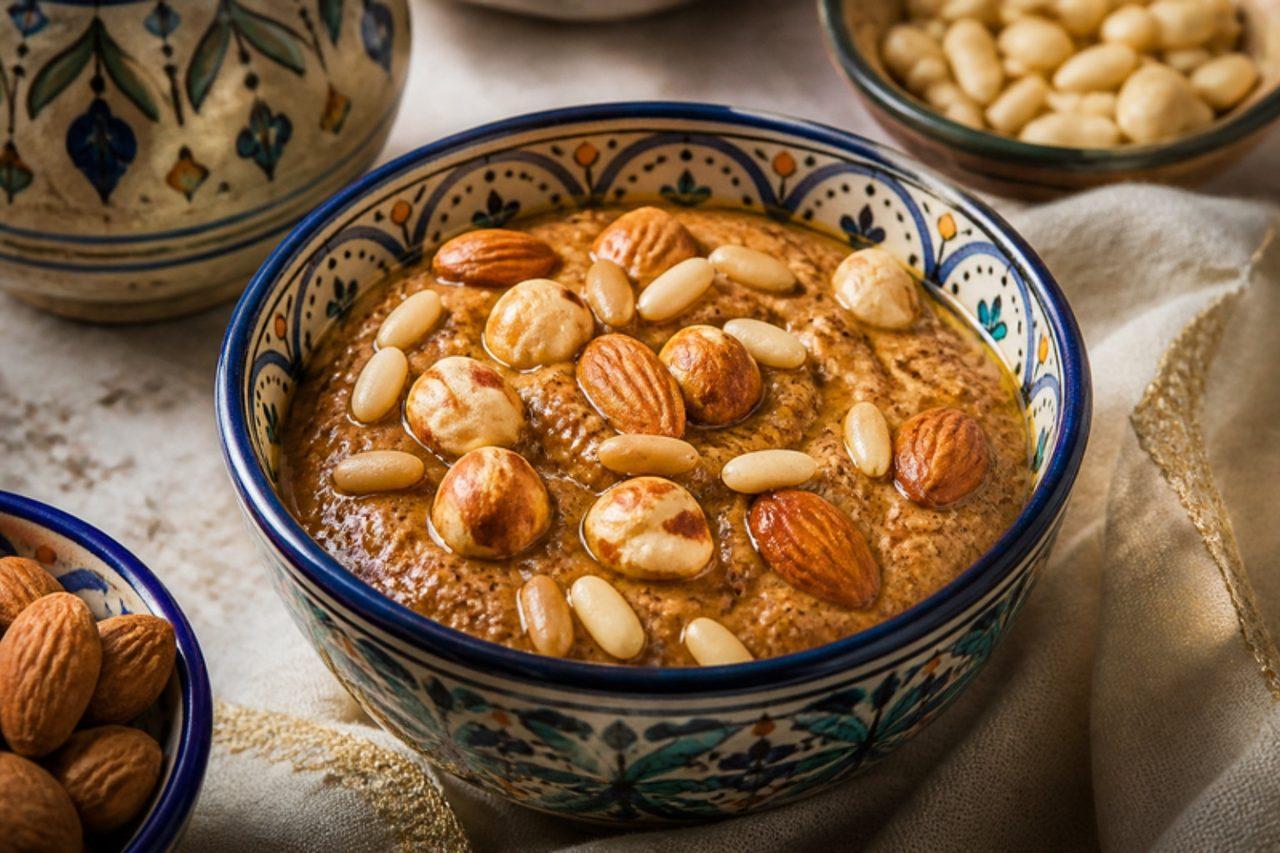
Zrir

Sesame, nut and honey paste

When a baby arrives in a Tunis family, visitors who come to see mother and child are offered zrir, a dense, glossy paste of toasted sesame, hazelnuts and almonds bound with butter and honey, believed to give strength to the new mother. It is served in tiny bowls or shaped into a mound and studded with nuts, and a spoonful is plenty. The taste is like a very rich halva with honey and toasted nuts. It keeps for a couple of weeks in a jar. Chef's tip: grind the sesame while it is still slightly warm; the oils release more easily and the paste turns smooth rather than sandy.

Read more 1 views

What to eat today?

Around the world

Today's trip: Persian

A new country every day, from every cuisine on the site.

Persian

Ash-e shalgham

Turnip and rice soup 65 minMore from Persian (131) →

This week's collection

Kid-friendly dinners
537 recipes · a new collection every Monday

Latest recipes

PapanașiFried cheese doughnuts

Papanași are the dessert Romanians order after almost any restaurant meal, from the old town of Bucharest to the mountain chalets of Sinaia and Bran. A soft dough of fresh cheese, egg and semolina is shaped into a ring with a little ball on top, fried until puffed and golden, then crowned with cold smântână and sour cherry or blueberry jam. Warm, tangy and very rich, one is a full dessert. Chef's tip: use dry, crumbly cheese and drain it if it's wet; a common mistake is a sloppy dough that soaks up oil and falls apart, so add flour only until it just stops sticking.

by KrazyBadal 0 views

Papad ki sabziPapad curry

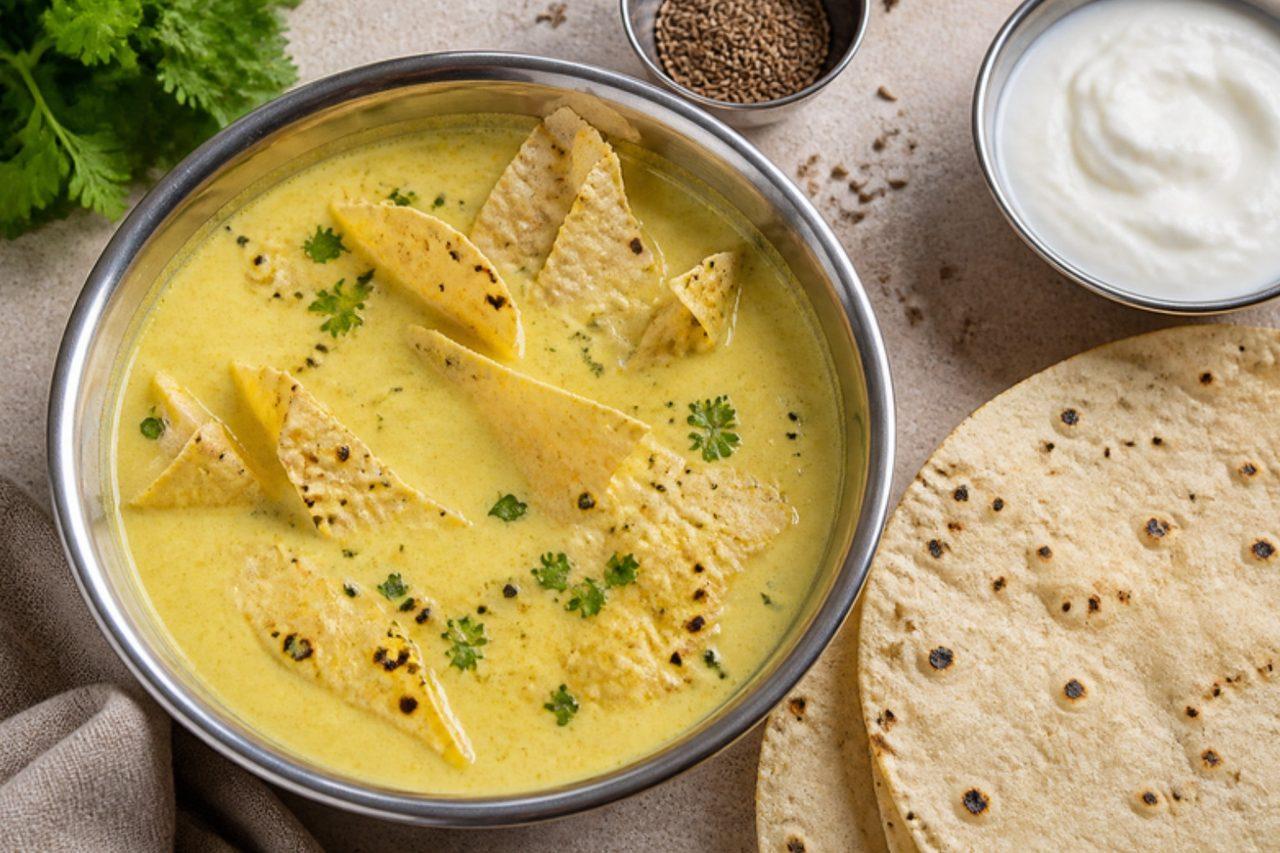
Papad ki sabzi comes from Rajasthan's dry interior, where fresh vegetables were scarce and pantries relied on sun-dried staples. Roasted papads are broken into a hot, spiced yogurt gravy at the last minute, so they soften but keep a little chew. Marwari households still make it on days when the vegetable basket is empty, eating it with bajra roti or phulka and a little ghee. Because it's ready in minutes, it's also a favourite for unexpected guests. The common mistake is adding the papads too early: they swell and turn to mush. Chef's tip: go easy on the salt, because papads are already well salted; season after tasting with the papad in.

by KrazyBadal 0 views

PogácsaCheese savoury scones

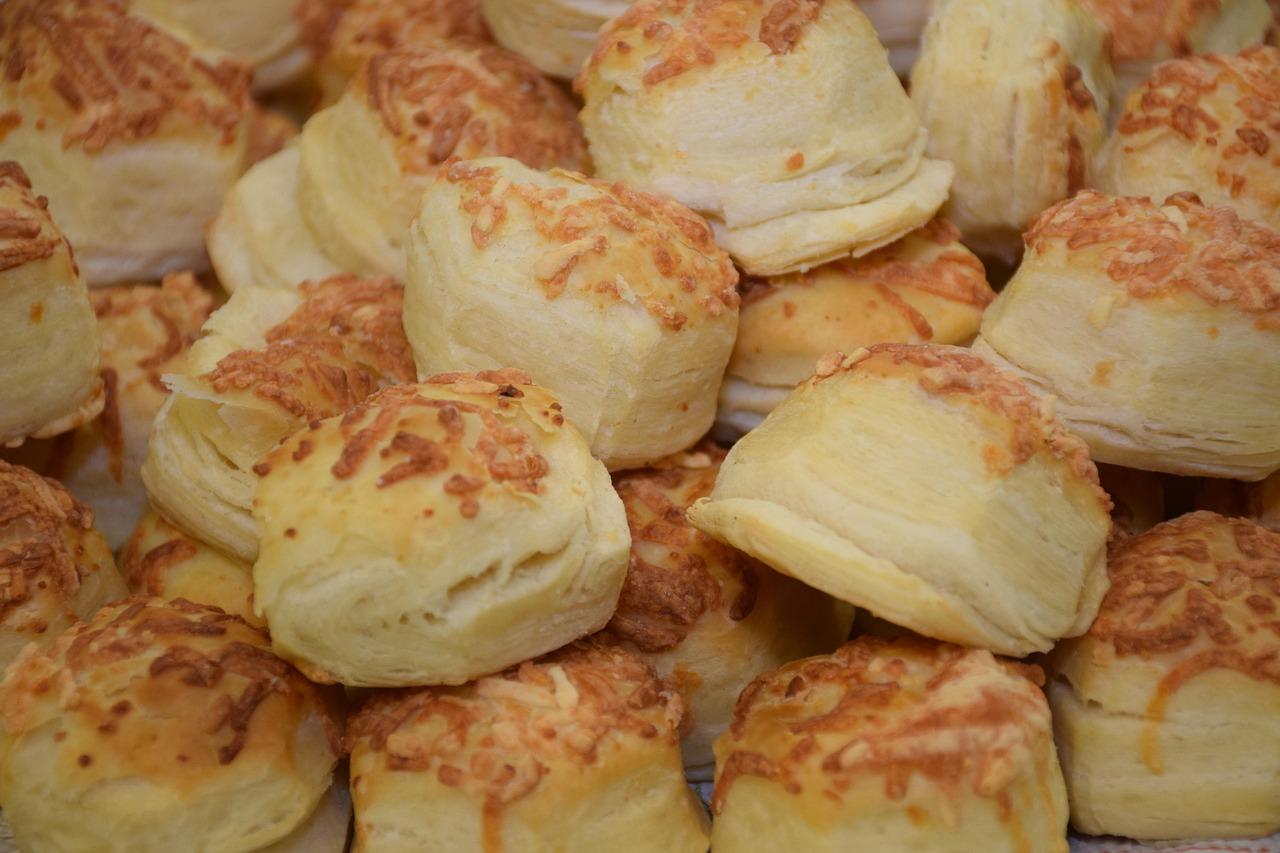
Pogácsa are small, round, flaky savoury scones that appear on every Hungarian buffet table, at weddings, christening parties and wine tastings in Tokaj and Villány, where they are eaten with a glass of white. Bakeries sell them by weight, and every region has its own: with crackling, potato, cabbage or, like these, butter, sour cream and cheese. The dough is folded a few times, so they split into tender layers, and the top is scored in a criss-cross before baking. Chef's tip: cut straight down with a sharp cutter and don't twist; twisting seals the edges and the pogácsa rise lopsided. Use a cheese made with vegetarian rennet.

by KrazyBadal 0 views

Papa a la huancaínaPotatoes in spicy cheese sauce

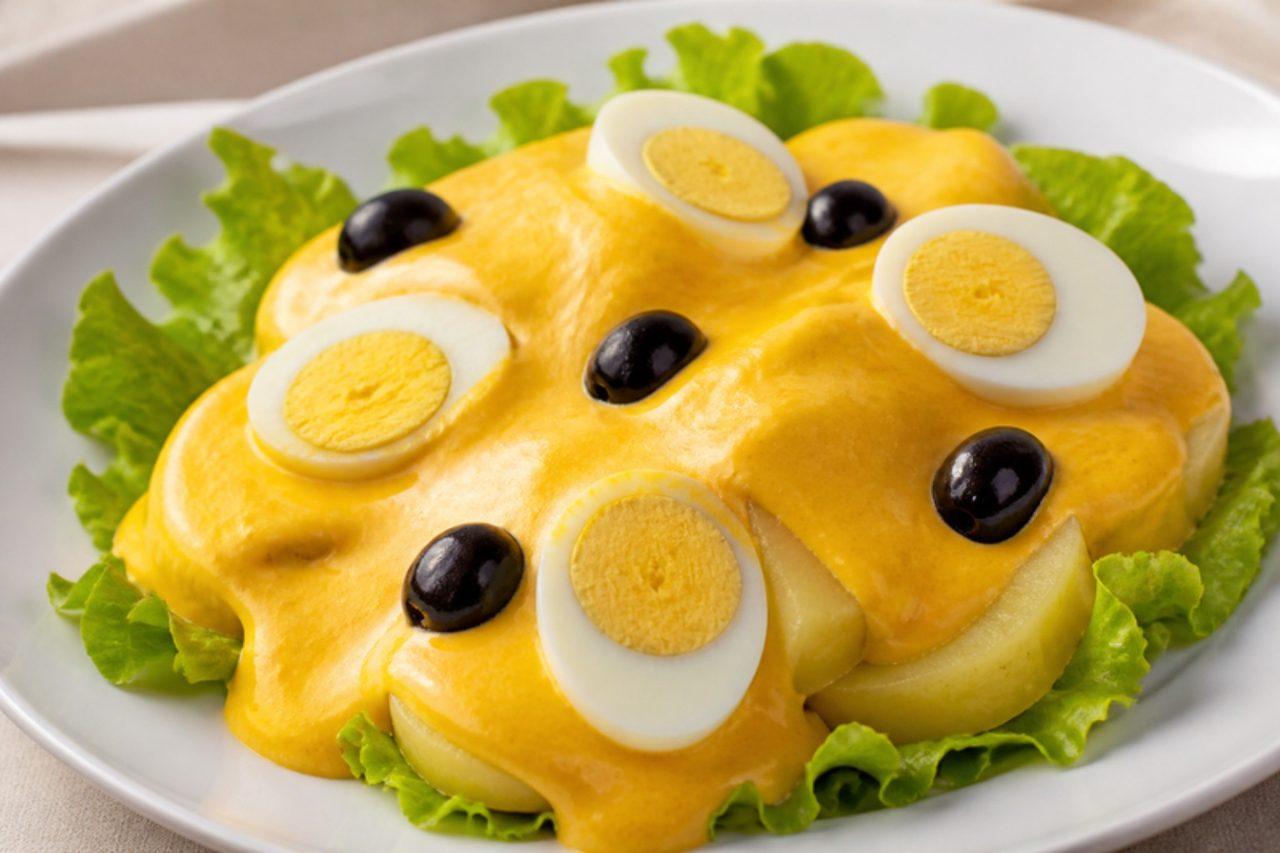
Papa a la huancaína is named after Huancayo in Peru's central Andes, but it is eaten everywhere, from Lima's set-lunch counters to Sunday family tables. Thick slices of cold boiled potato are blanketed in huancaína sauce, a silky, mildly hot sauce of ají amarillo, fresh cheese and evaporated milk, then finished with boiled egg and black olives. It is served cold as a starter, and the sauce is also the favourite dip for boiled corn and fried yuca. Use a queso fresco made with vegetarian rennet if you want it fully vegetarian (or a mild feta rinsed of salt). Chef's tip: fry the chillies, onion and garlic before blending; this takes off their raw edge and gives the sauce its rounded, sweet heat.

by KrazyBadal 0 views

PljeskavicaLarge grilled meat patty

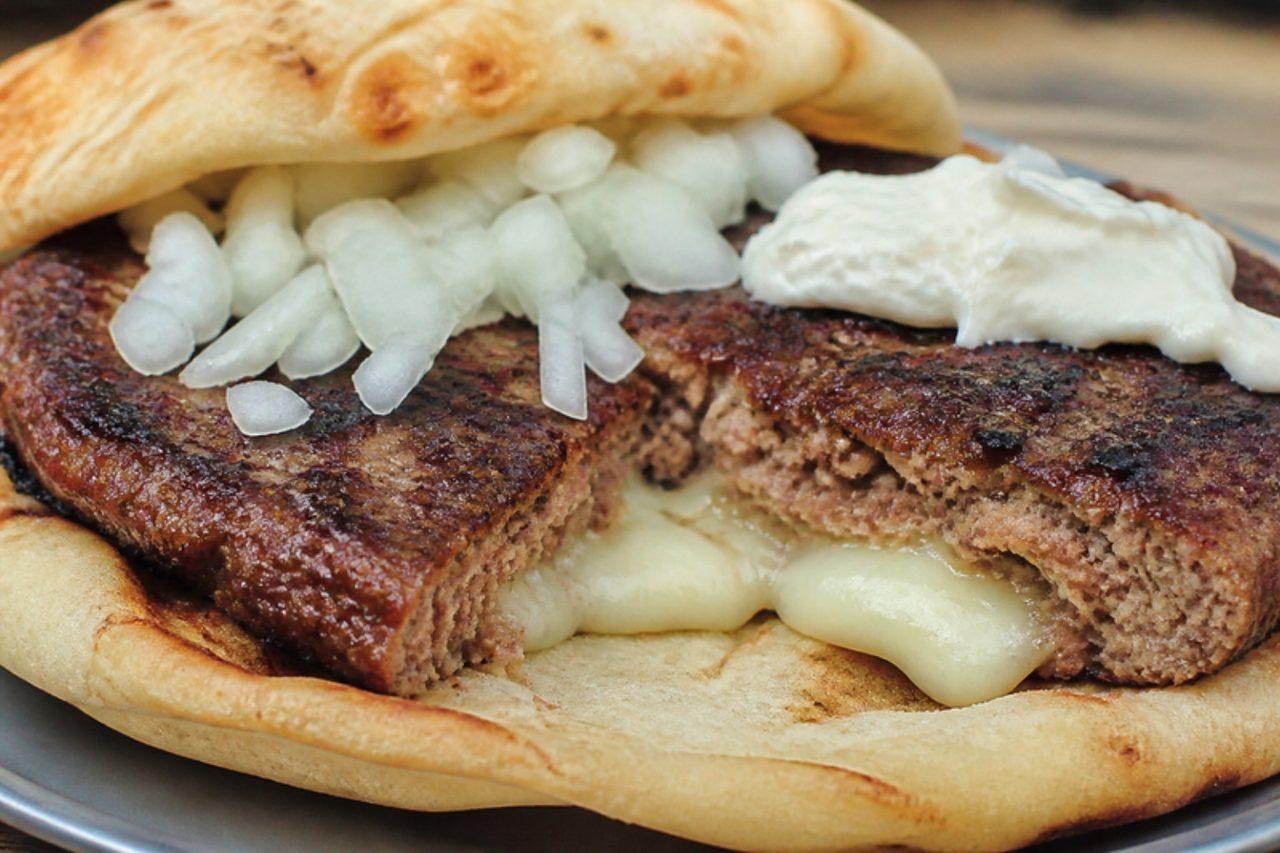
Leskovac, in southern Serbia, holds a whole grill festival every September in honour of pljeskavica, and Belgrade's street kiosks sell it day and night in a lepinja flatbread with chopped onion, kajmak and urnebes, a fiery cheese spread. It is a broad, thin patty of mixed beef and pork with onion and paprika, grilled hard and fast. The 'gourmet' version, gurmanska pljeskavica, hides cheese and bacon in the middle, and that is the version given here. This recipe contains pork. A common error is pressing the patties on the grill with a spatula: the juices drain away and they dry out. Chef's tip: press a shallow dimple into the centre of each patty with your thumb before grilling; it stops them doming up as they shrink.

40 minBalkanMeat
by KrazyBadal 0 views

Pap (stywe pap and krummelpap)Maize porridge

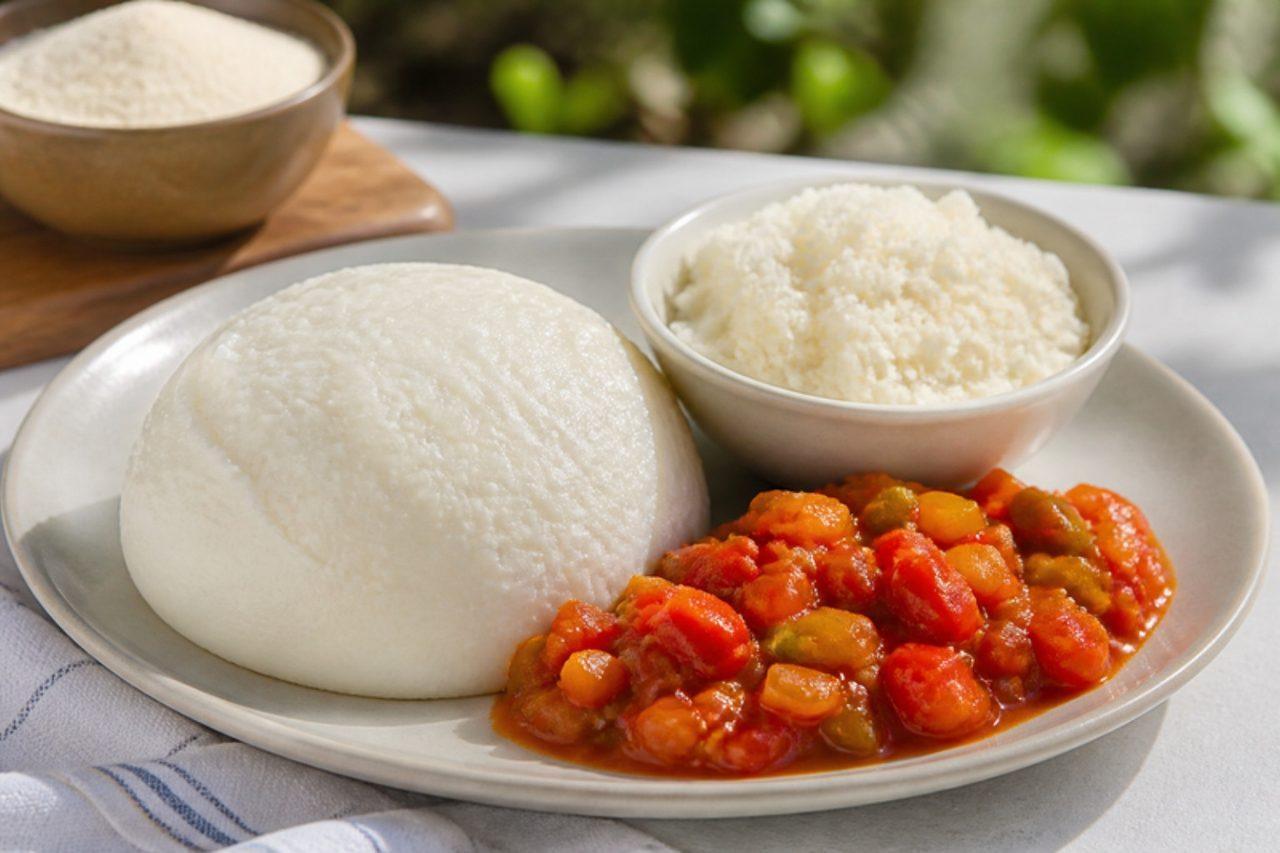
Pap is the everyday staple of South Africa, eaten in Soweto kitchens and Limpopo villages at almost every evening meal, and in a three-legged pot at every braai. It is plain white maize meal cooked in water, in two main styles: stywe pap (stiff pap), smooth enough to roll into balls and dip into relish, and krummelpap (crumbly pap), steamed into dry, fluffy crumbs. Both are eaten with chakalaka or a tomato-and-onion sauce. Chef's tip: wet the meal to a paste before it hits the boiling water, or you'll be fighting lumps for the next 20 minutes.

by KrazyBadal 0 views

Pão de ló de OvarMolten-centred sponge cake

Pão de ló is Portugal's oldest sponge cake, made with nothing but eggs, sugar and a little flour, and every region claims its own. In Ovar, a town on the lagoon coast south of Porto, it is baked only briefly, so a thin golden crust hides a centre of barely set, glossy egg cream that oozes when cut. It is the cake for Easter, when godparents give it to their godchildren, and it is sold all year at the town's bakeries wrapped in the paper it was baked in. Eat it at room temperature with a spoon, on its own or with a glass of port. Chef's tip: whisk the eggs and sugar for a full 12–15 minutes until the mixture is very thick and white; that air is the only thing that lifts the cake.

by KrazyBadal 0 views

PanzanellaTomato and bread salad

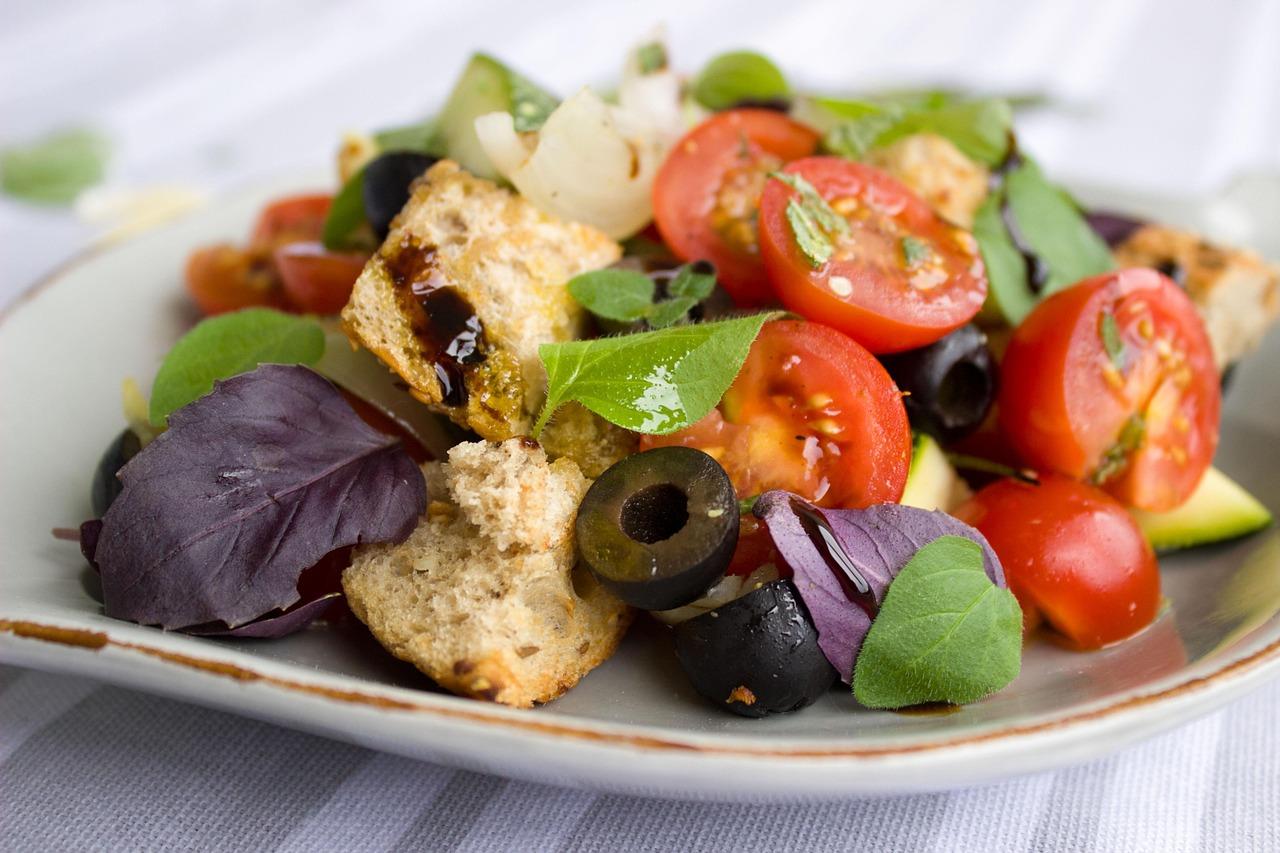
Panzanella is how Tuscans eat old bread in summer: hard, unsalted loaf soaked in water, squeezed and crumbled with juicy tomatoes, cucumber, red onion and basil, then dressed with vinegar and plenty of olive oil. In Florence and the Maremma it is a cool lunch for the hottest days, and every family argues about cucumber. Make it 30 minutes before eating so the bread drinks the tomato juice but keeps some bite. Chef's tip: salt the tomatoes first and let them weep in a bowl; that juice becomes the dressing.

by KrazyBadal 0 views

Panqueques con dulce de lecheCrêpes with dulce de leche

In Argentina and Uruguay, panqueques are not fluffy American pancakes but thin crêpes, and the classic way to eat them is rolled around dulce de leche, often as the dessert at a neighbourhood parrilla or on a rainy Sunday afternoon at home. Some restaurants sprinkle them with sugar and caramelise the top with a hot iron; at home a dusting of sugar is enough. Chef's tip: rest the batter for 20 minutes so the flour relaxes and the crêpes come out thin and tender rather than rubbery.

by KrazyBadal 0 views

Poisson braiséCharcoal-grilled fish

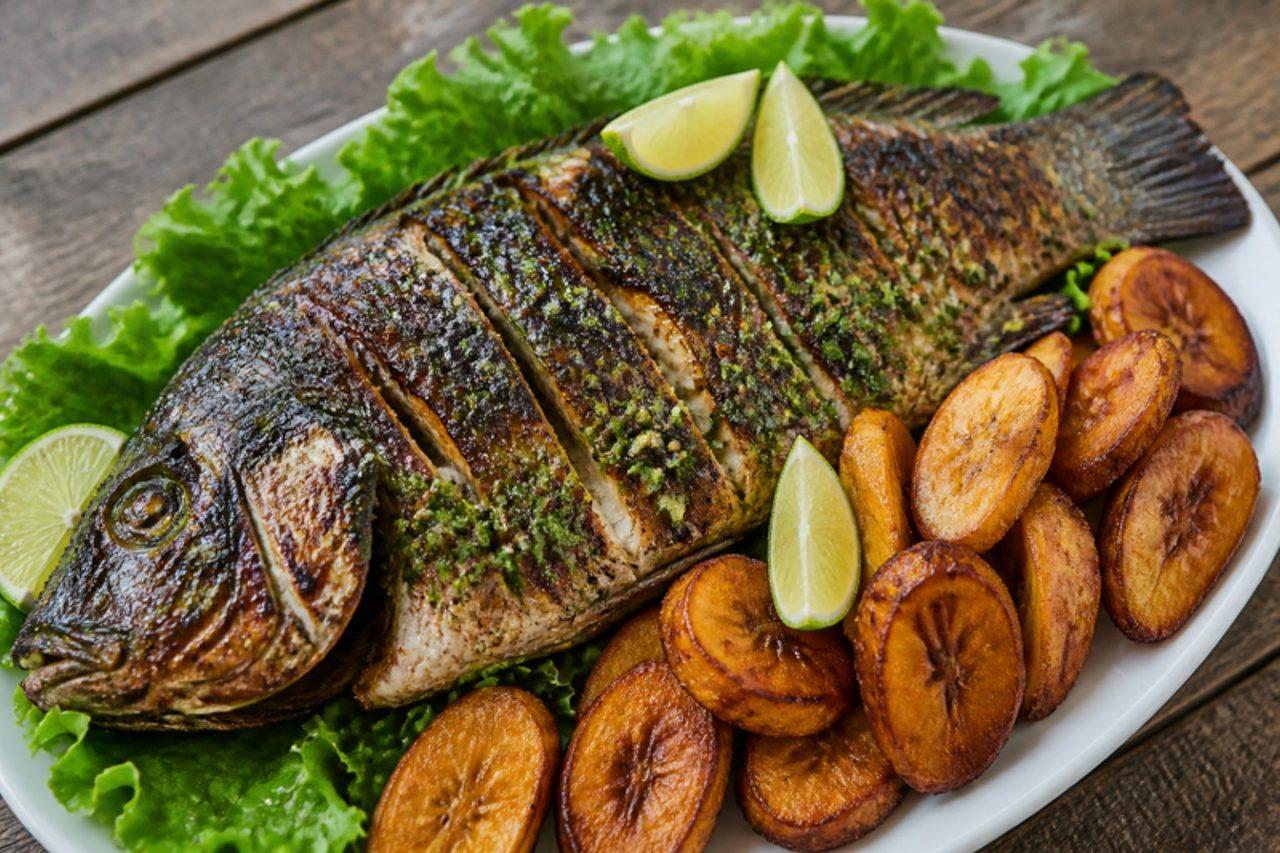
On the roadside grills of Douala and Yaoundé, women split tilapia or mackerel, smear them with a green paste of ginger, garlic, onion and herbs, and grill them over charcoal while people wait with a cold drink; it is late-evening food, eaten with fried plantain, bobolo (cassava sticks) or miondo and a fiery tomato pepper sauce. At home a very hot grill or a barbecue does the job. The mistake is turning the fish too early, so it sticks and breaks: wait until the skin is crisp and releases. Chef's tip: oil the fish and the grill bars, not just one of them.

by KrazyBadal 0 views

PannenkoekenDutch dinner pancakes

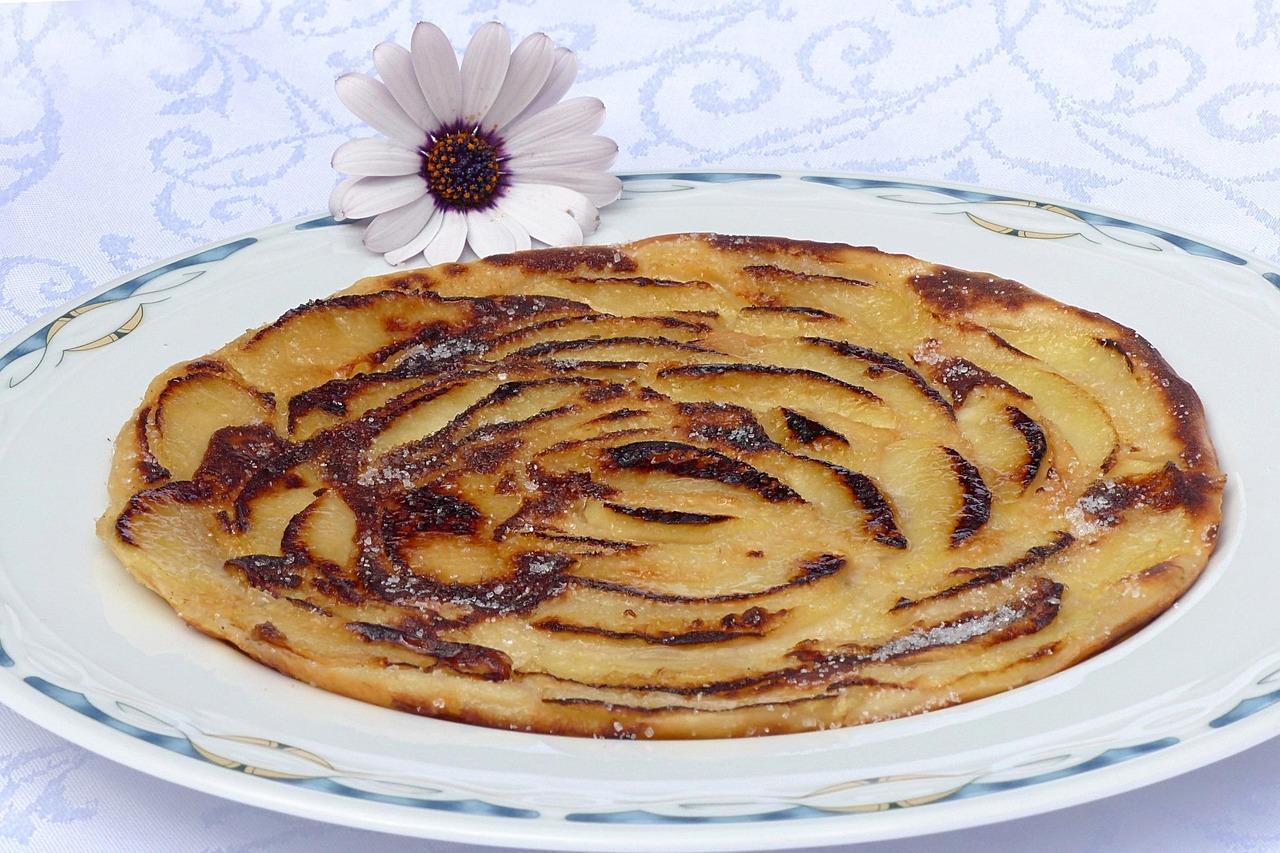
Dutch pannenkoeken are a meal, not a dessert: plate-sized, thicker than a French crêpe, and eaten for dinner with whatever has been baked straight into the batter. A pannenkoekenhuis in Amsterdam or by the dunes in Zeeland will offer dozens of fillings, but at home the favourites are apple (appel), young Gouda (kaas), or the two together, all finished with a thread of dark syrup (stroop). Kids eat them rolled up by hand. Chef's tip: lay the apple slices or cheese in the pan first and pour the batter over them, not the other way round; the fruit caramelises against the hot pan and the cheese becomes a crisp golden lace.

by KrazyBadal 0 views

Pol rotiCoconut flatbread with onion

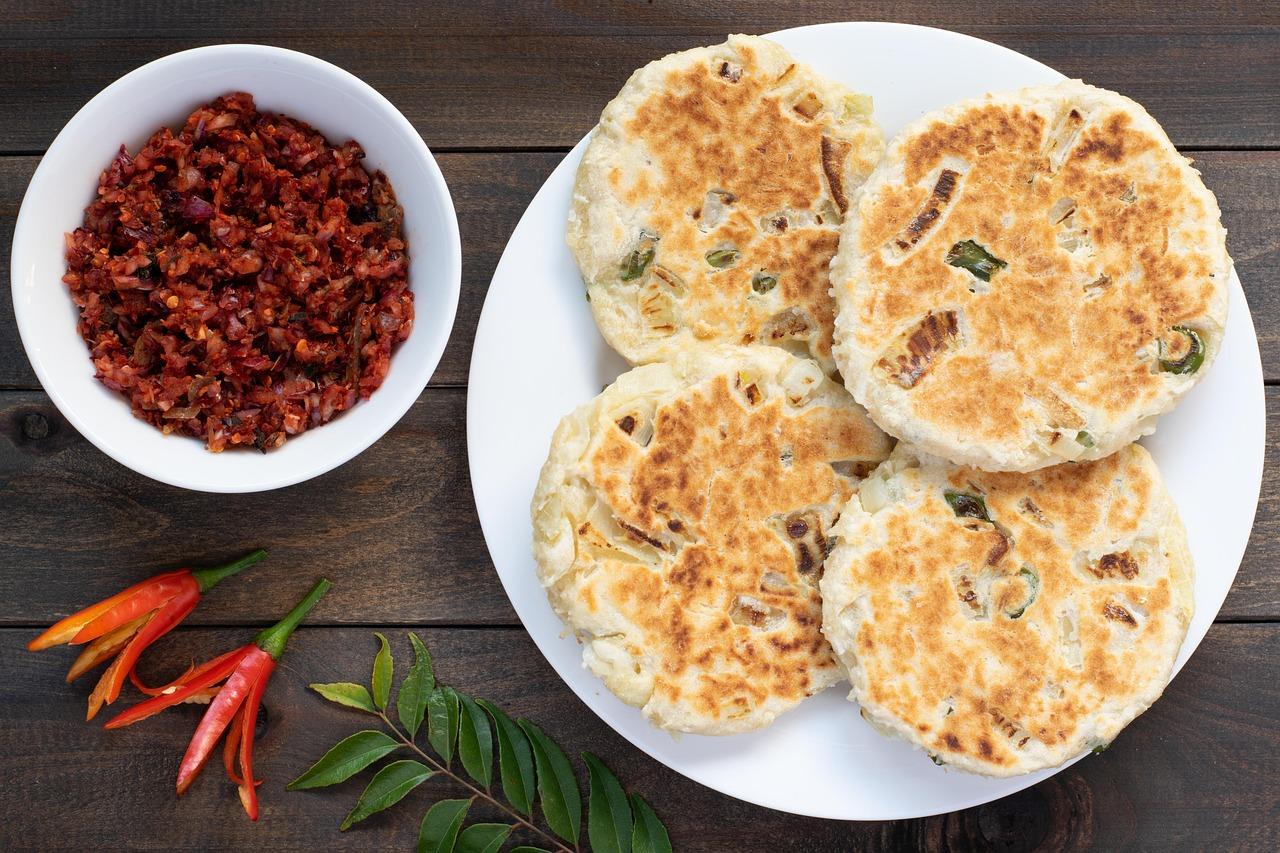
Pol roti is the hearty coconut flatbread that rural Sri Lankans eat for breakfast or an evening meal, cooked on a flat iron pan (thachchi) and torn up with lunu miris, parippu or a spicy potato curry; you'll see it stacked in glass cases in kades from Anuradhapura to Matara. Wheat flour is mixed with lots of freshly grated coconut, finely chopped onion and green chilli, and the dough is patted out thick by hand, so the roti come out chewy, with toasted coconut flecks and a sweet, savoury smell. The common mistake is rolling them thin: pol roti should be a good 1 cm thick and soft inside. Chef's tip: pat each roti out on a banana leaf or oiled baking paper and flip it straight onto the pan; it's too soft and crumbly to lift any other way.

by KrazyBadal 0 views

Pol sambolCoconut and chilli relish

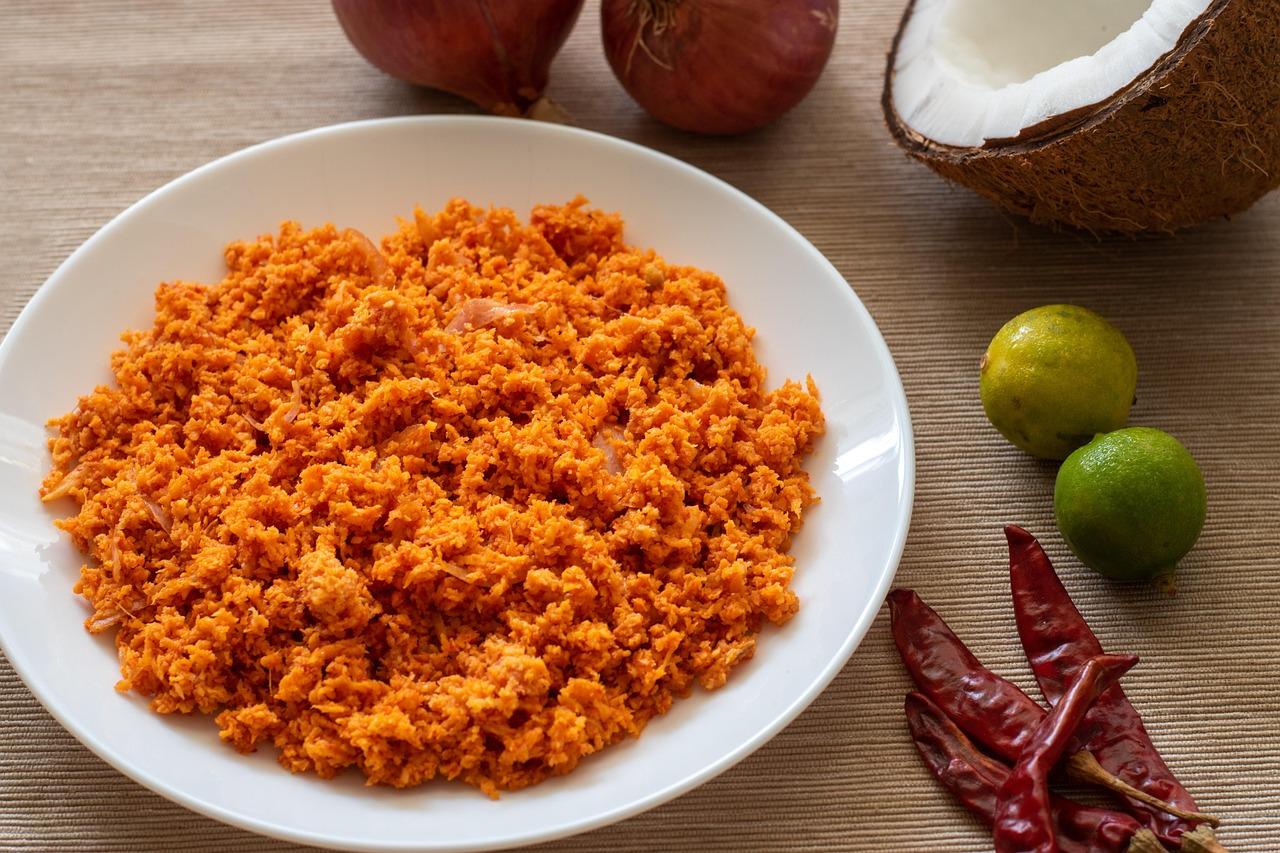
Pol sambol sits on the table at almost every Sri Lankan meal, from breakfast hoppers and string hoppers in a Kandy home to a rice packet bought at a roadside kade. Grandmothers grind it on a stone (miris gala) so the chilli and onion bruise into the coconut, and it turns a bright brick red, hot, sour and salty all at once. Most island recipes add a spoonful of Maldive fish (dried tuna flakes); we leave it out to keep it vegetarian and add a little extra onion and lime for depth. A common mistake is using dried desiccated coconut straight from the packet, which tastes dusty; fresh or frozen grated coconut gives the proper moist texture. Chef's tip: rub the chilli, onion and salt together first with your fingers until they turn juicy, then work in the coconut so every flake turns red.

by KrazyBadal 0 views

Polenta with mushroomsPolenta with garlic mushrooms

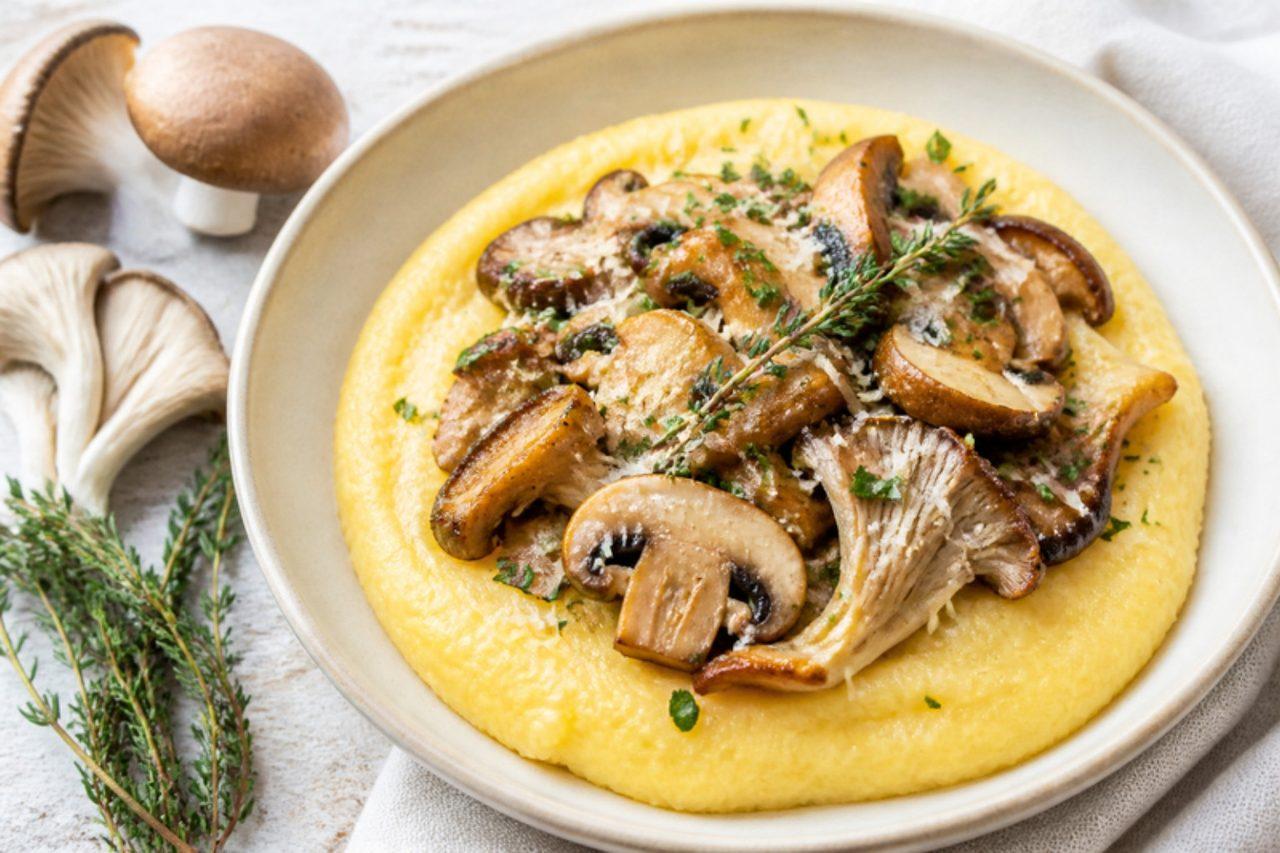
In the Veneto and the mountain valleys of the north-east, polenta is the old daily staple, poured steaming onto a wooden board in the middle of the table. Its classic autumn partner is funghi trifolati: mushrooms sautéed with garlic, parsley and a splash of white wine until glossy and deeply savoury. Soft polenta is spooned into bowls with the mushrooms on top, a warming supper for a cold night. Chef's tip: whisk the cornmeal into the water in a thin stream; if it goes in all at once, it lumps and no amount of stirring will fix it.

by KrazyBadal 0 views

Pollo a la brasaRoast chicken with green chilli sauce

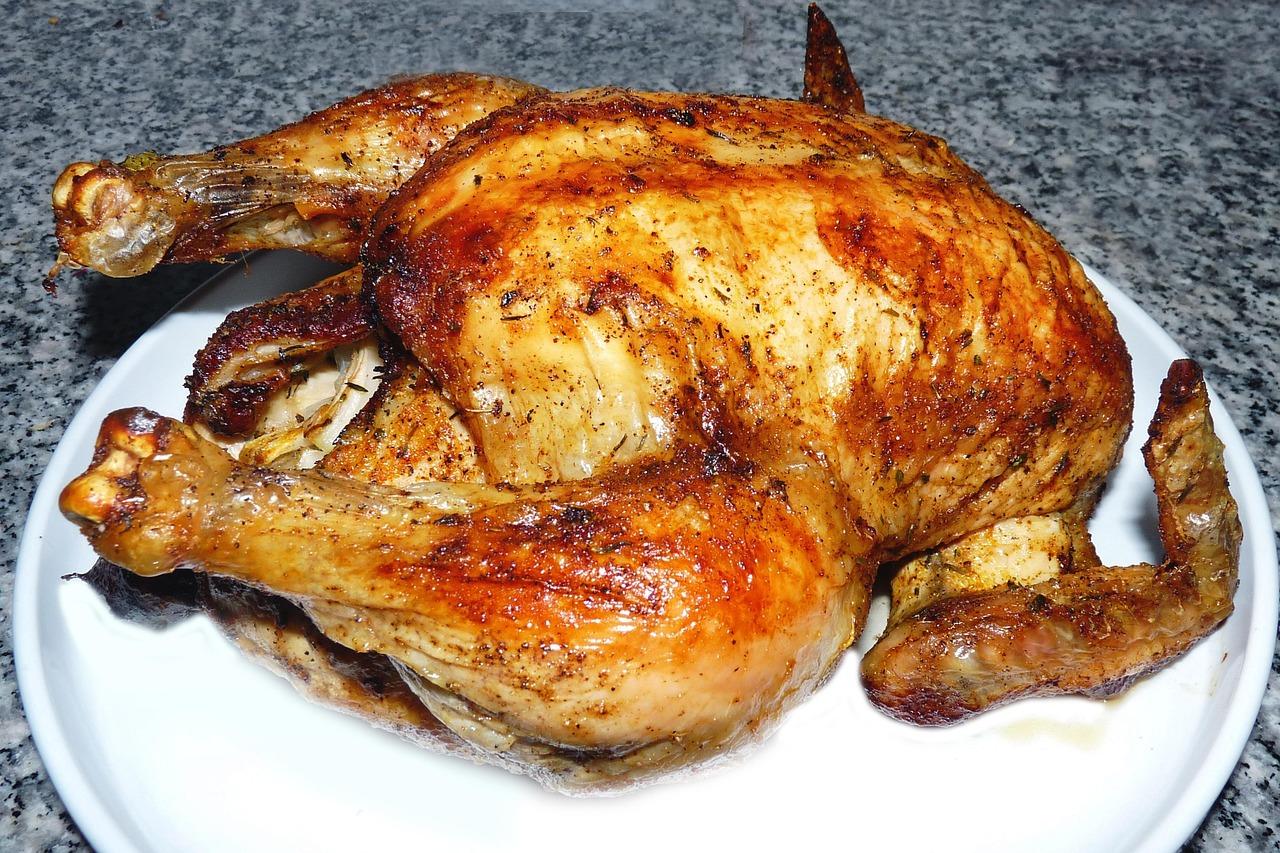
Born in the 1950s in Chaclacayo, just east of Lima, this rotisserie chicken has grown into a national obsession, with its own holiday on the third Sunday of July and a pollería on almost every block. The bird is marinated in soy sauce, lime, garlic, cumin and ají panca, then roasted until the skin is lacquered and dark. At home a hot oven does the job, and the meal is not complete without chips, a simple salad and a jar of creamy green ají sauce. Chef's tip: dry the skin well and leave the chicken uncovered in the fridge overnight after marinating; it roasts up much crisper.

by KrazyBadal 0 views

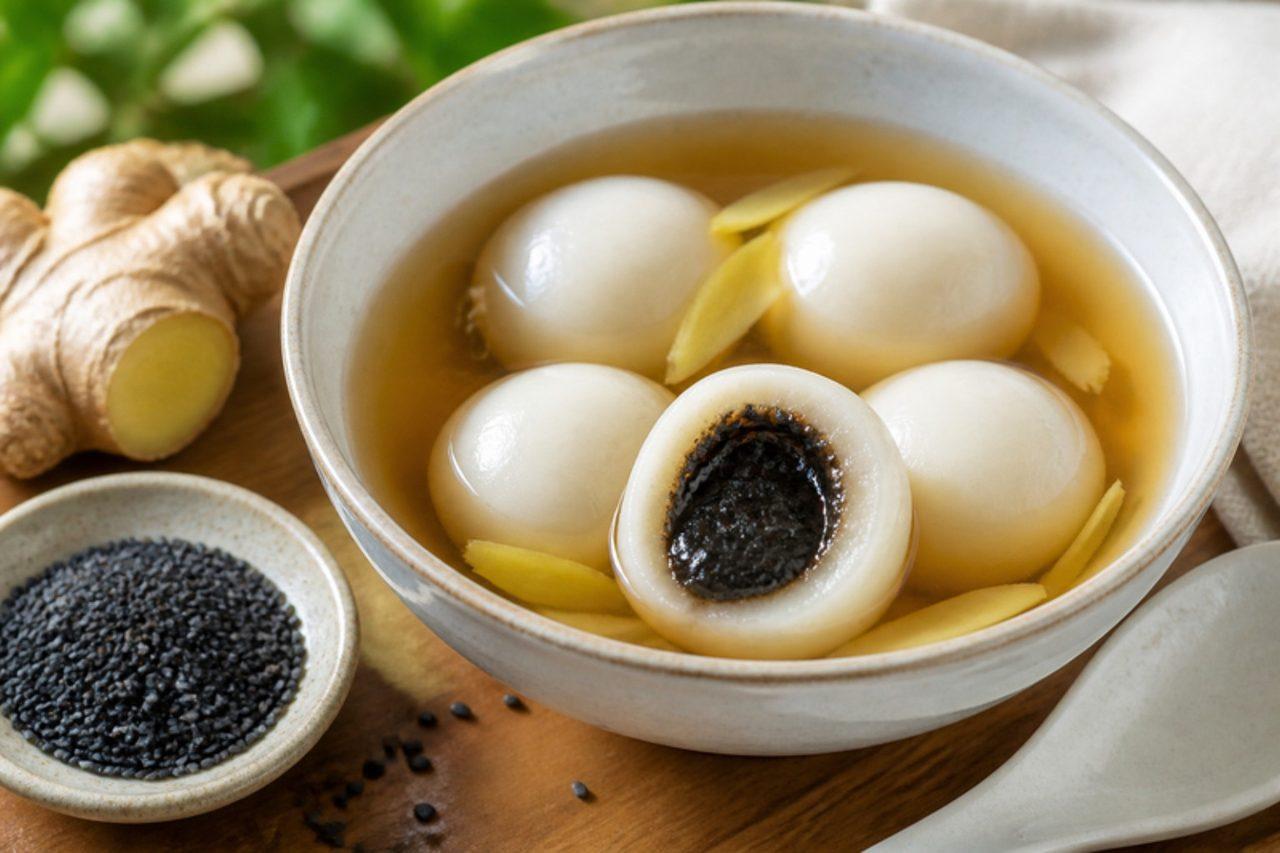
Black sesame tang yuan in ginger syrupSesame rice balls in ginger syrup

Tang yuan are eaten all over China at the Lantern Festival, on the fifteenth day of the Lunar New Year, and in the south also at the winter solstice; their roundness stands for family togetherness. The dough is glutinous rice flour, the classic filling black sesame, sugar and fat, served in a light ginger syrup. Lard is traditional in the filling; coconut oil sets just as firmly and keeps them vegan. Chef's tip: chill the filling until firm and roll it into balls before you start the dough; cold filling is far easier to wrap.

by KrazyBadal 0 views

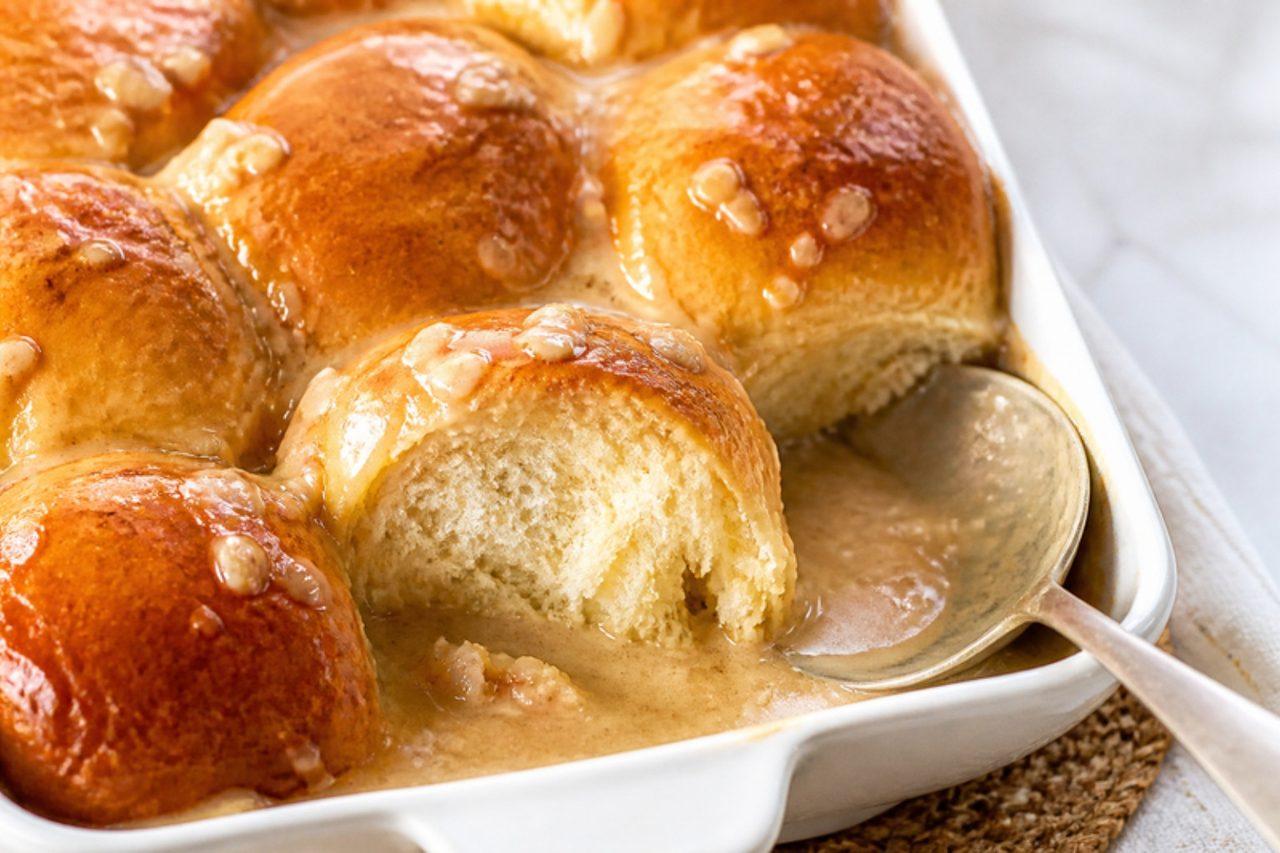
PanipopoSweet rolls in coconut sauce

Panipopo (from 'pani', bun, and 'popo', coconut) are soft, sweet bread rolls baked sitting in a pool of coconut milk and sugar, which bubbles into a sticky, caramel-coloured sauce around them. Samoan families bake them for Sunday lunch, fundraisers and church gatherings, and they've spread to Samoan communities in Auckland and Hawaii. Served warm with the sauce spooned over, they're somewhere between a cinnamon roll and a pudding. Chef's tip: pour the coconut sauce around the rolls just before baking, not hours ahead, or the bottoms go soggy instead of sticky.

by KrazyBadal 0 views

Hyderabadi Irani chaiCreamy milk tea

Irani chai came to Hyderabad with Persian migrants who opened cafés across the old city, and it is now the city's signature drink, poured at all hours in places around the Charminar, often with Osmania biscuits or a bun maska. Unlike masala chai, it has no spices: strong tea is brewed slowly in a sealed pot (dum), while full-fat milk is simmered separately with a little khoa until thick and creamy. The two are mixed only in the cup, giving a rich, mellow, slightly sweet tea. Chef's tip: seal the tea pot lid with a little dough or foil, as the cafés do, so the brew steeps without losing steam or strength.

by KrazyBadal 0 views

Polos curryYoung green jackfruit curry

Polos is the tiny unripe jackfruit picked in the Western and Sabaragamuwa provinces long before it sweetens, and cooked low and slow it becomes one of the island's most loved festival curries, especially at Sinhala and Tamil New Year in April and at wedding lunches. The firm, pale flesh soaks up a very dark roasted curry powder, garlic, ginger, goraka (a smoky souring fruit) and coconut milk until it turns almost black-brown and tastes rich, sour and meaty. Fresh polos is hard to find abroad; tinned young green jackfruit in brine works well. A frequent mistake is not cooking it long enough, which leaves it squeaky; the pieces must be soft enough to break with a spoon. Chef's tip: oil your hands and knife before cutting fresh jackfruit; the sticky white sap washes off oiled skin but not dry skin.

by KrazyBadal 2 views

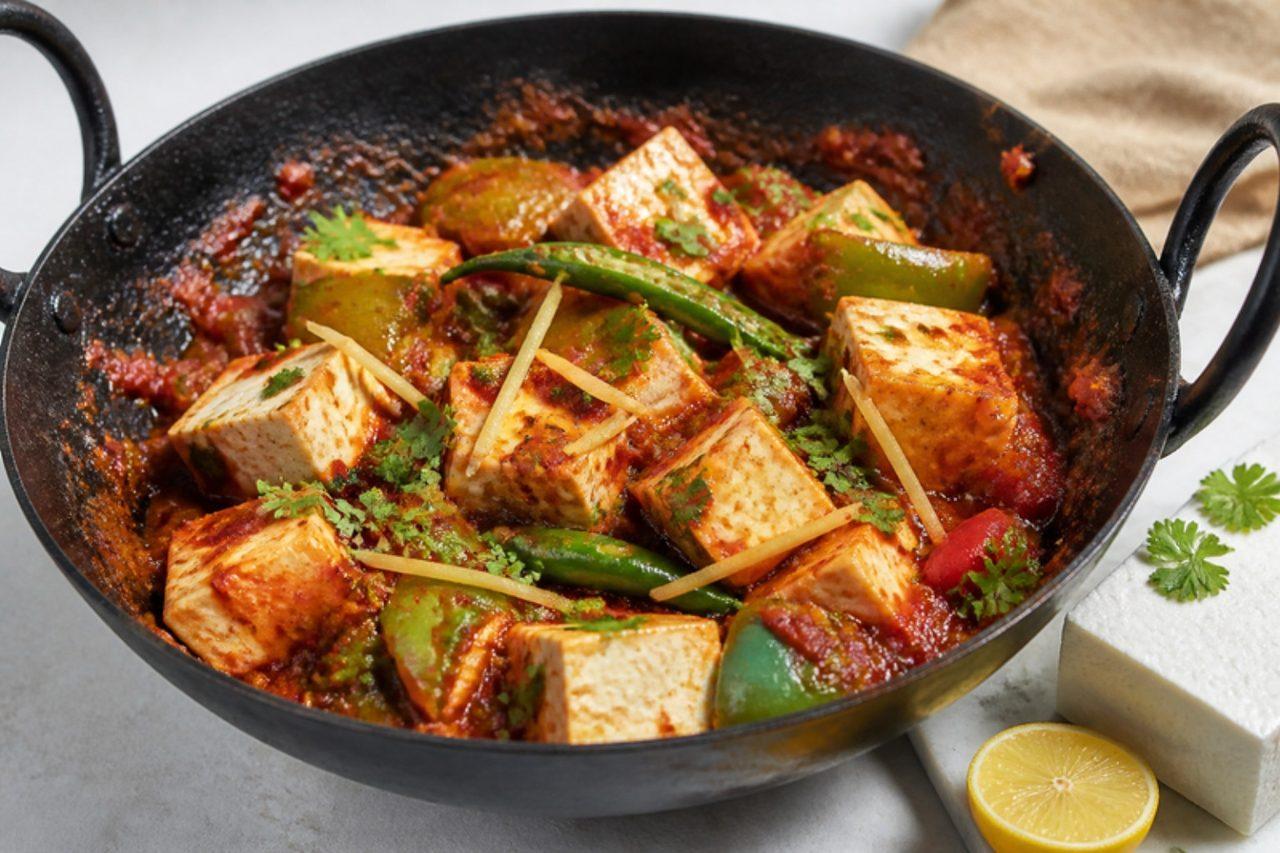
Paneer karahiPaneer in tomato and chilli gravy

Karahi is named after the heavy round-bottomed wok it is cooked and served in, and the roadside dhabas of Lahore and the Grand Trunk Road through Punjab are where it is at its loudest: a cook working three pans at once over a roaring flame, late at night, for tables of friends tearing naan. The Pakistani style is lean on spice and big on tomato, garlic, ginger, green chilli and crushed black pepper, with no onion and no cream, so the masala tastes bright and sharp rather than rich. Paneer takes the place of meat here and only needs warming through. The usual mistake is pouring in water to make more gravy; a karahi gets its sauce only from tomatoes cooked down until the oil comes back out. Chef's tip: crush the coriander seeds and black pepper yourself just before cooking; the coarse, fresh crunch is what makes it taste like a dhaba karahi.

by KrazyBadal 0 views

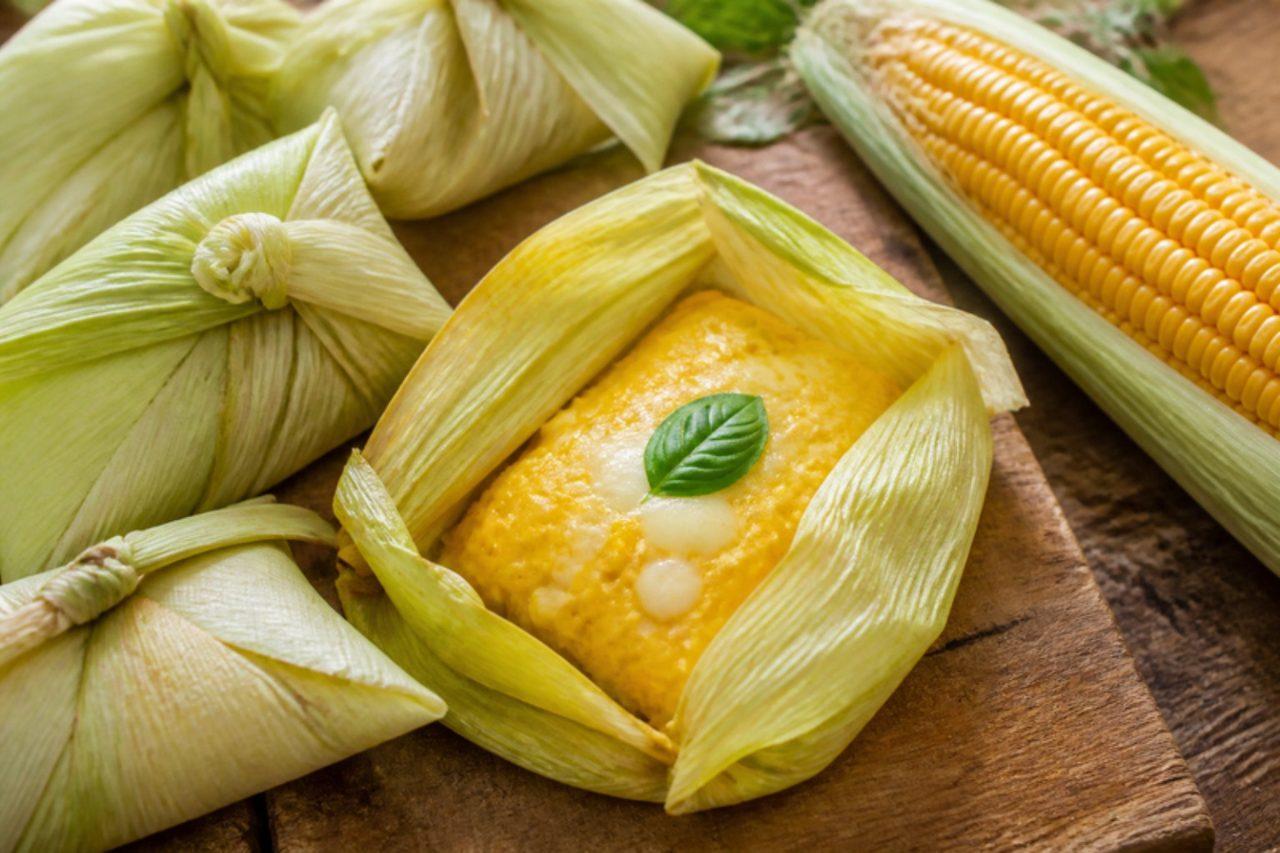
Humita en chalaSteamed corn and squash parcels

In Salta, Jujuy and Tucumán in Argentina's Andean northwest, humitas are made in late summer when the corn is young and milky. Fresh kernels are grated off the cob and cooked with onion, red pepper, squash and a little sweet paprika, then bound with cheese, wrapped in the fresh green husks (chala), tied with strips of husk and simmered. They come out soft, sweet and savoury, like a delicate corn pudding. Chef's tip: grate the corn on a box grater; it releases the milky juice that sets the humita, which cut kernels never will.

by KrazyBadal 0 views

TantanmenSesame chilli noodle soup

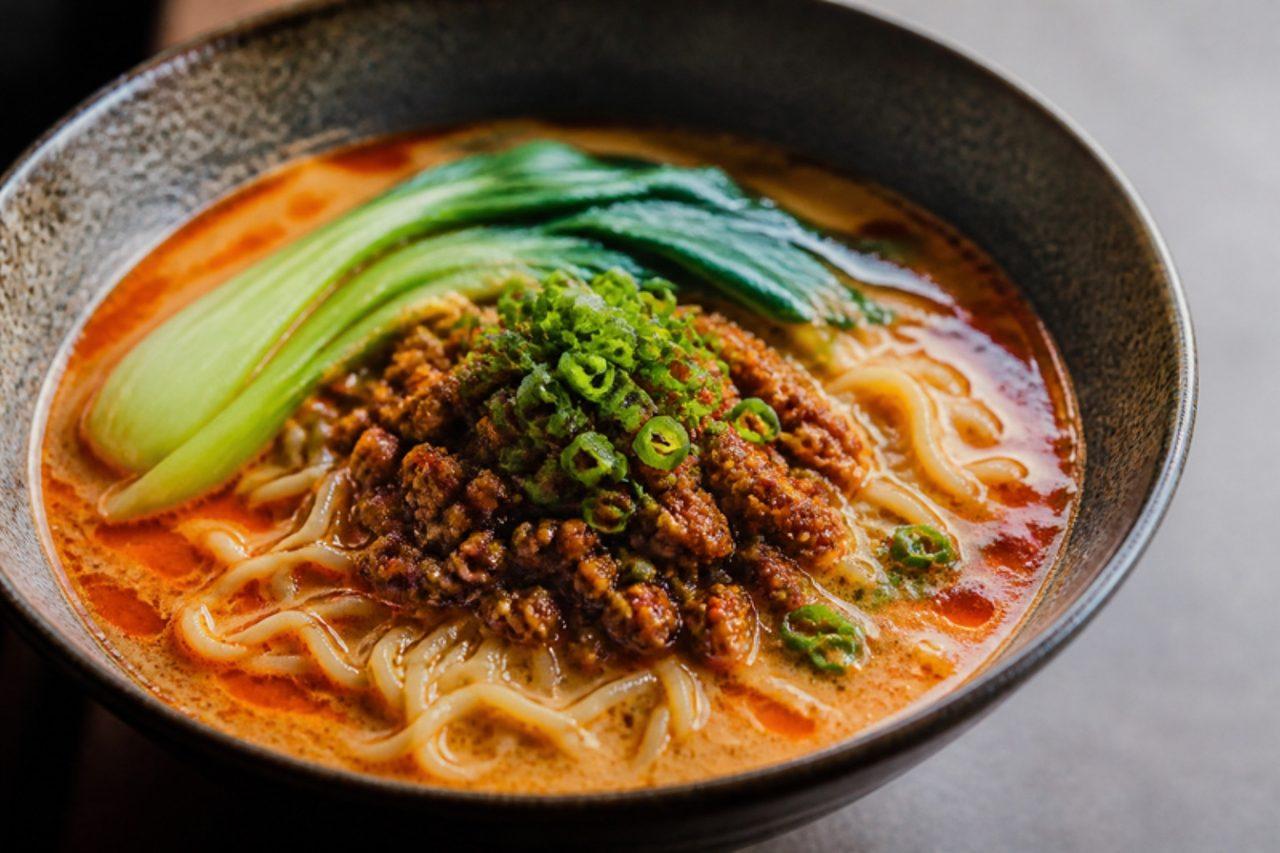
Sichuan dan dan noodles are eaten almost dry, with just a spoonful of sauce, but Chinese chefs cooking in post-war Tokyo turned them into a full bowl of soup for Japanese diners. Today tantanmen sits on the menu of almost every Chinese-style restaurant and many ramen shops across Japan, and it sells best in the cold months. The broth is rich with sesame paste, softened with soy milk and lit up with chilli oil, then crowned with savoury fried pork. Pak choi adds a fresh, crunchy contrast. Chef's tip: fry the pork until it is properly brown and a little crisp before seasoning, so it keeps some bite in the soup instead of turning soft.

by KrazyBadal 0 views

PomBaked chicken and grated pomtajer

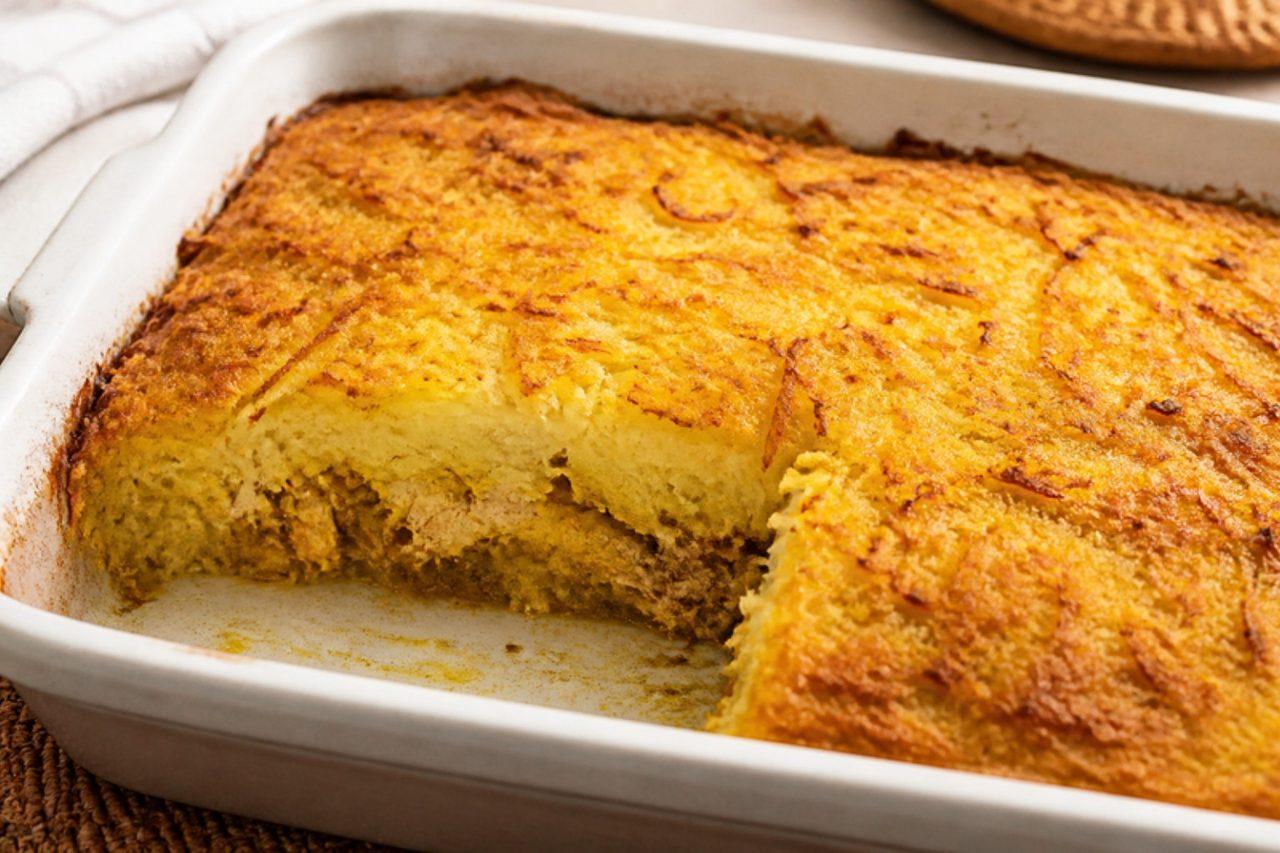
Pom is Suriname's celebration dish, baked for birthdays and holidays in Paramaribo and by the Surinamese community in the Netherlands: a layer of grated pomtajer root (a type of taro) mixed with citrus juice, then a layer of chicken stewed with onion, tomato, nutmeg and pickled peppers, then more pomtajer, baked until the top is golden. It is usually eaten on a roll as a "broodje pom". The mistake is skipping the citrus: pomtajer must be mixed with orange or lime juice, which gives the dish its fragrance. Chef's tip: frozen grated pomtajer from Surinamese or Caribbean shops saves the hard grating; if you can't find it, use grated taro or a mix of taro and potato.

by KrazyBadal 0 views

Salmorejo cordobésThick chilled tomato and bread soup

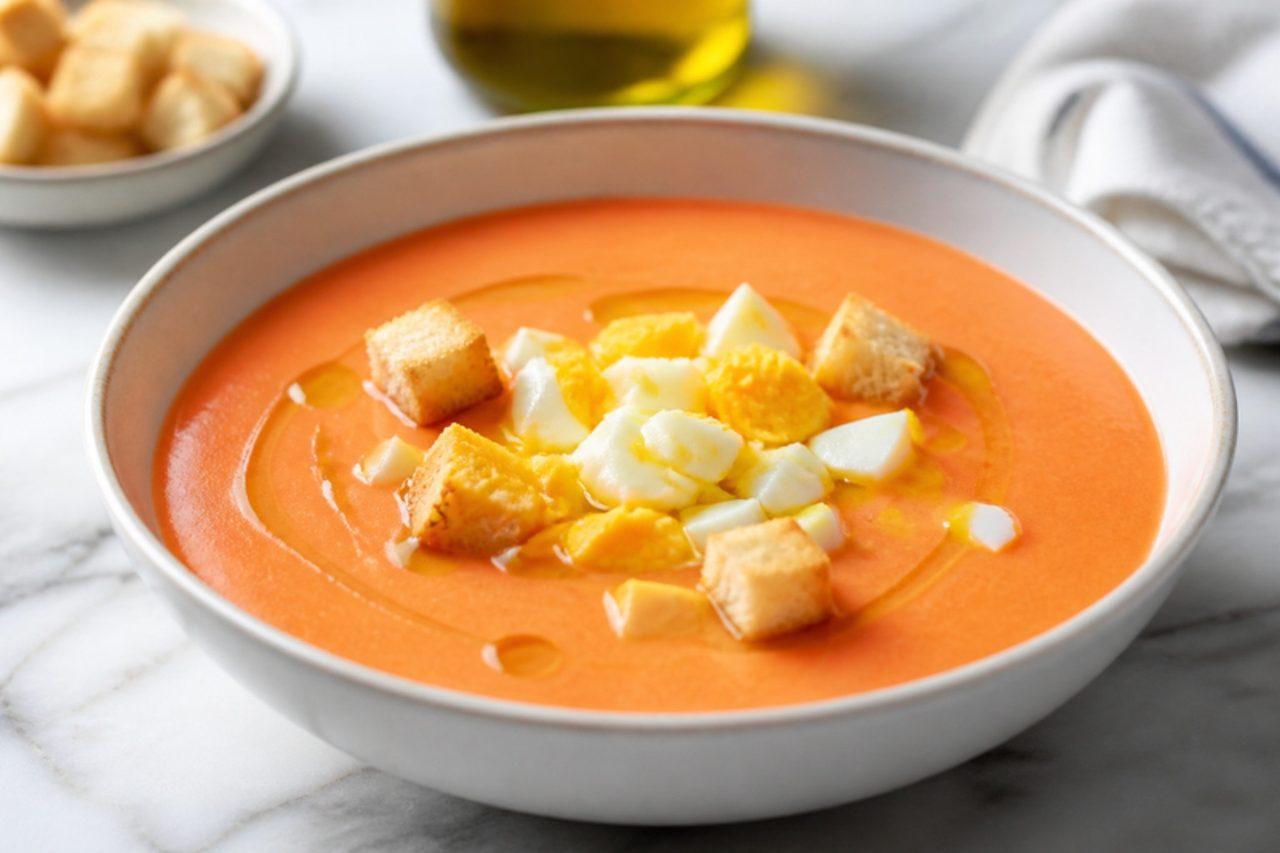
Salmorejo is Córdoba's answer to gazpacho: thicker, richer and simpler, made with just ripe tomatoes, bread, garlic, olive oil and salt, blended into a cream so dense a spoon almost stands up in it. In Córdoba it is served in a shallow earthenware bowl as a first course or tapa, topped with chopped hard-boiled egg and diced cured ham; this vegetarian version keeps the egg (leave it out for a vegan dish) and adds a few crunchy croutons and a thread of olive oil. Chef's tip: use bread with a dense, tight crumb, like a day-old Spanish 'pan de telera' or a firm white loaf; airy supermarket bread makes salmorejo thin and gluey.

by KrazyBadal 0 views

Pisto manchegoPepper, courgette and tomato stew

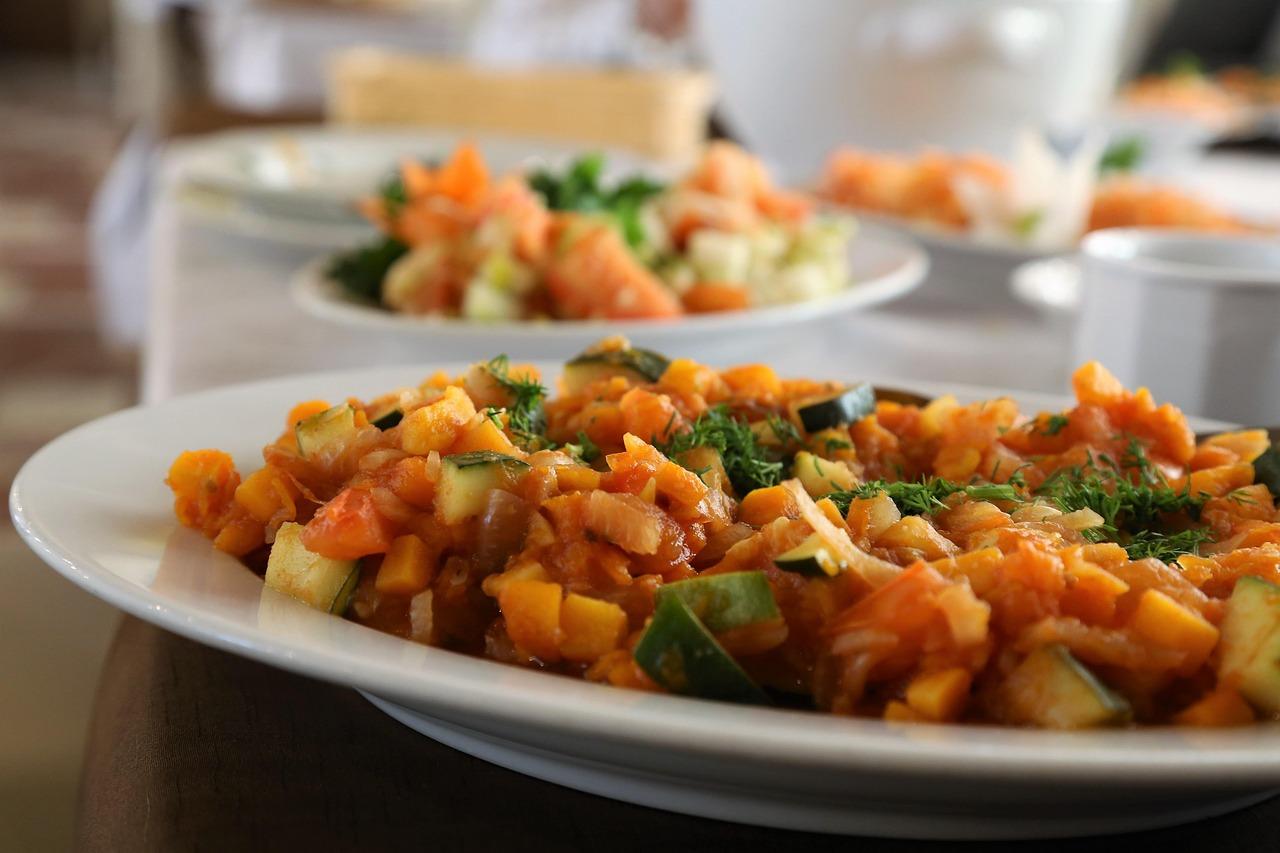
Pisto manchego is the summer vegetable stew of La Mancha, the high plains of Don Quixote country: onions, green and red peppers and courgette cooked slowly in olive oil, then simmered with fresh tomato until soft, sweet and jammy. Spain's answer to ratatouille is humbler and softer, with the vegetables cooked one after another rather than all at once. In La Mancha it is eaten with bread and very often topped with a fried egg; it is also served alongside rice or potatoes, or cold the next day as a tapa. Chef's tip: be patient with the onion and peppers; give them a full 15–20 minutes over a low heat until really soft and sweet before the tomato goes in, because that slow start is where pisto gets its deep, mellow flavour.

by KrazyBadal 0 views

Lentejas estofadasLentil stew

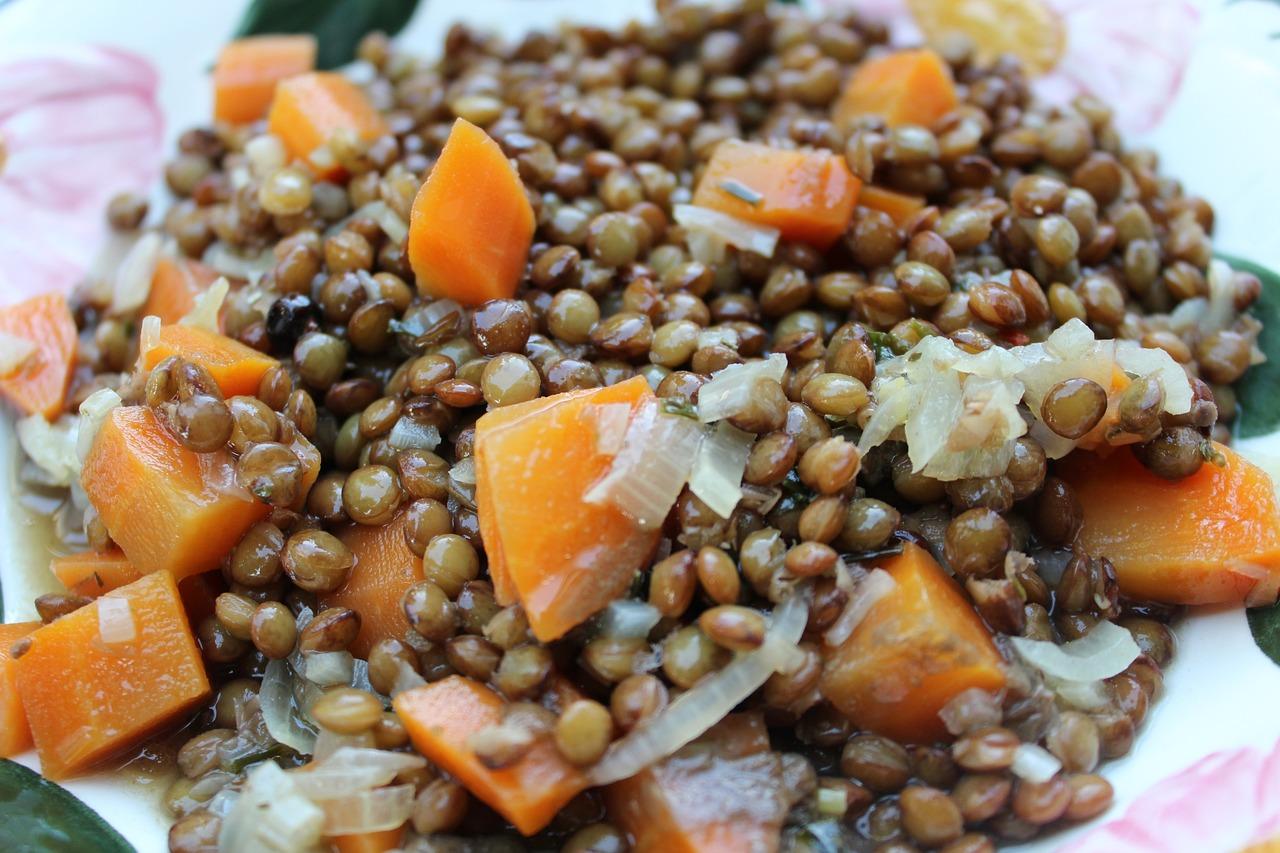
Lentejas estofadas, or lentejas a la española, is the stew that every Spanish household knows from childhood, cooked once a week from Castile to Andalusia. Small brown lentils (pardinas, ideally from Tierra de Campos in León) are simmered with a sofrito of onion, pepper, garlic and tomato, carrot, potato and bay until thick, savoury and soothing. Most families add chorizo; here smoked pimentón de la Vera brings the same smoky warmth. Serve in deep bowls with crusty bread and a few pickled guindilla peppers on the side. Chef's tip: add a splash of sherry vinegar right at the end; it lifts the earthy lentils and is what Spanish grandmothers do to make the stew taste finished.

by KrazyBadal 0 views

Horchata de chufaTiger nut milk

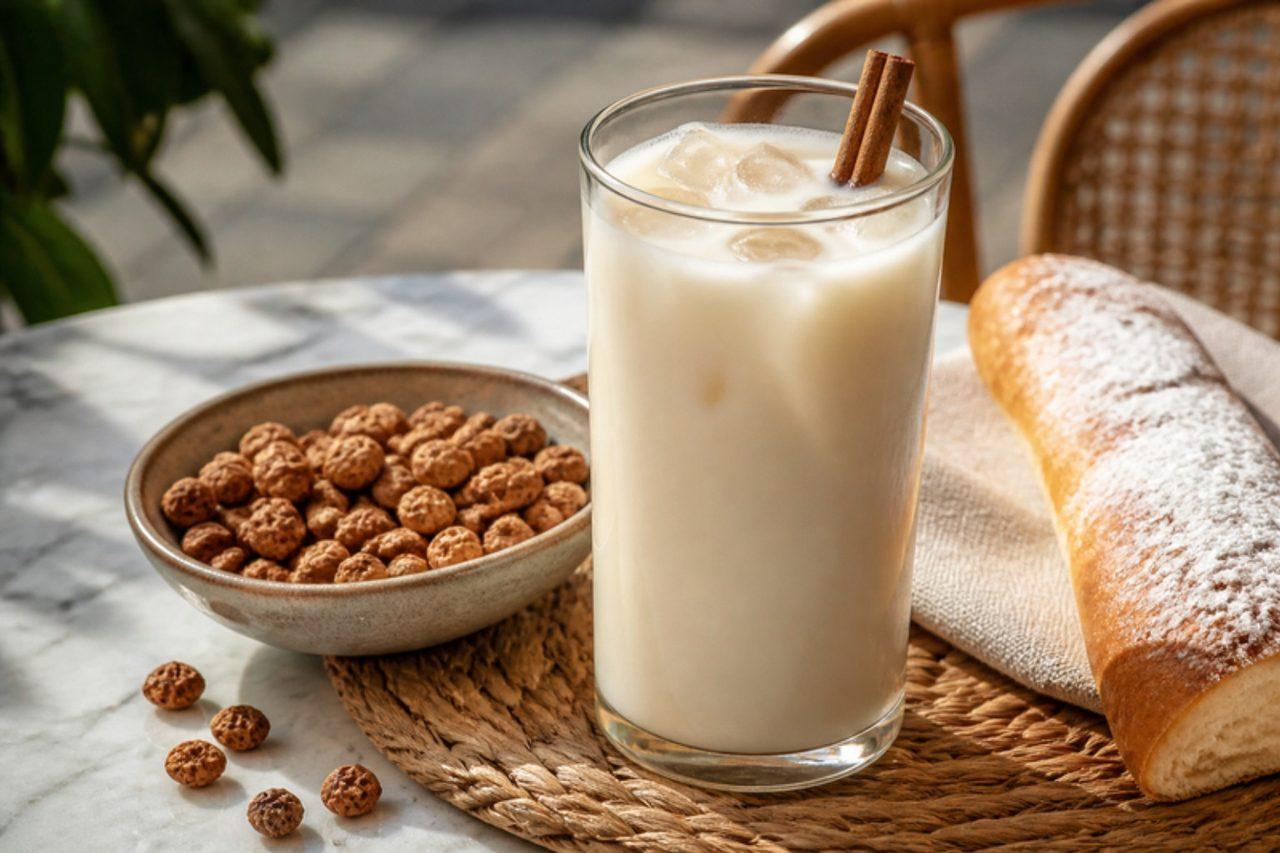
Horchata de chufa is the drink of Valencia's summer, sold ice-cold in the city's horchaterías with long, soft fartons pastries for dipping. It is made from chufas, or tiger nuts: small wrinkled tubers grown around the village of Alboraya just north of Valencia, which have their own protected designation of origin. Soaked, ground with water, strained and sweetened, they give a creamy, nutty, naturally dairy-free milk with a hint of cinnamon. Valencians drink it very cold, or half-frozen as 'granizada'. Chef's tip: soak the tiger nuts for a full 24 hours and change the water once; they must be plump and soft enough to blend into a fine pulp, or the horchata will be thin and taste of raw starch.

by KrazyBadal 1 views

TorrijasCinnamon fried bread

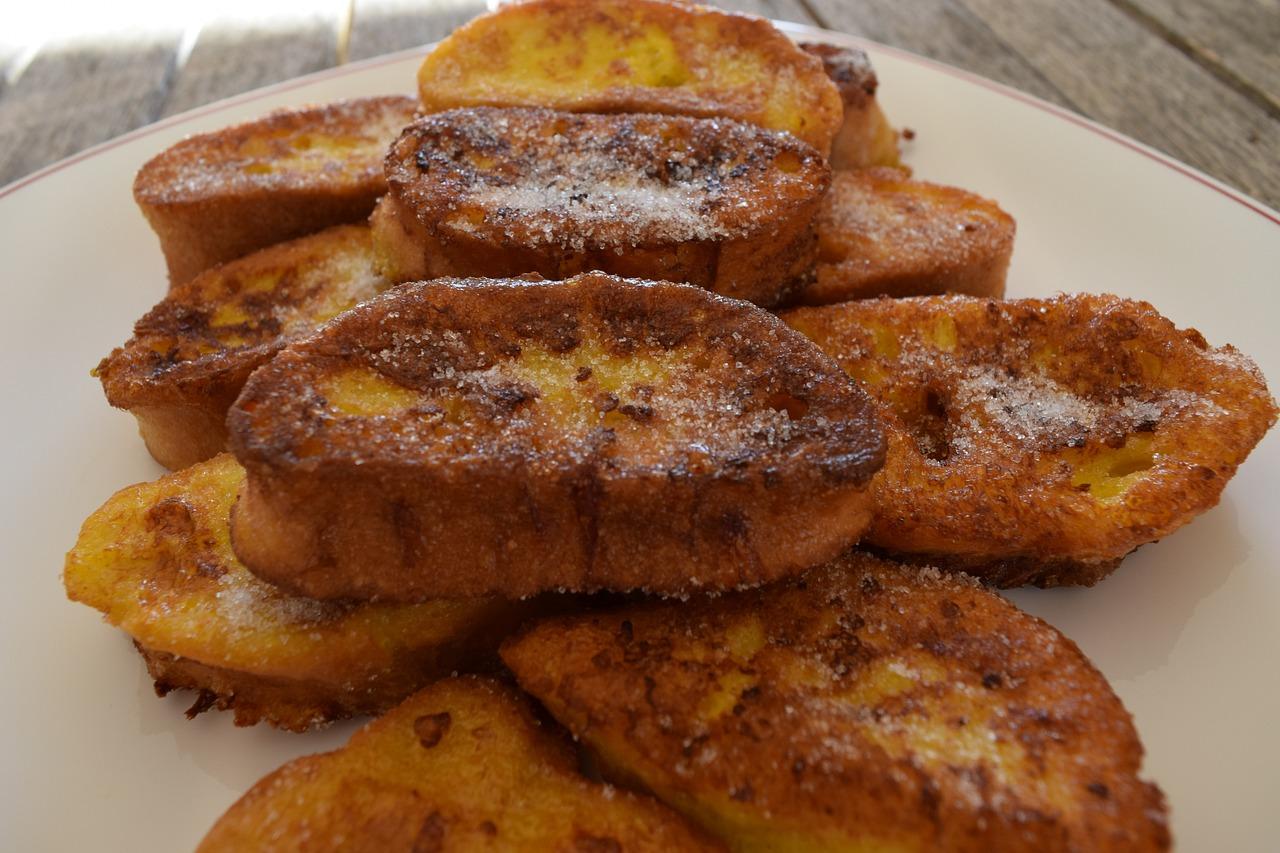
Torrijas are the Easter sweet of Spain, eaten all over the country during Semana Santa and especially in Madrid and Andalusia, where bakeries pile them in their windows. Thick slices of day-old bread are soaked in milk infused with cinnamon and lemon peel, dipped in beaten egg, fried in olive oil and rolled in cinnamon sugar. They were born as a way to use up stale bread during Lent, and they are crisp outside and soft and custardy inside, like a richer, crunchier French toast. Eat them warm or cold, the next day they are even more set and sweet. Chef's tip: use a dense day-old loaf (a Spanish 'pan de torrijas' or a firm baguette) cut 2–3 cm thick, and soak just until saturated; fresh, airy bread falls apart and fries greasy.

by KrazyBadal 0 views

Pimientos de PadrónBlistered green peppers

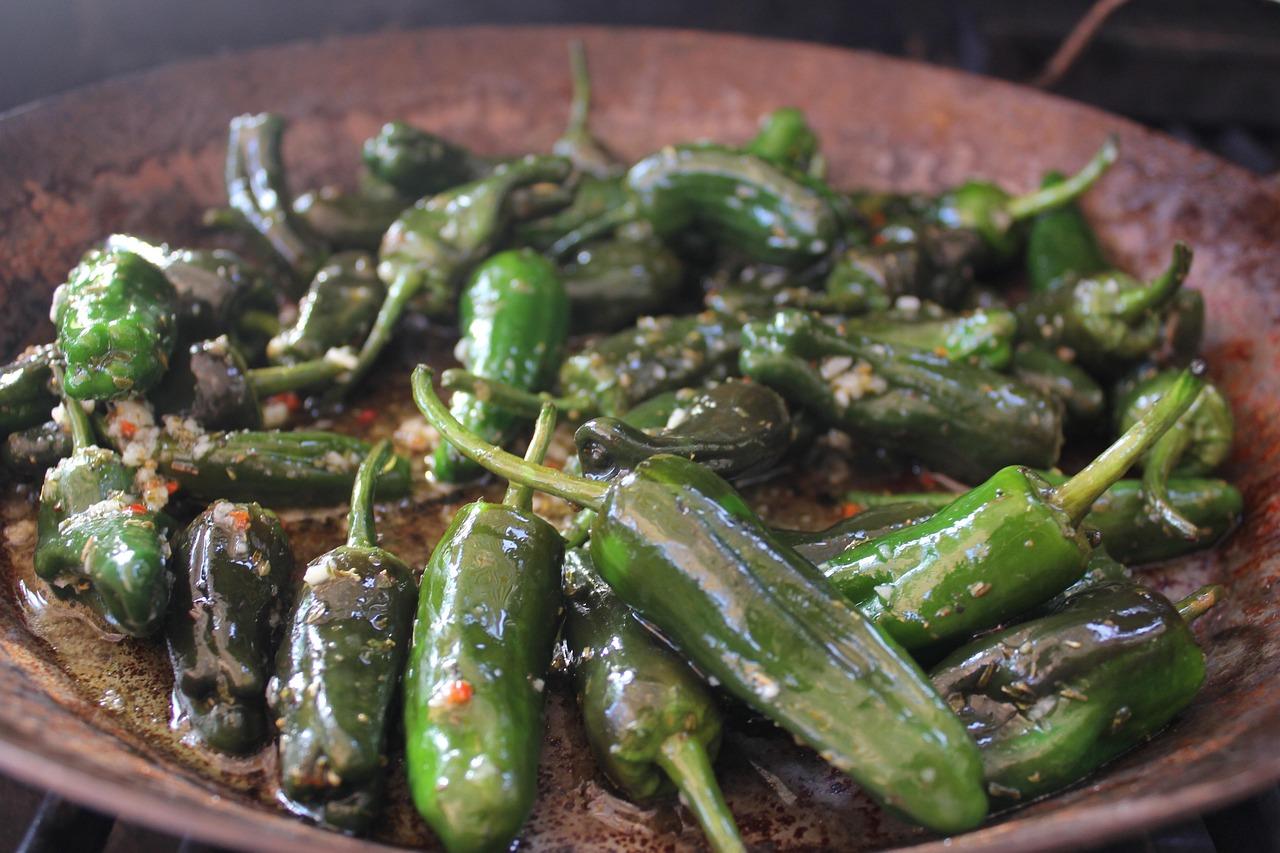
Pimientos de Padrón come from Herbón, near the town of Padrón in Galicia, where they are fried whole in olive oil and showered with coarse salt. They are small, thin-skinned and mostly mild and grassy, but the Galician saying goes 'os pementos de Padrón, uns pican e outros non' (some are hot and some are not): roughly one in ten has a real kick, which is half the fun. They take five minutes and make the perfect tapa with a cold drink, tortilla or bread. Chef's tip: get the oil properly hot and leave the peppers alone for the first minute so the skins blister and puff; stewing them in lukewarm oil makes them soft and khaki instead of bright and blistered.

by KrazyBadal 0 views

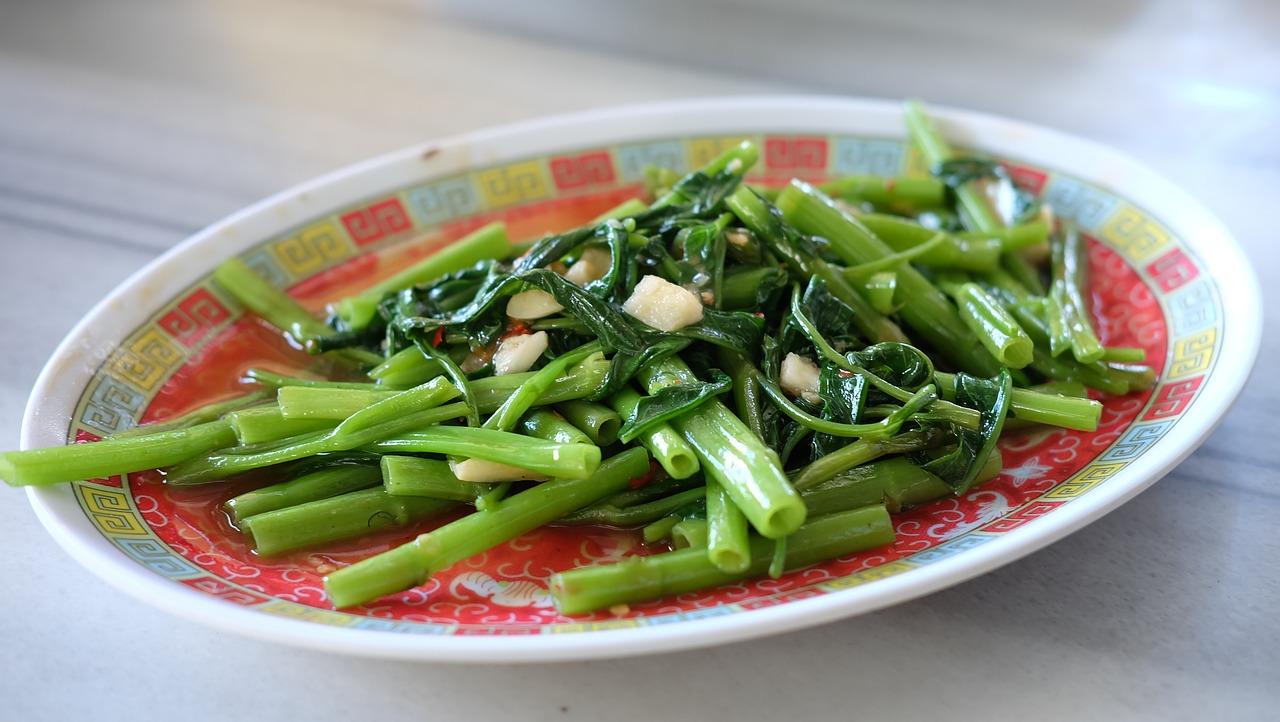
Morning glory with garlicGarlic stir-fried water spinach

Rau muống, water spinach or morning glory, is the everyday green of Vietnam, and a plate of it stir-fried with garlic sits on family tables everywhere, from Hanoi rice-shops to Saigon street stalls. Done well, the hollow stems stay crunchy and bright green and the leaves silky, with a strong hit of garlic. Look for it in Asian grocers as water spinach or ong choy. This version is seasoned with soy sauce instead of fish sauce. Chef's tip: blanch the greens for 30 seconds and plunge them into iced water, as Hanoi cooks do, then stir-fry over the highest heat for barely a minute; they stay vivid green and never go soggy.

by KrazyBadal 0 views

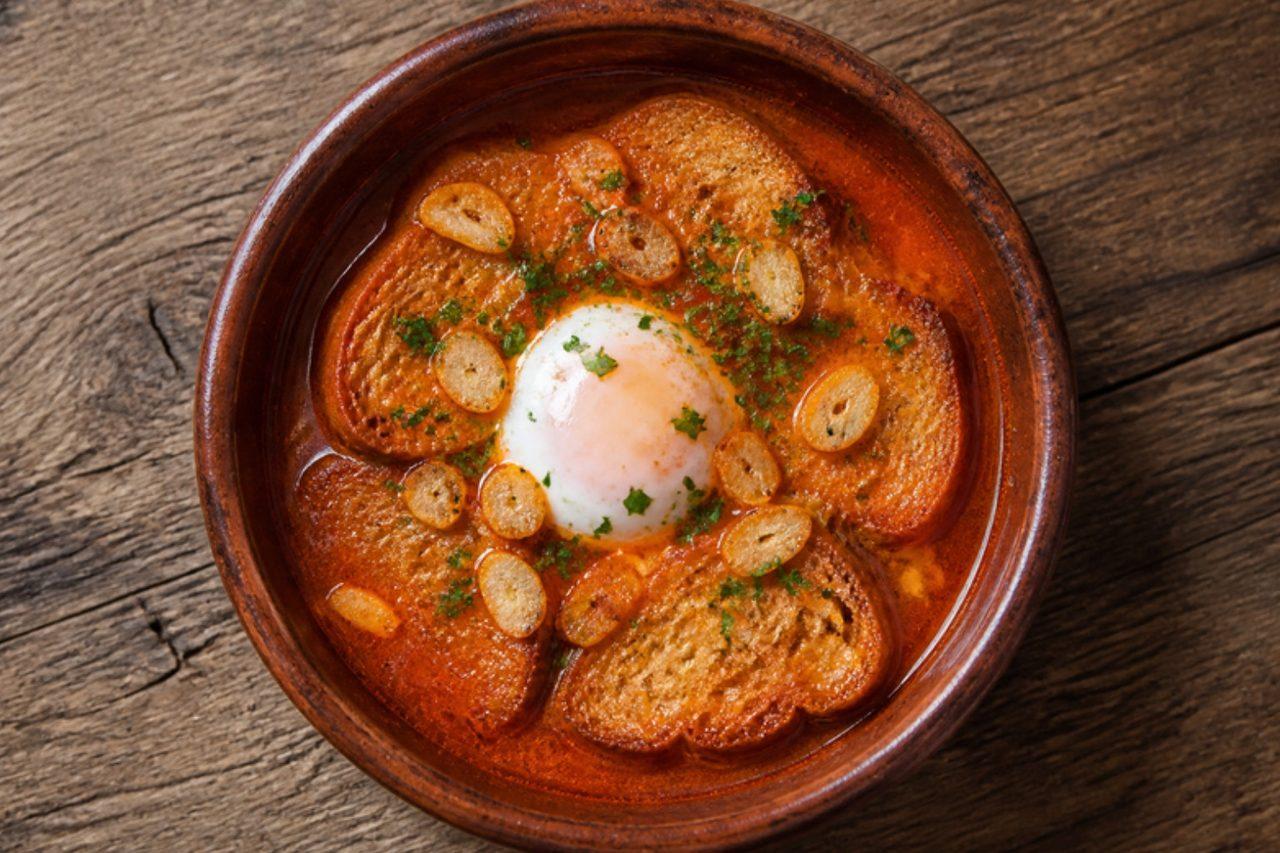
Sopa de ajoGarlic and bread soup

Sopa de ajo, also called sopa castellana, is the warming winter soup of Castile and León, from Segovia to Burgos: stale bread fried in olive oil with lots of garlic and smoky pimentón, simmered in stock and finished with eggs poached right in the soup. It was shepherds' and farmers' food, made from what was always in the kitchen, and is still eaten after a cold night out or on Ash Wednesday. Castilian cooks often add cured ham; this vegetarian version gets its depth from smoked pimentón and a good vegetable stock. Serve it in earthenware bowls, piping hot. Chef's tip: use bread that is truly stale and dry, and toast it in the garlicky oil until golden before adding the stock; fresh bread turns to mush, while toasted stale bread swells but keeps a little texture.

by KrazyBadal 0 views

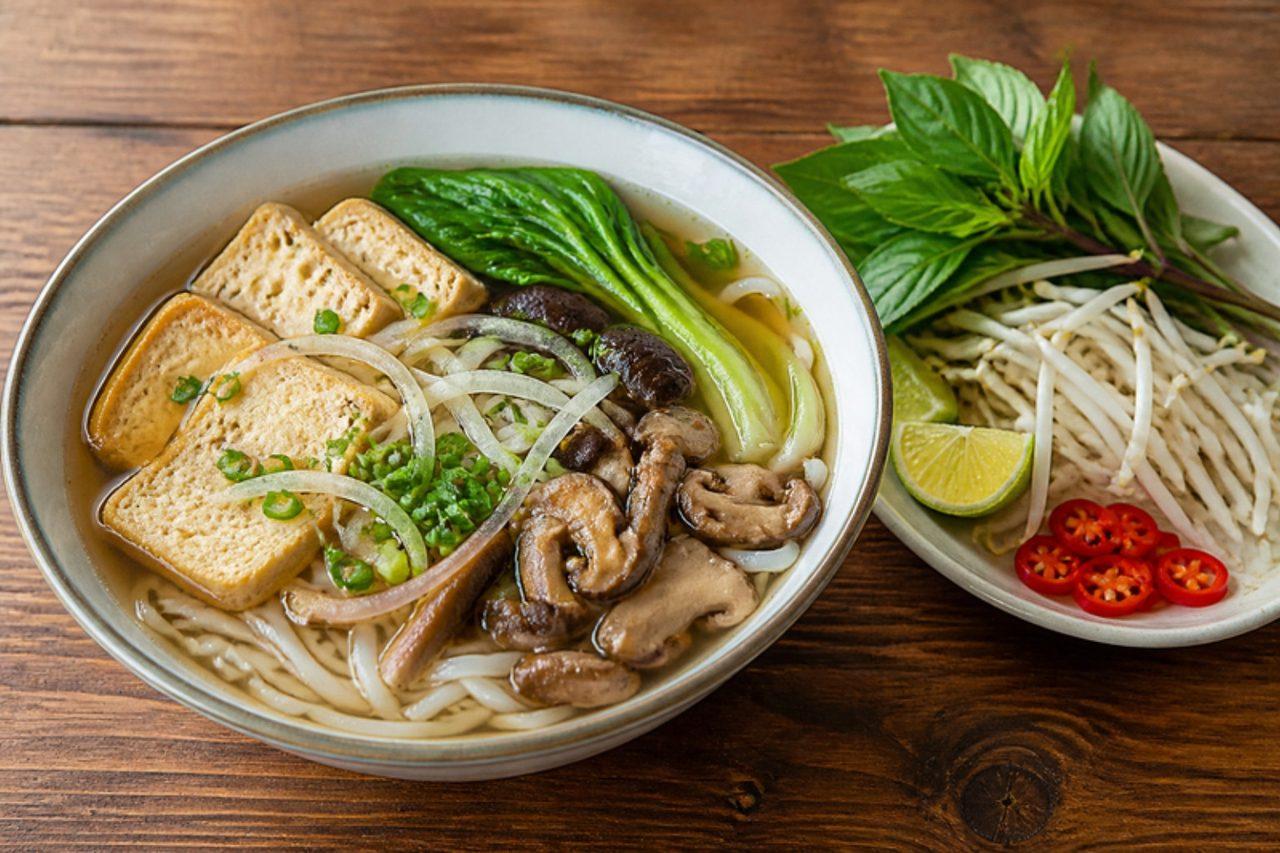
Vegetable phoVegetable rice noodle soup

Pho began in the north, around Hanoi and Nam Định, and is now eaten all over Vietnam, often for breakfast. Phở chay is the Buddhist vegetarian version served in temple kitchens and chay restaurants: the deep, clear broth comes from charred onion and ginger, toasted star anise, cinnamon and cloves, simmered with daikon, carrot, sweetcorn and dried shiitake instead of beef bones. Silky flat rice noodles, golden tofu and mushrooms go in the bowl, and everyone adds their own bean sprouts, Thai basil, lime and chilli at the table. Chef's tip: char the onion and ginger until properly blackened in patches and toast the spices in a dry pan until they smell like warm Christmas cake; that smoky, perfumed base is what makes the broth taste like pho and not vegetable soup.

by KrazyBadal 0 views

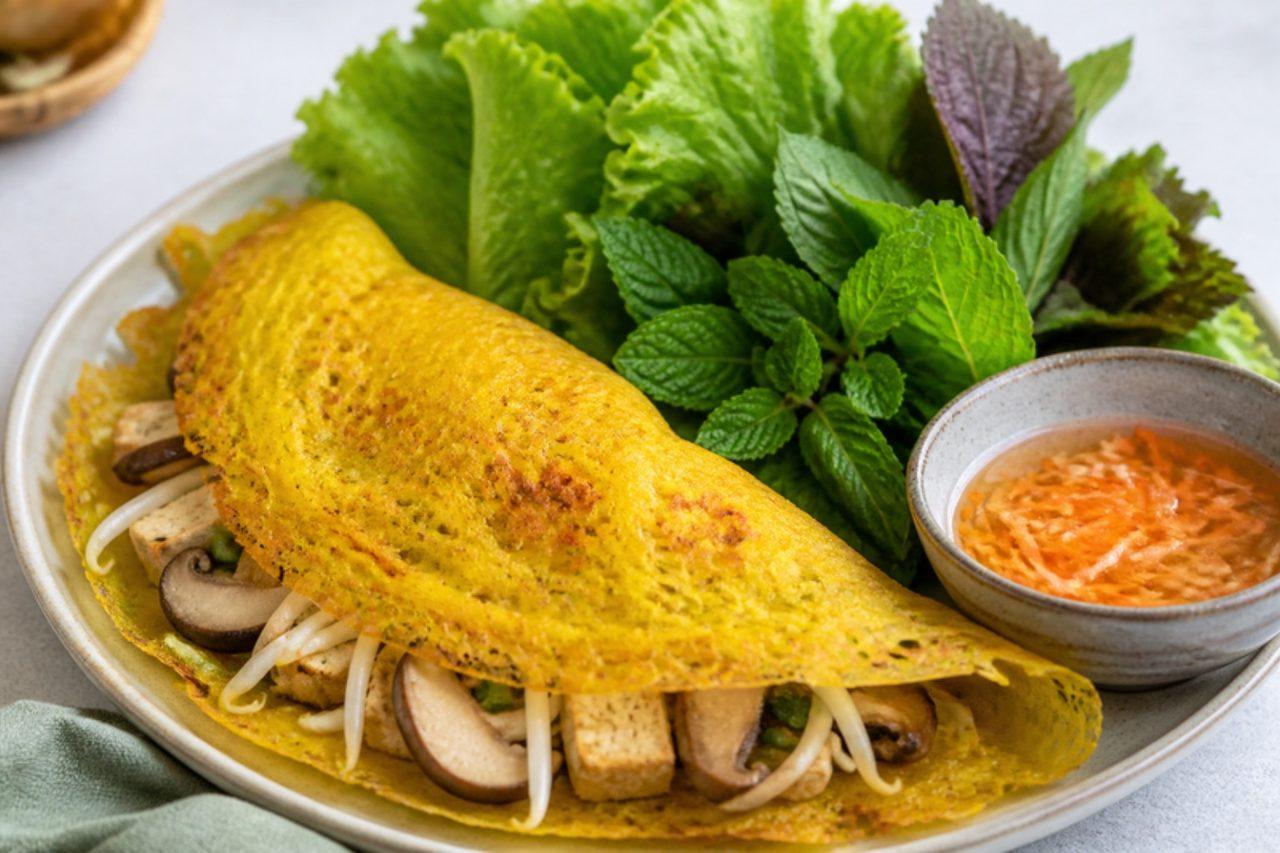
Vegetarian banh xeoCrisp turmeric coconut pancakes

Bánh xèo, named for the loud sizzle (xèo) of the batter hitting the hot pan, are the big, crisp, golden pancakes of the Mekong Delta, made with rice flour, turmeric and coconut milk. This vegetarian version is filled with mushrooms, tofu and bean sprouts. You tear off a piece, wrap it in a lettuce or mustard leaf with mint, perilla and Thai basil, and dip it in nước chấm. It is a fun, hands-on meal for an evening with friends. Chef's tip: swirl the batter thinly into a really hot pan, cover for just a minute to steam the filling, then uncover and be patient: the pancake is only ready when the edges are lacy and brown and it lifts away by itself.

by KrazyBadal 0 views

Vegetarian broken rice plateBroken rice with lemongrass tofu

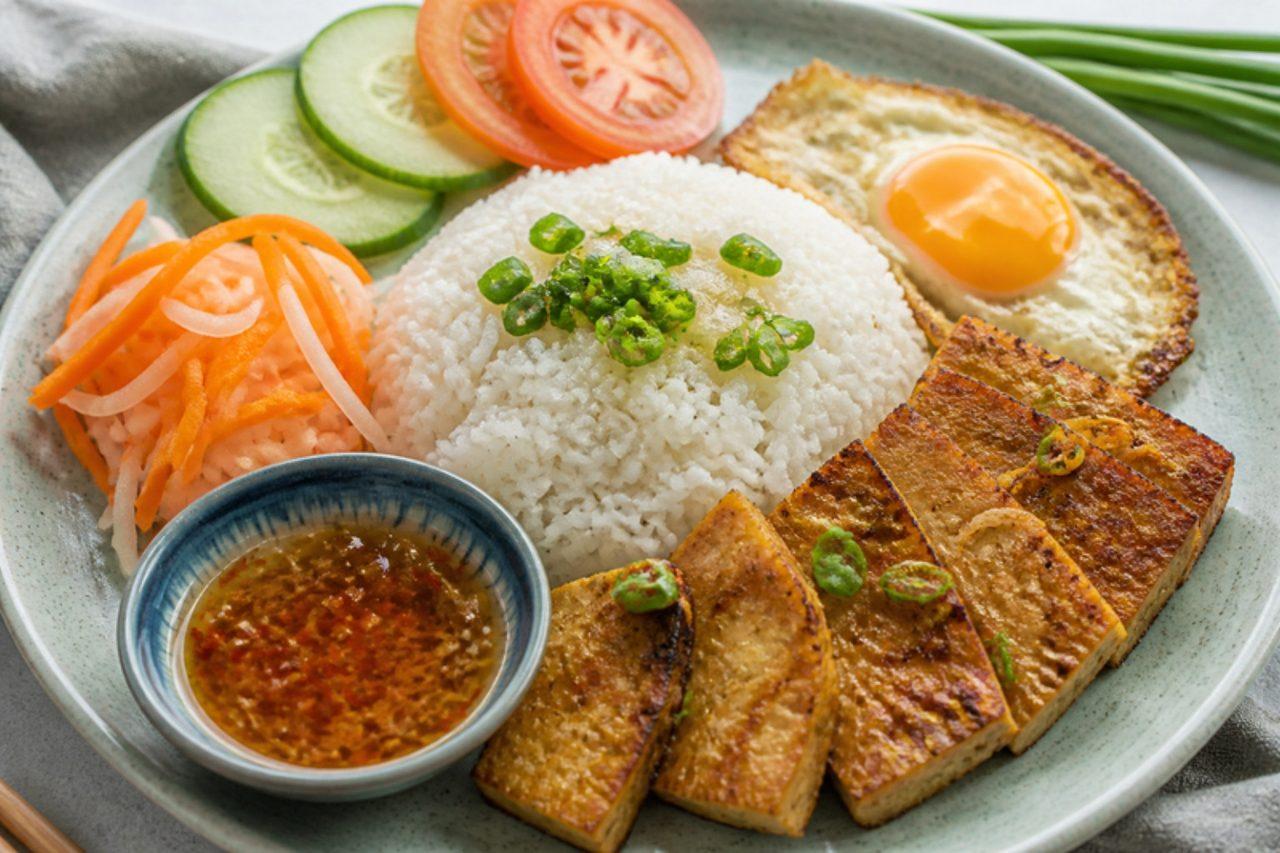
Cơm tấm, 'broken rice', is the breakfast and lunch plate of Saigon. Broken grains, once sold cheaply to the poor, cook up soft and slightly sticky, and street stalls serve them with grilled meat, a crisp-edged fried egg, spring onion oil, pickles and cucumber. This vegetarian plate has caramelised lemongrass tofu in place of pork. Every part goes with the sweet-sour nước chấm spooned over the top. Chef's tip: fry the egg in hot oil and spoon the oil over the white, so the edges go lacy and crisp and the yolk stays runny, Saigon-style; break it over the rice and it becomes part of the sauce.

by KrazyBadal 0 views

Patatas bravasFried potatoes with paprika sauce

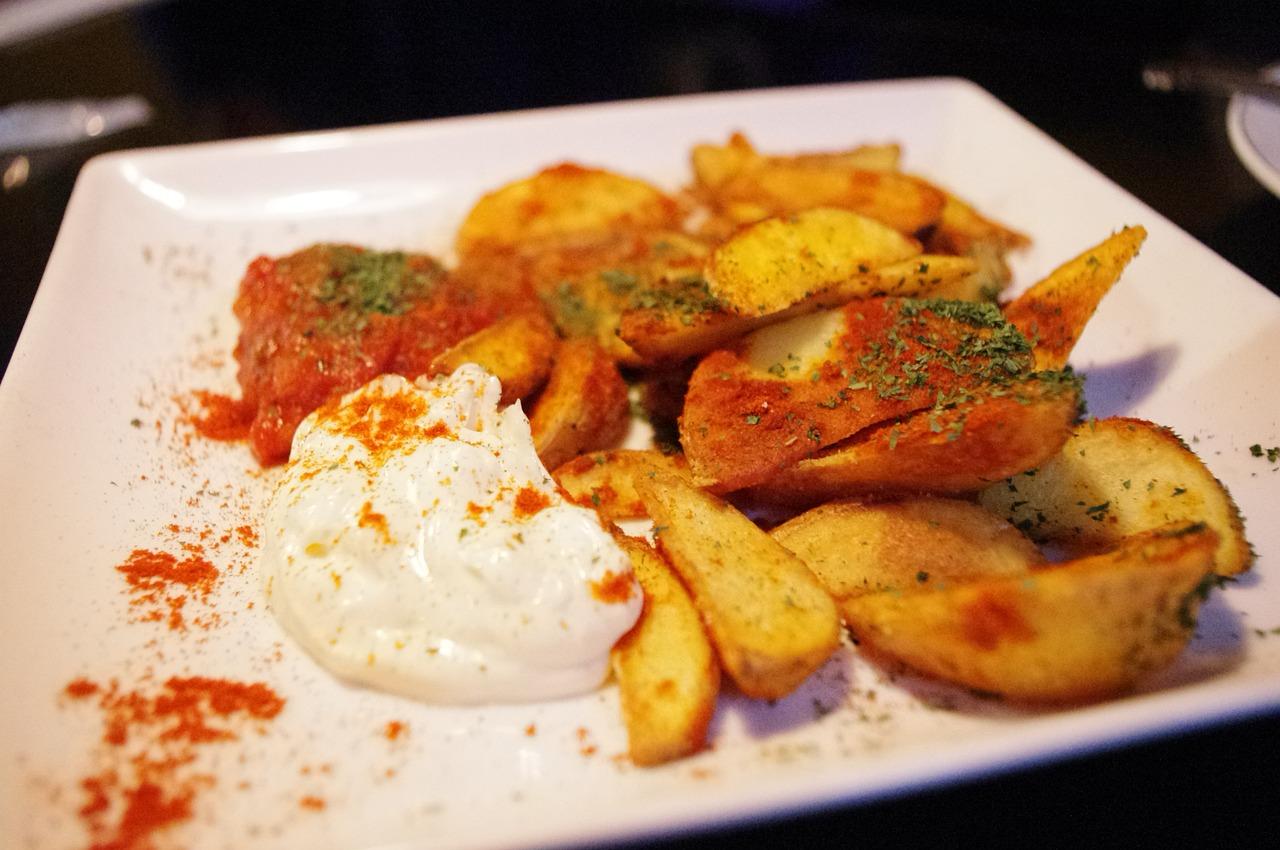
Patatas bravas are Madrid's favourite bar snack: chunky potatoes fried until crisp outside and fluffy inside, then splashed with a brick-red sauce of olive oil, pimentón and a little stock. In Madrid the sauce is not ketchup or tomato sauce but a smooth, smoky paprika sauce with a kick; in Barcelona and Valencia you often get it with a spoon of alioli as well. This home version is fried twice for crunch and keeps the heat moderate so children can join in; add more hot paprika for the grown-ups. Serve with cold drinks, tortilla and pimientos de Padrón for a tapas spread. Chef's tip: take the pan off the heat before adding the pimentón; paprika burns in seconds and turns bitter, and that bitterness is the most common reason homemade bravas sauce tastes wrong.

by KrazyBadal 0 views

Vegetarian feijoadaSmoky black bean stew

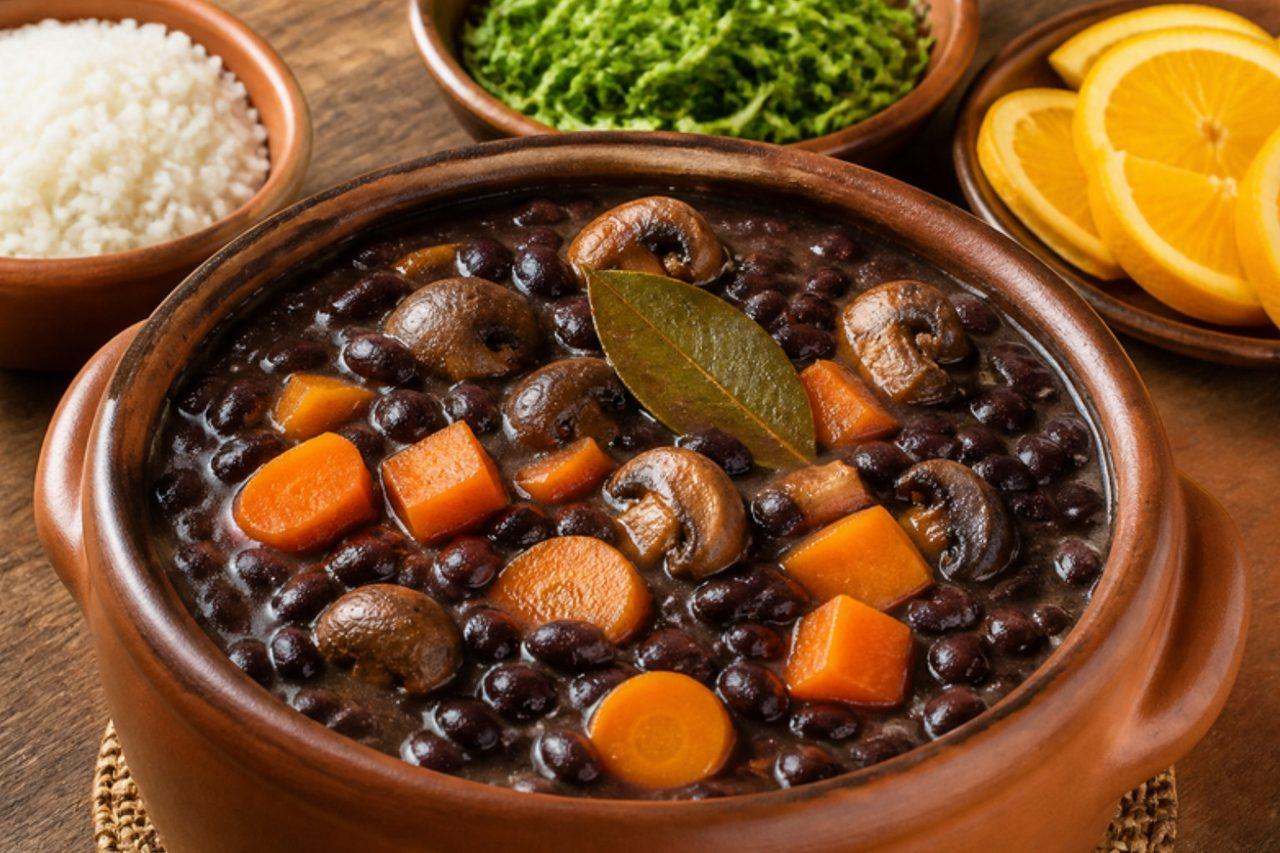
Feijoada is Brazil's national dish, the slow black bean stew that Rio de Janeiro and the rest of the country eat for long Saturday lunches. The classic version is loaded with smoked pork; this feijoada vegetariana gets its depth from well-browned mushrooms, smoked paprika and bay instead, with sweet potato melting into the dark, glossy broth. Serve it the proper way: white rice, couve à mineira, farofa and slices of orange to cut the richness. Chef's tip: once the beans are tender, mash a ladleful against the side of the pot and stir it back in. That's how Brazilian cooks get the thick, velvety caldo that coats the rice, rather than a thin soup.

by KrazyBadal 0 views

Pan con tomateTomato rubbed toast

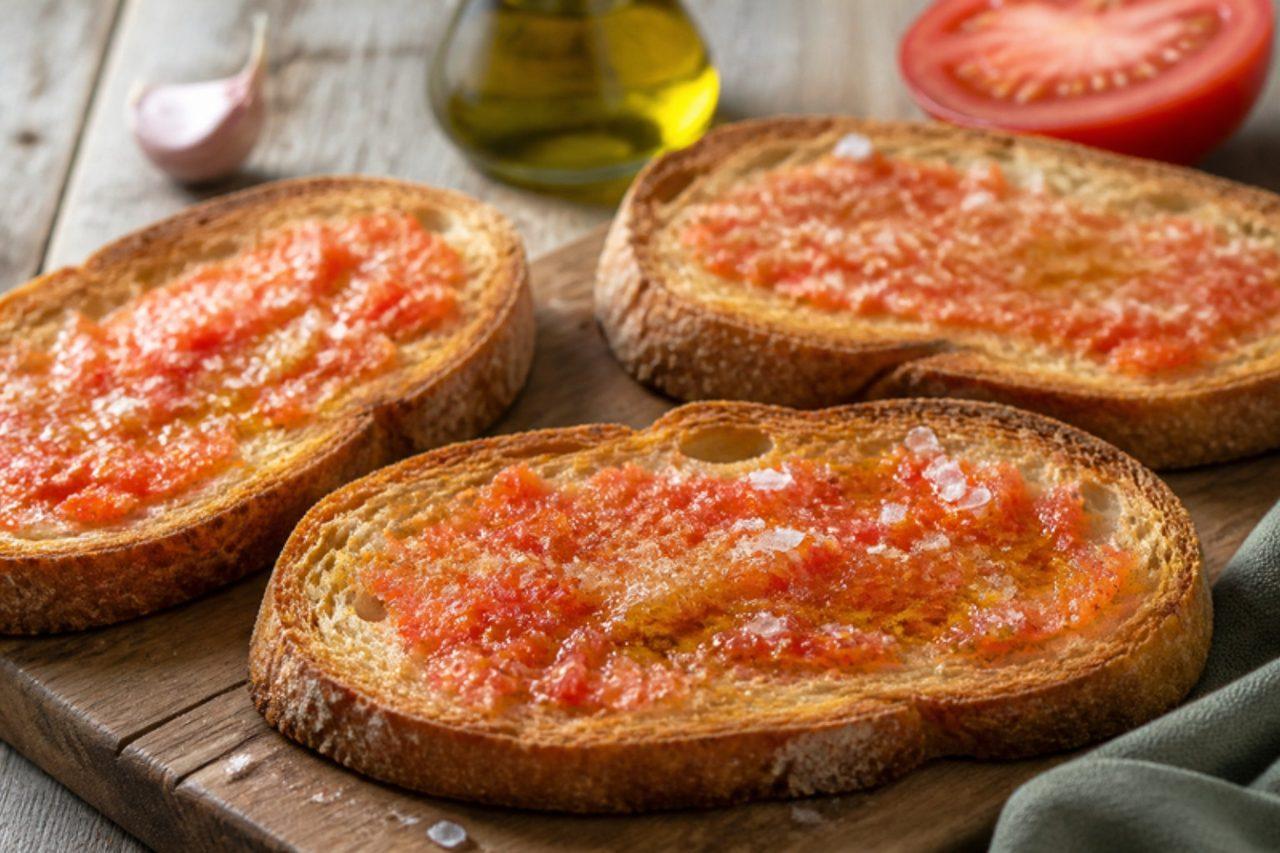
Pa amb tomàquet (pan con tomate in Spanish) is the everyday bread of Catalonia: toasted country bread rubbed with garlic and a cut ripe tomato, drizzled with good olive oil and sprinkled with salt. Catalans eat it at breakfast, as a side to grilled vegetables or with a slice of tortilla, and it is so basic to the table that it is rarely even listed on menus. With so few ingredients the quality of each one matters: the ripest tomatoes, a rustic open-crumbed loaf and fruity extra virgin olive oil. Chef's tip: in Catalonia they use small, juicy 'tomàquets de penjar', hanging tomatoes; at home choose the ripest, softest vine tomatoes you can find and rub them in hard until only the skin is left in your hand.

by KrazyBadal 0 views

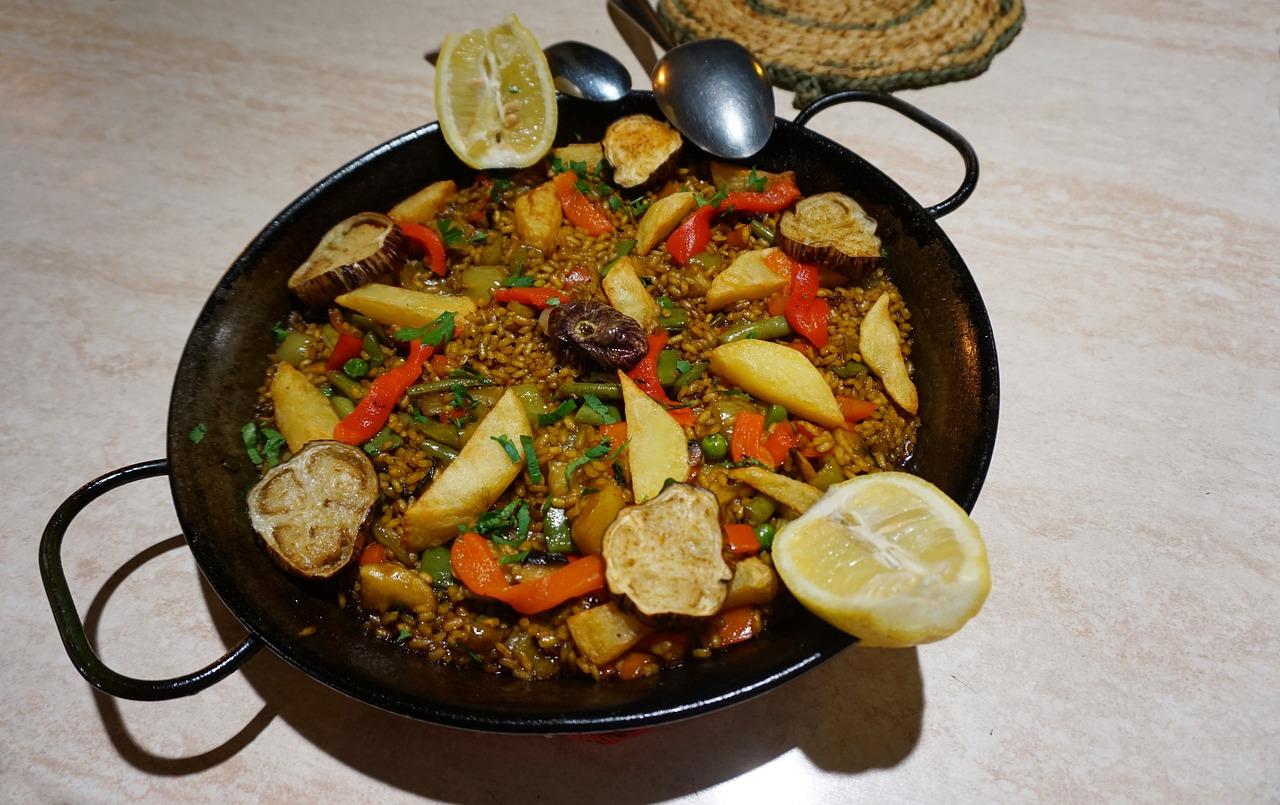
Paella de verdurasVegetable paella

Paella comes from the rice fields around the Albufera lagoon south of Valencia, where it was cooked over orange-wood fires in a wide, shallow pan. Valencians are strict about it: short round rice, saffron, sweet pimentón, flat green beans (ferraúra) and big white garrofó beans, and never any stirring once the rice is in. This all-vegetable paella keeps those rules and adds artichokes and red pepper, as the market gardeners of the Huerta do in spring. It is cooked and served in the same pan, straight onto the table. Chef's tip: listen for the socarrat at the end. Turn up the heat for the last 1–2 minutes until the rice crackles and smells toasty; that caramelised crust on the bottom is the best part of any paella.

by KrazyBadal 0 views

Empanada gallega de verdurasPepper and onion pie

Empanada gallega is the great pie of Galicia, baked in big trays and sold by the slice at every fiesta, market and bakery, and carried on picnics and pilgrimages to Santiago. A thin, crisp, bread-like crust (made with the olive oil from cooking the filling, so it's golden and full of flavour) encloses a moist filling based on a slow-cooked 'zaragallada' of onions and peppers with sweet pimentón. Tuna and pork are the usual fillings; this vegetarian version keeps the classic sofrito and adds hard-boiled eggs and green olives. Serve warm or cold, with a green salad. Chef's tip: drain the filling well and use some of its paprika-coloured oil in the dough; that is the Galician secret that makes the crust golden and savoury and ties the pie together.

by KrazyBadal 0 views

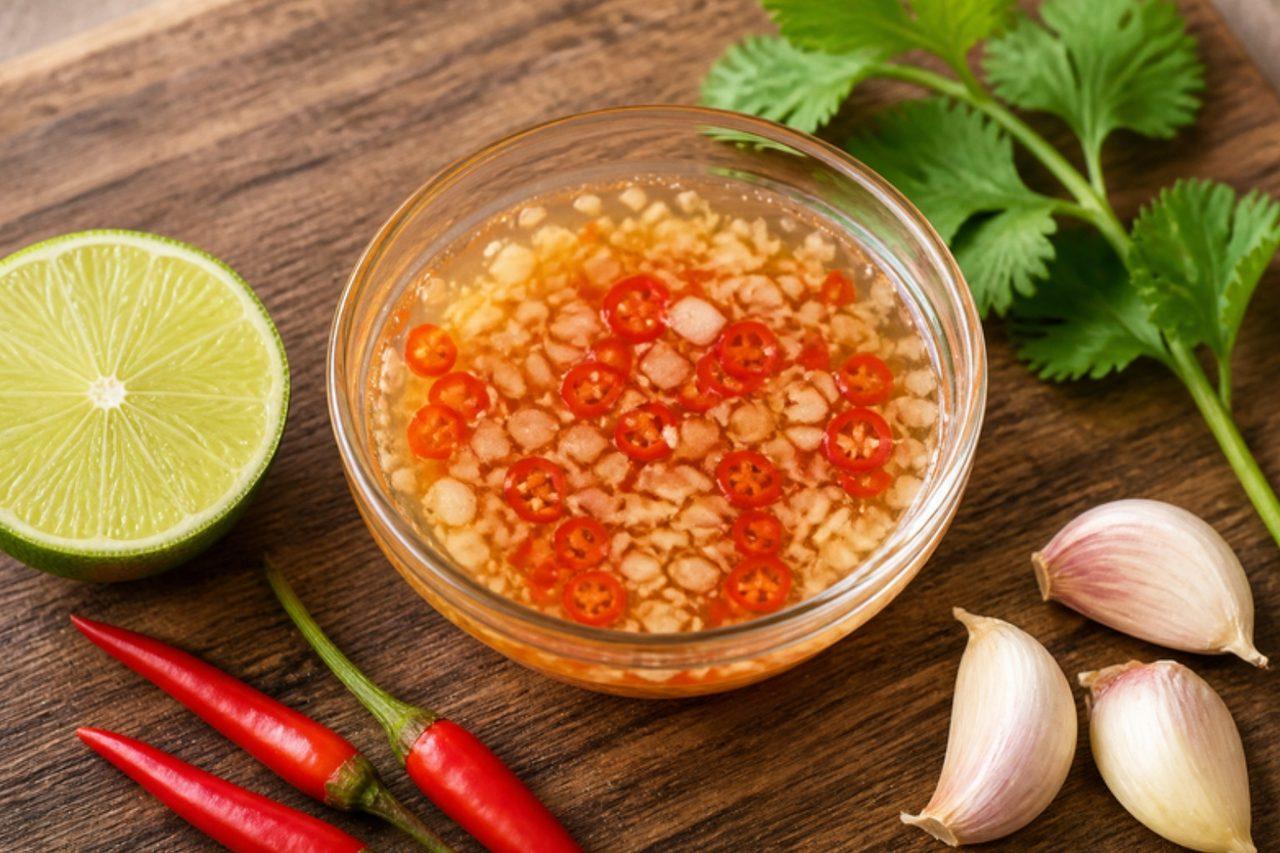
Vegan nuoc chamSweet and sour dipping sauce

Nước chấm is the dipping sauce that goes with almost everything in Vietnam: spring rolls, bánh xèo, noodle salads and broken rice. Buddhist vegetarian cooks, all over the country, make it without fish sauce, using light soy sauce and a little coconut water for the deep, rounded taste. It should be thin, clear and pale amber, with flecks of garlic and chilli floating on top. Chef's tip: dissolve the sugar in the warm water first, then add the lime and soy, and stir in the garlic and chilli last, pounded with a pinch of sugar, so they float on the surface instead of sinking.

by KrazyBadal 1 views

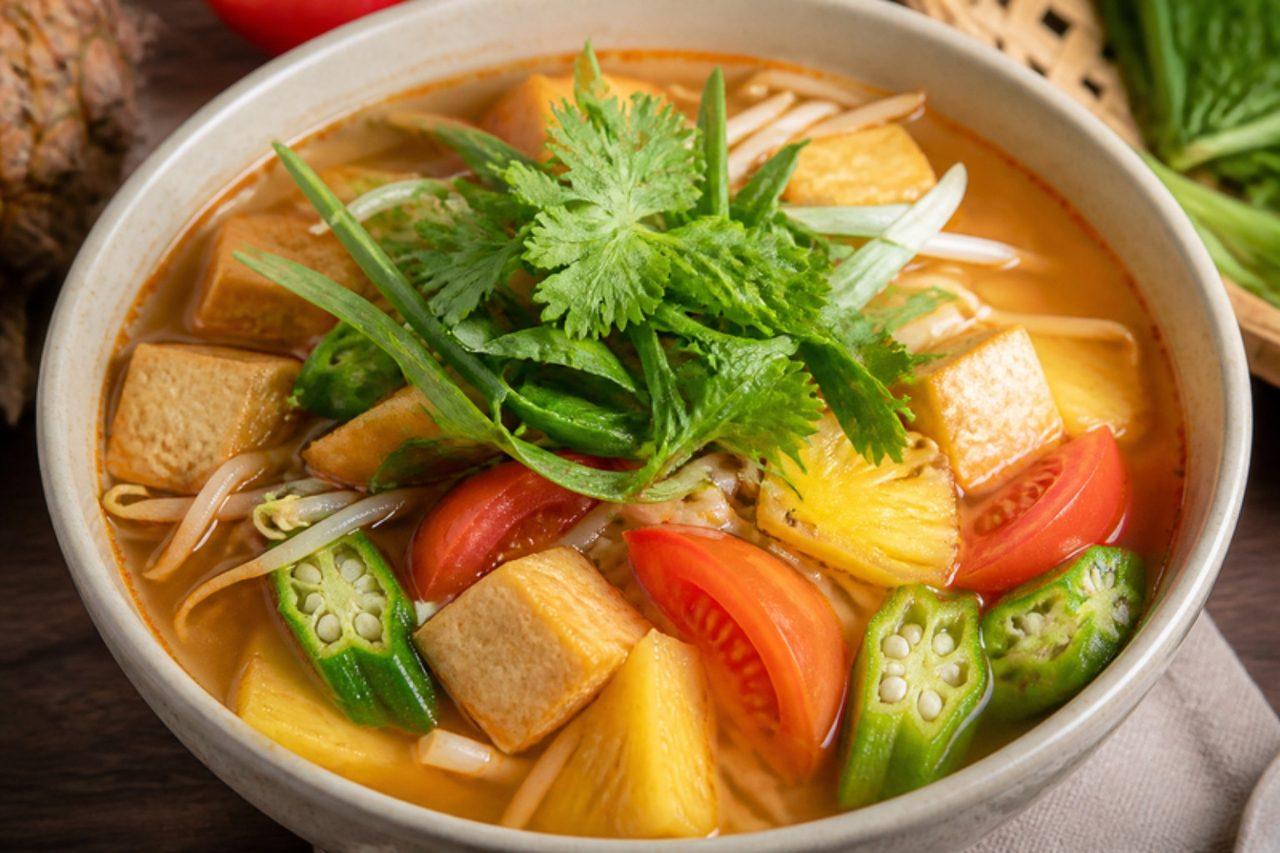
Vegetarian sour soupTamarind and pineapple soup

Canh chua, 'sour soup', is on the table at nearly every family meal in the Mekong Delta, served with plain rice. The broth is soured with tamarind and sweetened with pineapple and tomato, then filled with okra, celery-like taro stems, bean sprouts and lots of herbs. This vegetarian version uses fried tofu in place of fish. It is light, tangy and refreshing in hot weather. Chef's tip: fry the tomato with the shallot until it collapses before adding the liquid, so the broth turns rosy, then add the herbs and bean sprouts only off the heat and finish with garlic fried in oil, which gives the soup its southern fragrance.

by KrazyBadal 0 views

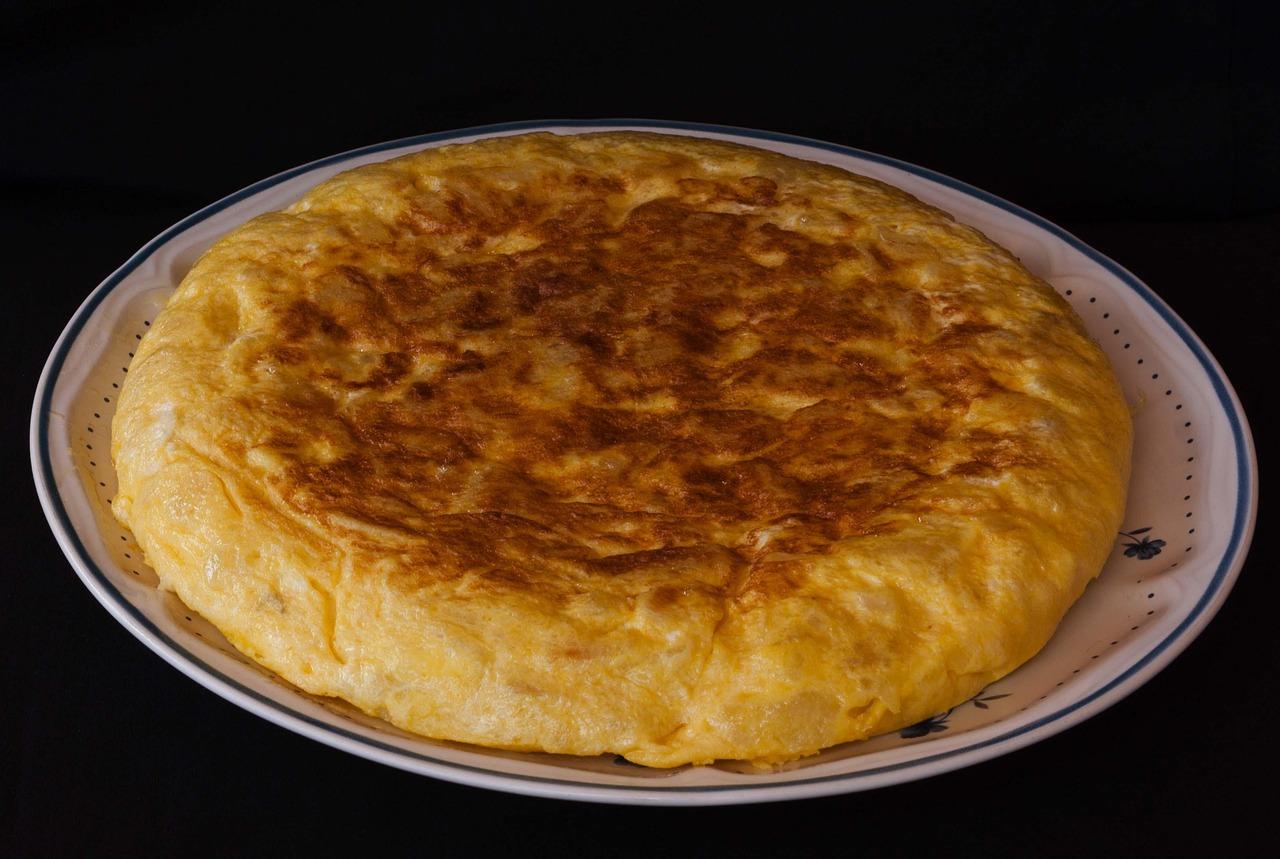
Tortilla españolaSpanish potato omelette

Tortilla de patatas is the dish every Spanish bar keeps on the counter, from Madrid to Seville: a thick cake of soft potato and sweet onion bound with just-set egg, served warm or at room temperature in wedges or small squares (pinchos) with bread. The potatoes are not fried crisp but gently poached in plenty of olive oil until tender, then soaked in the beaten egg so every slice holds together. Spaniards argue about onion (con cebolla or sin) and about how runny the centre should be; this version has onion and a juicy middle, the way most bars in Madrid serve it. Eat it for breakfast, as a tapa or for a light supper with a tomato salad. Chef's tip: once the hot potatoes go into the beaten eggs, leave them to sit for 10 minutes before cooking; the egg starts to set around the potato and the tortilla turns out creamy and holds its shape.

by KrazyBadal 0 views

Vietnamese iced coffee
Cà phê sữa đá is the drink of Vietnam's pavement cafés, and in Saigon people sit on tiny plastic stools sipping it slowly from morning to night. Dark-roast coffee, traditionally robusta, drips slowly through a small metal filter called a phin onto a layer of sweetened condensed milk, then gets stirred and poured over ice. It is strong, sweet, chocolatey and very cold. Chef's tip: bloom the coffee with a splash of hot water for 30 seconds before filling the phin; it should then drip slowly, about 1–2 drops a second, for 4–5 minutes. Too fast and the coffee tastes thin, so press the inner filter down a little more next time.

by KrazyBadal 0 views

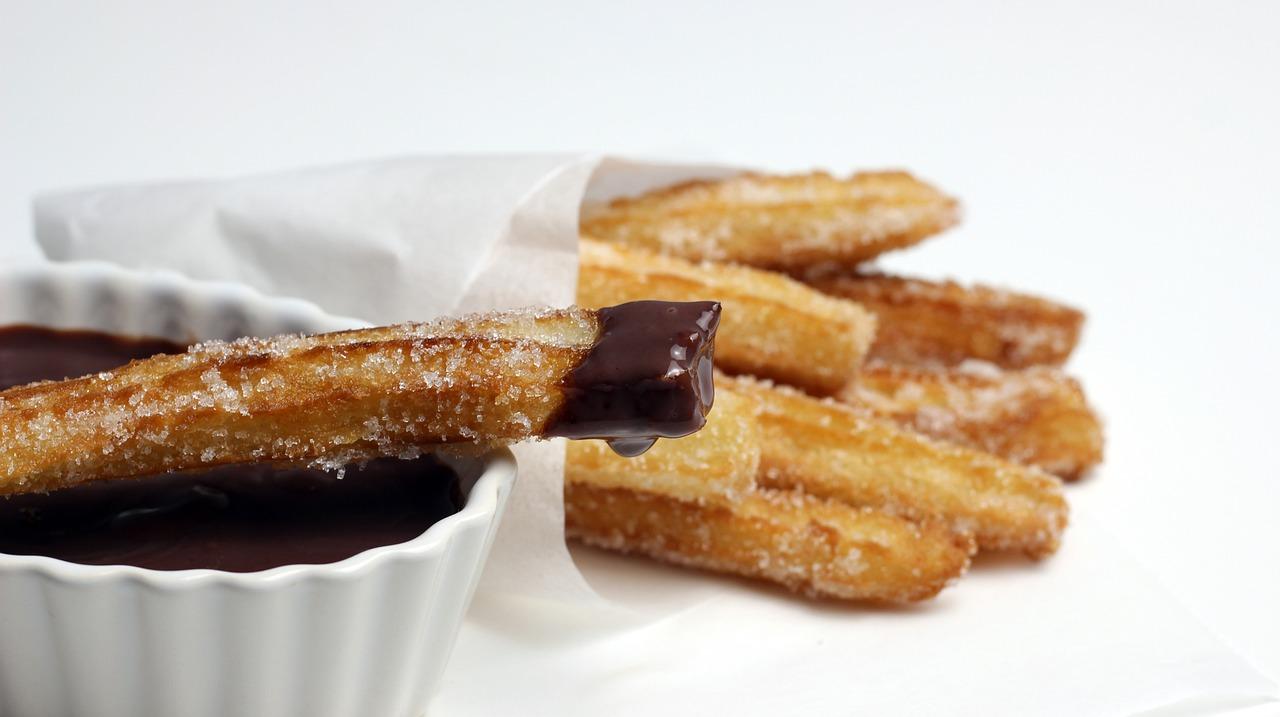
Churros con chocolateChurros with hot chocolate

Churros con chocolate is Madrid's most famous treat, eaten at the city's historic chocolaterías for breakfast, as a late-afternoon merienda or at dawn after a night out. Churros are made from a simple dough of flour, water and salt piped straight into hot oil, fried until ridged and crisp, and dunked into a cup of hot chocolate so thick it almost holds the churro up. The dough has no egg or sugar, so the churros are light and crunchy; the sweetness comes from the chocolate and a dusting of sugar. Chef's tip: pipe through a star nozzle; the ridges let steam escape so the churros don't burst in the oil, and they create the extra crunch that makes a good churro.

by KrazyBadal 0 views

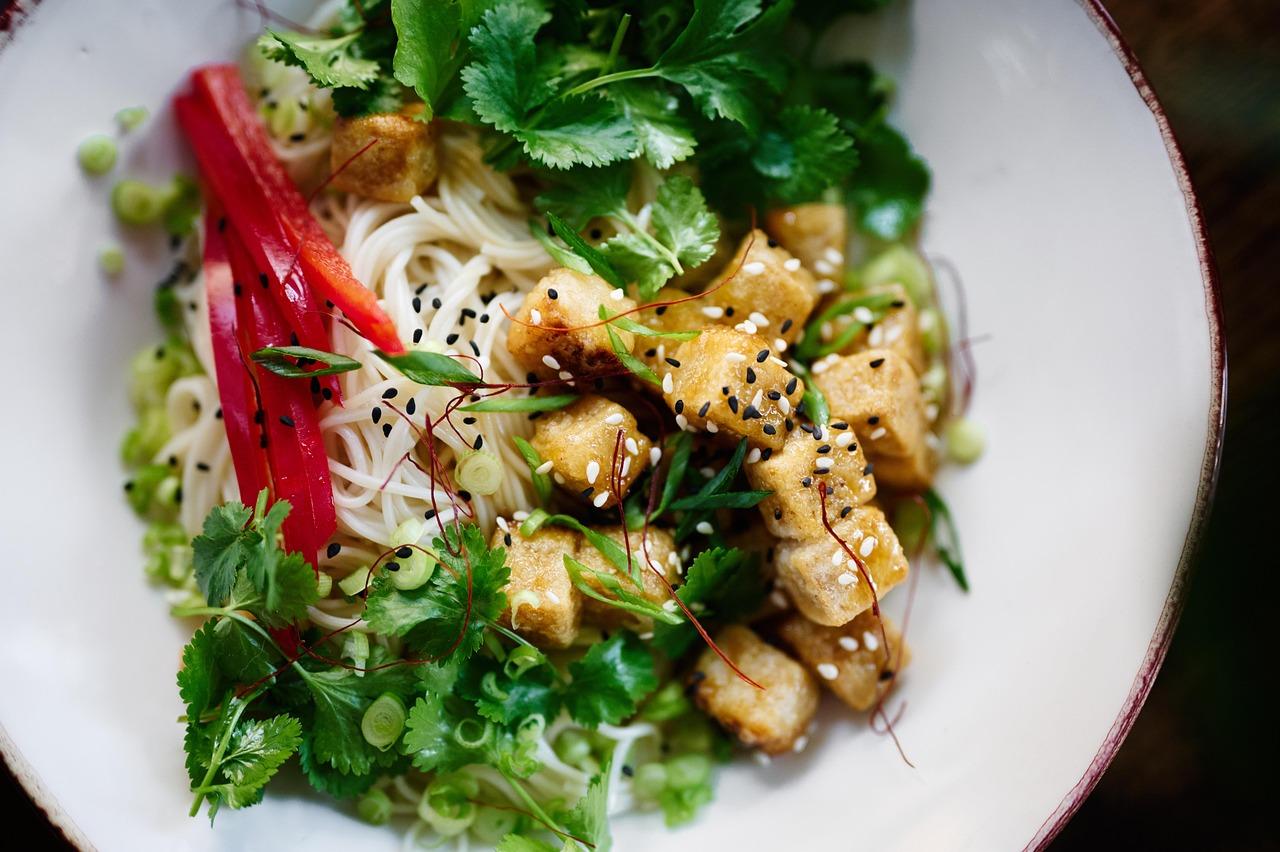
Lemongrass tofu noodle salad

In Saigon, bún thịt nướng, a bowl of cold rice vermicelli piled with herbs, salad and smoky grilled pork, is the lunch everyone loves on a hot day. This vegetarian bún chay keeps everything that makes it great: lettuce, cucumber, mint and perilla underneath, caramelised lemongrass tofu on top, quick pickles, roasted peanuts, crispy shallots and spring onion oil, with a generous jug of vegan nước chấm poured over just before eating. Chef's tip: make the spring onion oil (mỡ hành) by pouring sizzling oil over sliced spring onions; it gives the bowl its rich, fragrant southern finish.

by KrazyBadal 0 views

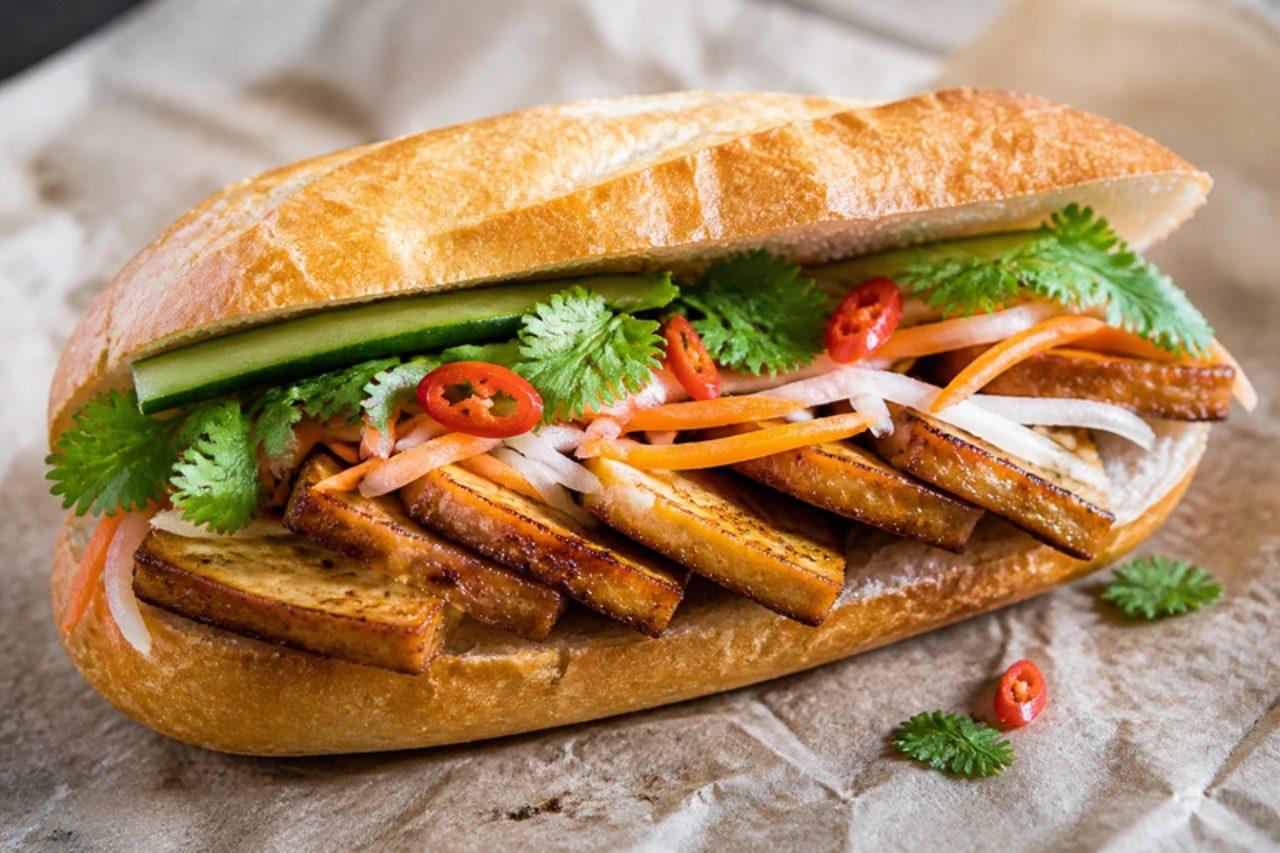
Lemongrass tofu banh mi

Bánh mì is Saigon's favourite street food: an airy, thin-crusted baguette split and stuffed with pickled carrot and daikon (đồ chua), cucumber, coriander and chilli. At vegetarian stalls near the city's pagodas the meat is swapped for sticky, caramelised lemongrass tofu, as in this version. Eat it for breakfast or lunch, warm, with a glass of iced coffee. Chef's tip: warm the baguette in a hot oven until the crust crackles when you squeeze it, and pull out a little of the soft crumb, so every bite is crisp shell, juicy filling and herbs in balance.

by KrazyBadal 0 views

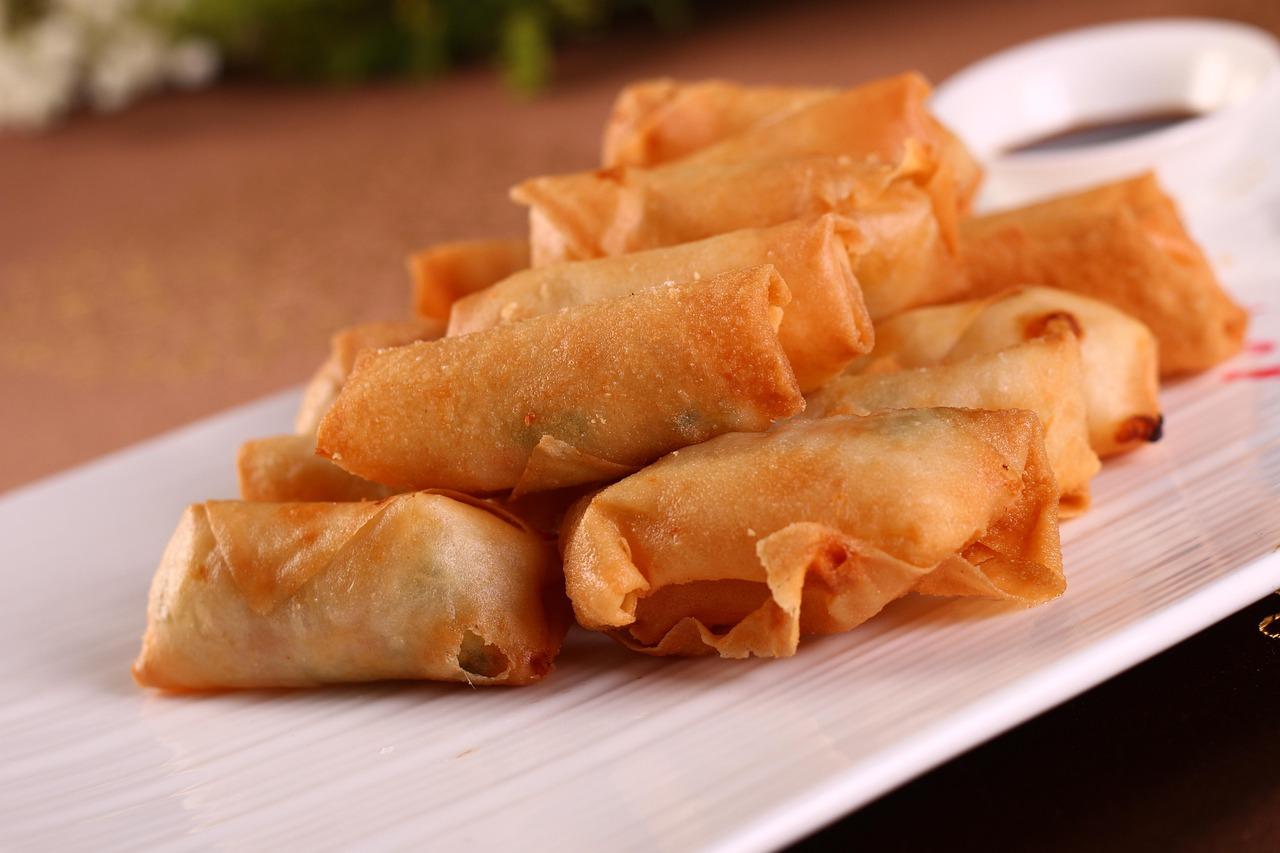
Vegetable spring rolls

In Saigon and the south, fried spring rolls are called chả giò (in Hanoi, nem rán), and no family party or Tết table is without a platter of them. Southern cooks wrap them in rice paper, which fries up into a blistered, glassy-crisp shell quite unlike wheat pastry. This vegetarian filling of glass noodles, wood ear mushrooms, taro, carrot and tofu is the one served at chay restaurants. Roll them in lettuce with mint and perilla and dip in vegan nước chấm. Chef's tip: fry them twice, first gently until set and pale gold, then briefly in hotter oil, and let the rolled rolls dry for 15 minutes first; that is how you get the shattering, bubbly crust that stays crisp.

by KrazyBadal 0 views

Tofu fresh summer rolls

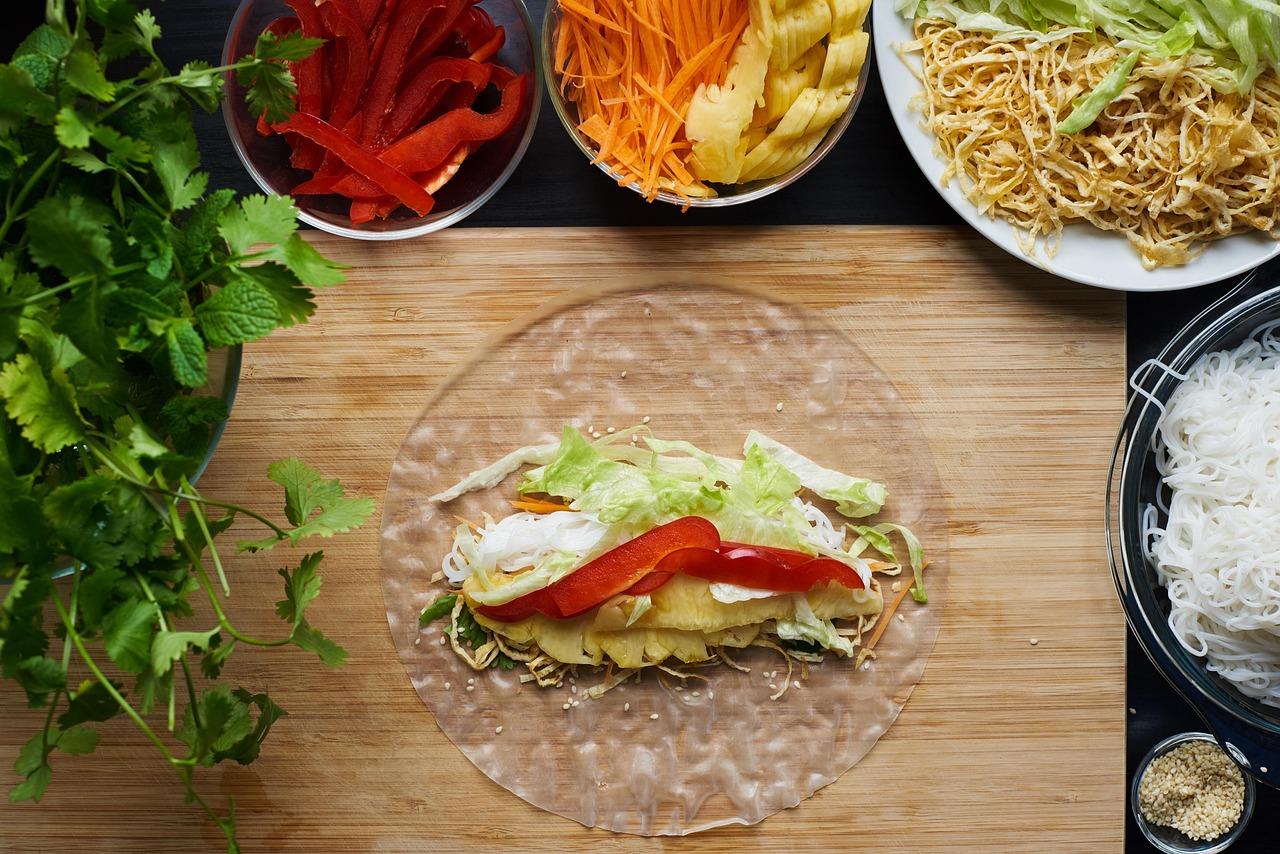
Gỏi cuốn are the fresh, unfried rolls sold from glass cases at Saigon street stalls and eaten as a light lunch or snack on hot afternoons. Here golden tofu takes the place of the usual prawns and pork, rolled up with rice vermicelli, lettuce, mint, Thai basil, cucumber and garlic chives. They come with a thick, sweet-salty peanut and hoisin dip, as they do in the south. Chef's tip: dip the rice paper for barely a second and let it soften on the board, then lay the prettiest ingredients against the wrapper first, so the tofu and herbs show through the translucent skin and the roll stays tight.

by KrazyBadal 0 views

Tofu in tomato sauce

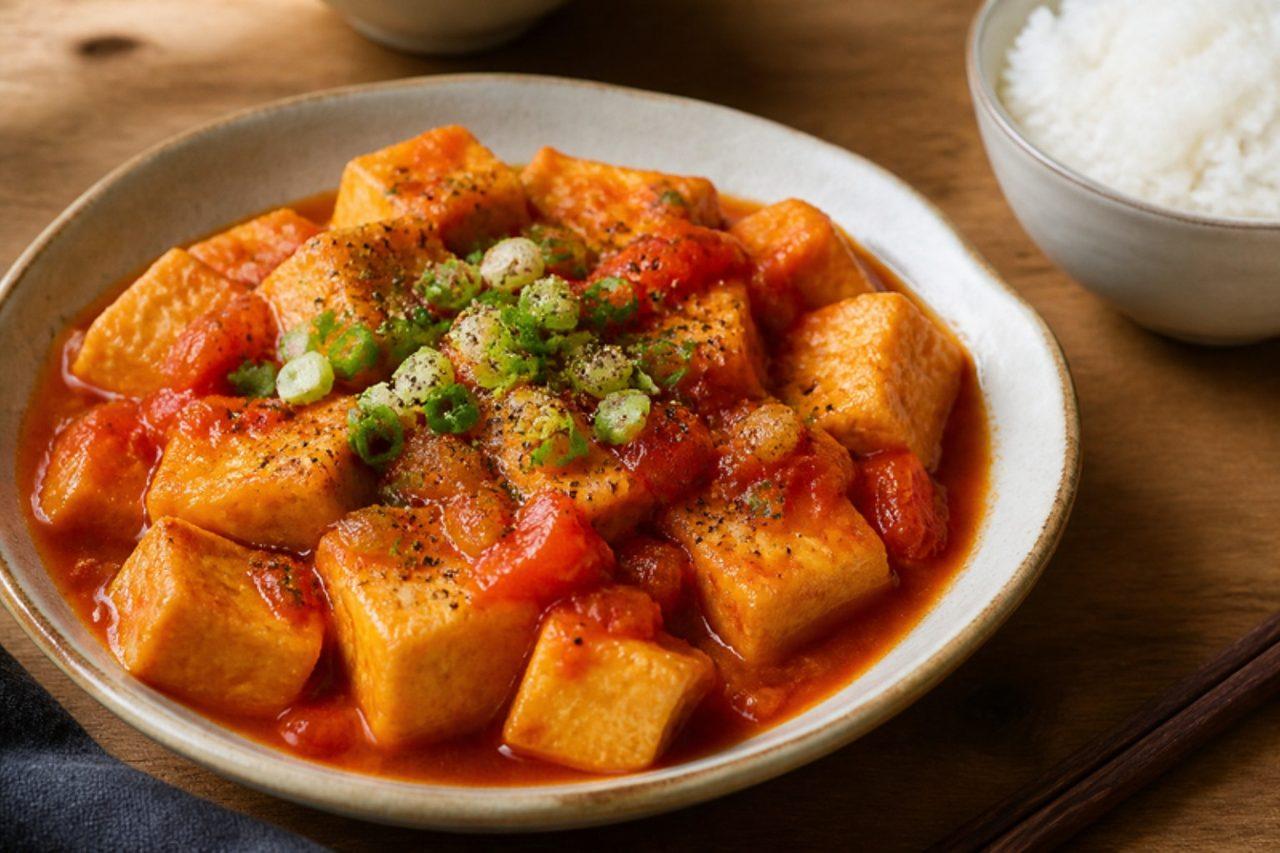
Đậu sốt cà chua is one of the most-loved home dishes in Vietnam, cooked on weeknights from Hanoi to Saigon and eaten with steamed rice and a simple vegetable soup. Golden fried tofu is simmered in a sauce of fresh tomatoes cooked down with shallot and garlic until sweet, tangy and glossy. Fish sauce is replaced here with soy sauce. Chef's tip: cook the tomatoes on their own until they collapse completely into a thick sauce before the tofu goes back in; if you rush this, you get watery pink tomatoes instead of a rich, clinging sauce.

by KrazyBadal 0 views

Avocado smoothie

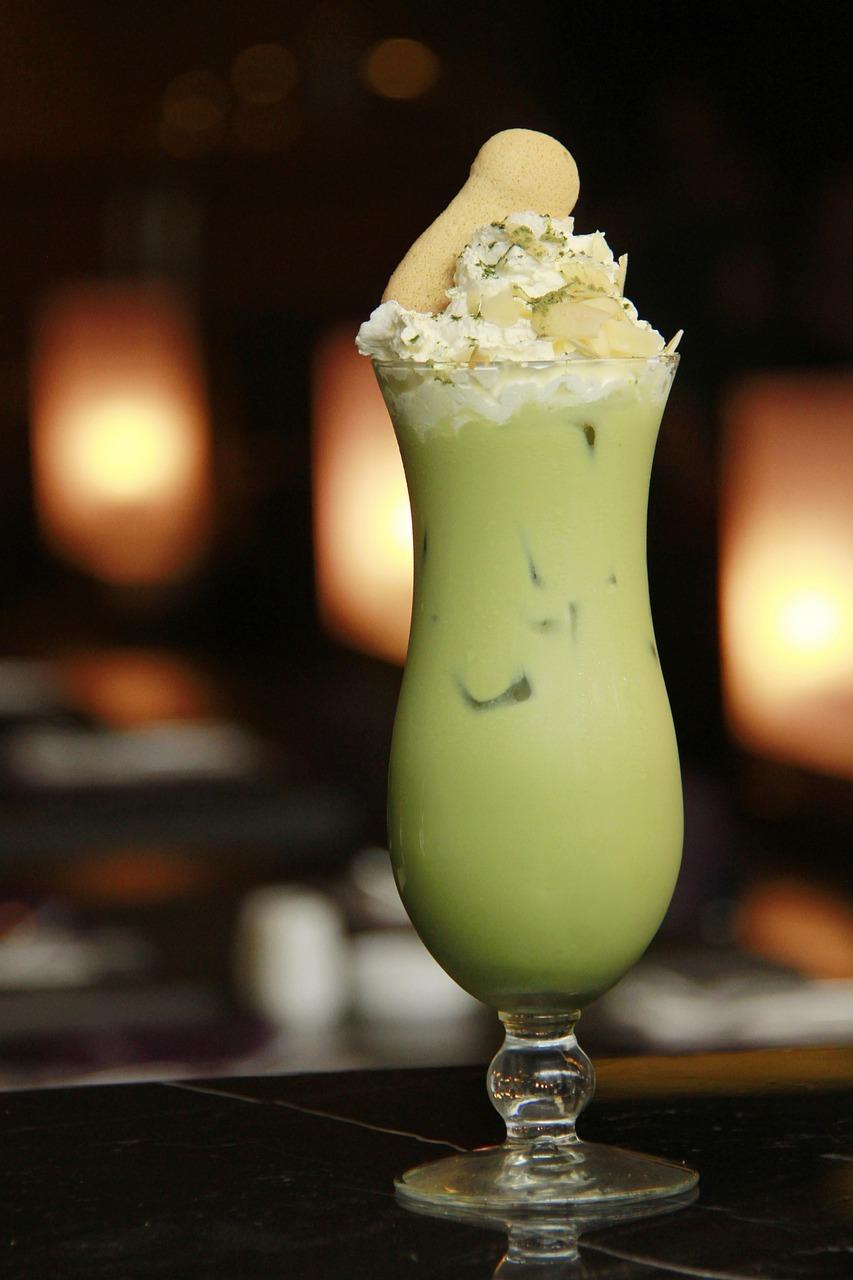
In Vietnam the avocado is a sweet fruit, and sinh tố bơ is the most popular shake at Saigon's juice stalls, especially when the buttery avocados from the Central Highlands are in season. Ripe avocado is blended with milk, condensed milk and ice into a pale green shake so thick it is almost a dessert. Drink it with a straw or a spoon on a hot afternoon. Chef's tip: use a very ripe, soft avocado with no stringy bits, and drizzle a little extra condensed milk around the inside of the glass before pouring, the way street vendors do, so you get sweet ribbons as you drink.

by KrazyBadal 0 views

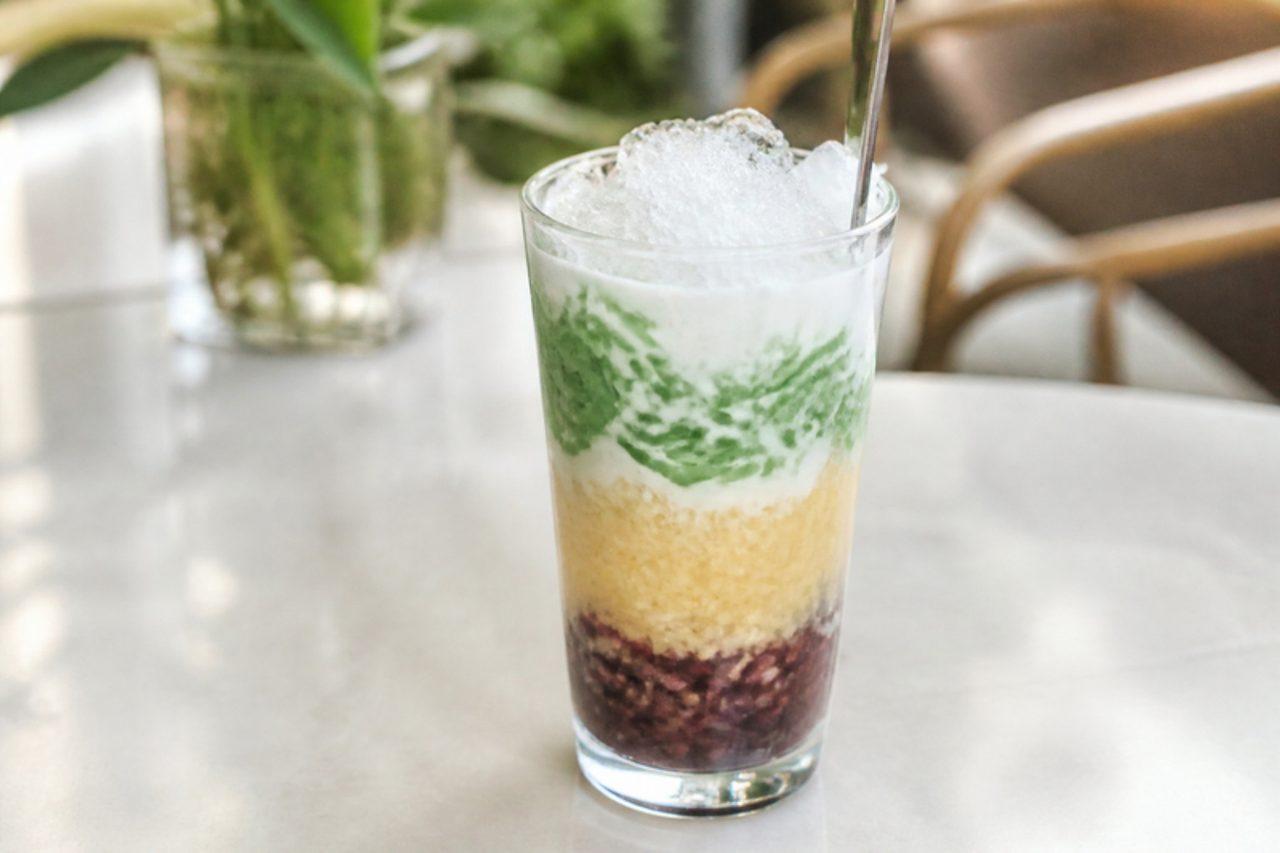
Three-colour dessert

Chè are Vietnam's sweet soups and puddings, and chè ba màu, 'three-colour chè', is the one sold in tall glasses from Saigon street carts on hot afternoons. Sweet red beans, smooth yellow mung bean paste and green pandan jelly are layered with salty-sweet coconut sauce and crushed ice, then stirred together with a long spoon. The jelly is set with agar, so it is fully vegan. Every part can be made a day or two ahead. Chef's tip: add a good pinch of salt to the coconut sauce; it sounds odd, but the slight saltiness lifts the sweet beans and is what makes chè taste properly Vietnamese.

by KrazyBadal 0 views

Espinacas con garbanzosSpinach and chickpeas

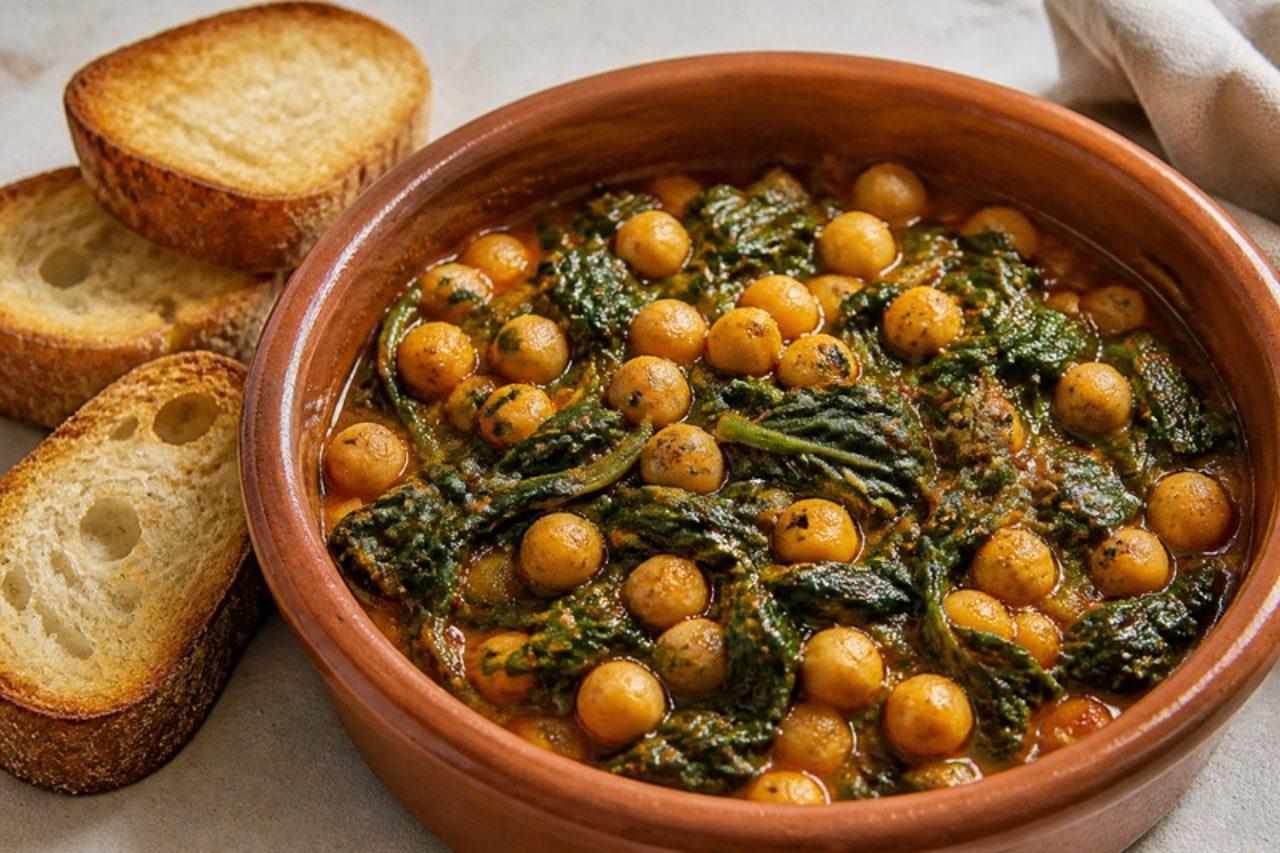
Espinacas con garbanzos is one of the great tapas of Seville, served in little earthenware dishes in the bars around the cathedral and the Triana market. It carries the city's Moorish past in its spices: cumin, smoked paprika and a little vinegar, with a sauce thickened by a paste of garlic and bread fried in olive oil, the old Andalusian trick called a majado. Earthy chickpeas, soft spinach and a sauce rich enough to mop up with bread make it a filling vegan supper too. It is traditional in Seville during Lent. Chef's tip: pound the fried bread and garlic with the spices and vinegar into a thick paste before it goes into the pan; this majado is what gives the dish its smoky, velvety sauce, so don't skip it.

by KrazyBadal 0 views

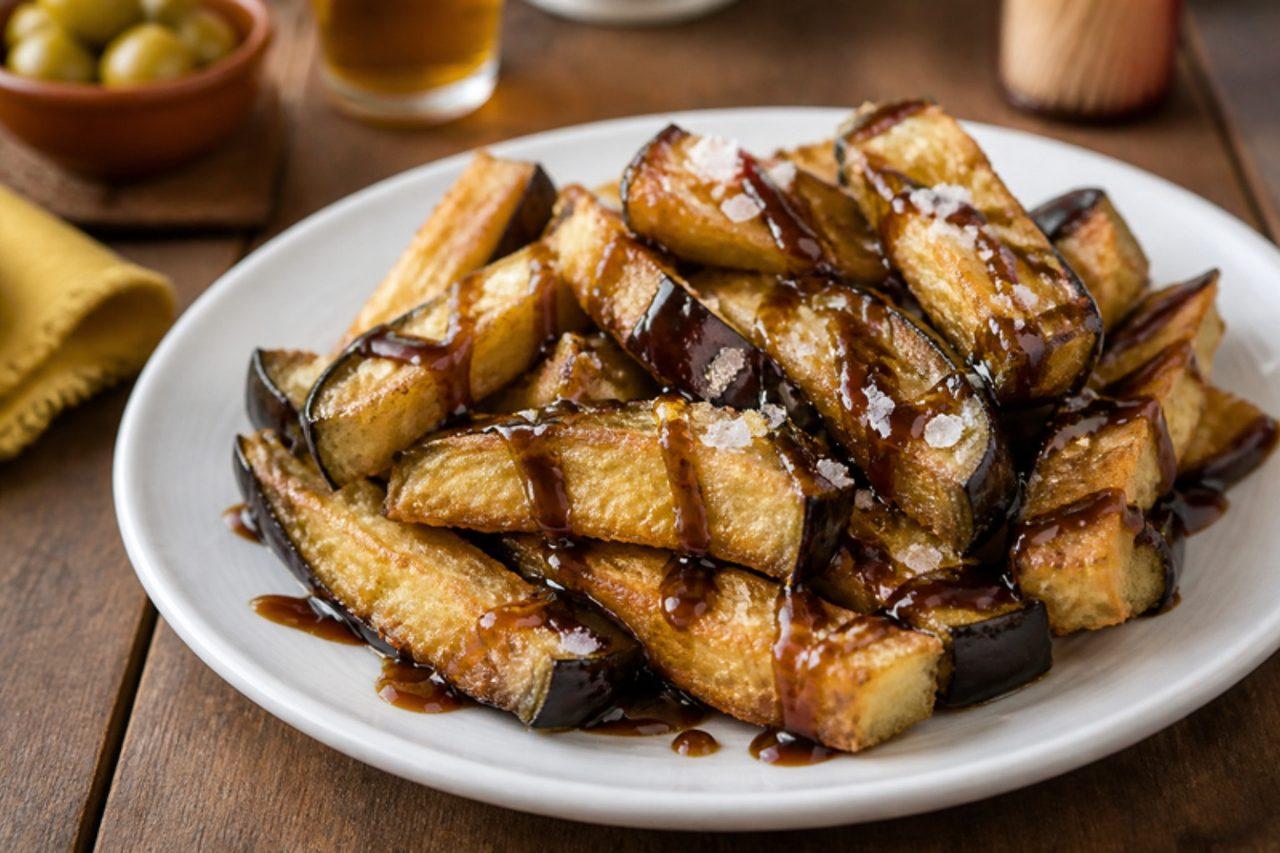
Berenjenas con miel de cañaFried aubergine with molasses

Berenjenas con miel are a classic tapa in Andalusia, especially in Córdoba, Málaga and Granada: thin batons or slices of aubergine, lightly floured and fried until crisp, then drizzled with dark, treacly miel de caña. Despite the name, miel de caña is not bee honey but sugarcane molasses, made in the last cane mill in Europe at Frigiliana on the Málaga coast, so the dish is naturally vegan. The contrast of salty, crunchy aubergine and bittersweet syrup is irresistible; serve it the moment it leaves the pan with a cold drink. Chef's tip: soak the aubergine in salted water (or milk, as many Andalusian cooks do) for 15 minutes and pat dry; it seasons the flesh, softens any bitterness and helps the flour cling so the coating stays thin and crisp.

by KrazyBadal 0 views

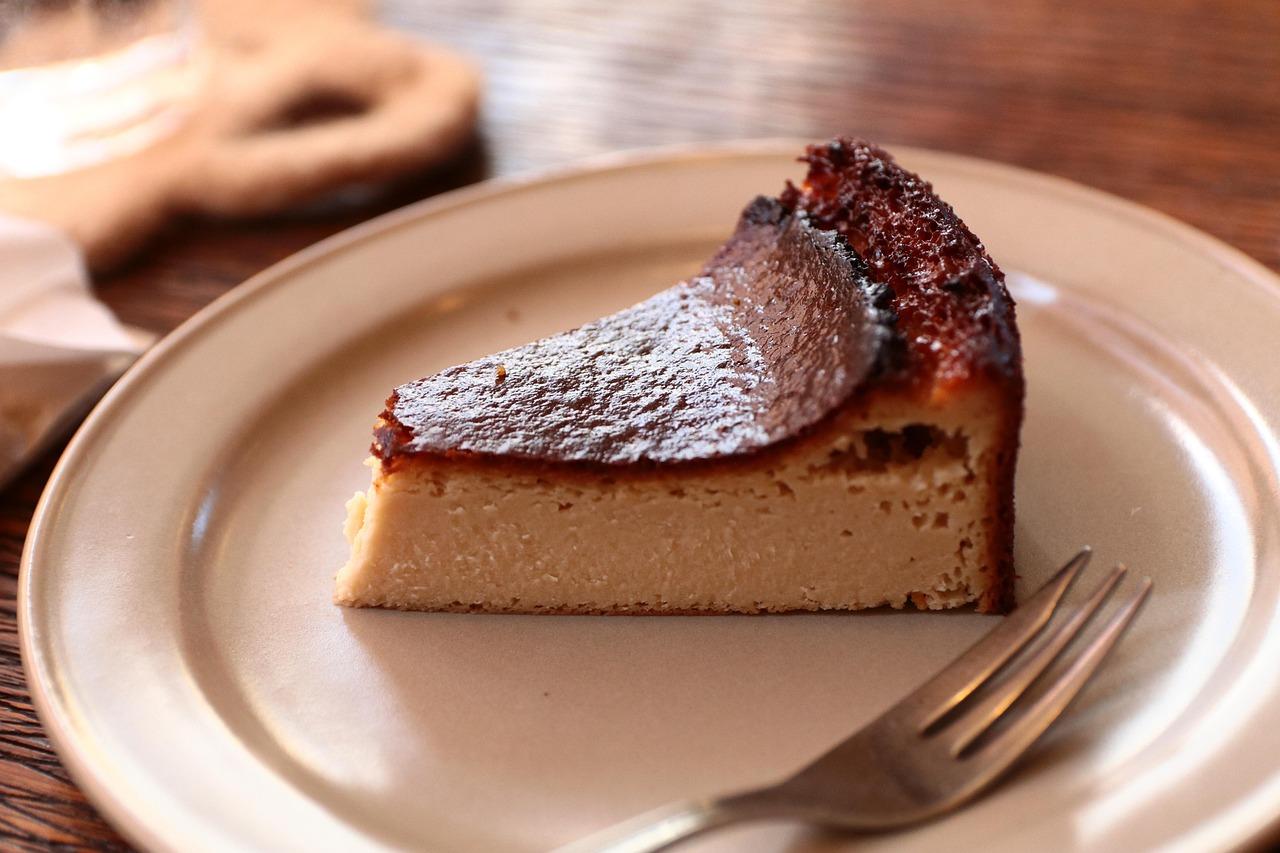
Basque burnt cheesecake

This crustless cheesecake was created in the early 1990s at La Viña, a pintxos bar in the old town of San Sebastián (Donostia) in the Basque Country, and is now famous around the world. It's baked very hot so the top caramelises almost black and the sides rise and crack, while the middle stays soft and creamy, almost runny. There's no base and no water bath, and the rough, rustic look is the point: it's lined with crumpled baking paper. La Viña uses a spoonful of wheat flour; cornflour does the same job and keeps it gluten free. Chef's tip: take it out of the oven while the centre still wobbles like a soft set custard; it firms up as it cools, and if it looks set in the oven, the middle will be dry instead of creamy.

by KrazyBadal 0 views

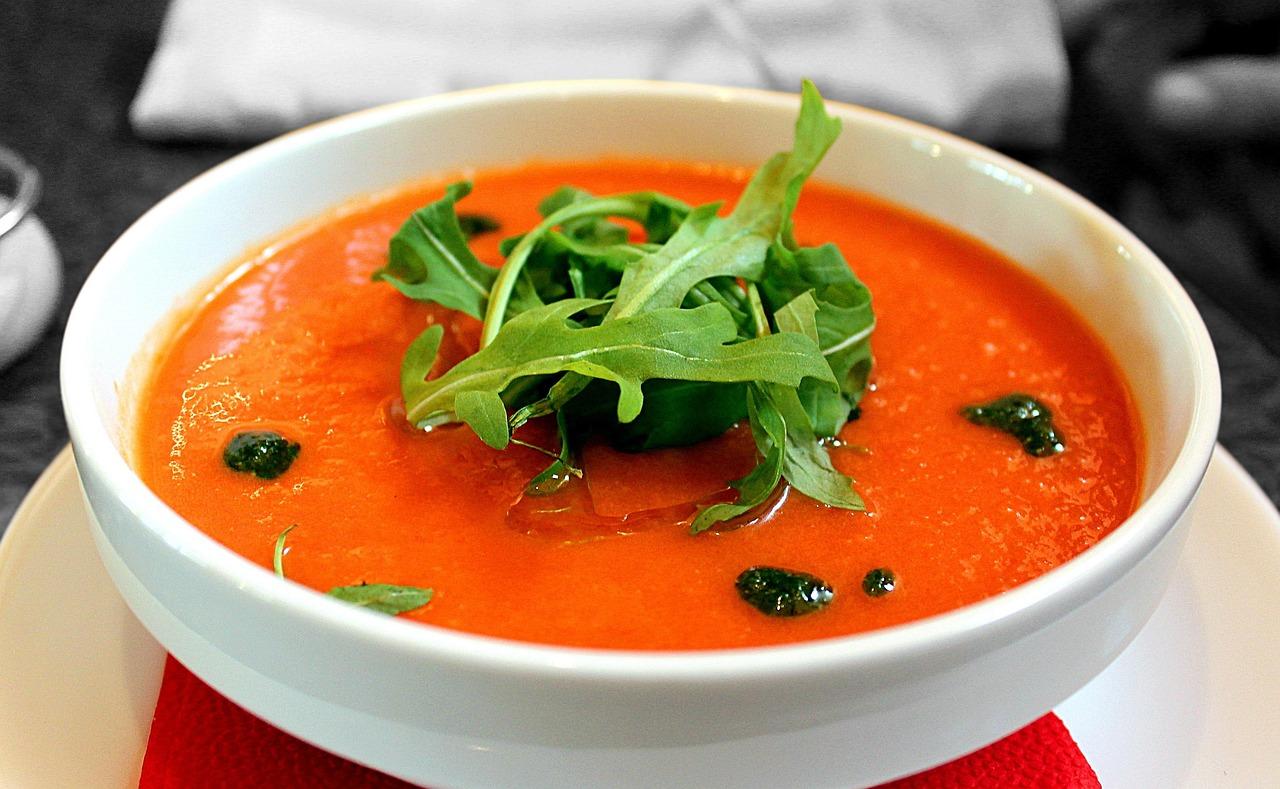
Gazpacho andaluzChilled tomato and cucumber soup

Gazpacho is the cold soup of Andalusia, drunk from a glass or eaten from a bowl through the scorching summers of Seville and Córdoba. It began as a farm workers' meal of bread, oil, garlic and vinegar pounded in a wooden bowl; tomatoes and peppers came later and turned it into the bright red, refreshing soup we know. Ripe tomatoes, cucumber, green pepper, garlic, sherry vinegar and plenty of olive oil are blended until silky and chilled hard. Serve it with tiny dice of cucumber, pepper and onion and a few crunchy croutons. Chef's tip: add the olive oil last, in a thin stream with the blender running; it emulsifies the soup to a creamy, pale-orange texture instead of leaving a slick of oil on top.

by KrazyBadal 0 views

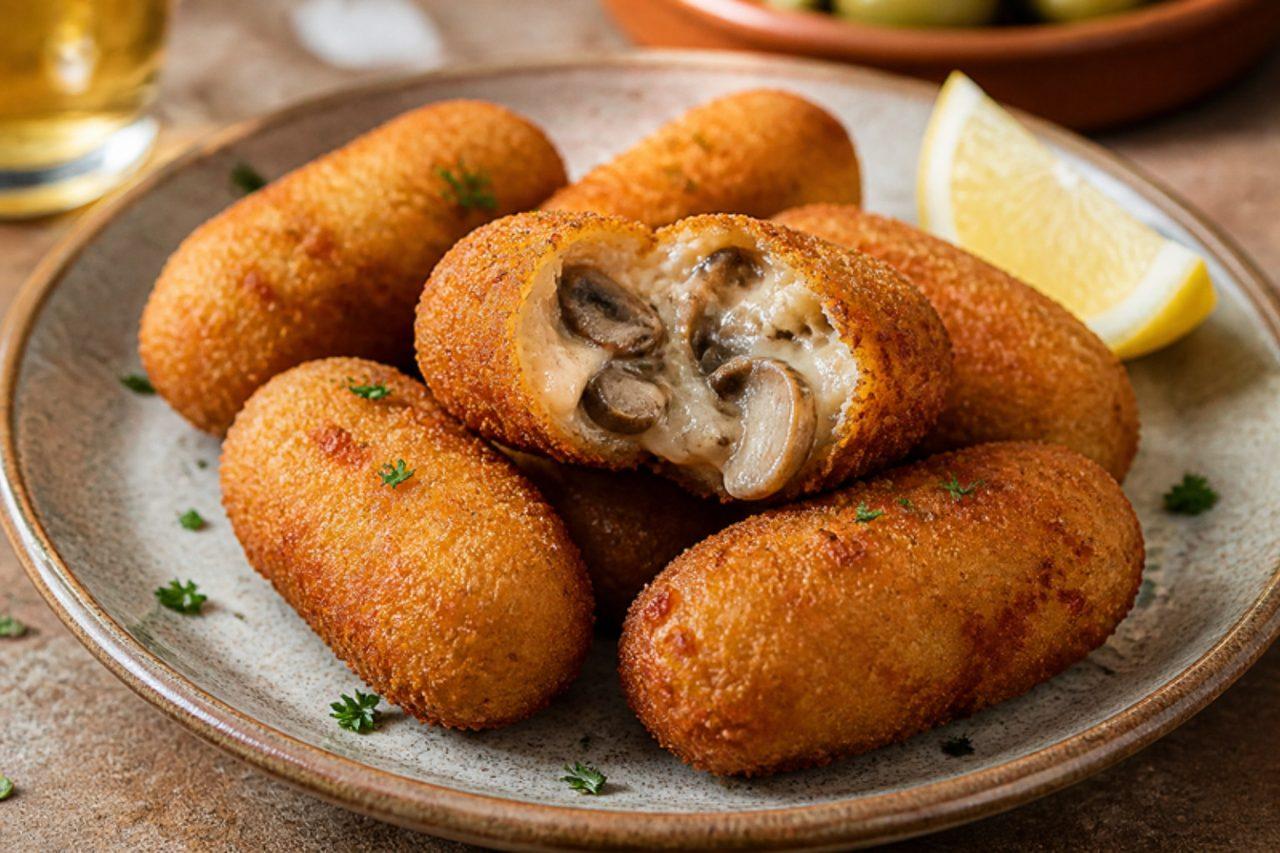
Mushroom croquetas

Croquetas are the pride of Spanish home cooking and tapas bars alike: a thick, silky béchamel full of flavour, chilled, rolled in egg and breadcrumbs and fried until crisp. Every family has its own; ham and chicken are classic, but croquetas de setas, made with wild or chestnut mushrooms, are found all over the country and are especially loved in the mushroom-picking regions of Castile and Catalonia. A good croqueta is creamy, almost liquid, inside, with a thin shell. Make a big batch: they freeze beautifully raw. Chef's tip: cook the flour in the butter and oil for a full 2 minutes and then beat the milk in slowly over a low heat for 10–15 minutes; this long cooking takes away the raw taste of flour and gives the creamy centre that makes Spanish croquetas special.

by KrazyBadal 0 views

Caramelised clay-pot tofu and mushroomsBraised tofu and mushrooms

Kho is the slow braise of the Mekong Delta: food simmered in a little clay pot (nồi đất) with dark caramel and seasoning until the sauce is sticky and the flavours go deep. This vegetarian cousin of cá kho tộ (braised fish) uses golden tofu and meaty mushrooms in place of fish, cooked in coconut water, as cooks do in the south, and finished with plenty of black pepper. Serve it bubbling in its pot with steamed rice and a sour soup or plain boiled vegetables. Chef's tip: take the caramel (nước màu) to a deep mahogany, darker than you think, just before it smokes; pale caramel only tastes sweet, while dark caramel gives the bittersweet, smoky flavour of a real kho.

by KrazyBadal 2 views

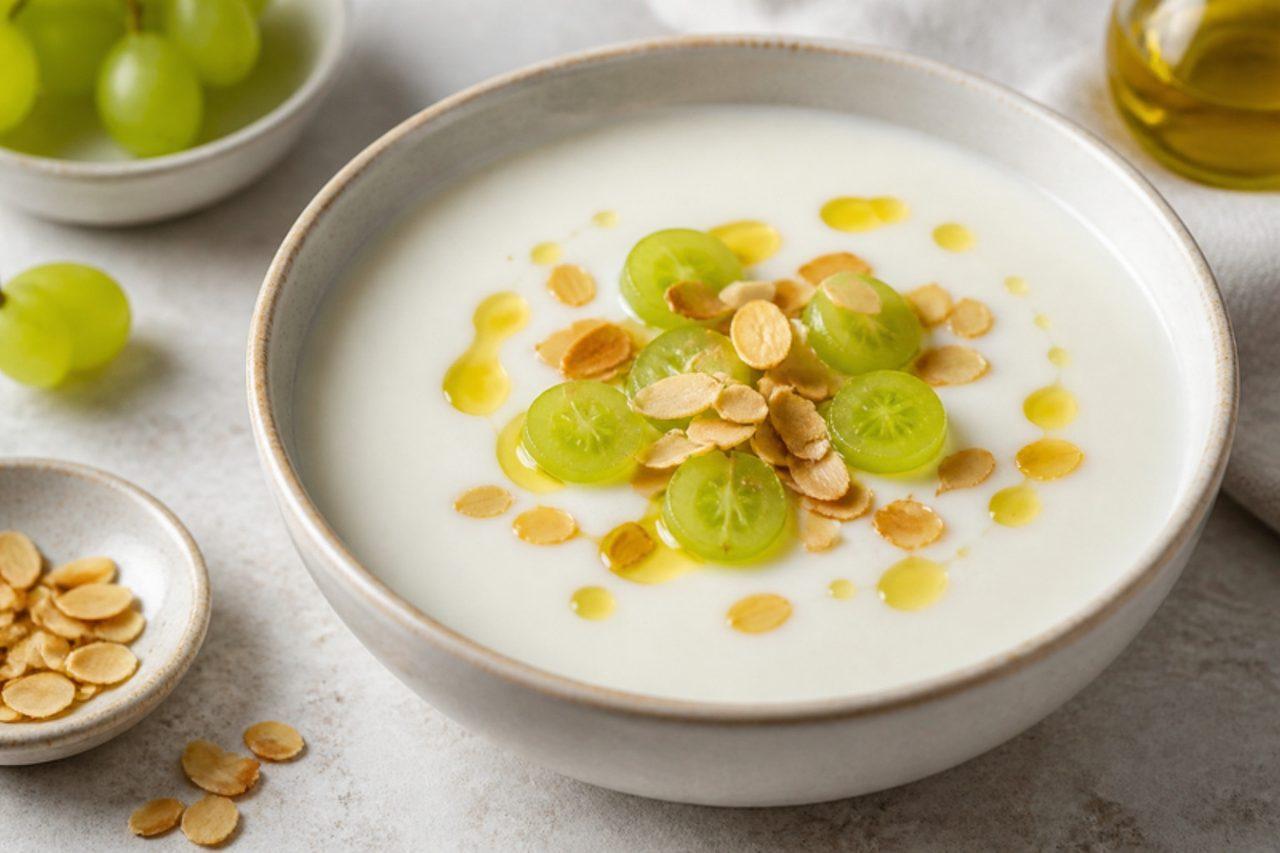
Ajoblanco malagueñoChilled almond and garlic soup

Ajoblanco is one of the oldest soups in Spain, a white gazpacho from Málaga that dates back to Moorish times, before tomatoes ever reached Europe. Blanched almonds, bread, garlic, olive oil, sherry vinegar and ice-cold water are blended into a silky, nutty and surprisingly refreshing cream, traditionally served with sweet green grapes or slices of melon floating on top. In Málaga it is the star of the Fiesta del Ajoblanco in the village of Almáchar each September. Chef's tip: let the blended soup rest in the fridge overnight before serving; the garlic mellows, the almond flavour deepens and the texture becomes smoother and creamier.

by KrazyBadal 0 views

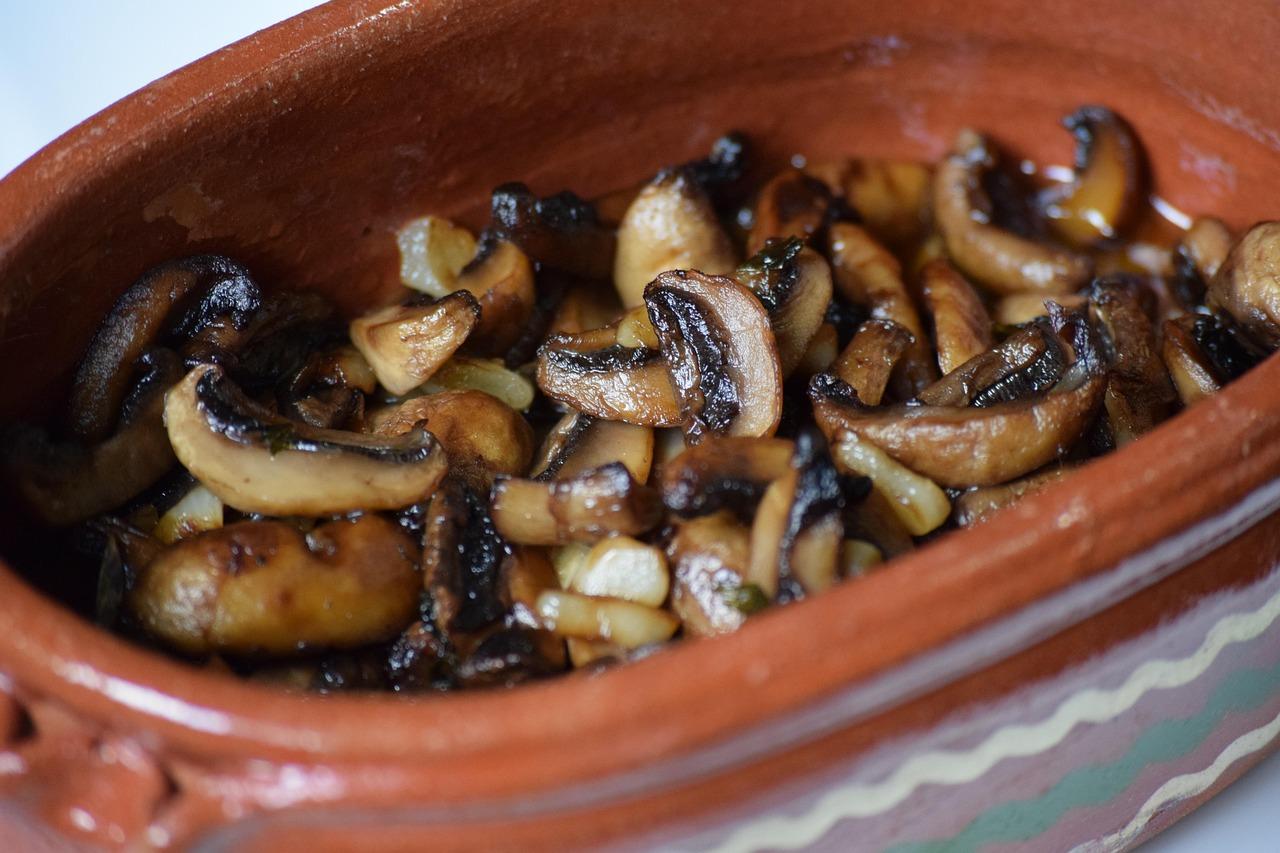
Champiñones al ajilloGarlic mushrooms

Champiñones al ajillo are on the menu of almost every tapas bar in Spain: button mushrooms seared in olive oil with plenty of sliced garlic, a little dried chilli (guindilla), a splash of dry white wine or fino sherry and a handful of parsley. They are usually brought to the table still sizzling in a small terracotta cazuela, with bread to mop up the garlicky juices. Serve them with tortilla, patatas bravas or on toast for a quick lunch. Chef's tip: cook the mushrooms over a high heat in a single layer and do not salt them until they have browned; salt draws out water too early and the mushrooms stew grey instead of searing golden.

by KrazyBadal 0 views

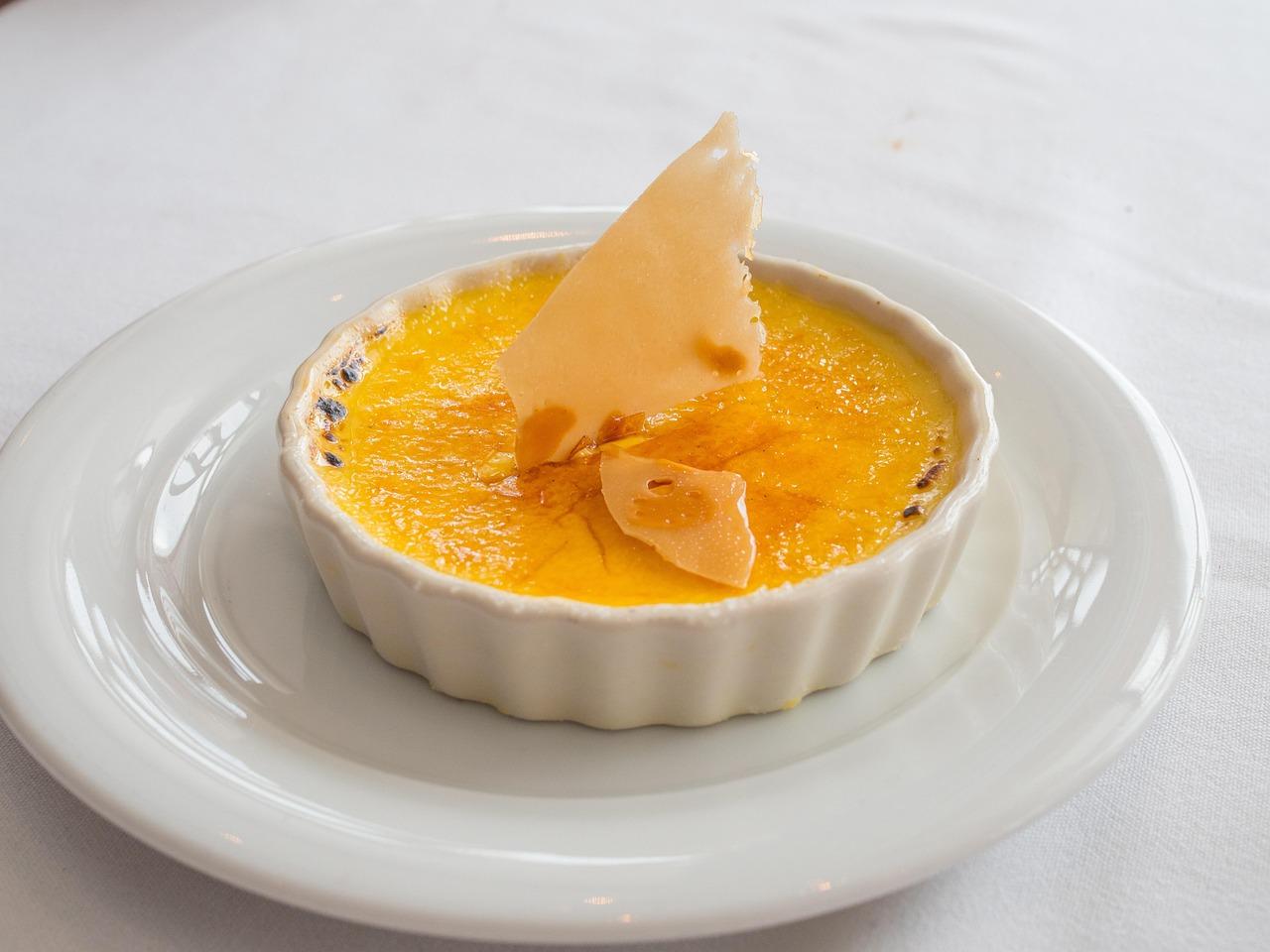
Crema catalanaBurnt cream custard

Crema catalana is the classic dessert of Catalonia, served in shallow round earthenware dishes with a glassy layer of burnt sugar on top. Traditionally it was made for Saint Joseph's Day on 19 March, which is why it is also called crema de Sant Josep. It is older than French crème brûlée and different in style: made with milk rather than cream, lightly thickened with cornflour and flavoured with lemon zest and cinnamon, so it is lighter and fresher. Catalans caramelise the top with a hot iron disc called a 'cremador'; a cook's blowtorch does the same job. Chef's tip: burn the sugar just before serving, not earlier; the crust stays crisp only for about 20–30 minutes before the moisture of the custard softens it.

by KrazyBadal 0 views

Flan de huevoBaked egg custard

Flan de huevo is the most common dessert in Spain: on the menú del día in every town, from Galicia to the Canary Islands, and made at home for Sunday lunch. It is simply eggs, milk and sugar, flavoured with a little lemon zest and vanilla, baked gently in a water bath over a layer of dark caramel. When it's turned out, the caramel becomes a glossy sauce running down the sides. Spanish flan is firmer and more eggy than French crème caramel, and it slices cleanly. Chef's tip: bake it slowly in a water bath and stop when the centre still wobbles slightly like jelly; overbaking leaves little holes and a grainy texture, the sign of a flan cooked too hot or too long.

by KrazyBadal 0 views

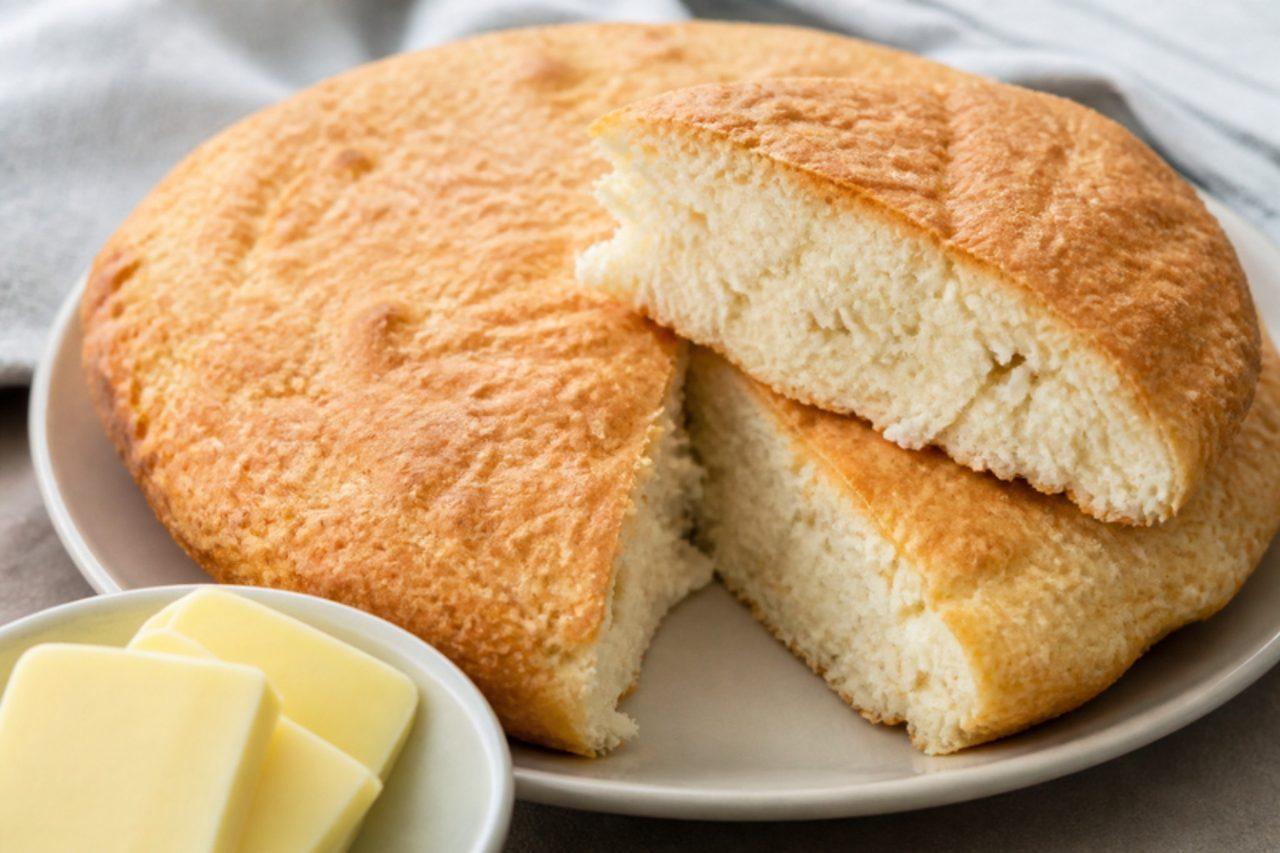
Coconut bakeCoconut bread

Coconut bake is a breakfast bread from Trinidad and especially Tobago, where it's baked on Sunday mornings in homes and village bakeries. It's a quick, unyeasted bread, rich with grated coconut and coconut milk and rubbed with butter, shaped into a round and baked until golden. It's split and buttered, and usually eaten with saltfish buljol; for a vegetarian breakfast, fill it with tomato choka, fried ripe plantain, sautéed bodi (long beans) or cheese. Chef's tip: rub the butter well into the flour and knead only briefly until the dough comes together. Overworking makes bake heavy and tight instead of soft and crumbly.

by KrazyBadal 0 views

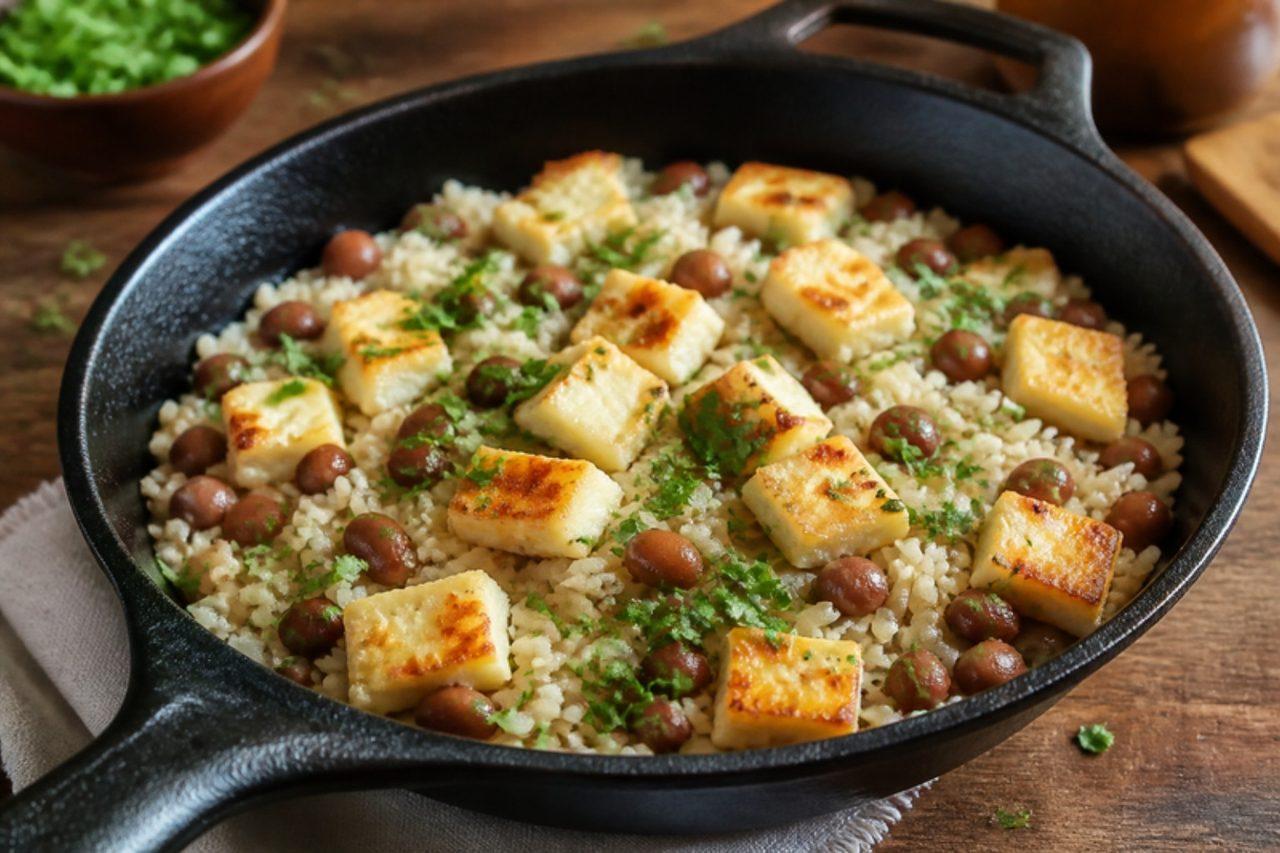
Baião de doisRice and beans with cheese

Baião de dois ('a dance for two') is the pride of Ceará and the Northeast sertão: rice cooked in the broth of feijão-de-corda (a small cowpea; black-eyed peas are the closest match), then folded with cubes of squeaky queijo coalho until they just start to melt. It's usually made with dried beef and bacon; this version keeps the smoky note with paprika and finishes with nutty clarified butter (manteiga de garrafa). It's a one-pot meal on its own, or great with vinagrete. Chef's tip: cook the rice in the bean cooking water, not fresh water. That's what gives baião its brownish colour and deep bean flavour.

by KrazyBadal 0 views

Acarajé with vegan vatapáBlack-eyed pea fritters with coconut paste

Acarajé is the street food of Salvador da Bahia, fried to order by the baianas de acarajé in their white lace dresses; the craft is protected as part of Brazil's cultural heritage. Peeled black-eyed peas are ground with onion, whipped until light and fried in dendê into crisp, airy fritters, then split and filled with vatapá, a rich paste of coconut, peanuts, cashews and ginger. Street versions add dried shrimp; this one leaves it out and leans on dendê and toasted nuts for depth. Add vinagrete and pepper sauce as they do in Salvador. Chef's tip: beat the bean paste until it's pale and fluffy, and test a little in a glass of water: when it floats, it's ready. That trapped air is what makes acarajé light inside.

by KrazyBadal 0 views

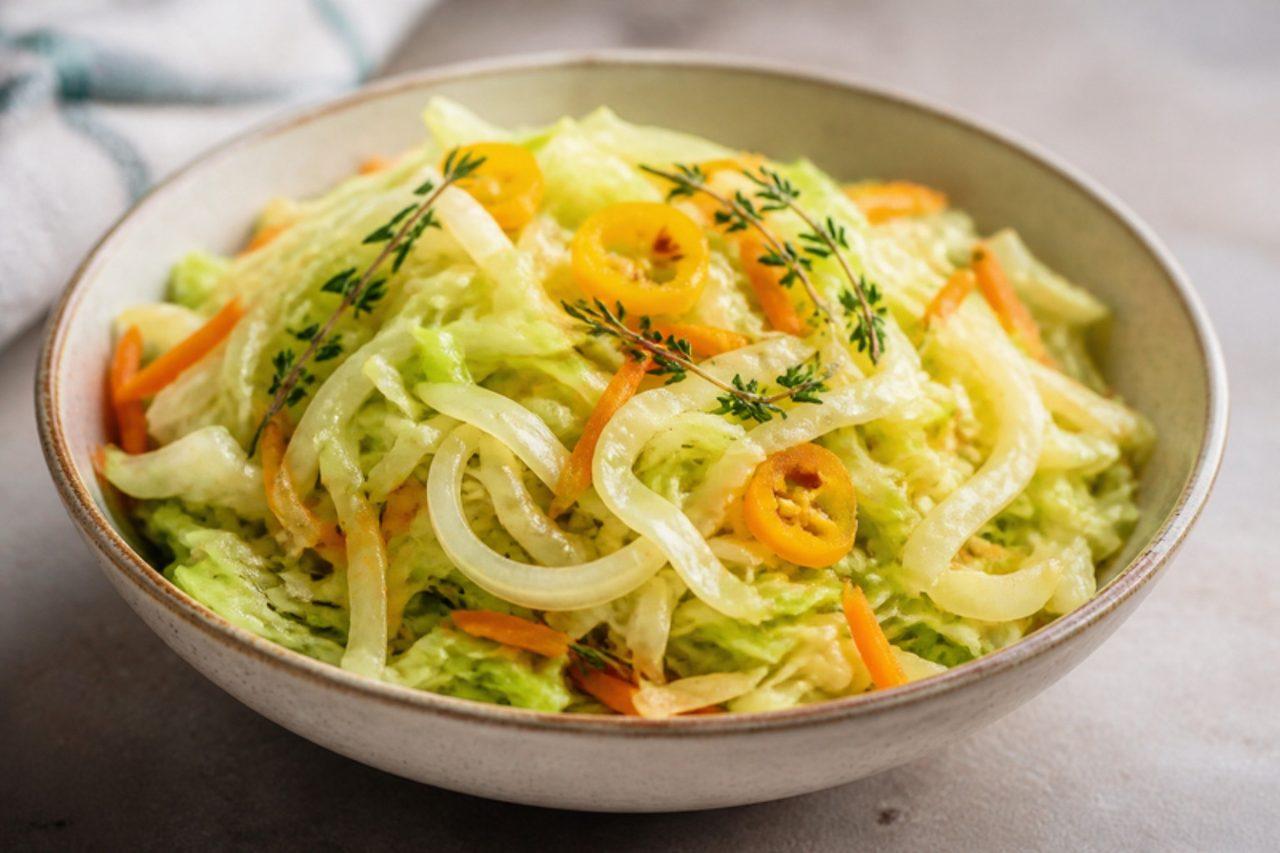
Steamed cabbage

Steamed cabbage is the everyday side dish of Jamaican home cooking, served at breakfast with fried dumplings and at dinner beside rice and peas or stew peas. Shredded cabbage and carrot are cooked with very little water, so they steam in their own juices and turn sweet, peppery and glossy rather than soggy. Chef's tip: use only a splash of water and keep the lid on. The cabbage should be tender-crisp and still pale green, never boiled limp, so take it off the heat while it still has a little bite.

by KrazyBadal 0 views

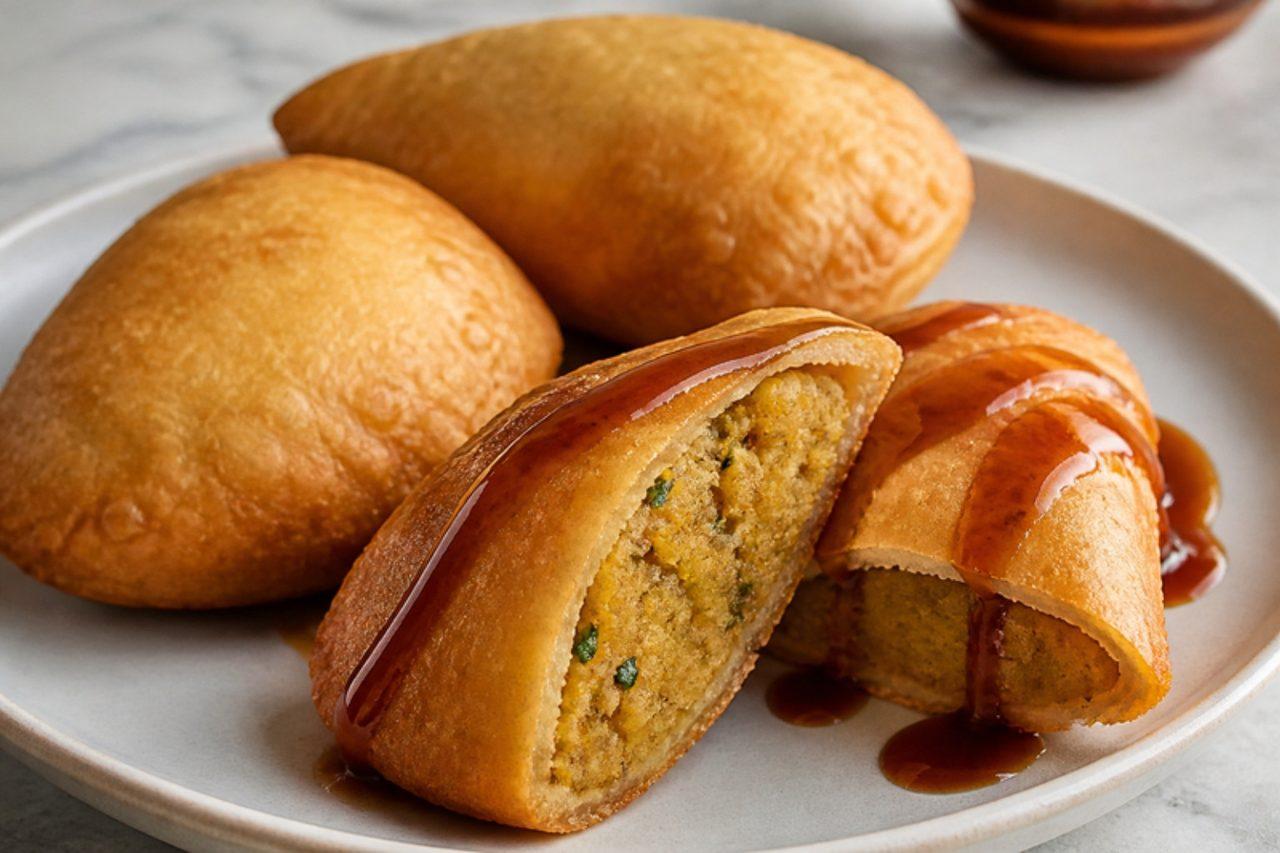
Aloo pieFried potato pastry pockets

Aloo pie is a Trinidadian street snack: a soft, chewy fried dough shaped like a big half-moon, filled with mashed potato seasoned with roasted geera, garlic, pepper and shado beni. It's sold at doubles stands, roti shops and school canteens all over the island, and the classic way to eat it is split open and loaded with curry channa, tamarind sauce and pepper. It's softer and breadier than an Indian samosa. Chef's tip: roast the geera seeds yourself until they're dark brown and fragrant, then grind them. That deep, smoky cumin flavour is what makes Trini aloo pie taste the way it should.
by KrazyBadal 0 views

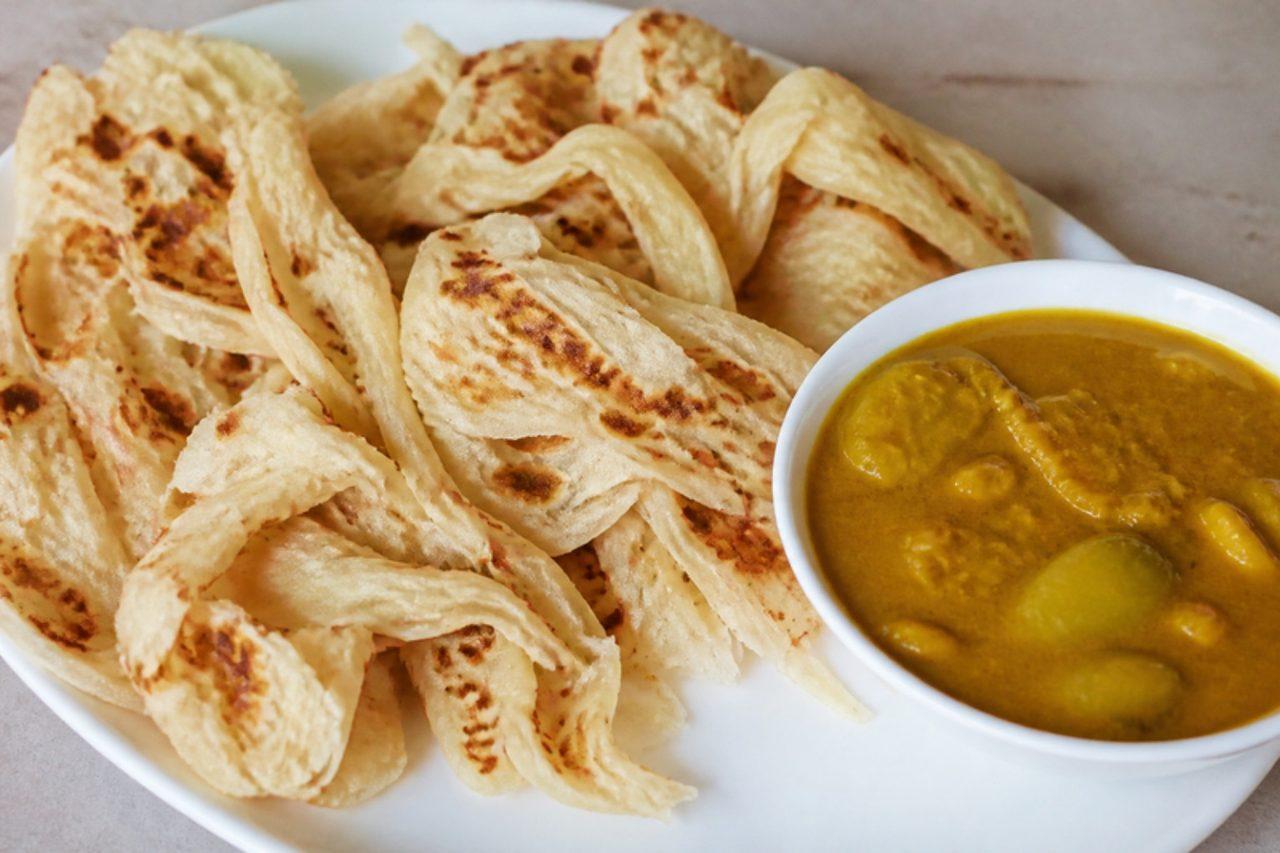
Buss-up-shutTorn paratha roti

Buss-up-shut is the paratha roti of Trinidad, so called because the torn, flaky pieces look like a 'burst-up shirt'. A soft dough is spread with butter and oil, rolled into a coil to build layers, cooked on a hot tawa, then clapped and beaten with wooden paddles until it breaks into soft, buttery, flaky shreds. It's served in roti shops across Trinidad for scooping up curries, and is always at Hindu weddings and Divali feasts. Chef's tip: beat the roti while it's still scalding hot. The steam inside is what separates the layers, so the moment it leaves the tawa, clap it between your hands (in clean oven gloves) or bash it with two wooden spatulas until it shreds.

by KrazyBadal 0 views

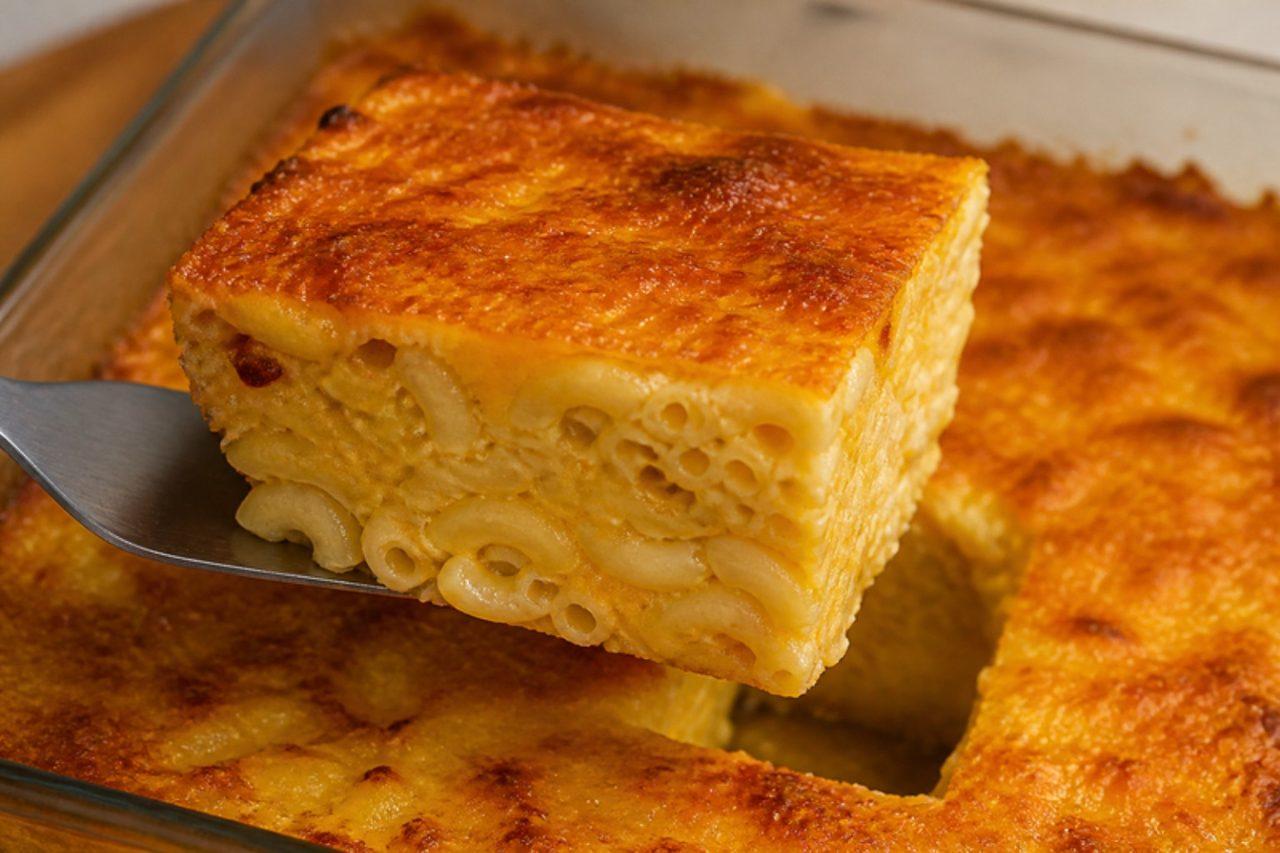
Macaroni pieBaked macaroni and cheese

Macaroni pie is a must on the Trinidadian Sunday lunch table, beside callaloo, rice, stew and salad. It isn't a saucy macaroni cheese but a firm bake: macaroni mixed with sharp cheddar, evaporated milk, eggs, mustard and a little onion and pepper, baked until golden and set enough to cut into neat squares. Kids love it, and it's just as good cold the next day. Chef's tip: let the pie rest for 20 minutes after it comes out of the oven. It firms up as it cools slightly, so you get clean, proper slices instead of a soft heap.

by KrazyBadal 0 views

Açaí bowl

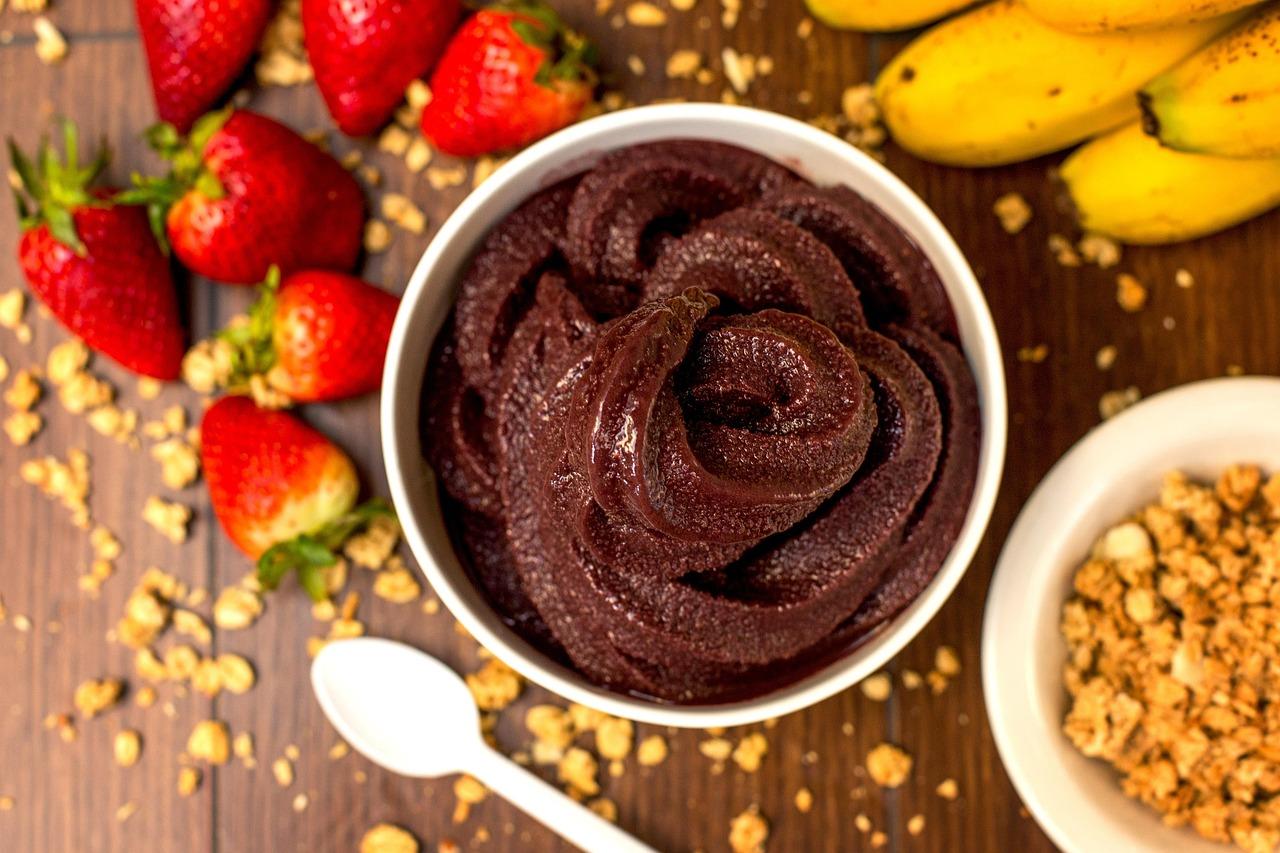
Açaí is a deep purple palm berry from Pará, in the Amazon, where people in Belém eat it as a thick, unsweetened purée with manioc meal alongside savoury food. The sweet, frozen açaí na tigela ('açaí in a bowl') was born on the beaches of Rio de Janeiro and became a Brazilian breakfast and post-surf favourite: thick as soft-serve ice cream, topped with crunchy granola, banana and strawberries. Chef's tip: use as little liquid as possible and blend in short pulses, scraping down the sides. Real açaí na tigela is spooned, not drunk; too much juice turns it into a smoothie.

by KrazyBadal 0 views

Cheese and heart of palm pastelFried cheese and palm heart pastries

Pastel is the taste of the São Paulo street market: big rectangles of thin dough fried to order until they blister and puff, eaten hot from paper with a glass of caldo de cana (sugar-cane juice). Cheese and palmito (heart of palm) are two of the most popular meat-free fillings. Chef's tip: add a spoon of cachaça (or vodka) to the dough and fry in properly hot oil. The alcohol evaporates fast and makes the crust puff into the light, bubbly blisters that market pastel is famous for.

by KrazyBadal 0 views

SaheenaDasheen leaf fritters

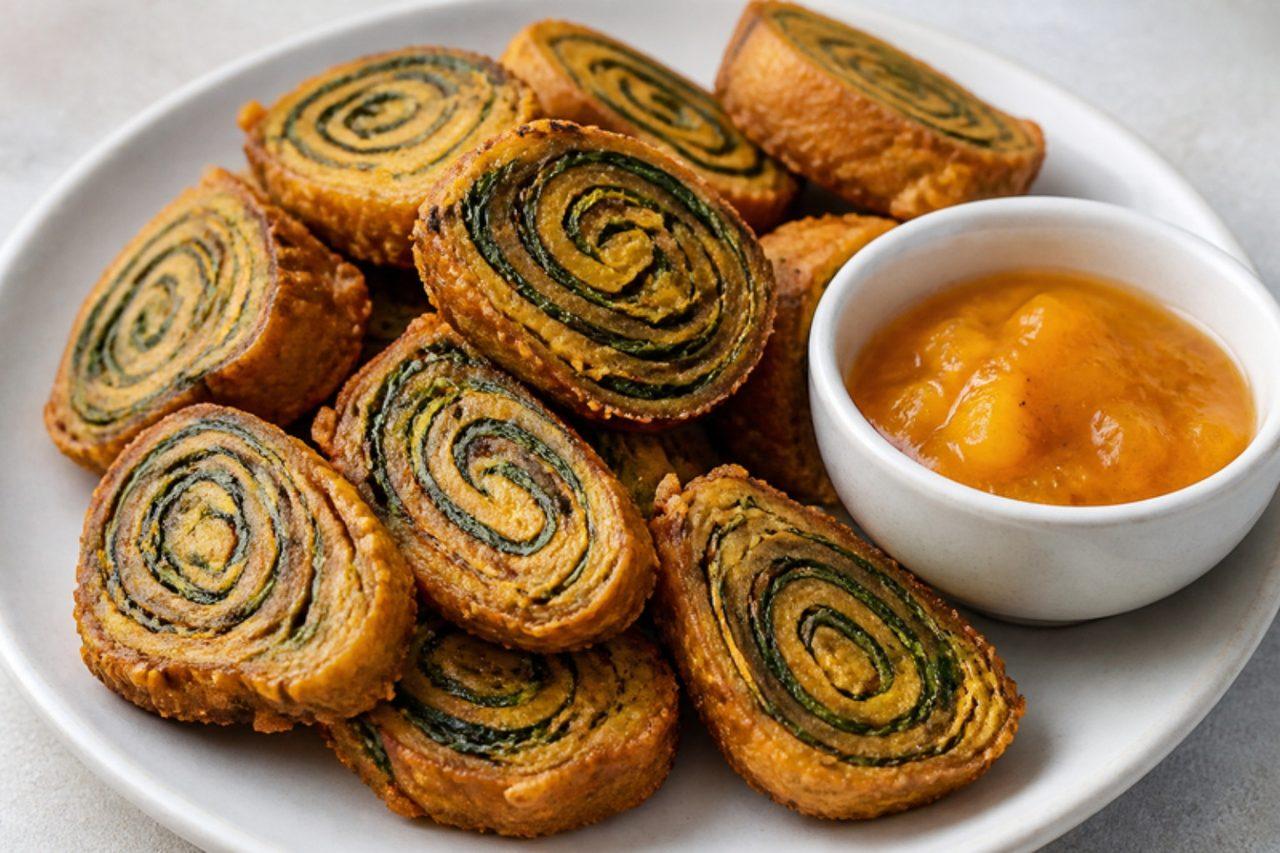
Saheena is an old Indo-Trinidadian snack sold by street vendors and doubles men, especially in Central and South Trinidad. Young dasheen (taro) leaves are spread with a spiced batter of ground split peas, garlic, turmeric and pepper, rolled up like a Swiss roll, steamed, then sliced into rounds and fried until crisp. Each slice shows green spirals of leaf and gold batter, and tastes earthy, savoury and garlicky. Serve with tamarind sauce or mango chutney. If you can't get dasheen leaves, large spinach or Swiss chard leaves work. Chef's tip: always cook dasheen leaves thoroughly. They contain crystals that make your throat itch if undercooked, which is why the rolls are steamed right through before frying.

by KrazyBadal 1 views

Jerk tofu and vegetables

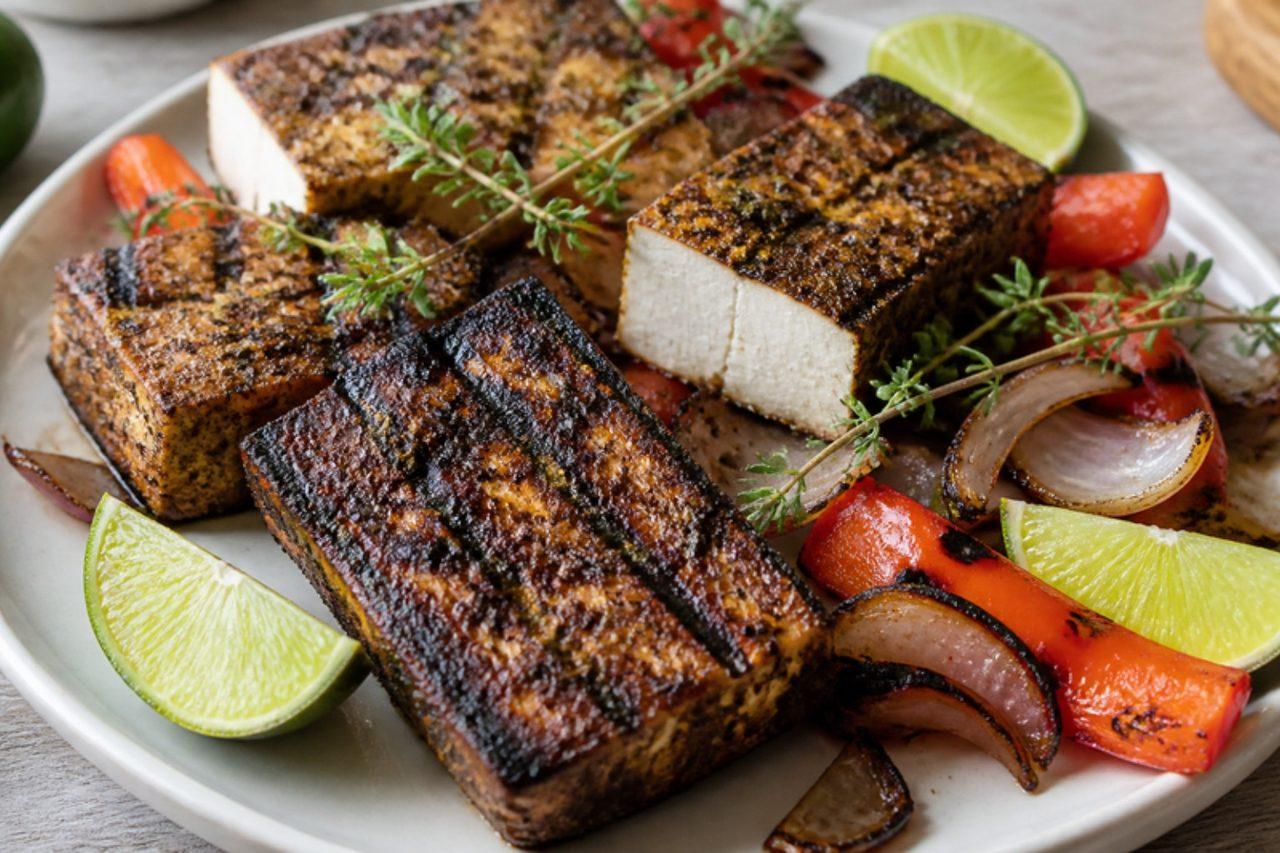
Jerk was born in the hills of Portland parish, where Maroon communities slow-cooked spiced meat over pimento wood, and Boston Bay is still its home today. The heart of it is the wet marinade: spring onion, thyme, scotch bonnet and plenty of pimento (allspice), blitzed into a coarse green-brown paste. Here it clings to slabs of pressed tofu and chunky vegetables that are charred until sticky at the edges, smoky, hot and fragrant. Serve with rice and peas, fried ripe plantain or festival and a squeeze of lime. Chef's tip: toast whole pimento berries in a dry pan and grind them yourself; ready-ground allspice tastes flat, and the warm clove-pepper perfume of fresh pimento is what makes jerk taste like jerk.

by KrazyBadal 0 views

Rice and peas

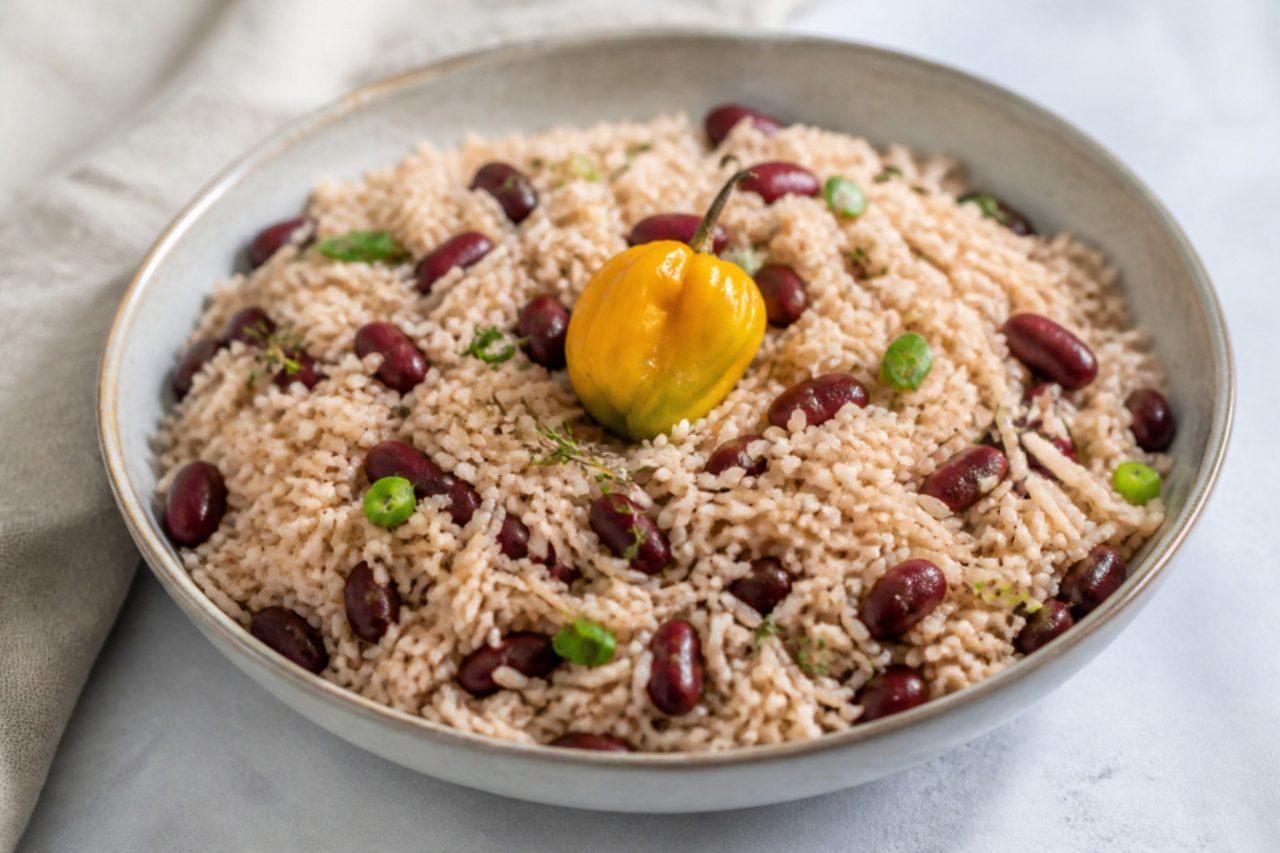
No Sunday dinner anywhere in Jamaica is complete without rice and peas, and 'peas' here means red kidney beans. The beans tint the rice a soft pinkish brown, the coconut milk makes it rich and creamy, and a whole scotch bonnet sitting on top perfumes the pot with fruity heat without burning anyone. Serve with jerk tofu, Ital stew, steamed cabbage and fried ripe plantain. This version uses tinned beans and their liquid for an everyday cook; with dried beans, soak 250 g overnight and simmer them for about an hour first, then use their cooking water. Chef's tip: once the rice goes in, don't stir it. Cover the pot tightly (a sheet of foil under the lid helps) and let the steam do the work, so the grains come out separate and fluffy instead of mushy.

by KrazyBadal 0 views

Fried ripe plantain

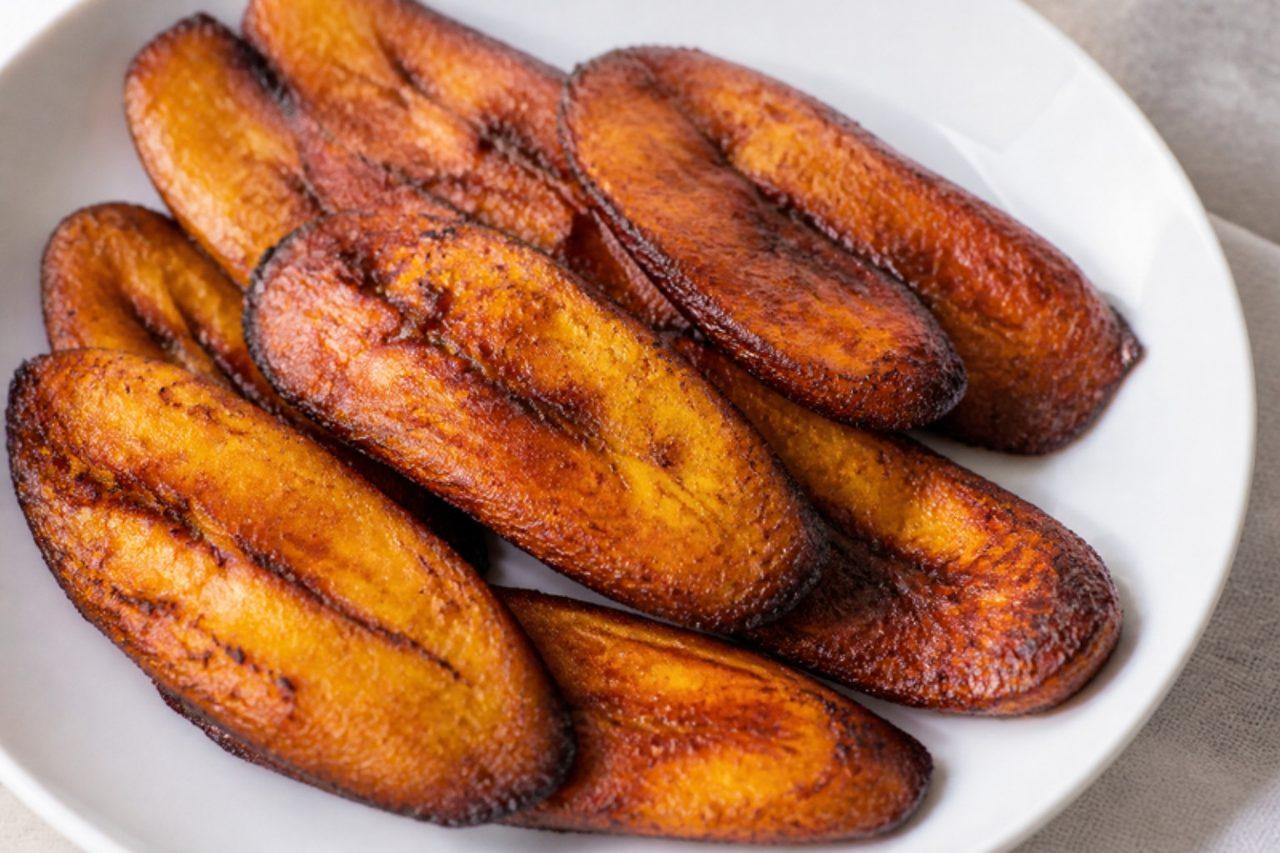
Fried ripe plantain is on almost every Jamaican plate, from breakfast with ackee and callaloo to Sunday dinner beside rice and peas. When plantains are fully ripe their starch turns to sugar, so the slices fry up soft and custardy inside with dark, sticky, caramelised edges, sweet with a little salt. Chef's tip: wait until the skin is mostly black. A yellow plantain fries up firm and starchy; a black one gives that melting, toffee-sweet result, and medium heat lets the sugars caramelise without burning.

by KrazyBadal 0 views

Cornmeal porridge

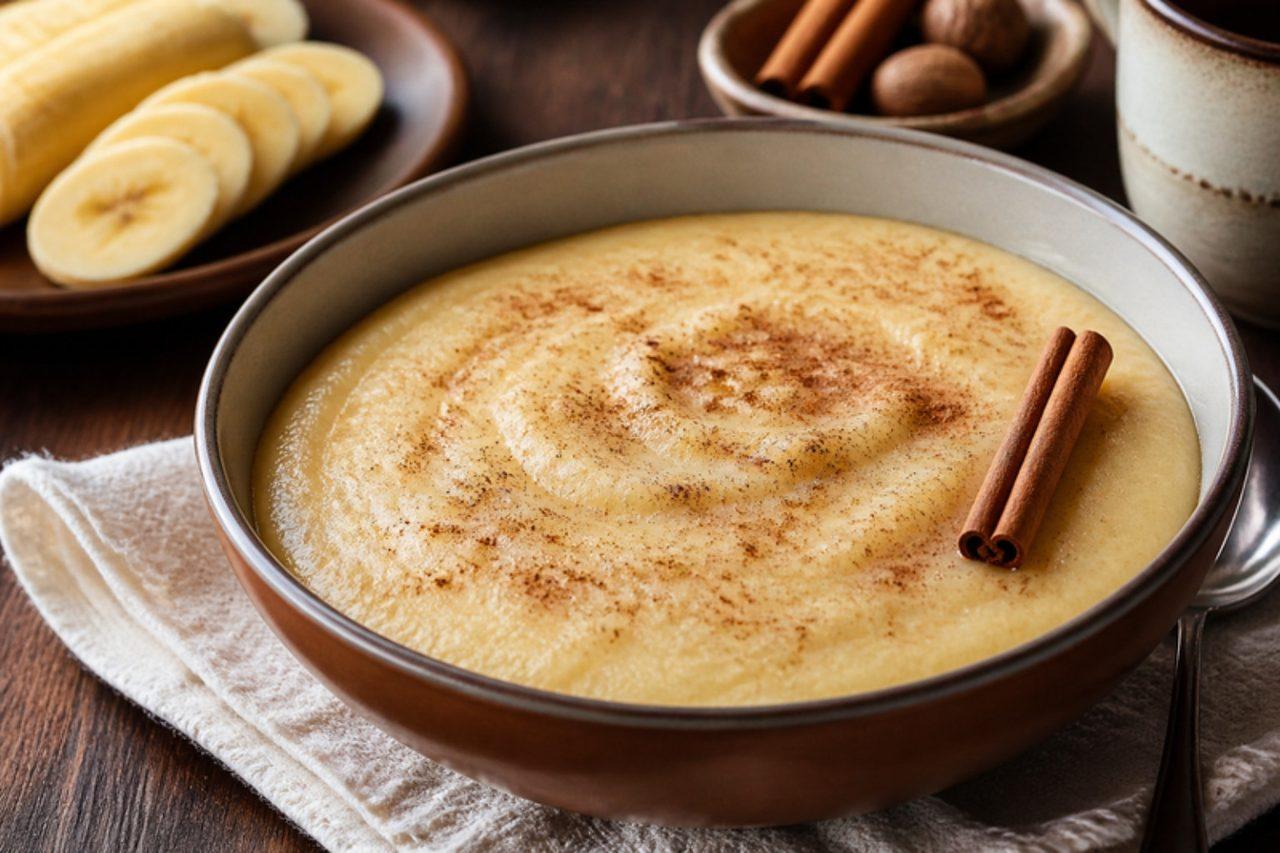
Cornmeal porridge is the breakfast many Jamaicans grew up on, cooked in homes across the island before school and work. Fine cornmeal is simmered slowly with milk and water until thick and velvety, then spiced with cinnamon, nutmeg and vanilla and sweetened with condensed milk. It's warm, filling and gently sweet. Chef's tip: whisk the cornmeal into cold water first to make a smooth slurry before it meets any heat. Adding dry cornmeal to hot liquid is how porridge goes lumpy.

by KrazyBadal 0 views

Jamaican carrot juice

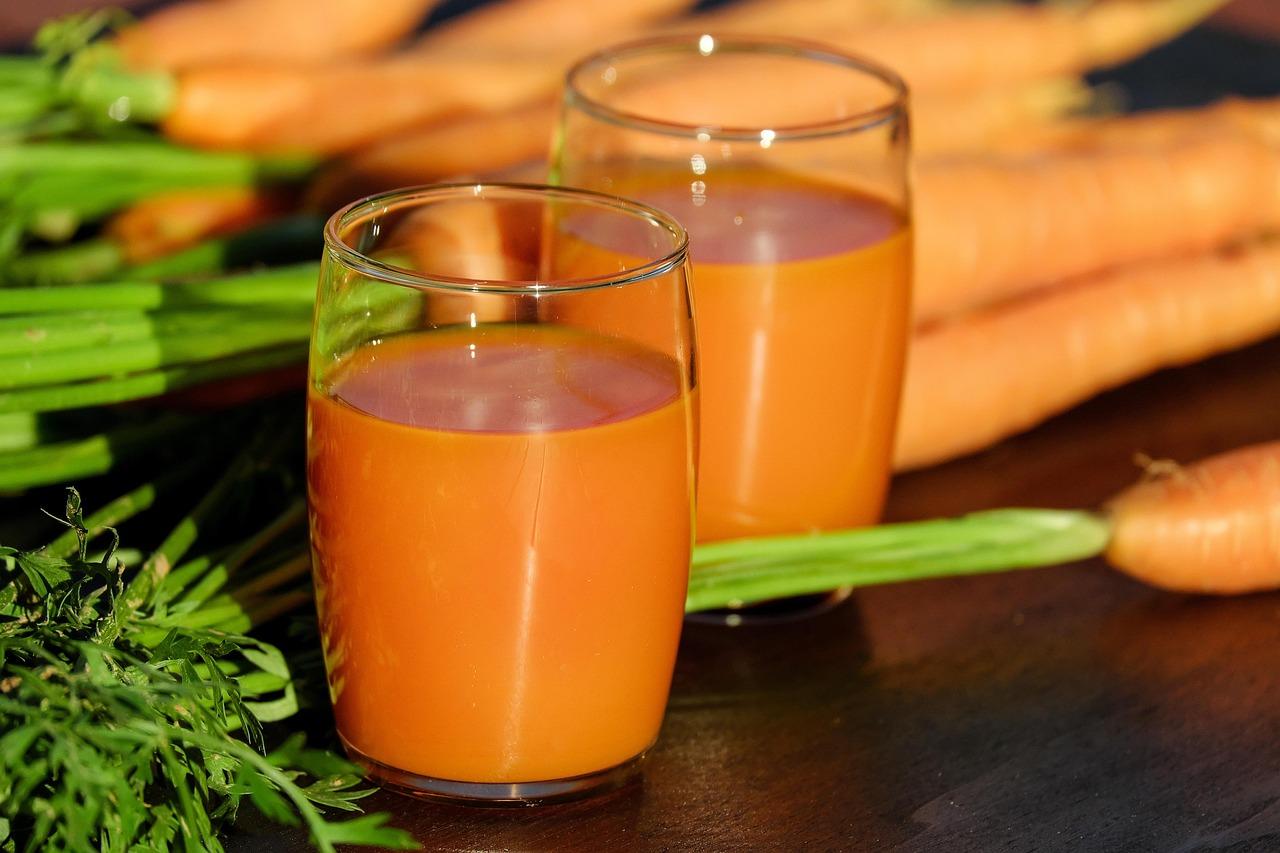
Jamaican carrot juice isn't a thin health drink but a creamy, sweet treat, blended fresh in homes and sold cold in bottles at markets and juice stands across the island, especially on Sundays and at Christmas. Grated carrots are blended with water and strained, then sweetened with condensed milk and spiced with nutmeg, vanilla and a squeeze of lime. Chef's tip: add a squeeze of lime and a little fresh ginger. The sharpness cuts through the sweetness and stops the drink tasting flat, the way Jamaican cooks make it.

by KrazyBadal 0 views

BrigadeiroChocolate condensed milk truffles

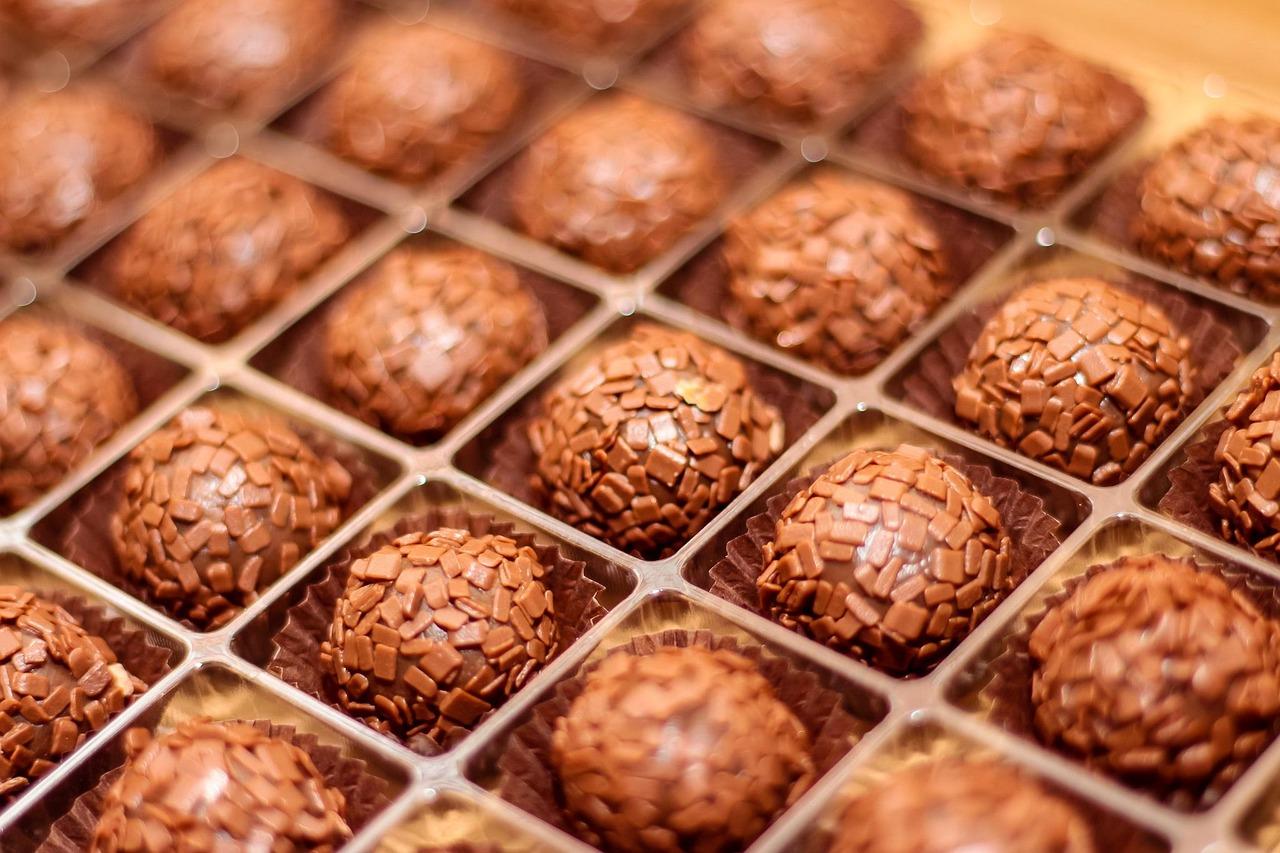
Brigadeiro is Brazil's favourite sweet: no birthday party anywhere in the country is complete without trays of them in little paper cases. Condensed milk, cocoa and butter are stirred in a pan until thick, then rolled into soft, fudgy balls and coated in chocolate sprinkles. It's said to be named after Brigadeiro Eduardo Gomes, an air force officer who ran for president in 1945. Chef's tip: learn the ponto (the doneness point). Tilt the pan and drag your spatula through the mixture: when it slides as one mass and you can see the pan base for 2–3 seconds before it closes up, it's ready. Undercooked brigadeiros won't hold a shape; overcooked ones turn chewy.

by KrazyBadal 0 views

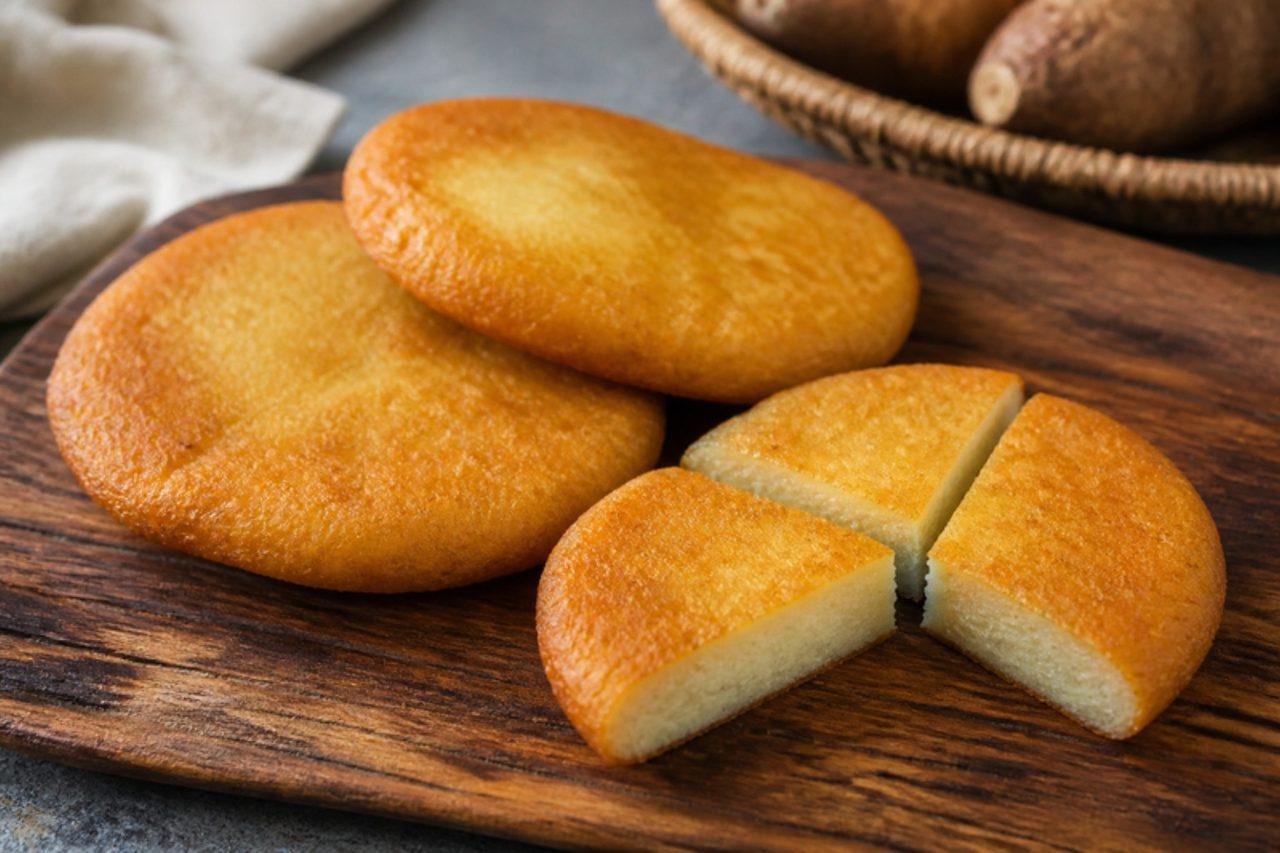
BammyCassava flatbread

Bammy is one of Jamaica's oldest foods, a flatbread of grated cassava handed down from the Taíno people and still made by family producers in St Elizabeth, especially around Treasure Beach and the south coast. The cassava is grated, squeezed dry and pressed into firm rounds that keep for days. Before eating, they're soaked in coconut milk and fried, so they turn crisp outside and soft and chewy within, with a gentle nutty flavour. Serve with steamed callaloo, Ital stew or escovitch vegetables. Chef's tip: squeeze the grated cassava really, truly dry in a cloth, wringing it hard. Wet cassava steams into a gummy cake instead of setting into a firm bammy.

by KrazyBadal 0 views

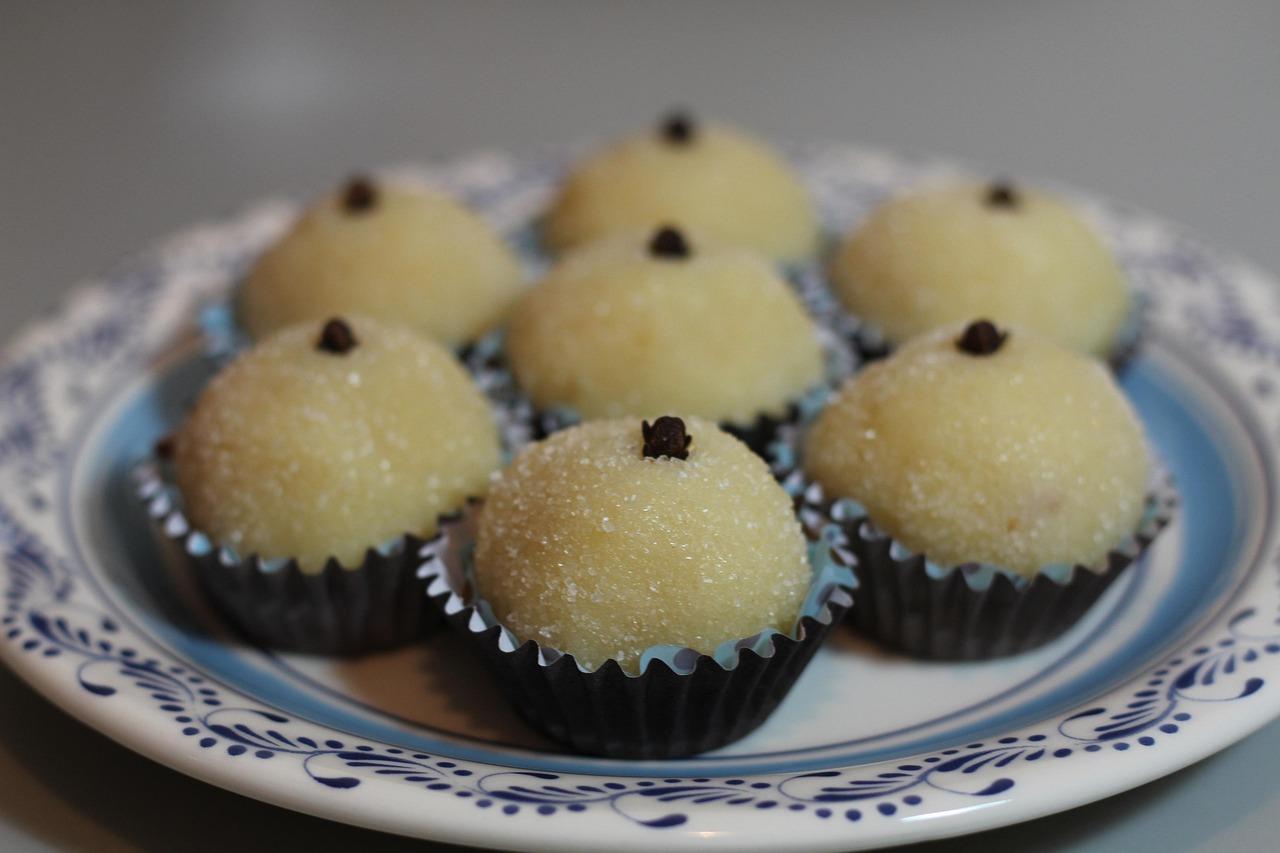
BeijinhoCoconut condensed milk sweets

Beijinho ('little kiss') is the white twin of brigadeiro, and the two always appear side by side at Brazilian birthday parties all over the country. Condensed milk is cooked with butter and coconut until thick, then rolled into small balls, coated in sugar or coconut and topped with a single clove. Chef's tip: don't skip the clove. It's the signature of a proper beijinho, giving a little warm, spicy perfume that balances all that sweetness (it's for decoration and aroma; take it out before eating).

by KrazyBadal 0 views

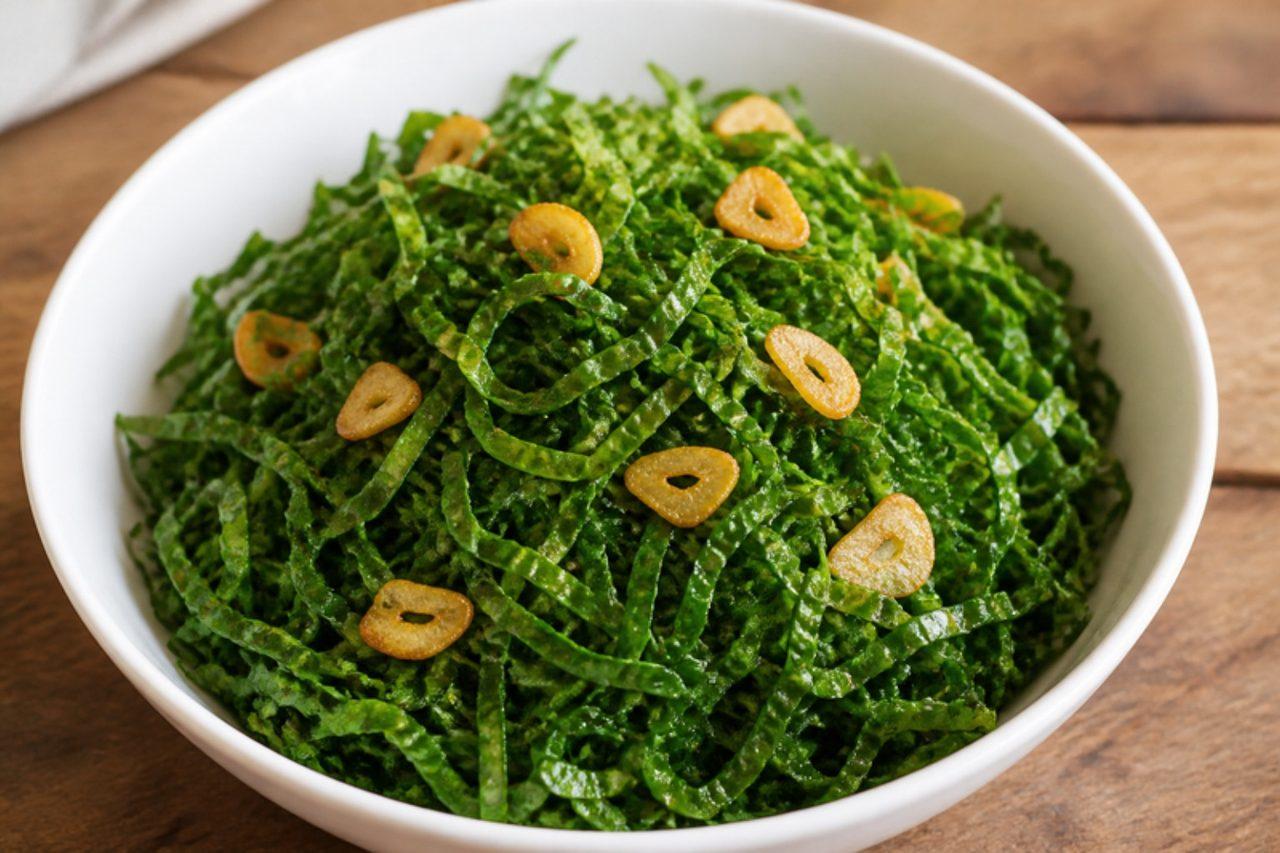
Couve à mineiraShredded garlic collard greens

Couve à mineira, from Minas Gerais, is the bright green side dish that goes with feijoada, tutu and plain rice and beans all over Brazil. Collard greens are rolled up like a cigar, sliced into fine ribbons and cooked for barely two minutes with garlic, so they stay vivid, tender and slightly crunchy. Chef's tip: the knife work is the whole recipe. Slice the rolled leaves as thinly as you possibly can (Brazilian cooks aim for threads 1–2 mm wide), then cook them fast over high heat with the lid off. Thick strips or a covered pan give you dull, soggy greens.

by KrazyBadal 0 views

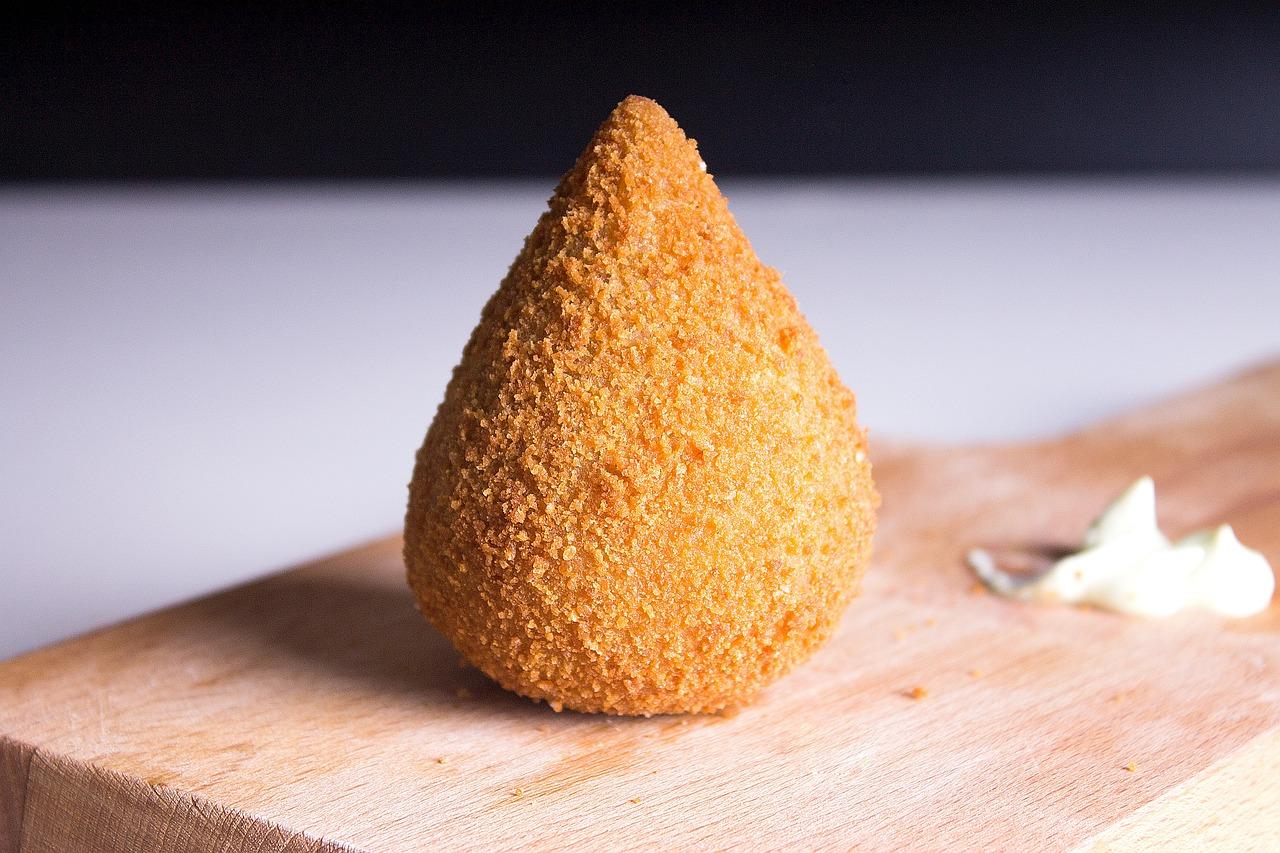
Heart of palm coxinhaHeart of palm croquettes

Coxinha is the king of Brazilian salgados, sold in every padaria and served at every birthday party, especially in São Paulo. The teardrop shape copies a chicken thigh, but coxinha de palmito, filled with soft heart of palm, tomato and creamy cheese, is a much-loved meat-free version. The dough is a cooked, savoury choux-like paste, rolled in breadcrumbs and fried until shatteringly crisp. Chef's tip: cook the dough until it comes away from the pan in one smooth ball, then knead it while still warm with oiled hands. Lumpy or under-cooked dough cracks in the fryer and lets the filling leak.

by KrazyBadal 0 views

Showing 81 of 7,762 recipes

Show more recipes

Page 789 of 863