


Skip to content
Kongjaban
Featured recipe

Kongjaban

Soy-braised black soybeans

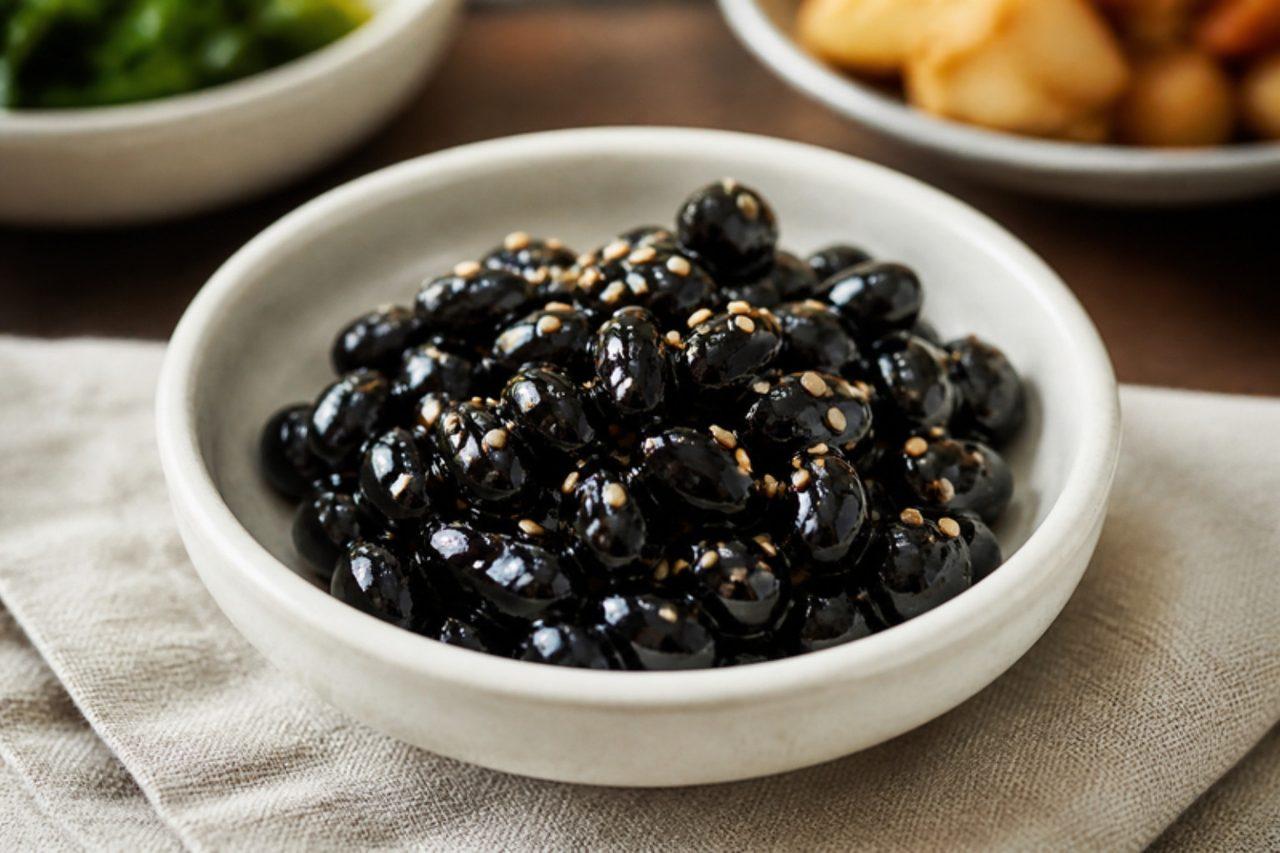
Kongjaban is the shiny black bean banchan that sits in a small dish on Korean tables from Gwangju to Seoul and fills countless lunchboxes, because one batch keeps for a week. Dried black soybeans are soaked, simmered in soy and sugar and finished with rice syrup until each bean is chewy, sweet-salty and gleaming. It is a good source of plant protein and children usually love it. The common mistake is adding the syrup too early: it scorches before the beans are tender and makes them hard. Chef's tip: keep the lid off while the beans cook; the steam escaping helps the skins stay intact and wrinkled rather than bursting.

Read more 0 views

What to eat today?

Around the world

Today's trip: Persian

A new country every day, from every cuisine on the site.

Persian

Shir berenj

Rose water rice pudding 70 minMore from Persian (181) →

This week's collection

Kid-friendly dinners
750 recipes · a new collection every Monday

Coming up

All occasions →

Latest recipes

Plátanos en molePlantains in chocolate chilli sauce

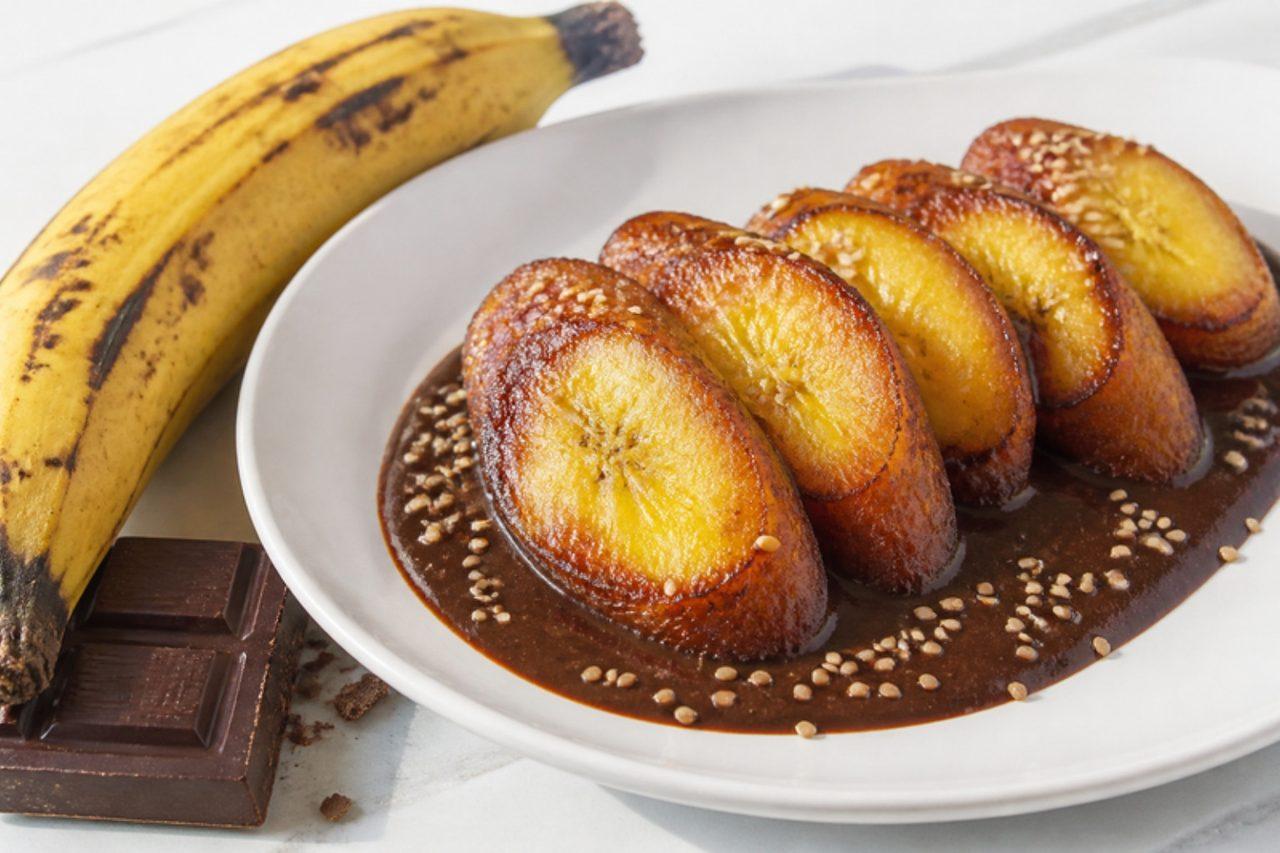
Guatemala's mole is not the savoury Mexican sauce but a dessert: fried sweet plantains bathed in a dark sauce of chocolate, tomato, a gentle dried chilli, sesame, pumpkin seeds and cinnamon. It appears at Christmas and during Semana Santa, and in the market comedores of Guatemala City all year, eaten warm with a sprinkle of toasted sesame. It's sweet, spiced and only faintly hot. Chef's tip: use Guatemalan or Mexican-style table chocolate (grainy, with sugar and cinnamon) if you can find it; with dark eating chocolate, add a little more sugar.

by KrazyBadal 0 views
PoffertjesMini puffed pancakes

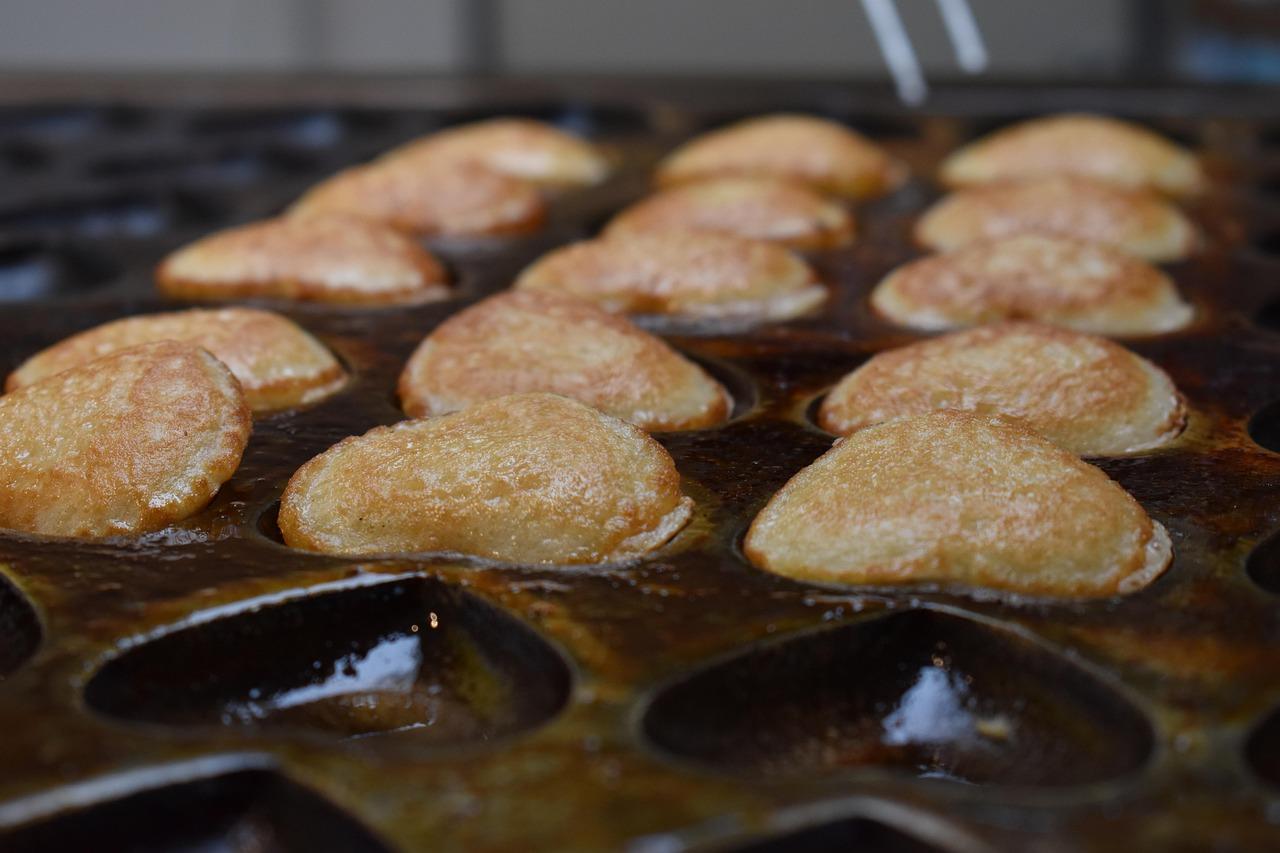
The smell of poffertjes drifts across every Dutch kermis (funfair), Christmas market and summer street festival, where they are flipped by the hundred on a cast-iron plate full of shallow hollows. They are tiny, puffy, yeasted pancakes made partly with buckwheat, served a dozen at a time on a cardboard dish with a slab of melting butter and a snowfall of icing sugar. At home you need a poffertjespan, a pan with small round dips; a Danish æbleskiver pan is too deep. Chef's tip: put the batter in a squeeze bottle or a piping bag; filling 30 hollows quickly by spoon is almost impossible, and the first ones burn while you fill the last.

by KrazyBadal 0 views

Plăcintă cu brânzăCheese and dill pies

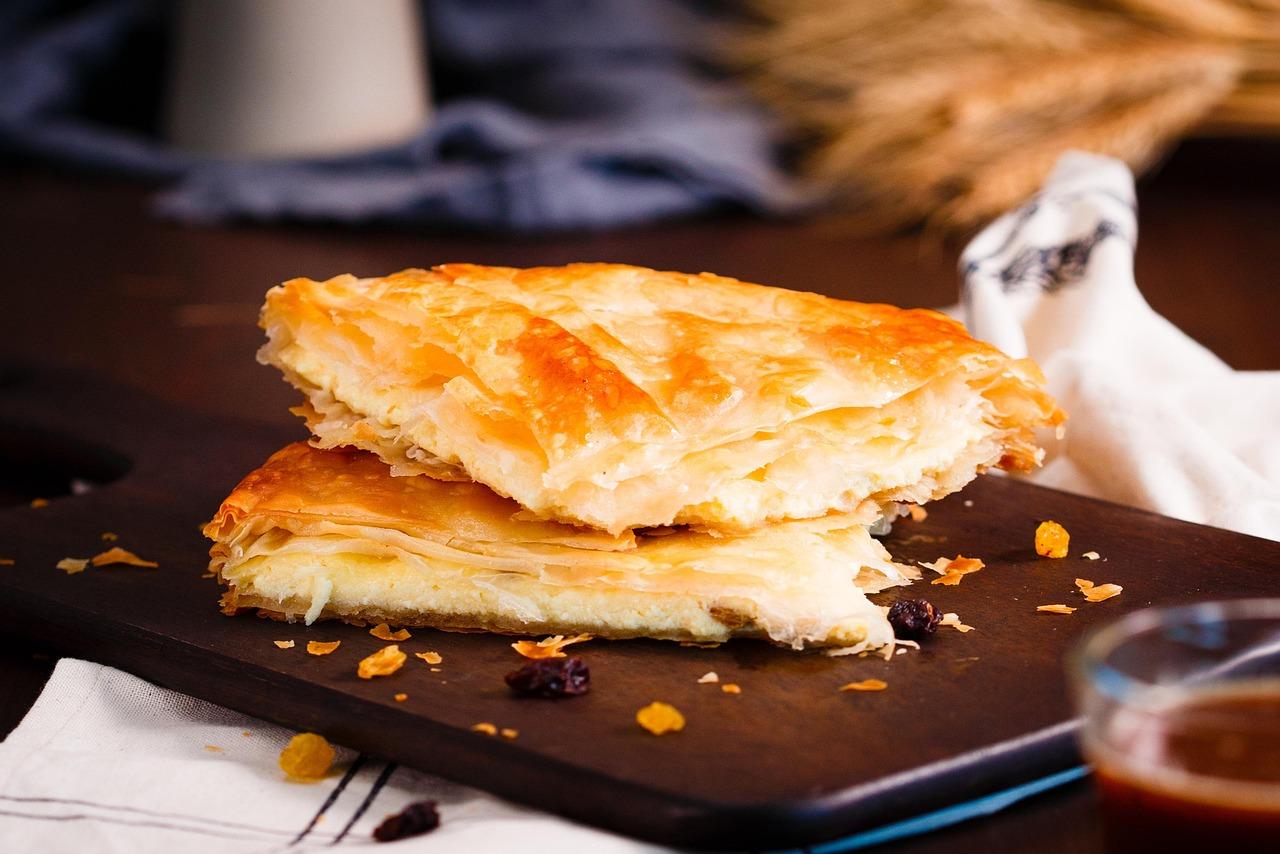
In Moldavia, on both sides of the Prut, plăcintă means a flat round pie fried or baked on a griddle, and the cheese and dill one is what grandmothers in Iași and Chișinău make for weekend breakfasts and for guests at the door. A soft, stretchy dough is pulled thin, wrapped around salty cheese with fresh dill and egg, coiled into a snail and flattened, then cooked in a pan until blistered and crisp. They are eaten hot with a glass of sour milk or tea. Chef's tip: rest the oiled dough properly so it stretches without tearing; skipping the rest is the common mistake and you'll be fighting a springy dough that leaks its filling.

by KrazyBadal 0 views

Gungjung tteokbokkiSoy rice cakes with mushrooms

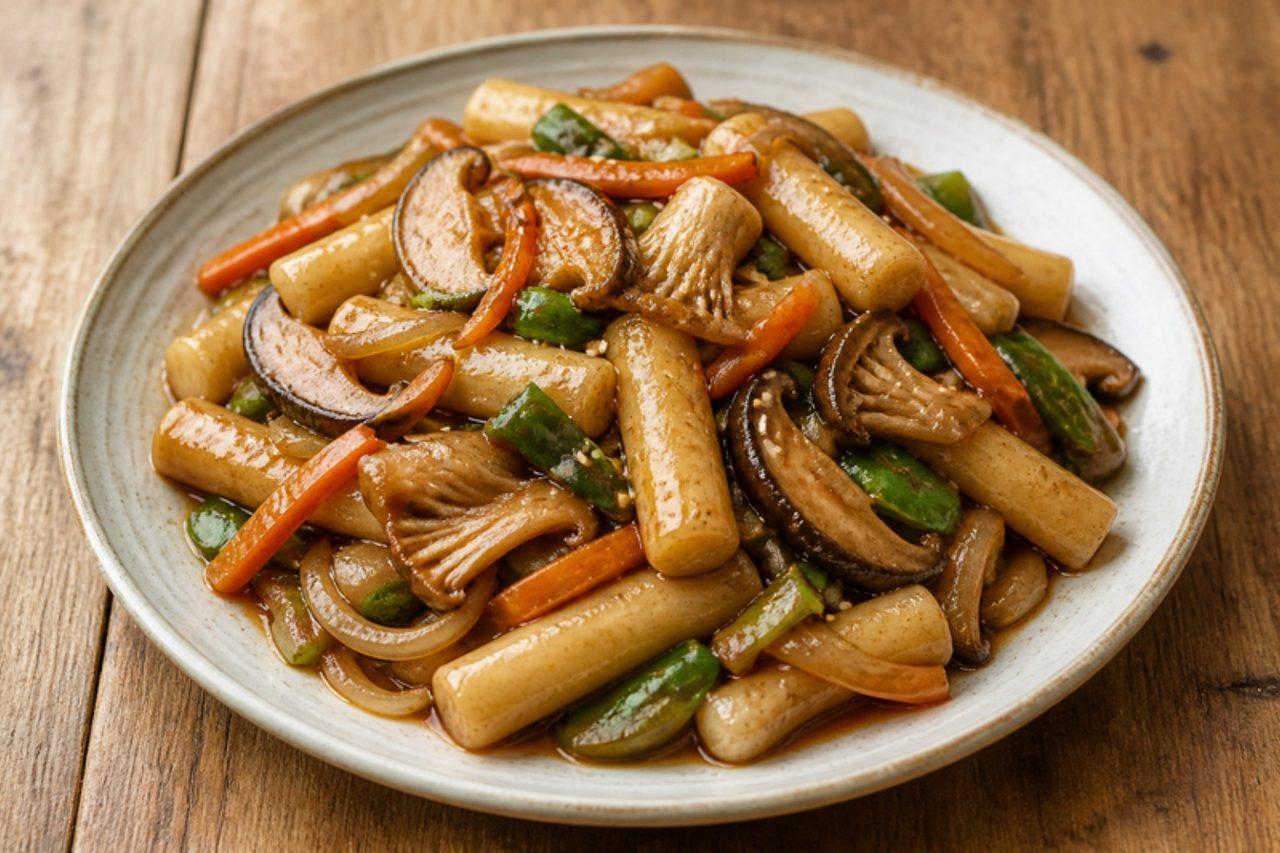
Long before red gochujang tteokbokki took over Seoul's street stalls, the Joseon palace kitchens served gungjung tteokbokki (궁중떡볶이): chewy cylinders of rice cake tossed in a glossy soy and sesame glaze with mushrooms, peppers and onion. It is mild, savoury-sweet and fragrant with toasted sesame, which makes it the version Korean parents cook for children and for anyone who can't take heat. The court recipe used beef; shiitake and oyster mushrooms carry the same savoury depth here. Eat it warm as a snack or alongside rice and kimchi. Chef's tip: soften the rice cakes in hot water before they meet the pan, or the outsides scorch while the centres stay hard.

by KrazyBadal 0 views

Gundruk ko jholSour fermented greens soup

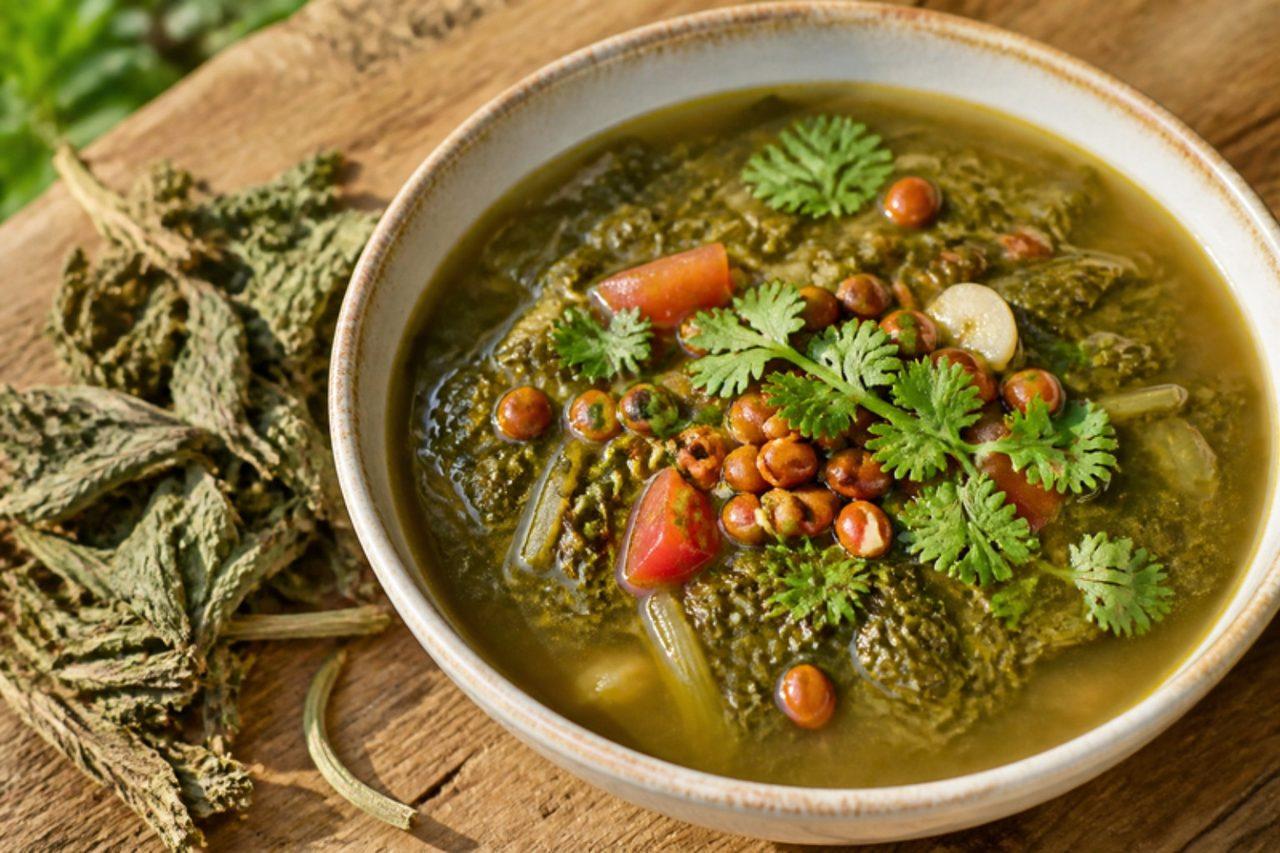
In the terraced hill villages between Pokhara and Ilam, families pack mustard, radish and cauliflower leaves into clay pots after the autumn harvest, let them ferment for a week or two and then sun-dry them into gundruk. That dark, tangy leaf is the store cupboard of the winter months, and its most common use is this thin, sour soup (jhol), served on the side of dal bhat or with dhido, the stiff buckwheat or millet porridge of the hills. It tastes a little like a smoky, vinegary green tea and is light, warming and very cheap. A handful of roasted soybeans (bhatmas) is often thrown in for crunch. The mistake is to cook gundruk without soaking it first, which leaves it gritty and too sour. Chef's tip: squeeze the soaked leaves hard and fry them in the oil until they crackle before you add water; that frying gives the soup its toasty depth.

by KrazyBadal 0 views

Pla rad prikFried fish with chilli sauce

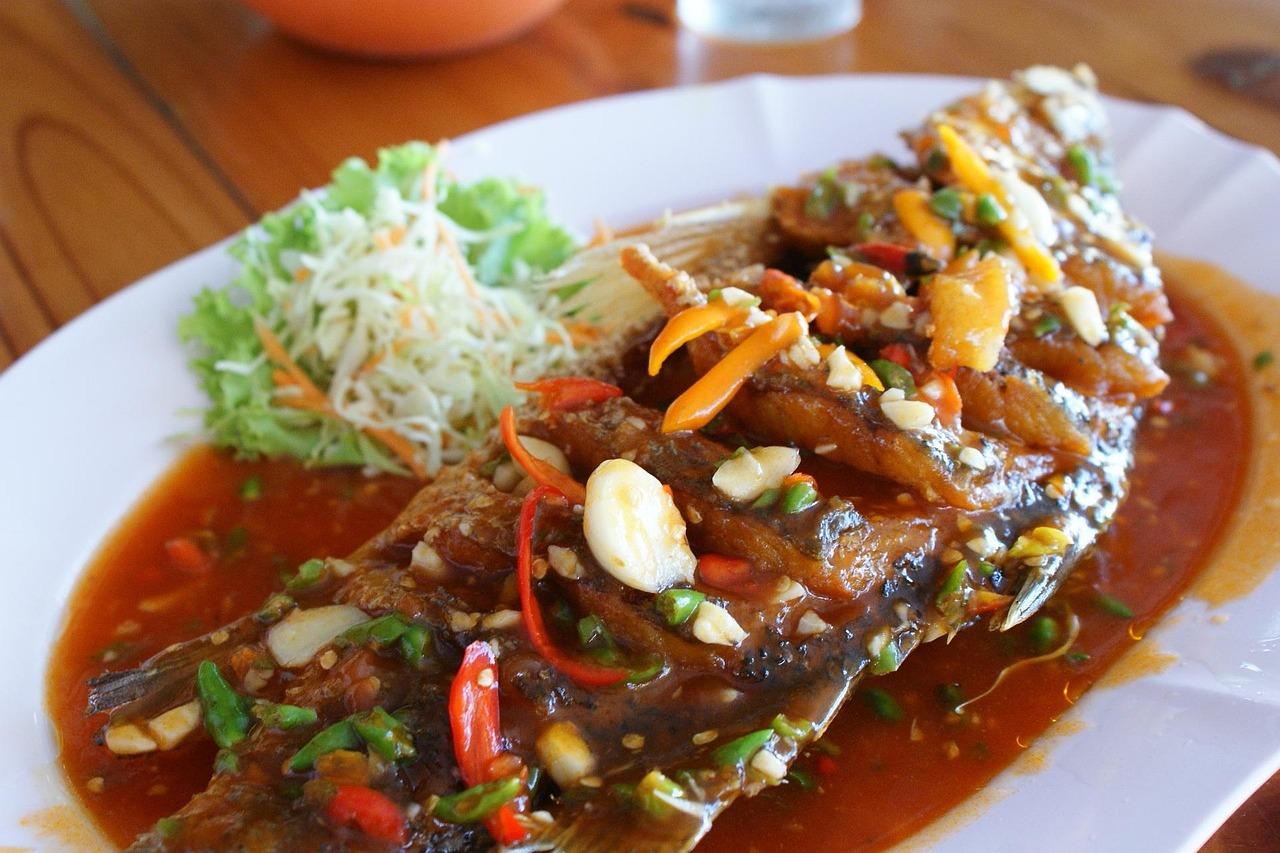
A whole fried fish blanketed in glossy red chilli sauce is the centrepiece of many family celebrations and riverside restaurant meals in central Thailand. The sauce is known as sam rot, 'three flavours', because palm sugar, tamarind and fish sauce are balanced against pounded chillies and garlic; spooned over a fish fried until its skin crackles and the fins crunch like crisps, it turns sticky and shiny. Sea bass (pla kapong) is the usual choice, though snapper or tilapia work well too. Bring it to the table with jasmine rice, a stir-fried green vegetable and a clear soup to share. Chef's tip: score the fish down to the bone on both sides and pat it bone-dry, so the heat reaches the thickest part and the oil doesn't spit.

45 minThaiFishSpicy
by KrazyBadal 0 views

GemistaRice-stuffed tomatoes and peppers

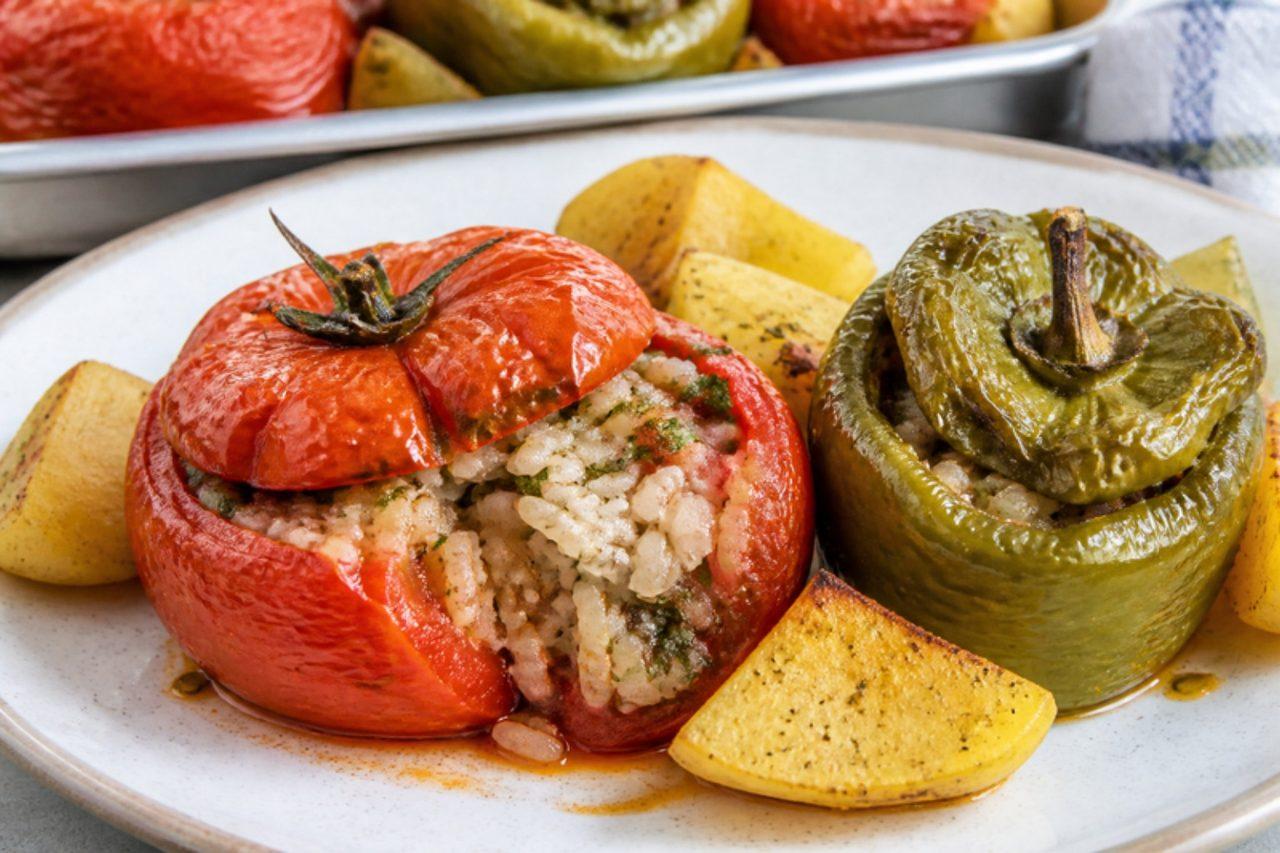
Gemista is the dish of a Greek August, when tomatoes are cheap, sweet and bursting. Home cooks hollow out the tomatoes and peppers, stir the scooped-out pulp into rice with onions, mint and parsley, and bake everything in one big tray with wedges of potato tucked in between. The vegetables slump and blister, the rice soaks up the tomato juice and olive oil, and the potatoes go sticky at the edges. This vegetarian version is the one most families make in summer and during fasting periods. Serve warm or at room temperature with feta for those who eat dairy and plenty of bread to wipe the tray. Chef's tip: fill the vegetables only three-quarters full; the rice swells as it bakes, and overfilling is the common mistake that splits the tomatoes and leaves the rice hard.

by KrazyBadal 0 views

Pla kapong tod nam plaFried sea bass with fish sauce

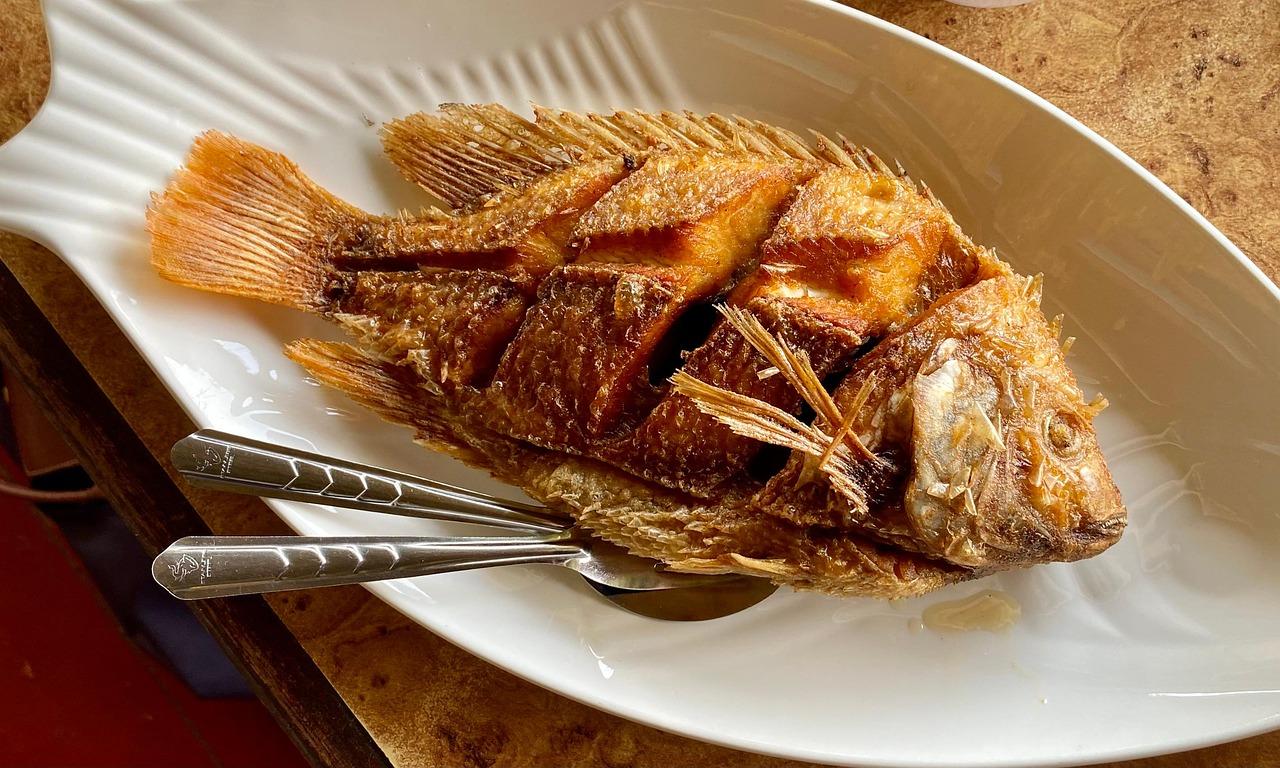
Seafood restaurants on the jetties of Krabi, Trang and Hua Hin bring this out whole on a long platter, its scored sides fanned open and crackling, as the centrepiece of a shared table. The skin and fins fry so crisp you can eat them, while the flesh inside stays moist and sweet; a sticky glaze of fish sauce and palm sugar goes over at the last minute. It is salty-sweet rather than spicy, so it sits happily beside a sour green mango salad, a hot curry and plenty of jasmine rice. Chef's tip: dry the fish thoroughly with kitchen paper, inside the cuts too, and leave it uncovered in the fridge for 30 minutes if you can; dry skin is crisp skin and spits far less.

40 minThaiFishGluten free
by KrazyBadal 0 views

ZopfPlaited butter bread

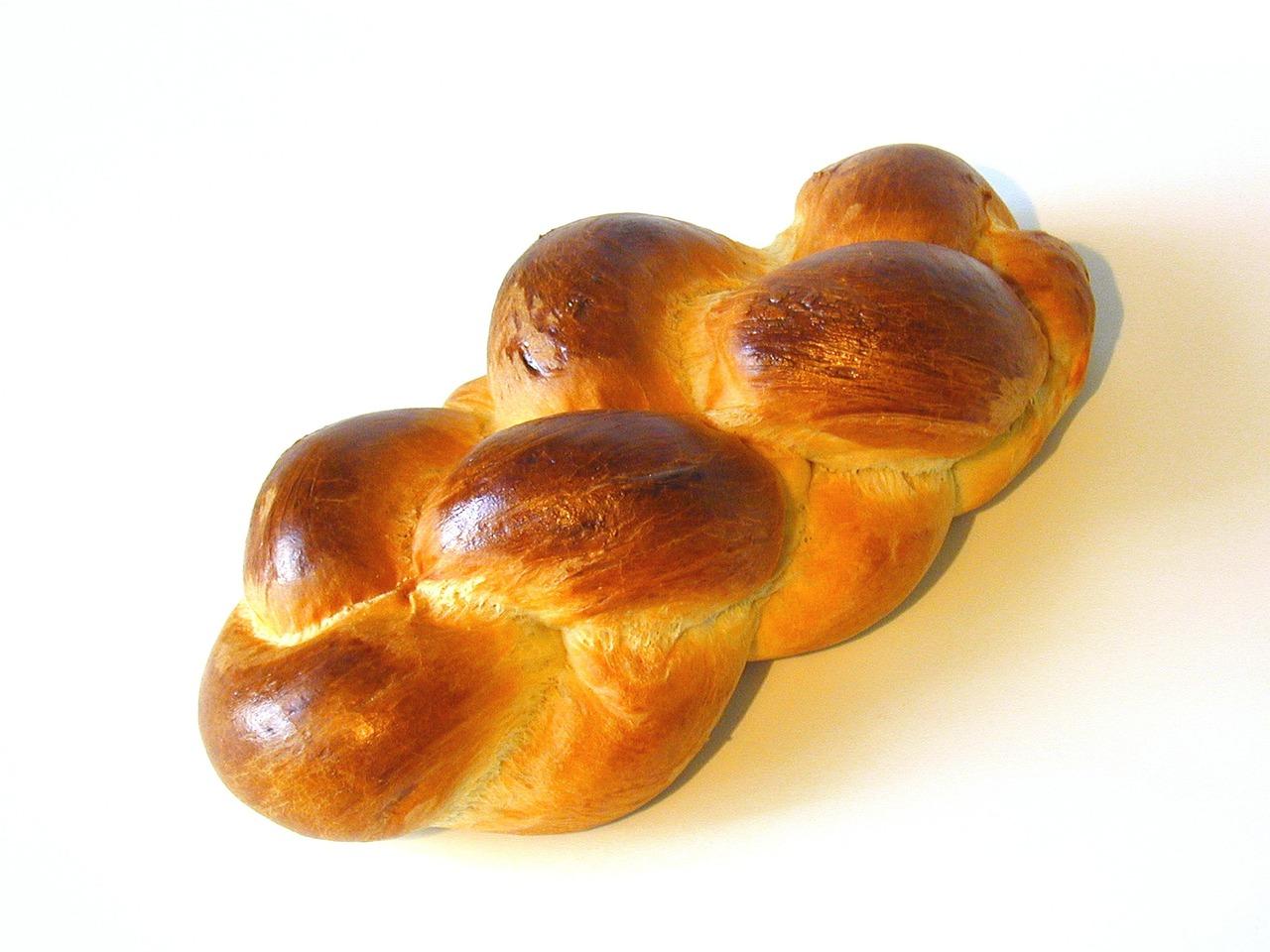
In German-speaking Switzerland the Sunday breakfast table is not complete without a Zopf (Züpfe in Bern): a shiny, plaited white loaf made with milk and plenty of butter, sliced thick and spread with more butter and jam or honey. Bakeries from Bern to St Gallen bake them on Saturday nights, and many families plait their own on Sunday morning. The crumb is soft, light and faintly sweet from the butter, not the sugar, and the egg-yolk glaze gives a deep brown, glossy crust. Leftovers make excellent French toast (Fotzelschnitte). Chef's tip: let the shaped plait rest in a cool place for 15 minutes before glazing and baking; the strands hold their shape and the pattern stays crisp.

by KrazyBadal 0 views

TorlyBaked mixed vegetables

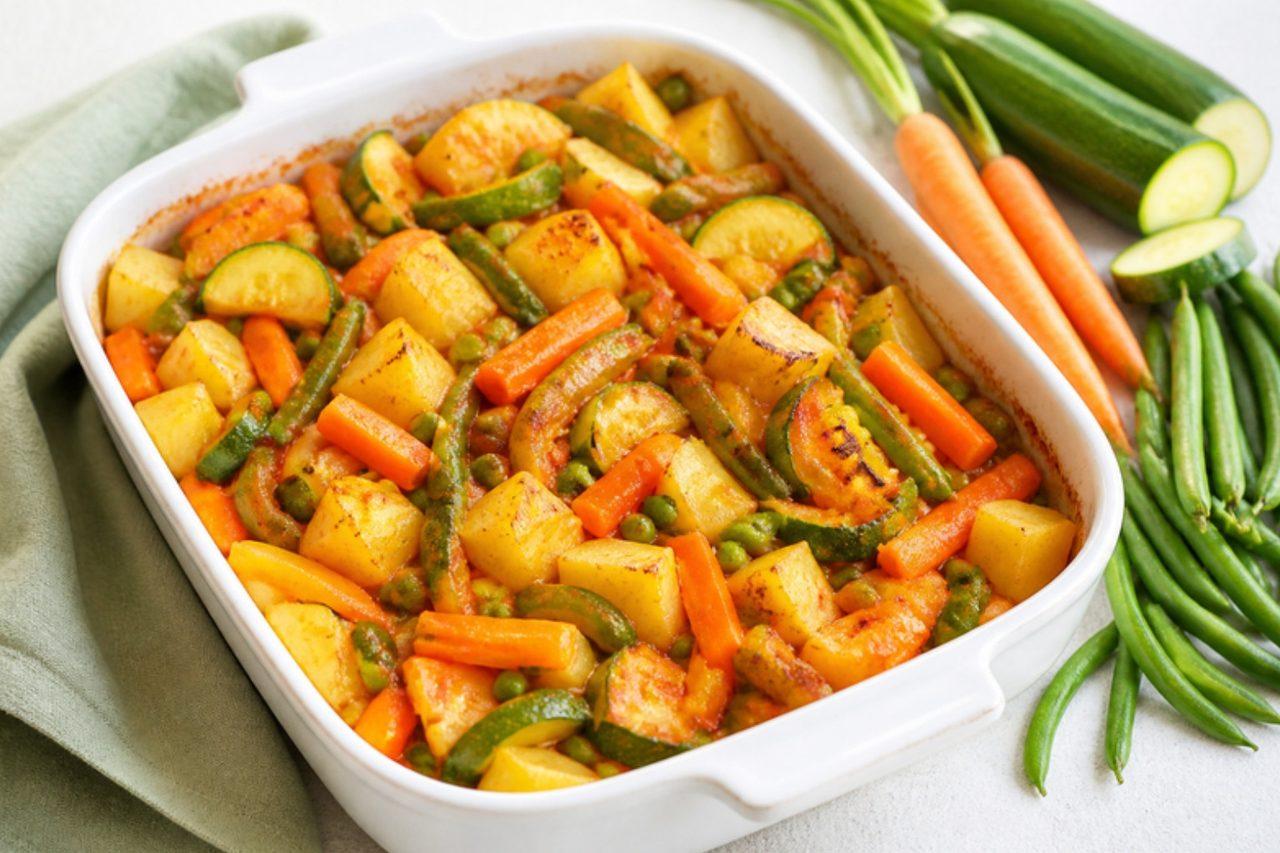
Torly is a tray of mixed vegetables (potatoes, courgettes, carrots, green beans, peas, peppers) baked in a tomato and garlic sauce until soft and slightly caramelised at the edges. The name is Turkish, a reminder of Ottoman times, but it has long been an everyday Egyptian home dish, usually cooked when the summer markets are full of courgettes and served with white rice or vermicelli rice. Many families add meat; this meat-free version is just as common in fasting seasons. Chef's tip: cut the potatoes and carrots smaller than the courgettes, so everything is tender at the same moment.

by KrazyBadal 0 views

Gundel palacsintaWalnut pancakes with chocolate sauce

Gundel palacsinta is the festive pancake of Budapest, named after the Gundel restaurant by City Park, where it became the showpiece dessert of the mid-twentieth century. Thin Hungarian pancakes are filled with a rum-scented walnut and raisin paste, folded into triangles and drowned in a dark chocolate sauce, sometimes flamed at the table. Everyday palacsinta at home are simpler, rolled with apricot jam, cocoa sugar or sweet túró; this is the version for name days, Christmas and guests. Chef's tip: rest the batter for 30 minutes; the pancakes become thinner and more elastic and stop tearing when you fold them. Common mistake: overfilling, which makes the triangles burst open.

by KrazyBadal 0 views

GulyáslevesBeef goulash soup

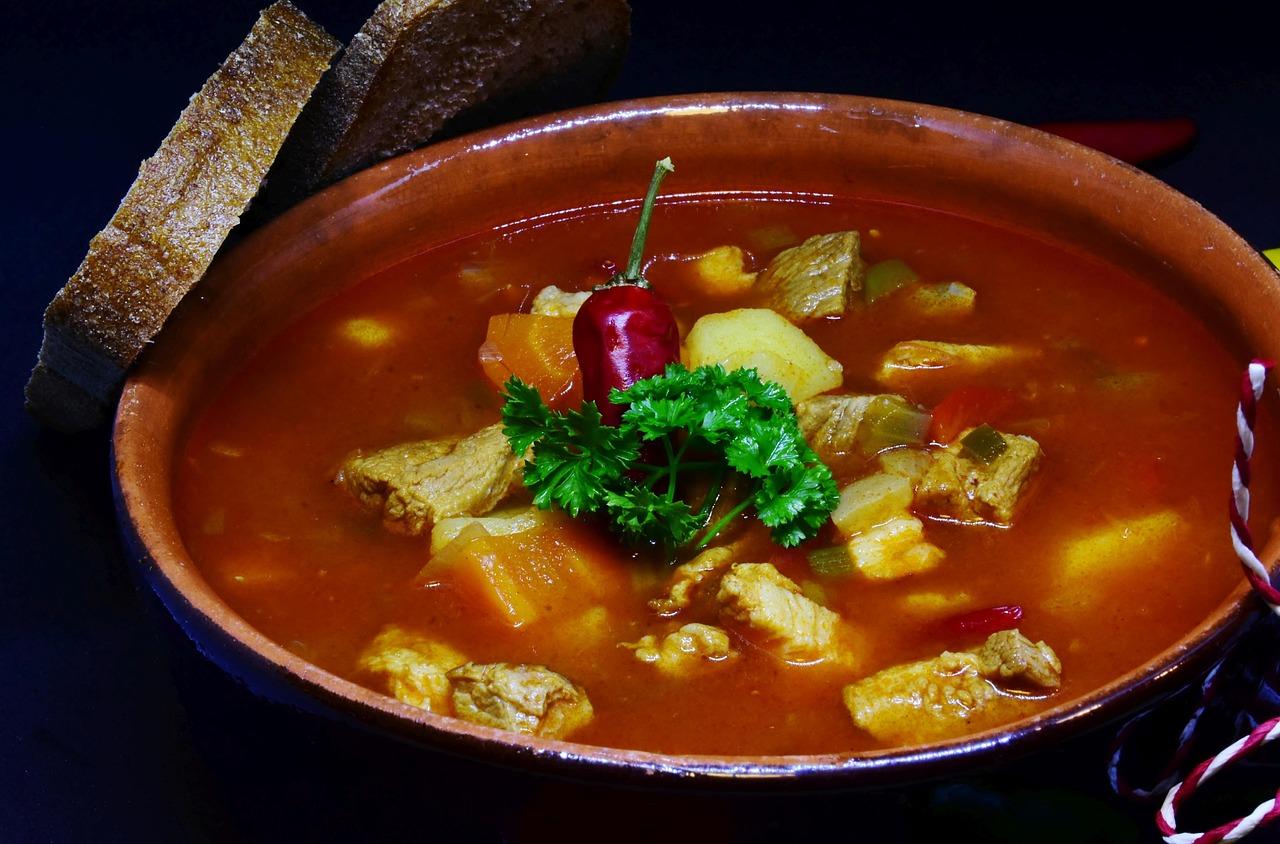
Real Hungarian goulash is a soup, gulyásleves, born in the cattle herders' kettles of the Great Plain and still cooked over open fires at summer festivals and in every csárda (country inn) between Budapest and Debrecen. Beef shin or chuck simmers with lots of onion, sweet paprika, caraway and green pepper until tender, then potatoes and carrots go in. It is brothy, rich red and gently spicy, eaten with fresh bread. Chef's tip: take the pot off the heat before adding the paprika; it burns in seconds in hot fat and turns bitter.

by KrazyBadal 0 views

Gulai nangkaYoung jackfruit curry

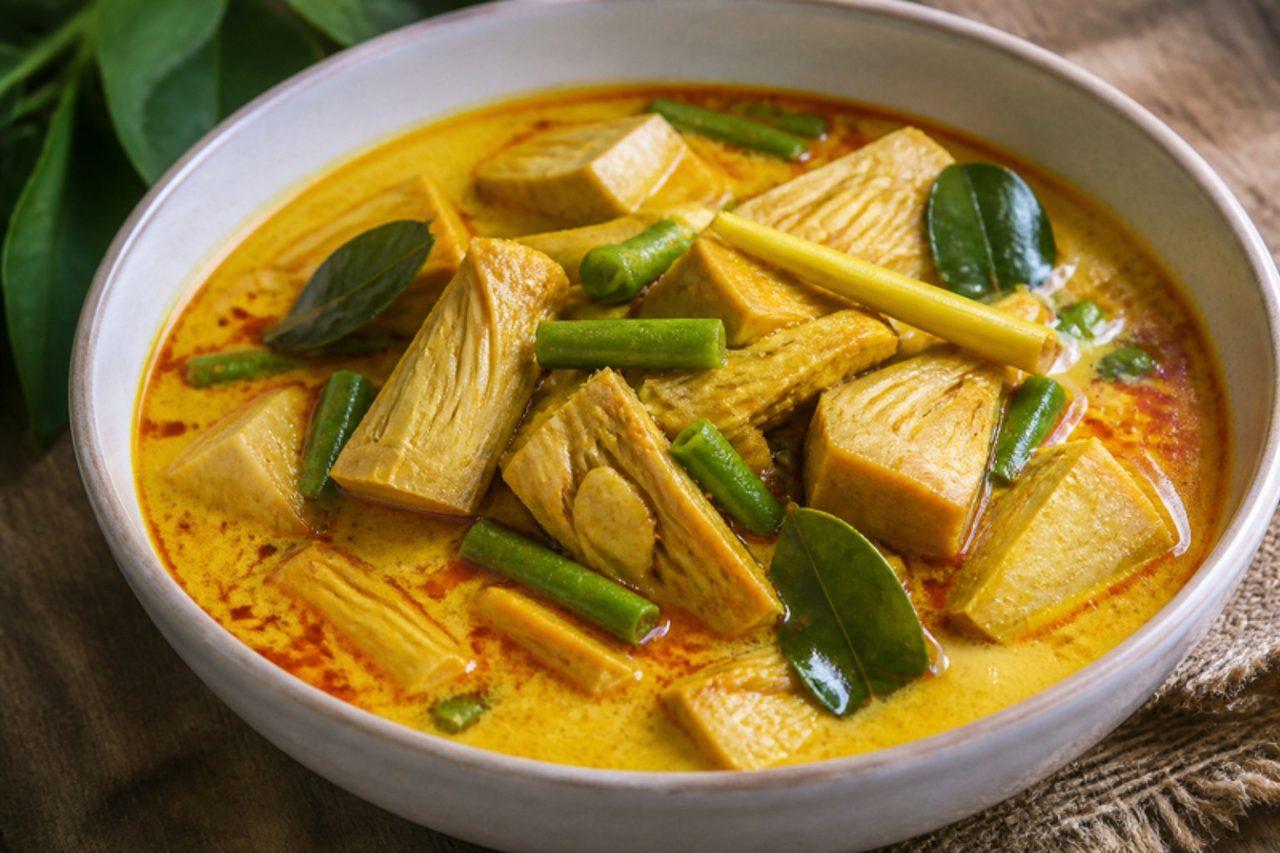
In a nasi Padang restaurant, where dozens of dishes are stacked in the window and brought to the table on small plates, gulai nangka is the bright yellow one that gets spooned over rice to moisten everything else. Young jackfruit and long beans simmer in a thin, golden coconut sauce with turmeric, chilli and lemongrass until the jackfruit is tender and full of sauce. It's lighter and saucier than rendang and cooks in under an hour, so Padang households make it on ordinary weekdays. Chef's tip: stir the pot almost constantly for the first few minutes after the coconut milk goes in — Padang cooks say it keeps the gulai smooth and stops it splitting.

by KrazyBadal 0 views

Gulai daun singkongCassava leaves in coconut gravy

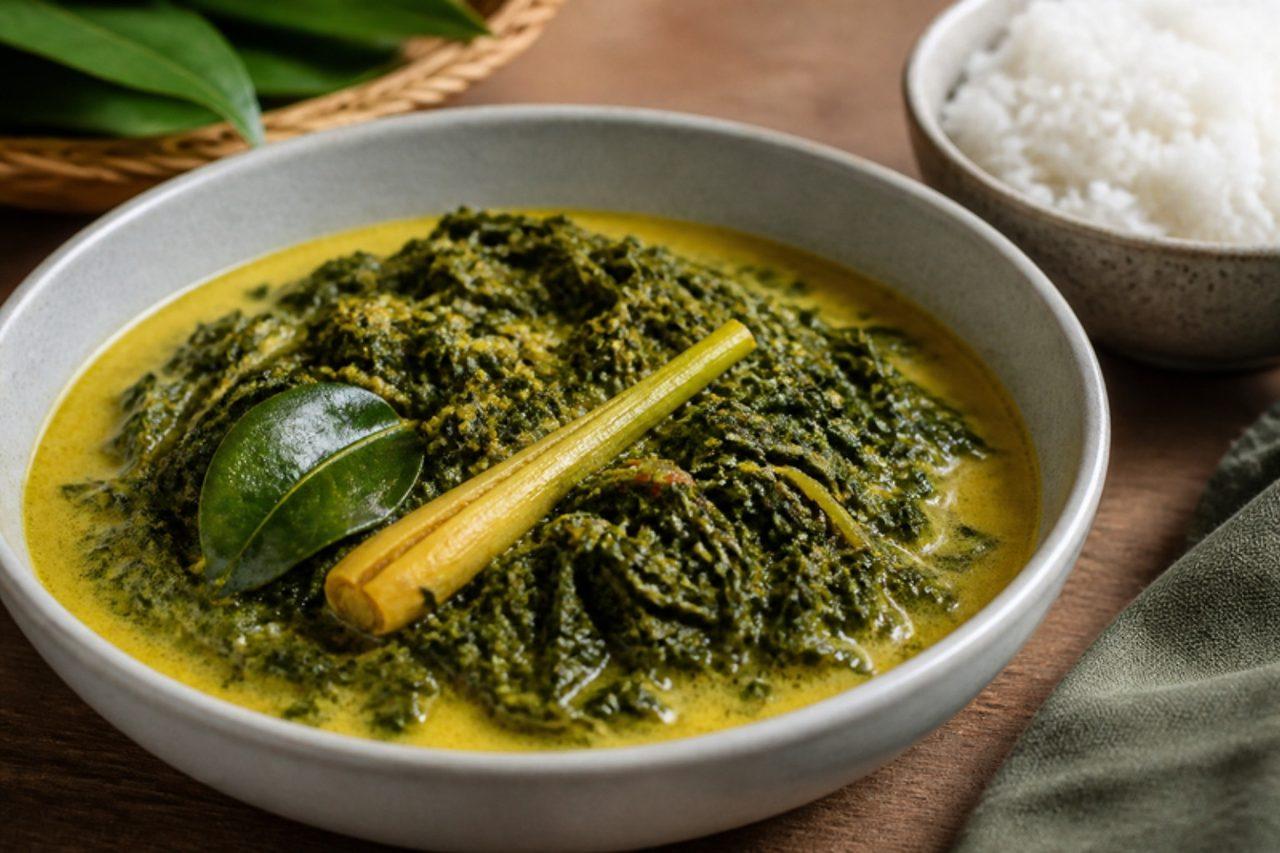
No Padang restaurant in West Sumatra is complete without a dish of gulai daun singkong: dark cassava leaves simmered until silky in a yellow coconut gravy fragrant with lemongrass, turmeric leaf and galangal. It is the cooling green on a table of rich, fiery plates, ladled over rice with sambal hijau. Restaurants sometimes add dried anchovies; this version doesn't. Frozen cassava leaves from Asian shops work well; kale is the best stand-in. Chef's tip: squeeze the boiled leaves hard before adding them, or the gravy goes thin and grassy.

by KrazyBadal 0 views

GujeolpanNine-section vegetable platter

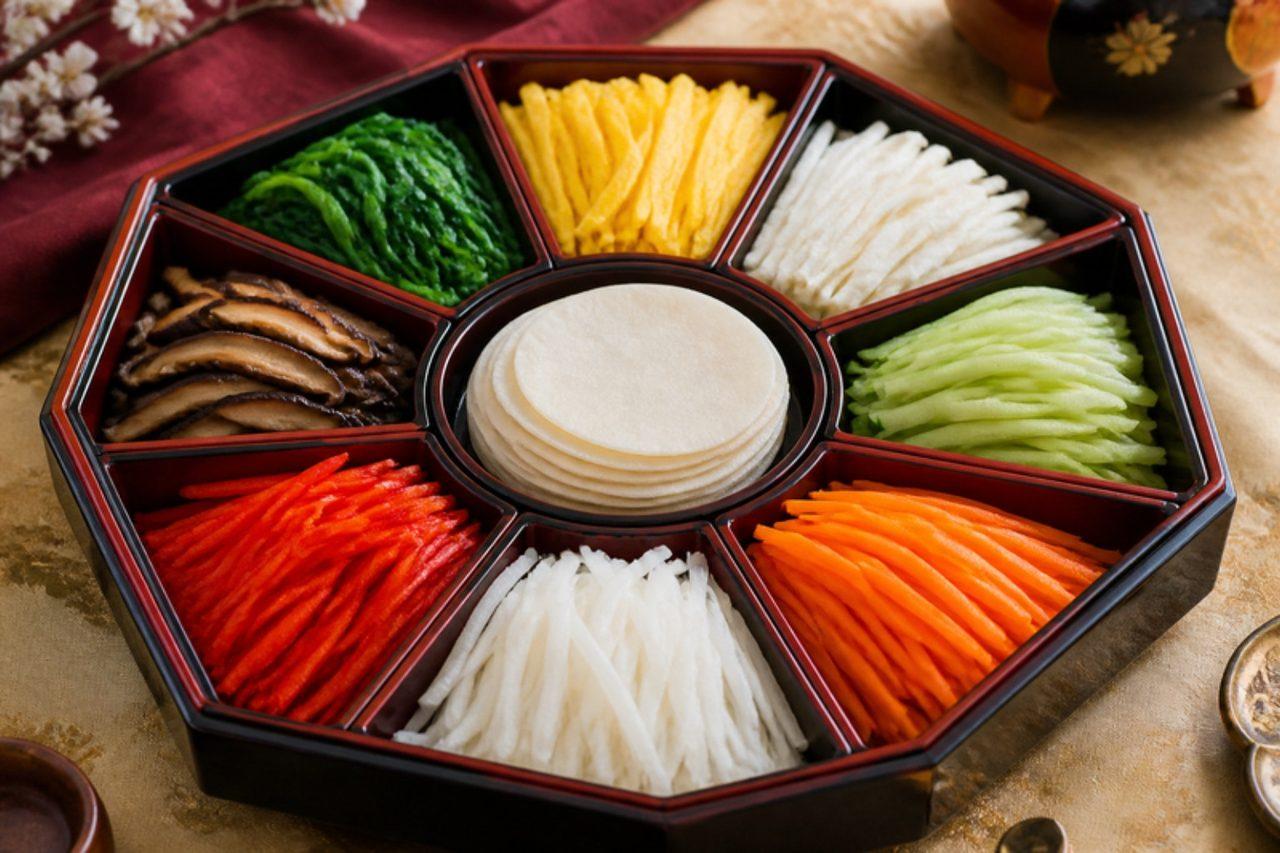
Gujeolpan (구절판) takes its name from the octagonal lacquered tray it is served on: eight outer compartments of finely cut, separately seasoned fillings around a stack of paper-thin wheat crêpes in the middle. It was a dish of the Seoul royal court and noble households, and it still appears at weddings, 60th birthdays and Seollal tables, where everyone builds their own little rolls. Classic trays include beef; this one keeps all the colour with shiitake, wood ear, cucumber, carrot, peppers, radish and yellow and white egg. It takes patience rather than skill. Chef's tip: cut every filling into matchsticks the same length as the crêpes are wide, about 5 cm, so each roll closes neatly.

by KrazyBadal 0 views

YomariSteamed rice flour dumplings

Yomari are the sweet dumplings of the Newars of the Kathmandu Valley, made once a year on Yomari Punhi, the full moon of December that marks the end of the rice harvest. Freshly milled rice flour is kneaded with hot water, pinched into a hollow cone, filled with chaku, a dark, fudgy Newari molasses, and toasted sesame, then shaped with a pointed tail like a fish or a teardrop and steamed. Children go from house to house singing for them, and families offer a few to the gods before anyone eats. The shell is soft and slightly chewy, and the filling melts into warm, smoky caramel. The usual mistake is mixing the dough with lukewarm water: it must be just off the boil so the starch swells and the dough stretches without cracking. Chef's tip: keep a bowl of warm water beside you and dip your fingertips often; damp hands smooth out cracks as you shape.

by KrazyBadal 0 views

PiyazWhite bean salad with tahini

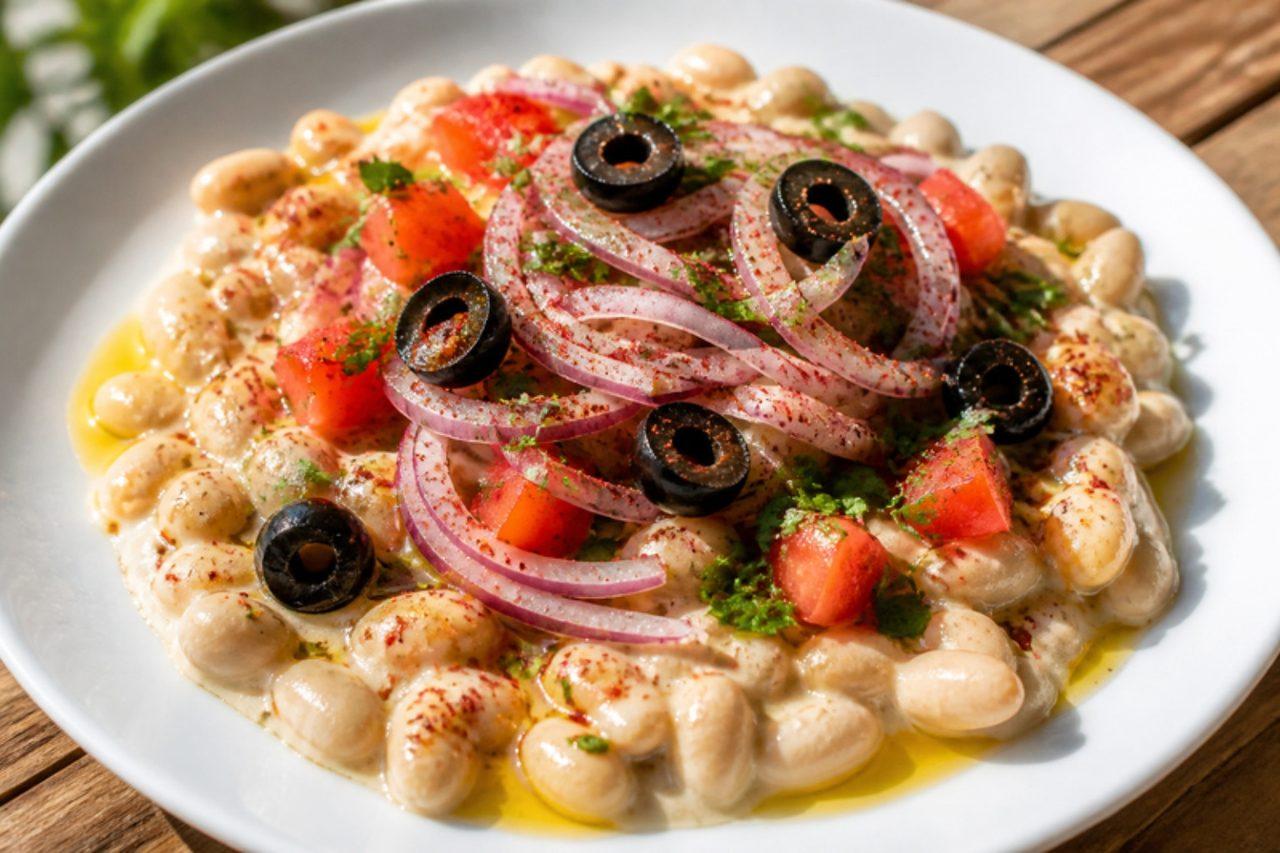
Antalya does piyaz its own way. Elsewhere in Turkey the bean salad is dressed with oil and vinegar, but on the Mediterranean coast the beans are folded through a pale, nutty sauce of tahini, lemon and vinegar, then crowned with sumac onions, tomato and parsley. Lunch canteens in the old town serve it on the side of almost everything, and at home it is a filling lunch with bread or a cool side on a hot evening. Tinned beans make it a fifteen-minute dish. Chef's tip: when the lemon hits the tahini it will seize into a stiff, grainy paste; don't panic, just keep beating in cold water a spoonful at a time and it turns silky.

by KrazyBadal 0 views

Yong tau fooStuffed tofu and vegetables

Hakka miners brought yong tau foo to the tin town of Ampang, on the edge of Kuala Lumpur, and families still drive there on weekends for big bowls of it. You choose your pieces from a counter, tofu, chillies, okra, aubergine and bitter gourd, each stuffed with a savoury paste, and the stall poaches or fries them and serves them in a light broth, with a sweet brown sauce and chilli sauce to dip. The traditional filling is fish and pork; this one is firm tofu, shiitake, water chestnut and carrot. It is a gentle, light meal. Chef's tip: press the stuffing in tightly and smooth it flush with a wet finger, so it stays put while it cooks.

by KrazyBadal 0 views

Pizza frittaFried pizza parcels

Pizza fritta is the street-food pizza of Naples: a disc of pizza dough folded over a filling and fried in hot oil until puffed and blistered, sold from kiosks in the Spanish Quarter and around Via dei Tribunali. It became popular after the war, when wood ovens were scarce and a pan of oil was all many cooks had. The classic filling has ricotta, smoked provola, tomato and pepper; pork crackling (cicoli) is often added, but not here. Chef's tip: seal the edge by pressing with your fingertips, not a fork, and leave a 2 cm border; a well-sealed parcel puffs like a pillow instead of bursting.

by KrazyBadal 0 views

Pithla with jowar bhakriGram flour curry with sorghum flatbread

In villages across the Deccan plateau of Maharashtra, pithla bhakri is what a farmer's family eats when the pantry is low and the day is long: a pan of gram flour simmered with garlic, green chilli and onion until it sets to a soft, spoonable curry, with thick jowar bhakri patted out by hand and a raw onion on the side. It became a symbol of rural Maharashtra, served at roadside stalls near Sinhagad fort to trekkers and at political rallies alike. Zunka, the dry version, uses the same flavours but is stirred until crumbly. Serve with thecha or a wedge of lemon. Chef's tip: whisk the gram flour into cold water before it meets the pan; that one step is the whole secret to a lump-free pithla.

by KrazyBadal 0 views

Gansu jiangshui noodlesNoodles in tangy fermented vegetable broth

Tianshui and other towns in Gansu keep a crock of jiangshui going all summer: a pale, sour liquid made by fermenting greens in starchy noodle water. It is heated with chilli, Sichuan pepper and garlic chives and poured over hand-cut noodles, a cooling, refreshing bowl that people say beats the heat. The ferment takes 3–4 days in a warm kitchen, then keeps going for weeks if you top it up. Chef's tip: a spoonful of sauerkraut brine jump-starts the first batch, so it sours cleanly instead of growing off-flavours.

by KrazyBadal 0 views

PissaladièreOnion and anchovy tart

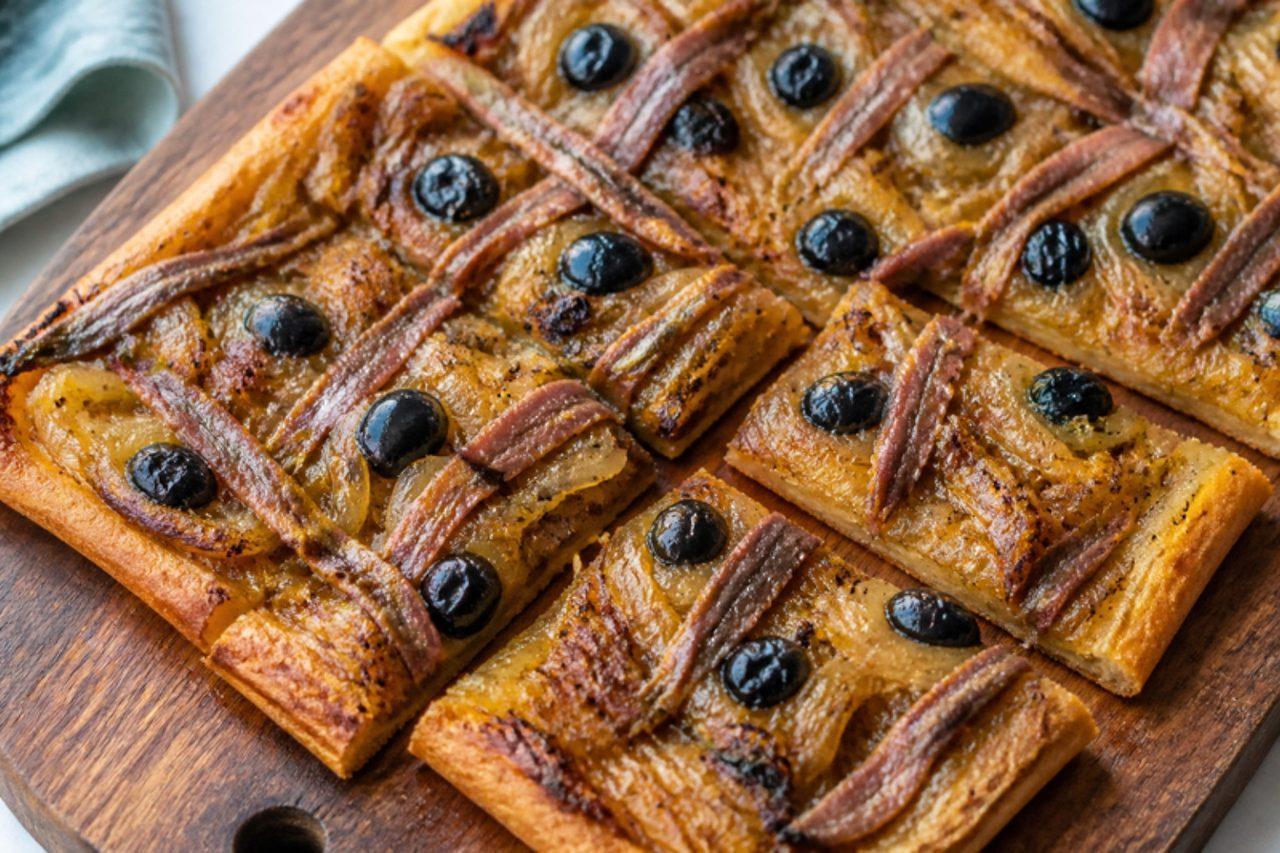
In the old town of Nice, pissaladière is sold by the square from bakeries and market stalls, a lunchtime slice or something to nibble with a drink before dinner. A thin bread dough is spread thickly with onions cooked down for almost an hour until soft and sweet, then crossed with salted anchovies and dotted with small black Niçoise olives. It is just as good at room temperature as warm. Chef's tip: cook the onions low and slow without letting them brown; they should be pale gold and jammy, not caramelised.

120 minFrenchBaking
by KrazyBadal 0 views

Torta fritaFried dough discs

In Uruguay, a grey rainy afternoon has one answer: torta frita and mate. These thin discs of dough, pierced with a hole in the middle, are fried until puffed and golden and either sprinkled with sugar or eaten plain, still hot, between sips passed around the circle. In Montevideo you'll smell them from street stalls on wet days; at home they're made with butter or beef fat, here with butter. Chef's tip: the hole in the middle isn't decoration; it lets the centre cook through at the same speed as the edges.

by KrazyBadal 0 views

Yu xiang aubergineSweet and sour garlic aubergine

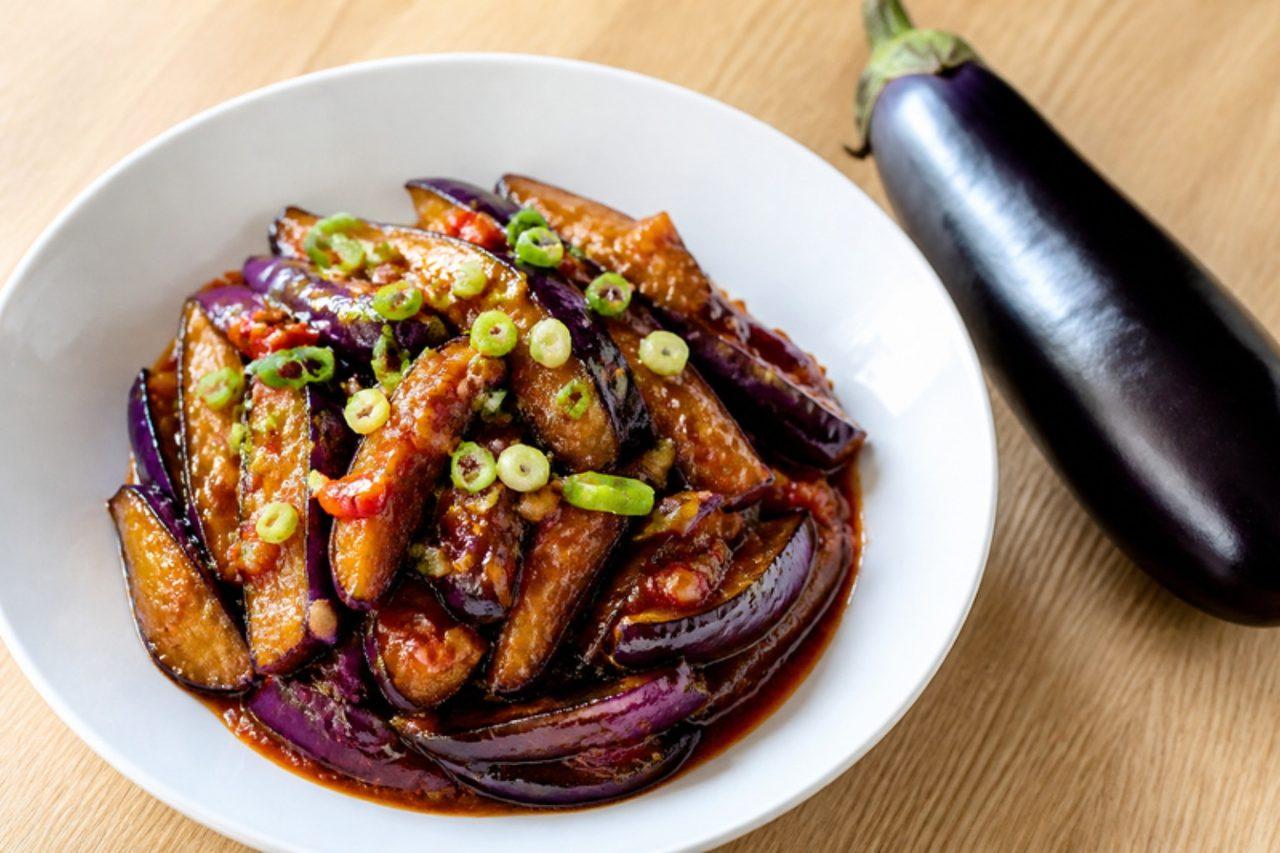
Yu xiang is a Sichuan flavour named after the way local cooks once seasoned fish, but it contains no fish at all: pickled chilli, garlic, ginger and spring onion balanced with sugar and black vinegar. Aubergine is the dish most Chengdu households make with it, often for a weekday supper, because the soft, creamy flesh drinks up the sauce. Serve it with rice and a plain green vegetable. Chef's tip: salt the aubergine fingers for 15 minutes and squeeze them dry; they then absorb far less oil and turn silky instead of greasy.

by KrazyBadal 0 views

Yuca con mojoCassava with garlic sauce

Yuca con mojo is a fixture of the Cuban Nochebuena feast and of everyday family dinners in Matanzas and Miami alike: chunks of cassava boiled until they crack open and turn soft, then drenched in a hot dressing of olive oil, lots of garlic, onion rings and sour orange juice. The yuca soaks up the tangy, garlicky oil like a sponge. Serve it beside moros y cristianos or black beans. Chef's tip: add a splash of cold water to the pot halfway through boiling; Cuban cooks say it 'shocks' the yuca and helps it split open and turn tender.

35 minCubanSidesVeganGluten free
by KrazyBadal 0 views

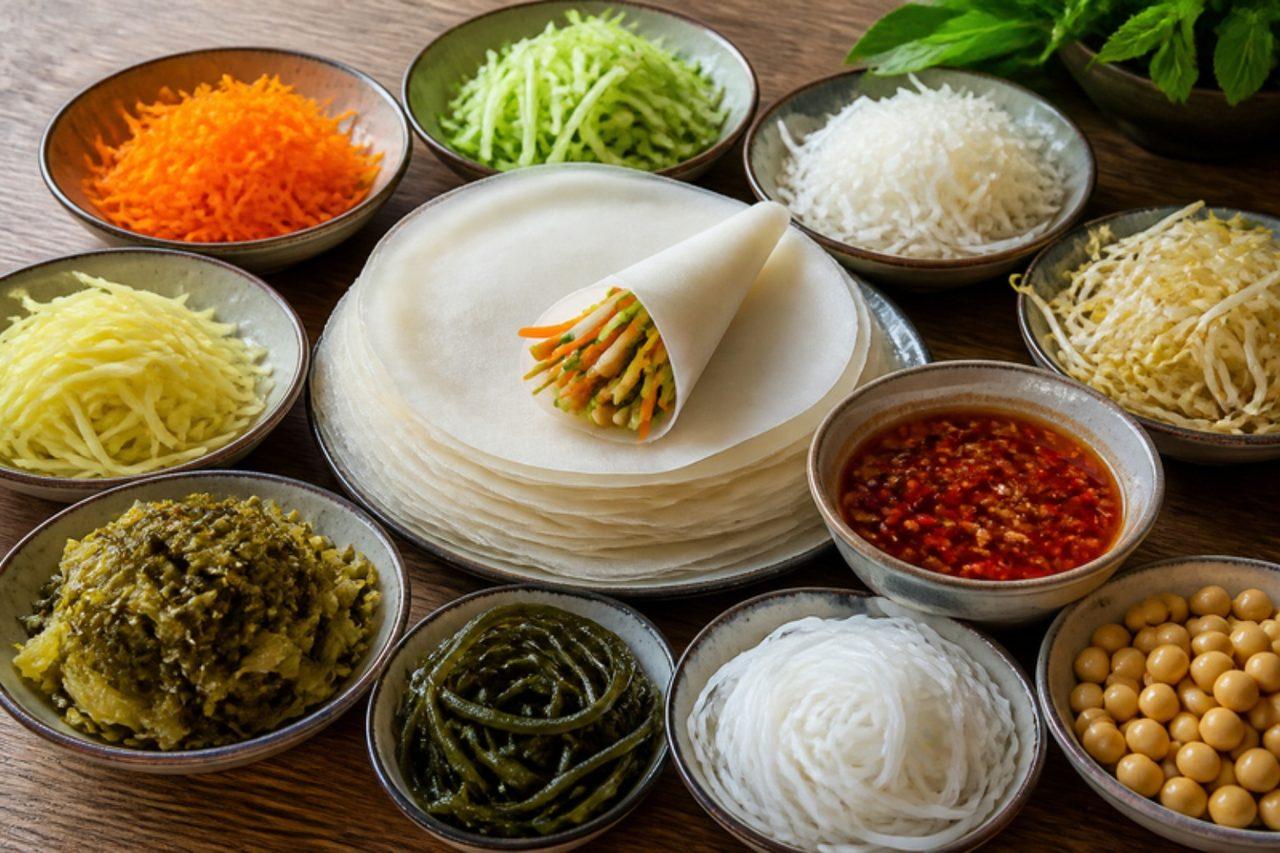
Guiyang si wa waPancake rolls with shredded vegetables

Guiyang's favourite street snack is a do-it-yourself meal: stalls set out twenty or more small bowls of shredded vegetables, and each person wraps a few strands in a pancake no bigger than a palm, folds it like a swaddled baby and pours in a spoonful of sour, chilli-flecked broth. It's light, crunchy and fun to eat with friends. Use as many fillings as you like; the more colours, the better. Chef's tip: shred everything as fine as you can, so the little parcels stay neat and each mouthful has several flavours.

by KrazyBadal 0 views

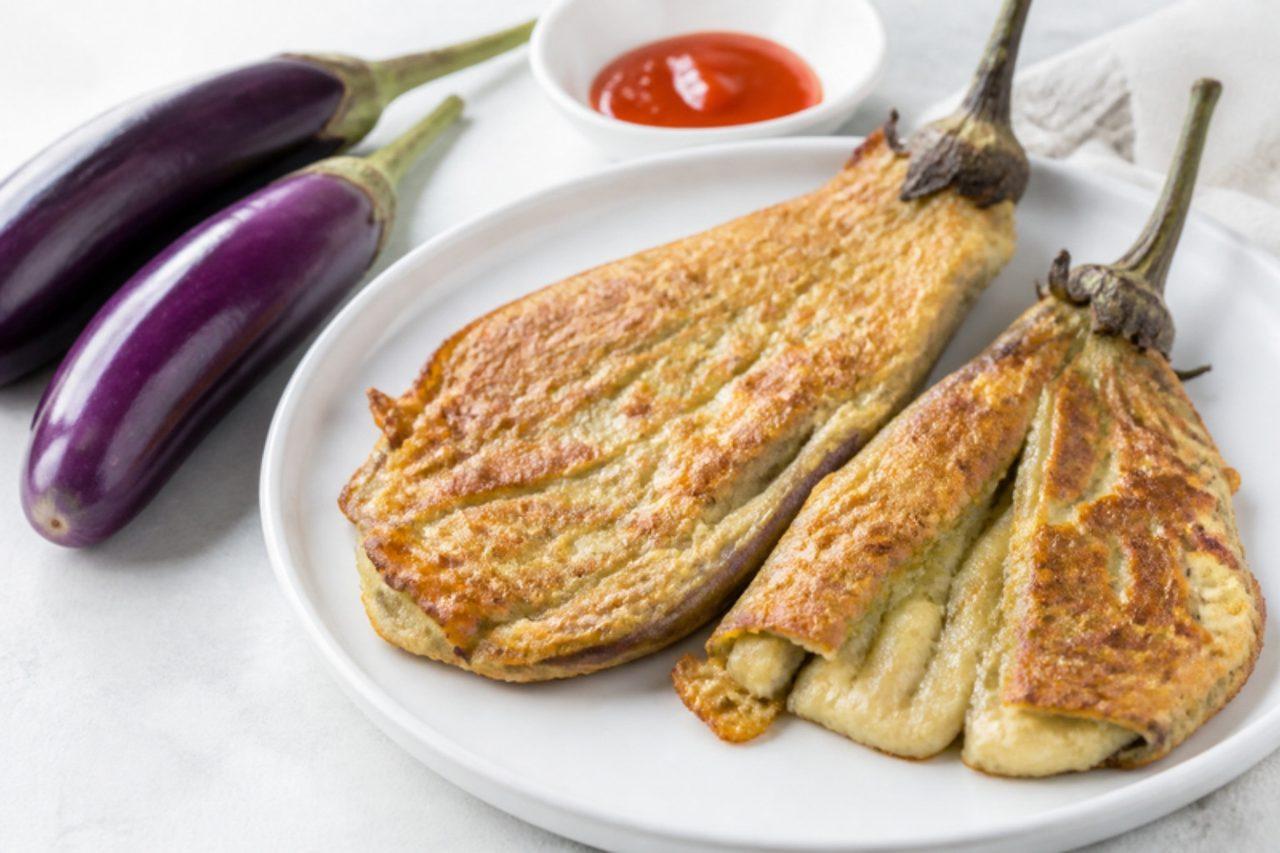
Tortang talongAubergine omelette

Tortang talong is a weekday lunch in Filipino homes from Luzon to Visayas, the dish a mother makes when the fridge holds only a few eggs and some long aubergines from the market. The aubergines are charred whole over a gas flame until the skin blackens and the flesh goes smoky and soft, then peeled (the stem left on as a handle), flattened into a fan with a fork, dipped in seasoned egg and fried until golden. The result is a thin, smoky omelette shaped like an aubergine. Filipinos eat it with rice and banana ketchup or a dish of vinegar with garlic. Chef's tip: char the aubergines right on the flame, not in the oven; that smoky taste is the whole dish.

by KrazyBadal 0 views

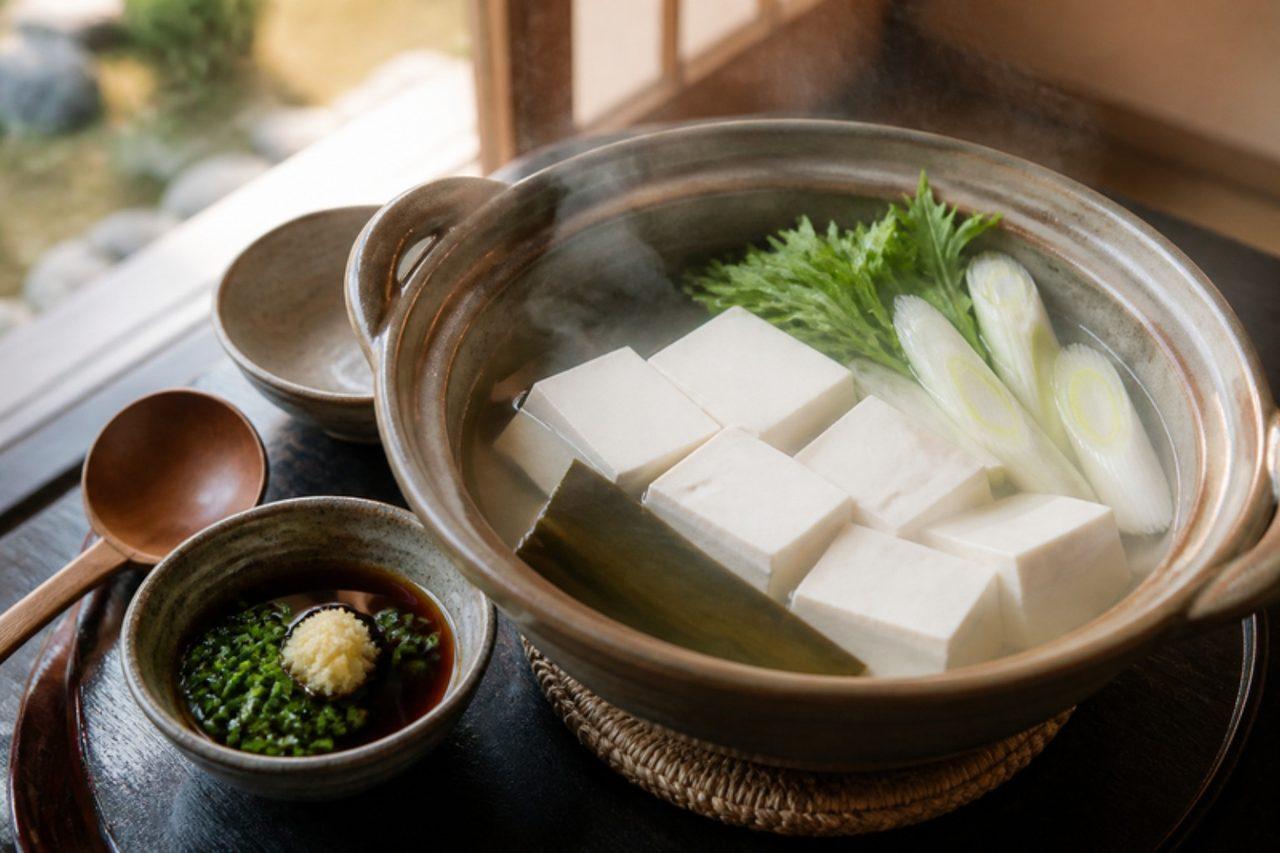
YudofuSimmered tofu hot pot

Yudofu is the simplest dish in Kyoto and one of the most loved. The city's soft water makes fine tofu, and the restaurants around Nanzen-ji temple in the Higashiyama hills have served it to pilgrims for centuries as part of Buddhist vegetarian cooking. A block of tofu is warmed in an earthenware pot over a sheet of kombu and lifted out with a little slotted ladle, then dipped in citrusy soy with spring onion and ginger. It's a winter dish, best eaten slowly at the table on a cold evening. Chef's tip: never let the water boil. The tofu is ready when it trembles and starts to rise; boiling makes it spongy and full of holes.

by KrazyBadal 0 views

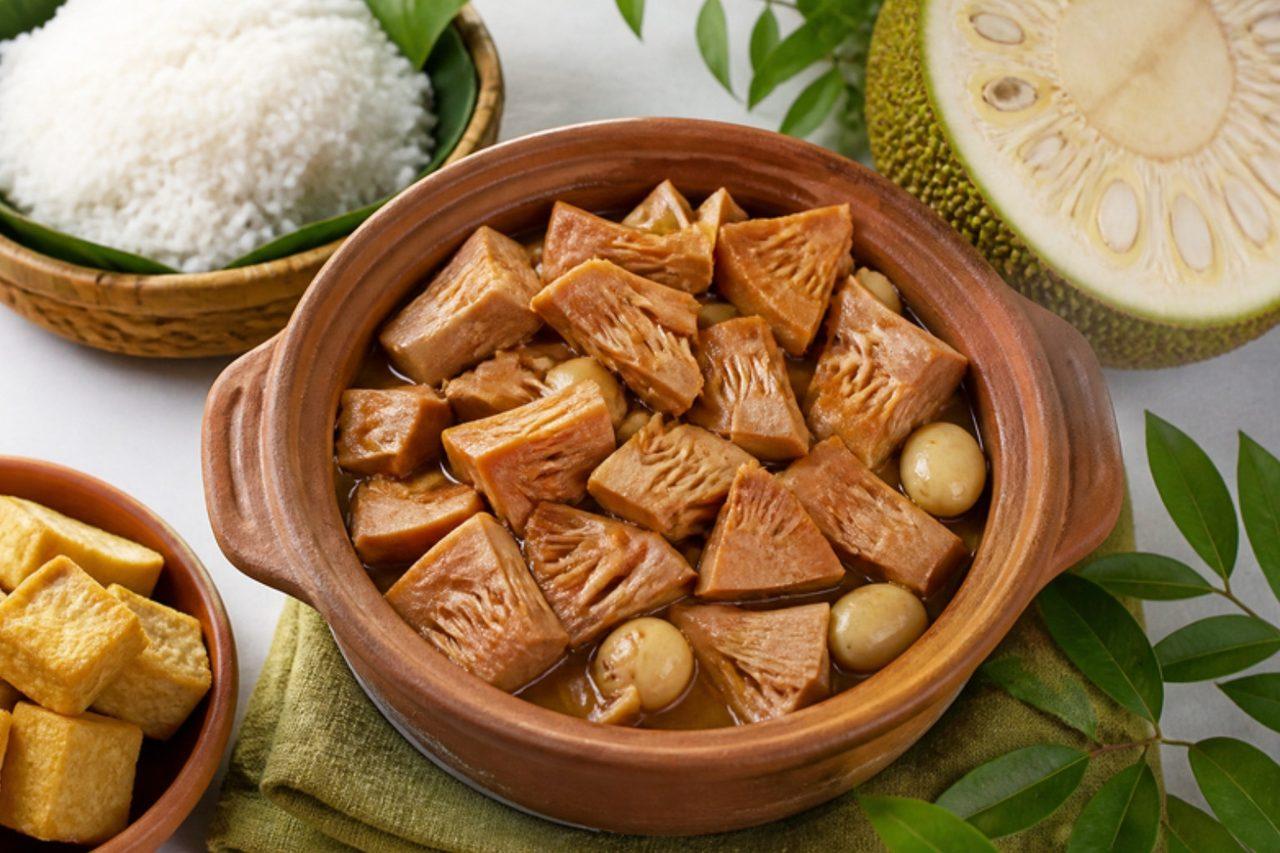
GudegYoung jackfruit stew

Gudeg is the signature of Yogyakarta: whole streets around Wijilan are lined with stalls selling it from dawn, and visitors carry it home in clay pots or woven baskets. Unripe jackfruit is cooked for hours with palm sugar, coconut milk, galangal and salam leaves until it turns reddish-brown, soft as pulled meat, and deeply sweet and savoury. The classic plate adds chicken, egg and spicy cattle-skin stew; this vegan plate pairs it with sticky-sweet tempeh and tofu and a sharp sambal to cut the sweetness. Chef's tip: let the pot cook down slowly until almost all the liquid is gone — drier gudeg keeps for days and tastes better on the second.

by KrazyBadal 0 views

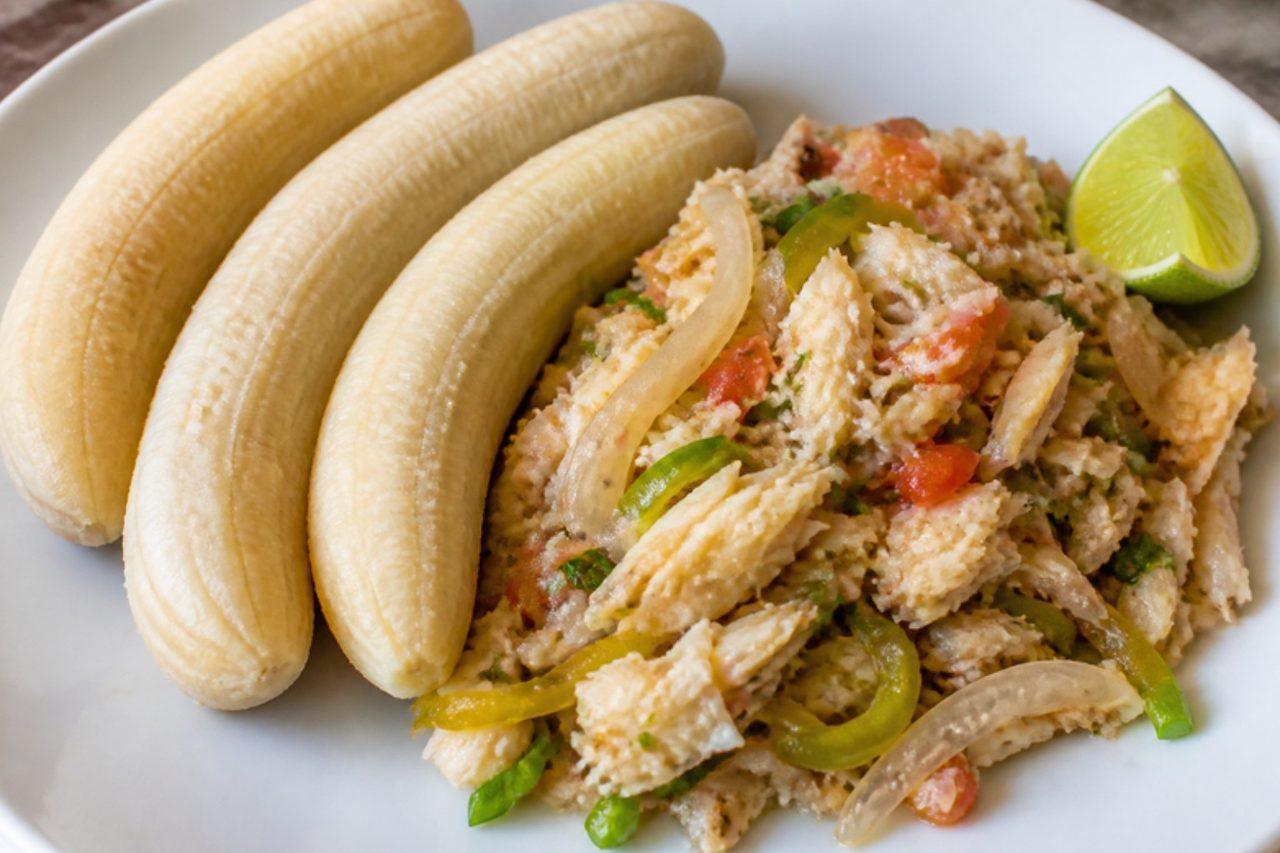
Green fig and saltfishGreen bananas with salt cod

In St Lucia green bananas are called figs, and green fig and saltfish is the national dish: a Saturday lunch in Castries homes and the plate served everywhere on Jounen Kwéyòl, the island's Creole Day in October. The bananas are boiled until tender and mild, a little like potato, and served with salt cod sautéed with onion, sweet pepper, tomato, thyme and hot pepper. Add sliced avocado or cucumber on the side. The most common mistake is not soaking the saltfish long enough, which leaves the whole plate far too salty; taste a flake before you cook it. Chef's tip: rub oil on your hands (or wear gloves) before peeling the green bananas; the sap stains skin black.

by KrazyBadal 0 views

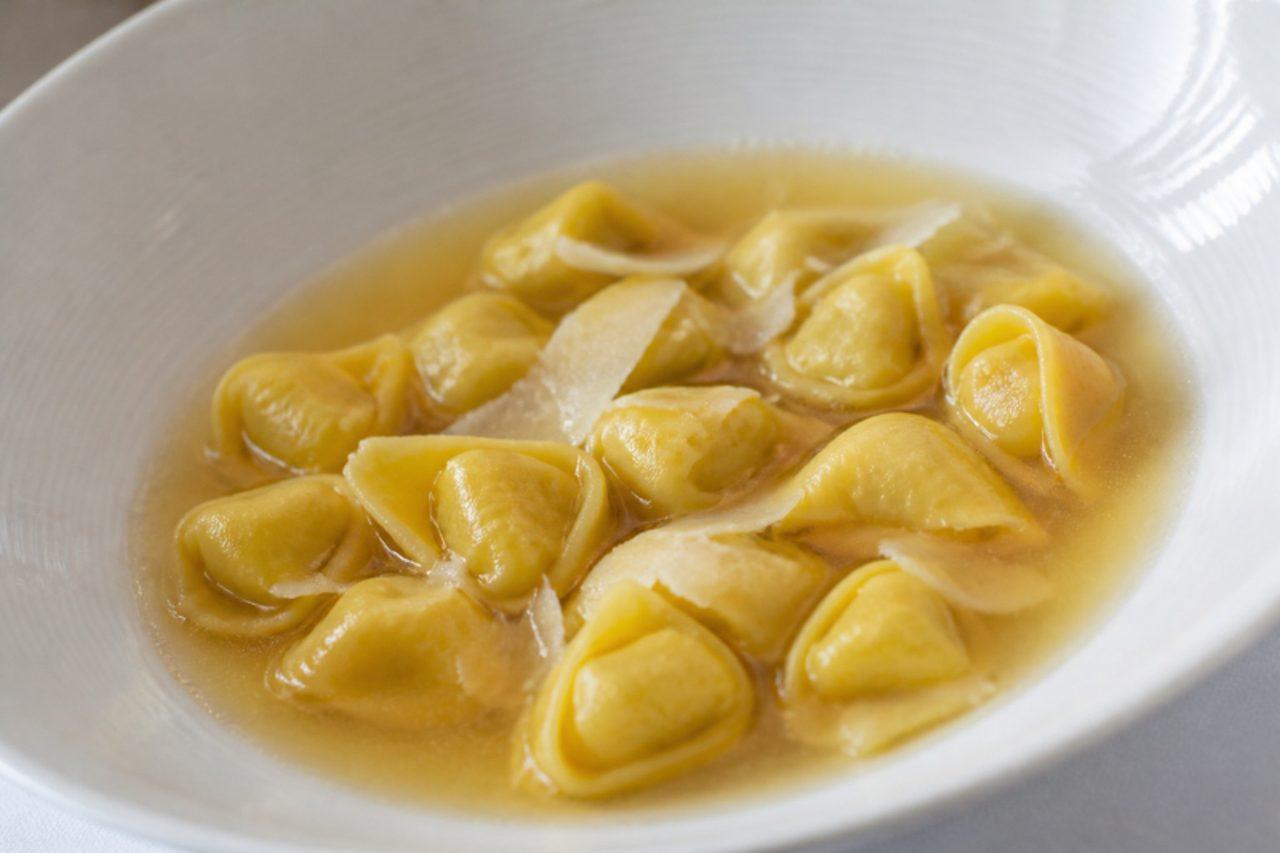
Tortellini in brodoTortellini in broth

Christmas Day in Bologna and Modena begins at the kitchen table, with whole families folding hundreds of tortellini no bigger than a fingertip around a filling of pork loin, mortadella, prosciutto and parmigiano. They are served in a clear, golden broth made from capon, or from chicken and beef, simmered so gently it barely moves. The pasta should be thin enough to see the filling through, and the little rings bob in the bowl with a spoonful of parmigiano on top. It is a full afternoon's work, so make the broth and tortellini a day ahead and freeze any extras on a floured tray; on a busy weeknight, 500 g of good bought tortellini simmered in the homemade broth is a perfectly respectable shortcut. A common mistake is letting the broth boil: it turns cloudy and greasy instead of clear. Chef's tip: make the filling the day before and keep it in the fridge; it firms up and is much easier to dot onto the tiny squares.

240 minItalianSoups
by KrazyBadal 0 views

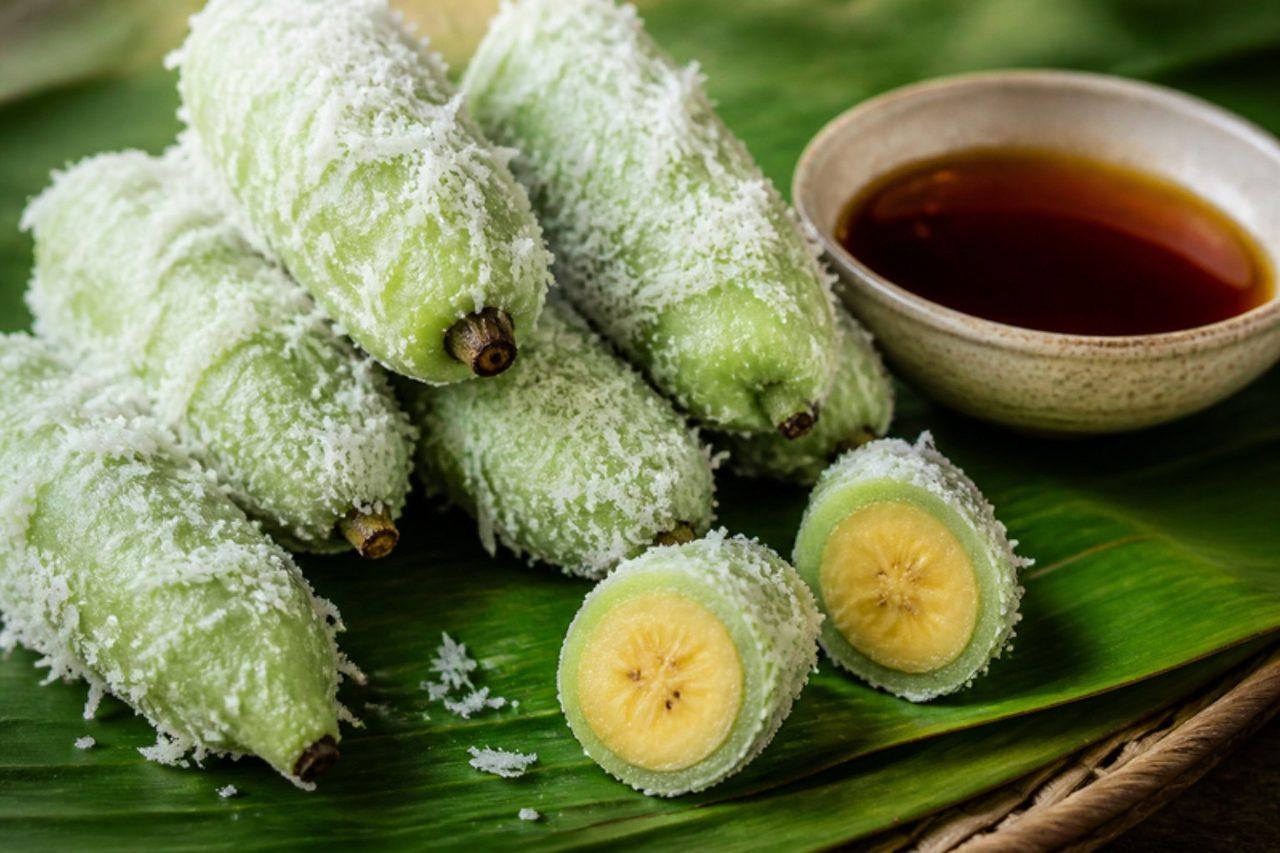
Pisang raiBananas in rice-flour batter

Pisang rai is a Balinese market sweet, wrapped in banana leaf and sold alongside klepon and lak-lak in the early morning. Small ripe bananas are coated in a thick rice-flour batter and dropped into boiling water rather than oil, so they come out soft, chewy and pale, ready to be rolled in salted grated coconut and drizzled with palm-sugar syrup. Some cooks colour the batter green with pandan. Chef's tip: the bananas are done when they float and the batter turns translucent at the edges; another minute firms the coating without making it gluey.

by KrazyBadal 0 views

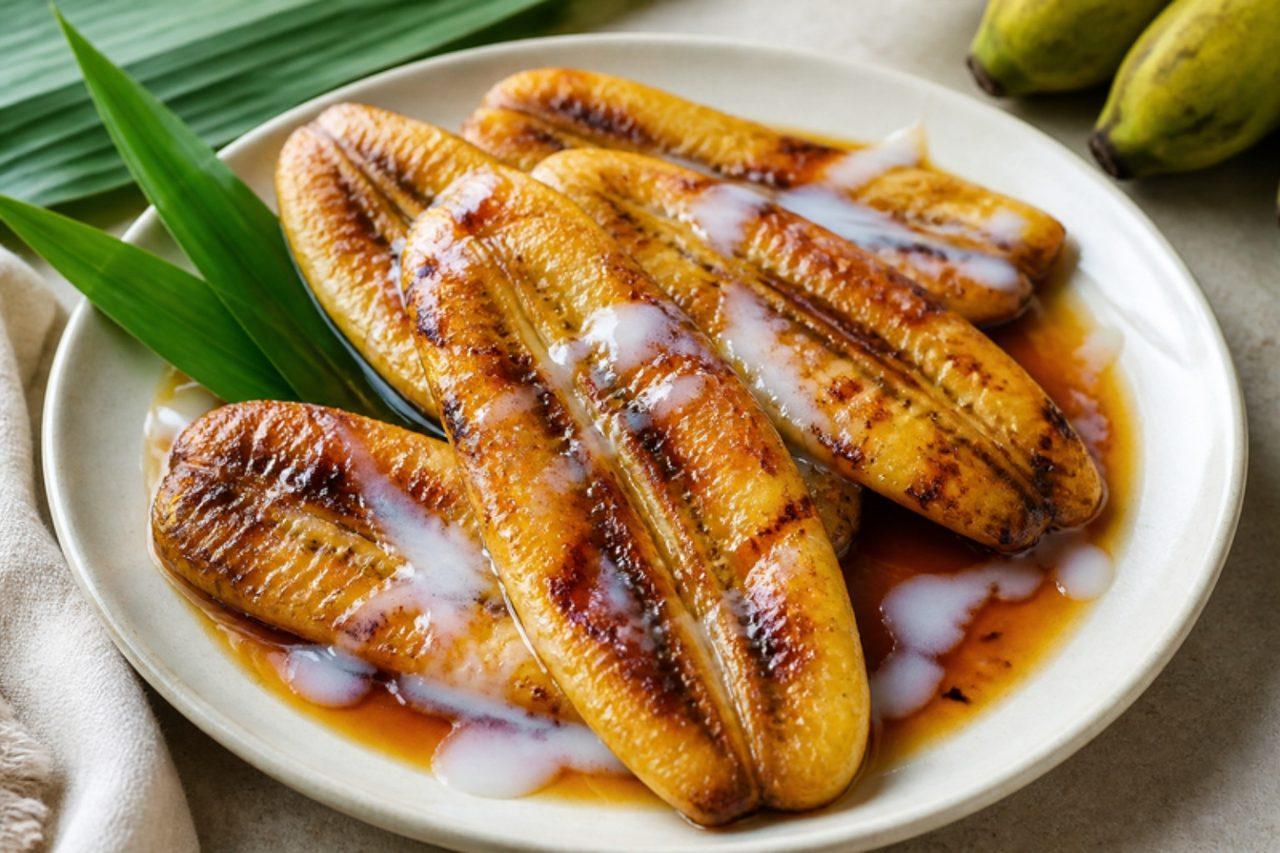
Pisang epeGrilled pressed bananas

Along Losari Beach in Makassar, South Sulawesi, evening stalls grill firm bananas over coals, press them flat between two boards, grill them again and drown them in palm-sugar syrup. Epe means pressed. The bananas turn smoky and dense, almost like baked plantain, and the syrup is often flavoured with pandan, durian or chocolate; this is the pandan version. Chef's tip: use bananas that are just ripe and still firm, or plantains just turning yellow; soft bananas fall apart when you press them.

by KrazyBadal 0 views

PirozhkiBaked filled buns

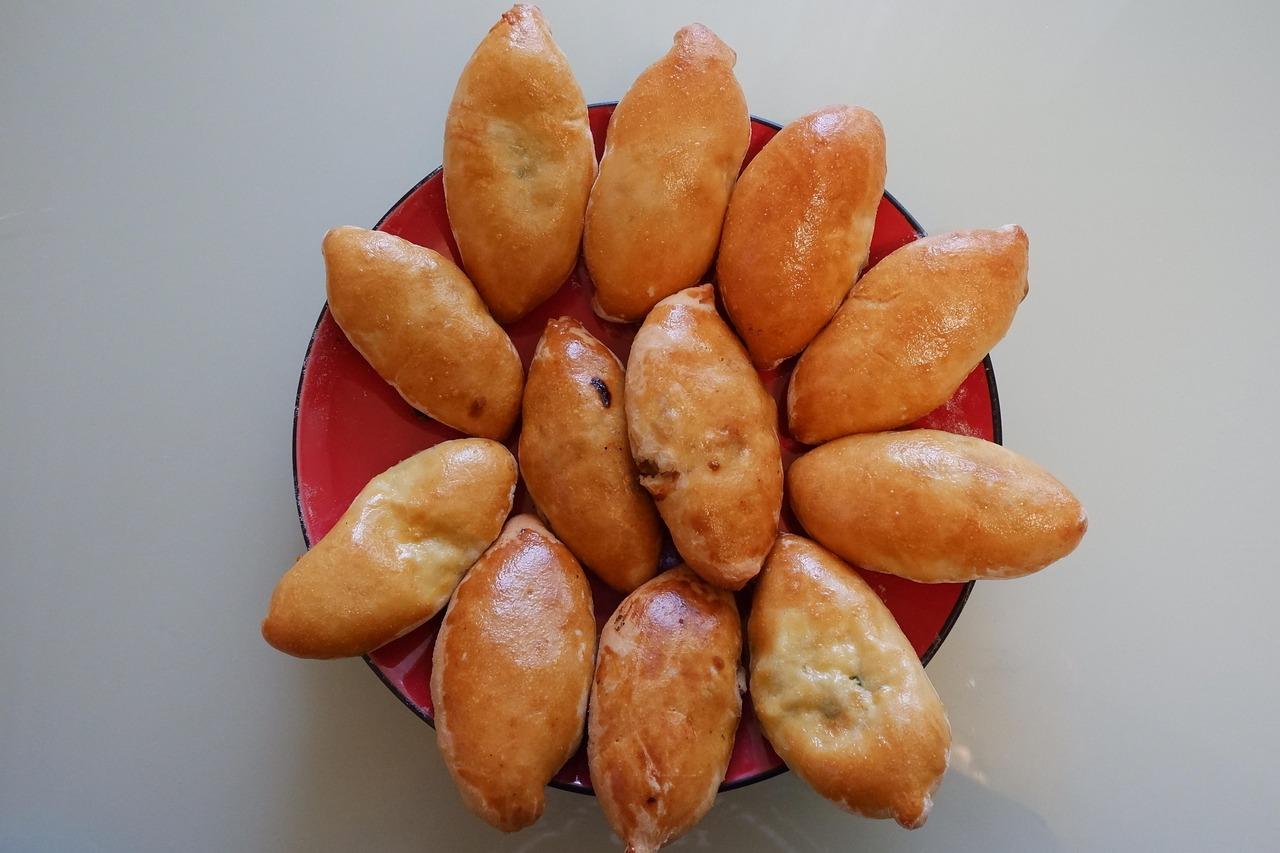
Pirozhki, little oval pies of soft yeast dough, are what a Russian babushka has waiting on the kitchen table when the grandchildren arrive, and what used to be sold warm from steel carts at Moscow metro stations. They are eaten with a bowl of soup, packed for the train, or simply grabbed from the plate all afternoon. Fillings change with the season; the two most loved meatless ones are buttery cabbage with chopped egg and creamy mashed potato with fried onion and dill. Chef's tip: let the fillings cool completely before shaping; warm filling softens the dough and the buns tear and leak.

by KrazyBadal 0 views

YukjeonEgg-battered fried beef

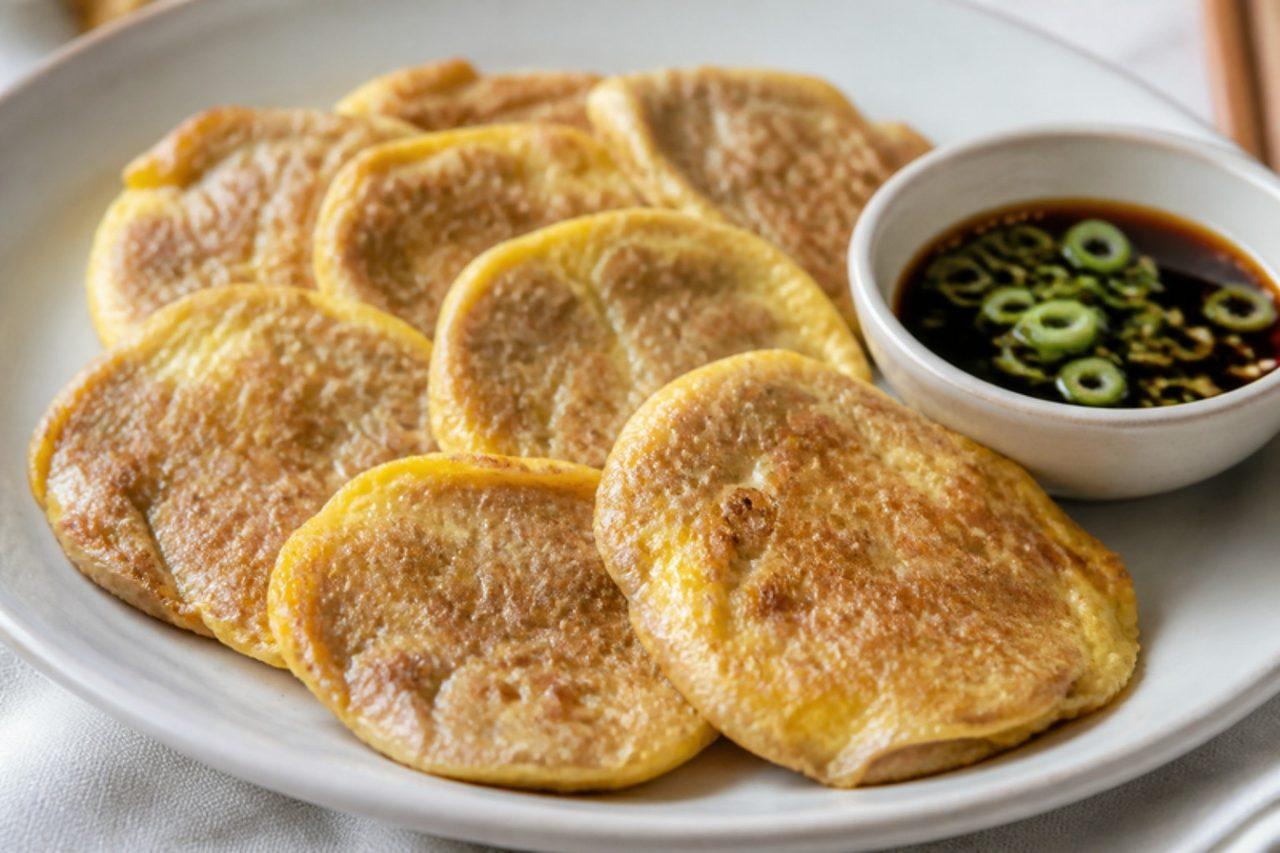
In Gwangju, yukjeon is a restaurant meal in its own right: the server sits by a hot plate at your table and fries slice after slice of egg-coated beef, handing them over while they're still sizzling. Elsewhere in Korea it's more often a festive pancake, made for Chuseok and Lunar New Year along with other jeon. The beef is cut very thin, so it cooks in the time it takes the egg to set. Gwangju places serve it with a sharp salad of finely shredded spring onion and a little salt and sesame oil for dipping. Chef's tip: half-freeze the beef for 40 minutes before slicing; firm meat is easy to cut into slices 2 to 3 mm thick.

25 minKoreanMeat
by KrazyBadal 0 views

Pique machoBeef and sausage platter with chips

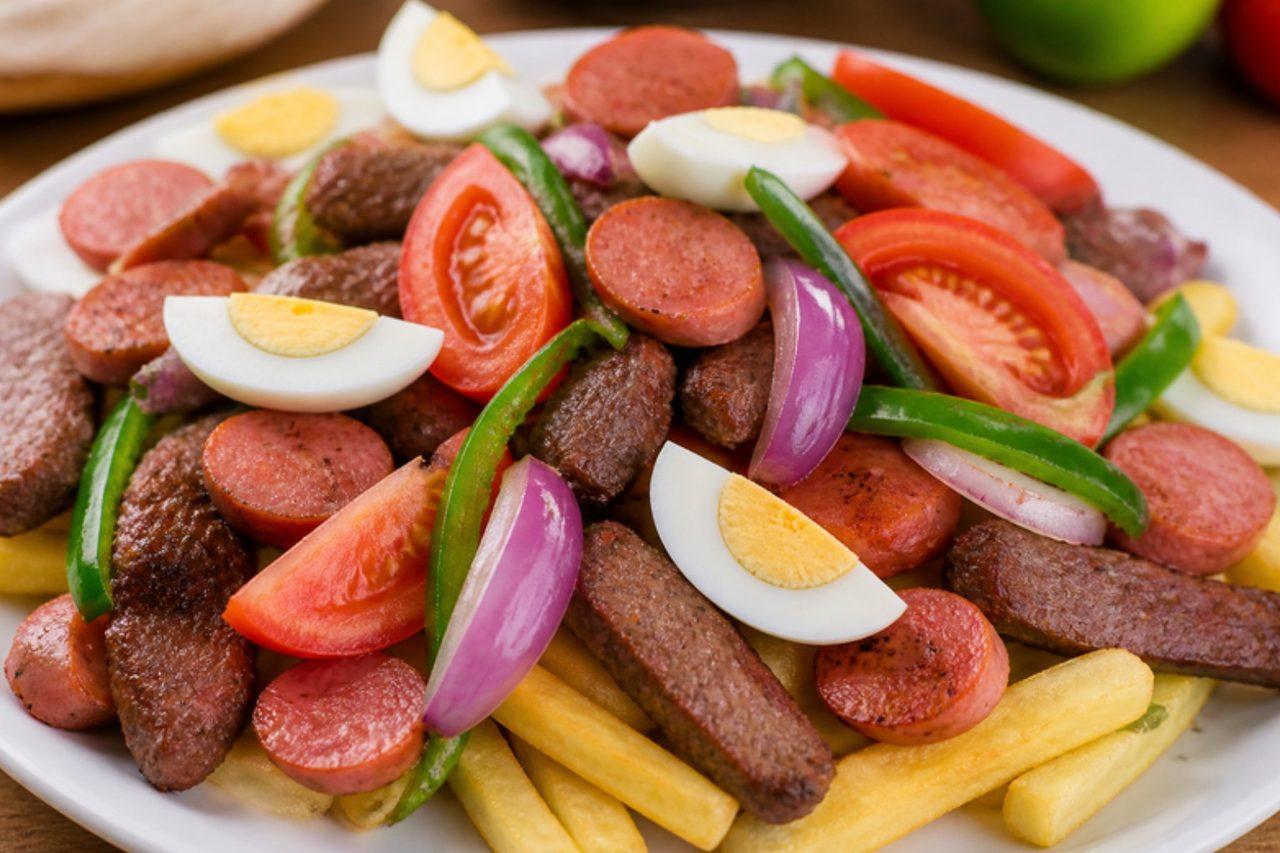
Pique macho was invented in Cochabamba, legend says late one night when hungry customers asked for whatever was left, and it remains the sharing plate Bolivians order with friends: a pile of chips topped with beef strips and sausage cooked in a peppery sauce, with onion, tomato, locoto chillies and boiled eggs on top. The name roughly means "if it stings, you're a man", for the hot locoto. This recipe can include beer in the sauce; for an alcohol-free version use beef stock. The mistake is letting the chips sit under the sauce, so they go soggy; assemble right before serving. Chef's tip: oven chips work fine and leave the hob free for the meat.

65 minAndeanMeatGluten freeSpicy
by KrazyBadal 0 views

Garadu chaatFried yam chaat

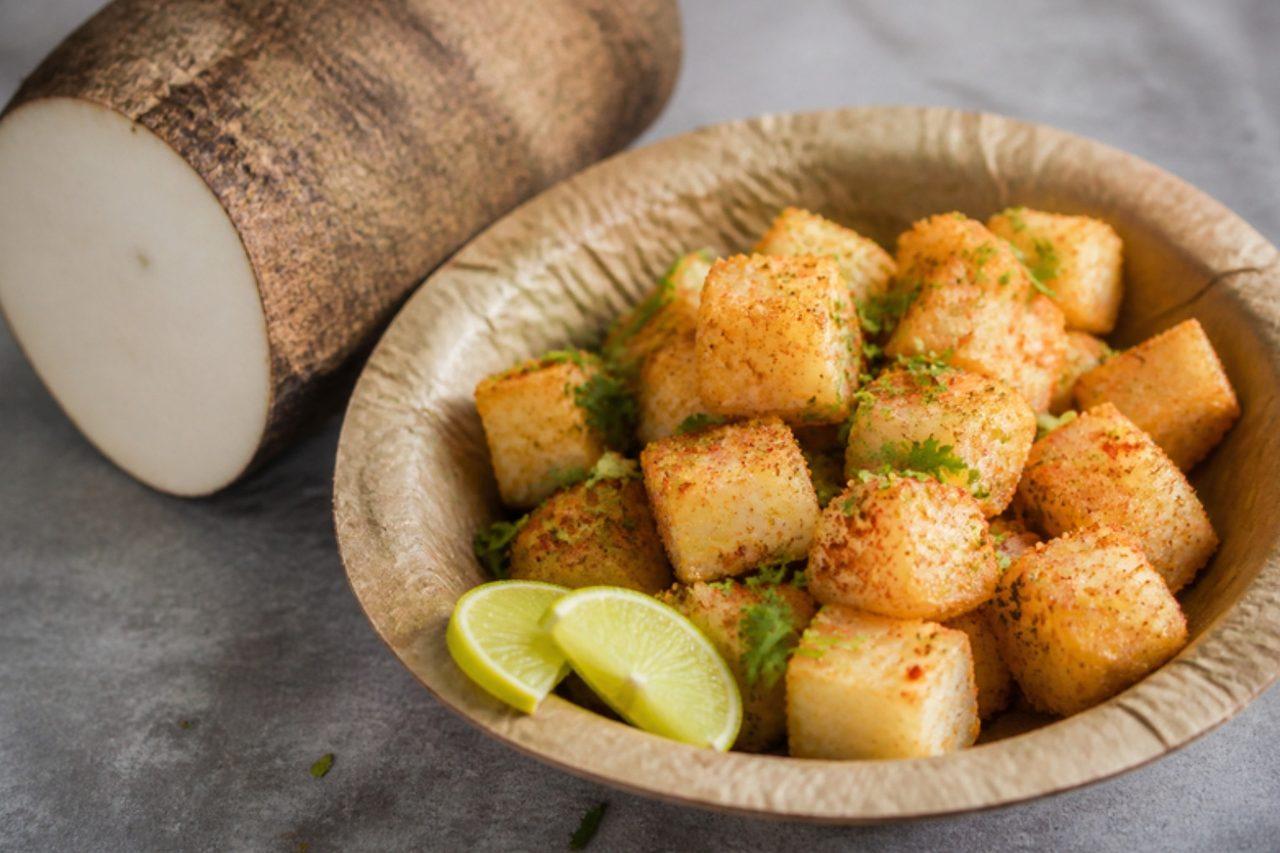
When the nights turn cold in Indore, the stalls of Sarafa Bazaar pile their woks with garadu, a starchy, slightly sticky yam that only appears from November to February. It is boiled, fried until the edges crunch, then shaken with a punchy masala of roasted cumin, black salt and chilli and finished with lime. People eat it standing up from a leaf bowl, often as the savoury stop between jalebi and rabri. Garadu can be hard to find outside Madhya Pradesh; purple yam or white yam from an Asian or African grocer is the closest match, and taro (arbi) works in a pinch. Chef's tip: boil the cubes only until a knife meets slight resistance, then let them steam dry completely, because wet yam spits in the oil and never crisps.

by KrazyBadal 0 views

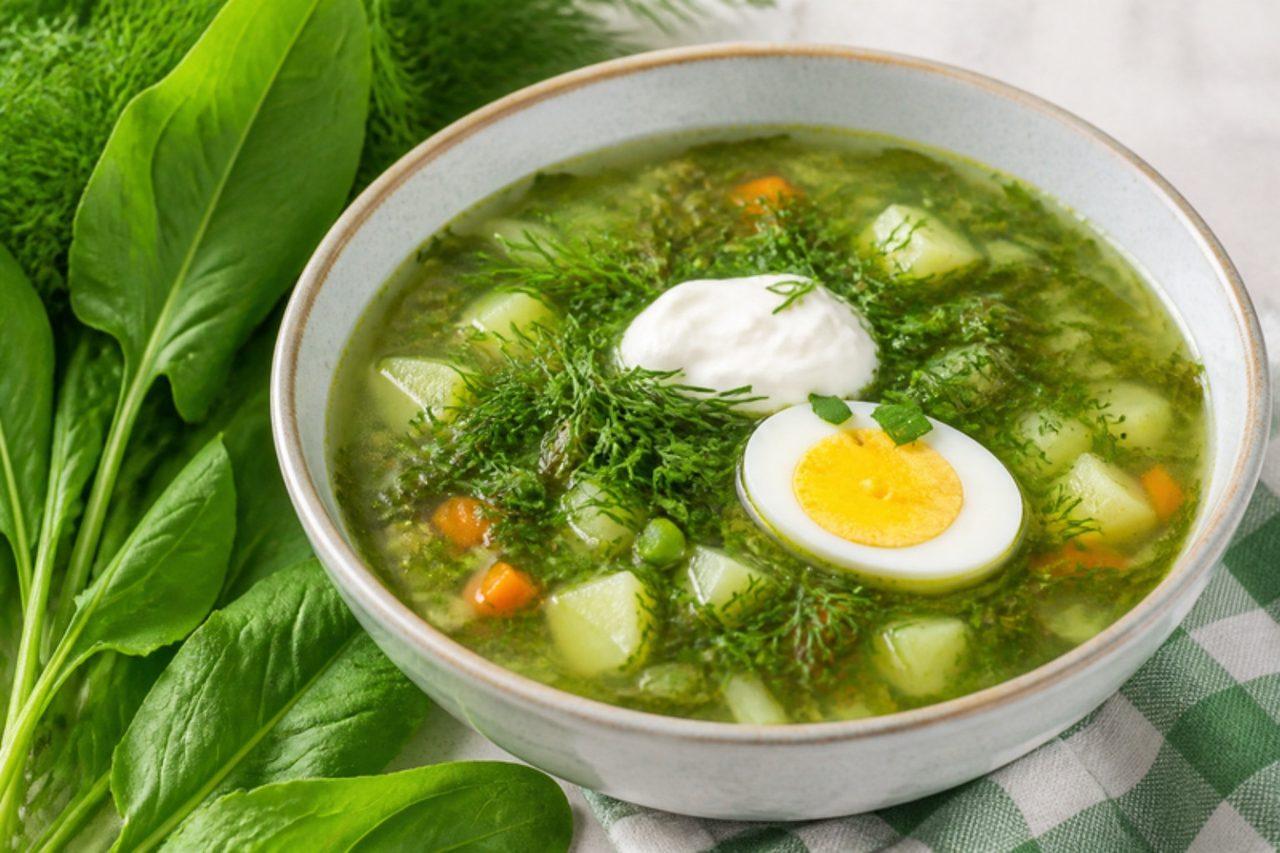
Green borschtSorrel soup with egg

When the first sorrel comes up in village gardens around Chernihiv and Sumy in May, Ukrainian grandmothers stop making red borshch and switch to green: a light, lemony soup of sorrel, potato and herbs, served with halved boiled eggs. It is the soup of early summer and of Trinity Sunday, eaten hot with sour cream or chilled on a warm day. Sorrel gives it a clean sourness, so no vinegar is needed. This version uses vegetable stock instead of the chicken or pork stock some families use. Chef's tip: add the sorrel only in the last two minutes; it turns olive green the moment it hits the heat, but if it boils longer it collapses into stringy khaki threads.

by KrazyBadal 0 views

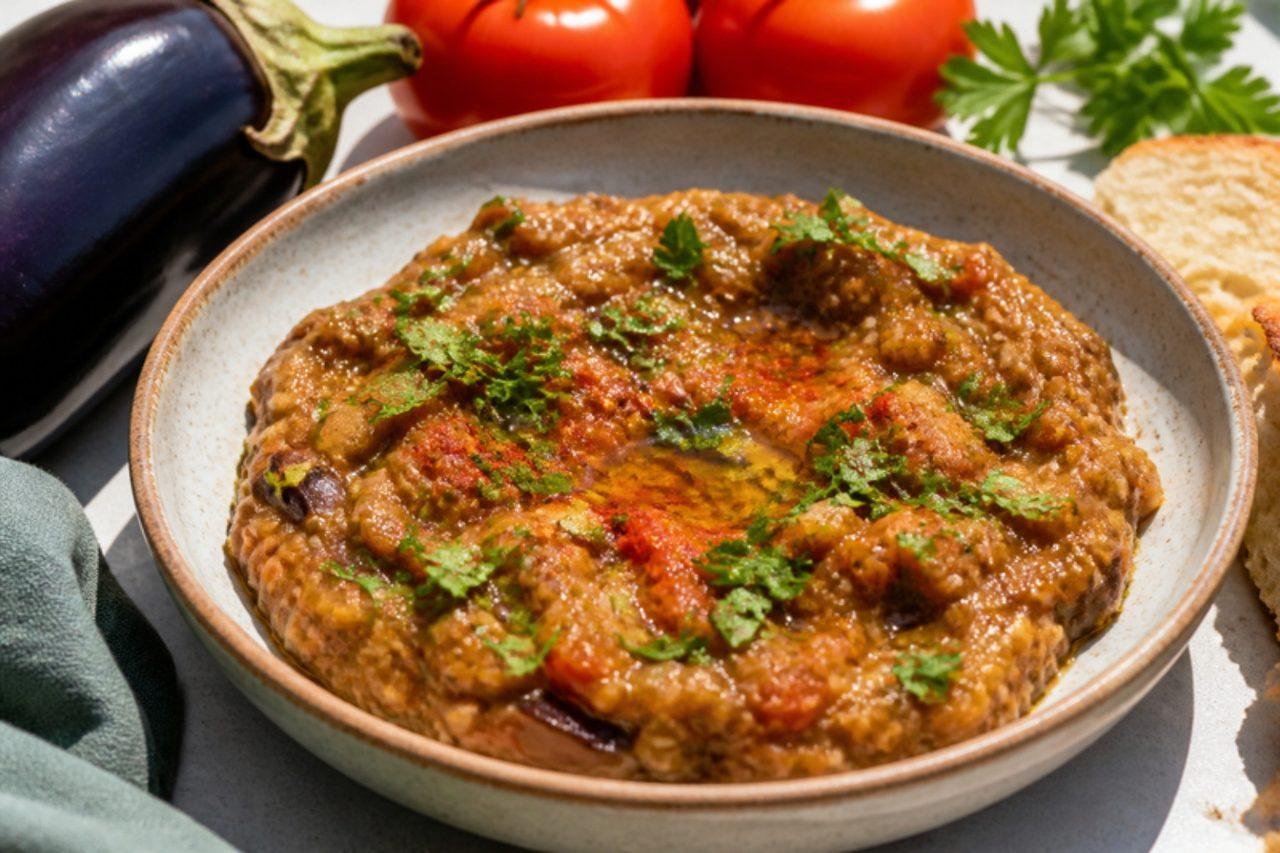
ZaaloukAubergine and tomato salad

Zaalouk is one of the cooked salads that open almost every Moroccan meal, from Fez to Essaouira, set out in small dishes with taktouka and carrot salad and scooped up with bread. Aubergine and tomato are cooked down together with garlic, cumin and paprika until they become a soft, spoonable relish, sharpened at the end with lemon and olive oil. It tastes even better the next day, so many cooks make a big batch. Chef's tip: char the aubergine over a gas flame or under the grill first if you can; the smoky skin flavour gives the best zaalouk.

by KrazyBadal 0 views

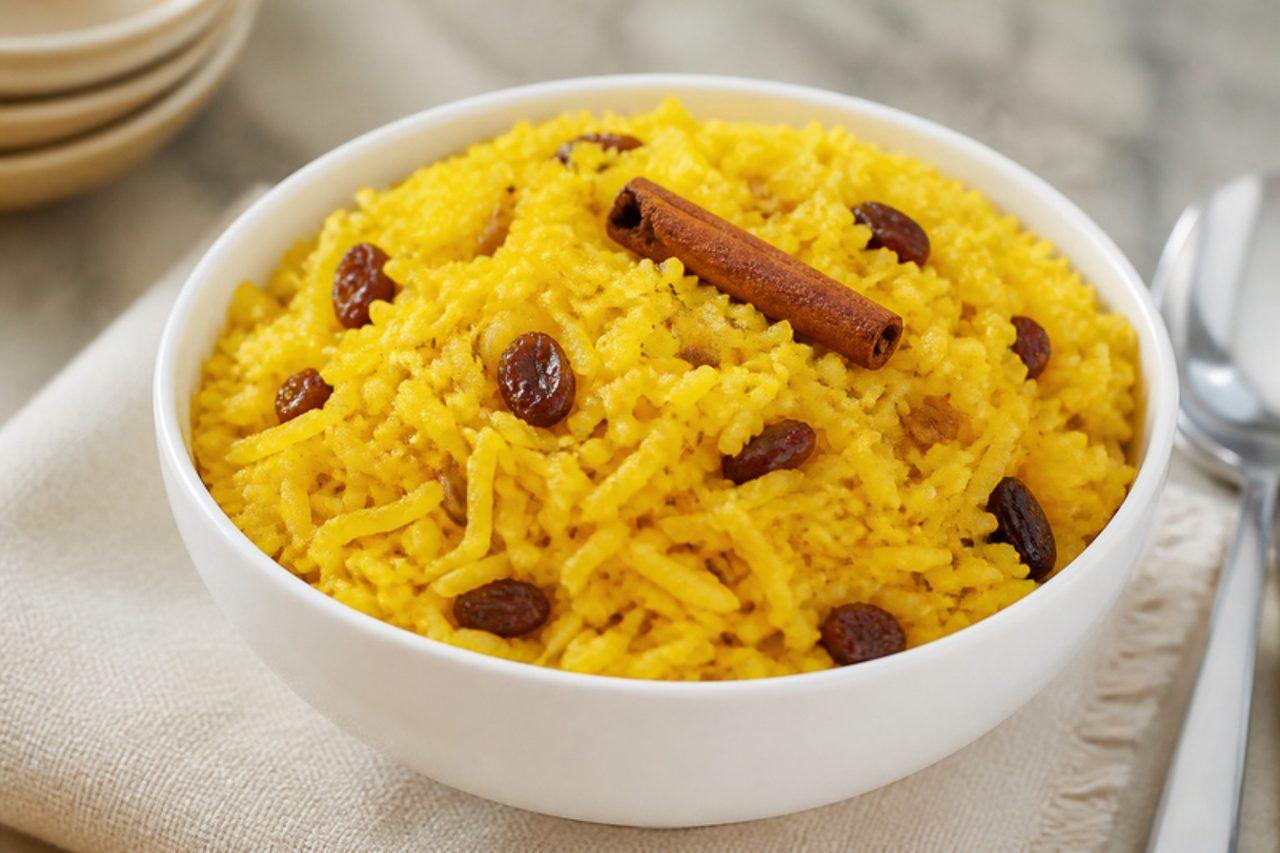
Yellow rice (geelrys)Sweet turmeric rice

Geelrys, or yellow rice, is the bright, faintly sweet rice that comes to the table in the Western Cape with bobotie, curries and Sunday roasts, and at Cape Malay weddings and funerals alike. It is cooked with turmeric, a stick of cinnamon, a little sugar and plump raisins, then finished with a knob of butter so the grains gleam. The sweetness is gentle, just enough to soften a spicy curry. Chef's tip: add the raisins at the start so they plump in the cooking water; added at the end they stay tough and chewy.

by KrazyBadal 0 views

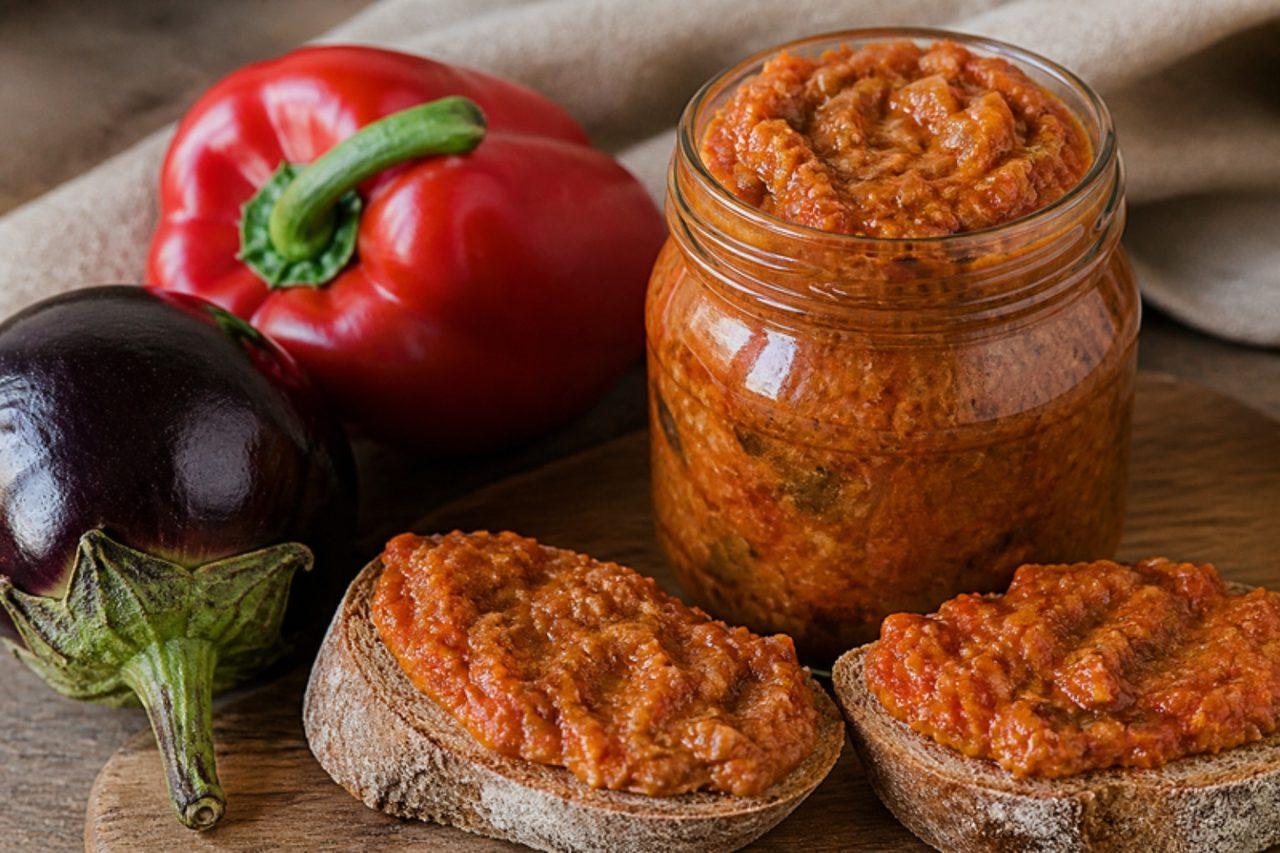
ZacuscăRoasted aubergine and pepper spread

Zacuscă is the autumn preserve of Moldavia and Transylvania: in Iași and the villages around it, families spend a September weekend charring aubergines and red peppers over a grill and slowly frying them down with onion and tomato into a thick, chunky spread. The jars go into the cellar and come out all winter, spread on bread or eaten with mămăligă during the Orthodox fasts. It is coarser and more oniony than smooth Balkan ajvar, with bay and a long, jammy cook. Chef's tip: let the onions go fully soft and sweet before adding anything else; rushing them leaves a sharp, raw edge that the long cook never removes.

by KrazyBadal 0 views

PinniGhee wheat flour sweets

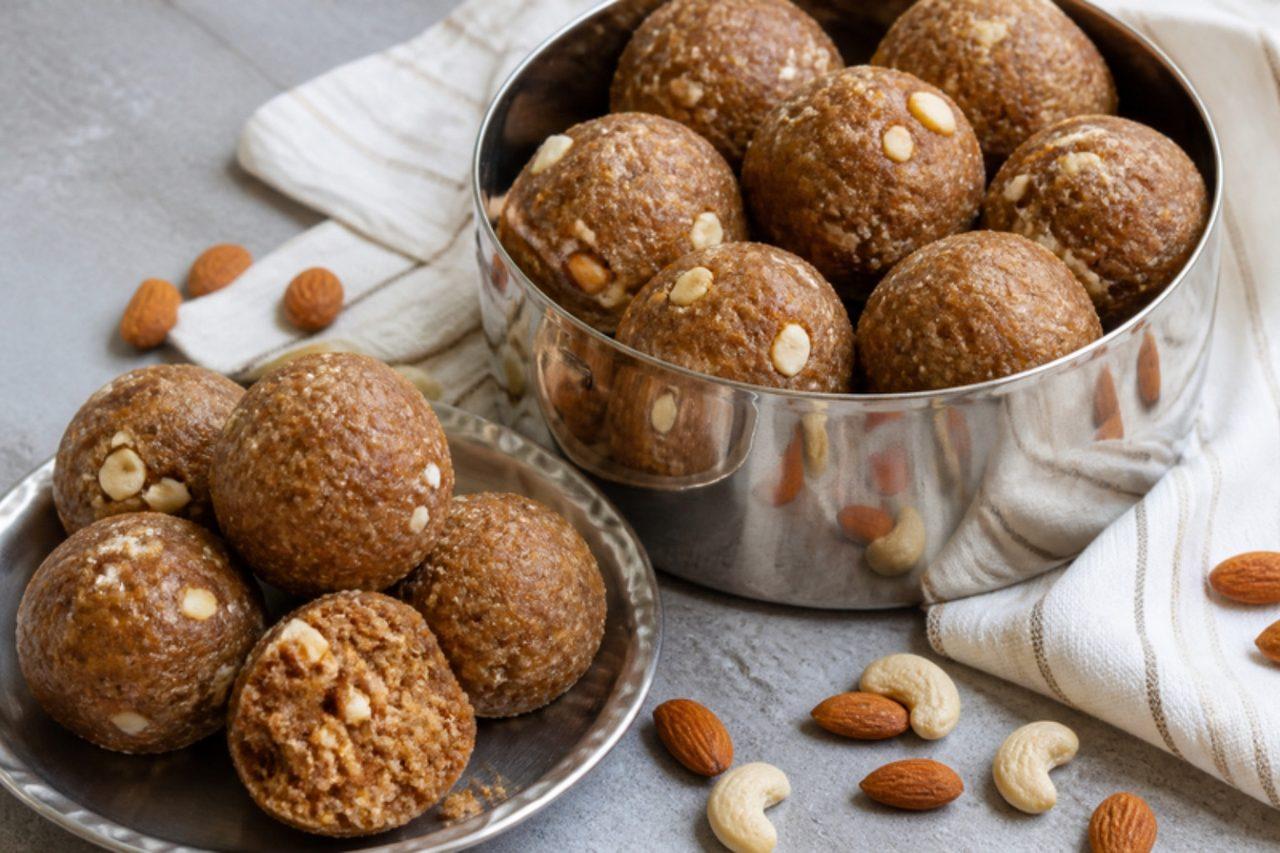
When the fog settles over Punjab in December, kitchens fill with the smell of wheat flour roasting slowly in ghee: pinni season has started. These dense, crumbly balls of roasted atta, jaggery, almonds and fried edible gum are made in big batches for Lohri, packed into tins for relatives and given to new mothers for strength. One pinni with a glass of hot milk is a classic winter breakfast. Chef's tip: let the roasted flour cool until just warm before adding the jaggery; if it is hot, the jaggery melts and the pinni set hard as stone.

by KrazyBadal 0 views

Tostadas de frijolBean tostadas

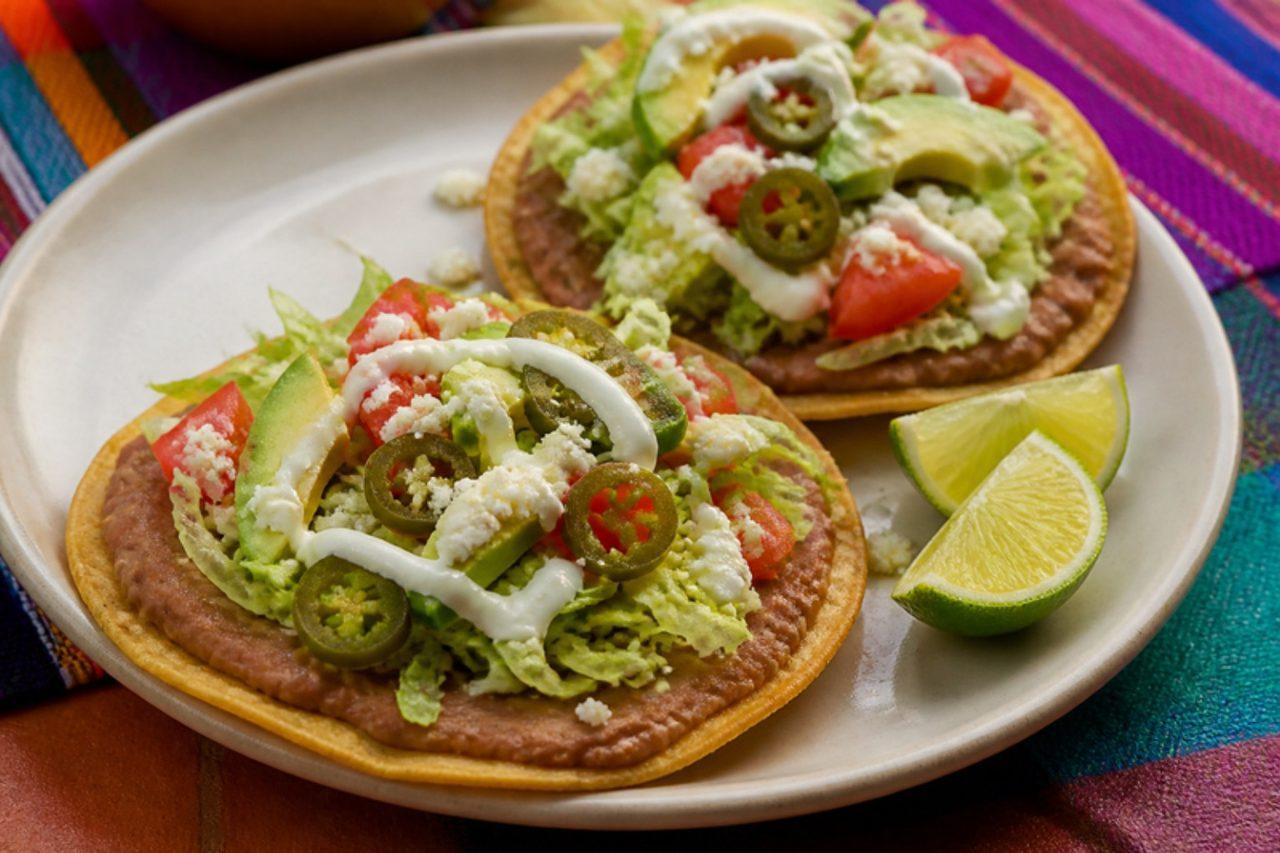
Tostadas, crisp flat corn tortillas, are eaten all over Mexico as a quick meal or snack, and tostadas de frijol are the everyday vegetarian version: a thick smear of refried beans topped with shredded lettuce, tomato, avocado, crema and crumbled cheese. The contrast between the shattering crunch, the creamy beans and the cool, fresh toppings is the whole point. Buy ready-made corn tostadas, or bake your own from corn tortillas. Use queso fresco made with vegetarian rennet, or mild feta. Chef's tip: spread the beans warm and thick right to the edge; they act as glue for the toppings and stop the tostada from shattering when you bite it.

by KrazyBadal 0 views

TostonesTwice-fried green plantain

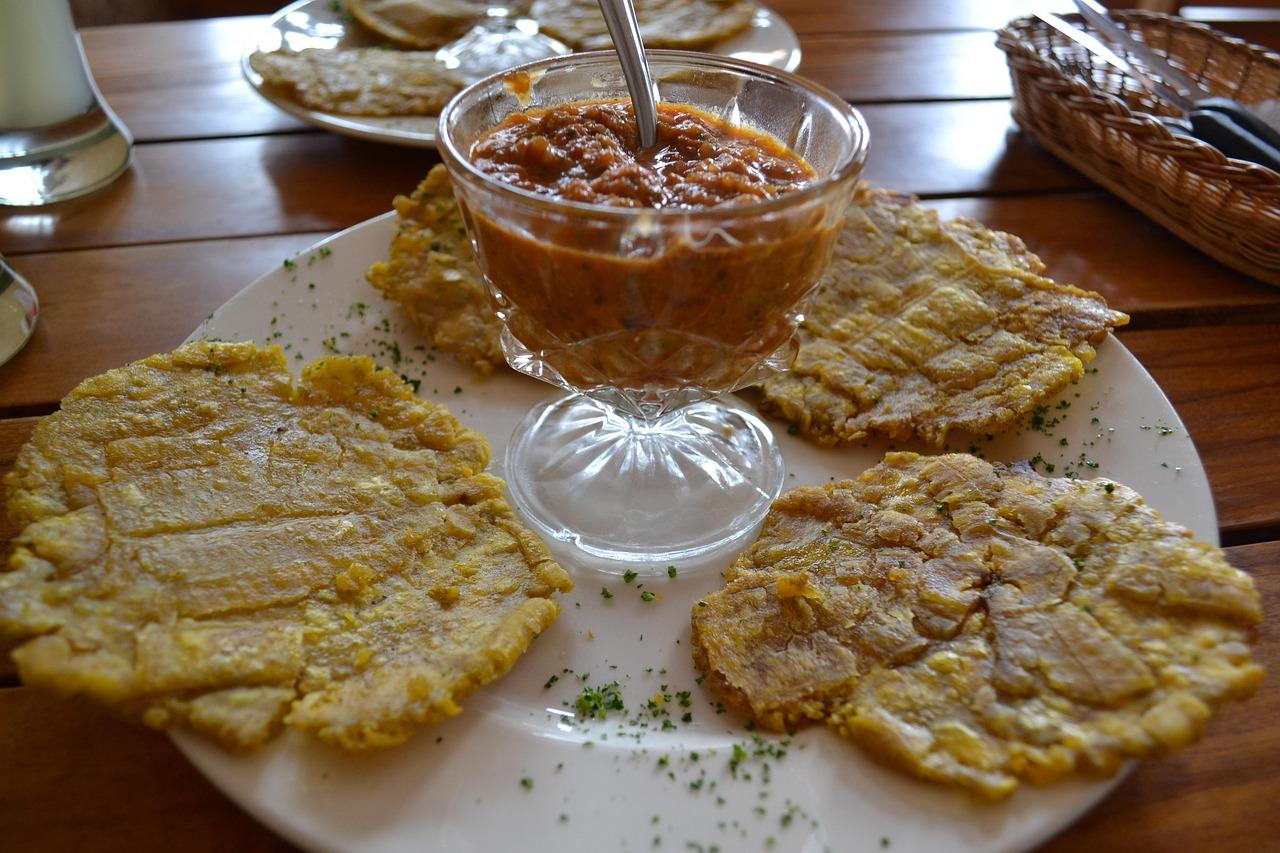
Tostones are the crisp golden discs of green plantain sold at every Cuban cafeteria and fried at home to go with rice, beans and mojo; along Colombia's coast and in Cali the same thing is called patacones and comes with hogao or ají on top. The plantain is fried once to soften, smashed flat, then fried again until the edges shatter while the middle stays starchy and tender. Eat them hot as a side or a snack. Chef's tip: use truly green, hard plantains; yellow ones turn sweet and soft and will never go crisp.

25 minCubanSidesVeganGluten free
by KrazyBadal 0 views

ToumWhipped garlic sauce

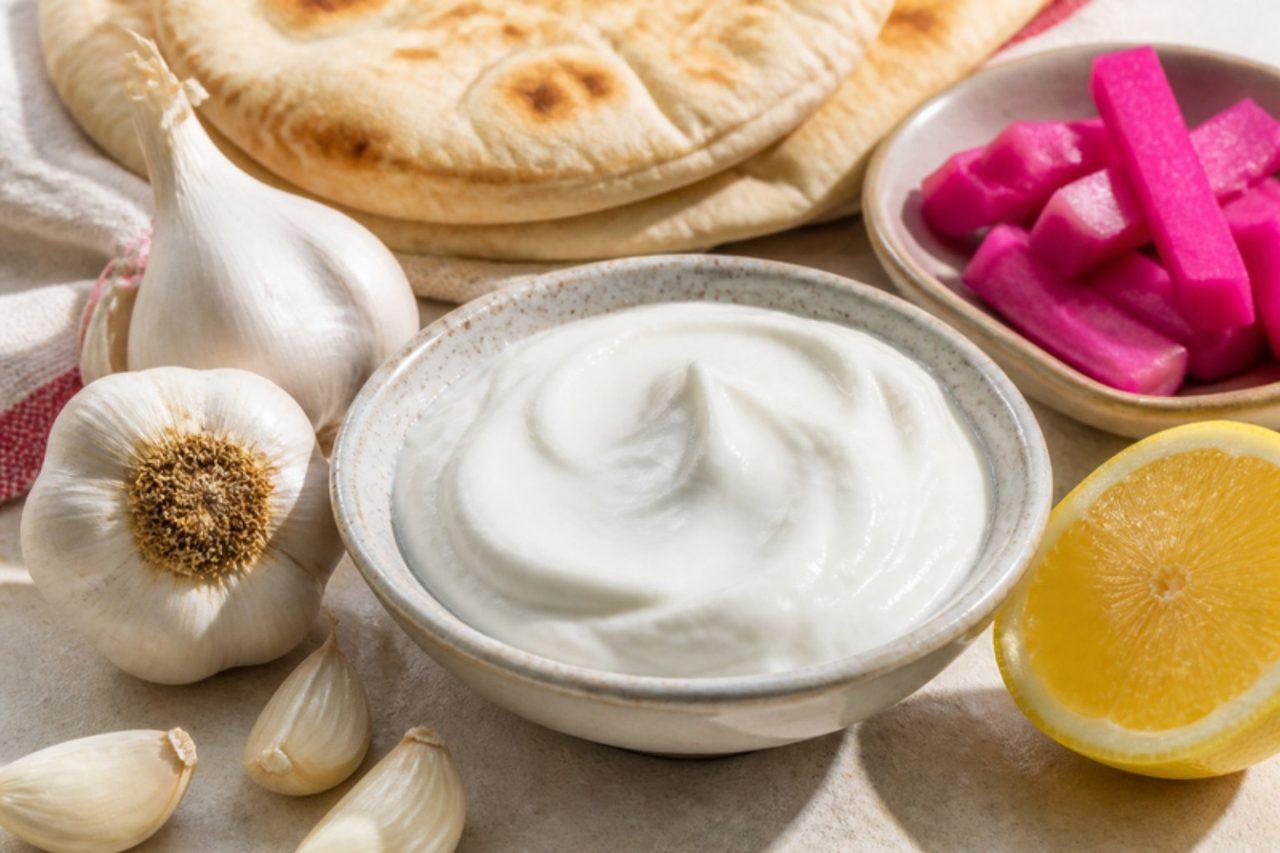
Every shawarma and grill shop in Lebanon has a tub of toum, a fluffy, snow-white emulsion of garlic, lemon and neutral oil that tastes fiercely of fresh garlic. At home it is spread on roast potatoes, stirred into grilled vegetables, dabbed on falafel wraps and served with batata harra. It contains no egg: the garlic itself holds the emulsion, so the only trick is patience while the oil goes in. Chef's tip: halve each garlic clove and pull out any green shoot; the germ makes toum bitter and harsh.

by KrazyBadal 0 views

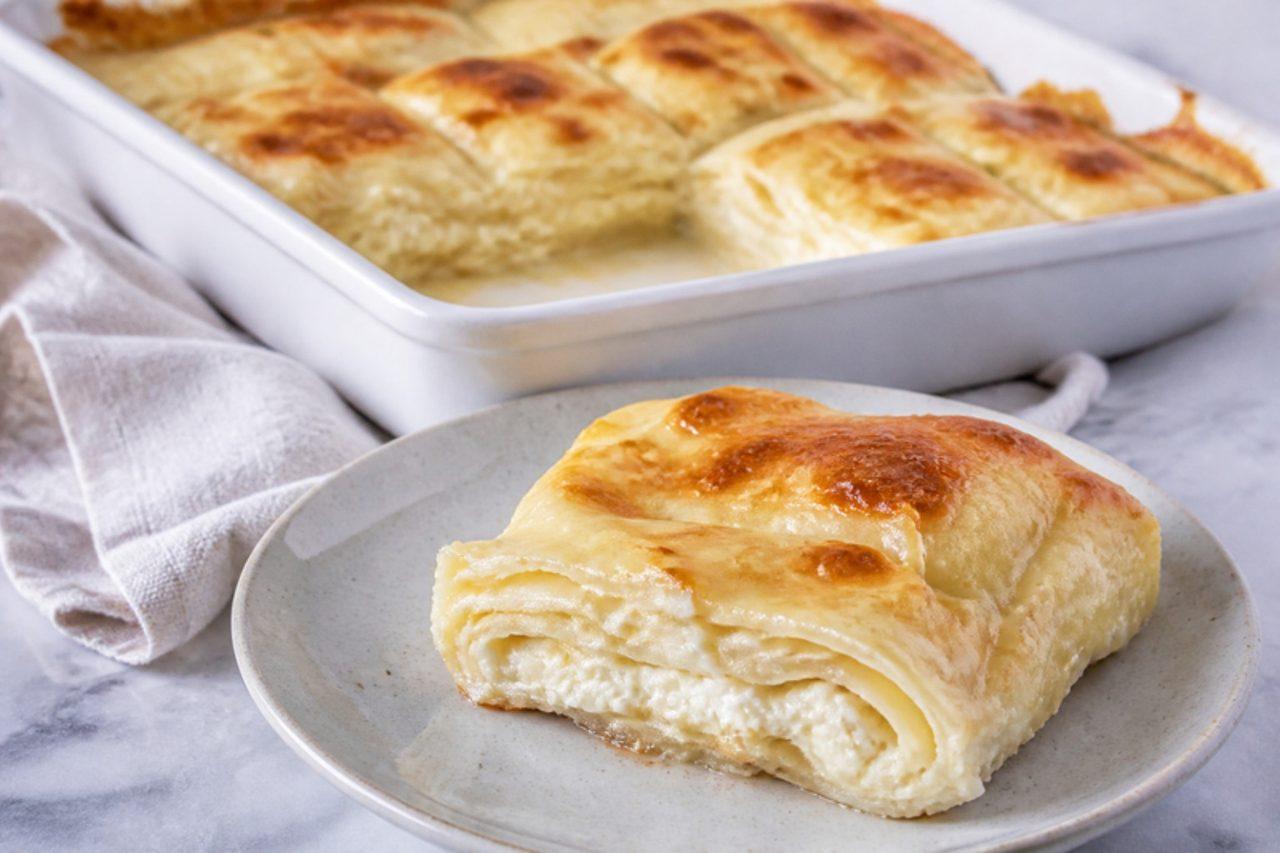
Zagorski štrukliBaked cheese dough rolls

In Hrvatsko Zagorje, the green hill country north of Zagreb, štrukli are Sunday food: paper-thin dough is spread with fresh cow's cheese, rolled up, pinched into pieces with the edge of a plate, then boiled and finished in the oven under a blanket of cream. Zagreb restaurants serve them as a starter or a main, blistered golden on top and soft and custardy inside. The dough is stretched by hand over a tablecloth, which is easier than it sounds once it has rested. Chef's tip: squeeze the cheese if it is wet; a runny filling soaks the thin dough and makes the rolls tear when they boil.

by KrazyBadal 0 views

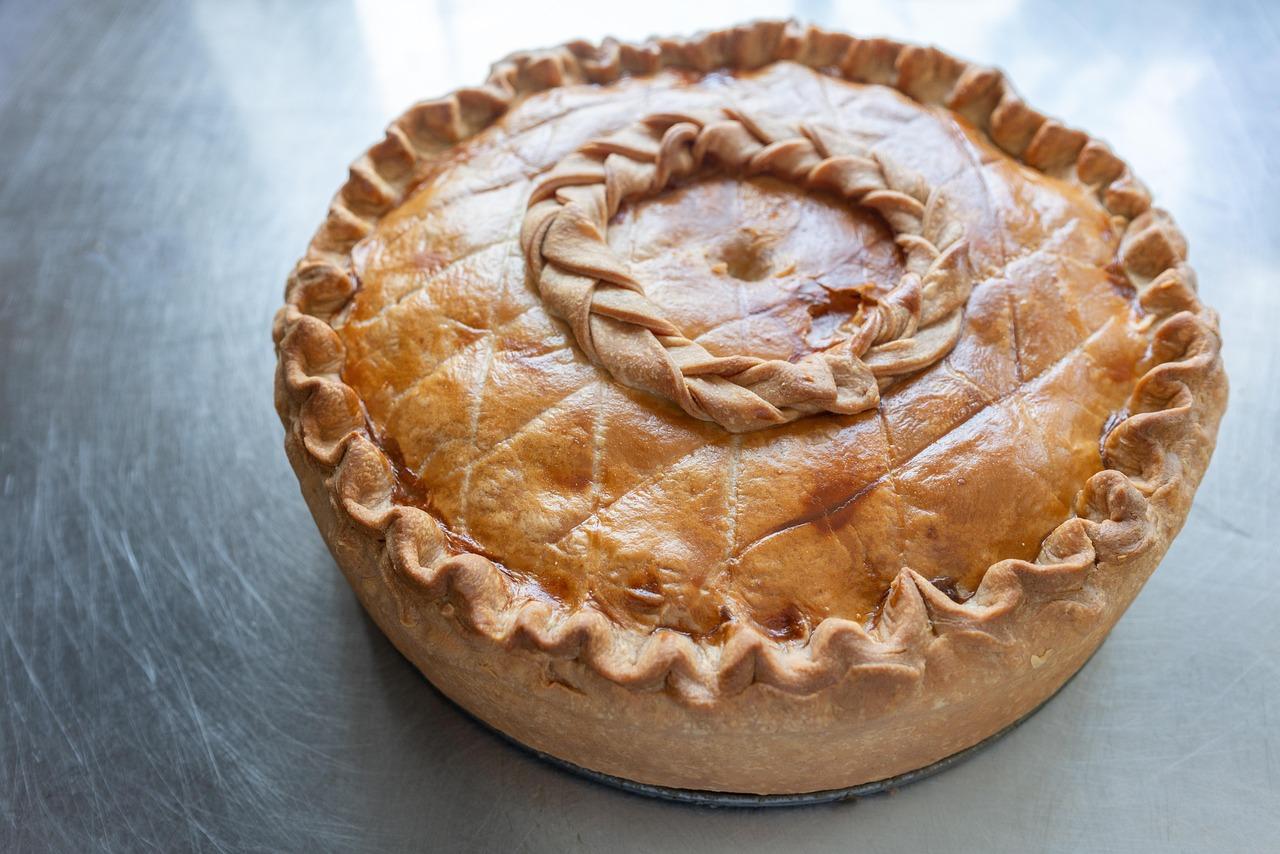
TourtièreSpiced pork and beef pie

Tourtière is the meat pie of Quebec, served after midnight mass at the Christmas Eve réveillon and through the holidays, from Montreal to the Saguenay–Lac-Saint-Jean region (where a deep, layered version is also called tourtière). This dish contains pork. Minced pork and beef cook slowly with onion, a little potato and warm spices — cinnamon, cloves, allspice and savory — then are baked in a flaky double crust and served with ketchup or fruit chutney. The mistake is a wet filling that makes the bottom crust soggy; cook it until the liquid has almost gone and cool it before filling. Chef's tip: a grated potato in the filling soaks up the juices and holds the slices together.

by KrazyBadal 0 views

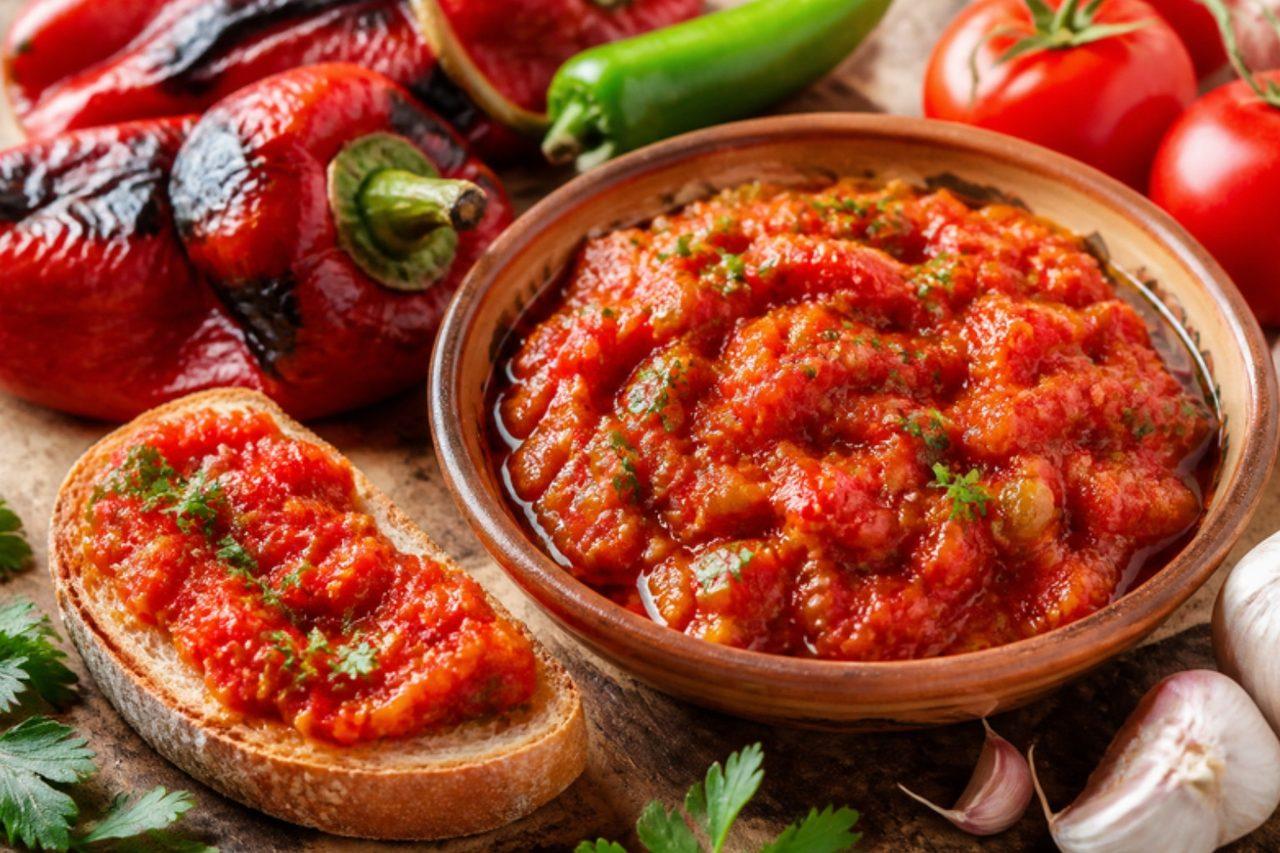
PindjurRoasted pepper and aubergine relish

Where ajvar is the patient winter preserve, pindjur is its quick summer cousin, made in Macedonian and Bosnian kitchens in July and August when tomatoes are at their ripest. Roasted peppers and aubergine are chopped rather than ground, then simmered briefly with fresh tomatoes and plenty of garlic, so it stays chunky, juicy and bright. It is eaten warm or at room temperature, scooped up with bread and a slab of white cheese, as part of a mezze spread in Ohrid or Mostar. Chef's tip: chop everything with a knife instead of a blender; a puréed pindjur loses the texture that sets it apart from ajvar.

by KrazyBadal 0 views

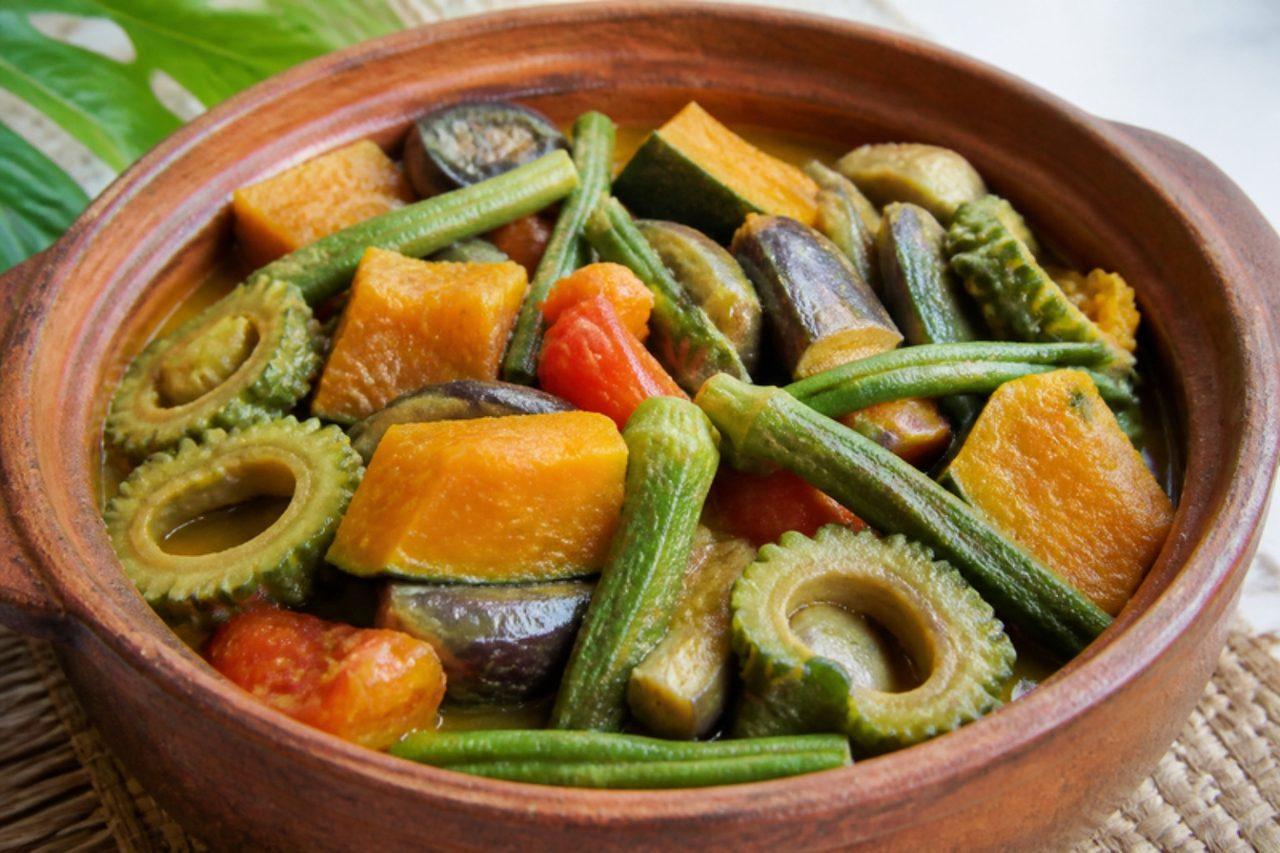
PinakbetMixed vegetable stew

Pinakbet comes from the Ilocos region in the far north-west of Luzon, where families cook whatever grows behind the house: bitter melon, small aubergines, okra, yard-long beans and tomatoes, simmered with very little water until the vegetables shrink and wrinkle (the name comes from the Ilocano for 'shrivelled'). Ilocanos season it with fermented fish paste; here white miso gives the same savoury, salty depth without any fish, and a little squash (more common in the Tagalog version) adds sweetness. It is an everyday lunch dish, eaten with rice and often a spoonful of extra miso on the side. Chef's tip: choose small, firm bitter melon and don't scrape out every bit of the pith; a little bitterness is the point.

by KrazyBadal 0 views

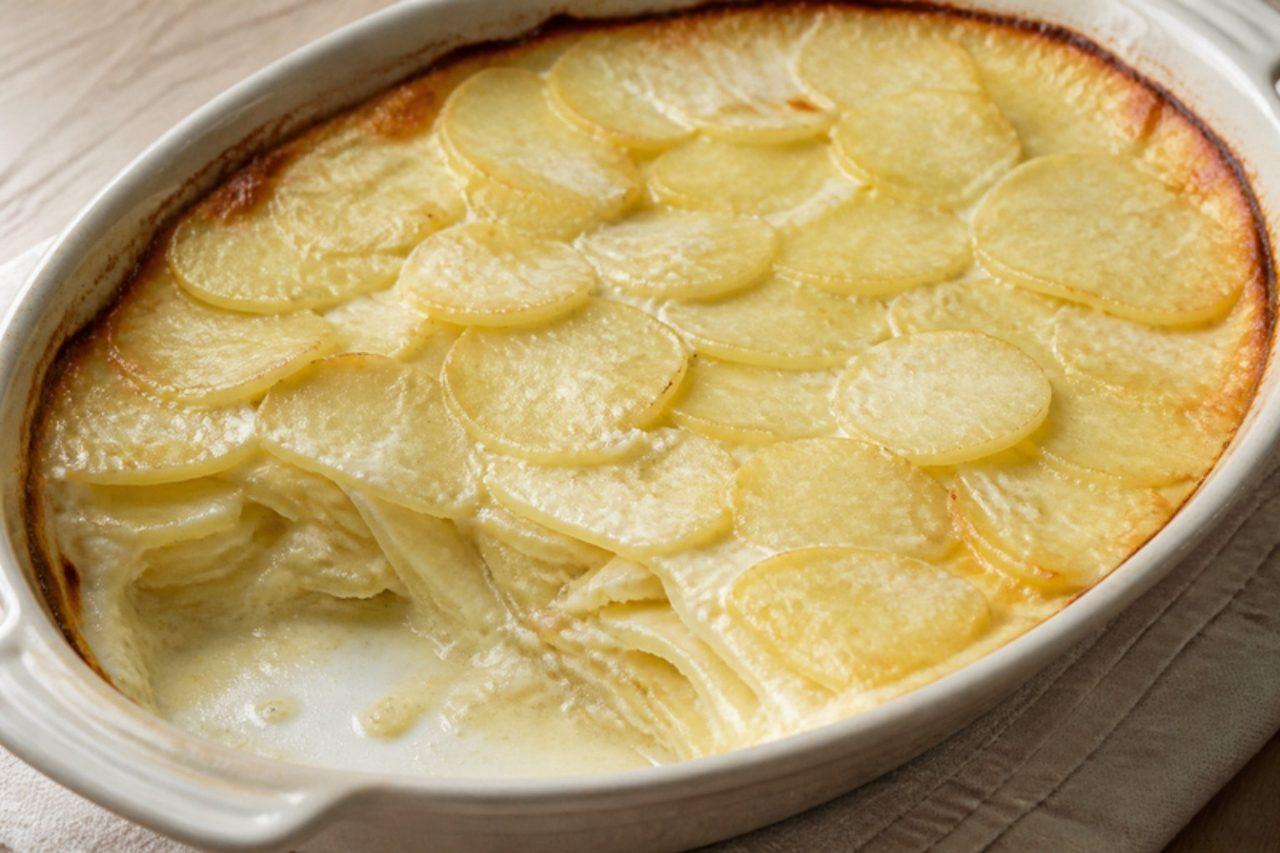
Gratin dauphinoisPotato and cream gratin

Gratin dauphinois comes from the Dauphiné, the mountain region around Grenoble, where it has been made since at least the 1700s. Thinly sliced potatoes are simmered in milk and cream with garlic and nutmeg, then baked slowly until the top is golden and blistered and the inside is soft and creamy enough to cut with a spoon. Purists in the Dauphiné insist there is no cheese; the crust comes from the cream itself. It is a side for Sunday lunch and festive meals, especially good with a green salad or roasted mushrooms. Chef's tip: don't rinse the potato slices; washing off the starch is the common mistake that leaves the cream thin and watery.

by KrazyBadal 0 views

Granita al limoneLemon ice

On summer mornings in Sicily, especially around Catania and Messina, breakfast is granita: a cup of soft, spoonable lemon ice with a warm brioche on the side for dipping. Sicilian granita is finer and creamier than a slushy, because it is stirred as it freezes. All you need is lemons, sugar and water, plus a fork and a freezer. It takes about four hours of occasional scraping. Chef's tip: steep the zest in the warm syrup for 20 minutes; the oils in the peel give a much fuller lemon flavour than juice alone.

by KrazyBadal 0 views

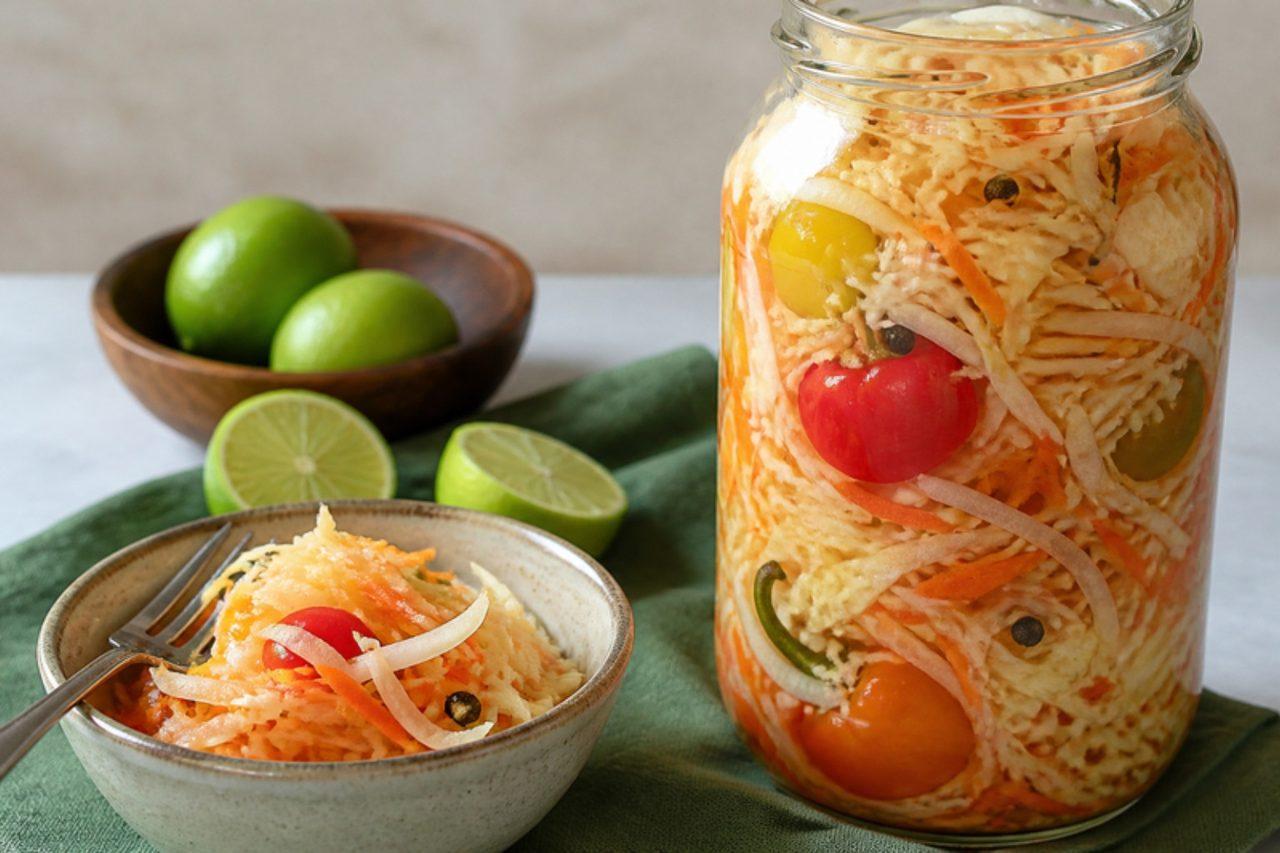
PiklizSpicy pickled cabbage

Pikliz is the fiery slaw-pickle that sits on every Haitian table, in a big glass jar in the middle, and no plate of fried food in Haiti is served without it: it's spooned over fried plantain (bannann peze), fritters and rice. Shredded cabbage, carrot, onion and peppers are packed with hot scotch bonnets, cloves and peppercorns, then drowned in vinegar and lime. After a few days it is crunchy, sour and properly hot, and the vinegar itself becomes a hot sauce you sprinkle over everything. Chef's tip: slice the scotch bonnets thinly rather than leaving them whole; the heat spreads evenly through the jar and every forkful has a kick.

by KrazyBadal 0 views

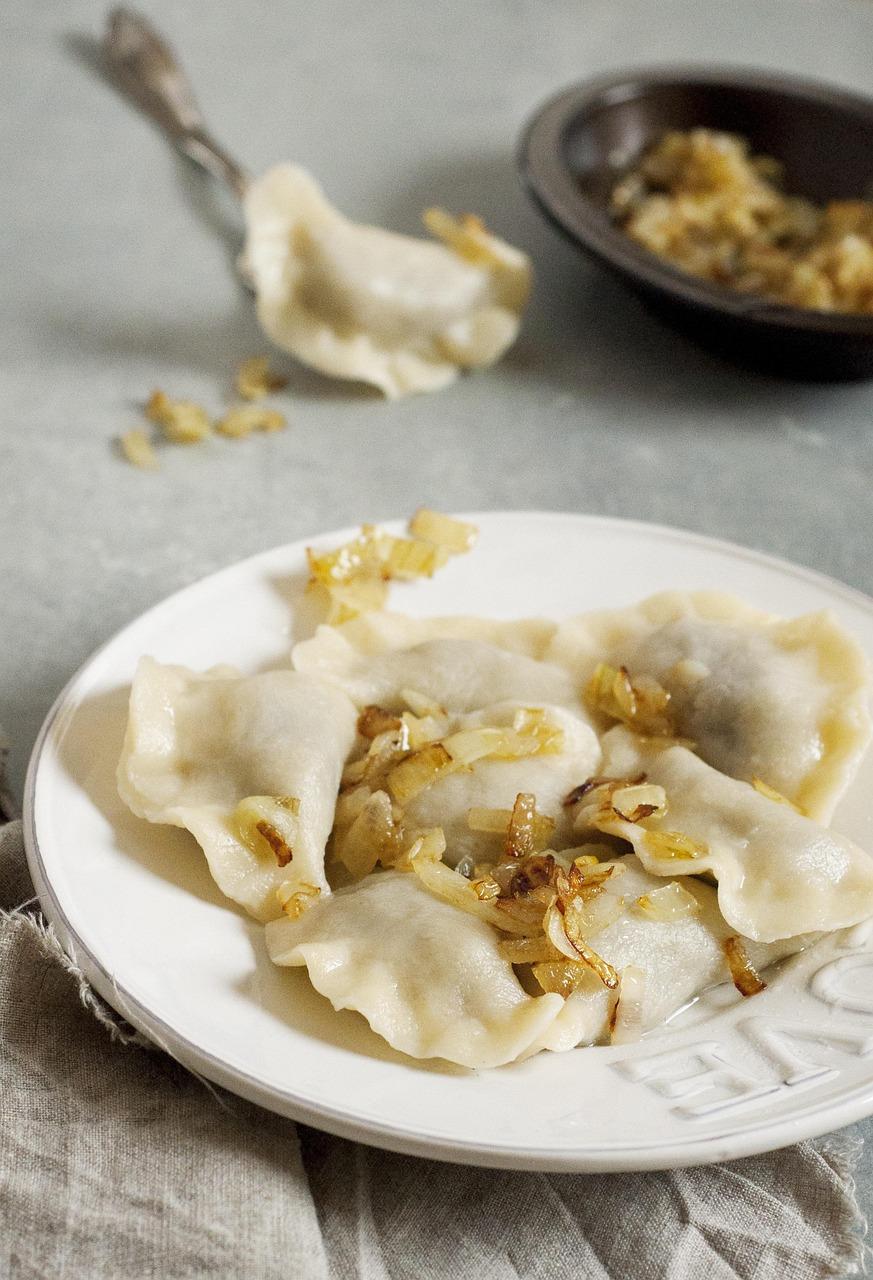
Pierogi ruskiePotato and cheese dumplings

Pierogi ruskie take their name from Red Ruthenia, the old borderland around Lwów and Przemyśl, and today they are the pierogi every Polish milk bar (bar mleczny) from Kraków to Gdańsk keeps on the menu. The filling is the Polish one: floury potato mashed with crumbly twaróg curd cheese, plenty of slowly browned onion and a lot of black pepper, wrapped in a thin, soft dough. Kraków even holds a pierogi festival every August, and ruskie are always the best sellers. Serve them boiled with more golden onion and a spoon of soured cream, or fry leftovers in butter the next day. Chef's tip: let the filling cool completely and taste it before you fill a single dumpling; it should taste over-seasoned on its own, because the dough mutes it.

by KrazyBadal 0 views

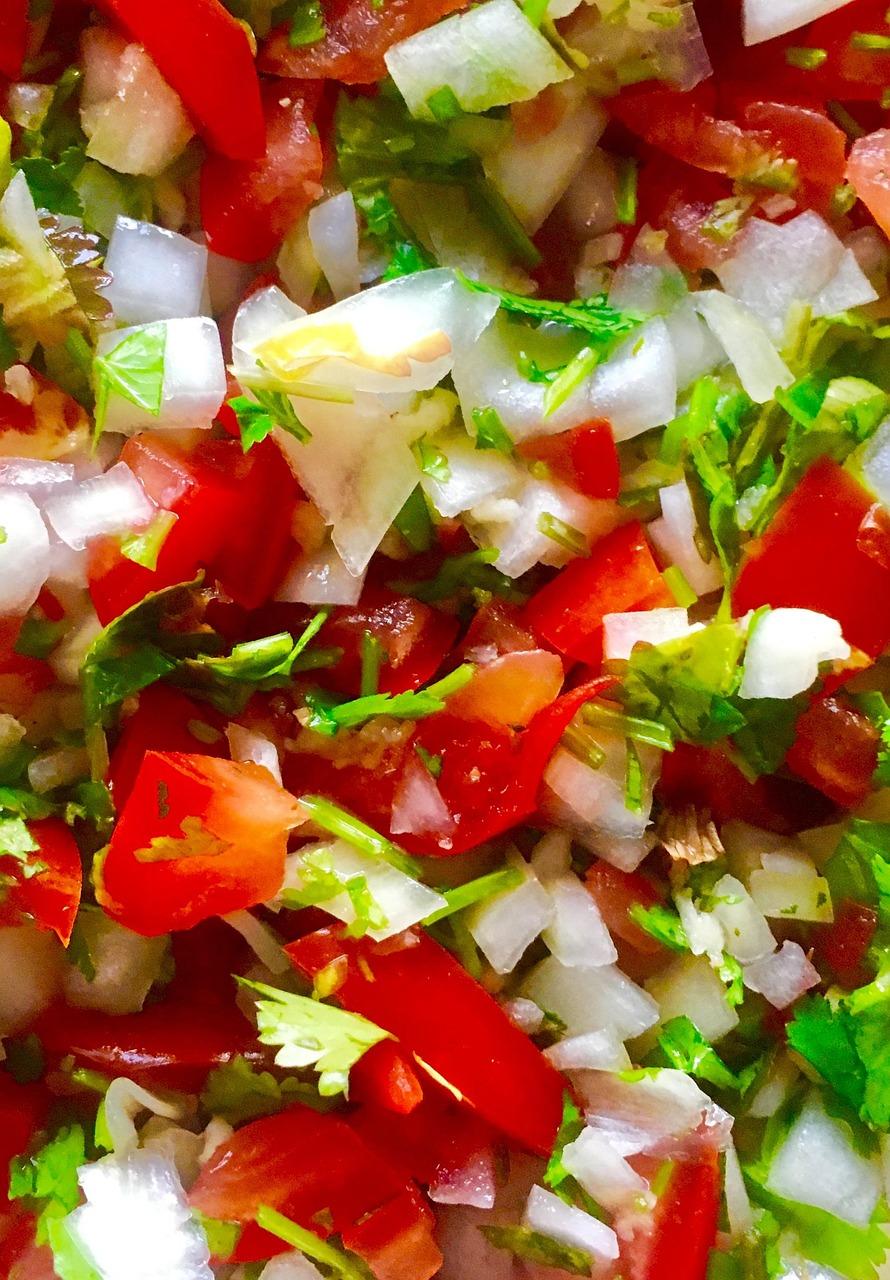
Pico de galloFresh tomato salsa

Pico de gallo, also called salsa fresca or salsa mexicana, is the fresh, uncooked salsa that sits on every Mexican table: diced ripe tomato, white onion, serrano chilli and coriander, brightened with lime juice and salt. It is crunchy, juicy and clean-tasting, with just enough heat, and goes with tacos, quesadillas, eggs, beans, rice and tortilla chips. It is best within an hour of making. Chef's tip: add the salt just before serving; salt draws water out of the tomatoes and leaves the salsa sitting in a puddle.

by KrazyBadal 0 views

Showing 54 of 10,268 recipes

Show more recipes

Page 939 of 1,141