


Skip to content
Khao yam (southern Thai rice salad)
Featured recipe

Khao yam (southern Thai rice salad)

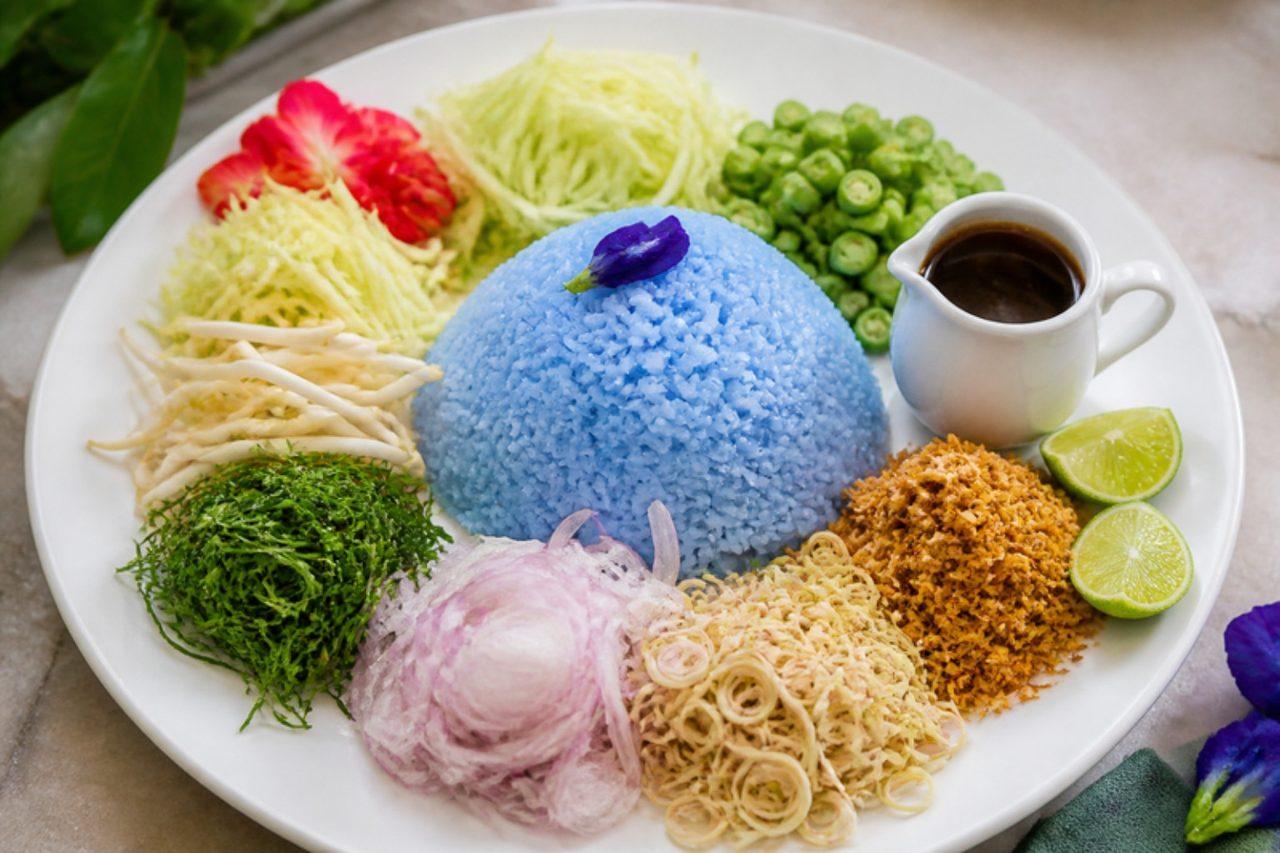
Khao yam is breakfast in the south: in Nakhon Si Thammarat, Pattani and Songkhla, morning stalls set out trays of tightly shredded lemongrass, pomelo, long beans, bean sprouts, makrut lime leaves and toasted coconut, and you build your plate around a mound of rice, often tinted blue with butterfly pea flowers. The dressing is normally budu, a sweet fermented fish sauce from the Malay borderlands. This version makes a vegetarian 'budu' by simmering soy sauce, tamarind, palm sugar, lemongrass and shallot into a dark syrup. The result is crunchy, fragrant, sweet, salty and sour in every mouthful. Chef's tip: shred everything as finely as you can; thin slivers of lemongrass and lime leaf are pleasant, thick ones are woody.

Read more 0 views

What to eat today?

Around the world

Today's trip: Peruvian

A new country every day, from every cuisine on the site.

Peruvian

Tacacho

Mashed roasted green plantain balls 35 minMore from Peruvian (111) →

This week's collection

Kid-friendly dinners
772 recipes · a new collection every Monday

Coming up

All occasions →

Latest recipes

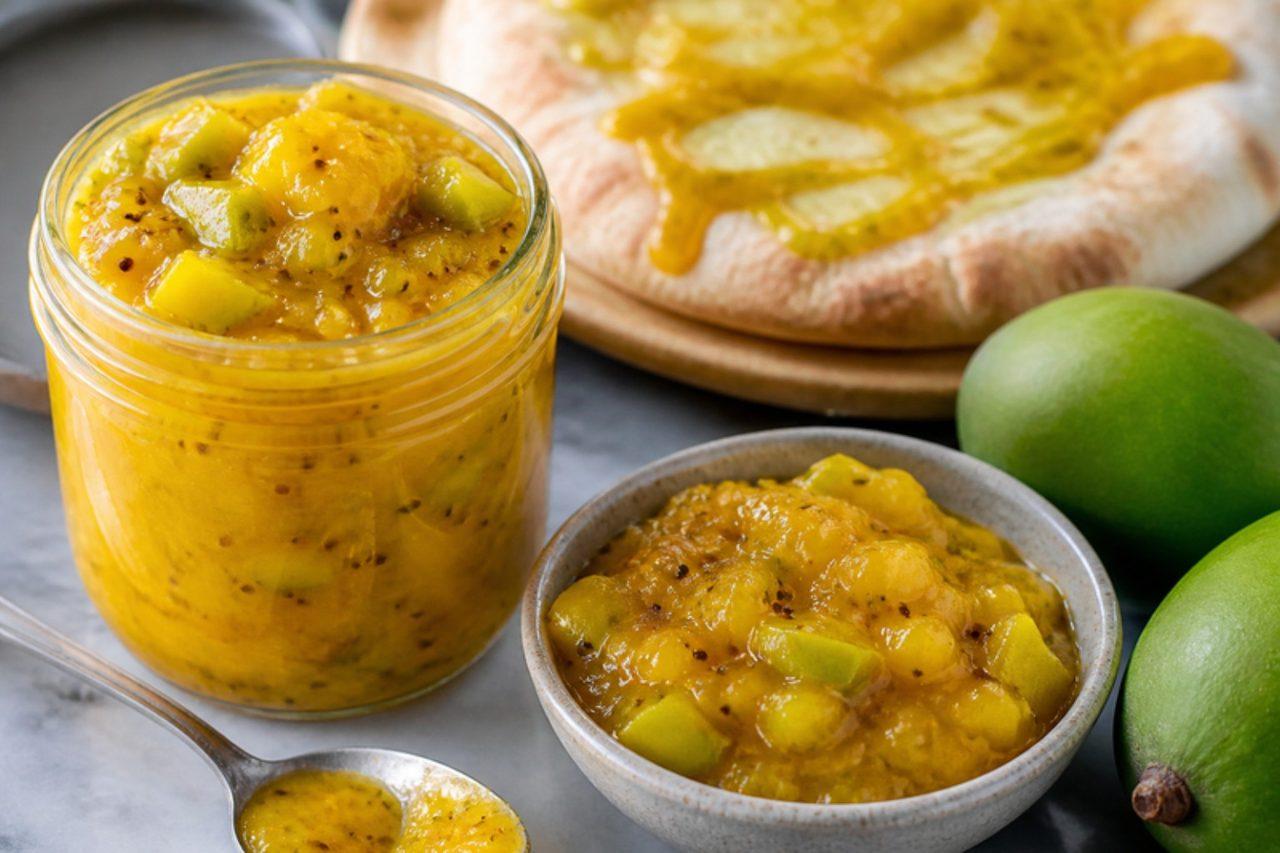
AmbaTangy mango pickle sauce

Amba is the golden, sour mango sauce that Iraqi Jews brought from Baghdad (where it had come from Indian traders), and in Israel it is the signature of sabich and a favourite in falafel pitas. Traditionally green mangoes are salted and left in the sun for days to ferment; this quicker stovetop version cooks unripe mango with turmeric, fenugreek, mustard seed and vinegar, then blends it into a smooth, pourable sauce with the same tangy, curry-like flavour. Chef's tip: use mangoes that are hard and green right through; ripe ones make a sweet jam, not amba.

by KrazyBadal 0 views

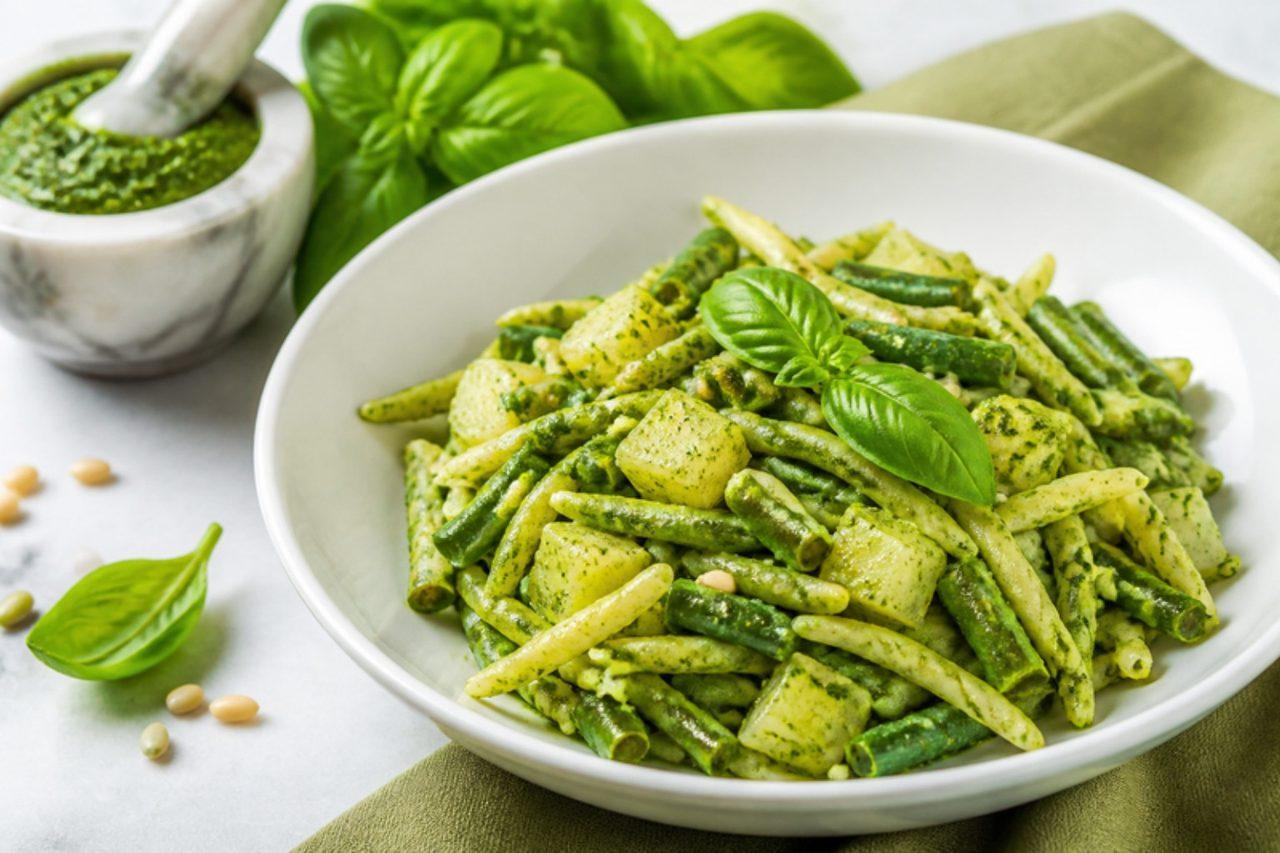
Trofie al pesto genoveseTwisted pasta with basil pesto

In Genoa and along the Ligurian coast, pesto is pounded from small-leaved basil, pine nuts, garlic, hard cheese and local olive oil, and served on trofie, short twisted pasta, cooked in the same pot as diced potato and green beans. The starch from the potato helps the pesto cling, and the beans add sweetness. It is the dish of a summer lunch in the Cinque Terre. Chef's tip: never heat the pesto; loosen it with a spoon of pasta water in a bowl and toss the pasta off the heat so the basil stays bright green.

by KrazyBadal 0 views

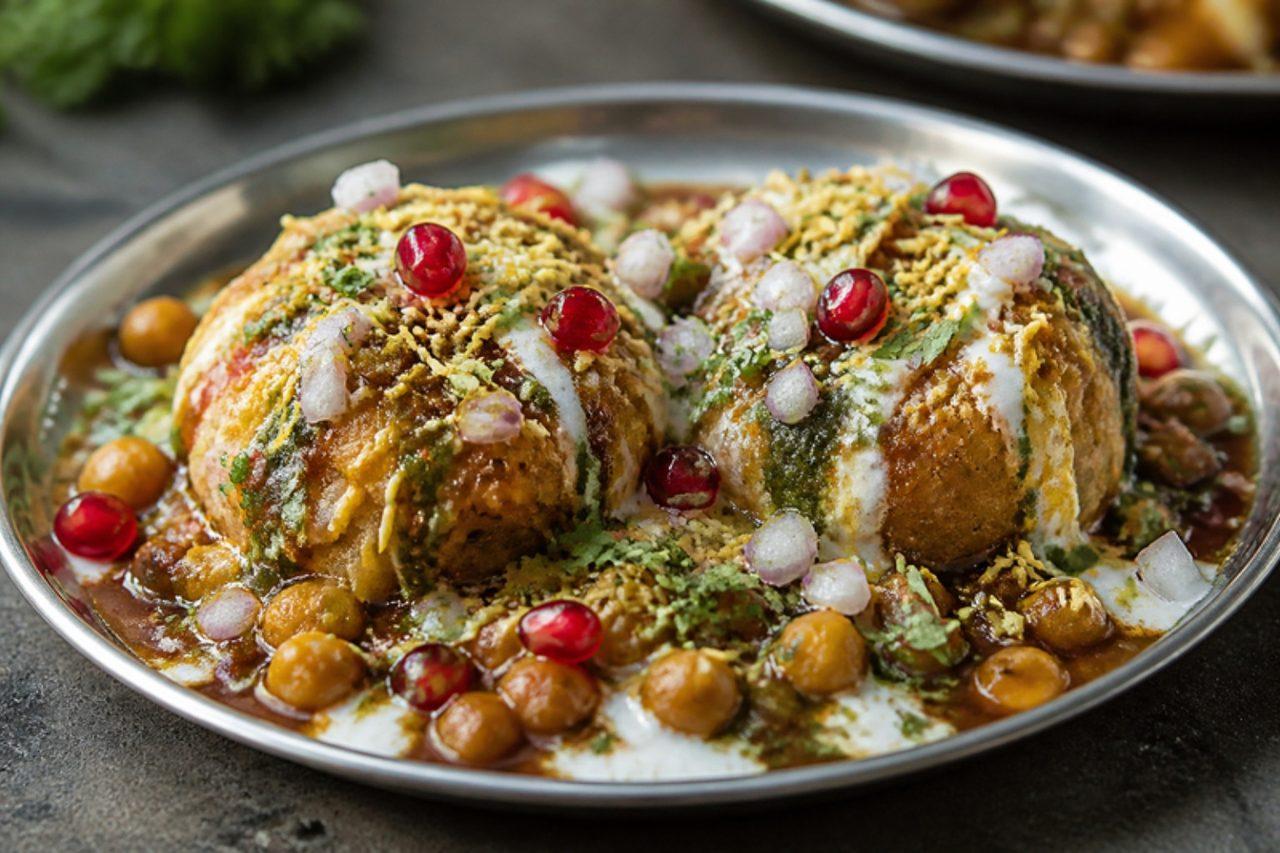
Aloo tikki chaatPotato patties with chutneys

In Delhi, aloo tikki is fried on a giant iron tawa at the edge of a busy market, flattened with a spatula until the outside is shatteringly crisp, then smothered in spiced chickpeas, cool yogurt and green and tamarind chutneys. Places like Chandni Chowk and Lajpat Nagar have queues for it on winter evenings. Delhi tikkis are often stuffed with a little spiced chana dal, which adds bite inside the soft potato. Unlike Mumbai's ragda pattice, it's served with chole and a lot of yogurt. Chef's tip: let the tikkis sit undisturbed on the hot pan for the first 5 minutes; a crust forms that stops them breaking when you turn them.

by KrazyBadal 0 views

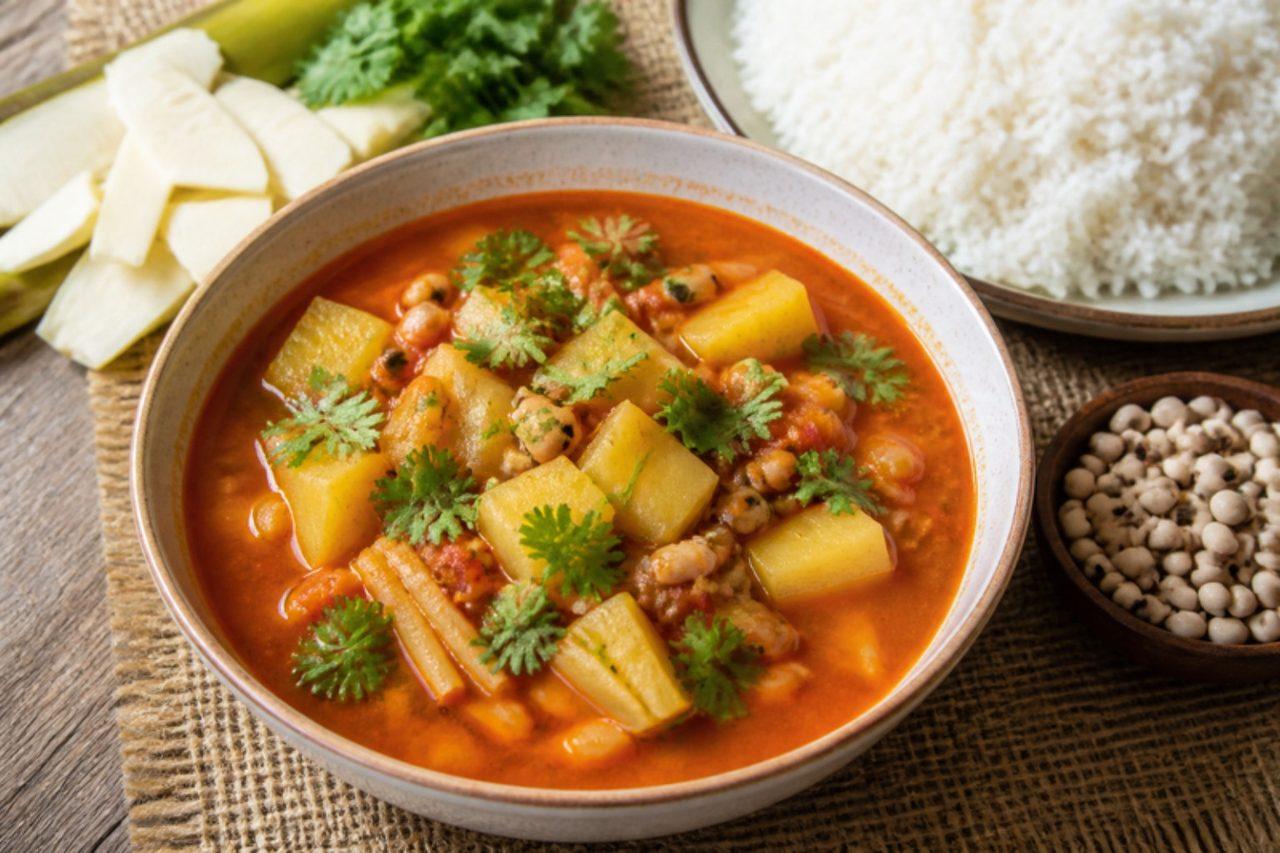
Aloo tamaPotato and bamboo shoot curry

Aloo tama is the curry that tells you you are in Nepal: potatoes (aloo) and black-eyed beans (bodi) simmered with tama, slivers of bamboo shoot that have been fermented until they are pleasantly sour and funky. It is a Newar dish at heart, cooked all over the Kathmandu Valley for weddings, feasts and cold winter evenings, and every Nepali restaurant abroad keeps a pot of it. The sourness comes from the bamboo, sharpened with tomato, and the warmth from fenugreek seeds burnt nearly black in mustard oil and a dusting of timur, the Nepali Sichuan pepper that numbs the lips. Eat it with rice or beaten rice (chiura). Don't skip rinsing the bamboo: straight from the jar it can be so sharp that it takes over the whole pot. Chef's tip: let the fenugreek seeds turn a deep reddish brown before anything else goes in; that bitter-sweet, almost maple smell is the backbone of the curry.

by KrazyBadal 0 views

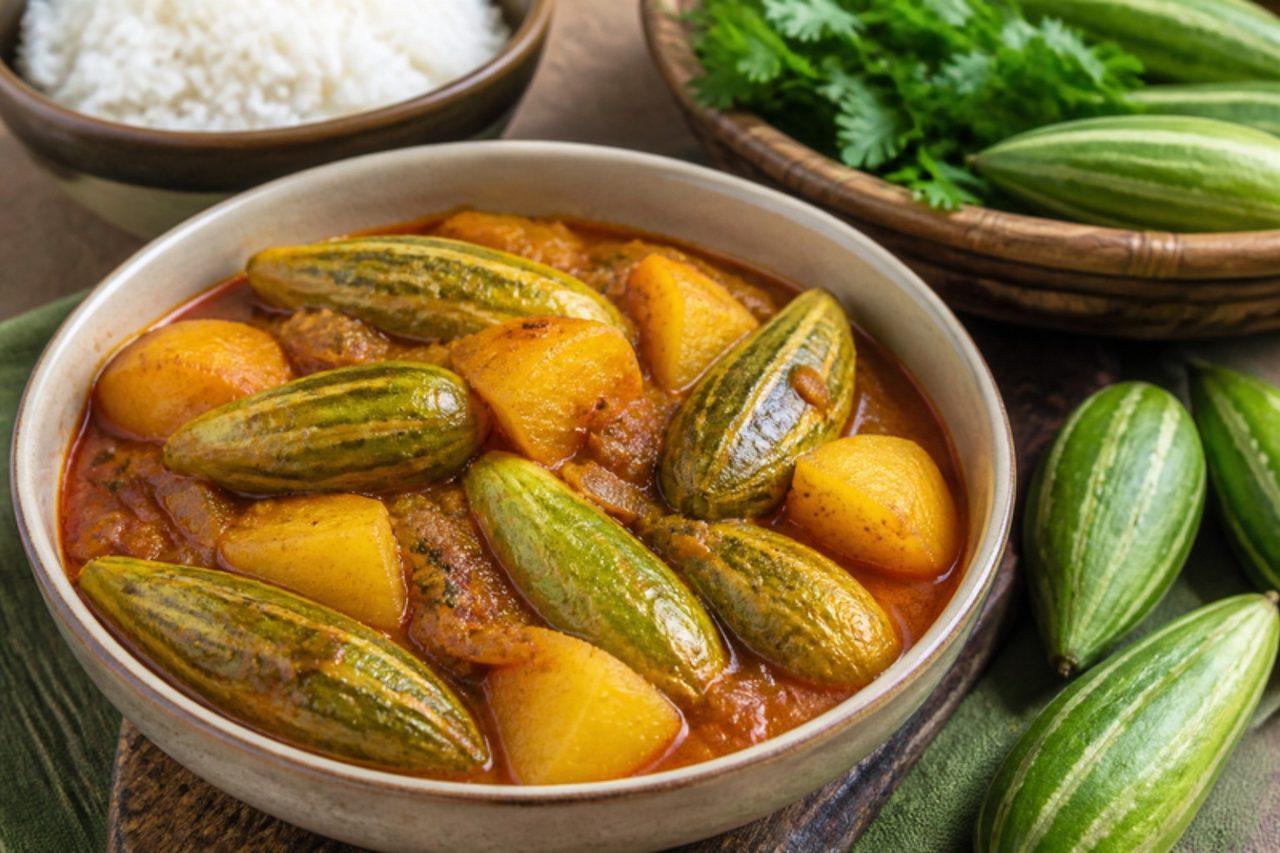
Aloo potala rasaPointed gourd and potato curry

Aloo potala rasa is Odisha's favourite party curry: you will find it on the menu of every Odia wedding and thread ceremony, ladled over rice or eaten with puri. Pointed gourds (potala, parwal) are scraped, fried until blistered, and simmered with potatoes in a thick onion, tomato and ginger-garlic gravy perfumed with whole garam masala. Unlike the light everyday dishes of the state, this one is rich and slow-cooked. Chef's tip: scrape the potala lightly rather than peeling; the green streaks look pretty and hold the shape.

by KrazyBadal 0 views

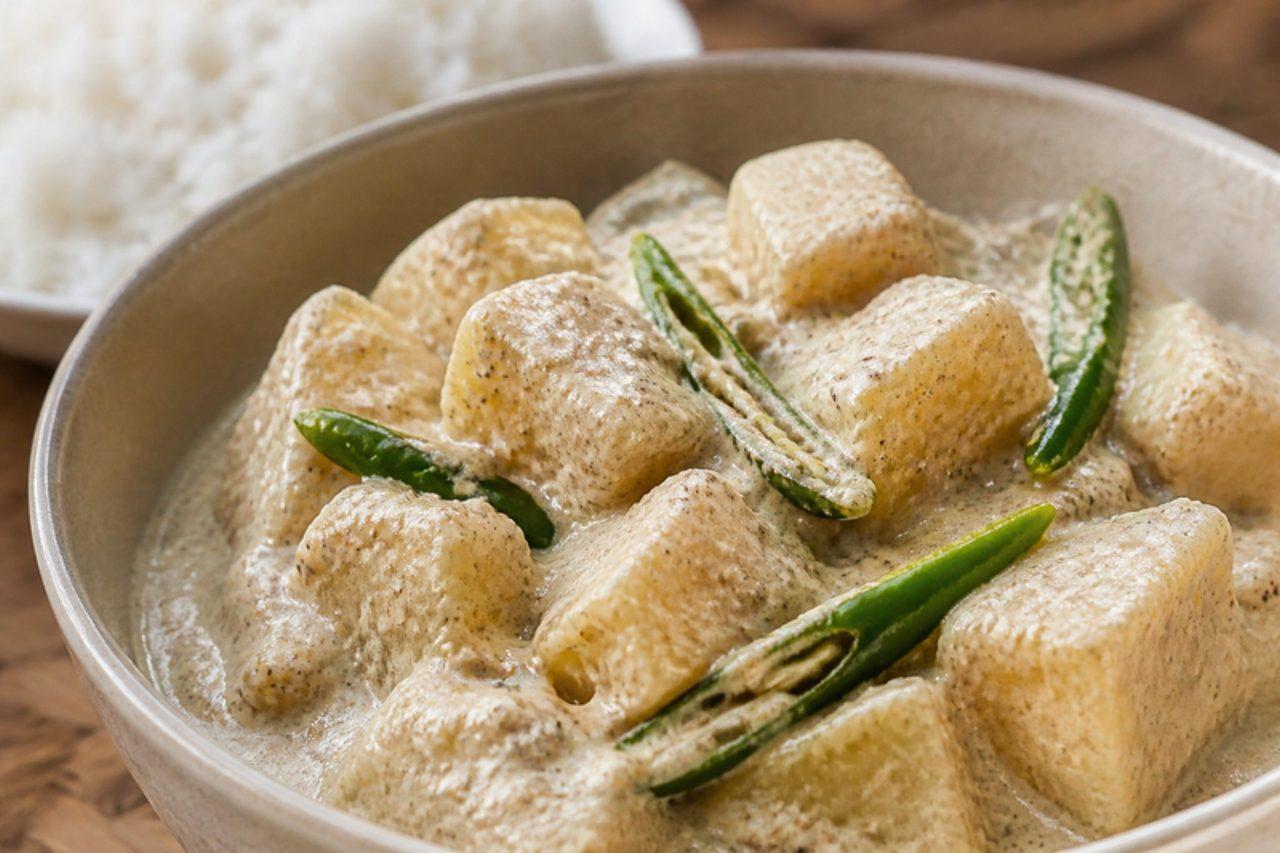
Aloo postoPotatoes in poppy seed paste

Aloo posto is one of West Bengal's best-loved everyday dishes: cubes of potato cooked gently in a thick paste of ground white poppy seeds, green chilli and mustard oil. The poppy seeds give a nutty, creamy coating without any dairy, and the nigella seeds and raw mustard oil add a sharp, fragrant edge. It's simple, mild and comforting, eaten with plain rice and dal in Kolkata homes. Chef's tip: grind the soaked poppy seeds with the green chillies and a splash of water until truly smooth; a gritty paste never turns creamy.

by KrazyBadal 0 views

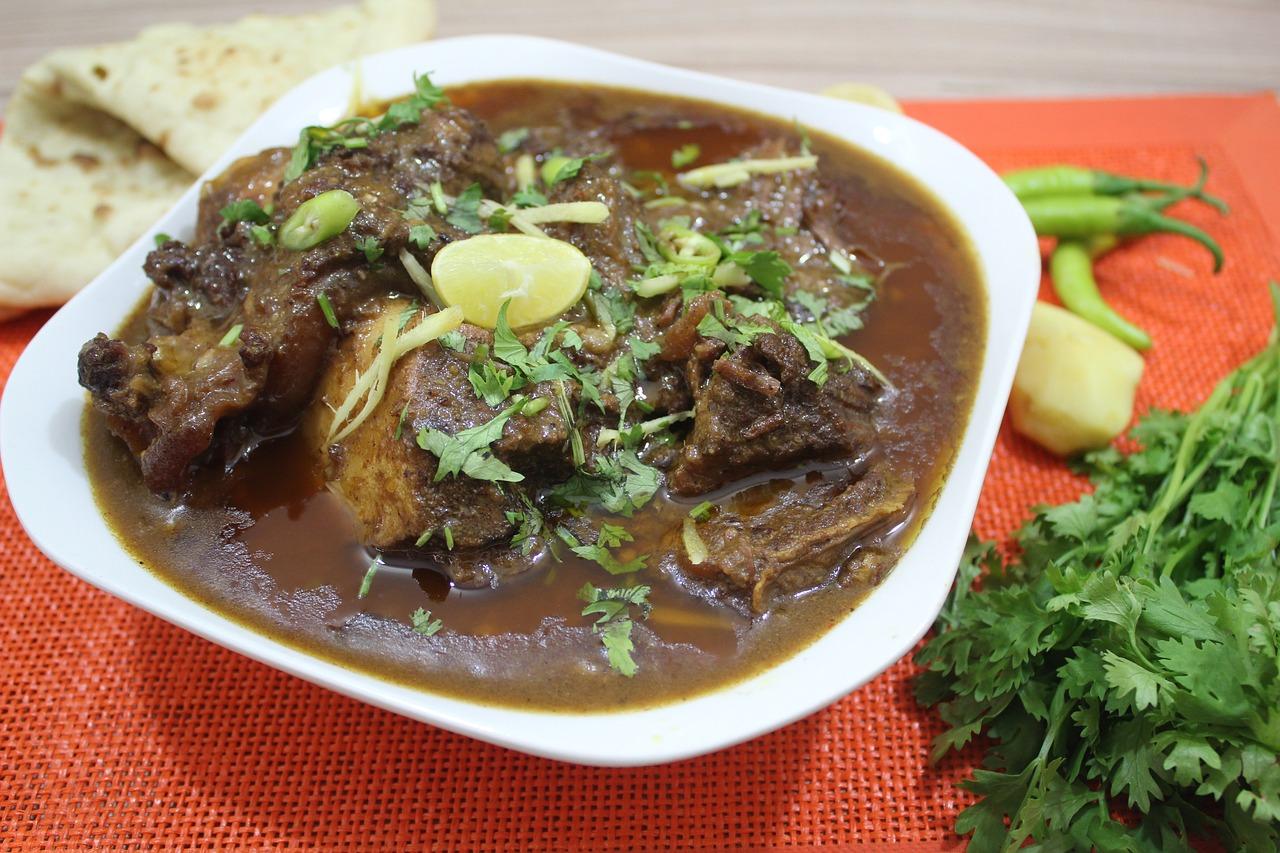
Beef nihariSlow-cooked beef shank stew

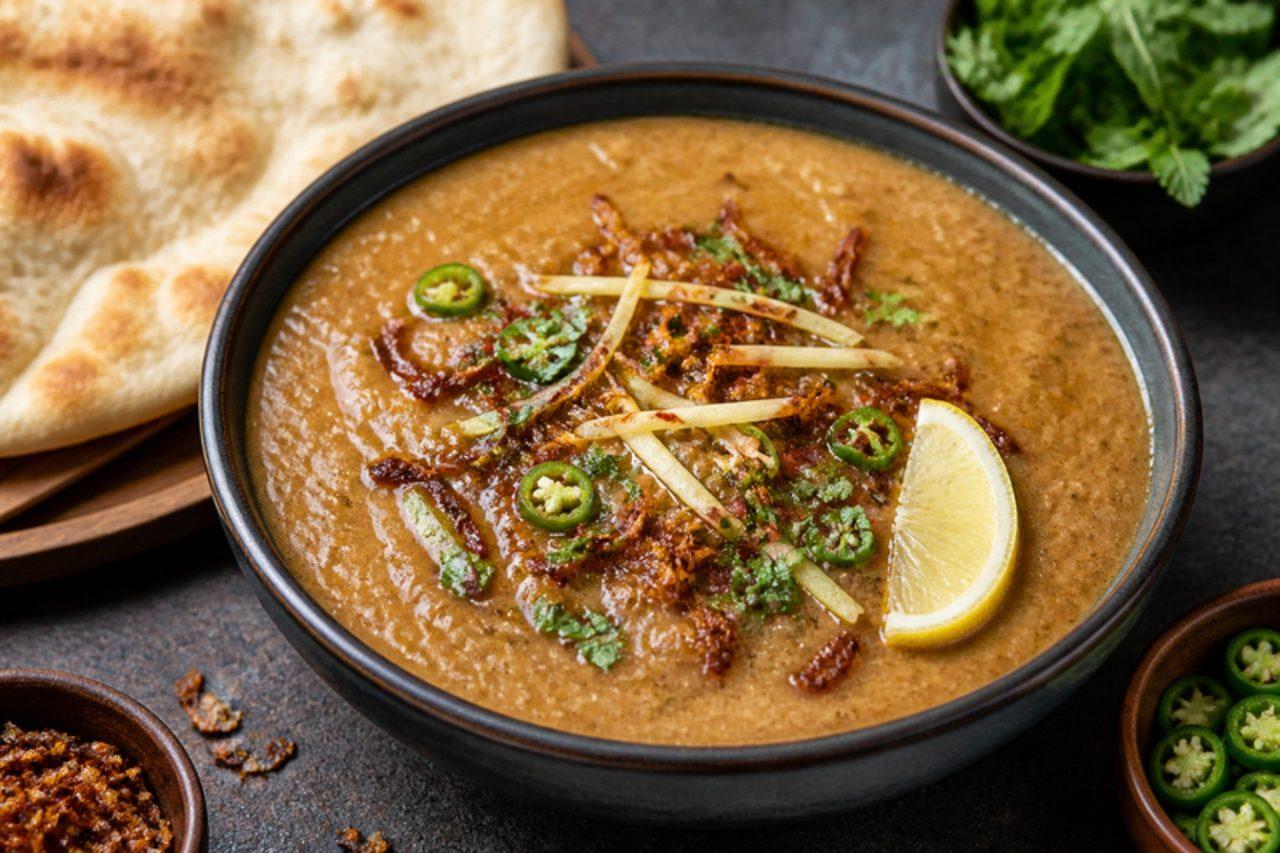
Nihari takes its name from nahar, the Arabic word for morning, and in Karachi and Lahore it is still a breakfast dish: the big pots simmer through the night and shops open at dawn for office workers and families. Beef shank cooks for hours until the meat falls apart and its marrow and gelatine turn the spiced gravy rich and silky, thickened at the end with a little toasted flour. At home it makes a perfect weekend brunch or Eid lunch, and it reheats beautifully. Serve with naan, fresh ginger, green chilli, coriander and lemon at the table. Chef's tip: cook it the day before and chill it overnight, then lift off some of the fat that sets on top before reheating.

by KrazyBadal 0 views

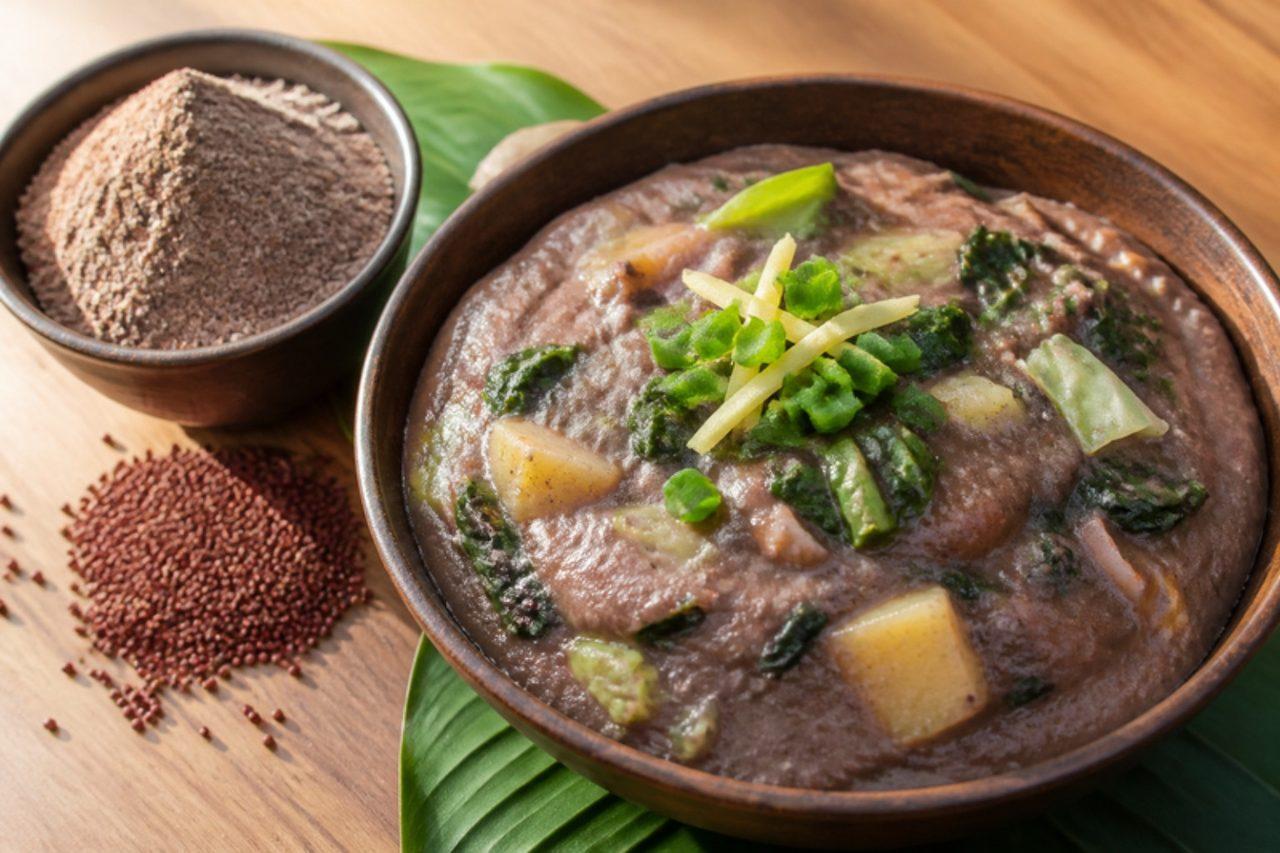
ZanMillet porridge with vegetables

Zan is the millet porridge of Arunachal Pradesh, eaten by the Monpa, Sherdukpen and other hill communities for breakfast or dinner on cold days. Finger millet (ragi) flour is stirred into boiling water with vegetables, ginger and chilli until thick and smooth, then served with a chilli chutney or butter. Some families cook it with meat; this is the vegetable version. It is warming, filling and earthy-tasting, a little like a savoury polenta. Chef's tip: sprinkle the millet flour in with one hand while whisking with the other, or it forms lumps that never cook out.

by KrazyBadal 0 views

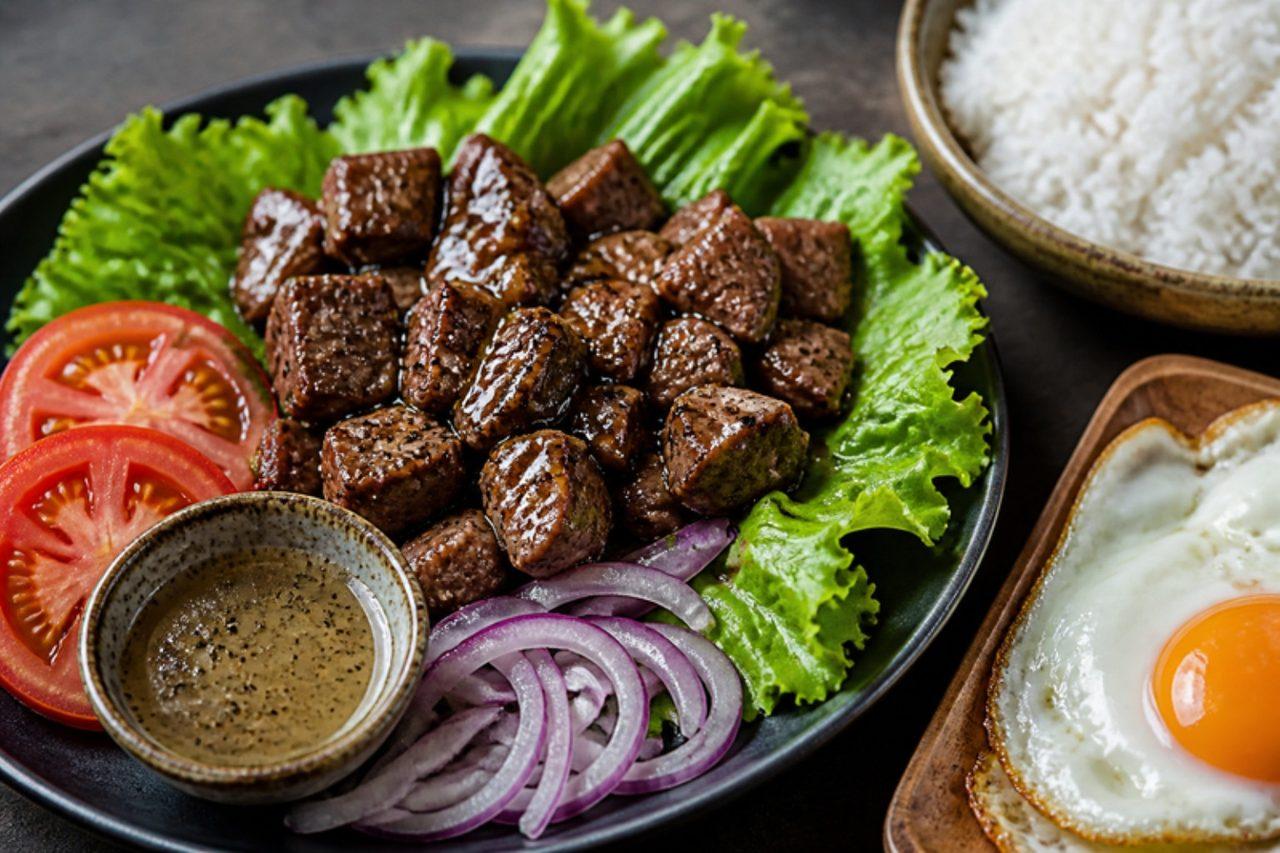
Beef lok lakPeppery stir-fried beef

Lok lak is a favourite in Phnom Penh restaurants and family kitchens, a dish Cambodians often order on special nights out. Cubes of beef are marinated in oyster sauce, soy and garlic, seared fast in a hot wok and served on lettuce, tomato and onion with rice, a fried egg on top and a tiny bowl of tuk meric: Kampot black pepper, salt and lime juice for dipping. Chef's tip: dry the beef well and cook it in a very hot pan in two batches; it should sear, not stew.

by KrazyBadal 0 views

HaleemWheat, lentil and beef porridge

Haleem is cooked in vast pots across Pakistan in the month of Muharram and during Ramadan, when neighbours queue with bowls in Karachi, Lahore and Hyderabad. Cracked wheat, barley and several lentils cook for hours with beef until everything is beaten into one thick, stretchy, deeply savoury porridge. Each bowl is finished with crisp fried onions, ginger, green chilli, mint and lemon, so everyone builds their own. It takes time but freezes well, so make a big pot. Chef's tip: beat the haleem hard with a wooden spoon or a hand blender on short pulses; you want long meaty threads, not a smooth purée.

by KrazyBadal 0 views

BebincaLayered coconut milk cake

No Goan Catholic Christmas, wedding or feast is complete without bebinca, the 'queen of Goan desserts'. A rich batter of coconut milk, egg yolks, sugar and a little flour is cooked one thin layer at a time under the heat, each layer brushed with ghee before the next is poured on, so the finished cake shows dark-and-light stripes when sliced. Traditionally it was baked over coconut-husk fire with coals on the lid and had sixteen layers; a home grill makes eight to ten easily in an afternoon. It's rich, dense and fudgy, and keeps for a week. Serve thin slices at room temperature, or warm with vanilla ice cream. Chef's tip: make each layer the same thin pour; a thick layer stays raw in the middle while its top burns.

by KrazyBadal 0 views

ZangiFried marinated chicken

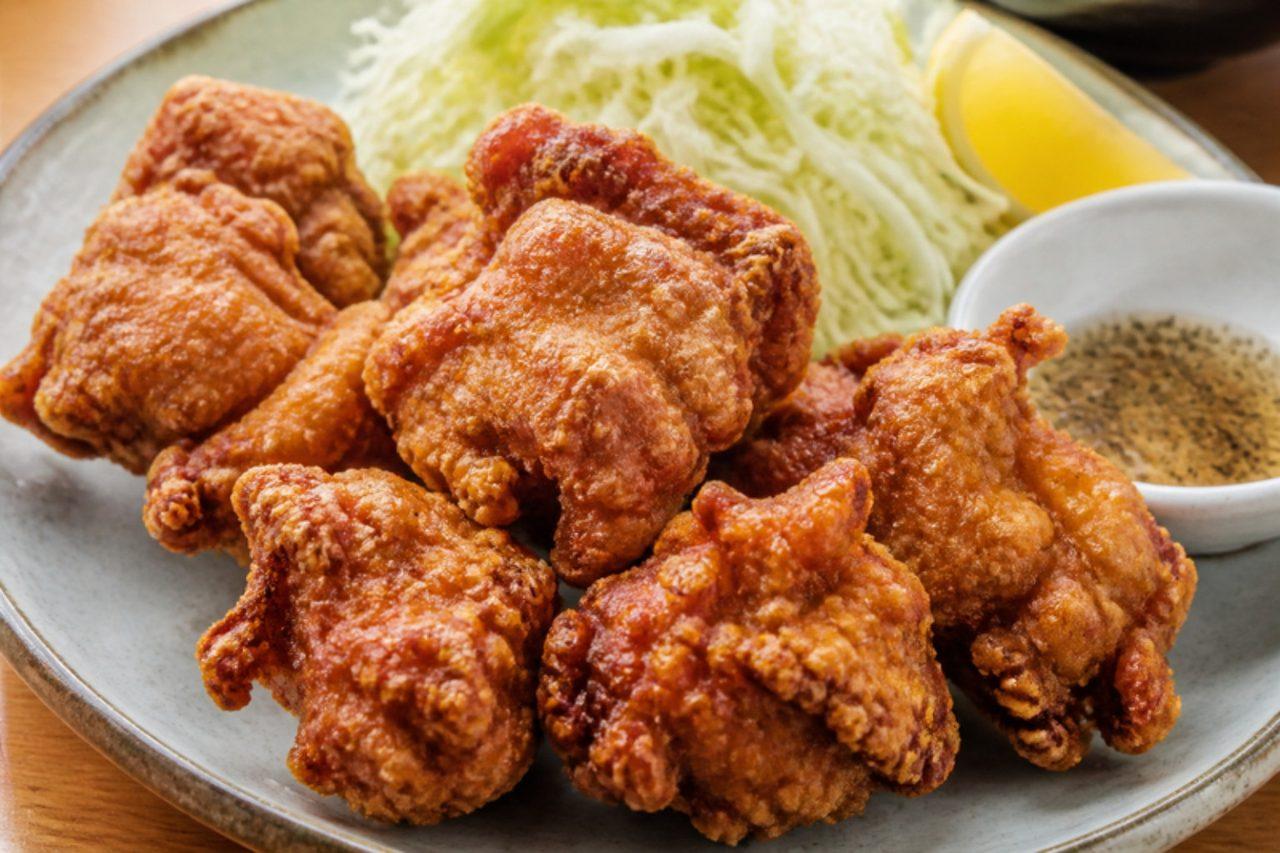
Ask for fried chicken in Kushiro or Sapporo and you'll be handed zangi, which locals insist is not the same as karaage. A Kushiro restaurant says it coined the name around 1960, and today zangi shops, ski-lodge canteens and supermarket delis across Hokkaido sell it in big, bone-in pieces. The chicken soaks for hours in a punchy mix of soy, sake, garlic, ginger and oyster sauce with an egg beaten in, so the flavour runs right through the meat, and it often comes with a sharp dipping sauce of vinegar, soy and black pepper. The coating is a mix of flour and starch, so it fries darker and more savoury than karaage. Chef's tip: marinate it overnight in the fridge for the full Hokkaido flavour; 30 minutes works, but the difference is clear.

by KrazyBadal 0 views

Bebek betutuSpiced slow-roasted duck

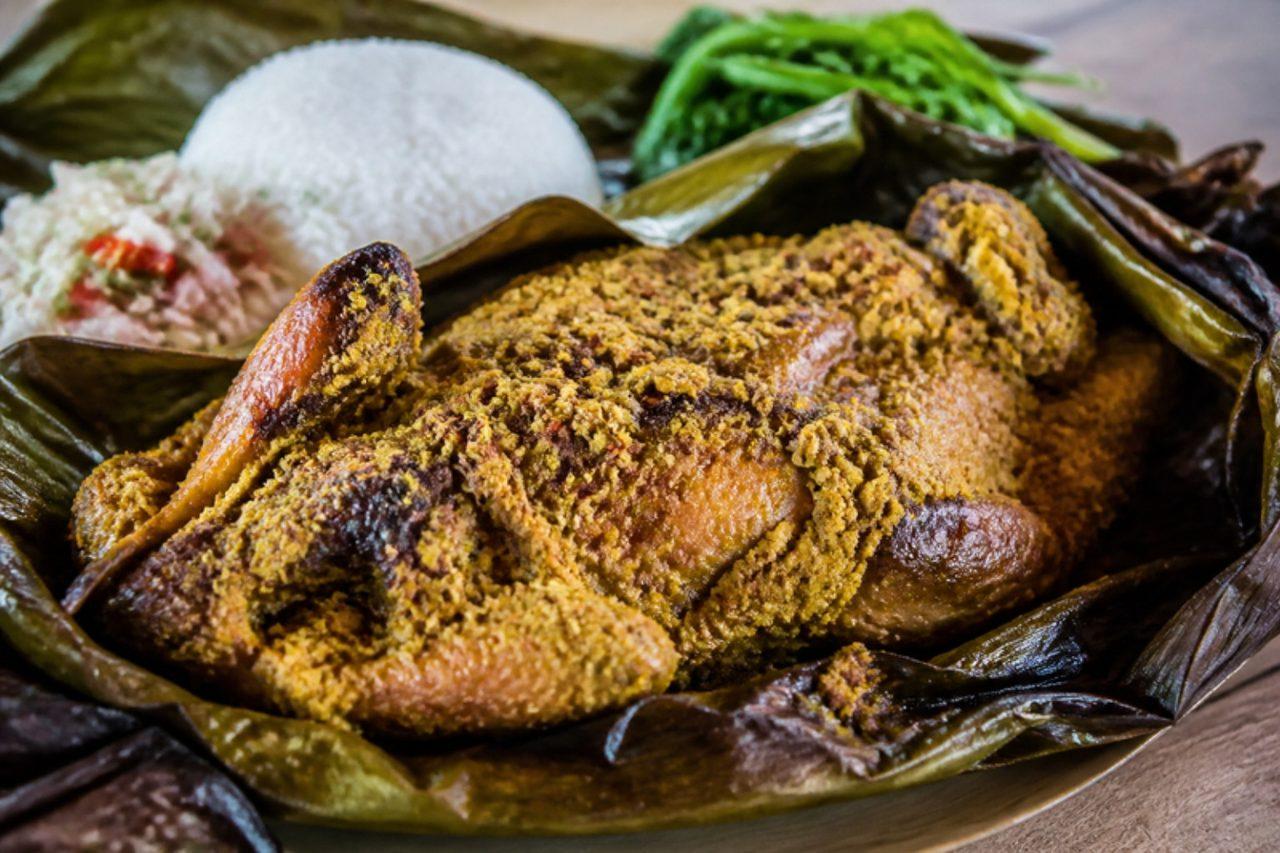
For ceremonies in the villages around Gianyar in central Bali, a whole duck is stuffed and smothered with base genep, wrapped in banana leaves and areca-palm sheath, and buried overnight in smouldering rice husks. By morning the meat has turned meltingly soft, the fat has rendered into the spices and the parcel smells of turmeric, smoke and lime leaf. This home version keeps the stuffing and the leaf parcel but uses a low oven for three hours, then opens the parcel for a short blast to colour the skin. Serve it in its juices with rice, a sharp sambal matah and long beans or water spinach. Chef's tip: marinate the duck overnight in the fridge if you can; the paste needs time to get past the fat and into the meat.

by KrazyBadal 0 views

Beans poriyalGreen bean and coconut stir-fry

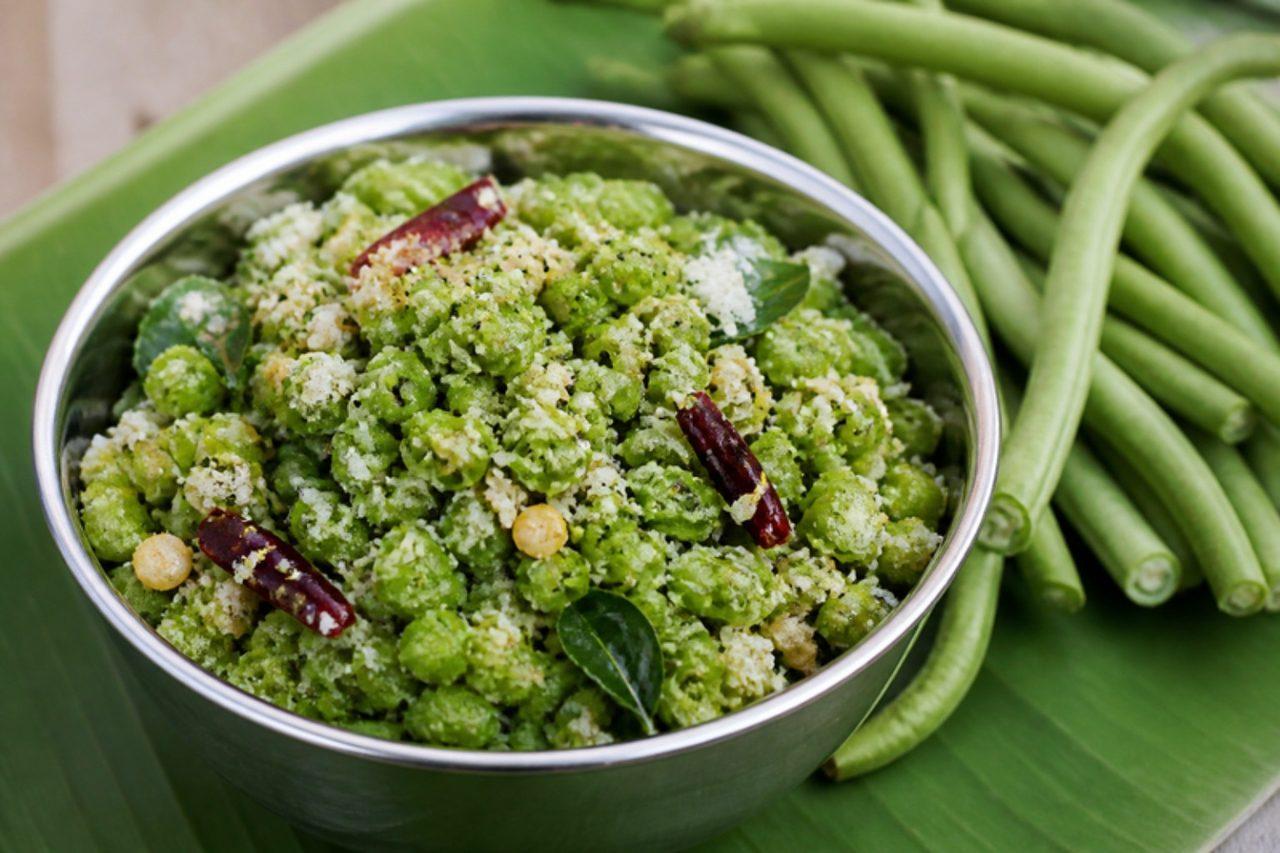
Poriyal is the everyday dry vegetable of Tamil Nadu, and beans poriyal is the one that appears on banana-leaf meals at weddings, temple annadhanam and Monday-to-Friday lunch boxes alike. The beans are chopped very small, steamed in their own moisture with a mustard and urad dal tempering, and finished with a shower of fresh coconut, so each spoonful is bright green, a little crunchy and nutty. It sits next to sambar or kuzhambu with rice, and it also makes a good filling rolled into a chapati. Chef's tip: chop the beans into tiny 5 mm pieces; they cook in minutes, stay green and soak up the tempering far better than long pieces.

by KrazyBadal 0 views

Aloo acharPotato and sesame salad

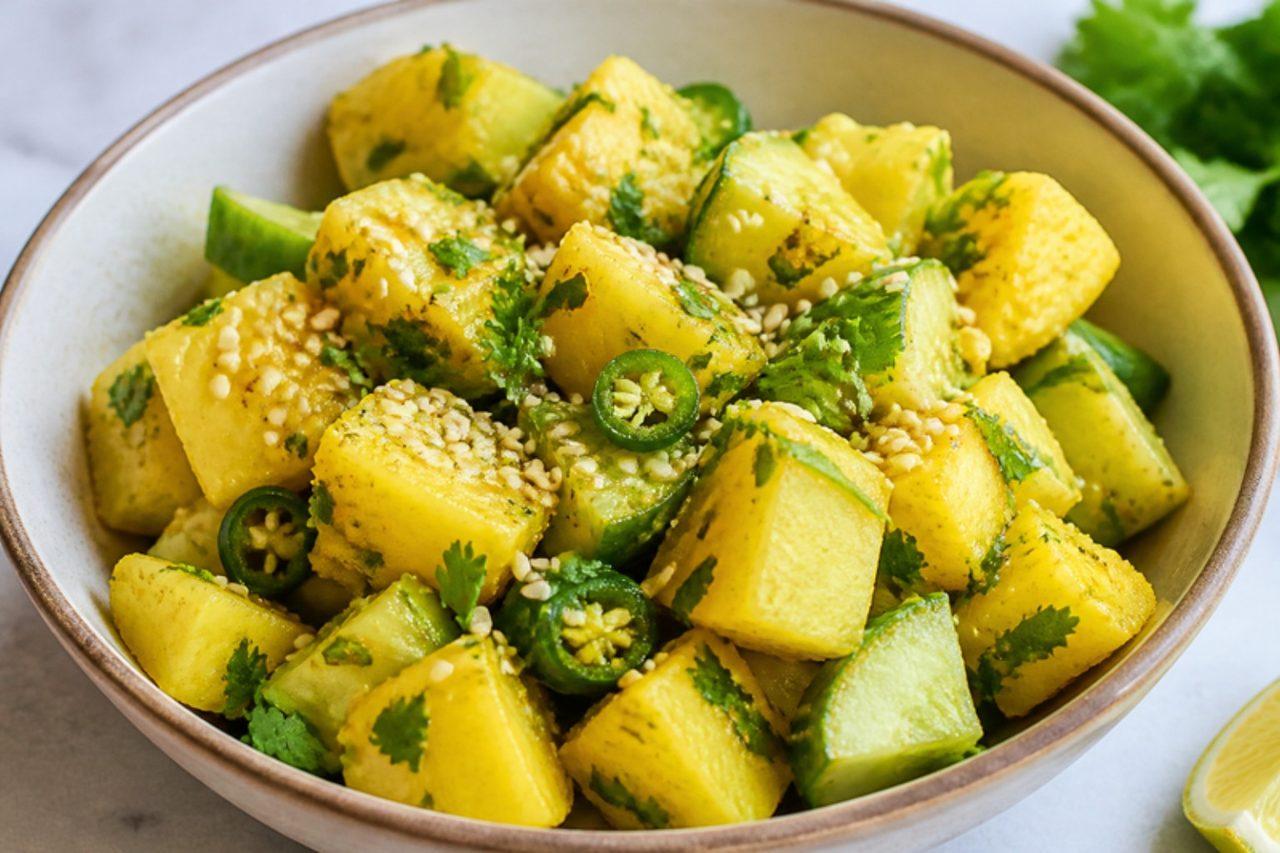
Aloo ko achar is the potato salad of Nepal, but tangy, nutty and hot rather than creamy. Boiled potatoes are tossed with ground toasted sesame, lemon juice, green chilli and timur, then finished with mustard oil in which fenugreek seeds have been fried dark. You find it everywhere: in tiffin boxes on the way to school, at picnics and on the long leaf plates of Newar feasts, alongside beaten rice and spicy beans, and it is a fixture at Dashain and Tihar gatherings when food has to sit out for hours. It keeps well, and the flavour improves after a rest. Dressing the potatoes while still hot is the usual mistake: they soak it up and turn mushy, so let them cool first. Chef's tip: toast the sesame until it just starts to pop and smells like popcorn, then grind it to a coarse sandy powder; it thickens the dressing and gives the salad its nuttiness.

by KrazyBadal 0 views

Zanzibar mixMango and gram flour soup with fritters

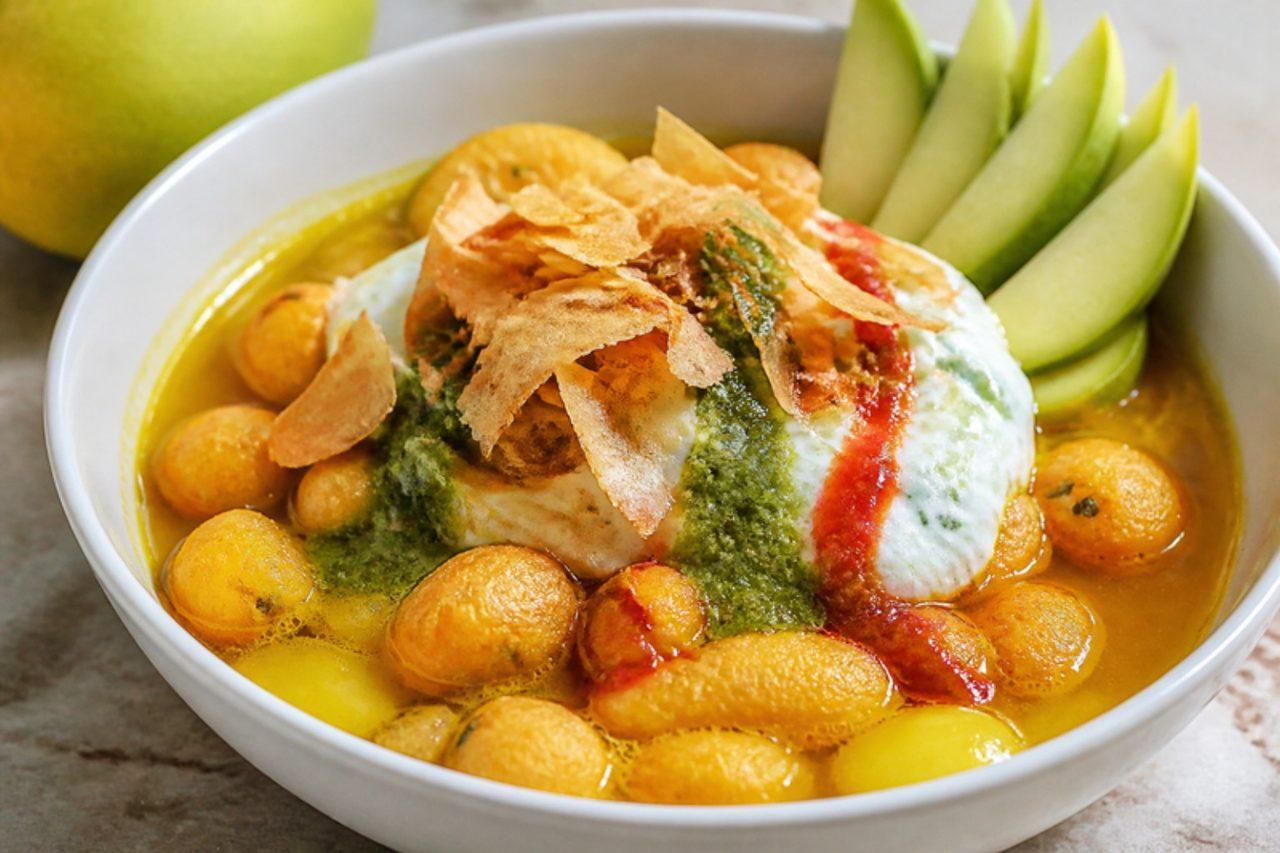
Zanzibar's famous street bowl (urojo): a thin, tangy, golden soup of gram flour, raw mango, coconut and chilli, filled with little lentil fritters and potato balls and topped with crushed cassava crisps and coconut, green and red chutneys. It's sour, spicy and crunchy all at once. Make the fritters, potato balls and chutney ahead, then assemble the bowls at the table.

by KrazyBadal 0 views

Vegetable tsuivanSteamed noodles with vegetables

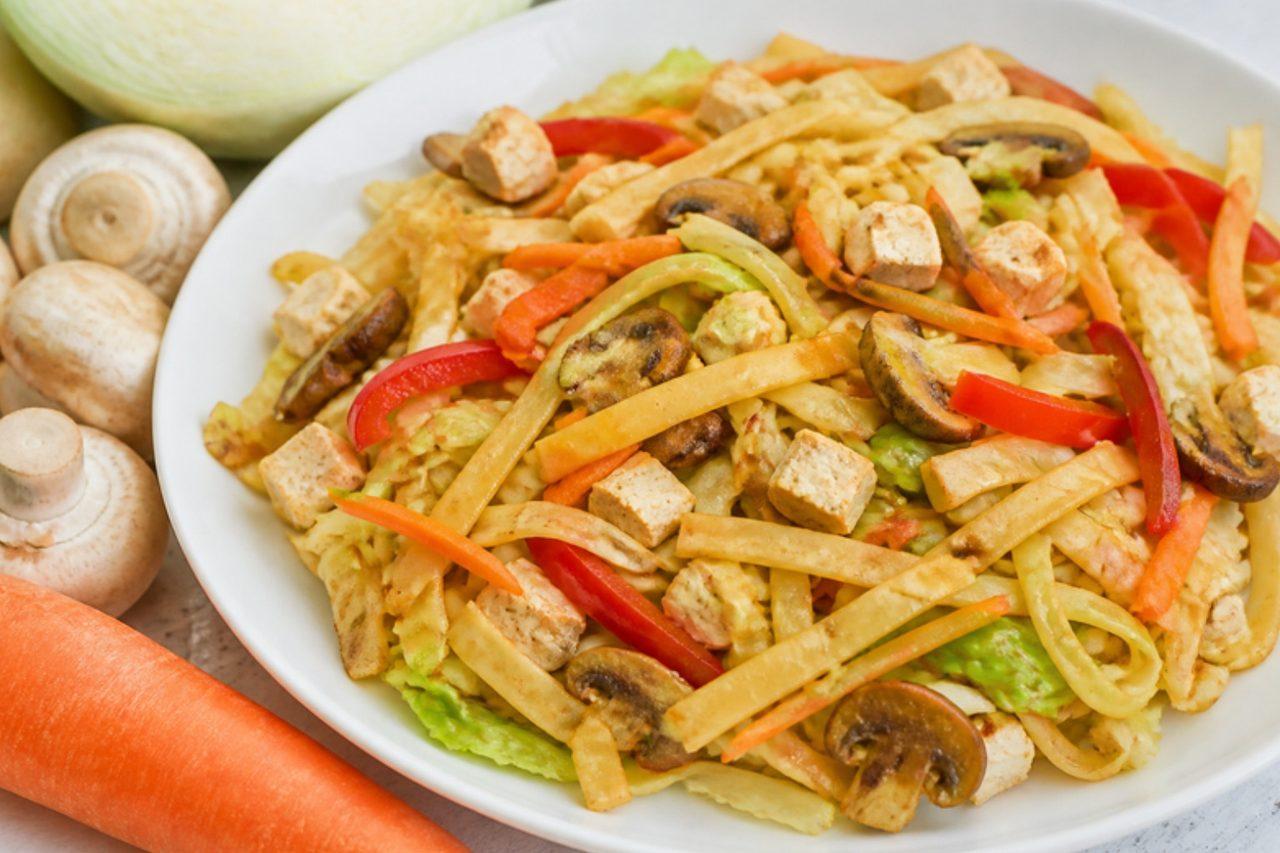
Tsuivan is one of the most-cooked dinners in Mongolia, from Ulaanbaatar apartments to gers on the steppe: homemade noodles laid over a stir-fry and steamed under a lid until they soak up all the juices, then tossed together. It's normally made with mutton; meaty mushrooms and firm tofu stand in here, with carrot, cabbage and onion. Simple and filling, it's often eaten with a pot of salty milk tea. Chef's tip: lay the noodles on top and don't stir until the end; they cook in the steam, not in the liquid.

by KrazyBadal 0 views

TteokgalbiGrilled short rib patties

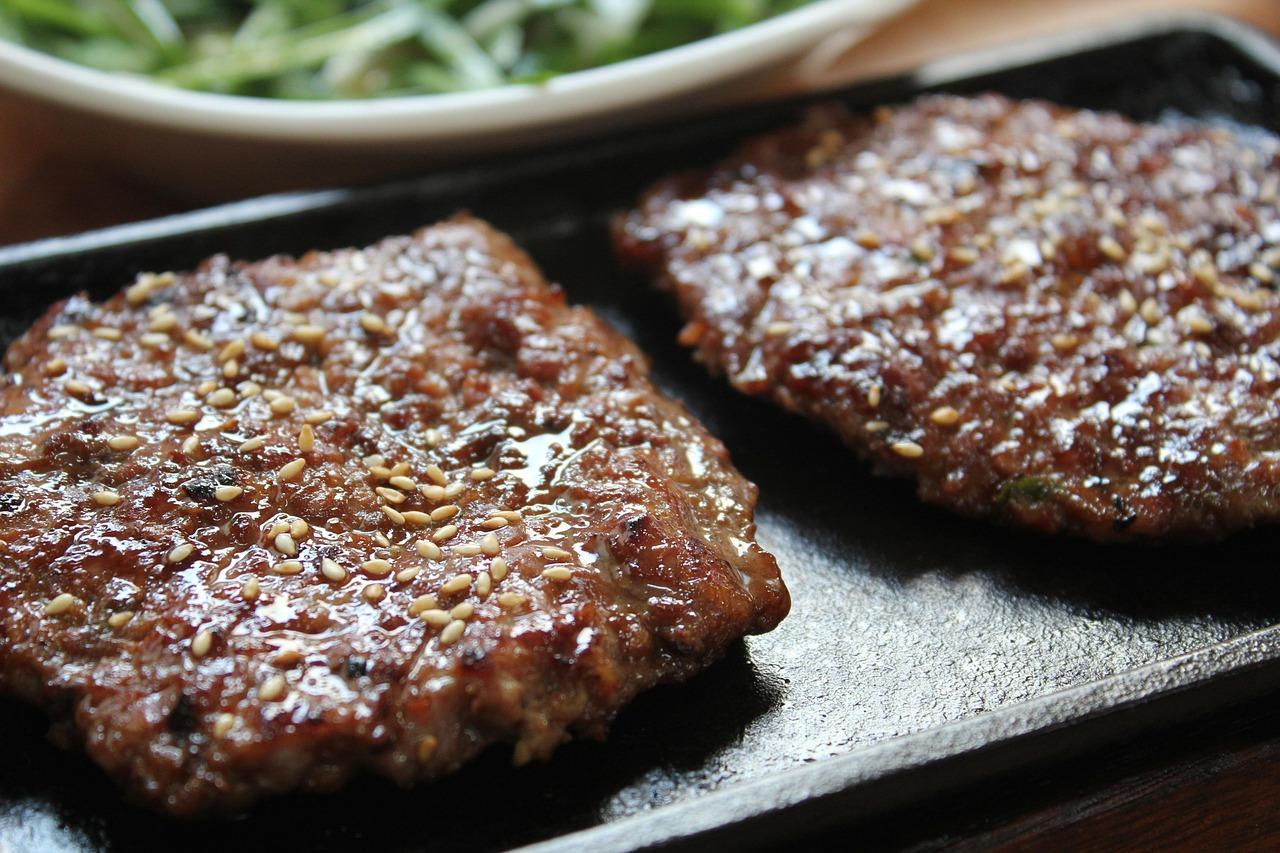
Tteokgalbi is rib meat chopped finely, pressed back into neat slabs and grilled, so it's soft enough to eat without struggling with a bone. Two places in South Jeolla claim it: Damyang, the bamboo county, where all-beef patties come with rice steamed in bamboo tubes, and Gwangju's Songjeong district, whose restaurant street near the railway station mixes beef with pork. This home version uses minced beef and pork, seasoned with soy, garlic and pear, then brushed with a soy and honey glaze as it cooks. Serve with rice, lettuce and a few banchan; leftovers are good cold in a lunchbox. Chef's tip: slap the mince against the bowl for a few minutes; it turns sticky and the patties hold together on the grill without any breadcrumbs.

60 minKoreanMeat
by KrazyBadal 1 views

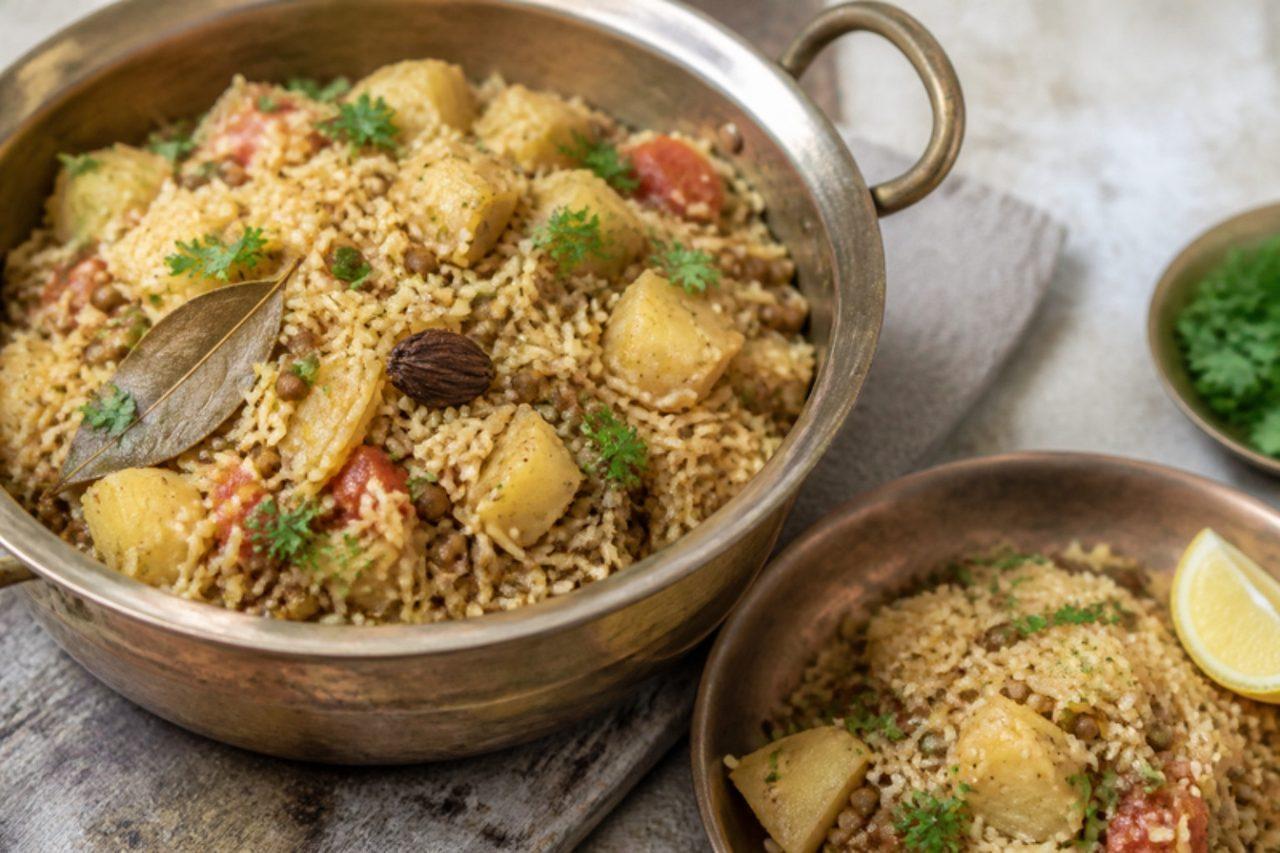
Tudkiya bhathSpiced rice with lentils and potatoes

Tudkiya bhath comes from Chamba in western Himachal Pradesh, where it is the dish cooks make when a crowd turns up: rice, whole lentils and potato cooked in one big pot with fried onions, tomato and a tangy splash of yogurt. Tudka means tempering, and the name hints at the generous mustard-oil base of whole spices that flavours every grain. It is heartier and spicier than a pulao, a little wetter than a biryani, and is usually eaten with a bowl of plain yogurt or a sour pickle. Chef's tip: fry the onions properly to a deep golden brown; they give the rice its colour and its sweetness.

by KrazyBadal 0 views

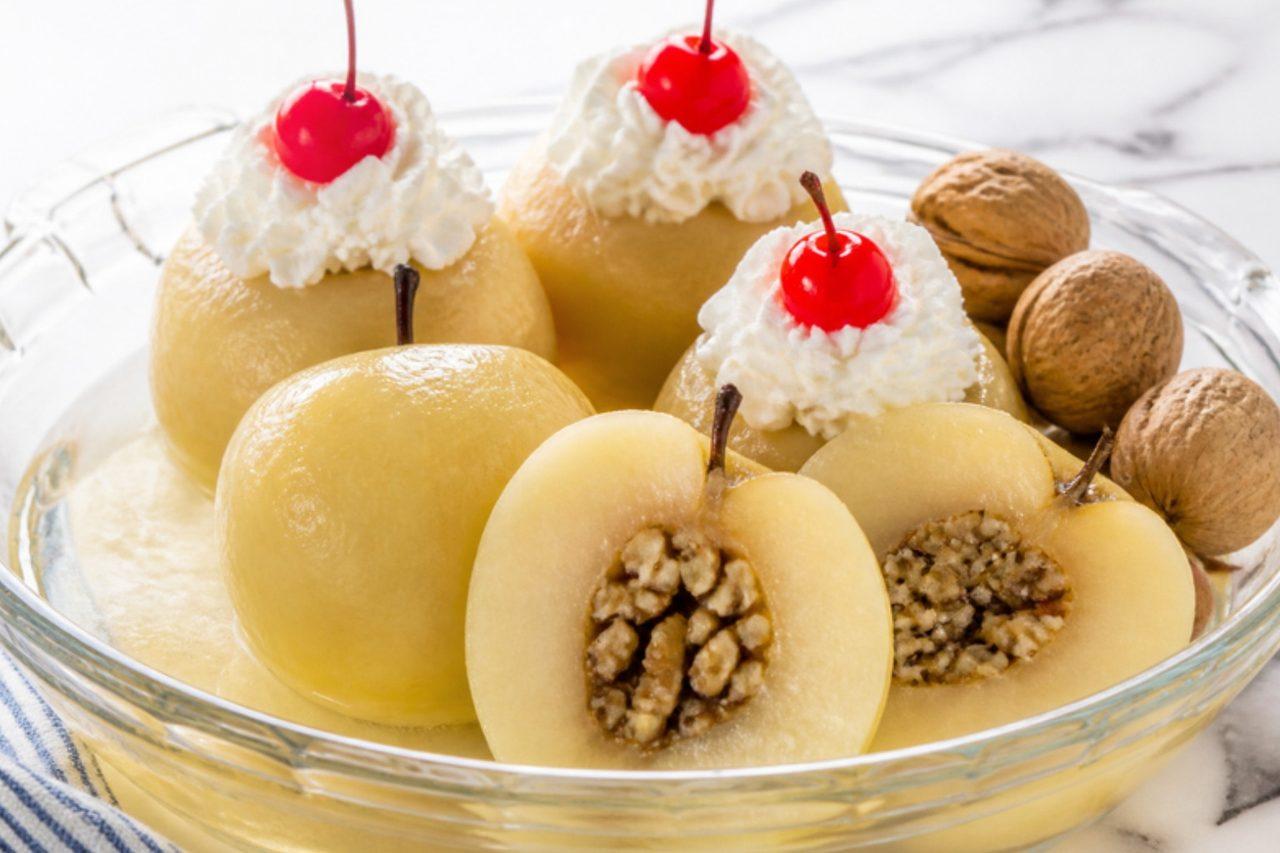
TufahijeWalnut-stuffed poached apples

Tufahije came to Bosnia with the Ottomans, and the name comes from the Persian and Arabic word for apple. In Sarajevo's old Baščaršija quarter they sit in the windows of slastičarne (sweet shops), whole apples poached pale in lemon syrup, filled with sweet walnuts and capped with whipped cream; at home they are a favourite after the iftar meal during Ramadan and at Bajram. They are soft, juicy and only moderately sweet. Chef's tip: choose firm, slightly tart apples and poach them gently; boiling them hard is the classic mistake and leaves you with split, mushy apples.

by KrazyBadal 0 views

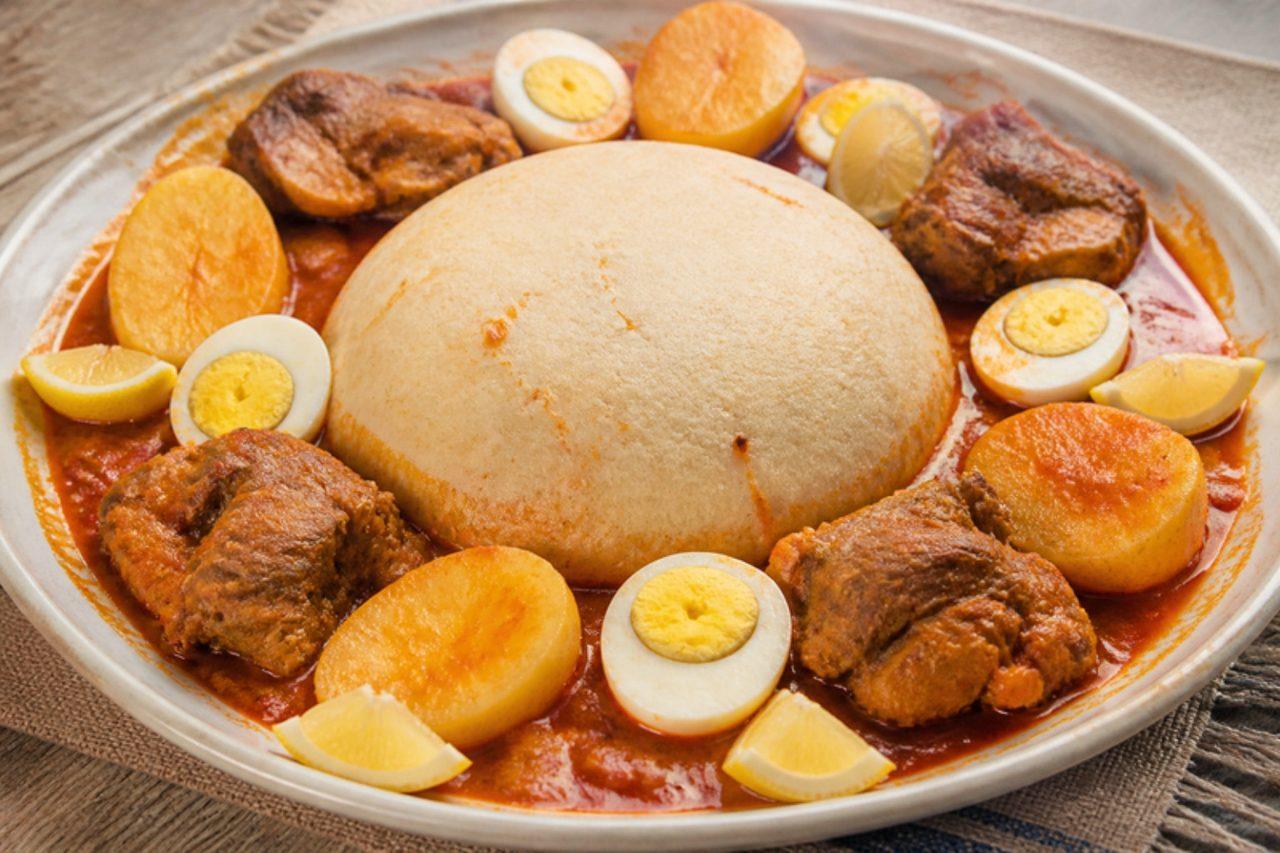
Bazin with lambBarley dough with lamb stew

Bazin is the traditional festive dish of Libya, especially in Tripoli and the western mountains: a smooth, firm dome of barley-flour dough set in the middle of a wide dish, surrounded by a spicy lamb stew of tomato, chilli and turmeric, with hard-boiled eggs and potatoes. Everyone eats from the same plate with the right hand, pinching off dough and dipping it in the sauce. The mistake is not beating the dough hard enough: it should be pounded until completely smooth, or it tastes floury. Chef's tip: beat the dough with a wooden spoon, adding cooking liquid a spoonful at a time, until it pulls cleanly away from the pot.

150 minAfricanMeatSpicy
by KrazyBadal 0 views

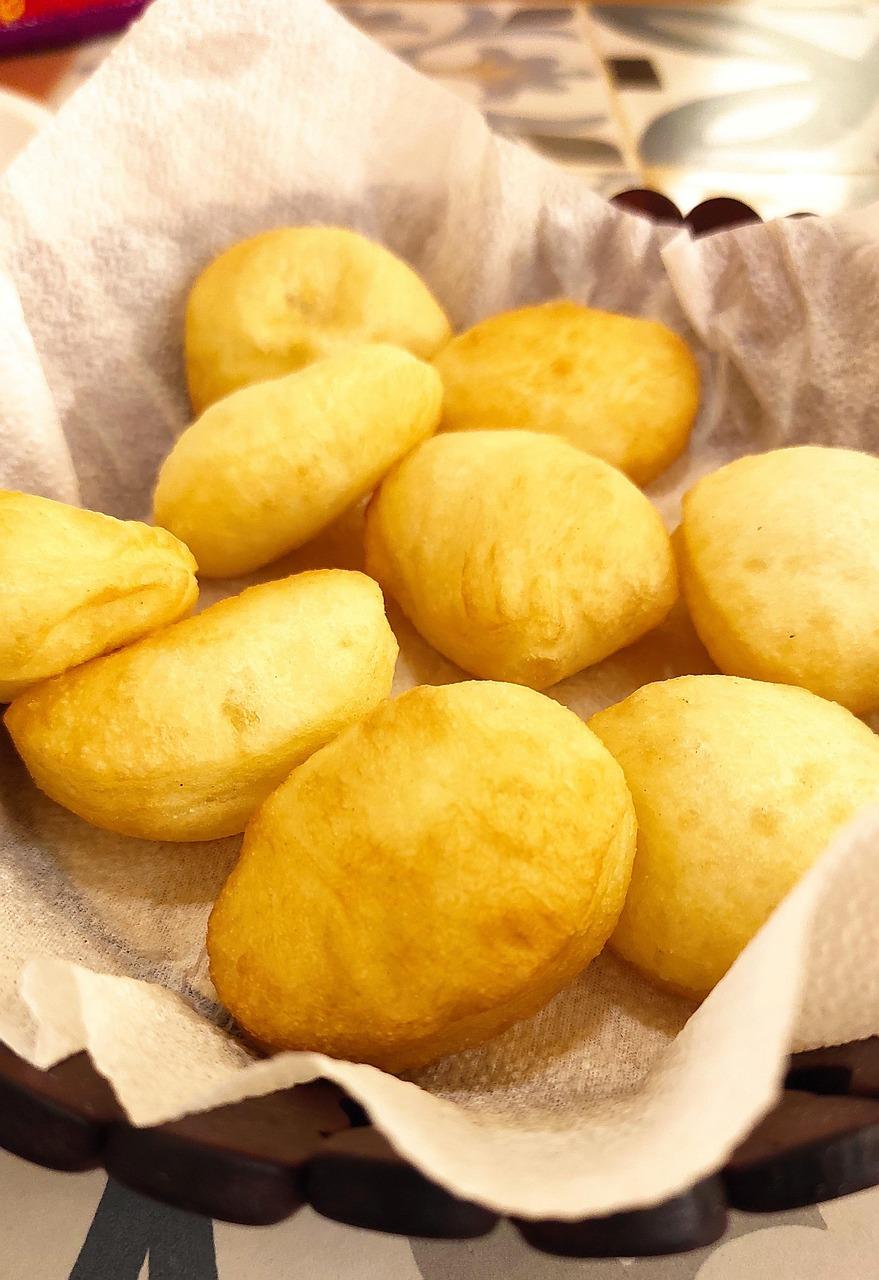
BaursakPuffed fried dough

No Kazakh dastarkhan, the cloth spread with food for guests, is complete without a heap of baursak: soft, hollow pillows of yeasted dough fried until they balloon. They are scattered over the table at weddings, at Nauryz in March and at funerals, where the smell of frying baursak is said to reach the departed. In Almaty families fry hundreds at a time and eat them through the evening with milk tea, butter, jam or honey. Kyrgyz and Turkmen households make almost identical versions. Chef's tip: roll the dough just 1 cm thick and keep the oil hot; thin dough in hot oil puffs into a hollow ball, thick dough stays bready.

by KrazyBadal 0 views

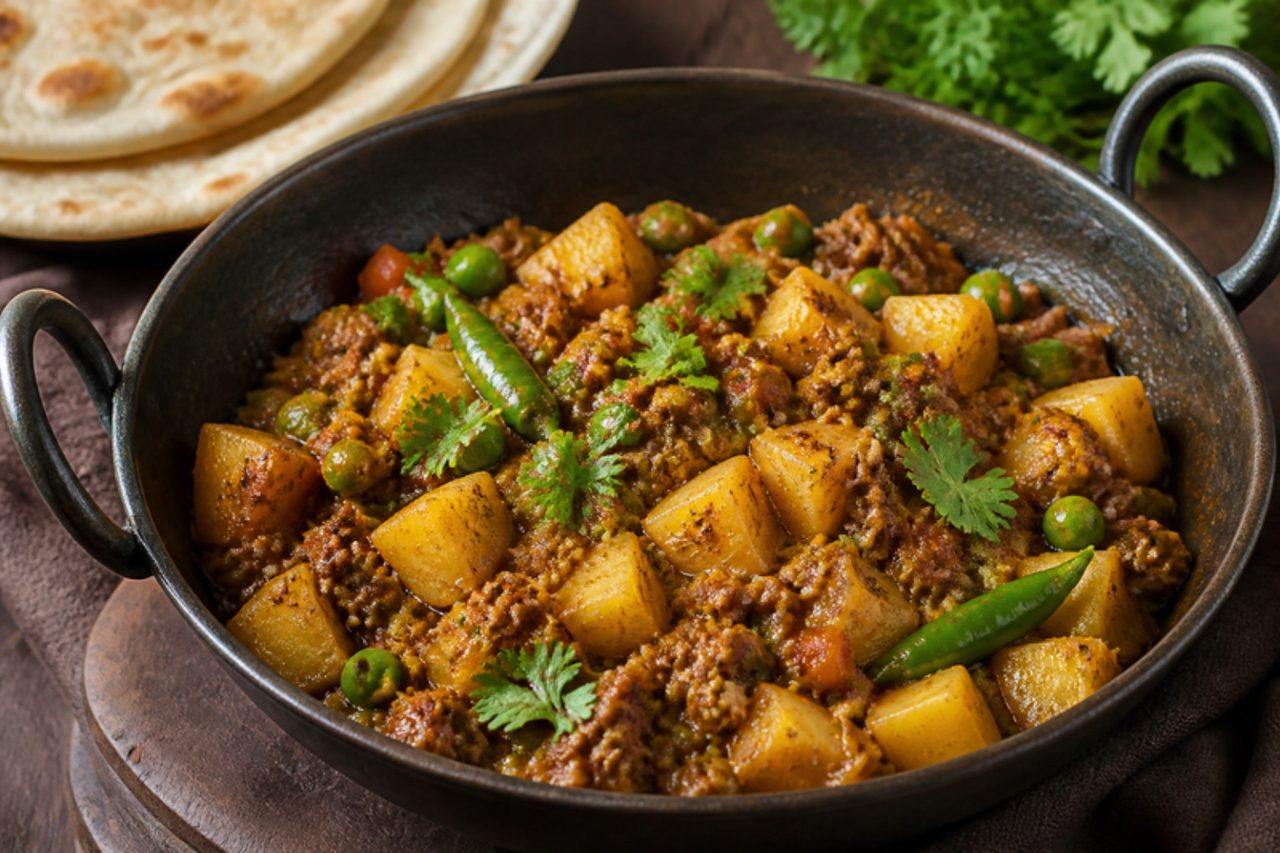
Aloo keemaMinced meat with potatoes

Aloo keema is the dinner that turns up in Pakistani homes from Karachi to Peshawar several times a month: quick, cheap, and loved by children and grandparents alike. Mince is browned with onion, tomato and whole spices, then simmered with potato cubes and peas until the potatoes soak up the masala. It is usually eaten with hot chapati or paratha, and leftovers become a filling for sandwiches and samosas the next day. Chef's tip: keep frying the mince until all the water it releases has gone and it starts to sizzle; that's where the browned, meaty flavour comes from.

by KrazyBadal 0 views

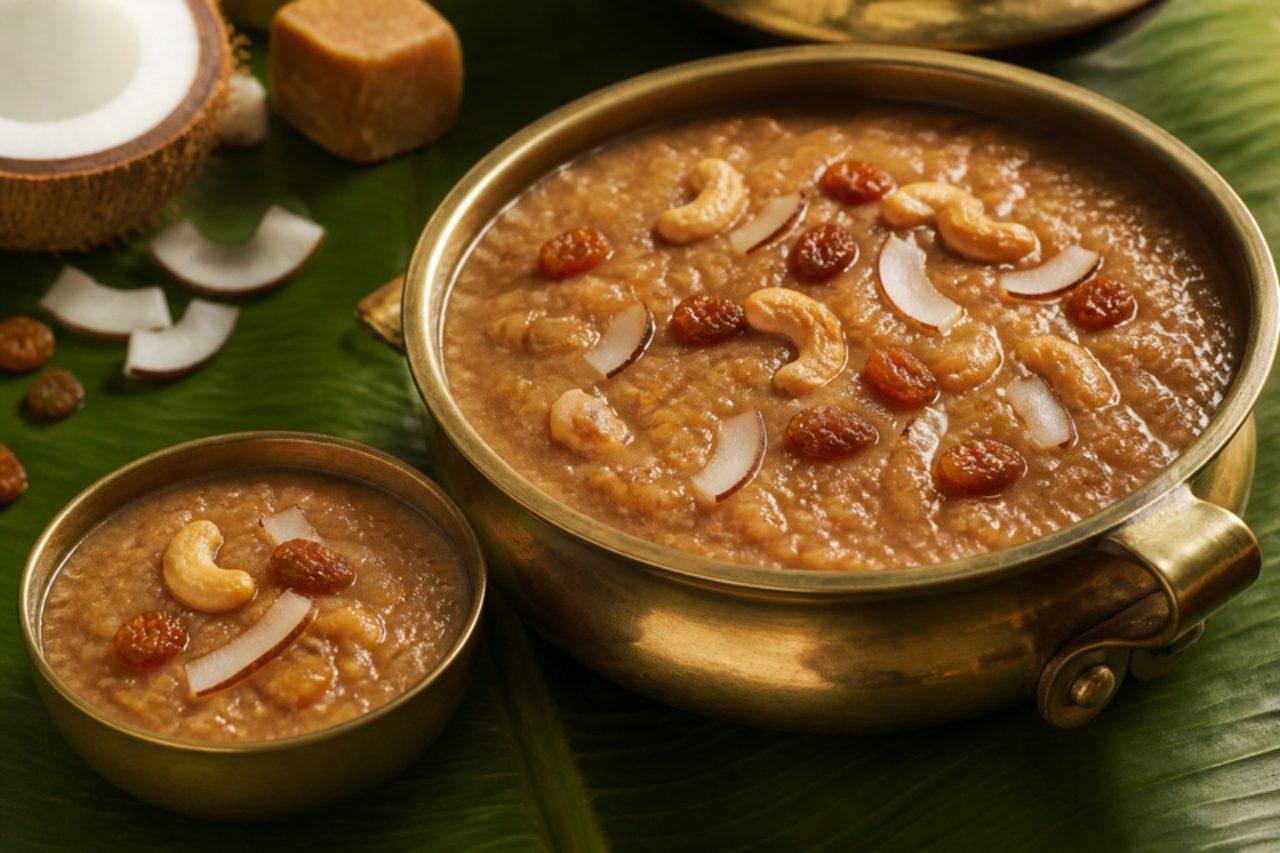
Ada pradhamanRice flake pudding with coconut milk

Ada pradhaman is the king of payasams on the Onam sadya across Kerala, served last on the banana leaf, sometimes with a crushed pappadam stirred in. Small flakes of rice ada are cooked soft, glazed in ghee and jaggery syrup, then simmered in thin coconut milk and finished with thick first-press milk, cardamom and a pinch of dried ginger. It is deep caramel-brown, silky and chewy at once. Serve warm in small bowls, or slightly chilled the next day. Chef's tip: rinse the cooked ada under cold water straight away; it stops the flakes sticking into a lump.

by KrazyBadal 0 views

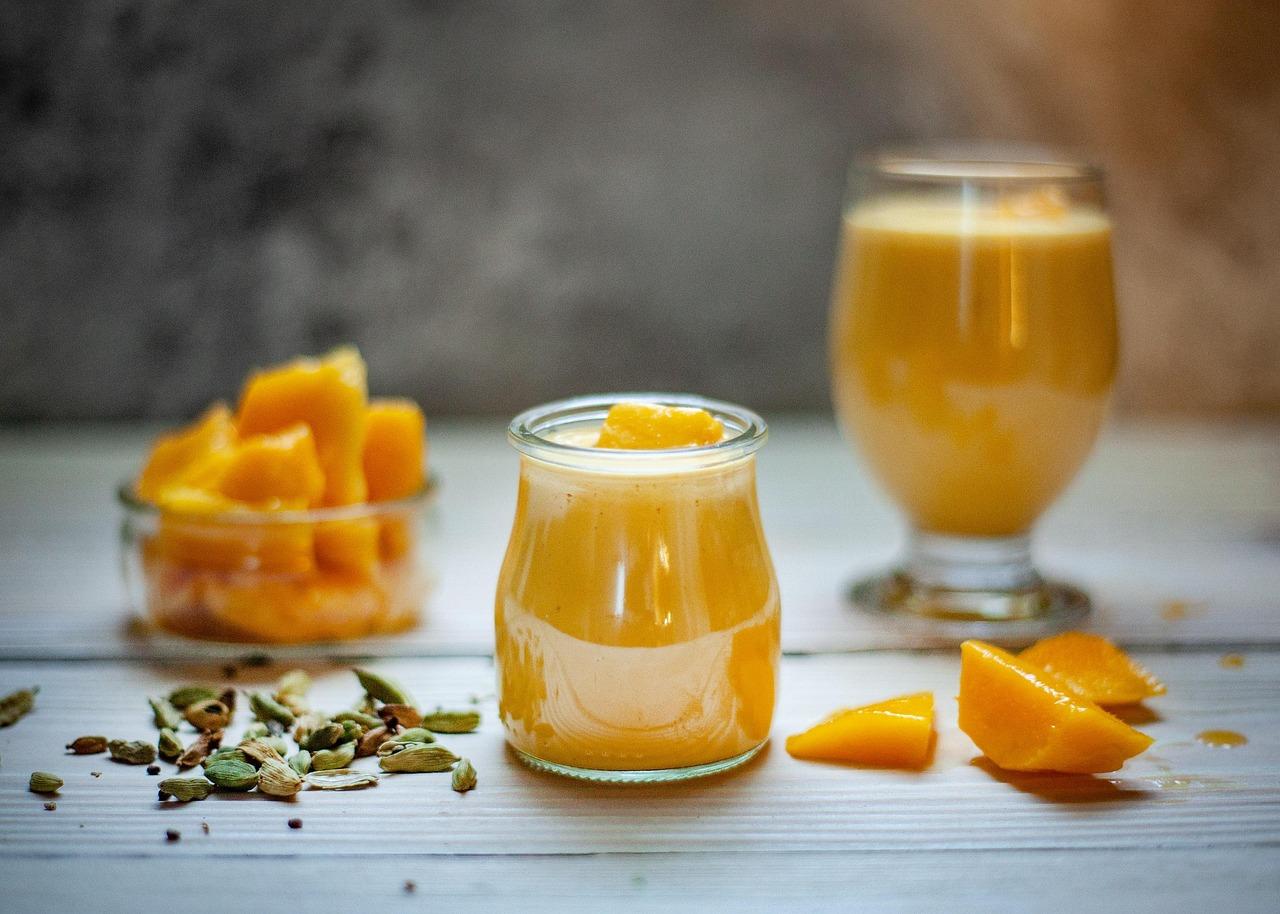
Batido de mangoMango milkshake

Batidos are the thick fruit milkshakes blended to order at Cuban cafeterías and roadside stands in summer, made with whatever tropical fruit is ripe: mamey, papaya, guanábana and, most of all, mango. Unlike a lassi there is no yogurt, just ripe mango, cold milk, a little sugar and plenty of ice, whizzed until frothy. Kids love it as an afternoon treat. Chef's tip: freeze the mango chunks first and you will need less ice, so the batido tastes of fruit rather than water.

by KrazyBadal 0 views

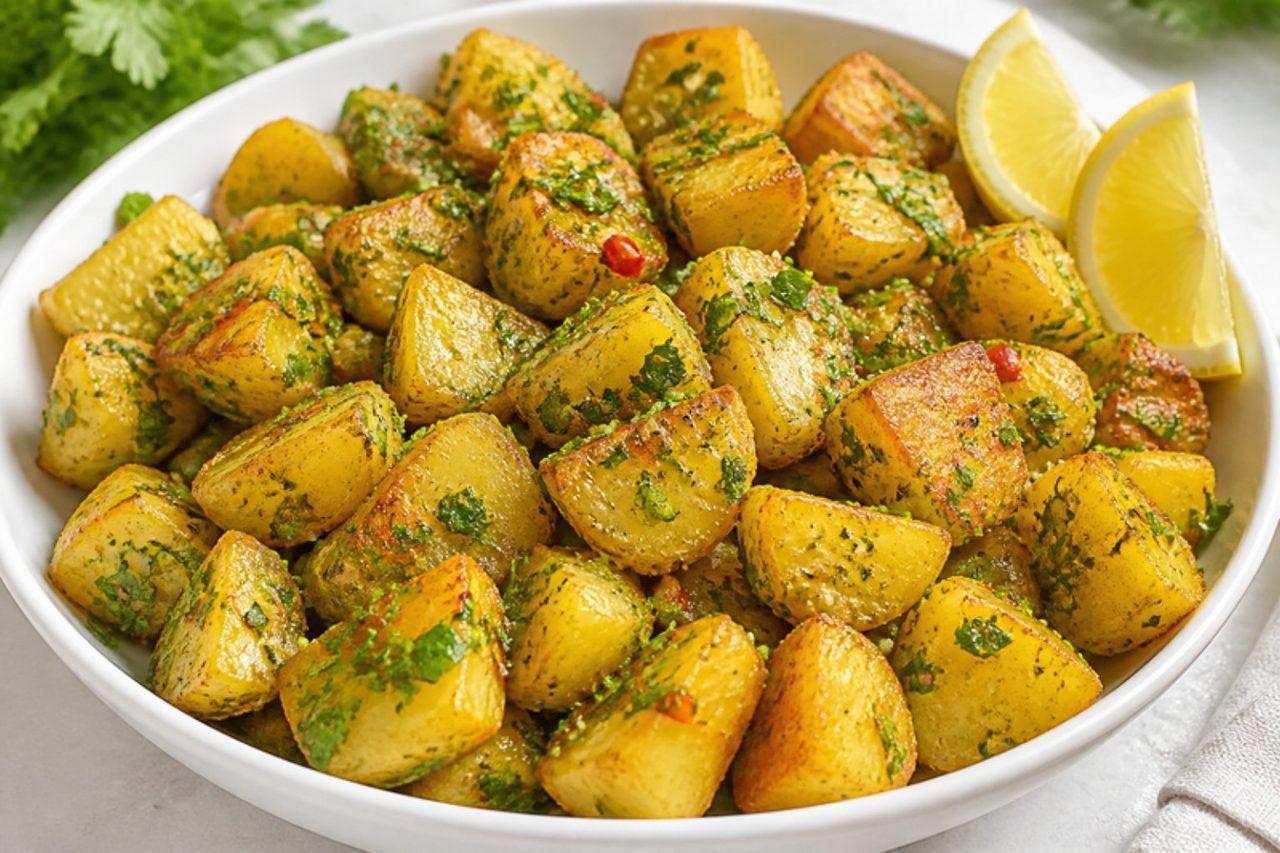
Batata harraSpicy garlic potatoes

Batata harra, meaning hot potatoes, is a staple of the hot mezze in Beirut restaurants and at home: crisp cubes of potato tossed while still sizzling in garlic, chilli and a heap of fresh coriander, then squeezed with lemon. Expect it next to falafel and hummus at a Sunday spread or as a side for grilled vegetables on a summer evening. This home version roasts the potatoes instead of deep-frying them, which gives the same golden crunch with much less oil. People often add the garlic and coriander too early, so the garlic burns and turns bitter; they go in only for the last minute in the pan. Chef's tip: parboil the cubes and shake them in the colander until their edges look fluffy, because those rough edges are what turn crisp in the oven.

by KrazyBadal 0 views

Tuna kinilawRaw tuna in vinegar

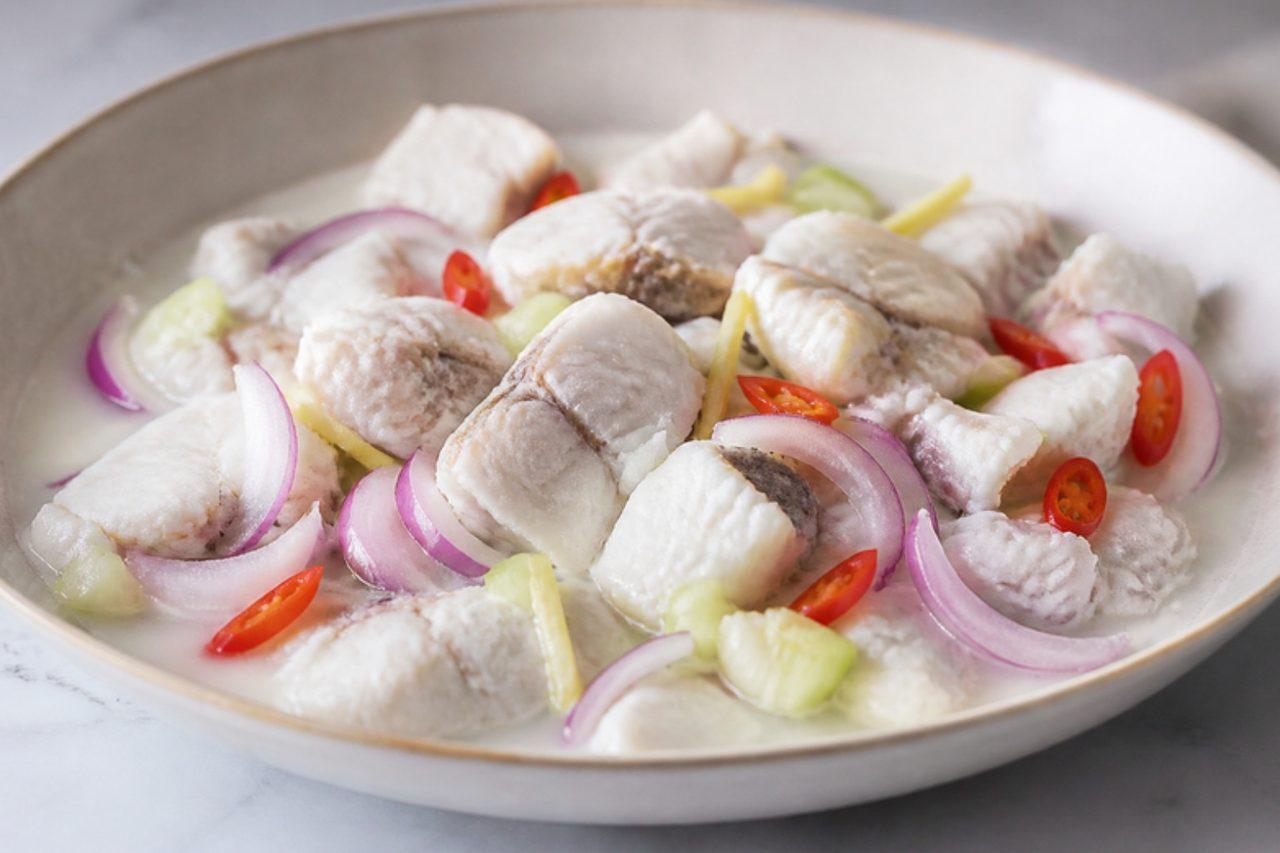
Kinilaw is the Visayas and Mindanao way with very fresh fish: raw cubes of tuna or Spanish mackerel (tanigue) cured briefly in coconut or palm vinegar with ginger, red onion, chilli and calamansi. In General Santos, the tuna capital, and on the beaches of Cebu and Siargao, it is made minutes after the catch and eaten as pulutan or a starter on hot afternoons. Please note: the fish is not cooked by heat; the vinegar only firms it and turns it opaque, and it does not kill all bacteria or parasites. Use only sashimi-grade fish that has been frozen to kill parasites, and pregnant women, young children, older people and anyone with a weakened immune system should not eat it. Chef's tip: pour a first splash of vinegar over the fish and drain it off, then dress it; this 'washing' firms the surface and keeps the flavour clean.

by KrazyBadal 0 views

Açorda alentejanaGarlic and coriander bread soup

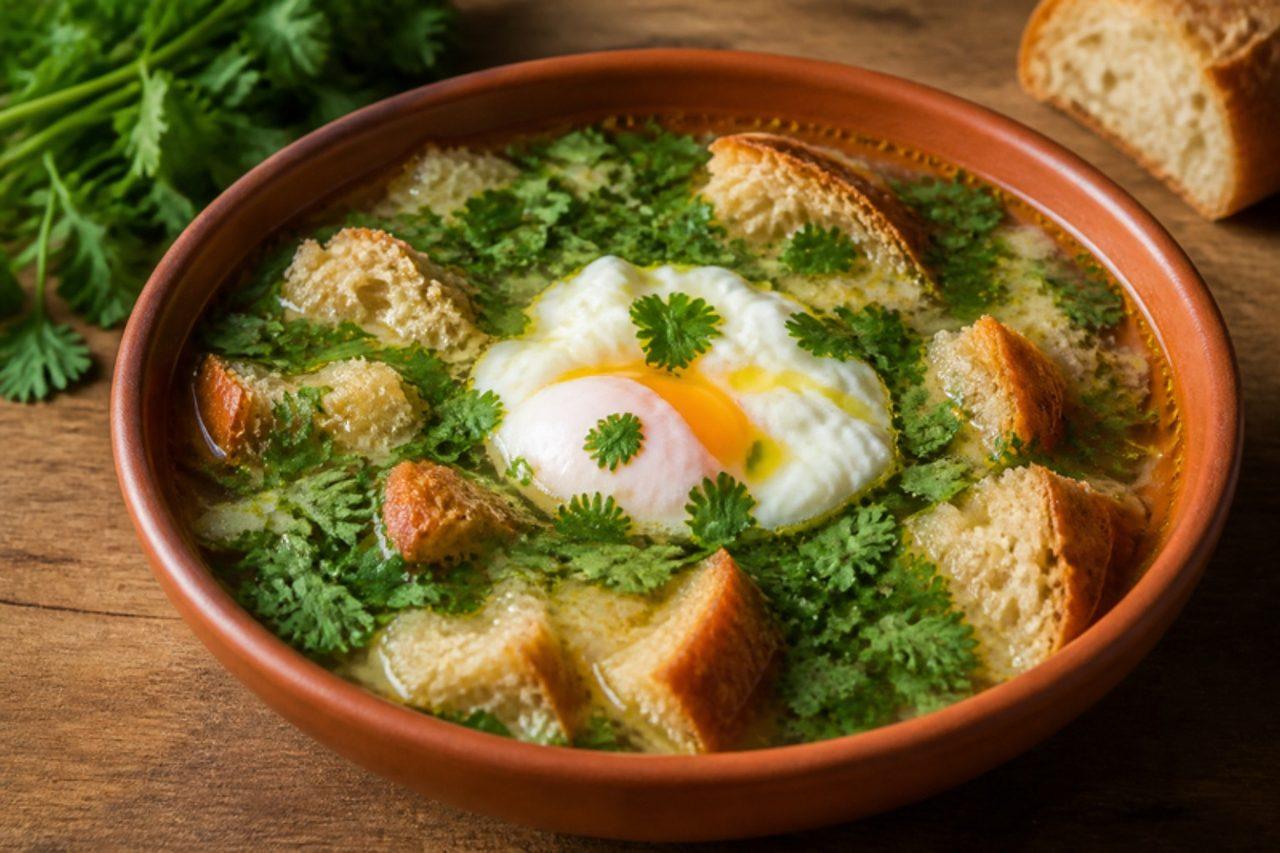
Açorda à alentejana is the shepherd's supper of the Alentejo, the wide, hot plain of cork oaks and wheat fields south of Lisbon. It is barely cooked at all: raw garlic, salt and a big handful of fresh coriander are pounded to a paste in the bowl, sliced day-old bread goes on top, and boiling water poured over turns it all into a fragrant, green broth, crowned with a soft poached egg. Unlike Spain's sopa de ajo, nothing is fried and there is no paprika; the flavour is fresh herbs, sharp garlic and fruity olive oil. Alentejanos eat it at home in summer and winter alike, and in Évora's tascas in the evening, sometimes with a few olives or a slice of fresh cheese. Chef's tip: use firm, dense, two-day-old country bread; soft sandwich bread collapses into mush the moment the water hits it.

by KrazyBadal 0 views

TungrymbaiFermented soybean with sesame and ginger

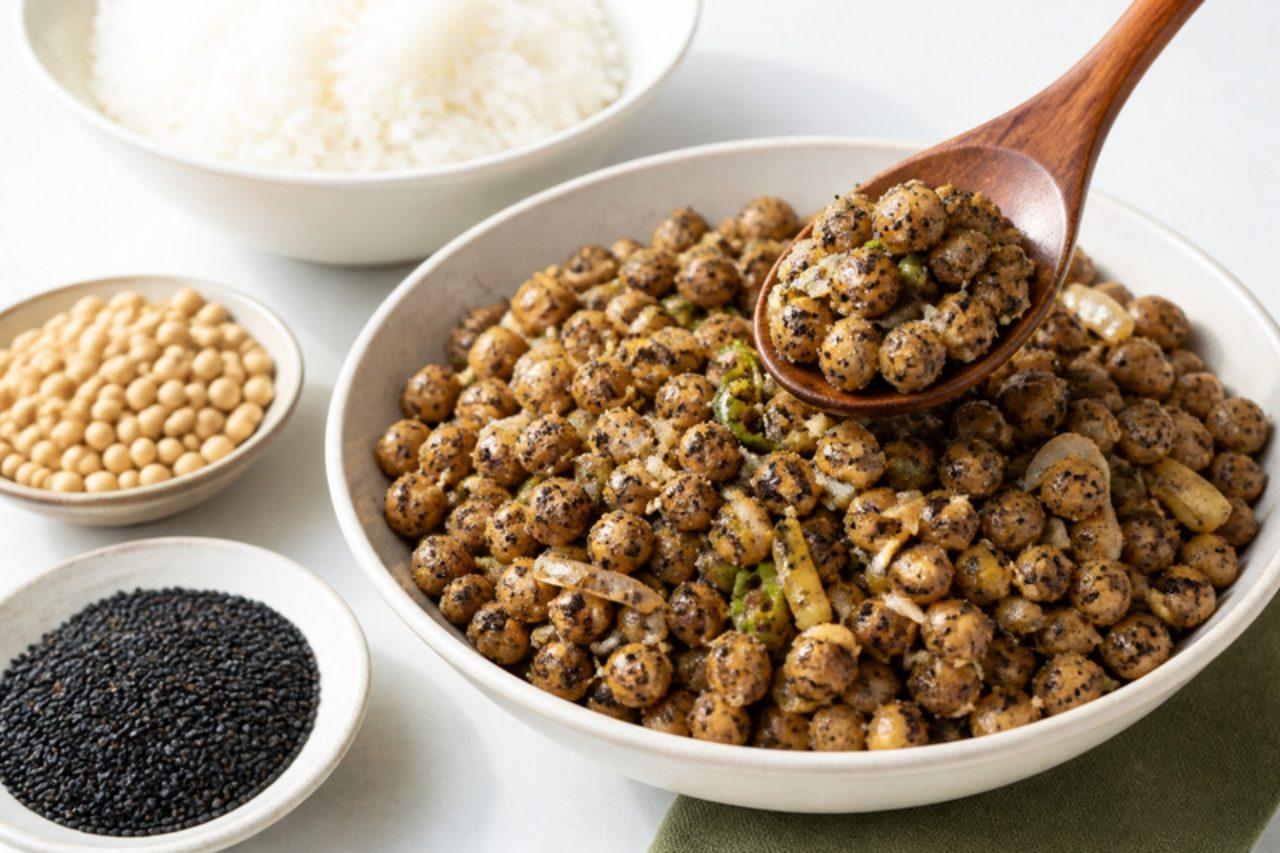
Tungrymbai is the Khasi Hills' great fermented food: soybeans boiled, wrapped in leaves and left by the hearth until sticky and pungent, then cooked with onion, ginger, garlic, turmeric and a generous paste of roasted black sesame. In Shillong's markets and local eateries (jadoh stalls), it is often cooked with pork, but many Khasi homes make it with soybeans alone, which is the version here. It is dark, nutty and savoury, eaten in small spoonfuls with rice. Chef's tip: roast the black sesame until it just begins to pop; underroasted it tastes grassy, overroasted it turns bitter. Natto works if you can't get tungrymbai.

by KrazyBadal 0 views

BasundiThickened sweet milk

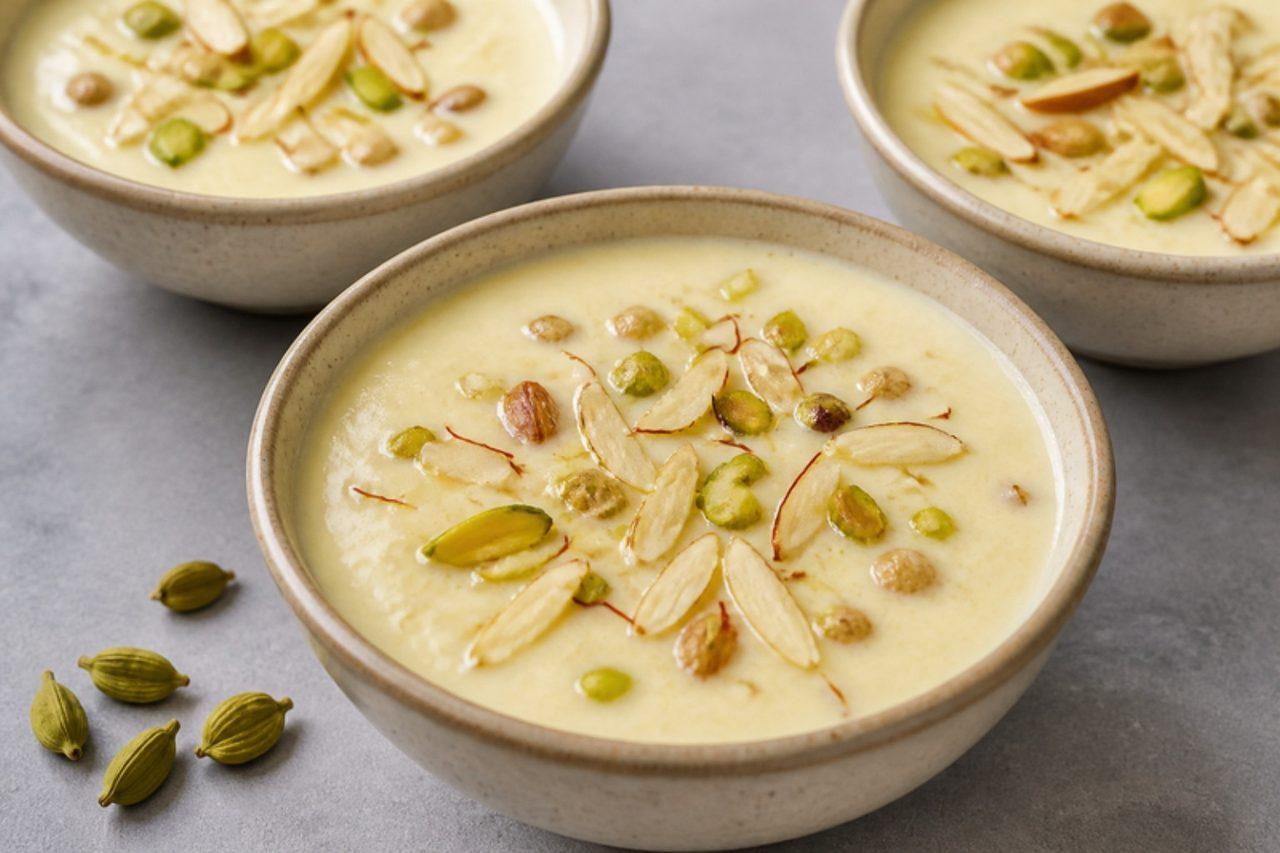
Basundi is the reduced-milk dessert of Maharashtra and Gujarat: whole milk simmered patiently in a wide pan, with the skin that forms on top scraped back in, until it is thick, cream-coloured and a little grainy, then sweetened and scented with cardamom and saffron. In Maharashtra it's served with hot puris for Gudi Padwa and Bhau Beej; in Gujarat it turns up at weddings and on Sharad Purnima, and it's also the base of the famous custard-apple (sitafal) basundi. Make it a day ahead; it thickens and tastes richer after a night in the fridge. Chef's tip: use a wide, heavy pan rather than a deep one; more surface means faster evaporation and less time standing at the stove.

by KrazyBadal 0 views

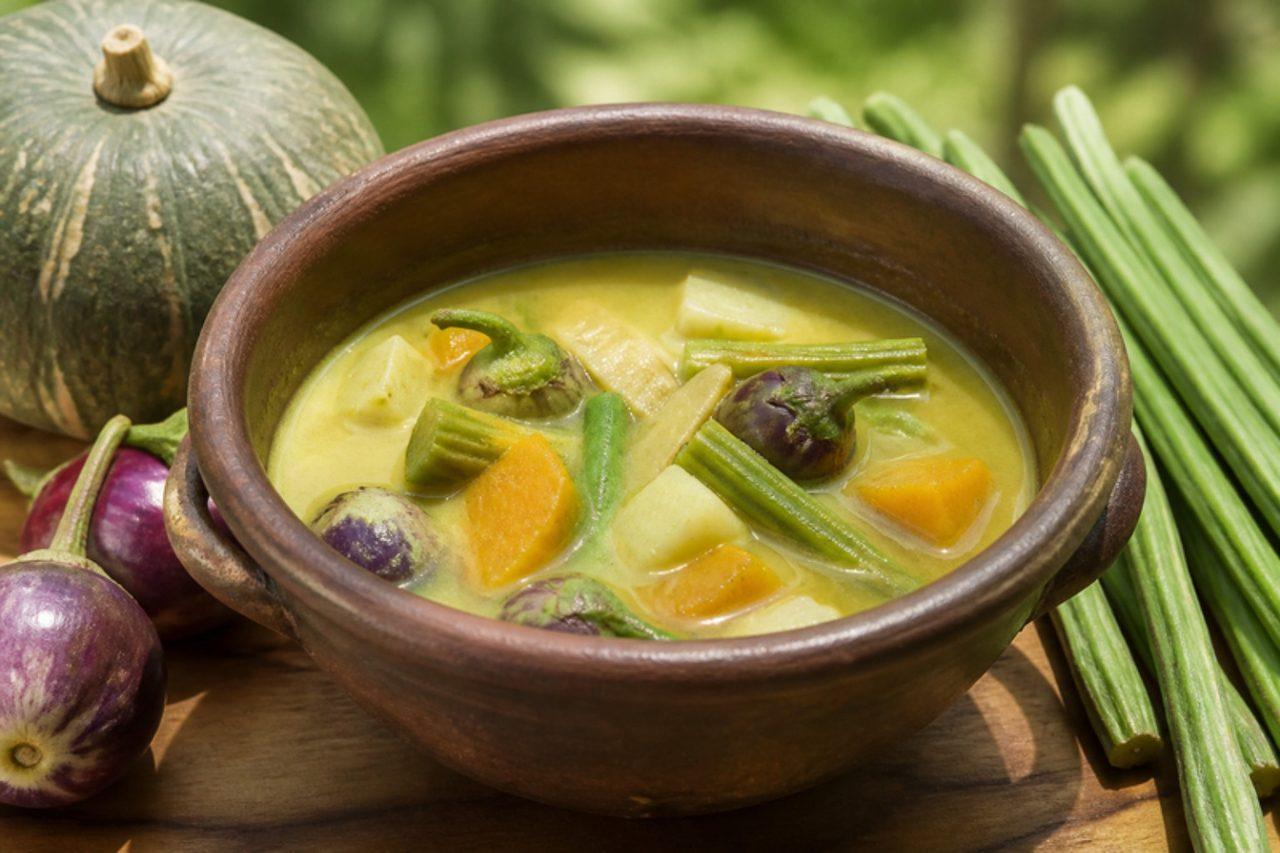
Bastar aamatMixed vegetable curry

Aamat comes from the forested Bastar region of southern Chhattisgarh, where Gond and Halba families cook whatever the garden and forest give: pumpkin, brinjal, beans, drumsticks and, in the monsoon, sour fermented bamboo shoot. There is almost no oil and no heavy masala. Instead a paste of soaked rice turns the broth silky, and garlic, ginger and green chilli carry the flavour. It is served in bowls with plain rice, especially at village feasts and the Bastar Dussehra gatherings. Tinned bamboo shoot works well; leave it out and add lime at the end if you cannot find it. Chef's tip: keep stirring as you pour in the rice paste, because it sinks and sets into lumps on the bottom of the pot if left alone.

by KrazyBadal 0 views

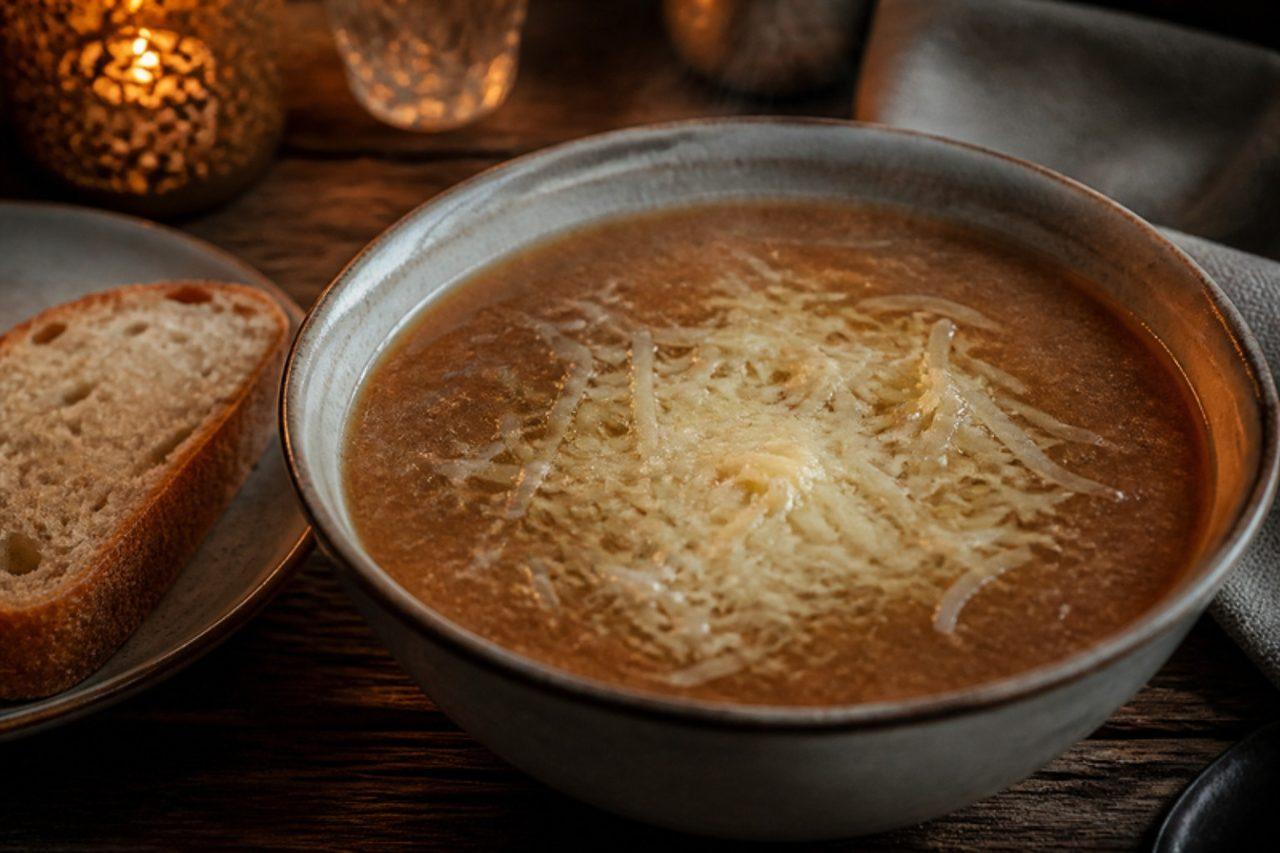
Basler MehlsuppeBrowned flour soup

Basel's Fasnacht starts at 4 a.m. on the Monday after Ash Wednesday with Morgestraich, when the city's lights go out and the cliques march with lanterns, piccolos and drums. Afterwards everyone crowds into the old-town restaurants for a bowl of Mehlsuppe: flour toasted in butter until it is the colour of hazelnuts, simmered into a smooth, savoury, deep-brown soup and finished with grated cheese. It warms you on a freezing February morning and is usually eaten with Zwiebelwähe (onion tart). The traditional soup is made with beef stock; this vegetarian version uses a strong vegetable stock with a little red wine and onion to give the same depth. Chef's tip: toast the flour slowly and stir all the time; the colour should be even chestnut brown, and the smell like toasted nuts.

60 minSwissSoups
by KrazyBadal 0 views

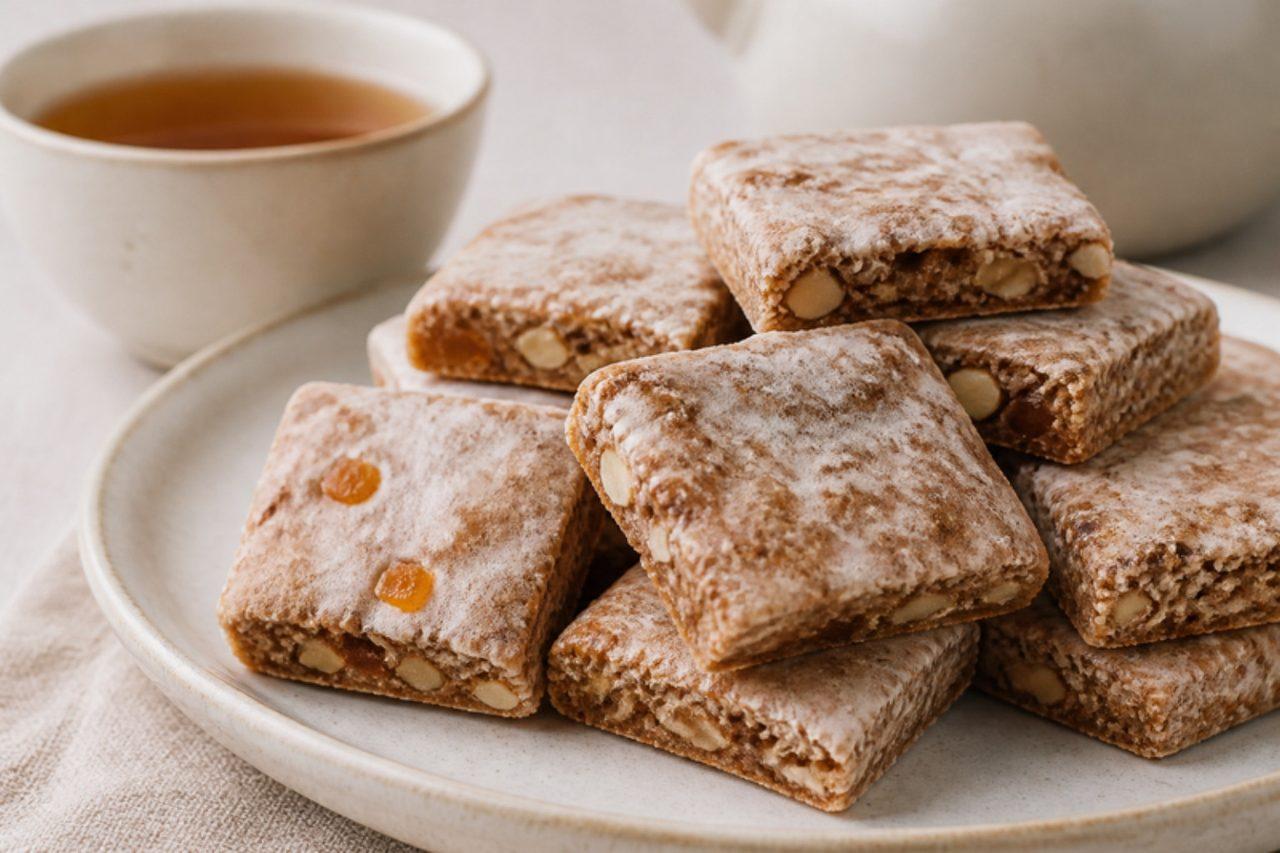
Basler LäckerliHoney and almond biscuits

Läckerli have been Basel's own biscuit for more than 600 years, once baked by the city's spice merchants and gifted at Christmas and New Year; Basel shops still pack them in tins all year round. They are small, chewy rectangles of honey, almonds, candied orange and lemon peel and warm spices, with a thin, crackly sugar glaze. Unlike soft German gingerbread they are firm and dense when they are fresh and soften with time in a tin. Eat them with coffee or tea, or keep a box for visitors. Chef's tip: cut the slab into rectangles while it is still hot and glaze it at once; once cool it sets too hard to cut cleanly.

by KrazyBadal 0 views

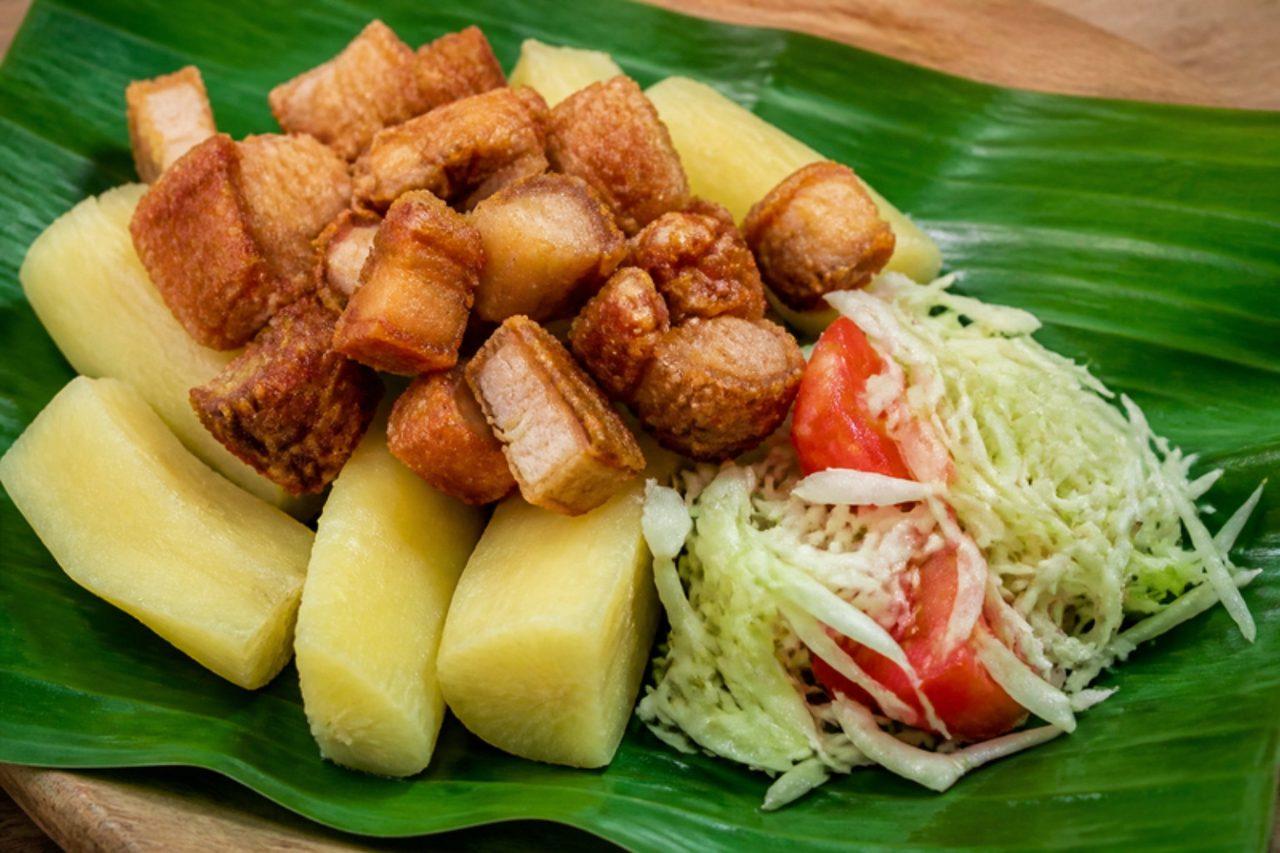
VigorónYuca, pork crackling and cabbage salad

Vigorón was born in the 1910s in the colonial city of Granada, Nicaragua, where it is still sold from stalls around the Parque Central, wrapped in banana leaf: boiled yuca topped with crisp pork crackling (chicharrón) and a tangy cabbage and tomato salad. This dish contains pork. It is street food, eaten at any hour with your fingers. The mistake is serving dry yuca; boil it until tender and slightly split, then keep it in its warm water until serving. Chef's tip: make the cabbage salad an hour ahead so the vinegar softens it.

by KrazyBadal 0 views

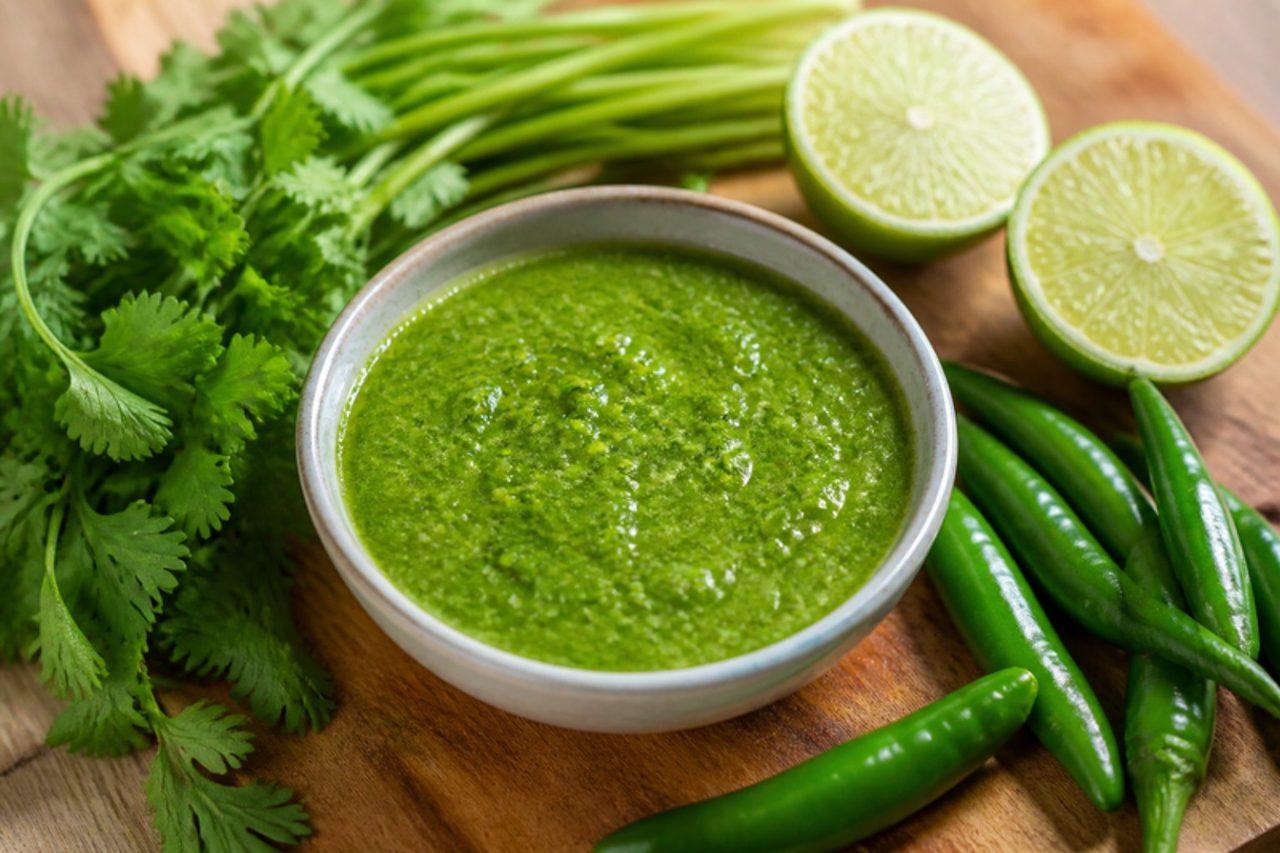
BasbaasGreen chilli and coriander sauce

Basbaas means chilli in Somali, and basbaas cagaar, the green sauce, is on every Somali table, spooned over rice, pasta, sambuusa and grilled food. It is sharp, hot and fresh, and every family has its own balance of chilli, coriander and lime; some add a tomato to soften it. Make a jar and keep it in the fridge all week. Chef's tip: add the lime juice to the blender before the chillies; the acid keeps the sauce bright green.

by KrazyBadal 0 views

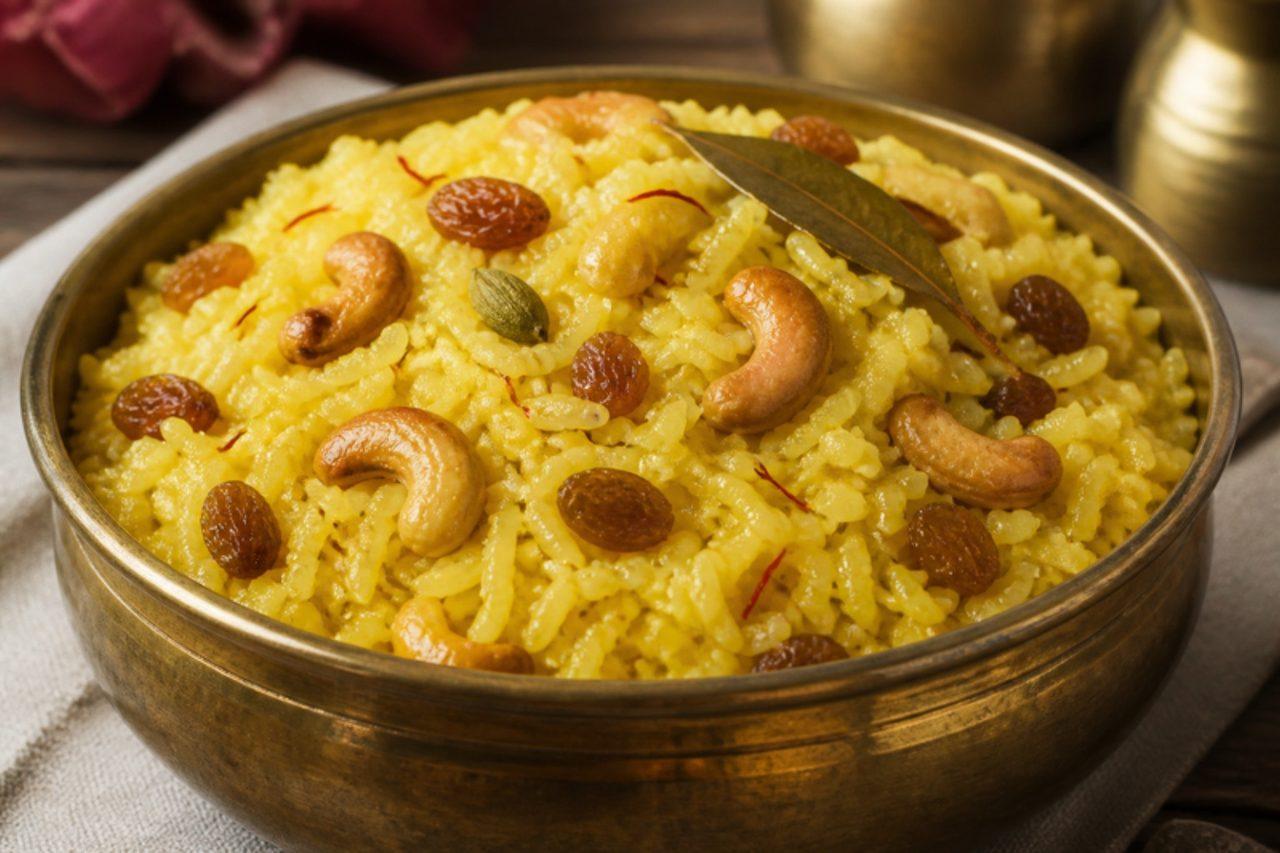
Basanti pulaoSweet saffron rice

Basanti pulao, the 'spring-coloured' pulao, is cooked in Bengali homes for Poila Baisakh (the Bengali new year), weddings, Jamai Shashthi and pujas. It is made with gobindobhog, a short-grain, buttery-smelling rice from Bengal, cooked in ghee with whole spices, turmeric, sugar, cashews and raisins until each grain is glossy and separate. It is distinctly sweet, and is served with aloo dum, chhanar dalna or, in non-vegetarian homes, kosha mangsho. Chef's tip: wash the rice and spread it on a cloth for 30 minutes; dry grains fry in the ghee without breaking.

by KrazyBadal 0 views

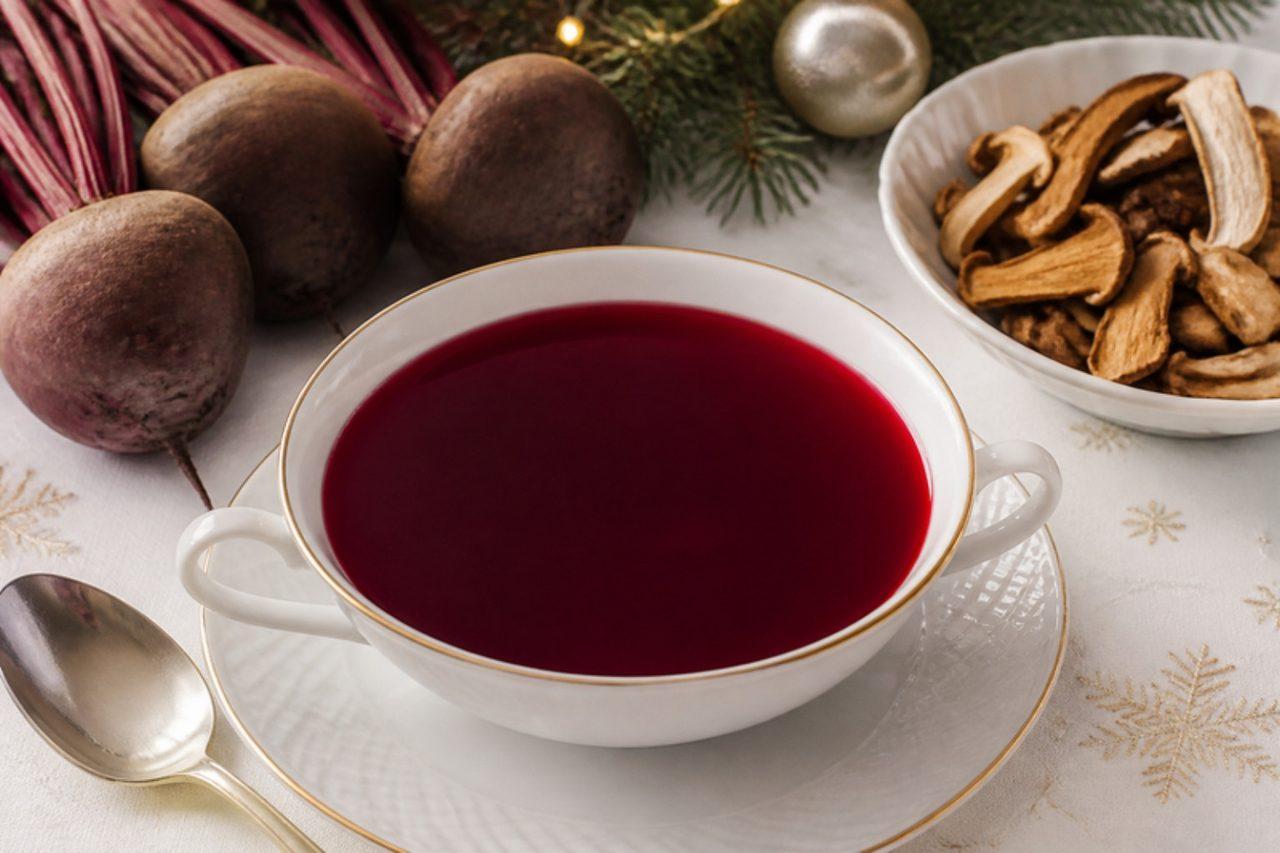
Barszcz czerwony (Christmas Eve beetroot broth)Clear beetroot soup

Barszcz czerwony wigilijny is the clear, ruby-coloured beetroot broth that opens the Christmas Eve supper in most Polish homes, from Warsaw to Wrocław. It is not the thick vegetable soup of Ukraine but a sipping broth, sweet, sour and earthy, sharpened with beetroot kvass or lemon and deepened with dried forest mushrooms; on 24 December it is served with tiny mushroom dumplings called uszka, and through winter people drink it from mugs alongside a croquette. It is fully plant-based, as the Wigilia table traditionally is. Chef's tip: once the beetroot is in, never let the soup boil hard; a bare simmer keeps the colour bright, and boiling turns it a dull brown.

by KrazyBadal 0 views

ChechebsaTorn flatbread in spiced butter

Chechebsa (also called kita firfir) is a breakfast from the Oromia and Wollo regions now loved all over Addis Ababa: a thick wheat flatbread is cooked on a griddle, torn into pieces and tossed in niter kibbeh and berbere, then eaten with honey and a dollop of ayib or yoghurt. It is rich, warming and quick. For a fasting (vegan) version, toss the bread in spiced oil instead of niter kibbeh and skip the yoghurt and honey or use date syrup. Chef's tip: tear the bread while hot with two forks; cold flatbread goes tough and won't soak up the butter.

by KrazyBadal 0 views

Bariis iskukarisSpiced rice with vegetables and raisins

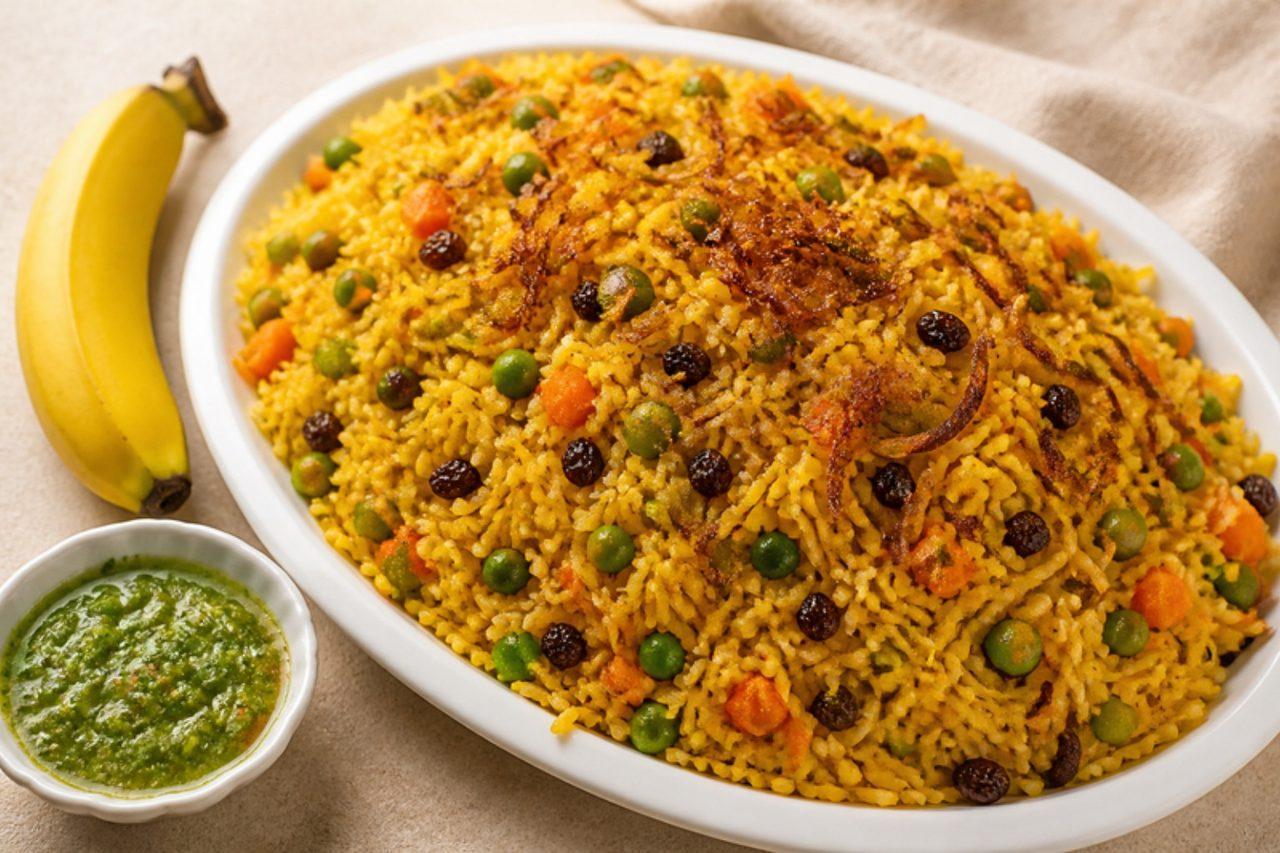
Bariis iskukaris ('rice cooked together') is the centre of the table at Somali family lunches, Friday gatherings and Eid, from Mogadishu to Hargeisa and Somali neighbourhoods in Nairobi, Minneapolis and London. Long-grain rice is cooked in one pot with onion, tomato and the house spice mix xawaash, and topped with fried onions and raisins; it is usually crowned with goat, but this version cooks carrots, peas and potatoes into the rice. In true Somali style, serve it with a banana on the side and a spoon of green basbaas. Chef's tip: rinse and soak the basmati so the grains stay long and separate.

by KrazyBadal 0 views

ZapiekankaOpen baguette with mushrooms and cheese

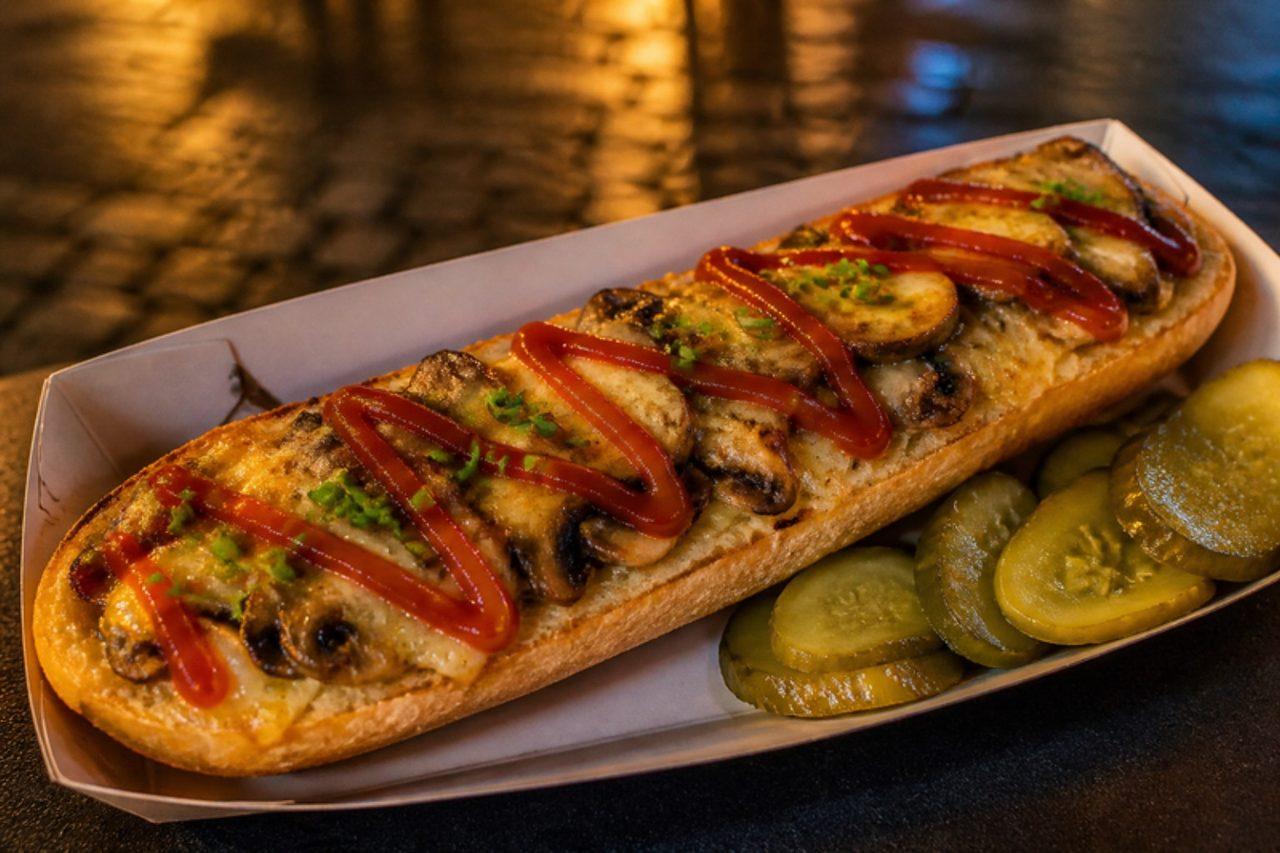
Zapiekanka is Polish street food born in the 1970s and perfected at the hatch windows around Plac Nowy in Kraków's Kazimierz district, where students and night owls queue for one at midnight. Half a long baguette is topped with mushrooms fried with onion, covered in grated cheese and baked until crisp at the edges and bubbling, then finished with a zigzag of ketchup and chives. The classic version has no meat at all. Use a hard cheese made with vegetarian rennet (many supermarket mild Cheddars and Goudas are). Chef's tip: fry the mushrooms until completely dry before they go on the bread; wet mushrooms make the baguette soggy instead of crisp.

by KrazyBadal 1 views

Turkish tea (çay)Strong black tea

Nowhere in Turkey is far from a glass of çay. Tea from the slopes of Rize on the Black Sea coast is brewed in a stacked double teapot, the çaydanlık, and poured into small tulip-shaped glasses all day long: at breakfast with simit and cheese, in shops when you haggle, after every meal. The strong brew sits in the top pot and each glass is diluted to taste with hot water from the bottom, so one person drinks it dark (koyu) and another light (açık). It should be clear, the colour of a ruby or rabbit's blood (tavşan kanı), never cloudy. Serve it with sugar cubes on the side, not milk. Chef's tip: steam the dry leaves in the top pot for a few minutes before adding any water; the warm leaves open up and give a rounder, deeper colour.

by KrazyBadal 0 views

AdaiRice and lentil pancakes

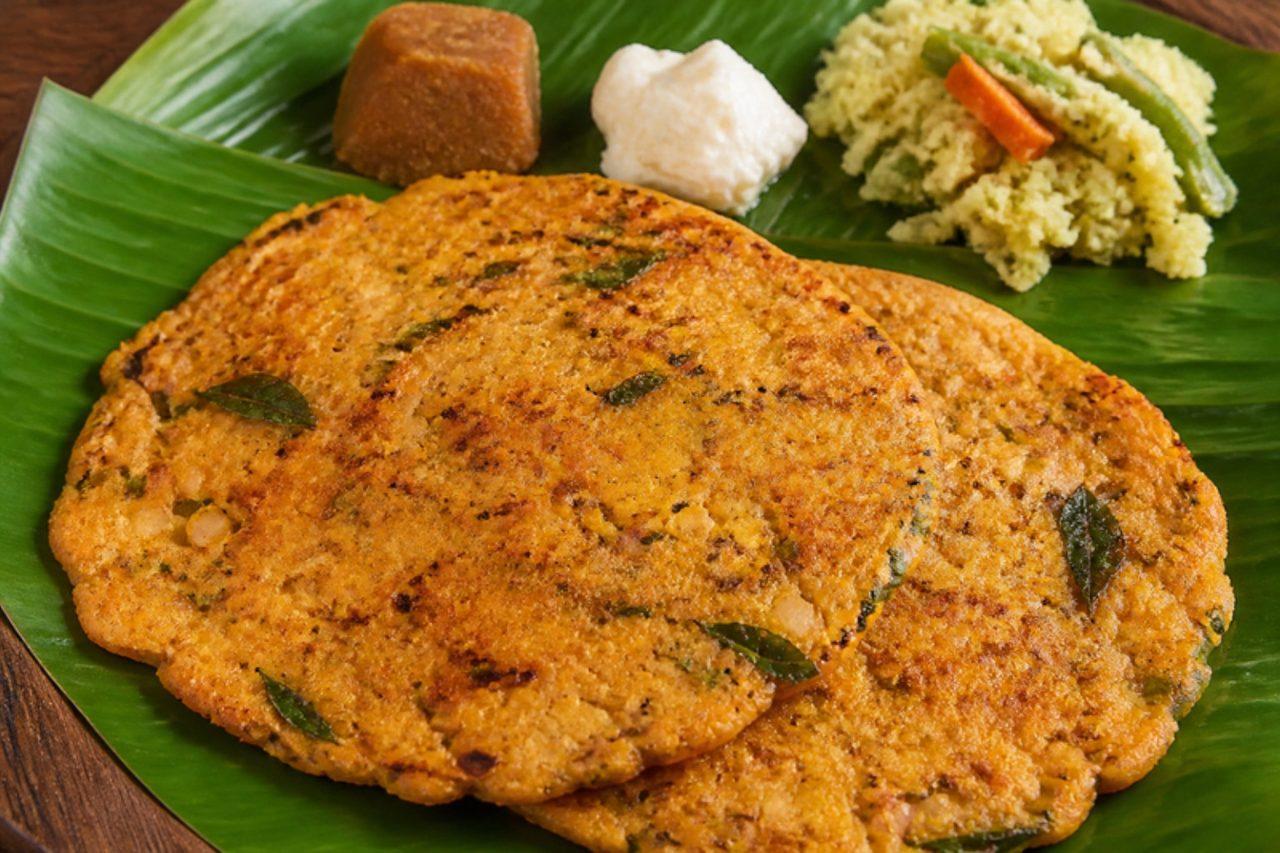
Adai is the hearty cousin of the dosa, made in Tamil homes for a weekend breakfast or an early dinner, and in Tamil Brahmin families traditionally served with avial and a lump of jaggery and white butter. Rice and a mix of toor, chana, urad and moong dal are soaked and ground coarsely with red chillies, ginger and hing, so the batter needs no fermenting at all. The pancakes are thicker than dosa, crunchy at the edges and soft and gritty in the middle, with a deep, spicy, lentil flavour and plenty of protein. Chef's tip: grind the batter like coarse semolina, not silky; that texture is what gives adai its crisp, lacy rim.

by KrazyBadal 1 views

TuronFried banana spring rolls

Turon is the afternoon snack sold by vendors on every Filipino street corner, school gate and jeepney stop around three o'clock, often next to banana cue on bamboo skewers. A slice of saba banana and a strip of ripe jackfruit are rolled in a thin spring roll wrapper with brown sugar, then fried in oil that has more brown sugar sprinkled in it, so each roll comes out wrapped in a crackly, glassy caramel shell. It is eaten hot with your fingers, when the banana inside has turned soft and sticky. Saba is a short, firm cooking banana; ripe plantain is the closest substitute. Chef's tip: roll them tightly with no air pockets, or the caramel blows holes in the wrapper.

by KrazyBadal 0 views

Túrós csuszaPasta with curd cheese

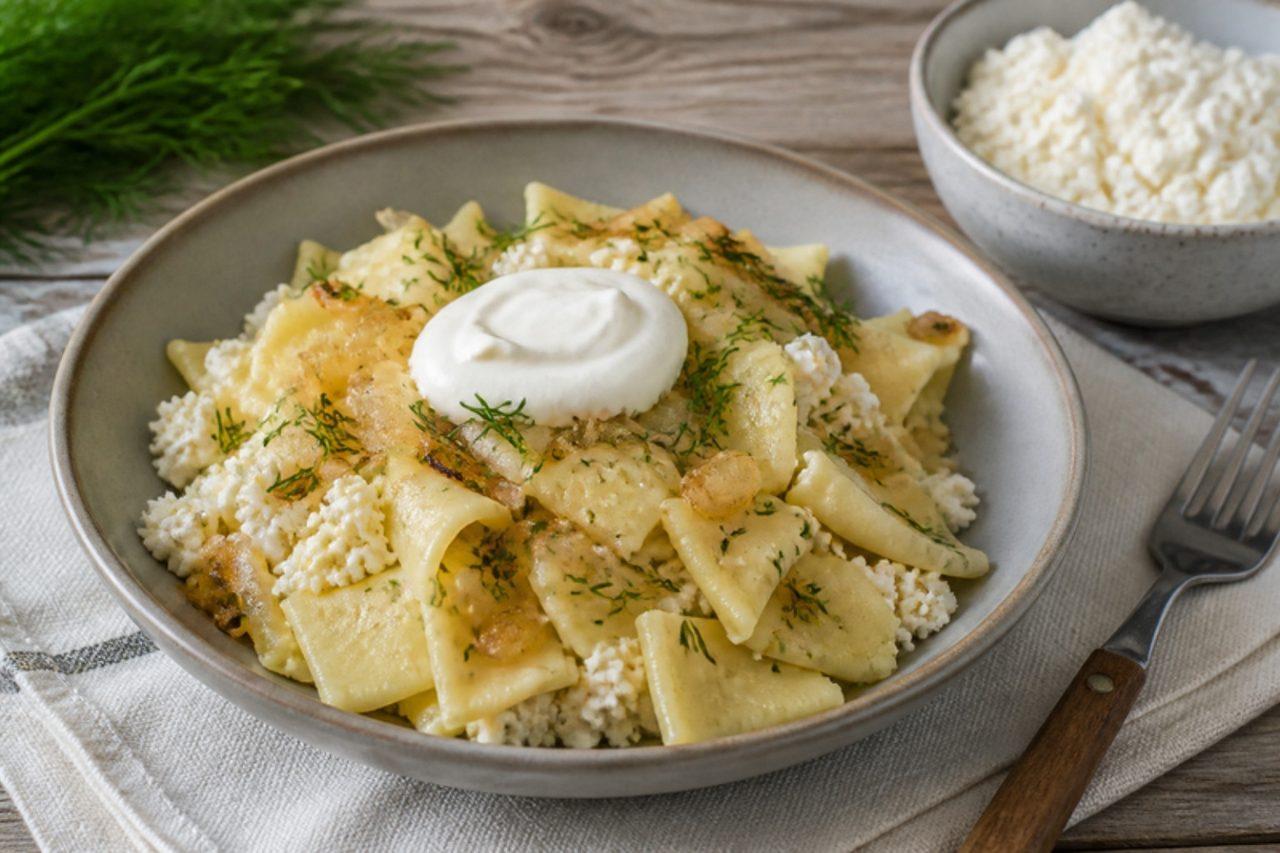
Túrós csusza is a simple dish of wide pasta squares tossed with crumbly túró curd cheese and sour cream, loved across Hungary and especially in the Danube villages, where it is served as a filling main after a bowl of fish soup. At home it is a Friday or end-of-the-month supper made from what is in the fridge. Traditionally it is topped with crisp pork crackling; here, fried onions and a little smoked paprika give the same crunch and savouriness. The flavour is mild, tangy and comforting. Chef's tip: toss the cheese into the pasta while it is still steaming so the túró warms through, but serve the sour cream cold on top for contrast.

by KrazyBadal 0 views

BanoshCornmeal with sour cream and cheese

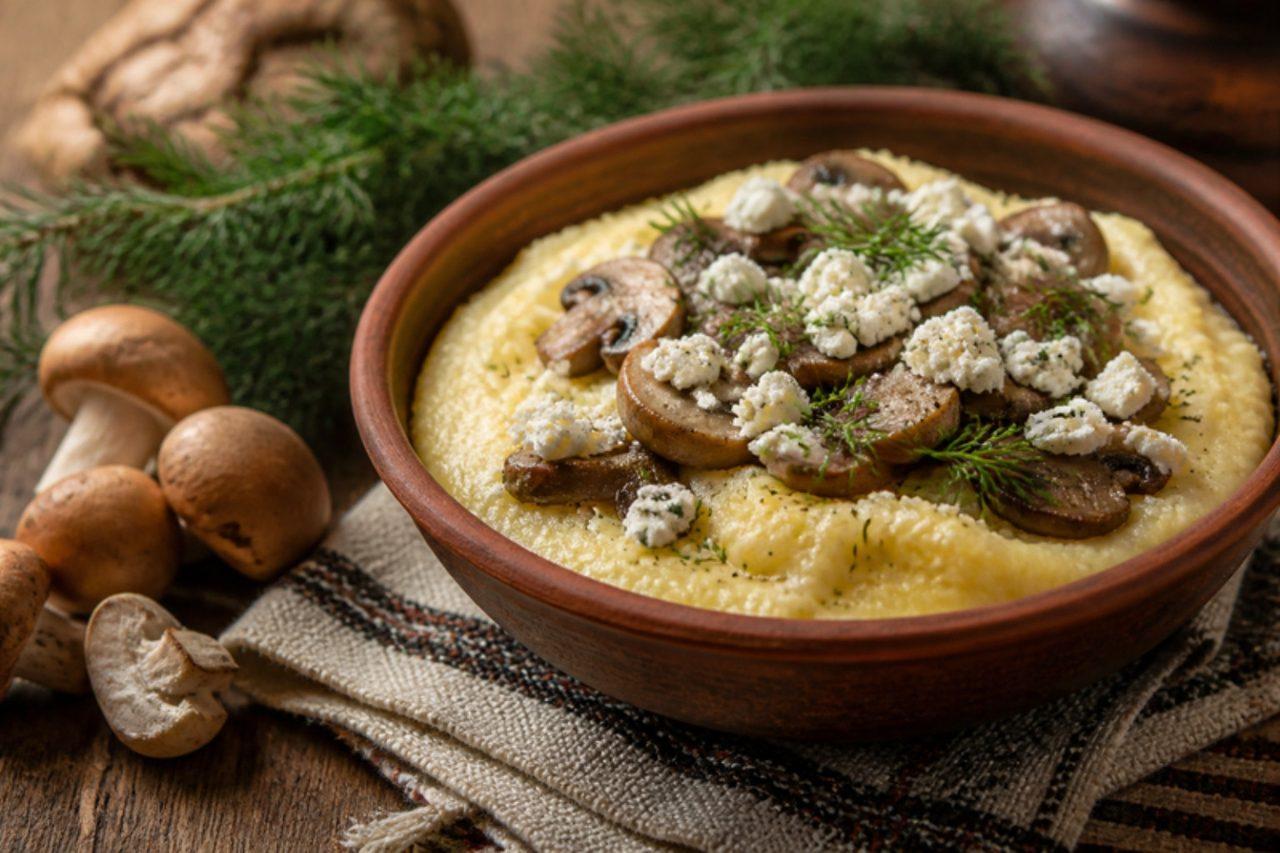
Banosh is the shepherds' dish of the Hutsul highlands in the Ukrainian Carpathians, around Verkhovyna, Kosiv and Yaremche. Coarse cornmeal is stirred into simmering sour cream over a fire until the butterfat beads on the surface, then heaped on plates and crumbled with salty bryndza sheep's cheese and forest mushrooms; tourists queue for it in the mountain kolyba restaurants. Traditionally it is also topped with crisp pork crackling, which this vegetarian version leaves out in favour of extra buttery mushrooms. Bryndza is usually made with animal rennet, so look for a sheep's or feta cheese labelled vegetarian. Chef's tip: stir in one direction only with a wooden spoon, as the Hutsuls insist; it keeps the porridge smooth and helps the fat separate out, which tells you it is ready.

by KrazyBadal 0 views

Showing 45 of 10,569 recipes

Show more recipes

Page 980 of 1,175