Skip to content
WhatToEat.Today

Jain recipes: no onion, garlic or root vegetables

2,799

2799 Jain recipes with no onion, garlic, potato, carrot, fresh ginger or other root vegetables, and no mushrooms, eggs or honey. Hing, dry ginger and turmeric powder are fine. Each has photos, step-by-step instructions and cook times. The quickest, Apfelschorle, takes 2 minutes. Most take around 40 minutes.

Filter these by time, diet or cuisine · Make Jain your diet to see only these recipes everywhere on the site.

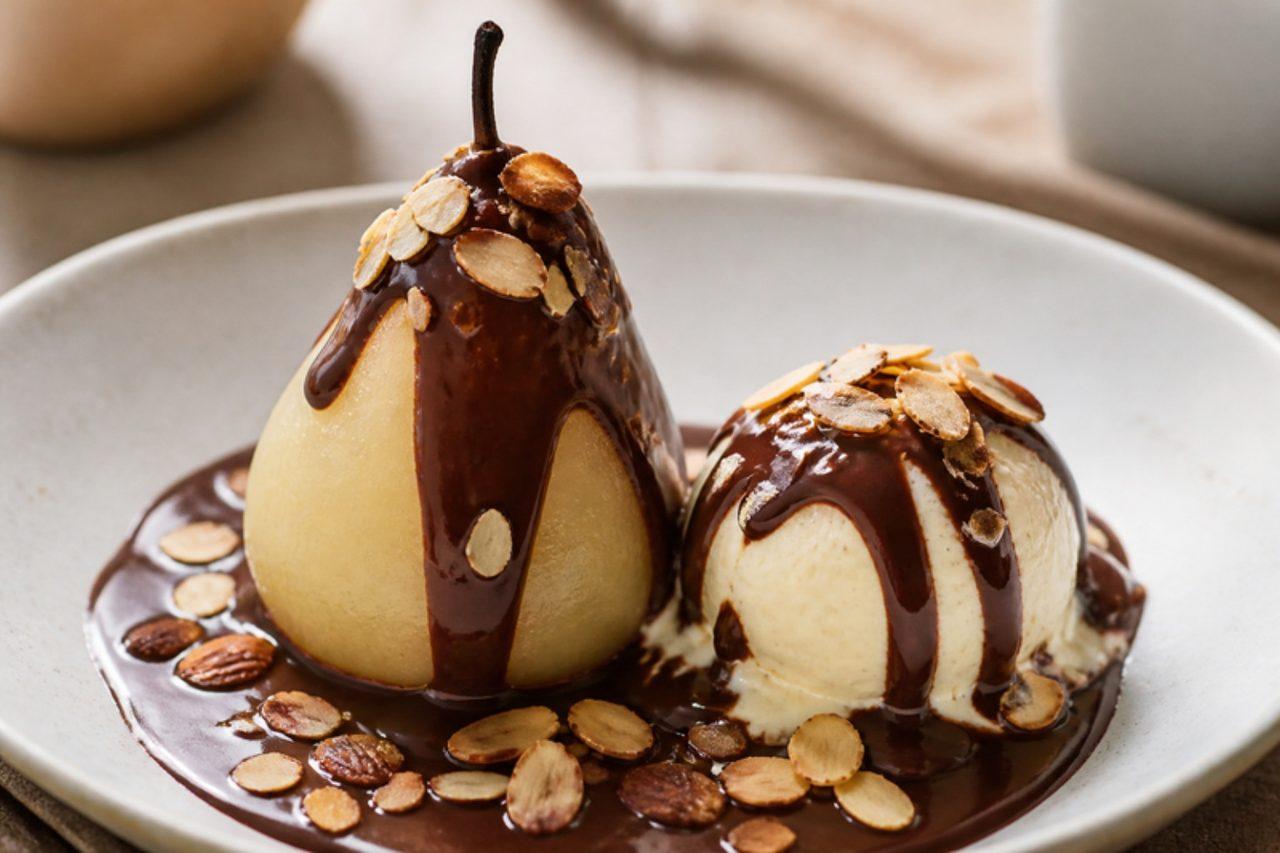
Poires Belle-HélènePears with chocolate sauce

Poires Belle-Hélène was created in Paris in the 1860s, probably by the great chef Escoffier, to honour Offenbach's operetta La Belle Hélène, and it is still on bistro menus and served at home as an easy winter dessert. Whole pears are poached in vanilla syrup, then served cold with vanilla ice cream and a jug of hot dark chocolate sauce. The common mistake is poaching hard pears too fast, so they stay crunchy in the middle. Chef's tip: the pears are done when a knife slides in like butter; keep the syrup at a gentle shiver.

by KrazyBadal 0 views

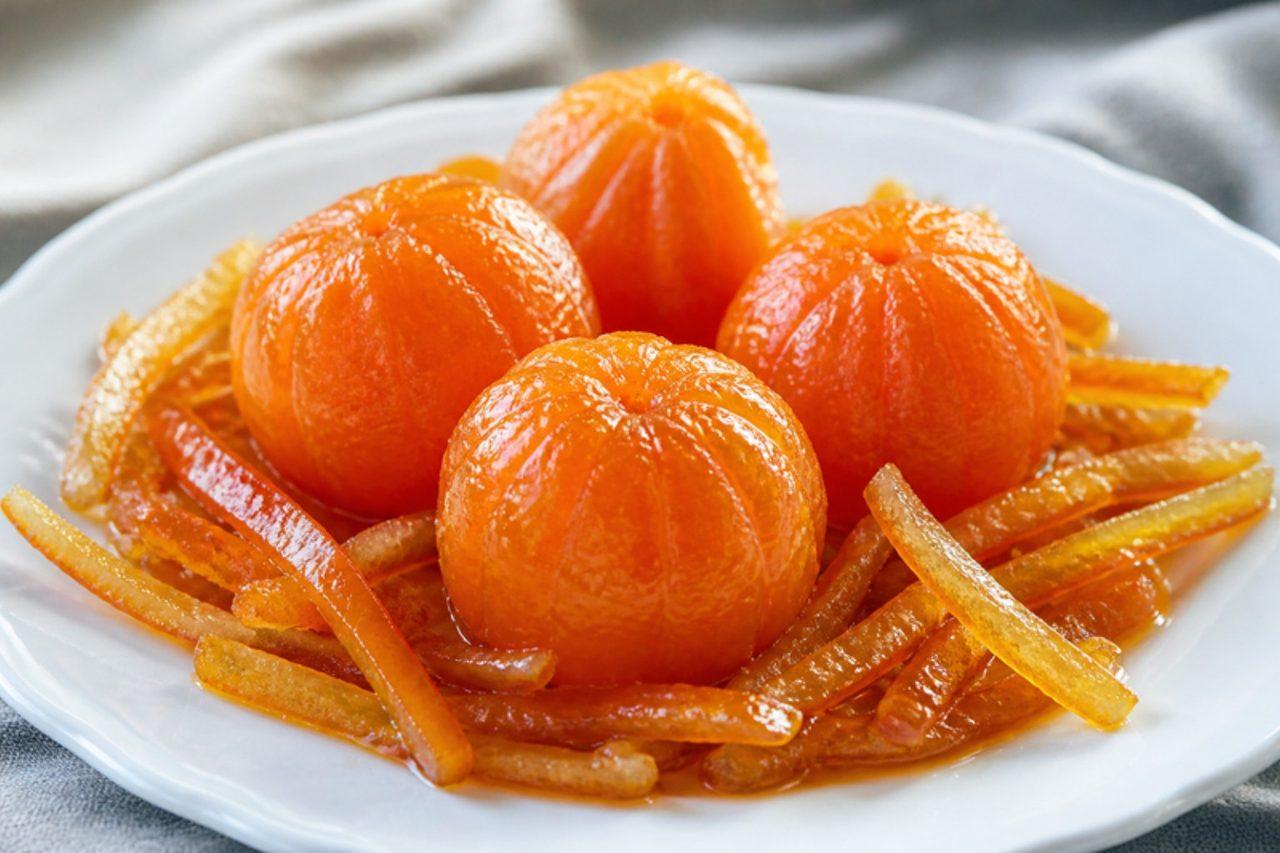
Fruits confitsCandied citrus fruit

Candied fruit is a speciality of Apt in the Vaucluse, the world capital of fruits confits, and a bowl of glistening candied clementines, melon and orange peel is one of the thirteen desserts of Christmas Eve in Provence. Home candying takes several days of patient simmering in syrup, but very little work each day. The common mistake is boiling the fruit hard, which toughens it. Chef's tip: increase the sugar a little each day so it soaks in slowly to the centre.

by KrazyBadal 0 views

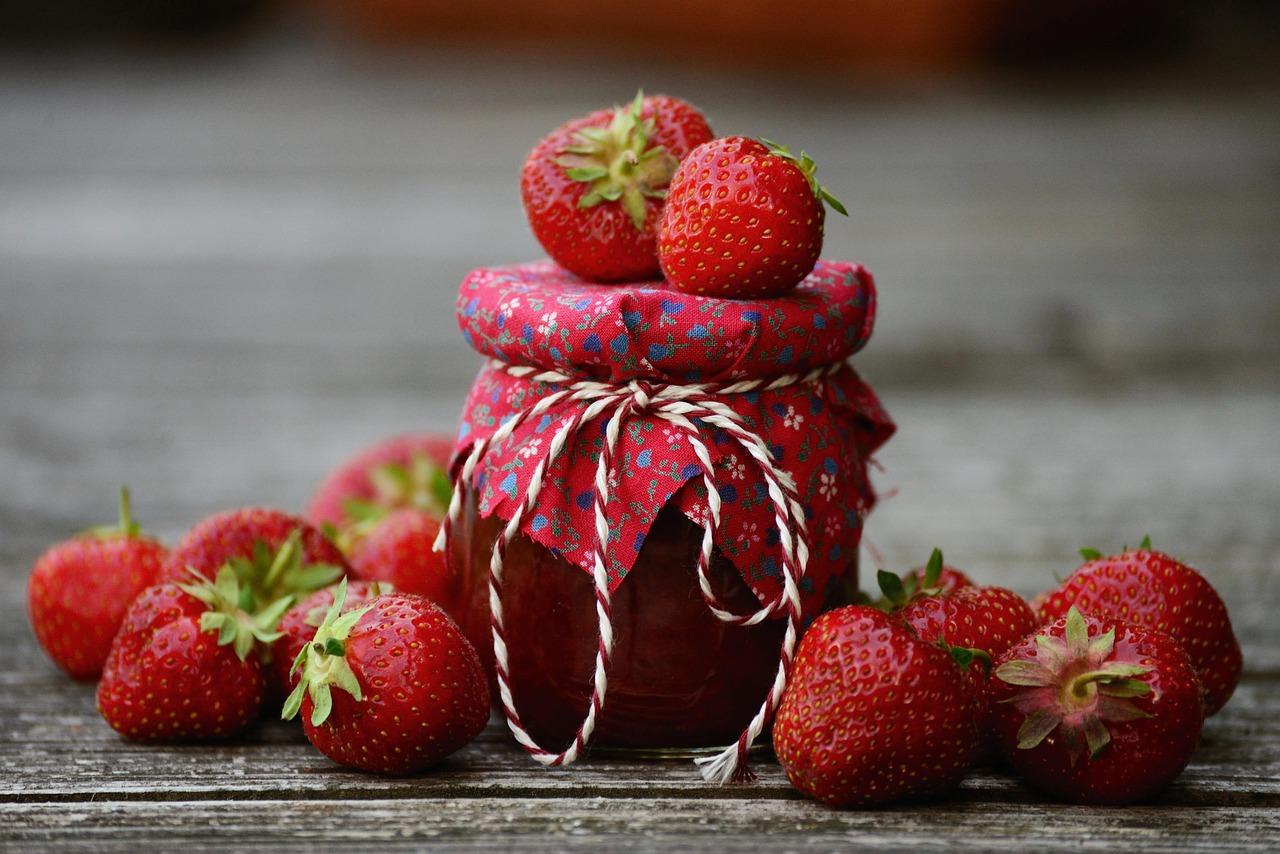
Confiture de fraisesStrawberry jam

Strawberry jam is the jam of French breakfasts, spread on buttered baguette or tartines and stirred into fromage blanc, and families make it in early summer when the Plougastel and Carpentras strawberries are cheap at the market. Macerating the fruit overnight in sugar keeps the berries whole. The common mistake is cooking too long, which darkens it and loses the fresh taste. Chef's tip: test for a set on a cold saucer; when you push it with a finger, it should wrinkle.

by KrazyBadal 0 views

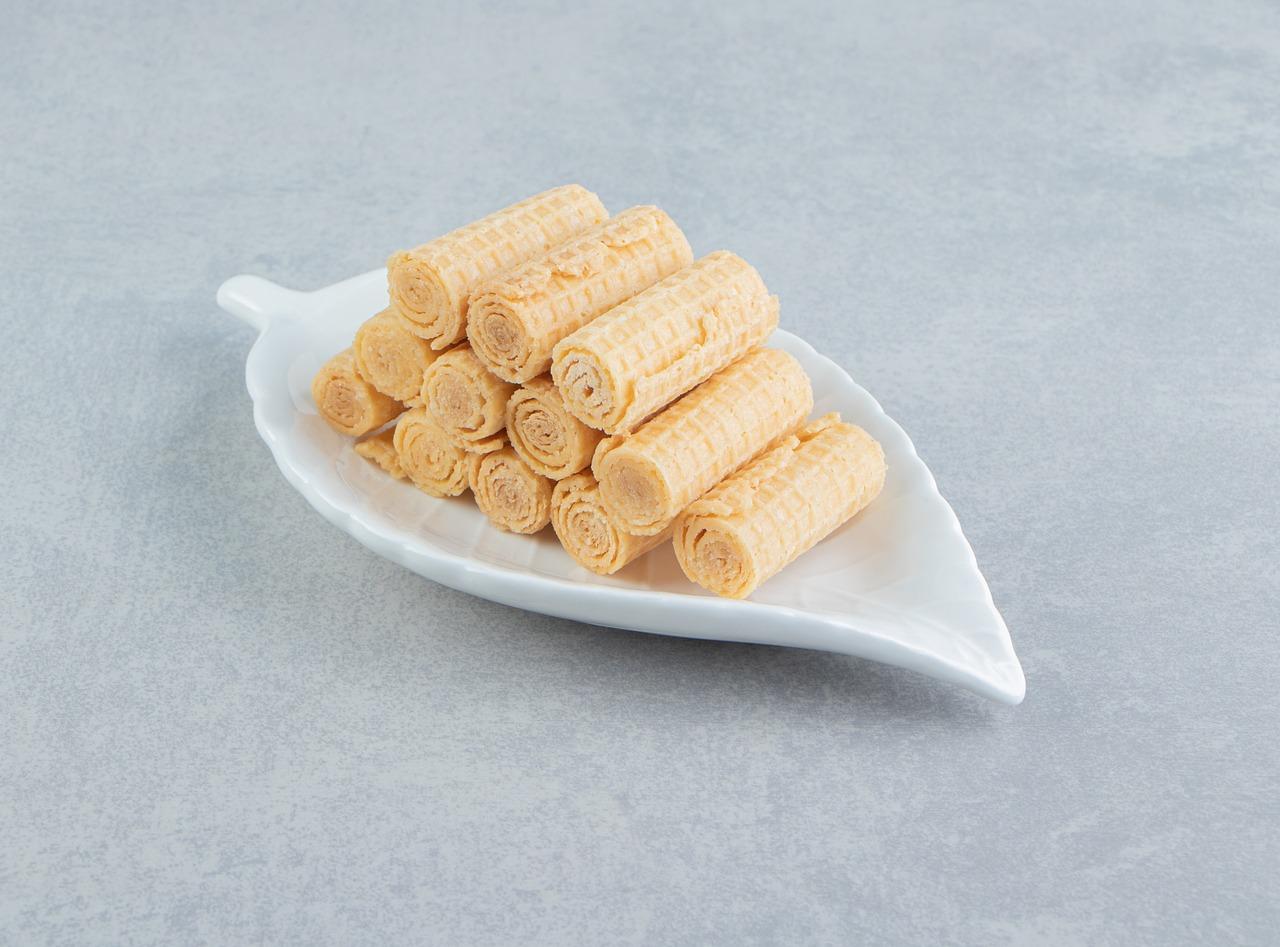
Crêpes dentelleCrisp lace crêpe biscuits

Crêpes dentelle, "lace crêpes", are a speciality of Quimper in Brittany, said to have been invented by a baker there in 1886 who burnt a crêpe and rolled it up; they are wafer-thin, crisp, buttery rolled biscuits, sold in tins all over Brittany and eaten with coffee or crumbled over ice cream. The common mistake is spreading the batter too thick, so they will not crisp. Chef's tip: spread the batter so thin you can see the tray through it, and roll each one as soon as it comes out of the oven.

by KrazyBadal 0 views

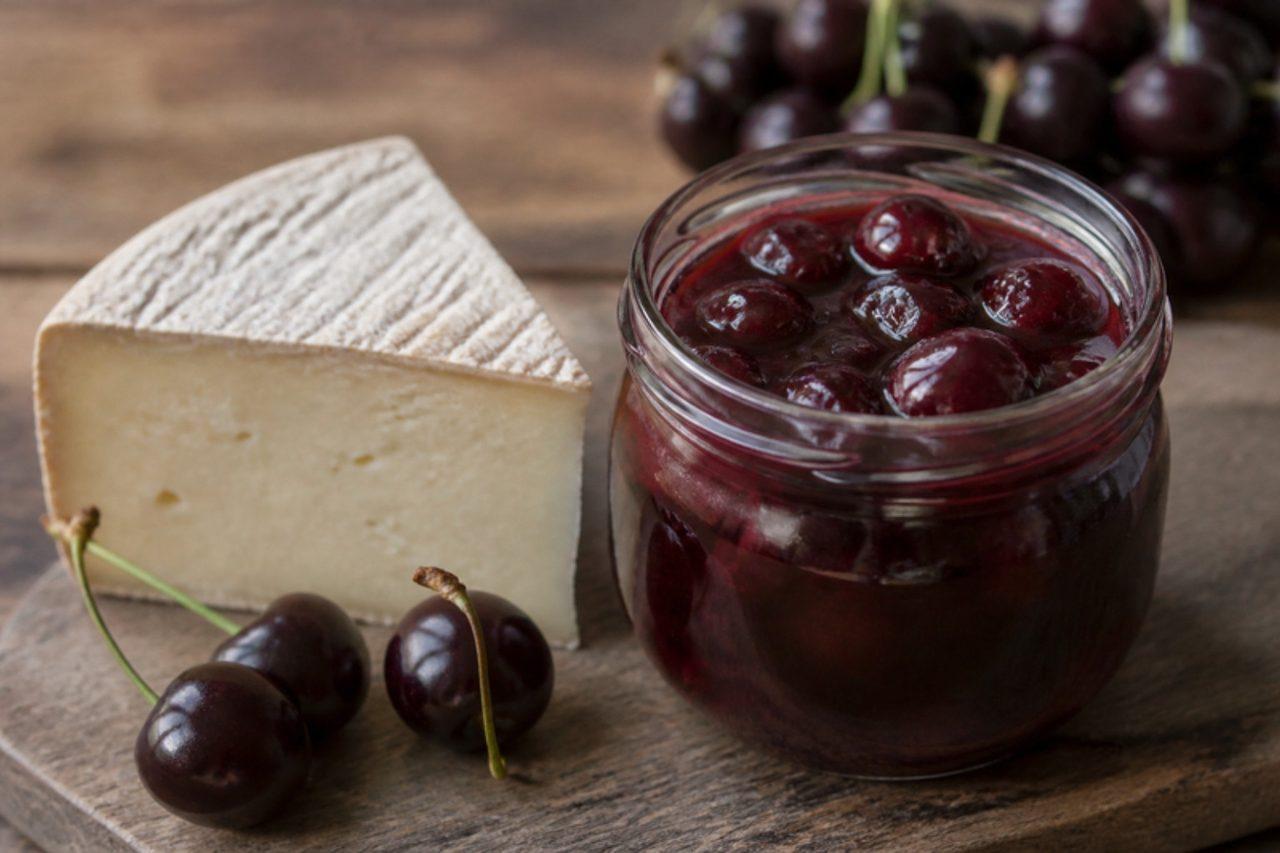
Confiture de cerises noiresBlack cherry jam

Black cherry jam is the pride of the Basque country, made in June with the black cherries of Itxassou, where the village holds a cherry festival every year, and it is served with a slice of ewe's-milk cheese (Ossau-Iraty) after a meal, or used to fill the gâteau basque. The cherries are stoned and cooked until the jam is dark and glossy. The common mistake is leaving in stones; count them out. Chef's tip: wear an apron and stone the cherries over a bowl to catch the juice.

by KrazyBadal 0 views

Pâte feuilletéePuff pastry

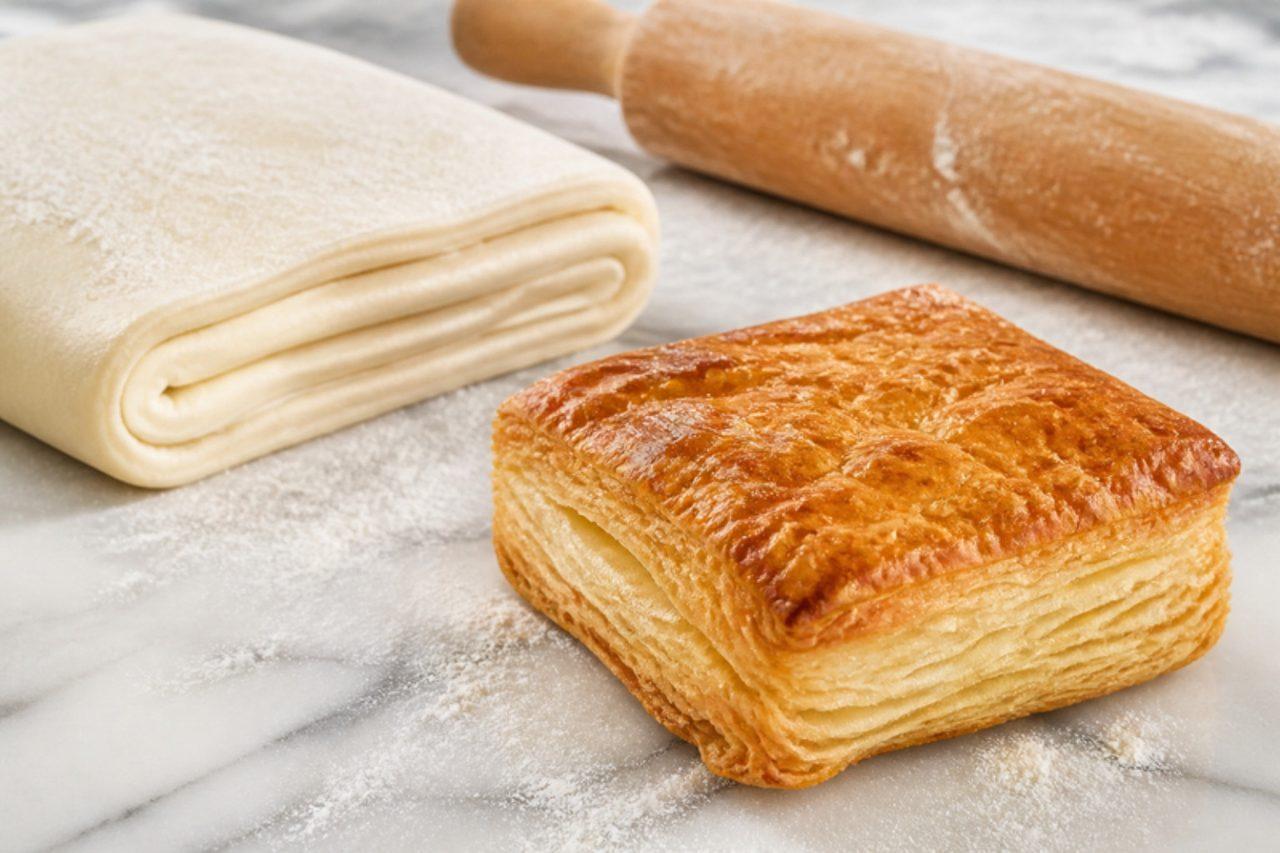
Pâte feuilletée is the queen of French pastries, the flaky dough behind galettes des rois, mille-feuilles, vol-au-vents and palmiers, still made by hand in pâtisseries all over France. A simple dough is wrapped around a flat block of cold butter, then rolled and folded six times, so that in the oven the water in the butter turns to steam and lifts hundreds of layers. It takes time rather than skill. The common mistake is letting the butter get warm and soft, which smears the layers together. Chef's tip: chill the dough for 30 minutes after every two turns, and work in a cool kitchen.

300 minFrenchBasics
by KrazyBadal 0 views

Gelée de groseillesRedcurrant jelly

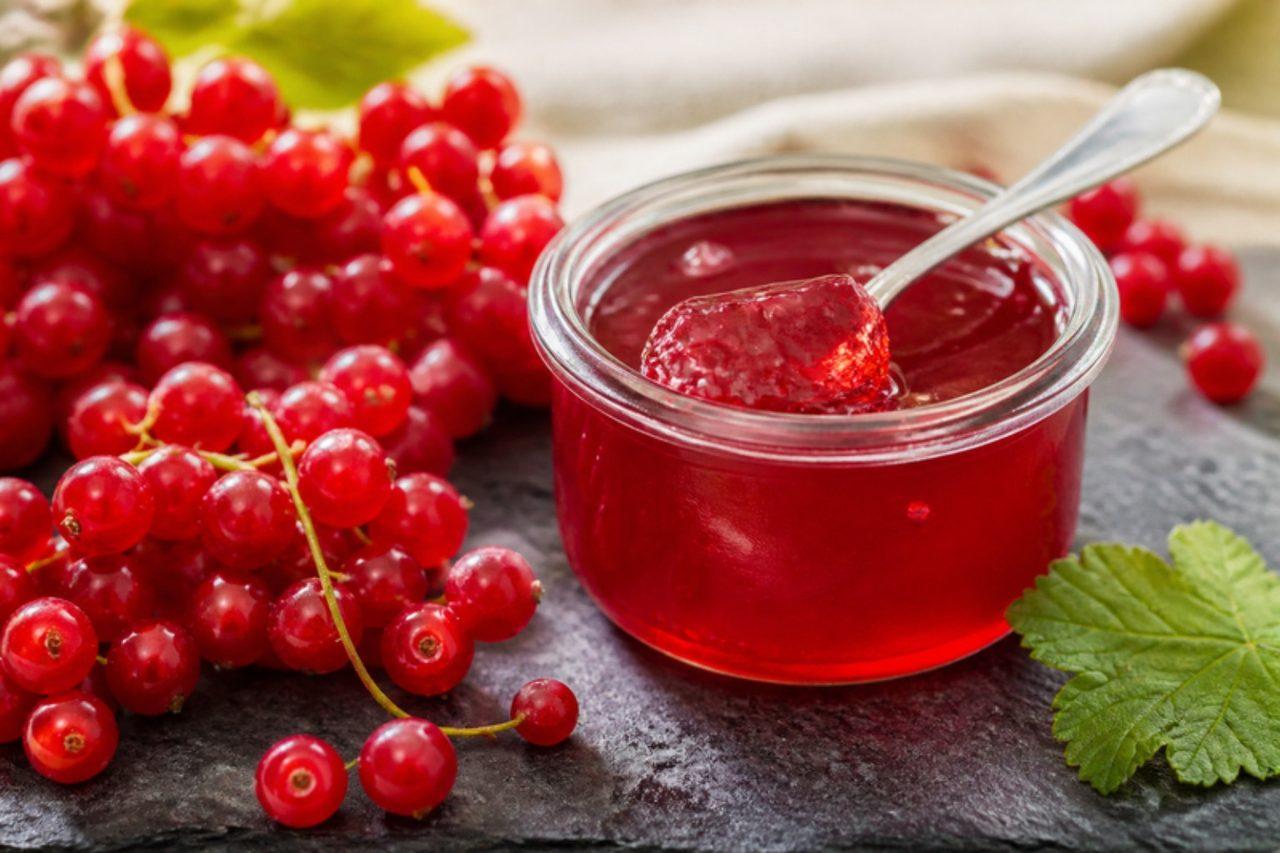
Redcurrant jelly is a summer preserve of eastern France, and in Bar-le-Duc in Lorraine the currants are still seeded by hand with a goose quill for the famous whole-berry jam; at home, the jelly is simply strained to a clear, ruby set, spread on bread and used to glaze fruit tarts. Redcurrants are full of pectin, so it sets easily. The common mistake is squeezing the jelly bag, which makes it cloudy. Chef's tip: let the juice drip on its own, overnight if you can.

by KrazyBadal 0 views

Dattes fourréesMarzipan-stuffed dates

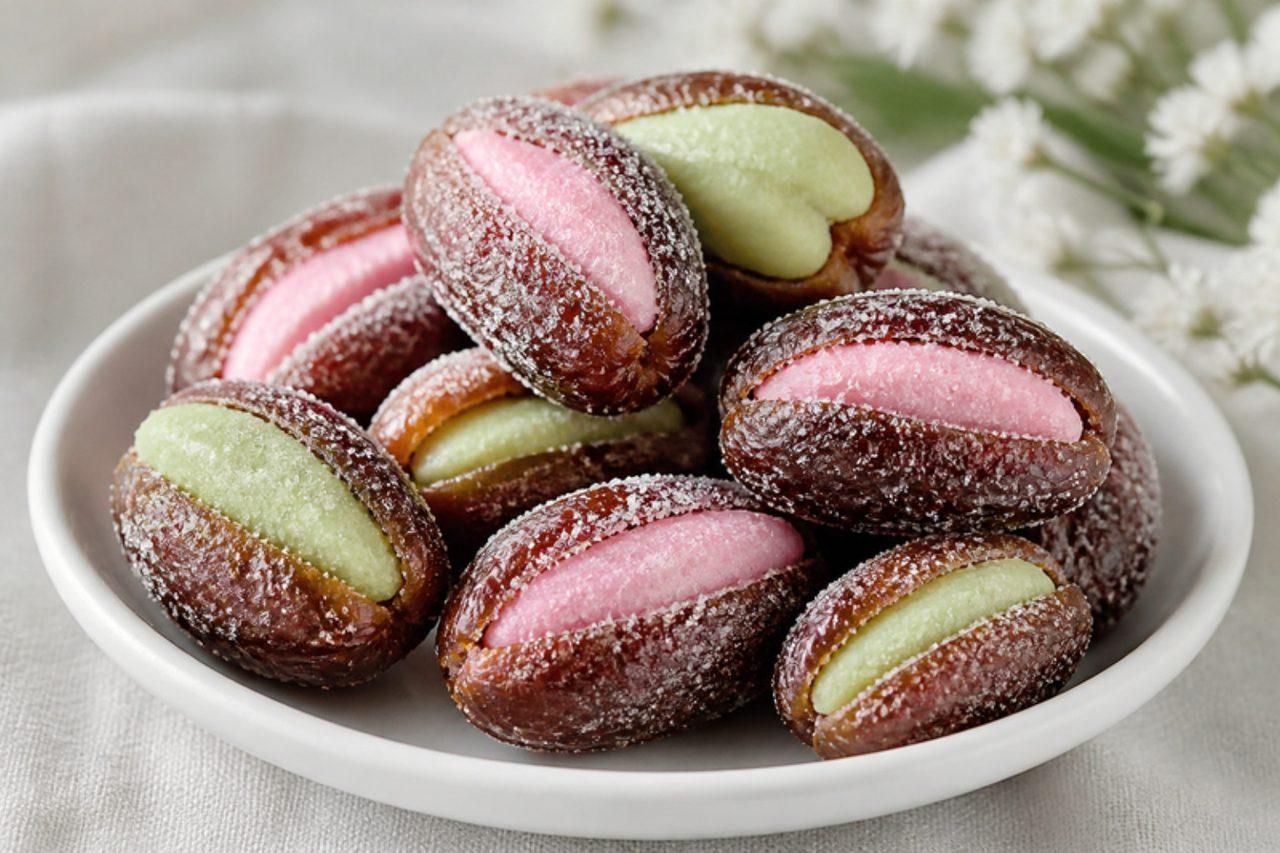
Dattes fourrées, dates stuffed with pale green or pink almond paste, are one of the thirteen desserts on the Christmas Eve table in Provence and a favourite home-made sweet across France in December, simple enough for children to help make. Soft Medjool or Deglet Nour dates are split, stoned and filled with a little roll of marzipan, then rolled in sugar. The common mistake is using very dry dates, which split. Chef's tip: warm the marzipan in your hands before colouring; the colour mixes in evenly.

by KrazyBadal 0 views

Entremets trois chocolatsTriple chocolate mousse cake

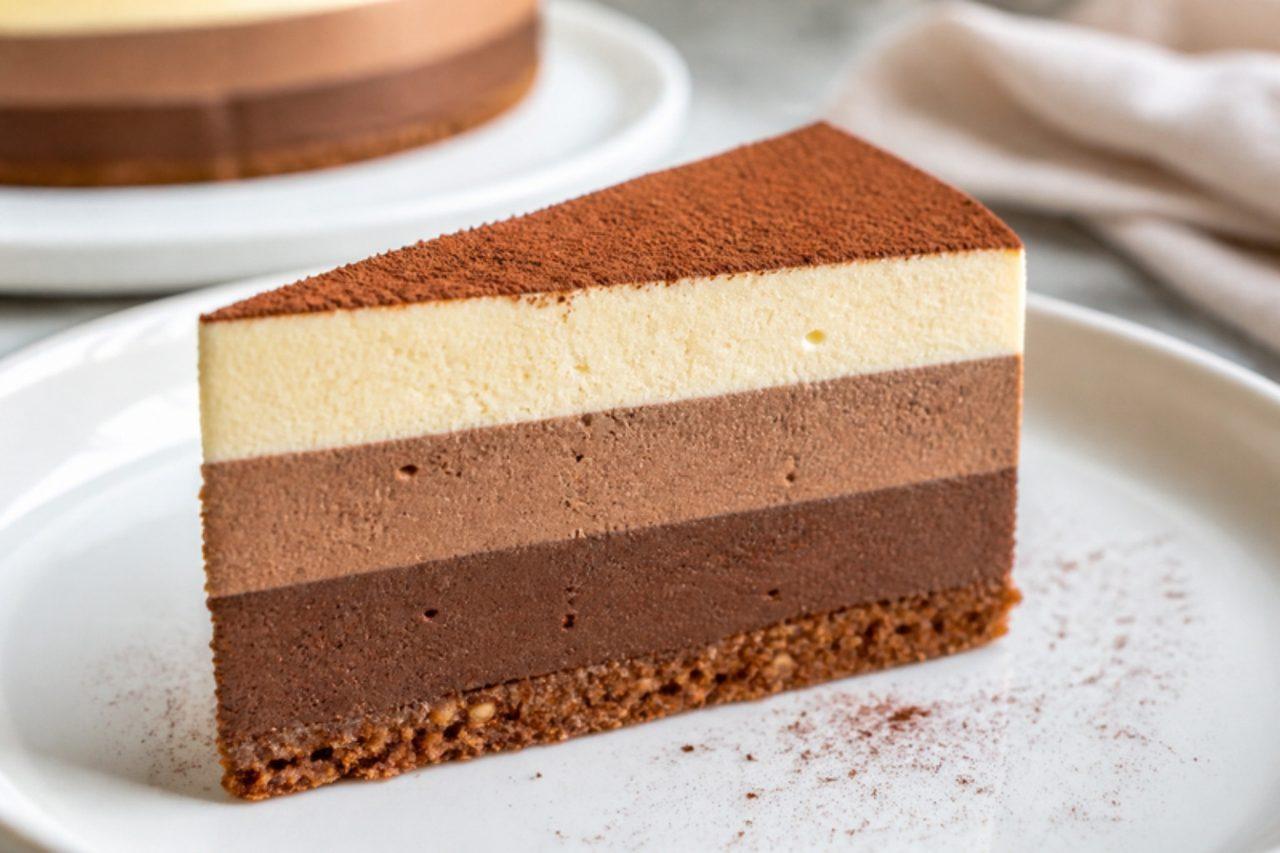
The trois chocolats is the most popular birthday entremets in French pâtisseries, a crisp praline base topped with three layers of mousse, dark, milk and white chocolate, set in a ring and sliced to show the stripes. This home version sets the mousses with agar, so it is vegetarian. The common mistake is pouring a layer before the one below is set, so they mix. Chef's tip: chill each layer for 30 minutes, until it no longer moves when you tilt the ring.

by KrazyBadal 0 views

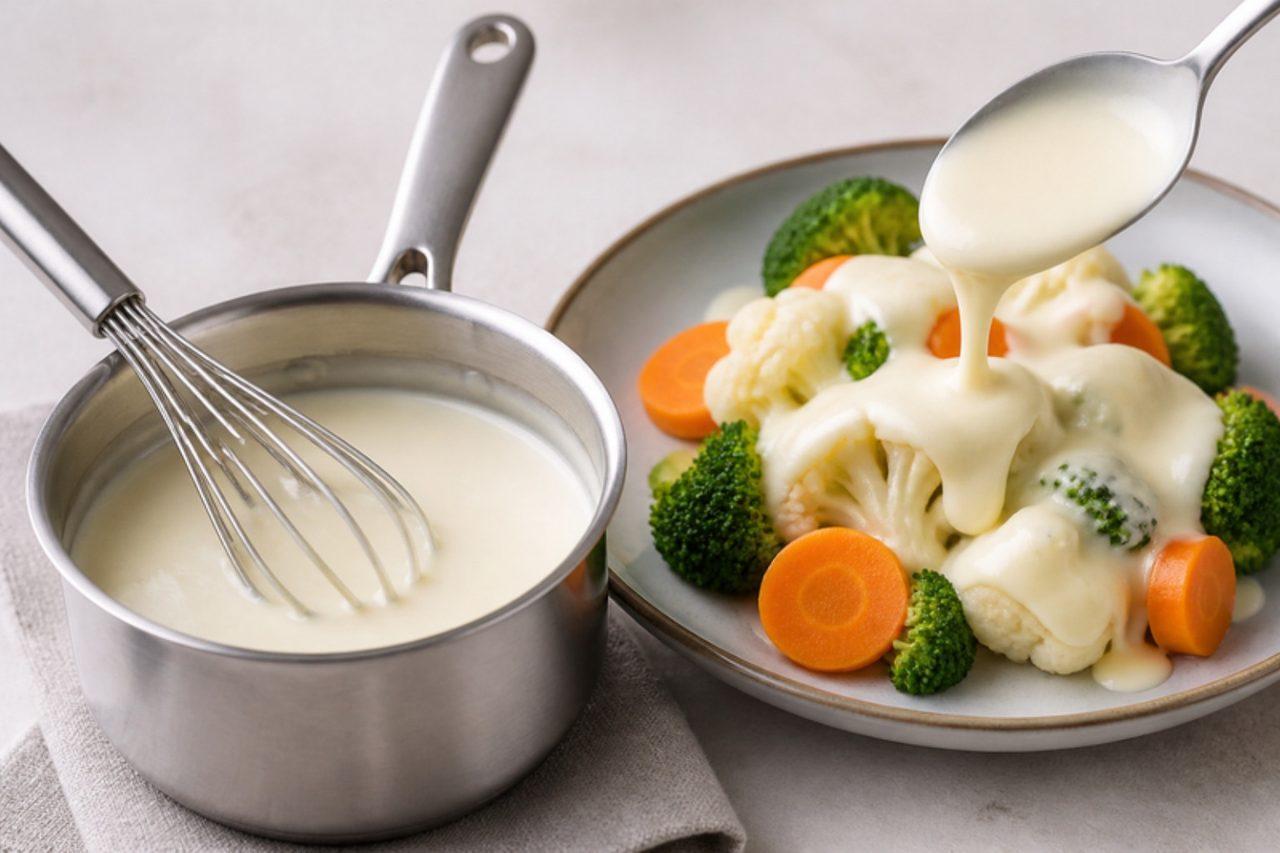
Sauce veloutéLight stock white sauce

Velouté is one of the five mother sauces of classic French cooking, taught in every cookery school from Paris to Lyon and used as the base for dozens of sauces for vegetables, eggs, chicken and fish. A blond roux of butter and flour is cooked without browning, then whisked into hot light stock and simmered until silky. This version uses vegetable stock so it is vegetarian; for the classic, use chicken, veal or fish stock to match the dish. The common mistake is not simmering long enough, which leaves the sauce tasting of raw flour. Chef's tip: add the hot stock to a warm roux gradually, whisking hard, and you will never get lumps.

by KrazyBadal 0 views

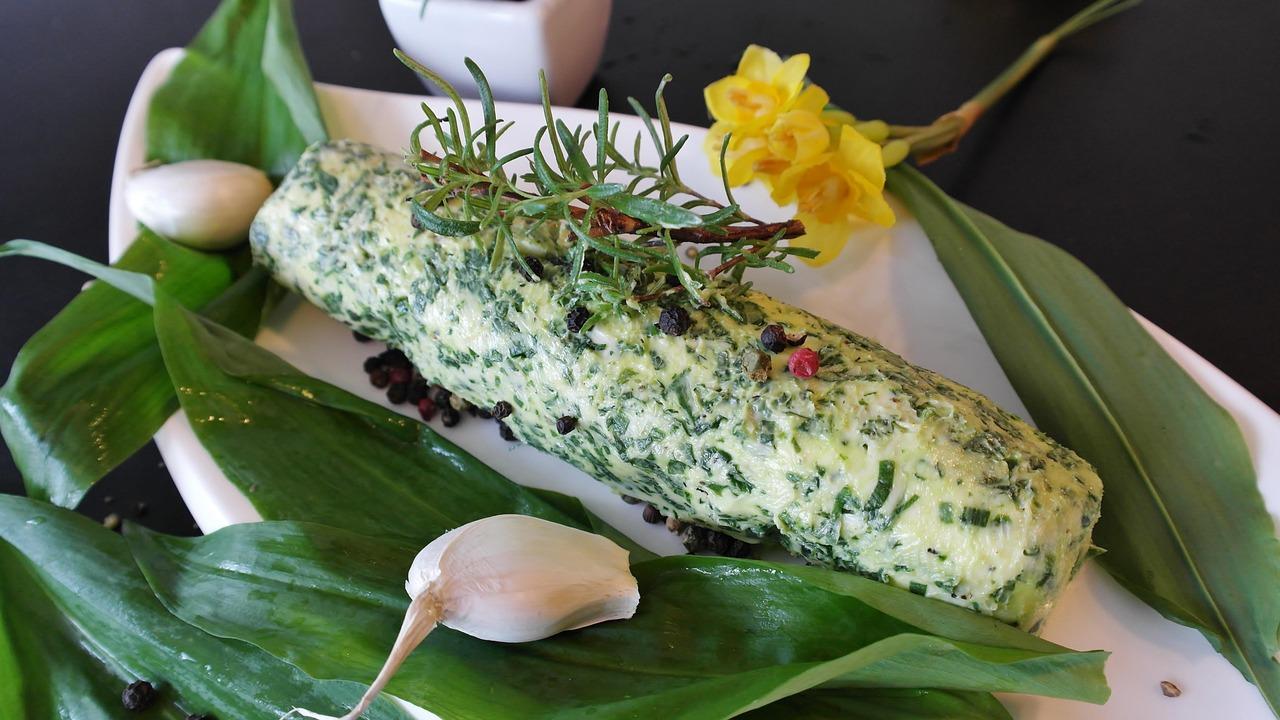
Beurre maître d'hôtelParsley and lemon butter

Beurre maître d'hôtel is the simplest of the French flavoured butters, a roll of soft butter beaten with parsley and lemon that every bistro keeps in the fridge to slice on to steak frites, grilled fish and baked potatoes, where it melts into a fresh, green sauce. It takes ten minutes and freezes beautifully. The common mistake is using butter straight from the fridge, which will not take the lemon juice and turns lumpy. Chef's tip: roll it into a log in baking paper, chill and slice coins as you need them; it keeps a month in the freezer.

by KrazyBadal 0 views

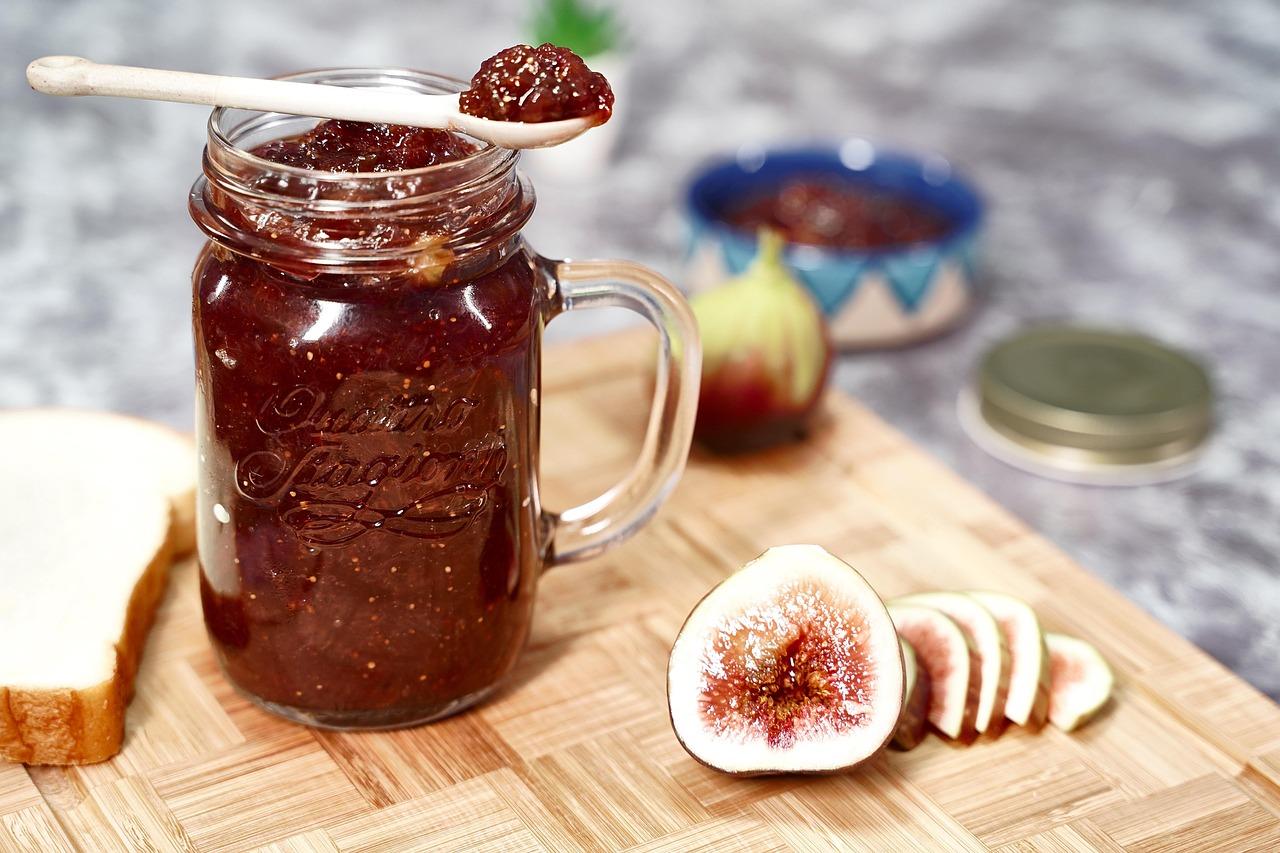
Confiture de figuesFig jam

Fig jam is made in late summer in Provence and the south-west, when the trees are heavy with violet figs, and it is served with breakfast and, very often, with cheese, especially goat's cheese and ewe's cheese from the Pyrenees. The figs are cooked with lemon and vanilla until thick and glossy. The common mistake is undercooking it, so it stays runny. Chef's tip: figs are low in pectin, so add a grated apple or use jam sugar.

by KrazyBadal 0 views

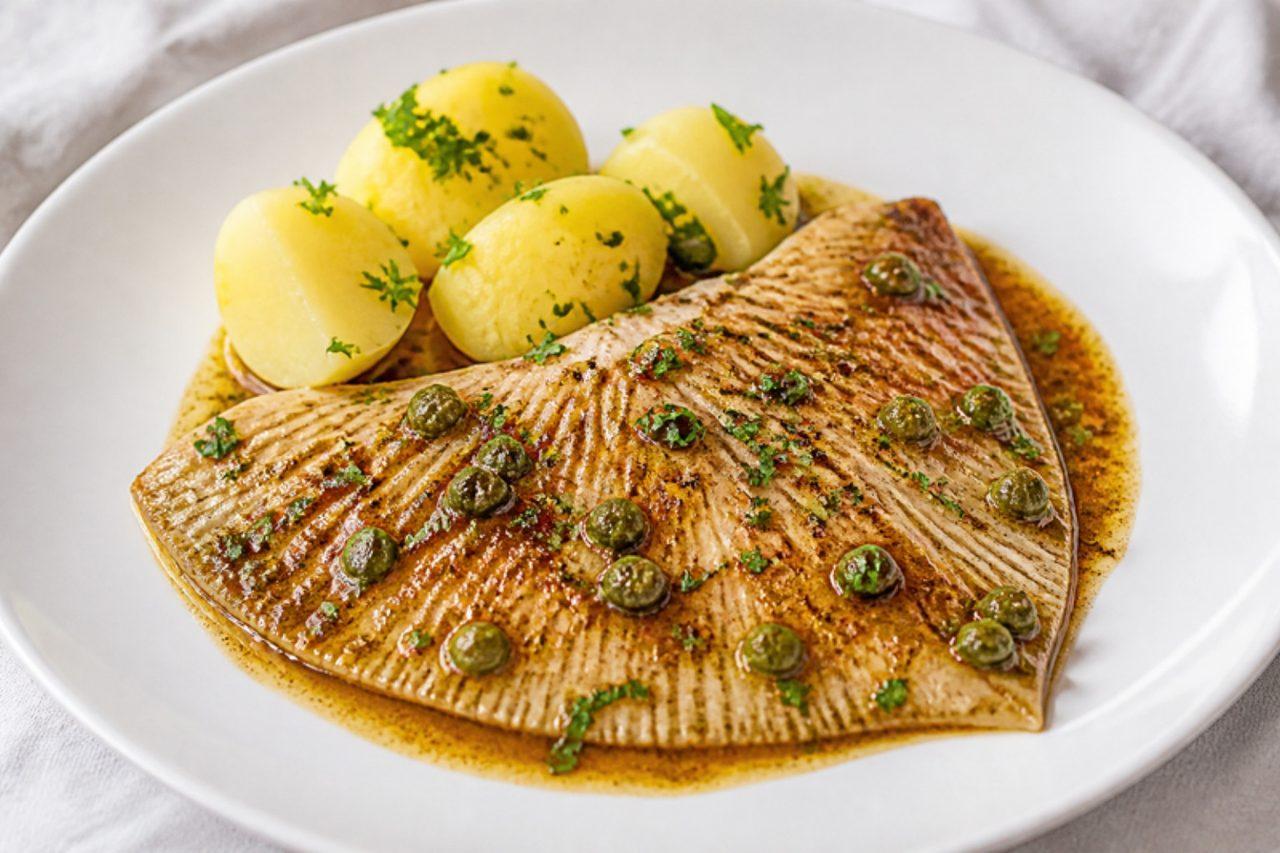
Raie au beurre noirSkate in brown butter

Raie au beurre noir is a much-loved bistro and home dish all along the French coasts and in Paris, served on Fridays with boiled potatoes. The skate wing is poached gently in a vinegary court-bouillon until the soft, ribbed flesh slides off its cartilage, then it is covered with butter cooked until deep brown and nutty, sharpened with capers and a splash of vinegar. Despite the name, the butter should be dark hazelnut, never black and burnt. The common mistake is overcooking the skate, which turns it stringy. Chef's tip: buy skate very fresh; any smell of ammonia means it is old.

30 minFrenchFishGluten free
by KrazyBadal 0 views

Sole meunièreSole in browned butter

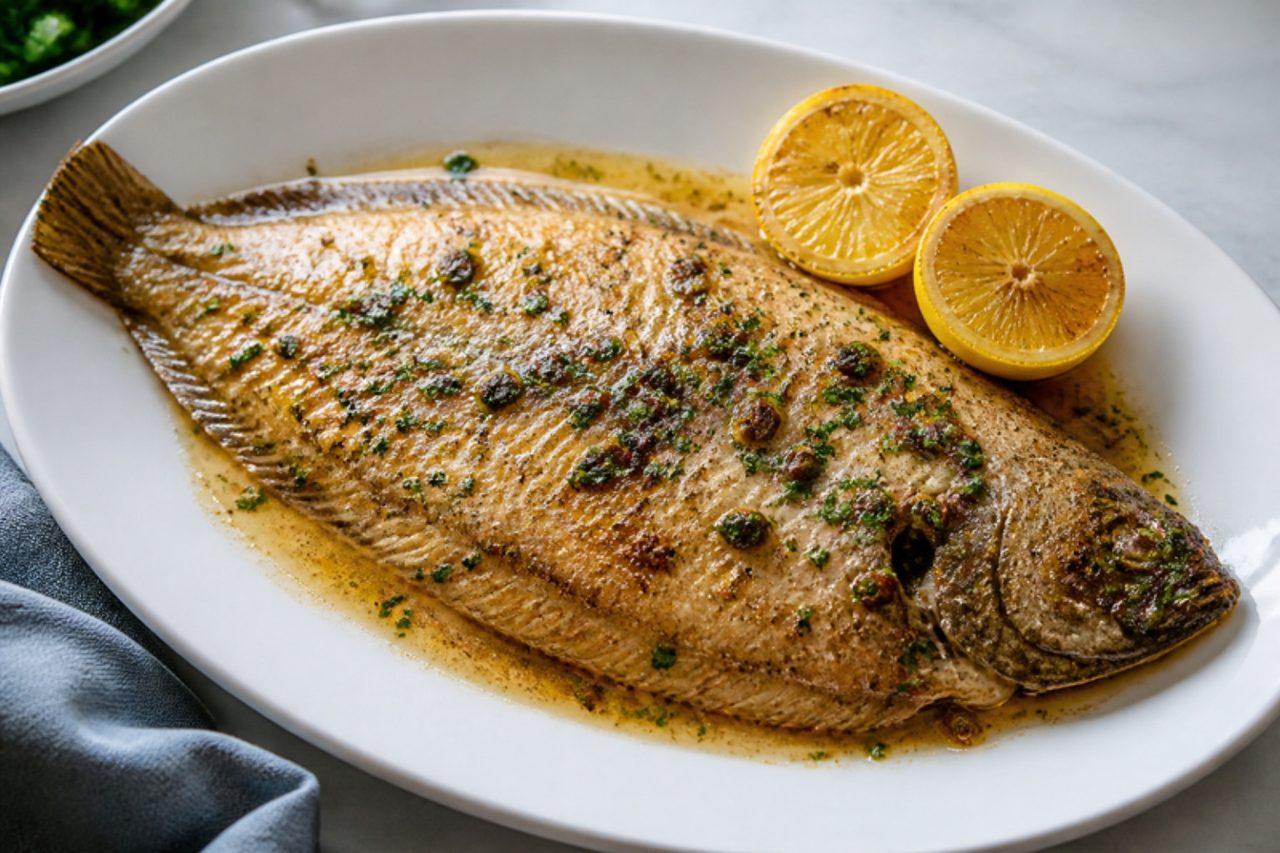
Sole meunière, "in the style of the miller's wife", is the fish dish of old Paris brasseries and Normandy seaside restaurants, served on Fridays and for special lunches with boiled potatoes. The sole is dusted in flour and cooked in foaming butter until golden, then bathed in nutty browned butter with lemon juice and parsley. The common mistake is a pan that is too crowded or not hot enough, so the flour turns soggy instead of crisp. Chef's tip: cook the fish in clarified butter or butter with a little oil, then make a fresh batch of browned butter for the sauce; it stays golden, not burnt.

25 minFrenchFish
by KrazyBadal 0 views
Tarte aux fraisesStrawberry tart

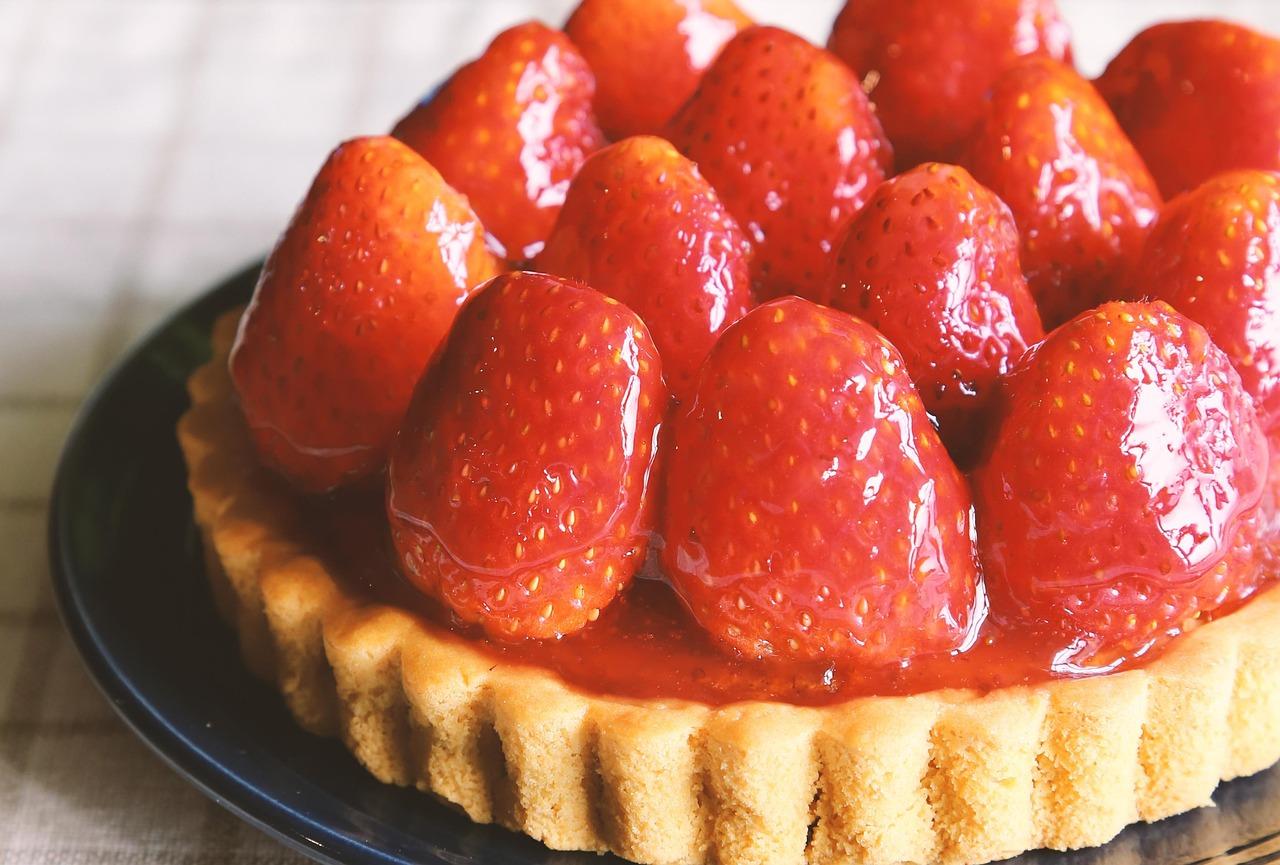
The tarte aux fraises arrives in French bakery windows with the first Gariguette and Plougastel strawberries in May and stays all summer, the most popular fruit tart for birthday lunches and Sunday family meals. A crisp sablé case is filled with vanilla crème pâtissière and covered in neat rows of halved strawberries, glazed for shine. The common mistake is filling the case too early, so the pastry goes soft. Chef's tip: brush the baked case with a thin layer of melted white chocolate; it seals the pastry and keeps it crisp for hours.

by KrazyBadal 0 views
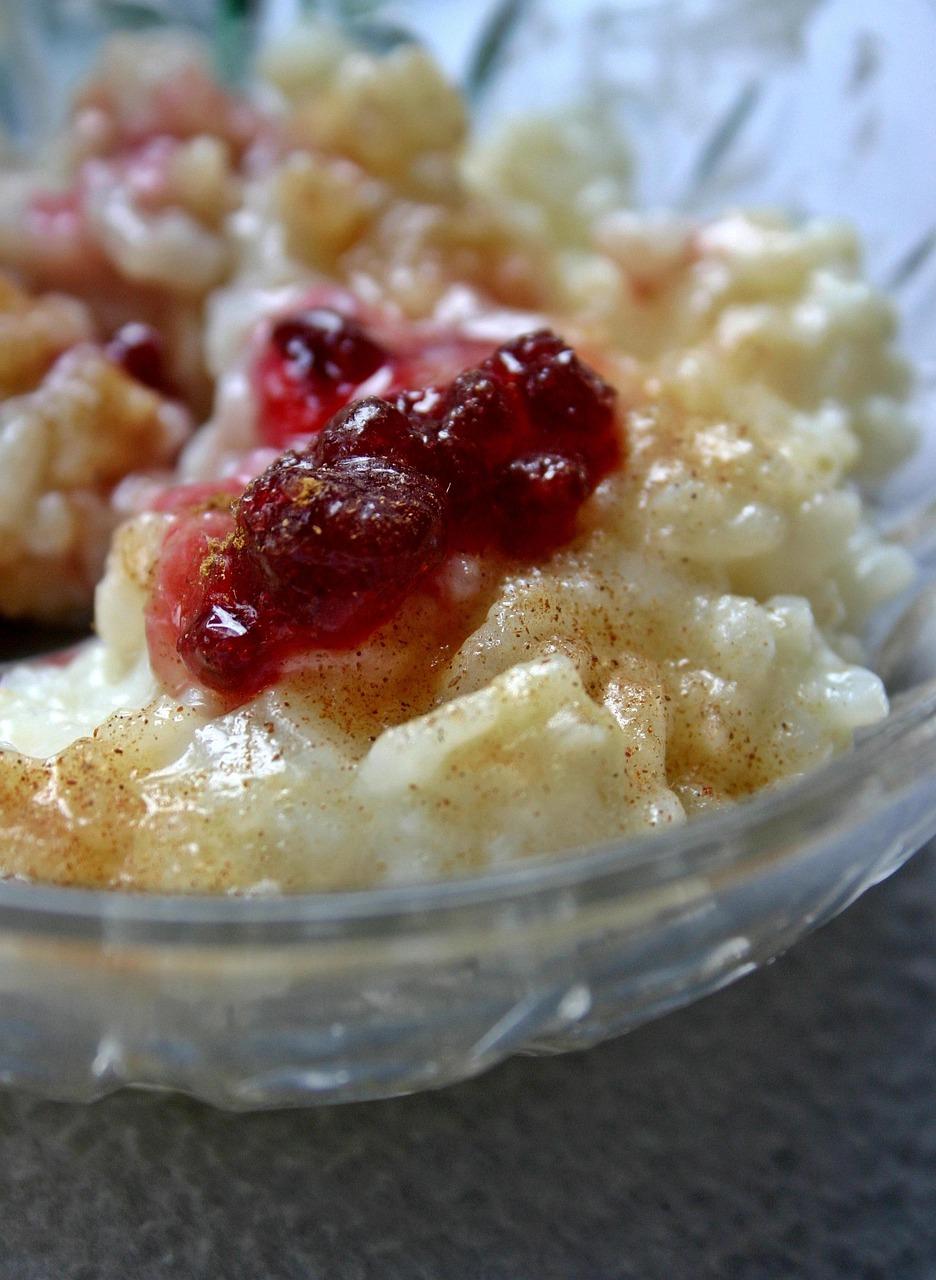
Riz au laitVanilla rice pudding

Riz au lait is the comforting rice pudding of French grandmothers, cooked slowly on the hob with milk and vanilla until thick and creamy, eaten warm or cold at goûter, sometimes with a spoonful of caramel or jam. In Normandy, a baked version is called teurgoule. The common mistake is cooking it too fast, so it sticks and the rice stays hard. Chef's tip: stir in the sugar only at the end; added earlier, it toughens the rice.

by KrazyBadal 0 views
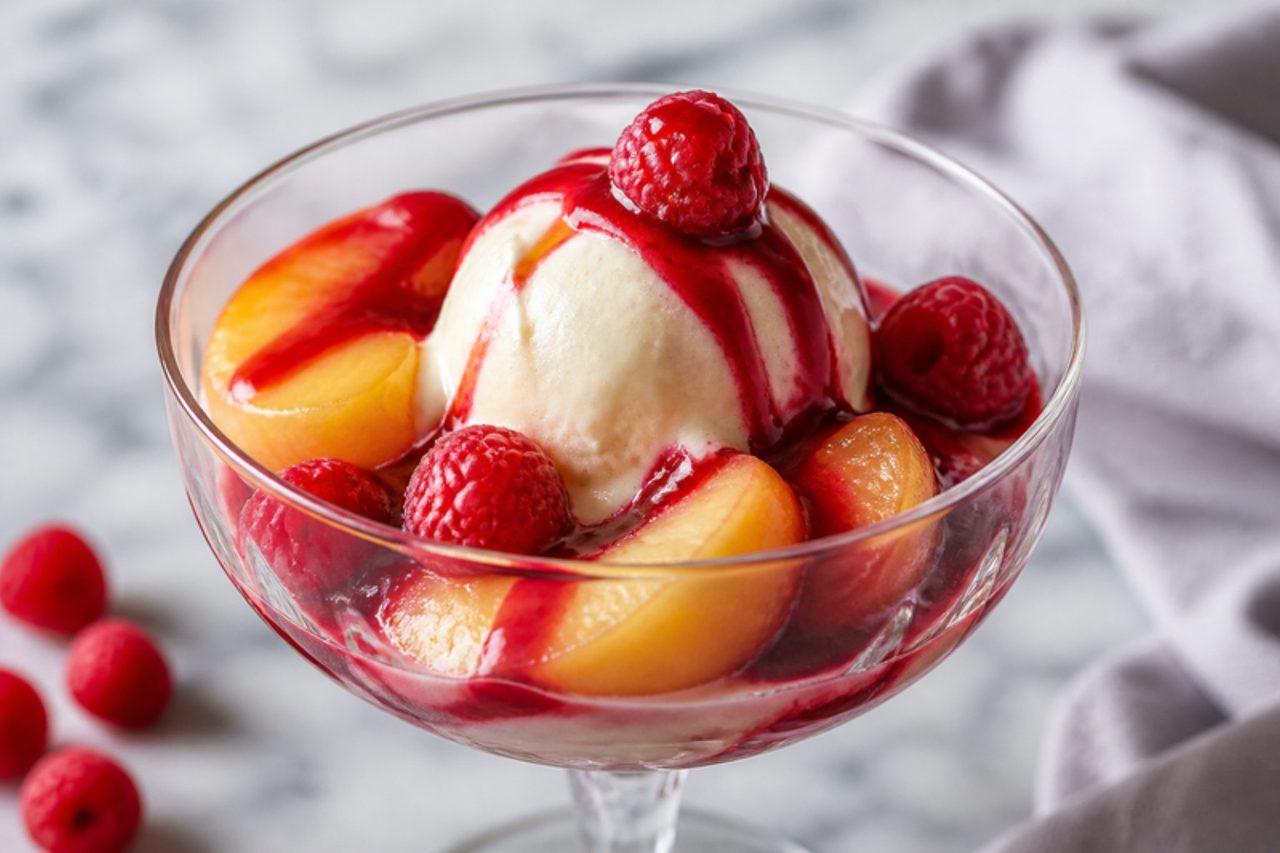
Pêche MelbaPeach and raspberry sundae

Pêche Melba was created by Auguste Escoffier at the Savoy in London in the 1890s for the Australian opera singer Nellie Melba, and it became a classic of French summer menus: ripe peaches poached in vanilla syrup, served on vanilla ice cream with a sharp, fresh raspberry sauce. The common mistake is using hard, underripe peaches, which have little flavour. Chef's tip: dip the peaches in boiling water for 20 seconds after poaching and the skins will slip off.

by KrazyBadal 0 views

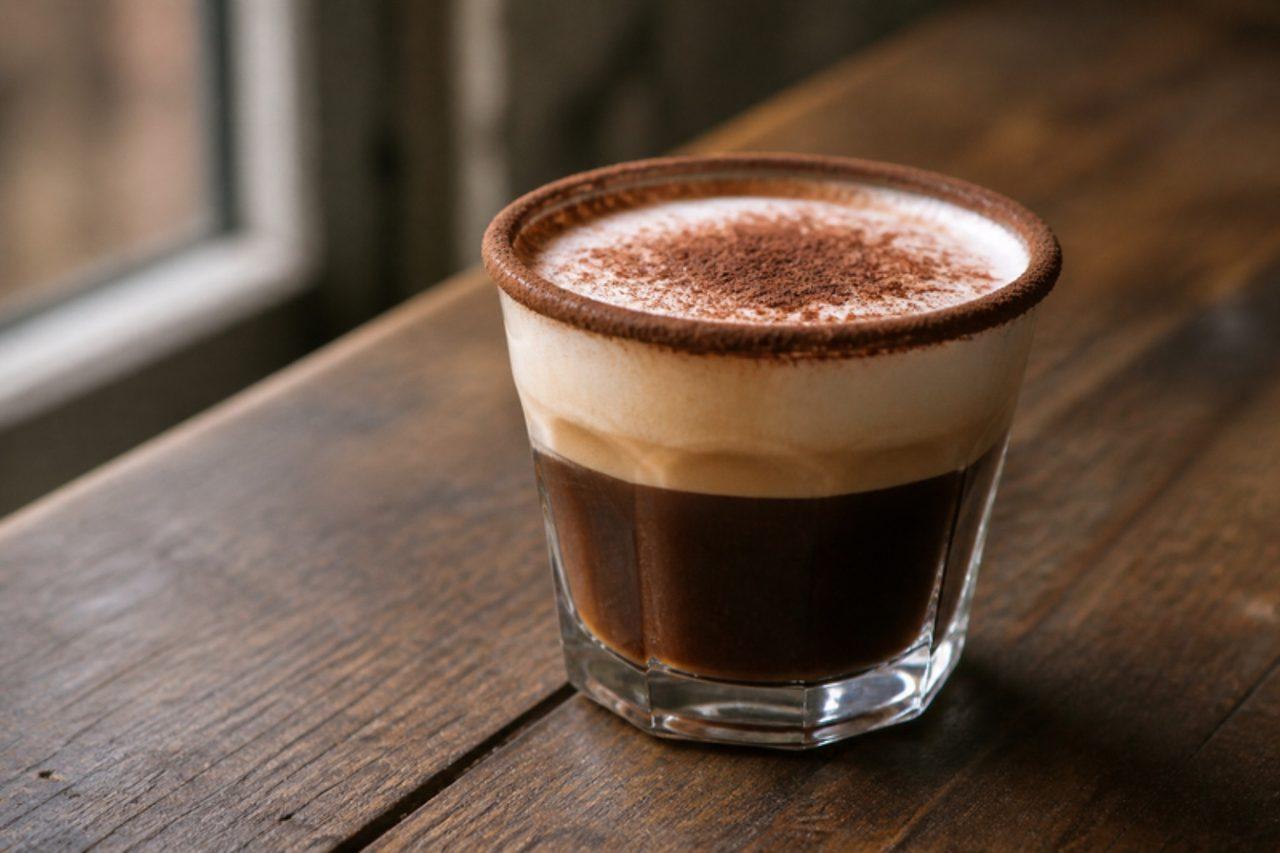
MarocchinoEspresso with cocoa and milk foam

The marocchino was born in the bars of Alessandria in Piedmont, and it is now ordered all over northern Italy: a little glass dusted inside with cocoa, filled with an espresso and topped with milk foam and more cocoa, sometimes with a spoonful of chocolate sauce at the bottom. Its name comes from the brown colour of a leather called "marocchino" once used for hat bands. It is a mid-morning or afternoon treat. Contains caffeine. Chef's tip: dust the empty glass with cocoa before pouring the coffee in; it sticks to the hot glass and gives each sip a chocolate edge.

by KrazyBadal 0 views

Pizzette rosseMini tomato pizzas

At every Italian children's birthday party, and in every bakery window from Rome to Bari, there is a tray of pizzette: small round pizzas the size of a palm, topped with tomato and a little mozzarella and oregano, soft and easy for small hands. Mothers buy them by the dozen for school snacks and christening buffets. They freeze well. Mozzarella is usually made with calf rennet; vegetarian versions are easy to find. Chef's tip: cook the tomato sauce briefly first and keep it thick; a runny sauce makes soggy pizzette that slide off the plate.

by KrazyBadal 0 views

Kashiwa mochiOak leaf rice cakes

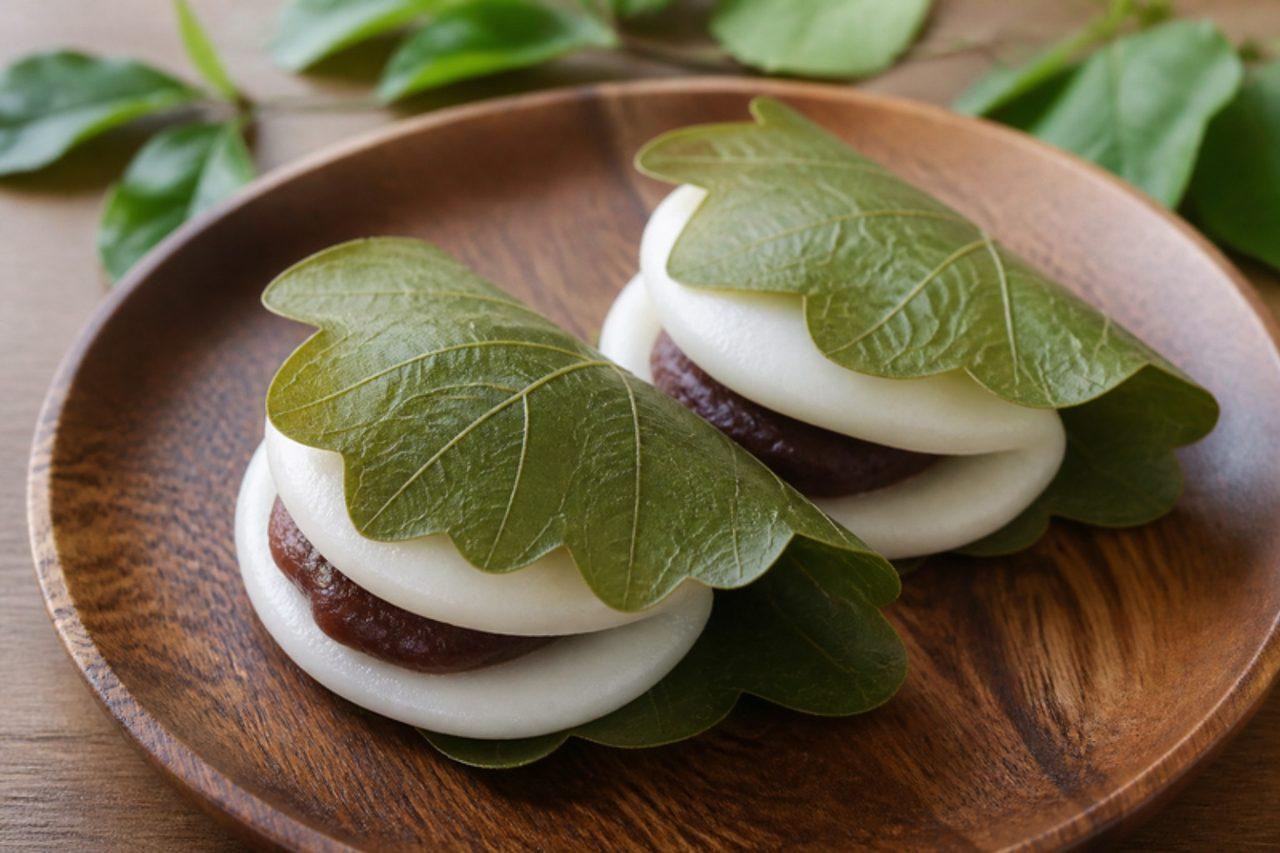
On 5 May, Children's Day, families in Tokyo and across eastern Japan eat kashiwa mochi: soft, flat rice cakes folded over sweet bean paste and wrapped in an oak leaf. Oak trees keep their old leaves until new ones bud, so the leaf stands for a family line carrying on. The leaf isn't eaten; it adds a faint woody scent and keeps the mochi moist. Mochi is very sticky: cut it into small pieces for young children and older people, and make sure they chew well and eat sitting down. The common mistake is steaming the dough too briefly, which leaves it pasty; steam until it turns slightly translucent, then knead. Chef's tip: dried oak leaves from Japanese grocers need a 10-minute simmer and a rinse before use; if you can't find them, wrap in cherry or bamboo leaves or baking paper.

by KrazyBadal 0 views

Pizza ai quattro formaggiFour-cheese pizza

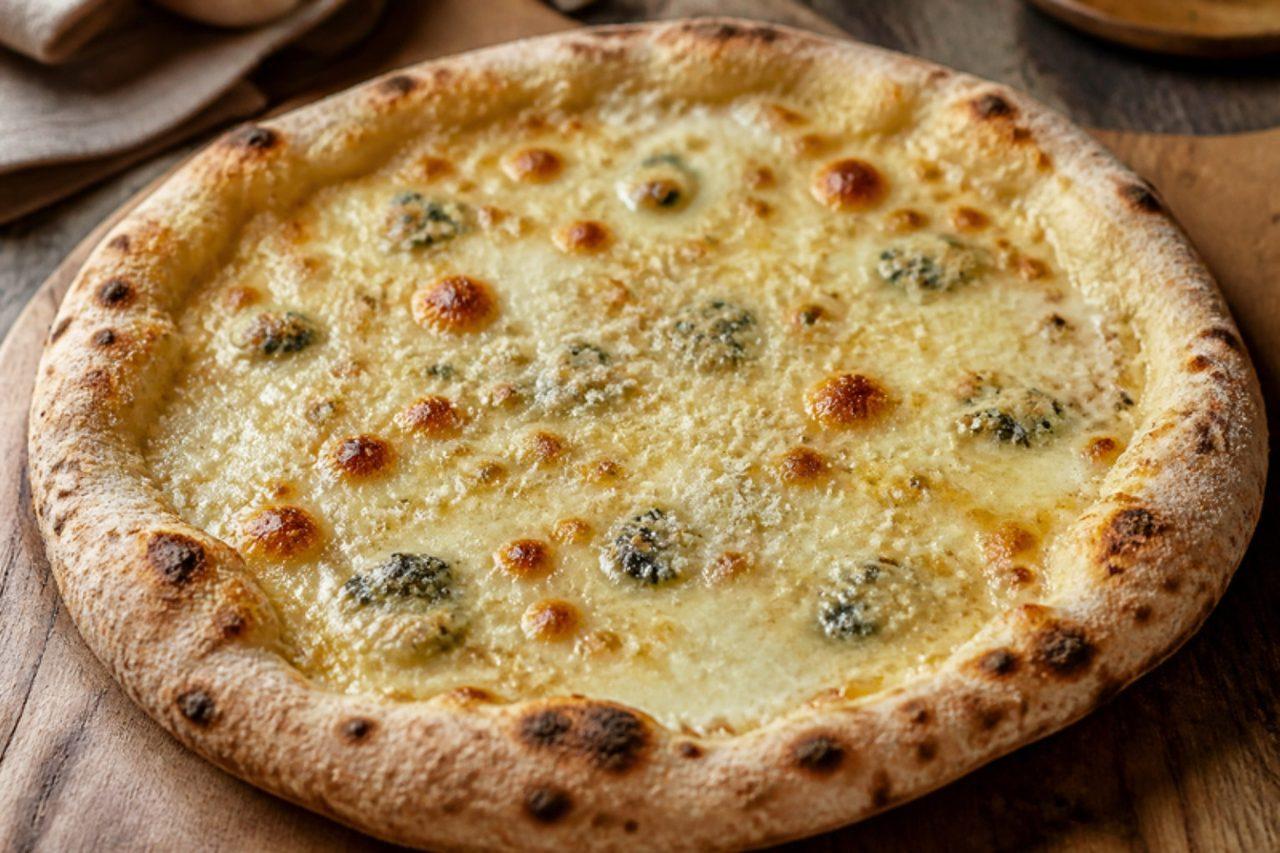
Four-cheese pizza is a pizzeria classic from Milan to Palermo, a pizza bianca (no tomato) where each cheese does a different job: mozzarella for stretch, gorgonzola for a blue tang, fontina from the Aosta Valley for creaminess and Parmigiano for a salty crust. It is the order for winter evenings, often with a drizzle of honey or a few walnuts on top. Most of these cheeses are made with animal rennet; choose vegetarian versions of each if you need to. Chef's tip: cut the cheeses into small cubes rather than slices and scatter them unevenly; they melt at different speeds and give pockets of flavour.

by KrazyBadal 0 views

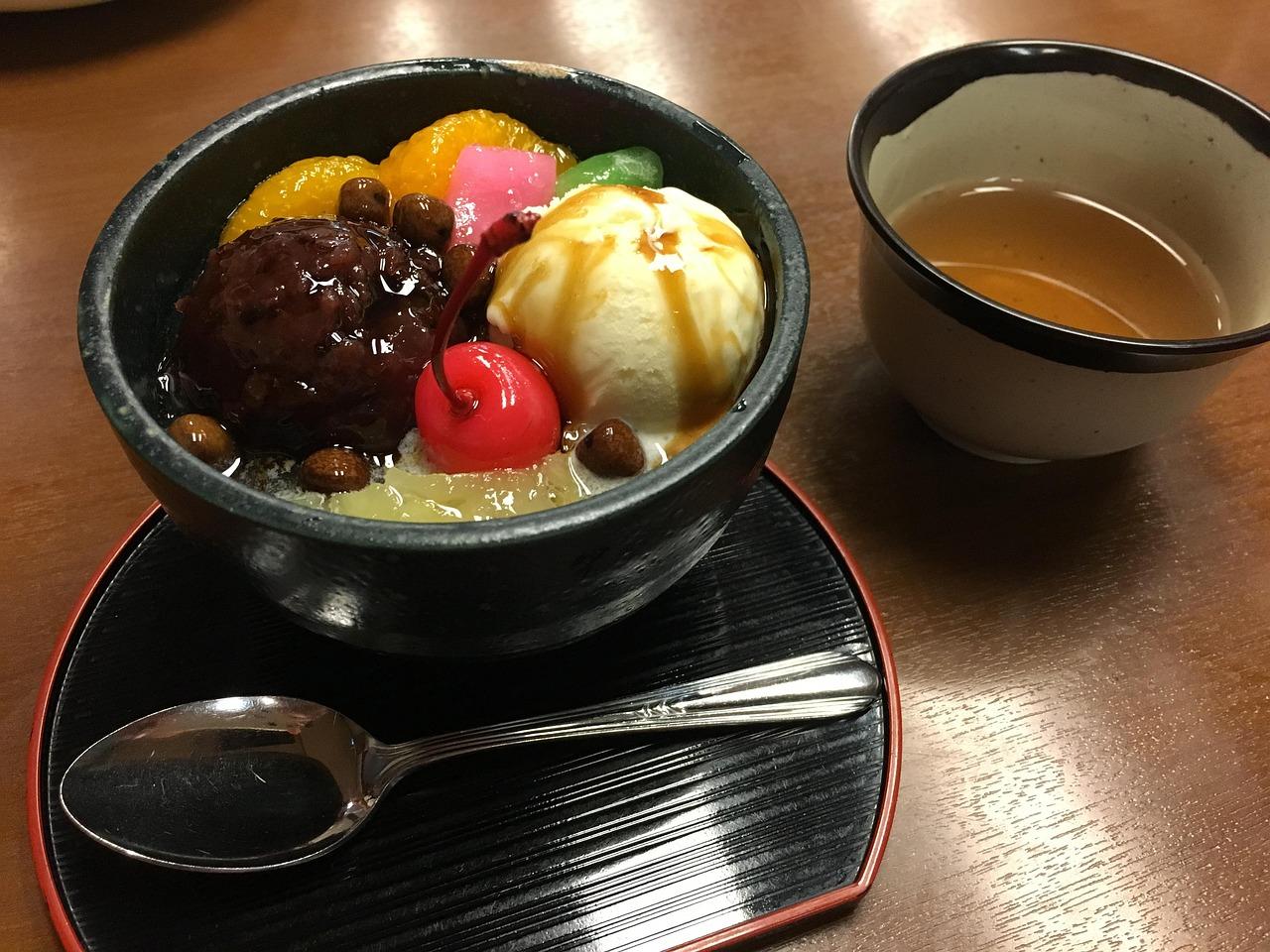
AnmitsuAgar jelly with red bean

Anmitsu became a craze in Tokyo's Ginza and Asakusa tea rooms in the 1930s and is still the classic summer order in kanmidokoro, the sweet cafés of old Tokyo. Clear, firm cubes of agar jelly are piled into a bowl with seasonal fruit, a scoop of sweet bean paste and boiled red peas, then drenched in dark, smoky kuromitsu syrup. The common mistake is using gelatin, which melts; agar jelly stays firm and refreshing at room temperature. Chef's tip: make the kuromitsu with Okinawan kokuto black sugar if you can; it gives a deep, almost liquorice-like flavour that muscovado only gets close to.

by KrazyBadal 0 views

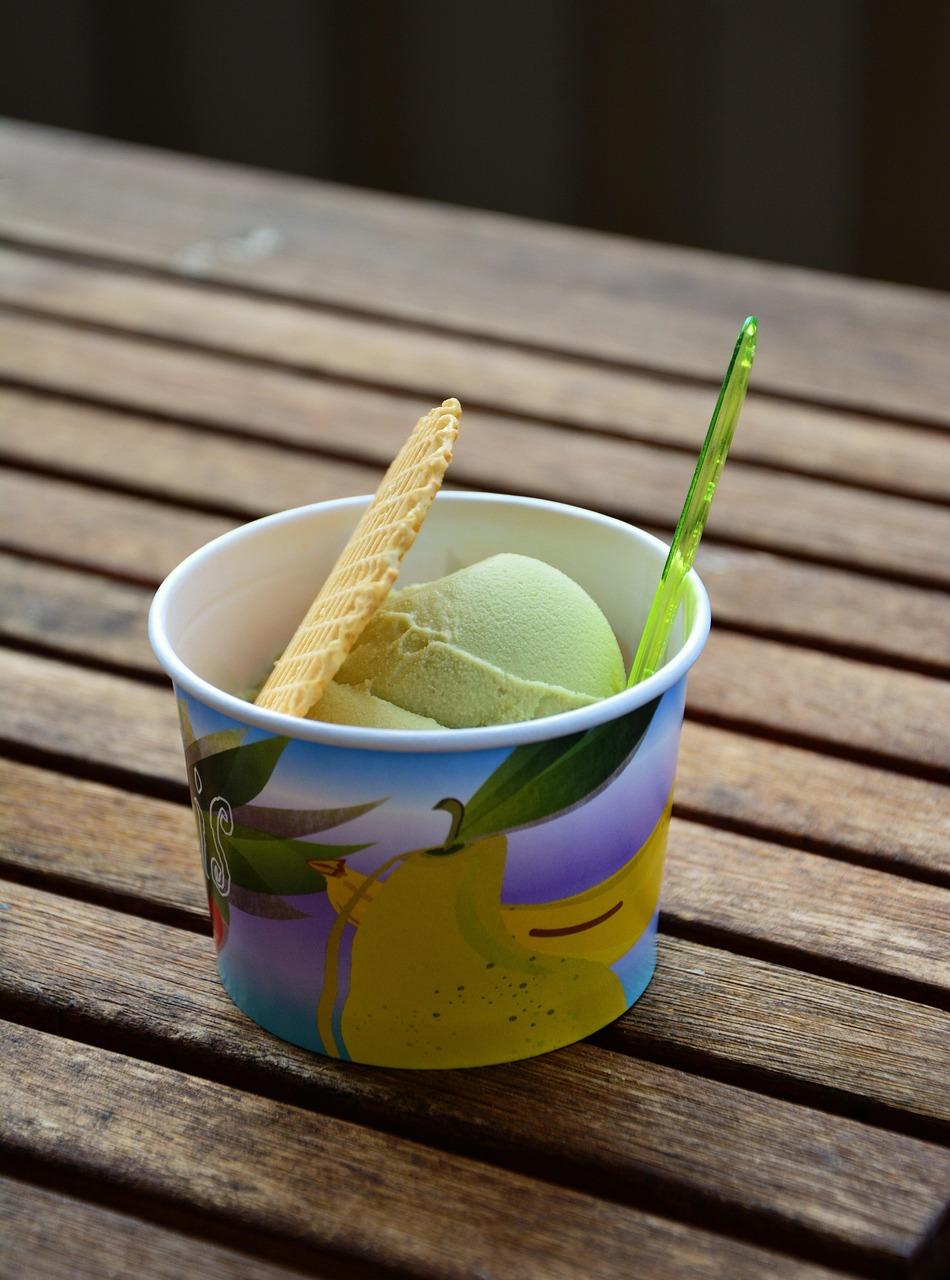
Gelato al pistacchioPistachio gelato

Real Sicilian pistachio gelato is not bright green; it is a dull, olive-brown colour and tastes intensely of roasted nuts, especially when made with pistachios from Bronte on the slopes of Mount Etna. In Palermo and Catania it is eaten in a brioche for breakfast or as a cone after dinner. The secret is pure pistachio paste, with no added colour or flavourings. Contains nuts. Chef's tip: if you can't find pistachio paste, blend roasted pistachios with a spoon of oil for 5 minutes until it runs smooth; any graininess shows up in the gelato.

by KrazyBadal 0 views

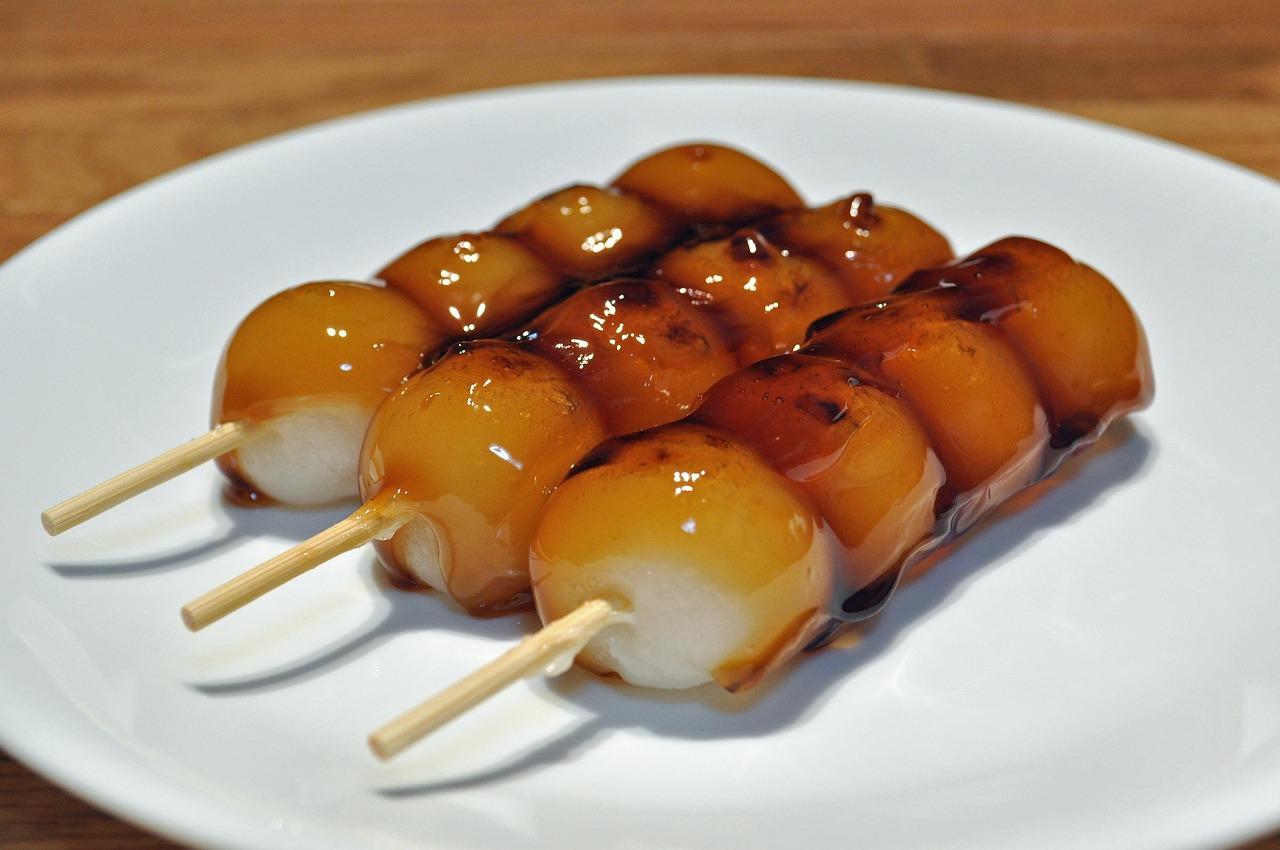
Mitarashi dangoSoy-glazed rice dumplings

Mitarashi dango are said to come from Shimogamo Shrine in Kyoto, where they were sold at the midsummer purification festival; today they are the snack of shrine fairs, flower-viewing picnics and station kiosks all over Japan. Chewy little rice-flour balls are threaded on skewers, toasted until speckled, and coated in a translucent, sweet-salty soy glaze that tastes a little like caramel. Mochi is very sticky: cut it into small pieces for young children and older people, and make sure they chew well and eat sitting down. The common mistake is a runny glaze: it must simmer until it turns clear and thick, or it slides off. Chef's tip: mix silken tofu into the rice flour instead of some of the water; the dumplings stay soft for hours instead of hardening as they cool.

by KrazyBadal 0 views

Showing 24 of 2,799 recipes

Show more recipes

Page 34 of 117

More Jain ideas

Other diets