Skip to content
WhatToEat.Today

Jain recipes: no onion, garlic or root vegetables

2,799

2799 Jain recipes with no onion, garlic, potato, carrot, fresh ginger or other root vegetables, and no mushrooms, eggs or honey. Hing, dry ginger and turmeric powder are fine. Each has photos, step-by-step instructions and cook times. The quickest, Apfelschorle, takes 2 minutes. Most take around 40 minutes.

Filter these by time, diet or cuisine · Make Jain your diet to see only these recipes everywhere on the site.

Pompe à l'huileOlive oil orange flatbread

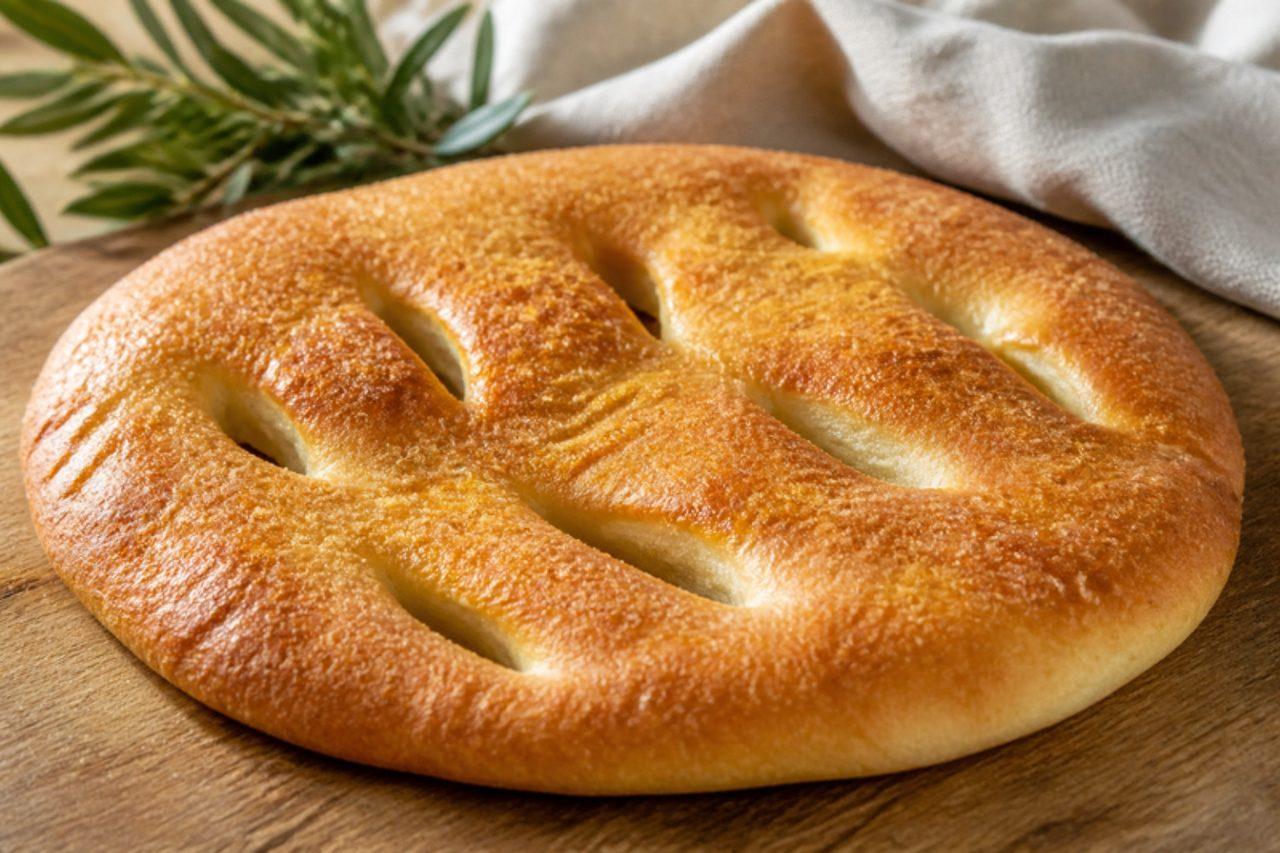
The pompe à l'huile is the centrepiece of the thirteen desserts of Christmas Eve in Provence, a flat, slashed sweet bread made with olive oil and scented with orange-blossom water. Tradition says it must be torn by hand, never cut, or you will be ruined in the year to come, and it is eaten after the gros souper on 24 December. The common mistake is using a harsh, peppery olive oil, which overpowers it. Chef's tip: use a mild, fruity olive oil and brush more over the warm loaf.

170 minFrenchBakingVegan
by KrazyBadal 0 views

ReligieuseDouble choux bun

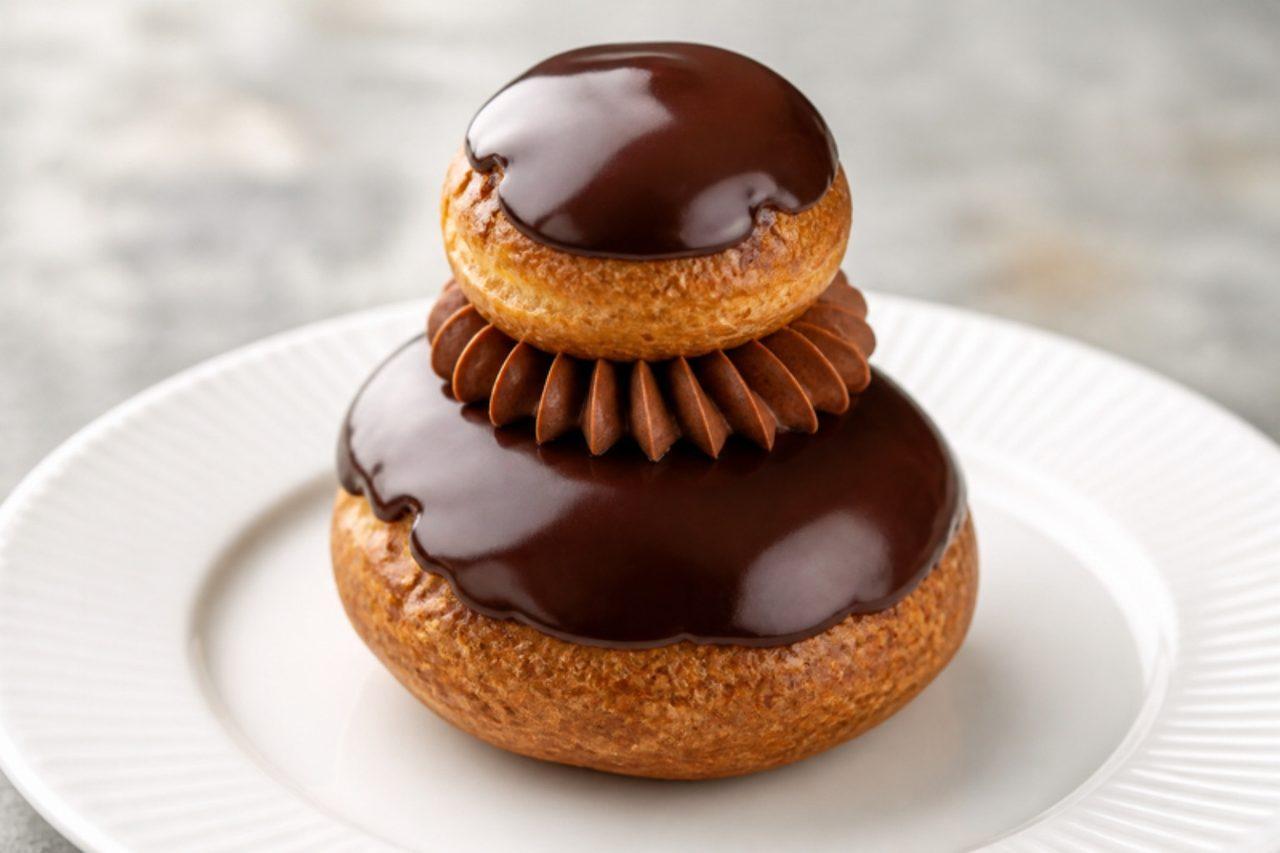
The religieuse, "nun", is a Parisian pâtisserie classic invented in the 1850s, so called because the two stacked choux buns, glazed in brown icing with a little ruff of buttercream, look like a nun in her habit. It is still a treat bought at weekend bakeries in Paris for a special goûter. The common mistake is underbaking the choux, which collapse when filled. Chef's tip: once baked, prop the oven door open with a wooden spoon and leave the choux inside for 10 minutes to dry out.

by KrazyBadal 0 views

Vinaigrette à la moutardeMustard vinaigrette

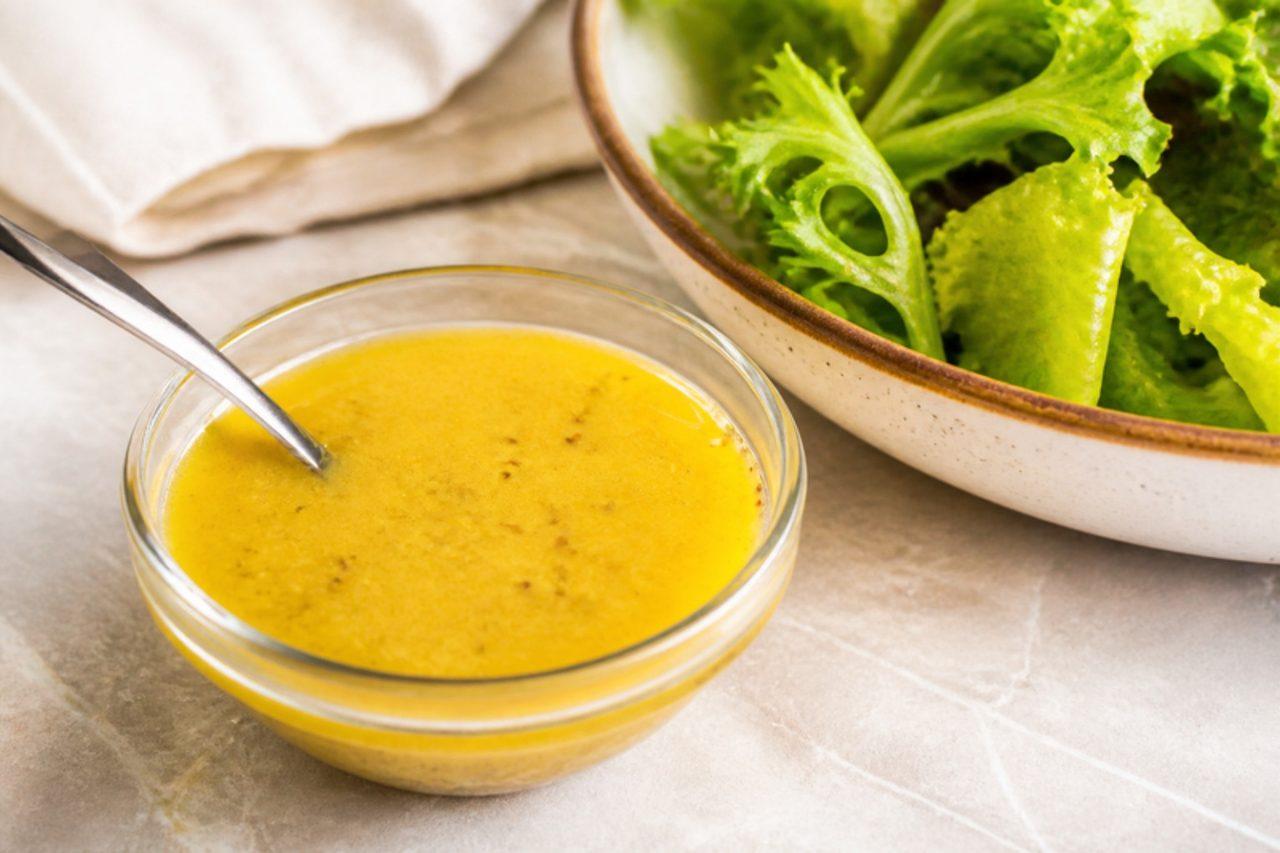
The mustard vinaigrette is made fresh in every French kitchen before dinner, often right in the bottom of the salad bowl, and spooned over butter lettuce served after the main course and before the cheese. The classic ratio is one part vinegar to three of oil, with a spoonful of Dijon mustard to hold it together into a thick emulsion. The common mistake is dissolving the salt in the oil, where it stays gritty; it must go in the vinegar first. Chef's tip: dress the leaves just before serving and toss with your hands, so every leaf is coated but not soggy.

by KrazyBadal 0 views

Saint-HonoréChoux and caramel cream cake

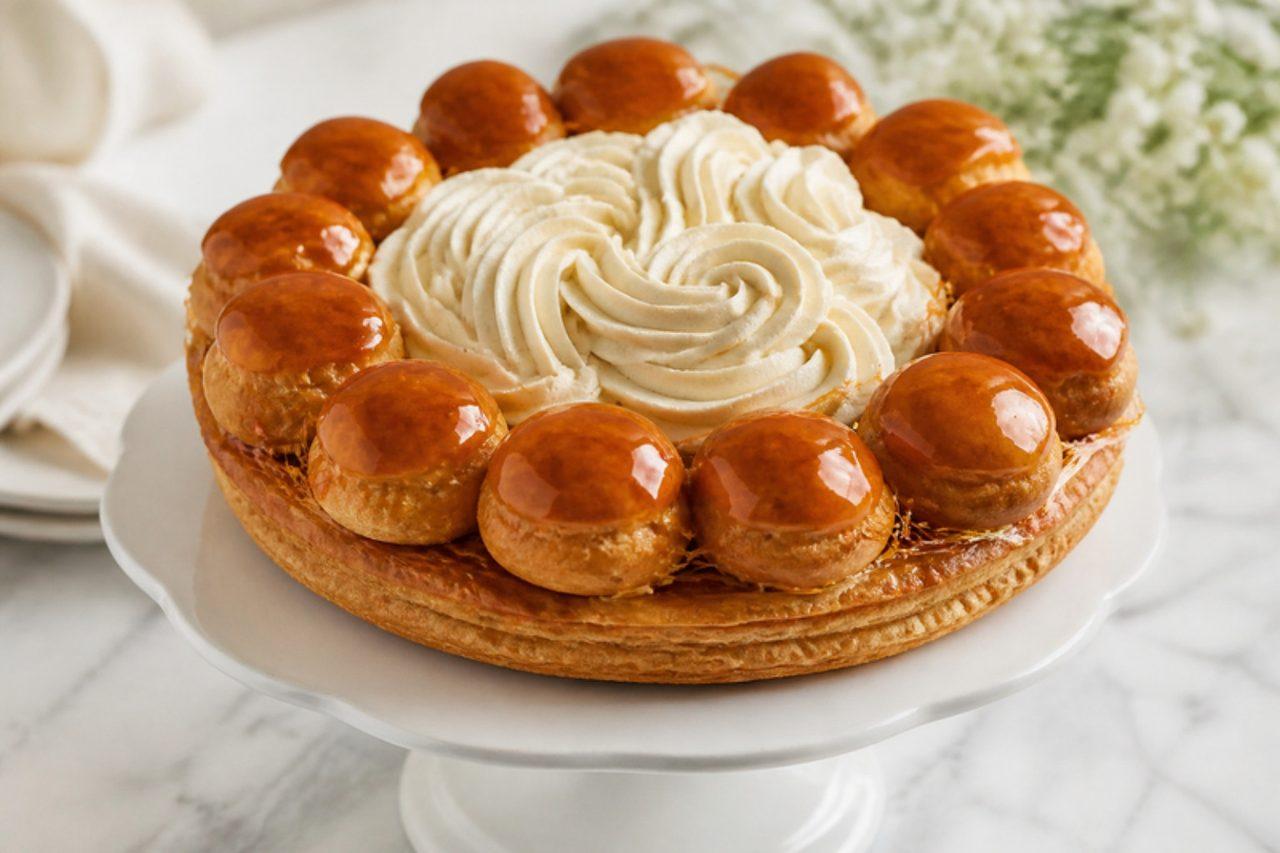
The Saint-Honoré, named after the patron saint of bakers and created in a pâtisserie on the rue Saint-Honoré in Paris around 1850, is a celebration cake for christenings and saints' days: a puff pastry disc ringed with choux, a crown of caramel-dipped cream puffs and a centre of piped vanilla cream. It is a project, but each part is simple. The common mistake is touching the caramel, which burns badly. Chef's tip: dip the puffs top-down into the caramel and set them upside down on baking paper, so the tops dry flat and glassy.

by KrazyBadal 0 views

Caffè d'orzoBarley coffee

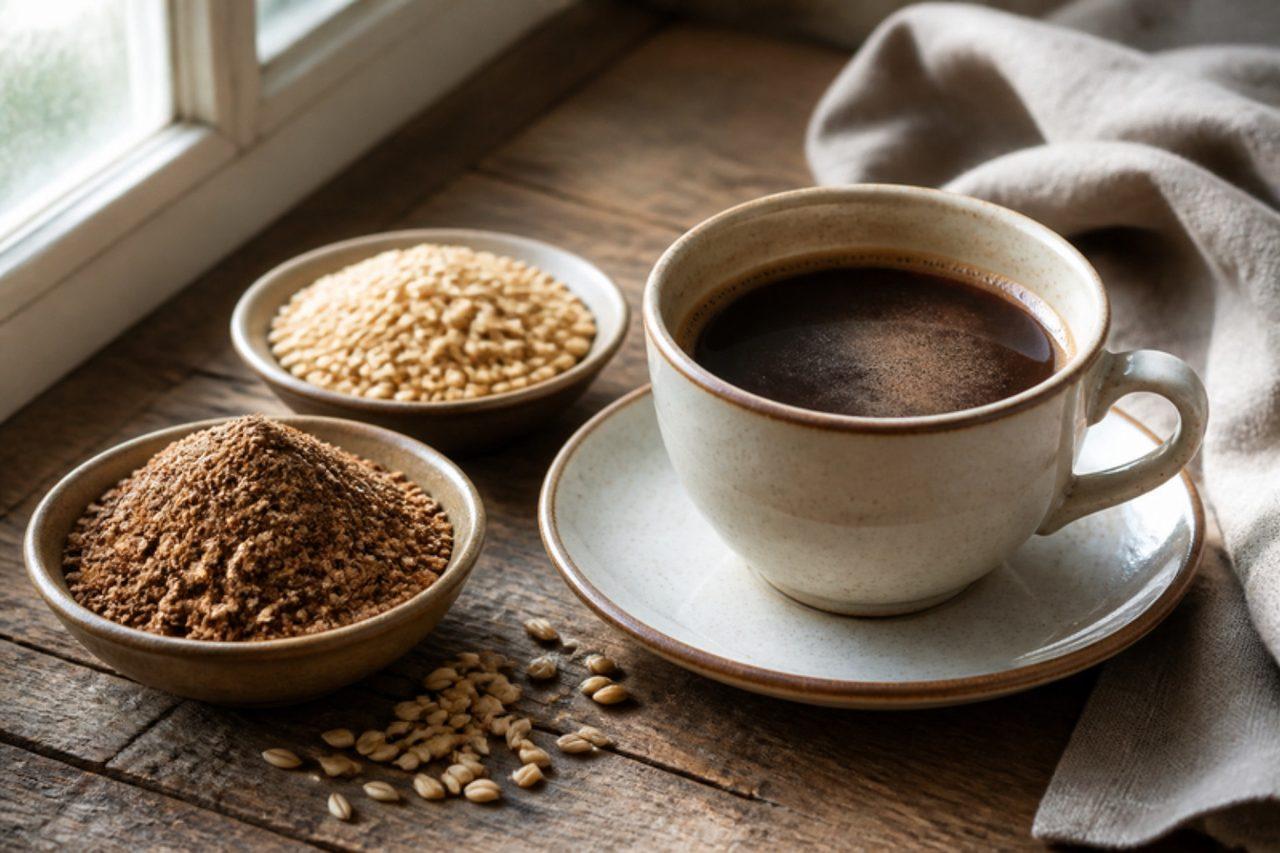
In Italian bars you can always ask for "un orzo": a hot drink made from roasted barley that looks like coffee and has a toasty, slightly sweet taste but no caffeine. During the war, when coffee was scarce, families drank it every morning, and today it is given to children, pregnant women and anyone avoiding caffeine. It can be made in a moka pot, served in a small cup like espresso or in a large one with milk. Barley contains gluten. Chef's tip: don't press the barley into the moka basket like coffee; packed tightly, it blocks the water and the pot hisses.

by KrazyBadal 0 views

Cioccolata caldaThick hot chocolate

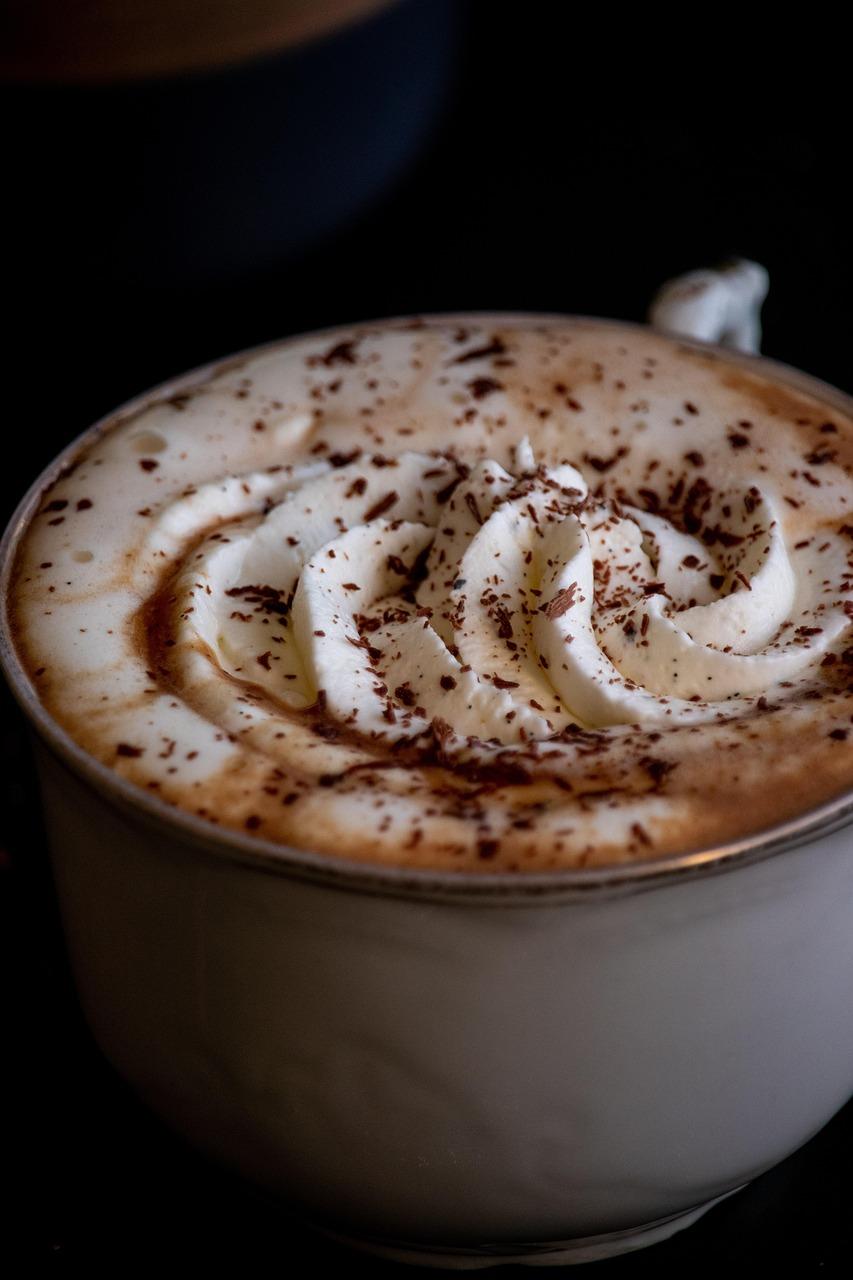
Italian hot chocolate is not a milky drink but almost a pudding: thick enough to coat a spoon, made with real dark chocolate and cocoa thickened with a little starch. On cold winter afternoons in Turin, Florence and Perugia, families sit in historic cafés with a cup topped with whipped cream (con panna), dipping biscuits into it. Children love it. Chef's tip: mix the cornflour and cocoa with a little cold milk to a smooth paste first; dropped straight into hot milk, they form lumps.

by KrazyBadal 0 views

Budino al cioccolatoChocolate pudding

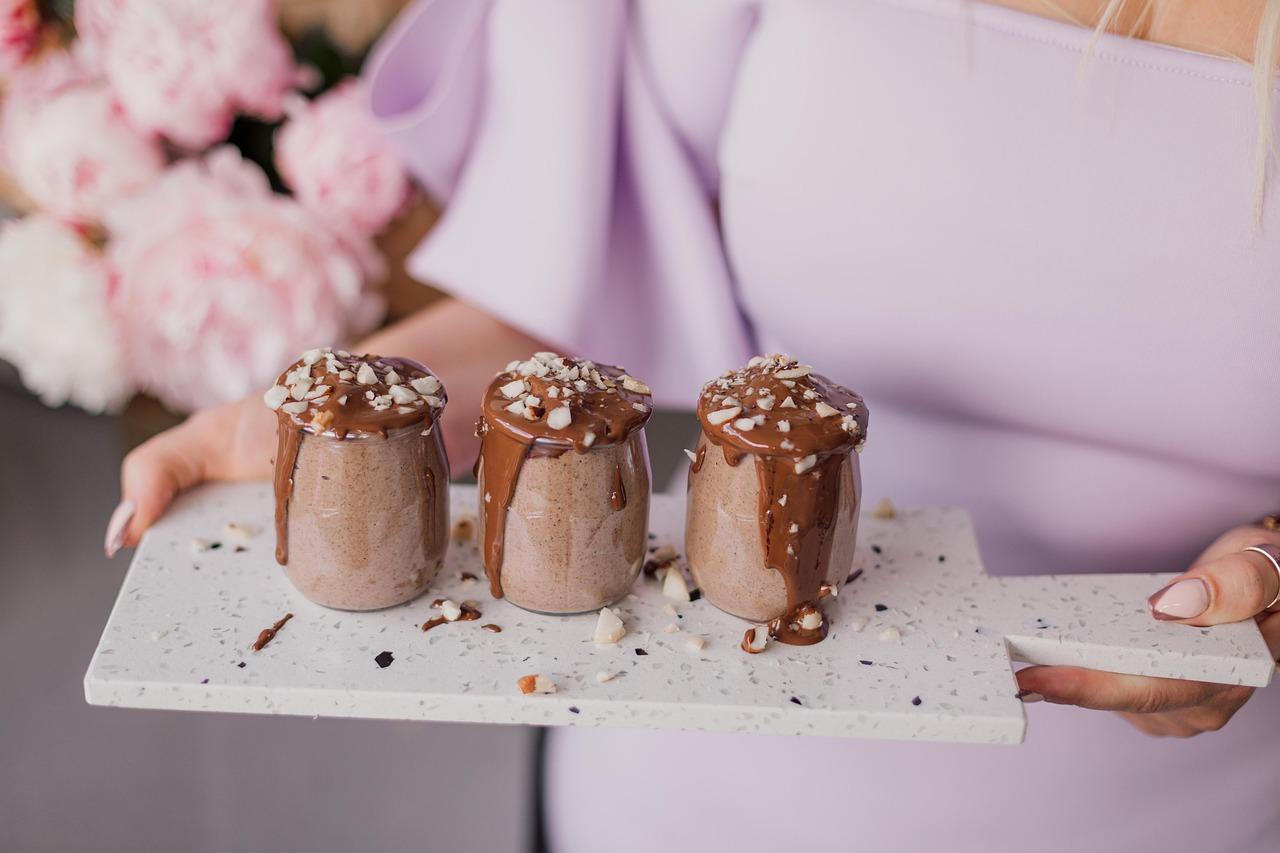
Budino is the dessert Italian children find in the fridge on a Sunday afternoon: a soft, wobbly milk pudding flavoured with cocoa and set with cornflour, poured into little cups or a mould and chilled. It is the kind of thing nonna makes in ten minutes for the grandchildren's merenda (afternoon snack), and it is gluten free and egg free. Chef's tip: whisk the cocoa, sugar and cornflour together before adding the milk; mixed dry, they don't form lumps.

by KrazyBadal 0 views

Salame di cioccolatoChocolate biscuit log

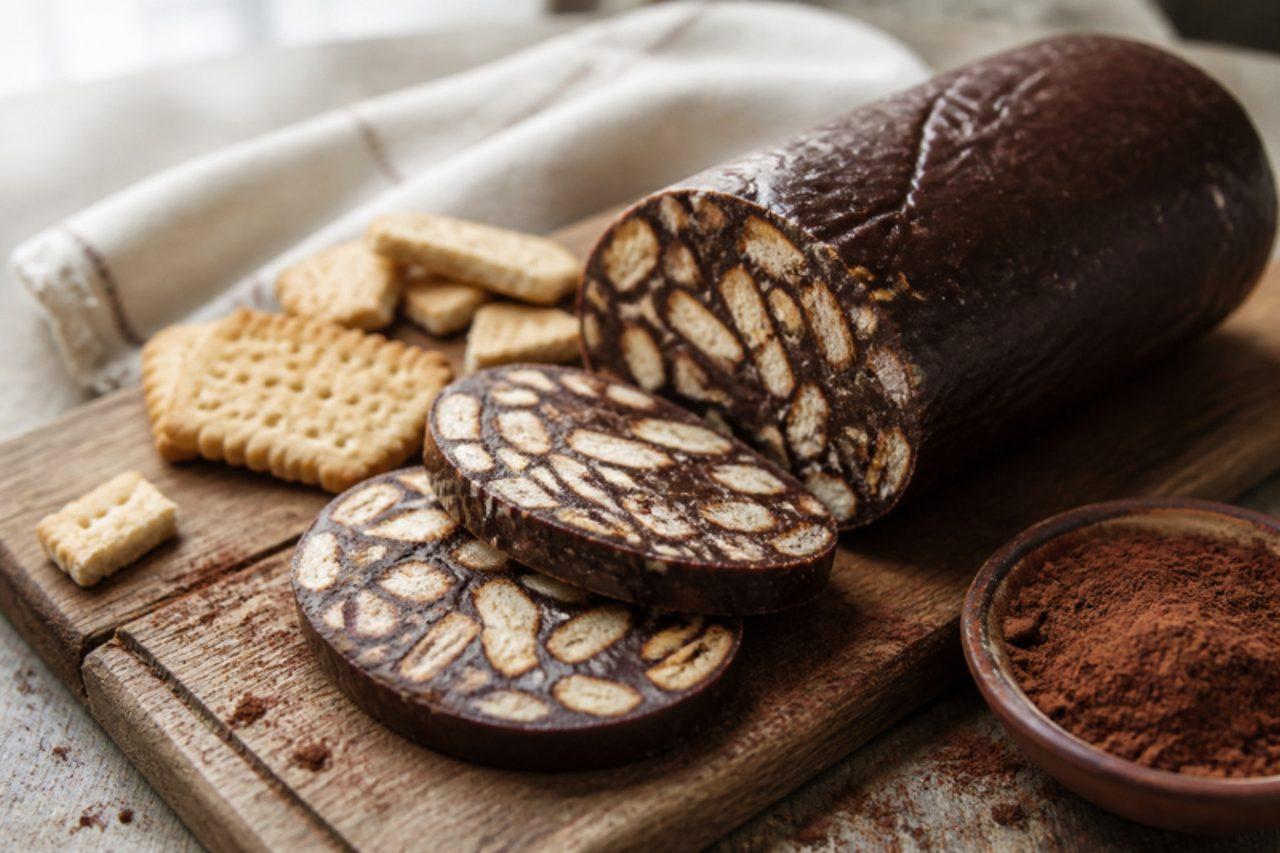
Salame di cioccolato is the sweet that Italian children help to make: crushed biscuits mixed with melted chocolate, butter and cocoa, rolled into a log, chilled and dusted with icing sugar so that, when sliced, it looks just like a salami with "fat" spots of biscuit. It is served at birthday parties and Christmas, and some families add rum for adults. This version uses no raw eggs and no alcohol, so it is safe for everyone. Chef's tip: break the biscuits by hand into pieces the size of a fingernail; crumbs make it look like a plain chocolate log.

by KrazyBadal 0 views

Gratin de blettesSwiss chard gratin

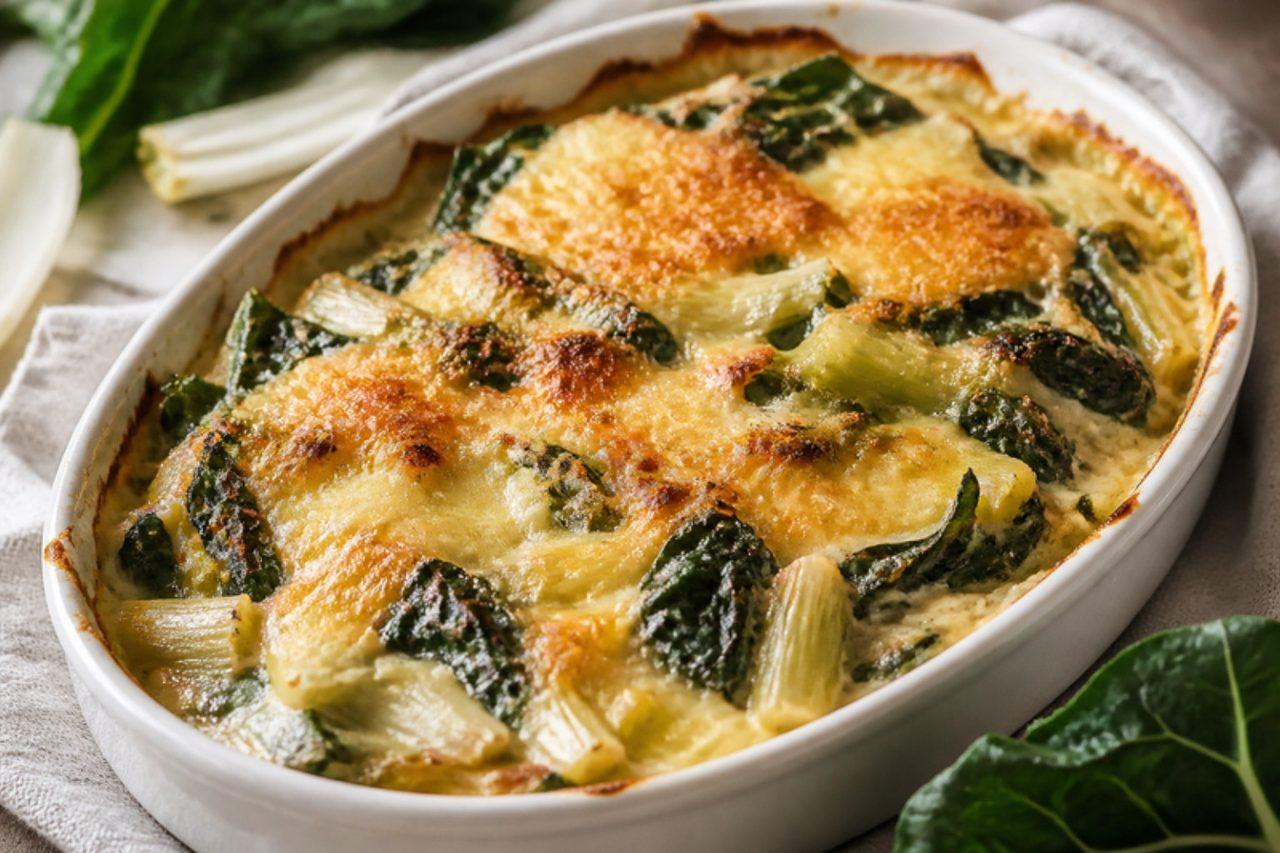
Gratin de blettes is a thrifty winter favourite in Lyon and across Provence, where Swiss chard is a staple of every market garden and both the white ribs and the green leaves are used. The stalks are boiled until tender, the leaves wilted, and everything is folded into a nutmeg béchamel and baked under crisp breadcrumbs. It is served as a side with roasts or on its own for supper. The common mistake is not cooking the stalks long enough, which leaves them stringy. Chef's tip: peel the strings off the backs of the wide stalks like celery; the gratin will be silky.

by KrazyBadal 0 views

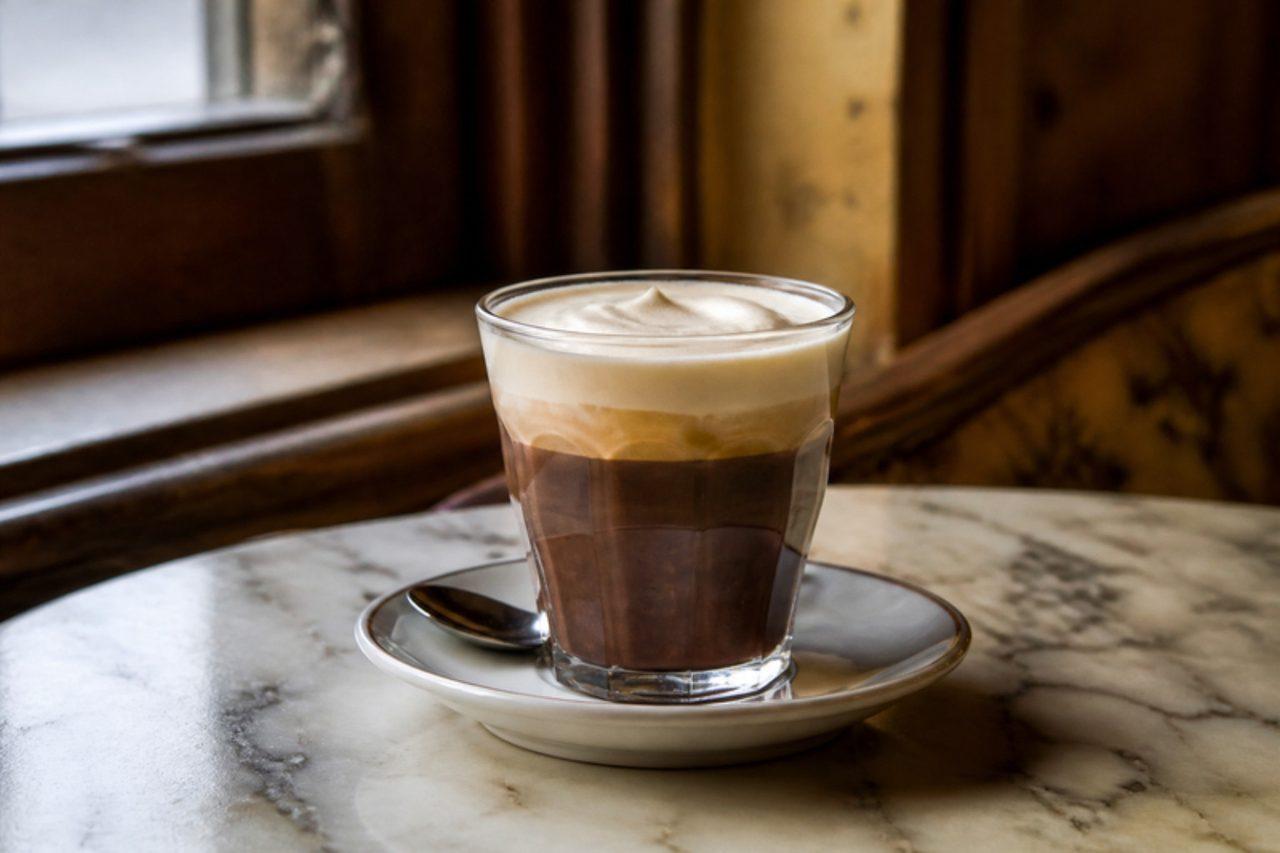
BicerinLayered chocolate and coffee drink

The bicerin ("little glass" in Piedmontese dialect) has been served since 1763 at the tiny Caffè al Bicerin opposite the Consolata church in Turin, where it was the drink that churchgoers had after fasting before Mass. It is three layers in a small glass: thick hot chocolate at the bottom, espresso in the middle and cold, lightly whipped cream on top, not stirred, so you taste each layer in turn. Contains caffeine. Chef's tip: pour the coffee and then the cream slowly over the back of a spoon so the layers sit on top of each other instead of mixing.

by KrazyBadal 0 views

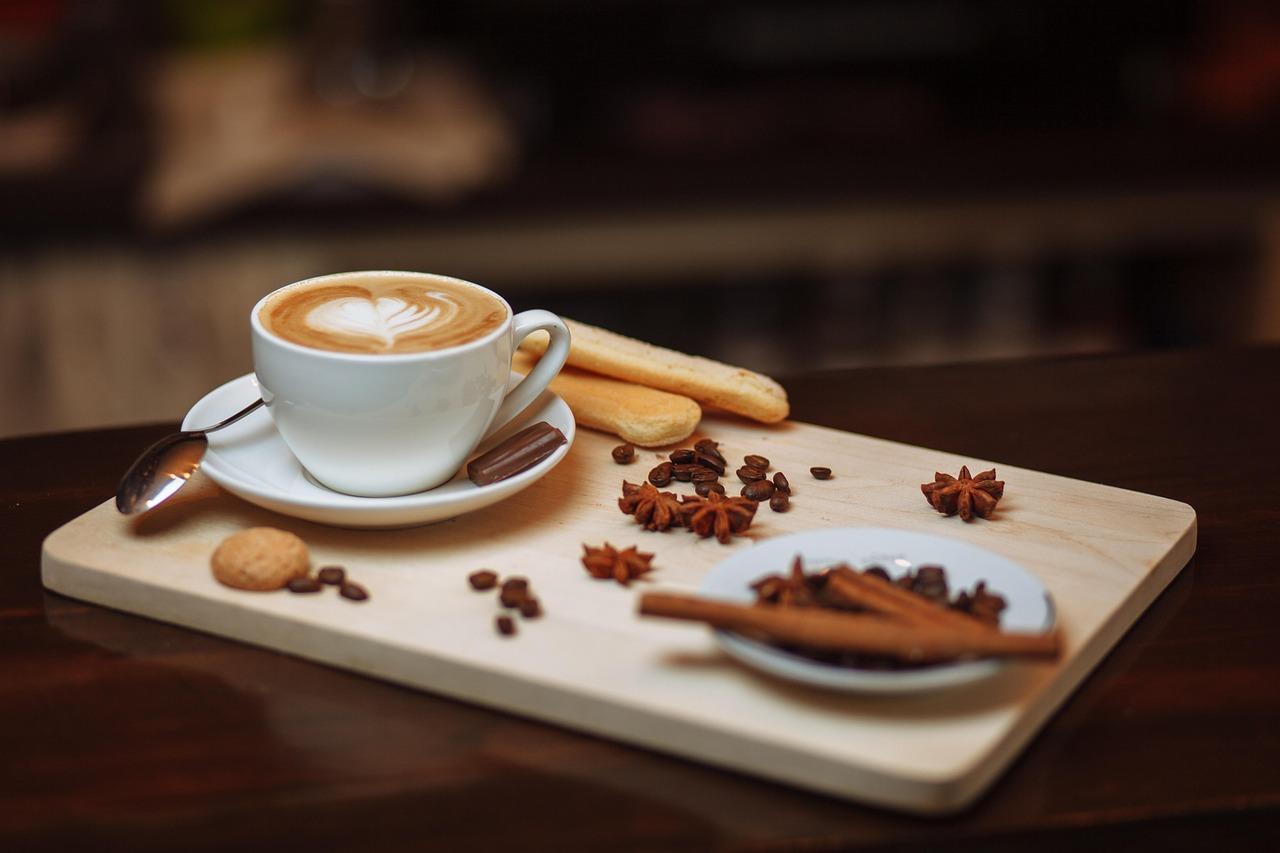
Cappuccino

In Italy the cappuccino is strictly a breakfast drink, ordered at the bar counter with a cornetto before 11 in the morning, never after a meal. It is a single espresso topped with an equal amount of hot milk and a thick cap of velvety foam, named after the brown habits of Capuchin friars. Baristas in Turin and Trieste are famous for their thick, glossy microfoam. Contains caffeine, so it's not for children. Chef's tip: heat the milk only to about 65 °C, when the jug is too hot to hold for more than a second; hotter milk tastes cooked and the foam collapses.

by KrazyBadal 0 views

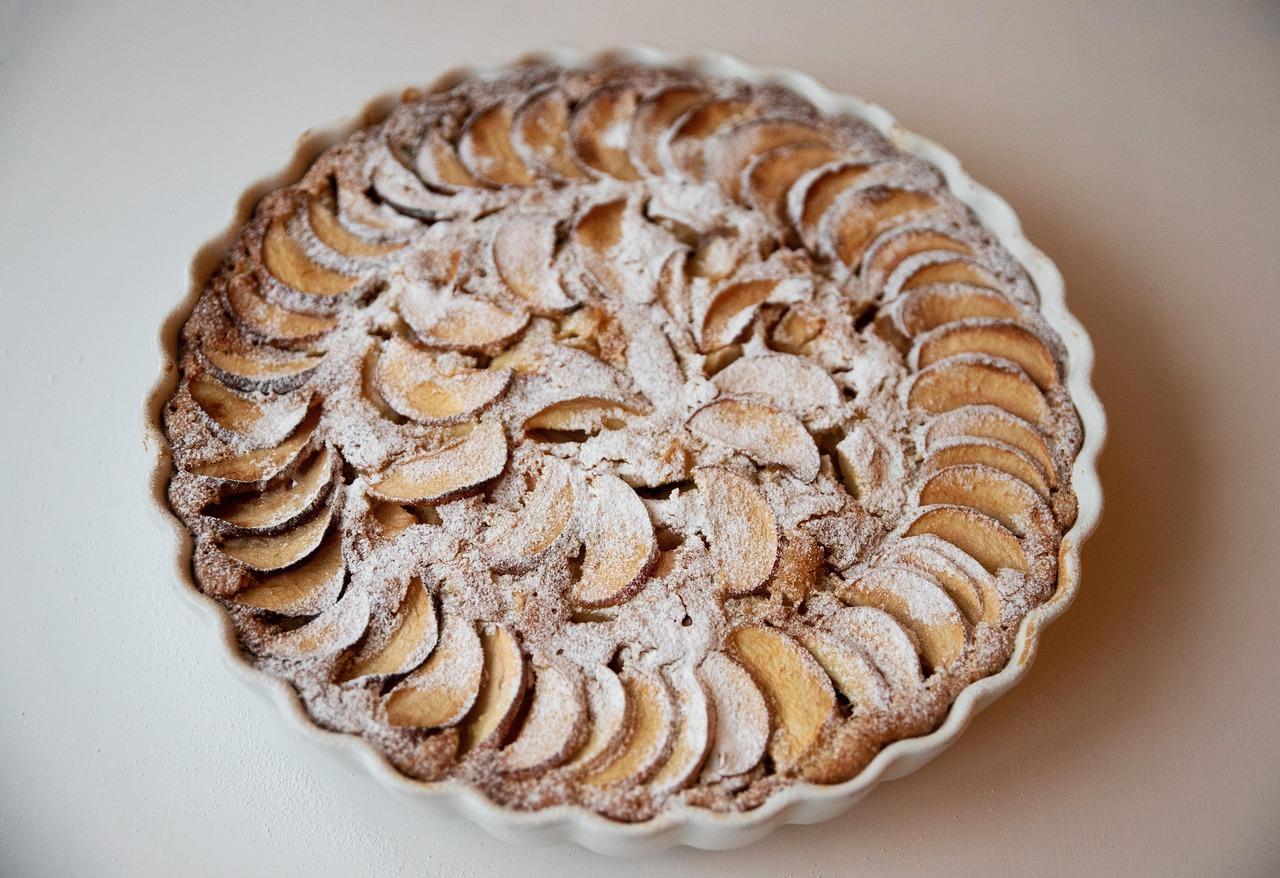
Tarte fine aux pommesThin apple tart

The tarte fine aux pommes is the elegant, wafer-thin apple tart of Parisian brasseries, ordered after lunch and served warm, sometimes with a scoop of vanilla ice cream. Paper-thin slices of apple are overlapped on a disc of puff pastry, brushed with butter and sugar and baked until the edges caramelise. The common mistake is letting the pastry puff, which pushes the apples off. Chef's tip: bake the pastry with a second tray on top for the first 10 minutes to keep it flat and crisp.

by KrazyBadal 0 views

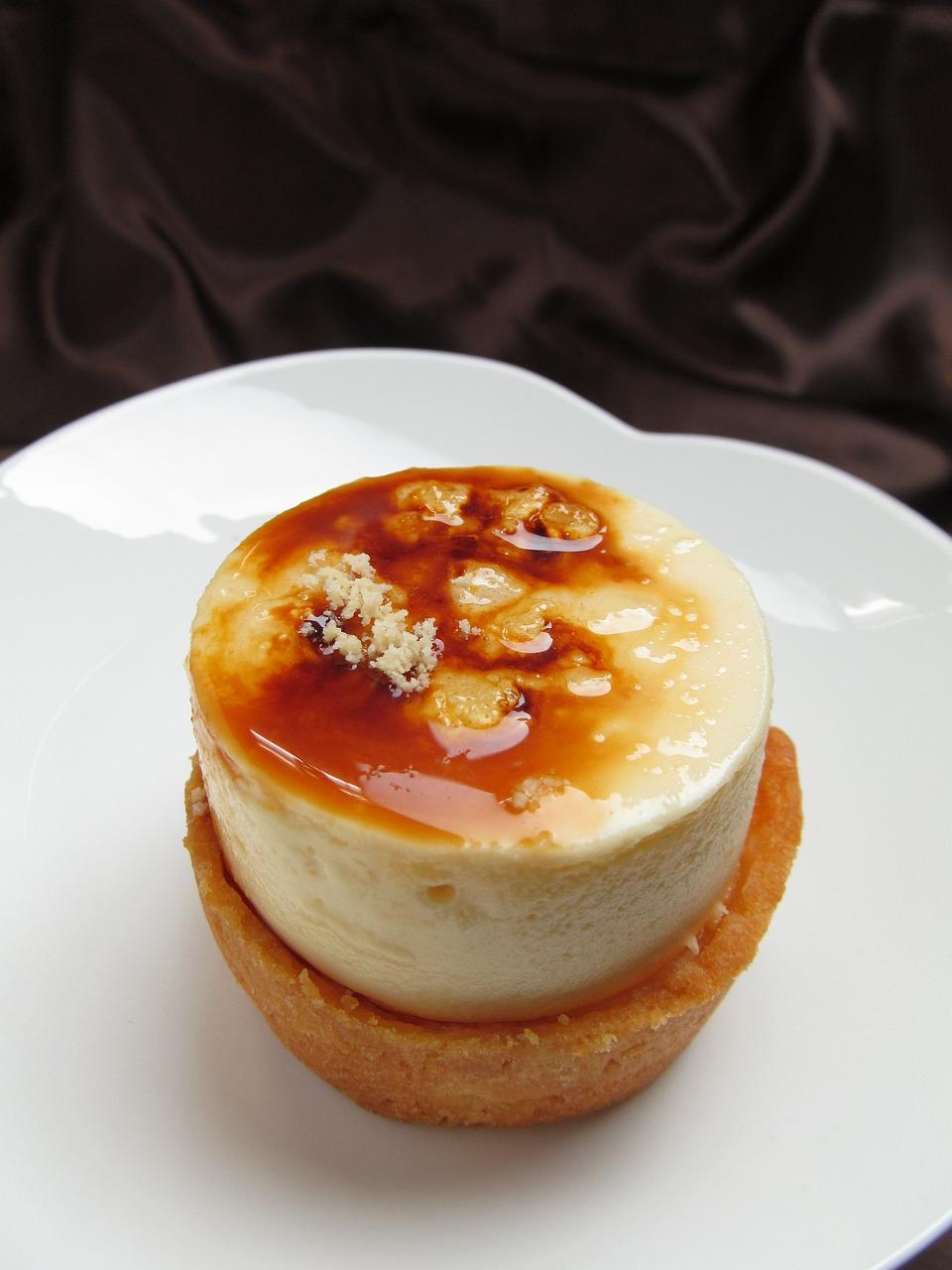
Puits d'amourCustard puff pastry wells

The puits d'amour, "well of love", is an 18th-century Parisian pastry still made by old-fashioned pâtisseries in the capital, especially the famous one on the rue Montorgueil: small puff pastry cases filled with vanilla cream and finished with a crackling caramelised sugar top, like a crème brûlée in pastry. The common mistake is overfilling the cases, so the cream bubbles out under the grill. Chef's tip: fill just level and use a blowtorch for the sugar, in two thin layers.

by KrazyBadal 0 views

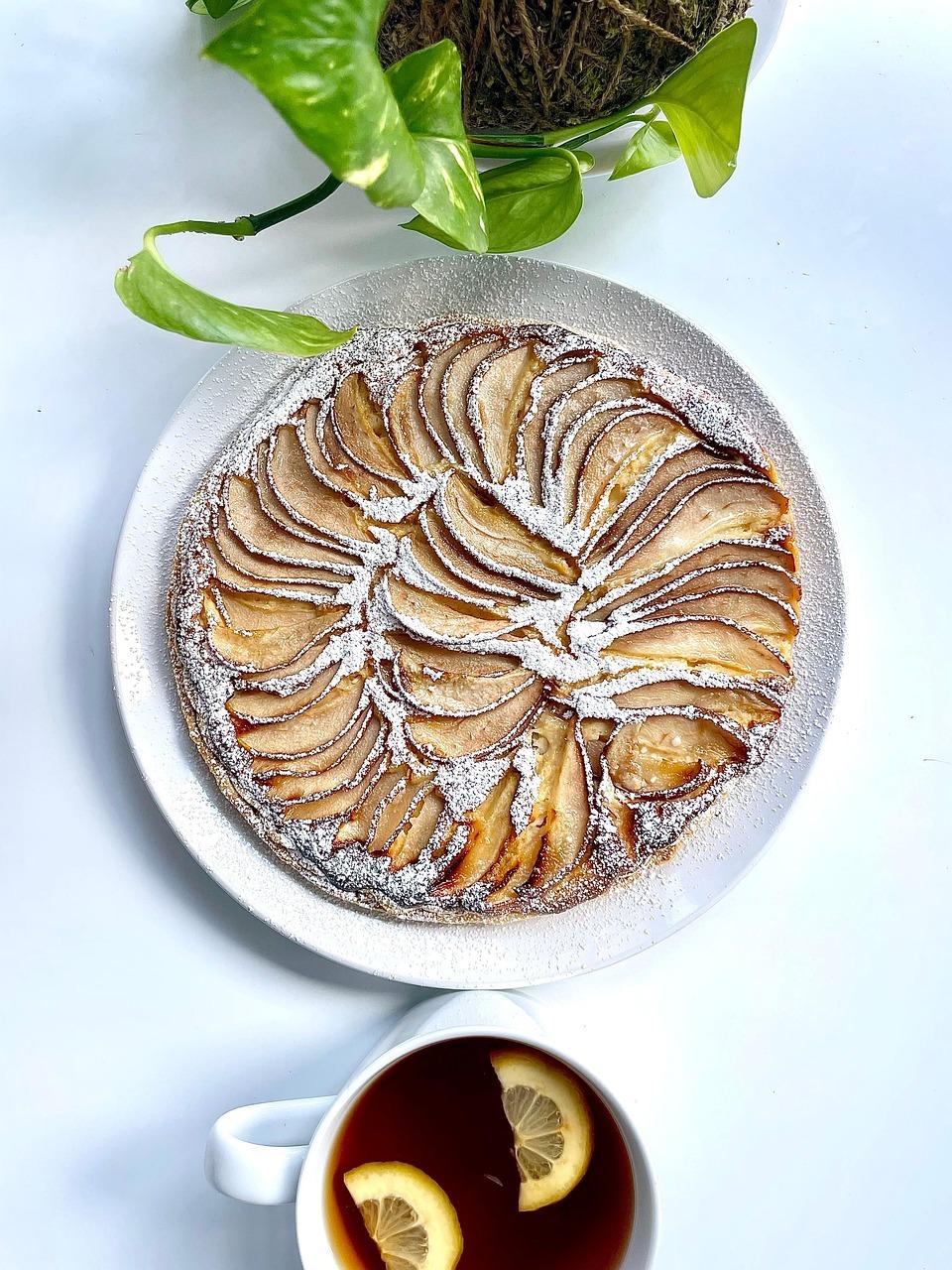
Tarte BourdalouePear and almond tart

The tarte Bourdaloue was created in the 19th century by a Parisian pâtissier on the rue Bourdaloue, behind the church of Notre-Dame-de-Lorette, and it is still a classic autumn and winter tart in Paris bakeries. Poached pear halves are fanned over almond cream in a sweet pastry case and baked until the cream puffs up golden around the fruit. The common mistake is using wet pears, which make the almond cream soggy. Chef's tip: pat the pears dry on kitchen paper and slice them thinly crosswise, keeping each half together, so they fan out neatly.

by KrazyBadal 0 views

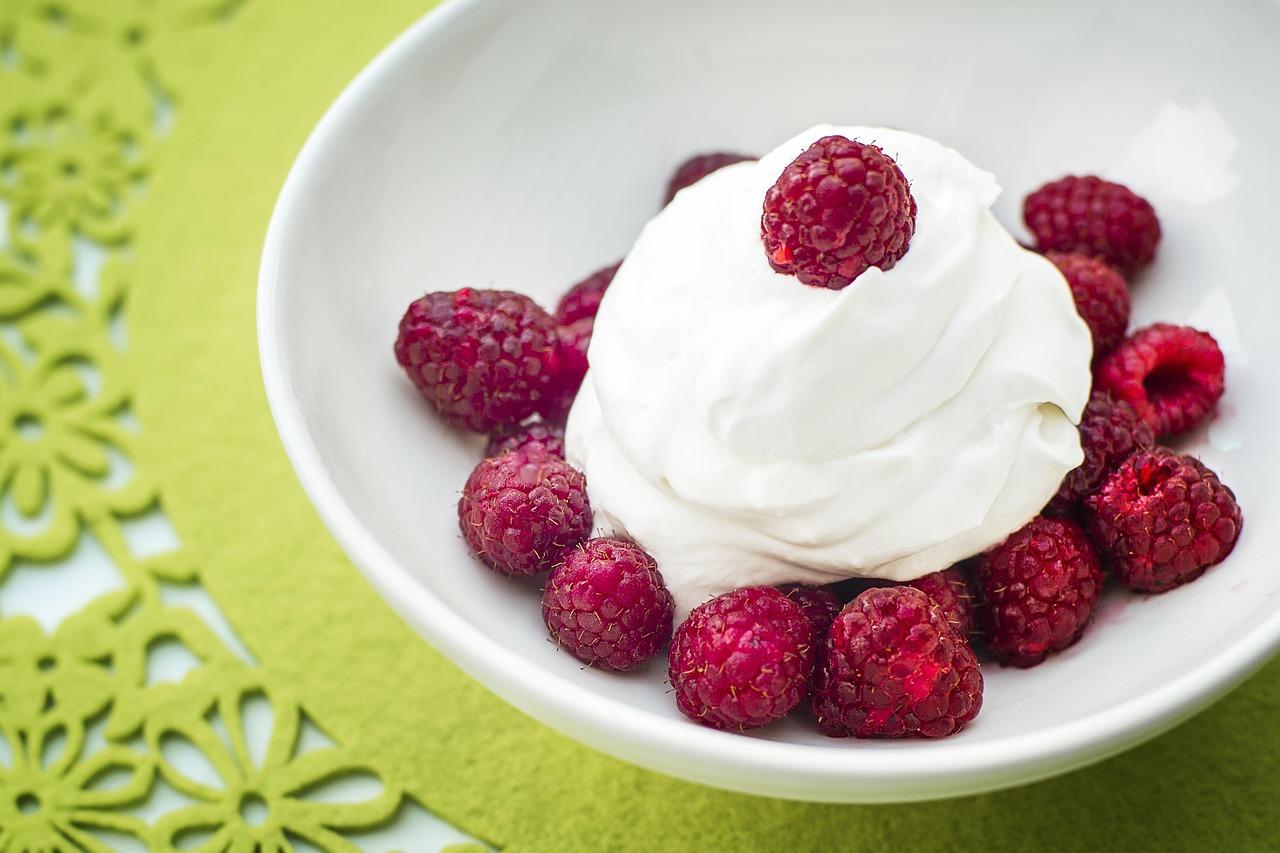
Crème chantillySweetened whipped cream

Crème chantilly is named after the Château de Chantilly north of Paris, where the 17th-century steward Vatel is said to have served it, and today it crowns waffles, crêpes, fruit tarts and hot chocolate in cafés across France. Cold cream is whipped with a little icing sugar and vanilla to soft, billowy peaks, light rather than stiff. The common mistake is over-whipping, which turns the cream grainy and then into butter. Chef's tip: chill the bowl and whisk for 15 minutes first, and stop as soon as the cream holds soft peaks that just flop over.

by KrazyBadal 0 views

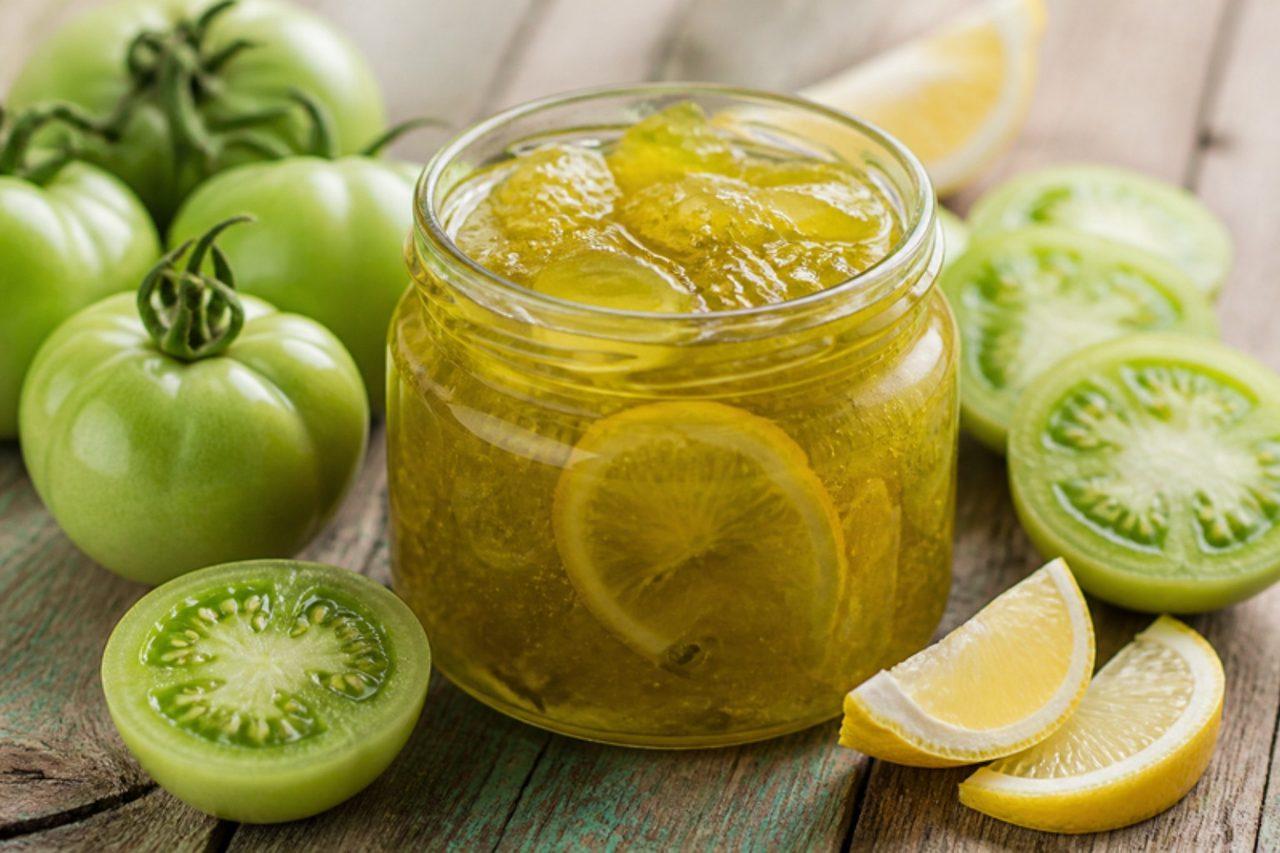
Confiture de tomates vertesGreen tomato jam

Green tomato jam is the thrifty end-of-summer preserve of French kitchen gardens, made in October in the south-west and Provence with the tomatoes that will never ripen before the frost; it tastes surprisingly like a mix of melon and lemon and is served with breakfast or with cheese. The common mistake is cutting the tomatoes too big, so they stay hard. Chef's tip: slice them thinly and leave them overnight in the sugar; they turn translucent when cooked.

by KrazyBadal 0 views

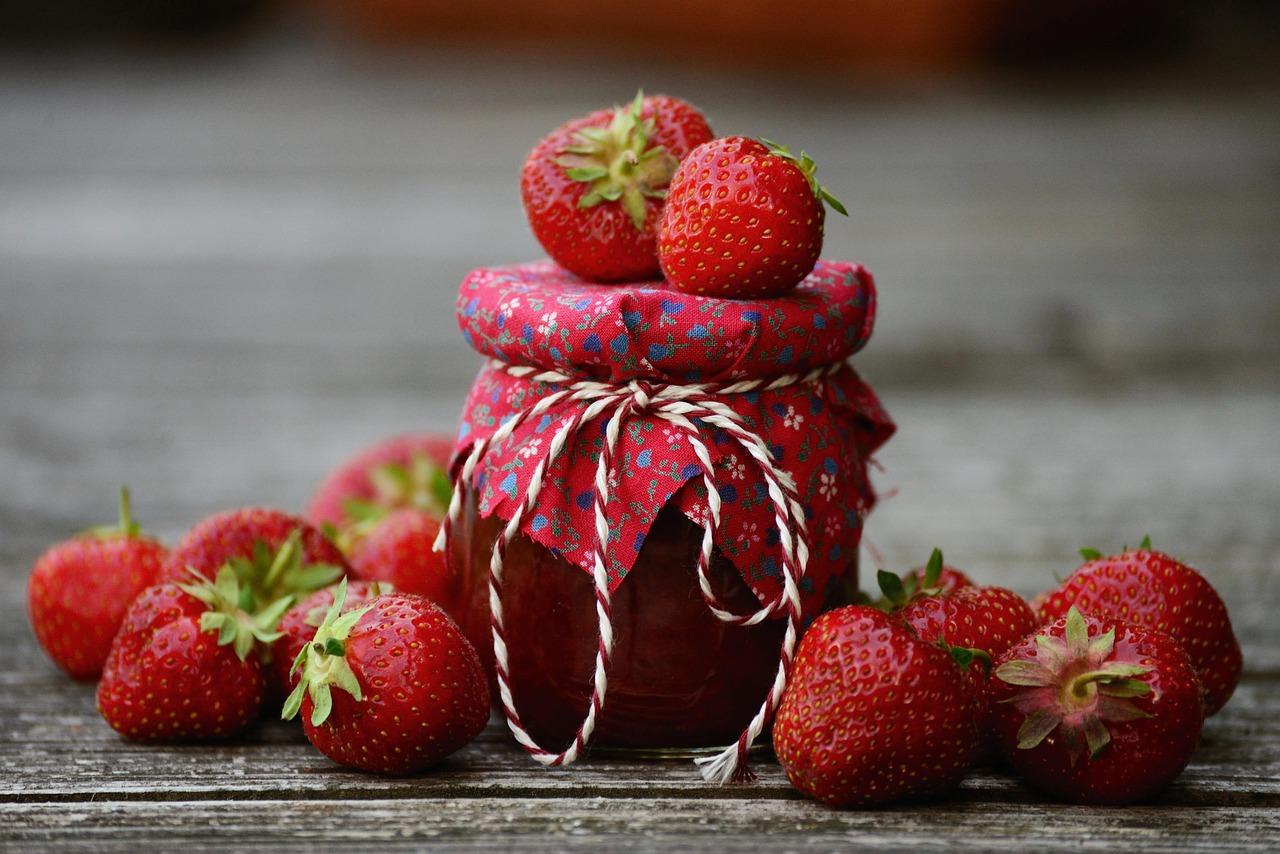
Confiture de fraisesStrawberry jam

Strawberry jam is the jam of French breakfasts, spread on buttered baguette or tartines and stirred into fromage blanc, and families make it in early summer when the Plougastel and Carpentras strawberries are cheap at the market. Macerating the fruit overnight in sugar keeps the berries whole. The common mistake is cooking too long, which darkens it and loses the fresh taste. Chef's tip: test for a set on a cold saucer; when you push it with a finger, it should wrinkle.

by KrazyBadal 0 views

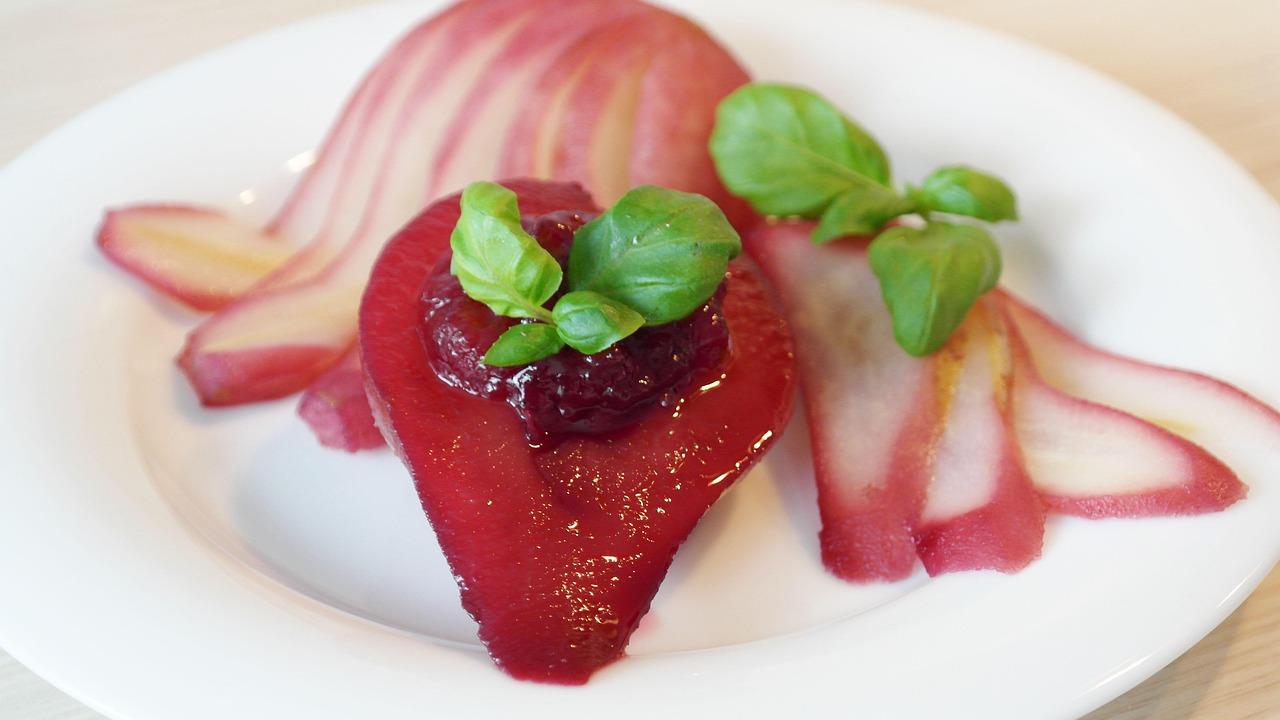
Poires au vinPears in red wine

Poires au vin are a simple winter dessert from Burgundy and the Loire, whole pears poached in red wine with sugar, cinnamon, orange and cloves until they turn a deep ruby, then served cold in their reduced syrup. The red wine version is made with alcohol, and most but not all of it cooks off; for children, pregnant guests or anyone avoiding alcohol, use red grape juice with less sugar and a squeeze of lemon. The common mistake is not turning the pears, so they colour unevenly. Chef's tip: leave the pears in the syrup overnight for the deepest colour.

by KrazyBadal 0 views

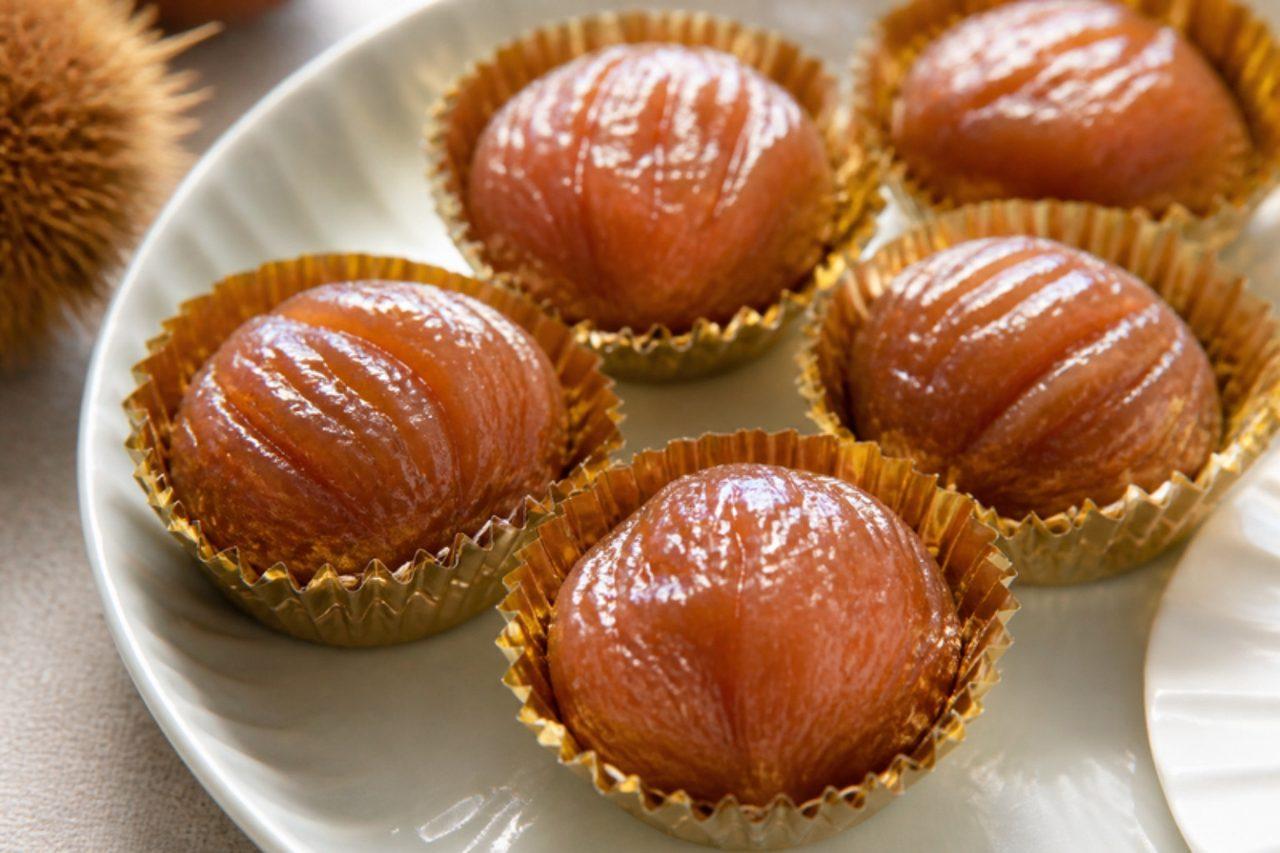
Marrons glacésCandied chestnuts

Marrons glacés are the luxurious Christmas sweet of the Ardèche and Privas, whole chestnuts candied slowly in vanilla syrup and finished with a thin sugar glaze, given as gifts in December and served with coffee after the Christmas meal. Home versions use cooked, peeled chestnuts, which saves the hardest work. The common mistake is stirring, which breaks the chestnuts. Chef's tip: wrap the chestnuts in muslin, or set them in a steamer basket, so you can lift them in and out of the syrup without touching them.

by KrazyBadal 0 views

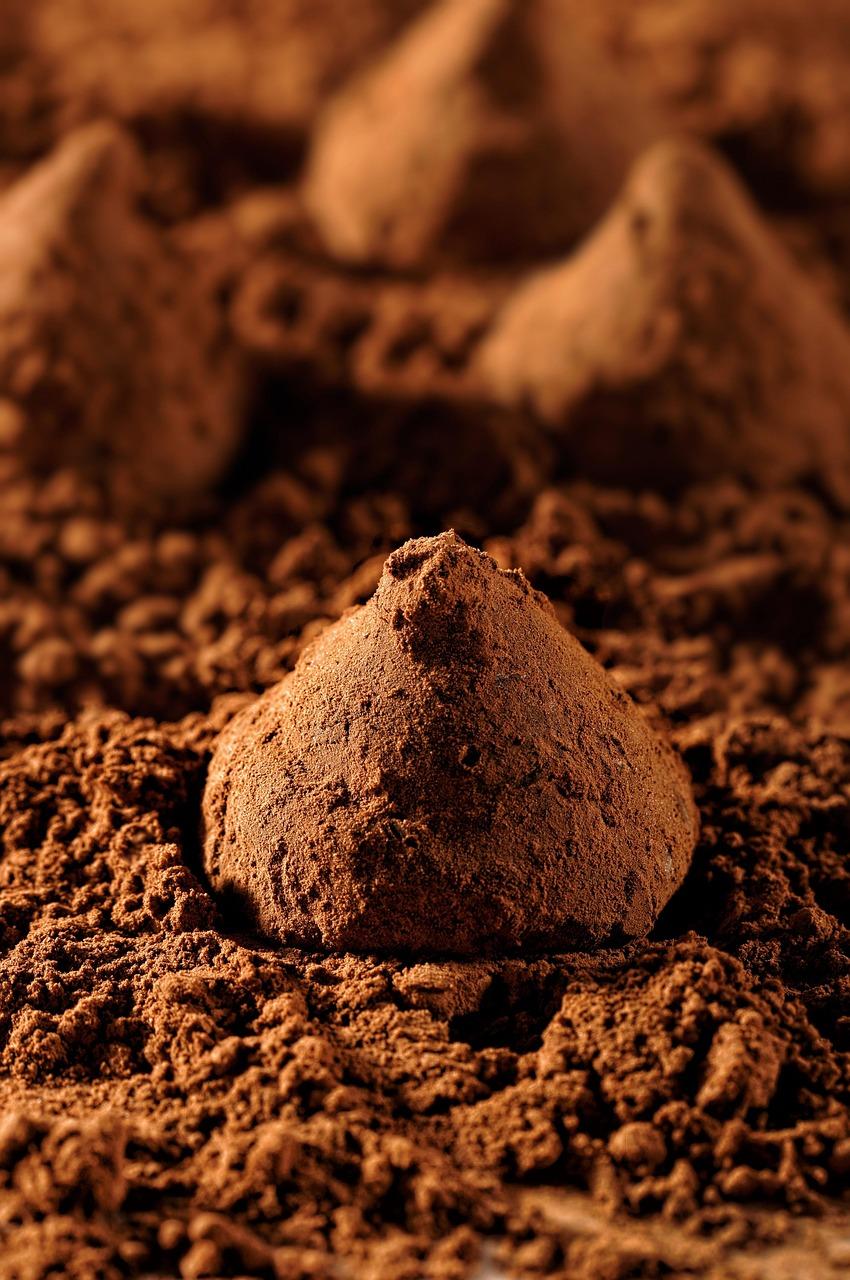
Truffes au chocolatChocolate truffles

Chocolate truffles, named after the black truffles of Périgord they resemble, are the home-made Christmas gift and after-dinner treat of France, rolled roughly and dusted with bitter cocoa. They need just good dark chocolate, cream and a little butter. The common mistake is overheating the chocolate, which makes it split and greasy. Chef's tip: work with cold hands and a melon baller, and keep the tray in the fridge between batches.

by KrazyBadal 0 views

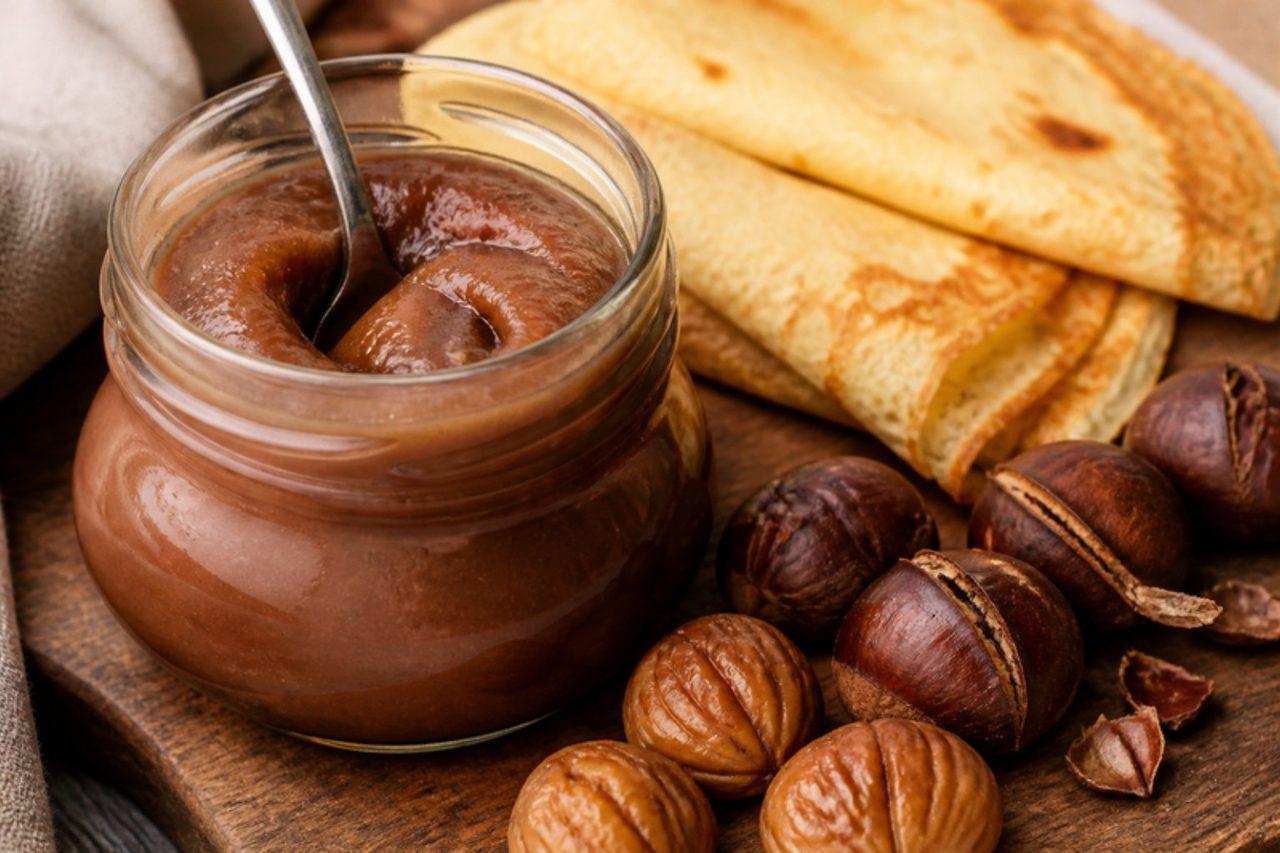
Crème de marronsSweet chestnut spread

Crème de marrons, sweet chestnut cream, was invented in Privas in the Ardèche in the 1880s to use up broken chestnuts from making marrons glacés, and it is now a French store-cupboard classic: spread on crêpes at Candlemas, stirred into fromage blanc, or piled into a Mont Blanc dessert. This home version uses cooked, peeled chestnuts. The common mistake is not blending it smooth enough. Chef's tip: blend while still warm, and push it through a sieve for a silky finish.

by KrazyBadal 0 views

Crêpes dentelleCrisp lace crêpe biscuits

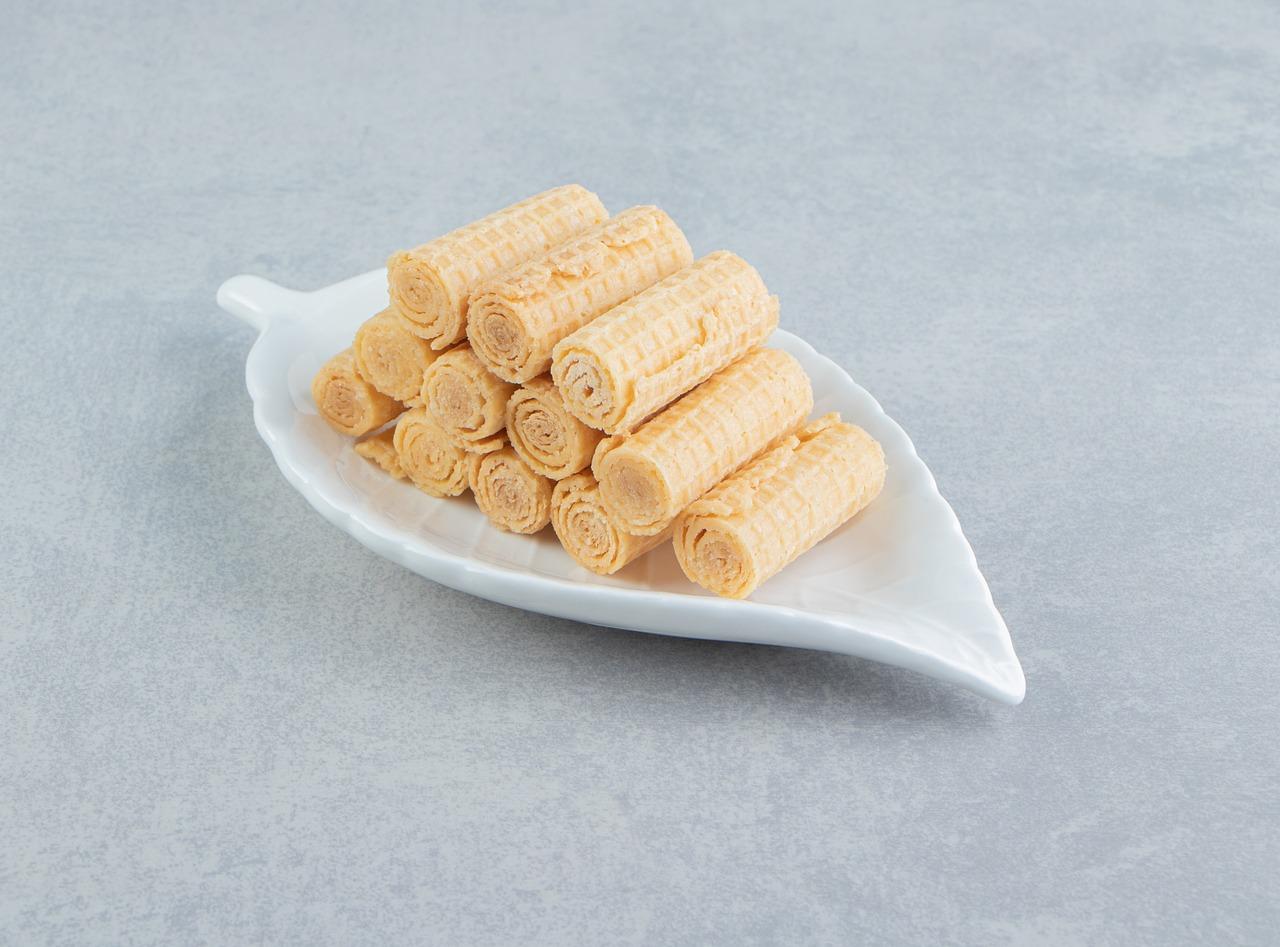
Crêpes dentelle, "lace crêpes", are a speciality of Quimper in Brittany, said to have been invented by a baker there in 1886 who burnt a crêpe and rolled it up; they are wafer-thin, crisp, buttery rolled biscuits, sold in tins all over Brittany and eaten with coffee or crumbled over ice cream. The common mistake is spreading the batter too thick, so they will not crisp. Chef's tip: spread the batter so thin you can see the tray through it, and roll each one as soon as it comes out of the oven.

by KrazyBadal 0 views

Poires Belle-HélènePears with chocolate sauce

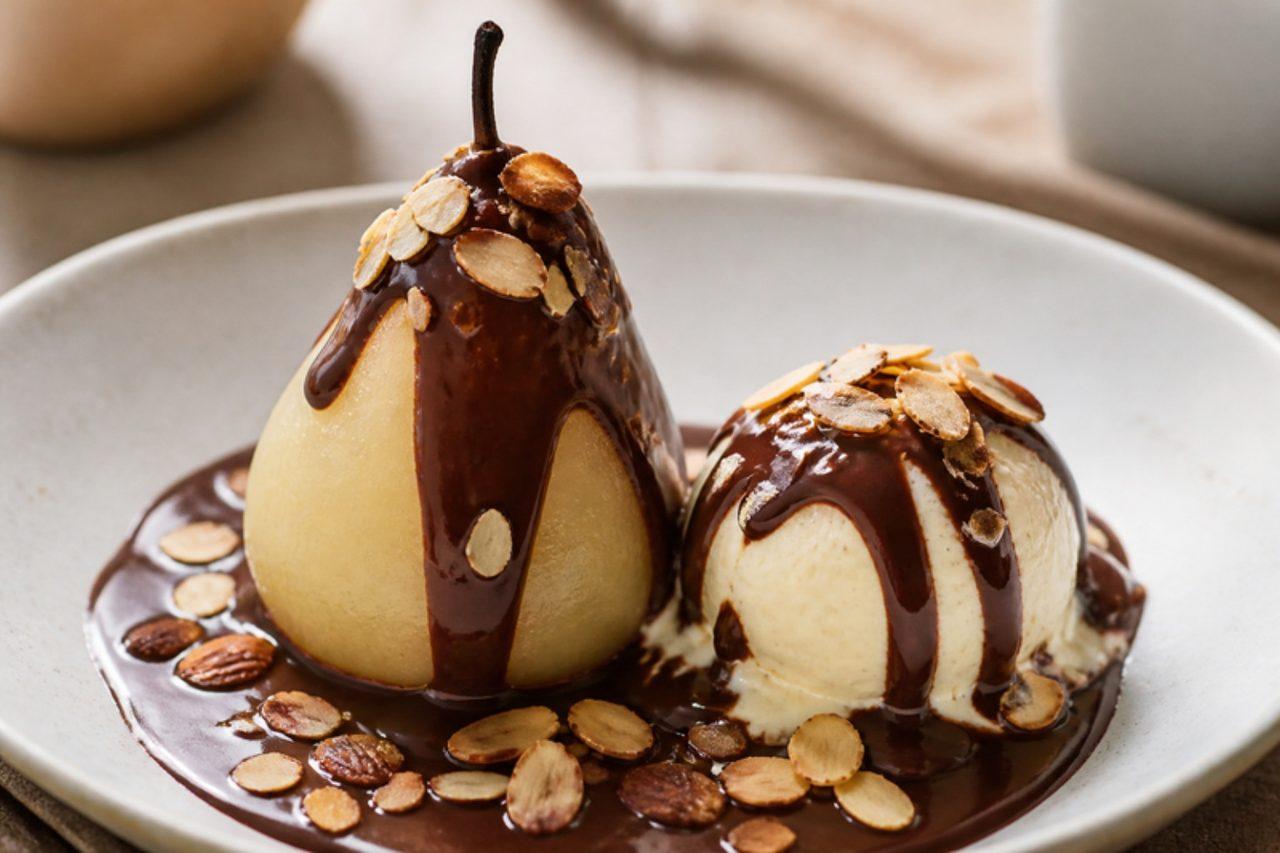
Poires Belle-Hélène was created in Paris in the 1860s, probably by the great chef Escoffier, to honour Offenbach's operetta La Belle Hélène, and it is still on bistro menus and served at home as an easy winter dessert. Whole pears are poached in vanilla syrup, then served cold with vanilla ice cream and a jug of hot dark chocolate sauce. The common mistake is poaching hard pears too fast, so they stay crunchy in the middle. Chef's tip: the pears are done when a knife slides in like butter; keep the syrup at a gentle shiver.

by KrazyBadal 0 views

Fruits confitsCandied citrus fruit

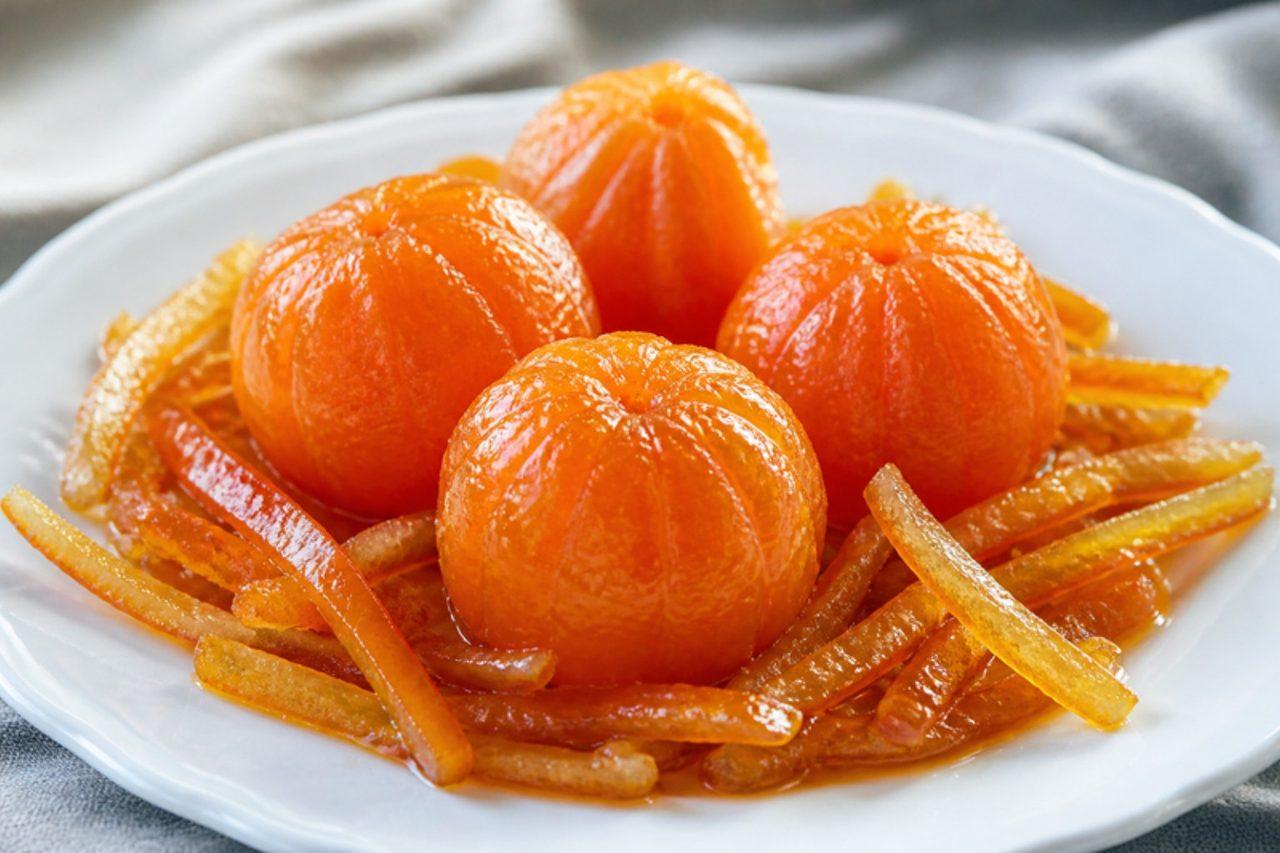
Candied fruit is a speciality of Apt in the Vaucluse, the world capital of fruits confits, and a bowl of glistening candied clementines, melon and orange peel is one of the thirteen desserts of Christmas Eve in Provence. Home candying takes several days of patient simmering in syrup, but very little work each day. The common mistake is boiling the fruit hard, which toughens it. Chef's tip: increase the sugar a little each day so it soaks in slowly to the centre.

by KrazyBadal 0 views

Showing 24 of 2,799 recipes

Show more recipes

Page 33 of 117

More Jain ideas

Other diets