Skip to content
WhatToEat.Today

Jain recipes: no onion, garlic or root vegetables

2,799

2799 Jain recipes with no onion, garlic, potato, carrot, fresh ginger or other root vegetables, and no mushrooms, eggs or honey. Hing, dry ginger and turmeric powder are fine. Each has photos, step-by-step instructions and cook times. The quickest, Apfelschorle, takes 2 minutes. Most take around 40 minutes.

Filter these by time, diet or cuisine · Make Jain your diet to see only these recipes everywhere on the site.

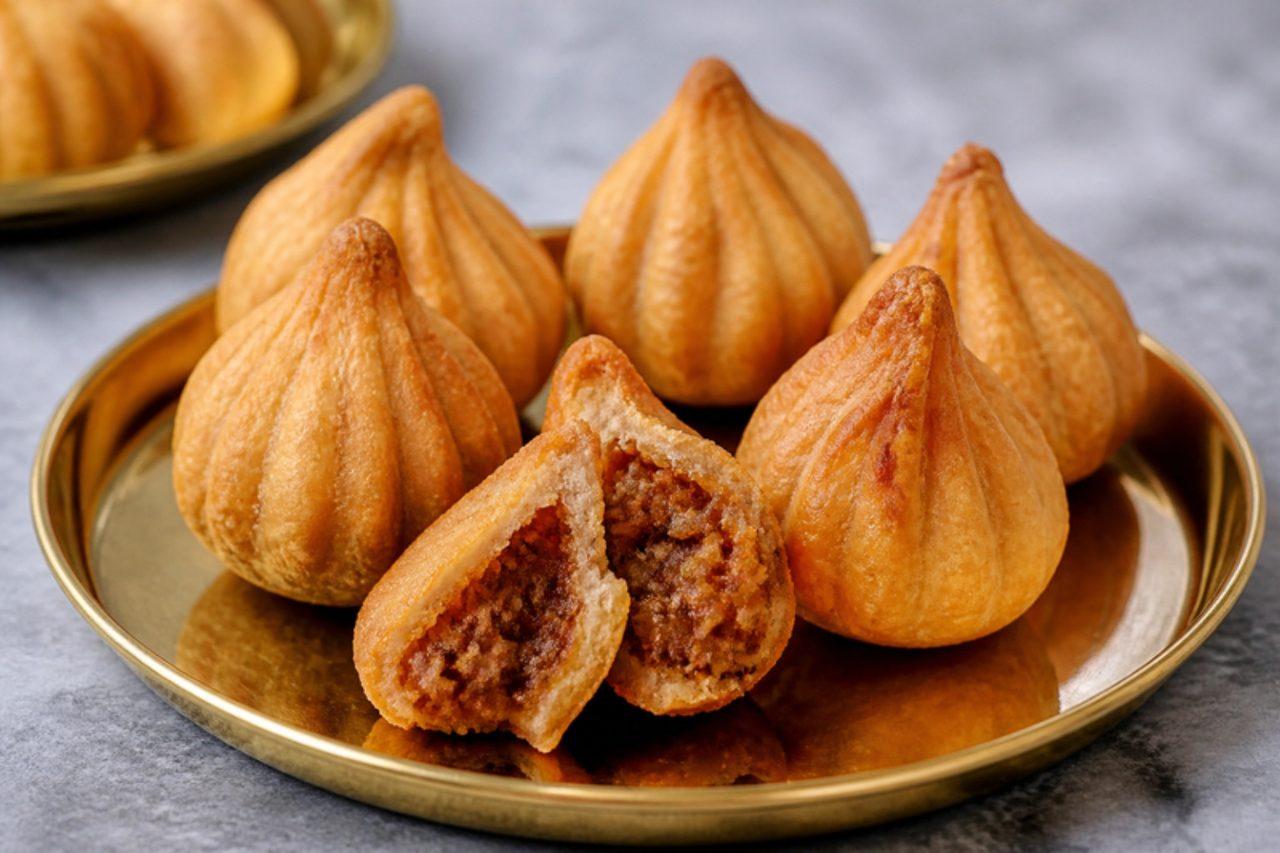
Talniche modakFried coconut jaggery dumplings

Steamed ukadiche modak may be the star of Ganesh Chaturthi in Konkan homes, but across Pune, Nashik and Vidarbha the plate of twenty-one for Bappa is just as often fried. Talniche modak use a short dough of wheat flour and fine semolina, pleated by hand around the same coconut, jaggery and poppy-seed saran, then fried slowly until they turn pale gold and shatter when bitten. Because they are dry and crisp they travel well: they go into the steel dabba for relatives and last through all ten days of the festival. The filling is sticky and fragrant with cardamom and nutmeg, the shell flaky like a karanji. Serve them at room temperature with a cup of tea or as part of the naivedya thali. The usual mistake is frying in oil that is too hot, which browns the outside in a minute and leaves the inner pleats raw and doughy. Chef's tip: rub the ghee into the flour until it holds in a clump when pressed; that moyan is what makes the shell blister and flake rather than turn hard like a puri.

by KrazyBadal 0 views

Athela marchaQuick pickled green chillies

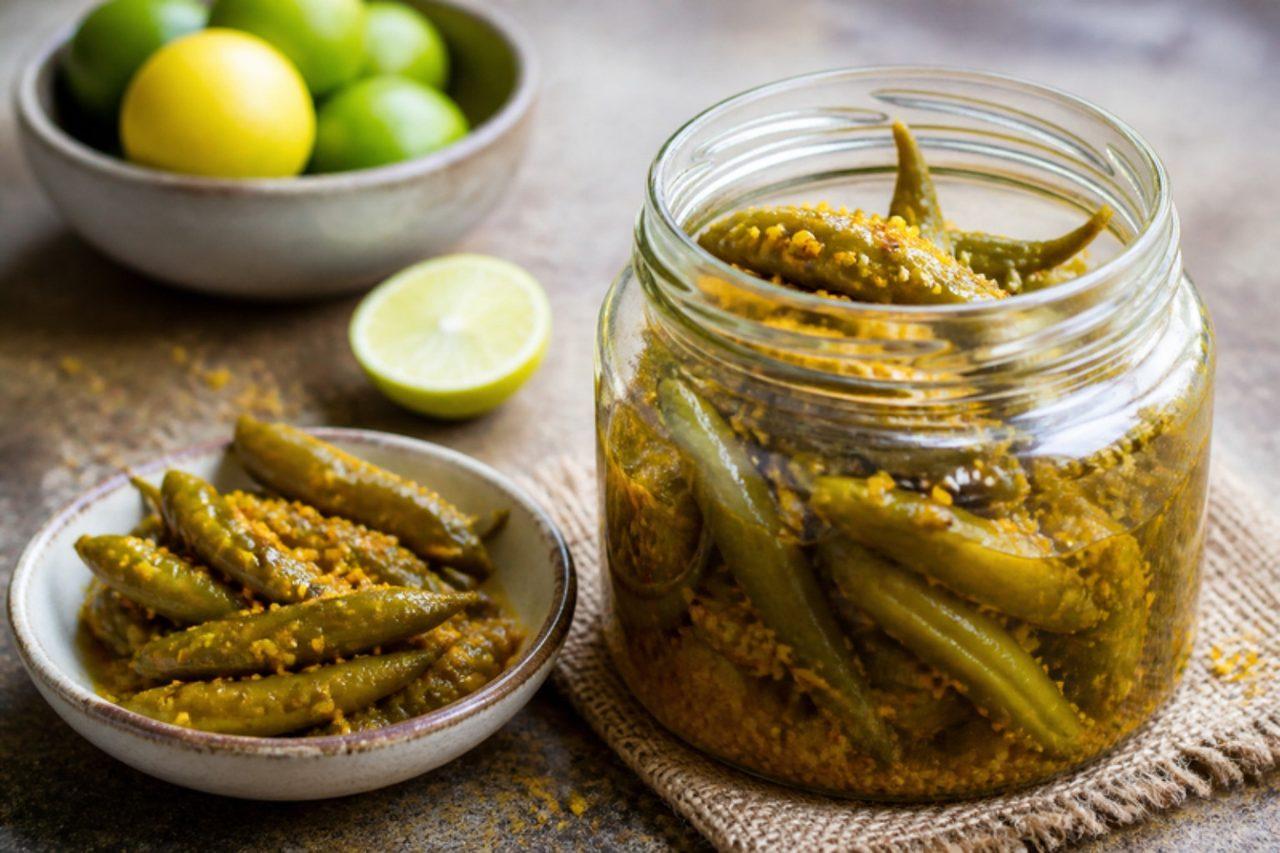
On a Gujarati table there is nearly always a small steel bowl of athela marcha beside the thali, the quick daily pickle that makes plain khichdi, dal-bhaat, thepla or a plate of fafda taste complete. Thick, mild chillies (Bhavnagri or the pale green ones sold for bhajia) are slit, tossed with rai kuria (split mustard), salt, turmeric and hing, and soused with lemon juice. Within a few hours the mustard blooms and turns pleasantly pungent, the lemon softens the chillies and the colour turns olive green. They stay crunchy for about a week in the fridge, so most homes make a small batch every few days. Use thin, hot chillies if your family likes the heat. Common mistake: washing the chillies and using them damp, which waters down the masala and turns the pickle slimy; dry them completely before slitting. Always serve with a clean, dry spoon and throw the jar out if it turns cloudy, mouldy or smells off. Chef's tip: a pinch of methi kuria and half a teaspoon of sugar round out the sharpness if the lemons are very sour.

by KrazyBadal 0 views

Aam papadMango fruit leather

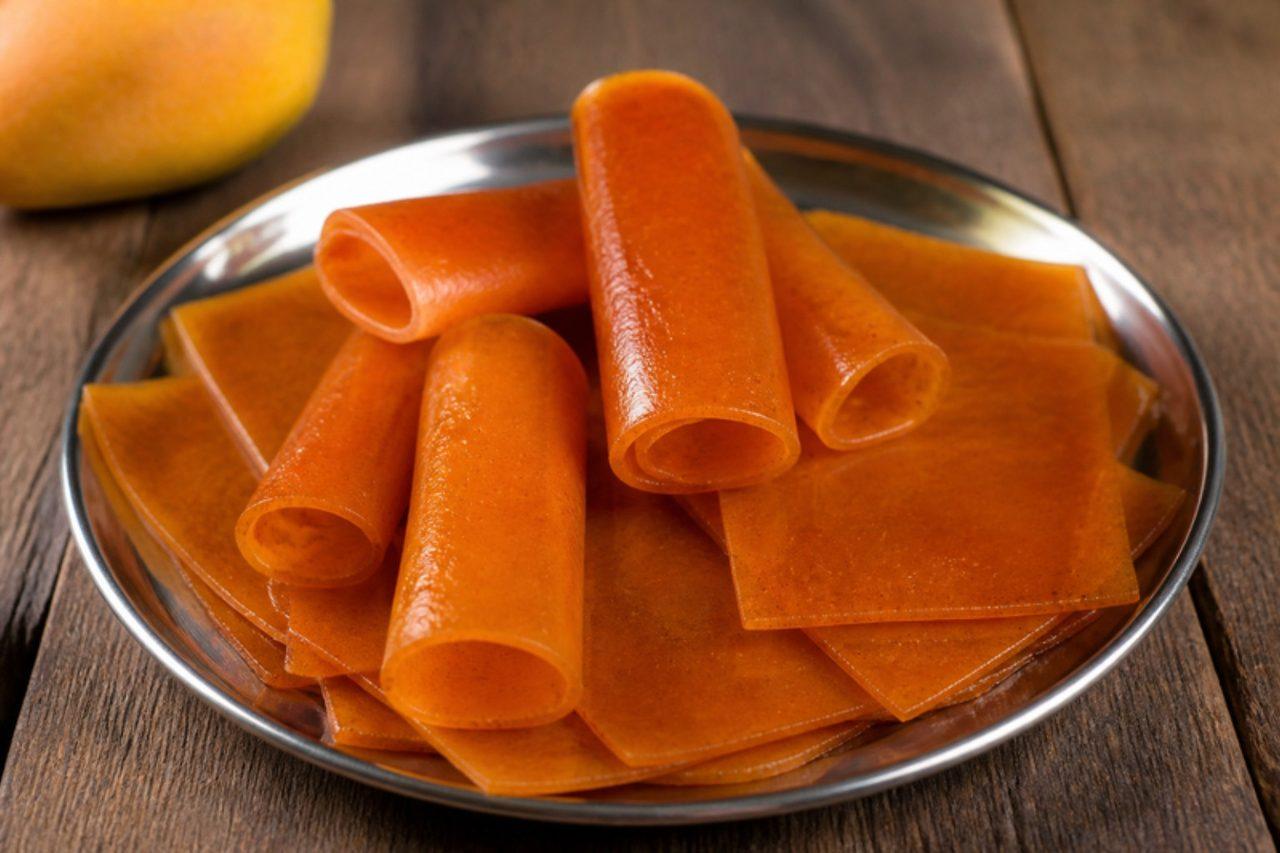
Children in Lucknow, Varanasi and across Uttar Pradesh grew up tearing strips off aam papad from the corner shop, but the homemade kind, made when Dussehri and Langra mangoes are cheap and overripe in June, is in another league: thick, glossy, chewy, deep orange and properly mango-tasting, with a sour edge. Ripe pulp is cooked down with a little sugar and lemon until thick, then spread thinly on greased thalis and left on the terrace. Many families add a new layer every day for a week to build up a thick slab. Eat it as a sweet snack, cut into squares or rolls, or tuck it into a lunchbox. Common mistake: spreading the pulp in one thick layer to save time; the outside dries while the centre stays sticky and can turn mouldy. Chef's tip: no sun? Spread it on a lined tray and dry it in the oven at 60–70 °C, door slightly ajar, for 6–8 hours.

by KrazyBadal 0 views

ChhundoSweet grated mango preserve

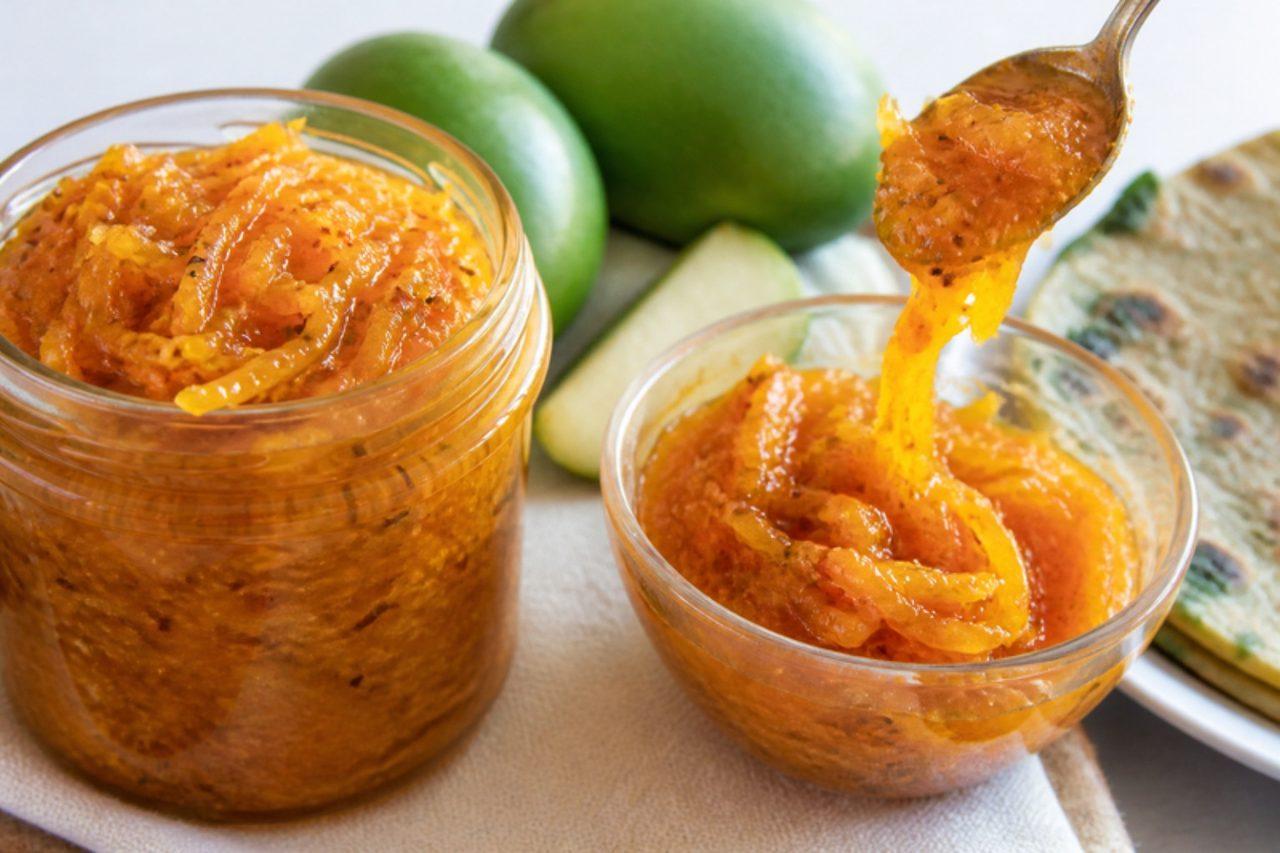
Every May, when rajapuri mangoes arrive hard and green, Gujarati terraces fill with muslin-covered jars of chhundo slowly cooking in the sun. Grated raw mango is salted, mixed with sugar and left out for a week or more, stirred each day, until the sugar melts into a clear, glossy syrup and the shreds turn translucent. Red chilli and roasted cumin go in at the end, so it is sweet first and then warm. It is what children spread inside a thepla or a rotli for the school dabba, and it sits beside khakhra, puri and dal-bhaat all year round. No terrace or no sun? It cooks just as well on the stove in 25 minutes; both methods are below. Use rajapuri (or another firm, sour, fibre-free raw mango) and grate it on the large holes so the shreds hold. Common mistake: cooking past one-string; the syrup keeps thickening as it cools and the chhundo sets hard like candy. Store it in a dry, sterilised jar and always use a clean, dry spoon; discard it if you ever see mould or it smells fermented. Chef's tip: mix part Kashmiri chilli for colour and part hot chilli for heat, and add the chilli only after the syrup is ready so it stays bright red.

by KrazyBadal 0 views

Idli podiLentil and chilli powder

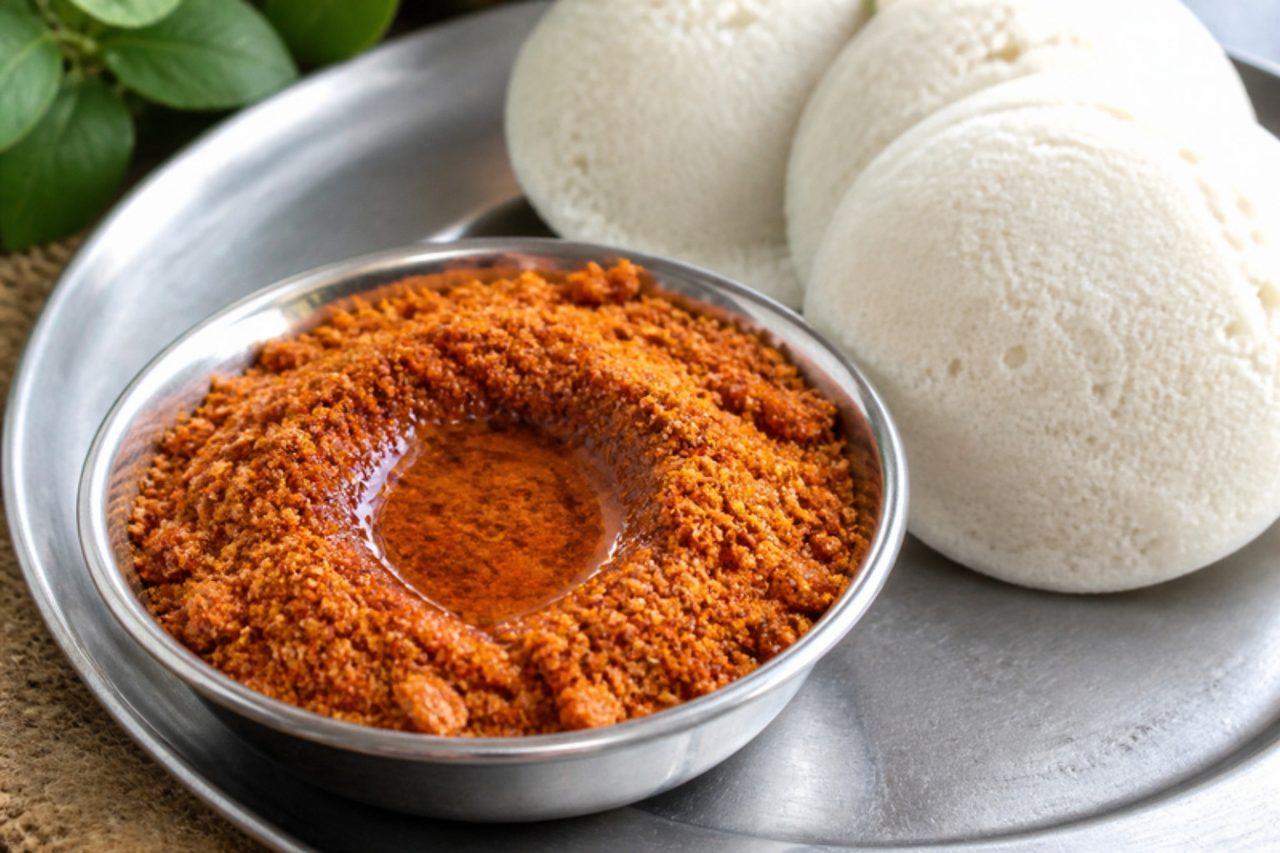
Pack idlis for a train journey out of Chennai Central and they travel already smeared in milagai podi and gingelly oil, which is why Tamilians call this the travel chutney. At home, a small mound sits on the side of every breakfast plate: you make a well in it, pour in sesame oil and drag hot idli or crisp dosa through the paste. A good podi is coarse and sandy rather than floury, nutty from slow-roasted urad and chana dal, toasty from sesame, smoky from the chillies and lifted by curry leaves and asafoetida. Mix byadgi chillies for colour with a few hotter ones for bite. Common mistake: grinding the dals while still warm; the steam turns the podi damp and lumpy and it loses its crunch in a week. Chef's tip: roast each ingredient separately on a low flame, because the dals, chillies and sesame all brown at different speeds.

by KrazyBadal 0 views

KurdaiSun-dried wheat starch spirals

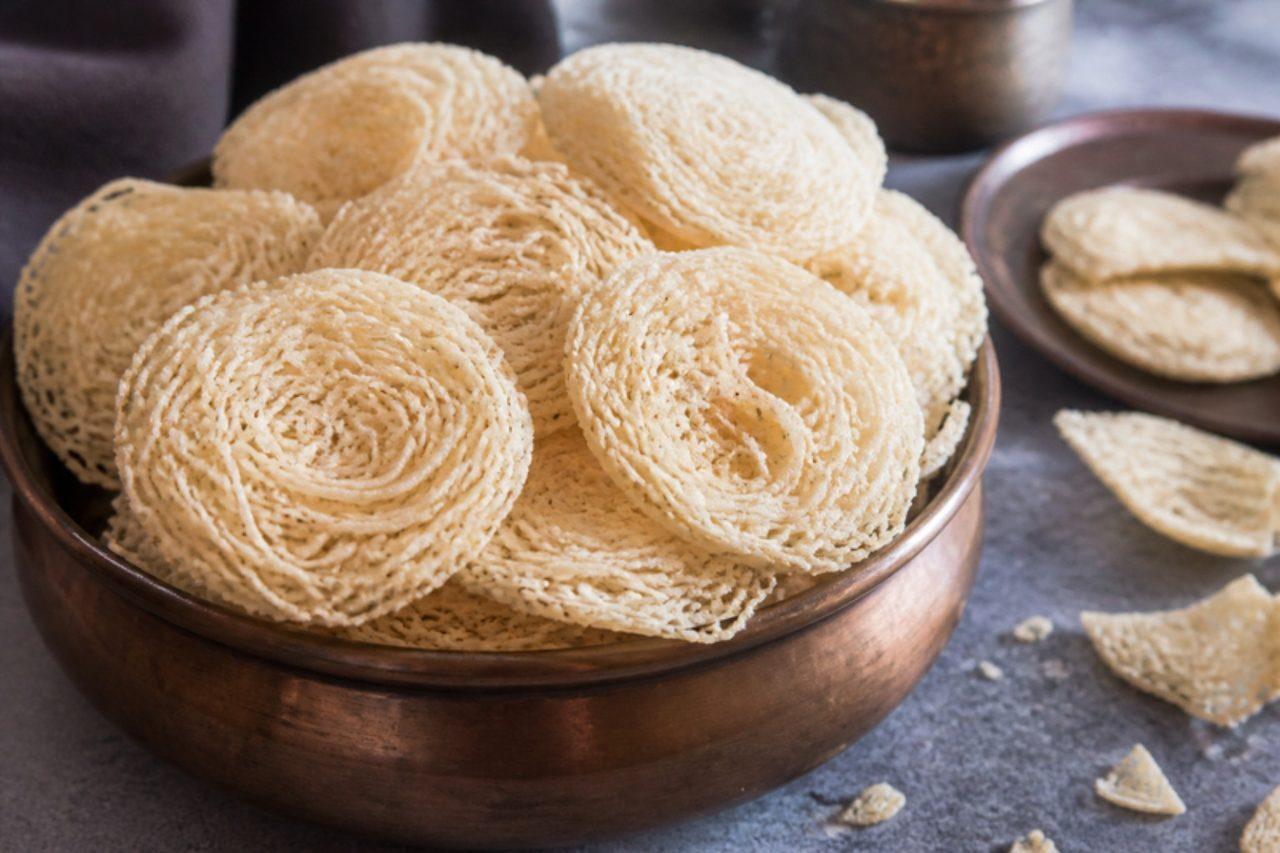
Kurdai is one of the great Marathi summer projects, the kind that takes the whole family and most of the week. In Marathwada and Khandesh, whole wheat grains are soaked for three days, ground, and strained to collect the fine starch (chik), which settles and slightly ferments. That starch is cooked into a glossy paste and pressed through a kurdai press into flat spirals that dry hard and translucent in the April sun. Fried, they swell into airy, rippled curls, crisp and almost melting, with a faint tang from the fermentation. Kurdai turns up on the side of a Maharashtrian thali with varan-bhaat, at festivals, and as a tea-time crunch. Note that it is made from wheat, so it is not gluten-free. Chef's tip: change the soaking water morning and evening without fail. Skip it and the wheat starts to smell sour and musty instead of clean and yeasty, and the kurdai will taste of it.

by KrazyBadal 0 views

Madras mixtureCrunchy savoury snack mix

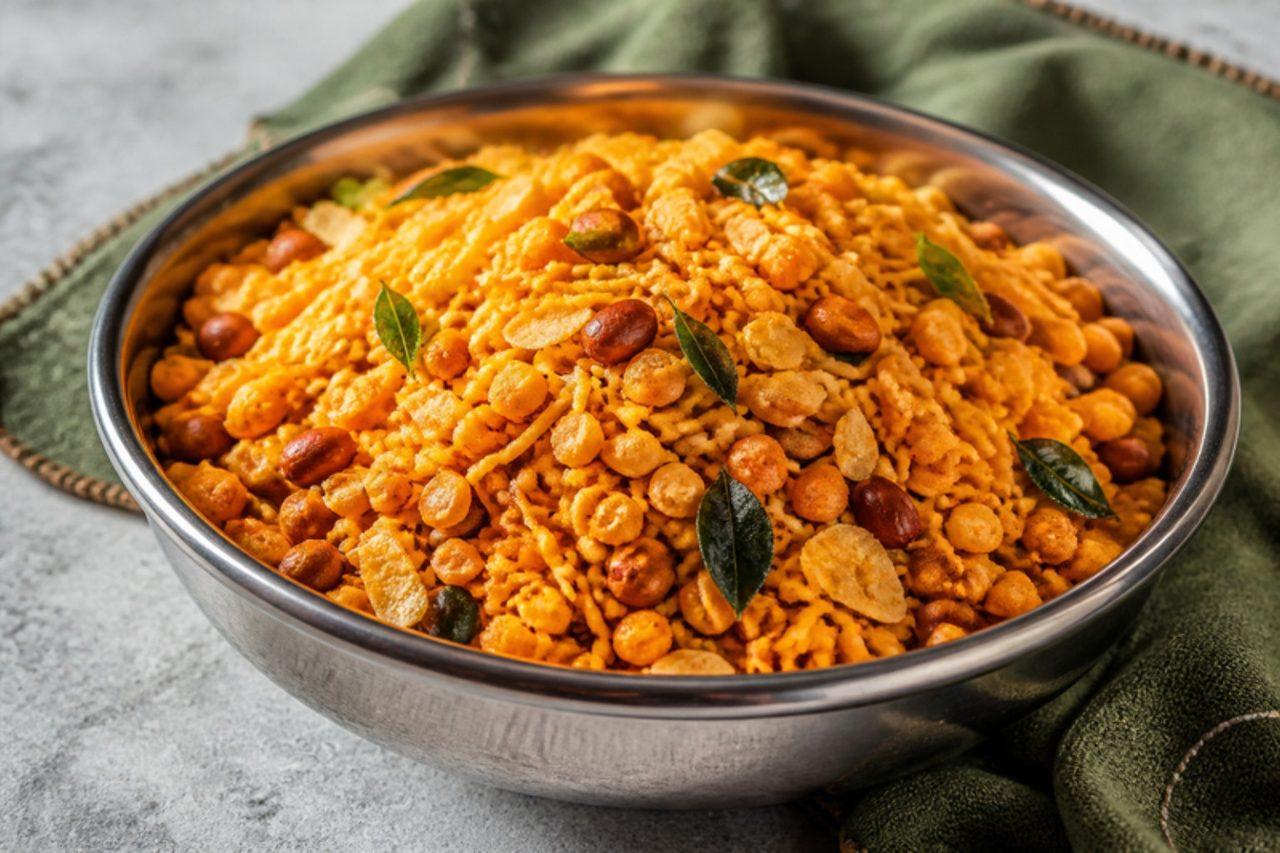
In Chennai sweet shops the glass jars of mixture sit beside the murukku, and at Deepavali most Tamil families make their own. It is built from separately fried parts: thin besan omapodi-style sev, little spiced kara boondi pearls, thick poha fried to a crunch, fried gram, peanuts and a big handful of curry leaves, all tossed with chilli and asafoetida while warm. The flavour is salty, peppery and savoury, with no sugar and no raisins, which is what sets it apart from Gujarati chevdo. Each part has a different crunch, so every handful is different. Serve it with filter coffee or tea. Use gluten-free asafoetida if you need it gluten-free. Chef's tip: fry everything in the same oil in order, from lightest to heaviest flavour: poha and peanuts first, then boondi, then sev; that keeps the oil clean and every part tastes fresh.

by KrazyBadal 0 views

Kanji vadaLentil dumplings in mustard water

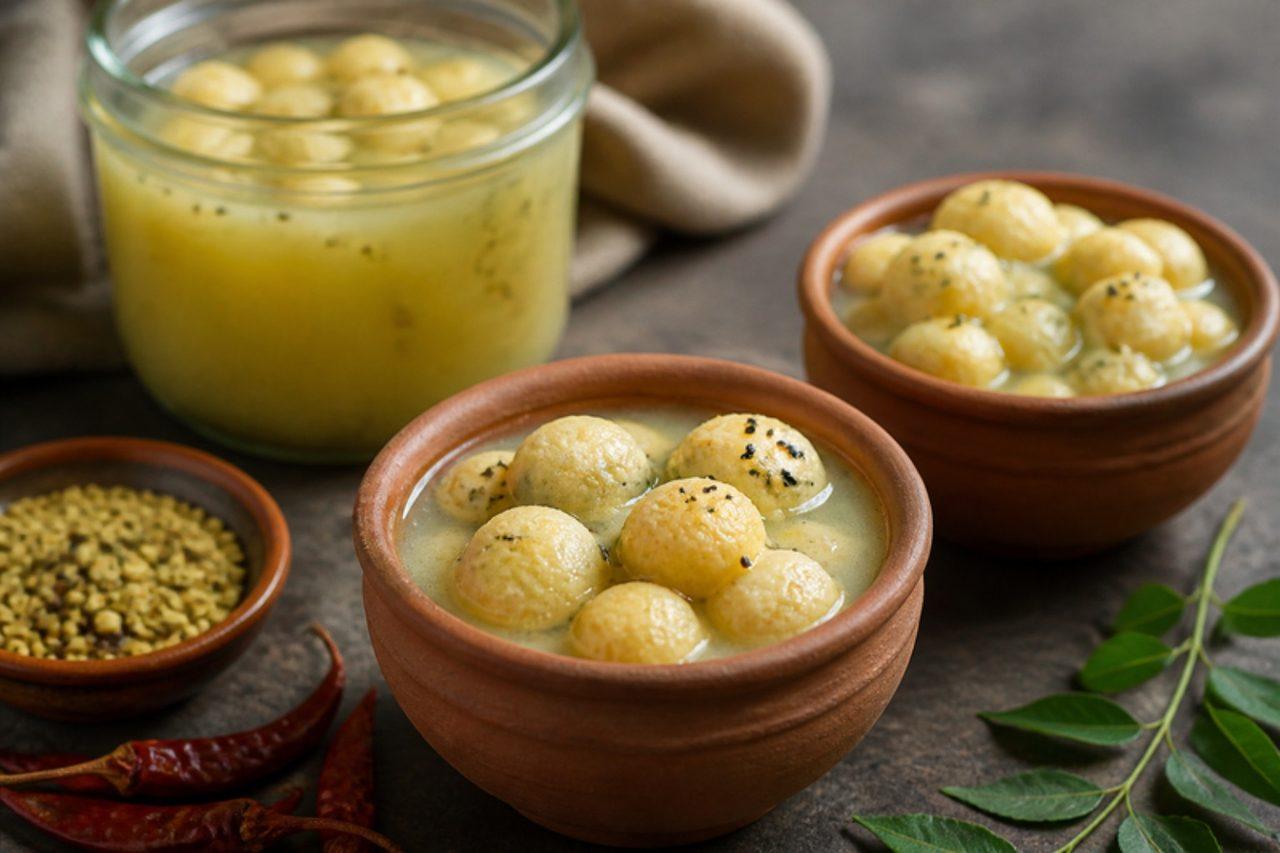
Around Holi, glass jars of cloudy water sit on rooftops across Jaipur, Jodhpur and old Delhi, fermenting in the spring sun. That water is kanji: boiled water with ground mustard seed, salt and chilli, which turns sour, pungent and faintly fizzy in two or three days. Small moong dal fritters are soaked in hot water to soften, then dropped into the kanji, where they drink up its tang and turn spongy. Served chilled in clay kulhads with a vada or two in each, it is a cooling, appetite-sharpening drink-snack that cuts through the rich Holi sweets. Ferment only in a clean, sterilised glass or ceramic jar, stir with a clean dry spoon, and discard the batch if you see mould or it smells rotten rather than pleasantly sour. Chef's tip: grind the mustard seed coarsely and fresh; pre-ground mustard powder goes bitter and dull.

by KrazyBadal 0 views

Kopra pakFresh coconut fudge

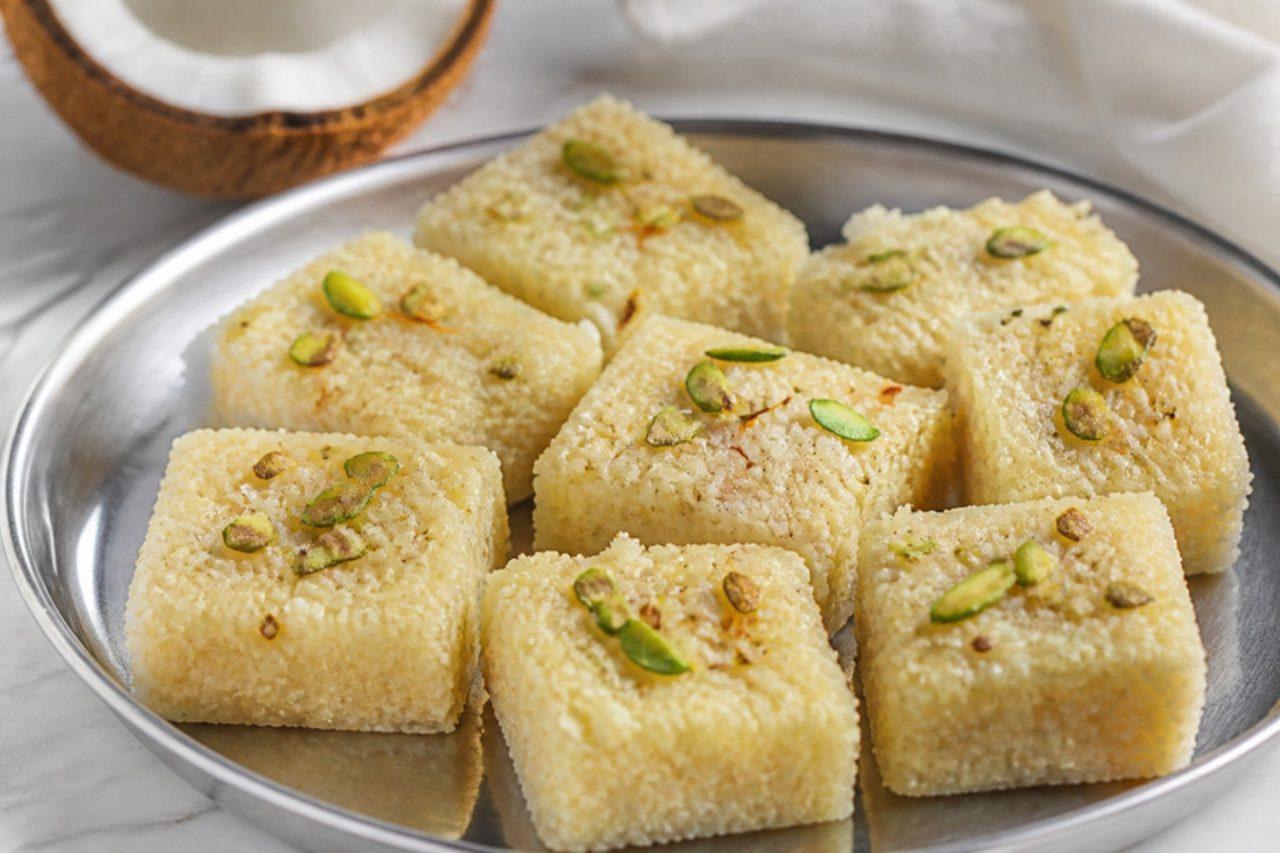
Kopra pak is the sweet a Gujarati home makes when a coconut has been broken for a puja and there is too much to use. It is ready in under an hour: fresh coconut is cooked with milk until the milk is soaked up, then with sugar until the mixture comes away from the pan, and it is spread in a thali to set. The result is soft and moist, with the clean, milky sweetness of fresh coconut and a little chew, quite different from dry desiccated barfi. It appears at Diwali, Sharad Purnima and on Bestu Varas, and as prasad after Satyanarayan katha. Use only the white part of the coconut for a pale barfi. Chef's tip: grate the coconut finely or pulse it briefly; coarse shreds make a loose barfi that crumbles when you cut it.

by KrazyBadal 0 views

ThattaiCrisp rice flour crackers

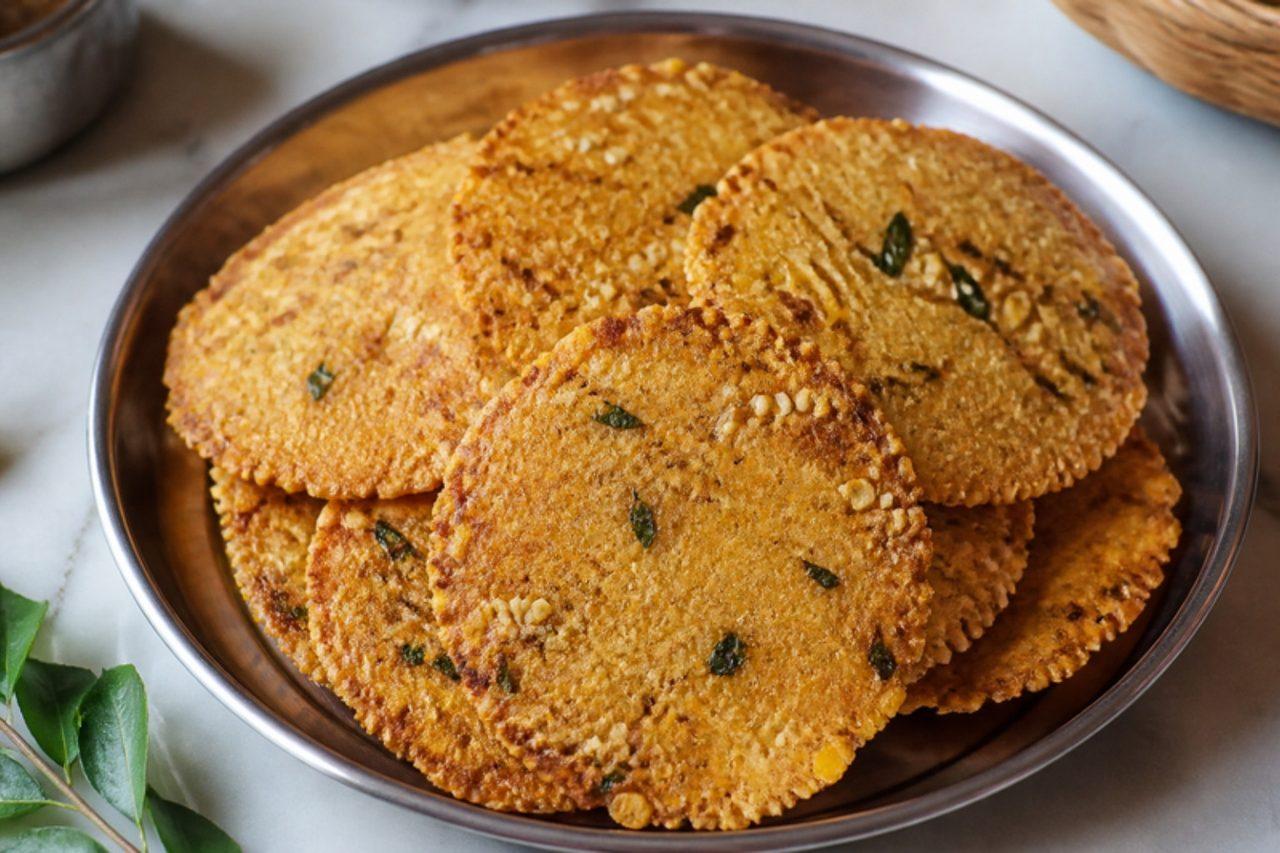
Thattai means flat, and that is the whole secret: these Tamil rice crackers are patted out so thin you can see light through them, then fried until they crack like glass. Soaked chana dal pops inside each one for little nubs of crunch, torn curry leaves crisp in the oil, and roasted urad powder gives a savoury, biscuity depth. They fill tins for Deepavali and Gokulashtami across Tamil Nadu; in Karnataka a thicker cousin with peanuts is called nippattu, and in Andhra chekkalu. Many homes add butter to the dough; this version uses hot oil, which keeps it vegan and just as crisp. Use gluten-free asafoetida for a gluten-free batch. Chef's tip: pat them out on a sheet of oiled plastic or a banana leaf, then peel each one straight into the oil; lifting by hand tears thin dough.

by KrazyBadal 0 views

Urad dal papadPeppery lentil crisps

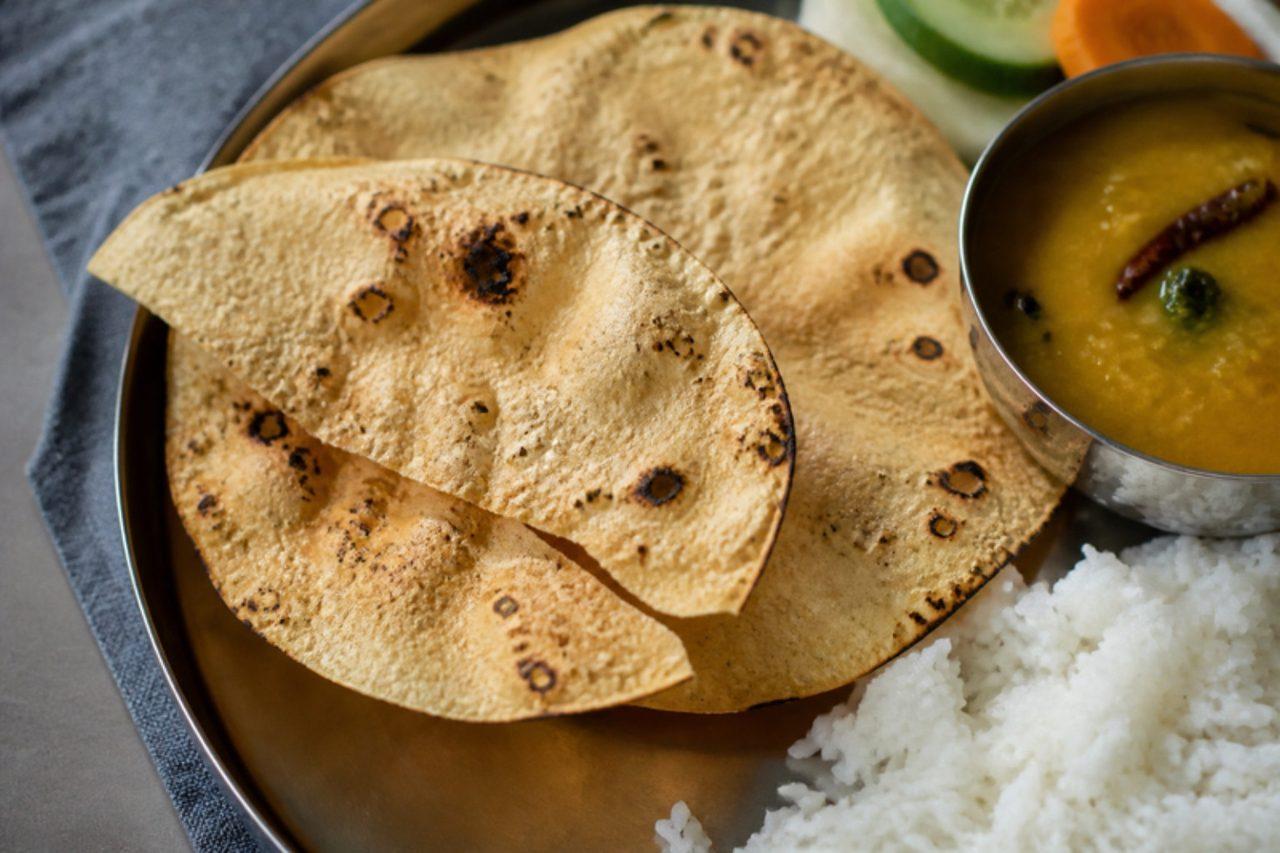
Bikaner and the old Punjabi bazaars of Amritsar have made black-pepper urad papads for generations, and summer is when home kitchens still roll them: the dry heat crisps a whole tray on the terrace in a day or two. The dough is unlike any bread dough. It is stiff, grey-cream, seasoned hard with crushed pepper, cumin and asafoetida, and given its snap by papad khar (an alkaline salt sold at Indian grocers), then pounded until it turns smooth and stretchy. Rolled thinner than a chapati and sun-dried, the discs keep for months. Roast one over a gas flame and it blisters and curls in seconds, ready to eat beside dal-chawal, kadhi or a Rajasthani thali, or to crush into papad churi and papad ki sabzi. These are large, spicy and meant to be roasted; for the small, plain, coconut-oil-fried kind from Kerala, see pappadam. Chef's tip: dry the papads in light shade for the first hour before moving them into full sun; straight into harsh sun, the edges dry before the middle and they crack and curl.

by KrazyBadal 0 views

Bharwa lal mirch ka acharStuffed red chilli pickle

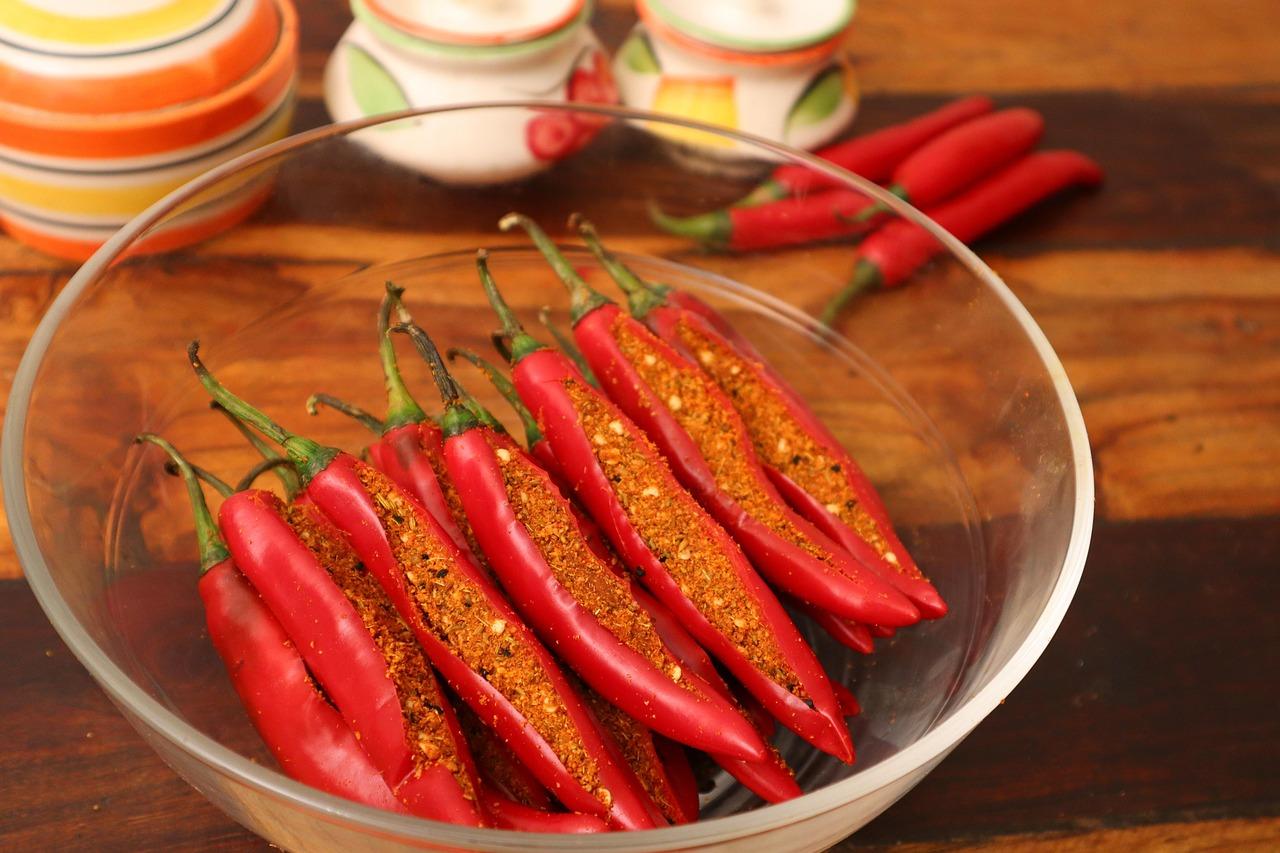
In winter, when the fat, fleshy red chillies of Banaras and Rajasthan come to market, families in Varanasi, Lucknow and Jaipur set aside a day to make bharwa lal mirch. The chillies are large and only mildly hot, more like a long pepper, so they are emptied, packed with a sharp masala of coarse yellow mustard, fennel, fenugreek, nigella and amchur (dried mango powder), and cured under smoked mustard oil in the sun. After a week the skins soften and the filling turns tangy and pungent, almost a meal in itself; one chilli sliced beside dal-chawal, puri-sabzi or a plain paratha is plenty. Wear gloves for the cutting, and make sure the chillies are fresh, glossy and firm. Common mistake: stuffing chillies that are still damp inside after washing; dry them for a few hours, cut side down, or the jar will spoil. Keep them under oil, use only a dry spoon or tongs and discard if mould appears. Chef's tip: a spoon of lemon juice in the filling helps it cling and gives a brighter tang.

by KrazyBadal 0 views

Khichiya papadRice flour crisps

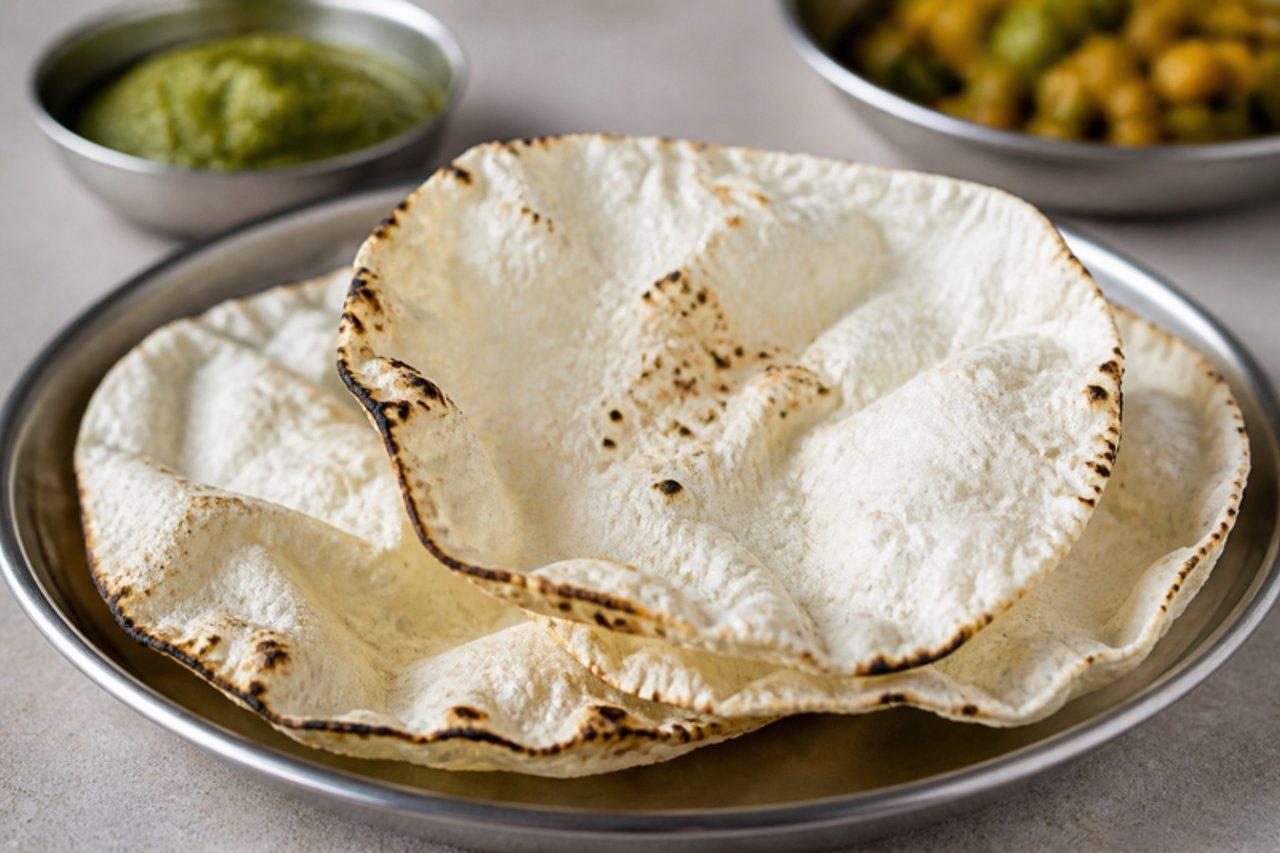
Every Gujarati kitchen knows khichu, the soft, steaming rice-flour dough cooked with cumin, green chilli and papad khar and eaten hot with a drizzle of groundnut oil and methia masala. Khichiya papad is what happens when the same dough is pressed paper-thin and dried on the terrace through April and May, a job that once filled whole lanes in Surat and Ahmedabad with women working in groups. Fried or roasted, khichiya puffs into a light, crunchy, faintly salty disc with flecks of cumin and a mild chilli warmth. It is eaten with Gujarati dal-bhaat-shaak, crumbled over khichdi, or turned into masala khichiya at the farsan shop: brushed with oil and topped with chilli powder, chaat masala, onion and sev. Chef's tip: press the khichu while it is still warm and soft. Once it cools, it firms up and cracks at the edges, so work in small batches and keep the rest covered in the pan.

by KrazyBadal 0 views

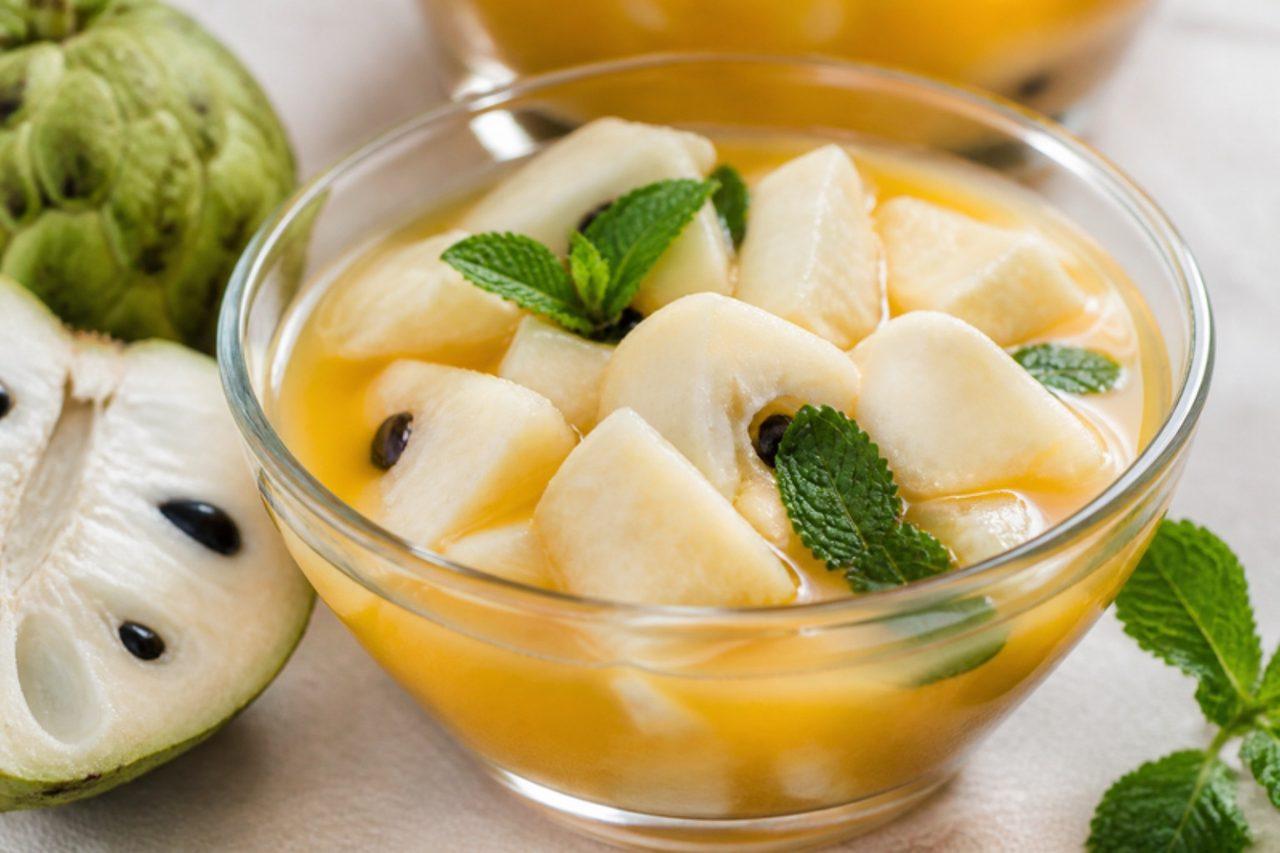
Chirimoya alegreCherimoya in orange juice

Chileans call it 'happy cherimoya': ripe custard-apple pulp dropped into fresh orange juice and served ice-cold. It turns up as the summer dessert after a big lunch in the Central Valley and in the Aconcagua valley, where much of Chile's cherimoya grows. The fruit should be soft like a ripe avocado; a hard one tastes starchy. The most common mistake is preparing the fruit ahead without juice, so it turns brown and loses its perfume: drop each piece straight into the orange juice. Remove every black seed, as the seeds must not be eaten or crushed. Chef's tip: squeeze the oranges yourself and taste before you sweeten; good juice often needs no sugar at all.

by KrazyBadal 0 views

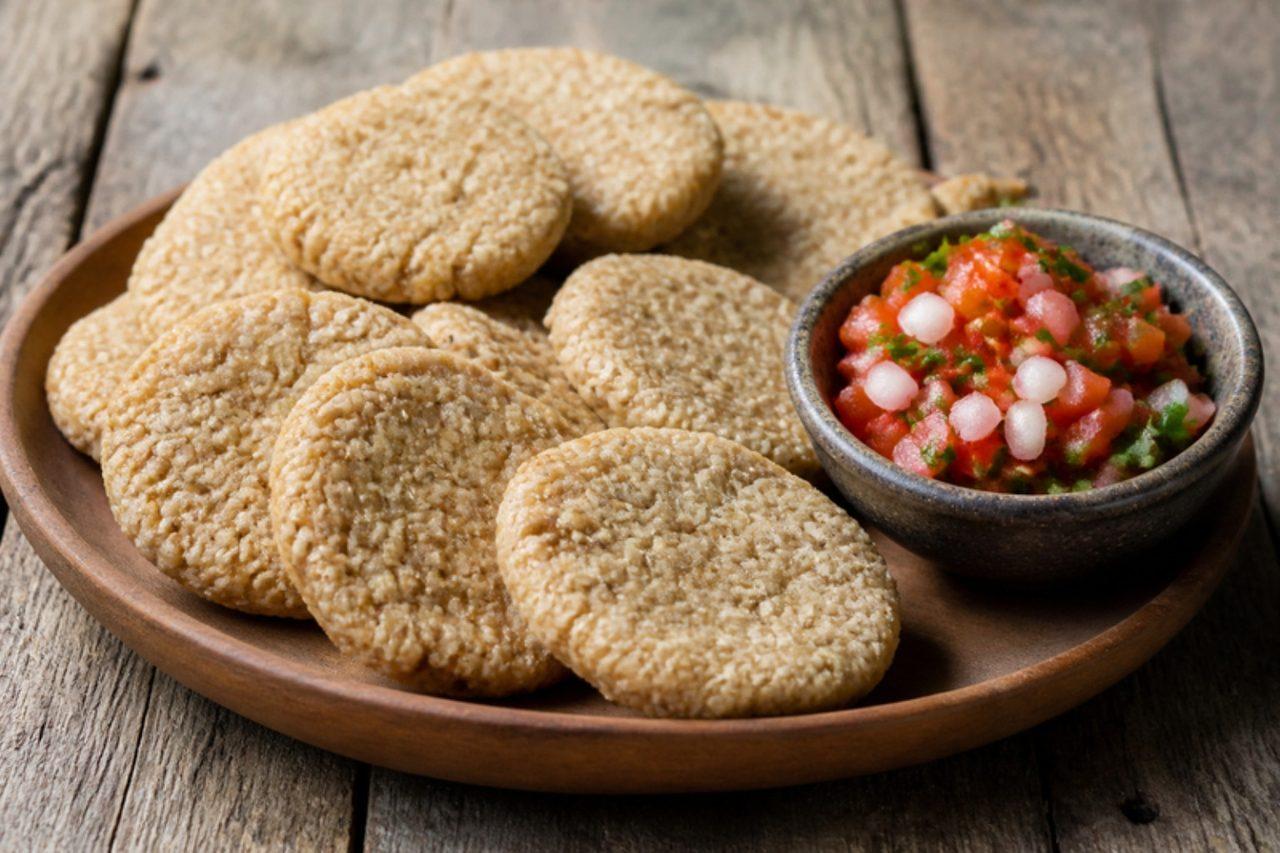
Catuto (mültrün)Pounded wheat cakes

In the Mapuche communities of Araucanía, around Temuco, mültrün (catuto in Spanish) is made by cooking whole wheat grains until soft, then pounding them on a grinding stone into a sticky dough that is shaped into little logs. They are eaten as they come, toasted on the hearth, or dipped in honey or pebre, and they are sold in Temuco's market alongside merkén and piñones. A food processor does the job of the stone. The usual mistake is undercooking the wheat: the paste won't hold together. Chef's tip: shape with wet hands, and flatten the logs slightly before toasting so they crisp on two sides.

by KrazyBadal 0 views

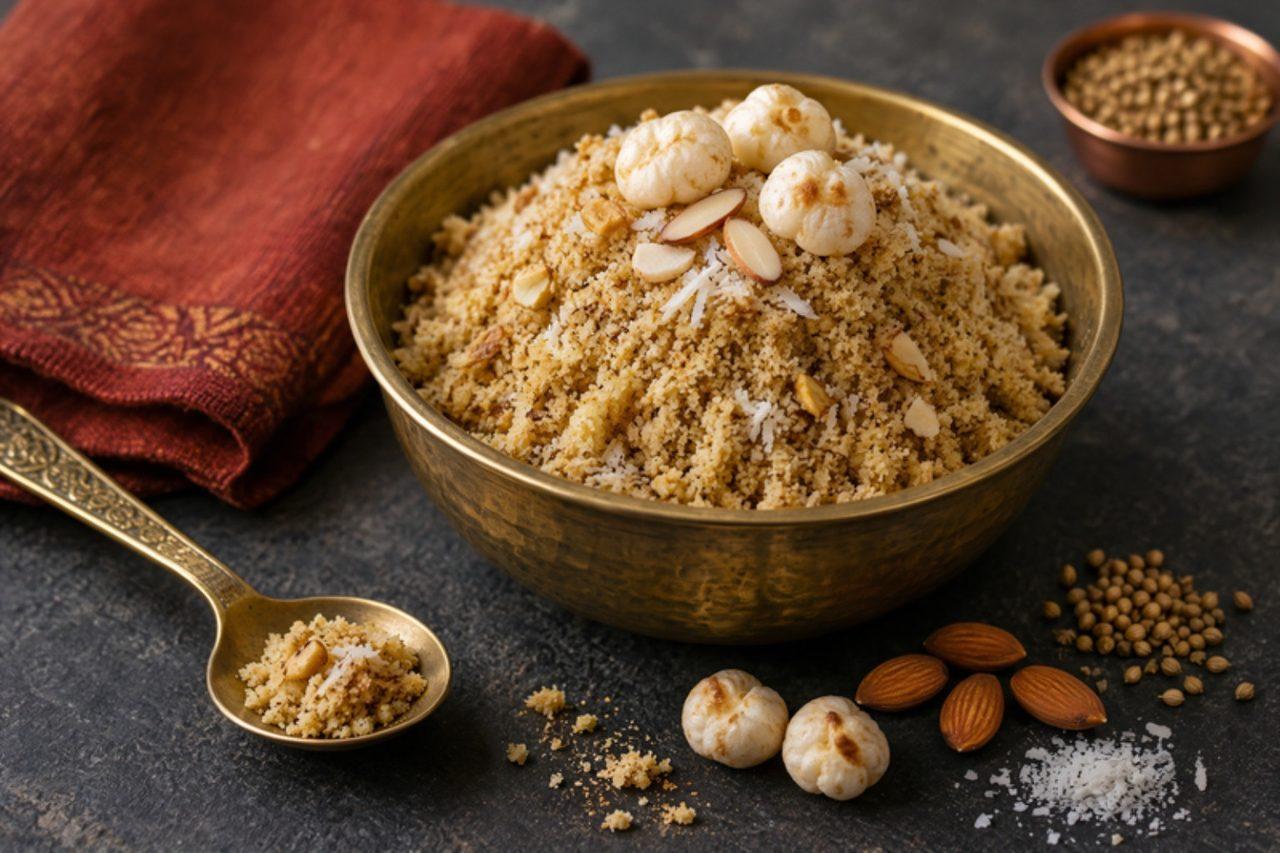
Dhana ni panjiriRoasted coriander and coconut sweet

At midnight on Janmashtami, when Gujarati and Rajasthani families sing to baby Krishna, the prasad handed round is this fragrant panjiri of ground coriander seeds roasted in ghee and mixed with powdered sugar, coconut, makhana and dry fruit. Because it contains no grain, it is also eaten by those who keep the Janmashtami fast. It tastes warm, sweet and surprisingly floral. The common mistake is roasting the coriander powder on high heat; it burns in seconds and turns bitter. Chef's tip: grind the seeds yourself just before roasting, and stop when the kitchen smells like warm citrus, not toast.

by KrazyBadal 0 views

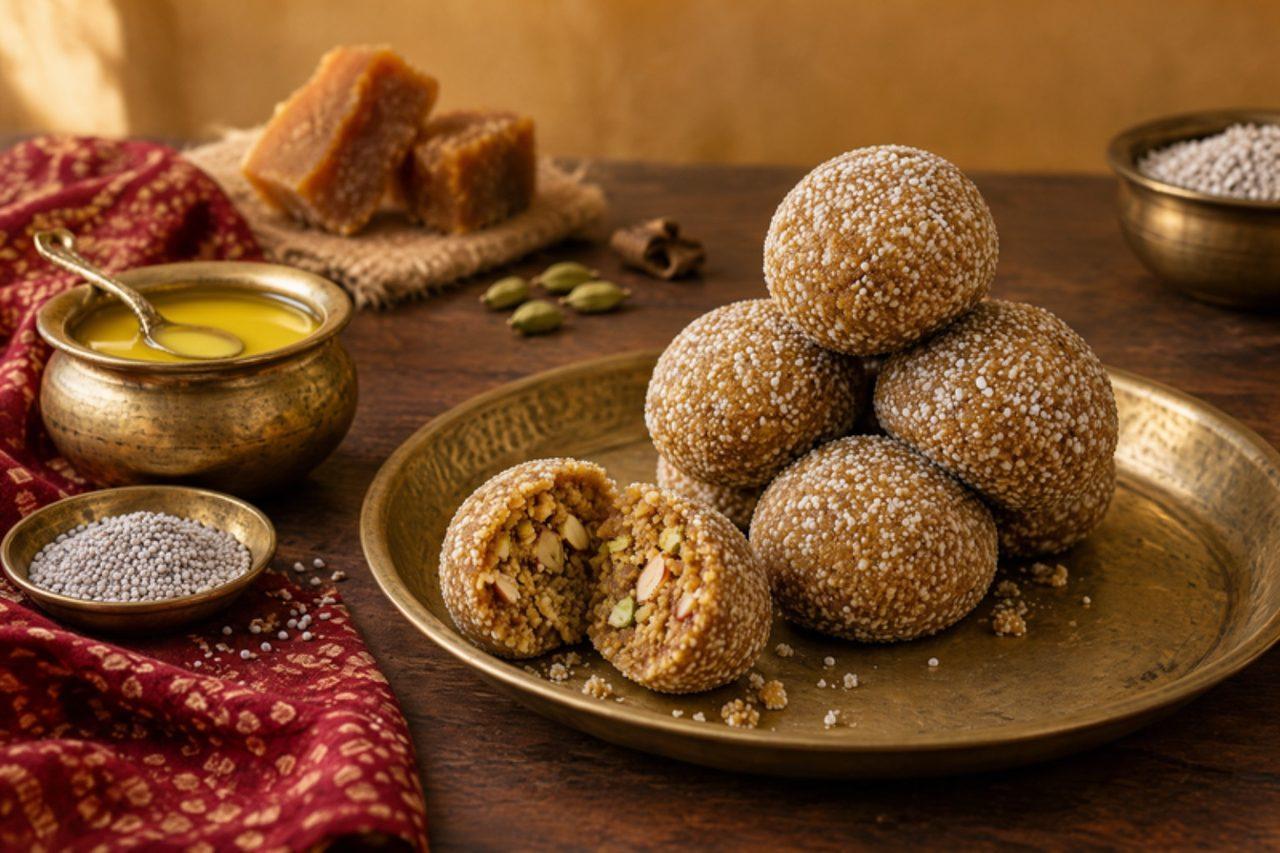
Churma na ladvaWheat crumb and jaggery balls

Churma na ladva are the laddus that sit beside Ganesh at Chaturthi in Kathiawad and fill the sweet course at Gujarati weddings, big rough-edged balls with a sandy crumb and a coat of white poppy seeds. Coarse wholewheat dough is shaped into fist-pressed muthiya, fried slowly in ghee until crisp right through, ground to crumbs and bound with jaggery melted in ghee, nutmeg and cardamom. The mistake that ruins them is frying the muthiya too fast: the outside browns while the inside stays doughy and the crumbs turn gummy. Chef's tip: break one muthiya open before you take the batch out; it should be dry and biscuit-like right to the centre.

by KrazyBadal 0 views

Mava ni boiFish-shaped milk sweets

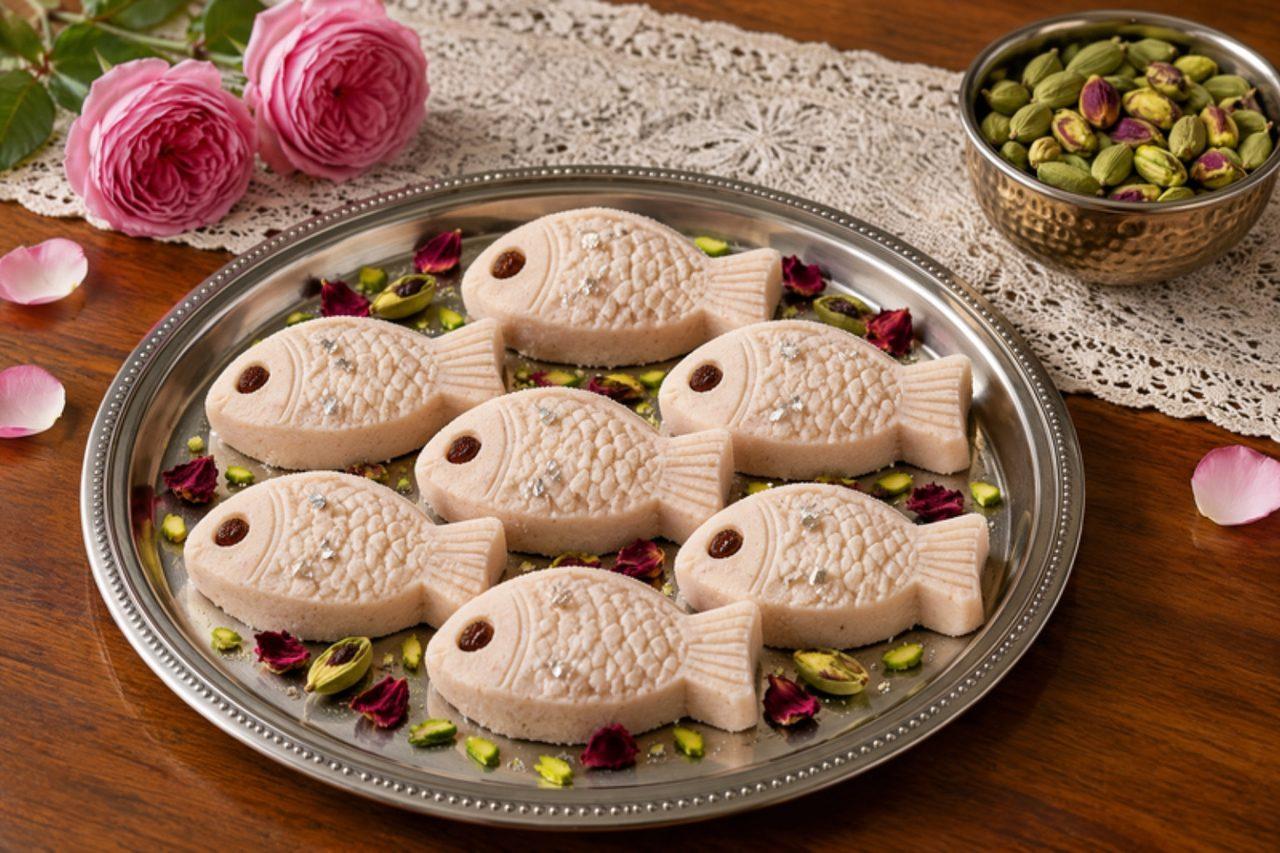
At Parsi weddings and navjotes in Surat, Navsari and Mumbai, the boi, a fish, is a symbol of good luck, and a tray of small pink mawa fish travels with the sagan gifts. There is no fish in them at all: they are a simple sweet of fresh mawa cooked with sugar, tinted the palest pink and pressed into carved fish moulds, with a raisin or a silver ball for the eye. The common mistake is cooking the mawa too long, so it turns crumbly and cracks in the mould instead of taking a clean imprint. Chef's tip: lightly grease the mould with ghee and dust it with a pinch of icing sugar so each fish slips out with sharp scales and fins.

by KrazyBadal 0 views

Surti cold cocoaThick chilled cocoa milk

Long after dinner, the lanes around Surat's Chowk Bazaar and Athwa Lines fill with families queueing for cold cocoa, a thick, almost milkshake-like chocolate milk poured from big steel cans into tall glasses. The secret is cooking cocoa and a spoon of cornflour into rich milk first, then chilling it for hours so it thickens and the cocoa flavour deepens, before whisking it frothy to order. The common mistake is stirring cocoa powder straight into cold milk, which leaves bitter, dusty lumps floating on top. Chef's tip: make it the night before and whisk with a hand blender for 30 seconds just before pouring for the classic foamy head.

by KrazyBadal 0 views

Thabdi pendaCaramelised milk pendas

Rajkot's sweet shops are famous across Gujarat for thabdi, a crumbly, toffee-brown penda that starts as plain milk and sugar and ends, two hours later, as something close to caramel fudge. The milk is boiled down in a wide iron kadai, a spoon of curd splits it slightly to give the trademark grainy texture, and the sugar browns slowly with it until the whole mass is the colour of milky tea. The usual mistake is rushing on high heat: the milk catches and tastes burnt rather than caramelised. Chef's tip: use a wide, heavy pan and a flat wooden spatula, and keep scraping the bottom and sides every minute once the milk is half reduced.

by KrazyBadal 0 views

Po'eBaked banana pudding

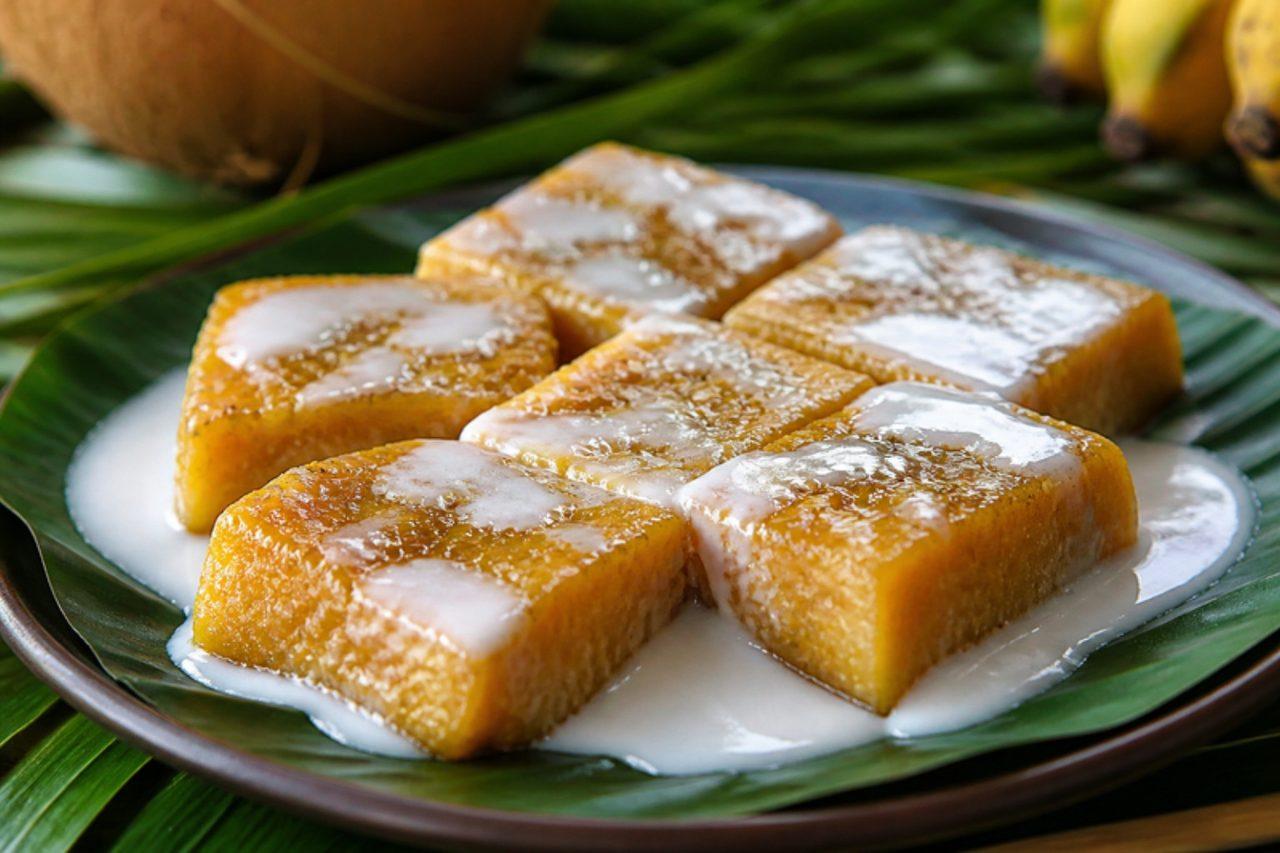
Po'e is a Tahitian and wider Polynesian fruit pudding, made at home on Sundays across Tahiti and Mo'orea and sold at the Papeete market in thick slices wrapped in banana leaf. Ripe bananas (or papaya, pumpkin or taro) are puréed with sugar and a starch such as arrowroot, then baked until set into a glossy, jelly-like slab and served drenched in fresh coconut milk. A common mistake is pulling it from the oven too early; it should be firm and caramelised on top. Chef's tip: a vanilla pod from Taha'a-style vanilla is the island touch; split it and scrape the seeds in.

by KrazyBadal 0 views

Mannaya kashaSemolina porridge

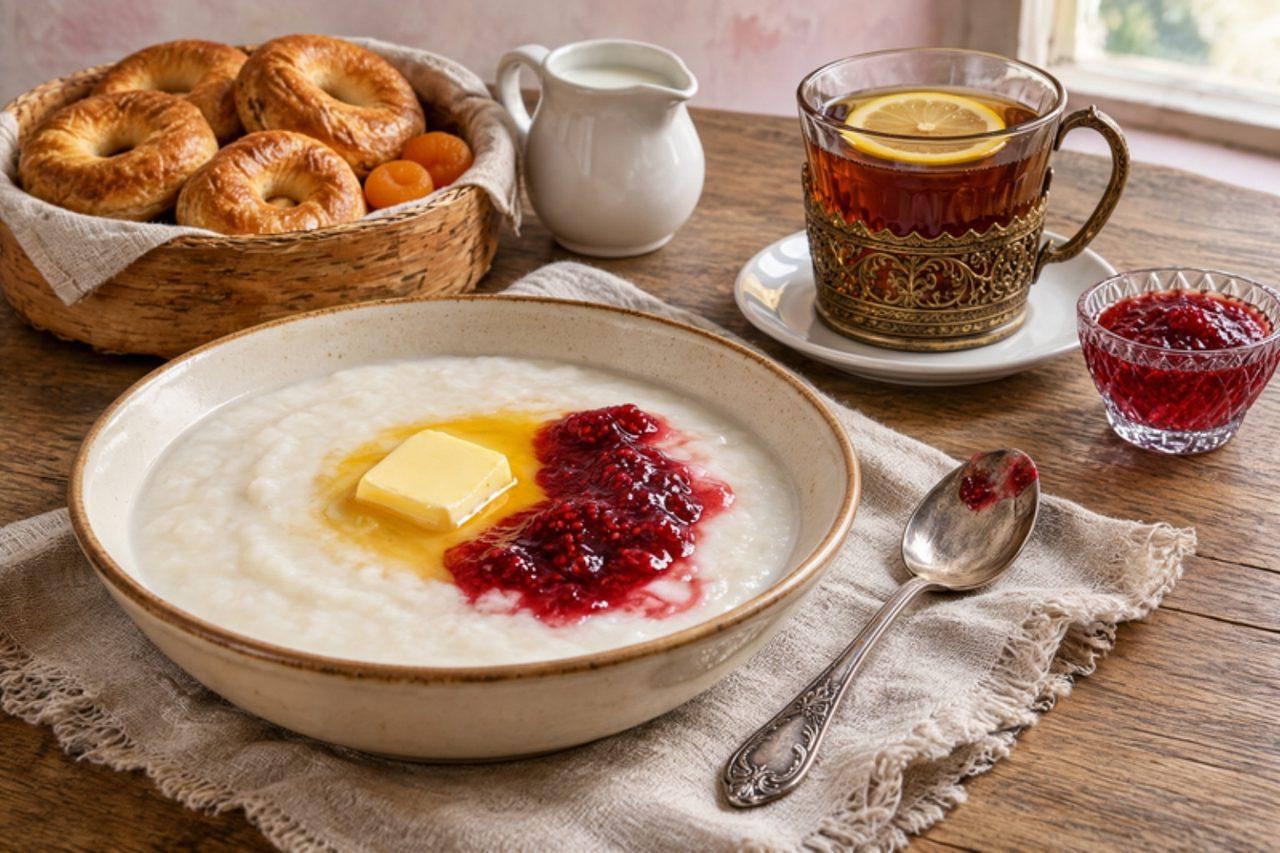
Mannaya kasha is the breakfast of every Russian childhood, served in kindergartens and at home: semolina simmered in milk into a smooth, soft porridge, with a melting knob of butter and a spoon of jam or berries in the middle. The famous mistake, joked about by generations of children, is lumps; they form when semolina is tipped in all at once, so rain it in slowly while stirring. Chef's tip: for a thick porridge use 3 tablespoons of semolina per 250 ml of milk, and for the runny kindergarten style use 2; it thickens a lot as it cools, so take it off the heat a little thinner than you want.

by KrazyBadal 0 views

Harina de maíz dulceSweet cornmeal porridge

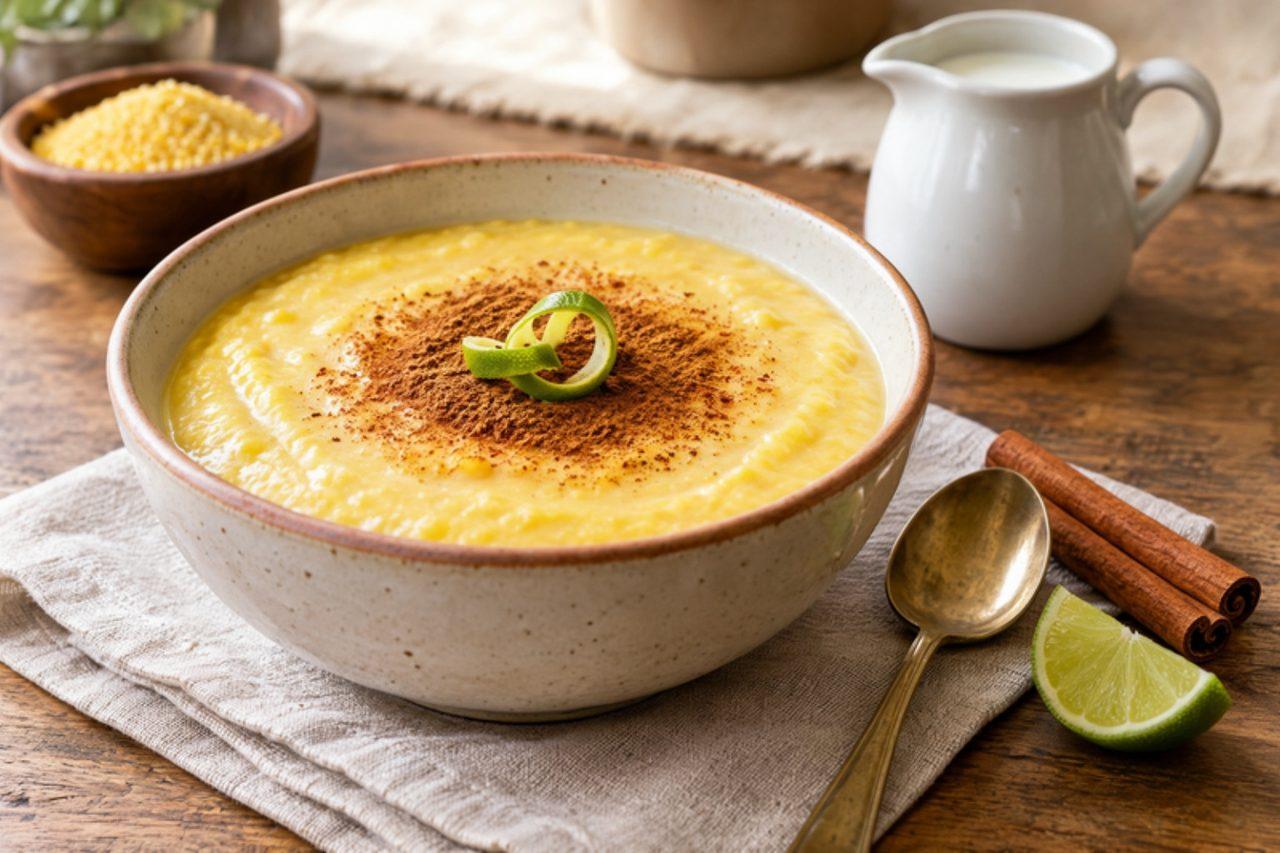
In Cuban homes "harina" means cornmeal, and harina dulce is the soft, sweet porridge that grandmothers in Havana and Santiago cooked for children before school, scented with cinnamon and a curl of lime peel the way rice pudding is. It should be smooth and spoonable, like a loose polenta. The usual mistake is pouring the cornmeal into boiling milk, which seizes into lumps at once: start it in cold liquid and whisk as it heats. Chef's tip: take the lime peel out once the porridge thickens, or its oils turn bitter as it sits.

by KrazyBadal 0 views

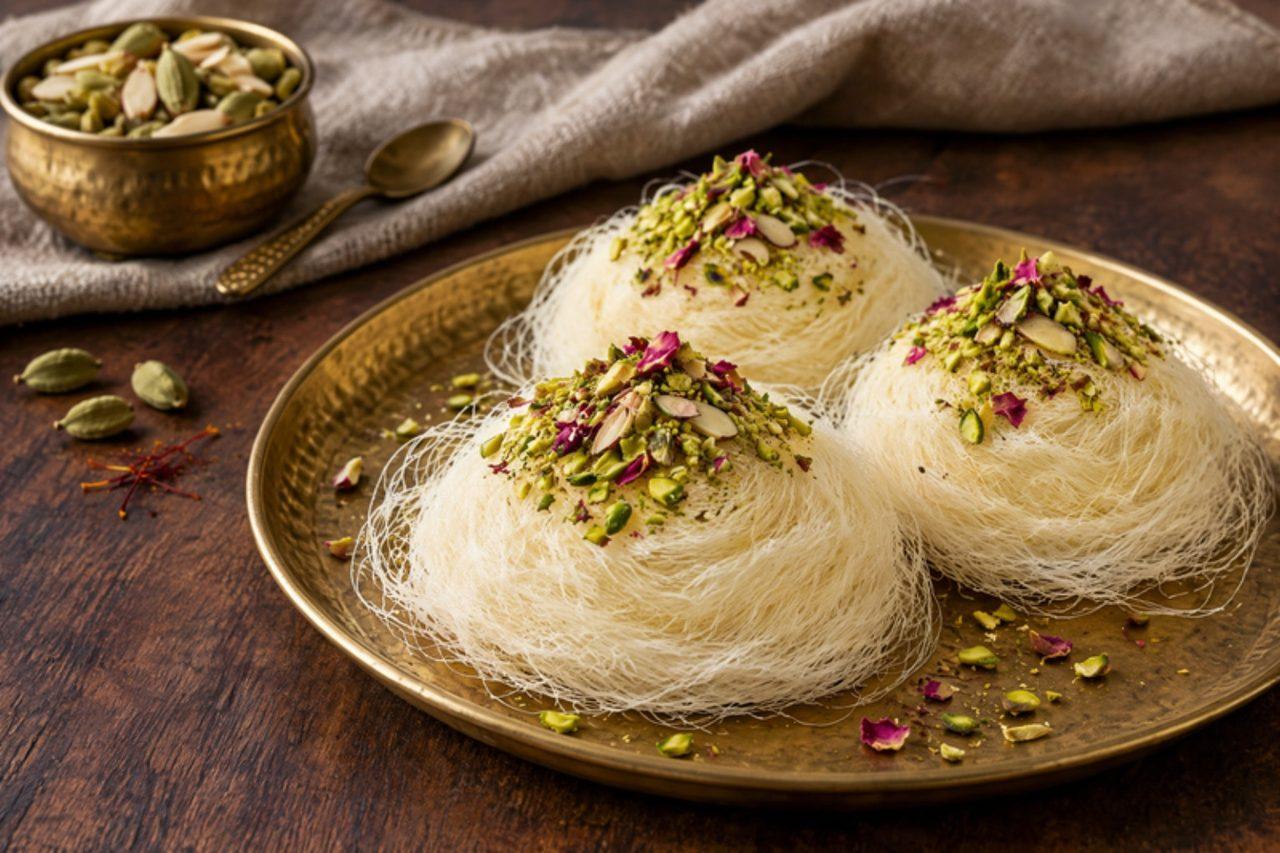
SutarfeniSpun sugar thread sweet

Sutarfeni, cotton-thread sweet, is made by Khambhat and Ahmedabad halwais for Diwali: a hot sugar caramel is pulled into a ring, dragged again and again through ghee-roasted flour until it separates into hundreds of silky threads, then loosely nested with pistachio and cardamom. It is a two-person job at home and needs patience, but the melt-in-the-mouth result is worth one afternoon a year. The usual mistake is letting the sugar cool too far before pulling, so it snaps into brittle shards instead of stretching. Chef's tip: wear clean, well-greased food-safe gloves, work in a warm kitchen, and keep a tray in a barely warm oven to soften the sugar again if it stiffens.

by KrazyBadal 0 views

Showing 24 of 2,799 recipes

Show more recipes

Page 40 of 117

More Jain ideas

Other diets