Skip to content
WhatToEat.Today

Jain recipes: no onion, garlic or root vegetables

2,809

2809 Jain recipes with no onion, garlic, potato, carrot, fresh ginger or other root vegetables, and no mushrooms, eggs or honey. Hing, dry ginger and turmeric powder are fine. Each has photos, step-by-step instructions and cook times. The quickest, Apfelschorle, takes 2 minutes. Most take around 40 minutes.

Filter these by time, diet or cuisine · Make Jain your diet to see only these recipes everywhere on the site.

MarzanThick flour pudding with butter

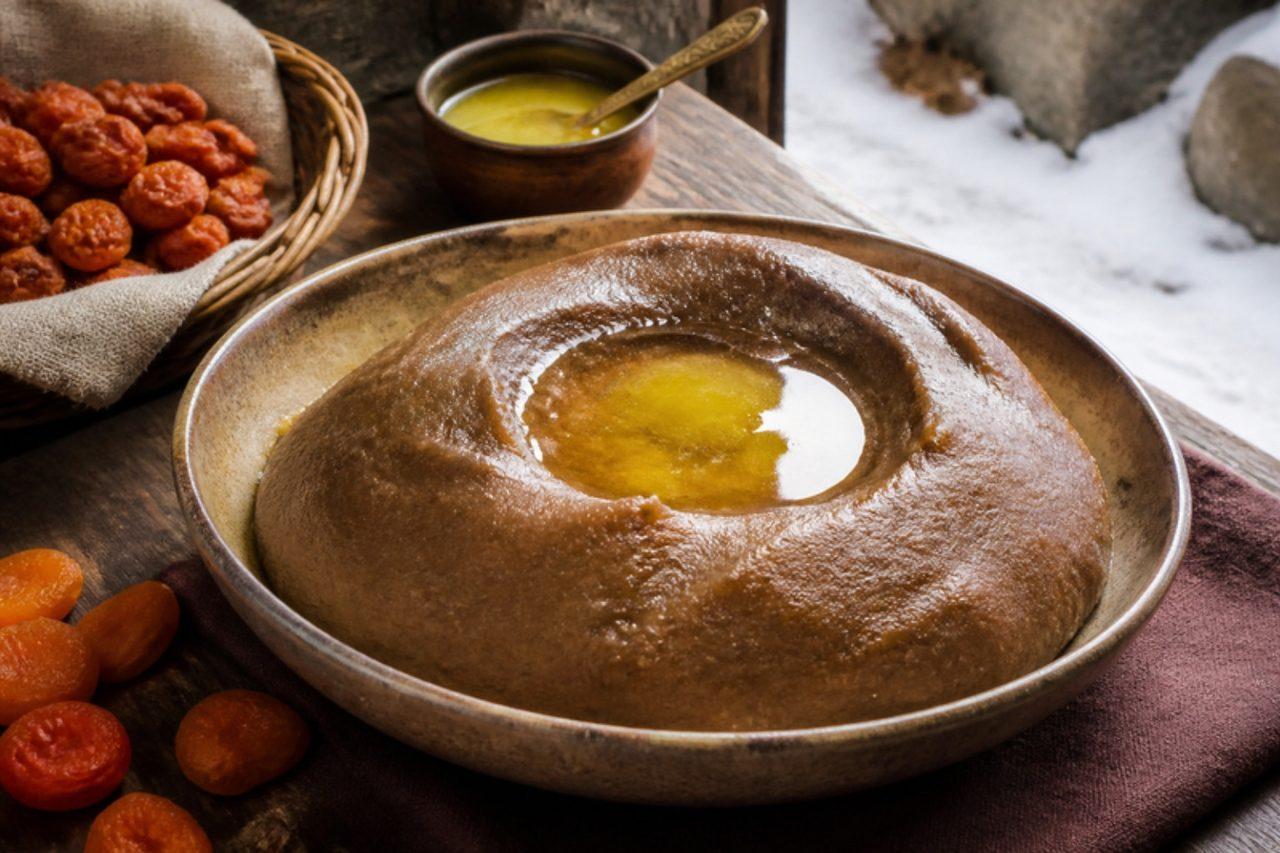
When snow cuts off the villages of Baltistan around Skardu and Khaplu, marzan is the dish that keeps people going: wholewheat flour stirred into boiling water until it becomes a thick, smooth, heavy pudding, shaped into a mound with a well in the centre filled with melted butter and apricot-kernel oil. It is eaten communally by hand, each person pulling a piece from the edge and dipping it in the fat, and it is made for new mothers, for guests after a cold journey and for winter mornings. Some families eat it plain and savoury, others sweeten it with a little sugar or serve it with dried apricots, which is how it is written here. Lumps are the usual complaint, so add the flour slowly. Chef's tip: whisk the flour into the water a spoonful at a time, then switch to a sturdy wooden spoon and beat hard as it thickens; and use only food-grade culinary apricot-kernel oil, or more butter.

by KrazyBadal 0 views

NadughiWhey cheese with mint

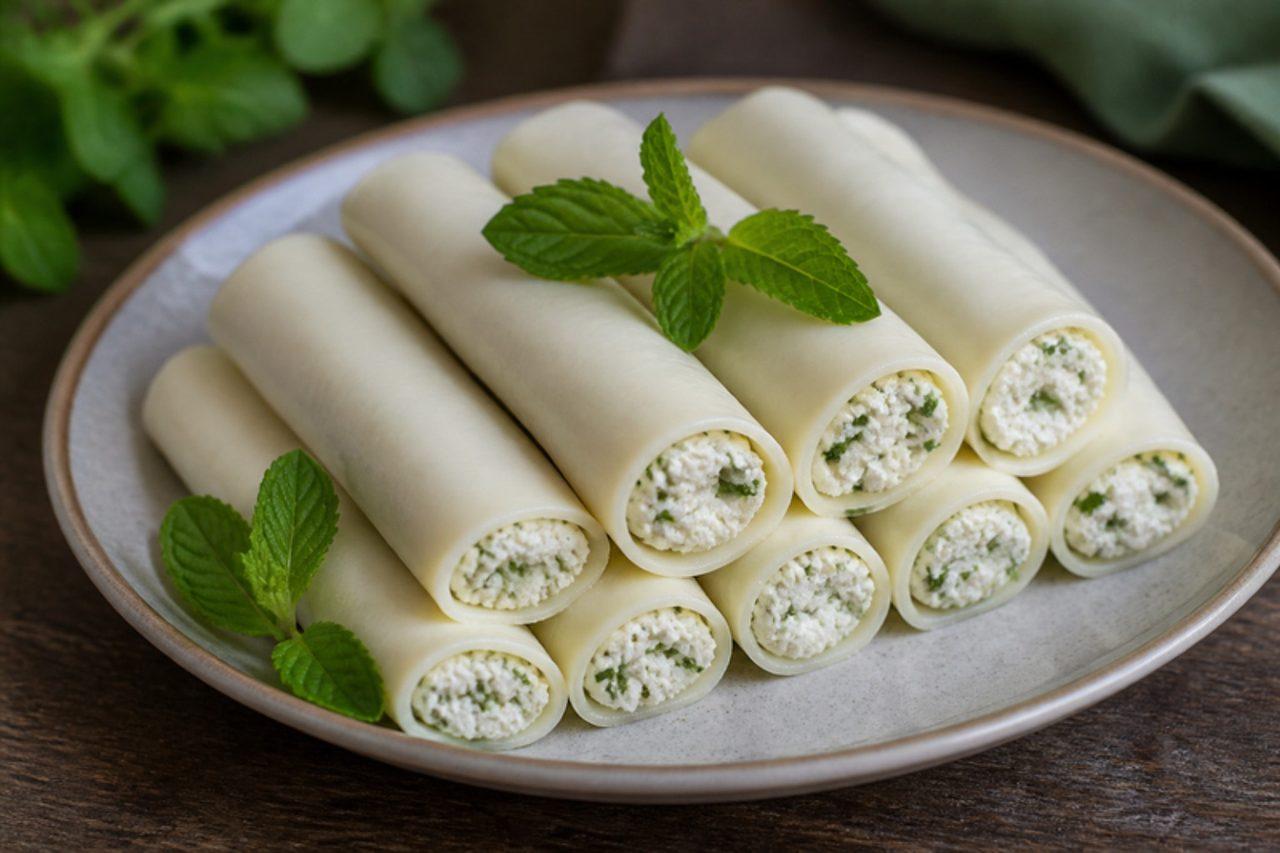
Nadughi is the soft cheese shepherds skim from hot whey after making sulguni, light and slightly sweet, like a fresh ricotta. In Imereti and Samegrelo it is beaten with chopped mint and either spooned into a bowl or rolled up in thin sheets of stretched sulguni, a pretty starter for the supra table in spring. At home you can make it from milk and a little lemon. A common mistake is boiling the milk hard after the acid goes in; the curd turns tough and grainy instead of soft. Chef's tip: drain it only briefly; it should stay creamy and spreadable. Sulguni is often made with animal rennet, so choose vegetarian sheets or serve the nadughi in a bowl.

by KrazyBadal 0 views

Mákos gubaPoppy seed and bread roll pudding

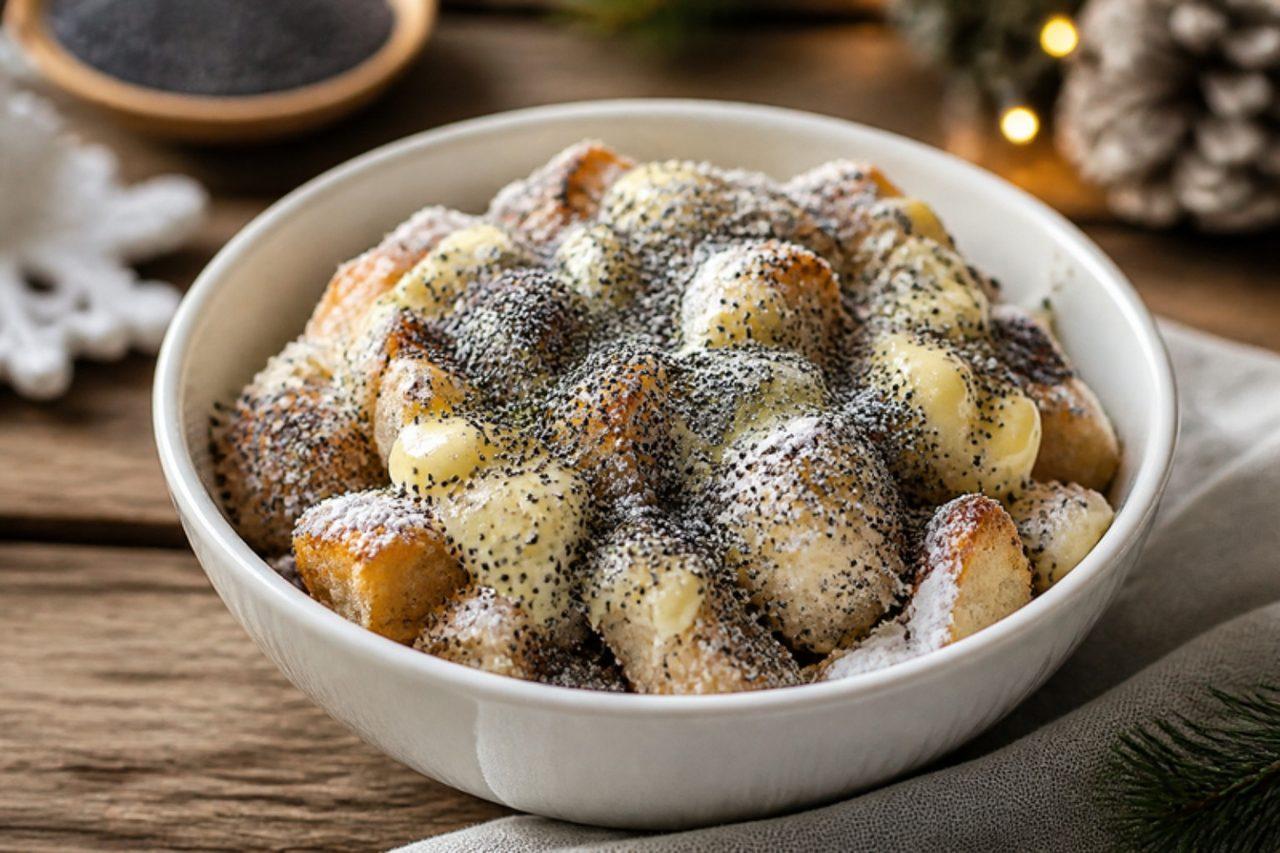
On 24 December, after the fish soup and before the presents, many Hungarian families bring a dish of mákos guba to the table, because poppy seed is said to bring plenty in the year ahead. Stale crescent rolls (kifli) are sliced, soaked in warm vanilla milk, layered with sugared ground poppy seed and baked until the top crisps, so the inside is soft and puddingy while the edges turn crunchy. It is simple, very cheap and loved by children; serve it warm, with vanilla custard poured over if you want it richer. Older recipes pour honey over it instead of sugar. A common mistake is drowning the bread, which turns it to porridge; it should be moist but still hold its shape. Chef's tip: grind the poppy seed fresh in a coffee grinder, as pre-ground poppy goes bitter quickly.

by KrazyBadal 0 views

GiyalingBuckwheat pancakes

Buckwheat, known locally as bro, grows in the cold upper villages of Hunza and Nagar where wheat struggles, and giyaling are the thin, lacy pancakes made from its flour for breakfast. The batter is no more than buckwheat flour, water and a little milk, poured thin onto a hot griddle so the pancakes cook in a minute or two, with crisp edges and an earthy, nutty flavour. They are stacked and eaten warm, smeared with butter and a few drops of apricot-kernel oil, sometimes with a drizzle of honey and always with tea, especially on cold mornings. A thick, gloopy batter is the frequent mistake, because it makes heavy, raw-tasting pancakes. Chef's tip: rest the batter for 15 minutes, then thin it to the consistency of single cream, and buy flour labelled gluten-free if that matters to you, as buckwheat is often milled alongside wheat.

by KrazyBadal 0 views

Guda cheese

Tush shepherds make guda in summer huts high above the Alazani valley, pressing sheep's-milk curd into bags sewn from sheepskin, where it ripens into a crumbly, pungent cheese that travels down to Telavi markets in autumn. You cannot copy the sheepskin at home, but you can make a firm, salty sheep's-milk cheese and ripen it in a cloth in the fridge for two to three weeks, which gives a similar sharp, grassy bite. Traditionally the milk is set with animal rennet; vegetarian (microbial) rennet works the same way. A common mistake is cutting the curd before it gives a clean break, which leaves a soft, wet cheese that sours instead of ripening. Chef's tip: grate aged guda over hot ghomi or khinkali; its strong flavour goes a long way.

by KrazyBadal 0 views

Diram fittiSprouted wheat bread with butter

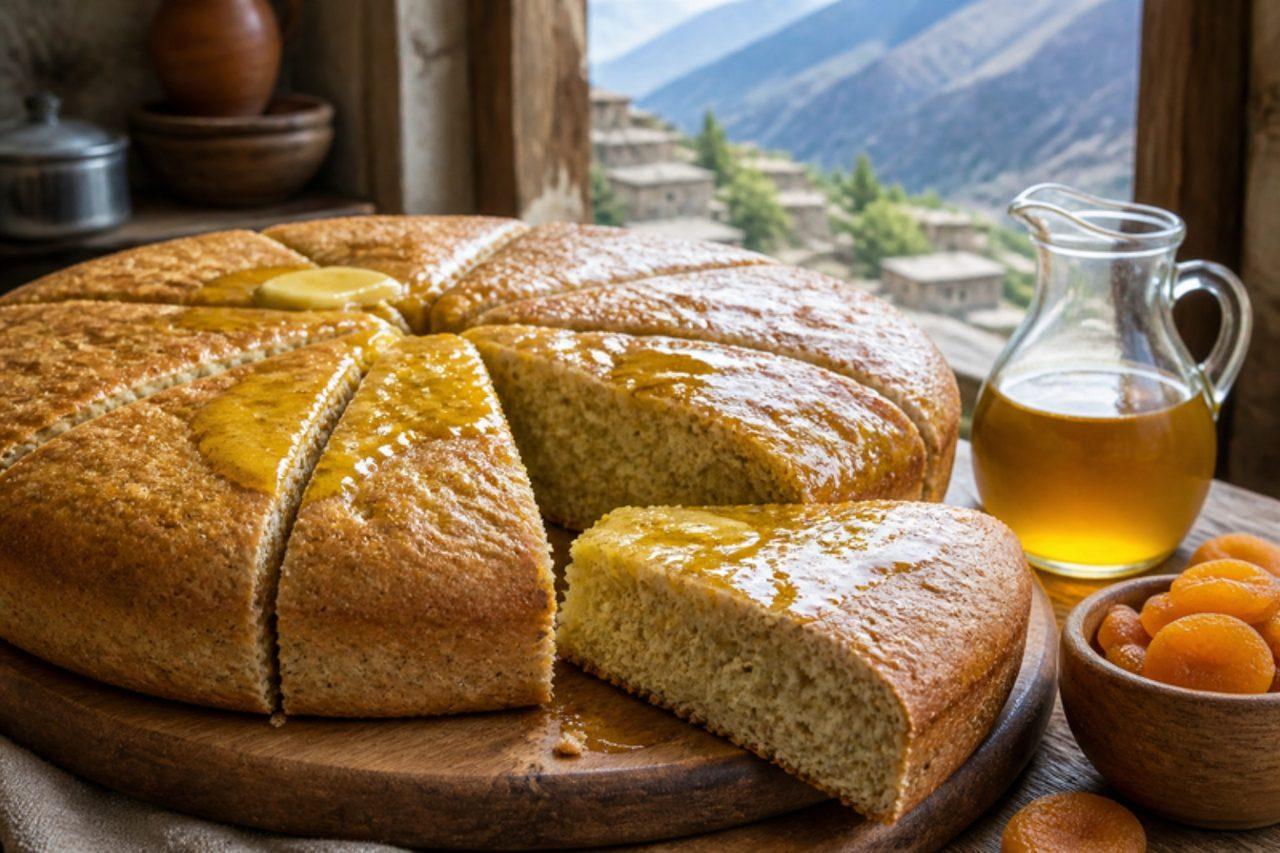
High in the Hunza valley, diram is flour ground from wheat that has been soaked, sprouted and sun-dried, and it gives this thick, round bread a gentle natural sweetness and a faintly malty smell. Diram fitti is cooked slowly in a covered pan, then broken into rough pieces while still hot and drowned in melted butter and a little apricot-kernel oil, so it turns rich, soft and fragrant; in Karimabad and Altit it is made for guests, for festivals such as Ginani at harvest time and to feed someone through a hard winter. It is eaten with the hands, often with salty Hunza tea. Pale, raw centres are the common fault, so cook it slowly with the lid on. Chef's tip: sprouted wheat flour is sold in health-food shops; use only food-grade culinary apricot-kernel oil, or swap in walnut oil or more butter.

by KrazyBadal 0 views

Rosh kodomSyrup-soaked chhana balls in khoa

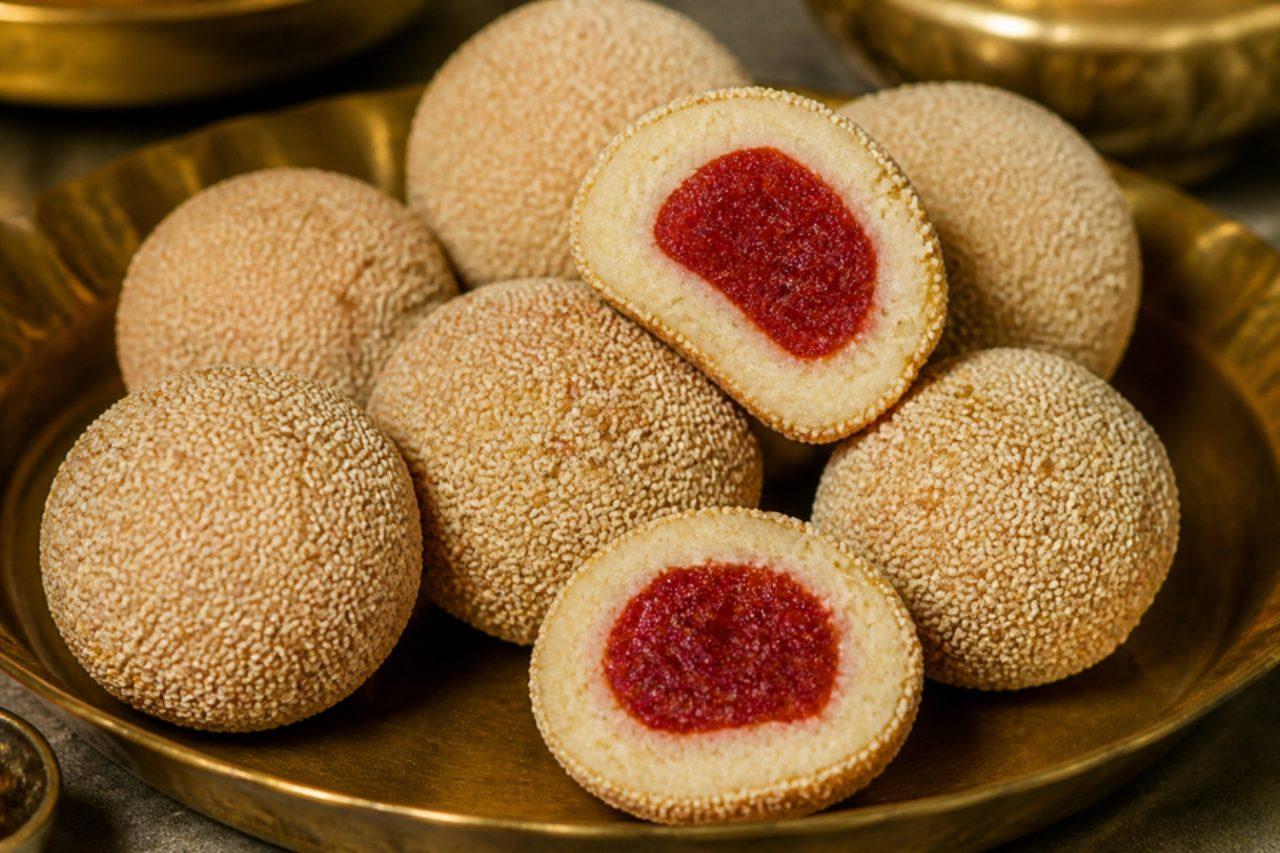
Named after the round, spiky flowers of the kadam tree that bloom in the monsoon, rosh kodom is a sweet within a sweet, made by the confectioners of Rajshahi and the northern districts for weddings and festivals. At its heart is a tiny rasgulla, soft and juicy from the syrup, which is drained and wrapped in a firm shell of sweetened khoa and then rolled in white poppy seeds, giving the knobbly look of the flower. Biting in, you get a dry, crumbly coat, a nutty crunch of poppy and a burst of syrup in the middle. Wrapping wet rasgullas is where it falls apart, so drain and pat the cores well or the khoa slides off. Chef's tip: the quick khoa here, made with milk powder, is easier than reducing litres of milk and gives a very similar fudgy shell.

by KrazyBadal 0 views

VaniliceVanilla jam shortbread cookies

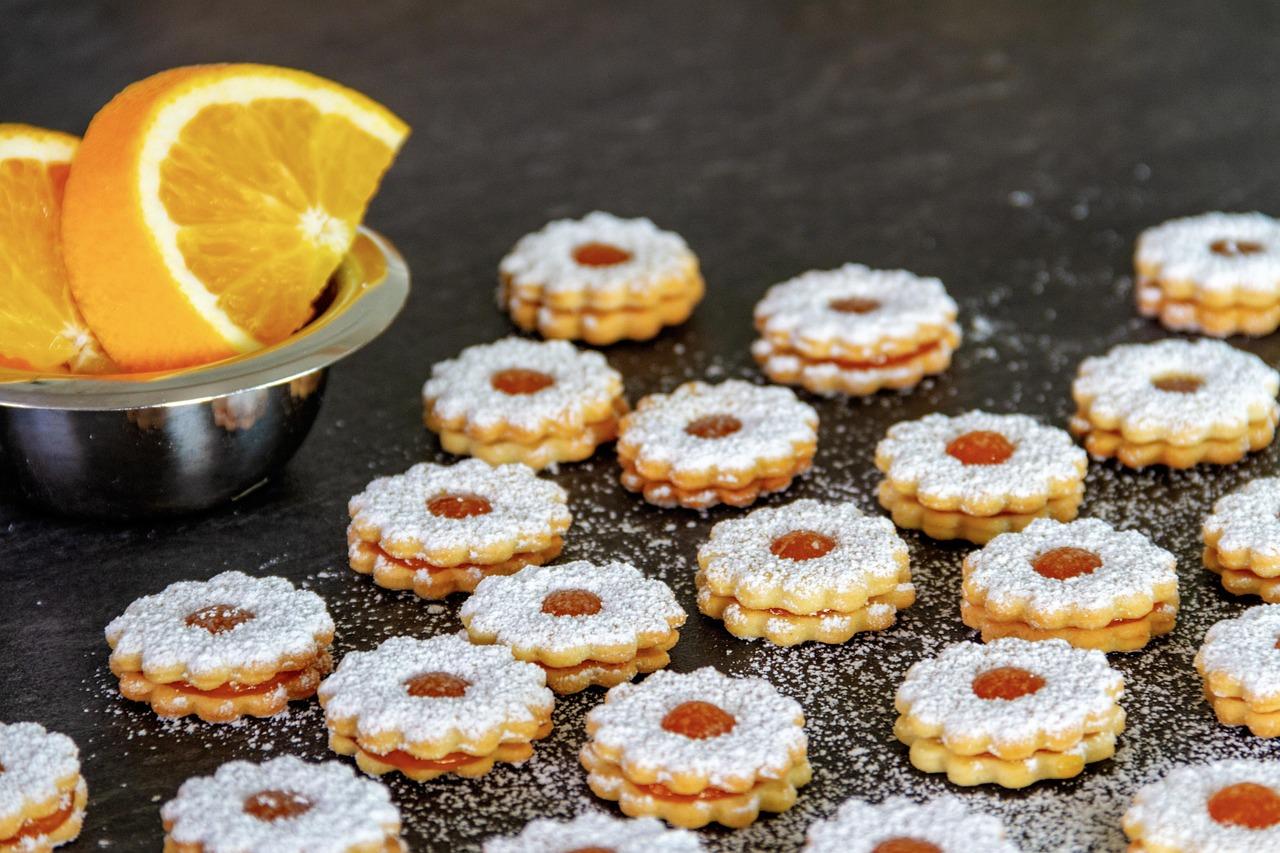
No slava, the family saint's day feast in Serbia, goes by without a plate of vanilice, and every grandmother's tin holds a few hundred at Christmas. Two tiny fluted rounds of tender walnut shortbread are glued together with tart jam, usually apricot or rosehip, then rolled in vanilla sugar until snowy. They crumble at the first bite and turn soft and melting after a day or two in the tin. Many old recipes use lard; this one uses butter, so the biscuits are vegetarian. Where most people go wrong is baking them until golden: vanilice should stay pale, with only the faintest colour on the base, or they turn hard and lose their vanilla scent. Chef's tip: roll them in the sugar while they are still slightly warm from sandwiching, so the coating clings.

by KrazyBadal 0 views

MasabeebWholemeal pancakes with date syrup

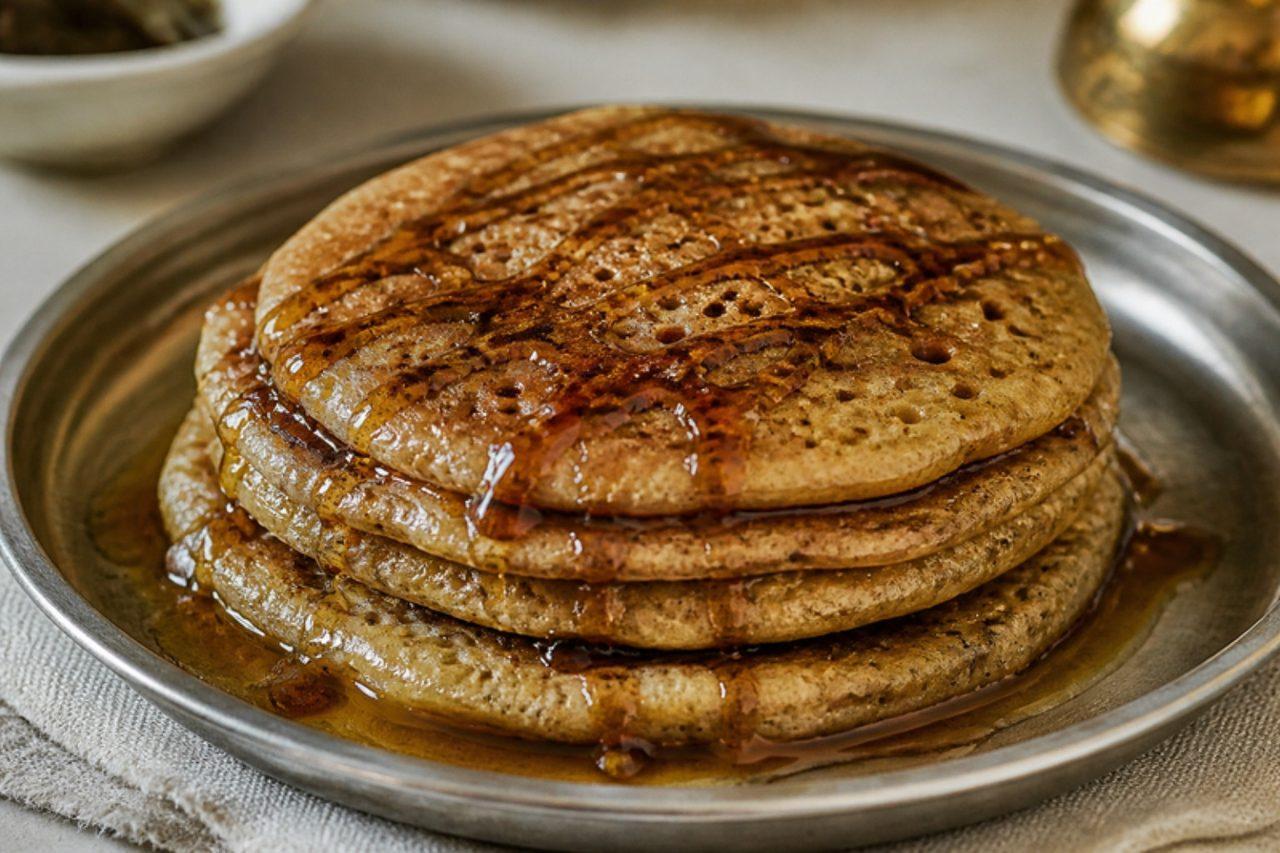
On winter mornings in Najdi villages around Riyadh, grandmothers ladle a yeasted wholemeal batter onto a hot iron plate and turn out masabeeb, thick, spongy pancakes full of holes. They are stacked on a tray, drowned in melted ghee and date syrup and torn apart by hand with cardamom coffee or tea. The flavour is nutty and only lightly sweet, and the crumb drinks up the topping like a sponge. A common mistake is flipping too soon: let the top set and go matt and full of open bubbles first, or the middle stays raw and gluey. Serve warm, straight from the pan. Chef's tip: keep the heat medium-low and cover the pan for the first minute so the thick centre steams through before the base darkens.

by KrazyBadal 0 views

Kancha gollaFresh cheese balls with cardamom

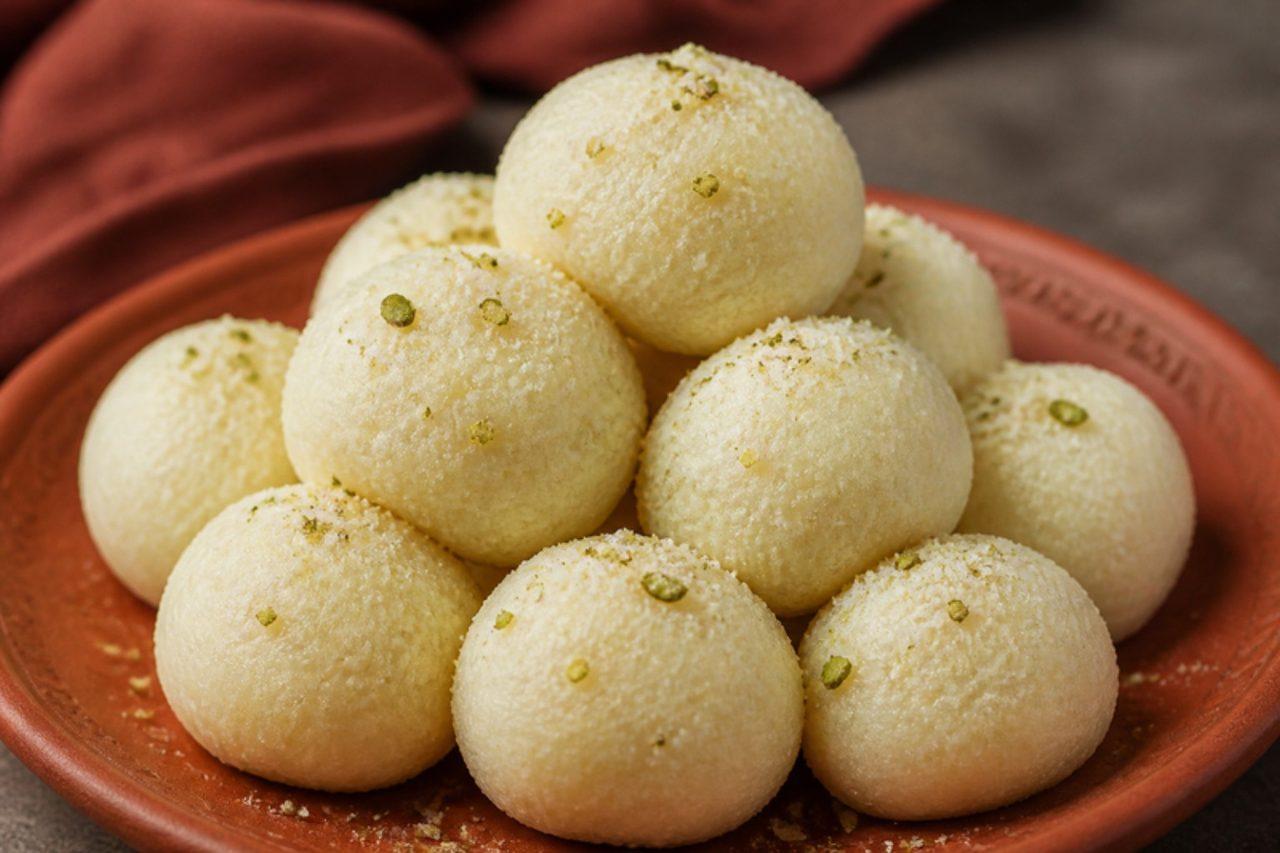
Natore, a quiet district town north of the Padma, is known throughout Bangladesh for one sweet, and a visit there is incomplete without a clay pot of kanchagolla to carry home. Kancha means raw, and the name is a joke at the sweet's expense: unlike rasgulla or chomchom, it is never boiled in syrup but simply kneaded fresh chhana with sugar, warmed in a pan for a few minutes and rolled into soft balls scented with cardamom. The texture is moist and faintly grainy, the taste milky and gently sweet, best eaten within a day or two. Cooking the mixture too long is what most home cooks get wrong; it turns dry and crumbly, more like sandesh. Chef's tip: make the chhana from full-fat milk and squeeze it only lightly, so plenty of moisture stays in for that melting Natore texture.

by KrazyBadal 0 views

Seven-layer tea

Visitors to the tea gardens of Srimangal, in Sylhet's Moulvibazar district, queue at small tea cabins to see a glass of tea striped in seven distinct bands, from creamy white at the bottom to pale green-gold at the top. The original recipe is a closely guarded secret of the tea-maker who made it famous, but the principle is simple physics: each layer carries a different amount of sugar, so the heaviest sits at the bottom and the lightest floats on top. This home version uses condensed milk, green tea, strong black tea, milk tea, lemon tea, spiced tea and plain tea, and it is drunk slowly, layer by layer, with a long spoon. Pouring too fast is what ruins it; each layer should trickle down the inside of the glass over the back of a spoon. Chef's tip: let all the brews cool to warm, about 50 °C, so temperature differences don't stir the layers.

by KrazyBadal 0 views

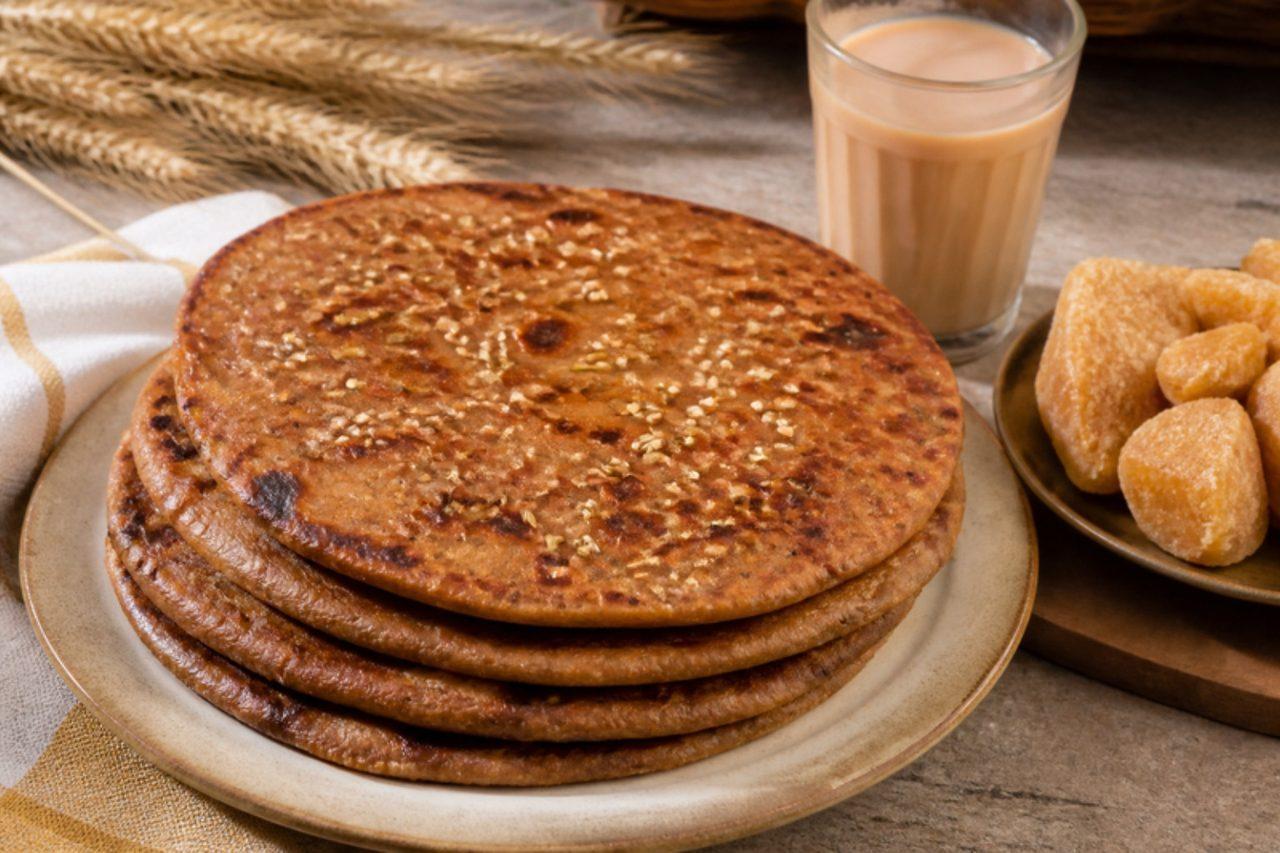
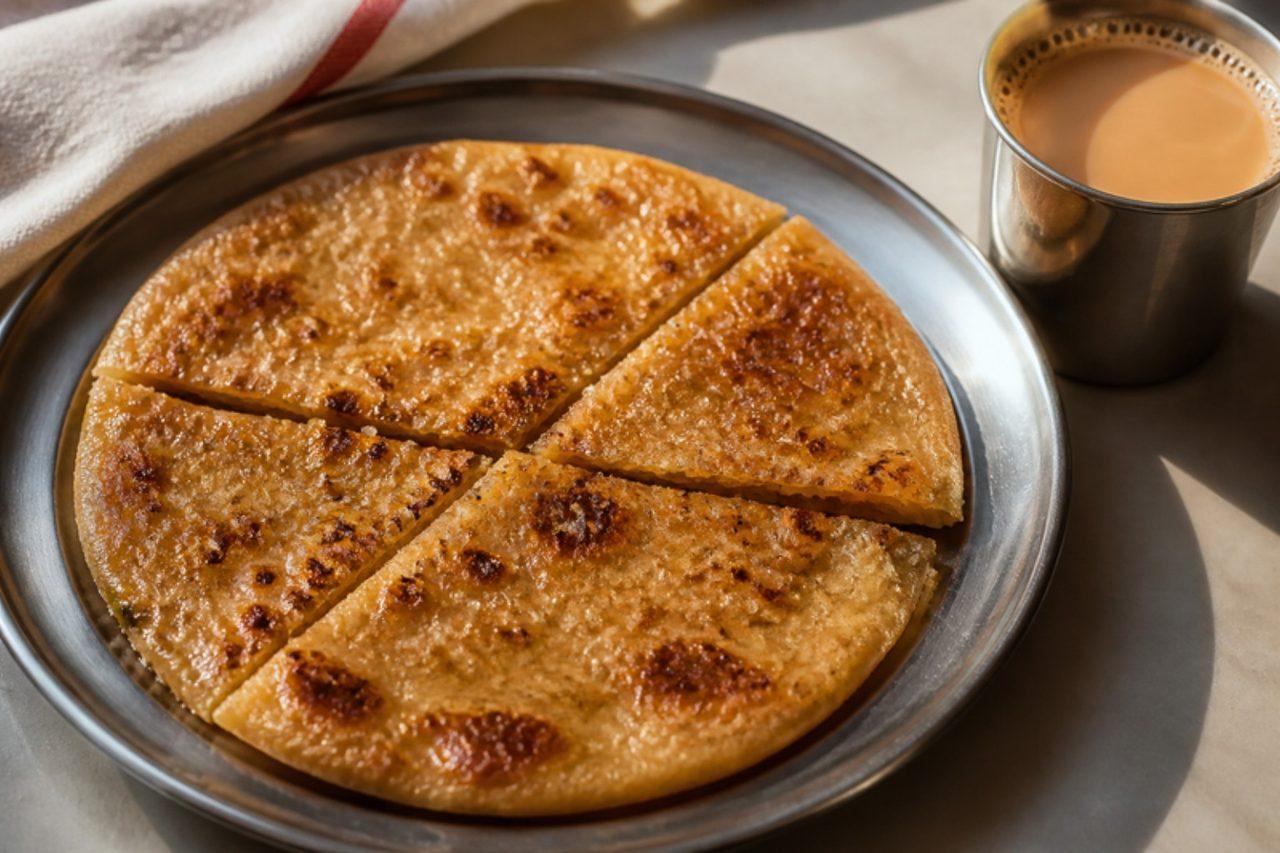
Gur wali rotiJaggery flatbread

In the cane-growing districts of Punjab, from Jhang to Mandi Bahauddin, the season when fresh gur comes out of the village kolhu is also the season for this roti, its dough kneaded with jaggery water instead of plain water so it turns a deep caramel brown on the tawa. It is crisp-edged and chewy in the middle with a toffee-like sweetness and the anise note of fennel, and mothers wrap it in a cloth for children to take to school or to the fields with a flask of tea. Some families add sesame, others a little ghee in the dough; both are good. The usual mistake is cooking it on a high flame, which burns the sugar in the jaggery black before the inside has cooked. Chef's tip: dissolve the gur in warm water and let it cool before kneading, otherwise the dough turns sticky and impossible to roll.

by KrazyBadal 0 views

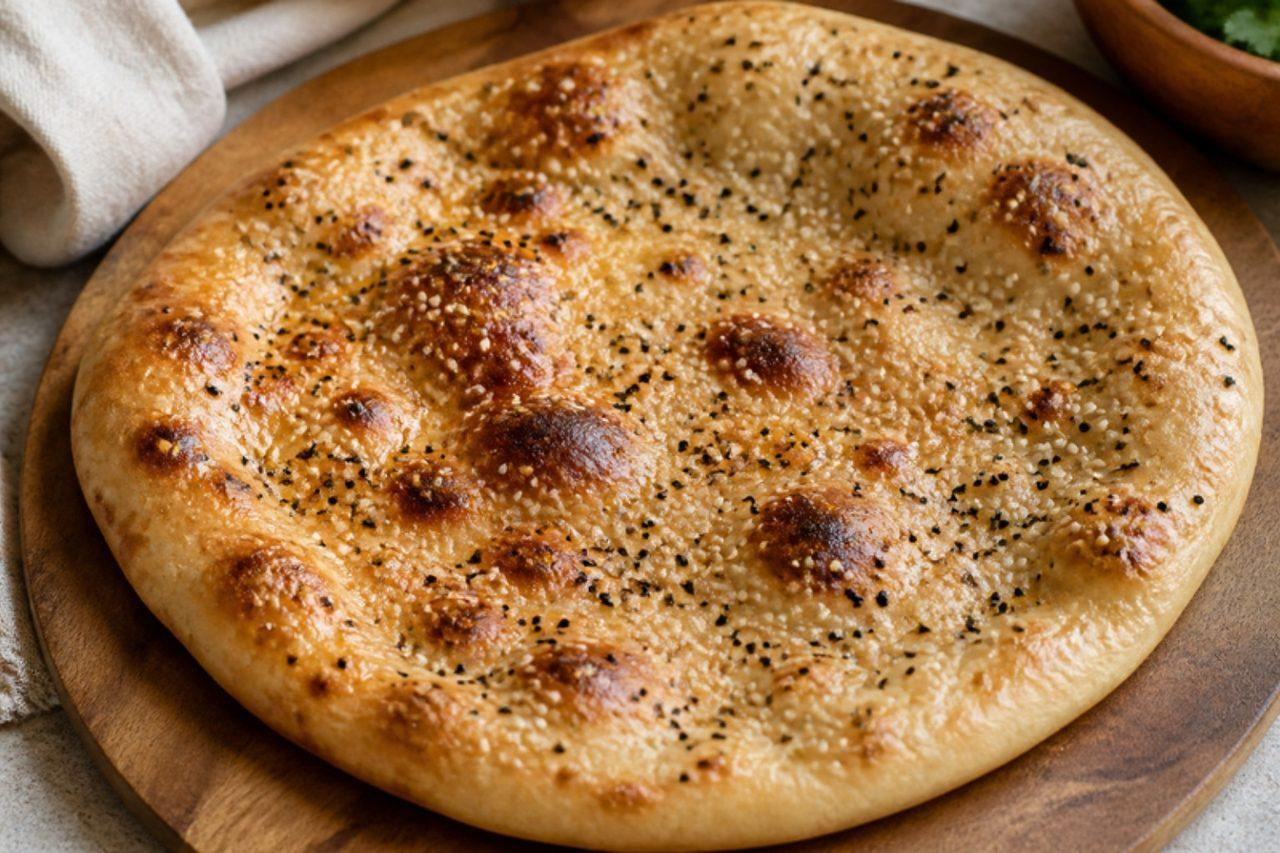
Roghni naanSesame milk naan

"Roghan" is the oil or fat that gives this bread its name, and in the old tandoors around Lahore's Bhati Gate the naanbai stretch each round of milk-enriched dough, press grooves into it with their fingertips, slap on a wash of milk and oil and a fistful of sesame, and bake it in seconds against the clay wall. It comes out puffy at the rim, soft and slightly sweet in the middle, with a nutty, toasted top. Pakistanis buy it hot for Friday lunches and dinner parties to eat with karahi, nihari-style stews, haleem or a plain bowl of dal. A home oven turned to its highest setting with a heavy tray or stone inside does a fine job. Most failures come from a dough that is too stiff, which bakes into a dry, cracker-like disc instead of a pillow. Chef's tip: keep the dough tacky, oil your hands rather than flouring them when you shape it, and bake under the grill for the last minute to blister the sesame.

by KrazyBadal 0 views

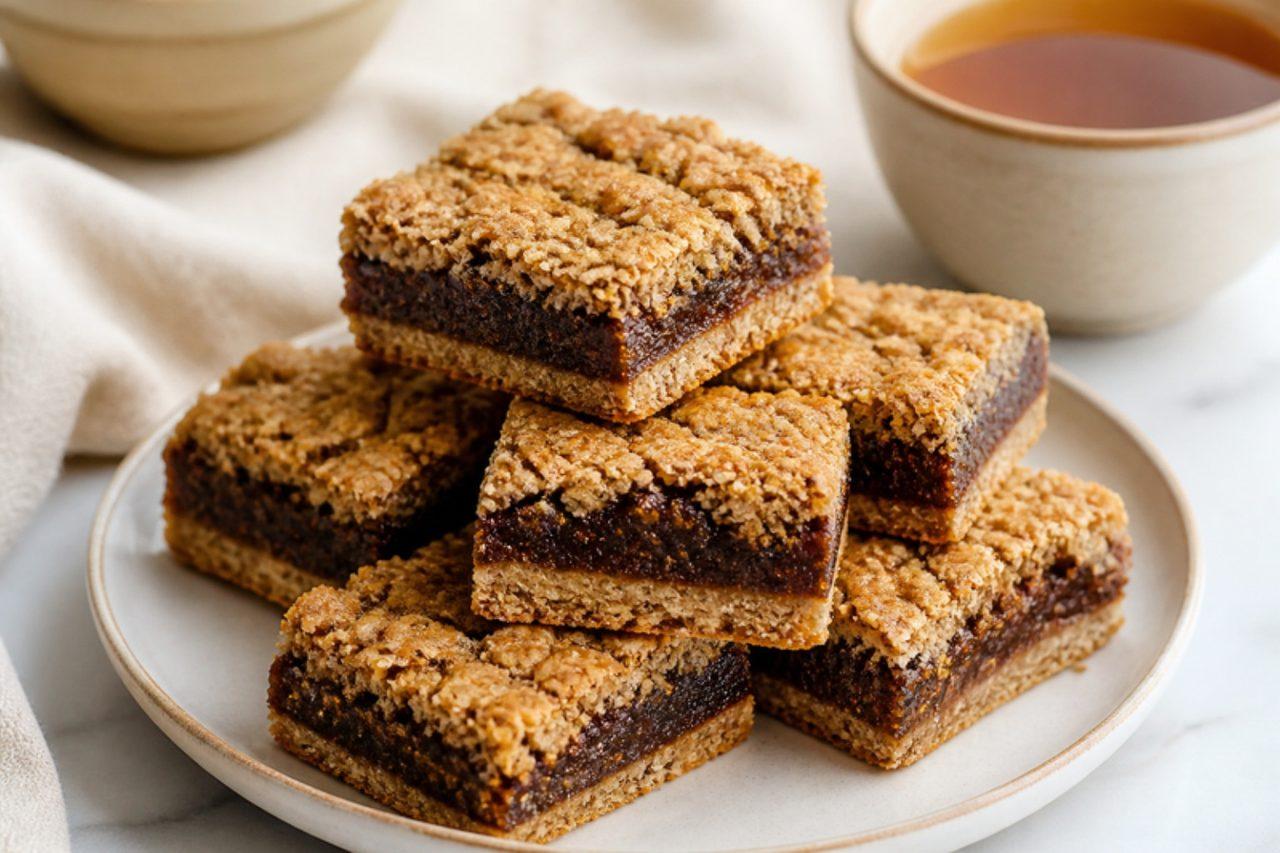
Date squares

Date squares are on the tea table in every Canadian church hall and school bake sale, called carrés aux dattes in Quebec and matrimonial cake in the West. A buttery oat crumble is pressed into a tin, spread with a soft date filling and covered with more crumble, then baked until golden. They keep for days and freeze well. A common mistake is spreading the dates while hot onto loose crumb, which makes the base soggy; press the base firmly. Chef's tip: add a strip of orange zest to the dates for a brighter flavour.

by KrazyBadal 0 views

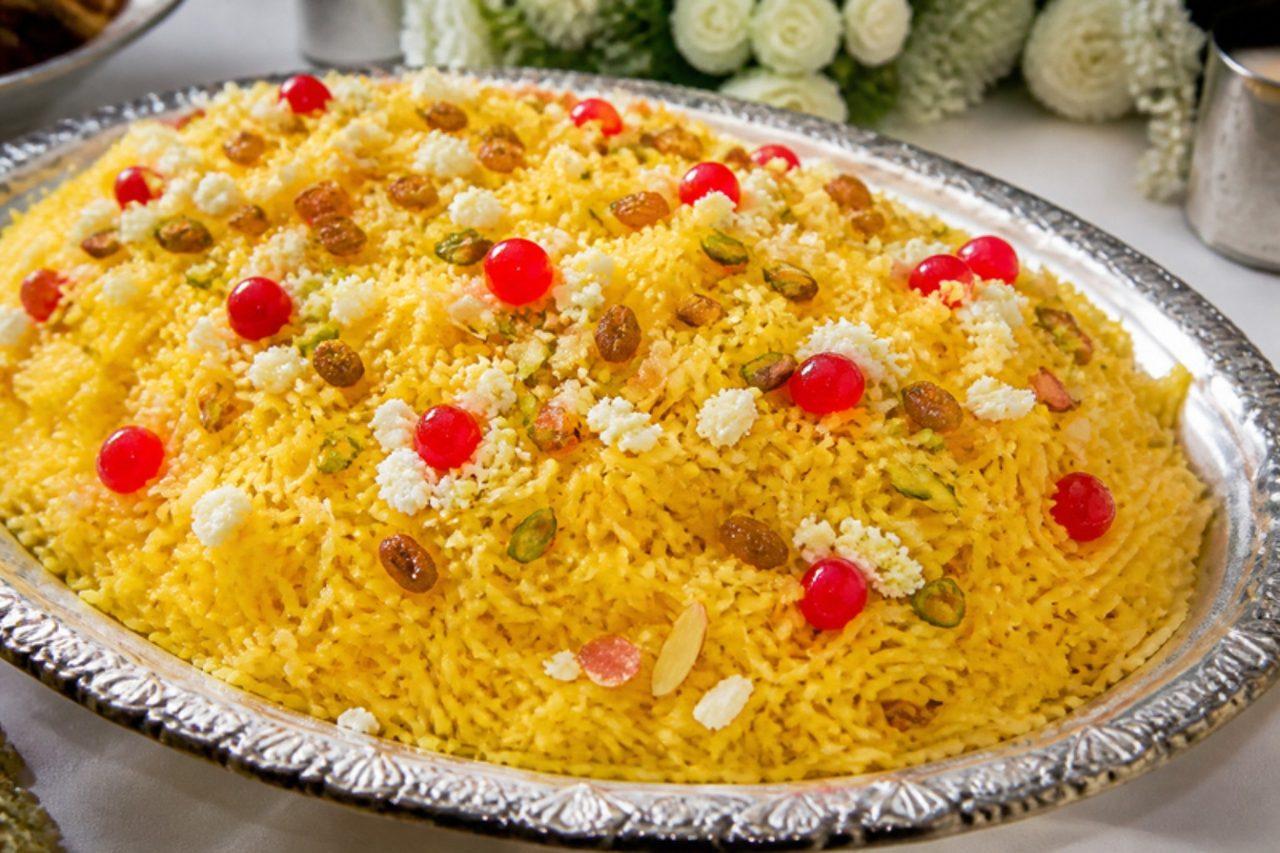
ZardaSweet saffron rice

Its name comes from the Persian word for yellow, and at a Pakistani shaadi the great degh of zarda arrives after the biryani and korma, glowing gold and fragrant with cardamom, cloves and kewra. The grains should be long, separate and glossy with ghee, sweet but not syrupy, studded with almonds, pistachios, plump raisins and often a few cubes of crumbled khoya or glacé cherries. Families also cook a smaller pot for Eid, for a new baby or to send round to neighbours on a happy day, and it is eaten warm or at room temperature on its own. The classic error is boiling the rice all the way before adding the sugar; the sugar then melts into syrup and the over-soft grains break into mush. Chef's tip: boil the rice only until it is two-thirds cooked with a firm centre, because it finishes cooking in the sugar's own moisture during the dum.

by KrazyBadal 0 views

Cheeni parathaSugar paratha

Every Punjabi grandmother has a version of this, usually made from the last ball of dough after the family's parathas are done: sugar sprinkled over ghee, folded inside and rolled out, then cooked until the sugar melts into sticky, caramelised seams. In villages around Sargodha and Faisalabad it is the treat a child gets dunked into a mug of sweet milky tea before school, and in winter it is sometimes made with jaggery instead. The outside should be crisp and blistered, the inside layered and chewy with pockets of melted sugar. The trap is too hot a tawa: the sugar bursts through and burns before the dough has cooked. Chef's tip: seal the edges well when you fold, keep the heat medium, and wipe the tawa between parathas so any escaped sugar does not scorch the next one.

by KrazyBadal 0 views

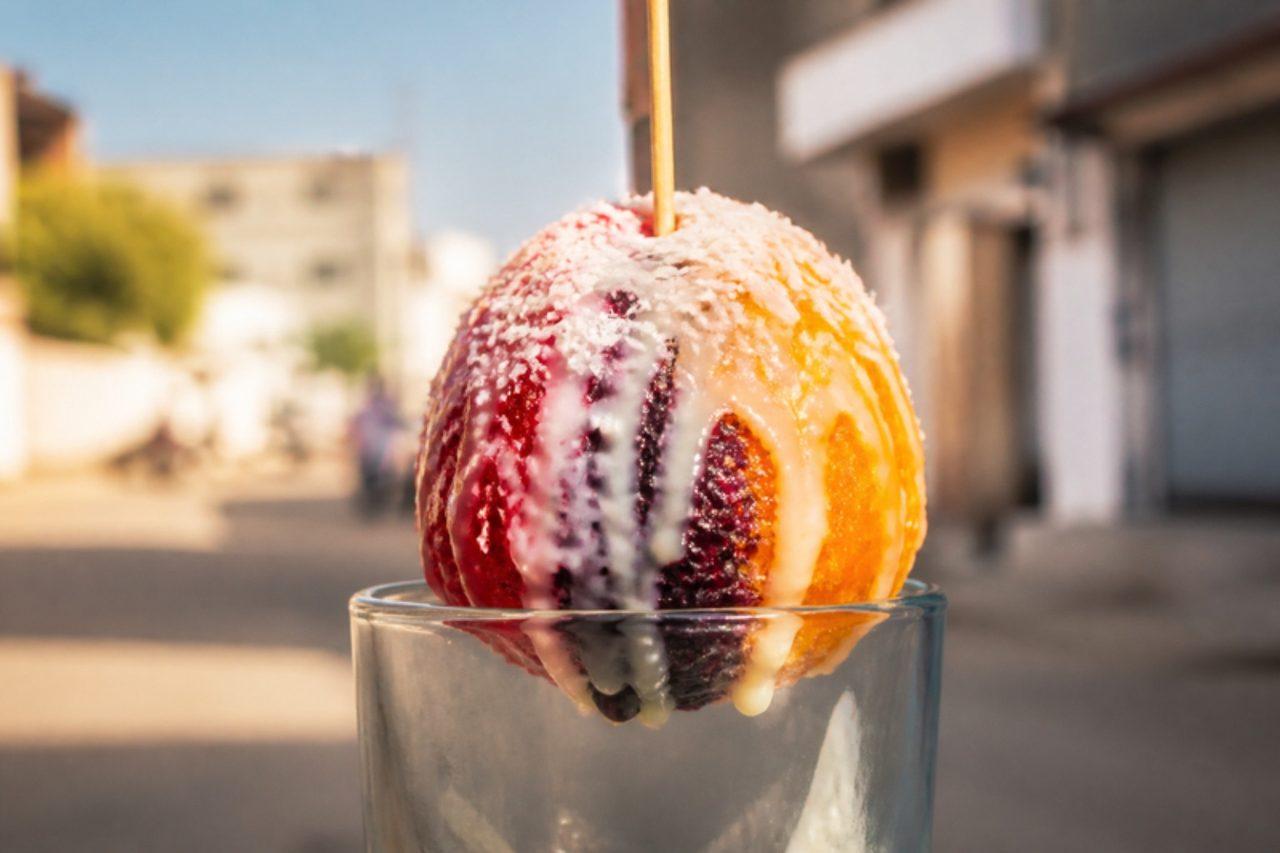
Gola gandaShaved ice with syrups

Nothing says summer evening at Clifton beach or Burns Road quite like the clatter of a gola ganda cart, where a block of ice is shaved on a hand plane, packed round a stick into a fist-sized ball and doused in rose-pink, mango-orange and purple kala khatta syrups. It melts fast in the Karachi heat, so children lick it from the bottom as it drips, and the fancier stalls serve it in a plate with condensed milk, desiccated coconut and a pinch of chaat-style salt on the sour syrup. At home a hand ice shaver or a powerful blender makes snow fine enough to press into balls. The most common disappointment is ice crushed too coarsely, which will not hold together and lets the syrup run straight through. Chef's tip: freeze the ice from boiled and cooled drinking water in a shallow tray, and put the glasses or plates in the freezer too, so the gola keeps its shape for longer.

by KrazyBadal 0 views

Tumuro teaWild thyme tea

Tumuro is the small-leaved wild thyme that grows on the rocky slopes above Hunza and Gilgit, and in late summer families pick and dry bundles of it to brew through the year. The tea is pale gold and intensely aromatic, more resinous and floral than garden thyme, and it is drunk after heavy meals, by anyone with a cold and simply as a warming cup on a mountain evening; cafés in Karimabad serve it to visitors. Boiling it hard for a long time is the misstep that turns it bitter and medicinal. Chef's tip: if you cannot find tumuro, which is sometimes sold in Pakistani grocers and online as Hunza thyme, use dried garden thyme with a few fresh sprigs, steep it gently, and sweeten with a little sugar only if you like.

by KrazyBadal 0 views

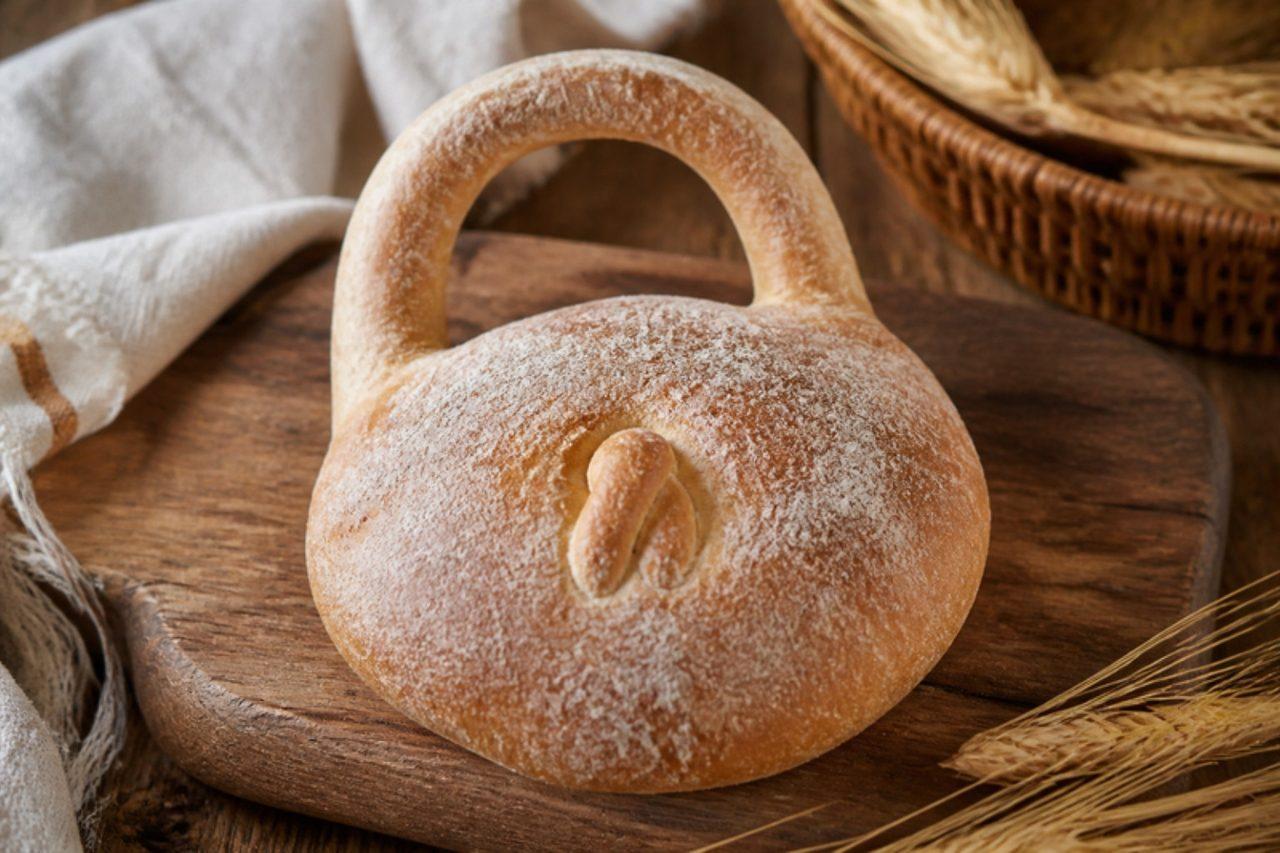
KalachPadlock-shaped wheat bread

Street sellers in nineteenth-century Moscow shouted for kalachi hot from the oven, and the town of Murom near Vladimir had its own famous version. The loaf is shaped like a padlock with a thin arched handle; carters and labourers held it by the handle with grimy hands, ate the plump body and, so the story goes, left the handle for the poor, which gave Russian the phrase 'to come to the handle' for hitting rock bottom. The dough is lean and vegan, just flour, water, yeast and salt, kneaded firm and chilled, so the crumb comes out white, chewy and close under a thin crisp shell. Eat it warm with soup, or tear it with tea and jam. A common mistake is a slack dough; it must feel firm, or the handle loses its shape. Chef's tip: pour hot water into a tin on the oven floor as the bread goes in; the steam gives the glossy, pale crust.

by KrazyBadal 0 views

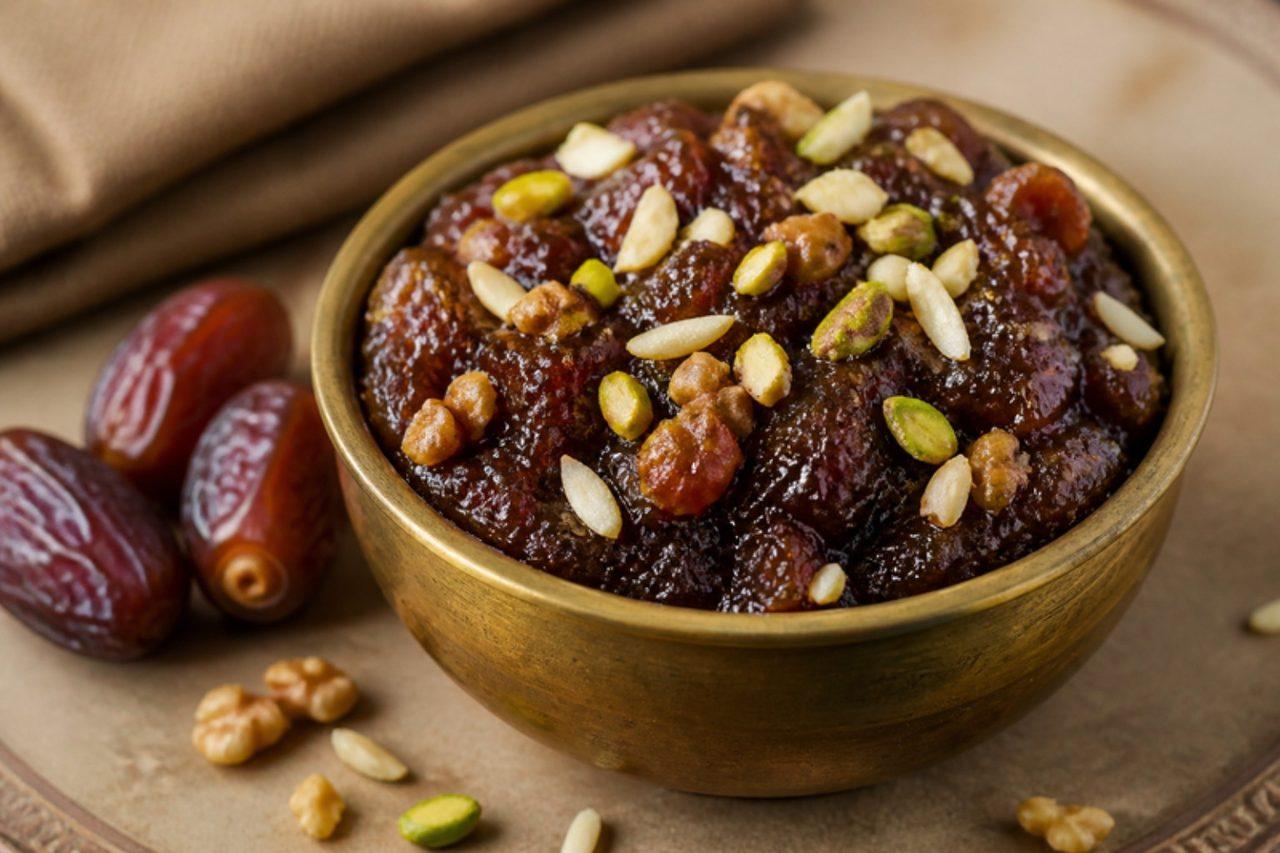
Khajoor ka halwaDate halwa

The oasis towns of Turbat and Panjgur in Makran grow some of Pakistan's finest dates, the soft, honeyed Begum Jangi and Muzawati among them, and after the late-summer harvest households turn the surplus into this rich, fudgy halwa. Dates are softened in warm milk, mashed and cooked down slowly in ghee until the mixture is dark and glossy and comes away from the pan, then finished with almonds, walnuts and cardamom. It needs little or no added sugar, and it is served in small portions at Eid, to new mothers and to guests with green tea. Using dry, hard dates without soaking is where it goes wrong, leaving the halwa lumpy and leathery. Chef's tip: choose soft, moist dates and blend them only briefly after soaking, so a few small pieces remain for texture.

by KrazyBadal 0 views

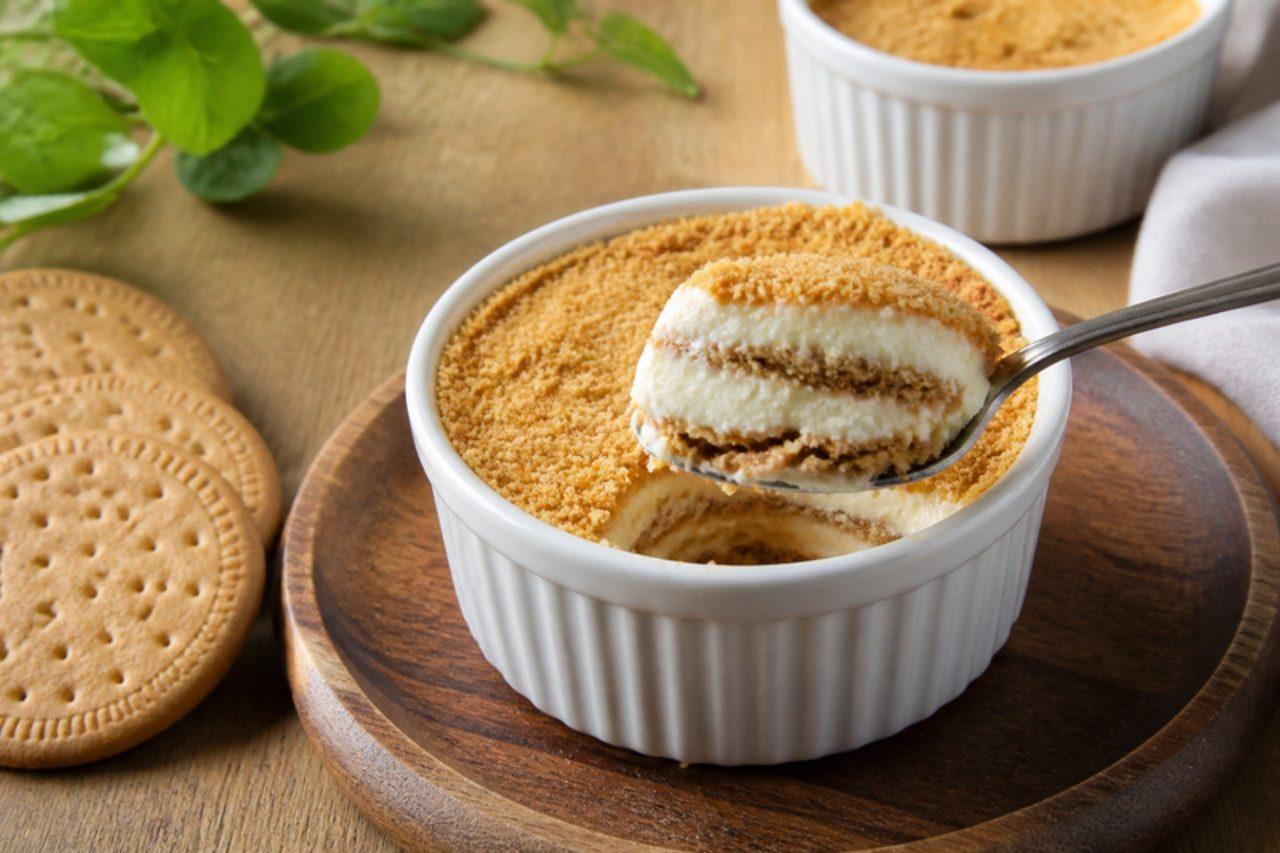
SerraduraCream and biscuit crumb pudding

Portuguese for 'sawdust', serradura is the cool, creamy dessert you'll find in every Macanese restaurant and café from Taipa to the Senado Square backstreets, ordered to round off a long Macanese lunch. Alternating layers of sweetened whipped cream and powder-fine tea biscuit crumbs set softly in the fridge, so each spoonful is light, milky and caramel-sweet, with a gentle crumbly texture. It is usually served in small glasses, sometimes semi-frozen like an ice cream cake. Coarse crumbs are where it goes wrong; they stay crunchy and gritty instead of melting into the cream, so grind the biscuits as fine as sand. Chef's tip: whip the cream and condensed milk together only to firm peaks and stop there, or it turns grainy and buttery.

by KrazyBadal 0 views

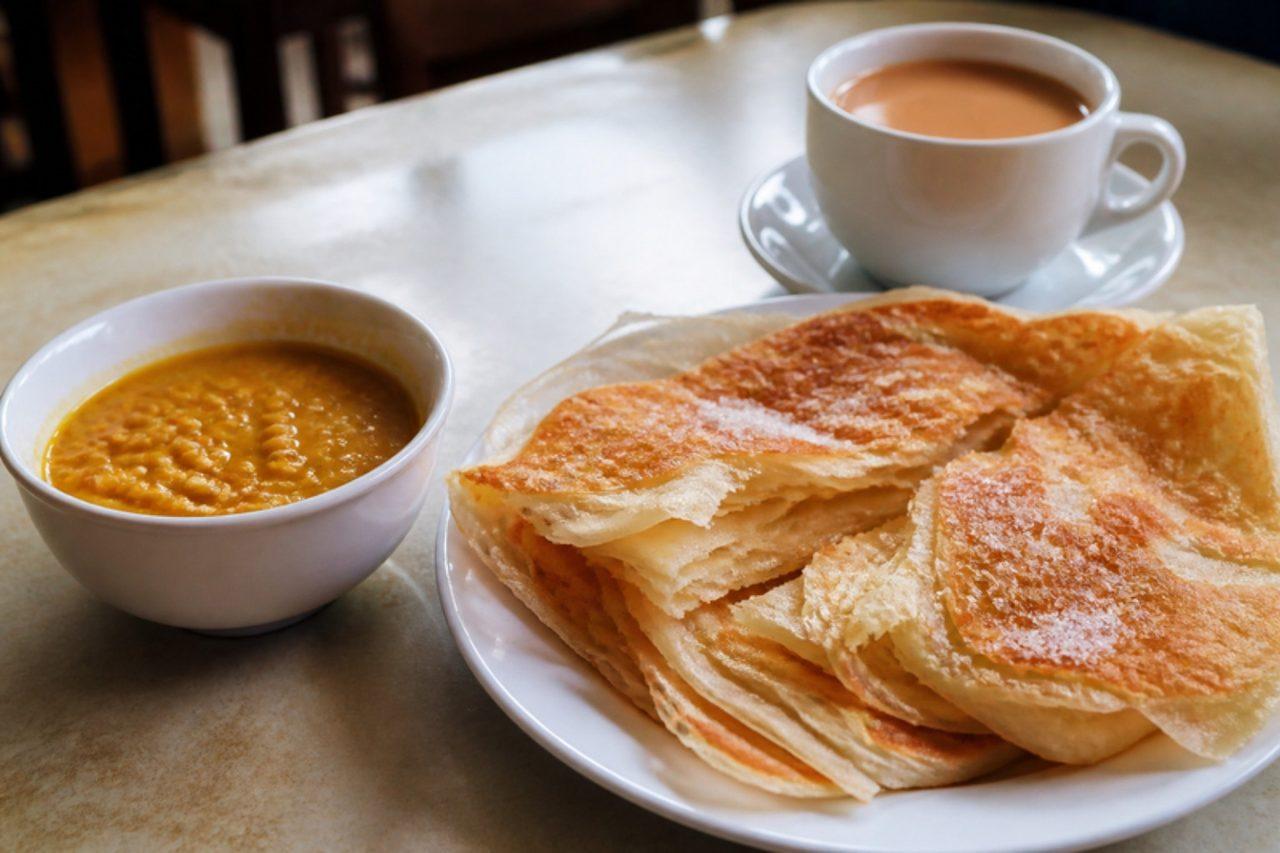
Burmese palataLayered flatbread

Indian-Burmese tea shops around Yangon's Sule Pagoda and Mandalay's 84th Street fry palata from early morning until late at night on wide, oiled griddles, the cook stretching each ball of dough until you can see through it before folding it into coils of layers. The bread comes out crisp and blistered outside, soft and chewy within, and it is eaten two ways: sprinkled with sugar as a sweet snack with milky tea, or torn and dipped into a curry or a bowl of split-pea dal. Rushing the rest is where it fails; dough that hasn't relaxed in oil for at least an hour tears when you stretch it, and the layers never form. Chef's tip: once the palata is cooked, scrunch it between your palms while still hot; it breaks the coils apart into flaky layers.

by KrazyBadal 0 views

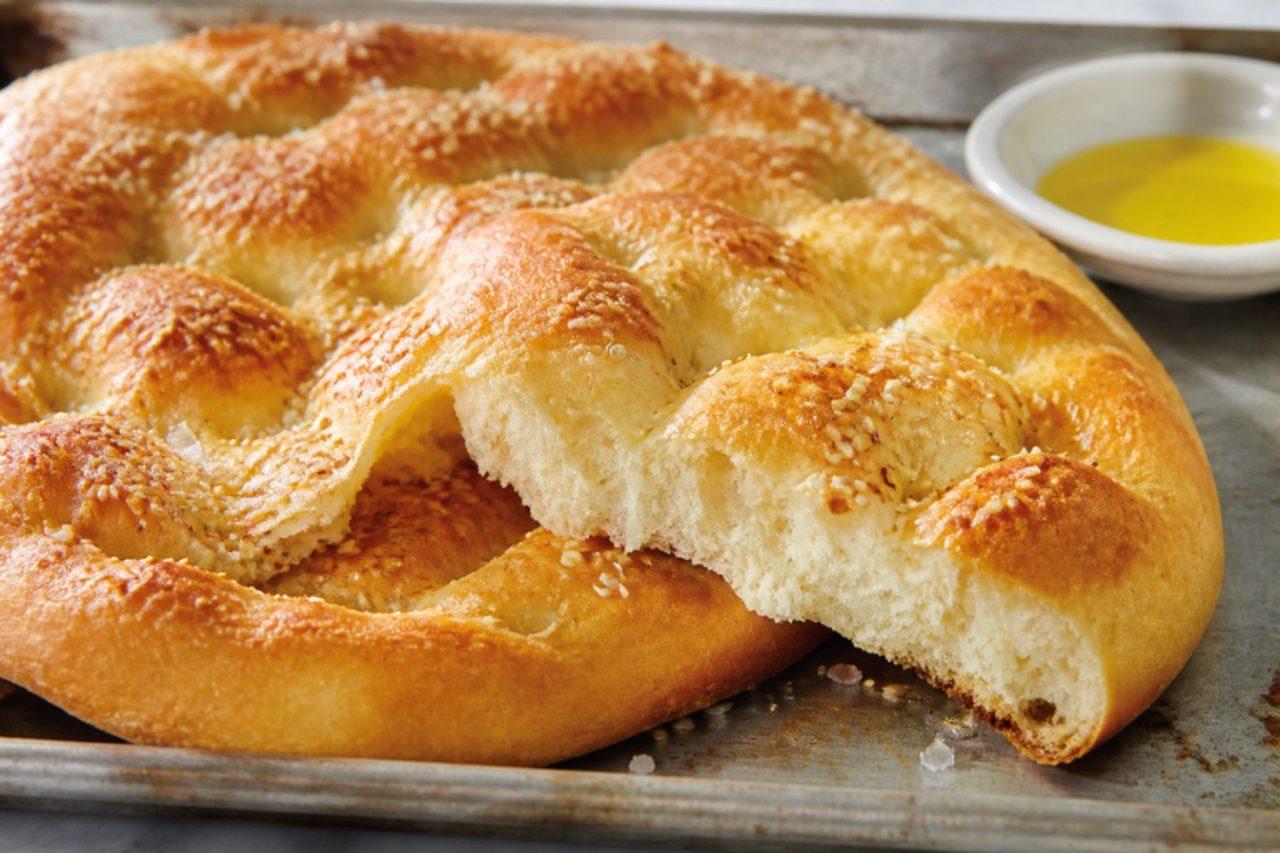
FrenaShabbat flatbread

In Moroccan-Jewish homes from Ashdod to Kiryat Shmona, frena comes out of the oven on Friday afternoon and sits on the Shabbat table beside a dozen little salads: carrots with cumin, matbucha, beetroot, roasted peppers. The dough is wet and soft, pressed into a pan pooled with olive oil, so the base fries as it bakes and turns crackly while the inside stays airy and chewy. It is torn, never sliced, and dragged through the salads. The usual mistake is adding flour until the dough feels easy to handle; a stiff dough gives a dense, bready frena. Chef's tip: dimple the risen dough hard with oiled fingers right down to the pan, so the oil rises into the pockets and every bite has a crisp edge.

by KrazyBadal 0 views

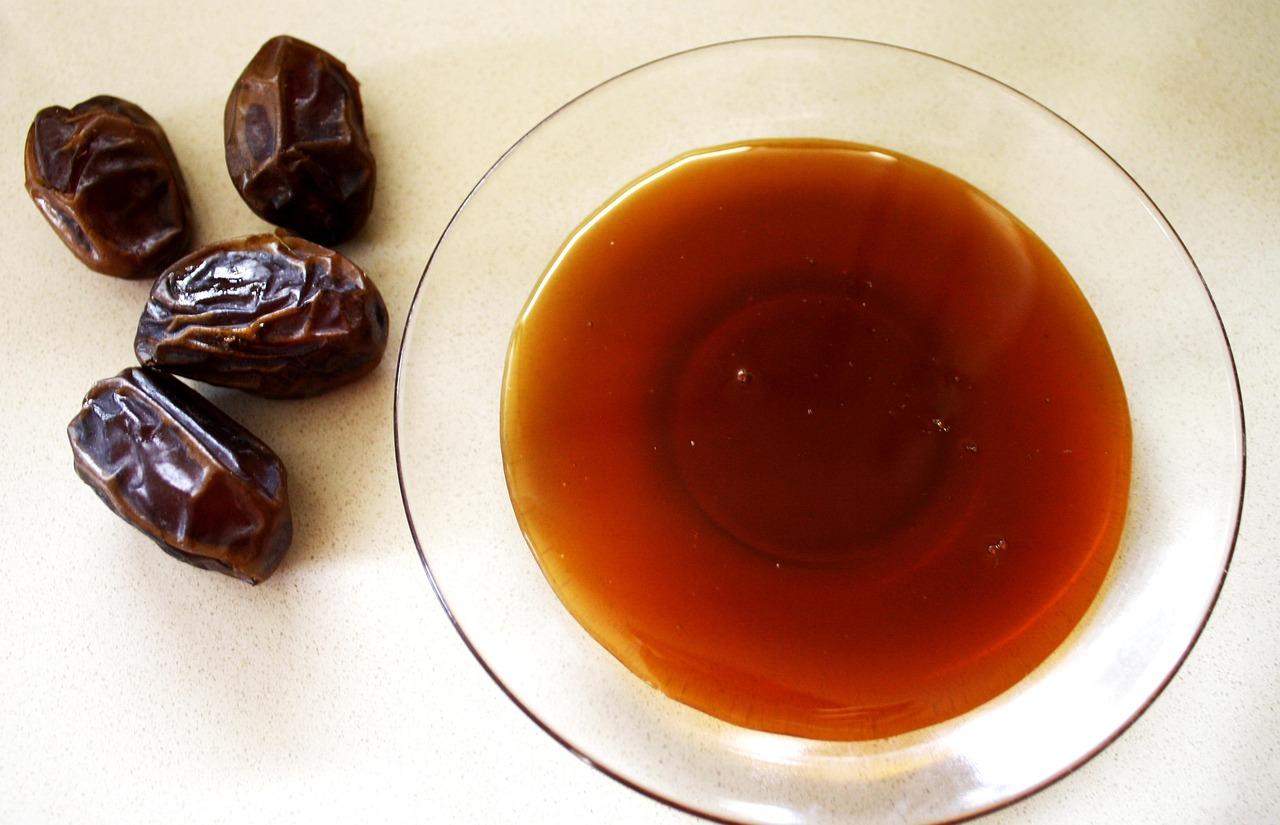
DibsDate syrup

Across the Gulf, from the date gardens of Al-Ahsa to the oases of Oman and the UAE, dibs is the dark, glossy syrup pressed and boiled from ripe dates, and it was the region's sweetener long before sugar was common. It tastes of toffee and dried fruit with a faint bitterness, and families pour it over chebab and khameer, mix it with tahini for dipping bread, and use it in sweets like luqaimat. Making it at home takes time but little effort, and a kilo of dates gives a jar that lasts for months in the fridge. The mistake is boiling the strained juice too hard at the end: it scorches and turns bitter. Chef's tip: squeeze the date pulp in the cloth when it is still warm; you get far more juice than from cold pulp.

by KrazyBadal 0 views

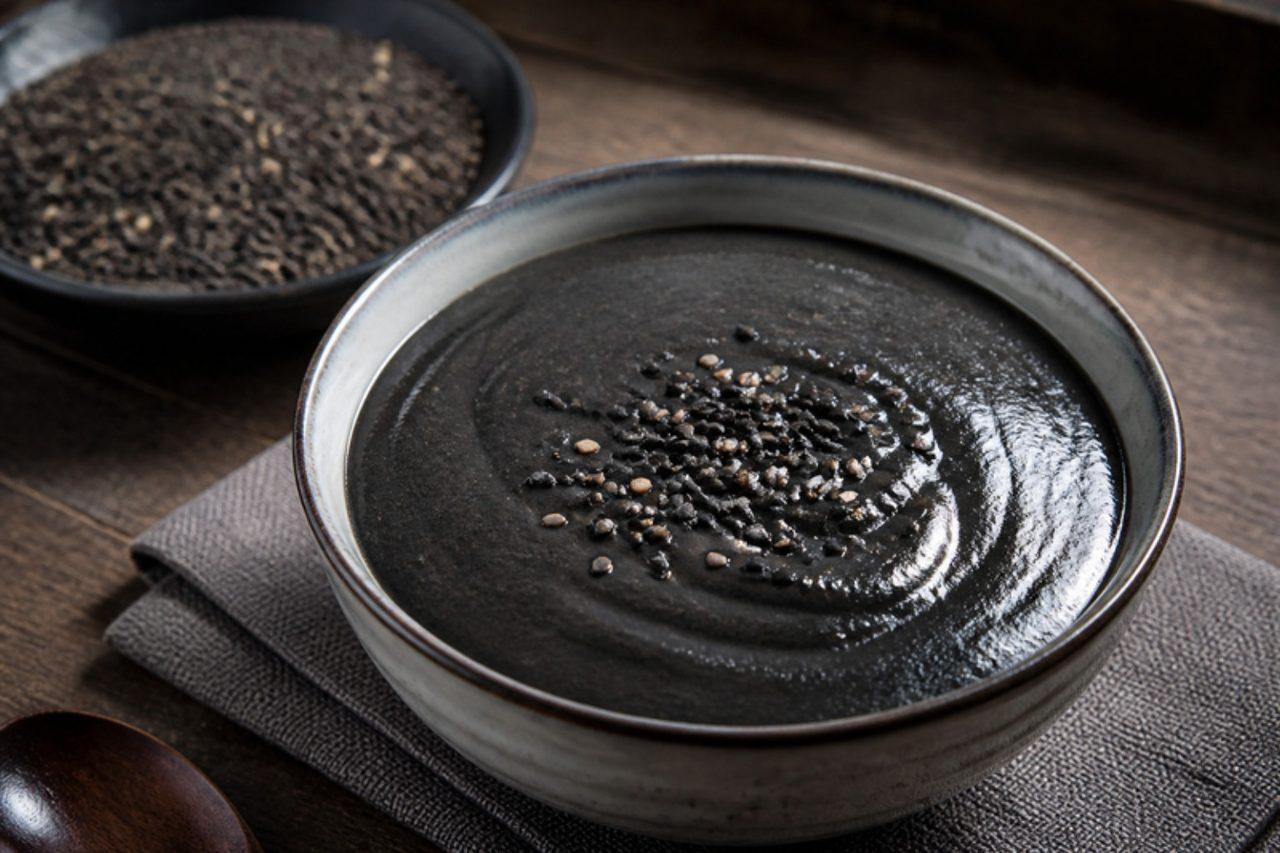
Black sesame soup

Steaming bowls of inky ji ma wu are a staple of Hong Kong dessert shops on cool evenings, eaten after dinner or as a late-night snack on the way home. The soup is thick enough to coat a spoon, nutty and roasted with a faint bitterness that balances the rock sugar, and so smooth it feels like warm velvet. It's often paired half-and-half in one bowl with almond tea or walnut soup, or served with sweet glutinous rice balls. Over-toasting the sesame is the mistake to avoid; once the seeds scorch, the whole pot tastes acrid. Chef's tip: blend the toasted seeds with water for a full two minutes, until no grit is left between your fingers, before it goes into the pan.

by KrazyBadal 0 views

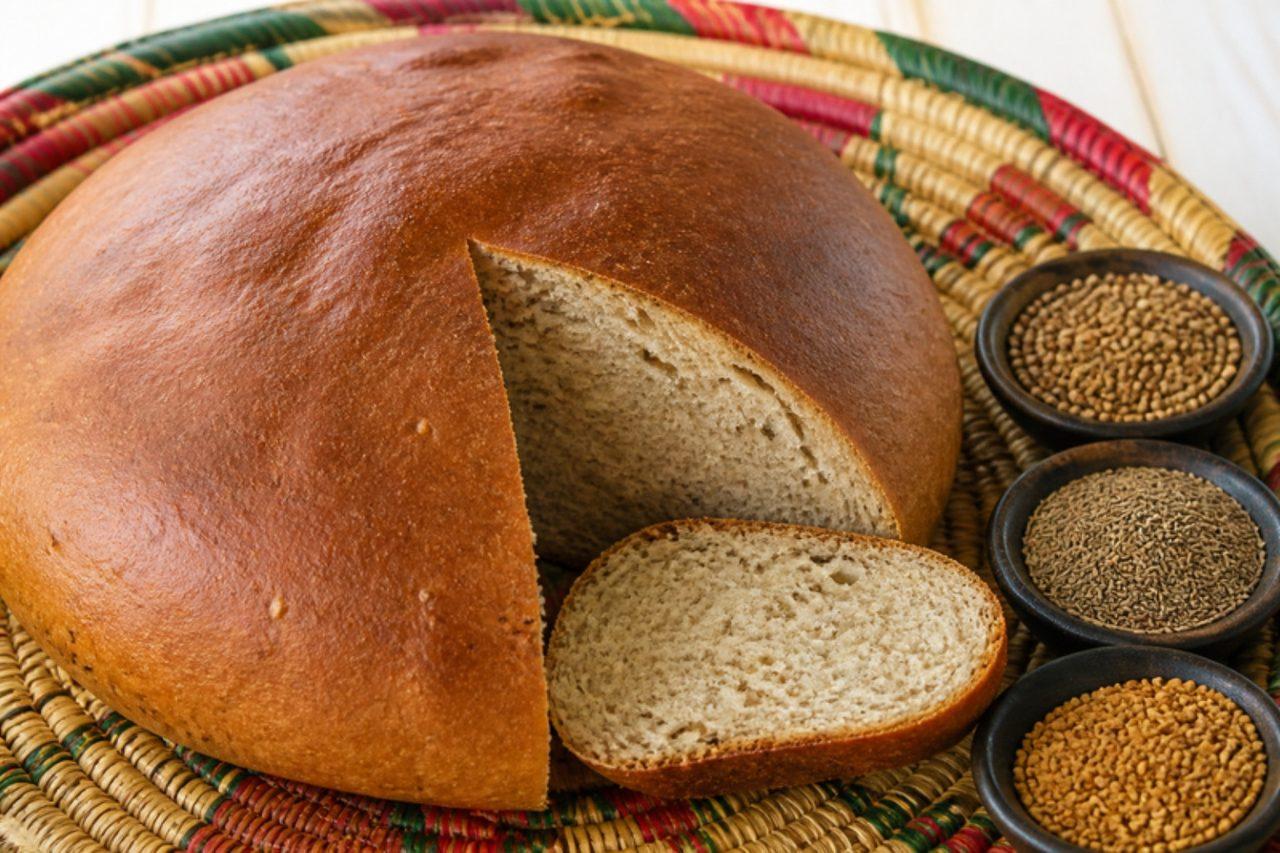
BereketeFenugreek and cumin Shabbat bread

Among Ethiopian Israelis in Kiryat Malakhi, Netanya and Ashkelon, the Friday meal begins when the eldest at the table blesses a round loaf of berekete and breaks it for everyone. The bread is plain, dense and wheaty, with a soft crumb and the warm, faintly bitter scent of fenugreek, cumin and coriander baked in. It is eaten with spiced lentils, cabbage and potatoes or with a little honey on Shabbat morning. The usual mistake is baking it in a hot oven like a white loaf, which burns the bottom before the thick centre cooks. Chef's tip: bake it in a covered heavy pan at a moderate heat, as it would be on a mitad, so it steams through before browning.

by KrazyBadal 0 views

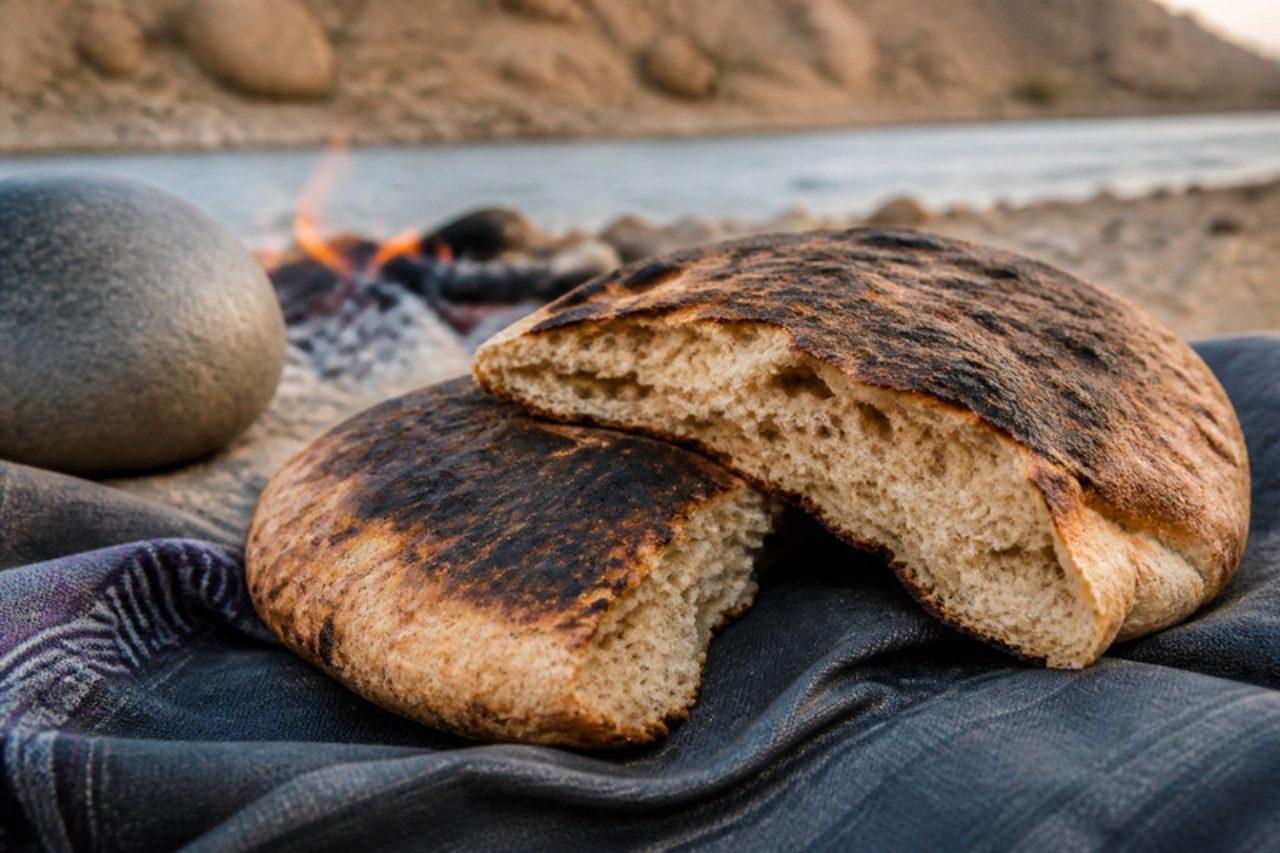
Balochi kaakSmoky wholewheat bread

Out in the hills of Balochistan, from Kalat to the passes above Quetta, kaak is shepherds' and travellers' bread: dough wrapped around a smooth river stone that has been heated in the fire, then propped among the embers until a thick, smoky crust forms and the stone cooks it from inside too. It is served torn into chunks alongside sajji, the slow-roasted lamb of Balochi feasts, or with yogurt and tea on the road. This version is for a home oven: the dough is shaped into a thick round and baked on a very hot tray or stone, then finished over a flame for that charred, campfire taste. Under-heating is the main pitfall, giving a pale, heavy loaf. Chef's tip: preheat the tray in the oven for a full 30 minutes. If you try the stone method outdoors, use only dense, dry stones never taken from water, as wet or porous stones can crack violently when heated.

by KrazyBadal 0 views

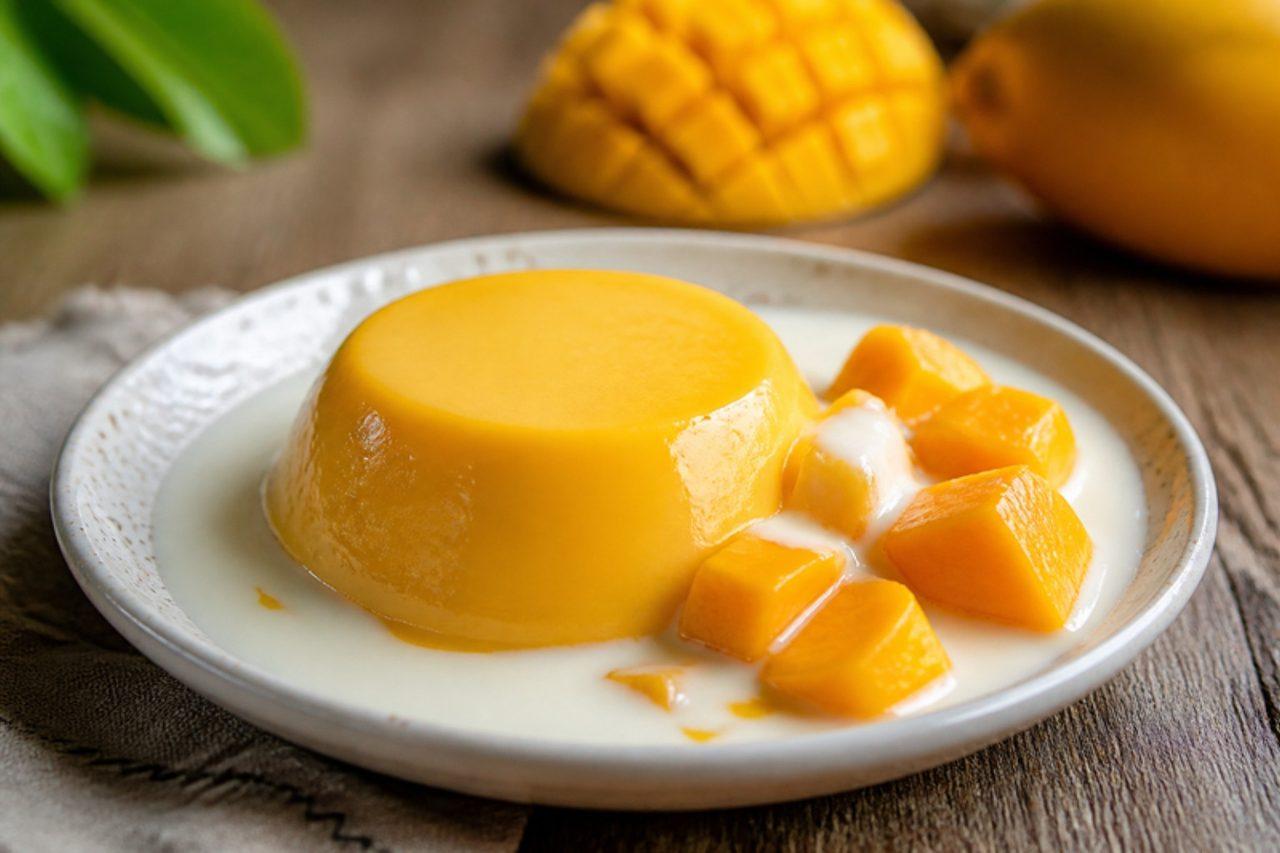
Mango pudding

Wobbling out of fish-shaped moulds at the end of a Hong Kong dim sum lunch, mango pudding is just as popular in small cups from dessert chains, which sell it through the sticky summer months when Philippine and Thai mangoes flood the markets. It's smooth, creamy and full of fruit, with pieces of fresh mango through it and a drizzle of cold evaporated milk on top. Restaurants usually set it with gelatine; this version uses agar, which keeps it vegetarian and sets slightly firmer and cleaner. The problem with agar is impatience: it begins to set below about 40 °C, so cold purée added too slowly turns into lumpy strands. Chef's tip: warm the mango purée before you mix it in, then whisk briskly and pour into the moulds right away.

by KrazyBadal 0 views

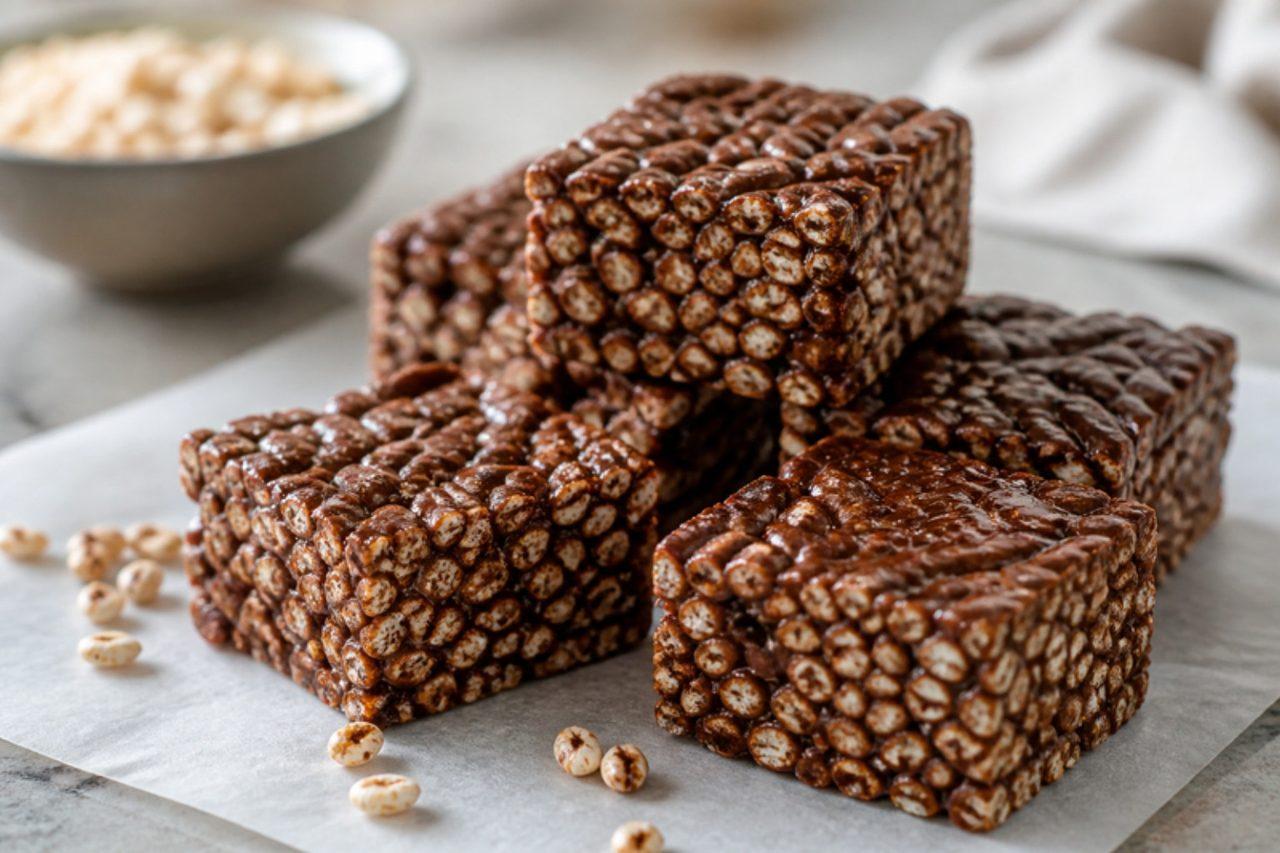
Puffed wheat squares

Puffed wheat squares are the Prairie kids' party treat, made in Alberta and Saskatchewan kitchens for hockey bake sales and lunchboxes since the 1950s. Puffed wheat is stirred into a quick toffee of butter, brown sugar, golden syrup and cocoa, pressed into a pan and cut once set. They are chewy rather than crunchy and very hard to stop eating. A common mistake is boiling the syrup too long, which sets them rock hard; one minute of boiling is enough. Chef's tip: butter your hands, not just the pan, to press the mix down evenly.

by KrazyBadal 0 views

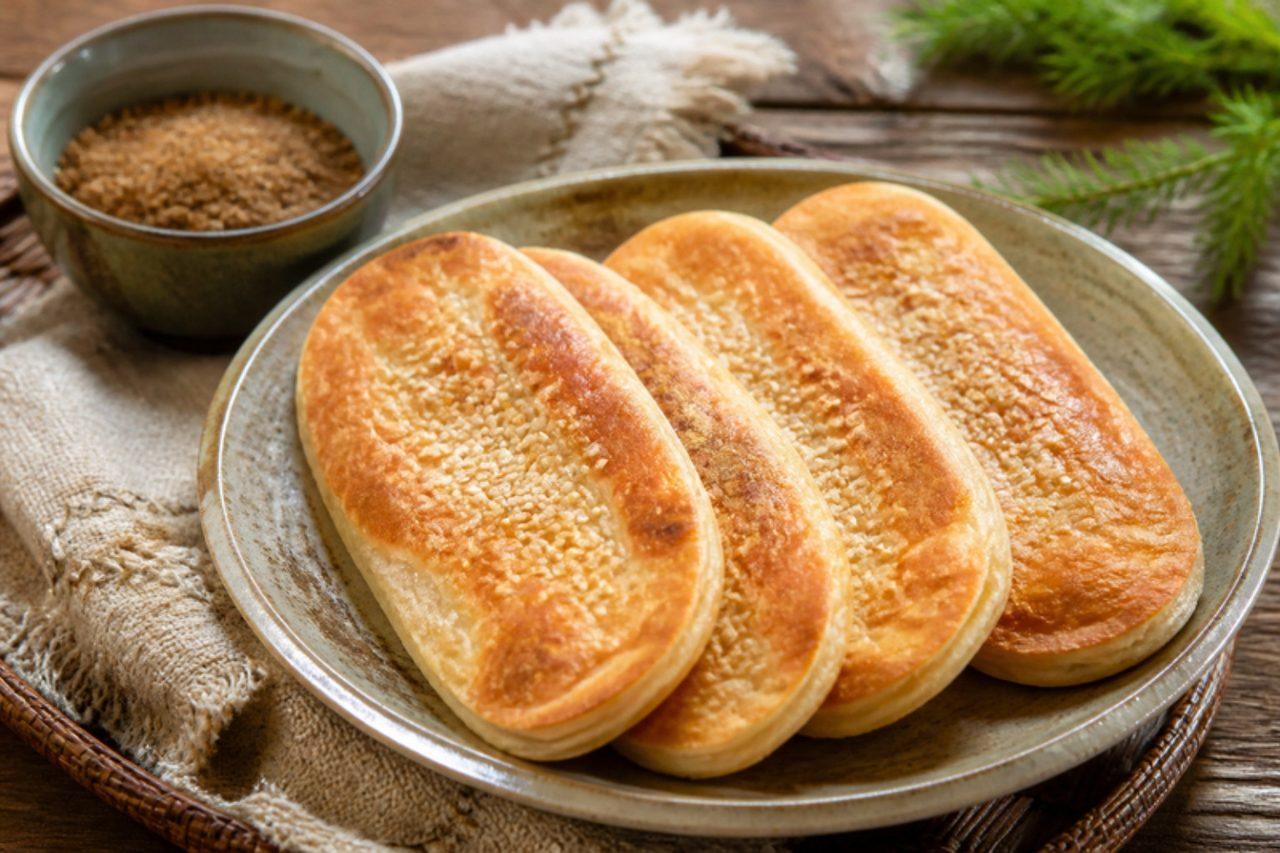
Lukang ox tongue cakesSesame maltose flat pastries

Their name comes from the shape, long and flat like a tongue, not from any meat: in the old port town of Lukang, Changhua, these pastries are pressed on hot griddles along the lanes near Tianhou Temple and handed out warm in paper bags. Lukang's style is thicker and chewier than the cracker-crisp Yilan version, with a crisp, blistered shell and a sticky brown-sugar centre that pulls like soft toffee. Bakeries there use lard, so this vegetarian recipe uses vegetable shortening in the pastry and a little butter in the filling. A frequent mishap is rolling the filled dough with heavy hands, which bursts the skin and lets the syrup scorch in the pan. Chef's tip: cook them over a low heat and be patient; slow griddling lets the centre turn molten before the outside darkens.

by KrazyBadal 0 views

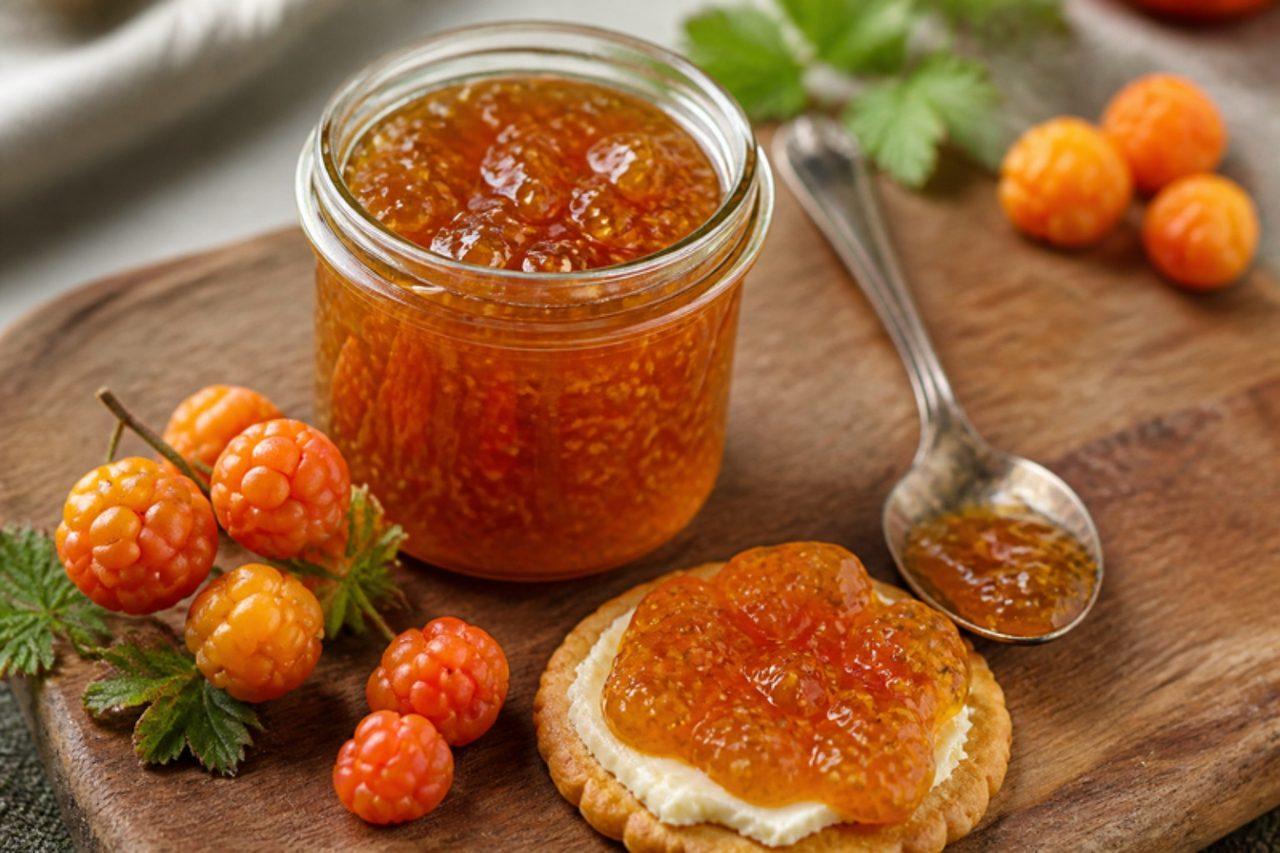
Bakeapple jamCloudberry jam

Bakeapples, the amber cloudberries of the Labrador and Newfoundland bogs, ripen for a few weeks in late July and August, and families on the Northern Peninsula and the Labrador coast pick them by the bucket. Turned into jam, they taste of apricot, honey and wild herbs, and the soft seeds give it texture. It is spread on toast, tea biscuits and toutons, or stirred through cream. Frozen cloudberries work if you can't get fresh. A common mistake is boiling too long, which darkens the colour and dulls the flavour. Chef's tip: test the set early, on a cold saucer.

by KrazyBadal 0 views

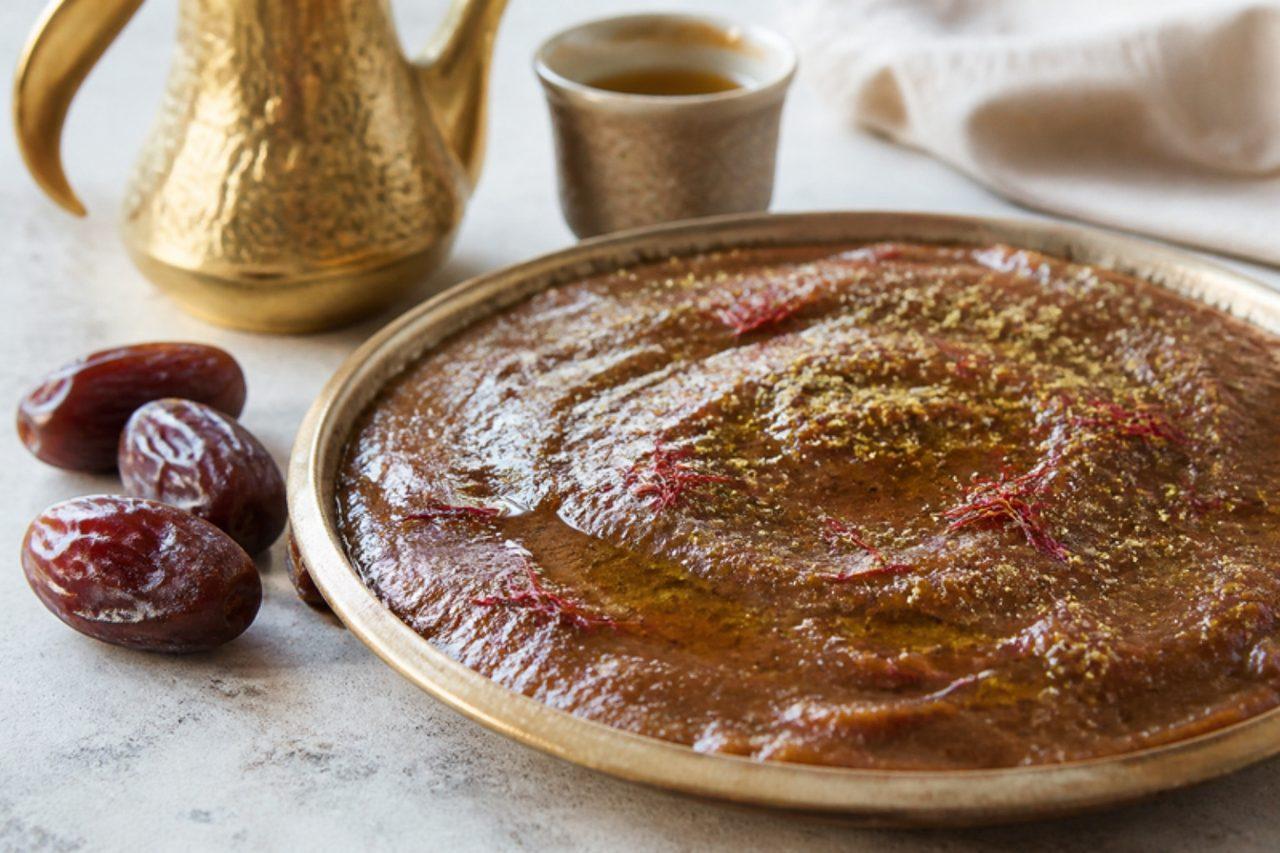
HininyDate and bread crumble

When the first cold nights reach Najd and Qassim, Saudi families make hininy, a warm sweet of soft dates melted into crumbled brown bread with plenty of ghee and cardamom. It is eaten from a shared plate in the evening or at breakfast with tiny cups of saffron-tinted Arabic coffee, and it is said to keep you warm on desert nights. The texture is soft and fudgy with a little crumb, the flavour like sticky toffee and toasted bread. The mistake to avoid is using hard, dry dates, which never melt; choose soft, moist ones or soak them first. Serve it warm, pressed into a mound. Chef's tip: toast the bread crumbs in a dry pan for two minutes before mixing; it gives a nutty depth that plain crumbs lack.

by KrazyBadal 0 views

DibyazaApricot and date compote

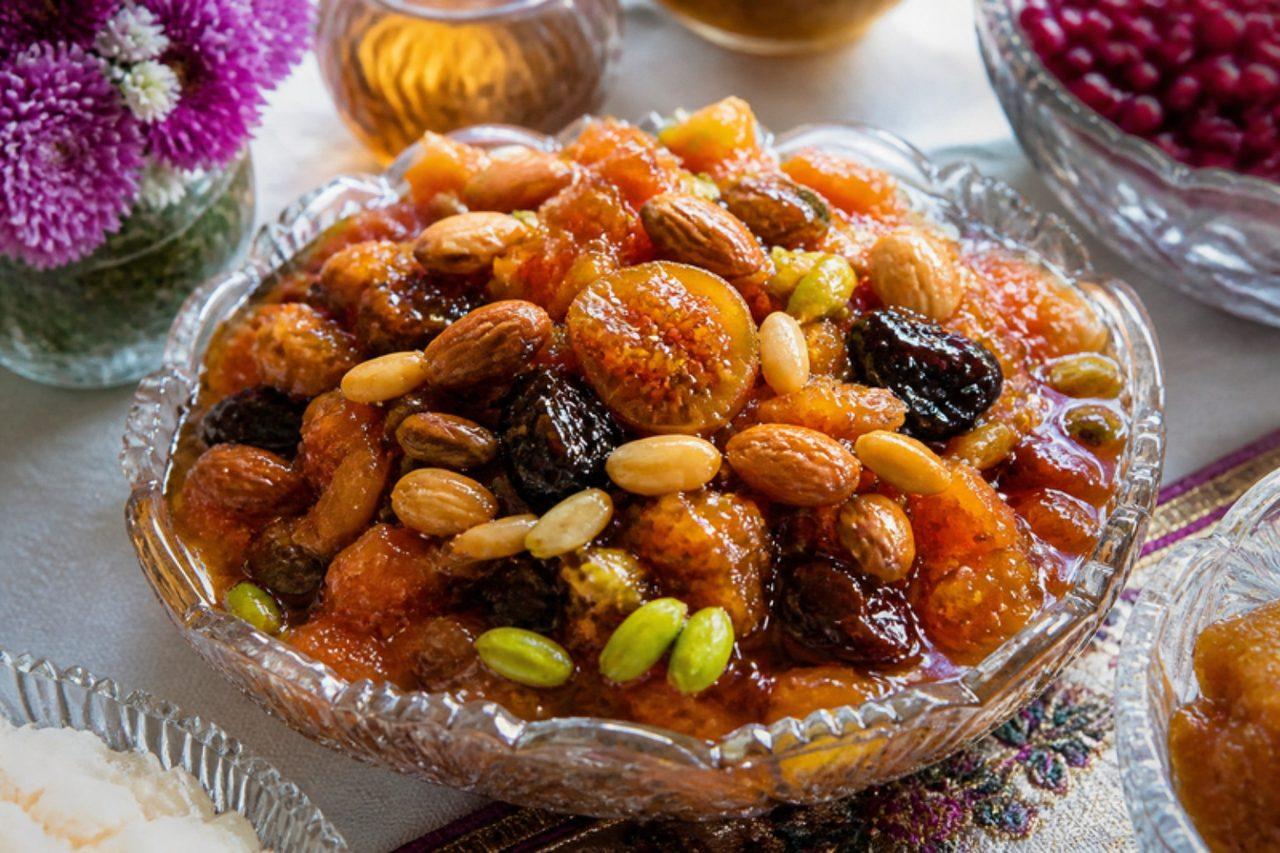
No Eid table in Jeddah or Mecca is complete without a bowl of dibyaza, a thick, glossy compote that old Hejazi families make the night before the festival and serve at breakfast alongside cheese, olives and fresh bread. Sheets of dried apricot paste melt into a tangy orange syrup that wraps around soft dates, figs, prunes and crunchy nuts, so every spoonful is sweet, sour and jammy at once. Some households stir in fried onion for a savoury edge; this version keeps it to fruit and nuts. People often boil it hard and scorch the bottom, because apricot paste catches very easily. Keep the heat low and stir from the base. It keeps for a week in the fridge. Chef's tip: soak the apricot paste in hot water until completely soft before it goes near the heat; it then dissolves smooth instead of leaving rubbery shreds.

by KrazyBadal 0 views

Frankincense water

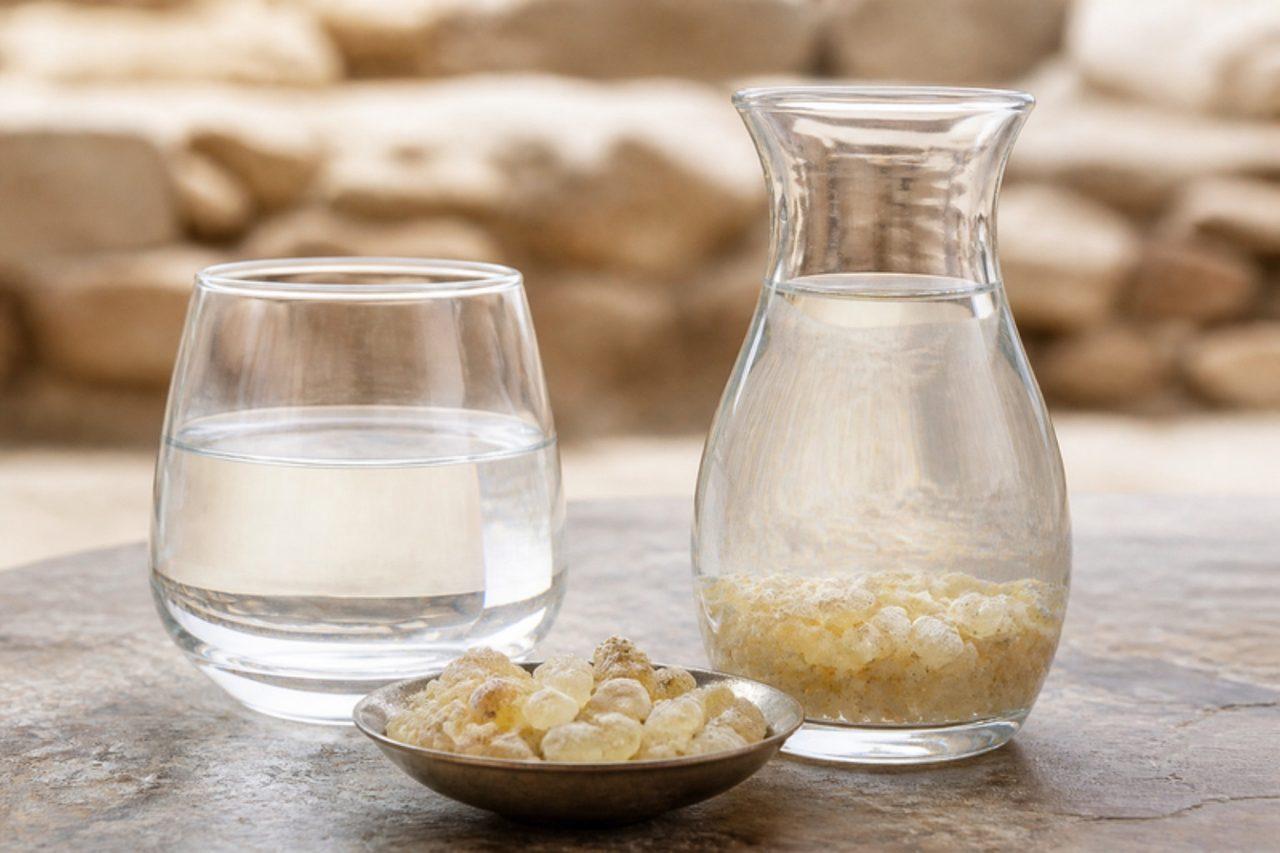
Around Salalah in Oman's Dhofar region, where the frankincense trees grow on the dry hills behind the coast, many households drop a few tears of resin into a jug of water at night and sip it the next day, believing it settles the stomach. The water turns faintly milky and tastes cool, piney and slightly bitter. It is drunk at room temperature, in small glasses, often in the morning. Use only food-grade Boswellia sacra resin sold for eating (the pale hojari grade is best), never incense blends, and do not drink it if you are pregnant or breastfeeding, or without asking a doctor if you take regular medication. The mistake is using too much resin, which makes it unpleasantly bitter. Chef's tip: rinse the tears in a sieve first to wash off dust and resin powder, and the water will be clearer and gentler.

by KrazyBadal 0 views

BoranoMelted cheese in hot butter

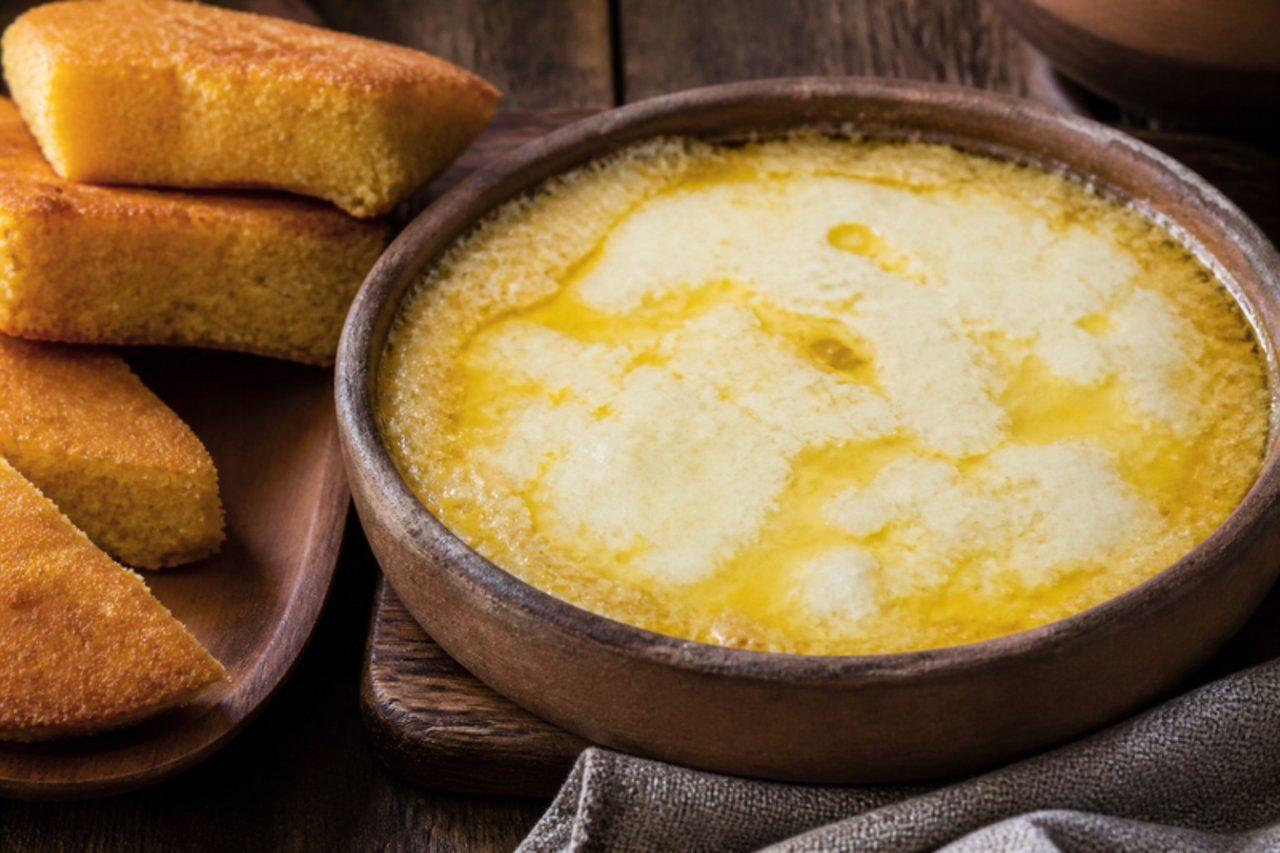
In the hill villages behind Batumi, where cows graze the Adjarian mountains in summer, borano is what a shepherd's family makes when someone drops in: a pan of golden butter, a heap of young cheese melted into it until it turns stretchy and oily, and squares of hot mchadi cornbread to drag through it. It is rich, salty and meant to be shared straight from the pan at the table. A common mistake is using a very hard, dry cheese, which turns grainy and oily instead of stretching. Chef's tip: use clarified butter or ghee so the butter can get really hot without burning, and add the cheese in one layer so it melts evenly. Sulguni and imeruli are often made with animal rennet, so choose a vegetarian cheese.

by KrazyBadal 0 views

LaffaLarge chewy flatbread

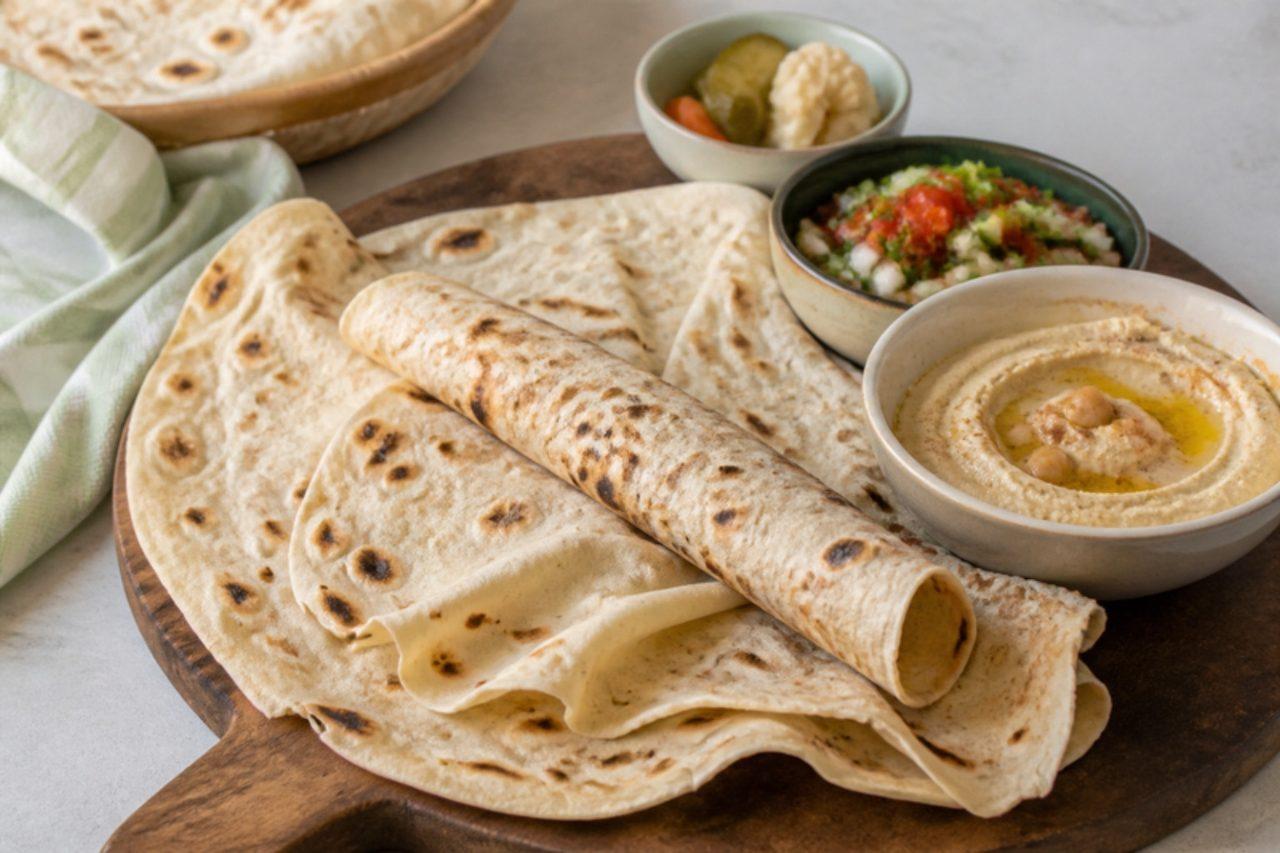
Laffa is the big, floppy flatbread that falafel and shawarma stands from Tel Aviv's Levinsky market to Jerusalem's Mahane Yehuda use when a pita is not enough. It came with Iraqi Jews, who baked it on the inside wall of a taboon; at home a very hot pan or upturned wok does the job. It should be thin but chewy, with charred blisters, and soft enough to roll around falafel, salads and tahini without cracking. The mistake is cooking it too long: once it stiffens it splits when you wrap it. Chef's tip: stack the hot breads straight into a towel-lined bowl and cover, so they steam each other soft.

by KrazyBadal 0 views

KajmakClotted milk cream

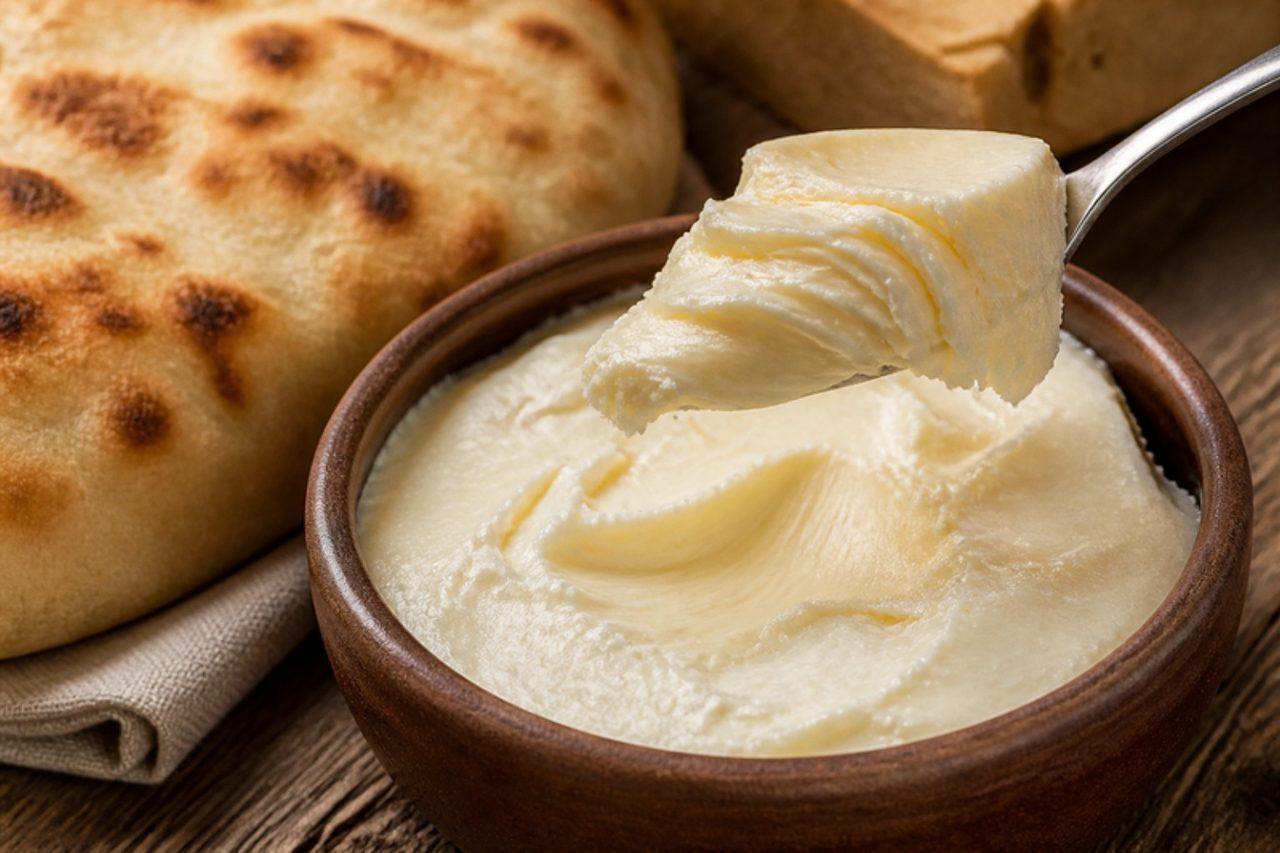
At the Zlatibor and Čačak markets, women sell kajmak from wide tubs, cut in soft ivory folds that taste of cooked milk, butter and a little salt. It is made by slowly heating rich milk, letting it settle in shallow pans and lifting off the thick skin that forms as it cools, then layering those skins with salt. This home version uses pasteurised milk and cream and stays in the fridge throughout; the long-aged, raw-milk kajmak of the villages is not something to copy at home. Spread it on warm lepinja or proja, or stir it into hot potatoes. A common mistake is letting the milk boil: the bubbles tear the skin and you end up with flecks instead of a thick sheet. Chef's tip: keep the skimmed milk left underneath for porridge, proja or pancakes; nothing goes to waste.

1440 minBalkanBasicsGluten free
by KrazyBadal 0 views

TikvenikPumpkin and walnut filo roll

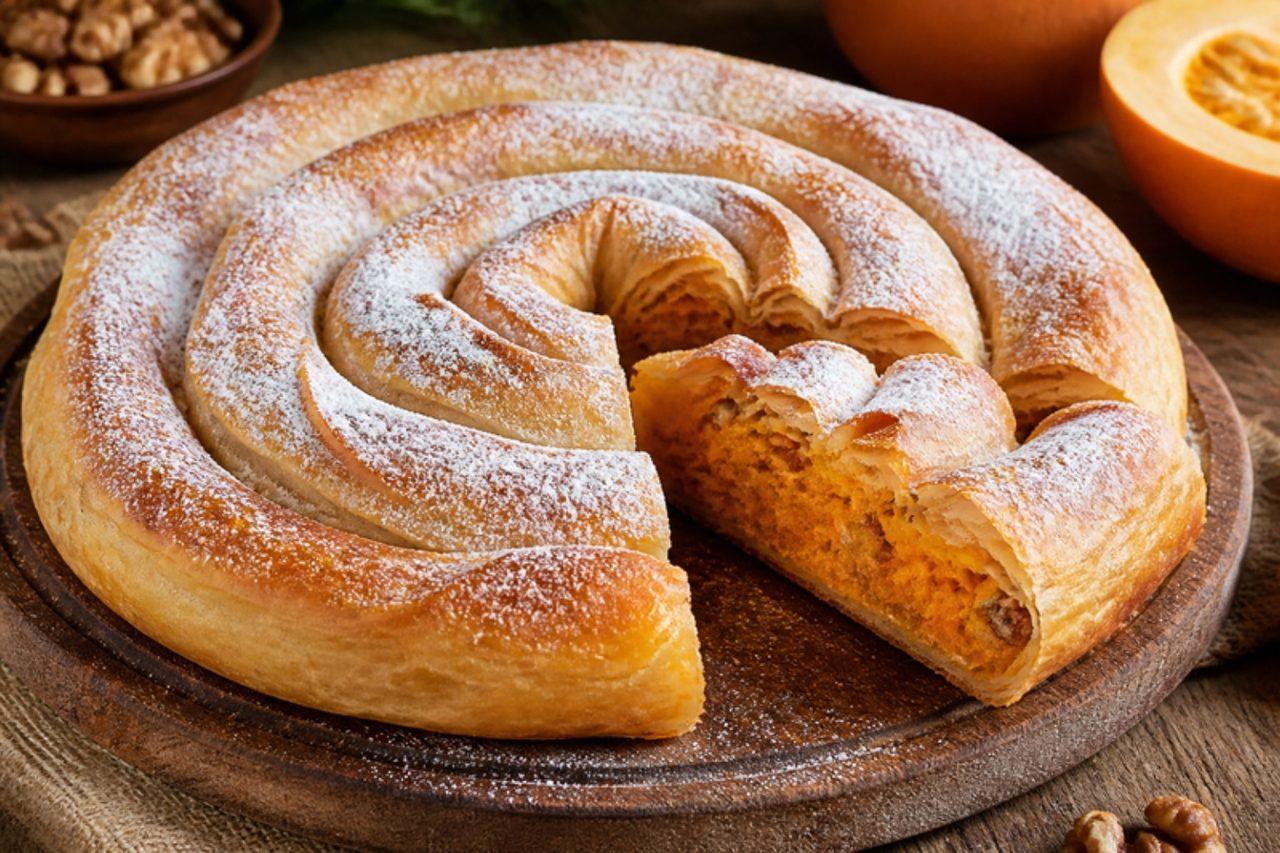
On Bădni vecher, Christmas Eve, Bulgarian families set the table with an odd number of meatless dishes, and in the north of the country a coiled tikvenik is almost always among them. Sheets of filo are brushed with sunflower oil, filled with grated sweet pumpkin, walnuts, sugar and cinnamon, rolled into long snakes and coiled into a round tin, then baked until crisp and dusted with icing sugar. The pastry shatters, the filling is moist and spiced, and slices are passed around with the boiled wheat and stuffed peppers of the feast. Because it uses oil, not butter, it is naturally vegan; check that your filo has no butter or egg in it. The mistake most people make is skipping the squeeze: raw grated pumpkin weeps, so press out the juice or the pie goes soggy. Chef's tip: lightly sprinkle each filo sheet with water as well as oil, and the layers puff up flaky instead of dry.

by KrazyBadal 0 views

BalmoșCornmeal in sheep's milk and butter

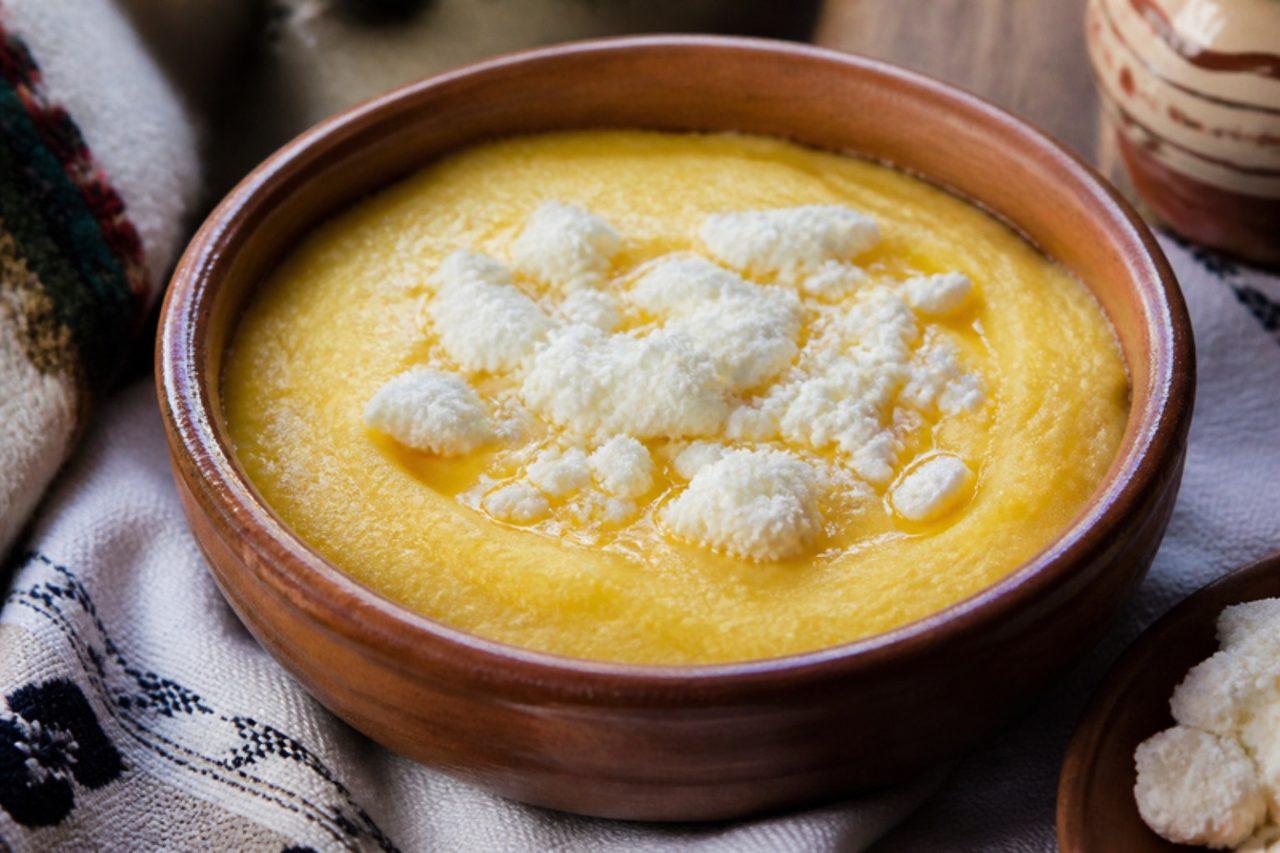
Up at the summer sheepfolds of Maramureș and the Rodna mountains, the shepherds make balmoș in a cauldron over the fire: cornmeal cooked slowly in sheep's milk and sour cream with plenty of butter and fresh sheep's cheese, until it is rich, golden and glistening. It is far creamier than ordinary mămăligă, eaten hot from the pot with a wooden spoon, perhaps with a glass of buttermilk. Use pasteurised milk; if you cannot find sheep's milk, whole cow's milk works. Caș and brânză de burduf are usually made with animal rennet, so use a fresh cheese labelled vegetarian, such as a mild ricotta-style or vegetarian feta. A common mistake is stopping too soon: keep stirring until the butter starts to separate and shine on the surface, which is the shepherds' sign that it is done. Chef's tip: serve it with a few spring onions and a glass of buttermilk.

by KrazyBadal 0 views

GesztenyepüréChestnut purée with cream

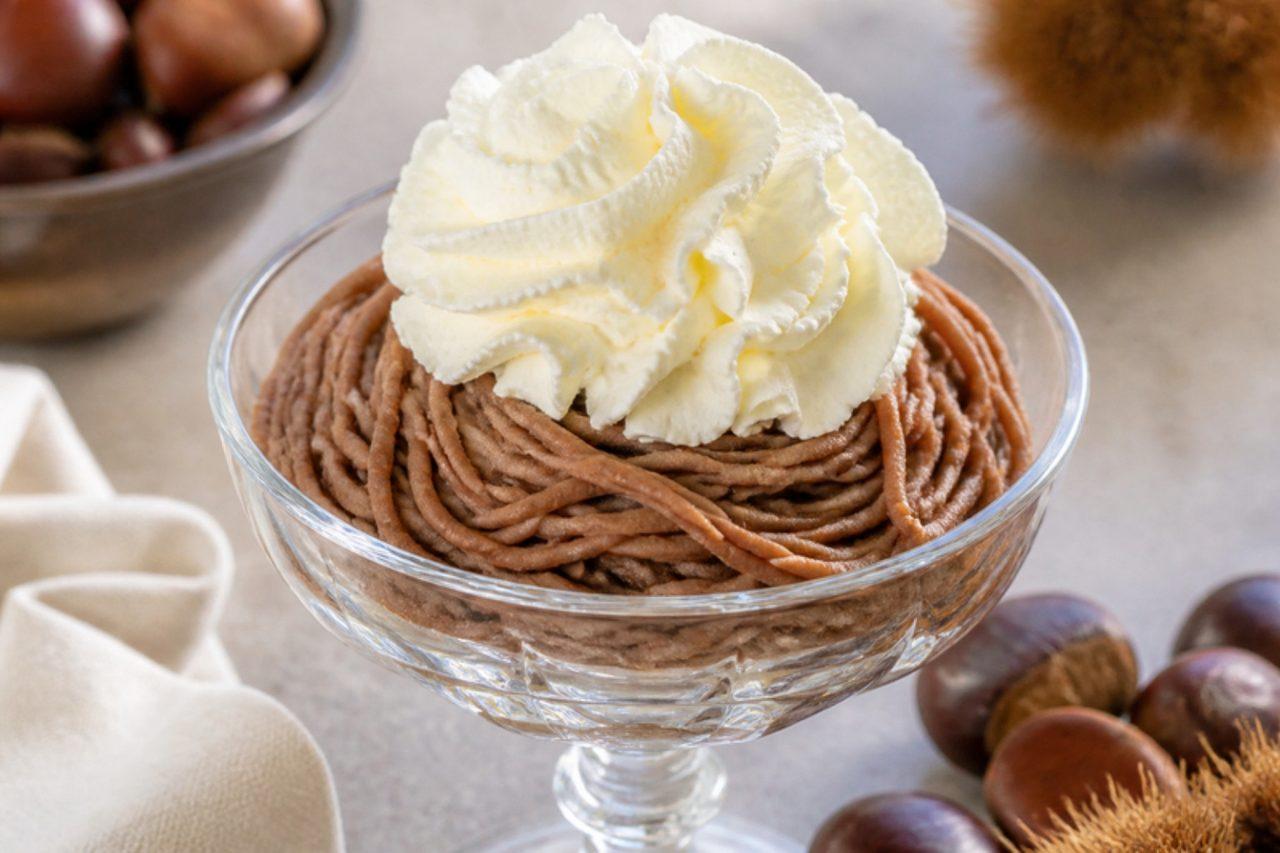
No Budapest cukrászda menu in autumn is complete without a glass of gesztenyepüré: sweet chestnut purée pushed through a potato ricer so it falls in loose brown strands, crowned with a cloud of whipped cream and often a glacé cherry. It is soft, nutty and creamy rather than sugary, and it came to Hungary from Viennese kitchens in the days of the empire. Classic café versions add a splash of rum to the chestnuts; this one leaves it out and uses vanilla and a little cocoa, so it is alcohol-free. A common mistake is pressing the purée into the glass with a spoon, which turns it into a dense paste; let the strands fall loosely straight from the ricer. Chef's tip: chill the purée well before ricing, because cold purée holds its strands and the cream stays on top.

by KrazyBadal 0 views

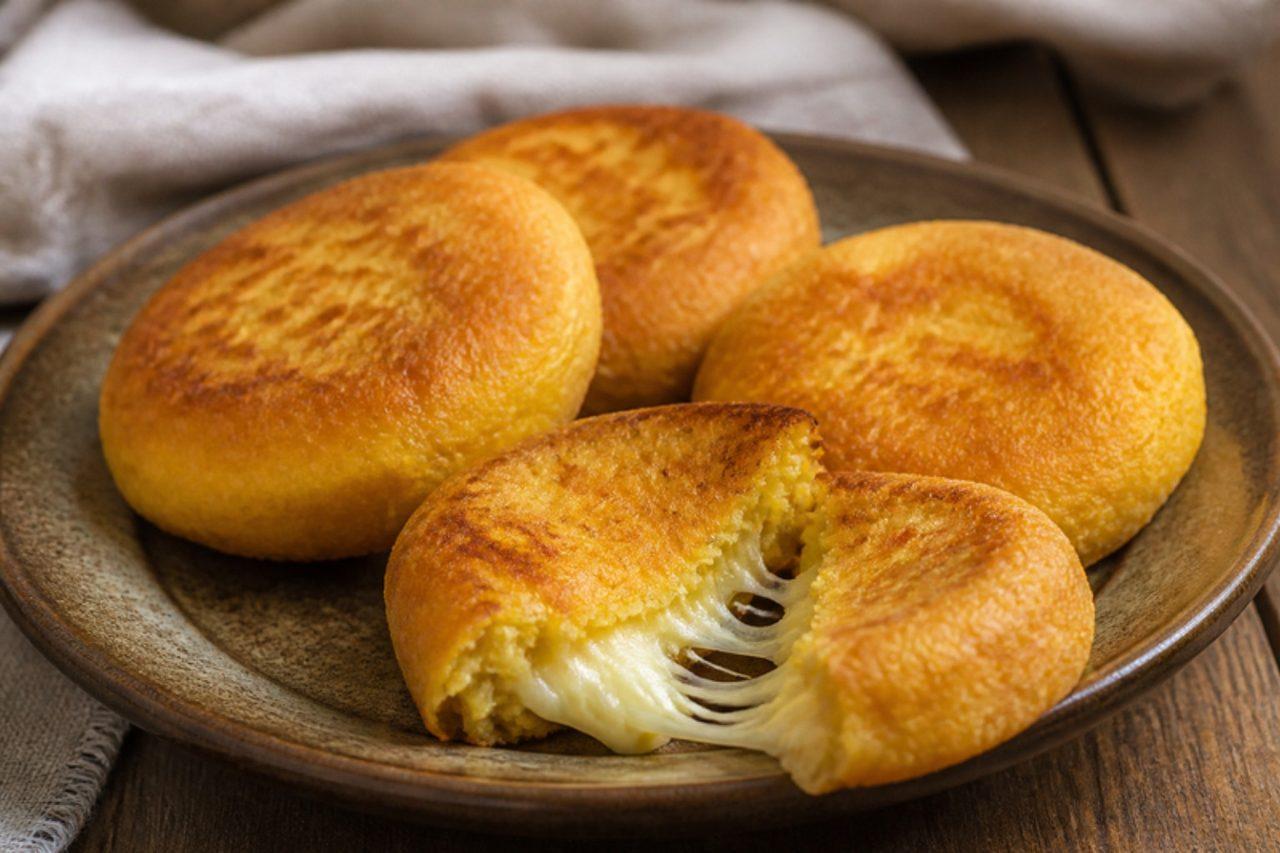
ChvishtariCornmeal and cheese cakes

Chvishtari belongs to the high villages of Svaneti, around Mestia and Ushguli, where cornmeal and cheese are the winter larder: a stiff cornmeal dough is worked with lots of grated sulguni, shaped into flat cakes and fried or baked so the cheese bubbles out and crisps at the edges. Svan families eat them hot with tea or with a bowl of lobio. A common mistake is using too little cheese; it is the cheese that binds the cornmeal, and a lean dough falls apart in the pan. Chef's tip: wet your hands when shaping, so the dough doesn't stick and the cakes stay smooth. Sulguni is usually made with animal rennet; use a vegetarian cheese.

by KrazyBadal 0 views

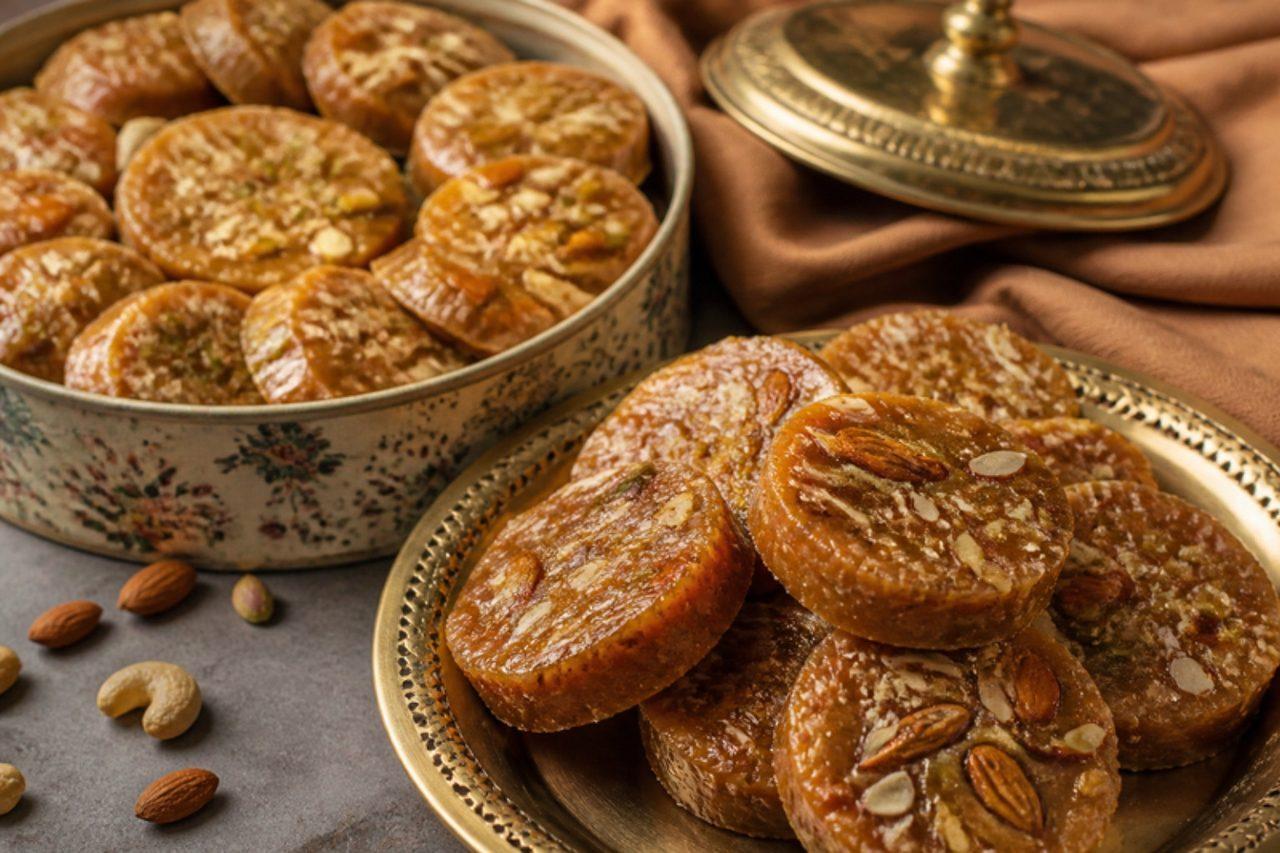
Multani sohan halwaSprouted wheat and milk halwa

Packed in round tins and carried home from Multan's Hussain Agahi bazaar as a gift, sohan halwa is the sweet the City of Saints is known for across Pakistan, and families in Lahore and Karachi still wait for relatives to bring a box back after a visit. It is dark, dense and chewy, with a deep caramel flavour from milk and sugar cooked for hours, and its texture comes from samnak, a flour made from sprouted wheat, cooked in ghee until the fat seeps out around the edges. Almonds and pistachios are pressed into the top, and it is eaten in small squares with tea, especially in winter. Giving up too early is the classic error; pale, soft halwa has not been cooked long enough to caramelise and set. Chef's tip: stir constantly once the flour goes in and take your time; the mixture is ready when it turns a deep brown, leaves the pan in a single mass and the ghee pools freely. Take care, as the mixture is very hot and sticky.

by KrazyBadal 0 views

Tarragon lemonade

Tarkhuna is the emerald-green soda that every Tbilisi child knows, sold from street fountains since the early 1900s and still poured in tall glasses at cafés on Rustaveli Avenue. The bottled kind is coloured; the home version gets its green from blitzing fresh tarragon with lemon and syrup, giving an aniseedy, sweet-sour fizz. A common mistake is boiling the tarragon, which dulls the colour and turns the flavour stewed. Chef's tip: blitz the herb into cool syrup and strain it straight away; the drink stays vivid green for a day in the fridge.

by KrazyBadal 0 views

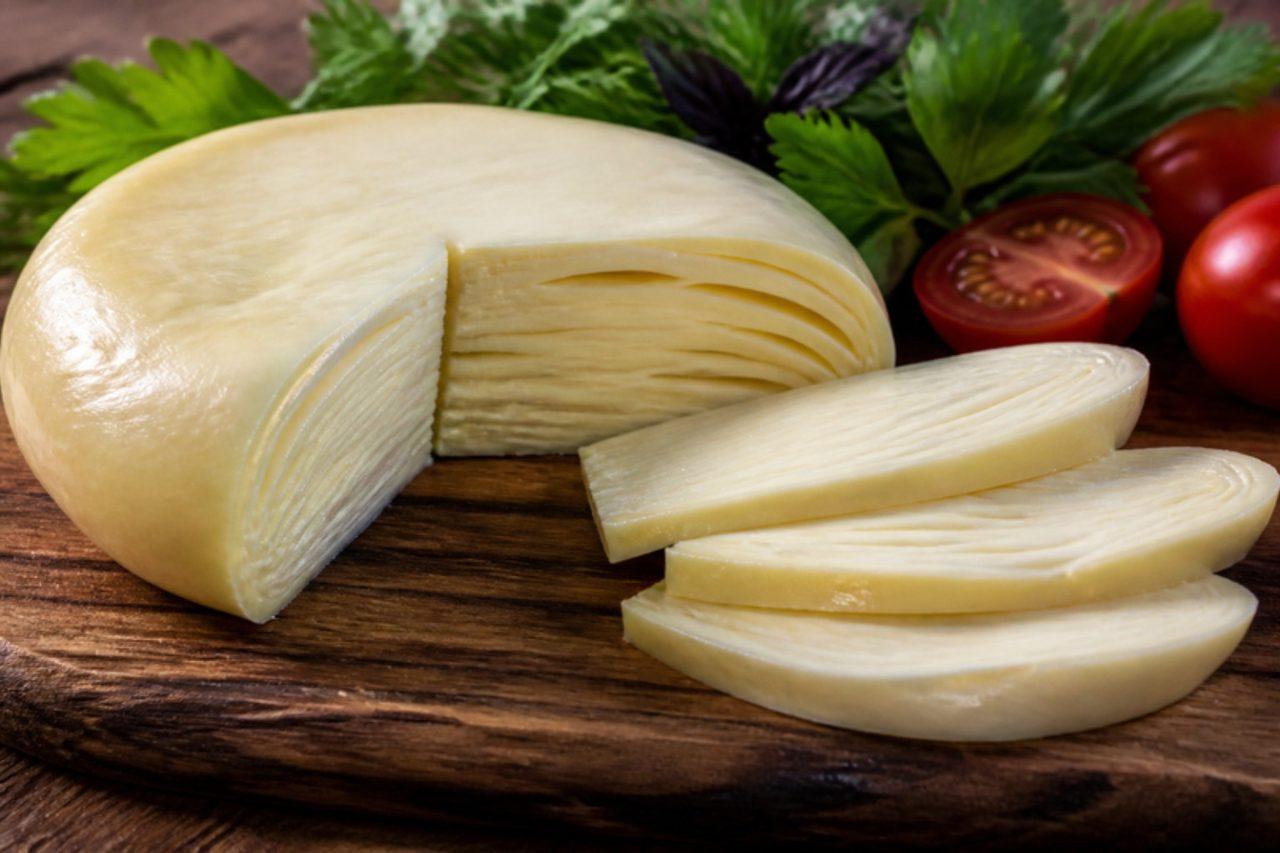
SulguniStretched cheese

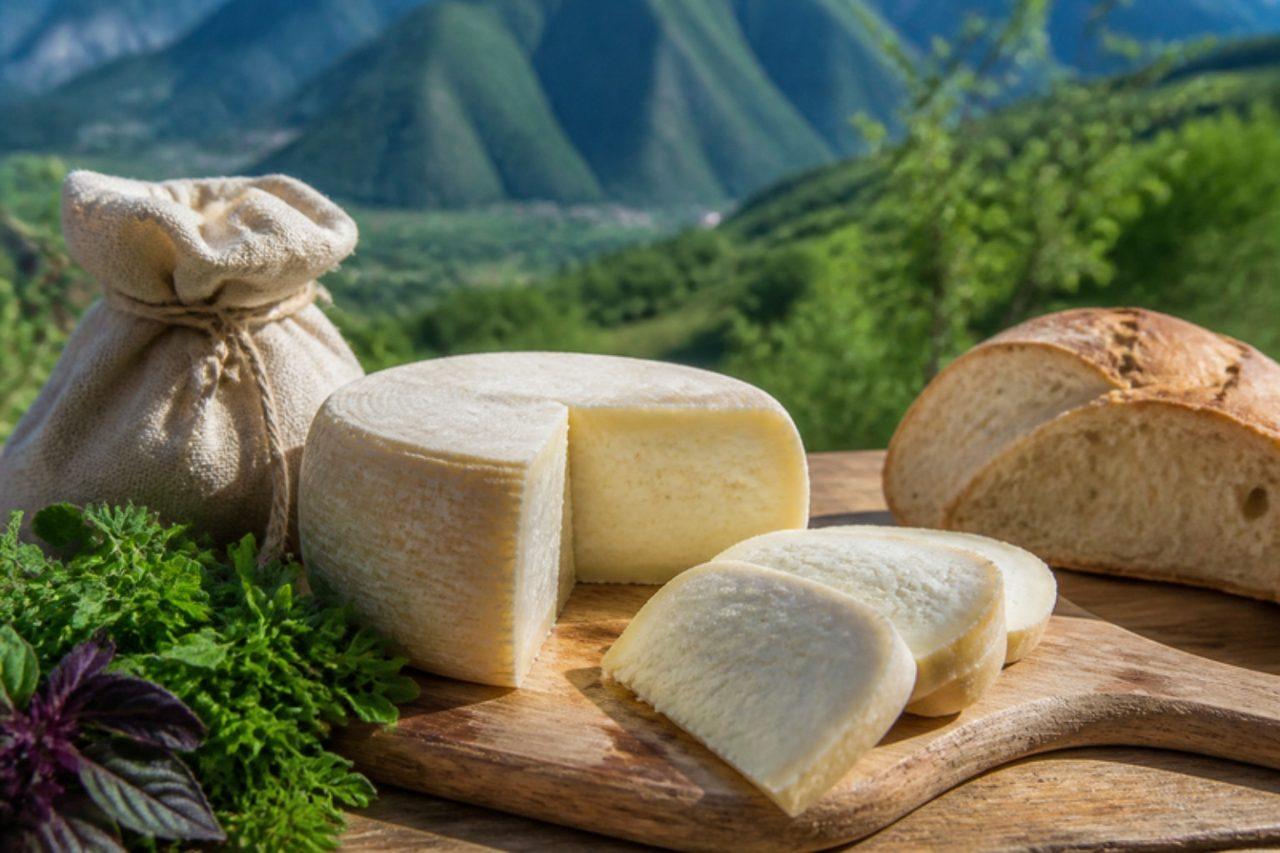
Sulguni is the famous cheese of Samegrelo, made in Zugdidi homes by taking fresh, slightly soured curd, cutting it up and working it in hot water until it can be pulled into a glossy, layered, salty ball. It is eaten in thick slices, melted into elarji and khachapuri, and smoked over embers for a darker version. The curd has to be acidic enough to stretch, so you make the cheese one day and stretch it the next, or buy fresh Imeretian cheese and start from there. Traditionally animal rennet is used; vegetarian rennet works too. A common mistake is trying to stretch fresh, sweet curd; it melts into a puddle instead of pulling. Chef's tip: test a small piece in hot water first; if it stretches 30 cm without breaking, the curd is ready.

by KrazyBadal 0 views

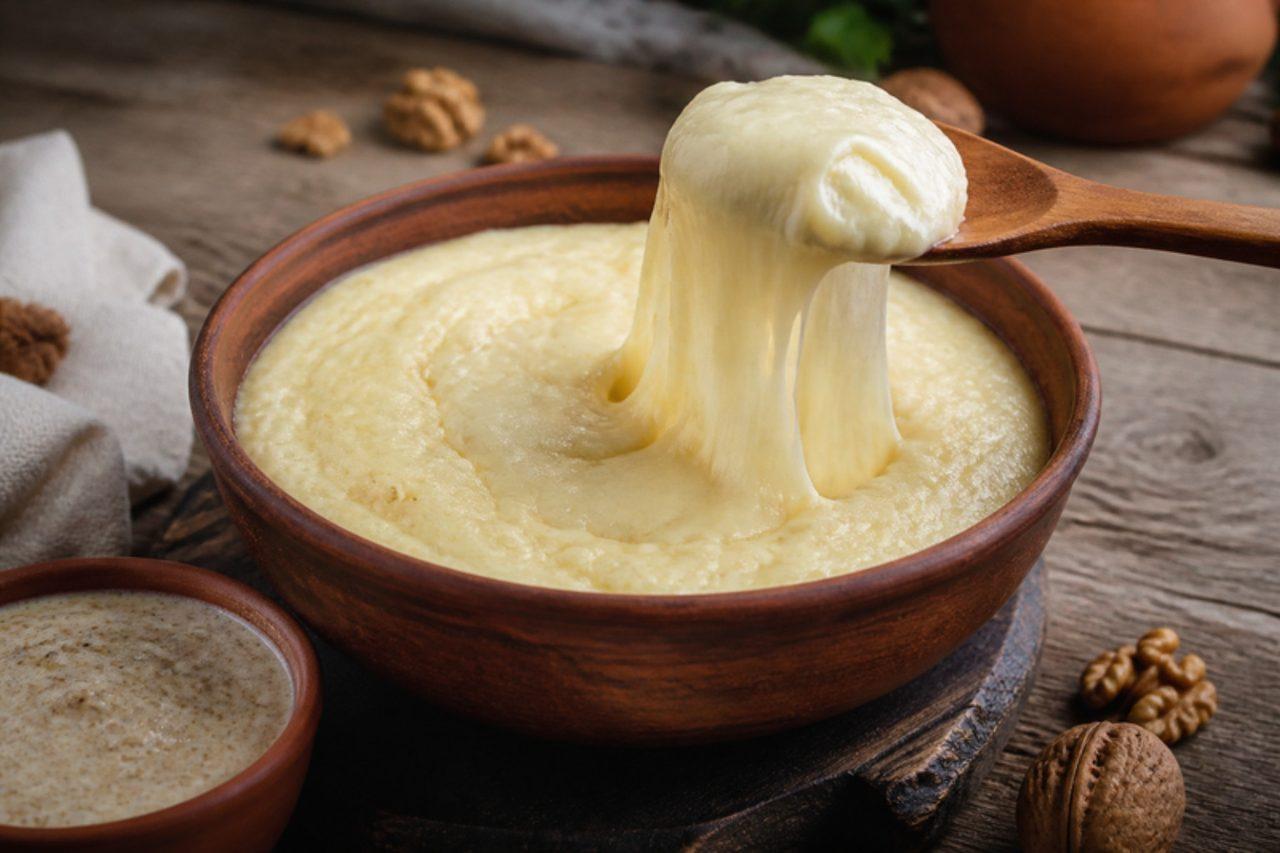
ElarjiCornmeal and cheese porridge

Elarji is the pride of Zugdidi and the rest of Samegrelo, where cornmeal is the everyday staple; the porridge is cooked until thick, then beaten with so much grated sulguni that it pulls up in long, glossy strings as you serve it. It goes to the table hot, with a bowl of bazhe walnut sauce or spicy ajika, and Mingrelians judge a cook by how long the cheese stretches. A common mistake is adding the cheese while the porridge is still loose; it sinks and goes rubbery instead of weaving through. Chef's tip: use a strong wooden spoon and beat hard in one direction as the cheese melts, which is what builds the stretch. Most sulguni is made with animal rennet, so look for a vegetarian one or use low-moisture mozzarella.

by KrazyBadal 0 views

FlijaLayered batter pie

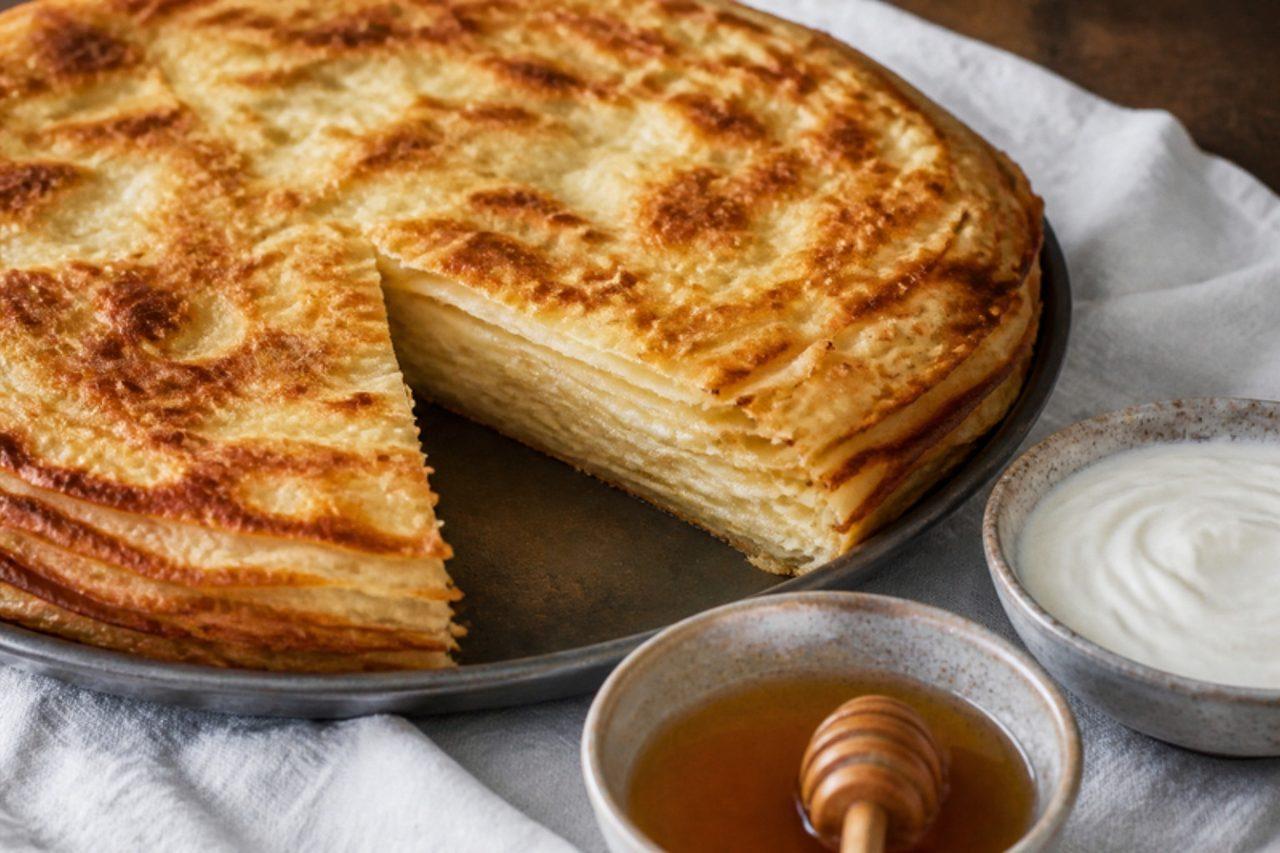
Flija is the dish of long summer afternoons in Kosovo, from the Rugova valley to the villages around Prizren, when friends gather and take turns tending the saç, a domed iron lid heaped with embers. Thin batter is painted onto a round tray in spokes, cooked under the heat, brushed with a mix of sour cream and yogurt, then painted again, until 15 or more layers have built up over a couple of hours. Cut into wedges, it is chewy, buttery and lightly scorched, served with honey, white cheese, pickled peppers or a bowl of yogurt. At home, a very hot oven grill stands in for the saç. The most frequent mistake is crowding the batter: each spoke must leave a finger-wide gap for the next layer to fill, or the pie becomes a thick, gummy pancake. Chef's tip: keep the batter as thin as single cream, and whisk in a spoonful of water whenever it thickens as it stands.

240 minBalkanBaking
by KrazyBadal 0 views

TejbegrízMilk semolina pudding

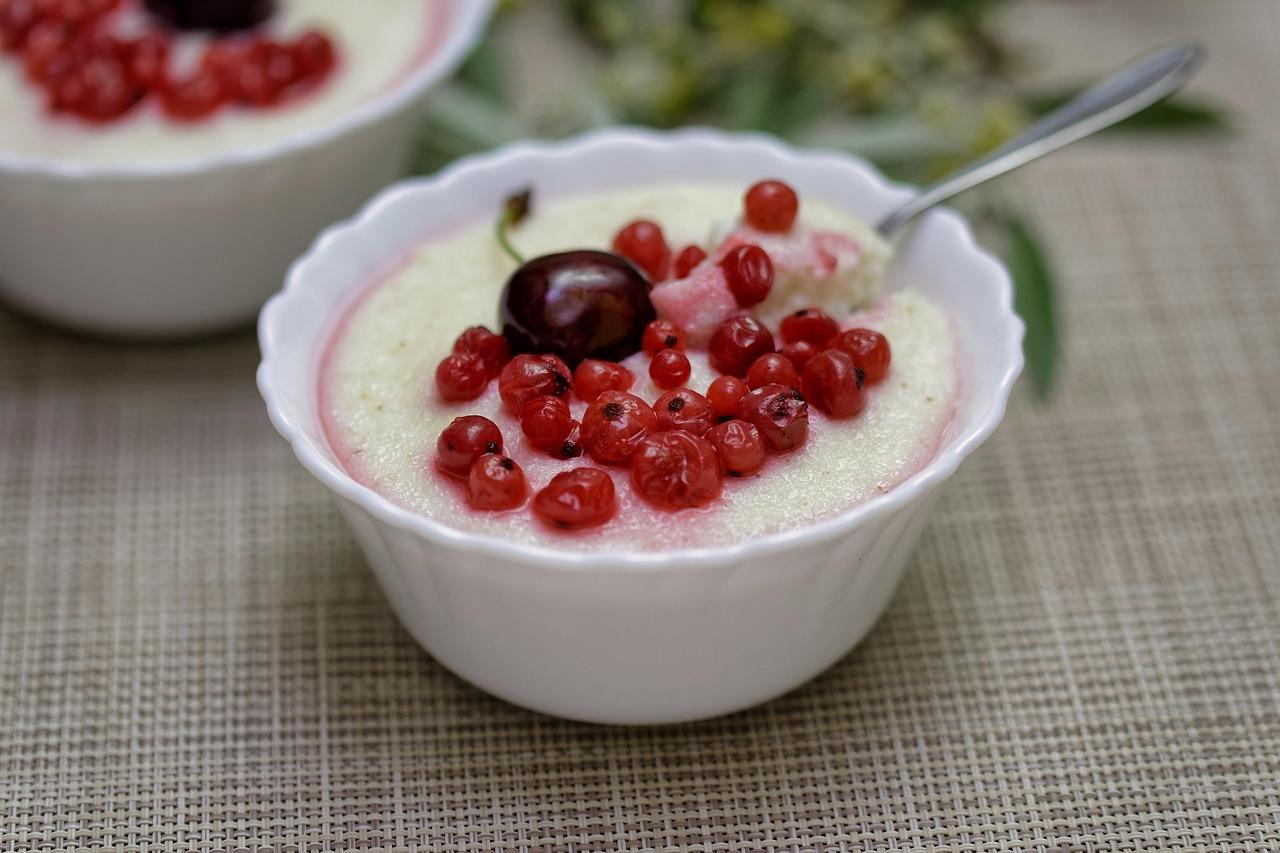
Ask Hungarians what they ate in the nursery or at the school canteen and tejbegríz comes up again and again: semolina cooked slowly in sweet milk until it is thick, smooth and comforting, then dusted with cocoa sugar or cinnamon sugar while it is still steaming. It is a supper for small children, a quick breakfast on a cold morning and the thing grown-ups make when they feel unwell. Some families add a spoon of jam or a knob of butter on top. Where most people go wrong is tipping the semolina in all at once, which makes lumps; rain it in slowly while you whisk. Chef's tip: take it off the heat when it is still slightly looser than you want, because it keeps thickening as it cools in the bowl.

by KrazyBadal 0 views

MatsoniGeorgian yogurt

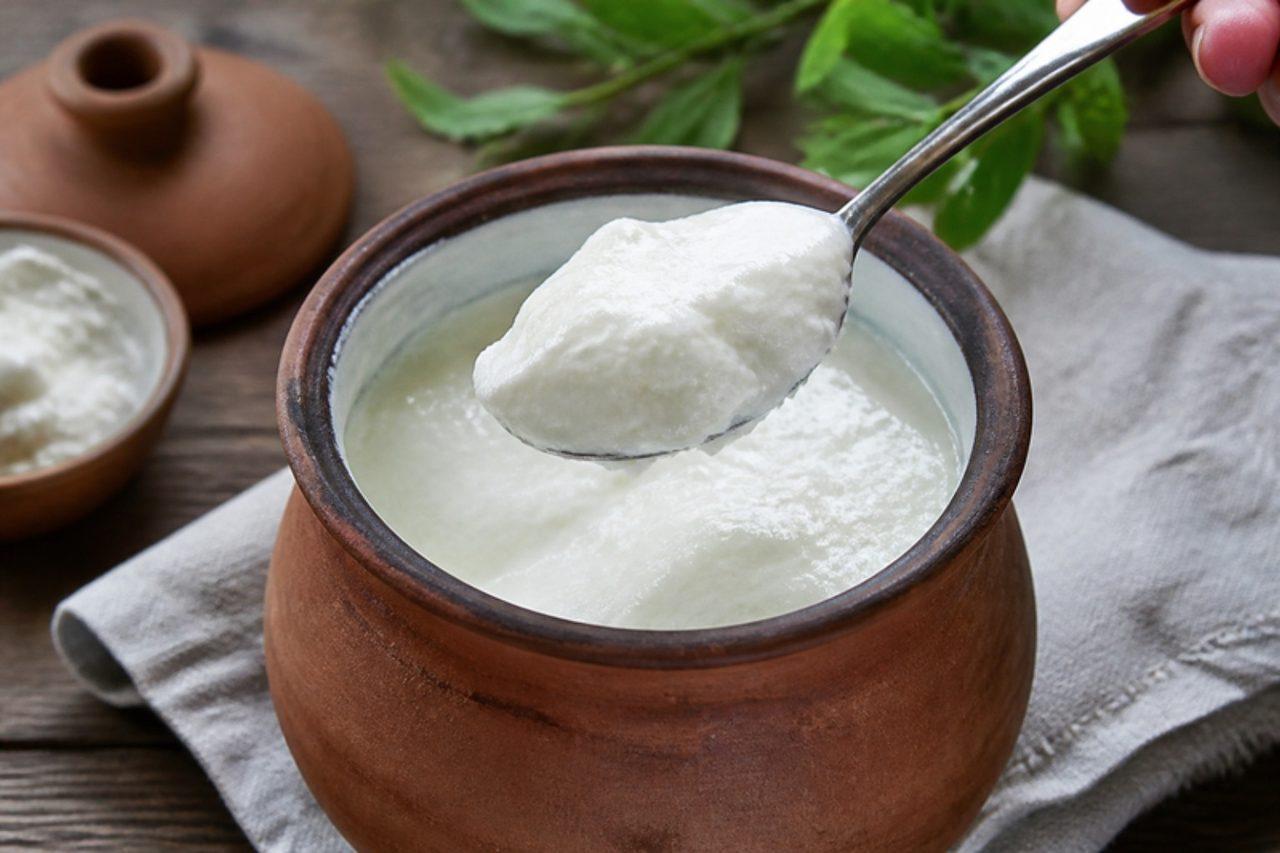
In Kakheti, matsoni is set every evening in clay pots and eaten the next morning with honey, folded into soups, or stirred with water and herbs on a hot afternoon; it is thicker and sharper than most shop yogurt, with a skin of cream on top. To start, you need a spoonful of matsoni or any live plain yogurt, and after that each batch seeds the next. A common mistake is to add the starter while the milk is still hot; above about 45 °C the cultures die and the milk never sets. Chef's tip: wrap the pot in a blanket and leave it somewhere warm and still, like an oven with just the light on, so it sets evenly without separating.

by KrazyBadal 0 views

Showing 48 of 2,809 recipes

Show more recipes

Page 64 of 118

More Jain ideas

Other diets