Skip to content
WhatToEat.Today

Jain recipes: no onion, garlic or root vegetables

2,809

2809 Jain recipes with no onion, garlic, potato, carrot, fresh ginger or other root vegetables, and no mushrooms, eggs or honey. Hing, dry ginger and turmeric powder are fine. Each has photos, step-by-step instructions and cook times. The quickest, Apfelschorle, takes 2 minutes. Most take around 40 minutes.

Filter these by time, diet or cuisine · Make Jain your diet to see only these recipes everywhere on the site.

Lachha parathaLayered flaky paratha

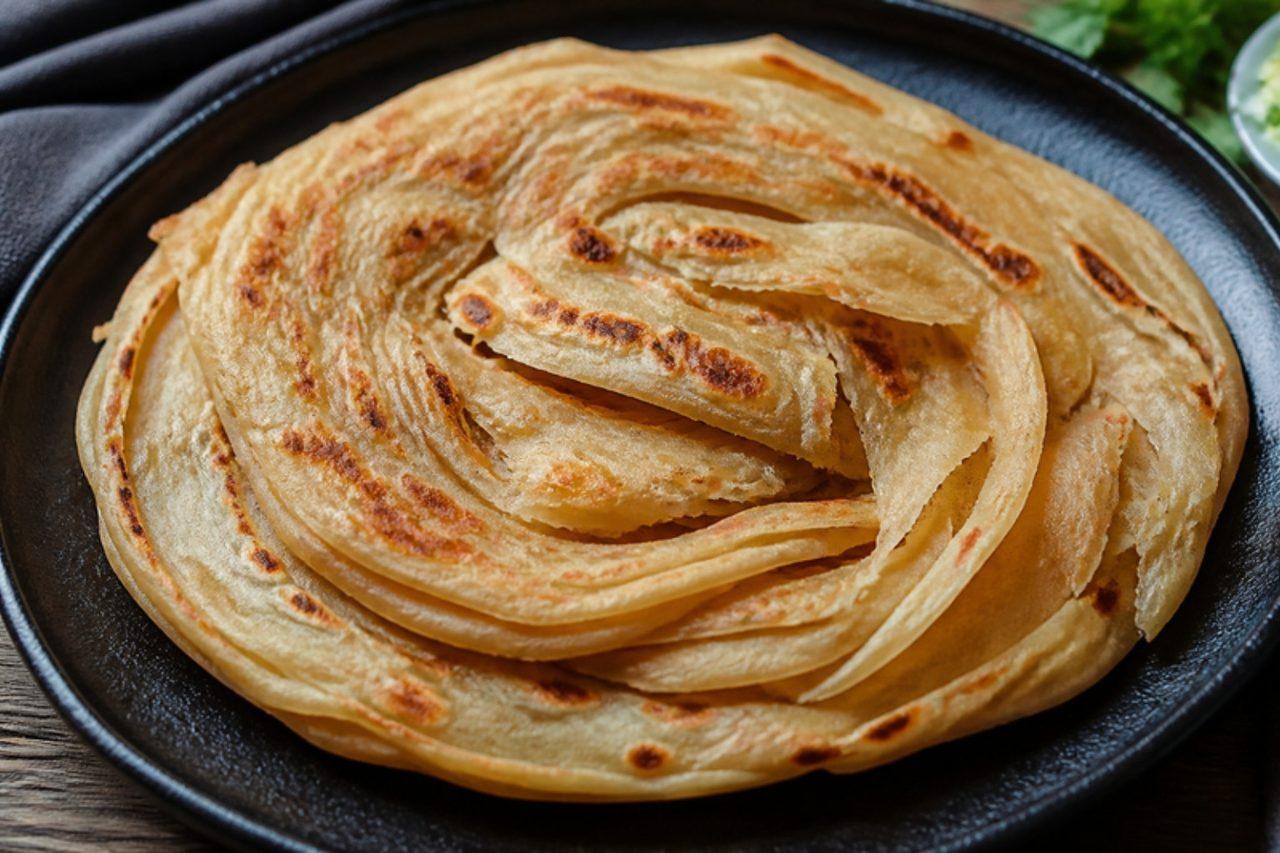
The word lachha means a coil or a hank of thread, and the best way to understand the bread is to watch a paratha-maker at a Peshawar or Lahore breakfast stall pleat a thin sheet of ghee-smeared dough like a paper fan, wind it into a snail and roll it out again. On the tawa the layers separate into rings of crisp, flaky dough that you can pull apart with your fingers, and a quick scrunch between the palms when it comes off the heat opens them up even more. It is the paratha for Sunday breakfasts with omelette or chana, for Eid lunches with qorma and for weddings beside tandoori dishes. What lets most home cooks down is a stingy hand with the ghee between the pleats, which welds the layers back together. Chef's tip: dust each greased sheet with a little dry flour before pleating; the flour and ghee together keep the layers apart as they cook.

by KrazyBadal 0 views

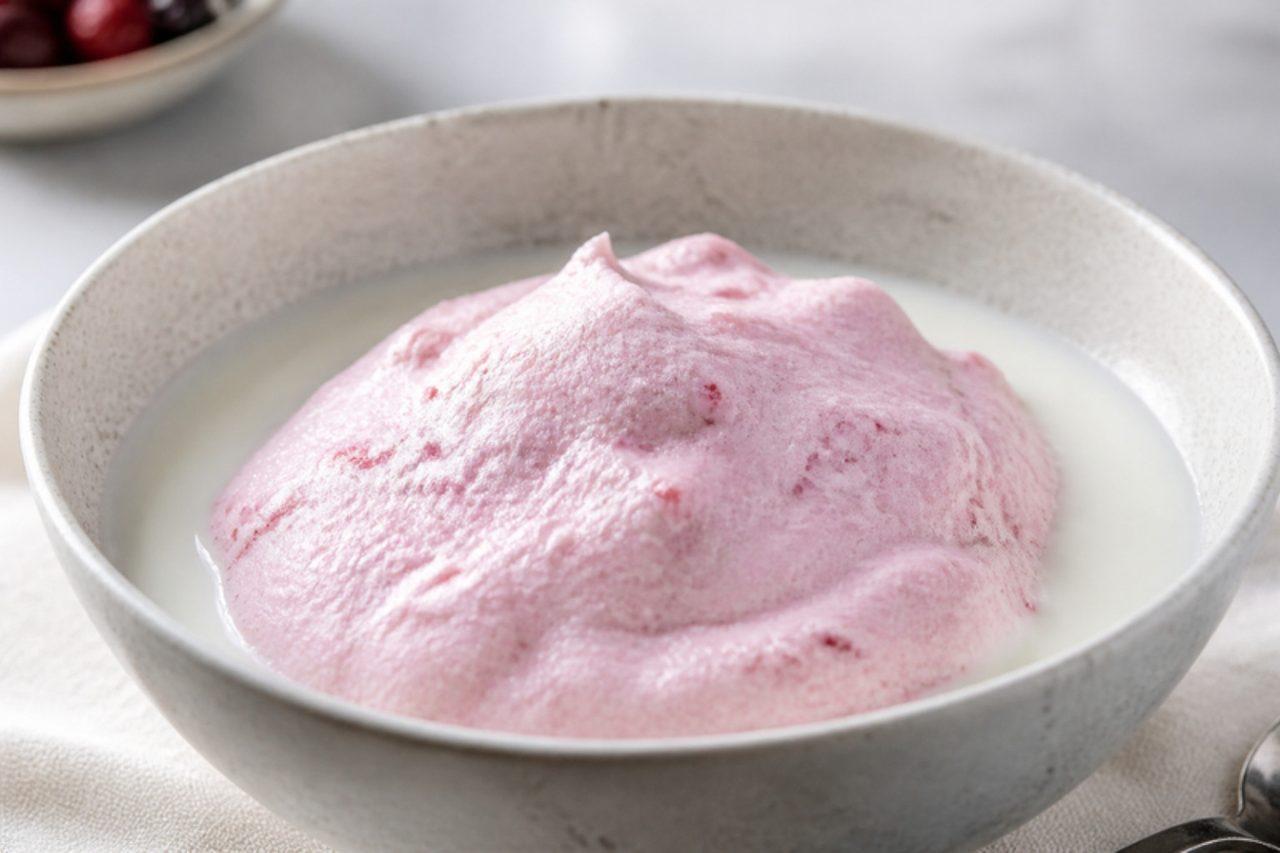
VispipuuroWhipped lingonberry semolina

Vispipuuro, 'whisked porridge', is a Finnish childhood favourite: semolina cooked in lingonberry juice and water with sugar, then cooled and whisked hard until it turns pale pink, light and fluffy like a mousse. It is eaten for breakfast, as a dessert at school, or as a snack, with cold milk poured around it. Cranberries or redcurrants work too. A common mistake is whisking it while still hot, which never lightens it. Chef's tip: cool the porridge in a sink of cold water, then whisk with an electric mixer for 10 minutes; it will double in volume. Serve with oat milk to keep it vegan.

by KrazyBadal 0 views

Lao iced coffee

High on the Bolaven Plateau above Pakse, the coffee towns around Paksong grow most of Laos's beans, and roadside stalls there brew them dark and strong through a long cloth sock, all day long. Ordered cold, it arrives as a glass of ice with a thick layer of sweetened condensed milk at the bottom, the black coffee poured over and stirred to a caramel brown, often with a free cup of weak tea to sip afterwards. It is bitter-sweet, chocolatey and much richer than a café latte, made for hot afternoons on the plateau or a morning stop in Pakse. A French press or a fine sieve lined with a paper filter stands in for the cloth sock. Pouring hot coffee straight onto ice before adding the milk is where it goes flat: the condensed milk won't dissolve in cold coffee and sinks in a gluey lump. Chef's tip: stir the condensed milk into the hot coffee first, then pour over the ice.

10 minLaoDrinksGluten free
by KrazyBadal 0 views

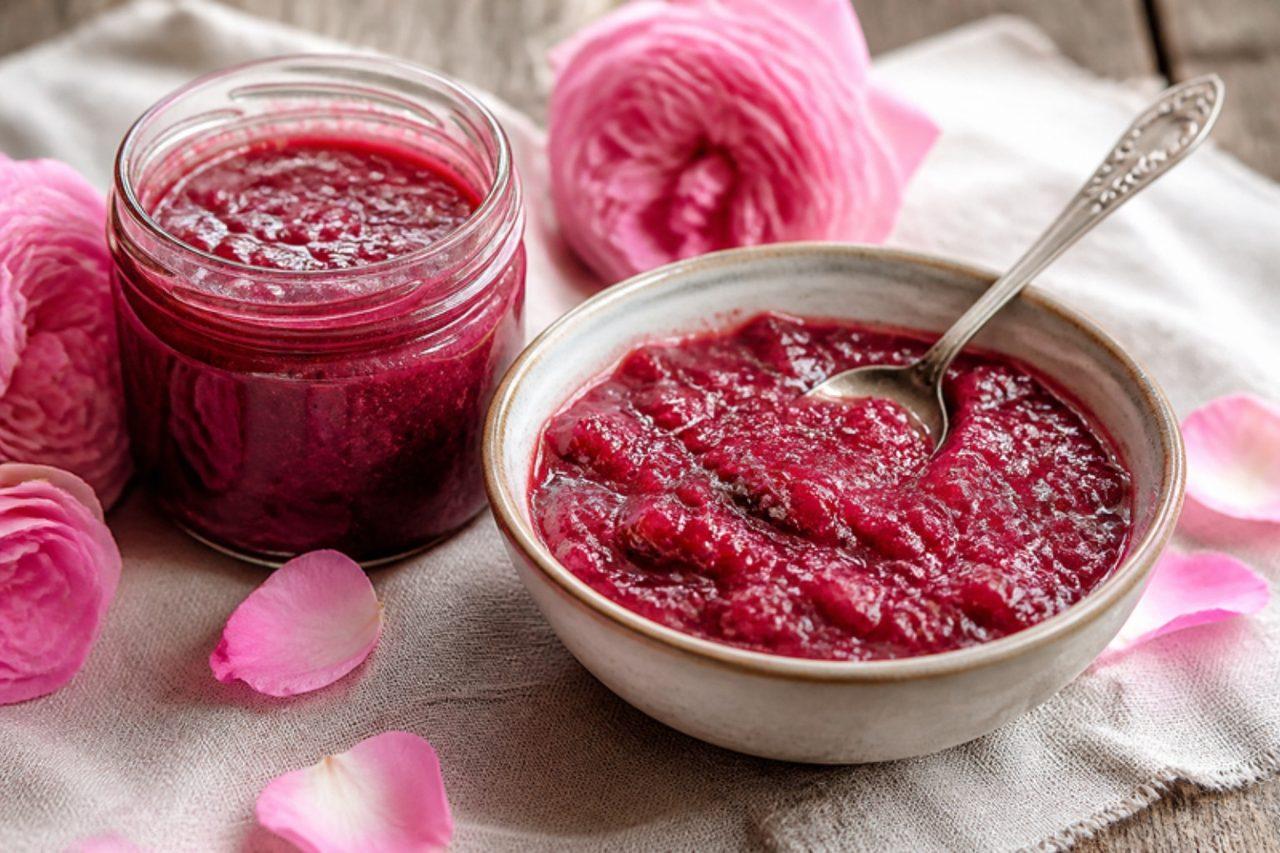
Rose petal jam

Ask a Polish baker what goes inside a proper pączek and the answer is rose jam, not strawberry. In June, families gather the scented pink petals of wild beach roses (Rosa rugosa) from hedges along the Baltic coast and in gardens, then pound them with sugar into a sticky, intensely perfumed paste that keeps for a year. The flavour is floral and sweet with a little sharpness from lemon, lovely in doughnuts, swirled into yoghurt or spread on cheesecake. Pick only from plants that have not been sprayed and away from roads. Where most people go wrong is leaving the bitter white base of the petals on; snip it off. Chef's tip: lemon juice turns dull petals bright magenta, so add it right at the start.

by KrazyBadal 0 views

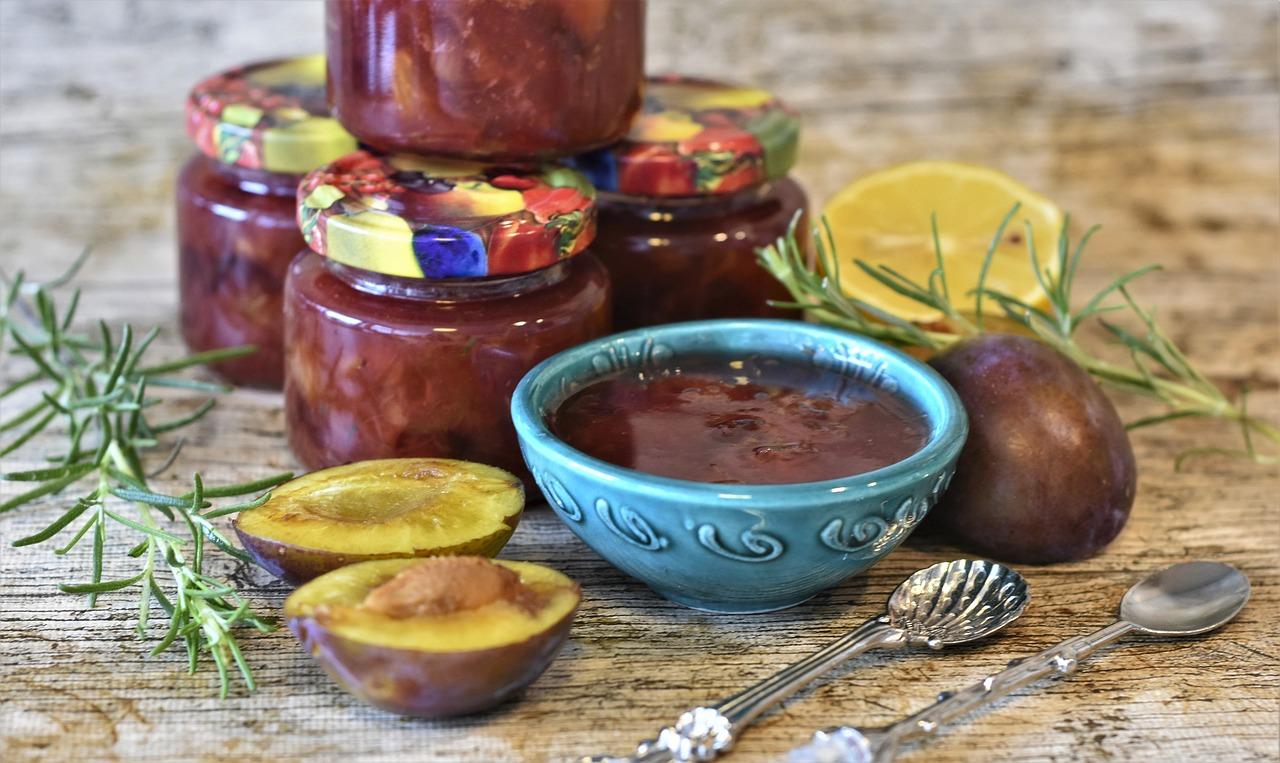
Powidła śliwkowePlum butter

In the villages around Szydłów in the Świętokrzyskie hills, late-season Hungarian plums were once stirred in copper cauldrons over a fire for a day or more, until they became powidła, so thick a spoon stands up in it. The sugar in very ripe plums caramelises, turning the purée nearly black, glossy and intensely fruity with a slight bitterness. It fills pączki, drożdżówki and pierogi, and is spread on bread with butter. Traditional cooks spread the cooking over three days, letting the pot cool between sessions; an oven gets you there in an afternoon. The usual slip is cooking on the hob on high heat, which burns the bottom long before the plums thicken. Chef's tip: use the latest, ripest, wrinkly-skinned plums you can find; they need no sugar at all.

by KrazyBadal 0 views

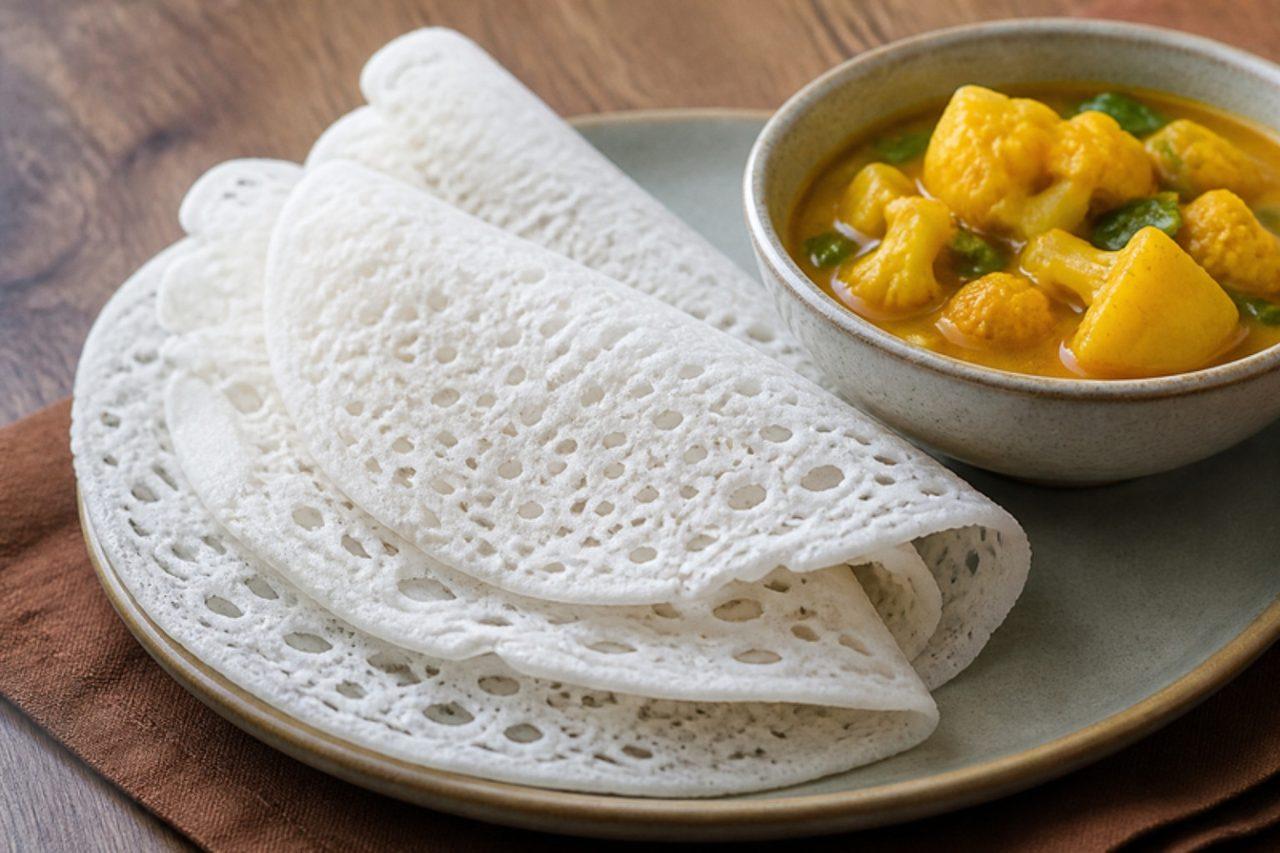
Chhit rutiLacy rice flour flatbread

Chhit means a splash or a sprinkle, and that is exactly how this Chittagong bread is made: the cook dips her fingers in a thin rice batter and flicks it across a hot pan in criss-cross lines until it forms a fragile net. It cooks in seconds, is folded into a soft lacy square and stacked under a cloth, and comes out at Eid breakfasts, winter weddings and mezban-season family meals. Chittagonian households usually eat it with a dark beef kala bhuna or duck curry, but it is just as good with a vegetable korma, chhola bhuna or a sweet dish of milk and jaggery. If the batter is too thick it falls in blobs rather than threads, so it should run off your fingers like single cream. Chef's tip: wipe the pan with an oiled cloth between each ruti so the lace lifts cleanly without tearing.

by KrazyBadal 0 views

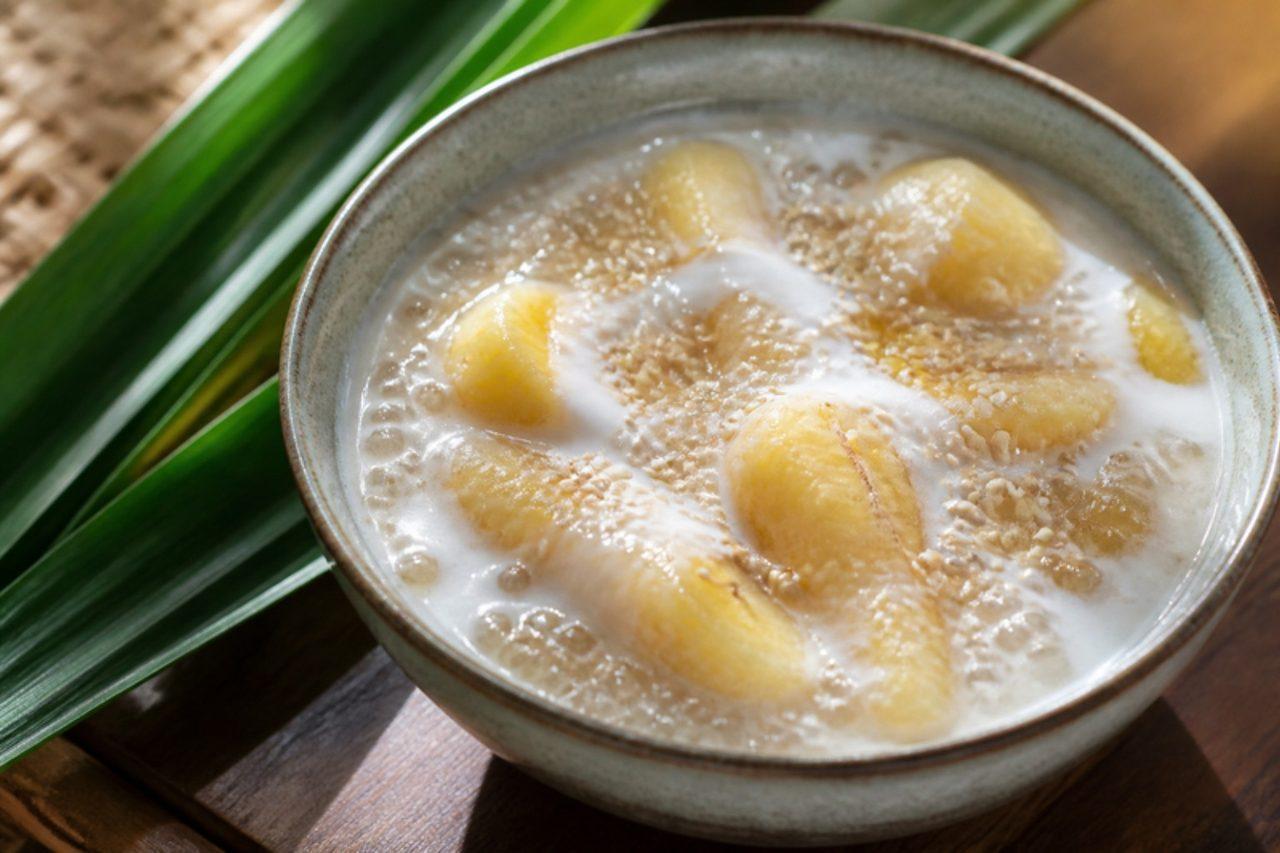
Chek k'tisBanana and tapioca in coconut milk

Ask for something sweet at a Phnom Penh dessert cart on a rainy-season afternoon and you may be handed a warm cup of chek k'tis: chunks of small, tart-sweet bananas bobbing in coconut milk with clear, chewy tapioca pearls. The coconut milk is sweetened with palm sugar and seasoned with a good pinch of salt, which makes it taste rich rather than cloying, and a knot of pandan gives it a grassy vanilla scent. It is also cooked at home as an offering-day treat and eaten warm or at room temperature. The usual error is using very ripe, spotty bananas, which melt into grey sludge; firm, just-yellow fruit holds its shape and blushes pink as it cooks. Chef's tip: let the coconut milk only shiver, never boil hard, or it splits and turns oily.

by KrazyBadal 0 views

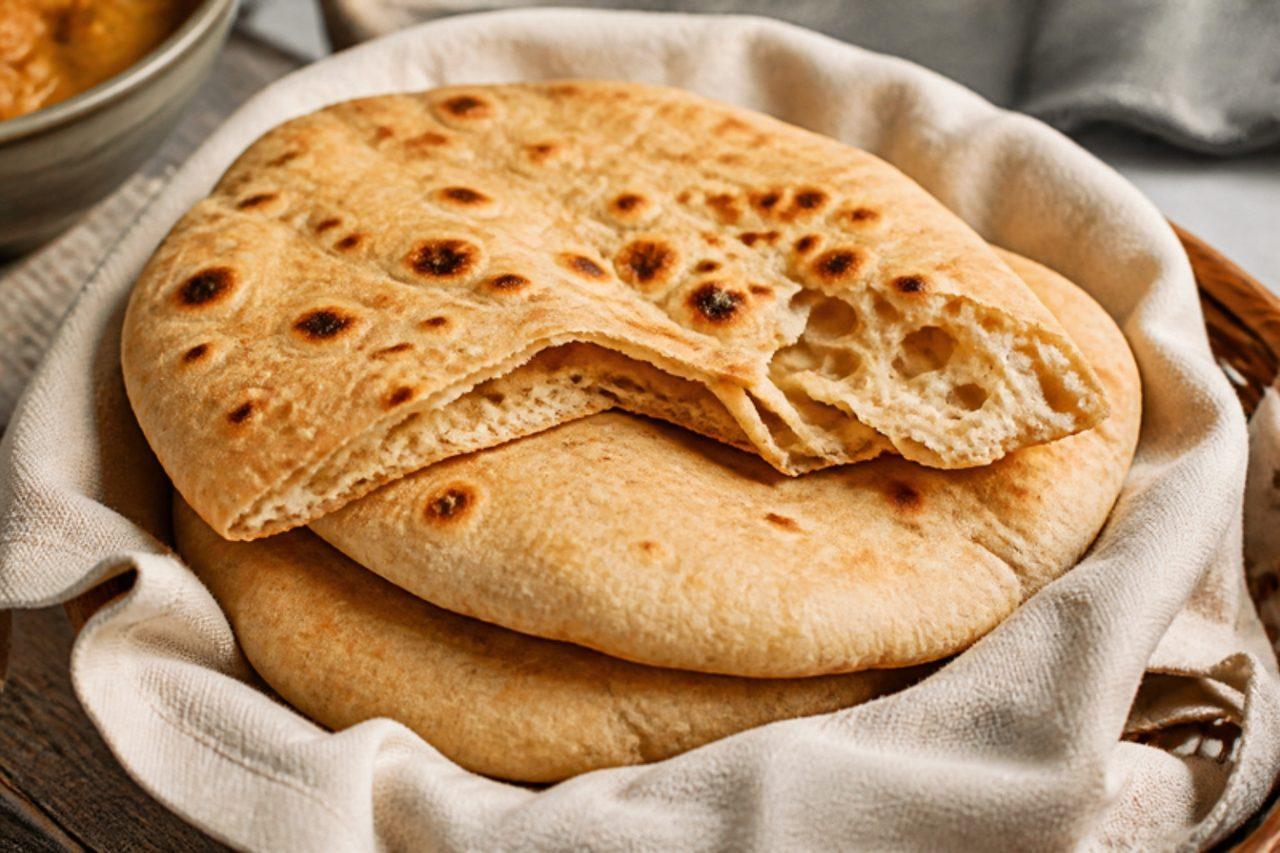
Khamiri rotiLeavened wholewheat flatbread

Long before packets of yeast reached Pakistani kitchens, households kept back a lump of yesterday's dough and worked it into the new batch, and khamiri roti is the bread that method makes: thicker and softer than a chapati, with an airy crumb and a gentle sourness. It is the standard bread of many neighbourhood tandoors from Multan to Peshawar, bought by the stack for lunch with chana, sabzi, dal or saag, and some families make it on a tawa during Ramadan because it stays soft until sehri. This version uses a little yeast and a long rise to get the same flavour without the starter. People often get it wrong by rolling it as thin as a chapati, which pushes out the gas and leaves a flat, leathery roti. Chef's tip: let the dough ferment for at least two and a half hours, or overnight in the fridge, and shape each roti by patting it out with your palms rather than with a rolling pin.

by KrazyBadal 0 views

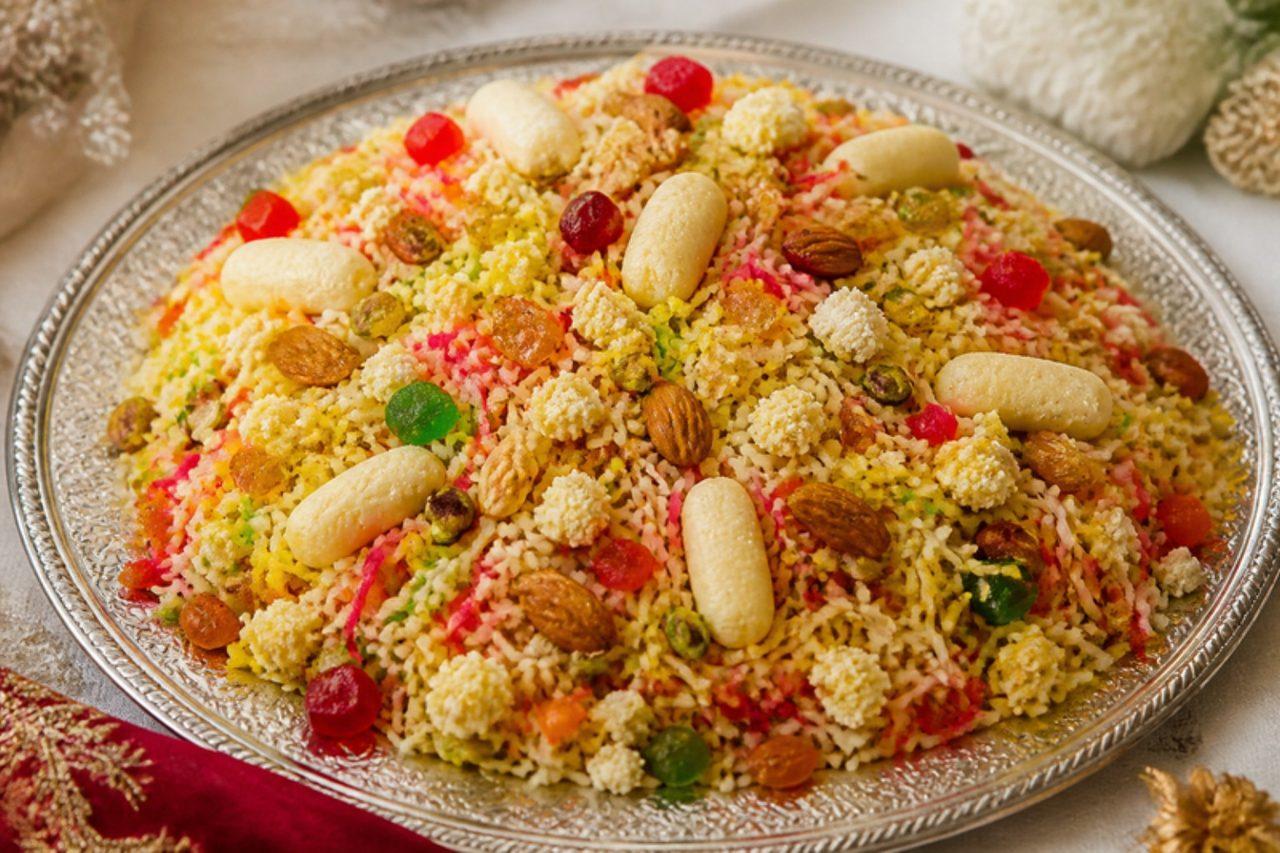
MutanjanSweet coloured rice with candied fruit

If zarda is the everyday celebration rice, mutanjan is its showy older sibling: the grains are dyed in three or four colours, layered with khoya, tutti frutti, nuts and small milk sweets, and steamed so that a spoonful looks like confetti. It is a Lucknowi and old Delhi tradition that came to Karachi with the families who migrated in 1947, and it still turns up at nikah dinners and on Shab-e-Barat in Karachi and Hyderabad, as well as in the old mithai shops of Lahore. The texture should be soft, sticky-sweet and rich with ghee, the flavour heady with cardamom and kewra. The thing that ruins it most often is stirring the coloured rice together, which blurs the colours into a muddy brown. Chef's tip: colour the rice in separate bowls, layer it in the pot without mixing, and only fold it once, very lightly, after the dum.

by KrazyBadal 0 views

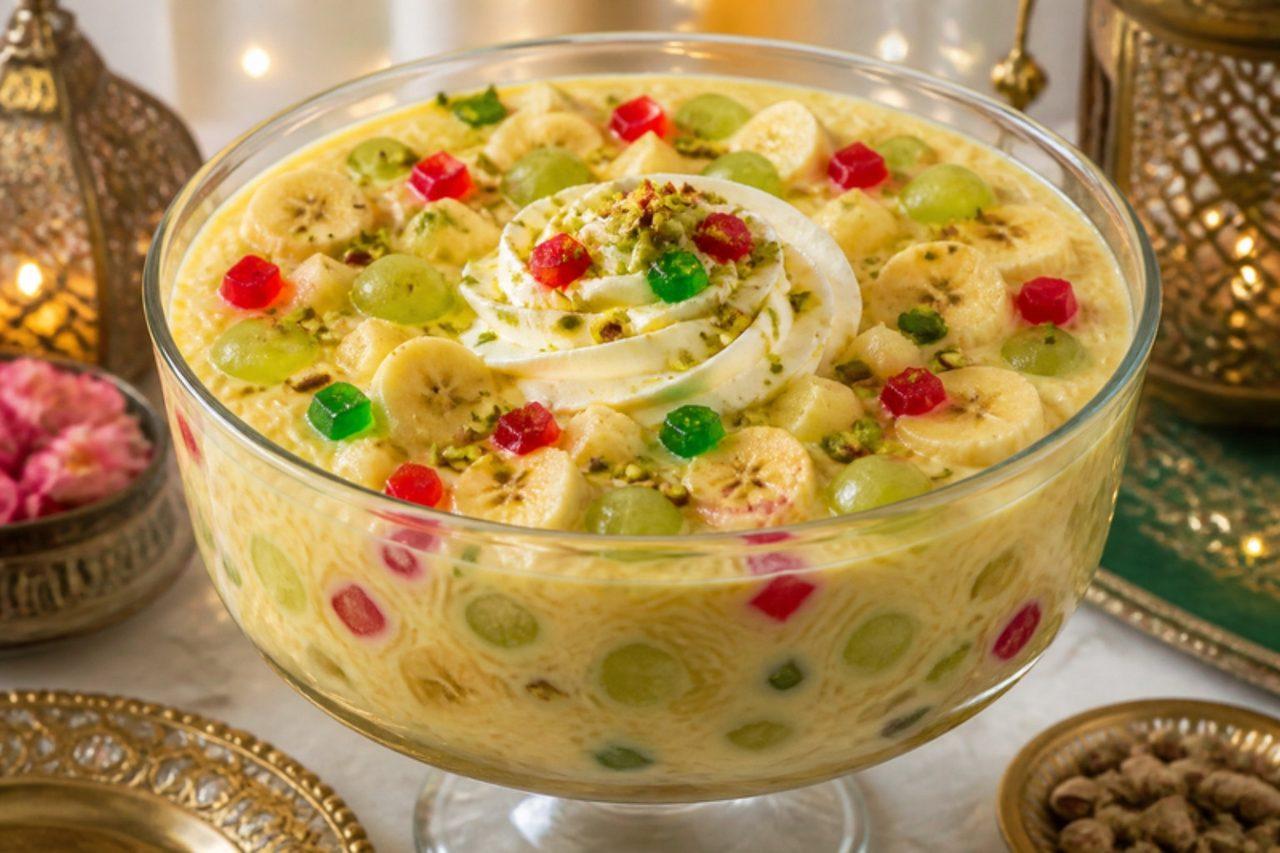
Lab-e-shireenFruit custard with vermicelli

The name means "sweet lips", and on Eid-ul-Fitr afternoons in Karachi and Lahore a glass bowl of it sits in nearly every fridge, waiting for guests who move from house to house. It is a cold, pourable vanilla custard folded through with toasted vermicelli, cubes of red and green jelly, banana, apple, grapes and tinned fruit, finished with cream and sometimes a scatter of nuts. Shop jelly is made with gelatine, so this version sets fruit juice with agar, which also holds up better at room temperature on a crowded table. A lot of cooks get the custard too thick, so once it chills it turns stiff and cannot coat the fruit. Chef's tip: make the jelly and the custard the night before, and stir in the fruit and cream only an hour or two before serving so the bananas stay pale and the vermicelli keeps a little bite.

by KrazyBadal 0 views

Pathein halawaSticky rice halawa

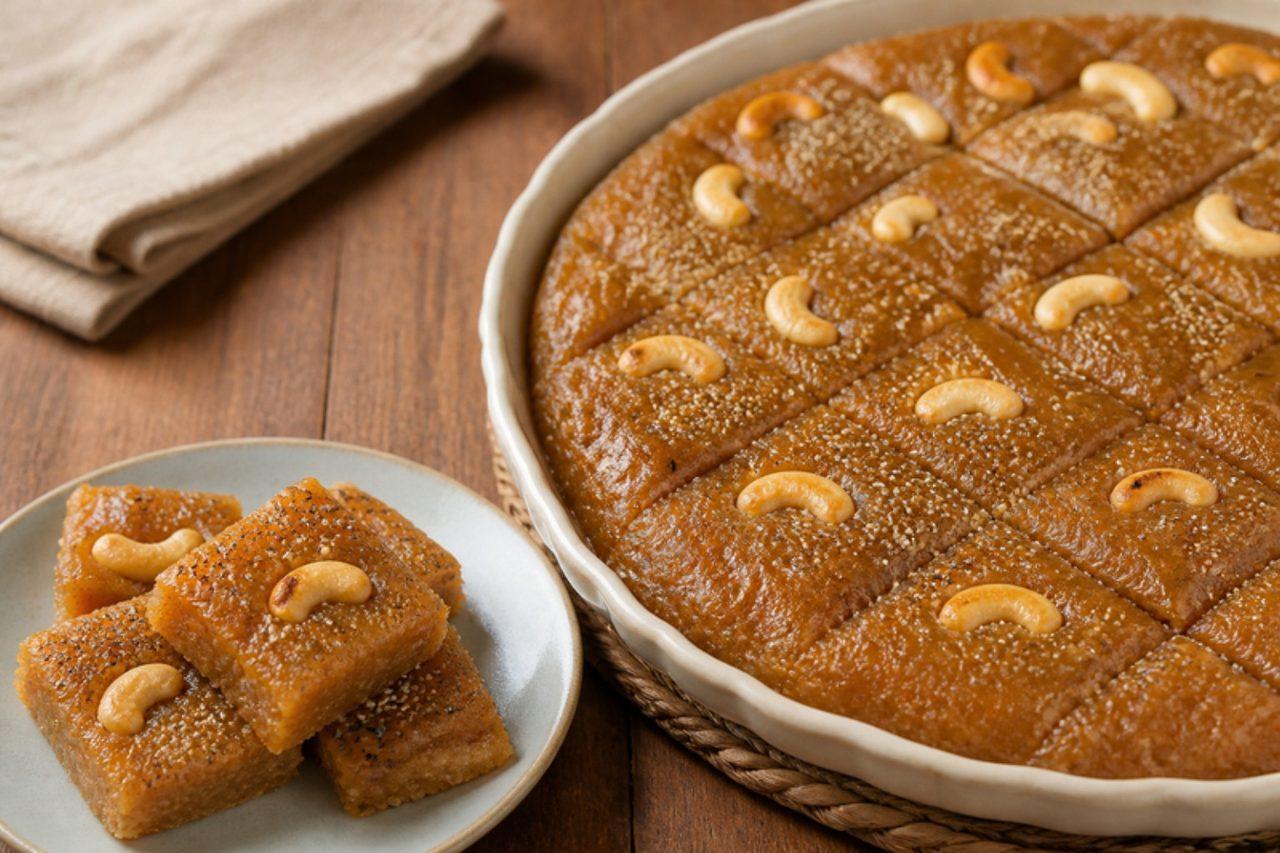
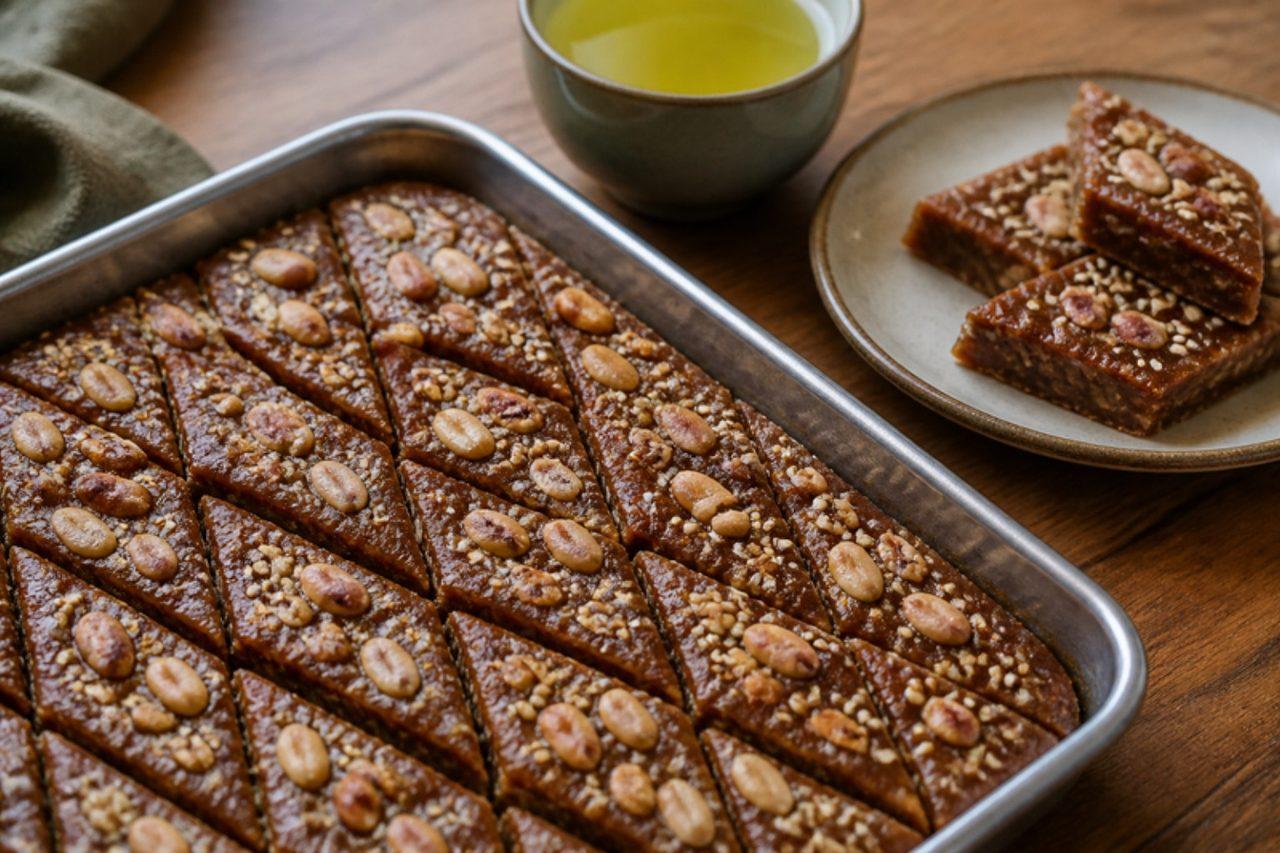
Pathein, the old river port of the Ayeyarwady delta, is famous for two things: painted parasols and this halawa, sold in boxes at roadside shops to travellers heading for the beaches at Chaung Tha and Ngwe Saung and carried home as gifts. Unlike dark mont kalama, it is pale amber and rich with dairy: glutinous rice flour is cooked slowly with milk, coconut milk and sugar, and butter and ghee are worked in until the mixture turns chewy, glossy and toffee-like, with poppy seeds pressed on top. It tastes buttery, caramel-sweet and faintly milky, and is cut into small pieces to eat with plain green tea. Adding all the butter at once is the usual slip; the fat floats out and the halawa turns greasy, so work it in a little at a time. Chef's tip: keep the heat low and patient; a light amber colour means a clean, milky flavour.

by KrazyBadal 0 views

KubanehOvernight pull-apart bread

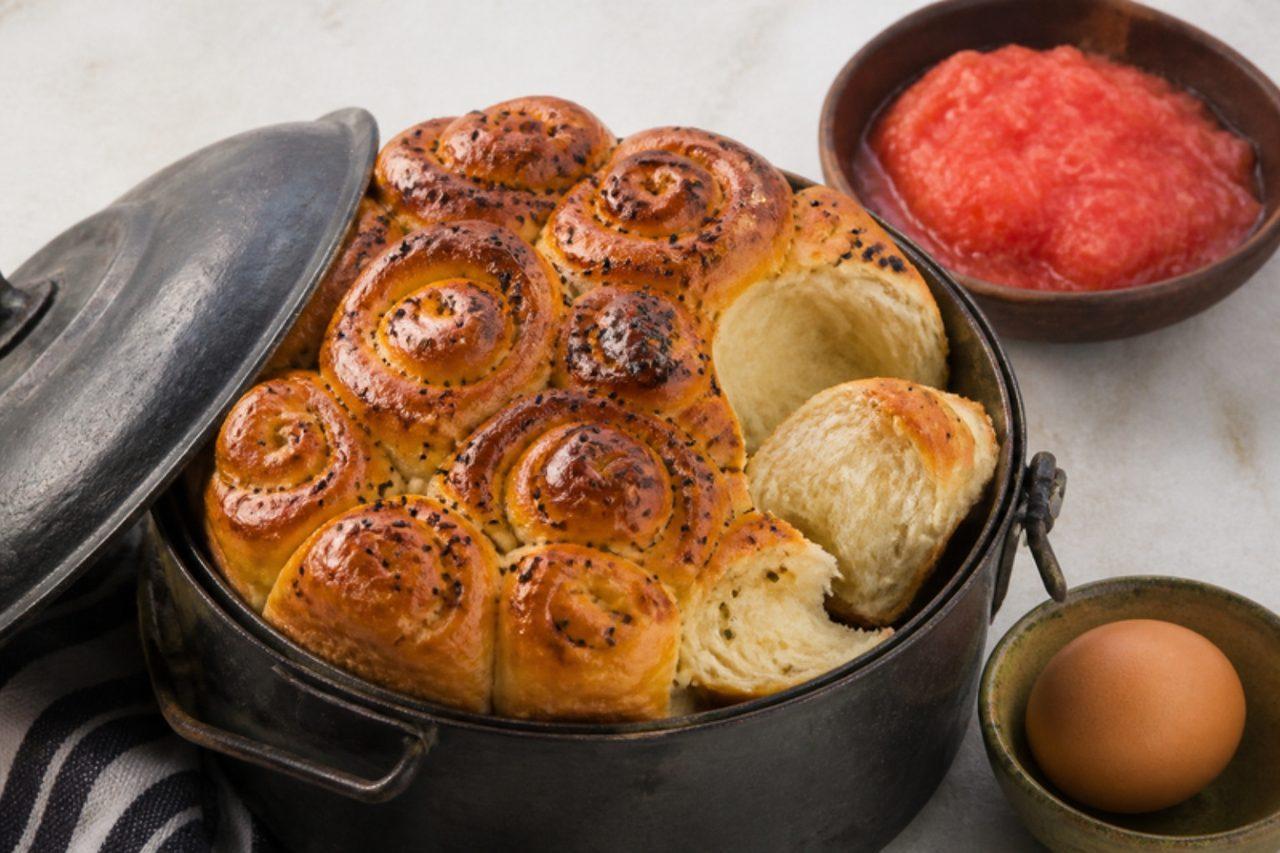
Kubaneh goes into a low oven on Friday afternoon in Yemenite homes in Rosh HaAyin and Tel Aviv's Kerem HaTeimanim, and comes out on Shabbat morning as a burnished, buttery dome that pulls apart into soft coils. It is eaten with grated tomato, zhug and long-baked brown eggs. Because it bakes for hours at a very low heat, the crust turns mahogany and slightly sweet while the inside steams in its own butter. The mistake is using a pot without a tight lid: the bread dries out instead of steaming. Chef's tip: grease the pot generously and seal the lid with a strip of foil, then trust the process; opening the oven at night lets the steam out.

by KrazyBadal 0 views

Kurakkan rotiFinger millet and coconut flatbread

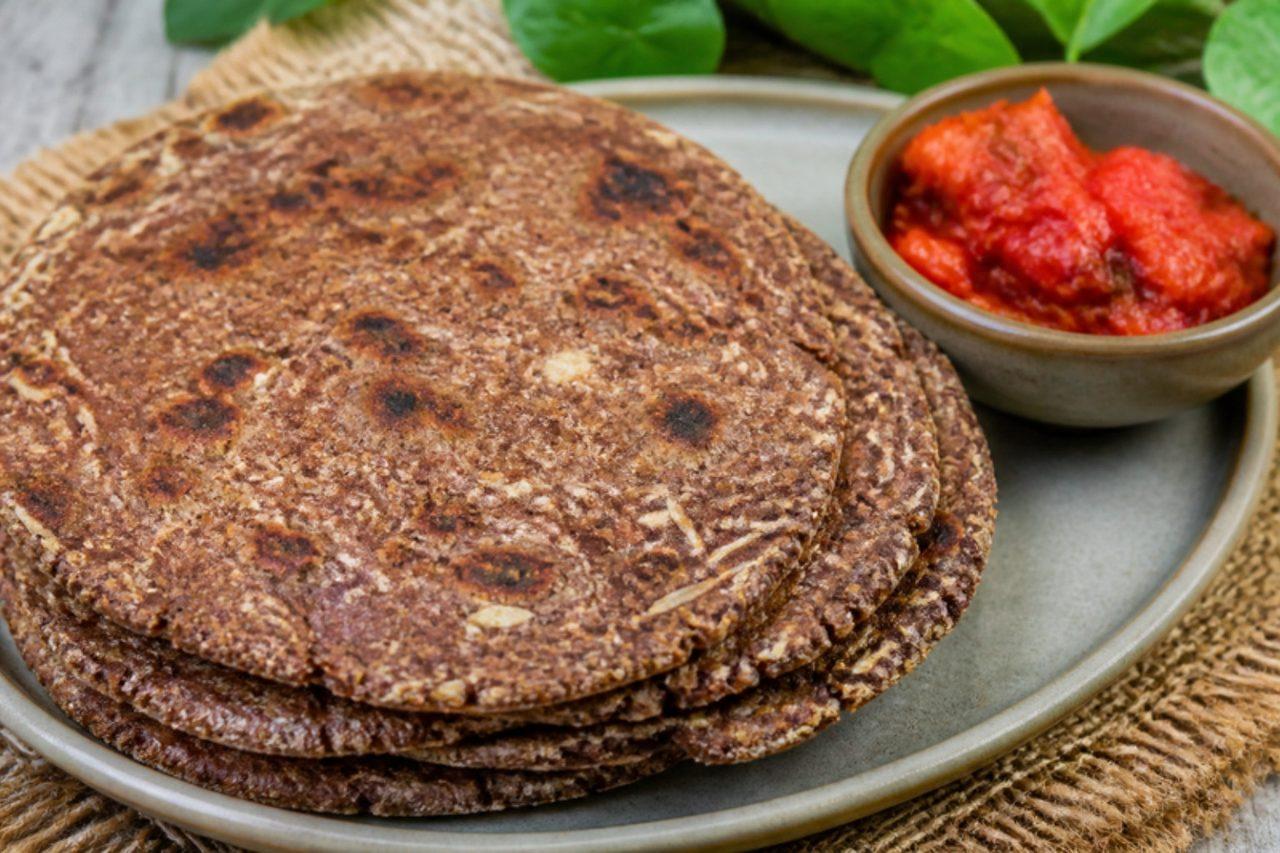
Kurakkan, finger millet, was the grain of the dry chena plots and the hill villages long before white bread arrived, and these brown, nutty roti are still what many farming families around Badulla and Monaragala eat for breakfast or dinner. The flour is kneaded with plenty of fresh grated coconut and just enough water to hold, patted flat by hand and cooked on a dry clay pan until speckled and firm. They are dense and earthy, with a faint sweetness from the coconut, and taste best hot with a sharp spoonful of lunu miris or a mild dhal. Pressing the dough too thin is a classic error, because millet has no gluten and the roti crack and break; keep them about 5 mm thick. Chef's tip: shape them on a piece of oiled banana leaf or baking paper and flip them straight onto the pan, which saves them from tearing. Millet is naturally gluten free, but check the packet if you are cooking for coeliacs.

by KrazyBadal 0 views

Obwarzanek krakowskiBraided bread ring

Blue street carts on almost every corner of Kraków's Old Town sell these twisted rings from dawn, and locals grab one on the way to the tram the way others grab a coffee. Each ring is made from two thin ropes of firm yeast dough twisted together, dipped briefly in boiling water and baked, which gives a shiny, slightly chewy crust and a dense, close crumb, somewhere between a bagel and a pretzel. Eat them on the day, plain or split with butter or a vegan spread, or toss stale ones into soup. Where most people go wrong is making the dough too soft: it should feel stiff and smooth, or the twist blurs in the water. Chef's tip: boil the rings only until they float, 30 to 40 seconds, then top them while still wet so the seeds stick.

by KrazyBadal 0 views

Kampot pepper and lime dip

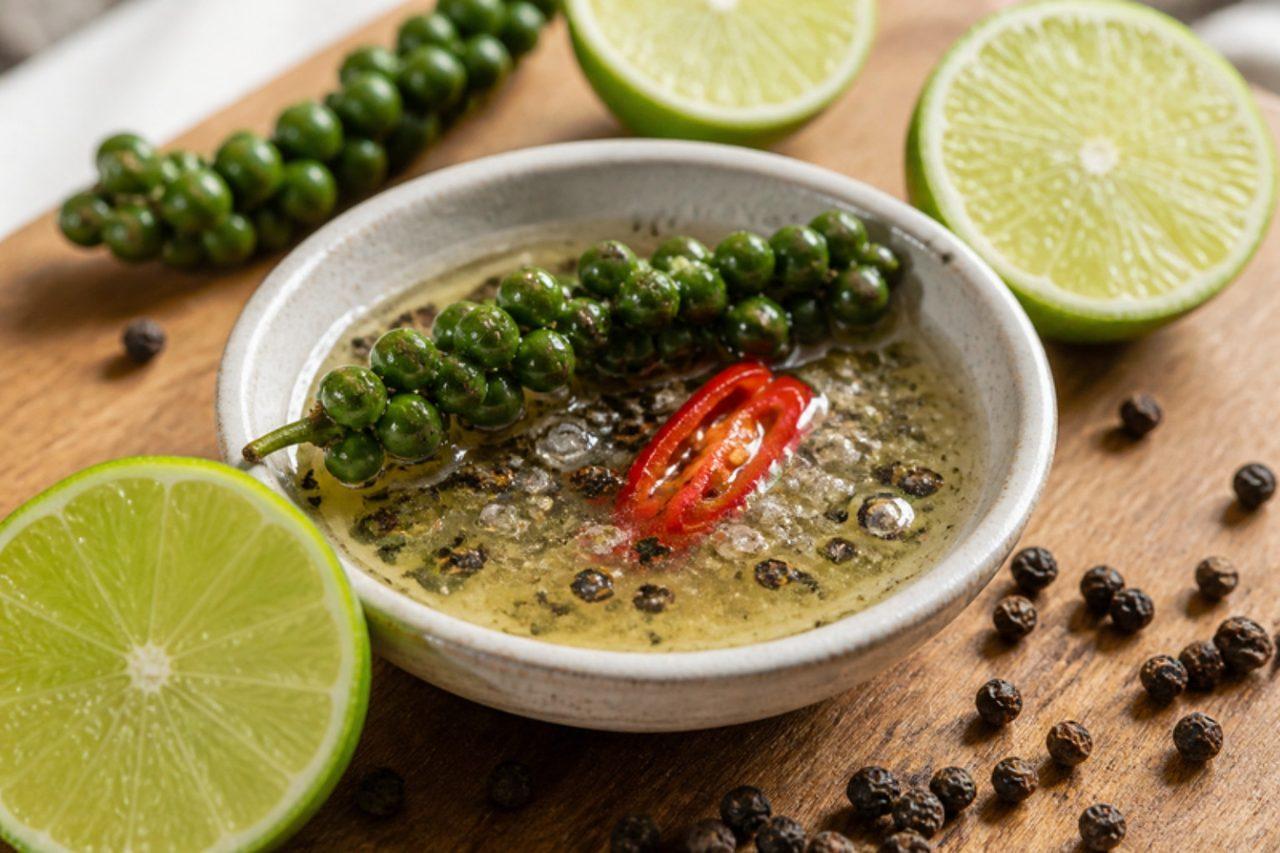
Every table in Kampot and along the crab-shack pier at Kep gets a saucer of tuk mrech, and diners mix their own: a heap of salt, a spoonful of freshly cracked local pepper and a squeeze of lime. It is sharp, salty and floral-hot, with none of the sweetness of most Khmer dips, and it is meant for dragging grilled corn, griddled tofu, fried eggs or a pepper crab through. Kampot pepper carries a protected geographical indication and tastes fruity and resinous rather than just hot; any good whole black peppercorns work, but pre-ground pepper does not. People often get it wrong by grinding the pepper to dust, which turns the dip muddy and bitter, or by mixing it hours ahead so the lime goes flat. Chef's tip: warm the peppercorns in a dry pan for a minute before cracking them, and squeeze the lime straight into the saucer at the table so it stays fresh and zingy.

by KrazyBadal 0 views

Curd and treacle

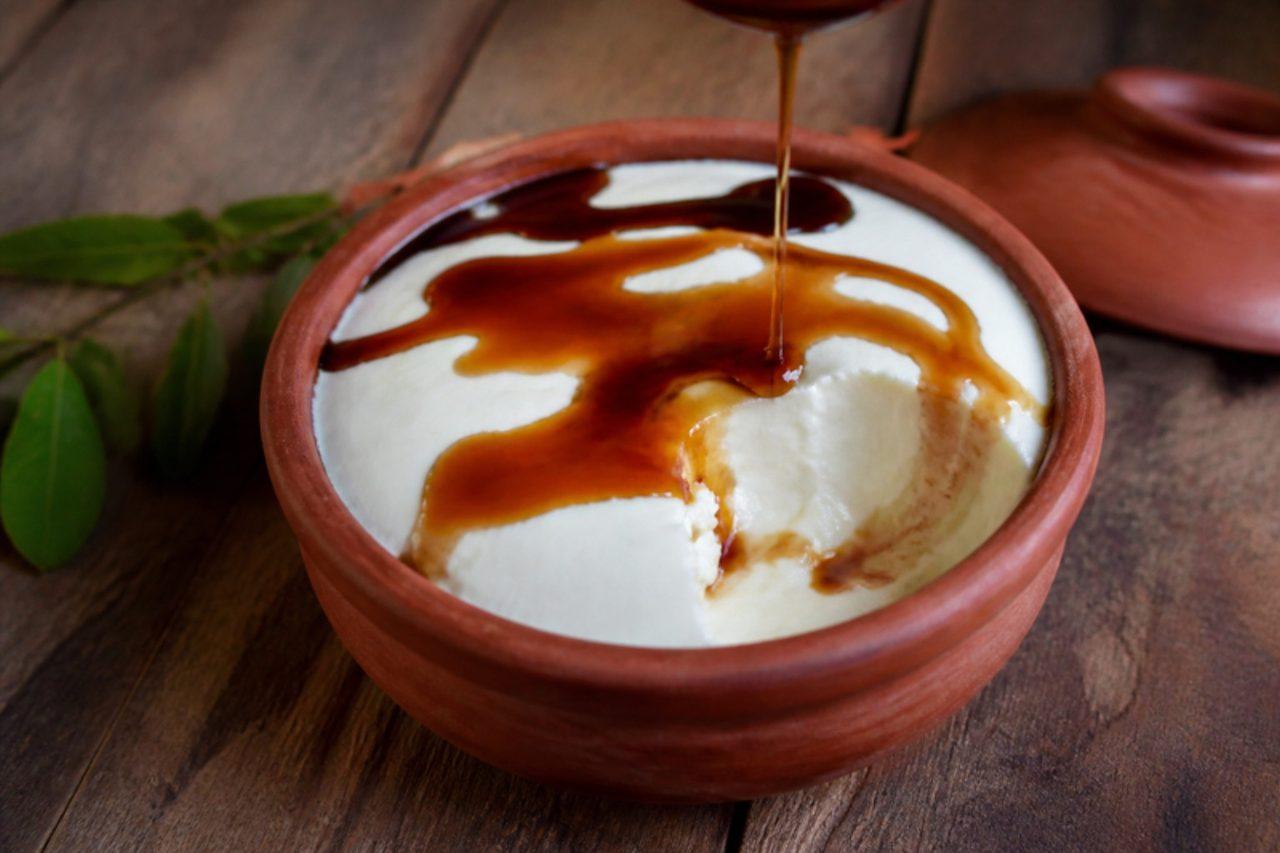
Driving the southern coast road past Tangalle towards Hambantota, you pass stall after stall stacked with round clay chatties of meekiri, the firm, slightly sour curd made from buffalo milk, with bottles of dark kithul treacle hanging beside them. Turned out into a bowl and flooded with treacle, it is the South's great dessert: cool, rich and tangy against the smoky, toffee-like sweetness of the palm syrup, eaten after lunch or as a snack in the heat of the day. Setting it at home is easy with pasteurised buffalo milk or creamy whole cow's milk, a spoon of live curd and a warm spot overnight. The mistake that ruins most first batches is adding the starter while the milk is still too hot, which kills the culture and leaves you with warm milk in the morning. Chef's tip: unglazed clay pots draw out a little whey, which is why traditional curd is so thick; soak them in water and dry them well before using.

by KrazyBadal 0 views

Num kongPalm sugar rice doughnuts

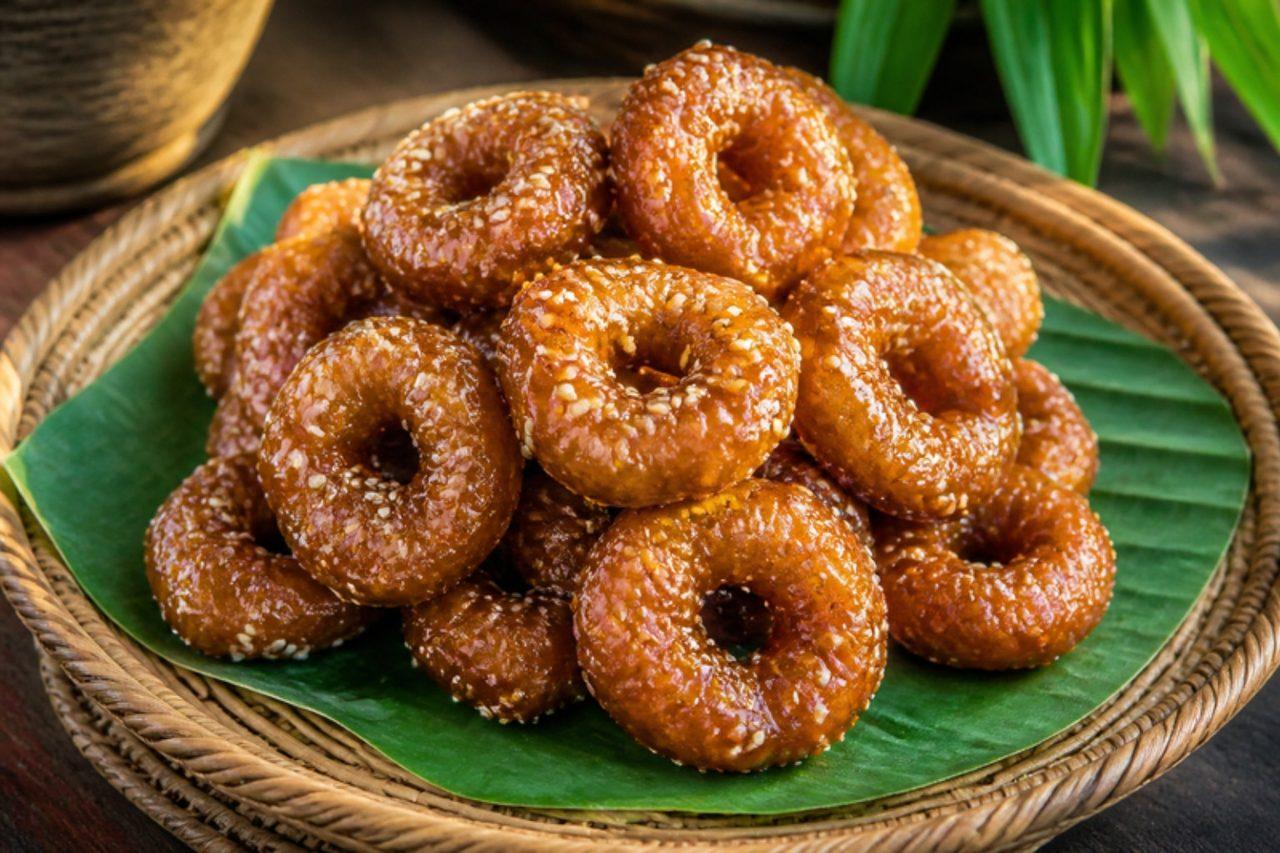
Stacked on trays at morning markets across Cambodia and pressed into the hands of guests at Khmer New Year, num kong are rings of glutinous rice dough sweetened with palm sugar and fried until deep bronze. Bite through the crackly, caramel-glazed shell and the inside is soft and chewy, almost like mochi, with a smoky toffee flavour from the palm sugar and a coating of toasted sesame. They go with strong iced coffee or jasmine tea. Most failures come from oil that is too hot: the outside darkens in a minute while the inside stays raw and pasty, and trapped air can make a ring pop and spit. Chef's tip: knead the dough until it is completely smooth and crack-free, then fry at a steady 160 °C for a good 6–7 minutes; patience gives the shatter-crisp crust.

by KrazyBadal 0 views

LingonsyltLingonberry preserve

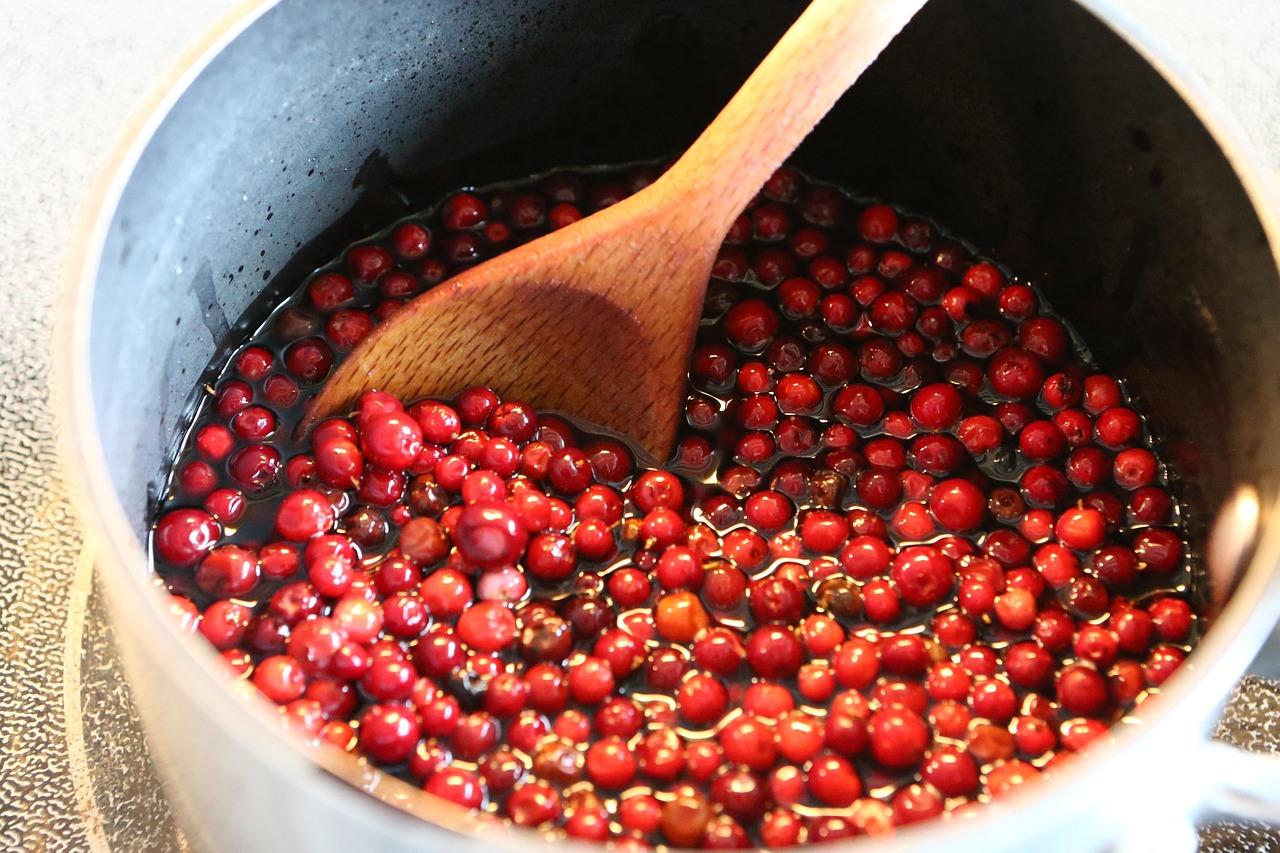
Lingonsylt is the bright red preserve on every Swedish table: with meatballs, Wallenbergare, potato pancakes and kroppkakor, and in Finland and Norway with reindeer and porridge. Swedish families pick the berries in September in the forests and either stir them raw with sugar (rårörda lingon) or cook them very briefly so they stay whole and sharp. A common mistake is boiling them long, which makes a dull, jelly-like jam. Chef's tip: cook for only 3–5 minutes, then cool fast; lingonberries are rich in natural preservatives and keep well.

by KrazyBadal 0 views

Kachi lassiMilk and water lassi

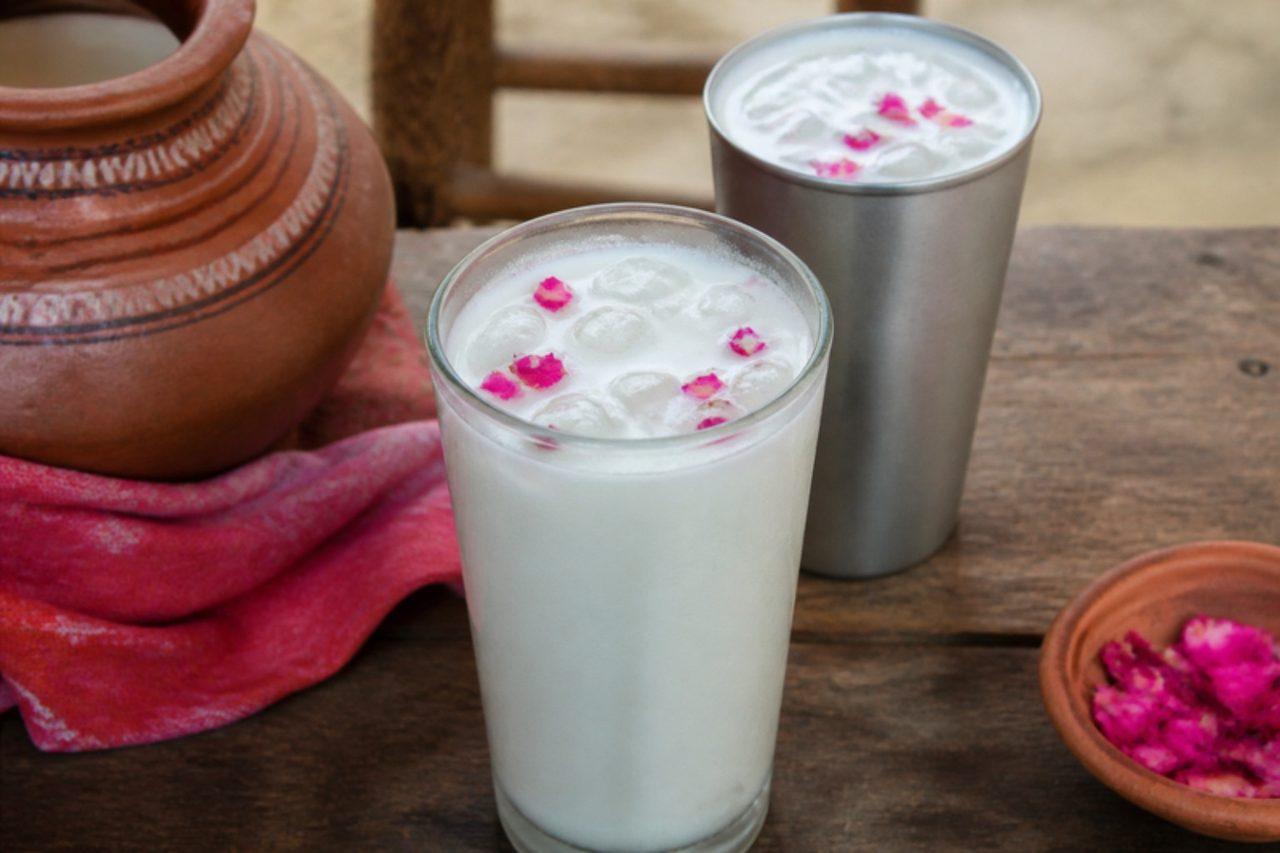
Harvest time in the Punjab is thirsty work: when the wheat is being cut in the April heat, a steel jug of kachi lassi is carried out to the workers: fresh milk thinned with cold water, stirred with sugar and poured over chunks of ice. Unlike yogurt lassi there is no tang, just a light, clean, milky sweetness that quenches thirst better than plain water, and in many villages it is the drink offered to any guest who arrives on a hot afternoon. Some people add a pinch of salt instead of sugar, or a few drops of rose water. The traditional kind uses raw milk straight from the buffalo; use pasteurised milk instead to be safe. The usual mistake is making it with too little water, which turns it heavy instead of refreshing. Chef's tip: whisk it hard or shake it in a jar so it turns frothy, which makes it feel even cooler.

by KrazyBadal 0 views

Doodh sodaMilk with lemon-lime soda

It sounds odd until you are standing in a crowd at a Lahore milk shop on a 45 °C June night, when a tall glass of doodh soda, foamy and sweet with a sharp citrus fizz, is the most refreshing thing in the city. The doodh-walas of Gawalmandi and Mozang chill milk in steel drums over ice, then pour it from a height into a glass with lemon-lime soda so that it froths like a milkshake, and people drink it straight after dinner or after a late plate of fried fish or chana. It tastes like a lighter, bubbly lassi, and children love it. What usually goes wrong is warm milk or flat soda, which makes it taste curdled rather than crisp. Chef's tip: chill both the milk and the soda until very cold, pour the milk first and add the soda in one go, then serve at once while the foam is high.

by KrazyBadal 0 views

PanjiriRoasted wheat flour with nuts

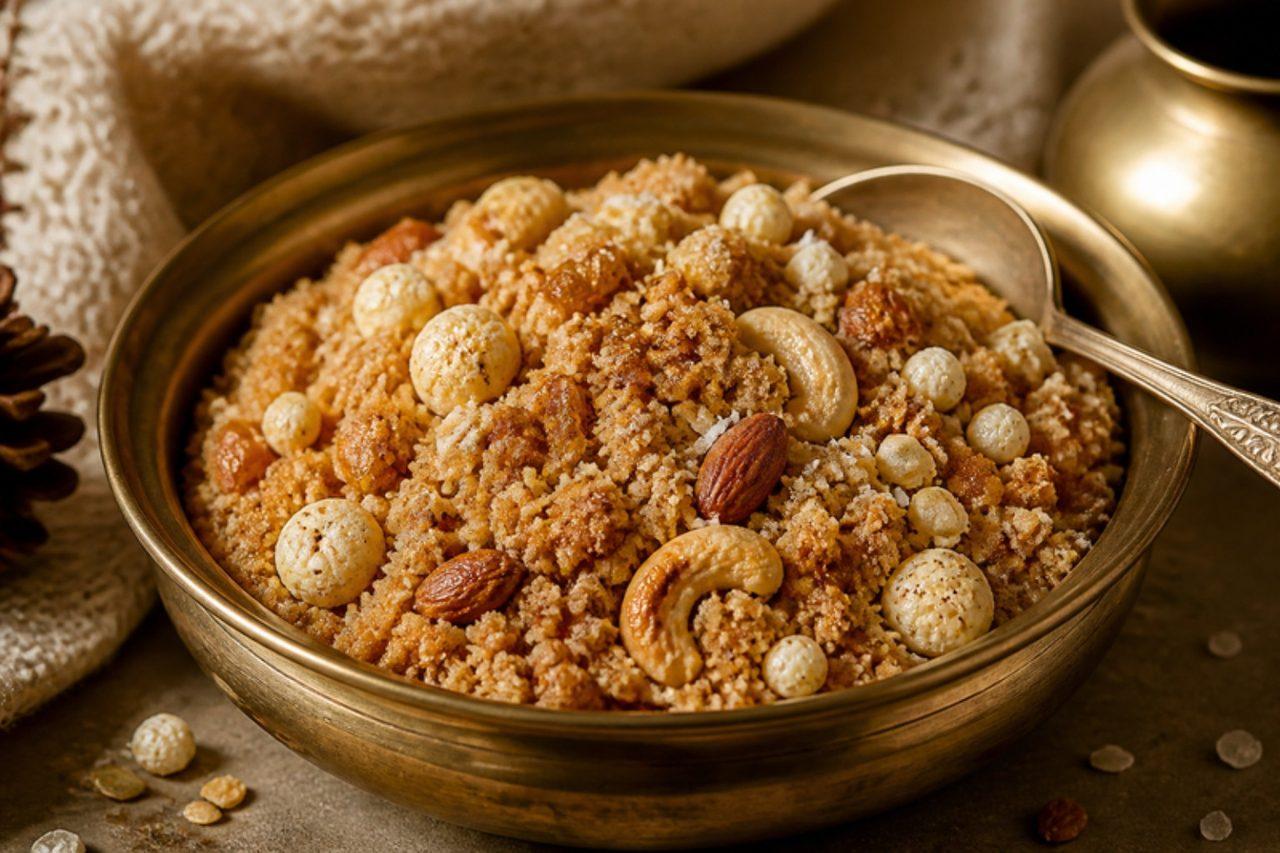
When a baby is born in a Punjabi home, one of the first things the grandmothers do is roast a huge karahi of panjiri, loose, golden crumbs of wholewheat flour fried in ghee and mixed with sugar, nuts, seeds, makhana and crunchy fried gond, meant to warm and strengthen the new mother through the forty days after birth. The same mixture is made in every household from Sialkot to Bahawalpur when the winter cold sets in, eaten by the spoonful with hot milk at night or sprinkled over a bowl of milk for breakfast. It tastes nutty, toasty and lightly sweet, with crunch in every mouthful. The usual way it goes wrong is roasting the flour too fast on a high flame, which browns the outside while the inside still tastes raw. Chef's tip: roast the flour slowly until it is the colour of pale biscuit and smells like baking cookies, and add the sugar only once the flour has cooled, so it stays crunchy rather than melting.

by KrazyBadal 0 views

GajakSesame jaggery brittle

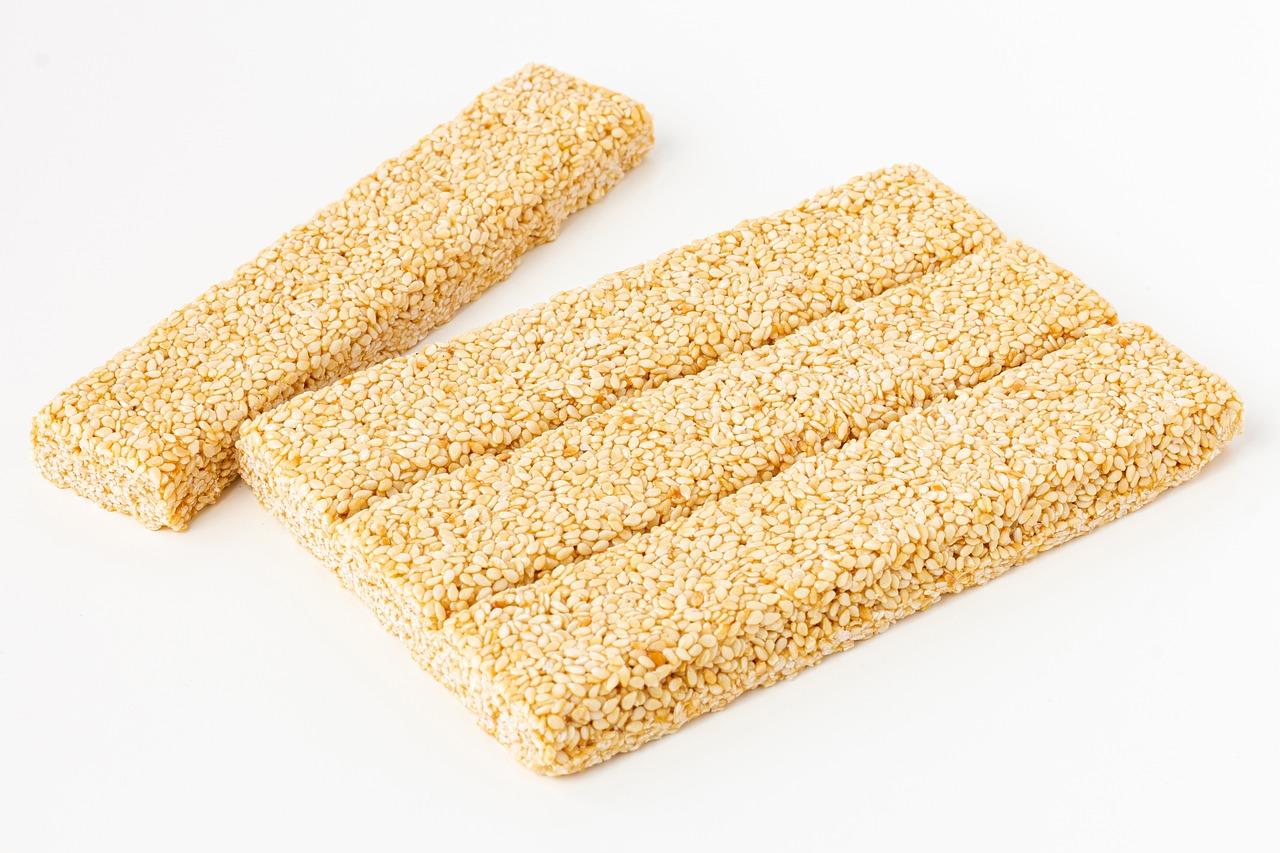
Winter in Punjab has a sound, and it is the snap of gajak: thin, glossy sheets of toasted sesame bound in jaggery, sold from piled trays outside the sweet shops of Multan, Gujranwala and Lahore from the first cold week of December. It is nutty, crunchy and toffee-sweet, with the earthy depth of gur, and families keep a tin of it beside the heater to nibble after dinner with green tea or to share with visitors. The commercial kind is hammered and pulled into flaky layers, but the home version poured thin and rolled flat is what most households make. The pitfall is pulling the jaggery off the heat too early, which gives a brittle that turns chewy and sticky after a day. Chef's tip: test the syrup by dropping a little into cold water; it must snap cleanly at once, and that hard-crack stage is reached quickly, so have the sesame warm and ready. Take care: the syrup is far hotter than boiling water.

by KrazyBadal 0 views

Mont kalamaSticky rice and jaggery fudge

Making mont kalama is a group effort: before weddings, shinbyu novice ceremonies and village pagoda festivals, Burmese families take turns stirring a giant wok of sticky rice flour, coconut milk and jaggery for hours until it turns into a dark, glossy mass. The result, sliced into thick bars and topped with toasted sesame, is chewy and elastic like a soft toffee, tasting of caramel, smoky palm sugar and coconut, much like Malay dodol. It keeps for days, which is why it is a favourite gift to carry home from celebrations. Stopping stirring or turning up the heat to save time is the classic error; it scorches on the bottom and the whole batch tastes bitter. Chef's tip: use a heavy non-stick wok and a sturdy flat wooden spatula, and switch hands often.

by KrazyBadal 0 views

Habshi halwaSprouted wheat and milk halwa

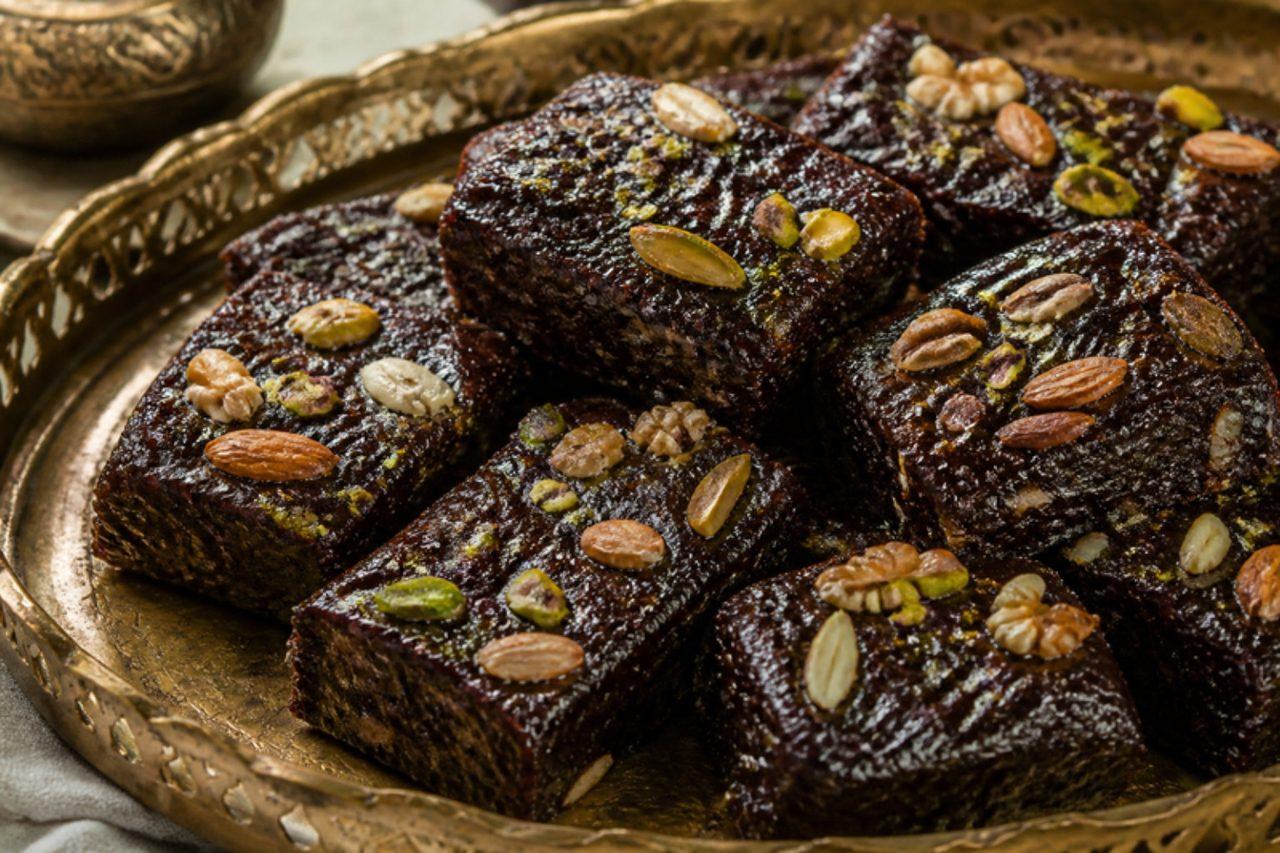
Few sweets demand as much patience as habshi halwa, the near-black, glossy, chewy slab that the old halwais of Lahore's Anarkali and Ichhra stir for most of a day in wide brass karahis. Full-cream milk is reduced with sprouted wheat flour (samnak) until the sugars caramelise and the mixture darkens from cream to coffee to deep mahogany, then ghee is worked in until it leaks out shining at the edges. The taste is of toffee, malt and toasted nuts, rich enough that a small square with tea is plenty, and it is a winter gift sent to relatives and given at weddings. Sprouting wheat takes two or three days, so plan ahead, or use the flour sold as samnak in South Asian shops. The mistake that spoils most batches is turning up the heat to save time, which scorches the milk on the base and makes the halwa bitter instead of deeply caramelised. Chef's tip: caramelise a third of the sugar separately to a dark amber before adding it, which gives the colour without hours of extra stirring.

by KrazyBadal 0 views

Showing 24 of 2,809 recipes

Show more recipes

Page 62 of 118

More Jain ideas

Other diets