Skip to content
WhatToEat.Today

Jain recipes: no onion, garlic or root vegetables

2,799

2799 Jain recipes with no onion, garlic, potato, carrot, fresh ginger or other root vegetables, and no mushrooms, eggs or honey. Hing, dry ginger and turmeric powder are fine. Each has photos, step-by-step instructions and cook times. The quickest, Apfelschorle, takes 2 minutes. Most take around 40 minutes.

Filter these by time, diet or cuisine · Make Jain your diet to see only these recipes everywhere on the site.

HaakCollard greens in mustard oil

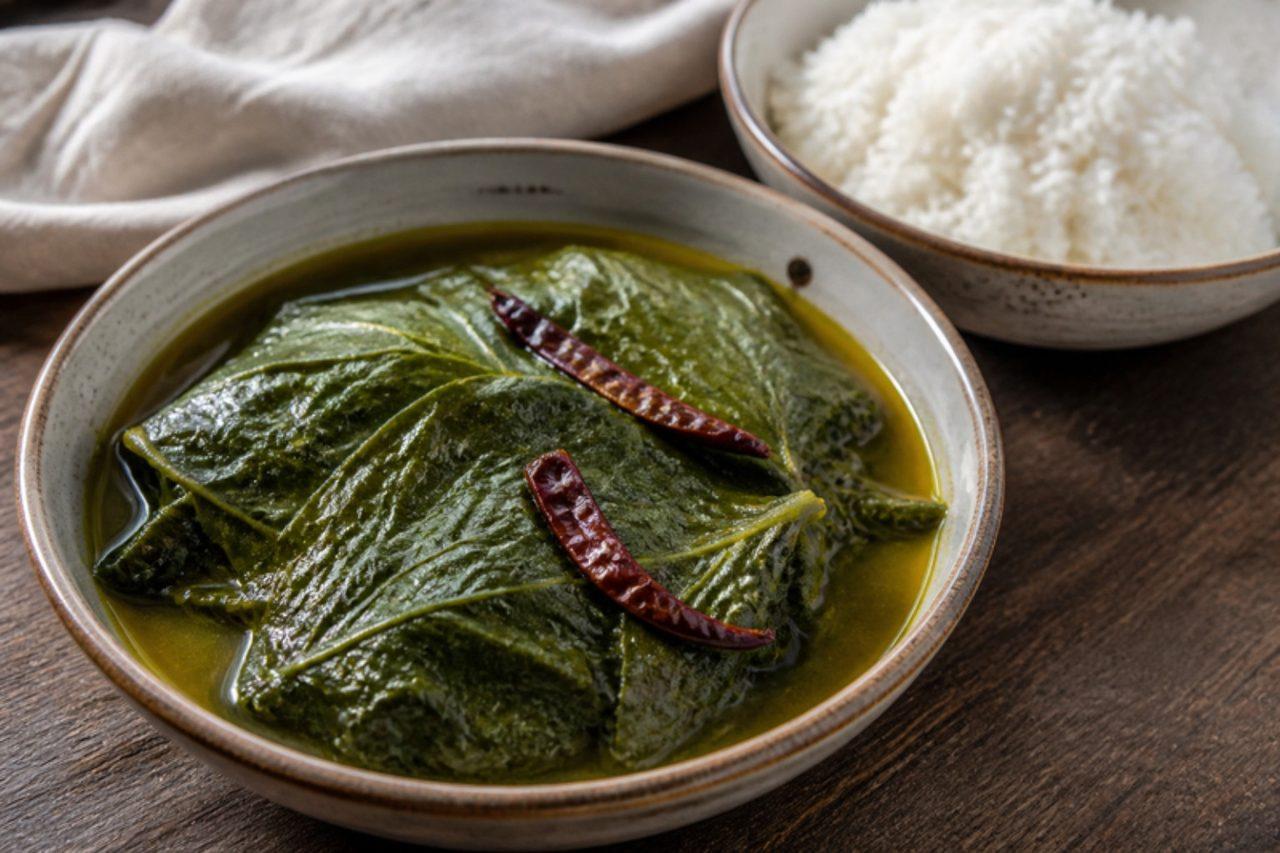
Haak is the everyday green of Kashmir: collard greens grown in every kitchen garden, cooked whole with nothing more than mustard oil, dried red chilli, asafoetida and salt. The leaves stay bright, tender and slightly silky, with a clean, peppery taste that sings next to rice. Kashmiri Pandit households keep it this simple; Muslim homes often add a few garlic cloves. Serve with plain rice and a dal or rajma. Chef's tip: leave the leaves whole or in large pieces and cook them uncovered for the first minutes; chopping and covering too early turns them dull olive-green.

by KrazyBadal 0 views

Ker sangriDesert berries and beans

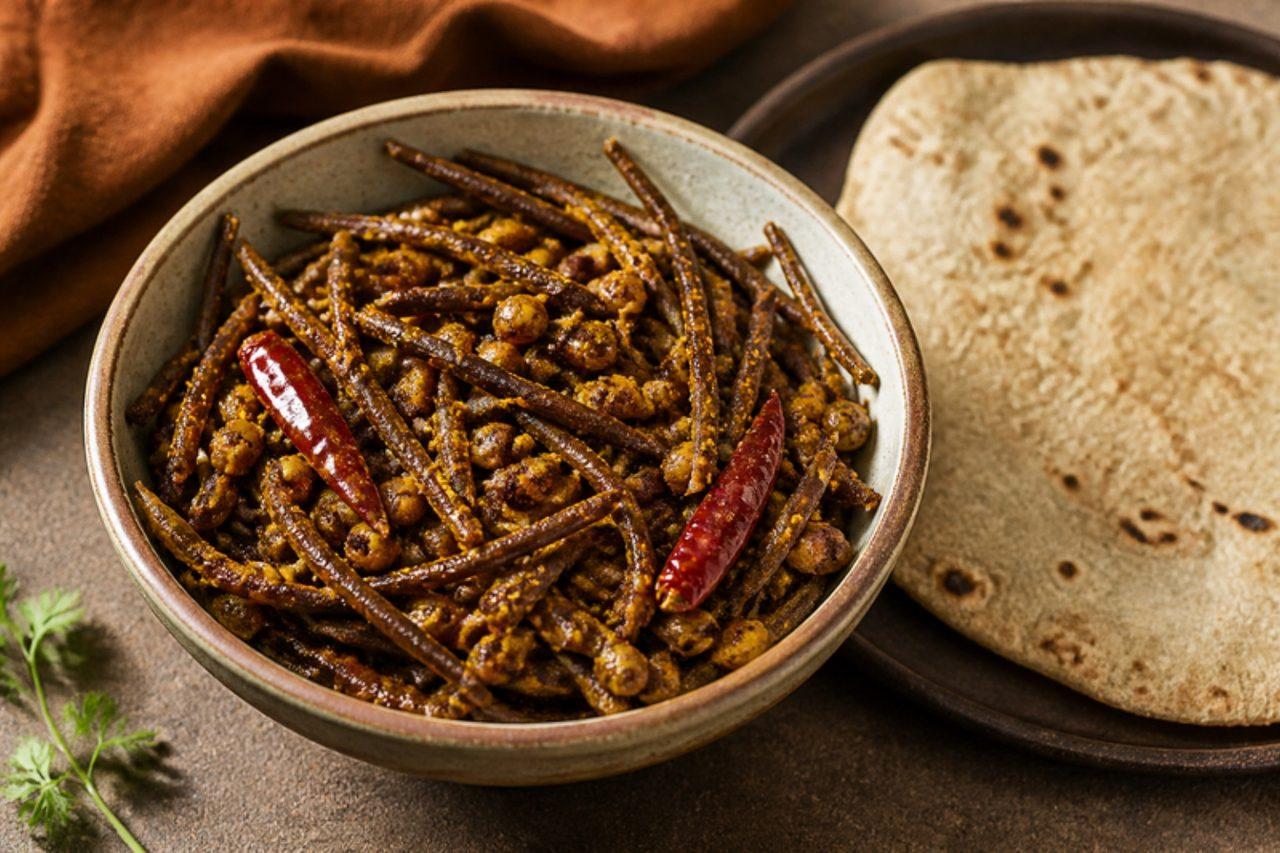
Ker sangri is a true desert dish from the Thar in Rajasthan: ker are small, sour wild caper berries and sangri are the thin, chewy bean pods of the khejri tree, both picked in summer and sun-dried to last the year. Soaked, boiled and fried in plenty of mustard oil with chilli, mango powder and coriander, they become tangy, earthy and almost pickle-like. It keeps for days, which is why it travelled with camel herders. Serve with bajra roti or puri, or as a side to dal baati. Chef's tip: taste a ker berry after boiling; if it is still very bitter, boil it again in fresh water before frying.

by KrazyBadal 0 views

Mysore pakGram flour and ghee fudge

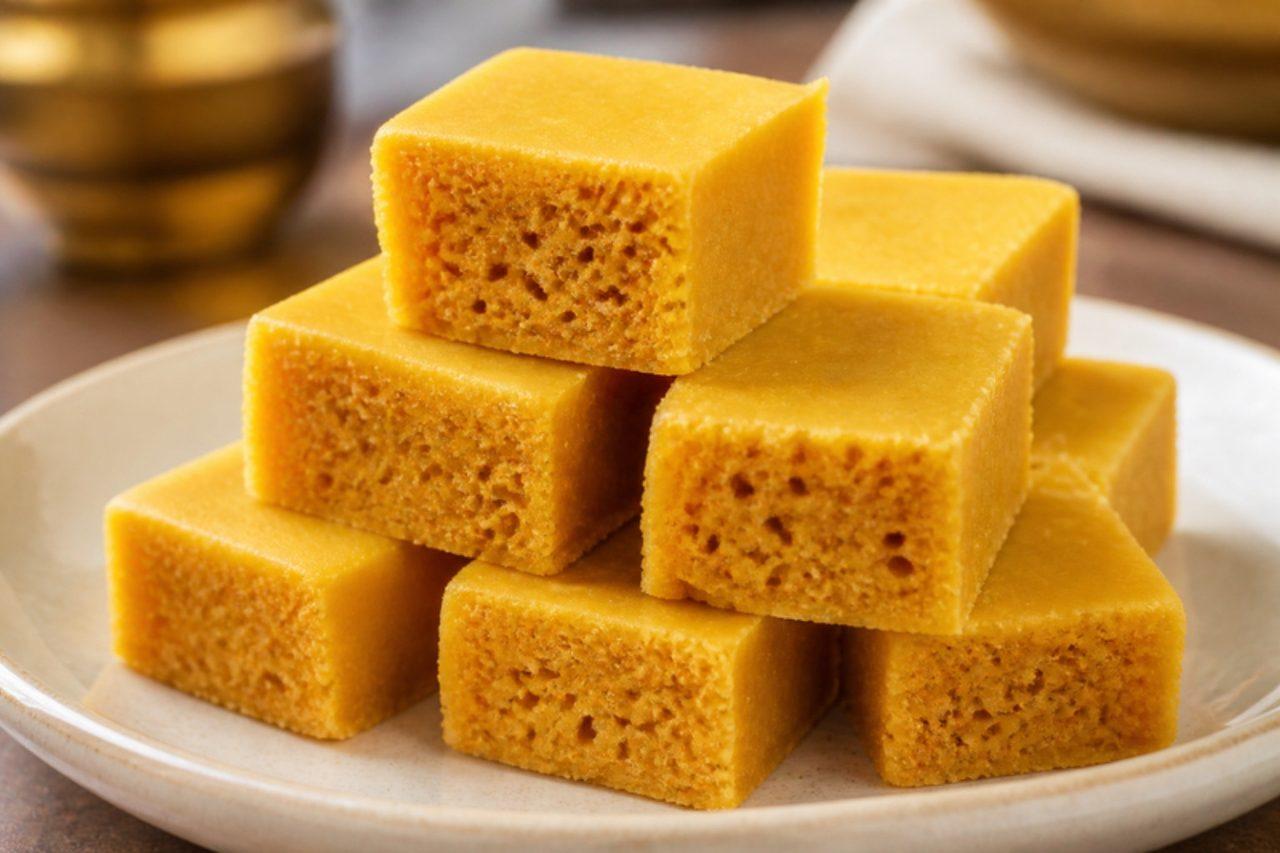
Mysore pak was first made in the kitchens of the Mysuru palace in Karnataka, and it's still the sweet that every Mysuru sweet shop is judged by. Roasted gram flour is cooked in a sugar syrup while hot ghee is poured in a spoonful at a time, until the mixture froths up and sets into a golden, honeycombed block. This home version is the softer, melt-in-the-mouth style, with a fine porous crumb; cook it a minute or two longer for the harder, crunchier traditional slab. It keeps for a week and is made for Diwali, weddings and Dasara. Chef's tip: keep the ghee hot on a second burner the whole time; hot ghee hitting the batter is what makes it froth and form those little air holes, and cold ghee gives a dense, greasy fudge.

by KrazyBadal 0 views

Ehime mikan jellyMandarin jelly

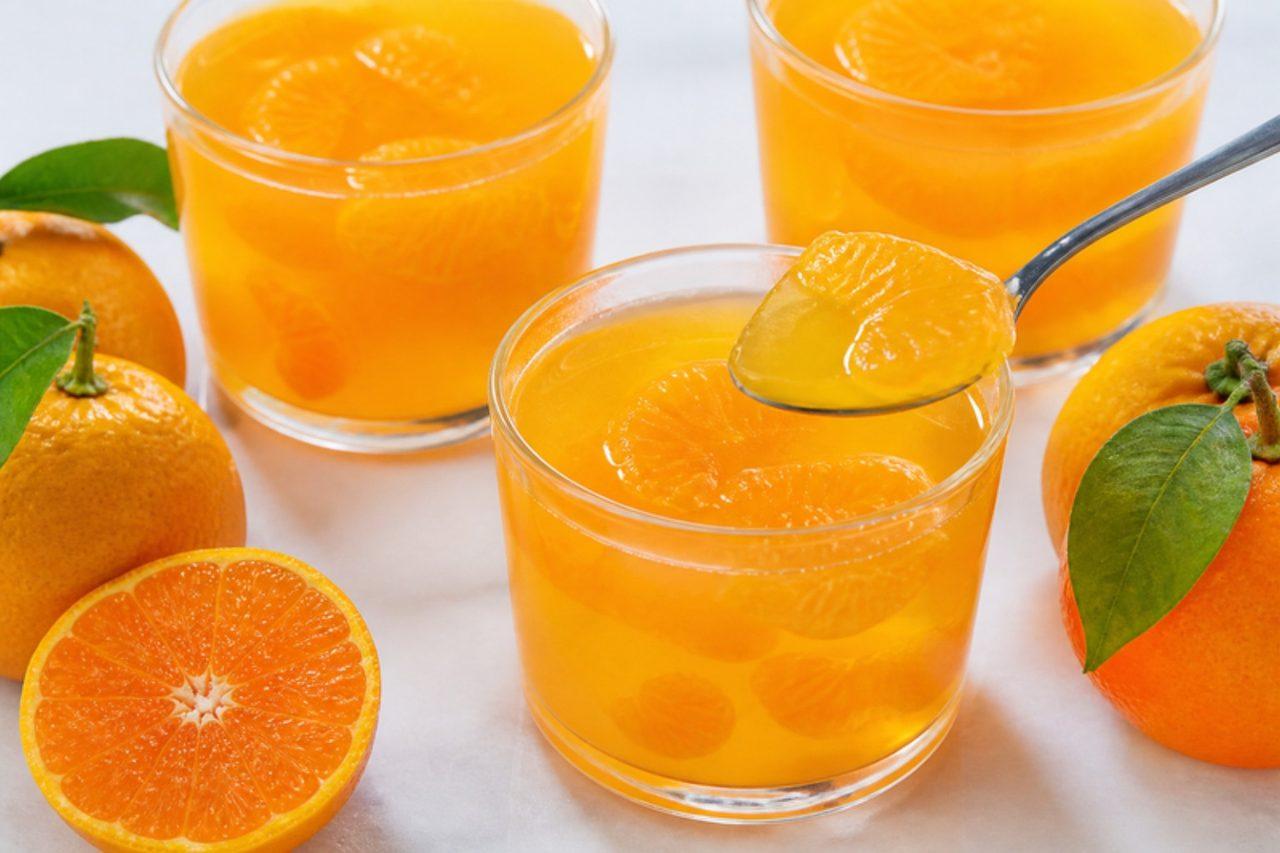
Ehime, on the sunny north coast of Shikoku, is Japan's mandarin country. Terraced orchards climb its hillsides above the Seto Inland Sea, and the local mikan is so central to life there that some towns joke their taps run with juice. Mikan jelly is the prefecture's everyday treat, sold in cups at service stations and made at home when the fruit glut comes in winter. Ours is set with kanten (agar) instead of gelatine, which also means it holds firm at room temperature and doesn't melt on a hot day. Serve chilled after dinner. Chef's tip: boil the agar properly for 2 minutes. Agar only sets once fully dissolved, and undercooked agar leaves a grainy, weak jelly.

by KrazyBadal 0 views

RasabaliFried cheese discs in milk

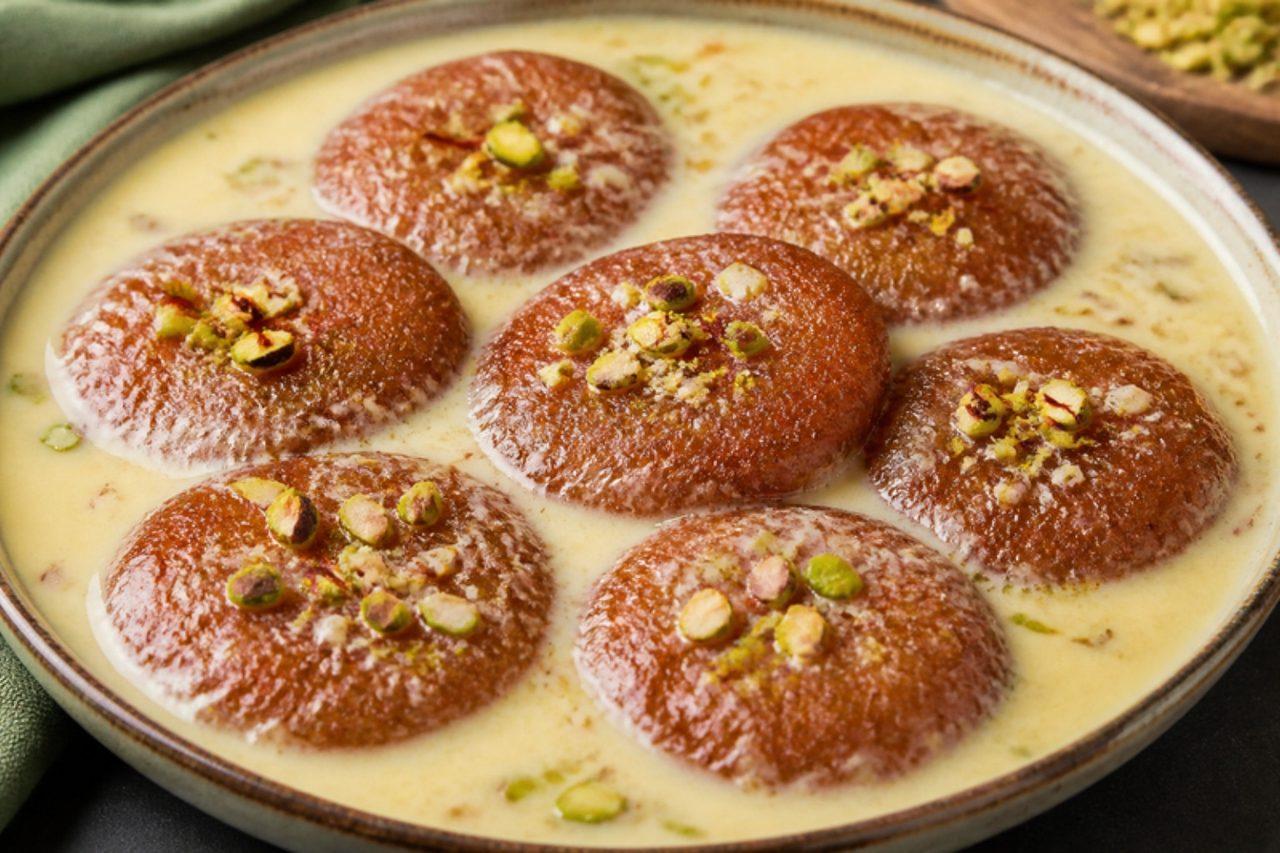
Rasabali comes from the Baladevjew temple in Kendrapara and is one of the 56 offerings of Puri's Jagannath temple. Flattened discs of chhena are deep-fried until reddish-brown, then soaked in milk that has been simmered down until thick and sweet with cardamom. Unlike rasmalai, whose discs are poached in syrup, rasabali's are fried, so they keep a chewy, slightly caramelised skin under the milk. It is eaten chilled at festivals and weddings in Odisha. Chef's tip: press a dimple into the centre of each disc before frying, so it fries evenly and holds more milk.

by KrazyBadal 0 views

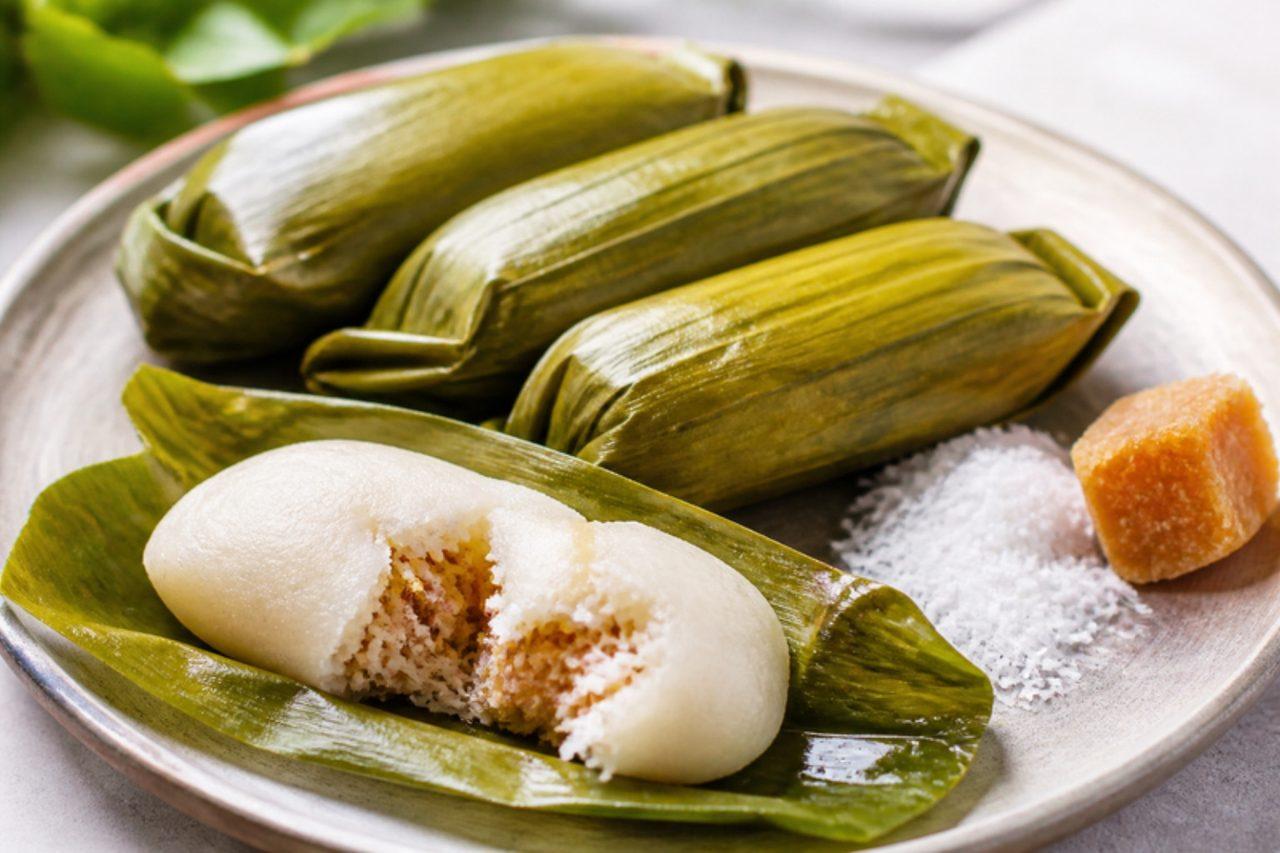
Enduri pithaSteamed rice cakes with coconut

Enduri (or haladi patra pitha) is the sweet of Prathamastami in Odisha, the November festival when Odia mothers pray for their eldest child, who gets the first pitha of the day. Fermented rice-and-urad batter is spread on fresh turmeric leaves, filled with coconut, jaggery, black pepper and cardamom, folded and steamed until the leaves give the cake a green, gingery perfume. The cake is soft and slightly springy. Chef's tip: if you can't find turmeric leaves, use banana leaf with a pinch of grated fresh turmeric in the batter; the flavour is close.

by KrazyBadal 0 views

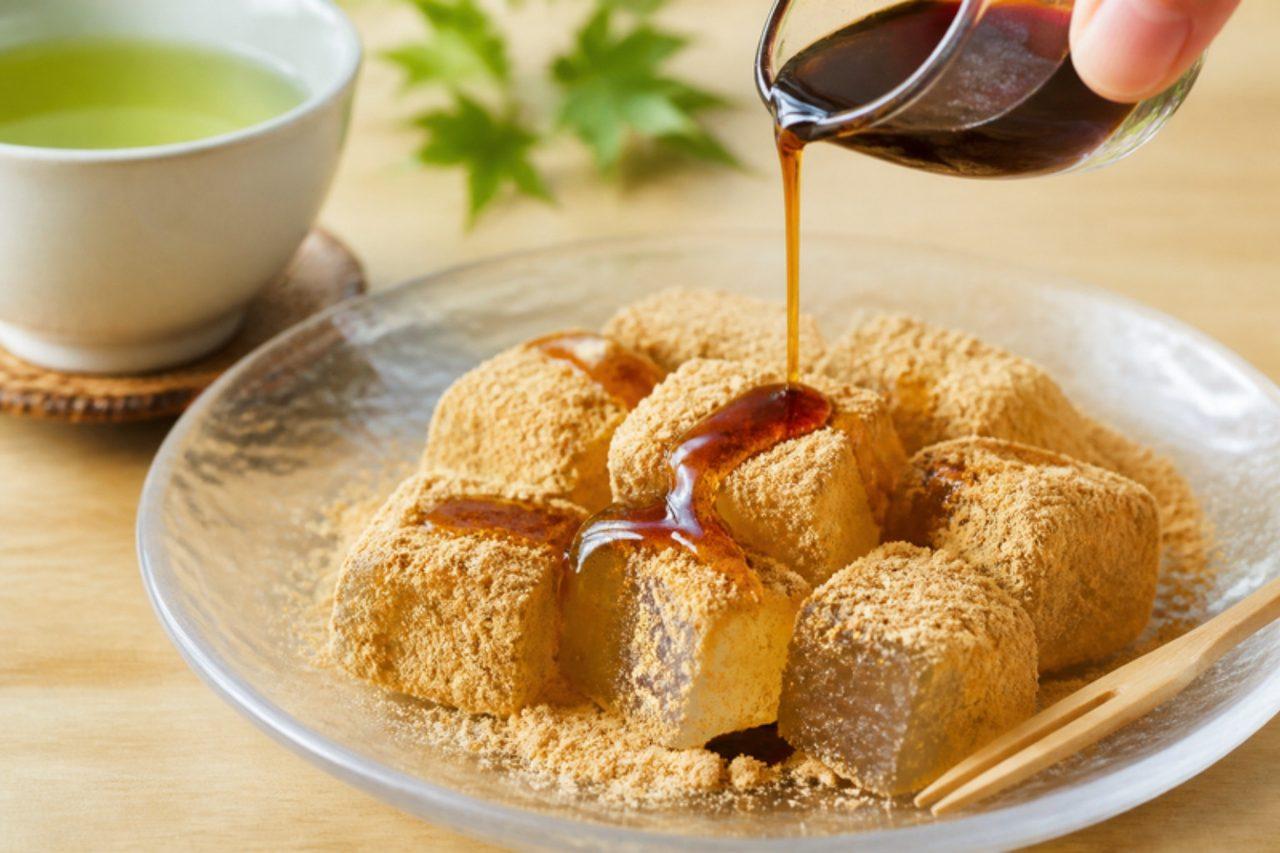
WarabimochiBracken starch jelly with soybean flour

Warabimochi is Kyoto's summer sweet. Made from the starch of bracken fern roots, it is not really mochi at all but a clear, wobbly jelly that melts on the tongue, and on hot afternoons teahouses around Gion and Arashiyama serve it chilled on ice. It is dusted with kinako, a nutty roasted soybean flour, and finished with kuromitsu, a dark syrup of Okinawan brown sugar. Real warabi starch is costly and greyish-brown, so most home cooks buy warabimochi-ko, a blend with sweet potato or tapioca starch, which gives a clearer jelly. Chef's tip: keep stirring hard once it turns clear. Two more minutes of beating over the heat is what makes it springy rather than gluey.

by KrazyBadal 0 views

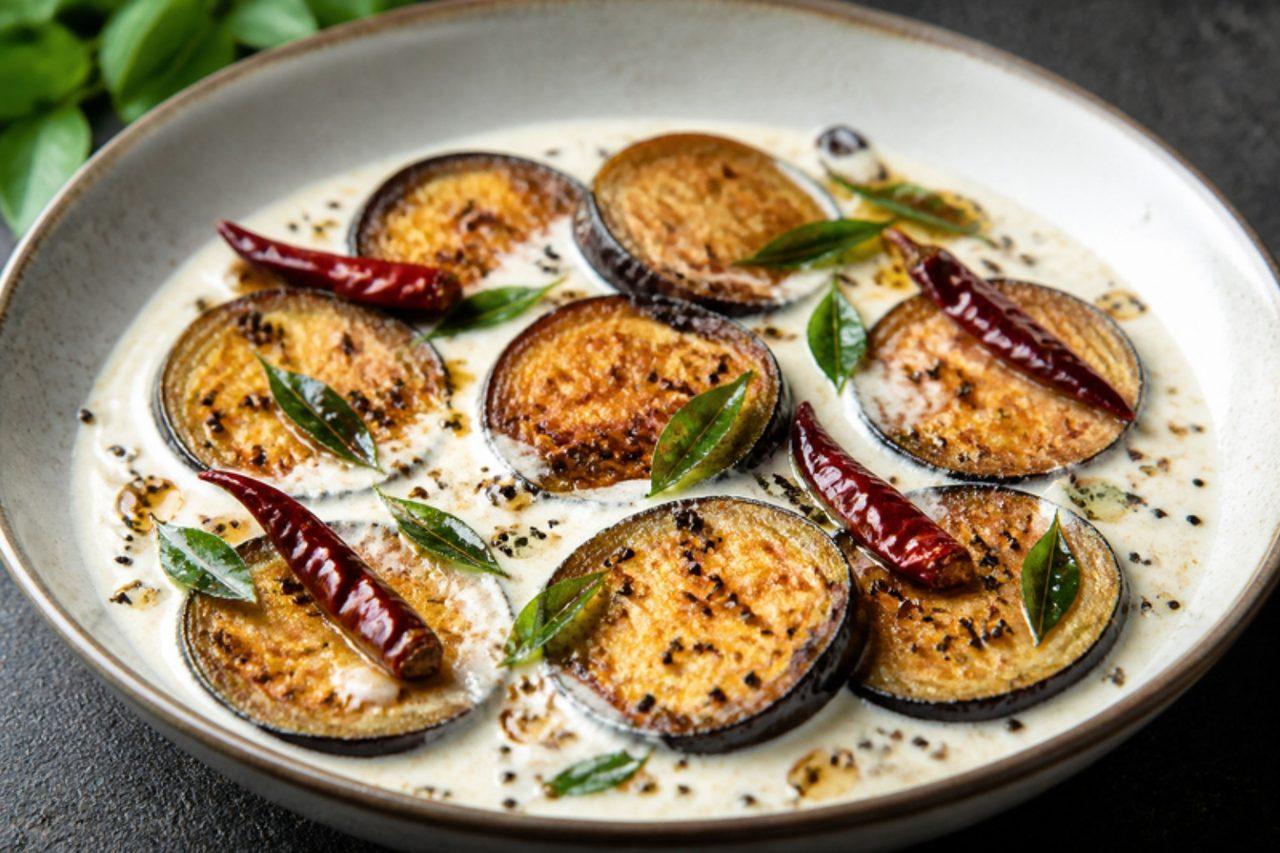
Dahi baiganaFried aubergine in yogurt

Dahi baigana is one of the easiest dishes of an Odia summer lunch, and it turns up at home thalis in Puri and Bhubaneswar beside dalma and rice. Thick rounds of aubergine are rubbed with turmeric and salt, fried until golden and creamy, then bathed in whisked yogurt that has been tempered with mustard seeds, cumin, curry leaves and dried chilli. It is served at room temperature: cool, tangy and smoky from the fried aubergine. Chef's tip: add the tempering to the yogurt, never the yogurt to the hot pan, so it doesn't split.

by KrazyBadal 0 views

Dulce de lecheMilk caramel

Dulce de leche is Argentina's national sweet, spread on toast at breakfast, sandwiched in alfajores, rolled into panqueques and spooned onto flan. Argentine families traditionally make it by slowly cooking milk and sugar with a vanilla pod and a pinch of bicarbonate of soda, which helps it turn deep brown, until it becomes a thick, glossy caramel cream. It takes about three hours of gentle cooking and regular stirring. Chef's tip: use a wide, heavy pan and keep the heat low; the wider the surface, the faster the milk reduces, and the less it catches on the bottom.

by KrazyBadal 0 views

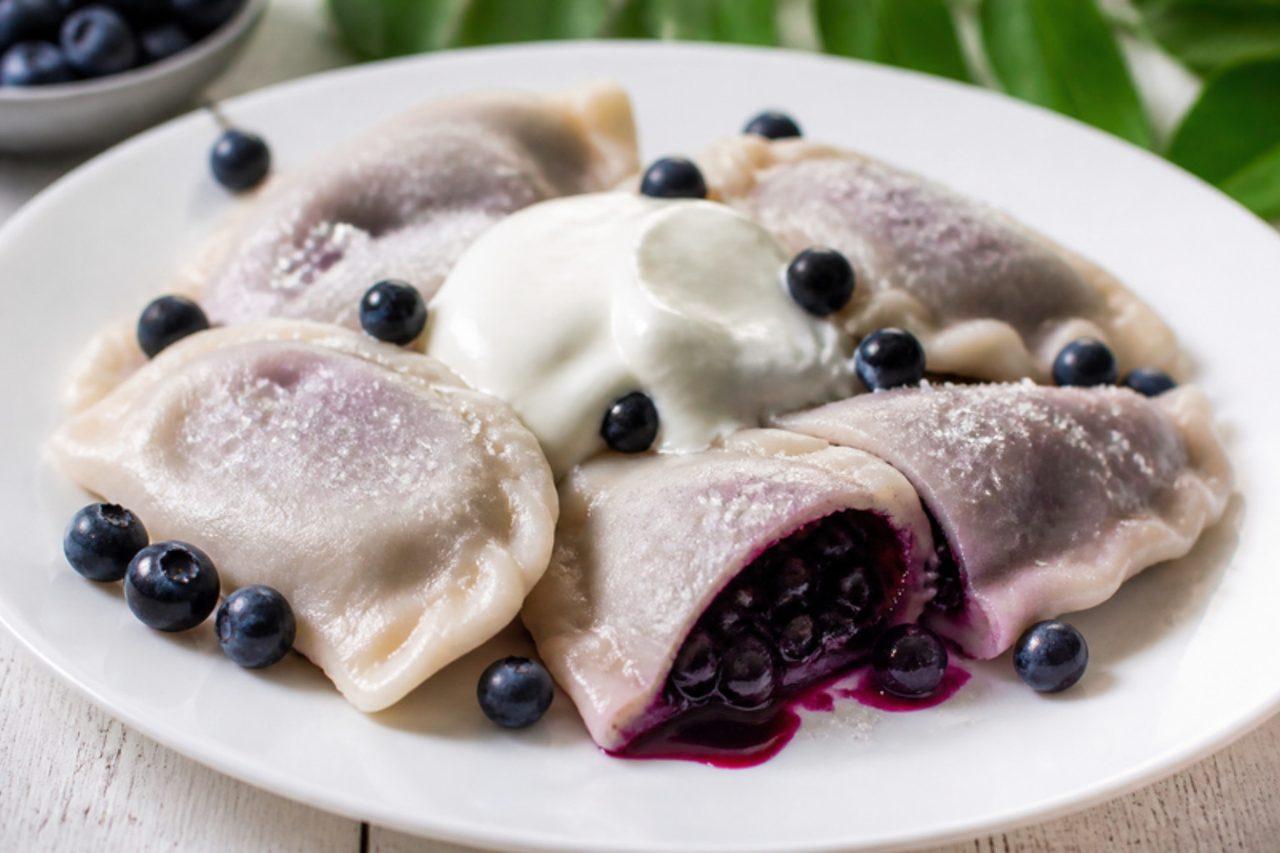
Blueberry pierogi

When wild bilberries ripen in the pine forests of Podlasie and Masuria in July, roadside sellers appear with jars of them and half of Poland makes pierogi z jagodami for lunch. The dumplings are boiled, so the berries burst into a hot, purple, jammy filling inside a soft dough, and they are eaten with cold sweetened soured cream and a dusting of sugar. Cultivated blueberries work well; frozen wild bilberries are closer to the original. Chef's tip: toss the berries with potato starch, but add the sugar only on top when you serve; sugared berries weep juice, and that juice is what makes the pierogi burst.

by KrazyBadal 0 views

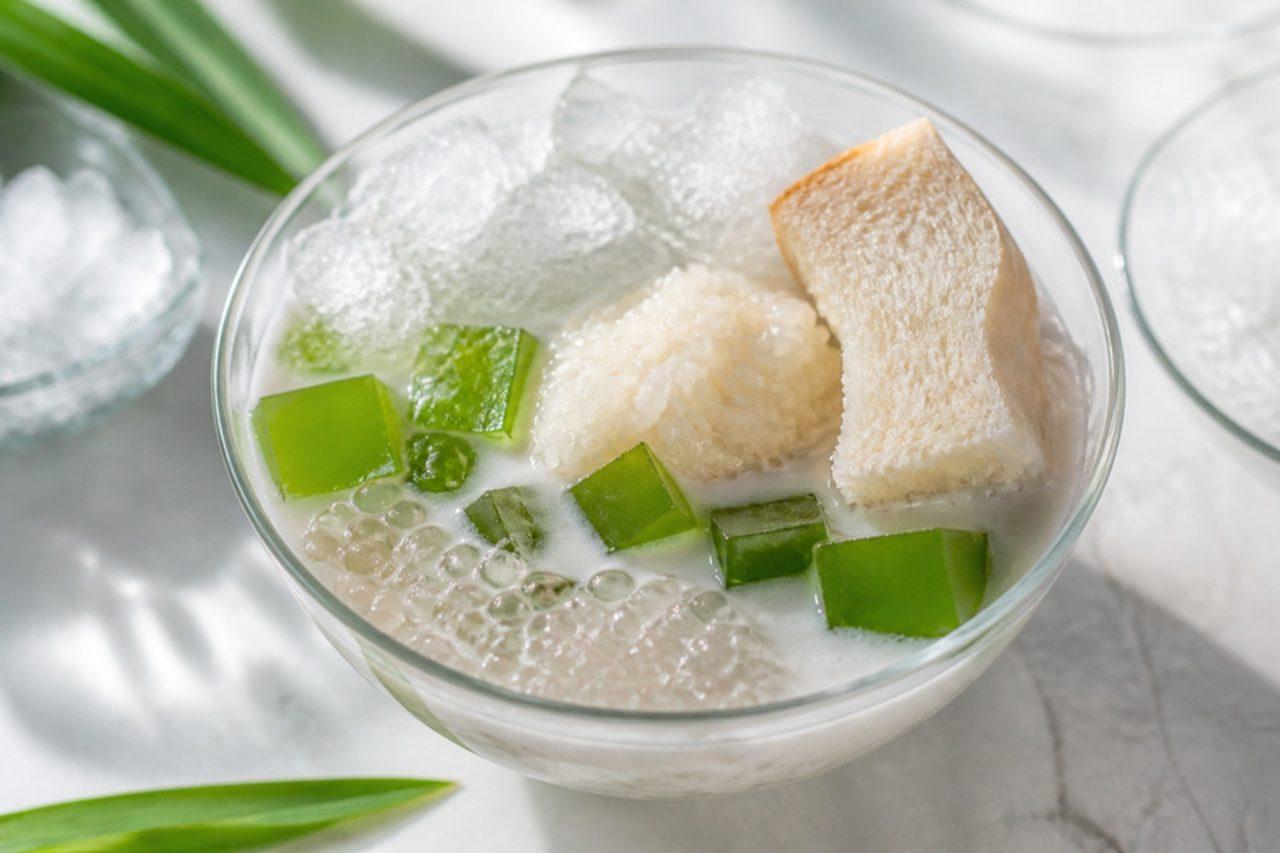
Shwe yin ayeIced coconut dessert

Shwe yin aye, roughly 'golden heart cooler', is what Yangon drinks during the scorching weeks of Thingyan, the April water festival, when stalls set up along the streets to hand it out. It's a bowl of sweet, lightly salted coconut milk over crushed ice, filled with chewy sago pearls, cubes of green agar jelly, a scoop of sticky rice and, surprisingly, a few pieces of soft white bread that soak up the coconut. Chef's tip: make the jelly, sago and sticky rice in the morning and chill everything; assembled cold, the bowl stays refreshing to the last spoonful.

by KrazyBadal 0 views

Orange salad with cinnamon

After a heavy tagine or couscous, Moroccan families in the orange-growing Souss valley and around Marrakech often skip pastries and bring out a plate of sliced oranges instead, splashed with orange blossom water and dusted with cinnamon. It is the simplest dessert there is, but when the oranges are cold and juicy it tastes like a perfume of spice and flowers. Scatter over toasted almonds or chopped dates to make it more filling. Chef's tip: cut off every bit of white pith; even a thin ring of it makes the slices bitter.

by KrazyBadal 0 views

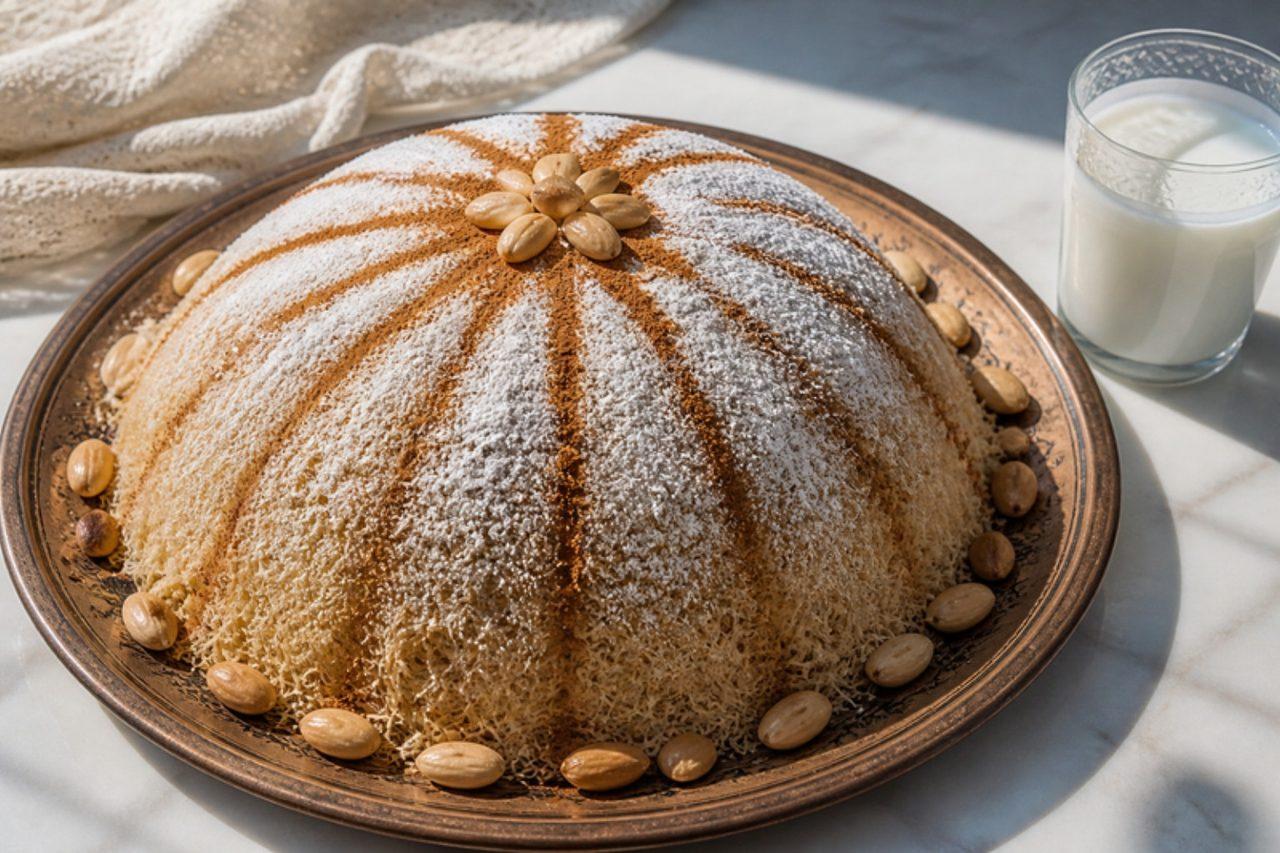
SeffaSweet steamed vermicelli

Seffa comes from the old medina of Fez, where it is carried out at the end of wedding feasts and served for breakfast after a baby's naming day: a mountain of fine steamed vermicelli tossed with butter, then decorated with lines of cinnamon, icing sugar and crushed almonds. The noodles are steamed rather than boiled, so they stay soft and separate rather than sticky. Each person eats from their side of the cone, often with a glass of cold milk. Chef's tip: steam the vermicelli in short bursts and fork it apart between each one; a single long steaming leaves it clumped.

by KrazyBadal 0 views

Chicha moradaPurple corn drink

Chicha morada is Peru's favourite soft drink, served by the jug in every restaurant in Lima and drunk across the country with lunch. Andean purple corn is simmered with pineapple peel, apple, cinnamon and cloves, then sweetened and sharpened with lime to make a dark ruby drink that tastes of berries, spice and gentle tannin, a little like a spiced cranberry juice. It has no alcohol, unlike the fermented chicha de jora of the Andes. Dried purple corn (maíz morado) comes from Latin shops; purple corn powder works too. Chef's tip: add the sugar and lime only once the drink has cooled; lime added to the hot liquid turns it bitter.

by KrazyBadal 0 views

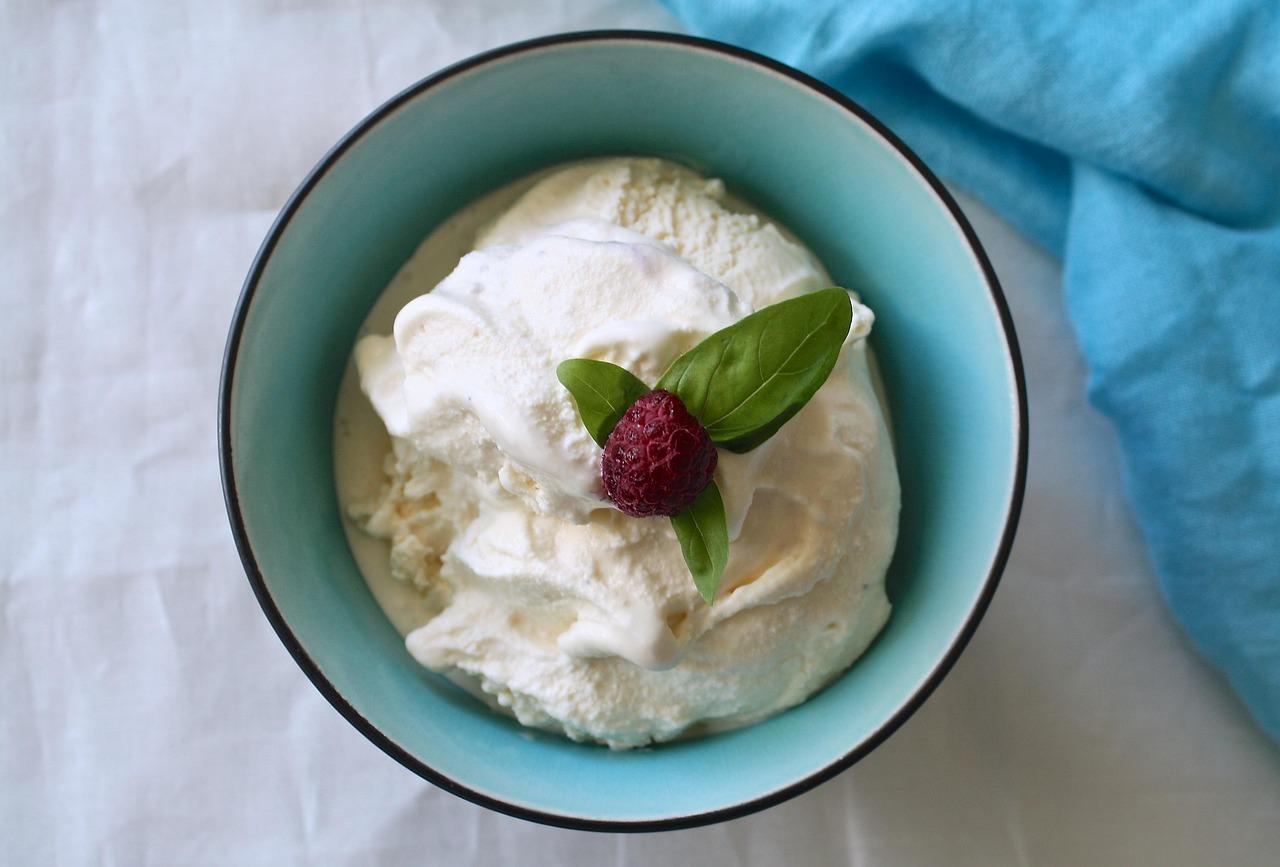
Coconut ice cream (ice-cream ya nazi)

An easy no-churn ice cream of coconut milk, sweetened condensed milk and evaporated milk, scented with nutmeg or cardamom and a little rose. Whisking it once while it freezes keeps it smooth and fluffy. Garnish with shredded coconut and a sprig of mint.

by KrazyBadal 0 views

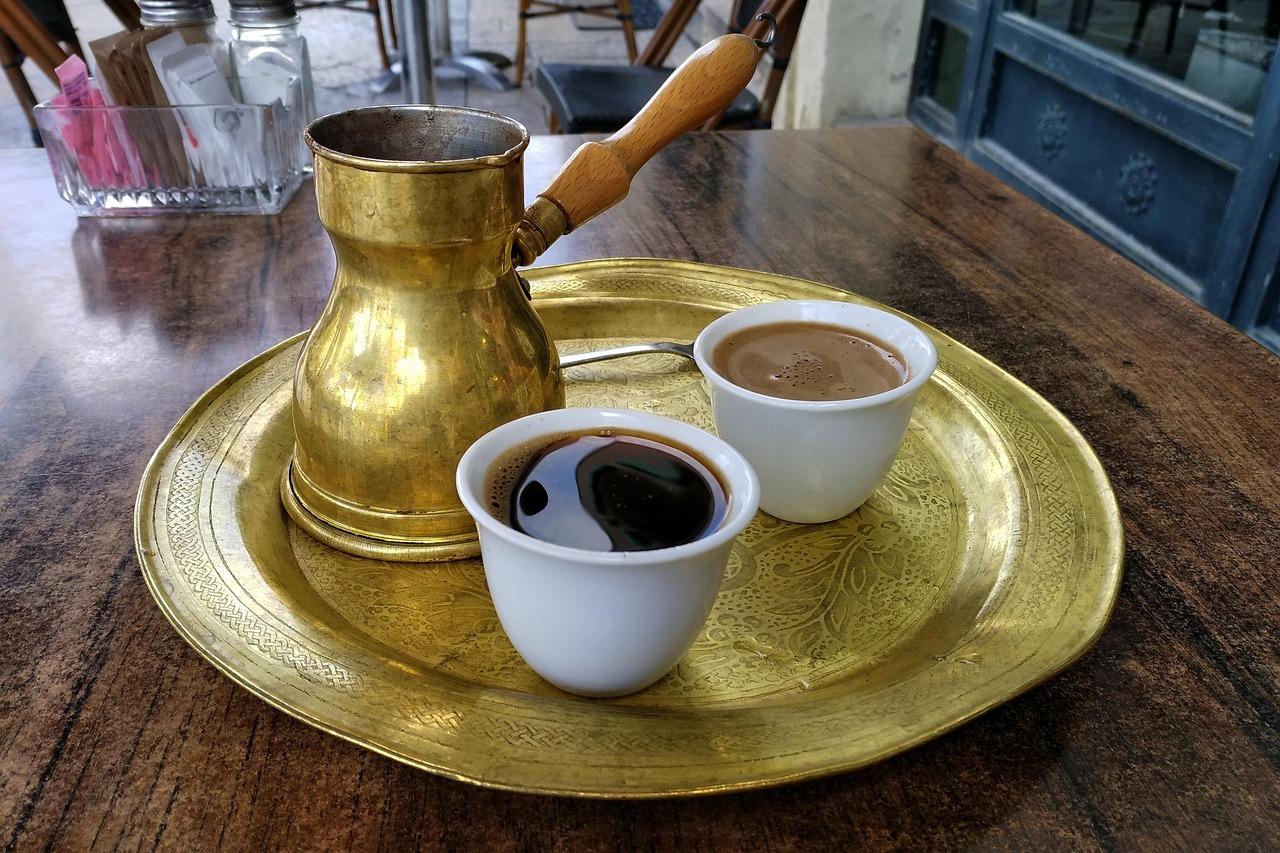
Zanzibar coffee (kahawa)

Kahawa is the strong, spiced black coffee poured from brass pots on the streets of Stone Town: freshly ground coffee boiled with cardamom pods and finished with ginger and ground cardamom. It's bitter-sweet and aromatic. Serve hot in small kahawa cups.

by KrazyBadal 0 views

Zanzibar spiced tea (chai ya viungo)

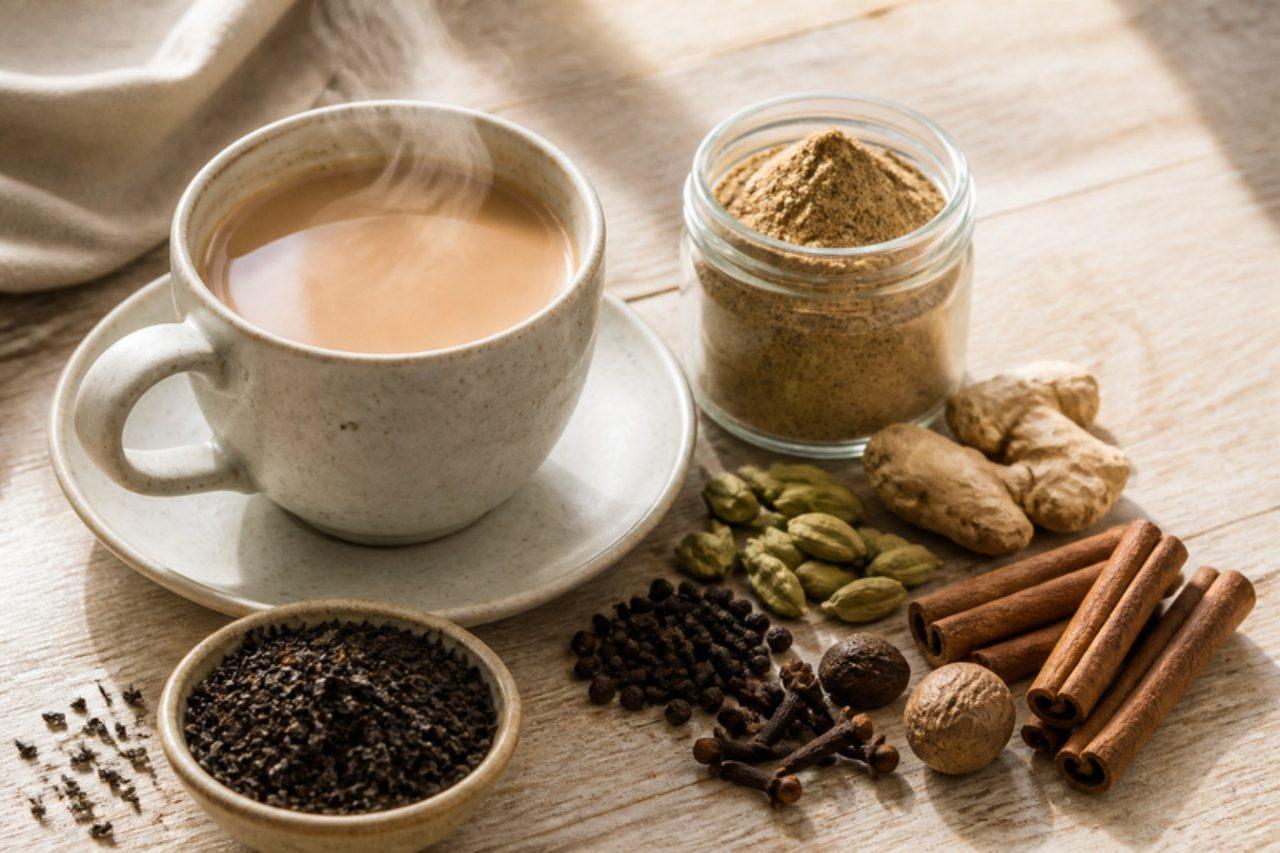
Zanzibar is the spice island, and chai ya viungo is its everyday tea: black tea boiled with a home-roasted masala of cardamom, dry ginger, black pepper, cloves, cinnamon and nutmeg. The masala keeps for months in an airtight jar. Milk is optional; serve the tea hot.

by KrazyBadal 0 views

Rice pancakes (mukari)

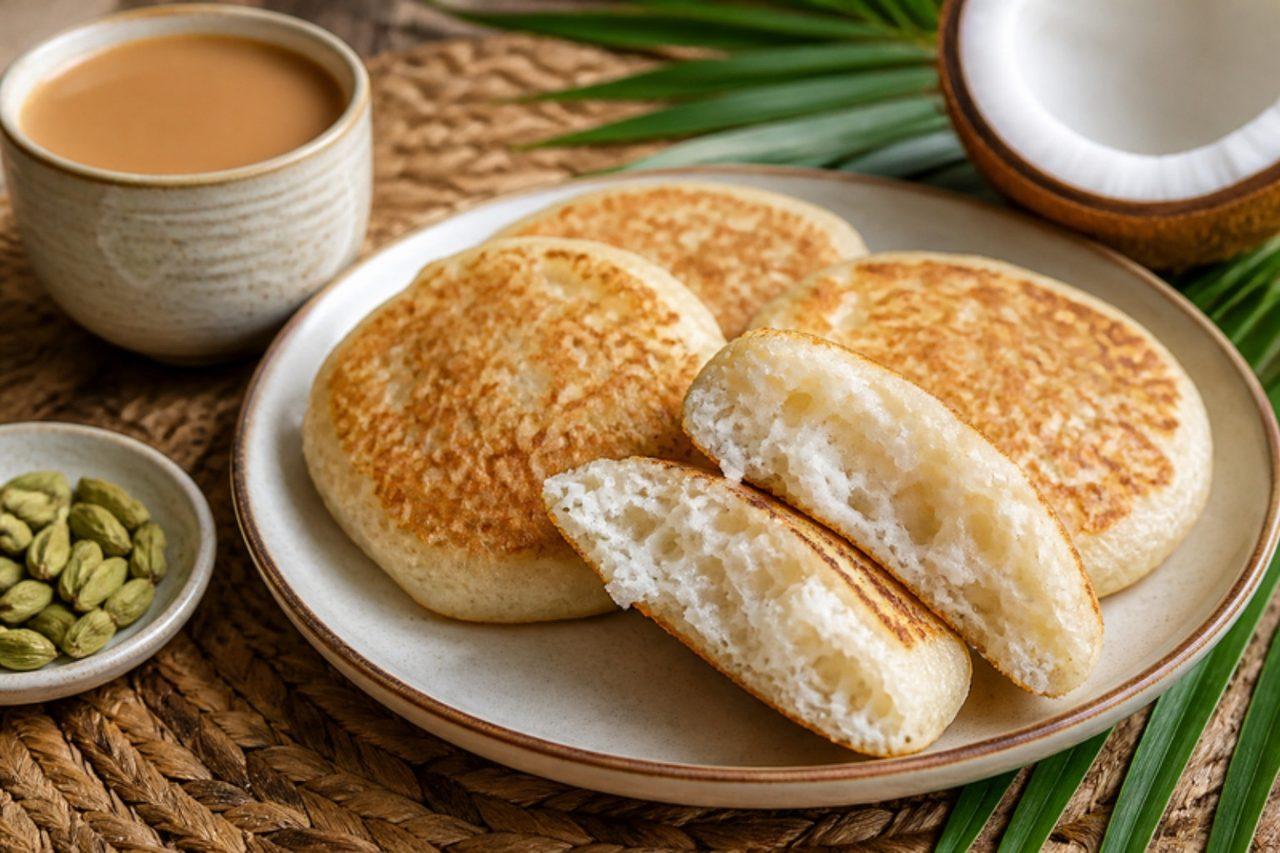
Mukari are soft, lightly sweet Zanzibari pancakes made from a yeasted rice flour and coconut milk batter scented with cardamom. They're cooked covered over a low heat so they puff up and stay spongy. Serve warm with tea.

by KrazyBadal 0 views

Baked bananas (ndizi ya kuoka)

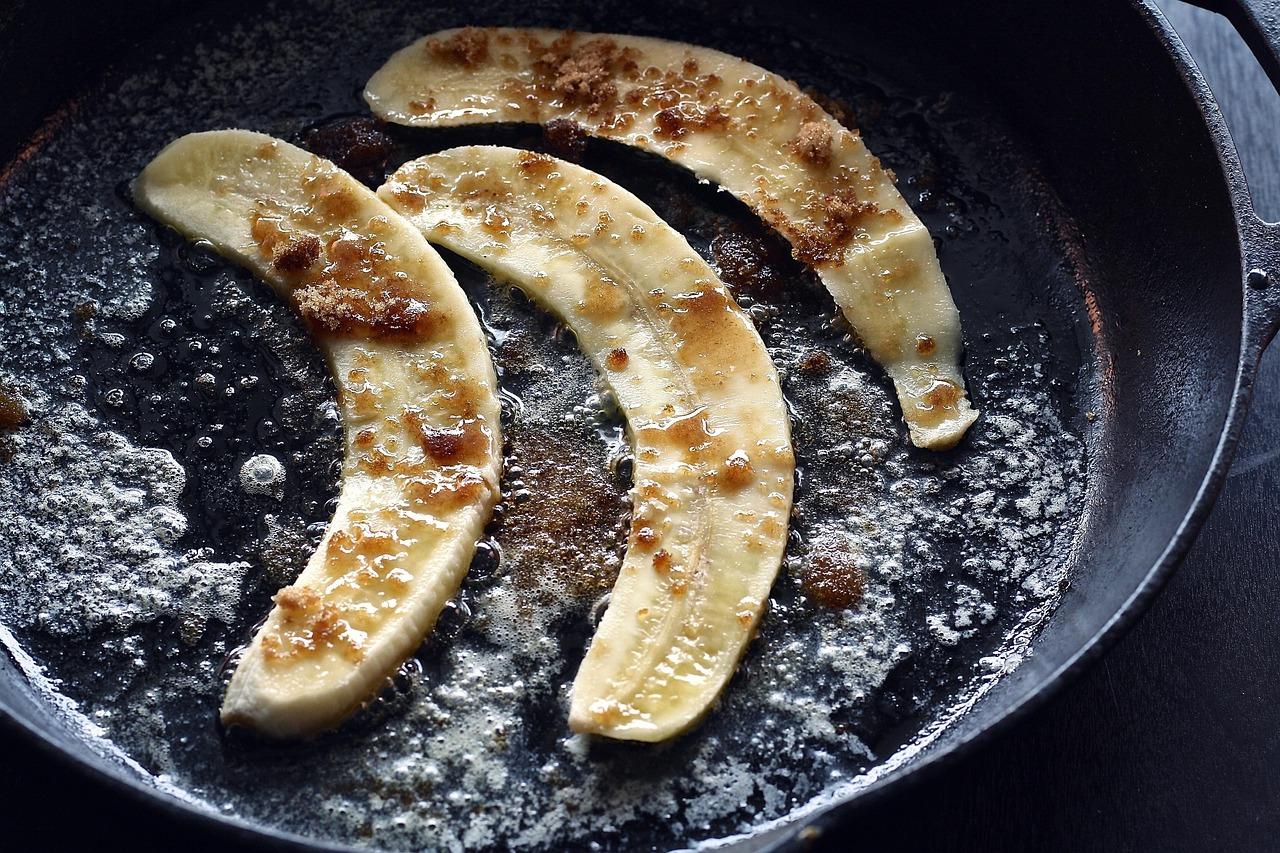
Ndizi ya kuoka: small bananas halved and baked with lemon juice, brown sugar and cinnamon until soft and syrupy, then served with lightly sweetened cream and a grating of nutmeg. It's a quick, warm pudding. The book's Handy Hints say bananas are good for the heart.

by KrazyBadal 0 views

Ginger drink (tangawizi)

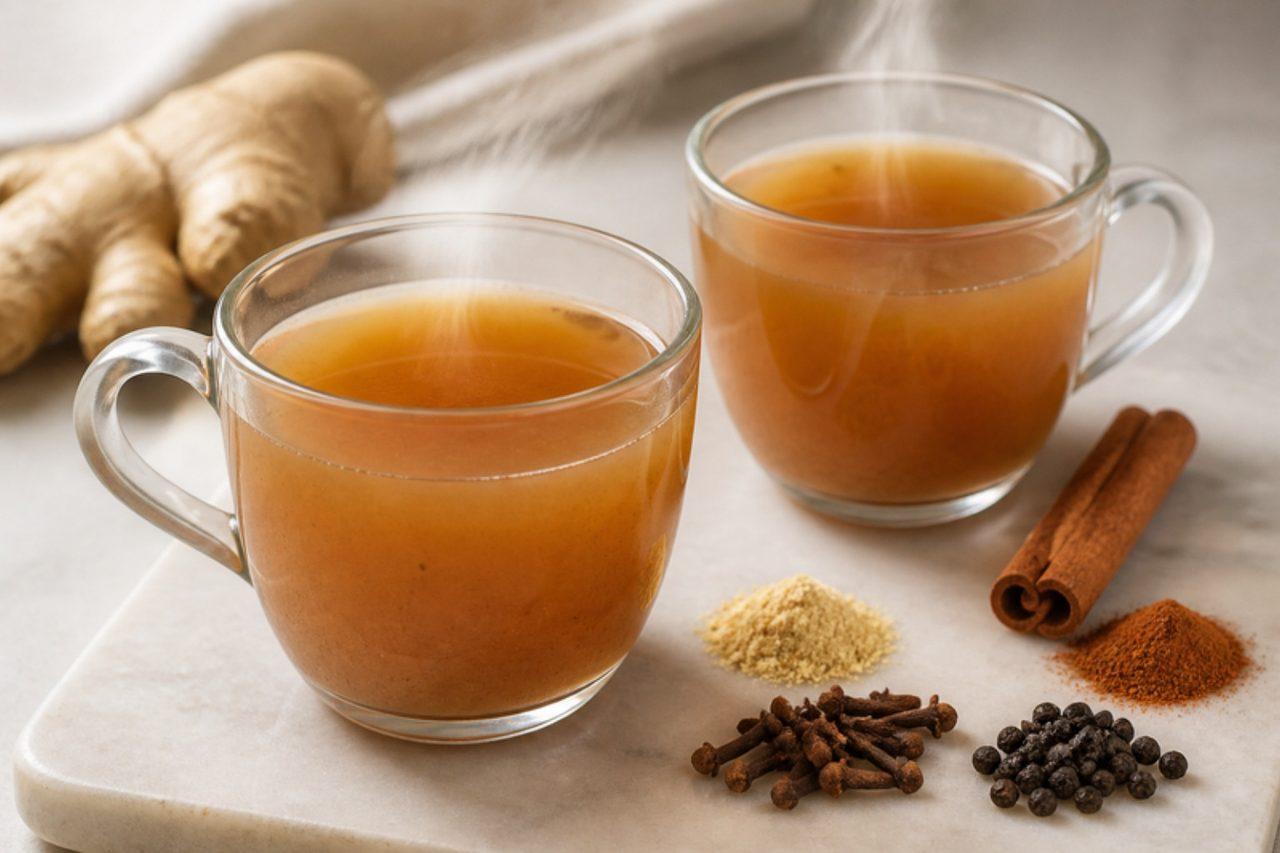
Tangawizi is a warming Swahili drink of ginger boiled with cinnamon, clove and black pepper and sweetened to taste. It's hot, peppery and soothing on a cool evening or when you have a cold. Serve hot in small kahawa cups.

by KrazyBadal 0 views

Coconut sweet (kashata ya nazi)

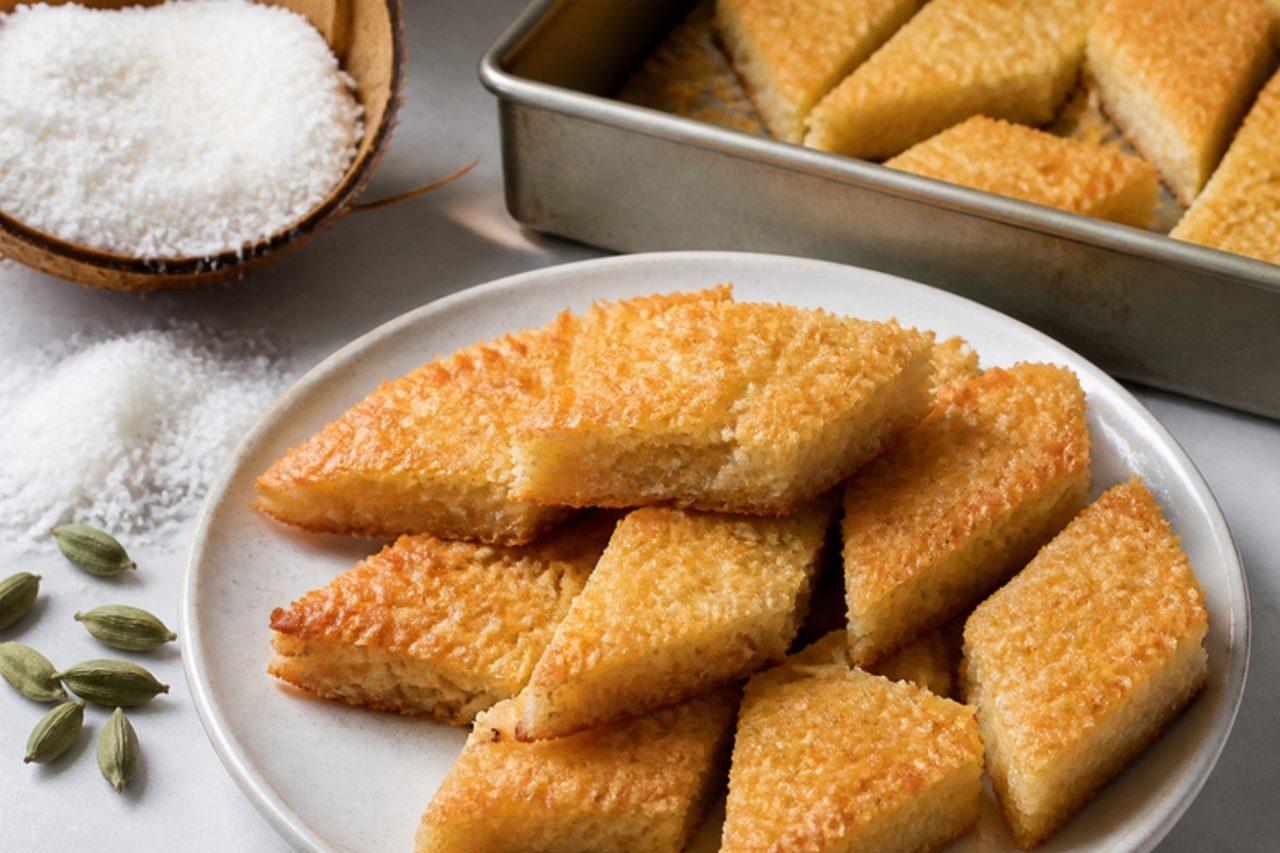
Kashata ya nazi is a simple Swahili sweet of desiccated coconut cooked with milk, sugar, evaporated milk and cardamom until thick, then pressed into a dish and cut into diamonds. It's chewy and sweet, and it keeps well. Store in an airtight container.

by KrazyBadal 0 views

Vermicelli in coconut (tambi ya nazi)

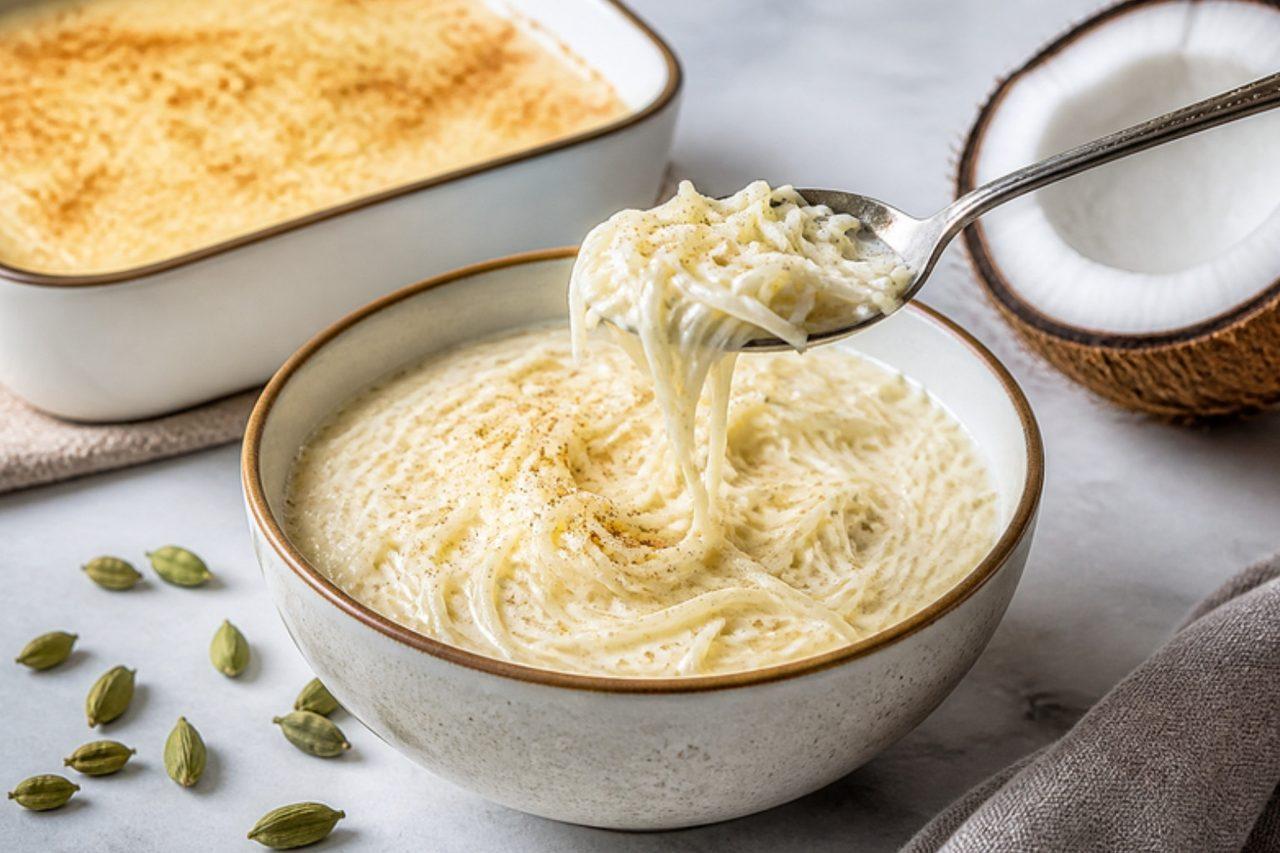
Tambi ya nazi: soft vermicelli stirred into sweetened coconut milk with crushed cardamom, then baked briefly so it sets lightly. It's creamy, gently sweet and fragrant, and is often made for Eid. Serve hot, sprinkled with more cardamom.

by KrazyBadal 0 views

Soft doughnuts (kaimati)

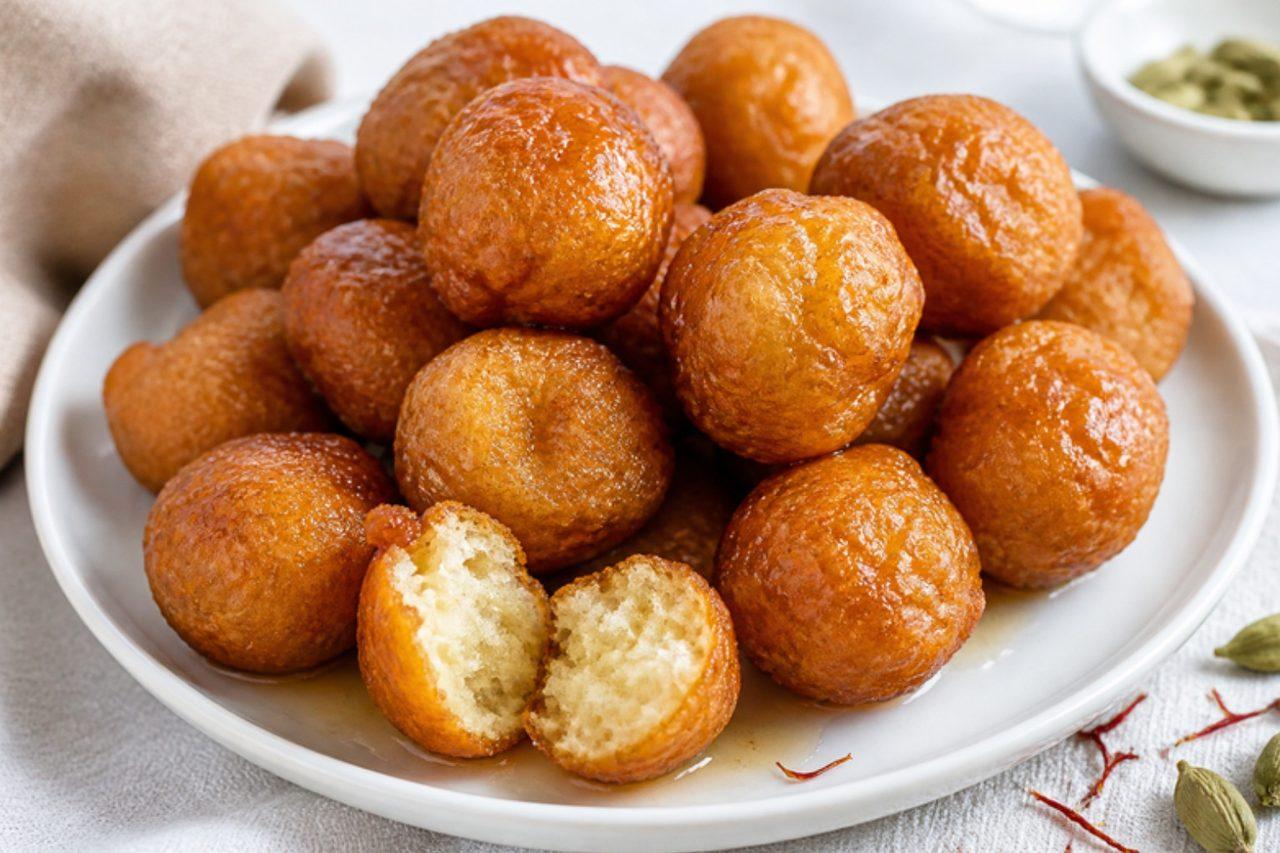
Kaimati are bite-size Swahili doughnuts: a yeasted cardamom and coconut batter dropped by the spoonful into hot oil, then dipped in a fragrant saffron, cardamom and rose syrup while still hot. They're crisp outside and soft inside. Serve with tea.

by KrazyBadal 0 views

Bungo juiceSweet-sour bungo fruit juice

Maji ya bungo is a favourite Zanzibar street drink made from the orange, sweet-sour pulp of the bungo fruit (Saba comorensis), soaked off the seeds, blended with sugar and water and strained. It's tangy, fruity and very refreshing. Serve well chilled.

by KrazyBadal 0 views

Showing 24 of 2,799 recipes

Show more recipes

Page 99 of 117

More Jain ideas

Other diets