Skip to content
WhatToEat.Today

No onion, no garlic recipes (Swaminarayan and sattvic)

3,470

3470 vegetarian recipes cooked without onion or garlic, as in Swaminarayan and sattvic kitchens, with no meat, fish, eggs or alcohol. Each has photos, step-by-step instructions and cook times. The quickest, Apfelschorle, takes 2 minutes. Most take around 45 minutes.

Filter these by time, diet or cuisine · Make No onion & garlic your diet to see only these recipes everywhere on the site.

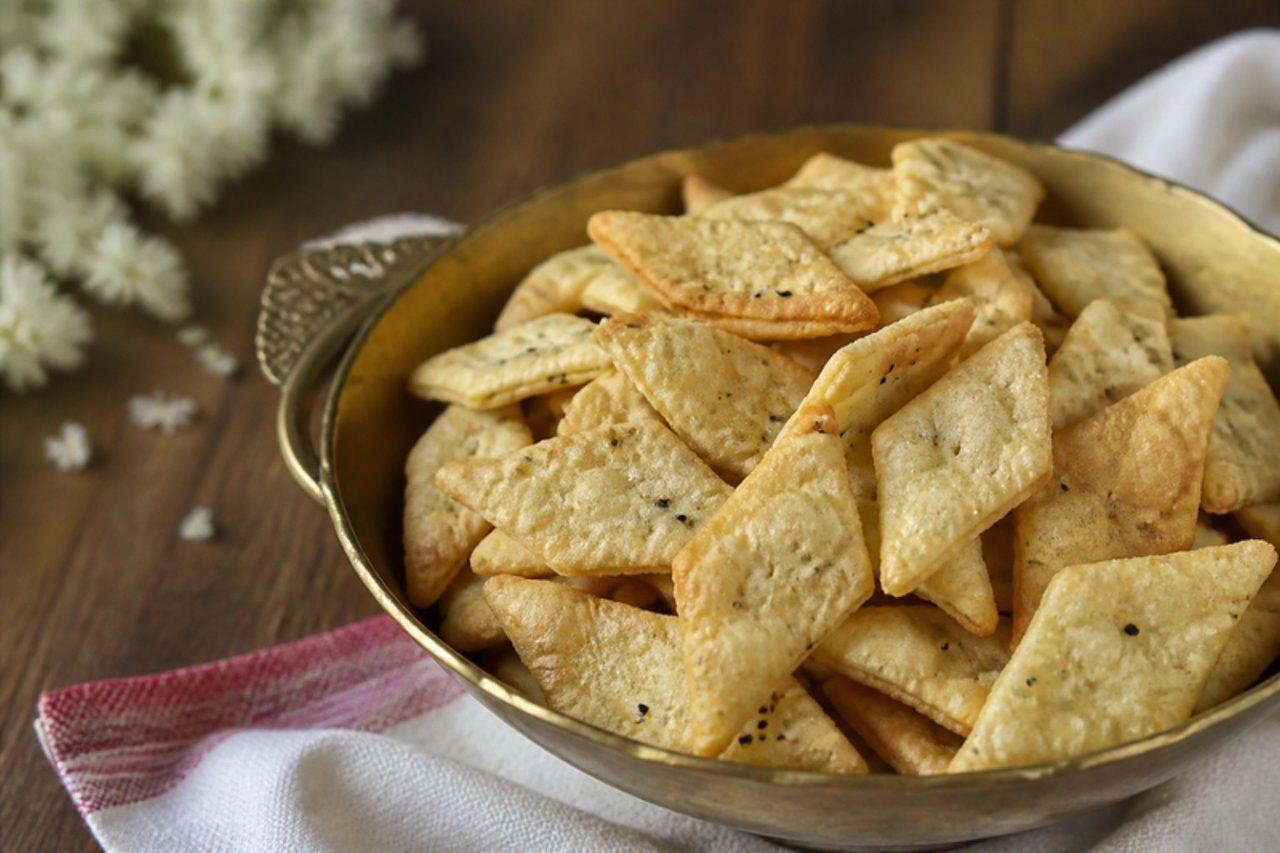
NimkiFlaky fried nigella pastry

On Bijoya Dashami, the last day of Durga Puja, Bengali families visit elders, touch their feet and are fed sweets, and the tin of nimki is always opened alongside the narkel naru and mishti. Nimki are small diamonds of short pastry flavoured with kalonji (nigella seeds), fried slowly until they blister into flaky layers. They are salty, crunchy and very moreish with a cup of tea. Common mistake: frying in oil that is too hot; the outside browns while the inside stays raw and hard. Fry on a low-medium flame until the pieces float, sound hollow and are a pale golden colour. Chef's tip: the dough is ready when a handful pressed in your fist holds its shape (the 'moyan' test); too little ghee gives hard nimki, too much makes them crumble in the oil.

by KrazyBadal 0 views

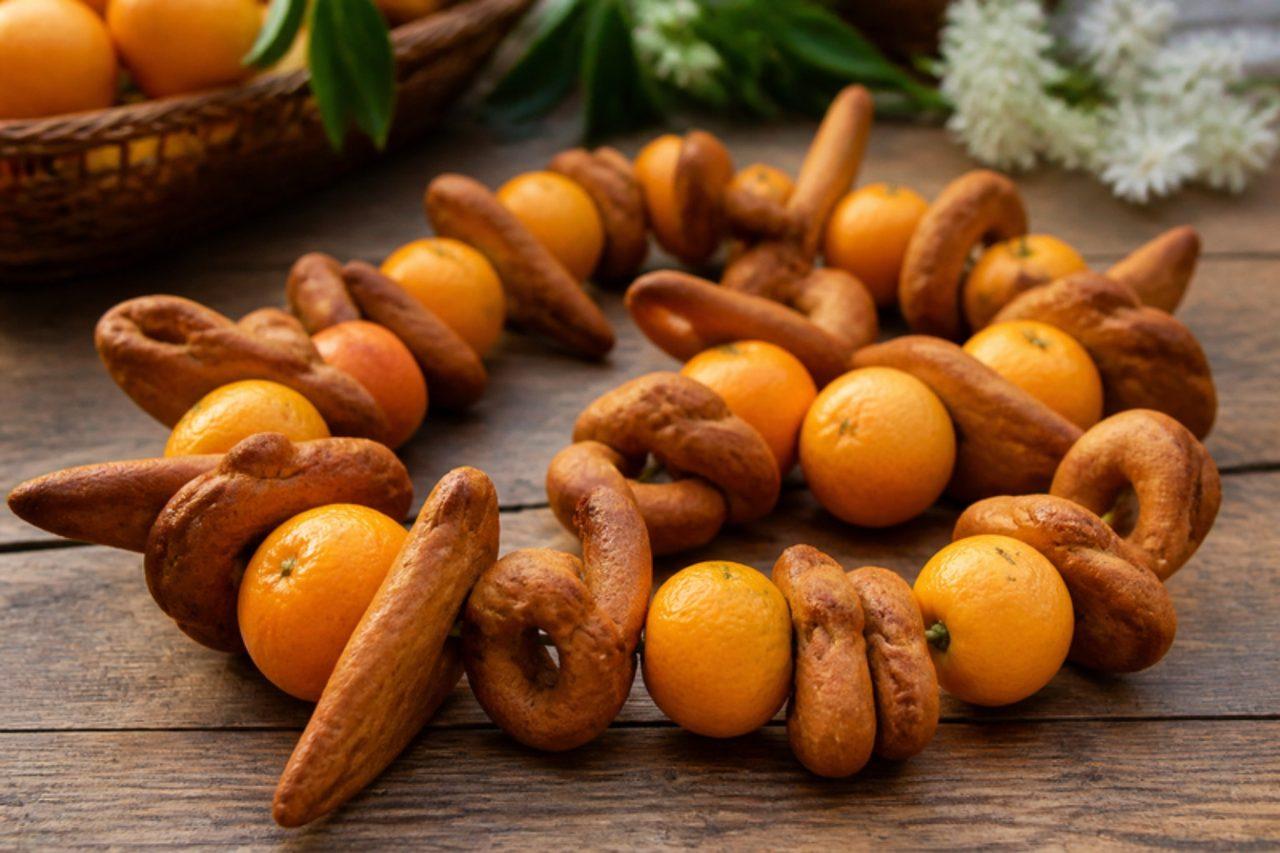
GhughuteFried jaggery dough shapes

In Kumaon, Makar Sankranti is Ghughutiya, and the evening before, families knead wheat flour with jaggery and shape it into little drums (damru), swords, knots and flowers, fry them and thread them into necklaces with an orange in the middle. The next morning children wear the garlands and call the crows: 'kale kale, ghughuti mala khale', offering them the first bites before eating the rest themselves. The ghughute are crisp outside and slightly chewy within, gently sweet with fennel. Common mistake: oil that is too hot; they darken in seconds but stay doughy inside, so fry on a medium heat until they are an even deep gold and sound hollow when tapped. Chef's tip: keep the dough quite stiff, like for mathri; soft dough loses its shapes in the oil.

by KrazyBadal 0 views

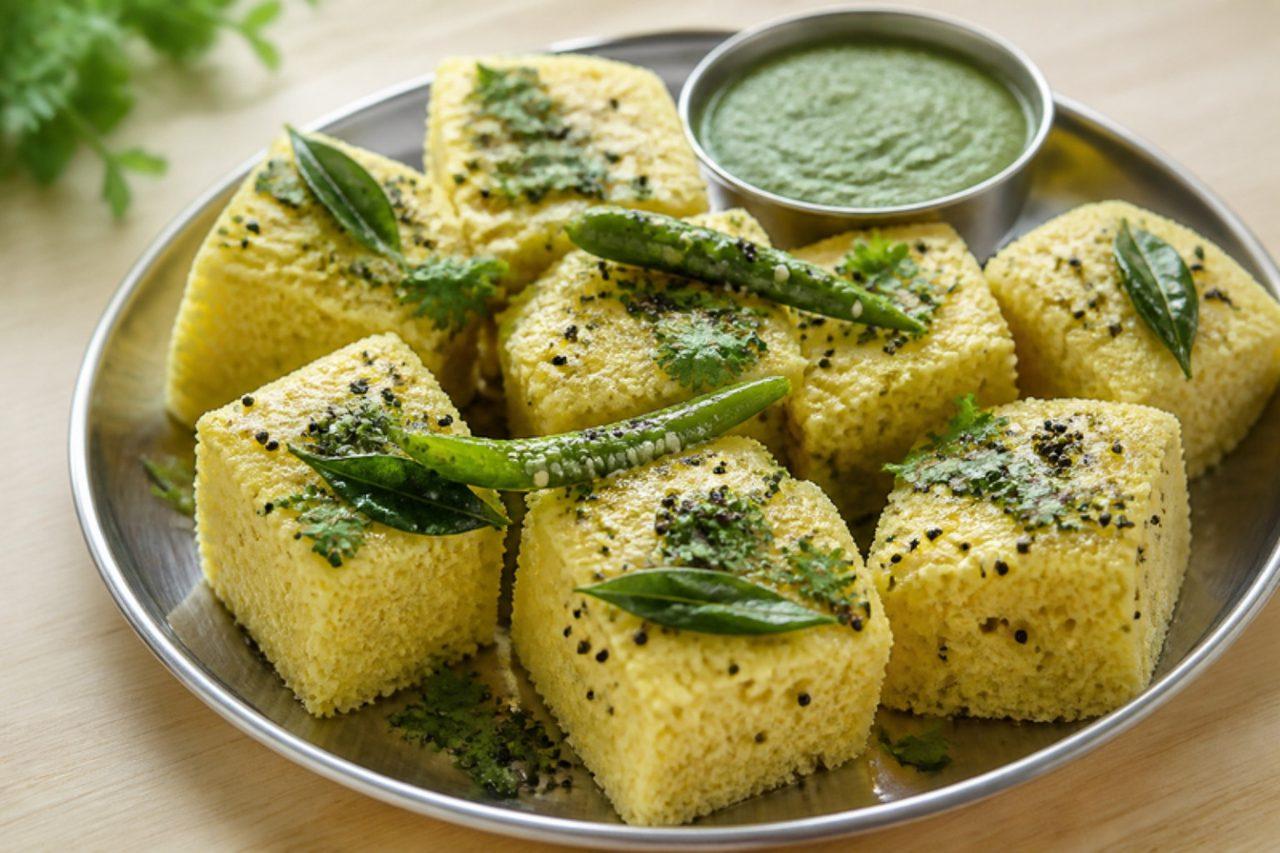
Moong dal dhoklaSteamed moong dal squares

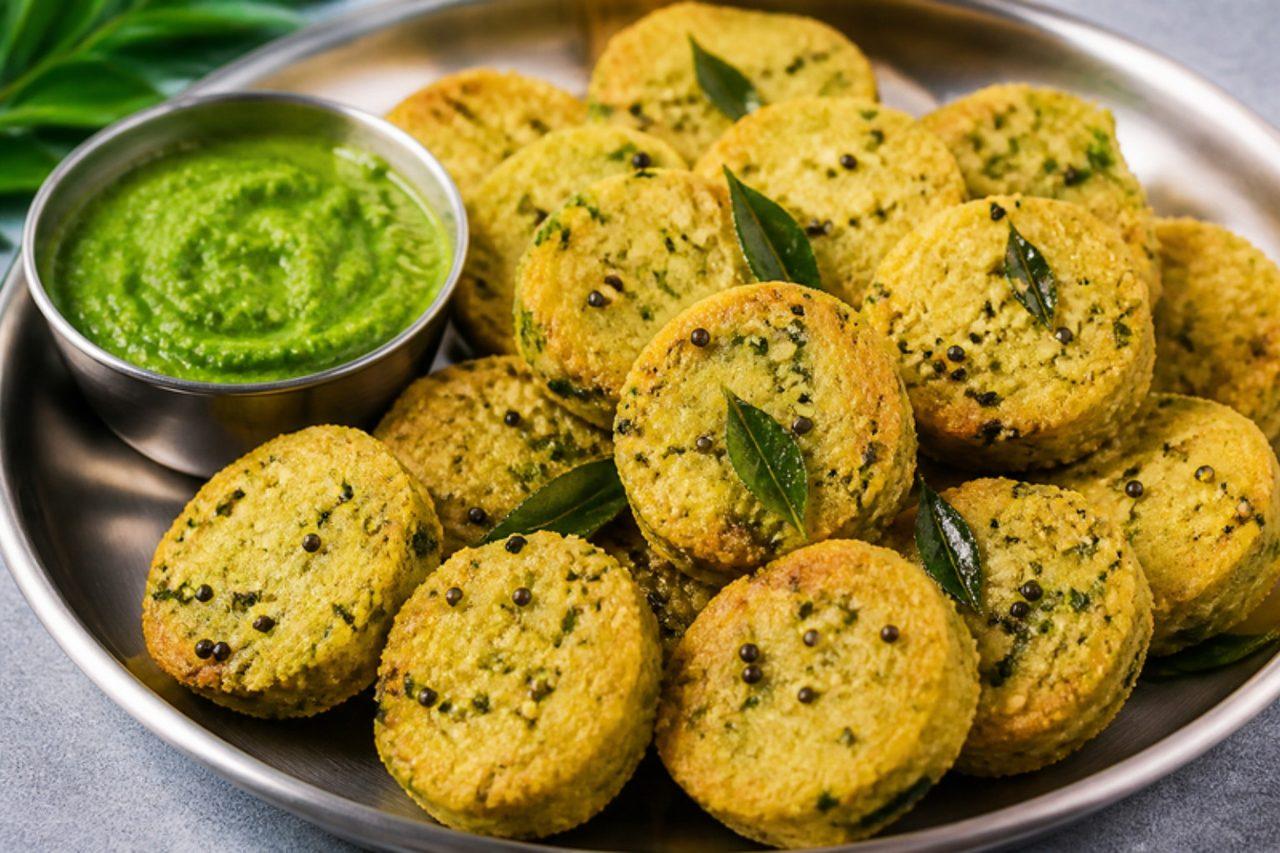
Across Gujarat, moong dal dhokla is the lighter cousin of khaman: the breakfast plate in Ahmedabad homes, the tiffin snack that travels well, and a regular on the table when someone in the house is eating light. Split yellow moong is soaked, ground with ginger and green chilli and steamed into pale, springy squares, then splashed with a hot tempering of mustard seeds, sesame and curry leaves. It is mild, savoury and slightly sweet from the dal itself, and best with green chutney. A common mistake is grinding the dal to a thin, watery paste; the dhokla then steams flat and dense, so keep the batter thick enough to drop slowly from a spoon. Chef's tip: stir in the fruit salt only when the steamer is already boiling and the tray is greased, because its fizz fades within a couple of minutes.

by KrazyBadal 0 views

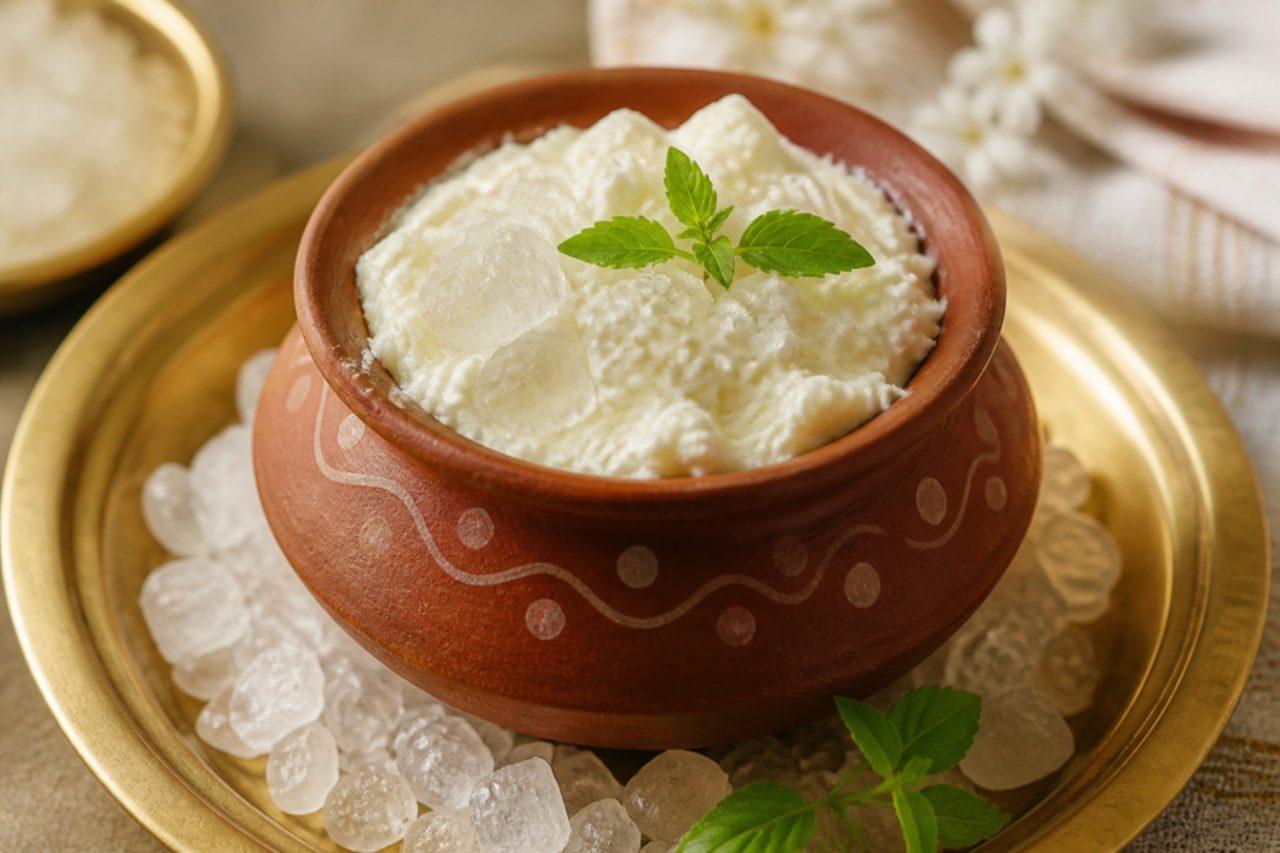
Makhan mishriFresh butter with rock sugar

Stories from Mathura and Vrindavan tell of the child Krishna stealing butter from the pots of the cowherd women, so at midnight on Janmashtami the first offering in the temples and at home is a bowl of fresh white butter mixed with mishri, the rock-sugar crystals. The butter is churned from cream at home, so it is soft, cool and lightly tangy, and the sugar crunches against it. It is eaten as prasad in tiny spoonfuls, often with a tulsi leaf on top. Common mistake: churning warm cream, which turns greasy instead of breaking; the cream must be fridge-cold, and the butter is ready when yellow-white clumps separate cleanly from thin buttermilk. Chef's tip: rinse the butter in iced water two or three times and press it with a spoon; washing out the buttermilk keeps it fresh for a day.

by KrazyBadal 0 views

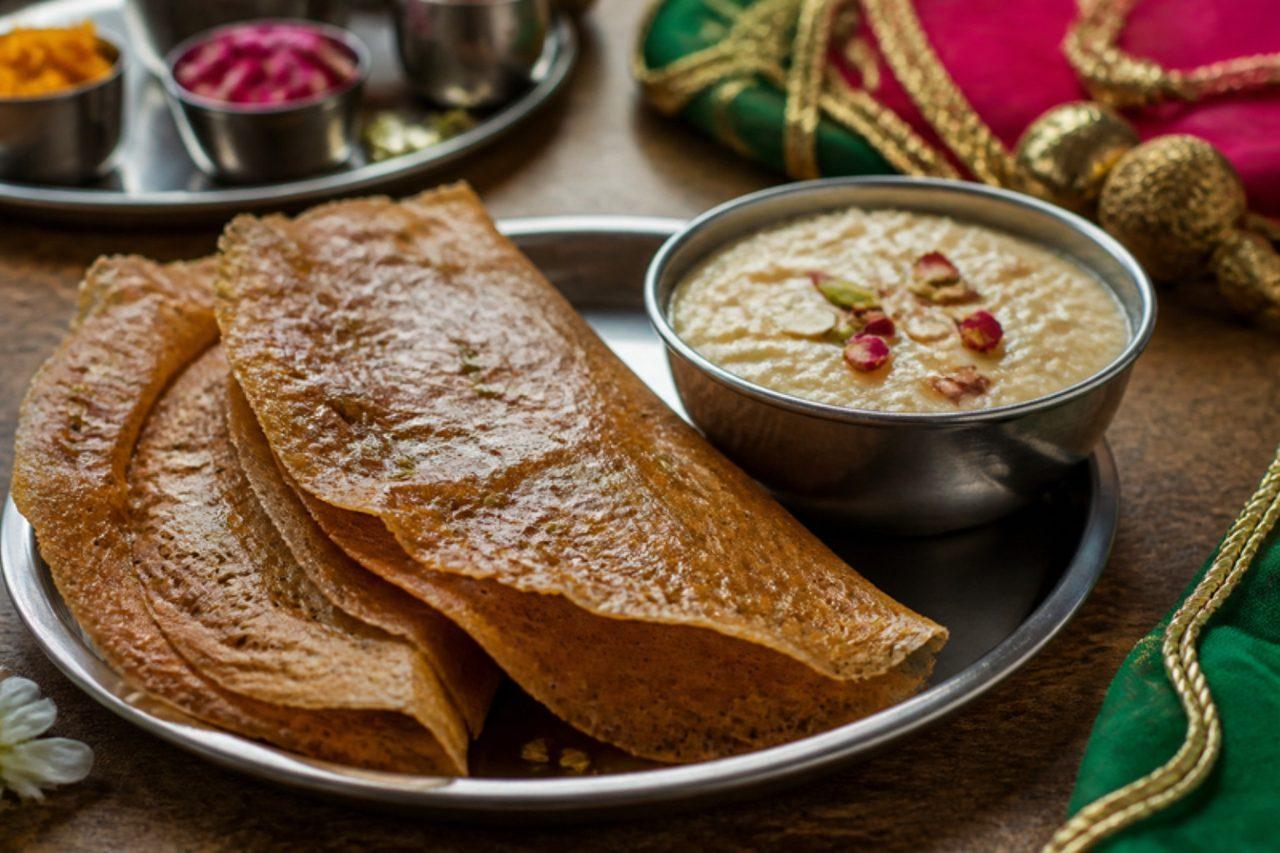
Meethe pudeJaggery fennel pancakes

Teeyan, Punjab's monsoon festival of Teej, is when married daughters visit their parents, girls swing from neem trees and dance giddha, and the food that comes out on rainy afternoons is kheer with meethe pude: thin wheat-flour pancakes sweetened with jaggery and fennel, shallow-fried in ghee until lacy at the edges. They are soft in the middle and crisp round the rim. Common mistake: a thick batter, which gives heavy, doughy pude; it should pour like single cream, and each pancake is ready to flip when the edges brown and lift from the pan. Chef's tip: rest the batter for 20 minutes so the flour hydrates; the pude spread thinner and crisp better.

by KrazyBadal 0 views

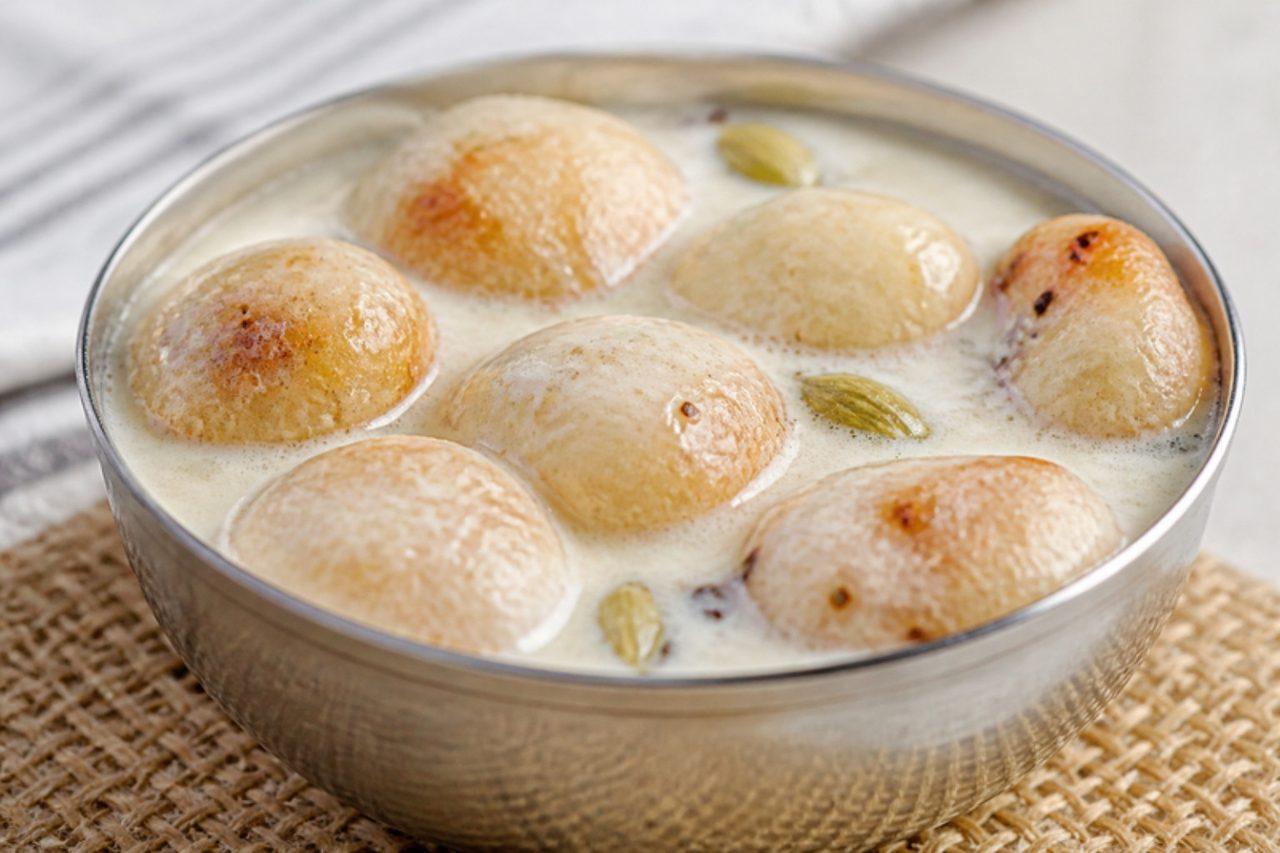
Paal paniyaramFried dumplings in sweet coconut milk

Paal paniyaram is the Chettinad wedding dessert served on the banana leaf at the end of a Karaikudi feast: small marble-sized dumplings of rice and urad are fried pale, dipped briefly in hot water to soften them, then left to soak in sweetened, cardamom-scented coconut milk. They are soft, spongy and cool, eaten with a spoon, chilled or at room temperature. A common mistake is frying until brown and crusty: the dumplings then refuse to soak up the milk. Fry them only until set and barely coloured. Chef's tip: the quick dip in hot water after frying washes off surface oil and opens them up to drink the coconut milk.

by KrazyBadal 0 views

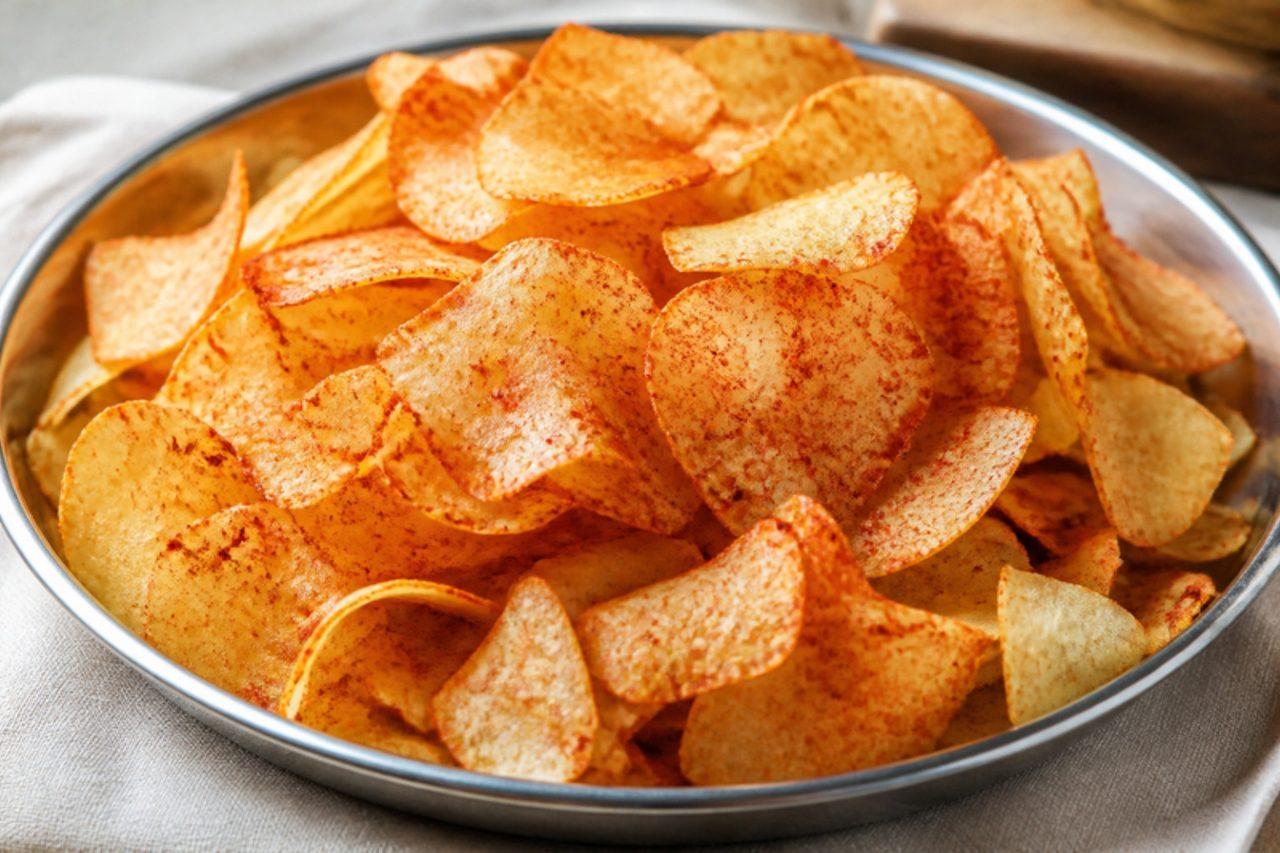
Kappa varuthathuTapioca chips

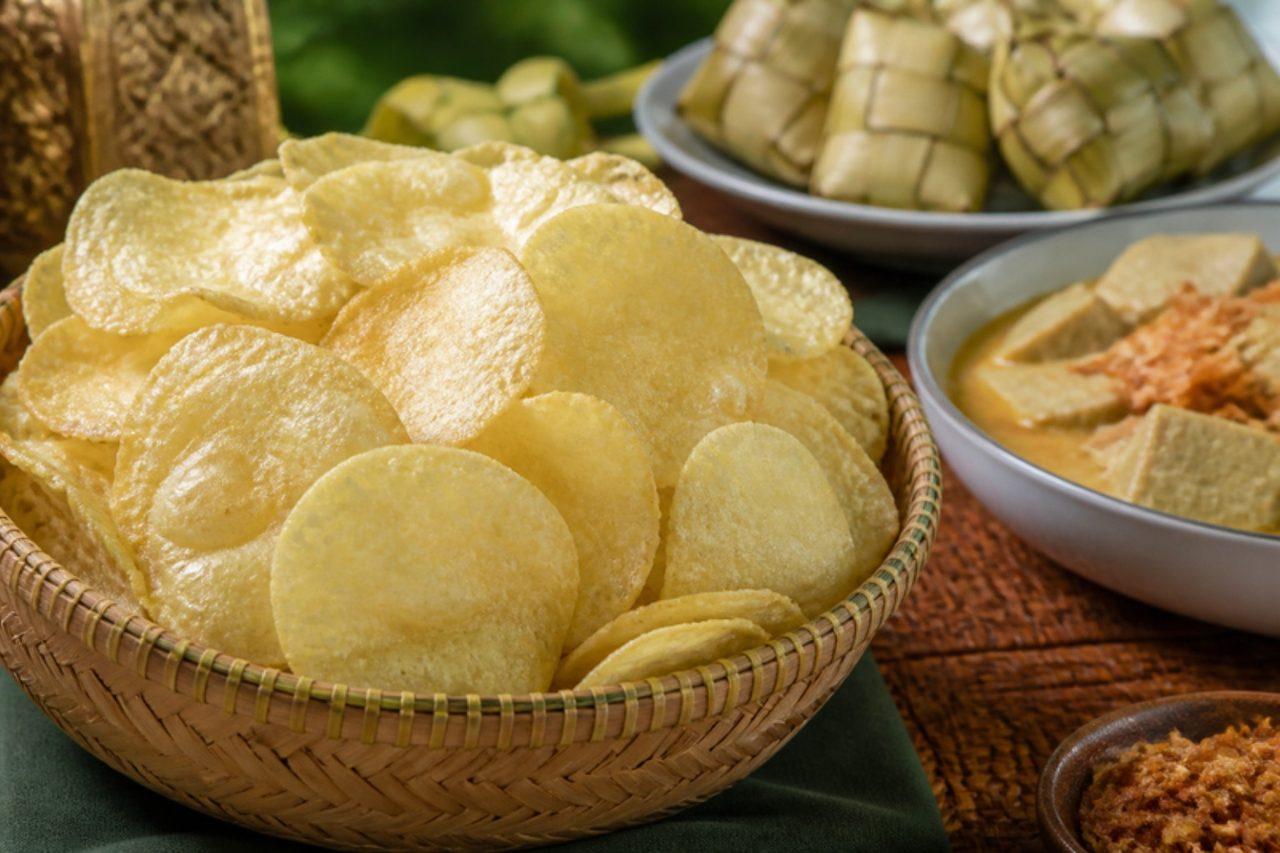
Kappa varuthathu, crisp tapioca chips, are sold by weight in Kerala bakeries from Thiruvananthapuram to Kozhikode and fried at home whenever fresh tapioca is cheap after the monsoon. Peeled roots are shaved very thin, fried in coconut oil with a splash of salt water, and dusted with chilli powder while still hot. They are lighter and crunchier than banana chips, with a faint sweetness under the heat. A common mistake is crowding the pan: the slices stick together and steam instead of crisping, so fry a single handful at a time. Chef's tip: soak the slices in cold water for 10 minutes and dry them thoroughly; it washes off surface starch so the chips stay pale and separate.

by KrazyBadal 0 views

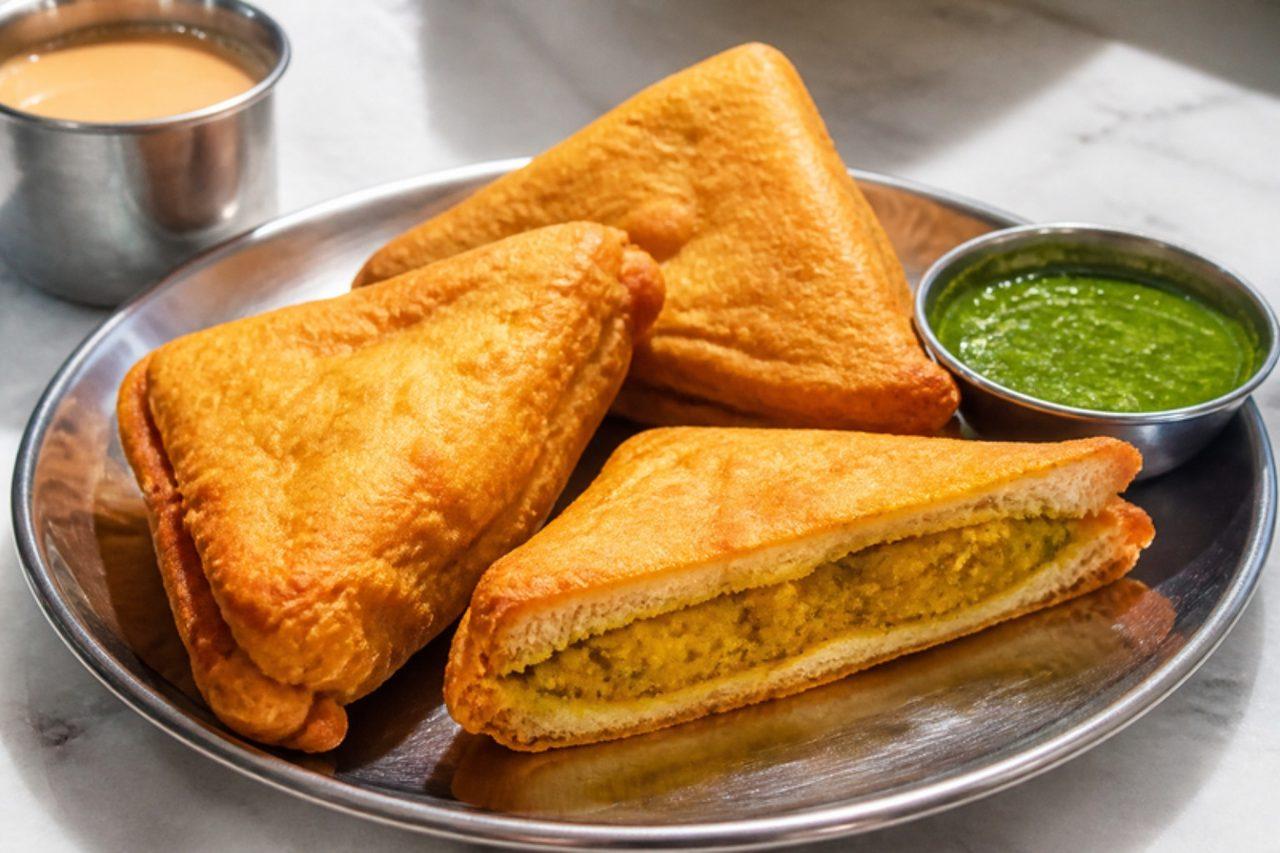
Bread pakoraStuffed bread fritters

Every tea stall from Ludhiana to Delhi's Kamla Nagar has a tray of bread pakoras by ten in the morning, and school children and office clerks eat them standing up, squashed into a paper plate with ketchup and fried green chillies. Two slices of soft white bread hold a layer of green chutney and spicy aloo, and the whole sandwich is cut into triangles, dunked in a thick besan batter and fried until it puffs and crisps. The common mistake is a thin, watery batter: it soaks straight into the bread and the pakora comes out heavy and oily. Keep the batter as thick as idli batter and dip quickly. Chef's tip: use bread that is a day old, which holds its shape in the batter far better than fresh.

by KrazyBadal 0 views

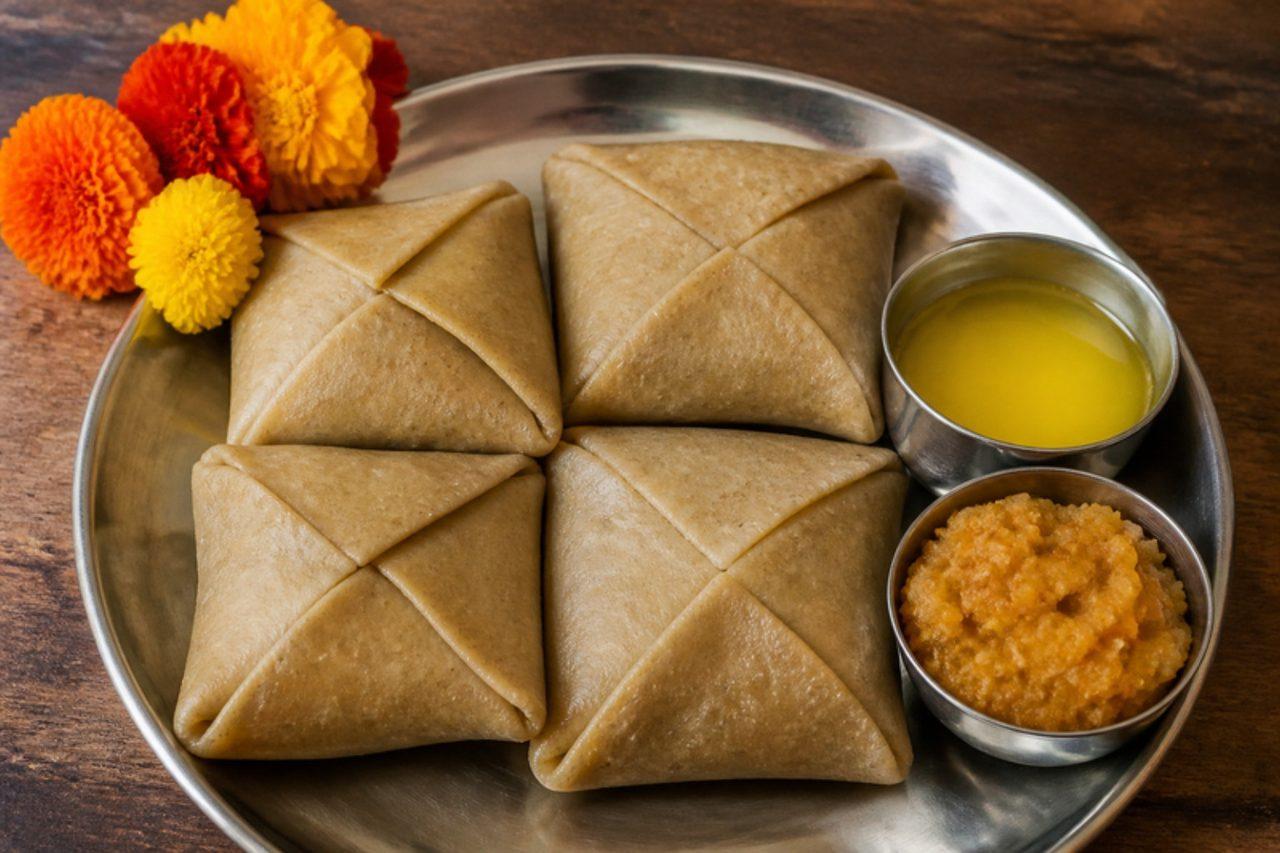
DindeSteamed chana jaggery parcels

On Nag Panchami in Maharashtra, women draw snakes in turmeric, offer milk and lahya at anthills, and by custom nothing is cut, chopped or fried on the tava that day, so the festival sweet is dinde: wheat-dough squares folded around puran (chana dal and jaggery) and steamed. They are soft, a little chewy and fragrant with nutmeg and cardamom, eaten warm with ghee. Common mistake: wet puran that leaks; cook the dal and jaggery until the mixture is thick and a spoon stands upright in it, then cool before filling. Chef's tip: steam the dinde on a greased banana leaf or plate and keep the seams down, so they keep their square shape.

by KrazyBadal 0 views

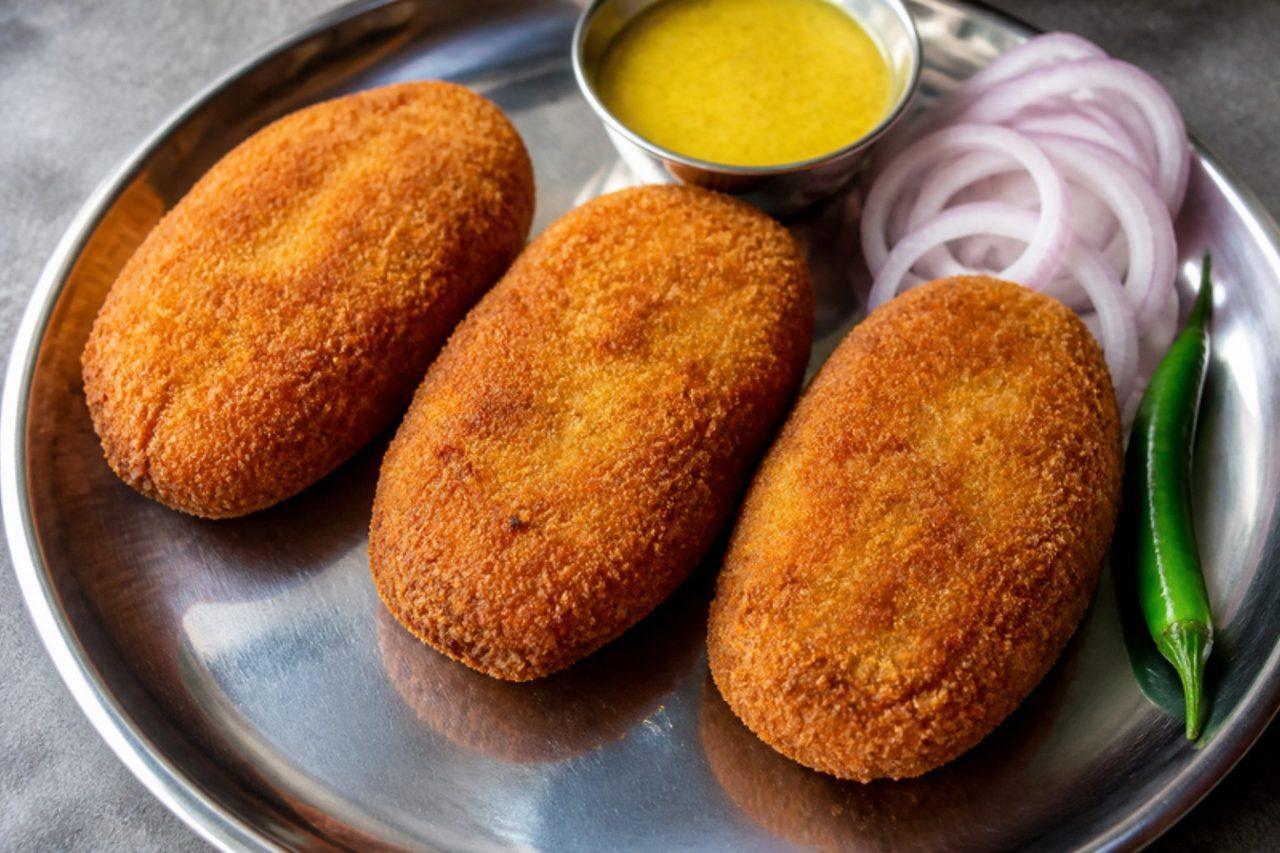
Kolkata vegetable chopCrumbed vegetable croquettes

Walk between Kolkata's Durga Puja pandals in the evening and the smell that follows you is of telebhaja stalls frying vegetable chop. These are oval croquettes of mashed potato with grated beetroot, carrot and roasted peanuts, spiced with ginger, chilli and bhaja moshla, coated in a flour-water batter and breadcrumbs and fried until shatteringly crisp; inside they are soft, sweet and a vivid pink. They are eaten hot with kasundi, ketchup or sliced cucumber and onion. Common mistake: leaving the filling wet, which makes the chops split in the oil; cook the beetroot mix until it is dry enough to roll without sticking. Chef's tip: coat the chops twice (batter, crumbs, batter, crumbs) and chill them for 20 minutes before frying; the double coat is what gives the pandal crunch.

by KrazyBadal 0 views

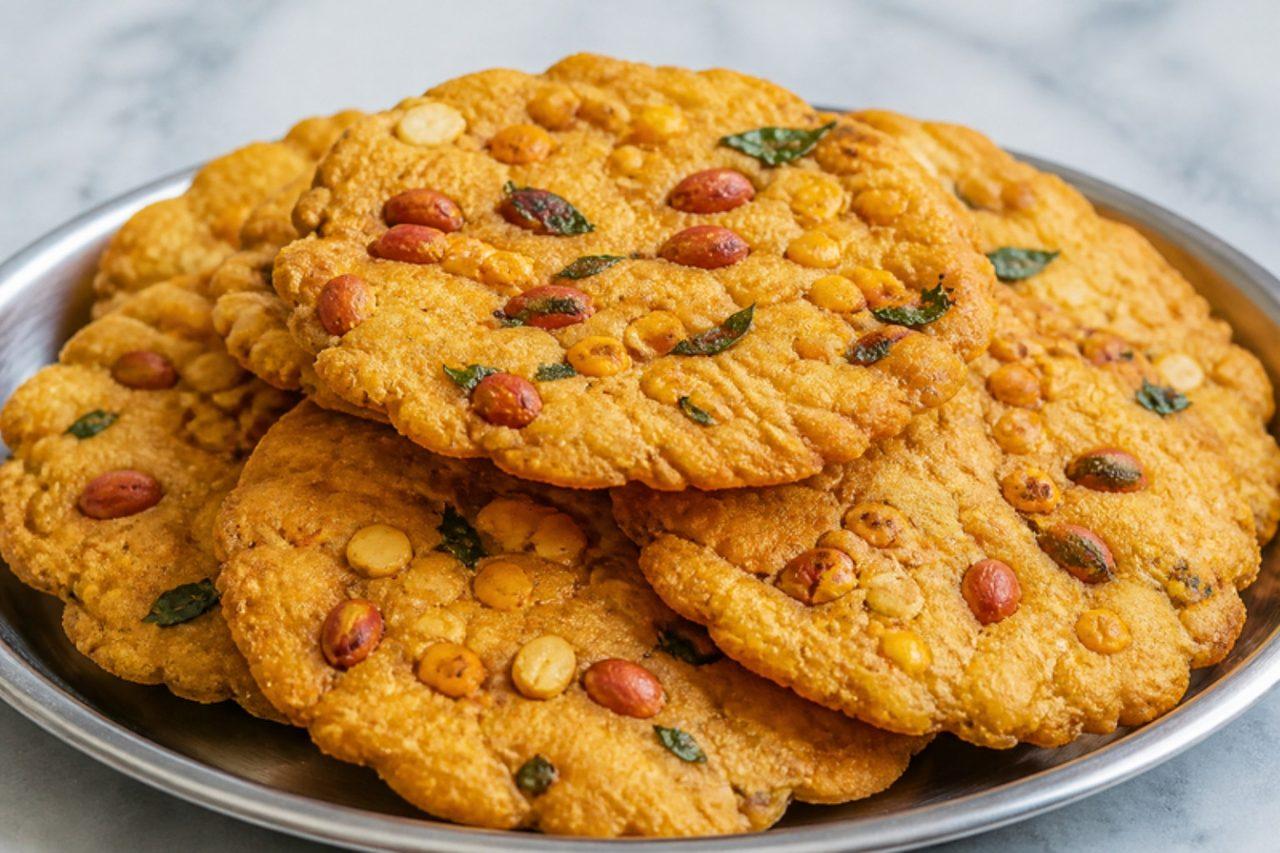
NippattuPeanut rice crackers

Nippattu is the Karnataka tea-time cracker, sold in Iyengar bakeries from Bengaluru to Mysuru and fried at home for Gowri-Ganesha and Deepavali. Unlike the thin, delicate Tamil thattai, nippattu is thicker and chunkier, packed with crushed peanuts and roasted gram (hurigadale) so every bite crunches with nuts. It's spiced with chilli, hing and curry leaves and keeps for weeks. A common mistake is skipping the hot oil rubbed into the flour; without it the crackers turn hard instead of short and crisp. Chef's tip: prick each disc a few times with a fork so it fries flat and crisp right through instead of puffing.

by KrazyBadal 0 views

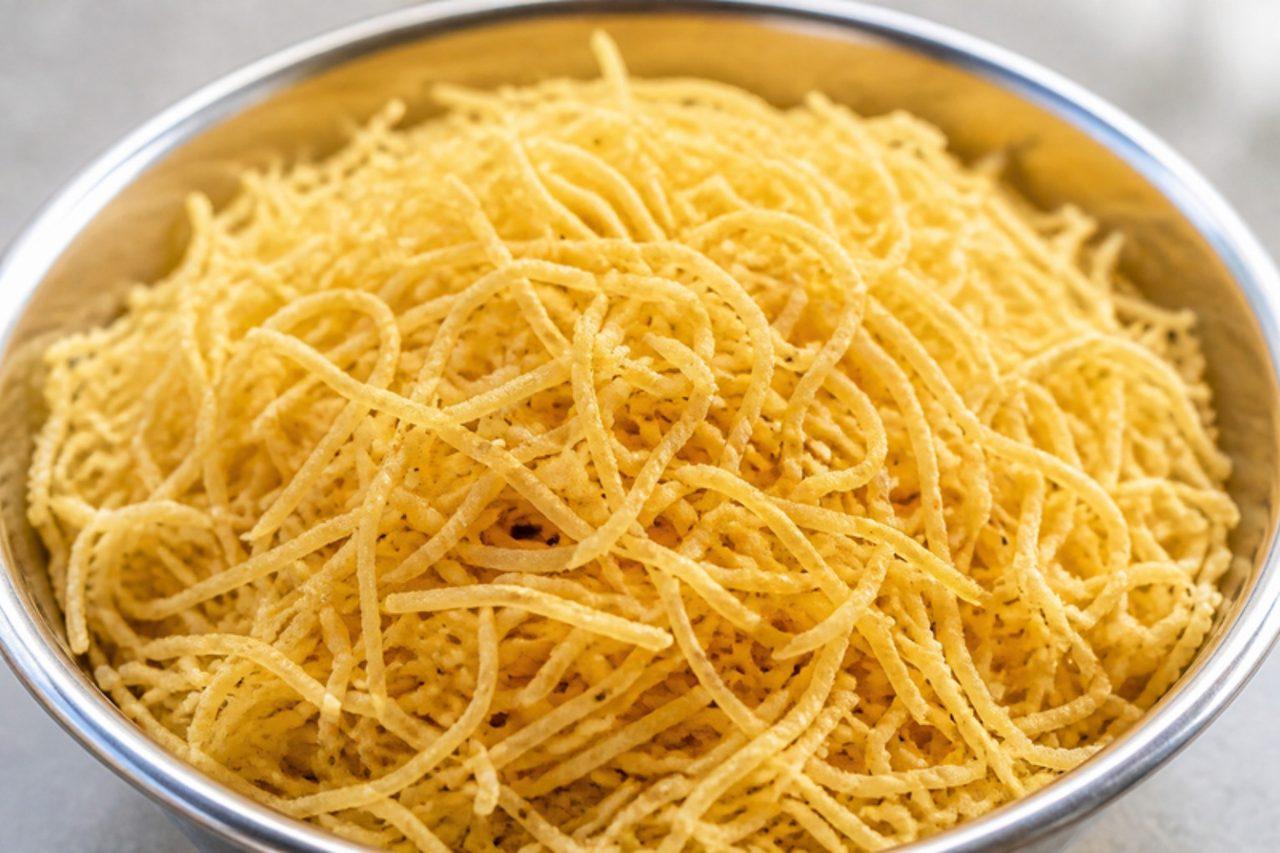
Bataka sevFasting potato sev

Bataka sev is the sev that Gujarati households can eat on upvas days, from Ekadashi and Shivratri to the Navratri fasts: there is no gram flour, only boiled potato bound with arrowroot, seasoned with rock salt, green chilli and crushed pepper. It fries into pale gold, delicate threads that melt quickly in the mouth, and is eaten on its own, over farari chevdo or on fasting bhel. The common mistake is using warm or watery potatoes, which make a sticky dough that will not pass through the press; boil, peel and cool the potatoes completely, and grate them rather than mashing. Chef's tip: fry in small spirals in moderately hot oil and lift them out while still pale, as they keep colouring for a minute after draining.

by KrazyBadal 0 views

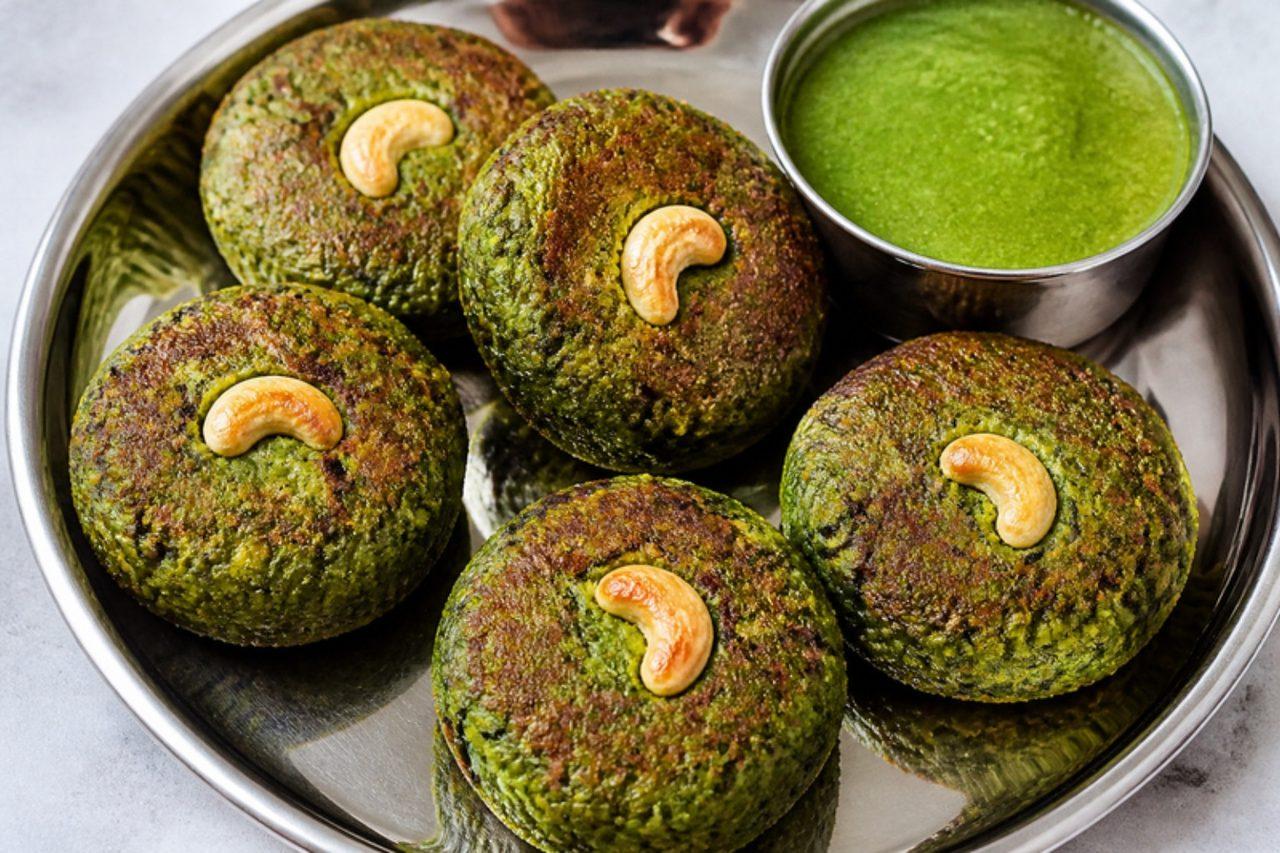
Hara bhara kebabSpinach and pea patties

Hara bhara kebab is the vegetarian starter of Delhi's Punjabi restaurants and every wedding cocktail hour, a bright green patty of spinach, peas and potato with ginger and green chilli, pan-fried until crusty and topped with a single cashew. It is soft inside, crisp outside and mild enough for children, served with mint chutney before a big meal. The usual mistake is not squeezing the blanched spinach dry: the mix turns wet, the patties won't hold and they fall apart in the pan. Wring it out in your fist until no more water comes. Chef's tip: dip the spinach in iced water right after blanching; it keeps the patties a vivid green instead of khaki.

by KrazyBadal 0 views

Vazhakkai bajjiRaw banana fritters

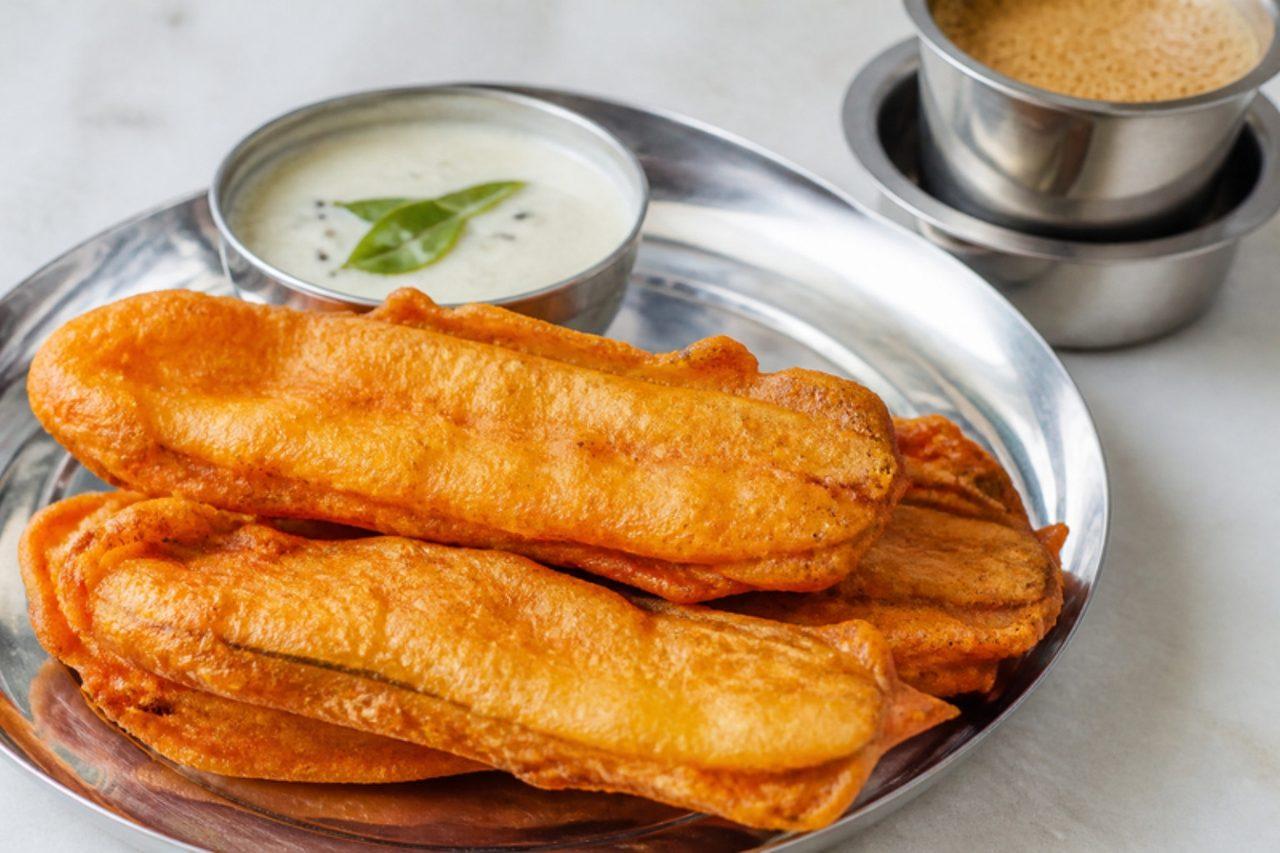
Every Chennai beach stall and every Tamil wedding tiffin has a tray of vazhakkai bajji, long thin slices of raw plantain in a soft, puffy, red-tinged coat. They are best eaten minutes out of the oil around 5 pm, with coconut chutney and a tumbler of coffee. The mistake is slicing too thick: the banana stays starchy and hard while the batter overbrowns, so cut slices 2–3 mm thin, ideally on a mandoline, lengthways. Chef's tip: a spoonful of rice flour and a pinch of hot oil whisked into the batter makes the coating crisp outside and keeps it from going soggy.

by KrazyBadal 0 views

Dudhi na muthiaBottle gourd steamed dumplings

Dudhi na muthia are the everyday steamed farsan of Gujarati kitchens, made on a weekday afternoon for evening tea or packed for the next morning's breakfast. Grated bottle gourd is kneaded with coarse wheat flour, gram flour and spices, shaped by fist (muthi) into logs, steamed, sliced and then crisped in a tempering of mustard and sesame. The slices are soft inside with golden edges, savoury, gently sweet and sharp with lemon. The classic mistake is squeezing out the dudhi juice and then adding water: the juice is the only liquid you need, so add the flours little by little to the undrained gourd. Chef's tip: steam the logs a day ahead and chill them; cold muthia slice cleanly and crisp much better.

by KrazyBadal 0 views

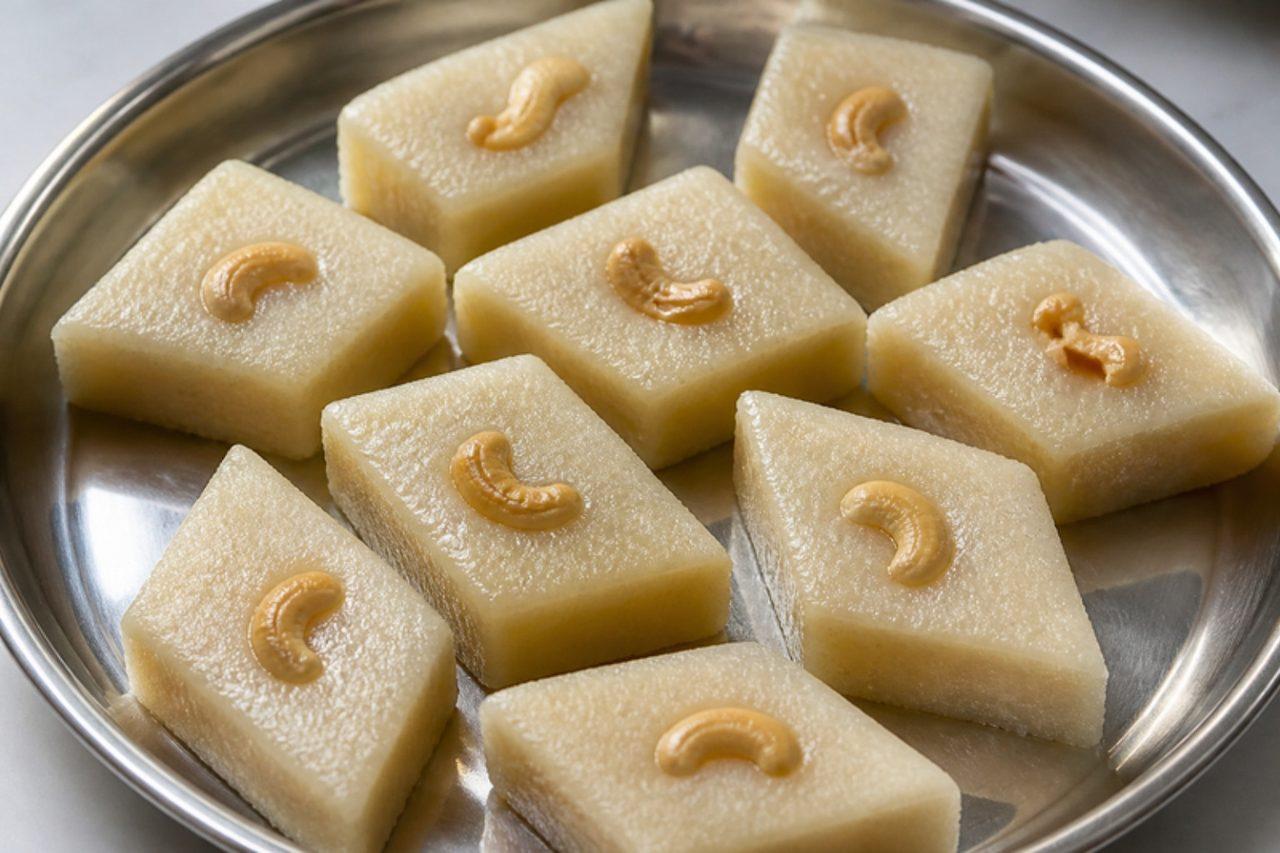
PalkovaMilk fudge

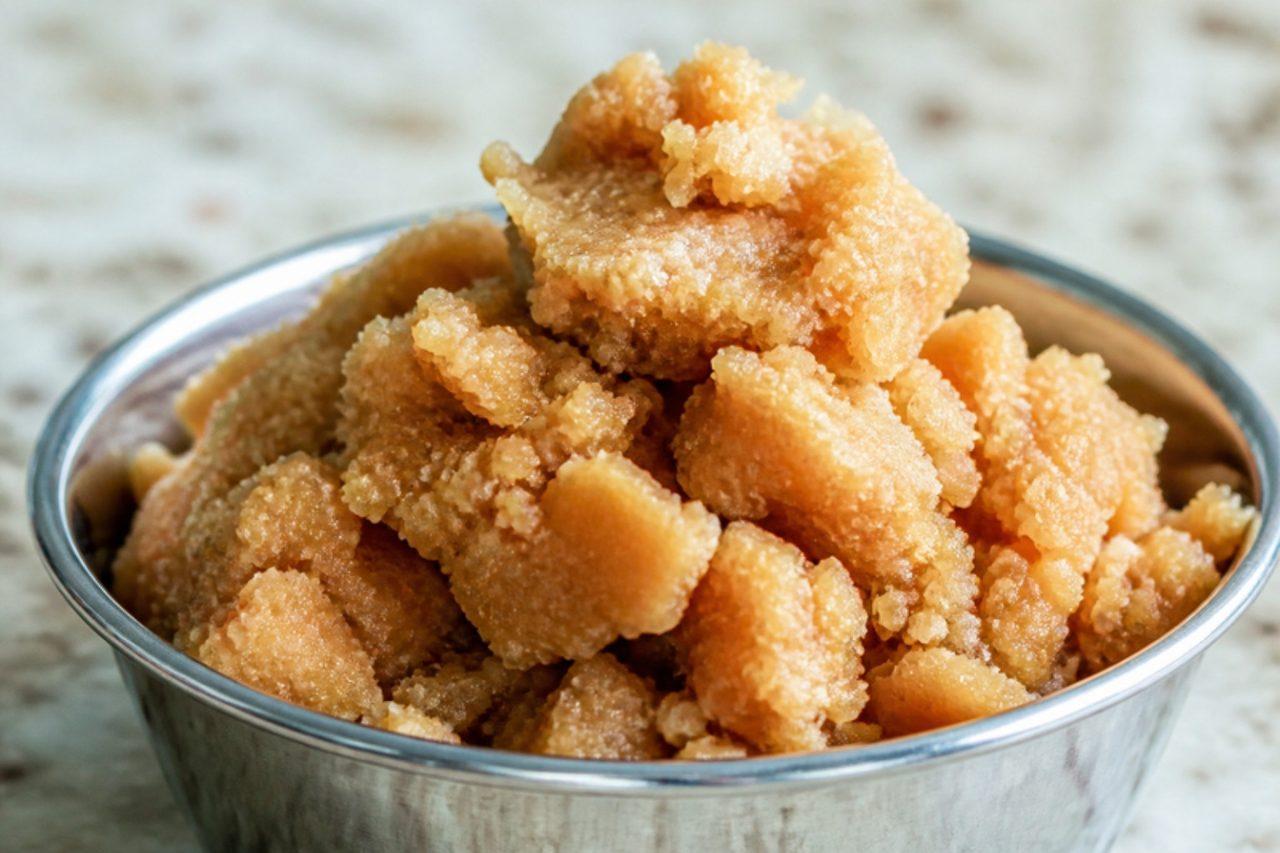
Srivilliputhur, the temple town of Andal near Virudhunagar, is so famous for its palkova that it has a protected geographical name. Local cows' milk is reduced in wide iron pans over a wood fire with sugar until it becomes a soft, grainy, pale caramel-coloured fudge, sold on banana-leaf squares and eaten as a sweet with tea or after meals. The mistake is turning the heat up to save time; the milk scorches, tastes burnt and the texture turns tough. Chef's tip: use full-fat milk and a wide, heavy pan, and stir the bottom and sides constantly in the last twenty minutes.

by KrazyBadal 0 views

ThandaiAlmond, fennel and rose milk

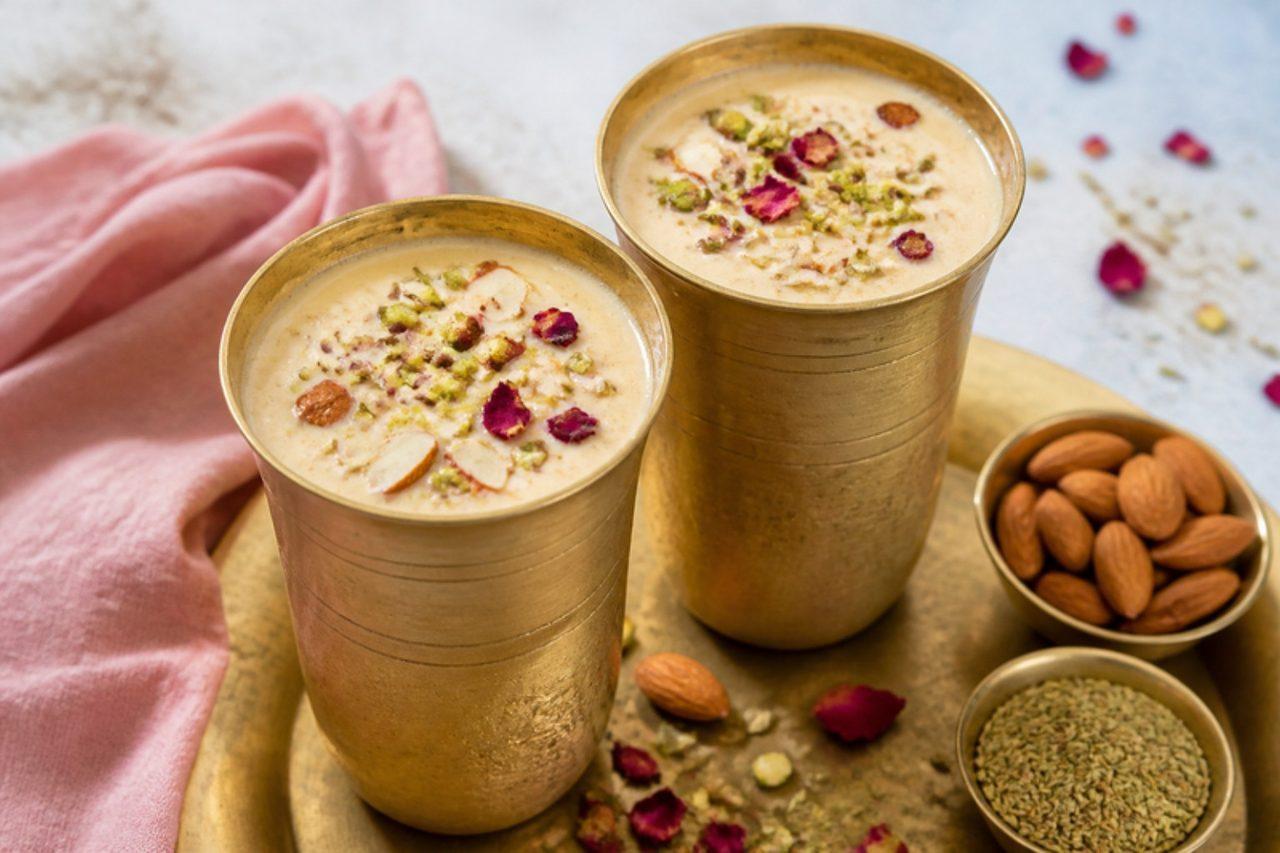
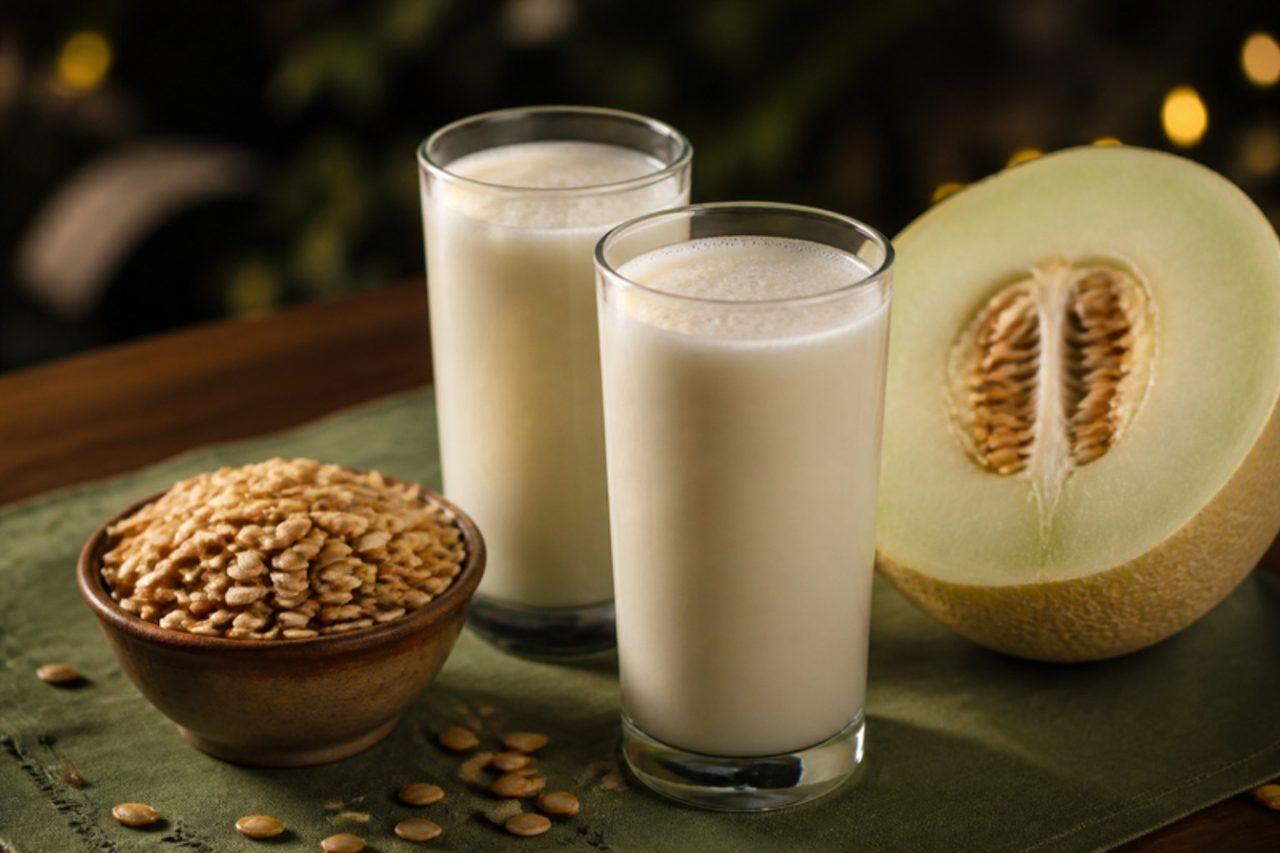
On Mahashivratri the ghats and temples of Varanasi fill with brass pots of thandai, a cooling milk ground with almonds, melon seeds, fennel, poppy seeds, black pepper and rose, poured as an offering to Shiva and then shared with everyone queuing for darshan. In the city's lanes it is sometimes made with bhang (cannabis); this version is made entirely without it and contains no alcohol, so the whole family can drink it. It tastes nutty, floral and gently peppery, and is thick enough to coat the glass. Most people who keep the Shivratri fast take it, since it holds only milk, nuts, seeds and spices, but check your own family's rules: some leave out poppy seeds, and poppy seeds are restricted in a few countries, so skip them if you need to. Common mistake: grinding the soaked nuts and seeds with too little water, which leaves a gritty paste; keep blending until it feels smooth between your fingertips, then strain. Chef's tip: make the paste the night before and keep it in the fridge; the flavour deepens and you only need to whisk it into cold milk on the day.

by KrazyBadal 0 views

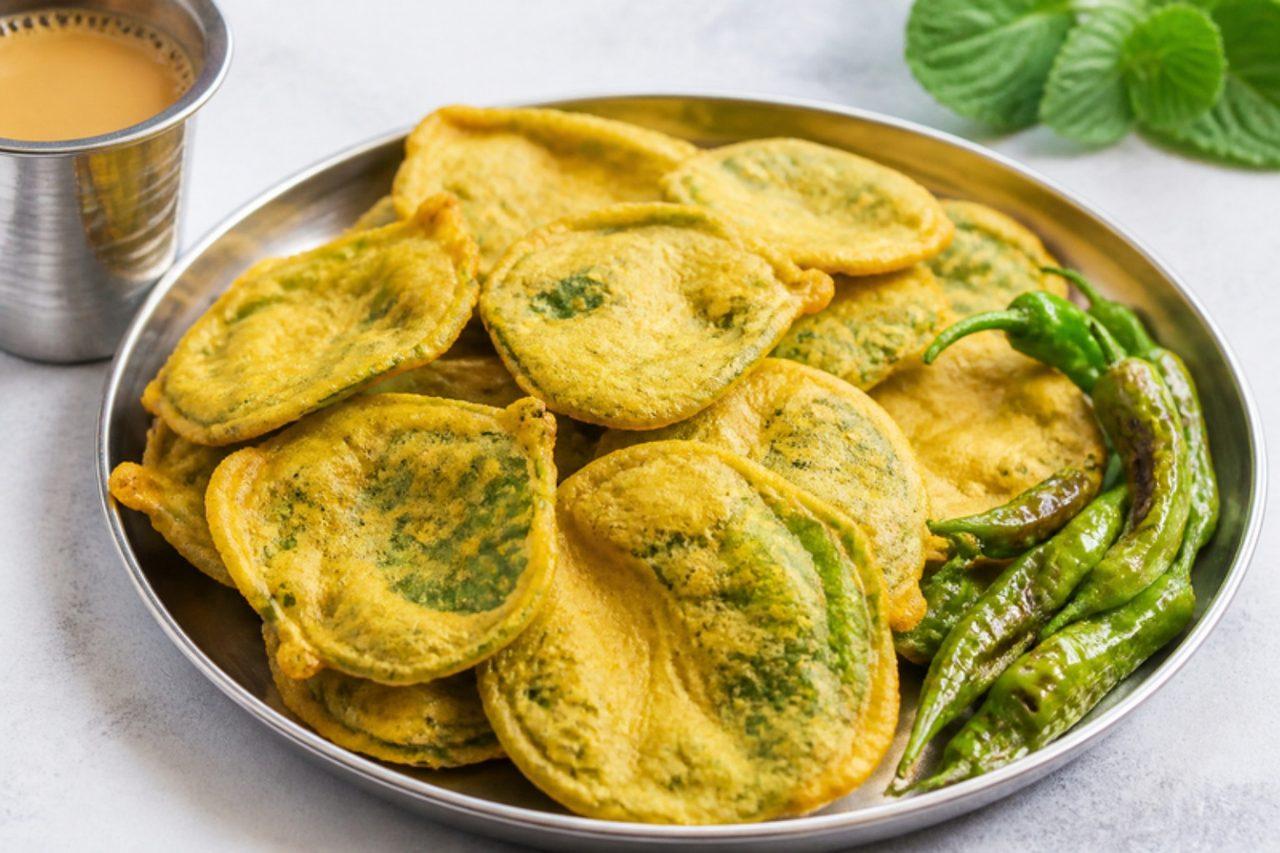
Ajma na pan na bhajiyaBorage leaf fritters

Ajma na pan, the thick, fuzzy, thyme-scented leaves of the Indian borage plant (also called karpooravalli or Mexican mint), grow in pots on balconies all over Gujarat, and on rainy evenings they are picked straight into the bhajiya batter. Each leaf is dipped whole in thin spiced besan and fried into a crisp, lacy fritter with a soft, herbal centre that tastes of ajwain and pepper. The usual mistake is a thick batter: it hides the leaf and fries doughy, so keep it like pouring cream and let excess drip off. Chef's tip: pat the leaves completely dry after washing, or the batter will slide off in the oil.

by KrazyBadal 0 views

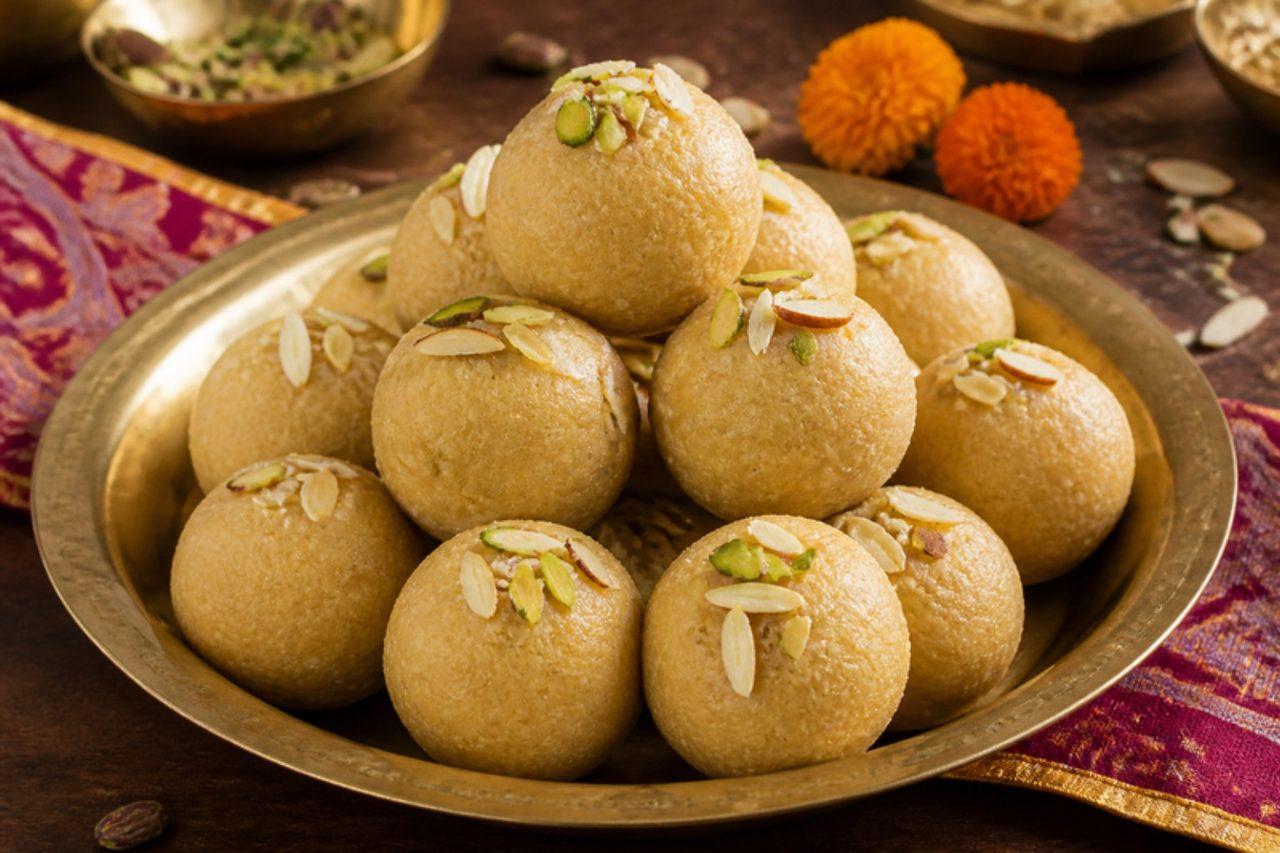
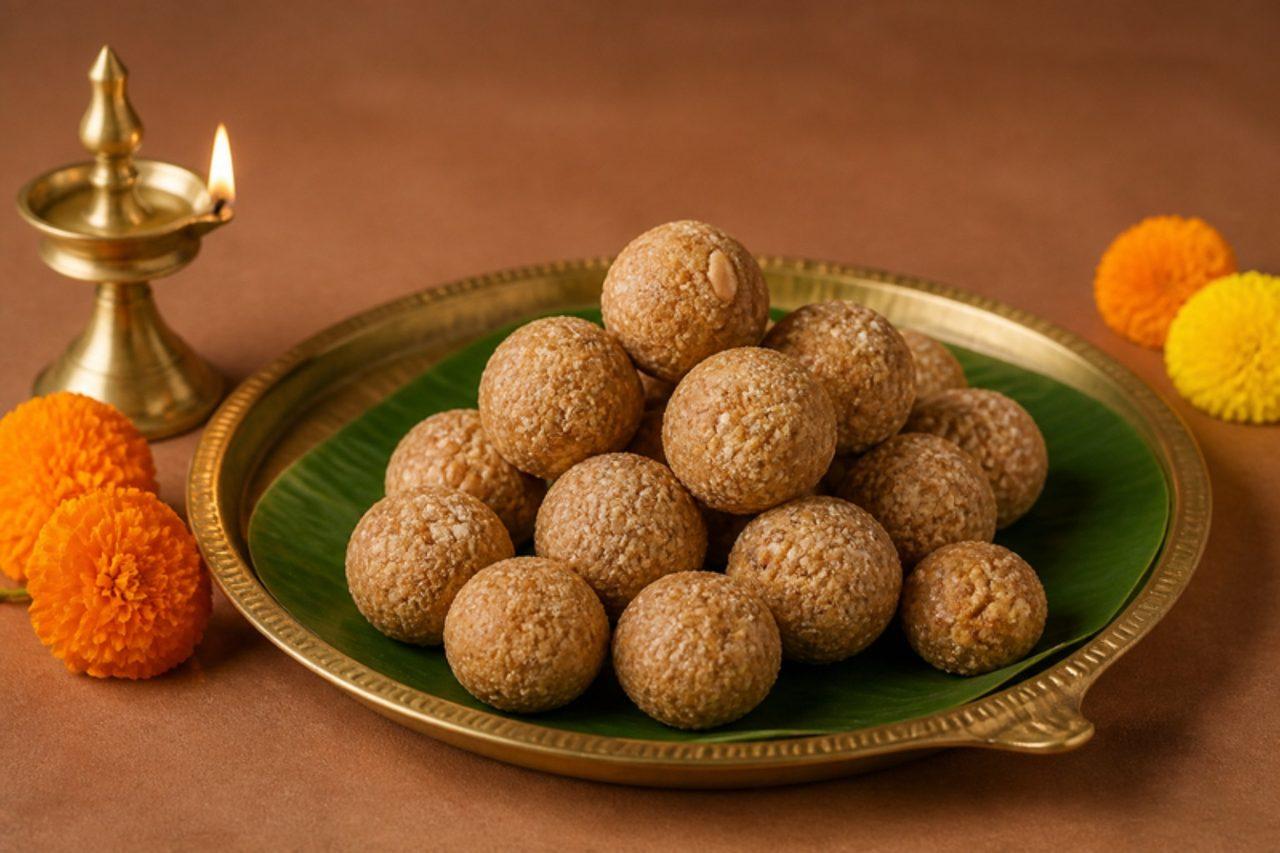
Sattu ke ladduRoasted gram laddus

Kajli Teej in Bundi, Rajasthan, falls in the dark fortnight of Bhadrapad, when women fast for their husbands and break the fast in the evening by moonrise with sattu: roasted gram flour mixed with ghee, sugar and nuts and pressed into laddus or one large decorated cake called a sattu pinda. The laddus are nutty, soft, powdery and very filling. Common mistake: using plain besan instead of sattu, or under-roasting the sattu, which tastes raw; roast gently in ghee until it smells biscuity and the ghee starts to separate at the edges. Chef's tip: shape while the mix is warm but cool enough to hold, and press each laddu firmly in your palm so it does not crumble.

by KrazyBadal 0 views

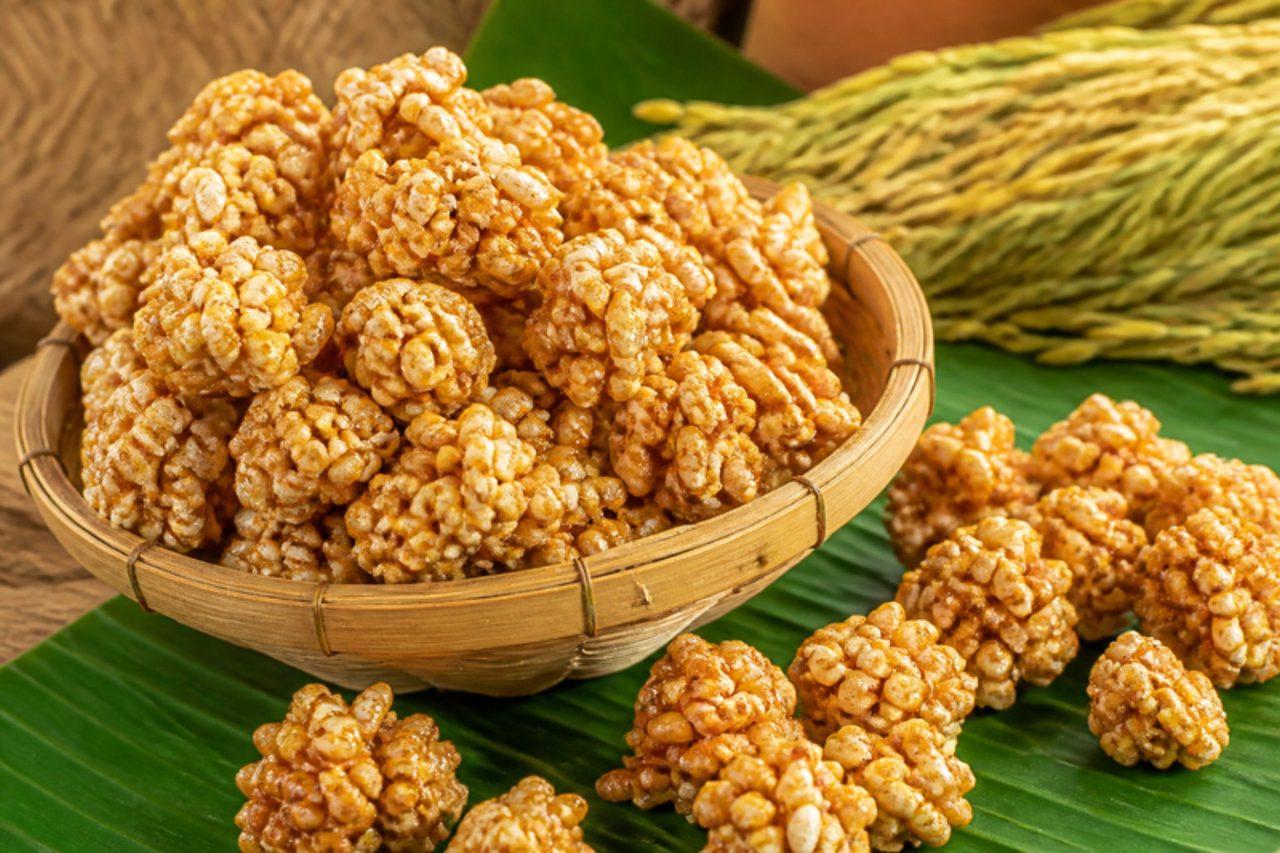
MurkiPuffed rice in jaggery

Nabanna, the 'new rice' festival of late autumn in Bangladesh and West Bengal, celebrates the first harvest of aman paddy, and the season's first date-palm jaggery arrives just in time. Murki is the treat every village makes for it: crisp puffed rice tossed in a pan of thick, boiling khejur gur until each grain is coated in a thin, crackly glaze, with a hint of dry ginger. It is offered to guests on Nabanna and on Bijoya and Lakshmi Puja, and children eat it by the handful. The common mistake is undercooking the syrup, which leaves the murki chewy and clumped; overcook it and it tastes burnt. The syrup is ready when large, slow bubbles cover the surface and a drop in cold water sets into a ball you can roll. Chef's tip: toss with two spatulas, lifting from the bottom, and keep going until the grains separate and stop sticking.

by KrazyBadal 0 views

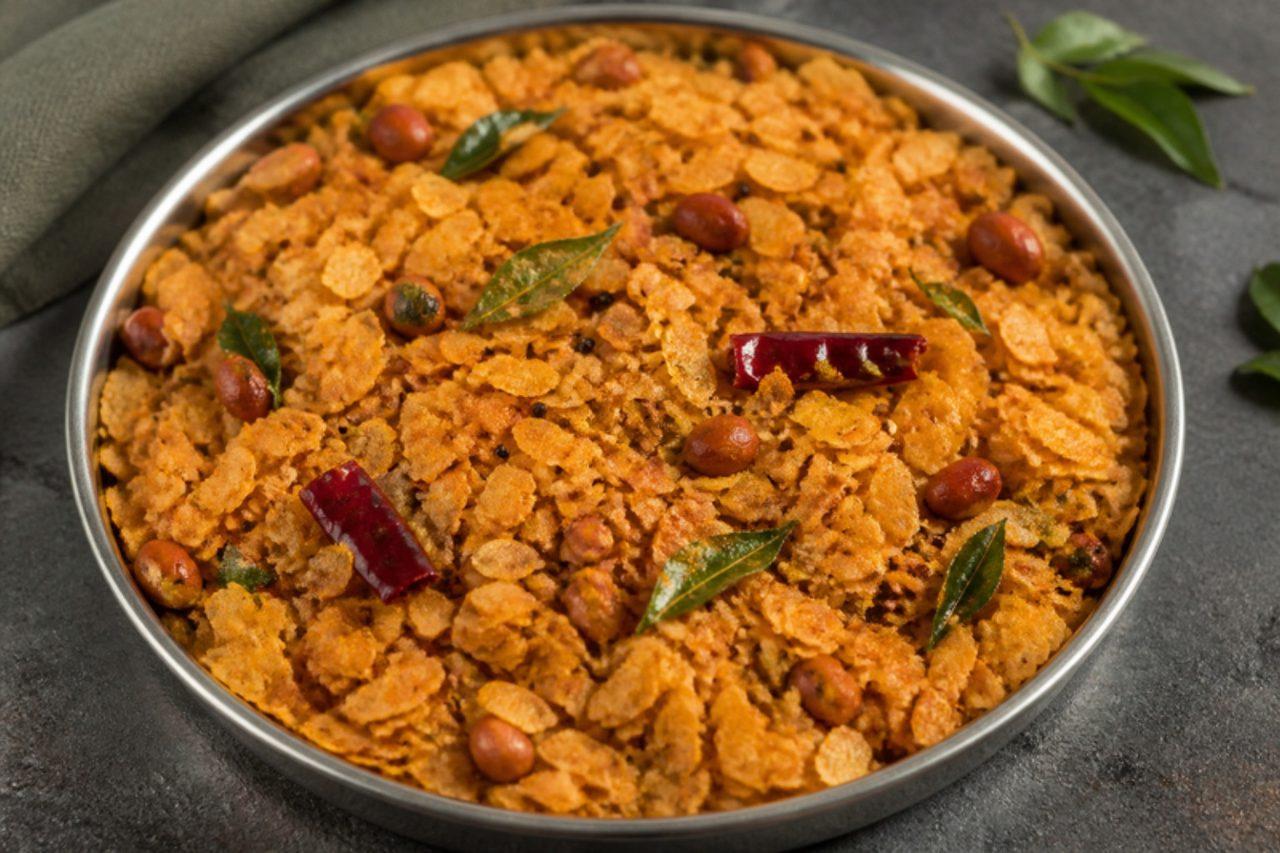
Puli avalTamarind flattened rice

Puli aval is the quick cousin of tamarind rice from Tamil Nadu, cooked in Kumbakonam and Tirunelveli homes as an evening tiffin or a light supper when there's no rice left in the pot. Thick flattened rice is soaked in tamarind water, then tossed into a crackling tempering of mustard seeds, dals, red chilli and peanuts. It tastes tangy, a little sweet and nutty, with soft flakes and crunchy bits. The common mistake is drowning the aval in tamarind water so it turns to porridge; it only needs to be moistened, not soaked. Chef's tip: let the tempered aval sit, covered and off the heat, for 2 minutes before serving so the flakes soften evenly and drink in the tamarind.

by KrazyBadal 0 views

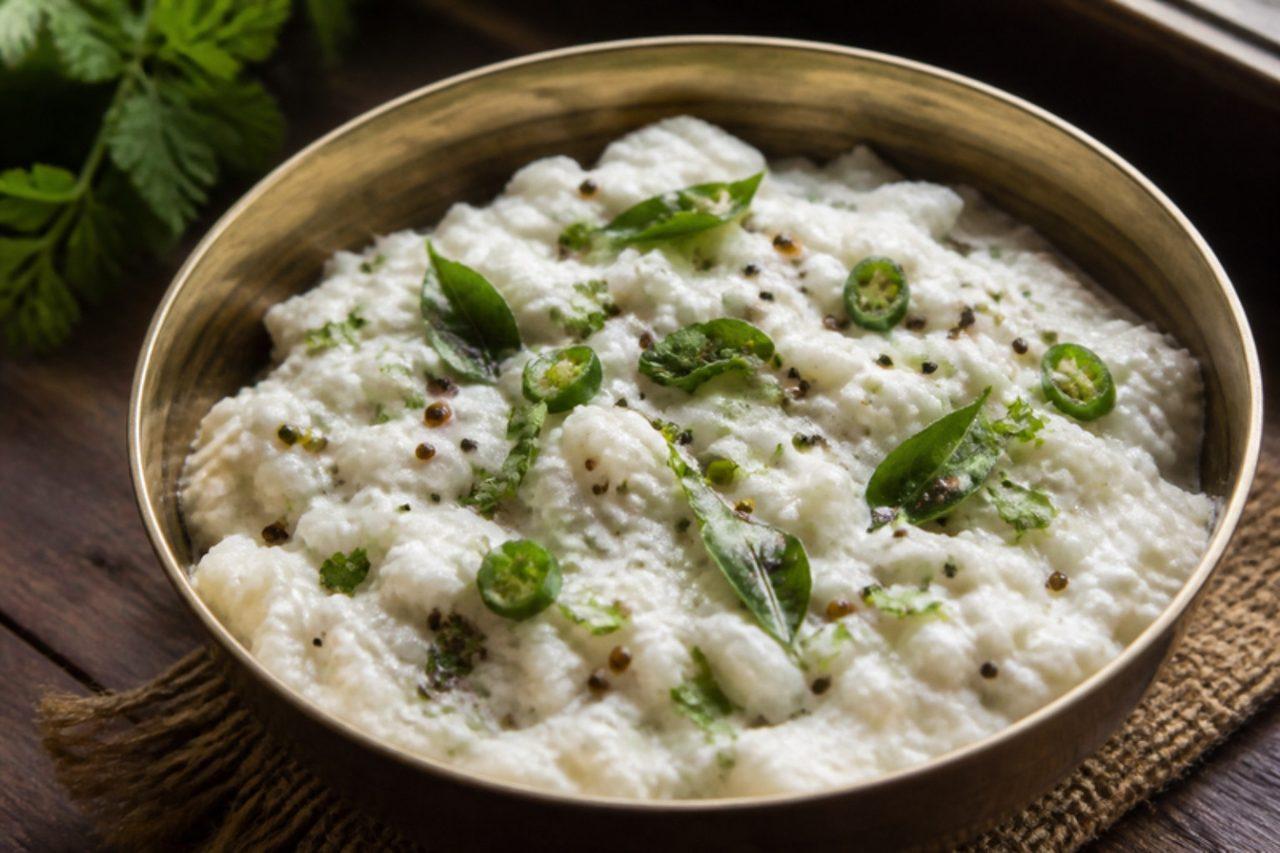
Mosaru avalakkiCurd flattened rice

On hot evenings in Mysuru and Bengaluru, mosaru avalakki is the cooling no-fuss dinner: thin poha folded into thick curd loosened with a little milk, sharpened with ginger and green chilli and finished with a sizzling mustard and curry leaf tempering. It is soft, tangy and refreshing, and often comes with pomegranate seeds or grated cucumber. The common mistake is mixing it too early; thin poha keeps soaking up curd and turns into a stiff paste if it sits. Chef's tip: stir in the milk last, just before serving, so the curd stays creamy and the poha keeps a little bite.

by KrazyBadal 0 views

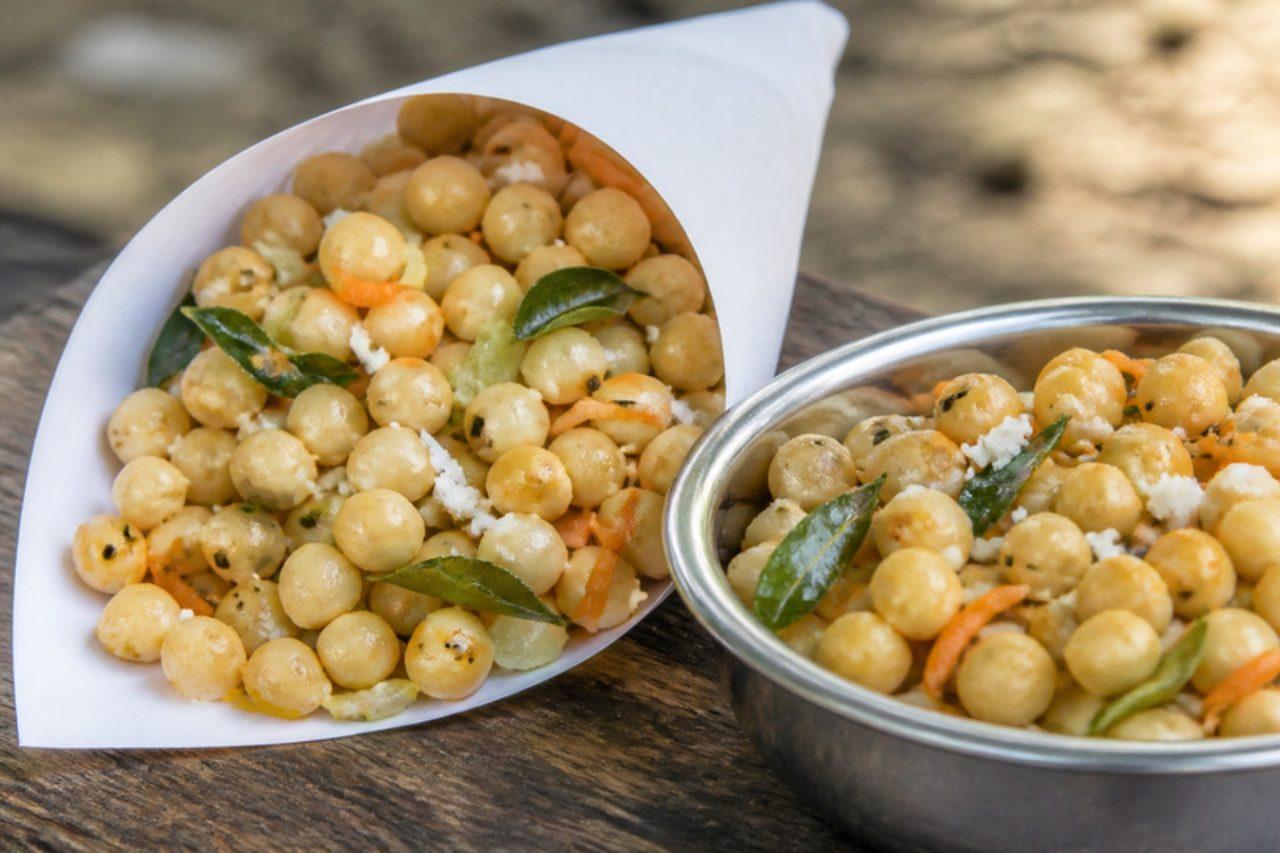
Pattani sundalSpiced white pea salad

Walk along Marina Beach in Chennai at sunset and boys with brass pots sell pattani sundal in paper cones, warm, tangy with raw mango and bright with grated carrot. At home it is also made for Navaratri, when a different sundal is offered and shared each evening. The mistake is overcooking the peas to mush: they should be tender but keep their shape, so pressure-cook for only two to three whistles. Chef's tip: add the coconut, mango and carrot off the heat, so they stay fresh and crunchy against the warm peas.

by KrazyBadal 0 views

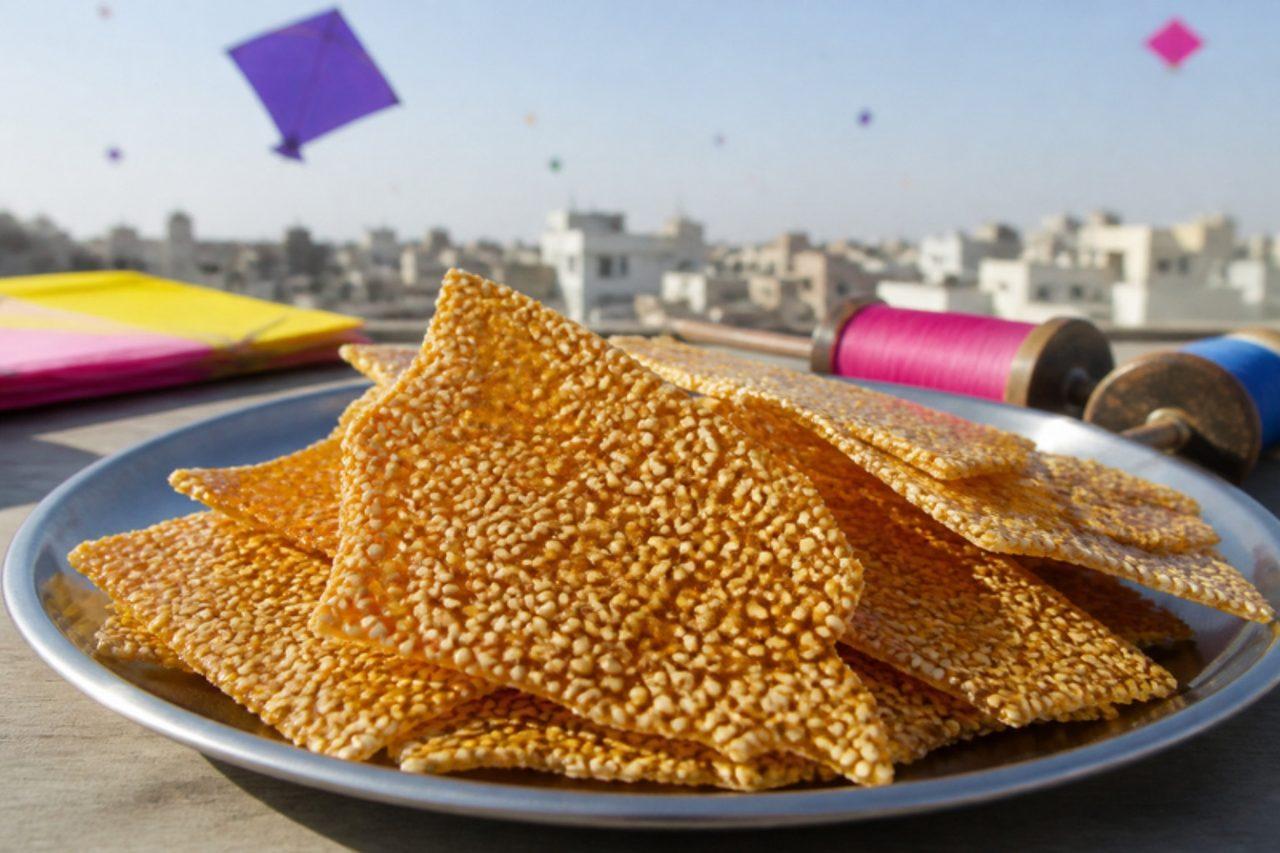
Tal ni chikkiSesame jaggery brittle

On 14 January every Gujarati rooftop fills with kite-flyers, and somewhere between the manja reels there is always a tin of tal ni chikki, broken into shards. The thinnest kind, tal sankli, is rolled out so fine you can almost see through it; it shatters with a snap and tastes of toasted sesame and dark caramel. It is a two-ingredient sweet where everything depends on the jaggery. Common mistake: pulling the jaggery off the heat too soon; it must reach the hard-crack stage, when a drop in cold water sets instantly and snaps cleanly, or the chikki stays chewy and sticks to the teeth. Chef's tip: work fast and roll on the greased back of a steel thali; if it hardens before you finish, warm it in the pan for a few seconds.

by KrazyBadal 0 views

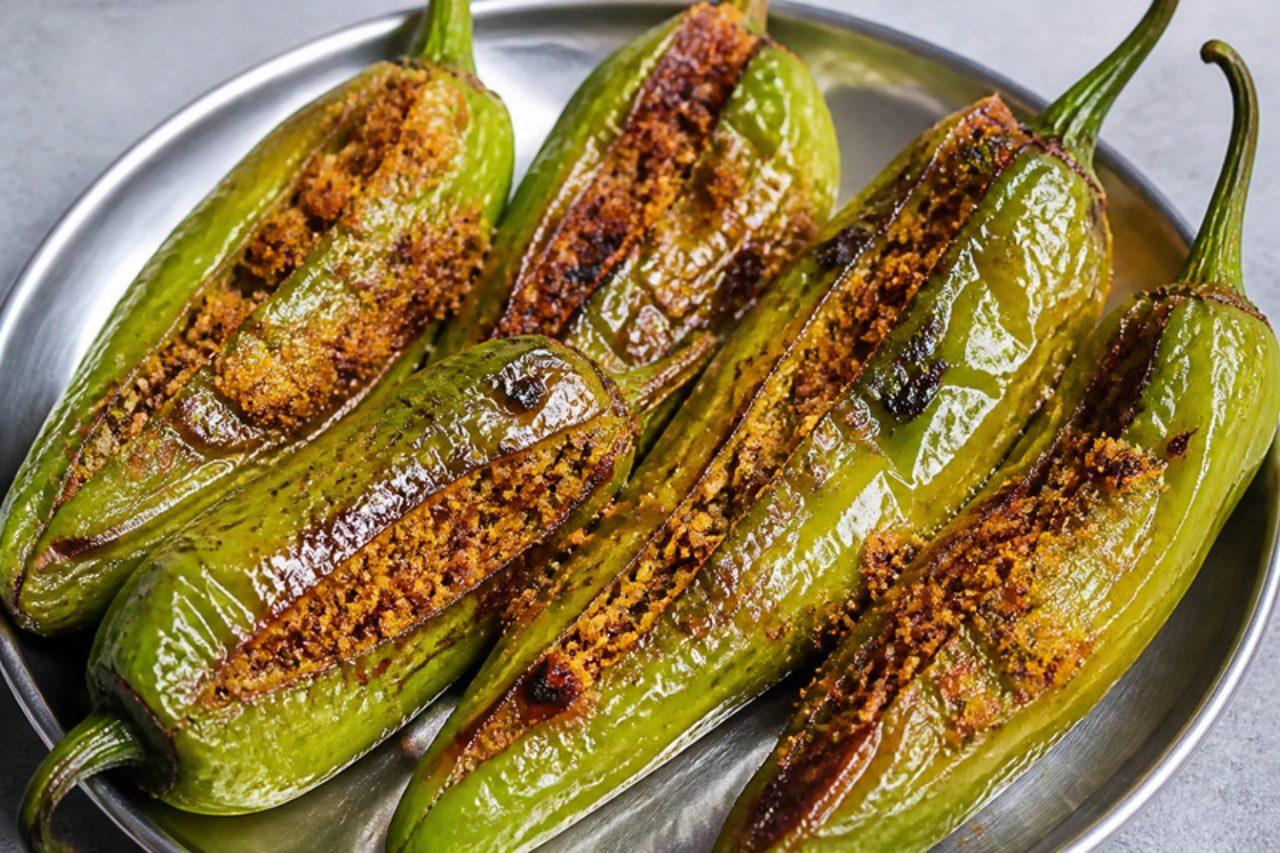
Bharela marchaStuffed green chillies

In Kathiawad, bharela marcha are made with the long, fat and fairly mild bhavnagri chillies that come in every winter, and they sit beside a thali of rotla, kadhi and khichdi as a sweet-sour-hot side. The filling is besan roasted in oil until nutty, mixed with sugar, lemon, turmeric and dhana-jiru, and the chillies are cooked covered on low heat until soft and blistered in patches. A common mistake is using small, very hot chillies; choose large mild ones, or the dish is too fierce to eat. Chef's tip: slit the chillies only on one side and scrape out the seeds and ribs; the heat drops right down and the filling stays inside.

by KrazyBadal 0 views

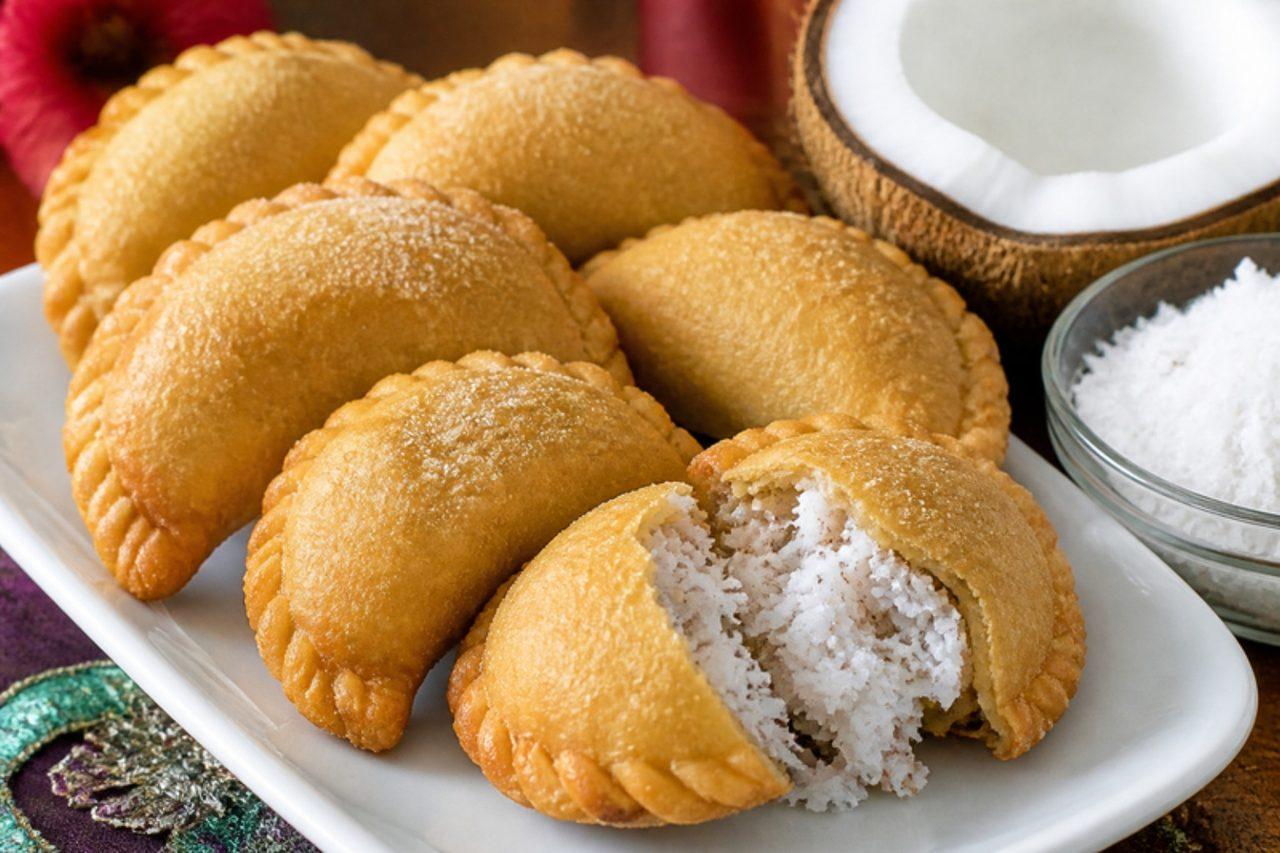
GojhaSweet coconut half-moon pastries

When Divali comes to Trinidad, Hindu families light rows of clay deyas along bamboo frames, and the kitchen fills up with sweets to share with neighbours of every faith: kurma, parsad, barfi and gojha. Gojha are the Caribbean cousin of the North Indian gujiya: a short dough rolled thin, filled with grated coconut cooked with brown sugar, cinnamon, nutmeg and ginger, folded into half-moons, crimped and fried golden; the same tray reappears at Phagwah, the spring colour festival. Common mistake: frying in oil that is too hot, which browns the outside while the pastry stays raw; keep the oil at about 170 °C and fry until the bubbles slow and the gojha are evenly golden. Chef's tip: seal the edges with a dab of water and crimp them tightly, or the filling leaks and spits in the oil.

by KrazyBadal 0 views

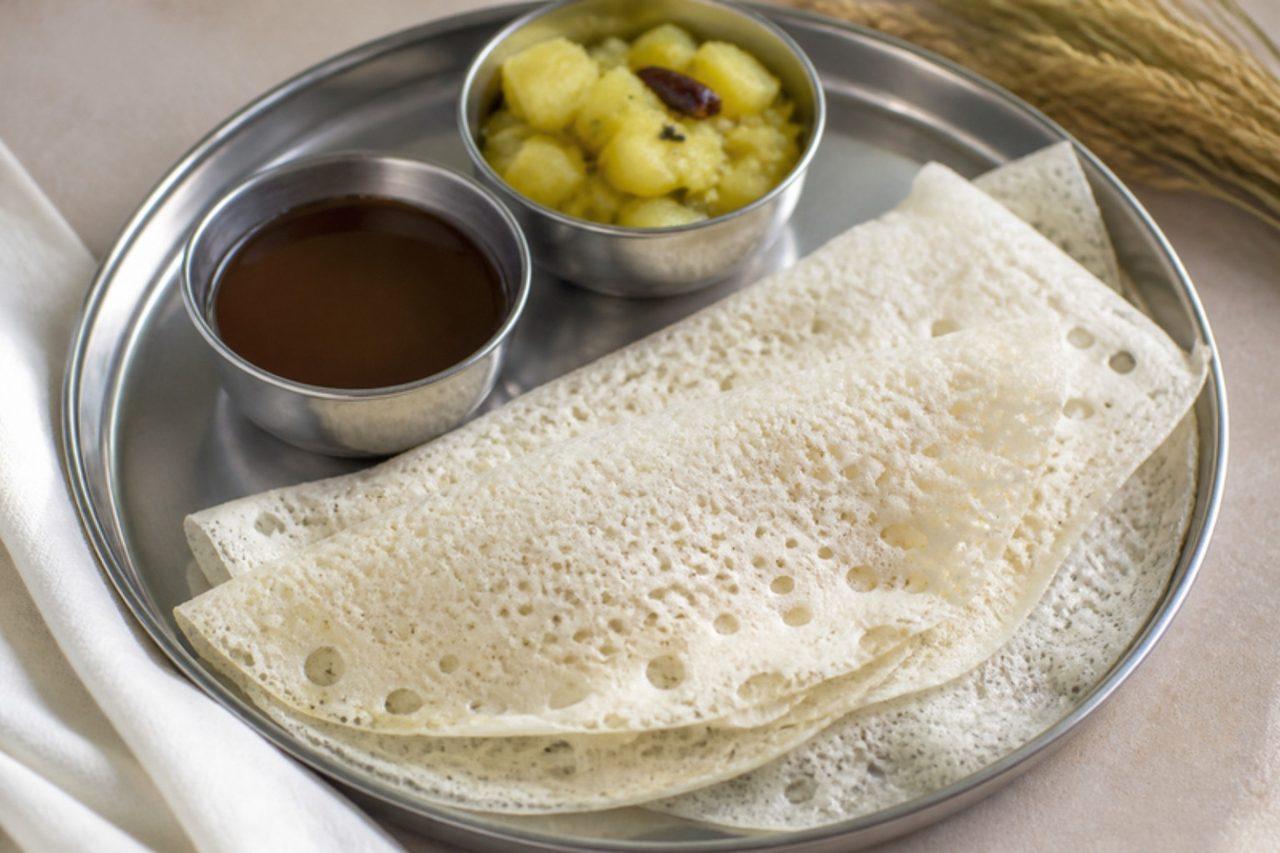
SaruchakliThin rice and urad dal crêpes

In Bengal, Poush Sankranti in mid-January is pithe-puli day, when the new rice and the first nolen gur (date-palm jaggery) of winter turn into a table of pithas, and saruchakli is the plain, savoury-leaning one that starts the meal. A thin batter of soaked rice and urad dal is spread on a hot pan to make delicate, lacy crêpes with crisp edges and a soft centre, eaten rolled with nolen gur or with a light potato curry. Common mistake: a batter that is too thick; it should pour like single cream so it spreads thin, and the crêpe is ready when the edges lift and turn golden and the top looks dry. Chef's tip: brush the pan with a cut half potato dipped in oil between each saruchakli; it greases evenly and stops sticking.

by KrazyBadal 0 views

Maa ladduRoasted gram flour laddus

Maa laddu (maladu) is the simplest of the Tamil Deepavali sweets, made in a quarter of an hour from pottukadalai, the roasted split gram sold in every Tamil grocery. Ground with sugar and bound with hot ghee, it melts on the tongue, nutty and cardamom-scented, and it's the laddu grandmothers teach children to roll. The mistake is pouring cold or too little ghee: the powder won't bind and the balls crumble, so add it smoking hot and in stages. Chef's tip: warm the pottukadalai in a dry pan for two minutes before grinding; it brings out the toasty flavour and grinds finer.

by KrazyBadal 0 views

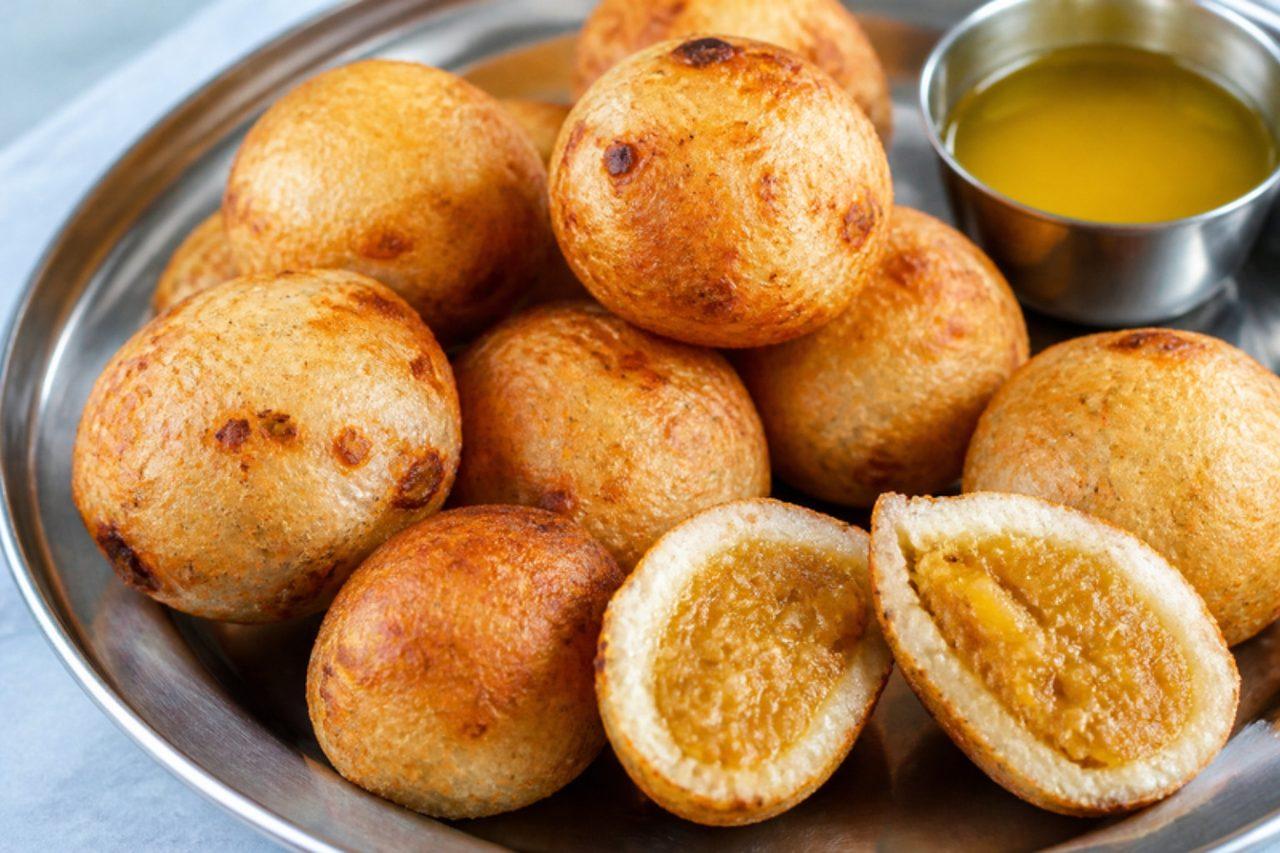
BooreluChana dal and jaggery dumplings

Boorelu, also called poornalu, are the sweet that Telugu homes fry for Sankranti, Varalakshmi Vratam and weddings, and that a bride's family traditionally sends to her in-laws by the basketful. A soft ball of cooked chana dal, jaggery, coconut and cardamom is dipped in a thick batter of urad dal and rice and fried until the shell is crisp and blistered while the filling stays fudgy. They are eaten warm, split open with a spoon of ghee for those who take dairy. The usual mistake is a filling that is too wet: it bursts through the batter in the oil and splatters, so cook the dal and jaggery until it holds a firm ball. Chef's tip: grind the batter thick like idli batter and add salt; the slight saltiness of the shell is what makes the sweet filling sing.

by KrazyBadal 0 views

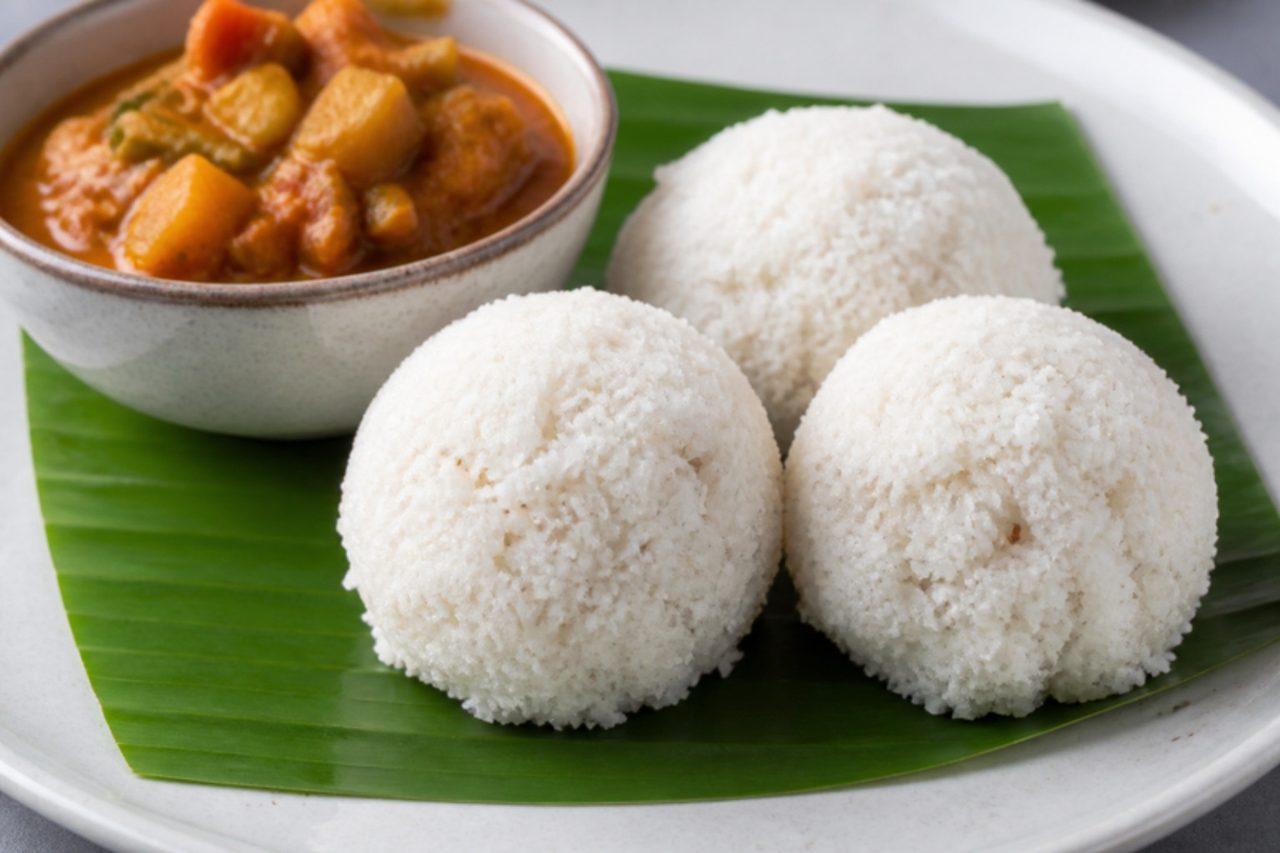
KadambuttuSteamed rice and coconut balls

Kadambuttu are the steamed rice balls of Kodagu (Coorg), made in every Kodava home for breakfast and in great heaps for Puttari, the rice harvest festival in late November or early December. Broken rice is cooked to a thick porridge with coconut, rolled into balls and steamed, so they're dense, slightly sticky and mild, the perfect sponge for a fiery curry; at home they go with pandi curry, but a spicy kadala or mushroom curry works beautifully too. A common mistake is using whole rice flour or fine semolina; you need coarse broken rice, or the balls turn gluey. Chef's tip: wet your palms between each ball so the dough stays smooth and doesn't crack.

by KrazyBadal 0 views

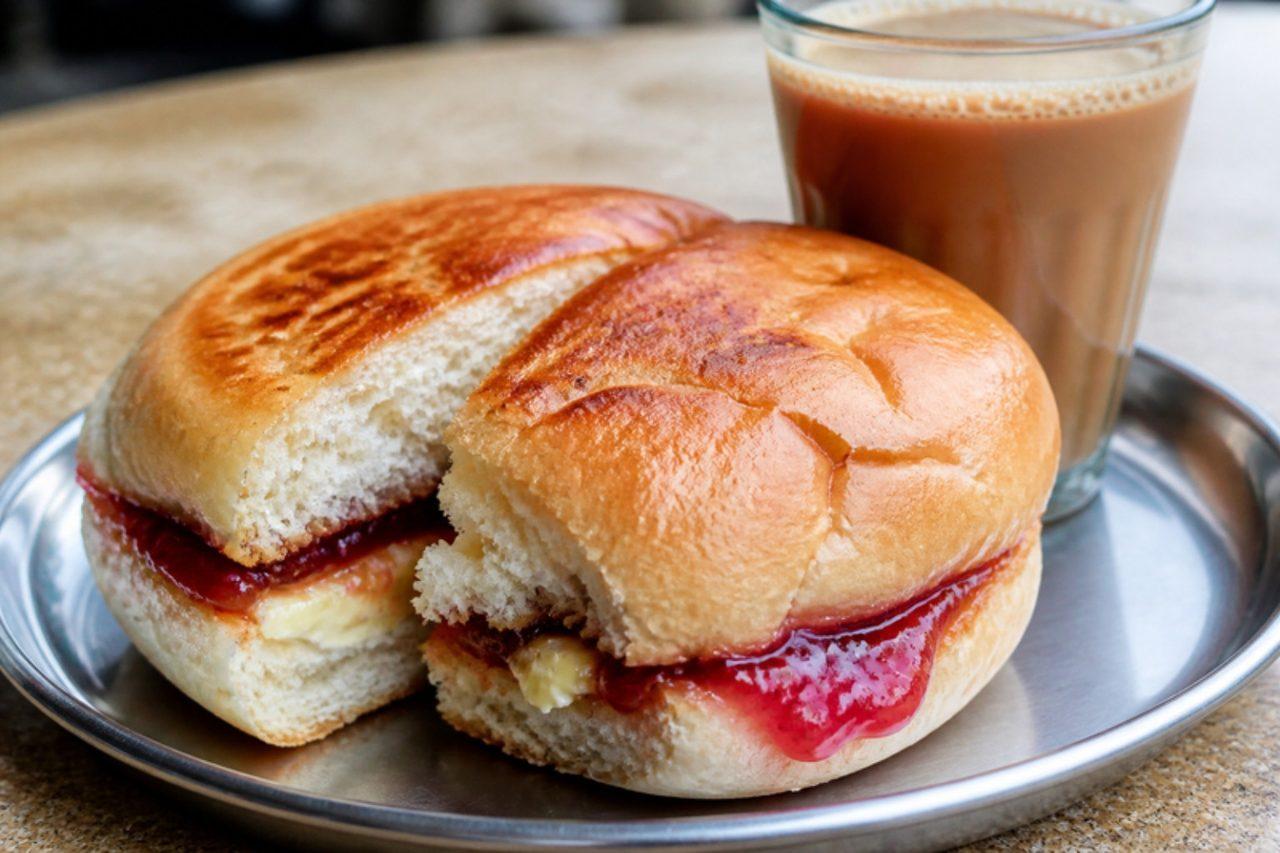
Bun butter jamGriddled bun with butter and jam

Bun butter jam is the most-ordered thing at a Tamil Nadu tea kadai after the tea itself: a soft, sweet bun split, griddled in butter until crisp at the edges, then spread with more butter and red fruit jam, eaten mid-morning or after school with a glass of milky tea. It is buttery, crunchy outside and pillowy inside, with sweet jam soaking into the crumb. The mistake is toasting on high heat; the sugary bun scorches before the butter has a chance to crisp it. Keep the tawa on medium-low. Chef's tip: press the bun down gently with a flat spatula as it toasts, the way the tea-shop masters do, for a wider, crunchier golden face.

by KrazyBadal 0 views

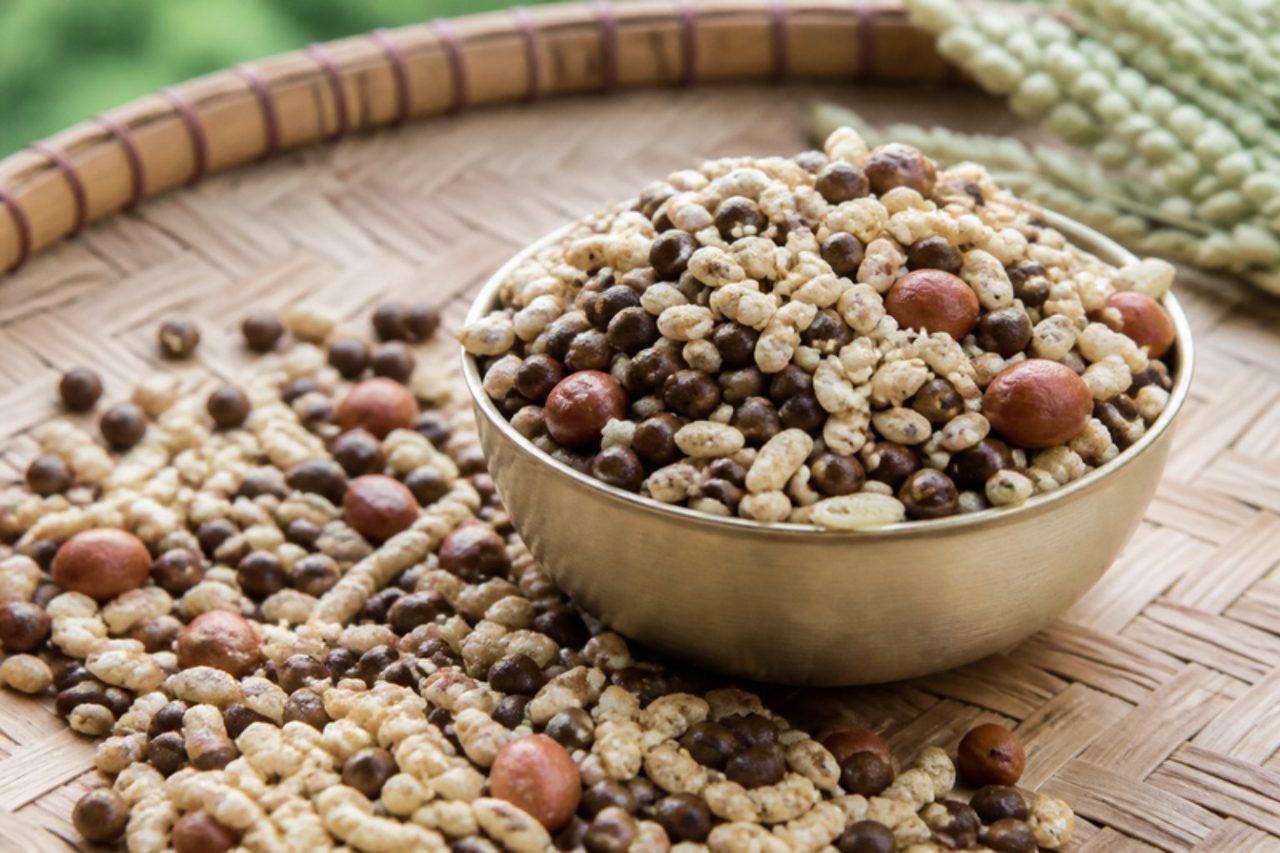
Mah-karaiRoasted rice and sesame mix

On Goru Bihu, the first day of Bohag Bihu in mid-April, Assamese families bathe the cattle in the river and then sit down to a handful of mah-karai, a crunchy mix of separately roasted grains and seeds that is said to keep the body strong for the year ahead. It is nutty, dry and gently salty, with the odd sharp slice of fresh ginger, and is passed round in a small bowl alongside jolpan and pitha. Common mistake: roasting everything in one pan; each item browns at its own pace, so roast them one by one until they smell toasted and crackle when shaken. Chef's tip: roast the black gram first and longest, until it splits and turns deep brown, because undercooked gram stays hard as gravel.

by KrazyBadal 0 views

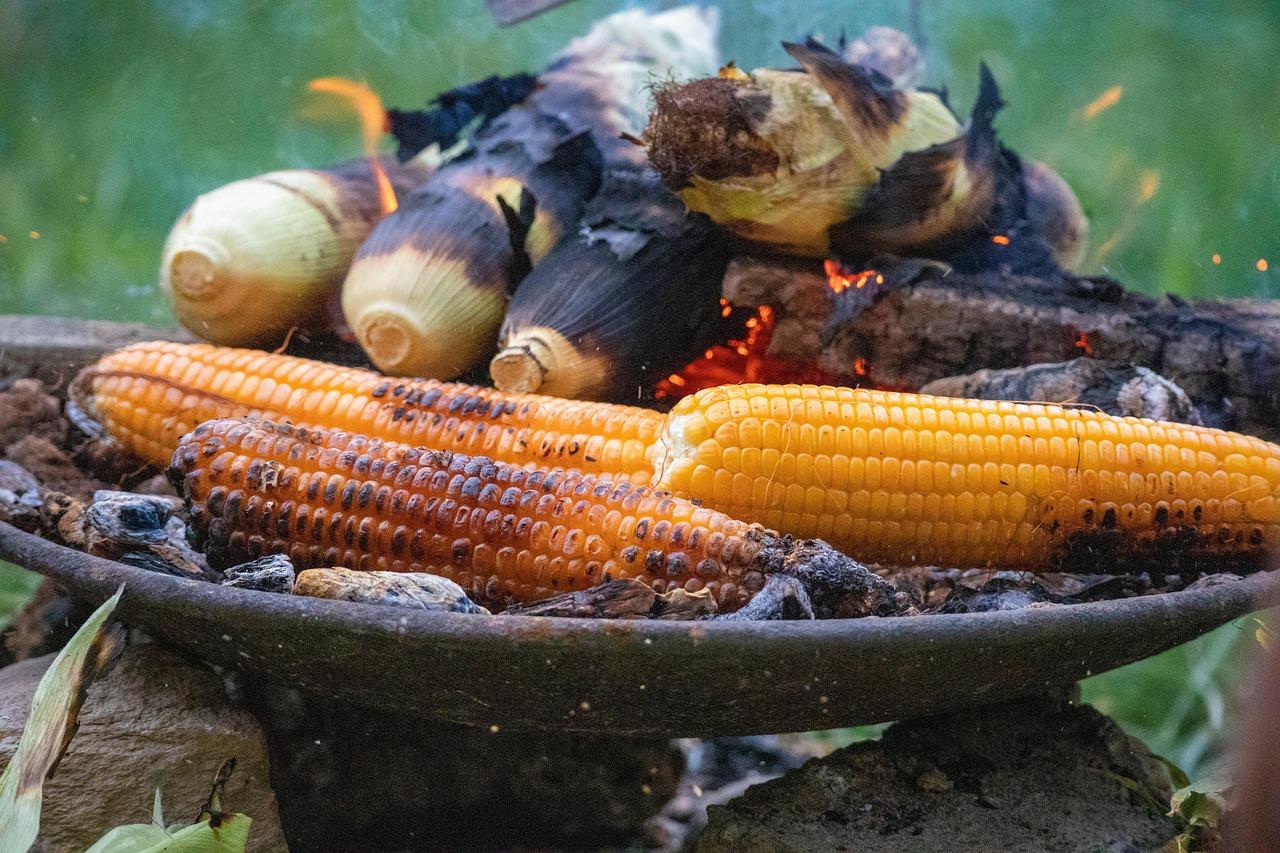
Bhuni chhalliRoasted corn on the cob

When the first rains cool Punjab in July, the smell of chhalli roasting over coal braziers drifts across every busy road, and the vendor fans the embers with a straw mat until the kernels pop and blacken. The cob is then rubbed with half a lemon dipped in salt and red chilli, so you get smoke, sour, salt and heat in one bite. Desi field corn is chewy and starchy rather than sweet, which is exactly why it chars so well. The common mistake is roasting on a low flame, which steams the kernels soft without colour; you want high, direct heat and constant turning. Chef's tip: keep a few husks on as a handle and dip the lemon in the masala fresh for every cob.

by KrazyBadal 0 views

TambittuRoasted rice flour jaggery laddus

Nagara Panchami in Karnataka is a festival of sisters and brothers as much as of snakes: women offer milk to the stone naga images under peepal trees, and the sweets made at home are tambittu, laddus of roasted rice flour, roasted gram, coconut and sesame bound with jaggery syrup and ghee. They are crumbly-soft and earthy, and a few are also offered at Varamahalakshmi. Common mistake: binding with thin syrup, which leaves the laddus wet and collapsing; boil the jaggery only to a soft-ball stage, when a drop in cold water forms a soft ball you can pick up. Chef's tip: roast the rice flour until it just smells toasty and is barely cream-coloured; too dark and the laddus taste bitter.

by KrazyBadal 0 views

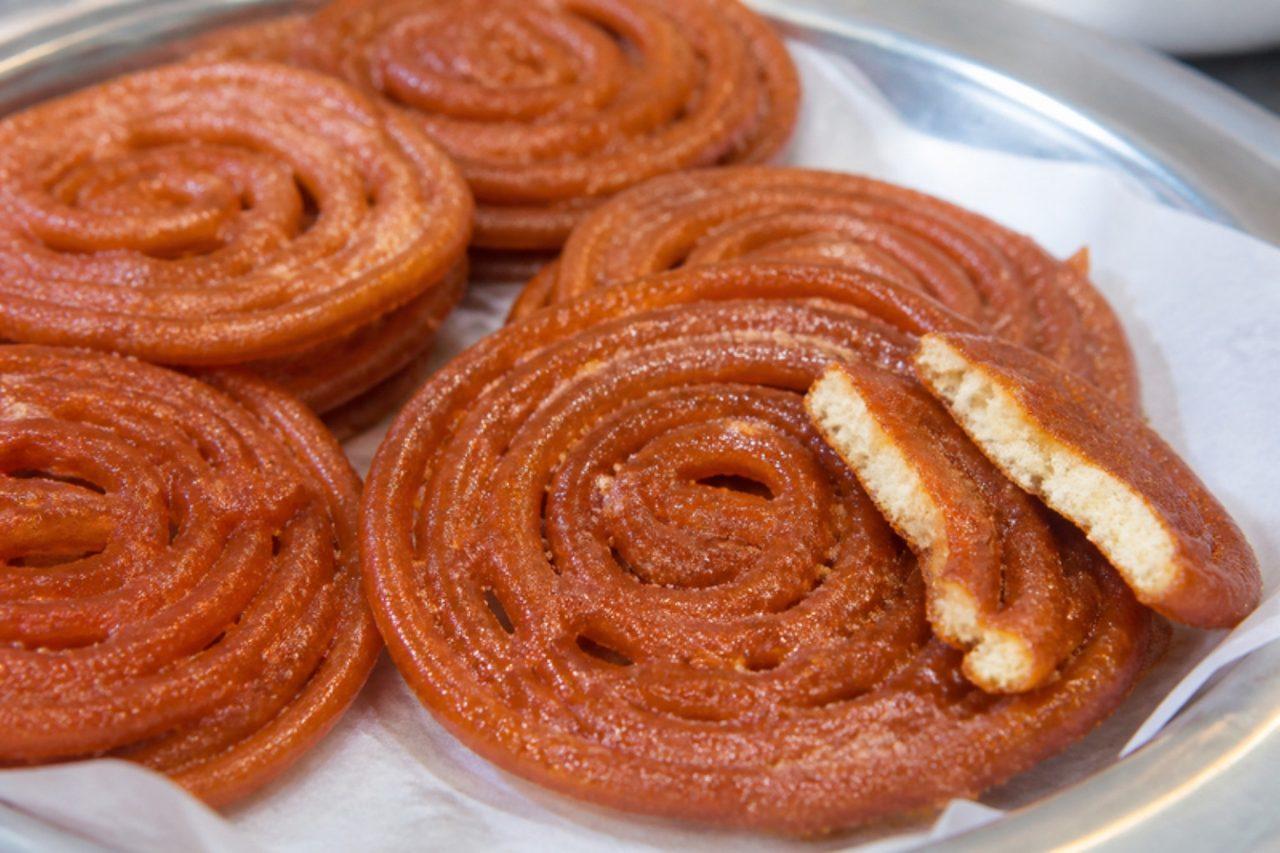
Chhanar jilipiSyrupy fried chhena coils

On Bhai Phonta, the Bengali Bhai Dooj, sisters mark their brothers' foreheads with sandalwood and kajal and then pile a plate with sweets, and chhanar jilipi is one of the favourites: fresh chhena kneaded with a little flour, rolled into ropes, coiled and fried slowly until almost mahogany, then soaked in syrup. Unlike crisp jalebi, it is soft and juicy inside with a chewy, caramelised skin, and it appears again on Bijoya Dashami. Common mistake: chhena that is too wet or under-kneaded, which cracks or falls apart in the oil; knead until the dough is completely smooth and your palm feels greasy. Fry on a low heat so the inside cooks before the outside darkens. Chef's tip: keep the syrup warm and only lightly sticky, about the thickness of single cream rather than a one-string syrup, so it can soak right into the coils.

by KrazyBadal 0 views

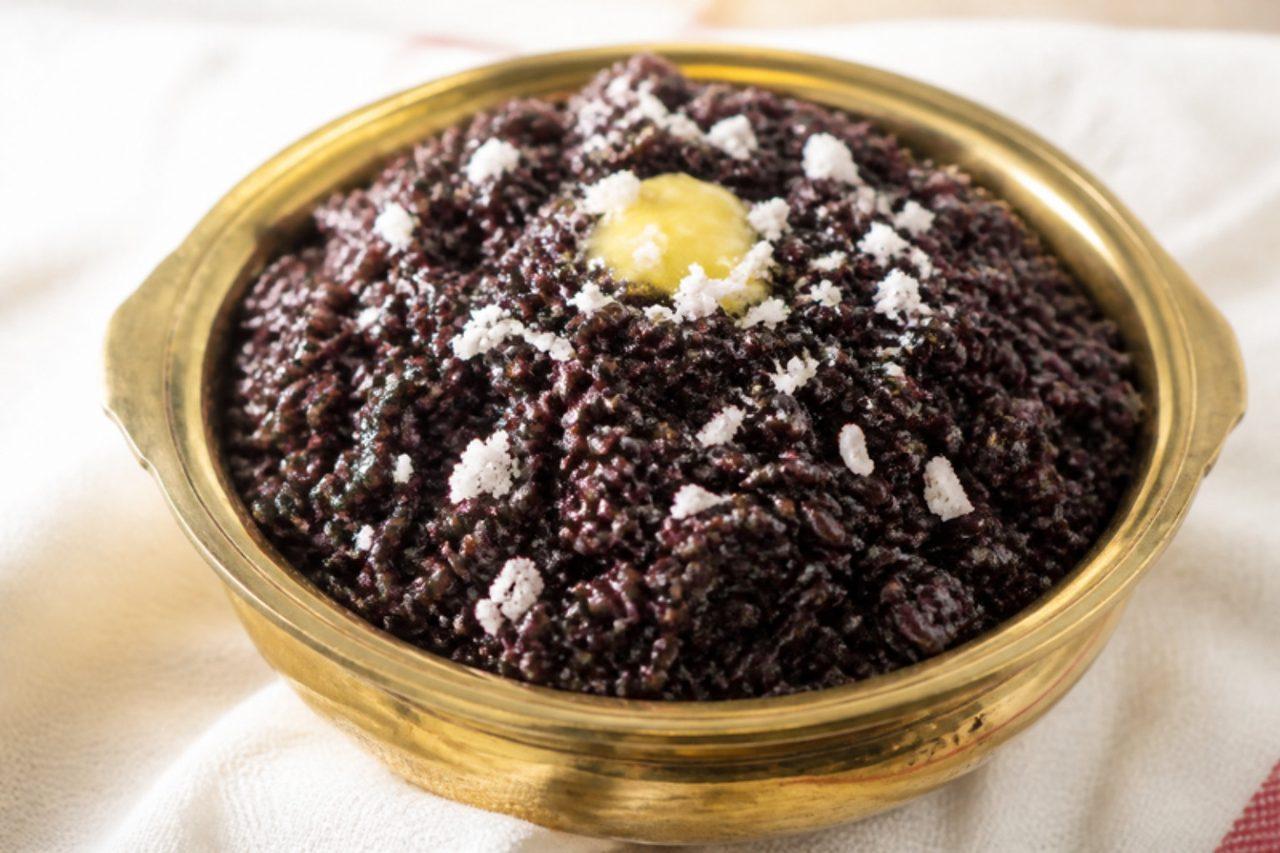
Kavuni arisiBlack rice sweet

Kavuni arisi is the deep purple-black sweet that every Chettiar wedding feast in Karaikudi begins with, a nod to the trading families' old links with Burma, where the black rice came from. The rice is soaked overnight, cooked until soft but still chewy, then mixed with sugar, plenty of fresh grated coconut and a spoon of ghee, so it is nutty, gently sweet and pleasantly sticky. It is eaten warm or at room temperature in small portions. The usual mistake is cooking black rice like white rice; it needs a long soak and a long cook, or the grains stay hard at the centre. Chef's tip: mash a quarter of the cooked rice lightly with the back of a spoon before adding sugar, which makes it hold together the way it does in Chettinad.

by KrazyBadal 0 views

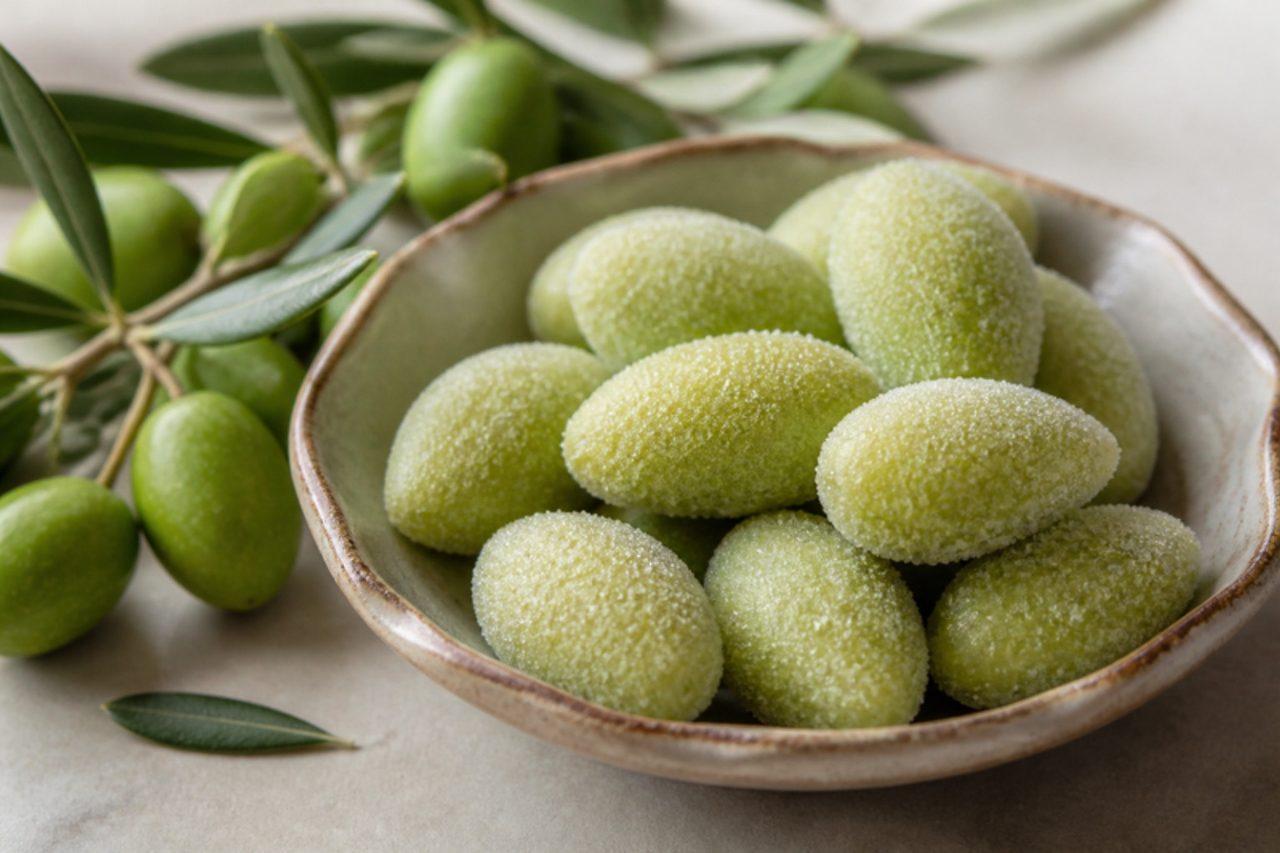
Olivette di Sant'AgataAlmond paste olives

Olivette are tiny green 'olives' of almond paste rolled in sugar, sold in Catania for the feast of St Agatha in early February. A legend tells that as the young saint was led to her trial she stopped to tie her shoe, and a wild olive tree sprang up on the spot and fed her. The sweets are made from ground almonds, sugar and a little water, coloured green and shaped in the palm. They are gluten free and dairy free, and children love to help shape them. Use a natural green such as matcha or spinach powder if you prefer. Chef's tip: knead the paste only until smooth, as overworking draws out the almond oil and it turns greasy.

by KrazyBadal 0 views

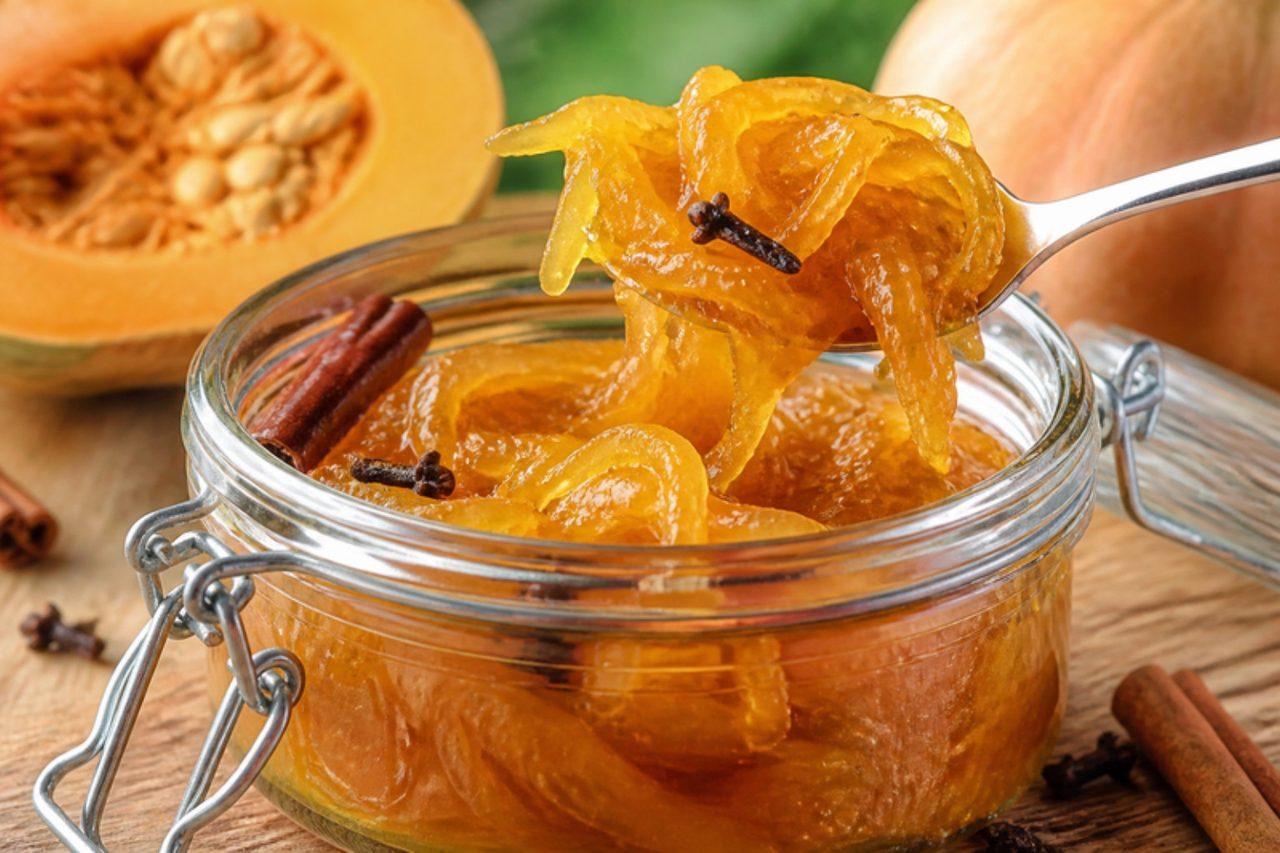
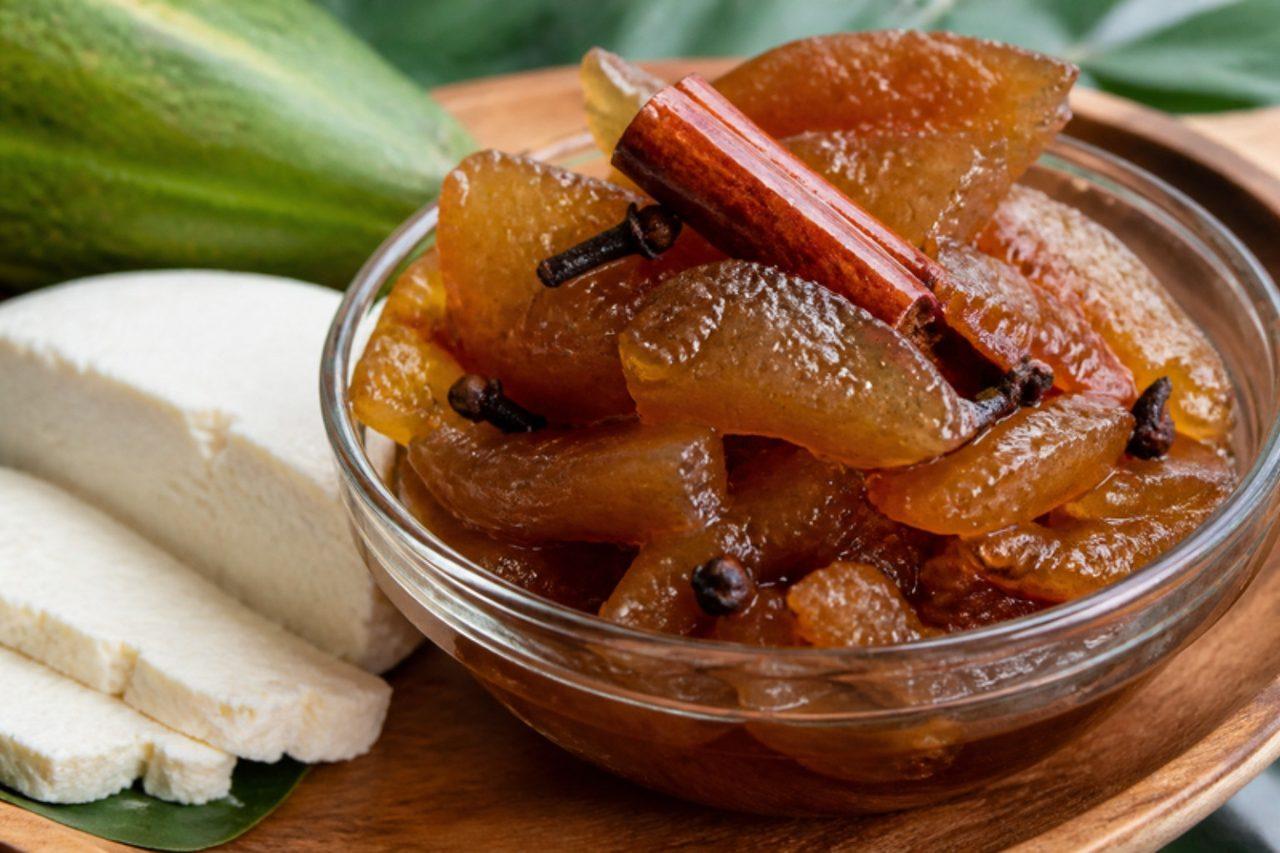
Miel de chiverreSquash strand preserve

Chiverre is a large, pale squash with stringy flesh that Costa Rican families save for Semana Santa. The strands are cooked for hours with tapa de dulce (cane sugar), cinnamon and cloves until they turn into a golden, chewy, sweet preserve called miel de chiverre, eaten on its own or used to fill the Holy Week empanadas and tortas. Spaghetti squash, though milder, is the closest substitute. It is vegan. Chef's tip: soak the squash strands in cold water for a few hours and drain well, which removes the bitterness.

by KrazyBadal 0 views

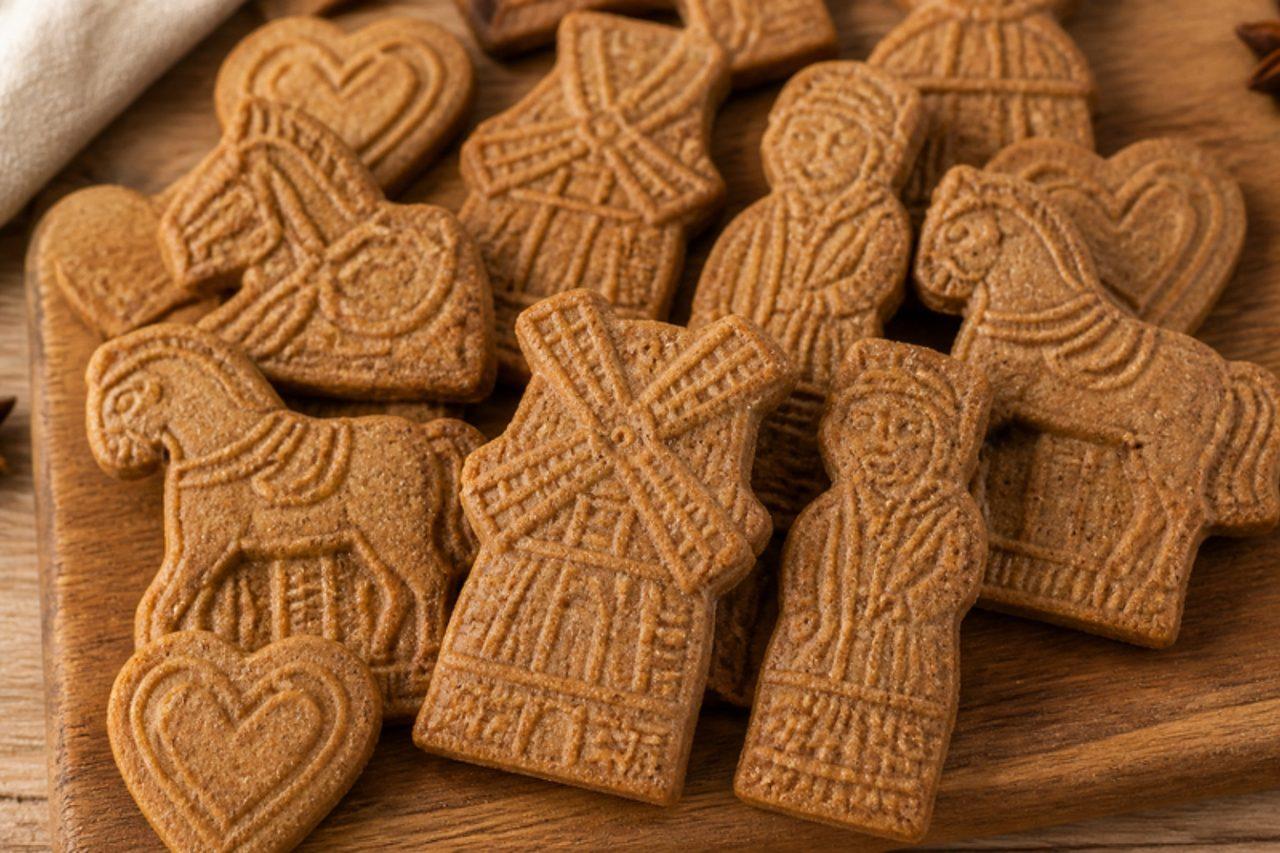
Taai-taaiAnise and honey biscuits

In the Netherlands, taai-taai ('tough-tough') are chewy honey and anise biscuits shaped into figures of Sinterklaas, his horse, windmills, sweethearts and animals, eaten from mid-November until his feast on 5 December. They contain no fat or egg, so they are firm and chewy rather than crisp, and they keep well. Bakers once used carved wooden moulds; cookie cutters work fine. Chef's tip: heat the honey only until runny, then let the dough rest overnight; the rest is what makes the chew.

by KrazyBadal 0 views

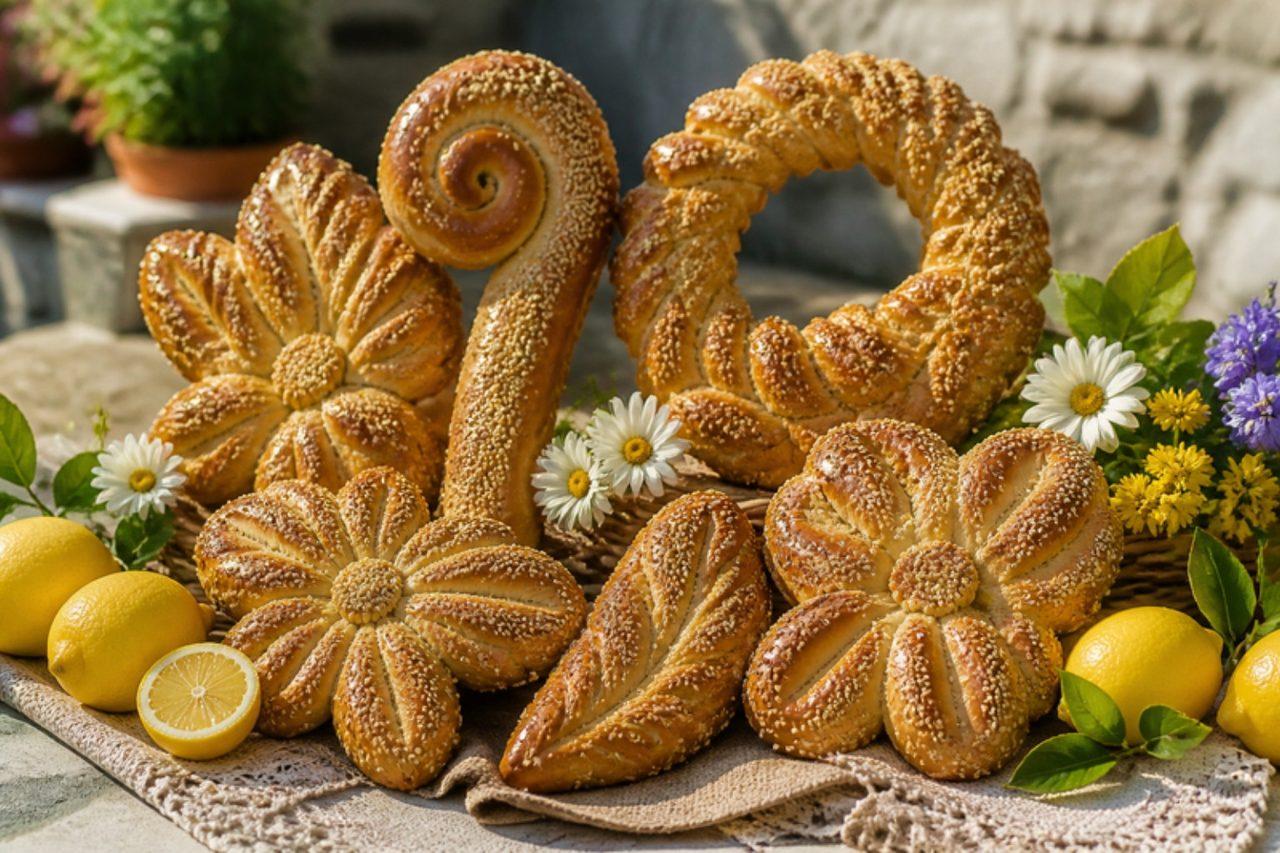
Pane di San GiuseppeSculpted festival breads

For St Joseph's Day on 19 March, families in western Sicily (Salemi, Trapani, Marsala) build 'tavolate' or altars to the saint, laden with ornate, sculpted breads: beards for Joseph, a staff, flowers, birds, fish and the hand of God. The breads are later given to the poor and to guests. The dough is a firm, plain semolina bread, so it holds fine detail, brushed with egg and scattered with sesame. Shape a few simple ones first; they are as much decoration as food. It is vegan, glazed with water rather than the egg some bakers use. Chef's tip: keep the dough firm and rest it so it doesn't spring back; soft dough loses its shapes in the oven.

by KrazyBadal 0 views

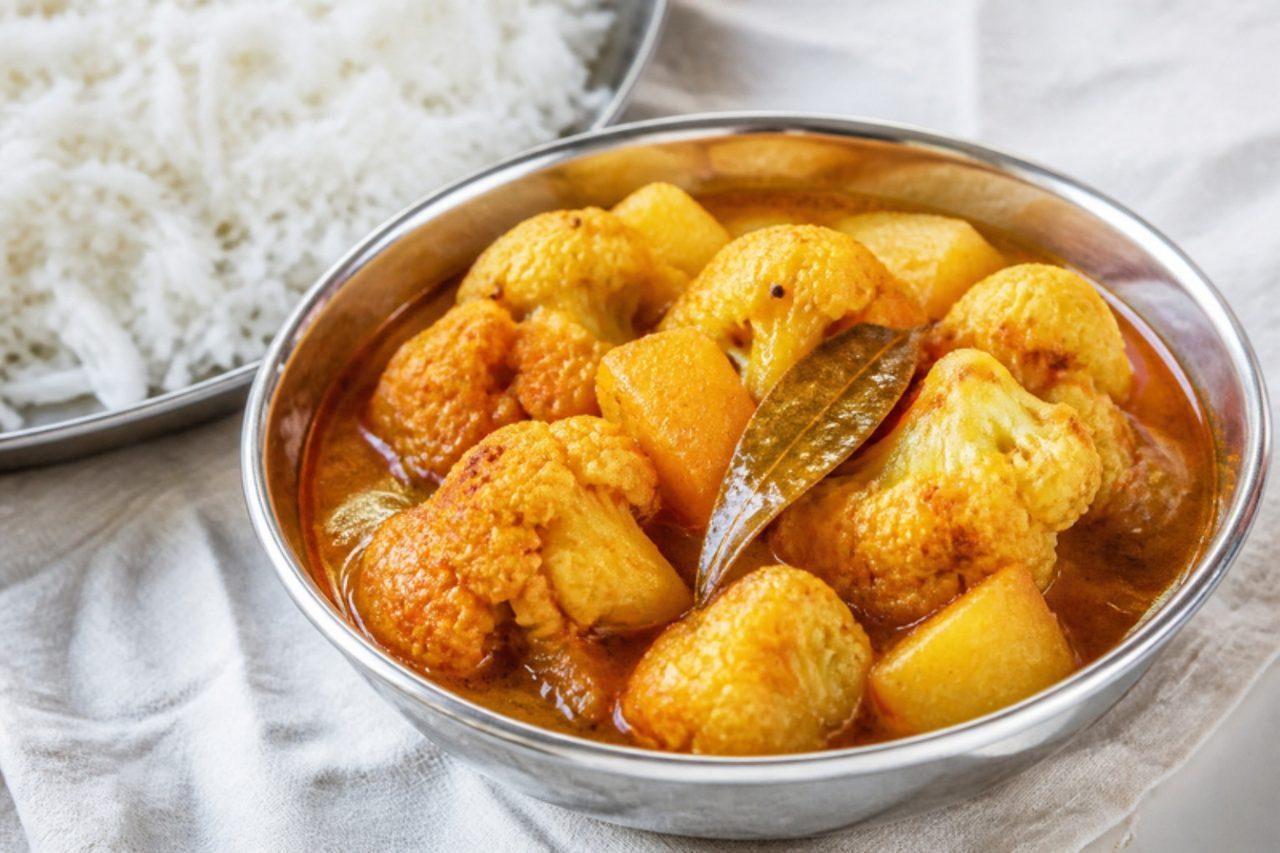
Fulkopir dalnaCauliflower and potato in light gravy

Fulkopir dalna is the gravy dish of a niramish (no onion, no garlic) Bengali menu, and it appears on the Durga Puja bhog table and at home on Navami and Dashami, when many families keep the day's food vegetarian. Large cauliflower florets and potatoes are fried golden and then simmered in a thin, glossy gravy of ginger, cumin, tomato and a little yoghurt, finished with ghee and Bengali garam masala. It should taste mellow, warm and slightly sweet rather than hot. Serve it with luchi or khichuri. Common mistake: boiling the cauliflower in the gravy from raw; fry the florets first until browned in patches, or they turn mushy and taste watery. Chef's tip: whisk the yoghurt with the ground spices before it goes in, and keep the heat low, so the gravy stays smooth instead of splitting.

by KrazyBadal 0 views

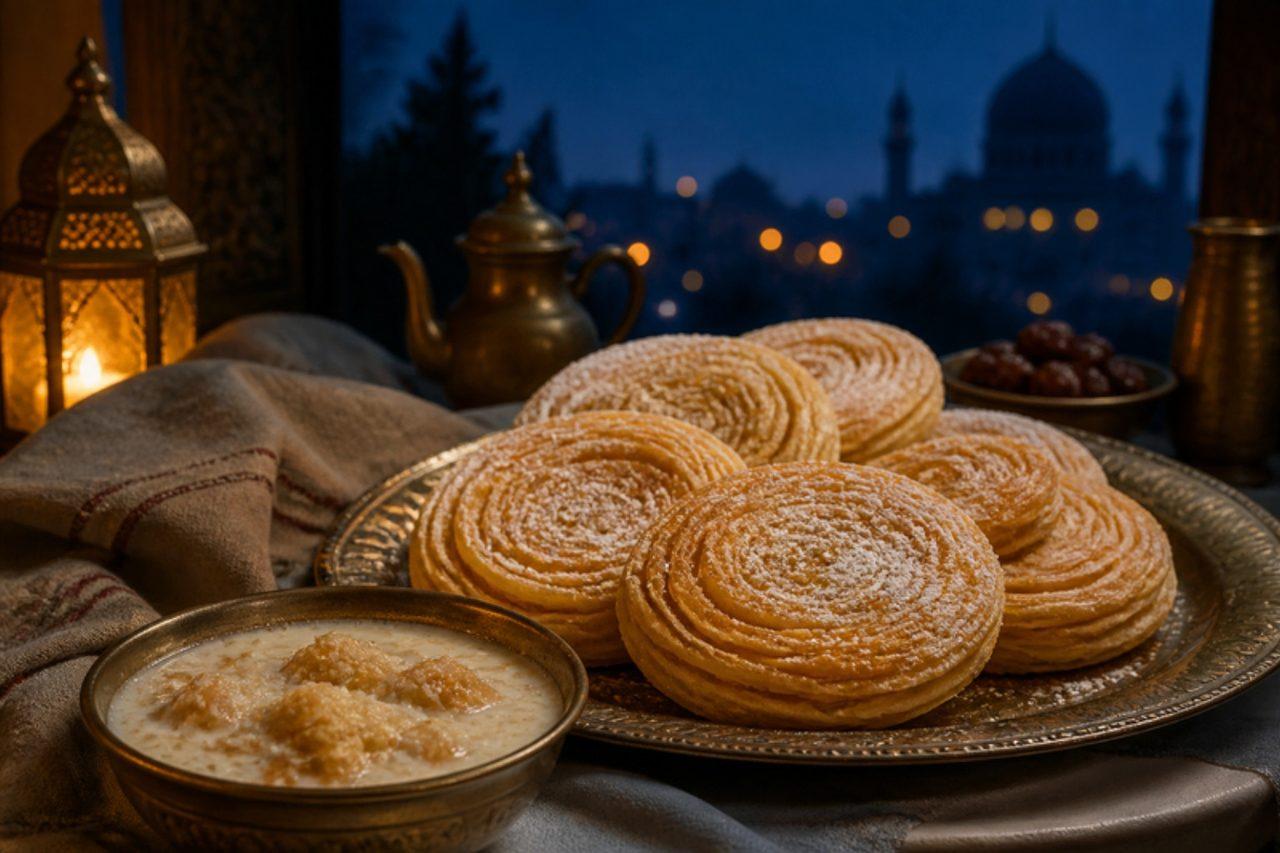
KhajlaFried pastry rounds in sweet milk

In the old lanes of Lahore and Karachi's Burns Road, sweet shops fry khajla through the night in Ramadan so families can buy it fresh for sehri, the meal eaten before dawn. Each round is a stack of paper-thin layers of ghee-rubbed dough that shatter when you press them, and it is crumbled into a bowl of hot sweetened milk, often with fine pheni, to give slow energy for the fasting day. Chef's tip: keep the oil only medium-hot; khajla must fry slowly so every inner layer turns crisp before the outside browns.

by KrazyBadal 0 views

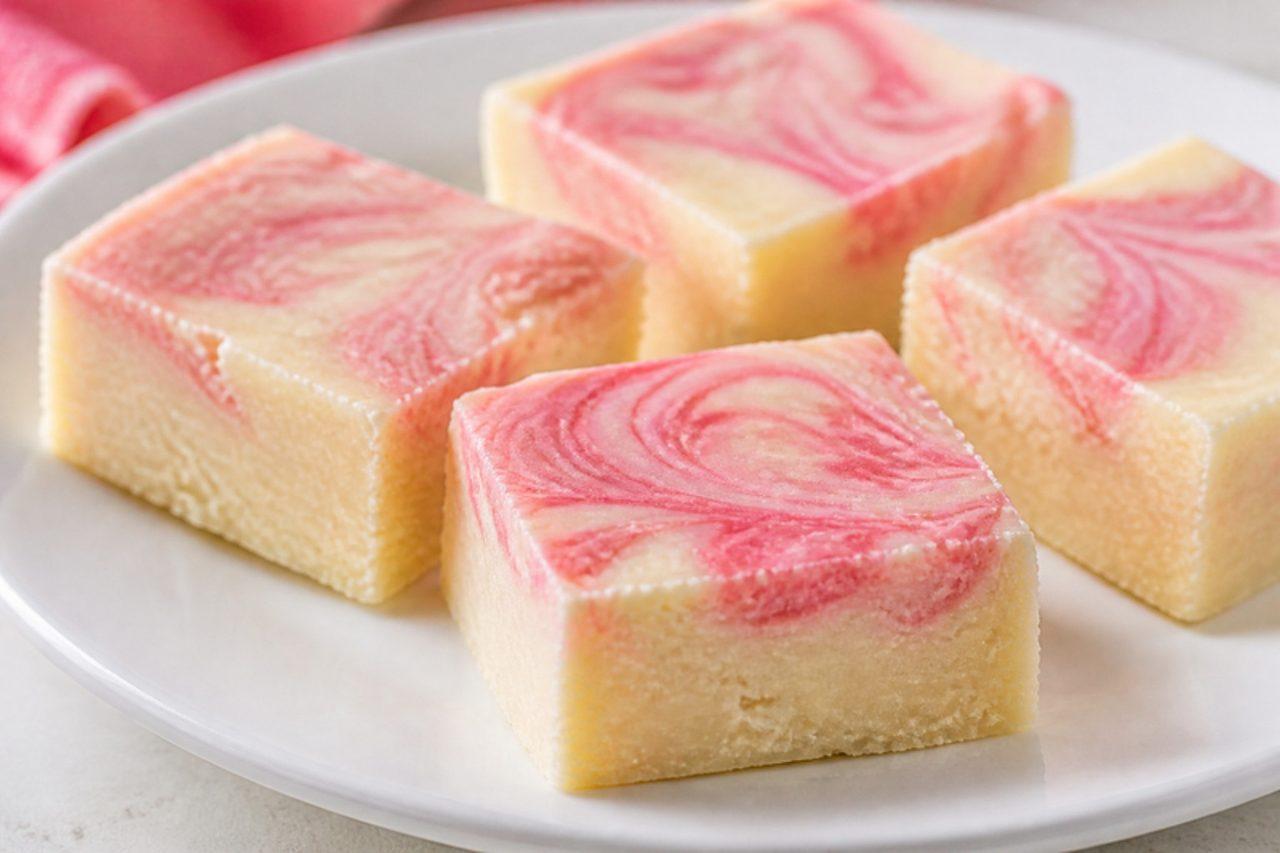
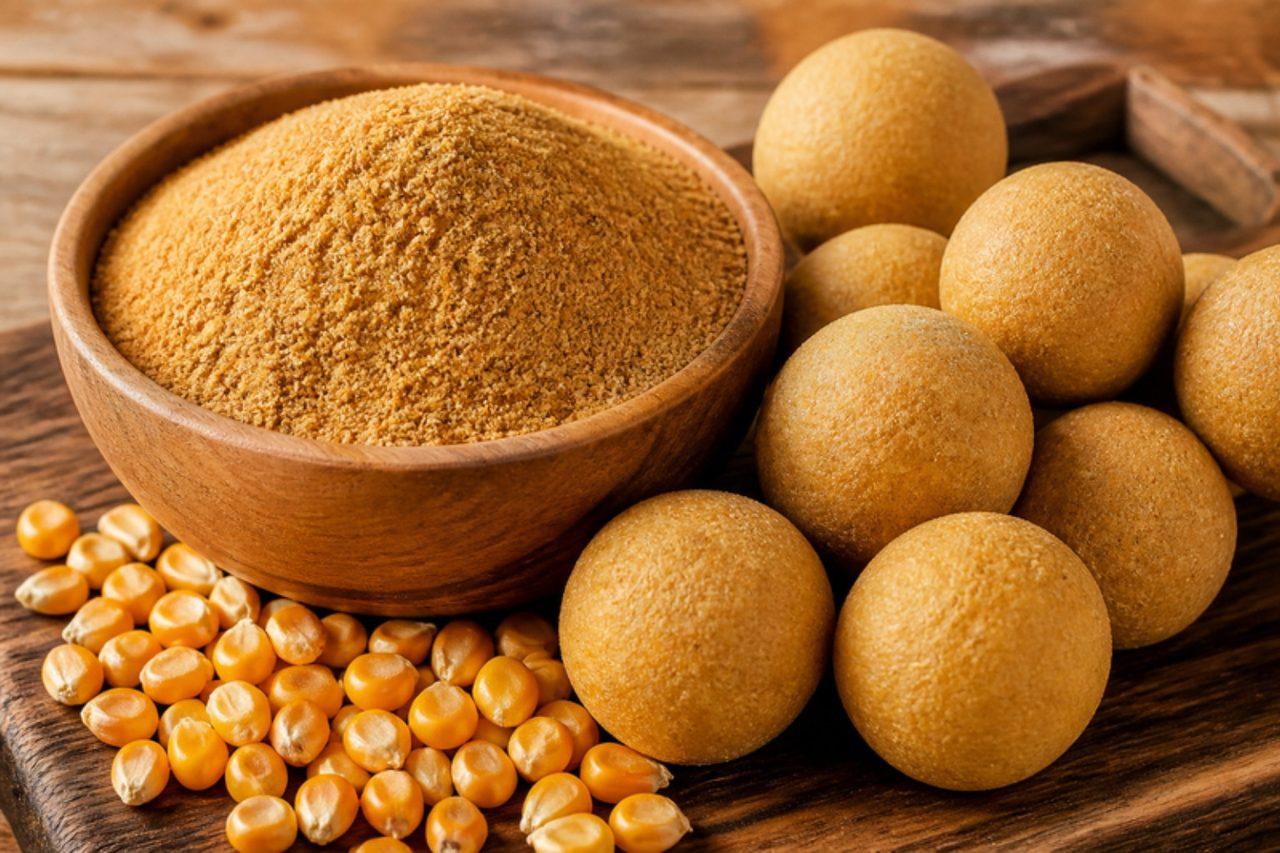
Leche de burraMilk, corn and sugar sweet

On 7 December, Nicaraguans celebrate La Purísima and La Gritería, when people go from house to house singing 'Who causes so much joy? Mary's Conception!' to altars set up for the Virgin, and the hosts hand out gifts: oranges, sugar cane, gofio and leche de burra. It is a firm, fudgy sweet of milk, sugar and a little cornmeal cooked until thick, then set in a tray, sometimes swirled with pink or brown, and cut into squares. Despite the name ('donkey's milk') it is made with cow's milk. It is gluten free. Chef's tip: stir constantly in the last 15 minutes, as milk sweets catch quickly.

by KrazyBadal 0 views

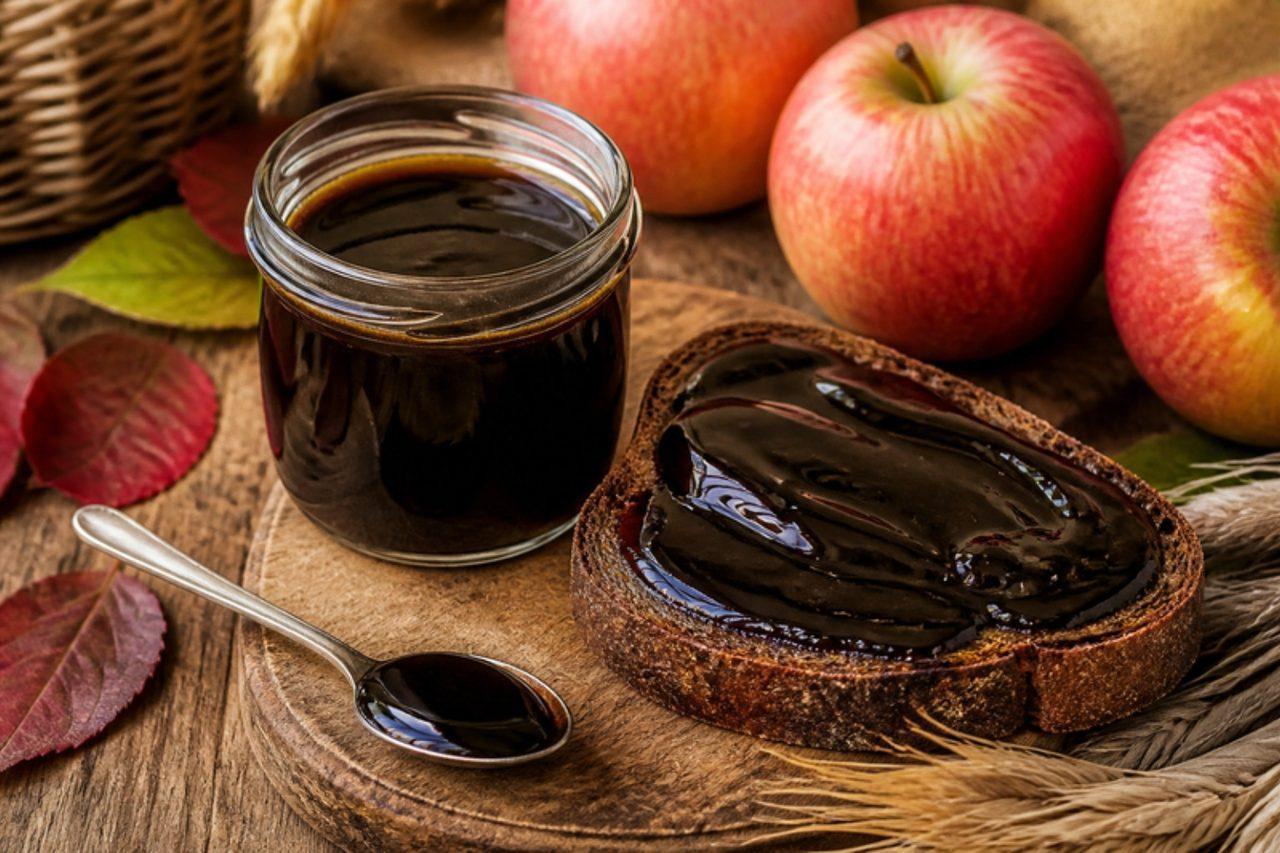
ApfelkrautApple syrup

In the Rhineland, apples from the autumn harvest are pressed and boiled for hours in copper cauldrons into Apfelkraut, a dark, glossy, sweet-sour syrup that is spread on Schwarzbrot with butter and quark, and that families bring to the Erntedank harvest thanksgiving in October. It needs no added sugar at all: the apples' own sugar and pectin concentrate until the juice is as thick as treacle and tastes like baked apple and caramel. Eat it on rye bread, with potato pancakes (Reibekuchen) or in a sauce for Sauerbraten. Chef's tip: use a mix of sweet and tart apples; the tart ones give the tang and the pectin that makes it set.

by KrazyBadal 0 views

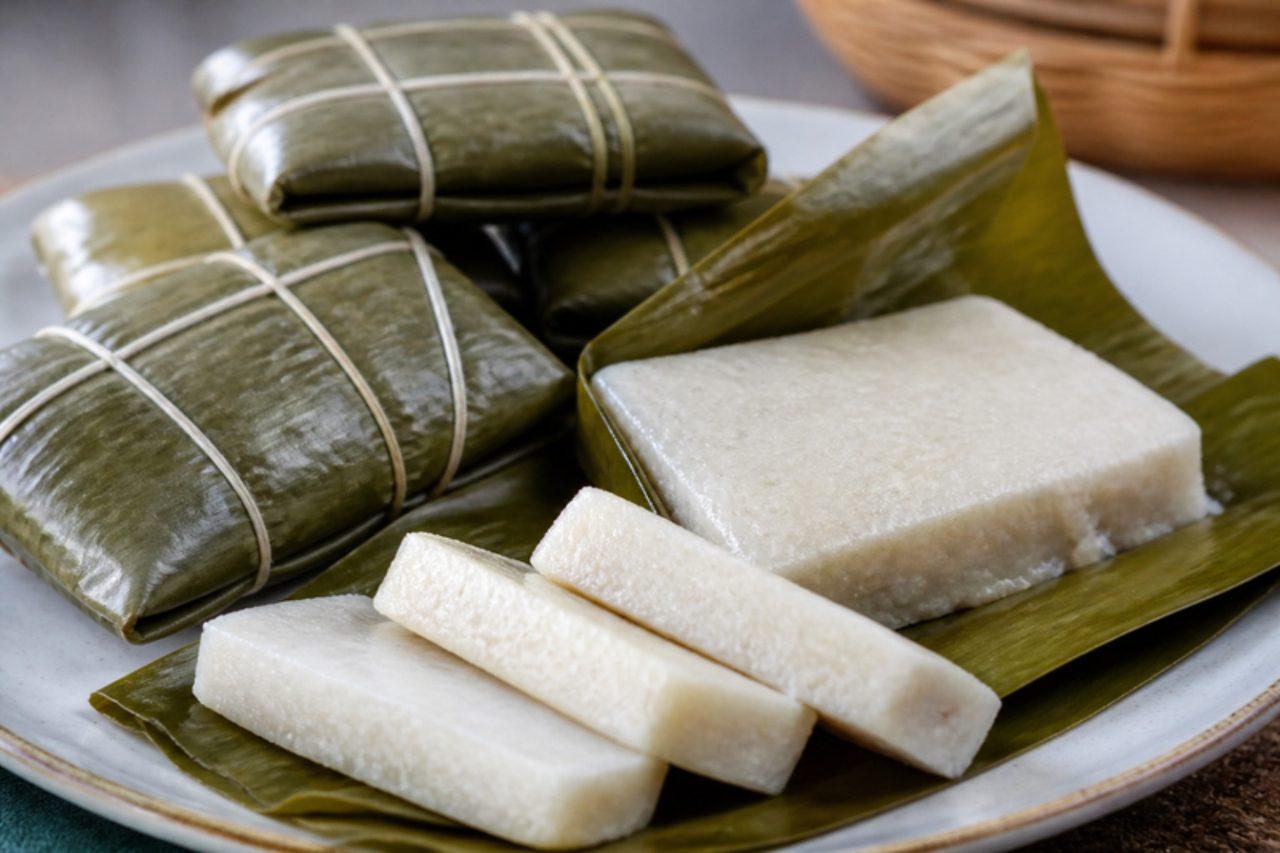
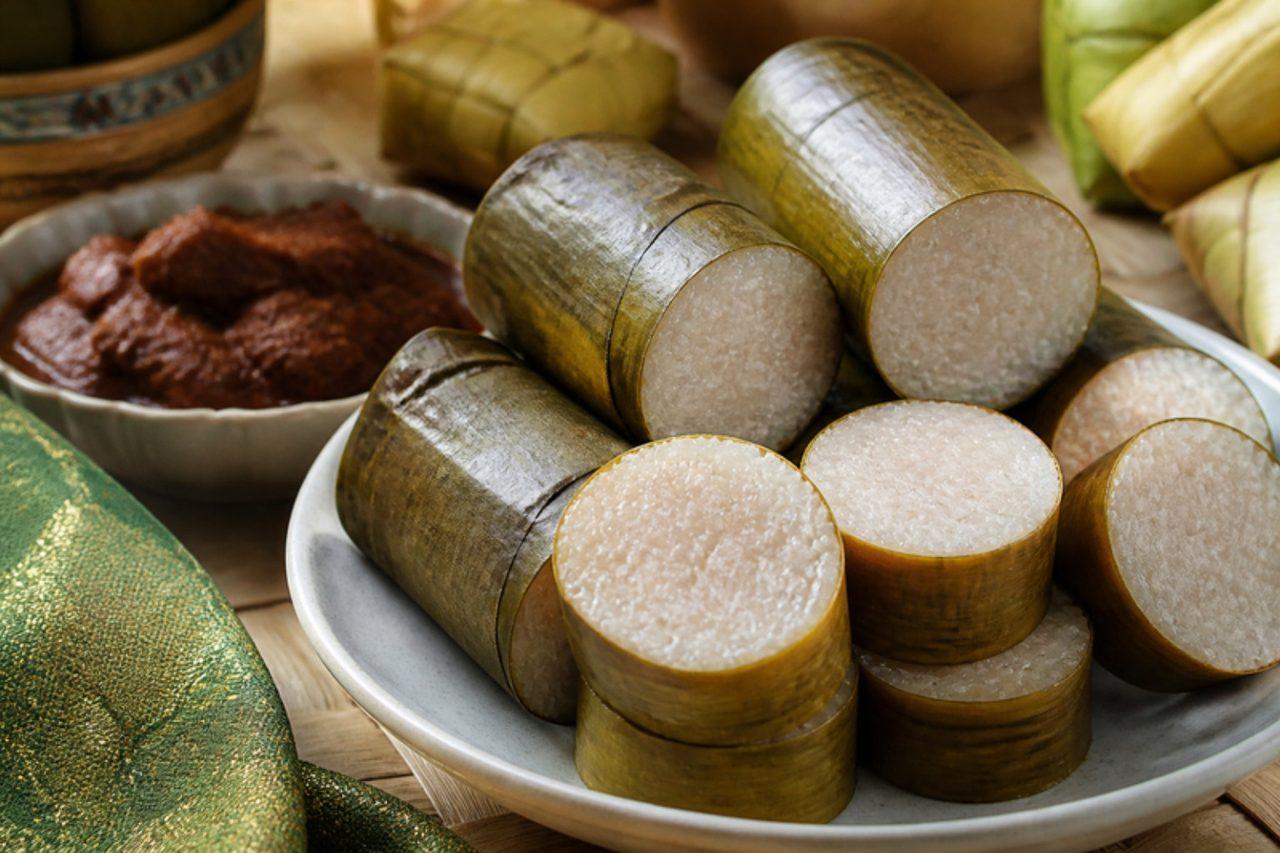
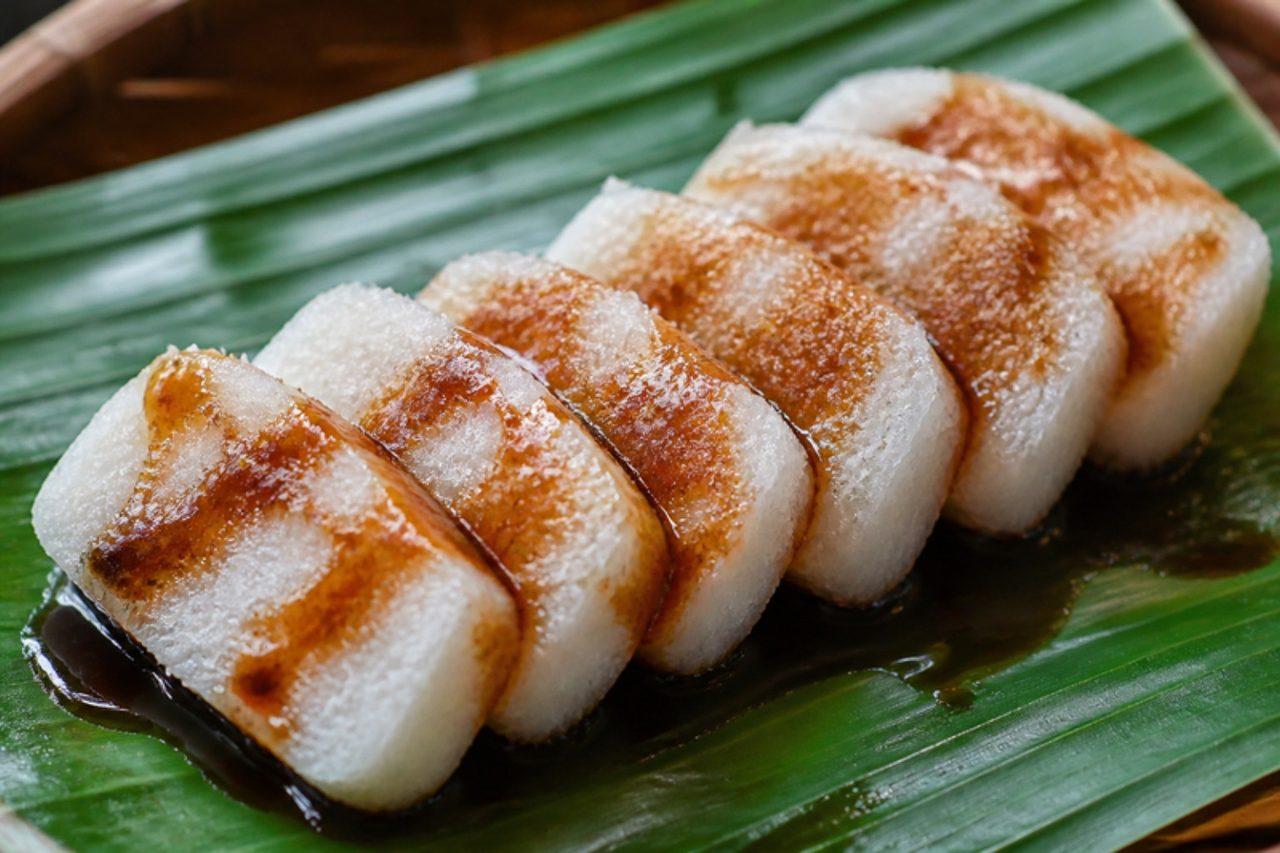
BurasaCoconut rice cakes in banana leaf

Burasa is the Lebaran rice cake of the Bugis and Makassar people of South Sulawesi: rice half-cooked in salted coconut milk, wrapped in banana leaves, tied in pairs and boiled for hours until it sets firm and rich. On Eid morning it is sliced and eaten with coto Makassar, opor or a spicy beef dish, and it travels well for visits to relatives. Chef's tip: wrap the parcels only half full and tie them firmly, because the rice swells and a full parcel bursts open in the pot.

by KrazyBadal 0 views

ZhavoronkiLark-shaped buns

On 22 March (9 March in the old calendar), the Orthodox feast of the Forty Martyrs of Sebaste falls during Lent, and in Russian villages it was the day the larks were said to return. Children were given zhavoronki, little bread larks, and ran outside to toss them in the air and call the spring. The dough is a lightly sweet yeast dough, and because it is Lent it was made without eggs or butter, so this version is vegan. Raisins or peppercorns make the eyes. Chef's tip: tie a simple knot from a dough rope for each bird and snip the tail; it is quicker than sculpting and keeps the shape.

by KrazyBadal 0 views

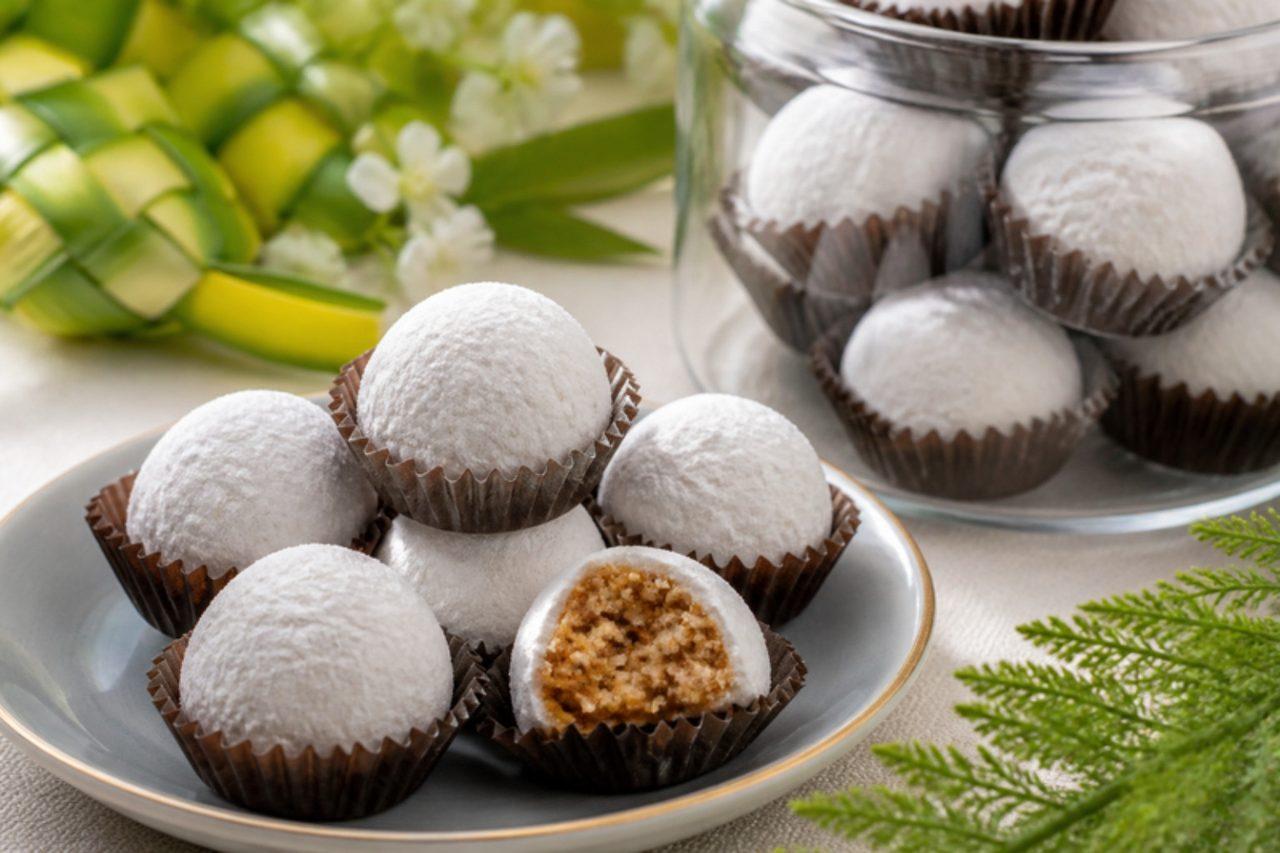
Kuih makmurGhee and peanut cookies

Kuih makmur is one of the oldest Malay Hari Raya cookies, its name meaning 'prosperity', and its tiny ridged domes are baked by the tray-load before Aidilfitri to fill the cookie jars for open houses. Soft, crumbly ghee pastry wraps a filling of roasted ground peanuts and sugar, and the cookies are rolled in icing sugar while still warm, so they melt in the mouth. Chef's tip: bake them pale; makmur should stay white, and browned cookies taste of scorched ghee.

by KrazyBadal 0 views

Shir berenjRose water rice pudding

Shir berenj, 'milk rice', is one of the gentle sweets of the Iranian Nowruz season, made at home to share with visiting relatives and often given as nazri on special days. Short-grain rice is softened in water first, then cooked slowly in milk until the grains melt into a thick, creamy pudding scented with rose water. It is chilled and served plain, with the sweetness added at the table from a drizzle of grape molasses, date syrup or jam. The common mistake is adding all the milk at once over a high heat, which scorches the bottom and leaves the grains firm. Chef's tip: stir with a wooden spoon in a figure of eight, which reaches the corners where rice likes to stick.

by KrazyBadal 0 views

PflaumenmusOven-baked plum butter

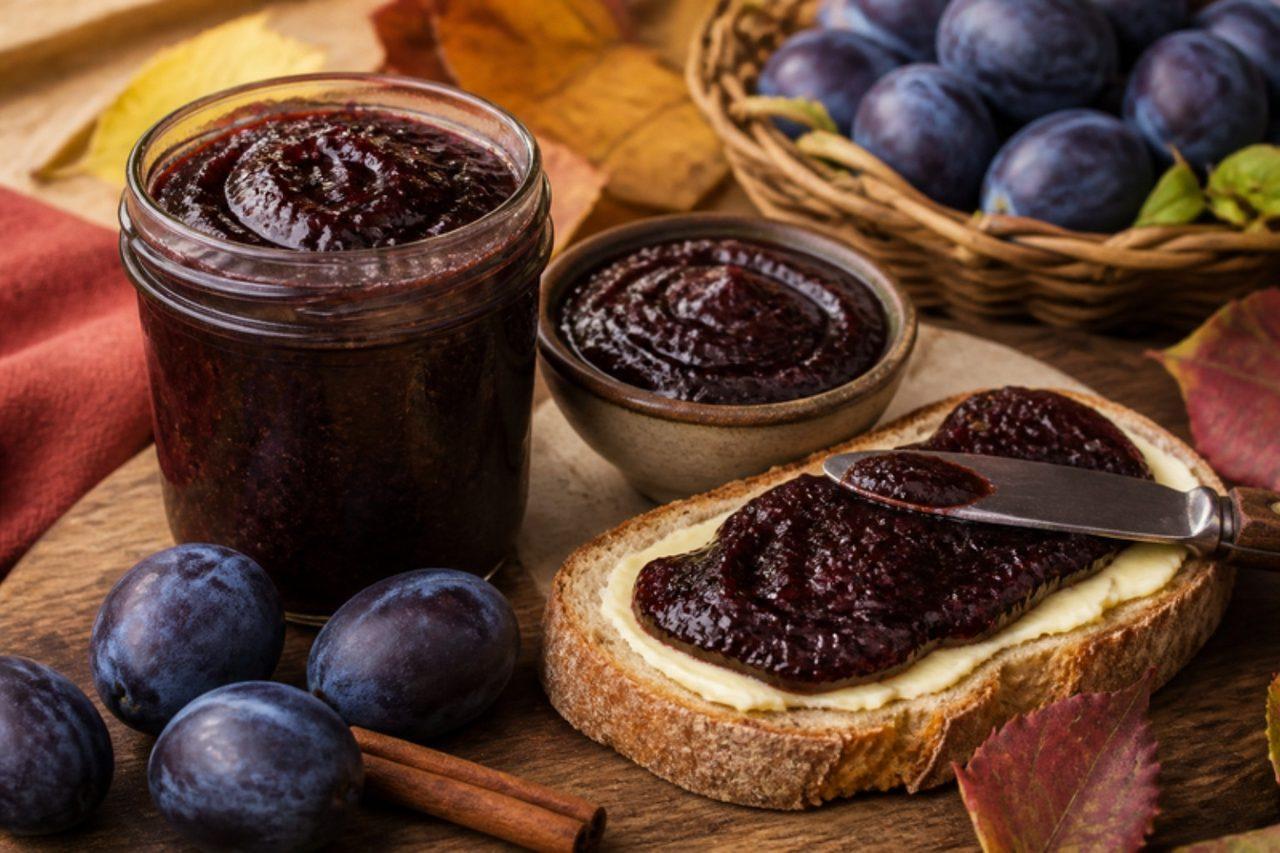
When the late damson plums (Zwetschgen) ripen in September, German kitchens fill trays with them for Pflaumenmus, and jars of it stand on the decorated altar at Erntedank, the harvest thanksgiving in early October. Unlike jam, it uses little sugar and no pectin: the halved plums are baked slowly, uncovered, until they collapse and darken into a thick, almost black spread that tastes of plums and spice rather than sugar. Spread it on rye bread with butter, fill Dampfnudeln with it or stir a spoonful into quark. Chef's tip: bake it in the widest roasting tin you have, because the more surface, the faster the water steams off.

by KrazyBadal 0 views

AlewaPulled sugar sweets

Alewa is the chewy pulled sugar sweet of Hausa northern Nigeria, cooked from just sugar, water and a squeeze of lime, then stretched by hand until it turns pale and satiny. Pocketfuls are given to children on Sallah, the Eid al-Fitr holiday, as they go from house to house in new clothes. The taste is clean caramel with a little sharpness from the lime. An adult should do the hot pulling. Chef's tip: oil your hands and the worktop well and pull while the sugar is still hot enough to bend; once it cools it sets hard and won't stretch.

by KrazyBadal 0 views

FunkasoFermented wheat pancakes

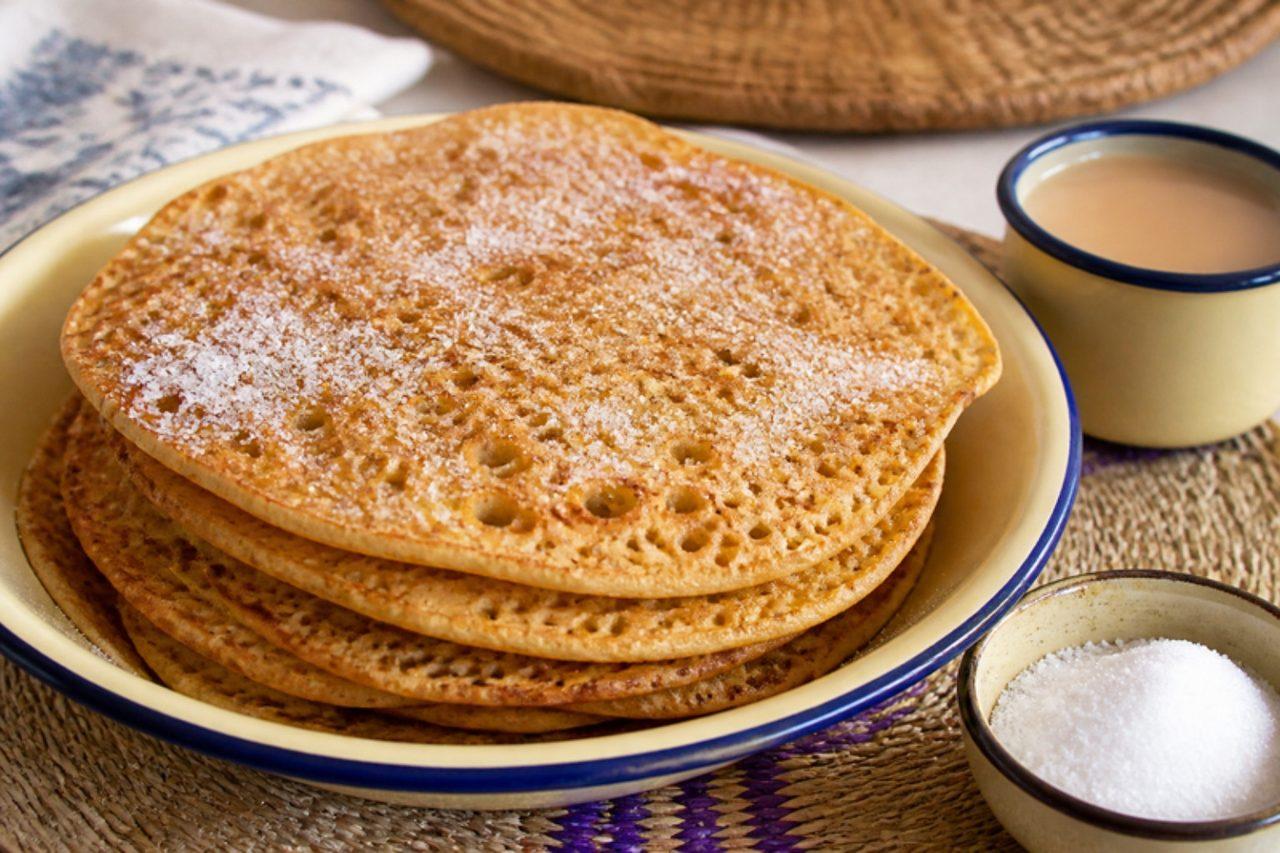
Funkaso is a Hausa pancake from northern Nigeria, made from a wheat batter left to ferment until bubbly and fried into soft, spongy rounds with crisp edges. Families cook stacks of it for the pre-dawn sahur and the evening meal during Ramadan, and again on Sallah morning for visitors. It is eaten simply, sprinkled with sugar, or dipped in a hot pepper sauce, with hot kunun or tea. Chef's tip: the batter should be as thick as double cream; too runny and the pancakes spread thin and lose their spongy middle.

by KrazyBadal 0 views

BorstplaatSugar fondant sweets

Borstplaat is the sweet of Sinterklaas in the Netherlands: small, melt-in-the-mouth discs or hearts of boiled sugar and cream or milk with a little butter, flavoured with coffee, vanilla or strawberry. Children find them in their shoes on the morning of 5 December alongside pepernoten and a chocolate letter. They need only a few ingredients and a little care, and are gluten free. Chef's tip: stir the cooled syrup until it turns cloudy and starts to thicken, then pour at once; that stirring forms the fine crystals that make borstplaat creamy.

by KrazyBadal 0 views

Pesaha paalCoconut milk and jaggery drink

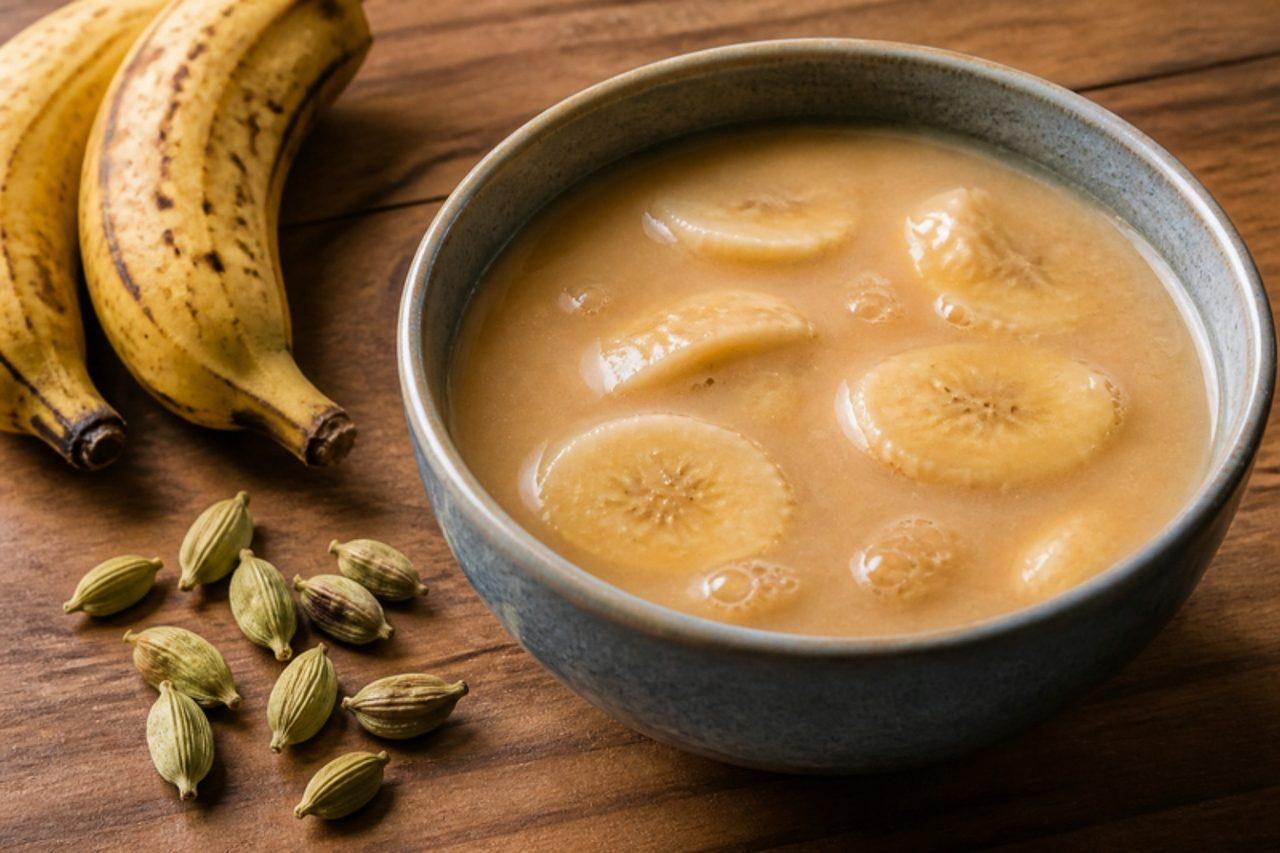
Pesaha paal ('Passover milk') is the sweet dip served with Pesaha appam at the Maundy Thursday supper in Kerala's Syrian Christian homes. Coconut milk is simmered with melted jaggery, a little roasted rice flour to thicken it, cardamom and dried ginger until it becomes a warm, silky drink. The family dips pieces of the blessed appam into it after the evening prayers. It is vegan and gluten free, and ready in half an hour. Chef's tip: strain the jaggery syrup before adding the coconut milk, as jaggery often carries grit.

by KrazyBadal 0 views

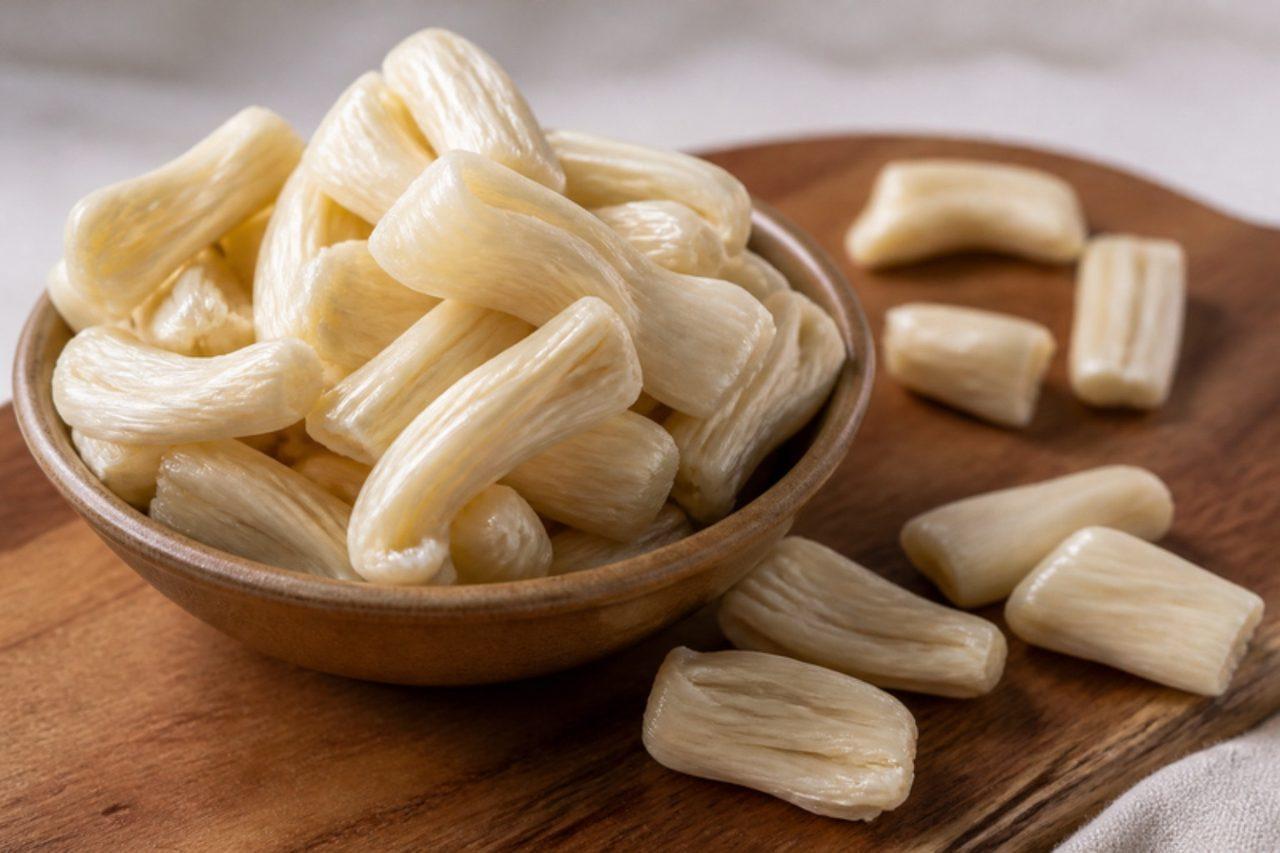
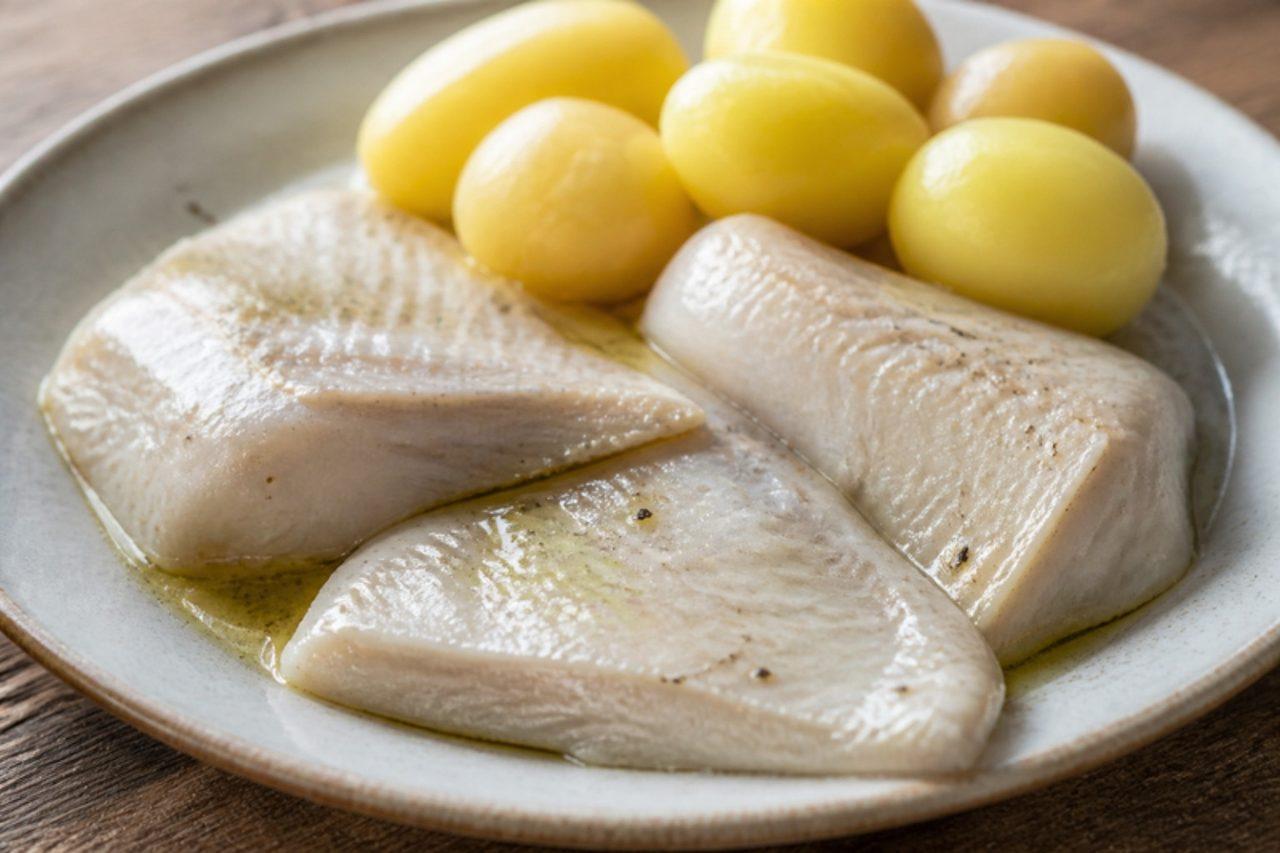
Kæst skataFermented skate

St Thorlak's Day (Þorláksmessa), 23 December, honours Iceland's patron saint, and in the Westfjords and now across the country it is the day for kæst skata: fermented skate, boiled and eaten with potatoes and melted, salty sheep's tallow (hamsatólg) or butter. Its ammonia smell is famous, which is why many families cook it in the garage or eat at a restaurant, then have it the next day as a bracing start to Christmas. Buy skate already fermented from an Icelandic fishmonger; don't try to ferment it at home. Chef's tip: cook it in a lidded pot with a window open, and boil the potatoes in a separate pot.

by KrazyBadal 0 views

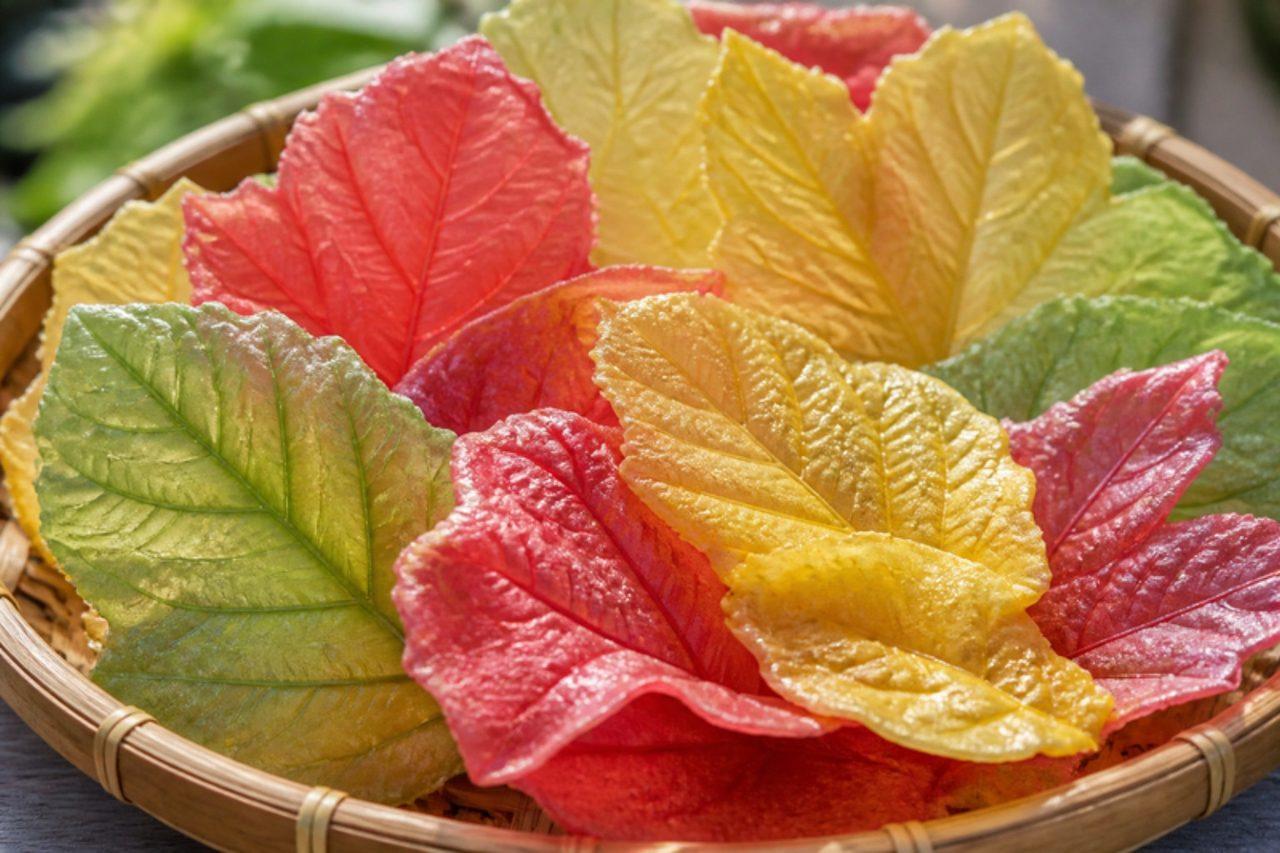
KipingLeaf-shaped rice wafers

Every 15 May, the town of Lucban in Quezon province celebrates San Isidro Labrador, patron of farmers, with the Pahiyas festival, when houses are covered in rice, vegetables and kiping: bright, translucent wafers of ground rice dough pressed onto leaves so they take the leaf's shape and veins, then dried. After the procession, the kiping are taken down and grilled or fried and eaten crisp, sometimes with sugar. This home version presses the dough thinly onto baking paper with a leaf-shaped cutter and the back of a clean banana leaf for texture. It is vegan and gluten free. Chef's tip: spread the dough as thin as you can, almost see-through, so it dries crisp.

by KrazyBadal 0 views

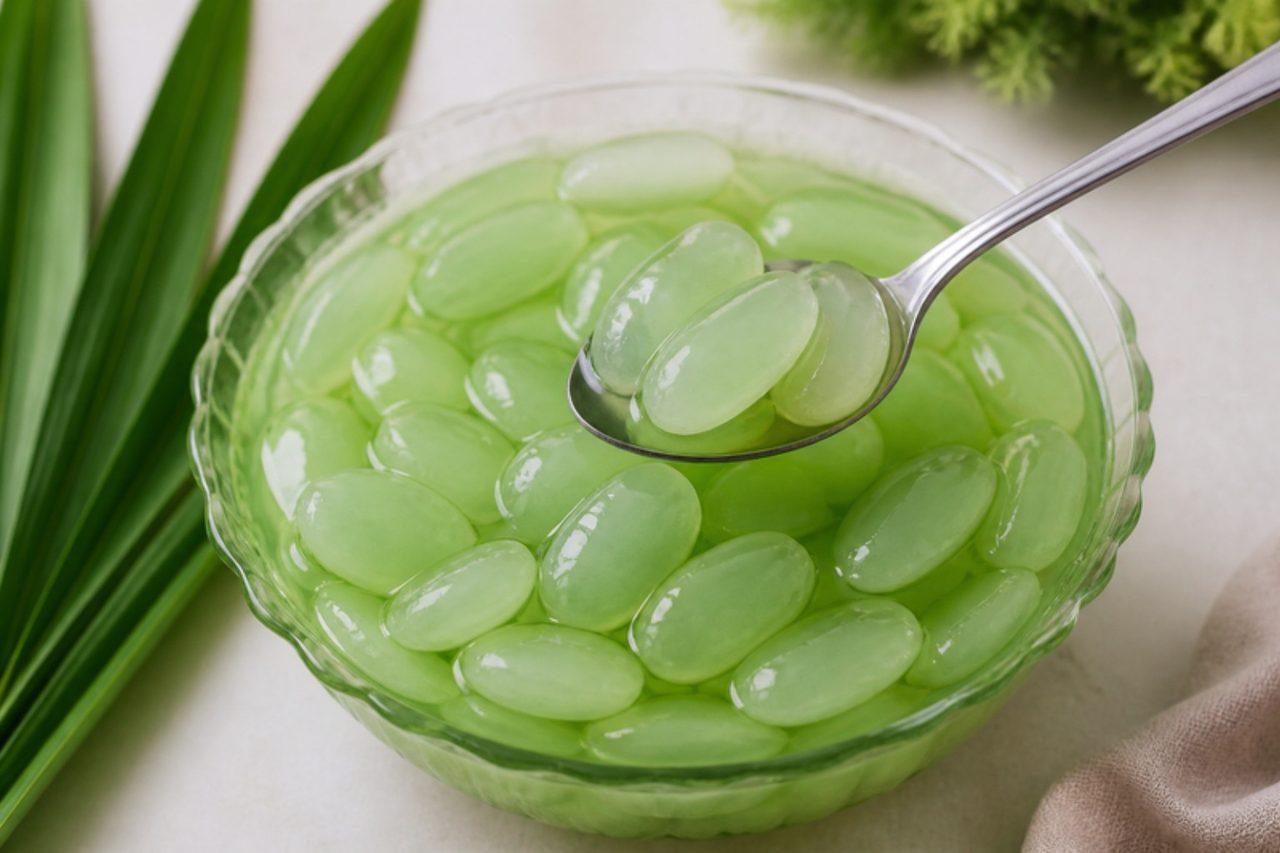
Manisan kolang-kalingSugar palm fruit in pandan syrup

Kolang-kaling are the chewy, translucent seeds of the sugar palm, and in Indonesia they are a sure sign of Ramadan, piled in buckets at markets and simmered in syrup to go into iftar drinks, kolak and es buah. They have a soft, jelly-like bite and soak up whatever colour and flavour they are cooked in: green for pandan, red for rose syrup. Chef's tip: simmer them slowly and leave them in the syrup overnight; rushing gives pale fruit with a watery middle.

by KrazyBadal 0 views

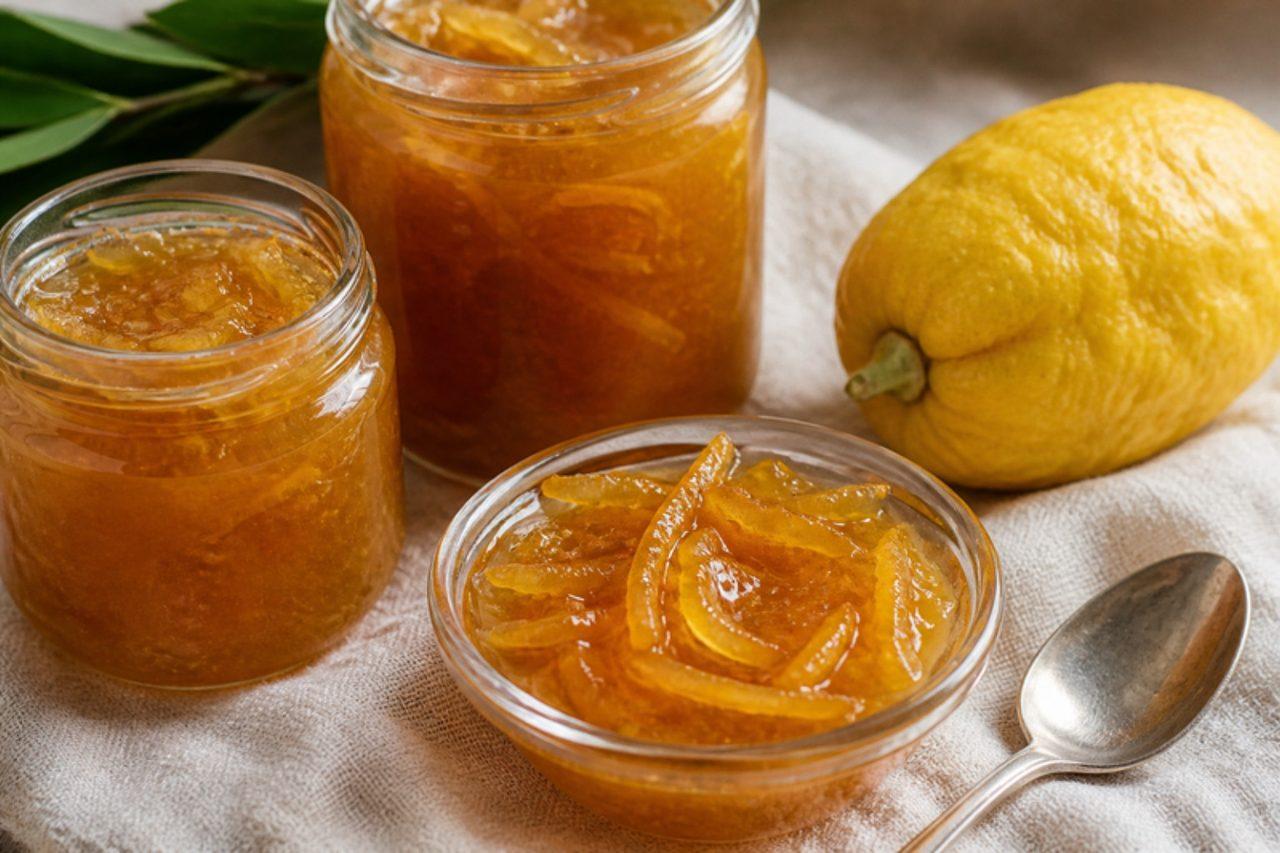
Etrog marmaladeCitron preserve

After Sukkot ends, many Israeli families keep the fragrant etrog (citron) used during the festival and turn it into marmalade, so its scent lasts into the winter. The thick pith is bitter, so the sliced fruit is soaked overnight and blanched in fresh water before it is simmered with sugar into a golden, bitter-sweet preserve, lovely on challah or with soft cheese. If your etrog was treated with sprays because it was grown only for ritual use, buy an unwaxed one sold for eating. The common mistake is skipping the soaking and changes of water, which leaves the marmalade harsh. Chef's tip: add a lemon for pectin and brightness, since etrogs are dry and set softly on their own.

by KrazyBadal 0 views

KaguyjyWhite corn pudding

On the night of 23–24 June, Paraguayans celebrate San Juan with bonfires, games like walking over hot coals and the 'paso de fuego', and a table of traditional foods, and kaguyjy (also mazamorra) is one of them. It is a soft, creamy pudding of cracked white corn (locro) simmered slowly in water and then milk with sugar or honey, sometimes with orange peel. It is eaten warm or cold. It is gluten free. Chef's tip: soak the corn overnight and cook it until each kernel is tender before adding the milk, or it never turns creamy.

by KrazyBadal 0 views

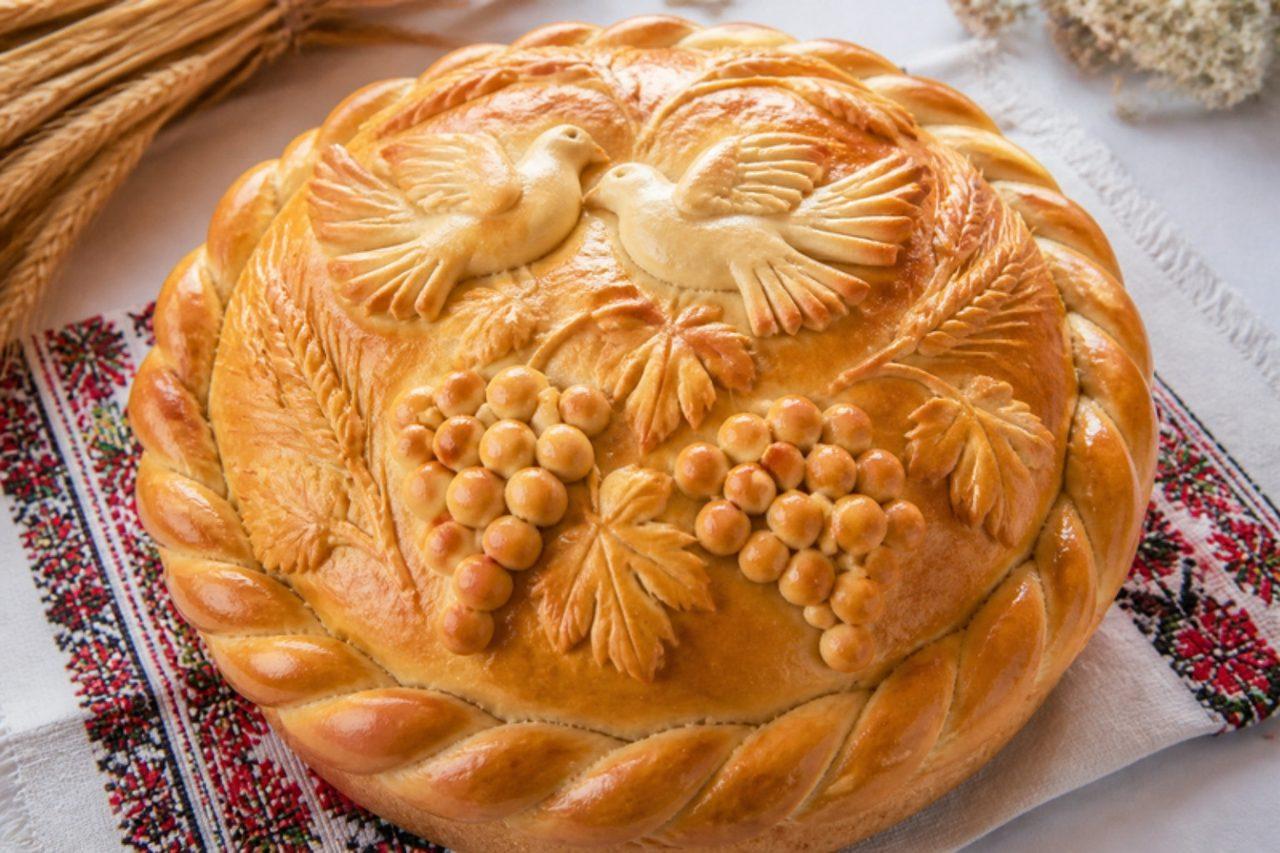
Slavski kolačDecorated ceremonial bread

The slava is a uniquely Serbian Orthodox custom: each family honours its own patron saint on that saint's feast day, passed from father to son, with a lit candle, boiled wheat (žito) and the slavski kolač, a round, decorated bread. The priest blesses it; the family turns it, cuts a cross into its base, pours a little wine into the cuts, and breaks it together. It is decorated with dough crosses, the seal 'IC XC NI KA', doves, wheat ears and grapes. It is a plain, vegan bread. Chef's tip: keep the decorations' dough a little stiffer than the loaf, so they hold their shape.

110 minBalkanBakingVegan
by KrazyBadal 0 views

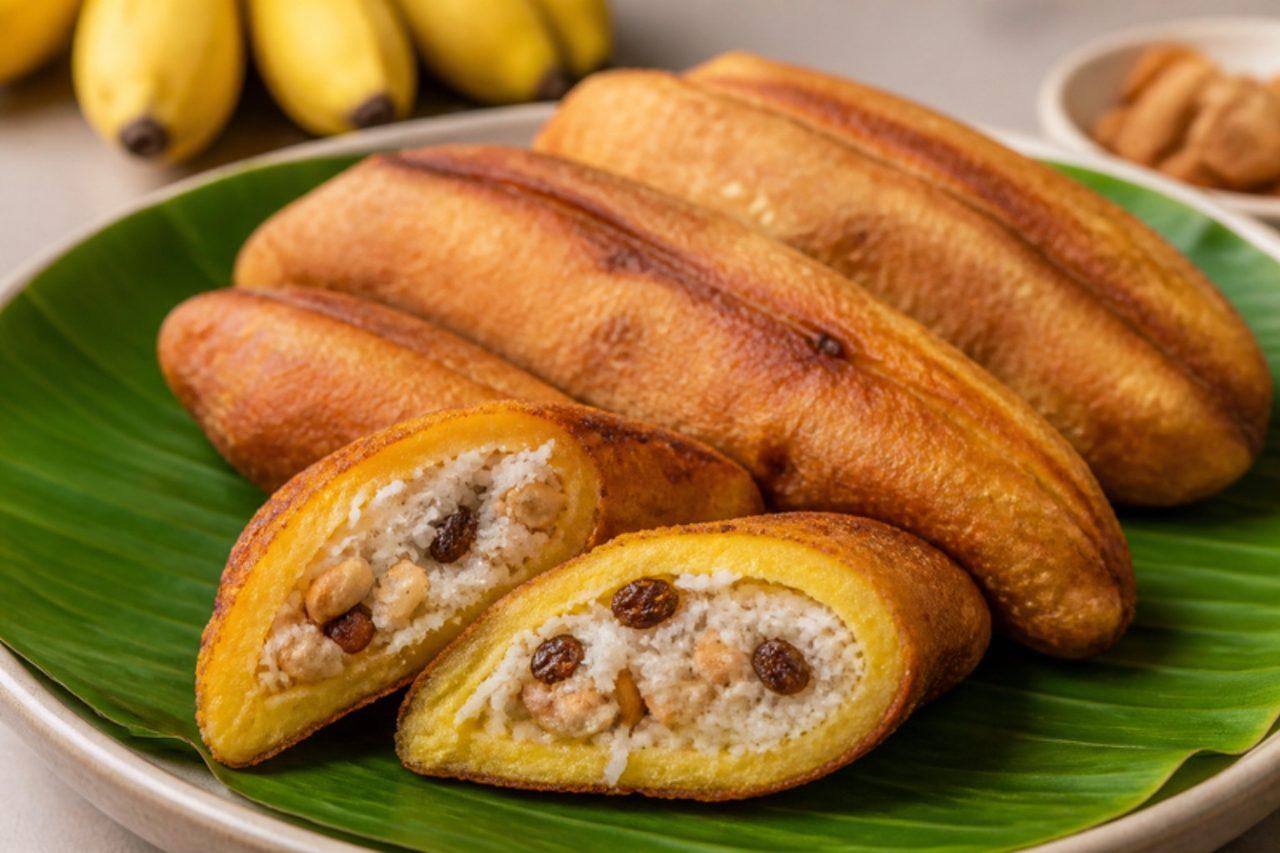
Pazham nirachathuCoconut-stuffed fried plantains

Every Malabar iftar spread has a plate of pazham nirachathu: ripe plantains slit open, packed with grated coconut, sugar and cardamom fried with ghee and cashews, then dipped in a thin flour batter and shallow-fried. The outside turns crisp and lacy, the plantain goes soft and caramel-sweet and the coconut stays moist. Chef's tip: slit the plantain without cutting through the far side or the ends, so the filling stays inside the pocket.

by KrazyBadal 0 views

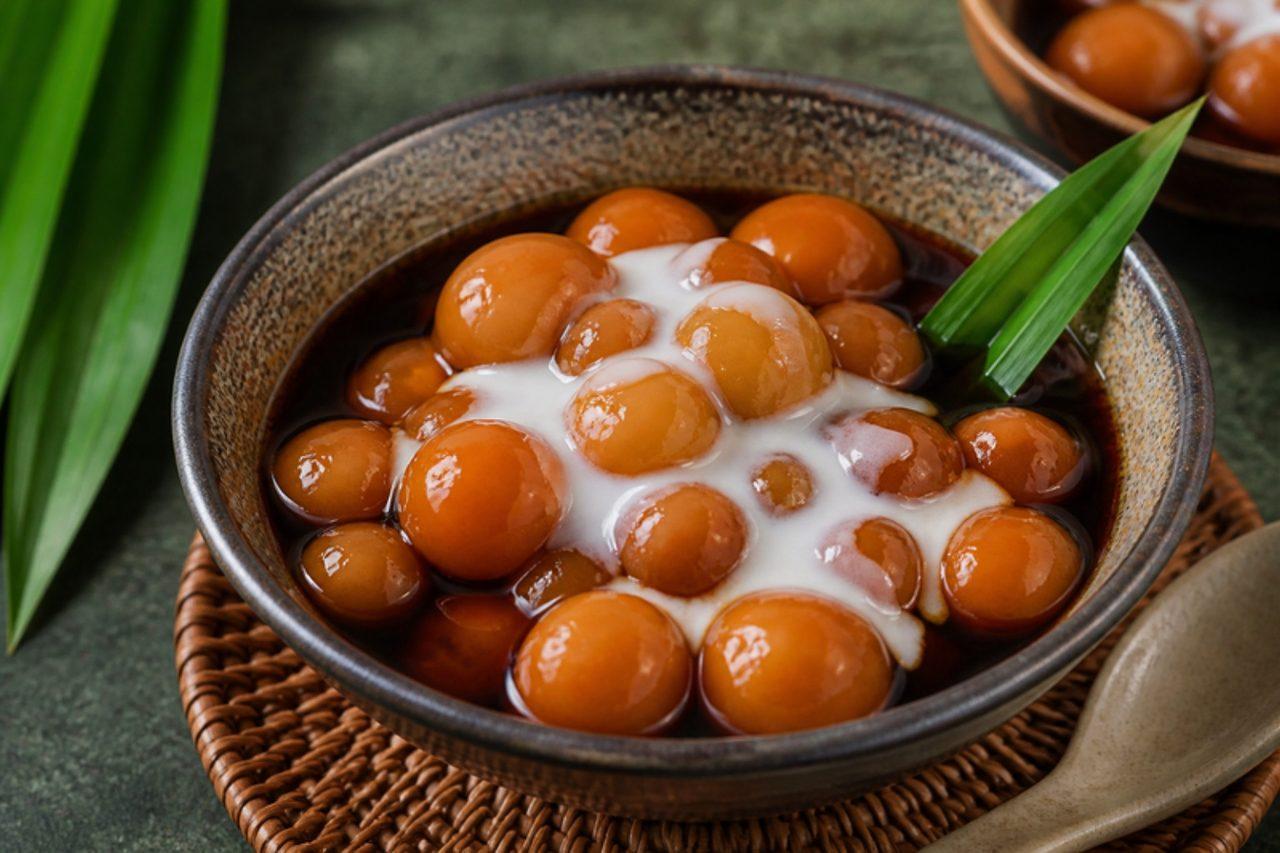
Bubur candilSweet potato balls in syrup

Bubur candil is a classic takjil, the little sweet that Javanese families break the fast with after dates and water during Ramadan. Chewy balls of orange sweet potato and glutinous rice flour bob in a dark, glossy palm sugar syrup scented with pandan, and a spoon of salty coconut cream goes on top. It is warming, soft and fudgy, and stalls sell it in plastic cups in the hour before maghrib. Chef's tip: drop the balls into syrup that is just bubbling, not boiling hard, or they break up before they set.

by KrazyBadal 0 views

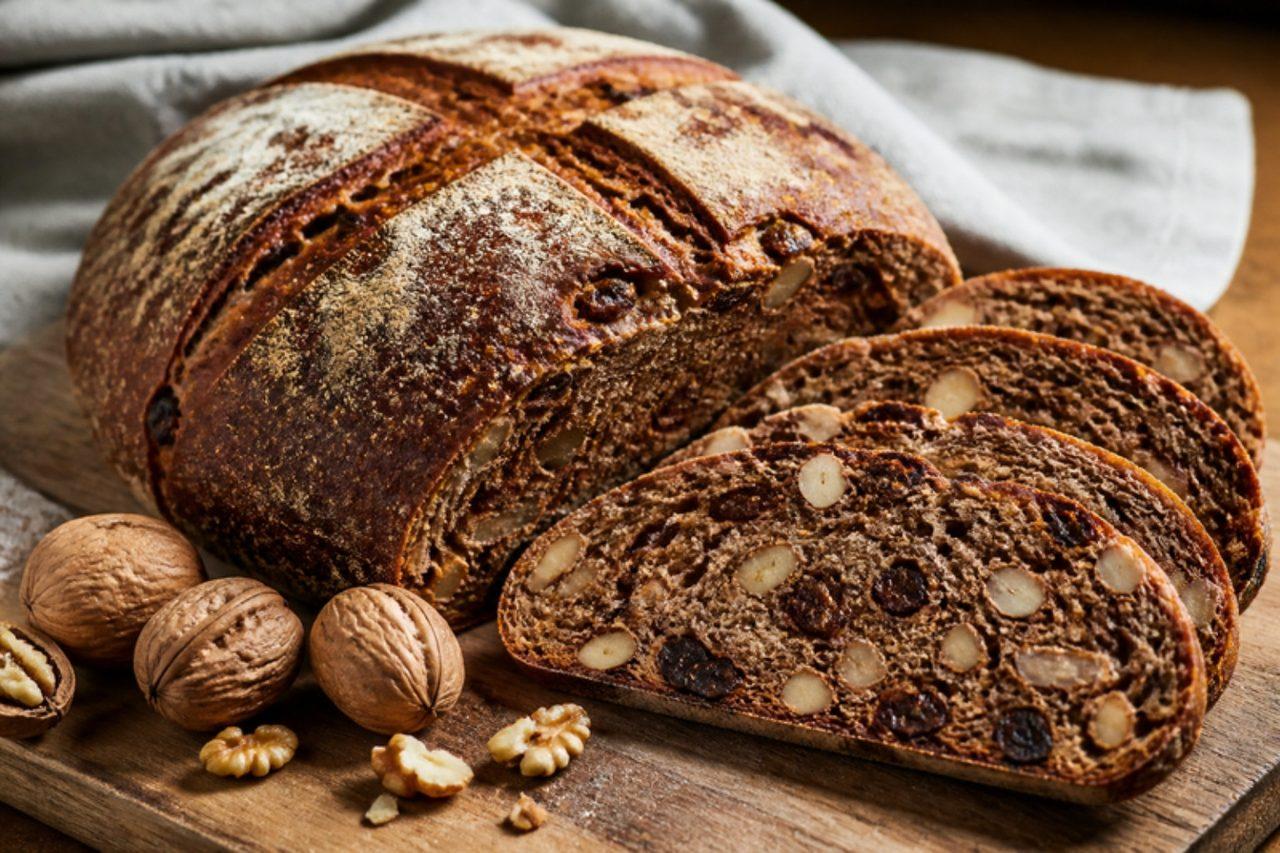
Pan co' santiWalnut and raisin loaf

In Siena and the Tuscan countryside, pan co' santi ('bread with the saints') is baked for All Saints' Day on 1 November, when the new walnuts and the late grapes come in. It is a dark, lightly sweet bread dough rich with olive oil, walnuts, raisins and a surprising amount of black pepper, which gives a warm bite. It is eaten with the new wine by adults, or with roasted chestnuts. It is vegan. Chef's tip: fry the raisins and walnuts briefly in the olive oil before adding them, as Sienese bakers do; it brings out their flavour.

by KrazyBadal 0 views

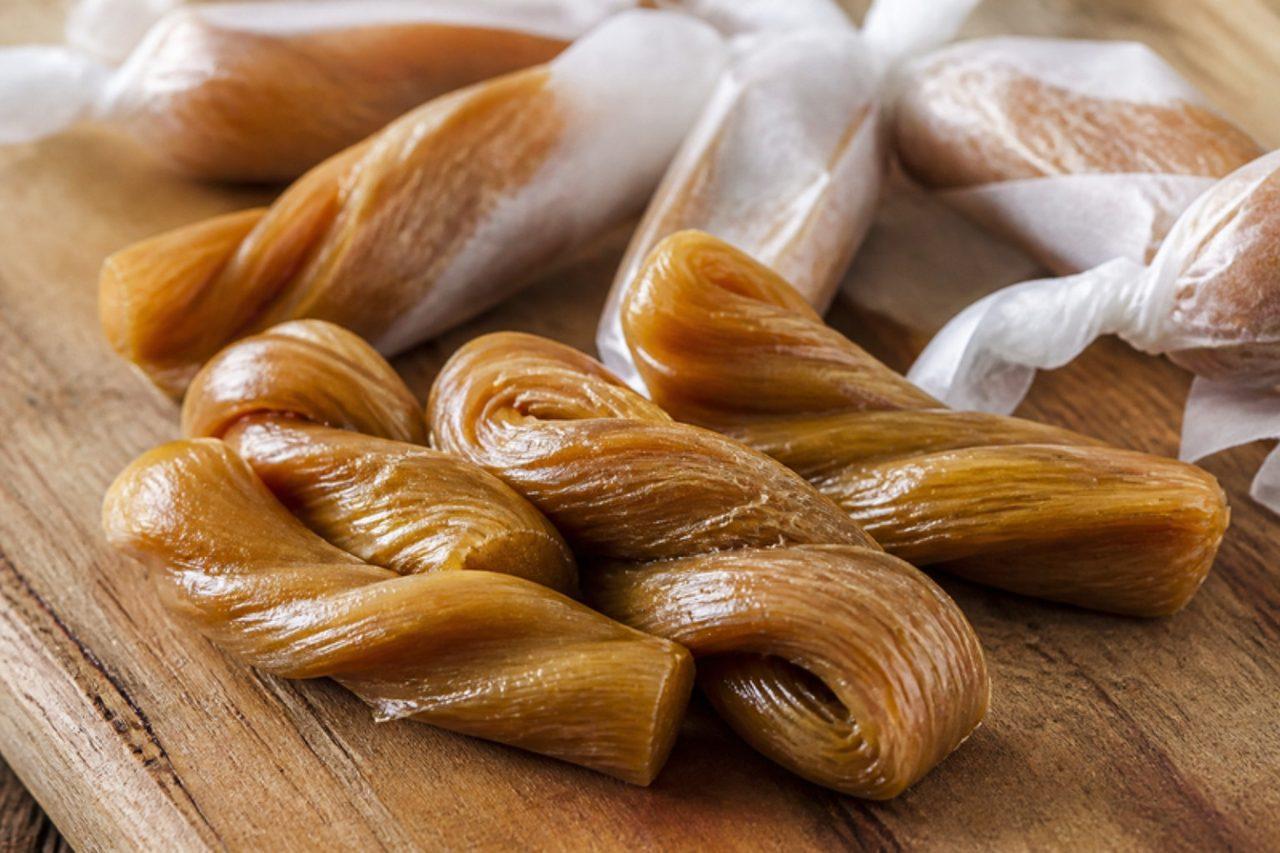
Tire Sainte-CatherinePulled molasses taffy

On 25 November, Quebec celebrates St Catherine, patron of unmarried women, with tire Sainte-Catherine, a pulled molasses taffy. The custom goes back to Marguerite Bourgeoys, who is said to have made taffy in the 1600s to draw children to her school in Ville-Marie, and today schools and families still 'pull the tire' together. Hot molasses and sugar syrup is cooled, then pulled with buttered hands until it turns golden and satiny, twisted into ropes and cut into pieces. It is gluten free. Chef's tip: pull it as soon as it is cool enough to handle, as it sets fast; work in pairs.

by KrazyBadal 0 views

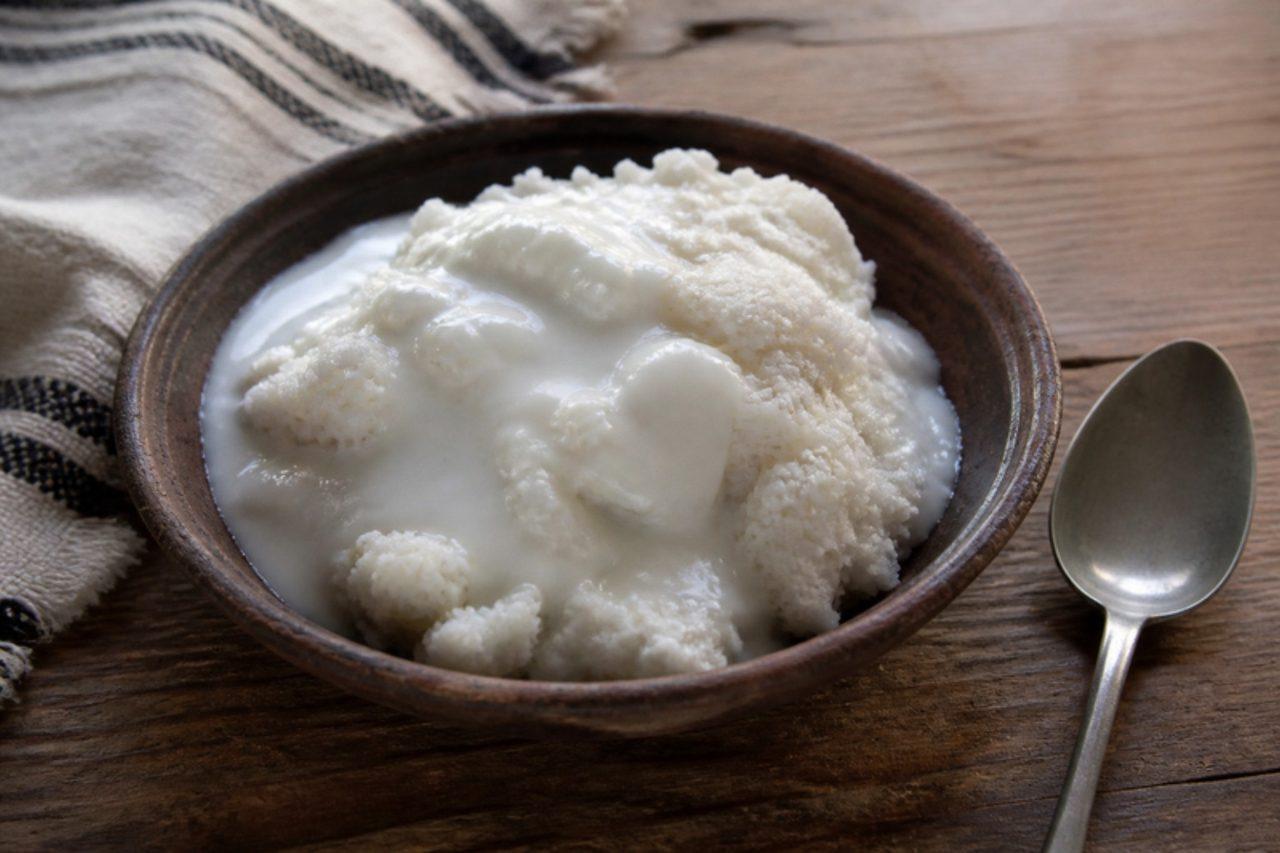
Umphokoqo with amasiCrumbly maize pap with soured milk

Umphokoqo is the dry, crumbly pap of the Eastern Cape, beloved at Xhosa family gatherings and often brought out on Heritage Day as a taste of home. Instead of the stiff pap stirred into a smooth mound, the maize meal is steamed in a little water and broken up with a fork until it falls into fine, fluffy crumbs. It is served cold or at room temperature, with chilled amasi (thick soured milk) poured over, sour, cool and filling, or warm beside braai meat and chakalaka. Chef's tip: don't stir in circles like ordinary pap; cut and fluff with a fork so it stays crumbly.

by KrazyBadal 0 views

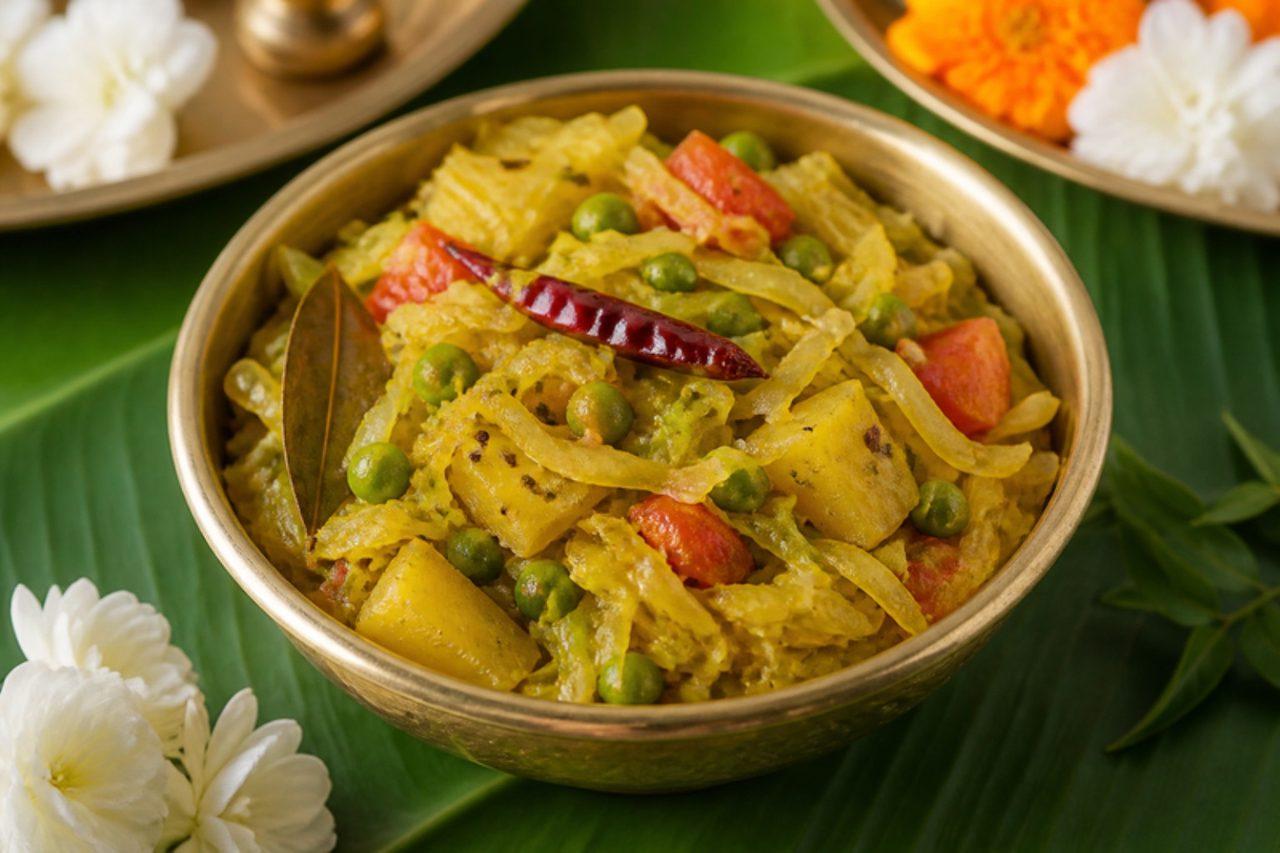
Bandhakopir torkariCabbage with peas and potato

In Bengali homes and pandal kitchens during Durga Puja, the bhog plate needs a dry vegetable beside the khichuri, and bandhakopir torkari is one of the favourites. Cabbage is shredded fine and cooked slowly with potato, peas, ginger and whole cumin, with no onion or garlic because it is offered to the goddess before it is eaten. A pinch of sugar and a final dusting of garam masala make it gently sweet and fragrant. Serve it with khichuri, luchi or plain rice and dal. Common mistake: covering the pan for the whole time, which steams the cabbage grey and watery; cook it mostly uncovered so the liquid evaporates and the edges just start to brown. Chef's tip: salt the shredded cabbage for 10 minutes and squeeze it lightly before cooking; it cooks faster and soaks up the spices better.

by KrazyBadal 0 views

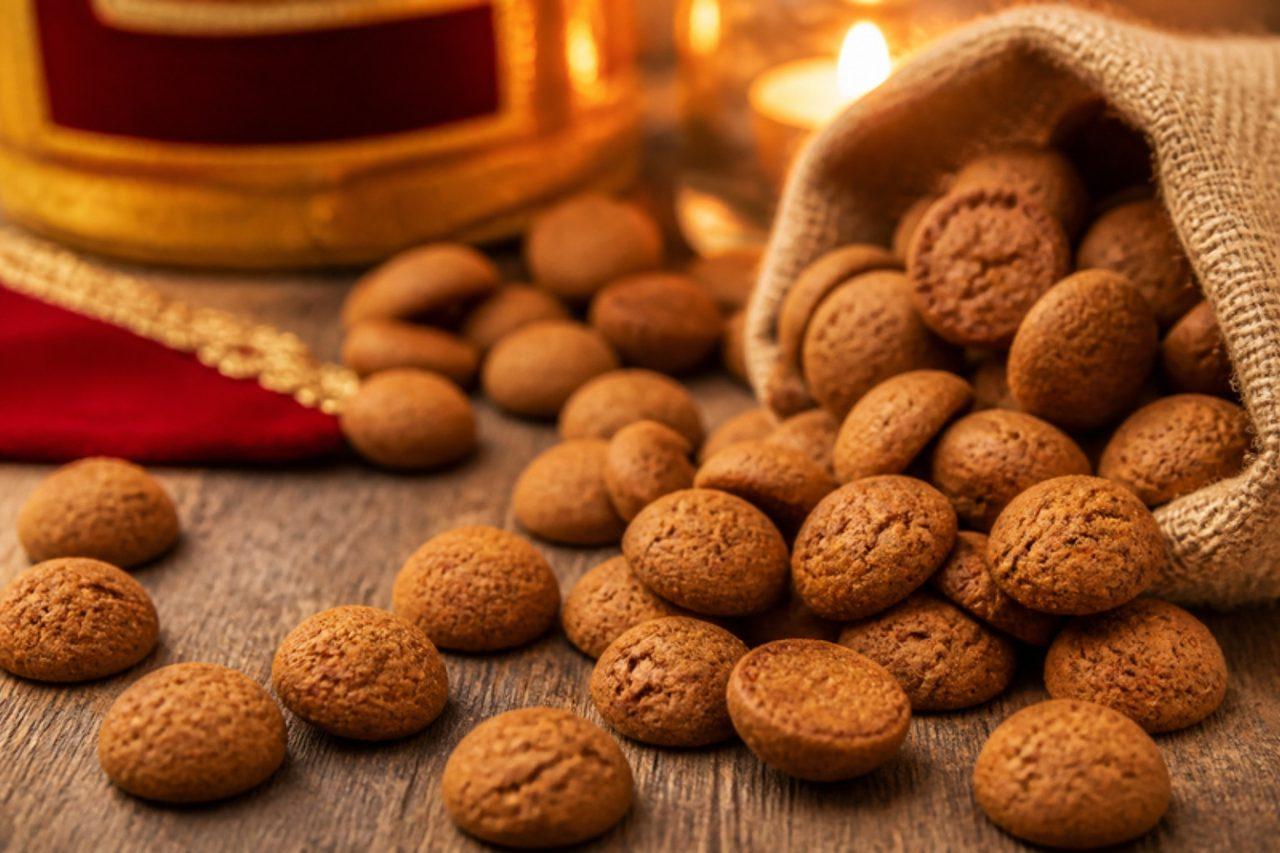
PepernotenAnise and honey spice drops

When Sinterklaas arrives in the Netherlands in mid-November, his helpers throw handfuls of pepernoten into the crowd and children find them in their shoes in the morning, until the big present evening of 5 December. Real pepernoten are the old-fashioned kind: soft, chewy, slightly irregular drops of rye flour, honey, anise and spice, paler and chewier than the crunchy kruidnoten sold today. This egg-free dough comes together in minutes. Chef's tip: let the dough rest for an hour so the honey softens the rye and the drops come out chewy, not cakey.

by KrazyBadal 0 views

KinnathappamSteamed rice and coconut milk squares

Kinnathappam is named after the kinnam, the round steel plate it sets in, and it is one of the soft, wobbly sweets Mappila cooks in Malabar make for iftar and Eid. Rice flour, coconut milk and sugar are stirred into a smooth batter, steamed until just set and cut into glossy diamonds that taste of coconut and cardamom. Chef's tip: strain the batter before steaming; any lumps of rice flour show as white specks in the finished squares.

by KrazyBadal 0 views

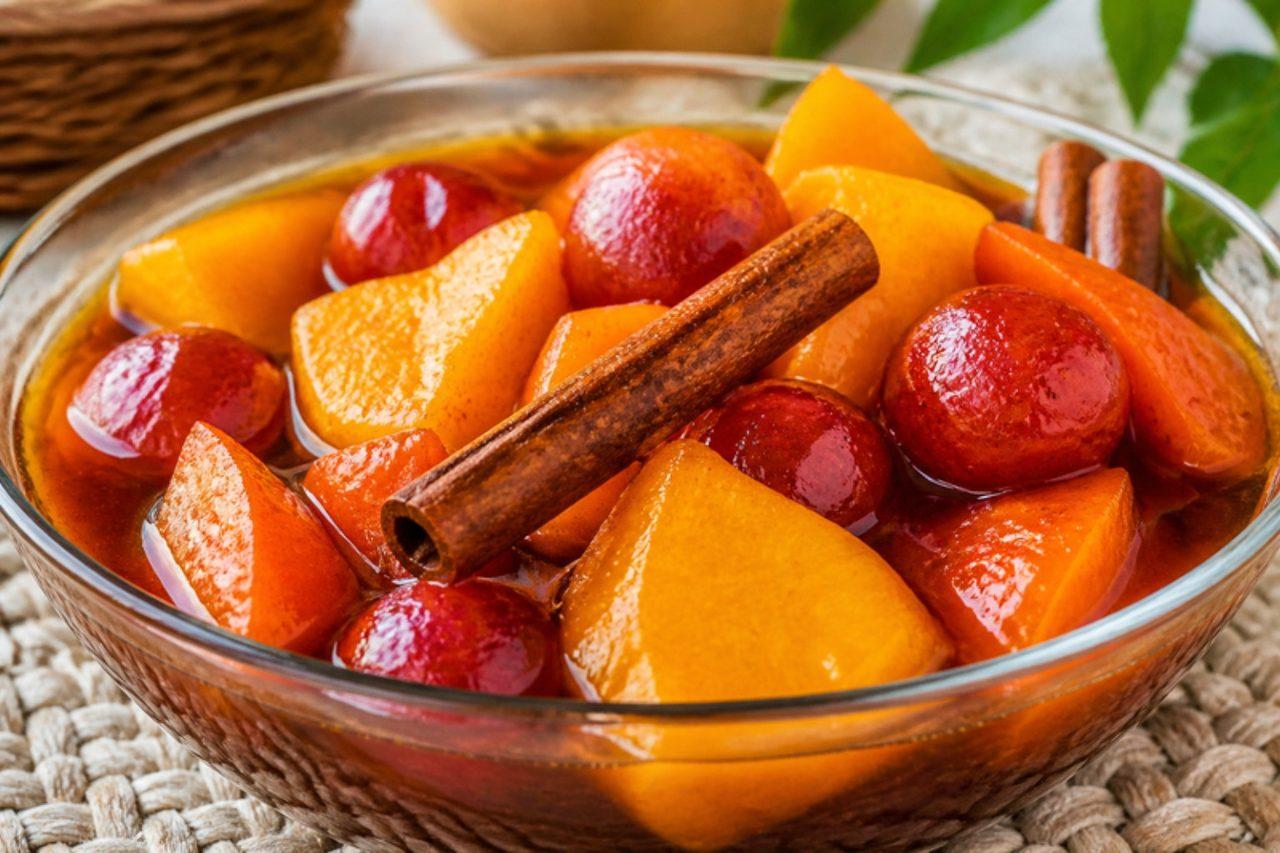
Almíbar nicaragüenseFruit preserve in panela syrup

In Nicaragua, Semana Santa means almíbar: a big pot of mango, papaya, jocote (hog plum) and grosella (gooseberry) simmered for hours in a dark panela syrup with cinnamon, cloves and allspice. Families make it ahead and share it with neighbours, who return the bowl full of their own. It is served cool in small bowls, sometimes with a slice of cheese. Jocotes and grosellas are hard to find abroad; firm plums and cape gooseberries are good stand-ins. It is vegan and gluten free. Chef's tip: add the fruit in order of firmness so everything finishes tender but whole.

by KrazyBadal 0 views

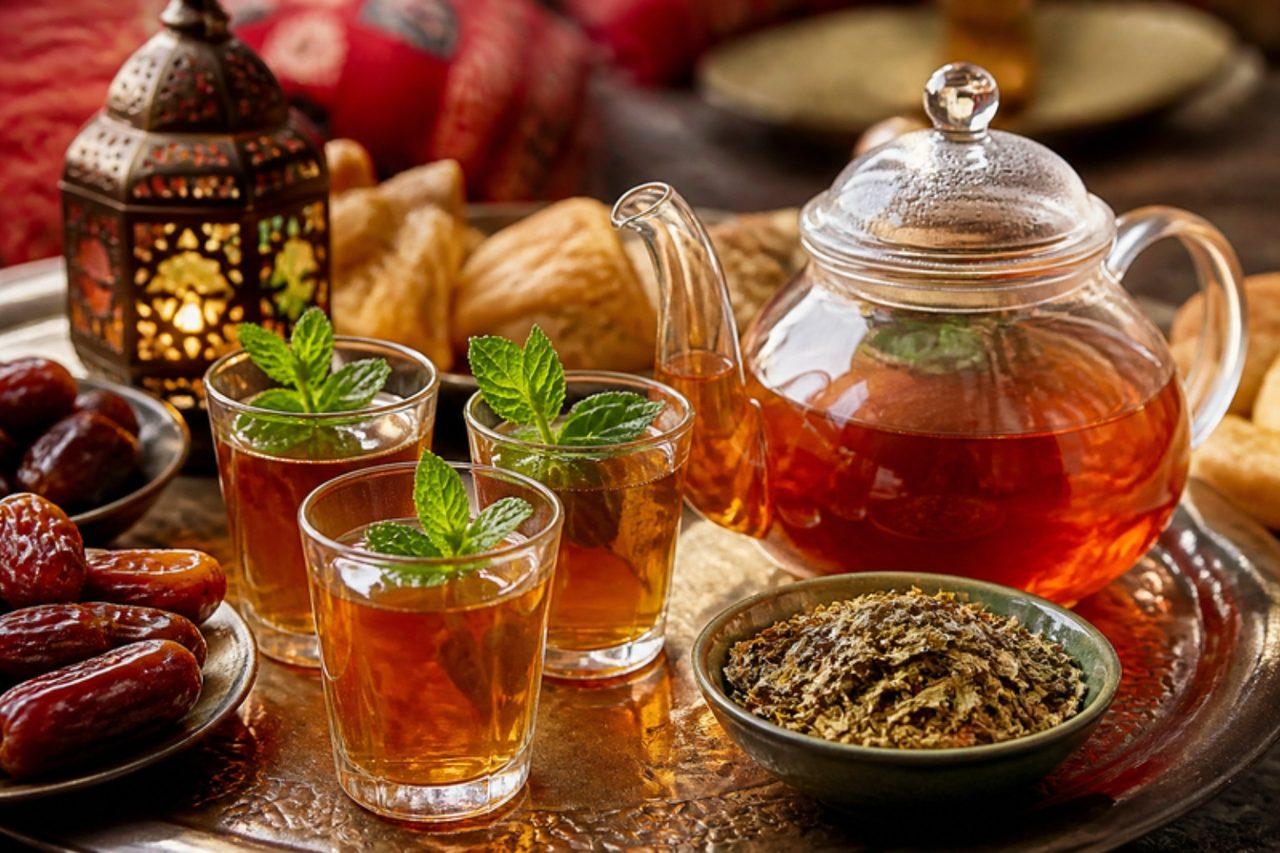
KinkélibaKinkéliba leaf tea with mint

Kinkéliba is an herbal tea brewed from the dried leaves of a West African shrub, and in Senegal it is the drink families reach for at the moment of breaking the fast in Ramadan, served hot with bread or dates. The brew is amber, gently bitter and woody, softened with sugar and lifted with fresh mint. Many households also drink it at breakfast all year. Chef's tip: simmer it gently rather than boiling it hard; a fierce boil brings out too much bitterness.

by KrazyBadal 0 views

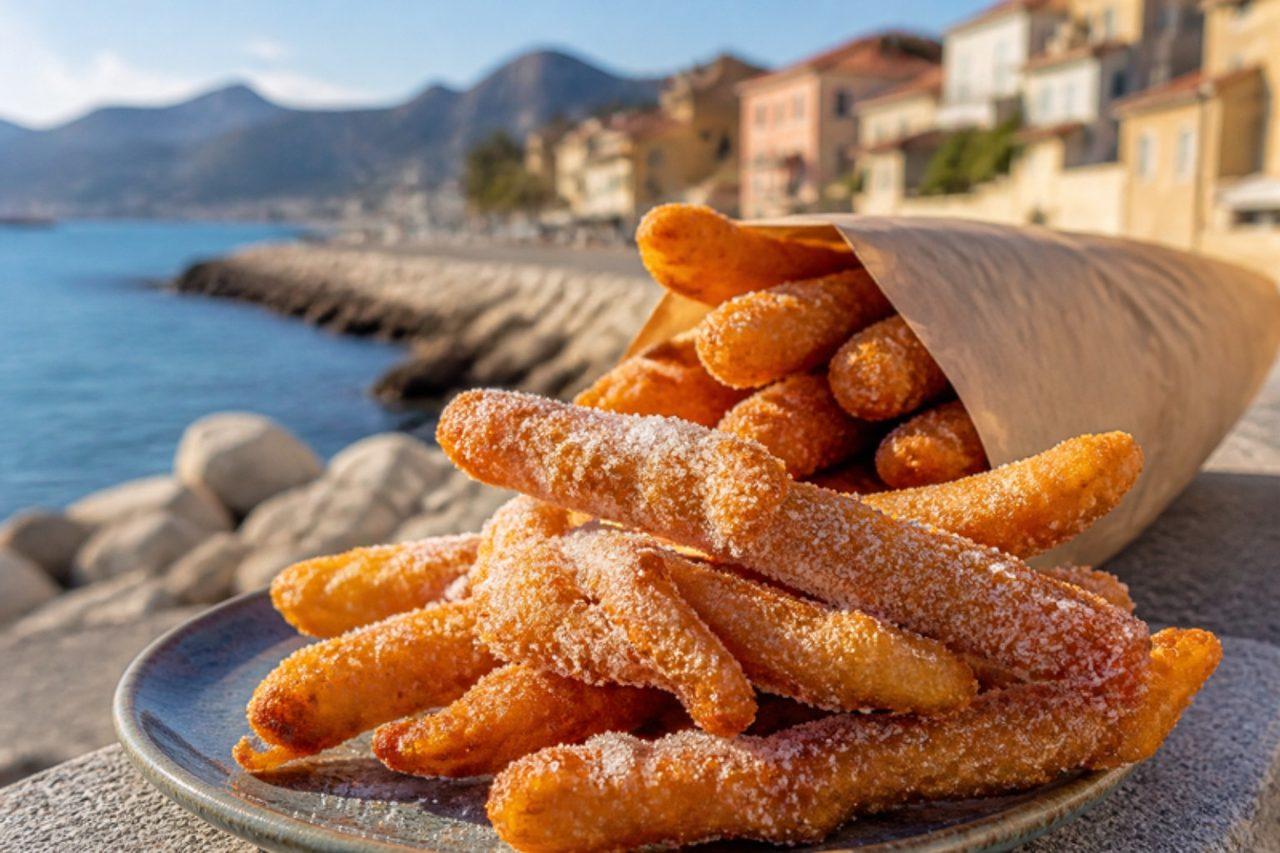
Chichi frégiChickpea flour fritters in sugar

On the seafront at L'Estaque, the old fishing quarter of Marseille, and at summer fêtes all along the coast, kiosks fry chichi frégi: long, ridged fritters of wheat and chickpea flour, rolled hot in sugar and eaten in a paper cone. The dough is a yeasted, egg-free batter piped straight into the oil, crisp outside and soft inside, with a faint nutty taste from the chickpea flour and a hint of orange flower. Chef's tip: keep the oil at 175 °C; cooler and the fritters soak up fat, hotter and they burn before the middle cooks.

by KrazyBadal 0 views

Plastic chutneyRaw papaya chutney

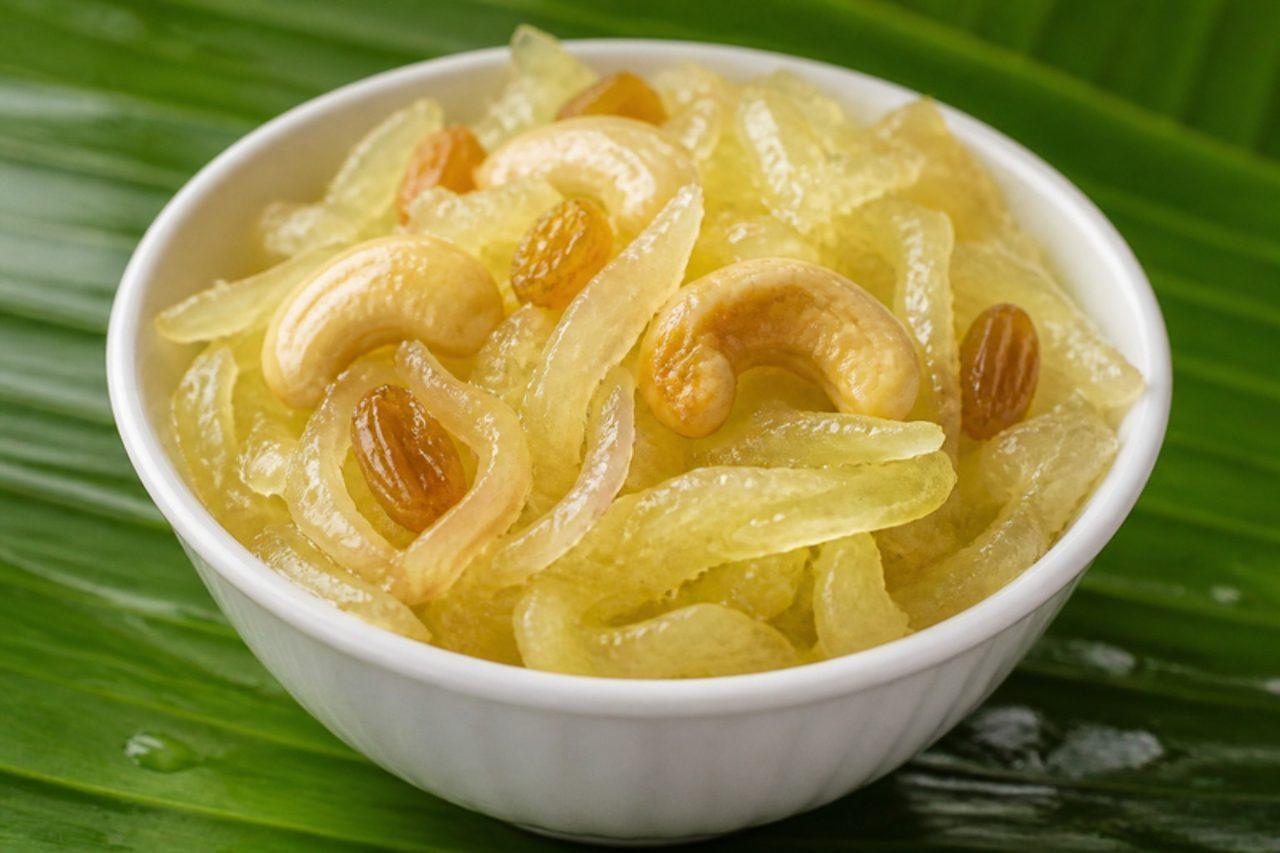
Plastic chutney gets its funny name from the way the thin slices of raw papaya turn clear and glassy, like cellophane, as they cook in syrup. It is the chutney of every Bengali wedding feast and of the Durga Puja bhog, served in a small heap at the end of the meal, sweet, sharp with lime, and dotted with raisins. No onion or garlic goes near it. Common mistake: cutting the papaya too thick or cooking it on high heat; thick slices stay opaque and chewy, while a fast boil caramelises the syrup before the papaya turns clear. The chutney is ready when every slice is see-through and the syrup coats a spoon. Chef's tip: soak the sliced papaya in water with a pinch of baking soda for 15 minutes, then rinse; this helps the slices stay crisp-tender and turn translucent evenly.

by KrazyBadal 0 views

SkābputraSoured barley porridge drink

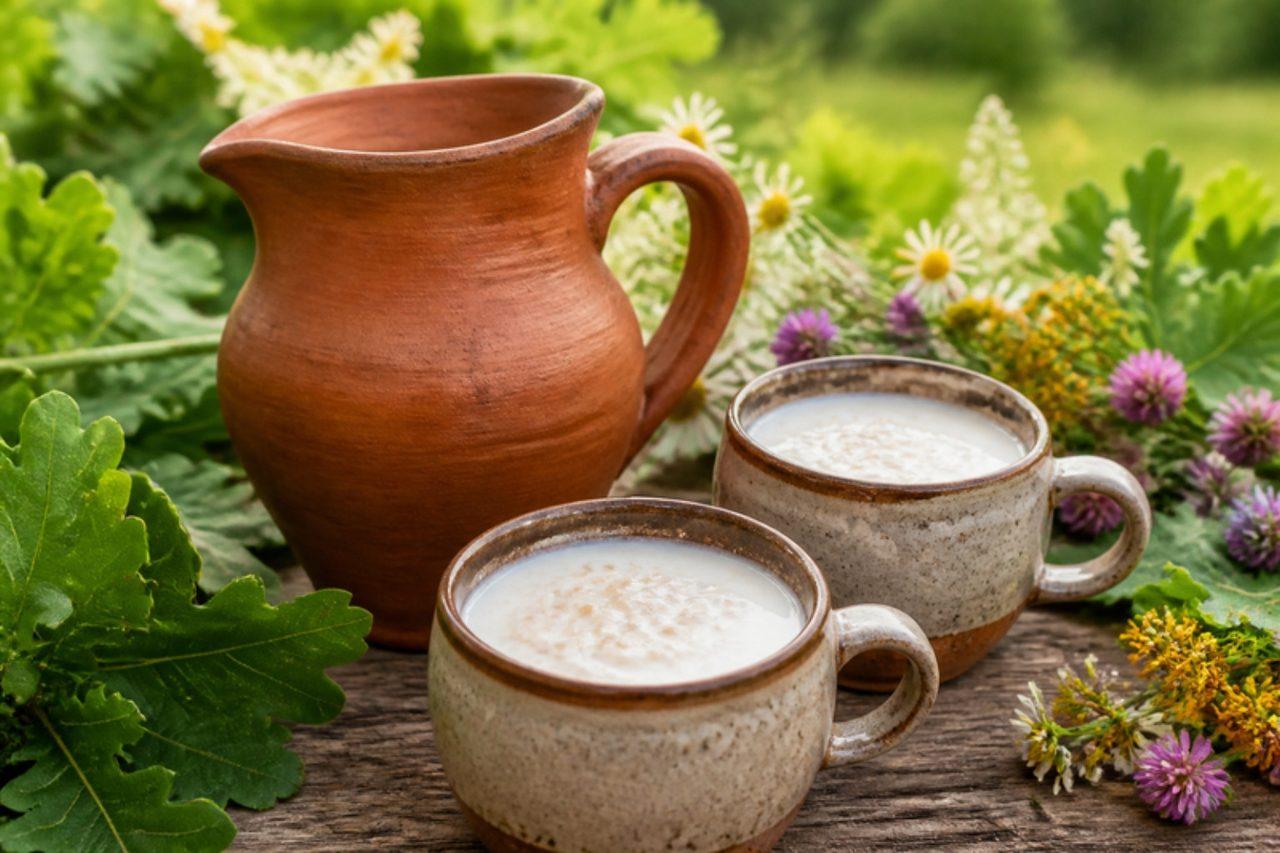
Skābputra, 'sour porridge', is one of the oldest Latvian foods, and at Jāņi, Midsummer on 23–24 June, it is served cold alongside caraway cheese, pīrāgi and wreaths of flowers. Pearl barley is cooked soft, then soured with buttermilk or kefir for a day or two until it is tangy and fresh-tasting, and it is thinned with milk into a thick, cooling drink sipped or eaten with a spoon on hot summer days. This home version uses bought live buttermilk to start the souring safely. Chef's tip: use clean jars and utensils, and taste it each day; once it is pleasantly sour, chill it so it stops souring.

by KrazyBadal 0 views

Bread halwaFried bread halwa

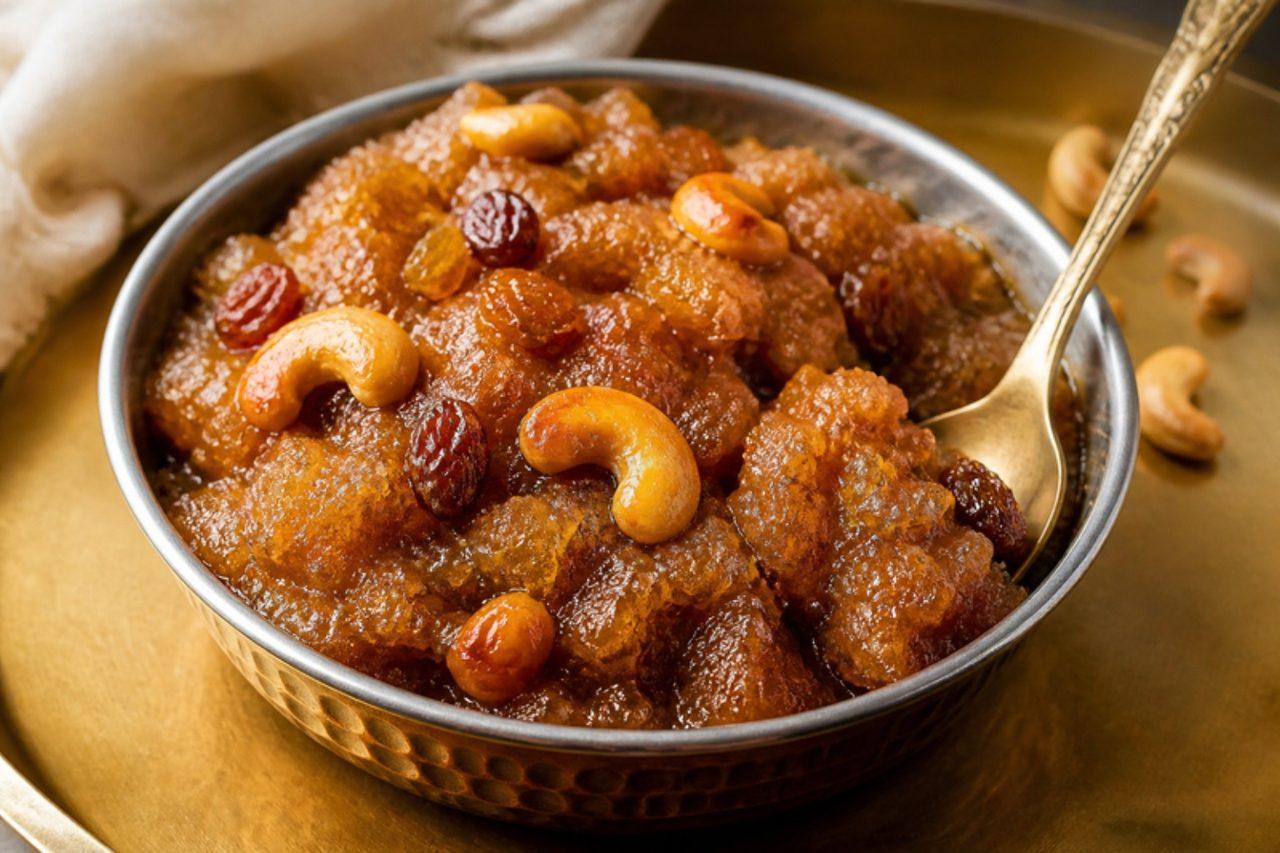
At Tamil Muslim weddings and Eid feasts in Chennai and Madurai, the biryani is followed by a spoonful of bread halwa, sticky, golden and glistening with ghee. Cubes of white bread are fried until crisp, then cooked down with milk, sugar and cardamom until they melt into a soft, jammy halwa studded with cashews. Chef's tip: day-old bread fries crisper and soaks up the milk more evenly than fresh.

by KrazyBadal 0 views

Tomato khejur chutneyTomato and date chutney

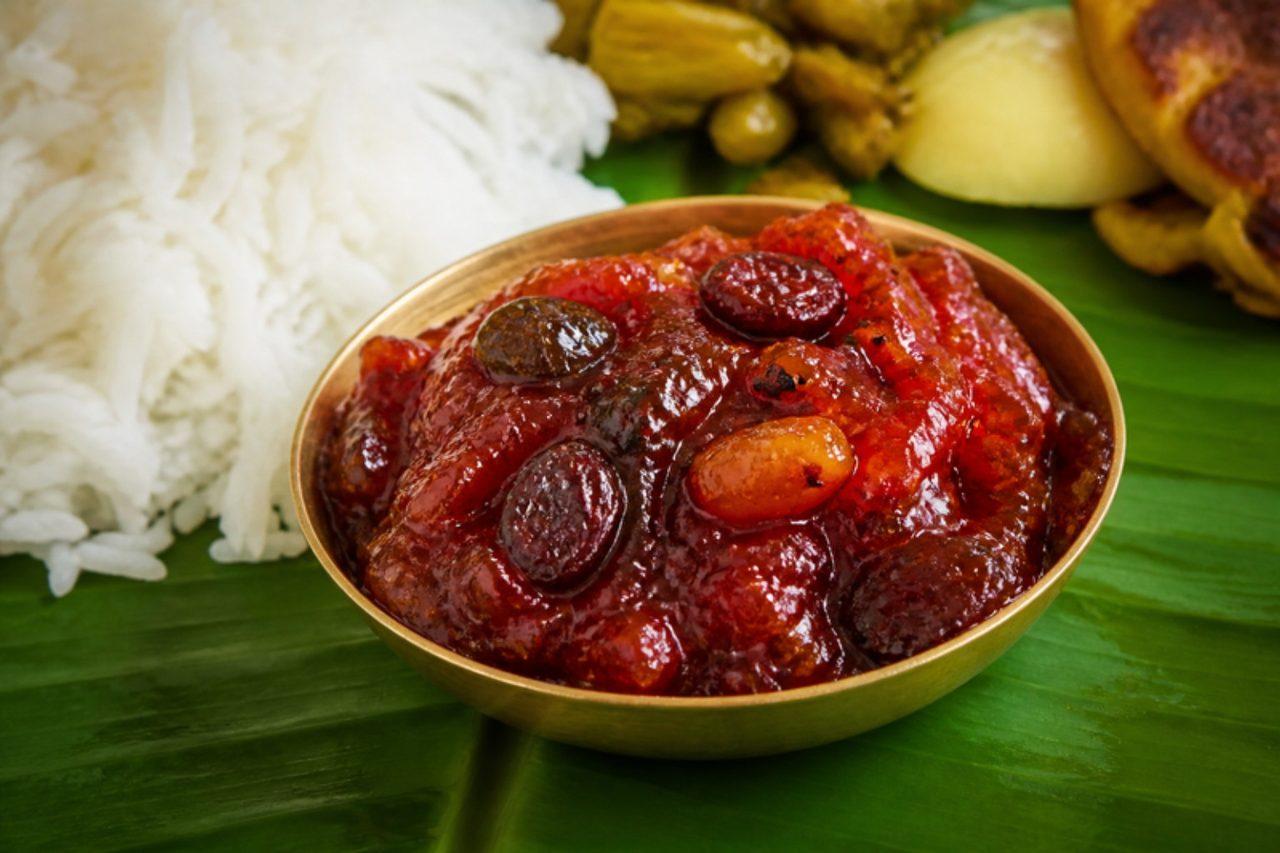
A Bengali festive meal ends with chutney, and during Durga Puja the bhog plate's last stop is often this glossy tomato and date chutney. Ripe tomatoes are cooked with a mustard-seed and dried-chilli tempering, then sweetened with sugar and stoned dates and studded with raisins until it turns jammy and sticky. It is eaten as its own course after the vegetables, to clean the palate before the sweets. Common mistake: taking it off the heat too early so it stays watery; it is ready when a spoon drawn through the pan leaves a clear line for a second and the chutney looks shiny. Chef's tip: add a few strips of aamsotto (dried mango leather) with the dates if you have it; it gives the deep, fruity sourness of the pandal chutney.

by KrazyBadal 0 views

RužiceWalnut pastry roses in syrup

Ružice, meaning 'little roses', are baked for Bajram in Bosnia and Herzegovina, the Eid holidays when trays of syrup-soaked sweets are set out for every guest. Thin sheets of pastry are brushed with butter, scattered with walnuts and rolled up, then sliced so each piece opens like a rose in the oven. The baked roses drink up a cold lemon syrup and turn sticky, crisp on top and soft underneath. Chef's tip: pour cold syrup over hot pastry (or hot over cold), never both the same temperature, or the roses go soggy.

by KrazyBadal 0 views

CaldarrosteRoasted chestnuts

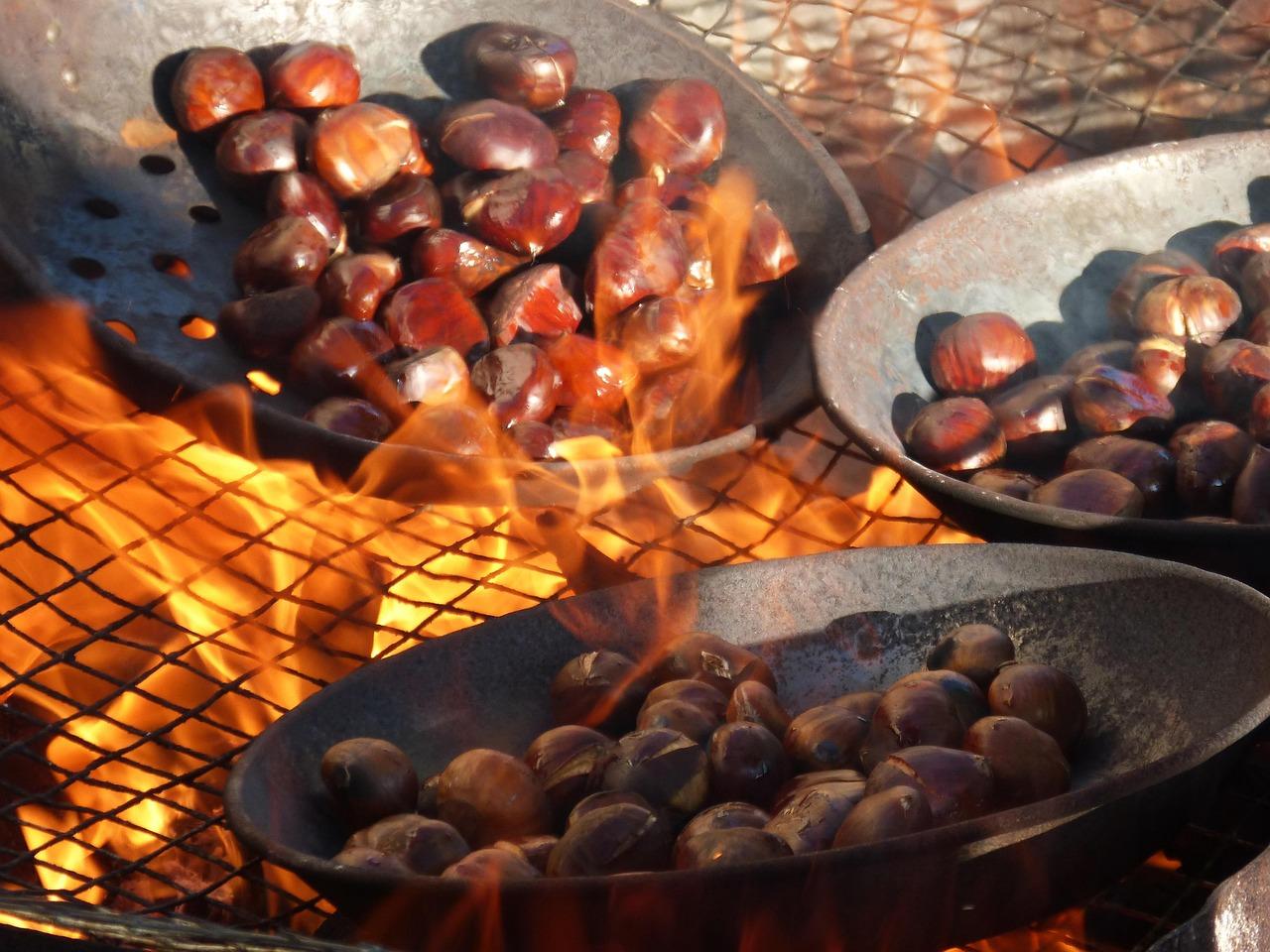
From October to St Martin's Day on 11 November, Italian towns hold chestnut festivals, the sagre delle castagne, and the smoke of caldarroste drifts from street braziers where chestnuts are shaken in long-handled pans with holes. At home they are roasted in the same way on the hob or in the oven and eaten hot from a paper cone, sweet, floury and smoky, with a glass of new wine for adults or warm milk for children. Chef's tip: wrap the hot chestnuts in a damp tea towel for 5 minutes; the steam loosens the inner skin so they peel cleanly.

by KrazyBadal 0 views

Chirov plavRice pilaf with dried fruit

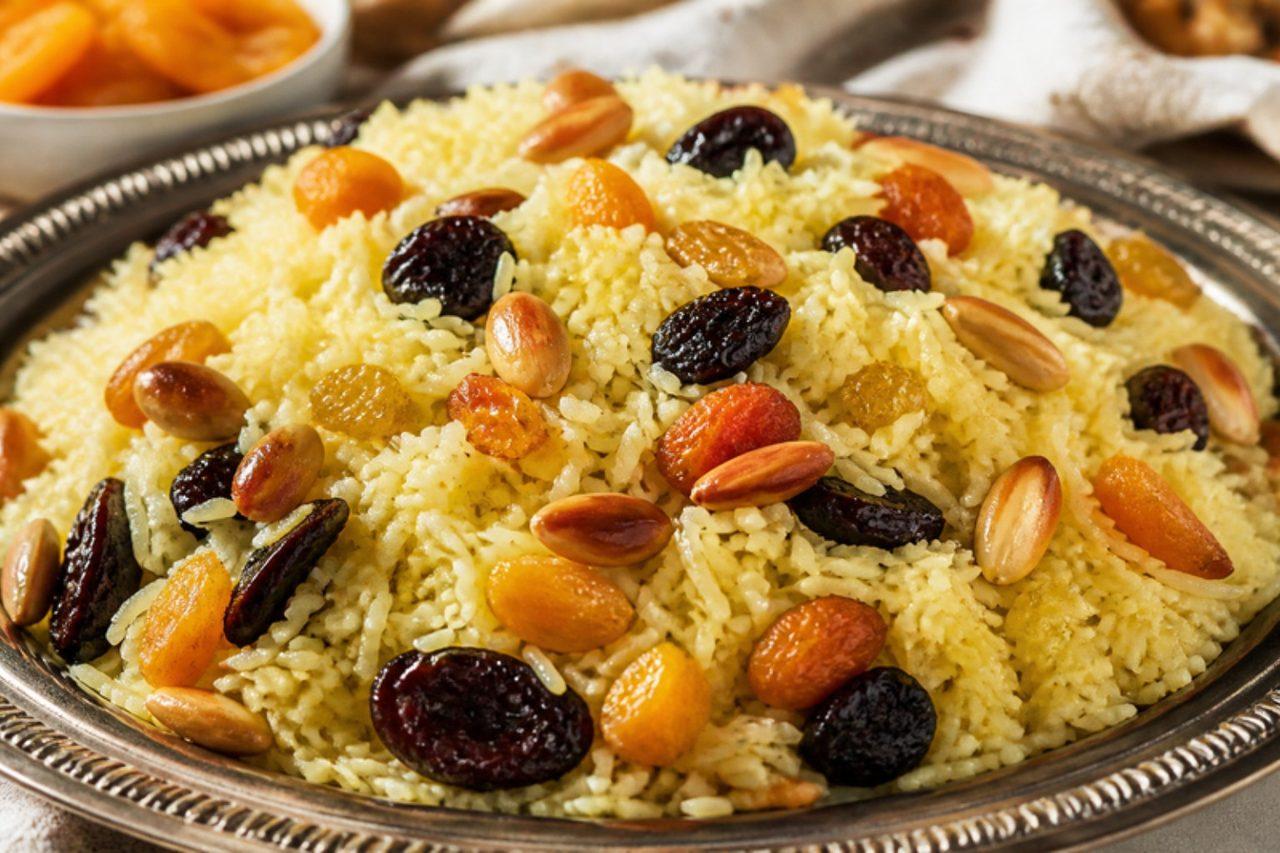
Chirov plav, rice pilaf with dried fruit ('chir'), is the Armenian Easter dish: after the long Lenten fast, families gather on Easter Sunday to eat this glossy, buttery pilaf, often served beside fried or baked fish and red-dyed eggs. The rice is cooked separately so every grain stays loose, then layered with dried apricots, raisins and prunes warmed in butter, with a golden crust (tahdig-style) at the bottom. Chef's tip: rinse the rice until the water runs clear, and parboil it in plenty of salted water, as that keeps the grains separate.

by KrazyBadal 0 views

MässmoggeHazelnut-filled striped sweets

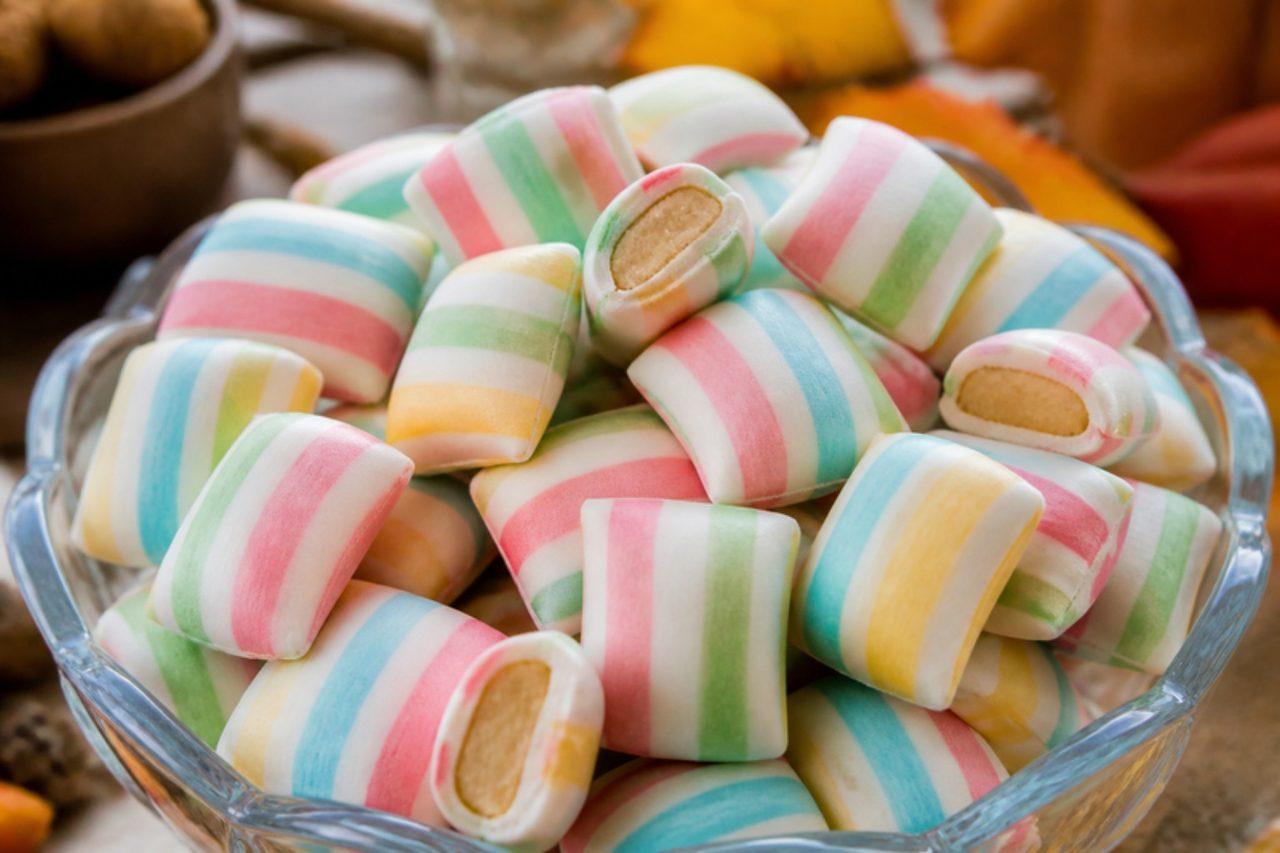
Every autumn the Basler Herbstmesse, Switzerland's oldest fair, fills the old town with rides and stalls, and the smell of boiling sugar from the stands selling Mässmogge, glossy striped sweets in bright colours with a soft chocolate-hazelnut centre. They are made by pulling hot sugar until it turns satiny, wrapping it round a rope of filling and snipping it into little pillows. It takes practice and a sugar thermometer, and adults should do all the hot work; children can help once the sweets are cool. Chef's tip: work on an oiled silicone mat near a low oven, so the sugar stays pliable for longer.

by KrazyBadal 0 views

LemangBamboo-cooked coconut sticky rice

On the eve of Hari Raya Aidilfitri, Malay villages across the peninsula fill with smoke as families cook lemang: glutinous rice and coconut milk packed into banana-leaf-lined bamboo poles and turned slowly beside an open fire for hours. The rice comes out rich, salty and faintly smoky, sliced into thick rounds and eaten with rendang or serunding on Raya morning. Few homes have bamboo and a fire pit, so this recipe gives a home oven method in a banana-leaf-lined tin, with the bamboo way described too. Chef's tip: let the cooked lemang cool before slicing, as warm rice is too soft to cut cleanly.

by KrazyBadal 0 views

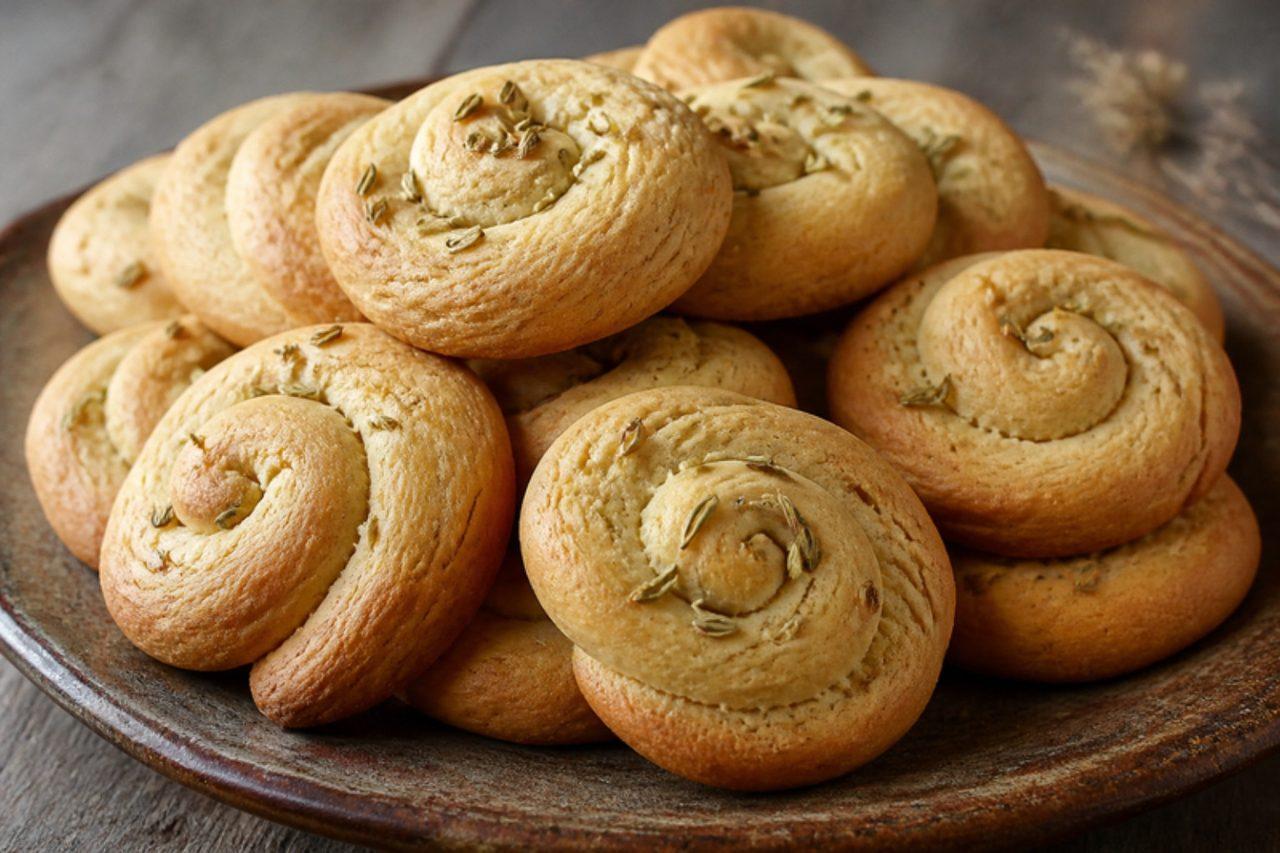
Biscotti di San MartinoRicotta-filled fennel biscuits

St Martin's Day, 11 November, is when Sicilians traditionally open the new wine, and in Palermo it is marked with biscotti di San Martino: round, hard, fennel-scented yeast biscuits shaped like little turbans. Eaten plain, they are dunked in sweet Moscato; the pastry-shop version is split, soaked in a sweet syrup and filled with ricotta cream and candied fruit. This recipe soaks them in an orange syrup, so it is alcohol-free; adults can use Moscato or Marsala. Choose a vegetarian ricotta if needed. Chef's tip: bake them twice, the second time low, so they dry right through and keep for weeks.

by KrazyBadal 0 views

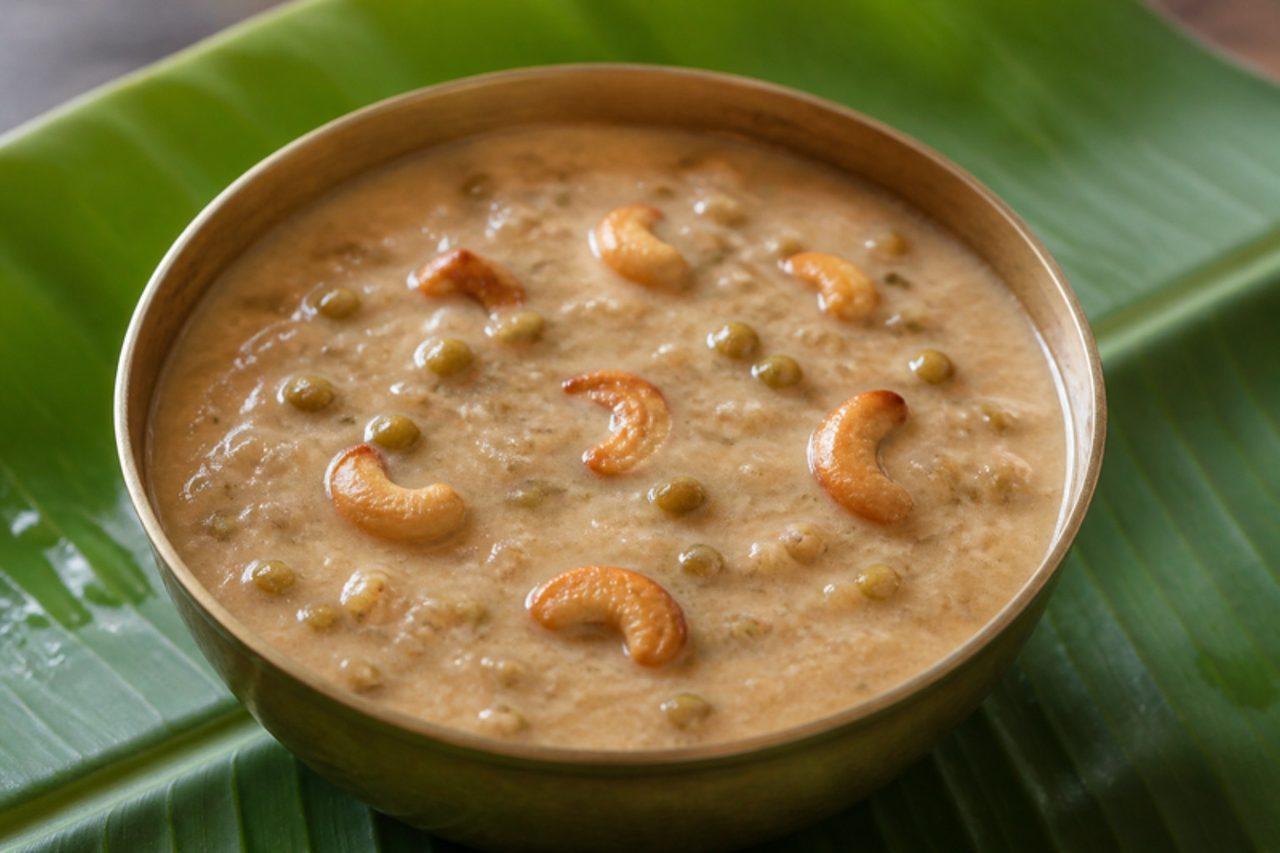
VornGreen gram and coconut milk sweet

On 8 September, Mangalorean Catholics celebrate Monti Fest, the feast of Mary's Nativity, which is also a harvest festival: new ears of grain are blessed at church and shared at home, and the family eats a vegetarian feast of new-season vegetables. Vorn, a pudding of split green gram (moong) cooked with coconut milk, jaggery and cardamom, is the sweet that ends it. It is like a gentle payasam, vegan and gluten free. Chef's tip: dry-roast the moong dal until fragrant before cooking it, which gives vorn its nutty flavour.

by KrazyBadal 0 views

Rosero quiteñoChilled spiced fruit and corn drink

Rosero is a festive drink of Quito in Ecuador, made for Corpus Christi in June, when the city once filled with processions and dancers. It is thick and refreshing: whole hominy (mote) and a thin purée of naranjilla (lulo) and pineapple, sweetened with sugar, spiced with cinnamon, cloves and allspice, and perfumed with orange-blossom water and rose petals, then served chilled in tall glasses with diced fruit. Frozen naranjilla pulp is sold in Latin shops. It is vegan. Chef's tip: simmer the pineapple peel with the spices for the syrup, as Quiteño cooks do; it adds a lot of flavour.

by KrazyBadal 0 views

TaloaMaize flatbread with ham and cheese

During the Fêtes de Bayonne in July, when the whole town dresses in white with red scarves, stalls in the Pays Basque sell taloa: thick flatbreads of maize and wheat flour cooked on a hot griddle and folded around fillings. The classic is with jambon de Bayonne (a cured pork ham), with sheep's cheese or with ventrèche (cured pork belly), and it's eaten hot in the street. Cheese alone makes a good vegetarian version. Chef's tip: cook the taloa on a dry, very hot pan; it should blister and puff in patches like a tortilla.

by KrazyBadal 0 views

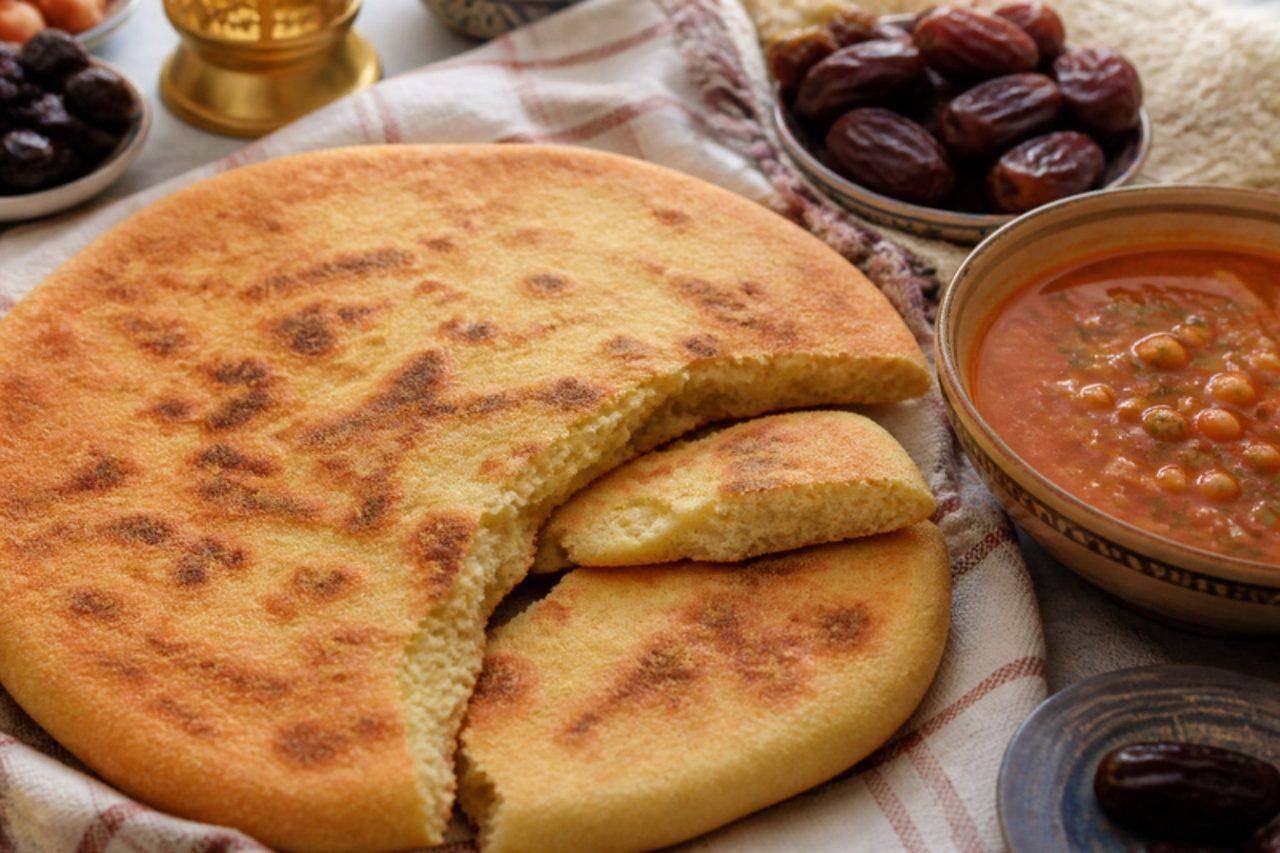
KesraSemolina pan bread

Kesra is the flat semolina bread of Algerian homes, and in Ramadan a fresh round sits on almost every iftar table, cooked on a clay tajine and torn into pieces to dip into hot chorba frik. This unleavened version is a thin, crumbly-edged galette, golden in patches and slightly chewy in the middle, with a nutty taste from the olive oil. It is made in minutes before sunset so it reaches the table still warm. Chef's tip: work the dough only until it holds together; kneading it like a yeast bread makes kesra tough instead of tender.

by KrazyBadal 0 views

Emping melinjoMelinjo nut crackers

Emping are pale, crisp crackers from Banten and Java, made by cracking melinjo nuts, flattening them with a hammer and drying them; at Lebaran a bowl of fried emping sits beside the opor ayam and ketupat. They taste lightly bitter and nutty, and a sweet-spicy coating is popular for the snack jars. Most cooks buy dried raw emping and fry them at home, which is what this recipe does, with the hand-pressing method for anyone who finds fresh nuts. Chef's tip: fry only a handful at a time and lift them out the moment they puff; emping go from perfect to burnt in seconds.

by KrazyBadal 0 views

Sabeel sharbatRose milk with basil seeds

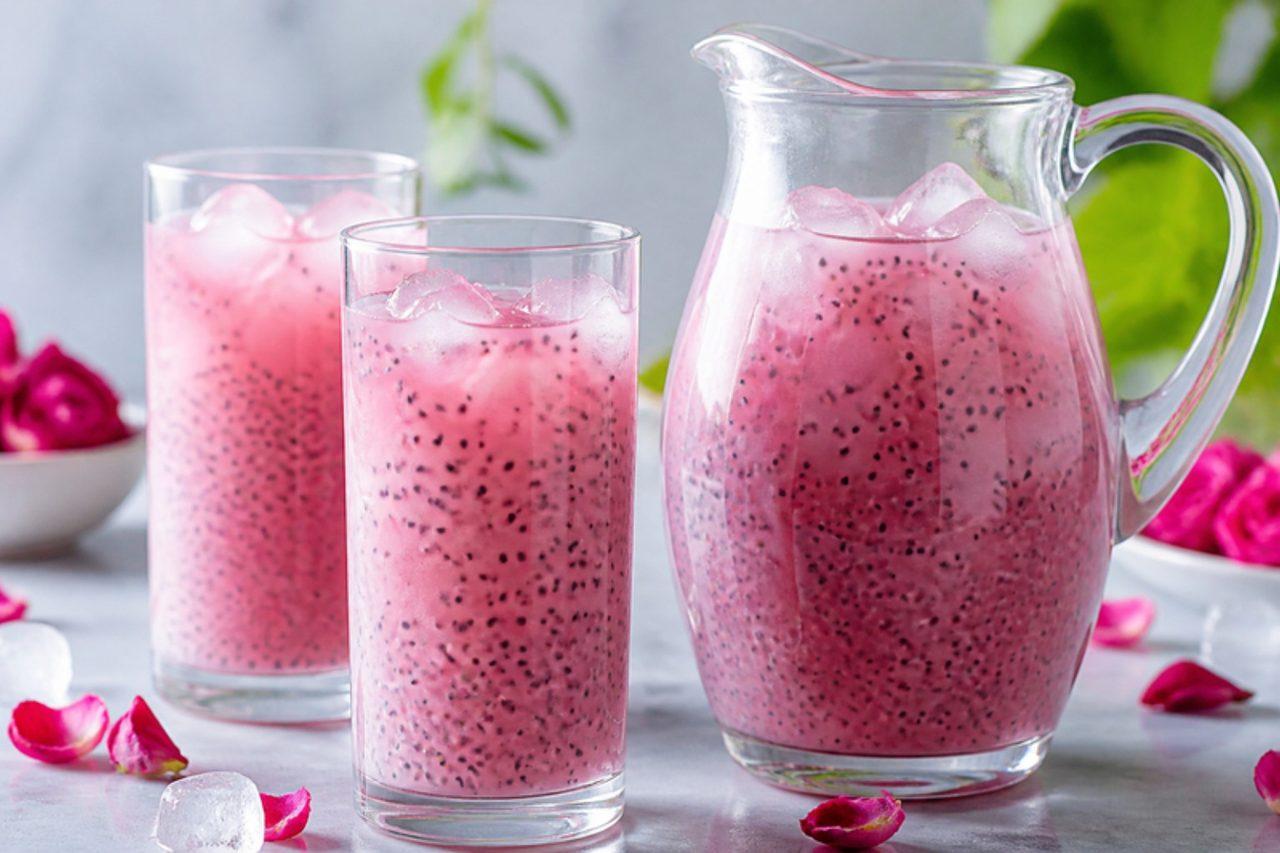
In the first ten days of Muharram, and above all on Ashura, volunteers in Pakistani towns set up sabeel stalls at the roadside and pour free cups of cold sweet milk for anyone passing, in memory of the thirst of Imam Husain's family at Karbala. The drink is pale pink, lightly rose-scented and dotted with swollen basil seeds, and it is made in huge steel pots at the stalls; this is the home-sized jug. Chef's tip: soak the basil seeds in water first, never straight in the milk, or they stay hard and clump.

by KrazyBadal 0 views

PepitadaToasted melon seed milk

Greek and Turkish Jews end the Yom Kippur fast with a glass of pepitada, a pale, gentle 'milk' made from melon seeds that were saved, washed and dried through the summer. The seeds are toasted, ground, soaked overnight in water wrapped in muslin, then squeezed to give a mild, nutty drink sweetened with a little sugar and scented with rose or orange-blossom water. It is soothing on an empty stomach after a day without food or water. The common mistake is toasting the seeds too dark, which makes the drink bitter. Chef's tip: start the night before; the long soak is what draws out the creamy flavour.

by KrazyBadal 0 views

Potoler dormaPaneer-stuffed pointed gourd

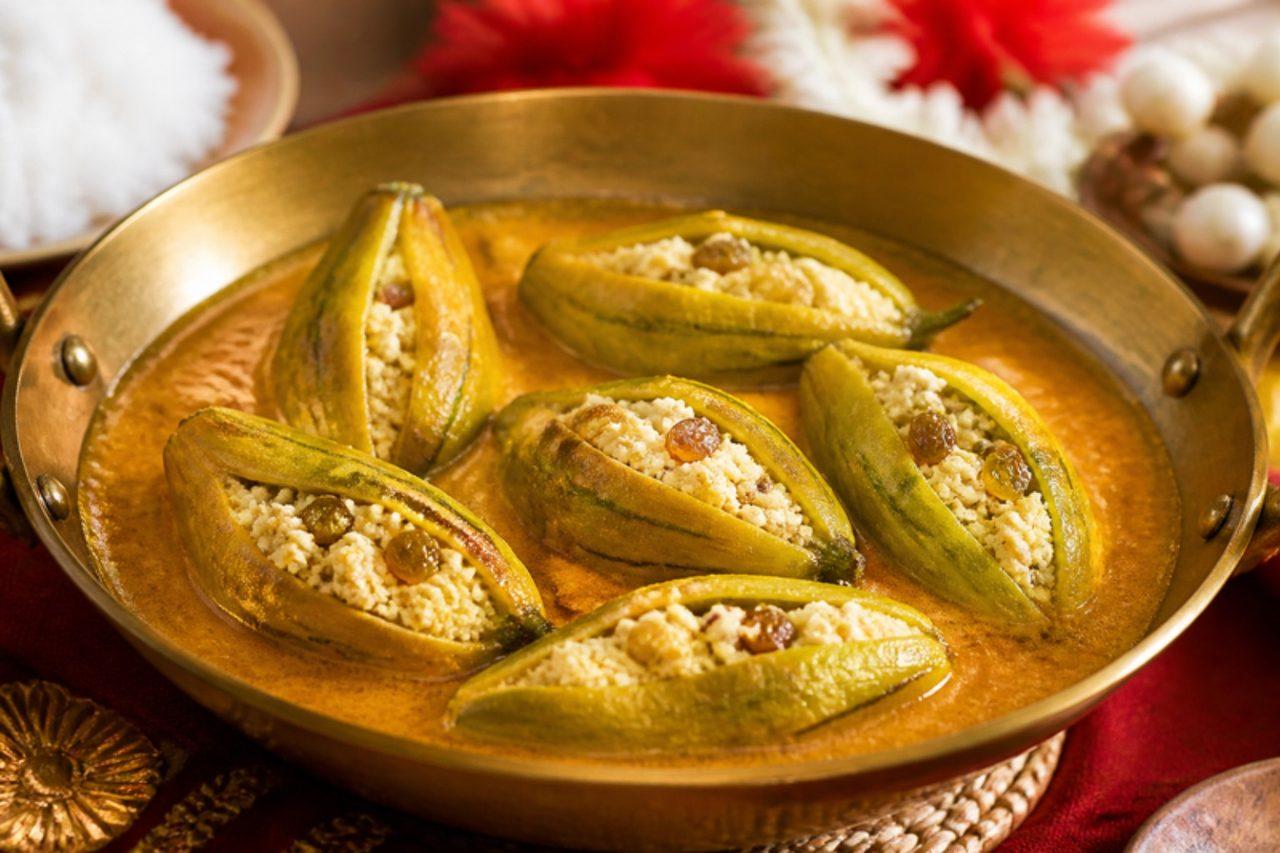
Potoler dorma is a showpiece of the Bengali vegetarian table, cooked for Durga Puja Navami lunches, weddings and the jamai shoshti feast. Pointed gourds (potol) are scraped, hollowed, fried, stuffed with paneer, raisins and spices, then simmered in a cashew, yoghurt and tomato gravy that is rich, gently sweet and fragrant with garam masala and ghee. This version keeps to the puja's no-onion, no-garlic style. Common mistake: cutting the gourds open lengthwise; for a dorma you slit only one end and scoop through it with a small spoon, so the filling stays inside while it simmers. The gourd is done when a toothpick slides in easily but the skin is still green and holds its shape. Chef's tip: chop the scooped-out seeds and flesh and cook them into the filling, which adds flavour and wastes nothing.

by KrazyBadal 0 views

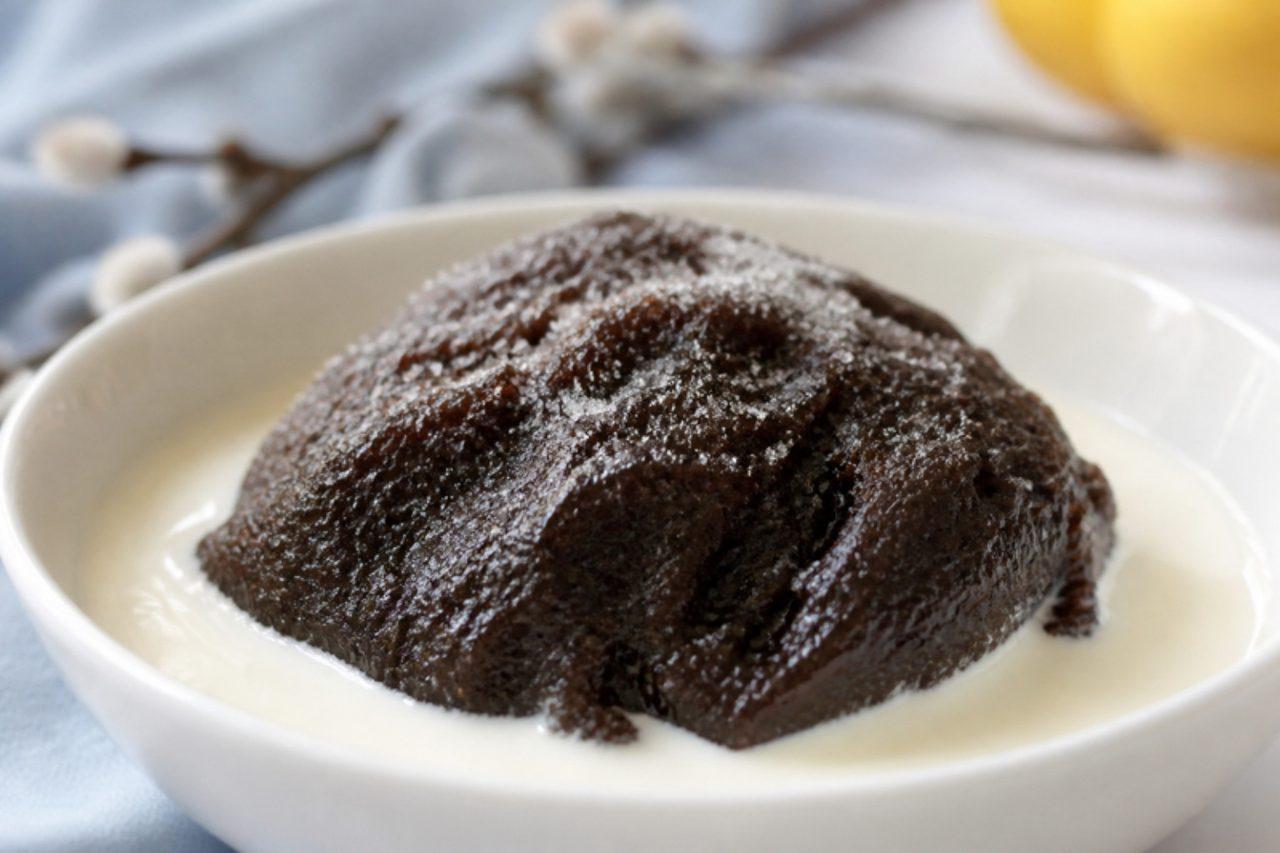
MämmiRye and malt Easter pudding

Mämmi is Finland's Easter dessert, a dark, almost black pudding of rye flour and malted rye, sweetened slowly by the malt's own enzymes and by a little molasses, then baked for hours in birch-bark boxes or small dishes. It looks unusual but tastes mild, malty and gently sweet, and is eaten cold with cream and sugar on Easter Sunday. It is vegan, and it was once eaten through Lent. You need powdered rye malt from a baking supplier or Nordic shop. Chef's tip: keep the porridge warm (around 60 °C) for two hours before baking so the malt can sweeten it; skip this and mämmi tastes bitter.

by KrazyBadal 0 views

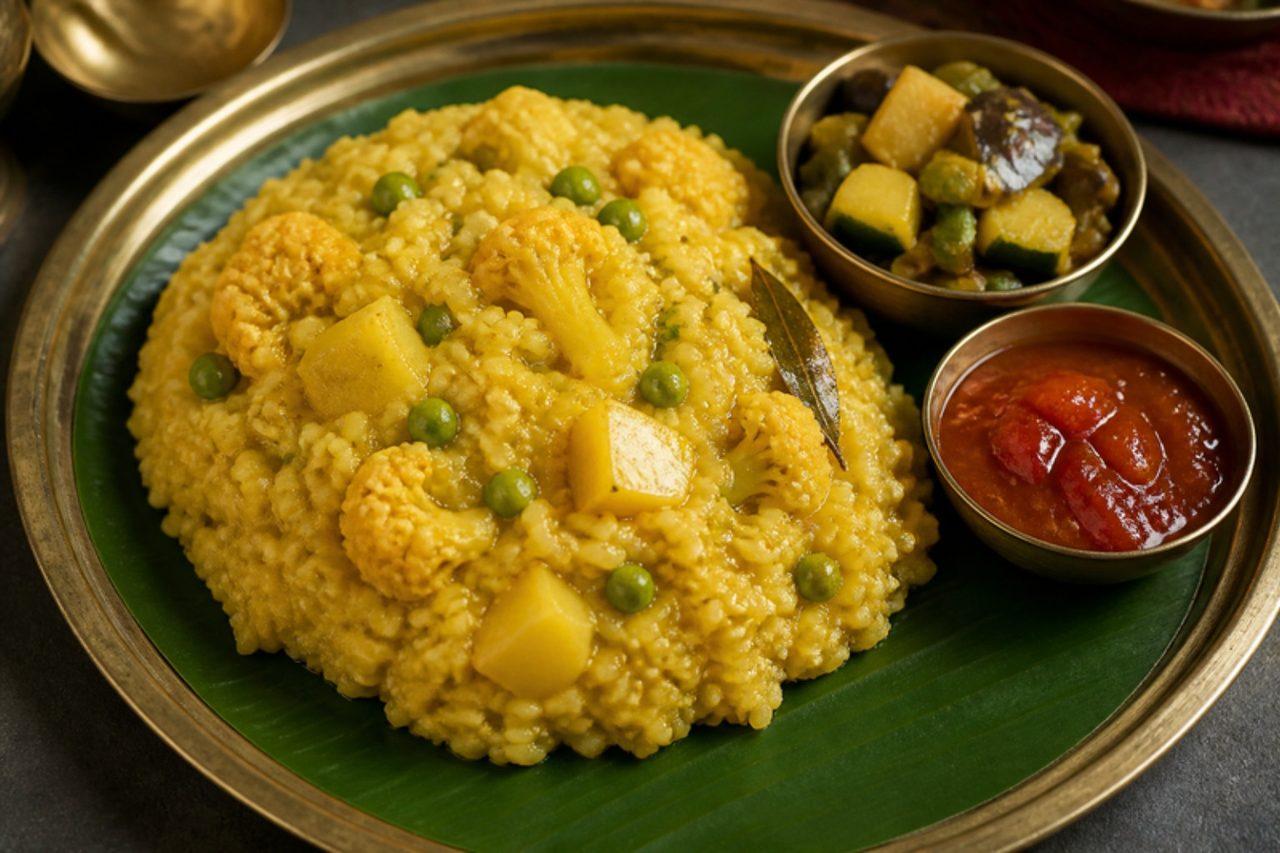
Bhoger khichuriMoong dal and rice with vegetables

On Maha Ashtami, the eighth day of Durga Puja, every para pandal in West Bengal cooks huge pots of bhoger khichuri, offers it to the goddess at noon and then hands it out on sal-leaf plates to anyone in the queue. It is bhog food, so there is no onion or garlic: the flavour comes from dry-roasted moong dal, short, fragrant gobindobhog rice, ginger, whole spices and a generous finish of ghee. The texture should be thick and spoonable, somewhere between a risotto and a porridge, with soft cauliflower, potato and peas through it. Serve it hot with labra, beguni and tomato khejur chutney. Common mistake: skipping the roasting of the dal, which leaves the khichuri flat and pale; roast it until it smells nutty and turns a light biscuit colour. Chef's tip: gobindobhog rice absorbs a lot of water as it stands, so keep a kettle of hot water by the stove and loosen the khichuri just before serving.

by KrazyBadal 0 views

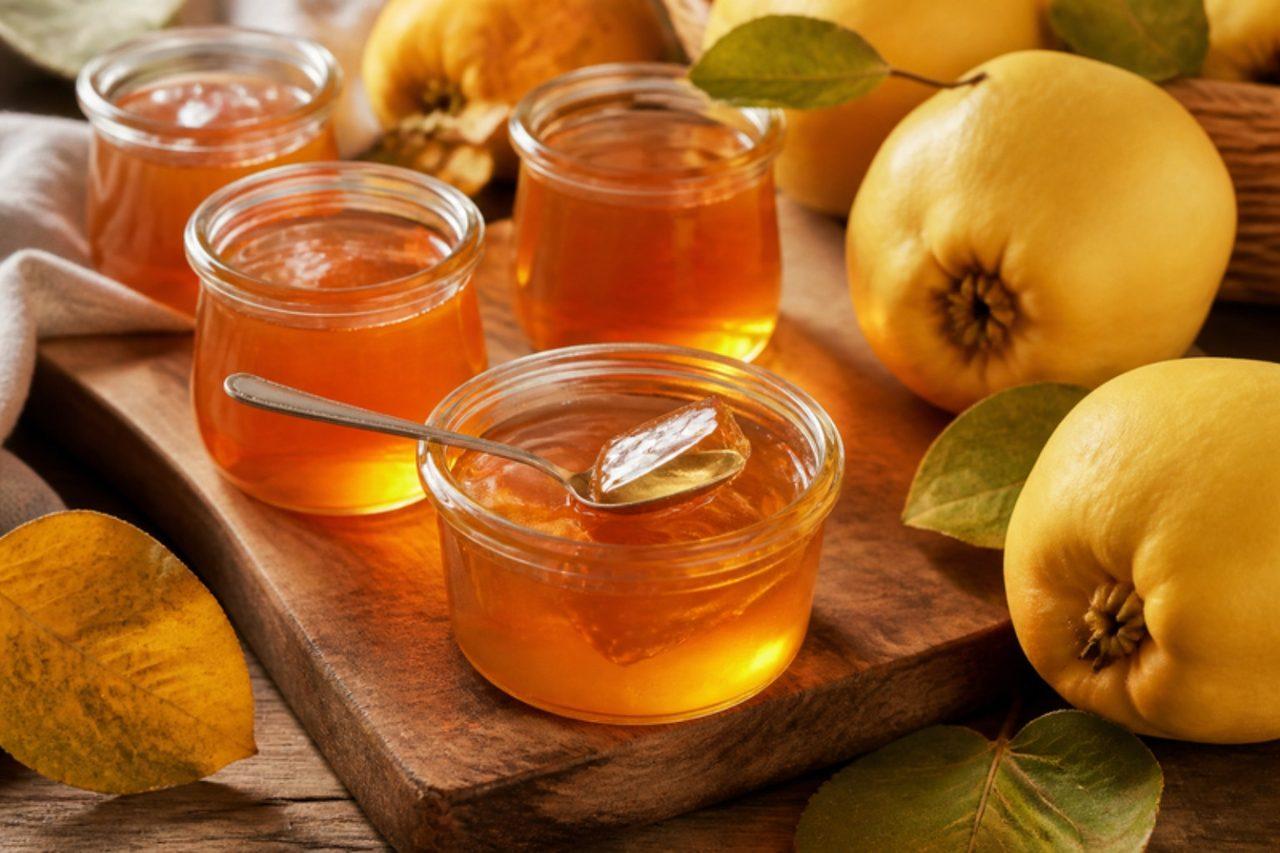
QuittengeleeQuince jelly

Quinces are too hard and sour to eat raw, so in Germany they are turned into Quittengelee, one of the jewel-coloured jars set out with the pumpkins and sheaves of wheat for Erntedank, the October harvest thanksgiving. The fruit is simmered whole in pieces, the juice drips through a cloth overnight, and then it is boiled with sugar until it sets into a clear jelly the colour of rosé, with a perfume like pear, honey and roses. Eat it on bread rolls, with cheese, or melted as a glaze for apple tart. Chef's tip: quince skin and cores are full of natural pectin, so cook them in with the flesh rather than peeling.

by KrazyBadal 0 views

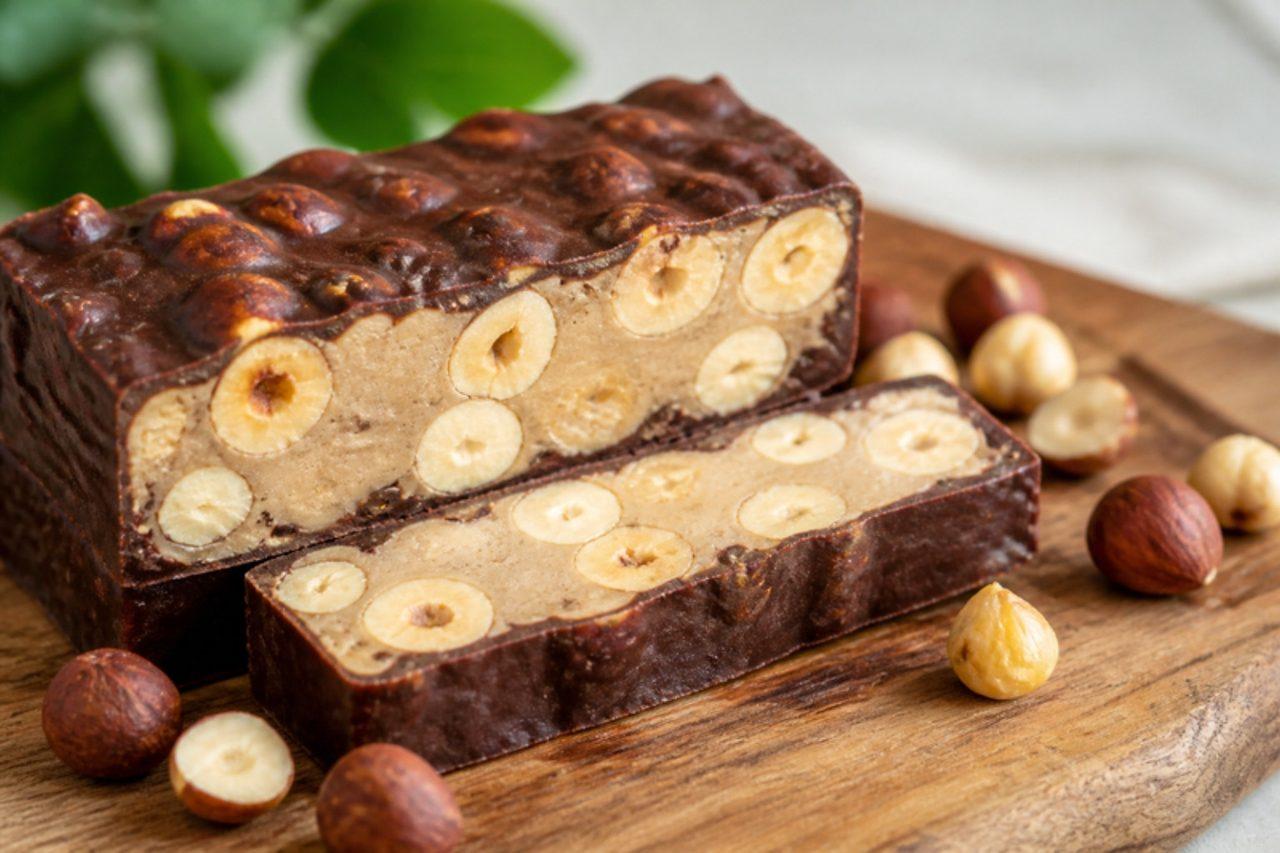
Torrone dei mortiChocolate hazelnut bar

In Naples, the weeks around All Souls' Day on 2 November are 'torrone time': pastry shops pile up the torrone dei morti, a soft bar of white or dark chocolate filled with a creamy hazelnut or chocolate centre and studded with whole toasted hazelnuts, which friends bring as a gift when visiting. Despite its name it contains no nougat. This homemade version layers dark chocolate around a white-chocolate and hazelnut-paste filling. It is gluten free; some versions add liqueur, this one doesn't. Chef's tip: let the chocolate shell set fully in the fridge before filling, so it doesn't melt through.

by KrazyBadal 0 views

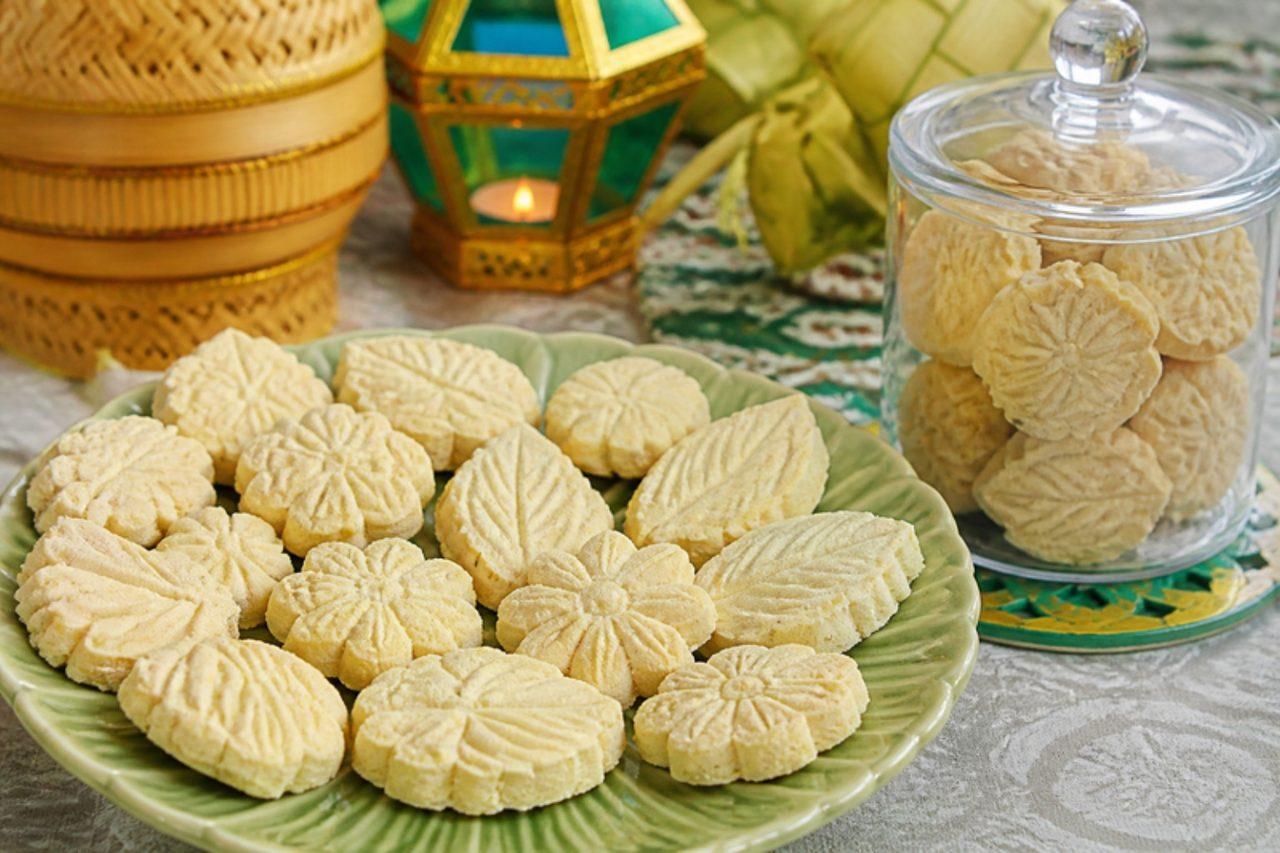
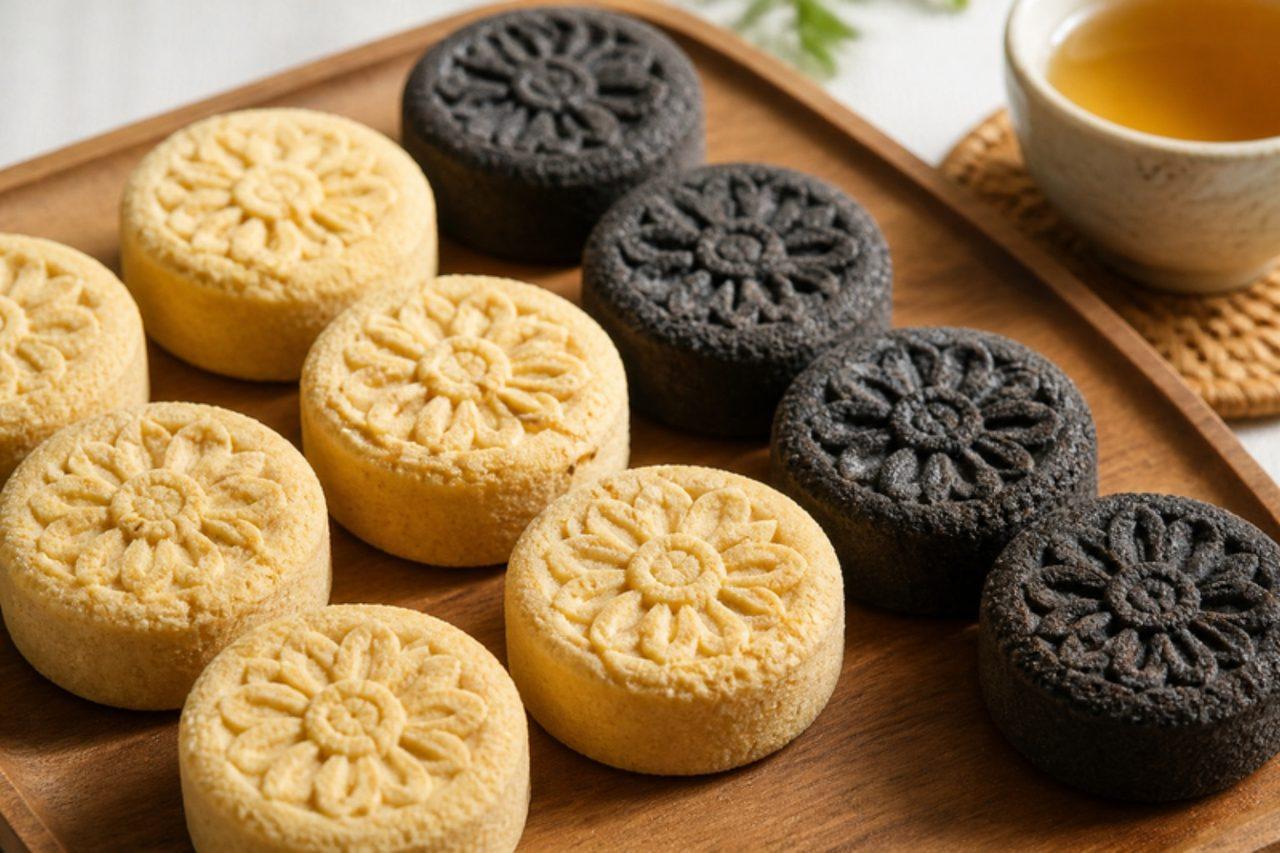
Kue satuMung bean flour sweets

Kue satu are the little pale sweets that fill glass jars on Javanese and Sumatran tables when families open their doors for Lebaran visits at the end of Ramadan. Mung-bean flour is dry-toasted until it smells nutty, mixed with icing sugar and a whisper of pandan, then pressed into carved wooden moulds of flowers and leaves and left to dry until crumbly. They melt on the tongue with a sweet, beany, vanilla-like flavour and are offered with tea to every guest. Chef's tip: toast the flour until it is a shade darker and smells like popcorn, because raw-tasting flour is the most common reason kue satu taste flat.

by KrazyBadal 0 views

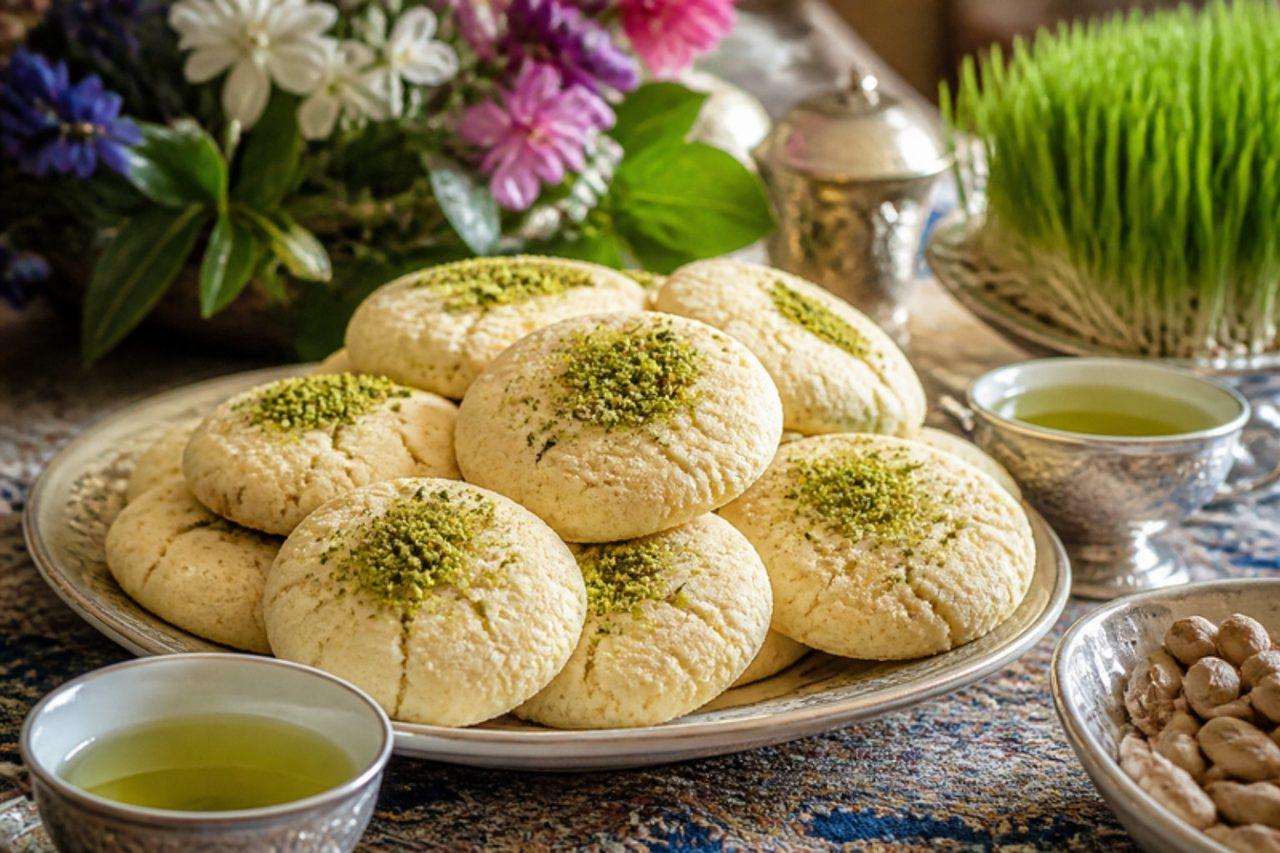
Kulche khetayeeCardamom pistachio shortbread

When guests come to an Afghan home over Nowruz or the days of Eid, they are poured green tea and offered a plate of kulche khetayee, crumbly round shortbreads that dissolve on the tongue. In Kabul the dough is made with clarified butter or oil, icing sugar and cardamom, and each biscuit is topped with a pinch of ground pistachio before baking very gently so they stay pale. The common mistake is baking too hot: the biscuits should be cream-coloured, not golden, or they lose their melting texture. Chef's tip: let them cool fully on the tray, because they are too fragile to move while warm.

by KrazyBadal 0 views

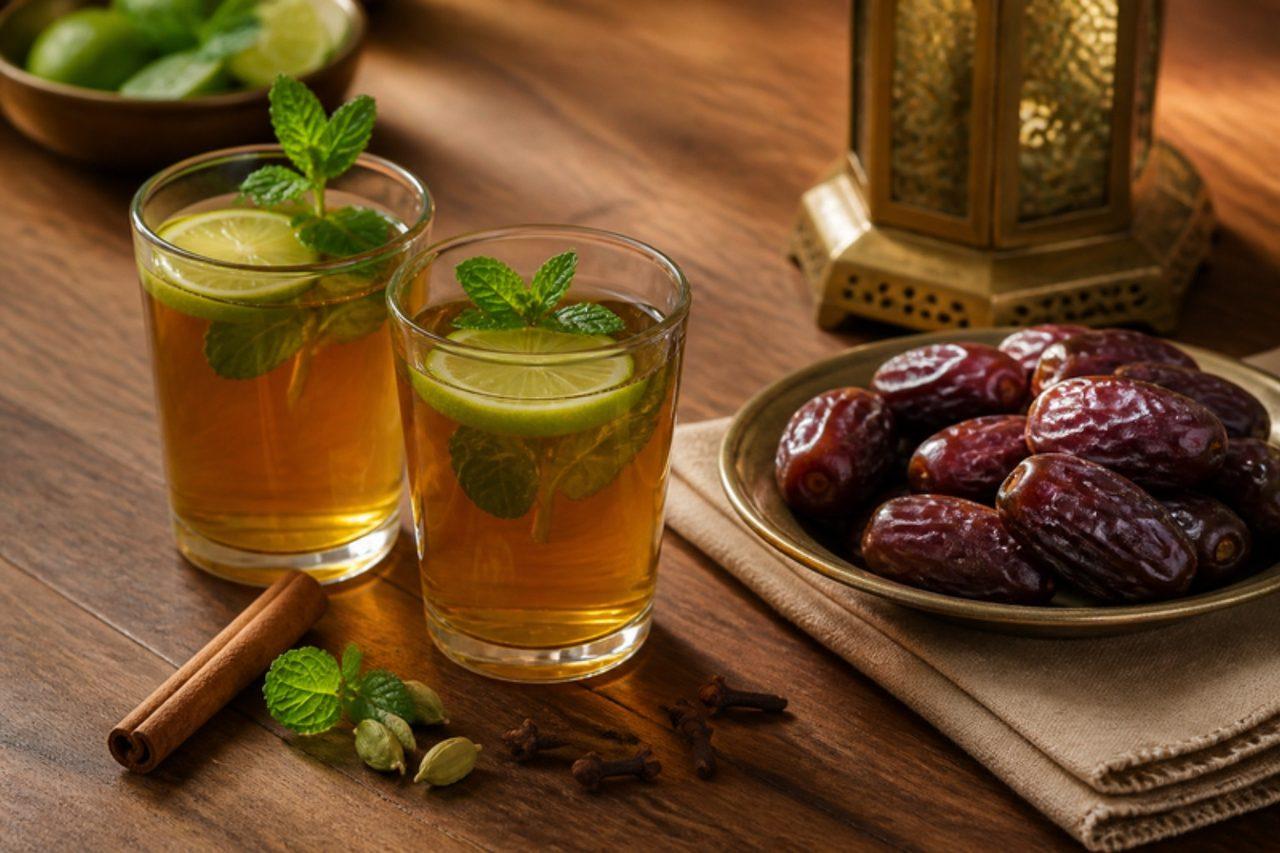
SulaimaniSpiced lemon black tea

In Kozhikode, sulaimani is the clear amber tea poured after a heavy biryani, and in Ramadan it is the glass that follows the dates at iftar. A little loose black tea is brewed with cardamom, clove and cinnamon, then sweetened and sharpened with fresh lime so it is light, warming and gently fragrant. Chef's tip: steep the tea for only two minutes; sulaimani should be bright and clear, never strong and bitter.

by KrazyBadal 0 views

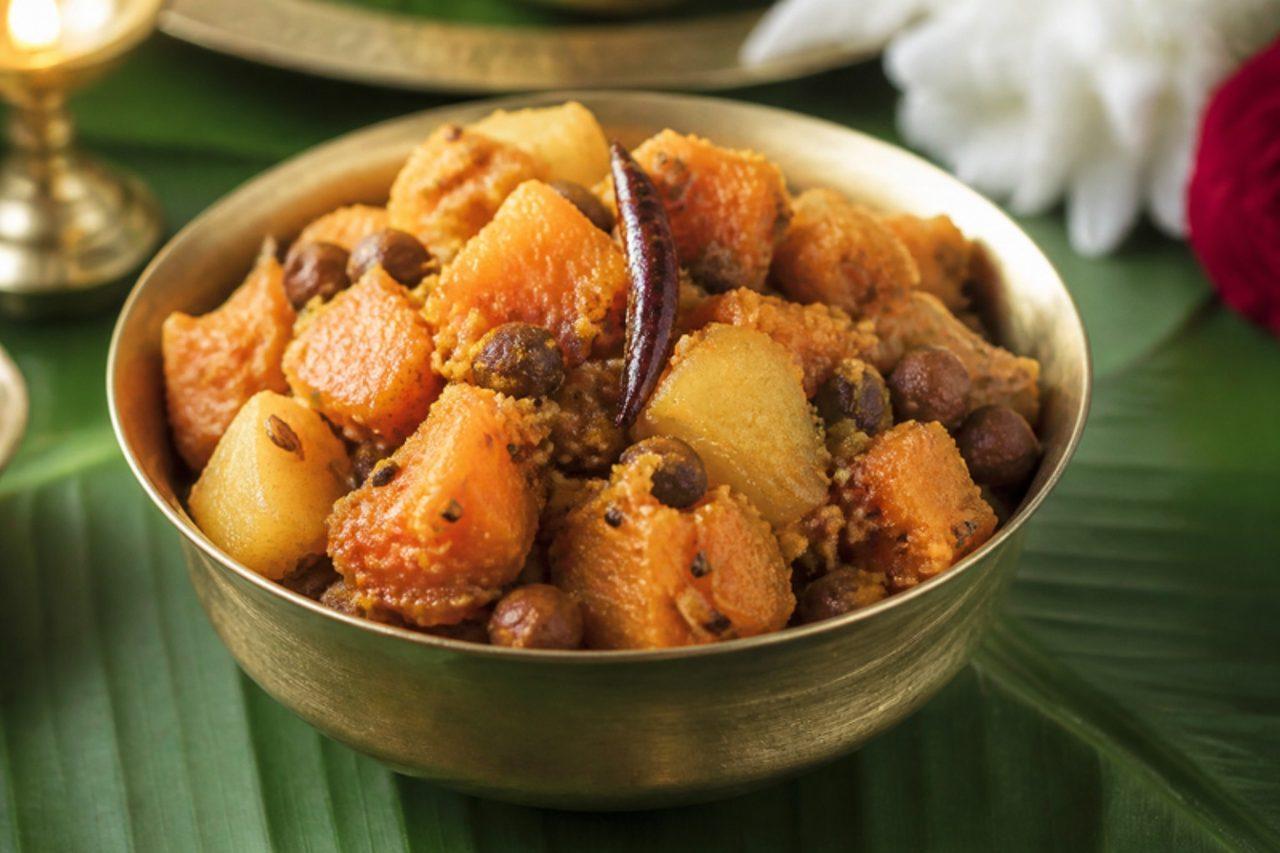
Kumror chhokkaPumpkin, potato and chickpeas

Kumror chhokka is the soft, sweet-savoury pumpkin dish that turns up on the niramish bhog plate at Durga Puja, next to khichuri and luchi, and at Bengali vegetarian feasts all year. Red pumpkin and potato are cooked down with soaked chickpeas, panch phoron (the Bengali five-spice), ginger and a pinch of sugar, until the pumpkin half melts and coats everything. There is no onion or garlic, which keeps it fit for the offering. It is mild, a little sweet and comforting. Common mistake: cutting the pumpkin and potato the same size; pumpkin cooks much faster, so cut it into bigger pieces, and stop when the potato is soft and some of the pumpkin has broken down. Chef's tip: a teaspoon of ghee and a pinch of roasted cumin powder stirred in at the very end makes it taste like the pandal version.

by KrazyBadal 0 views

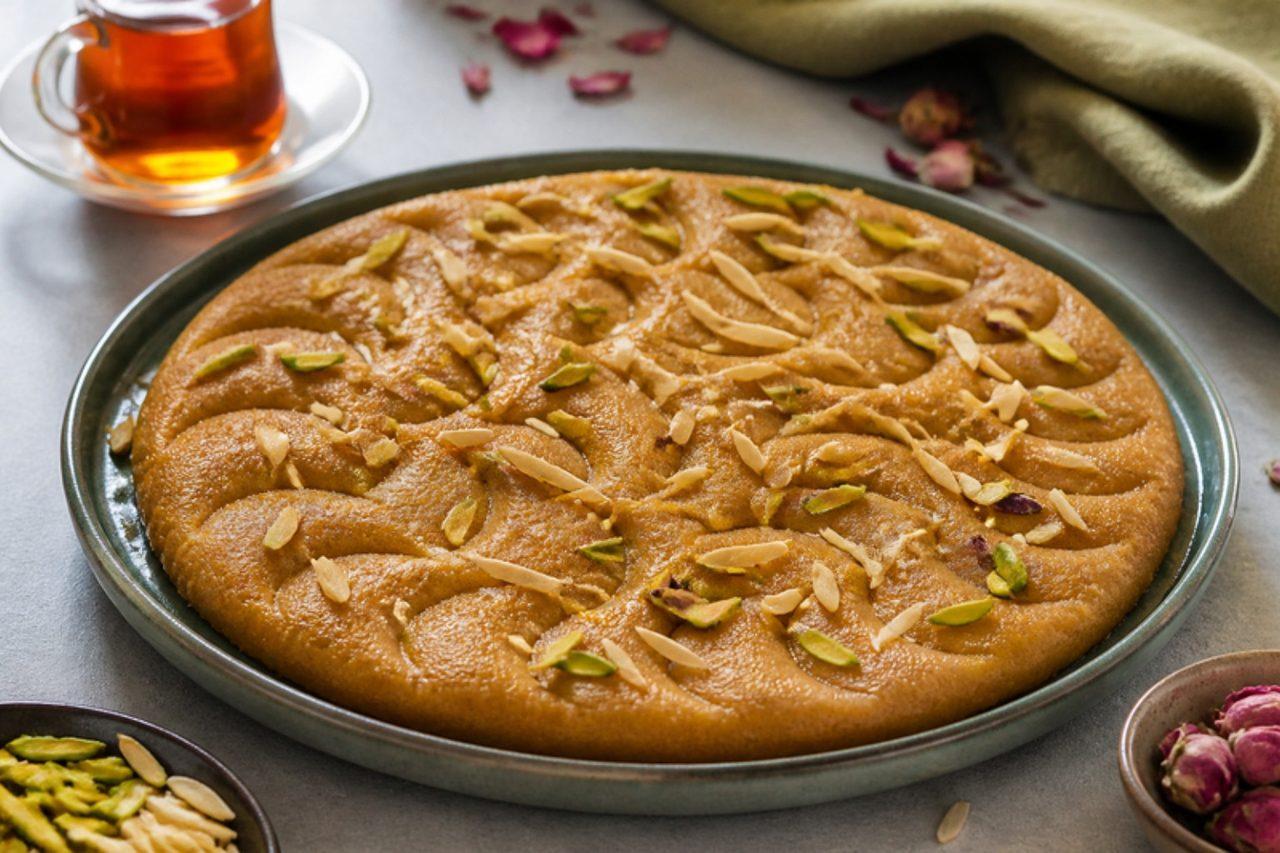
Persian halvaSaffron rose flour halva

Iranian halva is not the sesame sweet of the Levant but a dense paste of flour toasted slowly in butter and cooked with a saffron and rose-water syrup. It is spread on plates and patterned with a spoon for Ramadan iftars, for mourning gatherings and as nazri, food made and shared with neighbours to fulfil a vow in Muharram. It tastes deeply nutty, floral and not too sweet. Chef's tip: patience with the flour is everything; toast it until it is the colour of peanut butter, never rushing on a high heat.

by KrazyBadal 0 views

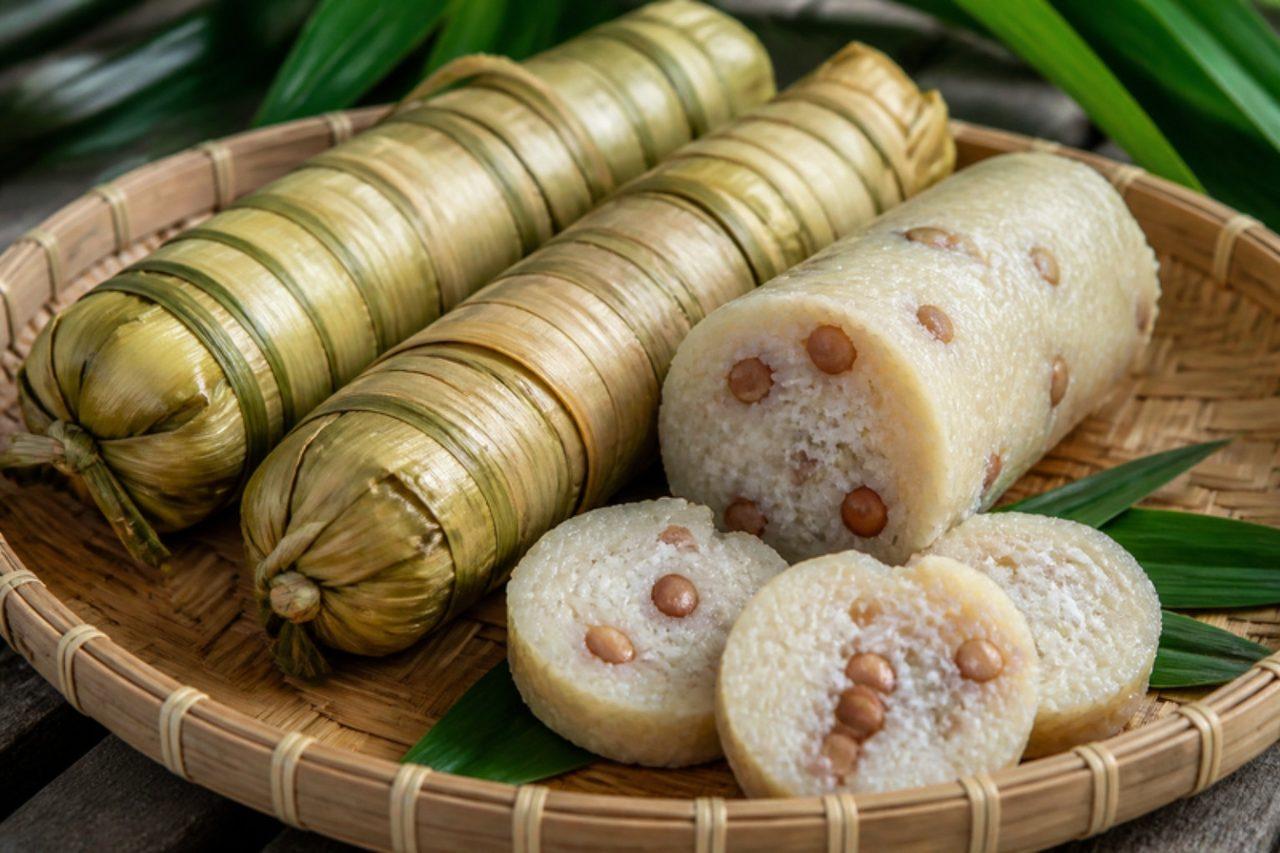
LepetSticky rice and peanut logs

Lepet is the companion of ketupat on a Javanese Lebaran morning: glutinous rice and peanuts mixed with grated coconut, rolled in spiralled young coconut leaves and boiled for hours into dense, savoury logs. In Javanese tradition the sticky rice is a reminder to forgive and hold together after Ramadan, so it is shared with neighbours and family. It tastes nutty, salty and rich and is eaten with opor or simply on its own. Banana leaves and string work well where coconut leaves are hard to find. Chef's tip: roll each log loosely, about three-quarters full, so the swelling rice turns soft rather than hard and chalky.

by KrazyBadal 0 views

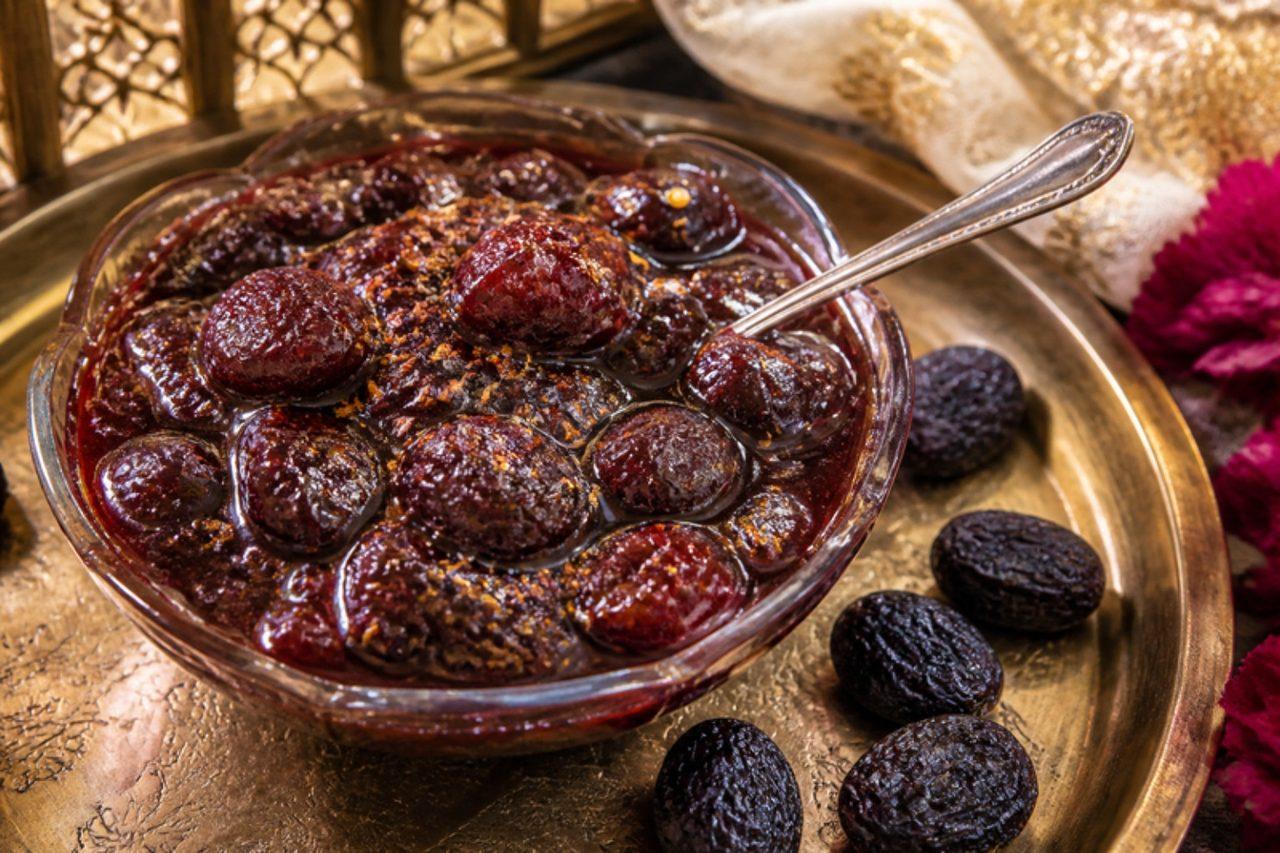
Aloo bukhara chutneyDried plum chutney

Wherever a Pakistani wedding serves biryani and qorma, a little bowl of glossy aloo bukhara chutney sits alongside to cut the richness. Dried sour plums are softened, then cooked with sugar, a touch of vinegar, ginger, chilli and warm spices into a jammy, sweet-sour relish, dark and shining. It keeps for weeks and is made in big jars before the shaadi. Chef's tip: stop cooking while it still looks a little loose; it thickens a lot as it cools.

by KrazyBadal 0 views

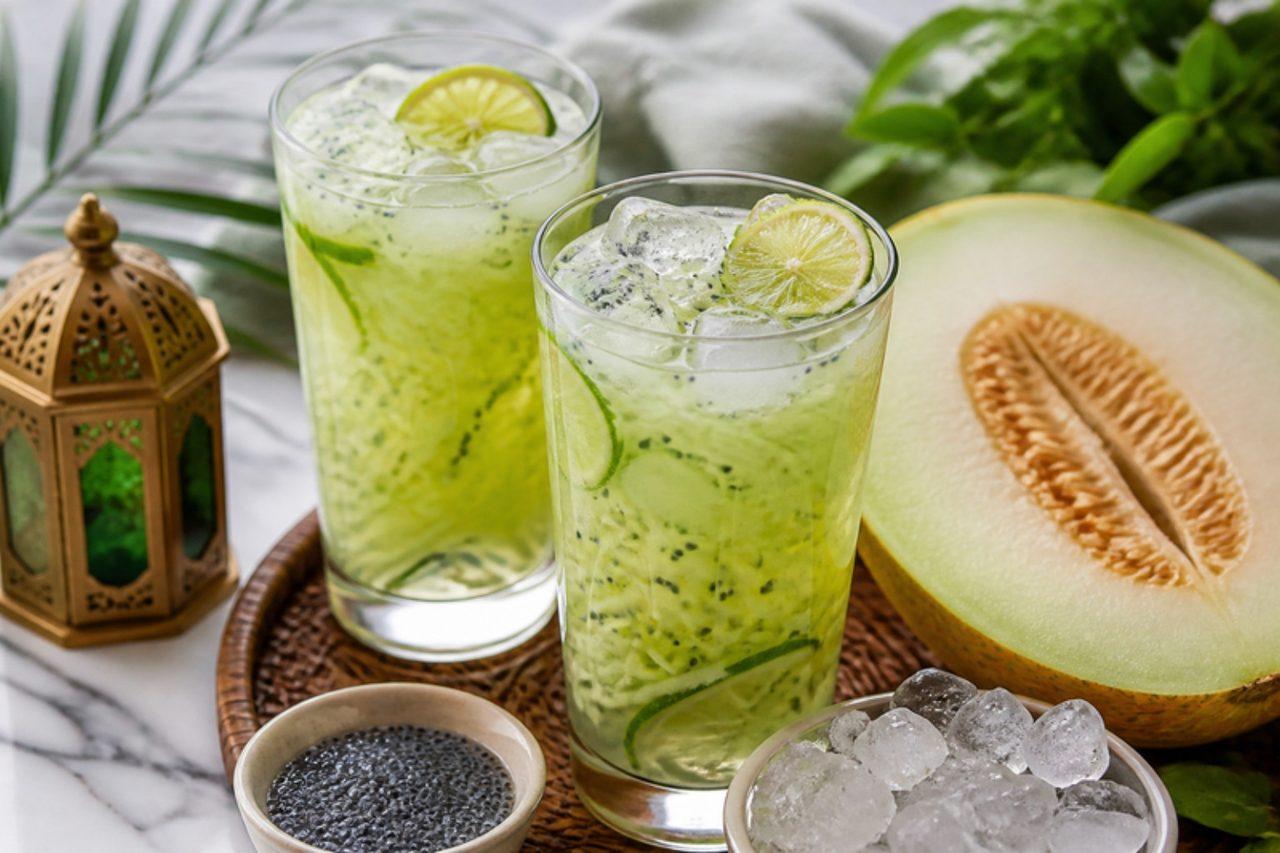
Es timun suriIced cucumber melon drink

Timun suri, a large cucumber-melon, appears in Indonesian markets only during Ramadan, piled high at roadside stalls for families to buy before iftar. Scraped into strands and floated in iced syrup with basil seeds and lime, it makes es timun suri, one of the most refreshing ways to break the fast. It tastes gently sweet, melony and cool. Cantaloupe or galia melon is a good stand-in outside Indonesia. Chef's tip: soak the basil seeds fully before adding them, as dry seeds clump into hard lumps in cold syrup.

by KrazyBadal 0 views

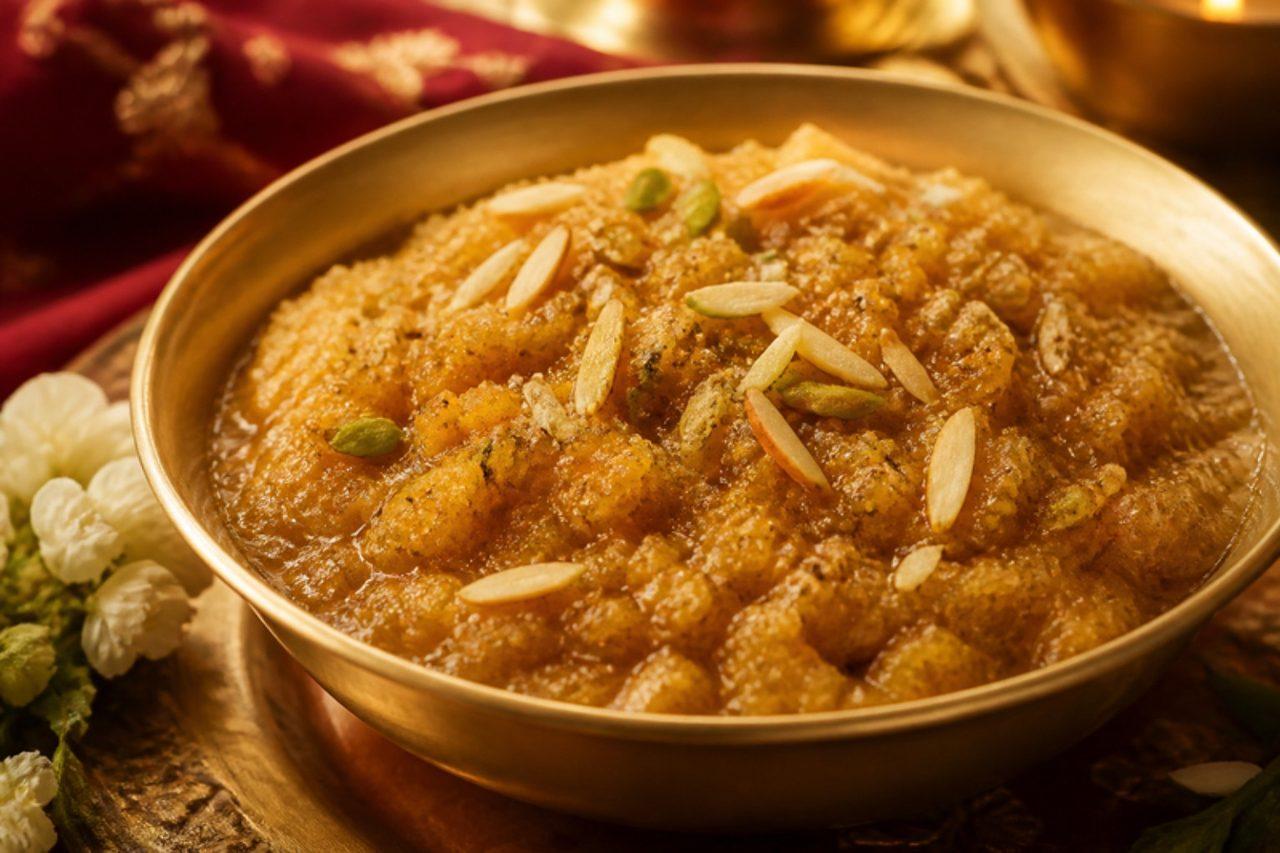
Chana dal halwa

At Punjabi weddings in Lahore and Faisalabad in the cold months, the dessert table often carries a big tray of chana dal halwa beside the gajar halwa. Soaked split chickpeas are ground and fried slowly in ghee until they smell of roasted nuts and turn deep golden, then cooked with milk, sugar and cardamom into a rich, grainy halwa that keeps for days. It takes patience and a strong arm. Chef's tip: keep the heat low and scrape the bottom constantly; the dal catches fast once it starts to brown.

by KrazyBadal 0 views

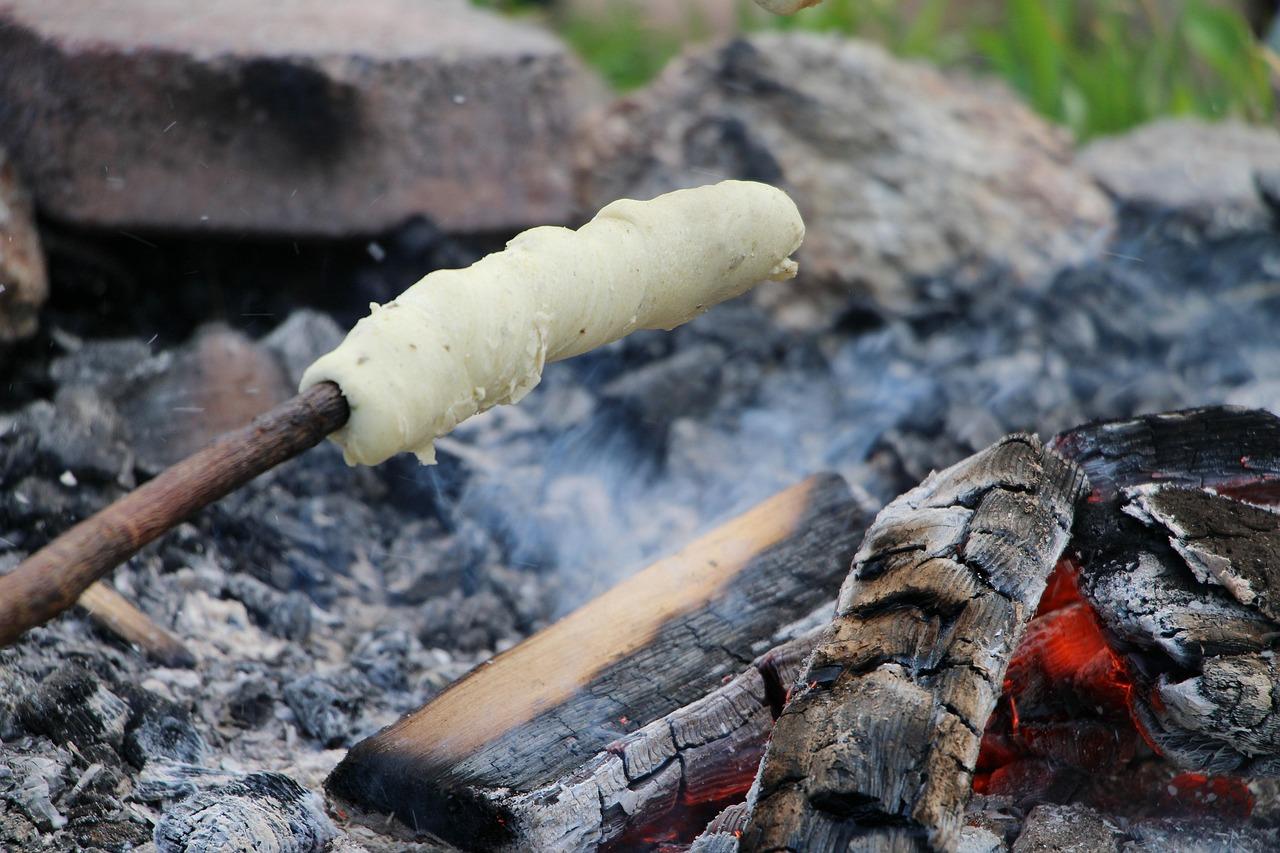
SnobrødBonfire stick bread

On Sankt Hans Aften, Danish Midsummer Eve on 23 June, people gather round huge bonfires on beaches and in gardens, sing the Midsummer song and burn a straw witch, and the children twist ropes of dough round sticks and bake snobrød over the embers. The bread comes out crisp and smoky outside and soft inside, ready to fill with jam, or butter for those who eat dairy. It is just as much fun at any garden fire or campfire. Chef's tip: hold the bread over glowing embers, not flames, and keep turning; flames blacken the outside long before the inside is done.

by KrazyBadal 0 views

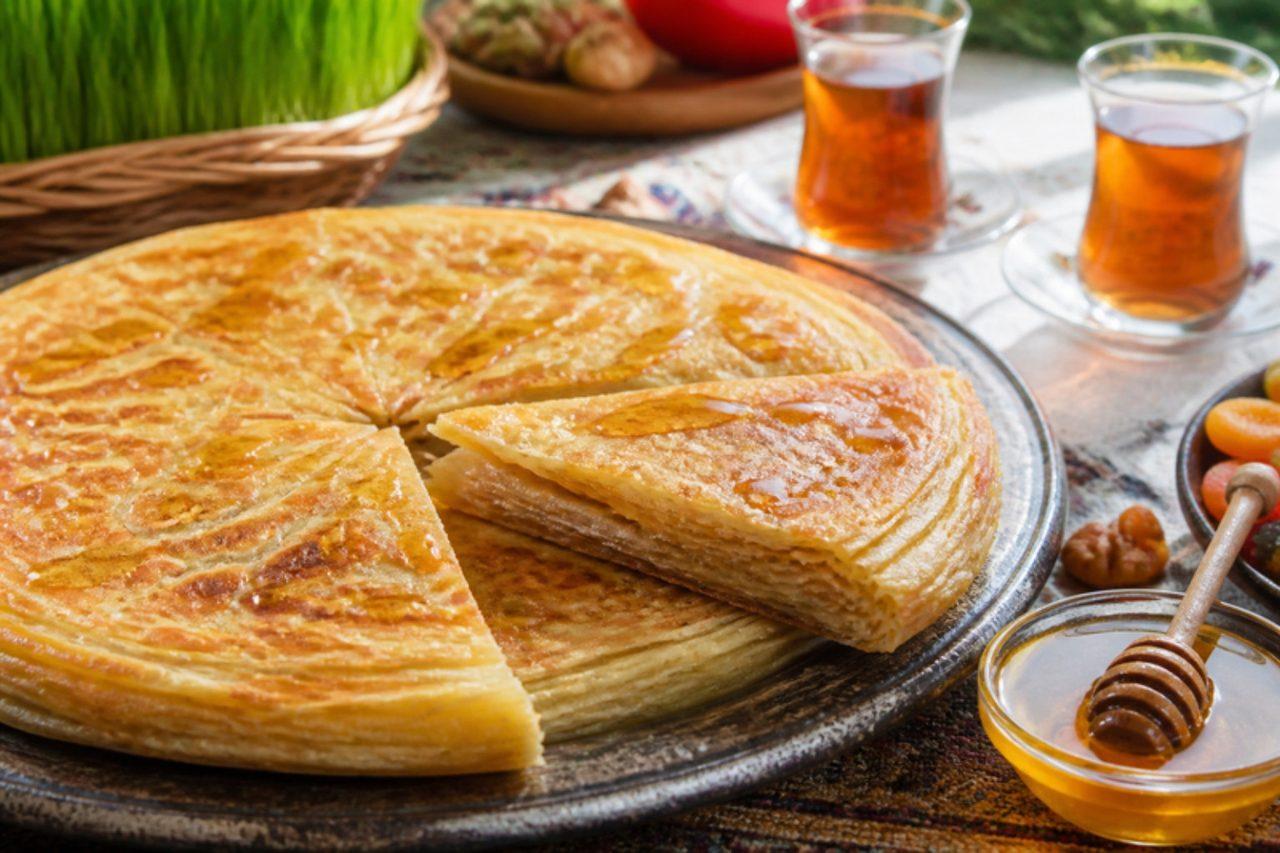
FasaliLayered butter pastry with honey

Fasali is a festive breakfast in Azerbaijan, made on Novruz mornings and other holidays when the house is full: a thin dough is brushed with melted butter, folded again and again into many layers, then cooked slowly in a covered pan until crisp outside and flaky within. It comes to the table cut in wedges with honey, syrup or a glass of sweet tea. The common mistake is cooking over a high heat, which burns the outside before the inner layers have cooked through. Chef's tip: chill the folded parcel for 10 minutes between folds and the butter stays in clean layers.

by KrazyBadal 0 views

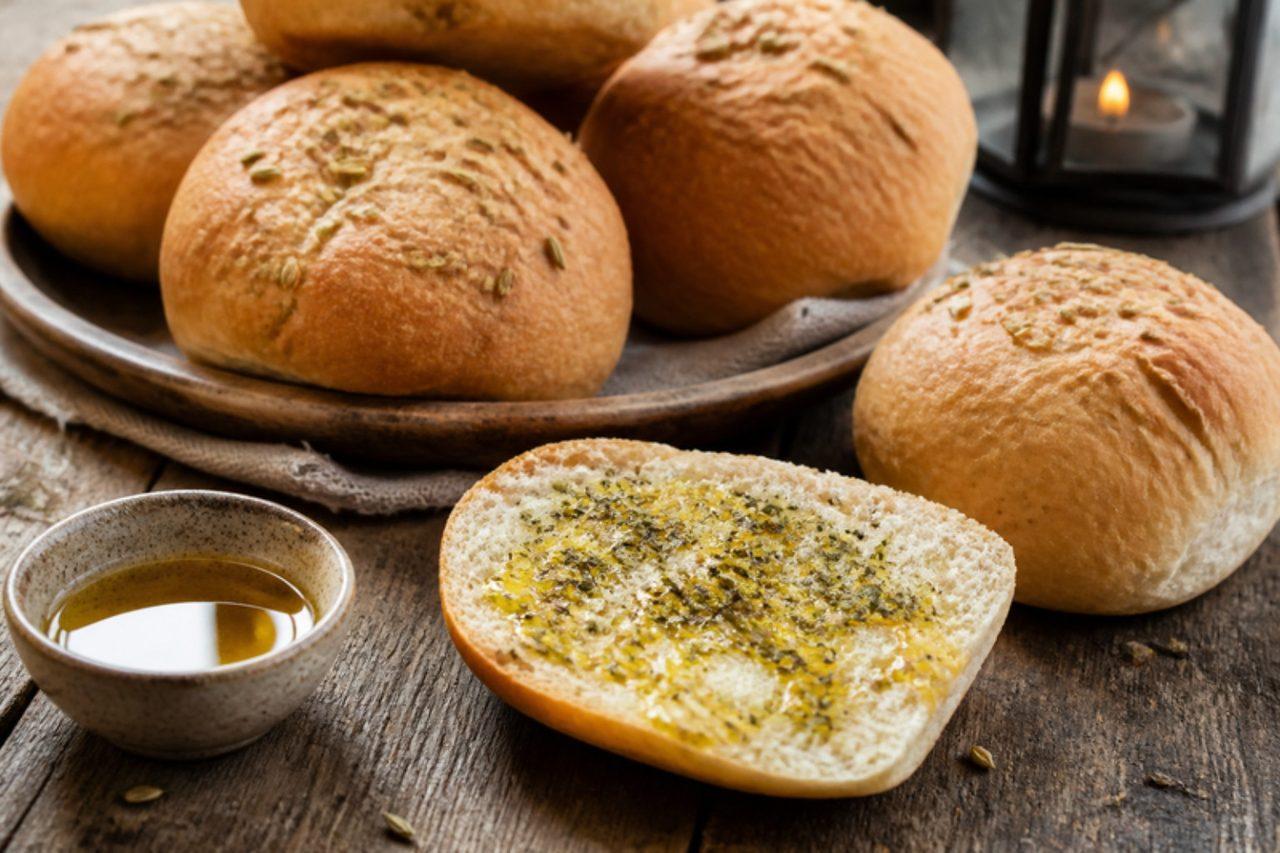
MuffolettaFennel seed rolls with cheese

On 2 November, the Day of the Dead in Sicily, Palermo families eat muffoletta: soft, round rolls scented with fennel seed, split warm and dressed 'cunzata' with olive oil, oregano, salt, pepper, anchovy or caciocavallo cheese. The custom recalls when the dead were said to bring gifts to children, and bakers make them only around this time. The bread itself is egg-free and dairy-free; dress it with just oil and oregano for a vegan version. Sicilian caciocavallo and pecorino are usually made with animal rennet, so choose a vegetarian hard cheese if that matters to you. Chef's tip: dress the rolls while still warm so they drink in the oil.

by KrazyBadal 0 views

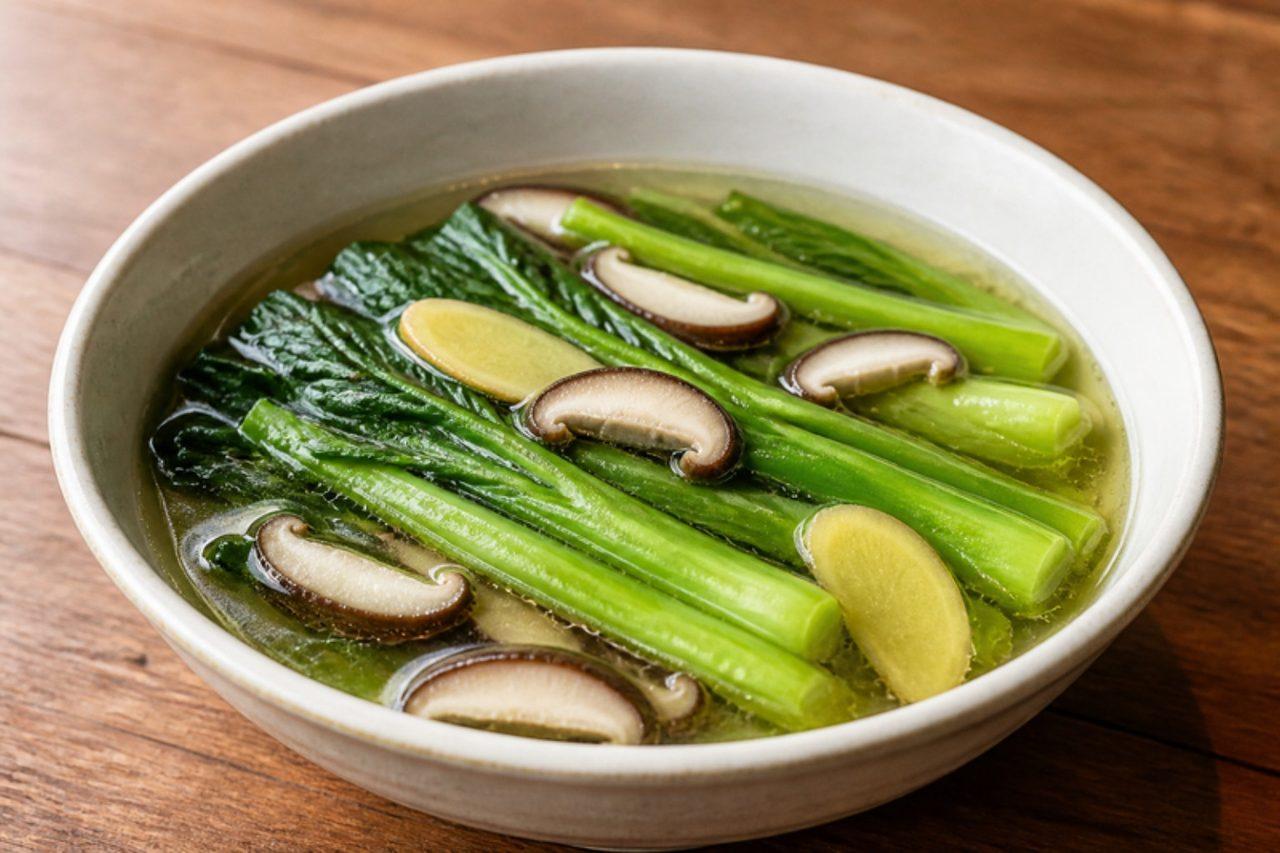
Changnian cai (long-year greens soup)

Changnian cai, 'long-year greens', is a must on the Taiwanese New Year's Eve table. Whole heads of mustard greens are cooked with their leaves uncut, and each person eats a long leaf from end to end without biting it short, a wish for a long life for the parents and the whole family. The greens turn silky and tender, with a pleasant bitterness that mellows in the savoury broth. This version uses vegetable stock with dried shiitake and ginger, so it is vegan. Serve it alongside the reunion dinner's rich braises and fish, where its clean taste is welcome. Chef's tip: blanch the greens first; it takes away the sharp bitterness and keeps them bright.

by KrazyBadal 0 views

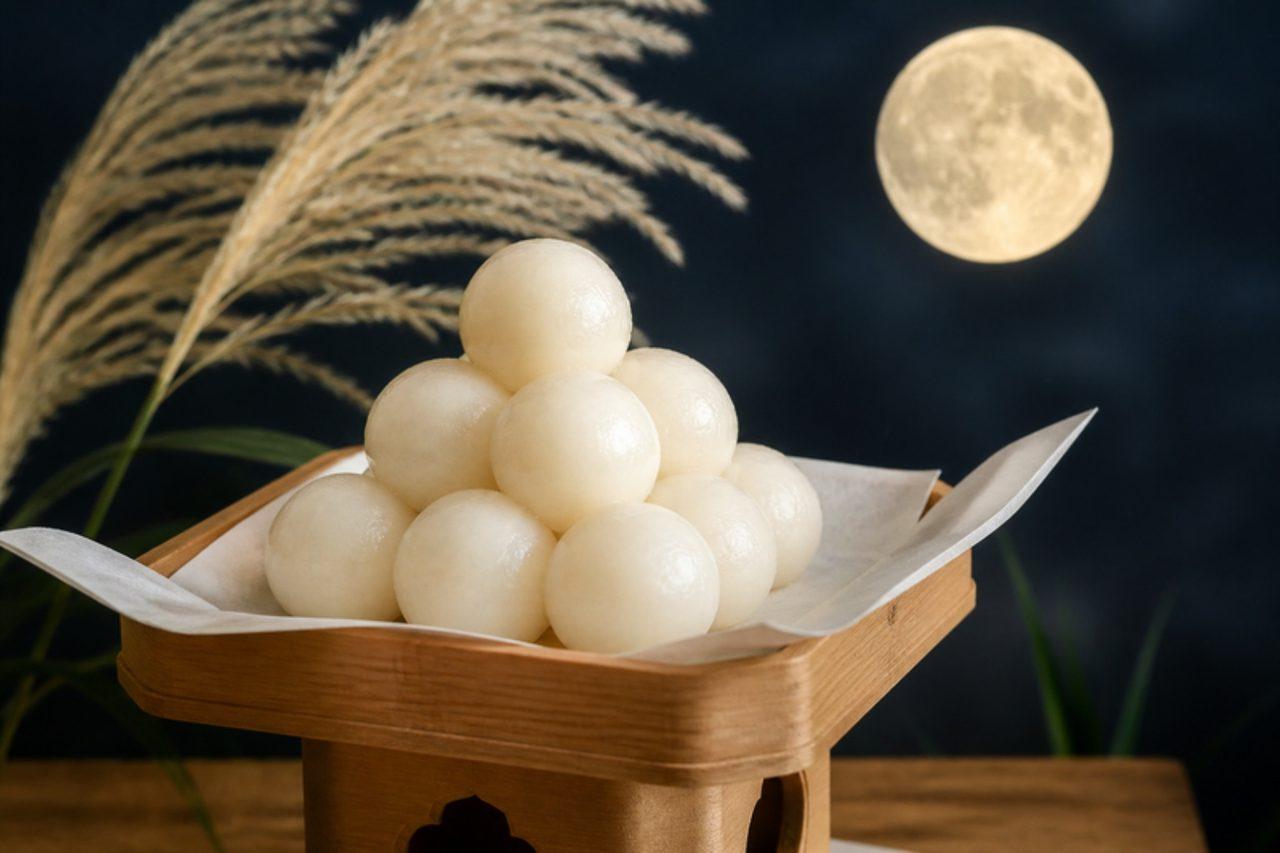
Tsukimi dango (moon-viewing dumplings)

On the night of the harvest moon in September or early October, families across Japan set a tray of plain white dumplings by the window with a vase of pampas grass, as thanks for the harvest and an offering to the full moon. The round white dango stand for the moon itself, and the traditional count is fifteen, for the fifteenth night of the eighth lunar month, stacked nine, four and two. This Kanto-style dough is steamed and then kneaded, which gives a smoother, firmer bite than boiled dango, with a clean rice flavour that loves a dusting of kinako or a spoonful of sweet red bean paste once the moon-viewing is over. Mochi is very sticky: cut the dumplings small for young children and older people, and see that they chew well and eat sitting down. Chef's tip: knead the steamed dough while it is still hot, wrapped in a damp cloth, until it turns satiny.

by KrazyBadal 0 views

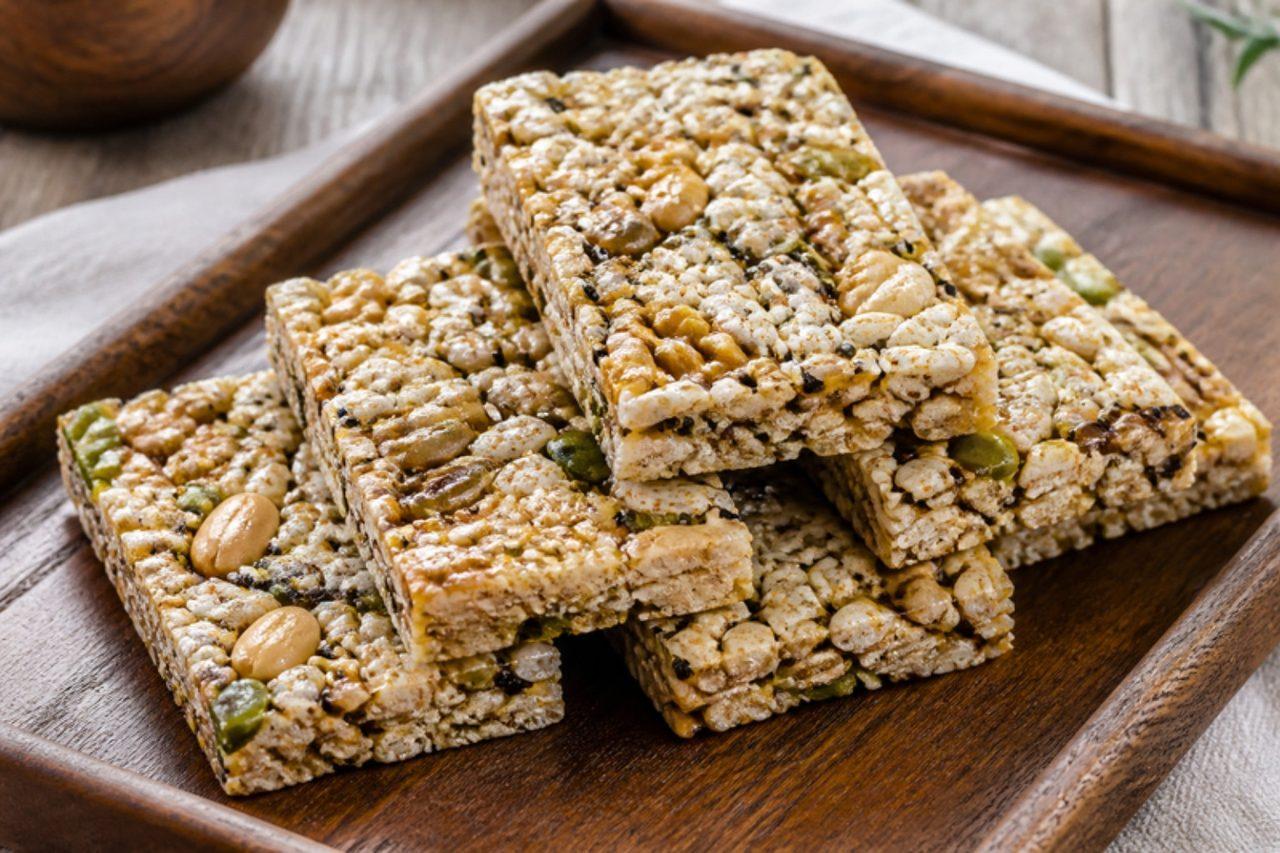
Yeot-gangjeong (nut and sesame bars in rice syrup)

Yeot-gangjeong is a traditional Korean hangwa made all over the country, especially in the weeks before Seollal and Chuseok, when trays of these bars are given as gifts and set out for visitors. Toasted nuts, sesame seeds and puffed rice are folded into hot rice syrup, pressed flat and cut into bars that are crunchy, nutty and only gently sweet, with a faint malty flavour from the syrup. Serve them with green tea or sikhye, the sweet rice drink, or pack them for a lunchbox. They are naturally egg-free: rice syrup, heated until it bubbles, acts as the glue and sets firm as it cools. Chef's tip: cut the slab while it is still warm. The common mistake is waiting until it is cold, when the bars shatter instead of slicing cleanly.

by KrazyBadal 0 views

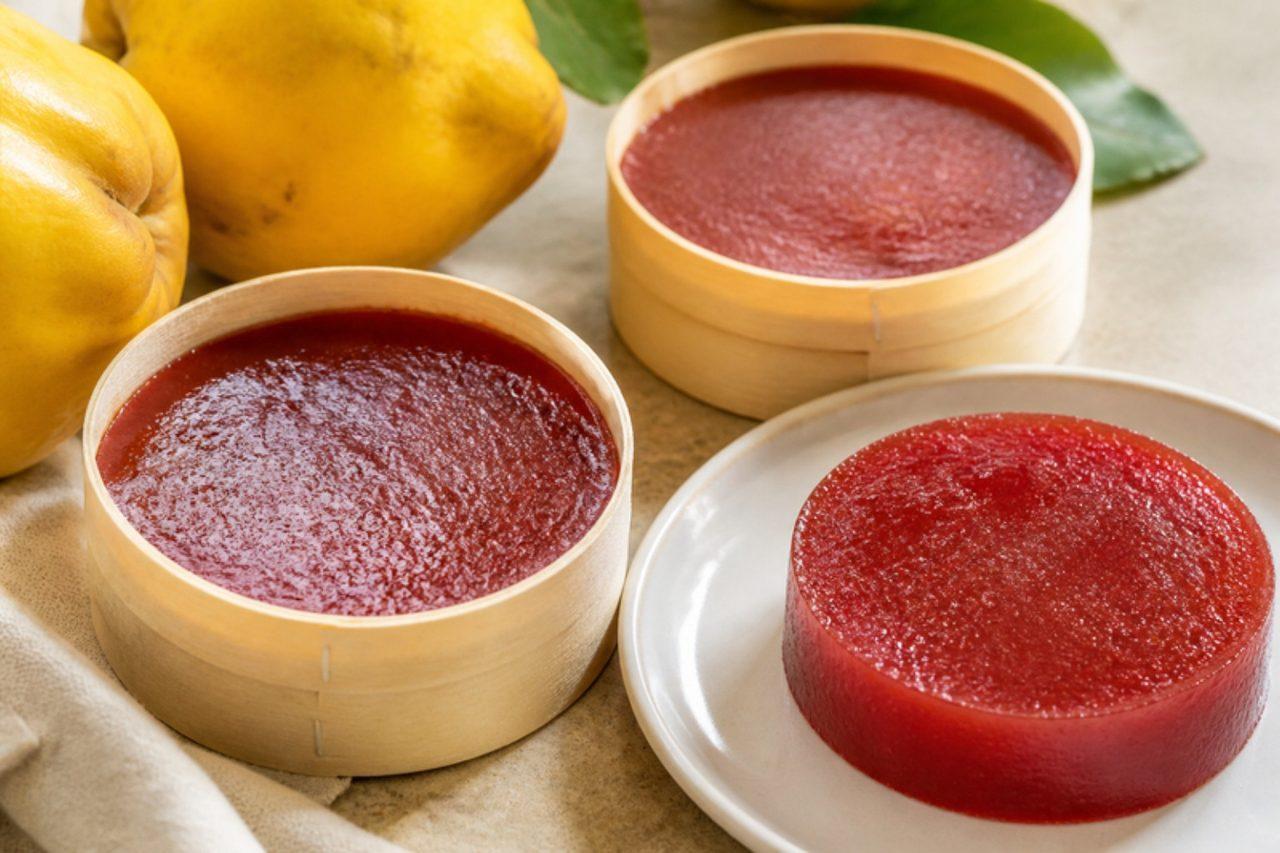
Cotignac d'Orléans (clear quince jelly)

Orléans has made cotignac since the Middle Ages and offered it to visiting kings, and the town still sells it in small round wooden boxes, to be eaten by scraping the jelly out with the edge of the lid. It is a winter sweet, made when the autumn quinces come in and given at Christmas and New Year. The jelly is clear and ruby-red, firm enough to cut but tender on the tongue, with a scented, slightly tart quince flavour. Serve it after dinner with coffee, or with a mild cheese. Nothing but fruit and sugar sets it, so it is naturally egg-free: quinces are among the richest fruits in pectin, and boiling their juice with sugar to the setting point is all it takes. Small ramekins or silicone moulds lined with baking paper stand in for the wooden boxes. Chef's tip: let the cooked quince drip through the cloth without pressing; the common mistake is squeezing it, which clouds the jelly.

by KrazyBadal 0 views

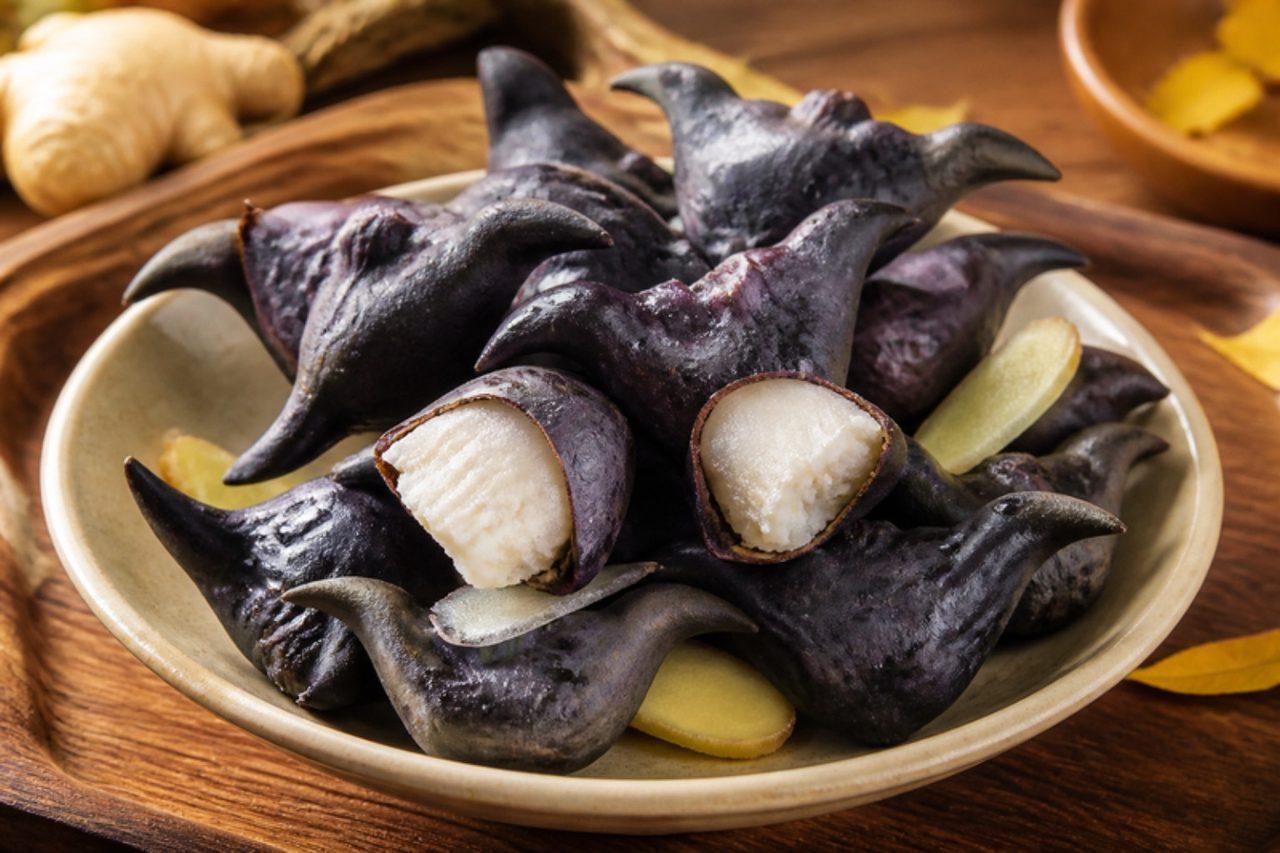
Boiled water caltrops (zhu lingjiao)Boiled water chestnuts in shell

Boiled water caltrops are a Mid-Autumn snack in Jiangnan and Guangdong, piled on the table beside mooncakes and pomelo while the family waits for the moon. The dark, two-horned nuts are harvested in autumn, and their name, ling, sounds like the word for clever, so children are told to eat them to grow bright; some families also say the shape looks like a bat, a symbol of good fortune. Inside the shell the white flesh is floury and sweet, much like a chestnut. Serve them warm in a big bowl with tea and the rest of the moon-watching snacks. Chef's tip: buy them fresh in autumn from Chinese grocers and always cook them through; never eat water caltrops raw, as they grow in ponds and can carry parasites.

by KrazyBadal 0 views

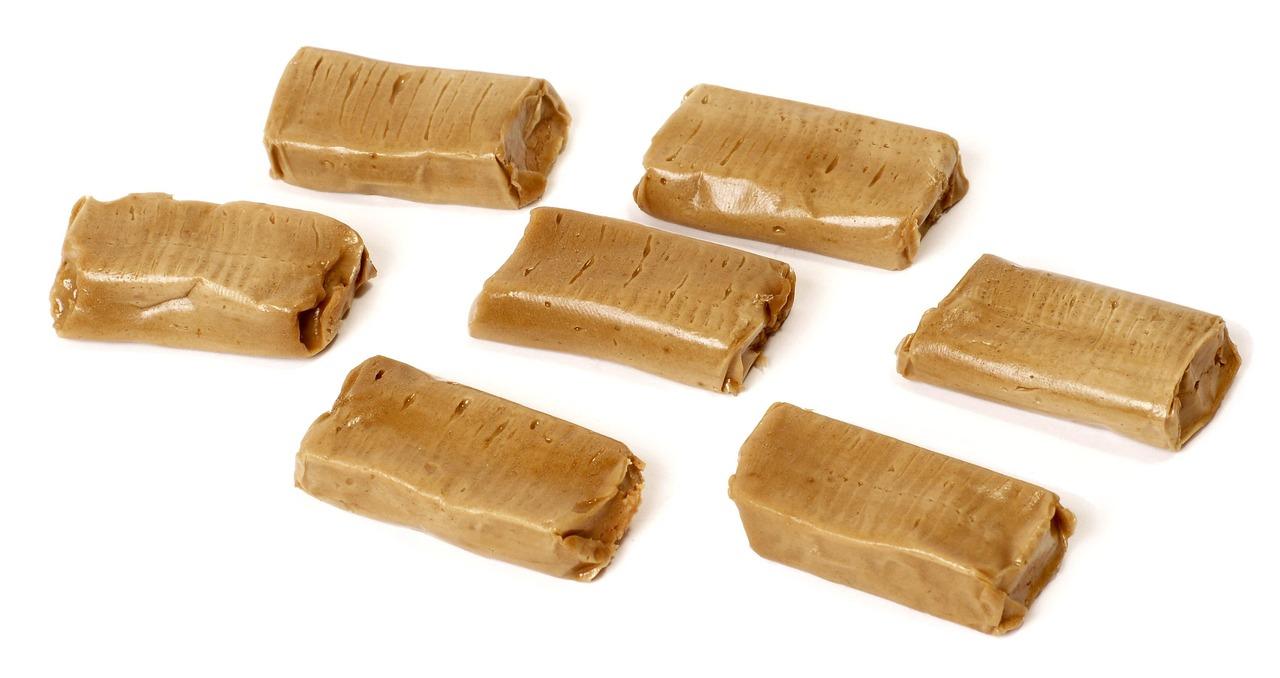
Krówki (Polish milk fudge)

Krówki, 'little cows', are the sweets Polish children grow up with: wrapped in paper with a cow on it, handed out at name days and school parties, and bought by the bag all year round. Fresh ones have a thin, sugary crust that crumbles at the edges while the middle stays soft and almost runny, with a deep taste of cooked milk and butter, close to dulce de leche. Eat them with black tea or coffee, or chop them into ice cream. They are naturally egg-free: milk and cream are boiled with sugar until the milk solids caramelise and the mixture reaches the soft-ball stage, then beating it as it cools starts fine sugar crystals that set the fudge and give that crumbly crust. A spoonful of honey adds its own flavour and keeps the centre soft. Chef's tip: stop beating as soon as the mixture loses its shine and starts to thicken; beating too long is the common mistake, and the fudge then sets in the pan before you can pour it.

by KrazyBadal 0 views

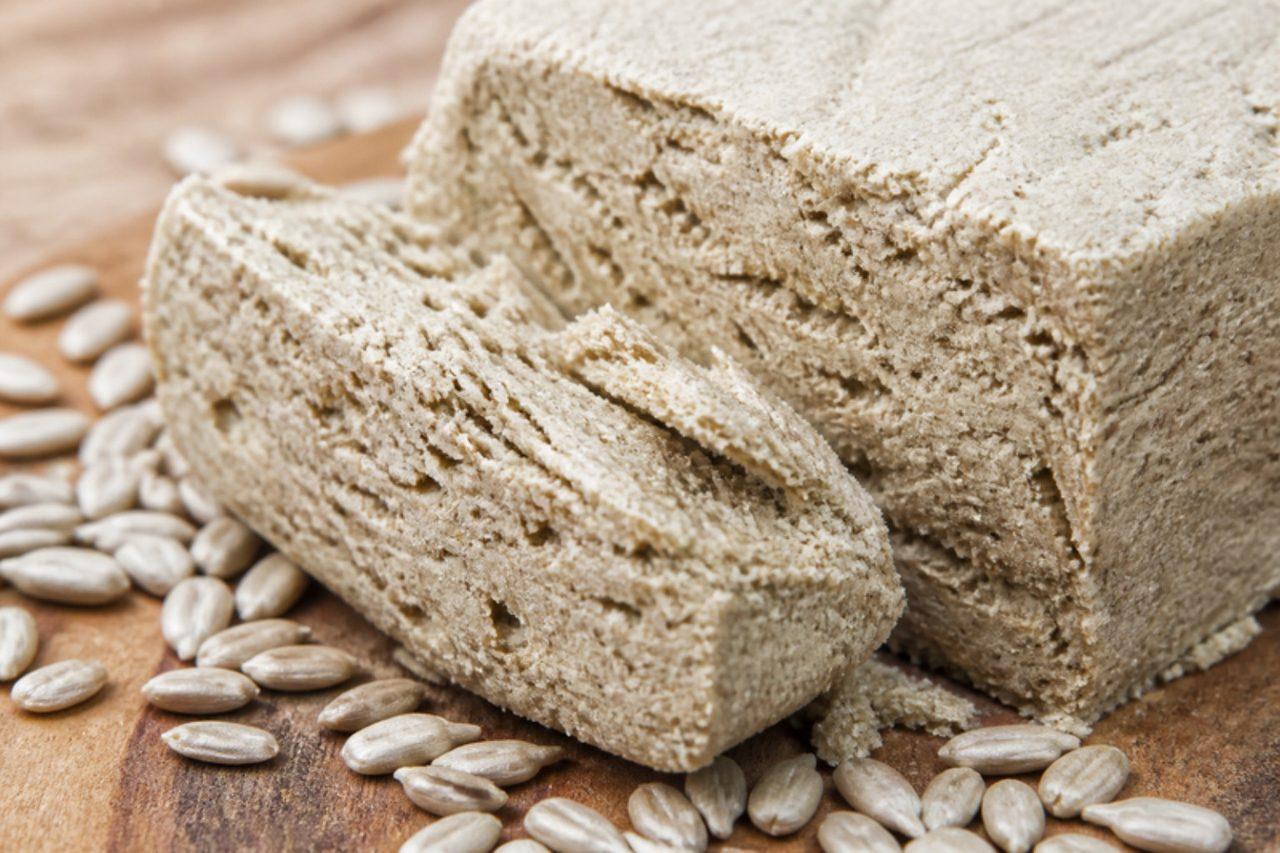
Podsolnechnaya khalva (sunflower seed halva)

In Russia and Ukraine, where sunflowers cover the southern steppe, halva means sunflower halva rather than the sesame kind: grey-brown, crumbly slabs sold by weight at markets and eaten with tea at any time of day, especially through the long winter. It tastes deeply of toasted seeds, with a sandy, flaky texture that breaks into strands and melts on the tongue. Serve it in small pieces with black tea, crumble it over porridge, or eat it with fresh apple slices. Factory halva is lightened with a foam of soapwort root, and some old recipes use whipped egg white; this home version needs neither. Sugar syrup cooked to the firm-ball stage is beaten straight into warm, finely ground seeds, and as the syrup cools it crystallises and binds the oily seed paste into a sliceable block, naturally egg-free. Chef's tip: grind the seeds until they just start to clump and look oily, not into smooth butter; the common mistake is over-grinding, which gives a dense, fudgy slab instead of crumbly halva.

by KrazyBadal 0 views

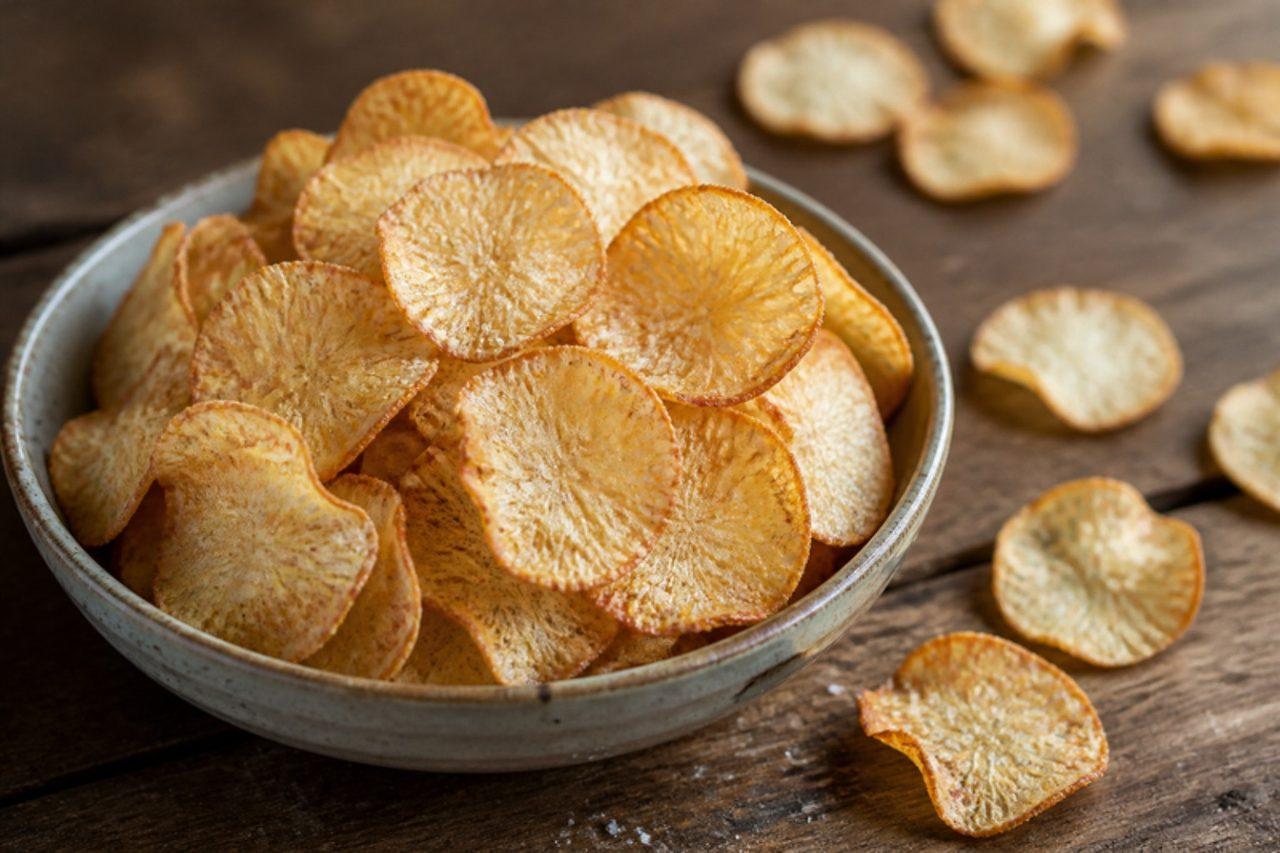
Arrowhead chips (nga gu chips)

Arrowhead (nga gu, or ngaku) is a small aquatic tuber that only shows up in Malaysian markets in the weeks before Chinese New Year, and frying it into chips is a family job. Its curved sprout looks like a shoot rising from the root, so it stands for growth and many descendants in the year ahead. Sliced thin and fried, the chips are crisp and nutty like potato crisps, with a gentle bitterness that keeps you reaching for more. Put them out in jars with peanuts and love letters for visitors. Chef's tip: soak the slices and dry them very well; wet slices make the oil spit and fry up chewy instead of crisp.

by KrazyBadal 0 views

Jaja uli (Balinese pounded sticky rice cake)

Jaja uli is one of the rice cakes that Balinese families make in the days before Galungan, when the island celebrates the victory of dharma over adharma and the ancestors come home; it is stacked into the towering banten offerings and then shared and eaten. Glutinous rice is steamed, soaked in hot salted coconut milk, steamed again and then pounded until the grains break down into a dense, smooth, chewy block with a gentle coconut flavour. Slice it thickly and pour over warm palm sugar syrup, or toast the slices in a dry pan until crisp at the edges. A tall cup of tea or coffee is the perfect partner. Chef's tip: pound while the rice is still hot; once it cools, the grains won't knit together.

by KrazyBadal 0 views

Pâte de fruits (Auvergne apricot fruit jellies)

Clermont-Ferrand, the capital of the Auvergne, built a name for pâtes de fruits in the nineteenth century using apricots from the Limagne plain, and the jewel-bright squares remain a favourite in Christmas boxes and with coffee at the end of a meal. Good pâte de fruits tastes more of fruit than of sugar: dense, tender and clean-cutting, with a sparkle of sugar crust and a sharp edge of acid. Serve them on a plate of petits fours, or pack them as a gift. They are naturally egg-free: pectin, the fruit's own setting agent, does all the work once the purée is boiled with sugar to 106°C and the acid is added. Use yellow pectin for pâte de fruits if you can find it; it sets slowly enough to pour. Chef's tip: stir in the citric acid only off the heat, right before pouring; the common mistake is adding it early, so the jelly sets in the pan.

by KrazyBadal 0 views

Croccante (southern Italian almond brittle)

Croccante is the sweet of southern Italian feast days: from Naples to Calabria and Apulia it is sold from stalls at the patron saint's festa, set out at Christmas and at Carnival, and in some towns shaped into little baskets for weddings. Whole almonds are toasted and folded into caramel, then pressed thin on marble with the cut side of a lemon, which stops it sticking and leaves a faint citrus scent. It is crisp and glassy with a deep, nutty, slightly bitter caramel. Break it into shards to eat with coffee, or crush it over ice cream. It is naturally egg-free: only caramelised sugar holds the almonds, setting hard as glass as it cools. Chef's tip: keep the almonds warm when they go in; the common mistake is adding cold nuts, which makes the caramel seize into lumps.

by KrazyBadal 0 views

OblátkyChristmas wafers with honey

In Slovakia the Christmas Eve supper (Štedrá večera) opens with oblátky: large, paper-thin wafers stamped with a nativity pattern. The head of the household marks each person's forehead with a cross of honey, and everyone eats a wafer spread with honey, often with a sliver of garlic for health, before the cabbage soup. Families buy them from the church or bake them on a patterned wafer iron; this recipe also gives a pan method for thin, crisp wafers. Chef's tip: the batter must be thin like single cream, as a thicker batter gives a soft pancake instead of a wafer.

by KrazyBadal 0 views

Frutta martorana (Sicilian painted almond-paste fruit)

Palermo's pastry shops fill their windows with frutta martorana in late October, ready for All Souls' Day on 2 November, when Sicilian children wake to find sweets and toys said to be left by the family's dead. The name comes from the nuns of the Martorana convent, who were said to have decorated their bare orchard with almond-paste fruit. Each little fig, prickly pear or orange is so perfectly painted it looks real, and the paste inside is smooth, dense and very sweet, with a pure almond flavour. Serve a few with coffee or a glass of cold almond milk. The paste is egg-free almond paste, made the Sicilian way: ground almonds are stirred into sugar syrup boiled to the soft-ball stage, and the syrup binds them as it cools, unlike some shop marzipan, which is not always egg-free. Chef's tip: let the shapes dry before painting; the common mistake is painting damp paste, so the colours bleed.

by KrazyBadal 0 views

Huasheng tang (peanut brittle)

Huasheng tang is a fixture on the Taiwanese New Year candy tray, set out for every visitor who comes to wish the family a happy new year. Peanuts are called 'long-life nuts' in Chinese, so the brittle carries a wish for long life and, with so many nuts in each piece, for many children and a full house. Taiwanese brittle is thinner and less sweet than many, packed with crackly roasted peanuts held together by malt sugar. Serve with oolong tea alongside dried fruit and melon seeds. Chef's tip: cut the slab while it is still warm and pliable; once cold it shatters.

by KrazyBadal 0 views

KokadCoconut, jaggery and semolina squares

Kokad is one of the sweets in the Goan Christmas kuswar, the tray of homemade sweets Catholic families swap with neighbours in the days around 25 December. Freshly grated coconut is cooked with jaggery, semolina and ghee until it pulls together into a dark, fudgy mass, then pressed into a tray, scored into diamonds and topped with cashews. It is chewy, caramel-sweet and fragrant with cardamom. Chef's tip: roast the semolina in ghee first, until it smells nutty, as raw semolina makes kokad pasty.

by KrazyBadal 0 views

Sucre à la crèmeBrown sugar fudge

In Quebec, sucre à la crème is the sweet that comes out at Christmas: a soft, melting brown-sugar fudge made from brown sugar, cream and butter, cut into squares and shared at the réveillon after midnight Mass and through the Fêtes. Every grandmother's recipe differs a little; this one is the classic stovetop method, gluten free and ready in under an hour. Chef's tip: beat the cooled mixture until it loses its gloss and starts to thicken, then pour it at once; that beating is what makes it creamy rather than toffee-like.

by KrazyBadal 0 views

Dulce de papayuelaMountain papaya in spiced syrup

Papayuela is the small, fragrant mountain papaya that grows in the cool highlands of Boyacá in Colombia. Cooked slowly in panela syrup with cloves and cinnamon, it becomes a glossy, amber dulce that Boyacá families set out during Holy Week and again at Christmas, often with a slice of fresh white cheese or cuajada. It is vegan and gluten free. Firm, slightly underripe ordinary papaya, or babaco, makes a good stand-in. Chef's tip: blanch the fruit briefly first, then drain it; this removes the bitter latex and lets it soak up the syrup.

by KrazyBadal 0 views

Asham (Jamaican parched-corn sweet)

Asham is one of rural Jamaica's oldest treats, a sweet carried over from West African parched-grain foods and still made in country districts of St Elizabeth, Clarendon and St Ann. Children ate it after school from a twist of paper, and it reappears at heritage fairs around Emancipation Day and Independence in early August. Dried corn is parched until toasty and golden, ground to a fine, sandy powder and mixed with dark sugar: nutty, faintly smoky and melting slowly on the tongue. Eat it by the pinch, press it into little balls, or stir a spoonful into warm milk or water as a drink. It is naturally egg-free; the powder needs no binder at all, and for balls a sprinkle of water and the sticky brown sugar hold it together. Chef's tip: eat the loose powder in small pinches and don't breathe in as you eat it; it is famous for making people cough. In the pot, keep the corn moving, as scorching is the common mistake and turns it bitter.

by KrazyBadal 0 views

Cupeta (Salento honey and almond brittle)

Summer in Salento, the heel of Apulia, means the feste patronali, when village streets are hung with lights and the cupetari set up stalls of cupeta, a honey and almond brittle broken from large slabs. It also shows up on Christmas tables and at the feast of Saint Oronzo in Lecce in August. Honey gives it a darker, more floral caramel than plain croccante, and the almonds stay crunchy within a brittle that slowly turns slightly chewy in the heat. Traditionally it was poured onto wafer sheets or fresh bay or lemon leaves; this version uses bay leaves, which add a faint herbal note and keep it gluten-free. Eat it in pieces with coffee, or as a snack while walking through the fair. It is naturally egg-free: honey and sugar, cooked to the hard-crack stage, set around the nuts with no other binder. Chef's tip: lower the heat once the honey starts to colour; it burns much faster than sugar, and scorching is the common mistake.

by KrazyBadal 0 views

Nian dou bao (sticky bean buns)

Before the Spring Festival, families in Dongbei make nian dou bao by the hundred, steam them and freeze them outside in the snow so there is a stack ready for every visit of the holiday. The name contains 'nian', sticky, which sounds like the word for year, so they are eaten for a year that holds together and rises higher. The dough, traditionally from glutinous millet that has been lightly fermented, is soft, chewy and gently tangy, wrapped round a smooth sweet red bean filling. This version uses glutinous rice flour and fine cornmeal for the golden colour, with a little yeast for that faint sourness. Serve them warm with tea or plain congee. Chef's tip: wet your hands before shaping; the dough clings to dry hands but behaves perfectly once they are damp.

by KrazyBadal 0 views

Alfeñique (Toluca Day of the Dead sugar-paste figures)

Each October the arcades of Toluca, in the State of Mexico, fill with the Feria del Alfeñique: stalls of little skulls, lambs, coffins, baskets and fruit, all modelled from sugar paste and painted bright colours for the Day of the Dead altars of 1 and 2 November. Children buy a skull with their own name on it; families place them on the ofrenda beside marigolds, candles and pan de muerto. The paste is snow-white, smooth and brittle once dry, with a clean sugar and lime taste. The old Toluca paste is egg-free, kneaded with chautle, a gum from an orchid bulb; here gum tragacanth plays that part, making the paste stretchy enough to model and helping it dry hard. The decorating icing is egg-free too, made from icing sugar, lime juice and a pinch of the same gum. Chef's tip: work the syrup while it is warm and keep the paste wrapped; the common mistake is letting it sit uncovered, so it dries out and cracks as you shape it.

by KrazyBadal 0 views

Bananada (Brazilian banana paste bars)

Bananada comes from the banana country of Minas Gerais and the Vale do Ribeira in São Paulo state, where roadside stalls stack it in wrapped bars beside rapadura and goiabada. Children find it in lunchboxes and it turns up on the sweet tables of the June festivals. Cooked slowly, ripe bananas and sugar darken to a reddish brown and set into a dense, chewy paste with a caramel and baked-banana flavour, finished with a sugary crust. Serve the bars with coffee or a piece of fresh cheese. It is naturally egg-free: the starch and pectin in the bananas, concentrated with sugar over a long, slow cook, set the paste firm enough to slice. Very ripe bananas give the sweetest, darkest result. Chef's tip: keep going until you can see the base of the pan for a second when you drag the spoon through; the common mistake is stopping early, which gives a soft jam that won't cut.

by KrazyBadal 0 views

VörtbrödDark Christmas rye bread

In Sweden the Christmas smörgåsbord (julbord) is never without vörtbröd, a dark, soft, slightly sticky rye loaf flavoured with wort, the sweet malty liquid brewers start beer from, plus dark syrup, orange peel, clove and ginger. It is sliced, buttered and eaten with the Christmas ham or with cheese. Many home bakers use dark beer, which contains alcohol; this recipe uses a non-alcoholic dark malt drink, which gives the same malty depth. It keeps for 4 days, and freezes well. Chef's tip: rye dough is sticky and never feels smooth like wheat; resist adding lots of extra flour or the loaf will be dry.

by KrazyBadal 0 views

Jiaodong hua bobo (festive flower buns)

On the Jiaodong peninsula in Shandong, the days before the Spring Festival are spent shaping hua bobo: large steamed wheat buns twisted into fish, flowers and lucky knots and dotted with red jujubes. A fish bun stands for surplus in the year ahead, the dates for sweetness and a prosperous red, and a tall bun stacked high for a family that keeps rising. The crumb is dense, springy and faintly sweet, a world away from fluffy bao, because the dough is worked stiff and kneaded long. Set them on the reunion table, give them to neighbours, then slice and re-steam the rest with soups and braises through the holiday. Chef's tip: keep the dough firm, more like modelling clay than bread dough, or the shapes slump in the steamer.

by KrazyBadal 0 views

Polkagris (Gränna peppermint candy sticks)

Gränna, a small town on the shore of Lake Vättern, has been pulling polkagris since the 1850s, and visitors still stand at shop windows watching the sugar being stretched and twisted on marble tables. The sticks are sold all year but are a favourite in summer, when the town fills with tourists, and again at Christmas. Pulled properly, the white part turns satiny and slightly airy, so the candy is crisp on the outside and almost chalky-soft as it melts, with a clean, cooling peppermint flavour and a thin red spiral. Eat them as they are, crush them over ice cream or hang them on the tree. Polkagris is naturally egg-free: nothing but sugar boiled to the hard-crack stage holds it together, and the pulling, not any added protein, gives the pale, opaque texture. Chef's tip: work in a dry kitchen with oiled gloves and have every tool ready before the sugar reaches temperature; the common mistake is letting the mass cool too far before pulling, at which point it cracks instead of stretching.

by KrazyBadal 0 views

Doce de figo verde (Minas green figs in clove syrup)

On the farms of Minas Gerais, figs picked hard and green at the start of summer are turned into one of the state's proudest doces, made in big copper pans and set out at Christmas, at Festa Junina and after a long Sunday lunch. The whole figs come out dark olive-green, glossy and tender right through, in a thick syrup fragrant with cloves. They are eaten with a slice of fresh queijo minas, the salty cheese making the sweetness sing, or on their own with a small coffee. Like most Brazilian fruit preserves it is naturally egg-free: the long simmer in sugar syrup preserves and firms the fruit, and the figs' own pectin thickens the syrup. The work is in the repeated blanching, which draws out the bitter milky sap. Chef's tip: wear gloves while scraping the figs, because the sap irritates skin, and keep the syrup at a bare simmer; the common mistake is boiling hard, which bursts the figs and toughens their skins.

by KrazyBadal 0 views

Pastillas de leche (Bulacan milk candy)

San Miguel in Bulacan, north of Manila, has made pastillas de leche from the rich milk of carabao, the water buffalo, for generations, and the town celebrates it every May with a festival. The candies are slow-cooked from little more than milk and sugar, rolled into fingers, coated in sugar and wrapped in coloured paper, often with fringed, cut-paper wrappers for fiestas and Christmas. They taste like a soft, milky fudge that melts on the tongue. Hand them round with coffee or tuck them into gift boxes. Carabao milk is hard to find, so this version uses whole cow's milk boosted with a little milk powder for the same richness. It is naturally egg-free: the milk solids, reduced with sugar, set into a firm paste on their own. Chef's tip: keep the heat at medium-low and scrape the base often. The common mistake is turning the heat up to save time, which scorches the milk and makes the paste grainy.

by KrazyBadal 0 views

Xôi vò (mung bean coated sticky rice)

Xôi vò is a Hanoi sticky rice offered at the altar for Vu Lan, the Buddhist full moon of the seventh lunar month when people honour their parents and ancestors, and again on the first days of Tết. Unlike most xôi, it is not a sticky mass: 'vò' means rubbed, and the soaked rice is rubbed with crumbled mung bean so each grain steams up separate, glossy and pale gold. It tastes mild, nutty and lightly salty, and is eaten with chè (sweet soup), a little sugar, or toasted sesame salt. Chef's tip: crumble the warm mung bean paste through a coarse sieve; fine, dry crumbs are what keep the grains apart.

by KrazyBadal 0 views

PinacaRice flour, jaggery and coconut cakes

Pinaca is one of the oldest Goan Christmas sweets in the kuswar tray, made in the weeks before Christmas from three things: rice flour roasted until golden and nutty, jaggery and freshly grated coconut. They are pressed into small cakes or squares and have a soft, crumbly, toffee-like bite. They are vegan and gluten free. Chef's tip: take your time roasting the rice flour, as it is the roasting that gives pinaca its flavour, but stir constantly because it burns at the edges.

by KrazyBadal 0 views

Imelletty perunalaatikkoSweet baked potato casserole

Imelletty perunalaatikko is the most traditional of the Finnish Christmas casseroles, made in the days before Christmas Eve. Mashed potato is mixed with a little flour and left warm for hours, so the potatoes' own enzymes turn starch into sugar ('imelletty' means sweetened), and then it is baked slowly until the top is a deep caramel brown. The result tastes gently sweet with no added sugar and is eaten with ham, herring or, on a vegetarian table, with mushroom salad and beetroot. Chef's tip: keep the mash at hand-warm (about 55 °C) while it sweetens; too hot and the enzymes die, too cool and nothing happens.

by KrazyBadal 0 views

Nerikiri (hand-shaped bean paste flowers)

Nerikiri are the jewel-like sweets of the tea ceremony in Kyoto and Tokyo, shaped by hand into the flower, leaf or fruit of the season: cherry blossom in April, hydrangea in June, chrysanthemum in autumn. Each is served alone on a small plate before thick matcha, cut with a pick. The dough is white bean paste kneaded with gyuhi, a soft paste of glutinous rice flour and sugar, and it feels like fine modelling clay, smooth and gently sweet, wrapped around a centre of red bean paste. They are naturally egg-free: the gyuhi gives the bean paste stretch and holds the carved shapes, so no other binder is needed. This simple five-petal flower is a good first shape. Chef's tip: dry the white bean paste well before adding the gyuhi; the common mistake is a soft, wet dough that slumps and loses its petals within minutes.

by KrazyBadal 0 views

Nanohana karashi-ae (rapeseed blossoms with mustard)

Nanohana, the budding shoots of the rapeseed plant, arrive in Japanese shops at the end of winter, and their little yellow-green flower heads are a sign that spring has come. That makes them a natural side dish for Hinamatsuri on 3 March, next to chirashizushi and clam soup. The greens are blanched just until tender, then dressed with Japanese karashi mustard loosened with soy sauce and kombu dashi: pleasantly bitter, nose-tinglingly hot and very fresh. Outside Japan, tenderstem broccoli or cime di rapa works almost as well. Chef's tip: dress the greens at the last minute, because the soy starts to dull the green colour within half an hour.

by KrazyBadal 0 views

Tai no shioyaki (salt-grilled sea bream)

Tai, sea bream, is the fish of good fortune in Japan, because its name echoes medetai (joyful, auspicious), and its red-pink skin is a lucky colour. A whole salt-grilled bream is the centrepiece of celebrations nationwide: the Shichi-Go-San family meal in November, first-birthday feasts and the New Year table, always served whole to show a life lived from beginning to end. Salt is the only seasoning, drawing the moisture from the skin so it crisps and blisters, while the white flesh underneath stays sweet and moist. Serve with sekihan, a wedge of sudachi or lemon and grated daikon. Chef's tip: pack extra salt thickly onto the fins and tail before cooking; this decorative salt keeps them from burning, so the fish looks as fine as it tastes.

by KrazyBadal 0 views

Waatlemoenkonfyt (Cape watermelon-rind preserve)

In the farm kitchens of the Western Cape, late summer meant turning the pale rind of big watermelons into jars of konfyt, a preserve that then came out all winter. The pieces are translucent green, firm and almost crunchy at the edge, soaked through with a ginger-spiked syrup. It is served with a wedge of mature cheese, on buttered bread or toast, beside coffee when visitors arrive, and in little dishes on the table at Christmas. Like all Cape konfyt it is naturally egg-free: a soak in food-grade pickling lime lets calcium firm the rind's own pectin so the pieces keep their shape, and the long simmer in sugar syrup preserves and sets them. Start two days ahead; the rind needs an overnight soak and a night resting in the syrup. Chef's tip: rinse the rind in several changes of water after the lime soak; the common mistake is rushing this, which leaves the konfyt tasting chalky.

by KrazyBadal 0 views

Petushok na palochke (Russian rooster lollipops)

For generations of Russian children the 'little rooster on a stick' meant the fair: sellers at markets, Maslenitsa celebrations and seaside promenades held up bunches of the amber cockerels, and many families still own an old two-part metal mould and cast their own at home. The lollipop is hard and glassy, with a pale caramel colour and a clean, slightly tangy taste of cooked sugar, sometimes with a splash of fruit juice for colour. Serve them as a party treat or wrap them as small gifts. They are naturally egg-free: the only thing that sets them is sugar boiled to the hard-crack stage, while a little lemon juice stops it crystallising so the candy stays clear. Chef's tip: oil the mould lightly but thoroughly, then wipe away any pools; the common mistake is skipping this, and the cockerels then stick and snap at the tail when you open the mould.

by KrazyBadal 0 views

Rapadura (Brazilian sugarcane blocks)

Rapadura is the sweet of the Brazilian Northeast, made since colonial times in the small sugar mills of Pernambuco, Paraíba and Ceará. Fresh cane juice is boiled down for hours and beaten until it sets into dense golden-brown bricks, sold at every feira and roadside stall and carried by farm workers as quick energy. It is eaten after lunch with a cup of coffee, with farinha or a slice of queijo coalho, and chopped onto the tables of the June festivals. The texture is firm but crumbly, like a hard fudge, and the flavour is deep caramel with a faint grassy note of cane. It is naturally egg-free: nothing binds it but sugar, which crystallises as you beat the hot syrup and sets the block. Use fresh or frozen sugarcane juice; peanuts or coconut make popular variations. Chef's tip: beat until the syrup loses its shine and turns thick and opaque; the common mistake is pouring too soon, which leaves a sticky toffee instead of a block.

by KrazyBadal 0 views

Dasik (Korean pressed tea cakes)

Dasik are small pressed tea cakes stamped with patterns of flowers, characters for long life and good fortune, made across Korea for Chuseok, weddings and the tables set for ancestral rites. Powders of roasted grain, black sesame or yellow pine pollen are kneaded with honey and pressed into carved wooden moulds, so a single plate shows contrasting colours. They are dense and melt slowly, tasting of toasted nuts and honey, and they are always served with tea: green tea, or a tea of jujube or citron. This version makes two colours, roasted soybean and black sesame. They are naturally egg-free: honey binds the powders and lets them hold the fine pattern of the mould. Chef's tip: add the honey a teaspoon at a time; the common mistake is too much, which makes a sticky dough that blurs the pattern and won't leave the mould.

by KrazyBadal 0 views

Quinotos en almíbar (Argentine kumquats in syrup)

In Buenos Aires and the river provinces of the Litoral, kumquat trees ripen in the middle of winter, between June and August, and the fruit goes straight into jars of syrup. Grandmothers' pantries held quinotos for the whole year, brought out for birthdays and long Sunday lunches. Each little fruit turns glossy orange and translucent, with a soft, bittersweet skin and a sharp, juicy centre. Spoon them over vanilla ice cream, serve them with a slice of fresh cheese in the style of postre vigilante, or eat them straight from the jar. Many bar menus offer them steeped in spirits; this version keeps only the syrup. Naturally egg-free, the quinotos rely on sugar syrup to preserve them, while pectin from the peel gives the syrup a light, jammy body. Chef's tip: blanch the fruit three times from cold water; the common mistake is skipping this, which leaves the skins tough and bitter.

by KrazyBadal 0 views

Orangettes (candied orange peel in dark chocolate)

All over France, from Paris chocolatiers to village pâtisseries, orangettes arrive in the shop windows as the days shorten and are a fixture of the Christmas and New Year sweet table. Long strips of orange peel are candied until tender and translucent, then dipped in dark chocolate: chewy and bittersweet inside, with a clean snap of chocolate and a long citrus finish. Serve them with an espresso after dinner, tie them up in a box as a gift, or offer them with a cheese course. They are naturally egg-free: the sugar syrup preserves the peel and stops it going tough, and the tempered chocolate sets into a firm, glossy shell with no other help. For a vegan batch, use a dark chocolate made without milk. Chef's tip: dry the candied peel well before dipping; the common mistake is dipping wet peel, which makes the chocolate seize and turn dull.

by KrazyBadal 0 views

Tang gua (malt sugar candy)

On Xiaonian, the 'little New Year' a week before the Spring Festival, families across northern China offer tang gua to the Kitchen God before he flies up to report on the household: the sticky sweets are meant to glue his mouth shut, or at least sweeten his words. The name means 'sugar melons', after their round, ribbed shape. Pulling the hot maltose over and over turns it from amber glass to a pale, airy candy that shatters and then turns chewy, with a toasty malt flavour and plenty of sesame. Serve them with tea on Xiaonian and keep the rest in a tin for New Year guests. Chef's tip: wear clean rubber or silicone gloves and work on an oiled tray; hot sugar sticks to skin and burns.

by KrazyBadal 0 views

Showing 144 of 3,470 recipes

Show more recipes

Page 17 of 145

More No onion & garlic ideas

Other diets