Skip to content
WhatToEat.Today

No onion, no garlic recipes (Swaminarayan and sattvic)

3,470

3470 vegetarian recipes cooked without onion or garlic, as in Swaminarayan and sattvic kitchens, with no meat, fish, eggs or alcohol. Each has photos, step-by-step instructions and cook times. The quickest, Apfelschorle, takes 2 minutes. Most take around 45 minutes.

Filter these by time, diet or cuisine · Make No onion & garlic your diet to see only these recipes everywhere on the site.

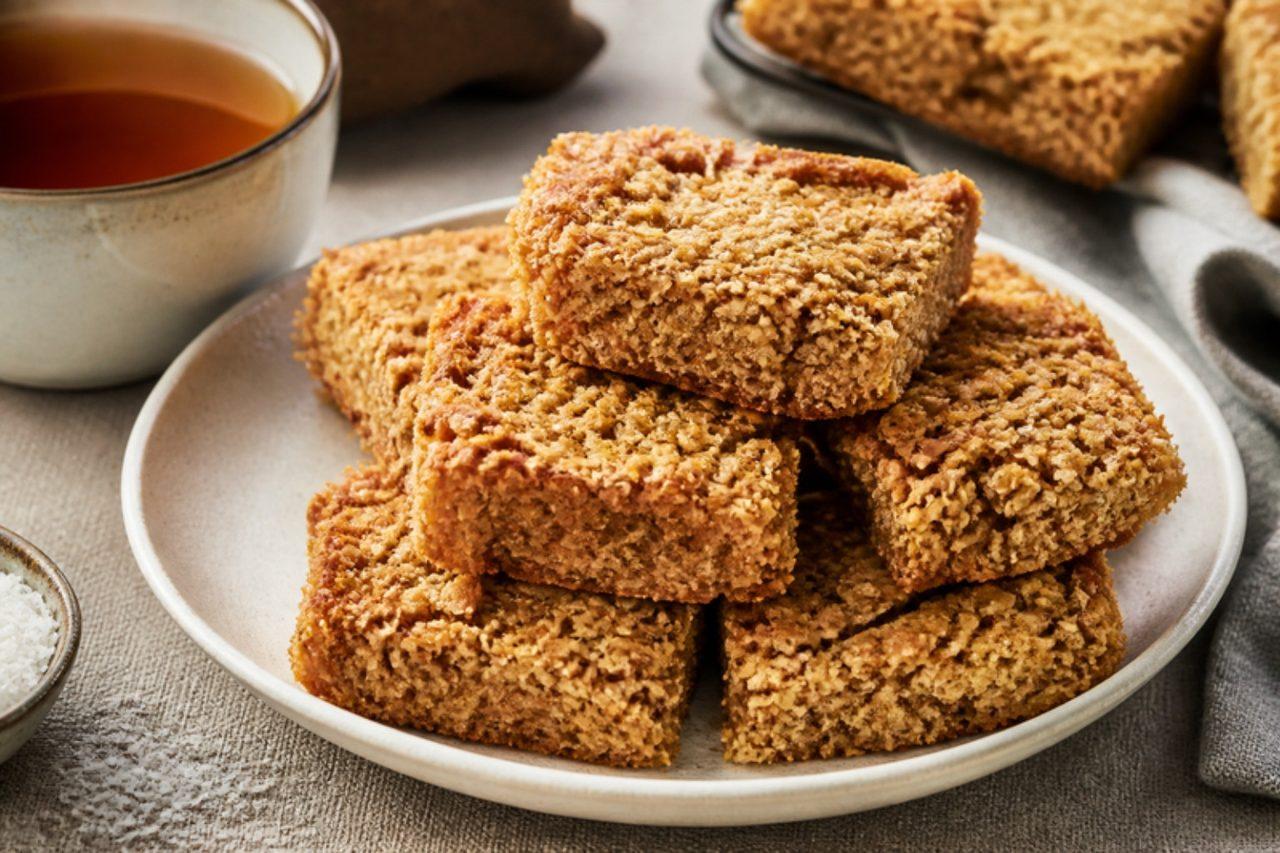
South African crunchiesOat and coconut tray-bake squares

Crunchies are the tray-bake South African home bakers turn to when the biscuit tin is empty: oats, coconut, flour and sugar stirred into butter melted with golden syrup, pressed into a tin and cut into squares while still warm. Unlike Australian Anzac biscuits, which are rolled into individual rounds, crunchies are baked in one slab, then sliced into chewy-centred, crisp-edged bars. They sell at school tuck shops and church bake sales, go into lunch boxes, and are a natural partner for a mug of rooibos. There is no egg in them, and they keep for a week. Chef's tip: score the squares as soon as the tin comes out of the oven and leave them to cool before lifting; waiting until the slab is cold to cut is the common mistake, and it shatters instead of slicing cleanly.

by KrazyBadal 0 views

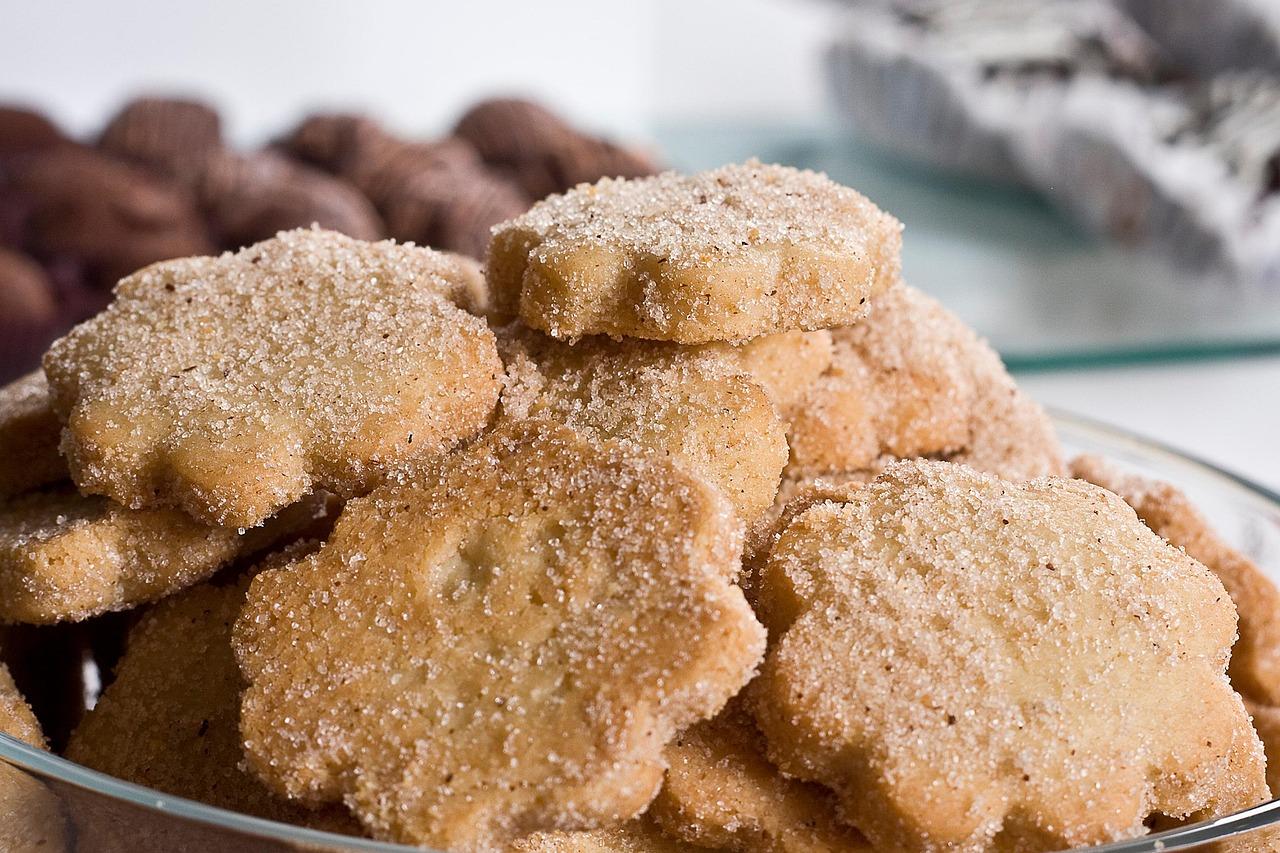
HojarascasCinnamon sugar crumble cookies

At weddings, quinceañeras and Christmas gatherings in Nuevo León and Coahuila, someone always brings a platter of hojarascas, the name meaning 'fallen leaves' because they crumble as lightly as dry leaves underfoot. The cookies are short and sandy, spiced with cinnamon, and rolled while warm in more cinnamon sugar so they look frosted. Monterrey families serve them with café de olla or hot champurrado. They are traditionally made with lard; this version uses vegetable shortening, which gives the same tender crumb and makes them vegan, or you can use butter for a richer taste. Overworking the dough once the flour is in is the classic mistake, because it develops gluten and makes them tough. Chef's tip: steep a cinnamon stick in the water first and use that tea to bind the dough, which doubles the spice flavour without bitterness.

by KrazyBadal 0 views

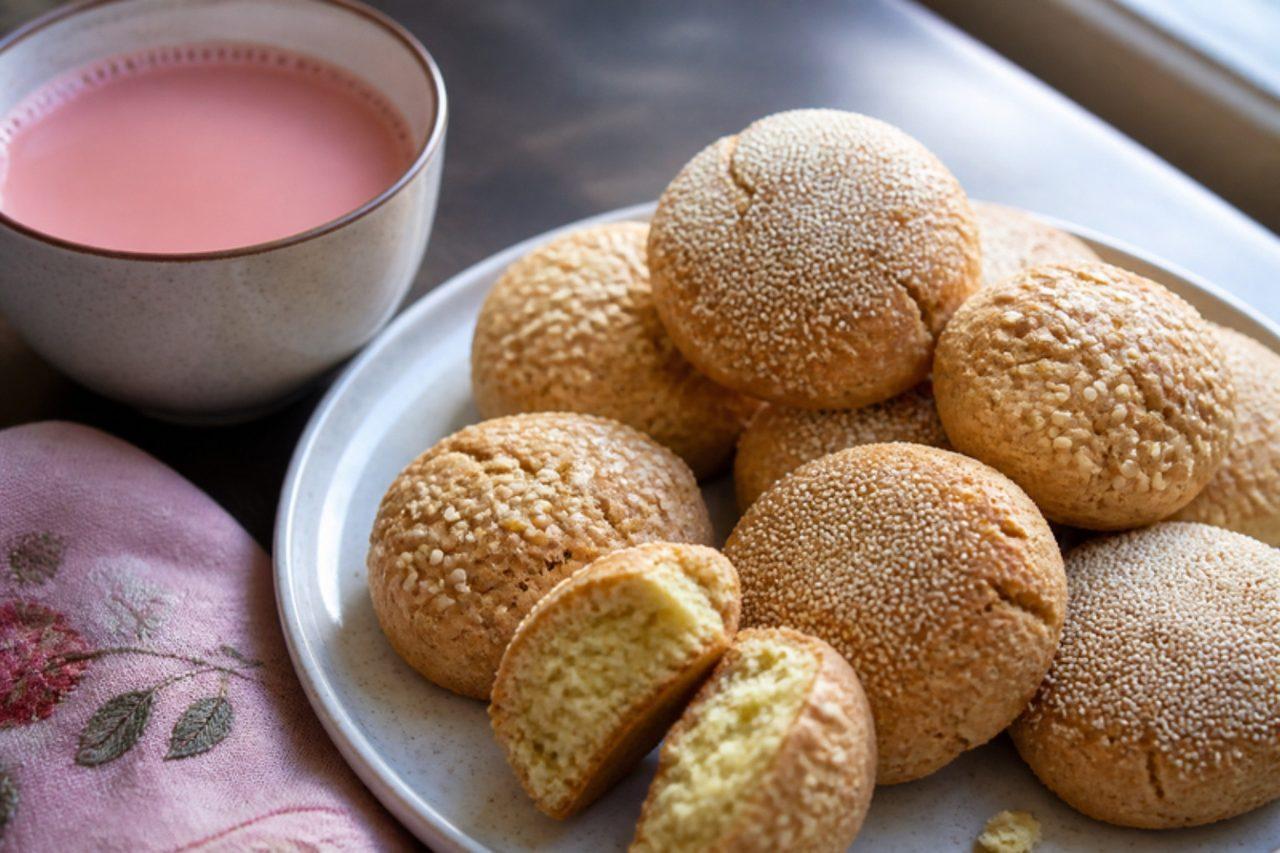
Kashmiri bakery kulchaPoppy seed or sesame tea biscuits

Before dawn the kandurwaan, Srinagar's neighbourhood baker, lights his clay oven, and by breakfast his shelf holds stacks of kulcha: small, thick, very crumbly rounds, some salted and crusted with poppy seeds, some sweet and dotted with sesame. They are nothing like the soft Punjabi bread of the same name. Kashmiris eat them with noon chai, the pink salted tea, breaking a kulcha into the cup or alternating bites and sips; they are also handed out at weddings and taken as gifts when visiting. This eggless home version makes both kinds from one ghee-rich dough. Do not overwork it: kneading develops gluten and you lose the sandy crumble that makes kulcha special. Chef's tip: bake them pale and low; a real Kashmiri kulcha is barely golden on top and crisp only on the base, so take them out while they still look a little underdone.

by KrazyBadal 0 views

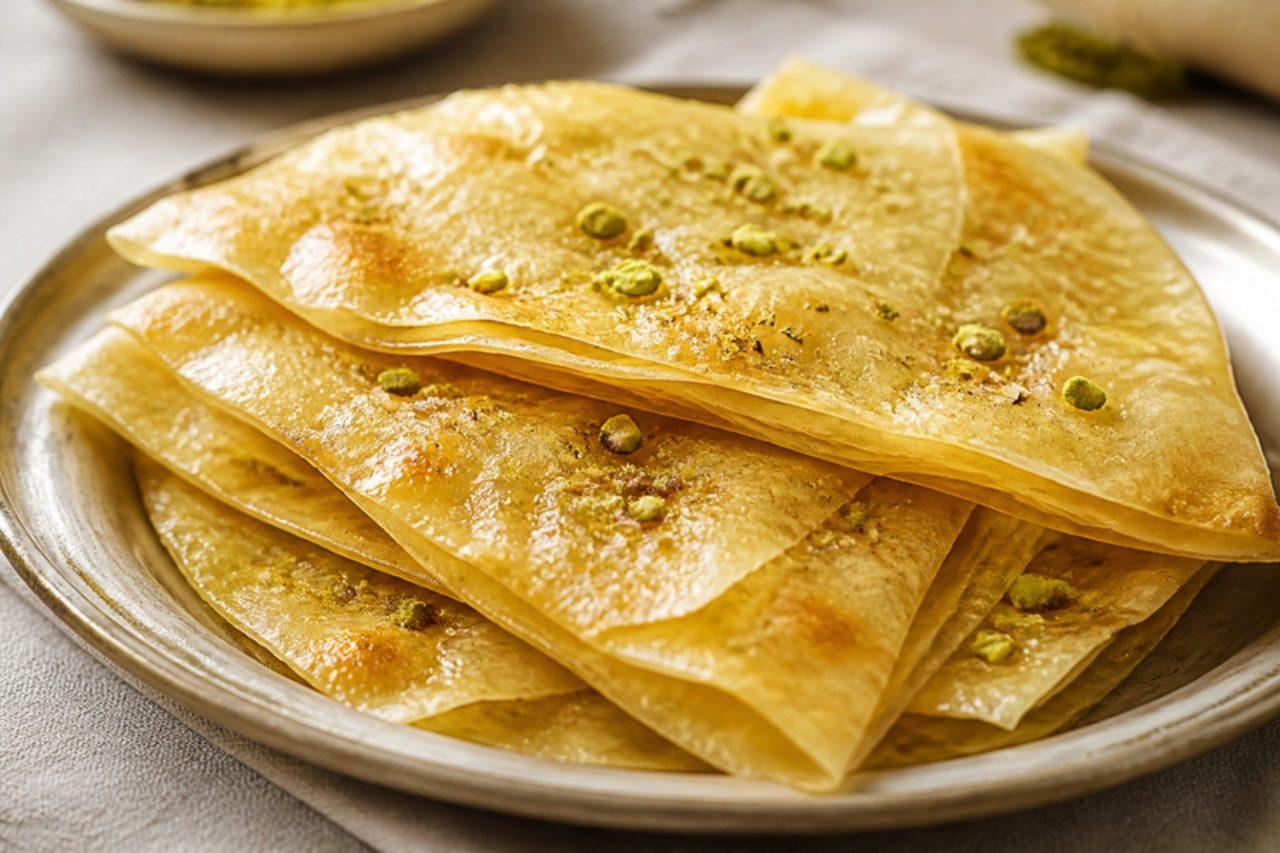
Kak-e KermanshahiThin buttered sugar sheets

Kermanshah, in Iran's Kurdish west, is famous for its ghee, and kak is the sweet that shows it off: dough rolled so thin you can read through it, baked crisp in seconds, then brushed with melted ghee and showered with sugar before the sheets are folded and stacked. Shops in the city's bazaar sell them in tall boxes, and families bring them out for guests and at Nowruz with glasses of black tea. They are traditionally made with Kermanshahi ghee, a nutty sheep's-milk ghee; ordinary ghee or clarified butter works well. The classic mistake is rolling too thickly: anything over a millimetre bakes up like a cracker, not a crisp, glassy sheet. Chef's tip: roll on a lightly oiled counter rather than flour, and stretch the last bit over the backs of your hands, as the Kermanshah bakers do; excess flour scorches on the hot tray.

by KrazyBadal 0 views

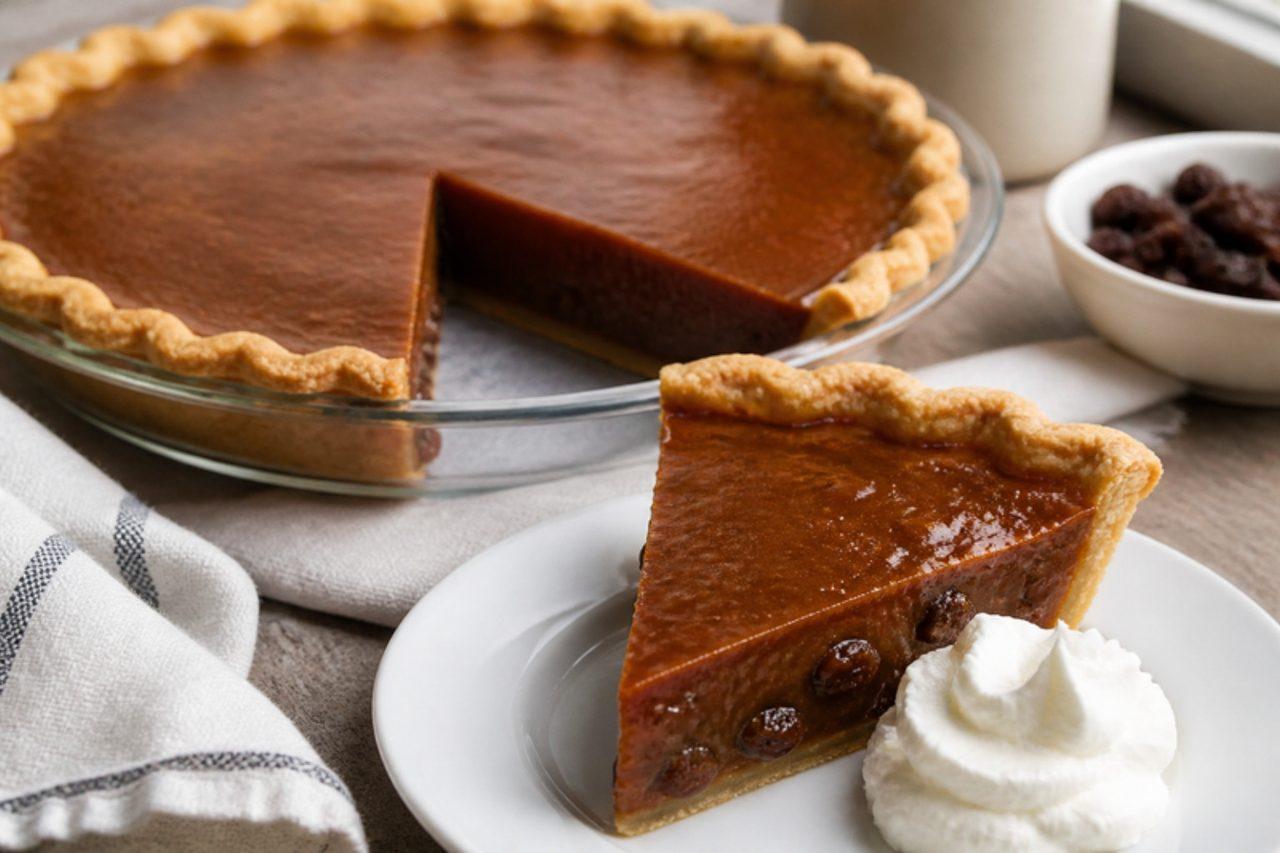
Tarte à la ferloucheMolasses and raisin pie

Ferlouche is an old Quebec farmhouse pie, the kind served at the Christmas réveillon, at sugar-shack lunches in spring and at church suppers in the Beauce. Molasses, brown sugar and water are cooked into a dark, glossy custard thickened with cornstarch and full of raisins, then poured into a crisp crust. It needs no eggs at all, and tastes of caramel, toffee and a little spice. The crust is traditionally made with lard, but this version uses butter and vegetable shortening, so it is vegetarian. Stopping the cooking as soon as the filling thickens is a frequent mistake: the cornstarch needs a proper boil or the pie never sets and tastes floury. Chef's tip: let the cooked filling boil for a full 2 minutes, stirring, until it turns from cloudy to translucent.

by KrazyBadal 0 views

Khanom kleeb lamduanFlower shortbread cookies

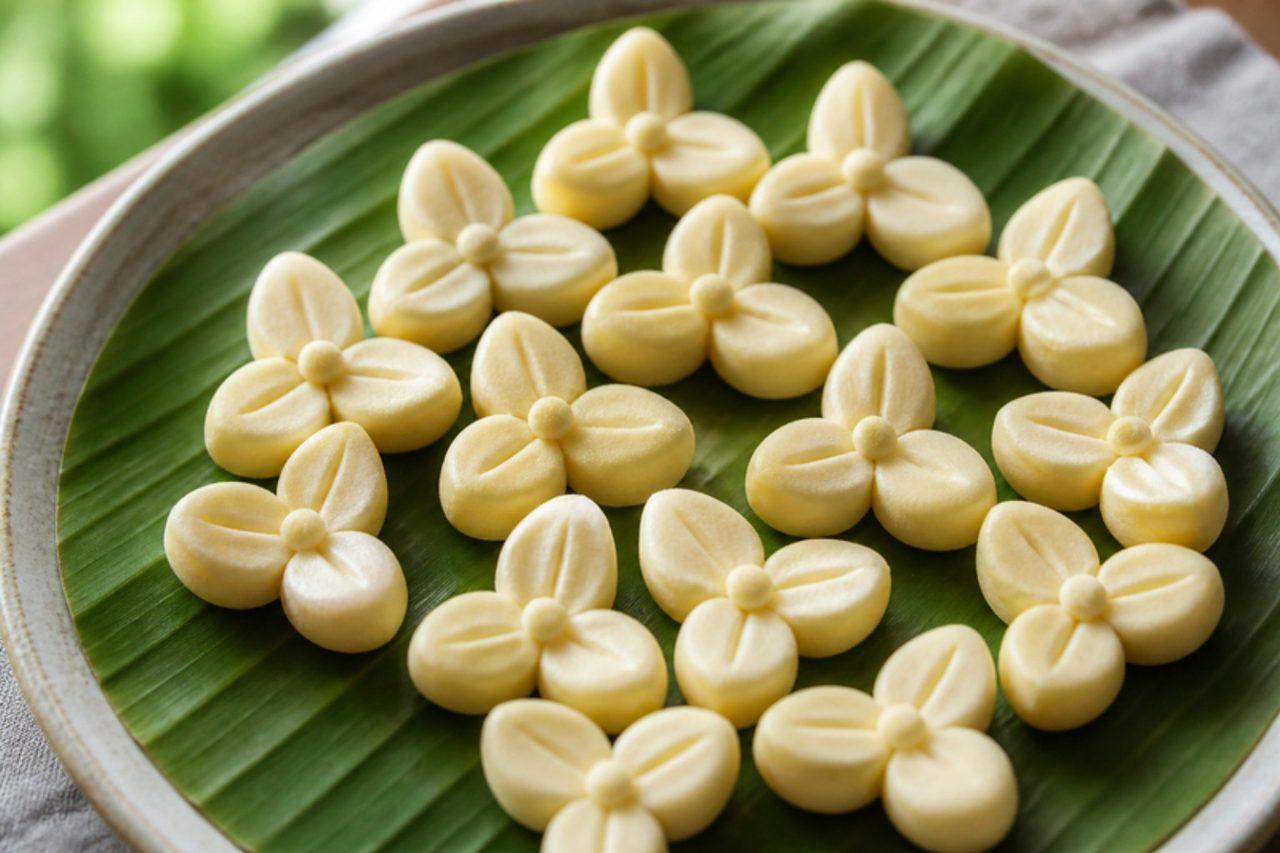
Named after the lamduan, a fragrant cream-coloured flower with three curled petals, these tiny Thai shortbreads are a classic of the royal-style Thai sweets once made in palace kitchens and now sold in Bangkok's old dessert shops and given at weddings and merit-making. Each flower is three teardrop petals around a ball, pale and fragile, and they melt like sandy fudge. Their perfume comes from tian op, a special scented dessert candle: it is lit, blown out, and left to smoke inside a closed container with the cookies. If you cannot find one, a little jasmine water in the dough gives a different but lovely scent. The mistake is baking them hot or long; they should stay ivory, never golden. Chef's tip: candle smoke is real fire and smoke, so do it in a metal or ceramic pot, well away from curtains and children, with the flame blown out before the lid goes on.

78 minThaiBakingVegan
by KrazyBadal 0 views

Shimla mirch alooPepper and potato stir-fry

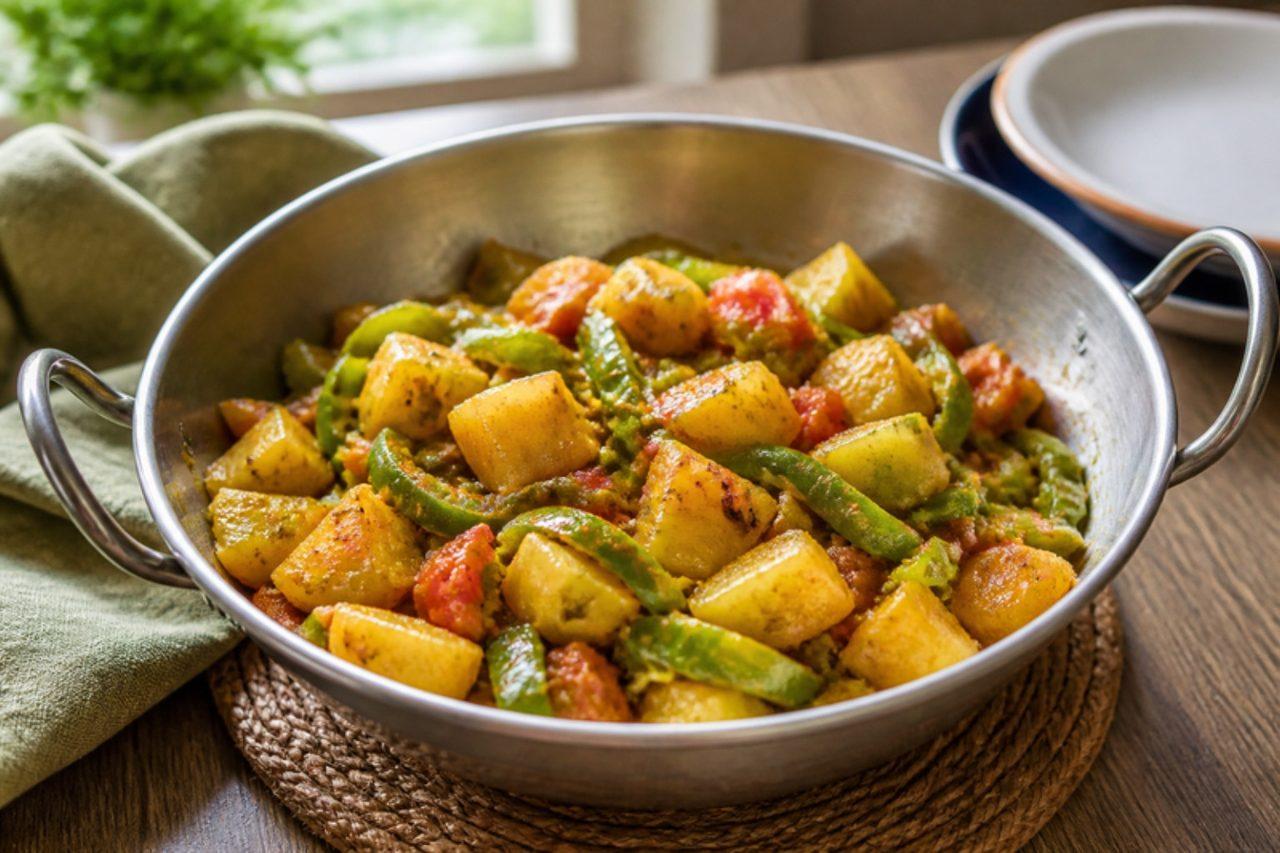
Shimla mirch aloo is everyday Punjabi home cooking from both sides of the border, the sabzi that fills a lunchbox paratha or sits next to dal on a weeknight in Rawalpindi. Potato cubes go soft and golden first, then strips of green pepper are tossed in just long enough to soften while keeping a little bite, all held together by a dry tomato-chilli masala. The classic mistake is adding the peppers with the potatoes: they collapse, turn khaki and lose their fresh, slightly bitter flavour. Chef's tip: a pinch of amchur at the end lifts the whole pan without adding any extra liquid.

by KrazyBadal 0 views

Kulche birinjiRice flour cardamom cookies

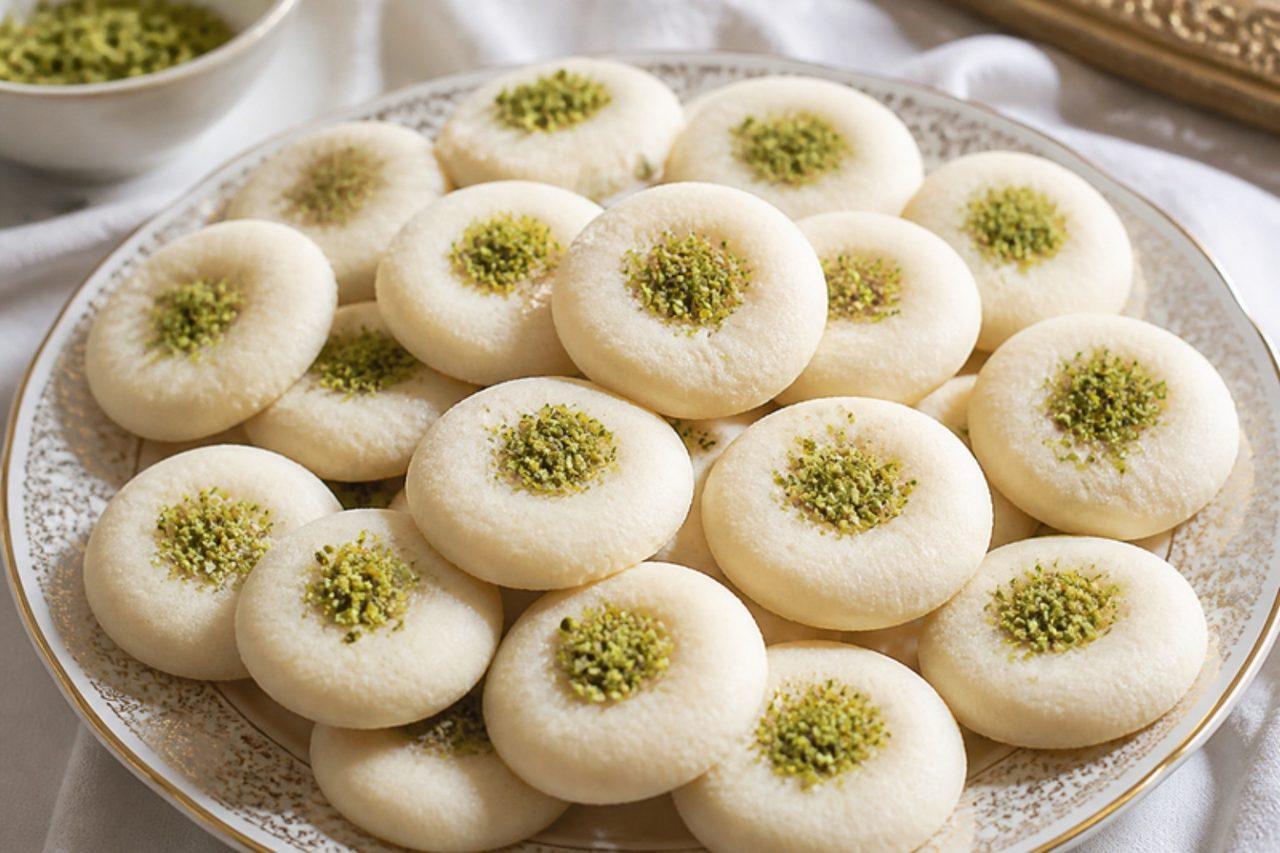
On the morning of Eid, or when Nowruz comes round in March, Afghan households set out a dish of kulche birinji next to the sugared almonds and dried fruit for every visitor. These small, snow-white rounds are made from rice flour, powdered sugar and ghee, scented with cardamom and sometimes rose water, and they dissolve on the tongue almost as soon as you bite. A pinch of ground pistachio pressed into the centre of each gives colour. Serve them with green tea, the way they are offered in Kabul. They are naturally gluten free and eggless. Browning is the common mistake: they should come out as pale as they went in, just firm on the base. Chef's tip: let the dough rest for 20 minutes after mixing so the rice flour drinks up the ghee; it becomes far easier to roll smooth, crack-free balls.

by KrazyBadal 0 views

Jaga bataSteamed potatoes with butter and soy

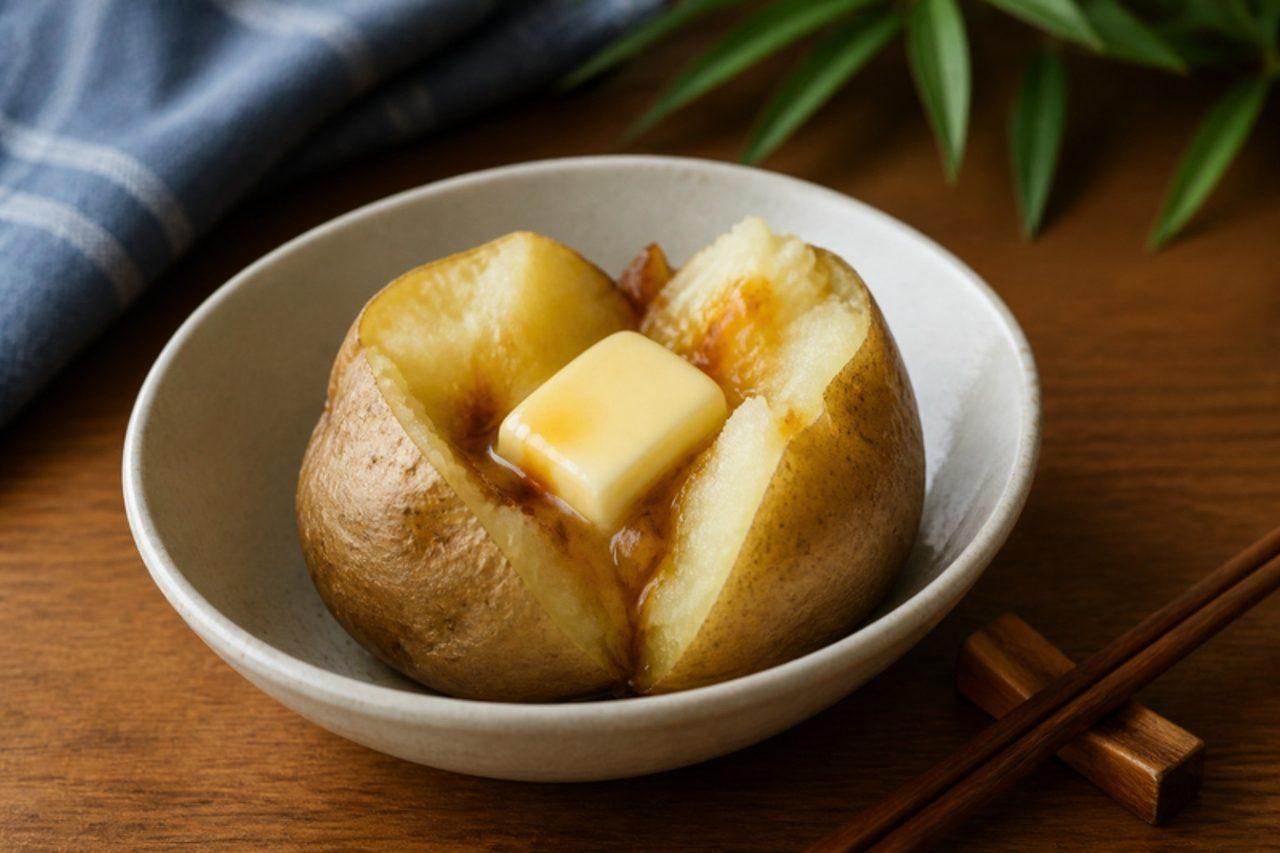
Jaga bata is Hokkaido's simplest pleasure: whole steamed potatoes split open and topped with a slab of butter and a few drops of soy sauce, sold at Sapporo snow-festival stalls and summer street fairs, and made at home as a snack or side. The potato is floury and steaming, the butter melts into it, and the soy adds a savoury edge. The mistake is boiling the potatoes, which makes them watery so the butter slides off; steam them in their skins instead. Chef's tip: cut a deep cross into each hot potato and squeeze from the bottom so it bursts open like a flower to hold the butter.

by KrazyBadal 0 views

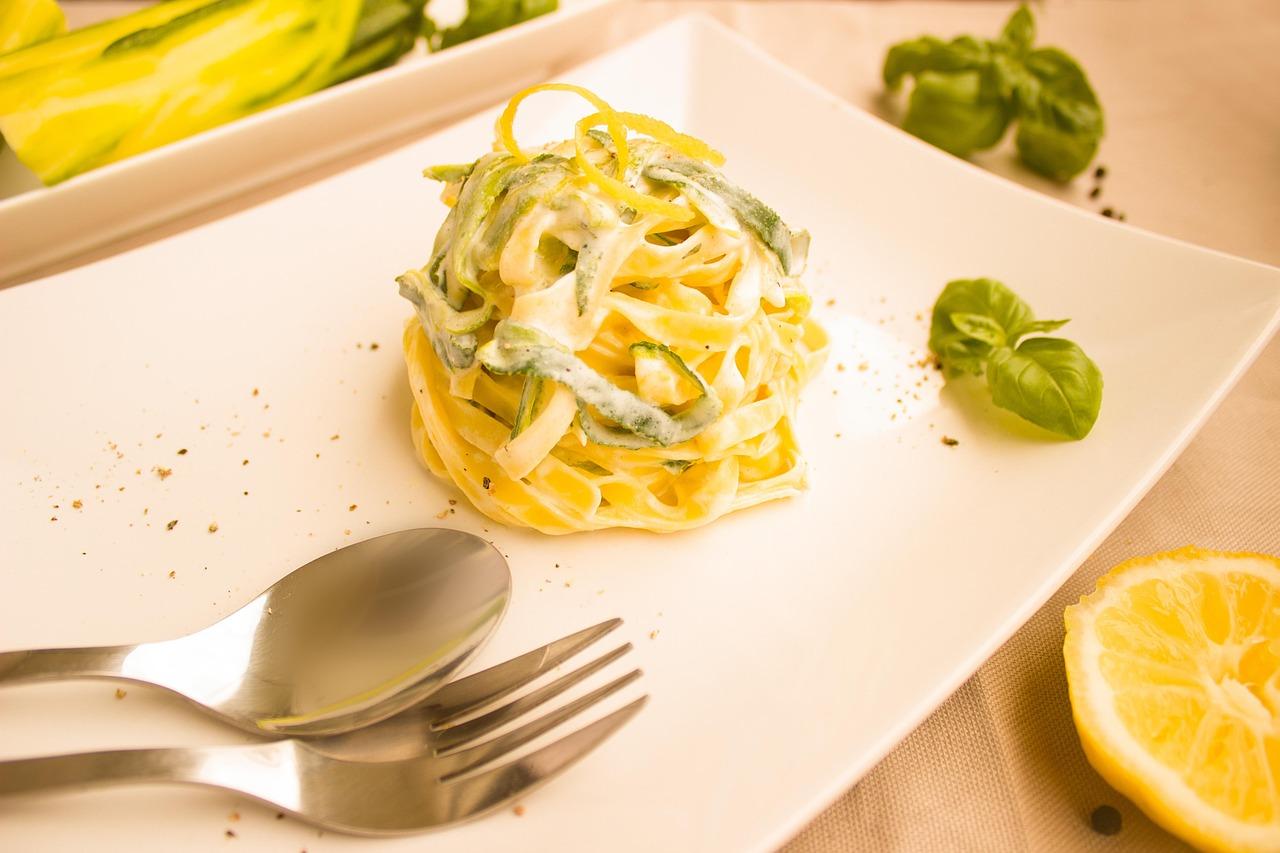
Pasta al limoneLemon butter pasta

On the Amalfi Coast, where knobbly lemons hang over every terrace, pasta al limone is a summer supper made in the time it takes to boil water. Lemon zest, juice, butter and grated cheese melt into the starchy cooking water to make a light, creamy sauce with no cream at all, fragrant and sharp. Parmesan is traditionally made with animal rennet, so use a vegetarian hard cheese if you need the dish to be fully vegetarian. The usual mistake is adding the cheese over high heat, which makes it clump into strings; take the pan off the flame first. Chef's tip: zest the lemons before you juice them, and only the yellow part, as the white pith is bitter.

by KrazyBadal 0 views

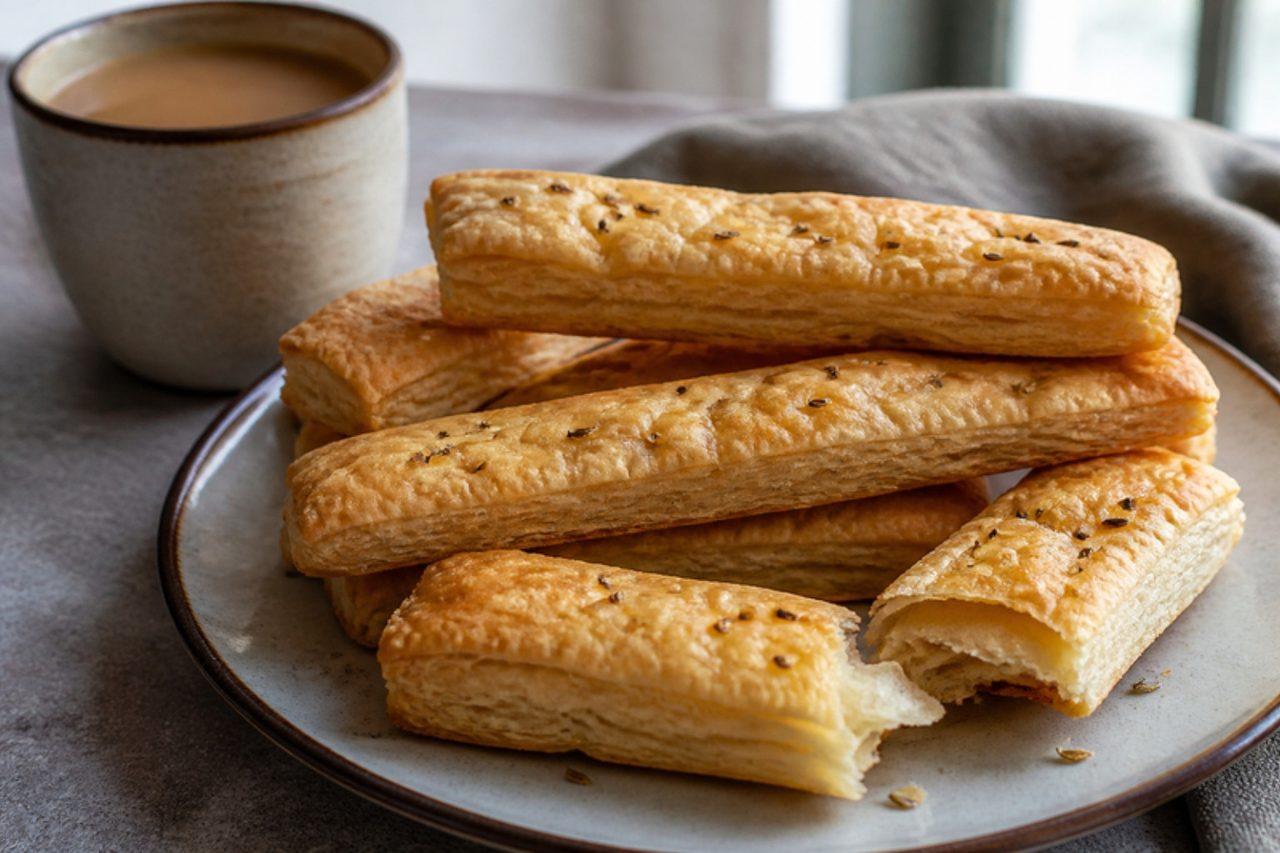
Khari biscuitsSalted puff pastry sticks

Chai in Mumbai's Irani cafés and Ahmedabad's corner bakeries comes with a glass jar of khari: long, shattering sticks of puff pastry, salty rather than sweet, that flake all over your lap. People dip them in sweet masala chai, which soaks into the layers in seconds, so the trick is a quick dunk. Bakeries usually laminate with margarine or vanaspati; butter gives a richer, cleaner taste, and this eggless home version uses a block of cold butter folded into a plain dough, with a scatter of cumin or crushed kasuri methi on some. The biggest mistake is letting the butter go soft between folds: it smears into the dough and the sticks bake up hard and bready instead of rising into dozens of leaves. Chef's tip: once the sticks have puffed and coloured, lower the oven and leave them in until the centres are dry; under-dried khari go soft in the jar within a day.

185 minIndianBaking
by KrazyBadal 0 views

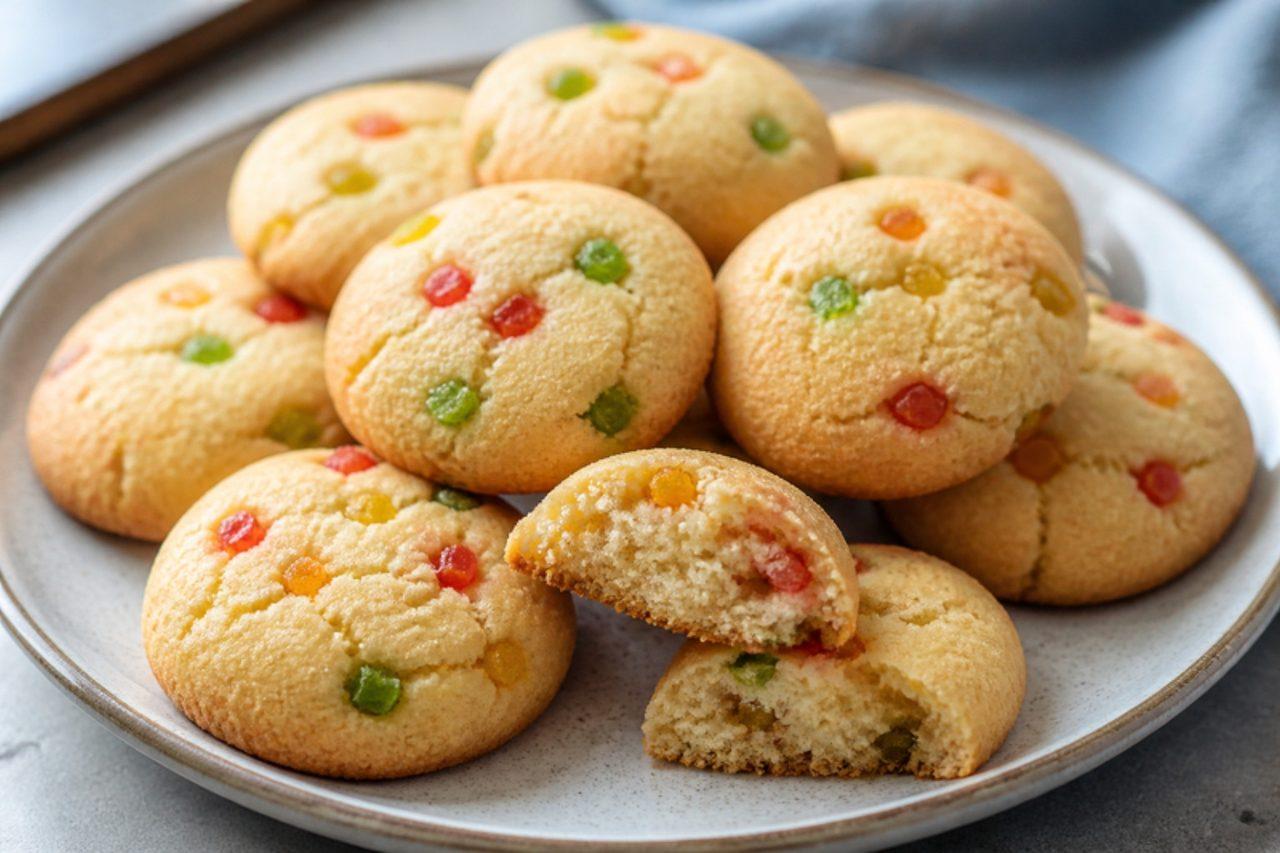
Hyderabadi fruit biscuitsTutti-frutti butter biscuits

Boxes of these pink-and-green flecked biscuits leave Hyderabad in every suitcase: visitors queue at the old bakeries near Charminar and the airport shops stock tins of them. Each one is short and crumbly, buttery, with a faint pineapple scent and chewy bits of candied papaya (tutti-frutti) scattered through. They are eggless, rich with butter and a little custard powder, and go with a cup of Irani chai or a glass of cold milk. The usual slip is mixing the tutti-frutti in wet or sticky, so it bleeds colour and clumps; toss it in a spoon of flour first. Chef's tip: shape the dough into a square log and chill it until firm, then slice; a firm log gives neat, sharp-edged biscuits like the bakery ones.

by KrazyBadal 0 views

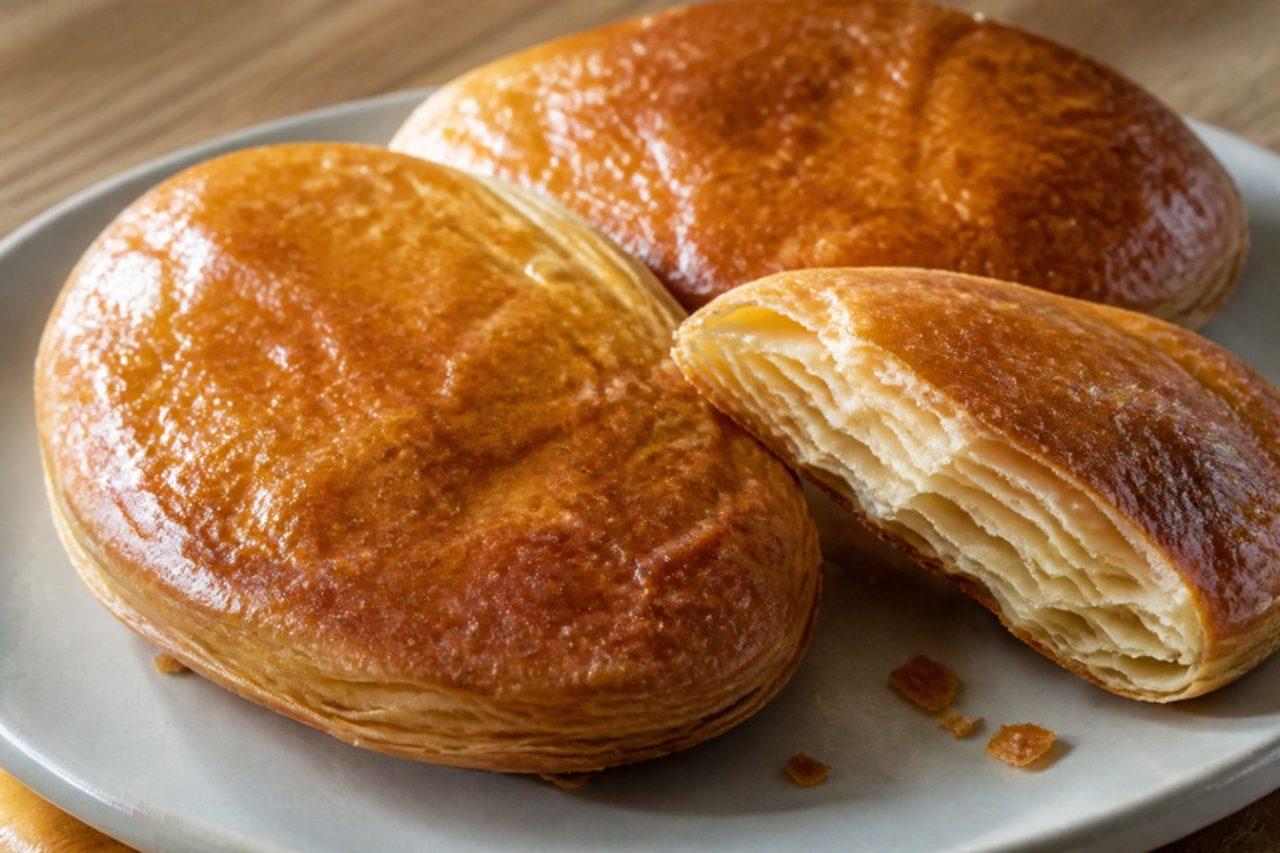
CampechanasFlaky sweet pastries with sugar top

Campechanas take their name from the port of Campeche, but now they shatter all over the coffee tables of Mexico City and Veracruz: oval, paper-thin layers of dough with a glossy, caramelised sugar crust that cracks as you bite. Mexicans buy them in the evening from the panadería, along with conchas, to dunk in café de olla or hot chocolate. They are traditionally made with lard; this version uses vegetable shortening, which gives the same light flakiness and keeps them vegan. Butter also works but browns faster. The trap is a timid oven: below full heat the sugar stays grainy and white instead of turning to glass. Chef's tip: press the sugar firmly into the top before baking so it melts into an even shiny layer.

by KrazyBadal 0 views

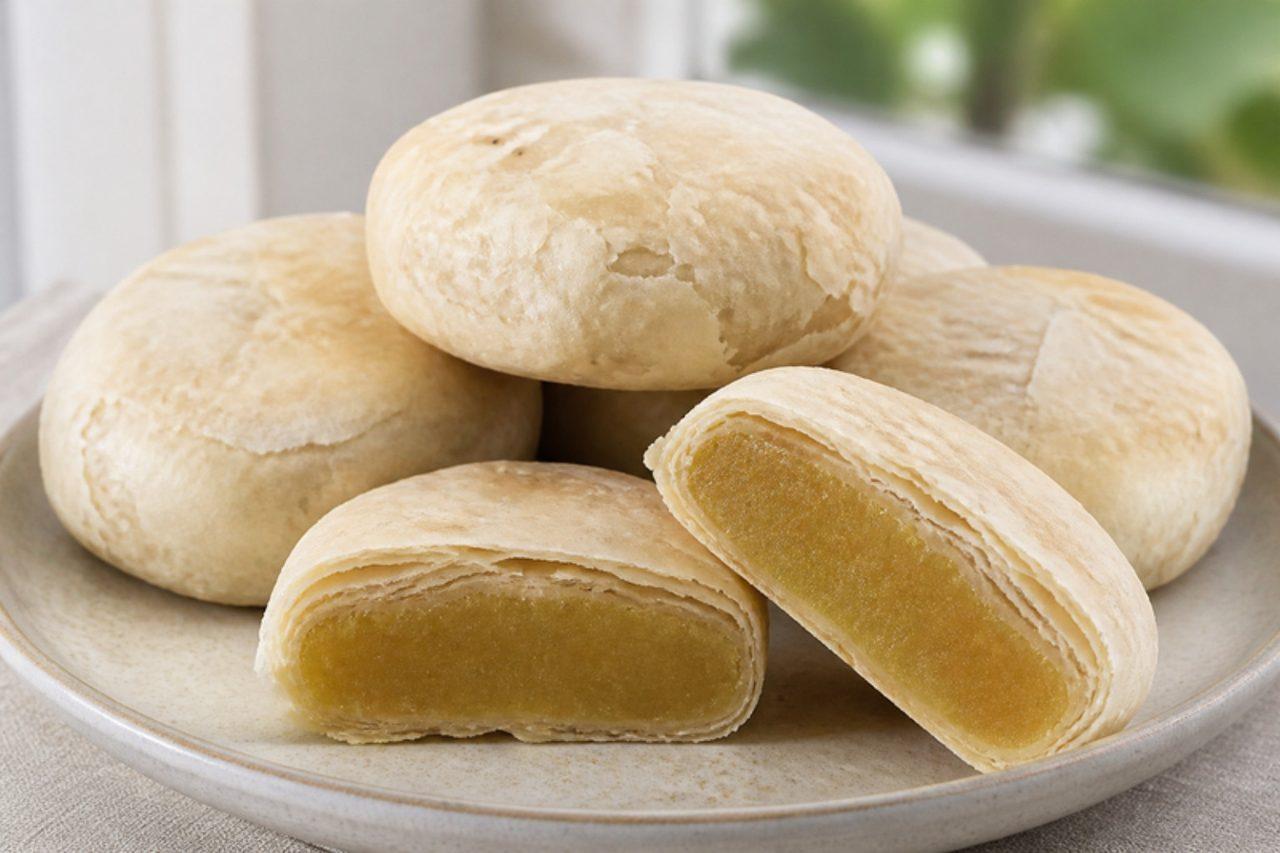
Hopia mungoMung bean pastries

Binondo, Manila's old Chinatown, is where Filipinos queue for hopia, flat little pastries with a paper-thin, flaky skin and a dense, sweet filling. Brought over by Hokkien bakers, they are now sold everywhere from provincial bus stations to convenience stores, and a box is a standard pasalubong (gift) after a trip. The classic is hopia mungo, filled with yellow mung bean paste; purple ube is the other favourite, and you can swap 300 g of sweetened ube halaya for the mung beans. Hopia pastry is traditionally made with lard; this version uses vegetable oil and shortening, so it is vegan. Chef's tip: dry the mung bean paste in the pan until a spoonful holds its shape when rolled; a soft paste is the commonest mistake, and it squeezes out of the seams as you flatten the pastries.

by KrazyBadal 0 views

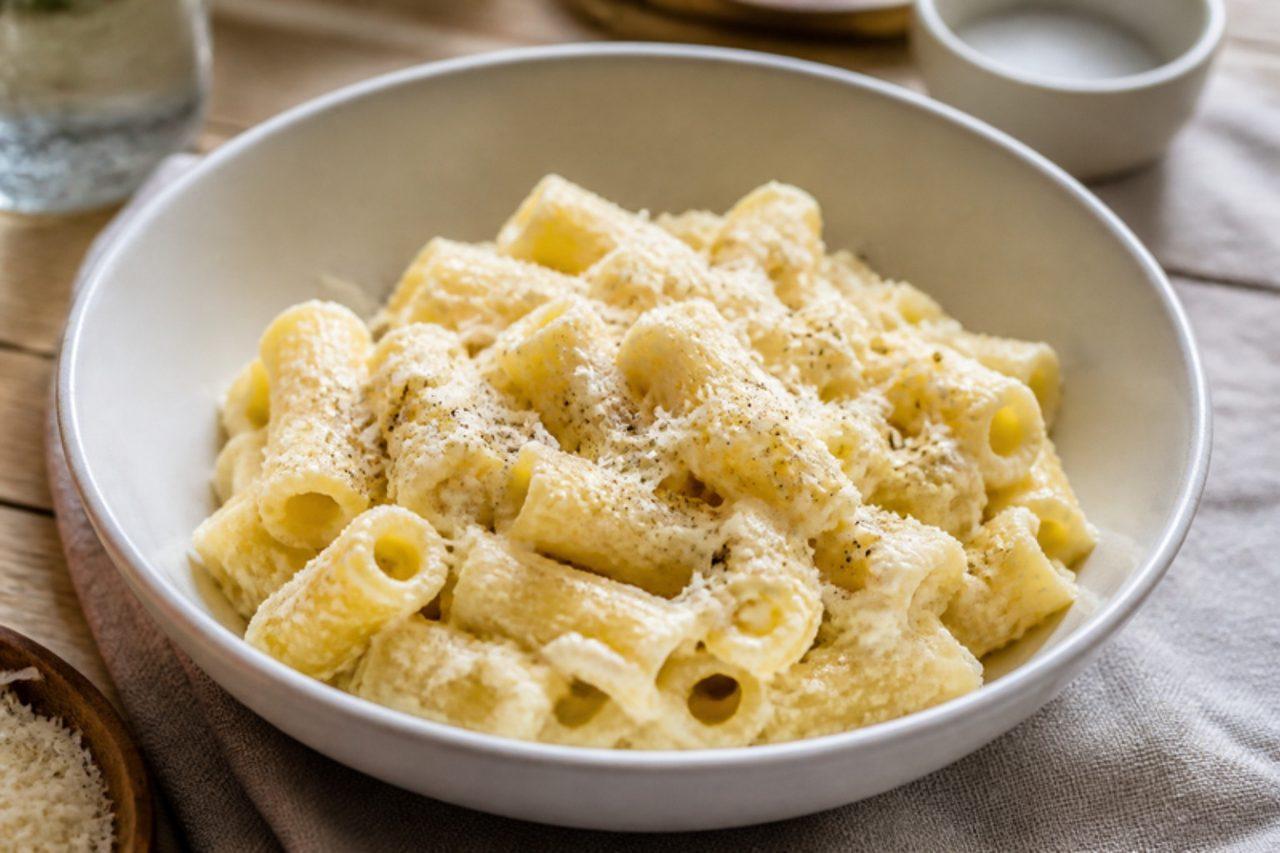
Pasta con la ricotta

Sicilian mothers make pasta con la ricotta on busy evenings and for children home from school: fresh sheep's or cow's milk ricotta is loosened with hot pasta water into a soft, milky sauce, then seasoned with black pepper and a little grated cheese. It is mild, creamy and ready in a quarter of an hour. Ricotta is made without rennet, but parmesan or pecorino usually contain animal rennet, so use a vegetarian hard cheese if needed. The common mistake is spooning cold ricotta straight onto the pasta, where it stays in lumps; whisk it with hot water first. Chef's tip: a little lemon zest or a few mint leaves lifts the sauce without hiding the ricotta.

by KrazyBadal 0 views

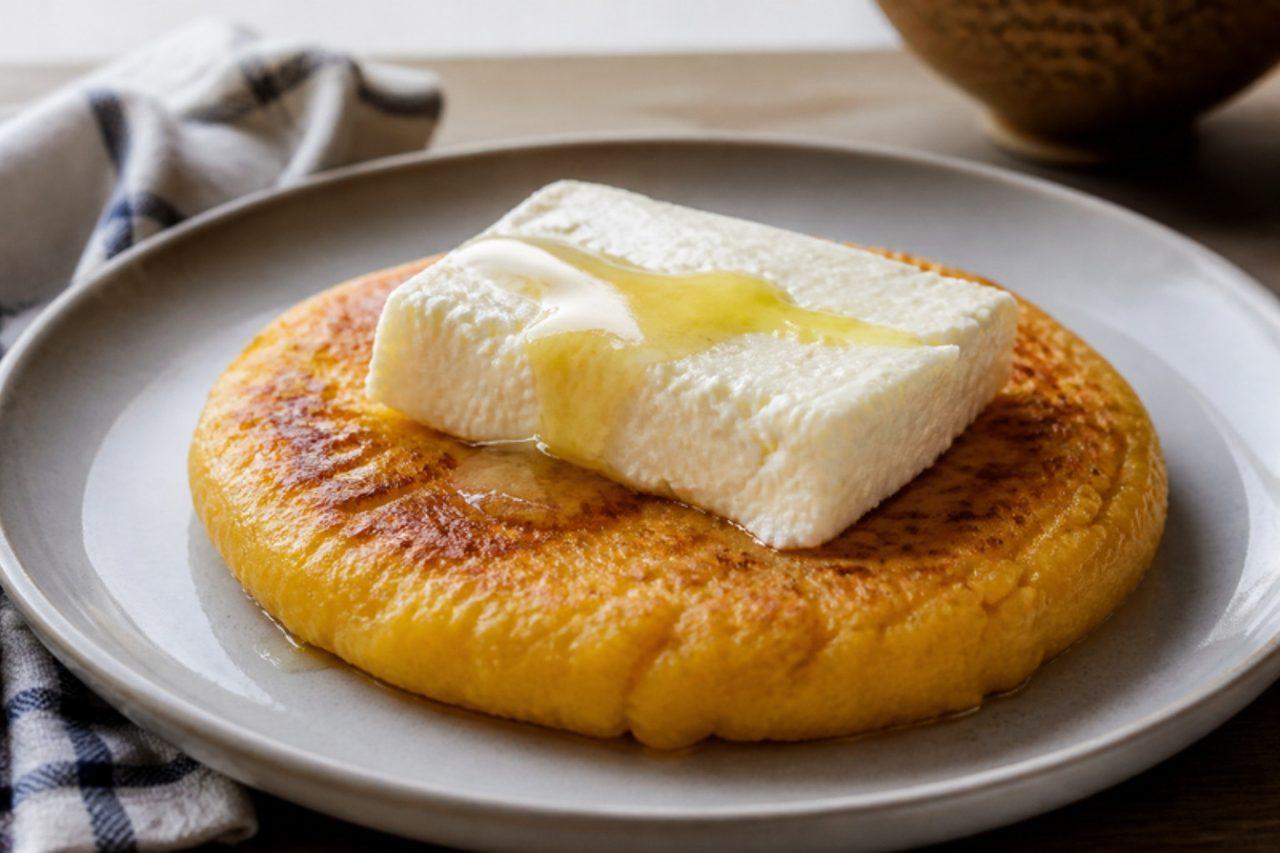
Arepa de chocloSweet corn griddle cakes with cheese

Along the mountain roads of Antioquia and Boyacá, roadside stalls cook arepas de choclo on wide griddles all day: thick, sweet cakes of blended fresh corn, golden outside and soft inside, folded or topped with a slab of fresh white cheese and a smear of butter. Colombians eat them for breakfast, as a mid-afternoon snack with hot chocolate, or as a quick supper. The usual mistake is a batter that is too wet, so the cakes tear when flipped; it should hold its shape on a spoon, and a little precooked cornmeal fixes a runny batch. Queso campesino and mozzarella are often made with animal rennet, so look for a vegetarian cheese if needed; check the cornmeal pack is gluten free if that matters. Chef's tip: cook them over a medium-low heat; the sugar in the corn burns before the middle sets if the pan is too hot.

by KrazyBadal 0 views

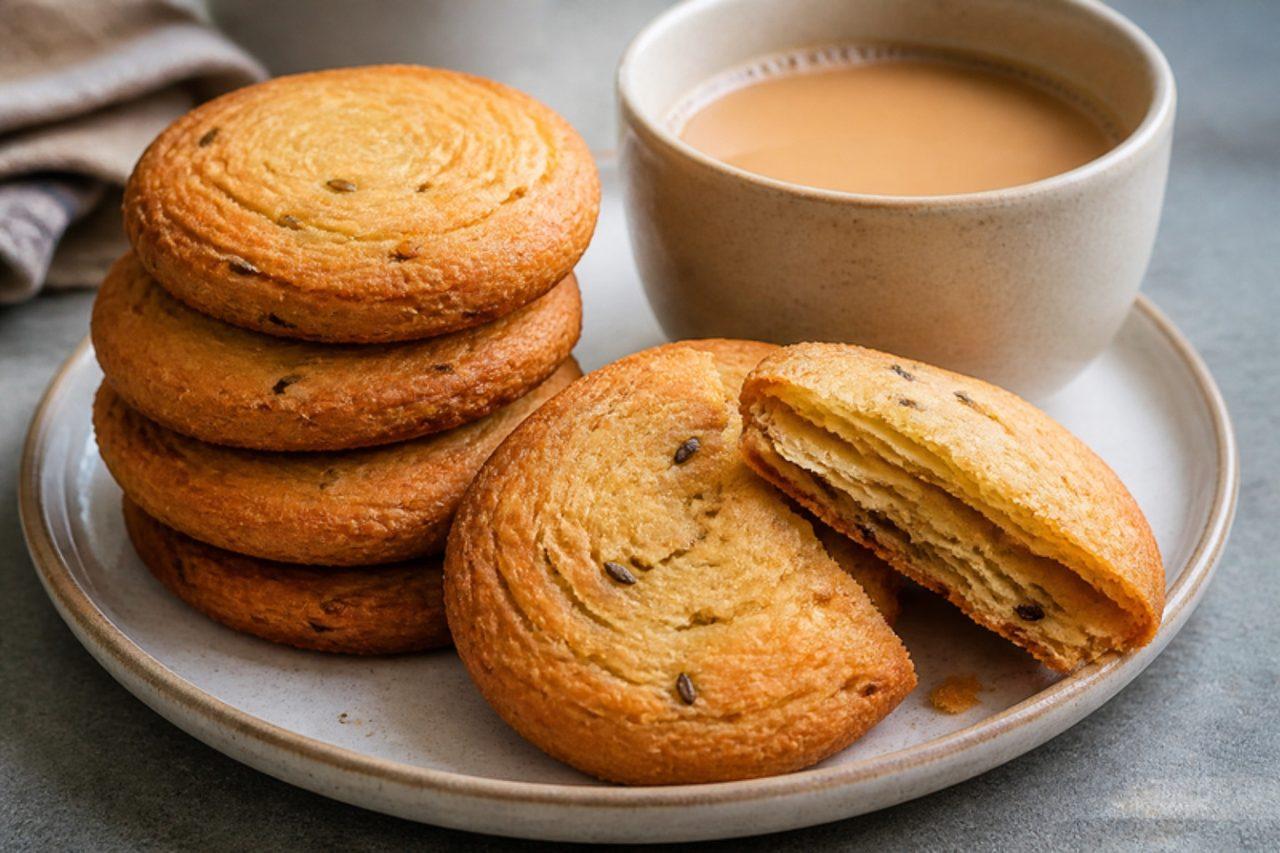
Surti jeera butter biscuitsCumin butter tea biscuits

Surat's old bakeries, some of them run by Parsi and Bohra families for a century, sell 'butter' by the kilo: round, crisp, flaky biscuits that crack into layers, and the jeera version is salted and freckled with cumin. Gujaratis eat them with morning tea, crushed into a saucer of chai or spread with a little butter. Unlike khari they start with a lightly yeasted dough that is spread with a ghee-and-flour paste and folded, then baked once until risen and again, low, until bone dry, which gives a crunch rather than a shatter. The mistake most people make is pulling them out after the first bake because they look done; they need the long, slow second bake or they turn chewy. Chef's tip: toast the cumin in a dry pan for a minute and crush half of it before it goes into the dough, so the flavour runs through every layer.

180 minIndianBaking
by KrazyBadal 0 views

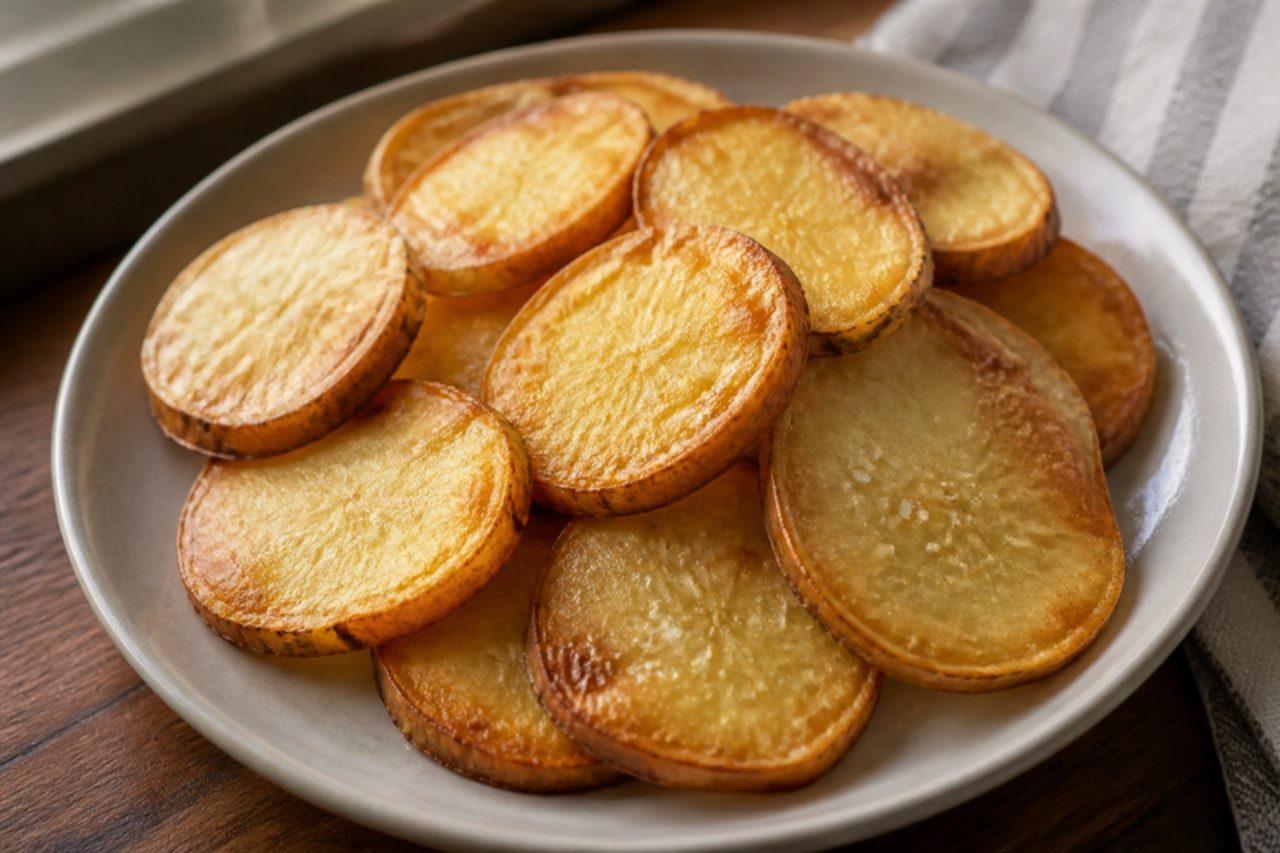
Boniato fritoFried white sweet potato

Boniato, the pale, chestnut-sweet sweet potato of the Caribbean, is fried in rounds all over Cuba as an everyday side for picadillo, eggs or rice and black beans, and in Miami's Little Havana it turns up next to most lunch plates. The slices come out golden and lightly crisp outside, fluffy and floury inside. The common mistake is oil that is too hot with slices that are too thick: the outside burns while the middle stays hard, so keep the slices 5 mm and the heat steady. Ordinary orange sweet potato works too, though it is sweeter and browns faster. Chef's tip: drop the cut slices into cold water as you go, as boniato darkens quickly, then dry them very well before frying.

20 minCubanSidesVeganGluten free
by KrazyBadal 0 views

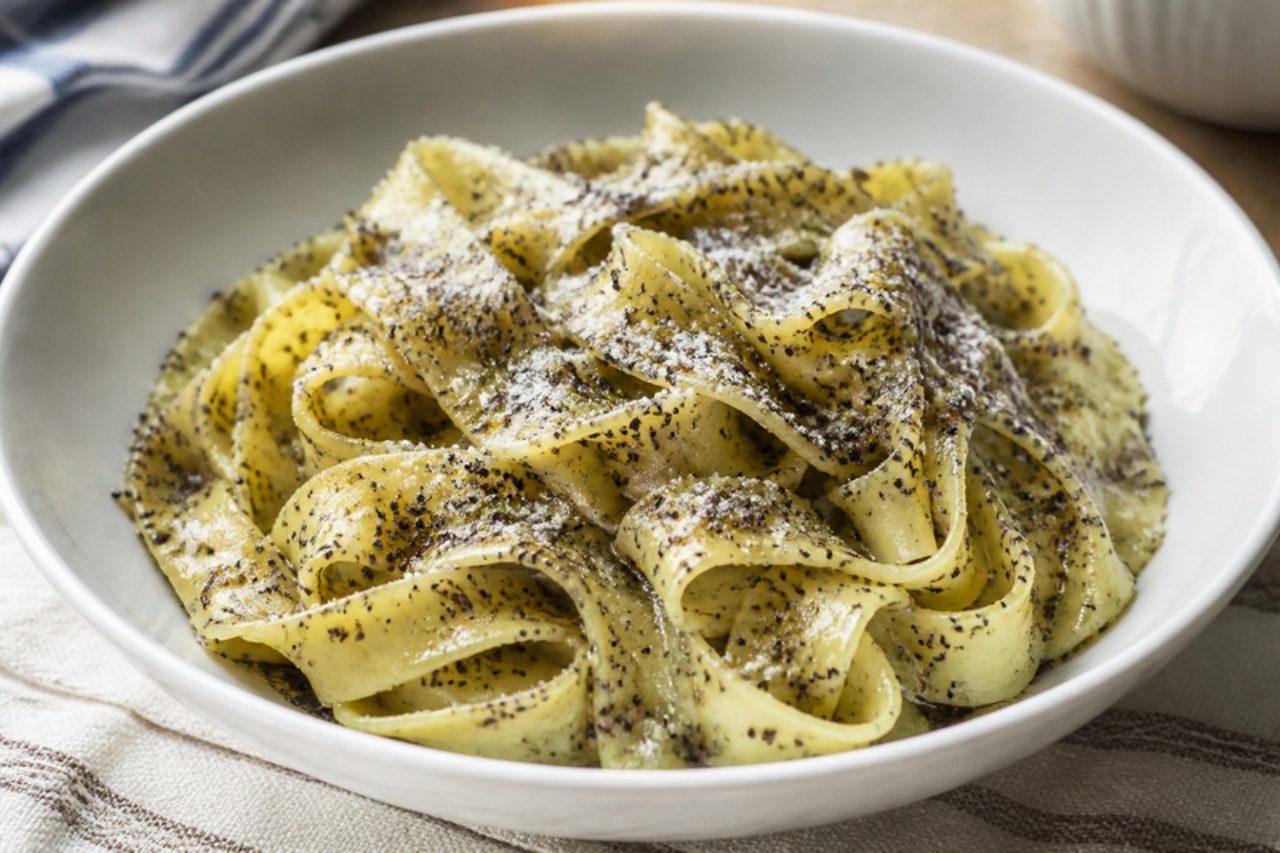
Mákos tészta (Hungarian poppy seed pasta)

Mákos tészta surprises people who meet it outside Hungary: hot wide noodles tossed in butter and finely ground poppy seeds with sugar, eaten as a main course, often on a Friday after a bowl of soup. Children across Hungary grow up on it, and grown-ups still order it in school-canteen-style restaurants in Budapest. The trick is grinding the seeds; whole poppy seeds just roll off the pasta, and the most common mistake is using them unground, which gives a gritty dish with little flavour. Chef's tip: a spice or coffee grinder turns poppy seeds into a fragrant, slightly oily powder in 20 seconds; grind them just before cooking.

by KrazyBadal 0 views

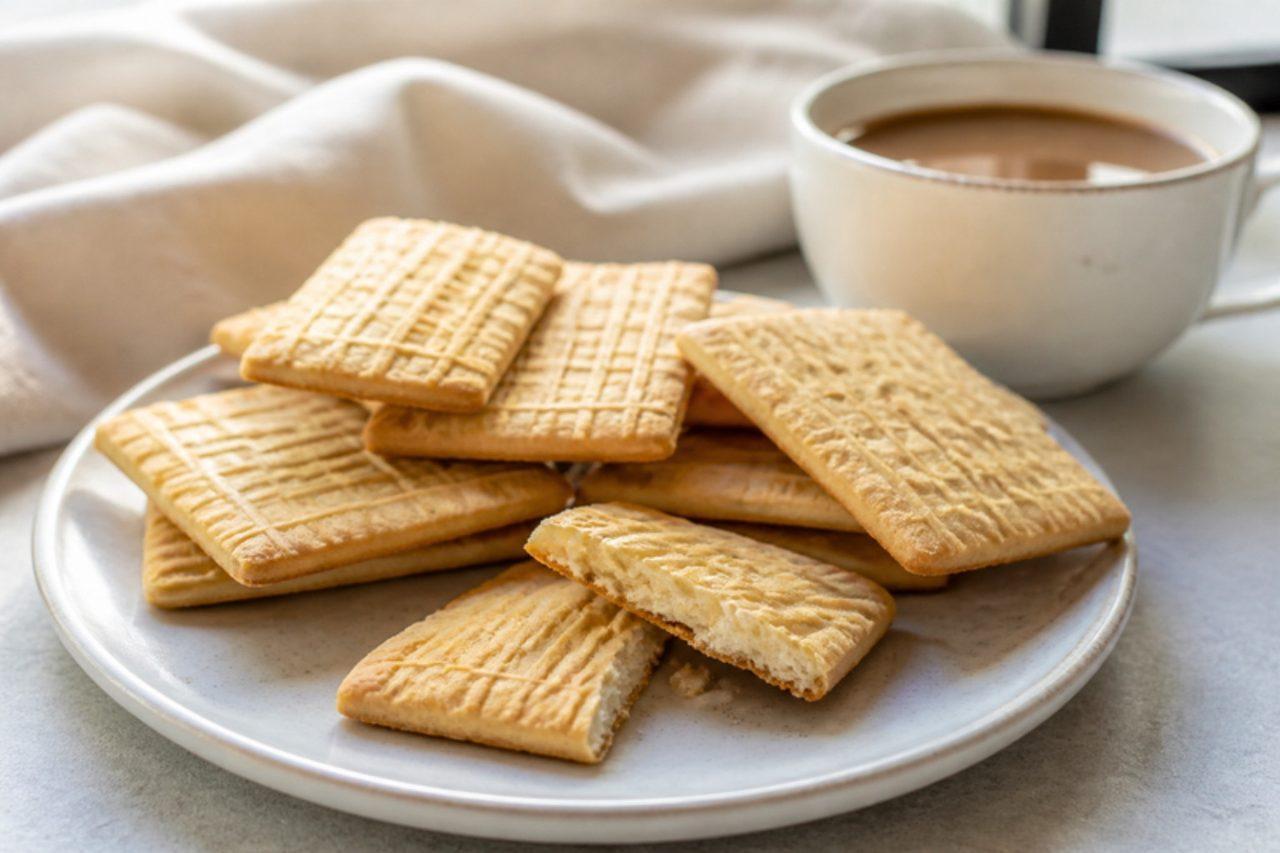
Mauritian cassava biscuits

In Mahébourg, on the south-east coast of Mauritius, a family biscuit works has made thin cassava biscuits on hot iron plates for more than a century, and biscuit manioc has become the island's signature tea biscuit. They are pale, square and so crisp they snap cleanly, with a gentle sweetness and flavours such as plain, coconut, vanilla or cinnamon. Mauritians eat them with a cup of vanilla tea, spread them with butter, or crumble them over a bowl of fruit. Made with cassava flour, they are naturally gluten free. Chef's tip: mix the dough with very hot water, which partly cooks the starch and makes the dough pliable; cold water is the common mistake, and the dough cracks and crumbles as you roll it.

by KrazyBadal 0 views

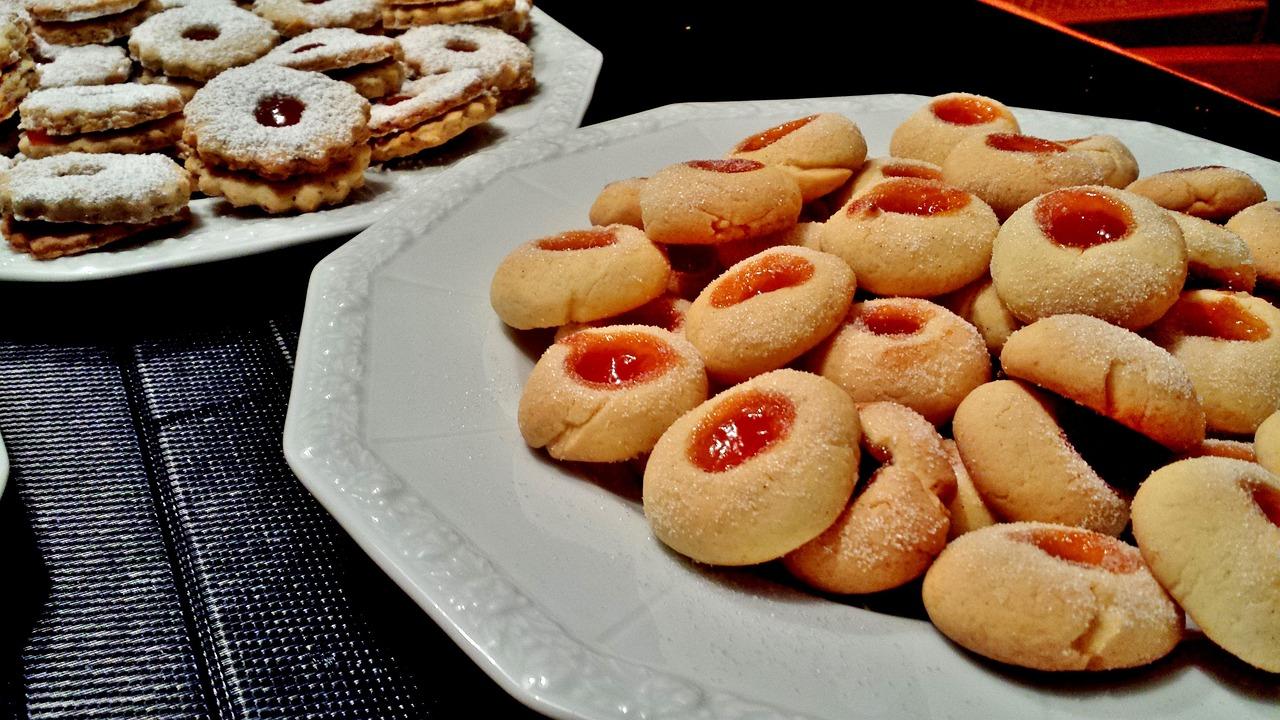
MantecaditosAlmond shortbread with guava

During the long Puerto Rican Christmas season, which runs from Thanksgiving to the fiestas de la calle San Sebastián in mid-January, trays of mantecaditos appear at every parranda and family visit. They are small, eggless shortbread balls scented with almond extract, pressed with a thumb and filled with a cube of sticky, ruby guava paste. They crumble in one bite, rich with butter, and the tart guava cuts the sweetness. Serve them with a cafecito, or a glass of milk for the children. Warm dough is what makes them spread into flat puddles, so chill the shaped balls before they go in. Chef's tip: cut the guava paste with a knife dipped in hot water, and press it into the hollow only after chilling so it stays neatly in place.

by KrazyBadal 0 views

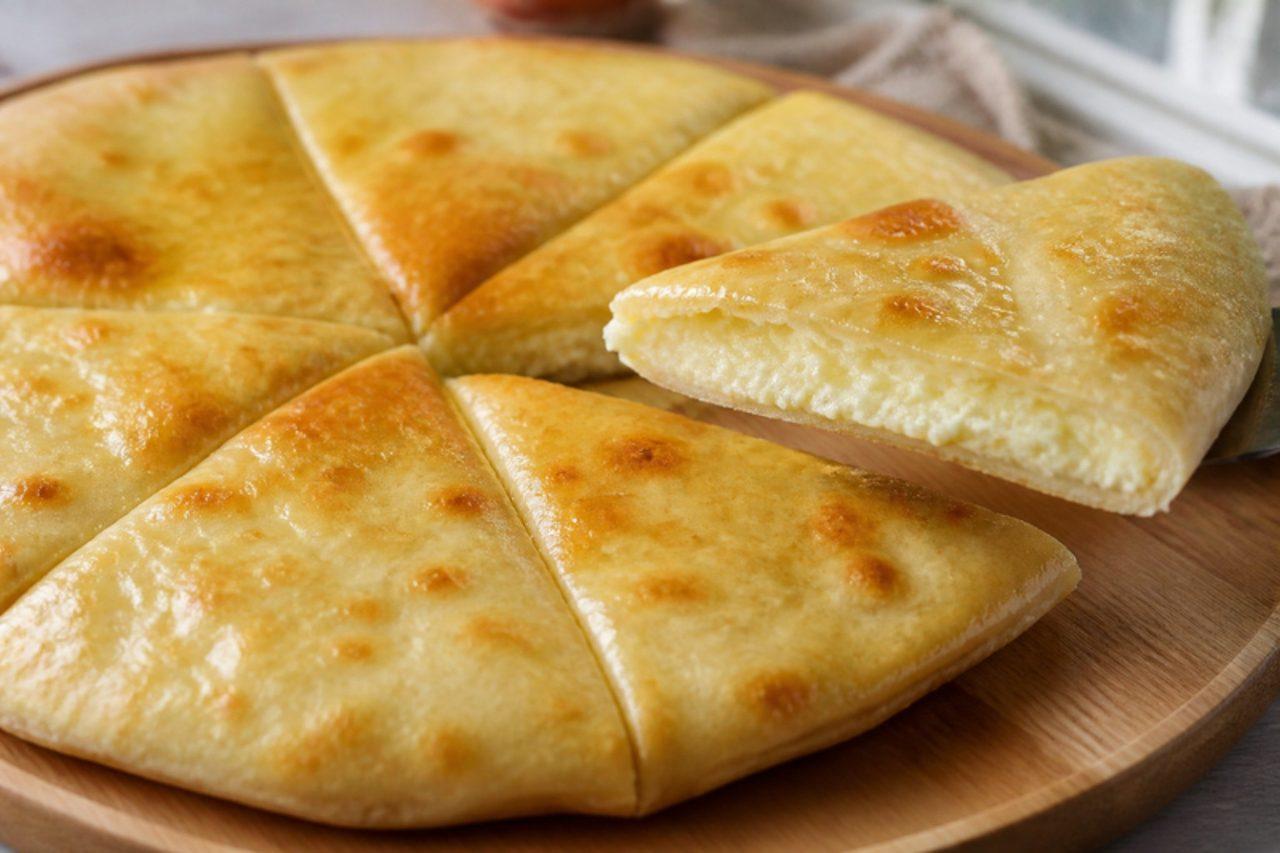
KhabizginaPotato and cheese pie

Of all the Ossetian pies, khabizgina is the homely one: a thin round of soft yeast dough wrapped around mashed potato and salty fresh cheese, baked hot and fast and drenched in melted butter. For feasts and remembrance days Ossetian cooks bake three pies and stack them, but on an ordinary evening one khabizgina cut into wedges is supper, with a pot of tea, yogurt or a crunchy salad. The crust is barely 1 cm thick and the filling creamy and peppery. Using a rolling pin tends to tear the dough over the filling, so shape it with your palms instead. If your cheese is made with animal rennet, look for a vegetarian alternative. Chef's tip: let the mash cool and mix it with the cheese until it is a stiff ball, roughly the same size and softness as the dough, and it spreads evenly to the edge.

by KrazyBadal 0 views

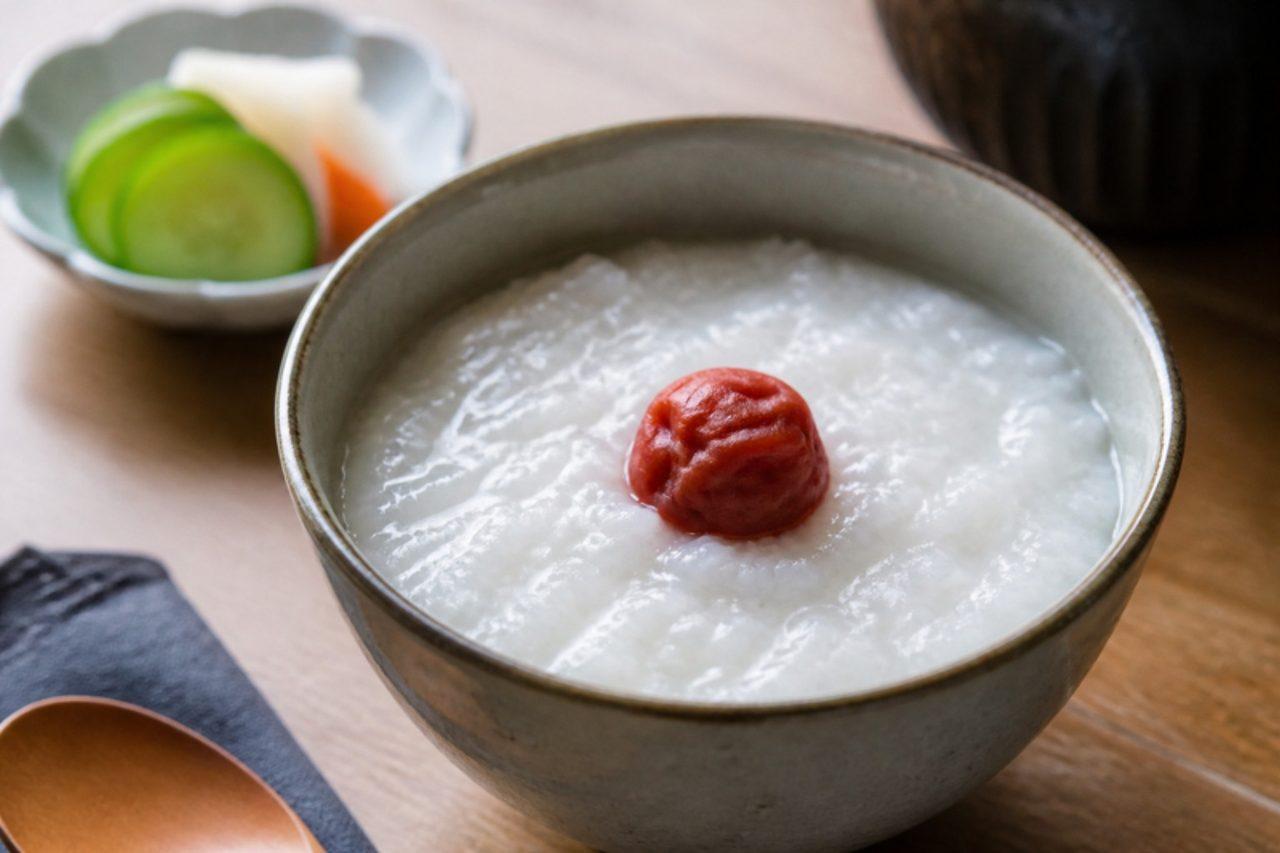
OkayuPlain rice porridge with pickled plum

Okayu is the porridge Japanese mothers make when someone is ill, tired or simply needs something gentle, and it is also eaten on 7 January as part of the new year with seven spring herbs. This weeknight version starts from cooked rice, simmered in water with a little salt until soft, white and spoonable, then served with a sour-salty umeboshi plum to stir in. The mistake is stirring it constantly, which breaks the grains and turns it gluey; stir only now and then. Chef's tip: for the full, silkier version, start with 100 g raw rice and 1 litre of water and simmer, lid ajar, for 40 minutes.

by KrazyBadal 0 views

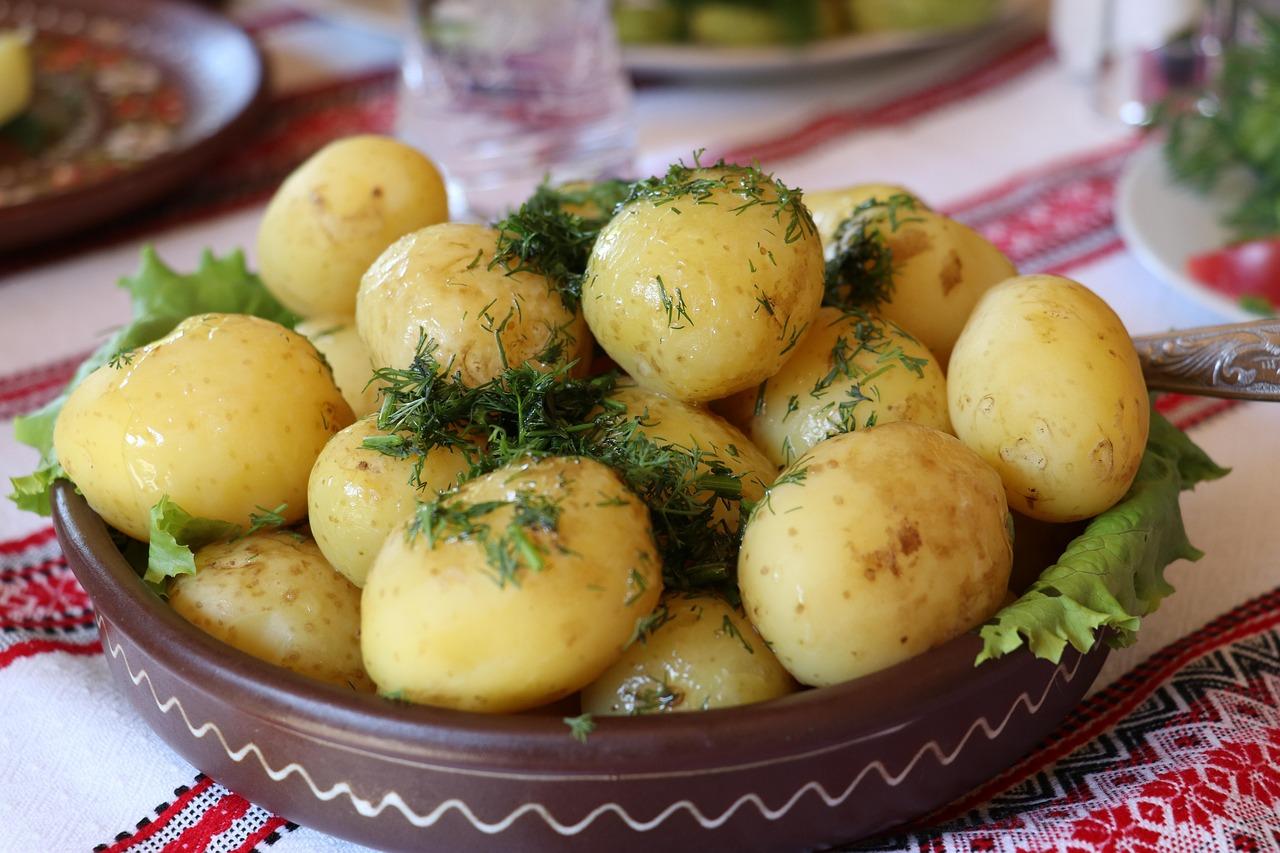
Młode ziemniaki z koperkiem (new potatoes with dill)

In June, when the first new potatoes reach Polish markets, many families make a whole supper of them: thin-skinned potatoes boiled, tossed in melted butter and a fistful of chopped dill, with a glass or bowl of cold kefir or buttermilk alongside. It is simple, early-summer country food, and it also sits next to fried eggs or cucumber salad. The common mistake is peeling them or boiling them hard; new potatoes should be scrubbed only and simmered gently, or they split and go watery. Chef's tip: add the dill only once the potatoes are off the heat, so it stays bright green and fresh-tasting.

by KrazyBadal 0 views

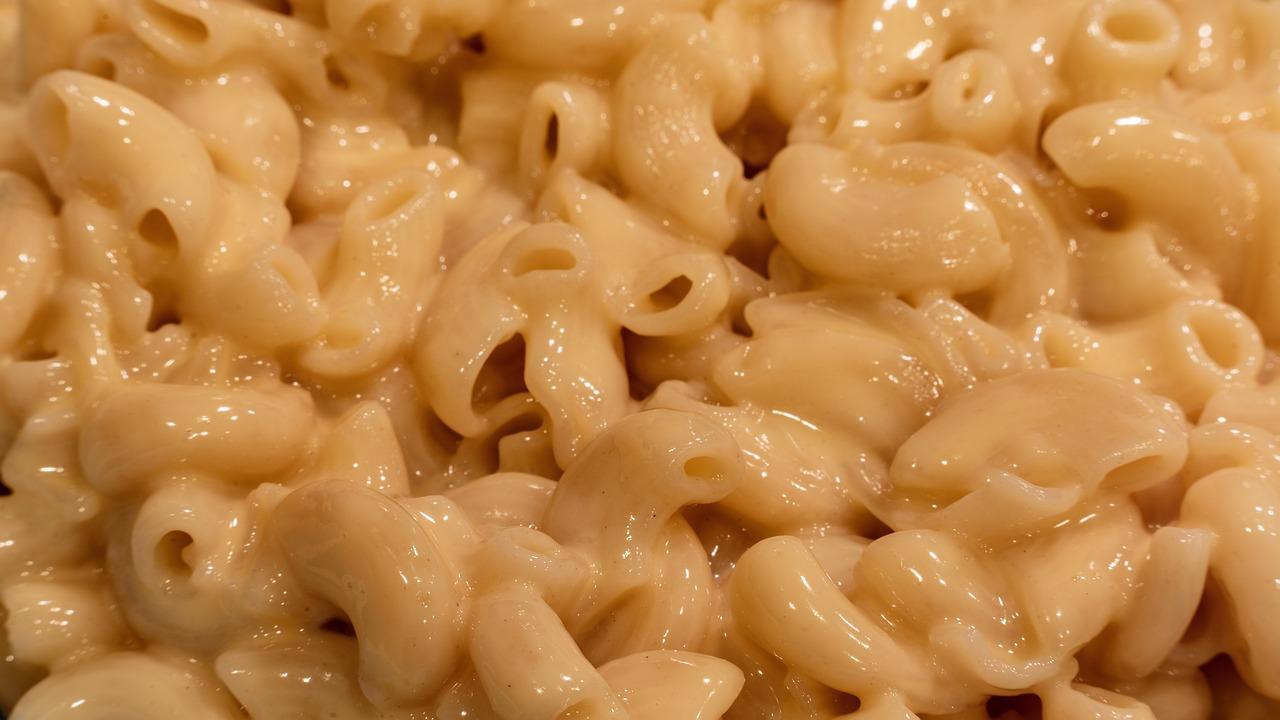
Stuvade makaronerCreamy macaroni

Stuvade makaroner is a Swedish childhood classic, cooked on weekday evenings all over the country: small macaroni simmered in milk with butter and a grating of nutmeg until thick and creamy, served beside meatballs, sausages or, for a vegetarian plate, fried halloumi or eggs and a spoonful of lingonberries. It is mild, comforting and made in one pan. The most common mistake is cooking on too high a heat, so the milk catches and burns on the bottom; keep it at a gentle simmer and stir often. Chef's tip: boil the macaroni in water for 3 minutes first, then finish in the milk, so it cooks evenly without the sauce turning gluey.

by KrazyBadal 0 views

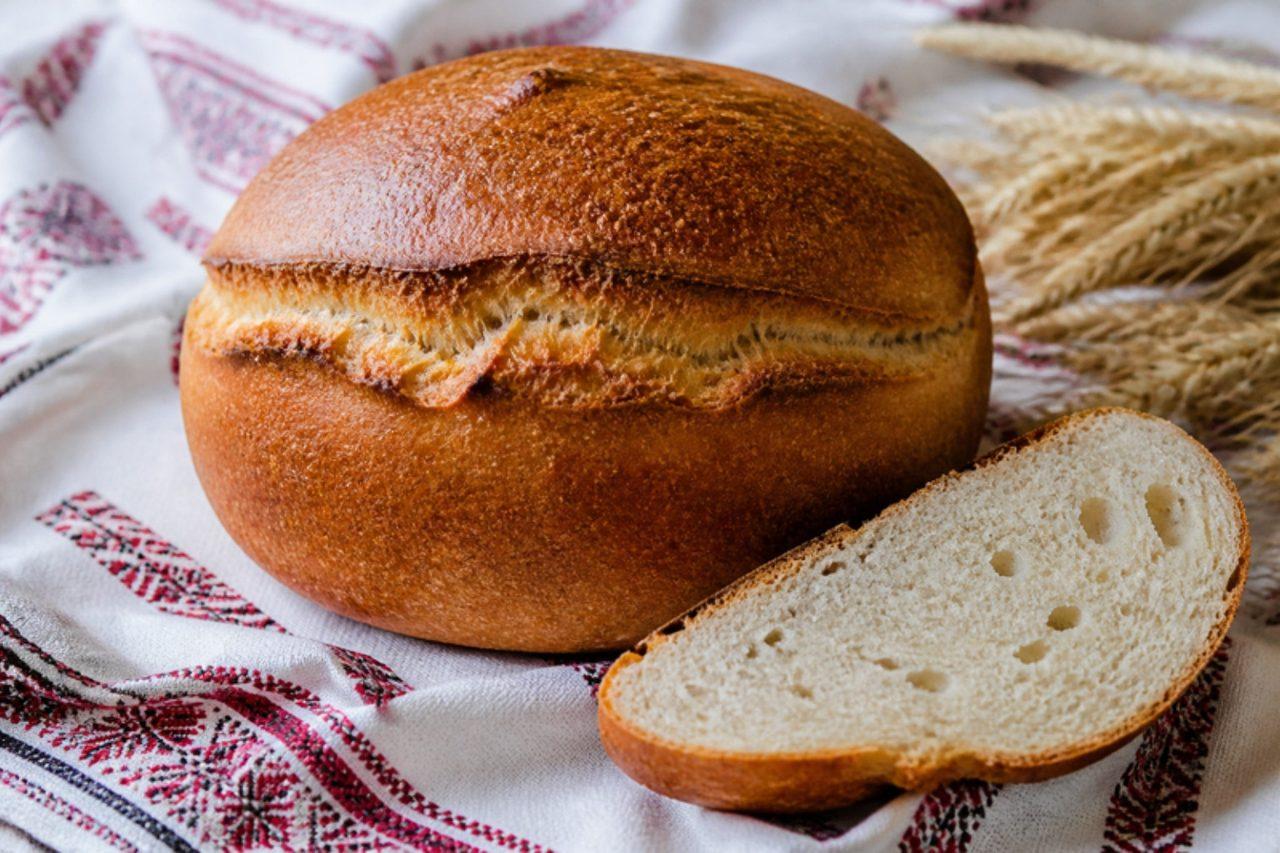
PalianytsiaRound hearth loaf

Its name is famously hard to pronounce for anyone who did not grow up speaking Ukrainian, and the loaf itself is just as recognisable: a tall, round wheat hearth bread with one deep cut along its side, which opens in the oven into a raised, crunchy crest. Ukrainian families have long baked palianytsia for everyday meals and for welcoming guests. The crust is thick and well browned, the crumb white, open and slightly chewy. It belongs next to a bowl of borscht with garlic, or sliced with sunflower oil, salt and spring onions. A slow rise gives it flavour, so it uses little yeast. A shallow, timid cut is the commonest mistake: the side bursts in a random place instead of lifting into the crest. Chef's tip: cut at a low angle, about 2 cm deep, a third of the way up the side, and cool the loaf fully before slicing.

by KrazyBadal 0 views

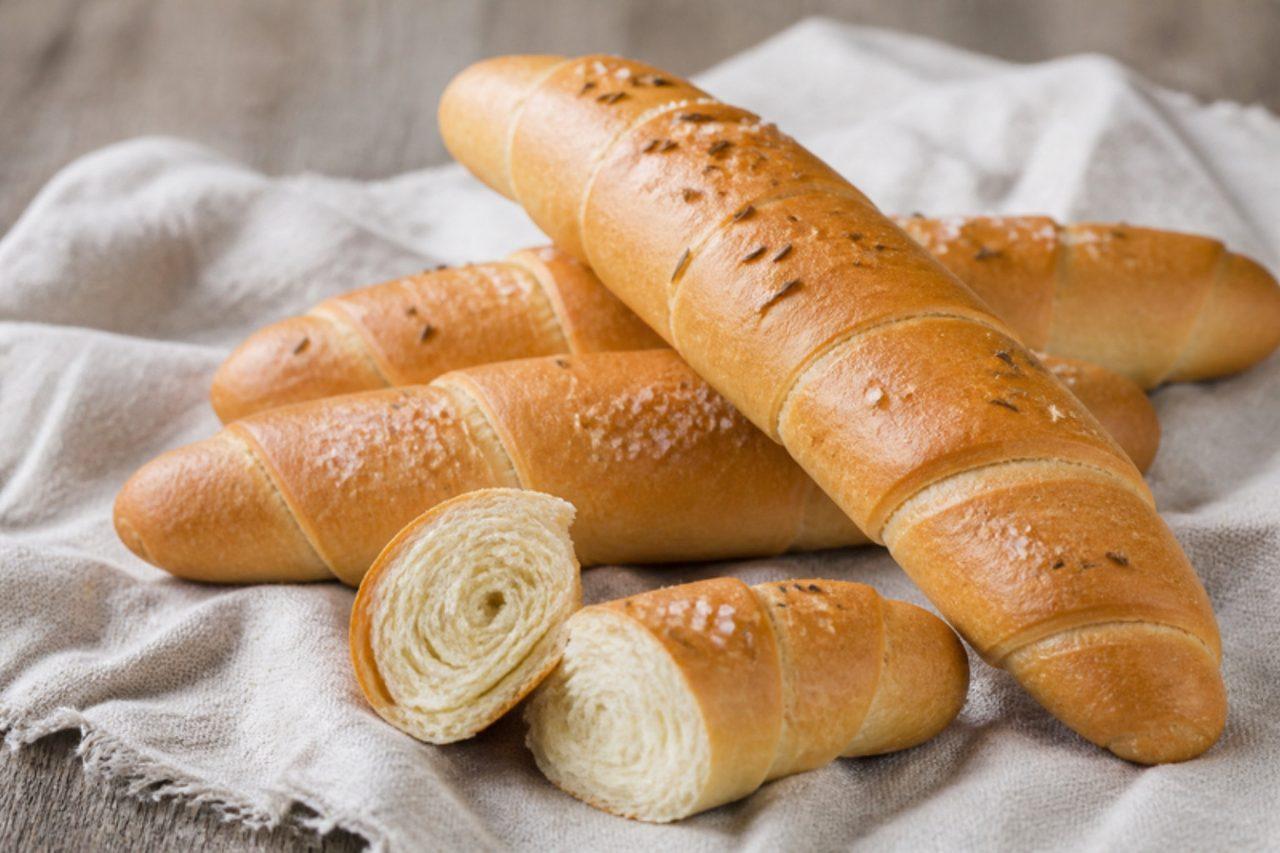
RohlíkSalt and caraway breakfast roll

Ask a Czech or Slovak what they ate for breakfast as a child and the answer is usually a rohlík: a long, slim roll rolled up from a triangle of dough, sold for a few crowns at every bakery and supermarket from Prague to Bratislava. It has a thin, crisp golden crust scattered with coarse salt and caraway, and a soft, tight spiral inside. People eat it with butter and jam, with a spread such as egg or bean pomazánka, with a cup of white coffee, or simply dunked in a mug of cocoa. This version uses sunflower oil, so it is vegan. Rolling the triangles loosely is the usual mistake; the spiral opens in the oven and the roll splits. Chef's tip: stretch each triangle gently by its point as you roll it up, which keeps the coil tight and gives the long, even shape.

by KrazyBadal 0 views

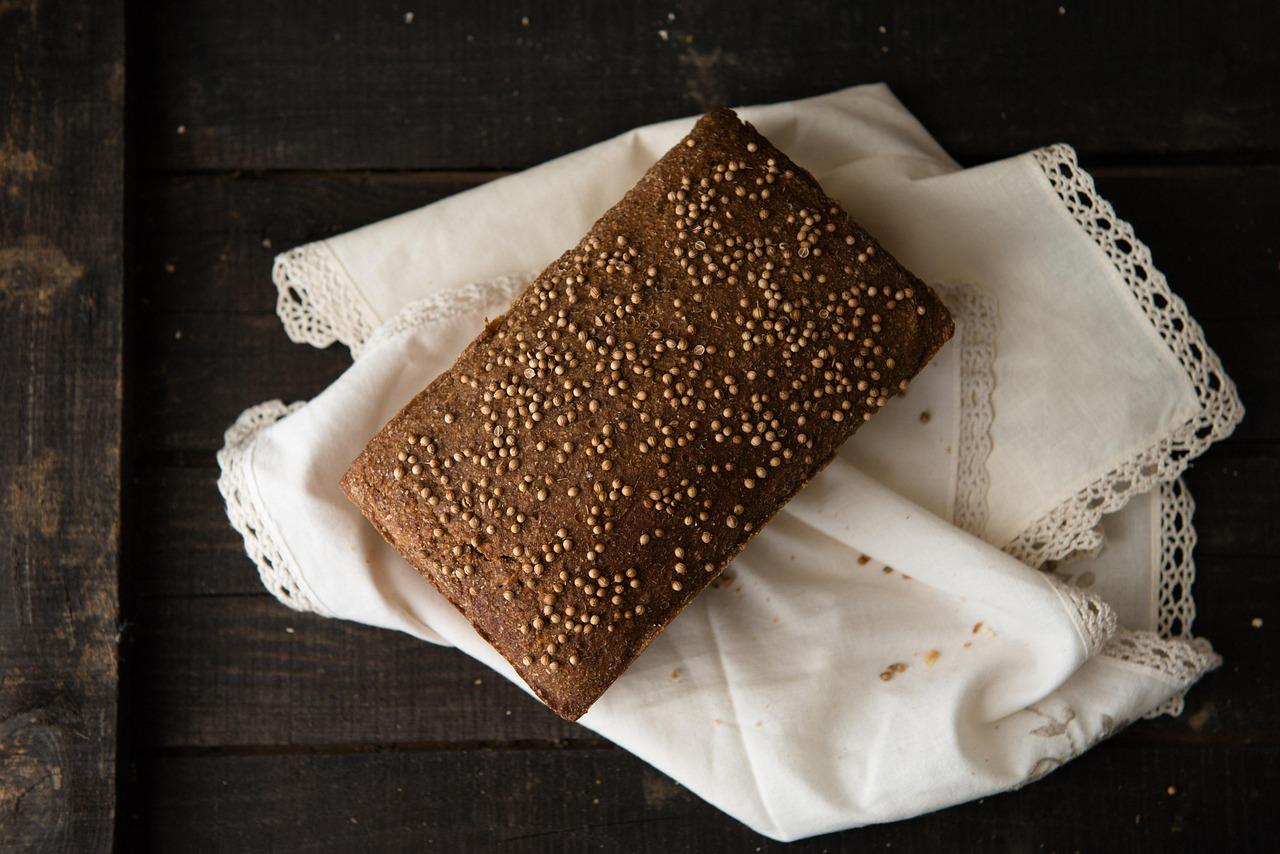
Borodinsky breadDark sourdough rye with coriander

Moscow's darkest everyday loaf is said to be named after the 1812 Battle of Borodino, though the recipe bakers follow today was fixed by the city's bread trust in 1933. Borodinsky (Бородинский хлеб) is a dense, moist sourdough rye, sweet-sour from molasses and red fermented rye malt, with whole coriander seeds crackling on the crust. Russians slice it thin for breakfast with butter and salted cucumbers, alongside borscht or herring for meat-eaters, or under a slice of cheese with strong tea. The method looks long, but most of it is the starter and the scald quietly working on their own. The usual mistake is cutting it on baking day: rye crumb needs a full day wrapped in a cloth to set, and a warm loaf is gummy right through. Chef's tip: red fermented rye malt gives the colour and the deep flavour; plain diastatic malt will not do the same job, so look for the reddish-brown 'fermented' kind in Eastern European shops.

by KrazyBadal 0 views

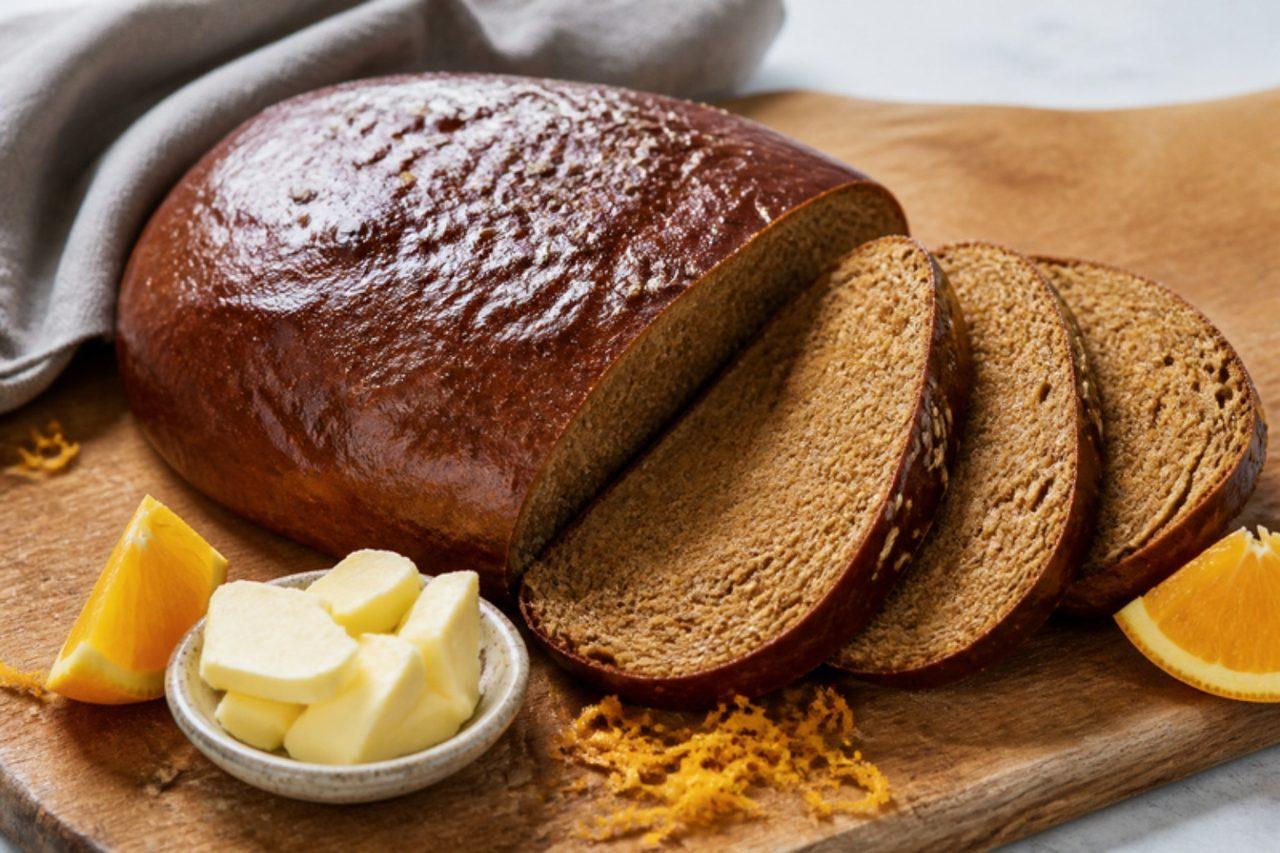
LimpaSweet orange and fennel rye loaf

Sweet, fragrant and a little dark, limpa is the soft rye loaf that Swedes slice thinly for breakfast and stack high on the Christmas julbord. Dark syrup gives it a gentle sweetness and a deep brown crumb, while orange zest, fennel and anise make the whole kitchen smell festive. The Christmas version, vörtlimpa, is made with wort or dark beer; this everyday loaf uses milk instead, so there is no alcohol. Eat it with butter and a sharp aged cheese, with marmalade, or with pickled beetroot and egg on the smörgåsbord. Rye dough is sticky by nature, and working in extra flour until it feels like wheat dough is the classic mistake that bakes a heavy brick; oil your hands instead. Chef's tip: brush the loaves with syrup and water the moment they come out of the oven, which gives them their soft, glossy, slightly sticky crust.

by KrazyBadal 0 views

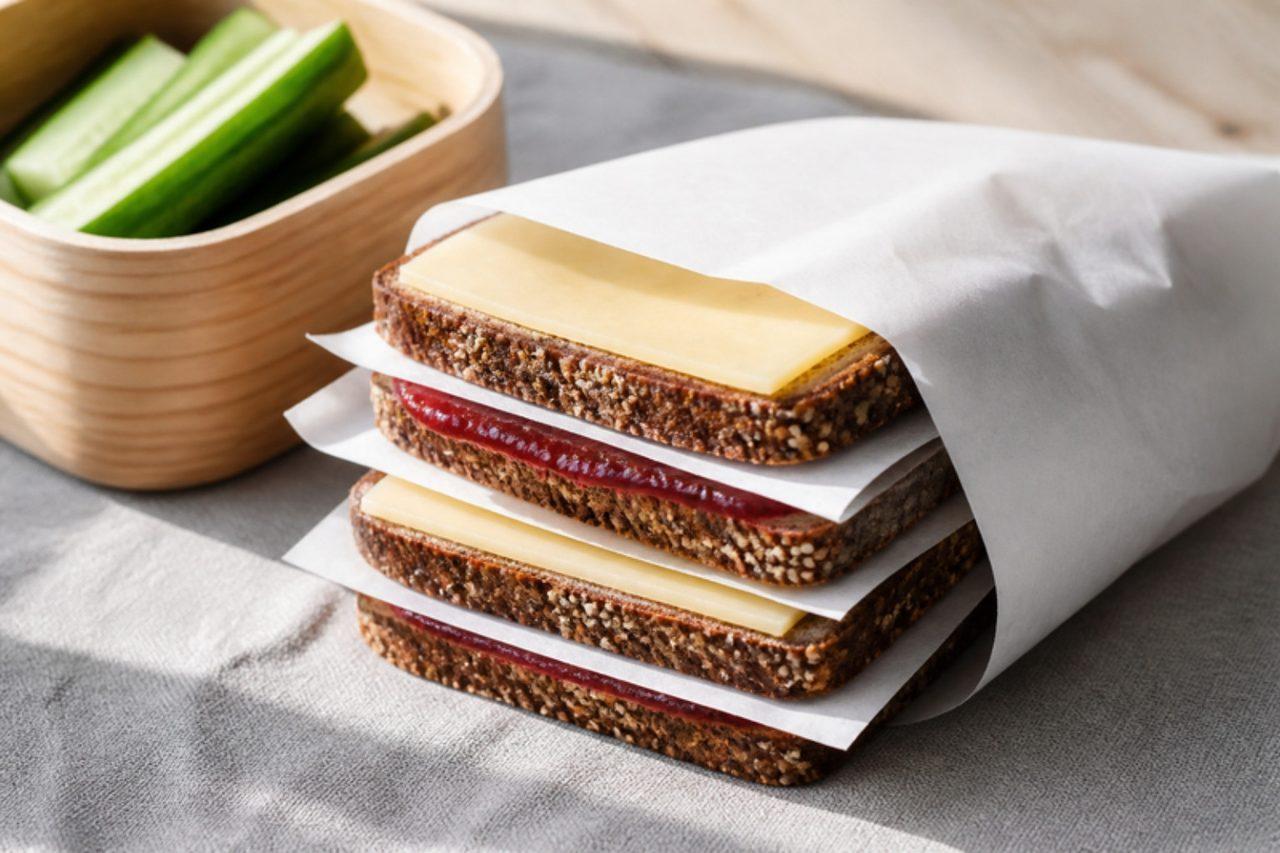
Matpakke (Norwegian packed lunch)

Nearly every Norwegian child carries a matpakke to school: slices of wholemeal bread, each with one simple topping, stacked with sheets of sandwich paper in between and wrapped in a neat parcel. Yellow cheese, sweet caramel-like brown cheese (brunost) and jam are the classics, with cucumber or pepper sticks on the side; liver paste is the meaty favourite. It is plain, filling and built to survive a school bag. It contains gluten (wheat) and milk. Chef's tip: keep wet toppings like tomato out of the stack; they make the bread soggy by lunchtime.

by KrazyBadal 0 views

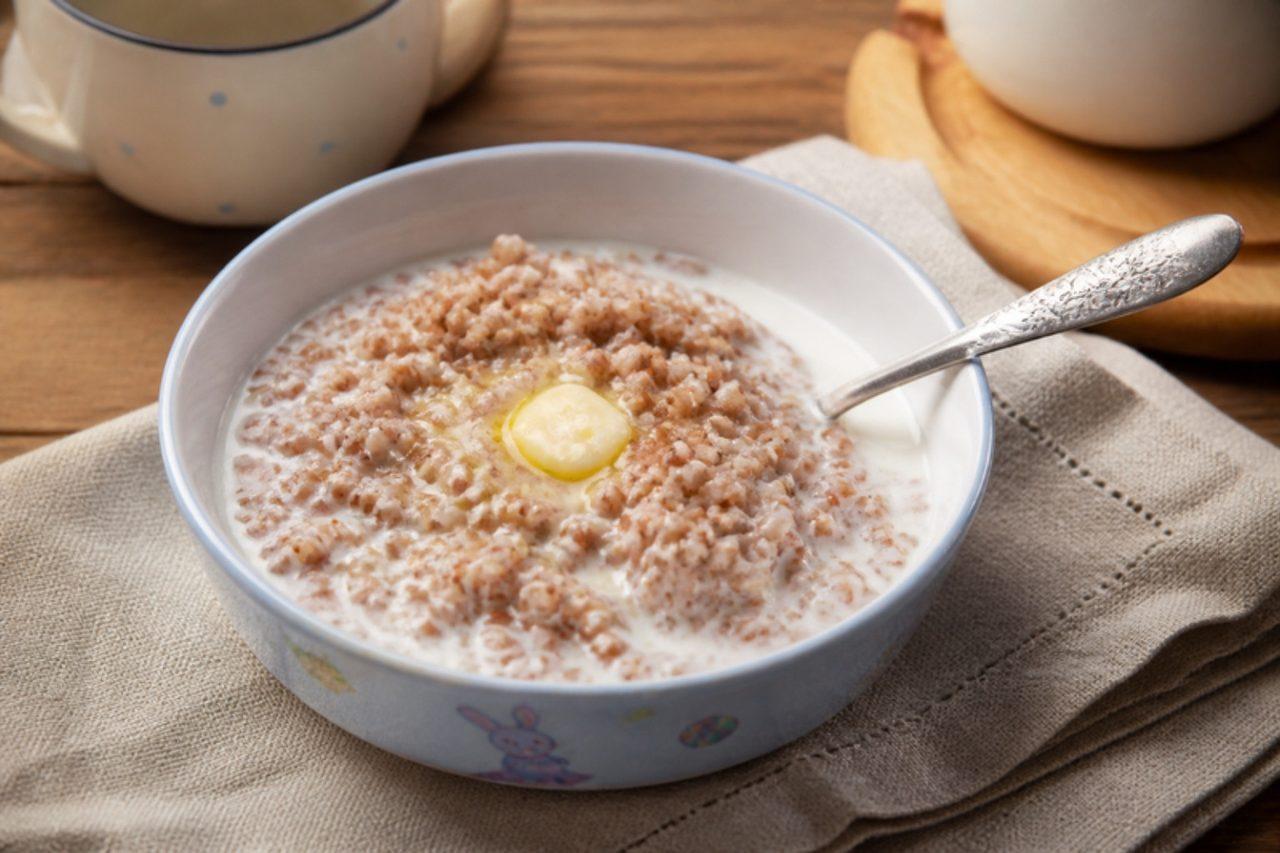
Grechka s molokom (buckwheat with milk)

Grechka s molokom, buckwheat groats cooked soft and served in a bowl of warm milk with a little butter, is the breakfast or light supper that generations of Russian children have eaten at home and in nursery school. The groats are earthy and nutty and the milk makes them gentle and sweet-tasting, without any sugar. Buckwheat is naturally gluten free (despite its name); the dish contains milk and has no egg, nuts, soya, sesame or fish. Chef's tip: use toasted buckwheat (the brown kind sold for kasha), which has the rounder, nuttier flavour.

by KrazyBadal 0 views

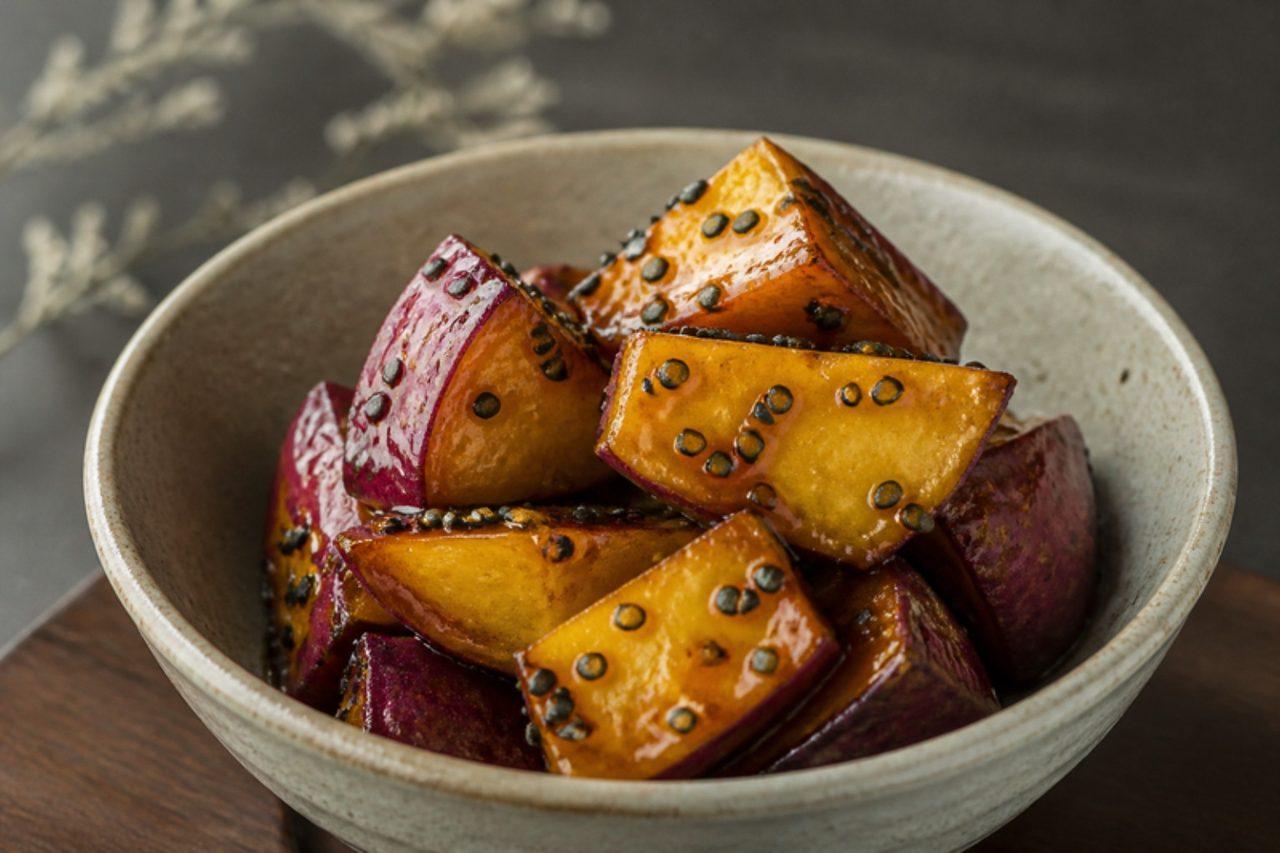
Daigaku imo (candied sweet potato)

Daigaku imo, 'university potatoes', got their name from the Tokyo student cafés of the early 1900s, and today they are what Japanese parents fry when autumn sweet potatoes arrive and children come home hungry. The chunks are crisp at the edges and fluffy inside, coated in a glossy glaze that sets to a light crackle, with nutty black sesame on top. This version uses a modest amount of sugar balanced with soy sauce. It contains soya, gluten (soy sauce) and sesame. Chef's tip: pull the pan off the heat the moment the glaze turns thick and bubbly; a few seconds more and it hardens into toffee.

by KrazyBadal 0 views

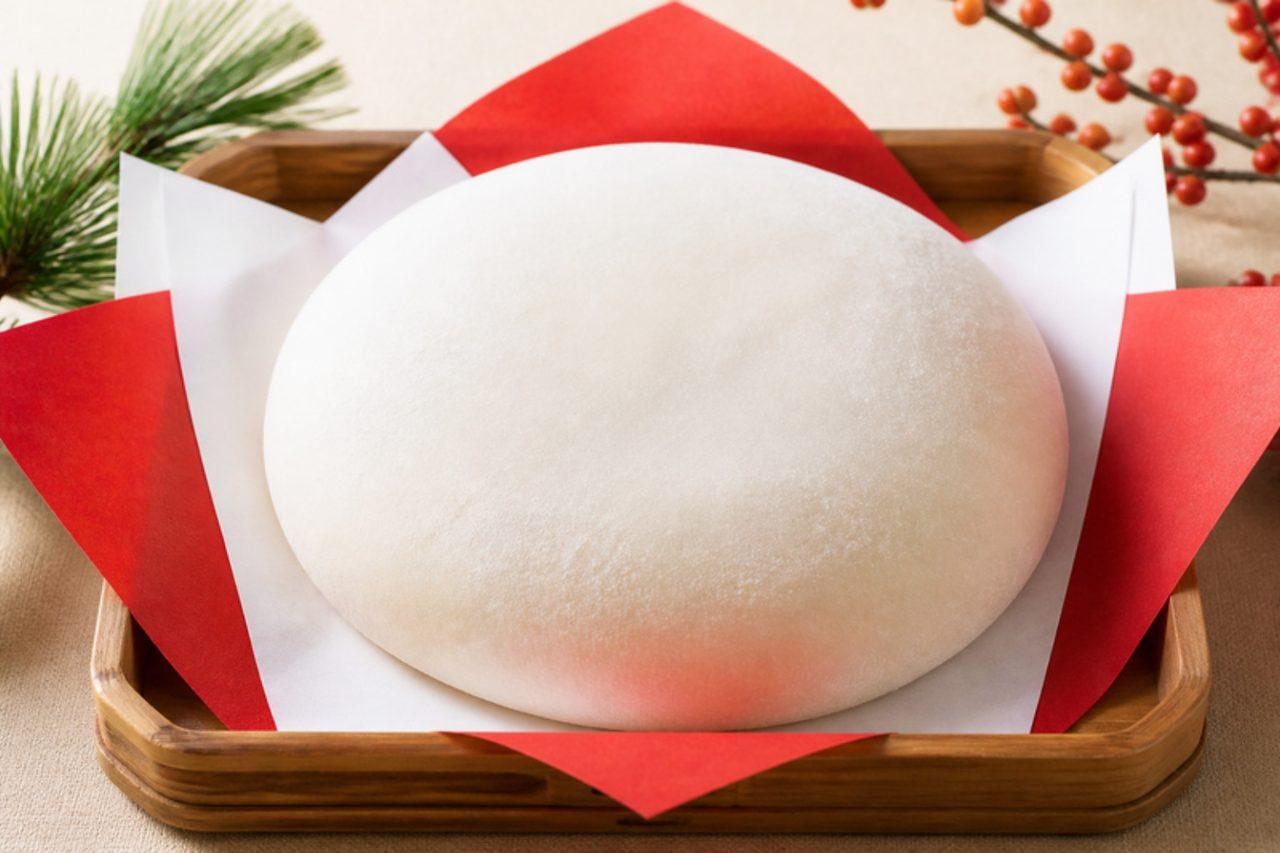
Issho mochi (first-birthday rice cake)

In homes all over Japan, a child's first birthday is marked with issho mochi: a single large, round rice cake made from about 1.8 kg of glutinous rice, wrapped in a cloth and strapped to the baby's back. Whether the toddler stands, crawls or plops down laughing, the family cheers, and the mochi is then cut up, grilled and shared by the adults and older children as a wish for a lifetime of plenty. This home version uses glutinous rice flour, so no pounding is needed, and it is free of milk, egg, gluten, nuts and soya. Sticky mochi is a choking risk: the baby only carries it, adults and older children eat it, and small children should only have tiny, soft pieces while an adult watches. Chef's tip: write the child's name on the cloth bundle, not on the cake, so the mochi stays plain and everyone can eat it.

by KrazyBadal 0 views

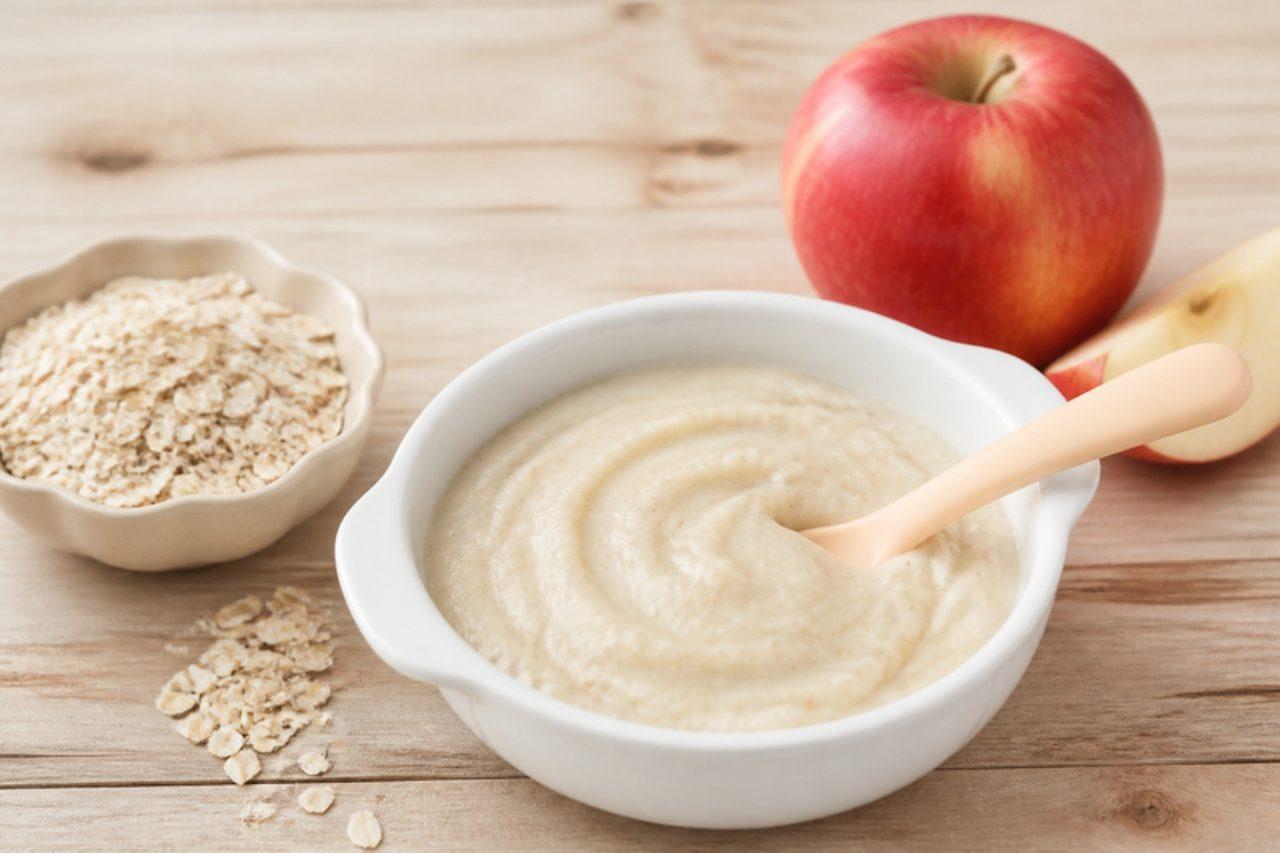
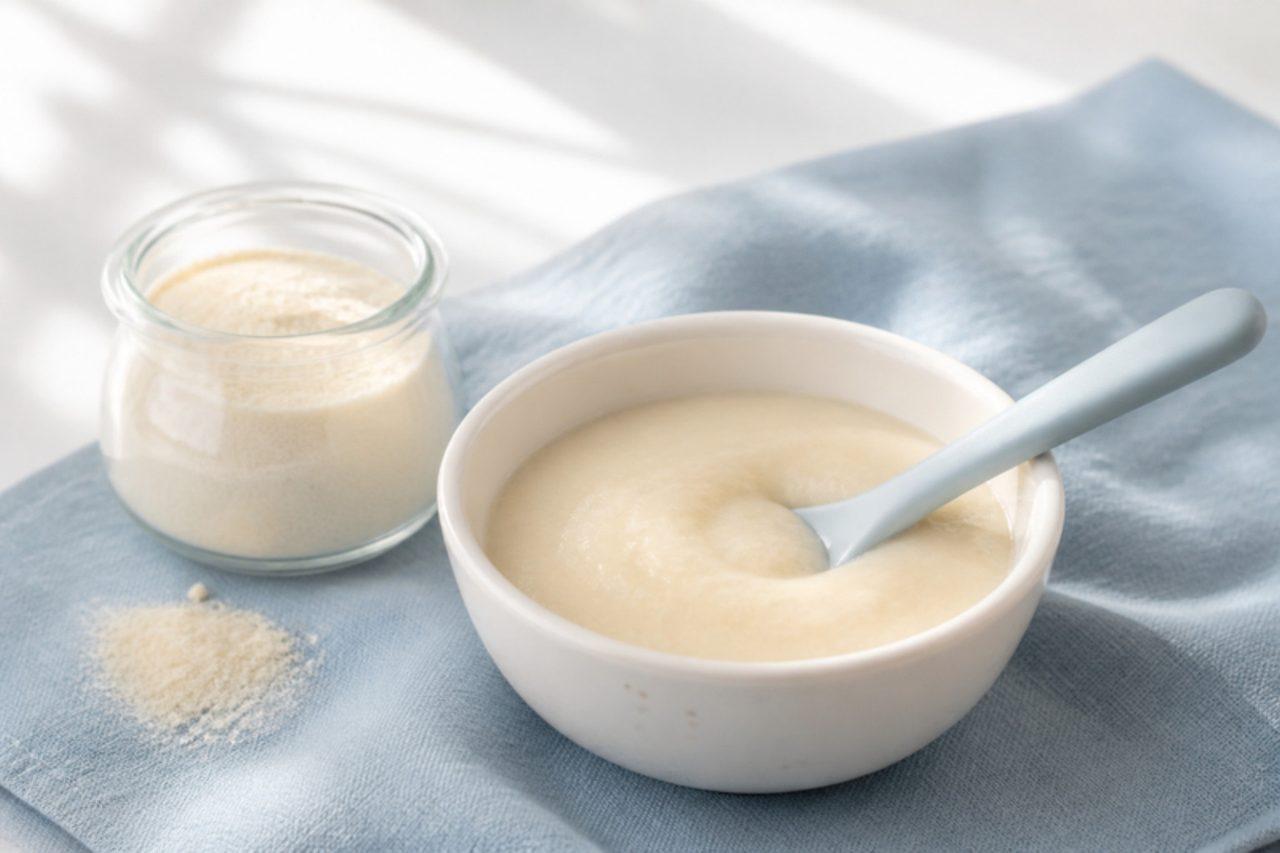
Fruit and cereal mash (Obst-Getreide-Brei)

German weaning follows a well-known plan: a vegetable lunch first, then a milk and cereal evening meal, and finally an afternoon Obst-Getreide-Brei, a dairy-free mash of cooked cereal flakes and fruit, usually from around seven months. Fine oat or millet flakes are simmered in water, then stirred into stewed apple or pear with a spoon of rapeseed oil, which German paediatric advice recommends for healthy fats. It is fruity, smooth and naturally sweet. It contains gluten if made with oats (use millet flakes for gluten free); there is no milk, egg, nuts, soya, sesame or fish. Chef's tip: stew the fruit in a little water rather than using juice, which adds sugar.

by KrazyBadal 0 views

Ssal mieum (Korean first rice gruel)

In Korean homes the weaning journey, called iyusik, begins with ssal mieum, a gruel so thin it is almost a drink. The rice is soaked, blended raw with water and then stirred over a low flame, which gives a finer, silkier result than boiling whole grains. Families offer it at around six months, a spoonful in the morning, before moving on to thicker juk with vegetables a few weeks later. It contains none of the common allergens: no milk, egg, gluten, peanut, tree nuts, soya, sesame or fish. Chef's tip: grind the soaked rice with only part of the water first; a thick slurry blends smoother than a watery one.

by KrazyBadal 0 views

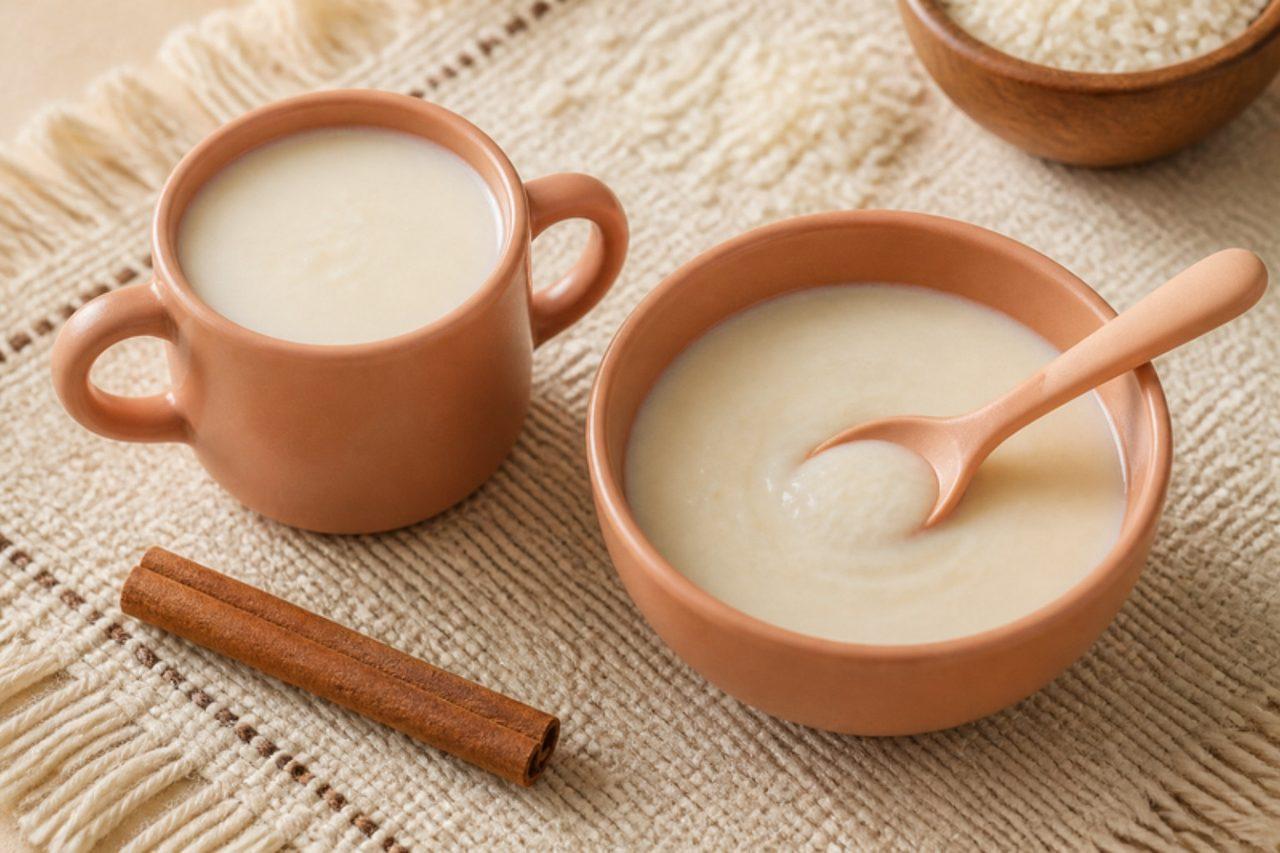
Rice atole for babies (atole de arroz)

Atole is the warm, thick drink Mexicans have sipped since before the conquest, and in many homes the first version a baby tastes is atole de arroz, ground rice cooked with a stick of true cinnamon. For grown-ups it is sweetened with piloncillo and drunk at breakfast or on cold evenings around Día de Muertos; for babies the sugar stays out and it is thickened enough to eat from a spoon. It contains milk; there is no egg, gluten, nuts, soya, sesame or fish. Chef's tip: grind the rice yourself in a spice grinder; shop-bought rice flour works, but freshly ground rice tastes sweeter.

by KrazyBadal 0 views

RieskaPotato and barley flatbread

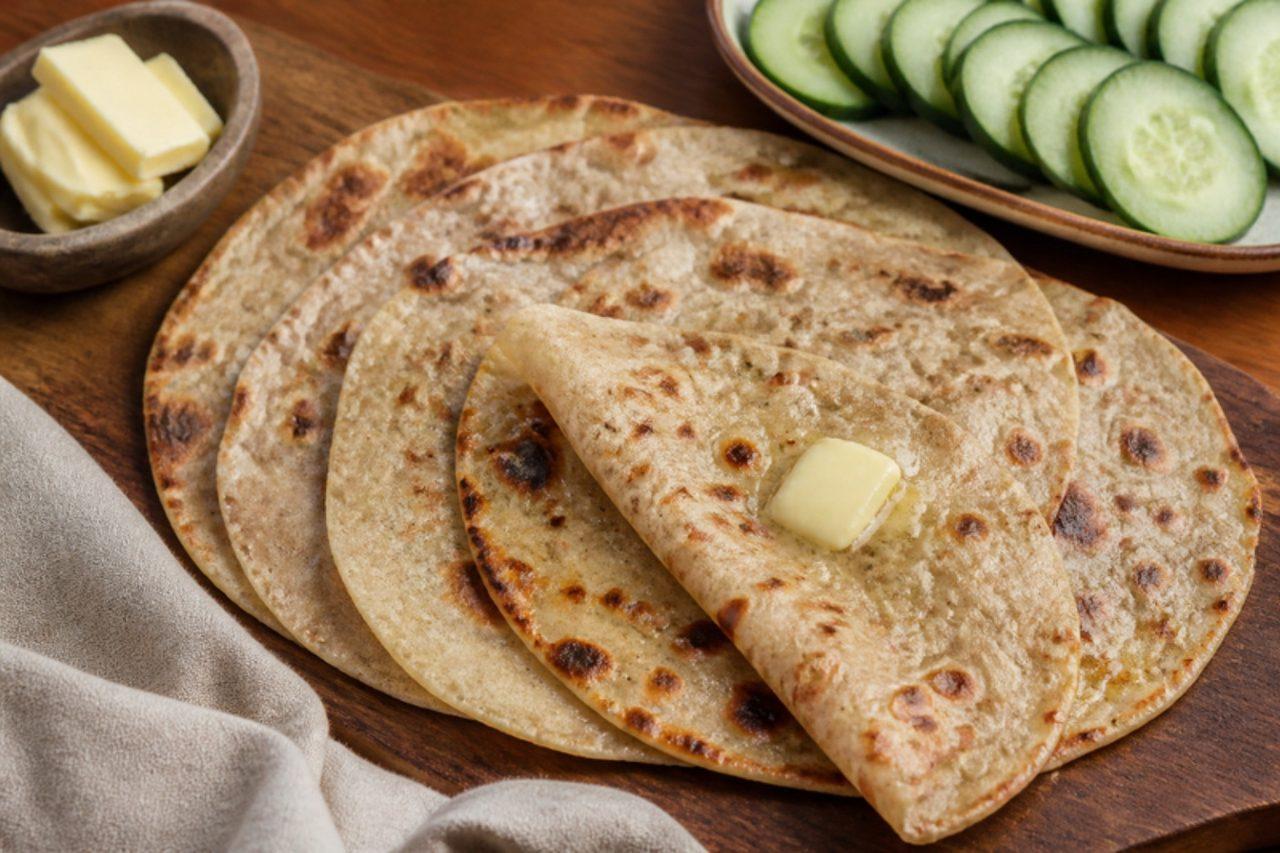
Ten minutes in a very hot oven is all rieska needs, which is why Finnish cooks in Lapland and Ostrobothnia have long baked it on the spot whenever there were cold boiled potatoes in the larder. This version, perunarieska, is unleavened: mashed potato bound with barley flour, rolled thin and baked until speckled brown. It is soft and slightly chewy, with an earthy barley flavour, and is best eaten straight from the oven with plenty of butter melting into it, perhaps with cheese and cucumber or a bowl of soup. Barley gives it the traditional taste but means it is not gluten free. Using warm potatoes is the common mistake; they soak up far more flour and the rieska turns tough. Chef's tip: prick the rounds all over with a fork before baking so they stay flat, then stack them under a cloth as they come out to keep them soft.

by KrazyBadal 0 views

Imo mochi (Hokkaido potato mochi)

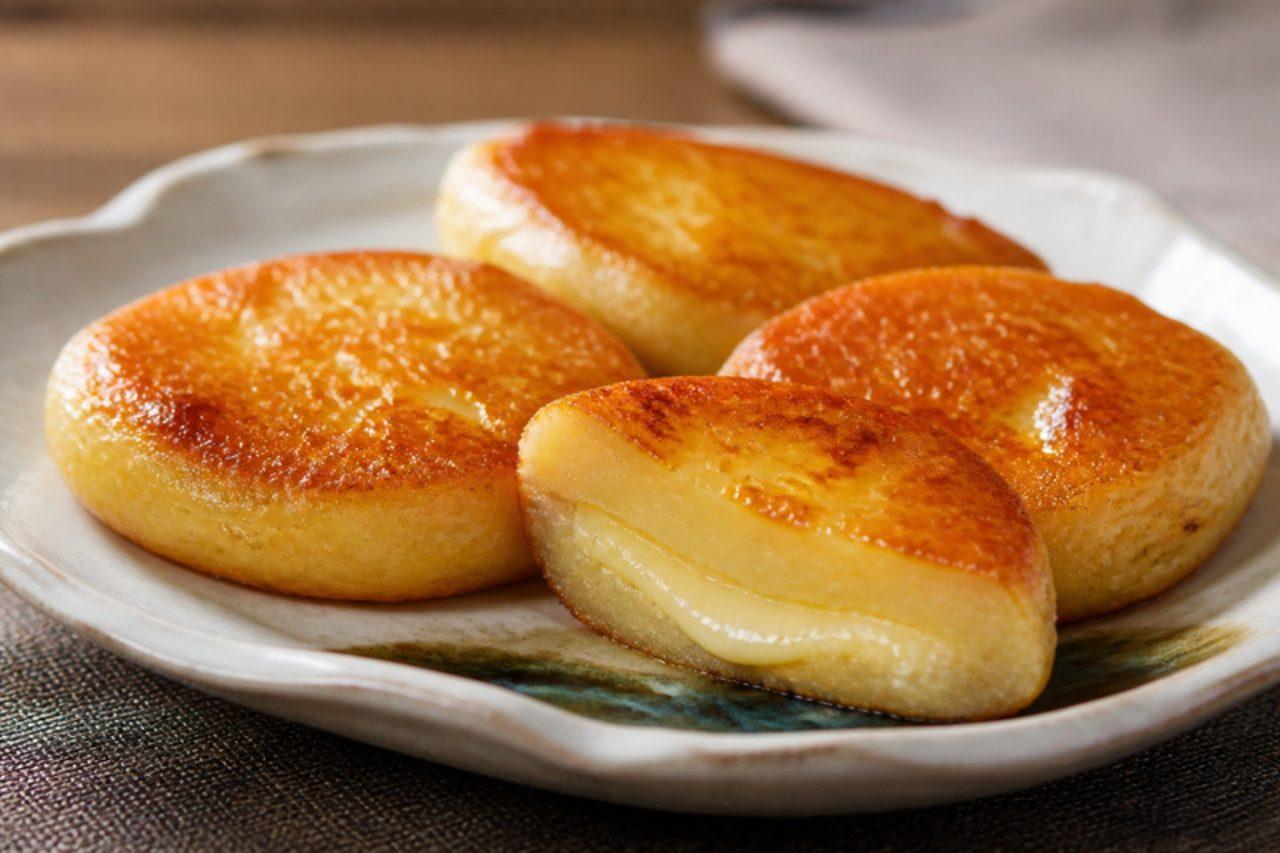
On Hokkaido, Japan's great potato island, imo mochi are what grandparents make from leftover boiled potatoes when the children come in from school or the ski slopes. Mashed potato is kneaded with potato starch into a smooth, stretchy dough, shaped into thick discs and fried until crisp outside and pleasantly chewy within, then glazed in a little butter, soy and sugar. A cube of cheese hidden inside is a popular children's twist. It contains milk, soya and gluten (soy sauce). Chef's tip: mash the potatoes while they are still hot; cold potato turns gluey and the patties crack.

by KrazyBadal 0 views

Bouillie (French baby cereal porridge)

In France, la bouillie is the warm cereal porridge that joins a baby's morning or evening milk at around six months. It is simply the baby's usual milk, breast milk or formula, thickened with plain infant cereal or fine oat or rice flour, and given from a spoon, or thinner from a bottle as many French families do at bedtime. It is creamy and mild. It contains milk from the formula, and gluten if you use oat or wheat cereal; there is no egg, nuts, soya, sesame or fish. Chef's tip: choose a cereal with no added sugar or flavourings; you can add a spoon of fruit purée for sweetness later.

by KrazyBadal 0 views

Välling (Swedish oat and milk drink)

Välling, a thin gruel of cereal and milk, has been the Swedish child's bedtime drink for generations, and many families still make their own for toddlers once they move on to cow's milk at around a year old. It is smooth, warm and lightly oaty, with no added sugar or honey. It contains milk and gluten (oats are often processed with wheat; use certified gluten-free oats if needed); there is no egg, nuts, soya, sesame or fish. Chef's tip: blend the oats to a fine flour first, so the drink is silky and flows easily from a beaker.

by KrazyBadal 0 views

Baguette

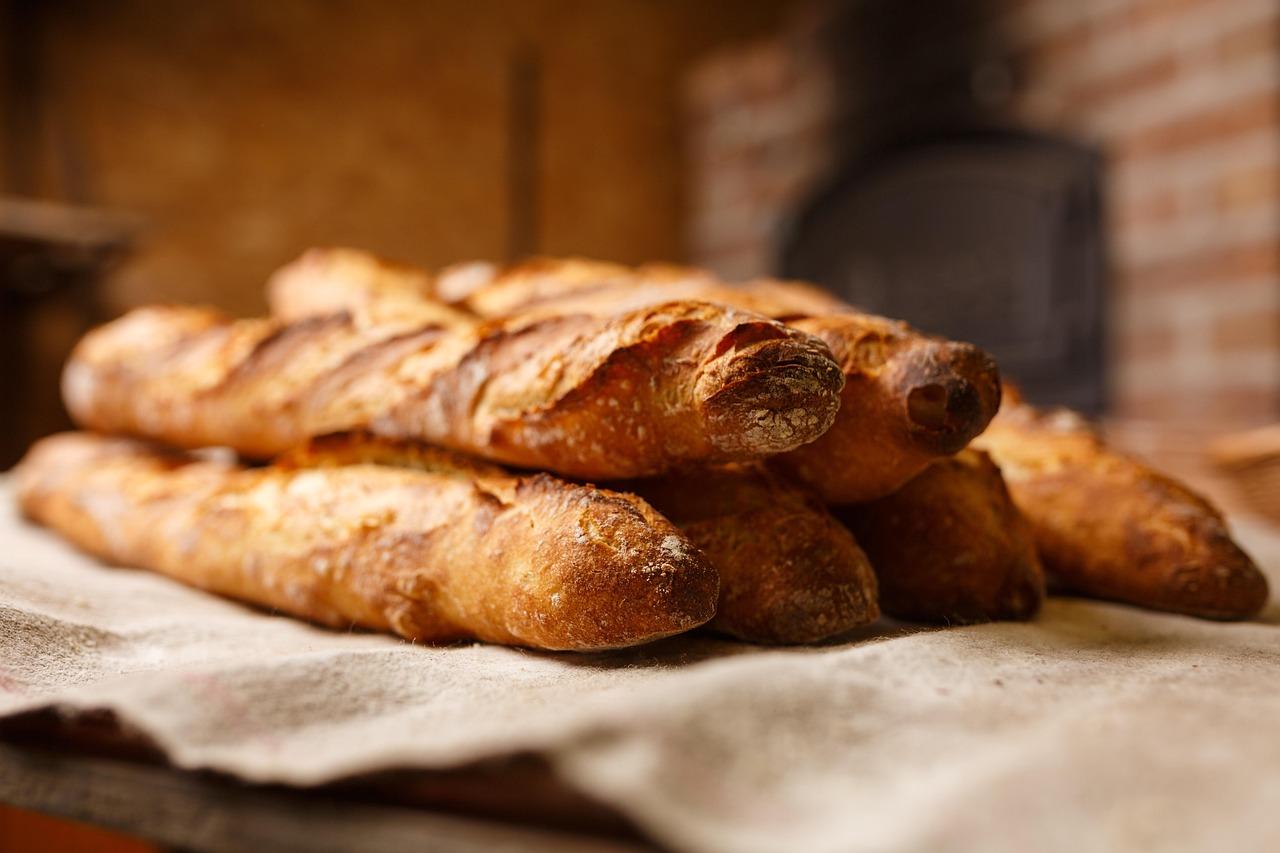
Four ingredients and nothing else: since a 1993 decree, a loaf sold in France as a baguette de tradition may contain only flour, water, salt and leavening. Parisians buy one or two a day, warm from the boulangerie, and the end of the loaf rarely makes it home uneaten. A good one has a thin, shattering, deep golden crust, an open, creamy crumb and a faint nutty sweetness from a long, slow rise. Tear it for butter and jam at breakfast, split it for a jambon-beurre or a cheese sandwich, or put it on the table with soup, salad and a cheese board. Shaping is where most home bakers go wrong: pressing all the air out while rolling the dough long gives a tight, cottony crumb, so handle it lightly and let the bench rest do the work. Chef's tip: cut the slashes almost lengthways, at a shallow angle with the blade nearly flat, and overlap each one by a third; straight-down, crosswise cuts just open into flat scars instead of the raised 'ears' you want.

by KrazyBadal 0 views

Bubur merah putih (red and white porridge)

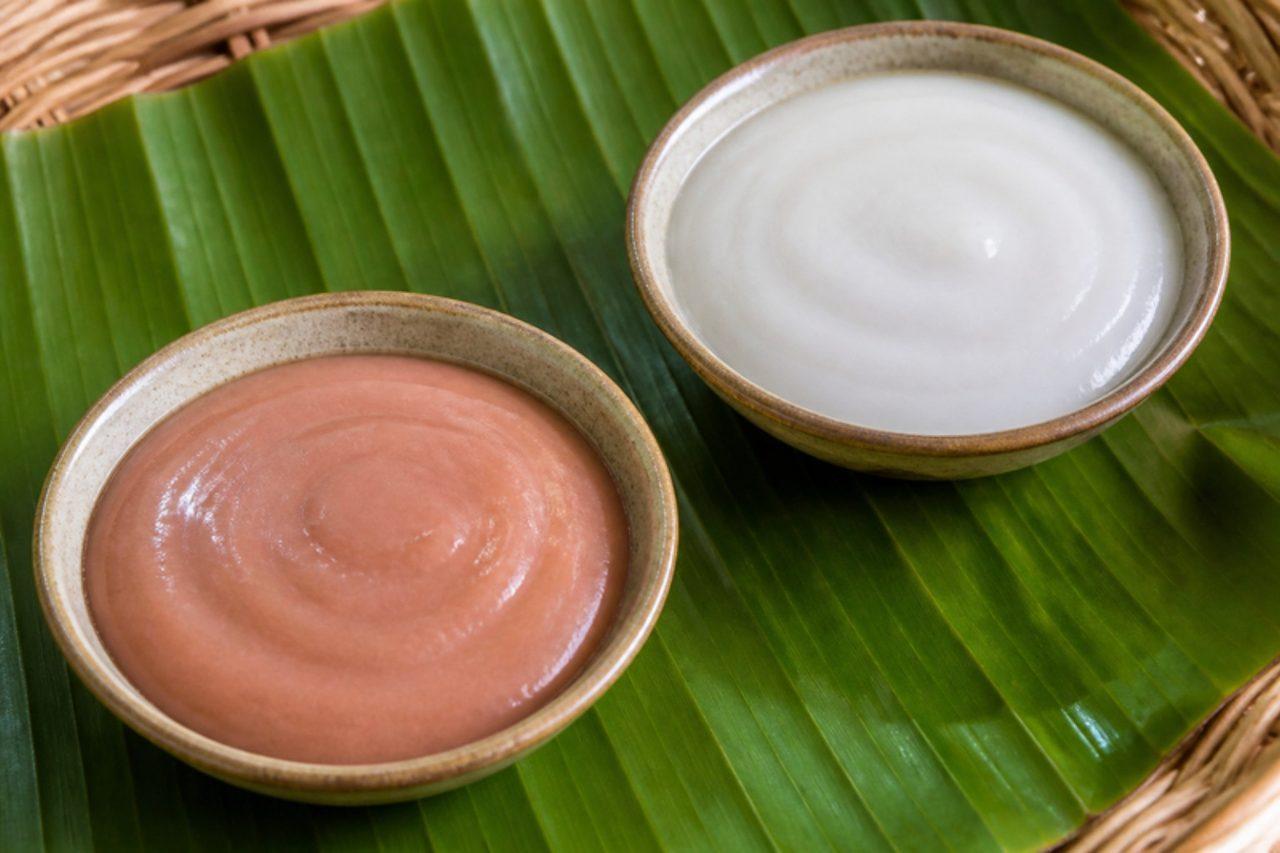
In Java, bubur merah putih is cooked for a baby's naming day, a child's birthday or a new house: a red-brown porridge sweetened with palm sugar and a white one rich with coconut milk, spooned side by side into one bowl. The red is said to stand for courage and the white for purity, and the bowls are shared with neighbours as thanks. The family and older children eat the sweetened red half; it is not for babies under one because of the sugar. Free of milk, egg, gluten, nuts and soya. Chef's tip: tie a pandan leaf in a knot and simmer it in both pots for a gentle vanilla-like scent.

by KrazyBadal 0 views

Kisiel (Polish fruit jelly drink)

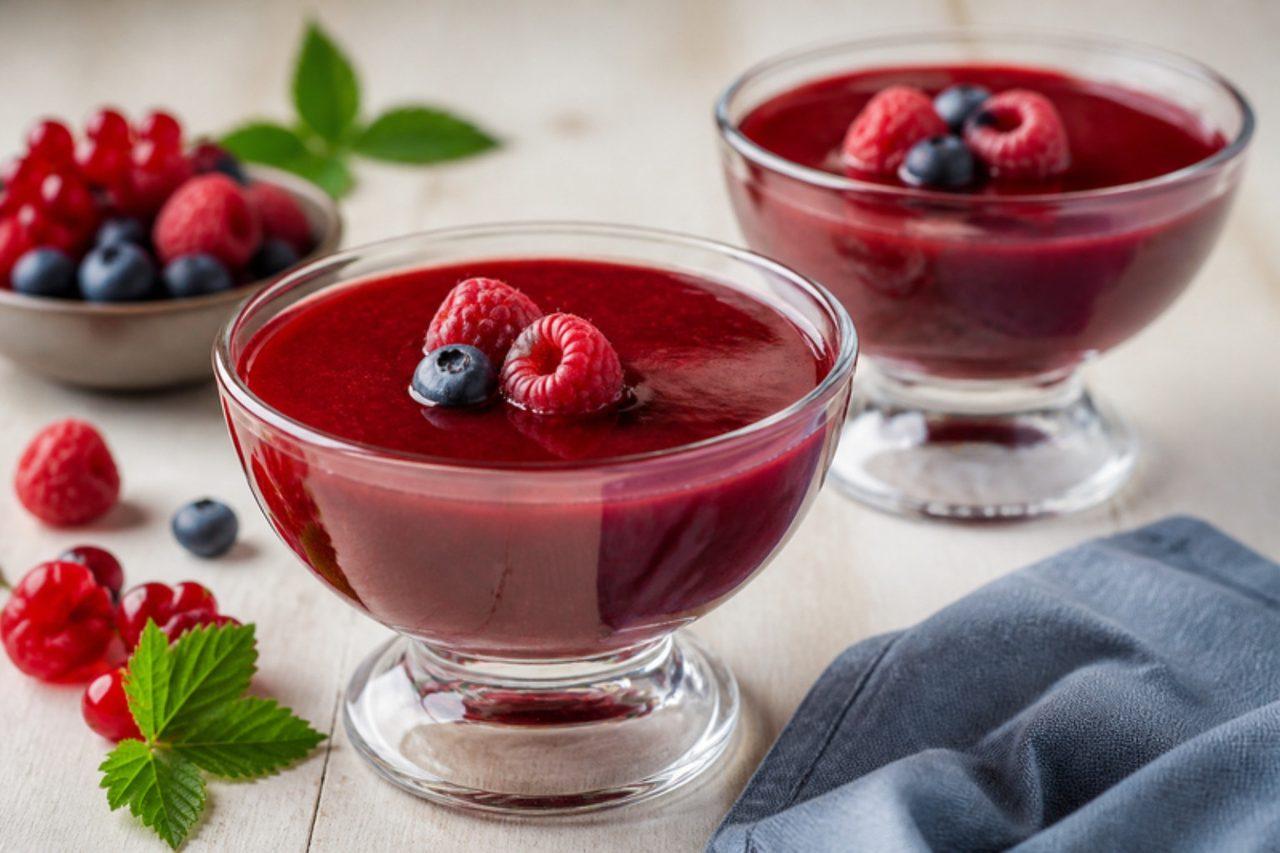
Kisiel is a Polish childhood staple served in school canteens and at home after school, warm in winter and chilled in summer, somewhere between a thick drink and a soft jelly. Home-made versions use fruit or juice thickened with potato starch, without the bright colours of packet mixes. This one uses mixed berries and only a little sugar. None of the common allergens are in it. Chef's tip: always mix the starch with cold water first and pour it into the boiling fruit while stirring; added dry, it forms lumps that never dissolve.

by KrazyBadal 0 views

Indian bakery cream roll

Cream rolls are a sweet memory for children across India, from the Irani cafés of Mumbai to Kerala's small-town bakeries: spirals of flaky puff pastry baked around a cone, glazed with sugar and piped with soft vanilla cream. They turn up on birthday party plates and in after-school bakery treats. This version uses whipped cream rather than the shortening icing of many shops. It contains gluten and milk. Chef's tip: fill them only an hour or two before serving so the pastry stays crisp.

by KrazyBadal 0 views

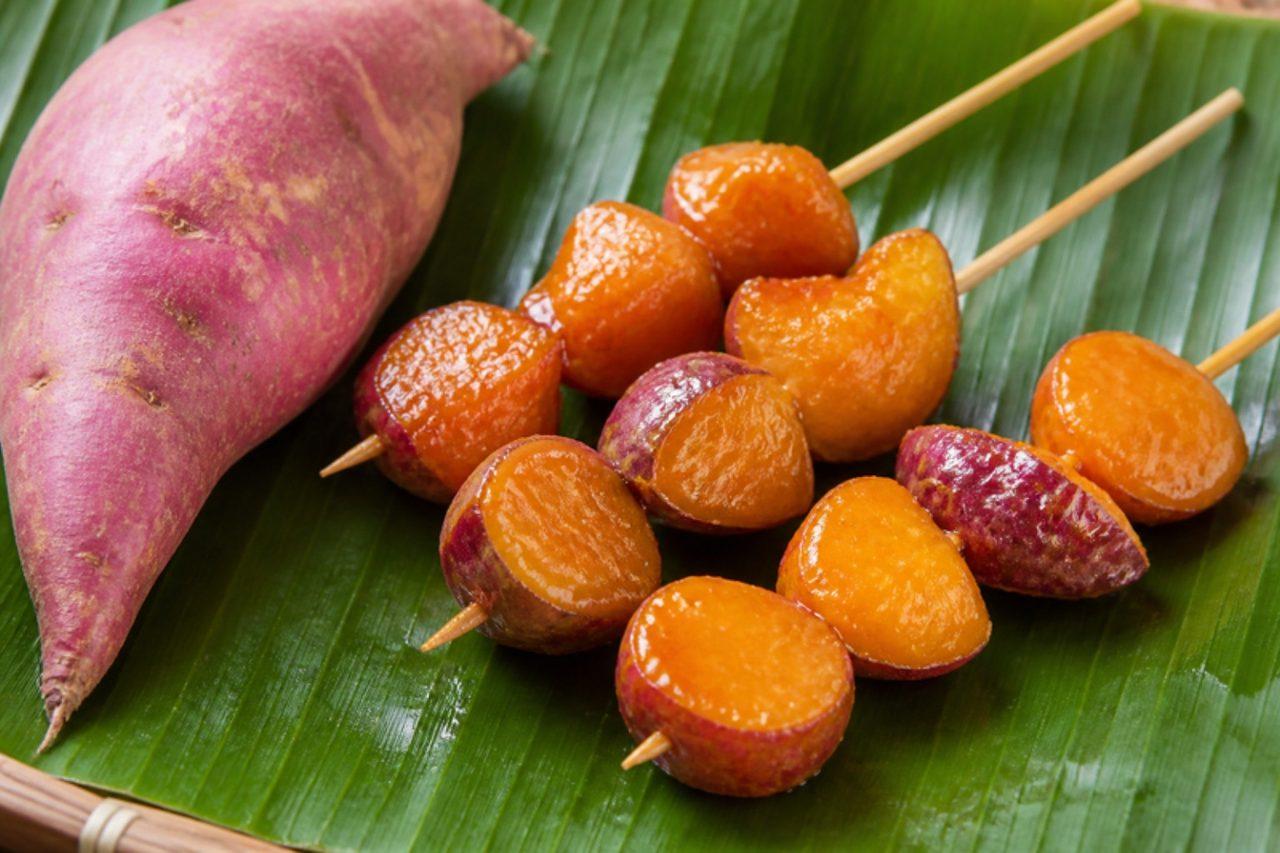
Kamote cueFried caramelised sweet potato

Kamote cue is merienda sold from roadside woks across the Philippines, and children buy a stick or two on the walk home from school. Chunks of sweet potato are fried with brown sugar, which melts and wraps them in a crackly, shiny caramel crust while the inside goes soft and fluffy. It is a sweet treat, so portions are small. None of the common allergens are in it. Chef's tip: add the sugar only once the oil is hot and let it float and melt on the surface before stirring; stirring too early clumps it.

by KrazyBadal 0 views

Mingau de maisena (cornflour milk porridge)

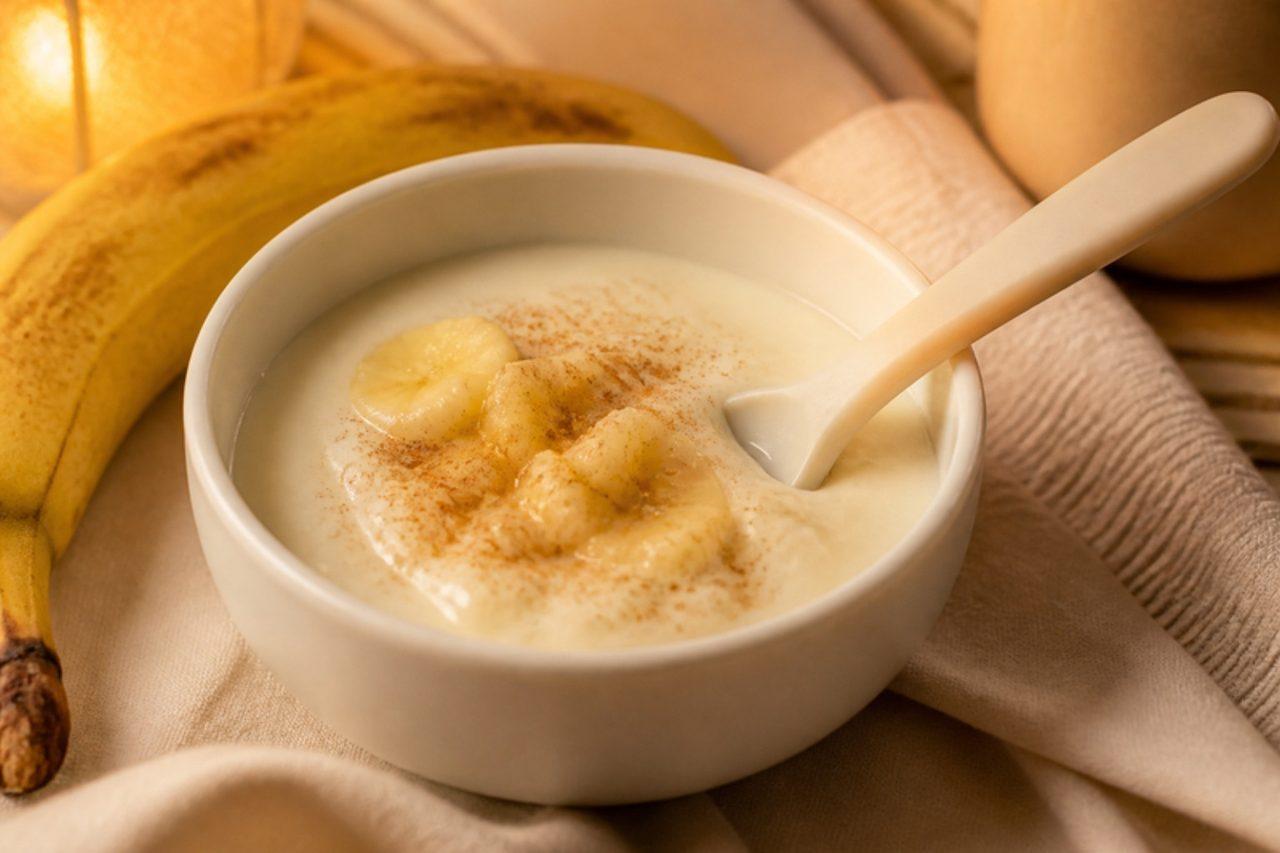
In homes across Brazil, a little bowl of mingau de maisena is the classic supper before bed: milk stirred with cornflour over a low heat until it turns smooth and spoonable, like a thin custard. Grandmothers usually add sugar and cinnamon, but for babies from nine months the sweetness comes from mashed ripe banana instead. It contains milk (cow's milk is fine cooked into food from this age); it has no gluten, egg, nuts, soya, sesame or fish. Chef's tip: mix the cornflour into cold milk before heating, never into hot milk, or it forms lumps at once.

by KrazyBadal 0 views

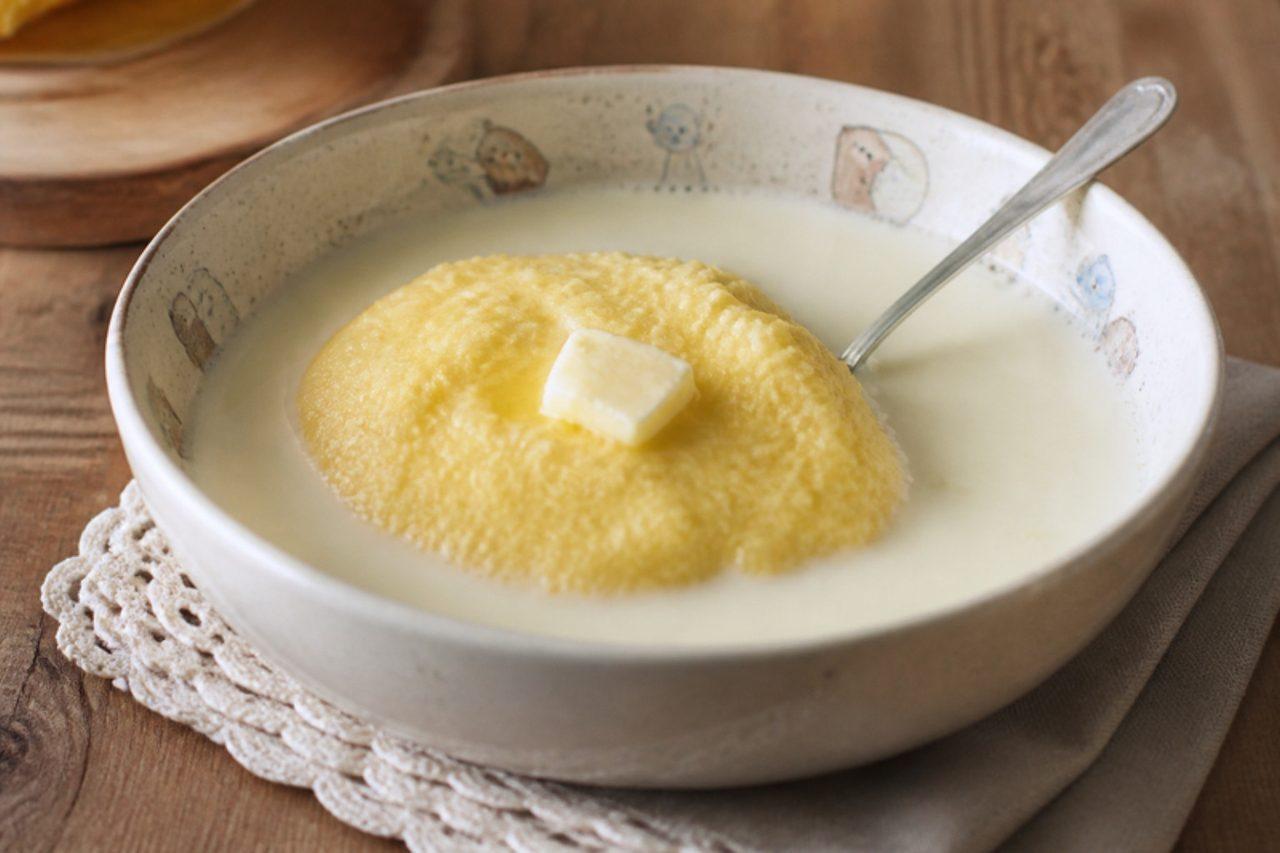
Polenta e lattePolenta in milk

In farmhouses across Lombardy and the Veneto, the polenta left over from lunch was cut into pieces at night and dropped into bowls of warm milk for the children, and polenta e latte is still remembered fondly as a cosy winter supper. Freshly made polenta works just as well: soft, golden and comforting, with the milk soaking into it. It contains milk; it has no gluten, egg, nuts, soya, sesame or fish. Chef's tip: whisk the polenta into the water in a thin stream, like rain, to keep it smooth.

by KrazyBadal 0 views

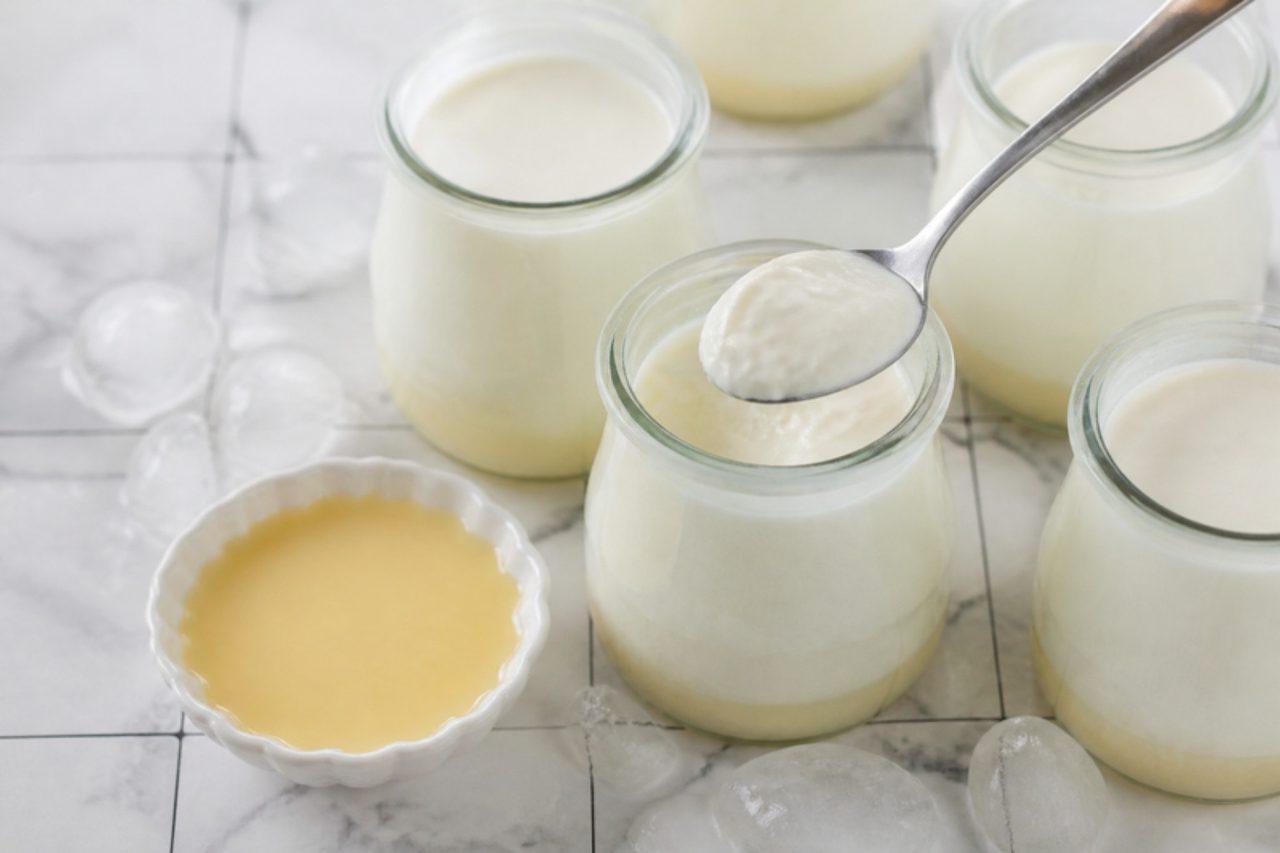
Sữa chua (Vietnamese set yogurt)

In Vietnamese homes, sữa chua is made in a row of small jars and kept in the fridge or freezer, and children in Hanoi and Saigon eat it after school straight from the cup, sometimes frozen hard like ice cream. The condensed milk gives it a mild caramel sweetness and a smooth, firm set that is less sharp than plain yogurt. It is sweetened, so this version uses less condensed milk than the street-stall kind. It contains milk. Chef's tip: keep the milk at blood heat, about 43 °C; hotter kills the yogurt culture and cooler sets slowly and sour.

by KrazyBadal 0 views

Showing 48 of 3,470 recipes

Show more recipes

Page 27 of 145

More No onion & garlic ideas

Other diets