Skip to content
WhatToEat.Today

No onion, no garlic recipes (Swaminarayan and sattvic)

3,470

3470 vegetarian recipes cooked without onion or garlic, as in Swaminarayan and sattvic kitchens, with no meat, fish, eggs or alcohol. Each has photos, step-by-step instructions and cook times. The quickest, Apfelschorle, takes 2 minutes. Most take around 45 minutes.

Filter these by time, diet or cuisine · Make No onion & garlic your diet to see only these recipes everywhere on the site.

Kheera raitaCucumber yogurt dip

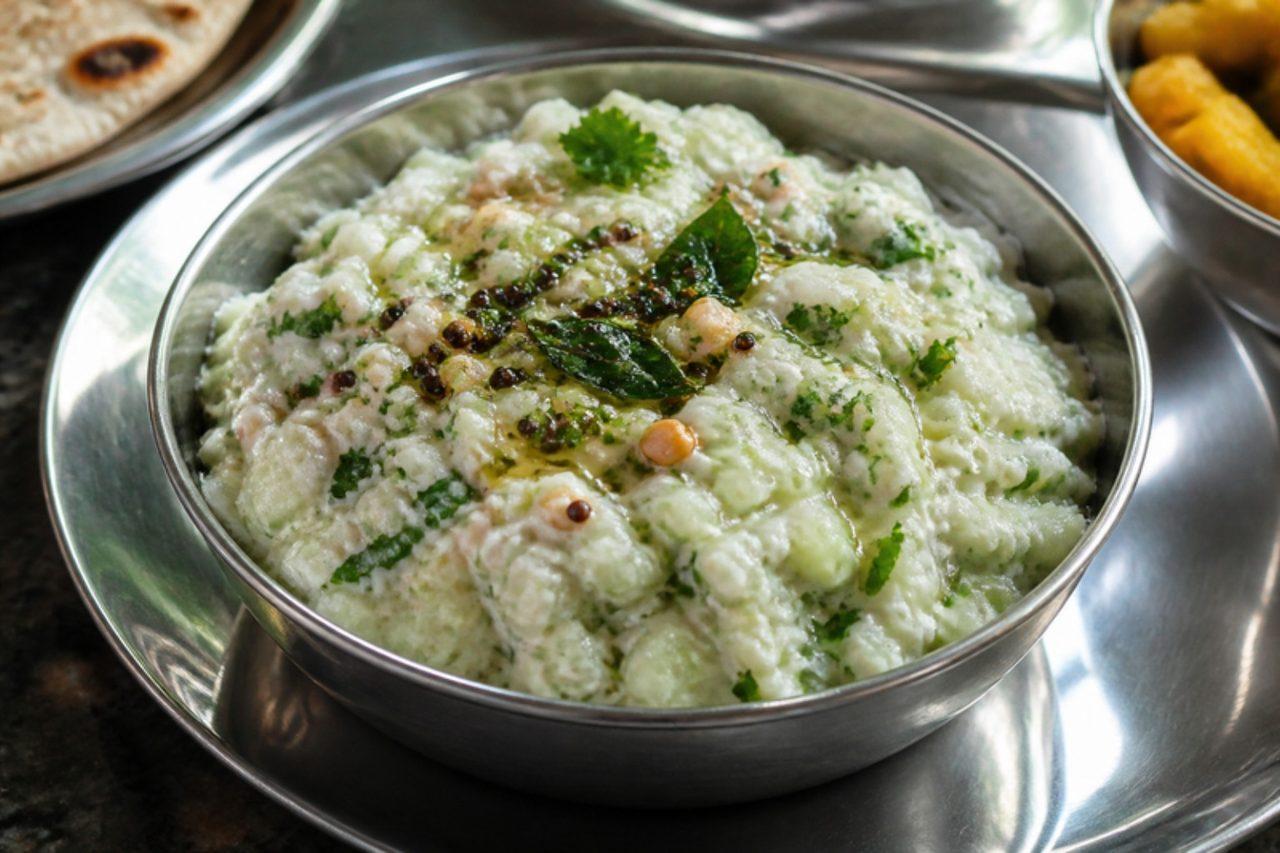
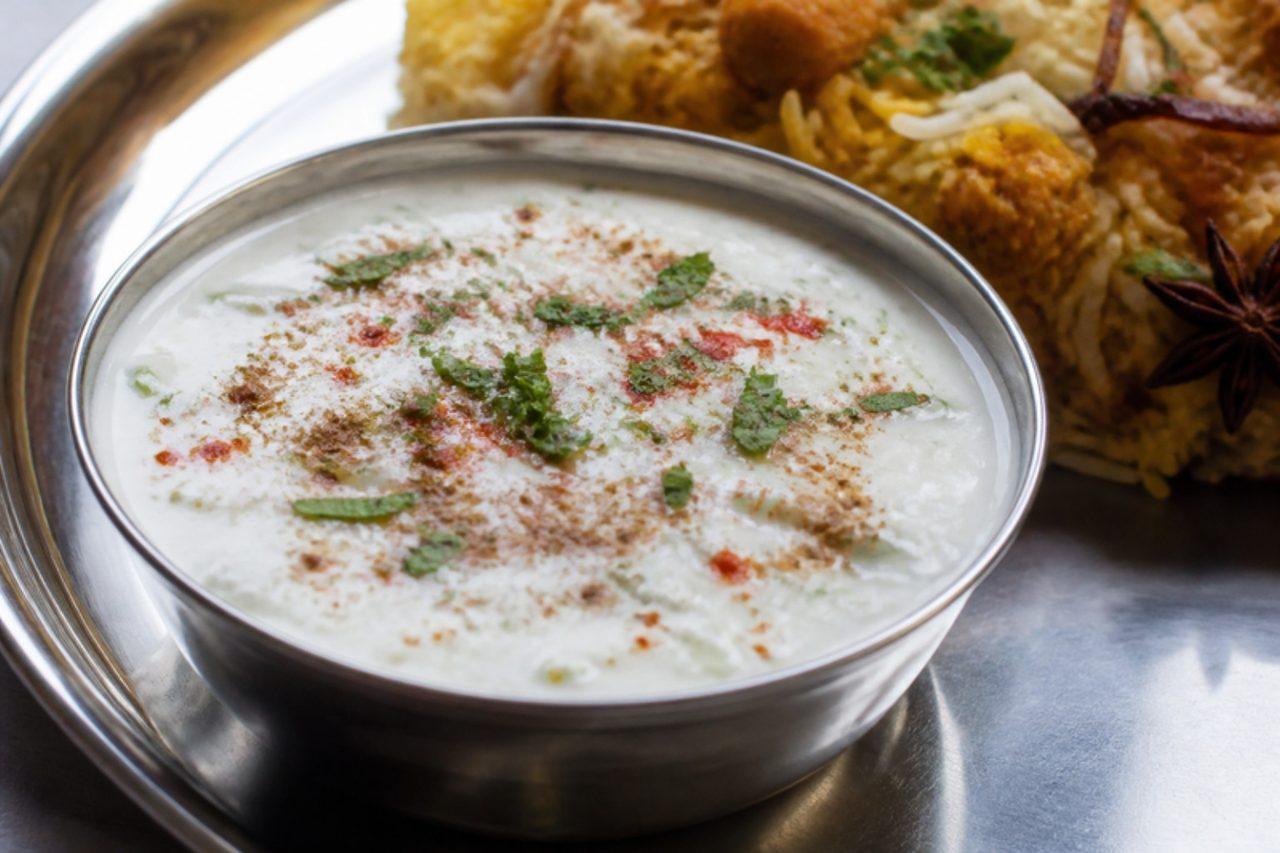
From Lucknow dinner tables to the biryani counters of Old Delhi, a bowl of cucumber raita is the cooling answer to anything spicy, and in summer it is eaten on its own with a paratha. Grated cucumber is folded into smooth, whisked yogurt with freshly roasted cumin, mint and a pinch of black salt. A portion is about 70 kcal. The common mistake is using yogurt straight from the pot without whisking, which gives a lumpy raita; whisk it smooth first and thin it with a spoon of cold water if needed. Chef's tip: roast whole cumin seeds in a dry pan and crush them yourself just before serving; the smoky smell is what makes a raita sing.

by KrazyBadal 0 views

Kakdi koshimbirCucumber peanut salad

Koshimbir is the cool, crunchy salad that sits on the left side of a Marathi thali in Pune and Nashik, eaten at lunch with varan-bhaat and served at every festival meal. This one is grated or finely chopped cucumber mixed with crushed roasted peanuts, green chilli and a little yogurt, then finished with a fizz of mustard seeds and asafoetida in hot oil. A portion is about 110 kcal. The common mistake is not squeezing the cucumber, which makes the salad watery within minutes; press out the juice (and drink it). Chef's tip: add the crushed peanuts at the last moment so they stay crunchy, and use a pinch of sugar only if your yogurt is very sour.

by KrazyBadal 0 views

SpargelcremesuppeCream of asparagus soup

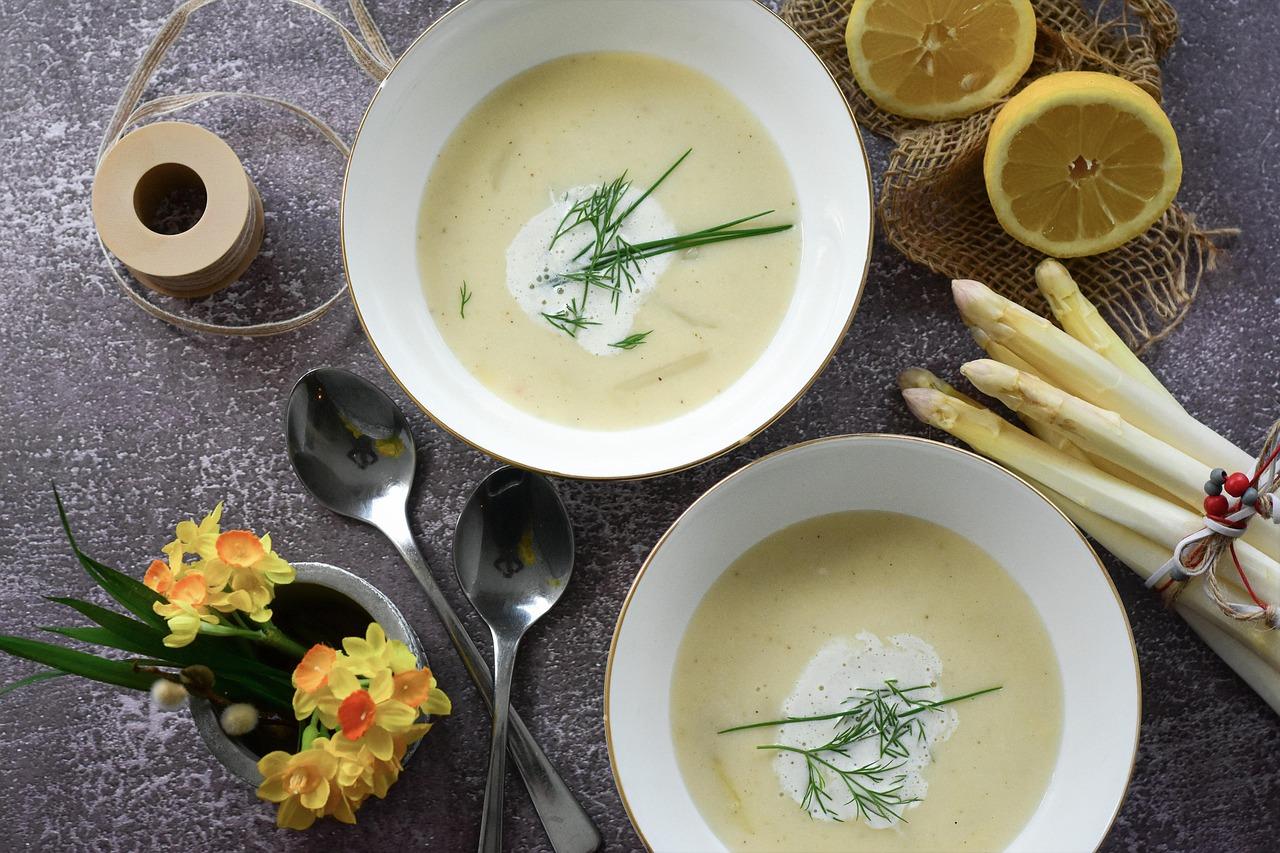
During Spargelzeit, from April to 24 June, kitchens around Schwetzingen, Beelitz and Schrobenhausen fill with white asparagus, and nothing is wasted. The peelings and woody ends are simmered into a light stock, which becomes this velvety cream soup with a few tender tips floating on top, served as a starter before the big asparagus platter or as lunch on its own. Its flavour is delicate, slightly sweet and nutty. Using a strong stock cube is the mistake to avoid; it drowns the asparagus. Chef's tip: a pinch of sugar and a squeeze of lemon in the stock balance the faint bitterness of the peel.

by KrazyBadal 0 views

Makaron z truskawkamiPasta with strawberries

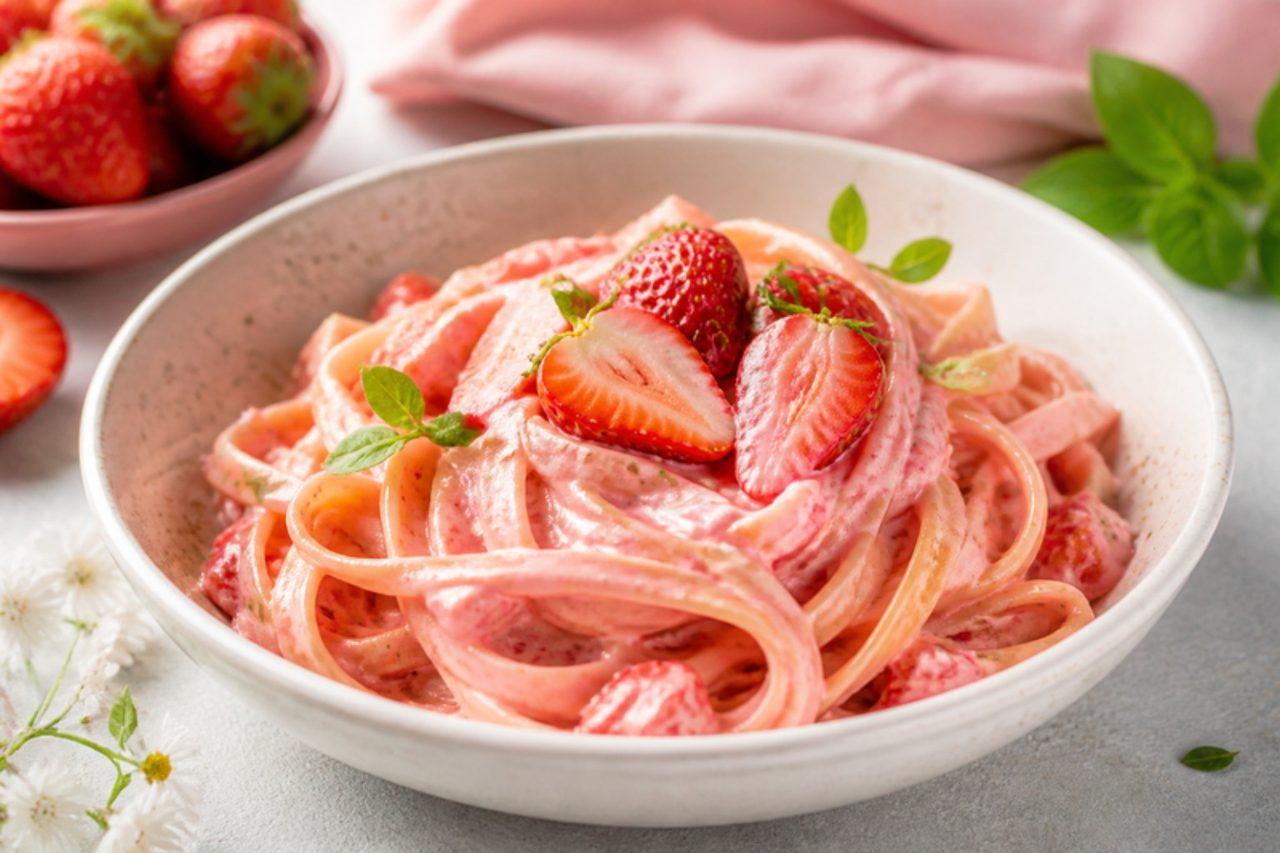
When the first Kashubian and Mazovian strawberries flood the stalls in June, Polish children get makaron z truskawkami for lunch: warm pasta tossed with crushed sweetened strawberries and cream. Milk bars in Kraków and Łódź put it on the summer board too, and it surprises visitors who expect pasta to be savoury. The berries are mashed with sugar until they turn into a loose pink sauce, then folded through hot ribbon pasta or bow ties with soured cream or yoghurt. A common mistake is crushing the strawberries too far ahead, so they turn dull and syrupy; mash them while the pasta cooks. Chef's tip: let the drained pasta cool for a minute before adding the cream, so it coats the pasta instead of splitting into thin streaks.

by KrazyBadal 0 views

DrömmarCrisp dream cookies

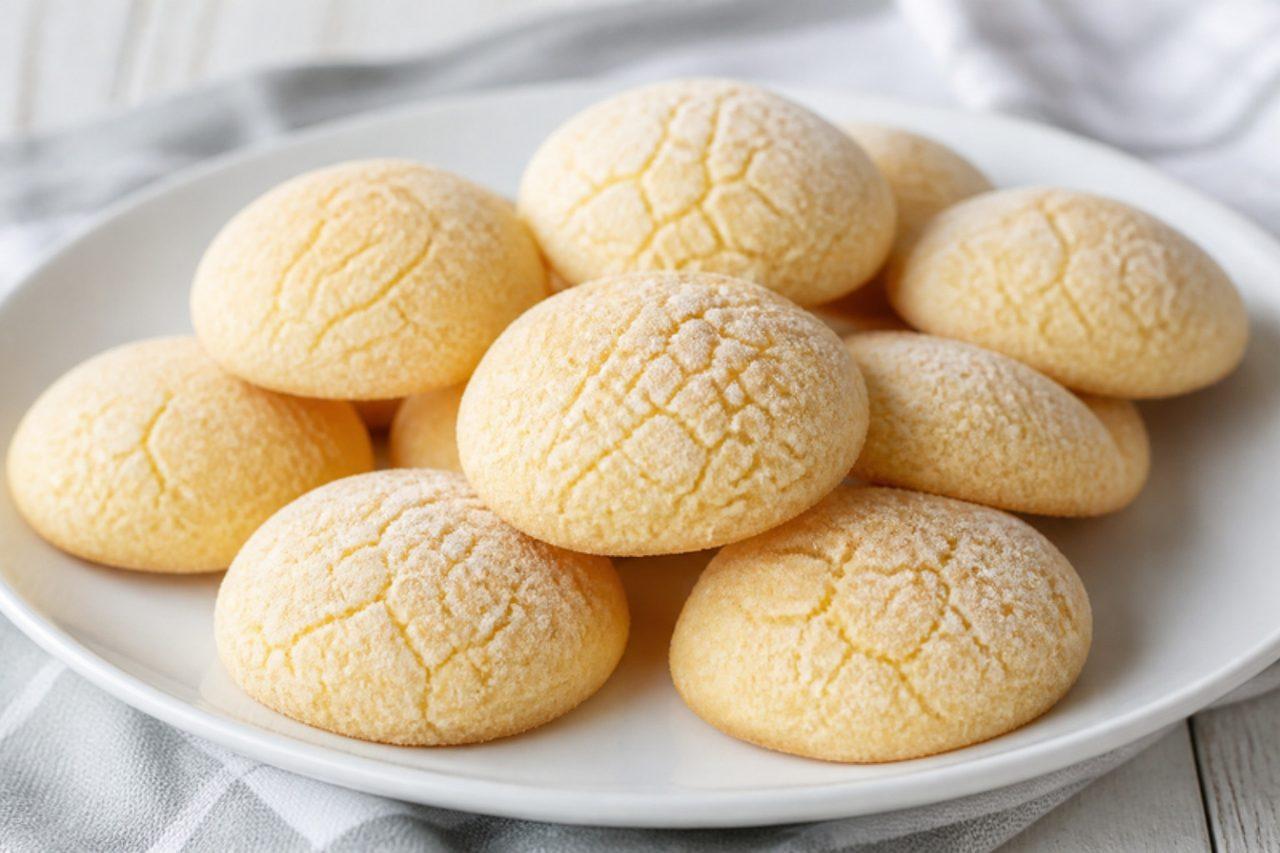
Drömmar, 'dreams', are on almost every plate of the seven kinds of cookies that Swedish hosts traditionally set out for kafferep, the old coffee party, and grandmothers in Dalarna still bake them by the tin. They are pale, domed and so light they crack and melt on the tongue. That texture comes from hjorthornssalt, baker's ammonia, which smells strongly while baking but leaves nothing behind once the cookies are cooked through. Baking powder works too, but the cookies will be less airy. A common mistake is baking at a high heat; they must stay white. Chef's tip: bake in a low oven until completely dry inside, or the ammonia taste lingers.

by KrazyBadal 0 views

TirggelHoney biscuits

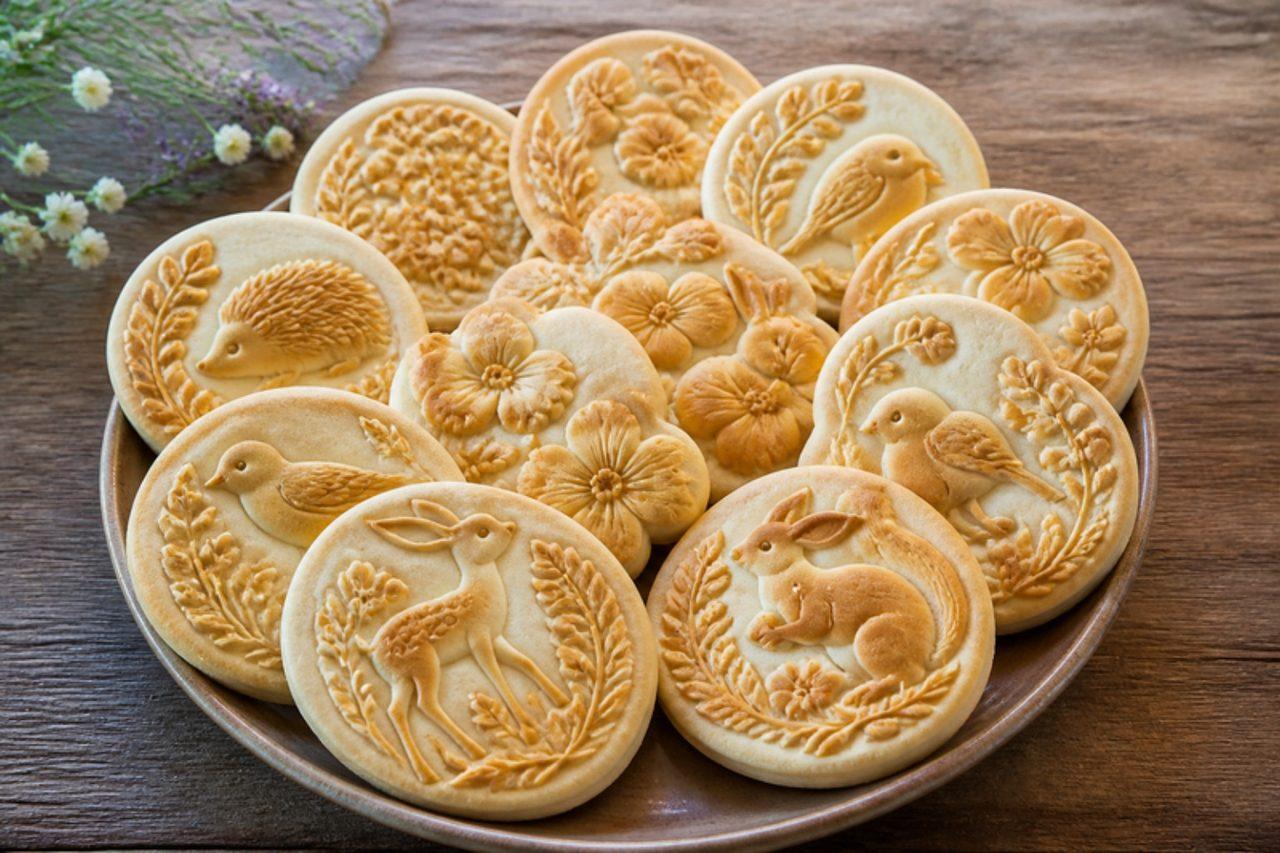
Tirggel have been baked in Zurich since the Middle Ages and are still sold at the Christmas markets on the Bahnhofstrasse and the old-town bakeries: wafer-thin honey biscuits pressed into carved moulds of guild scenes, animals and town views, then baked with heat from the top only so the raised picture turns golden while the back stays pale. They are hard and meant to be broken into pieces and let melt on the tongue. Wooden or silicone springerle moulds work at home. Chef's tip: bake them under the top heat only, or on the highest shelf with a tray below; full heat browns the whole biscuit and the picture disappears.

by KrazyBadal 0 views

KochkäseCooked cheese spread

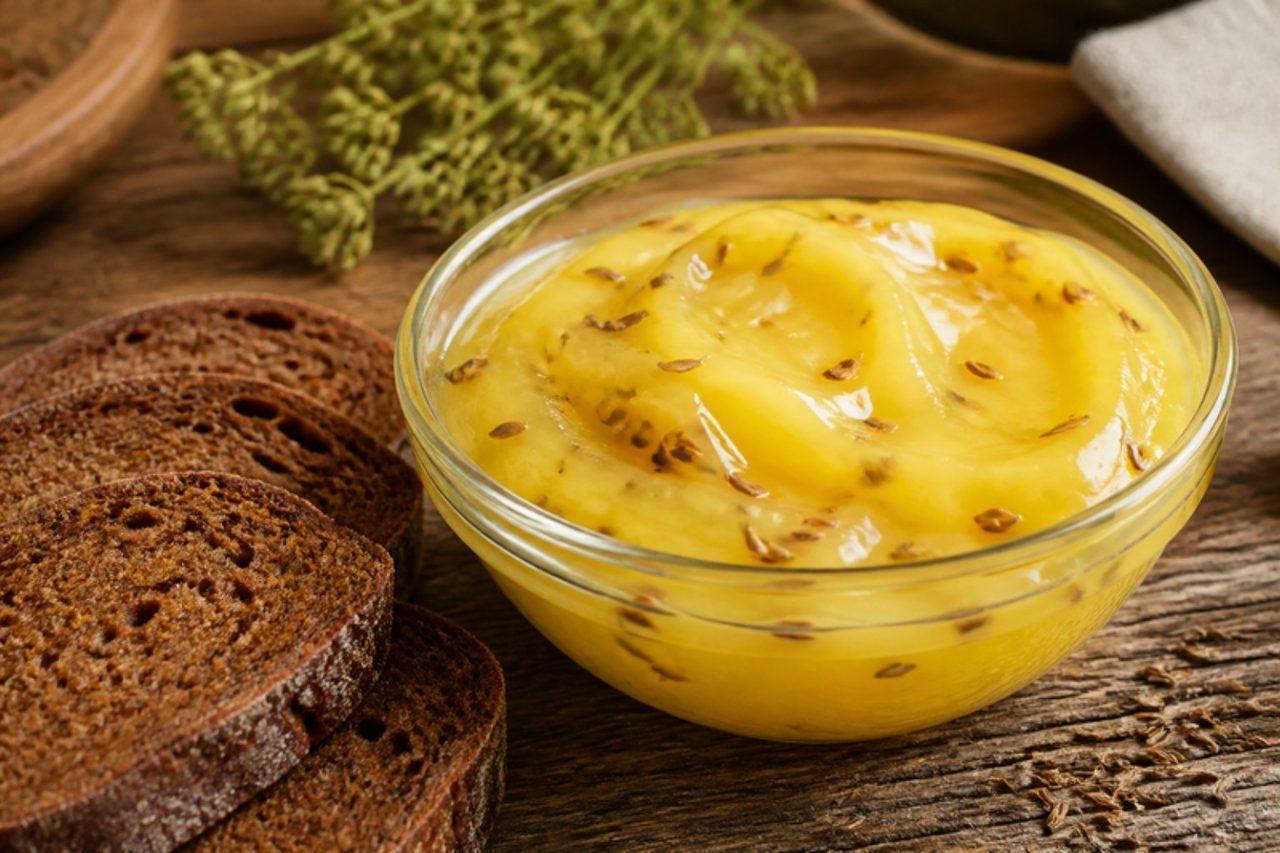
In Hesse, the Odenwald and Franconia, Kochkäse is the spreadable cooked cheese that farm kitchens made from leftover sour-milk curd. Dry quark is left to ripen for a day or two until it turns slightly yellow and smells tangy, then melted with butter, bicarbonate and caraway into a glossy, stretchy spread. It is eaten on rye bread for Abendbrot, often with onion and vinegar on top, and in Hessian pubs alongside cider. Most quark is set without animal rennet, but check the label if that matters. The common mistake is heating it too fast, which makes it grainy instead of smooth. Chef's tip: keep stirring over a low heat until no white flecks remain, then pour it into a jar while it is still runny.

by KrazyBadal 0 views

Zupa mlecznaMilk soup with noodles

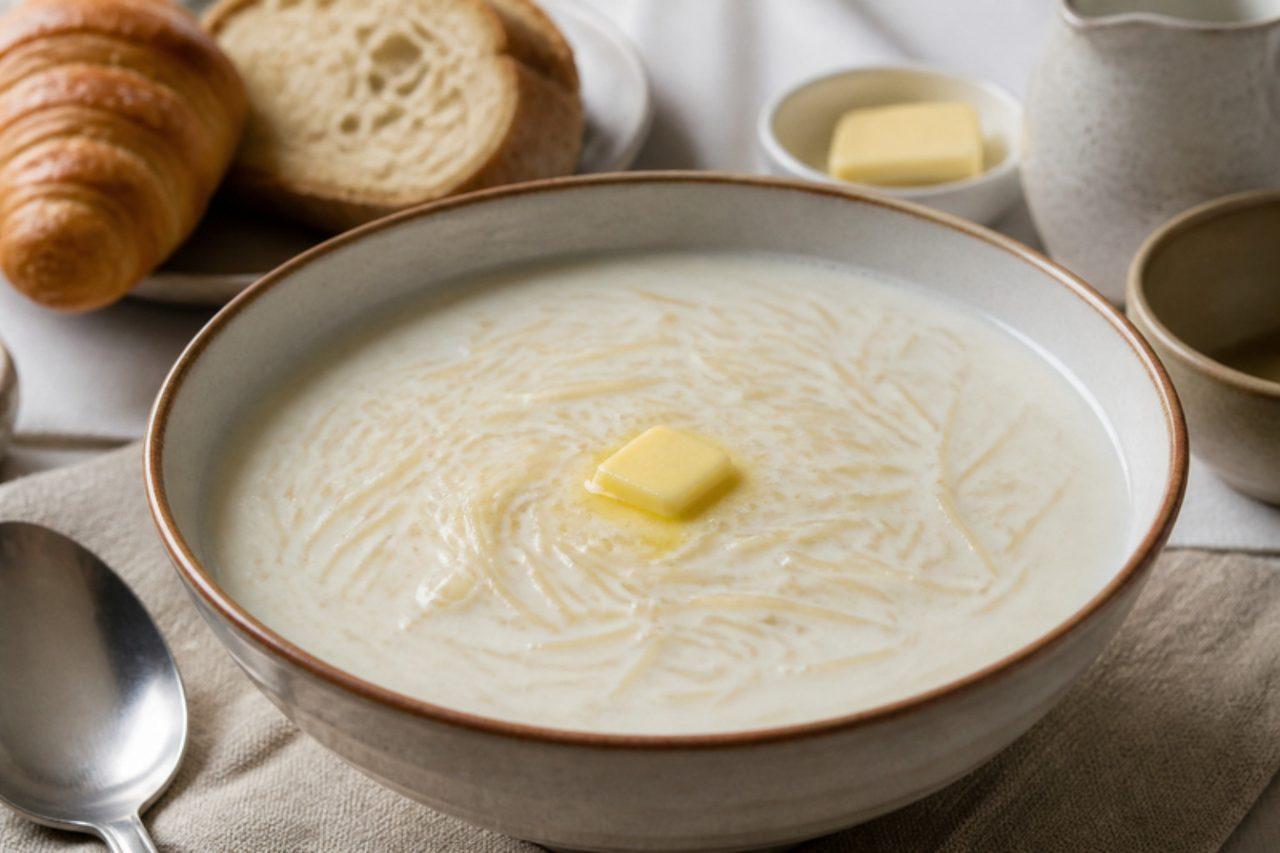
Ask anyone who grew up in Poland about zupa mleczna and you will hear about winter mornings before school, or about the steaming bowls ladled out at breakfast in Warsaw milk bars long before cafés served porridge. It is simply warm milk with small noodles or rice, sweetened lightly and sometimes finished with a knob of butter or cinnamon. Kids like it with lane kluski, egg drops poured straight into the milk. A common mistake is boiling the noodles in the milk over a high heat, so it catches and tastes scorched; cook them in water first. Chef's tip: warm the milk with a strip of lemon peel and a pinch of salt, which makes it taste rounder without adding more sugar.

by KrazyBadal 0 views

Isubgul sharbatPsyllium lemon drink

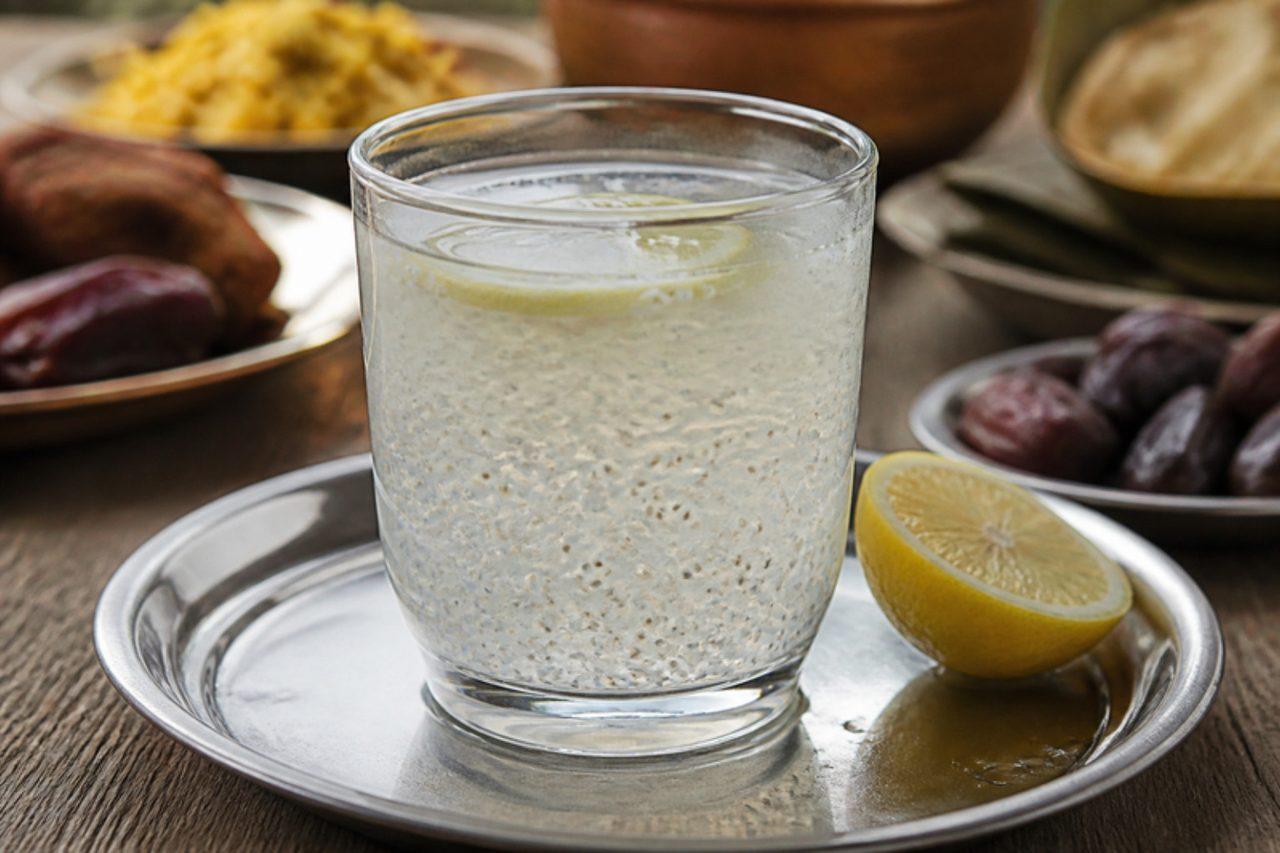
Many Bangladeshi grandmothers insist on a glass of isubgul sharbat at iftar or before sehri, and in Dhaka's old neighbourhoods it is sold from shops alongside tokma and lebu sharbat throughout Ramadan; the psyllium is valued for keeping digestion comfortable during the fast. Stirred into sweetened lemon water, the husk swells into a soft, slightly thick drink with a mild, neutral taste. The classic mistake is letting it stand: psyllium keeps absorbing water and sets into a jelly within minutes, so mix it just before drinking. Drink plenty of water as well, and anyone taking regular medication should space it at least two hours away from psyllium. Chef's tip: sprinkle the husk on top and whisk immediately with a fork rather than spooning it in a heap, so it disperses without lumps.

by KrazyBadal 0 views

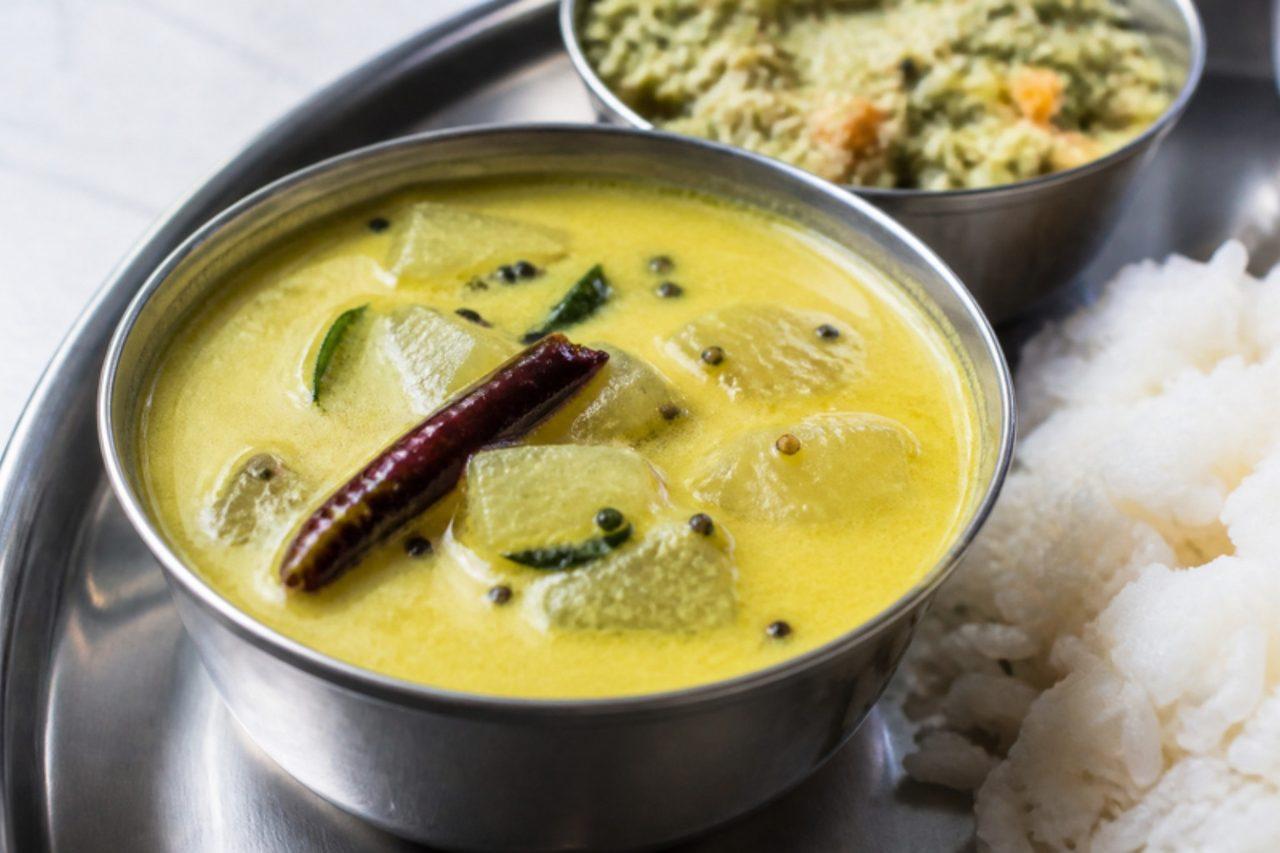
Majjige huliAsh gourd in buttermilk

Majjige huli is part of the Udupi and Mangaluru lunch, served with rice on banana leaves at temple meals and weddings and made at home on hot days: chunks of ash gourd (or cucumber, or chayote) cooked tender and then simmered gently in sour buttermilk thickened with a paste of coconut, green chilli, ginger and soaked chana dal. It is mild, tangy and pale yellow, and very cooling. A portion is about 150 kcal. The most common mistake is boiling it after the buttermilk goes in; it splits into curds and whey. Heat it until just steaming and then take it off. Chef's tip: use buttermilk that is a day or two old and properly sour; fresh buttermilk tastes flat in this dish.

by KrazyBadal 0 views

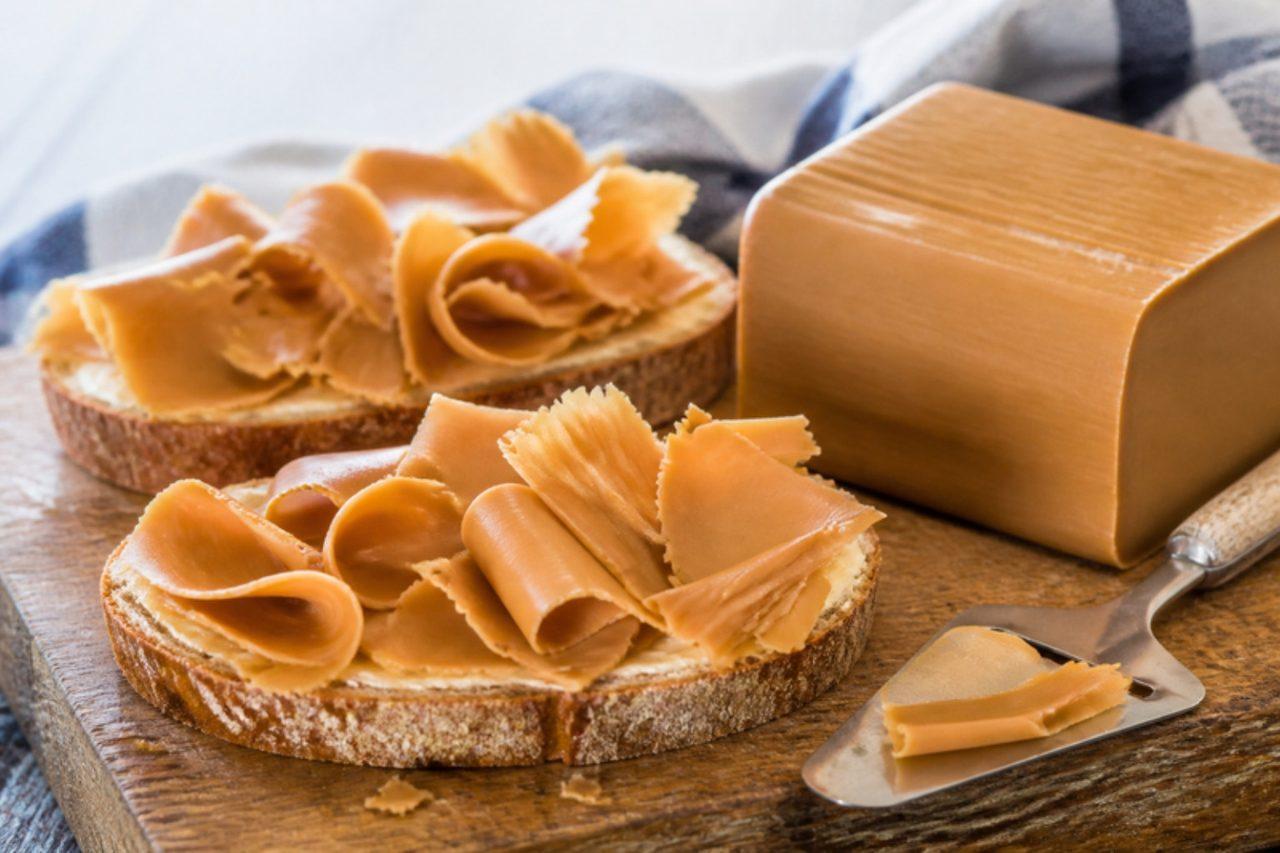
Brunost on breadBrown cheese on bread

Brunost, the brown cheese of Norway, is not really cheese but whey boiled for hours until its milk sugars caramelise into a fudge-like block. In Gudbrandsdalen and across the country it is shaved paper-thin with a cheese slicer onto buttered bread at breakfast, packed into school lunch boxes (matpakke) and laid on hot heart-shaped waffles at weekends. The whey comes from cheesemaking that often uses animal rennet, so strict vegetarians should check the label. A common mistake is cutting it in thick chunks; it is sweet and rich and meant to be almost see-through. Chef's tip: use a proper flat cheese slicer, and add a few slices of tart apple or jam on top to balance the sweetness.

by KrazyBadal 0 views

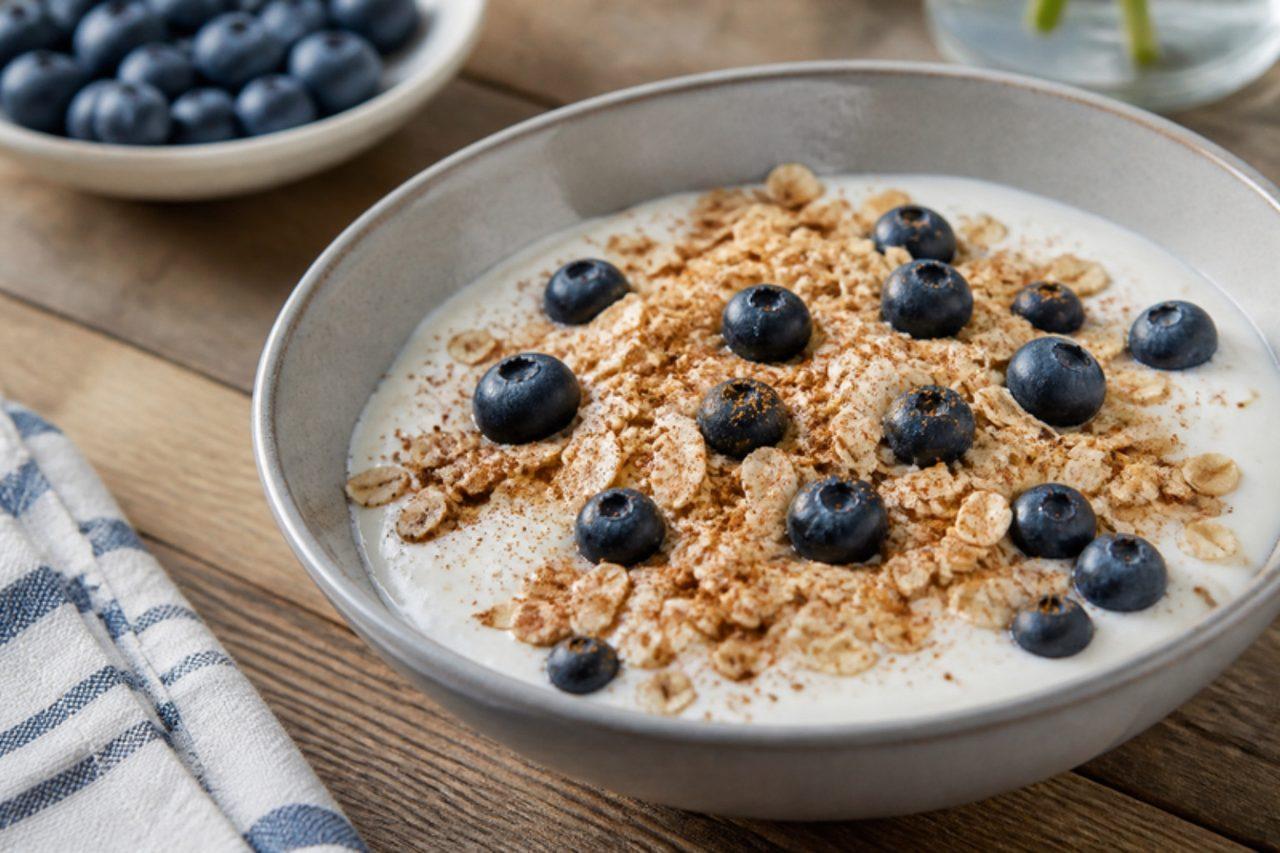
Filmjölk with muesliSoured milk with muesli

Swedish breakfast tables, from Stockholm flats to Norrland cabins, almost always have a carton of filmjölk: a mild, pourable cultured milk that is less sour than yogurt and thinner than kefir. It goes into a deep plate, never a glass, with muesli, fresh berries and a dusting of cinnamon. Here you can make your own filmjölk by culturing milk with a few spoons of shop-bought filmjölk or buttermilk. A common mistake is warming the milk too much, which kills the culture. Chef's tip: let it set at warm room temperature, about 20–22 °C, for 24 hours until it wobbles like soft custard.

by KrazyBadal 0 views

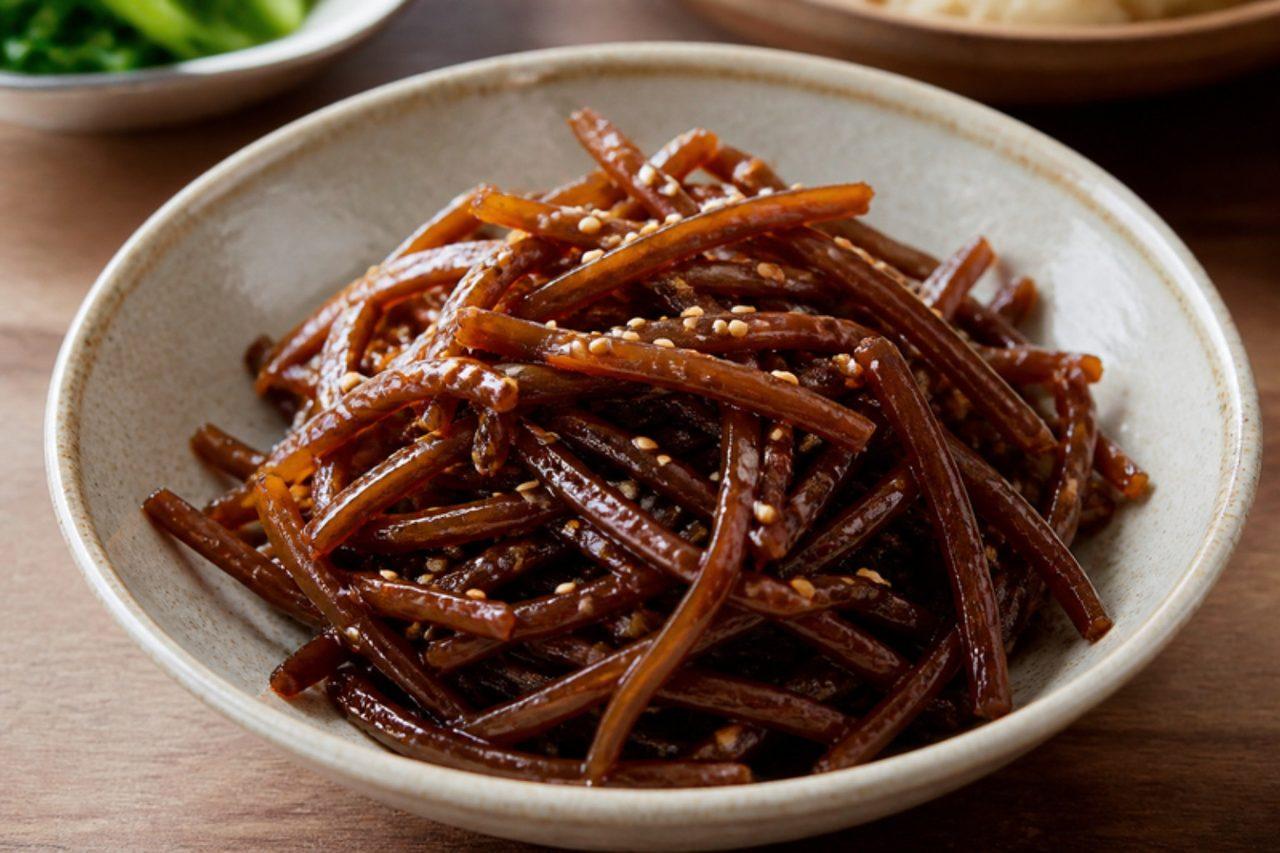
Ueong jorimBraised burdock root

Thin sticks of burdock root braised in soy and sugar until they are dark, glossy and chewy are one of the banchan Korean mothers make in a big batch on a weekend; they keep for a week and go into the lunch boxes of schoolchildren in Seoul and into gimbap rolls. The flavour is earthy, sweet and savoury, with a little stickiness from rice syrup. A portion is about 95 kcal. The common mistake is adding the sweetener too early, which makes the burdock hard; braise in the soy first, and add the syrup at the end for the shine. Chef's tip: soak the cut burdock in water with a splash of vinegar for 10 minutes; it stops it turning grey and takes away the bitter edge.

by KrazyBadal 0 views

ApfelschorleApple juice spritzer

At any German beer garden, from Munich's Chinese Tower to the cider taverns of Frankfurt, the drink for children, drivers and anyone on a hot afternoon is Apfelschorle: cloudy apple juice topped up with sparkling mineral water. Germans drink it at family lunches, after sport and at school summer parties, and it is far less sweet than juice alone. The usual mix is half and half, but many people go lighter on the juice. The common mistake is pouring the water first, which knocks out the bubbles. Chef's tip: use naturally cloudy apple juice and very cold, strongly sparkling water, and pour the water in slowly down the side of the glass.

by KrazyBadal 0 views

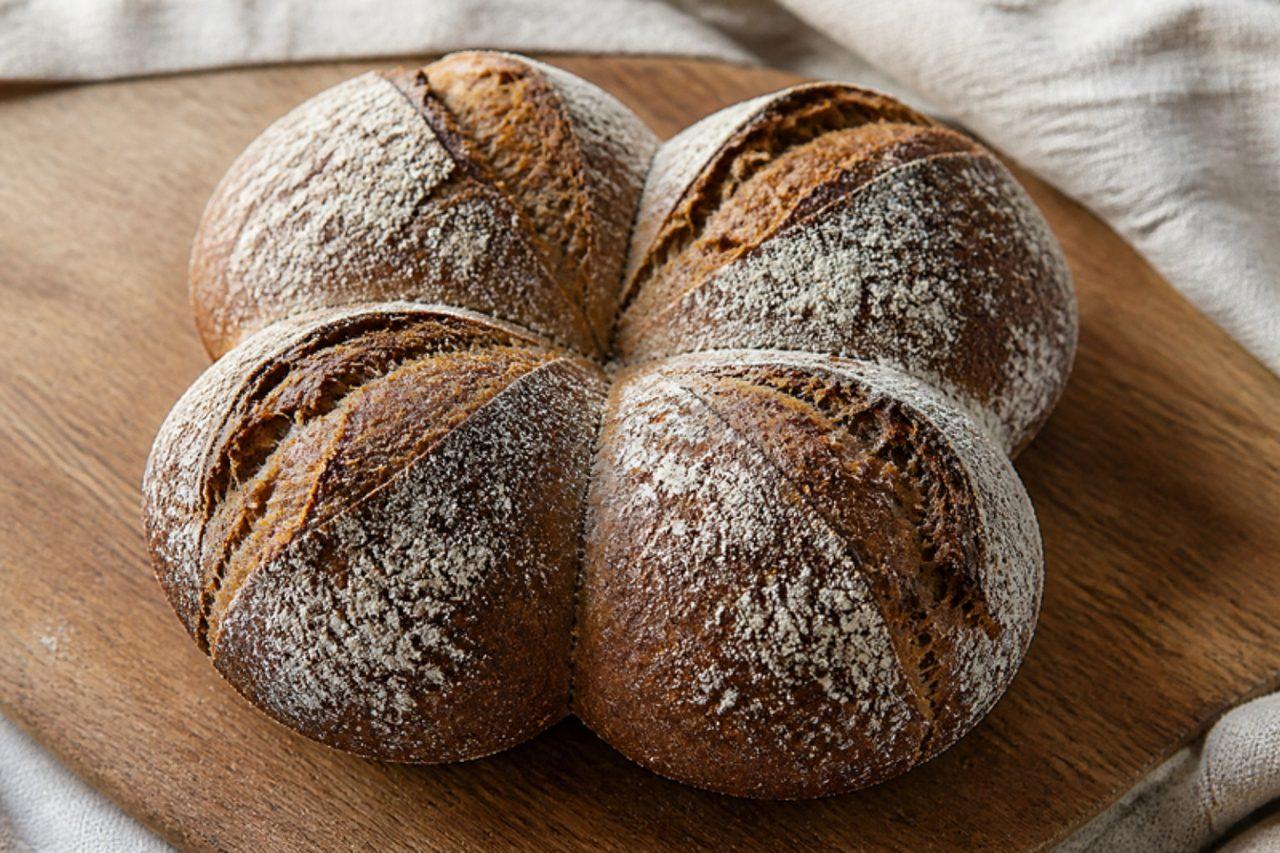
BürliCrusty bread rolls

Walk into a bakery in St. Gallen, Appenzell or Thurgau in the morning and you will find trays of Bürli, rough, flour-dusted rolls baked in clusters of two or four that you tear apart at the table. Their dough is wet and lightly handled, so the crust bakes up thin and crackling while the inside stays open and chewy. In eastern Switzerland they are the classic partner for a grilled St. Galler Bratwurst at football matches and markets, and they're just as good with butter and cheese. Chef's tip: don't add extra flour to the sticky dough; the high water content is what gives Bürli their big holes, so use wet hands and a scraper instead.

by KrazyBadal 0 views

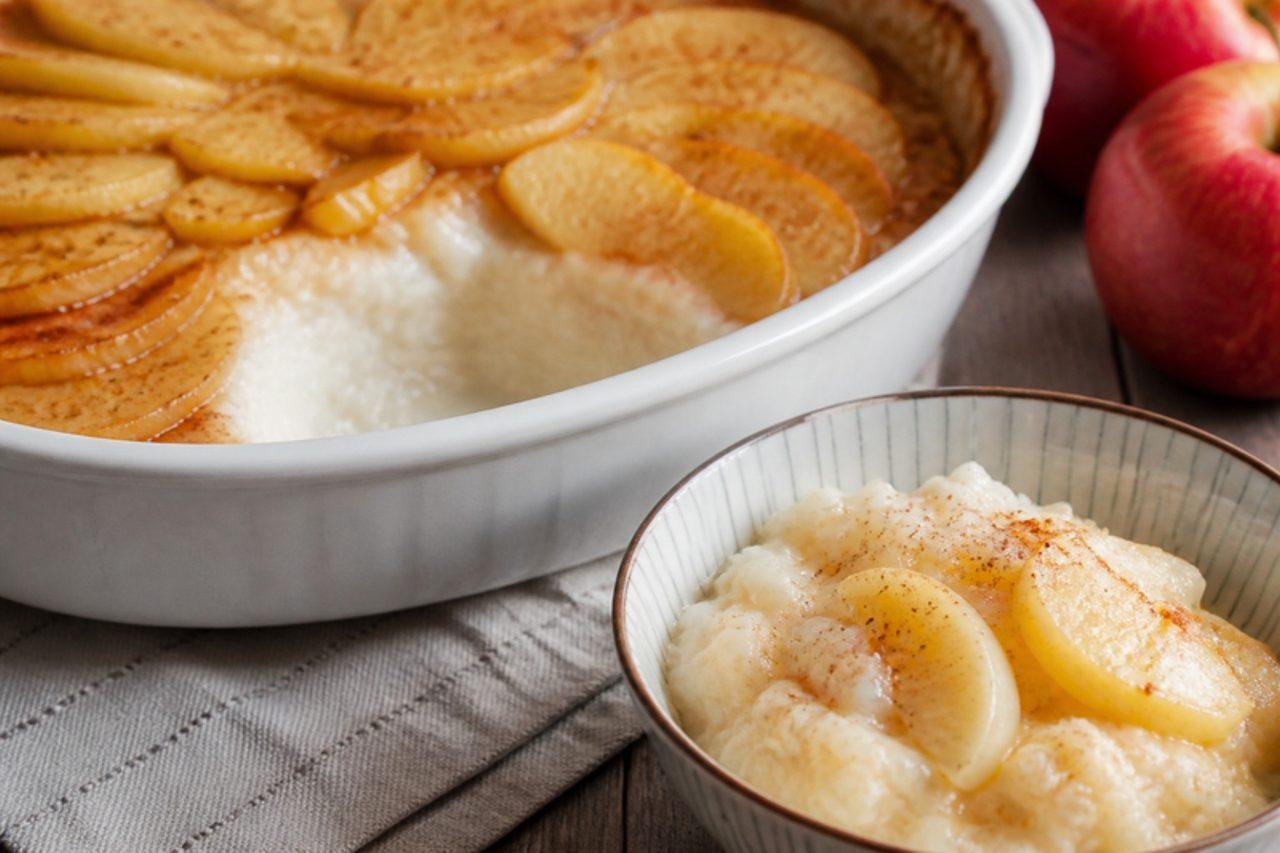
Ryż z jabłkamiBaked rice with apples

Every Polish school canteen and milk bar from Gdańsk to Rzeszów has served ryż z jabłkami, and many grown-ups still bake it on a cold Sunday afternoon when autumn apples fill the market. Rice is cooked slowly in milk until creamy, layered in a dish with grated sharp apples, sugar and cinnamon, then baked until the top turns golden and the apple juices soak into the rice. It is eaten warm with soured cream or cold the next day from the fridge. A common mistake is using sweet dessert apples, which go mushy and bland; tart apples like Antonówka, Bramley or Granny Smith keep their bite. Chef's tip: squeeze a little of the juice out of the grated apples, or the bottom layer turns watery.

by KrazyBadal 0 views

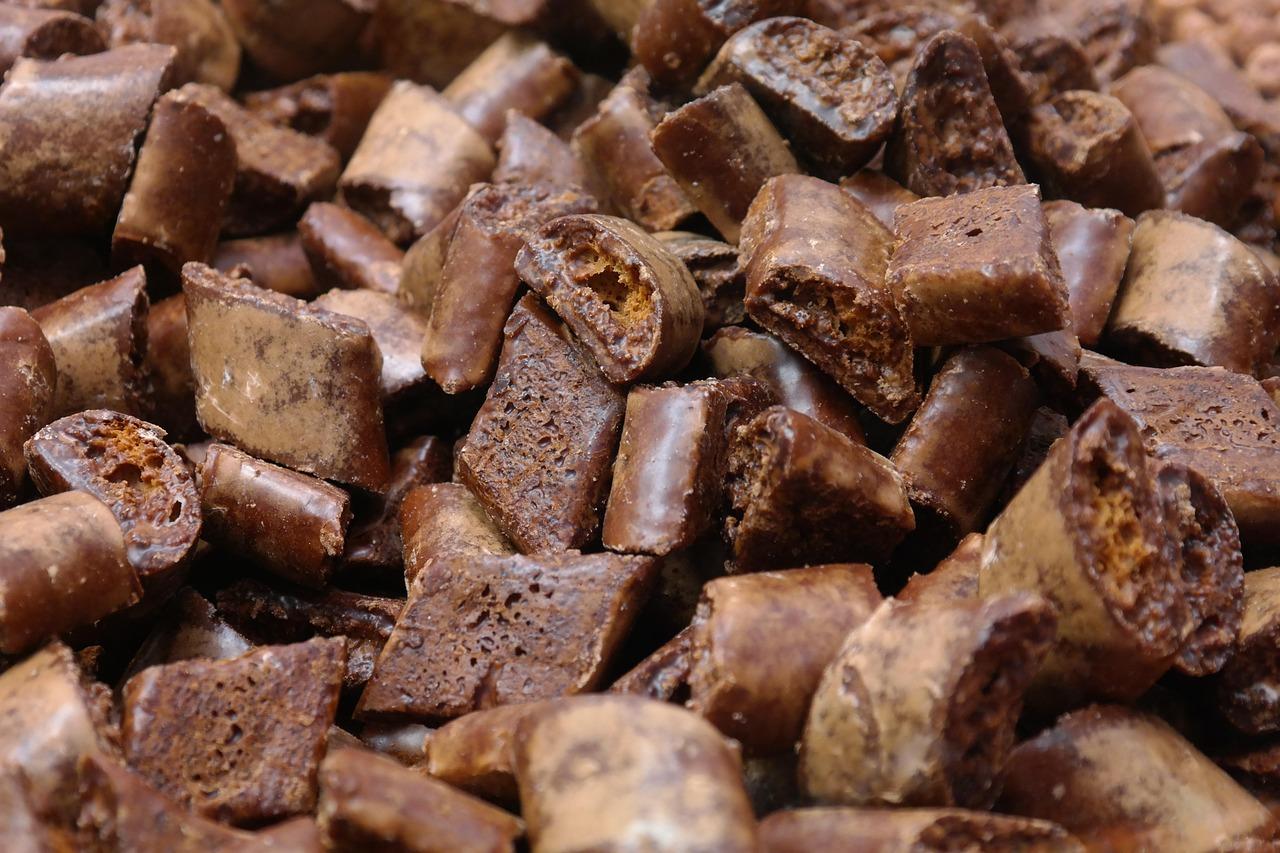
MagenbrotSpiced gingerbread bites

The smell of Magenbrot drifts over every Volksfest, Kirchweih and Christmas market in Bavaria, Baden and Swabia, where it is sold warm in paper cones. The name means stomach bread, because the spices were once thought to help digestion. Small diamonds of honey-spiced cake with cocoa are dipped in a shiny chocolate glaze that sets with a slight crunch. They keep for weeks in a tin, so they are made in big batches. The common mistake is overbaking, which makes the pieces hard instead of soft and chewy. Chef's tip: cut the cake while it is still warm, then glaze the pieces once they are cool so the glaze stays glossy.

by KrazyBadal 0 views

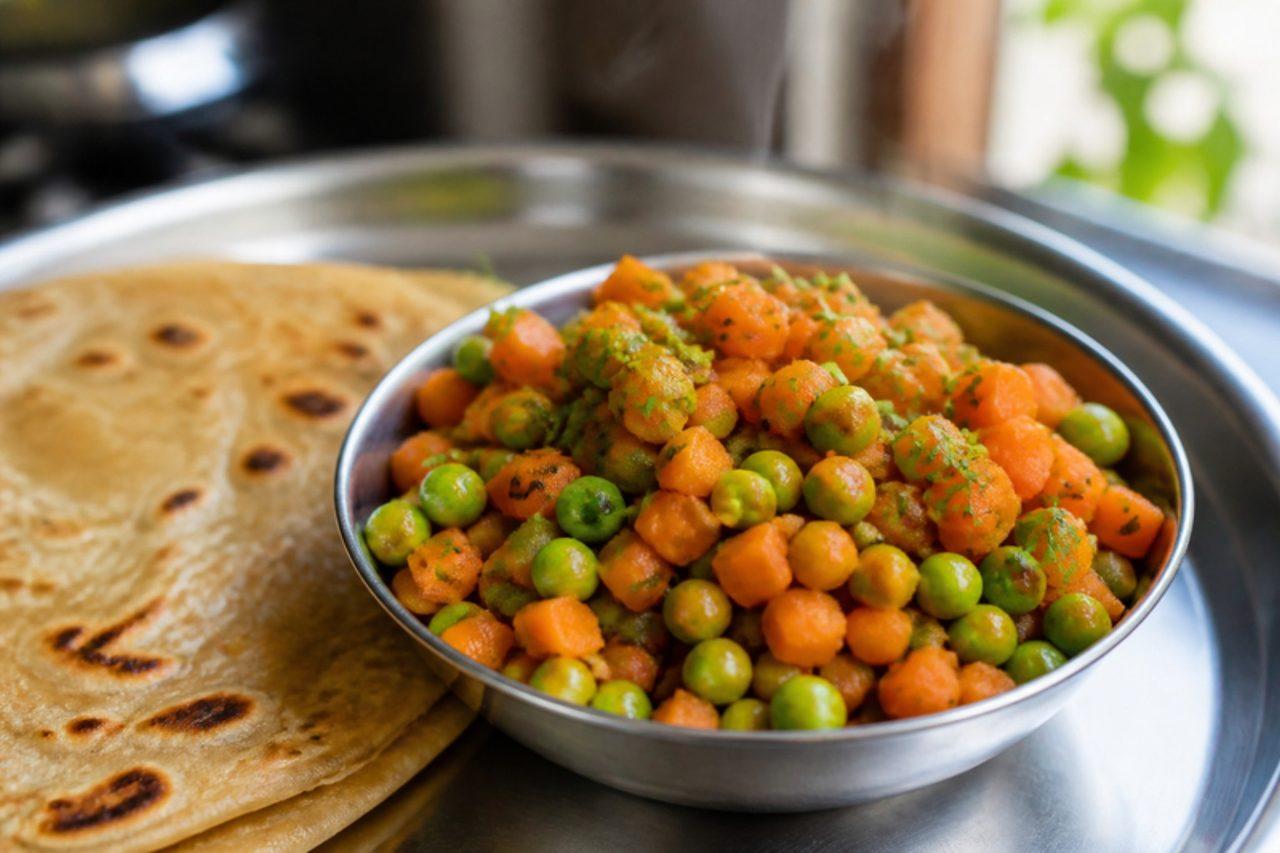
Gajar matarCarrot and pea stir-fry

Come December, the carts in Delhi and Lucknow are full of long red Delhi carrots and pods of fresh peas, and gajar matar becomes the everyday sabzi of the season, packed into tiffins with paratha or eaten with dal and rice. Diced carrot and peas are cooked with cumin, a little ginger and dry spices until just tender and sweet. Children tend to like it for its colour and mild taste. A portion is about 120 kcal. The usual mistake is cutting the carrot too big, so the peas go wrinkly before the carrot is cooked; dice it to the size of a pea. Chef's tip: if you can find the red winter carrots, use them; they are sweeter and juicier than orange ones, so you need no sugar at all.

by KrazyBadal 0 views

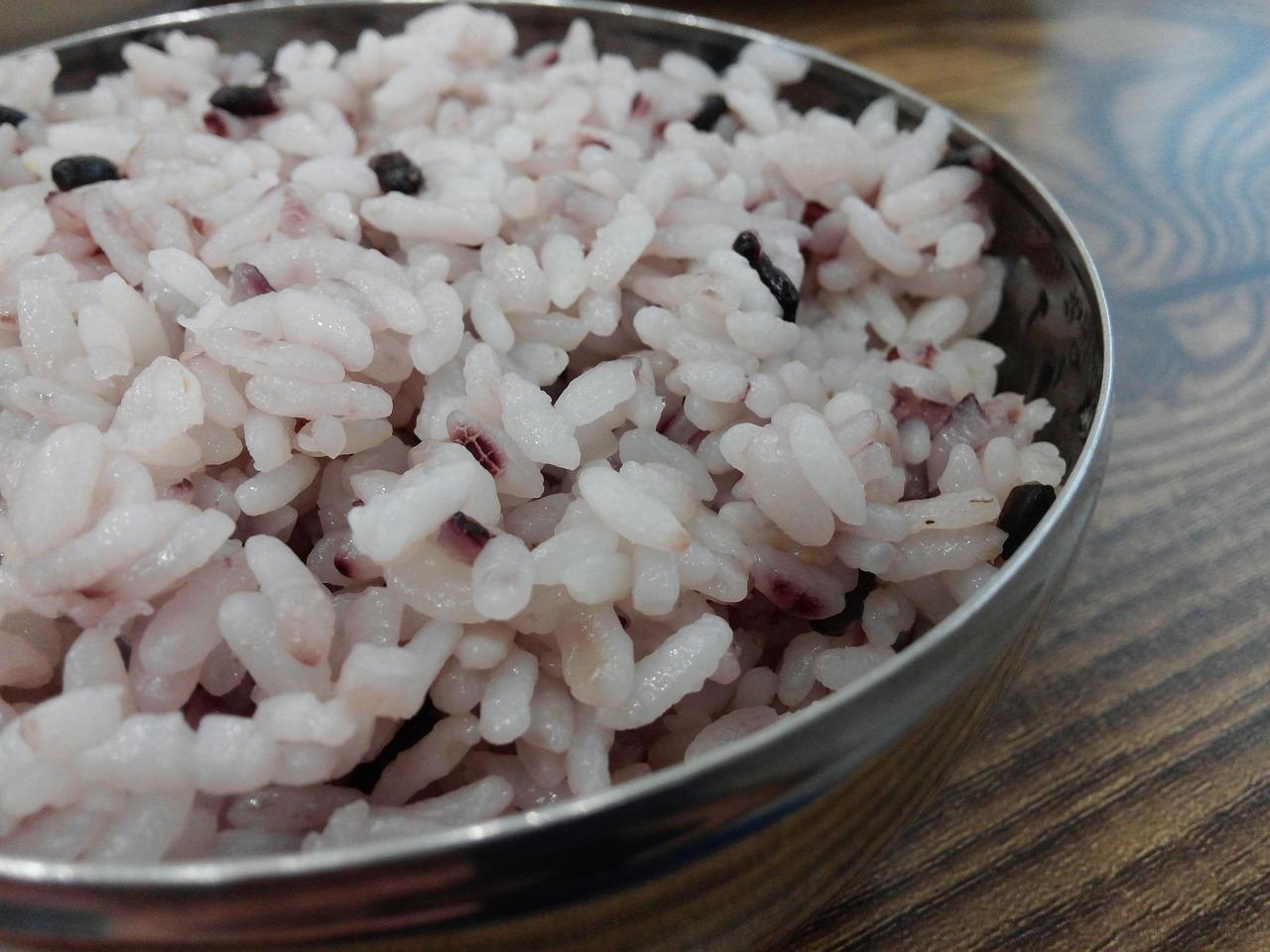
JapgokbapMultigrain rice

In Korean homes today, the bowl of rice beside the stew is more often japgokbap than plain white: short-grain rice cooked with a handful each of barley, brown rice, black rice, millet and beans, which turns it purple-grey, chewy and nutty. Supermarkets in Seoul sell ready-mixed bags of japgok for the rice cooker, and the habit goes back to times when rice was rationed and stretched with other grains. A portion is about 270 kcal, with far more fibre than white rice. The beans and brown grains need soaking: 4 hours or overnight (not counted). The common mistake is cooking it with the water for white rice; whole grains need about a quarter more. Chef's tip: soak the beans and brown grains separately from the white rice, which only needs 20 minutes; that way nothing ends up hard or mushy.

by KrazyBadal 0 views

ZöldborsófőzelékGreen pea stew

Ask Hungarians about their childhood lunches and zöldborsófőzelék comes up fast: a bright green, slightly sweet pea stew that grandmothers in Budapest and the villages of the Great Plain make in late spring with fresh peas and all year with frozen ones. The peas cook briefly in butter with a pinch of sugar, then a light roux and milk turn them creamy, and a fistful of parsley finishes it. It is eaten as a meal with fried eggs, potato croquettes or fasírt. Chef's tip: stop cooking as soon as the peas are tender; long simmering turns them khaki and floury.

by KrazyBadal 0 views

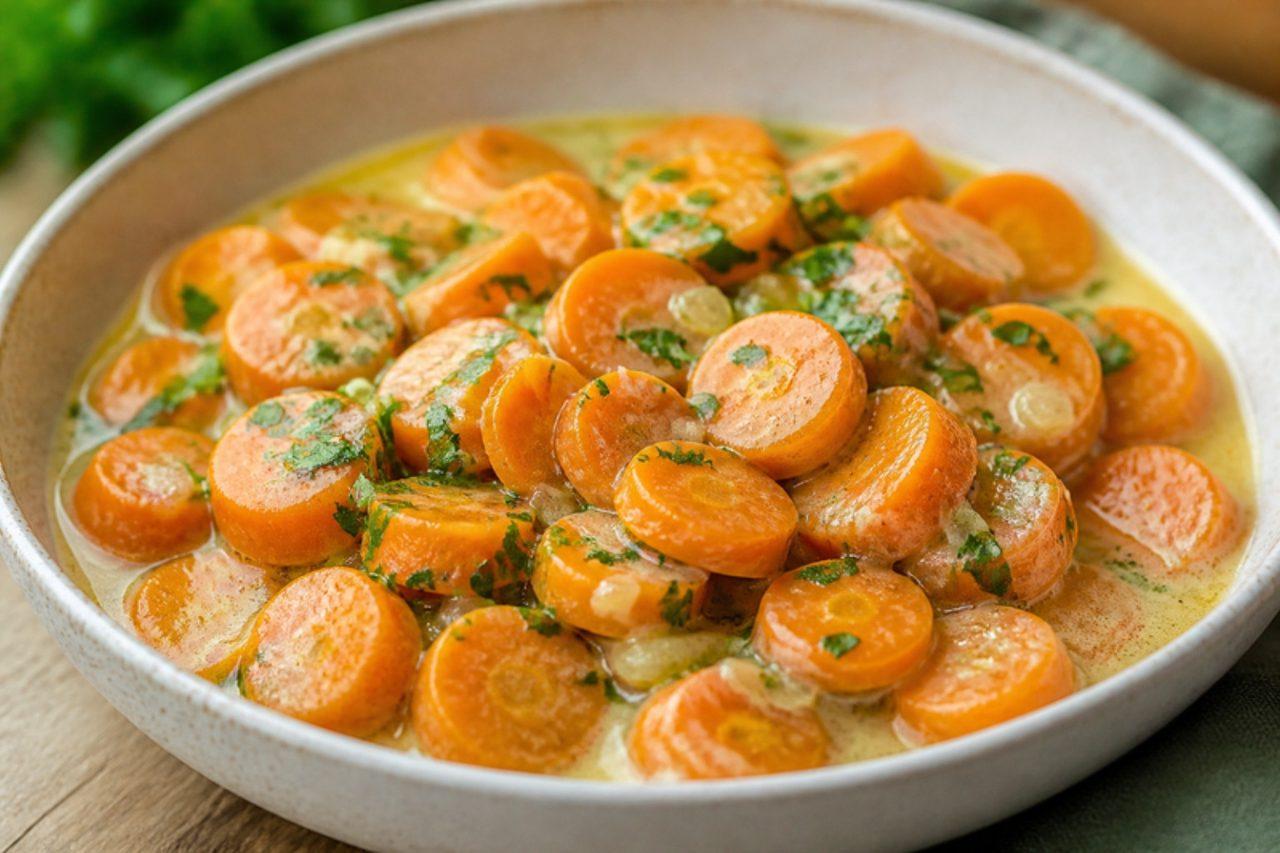
Sárgarépa-főzelékCarrot stew

Hungarian nurseries and primary school canteens serve sárgarépa-főzelék so often that it is practically a rite of passage, and plenty of grown-ups in Budapest still cook it at home when they want something gentle. Carrot coins cook in butter with a pinch of sugar until sweet, then a milky roux and fresh parsley turn them into a soft, golden stew. Children eat it with mashed potato or a fried egg, adults often add a fasírt. Chef's tip: cut the carrots into even 5 mm coins so they finish together; uneven chunks leave some hard and others mushy.

by KrazyBadal 0 views

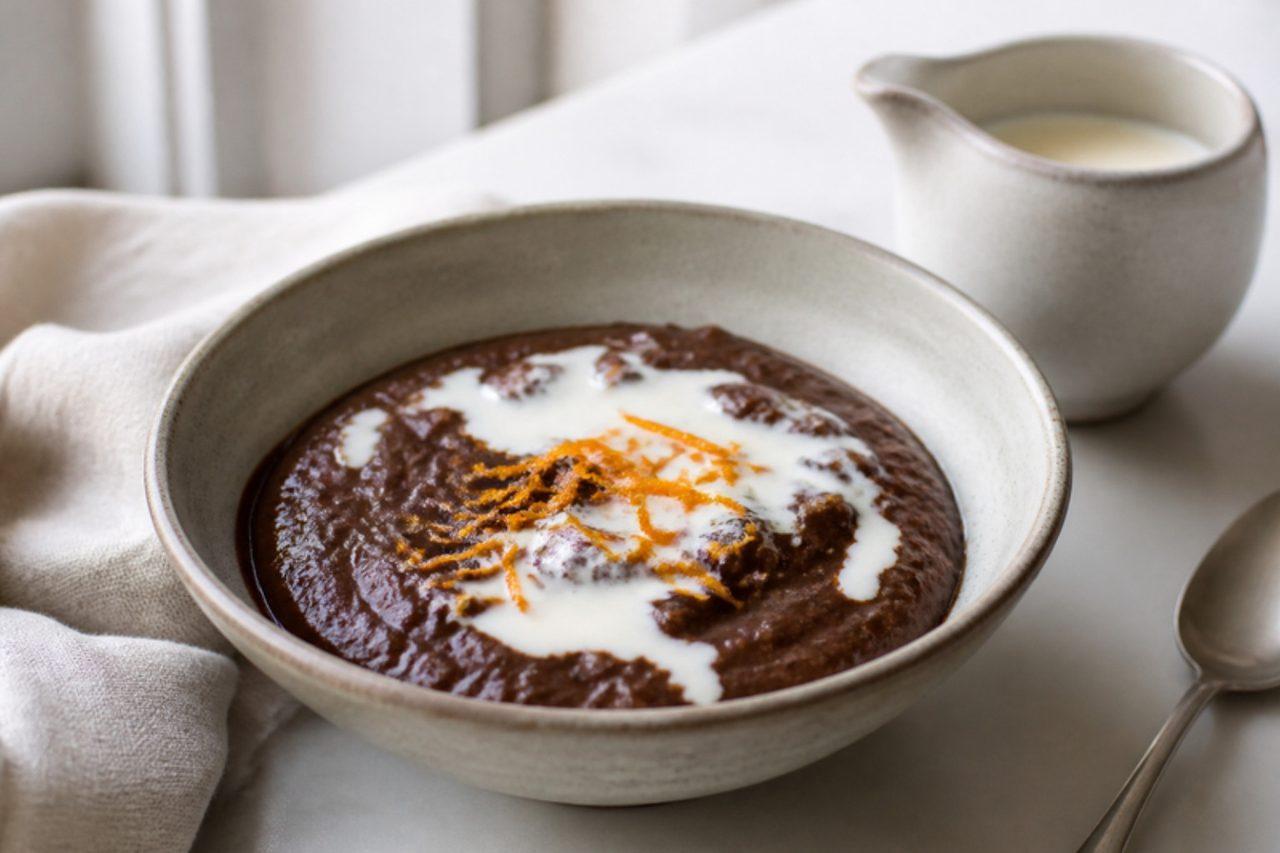
ØllebrødRye bread and beer porridge

Øllebrød was the everyday breakfast of Danish farmhouses long before oats took over, a thrifty way to use up stale rye bread in the long Jutland winters. The bread is soaked and simmered with dark, sweet malt beer (hvidtøl), lemon and orange peel and a little sugar into a thick brown porridge, then served with cold cream or whipped cream. Hvidtøl is a very low-alcohol beer; use an alcohol-free malt beer or malt drink so it suits everyone, and for a fully alcohol-free version use half water and half apple juice with 1 tbsp black treacle. A common mistake is using fresh, seeded bread, which turns gluey. Chef's tip: soak the bread overnight so it collapses into a smooth porridge in minutes.

by KrazyBadal 0 views

HallongrottorRaspberry thumbprint cookies

Hallongrottor, 'raspberry caves', are the cookie Swedish children learn to bake first, pressing a thumb into each ball of buttery dough and filling the hollow with raspberry jam. They turn up at birthday parties, school bake sales and every proper fika in homes from Malmö to Luleå. Baked in paper cases, they keep their shape and the jam bubbles into a glossy jewel. A common mistake is overfilling the hollows, which makes the jam boil over and burn. Chef's tip: use a thick, set jam and fill only to the rim.

by KrazyBadal 0 views

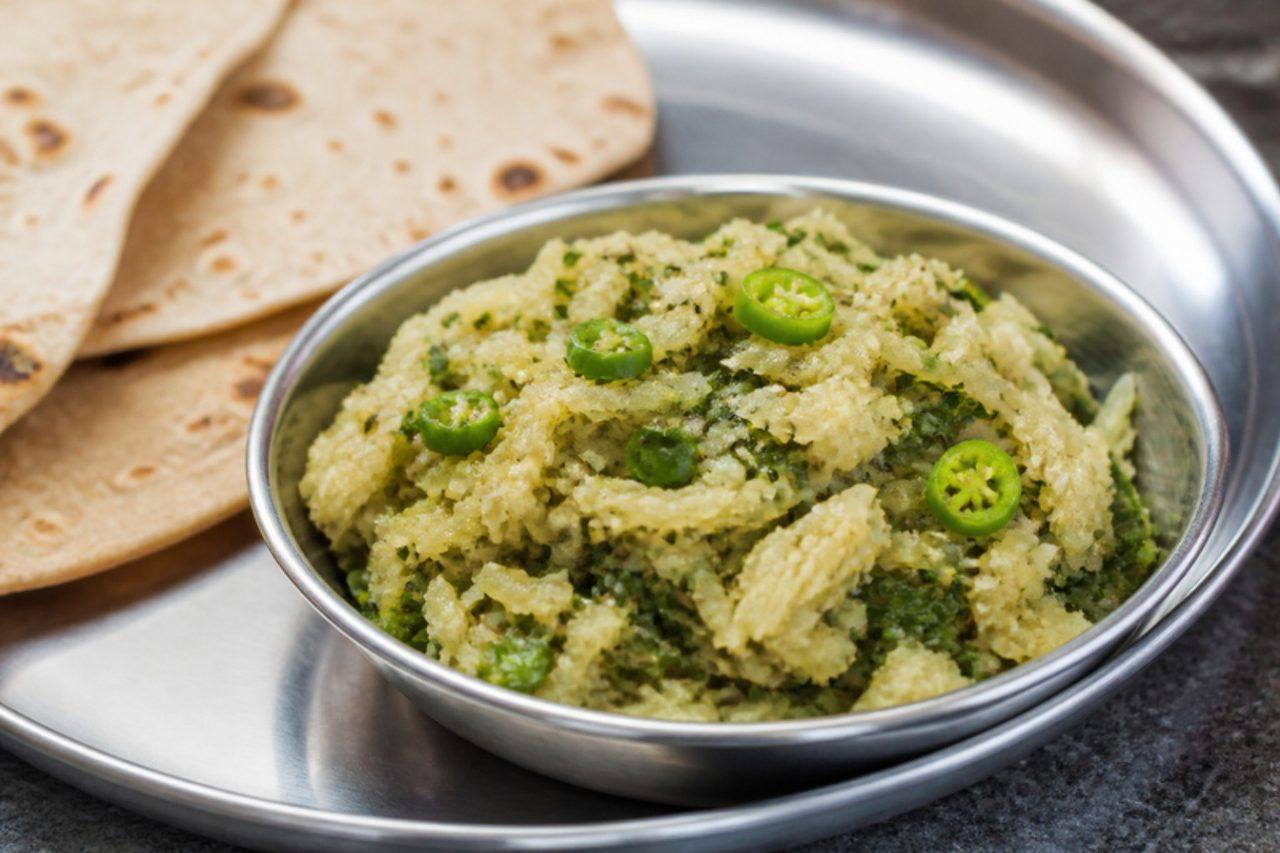
Mooli ki sabziRadish stir-fry

In Punjab and western Uttar Pradesh, radishes are bought with their leafy tops in the winter months, and nothing is wasted: the root is grated and the greens chopped, and both are cooked down with ajwain and green chilli into a soft, slightly sweet sabzi. It is eaten with makki or wheat roti and a spoon of white butter for those who are not counting, and it is very light without it. A portion is about 80 kcal. The usual mistake is skipping the squeeze: grated radish holds a lot of sharp-tasting water, so press it out first, or the sabzi turns soupy and bitter. Chef's tip: ajwain is the classic partner for radish; it softens the pungency and helps digestion, so don't leave it out.

by KrazyBadal 0 views

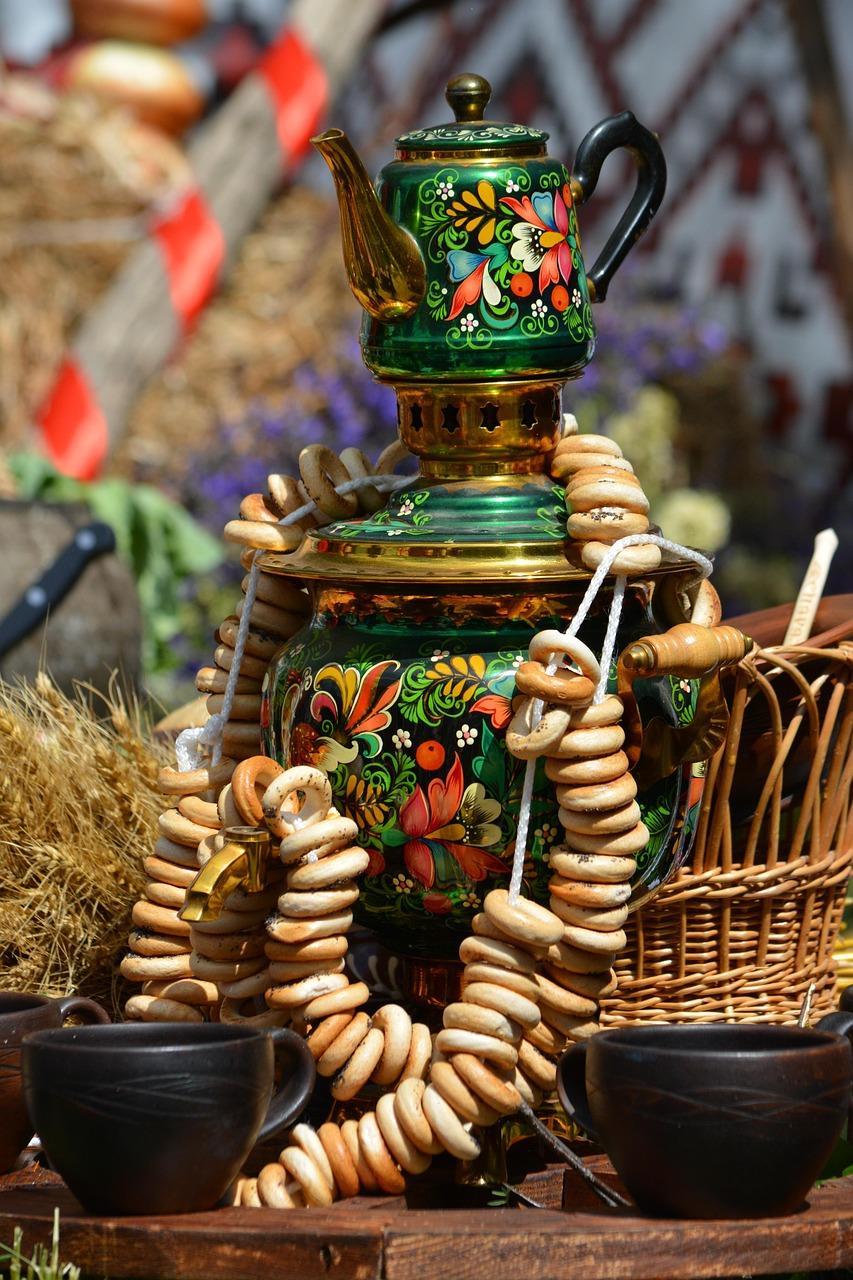
BarankiTea bread rings

Strings of baranki once hung on poles at every Russian fair, and you still see them threaded on twine in Moscow markets and station kiosks. The dough is boiled briefly like a bagel, then baked until hard, golden and glossy, so the rings keep for weeks and soften only when dunked in hot, sweet tea from the samovar. This version is vegan, made with oil instead of butter and eggs. The common mistake is a soft, wet dough, which makes puffy bread rolls instead of crunchy rings. Chef's tip: knead the dough stiff and leave the shaped rings uncovered for 20 minutes to form a skin before boiling; that gives the shine.

by KrazyBadal 0 views

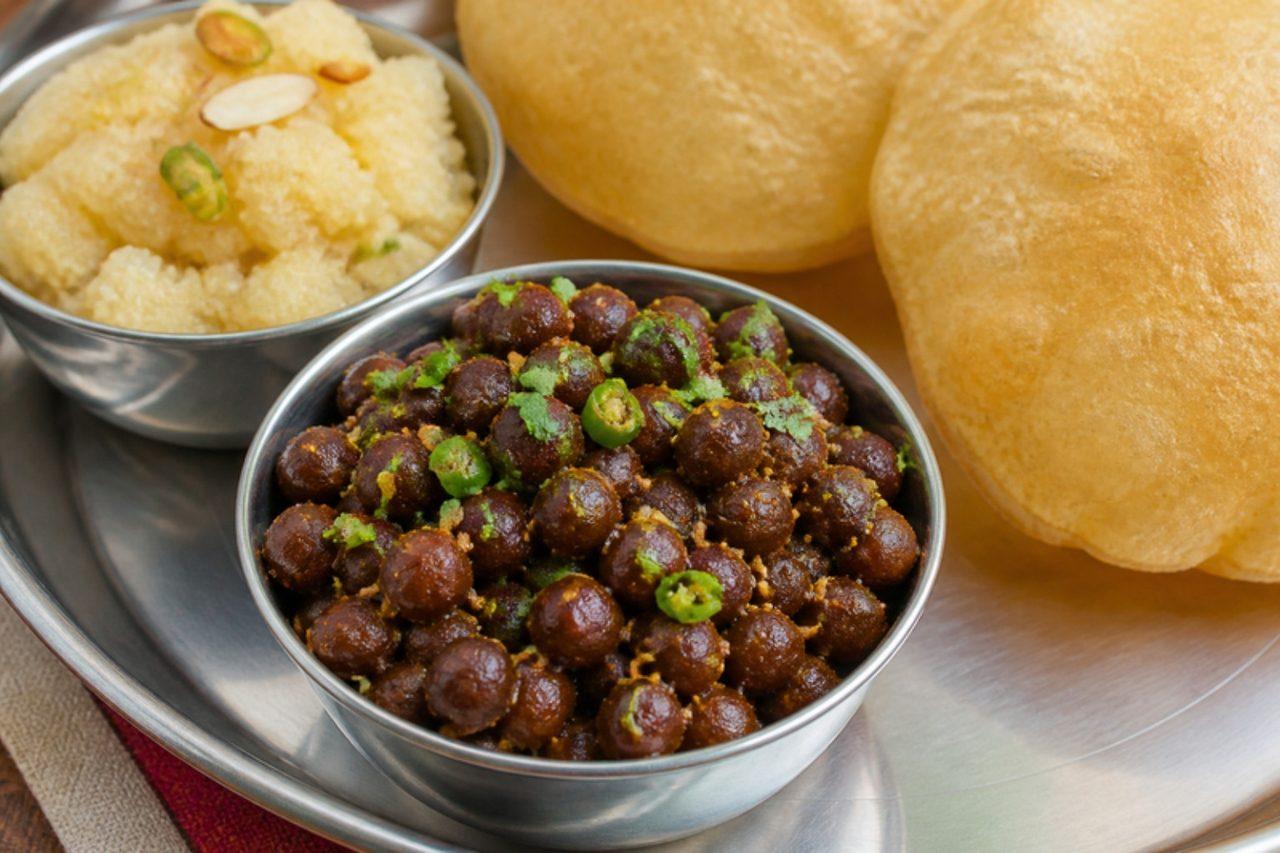
Sukhe kale chaneDry black chickpeas

On Ashtami, the eighth day of Navratri, homes in Delhi, Punjab and Uttar Pradesh invite young girls for kanjak puja and feed them puri, sooji halwa and these dry black chickpeas, cooked without onion or garlic. The kala chana are boiled until tender and then tossed in a hot, dry masala of cumin, coriander, amchur and green chilli until every chickpea is coated and the edges catch slightly. Outside festivals they make a protein-rich side or a snack with a squeeze of lemon. A portion is about 240 kcal. Soak the chickpeas overnight first. The common mistake is undercooking them: black chickpeas need longer than white, and should squash easily between two fingers. Chef's tip: keep 3 tablespoons of the cooking water and add it with the spices; it helps the masala cling to each chickpea.

by KrazyBadal 0 views

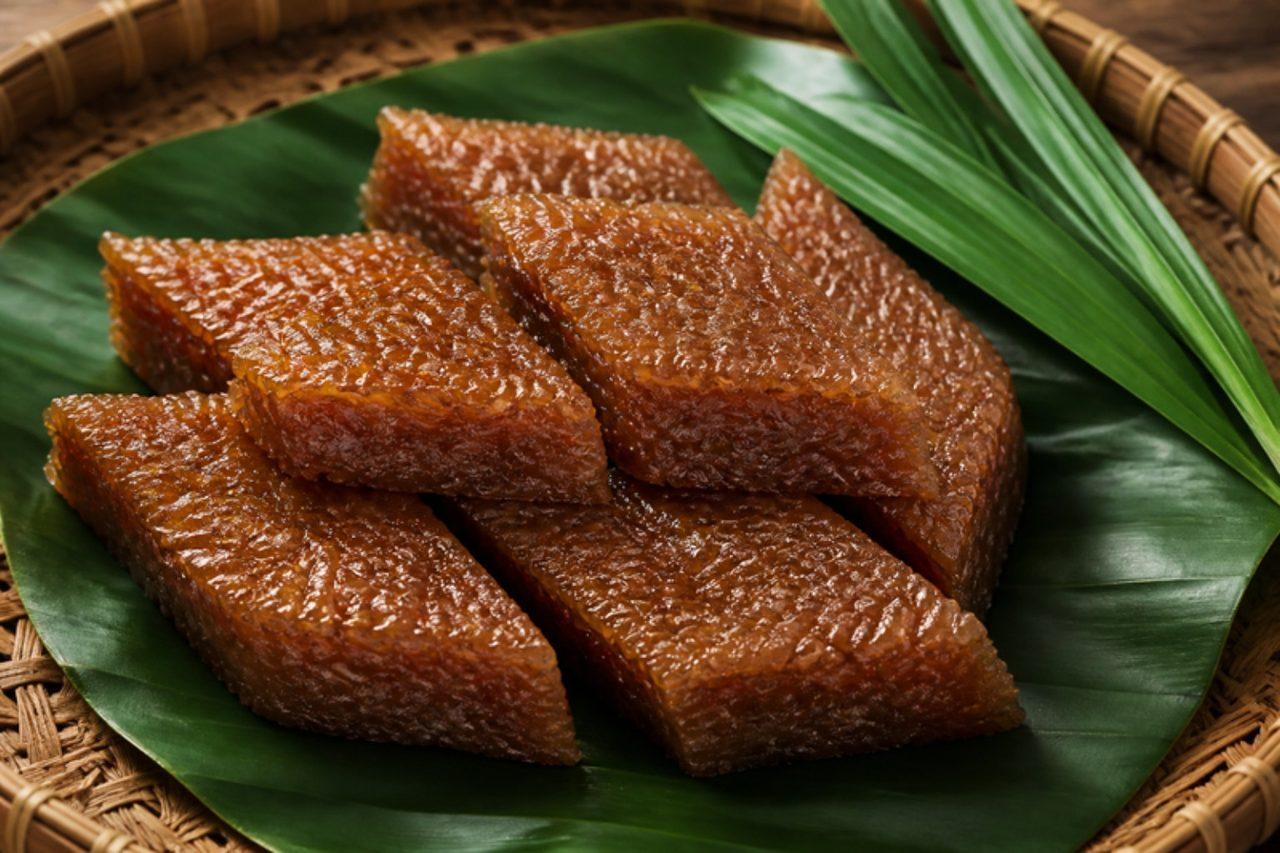
WajikSticky rice palm sugar cake

Wajik means diamond, the shape it is cut into for Javanese weddings, Lebaran open houses and the trays carried to a family's new baby. Glutinous rice is steamed, then folded through a bubbling caramel of palm sugar, coconut milk and pandan until every grain is glossy and the mass pulls away from the wok. Pressed and cooled, it slices into chewy, toffee-brown pieces that keep for days. Chef's tip: keep stirring once the rice goes into the syrup; walking away for even a minute lets the sugar scorch on the bottom and the whole batch tastes bitter.

by KrazyBadal 0 views

Fakhfakhina (Alexandrian fruit salad with ice cream)

Fakhfakhina belongs to Alexandria's summer corniche, where juice shops like the famous ones near Mahatet el Raml build tall glasses of chopped mango, banana, guava, strawberries and apple, soaked in mango juice and crowned with scoops of ice cream, nuts and honey. It's an after-beach treat, eaten with a long spoon. The mistake is cutting the fruit hours ahead: banana and apple brown and the juice turns flat, so chop just before serving. Chef's tip: use thick mango nectar rather than thin juice; it clings to the fruit like a sauce. Contains milk and tree nuts; check the ice cream label for gelatine and egg.

by KrazyBadal 0 views

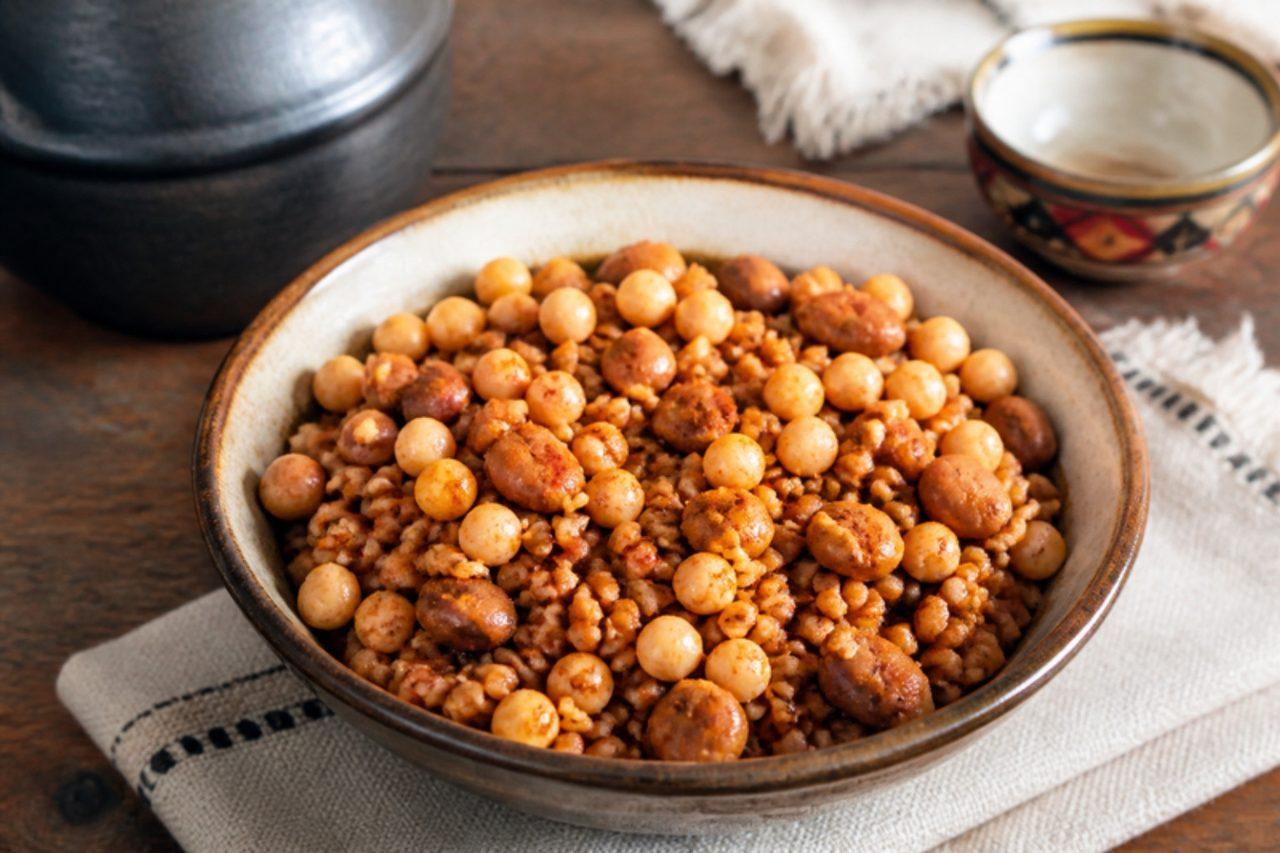
NifroBoiled wheat and chickpeas

When a baby cuts a first tooth, Ethiopian families celebrate with tirs mastecha, and the dish at the centre is nifro: a big pot of whole wheat berries, chickpeas and fava beans boiled with salt and handed round warm in cupped hands or small bowls. It also turns up at funerals, saints' day gatherings and long coffee ceremonies in Gondar and Addis, chewy, nutty and plain in the best way. The common mistake is boiling everything together from dry, so the wheat bursts while the fava stay hard; soak them all overnight and add the wheat later. Fava beans are unsafe for anyone with G6PD deficiency (favism), so leave them out if in doubt. Not gluten free. Chef's tip: once drained, toss the warm nifro in a dry pan for two minutes; it dries the surface and makes the salt and a pinch of berbere cling.

by KrazyBadal 0 views

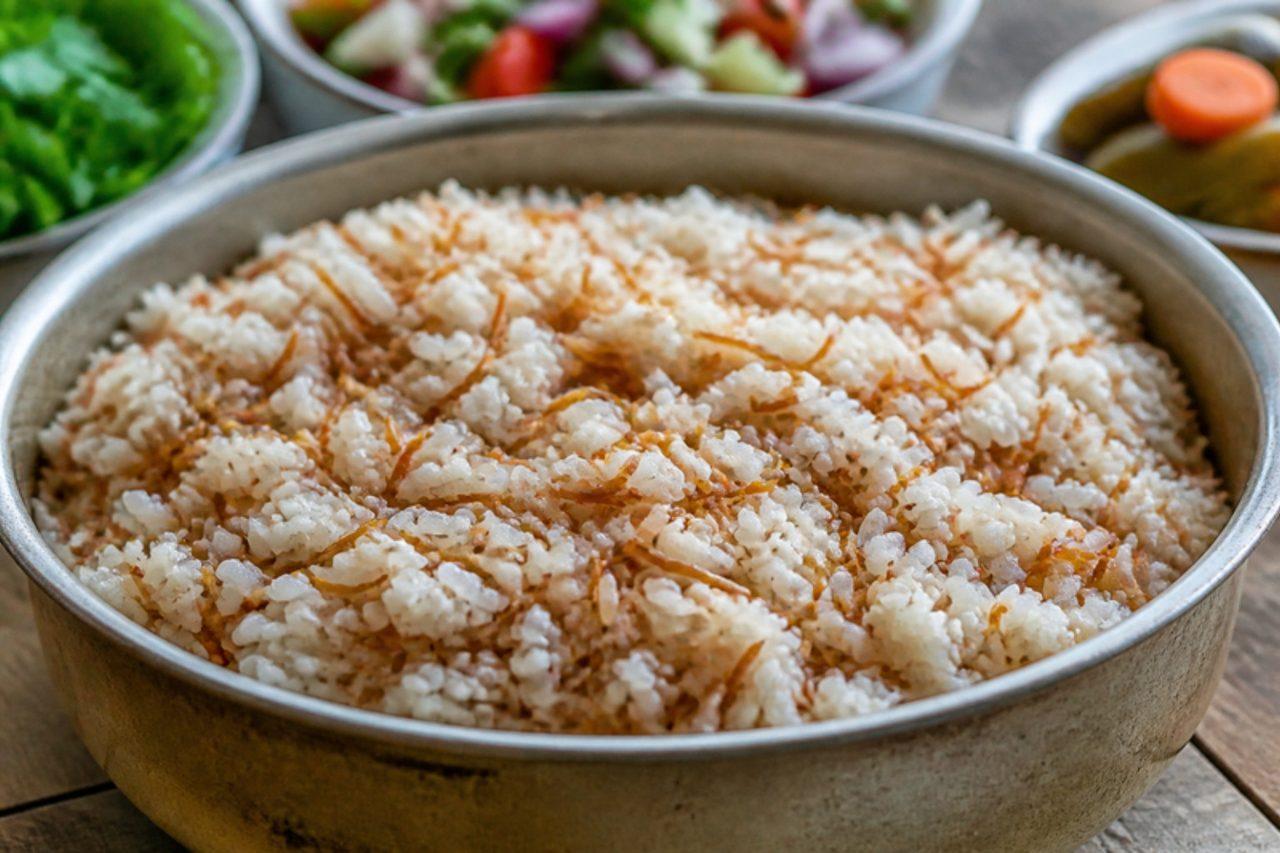
Roz bel shaareya (Egyptian vermicelli rice)

Not a single Egyptian stew is served without roz bel shaareya: short-grain rice cooked with vermicelli that has been toasted in butter or samna until it's the colour of a walnut shell. It's on the table every day in homes from Aswan to Alexandria, soft and slightly sticky, with nutty brown flecks through it. Serve it under fasolia, bamia or molokhia. Most people under-toast the vermicelli out of fear of burning it; pale shaareya tastes of nothing. Chef's tip: let the cooked rice sit covered with a clean tea towel under the lid for 10 minutes; it dries the grains and keeps them separate.

by KrazyBadal 0 views

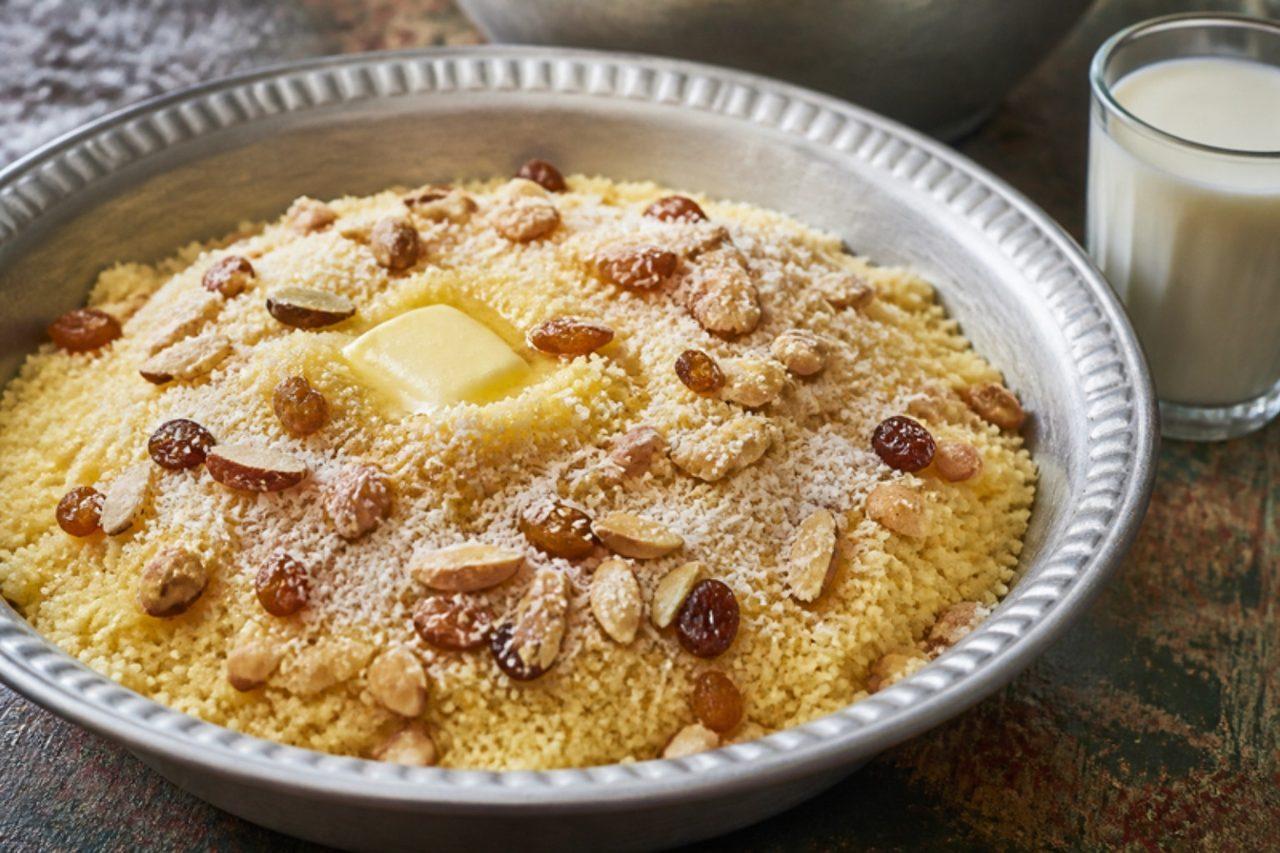
Kuskusi bel sukkar (Egyptian sweet couscous)

Egyptians eat couscous sweet, not savoury: in Cairo and the Delta, street-side sweet shops sell kuskusi by the bowl in the evening, steamed with samna, heaped with powdered sugar, nuts and raisins, and sometimes covered with hot milk. At home it's a winter supper or a Friday breakfast treat. Pouring boiling water straight over instant couscous and leaving it gives a gluey lump; steaming it in two short rounds and rubbing in the butter keeps every grain separate. Chef's tip: warm the milk with a cinnamon stick and pour it over just before eating, so the couscous stays fluffy on top. Contains wheat, milk and tree nuts.

by KrazyBadal 0 views

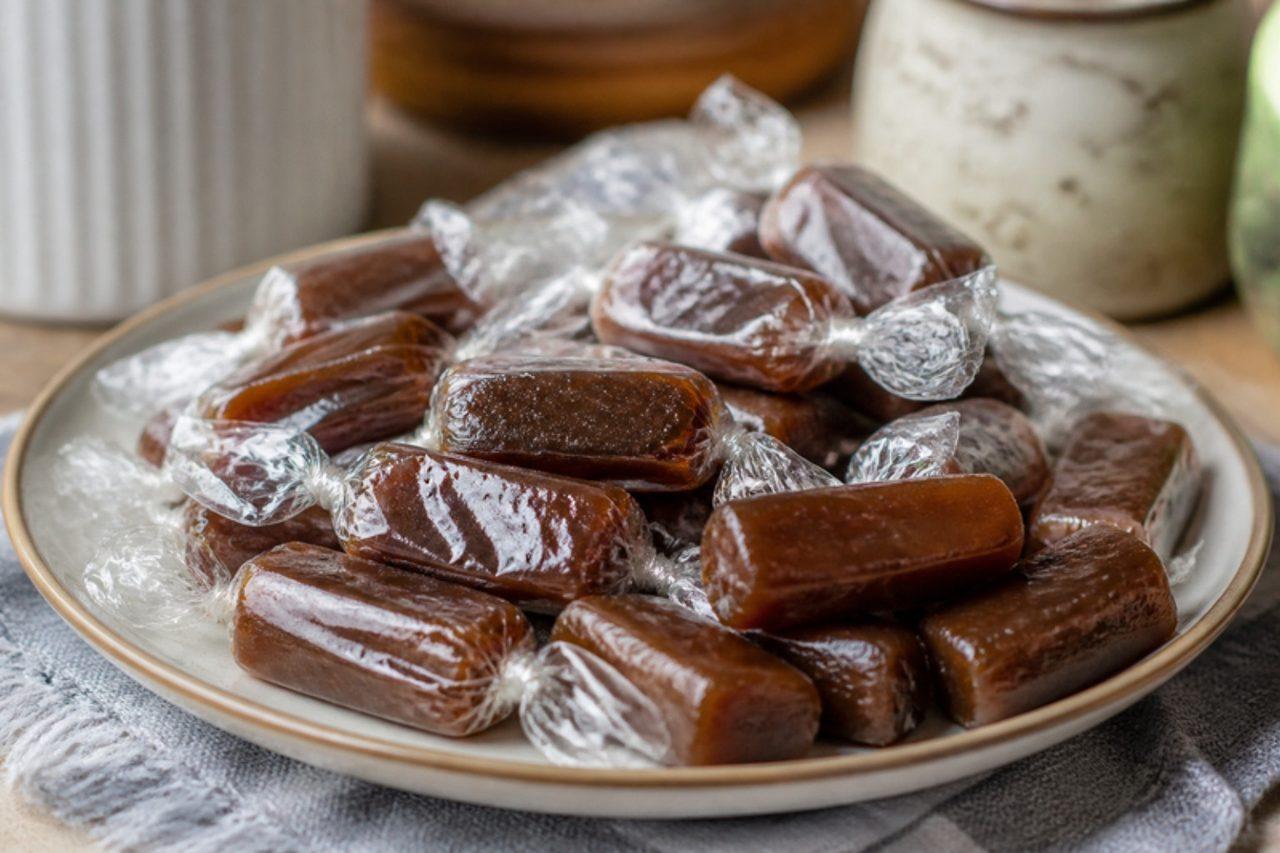
Baba dudu

Yoruba children of the 70s and 80s remember baba dudu, "the black one", bought for a coin from sweet sellers outside school gates in Ibadan and Abeokuta: sugar and butter cooked until almost black, then pulled and cut into small chewy pieces that taste of toffee and burnt caramel. It is easy to make at home, but hot sugar burns badly, so keep children away from the stove. The candy is a choking risk for small children and isn't suitable for under-1s. The mistake is taking it off the heat too early: pale caramel stays soft and sticky, so wait until it is the colour of strong tea and a drop sets firm in cold water. Chef's tip: oil your scissors and cut the strip while it is warm and pliable; once cold it shatters.

by KrazyBadal 0 views

Teh O ais limauIced black tea with lime

In kopitiam shorthand, 'teh' is tea with milk, 'O' means no milk, 'ais' is iced and 'limau' adds lime, so this is the order Malaysians shout across the counter on a sticky afternoon in Penang or Kuala Lumpur. Strong, sweetened black tea is cooled over ice and squeezed with lime until it tastes like a sharper, less perfumed iced lemon tea. It goes with fried noodles and roti. Chef's tip: pouring hot tea straight onto a glass of ice dilutes it into weak tea; brew it double strength, or chill it first.

by KrazyBadal 0 views

Air jagungSweet corn drink

Night markets in Selangor and Perak sell air jagung in tall cups, a pale-yellow, lightly sweet drink made from fresh corn cooked with pandan and blended smooth; some stalls stir in evaporated milk, but the plain version is vegan and very refreshing. It tastes like the milk from the bottom of a bowl of sweetcorn, with a grassy pandan note. Chef's tip: skipping the sieve is a common short cut that leaves the drink gritty with husk; strain it well, pressing on the pulp.

by KrazyBadal 0 views

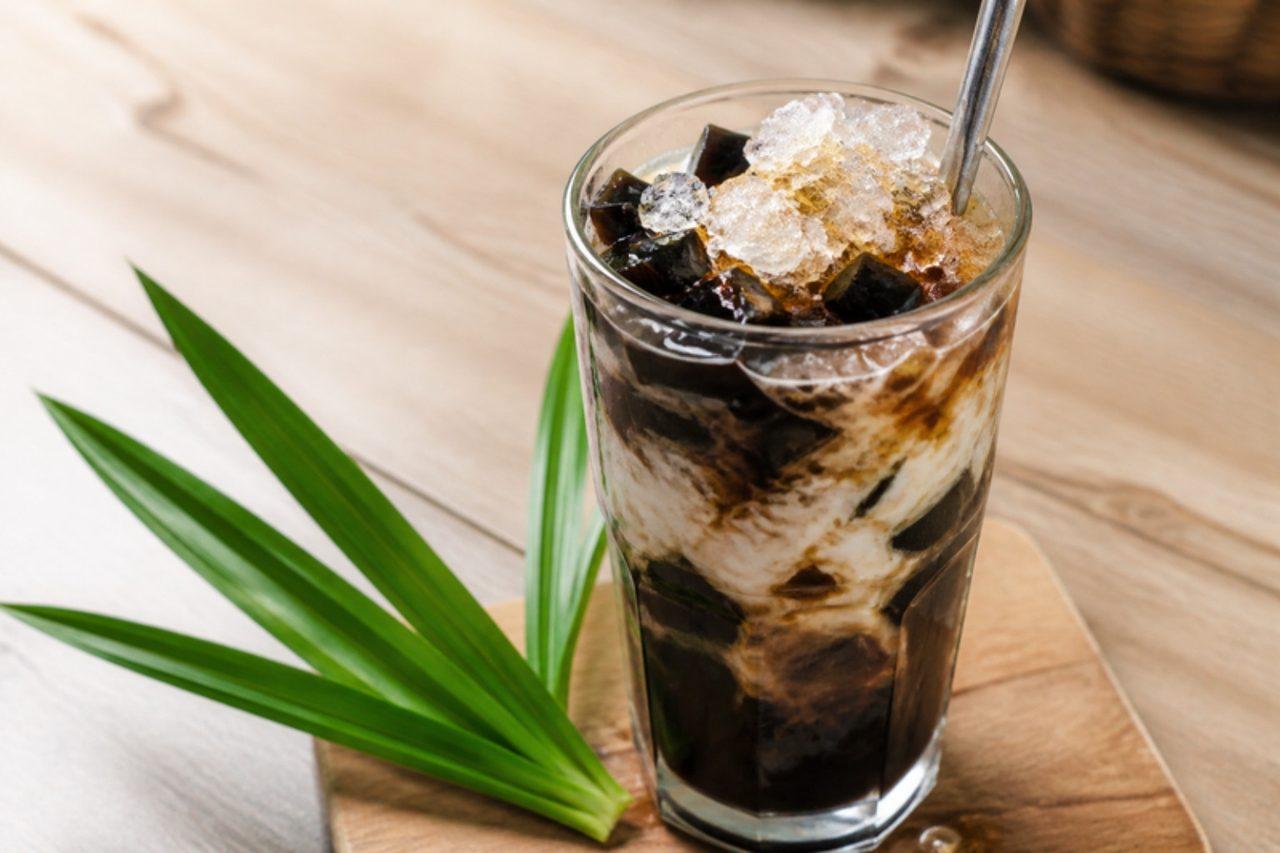
Es cincauGrass jelly drink

Glasses of es cincau are handed out at Ramadan iftar tables across Java and sold from roadside carts all year on hot afternoons. Cubes of black grass jelly, with its slightly bitter, herbal taste, sit in pale coconut milk and dark palm-sugar syrup over crushed ice, and the contrast is the whole joy of it. Ready-made grass jelly in tins is fine; this recipe sets your own from grass jelly powder. Chef's tip: let the jelly set fully and cold before cutting; cut warm, it tears and melts into the drink.

by KrazyBadal 0 views

Getuk lindriSteamed cassava sweets

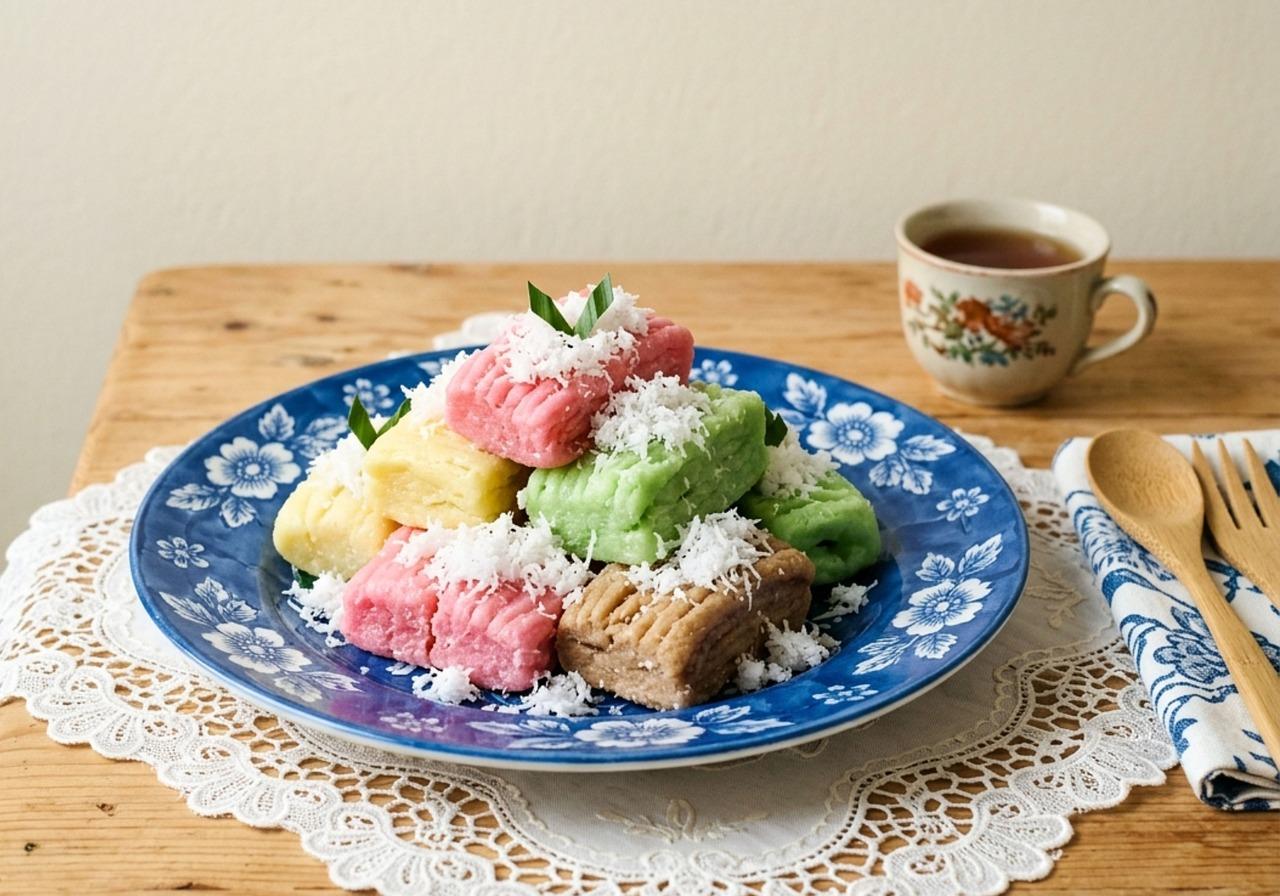
Magelang is the getuk capital of Central Java, and market stalls there pile up these soft cassava cakes in stripes of pink, green and white, cut into slices and showered with grated coconut. Cassava is steamed, pounded with palm sugar or white sugar and a little salt, then pressed through a mincer into ribbons (lindri) or simply rolled into a log. It is eaten in the morning with tea or as an afternoon jajan pasar. Chef's tip: mash the cassava while it is steaming hot and remove every stringy core; cold cassava turns lumpy and won't come together smoothly.

by KrazyBadal 0 views

Kuih lopesSticky rice triangles with coconut

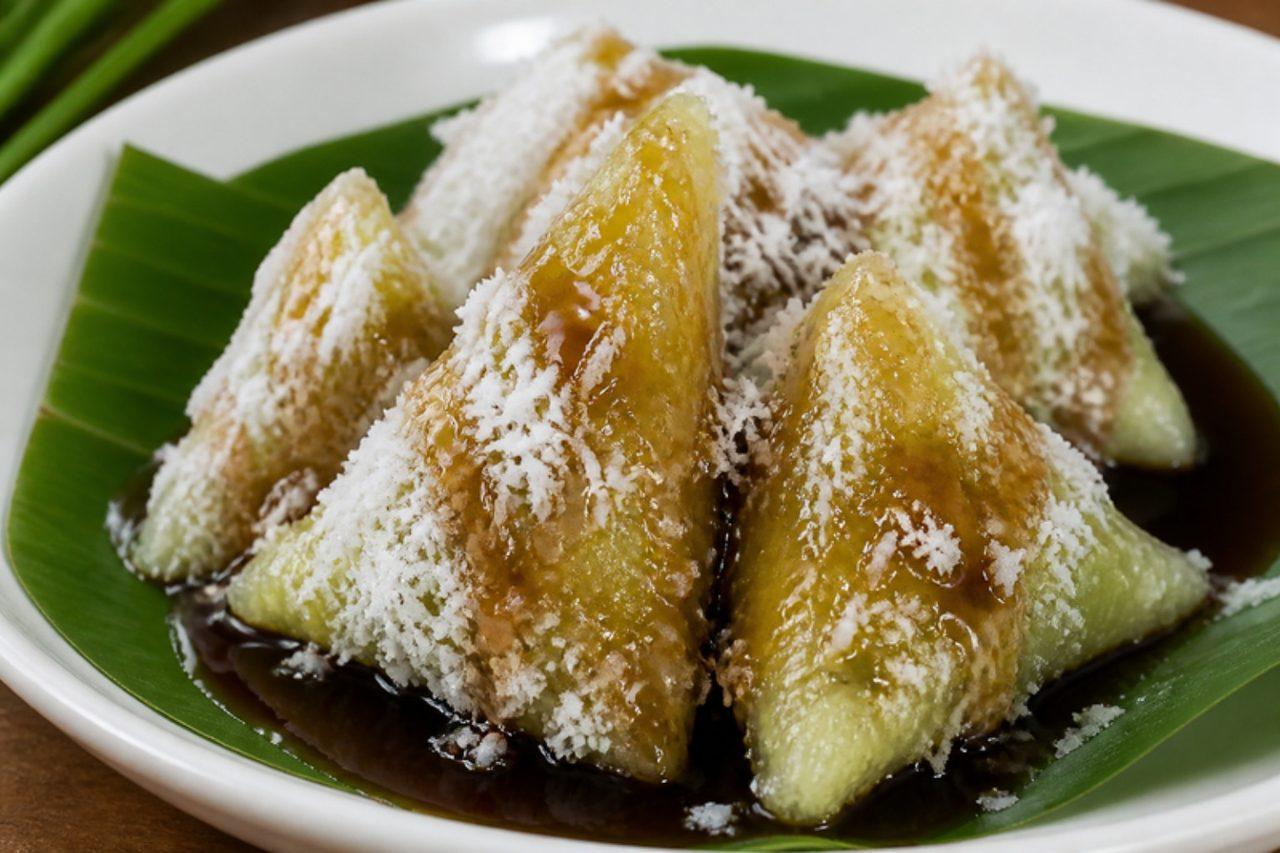
Kuih lopes turn up at Malay breakfast stalls and Ramadan bazaars, especially in Perak and Selangor: dense triangles of soft-cooked glutinous rice rolled in white grated coconut, then flooded with thick gula Melaka syrup at the moment of serving. Cooking the rice wrapped tightly in pandan leaves or foil for a long time is what fuses the grains into one chewy slab. The contrast of salty coconut, smoky syrup and plain rice is the point. Chef's tip: don't skimp on the boiling time; under-cooked lopes stay grainy and fall apart when cut.

by KrazyBadal 0 views

Lompat tikamLayered pandan and coconut sweet

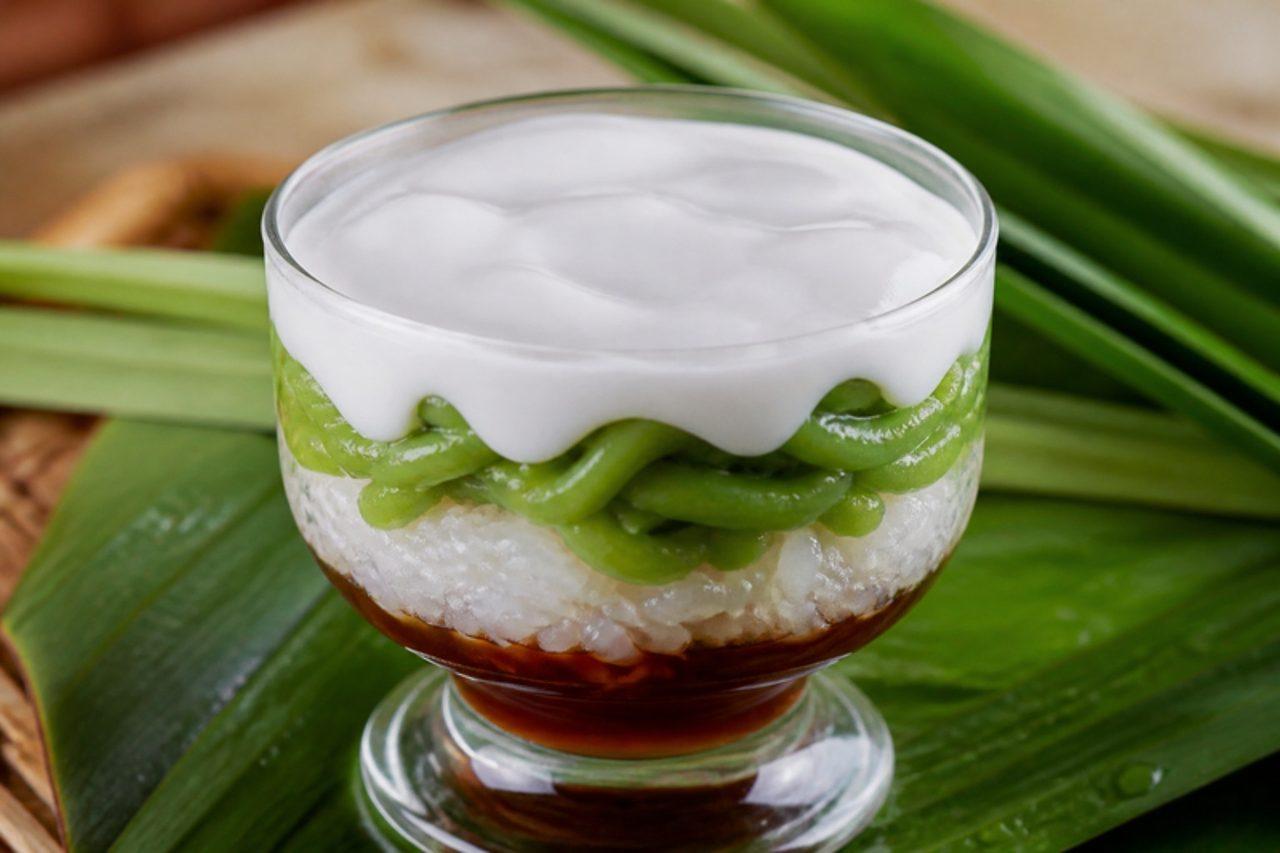
Kota Bharu and Kuala Terengganu Ramadan stalls ladle lompat tikam into plastic bags or cups for the walk home before buka puasa: a pool of dark gula Melaka syrup, chewy strips of green pandan dough, soft glutinous rice and a lid of salted coconut cream. The name means roughly 'jump and stab', and nobody agrees why. It is three small jobs that come together in a glass, so make the parts ahead. Chef's tip: a thin, runny coconut layer is the common disappointment; cook it until it is thick and spoonable so it sits on top instead of sinking into the syrup.

by KrazyBadal 0 views

Donkwa

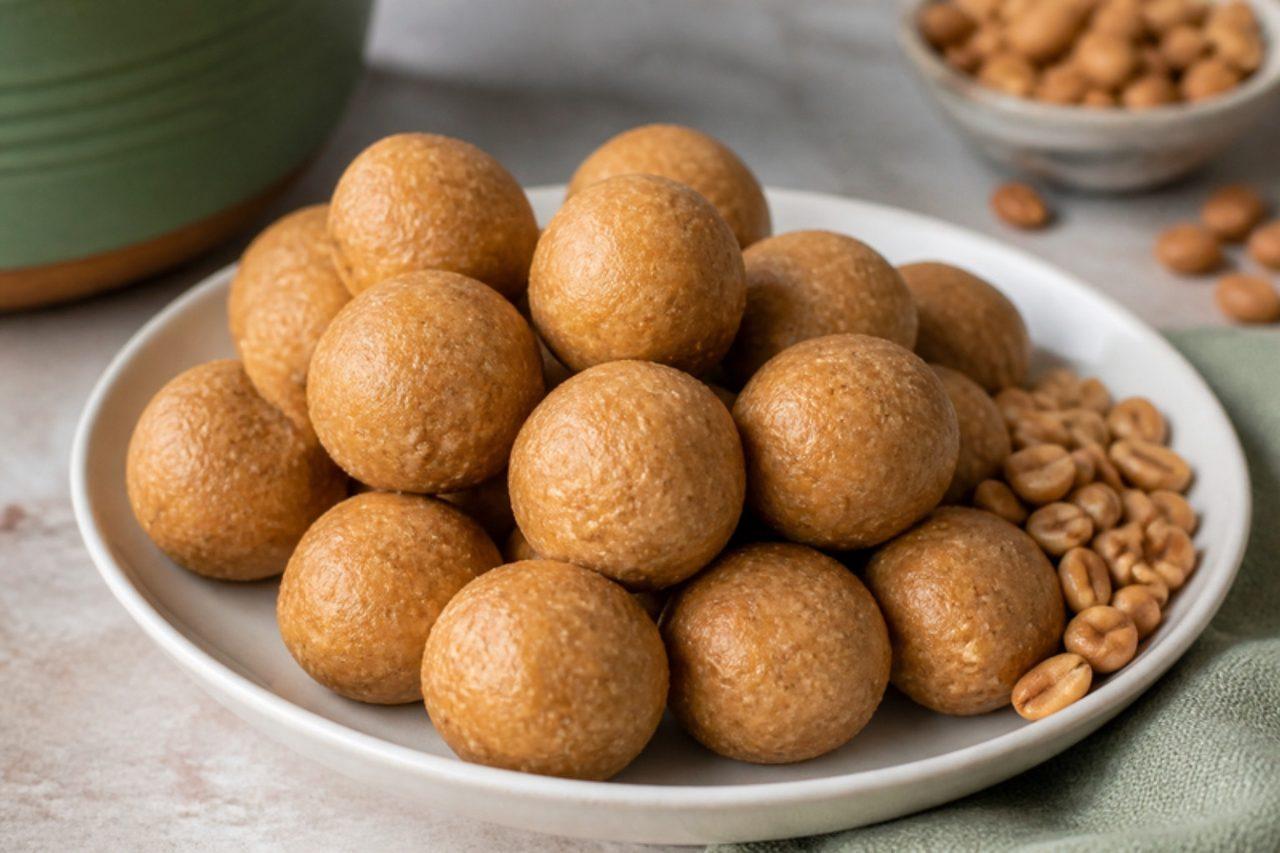
Children in Kano and Sokoto buy donkwa from trays at the market gate, and in Yoruba towns it is sold as a sweet-hot snack on the walk home from school: firm little balls of toasted corn flour pounded with roasted groundnuts, sugar and a pinch of dried pepper, bound by the nuts' own oil. They are crumbly, nutty and gently spicy. Contains peanut. The common mistake is under-toasting the corn: raw corn flour tastes chalky and floury, so keep stirring until it is pale biscuit-coloured and smells like popcorn. Chef's tip: if the mixture won't hold, add the oil drop by drop and squeeze each ball hard in your fist before rolling it smooth.

by KrazyBadal 0 views

Nigerian custard

In homes across Nigeria, from Kaduna to Benin City, custard is a breakfast drink-porridge as much as a pudding: custard powder is mixed to a paste, then set in seconds with a kettle of boiling water and finished with evaporated milk and sugar. Bowls of it are eaten hot with akara or moi moi, the sweet custard against the peppery bean cakes. The mistake is using water that has gone off the boil; it must be furiously boiling or the custard stays thin and floury. Custard powder is mostly cornflour, but check the label if you need it gluten-free. Chef's tip: stir the boiling water in with one hand while you pour with the other, in a steady stream, and the custard sets glossy and lump-free.

by KrazyBadal 0 views

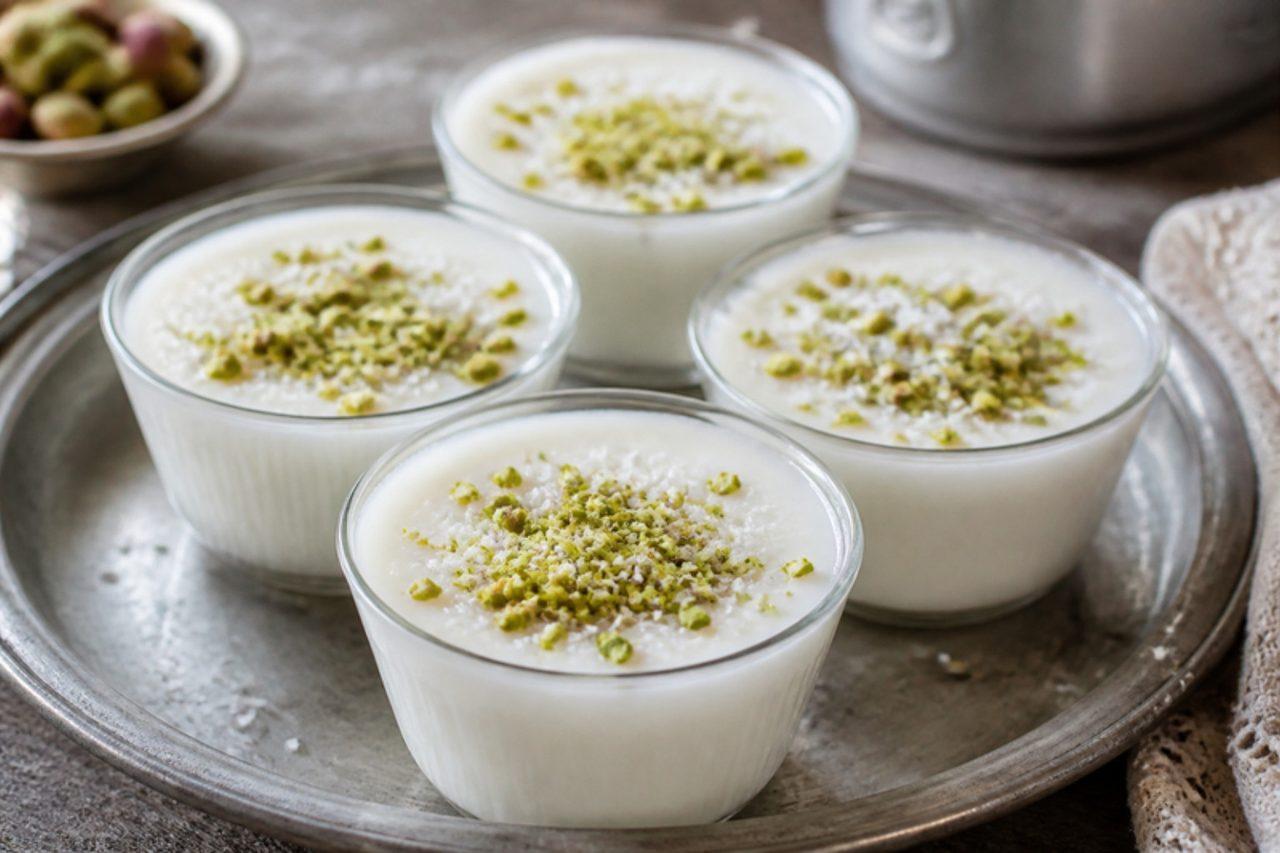
Mahalabeya (Egyptian milk pudding)

Every corner sweet shop in Cairo has trays of mahalabeya cooling in the window, and at home it is the dessert made in ten minutes when guests ring to say they're coming. Milk is thickened with cornflour into a trembling, silky pudding, scented with rose or orange-blossom water and topped with chopped pistachios or coconut. Serve chilled in small glasses. Lumps are the usual complaint: mix the cornflour into cold milk first, never into hot. Chef's tip: stir in the rose water only after the pan comes off the heat; boiling kills its perfume. Contains milk and nuts (pistachio topping).

by KrazyBadal 0 views

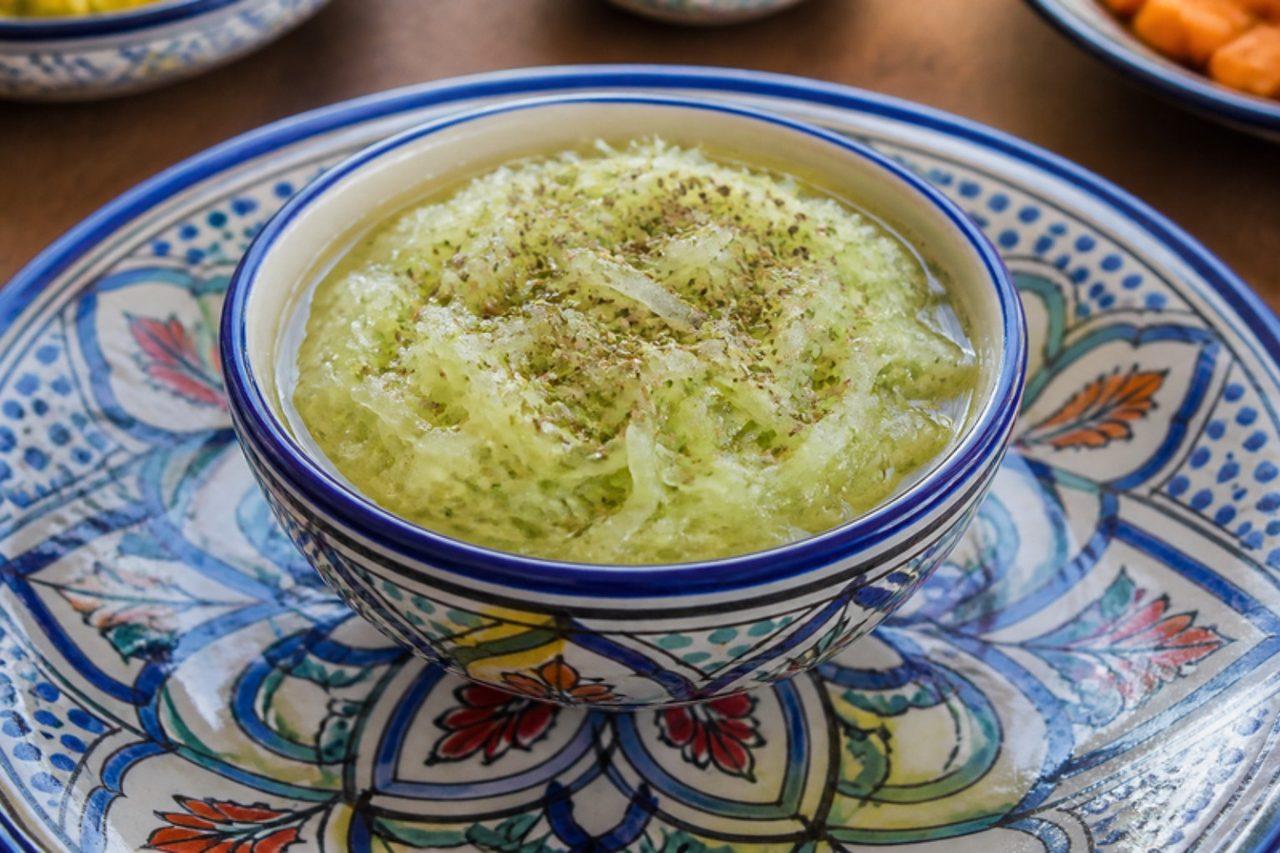
Shlada khiar (grated cucumber salad with oregano)

In the heat of a Fes or Marrakech summer, this ice-cold grated cucumber salad is served in bowls with spoons, half salad, half drink, alongside rich tagines or a plate of fried fish. Cucumber is grated and loosened with water, vinegar and a little sugar, then perfumed with crushed dried oregano or zaatar. Grating ahead and leaving it to sit in salt is the usual slip; the cucumber goes limp and bitter. Chef's tip: rub the oregano between your palms over the bowl to wake its oils.

by KrazyBadal 0 views

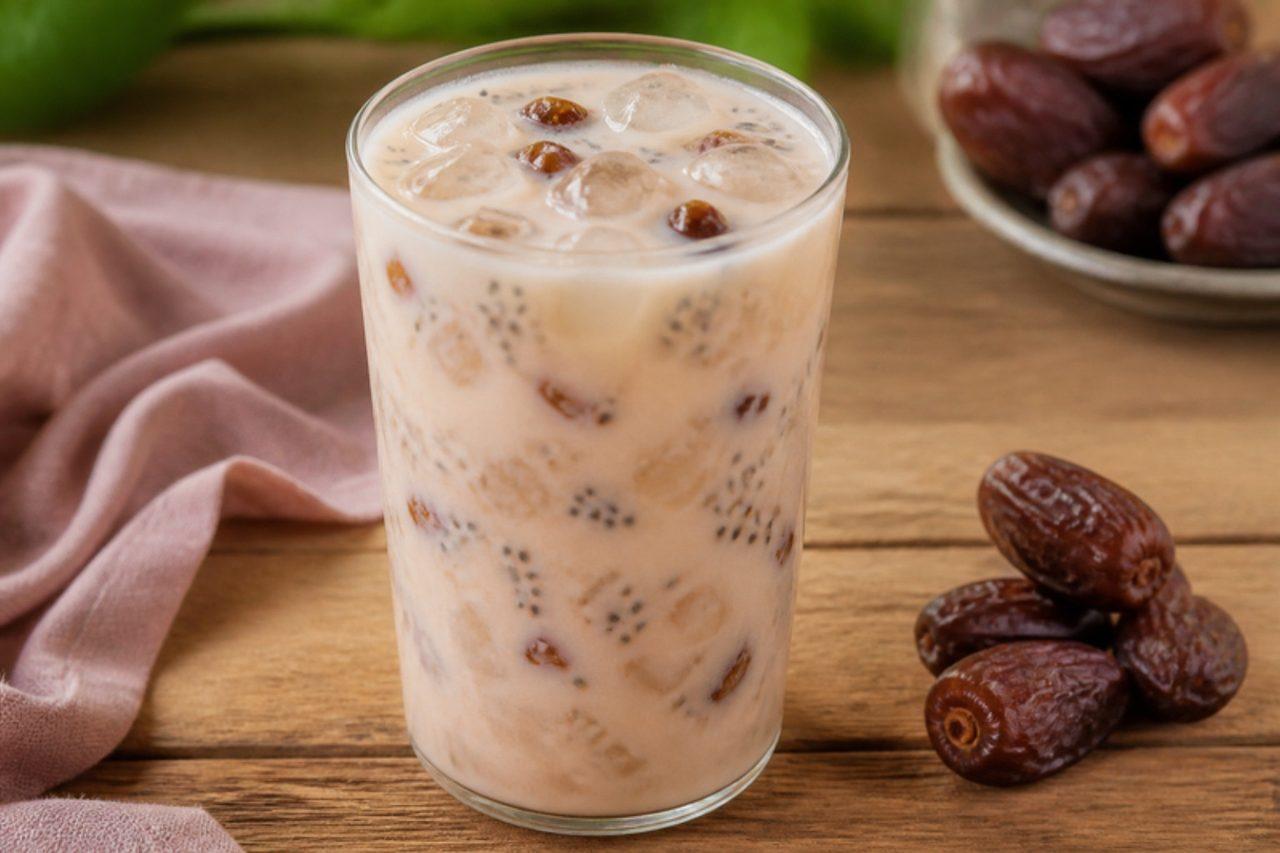
Air katiraBasil seed and gum drink

Air katira comes out at Kelantan's Ramadan bazaars in Kota Bharu, sold in bags of milky drink full of soft, jelly-like katira gum and speckled basil seeds, often with slivers of date. Katira is tragacanth gum, soaked overnight until it swells into translucent, wobbly crystals; it is believed to cool the body after a day of fasting. Find it at Indian or Middle Eastern grocers as 'gond katira'. Chef's tip: not soaking the katira long enough is the usual mistake; hard centres crunch unpleasantly, so give it at least 8 hours in plenty of water.

by KrazyBadal 0 views

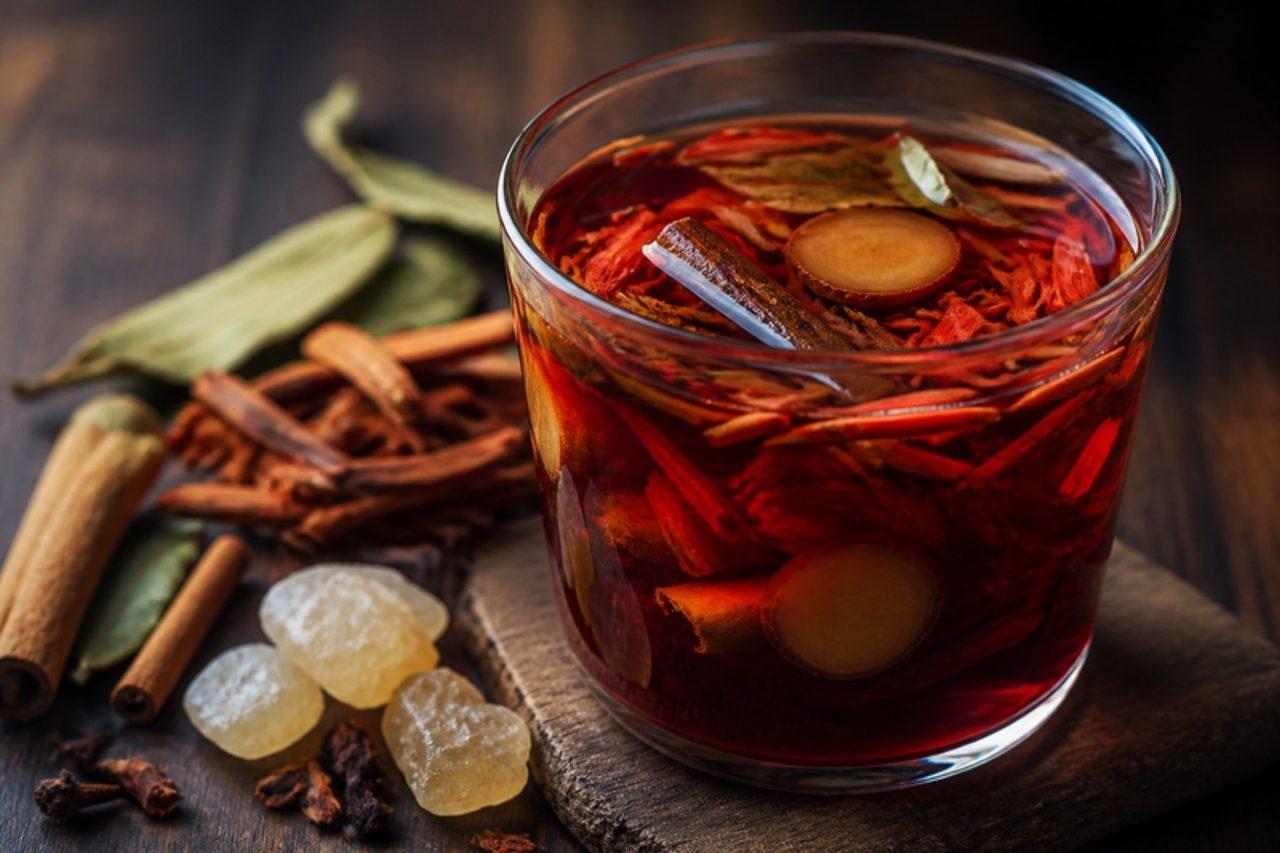
Wedang uwuhSpiced herbal infusion

The name means 'rubbish drink', because a glass looks like a jumble of twigs and leaves, but around the royal tombs at Imogiri, south of Yogyakarta, wedang uwuh is a point of pride. Chips of sappan wood stain hot water a deep ruby red, while ginger, clove, cinnamon, nutmeg leaf and rock sugar give a sweet, woody spice. It is sold by roadside warung as a dry pack to brew at home. Chef's tip: steep it, don't boil it for long; sappan wood turns from red to a muddy brown and tastes tannic if cooked hard.

by KrazyBadal 0 views

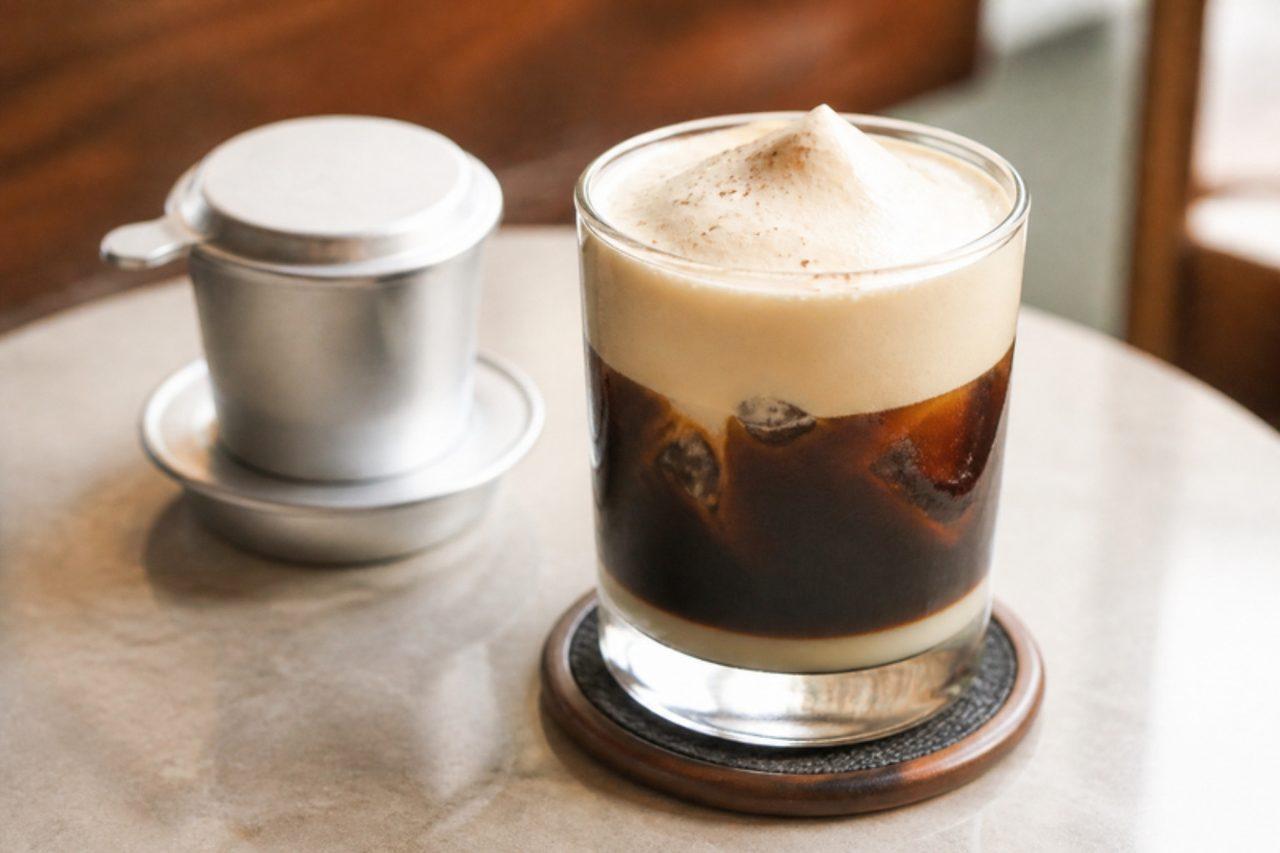
Cà phê muốiSalt coffee

A family café in Huế's citadel quarter began topping its coffee with salted cream, and now cà phê muối is served across central Vietnam and in trendy cafés in Saigon and Hanoi. Sip it without stirring: first the cool, faintly salty cream, then sweet condensed milk and strong phin coffee, the salt rounding off the bitterness much like a pinch in caramel. It is good hot or poured over ice. Chef's tip: use only a small pinch of salt per glass; too much and the drink tastes like seawater rather than salted caramel.

by KrazyBadal 0 views

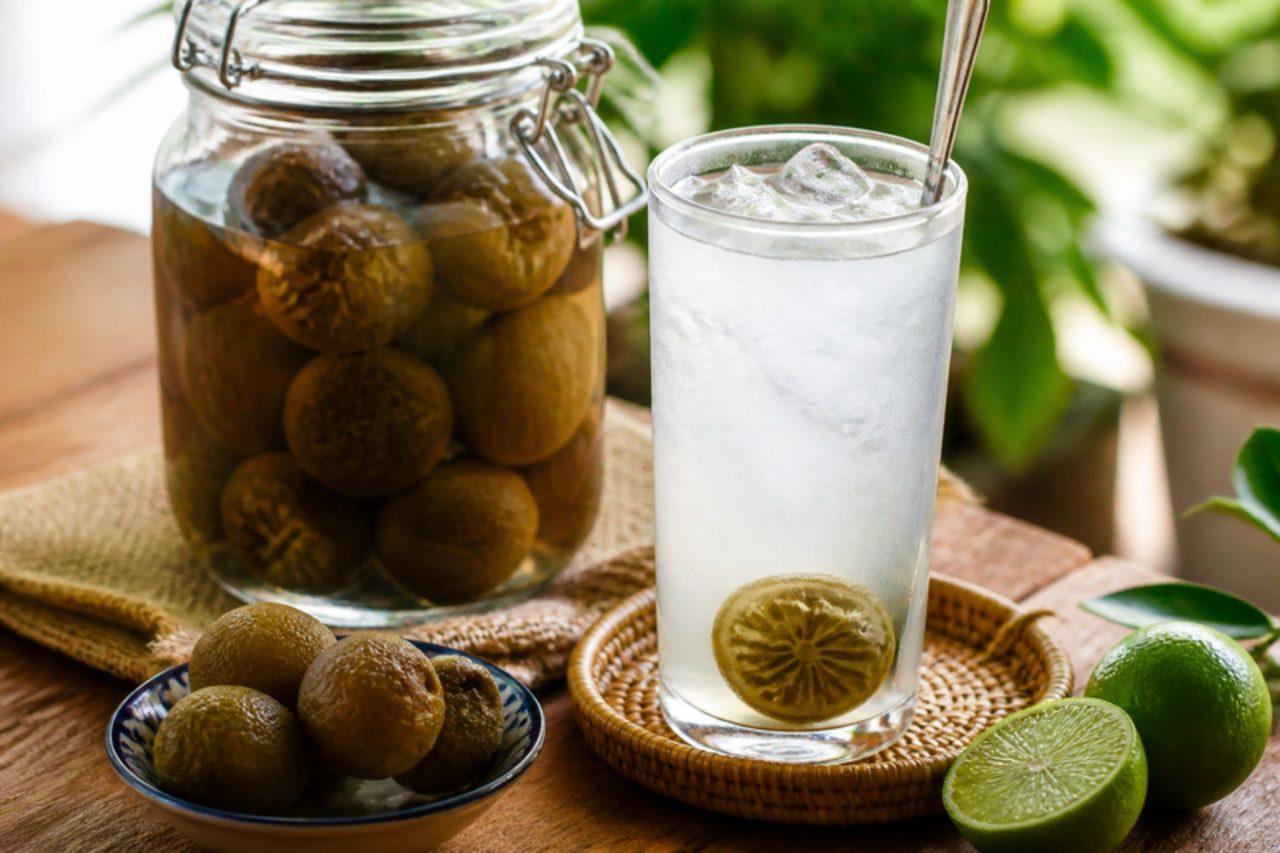
Chanh muốiSalted lime drink

Vietnamese households keep a jar of chanh muối, limes cured in salt until they turn soft and olive-brown, on a sunny shelf for months; on a sweltering day a lime or two is muddled with sugar and topped up with ice water or soda water. The drink is salty, sour and sweet all at once, and grandmothers swear by it for sore throats and after a bout of sun. This recipe makes the jar of cured limes (allow four weeks before the first glass) and then the drink itself. Chef's tip: dry the limes completely after blanching; any water left on the skins lets mould take hold in the jar.

by KrazyBadal 0 views

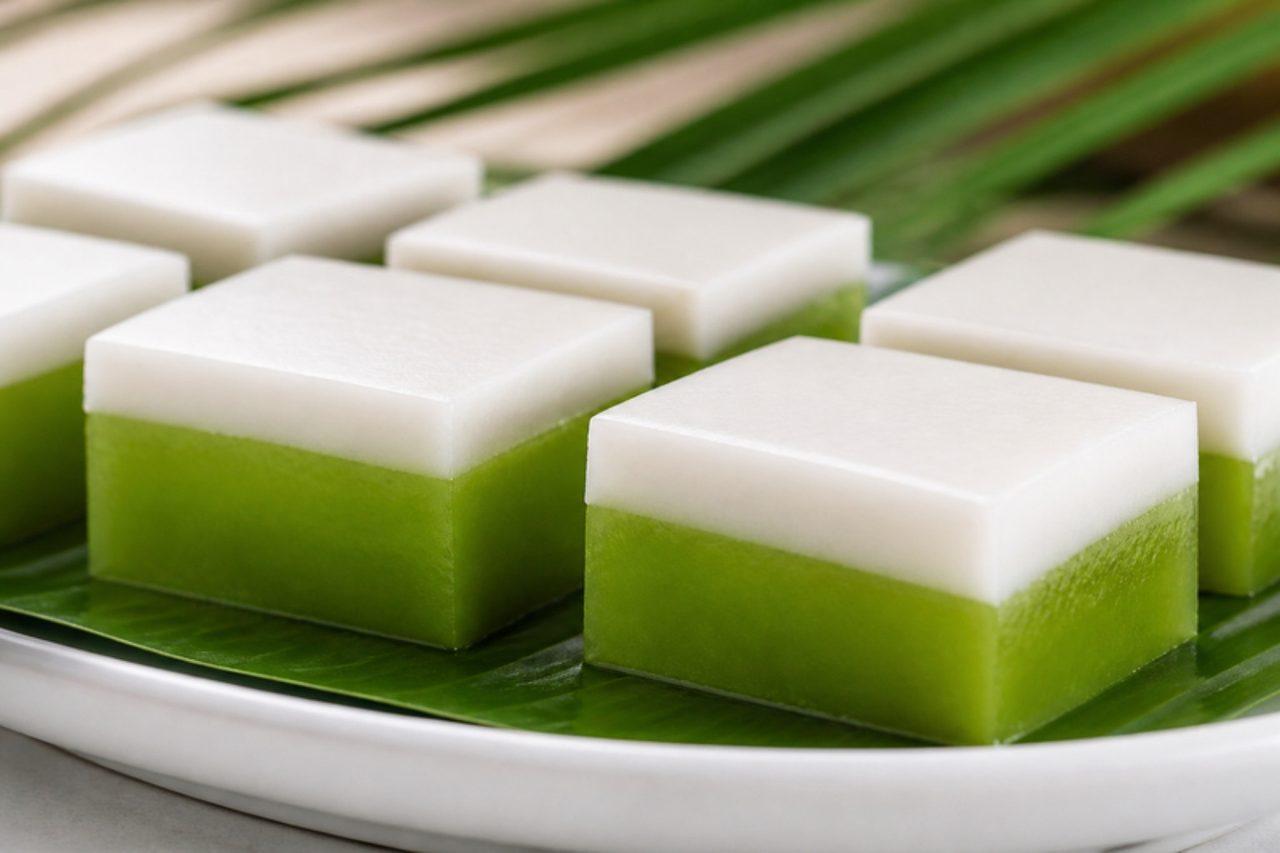
Kuih talamPandan coconut layer cake

Trays of kuih talam sit on almost every kuih stall from Johor Bahru to Alor Setar, cut into neat green-and-white squares that office workers pick up with their morning kopi. The bottom layer is a springy pandan jelly of rice flour and tapioca; the top is a soft, slightly salty coconut layer that melts against it. It needs a 20 cm square tin and a wok or steamer with a lid, and it slices best the next morning. Chef's tip: wrap the steamer lid in a cloth; condensation dripping onto the white layer leaves pockmarks and a watery top.

by KrazyBadal 0 views

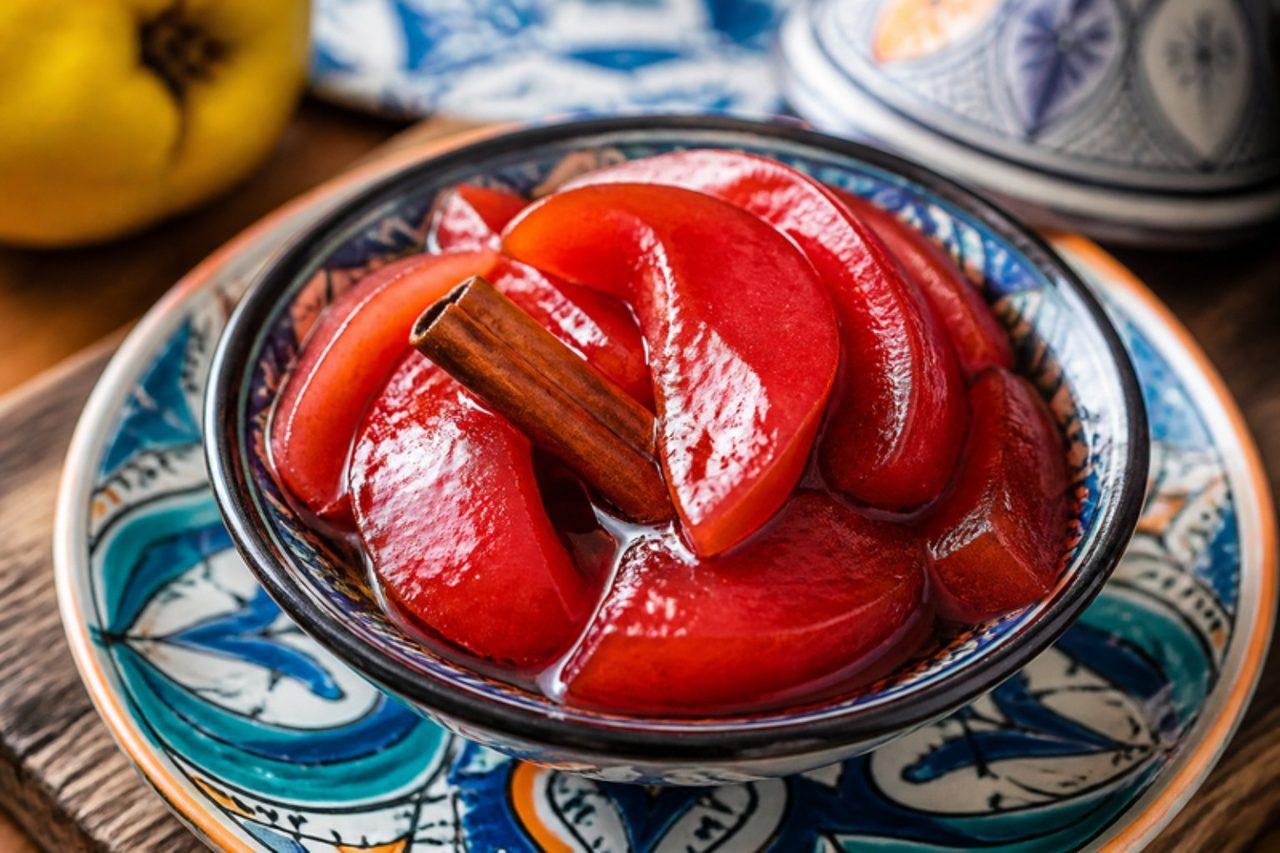
Moroccan quince preserve (mrabba sfarjal)

When quinces fill the market stalls of Fes and Meknes in October, households cook them down into this deep red preserve for winter breakfasts with msemen, baghrir and fresh cheese. The pale fruit turns ruby only with long, gentle cooking, the slices staying whole in a thick, cinnamon-scented syrup. Spread it on bread or serve a spoon next to soft cheese. Impatient cooks boil it hard and get a pale, sticky jam; the colour needs slow simmering. Chef's tip: tie the quince cores and peel in muslin and cook them with the fruit — they hold the pectin that sets the syrup. Store in sterilised jars.

by KrazyBadal 0 views

Showing 48 of 3,470 recipes

Show more recipes

Page 33 of 145

More No onion & garlic ideas

Other diets