Skip to content
WhatToEat.Today

No onion, no garlic recipes (Swaminarayan and sattvic)

3,470

3470 vegetarian recipes cooked without onion or garlic, as in Swaminarayan and sattvic kitchens, with no meat, fish, eggs or alcohol. Each has photos, step-by-step instructions and cook times. The quickest, Apfelschorle, takes 2 minutes. Most take around 45 minutes.

Filter these by time, diet or cuisine · Make No onion & garlic your diet to see only these recipes everywhere on the site.

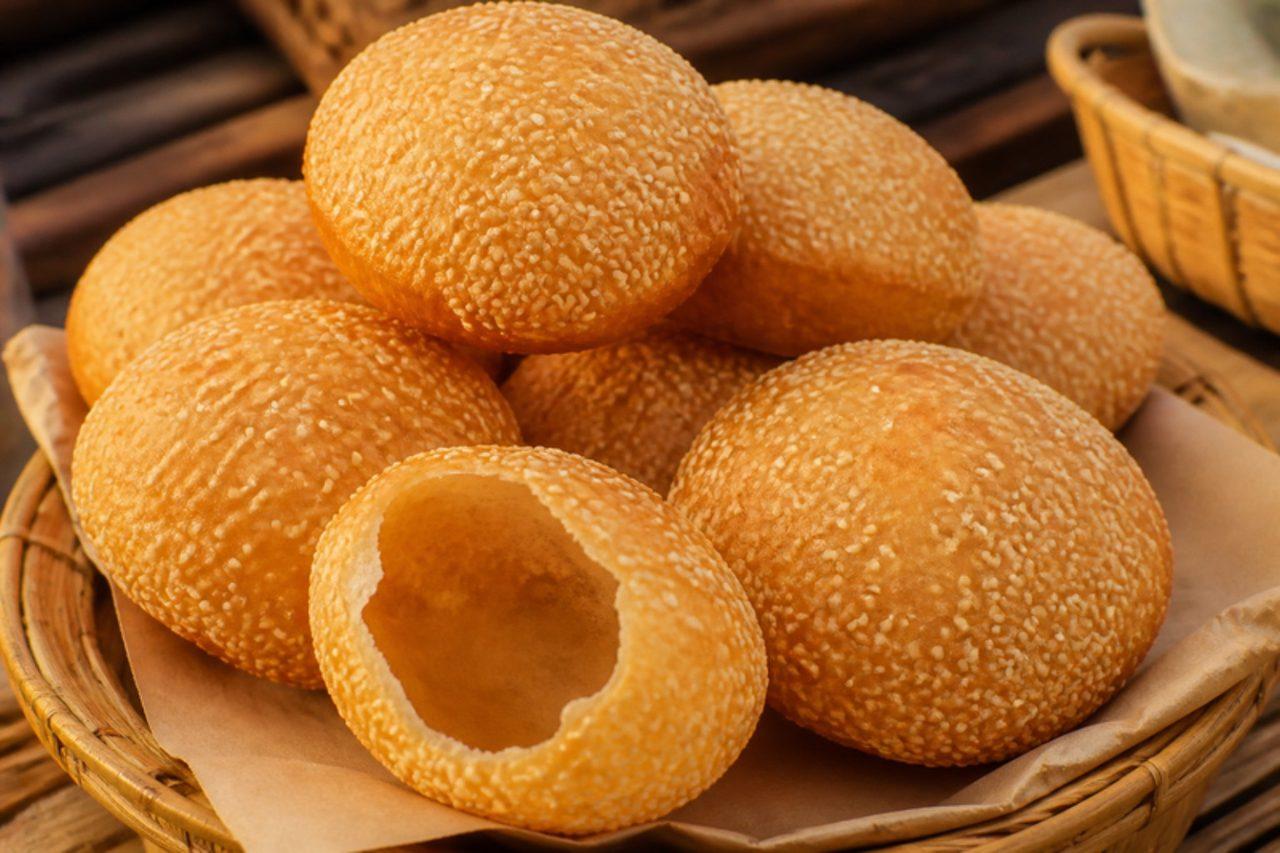
Bánh tiêuSesame doughnuts

In Saigon and the Mekong towns, bánh tiêu are fried in big woks at the edge of the morning market and sold warm in paper bags, often torn open and filled with a stick of quẩy or eaten alongside soy milk. A soft, lightly sweet dough is rolled thin, coated with sesame and dropped into hot oil, where it balloons into a hollow, chewy round with a crackly seeded shell. The dough uses no egg or butter, so the doughnuts are vegan. Chef's tip: roll the rounds evenly thin and keep the oil hot; thick spots or a cool pan give you flat, oily discs that never puff.

by KrazyBadal 0 views

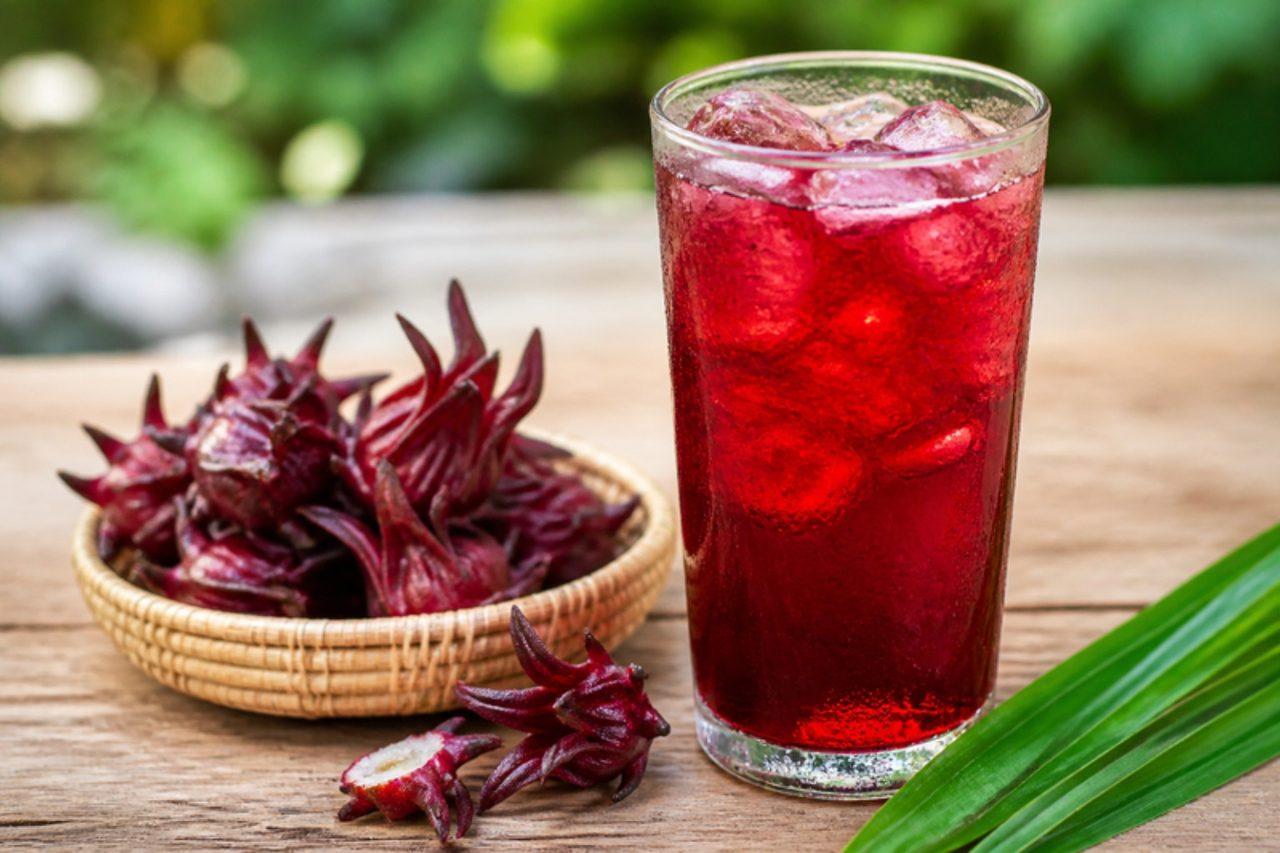
Nam krachiap (roselle drink)

In the dry hot season Thai markets from Isan to Bangkok sell bags of this ruby drink tied with a straw, made from the dried calyces of the roselle plant grown in the northeast. It tastes like cranberry with a floral edge, sharply tart and only lightly sweet, with a pinch of salt to lift it. Drink it very cold; it keeps for days in the fridge. Chef's tip: the mistake is boiling the roselle for a long time, which turns it bitter and dull; simmer briefly and then let it steep off the heat.

20 minThaiDrinksVeganGluten free
by KrazyBadal 0 views

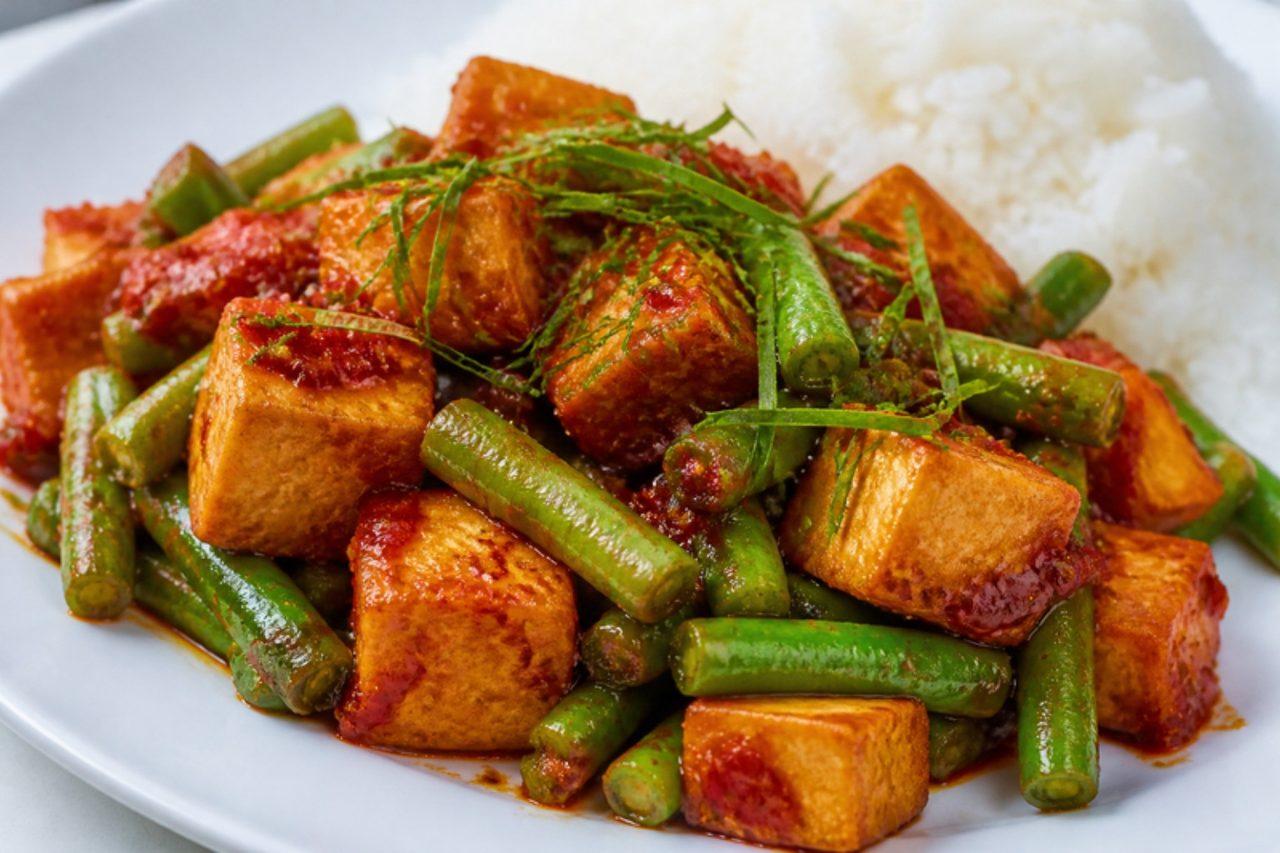
Pad prik khing tao hoo (dry red curry tofu with long beans)Tofu and long bean stir-fry

Unlike soupy curries, prik khing is fried in oil until the paste clings to every bean, and in central Thai homes it is a lunch dish eaten with plenty of rice. For the jay festival the shop-bought paste, which carries garlic, shallot and shrimp paste, is swapped for this quick home paste of dried chilli, lemongrass, galangal and lime zest, so it stays vegan and free of alliums. Palm sugar and torn lime leaves round it off. Chef's tip: adding water to loosen the paste is the classic mistake; fry it in oil until it smells toasty and the dish stays dry and sticky.

by KrazyBadal 0 views

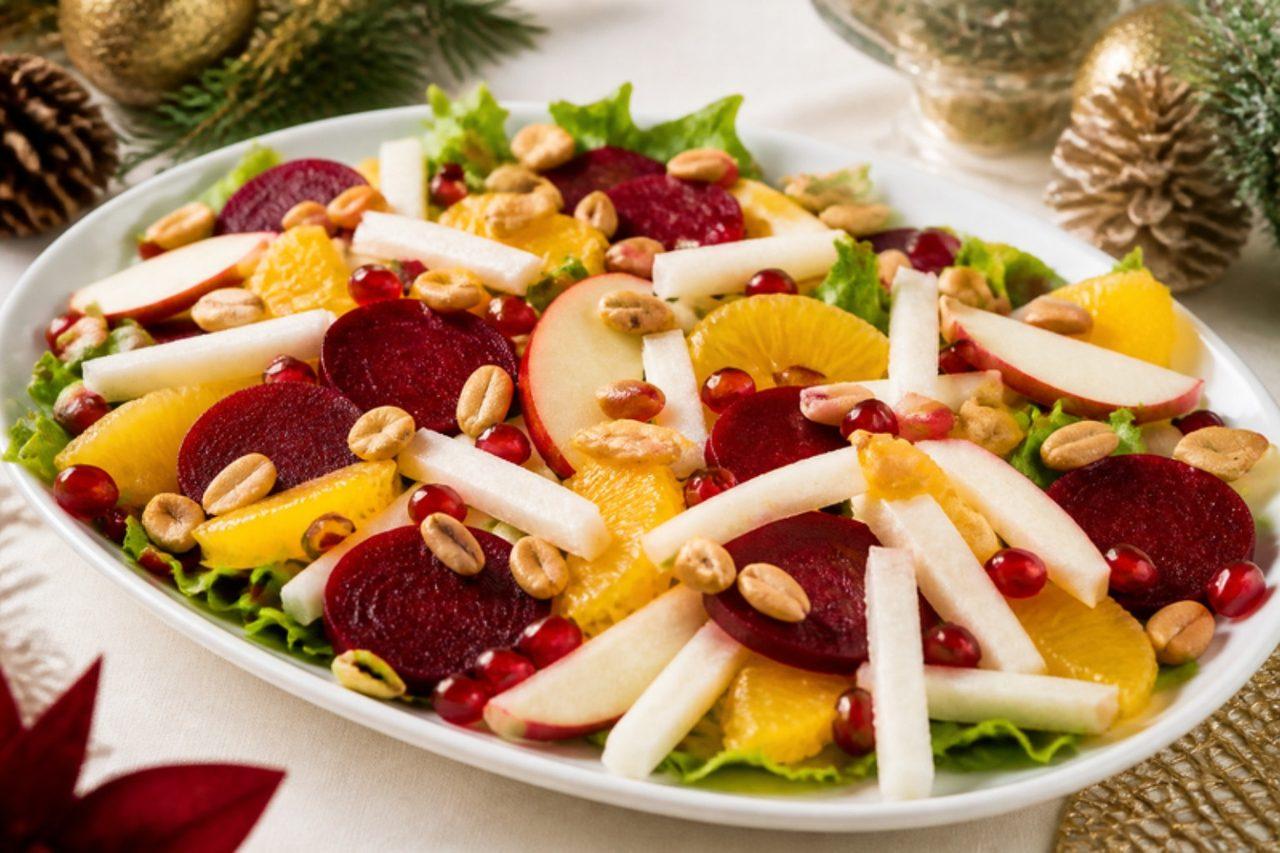
Ensalada de NochebuenaBeetroot and fruit salad

Late on 24 December, families in Mexico City and the central states gather for the cena de Nochebuena, and on the table, next to the romeritos and bacalao, sits this jewel-bright salad. Beetroot stains the crisp jícama pink, sweet oranges and apple balance its earthiness, and roasted peanuts and pomegranate seeds scatter over the top with a little lettuce underneath. It is fresh relief among rich Christmas dishes and children love the colour. Chef's tip: dress the beetroot separately and add it at the last minute, unless you want everything magenta.

by KrazyBadal 0 views

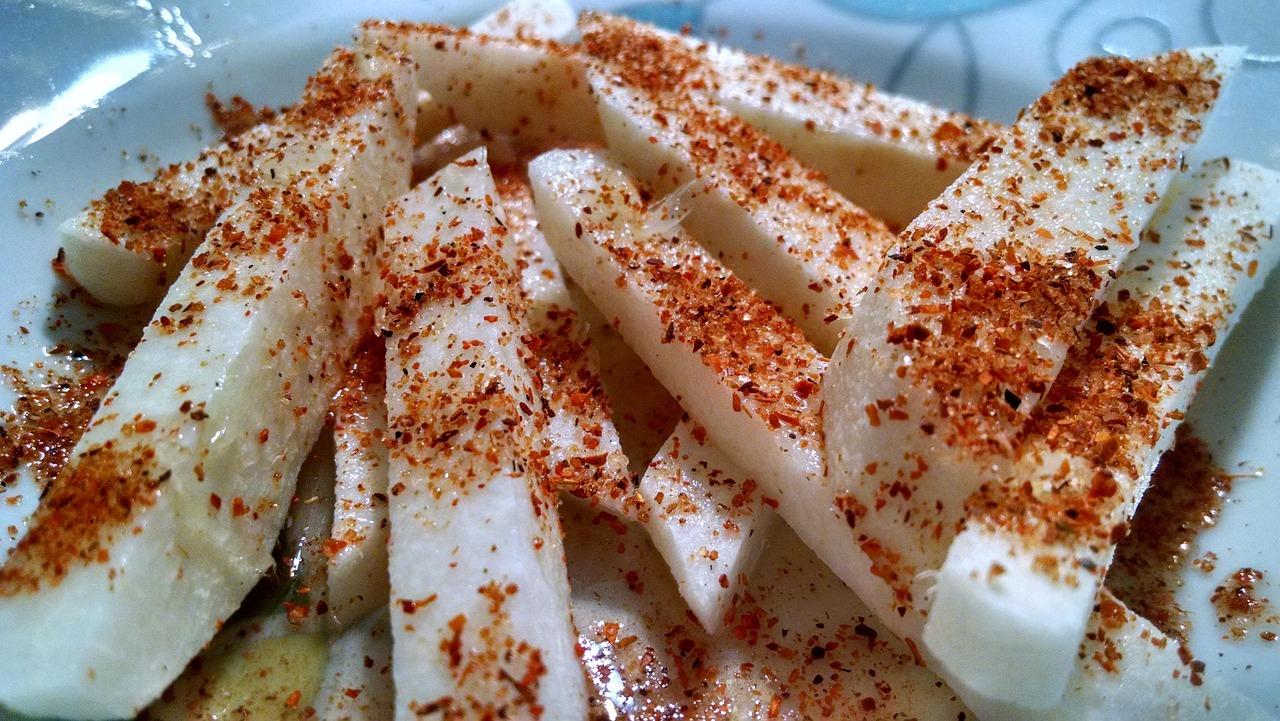
Jícama con chile y limónJícama with chile and lime

Few snacks are as simple or as refreshing as this one, sold in bags from street carts and made at home all over Mexico as an after-school or pre-lunch nibble. Jícama tastes like a cross between apple and water chestnut: crisp, juicy and barely sweet. Lime, salt and chile powder are all it needs. Chef's tip: a short soak in iced water makes the sticks extra crisp.

by KrazyBadal 0 views

Ponche navideñoHot Christmas fruit punch

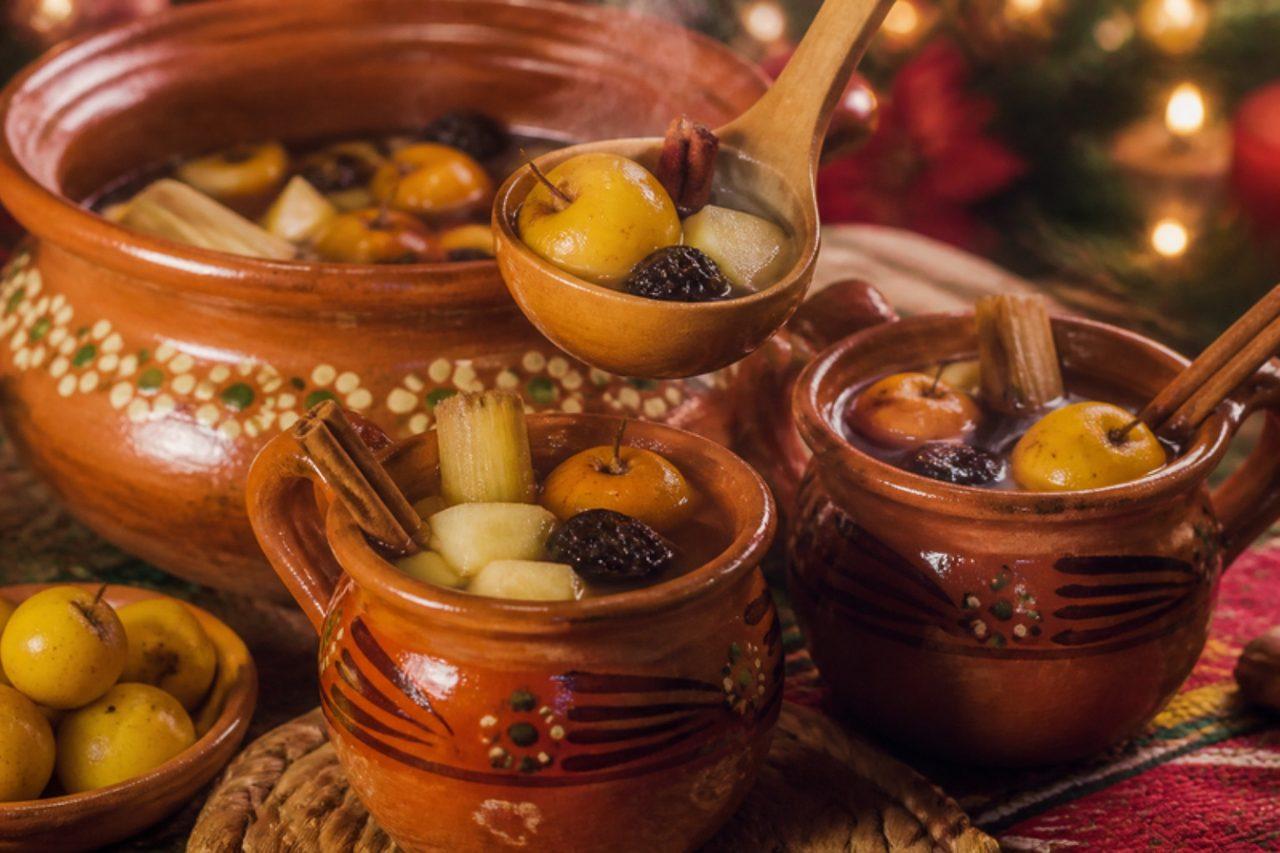
During the nine nights of posadas from 16 to 24 December, neighbours in central Mexico walk the streets singing for shelter, and the reward at the last door is a cup of steaming ponche ladled from a clay pot. Whole fruits, tejocotes, guavas, apple, prunes, sticks of sugarcane, simmer with hibiscus, cinnamon and piloncillo until the punch is fragrant and amber, and everyone fishes the soft fruit out with a spoon. This recipe is alcohol-free and good for all ages; some adults add a splash of rum to their own cup, but none is used here. Chef's tip: add the guavas late, as they collapse if cooked too long.

by KrazyBadal 0 views

Khao tom mat (banana sticky rice parcels)

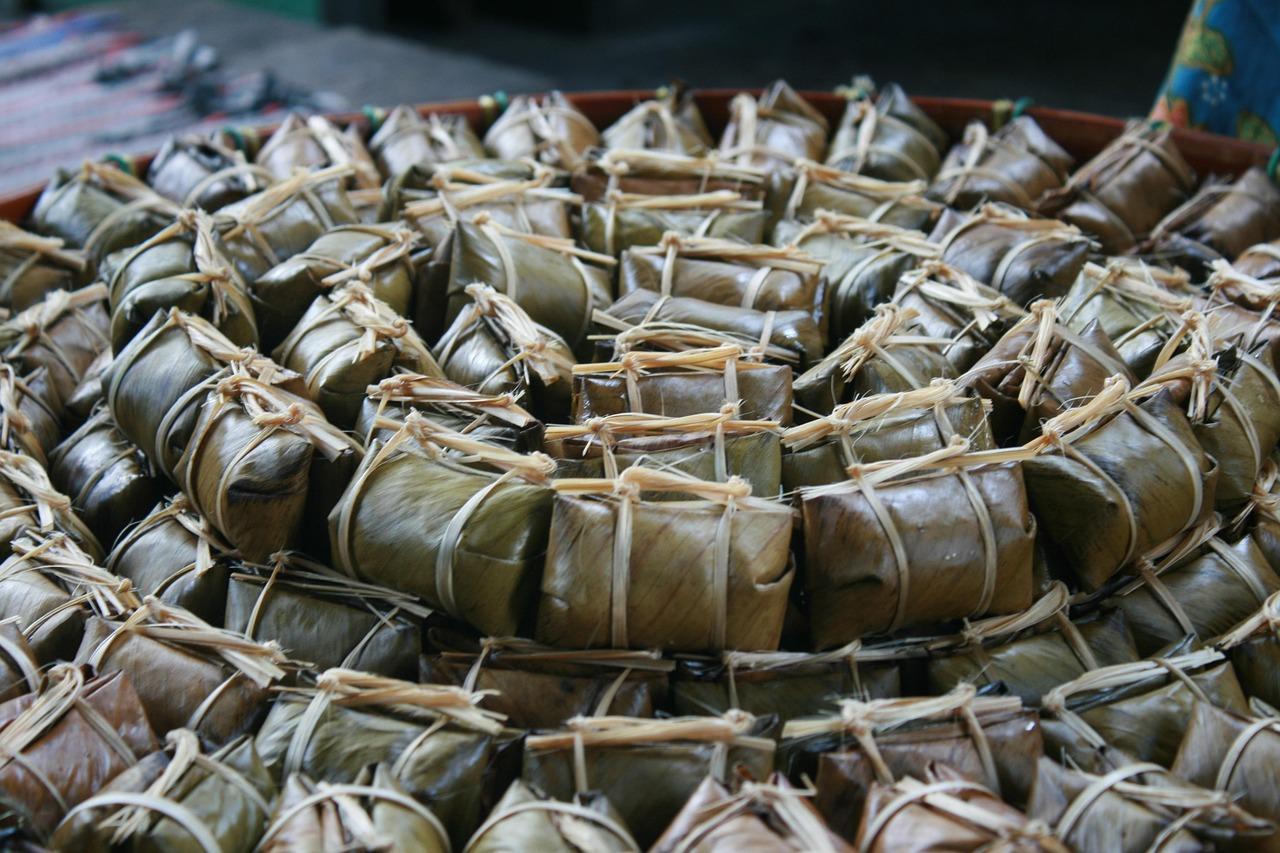
Before dawn on Buddhist holy days and during Ok Phansa at the end of the rains retreat, families in central Thailand tie bundles of these parcels in pairs to give to monks on their alms round. Inside the leaf, glutinous rice cooked first in coconut milk wraps around half a small banana and a few black beans, then steams until the banana turns pink and jammy. Eat them warm or at room temperature for breakfast. Chef's tip: wrapping too tightly is the common mistake; the rice swells as it steams, so leave a little room or the parcels burst.

120 minThaiDessertsVeganGluten free
by KrazyBadal 0 views

Tejocotes en almíbarHawthorn fruit in syrup

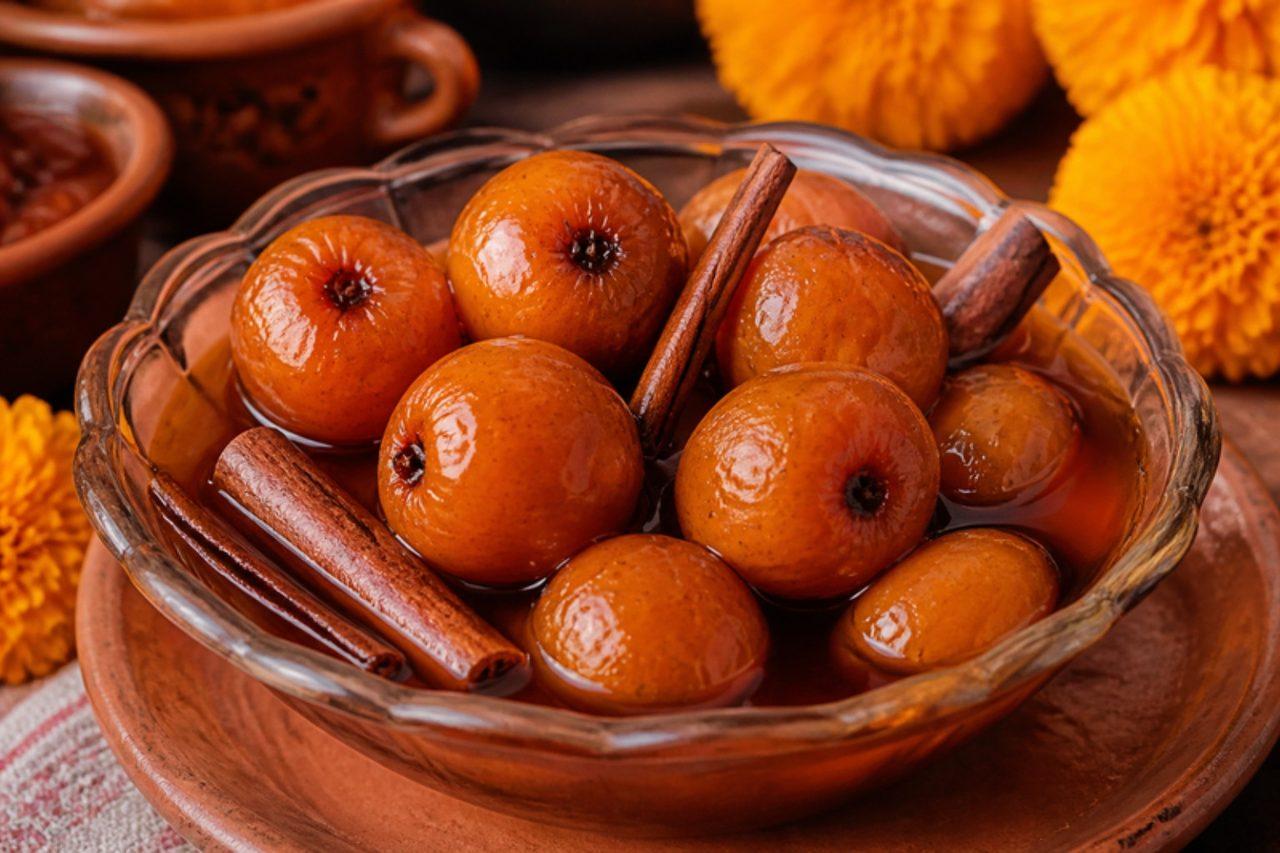
Golden tejocotes, small tart hawthorn fruits from the highlands around Puebla and the State of Mexico, appear in market sacks for only a few weeks before Day of the Dead and Christmas. Poached whole in piloncillo syrup with cinnamon and a strip of orange, they turn soft and perfumed, a little like quince crossed with apricot, and are set on the ofrenda or eaten from a bowl with their syrup. Outside Mexico, look for them frozen or in jars at Latin grocers; small crab apples are the nearest swap. Chef's tip: blanch and peel them first, as the skins go tough and bitter in syrup.

by KrazyBadal 0 views

Calabaza en tachaCandied pumpkin

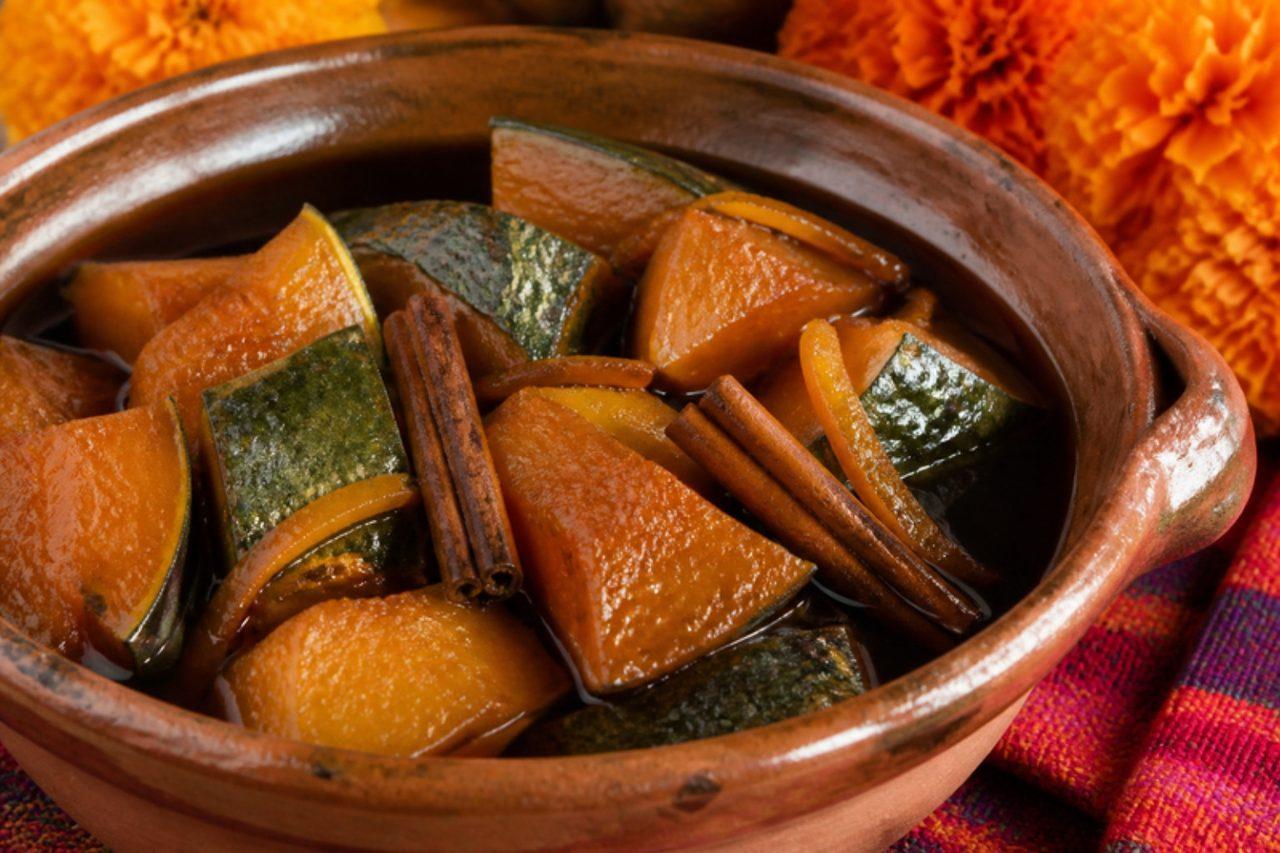
When the first squash of autumn arrives, kitchens across Puebla, Tlaxcala and Mexico State fill with the dark caramel smell of calabaza en tacha, a sweet that goes on the ofrenda on 1 November and is eaten warm at breakfast with a splash of cold milk. Wedges of pumpkin simmer slowly in piloncillo, the cone-shaped raw cane sugar, with cinnamon bark, orange and a few cloves until the flesh turns glossy amber and the syrup thickens. It is homely, deeply sweet and spiced. Chef's tip: lay the pumpkin skin side down and never stir, just baste, so the pieces stay whole.

by KrazyBadal 0 views

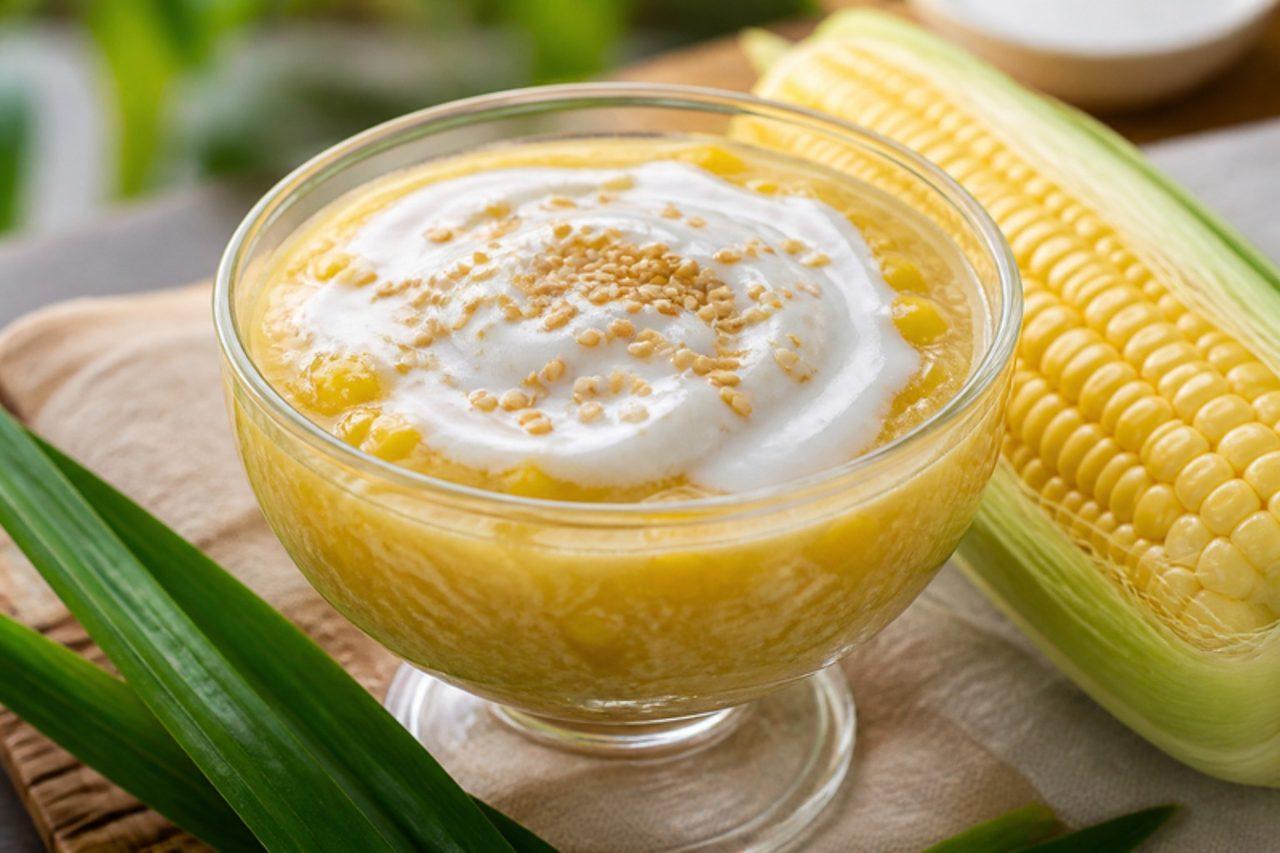
Chè bắp (sweet corn pudding)

Hội An's riverside villages grow a sticky, sweet local corn, and chè bắp has been sold in its old town for generations; in Saigon it is a summer evening favourite at street stalls. Fresh kernels are cooked with a little glutinous rice until thick and spoonable, sweetened, and topped with a ribbon of salty coconut cream. The cobs simmer in the water first to give the pudding a deep corn flavour. Chef's tip: add the sugar only after the rice is soft; sugar added early stops glutinous rice from swelling and leaves hard grains.

by KrazyBadal 0 views

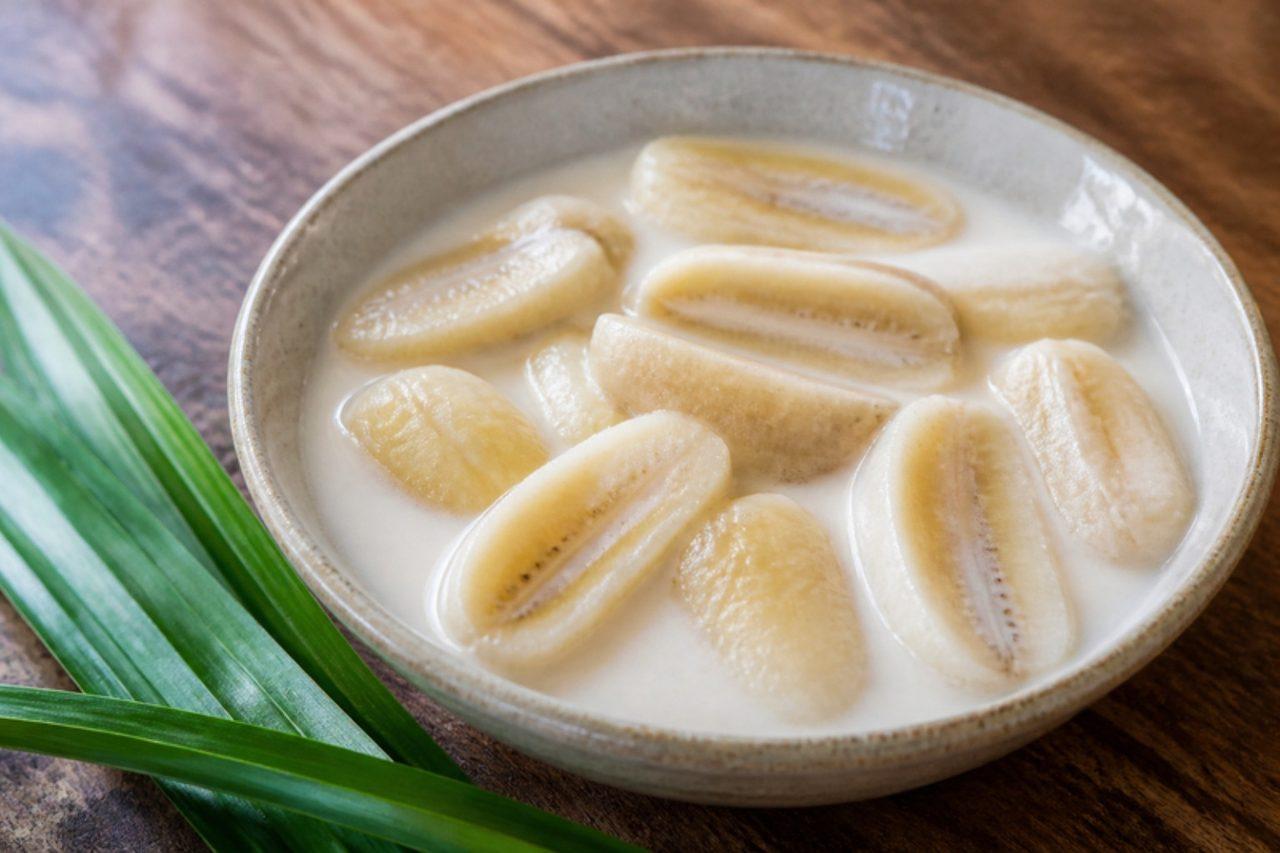
Kluay buat chi (bananas in coconut milk)

Rows of pots of this simple sweet sit on home stoves all over central Thailand, and it is often the first dessert a Thai cook learns. The name compares the pale bananas in white coconut milk to women ordained as nuns in white robes. Small, sweet namwa bananas soften without collapsing, and the milk is seasoned so salt and palm sugar balance. Eat it warm or at room temperature, as an afternoon snack or after a spicy dinner. Chef's tip: boiling the coconut milk hard is the usual error; it splits and turns oily, so keep it at a bare simmer.

by KrazyBadal 0 views

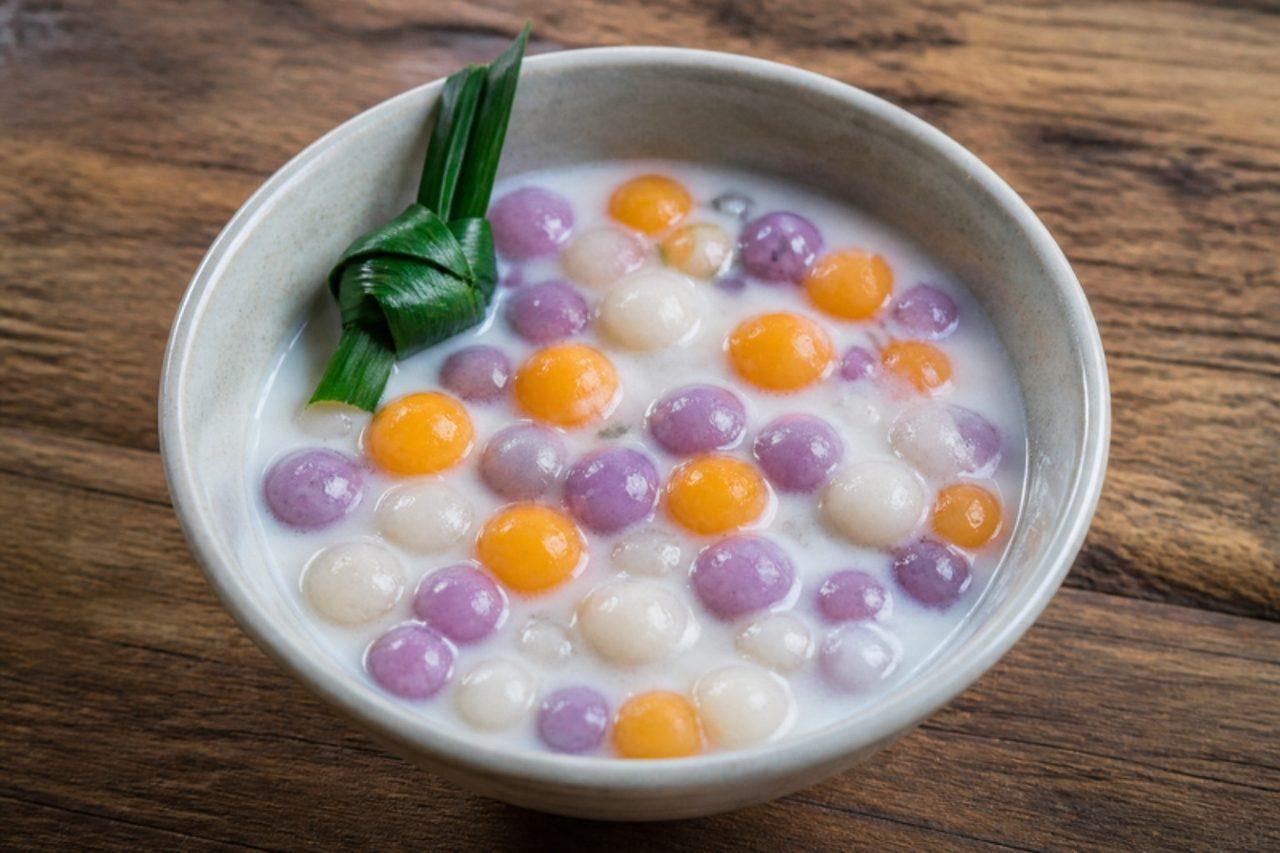
Bua loy (rice balls in coconut milk)

The name means 'floating lotus', and on cool evenings in Bangkok's Yaowarat and around temple fairs bowls of these tiny glutinous dumplings are ladled out warm. They are coloured with mashed pumpkin and taro, so they taste faintly of both, and the coconut milk around them is sweet with palm sugar and edged with salt. Some vendors add a soft-cooked egg to the bowl; this version keeps it plant-only. Chef's tip: the usual mistake is making the balls too big; keep them the size of a chickpea so they cook through and stay tender rather than gummy.

by KrazyBadal 0 views

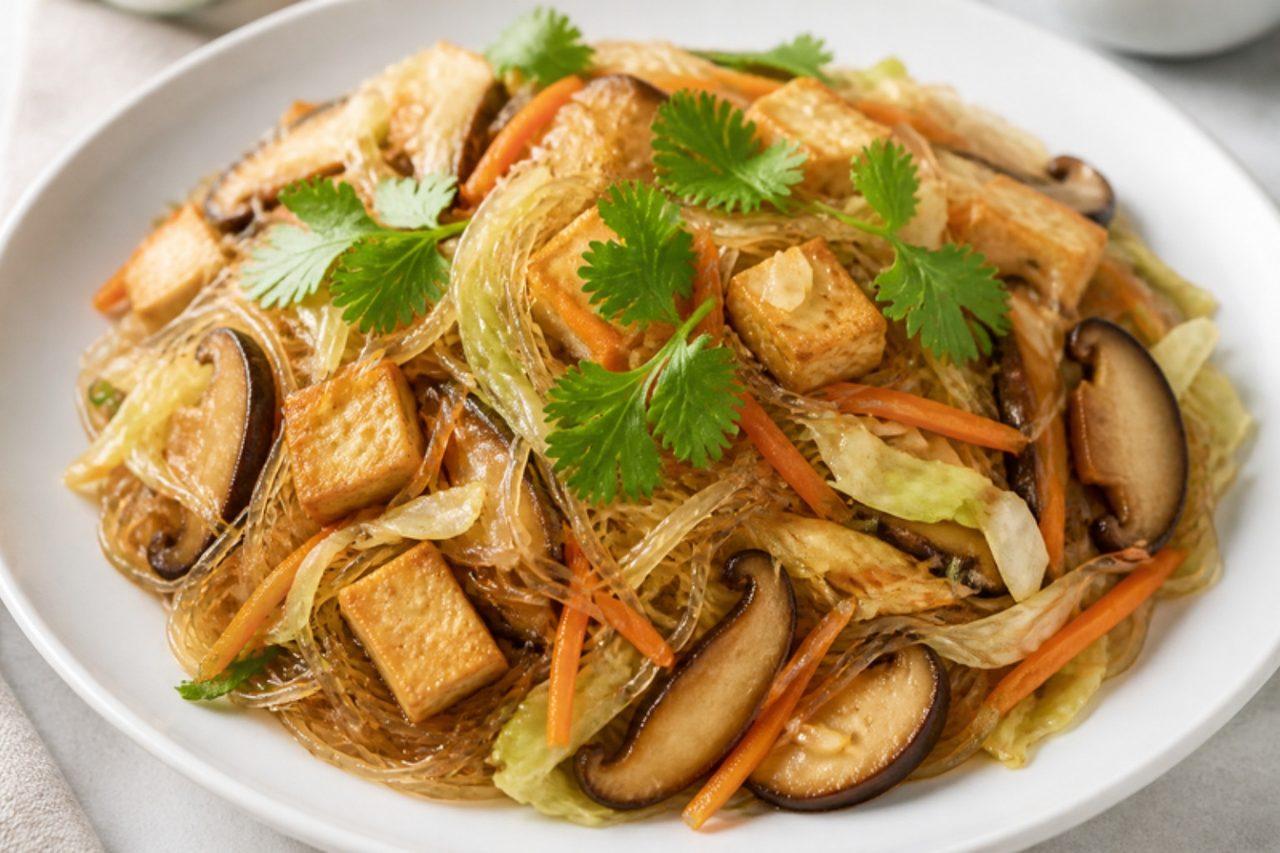
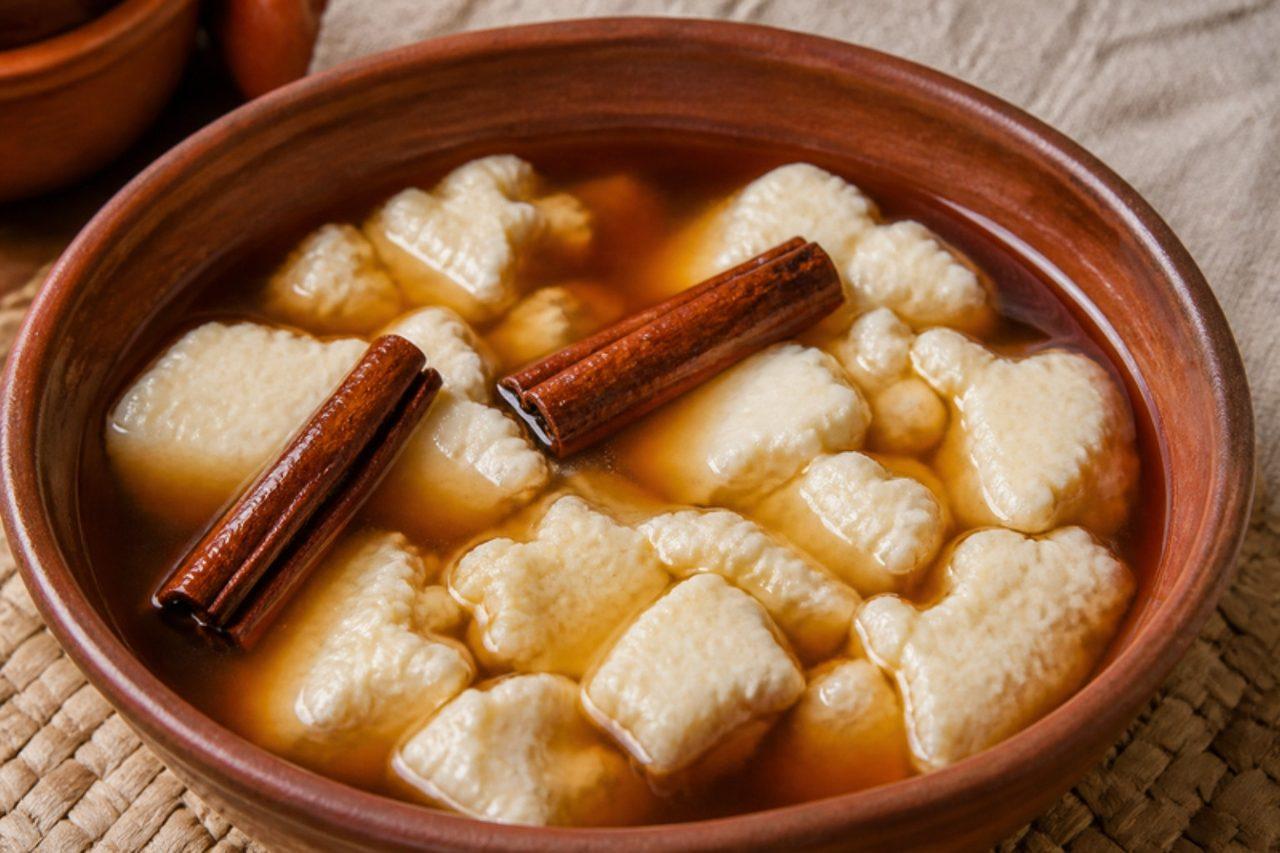
Pad woon sen jay (vegetable glass noodle stir-fry)

At home in central Thailand, pad woon sen is a quick lunch with egg, garlic and pork; the jay version served during the October Vegetarian Festival leaves all three out and leans on shiitake and soy instead. The noodles turn springy and translucent, catching the dark soy colour, with sweet cabbage and carrot through them and fried tofu for bite. Out of season, scramble in an egg and a clove of garlic. Chef's tip: soaking the noodles too long is the usual mistake; 10 minutes in warm water is enough, or they turn to mush in the wok.
by KrazyBadal 0 views

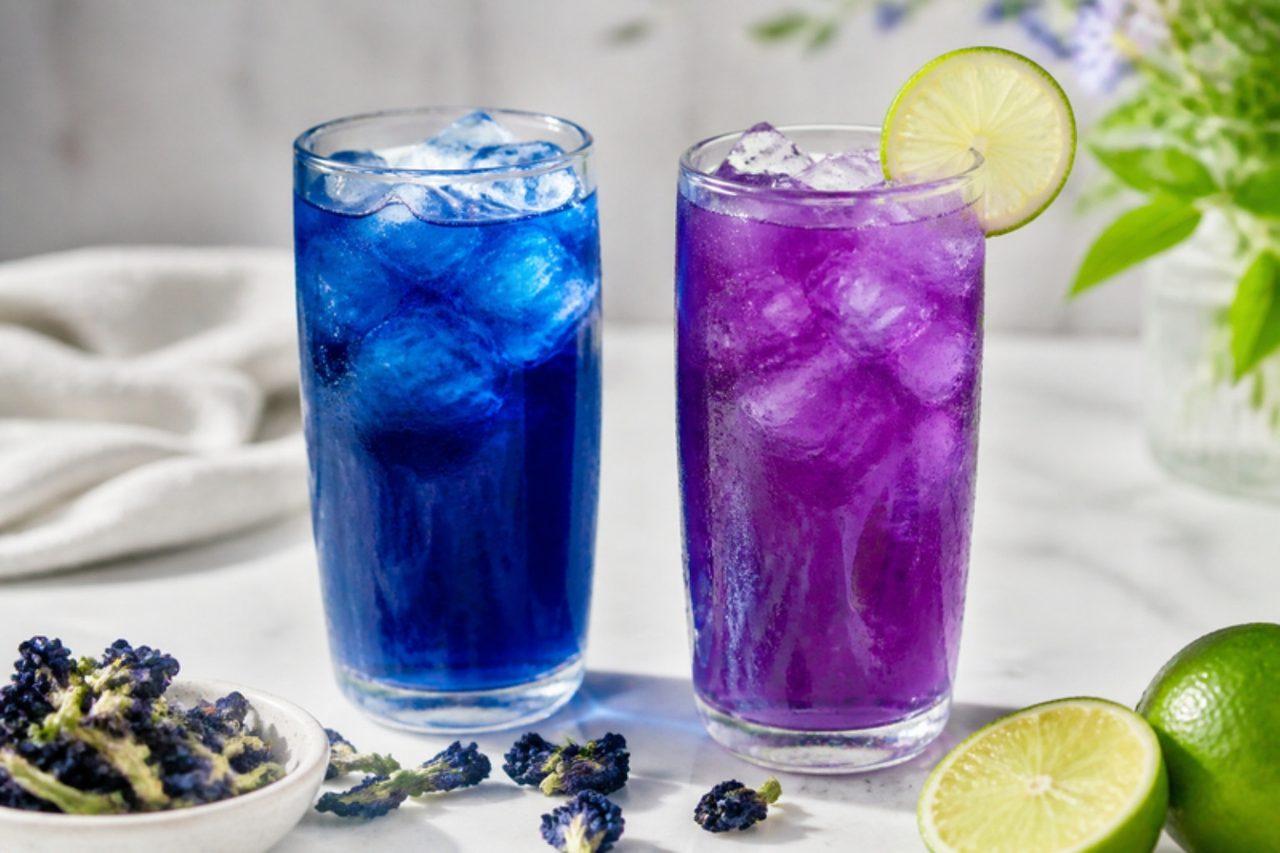
Nam dok anchan (butterfly pea lemonade)

Vines of butterfly pea climb fences in gardens all over Thailand, and cafés from Bangkok to Krabi serve the flowers as an iced drink that changes colour at the table. The tea itself is mild and earthy, blue as ink; stirring in lime juice turns it violet and makes it tangy, which children love to watch. Chef's tip: the common mistake is mixing the lime in beforehand; serve the blue tea and lime separately so the colour change happens in the glass.

15 minThaiDrinksVeganGluten free
by KrazyBadal 0 views

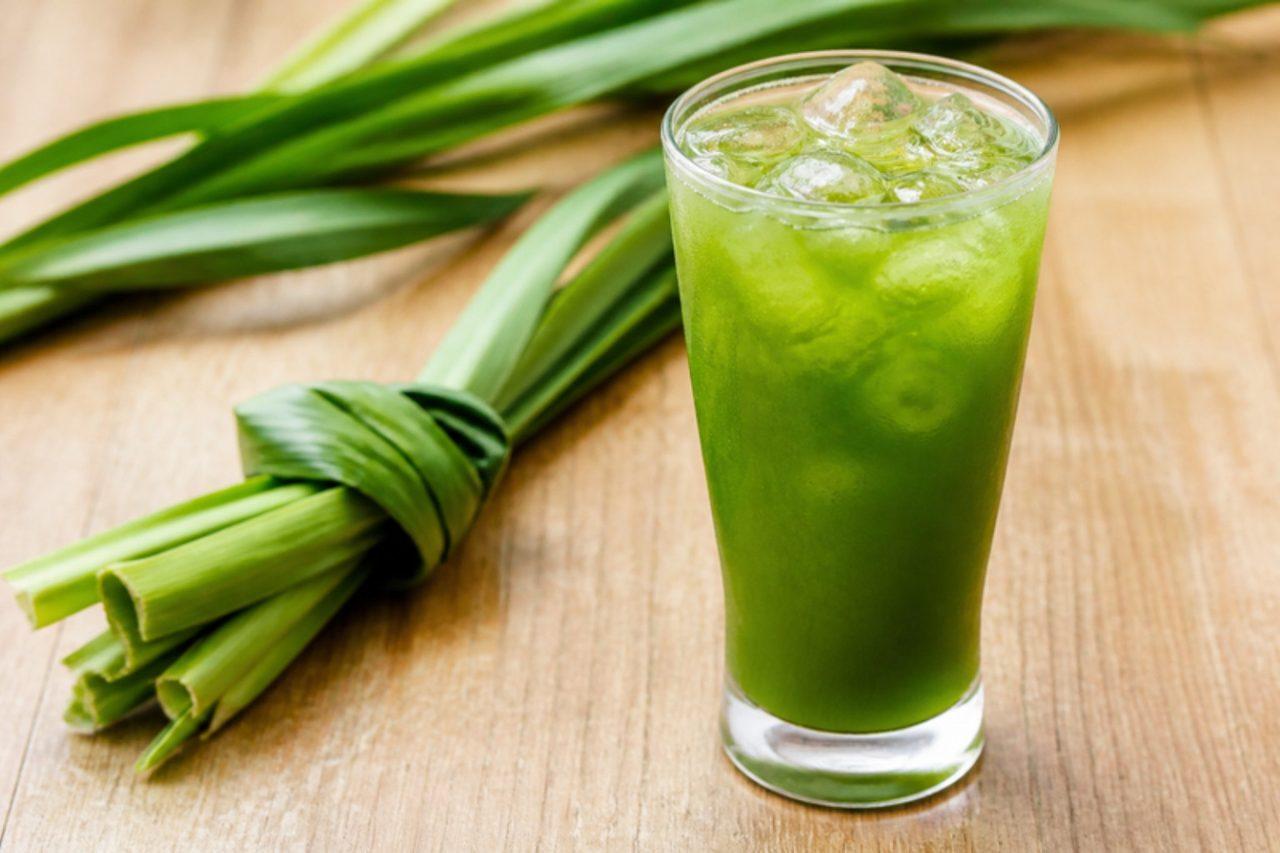
Nam bai toey (pandan drink)

Every Thai garden seems to have a clump of pandan by the tap, and on hot days cooks across the country blitz a handful of leaves into this bright green drink sold at temple fairs and noodle shops. It tastes sweet, grassy and faintly of vanilla and basmati, and is said to cool the body. Fresh leaves give the best colour; frozen ones from Asian shops work well too. Chef's tip: the mistake is serving it unstrained or leaving it for hours; strain it twice through cloth and drink it the same day, as it fades and turns grey.

15 minThaiDrinksVeganGluten free
by KrazyBadal 0 views

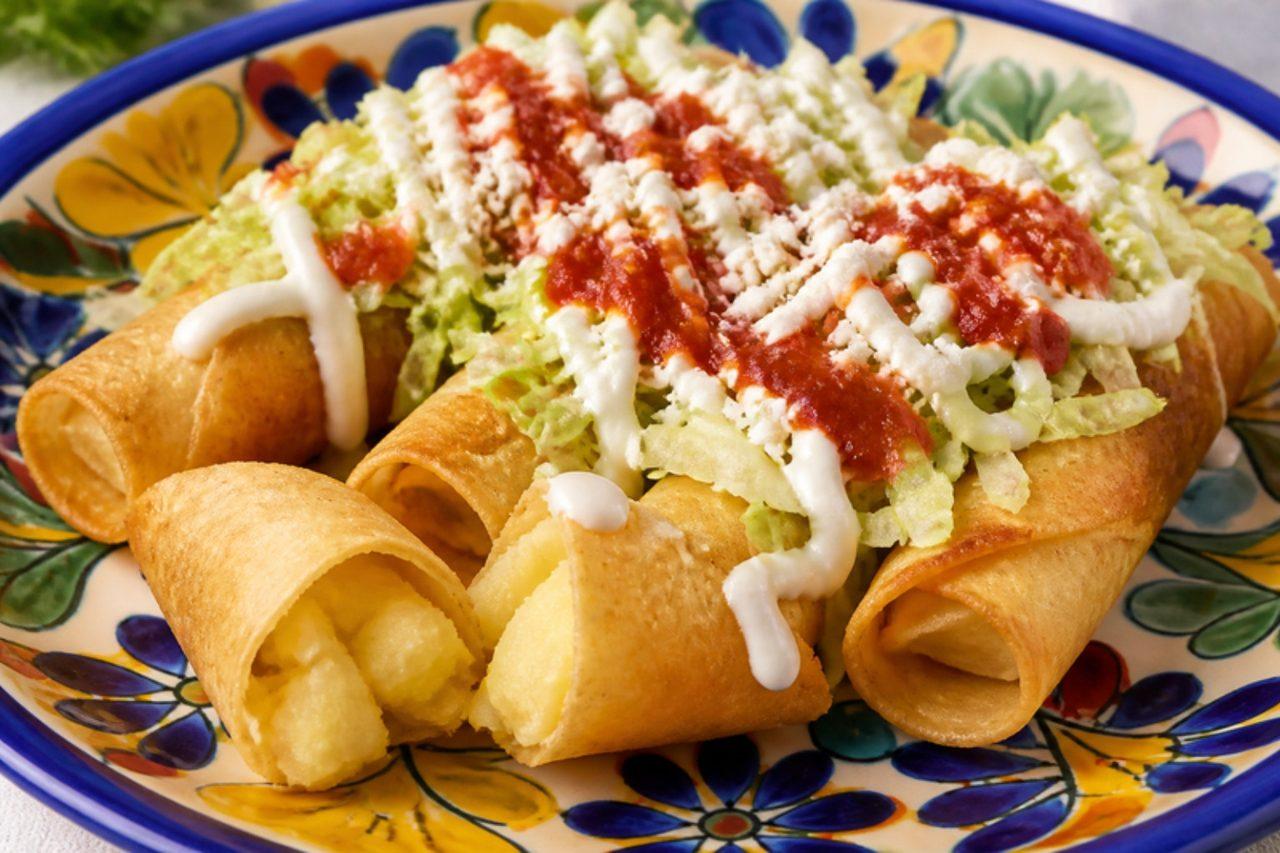
Tacos dorados de papaFried potato tacos

Crisp potato tacos are a Friday and Lent staple in homes across central Mexico, and a cheap favourite at fondas near schools in Mexico City. Tortillas are rolled around buttery-soft mashed potato, fried until shattering, then buried under cool lettuce, crema, salsa and crumbled cheese. Children love them, and the potato filling is easy to make ahead. Fresh crumbly cheeses here are often set with animal rennet; a vegetarian queso fresco or a microbial-rennet feta keeps the dish meat-free. Chef's tip: mash the potatoes while hot and let them cool before rolling, so the filling is firm and doesn't ooze into the oil.

by KrazyBadal 0 views

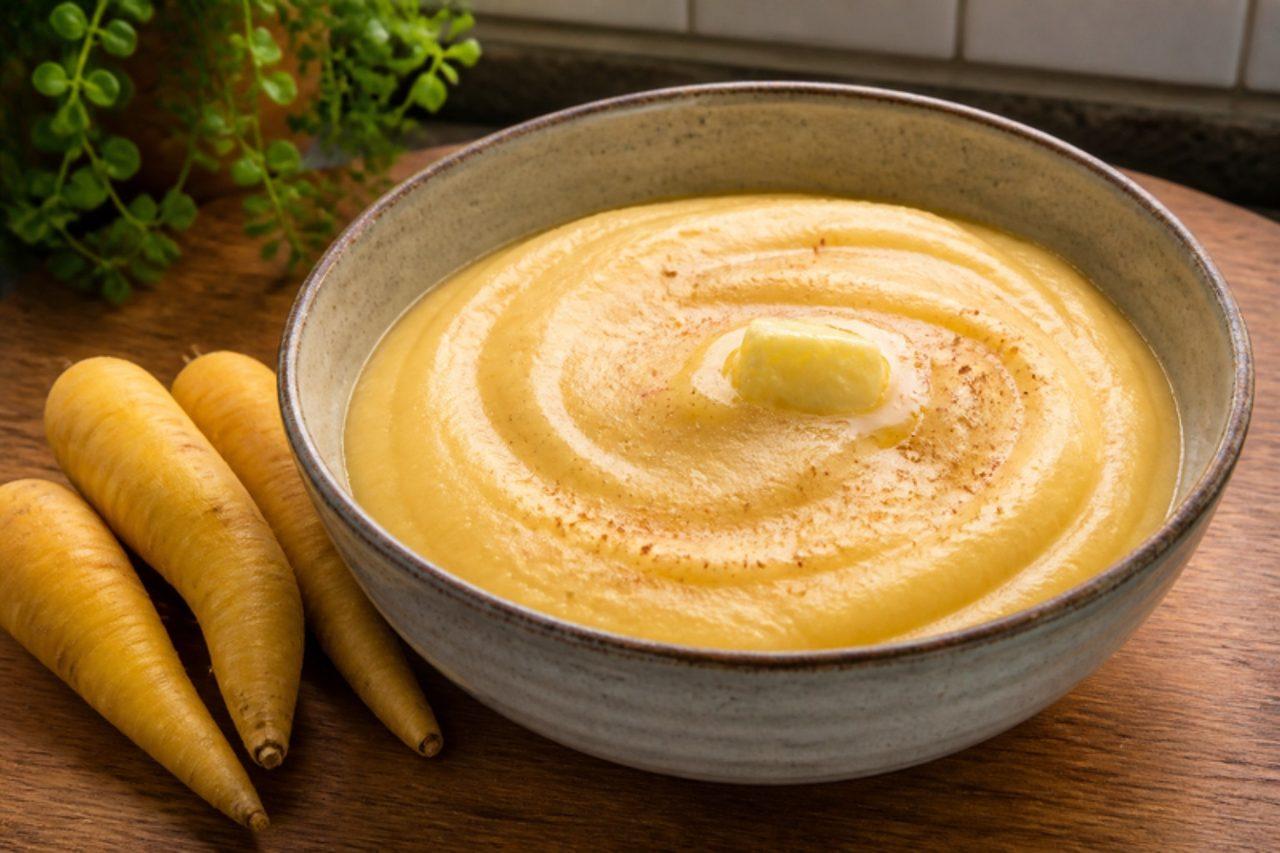
Purê de mandioquinhaArracacha purée

Mandioquinha, also called batata-baroa, is a pale-yellow root that tastes like a cross between parsnip, celery and chestnut. In São Paulo and Minas Gerais it's prized as a gentle, easy-to-digest food, and this buttery purée is what grandmothers make for children, for the sick and as a smart side for picadinho or a roast. It's naturally smooth and sweet. If you can't find it in a Latin grocer, use half parsnip and half floury potato. Chef's tip: mash it by hand, never in a blender.

by KrazyBadal 0 views

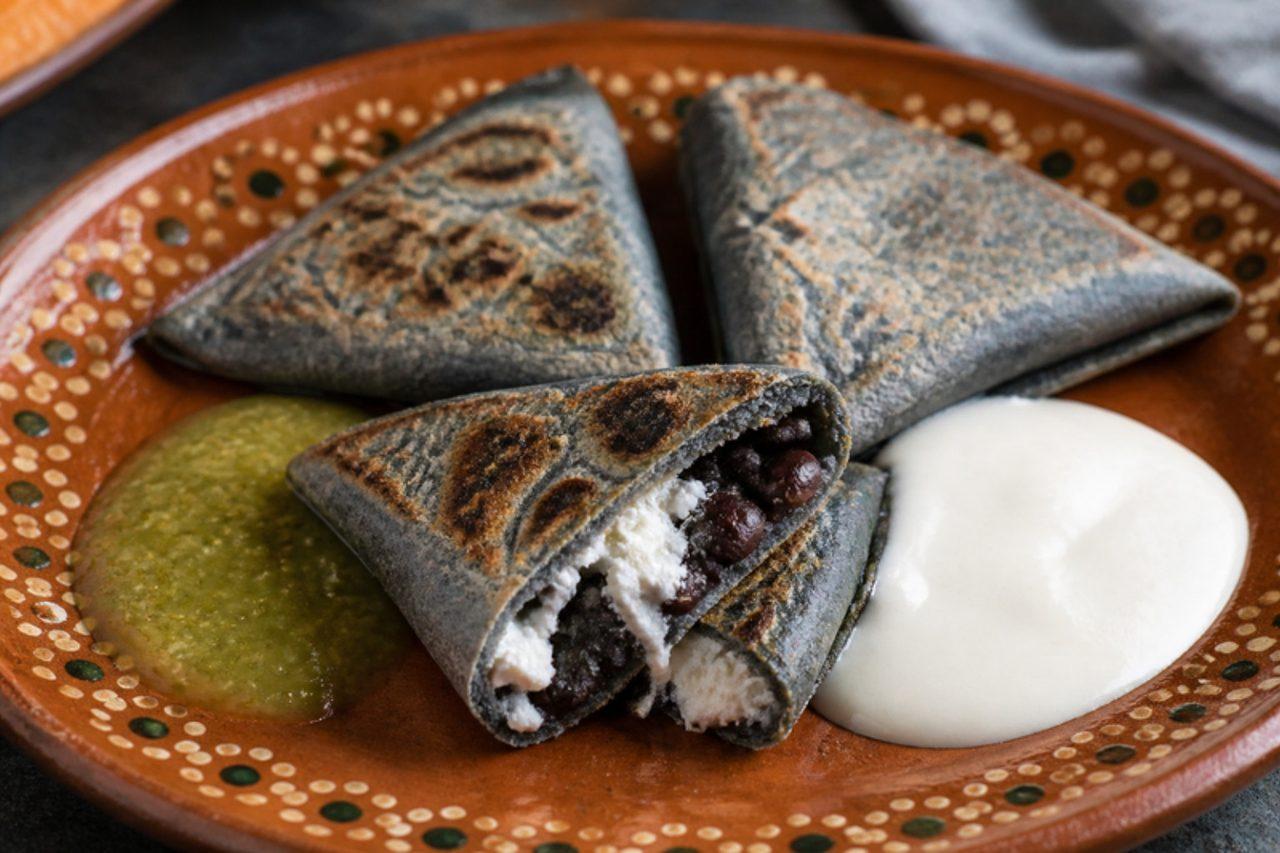
TetelasBean-filled masa triangles

In the Mixteca region between Oaxaca and Puebla, tetelas are folded into neat triangles on the comal and sold at village markets, often filled with black beans scented with avocado leaf and a little stringy quesillo. The masa turns toasty and slightly crisp outside while the filling stays creamy, and they are eaten with salsa as a snack or light supper. Quesillo is traditionally made with animal rennet, so pick a vegetarian stretched-curd cheese or a mozzarella labelled suitable for vegetarians. Chef's tip: fold the third side over last and press the seams with your fingertip so nothing leaks onto the comal.

by KrazyBadal 0 views

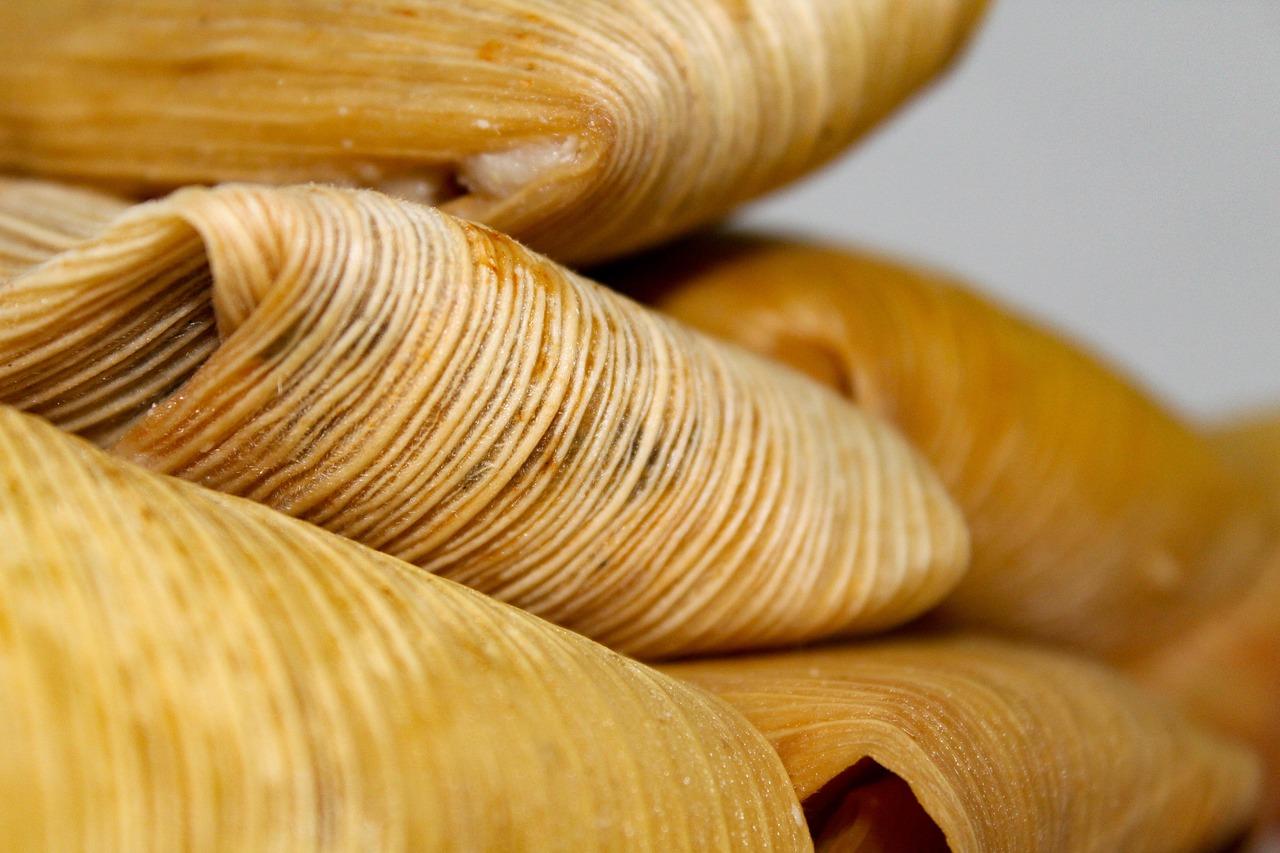
Tamales dulcesSweet tamales

Every tamal tray in Mexico City has a few pink ones tucked in among the green and red, and these sweet tamales are what children reach for first at December posadas and on 2 February, Día de la Candelaria. The masa is beaten with butter and sugar, tinted the colour of a sugared almond and studded with raisins, then steamed in husks until soft and cakey; they are eaten warm with atole or hot chocolate. This version uses butter and vegetable shortening, not lard. Chef's tip: add a few drops of colour at a time; the pink deepens as it steams.

by KrazyBadal 0 views

Agua de mangoMango drink

In April and May, when Ataulfo mangoes from Chiapas and Manila mangoes from Veracruz flood the markets, agua de mango becomes the drink of every comida corrida. It is thick, golden and very fruity, sharpened with lime. Chef's tip: use soft, fully ripe yellow mangoes with wrinkled skin; they need far less sugar and give a smooth, fibre-free drink.

by KrazyBadal 0 views

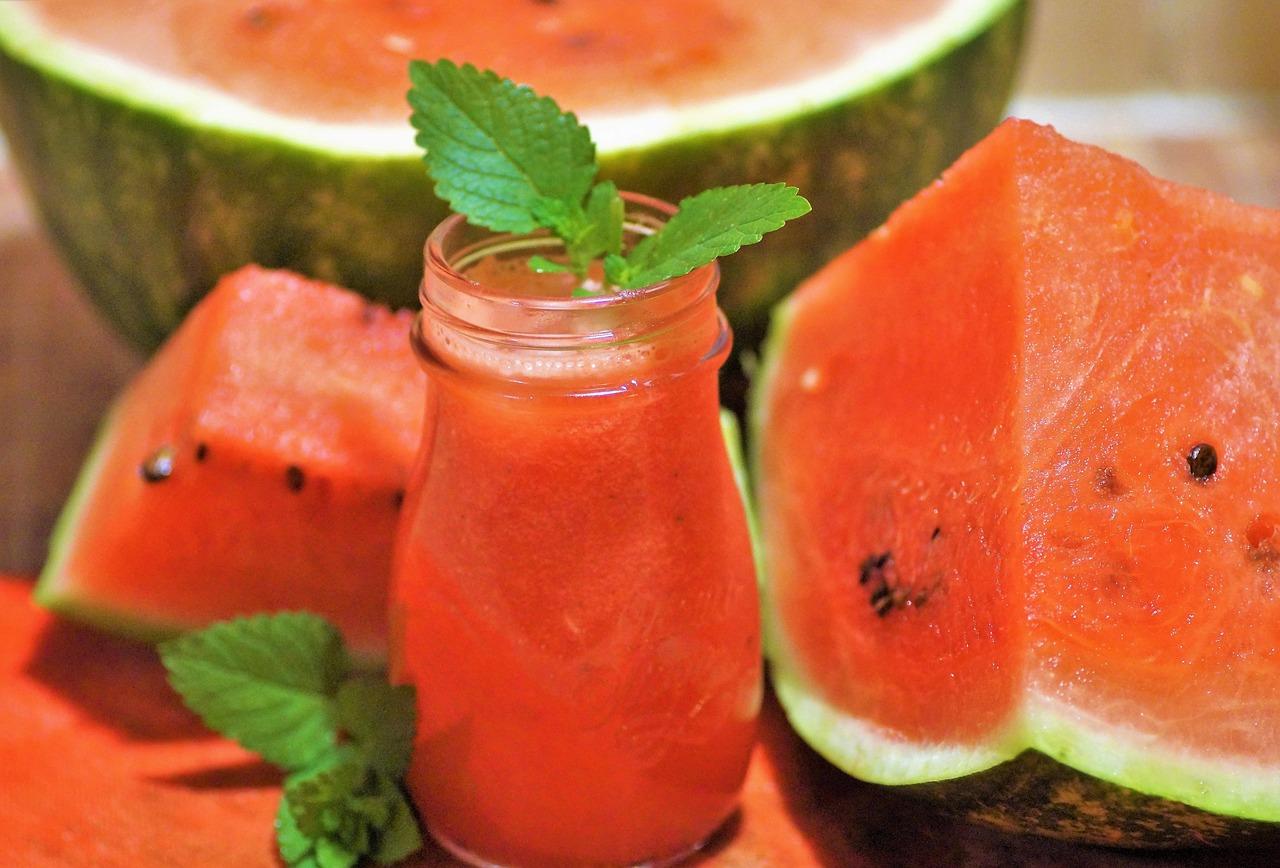
Agua de sandíaWatermelon drink

When watermelons are piled high in the markets of Jalisco and Sonora in summer, almost every taquería has a jar of bright pink agua de sandía next to the horchata. It needs only ripe watermelon, water, a squeeze of lime and a touch of sugar, and children love it. Chef's tip: a very ripe melon may need no sugar at all, so taste before you sweeten.

by KrazyBadal 0 views

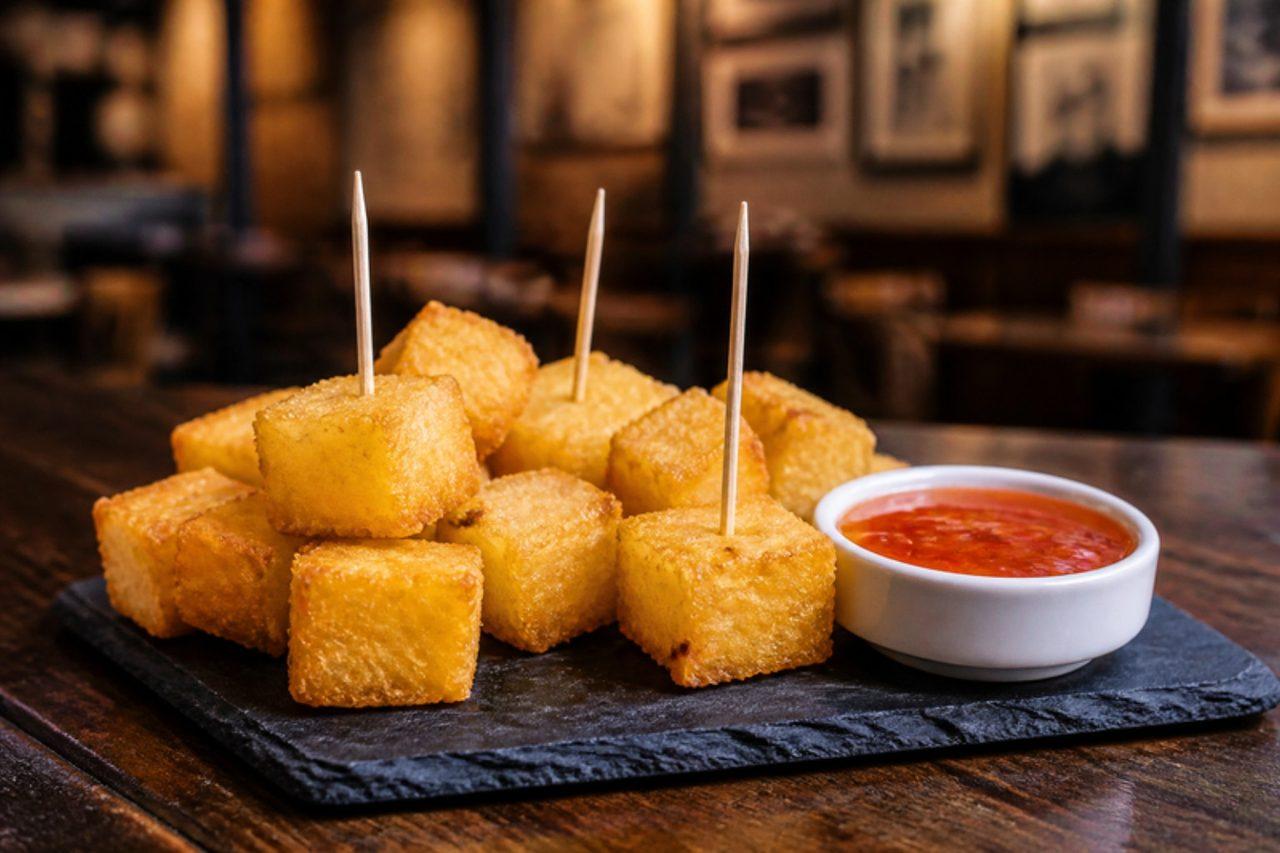
Dadinho de tapiocaFried tapioca cheese cubes

These crisp little cubes started in a Northeastern-style bar in São Paulo's north zone and spread to almost every botequim menu in the city, where they arrive in a paper-lined basket with a pot of sweet chilli sauce and a round of cold drinks. Hot milk is stirred into granulated tapioca and salty grated queijo coalho, the mixture sets overnight, and the cubes are fried until the outside shatters and the inside turns soft and stretchy. Queijo coalho is usually made with animal rennet, so for a vegetarian version look for a firm grilling cheese labelled vegetarian rennet. Chef's tip: let the slab chill until it is completely firm, at least four hours, or the cubes slump in the oil.

by KrazyBadal 0 views

Paletas de cocoCoconut ice pops

Coconut pops are a classic of the paleterías of Michoacán and of the beach carts of Acapulco and Veracruz, where fresh coconuts are cracked open to order. They are milky, sweet and chewy with shreds of coconut, more like frozen coconut cream than ice. It contains dairy. Chef's tip: toast a third of the coconut lightly before using, which brings out a deeper flavour without changing the snowy colour much.

by KrazyBadal 0 views

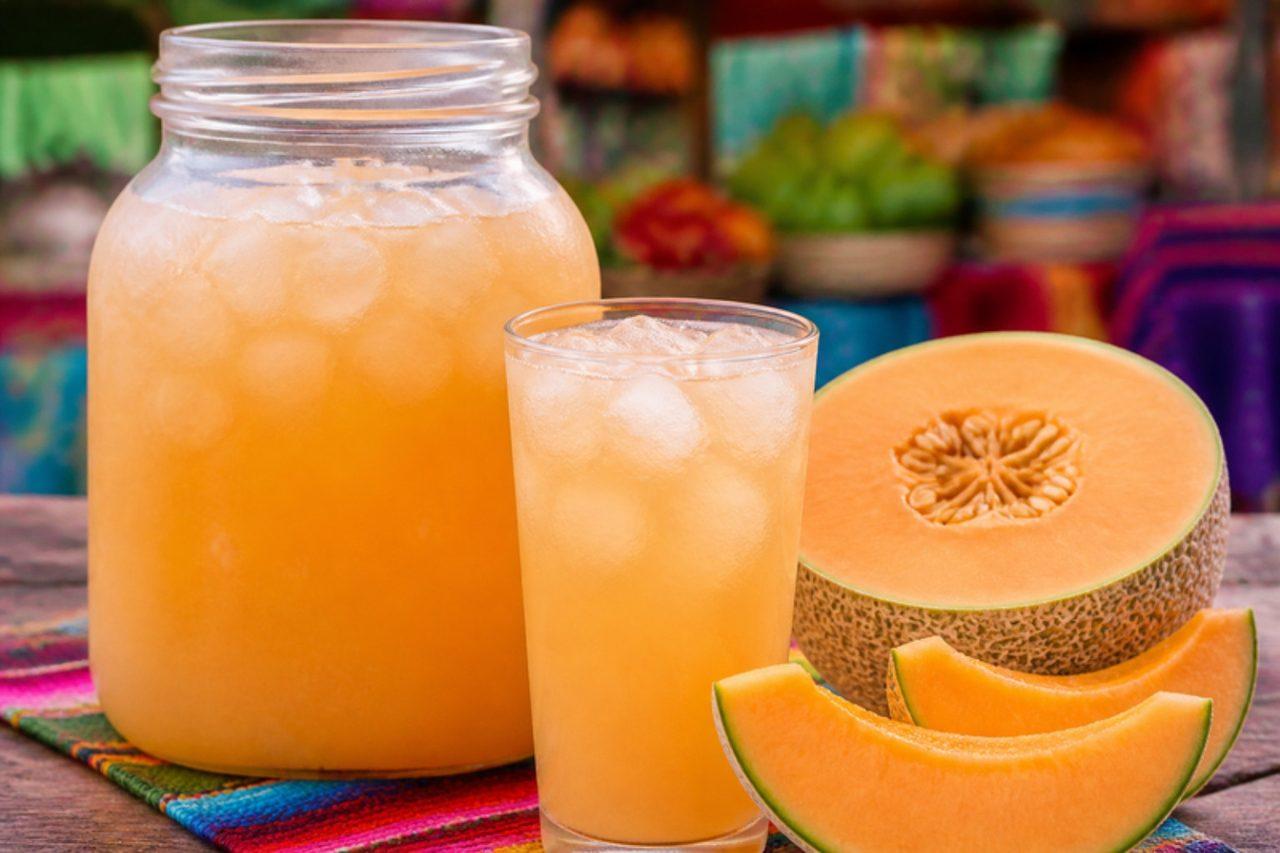
Agua de melónCantaloupe drink

Mexican market juice stalls make agua de melón with the ripest, most fragrant cantaloupes, and many cooks blend in the seeds and the soft pulp around them, which adds a creamy body and a nutty flavour. It's served in tall glasses on hot afternoons from Guanajuato to Veracruz and is a favourite with kids. Chef's tip: smell the stalk end of the melon before you buy it; if it smells sweet, the drink will too.

by KrazyBadal 0 views

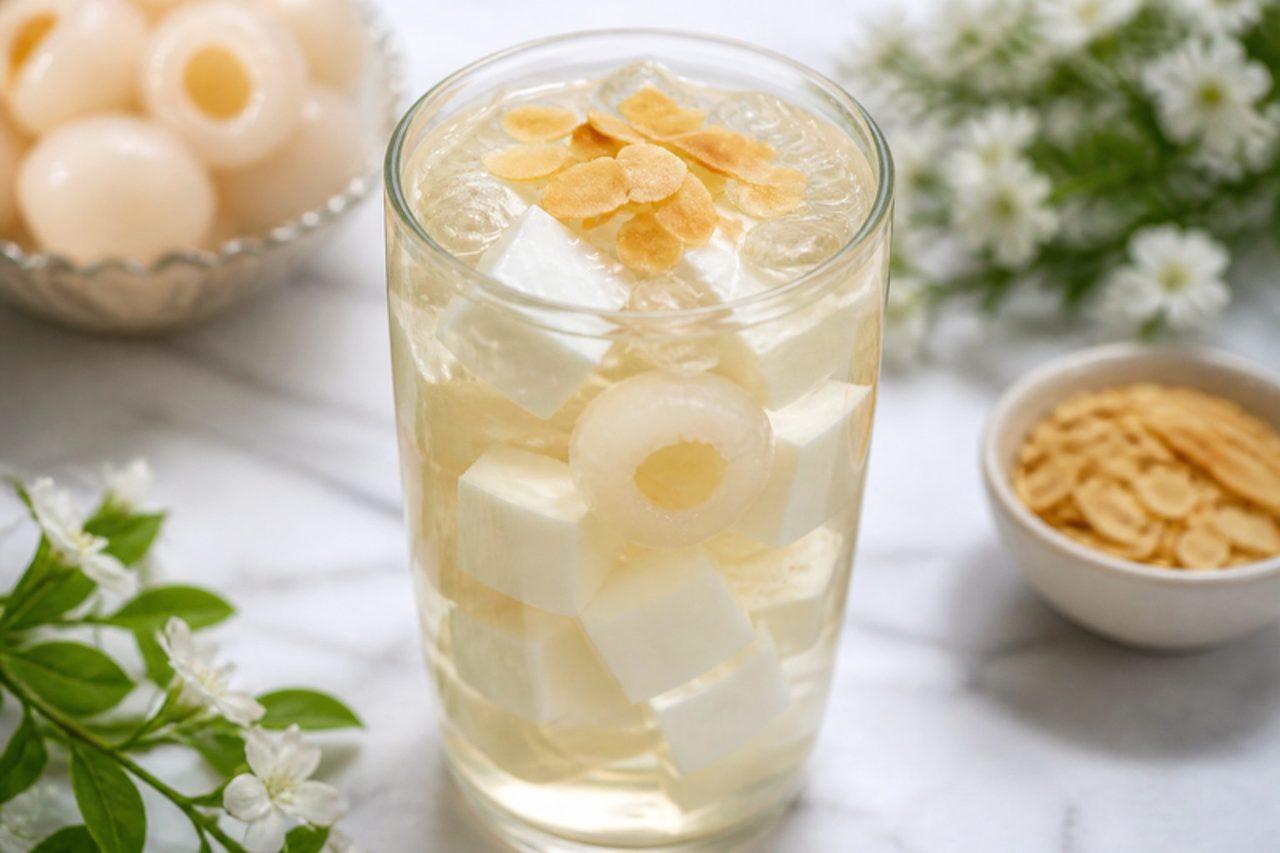
Chè khúc bạch (almond milk jelly with lychees)

Saigon's café-dessert shops made chè khúc bạch a craze in the 2010s, and it is still a cooling order on hot afternoons around Bến Thành. Soft, creamy cubes of almond-scented milk jelly float with lychees in a light lychee syrup, topped with crunchy toasted almonds, all over crushed ice. Gelatin is often used; this version sets with agar so it is vegetarian, and it holds firm even in tropical heat. Chef's tip: boil the agar for a full 2 minutes before adding the milk; agar that is only warmed won't set, which is the usual reason the jelly stays runny.

by KrazyBadal 0 views

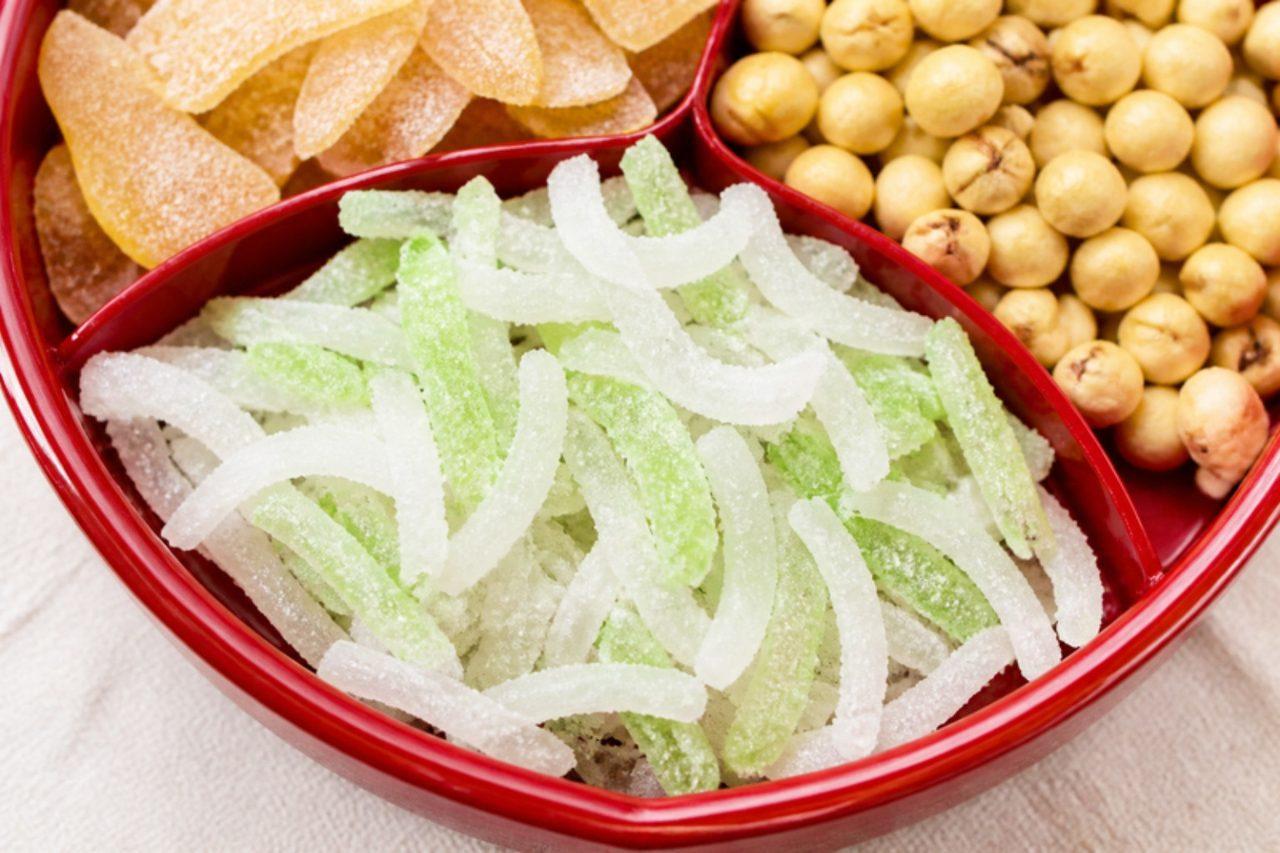
Mứt dừa (candied coconut ribbons)

Bến Tre, the coconut province of the Mekong Delta, supplies most of the country's mứt dừa, but plenty of families still make a batch at home for the lacquered khay mứt, the tray of sweets put out for New Year visitors with green tea. The ribbons are chewy-soft in the middle and dry and sugary outside, white or dyed pale green with pandan, pink with dragon fruit or orange with gấc. Chef's tip: keep stirring gently over a low heat as the syrup thickens; high heat browns the coconut and the ribbons break if you stir roughly.

by KrazyBadal 0 views

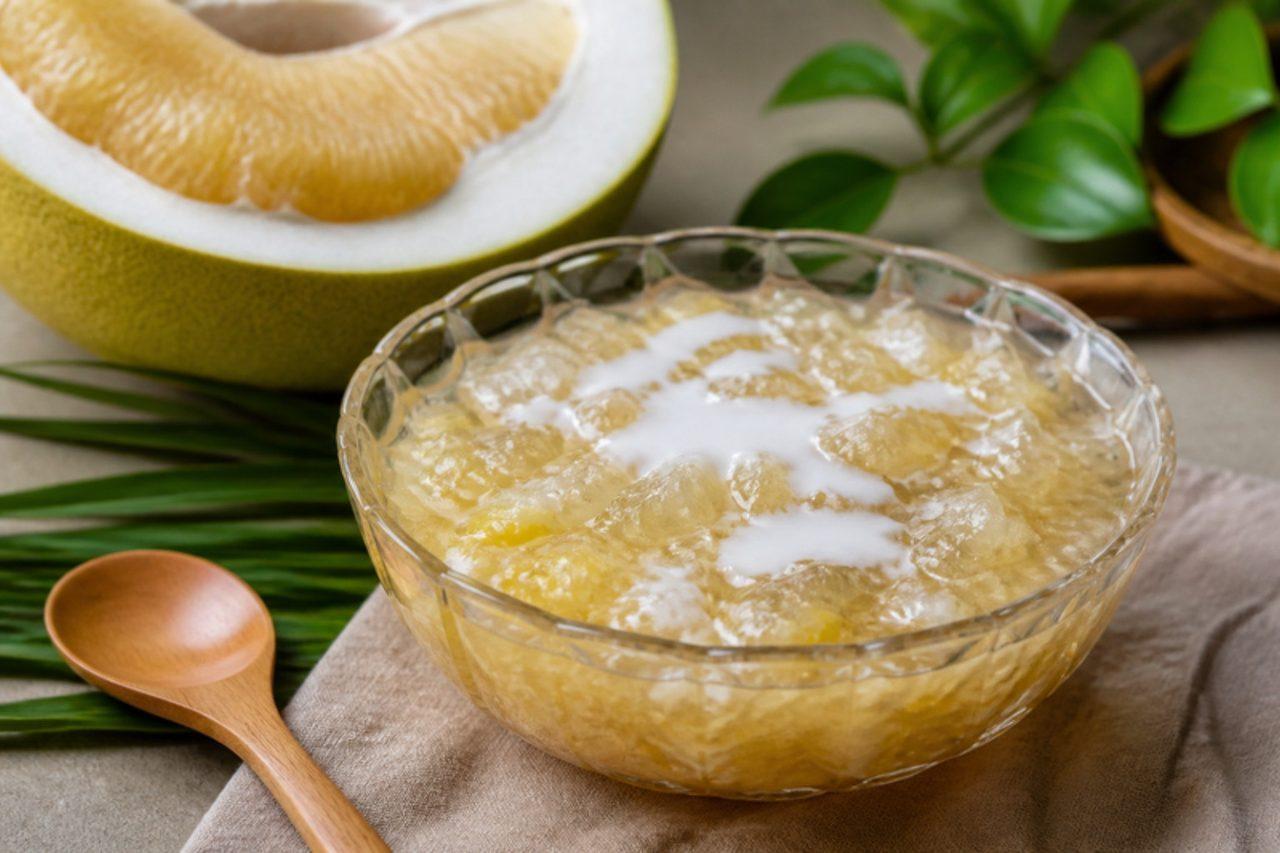
Chè bưởi (pomelo pith pudding)

Cần Thơ and Vĩnh Long, deep in the Mekong Delta's pomelo country, turn the thick white pith of the fruit into this thrifty, much-loved sweet soup. After salting and rinsing away its bitterness, the pith is coated in tapioca starch and cooked into clear, crunchy-chewy nuggets, served with soft split mung beans and a swirl of coconut milk. Sold at Saigon chè stalls, it is eaten cold or warm. Chef's tip: wash and squeeze the salted pith in several changes of water until it tastes neutral; one rinse leaves the whole pot bitter.

by KrazyBadal 0 views

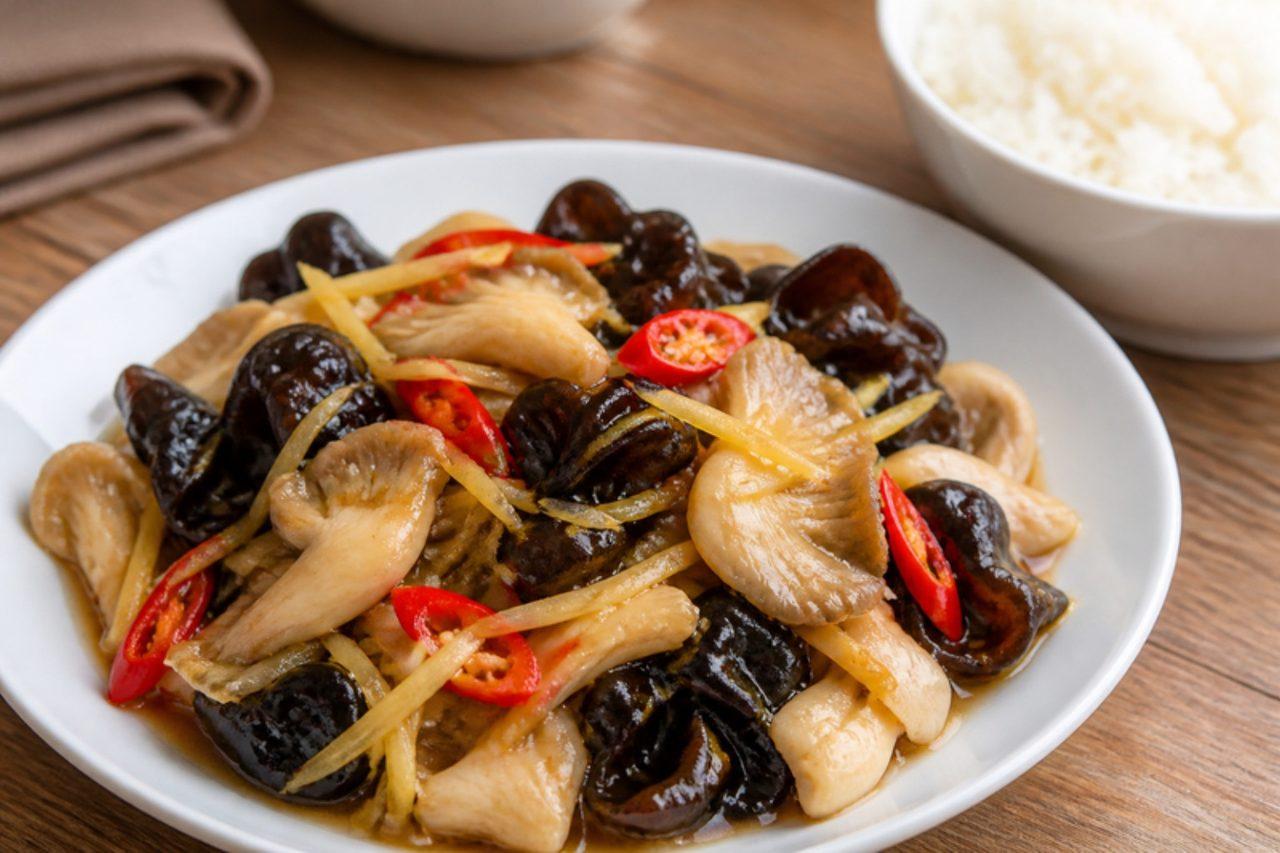
Pad khing jay (ginger mushroom stir-fry)

Ginger does the work garlic usually would in this festival favourite from the jay kitchens of Phuket and Bangkok's Yaowarat, where it is ladled over rice from steel trays under yellow flags. Crunchy wood ear and soft oyster mushrooms soak up a glossy sauce of fermented soybean paste and soy, and fine matchsticks of young ginger give heat and fragrance. No garlic, onion or spring onion go in, as jay rules forbid them. Chef's tip: old, fibrous ginger is the mistake here; choose plump young ginger with thin, pinkish skin so you can eat it by the forkful.

by KrazyBadal 0 views

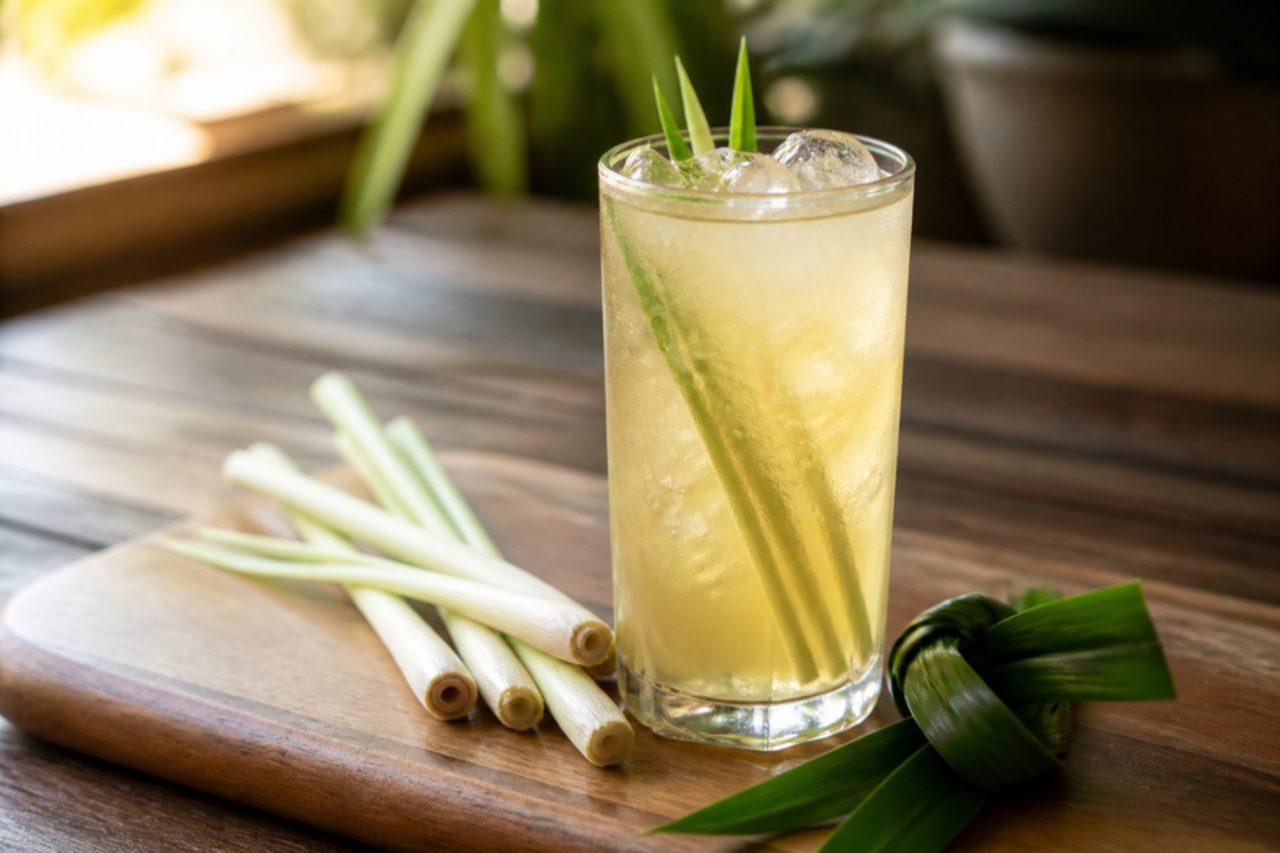
Nam takrai (lemongrass drink)

Thai spa receptions and roadside rice shops both pour this from big glass jars, and in Chiang Mai and Bangkok homes a pot is often simmering on hot afternoons. Bruised lemongrass gives a clean, lemony, slightly grassy taste and pandan a soft vanilla note; lightly sweetened, it is refreshing over ice and soothing warm on a rainy-season evening. Chef's tip: the usual mistake is chopping the lemongrass fine and boiling it hard, which makes it bitter; bash the stalks and simmer gently.

20 minThaiDrinksVeganGluten free
by KrazyBadal 0 views

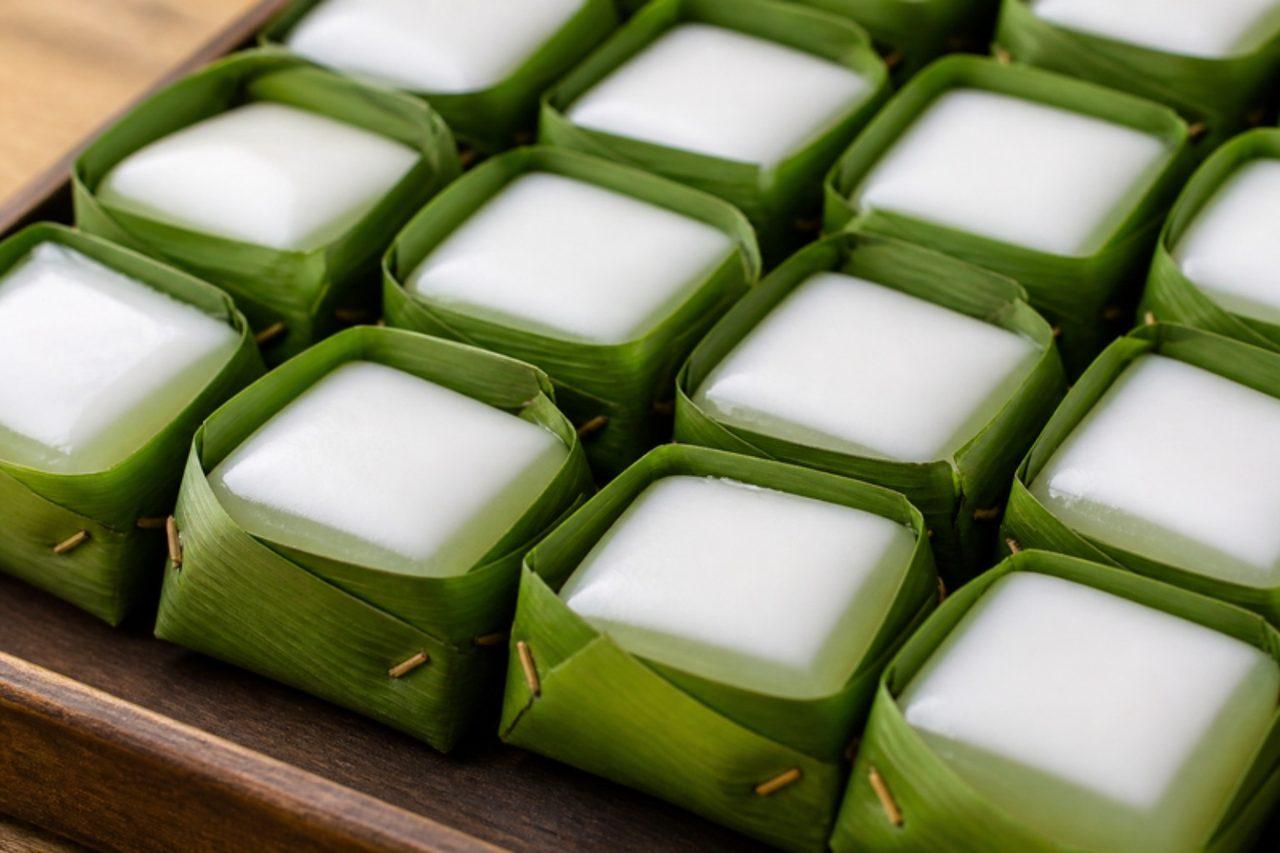
Khanom takoPandan coconut cream jelly cups

Little boxes of folded pandan leaf filled with jelly sit on the trays of every khanom seller in central Thailand, from Chatuchak's dessert stalls to the morning market in Nakhon Pathom. The base is firm, cool and green with diced water chestnut for crunch; the thick white top is coconut cream set with rice flour and seasoned with a clear note of salt, which is the whole point. They are eaten as a mid-afternoon snack, two or three at a time. Chef's tip: most people undersalt the coconut layer; it should taste lightly salty on its own, so the sweet base underneath sings.

by KrazyBadal 0 views

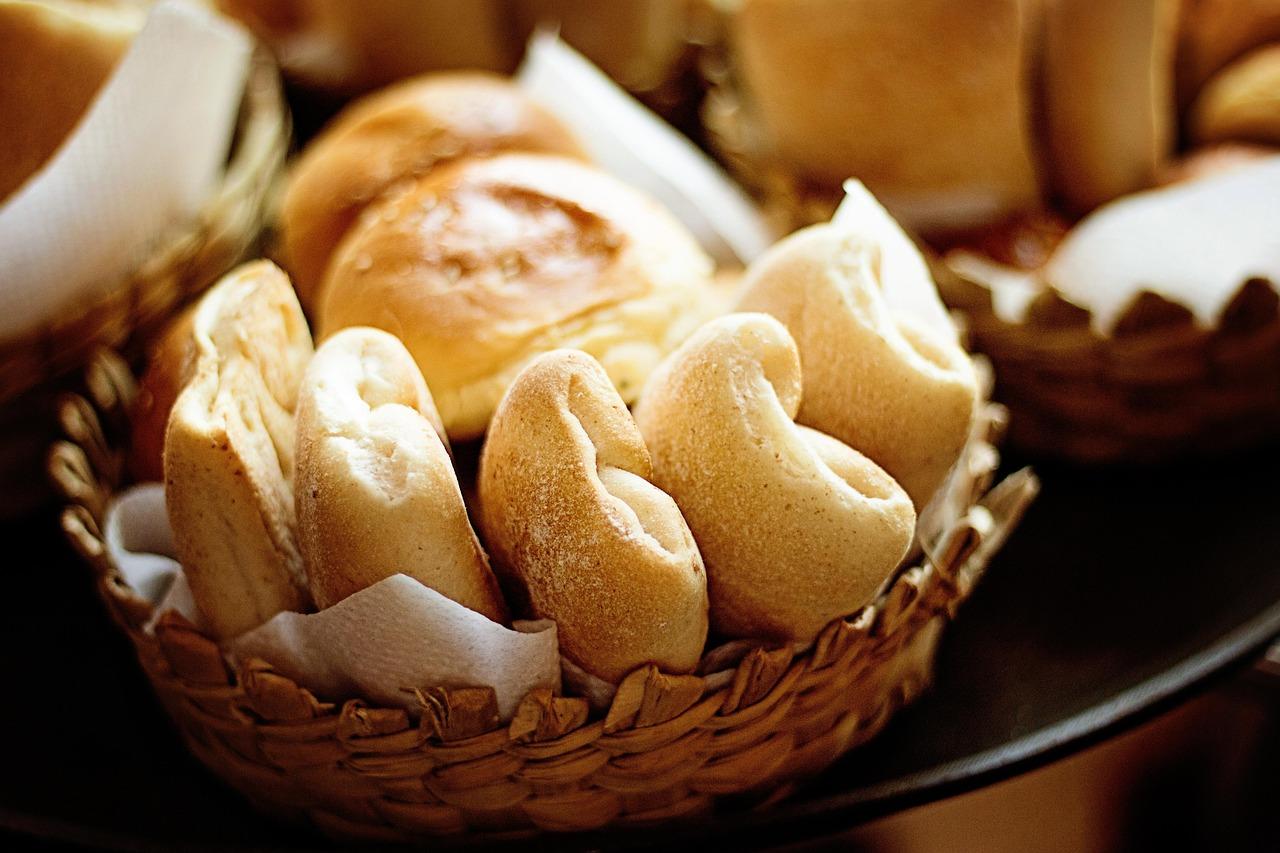
Pão francêsCrusty bread rolls

Every neighbourhood padaria in Brazil pulls trays of these small, golden rolls from the oven at dawn and again in the late afternoon, and people buy them by the half-dozen for breakfast with butter and milky coffee or for a pão na chapa on the griddle. The name means French bread, but the roll is Brazil's own: a thin, crackling crust with a raised lip along the cut, called the pestana, around a very light, fluffy crumb. Chef's tip: a tray of boiling water in the oven gives the steam that makes the crust thin and shiny.

by KrazyBadal 0 views

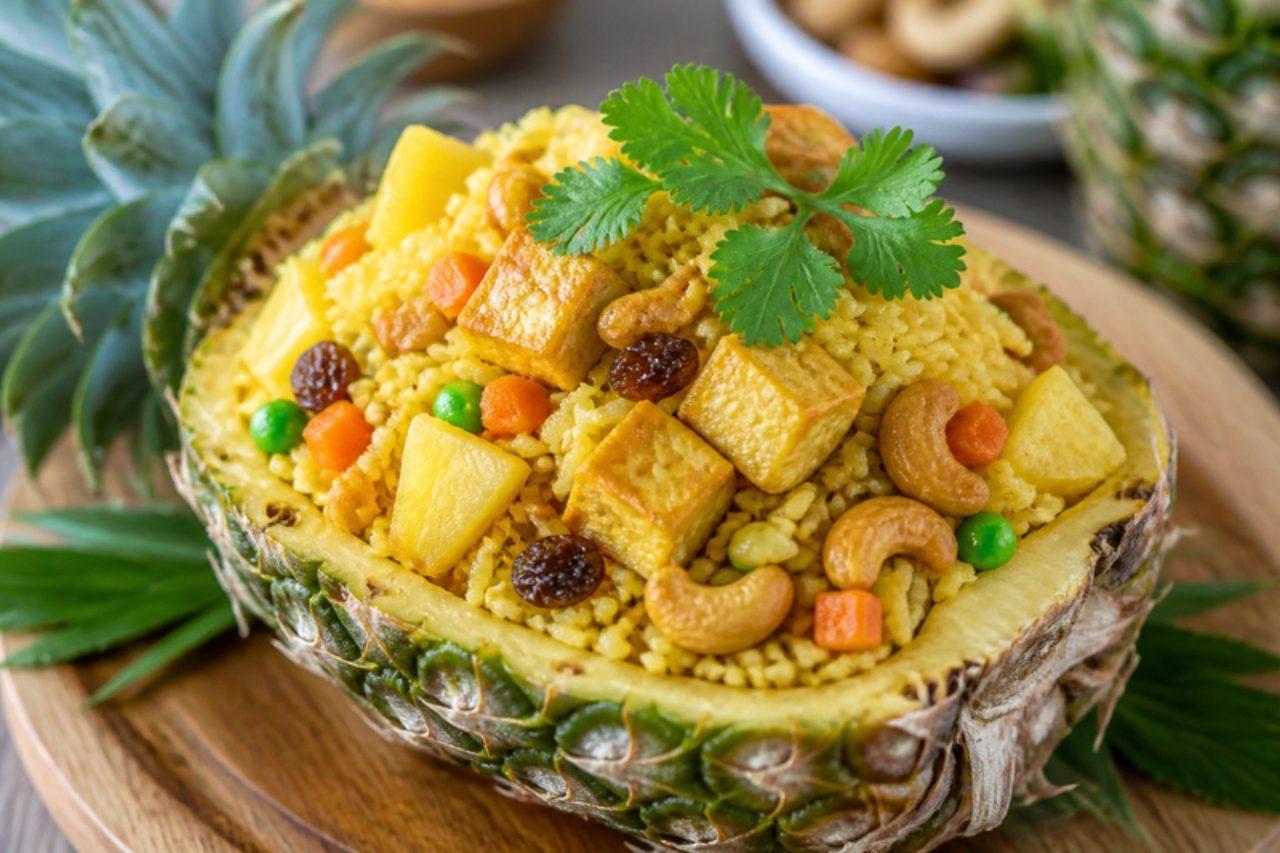
Khao pad sapparot (pineapple fried rice, jay style)

Served in a hollowed pineapple, this is the fried rice of Thai beach restaurants and Bangkok family dinners alike, usually loaded with prawns and pork floss. The jay festival version swaps those for fried tofu and keeps out the garlic and spring onion, relying on curry powder, toasted cashews and juicy caramelised pineapple for flavour. It is sweet, salty and golden, and children love it. Chef's tip: freshly cooked rice is the mistake; use rice cooked the day before and chilled, or the grains clump and steam instead of frying.

by KrazyBadal 0 views

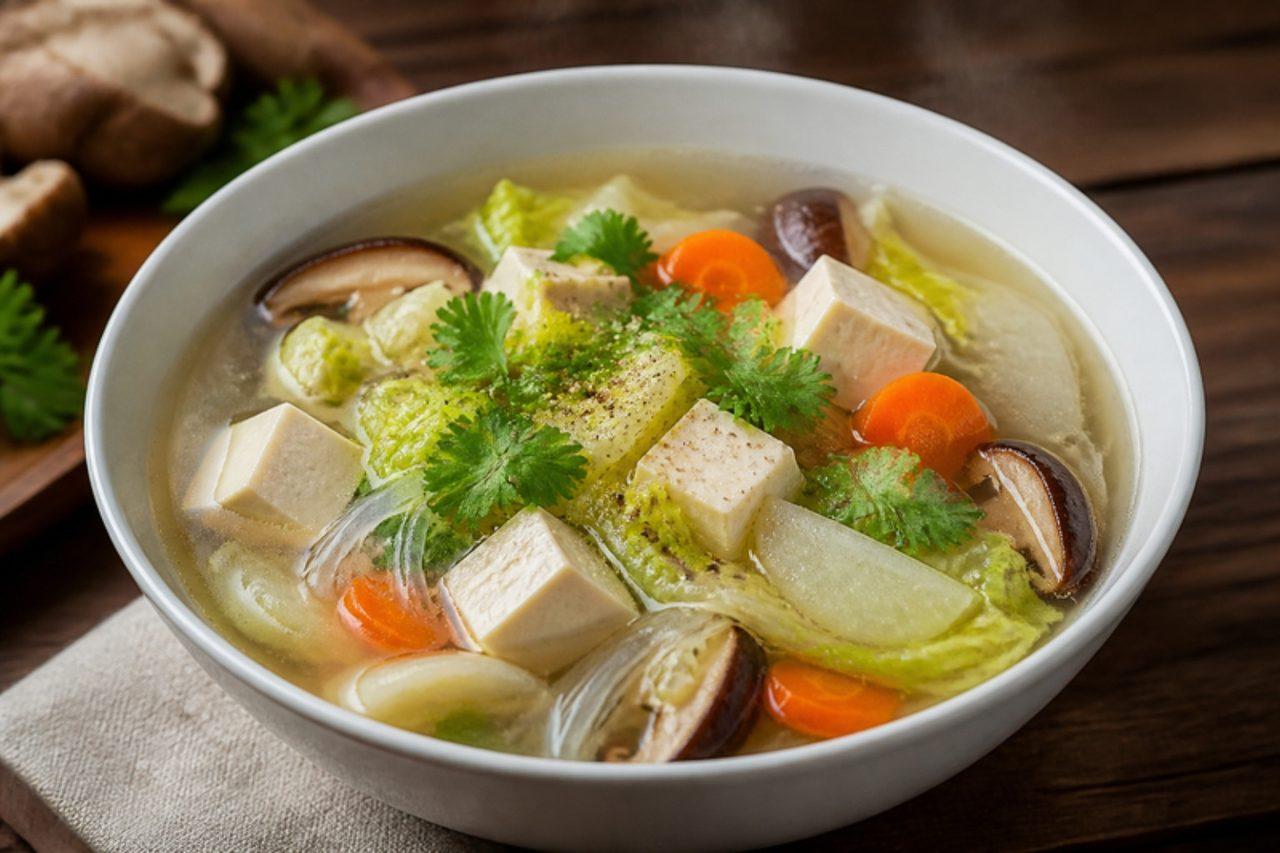
Gaeng jued tao hoo (clear tofu soup, jay style)

During the nine days of the Vegetarian Festival in Phuket Town and Bangkok's Chinatown, yellow flags mark the stalls selling food that is jay: no meat, no dairy and none of the pungent alliums. This gentle soup is what people drink alongside their stir-fries, a clear broth of daikon and dried shiitake sharpened with crushed white pepper and coriander root, holding soft silken tofu and slippery mung bean vermicelli. Out of festival season, cooks add garlic oil and minced pork. Chef's tip: don't boil after the tofu goes in; silken tofu breaks into crumbs, so let it warm through at a bare simmer.

30 minThaiSoupsVeganGluten free
by KrazyBadal 0 views

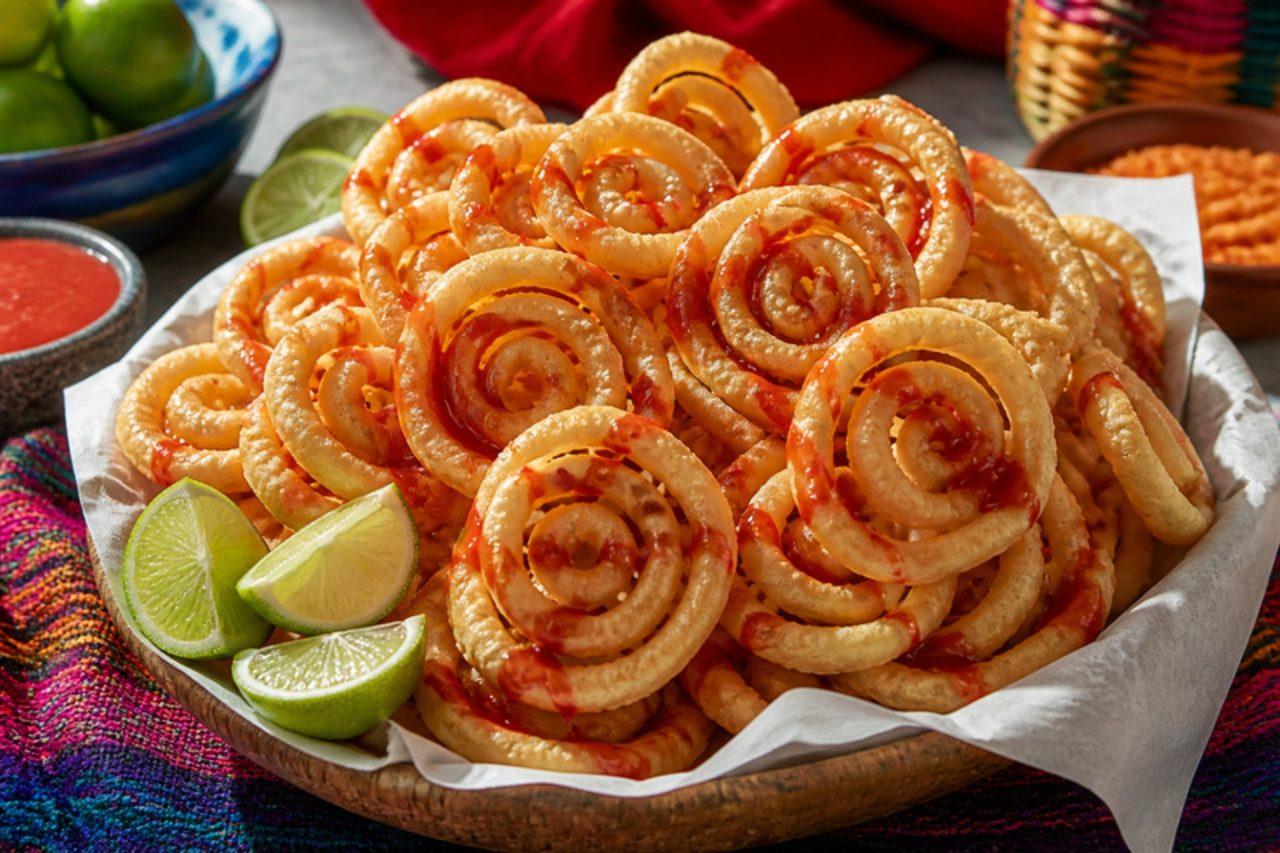
Chicharrones de harinaPuffed wheat snacks

Outside Mexican schools and parks, vendors fry little dried wheels and rectangles of wheat dough until they balloon into airy, crackly chicharrones de harina, also called duritos. They're handed over in a plastic bag drenched in lime juice and bottled hot sauce. At home you can buy the dried pellets (duros) at Latin grocers, and they puff in seconds. Chef's tip: fry just a small handful at a time; they triple in size.

by KrazyBadal 0 views

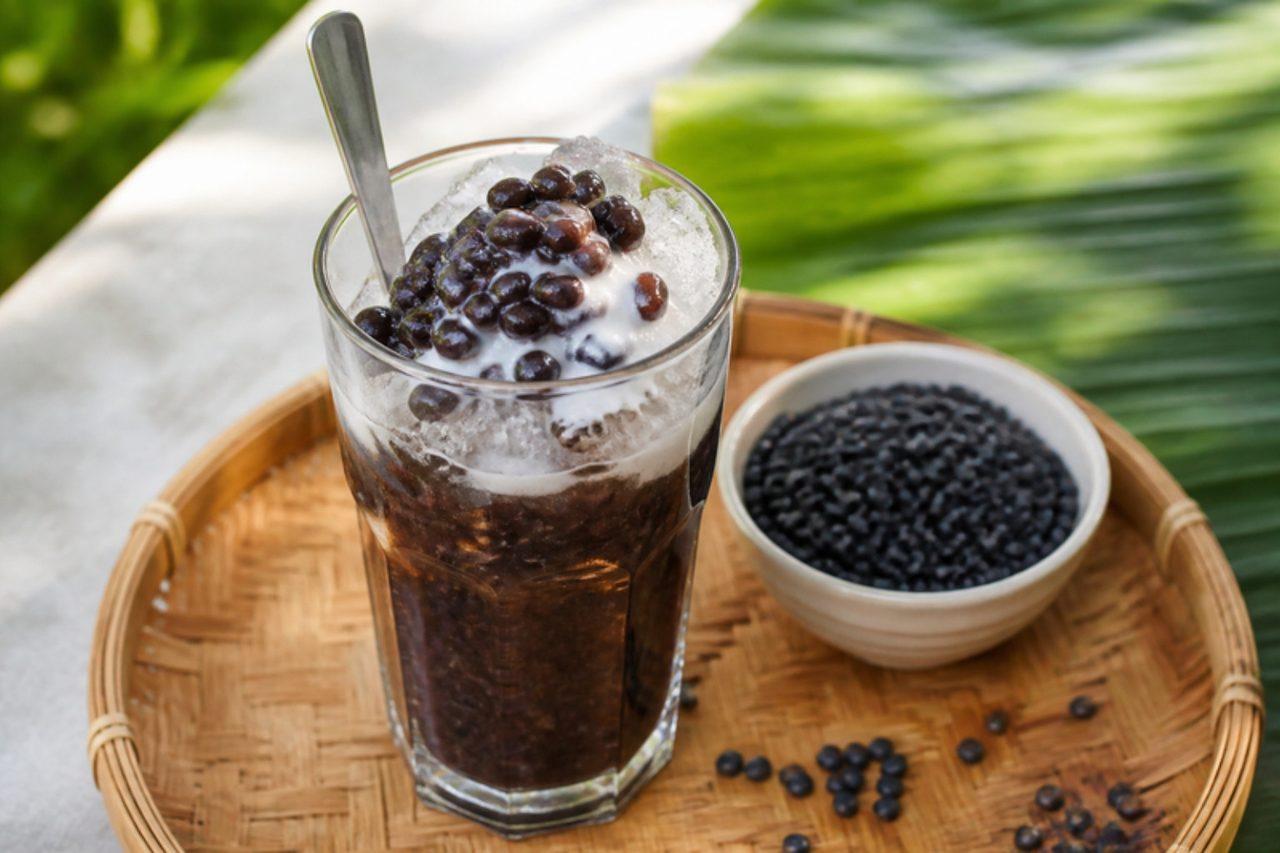
Chè đậu đen (black bean sweet soup)

In Hanoi summers, glass after glass of chè đậu đen is poured over crushed ice at pavement stalls, and many families keep a pot in the fridge because the beans are thought to cool the body. The beans are cooked whole until creamy inside but unbroken, then steeped in syrup until they turn dark and glossy; southern versions finish with a little coconut milk. Chef's tip: add the sugar only once the beans are completely tender; sugar too early toughens the skins and the beans never soften.

by KrazyBadal 0 views

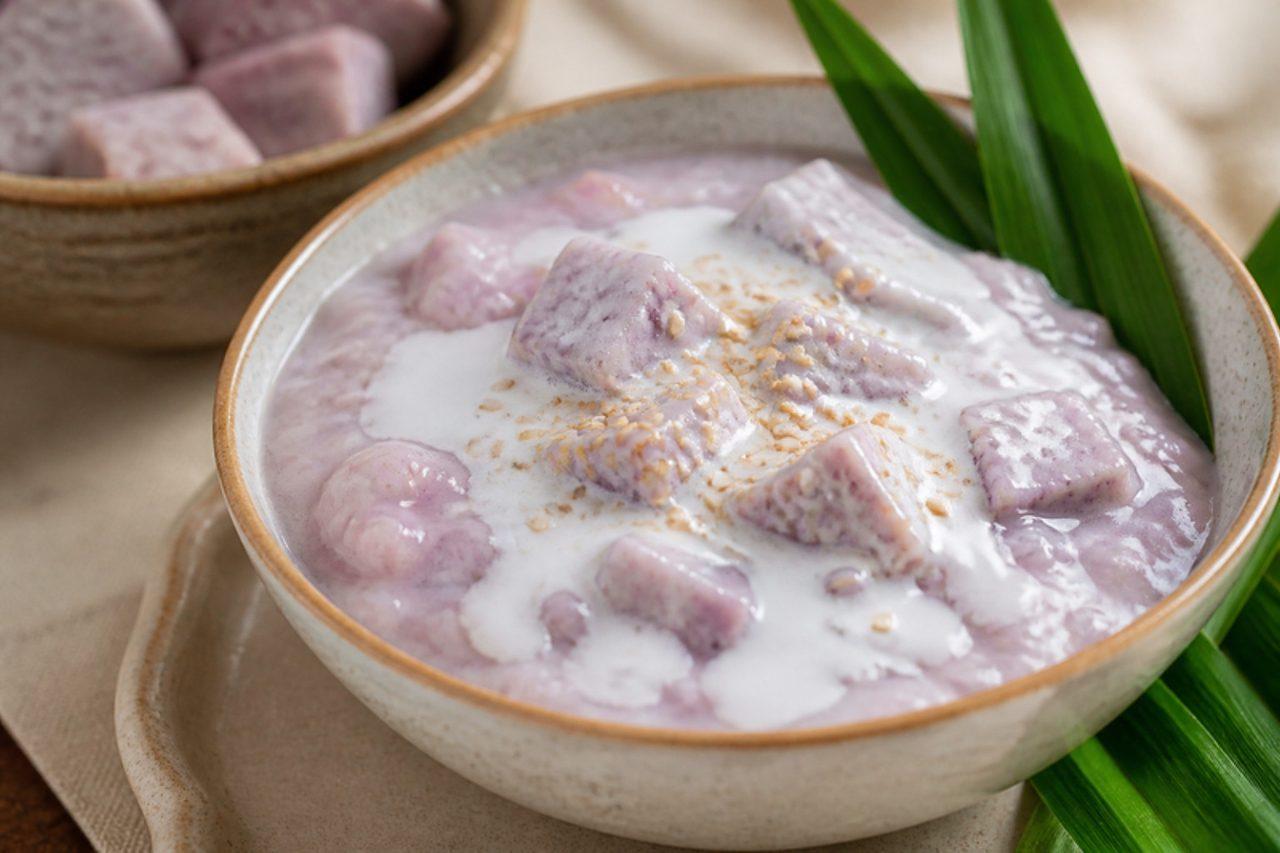
Chè khoai môn (taro and sticky rice in coconut milk)Taro coconut dessert

Southern Vietnamese cooks make chè khoai môn for ancestor offerings and for chilly monsoon evenings, when a warm, creamy bowl is welcome; Saigon stalls sell it hot from big pots. Chunks of taro, some left whole and some crushed into the pot, cook with glutinous rice until the whole thing turns thick and faintly lilac, then coconut milk is poured over. Chef's tip: wear gloves or oil your hands when peeling raw taro; the sap can make skin itch badly.

by KrazyBadal 0 views

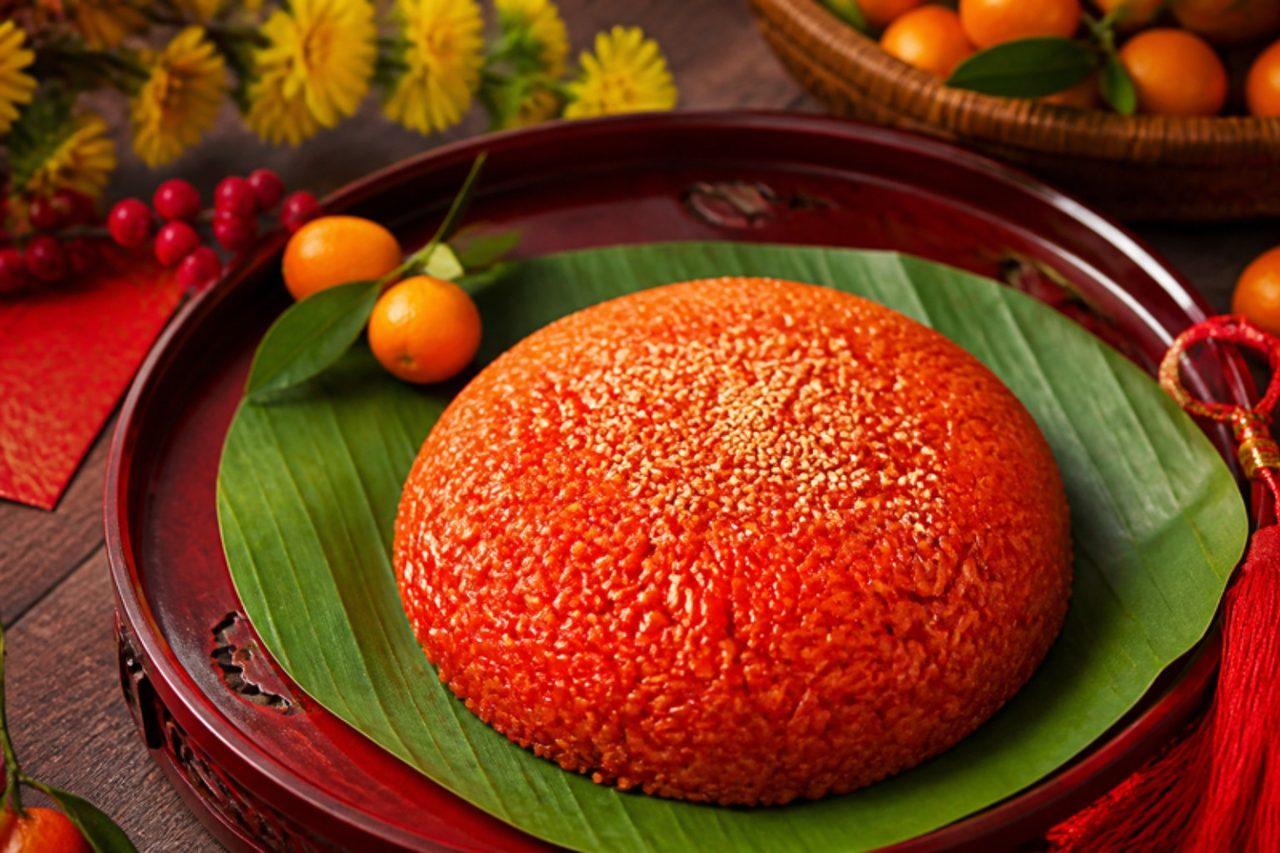
Xôi gấc (red gấc sticky rice)

On the first morning of Tết, and again at weddings and ancestor offerings, northern families set a dome of brilliant red xôi gấc on the altar: red for luck, sticky for a family that holds together. The colour comes from the arils of the spiky gấc fruit, which also gives a faint, melon-like sweetness, and coconut milk makes the grains rich and shiny. Frozen gấc pulp from Asian grocers works perfectly. Serve it warm, pressed into moulds, with a little sugar and toasted sesame, or beside giò lụa. Chef's tip: soak the rice for at least 6 hours; unsoaked glutinous rice stays chalky in the middle however long you steam it.

by KrazyBadal 0 views

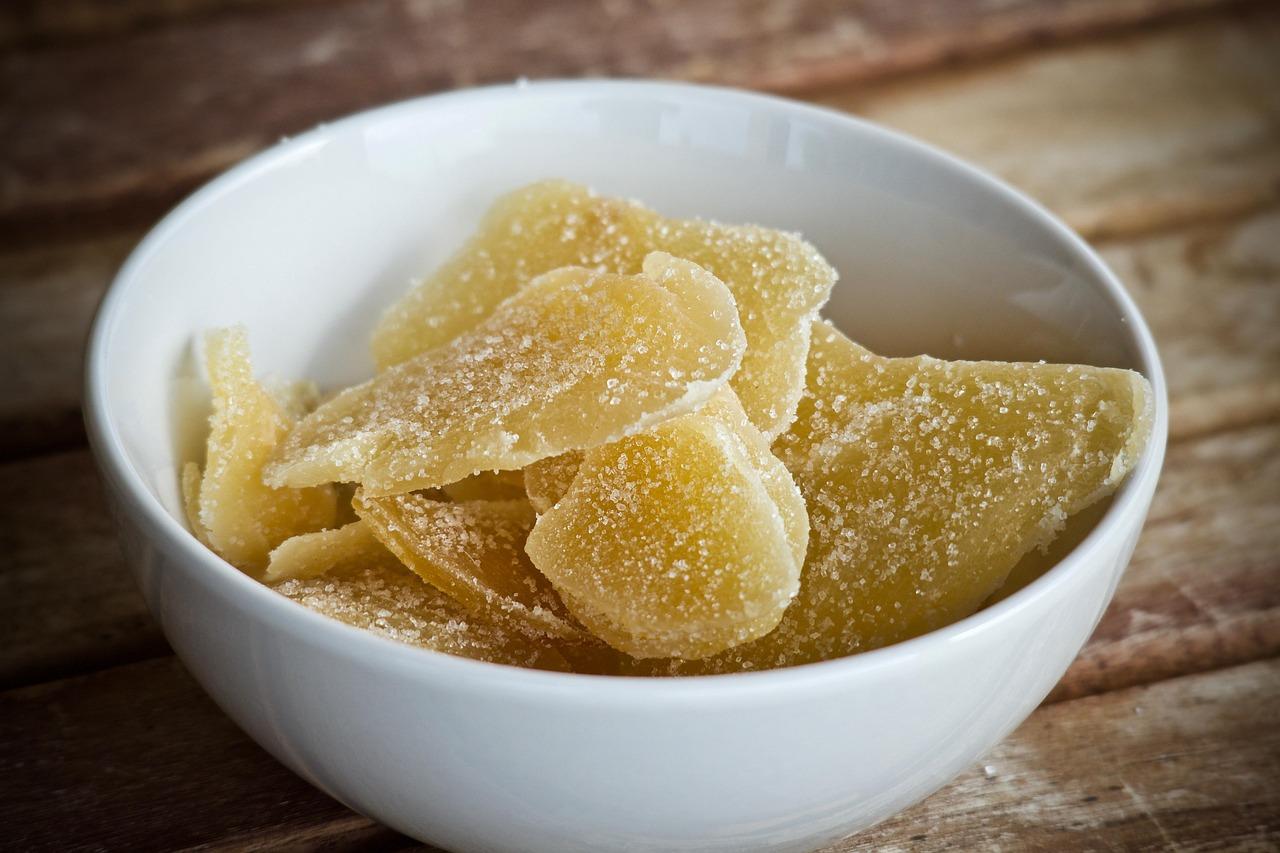
Mứt gừng (candied ginger)

Hanoi grandmothers hand out mứt gừng in the cold, damp days of Tết as much for warmth as for sweetness: each slice is sugary at first, then hot and spicy. The northern style uses plump young ginger, soaked to tame its fire, then candied until each slice is bright yellow and frosted white. It sits on the New Year tray with candied coconut, lotus seeds and roasted watermelon seeds, and goes with a pot of green tea. Chef's tip: choose young, smooth-skinned ginger and slice it thinly across the grain; old fibrous ginger stays stringy and painfully hot.

by KrazyBadal 0 views

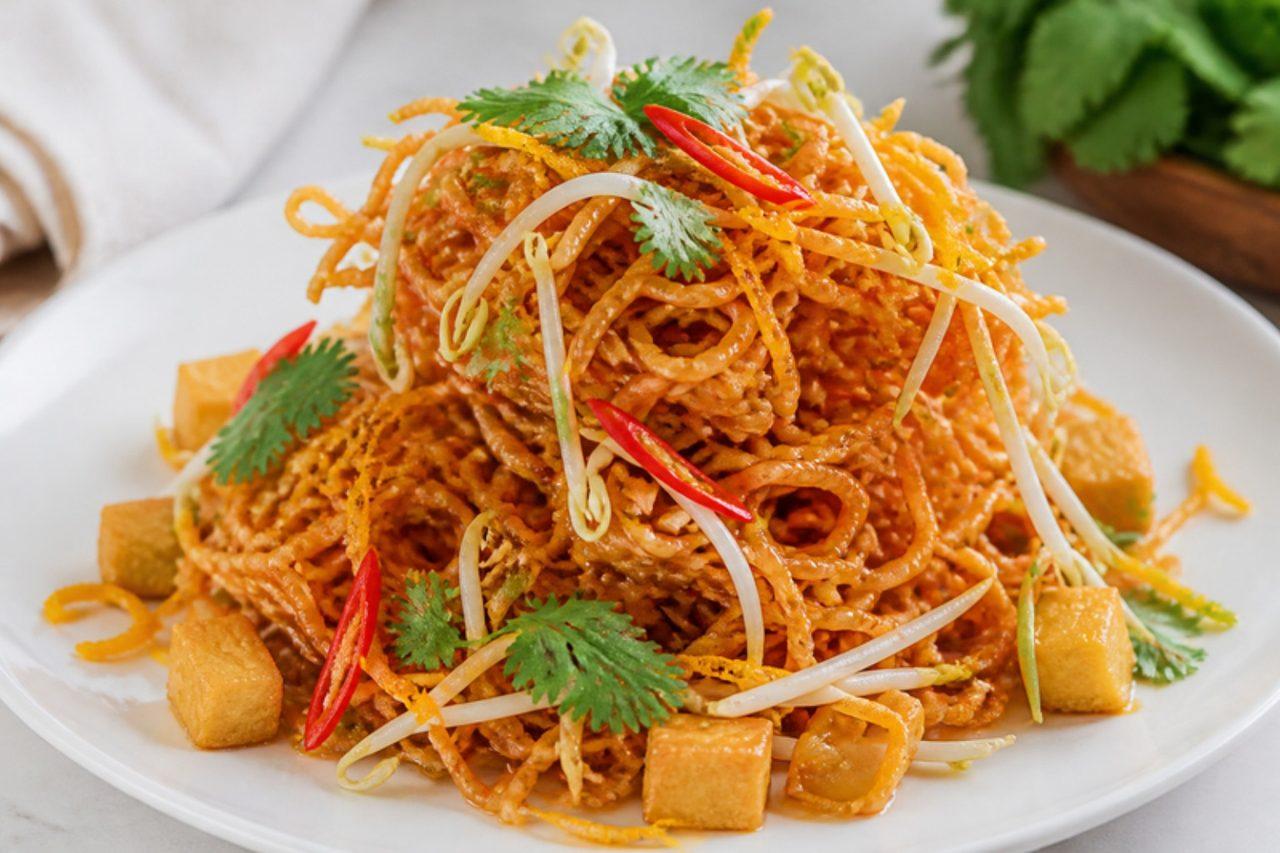
Mee krob (crispy sweet noodles, jay style)

Old Bangkok's Phra Nakhon district made mee krob famous as a royal-banquet dish, and it still appears at festive Thai Chinese dinners: a tangle of rice vermicelli puffed in hot oil, then tossed in a sticky sweet-sour sauce. Classic shops fold in prawns, egg and pickled garlic; for the jay festival this version uses fried tofu and pickled ginger, with orange zest standing in for the rare som sa citrus. Serve it with fresh bean sprouts and chilli. Chef's tip: the common mistake is a hot glaze, which wilts the noodles; cool the sauce until thick and toss just before serving.

by KrazyBadal 0 views

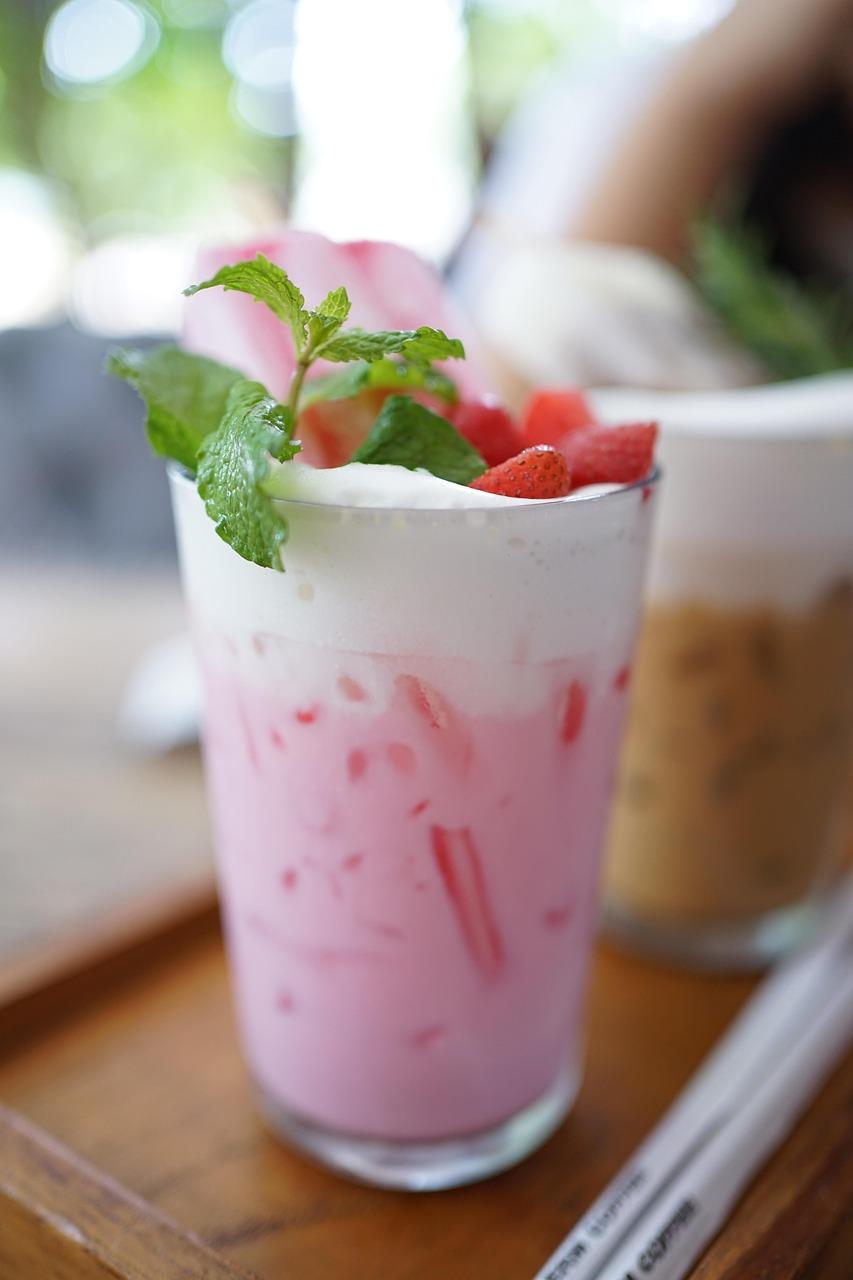
Nom yen (pink milk)Pink iced milk

Thai drink stalls outside schools and markets keep a bottle of red sala syrup next to the condensed milk for this sweet, bubblegum-pink milk, a favourite of children from Bangkok to Hat Yai. Sala is a tangy palm fruit, and the syrup tastes of it lightly, almost like cream soda; any red sala-flavoured syrup from an Asian shop works. Shake it with ice until frothy. Chef's tip: the mistake is too much syrup, which turns it lurid and cloying; start with a tablespoon per glass and add more to taste.

by KrazyBadal 0 views

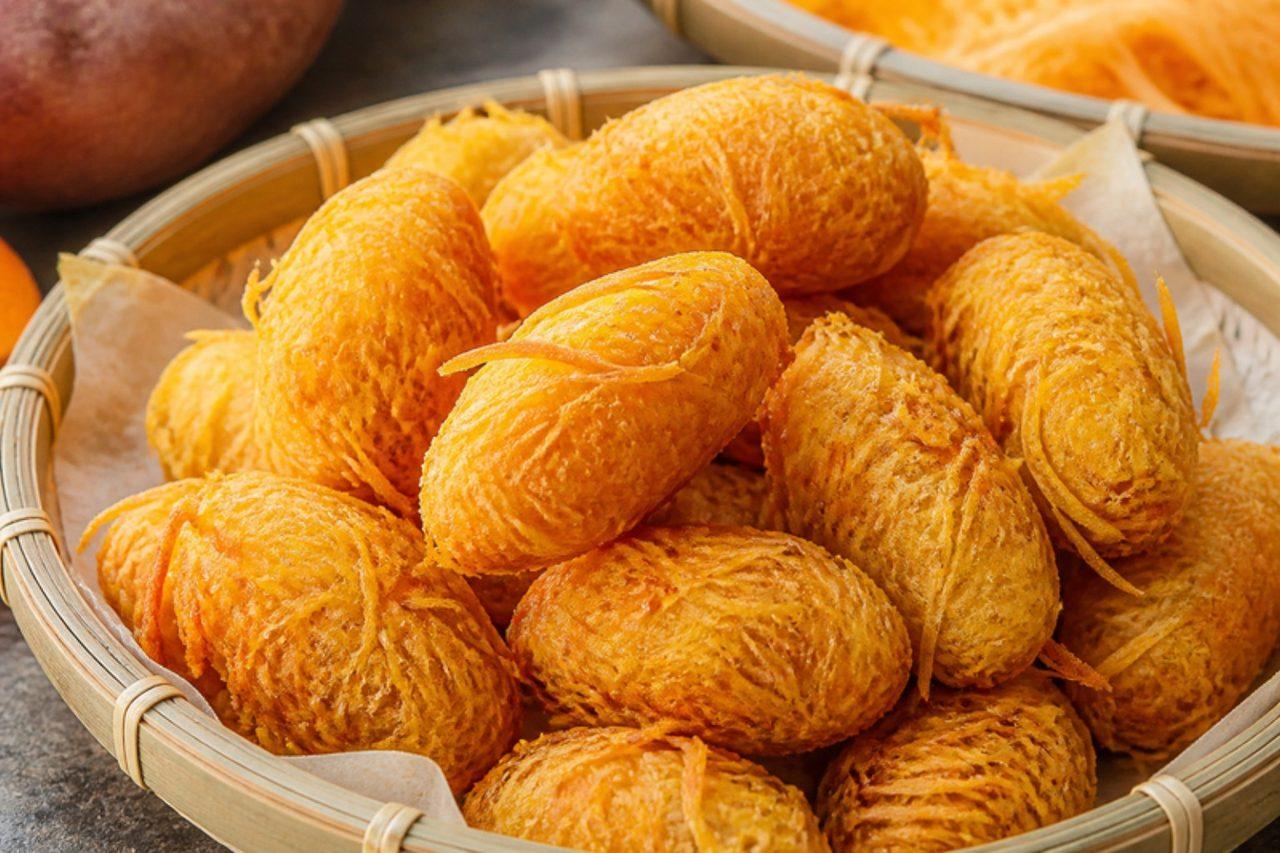
Khoai lang kén (sweet potato cocoons)Sweet potato fritters

Hồ Chí Minh City street carts fry these little 'cocoons' in big woks, and on rainy evenings a paper bag of them, still too hot to hold, is a favourite with students and children. The inside is soft, sweet mashed sweet potato bound with a little rice flour; the outside is a shaggy, crunchy coat of fine sweet-potato threads that looks like a silkworm's cocoon. Eat them plain, or dip in sweetened condensed coconut milk. Chef's tip: squeeze the shredded sweet potato dry and keep the oil at 170 °C; wet shreds and cool oil give greasy, limp cocoons.

by KrazyBadal 0 views

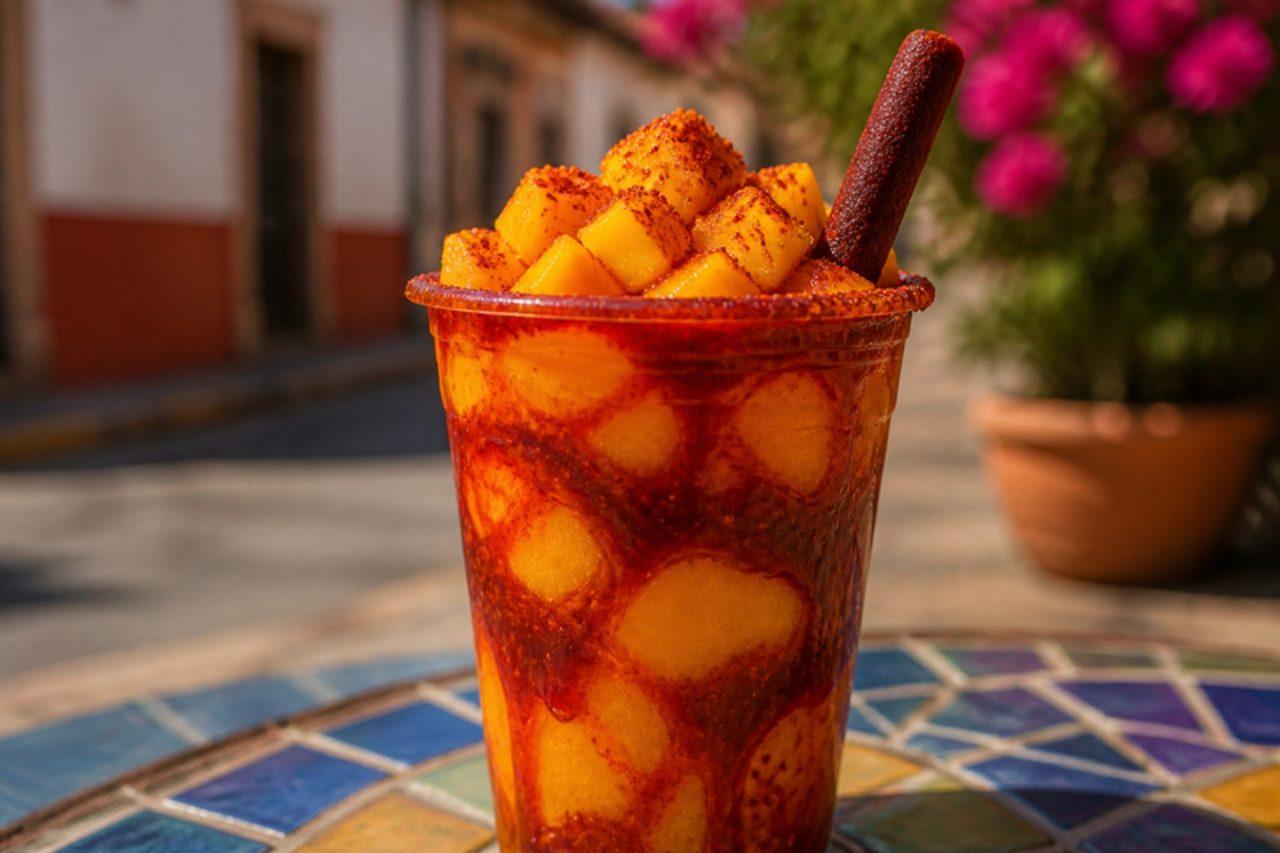
MangonadaMango sorbet with chamoy

Mangonadas, also called chamoyadas, are a Mexican street sweet sold by neverías and fruit stands from Guadalajara to the US border: thick frozen mango blended to a slush, layered in a tall cup with sticky red chamoy and chile-lime salt and crowned with fresh mango cubes. Sweet, sour, salty and hot at once, it comes with a chewy tamarind-candy straw for stirring. Chef's tip: freeze the mango in cubes beforehand, so you get a thick spoonable slush without watering it down with ice.

by KrazyBadal 0 views

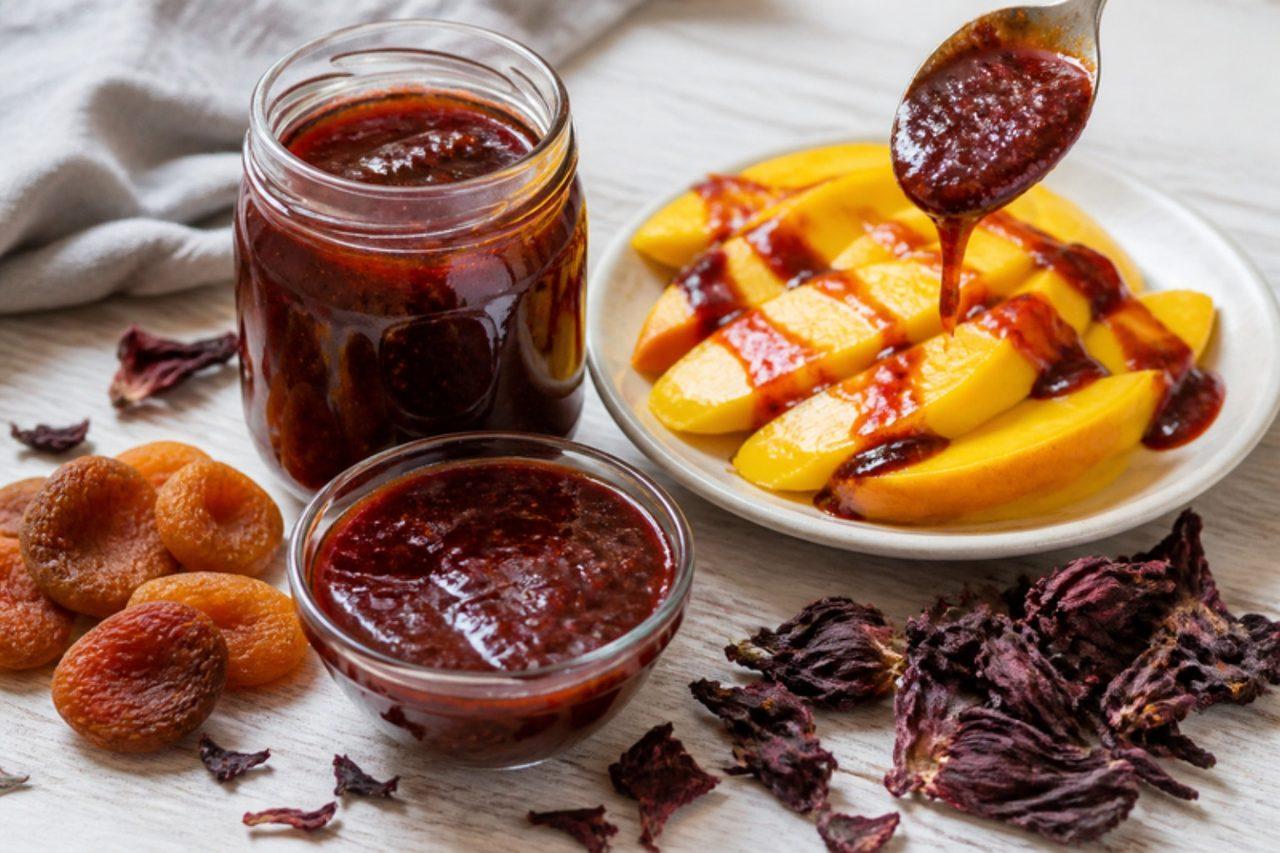
ChamoySweet-sour chile sauce

Brick-red and glossy, chamoy is the sauce Mexicans splash over fresh fruit, mango sorbet, crisps and the rim of a michelada glass. It is said to descend from Asian salted plum sauces, but today's version is pure Mexican: dried apricots and hibiscus simmered and blended with chile, lime, sugar and salt. Homemade chamoy is fruitier and less sweet than the bottled kind. Chef's tip: it thickens a lot as it cools, so take it off the heat when it still pours like warm ketchup.

by KrazyBadal 0 views

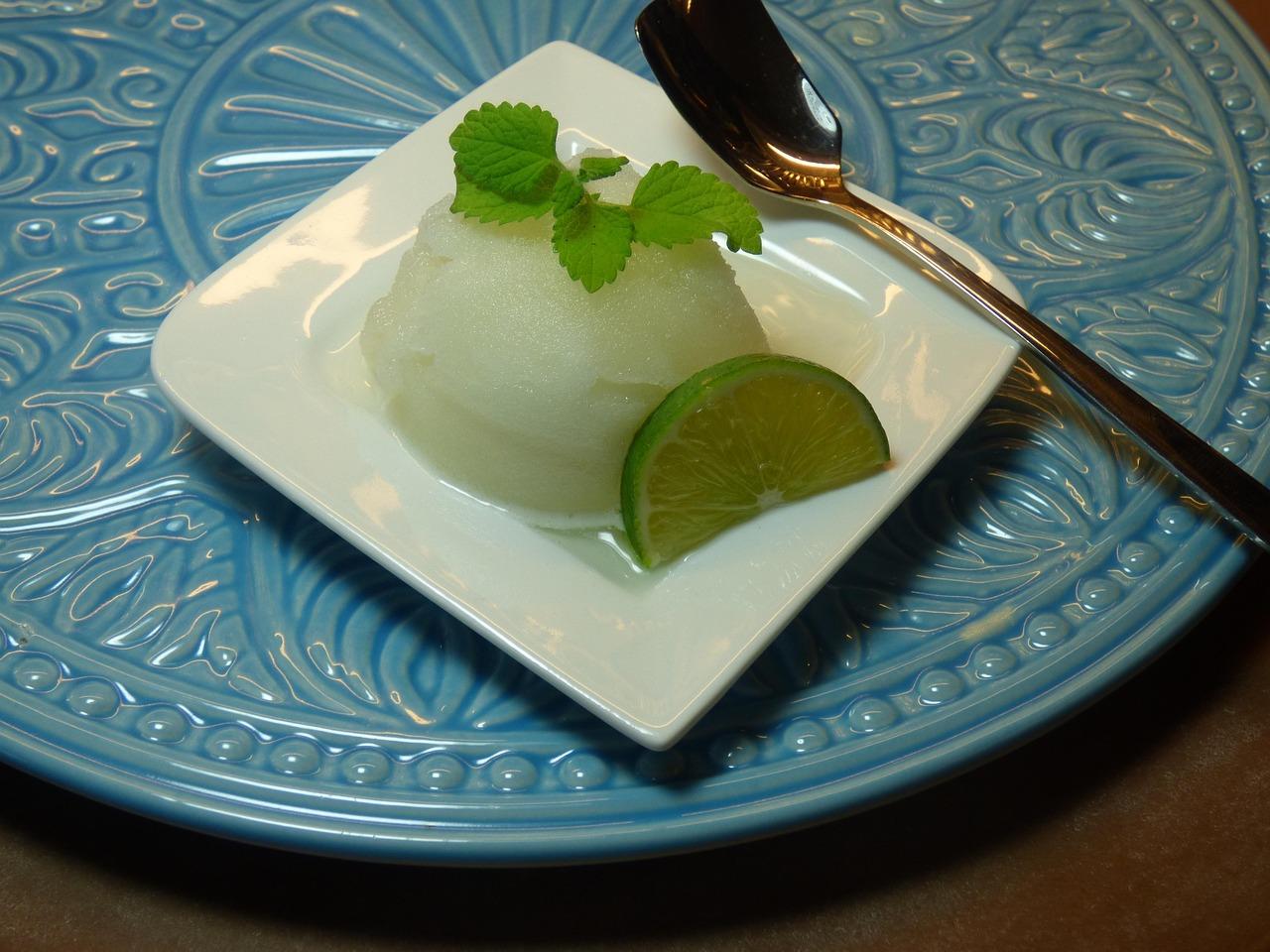
Nieve de garrafa de limónLime water ice

In town plazas from Oaxaca to Guadalajara, neveros still churn nieve de garrafa by spinning a tall metal can in a wooden barrel of ice and rock salt, scraping the frozen walls with a long paddle. Lime nieve is the sharpest and most refreshing, pale green from the zest, and it is eaten in small cups after a hot walk through the market. At home a metal bowl set in ice and salt works the same way. Chef's tip: add the zest at the start but strain it out; that way you get its oils without the bitterness.

by KrazyBadal 0 views

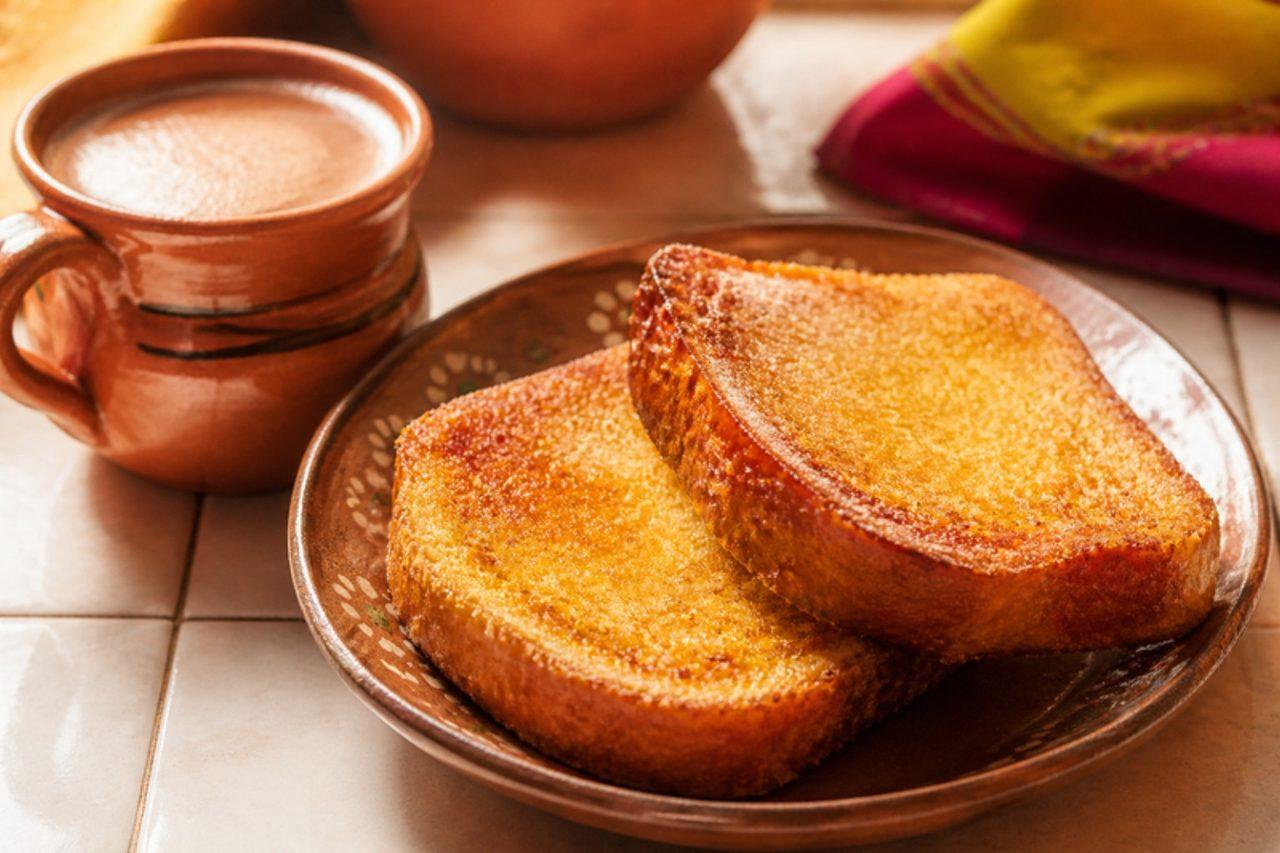
Rebanadas de mantequillaButtered sweet bread slices

When yesterday's pan dulce goes stale, Mexican bakeries slice it thick, spread it with butter, dust it with sugar and toast it until crisp, and the result, rebanadas, often sells out first. At home it is a ten-minute afternoon treat with hot chocolate or a glass of cold milk, and a good way to use up a loaf of brioche, a pan de yema or a few bolillos. This version uses butter, so it is vegetarian. Chef's tip: let the butter get really soft so it sinks into the bread instead of sitting on top.

by KrazyBadal 0 views

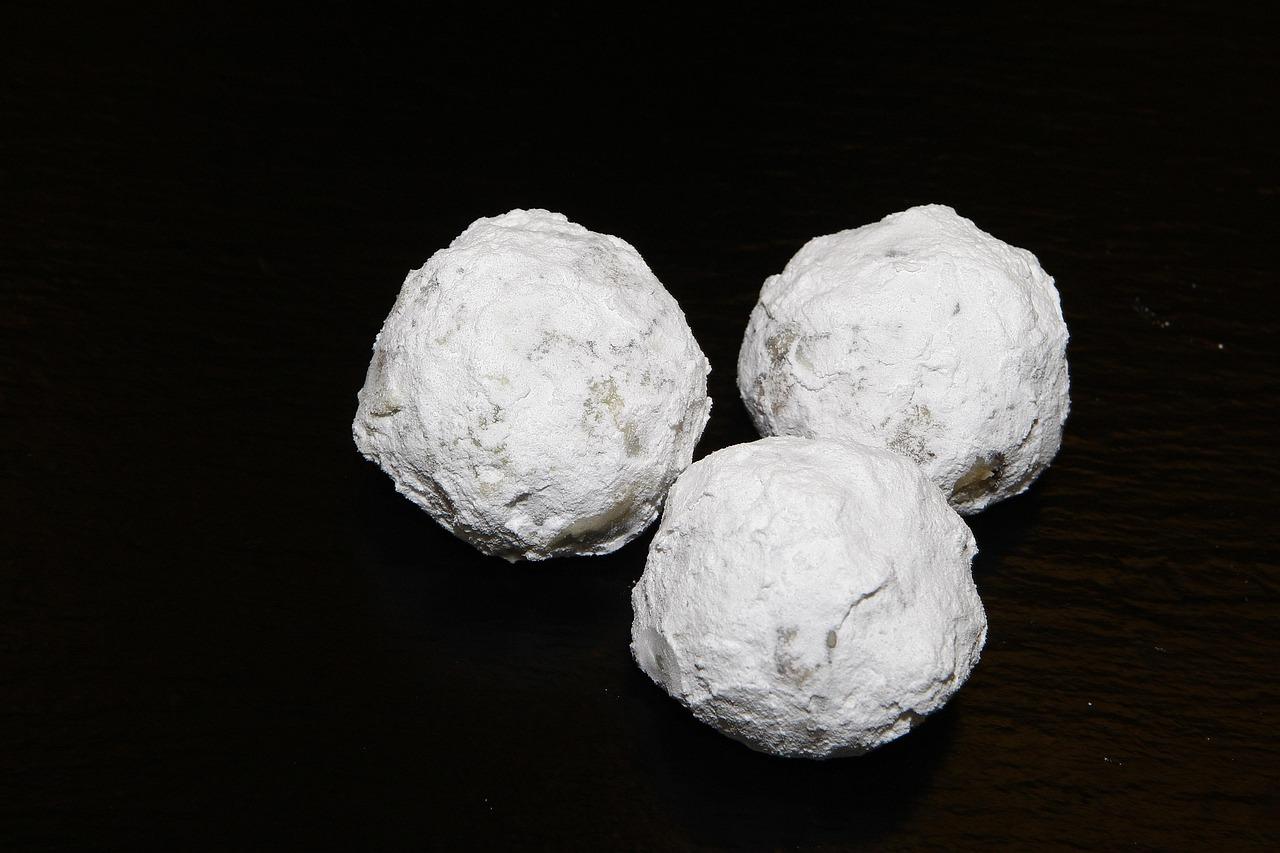
Polvorones de nuezPecan butter cookies

Christmas cookie tins, wedding tables and bakery counters all over northern and central Mexico hold polvorones, small domes of toasted pecan shortbread that crumble to dust in the mouth, which is how they got their name. They are rolled twice in icing sugar, once warm and once cold, so they look snowy. Old recipes used lard; this one uses butter, so it is vegetarian, and it contains wheat and tree nuts. Chef's tip: toast the pecans first, which turns a plain cookie into a deeply nutty one.

by KrazyBadal 0 views

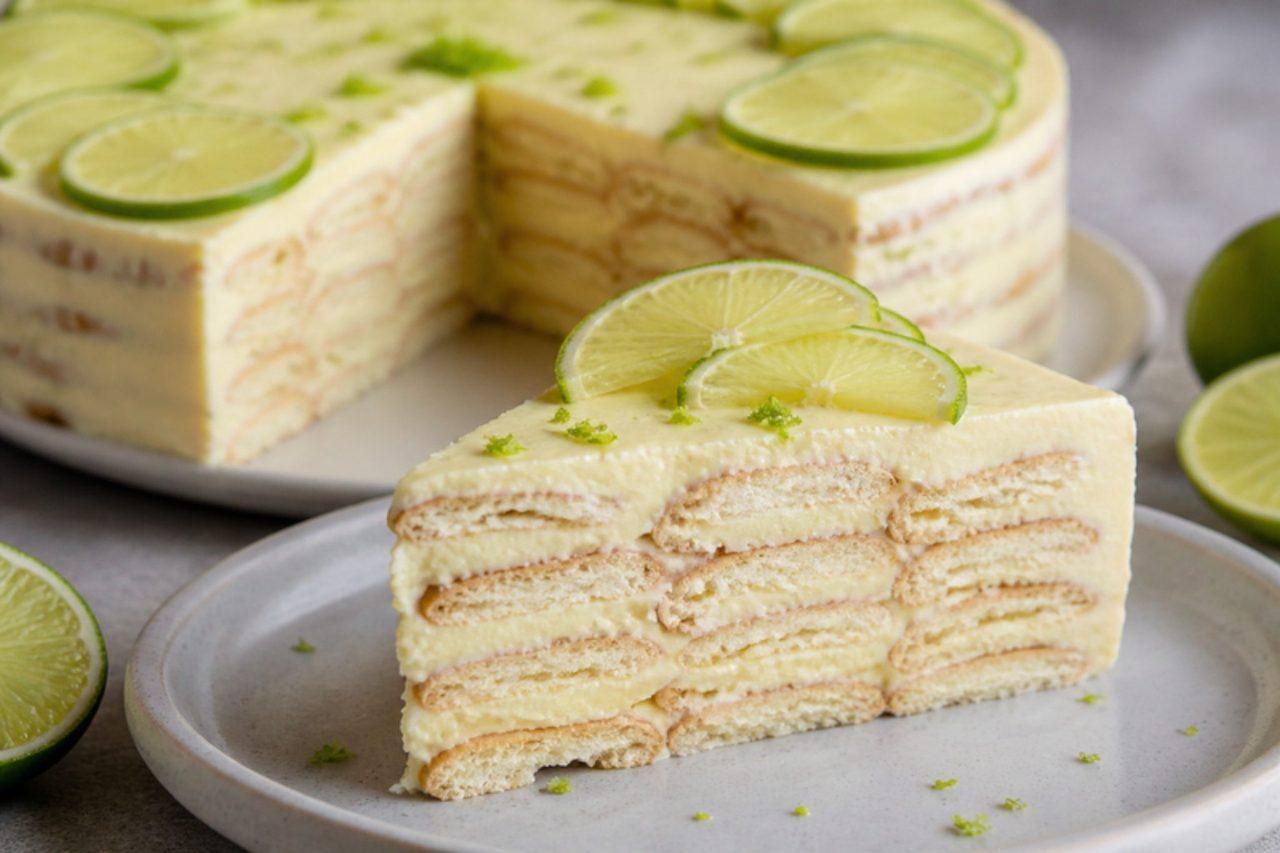
Carlota de limónLime icebox cake

In Mexican home kitchens carlota de limón is the dessert everyone's aunt knows by heart: layers of Marías biscuits and a lime cream whipped from condensed and evaporated milk, chilled until it slices like a cake. It is made on hot afternoons in Sonora and Veracruz and turns up at every children's party. The lime curdles the milk just enough to thicken it, so there's no cooking at all. It contains wheat and dairy. Chef's tip: blend in the lime juice slowly, with the motor running, until the cream thickens visibly.

by KrazyBadal 0 views

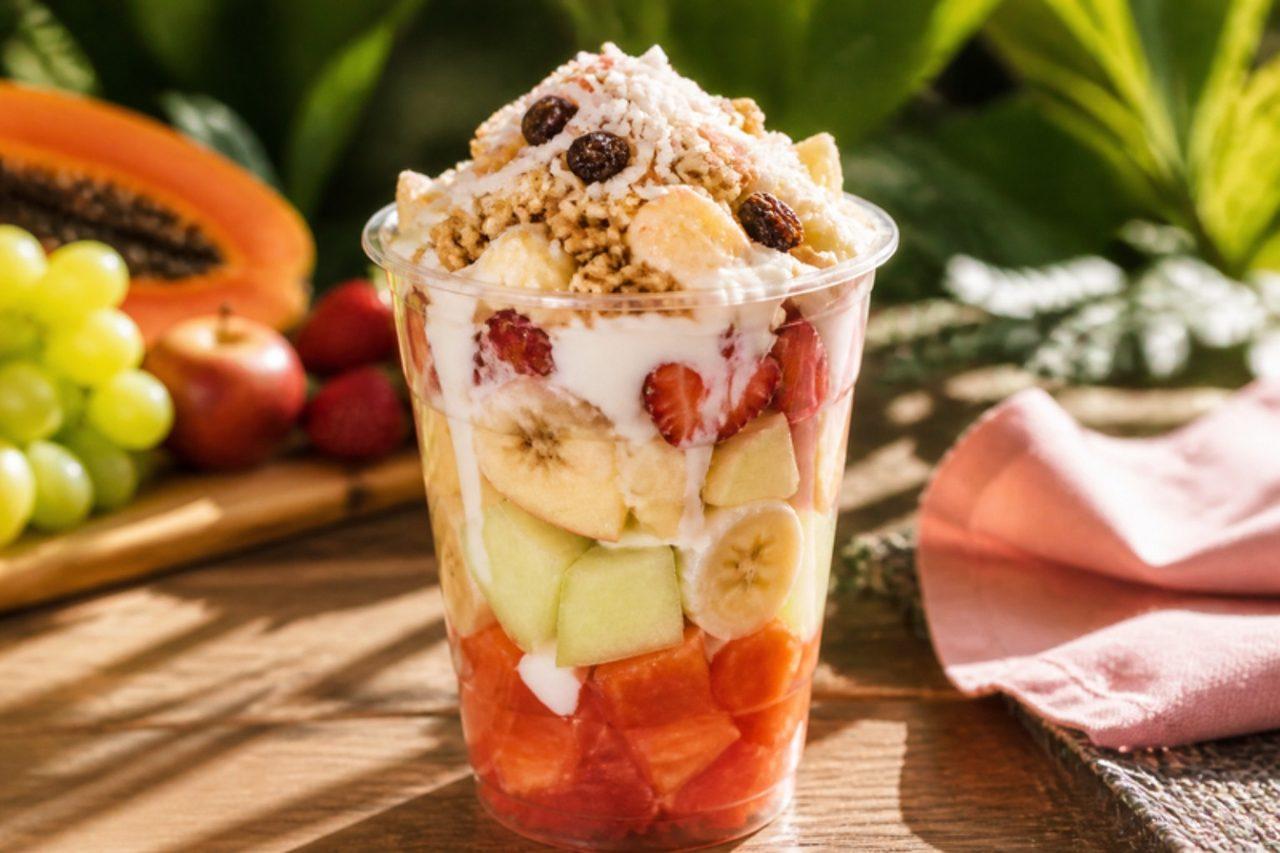
BiónicoFruit cup with cream

Born in the 1990s at a juice stand in Guadalajara, Jalisco, the biónico is now the city's favourite breakfast on the go: a tall cup of chopped papaya, melon, apple, banana and strawberries drenched in a sweet cream of yoghurt, soured cream and condensed milk, then scattered with granola, coconut and raisins. Kids adore it and it takes fifteen minutes. Chef's tip: cut the banana last and fold it straight into the cream, so it stays pale.

by KrazyBadal 0 views

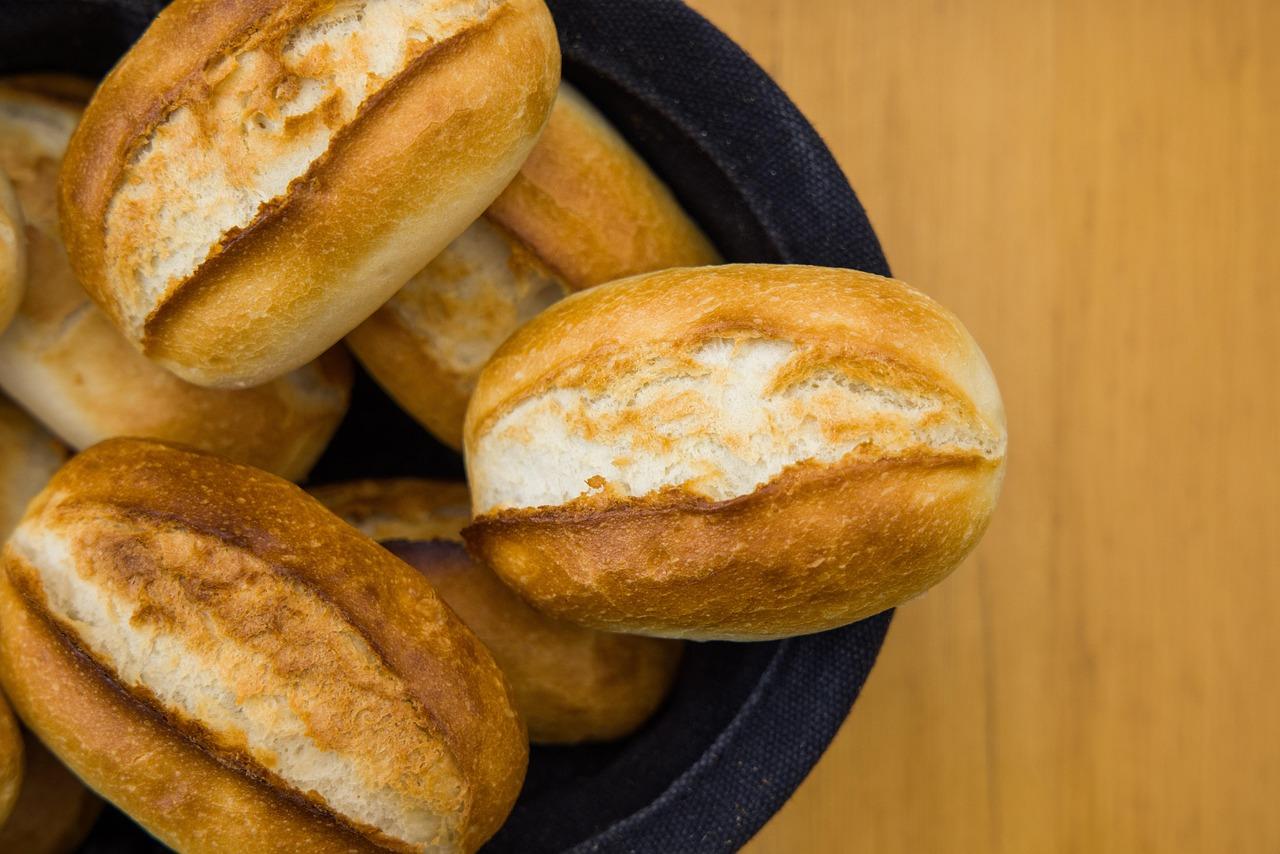
BolilloCrusty Mexican rolls

Before dawn in Mexico City, León or Puebla, neighbourhood bakeries pull trays of bolillos from the oven for tortas, molletes and the morning coffee. The rolls are oval with pointed ends and one deep slash, a thin crackly crust and a light, slightly chewy crumb, born from the French bakers who worked in Mexico in the 1860s. This version is made with no lard or butter, so it is vegan. Chef's tip: a tray of boiling water in the oven for the first ten minutes is what gives the crust its shine and crackle.

by KrazyBadal 0 views

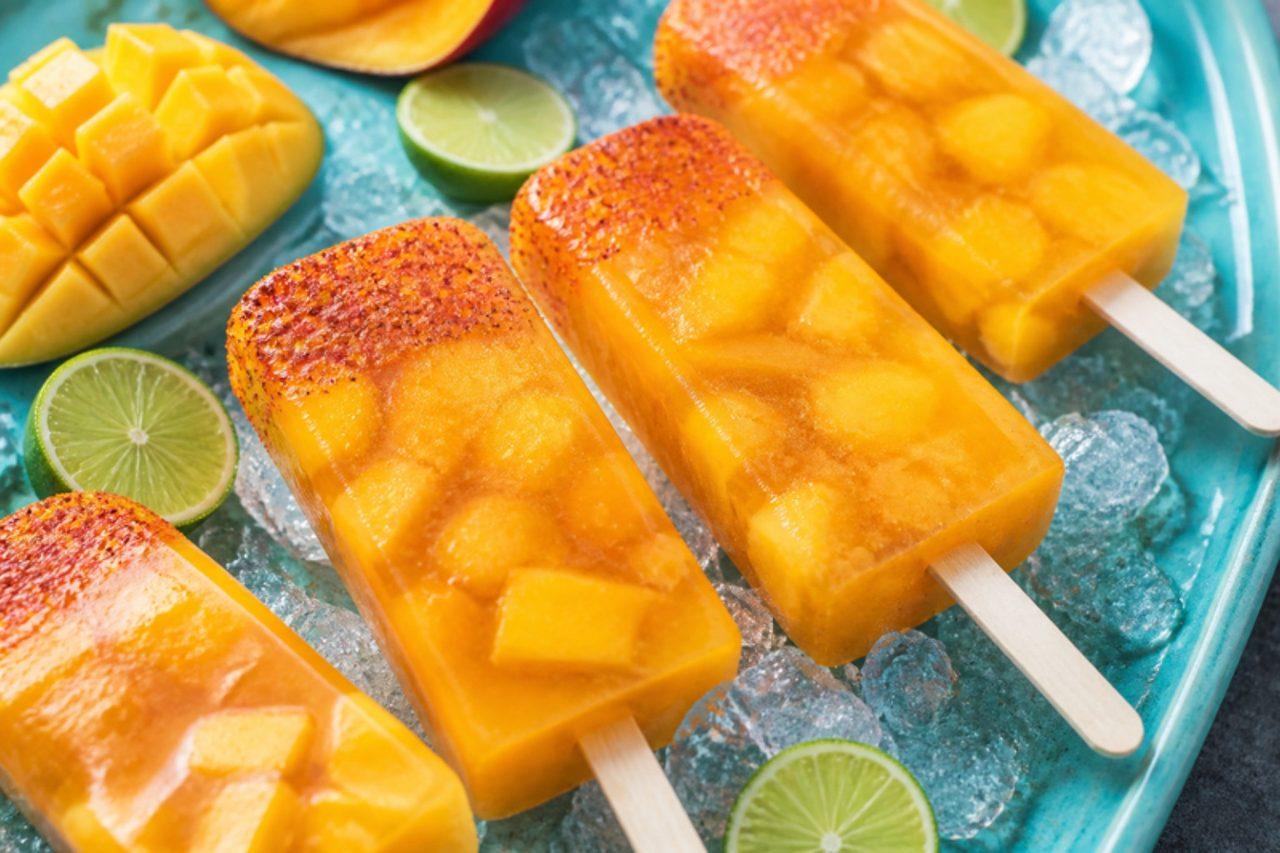
Paletas de mango con chileMango ice pops with chile

The town of Tocumbo in Michoacán sent paleteros all over Mexico, and their shops, the paleterías michoacanas, sell fruit ice pops from Tijuana to Cancún. Mango con chile is one of the most loved: chunky frozen mango purée, sharp with lime, with a ribbon of chile powder through it and more sprinkled on top. Chef's tip: leave a few small cubes of mango in the purée, so every bite has real fruit.

by KrazyBadal 0 views

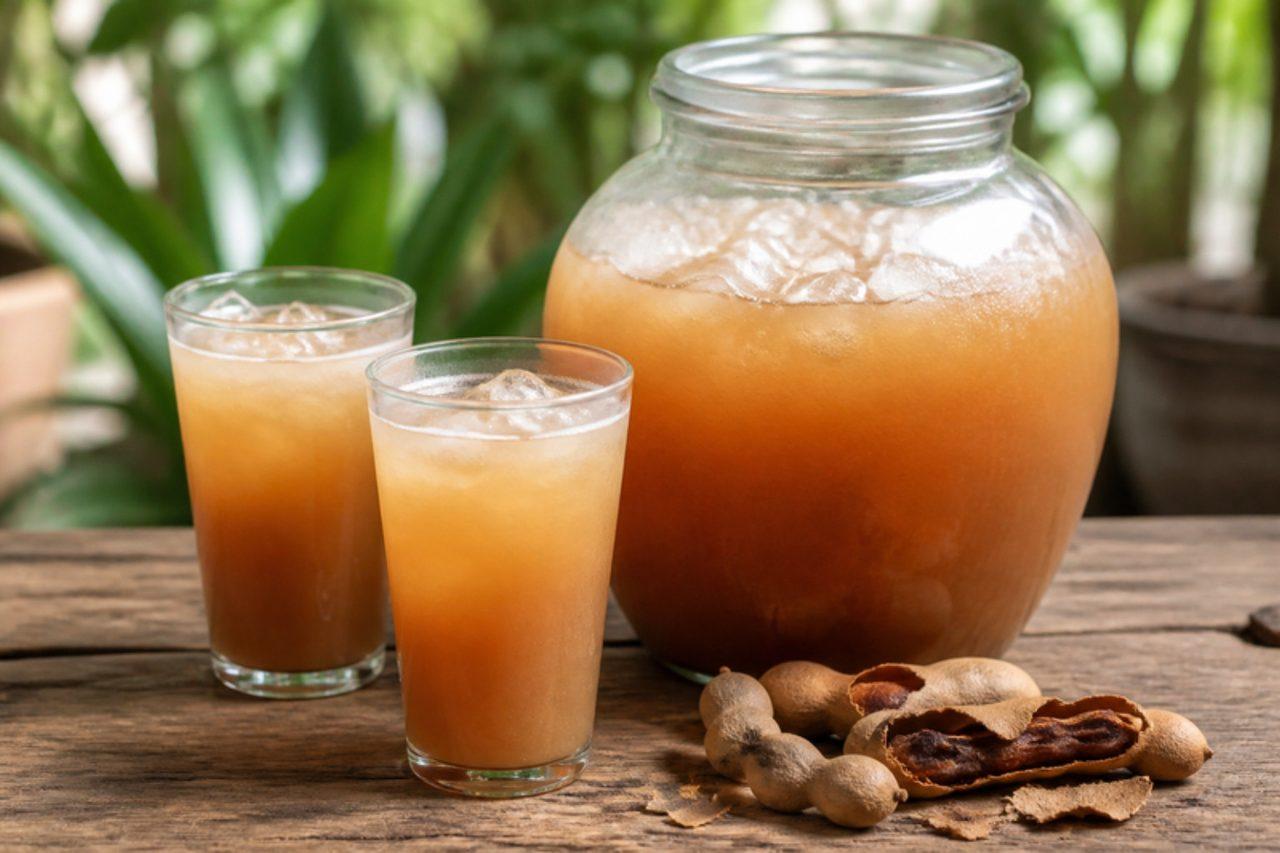
Agua de tamarindoTamarind drink

Brown, cloudy and gloriously tart, agua de tamarindo fills the big glass vitroleros at taquerías and fondas across Mexico, especially in hot Guerrero, Colima and the Yucatán, and it is the drink most people reach for with a plate of tacos de guisado. The pods are peeled, simmered and rubbed through a sieve, so it tastes far fresher than paste or concentrate. Chef's tip: soak the pulp in the hot cooking water before you rub it, which loosens every bit from the seeds.

by KrazyBadal 0 views

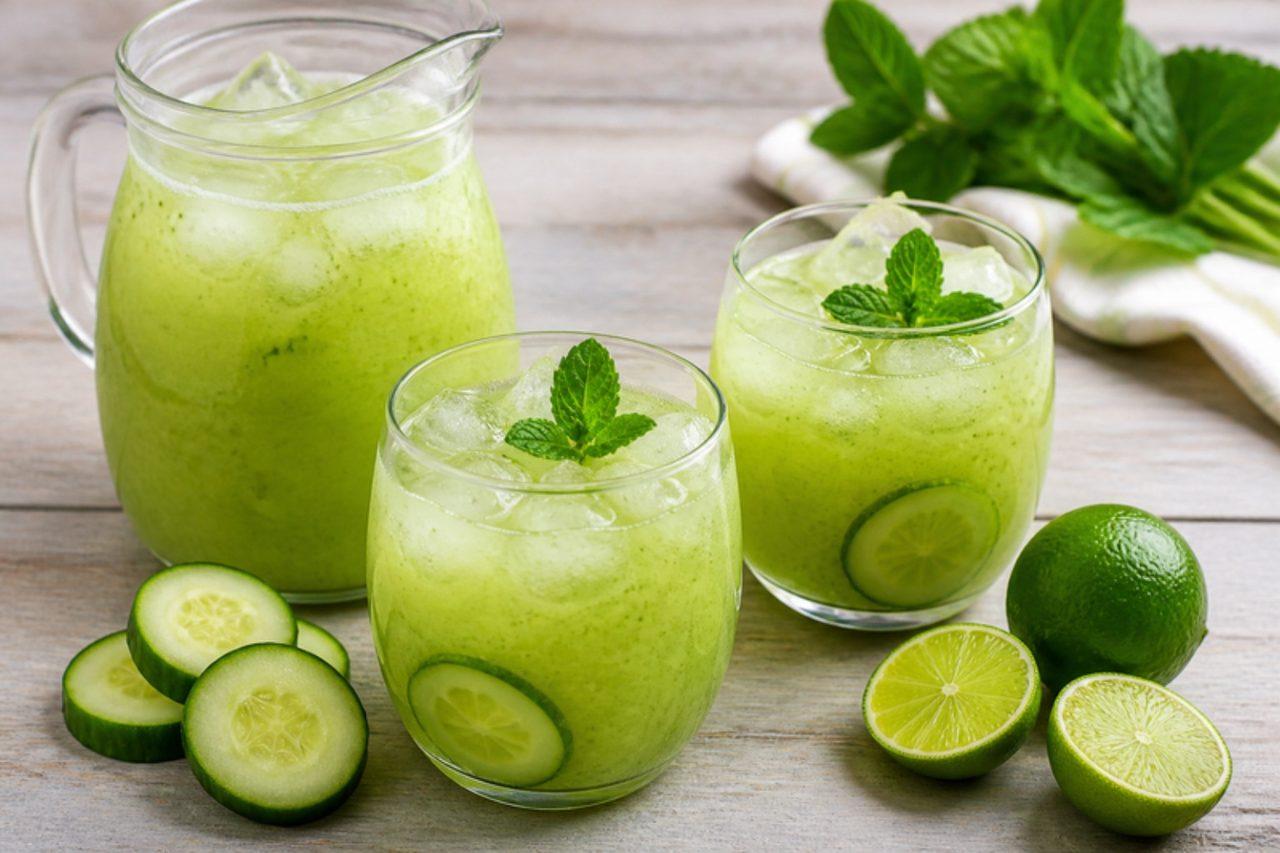
Agua de pepino con limónCucumber lime drink

Pale green and very refreshing, agua de pepino is the cooler sold from market juice stands in Mexico City and Oaxaca when the afternoon heat builds, and families blend a jug for comida on hot days. Cucumber, lime and a few mint leaves give a clean, light taste with very little sugar. Chef's tip: leave some of the peel on the cucumber for colour, but strain the drink so it stays silky.

by KrazyBadal 0 views

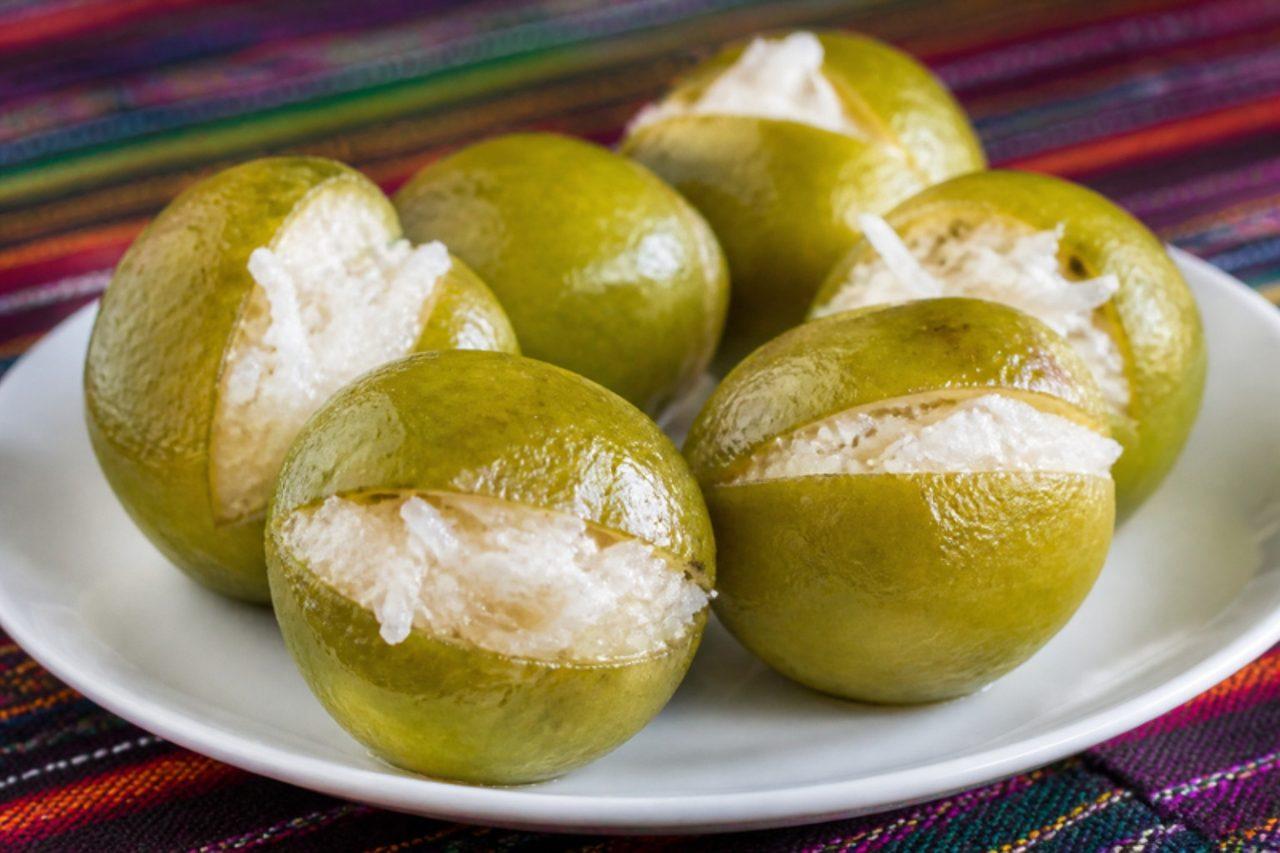
Limones rellenos de cocoCoconut-stuffed candied limes

At the candy stalls of Oaxaca's Mercado 20 de Noviembre and in the towns of Michoacán, bright green candied limes stuffed with snowy coconut are a jewel of traditional dulcería. The limes are scraped, soaked and boiled to take away the bitterness, then candied over two days until glassy, hollowed and filled. They are sweet, chewy and sharp at once, made for weddings and gifts. Chef's tip: change the soaking water every time without fail, as that is what takes away the bitterness of the pith.

by KrazyBadal 0 views

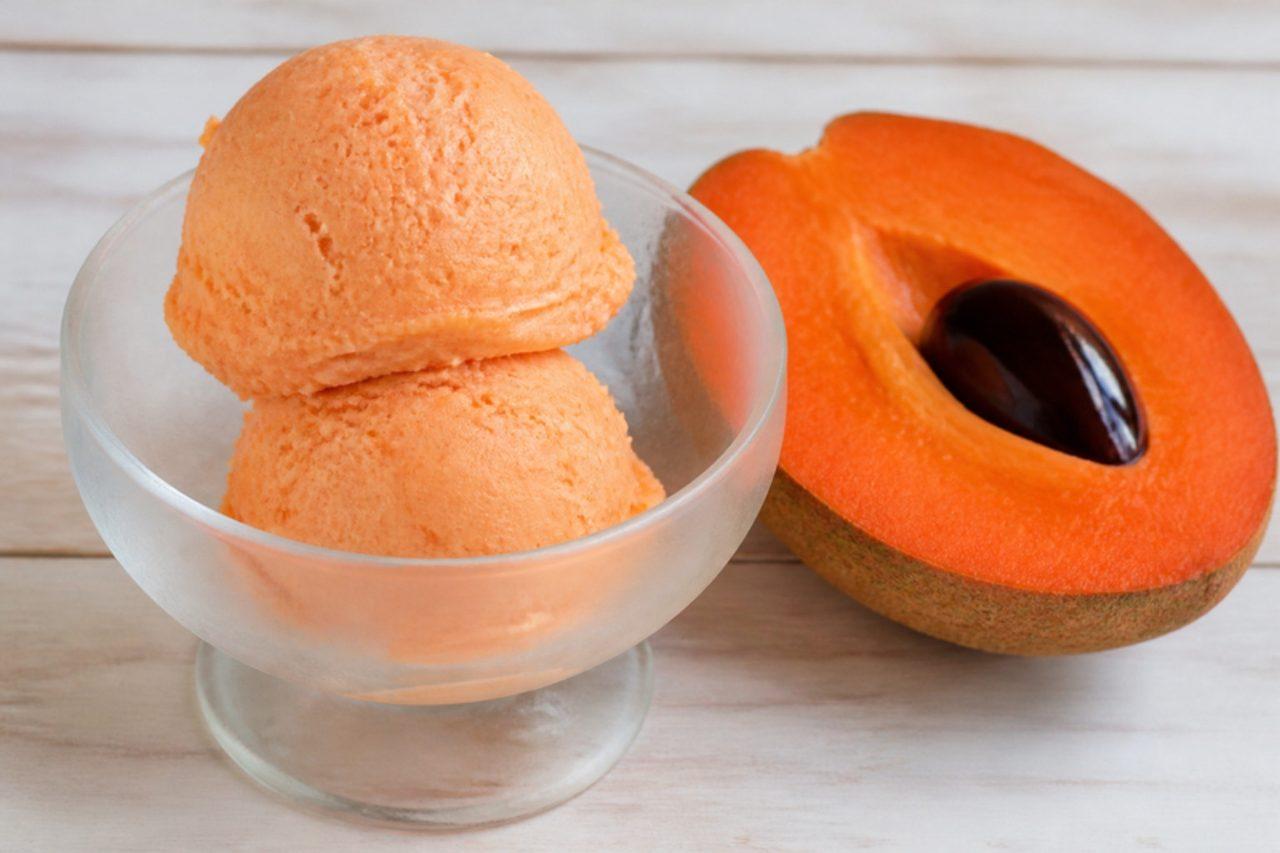
Nieve de mameyMamey ice cream

Mamey, the rough brown fruit with salmon-orange flesh that tastes like sweet potato, pumpkin and almond at once, is a favourite in Tabasco, Chiapas, Veracruz and the Yucatán, and its ice cream is a star of the nevería in any southern town. The fruit is naturally so creamy that a little milk and sugar is enough. It contains dairy. Chef's tip: use a mamey that gives like a ripe avocado when pressed; underripe ones taste chalky.

by KrazyBadal 0 views

Chongos zamoranosMilk curds in cinnamon syrup

Zamora in Michoacán gave its name to chongos, soft knots of fresh milk curd slowly poached in their own whey with sugar and cinnamon until the syrup turns golden and the curds turn springy. They are served cool in small glass bowls after Sunday lunch, and jars are sold at roadside stands across the Bajío. Traditionally the milk is set with animal rennet; use a vegetarian rennet (microbial or plant-based) to keep it vegetarian. Chef's tip: never stir after the curds form, only tilt the pan, or they break into crumbs.

by KrazyBadal 0 views

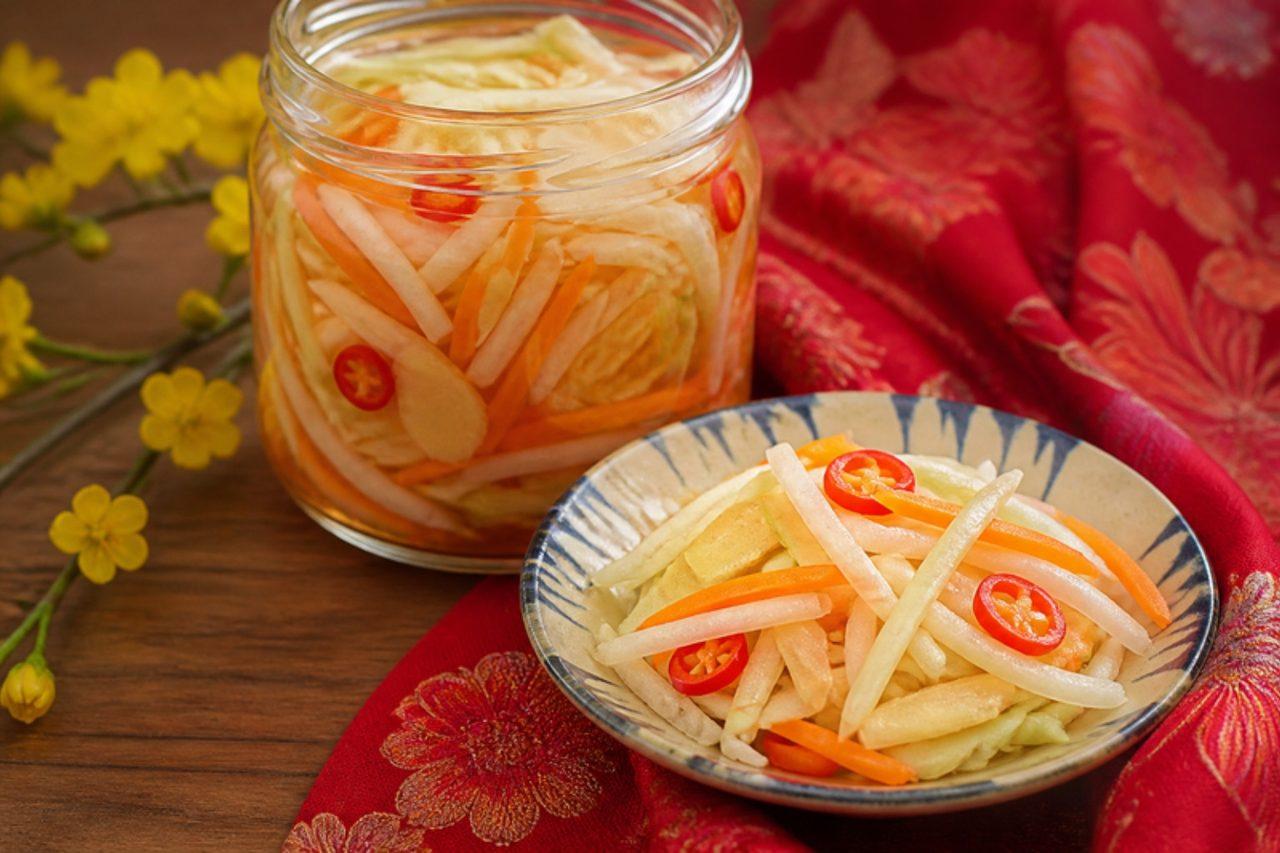
Dưa món chay (Tết pickled vegetables)

In the Mekong Delta, the week before Tết means trays of papaya, daikon and carrot strips drying in the sun on every balcony, to be packed into jars for dưa món. The drying makes the vegetables wonderfully crunchy and lets them drink up a sweet, salty brine. Families eat a little alongside thịt kho trứng and bánh tét to cut the richness over the holiday. The classic brine uses fish sauce; this one uses tamari, which keeps it vegan and gives a deep amber colour. Chef's tip: dry the strips until they bend like leather; damp vegetables go soft and cloudy in the jar.

by KrazyBadal 0 views

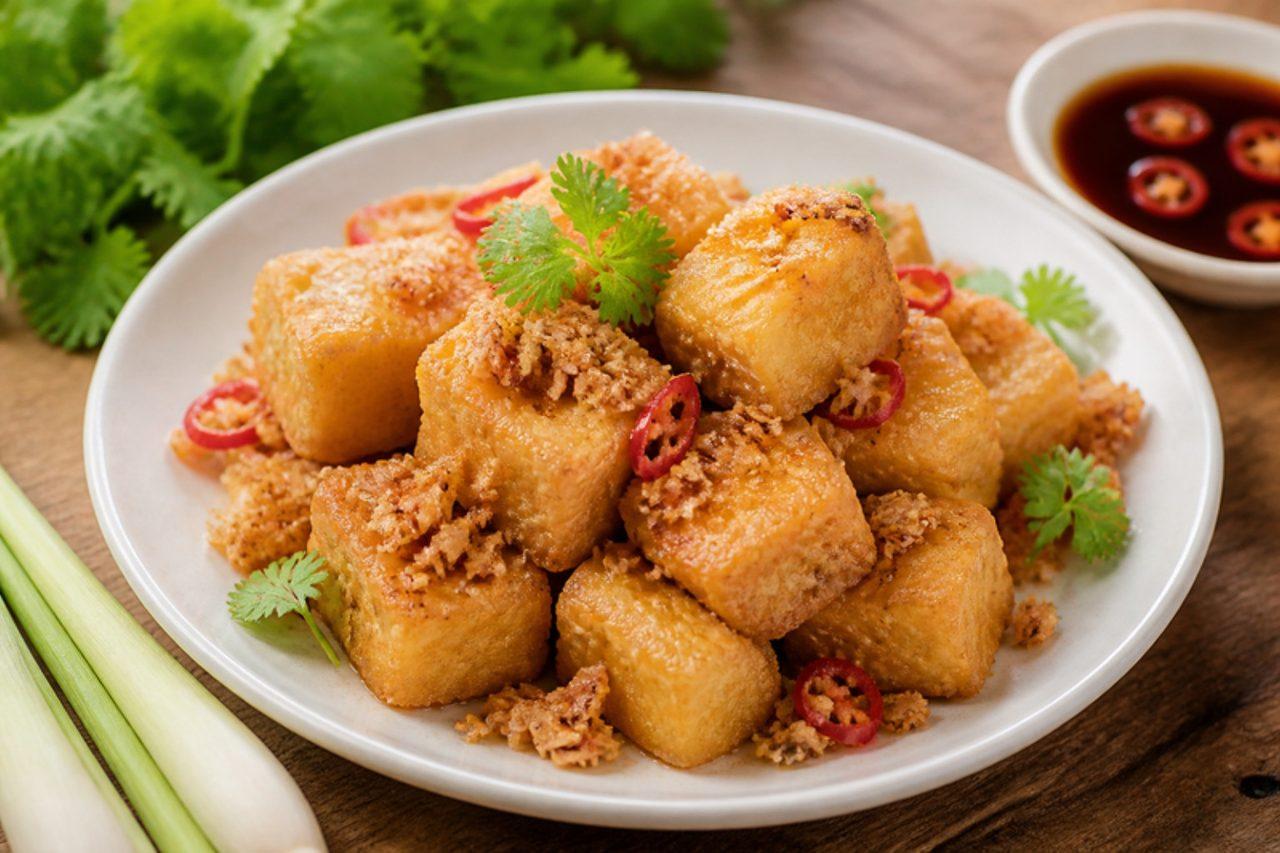
Đậu hũ chiên sả ớt (lemongrass chilli tofu)

Saigon's chay restaurants, the ones tucked beside pagodas that fill up on the 1st and 15th of each lunar month, nearly always have a plate of this on the table: golden tofu cubes buried under a crunchy, fragrant rubble of fried lemongrass and red chilli. The tofu stays soft inside, the lemongrass turns nutty and crisp, and a splash of tamari with a little sugar glazes everything. Eat it with steamed jasmine rice, sliced cucumber and a bowl of clear vegetable soup. Many chay cooks skip garlic and shallot, so this version leaves them out. Chef's tip: mince the lemongrass really finely and fry it on its own until golden; coarse chunks or lemongrass added with the tofu stay woody and chewy.

by KrazyBadal 0 views

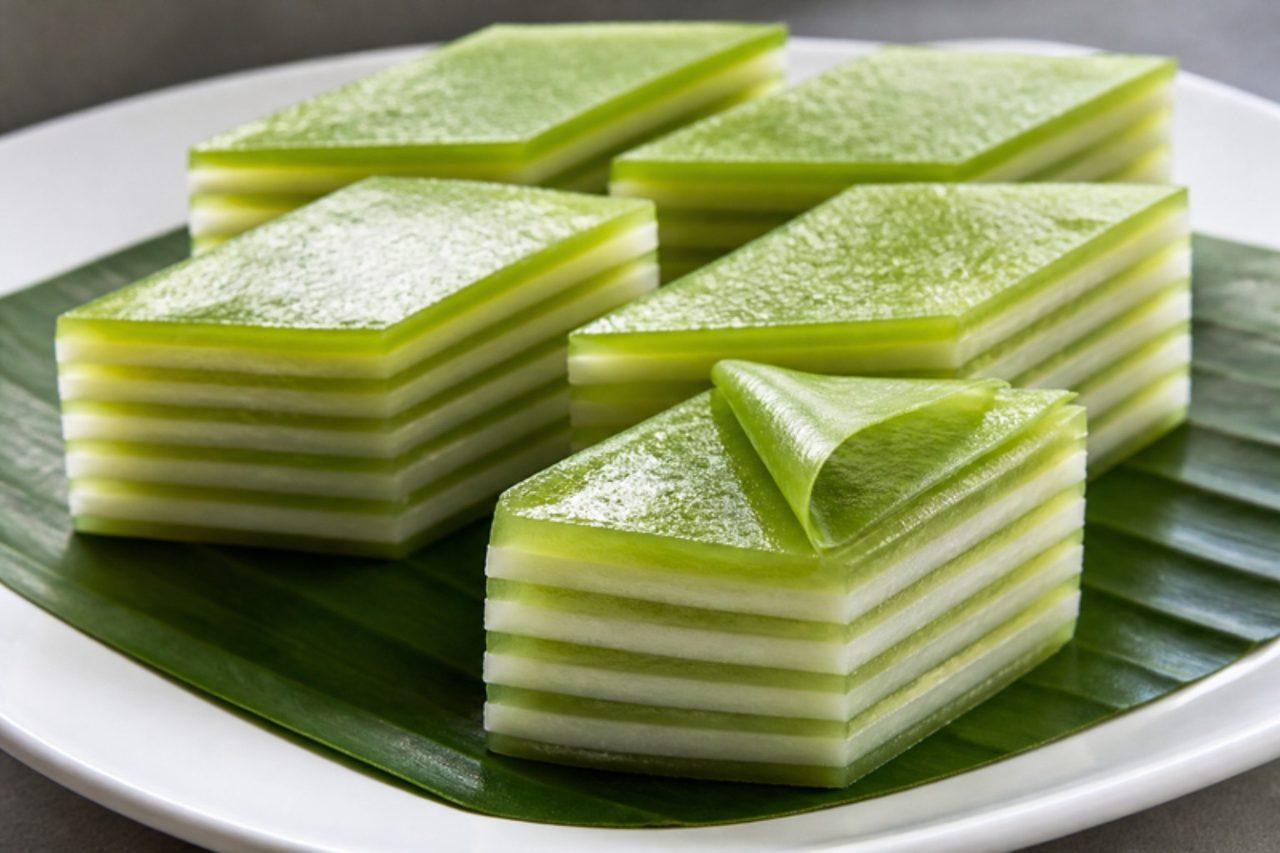
Khanom chan (layered pandan cake)

Bangkok's old dessert shops in Thonburi and the markets around Ayutthaya stack trays of this cake on their counters, and it turns up at weddings and house blessings because 'chan' also sounds like rising a level in life. Each green or white band is steamed on top of the last, so the finished slice is springy, faintly chewy and scented with pandan and jasmine; children eat it by peeling off one layer at a time. Serve it at room temperature with hot jasmine tea. Chef's tip: the classic mistake is pouring the next layer before the one beneath has turned fully translucent, which blurs the stripes; give each layer its full five minutes.

120 minThaiDessertsVeganGluten free
by KrazyBadal 0 views

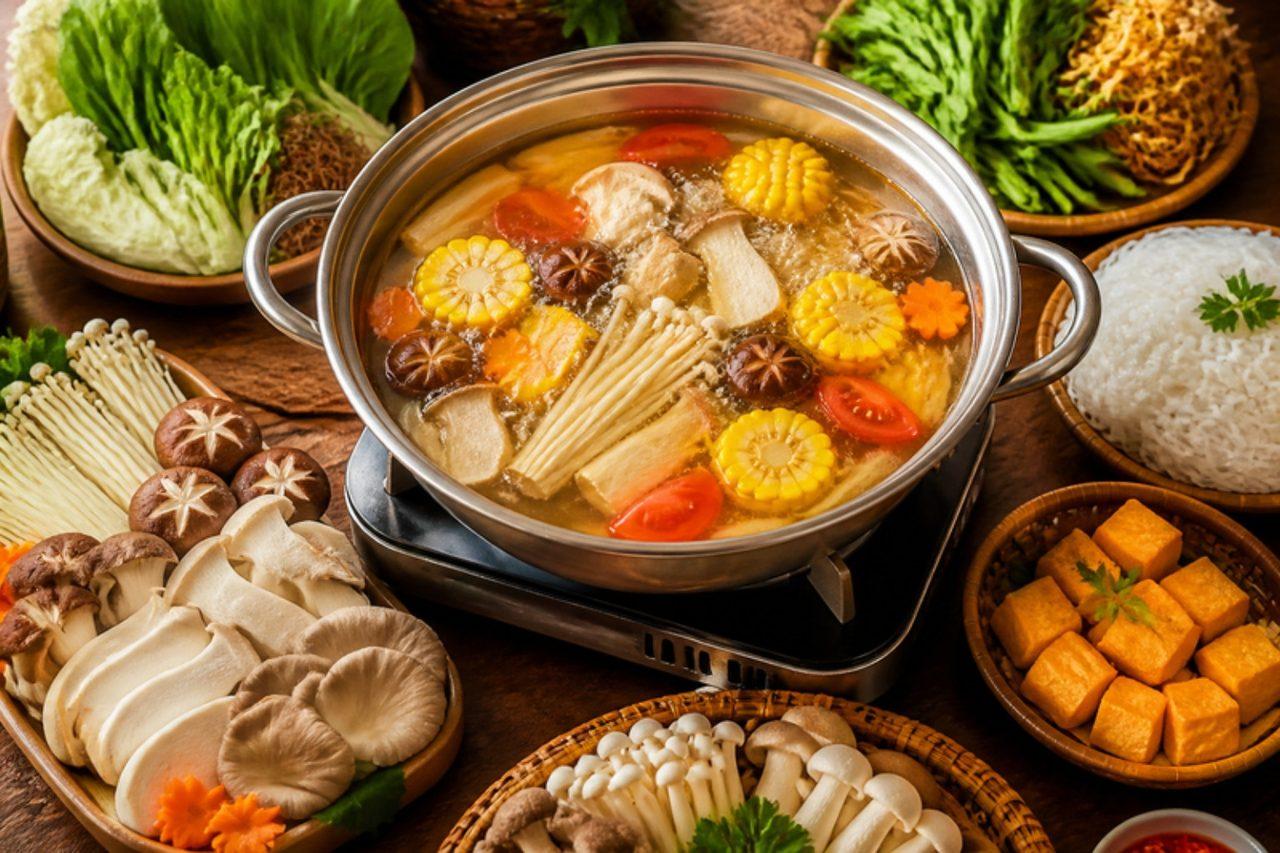
Lẩu nấm chay (vegetarian mushroom hotpot)Mushroom hot pot

Đà Lạt, cool and misty, made the mushroom hotpot famous, and vegetarian lẩu restaurants in Hanoi and Saigon now fill up with groups on cold or rainy evenings. A clear broth sweetened with daikon, corn cobs, carrot and apple sits on a burner in the middle of the table; everyone drops in mushrooms, tofu and greens, fishes them out a minute later and spoons them over rice noodles. Expect to top up the pot and keep eating for an hour. Chef's tip: simmer the broth vegetables gently and never boil hard; a rolling boil clouds the broth and dulls its natural sweetness.

by KrazyBadal 0 views

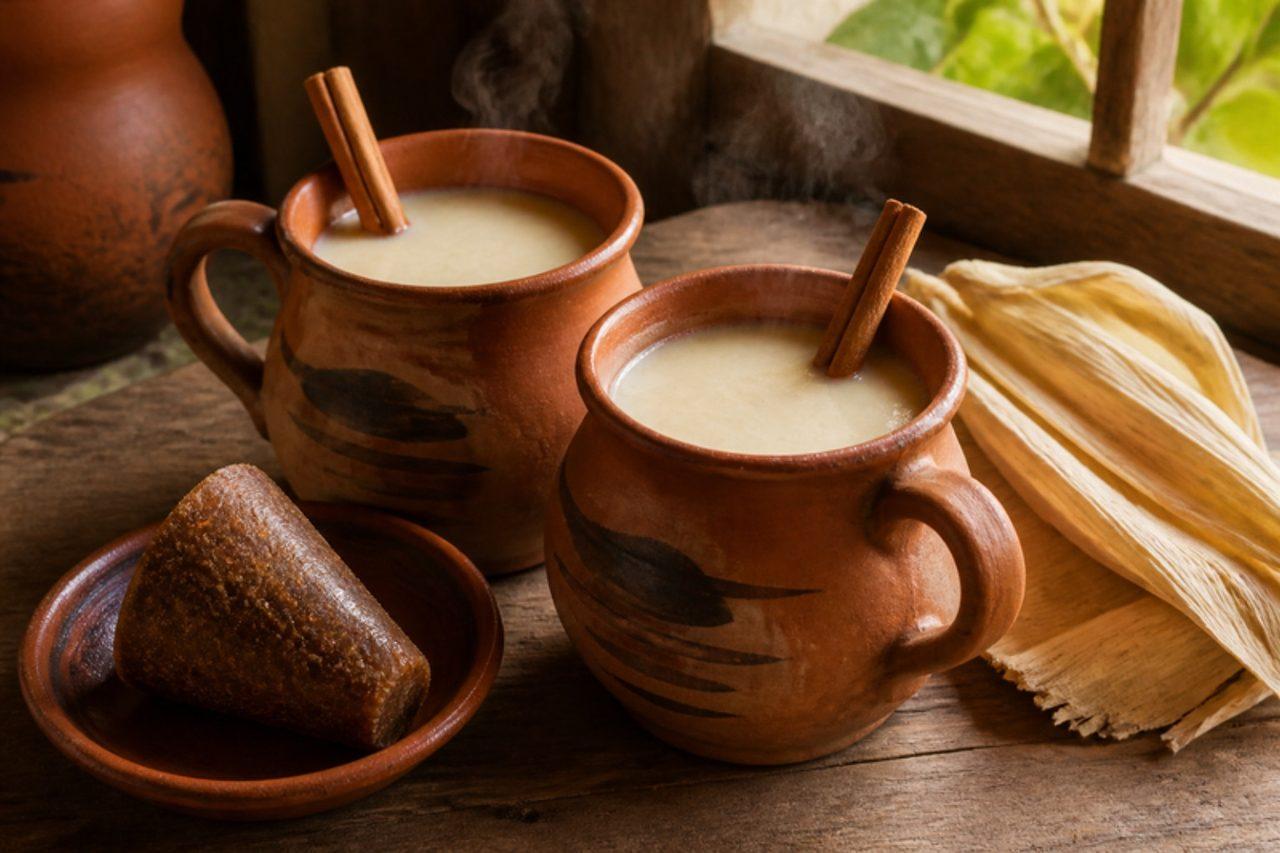
Atole blancoWarm masa drink

Long before coffee arrived, atole was the morning drink of central and southern Mexico, and in villages of Oaxaca, Puebla and Tlaxcala plain atole blanco is still drunk hot with tamales at breakfast or on cold evenings. Fresh masa is whisked into water and cooked until it thickens to a silky, gently sweet drink with a toasty corn taste. Made with water it is vegan. Chef's tip: strain the masa before cooking, so the atole is smooth with no lumps.

by KrazyBadal 0 views

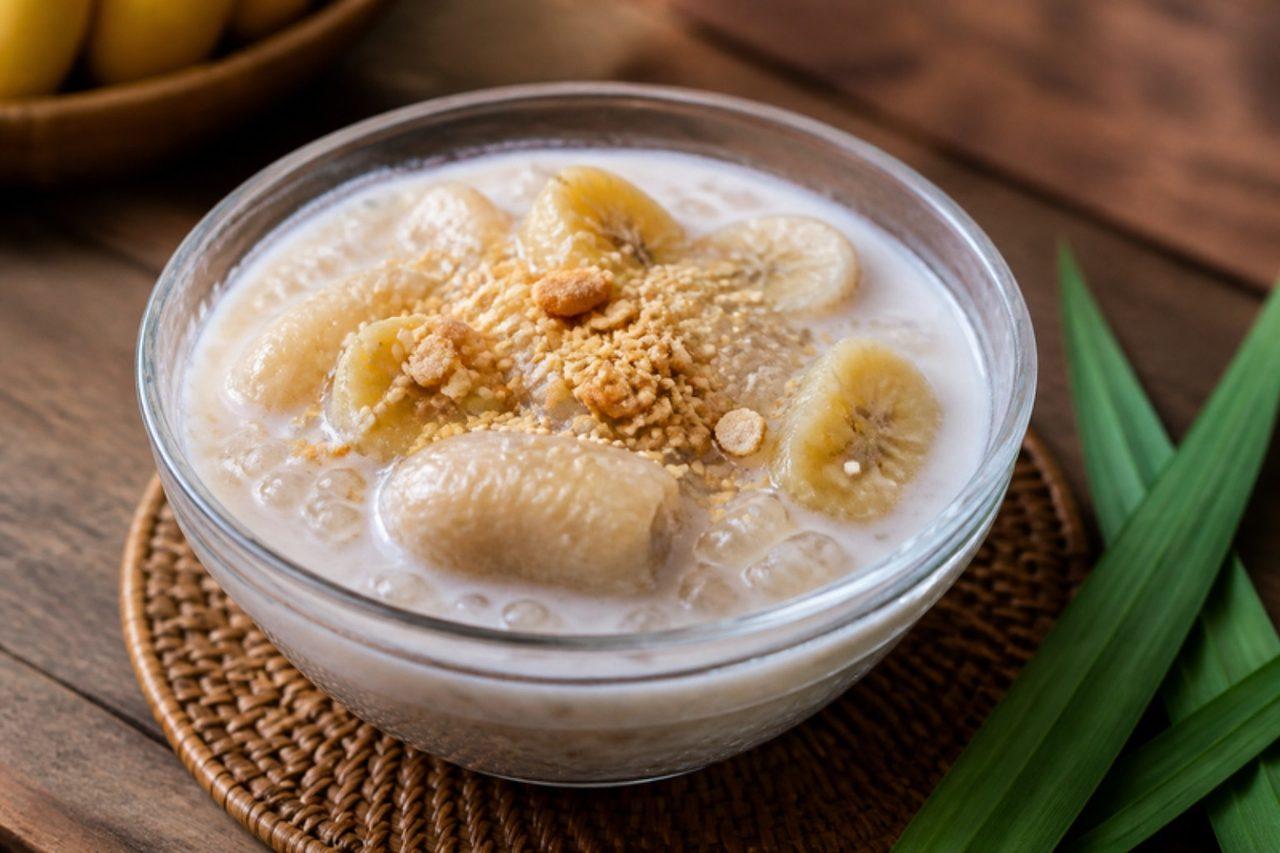
Chè chuối (banana and tapioca in coconut milk)Banana tapioca coconut dessert

Mekong Delta households, where banana trees line every canal, make chè chuối when the fruit is ripe and plentiful, and Saigon sweet-soup stalls sell it warm in the evening. Short, sweet bananas soften in coconut milk thickened with tapioca pearls, turning slightly pink as they cook, and the bowl is finished with toasted sesame and crushed peanuts. It is eaten warm, never iced. Chef's tip: use firm, just-ripe bananas; very soft ones dissolve into mush before the tapioca is cooked.

by KrazyBadal 0 views

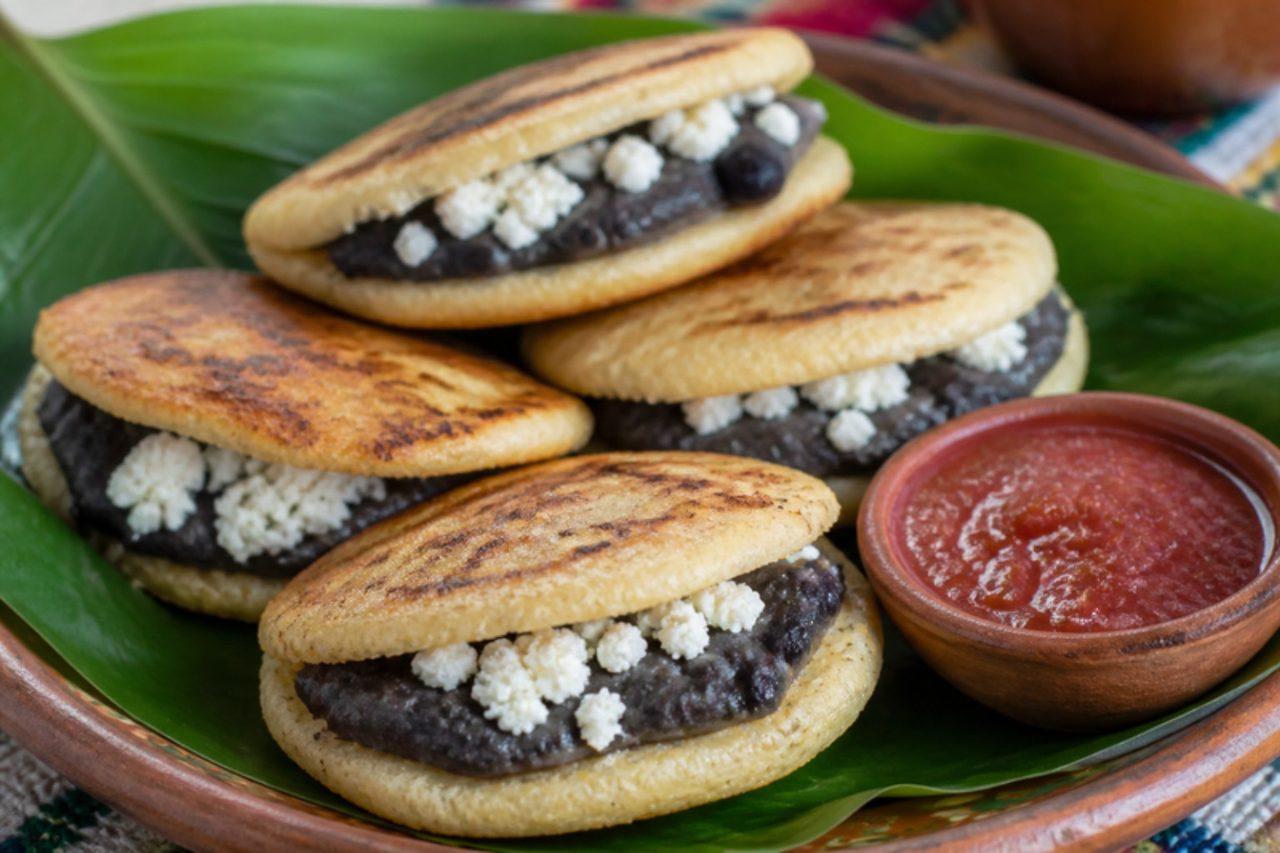
BocolesFilled masa cakes

Bocoles are breakfast across the Huasteca, the green hill country shared by Veracruz, San Luis Potosí and Tamaulipas, where they come off the comal at dawn to be split open and stuffed. The masa is enriched with fat (traditionally pork lard; vegetable shortening here keeps them vegetarian) so the cakes are tender and slightly crumbly. Fill them with beans, cheese and salsa, or with scrambled egg. If you keep a vegetarian kitchen, note that ranch-style fresh cheese is usually set with animal rennet; a vegetarian queso fresco or feta does the same job. Chef's tip: cook them slowly over a medium-low heat so the thick centre cooks through before the outside burns.

by KrazyBadal 0 views

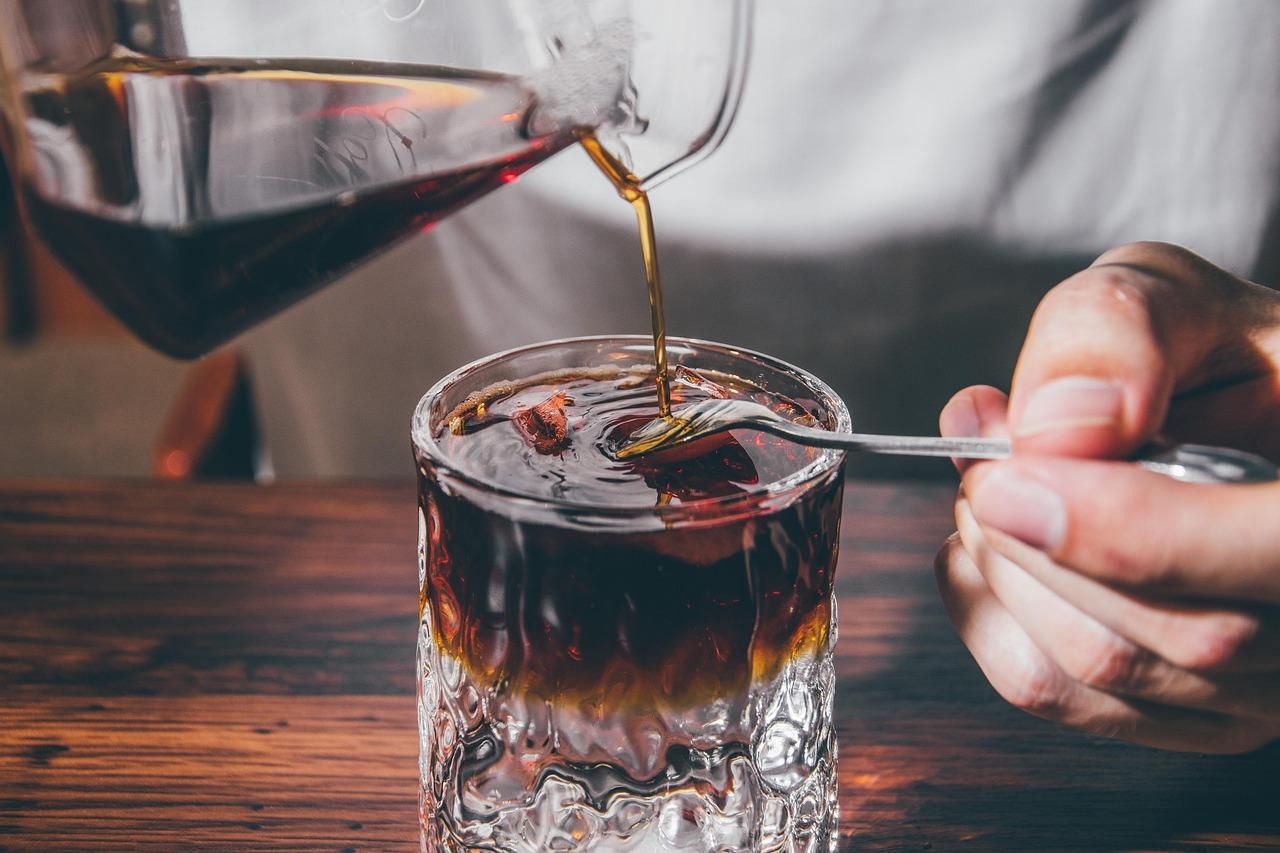
Oliang (Thai black iced coffee)

Old Bangkok coffee shops in Chinatown and Bang Rak still brew oliang through a long cotton sock, using a dark blend of coffee roasted with corn, soybeans, rice and sesame that gives it a toasty, almost cocoa-like flavour. It is served black, heavily sweetened and poured over crushed ice in tall glasses, a mid-morning pick-me-up for market traders. Look for any Thai 'oliang powder' blend in Asian shops, or mix dark coffee with roasted grains as below. It contains caffeine, so it is not one for children. Chef's tip: adding sugar after chilling is the mistake; dissolve it while the coffee is hot, or it stays gritty.

15 minThaiDrinksVeganGluten free
by KrazyBadal 0 views

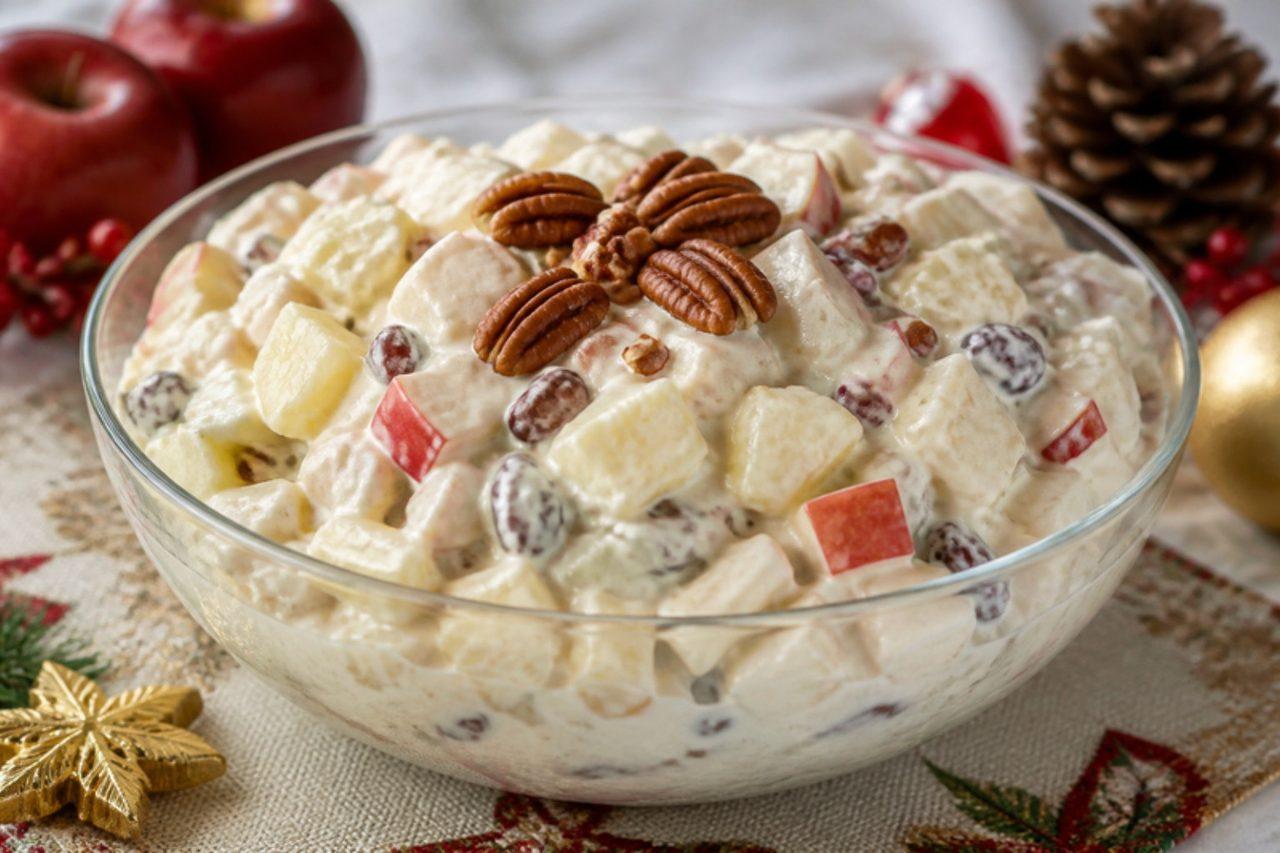
Ensalada de manzana navideñaCreamy apple salad

In homes from Monterrey to Guadalajara, a big bowl of creamy apple salad is chilling in the fridge on Christmas Eve, ready to sit alongside roast pork or turkey, and the kids usually go back for seconds as dessert. Crisp diced apple, juicy pineapple, celery for crunch, raisins and toasted pecans are folded into a sweet dressing of cream, condensed milk and a little soured cream. Many versions add marshmallows, but most contain gelatine, so they are left out here. Chef's tip: chill it for an hour before serving; the dressing thickens and the flavours marry.

by KrazyBadal 0 views

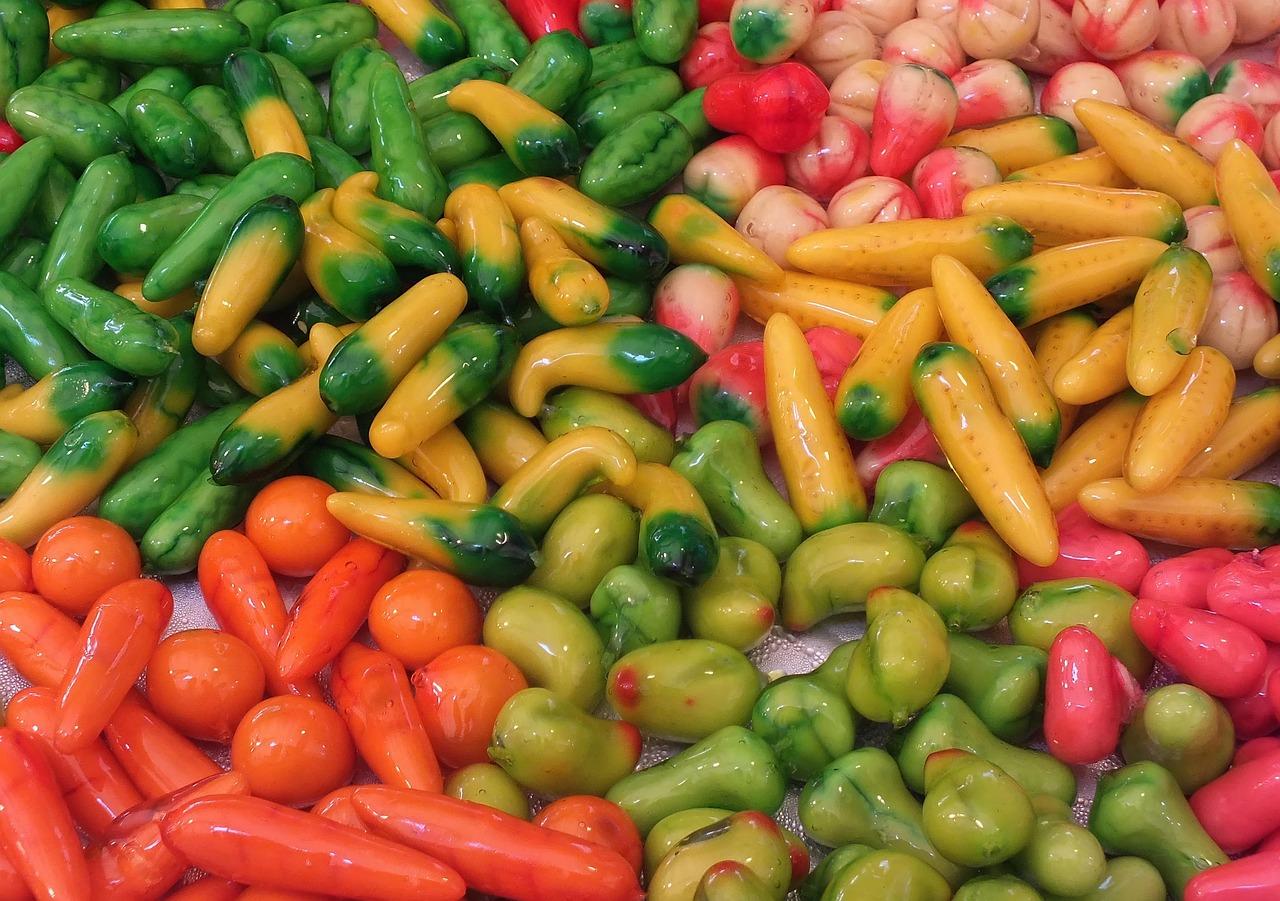
Look chupMung bean fruit sweets

Once made in the palace kitchens of Ayutthaya, these miniature chillies, mangosteens and mangoes now fill gift boxes in Bangkok bakeries for weddings, merit-making and Mother's Day. The inside is a smooth, sweet paste of mung beans and coconut milk; the outside is a thin, shiny skin of jelly, so each one tastes a little like marzipan in a glass coat. Making them is an afternoon project best shared. Chef's tip: a paste that is too wet won't hold a shape and slides off the stick; cook it until it pulls away from the pan in one soft ball.

150 minThaiDessertsVeganGluten free
by KrazyBadal 0 views

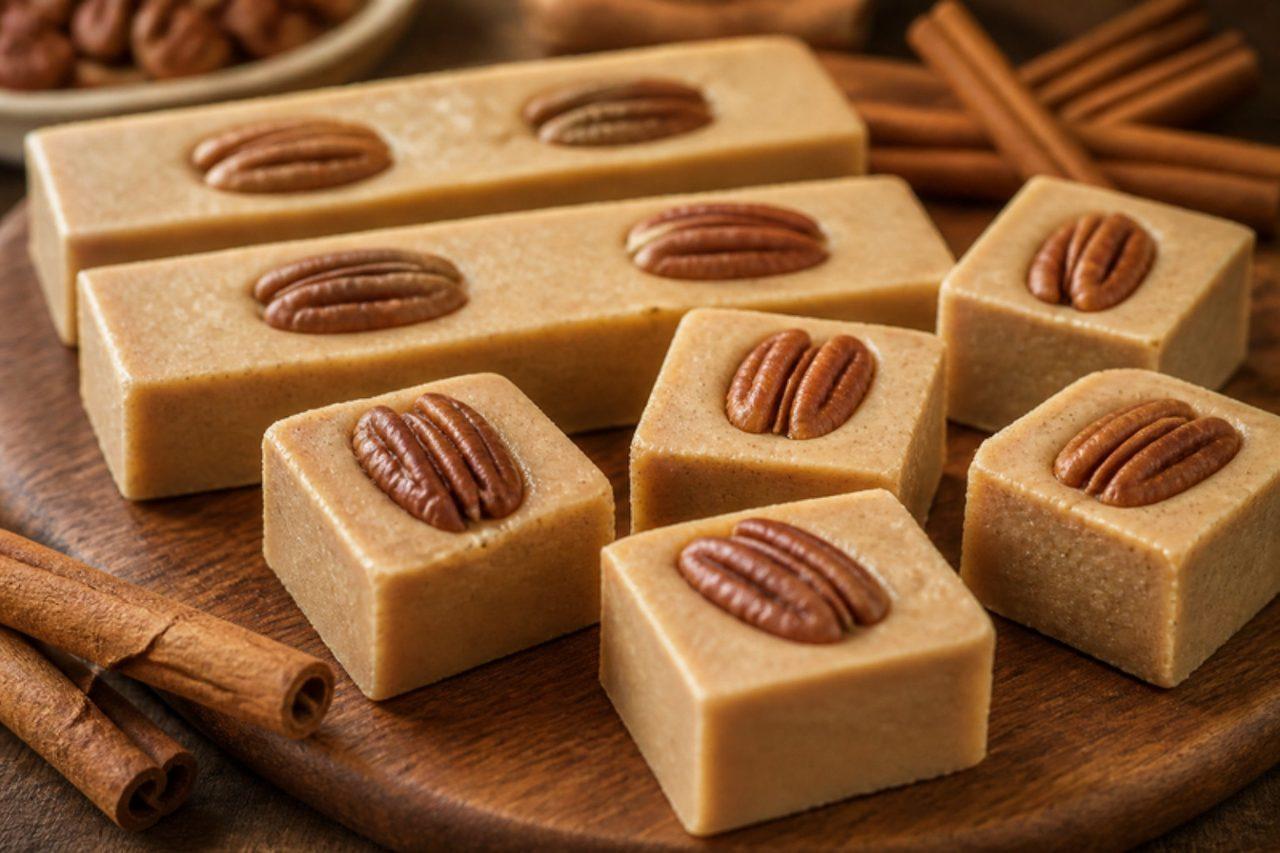
Jamoncillo de lecheMilk fudge

Jamoncillo turns up wrapped in waxed paper at sweet stalls from Puebla to Coahuila, and in San Luis Potosí and Guadalajara whole shops are given over to it. Milk and sugar are cooked down slowly with cinnamon until they turn into a pale caramel-coloured fudge that is firm, slightly grainy and rich, then pressed into bars and topped with pecan halves. Chef's tip: keep the heat moderate and stir all the time near the end, because the paste can catch and burn in seconds.

by KrazyBadal 0 views

CocolesAnise sweet bread

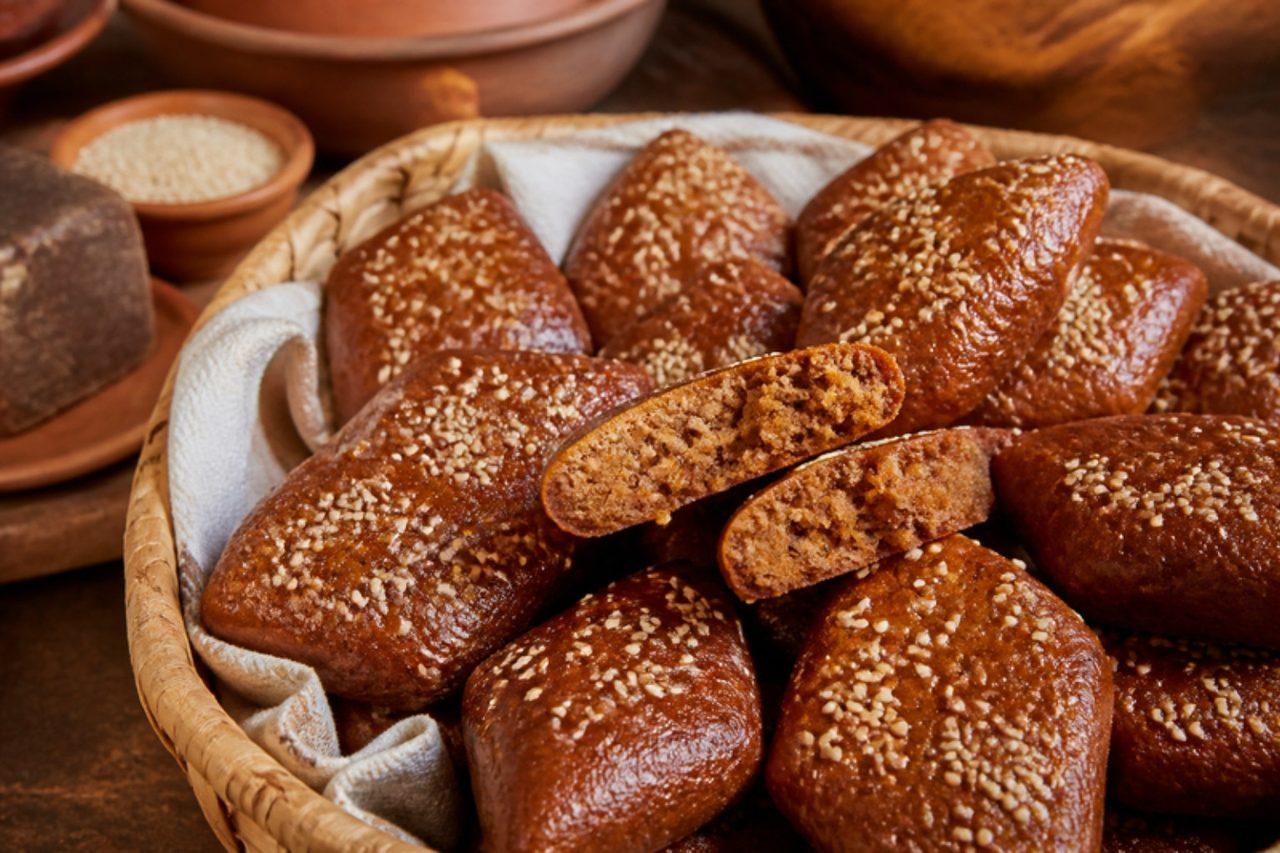
In the markets of Puebla, Tlaxcala and Mexico City, cocoles are the plain, honest bread of the morning: diamond-shaped, deep brown from piloncillo, fragrant with anise and studded with sesame seeds on top. They are not very sweet, so people eat them with café de olla or split them for a cheese torta. Old bakers used lard; this version uses vegetable shortening, so it stays vegetarian and vegan. Chef's tip: steep the anise in the warm piloncillo syrup, so its flavour runs through every bite.

by KrazyBadal 0 views

Atole de guayabaGuava masa drink

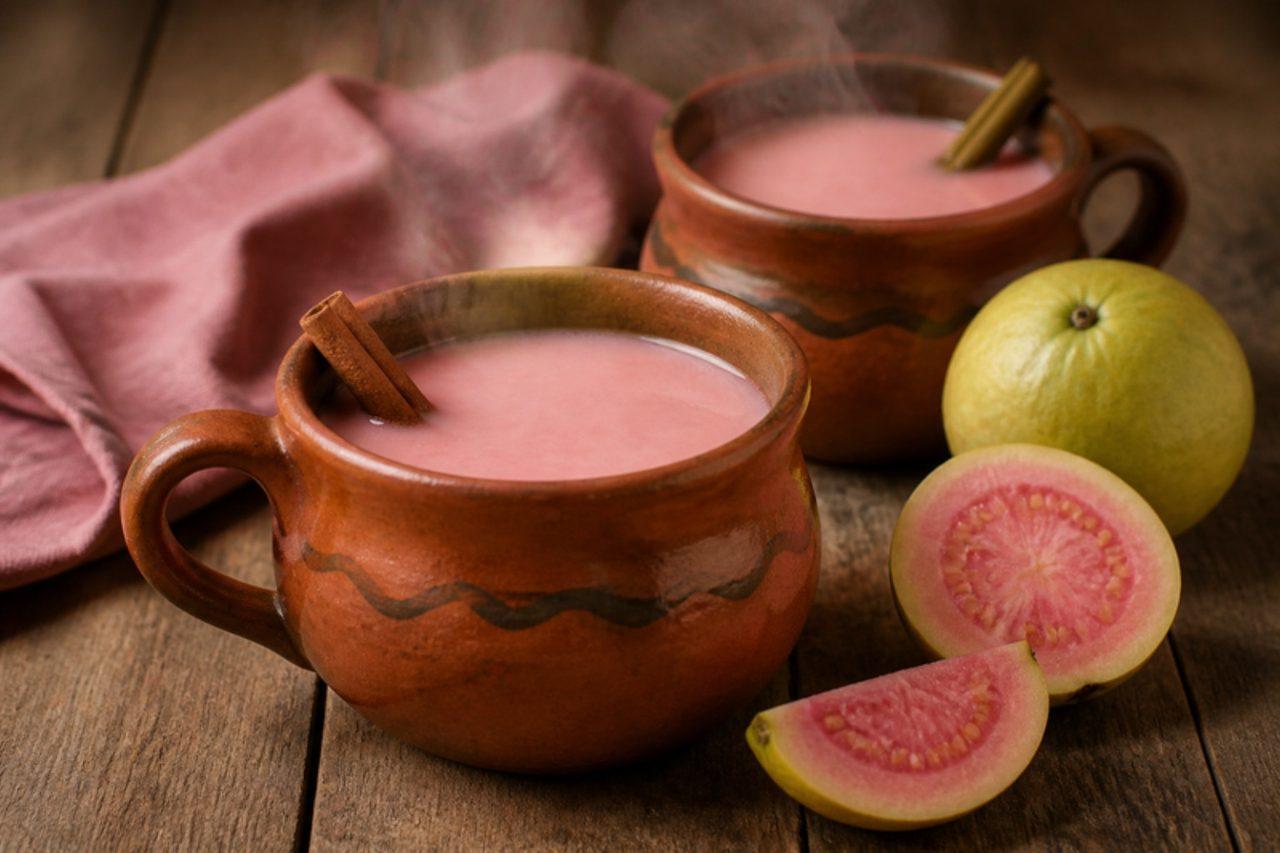
In the cold months, when guavas from Aguascalientes and Michoacán perfume the markets, street vendors in Mexico City ladle atole de guayaba from big steaming pots beside the tamal cart. Ripe guava is blended with milk, strained and thickened with cornflour into a pink, creamy, fragrant drink. It contains dairy. Chef's tip: add the blended guava only once the milk is thickened and off the boil, so the milk doesn't curdle.

by KrazyBadal 0 views

Atole de fresaStrawberry masa drink

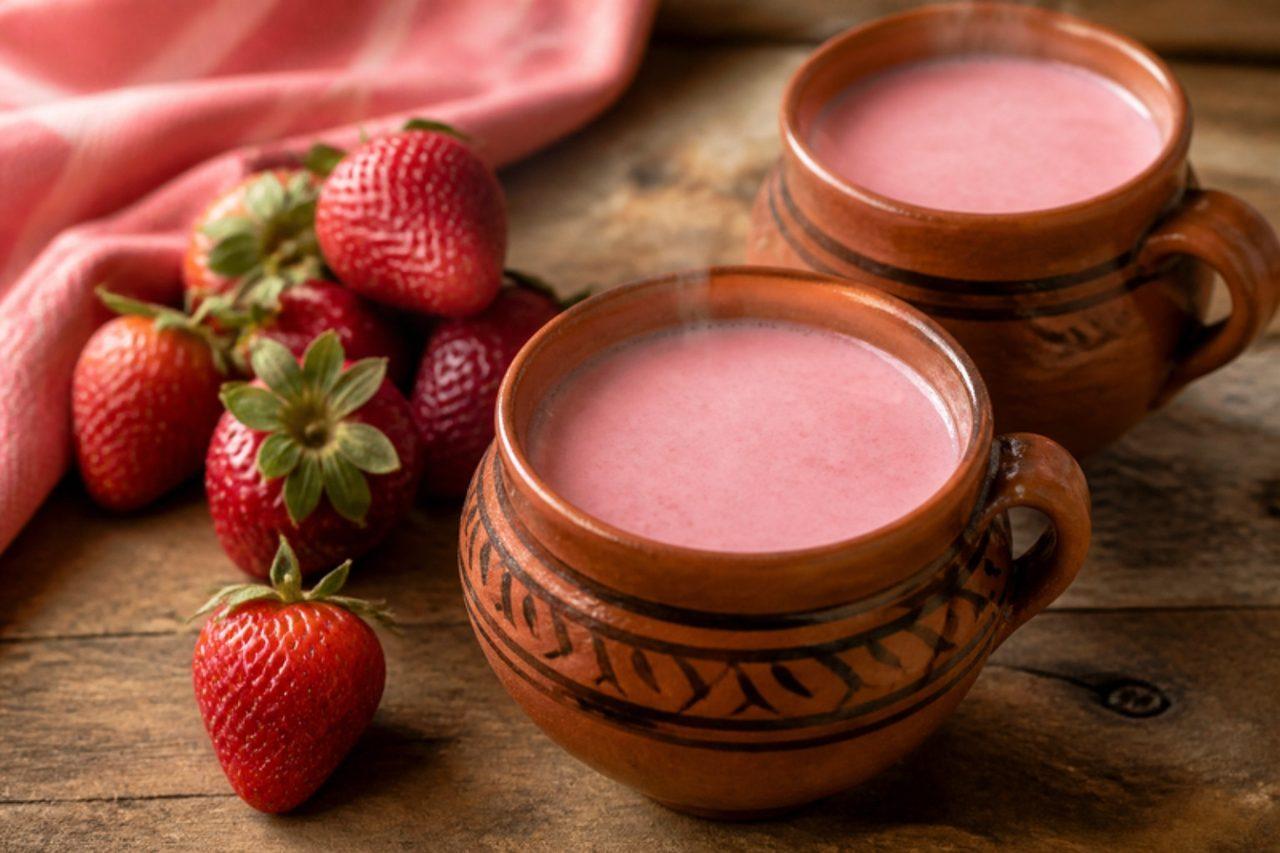
Pink, warm and sweet, atole de fresa is a children's favourite in Mexico City and Irapuato, the strawberry capital of Guanajuato, sold in polystyrene cups alongside tamales for breakfast. Fresh strawberries are blended with milk and thickened with a little masa, which gives a gentle corn flavour under the fruit. It contains dairy. Chef's tip: blend the strawberries raw and add them at the end, so the drink keeps its bright colour.

by KrazyBadal 0 views

Mazapán de cacahuatePeanut sugar sweets

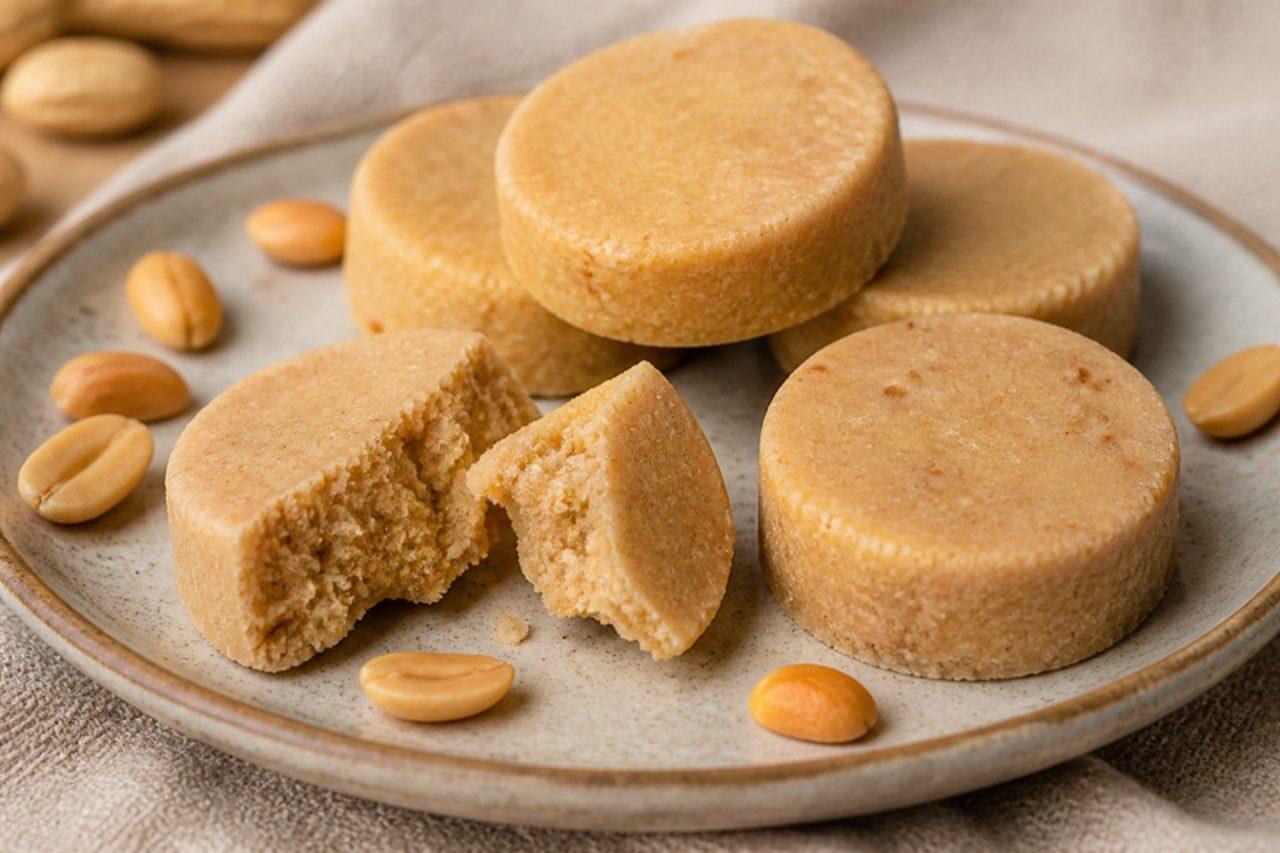
Mexican children grow up on mazapán, little rounds of ground roasted peanuts and powdered sugar that crumble at the first bite, sold singly at corner shops and piñata parties across the country. The homemade version tastes even more of peanut and needs no cooking at all, only a blender and a pastry cutter or bottle cap to press the rounds. They contain peanuts. Chef's tip: press really hard and lift the cutter straight up, as loose pressing is why homemade mazapán falls apart.

by KrazyBadal 0 views

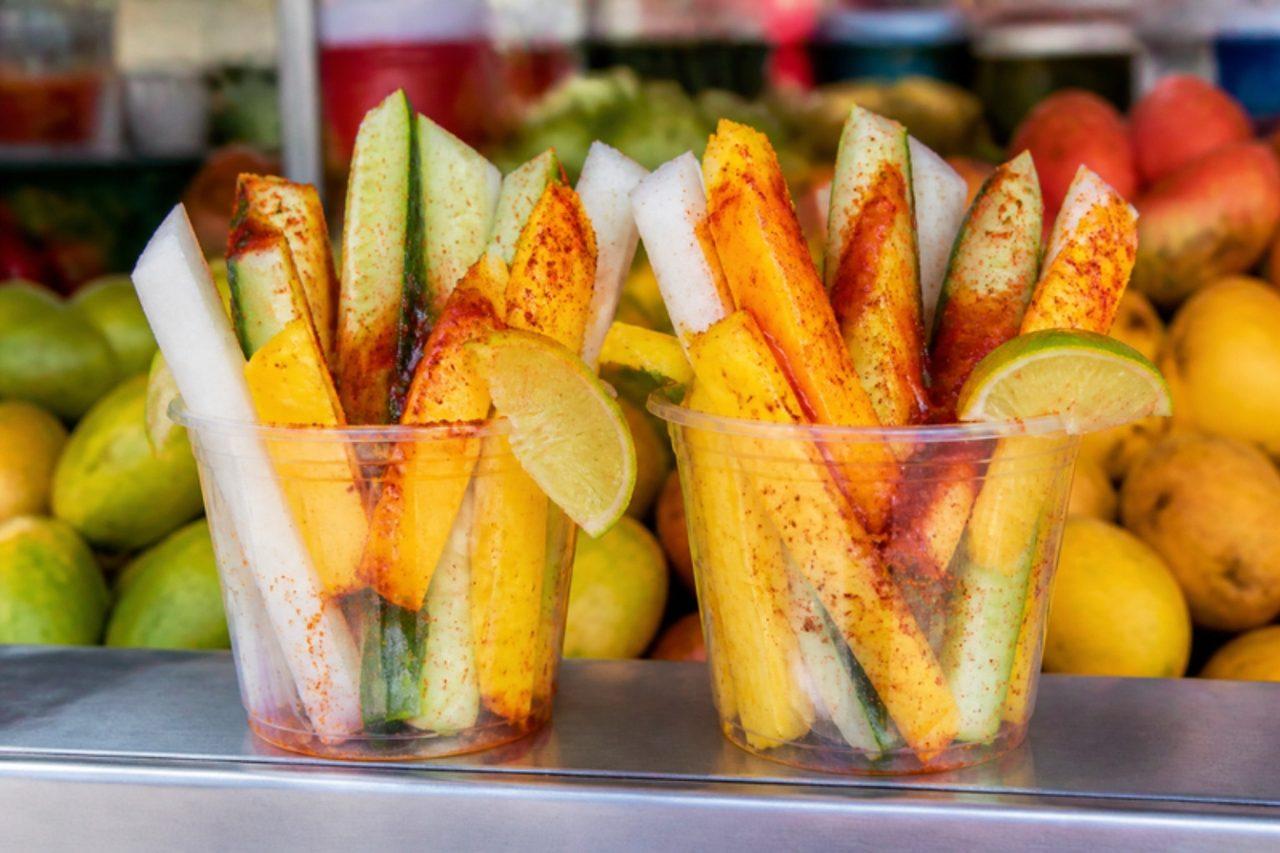
Fruta con chileFruit with chile and lime

Every plaza in Mexico City seems to have a fruit cart with a glass case of jícama, cucumber, mango and pineapple, cut to order into tall sticks and packed into a cup. The vendor squeezes over lime and shakes on chile-lime salt, and you eat it with a toothpick on a hot afternoon. It's juicy, crunchy, sour and only a little hot. Chef's tip: chill the fruit well first; cold fruit and sharp chile make the contrast.

by KrazyBadal 0 views

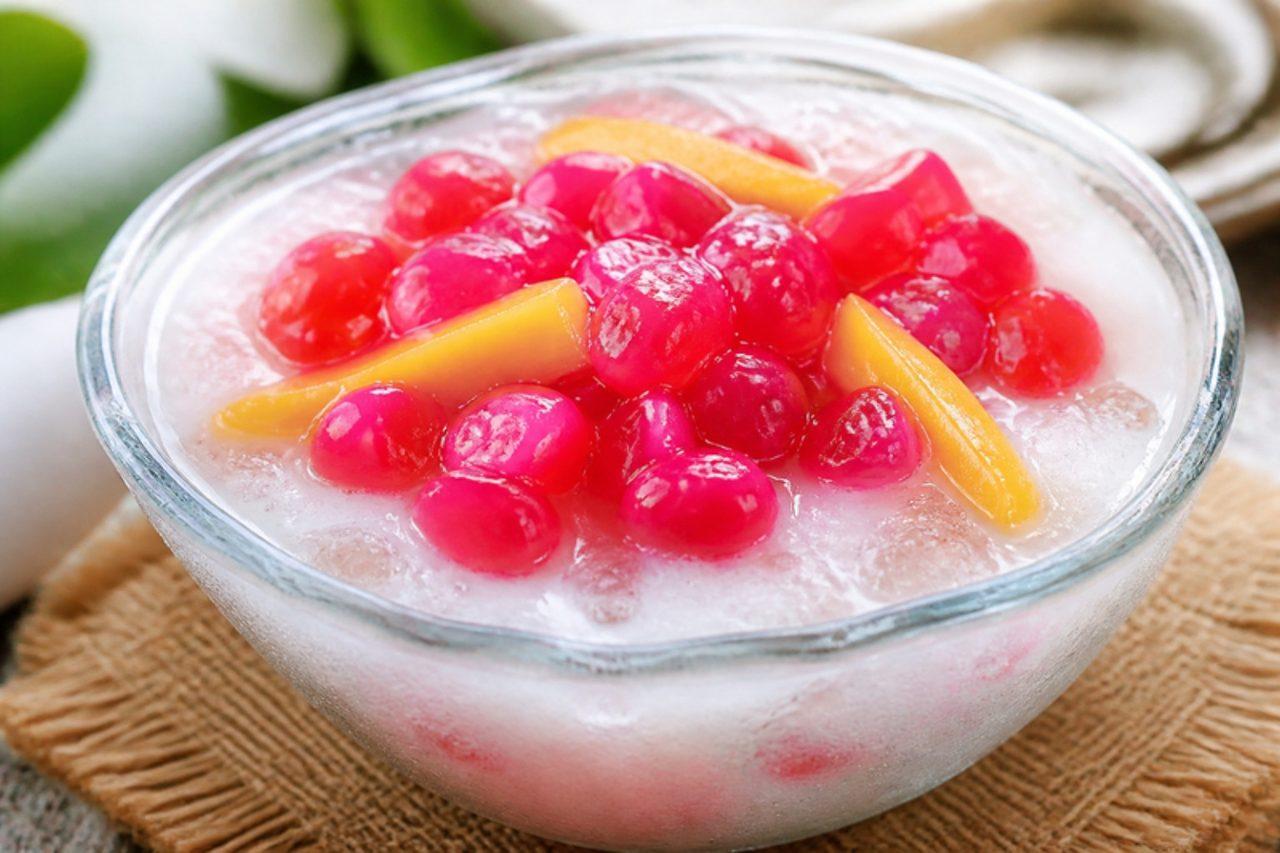
Tub tim grob (red rubies)Water chestnut in coconut milk

On a sticky afternoon in Bangkok, from the food courts of Siam to roadside dessert carts, this is the bowl people order to cool down. Each 'ruby' is a cube of water chestnut wrapped in a chewy, glassy coat of tapioca, so you get crunch inside slipperiness, all floating in jasmine-scented syrup and salted coconut milk with shaved ice. Some shops add jackfruit strips. Chef's tip: shake off excess starch before boiling; a thick coating turns into a gluey lump instead of a thin, see-through skin.

by KrazyBadal 0 views

Showing 72 of 3,470 recipes

Show more recipes

Page 41 of 145

More No onion & garlic ideas

Other diets