Skip to content
WhatToEat.Today

No onion, no garlic recipes (Swaminarayan and sattvic)

3,481

3481 vegetarian recipes cooked without onion or garlic, as in Swaminarayan and sattvic kitchens, with no meat, fish, eggs or alcohol. Each has photos, step-by-step instructions and cook times. The quickest, Apfelschorle, takes 2 minutes. Most take around 45 minutes.

Filter these by time, diet or cuisine · Make No onion & garlic your diet to see only these recipes everywhere on the site.

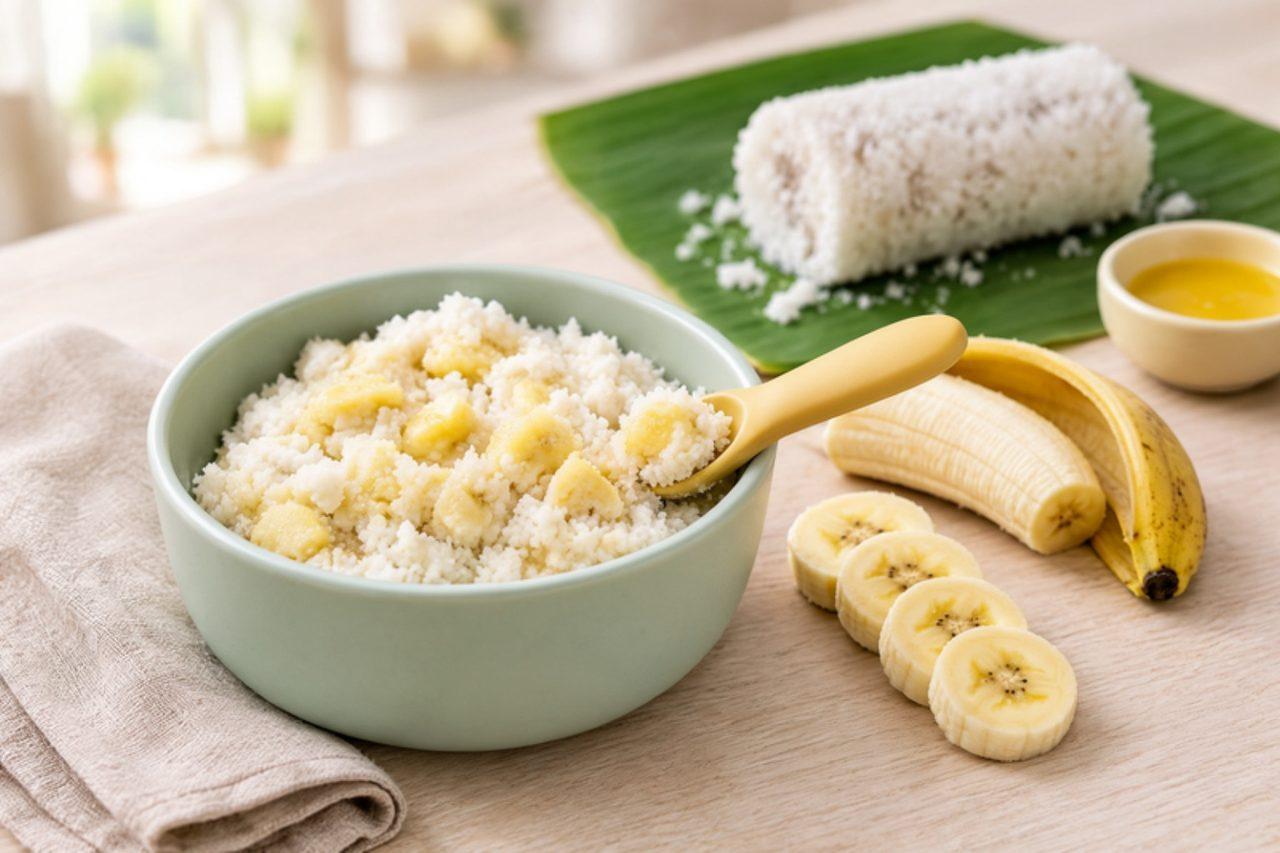
Puttu and banana for toddlersRice cake and banana for toddlers

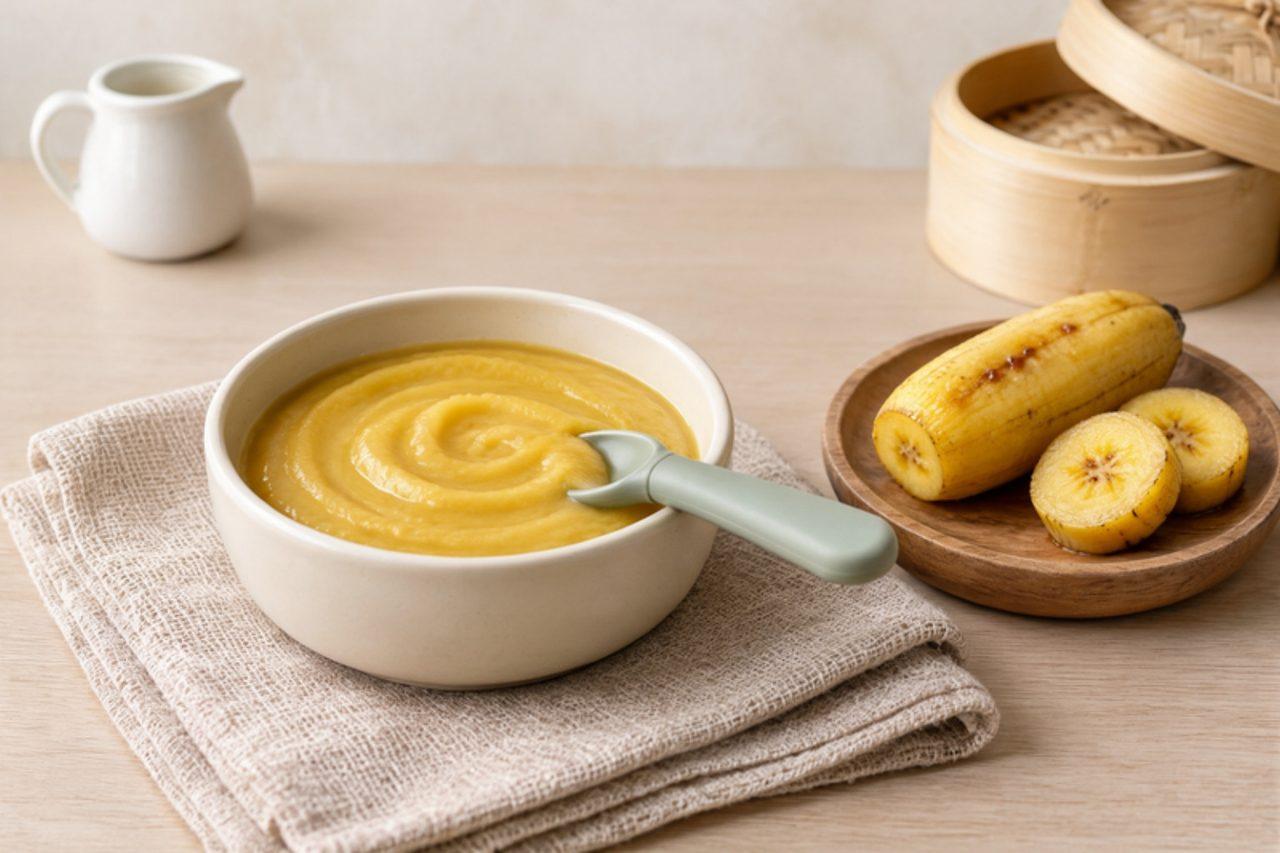
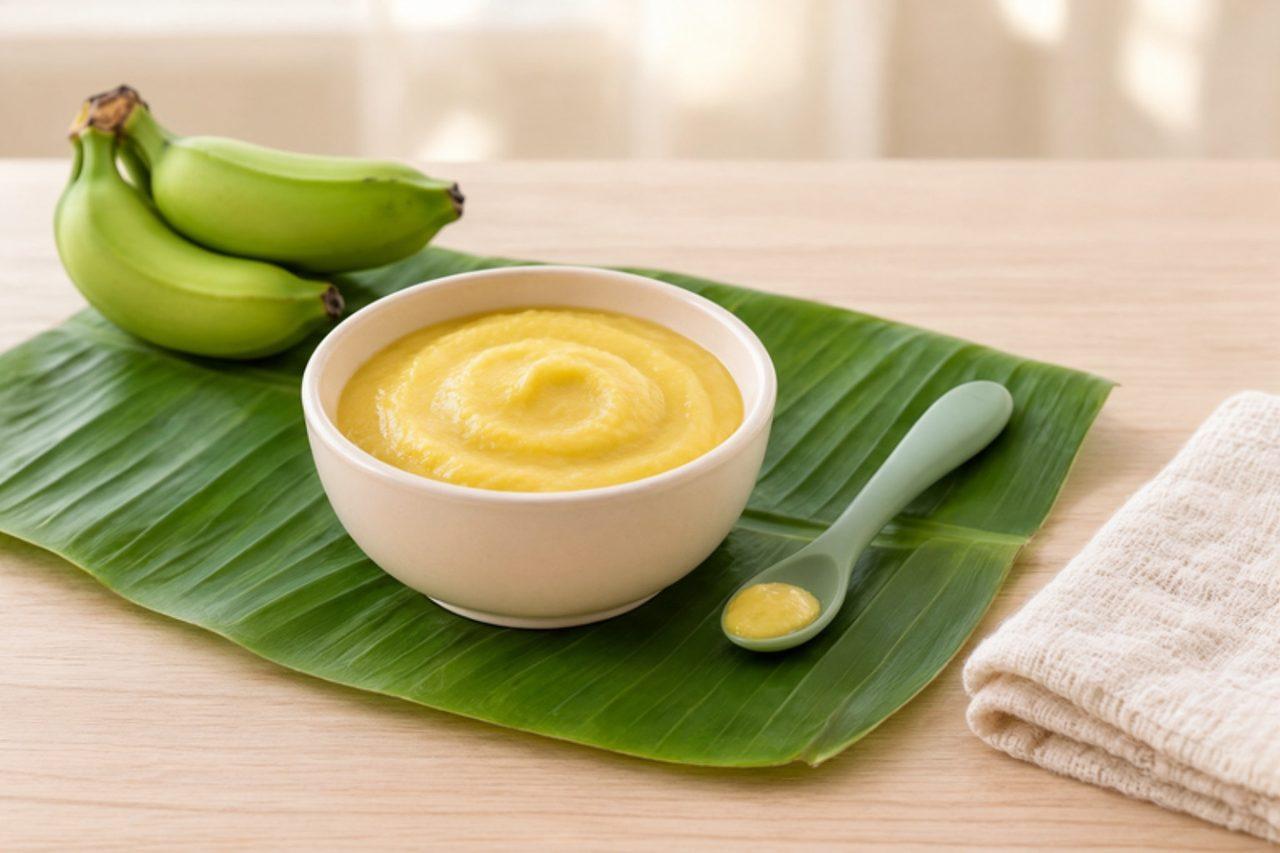
In Kerala homes from Thrissur to Thiruvananthapuram, breakfast often arrives as a steaming log of puttu pushed out of its tall metal mould, and the little ones get theirs crumbled into a bowl and mashed with a sweet, ripe poovan banana. The rice flour and fresh coconut steam into soft, fluffy crumbs that soak up the banana, and a splash of warm milk makes it spoonable for toddlers from 12 months. There is no added salt or sugar: the banana does the sweetening. It contains coconut, and milk if you add it; there is no gluten, egg, nuts or soya. Chef's tip: dampen the flour until a squeezed handful just holds its shape, then crumbles when you poke it.

by KrazyBadal 0 views

Sabudana kanji for babiesSago porridge for babies

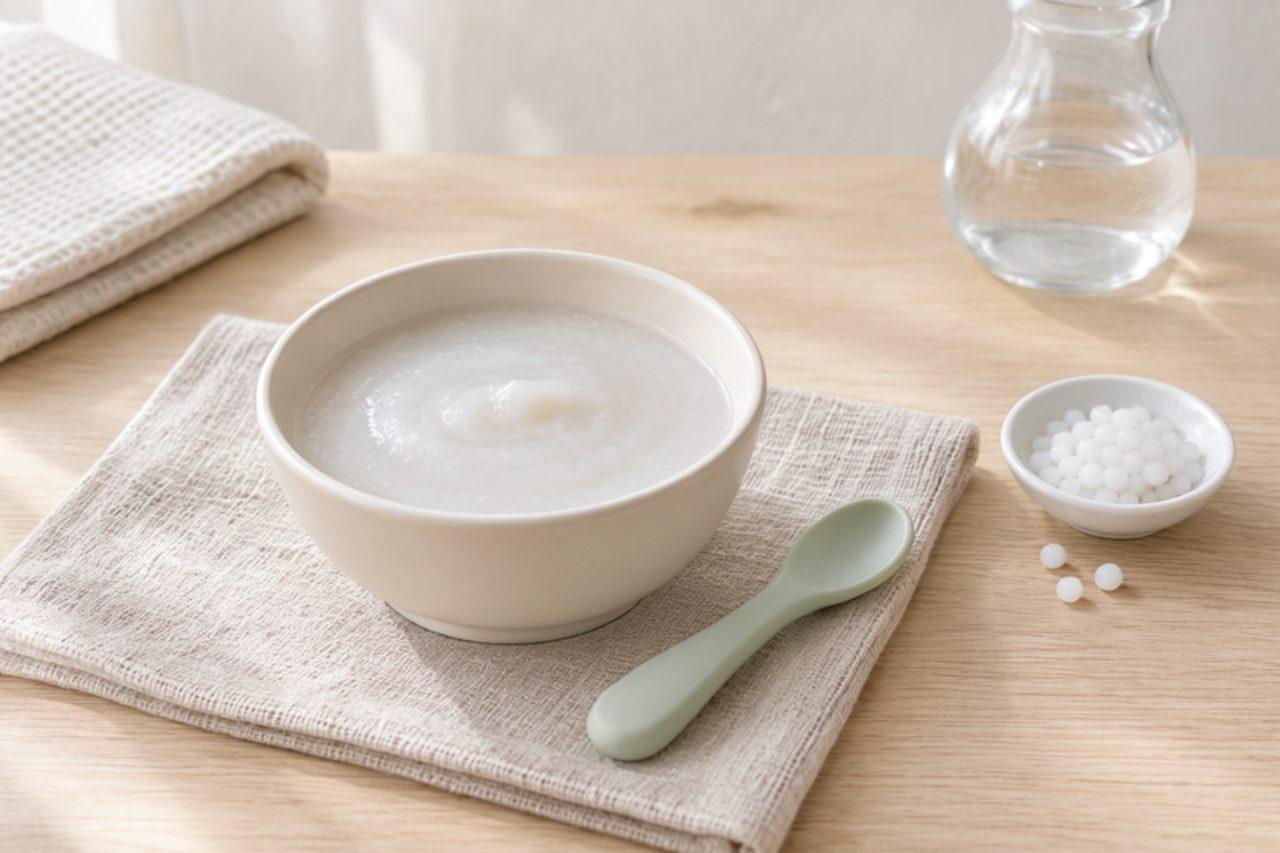
Sabudana (sago) is pantry food in Pune and Ahmedabad homes, best known for fasting khichdi, but mothers in Maharashtra and Gujarat also cook the pearls into a thin, soothing kanji for babies, especially in the hot weeks before the monsoon. The pearls are soaked, simmered until every one is glassy and clear, then blended so there is nothing for a baby to choke on. It tastes very mild and is mostly energy, so offer it alongside iron-rich foods rather than instead of them. No salt, sugar, jaggery or honey for babies; it is free of the major allergens. Chef's tip: a white dot in the middle of a pearl means it is still raw; simmer until none are left.

by KrazyBadal 0 views

Thambili (king coconut water)

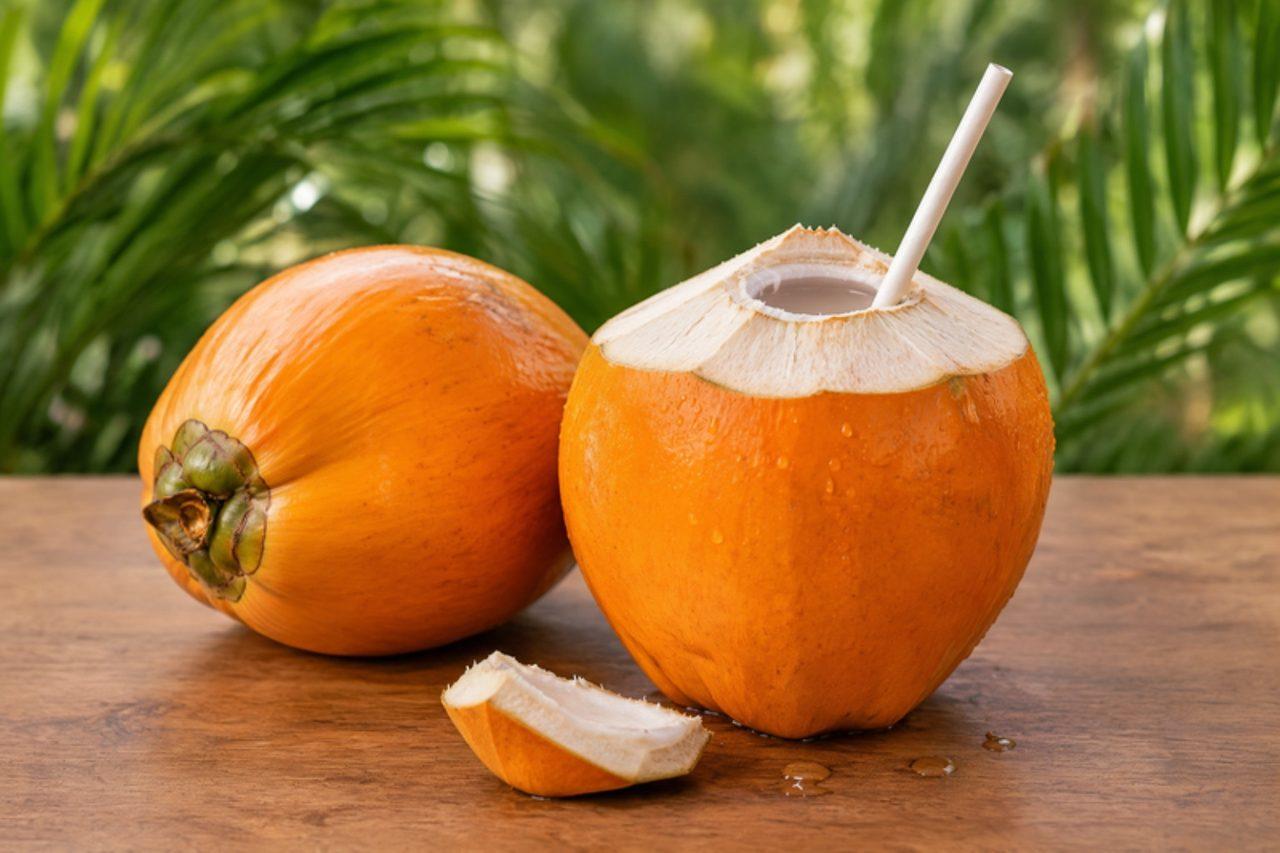
All along Sri Lanka's roads, from Galle Road in Colombo to the highways into Kandy and the beaches of the south coast, vendors stack bright orange king coconuts in pyramids under umbrellas. The thambili is a variety grown on the island for drinking: smaller than a green coconut and sweeter, with a faint saltiness that makes it more refreshing than any bottled drink. It is drunk any time of day in the heat, after a long bus ride, after a cricket match, and given to people recovering from a fever because it is gentle on the stomach. The water is clear, lightly sweet and nutty, and the soft jelly inside is eaten with a spoon made from a slice of the husk. The common mistake is hacking at the side of the nut; the blade glances off and the water spills. Trim the pointed top with downward strokes until a pale circle shows, then pierce it. It is ready to drink when a small hole opens straight into the water without husk fibres. Outside Sri Lanka, young green or Thai coconuts are the nearest substitute. Chef's tip: chill the coconuts for a few hours before opening; the water tastes sweeter cold, and use a heavy knife and a towel, keeping fingers well clear.

by KrazyBadal 0 views

Lito (sarbottam pitho porridge)

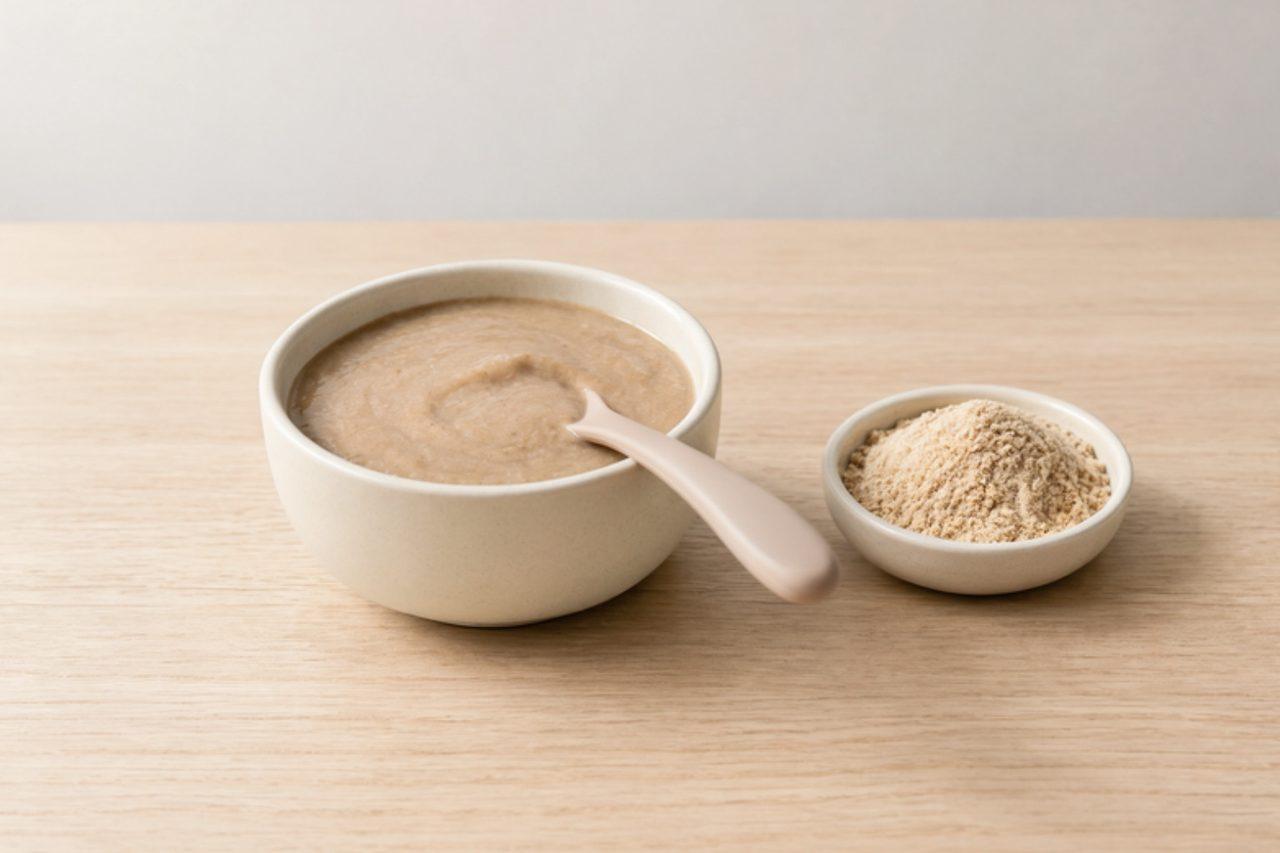
Ask a mother in Kathmandu, Pokhara or a hill village what her baby eats after the pasni rice-feeding ceremony, and the answer is often lito: porridge made from sarbottam pitho, a 'super flour' that families roast and grind themselves from two parts soybean to one part each of maize and wheat. Cooked with water it becomes a smooth, nutty, toast-coloured porridge with more protein than plain rice. For babies there is no salt, sugar, jaggery, honey or ghee needed. It contains soya and wheat (gluten). Chef's tip: roast the grains separately, each until it smells nutty and cracks between your teeth, then grind and sieve; the beans need longest.

by KrazyBadal 0 views

Diabolo mentheMint syrup and lemonade

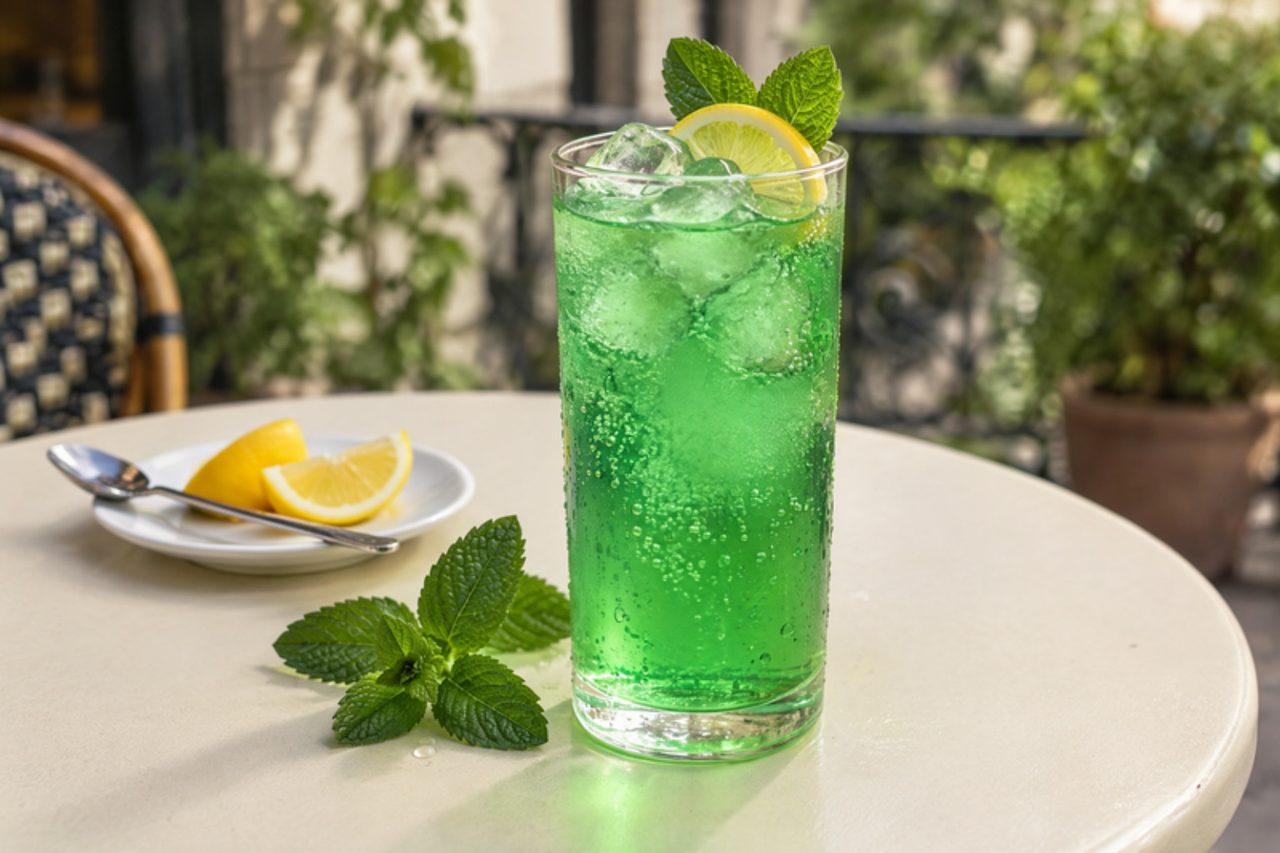
Ask anyone who grew up in France about diabolo menthe and they will remember sitting on a café terrace after school, or on holiday in Brittany or the Vendée, with a tall glass of startling green fizz and a straw. It is simply sirop de menthe, the sweet mint syrup sold in every French supermarket, topped up with limonade, which in France means a clear, lightly sweet, lemony fizzy drink. Grenadine makes a diabolo grenadine, lemon syrup a diabolo citron. It tastes cool, minty and sweet, like a liquid mint sweet, with a sharp sparkle. The common mistake is pouring the syrup on top of the lemonade: it sinks in a dense layer and you drink plain fizz followed by pure syrup. Put the syrup in the glass first and pour the lemonade down the side so it mixes as it rises. It is ready when the glass is an even mint-green from bottom to top and still fizzing hard. Café ratio is about one part syrup to seven parts lemonade. Chef's tip: for a homemade syrup, steep a big handful of fresh mint in hot sugar syrup for 30 minutes and strain; it will be pale gold-green rather than emerald, and tastes fresher.

by KrazyBadal 0 views

Ranawara teaTanner's cassia flower tea

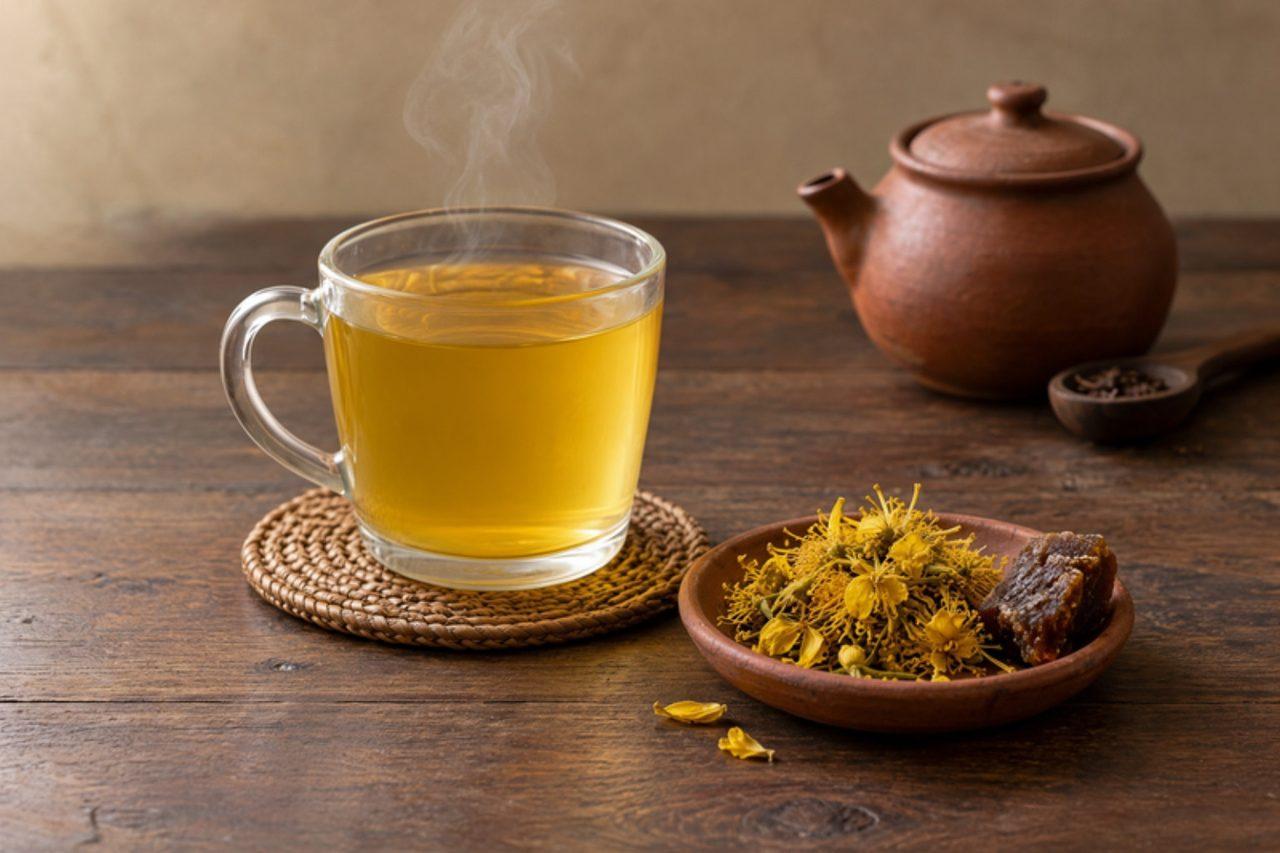
Ranawara, tanner's cassia, is a scrubby shrub with bright golden flowers that grows wild along dry-zone roadsides and in gardens from Kurunegala to Jaffna. The flowers are picked, dried in the shade and sold in packets at every Sri Lankan supermarket and ayurvedic shop, and many households drink a cup each morning instead of plantain tea, traditionally believing it helps balance blood sugar and cool the body during the hot season. It brews into a pale golden-yellow tea with a mild, grassy, slightly beany taste and a gentle bitterness, which is why it is drunk with a piece of jaggery or a spoon of kithul treacle. The common mistake is brewing the flowers with too little water or for too long: the bitterness takes over. A good pinch per cup, a short simmer and a few minutes' steep is enough. It is ready when it is clear and bright yellow and smells like dried hay. Ranawara is a senna-family plant: do not drink it if you are pregnant or breastfeeding, do not give it to young children, and check with a doctor if you take diabetes or other regular medication. Chef's tip: add a few dried flowers to the cup when serving; they float and turn the colour even more golden.

by KrazyBadal 0 views

Steamed Nendran banana mash

Nendran is the long, golden plantain of Kerala, sold in hands at every market from Palakkad to Thiruvananthapuram, and a steamed ripe Nendran is one of the first fruits a Malayali baby tastes. Raw, it is too firm and starchy for a six-month-old, so it is steamed in its skin until the flesh turns soft and orange-gold, the dark string of seeds in the centre is pulled out, and the rest is mashed smooth. It is naturally sweet, so nothing is added: no sugar, jaggery, honey or salt. It is free of the major allergens. Chef's tip: wait until the skin is fully yellow with black freckles; a green Nendran stays chalky however long you steam it.

by KrazyBadal 0 views

Tisane de tilleul (linden tea)

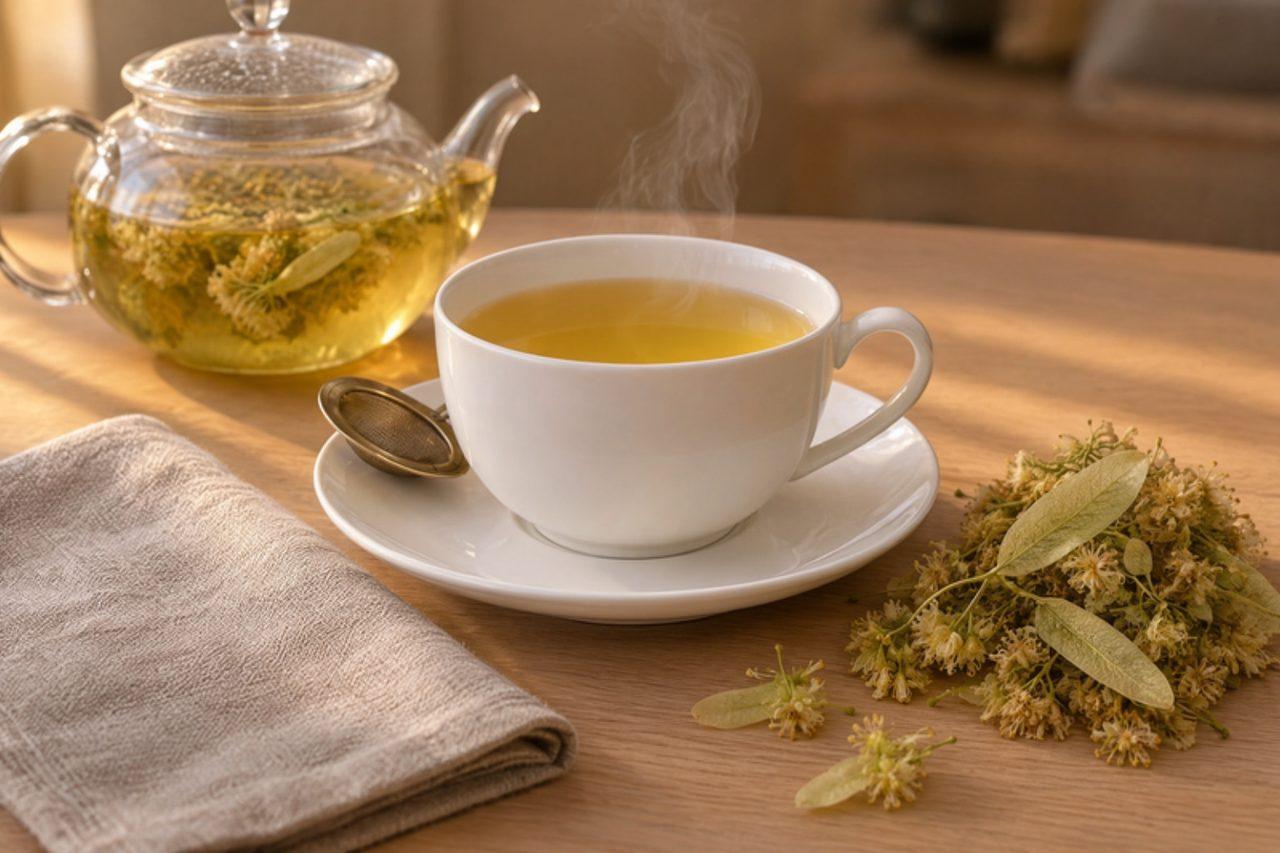
Carpentras, at the foot of Mont Ventoux, has been France's linden capital for over a century. In late June the flowering lime trees are harvested by hand, the blossoms and their pale papery bracts dried in the shade, and in July the town's linden market sells them by the sack. In French homes a tisane de tilleul is what you drink after dinner, at the end of a long day or before bed, often with a slice of lemon or a little honey; Proust's famous madeleine was dipped in one. It tastes softly floral and sweet, a little like honey and fresh hay, with a smooth, almost silky feel. The common mistake is using fully boiling water and steeping for fifteen minutes: the tea turns dull brown and slightly astringent. Let the kettle settle to about 90 °C and steep for 5–7 minutes, covered. It is ready when the infusion is pale gold and smells of a summer garden. It is traditionally drunk to unwind; if you take regular medication, have a heart condition, or want to give it to young children, check with a doctor first. Chef's tip: keep the pot covered while it steeps so the scented oils stay in the tea instead of the kitchen.

by KrazyBadal 0 views

Gajar marcha nu athanuCarrot and chilli pickle

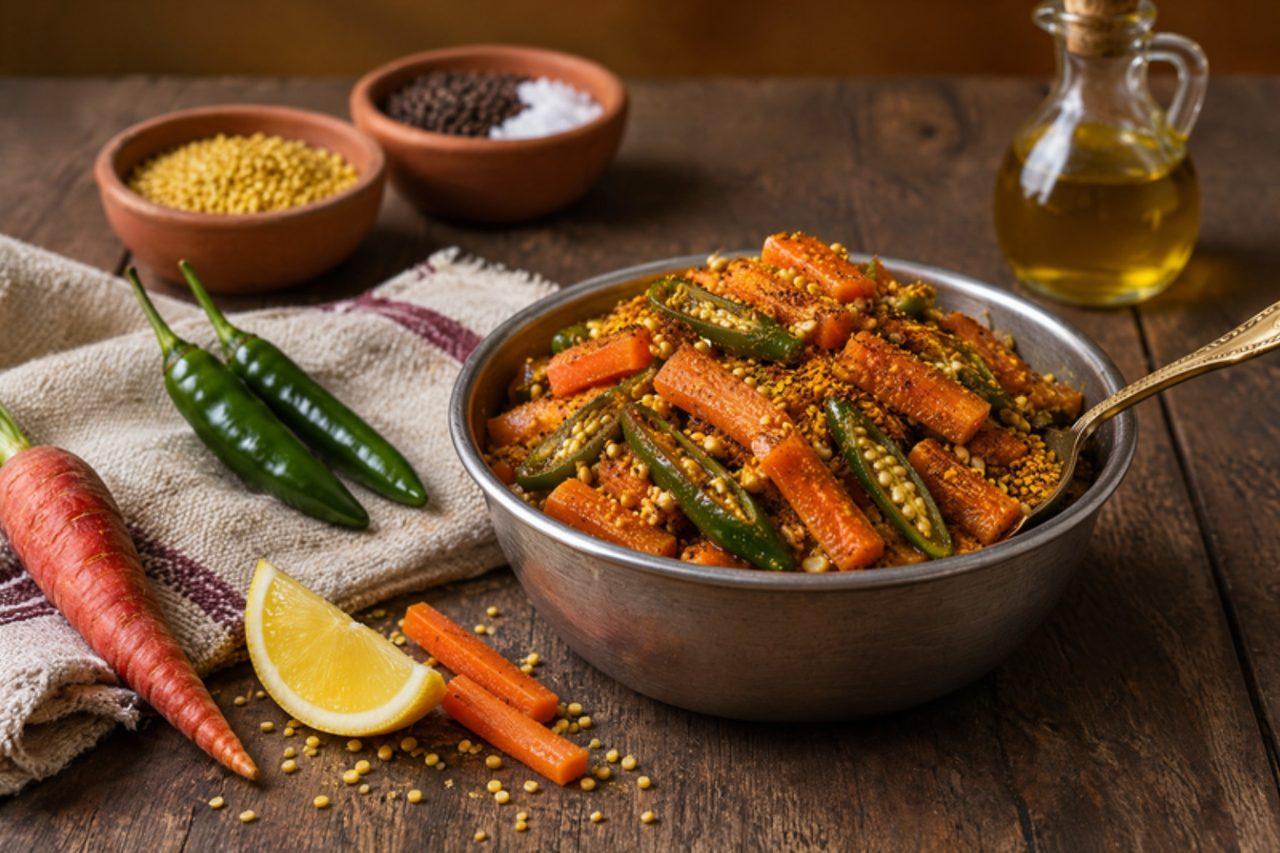
Every Gujarati thali, from Ahmedabad homes to Surat lunch houses, has a little bowl of something fresh and sharp to cut through the dal, kadhi and sweet shaak, and in the cold months it is very often this instant carrot and chilli athanu. Winter brings the sweet, deep red desi carrots and fat, mild bhavnagri chillies, and the pickle is mixed in ten minutes: sticks of both coated in split mustard seed, turmeric, hing, salt and lemon, then dressed with warm oil. It is crunchy, juicy and bright, with the nose-tingling pungency of rai kuria and a clean lemon tang. Eat it with rotli, thepla, khichdi or a full thali. The common mistake is pouring smoking-hot oil straight on, which cooks the mustard and makes it bitter; let the oil cool until just warm. It is ready when the mustard has softened and the carrots look glossy, about an hour after mixing, though it is good straight away. With fresh chilli and no long cure, keep it in the fridge and eat within a week. Chef's tip: if bhavnagri chillies are hard to find, use a mix of mild long green peppers and a couple of hot green chillies.

by KrazyBadal 0 views

PappchiFried wheat and rice biscuits

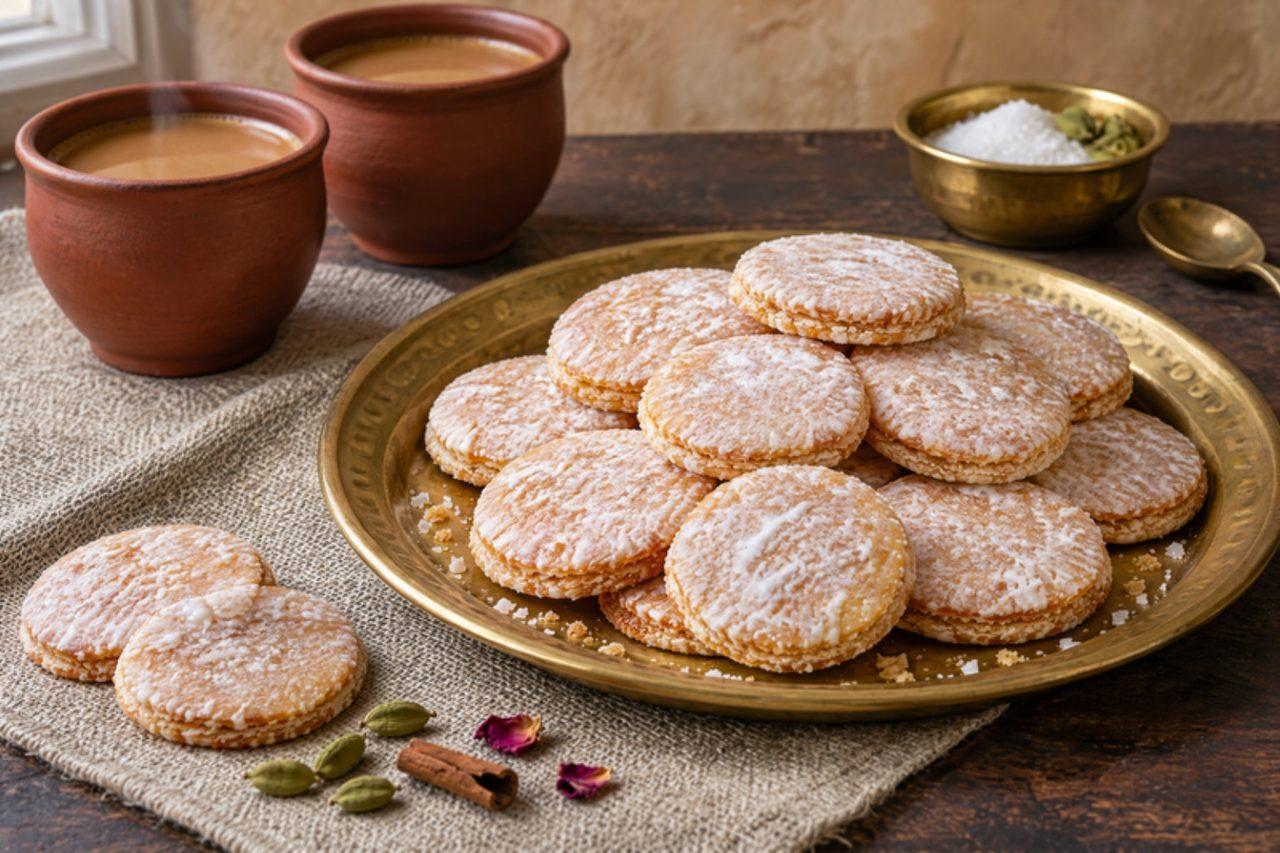
Pappchi are little scalloped discs that Chhattisgarhi families fry in large batches for Teeja, Diwali and weddings, made from wheat flour and rice flour, fried slowly and then turned in sticky sugar syrup until they wear a thin white glaze. They snap cleanly and keep for weeks in a steel tin. A common mistake is taking the syrup too far, so it crystallises into lumps; you want a one-string syrup that dries to a matt coat as it cools. Chef's tip: press the edge of each disc with a thimble or bottle cap to make the frilled pattern, which also helps them fry crisp.

by KrazyBadal 0 views

Mashed matooke for babiesMashed green banana for babies

Matooke, the green cooking banana trucked into Kampala's Owino and Nakasero markets in great bunches, is Uganda's everyday staple, and the first food most Ugandan babies eat. The fingers are peeled, wrapped in banana leaves and steamed until they turn soft and golden, then mashed with a little of the steaming water into a smooth, mild, slightly earthy purée. Families feed it at the midday meal, on its own at first and later with groundnut sauce. Nothing is added for babies: no salt, sugar or honey. It is free of the major allergens. Chef's tip: oil your hands and knife before peeling; green matooke oozes a sticky sap that stains skin and boards.

by KrazyBadal 0 views

Caffè shakeratoShaken iced espresso

When July heat settles over Italian piazzas, bar regulars from Rome to Bologna switch their morning or after-lunch espresso for a shakerato. The barista pulls a fresh shot, tips it into a cocktail shaker with ice and sugar, shakes hard for fifteen seconds and strains it into a chilled martini or wine glass, where it settles into a dark body under a thick, beige, mousse-like crema. It tastes intense and bittersweet, colder and smoother than iced coffee, with a texture almost like a light cream. The common mistake is using too little ice or shaking half-heartedly: the coffee stays warm and the foam collapses within seconds. Fill the shaker at least half full with ice and shake until the metal is too cold to hold comfortably. It is ready when you hear the ice rattle softly and the shaker frosts over, and the pour has a thick foam on top. One shaker holds one double espresso, so it is fairly strong in caffeine. Chef's tip: dissolve the sugar in the hot espresso before adding ice; granulated sugar barely melts once the coffee is cold.

by KrazyBadal 0 views

Caffè lecceseEspresso with almond milk over ice

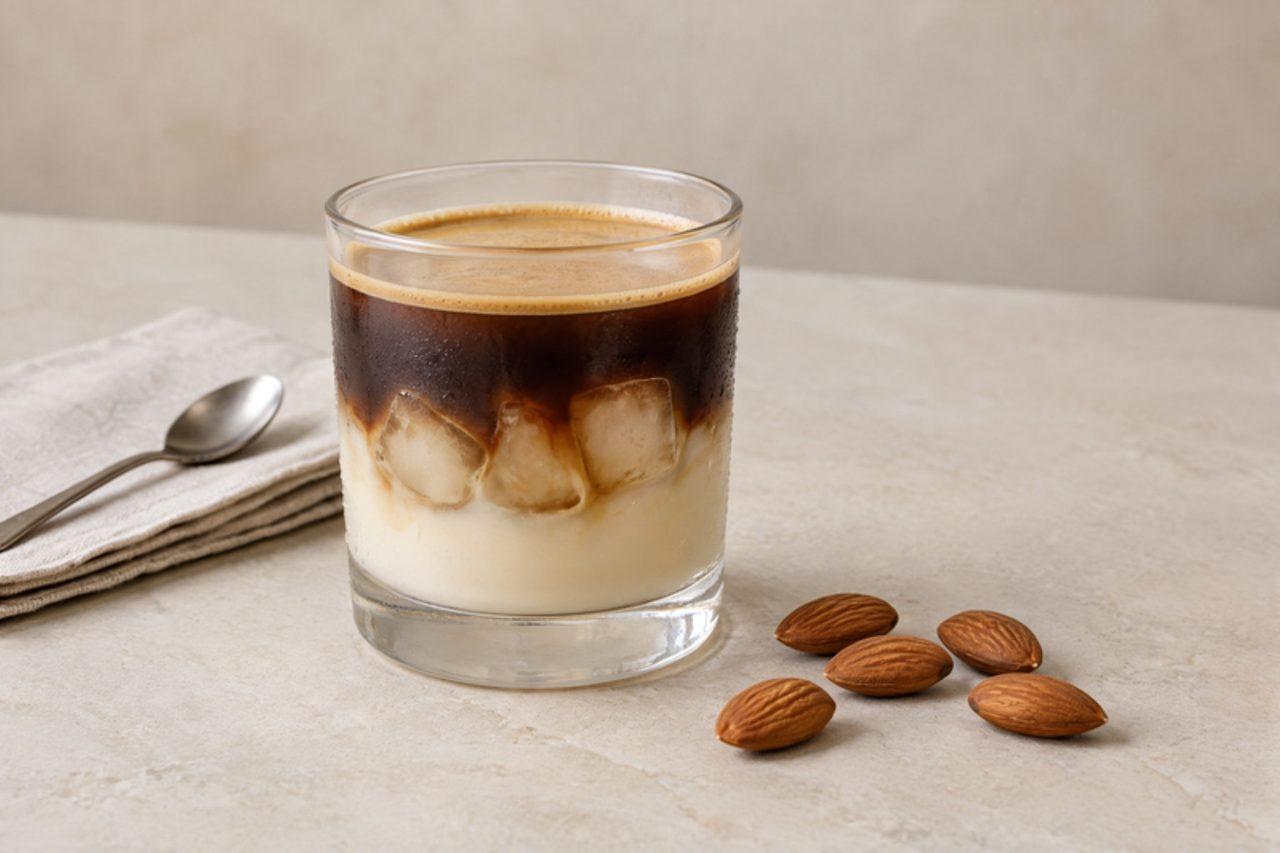
In Lecce and the towns of Salento, summer mornings start at the bar with a caffè in ghiaccio, and the local version, a fairly recent invention now poured everywhere from Otranto to Gallipoli, adds a pour of latte di mandorla: the sweet almond-milk syrup Puglian bakers have made for generations from local almonds. A short glass is filled with ice, the almond syrup goes in, and a hot espresso is poured straight over so it cracks the ice and blends into a pale, cold, nutty coffee. It is sweet without being sticky, with a marzipan aroma and a clean bitter finish. The common mistake is letting the espresso cool before pouring: it no longer melts and mixes with the dense syrup, which then sits at the bottom. Pull the shot and pour it at once, then stir. It is ready when the drink is evenly caramel-coloured and the glass feels icy. Lecce bars serve it from about May to late September, often with a pasticciotto. Espresso means a fair hit of caffeine. Chef's tip: if you can only find unsweetened almond drink, stir 1 tsp of sugar into it first, but real Puglian almond syrup gives the true taste.

by KrazyBadal 0 views

Caffè alla nocciolaEspresso with hazelnut cream

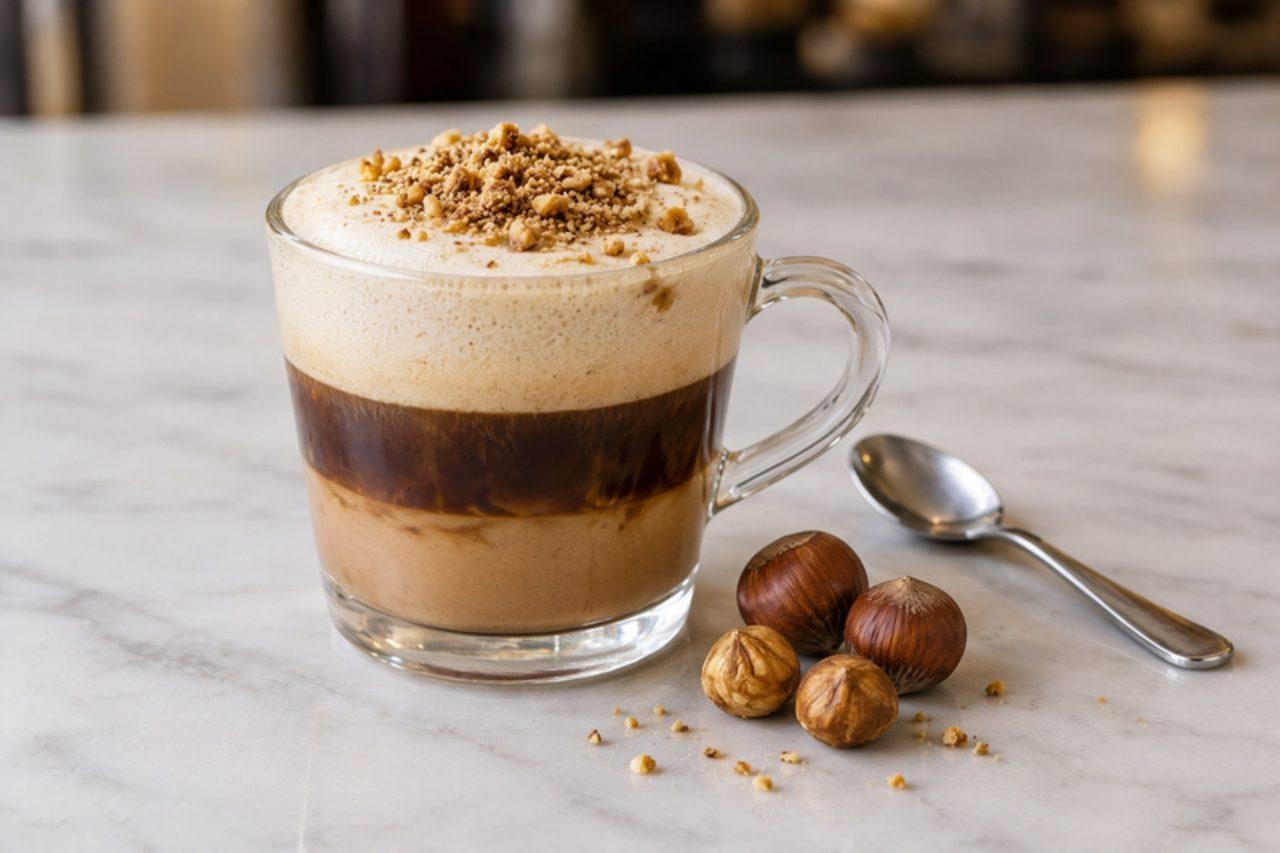
Naples takes its espresso seriously, and its bars along Via Toledo and the Lungomare also serve this richer cousin: a small glass cup smeared with hazelnut cream, a hot ristretto poured in, and a cap of cremina, the pale foam Neapolitans make by beating the first drops of coffee with sugar. It is drunk standing at the counter at mid-morning or after lunch as a little treat, and in summer the same flavours come as a cold crema al caffè. It tastes of roasted hazelnut and dark coffee, sweet and nutty, with a soft, airy foam that melts into the cup. The common mistake is whisking the cremina with too much coffee: it stays liquid and never turns pale. Use just a teaspoon of the first, thick drops and beat hard. It is ready when the foam is light beige, thick and falls from the spoon in ribbons. Espresso means a fair amount of caffeine, so keep this one for grown-ups. Chef's tip: warm the glass under hot water first and swirl the hazelnut cream up the sides; the hot coffee melts it into stripes as it goes in.

by KrazyBadal 0 views

Spremuta di arance rosseFresh blood orange juice

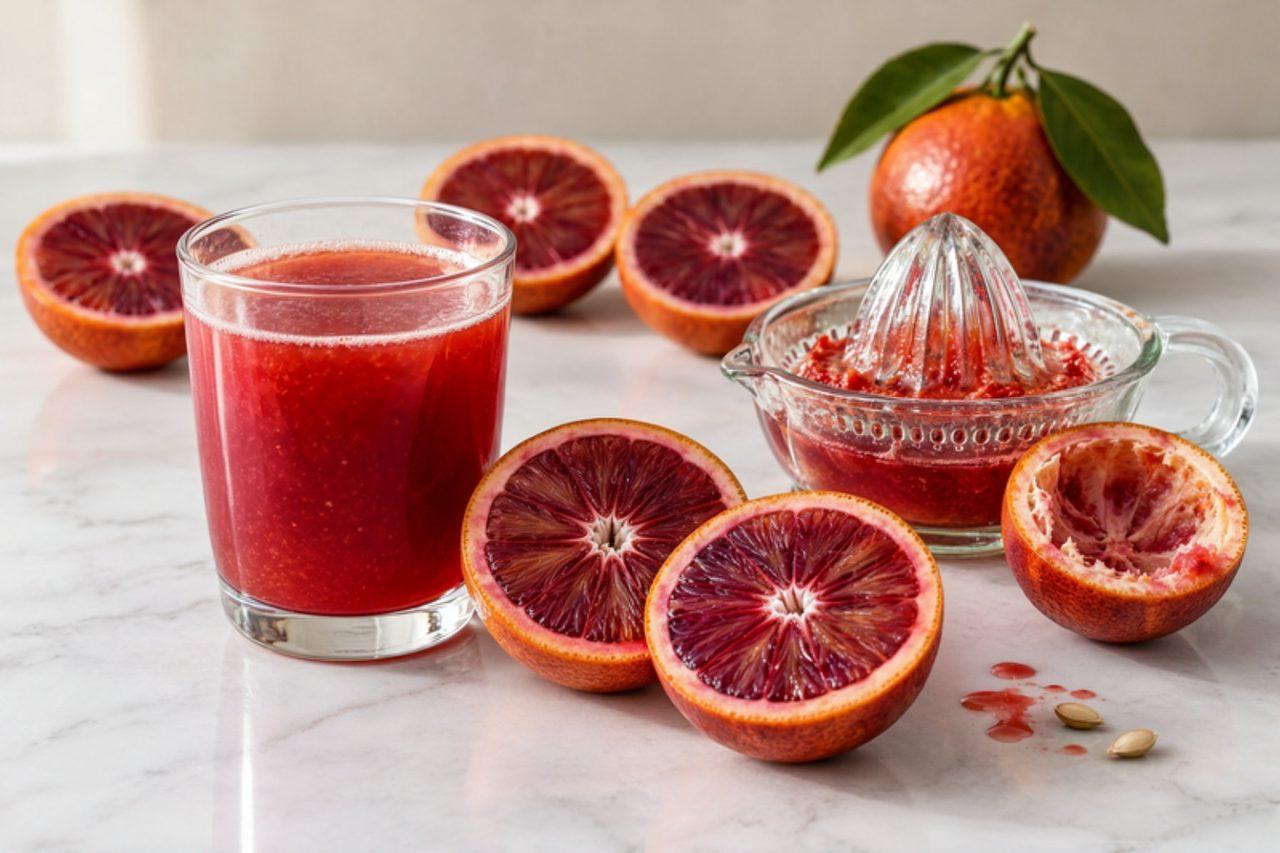
From December to April the orchards on the plain below Etna, around Catania, Lentini and Paternò, are heavy with Tarocco, Moro and Sanguinello blood oranges. The cold Etna nights turn their flesh red, and in Catania bars the barista squeezes them to order on a lever press, serving the spremuta beside a cornetto or a granita at breakfast. It is sweet, juicy and tart, tasting of orange with hints of raspberry and cherry, and the colour runs from streaky pink to deep garnet depending on the variety. The common mistake is squeezing the oranges hours ahead or pressing the white pith too hard: the juice turns bitter and the colour goes brown. Squeeze just before drinking, press gently and stop before you grind into the skin. It is ready when the juice is bright and frothy on top and tastes balanced, with no bitter aftertaste. Moro oranges give the darkest juice; Tarocco is sweetest. Outside Sicily, any blood orange works, or mix half ordinary oranges with half blood oranges. Chef's tip: roll each orange firmly on the counter before cutting; it softens the segments so you get more juice with less pressing.

by KrazyBadal 0 views

Tindora nu athanuIvy gourd pickle

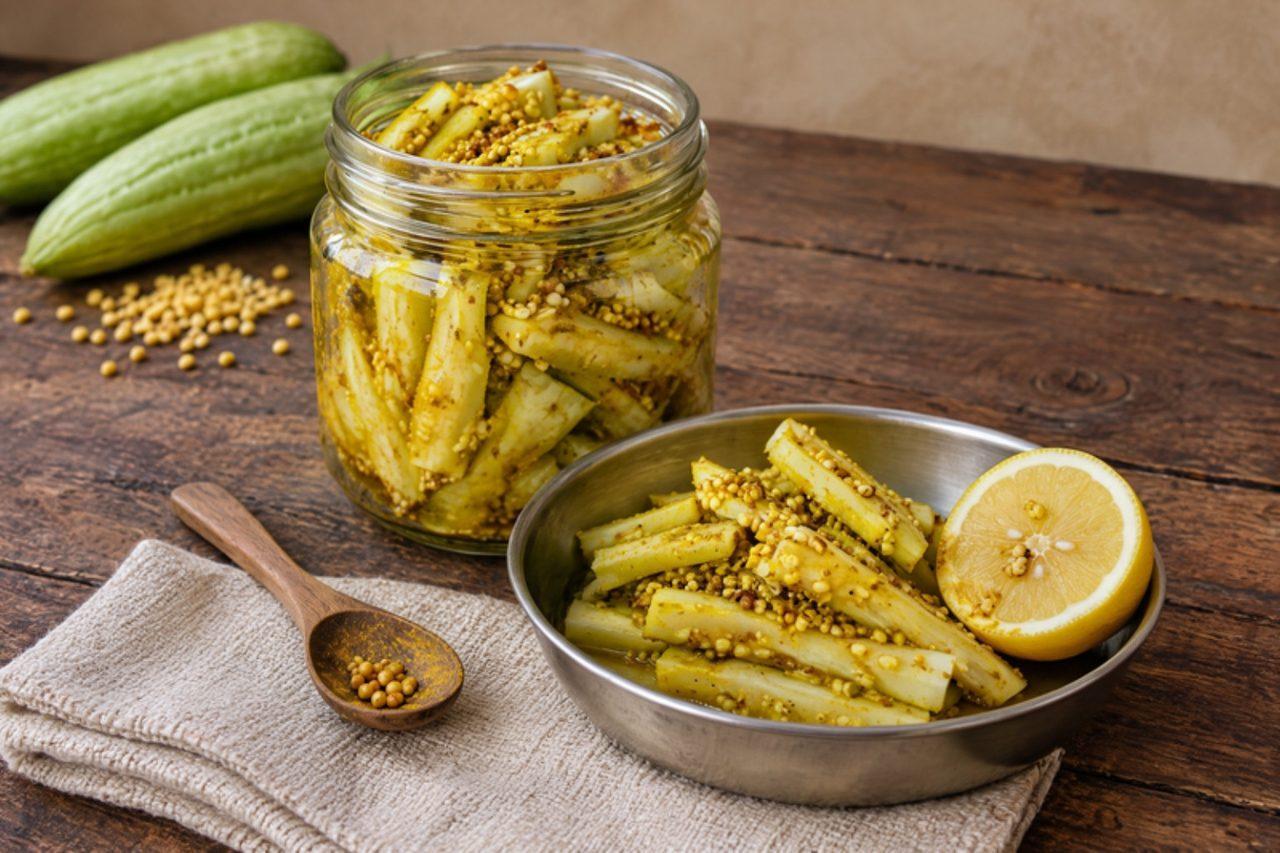
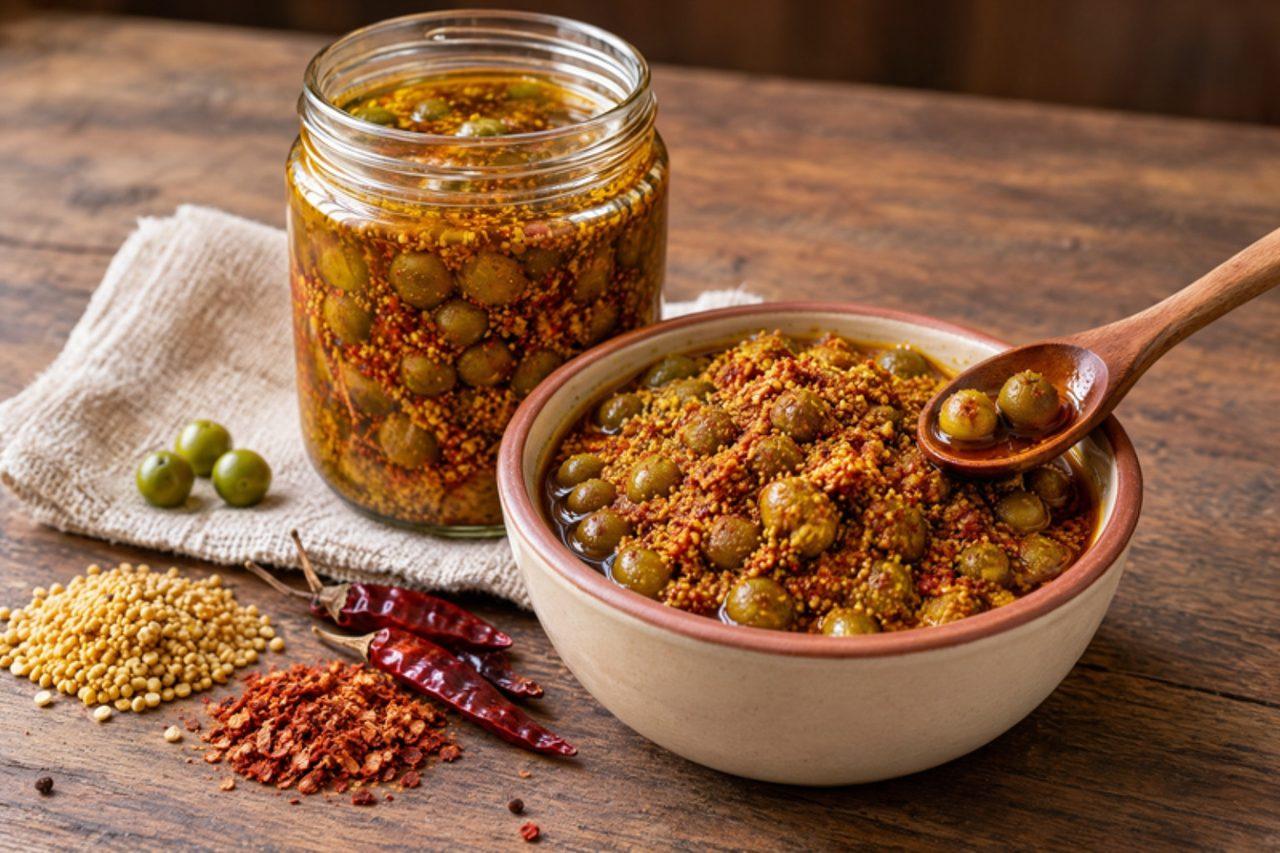
In Gujarati homes from Surat to Rajkot, tindora nu athanu is the pickle you make on a Tuesday for the rest of the week, not the big summer jar. Thin sticks of tindora (ivy gourd) are tossed with rai na kuria (split mustard seed), salt, turmeric, a pinch of hing and lemon juice, then dressed with warm oil. By the next lunch the mustard has bloomed into a nose-tingling heat, the lemon has softened the raw edge and the sticks are still crunchy, a sharp counterpoint to dal-bhaat, khichdi or a plate of thepla. Choose firm, bright green tindora; once they turn red inside they go soft and seedy. Common mistake: pouring smoking-hot oil straight onto the kuria, which scorches it bitter; let the oil cool until just warm. It is ready when the sticks look slightly glossy and darker and a few drops of juice gather in the jar. Because it is fresh vegetable with little salt, it lives in the fridge and is best eaten within 7 days; throw it out if it smells rotten, turns slimy or grows any mould. Chef's tip: no kuria? Pound yellow mustard seeds coarsely in a mortar; you want cracked halves, not powder.

by KrazyBadal 0 views

Hongzao guiyuan cha (red date and longan tea)

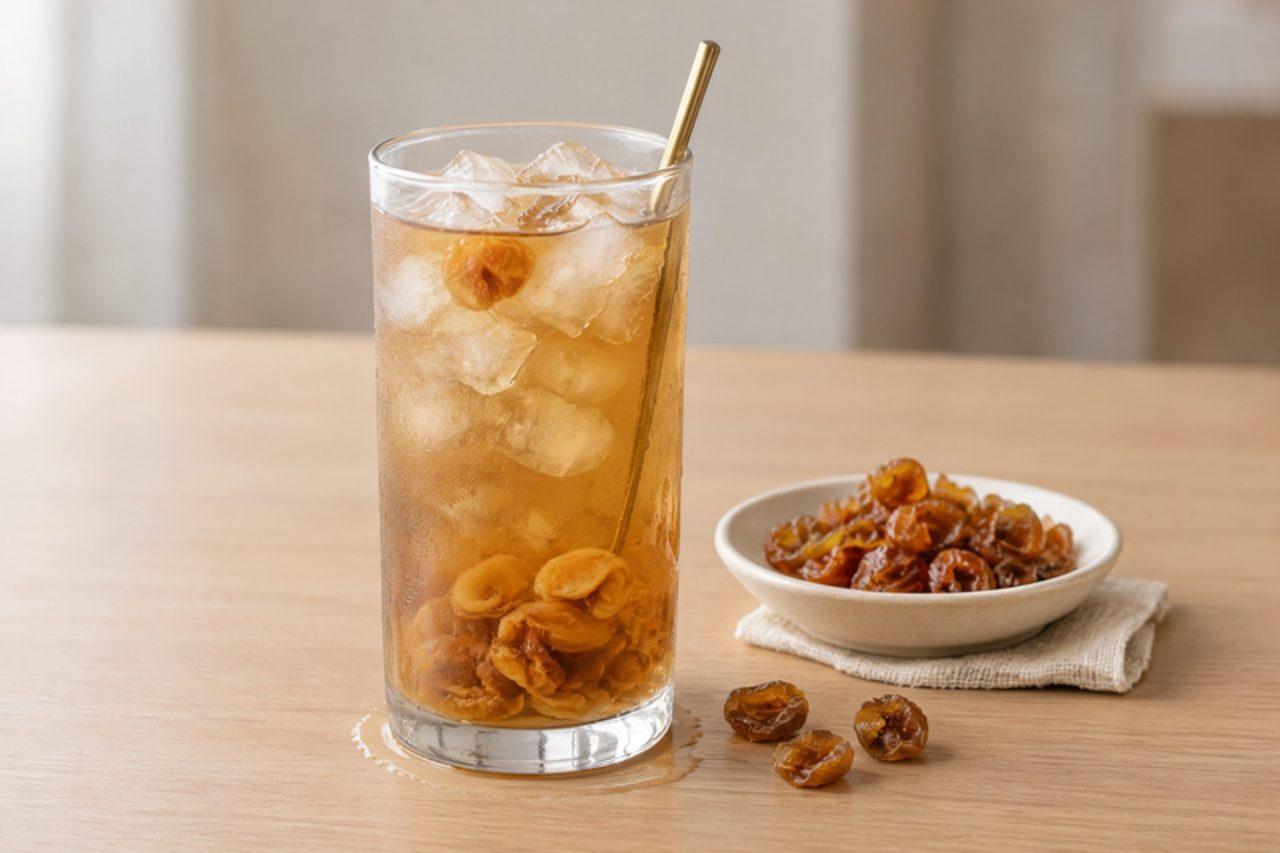
Across southern China, from Fujian to Guangdong, a pot of red dates and dried longan is what mothers and grandmothers put on the stove when the weather turns cold, and it is the classic drink brought to new mothers during zuo yuezi, the month of rest after childbirth. It is also sipped through the winter in the afternoon, or offered to visitors at Lunar New Year because the red dates promise sweetness ahead. The tea is amber-brown, naturally sweet and fruity, with a caramel, smoky depth from the longan and a gentle warmth if you add ginger. The common mistake is simmering whole dates: their skins stay tight and the tea tastes thin. Slit or tear each date so the flesh can give up its sweetness, then simmer slowly. It is ready when the dates are puffed and soft, the longan has swollen and the liquid is the colour of weak tea and tastes of toffee. It is traditionally drunk for comfort and warmth, not as a medicine; it is high in natural sugar, so go easy if you watch your blood sugar, and goji can interact with blood-thinning medicines, so check with a doctor if you take them. Chef's tip: eat the softened fruit from the bottom of the cup with a spoon; nothing is wasted.

by KrazyBadal 0 views

Douzhi (fermented mung bean drink)

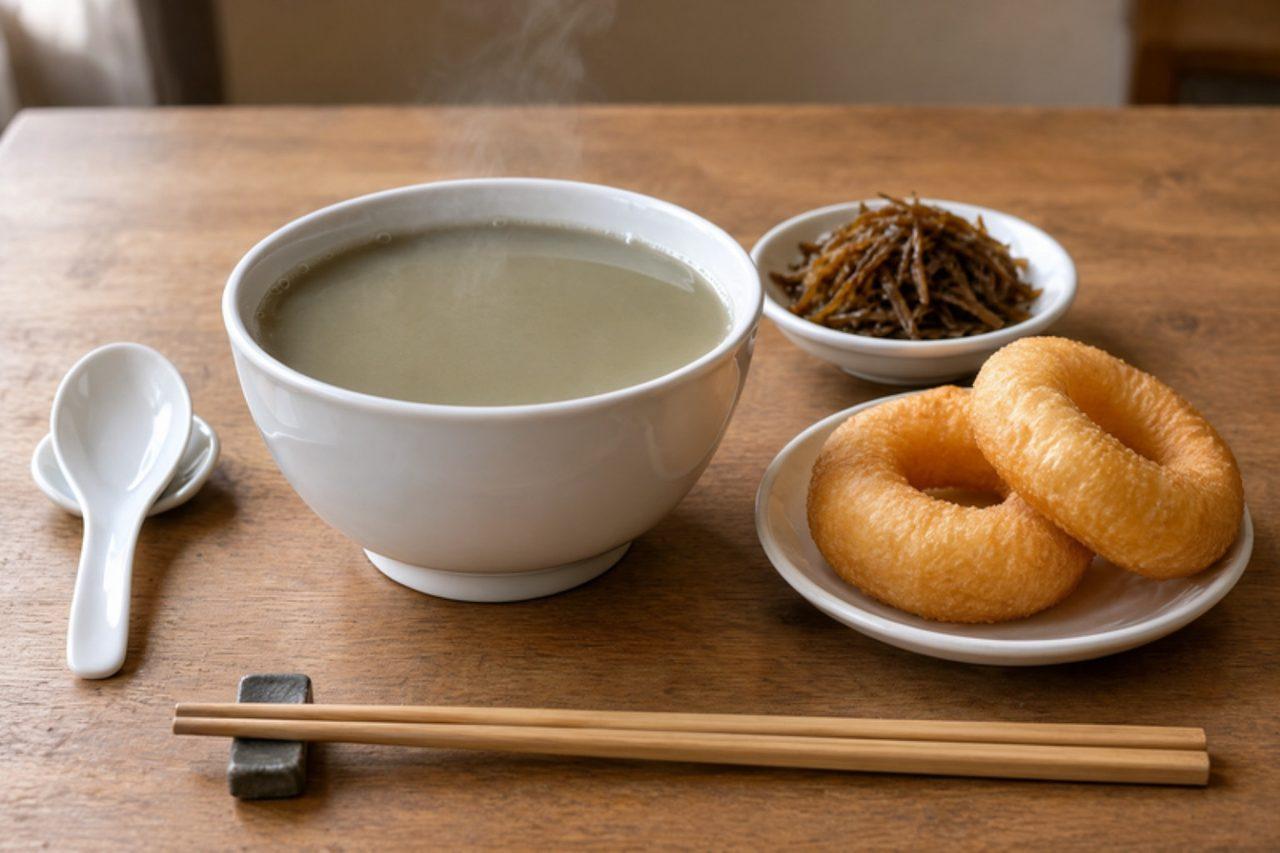
Douzhi is the breakfast that divides Beijing. It is the sour liquid left over when mung beans are ground and their starch settles out to make noodles and jelly; left to ferment for a day or two, the grey-green whey turns tangy, a little cheesy and sulphurous. Old Beijingers drink it piping hot at dawn in hutong shops around Qianmen and Huguosi, with a dish of finely shredded salty pickle dressed in chilli oil and crisp fried dough rings (jiaoquan) from the bakery. First-timers often say it smells like stale socks; regulars say it tastes like home. The texture is thin and slightly creamy, the flavour sour, a little bitter and savoury. The common mistake is boiling the soured starch hard: it separates into grey water and sludge. Bring it up slowly, stirring, and take it off as soon as it froths. The ferment makes only a trace of alcohol, well under 1%. Ferment at 20–25 °C; normal signs are fine bubbles, a sour, yogurt-like smell and a grey colour. Discard it if you see fuzzy mould, pink or black patches, a slimy texture or a putrid smell. Chef's tip: save 100 ml of a good batch to start the next one, as Beijing workshops do.

by KrazyBadal 0 views

Dudh pithaRice dumplings in milk

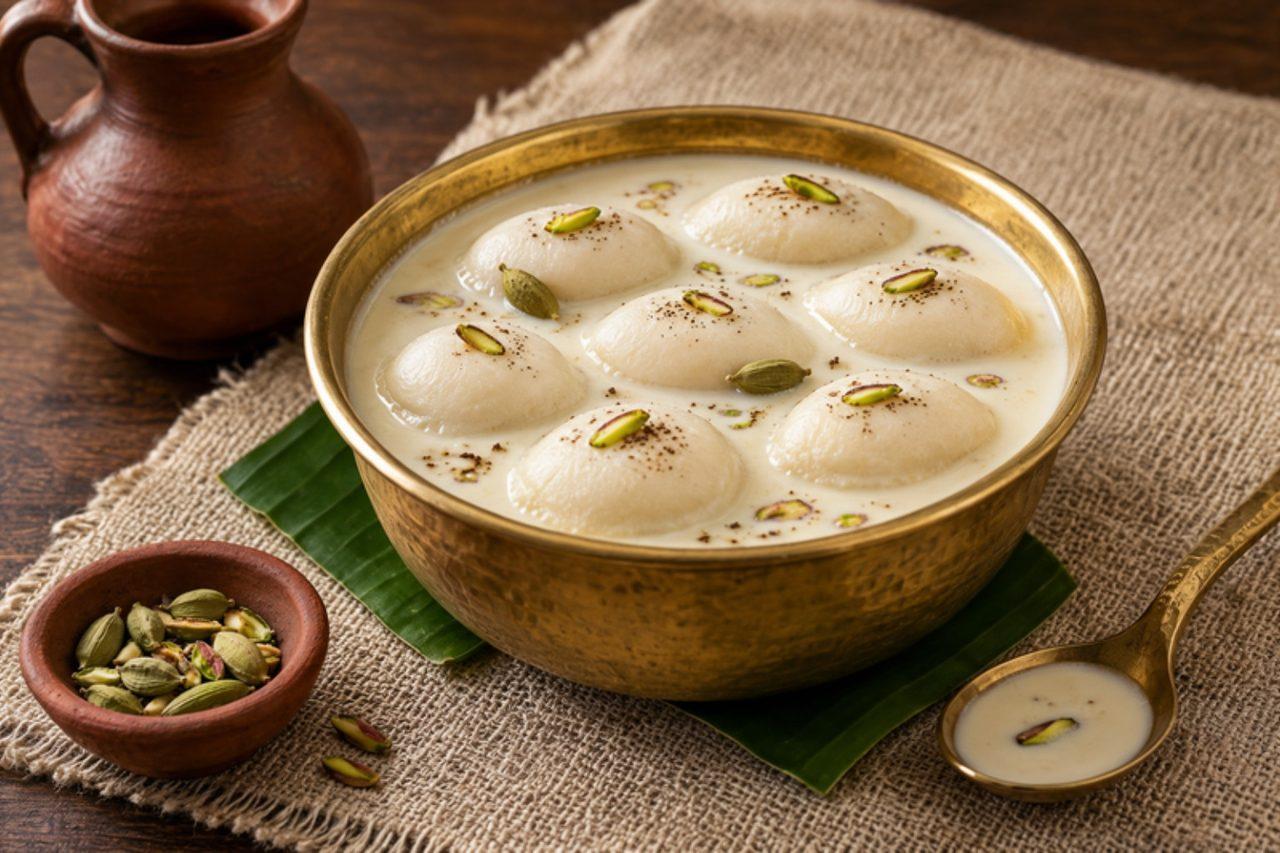
Dudh pitha is made in Jharkhand and Bihar for Makar Sankranti, Sohrai and winter evenings, when the new rice is milled: small rice-flour dumplings are stuffed with coconut and jaggery (some families use spiced chana dal instead) and simmered in milk until it thickens around them. It is eaten warm from a bowl with a spoon. The common mistake is adding jaggery straight to boiling milk, which can curdle it; sweeten the milk with sugar and keep the jaggery inside the dumplings. Chef's tip: shape the dumplings while the dough is warm and keep your palms greased, so the edges seal without cracking.

by KrazyBadal 0 views

Kerda nu athanuDesert berry pickle

Ker is a leafless desert shrub that grows wild across Kutch and the Thar, and in April and May, before the monsoon, it is covered in small green berries that families pick by hand. Fresh ker are fiercely bitter, so they are soaked and boiled until the bitterness fades, then pickled with split mustard, split fenugreek, chilli and lemon juice and covered in oil. The berries are firm, pea-sized and slightly chewy, with a sour, earthy, caper-like flavour under the mustard heat. In Kutch the pickle goes with bajra rotlo and buttermilk, or is mixed into khichdi; across Rajasthan the same berries go into ker sangri. The common mistake is rushing the soaking: if the water is not changed several times the pickle stays harsh. Taste a berry: it should be pleasantly sour-bitter, like an olive, not acrid. It is ready to eat after 3–4 days, once the berries have absorbed the lemon. Boiled ker are low in acid, so the lemon matters and the pickle lives in the fridge, where it keeps up to 2 months. Abroad, use dried ker from Indian grocers (they swell back well), or, at a pinch, capers soaked to remove the salt. Chef's tip: add a few cubes of raw mango in season for extra sourness.

by KrazyBadal 0 views

Citron presséFresh lemon drink

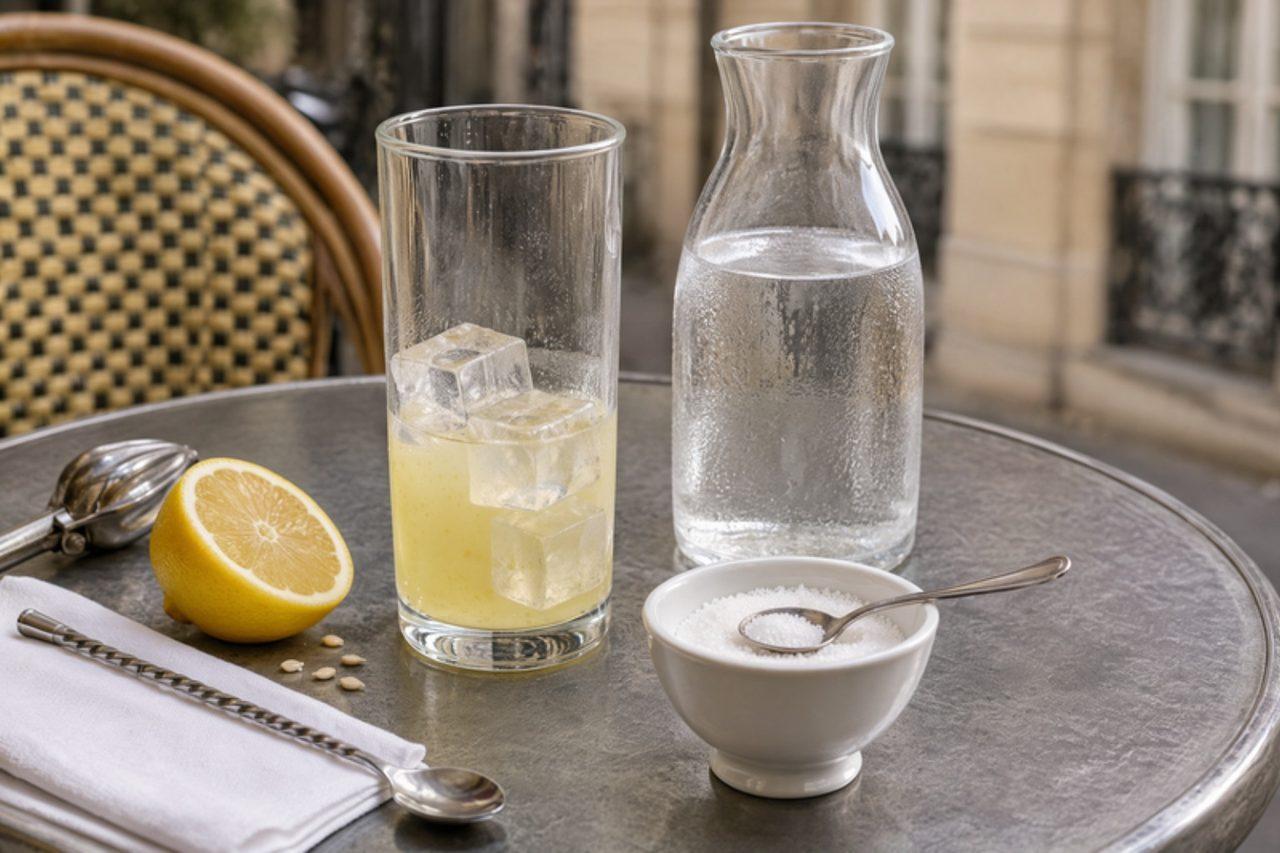
Order a citron pressé on a Paris terrace in July, or at a café in Nice after the beach, and the waiter brings a tall glass with an inch of freshly squeezed lemon juice, a carafe of iced water, a sugar bowl or a little jug of syrup and a long spoon. You build the drink yourself, as sharp or as sweet as you like, which is half the pleasure; French children learn to drink it with plenty of sugar, grown-ups often with almost none. It is bright, sour and cleansing, nothing like bottled lemonade, and best in the late afternoon heat. The common mistake is stirring granulated sugar straight into cold lemon water: it sinks and never dissolves, so the first sips are sour and the last a sludge. Dissolve the sugar in the juice first, or use a quick syrup. It is ready when the sugar has vanished, the drink tastes balanced to you and the glass is beaded with cold. Unwaxed lemons matter if you add a twist of peel. Chef's tip: pour the water over ice slowly and taste after half the carafe; most people find they need less water than they expect.

by KrazyBadal 0 views

Kapeng barakoStrong Liberica coffee

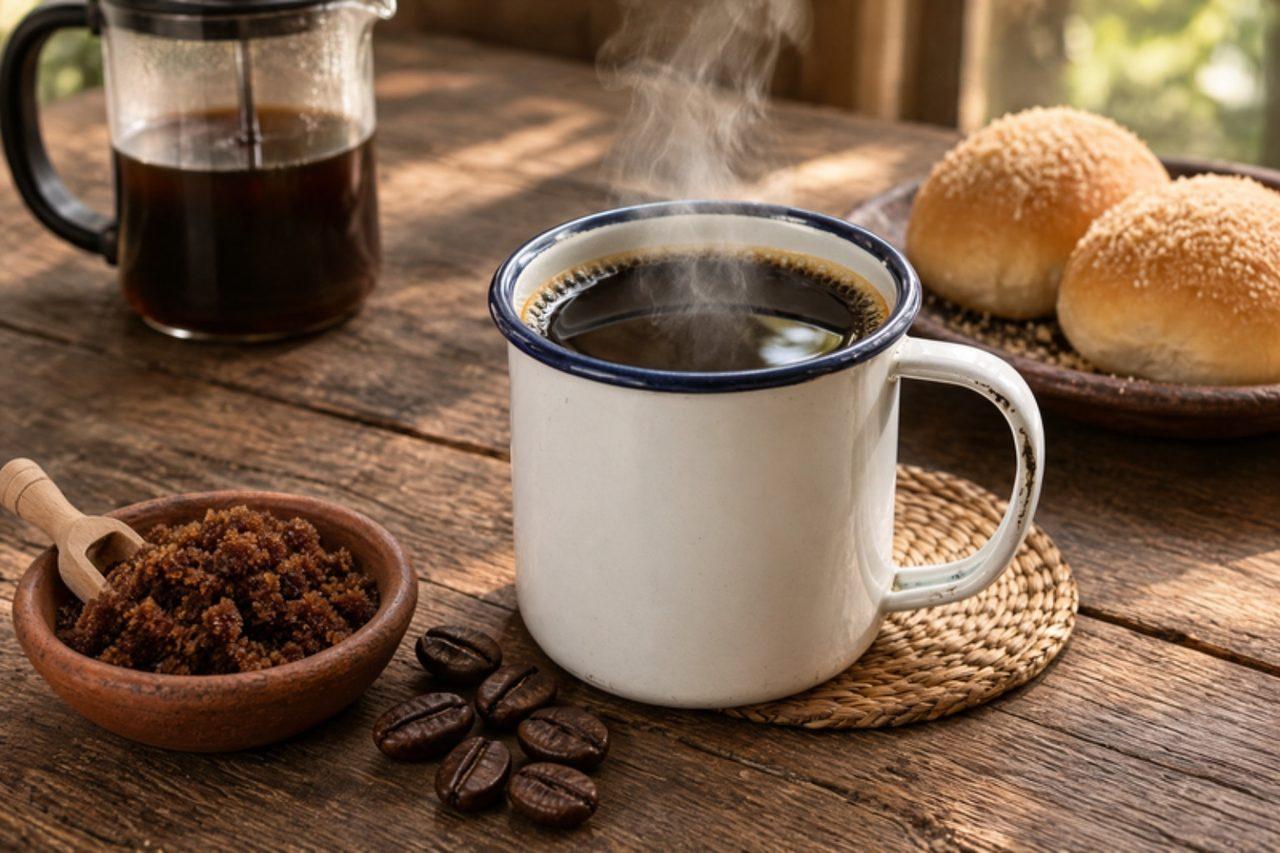
In Lipa and the hill towns of Batangas, mornings start with kapeng barako boiled in a dented aluminium kaldero and poured into enamel mugs, often next to pandesal, a slab of tapang Taal or a plate of suman. Barako is Liberica, a large-beaned coffee that grows on tall trees around Mount Malarayat, and the word itself means a strong, rough-mannered man. The cup is heavy and earthy with notes of jackfruit, dark chocolate and smoke, and it is sweetened with sticky muscovado from Negros or Antique, never with white sugar. It carries plenty of caffeine, so go easy if you are sensitive and keep it away from children. The usual mistake is keeping the pot at a rolling boil once the coffee is in: the grounds stew and the drink turns sour and harsh. Bring the water to the boil, then take it off the heat before adding the coffee. The brew is ready when the crust of grounds sinks after the splash of cold water and the liquid underneath is a clear, deep mahogany. Chef's tip: grind it coarse, like raw sugar, so it settles cleanly in the pot.

by KrazyBadal 0 views

Juhua cha (chrysanthemum tea)

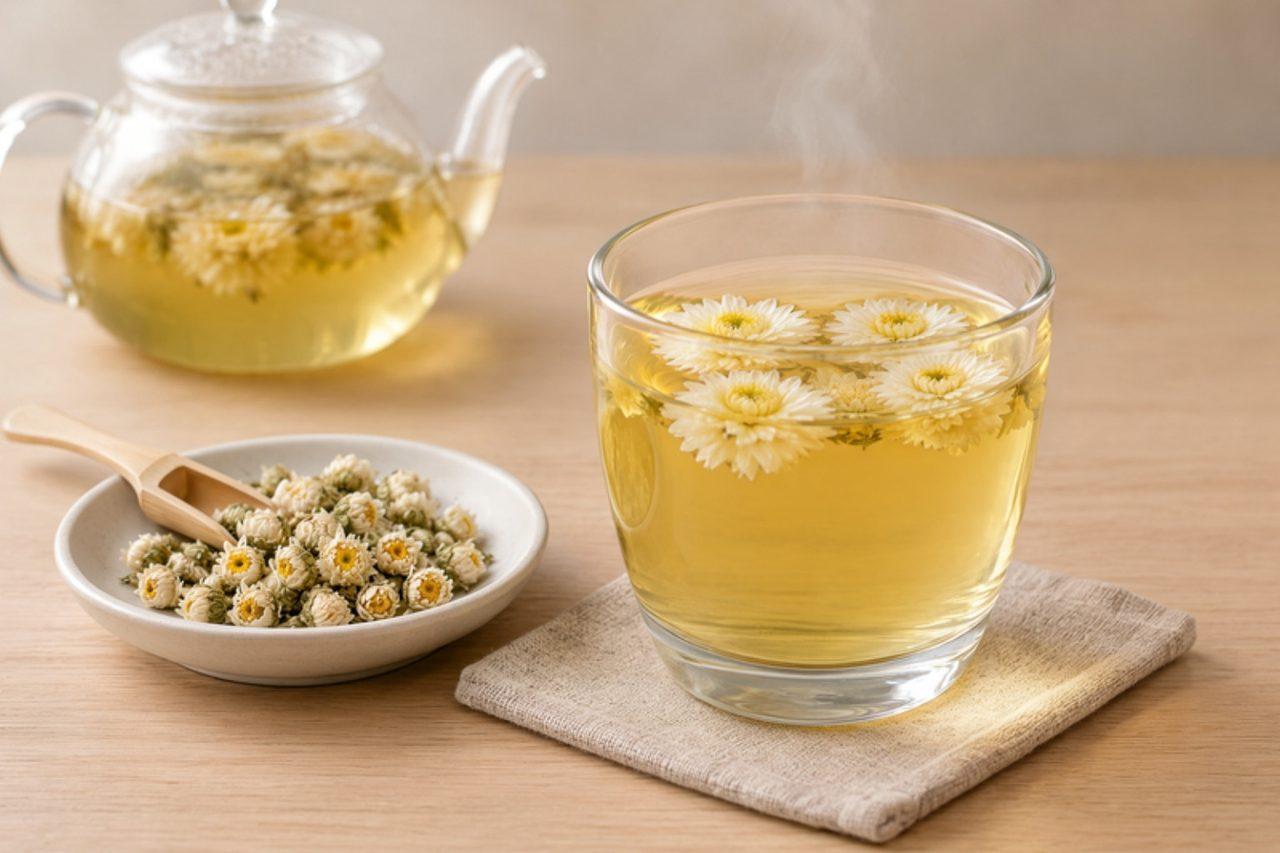
The small white hangbaiju flowers grown around Tongxiang, near Hangzhou, are picked in November, steamed and dried, and they end up in teapots all over China. Families brew them after a rich dinner, through the dry autumn, and iced in summer; dim sum houses in the south offer them as a caffeine-free choice, often mixed with pu-erh. The tea is pale gold, lightly floral with a faint bitterness like chamomile, softened by a little rock sugar and a few goji berries that turn plump and red in the pot. The common mistake is pouring boiling water straight onto the flowers and leaving them for twenty minutes; the tea turns brownish and bitter. Water just off the boil, around 90 °C, and a short steep keep it clear and sweet. It is ready when the flowers have opened like little daisies, the colour is light amber and the smell is honey-like. You can top up the pot two or three times. If you are allergic to ragweed, daisies or marigolds, try a small cup first or skip it, as chrysanthemum belongs to the same family. Chef's tip: for iced juhua cha, brew it double strength and pour it straight over a glass full of ice so it does not taste watery.

by KrazyBadal 0 views

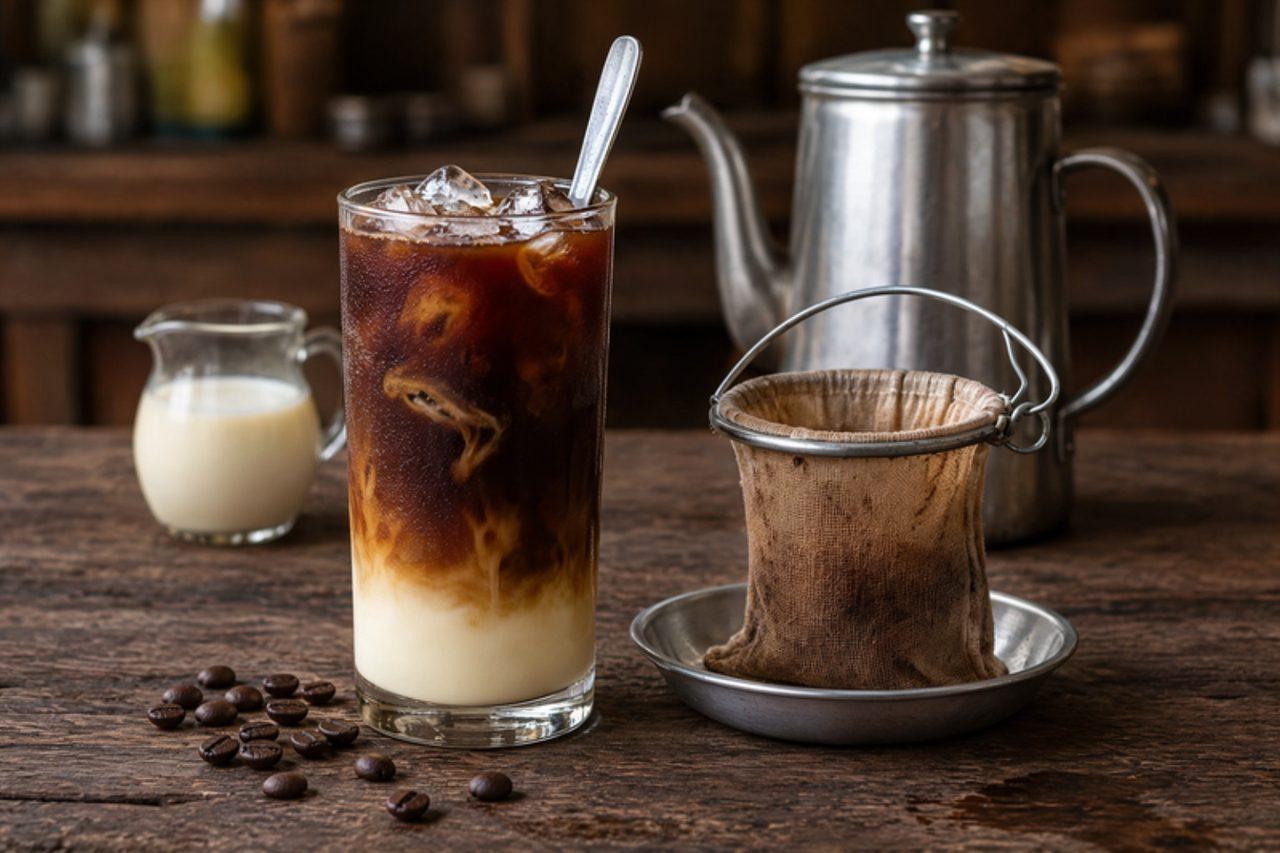
Kafae boran (old-style Thai coffee)

Before espresso bars reached Bangkok, coffee in Thailand meant kafae boran from Hainanese-Chinese shophouses and market carts: a dark robusta roast mixed with toasted grains, poured through a long cotton sock called a tung tom and stirred into thick sweetened condensed milk. Uncles still order it hot at 6 am with patongko dough sticks, and in the afternoon heat the same brew is poured over crushed ice and topped with evaporated milk as oliang or kafae yen. The taste is strong, roasty and slightly smoky, sweet and creamy, with a faint caramel-cereal edge from the grains; the iced version is silky and cold. The common mistake is brewing it like filter coffee with too little grounds: once milk and ice go in, it tastes thin. Use plenty, steep it in the sock and pour it through twice. The brew is ready when it is opaque, nearly black and leaves a brown film on a white spoon. It is high in caffeine, so not one for children or late evenings. Chef's tip: rinse the cloth sock in hot water only, never soap, and keep it in a jar of clean water in the fridge between uses so the coffee oils season it.

10 minThaiDrinksGluten free
by KrazyBadal 0 views

Sharbat-e zaferan (saffron sherbet)

Big steel urns of golden saffron sherbet are poured for guests at Iranian weddings and engagement parties, and the same drink is handed out on the street as nazri during Muharram and at memorial gatherings, when families offer something sweet and cool in the name of the departed. Saffron from Khorasan is ground with a sugar cube, bloomed in a little water and stirred into syrup with rose water and lemon. The result is honey-sweet and floral, with saffron's faint bitterness and hay-like perfume at the end, and a colour that should be a clear, sunny orange-gold. The usual mistake is dropping whole threads straight into cold water, which gives a pale, patchy drink and wastes expensive saffron; grind it first and let it bloom for at least 10 minutes. You know the bloom is ready when the water is a deep red-orange and smells strongly of saffron. Taste before serving: it should be sweet but finish clean, with the lemon just noticeable. Chef's tip: an ice cube placed on the ground saffron and left to melt slowly gives the deepest colour of all, an old Iranian trick.

by KrazyBadal 0 views

KusliSemolina-filled Diwali pastries

Kusli are the crimped half-moon pastries that fill tins in Chhattisgarhi homes before Diwali and Chhath, close cousins of the gujiya and karanji but filled with semolina roasted in ghee, dry coconut and sugar rather than mawa. They keep for a fortnight and are handed to visitors with thethri and khurmi. The common mistake is frying them in very hot oil; they blister and brown outside while the pastry stays raw within. Chef's tip: seal the edges with a dab of milk and a firm pinch-and-fold twist so not a crumb of filling leaks into the oil.

by KrazyBadal 0 views

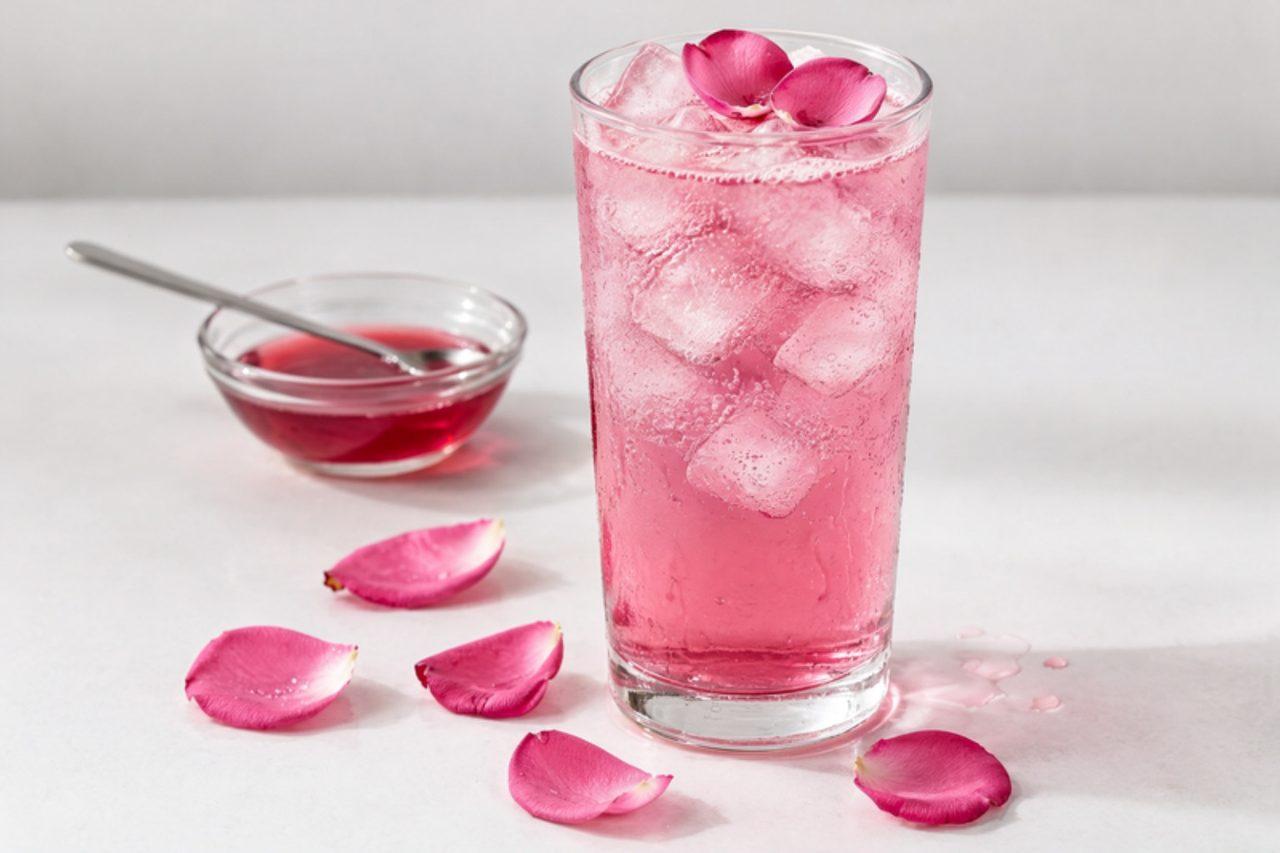
Paneer soda (rose soda)

Every Tamil town once had a soda shop with crates of Codd-neck bottles sealed by a glass marble, and the pop of the marble being pushed down was the sound of a hot afternoon. Paneer here means rose water, not cheese, and paneer soda is rose syrup topped with that sharp local fizz, sold in Madurai, Tiruchi and Coimbatore by the bus stand and at temple festival stalls in Chithirai and Vaikasi, the hottest months. It is sweet and floral at first, then the bubbles and a touch of lime cut through and leave the mouth clean. The mistake most people make is boiling the rose water with the sugar: the scent cooks away and you are left with plain syrup. Make the syrup first, let it cool, and only then stir in the rose water. The syrup is ready when it is clear and slightly thickened, like thin honey, and the finished drink should be rosy pink and still foaming as you hand it over. Chef's tip: chill the syrup, the soda and the glasses well; warm soda loses its fizz the moment it meets the syrup.

by KrazyBadal 0 views

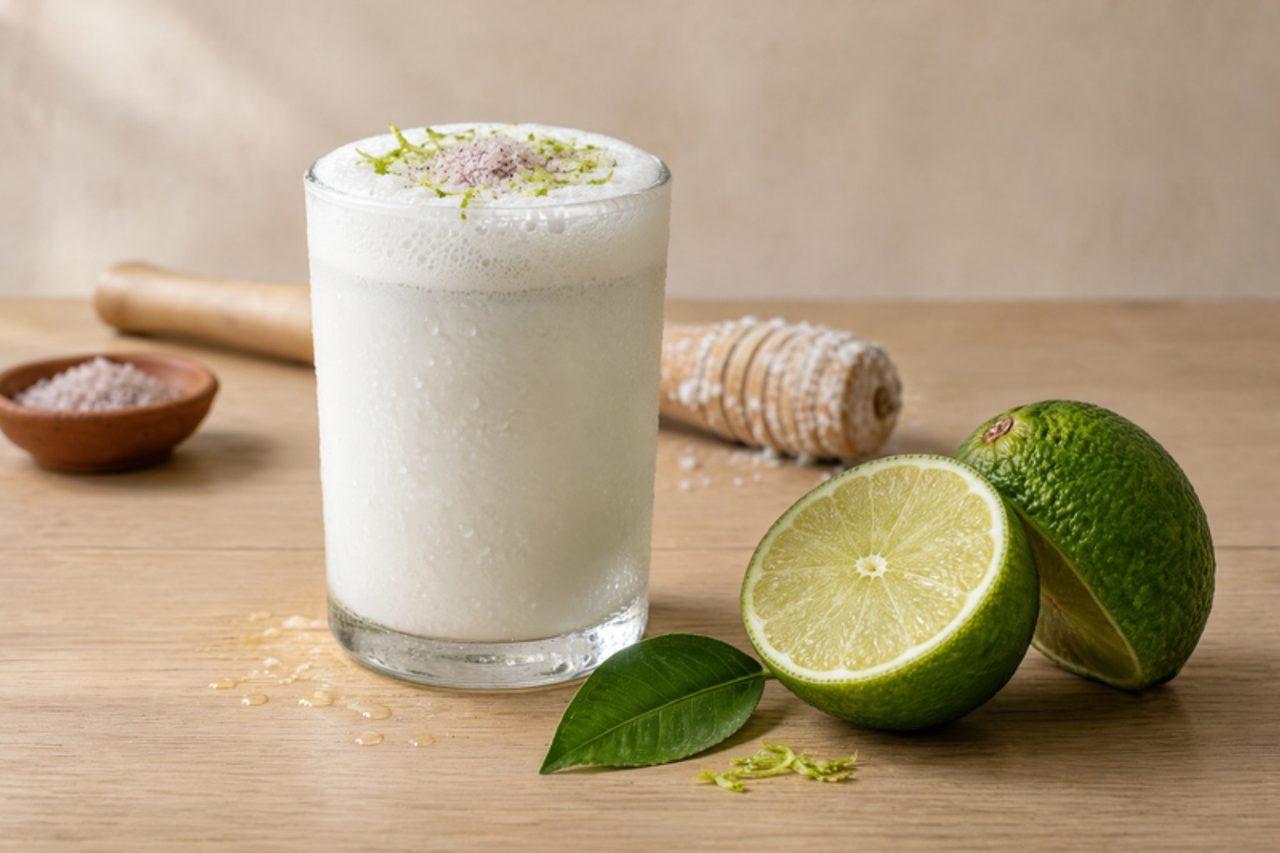
Gondhoraj gholLime-scented yogurt drink

In Kolkata the gondhoraj lime arrives with the monsoon heat, a knobbly green fruit whose peel smells of flowers and pine more than of sour citrus. Bengali households use it to lift dal and fish, but in the sticky months from Boishakh into Srabon it goes into ghol: dahi churned with cold water until frothy, sweetened lightly and scented with the zest, a squeeze of juice and a torn leaf. Cafés along Gariahat and old sweet shops serve it in clay bhaar cups after lunch, and it is just as good mid-afternoon with a plate of muri. It drinks thin, cool and silky, with a soft tang and a perfume that hits the nose before the first sip. The usual mistake is grating too deep or leaving the zest to sit for an hour: the white pith and the oils turn bitter. Take only the green outer layer, add it just before serving, and stop when the ghol smells floral rather than sharp. It is ready when the top is covered in fine foam and a spoon comes out lightly coated. Chef's tip: for the salted version, swap the sugar for black salt and a pinch of roasted cumin, as many Kolkata homes do on the hottest days.

by KrazyBadal 0 views

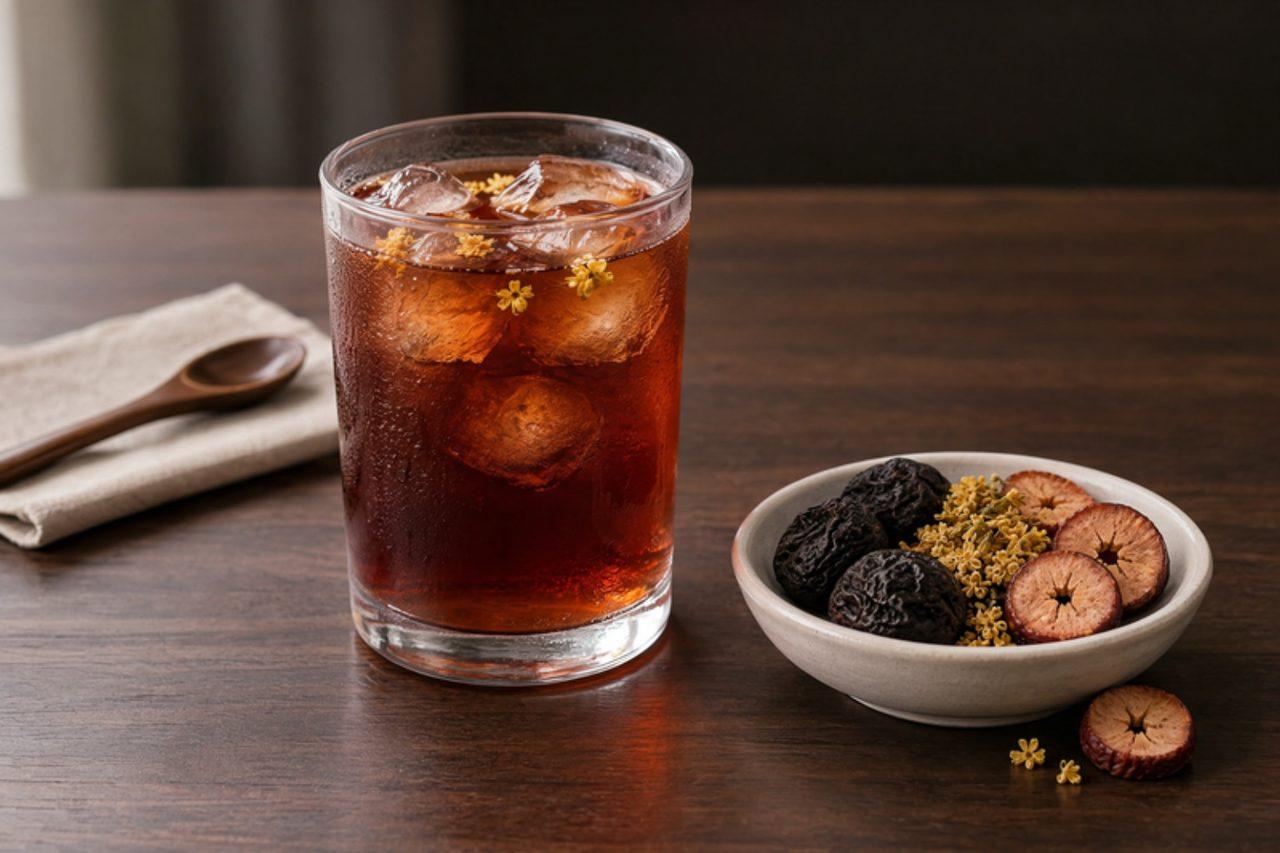
Suanmeitang (sour plum drink)

Old Beijing sold suanmeitang from brass bowls at street corners in summer, chilled with blocks of river ice, and the Qing court drank a version as a cooler. Today it comes in big jugs at copper-pot hotpot restaurants, where its sourness cuts through mutton and sesame sauce; families brew a pot every few days all summer. Smoked wumei plums give a deep, almost bacon-like smokiness, hawthorn adds fruity acid, licorice softens the edges and rock sugar rounds everything off, with dried osmanthus on top for a honeyed scent. It should be dark ruby, clear and refreshing, tart first and sweet after. The common mistake is boiling it hard for hours: the plum stones and hawthorn seeds release bitterness and the brew turns muddy. Simmer gently, strain early and chill fast. It is ready when the plums have collapsed and the liquid tastes clearly sour-sweet with a smoky finish. Licorice root is traditionally used in small amounts; people with high blood pressure, heart or kidney problems, or who are pregnant should keep the licorice out or check with a doctor. Chef's tip: add the osmanthus only after the heat is off, or its perfume vanishes.

by KrazyBadal 0 views

Nam lamyai (longan drink)

Longan orchards cover the valleys of Chiang Mai and Lamphun, and every August the harvest is smoked and dried in big brick ovens so the fruit lasts all year. That dried lamyai is the base of nam lamyai, sold in plastic bags with a straw at Warorot Market, at roadside stalls on the way to Doi Suthep and in school canteens across the north, especially in the hot season from March to May. It tastes like toffee and smoked honey with a light floral note, and each glass comes with a few plump, chewy longans at the bottom to fish out. The common mistake is boiling the fruit too long with all the sugar at the start: the drink turns syrupy and the longans go mushy. Simmer the fruit first, sweeten at the end and taste before adding everything. It is ready when the liquid is clear amber-brown, the longans have swollen back to roughly their fresh size and the kitchen smells of caramel. It keeps 4 days in a closed jug in the fridge. Chef's tip: a tiny pinch of salt is the street-vendor trick that makes the sweetness taste rounder and brings out the smoky edge.

30 minThaiDrinksVeganGluten free
by KrazyBadal 0 views

Papilla de quinua for babiesQuinoa and pumpkin puree for babies

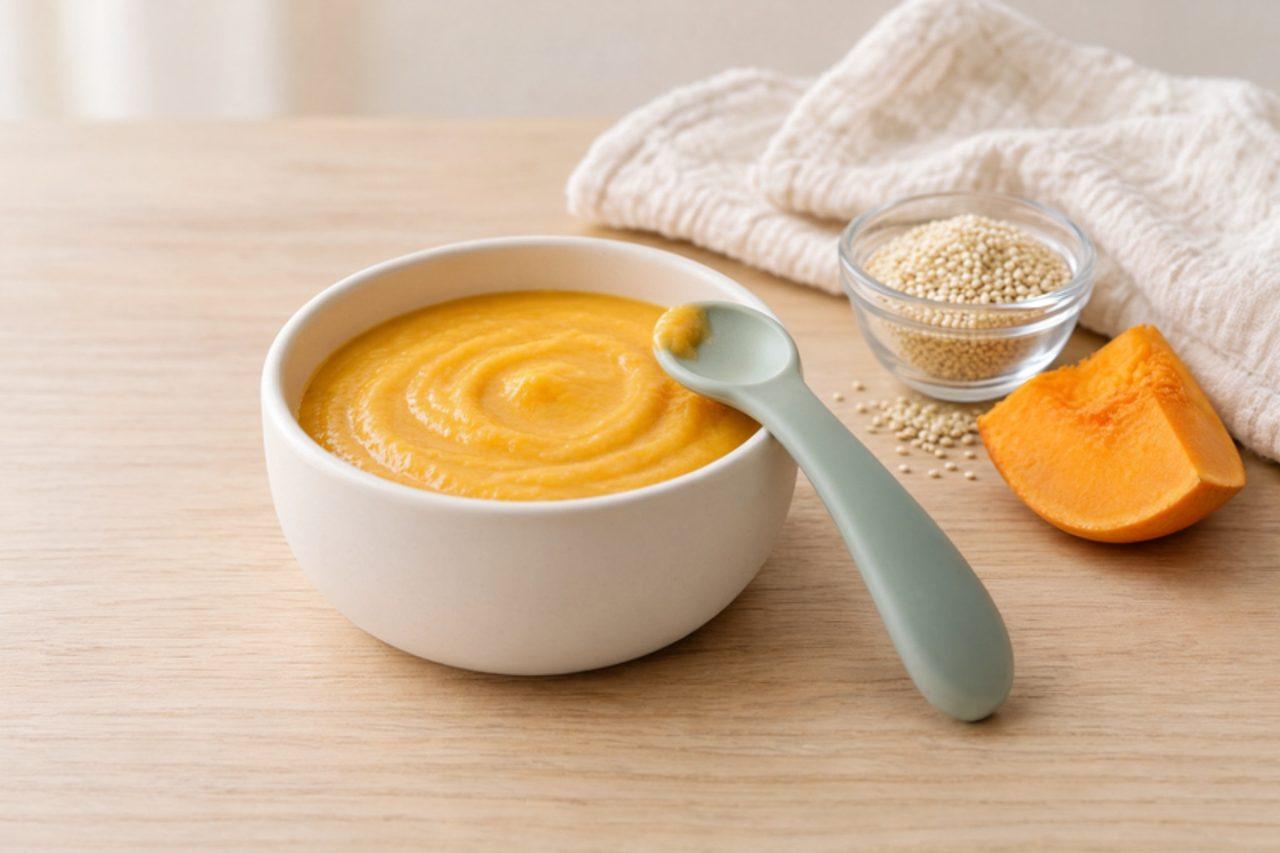
In the high Andes around Cusco, Puno and La Paz, quinoa is the grain families have fed babies for centuries, and papilla de quinua is the first porridge many Andean mothers make at six months. The seeds are washed hard to remove their bitter saponin coating, simmered until they burst and show a little white tail, then blended with sweet zapallo (pumpkin) or apple into a smooth, nutty porridge. It is rich in protein and iron for a plant food. For babies there is no salt, sugar, panela or honey. It is free of the major allergens. Chef's tip: rub the quinoa between your palms under running water until the water no longer foams; that foam is what tastes bitter.

by KrazyBadal 0 views

Variyali sharbat (fennel cooler)

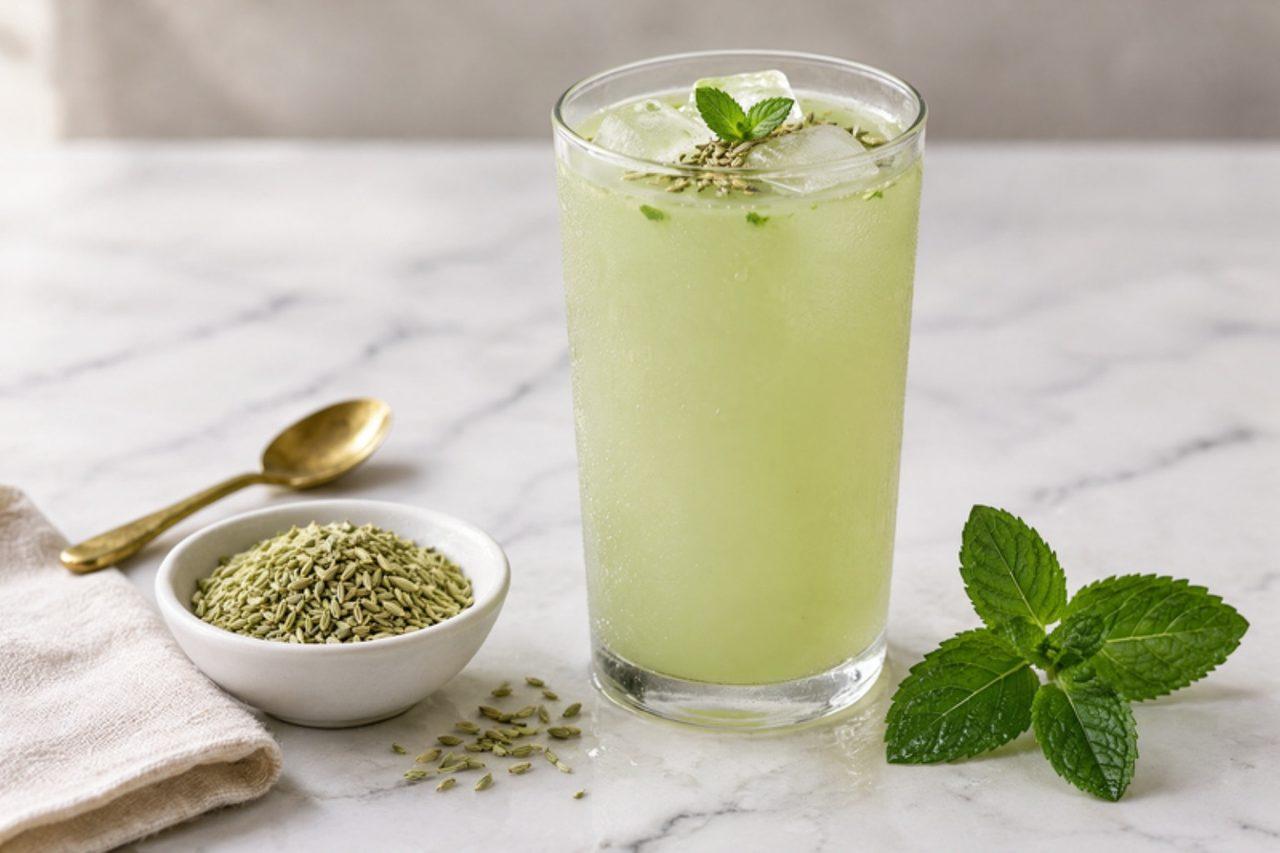
On May afternoons in Ahmedabad and Surat, when the loo wind blows and nobody wants a hot drink, Gujarati homes keep a bottle of variyali sharbat concentrate in the fridge. Fennel seeds are soaked, ground with rock sugar, strained and mixed with lemon and a little black pepper, then diluted with iced water for guests, after lunch, or to break a fast, since nothing in it is off-limits on upvas days if you use rock salt. It is pale green and cloudy, with a sweet aniseed taste, a sharp lemon finish and a faint peppery tingle. The common mistake is grinding dry fennel straight away: it stays gritty and the flavour is harsh. Soak the seeds for at least two hours so they swell and grind into a smooth paste. It is ready when the strained concentrate is silky, smells clearly of fennel and tastes very sweet, as it will be diluted three or four times. The concentrate keeps 5 days in the fridge in a clean bottle. Chef's tip: add a few mint leaves or a pinch of cardamom when grinding for a more rounded cooler.

by KrazyBadal 0 views

Keri no murabboSweet raw mango preserve

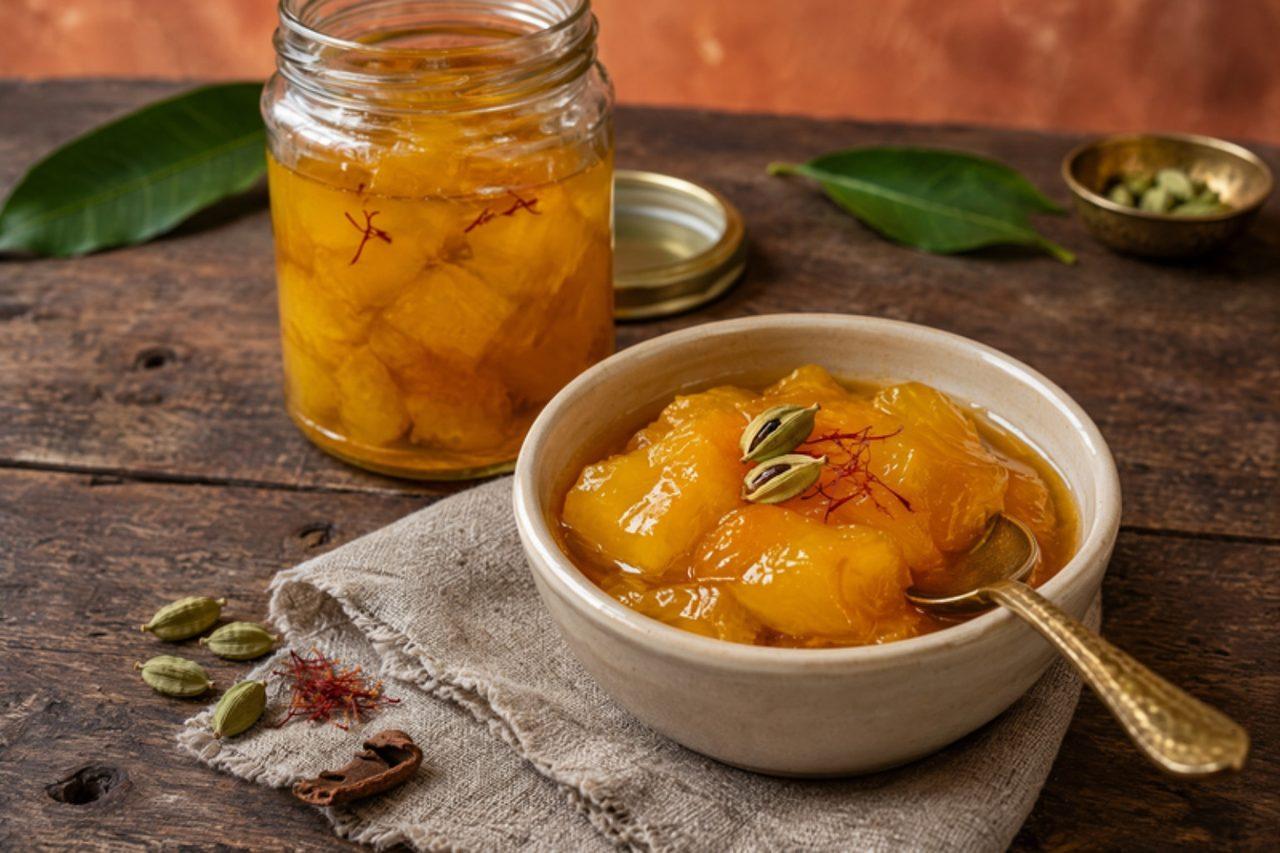
In Gujarat, when the summer stock of pickles goes up in May, murabbo is the gentle, sweet one that children are allowed to dip into freely. Pieces of firm raw mango (rajapuri or totapuri) are cooked slowly in sugar syrup until they turn translucent and glossy, then scented with saffron and cardamom. Unlike chhundo, which is grated and spiked with chilli, murabbo keeps the mango in distinct, tender-firm pieces in a clear, golden syrup; it tastes like candied fruit with a sour edge. Spread it on a warm thepla or rotli, serve it with khakhra at breakfast, or spoon a little beside a Gujarati thali. The common mistake is boiling the mango hard in the syrup, which breaks the pieces and clouds it; keep it at a gentle simmer. It is ready when the pieces look see-through at the edges and the syrup reaches one-string consistency (a cooled drop stretches into a single thread between finger and thumb). With this much sugar it keeps 6 months in a cool cupboard in a sterilised, dry jar, or longer in the fridge. Chef's tip: soak the cut mango in lightly salted water for 10 minutes first; it firms the pieces and stops browning.

by KrazyBadal 0 views

Chana methi nu athanuChickpea and fenugreek pickle

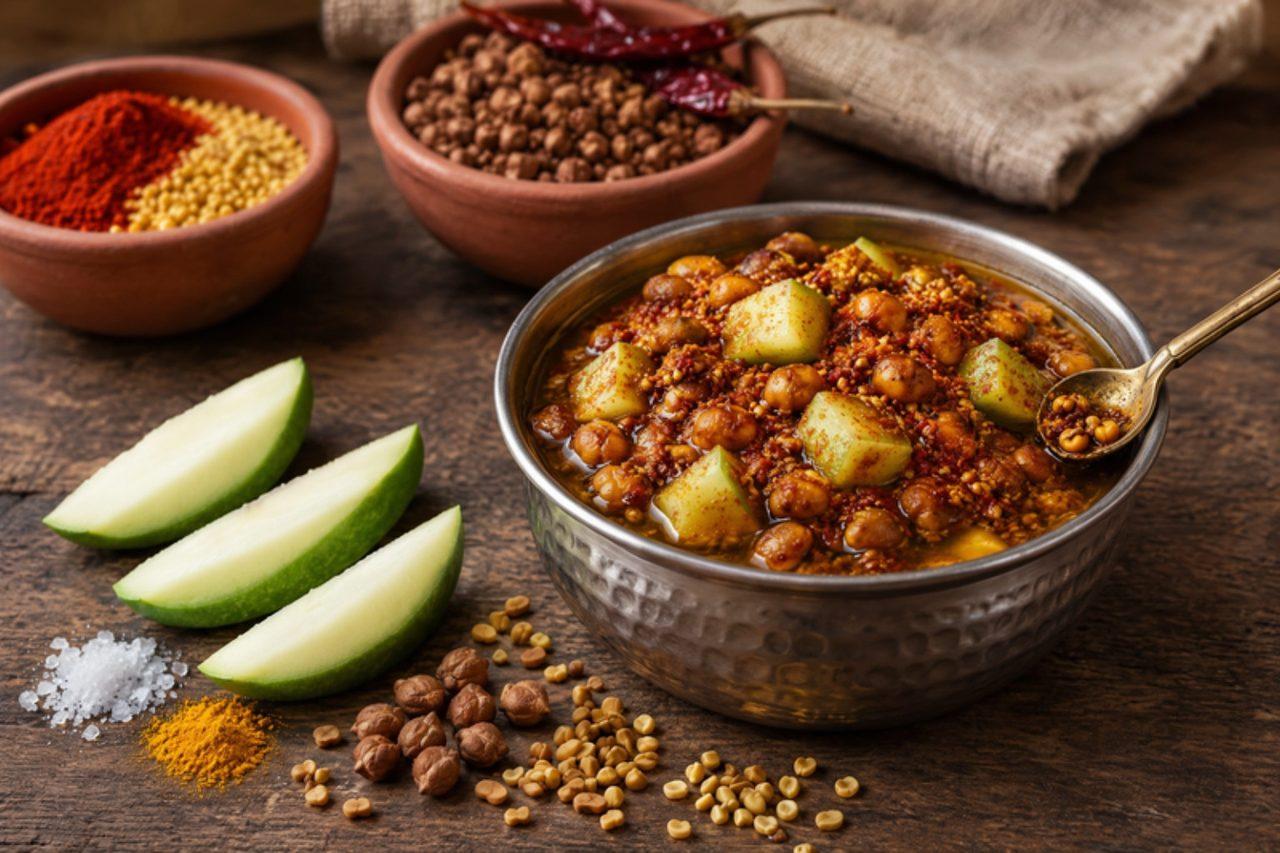
This is the thrifty, protein-rich pickle of Kathiawad and the Gujarati countryside, made in the May pickle season alongside methia keri. Brown chickpeas and fenugreek seeds are soaked until plump, then mixed with salted raw mango, split mustard, chilli and hing and sealed under oil. Over a few days the chana and methi drink up the sour mango juice and soften to a pleasant bite; the methi seeds lose most of their bitterness and turn nutty. The pickle is sour, hot and pungent, with plenty of crunch. A spoonful brightens khichdi-kadhi, bajra rotla or a plain dal-bhaat-shaak lunch. The common mistake is mixing in chickpeas that are still wet after soaking: dry them on a cloth for a few hours or the pickle will turn mouldy. It is ready in 4–5 days, when the chickpeas can be bitten through easily and taste sour all the way in. Because soaked pulses are low in acid, keep this one in the fridge once it is mixed, where it lasts up to 3 months, with the oil always covering the top. Chef's tip: use kala chana (small brown chickpeas); they stay firmer than large white ones.

by KrazyBadal 0 views

Mag ni dal ni khichdi for babiesMoong dal khichdi for babies

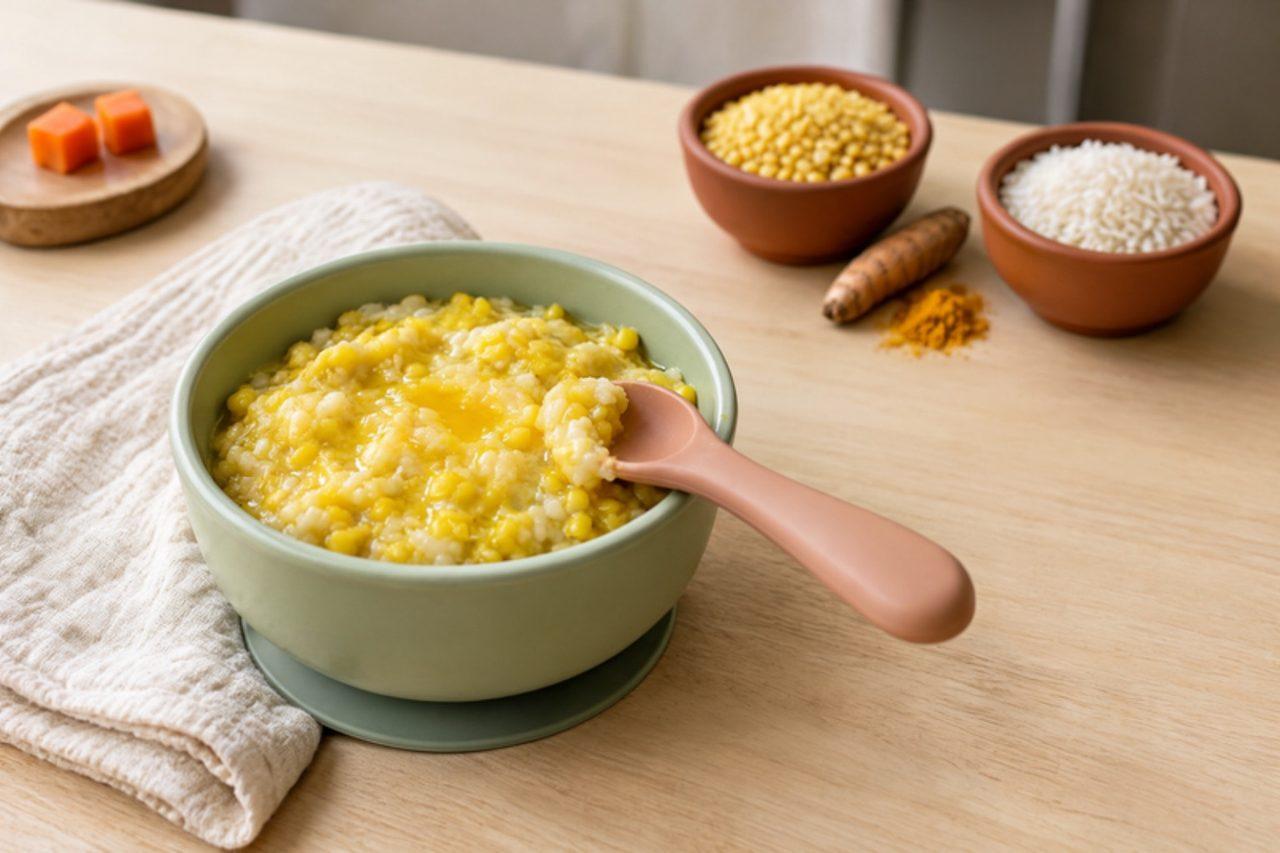
In Gujarati homes from Ahmedabad to Surat, the first real family meal a baby shares is a pot of mag ni dal ni khichdi, the same yellow moong and rice that grown-ups eat with kadhi on a quiet weeknight, just cooked softer and left unseasoned. From around nine months it is mashed to soft lumps instead of blended, so babies learn to move food around their mouths and chew with their gums. It tastes mild, creamy and faintly earthy from the turmeric. It contains milk (ghee); swap in a neutral oil to make it dairy free. It has no gluten, egg, nuts, soya or sesame. Chef's tip: soak the washed dal and rice for 20 minutes before cooking; they collapse into a creamier khichdi in less time.

by KrazyBadal 0 views

MesuFermented bamboo shoot pickle

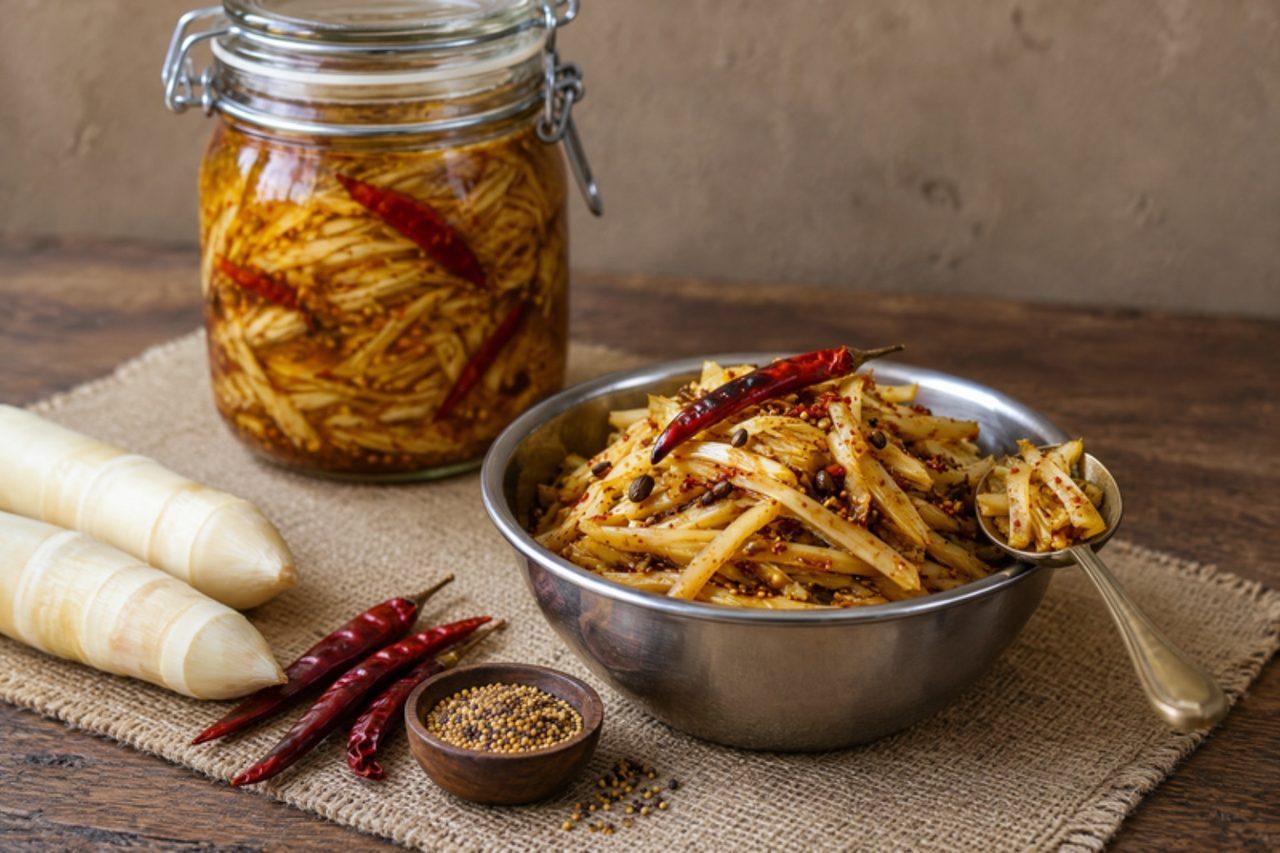
Lepcha and Nepali households in Sikkim shred tender bamboo shoots in the monsoon, when they push up fresh, and pack them tightly into glass jars or hollow bamboo to sour for one to two weeks. The finished mesu is eaten as a sharp pickle with rice and dal through the rest of the year. A common mistake is leaving shoots above the brine, which invites mould; press them down hard so the liquid always covers them. Keep the jar at 20–28 °C out of direct sun and taste from day 7: it is ready when pleasantly sour and pale yellow. Discard the batch if you see fuzzy, pink or black mould, if it smells putrid rather than sour, or if the shoots feel slimy. Chef's tip: short of time, buy ready-fermented bamboo shoot from a Northeast or Asian grocer and go straight to the tempering.

by KrazyBadal 0 views

Awan bangwiSticky rice with nuts

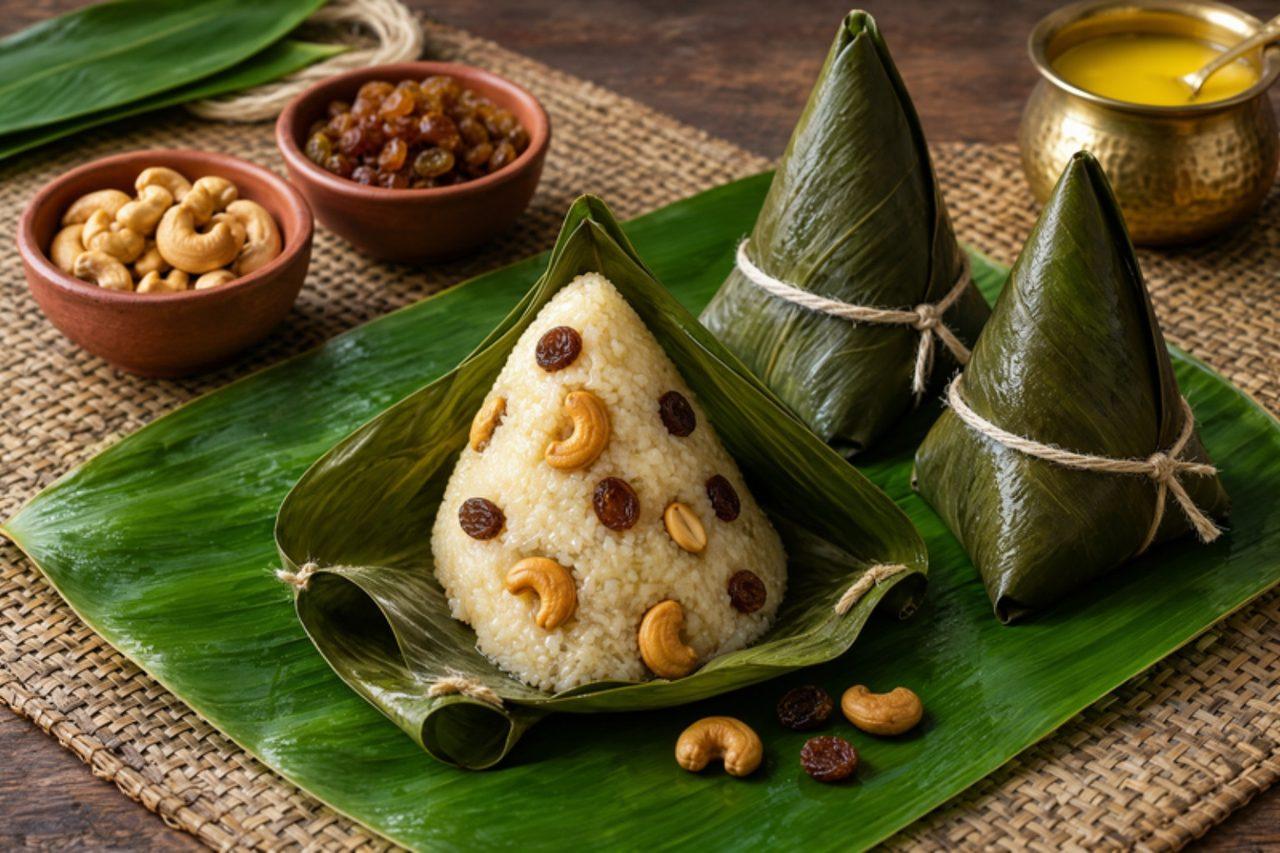
Awan bangwi belongs to the Kokborok-speaking communities of Tripura, who make it for weddings, Garia Puja and New Year gatherings. Soaked sticky rice is mixed with ginger, cashews, raisins and a little ghee, folded into cones of leaf and steamed until glossy and chewy. The mistake to avoid is packing the cones too tightly: the rice swells and the leaves split. Banana leaf or turmeric leaf replaces the local leaf well. Chef's tip: soak the rice overnight; under-soaked grains stay chalky however long you steam them.

by KrazyBadal 0 views

Mate de muñaAndean mint tea

Muña is the minty shrub that grows wild on the slopes around Cusco, Puno and the Sacred Valley, and highland cooks reach for it after a heavy meal of chicharrón or when visitors are struggling with the altitude. Market herb sellers sell it in fresh bunches, and hotels and homes leave it in a flask for anyone coming in from the cold evenings. Steeped simply in hot water, it smells somewhere between spearmint, oregano and pennyroyal, with a cooling, slightly peppery taste and a pale green-gold colour. It is traditionally drunk to settle the stomach. The usual mistake is boiling the leaves hard for a long time, which turns the tea brown and bitter. Pour water just off the boil over the sprigs, cover, and let it steep. It is ready when the cup is pale gold and the aroma rises as soon as you lift the lid. Outside Peru, look for dried muña in Latin shops; failing that, use mostly spearmint with a little fresh oregano. Muña is strong: avoid large amounts in pregnancy, and check with a doctor if you take regular medication. Chef's tip: cover the cup while it steeps so the scented oils stay in the tea.

by KrazyBadal 0 views

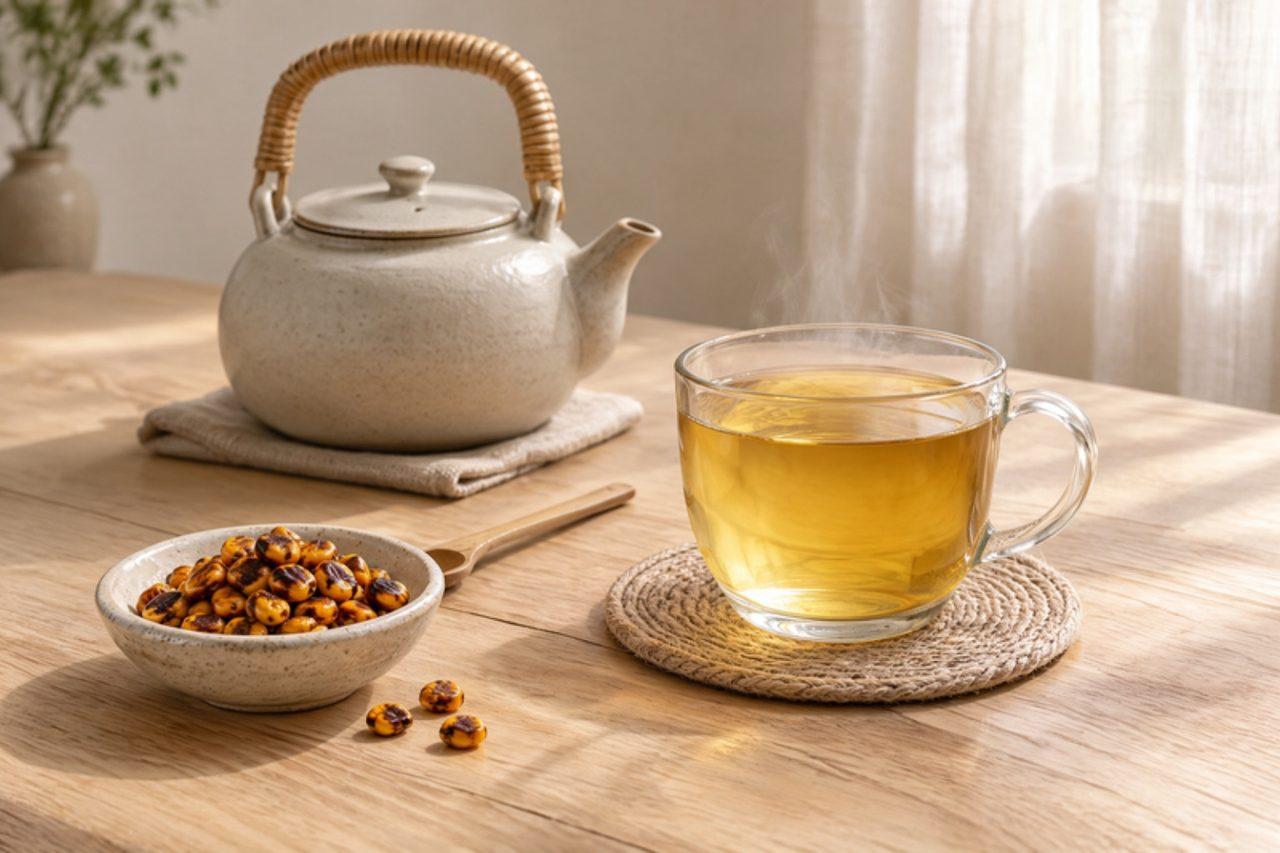
SobachaRoasted buckwheat tea

Sobacha is roasted buckwheat tea, drunk all over Japan and especially in the soba country of Nagano and Hokkaido, where it is poured free in noodle shops and kept in jugs in the fridge through summer. Toasted buckwheat groats are steeped in hot water to make a golden, caffeine-free tea with a nutty, almost popcorn aroma, and the softened groats can be eaten too, stirred into rice or salads. Nothing is added: no salt, no sugar, so about 0.0 g salt per cup. The usual mistake is burning the groats when roasting your own; keep the heat at medium and keep the pan moving. Use Tartary buckwheat (dattan soba) for a deeper yellow tea. Anyone with a buckwheat allergy should avoid it, as reactions can be serious. Chef's tip: steep a second time with slightly hotter water; the second cup is often the sweetest.

by KrazyBadal 0 views

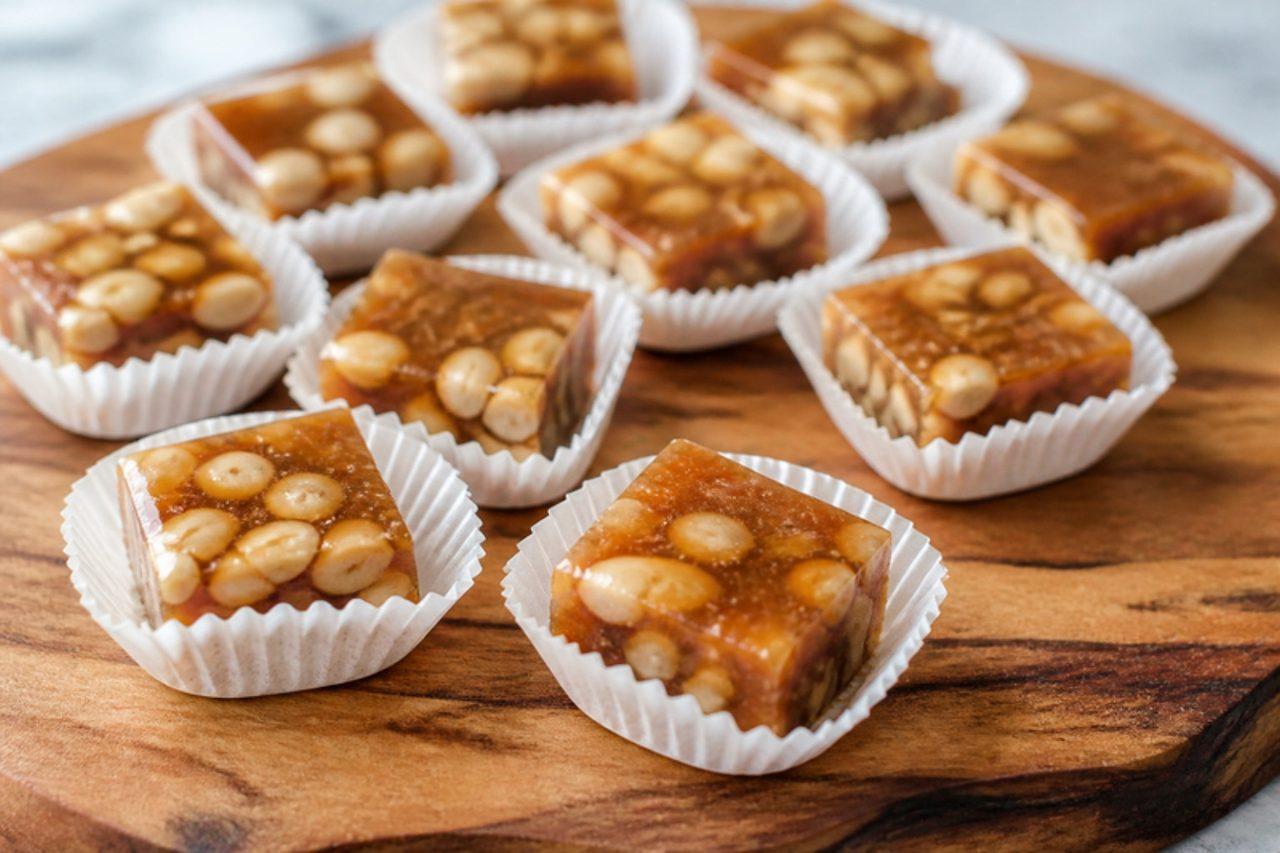
Ka'i ladrilloPeanut molasses bricks

Ka'i ladrillo — 'monkey brick' in Guaraní — is the sweet sold by vendors on Asunción buses and at country fiestas: roasted peanuts bound in boiled cane molasses and set in brick-shaped blocks, crunchy and dark with a slightly smoky toffee taste. It contains peanuts, so keep it away from anyone with a peanut allergy. The common mistake is taking the syrup off too soon, so the bricks stay sticky and never set. Chef's tip: test the syrup by dropping a little into cold water; it is ready when it sets into a brittle thread that snaps.

by KrazyBadal 0 views

Oksusu-chaRoasted corn tea

Oksusu-cha is the tea Korean households boil by the kettleful and keep in the fridge in old glass bottles, drunk instead of water with meals from Seoul apartments to Gangwon farmhouses, chilled in summer and hot in winter. Dried corn kernels are roasted until dark golden, then simmered to make a pale amber tea that tastes gently sweet and toasty, though nothing is added at all. About 0.0 g salt per glass. The usual mistake is boiling the kernels too long, which makes the tea cloudy and starchy; 15 minutes is plenty. Ready-roasted corn kernels are sold in Korean shops; if roasting your own, use dried corn, not fresh or tinned. Chef's tip: mix in a spoon of roasted barley for the classic boricha blend, rounder and more nutty, though no longer gluten free.

by KrazyBadal 0 views

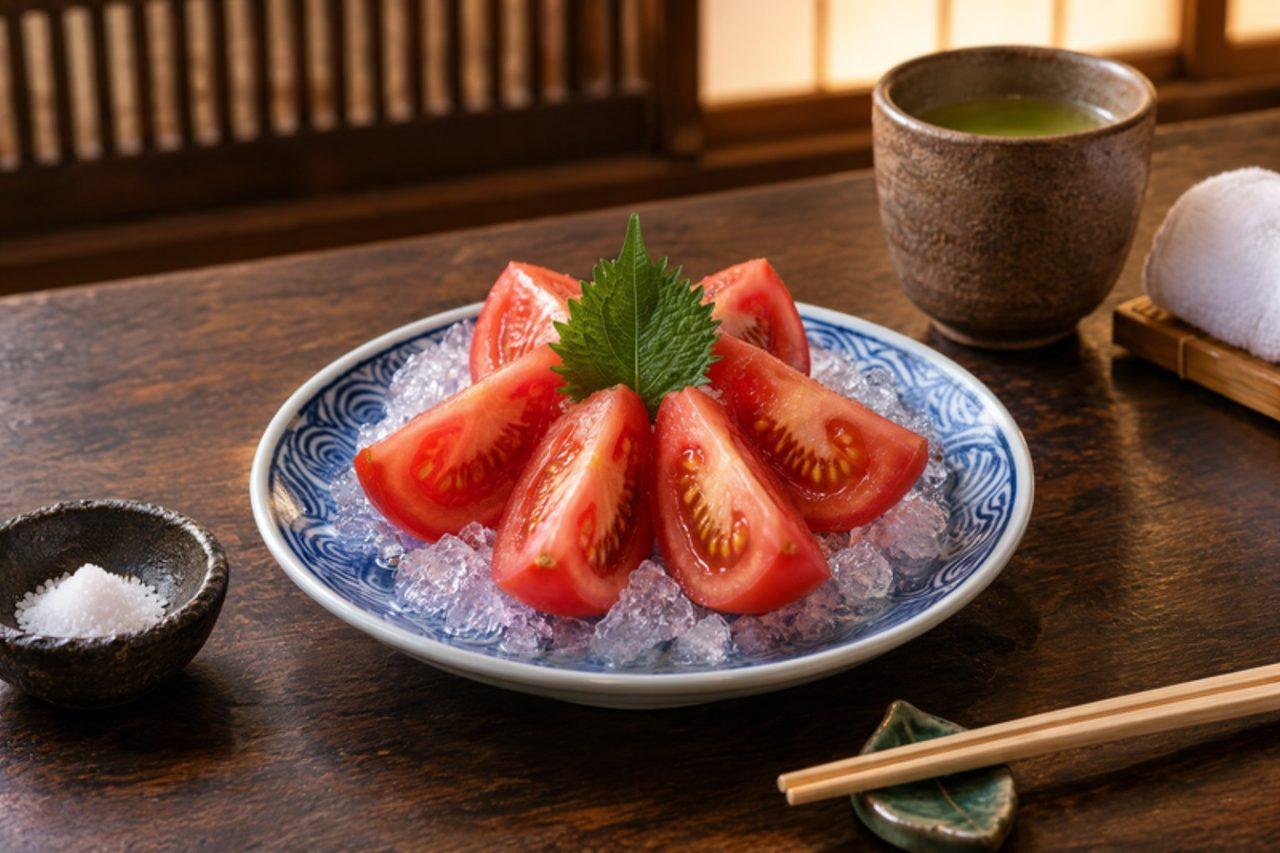
Hiyashi tomatoChilled tomato

Hiyashi tomato is the simplest thing on any Japanese izakaya menu in July and August: ripe tomatoes, chilled until icy, cut into wedges and served on a small plate, sometimes on crushed ice, to cool down a hot evening in Tokyo or Osaka. Many bars sprinkle salt; this home version leaves it out and offers a few drops of rice vinegar and toasted sesame oil instead, so the tomato's own sweetness and acidity do the work. About 0.0 g added salt; roughly 0.03 g per portion occurs naturally in the tomato. The usual mistake is using hard, pale supermarket tomatoes: this dish is only as good as the fruit, so buy deep red ones that smell of tomato at the stalk. Chef's tip: chill the plate as well as the tomatoes, so the wedges stay cold to the last bite.

by KrazyBadal 0 views

KoserevaCandied bitter orange peel

Kosereva is a Paraguayan home preserve from the days when nothing was wasted: thick strips of bitter-orange peel soaked and boiled to soften their bite, then cooked slowly in dark cane molasses until glossy and nearly black. In the countryside it is eaten after lunch with a slice of fresh cheese or simply on its own. Bitter oranges (Seville oranges) are in season in winter. The most common mistake is not changing the boiling water enough, which leaves the peel unpleasantly bitter. Chef's tip: taste a sliver of peel after the third boil; it should be gently bitter like marmalade, not harsh.

by KrazyBadal 0 views

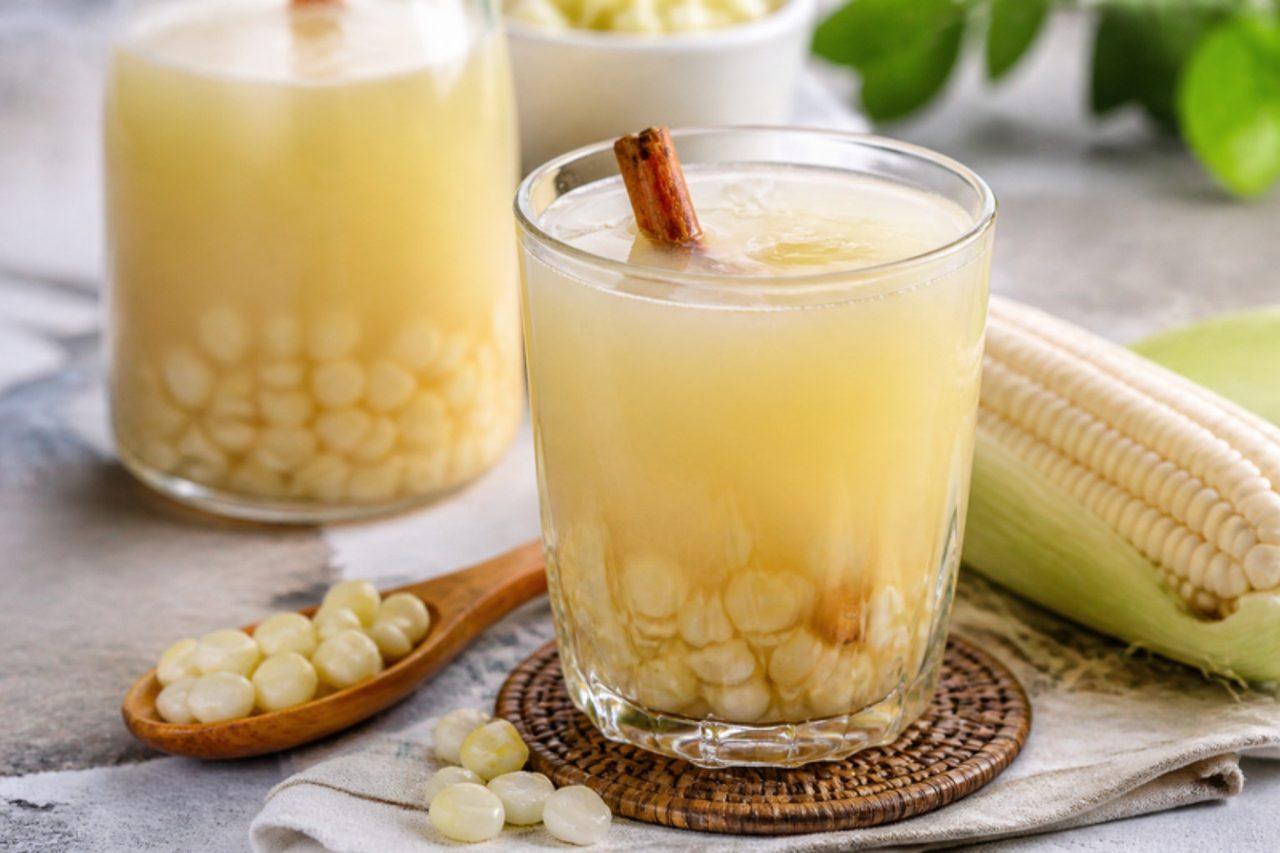
SomóCold spiced corn drink

Somó is how Santa Cruz cools down: big tubs of chilled, sweet, cinnamon-scented corn water sold in markets and at the door of lowland homes, with soft kernels of white corn floating in every glass to be eaten with a spoon. It is a simple drink, but it needs time, because the dried corn must soak and then simmer until each kernel bursts open. People often serve it before the kernels have fully opened, and then they are hard and chalky. Chef's tip: add a strip of orange peel with the spices for a fresher note, as some cruceño grandmothers do.

100 minAndeanDrinksVeganGluten free
by KrazyBadal 0 views

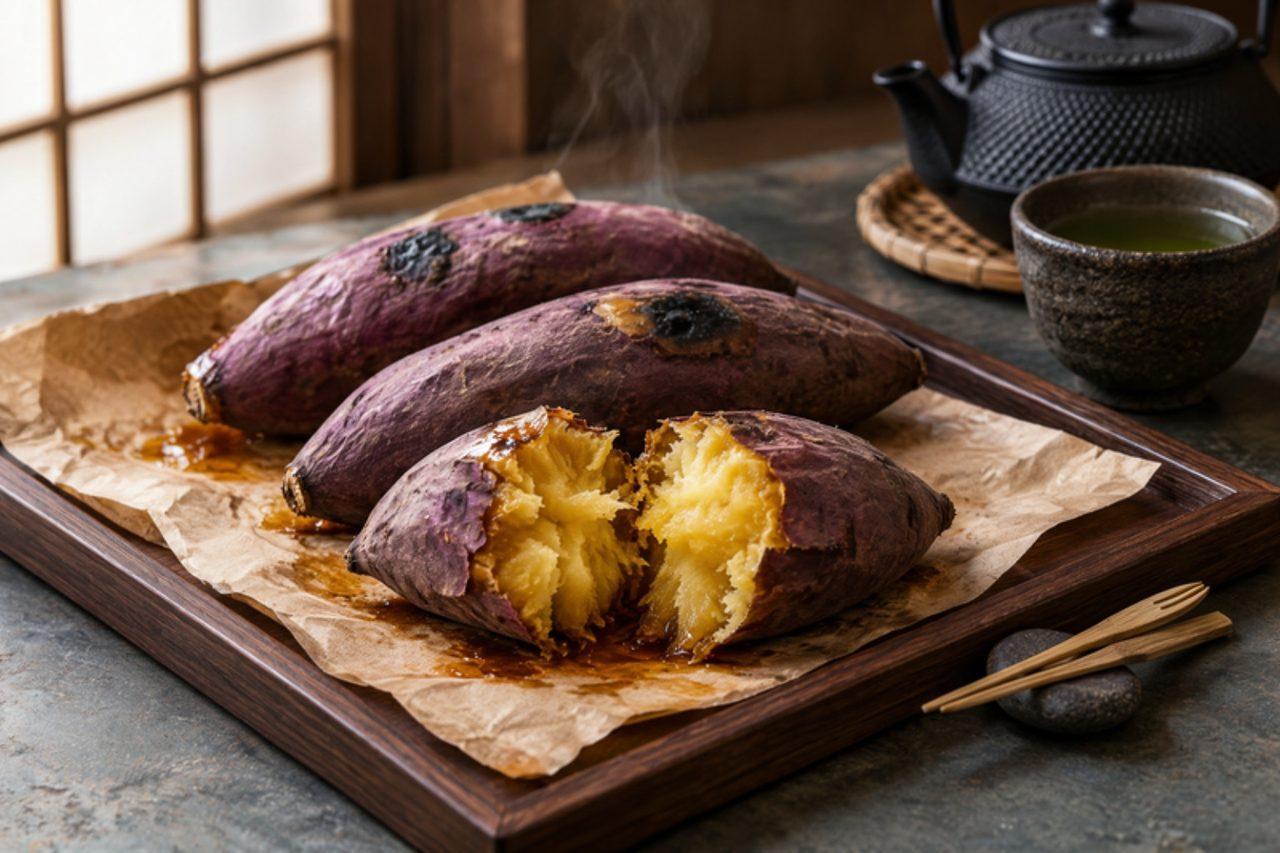
Yaki imoRoasted sweet potato

Yaki imo is the winter street snack of Japan: from November the yaki-imo trucks crawl through Tokyo and Osaka neighbourhoods singing 'ishi-yaki imo' through a loudspeaker, selling Japanese sweet potatoes roasted slowly on hot stones. At home the oven does the job. Long, low heat turns the starch into natural sugars, so the flesh becomes golden, fudgy and almost syrupy, and nothing at all needs adding: no butter, no sugar, no salt. About 0.1 g salt per portion, all of it naturally in the potato. Eat them hot from paper as an afternoon snack or alongside miso soup. The usual mistake is roasting too hot and fast, which cooks the potato but never sweetens it. Chef's tip: the potato is ready when sticky syrup bubbles out of the skin and the whole thing slumps when squeezed with an oven glove.

by KrazyBadal 0 views

Arrope de chañarChañar fruit syrup

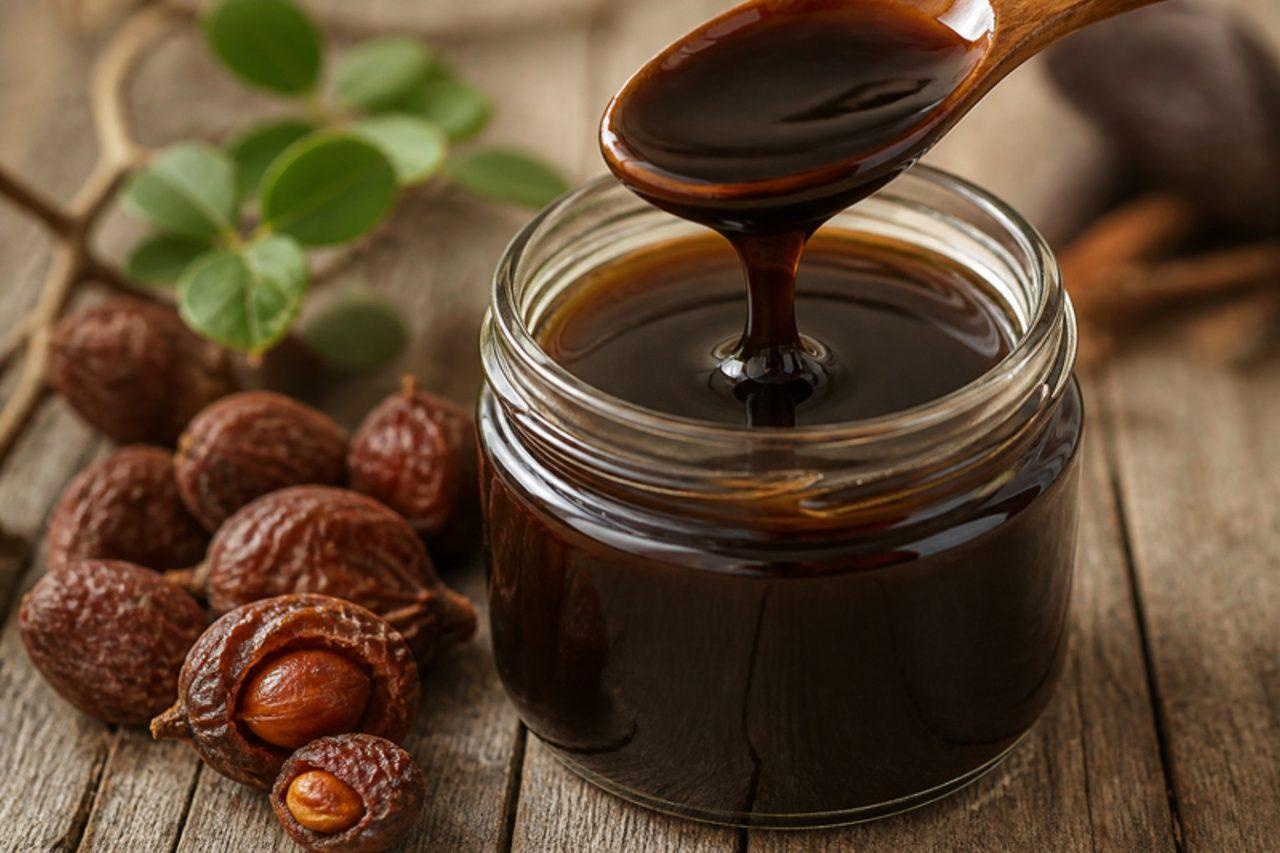
In the oases of the Atacama, from San Pedro to Toconao, the small brown fruit of the chañar tree is gathered in late summer, dried in the sun and boiled for hours into arrope, a molasses-like syrup with notes of dates and caramel. Grandmothers keep a bottle for winter coughs, but most of it ends up on toast, stirred into hot water or over mote (cooked wheat) and fresh cheese. Dried chañar is sold in northern markets and online; it needs no sugar at all. The classic mistake is walking away at the end, when the syrup thickens fast and scorches, turning bitter. Chef's tip: stop reducing when the syrup coats a spoon thinly; it sets much thicker as it cools.

by KrazyBadal 0 views

Rau sốngFresh herb and vegetable plate

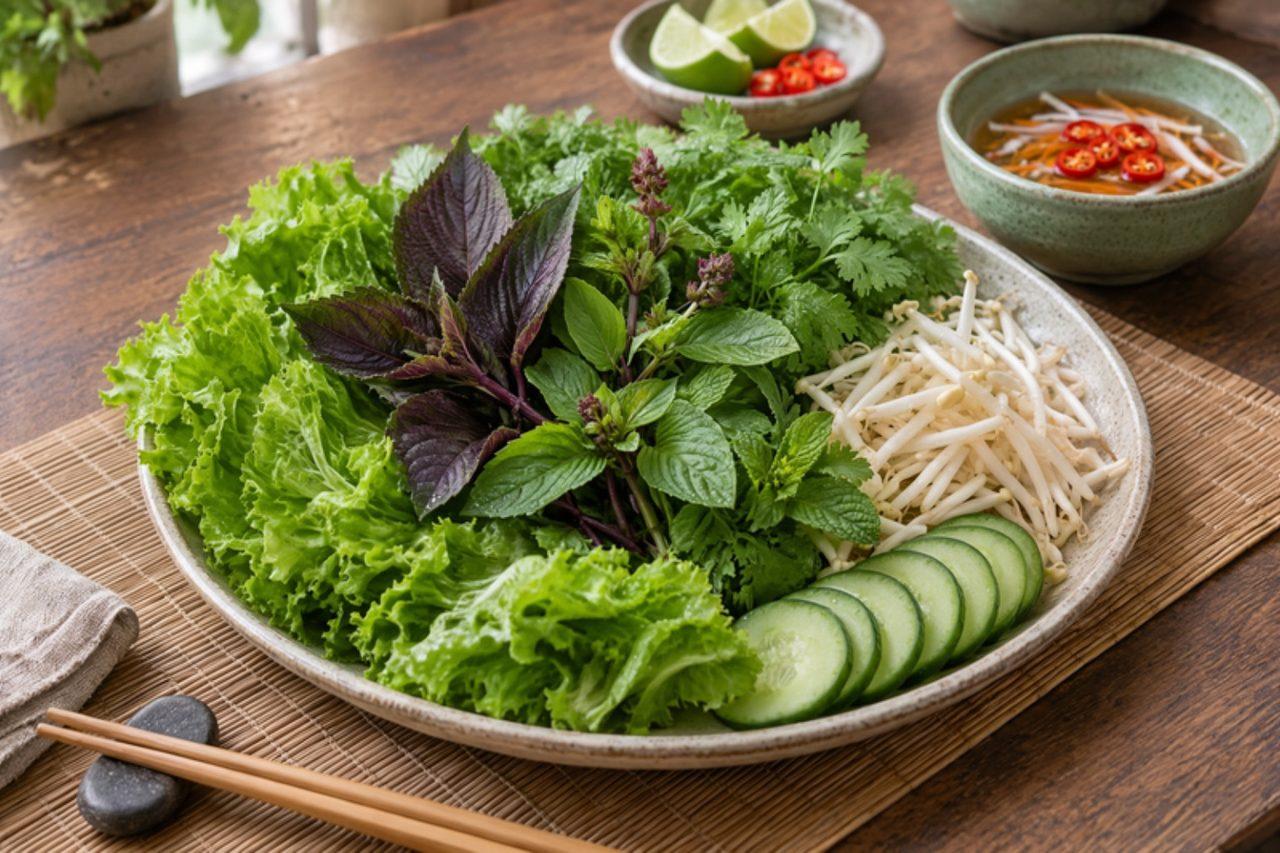
Rau sống, literally 'raw vegetables', is the heaped plate of lettuce, herbs and cucumber that sits in the middle of the table at almost every Vietnamese meal, from Hanoi bún chả to a Saigon family dinner. Everyone tears leaves to wrap grilled food, drops herbs into soup or eats them alongside rice. Nothing is added: no salt, no dressing. About 0.1 g salt per portion, naturally present in the greens. Seasoning comes from whatever dipping sauce is on the table, so a light hand there keeps the whole meal low in salt. The usual mistake is leaving the herbs wet; water dilutes the flavour and makes them wilt fast. Use whatever mix you can find: Thai basil, perilla (tía tô), Vietnamese balm (kinh giới), mint and coriander are classics. Chef's tip: soak the herbs in very cold water for 10 minutes, then spin dry; they become crisp and glossy and last through the whole meal.

by KrazyBadal 0 views

Agua de tuna (prickly pear drink)

Late summer is tuna season across the central highlands, from Hidalgo and the Estado de México down to Puebla's Teotihuacán valley, and that is when the big vitroleros in markets and taquerías turn shocking pink. Agua de tuna is just the cactus fruit blended with water, lime and a little sugar, strained, and poured over ice with lunch. Red tunas give a vivid colour and a taste between watermelon and pear; green ones make a paler, more herbal drink. It should be light and thirst-quenching, never syrupy. The commonest mistake is blending too long: the hard seeds crack and the agua turns gritty and slightly bitter. Pulse briefly, just enough to free the pulp, then strain well. It is ready when the liquid runs smooth through the sieve and tastes clearly of fruit with only a lift of lime. Handle unpeeled tunas with tongs or gloves: even 'cleaned' ones keep tiny glochids. Chef's tip: chill the peeled fruit before blending; cold pulp keeps its colour bright and needs less ice to dilute it.

by KrazyBadal 0 views

Teh halia (ginger milk tea)

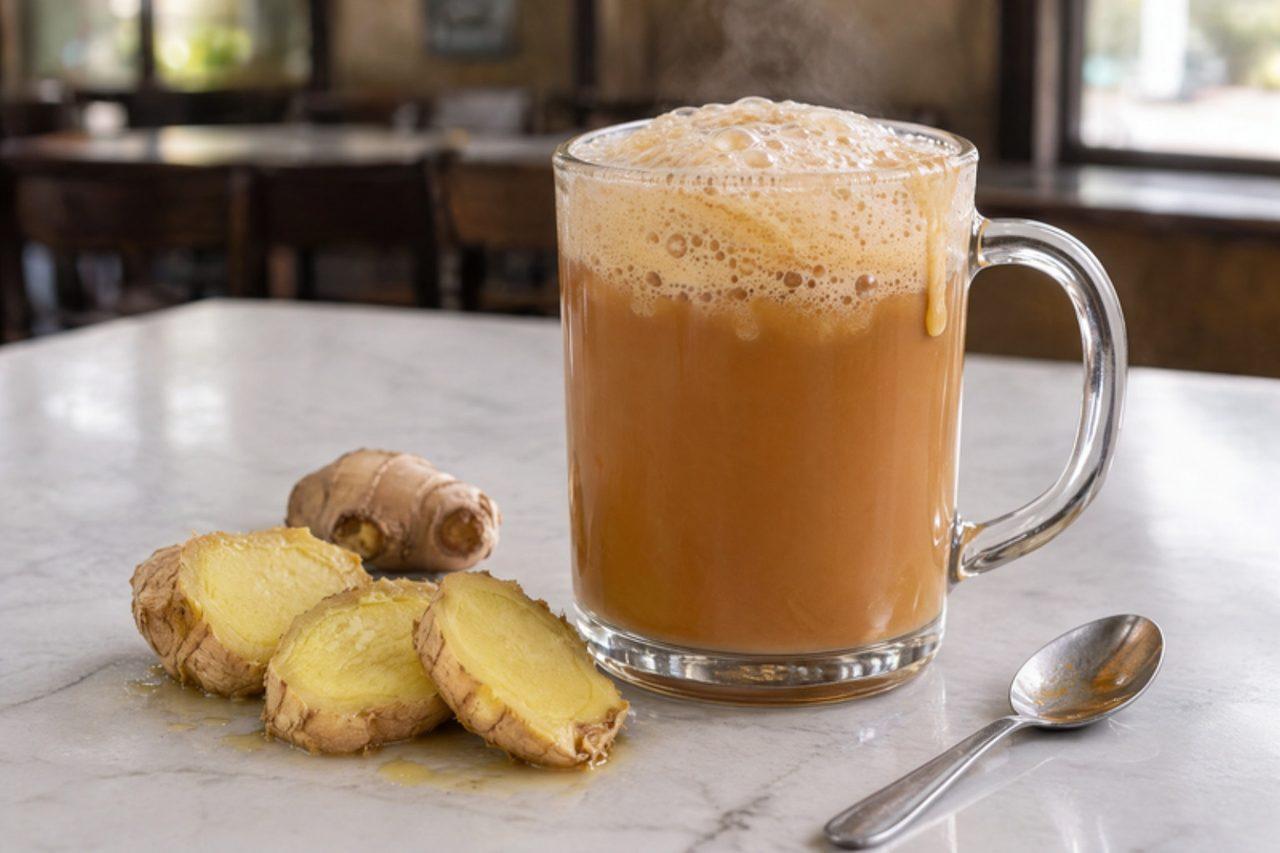
Sit down at any mamak stall in Kuala Lumpur, Penang or Johor Bahru, from breakfast roti canai to the after-football supper at 1 a.m., and someone at the table will order teh halia. It is teh tarik's spicier cousin: dust-fine black tea is boiled with plenty of crushed ginger, mixed with condensed and evaporated milk, then 'pulled' between two mugs from arm's length until a thick froth forms. The result is sweet, creamy and malty, with a ginger heat that catches your throat, most loved on wet monsoon evenings. The common mistake is adding ginger to tea at the end; it then tastes raw and thin. Boil the ginger in the water first for several minutes so the heat goes into the liquid. It is ready when the tea is the colour of milky caramel and a dense froth a few centimetres high sits on top. This contains caffeine, so it is not for children. Chef's tip: practise pulling with water over the sink first, then start low and raise the mug slowly as you pour.

by KrazyBadal 0 views

Ipoh white coffee

Ipoh's old town kopitiams, with their marble tables and morning crowds queueing for kai si hor fun and egg tarts, gave Malaysia its 'white coffee'. The name comes not from milk but from the roast: beans are roasted with palm-oil margarine, lighter than the dark, sugar-roasted kopi of the rest of the country, then brewed and served with condensed milk. It is smoother and less bitter than ordinary kopi, nutty and buttery, pale caramel in the cup, drunk hot at breakfast or iced in the afternoon heat. At home, buy ground Ipoh-style white coffee from an Asian grocer; you cannot easily reproduce the margarine roast in a kitchen. The common mistake is brewing it like espresso: forced extraction makes it bitter and kills the soft, toasty flavour. Steep it in a cloth sock or a coffee filter with water just off the boil. It is ready when the brew is reddish-brown and clear, not inky. This is a strong coffee with real caffeine, not for children. Chef's tip: warm the cups with hot water first; white coffee cools fast and loses its aroma.

by KrazyBadal 0 views

Kadha (spiced herbal decoction)

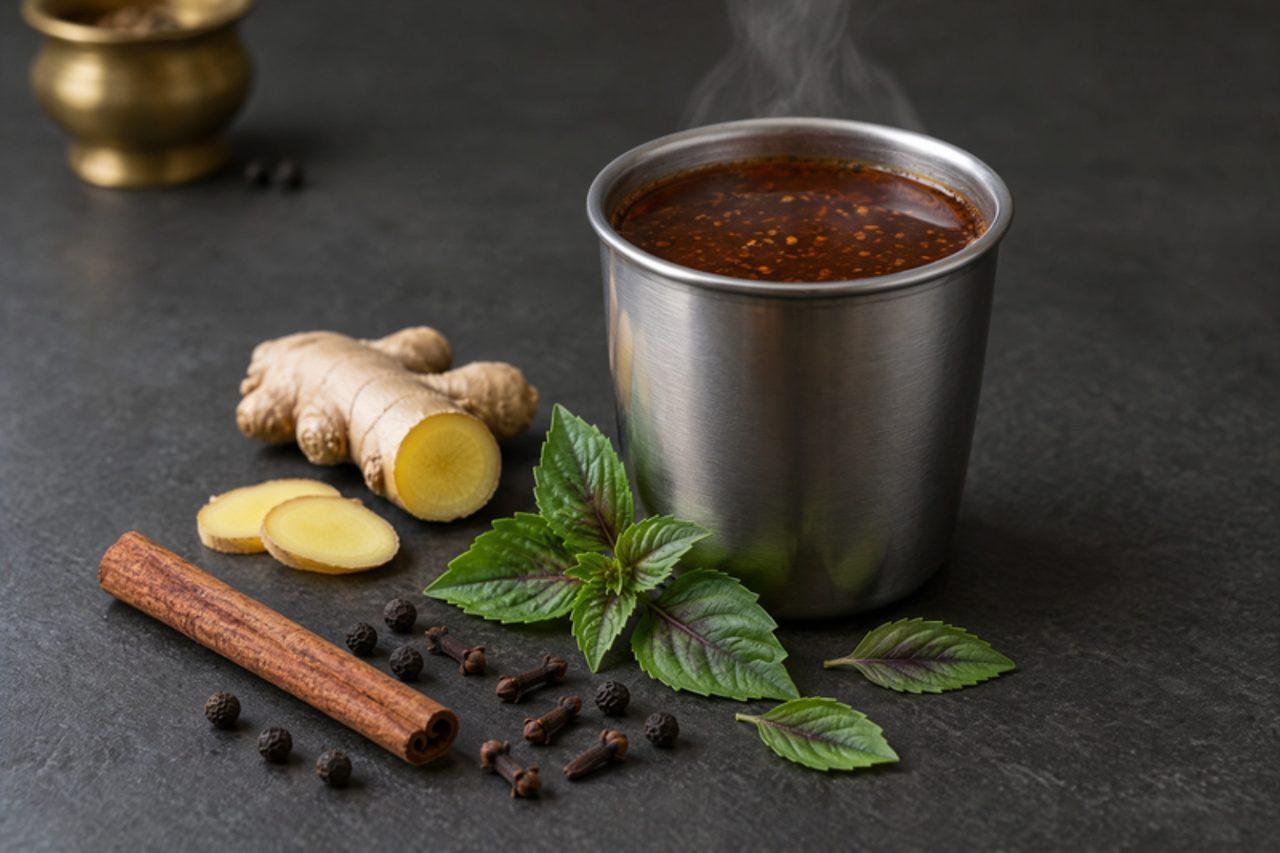
When the fog settles over Delhi, Lucknow and the plains of Uttar Pradesh in December, or whenever the monsoon brings coughs round the house, someone puts a pan of kadha on the stove. Tulsi leaves, ginger, black pepper, cinnamon, cloves and sometimes a little ajwain are boiled hard until the water reduces by half, then sweetened with jaggery and sipped in small cups, morning or night. It is not a gentle tea: it is hot, peppery, clove-numbing and earthy, with a dark amber colour and a sweet edge. It is traditionally drunk for coughs and colds; it does not replace medical care, and anyone who is pregnant, on medication or giving it to small children should keep it mild and check with a doctor. The common mistake is simmering it gently like tea: kadha needs a steady boil so the spices give up their strength and the liquid reduces. It is ready when the volume has halved and the brew is deep amber and pungent. Chef's tip: crush the pepper and cloves just before they go in; whole spices hardly flavour the water in this short time.

by KrazyBadal 0 views

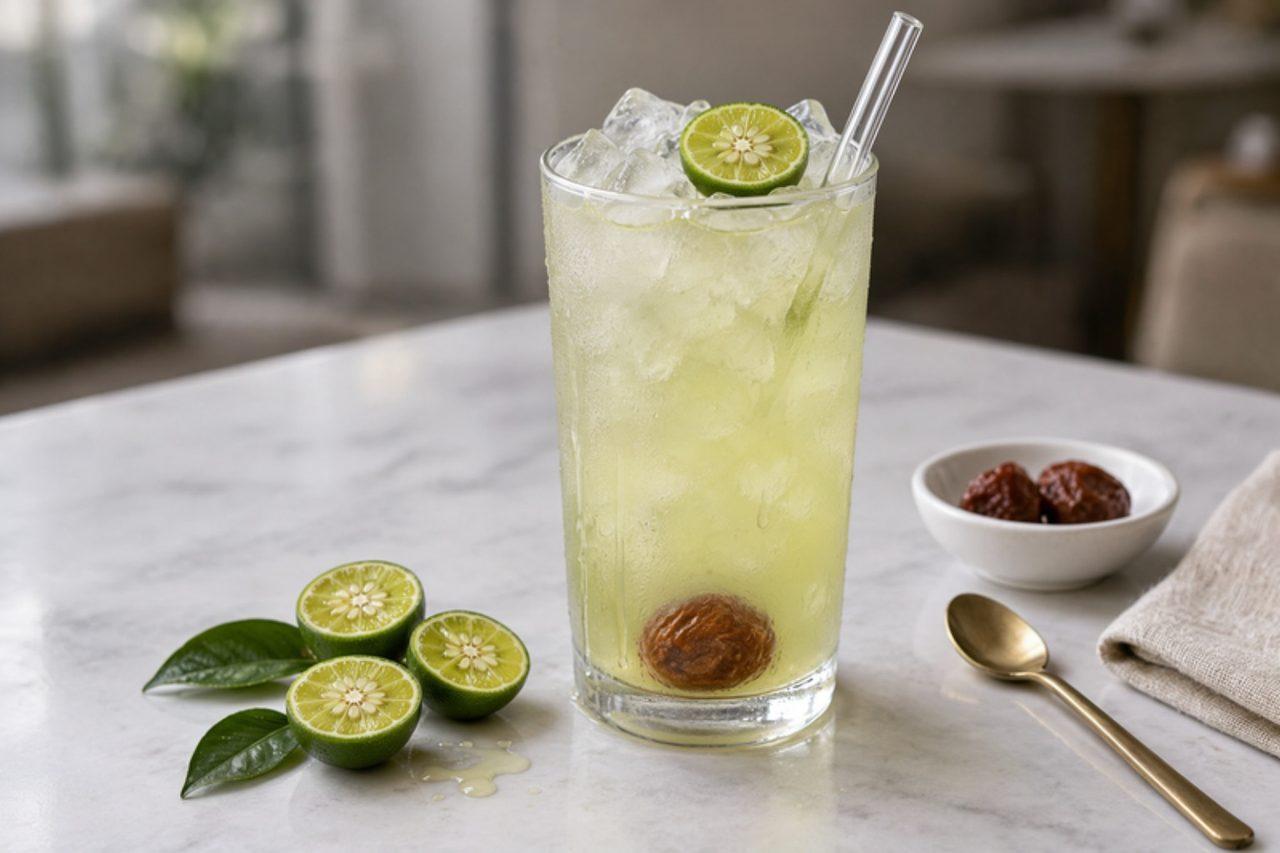
Limau asam boi (lime with sour plum)

Order 'limau ais asam boi' at a kopitiam in Penang or a hawker centre in Kuala Lumpur at the hottest part of the afternoon and it arrives in a tall, sweating glass: freshly squeezed calamansi or small green limes, a little syrup, ice and one wrinkled, salted dried plum. The plum slowly leaches salt and fruity sourness into the drink, so every sip changes, starting bright and sweet and ending salty and tangy; you squash the plum with your straw halfway through for a stronger hit. It goes with char kway teow, nasi lemak or anything fried. The usual mistake is using bottled lime juice, which tastes flat and bitter against the plum. Squeeze fresh limes, and add the syrup gradually because asam boi is already salty-sweet. It is ready when the glass is frosted and the plum has started to plump up. Asam boi is sold in jars in Chinese and Southeast Asian groceries; Japanese umeboshi is saltier but works if you halve the amount. Chef's tip: make the lime-syrup base ahead and keep it cold, then pour over fresh ice only when you serve.

by KrazyBadal 0 views

Refresco de coconaCocona cooler

In Iquitos, Pucallpa and the river towns of Loreto, heat and humidity make a cold refresco part of every lunch, and cocona is one of the favourites sold from plastic jugs at the Belén market. The fruit looks like a fuzzy orange tomato and tastes between tomato, lemon and apricot: very sour, aromatic and juicy. Blended with water and sugar it makes a tangy, golden drink with a light pulp, served with juane or tacacho con cecina. The usual mistake is skipping the fuzz: cocona skin is covered in fine hairs that make the drink scratchy, so rub them off under running water before you start. Blend only briefly, too, so the many seeds do not crack. It is ready when the refresco is opaque orange, sour first and sweet after, with no grit. Outside the Amazon, look for frozen cocona pulp in Latin American shops; naranjilla (lulo) pulp is the closest substitute. Chef's tip: a pinch of salt makes the fruit taste sweeter and fruitier without more sugar.

by KrazyBadal 0 views

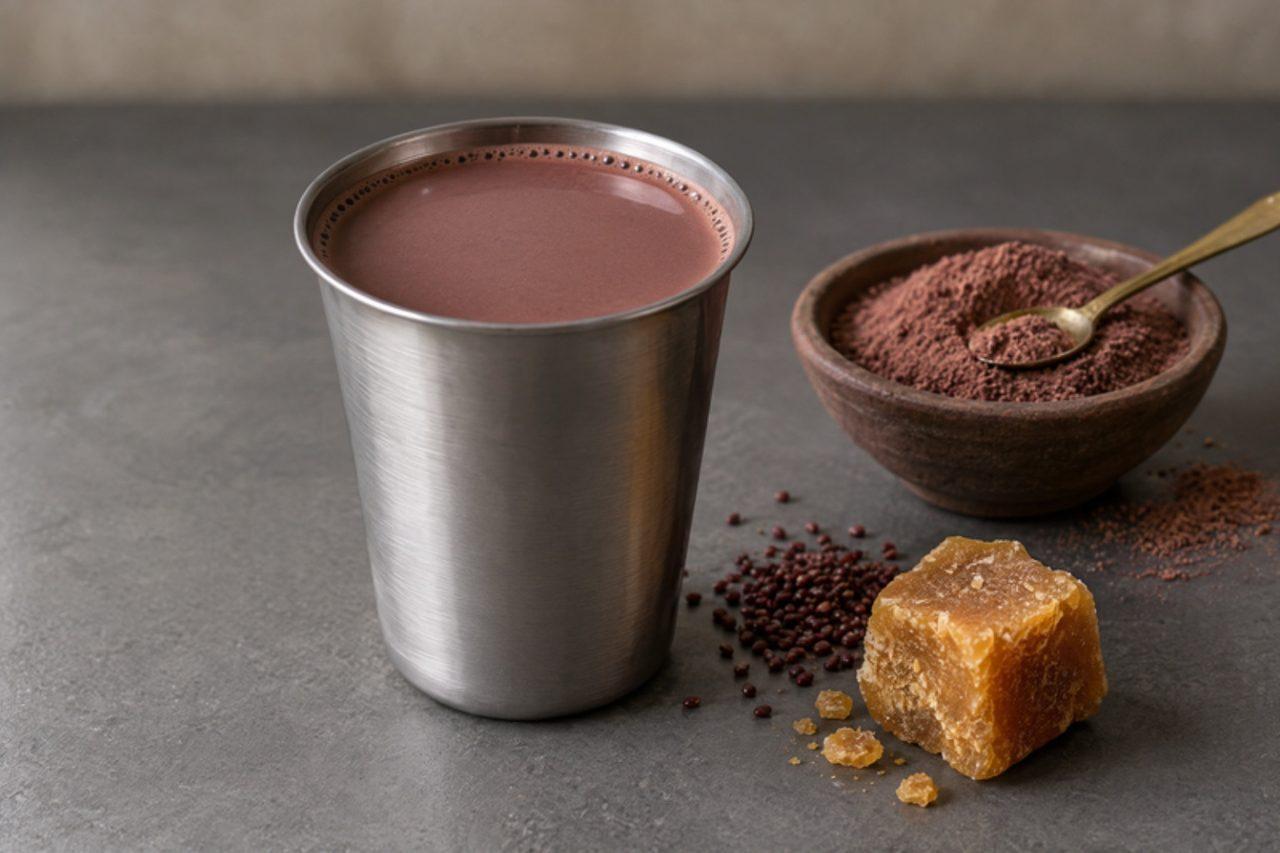
Ragi maltFinger millet malt drink

Across Karnataka, from Bengaluru flats to farmhouses round Mandya and Mysuru, a mug of ragi malt is how many mornings start, especially for schoolchildren, older relatives and anyone heading out to work in the fields. Finger millet powder is whisked into water and cooked until it thickens, then loosened with hot milk and sweetened with jaggery and cardamom; the savoury version, beaten into buttermilk with salt, is drunk cold at lunch in summer. The sweet version is smooth, malty and nutty, mauve-brown, thicker than milk but still drinkable. The commonest mistake is tipping ragi powder straight into hot liquid: it seizes into stubborn lumps. Always whisk it into cold water first. It is ready when the raw, grassy smell has gone, the mixture turns glossy and darker, and it coats the back of a spoon. Add jaggery only off the heat, or the milk can split. For babies, skip the jaggery and ask your health visitor about introducing ragi. Chef's tip: sprouted ragi powder (the true 'malt') tastes sweeter and cooks faster; look for it in Indian shops.

by KrazyBadal 0 views

Colada moradaPurple corn and berry drink

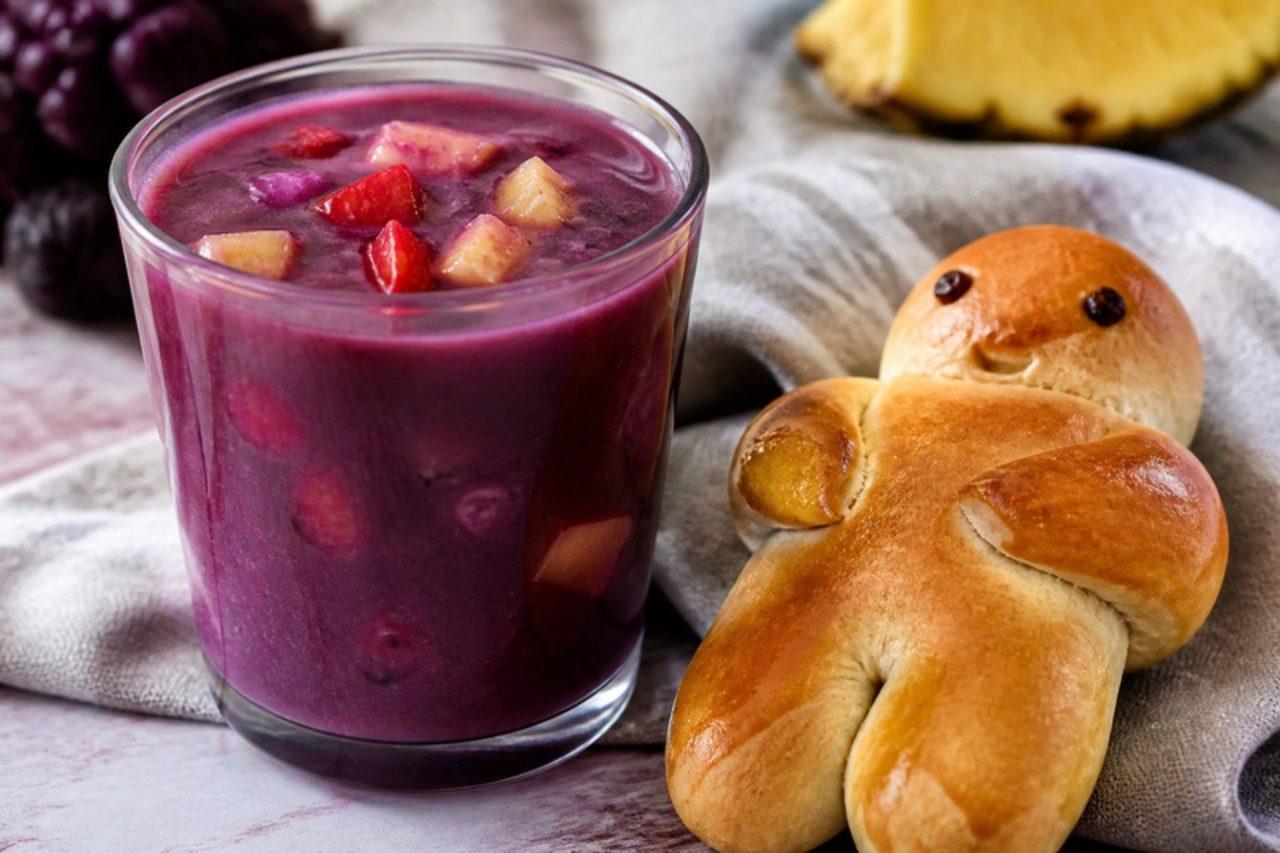
Every year in the days before 2 November, the Día de los Difuntos, Quito's kitchens and bakeries fill with the smell of colada morada: a warm, spoon-thick drink of purple corn flour cooked with blackberries, blueberries, pineapple and a bundle of fragrant herbs and spices. It is deep violet, sweet-tart and full of chopped fruit, and it is always served with guaguas de pan, the bread babies, often shared with family at the cemetery. The most common mistake is stirring the corn flour straight into hot liquid, which makes lumps: whisk it into cold water first. Chef's tip: lemon verbena and lemongrass give the authentic perfume; if you can find naranjilla or a few orange leaves, add them to the spice pot too.

100 minAndeanDrinksVeganGluten free
by KrazyBadal 0 views

Nadru monjeLotus stem fritters

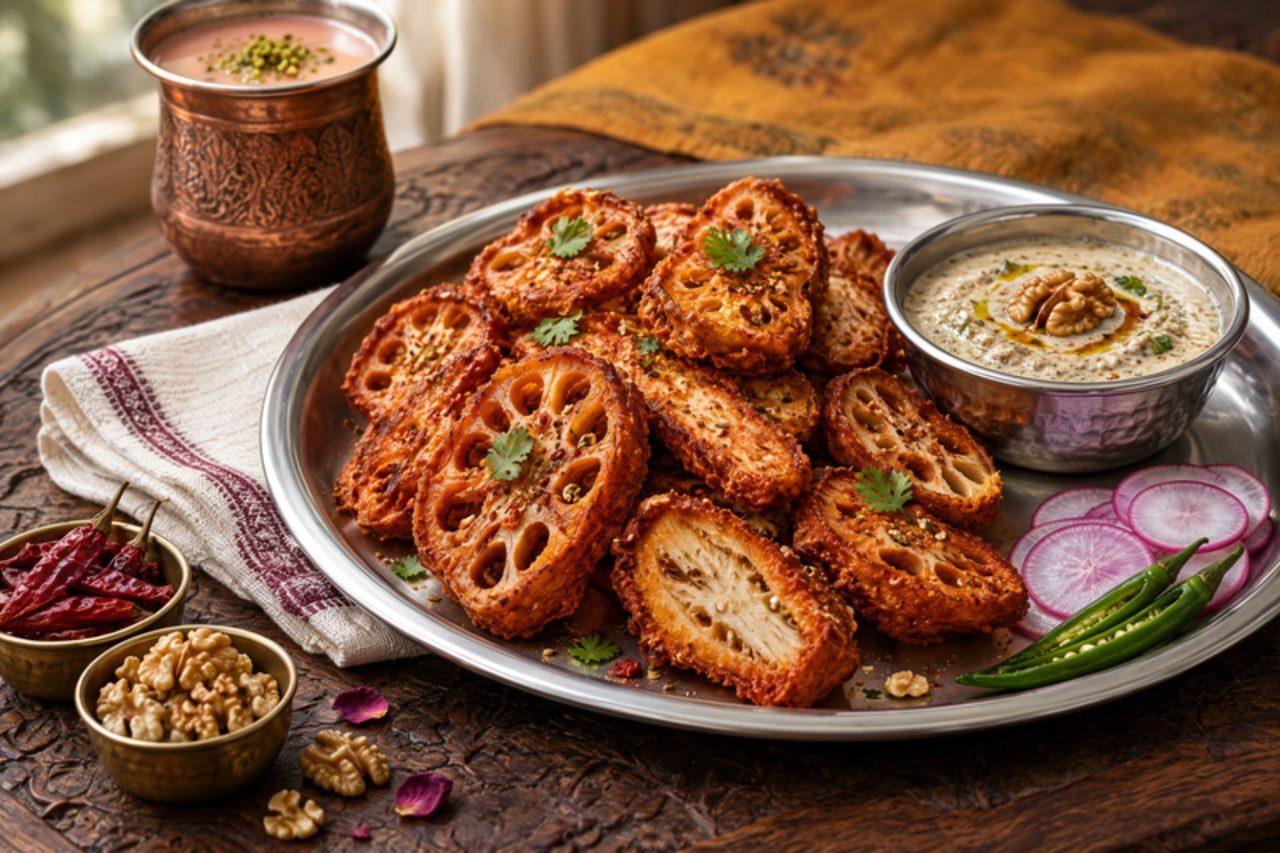
On cold Srinagar evenings the stalls around Dal Lake and in the old city fry nadru monje, thin slices of lotus stem dipped in a rice-flour batter reddened with Kashmiri chilli and fried until crackling. They are eaten hot from paper with a sharp walnut or radish chutney, and turn up at home with noon chai when guests drop in. The lotus stem stays crunchy inside the crisp batter. The most common mistake is skipping the boiling step; raw lotus stem is woody and can carry mud in its holes, so scrub and part-cook it first. Chef's tip: slice on a slant about 3 mm thick so the batter clings and the lacy holes show.

by KrazyBadal 0 views

Jugo surtidoMixed fruit juice

Step up to any juguería in Lima's Mercado de Surquillo or a barrio market at breakfast time and order a surtido: the juicer drops papaya, banana, pineapple and freshly squeezed orange into a tall blender, sometimes a slice of cooked beetroot for colour or a splash of milk, and pours you a big glass with the rest left in the jug for your 'yapa', the free refill. It is thick but still pourable, sweet from ripe fruit with a sharp orange edge, the kind of drink that stands in for breakfast before a long day. The common mistake is adding lots of ice and water, which makes it thin and frothy rather than velvety. Use cold fruit and freshly squeezed orange juice as the liquid. It is ready when it coats the glass and no lumps of banana are left. This version is fruit only; stalls also make it with milk if you prefer. Drink it straight away: papaya and banana go brown and bitter within half an hour. Chef's tip: use very ripe papaya with orange flesh; under-ripe papaya tastes of nothing and gives a faintly bitter aftertaste.

by KrazyBadal 0 views

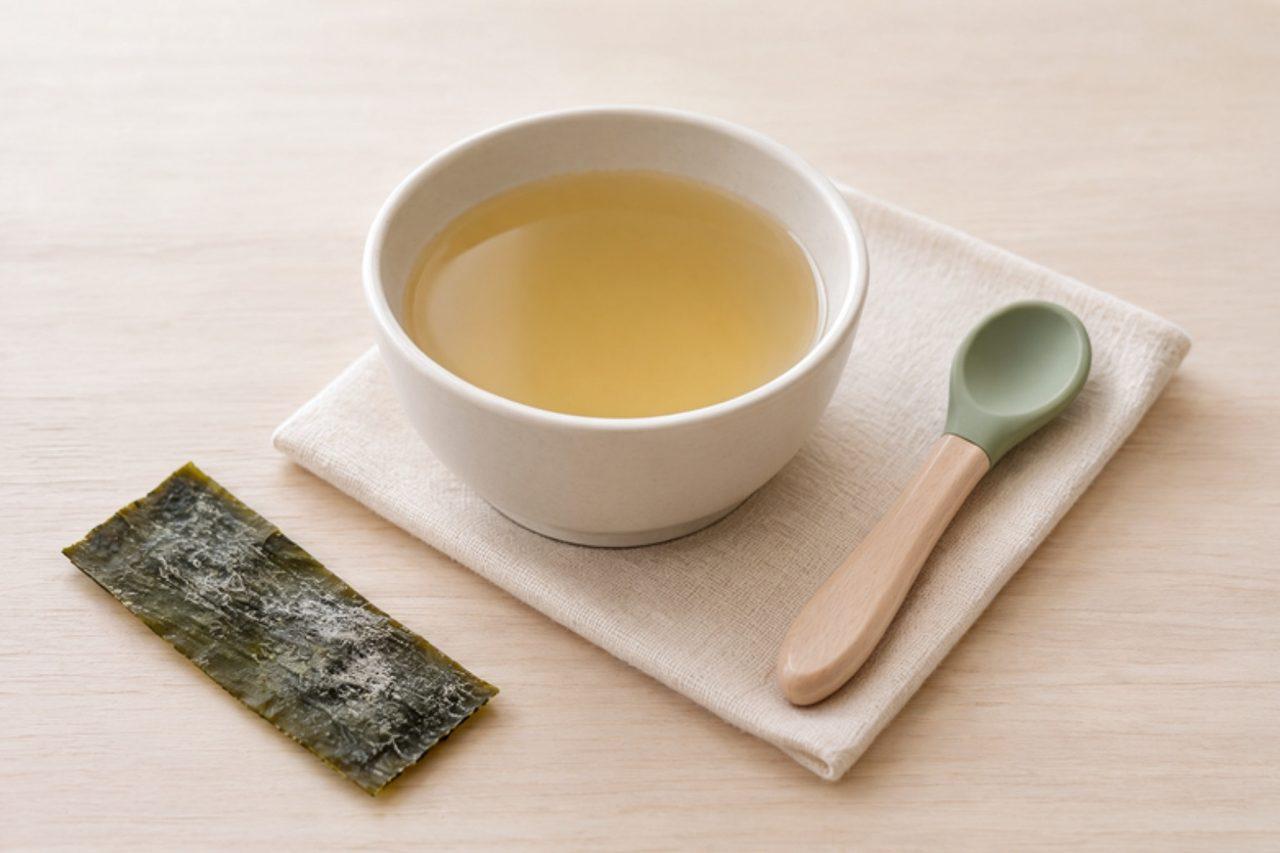
Kombu dashi for babiesKelp broth for babies

Kombu dashi is where Japanese weaning starts: the gentle, savoury water that thins jūbai-gayu (rice porridge) and vegetable purées, so babies learn umami instead of salt. Japanese parents make a jug every few days, and baby-food counters in Osaka department stores sell frozen cubes of it. Kombu is very high in iodine, so this broth is used a spoonful or two at a time to flavour a meal, a few times a week, never as a drink. Nothing else goes in: no salt, soy sauce, bonito or stock powder. It is free of the major allergens. Chef's tip: lift the kombu out just before the water simmers; boiled kombu turns slimy and gives a bitter, sea-weedy taste.

by KrazyBadal 0 views

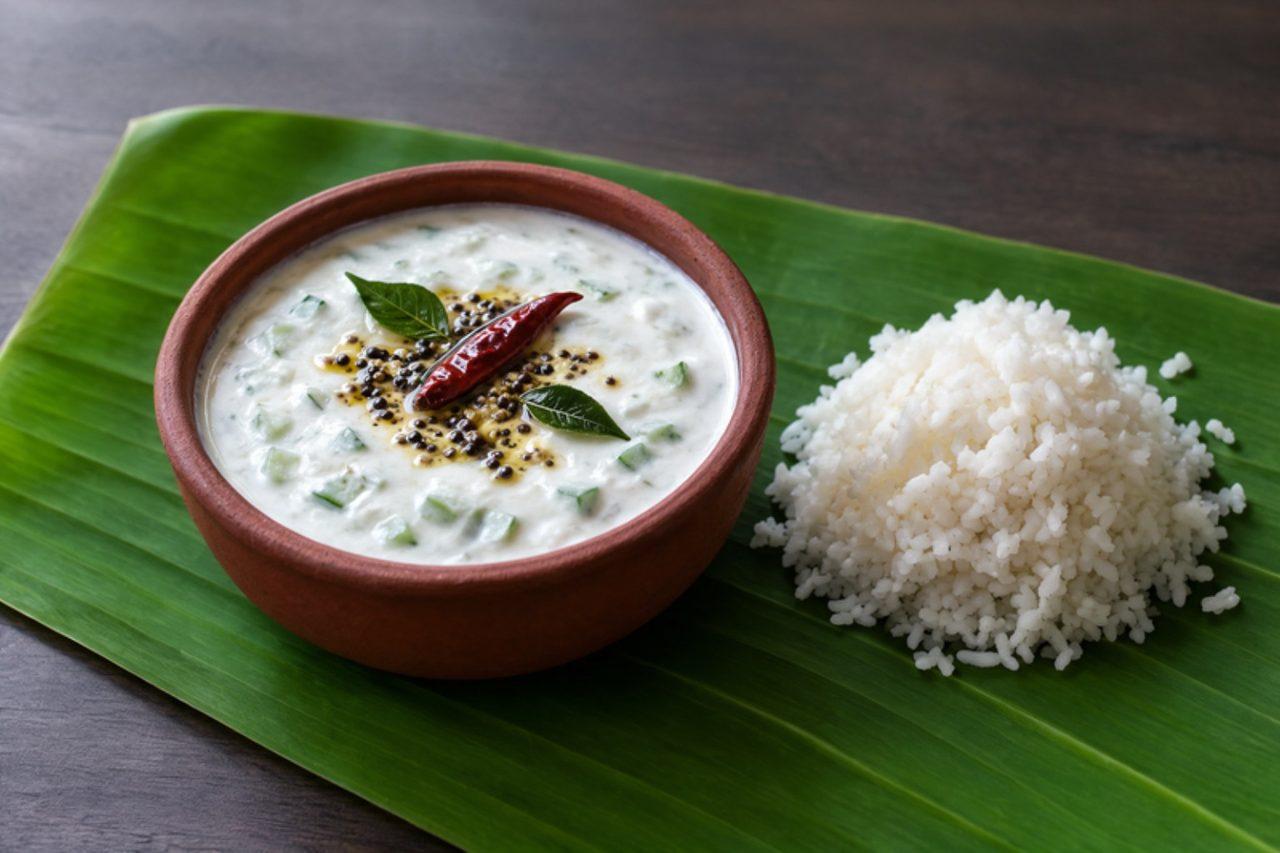
Vellarikka pachadiCucumber yogurt curry

Vellarikka pachadi is one of the cooling yogurt dishes on the Kerala sadya, the banana-leaf feast served at Onam and weddings, and it turns up at everyday lunches across Thrissur and Kottayam too. Diced cucumber is softened briefly, then folded into thick yogurt with a paste of coconut, green chilli and crushed mustard seed, and finished with mustard seeds and curry leaves crackled in coconut oil. Coconut and curd carry the flavour, so it needs only a pinch of salt: about 0.25 g salt per portion. The usual mistake is adding the yogurt to hot cucumber, which splits it; let the cucumber cool first. Serve with rice and a dry vegetable thoran. Chef's tip: grind the coconut paste with a few raw mustard seeds; their gentle pungency is what makes a pachadi taste of Kerala.

by KrazyBadal 0 views

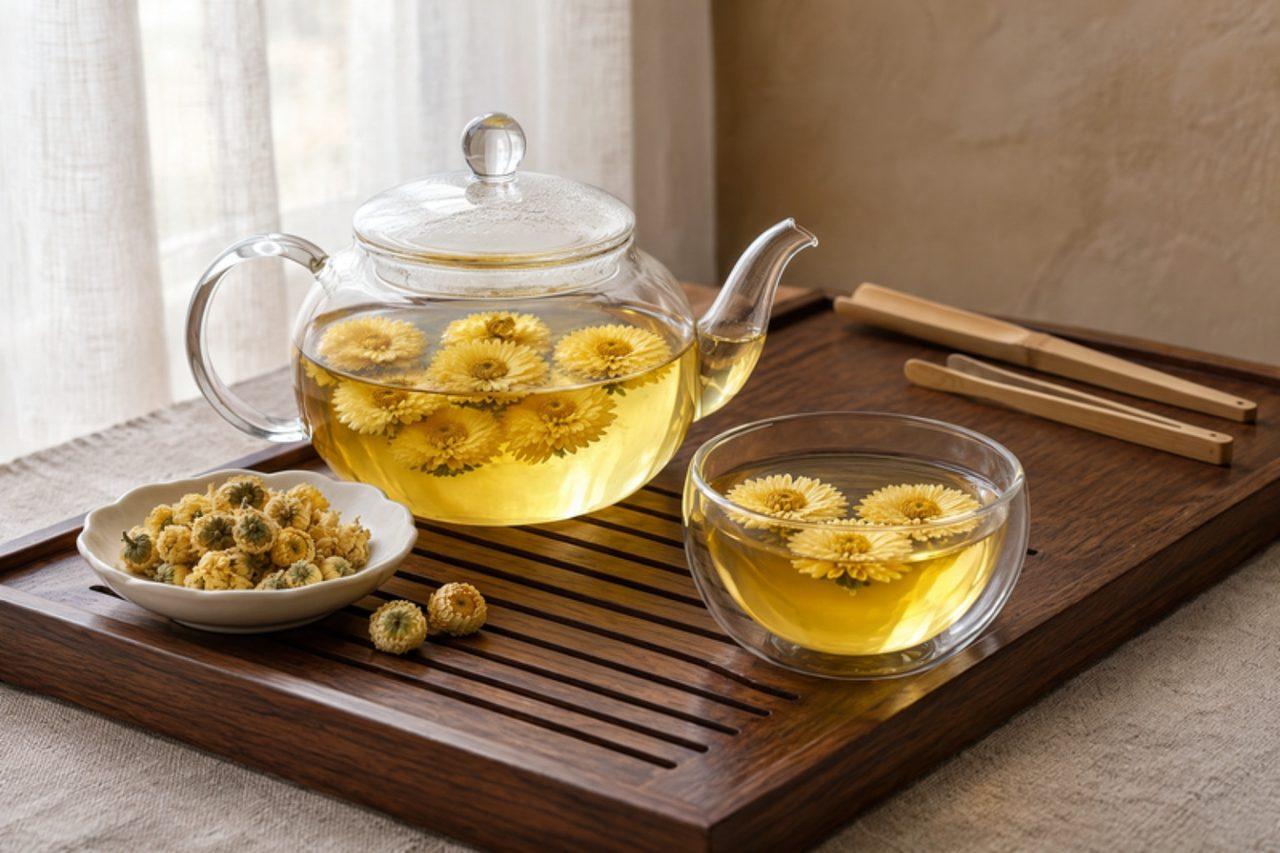
Ju hua chaChrysanthemum tea

Ju hua cha is chrysanthemum tea, a summer staple in Hangzhou, where the famous small white Hang bai ju flowers grow, and across Guangdong and Hong Kong, where it is poured at dim sum and sold chilled in street-side stalls. Dried flowers open in hot water into a pale golden, honey-scented infusion with a gentle bitterness. It is drunk plain here: no salt and no sugar, so about 0.0 g salt per cup. The usual mistake is using boiling water, which turns it harsh; let the kettle rest for a minute first. A few goji berries add colour and a little natural sweetness. Chef's tip: rinse the dried flowers quickly in warm water first to wash off dust and wake up their fragrance.

by KrazyBadal 0 views

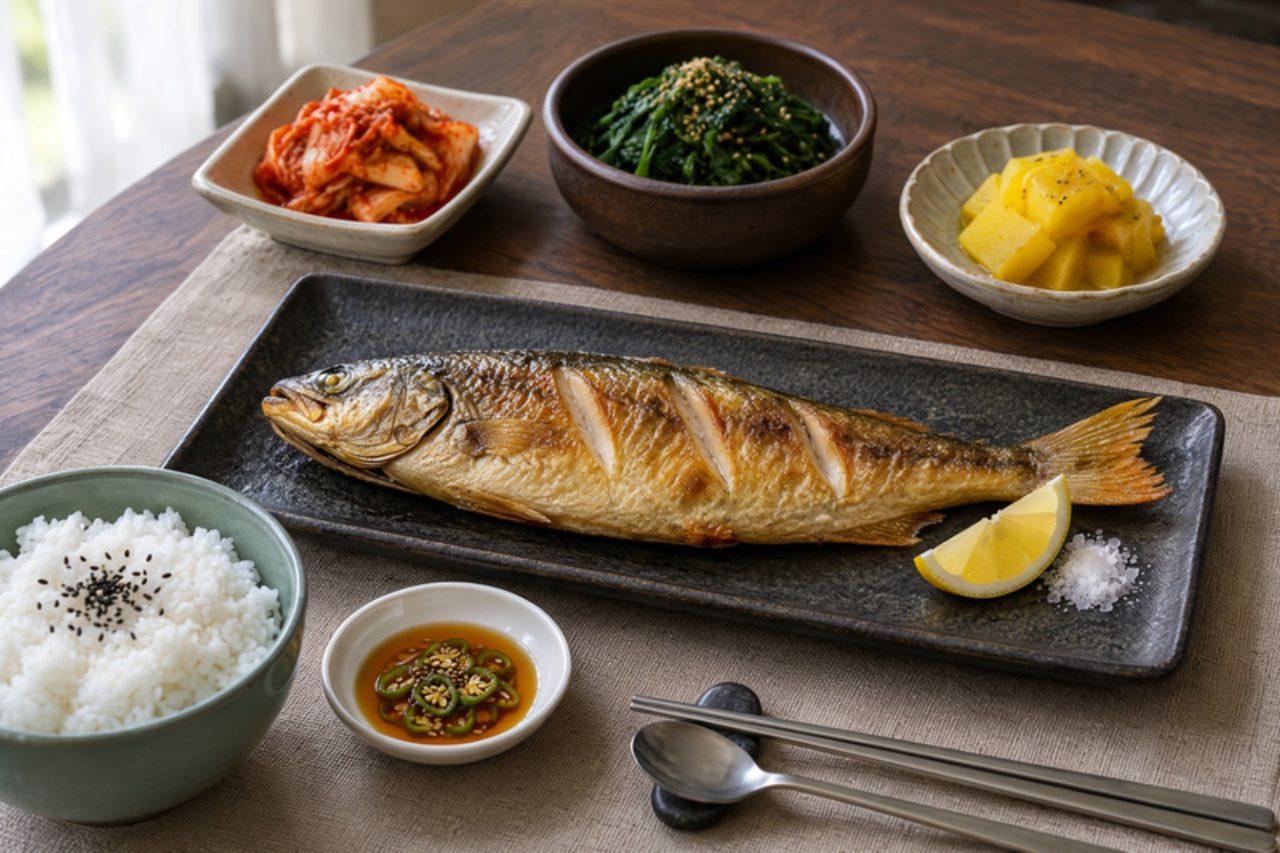
Jogi guiGrilled yellow croaker

Yellow croaker from Yeonggwang on Korea's west coast is so prized that dried gulbi are given as gifts at Chuseok, and a simply grilled or pan-roasted croaker is a classic of the family table and of ancestral memorial meals. The fish is salted, dried briefly and cooked whole until the skin crackles and the flesh comes away in sweet, moist flakes; you eat it with rice, kimchi and a few vegetable banchan. Suitable as part of a balanced diet: high in protein with no batter or flour. About 210 kcal and 1 g carbohydrate per portion. The usual mistake is turning the fish too early, so the skin tears and sticks; wait until it releases on its own. Small sea bream or red mullet work if you cannot find croaker. Chef's tip: pat the fish completely dry and leave it uncovered in the fridge for 30 minutes before cooking for the crispest skin.

25 minKoreanFishGluten free
by KrazyBadal 0 views

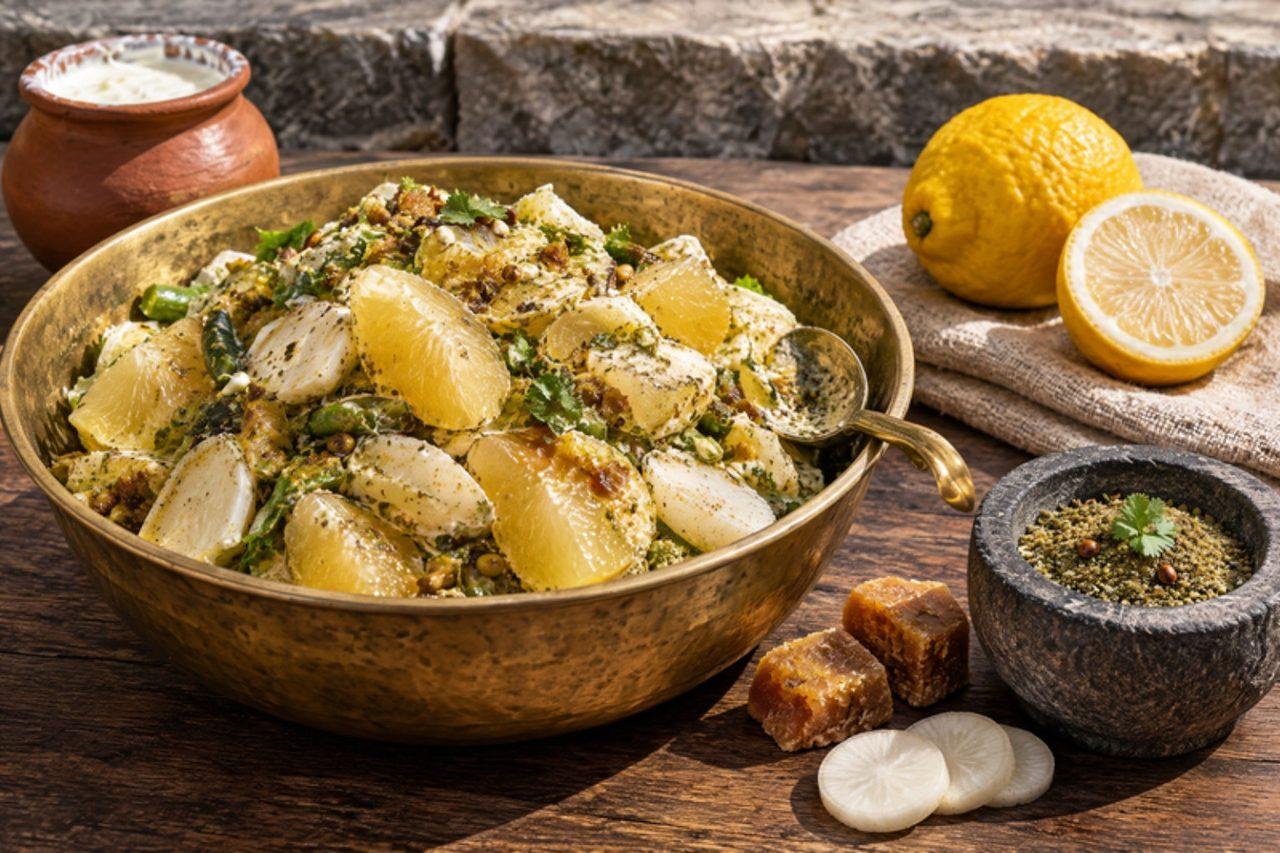
Sana hua nimbuLemon and radish with curd

On sunny winter afternoons in Kumaon, families sit on the rooftops and make a big bowl of sana hua nimbu to share: segments of the giant hill lemon (galgal) mashed with radish, curd, jaggery and green salt pounded with hemp or coriander. It is sweet, sour, salty and crunchy all at once, and is eaten with fingers straight from the bowl. Ordinary lemons or a mix of lemon and pomelo work well. The common mistake is leaving in the pith and seeds, which make the whole bowl bitter. Chef's tip: mix just before eating; once it sits longer than 20 minutes the radish weeps and the curd thins.

by KrazyBadal 0 views

Suco de cajáHog plum juice

Walk along the beach barracas of Salvador or into any lanchonete in Recife and the juice board will list cajá near the top. The small yellow fruit, from tall trees that grow wild across Bahia and the Northeast, is too sour to eat out of hand but makes a juice with a scent that people there treat as a taste of home: floral, sharp and tropical, a little like passion fruit and mango crossed with lime. It is drunk ice-cold with lunch, with a plate of moqueca, or after an afternoon in the sun. Most Brazilians use frozen pulp, which keeps the fragrance well. The common mistake is drowning it in sugar or blending it with too much water so the perfume disappears; cajá should taste lively and tart, so sweeten lightly and taste as you go. It is ready when it is a bright golden-yellow, lightly frothy, and smells floral as soon as you lift the jug. Outside Brazil, look for frozen cajá pulp in Latin American shops; the same fruit is sold as jobo or yellow mombin, or ciruela in Mexico. Chef's tip: blend with half ice and half water instead of all water for a frothier, colder juice.

by KrazyBadal 0 views

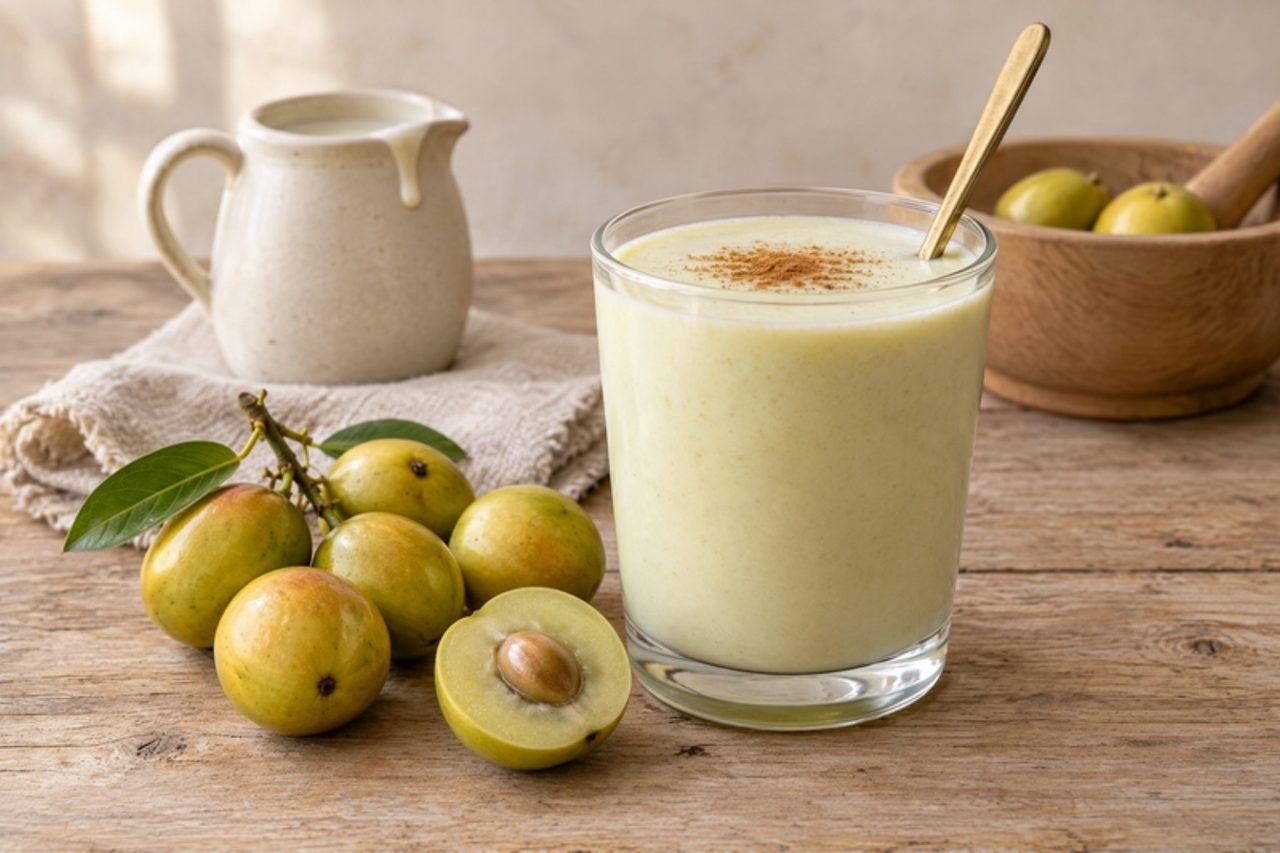
UmbuzadaUmbu and milk drink

The umbu tree is the pride of the sertão, the dry interior of Bahia, Pernambuco and Piauí: its swollen roots store water through the drought, and when the rains come between January and March it covers itself in small green-gold fruit. Families gather them by the sackful, and umbuzada, the fruit cooked and blended with milk and sugar, is drunk cold in the afternoon heat or eaten thick as a light supper. It tastes sharply sour and sweet at the same time, creamy and fruity, a little like a gooseberry milkshake. The common mistake is blending hot, acidic pulp with milk, which makes it curdle into grainy flecks. Cool the pulp completely, mix the sugar into the pulp before the milk goes in, and serve soon after blending. It is ready when it is smooth, pale yellow-green and coats the glass. Outside Brazil, look for frozen umbu pulp in Brazilian shops; failing that, use cajá (yellow mombin) pulp or tart green plums cooked the same way. Keep any leftovers in the fridge and drink within a day. Chef's tip: for the thick version eaten with a spoon, halve the milk and serve it in a bowl with a sprinkle of farinha or crushed cuscuz.

by KrazyBadal 0 views

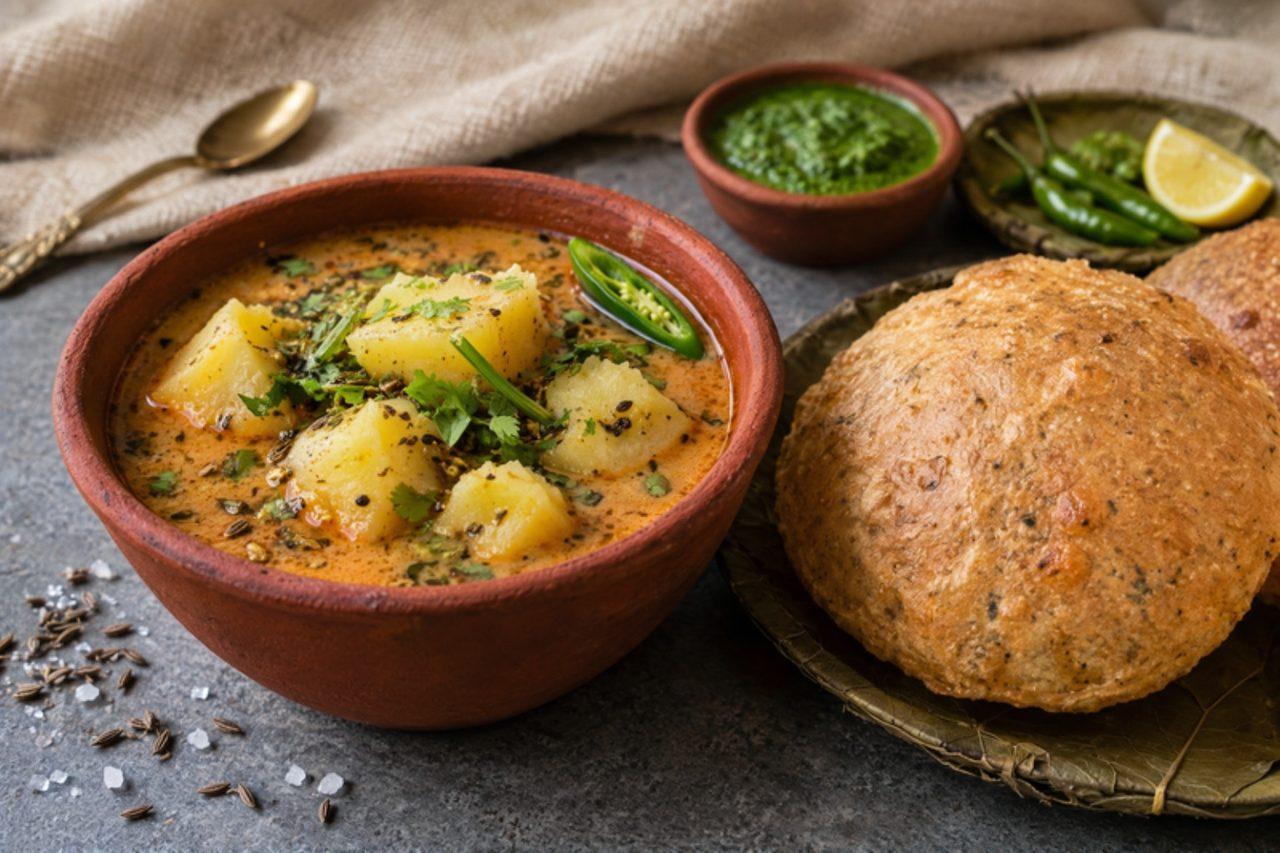
Dubki wale alooHing-scented potato curry

In the lanes of Mathura and Agra, breakfast is bedai or kachori with dubki wale aloo, a thin, peppery potato curry with so much gravy the puri can take a dip, or dubki. Its flavour comes from hing, crushed coriander seed and fennel rather than onion or garlic, which suits the Vaishnav kitchens of Braj and Holi mornings. The common mistake is making the gravy thick; it should run, so add enough water and mash only a few potatoes to give it body. Chef's tip: crush the boiled potatoes by hand into rough pieces rather than cubing them; the jagged edges soak up the spice.

by KrazyBadal 0 views

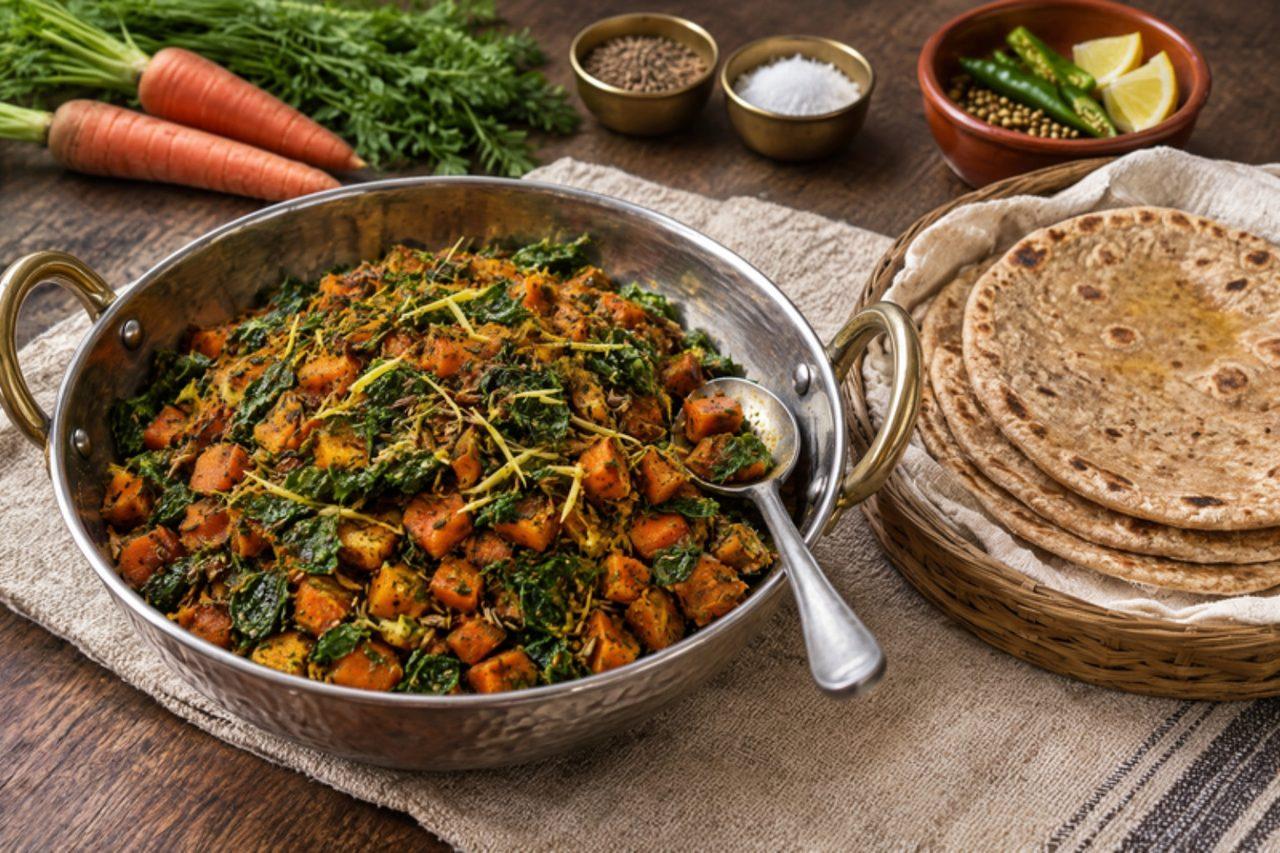
Methi gajarCarrots with fenugreek leaves

When the long red Delhi carrots and bunches of fresh methi fill the winter markets of Haryana and Punjab, this quick dry sabzi turns up beside every plate of rotis and dal. The slight bitterness of the fenugreek leaves and the sweetness of the carrots balance each other, helped along by a pinch of sugar and a squeeze of lemon. It takes about 25 minutes. The common mistake is adding the methi too early, which makes it bitter and dark. Chef's tip: rub the chopped methi with a little salt and squeeze it after 10 minutes; this tames the bitterness without losing the fragrance.

by KrazyBadal 0 views

TepacheFermented pineapple drink

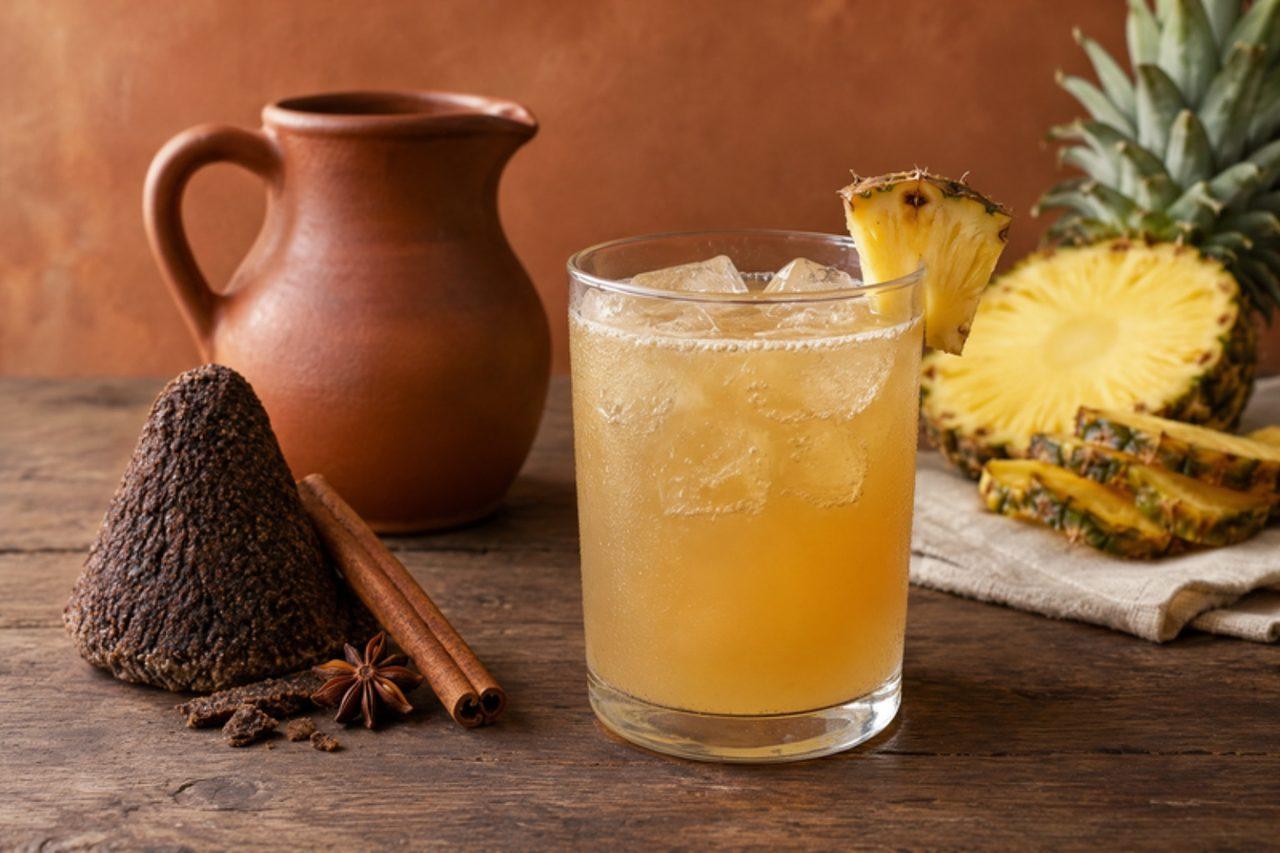
In Guadalajara and markets across central Mexico, tepacheros sell this drink from big clay jars, ladled over ice into bags with a straw on hot afternoons. It is the thrifty drink of the house: the peel and core left after eating a pineapple are fermented for two or three days with piloncillo, cinnamon and cloves until the liquid turns golden, faintly fizzy and pleasantly sour, like a spiced pineapple cider. Wild yeasts from the peel do the work, so it makes a trace of alcohol, well under 1% when drunk young; the longer it sits, the sourer and more alcoholic it gets. The common mistake is leaving it too long in a warm kitchen, when it turns vinegary and cloudy; in hot weather check after 36 hours. It is ready when it has a layer of fine bubbles, smells sweet-sour and fruity, and tastes tart rather than syrupy. White, flat foam can be skimmed; fuzzy, coloured mould, a slimy texture or a rotten smell mean throw it away. Keep it in the fridge 3–5 days, and if you bottle it for fizz, burp the bottles daily so pressure cannot build. Chef's tip: use an organic pineapple and do not scrub the peel, as the yeasts live on its skin.

by KrazyBadal 0 views

ChandrakalaSyrup-soaked milk pastries

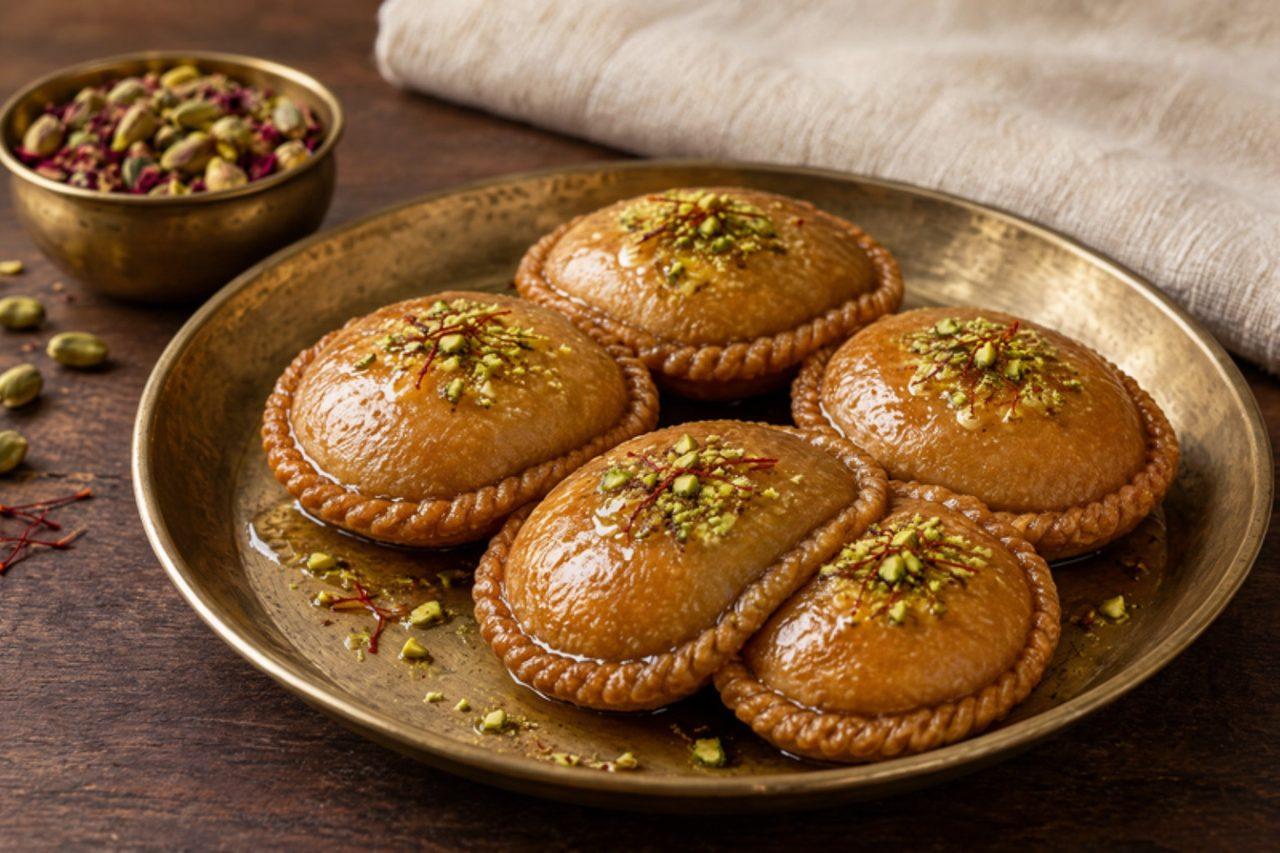
Chandrakala is the round, moon-shaped sweet of Bihar and eastern Uttar Pradesh, made for Holi, Diwali and Chhath and sold by sweet shops in Patna and Varanasi. Two circles of flaky pastry enclose a filling of mawa, nuts and cardamom; the edge is pleated into a rope, then the pastry is fried slowly and dipped in sugar syrup. Its sister suryakala is the same sweet shaped like a sun. The common mistake is syrup that is too thin, which makes the crust soggy within hours; it should reach one-string consistency. Chef's tip: pleat the edge firmly with damp fingertips, because a loose seal is where the filling leaks out in the hot ghee.

by KrazyBadal 0 views

Lavang latikaClove-sealed syrup pastries

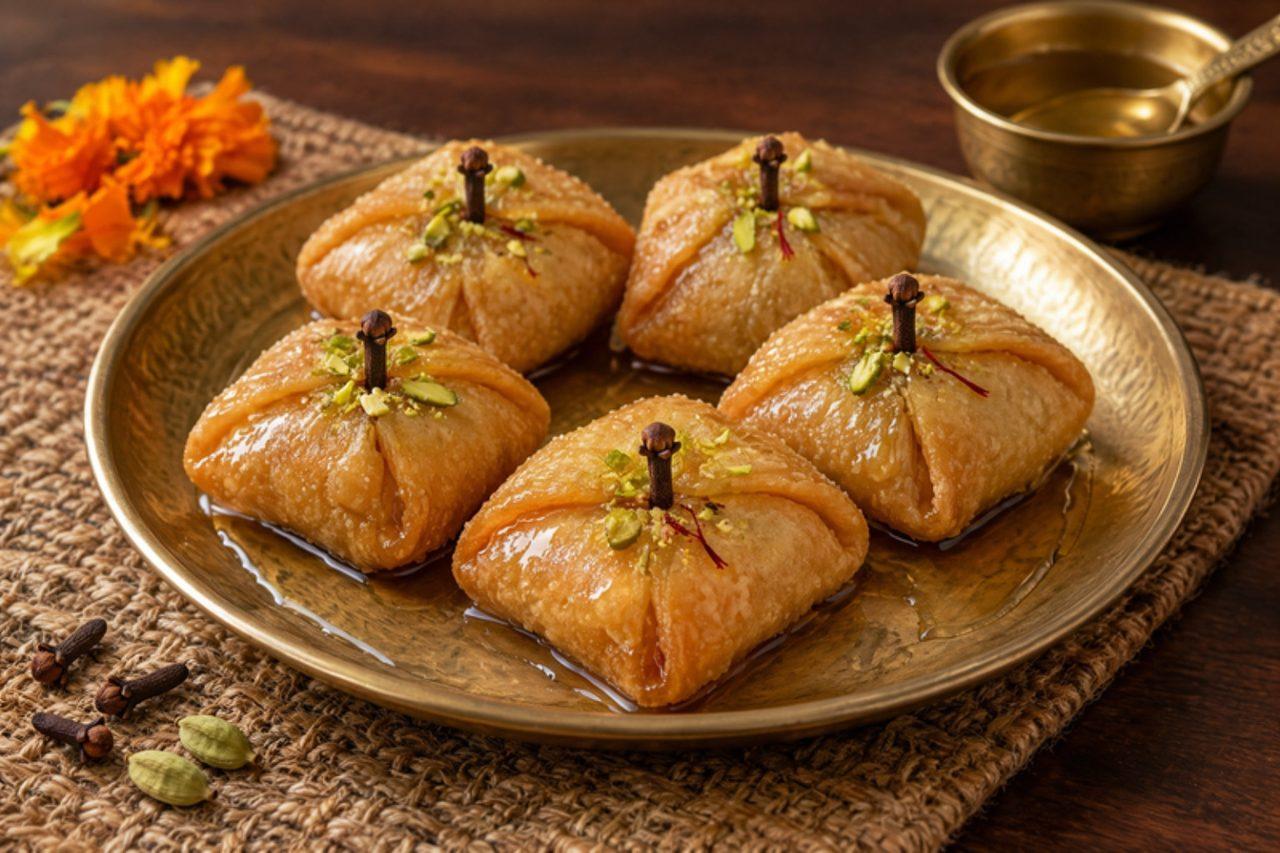
Lavang latika is a festive sweet of Bengal and Bihar, shaped like a tiny sealed envelope with a single clove pinned through the flap; it fills sweet-shop trays at Bijoya Dashami, Diwali and Bhai Phonta. Inside is mawa with coconut, nuts and cardamom, and after slow frying the parcels are soaked in syrup, so the outside is crisp and sweet and the clove gives a warm, peppery bite. The common mistake is folding the pastry loosely; the flaps must overlap well and be pressed shut before the clove goes in, or the parcels unfold in the ghee. Remove the clove before eating if you prefer. Chef's tip: soak the cloves in hot water for 5 minutes so they push through the pastry without cracking it.

by KrazyBadal 0 views

PantuaFried milk balls in syrup

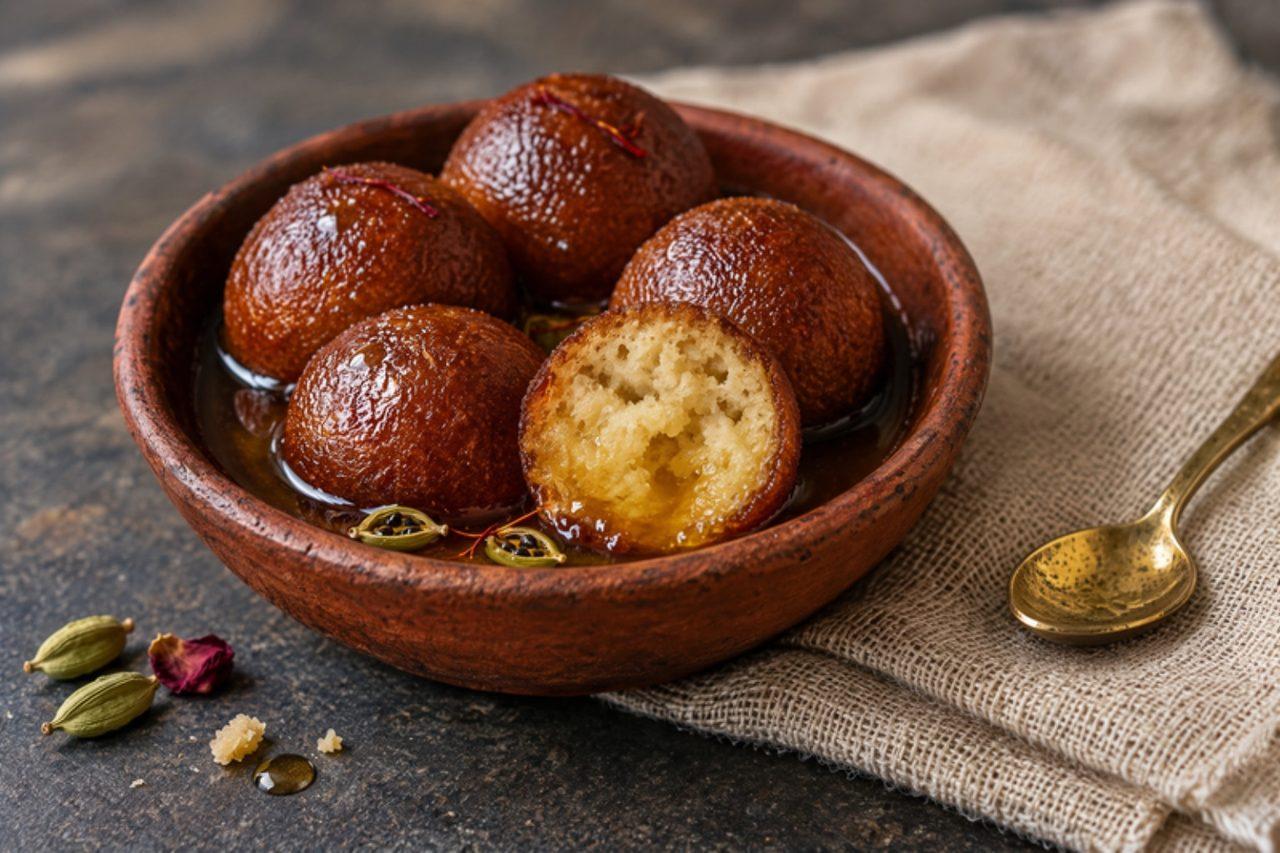
Pantua is the Bengali answer to gulab jamun, but made with fresh chhena and a little semolina instead of only khoya, which gives a lighter, slightly grainy inside under a deep brown skin. It is the sweet of Jamai Sasthi, Bijoya visits and Sunday afternoons in Kolkata, often with a hidden cardamom seed or nugget of sugar at the centre. The common mistake is under-kneading the chhena: if the dough is crumbly the balls crack and drink oil. Knead until it feels smooth and leaves a film of fat on your palm. Chef's tip: let the syrup and the fried pantua both be warm, not boiling, when they meet, so the balls soak up syrup without collapsing.

by KrazyBadal 0 views

Glaçon râpéShaved ice with syrups

On a hot Sunday at Flic en Flac or Mon Choisy, families queue at the glaçon râpé man, who shaves a block of ice into a cup, then pours over bright red and green syrups and, if you ask, a thick ribbon of sweetened condensed milk. The ice should be fluffy and dry like fresh snow, so the syrup sinks in and streaks the colours together, and the condensed milk turns the bottom of the cup into a sweet, milky slush. A home blender makes a fine version if the ice is very cold; the common mistake is using ice straight from a bag that has half-thawed, which turns to watery slush. Chef's tip: put the cups and the blender jug in the freezer for 20 minutes first, then pulse in short bursts rather than running the motor.

by KrazyBadal 0 views

TameletjiePine nut toffee

Children in old Cape Town spent their pocket money on tameletjie from the corner shop: amber slabs of hard toffee set in little folded paper cases, studded with pine nuts and sometimes almonds. It is nothing more than sugar and water boiled to the hard-crack stage, so it snaps cleanly and slowly melts on the tongue into a deep caramel with a faint bitterness, the toasted nuts adding a buttery crunch. Make it for a church bazaar, wrap it as a gift, or keep it in a tin for after-dinner coffee. Stirring once the syrup boils is what ruins most batches, because it makes the sugar crystallise into a cloudy, grainy mass. Hot sugar burns badly, so keep children well away from the pan. Chef's tip: brush the inside of the pan with a wet pastry brush as it boils to wash down any sugar crystals clinging to the sides.

by KrazyBadal 0 views

Showing 72 of 3,481 recipes

Show more recipes

Page 65 of 146

More No onion & garlic ideas

Other diets