


Skip to content
Fuchka
Featured recipe

Fuchka

Filled crisp shells

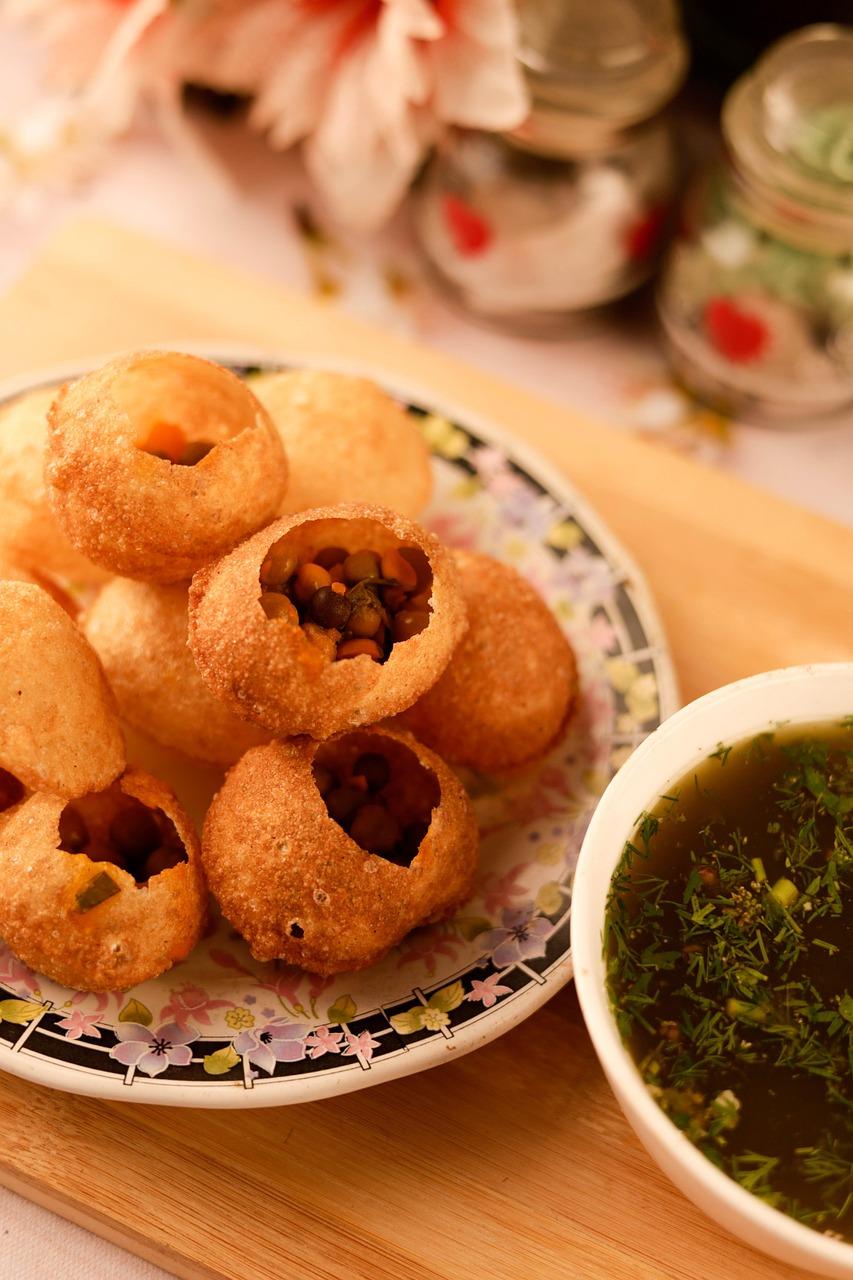
Fuchka is Bangladesh's answer to pani puri, but with its own character: in Dhaka the crisp shells are filled with a coarse mash of potato and yellow peas sharpened with raw onion, chilli and coriander, then dipped in or splashed with a sour tamarind water rather than a mint-heavy one. Stalls along Bailey Road and at every fair sell them by the plate of eight, often with a little extra chopped chilli for those who dare. Chef's tip: make the tamarind water ahead and chill it hard; ice-cold sour water against a crisp shell is what you're after.

Read more 0 views

What to eat today?

Around the world

Today's trip: Peruvian

A new country every day, from every cuisine on the site.

Peruvian

Tacacho

Mashed roasted green plantain balls 35 minMore from Peruvian (111) →

This week's collection

Kid-friendly dinners
772 recipes · a new collection every Monday

Coming up

All occasions →

Latest recipes

Yunnan steam-pot chicken

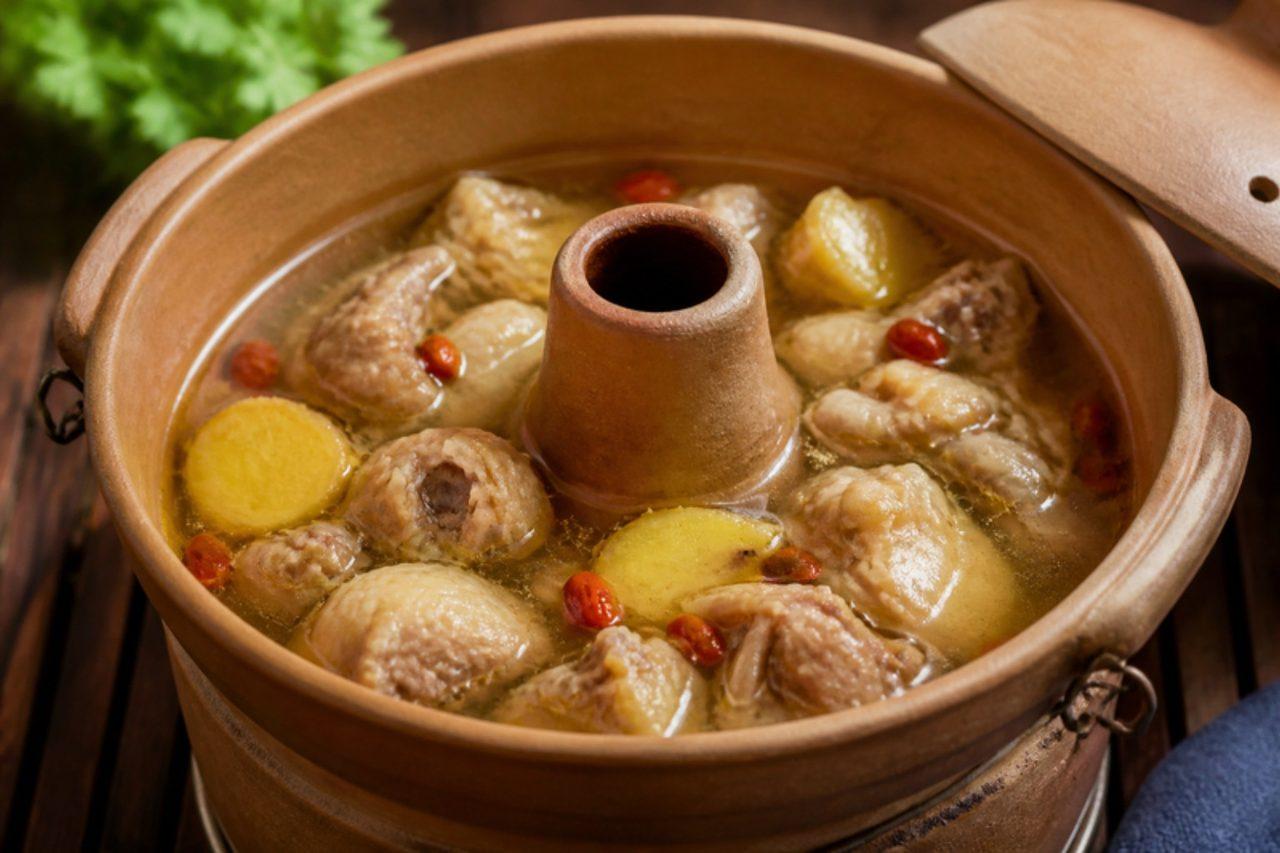
In the old town of Jianshui in southern Yunnan, potters still make the purple clay qiguo, a lidded pot with a chimney rising through its centre. Set over boiling water, it lets steam rise into the pot, where it meets the chicken, condenses and drips back as a pure, golden broth, with no water added at all. After three hours the meat falls from the bone and the soup tastes intensely of chicken and ginger, clean and restorative; in Kunming it is the dish for guests, for convalescents and for winter weekends. Serve the broth in small bowls first, then the chicken with rice and a chilli dip. Chef's tip: if you don't own a steam pot, a heatproof bowl covered with a plate in a steamer works well; it just needs a small splash of water to start the broth.

by KrazyBadal 0 views

JallabDate and grape molasses drink

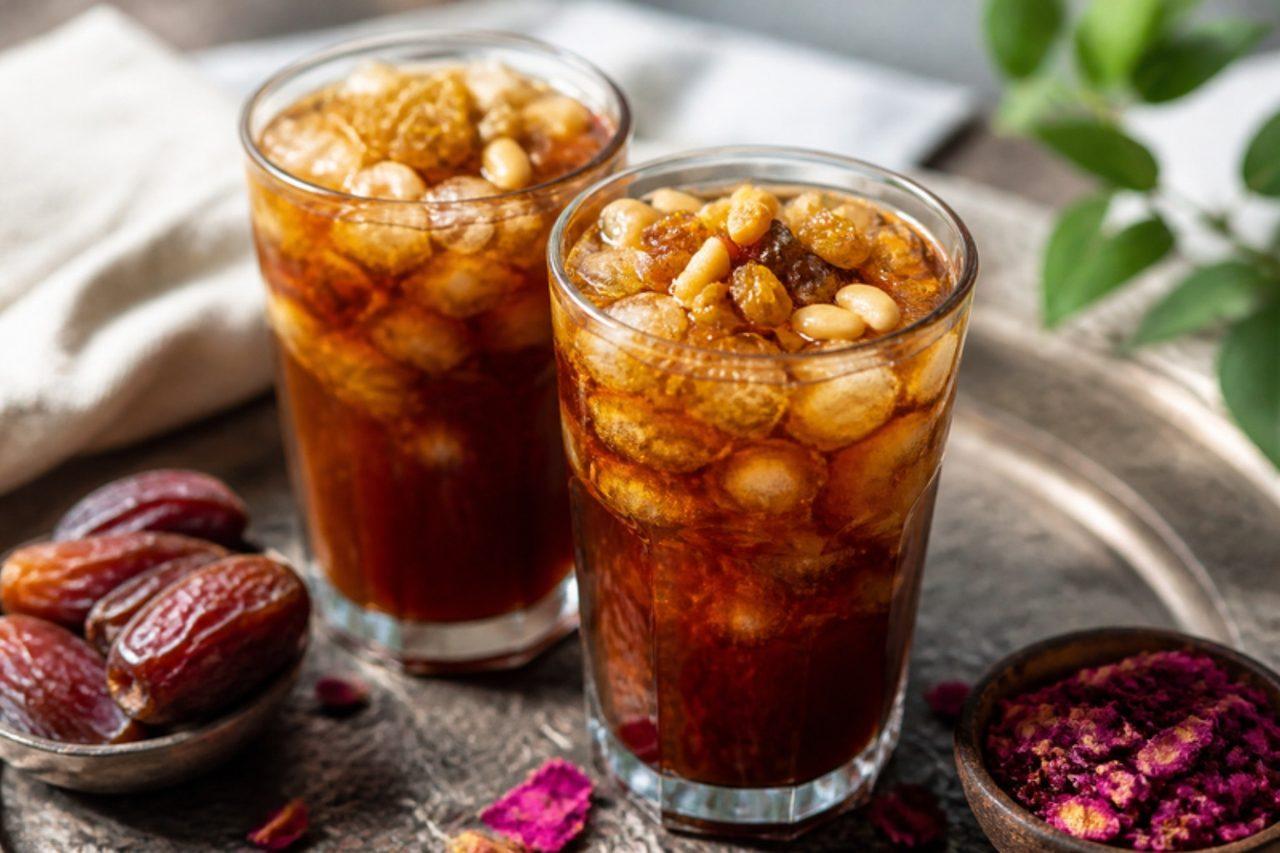
During Ramadan in Beirut and Sidon, street sellers ladle jallab from big glass jars at sunset, and families keep a bottle of the dark syrup in the fridge all summer. Made from date and grape molasses with a hint of rose water, it tastes of caramel and dried fruit, and it is served over crushed ice with a spoon for the pine nuts and golden raisins floating on top. Bottled jallab gets its smoky edge from incense smoke; this home version skips that and is made straight from the two molasses. Chef's tip: soak the raisins in the drink for five minutes before serving so they plump up and sink less.

by KrazyBadal 0 views

DimlamaSteamed lamb and vegetables

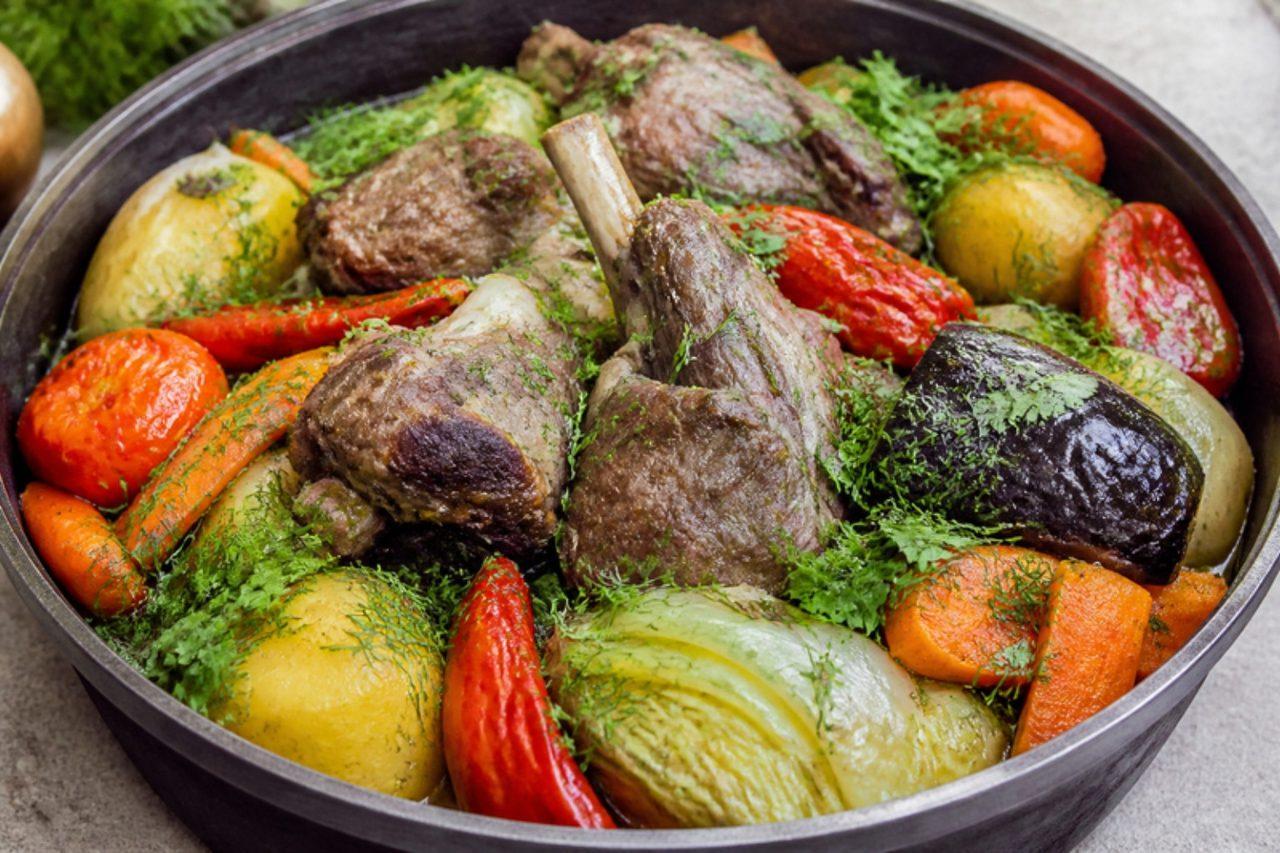
Dimlama is what Uzbek families cook at the end of summer, when the markets of the Fergana Valley are piled with cabbage, aubergine, peppers and tomatoes. Everything goes into one heavy pot in layers, lamb at the bottom, and the lid stays on for nearly two hours while the vegetables slowly give up their juice and become the sauce. There is no added water, so the flavour is deep and sweet. People eat it straight from shallow bowls with non bread. The biggest error is lifting the lid to check; the steam escapes, the vegetables stew dry and the bottom can catch. Chef's tip: seal the lid with a damp tea towel or a strip of foil so no steam gets out.

140 minUzbekMeatGluten free
by KrazyBadal 0 views

DibiGrilled lamb with mustard onions

In Dakar a dibiterie is a smoky little shop where lamb is grilled over charcoal and sold by weight, wrapped in paper with raw onion, mustard and a pinch of spice salt; people eat it late in the evening, often after prayers or a football match. At home you get close with lamb chops or shoulder steaks, a quick marinade and a very hot grill. The mistake is moving the meat too much: leave it until it chars and releases on its own. Chef's tip: toss the sliced onions with salt and vinegar while the lamb marinates; they soften and lose their harsh bite in 20 minutes.

by KrazyBadal 0 views

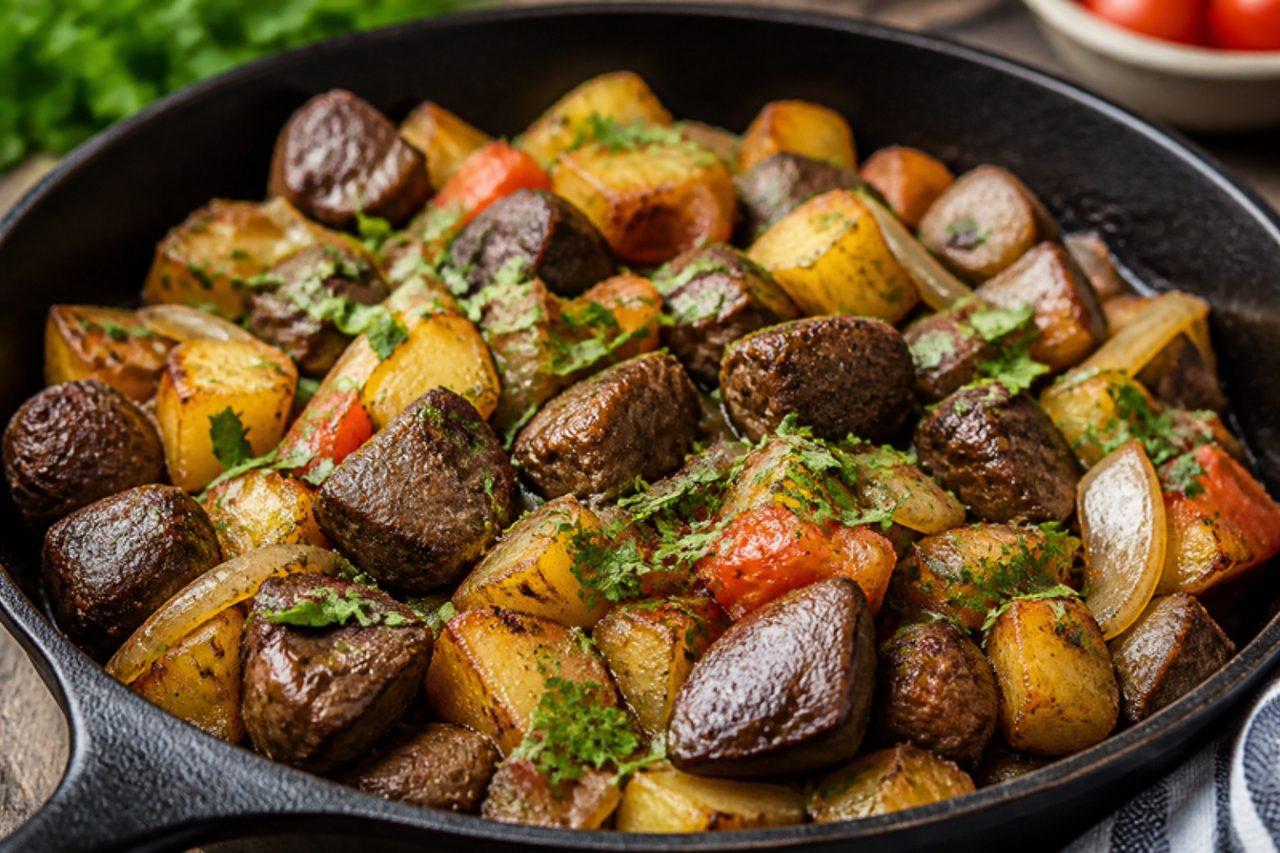
KuyrdakFried lamb with offal

Kuyrdak is the first meal cooked when a sheep is slaughtered on a Kazakh farm, made quickly from the freshest cuts and the offal: lamb meat, liver, heart and kidneys fried in a kazan with onion and potatoes. Today it is an everyday dish in Almaty and the steppe villages, eaten hot from the pan with bread and strong tea. Every part is cut to the same size so it all cooks evenly. Overcooking the liver is the most common fault; it goes in last and should be just cooked through and still soft, not grainy. Chef's tip: soak the kidneys in salted cold water for 30 minutes to remove any strong smell.

80 minKazakhMeatGluten free
by KrazyBadal 0 views

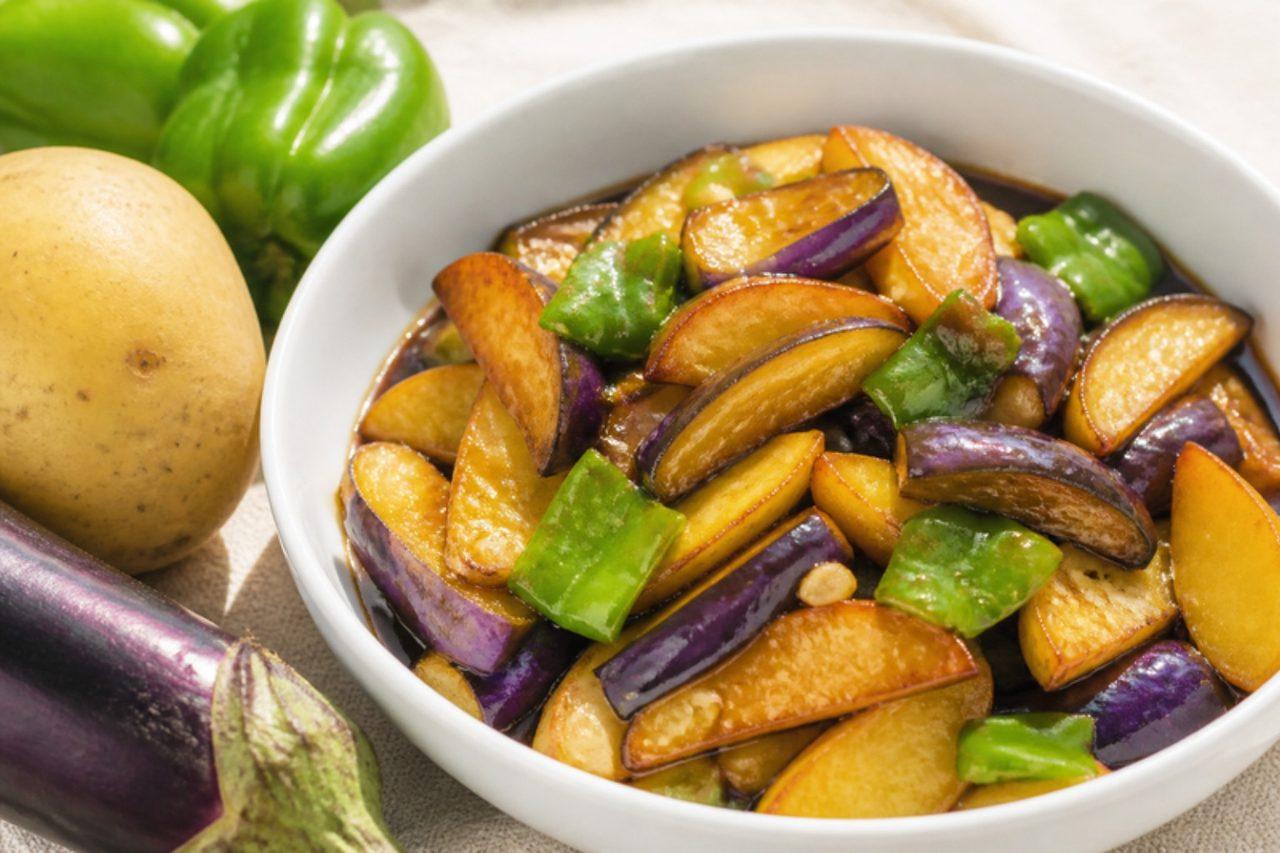
Di san xianPotato, aubergine and pepper stir-fry

Di san xian means 'three fresh things from the earth', and it is the best-known home dish of Dongbei, China's cold north-east, where potatoes, aubergines and peppers are the summer harvest. Each vegetable is fried until golden, then tossed in a sticky, garlicky soy glaze. It's rich and filling, and goes with rice or steamed buns. Chef's tip: fry the potato first and longest; it needs to be golden and fully tender before it meets the sauce, because it won't soften further in the wok.

by KrazyBadal 0 views

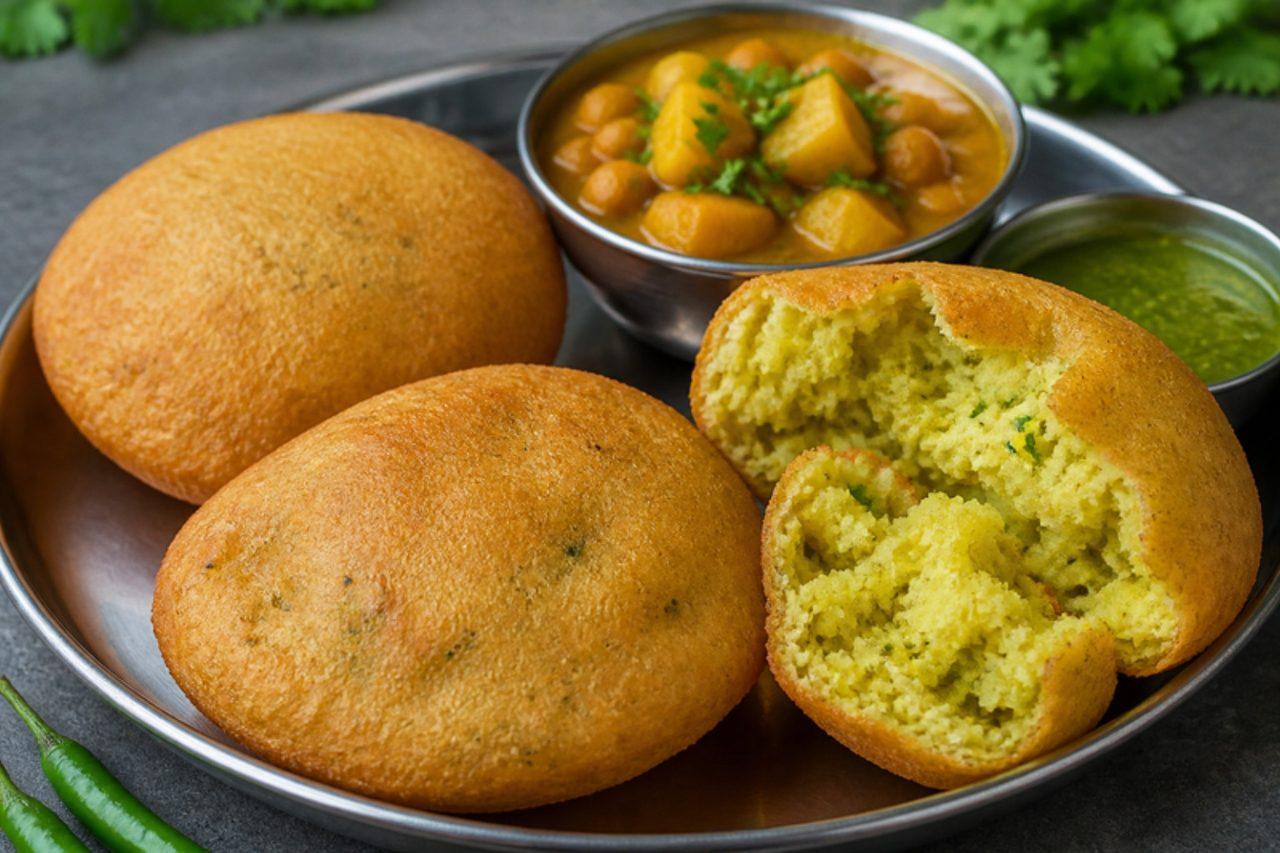
DhuskaFried rice and dal bread

Dhuska is the breakfast of Ranchi and the whole of Jharkhand, fried fresh at roadside stalls from early morning. Rice and chana dal are soaked, ground to a thick, slightly coarse batter with green chilli and ginger, and ladled into hot oil, where each round puffs up crisp outside and soft and spongy inside. It is eaten with aloo-chana ghugni or a thin potato curry and a sharp coriander chutney, and it is a must at Jharkhandi weddings and Karma festival. Chef's tip: beat the batter hard for a couple of minutes before frying; the trapped air makes it puff without any soda.

by KrazyBadal 0 views

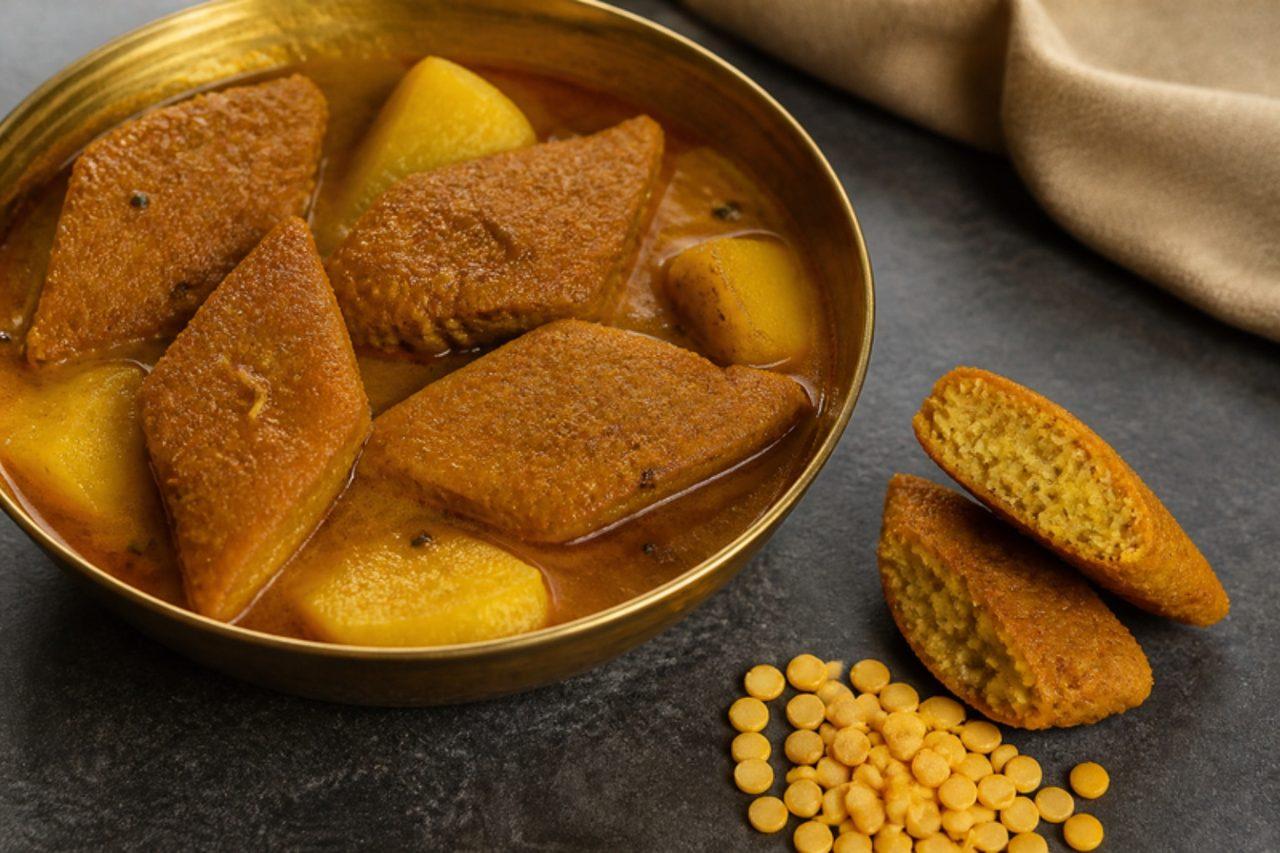
Dhokar dalnaLentil cakes in gravy

Dhokar dalna comes from the Bengali niramish (vegetarian) kitchen of widows and temple cooks, and it is still cooked in Kolkata homes for festive lunches and Saraswati Puja. Soaked chana dal is ground, cooked with ginger and asafoetida into a thick paste, set in a tray and cut into diamonds, which are fried and then dropped into a thin, fragrant gravy just before serving. The dhoka soak up the sauce like a sponge. Chef's tip: cook the dal paste until it leaves the sides of the pan in one mass; if it is too soft, the diamonds break in the gravy.

by KrazyBadal 0 views

Dharwad pedaCaramelised milk sweets

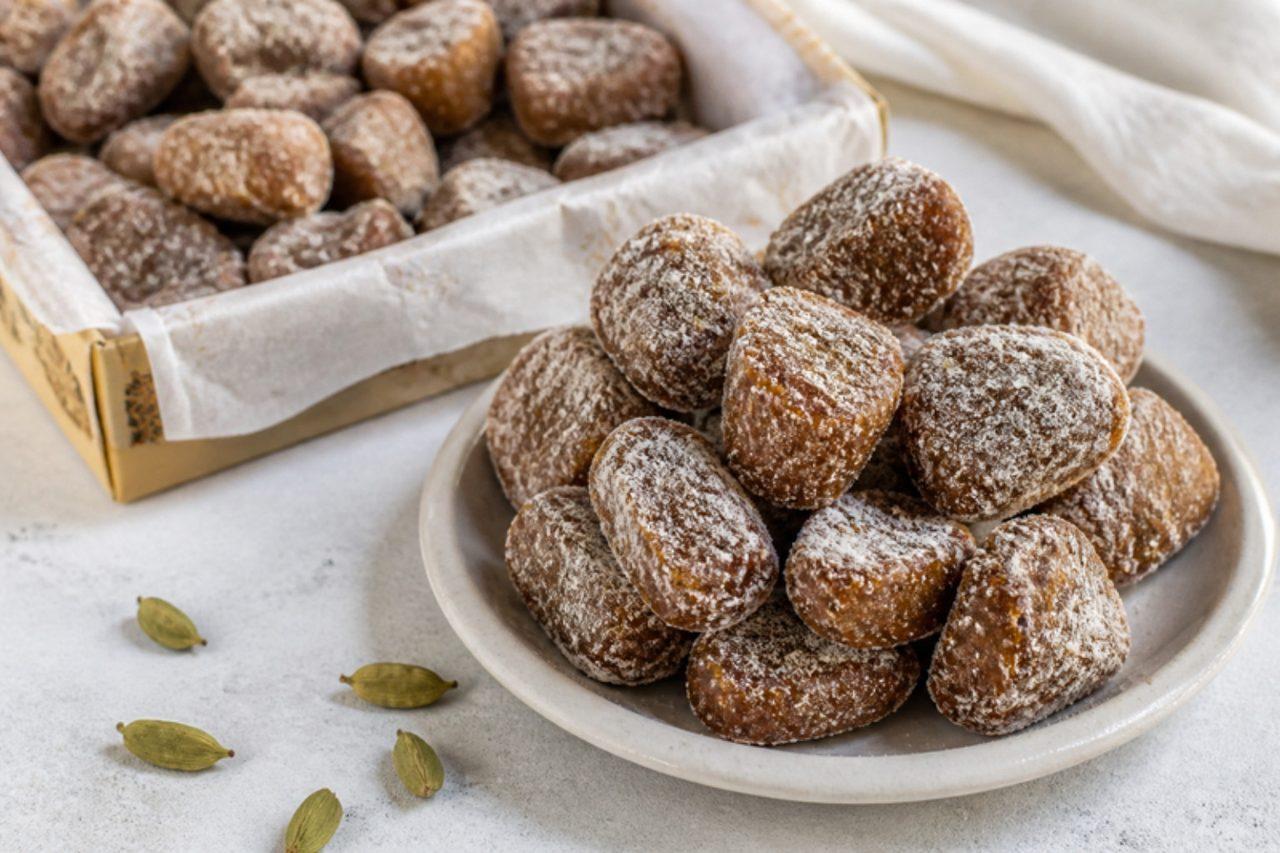
Dharwad peda has been made in this north Karnataka town for well over a century, first by families who came from Uttar Pradesh, and it now carries a geographical indication tag. Unlike pale, smooth pedas elsewhere, it is cooked slowly until the milk solids caramelise to a deep brown and a grainy, almost crumbly texture, then rolled in powdered sugar. Pilgrims and travellers carry boxes home from Dharwad and Hubballi, and families buy it for weddings and exam results. Chef's tip: let the cooked mixture cool for ten minutes before you add the sugar for rolling; added while too hot, the sugar melts and the pedas go sticky.

by KrazyBadal 0 views

Guilin rice noodles

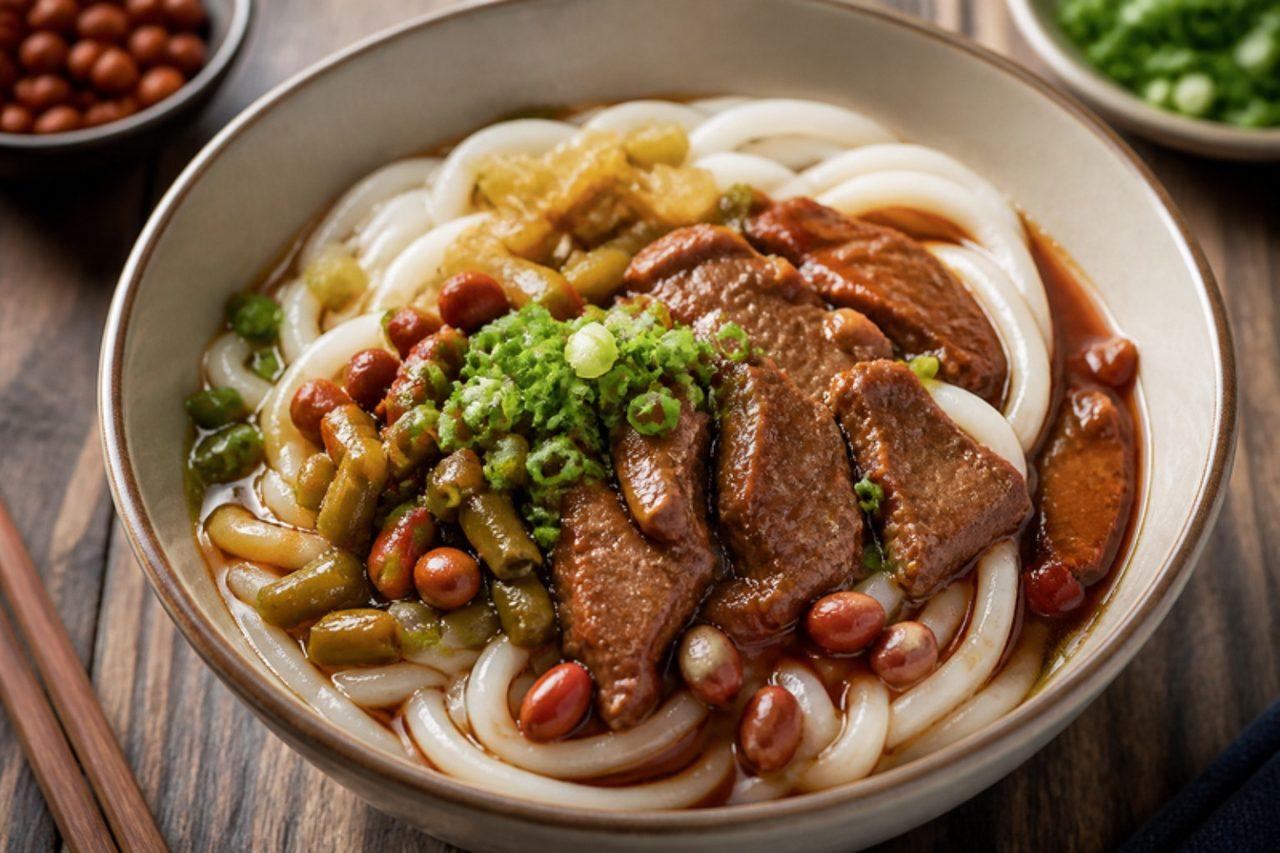
Guilin, among the karst peaks of Guangxi, starts its day with mifen: round, slippery rice noodles that are not served in soup at all but tossed with a few ladles of lu shui, the dark, spiced braising liquid in which the beef was cooked. On top go thin slices of that beef, crunchy fried peanuts, sour pickled beans and bamboo shoots, chilli and spring onion; you stir it all together and, if you like, add a splash of hot broth at the end. Street shops in the city serve it fast and cheap from breakfast till late. The flavour is savoury, sweet-spiced and sour, with crunch in every mouthful. Chef's tip: make the braised beef the day before and chill it in its liquid; cold beef can be sliced paper-thin, which is how Guilin cooks serve it.

by KrazyBadal 0 views

Kuy teavPork bone rice noodle soup

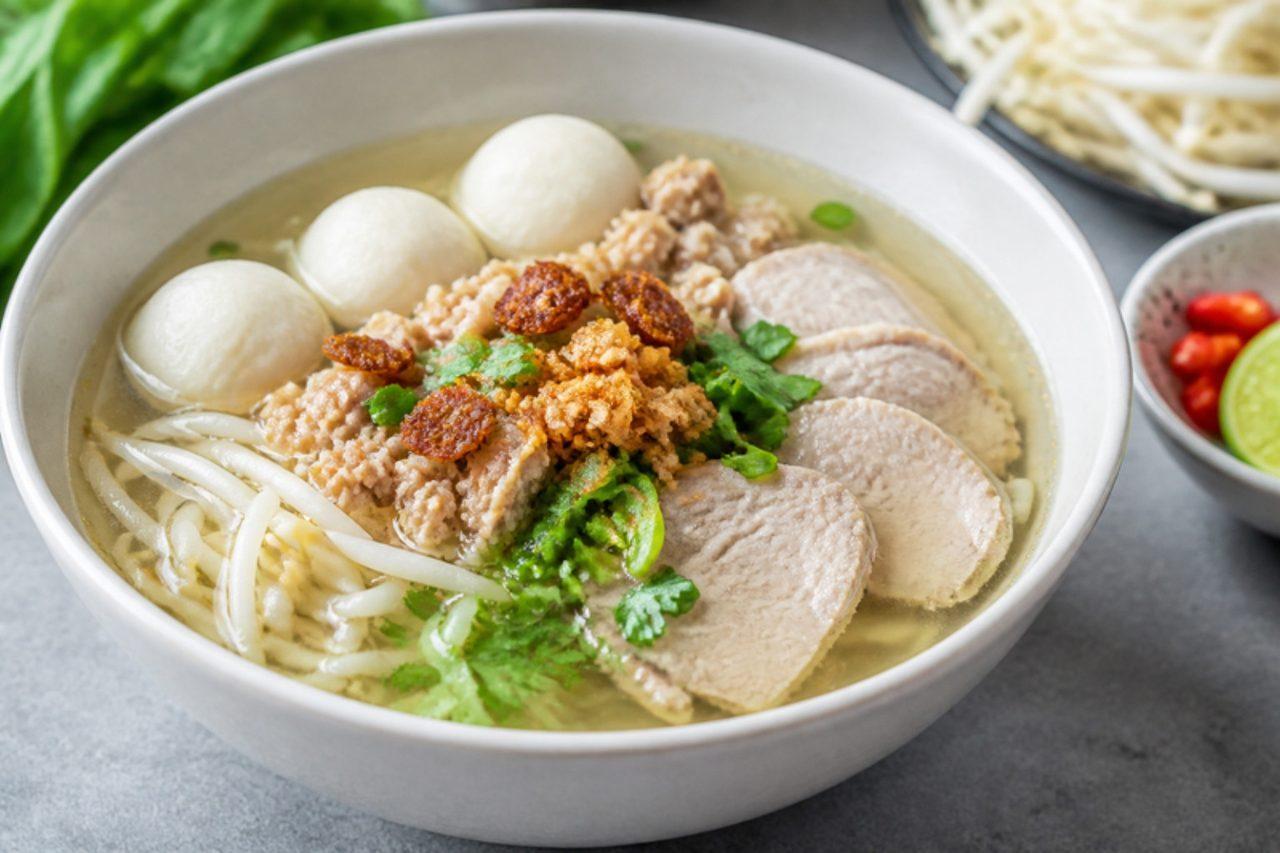
Kuy teav is what Phnom Penh eats for breakfast: before 8 am the city's street stalls and markets are busy with people bent over bowls of it. It is a pork soup: a clear, slightly sweet broth simmered from pork bones with dried squid or shrimp and charred onion is poured over rice noodles, sliced pork, minced pork and prawns, and everyone finishes their bowl with lime, chilli, bean sprouts and fried garlic. Chef's tip: never boil the broth hard; keep it barely trembling so it stays crystal clear.

by KrazyBadal 0 views

KutiaWheat berries with poppy seeds

Kutia is the first dish tasted on Ukrainian Christmas Eve, once the first star appears in the sky: a bowl of whole wheat berries mixed with ground poppy seed 'milk', honey, walnuts and raisins. Families in Lviv, Ternopil and the villages of the west traditionally throw a spoonful at the ceiling for luck and set a bowl aside for departed relatives, and the head of the house greets the evening with it. It is eaten at room temperature, sweet, nutty and chewy, and the spoon must touch every guest's plate. Chef's tip: soak and grind the poppy seed until it turns white and milky; common mistake is using it whole, which leaves kutia gritty and grey instead of creamy.

by KrazyBadal 0 views

Kutchi dabeliSpiced potato buns

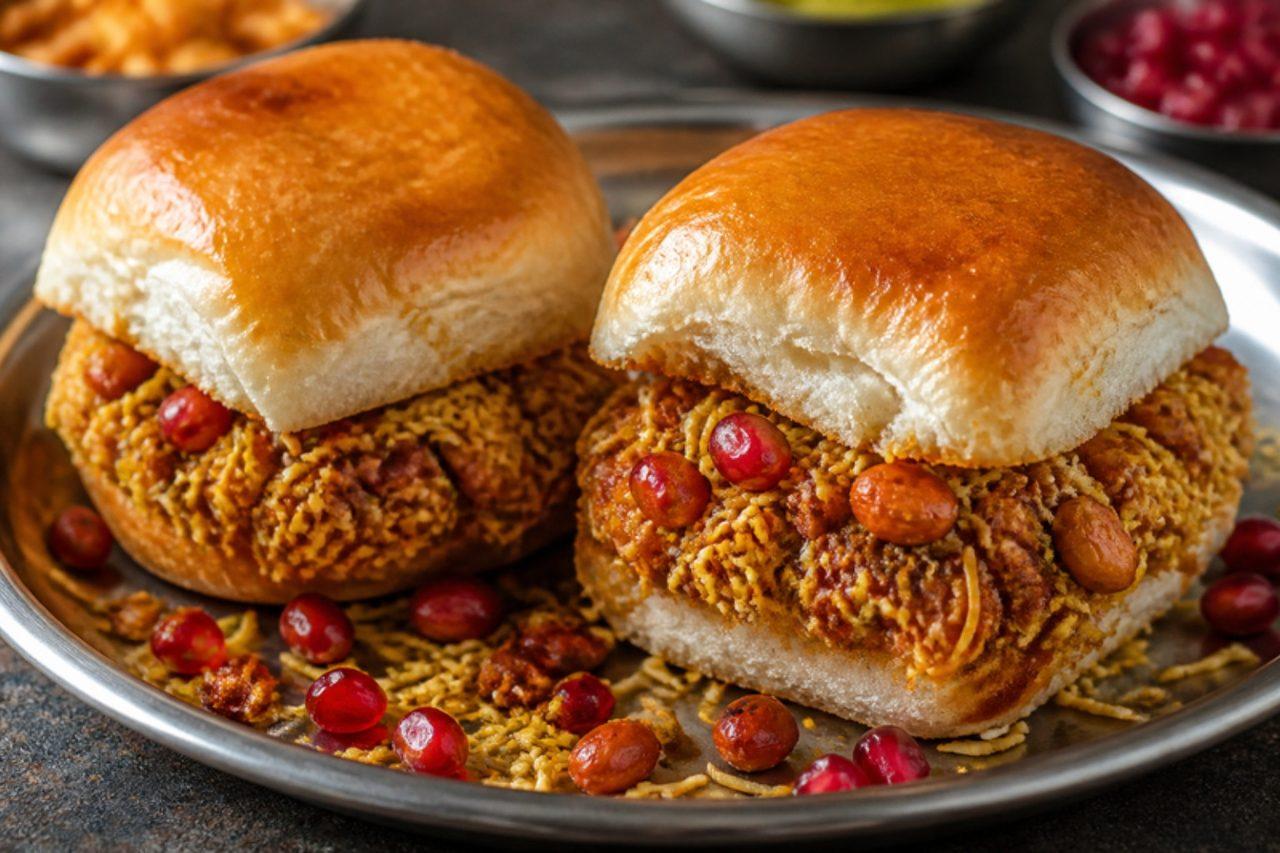
Dabeli was born in Mandvi, a port town in Kutch, Gujarat, and spread from there to every street corner in Mumbai. Soft pav are split, spread with sweet tamarind and fiery garlic chutneys, and stuffed with a potato filling spiced with dabeli masala, a warming blend of roasted coriander, cumin, cinnamon, clove and dried chilli. Masala peanuts, pomegranate seeds, onion and sev add crunch and sparkle, and the buns are toasted in butter until crisp at the edges. Children love them for the sweetness, adults for the heat. Chef's tip: make the dabeli masala yourself and toast the whole spices until they just smell warm; shop-bought powders lack that fresh, smoky sweetness, and a jar keeps for a month.

by KrazyBadal 0 views

Delhi-style fruit chaatSpiced fruit chaat

Delhi's fruit chaat wallahs set up their carts in the afternoons with towers of guava, papaya, apples and bananas, plus roasted sweet potato, and chop whatever you point at into a leaf bowl. Then comes the part that makes it chaat rather than fruit salad: a big shake of tangy chaat masala, black salt and roasted cumin, a squeeze of lime, sometimes a pinch of chilli. It's a refreshing mid-afternoon snack in summer, and a regular sight on Ramzan iftar spreads too. The salt and spice make sweet fruit taste even sweeter. Chef's tip: season it just before eating; once the salt goes on, the fruit starts weeping juice and goes soft within 15 minutes.

by KrazyBadal 0 views

Delhi chole kulcheChickpeas with kulcha bread

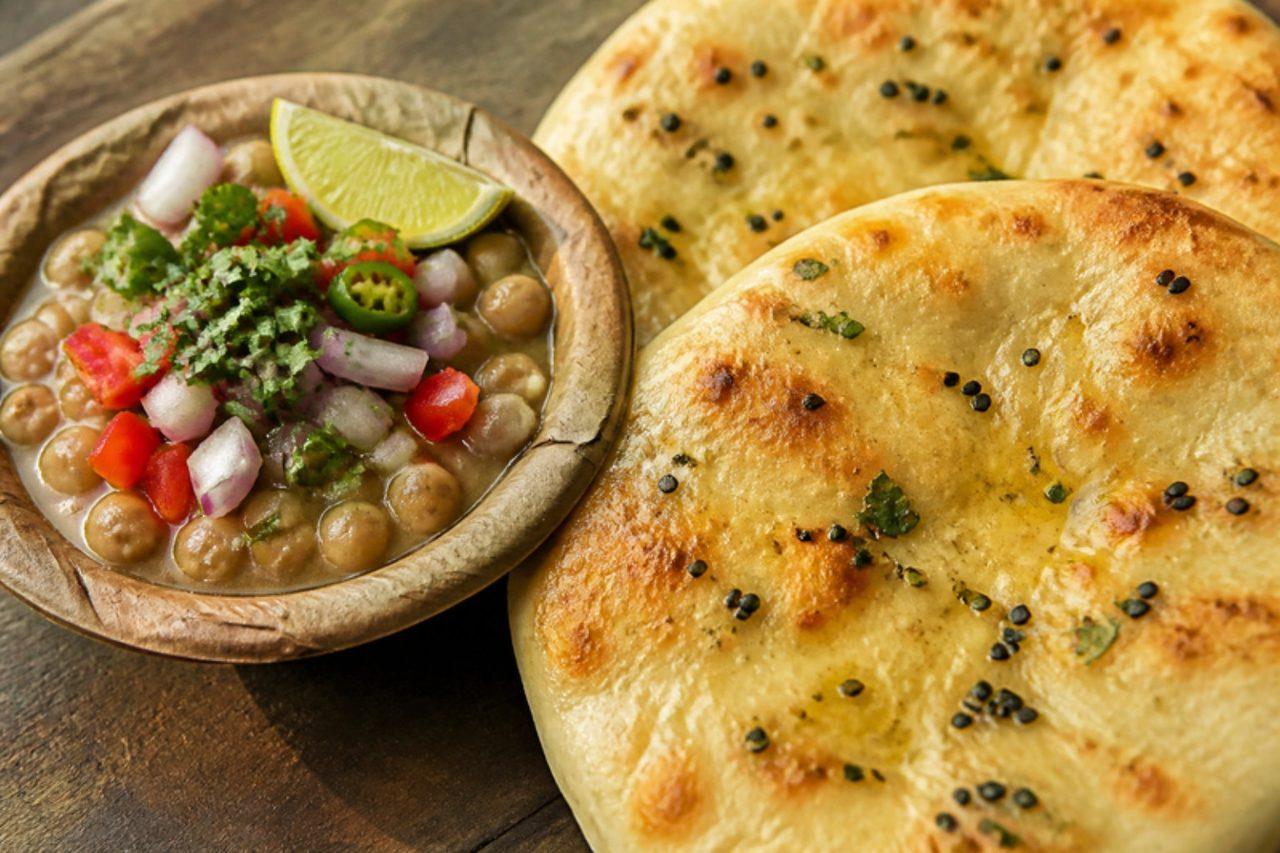
Walk through any Delhi office district at lunchtime and you'll find a cart with a huge brass pot of pale white peas and a stack of soft kulchas warming on a tawa. Delhiites call it chole kulche even though it's made with dried white peas (safed matar) rather than chickpeas. The vendor scoops the peas onto a leaf plate, piles on raw onion, tomato, green chilli and ginger, squeezes lime over and dusts it with a sour, smoky masala. It's tangy, fresh and filling, and very different from the rich, stuffed Amritsari kulcha. Chef's tip: mash a ladleful of the cooked peas back into the pot; it thickens the liquid so the toppings and masala cling instead of sliding off.

by KrazyBadal 0 views

DehroriFried rice and curd dumplings

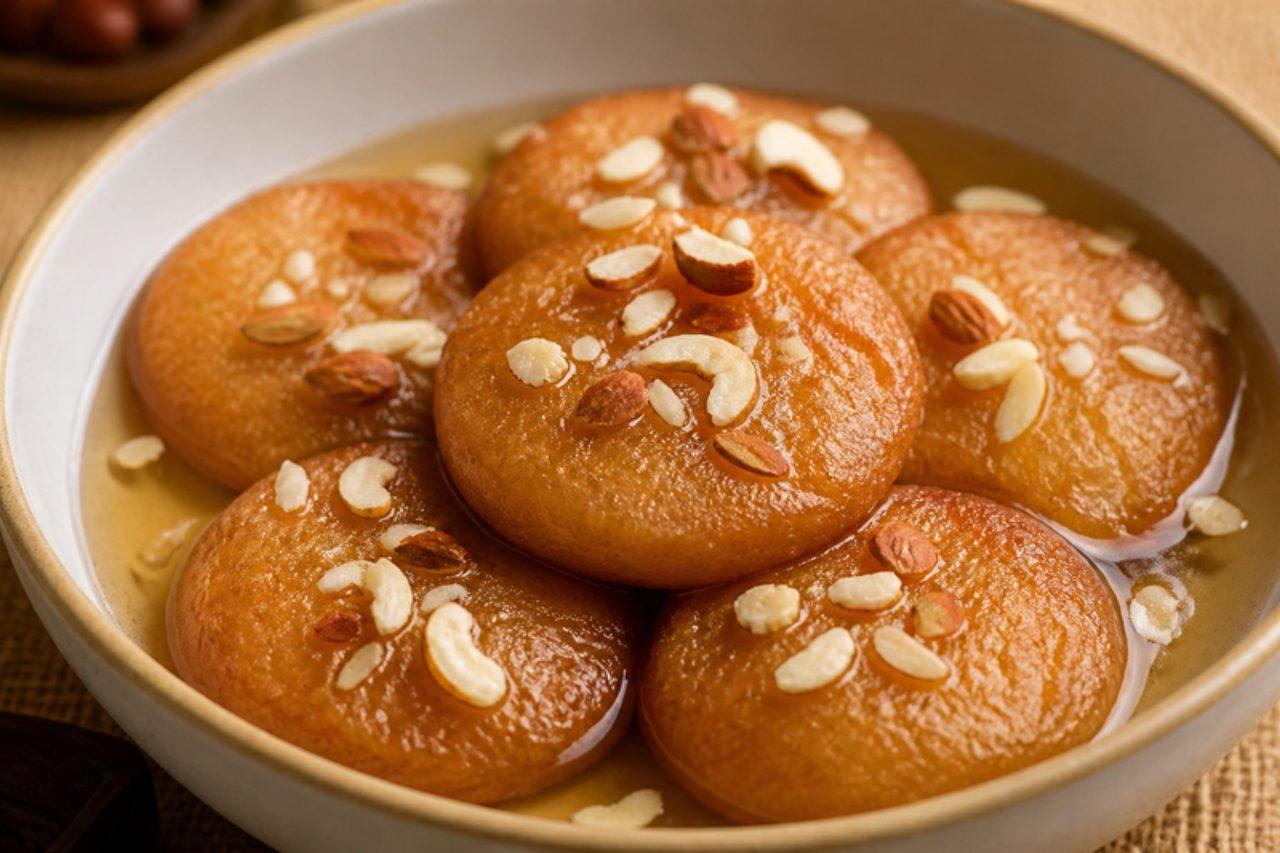
Dehrori is the sweet Chhattisgarhi families make for Diwali, Holi and weddings, and it tastes like no other syrup sweet: soaked rice is ground coarse, left to sour gently with curd, then fried in ghee and dropped into cardamom syrup. The fermentation gives it a faint tang and a light, spongy crumb under a crisp shell, a little like a rustic cousin of rasbhari or gulab jamun. Grandmothers judge the batch by how well the dumplings hold their shape in the syrup. Chef's tip: grind the rice to the texture of fine semolina, not a smooth paste; that grain is what keeps dehrori light.

by KrazyBadal 0 views

Davanagere benne dosaButter dosa

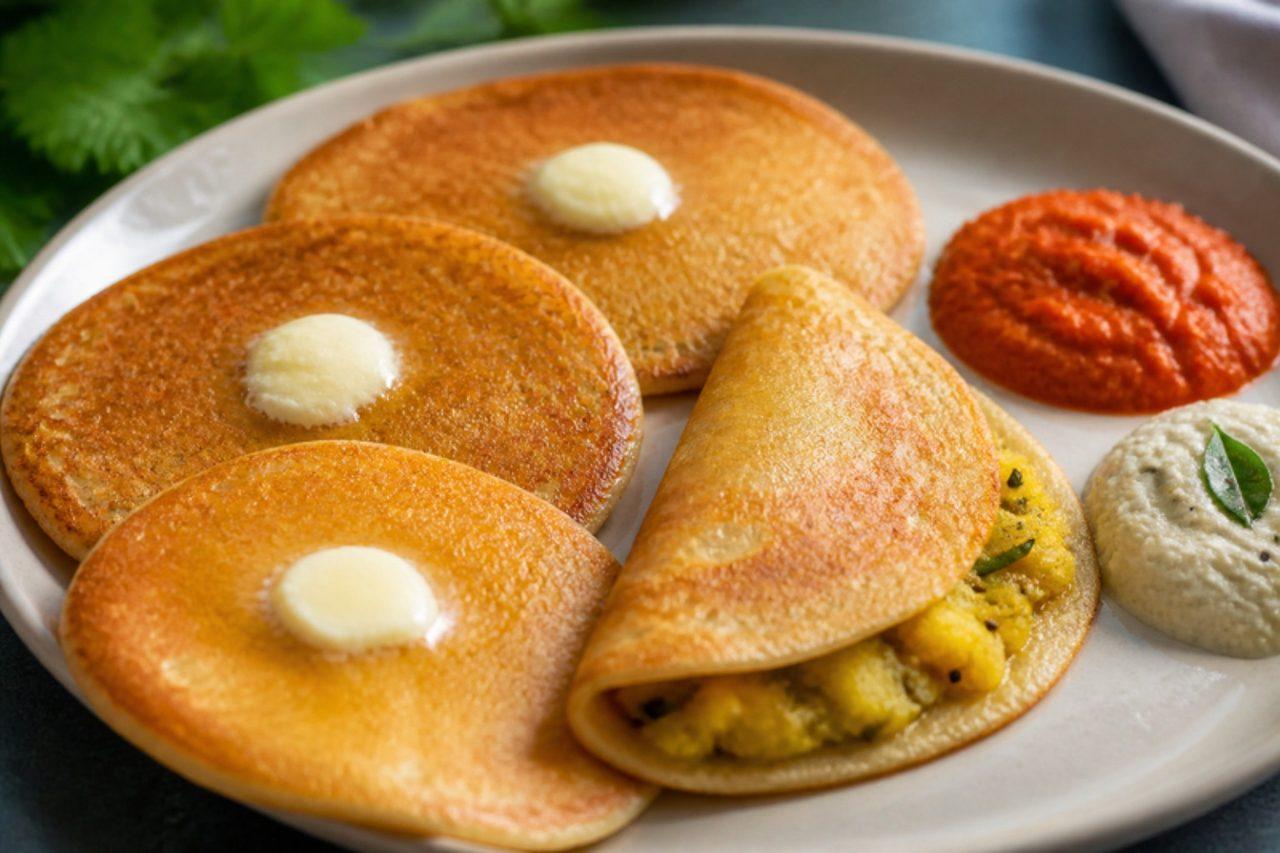
Davanagere, a cotton-market town in central Karnataka, is famous for one thing above all: benne dosa, small, thick dosas cooked on a huge iron griddle with a generous lump of white butter melting over each one. The batter includes puffed rice (mandakki), which makes the inside soft and spongy while the base turns crisp and deep golden. In the town's busy dosa halls they arrive two at a time with a thin coconut chutney and a spoonful of potato palya tucked inside. It is breakfast, but many people eat it as an evening snack too. Chef's tip: use proper unsalted white butter if you can find it, and add it in two goes, half when the batter goes on and half just before folding, so the edges fry in butter rather than burn.

by KrazyBadal 0 views

Daulat ki chaatSaffron milk foam

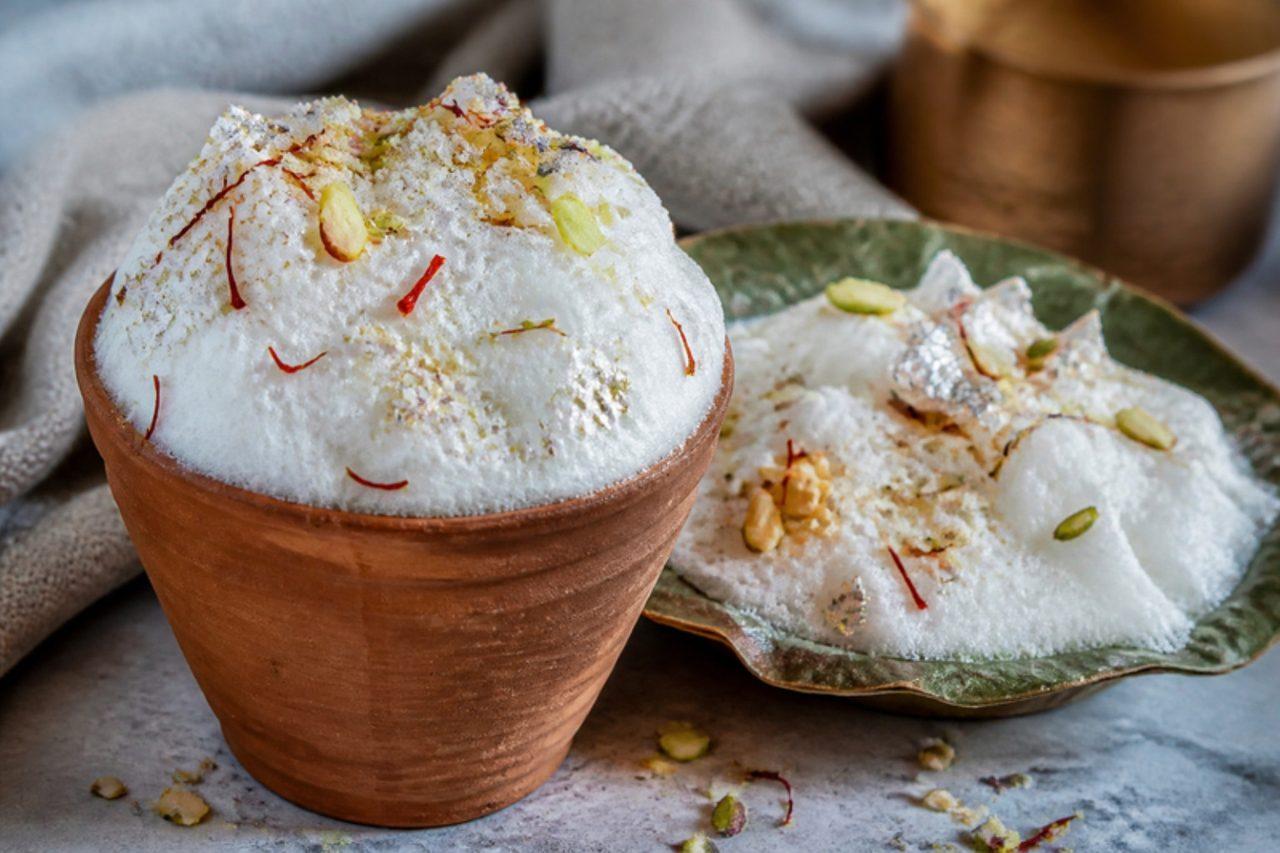
Daulat ki chaat appears in the lanes of Chandni Chowk only in the coldest months, from about November to February. Vendors whisk milk and cream through the night and leave it out under the winter dew, then skim off a foam so light it disappears on your tongue, topped with saffron, khoya, sugar and pistachios. It's sold before the sun gets high, because warmth destroys it. A home kitchen can't recreate a Delhi winter night, so this version uses very cold milk and cream whipped to a loose foam and layered with saffron. It comes close: airy, cool, faintly sweet. Chef's tip: chill everything, bowl and whisk included, for at least 4 hours; the colder the milk, the more stable the foam.

by KrazyBadal 0 views

Guizhou sour fish soup

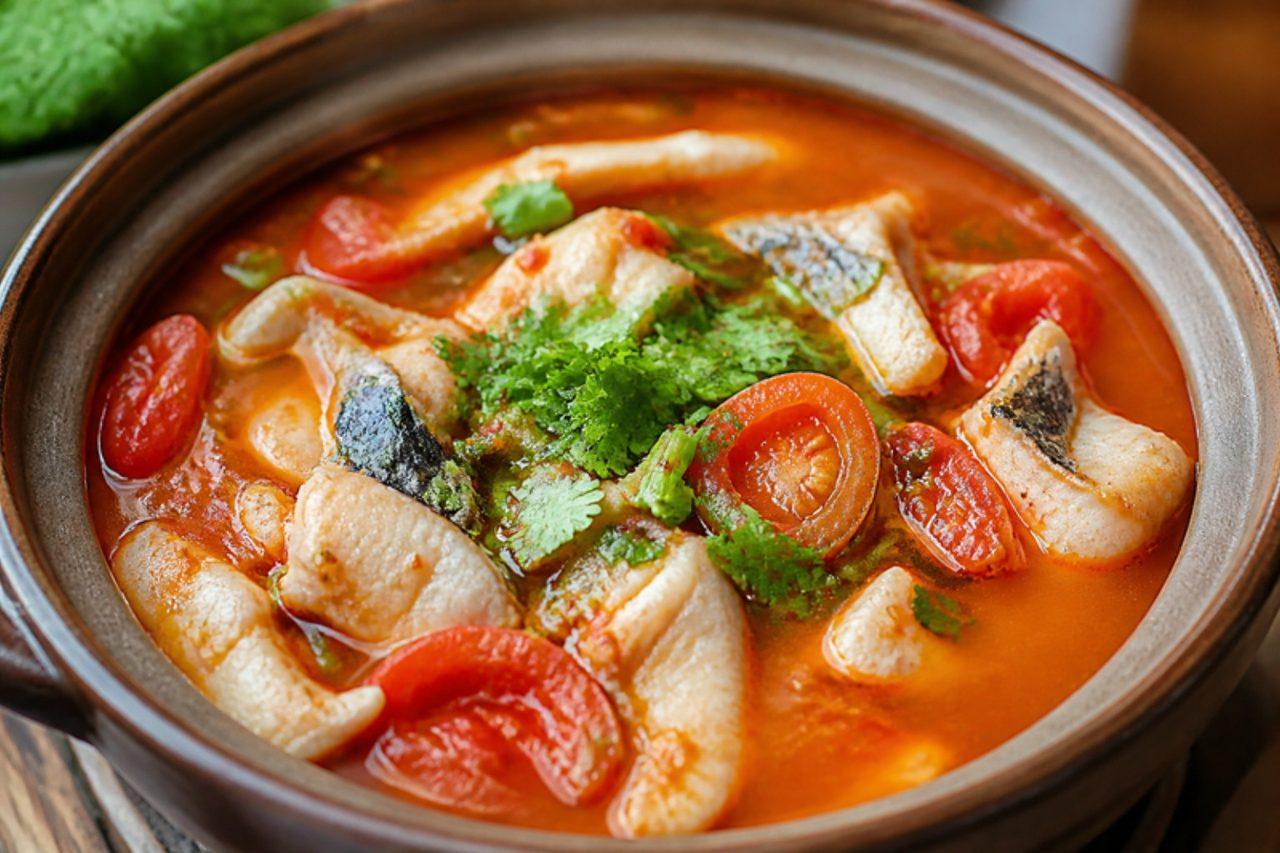
For the Miao people around Kaili in south-east Guizhou, a pot of sour soup is the heart of a meal, served in a wide pot over a burner with everyone dipping in. Their famous red sour soup is made by fermenting wild tomatoes with chillies for weeks, and it gives the broth a bright, tangy, lightly spicy taste that is fruity rather than vinegary. Chunks of fresh river fish, tofu and bean sprouts simmer in it until tender, and each piece is dunked in a little dish of chilli and herbs before eating. This home version gets close with very ripe tomatoes, fermented chillies and a splash of rice vinegar. Eat it with rice on a cold evening. Chef's tip: cook the tomatoes until they completely collapse into a thick red paste before you add any water; that is where the colour and the deep sourness come from.

by KrazyBadal 0 views

DamperSoda bread

Damper is the bread of the Australian bush: drovers, stockmen and swagmen carried flour and salt across the Outback and baked loaves in the ashes of the campfire, and it's still made in cast-iron camp ovens on camping trips from the Flinders Ranges to the Kimberley. Long before that, Aboriginal peoples ground native seeds into flour and baked seed cakes in the coals. Modern damper uses self-raising flour, a little butter and milk, so it rises into a craggy, golden round with a crisp crust and a soft, scone-like crumb. Tear it while warm and eat it with butter and golden syrup, which bush cooks called cocky's joy, or with soup. Chef's tip: mix with a knife and work quickly; the less you handle the dough, the lighter the damper.

by KrazyBadal 0 views

Jansson's temptationPotato, onion and sprat gratin

No Swedish Christmas table, from Gothenburg to Luleå, is complete without a dish of Janssons frestelse, and it often comes back at Easter and midsummer too. Matchsticks of potato and soft onion are baked in cream with Swedish-style spiced sprats (labelled ansjovis in Sweden), which melt into the sauce and season it with a salty, sweet-spiced depth rather than a fishy taste. It is rich, so a spoonful sits beside ham, meatballs and pickled herring rather than being a main course on its own. Many people go wrong by buying Mediterranean salted anchovies; they are far saltier and the gratin turns harsh, so look for the sweet-cured sprats in Scandinavian shops. Chef's tip: cut the potatoes into thin sticks rather than slices; the starch on their many edges thickens the cream as it bakes.

by KrazyBadal 0 views

DalmaPigeon pea and vegetable dal

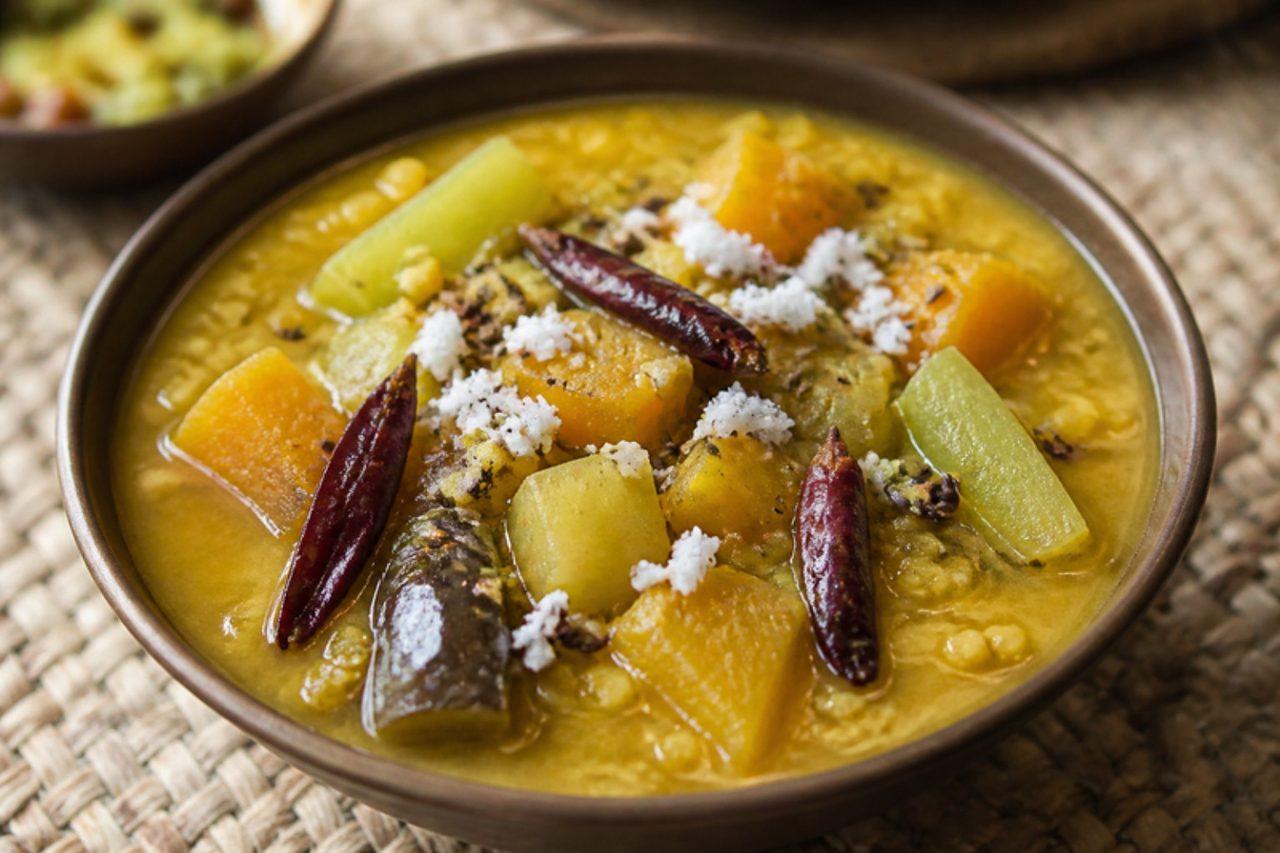
Dalma is the comfort food of Odisha and the dal offered at the Jagannath temple in Puri. Toor dal is cooked together with chunky vegetables, usually raw banana, pumpkin, aubergine and potato, so they soften into it and make it hearty enough to be a meal. A tempering of panch phoron and dried chilli and a sprinkle of roasted cumin-chilli powder give it its smoky warmth; a little grated coconut is often added on top. Odia homes finish it with a spoonful of ghee; this version uses oil so it stays vegan. Serve with plain rice. Chef's tip: add the vegetables halfway through cooking the dal, not at the start, so they keep their shape and the dal stays thick rather than watery.

by KrazyBadal 0 views

Hyderabadi Irani chaiCreamy milk tea

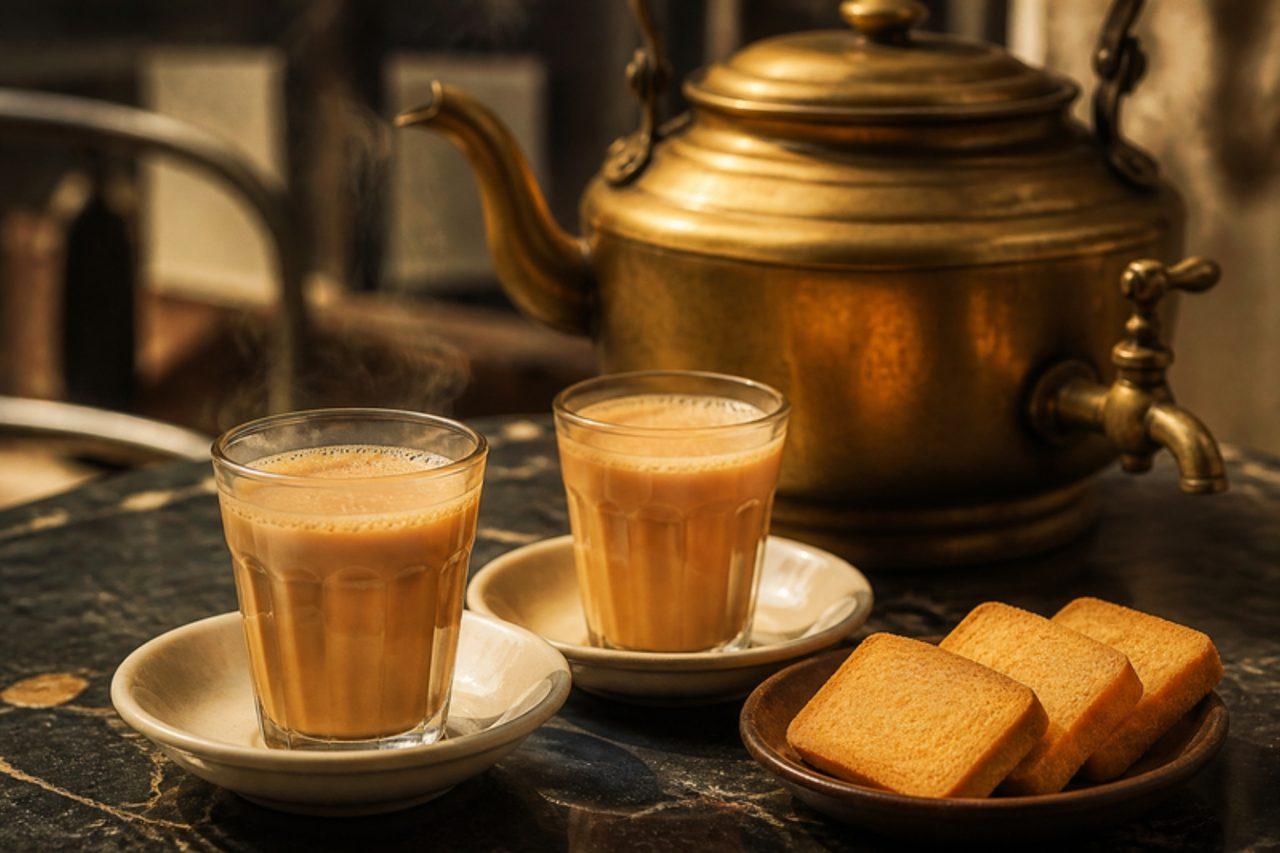
Irani chai came to Hyderabad with Persian migrants who opened cafés across the old city, and it is now the city's signature drink, poured at all hours in places around the Charminar, often with Osmania biscuits or a bun maska. Unlike masala chai, it has no spices: strong tea is brewed slowly in a sealed pot (dum), while full-fat milk is simmered separately with a little khoa until thick and creamy. The two are mixed only in the cup, giving a rich, mellow, slightly sweet tea. Chef's tip: seal the tea pot lid with a little dough or foil, as the cafés do, so the brew steeps without losing steam or strength.

by KrazyBadal 0 views

Hyderabadi khatti dalTangy tamarind dal

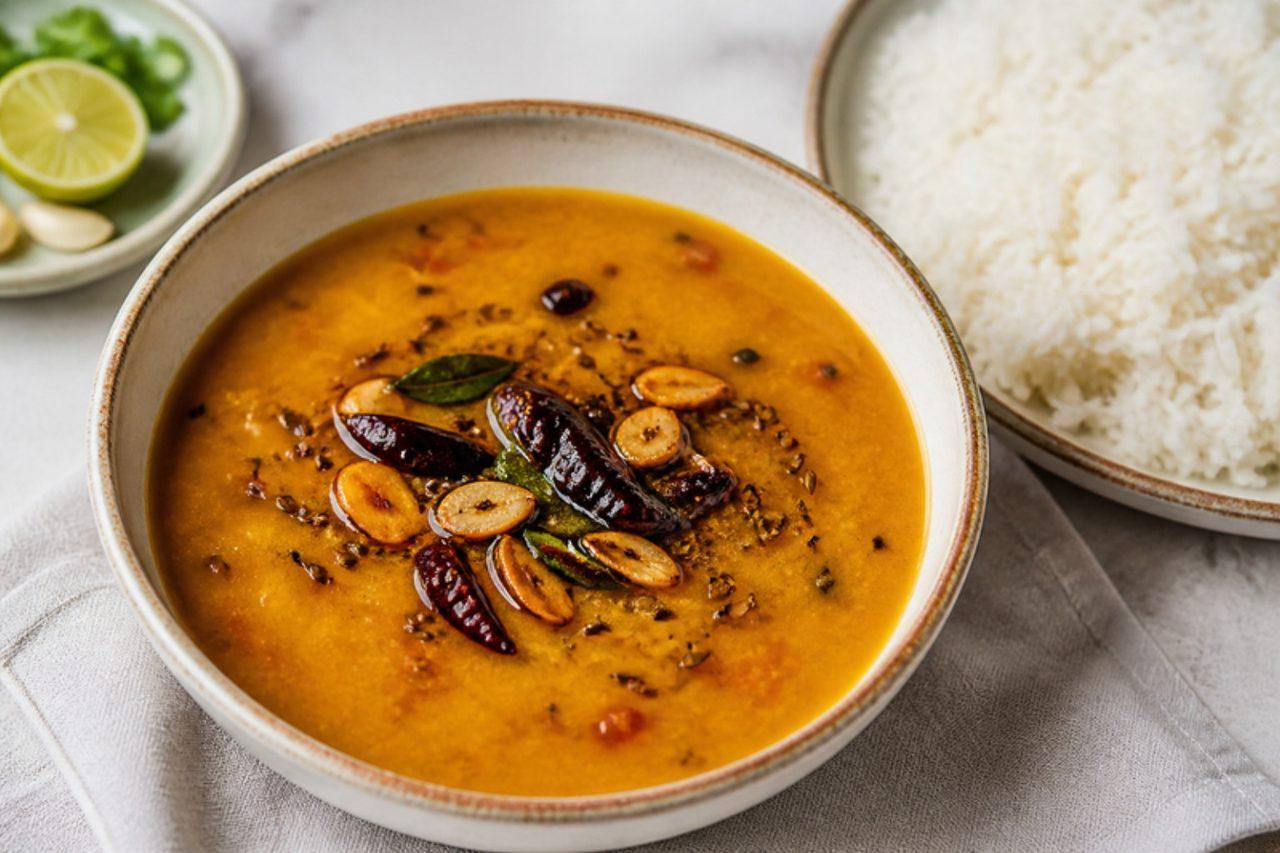
Khatti dal, 'sour dal', is the everyday dal of Hyderabad's old city, cooked in Muslim and Telugu homes alike and ladled over plain rice with a fried papad and a dry vegetable on the side. Toor dal is cooked with tomato and green chilli, mashed smooth, soured with tamarind and finished with a sizzling bagaar of garlic, dried red chillies, cumin and curry leaves. It is thinner and sharper than a north Indian dal, and on Fridays it often sits next to a biryani as the comforting partner. Chef's tip: let the garlic in the bagaar turn properly golden before pouring it over; pale garlic tastes raw and harsh in a sour dal.

by KrazyBadal 0 views

Hyderabadi lukhmiSpiced filled pastries

Lukhmi are Hyderabad's answer to the samosa: flat, square, crisp little pastries with a filling of spiced mutton keema, fork-crimped at the edges. In the Deccani homes of the old city they are a fixture of wedding dinners and the evening iftar table in Ramadan, and a plate of them often arrives with Irani chai at the city's old cafés. They can be shaped a day ahead and fried just before guests come. Chef's tip: cook the keema until completely dry and let it cool fully; a damp or warm filling makes the pastry burst in the oil.

by KrazyBadal 0 views

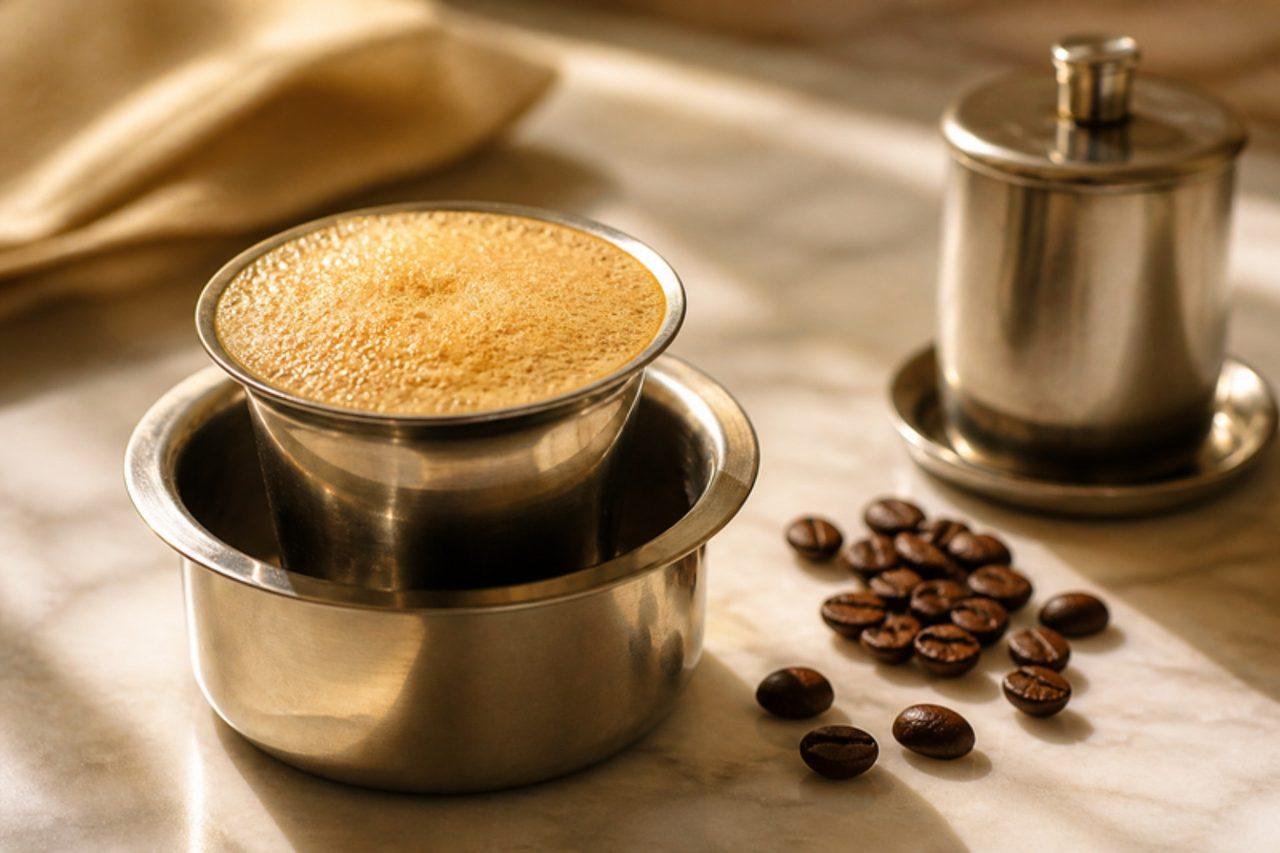
Filter coffee

In Tamil Nadu the day starts with filter coffee: a strong decoction dripped slowly through a two-tier steel filter, mixed with plenty of hot, boiled milk and sugar, and frothed by pouring it from a height between a steel tumbler and its little bowl, the davara. It's served at every Chennai and Kumbakonam 'hotel' and in nearly every home, and it's thick, sweet and slightly bitter from the chicory in the coffee powder. Chef's tip: press the coffee only lightly in the filter and pour the water in slowly; packed too tight, it drips for an hour, and too loose, the decoction is thin.

by KrazyBadal 0 views

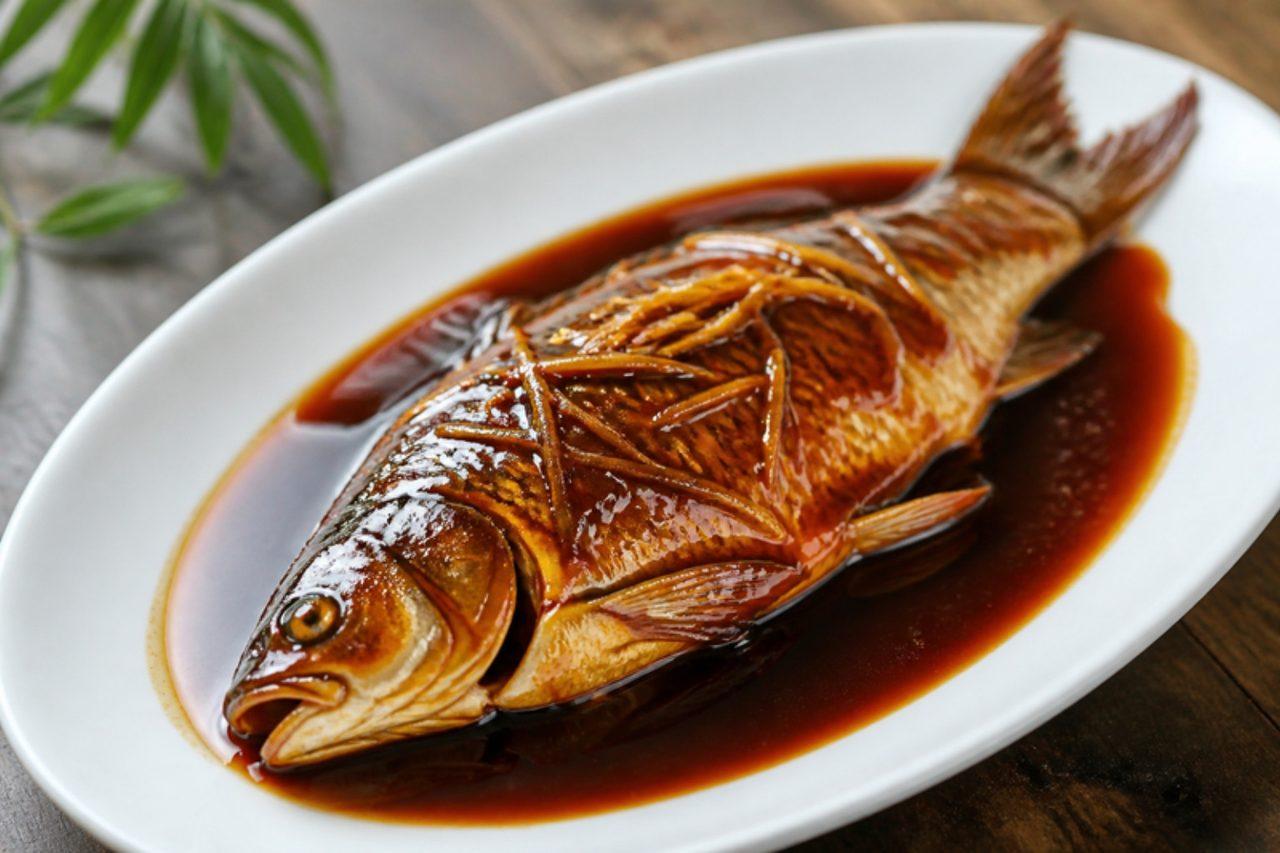
West Lake vinegar fish

Hangzhou restaurants by West Lake have served this for generations, traditionally with grass carp kept in clean water for a day or two before cooking. The fish is not fried at all: it is butterflied, poached for a few minutes, and coated with a shiny, dark sauce of black vinegar and sugar that tastes sharp first and sweet after. The flesh should be tender enough to fall from the bone at a touch. Carp, sea bass or a thick white fish fillet all work at home. Eat it with rice and a simple stir-fried green vegetable. Chef's tip: thicken the sauce at the last moment and pour it straight over; left to sit, it turns gluey.

by KrazyBadal 0 views

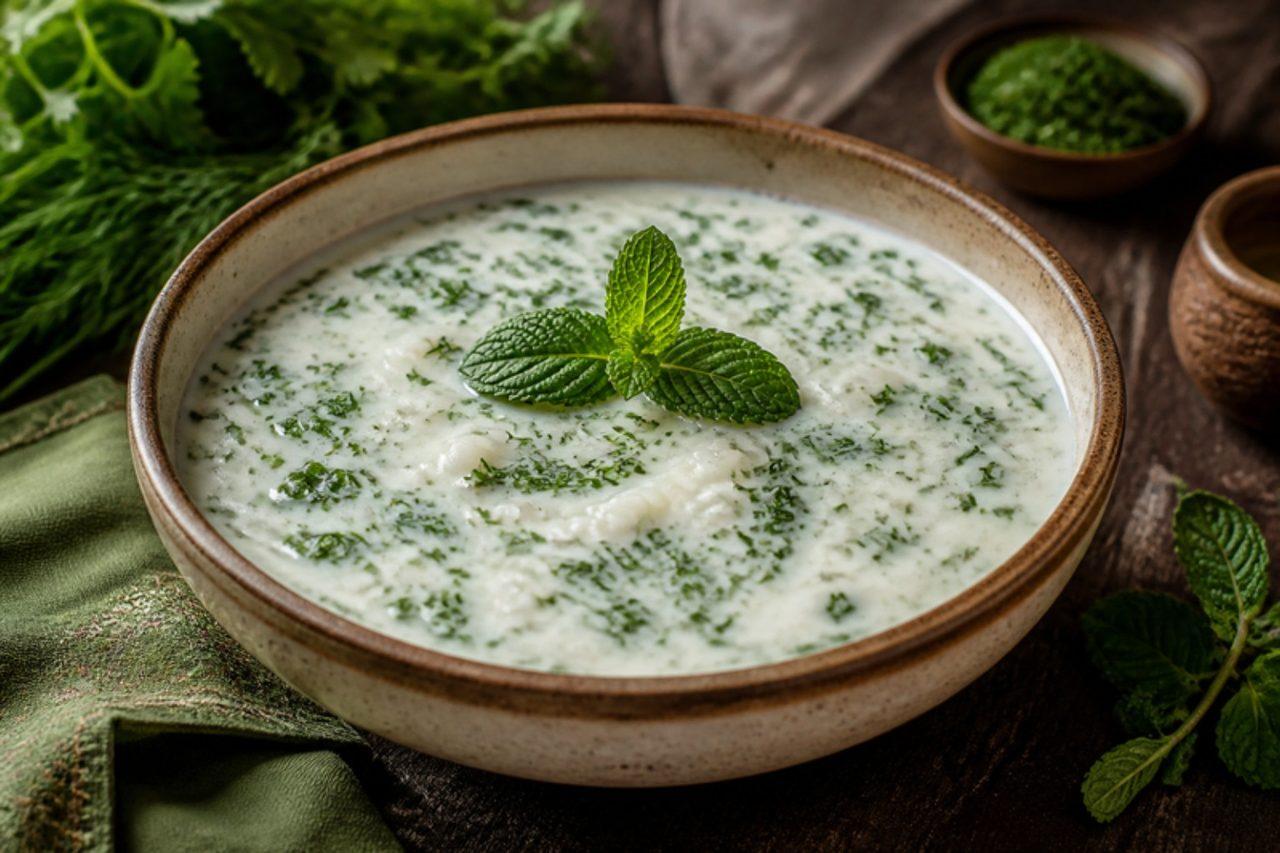
DovgaHerb and yogurt soup

Dovğa is green, tangy and cooling, the soup Azerbaijanis drink cold from glasses on hot Baku afternoons and eat hot in bowls when the Absheron wind turns chilly. Yogurt is thinned, thickened with rice and egg, then packed with chopped spinach, dill, coriander, mint and sorrel, until the soup is more herbs than dairy. It is served at weddings and at Novruz to settle the stomach after rich food, and many cooks add chickpeas. Unlike Armenian spas, there is no fried onion or wheat; the flavour is all fresh herbs and sour yogurt. Chef's tip: add the herbs only once the yogurt is boiling steadily and stable; they wilt in seconds, and the colour stays bright green.

by KrazyBadal 0 views

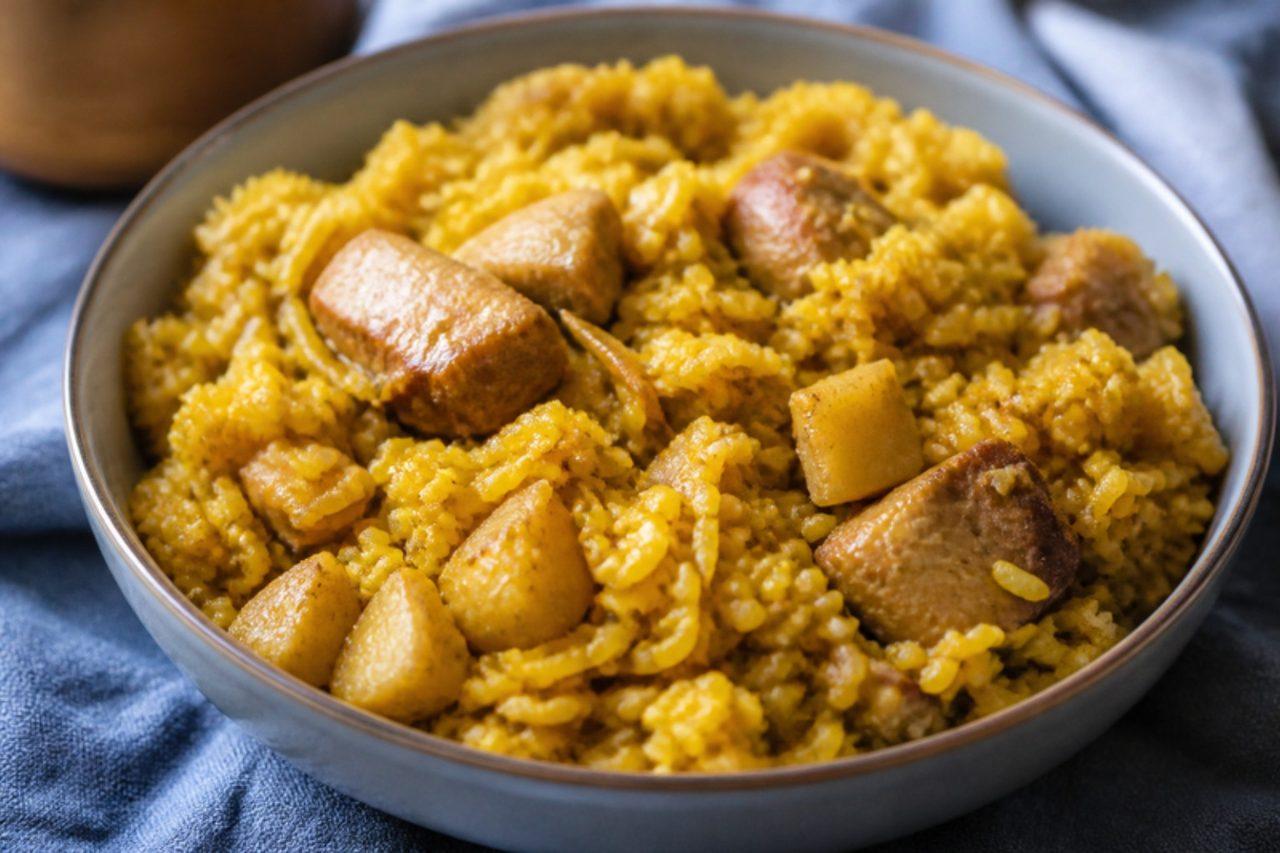
JadohTurmeric rice with pork

Walk through Police Bazaar in Shillong in the morning and you will find small jadoh stalls serving bright yellow rice cooked with pork, ginger and plenty of local Lakadong turmeric. For Khasi families it is breakfast, lunch and festival food all at once, usually eaten with a pork side such as doh khlieh and a sharp chutney. Village versions add pork blood or offal; this home version keeps to pork shoulder. Chef's tip: let the rice rest, covered, for ten minutes after cooking; the grains firm up and stop being sticky.

by KrazyBadal 0 views

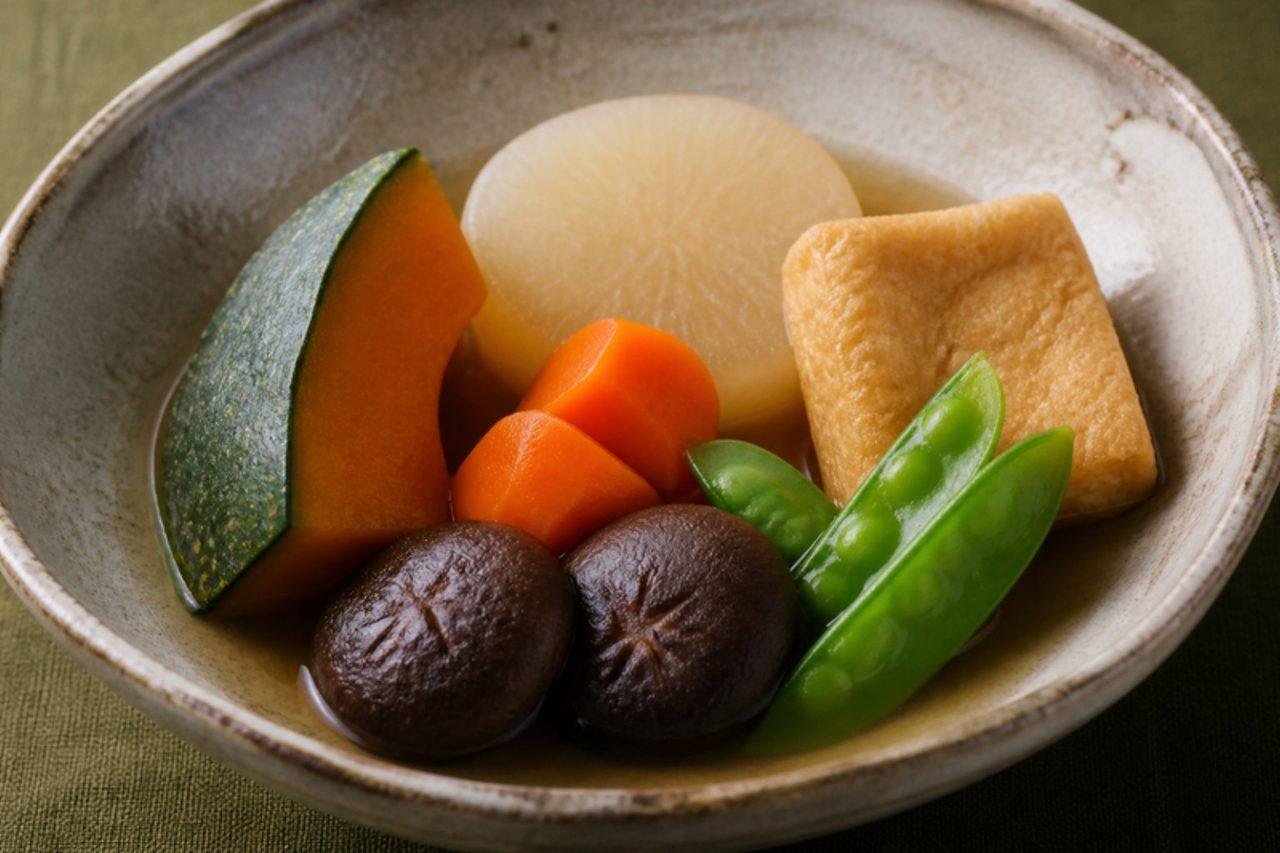
Kyoto takiawaseSimmered vegetables

Obanzai is what Kyoto calls its everyday home cooking: thrifty, seasonal side dishes that families keep in the fridge and that small restaurants line up in bowls along the counter. Takiawase, 'simmered together', is one of its finest. Each vegetable is cooked separately in a pale, delicate broth, so the kabocha stays orange, the daikon turns translucent and the carrot keeps its colour, then they are arranged side by side in one dish. Kyoto cooks season with light-coloured usukuchi soy, which is saltier than regular soy but doesn't darken the food. Serve it warm or at room temperature with rice and miso soup. Chef's tip: let everything cool in its broth. The vegetables soak up most of their flavour as they cool, not while they boil.

by KrazyBadal 0 views

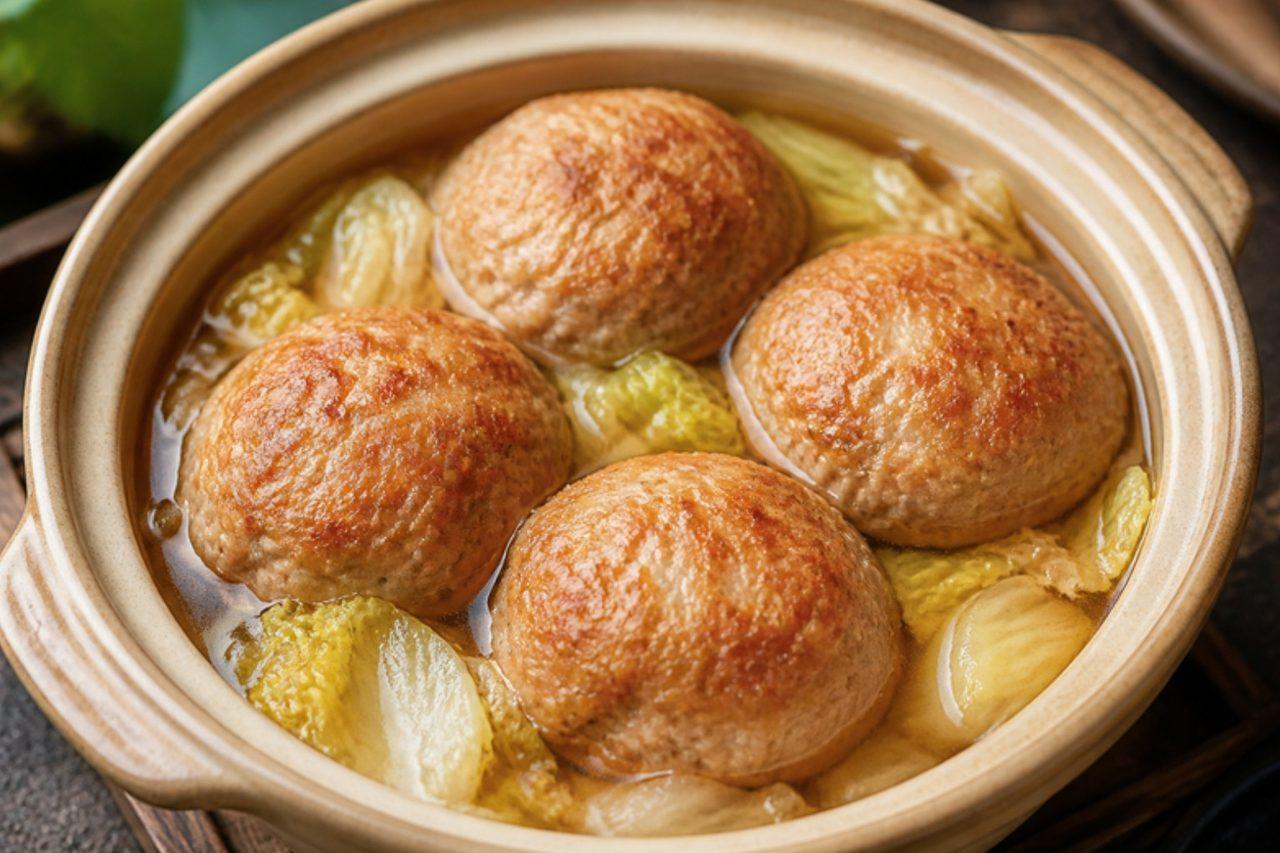
Lion's head meatballs

Cooks in Yangzhou say the shaggy meatball looks like a lion's head and the cabbage leaves around it like a mane. The Jiangsu way is the clear braise: no frying, just a slow simmer in stock until the meatballs are so tender that you eat them with a spoon, while the cabbage drinks up the pork juices. They appear at family reunions and at Chinese New Year, where the round shape stands for togetherness. Everything cooks in one pot; serve the meatballs in their broth with rice. Chef's tip: chop some of the pork belly by hand if you can, or ask for coarse mince; a fine, lean mince gives a dense, bouncy ball rather than a soft one.

by KrazyBadal 0 views

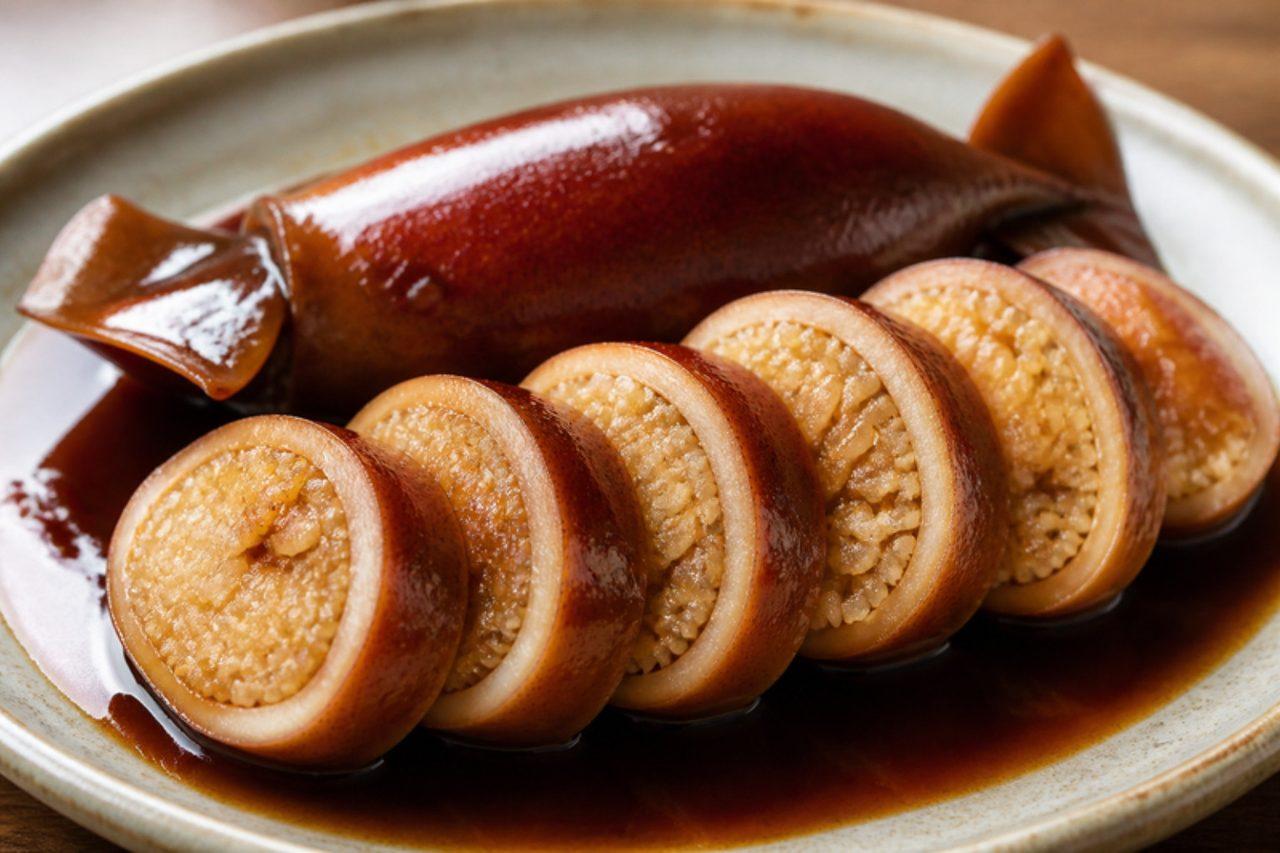
IkameshiRice-stuffed squid

At Mori, a small fishing town on the railway north of Hakodate, ikameshi has been sold as a station lunchbox since the war years, when rice was scarce and squid was plentiful. It is still one of Japan's best-known station bentos and a star of the regional food fairs that department stores hold all over the country. Small squid are stuffed with soaked glutinous rice, pinned shut and simmered in a sweet soy sauce until the rice swells into a sticky, savoury filling. Slice them into rounds to serve warm or at room temperature. Chef's tip: use small squid with bodies about 15 cm long, as larger ones need longer cooking and turn rubbery before they soften again.

by KrazyBadal 0 views

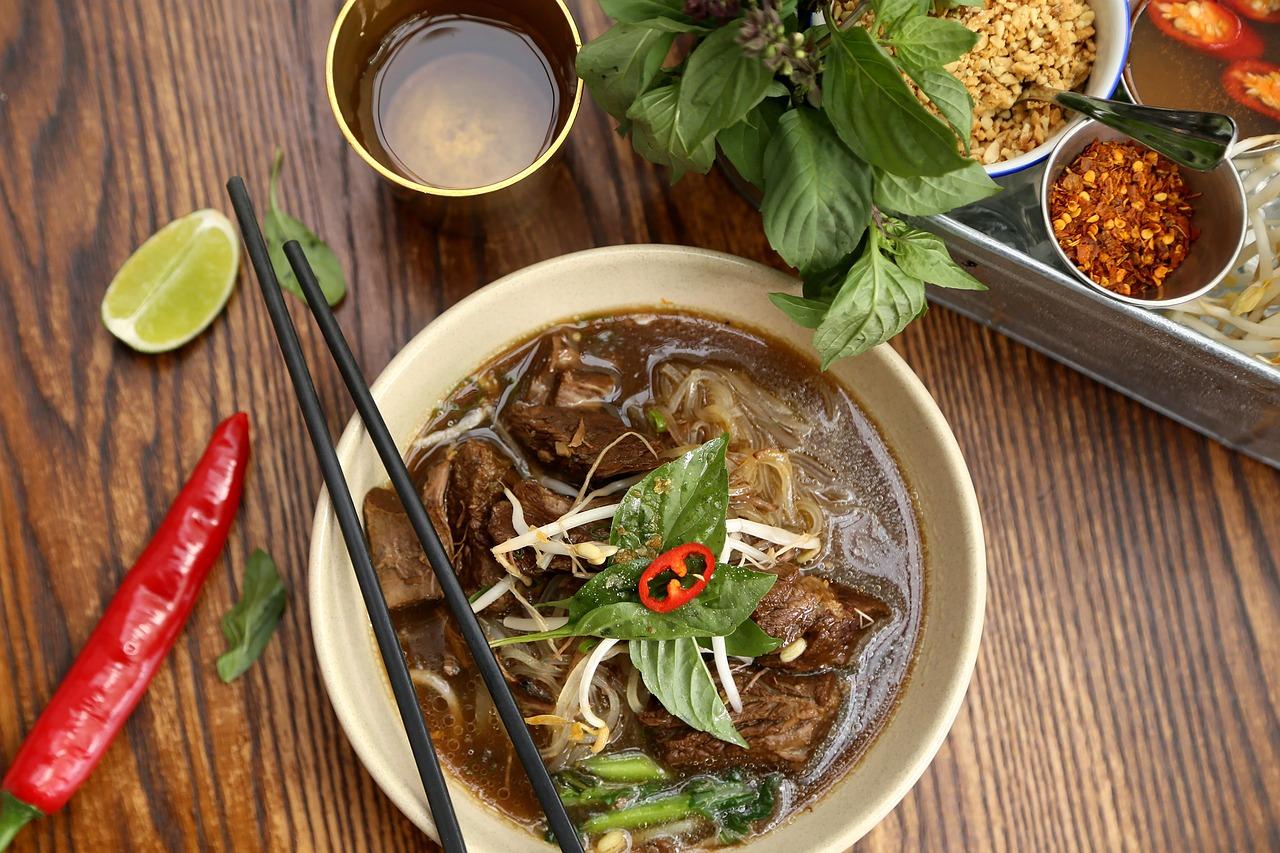
Boat noodles

The name goes back to the canals of Ayutthaya and Bangkok, where vendors cooked noodles in narrow wooden boats and passed tiny bowls up to customers on the bank; the bowls are still small, and at Victory Monument diners stack ten or more empties beside them. The broth is what people come for: beef simmered with star anise, cinnamon, galangal and pandan, darkened with soy and red fermented bean curd, then sharpened at the table with chilli vinegar. Stalls traditionally stir in fresh cow's or pig's blood for body; here it is optional and left out by default, and the soup is still rich and deep. Each bowl gets thin rice noodles, tender beef, beef balls, morning glory and Thai basil, finished with crisp garlic and pork crackling. Chef's tip: keep the pot slightly under-salted and let everyone season their own bowl with fish sauce, sugar, chilli and vinegar.

120 minThaiSoupsSpicy
by KrazyBadal 0 views

HaupiaCoconut pudding

Haupia is the dessert of every Hawaiian lūʻau and family party: coconut milk thickened and set into smooth, wobbly-firm squares that you can pick up with your fingers. It was once set with arrowroot from the pia plant; today cornflour does the job. It tastes clean, cool and gently sweet, and is also layered on chocolate pies and spread on cakes in Honolulu bakeries. Chef's tip: keep whisking until it's as thick as mayonnaise and big bubbles plop slowly; underdone haupia won't set firm enough to slice.

by KrazyBadal 0 views

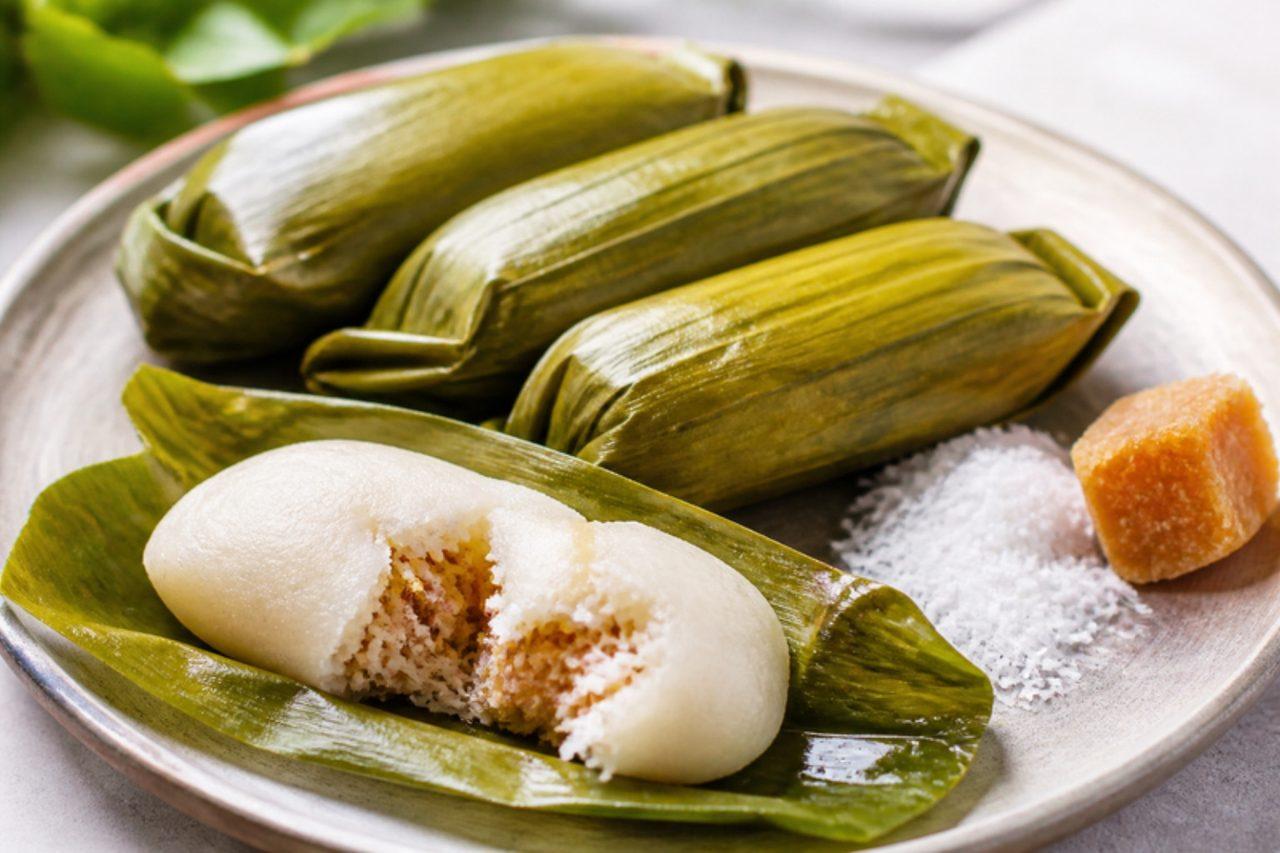
Enduri pithaSteamed rice cakes with coconut

Enduri (or haladi patra pitha) is the sweet of Prathamastami in Odisha, the November festival when Odia mothers pray for their eldest child, who gets the first pitha of the day. Fermented rice-and-urad batter is spread on fresh turmeric leaves, filled with coconut, jaggery, black pepper and cardamom, folded and steamed until the leaves give the cake a green, gingery perfume. The cake is soft and slightly springy. Chef's tip: if you can't find turmeric leaves, use banana leaf with a pinch of grated fresh turmeric in the batter; the flavour is close.

by KrazyBadal 0 views

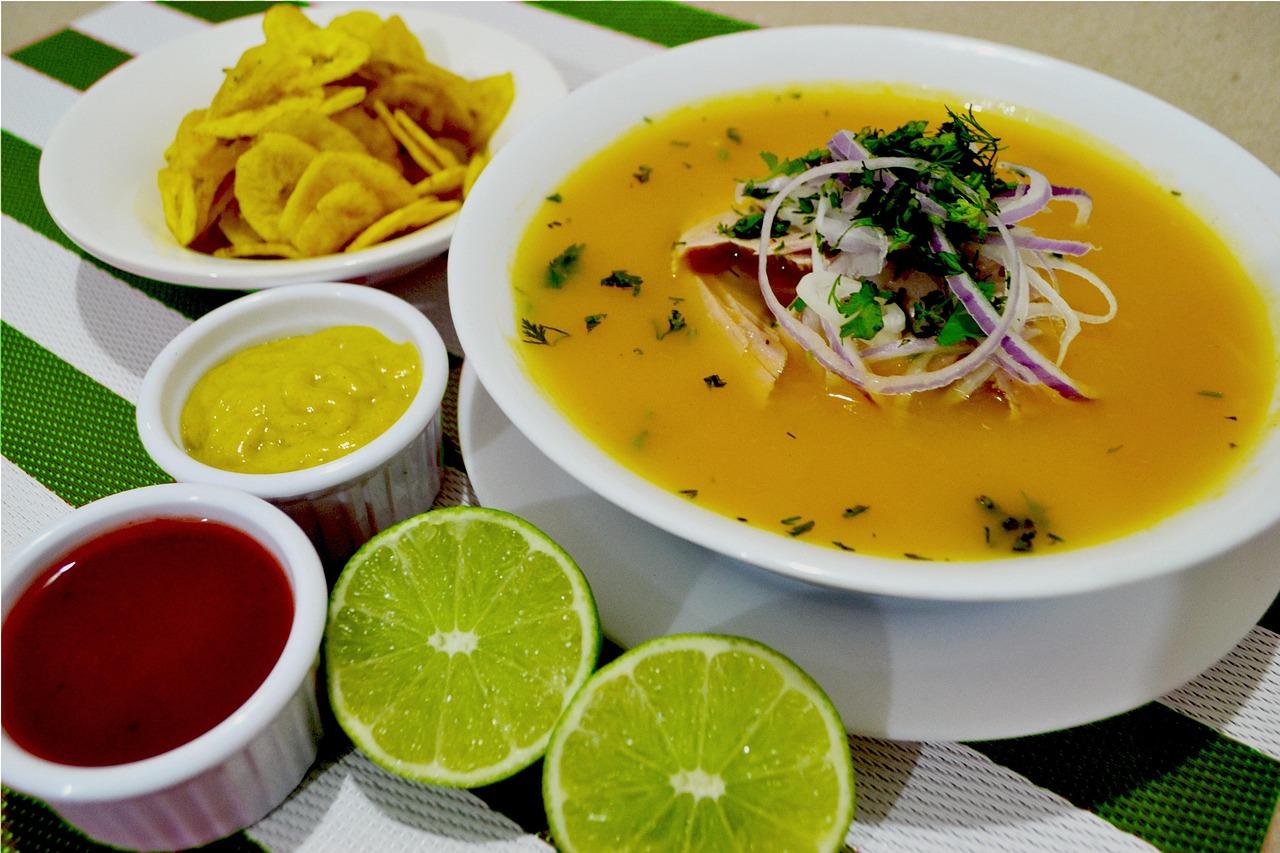
EncebolladoTuna and yuca soup

Encebollado is the morning soup of Guayaquil and the Ecuadorian coast, sold from street carts and small cevicherías from dawn and famous as a cure after a late night: tuna poached in a broth of tomato, cumin and chilli, with soft chunks of yuca, topped with a heap of lime-pickled red onion and coriander, and eaten with banana chips (chifles) and popcorn. The mistake is boiling the tuna until it goes dry; poach it gently and add it back at the end. Chef's tip: pickle the onion at least 20 minutes ahead so it turns pink and loses its sharpness.

by KrazyBadal 0 views

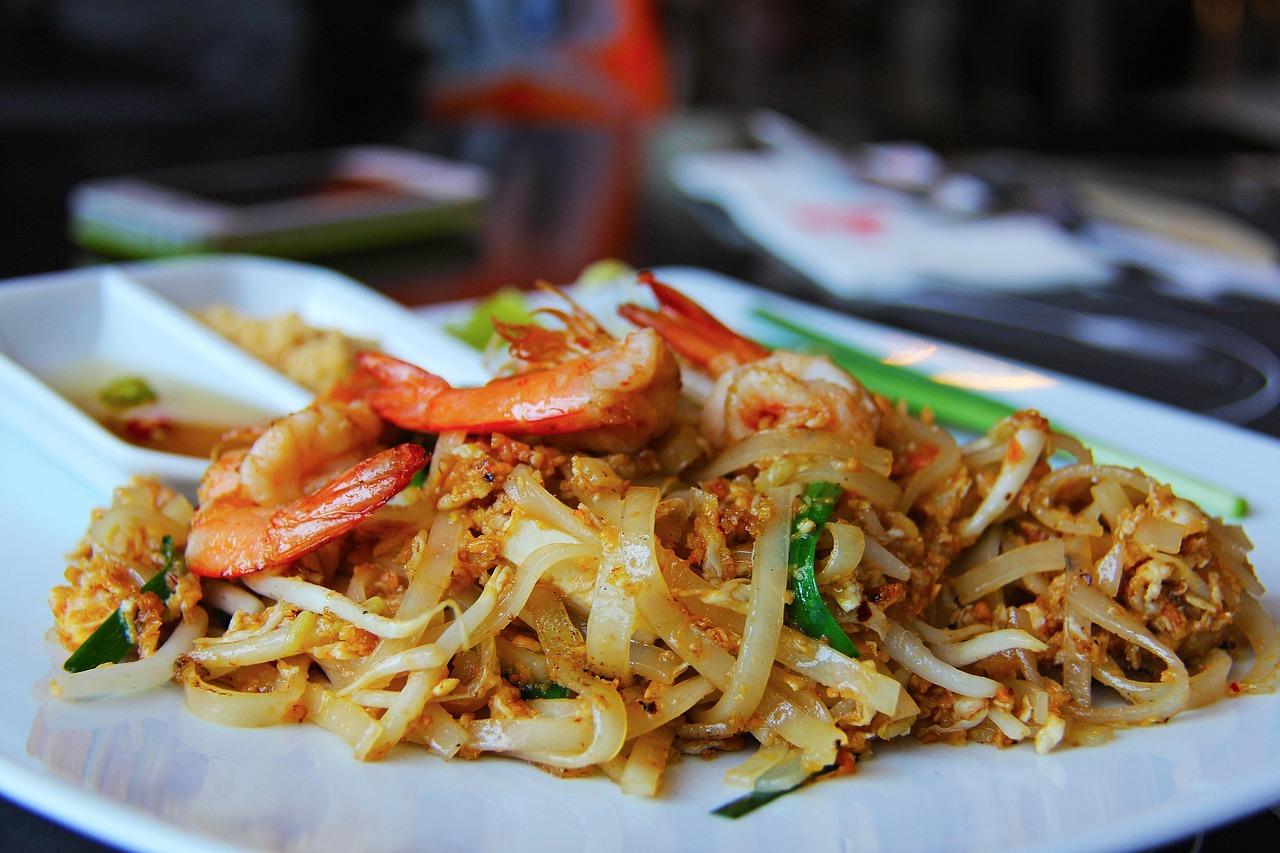
Pad thai with prawns

On Mahachai Road near Bangkok's Golden Mount, pad thai cooks work charcoal-fired woks late into the night, and their style is the model here: chewy rice sticks tossed with a dark, sweet-sour tamarind sauce, scrambled egg, cubes of firm tofu, sweet preserved radish, garlic chives and plump fresh prawns. It should taste tangy first, then sweet and salty, never like ketchup. Everyone finishes their own plate at the table with crushed peanuts, chilli flakes, a squeeze of lime and a handful of raw bean sprouts and chives for crunch, and children usually love it with the chilli left off. Chef's tip: make the tamarind sauce a day ahead; it keeps for a week in the fridge and the noodles then take ten minutes.

by KrazyBadal 0 views

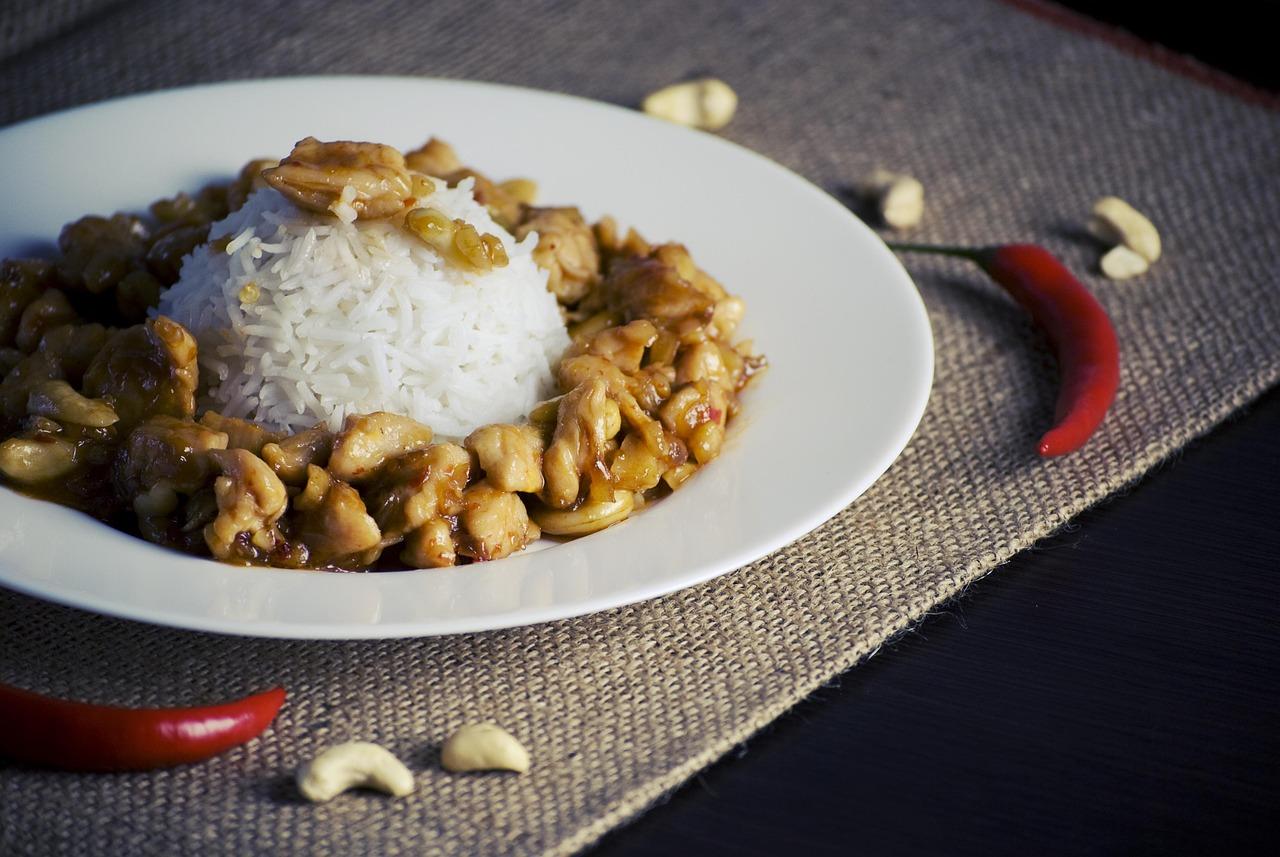
Cashew chicken

Crunchy, mild and gently sweet, this stir-fry is what central Thai families order for the table when children or chilli-shy guests are eating too. Strips of chicken are dusted in cornflour and fried golden, then tossed with roasted cashews, onion, spring onion and whole dried chillies that are crisped in the oil for smoky colour rather than fierce heat. Restaurants from Bangkok to Hua Hin serve it as one dish of a shared meal, with steamed rice and a sour soup such as tom yum. The sauce is glossy and savoury from oyster sauce, with a spoonful of roasted chilli paste for depth. Chef's tip: toast the cashews slowly in the oil before anything else goes into the wok; they stay crunchy far longer than nuts thrown in raw.

by KrazyBadal 0 views

HawawshiSpiced beef stuffed bread

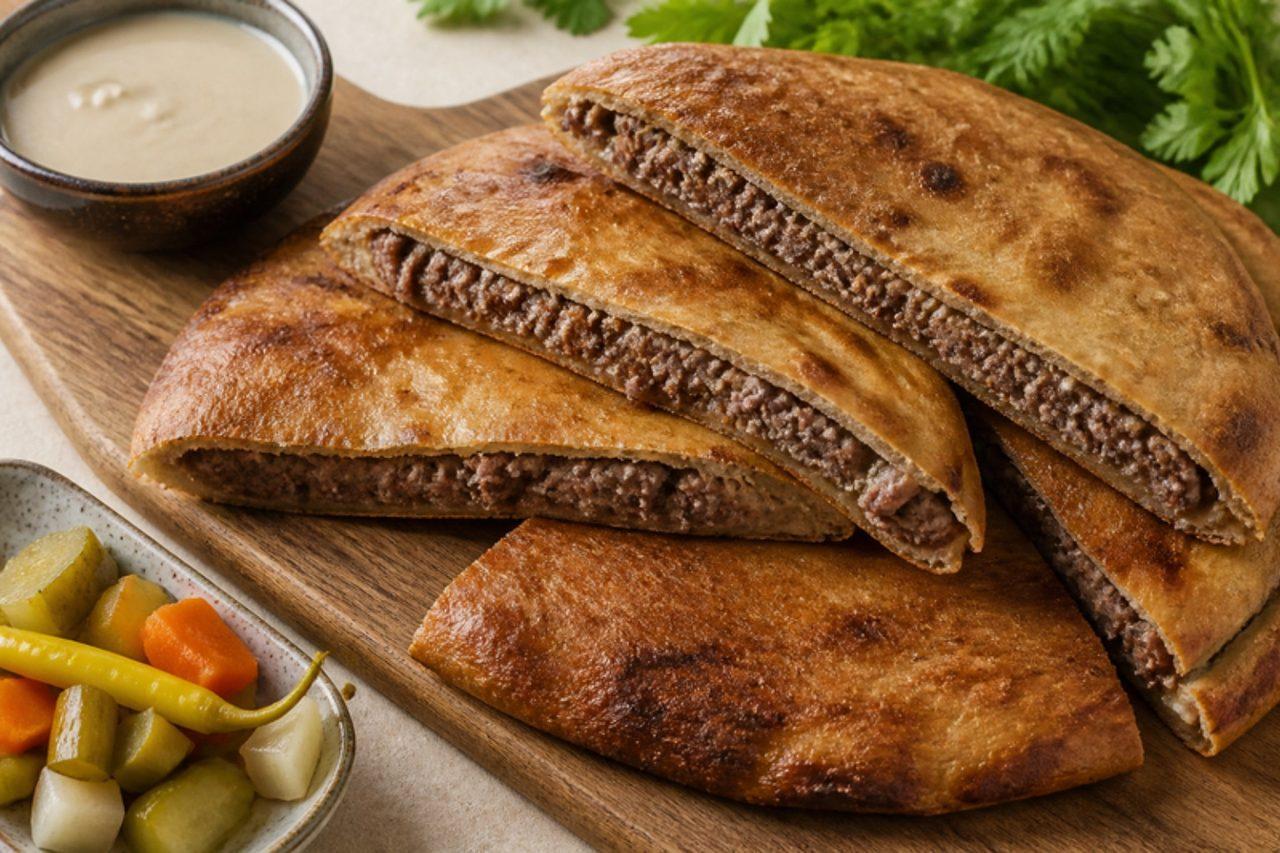
Walk through downtown Cairo in the evening and you will smell hawawshi before you see it: round baladi breads split open, packed with minced beef, onion, green chilli and warm spices, then baked until the bread turns crisp and the fat from the meat soaks into the crumb. Street stalls sell it wrapped in paper with pickles and tahini; at home it is a quick Friday supper. Pitta works well if you can't find baladi bread. The mistake most people make is packing in too thick a layer of meat, so the bread burns before the middle is cooked; keep it about 1 cm thick. Chef's tip: squeeze the grated onion in a sieve before mixing it in, or the filling turns wet and the bread goes soggy.

by KrazyBadal 0 views

HaydariStrained yogurt and feta dip

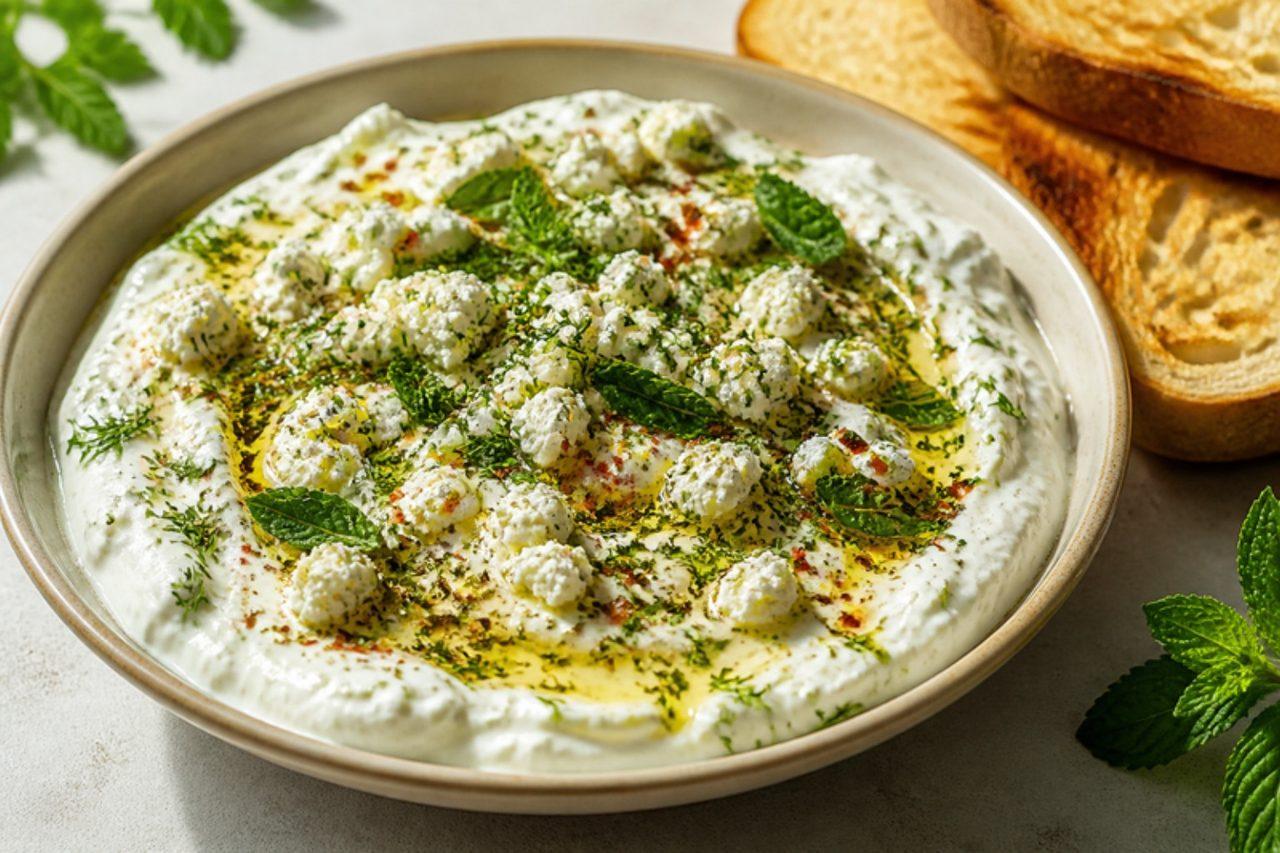
Order meze in an Istanbul meyhane and haydari is usually among the first small plates to land: very thick strained yogurt beaten with crumbled white cheese, garlic, dill and mint, then crowned with a drizzle of oil warmed with dried mint and chilli flakes. It is eaten with bread, beside roasted vegetables or with crisp börek, and it takes minutes once you have the yogurt. The mistake to avoid is using thin pouring yogurt, which gives you a runny sauce rather than a dip that holds its shape. Chef's tip: use Greek-style strained yogurt, or hang plain yogurt in a cloth for an hour, and check the beyaz peynir or feta is made with vegetarian rennet.

by KrazyBadal 0 views

Healthy tawaMixed vegetables on the tawa

A big sizzling griddle of boiled fresh beans and vegetables (peas, pigeon peas, black-eyed beans, soya beans, kidney beans, corn, cassava, sweet potato, baby potatoes and roasted plantain) tossed with sesame seeds, onions and a green chilli, ginger and garlic paste. It's filling, colourful and feeds a crowd at a barbecue. Serve sizzling hot straight from the tawa.

by KrazyBadal 0 views

Empanadas venezolanasFried corn empanadas

Venezuelan empanadas are big, crisp half-moons made with white precooked corn flour, fried to order at beach kiosks on Margarita Island and at breakfast stands across Caracas. Compared with the small, potato-filled Colombian empanadas, they are larger, paler and often a little sweet in the dough, and the classic vegetarian fillings are simply grated white cheese or black beans with cheese (like an arepa dominó). Eat them hot with guasacaca or a squeeze of lime. Chef's tip: add a spoonful of sugar to the dough; it helps the crust turn golden and blistered in the oil.

by KrazyBadal 0 views

Hunan smoked tofu with leeks and chilli

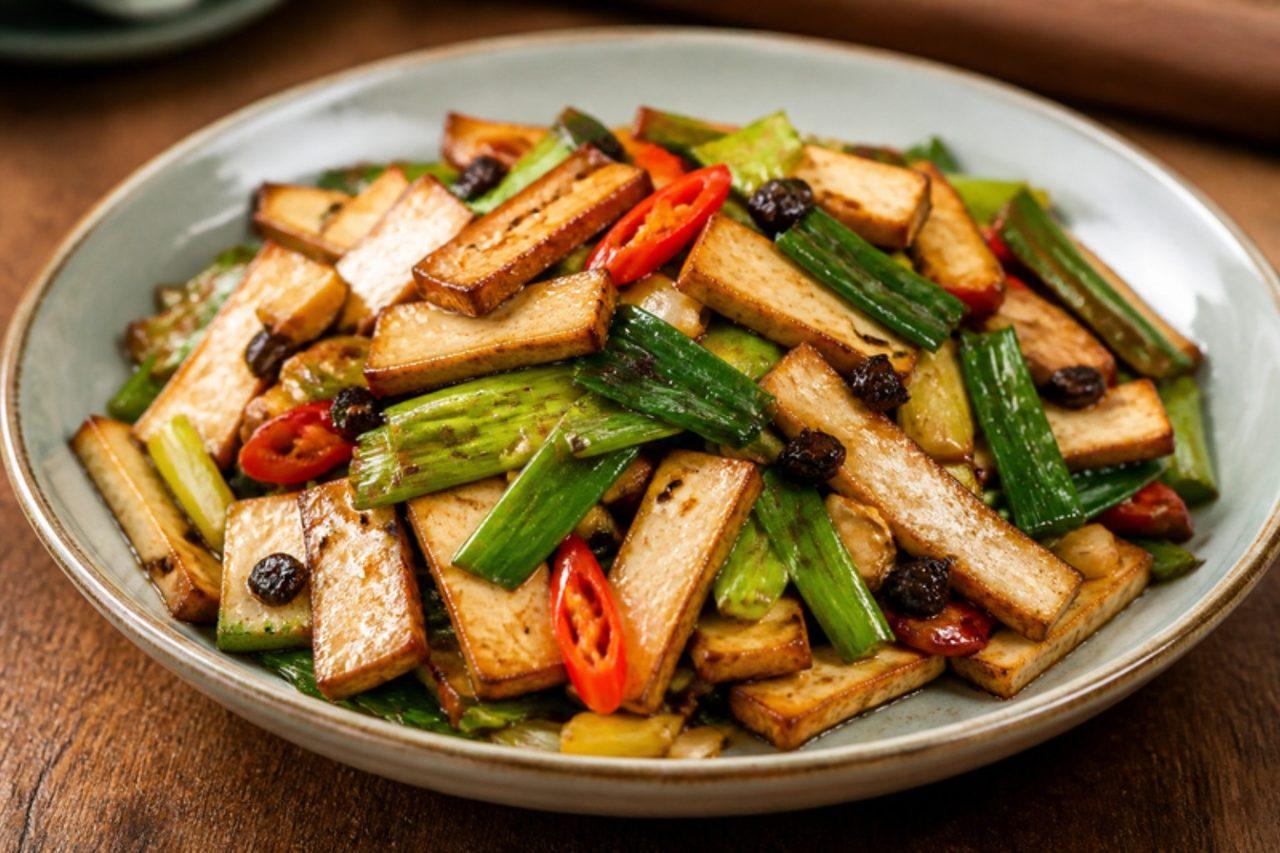
Smoked tofu (xiāng gān) hangs in strings in Hunan markets, firm and brown from wood smoke. Restaurants in Changsha usually toss it with a little pork, but leaving the meat out is common at home and in Buddhist eateries. The tofu soaks up the black beans and chillies, and the leeks go sweet and soft. Serve it with plenty of rice. Chef's tip: cut the tofu about 5 mm thick; thinner slices break apart in the wok.

by KrazyBadal 0 views

Xinjiang lamb skewers

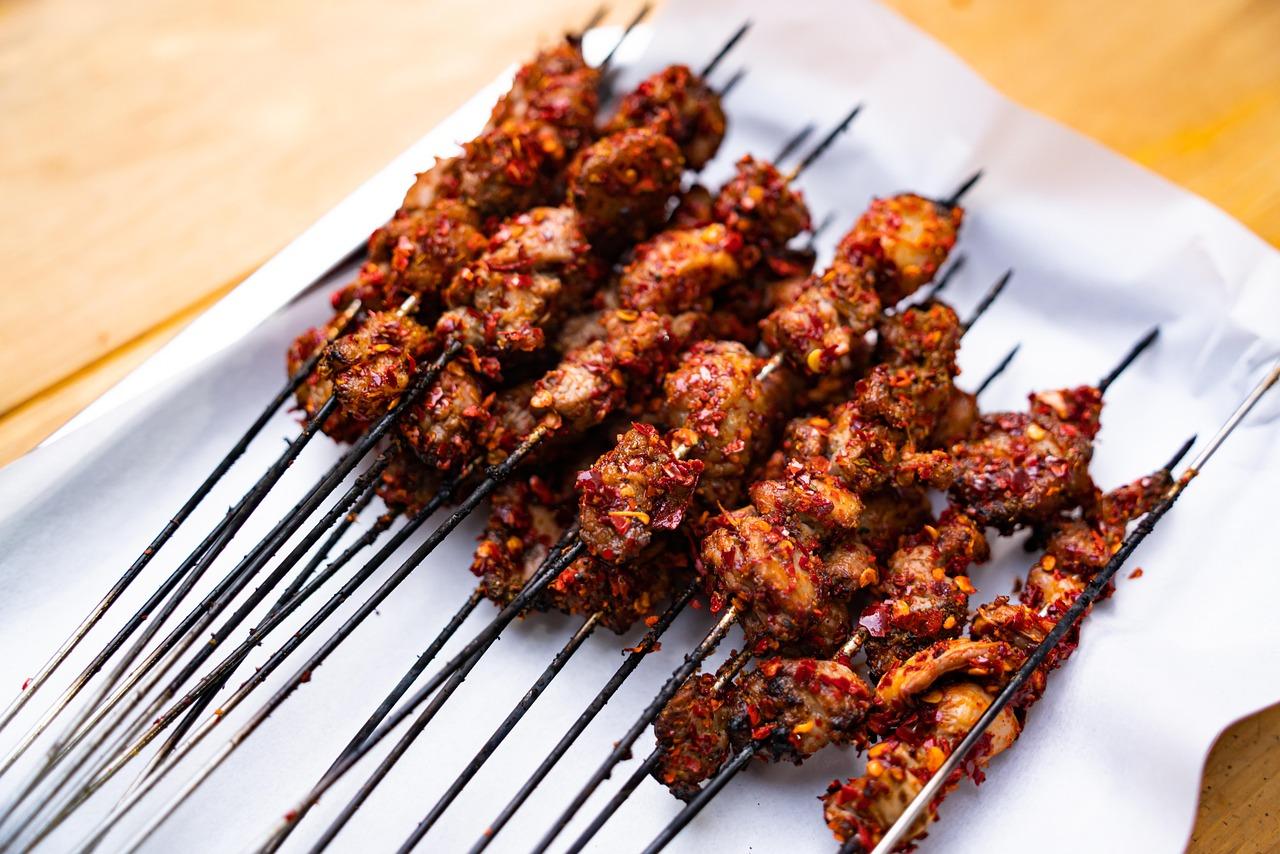
Clouds of cumin-scented smoke rise from long charcoal troughs at night markets from Ürümqi to Kashgar, where Uyghur grill men fan the coals and turn dozens of skewers at a time. Small cubes of lamb, often with a piece of fat between them, are seasoned with salt, cumin and chilli right on the grill, so the outside is crusty and spicy while the inside stays pink and juicy. Street vendors across China copy them, but the best are simple. Eat them hot off the skewer with flatbread, sliced onion and a cold drink. Chef's tip: thread a small cube of lamb fat after every three pieces of meat; it melts over the lean as it grills and keeps it moist.

by KrazyBadal 0 views

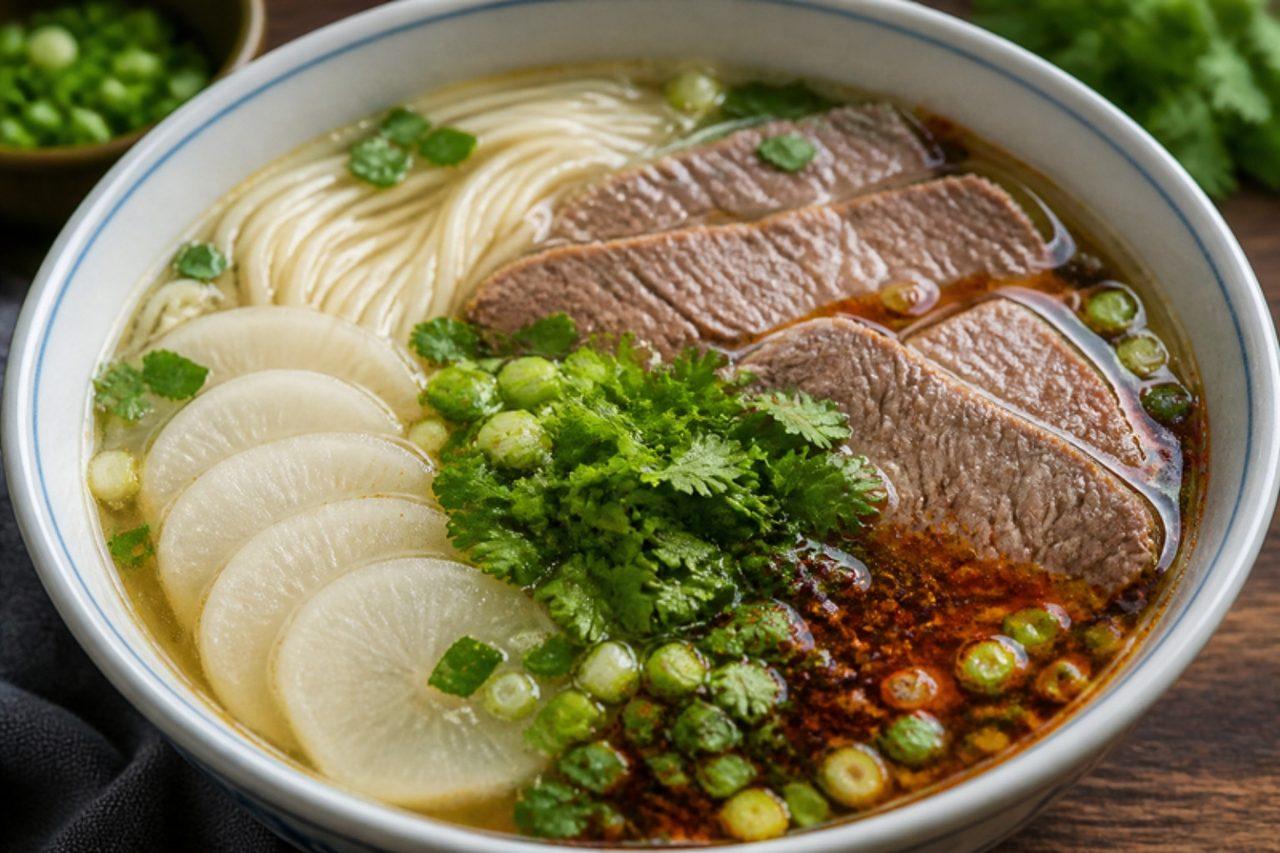
Lanzhou beef noodle soup

In Lanzhou, capital of Gansu, the day starts at a noodle shop where cooks stretch dough into strands before your eyes and drop them into bowls of clear, fragrant beef broth. Locals describe the ideal bowl in five colours: clear broth, white radish, red chilli oil, green coriander and garlic shoots, and yellow noodles. The broth is light yet deeply beefy and gently spiced, the radish sweet, the chilli oil toasty rather than fierce. This version uses good bought noodles, with an optional route for pulling your own if you fancy the challenge. Chef's tip: simmer the broth, never boil it; a hard boil turns it cloudy and the clear, golden look is the whole point.

180 minChineseSoups
by KrazyBadal 0 views

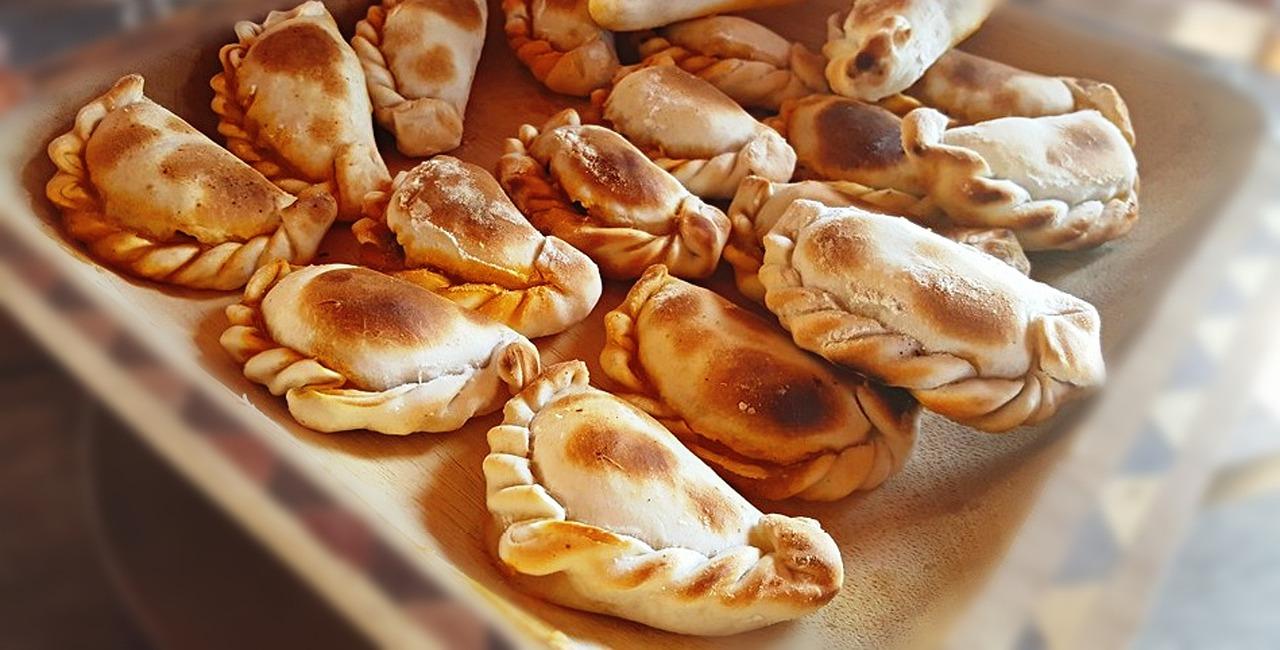
Empanadas salteñasBaked beef empanadas

In Salta, in Argentina's far northwest, empanadas are small, sealed with a tight twisted edge (the repulgue) and so juicy that locals eat them leaning forward with their feet apart. The filling is hand-cut beef with potato, spring onion, cumin and paprika, plus chopped hard-boiled egg; they are eaten at Sunday gatherings, at peñas with folk music and on any public holiday. The mistake that ruins them is filling them while the beef is still warm: the fat melts the pastry. Chill the filling until it is firm. Chef's tip: add a few spoonfuls of the cooking juices to the cold filling; they set to a jelly in the fridge and melt in the oven, which is where the famous juiciness comes from.

by KrazyBadal 0 views

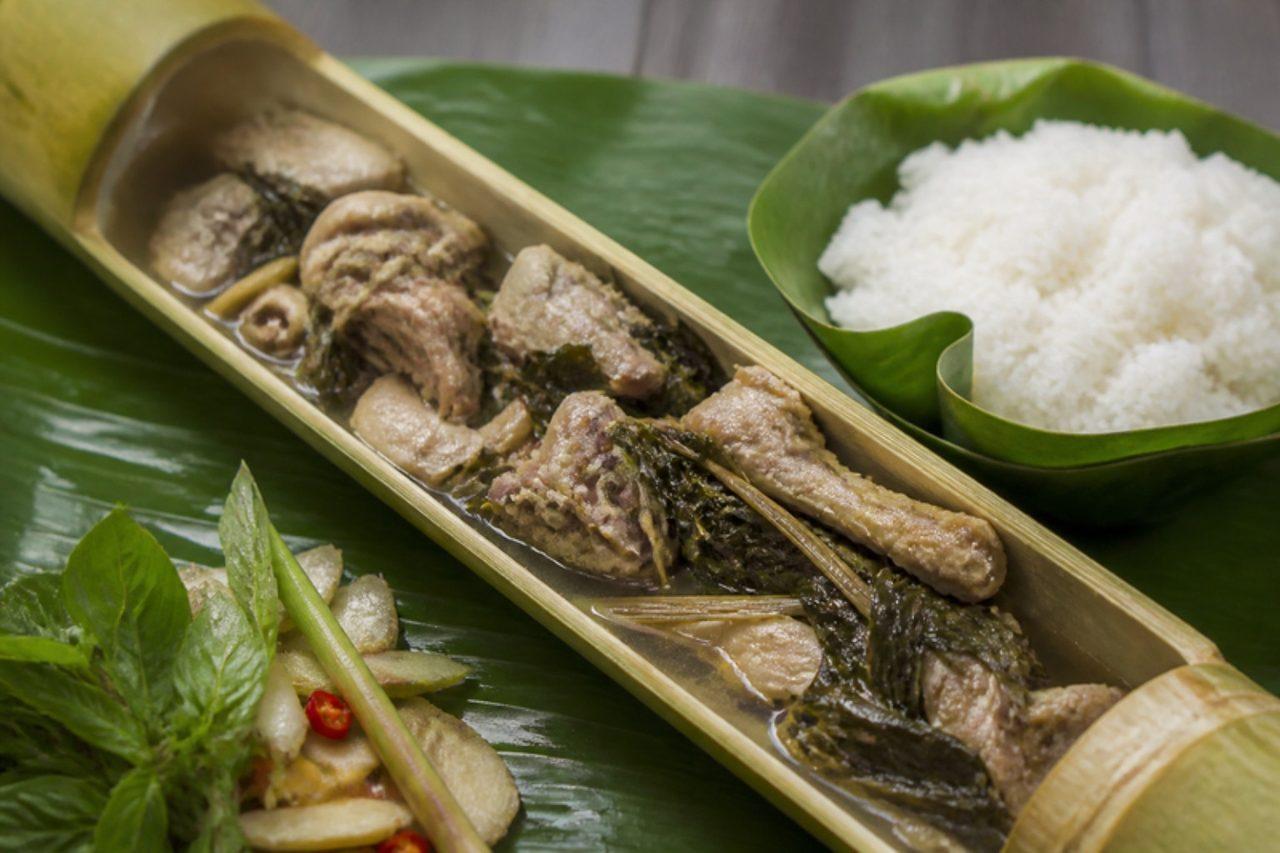
Manok pansohBamboo-cooked chicken

Iban longhouses in Sarawak cook manok pansoh for Gawai, the harvest festival at the start of June: chicken pieces packed into lengths of fresh bamboo with lemongrass, ginger, shallots and tapioca leaves, plugged with leaves and leaned over an open fire. No stock or water goes in; the chicken steams in its own juices, which turn into a clear, herby broth that tastes faintly of green bamboo. At home a lidded casserole wrapped in banana leaf gets you very close. Serve it with plain rice, and with the broth spooned over. Chef's tip: bruise the lemongrass and ginger hard with a pestle before packing; with no added liquid, crushed aromatics are what flavour the juices.

by KrazyBadal 0 views

Henakisoa sy voanjoboryPork with groundnuts

Henakisoa sy voanjobory is a highland dish from the countryside around Antsirabe and Fianarantsoa, cooked for family gatherings: pork simmered for a long time with Bambara groundnuts, a hard, round pulse that turns creamy and nutty, until the meat is tender and the beans have thickened the sauce. This dish contains pork. It is eaten with rice and a fresh tomato salad. The mistake is not soaking the dried pulses, which then never soften; soak them overnight. Chef's tip: if you can't find Bambara groundnuts, black-eyed beans or borlotti give a similar result in less time.

150 minMalagasyMeatGluten free
by KrazyBadal 0 views

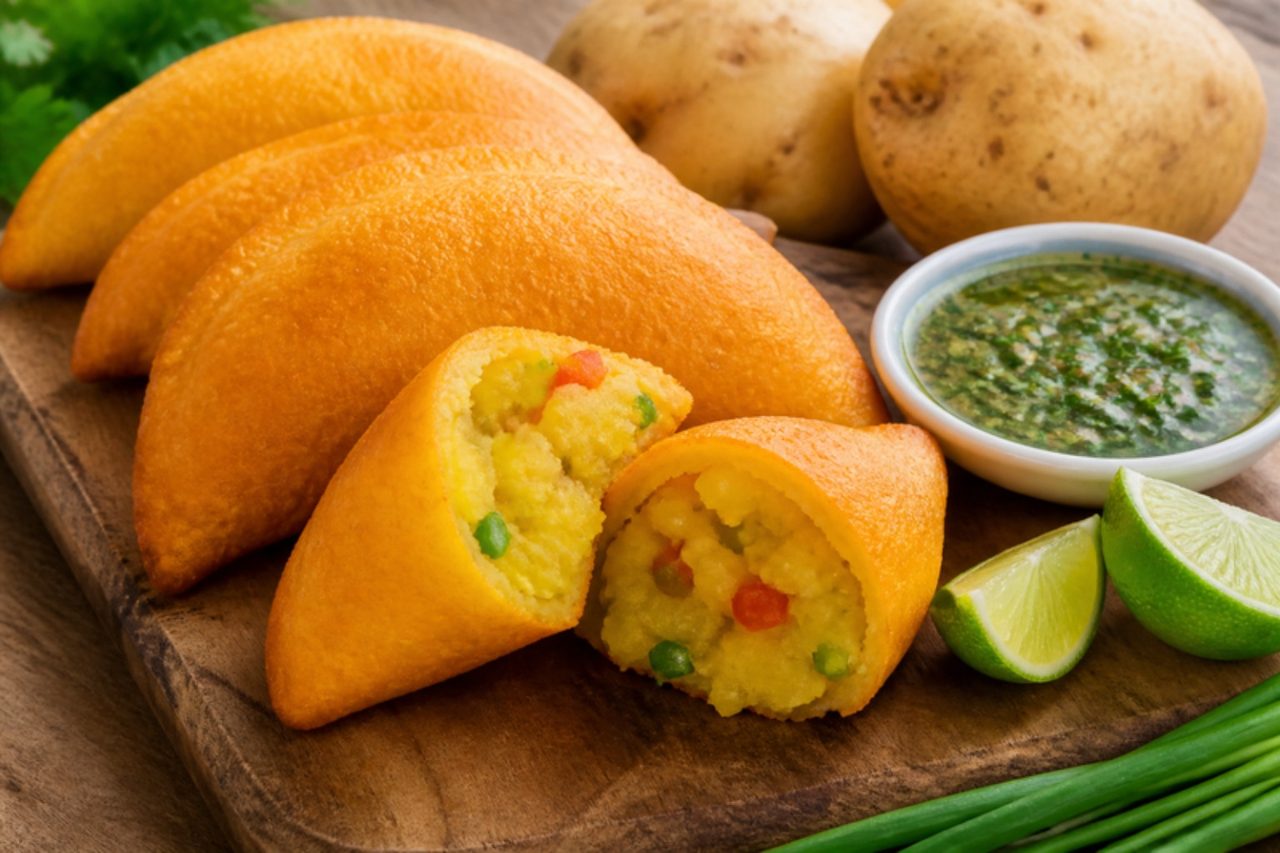
Empanadas colombianasPotato corn empanadas

Colombian empanadas are small, crunchy half-moons made with yellow corn dough rather than wheat, sold hot from street stands across Bogotá, Medellín and Cali and eaten with a squeeze of lime and a spoonful of ají. The classic filling mixes potato with hogao and often meat; this version keeps the potato and hogao, seasoned with cumin and coriander, which many families make on its own anyway. They are crisp outside and soft and savoury inside. Chef's tip: roll the dough thin, about 3 mm; thick corn dough stays heavy and absorbs oil.

by KrazyBadal 0 views

HeotjesatbapRice with seven vegetable sides

In Andong, the old Confucian town of North Gyeongsang, the scholars of the yangban class were said to want the food from jesa, the rite offered to ancestors, without waiting for a rite to come round, so they cooked the same dishes and called them heotjesatbap (헛제삿밥), 'fake rite rice'. Restaurants by Andong's dam still serve it: a bowl of rice to be mixed with brown, white and green namul and seasoned with soy sauce, never chilli, because ritual food avoids red pepper and garlic. The full table includes grilled fish and beef skewers; this vegetarian version keeps the vegetables and tofu jeon that make up most of it. Chef's tip: cook each namul separately with only salt, soy or sesame, so each keeps its own taste and colour when you mix the bowl.

by KrazyBadal 0 views

EloteMexican street corn

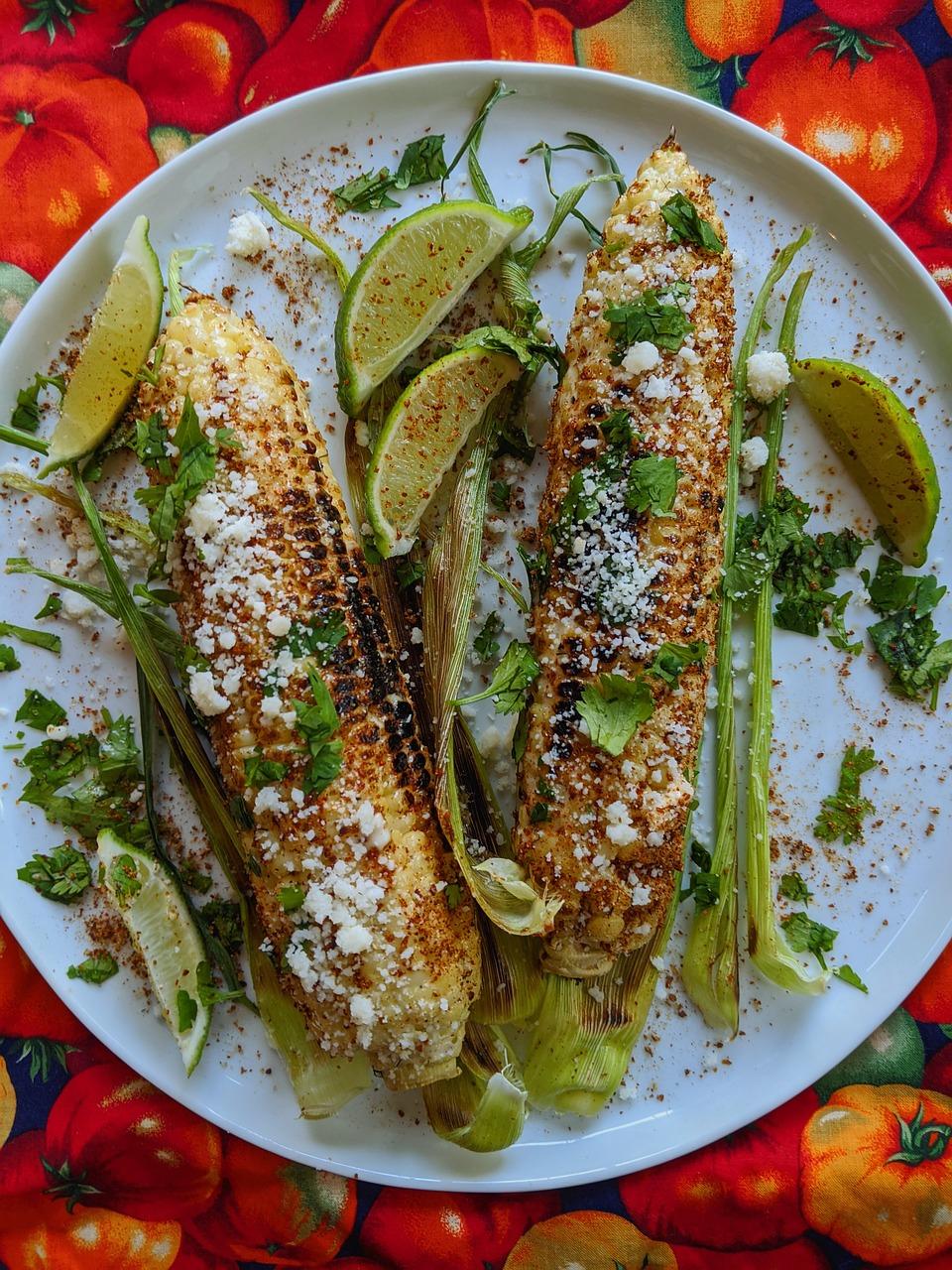
Elote (corn on the cob) is sold all over Mexico from street carts in the evening: grilled or boiled cobs speared on a stick, slathered in mayonnaise and crema, rolled in crumbly cotija cheese and dusted with chilli powder, with a squeeze of lime. Charring the corn adds smokiness to the sweet kernels, and the creamy, salty, sour and hot toppings make it irresistible. Serve it at a barbecue or as a snack; kids can skip the chilli. Cotija is often made with animal rennet, so use a vegetarian-rennet feta or a vegetarian hard cheese if that matters to you. Chef's tip: let the cobs cool for a minute before spreading the mayonnaise, so it clings rather than sliding off.

by KrazyBadal 0 views

Big plate chicken

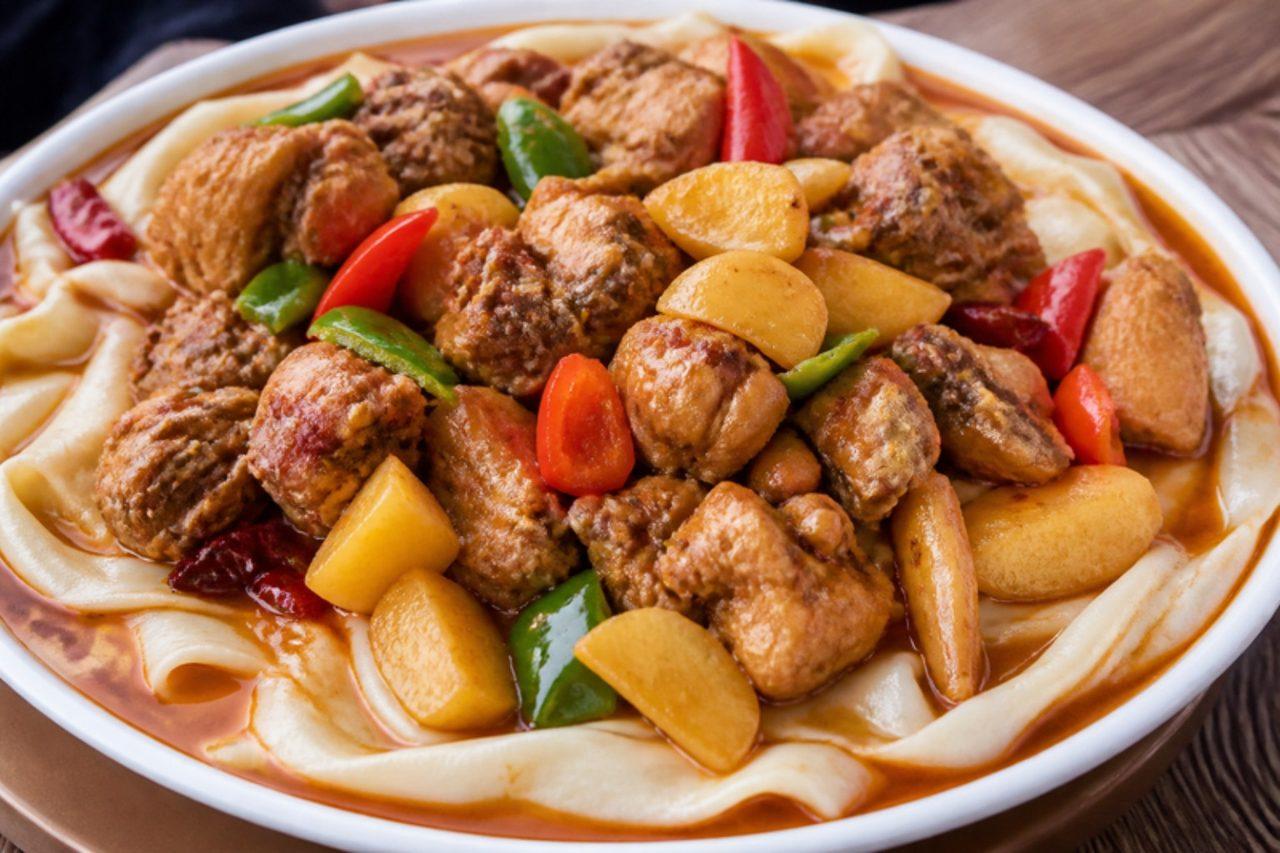
Born in roadside restaurants along the highways of northern Xinjiang in the 1980s, when truck drivers wanted something big enough to share, this dish arrives on a platter the size of a steering wheel. Chunks of bone-in chicken and potato braise in a spicy, star anise-scented sauce with green peppers, and the leftover gravy is spooned over wide, chewy belt noodles at the end. It is warming, a little numbing and very generous. Serve it for a crowd on a cold evening, with a bowl of sliced cucumber and garlic to cool things down. Chef's tip: cook the noodles first in the same pot and toss them in a little oil; they wait happily while the stew cooks and you only have one pot to wash.

by KrazyBadal 0 views

Hideg meggylevesChilled sour cherry soup

Hideg meggyleves is a chilled sour cherry soup served as a starter in Hungary at the height of summer, from family lunches in the cherry-growing villages around Pest county to the terraces of Balaton restaurants. Sour cherries simmer briefly with sugar, cinnamon and cloves, then the soup is thickened with sour cream and served icy cold, pink and gently tangy. Some cooks add a splash of red wine for grown-ups. It is eaten before the main course, not as dessert, though no one complains if you have it after. Chef's tip: chill it for at least 3 hours; the flavour rounds out and the spices soften as it cools. A common mistake is boiling it after the cream goes in, which curdles it.

by KrazyBadal 0 views

Empanadas de humitaCreamy corn empanadas

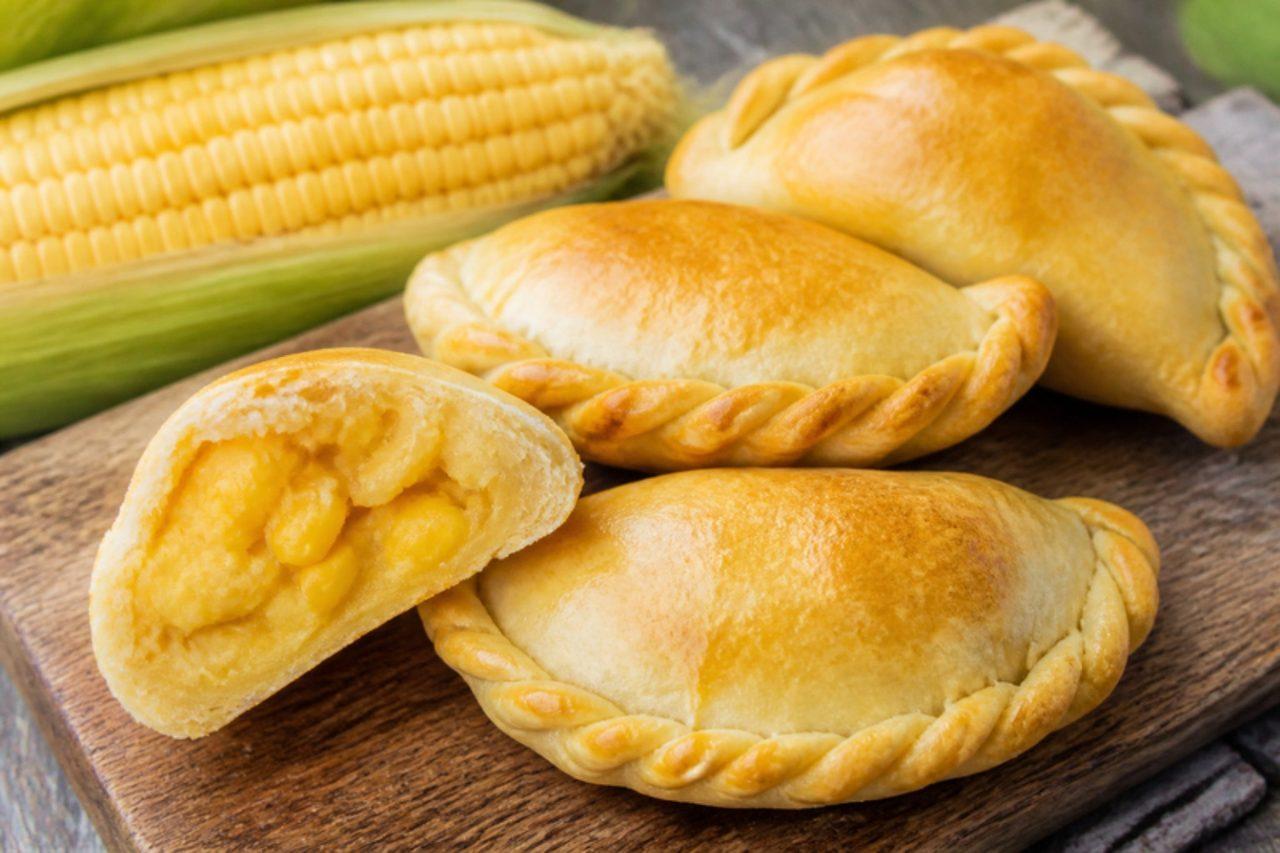
Empanadas de humita are the vegetarian favourite at every Argentine empanada shop, from Tucumán, which claims the best empanadas in the country, to the delivery menus of Buenos Aires. The filling is sweetcorn and onion cooked with red pepper, nutmeg and a little white sauce until creamy, then folded into wheat pastry discs and closed with the twisted edge (repulgue) that tells you what's inside. Unlike the husk-wrapped humita en chala, these are baked and golden. Chef's tip: chill the filling until firm before filling; warm filling melts the pastry and the empanadas open in the oven.

by KrazyBadal 0 views

Man'oushe jibnehCheese flatbread

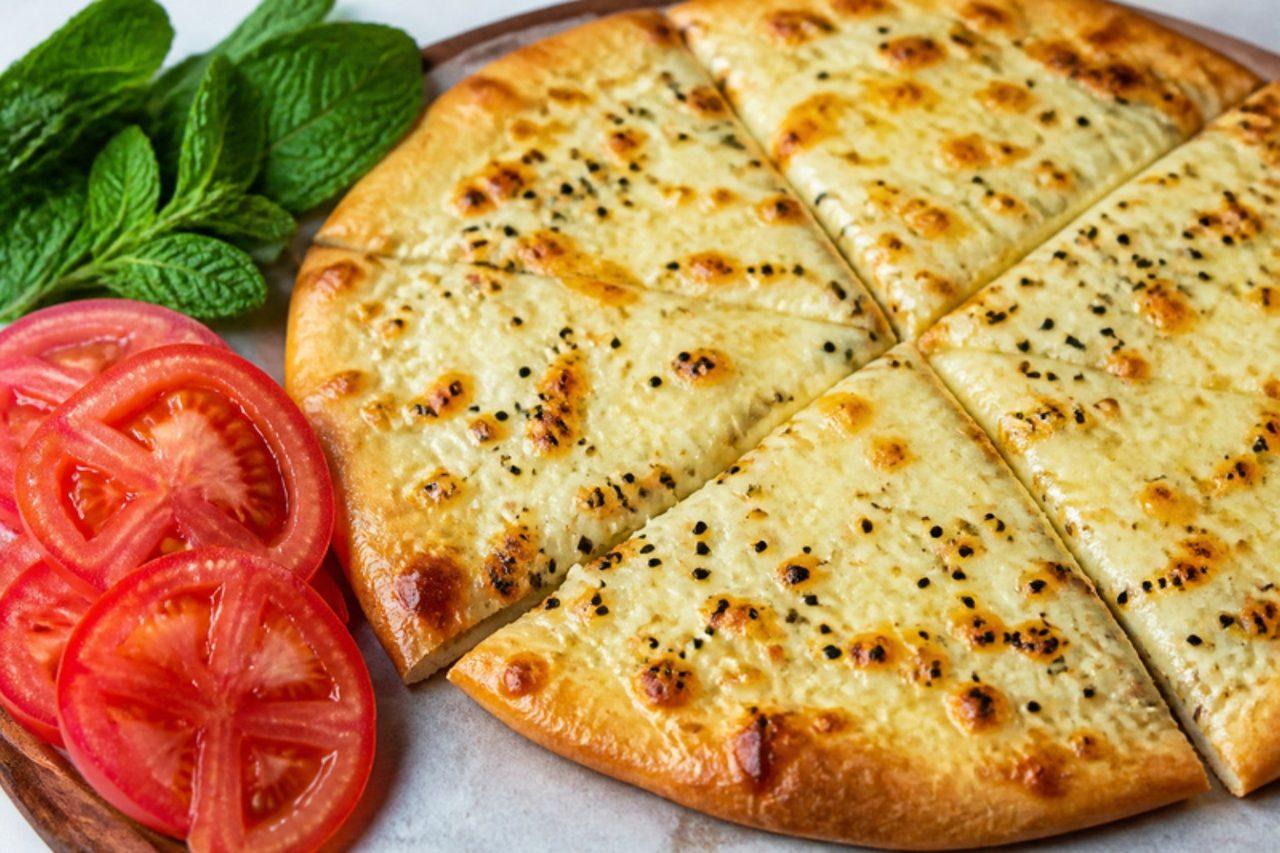
On the street corners of Beirut and Tripoli the cheese man'oushe, bi jibneh, is the one children queue for: the same soft bakery dough as the za'atar kind but covered with salty white akkawi cheese mixed with stretchy mozzarella and a scatter of nigella seeds, baked until the cheese bubbles and freckles brown. It is a weekend breakfast and an after-school snack, eaten folded with a few slices of tomato and a sprig of mint. Akkawi is very salty, and the usual mistake is to use it straight from the packet, which makes the bread almost inedible; soak it first. Check the label for a vegetarian (microbial) rennet; many supermarket mozzarellas and some halloumis use it, and halloumi works if you can't find akkawi. Chef's tip: grate the cheese coarsely and keep a 1 cm bare rim, so the edge puffs up into a crisp border that holds the melted cheese in.

by KrazyBadal 0 views

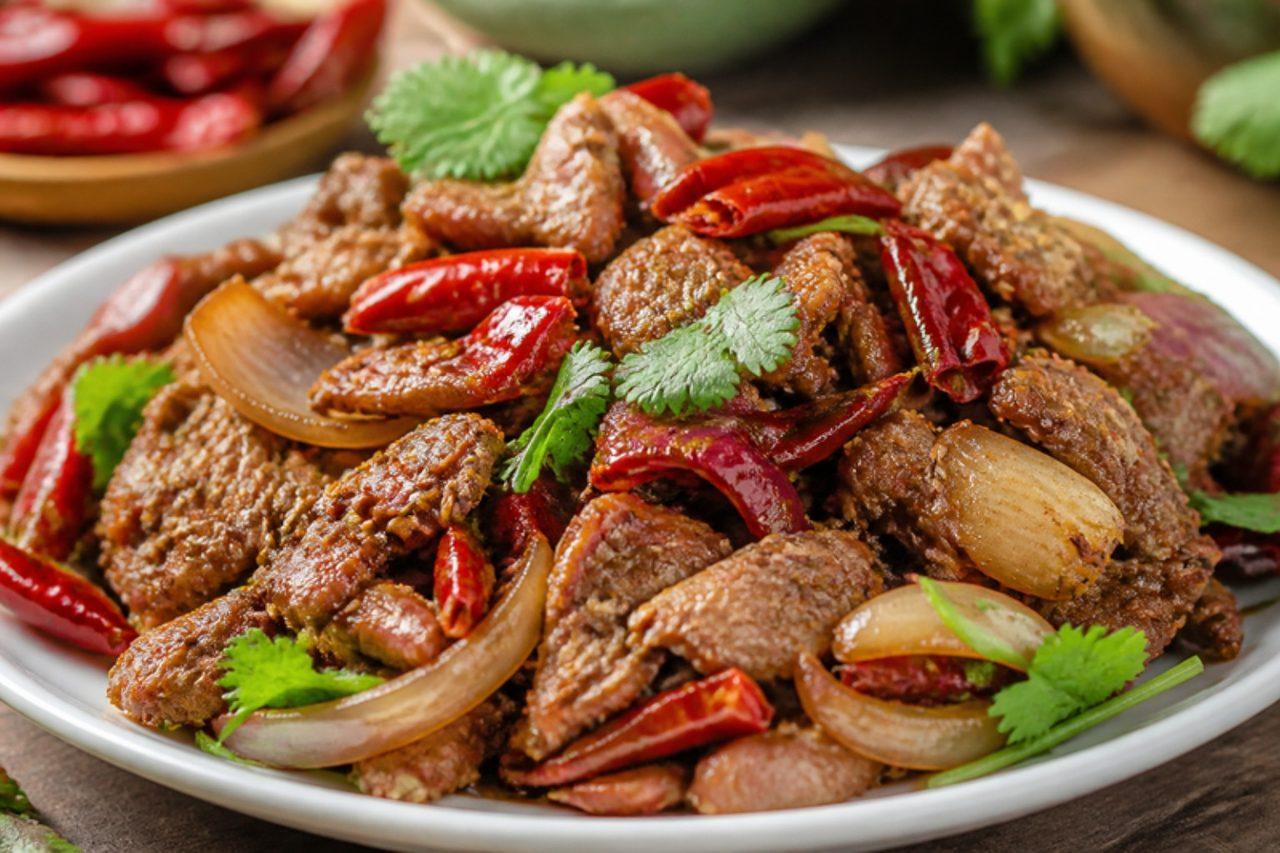
Cumin lamb

This smoky, aromatic stir-fry carries the flavours of Xinjiang's night markets, where cumin and chilli are scattered over everything grilled, into a home wok. Thin slices of lamb are seared over the fiercest heat so the edges char, then tossed with crushed cumin seeds, dried chillies, onion and a big handful of coriander. Expect bold, earthy spice, a little numbing tingle and juicy meat. It is a weeknight favourite all over northern China, eaten with plenty of steamed rice or wrapped in warm flatbread. Chef's tip: toast and lightly crush the cumin seeds yourself just before cooking; ready-ground cumin alone tastes flat here.

by KrazyBadal 0 views

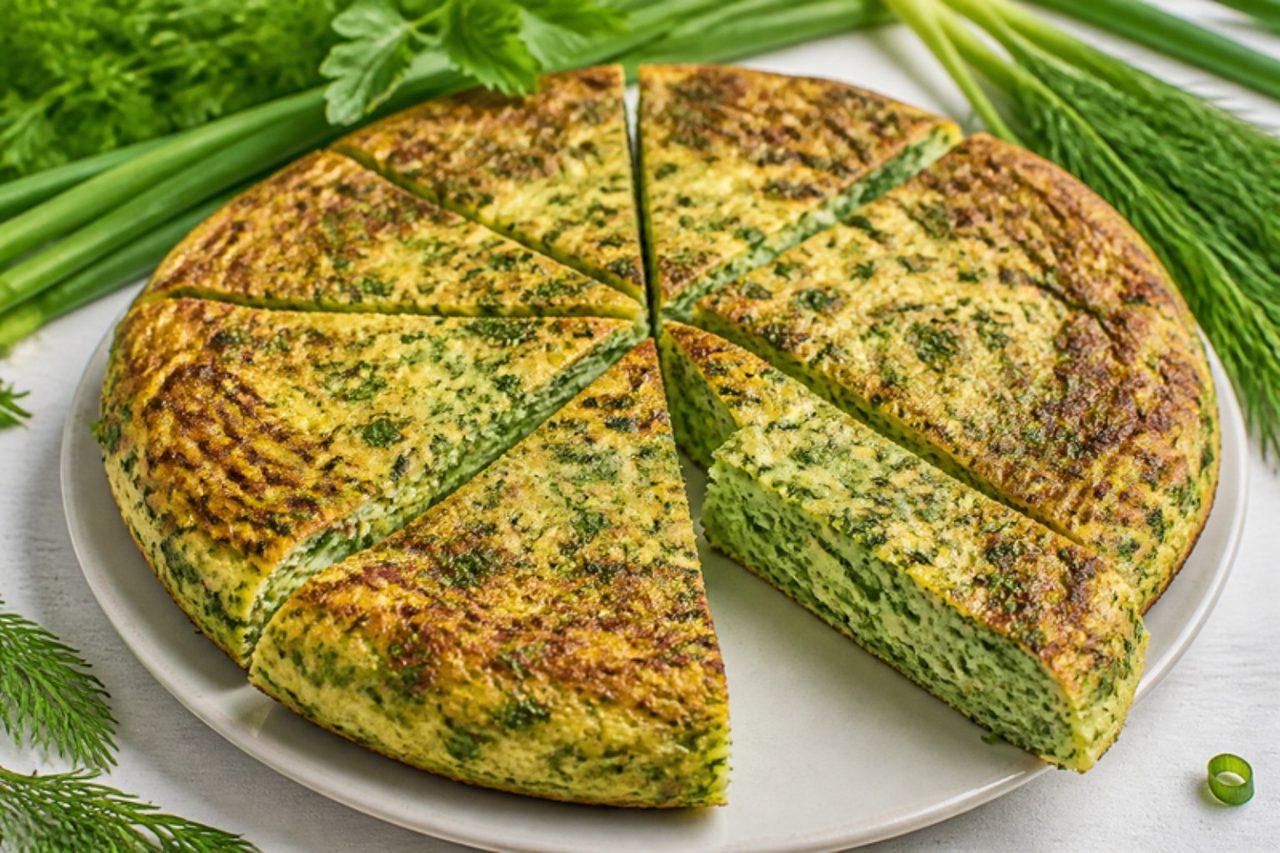
EggahHerb omelette

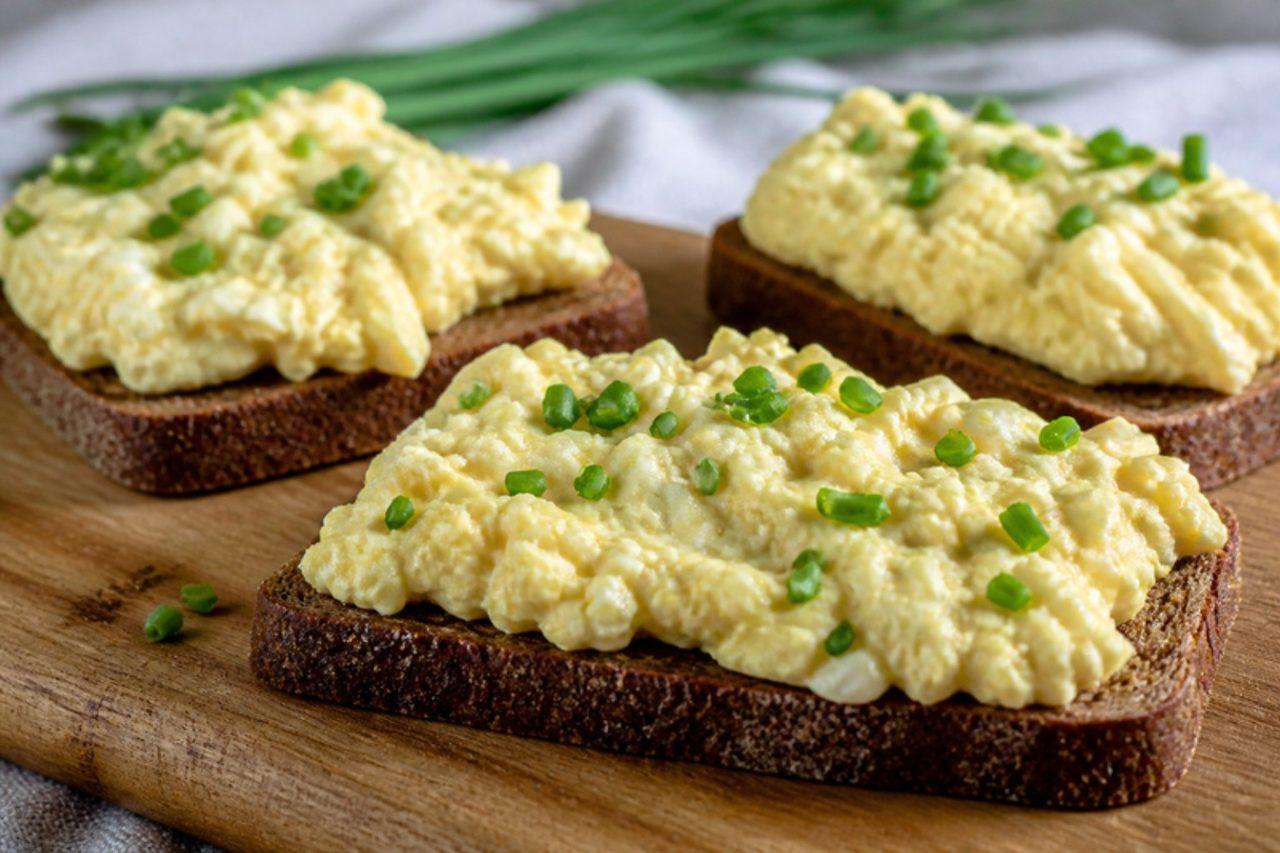
Eggah is the omelette Egyptian families make at home for breakfast or a light supper, often on a Friday morning alongside ful, falafel, cheese and baladi bread. It is thick and set rather than folded, packed with spring onion, parsley and dill and warmed with cumin, and it's cooked slowly so it puffs and browns on both sides. Slice it into wedges and eat it hot from the pan or cold in a sandwich. Chef's tip: grate the onion and squeeze it dry; wet onion makes the eggs weep and the eggah falls apart when you flip it.

by KrazyBadal 0 views

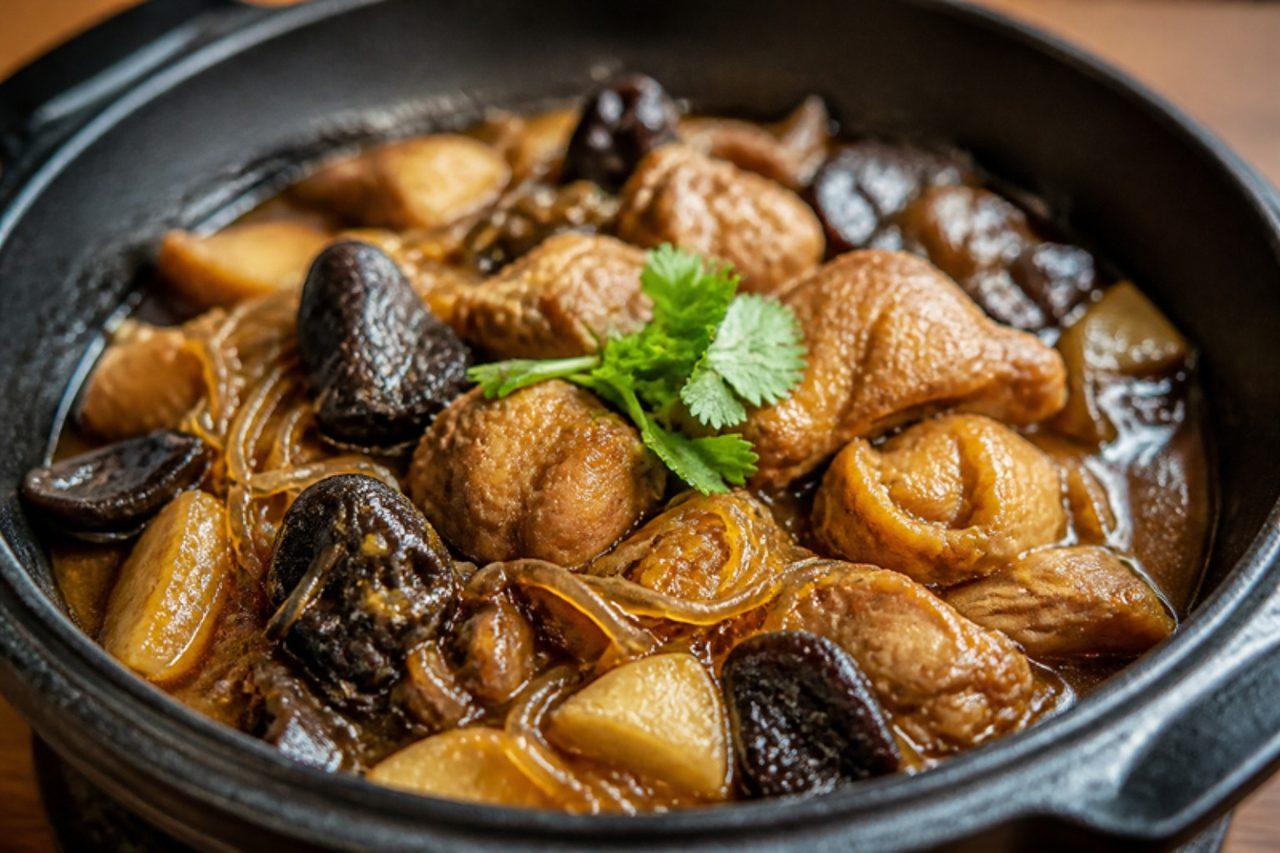
Dongbei stewed chicken with mushrooms

Ask anyone from Heilongjiang what their grandmother cooked when guests arrived and this is the likely answer: a farmyard chicken stewed in a big iron pot with dried hazel mushrooms gathered from the forests of the Greater Khingan range. The mushrooms give a deep, woodsy flavour to a dark, lightly sweet soy gravy, and glass noodles go in at the end to drink up the juices. Bone-in chicken keeps it rich and tender. Serve in big bowls with steamed rice or cornbread, and a crunchy cabbage salad on the side. Chef's tip: let the soaking water from the mushrooms settle, then pour it gently into the pot and leave the grit behind.

by KrazyBadal 0 views

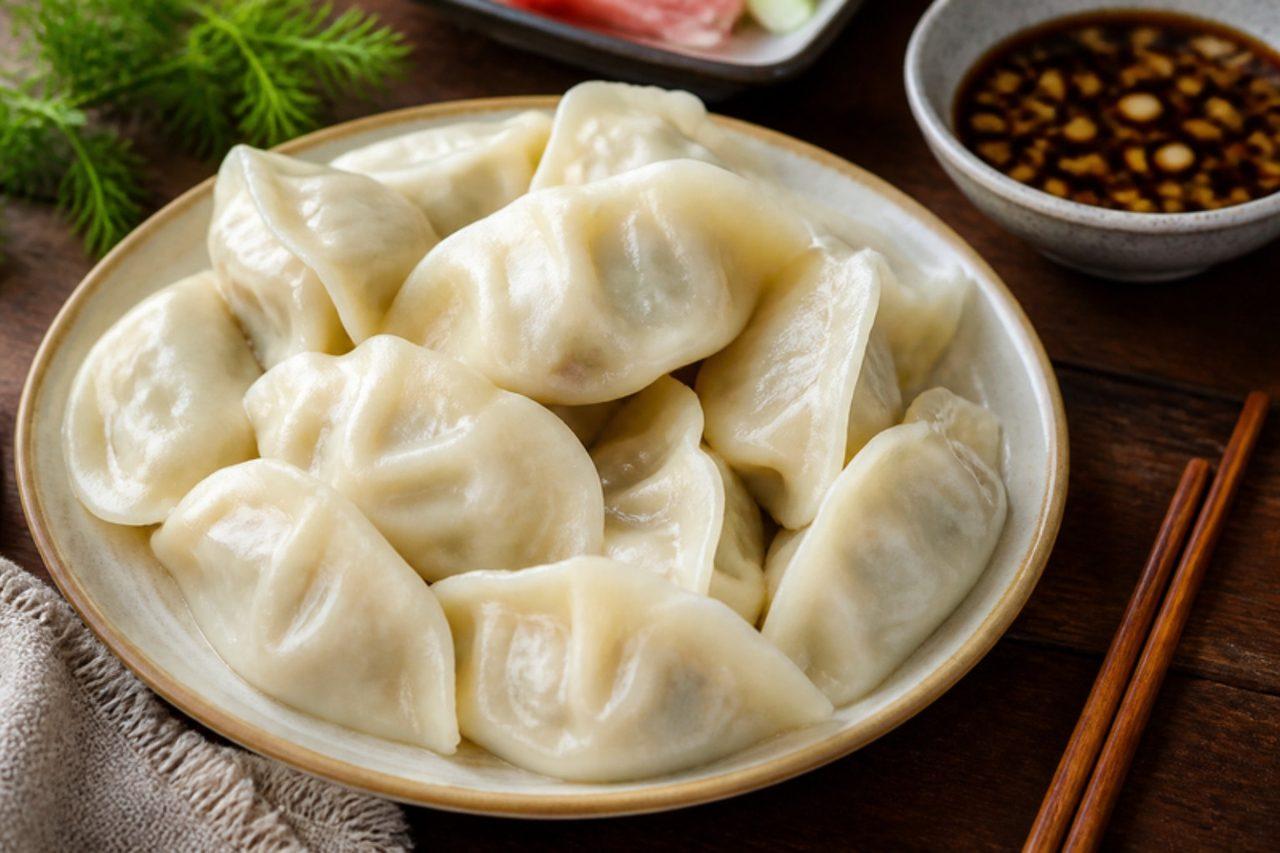
Pork and pickled cabbage dumplings

These are the dumplings north-eastern families make together on New Year's Eve and on any snowy Sunday, with the whole household rolling, filling and boiling around the kitchen table. Tangy fermented cabbage, chopped fine and squeezed dry, is mixed with fatty pork and sizzling Sichuan-pepper oil, so the filling is juicy, sour and warmly numbing at the same time. The wrappers are slightly thick and chewy, the way Dongbei cooks like them. Pile them on a plate and serve with black vinegar, garlic and a spoon of chilli oil; a bowl of the cooking water to drink afterwards is a northern habit. Chef's tip: pour the hot pepper oil straight onto the spring onions in the filling; the sizzle releases their fragrance into every dumpling.

by KrazyBadal 0 views

HinavaRaw fish salad with lime

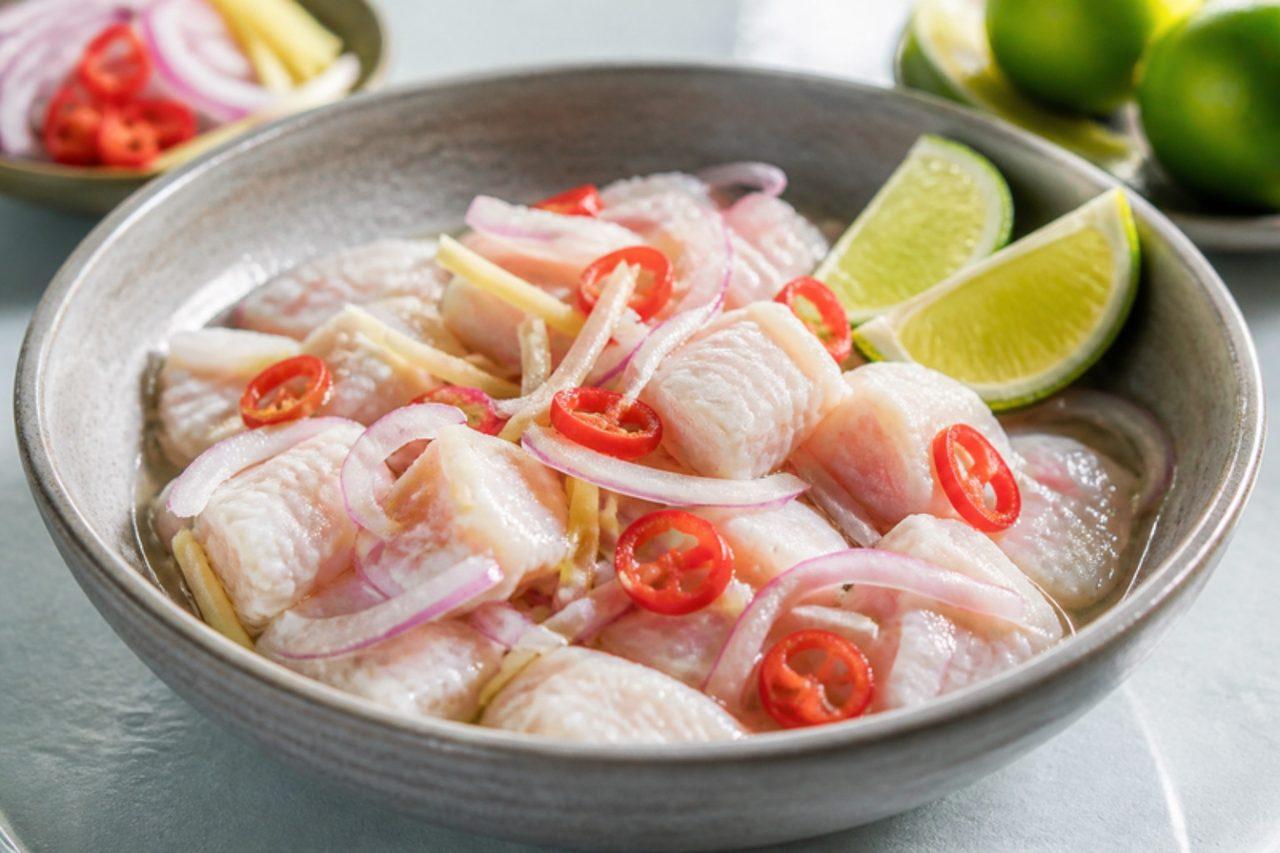
Hinava is the dish Kadazandusun families set out at Kaamatan, Sabah's harvest festival in May, and on weekend tables in Kota Kinabalu and Penampang. Strips of raw mackerel are soaked in sour lime juice, then tossed with sliced shallots, ginger, red chilli and grated seed of bambangan, a wild mango, which adds a musky tang. The result is sharp, clean and crunchy, with firm, pearly fish. Eat it as a starter or alongside rice and grilled meat. Chef's tip: slice the fish very thinly and evenly so the lime firms each strip the same way, and season with salt only at the end.

by KrazyBadal 0 views

Suan cai pork stew

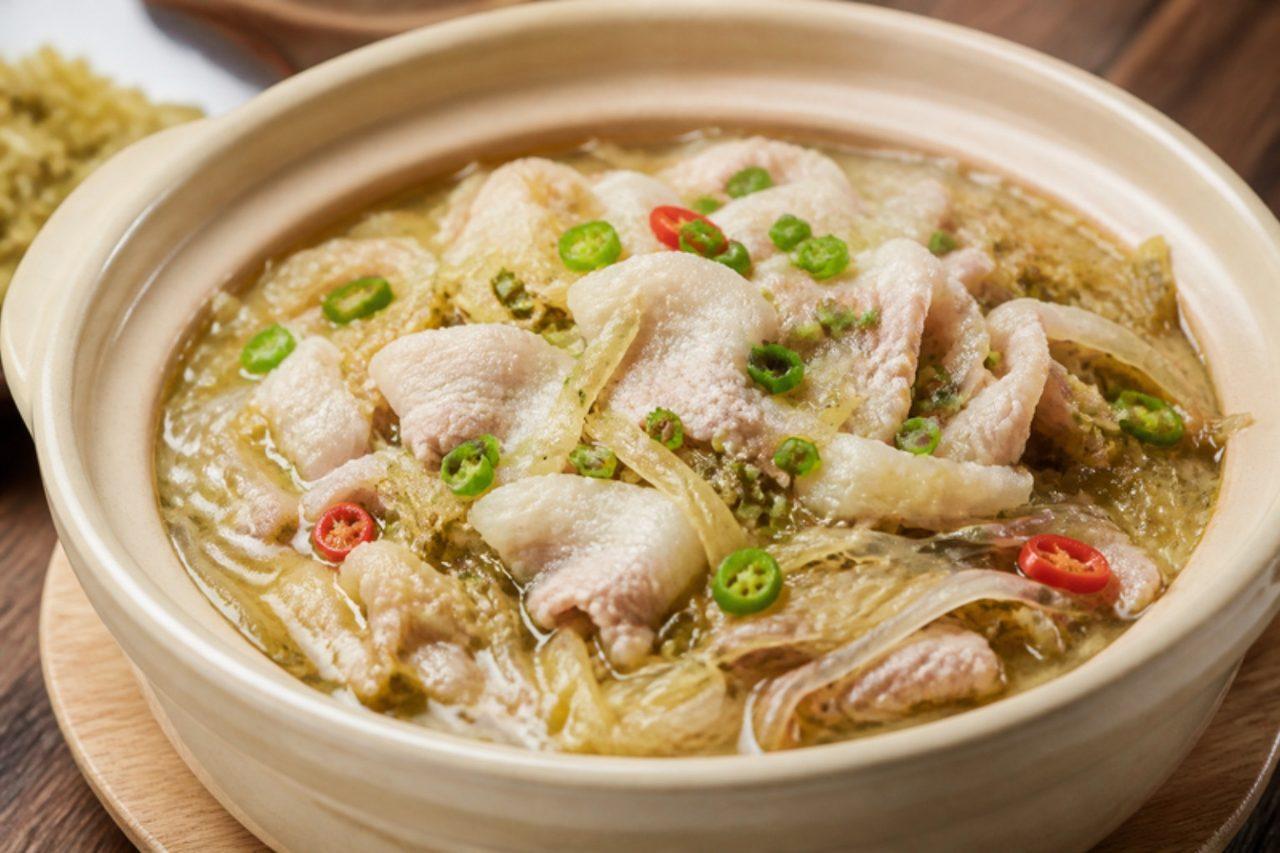
Across north-east China, autumn means packing crocks with salted napa cabbage to ferment through the long winter, and this hearty stew is the reward. Thin slices of boiled pork belly lie in a pale broth with shreds of sour cabbage and slippery glass noodles; the tang cuts the richness, and the broth tastes both clean and deeply savoury. It is everyday winter family food in Harbin and Shenyang, often served in a clay pot at the centre of the table with rice and a garlic-soy dip for the pork. Chef's tip: let the boiled pork cool for 15 minutes before slicing; warm belly crumbles, slightly cooled belly cuts into neat, thin slices.

by KrazyBadal 0 views

Tianjin pork baozi

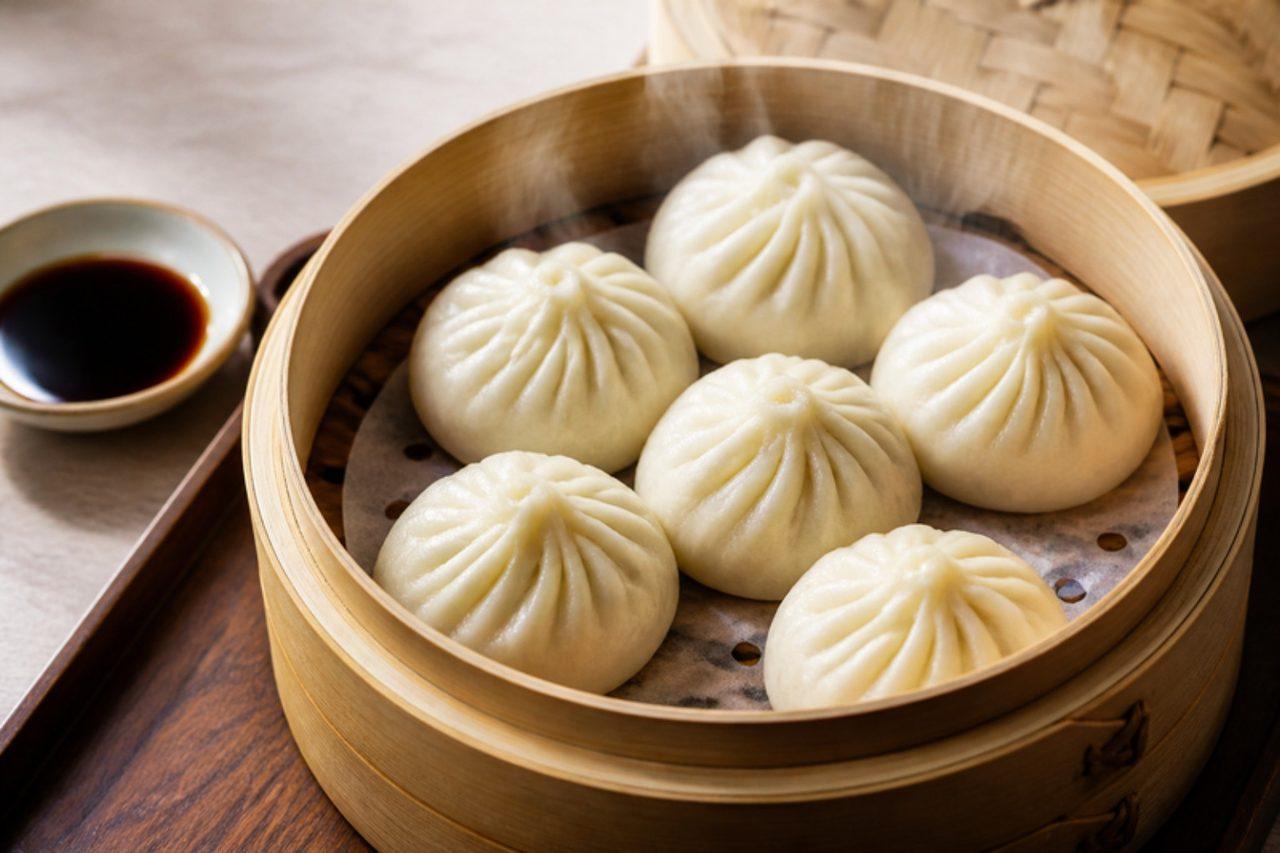
Tianjin people queue on winter mornings for these small steamed buns, famous since the 1850s for their many fine pleats and for the burst of savoury juice inside. The filling is minced pork beaten with ginger and spring onion water until it holds a surprising amount of liquid, so the first bite is soupy and the soft, slightly springy wrapper soaks up the rest. Bakers aim for 18 pleats arranged like a chrysanthemum. Eat them hot for breakfast with a dish of vinegar, crushed garlic and a bowl of millet porridge or soy milk. Chef's tip: use pork with about 30 per cent fat; lean mince gives dry, crumbly filling however much water you add.

by KrazyBadal 0 views

Man'oushe za'atarZa'atar flatbread

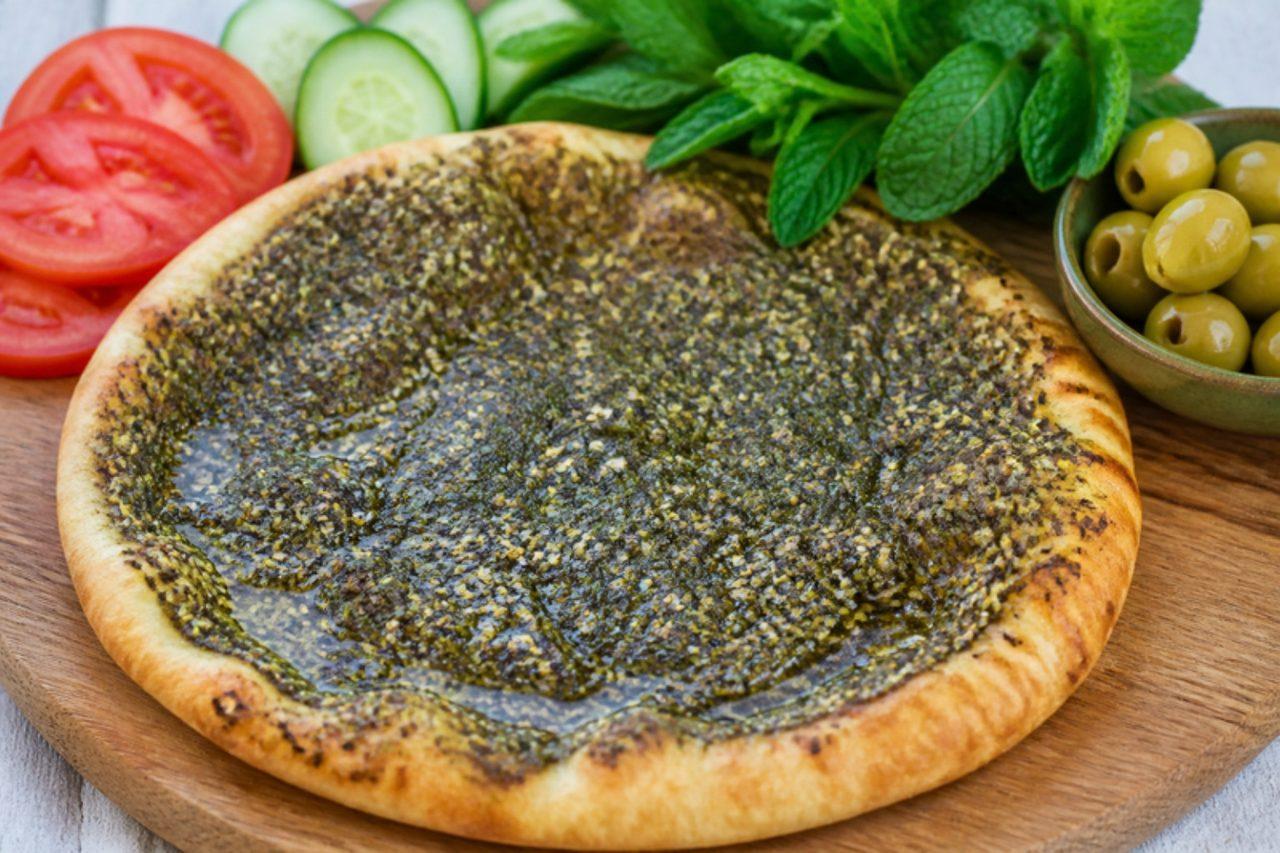
Ask anyone from Beirut what breakfast is and the answer is often man'oushe bi za'atar: a round of soft dough pressed with fingertips, spread with a paste of za'atar and olive oil and baked in the corner bakery's hot oven, then folded in paper and eaten on the way to school or work. At home it is rolled around sliced tomato, cucumber, olives and fresh mint. The most common mistake is too little oil in the topping, which leaves the za'atar dry and dusty, or baking it too long so the herbs scorch and turn bitter; the paste should be loose and spreadable and the bread pulled out once the rim is just golden. Chef's tip: get the oven and tray properly hot, at its highest setting for 20 minutes, so the dough puffs and blisters before the topping has time to burn.

by KrazyBadal 0 views

Ladakhi skyuWheat dough and root vegetable stew

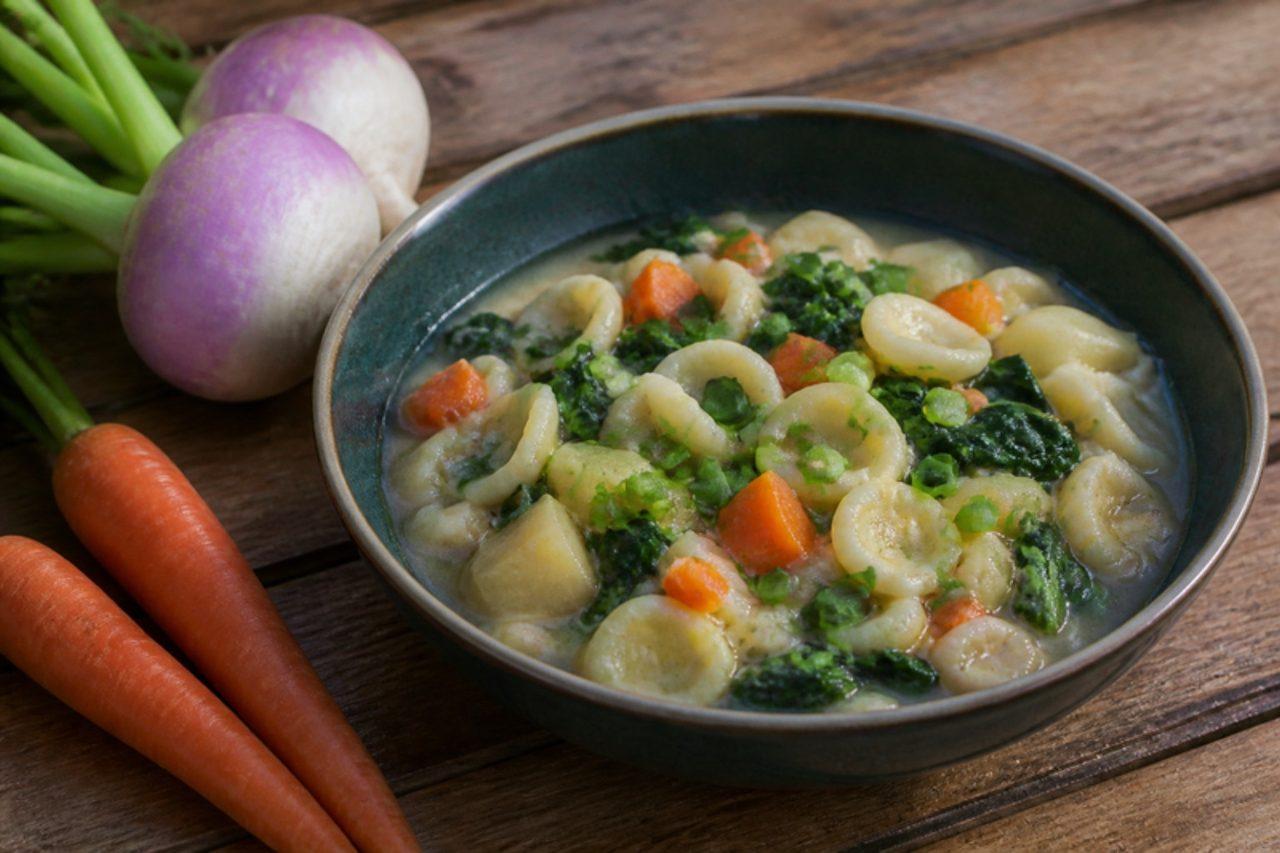
Skyu is what Ladakhi families in Leh and the villages along the Indus cook when the passes close and fresh vegetables run short: a thick stew of turnip, potato and carrot with little cups of wheat dough pressed with the thumb, a bit like orecchiette. It is filling, gently peppery and made in a single pot on the kitchen stove that also heats the house. Some homes finish it with a splash of milk or a crumble of dried cheese; this version keeps it plant-based and lets the vegetables flavour the broth. Chef's tip: press each piece of dough thin enough to see the thumbprint clearly; thick pieces stay doughy in the middle.

by KrazyBadal 0 views

Egg hoppersBowl-shaped rice pancakes with egg

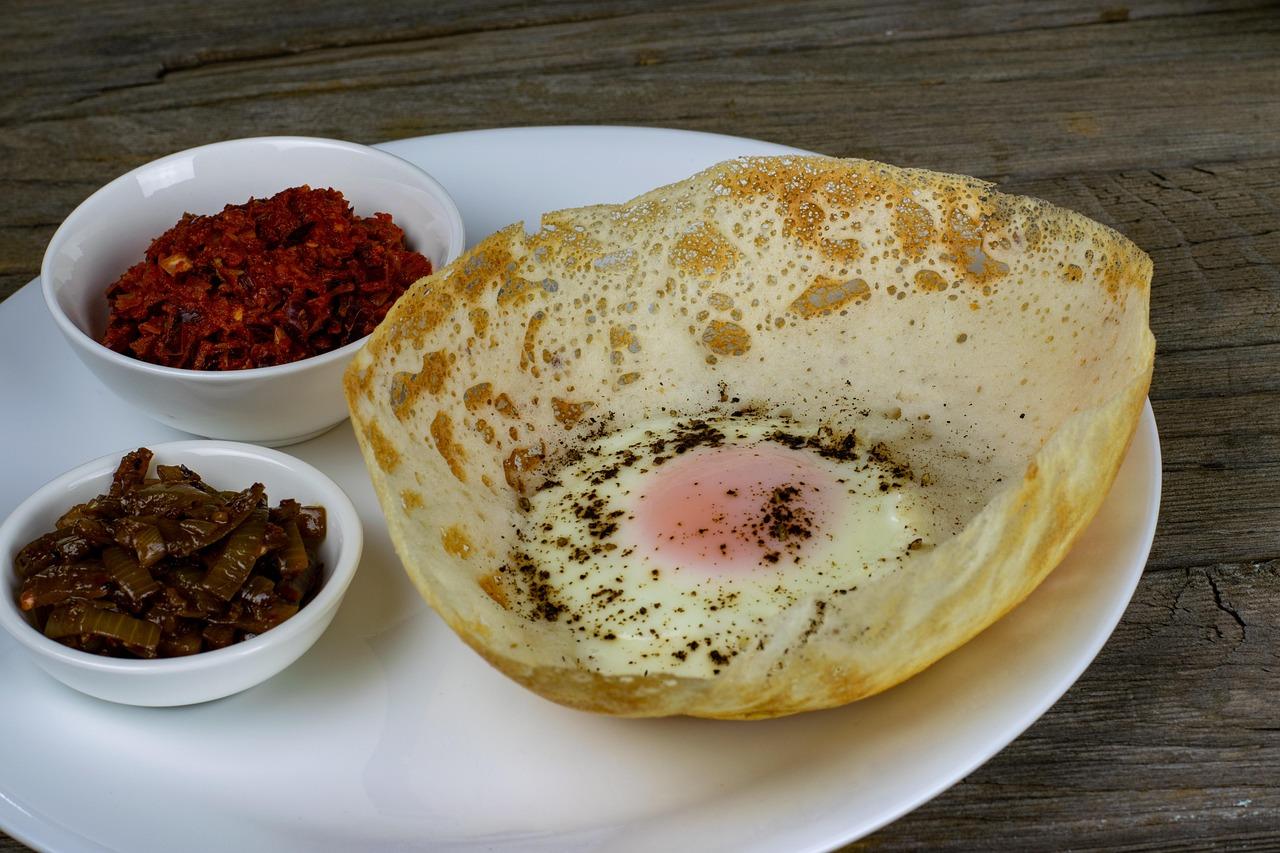
Hoppers (appa) are the crisp-edged, bowl-shaped pancakes that street cooks in Colombo, Kandy and Jaffna make in rows of small round pans every evening; an egg hopper has an egg cracked into the soft centre so it steams to a runny yolk. The batter of rice flour, coconut milk and yeast (traditionally toddy) is left to ferment until it's light and slightly sour, which gives the lacy, golden rim and the spongy middle. They're eaten hot with pol sambol and lunu miris, and plain hoppers come with sweet jaggery for dessert. Kerala's appam is a cousin, but Sri Lankan hoppers are thinner and crisper and the egg version is their own. The common mistake is a batter that's too thick, which gives heavy, pale hoppers; it should flow like single cream. Chef's tip: swirl the pan in one quick full turn the moment the batter goes in, then cover at once.

by KrazyBadal 0 views

Efo riroSpinach stew

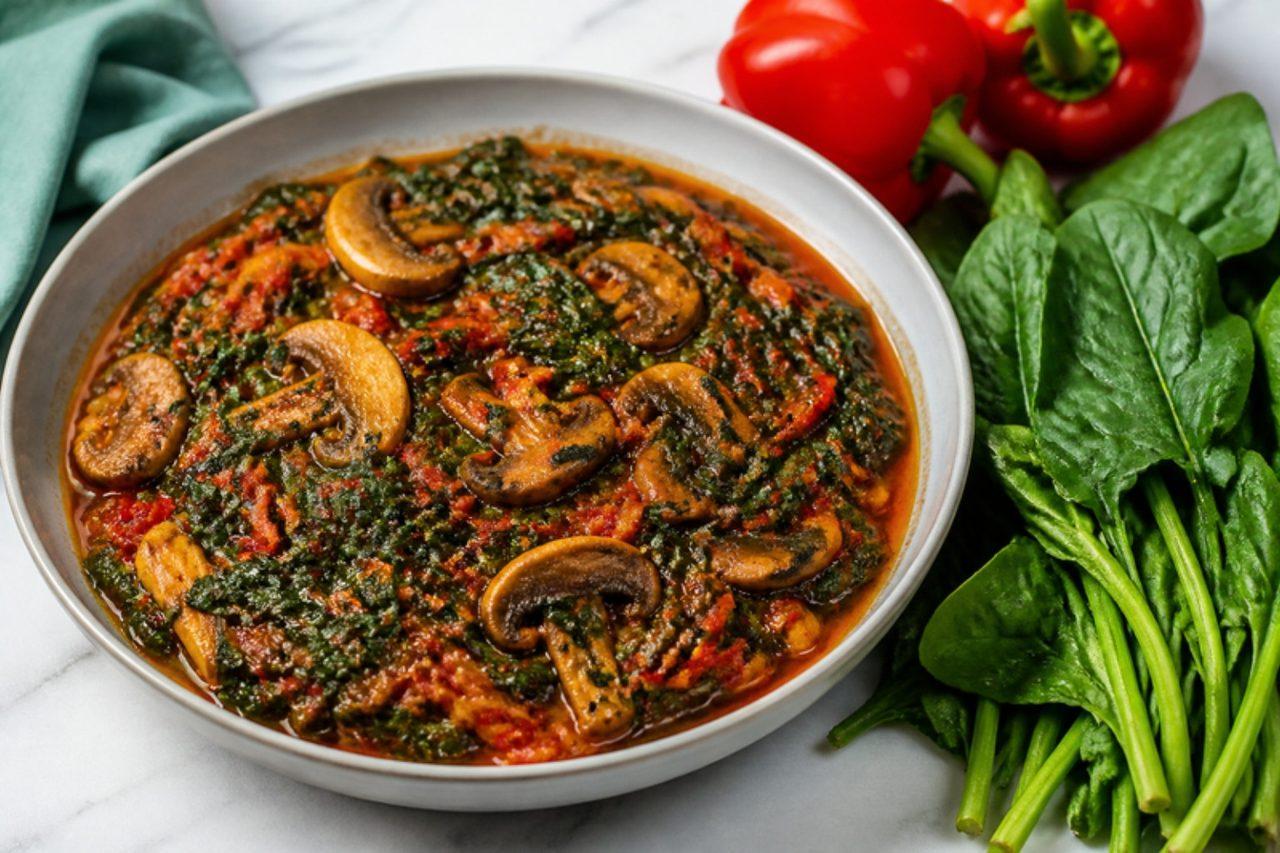
Efo riro, literally 'stirred greens', is the Yoruba vegetable stew cooked in homes from Ibadan to Lagos on any ordinary weekday, and eaten with pounded yam, eba or plain rice. Leafy greens are wilted into a rich base of blended peppers fried in palm oil with iru, the pungent fermented locust beans that give the dish its savoury backbone. Most families add assorted meats, stockfish and crayfish; some keep a little smoked fish on the side for those who want it. This version leans on mushrooms, iru and a touch of smoked paprika instead. Chef's tip: squeeze the blanched greens really dry before they go into the sauce; wet spinach thins the stew and washes out the flavour.

by KrazyBadal 0 views

EetchBulgur in tomato and pepper

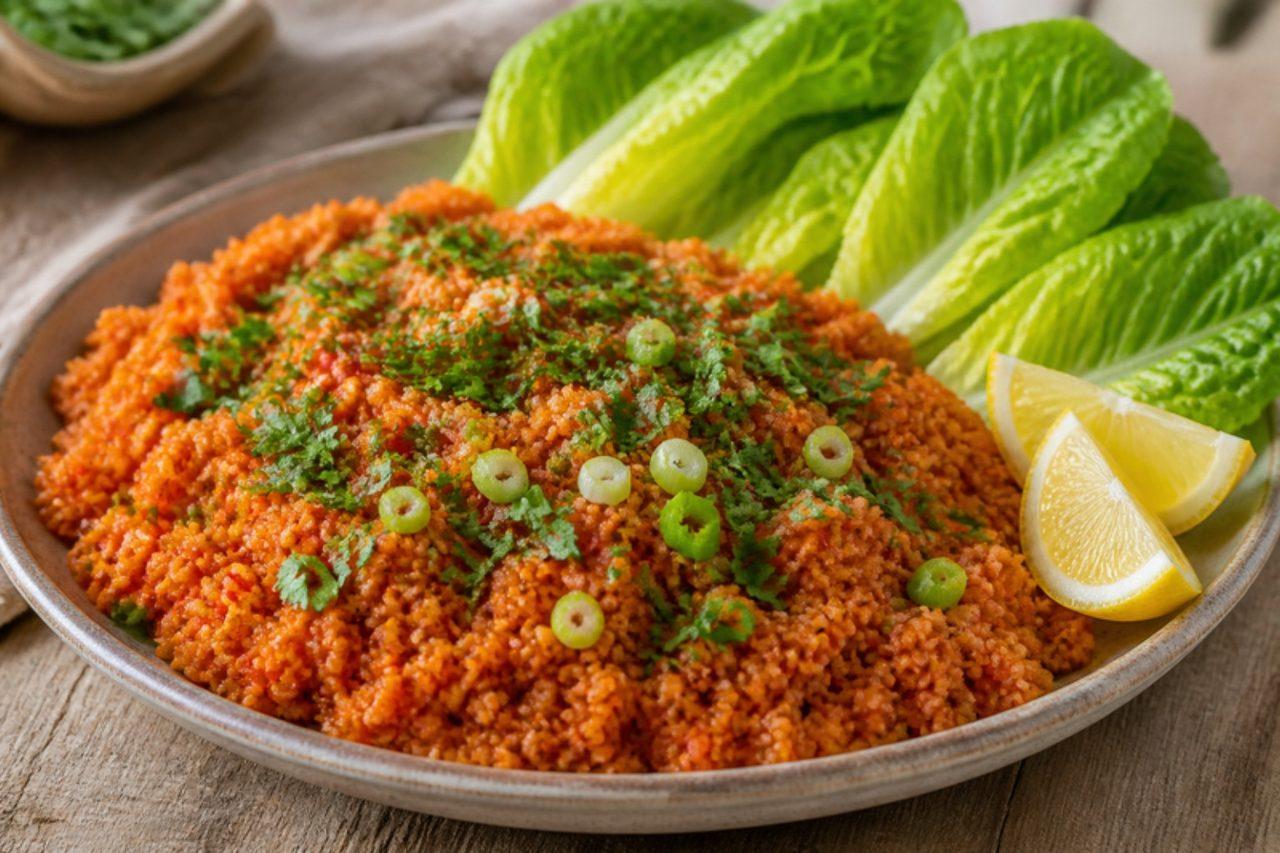
Eetch is a Western Armenian dish from the old Cilician towns, carried by families to Aleppo, Beirut and the Armenian quarters of American cities. Fine bulgur is stirred into a hot sauce of onion, red pepper, tomato and pepper paste and left to drink it up, then finished with lemon, parsley and spring onion and eaten at room temperature, often scooped up with lettuce leaves. Unlike a herb-heavy raw bulgur salad, eetch is cooked, so it is rich and tomatoey, and it is a fixture of Lenten tables, picnics and mezze spreads. It keeps for days, which makes it a favourite for lunchboxes. Chef's tip: take the pan off the heat before adding the bulgur and keep the lid on; the grains soften in the residual heat and stay separate instead of turning to porridge.

by KrazyBadal 0 views

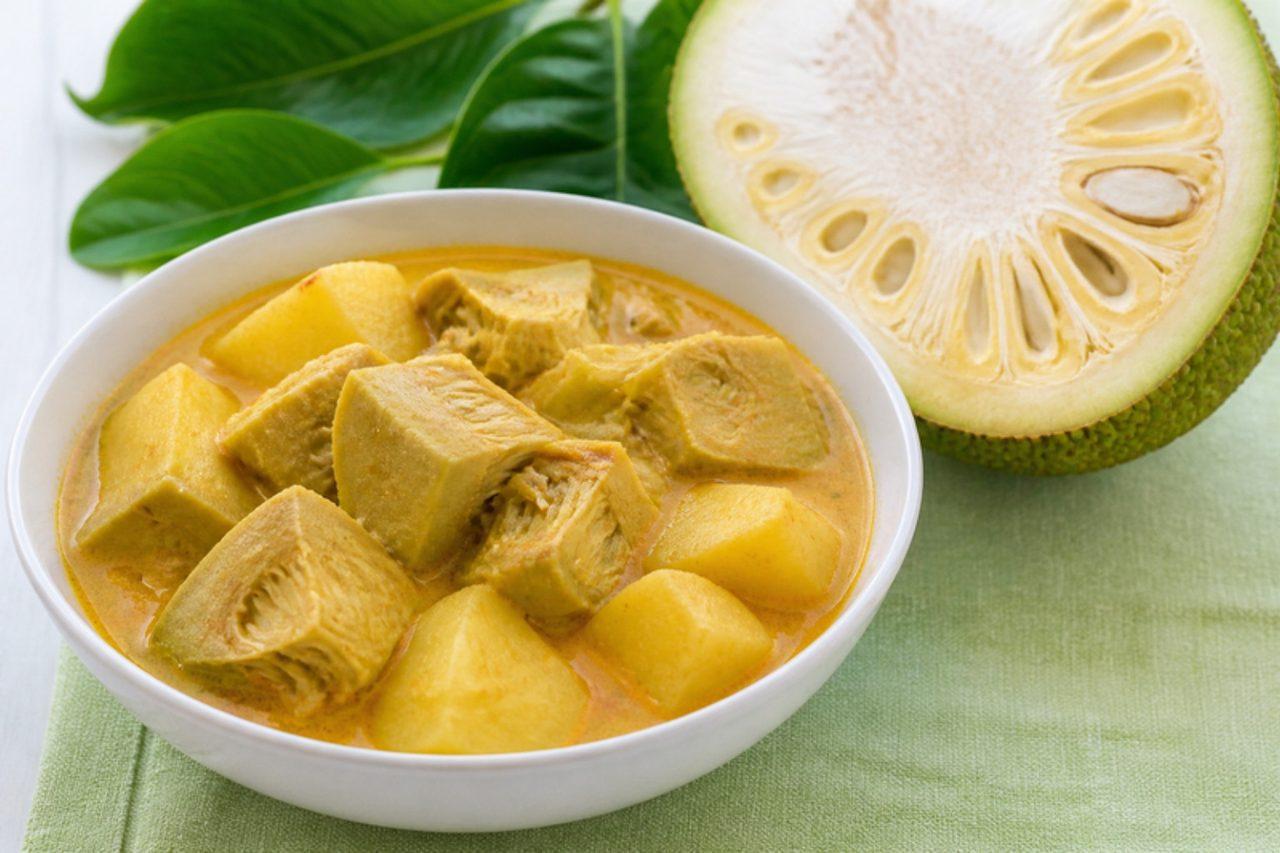
Echorer dalnaYoung jackfruit curry

In early summer, Kolkata's bazaars sell baby green jackfruit (echor), and Bengali households cook it into a dalna rich enough to be called gachh-patha, 'mutton from the tree'. The jackfruit is boiled, fried with potato and simmered in a ginger, cumin and tomato gravy, finished with ghee and garam masala. Its chewy, meaty texture soaks up the spice. It is a Sunday lunch dish, eaten with rice or luchi. Chef's tip: buy jackfruit no longer than your forearm, with pale seeds; older fruit is fibrous and the seeds are hard.

by KrazyBadal 0 views

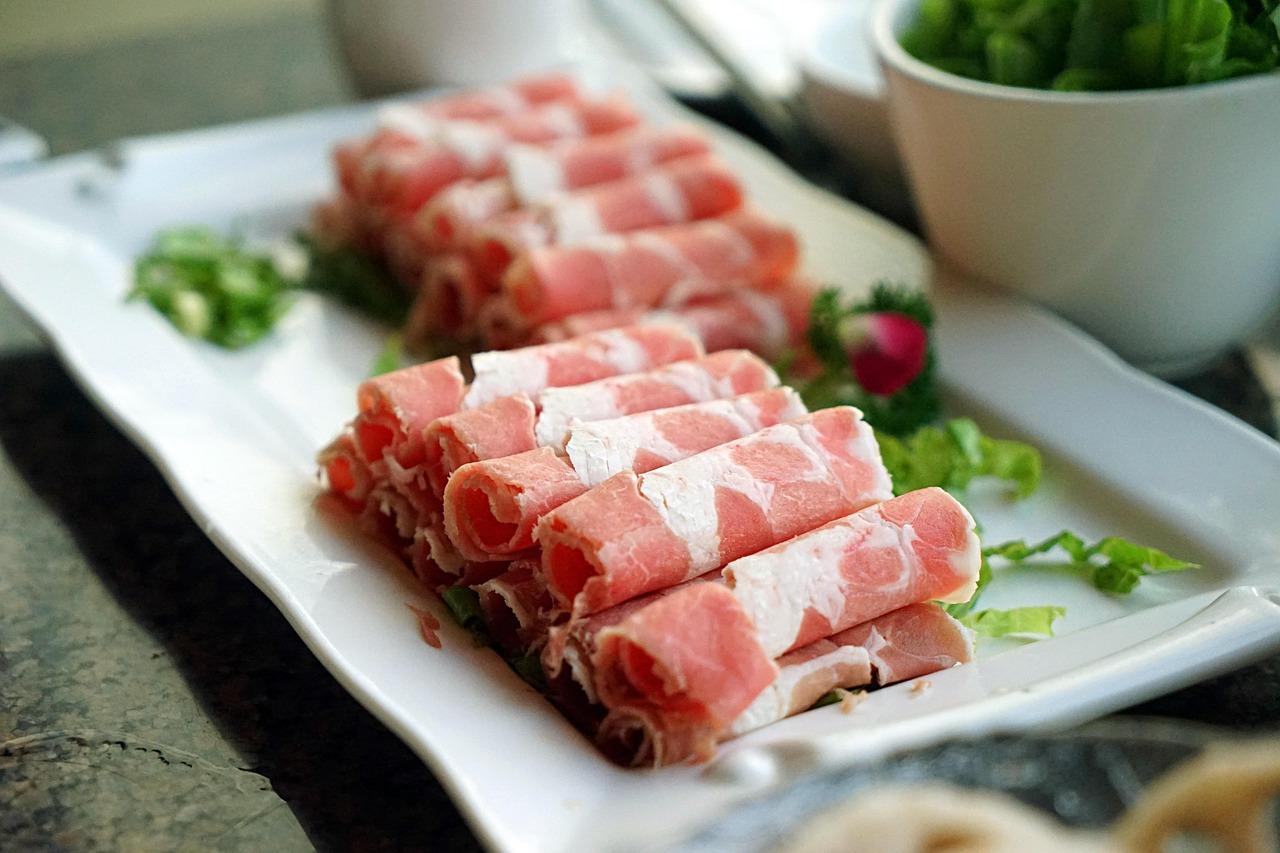
Mongolian lamb hot pot

When the first cold winds blow through Beijing, old restaurants around Dongcheng light their chimney-shaped copper pots and diners start swishing paper-thin lamb through plain, gently bubbling water. Unlike fiery Sichuan hot pot, this one is all about the meat: the broth stays clear and mild, and the flavour comes from a creamy dip of sesame paste, fermented tofu and chive flower sauce. Everyone cooks their own slices for a few seconds, then adds cabbage, tofu and glass noodles to the pot as the evening goes on. It is a slow, sociable meal for winter weekends, with sesame flatbreads on the side. Chef's tip: half-freeze the lamb for 1–2 hours and it slices thin as paper with a sharp knife; or buy ready-rolled hot-pot lamb from an Asian grocer.

by KrazyBadal 0 views

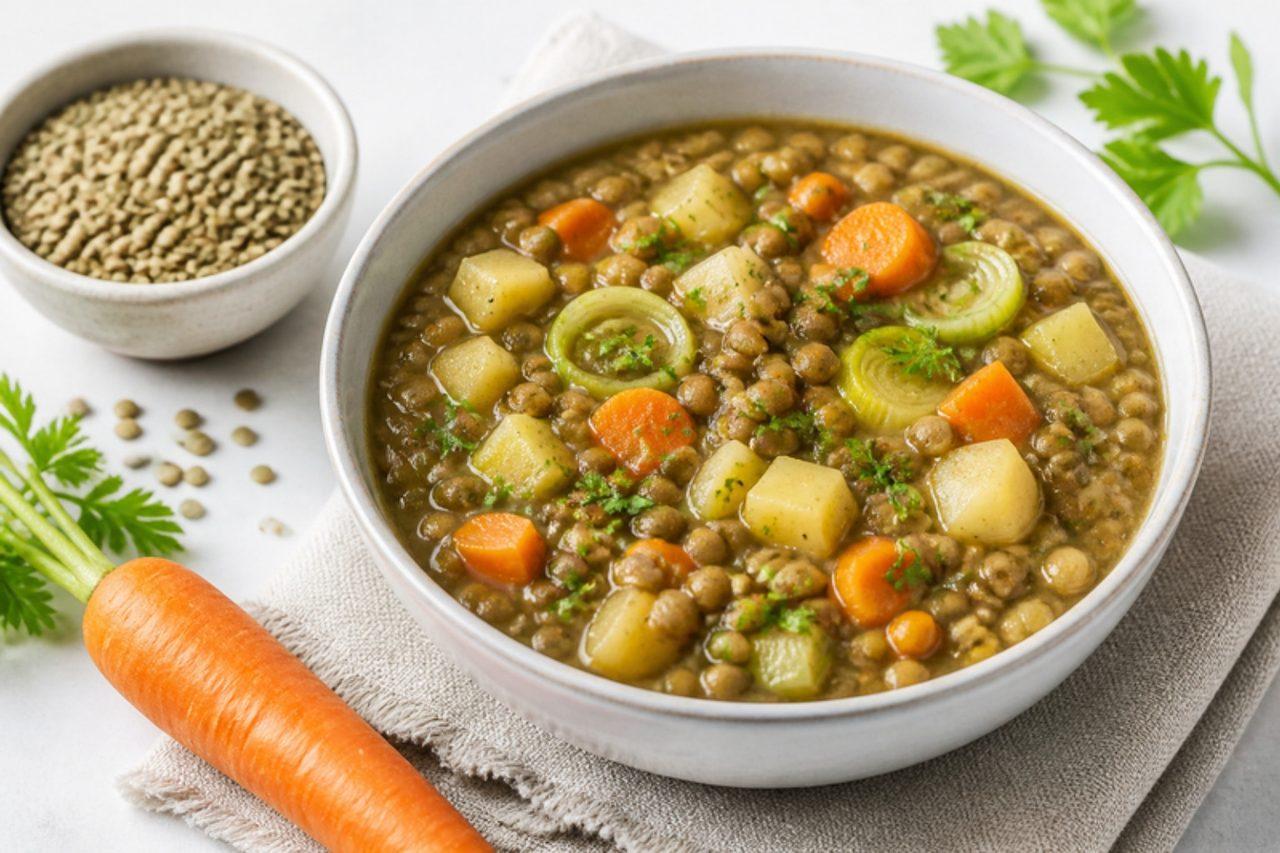
LinseneintopfLentil stew

Linseneintopf is the one-pot lentil stew that German families cook on cold weekdays, and in many school and works canteens it's still the Thursday or Saturday lunch. Brown lentils simmer with potatoes, carrots, celeriac and leek until thick and soft; the finishing touch, all over Germany, is a good splash of vinegar at the table, which wakes the whole bowl up. It's usually made with smoked sausage or bacon; here smoked paprika and vegetable stock give the smoky depth instead. Chef's tip: add the vinegar only at the end, because acid added early keeps the lentils hard.

by KrazyBadal 0 views

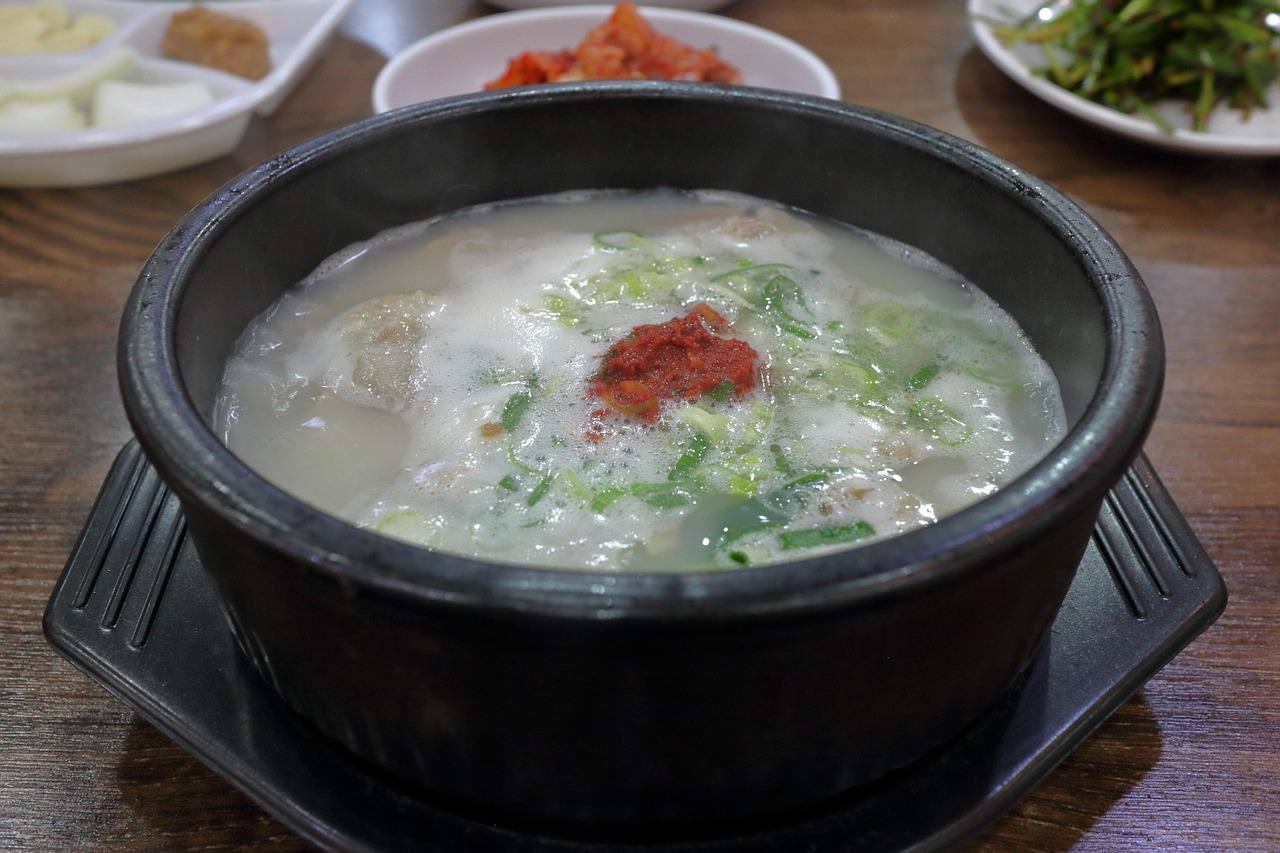
Dwaeji gukbapPork and rice soup

Ask anyone in Busan for a bowl of something filling at any hour and they will probably send you for dwaeji gukbap. Seomyeon has a whole alley of gukbap restaurants, open from early morning to late at night, serving the soup to market workers, students and people heading home after a night out. Pork bones are boiled hard for hours until the broth turns cloudy and white, then poured over sliced pork and rice. Each diner seasons their own bowl at the table with salted shrimp, chilli paste and a pile of garlic chives, with raw onion, green chilli and kimchi on the side. Chef's tip: season the soup in the bowl, not the pot; a little saeujeot at a time gives a clean, savoury depth that salt alone doesn't.

180 minKoreanSoups
by KrazyBadal 0 views

Hodu gwajaWalnut-shaped red bean cakes

Hodu gwaja (호두과자) were first sold at Cheonan station in South Chungcheong in the 1930s, and the town's walnut orchards still supply the pieces of nut hidden in every one. Today you find them in paper bags at every motorway service station in Korea: bite-sized, walnut-shaped cakes with a soft, eggy shell around sweet red bean paste and a chunk of walnut. They are made in a hinged cast-iron mould; a madeleine or Japanese takoyaki pan works too, though the shape will differ. Eat them warm, on the day. Chef's tip: heat the mould properly before the first batch; the first cakes are always the palest, so judge doneness by the colour of the later ones.

by KrazyBadal 0 views

Showing 72 of 10,569 recipes

Show more recipes

Page 1,012 of 1,175