


Skip to content
Kolkata aloo dum
Featured recipe

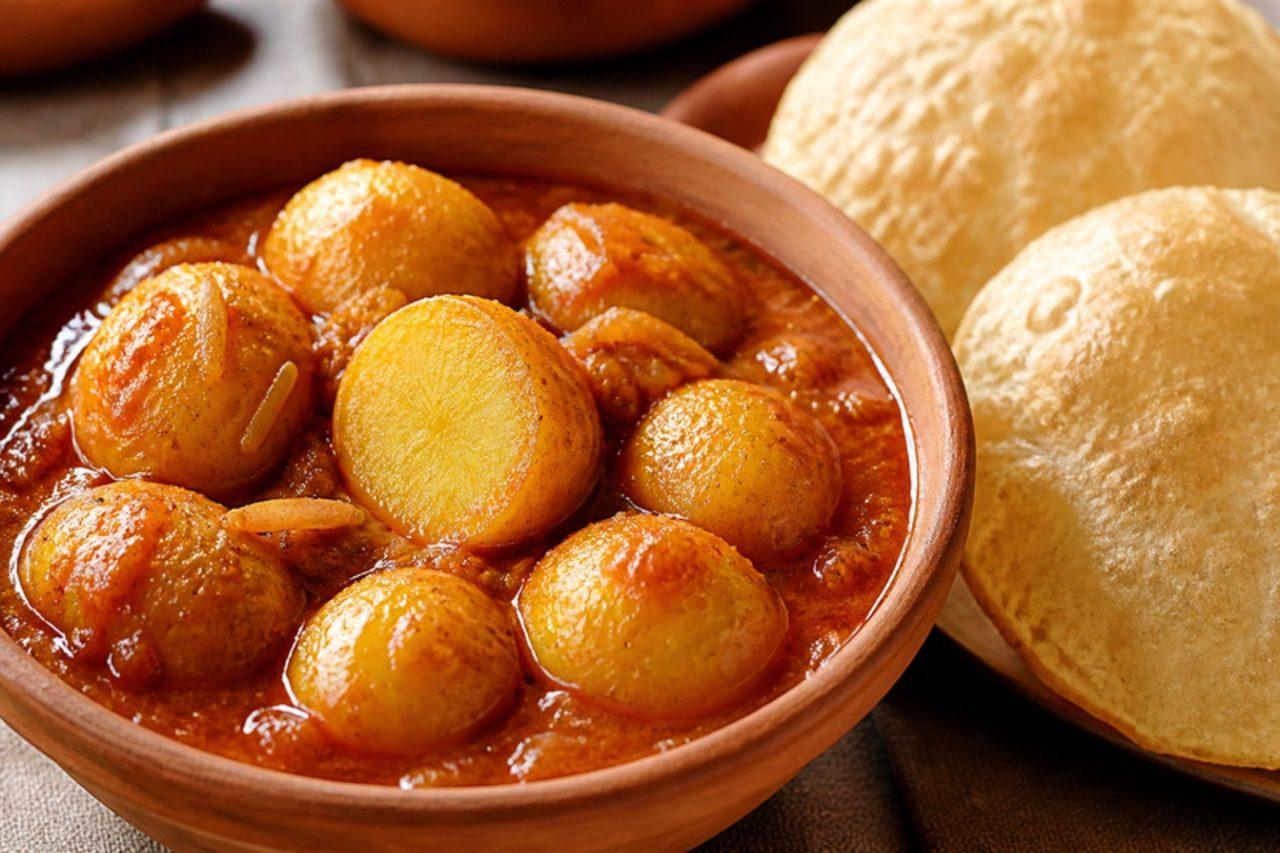
Kolkata aloo dum

Baby potatoes in ginger tomato gravy

In Kolkata, aloo dum is the partner of luchi: hot puffed puris at a Sunday breakfast, or at the sweet shops and roadside stalls that sell 'luchi-alur dom' as a plate. Bengali aloo dum is thicker, sweeter and more gingery than its Kashmiri cousin, with no yogurt or fennel, and the potatoes are fried until their skins crinkle before they go into the gravy. A little sugar balances the chilli, and a final pinch of roasted cumin-coriander powder gives it the smell of a Bengali kitchen. Chef's tip: prick each boiled potato with a fork so the gravy gets inside.

Read more 0 views

What to eat today?

Around the world

Today's trip: Peruvian

A new country every day, from every cuisine on the site.

Peruvian

Tacacho

Mashed roasted green plantain balls 35 minMore from Peruvian (111) →

This week's collection

Kid-friendly dinners
772 recipes · a new collection every Monday

Coming up

All occasions →

Latest recipes

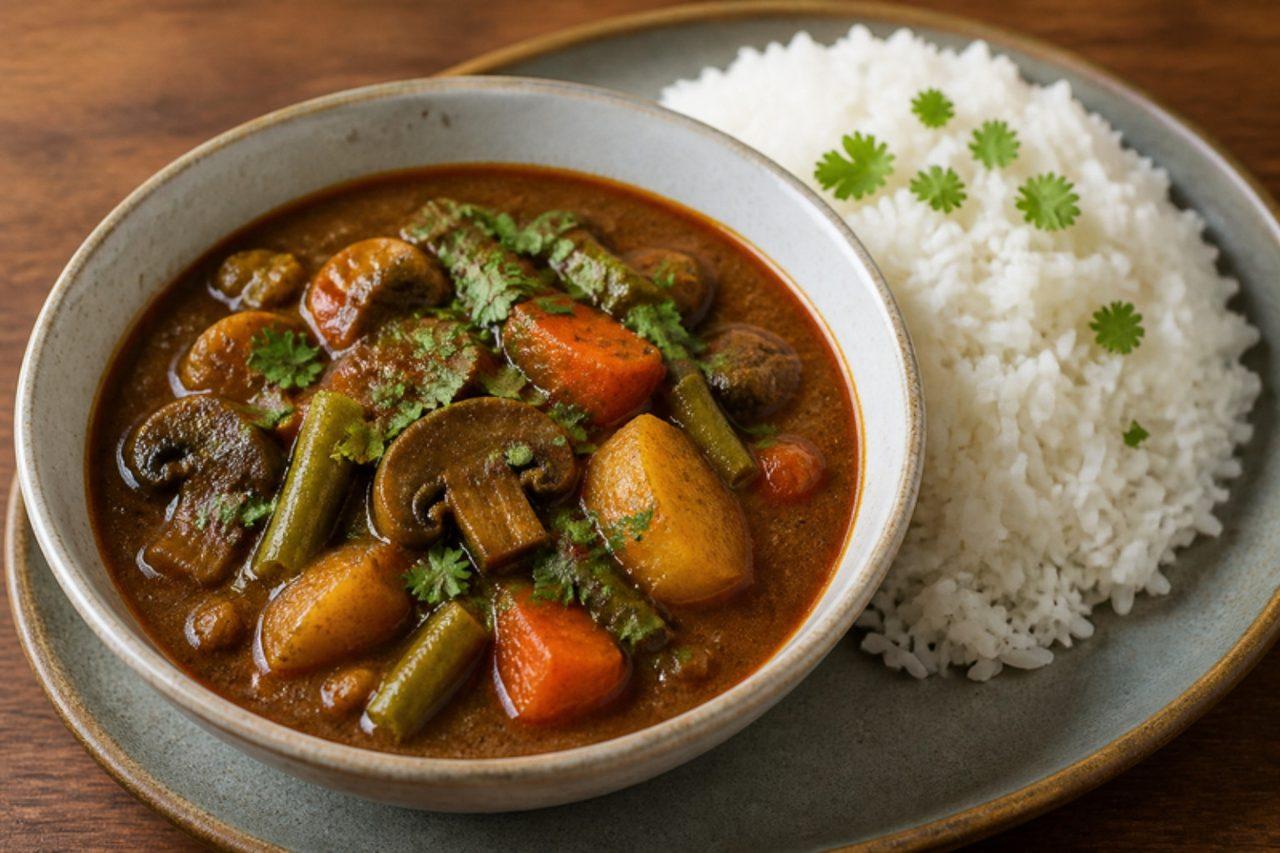
Goan vegetable xacutiRoasted coconut vegetable curry

Xacuti (sha-koo-tee) is one of Goa's most complex curries: grated coconut is roasted until deep brown with poppy seeds, dried chillies and a long list of whole spices, then ground into a thick, aromatic masala. In Goa it's usually made with chicken; vegetarian Goan families make it with mushrooms, potatoes, peas and other vegetables, and the roasted coconut gives it all the depth it needs. It's warm and fragrant rather than fiery, with a touch of tamarind and jaggery. Serve with rice, pao or chapatis. Chef's tip: roast the coconut slowly over a low heat until it's the colour of milk chocolate and smells like toasted nuts; that colour is the xacuti's flavour, and pale coconut gives you a pale, flat curry.

by KrazyBadal 0 views
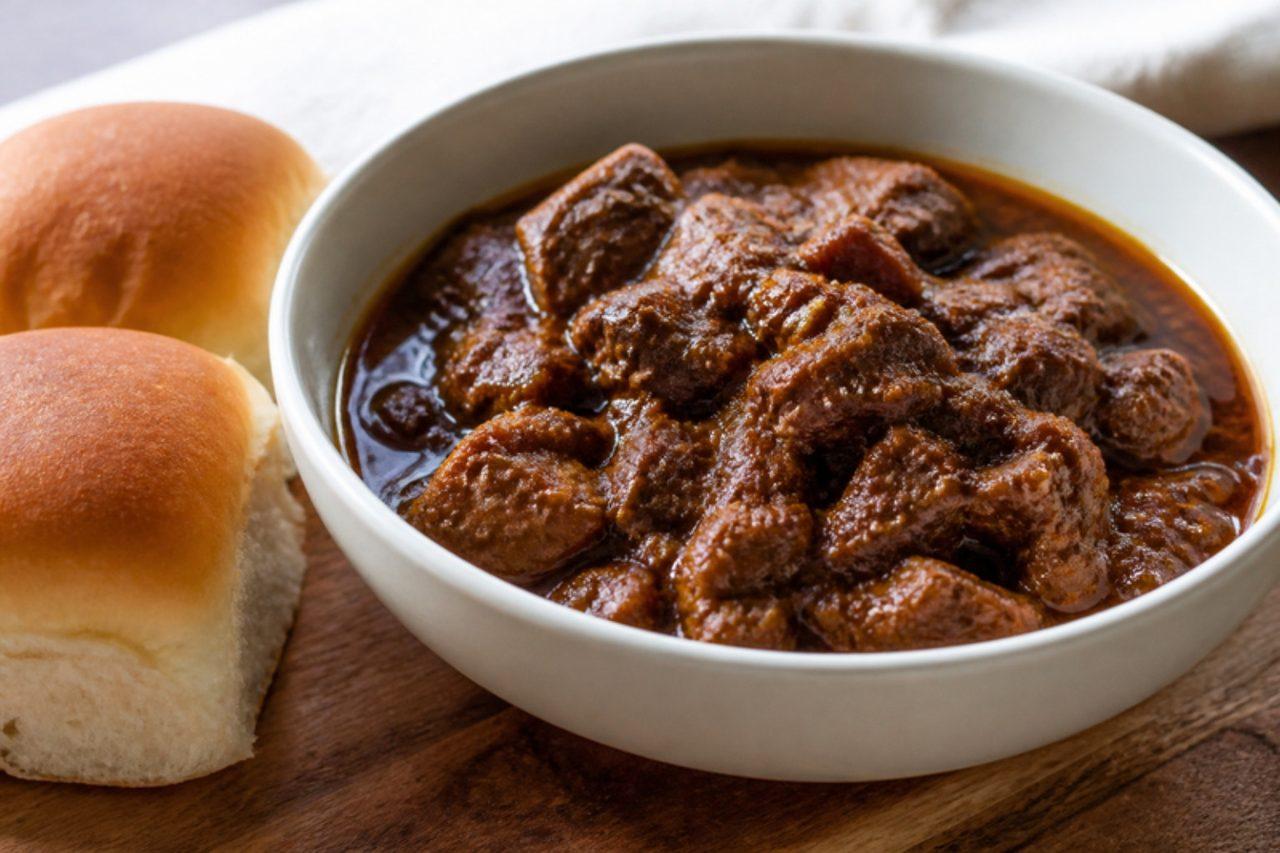
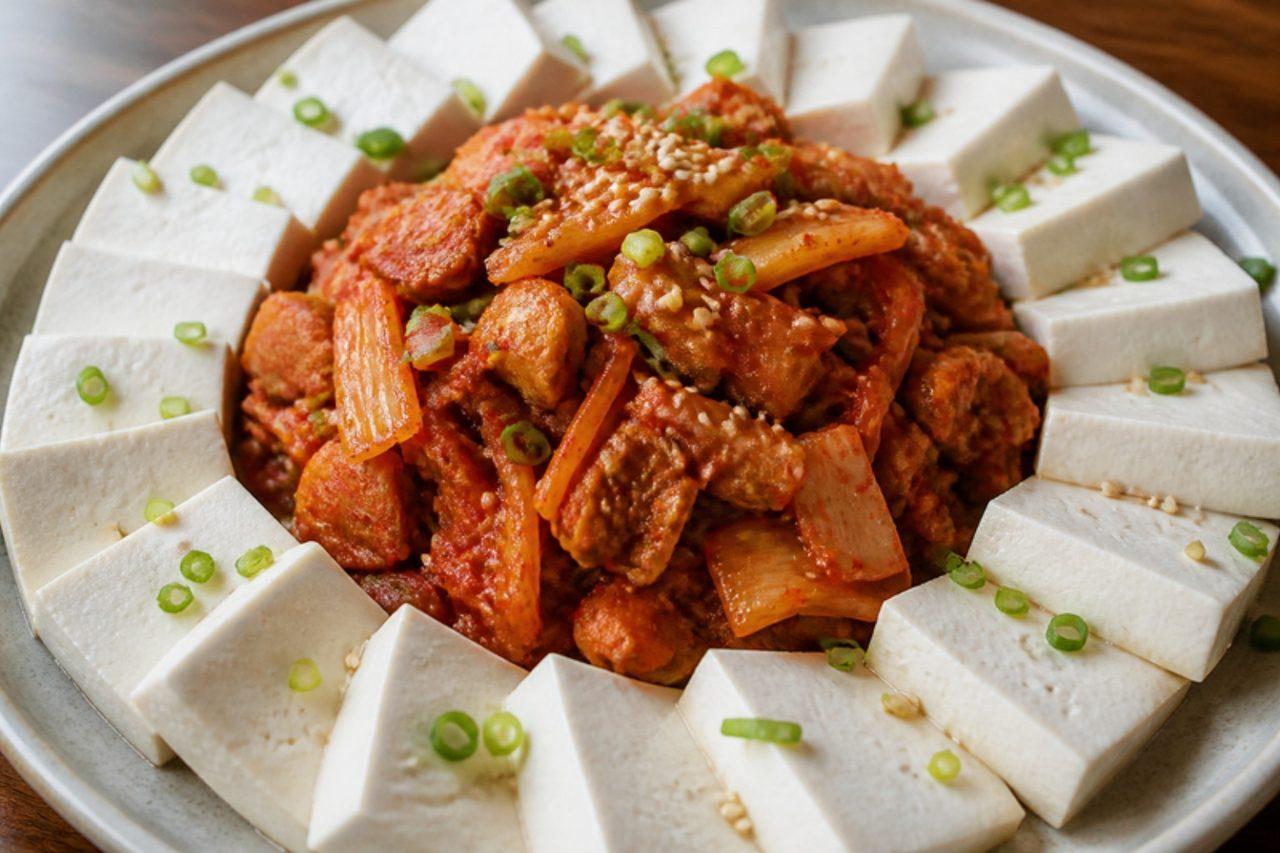
Goan pork sorpotelSpicy vinegar pork stew

No Goan Christmas, wedding or village feast in Salcete is complete without sorpotel, a dark, sharp curry of finely diced pork that is made days in advance and reheated every day until it is eaten. Traditionally it uses pork, liver, heart and sometimes blood; this home version uses pork shoulder with optional liver, which most city cooks prefer. It is eaten with sannas (steamed rice cakes) or soft pao. Chef's tip: boil the pork in one piece first and dice it once it is cooked; you get neat little cubes that stay tender instead of turning stringy.

155 minIndianMeatGluten freeSpicy
by KrazyBadal 0 views

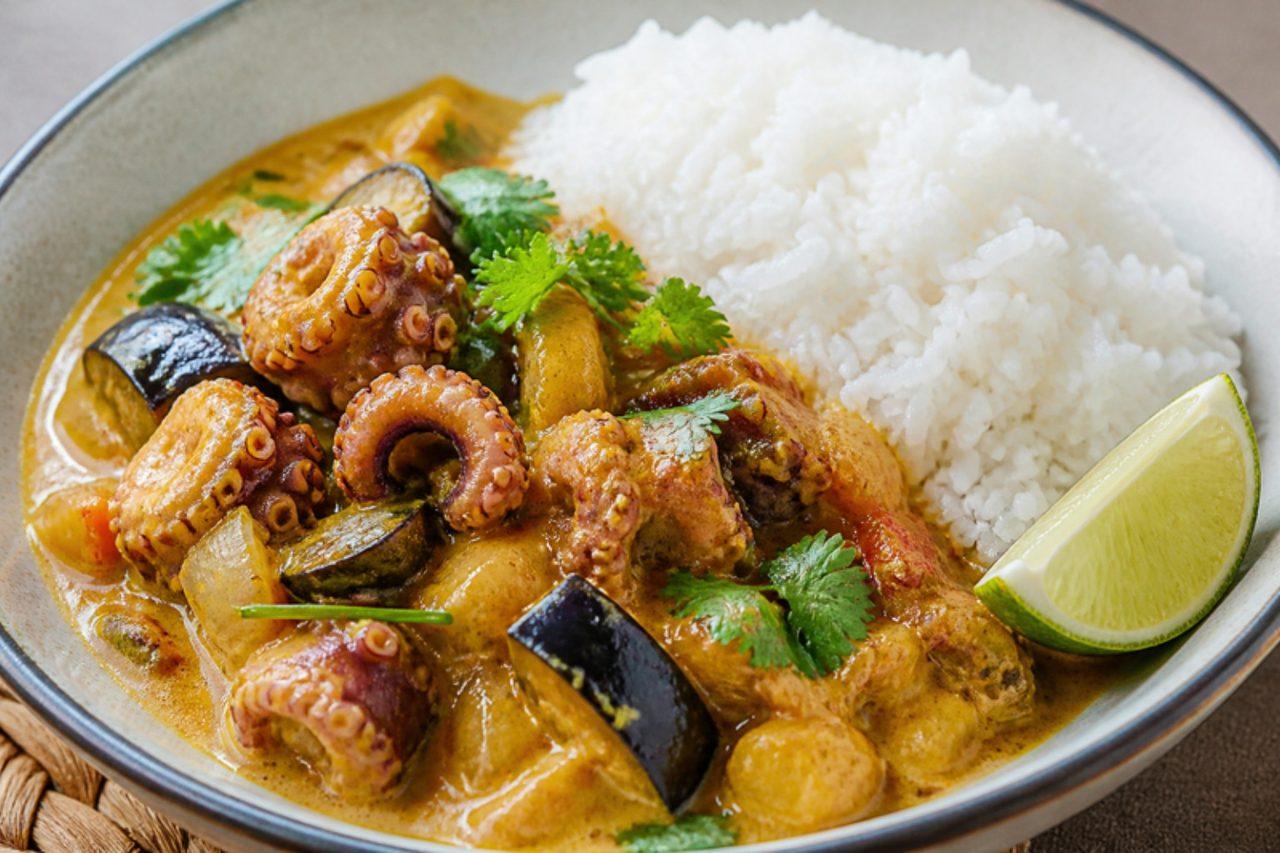
Kari koko zouritOctopus coconut curry

Kari koko zourit, octopus in coconut curry, is the dish most Seychellois would name as their national favourite, cooked on Mahé and Praslin when the fishermen bring octopus in from the reef. The octopus is simmered until tender, then cooked in a sauce of coconut milk, curry powder, garlic, ginger, cinnamon and a little aubergine. It is served with rice and a green papaya chutney. The mistake is cooking the octopus too briefly or at a fast boil, which makes it rubbery; it needs a long, gentle simmer. Chef's tip: frozen and thawed octopus is often more tender than fresh, because freezing breaks down the fibres.

by KrazyBadal 0 views

Karil (bamboo shoot curry)Bamboo shoot and potato curry

In the villages of Jharkhand's Chotanagpur plateau, the first tender bamboo shoots of the rains are called karil, and they are cooked into a simple, punchy dry curry with potato, lots of garlic and mustard oil. Some families also dry or pickle the shoots to last the year. The shoots stay crunchy and have a gentle sourness that goes beautifully with rice and dal. Tinned bamboo shoots work well and are already cooked. Chef's tip: always boil fresh shoots before using them; raw bamboo is bitter and not safe to eat.

by KrazyBadal 0 views

Darjeeling first flush tea

Darjeeling's first flush is picked in March and April on estates clinging to the hills above the town, and in Darjeeling's tea rooms it is served plain: pale gold, flowery and slightly astringent, with a 'muscatel' note in the later second flush. It is the opposite of a strong breakfast tea, so it is never boiled, stewed or given milk. Hill families drink it from morning till dusk, and it is a souvenir every visitor buys from Chowrasta. Chef's tip: use water just off the boil (about 90°C) and time the brew; overheated or overbrewed first flush turns bitter and loses its scent.

by KrazyBadal 0 views

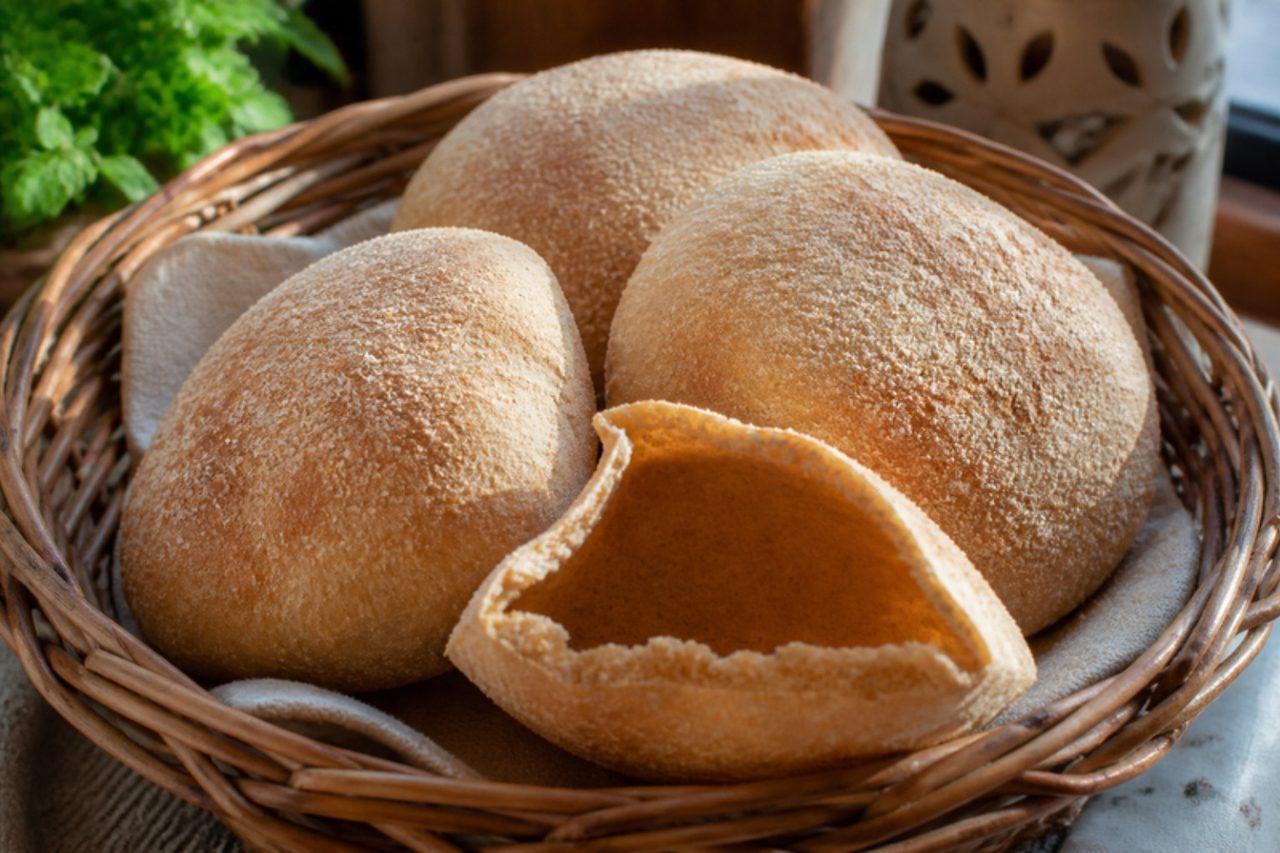
Goan poiGoan wholewheat pocket bread

Every morning in Goan villages the poder, the local baker, cycles from house to house honking a horn, his basket full of warm bread. Poi is the one Goans miss most when they leave home: a flat, round, wholewheat-and-white-flour bread dusted with wheat bran, baked in a very hot wood oven so it puffs into a hollow pocket. It's torn open for chorizo pao in Goa, but just as good stuffed with spicy chickpea ros, dipped in a vegetable xacuti, or eaten with butter and tea. Traditionally the dough was raised with palm toddy; at home, yeast does the job. Chef's tip: preheat a heavy baking tray in the oven for at least 20 minutes; the shock of hot metal is what makes the poi puff.

by KrazyBadal 0 views

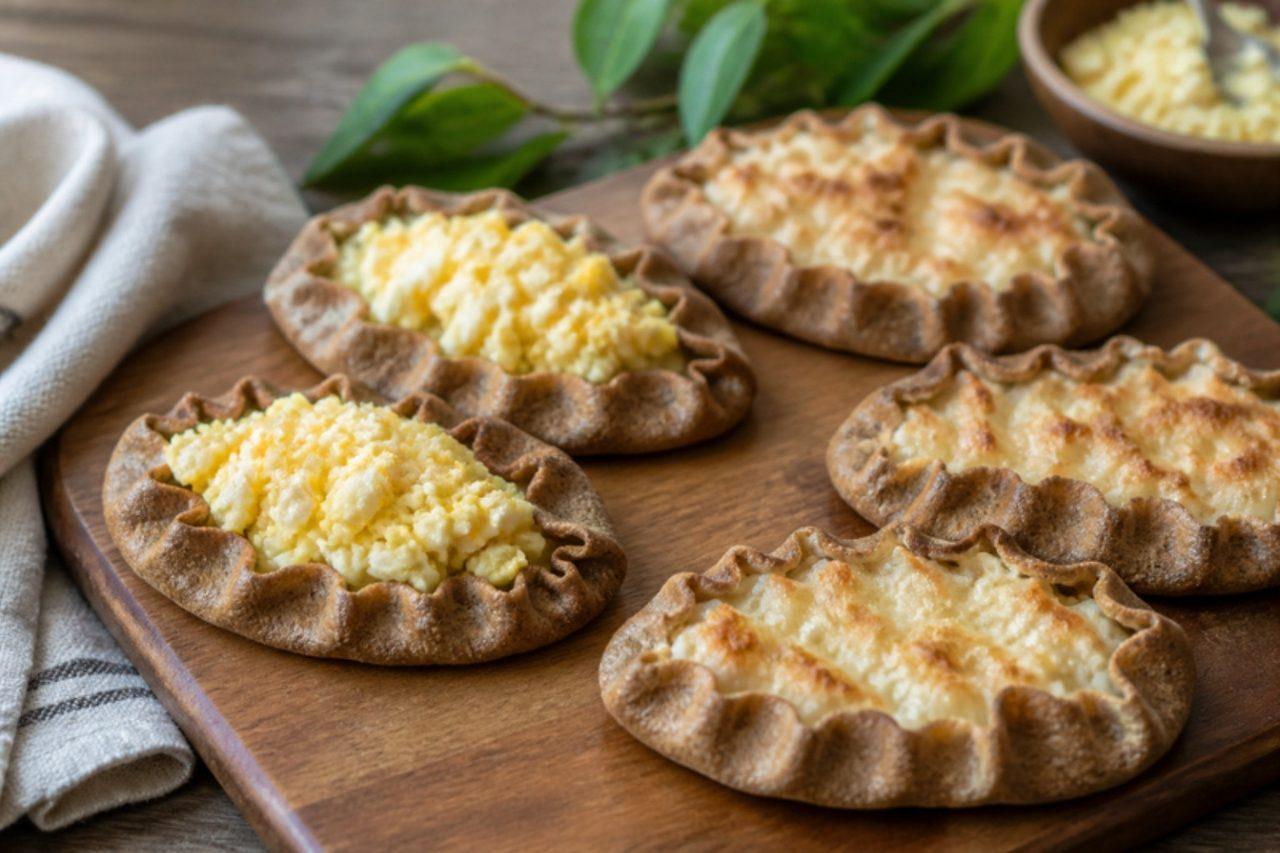
KarjalanpiirakkaRye pastries with rice filling

Karjalanpiirakka come from Karelia, the borderland of eastern Finland, and are now baked in every Finnish home and sold in every Helsinki market hall. The open, oval pies have a crust of rye dough rolled paper-thin and crimped by hand around a filling of creamy rice porridge. Straight from a very hot oven they are brushed with butter and milk to soften, then eaten warm with munavoi, egg butter: chopped hard-boiled egg mashed into soft butter. Finns eat them for breakfast, at coffee tables and at weddings and funerals alike. The crimping looks fiddly but goes quickly after the first few. Chef's tip: make the rice porridge a day ahead; cold porridge is stiff enough to spread neatly and won't soak the thin crust.

by KrazyBadal 0 views

MantıBeef dumplings with garlic yogurt

Kayseri, in central Anatolia, is famous across Turkey for mantı so small that, by local saying, forty should fit on one spoon. Families make big batches together on winter afternoons, rolling the dough thin and pinching each square around a pea of spiced minced meat, and the dumplings were traditionally part of a bride's test in the kitchen. They are boiled and served under garlicky yogurt, then drenched in butter sizzled with red pepper. Chef's tip: make a double batch and freeze the uncooked dumplings on a floured tray; they cook from frozen in about 2 minutes extra.

by KrazyBadal 0 views

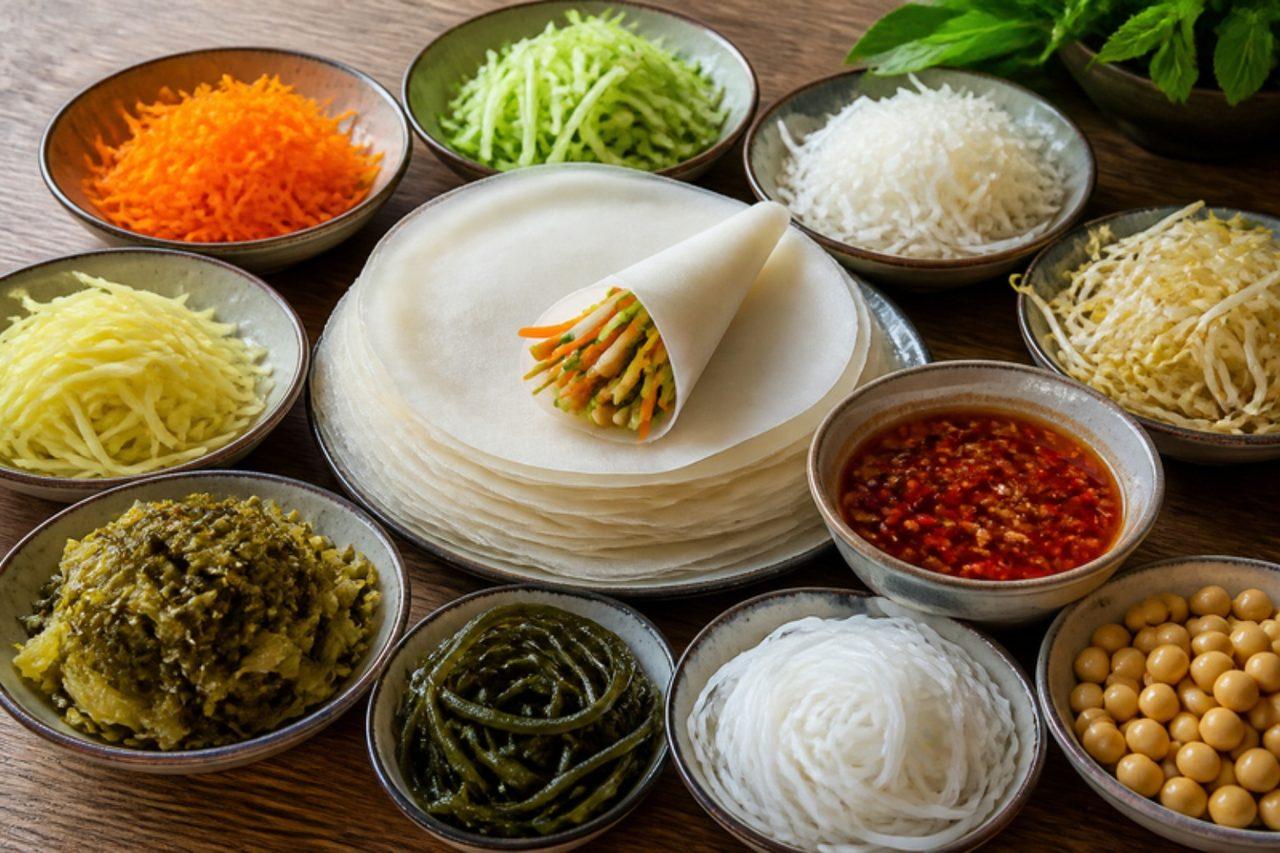
Guiyang si wa waPancake rolls with shredded vegetables

Guiyang's favourite street snack is a do-it-yourself meal: stalls set out twenty or more small bowls of shredded vegetables, and each person wraps a few strands in a pancake no bigger than a palm, folds it like a swaddled baby and pours in a spoonful of sour, chilli-flecked broth. It's light, crunchy and fun to eat with friends. Use as many fillings as you like; the more colours, the better. Chef's tip: shred everything as fine as you can, so the little parcels stay neat and each mouthful has several flavours.

by KrazyBadal 0 views

Kamatama udonUdon with raw egg

Kagawa, the smallest prefecture in Japan, eats more udon than anywhere else, and its Sanuki udon is known for a firm, springy bite. Locals queue at self-service udon shops at breakfast, and one of the most popular orders is kamatama: noodles lifted straight from the boiling pot, dropped onto a raw egg and tossed until the heat turns the egg into a glossy coating, a little like carbonara. A splash of soy sauce and some spring onion are all it needs. Use frozen Sanuki-style udon, which is closest to fresh. Chef's tip: warm the bowls and crack the egg in first. The noodles must go in seconds after leaving the water, or the egg won't cook into a sauce.

by KrazyBadal 0 views

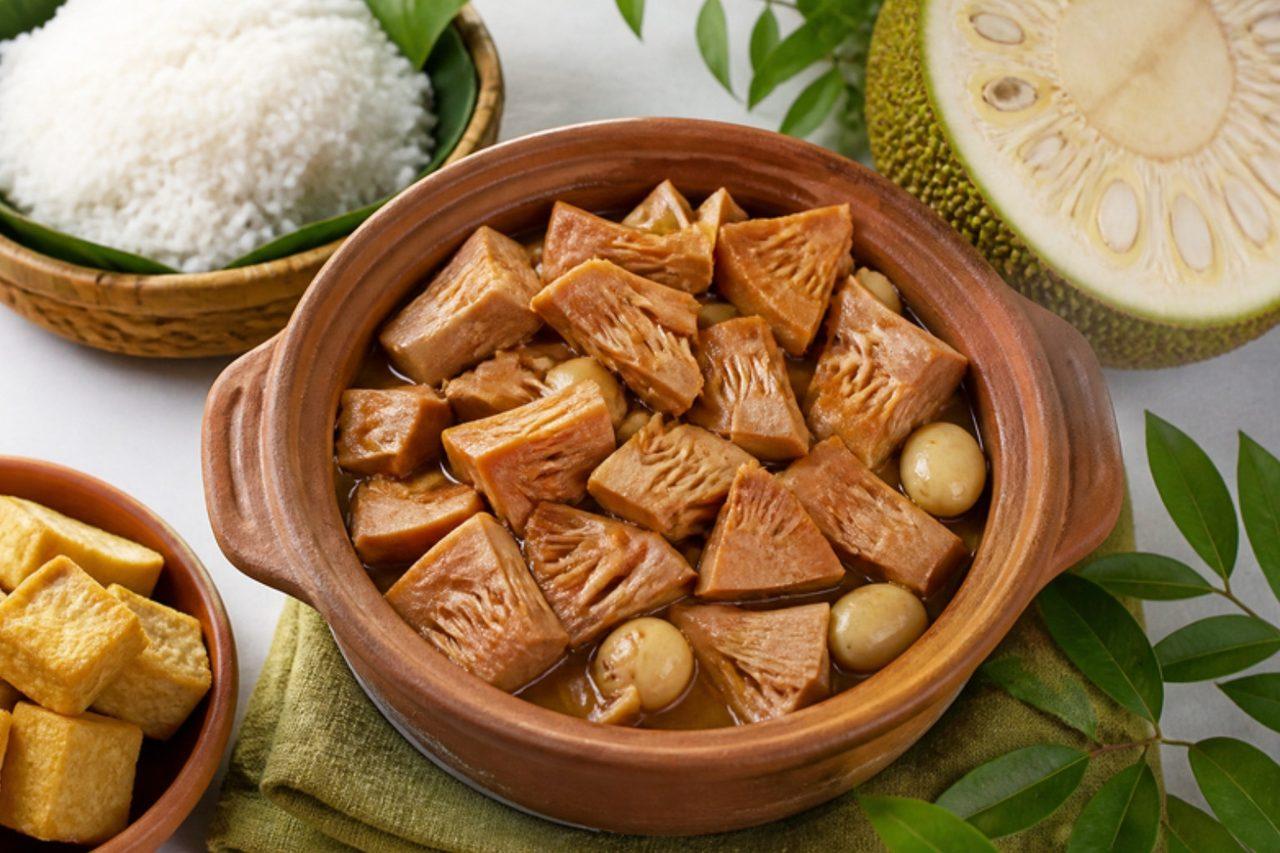
GudegYoung jackfruit stew

Gudeg is the signature of Yogyakarta: whole streets around Wijilan are lined with stalls selling it from dawn, and visitors carry it home in clay pots or woven baskets. Unripe jackfruit is cooked for hours with palm sugar, coconut milk, galangal and salam leaves until it turns reddish-brown, soft as pulled meat, and deeply sweet and savoury. The classic plate adds chicken, egg and spicy cattle-skin stew; this vegan plate pairs it with sticky-sweet tempeh and tofu and a sharp sambal to cut the sweetness. Chef's tip: let the pot cook down slowly until almost all the liquid is gone — drier gudeg keeps for days and tastes better on the second.

by KrazyBadal 0 views

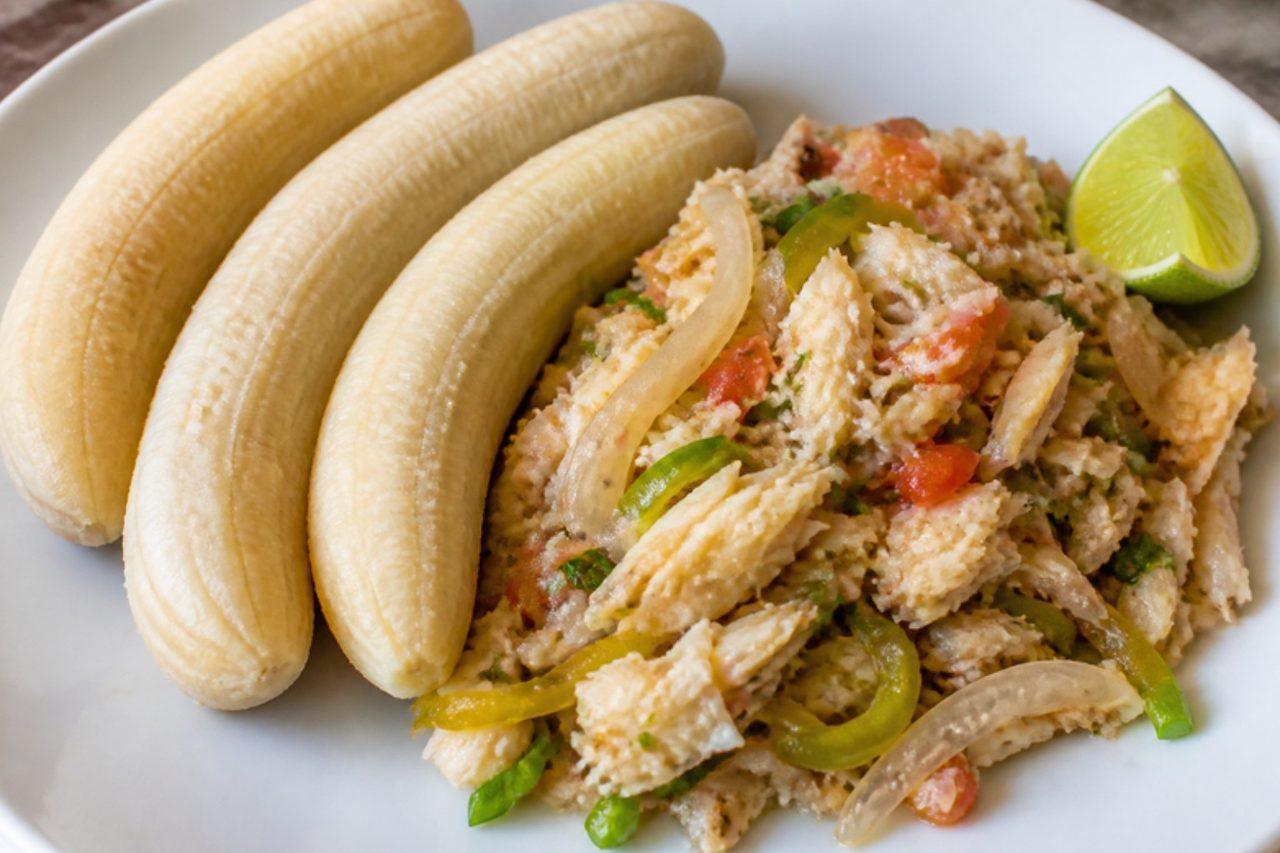
Green fig and saltfishGreen bananas with salt cod

In St Lucia green bananas are called figs, and green fig and saltfish is the national dish: a Saturday lunch in Castries homes and the plate served everywhere on Jounen Kwéyòl, the island's Creole Day in October. The bananas are boiled until tender and mild, a little like potato, and served with salt cod sautéed with onion, sweet pepper, tomato, thyme and hot pepper. Add sliced avocado or cucumber on the side. The most common mistake is not soaking the saltfish long enough, which leaves the whole plate far too salty; taste a flake before you cook it. Chef's tip: rub oil on your hands (or wear gloves) before peeling the green bananas; the sap stains skin black.

by KrazyBadal 0 views

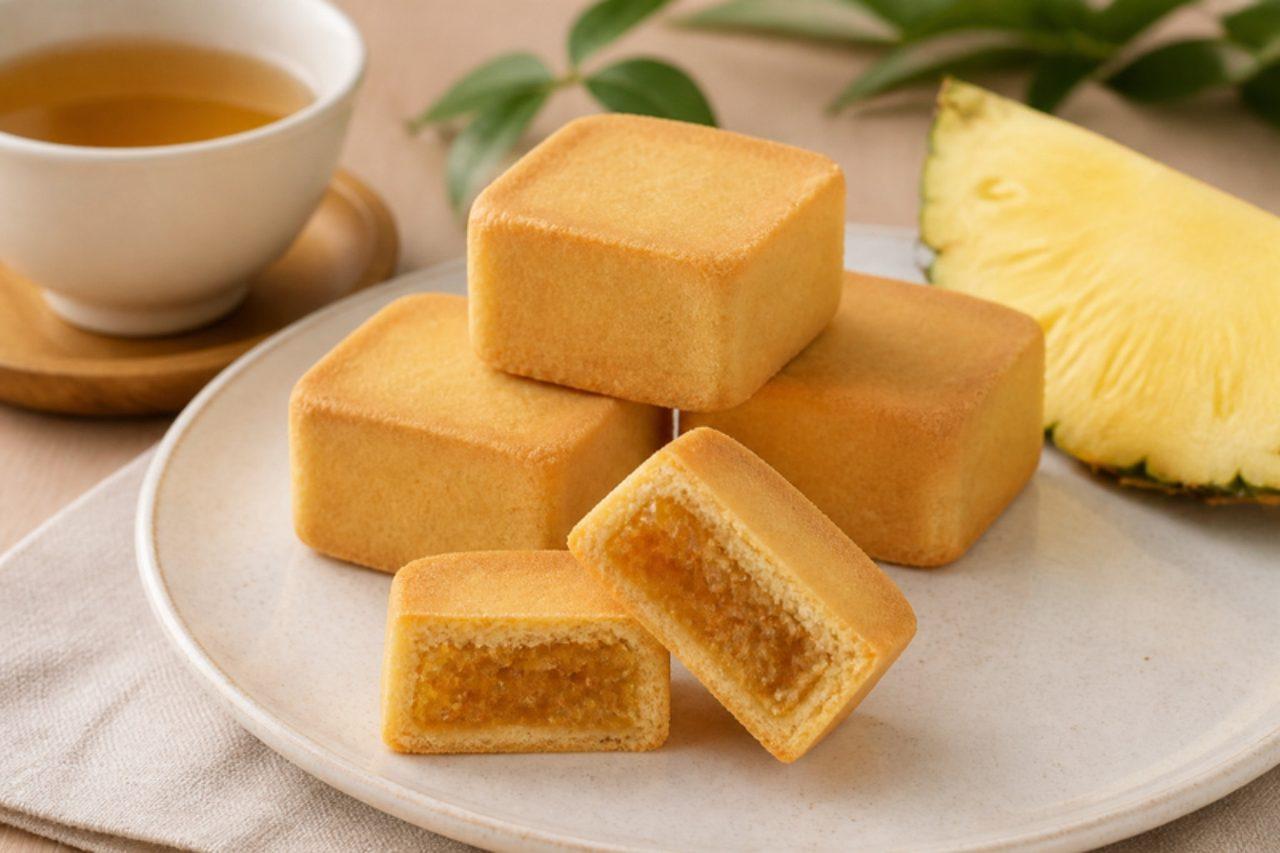
Taiwanese pineapple cakes

Feng li su are the gift-box sweet of Taiwan: little golden squares of crumbly, milky shortbread wrapped round a chewy pineapple jam. Bakeries in Taichung and Taipei pack them in tins for Lunar New Year, weddings and visiting relatives, and the name sounds like 'prosperity arriving' in Taiwanese Hokkien. Older bakeries bulk the filling with winter melon for a softer, sweeter jam; this home version uses fresh pineapple only, cooked down until thick and tangy. Chef's tip: chill the dough and the jam balls before wrapping; cold, firm pieces are far easier to seal without the jam breaking through.

by KrazyBadal 0 views

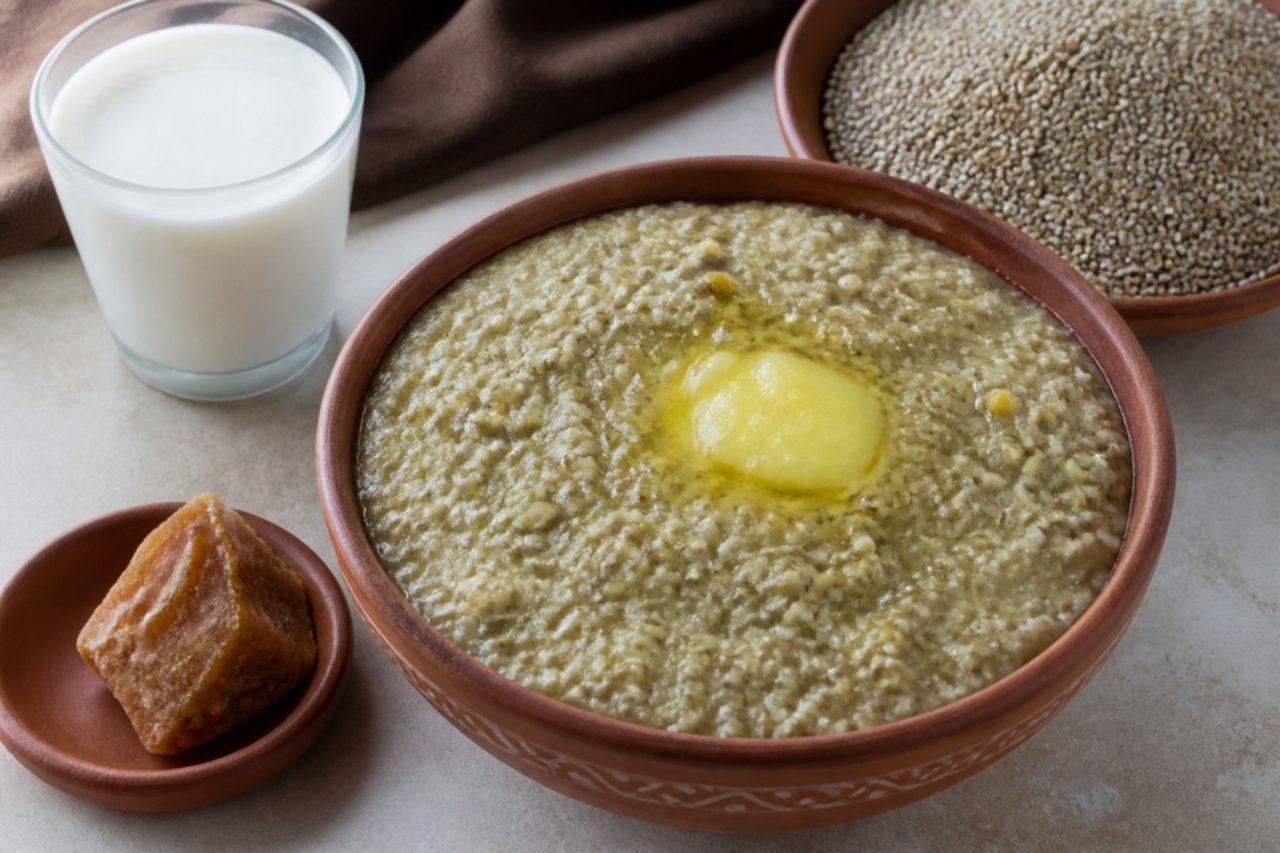
Haryanvi bajra khichdiPearl millet and moong dal porridge

In village homes across Haryana, bajra khichdi is the food of cold winter nights and the days around Makar Sankranti: cracked pearl millet and yellow moong cooked slowly until soft and porridge-like, then eaten with a big spoon of ghee and either jaggery or a glass of lassi. It is plain, nutty and very filling, and grandmothers swear it keeps you warm. The millet was traditionally pounded in a stone mortar to crack it; a quick pulse in a grinder does the same. Chef's tip: soak the bajra overnight; unsoaked millet stays hard and gritty however long you cook it.

by KrazyBadal 0 views

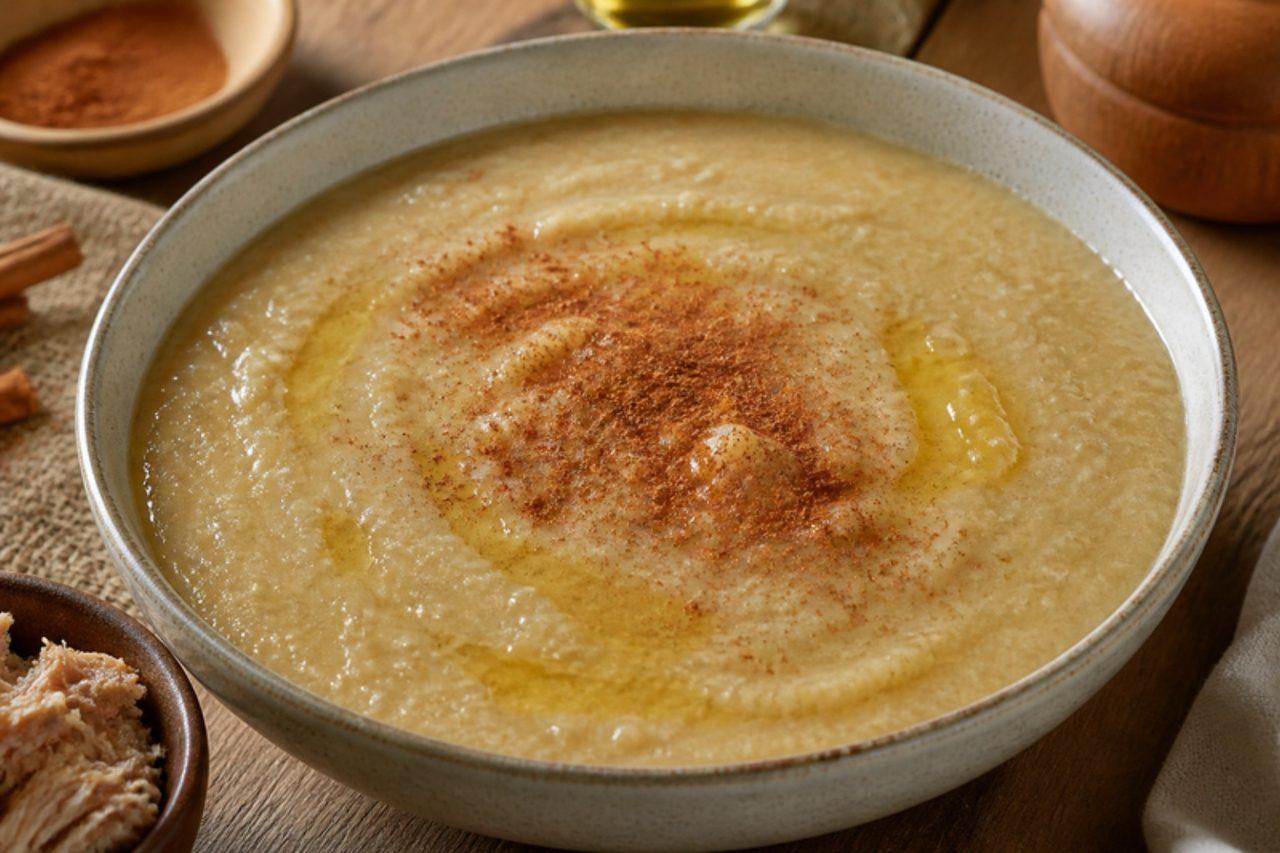
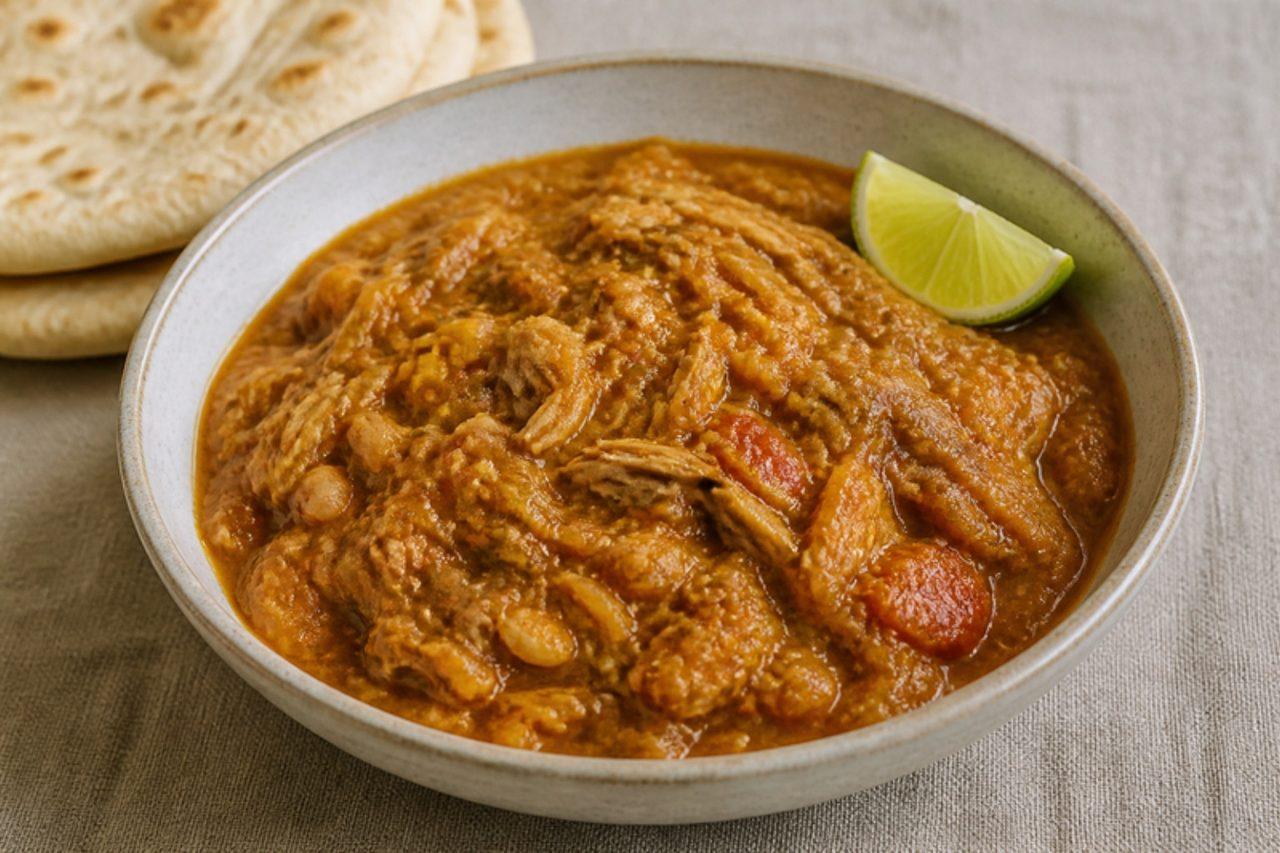
HareesWheat and chicken porridge

Harees is one of the oldest dishes of the Arabian Gulf, made in the UAE, Oman and Saudi Arabia for Ramadan iftar, Eid and weddings, when big pots are stirred for hours and shared with neighbours. Whole wheat and chicken cook slowly together until the grain bursts and the meat falls apart, then everything is beaten to a smooth, sticky porridge and finished with ghee and a little cinnamon. It is soft, mild and very comforting. Chef's tip: beat it hard with a wooden spoon (or briefly with a stick blender) at the end; that is what gives harees its elastic texture.

by KrazyBadal 0 views

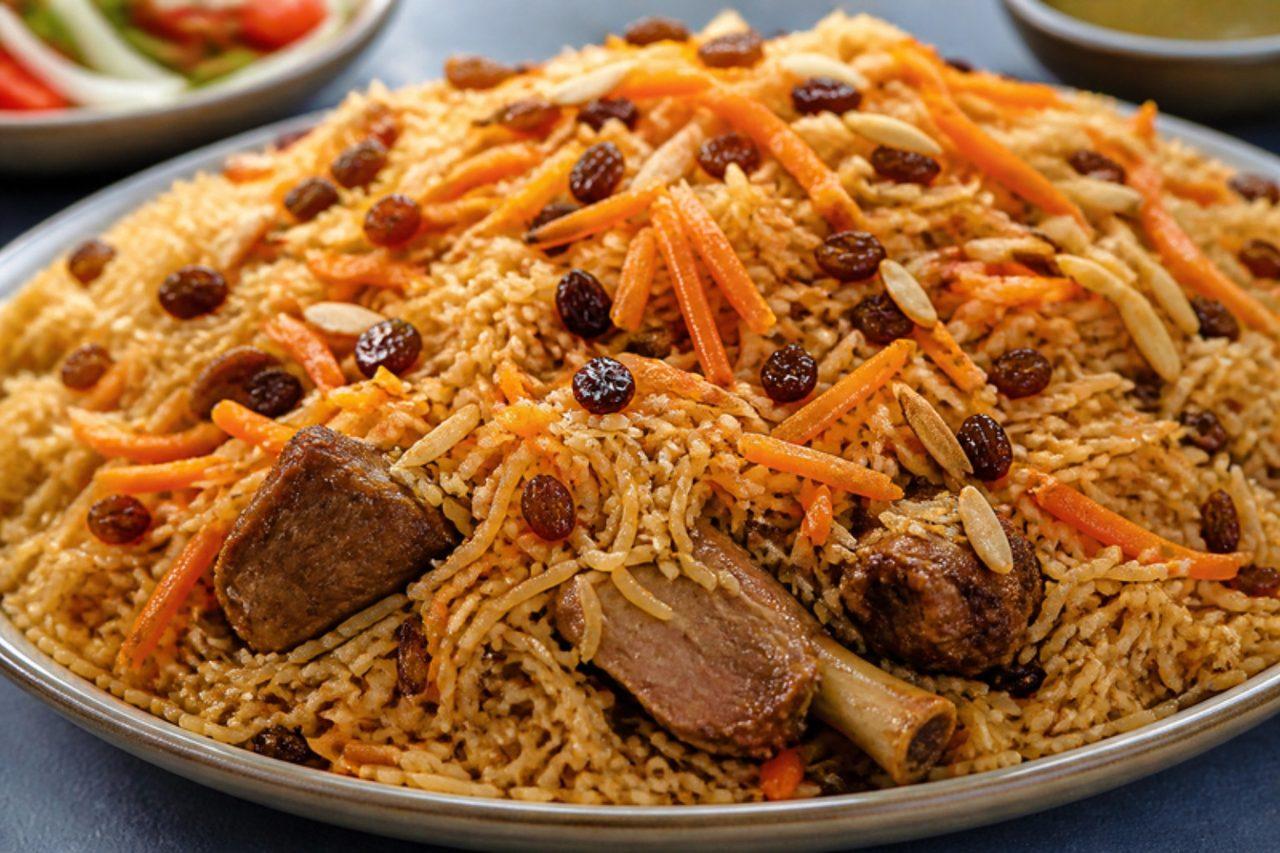
Kabuli pulaoLamb pilaf with carrots and raisins

Kabuli pulao crossed the Khyber Pass from Afghanistan and is now part of everyday cooking in Peshawar and across Khyber Pakhtunkhwa, where it is the dish of honour for guests and the centre of Eid tables. Lamb on the bone is simmered into a rich stock, then rice is cooked in that stock and the meat is buried in the middle so it stays soft. On top go strips of carrot and raisins, glazed in a little sugar, and toasted almonds. It isn't spicy, just warm with cumin and cardamom. Chef's tip: caramelise a spoon of sugar in the oil before adding the stock; it gives the rice its traditional golden-brown colour.

by KrazyBadal 0 views

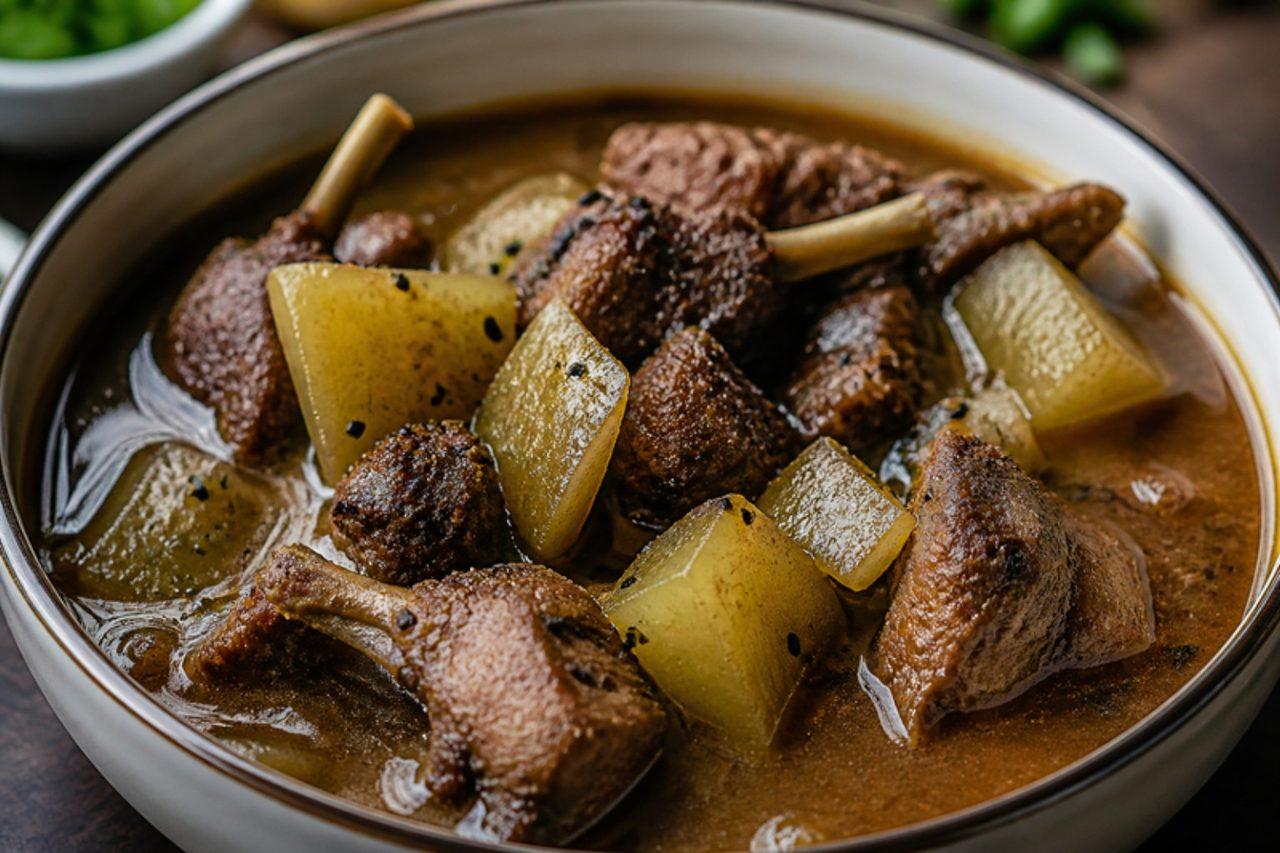
Hanhor mangxoDuck curry

When Magh Bihu brings bonfires and feasting to the villages of Assam in January, duck curry is one of the dishes families look forward to. Duck meat is simmered with ash gourd (kumura), which soaks up the rich juices, and the gravy is thickened with toasted black sesame for a deep, nutty taste. It is eaten with rice, often after the night-long community feast called uruka. Chef's tip: brown the duck skin-side down first and pour off some of the rendered fat; you need its flavour, not all of it.

120 minIndianMeatGluten free
by KrazyBadal 0 views

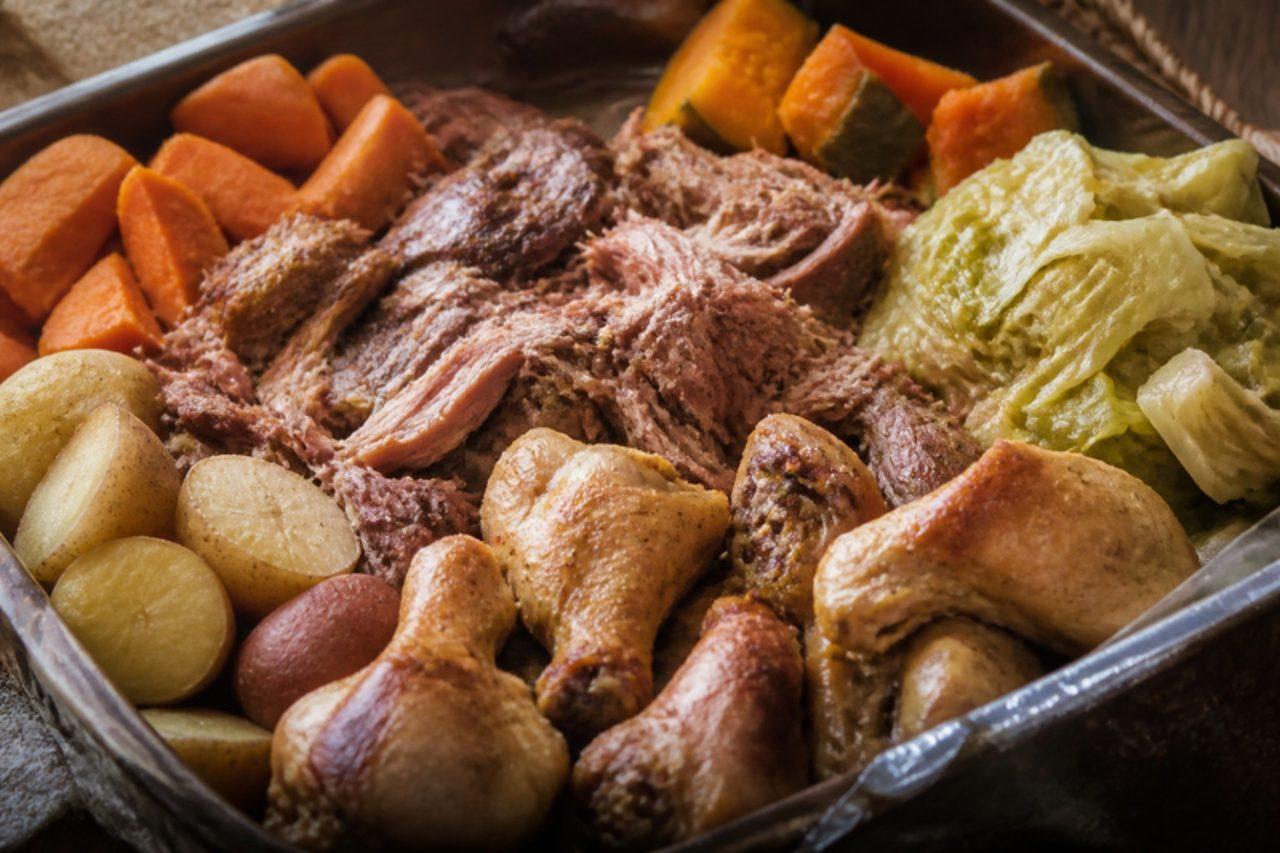
Hāngī-style roastOven-steamed roast pork and vegetables

A true hāngī is cooked by Māori communities across Aotearoa New Zealand in a pit lined with stones heated in a wood fire, with baskets of meat and vegetables covered with damp cloths and earth and left for hours; it is made for tangihanga (funerals), weddings, marae gatherings and fundraisers, and the skill is passed down through whānau. An oven can't reproduce that earthy, smoky steam, and this recipe does not claim to. It borrows the idea: pork, chicken, kūmara, pumpkin and potato packed tightly, covered and steamed for hours until everything is meltingly soft. It contains pork. The mistake to avoid is loose foil; if steam escapes, the meat dries out instead of steaming. Chef's tip: sit the meat on top of the vegetables so its juices drip down and season them.

by KrazyBadal 0 views

HandvoSavoury rice and lentil cake

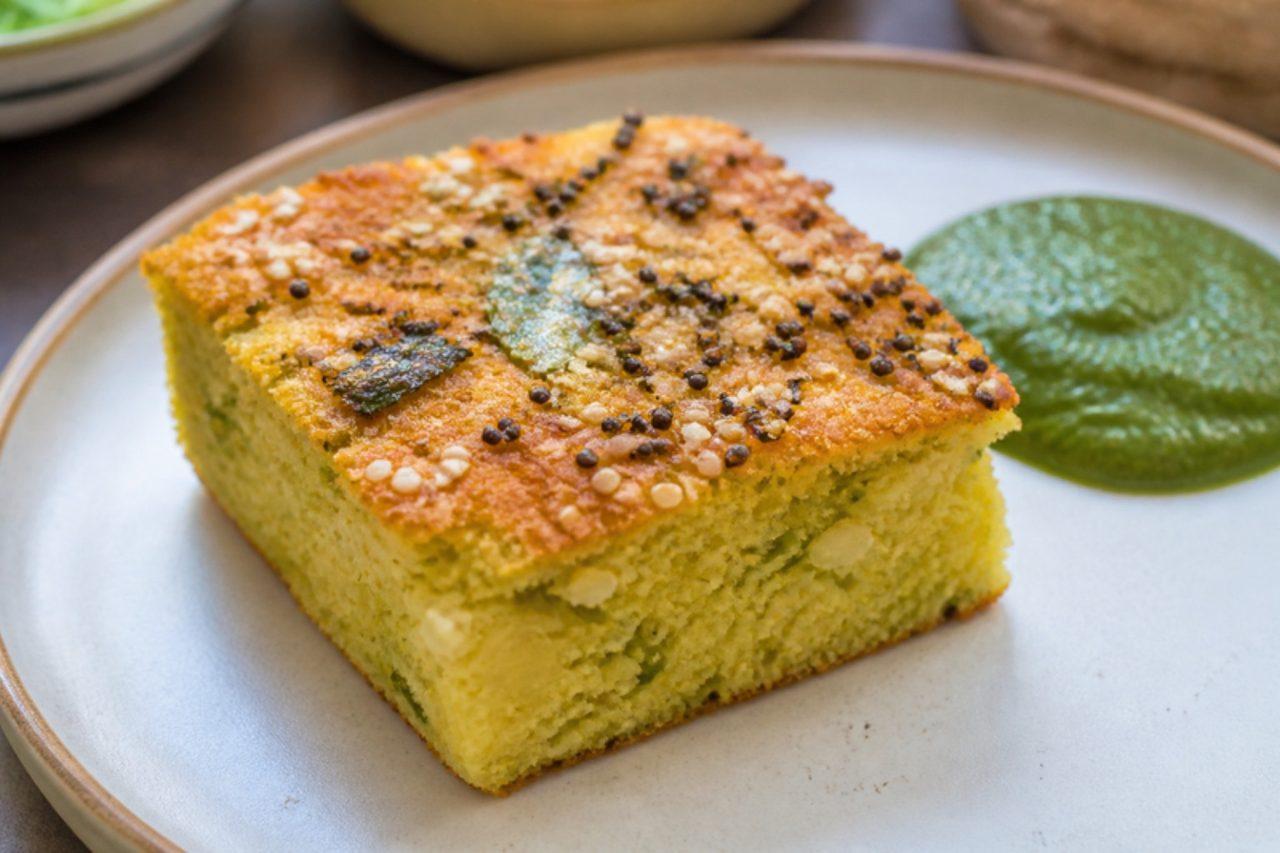
Handvo is a savoury cake from Gujarat, made from a fermented batter of rice and lentils mixed with grated bottle gourd, yogurt and spices. It's baked or cooked slowly in a heavy pan until it has a deep-brown, crackly crust of mustard seeds and sesame and a soft, moist, slightly tangy inside. Gujarati families make it for Sunday tea or a light supper, with green chutney and a cup of masala chai. Slices are also good packed for a journey. Chef's tip: don't rush the crust; cook on a low heat with a lid and let the base go deep golden before you flip, because the crunchy, almost toasted sesame crust is the best part.

by KrazyBadal 0 views

Kacchi biryaniRaw-marinated mutton biryani

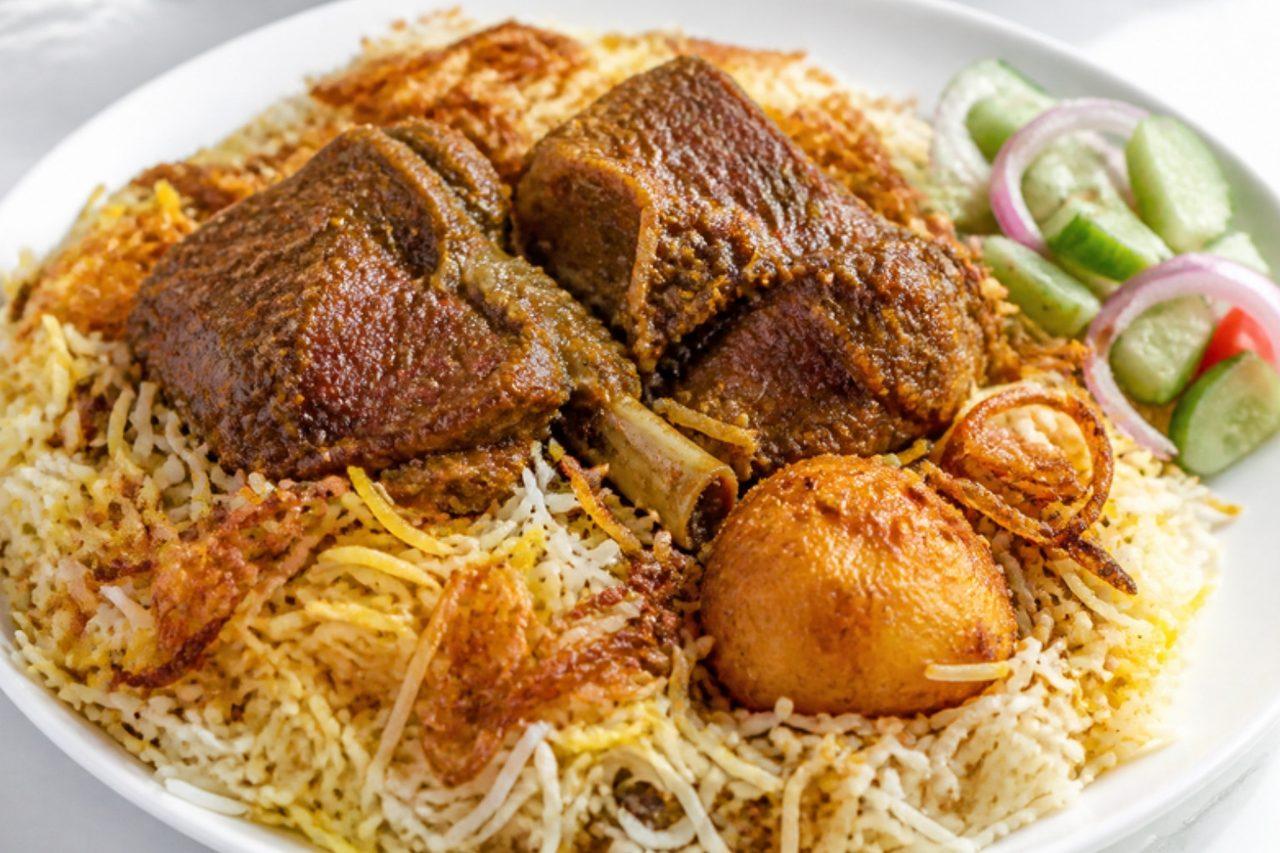
Kacchi biryani is the wedding dish of Old Dhaka: at every Bangladeshi biye the huge copper pots come out, and the lanes around Nazira Bazar are famous for it. 'Kacchi' means raw: the mutton goes into the pot uncooked, marinated in yogurt and spices, under a layer of half-cooked aromatic rice and fried potatoes, and everything steams together for over an hour so the meat juices cook the rice. Serve it with borhani, the spiced yogurt drink, and a salad of sliced cucumber and onion. The common mistake is under-marinating or using lean meat cut too large; small pieces of shoulder with some fat, marinated overnight in the fridge, cook through in time. Chef's tip: seal the lid with a rope of dough; if no steam escapes, the meat at the bottom becomes tender without you ever opening the pot.

by KrazyBadal 0 views

Halo-haloShaved ice dessert

Halo-halo ('mix-mix') is what the Philippines eats through the hot dry months of March to May, bought from roadside stalls and snack shops and eaten slowly with a long spoon in a tall glass. Sweetened beans and chickpeas, banana cooked in brown sugar, jackfruit, nata de coco and sugar-palm fruit go in first, then a mountain of finely shaved ice, a splash of evaporated milk and a crown of ube halaya, a slice of leche flan or a scoop of ube ice cream, with crunchy pinipig (toasted pounded rice) on top. Unlike Malaysian ais kacang, there's no syrup over the ice: the sweetness comes from the layers and the milk. You stir everything together before eating. Chef's tip: chill the glasses and the toppings first so the ice doesn't melt before you have finished building.

by KrazyBadal 0 views

HallacasStuffed corn parcels

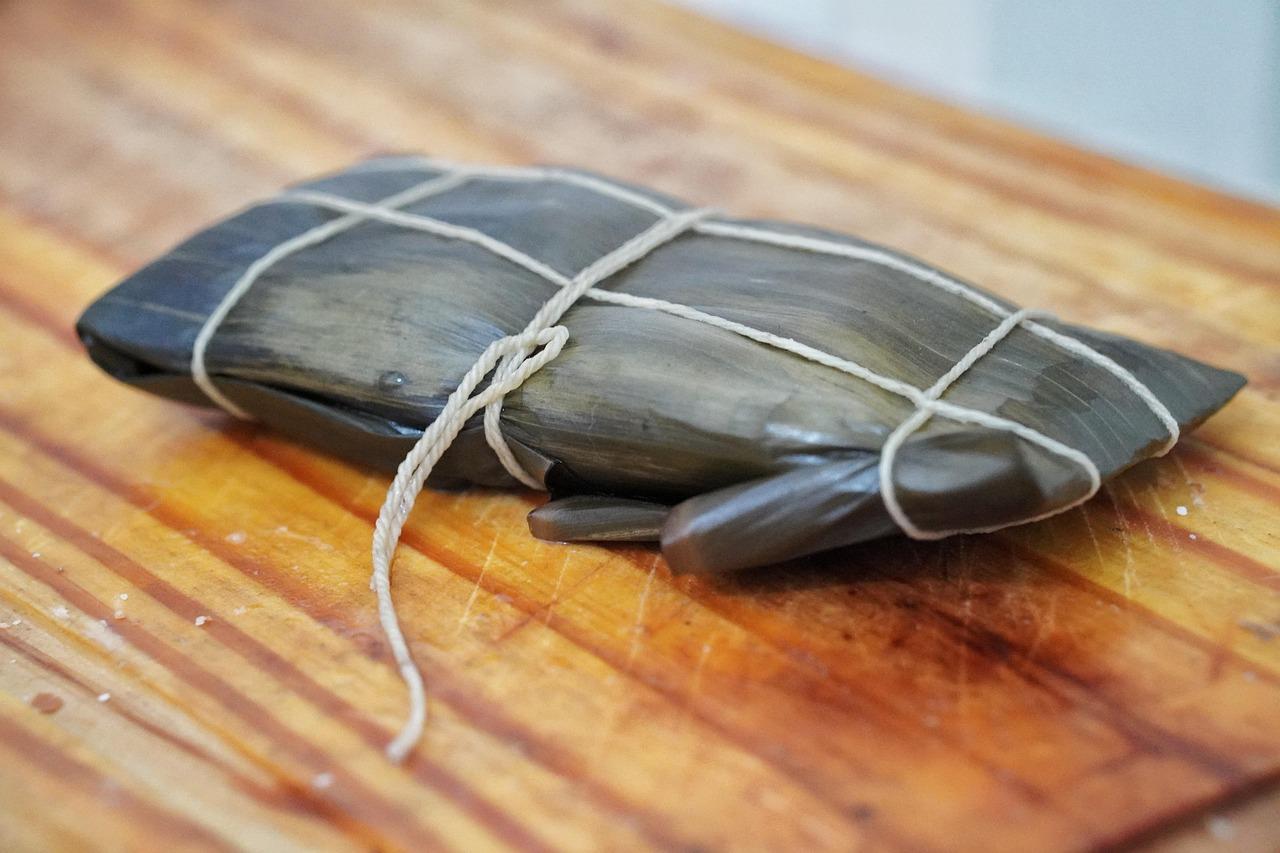
Hallacas are Venezuelan Christmas. In December whole families gather around a kitchen table in Caracas, Maracaibo or the Andes to make dozens at once: one person cleans banana leaves, another spreads the annatto-tinted corn dough, another adds the guiso (a stew of pork, beef and chicken) and the garnishes, and someone else ties the parcels. This is a pork dish. The guiso is traditionally finished with red wine; for an alcohol-free version use the same amount of beef stock with a tablespoon of red wine vinegar. They are eaten with pan de jamón and chicken salad from Christmas Eve to New Year. The common mistake is spreading the dough too thick, which makes heavy, stodgy parcels; it should be thin enough to almost see the leaf through it. Chef's tip: make the guiso a day ahead and chill it, so it is firm and easy to portion.

by KrazyBadal 0 views

Hallabong adeSparkling tangerine drink

Hallabong (한라봉) is Jeju's pride: a large, sweet, easy-peel tangerine with a knob on top that is said to look like Hallasan, the island's volcano. Every café on Jeju sells hallabong ade (한라봉에이드), a tall glass of hallabong syrup topped up with sparkling water and ice, often with the fruit sliced into it. Koreans make the syrup, hallabong-cheong, by layering the sliced fruit with sugar in jars; this quick version is ready in 10 minutes. Outside Korea, use dekopon, sumo or any very sweet mandarin. Chef's tip: add a squeeze of lemon to the syrup; hallabong is so sweet that the drink tastes flat without a little extra acid.

by KrazyBadal 0 views

Halawet el jibnCheese and semolina rolls

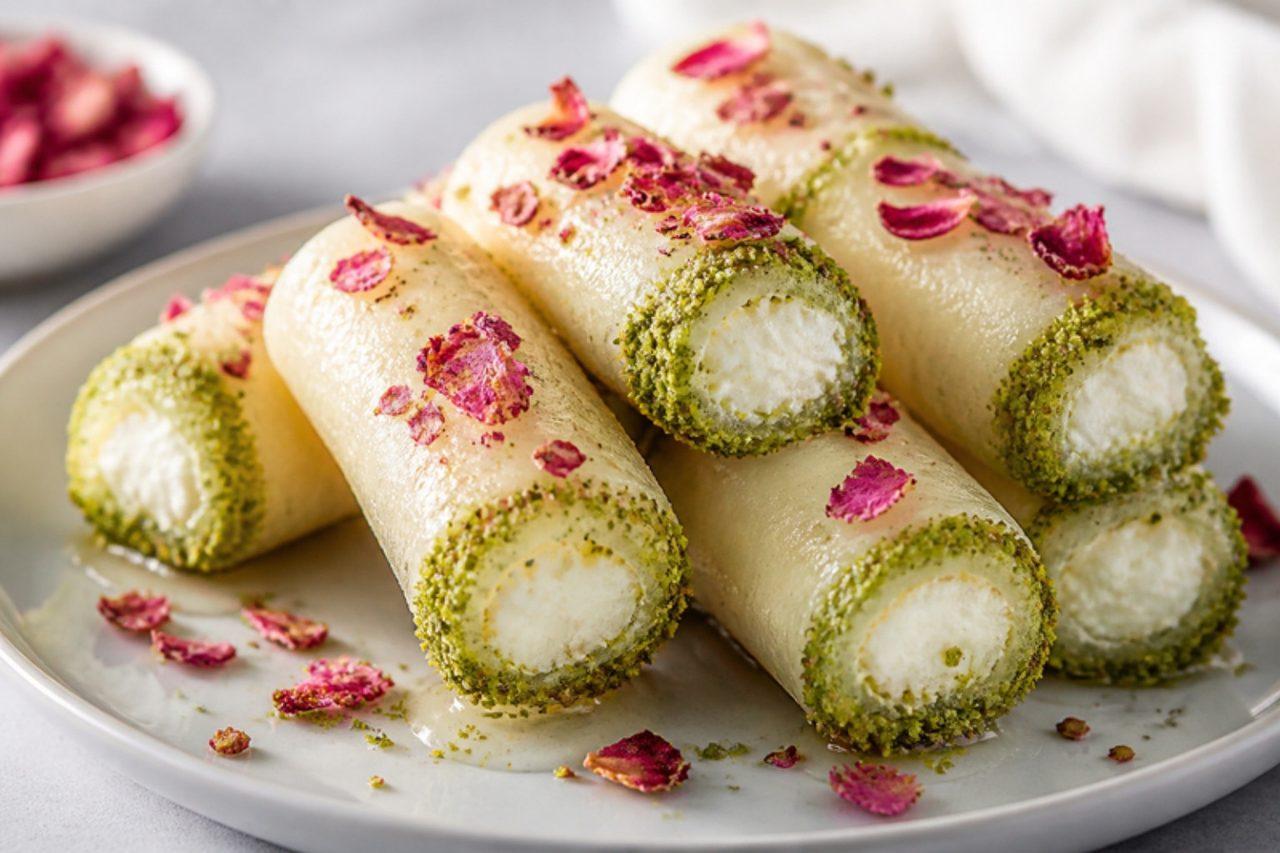
Halawet el jibn, 'sweetness of cheese', is the pride of the pastry shops of Homs in Syria and Tripoli in Lebanon, where trays of the pale, stretchy rolls are sold for Eid, weddings and Sunday afternoons. A dough of melted cheese and semolina is stretched thin, wrapped around thick clotted cream (ashta), cut into rolls and soaked in rose syrup. The dough must be worked hot, which makes it the hardest dessert in this collection, but the result is soft, chewy and only lightly sweet. Use mozzarella or akkawi made with vegetarian (microbial) rennet; many supermarket mozzarellas are. Chef's tip: oil your hands and the worktop rather than flouring them; flour toughens the dough and dulls its shine.

by KrazyBadal 0 views

HalászléSpicy carp soup

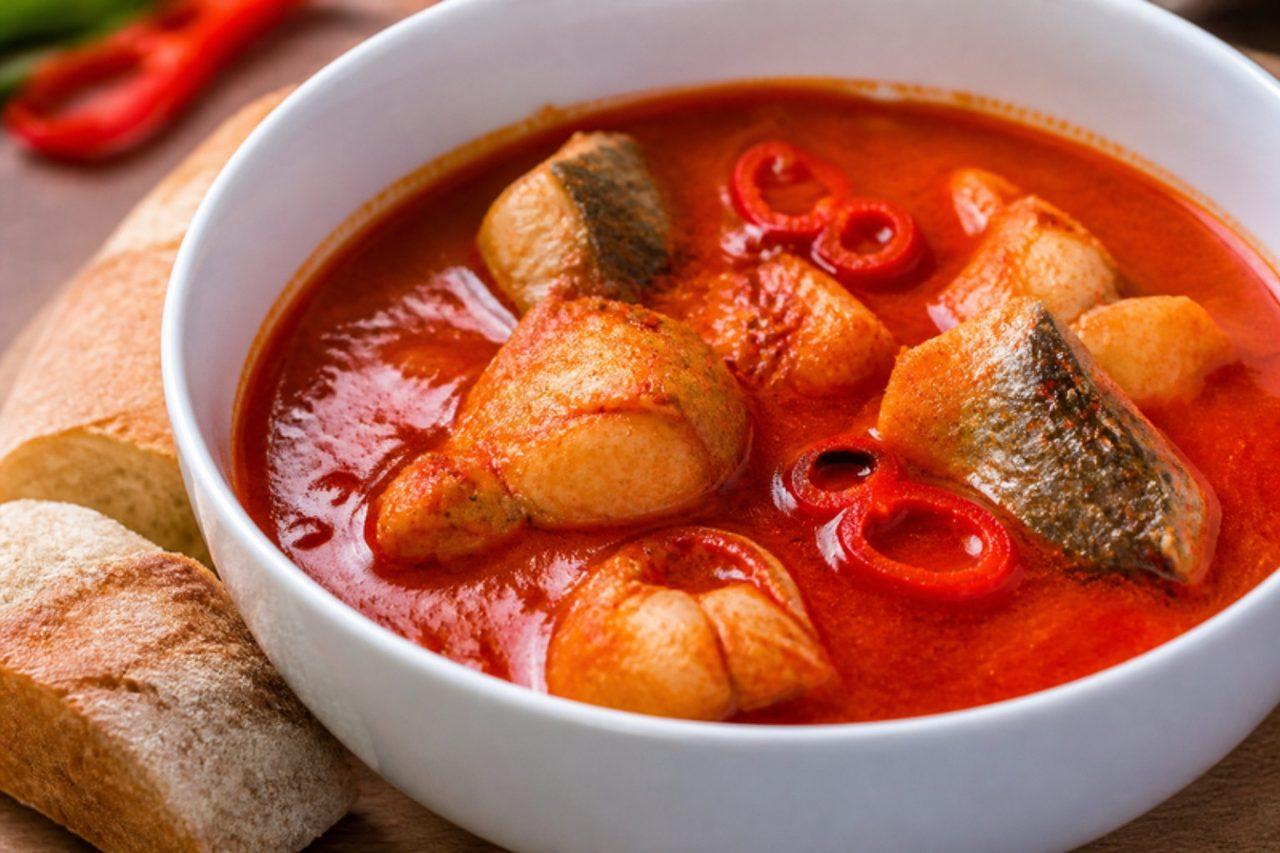
Halászlé is the fiery fisherman's soup of the rivers Tisza and Danube, and on Christmas Eve it is on almost every Hungarian table; the towns of Szeged and Baja each claim the best version. A rich stock is made from fish heads and bones with onions and lots of paprika, sieved until smooth and red, and then thick slices of carp (or catfish) are poached in it at the last moment. Serve with white bread and fresh hot peppers. Chef's tip: poach the fish fillets without stirring; just swirl the pot so the pieces stay whole.

by KrazyBadal 1 views

Kachri ki chutneyWild melon and chilli chutney

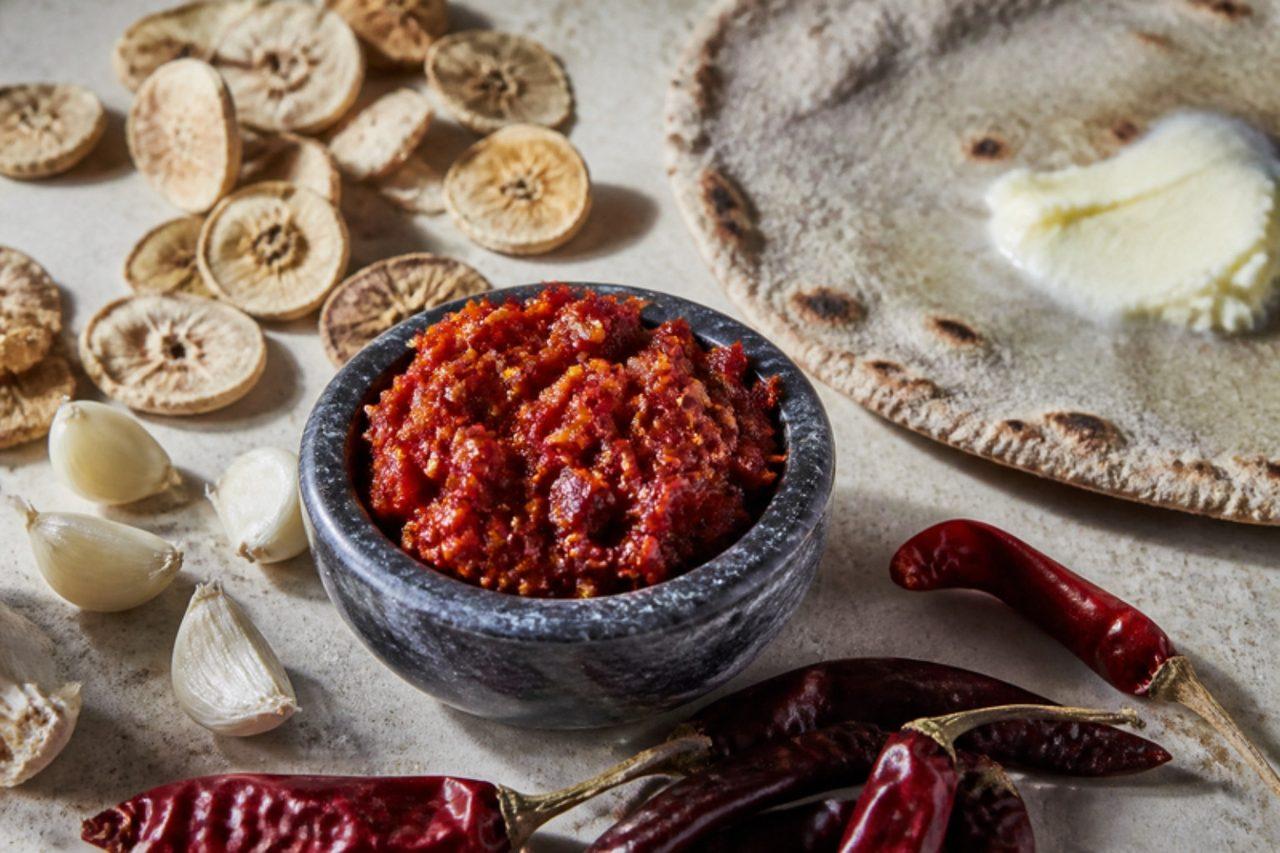
Kachri is a small wild melon that grows on its own in the sandy fields of southern Haryana and western Rajasthan. Sliced and sun-dried, it keeps for a year and has a sharp, sour taste that farmers' families grind with garlic and red chilli into this fiery chutney. A spoonful goes with bajra roti and white butter on a winter afternoon, or with dal and rice when there is nothing else in the house. Dried kachri and kachri powder are sold in Indian grocers. Chef's tip: taste a piece of dried kachri first; occasionally one batch is bitter, and that bitterness will ruin the whole jar.

by KrazyBadal 0 views

HarchaPan-fried semolina bread

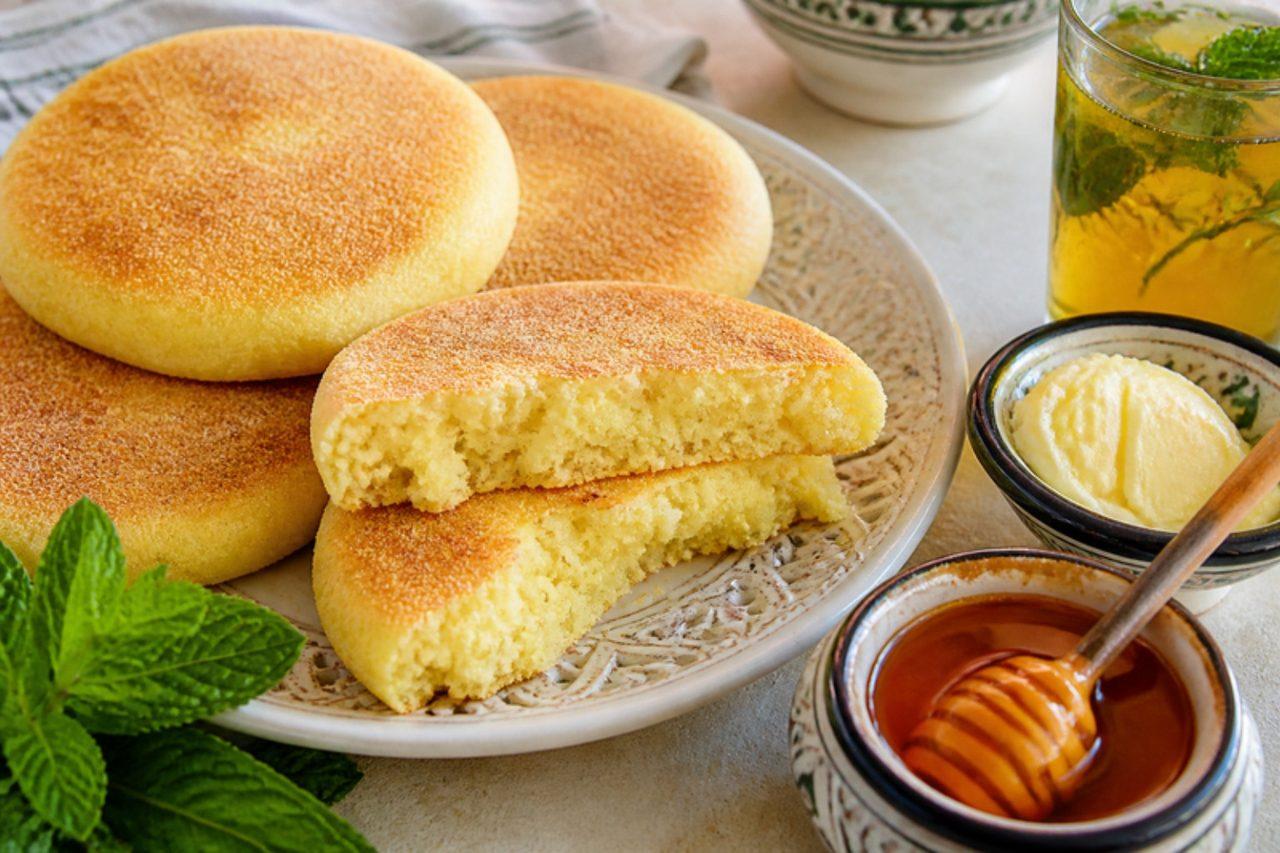
Harcha are thick little semolina breads cooked on a griddle and eaten all over Morocco at breakfast and with mid-afternoon tea, especially during Ramadan for the evening meal. The dough is closer to a crumbly batter than a bread dough, so it needs no kneading or rising; it is pressed into rounds and cooked slowly until the outside turns golden and gritty and the inside stays tender, a bit like a savoury shortbread. Split them while warm and spread with butter and honey, apricot jam or a wedge of soft cheese. Chef's tip: let the mixed dough rest for 5 minutes; the semolina drinks up the milk and becomes much easier to shape.

by KrazyBadal 0 views

KachumbariTomato and onion salad

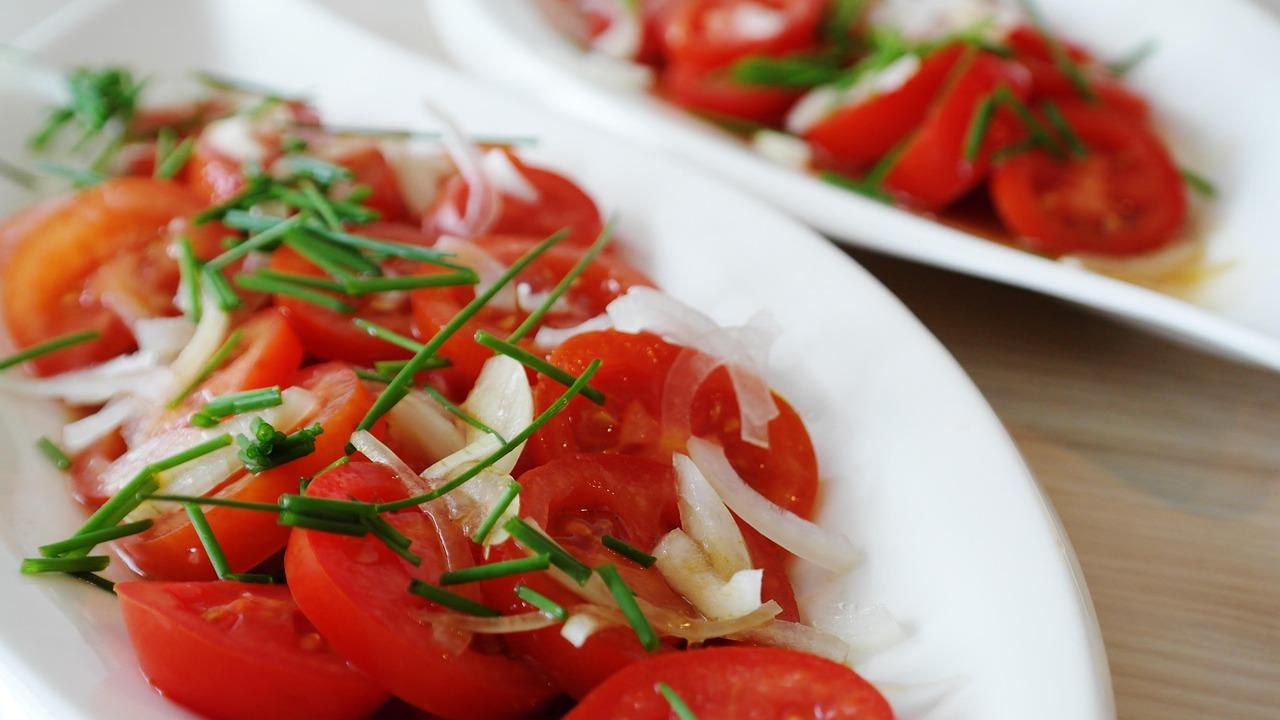
Kachumbari is the raw salad that goes with nearly everything in Kenya and Tanzania: nyama choma grills in Nairobi, pilau on the Swahili coast, chips mayai at roadside stalls and ugali at home. It is simply ripe tomato and red onion cut small, with coriander, chilli and lime, and sometimes cucumber or avocado. Chef's tip: soak the sliced onion in salted water for ten minutes; it takes away the harsh bite without losing the crunch.

by KrazyBadal 0 views

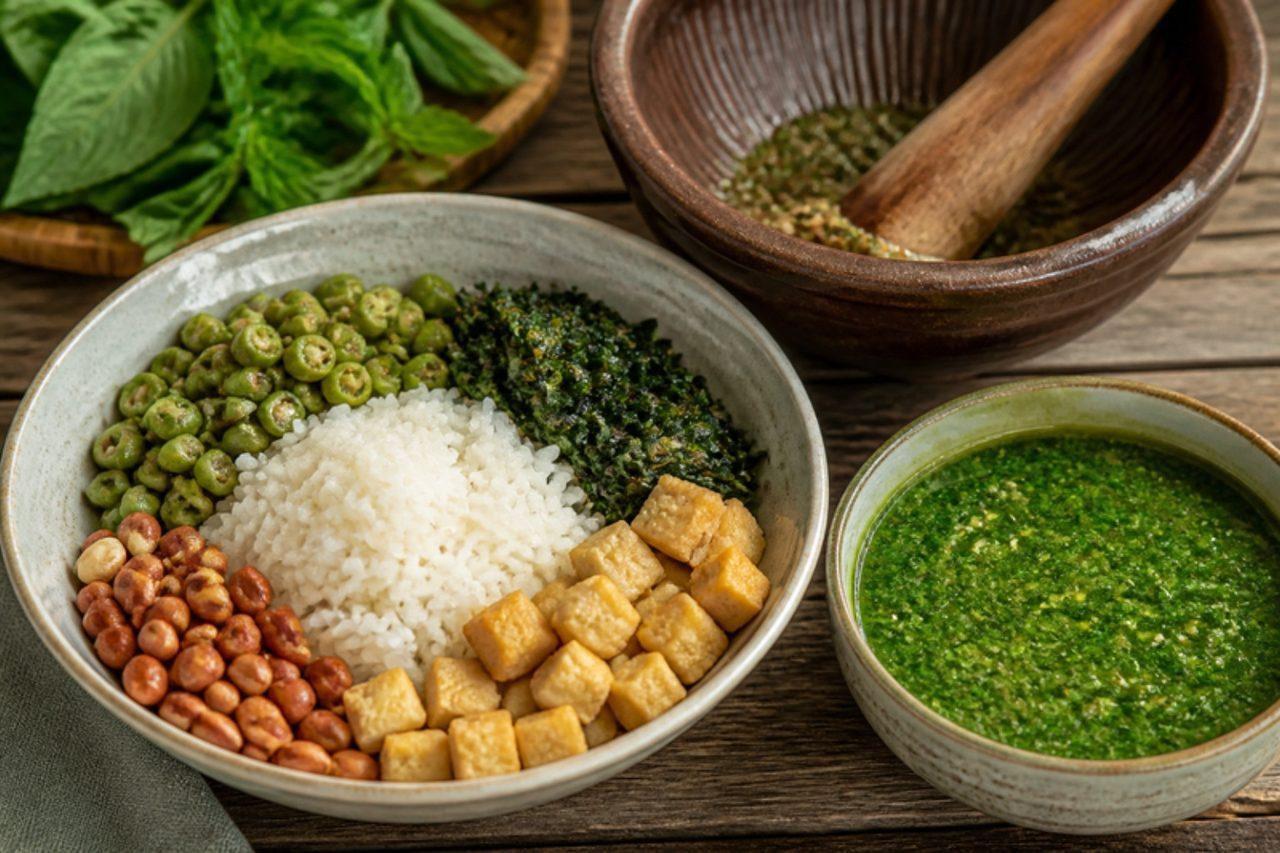
Hakka lei chaPounded herb and peanut tea

Lei cha means 'pounded tea', and in Hakka villages from Jieyang and Hepo to Taiwan and Malaysia it is still ground by hand in a ridged bowl with a guava-wood stick. Tea leaves, basil, mint and coriander are pounded with sesame and peanuts, then loosened with hot water into a grassy green soup. It's ladled over a bowl of rice topped with small heaps of stir-fried greens, beans, tofu and preserved radish. Some families eat it on the seventh day of the New Year. Chef's tip: toast the sesame and peanuts yourself; the toasting gives the soup its depth.

by KrazyBadal 0 views

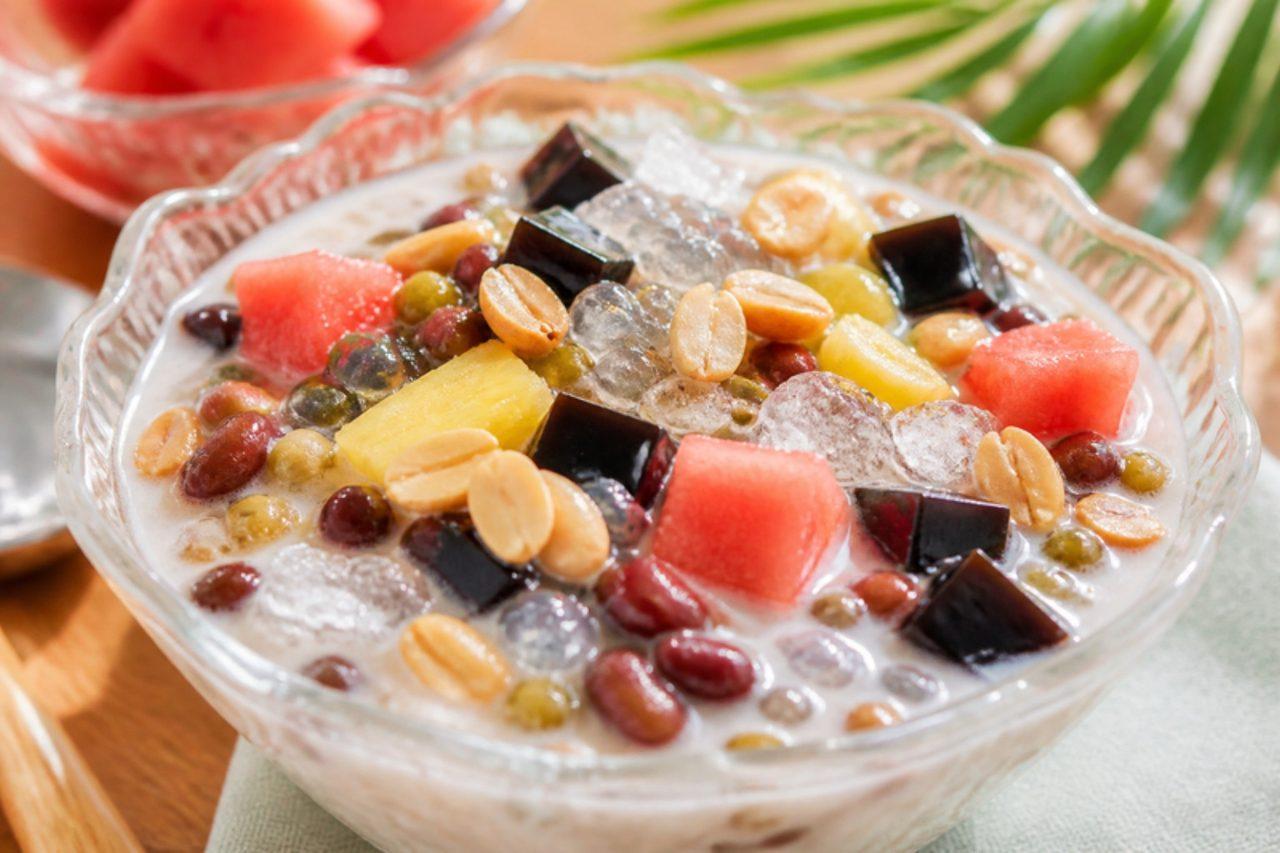
QingbuliangIced coconut milk dessert soup

On hot evenings in Haikou, night-market stalls ladle this into bowls: coconut milk poured over red beans, mung beans, sago pearls, cubes of jelly and fresh tropical fruit, with a scoop of shaved ice on top. The name roughly means 'clearing, nourishing, cooling', and Hainan people eat it to cool down in their long summer. Everything except the fruit can be cooked a day ahead and chilled. Chef's tip: cook each bean separately; they soften at different speeds.

by KrazyBadal 0 views

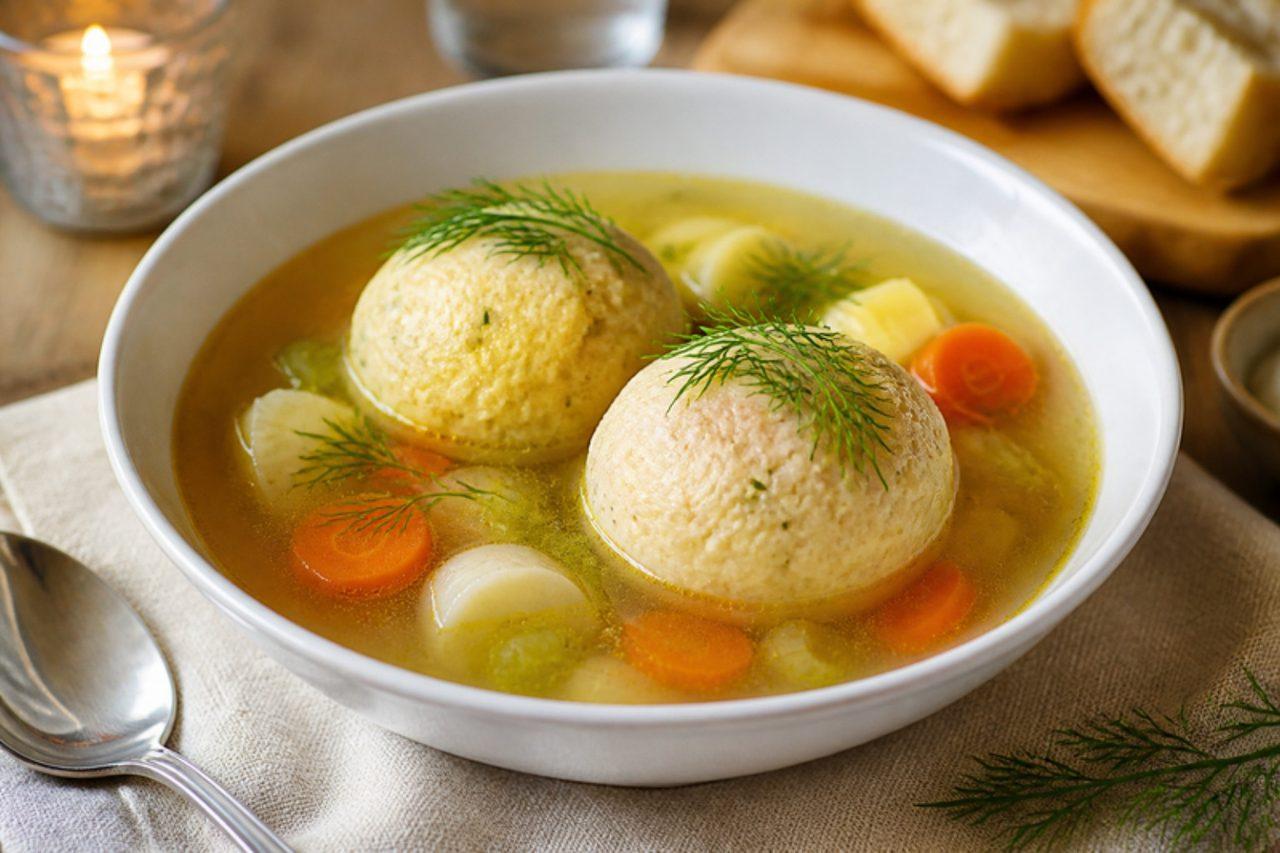
Matzo ball soup with vegetable broth

Ashkenazi Jewish families from Kraków to New York serve matzo ball soup at the Passover seder and whenever someone has a cold, and arguments about 'floaters' versus 'sinkers' go back generations. Here the broth is golden and savoury without chicken: onions browned with their skins, carrots, celery, parsnip and a few dried mushrooms simmered with dill. The kneidlach are made with oil instead of chicken fat and a splash of sparkling water so they come out light and fluffy. Chef's tip: chill the matzo mixture for at least 30 minutes; it needs time to absorb the liquid or the balls fall apart in the pot.

by KrazyBadal 0 views

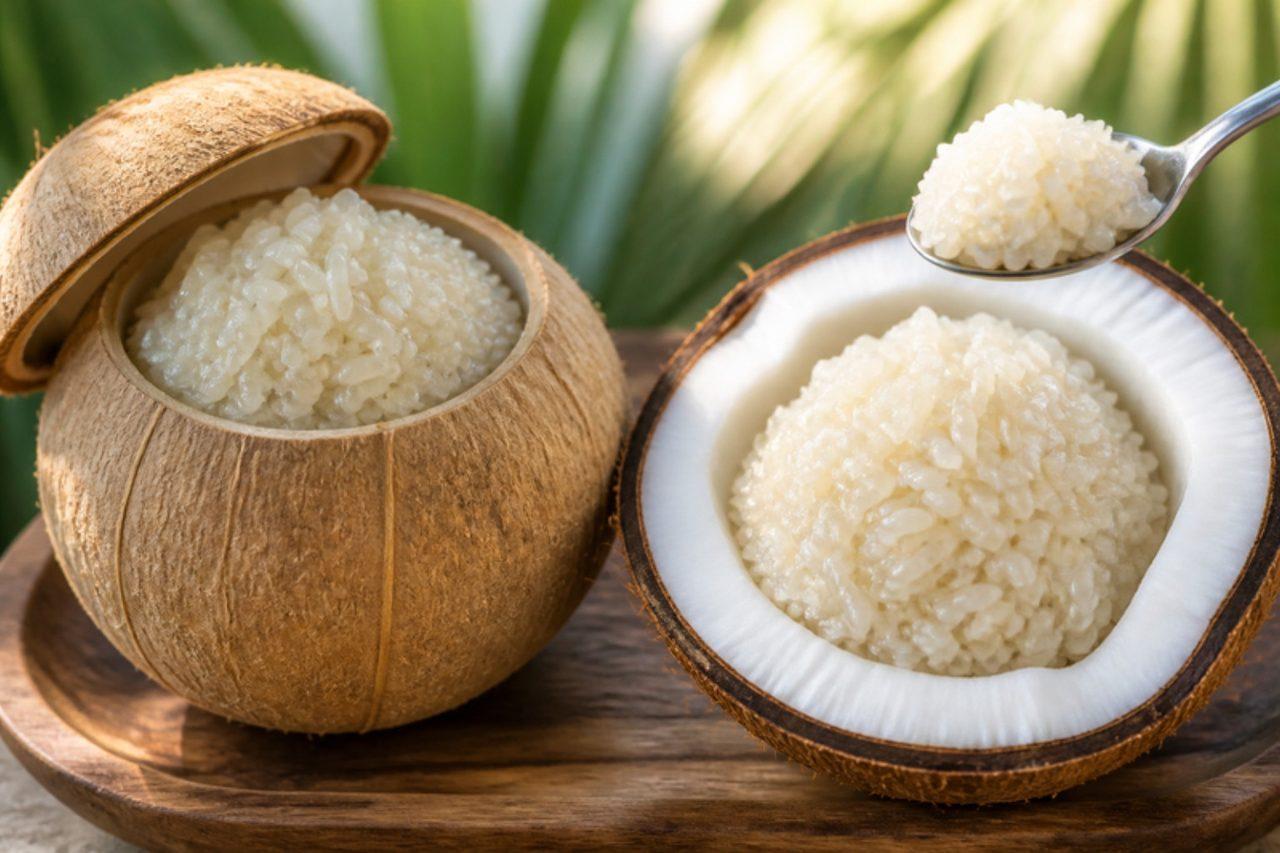
Hainan coconut riceSticky rice in coconut

Across Hainan island, in Wenchang and Haikou especially, cooks fill whole mature coconuts with glutinous rice and steam them for hours until the rice is sticky, sweet and full of coconut flavour. The coconut is cut open at the table and served in wedges with the white flesh still attached. Look for brown, mature coconuts that slosh when shaken. Soak the rice for 4 hours first. Chef's tip: a cleaver tapped round the shell's 'equator' near the top opens it more safely than trying to saw it.

by KrazyBadal 0 views

Hagelslag toastBread with chocolate sprinkles

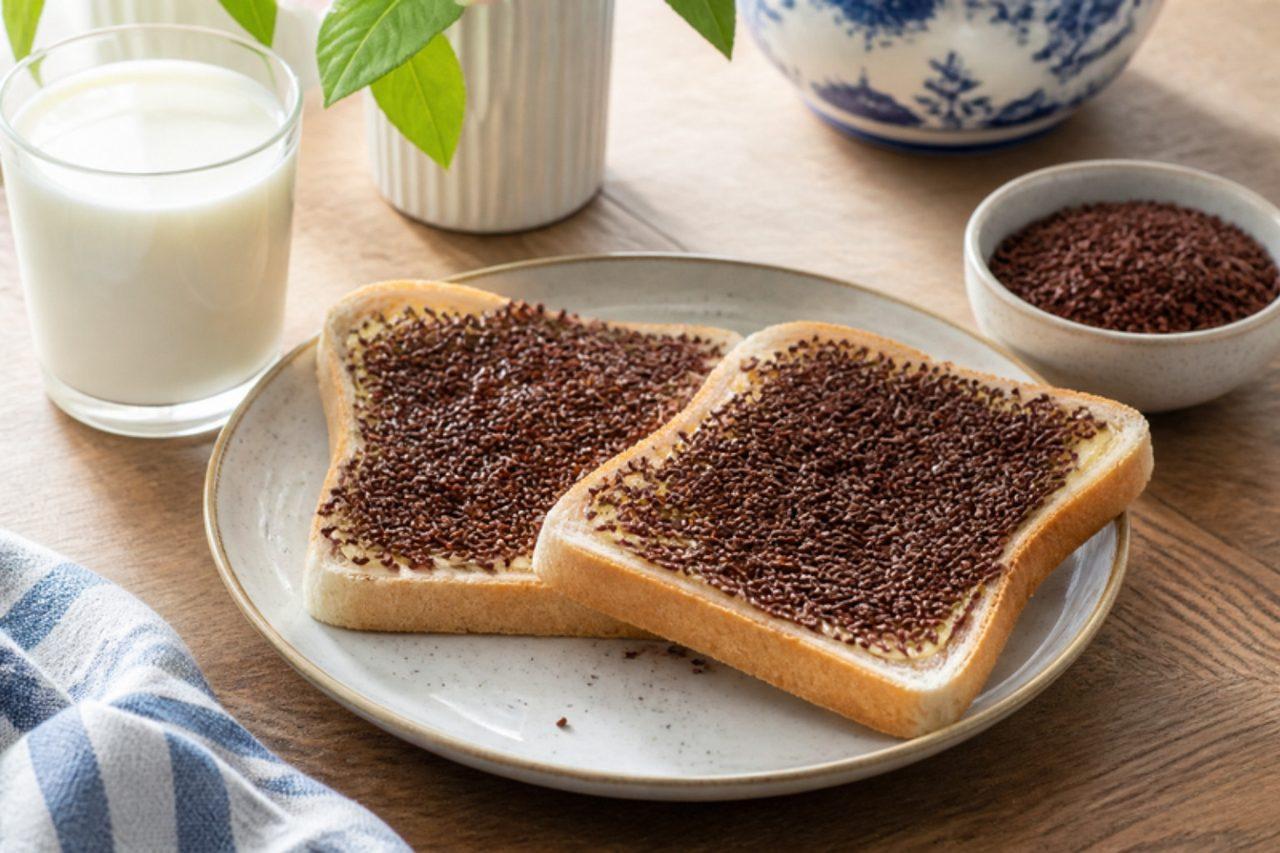
Ask anyone who grew up in the Netherlands what they ate before school and the answer is usually a boterham met hagelslag: a slice of soft bread, well buttered, and covered edge to edge in chocolate sprinkles. It is not a treat for special days but an ordinary Dutch breakfast and lunchbox filler, and the country gets through millions of kilos of hagelslag every year. There are milk and dark chocolate versions, plus vruchtenhagel (fruity pastel sprinkles) and anijshagel (aniseed sprinkles). Chef's tip: the butter is the glue, so spread it right to the crusts and press the sprinkles down gently with the flat of a knife before you lift the slice.

by KrazyBadal 0 views

Kadu boraniBraised pumpkin with garlic yogurt

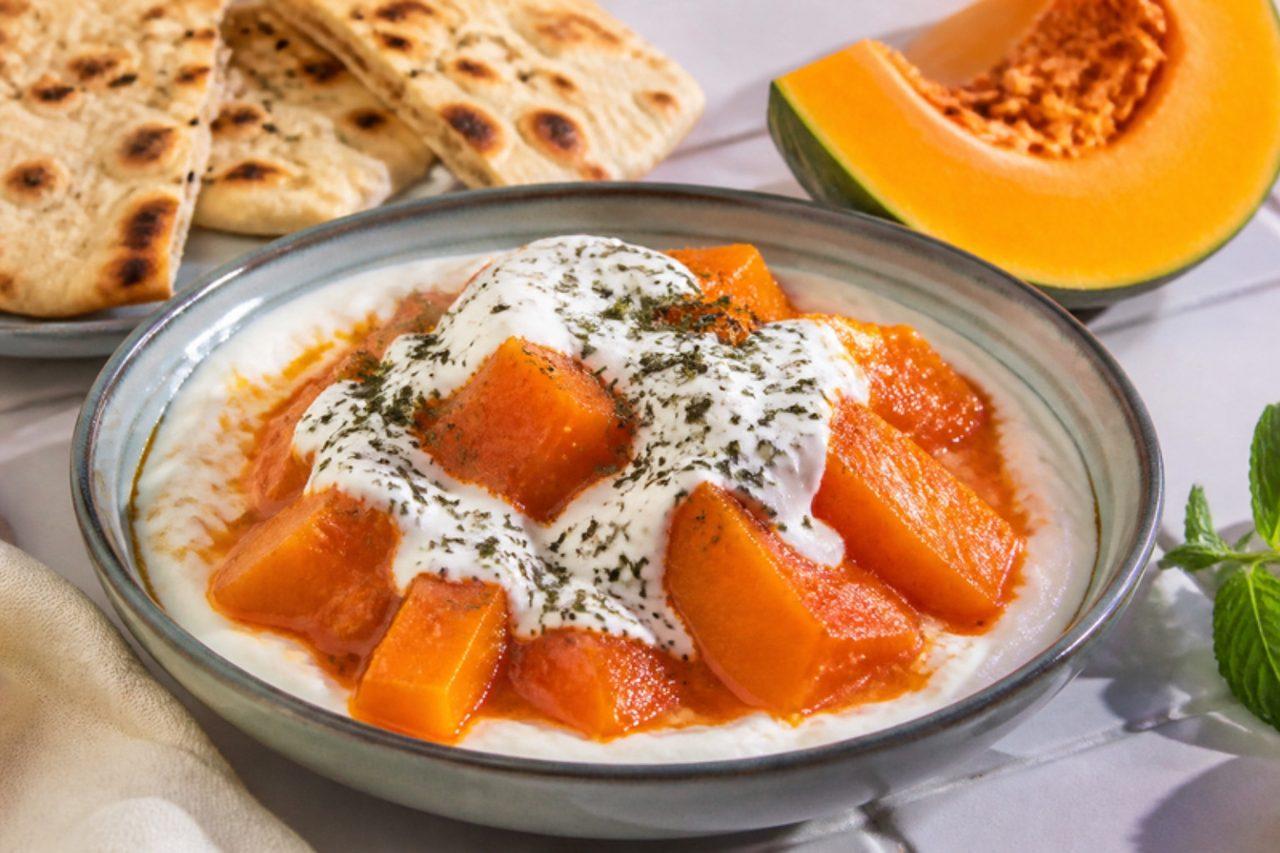
Kadu borani is the dish that wins over people who think they don't like pumpkin. In Afghan homes, especially in autumn around Kabul and Kandahar when the big orange squashes come in, wedges of pumpkin are browned, then braised with tomato, a little sugar and warm spices until sticky and caramelised, and served on garlic yoghurt with dried mint. The mix of sweet, savoury and sour is the point. Eat it with naan or as part of a spread with rice. Chef's tip: use a dense, deep-orange pumpkin or butternut squash; watery pumpkins fall apart and turn bland.

by KrazyBadal 0 views

KäsespätzleCheese egg noodles

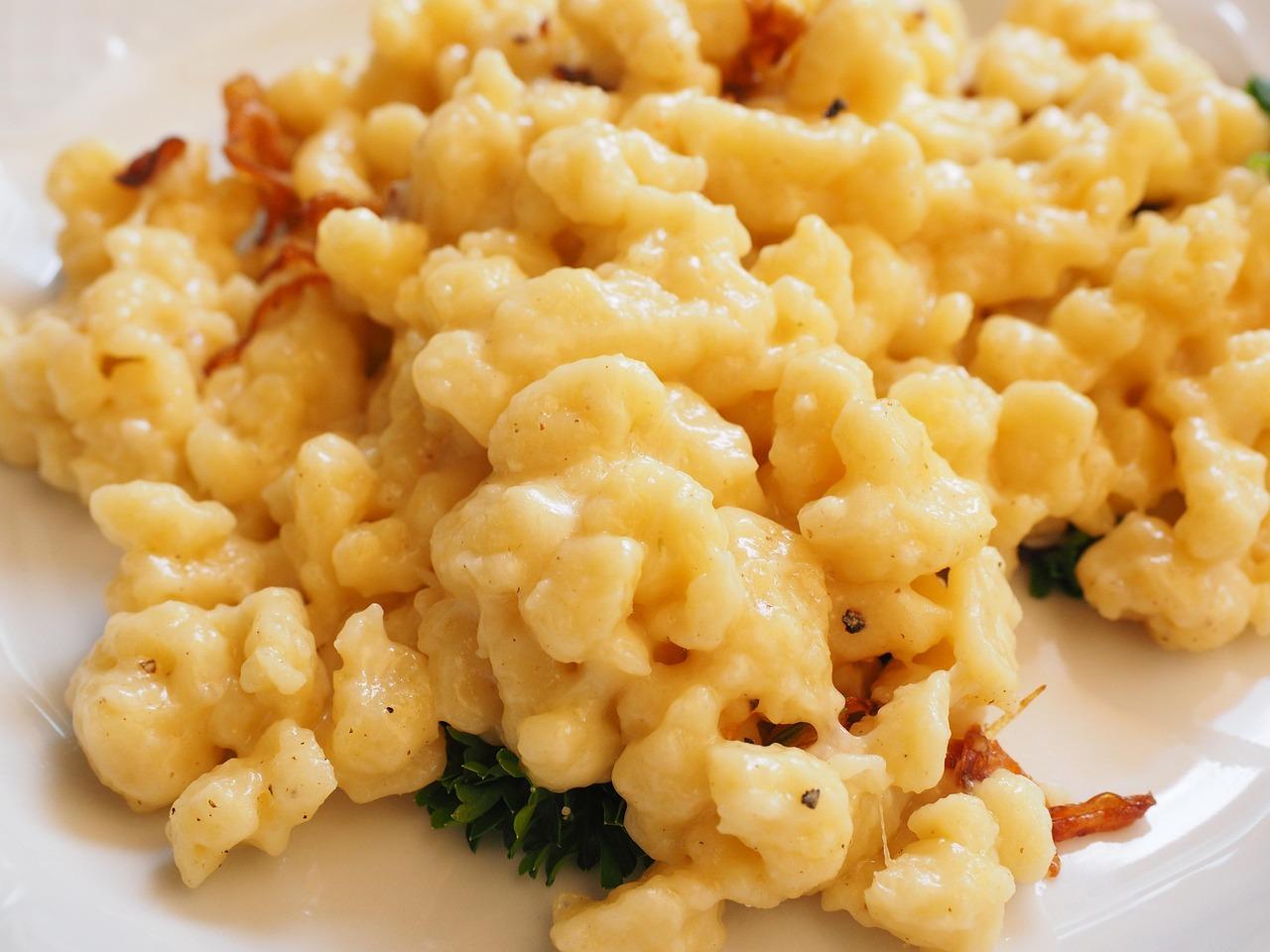
Käsespätzle is the cheese-and-noodle dish of Swabia and the Allgäu in the far south of Germany, served in mountain huts after a day's walking or skiing and in every village inn from Stuttgart to Oberstdorf. Freshly made spätzle, soft, irregular egg noodles, are layered hot with grated Bergkäse or Emmental until the cheese melts into long strings, then crowned with onions fried slowly until brown and sweet. A green salad with a sharp vinegar dressing is the classic partner. Use cheese made with vegetarian rennet; many mountain cheeses use animal rennet, so check the label. Chef's tip: layer the spätzle and cheese while both are piping hot, straight from the pot, so the cheese melts in the gaps instead of sitting on top in a rubbery sheet.

by KrazyBadal 0 views

KaftejiFried vegetables with egg

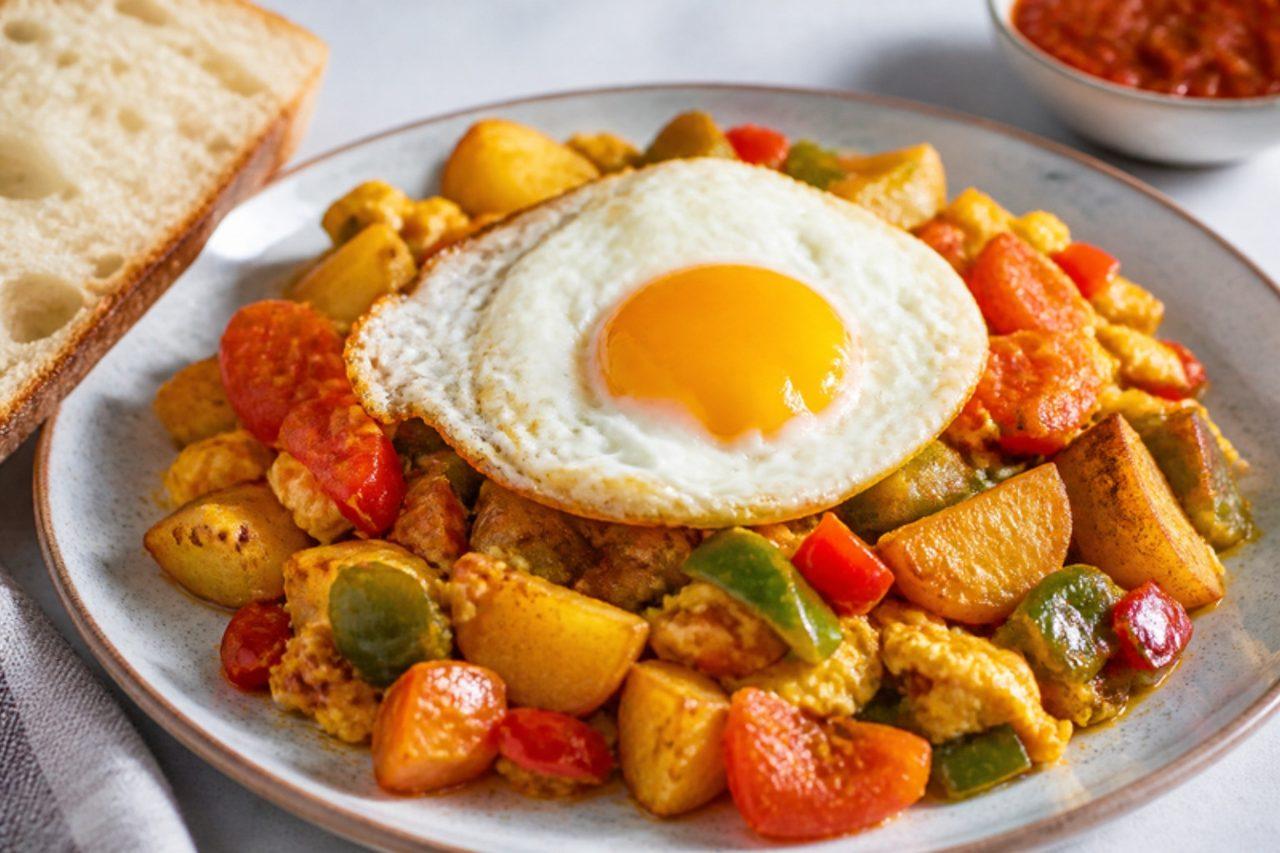
Kafteji is a Tunis sandwich-shop classic: fried peppers, tomato, squash and potato chopped together on a board with a cleaver, mixed with harissa and fried eggs, and eaten from a plate or stuffed into a baguette at lunchtime. Stalls near Bab Souika and the central market make it to order, and the sound of the chopping is part of the show. Chef's tip: fry each vegetable separately; they cook at different speeds, and crowding them makes everything greasy and soft.

by KrazyBadal 0 views

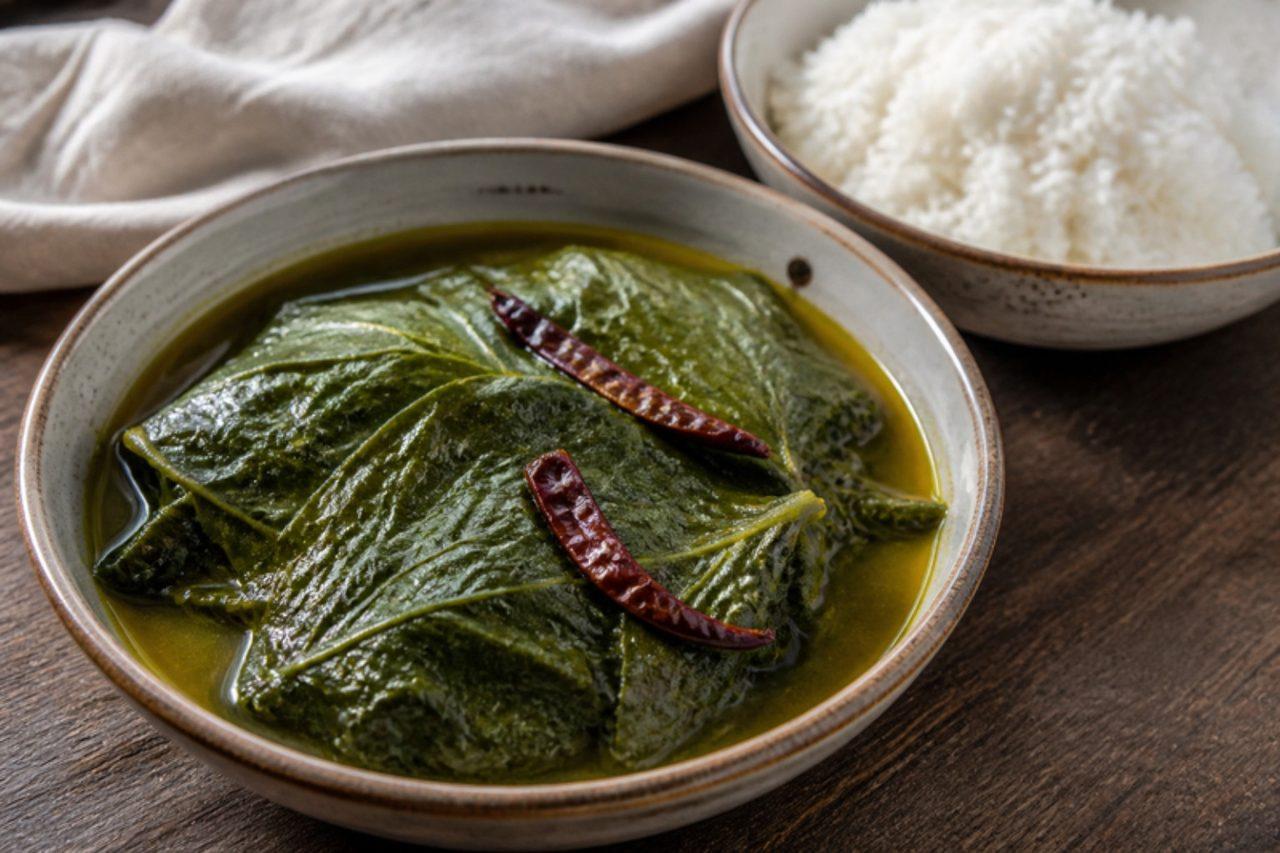
KafuliSpinach and fenugreek curry

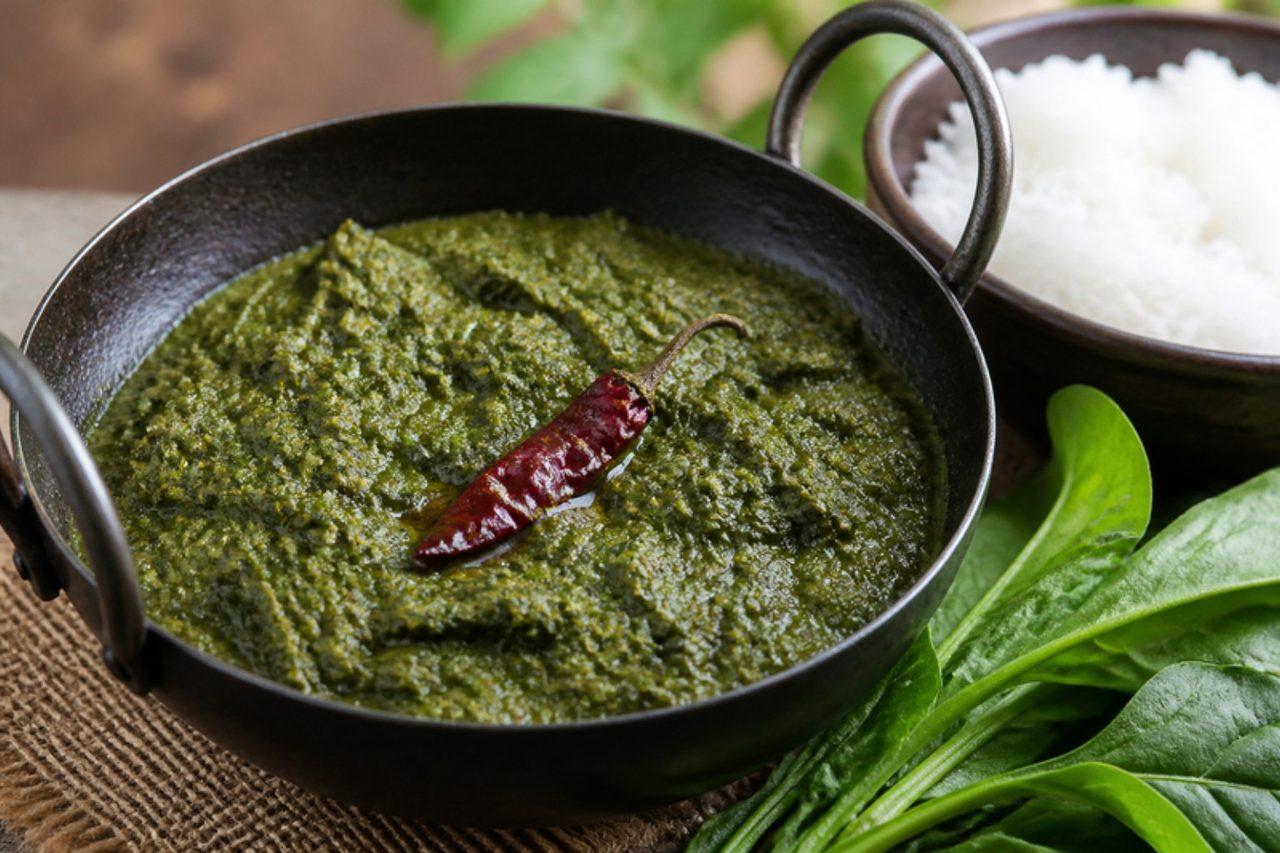
In the villages of Garhwal, kafuli is what goes into the iron kadhai when the terraces are full of palak and methi in late winter. The greens are blanched, ground roughly on a stone and simmered with a spoonful of soaked rice paste, which turns the curry silky without any cream. Mustard oil and a few dried chillies give it a sharp, warm edge, and the iron pan darkens it to a deep forest green. Eat it with mandua ki roti or plain rice and a dab of ghee for those who want it. Chef's tip: grind the greens in short pulses so you can still see flecks of leaf; kafuli should have texture, not look like a smooth soup.

by KrazyBadal 0 views

Eggs with dates and onions

On a winter morning in the Emirati countryside, when the date palms have given their harvest, a pan of eggs scrambled with onion and chopped dates is a quick, filling breakfast eaten with flatbread and a glass of sweet tea. The dates melt into sticky pockets among the eggs, the onions add savoury sweetness and a pinch of cardamom ties it together. It is homely food rarely seen in restaurants, made in minutes from what every Gulf kitchen has. Chef's tip: use soft, moist dates such as khalas or medjool; dry ones stay chewy and never melt into the eggs.

by KrazyBadal 0 views

Habichuelas guisadasStewed pink beans

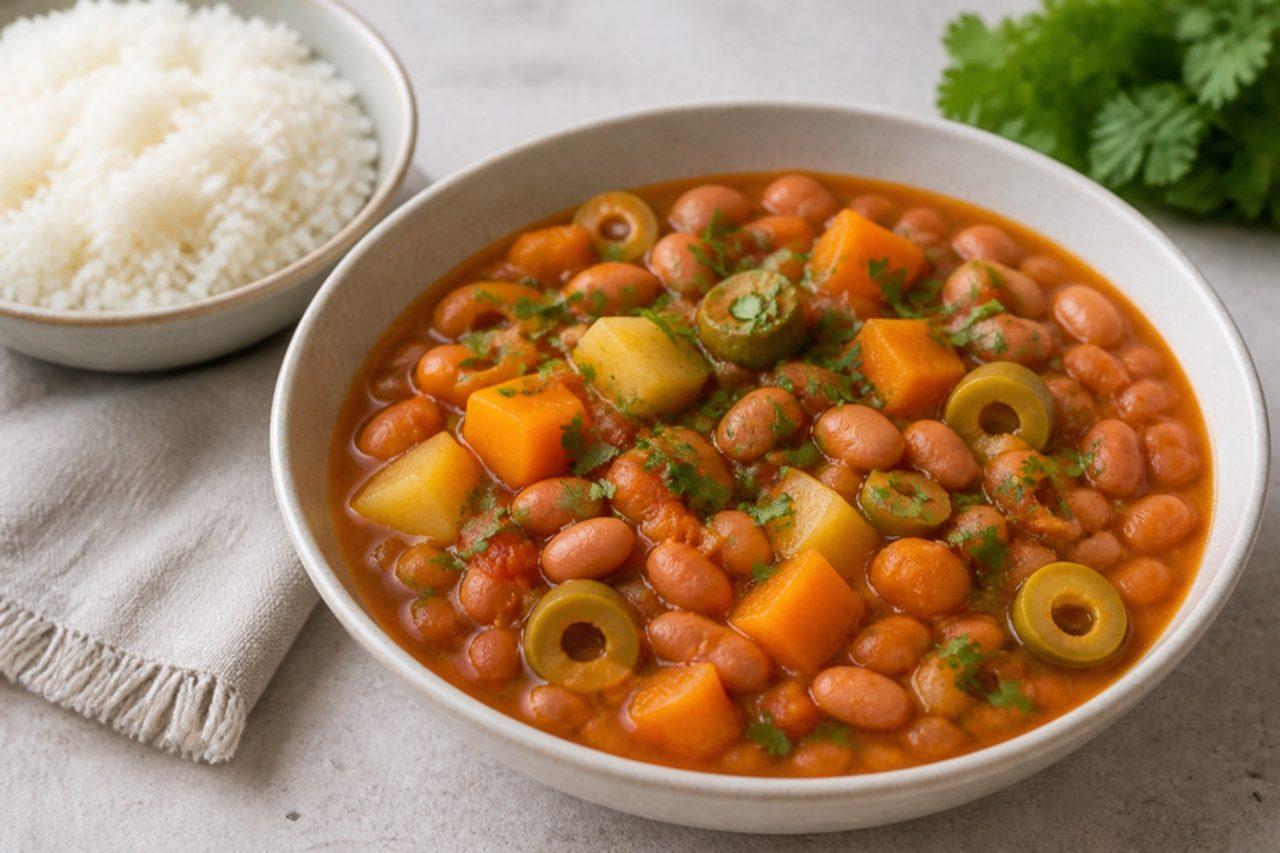
Habichuelas guisadas are on the stove most weekdays in Puerto Rico, from Ponce to Fajardo, ladled over plain white rice for the everyday plate called arroz con habichuelas. Pink or red beans simmer with sofrito, tomato sauce and olives, and cubes of calabaza (West Indian pumpkin) melt into the pot to make a thick, orange-red, gently sweet sauce. It's homely, cheap and deeply savoury. Island cooks often add a piece of ham; this version doesn't need it. Chef's tip: when the pumpkin is soft, crush a few pieces against the side of the pot; they dissolve into the liquid and thicken it without any flour.

by KrazyBadal 0 views

Habichuelas con dulceSweet red bean cream

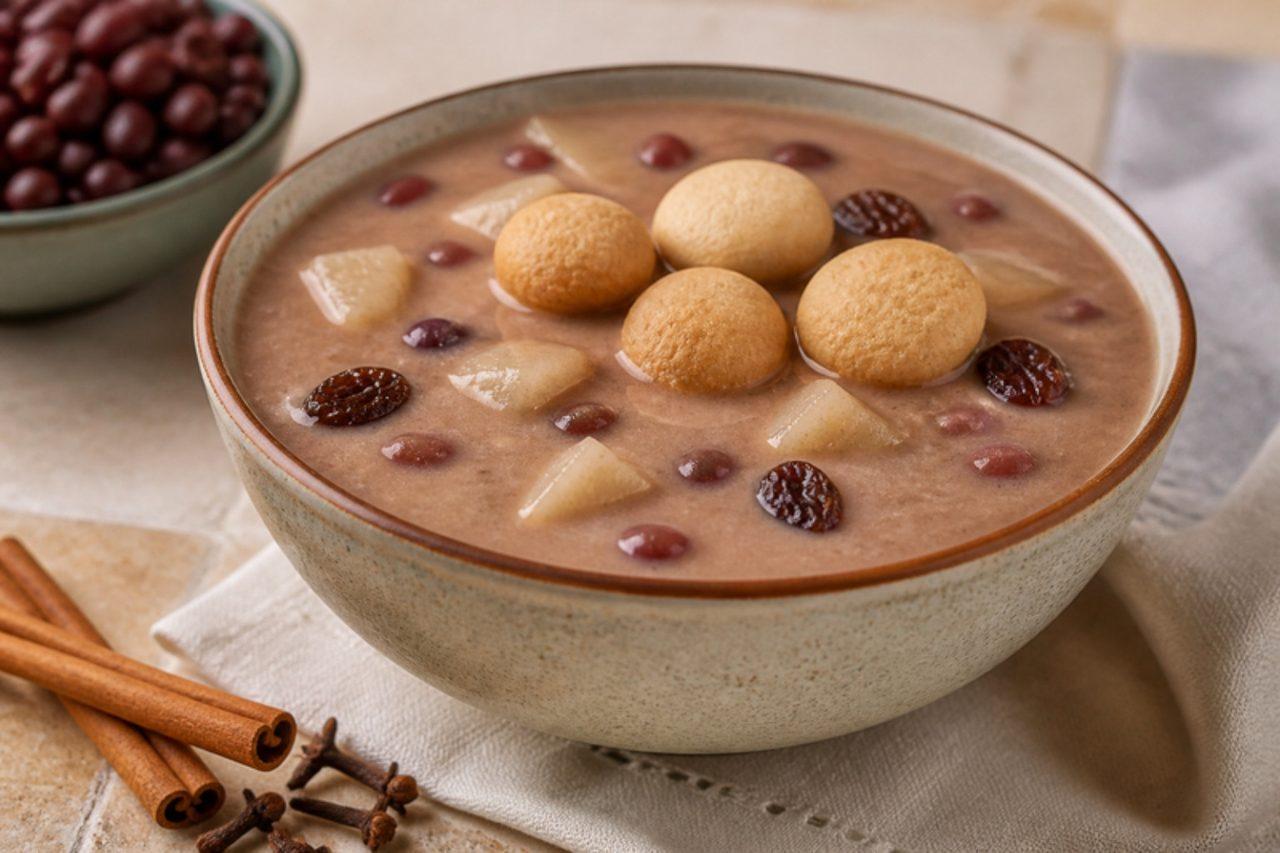
In the Dominican Republic, Holy Week means pots of habichuelas con dulce, shared over garden walls between neighbours from Santiago to San Pedro de Macorís. Red beans are cooked soft and blended into a smooth cream, then simmered with coconut and evaporated milk, cinnamon and cloves, with soft cubes of sweet potato and plump raisins. Served cold, it tastes like a spiced coconut custard with a gentle earthy depth; nobody guesses beans the first time. It's traditionally topped with little crunchy milk biscuits. Chef's tip: push the blended beans through a sieve; it takes two minutes and gives the silky texture that marks a good batch.

by KrazyBadal 0 views

Kozuyu (Aizu dried scallop soup)

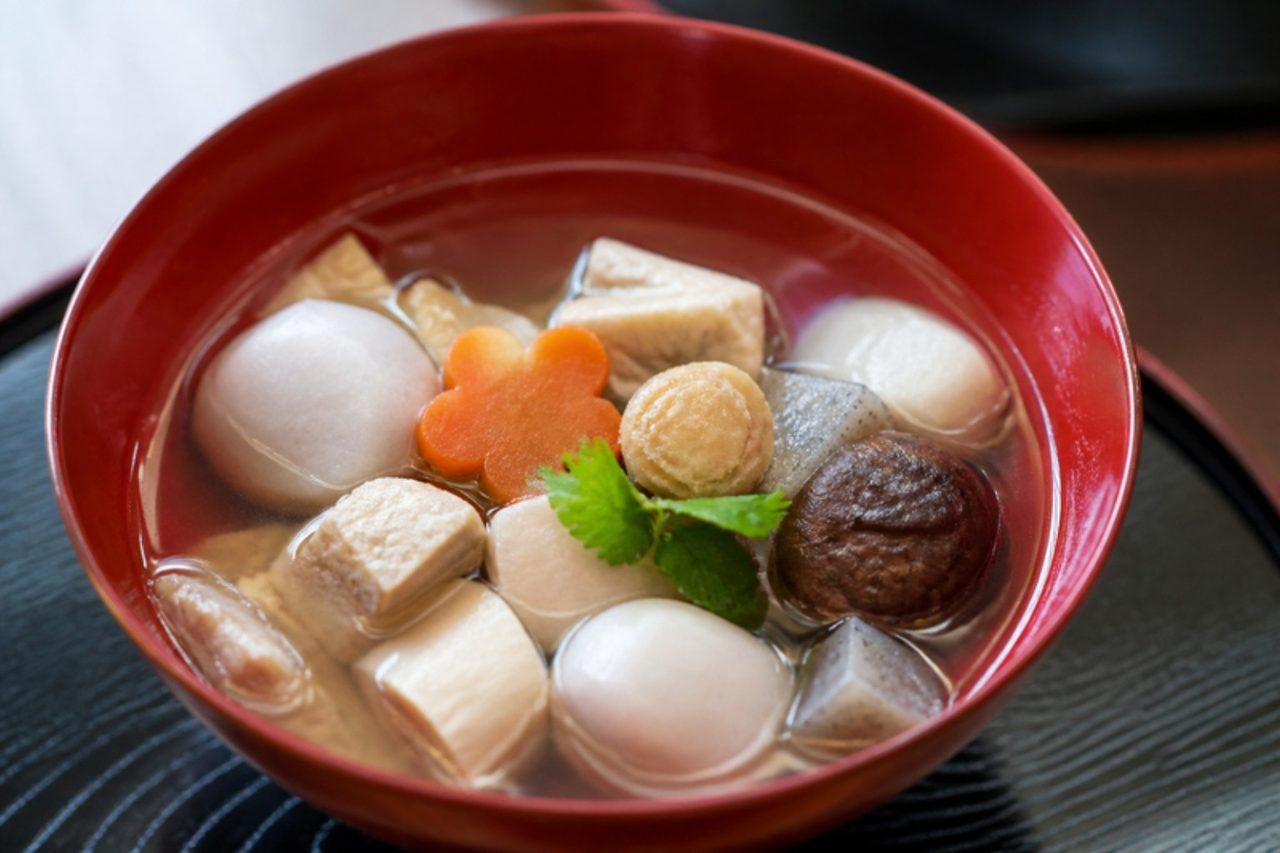
Far inland in the Aizu basin of Fukushima, the old castle town of Aizu-Wakamatsu builds its festive soup on dried scallops, which reached these mountains by trade from the northern coast. Kozuyu is served at New Year, weddings and other celebrations in shallow red lacquer bowls, and it is polite to accept a second or third helping. The stock is clear and lightly salted, full of small cubes of taro, carrot, mushroom, konjac noodles and tiny wheat gluten balls. Expect a delicate, sweet sea flavour rather than anything strong. Chef's tip: keep every drop of the scallop soaking water; it is the whole stock, and the scallops themselves shred into soft threads in the soup.

by KrazyBadal 0 views

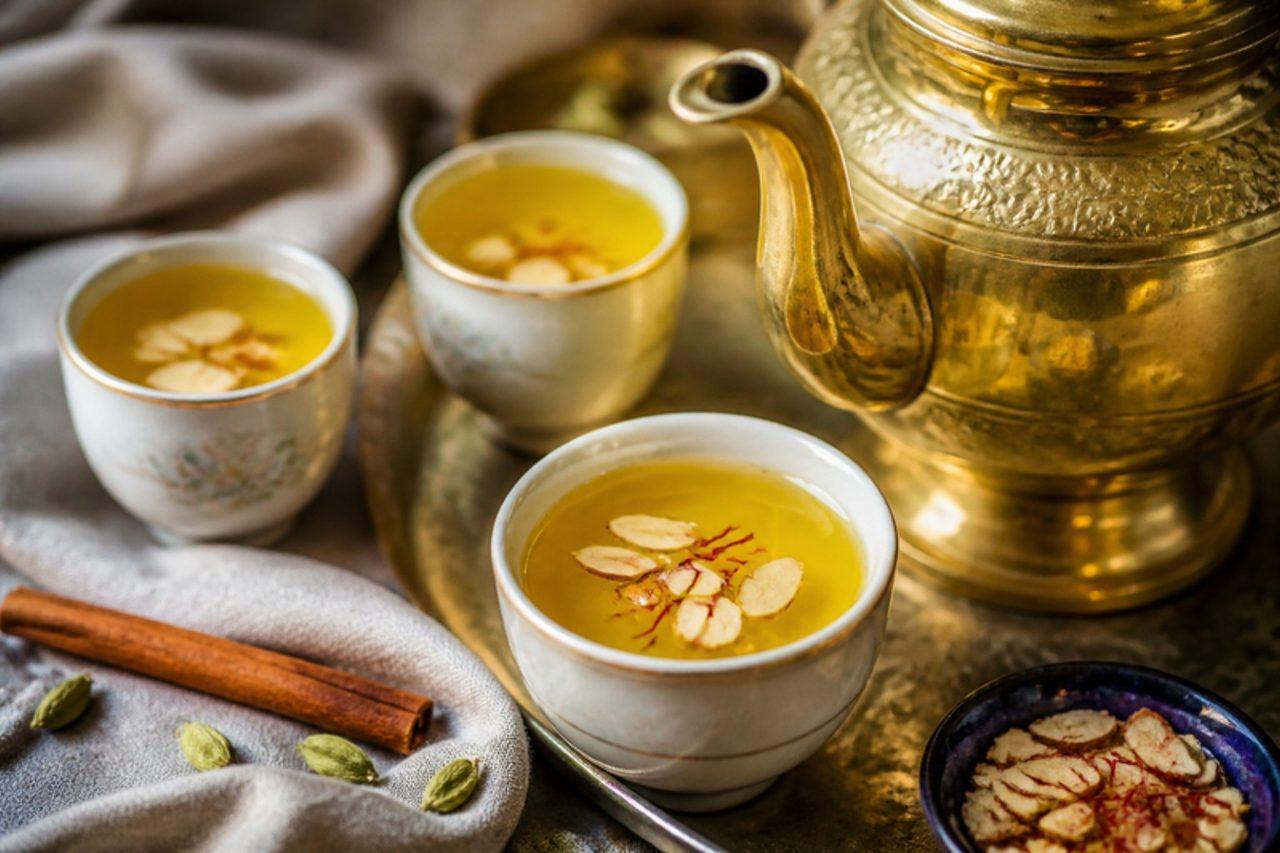
KahwaSaffron green tea

Kahwa is the warming green tea of Kashmir, traditionally brewed in a brass samovar and poured for guests on cold winter days. Green tea leaves are infused with saffron, green cardamom and cinnamon, sweetened lightly and served with slivered almonds in each cup. It's golden, fragrant and soothing, and is drunk after heavy meals to help digestion. Chef's tip: never boil the tea leaves; simmer the spices first, then let the tea steep off the heat for just 2 minutes or it turns bitter.

by KrazyBadal 0 views

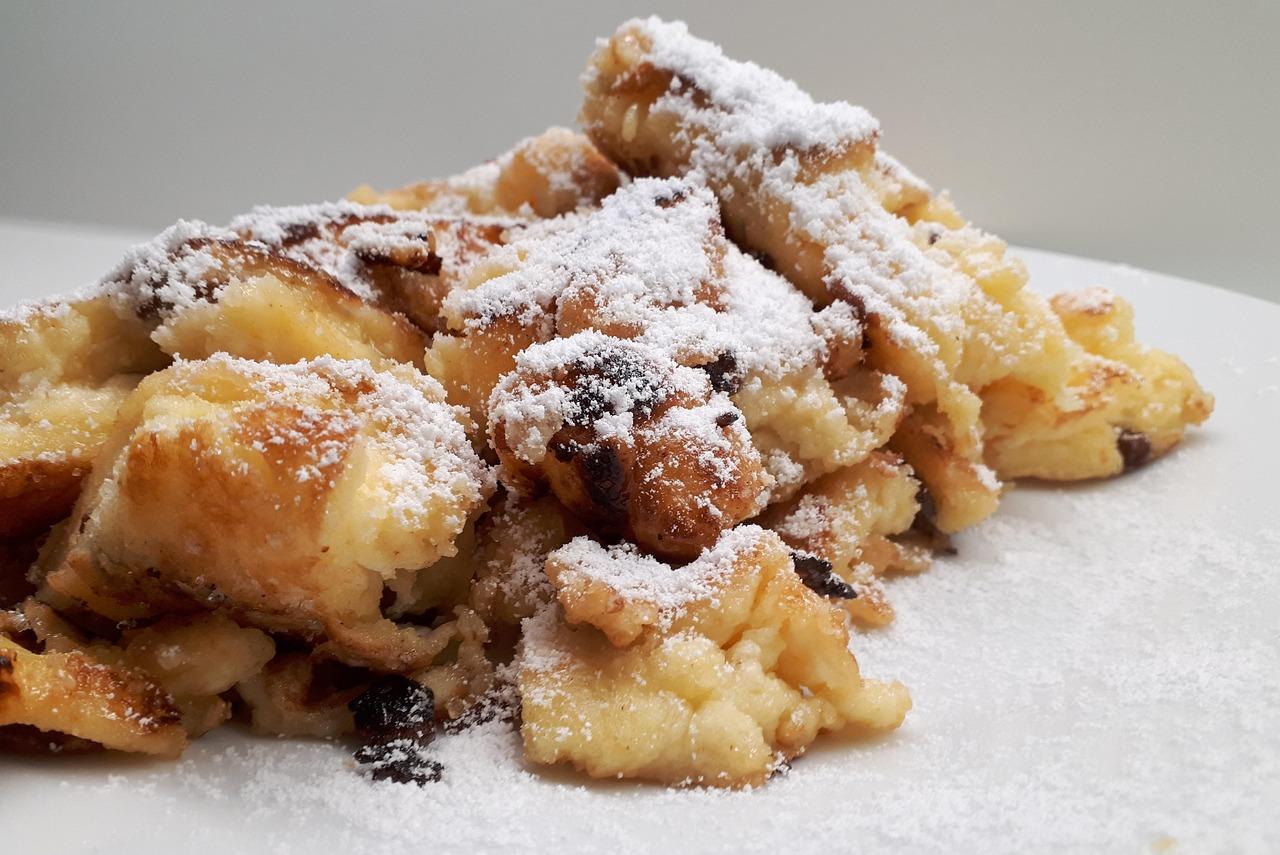
KaiserschmarrnTorn raisin pancake

Kaiserschmarrn, the 'emperor's mess', is Austria's favourite sweet meal, said to have been made for Emperor Franz Joseph, and today it's served from huge pans in every ski hut in Tyrol and Salzburg and in Viennese restaurants. It is a thick, fluffy pancake made with whisked egg whites, torn into rough pieces in the pan with two forks, then caramelised with butter and sugar and heaped with icing sugar. Eat it with Zwetschkenröster (plum compote) or apple sauce. Chef's tip: let the pancake set and brown properly underneath before tearing it up; tear it too early and you get scrambled batter instead of soft, golden pieces.

by KrazyBadal 0 views

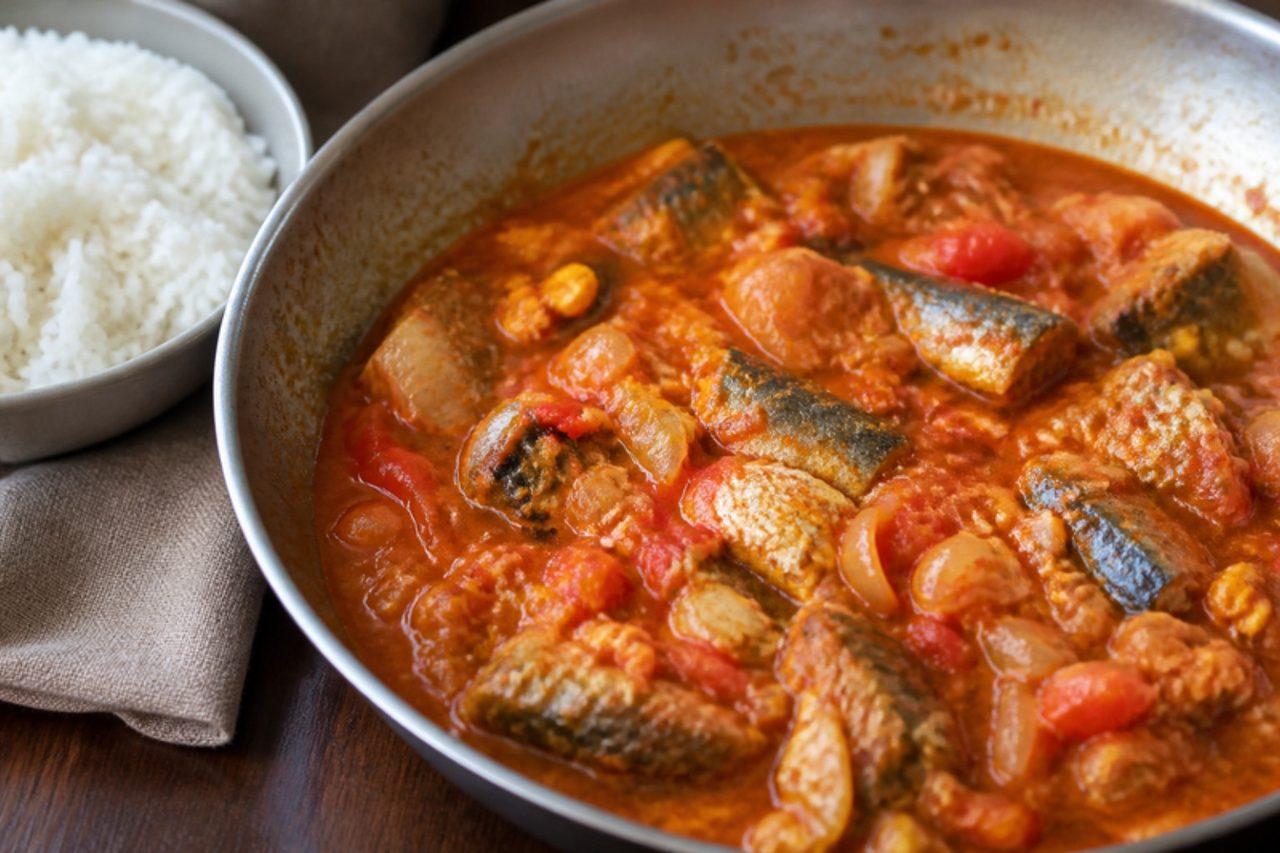
KajaikDried fish stew

Kajaik is a stew from the Nile towns of northern Sudan, where fish from the river is salted and sun-dried to keep through the year; it is cooked with plenty of onion, tomato and a spoonful of peanut butter and eaten with aseeda (thick porridge) or kisra. The flavour is deep and savoury, a little like a rich fish curry without the heat. The mistake is not soaking the dried fish long enough, which makes the stew far too salty and the fish tough; soak it overnight and change the water twice. Chef's tip: if you can't find dried Nile fish, salted dried cod (bacalao) works well.

by KrazyBadal 0 views

HaakCollard greens in mustard oil

Haak is the everyday green of Kashmir: collard greens grown in every kitchen garden, cooked whole with nothing more than mustard oil, dried red chilli, asafoetida and salt. The leaves stay bright, tender and slightly silky, with a clean, peppery taste that sings next to rice. Kashmiri Pandit households keep it this simple; Muslim homes often add a few garlic cloves. Serve with plain rice and a dal or rajma. Chef's tip: leave the leaves whole or in large pieces and cook them uncovered for the first minutes; chopping and covering too early turns them dull olive-green.

by KrazyBadal 0 views

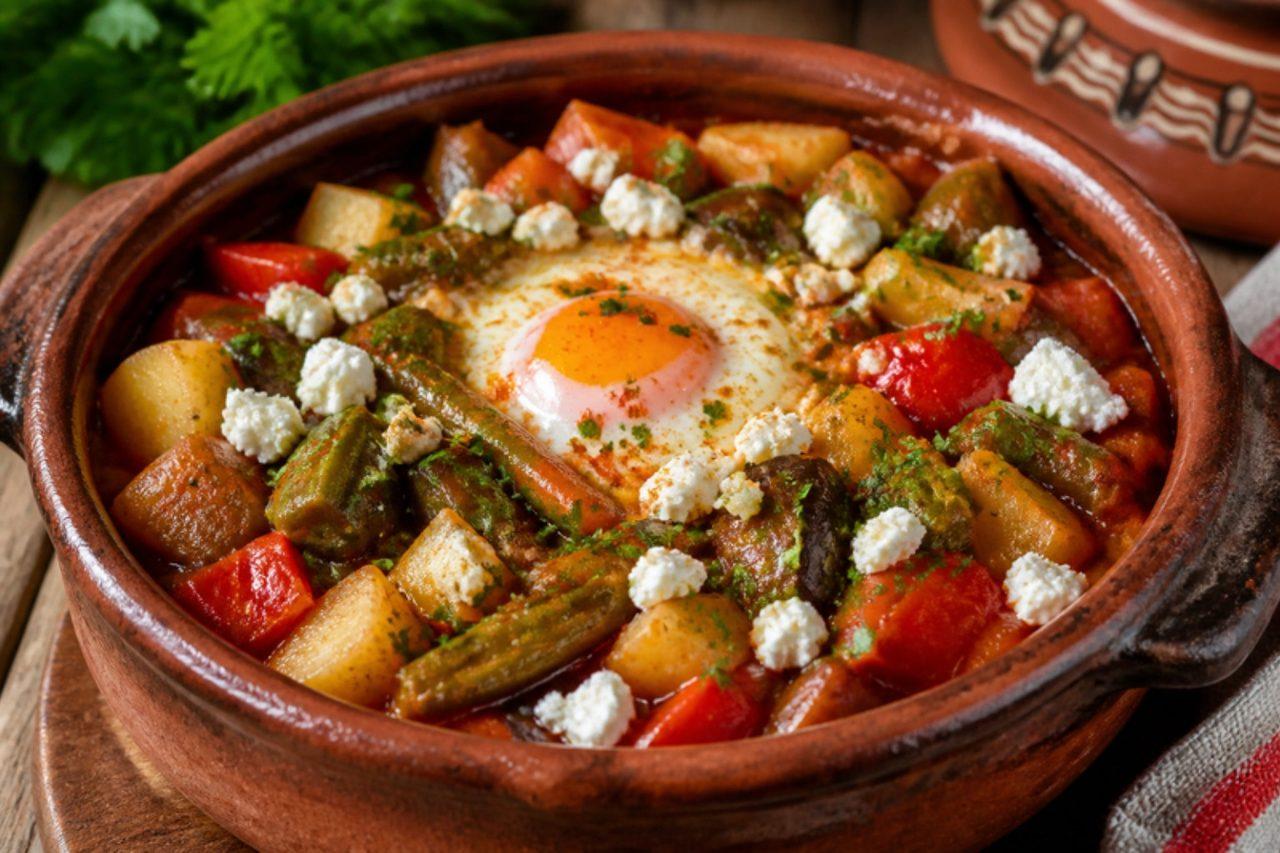
GyuvechBaked vegetable stew

Gyuvech takes its name from the glazed clay pot it is baked in, and in late summer in the villages of the Rhodopes and the Thracian plain it is slid into the bread oven packed with peppers, aubergine, okra, green beans, potatoes and tomato, seasoned with paprika and the herb chubritsa (summer savory). In the last minutes, eggs are often cracked over the top and baked until just set. It is served straight from the pot with bread to scoop up the juices. Unlike Greek briam, the vegetables stew in a paprika broth under a lid rather than roasting in oil. Chef's tip: put a clay pot into a cold oven; heating it first is the usual mistake and can crack it.

by KrazyBadal 0 views

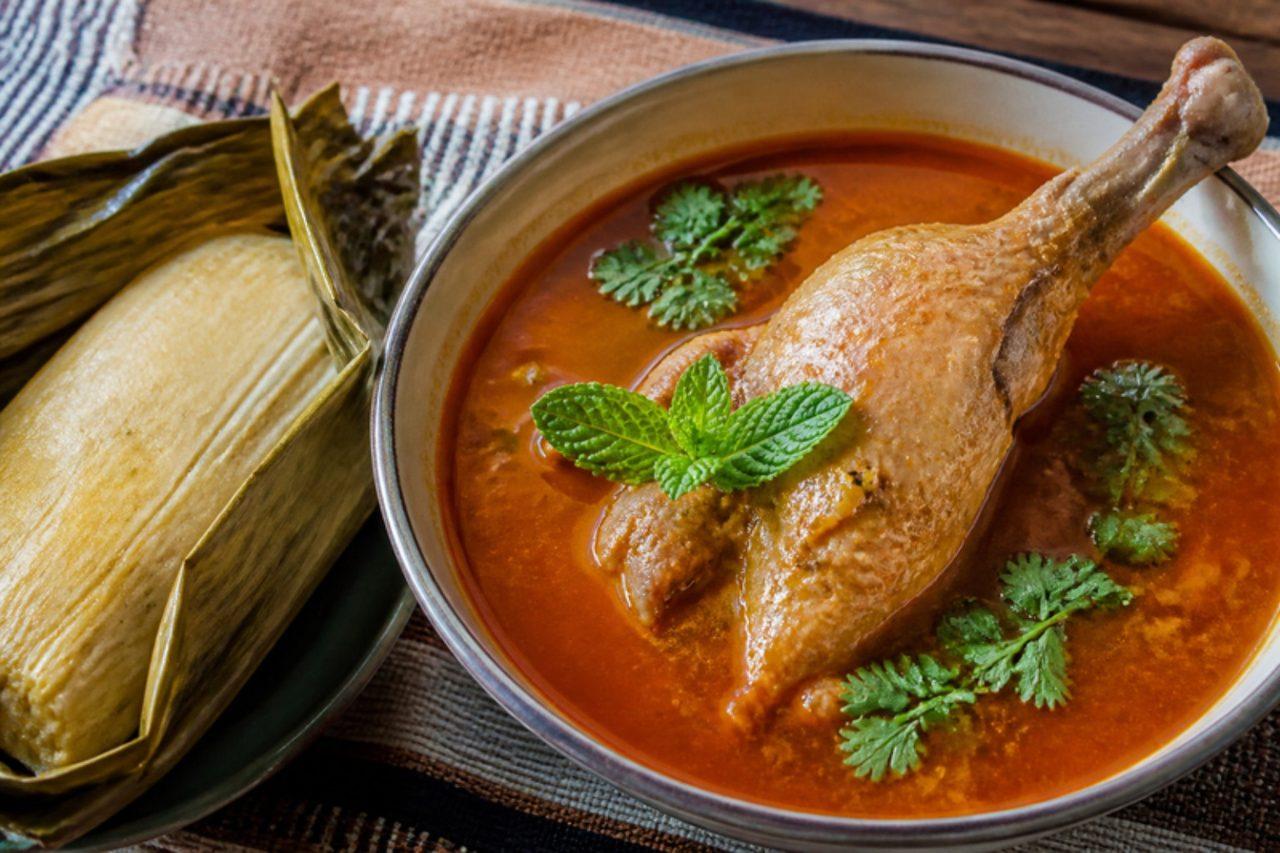
Kak'ikTurkey and chilli soup

Kak'ik is a red, aromatic turkey soup from the Q'eqchi' Maya of Alta Verapaz, around Cobán, and is cooked for weddings, saints' days and Christmas; it is now recognised as part of Guatemala's cultural heritage. Turkey legs simmer in a broth flavoured with toasted tomatoes, guajillo and pasa chillies, achiote, coriander and mint, and it is served with tamalitos or rice. The mistake is not toasting the chillies and tomatoes; the slight char gives the soup its smoky depth. Chef's tip: toast the dried chillies only for seconds, until they puff and smell fruity, or they turn bitter.

by KrazyBadal 0 views

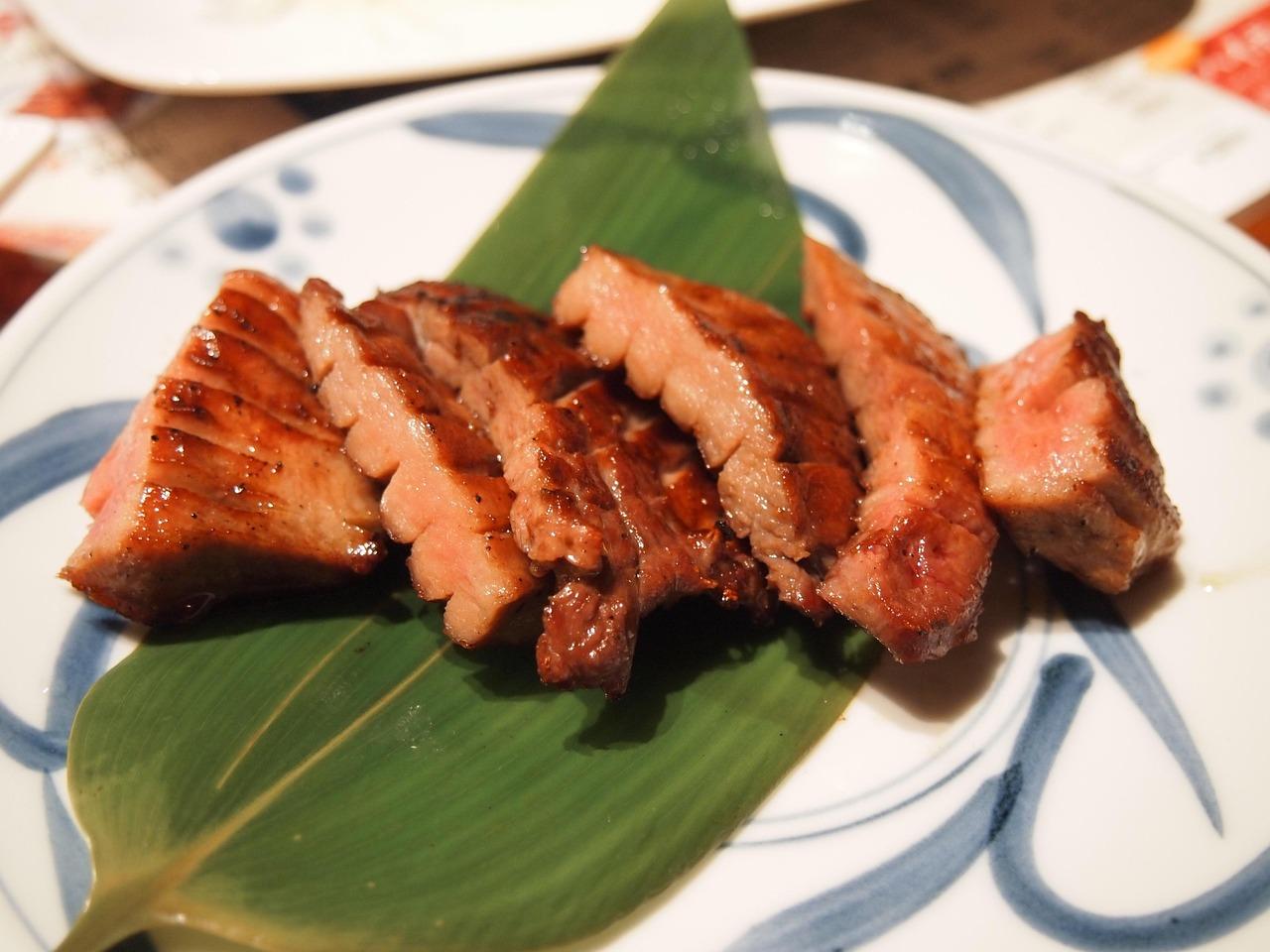
Gyutan (Sendai grilled beef tongue)

Sendai, the biggest city in Miyagi prefecture, turned beef tongue into its signature dish in the years after the Second World War. Specialist gyutan restaurants line the streets around Sendai Station, and the classic set is always the same: grilled tongue, a bowl of rice cooked with barley, a clear oxtail soup and a few pickles with a green chilli miso. This home version uses tongue sliced by a butcher, a short salt cure and a very hot pan, with a quick clear beef soup in place of the long-simmered oxtail. The meat should be chewy in a pleasant, bouncy way, with a smoky crust. Chef's tip: ask the butcher to peel the tongue and cut it into 1 cm slices; thick slices with shallow cuts on both sides stay juicy, while thin ones dry out in seconds.

by KrazyBadal 0 views

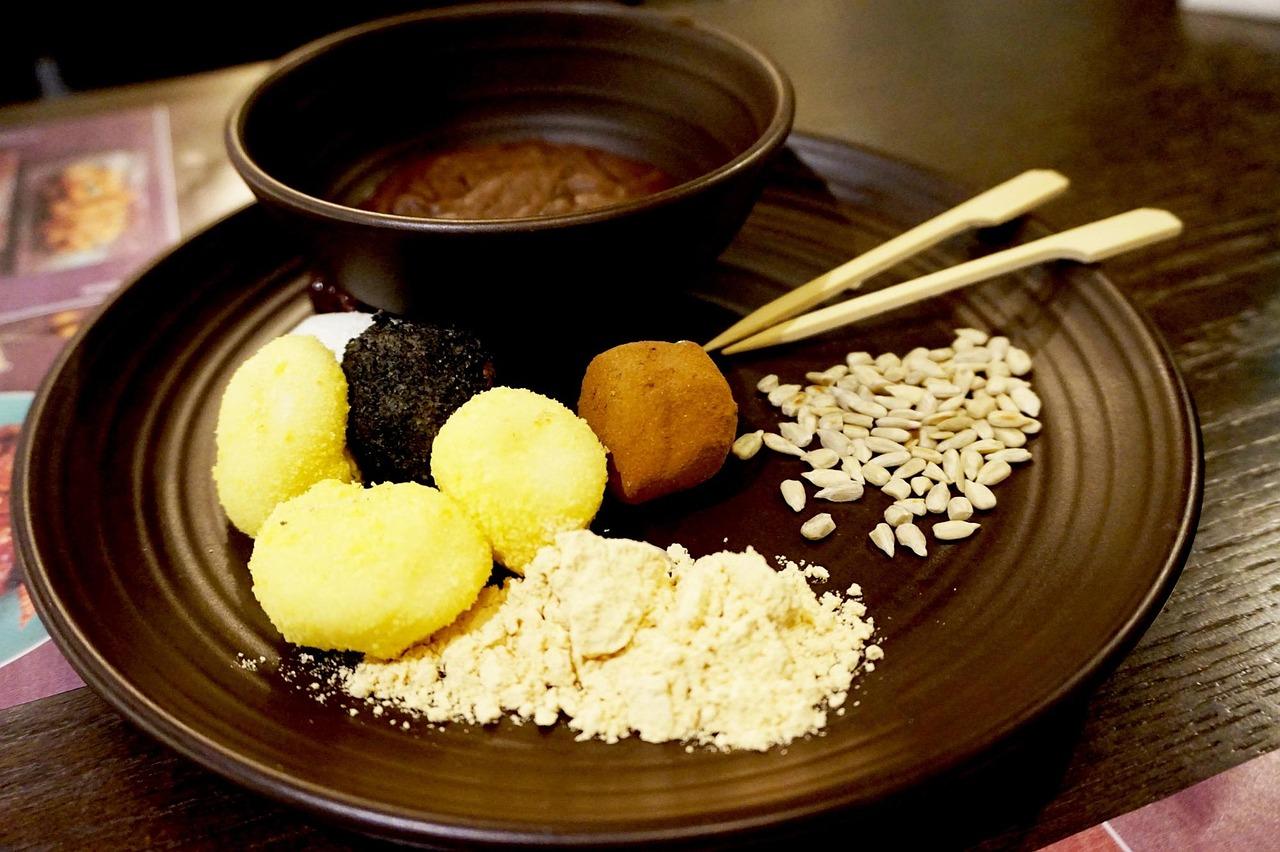
GyeongdanGlutinous rice balls

Gyeongdan (경단) are small balls of boiled glutinous rice dough, filled or plain, and rolled in coloured coatings: golden roasted soybean powder, black sesame, green or toasted coconut. In Seoul they are made for a baby's 100th day and first birthday, and sold in rice-cake shops all year in mixed boxes. They are only lightly sweet, soft and stretchy, best eaten the day they are made with a cup of barley tea. Children love rolling them. Chef's tip: mix the dough with very hot water a spoonful at a time; it should feel like soft play-dough, and if it cracks when you roll a ball it needs a little more.

by KrazyBadal 0 views

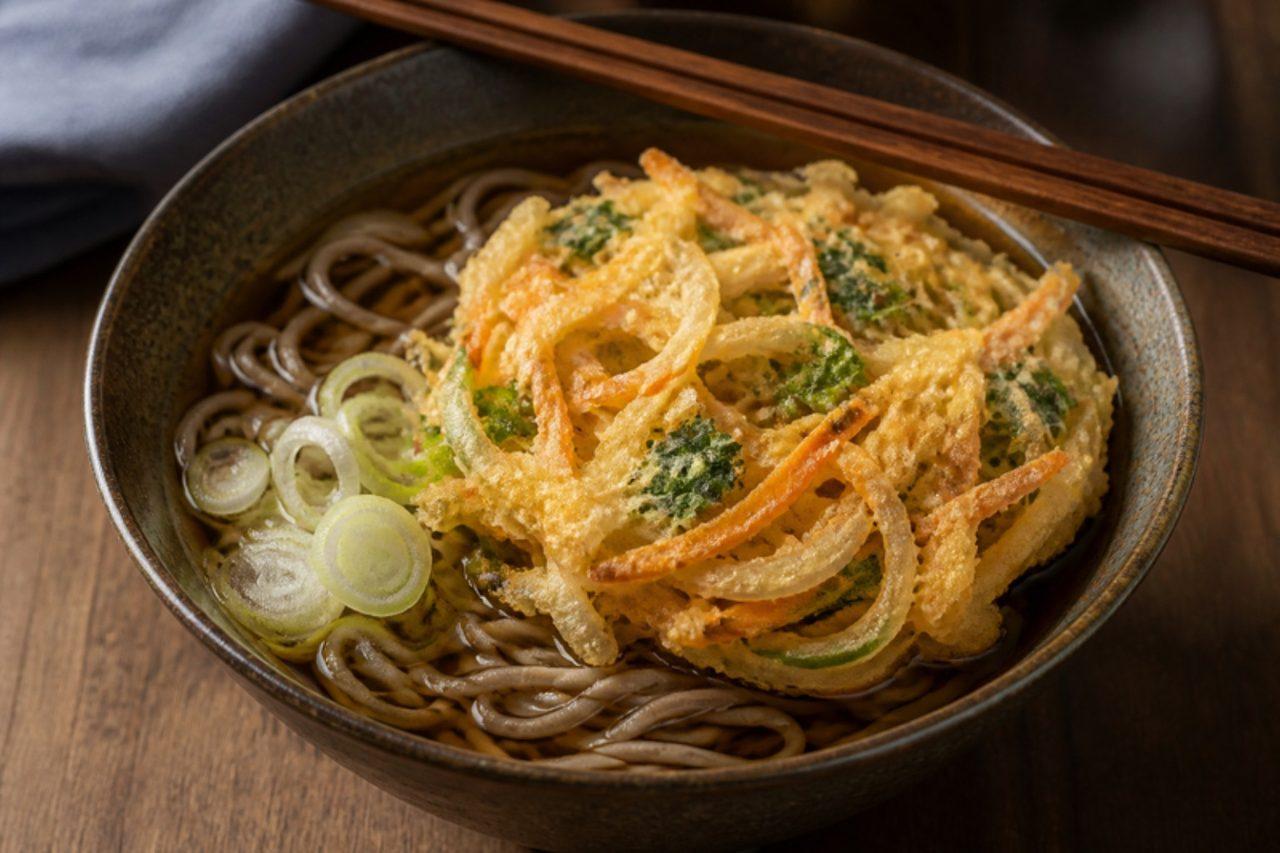
Kakiage sobaBuckwheat noodles with vegetable tempura

In Tokyo, hot soba with a fritter on top is the city's fast food. Standing soba counters near train stations, called tachigui soba, have served it to commuters since the Edo period, when soba and tempura stalls stood side by side. The fritter here is kakiage: a loose nest of onion, carrot and greens held together with just enough batter to fry into a lacy disc. It softens a little in the broth and flavours it with toasty oil, which is why many Tokyoites eat half of it crisp and let the rest soak. Our broth uses kombu and shiitake instead of bonito. Chef's tip: slide the kakiage into the oil off a flat spatula or ladle, and don't touch it for the first minute. It needs that time to set, or it falls apart.

by KrazyBadal 0 views

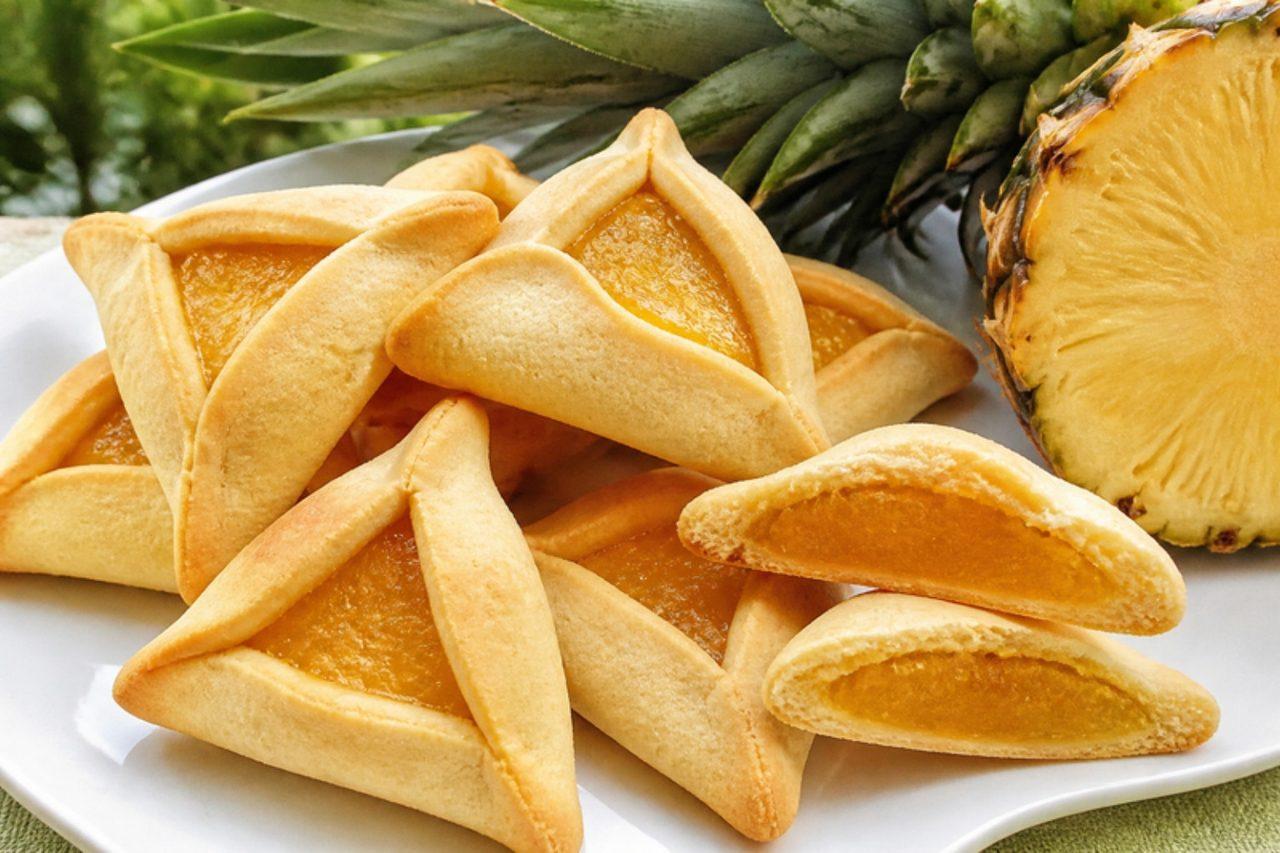
Guyanese pine tartsPineapple jam tarts

Pine tarts (short for pineapple tarts) are Guyana's favourite bakery treat: a flaky triangle of pastry folded over a thick, sticky pineapple jam spiced with cinnamon and nutmeg, with the filling peeking out of the middle. They're sold in every Georgetown bakery and carried abroad in suitcases by visiting family. Their triangle shape sets them apart from the open pineapple cookies of Southeast Asia. Chef's tip: cook the jam until it's thick enough that a spoon dragged across the pan leaves a clean path; runny jam leaks and burns in the oven.

by KrazyBadal 0 views

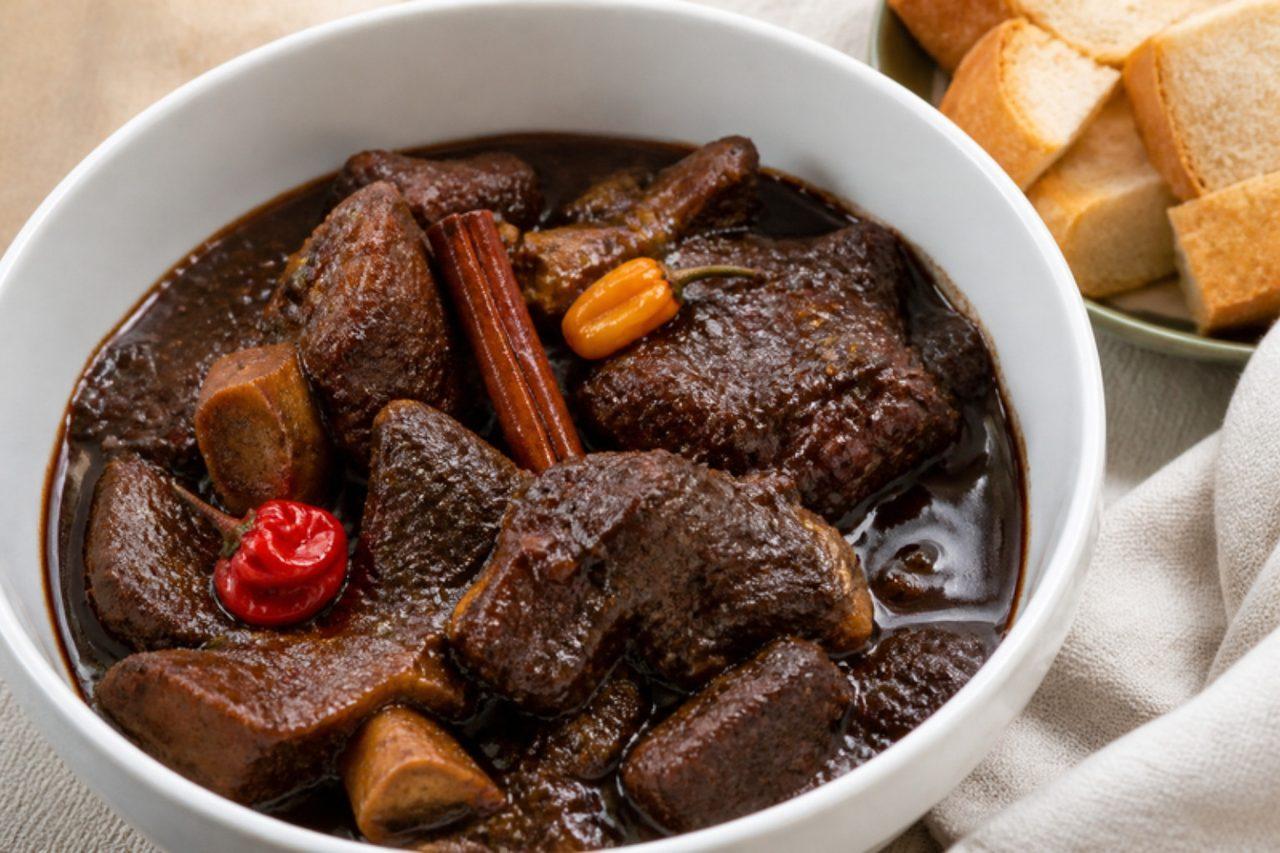
Guyanese pepperpotBeef stew with cassareep

Pepperpot is Guyana's national dish and the centre of Christmas morning, when families in Georgetown and the countryside eat it with thick slices of plait bread. It comes from the Amerindian peoples, who used cassareep, a black syrup boiled from cassava juice, to flavour and preserve meat. Beef (often with cow foot or oxtail) simmers for hours with cassareep, cinnamon, cloves, orange peel, sugar and hot wiri wiri pepper into a glossy, dark, sweet-savoury stew. The mistake is serving it the day it is made; it is much better after a day or two. Chef's tip: bring it back to a full boil every day you keep it, as Guyanese families do, and always keep it in the fridge.

200 minGuyaneseMeatGluten free
by KrazyBadal 0 views

MateYerba mate tea

Mate is less a drink than a ritual in Argentina, Uruguay and Paraguay: a gourd (also called a mate) packed with yerba mate leaves, a metal straw called a bombilla, and a thermos of hot water passed around friends, family and coworkers, from the parks of Buenos Aires to long bus rides across Patagonia. One person, the cebador, pours and drinks first, then refills and passes it on. It's grassy, bitter and gently stimulating; sweet versions add sugar. Chef's tip: never use boiling water; at about 75–80 °C the yerba stays fresh for many rounds instead of 'burning' and turning bitter.

by KrazyBadal 0 views

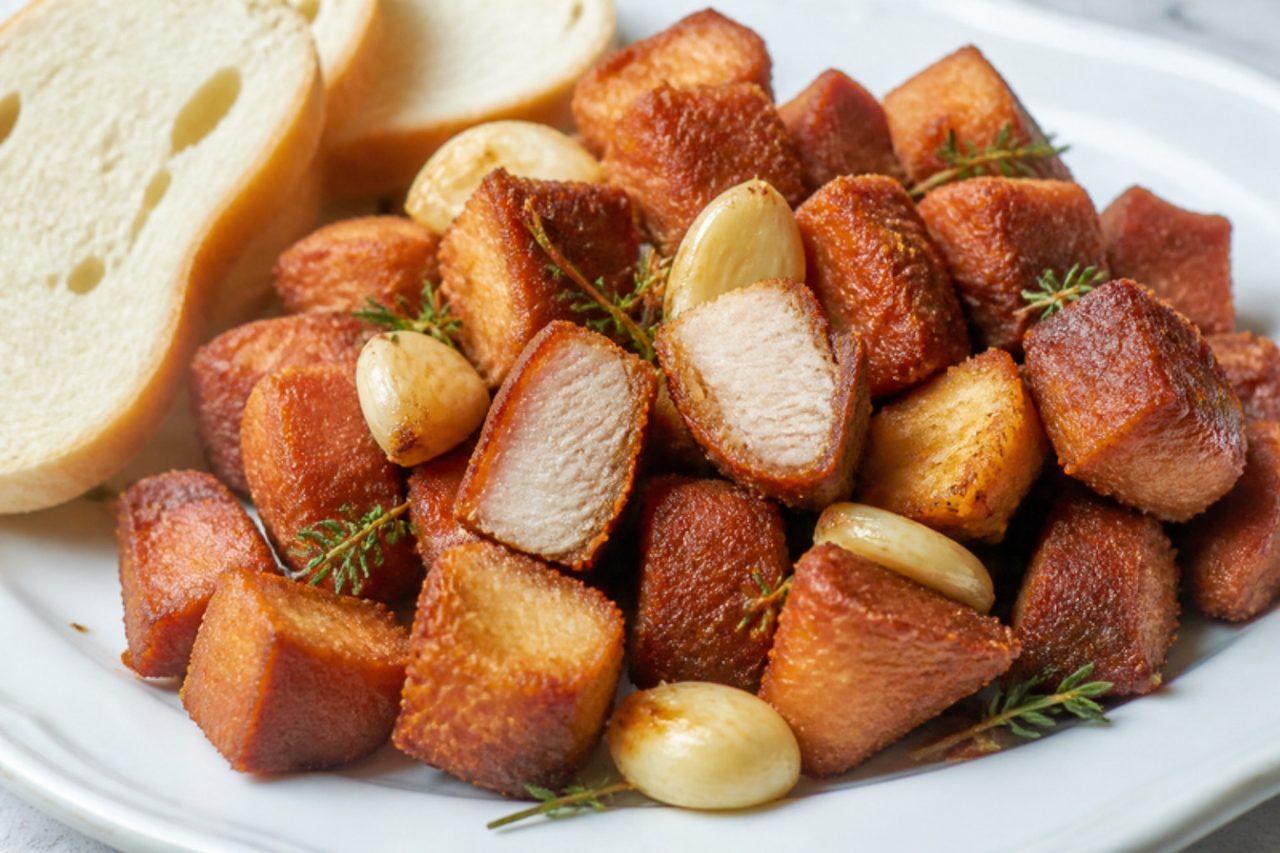
Guyanese garlic porkGarlic pickled pork

Garlic pork came to Guyana with Madeiran Portuguese settlers in the 1800s and is still made for Christmas breakfast in Georgetown, alongside pepperpot and bread. This dish contains pork. Pieces of pork are packed into a jar with a pickle of vinegar, lots of garlic, thyme and wiri wiri pepper and left in the fridge for at least three days, then fried until browned and slightly crisp. The mistake is leaving the jar on the counter, as was once done: always keep it in the fridge. Chef's tip: pat the pork very dry before frying, or the vinegar makes the oil spit.

by KrazyBadal 0 views

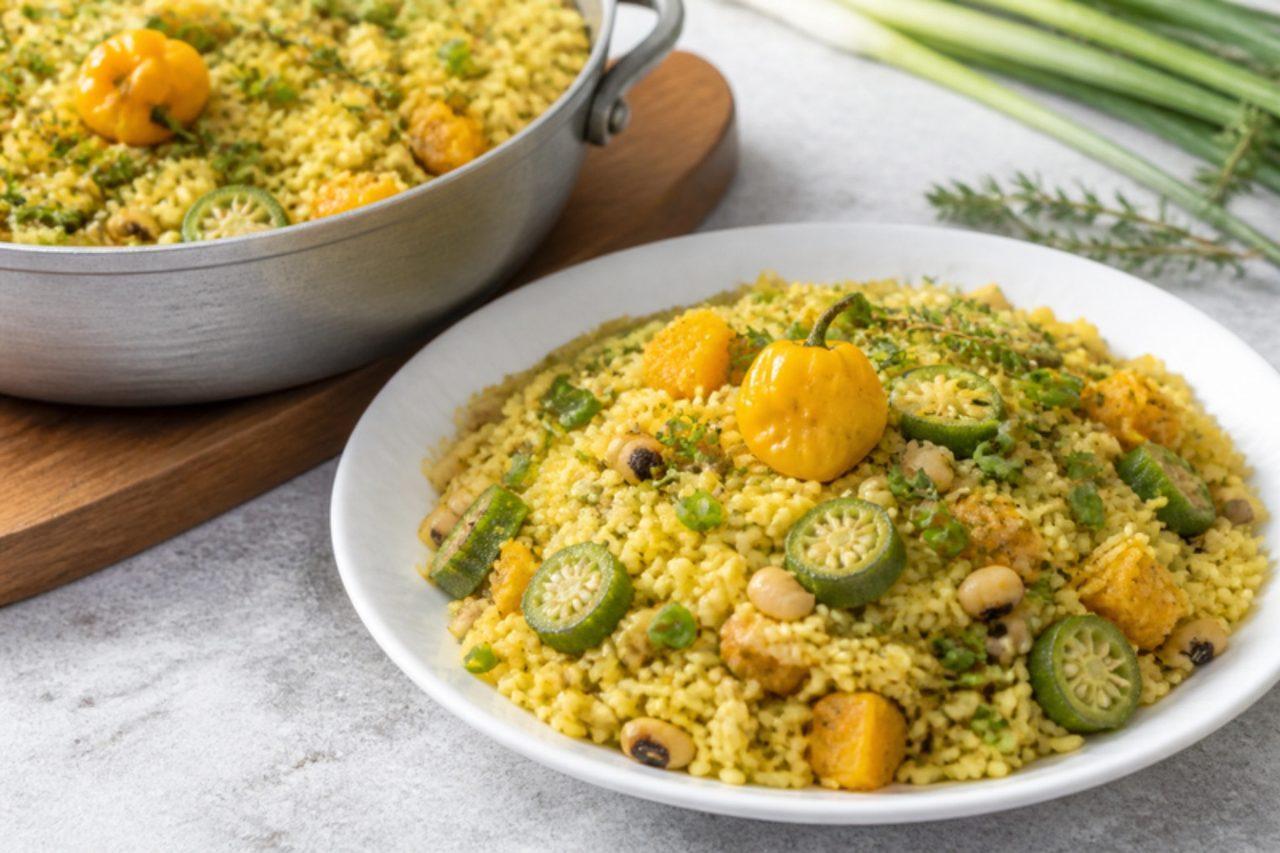
Guyanese cook-up riceCoconut rice with black-eyed peas

Cook-up rice is the dish Guyanese families make to see in the New Year, and on any Saturday when the week's odds and ends go into one pot. Rice, black-eyed peas and vegetables simmer in fresh coconut milk with fresh thyme, spring onion and a whole wiri wiri pepper (small, round and fiery) until every grain is soft and glossy. It's richer and wetter than Jamaican rice and peas, with the vegetables cooked right in. Chef's tip: let the pot sit covered off the heat for 10 minutes at the end; the rice finishes in the steam and a little crust forms on the bottom that people fight over.

by KrazyBadal 0 views

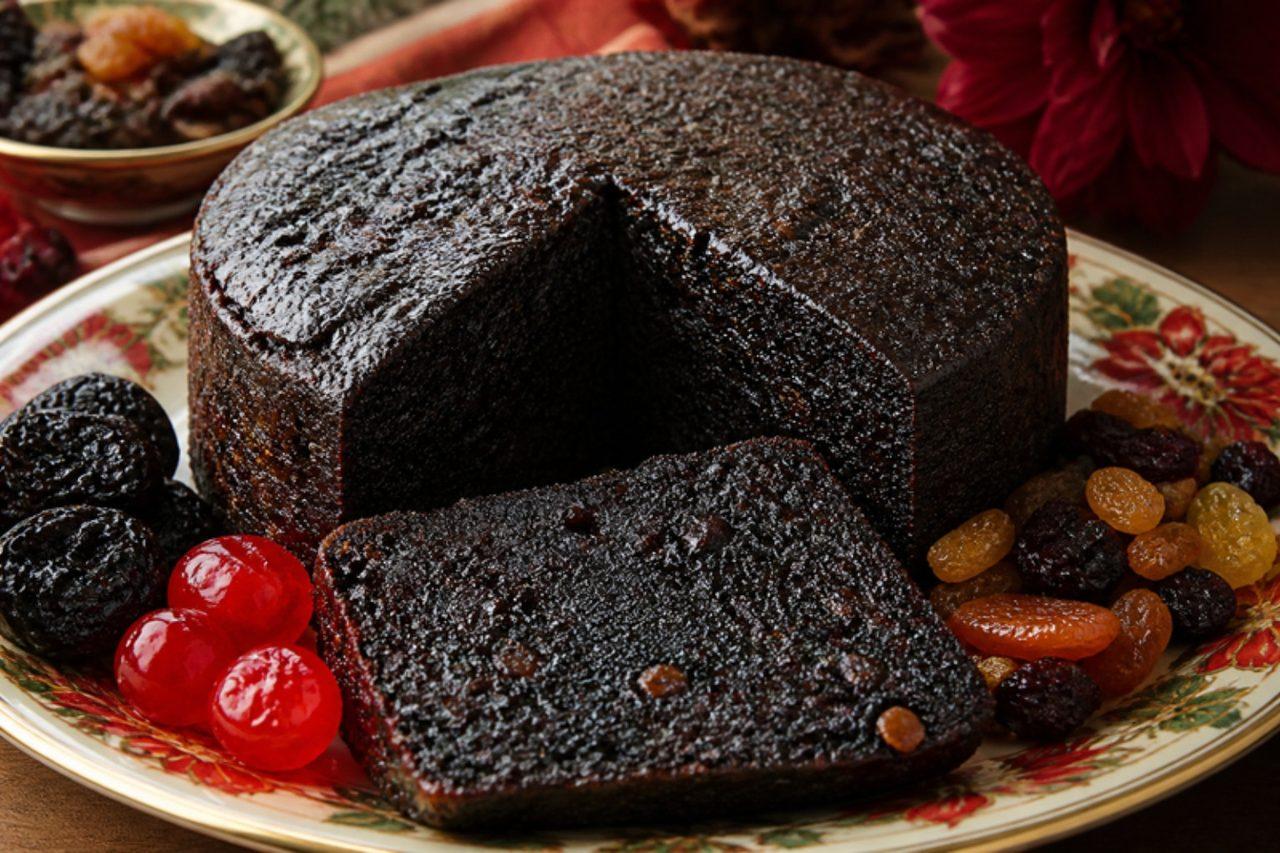
Guyanese black cakeRum fruit cake

Every Guyanese Christmas has a black cake, and many families start soaking the fruit months ahead, often the year before. Prunes, raisins, currants and cherries are minced and steeped in rum and cherry brandy, then folded into a buttery batter darkened with homemade burnt-sugar syrup, giving a moist, almost black, intensely fruity cake. This version makes the alcohol optional: grape juice soaks the fruit just as well, though the cake keeps for less time. Chef's tip: take the burnt sugar until it's very dark and smoking lightly; stop too early and the cake turns brown and sweet instead of black and bittersweet.

by KrazyBadal 0 views

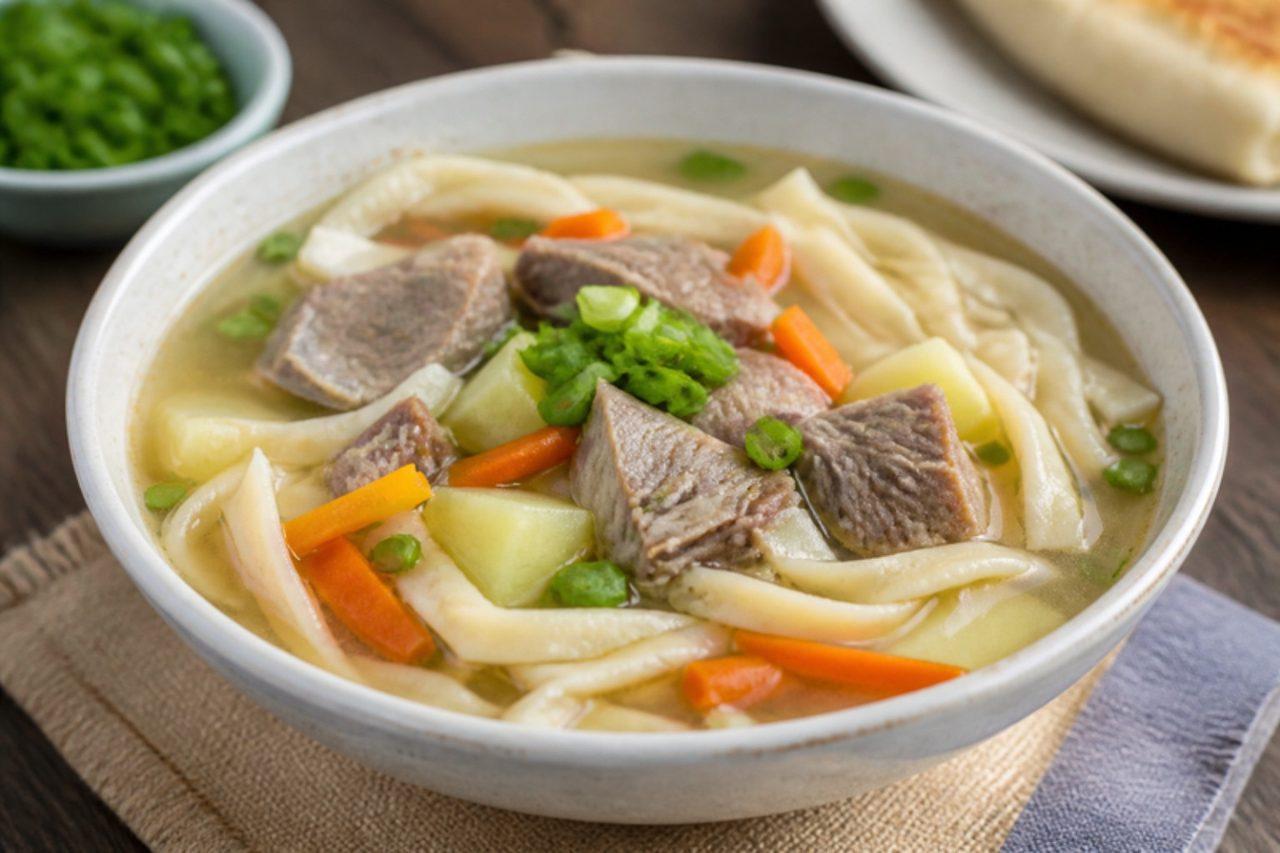
Guriltai shulMutton noodle soup

Guriltai shul is the soup Mongolians eat almost daily in winter, from Ulaanbaatar canteens to herders' gers: strips of mutton simmered with onion, carrot and potato, and thick hand-cut noodles cooked in the broth. It is simple, warming and filling in temperatures that drop far below freezing. The mistake is cooking the noodles too long, so they swell and turn the soup stodgy; they need only 6–8 minutes. Chef's tip: rest the noodle dough well so it rolls thin without springing back.

by KrazyBadal 0 views

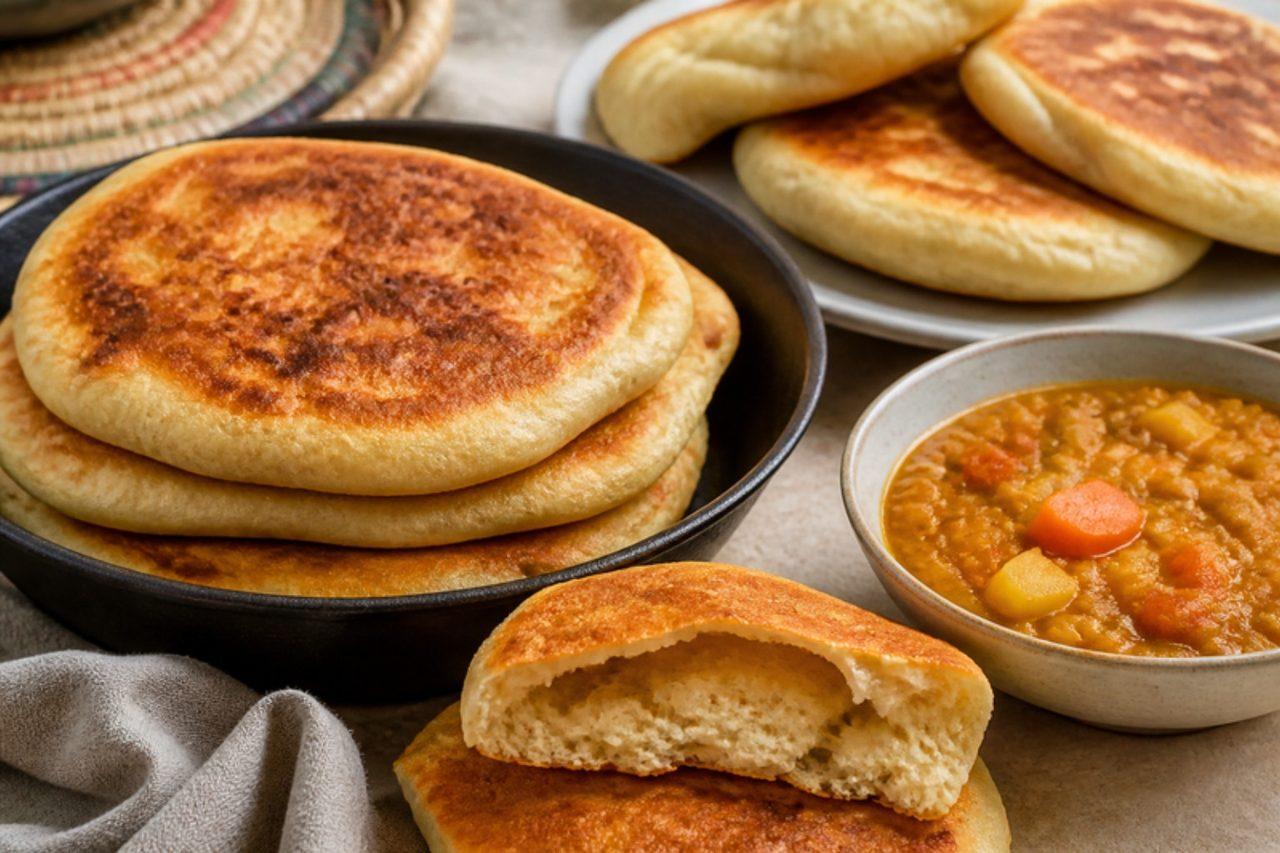
GurasaThick wheat flatbread

Gurasa is a thick, soft, round wheat bread from Sudan, especially the north and west (Darfur and Kordofan), cooked in a covered pan rather than an oven. It is torn and eaten with mullah, ful or salata aswad, and for breakfast with sugar and a little oil or butter. The dough is a loose, yeasted batter, closer to a giant crumpet than a flatbread. Chef's tip: cook it covered over a low heat; a hot open pan burns the base before the thick centre cooks.

by KrazyBadal 0 views

Chhum hanSteamed vegetables with chilli dip

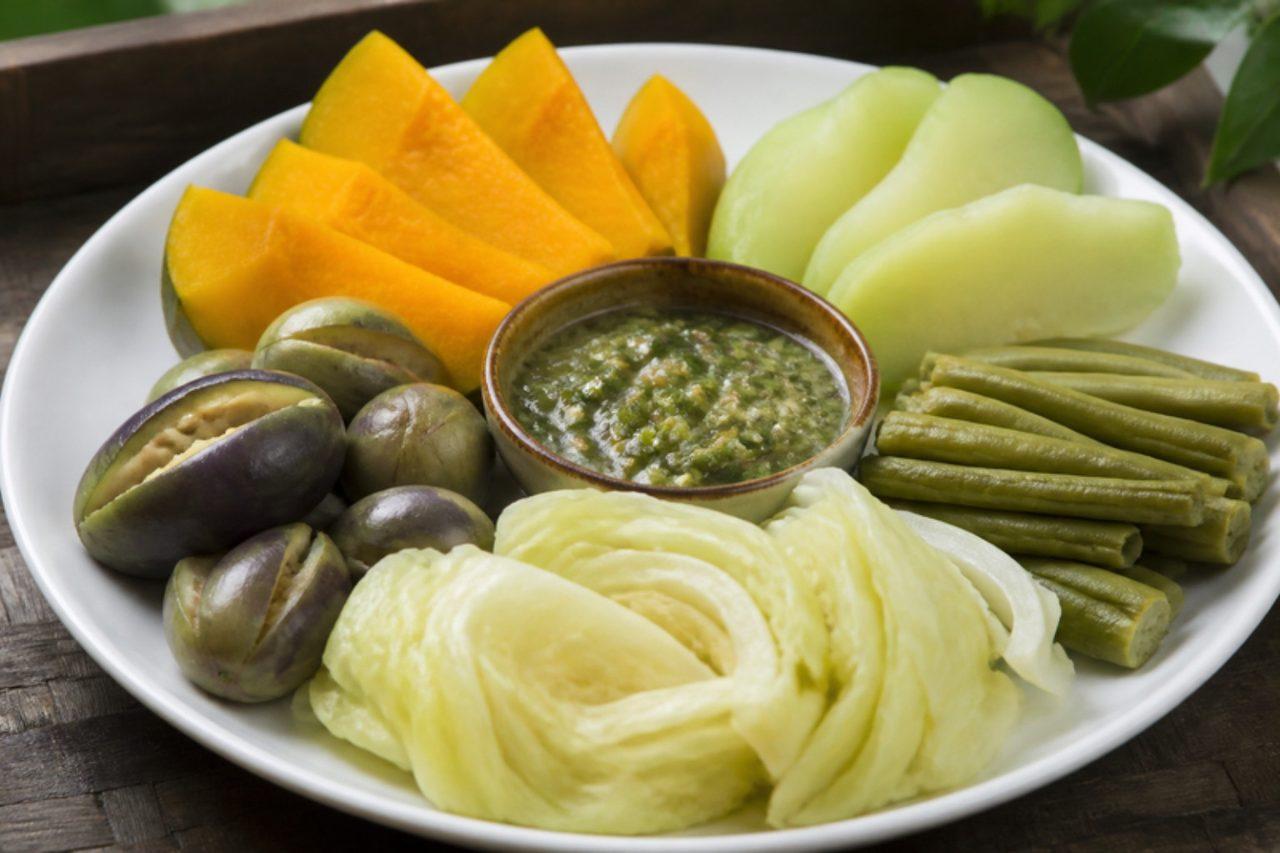
Chhum han is how Mizo families eat vegetables at their simplest: whatever is in the garden (pumpkin, chayote, beans, aubergine, cabbage, potato) steamed or boiled until just tender and served on a plate with a sharp dip of crushed chilli, garlic, salt and herbs. In Aizawl it is part of almost every home meal, eaten with rice and bai. The vegetables taste of themselves, and the dip does the work. Chef's tip: steam each vegetable for its own time and take it off when a knife slides in; overcooked chhum han is watery and dull.

by KrazyBadal 0 views

Goan ros omelette

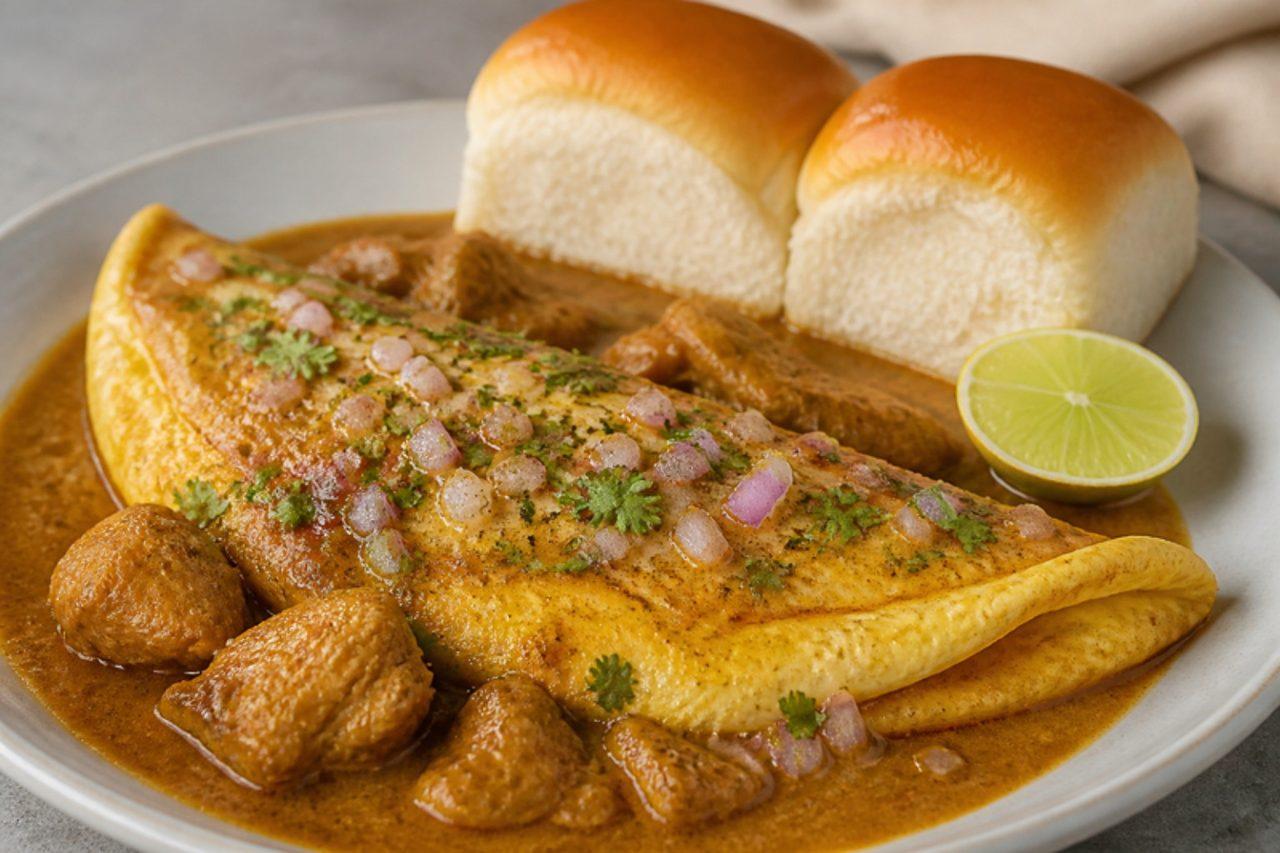
After dark in Panjim, Mapusa and Margao, roadside carts fry omelettes to order and ladle over them a thin, spicy chicken gravy called ros, meaning juice. It is late-night food, eaten standing up, mopped with soft Goan pao. The ros is a loose chicken xacuti, rich with roasted coconut, poppy seeds and star anise. Chef's tip: keep the gravy soupy; it should flood the omelette and soak into the bread, not sit on top like a stew.

by KrazyBadal 0 views

Hong Kong vegetable macaroni soup

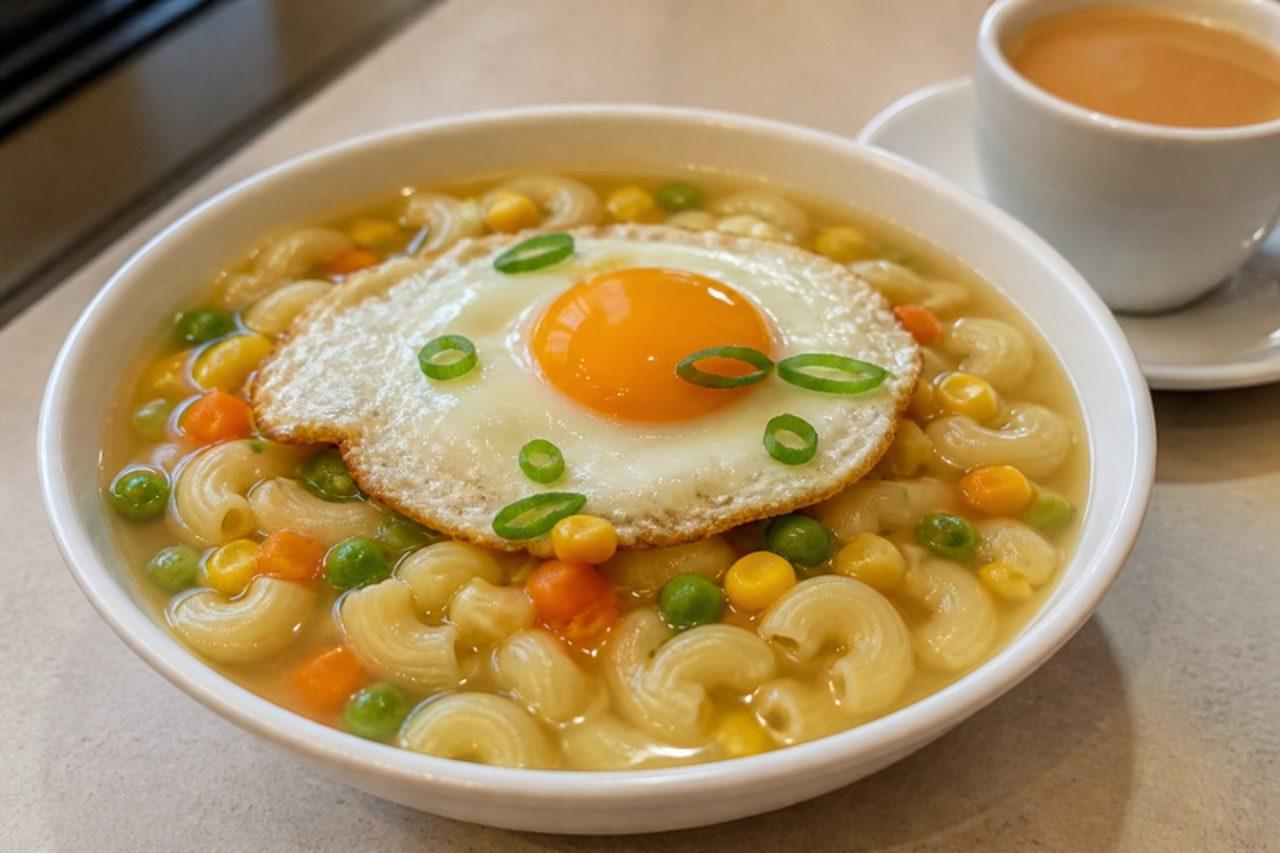
Walk into any Hong Kong cha chaan teng before 11 am and you'll see bowls of macaroni in clear soup on almost every table, part of the breakfast set with toast and milk tea. The usual version carries strips of ham; at home many families make it with sweetcorn, peas, carrot and a fried egg instead, for a light, comforting bowl that children love. Chef's tip: cook the macaroni separately and add it to the broth at the end, so it stays springy and the soup stays clear.

by KrazyBadal 0 views

KalanYam and banana yogurt curry

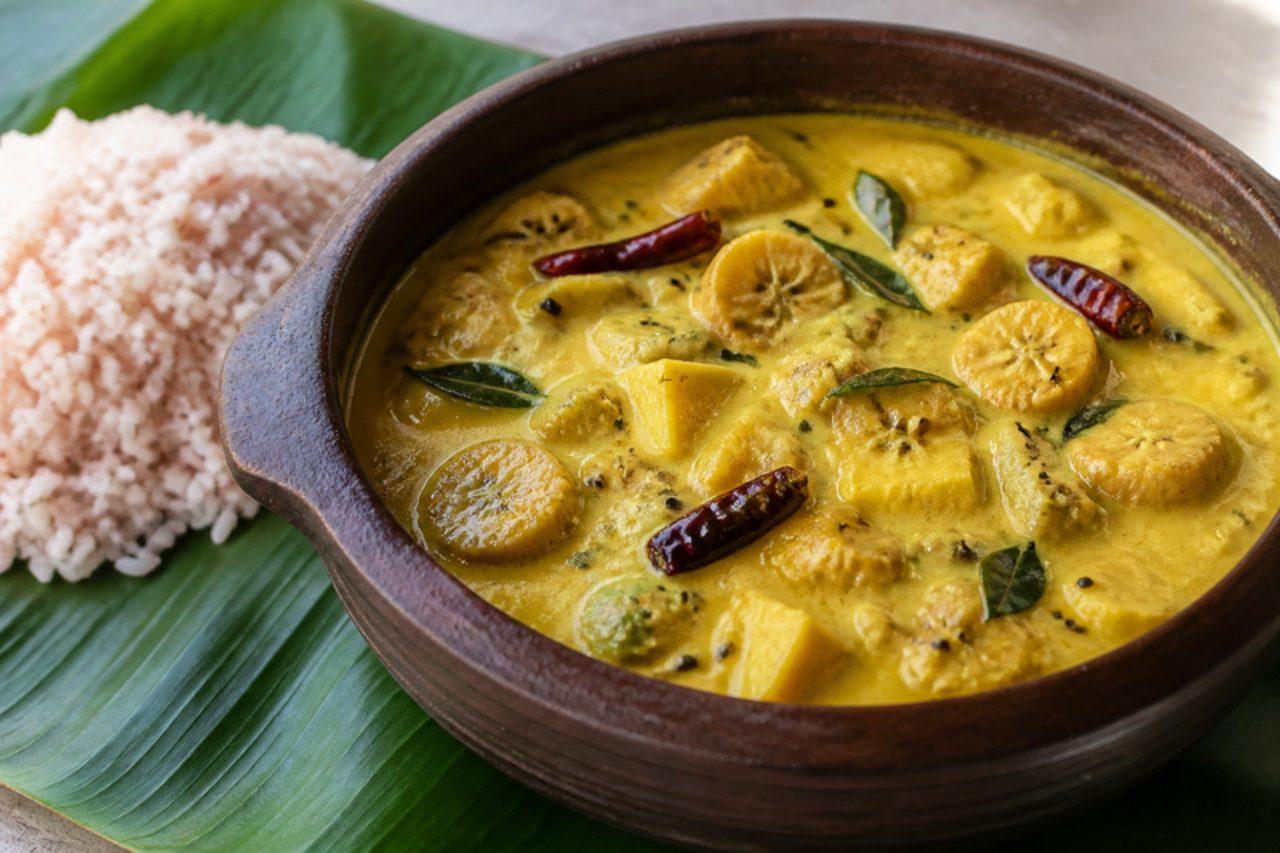
Kalan is one of the old curries of the Onam sadya in central Kerala, made days ahead in temple kitchens and big family homes because it keeps so well. Elephant yam and green nendran banana are cooked with plenty of black pepper, then soured curd is stirred in and slowly reduced until it is thick enough to coat a spoon, before a fine coconut paste goes in. It tastes sharp, peppery and rich, with the toasted fenugreek of the tempering coming through at the end. Spoon a little over hot rice and ghee. Chef's tip: use curd that has sat out for a day and turned properly sour; mild fresh yogurt gives a flat kalan.

by KrazyBadal 0 views

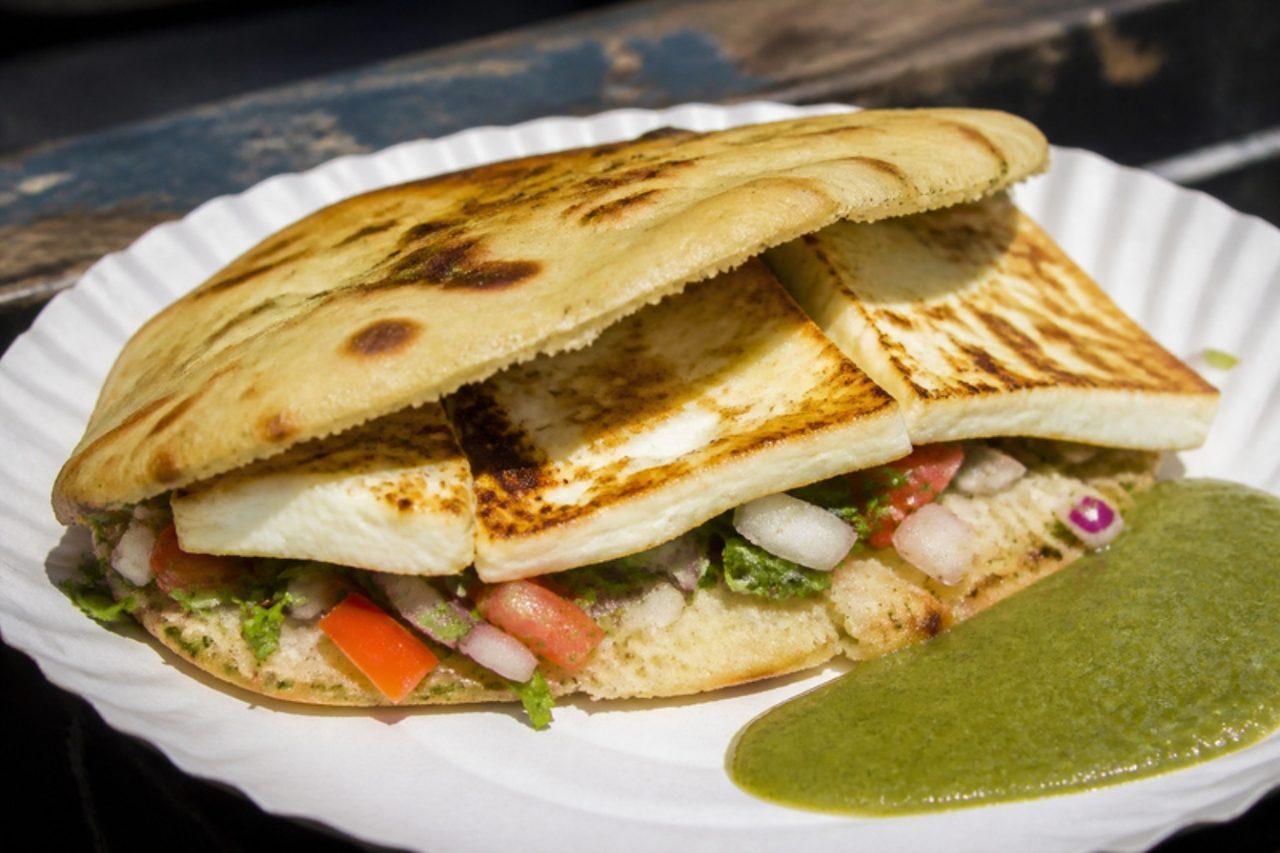
Kalari kulchaCheese-stuffed kulcha

Kalari, also spelt kaladi, is a fresh, stretchy cheese made in the hills around Udhampur and Ramnagar in Jammu, often from buffalo or goat milk. Street sellers in Jammu city lay slices of it on a hot iron tawa with no oil at all: the cheese releases its own fat and fries to a blistered brown crust while the inside turns soft and slightly stringy. They stuff it into a warm kulcha with onion, tomato, green chutney and a shake of chaat masala, and it is eaten standing up, especially on winter evenings. Outside Jammu, use halloumi, which behaves almost the same, or firm paneer with a teaspoon of oil. Chef's tip: dry the cheese slices on kitchen paper first; wet cheese steams instead of crisping.

by KrazyBadal 0 views

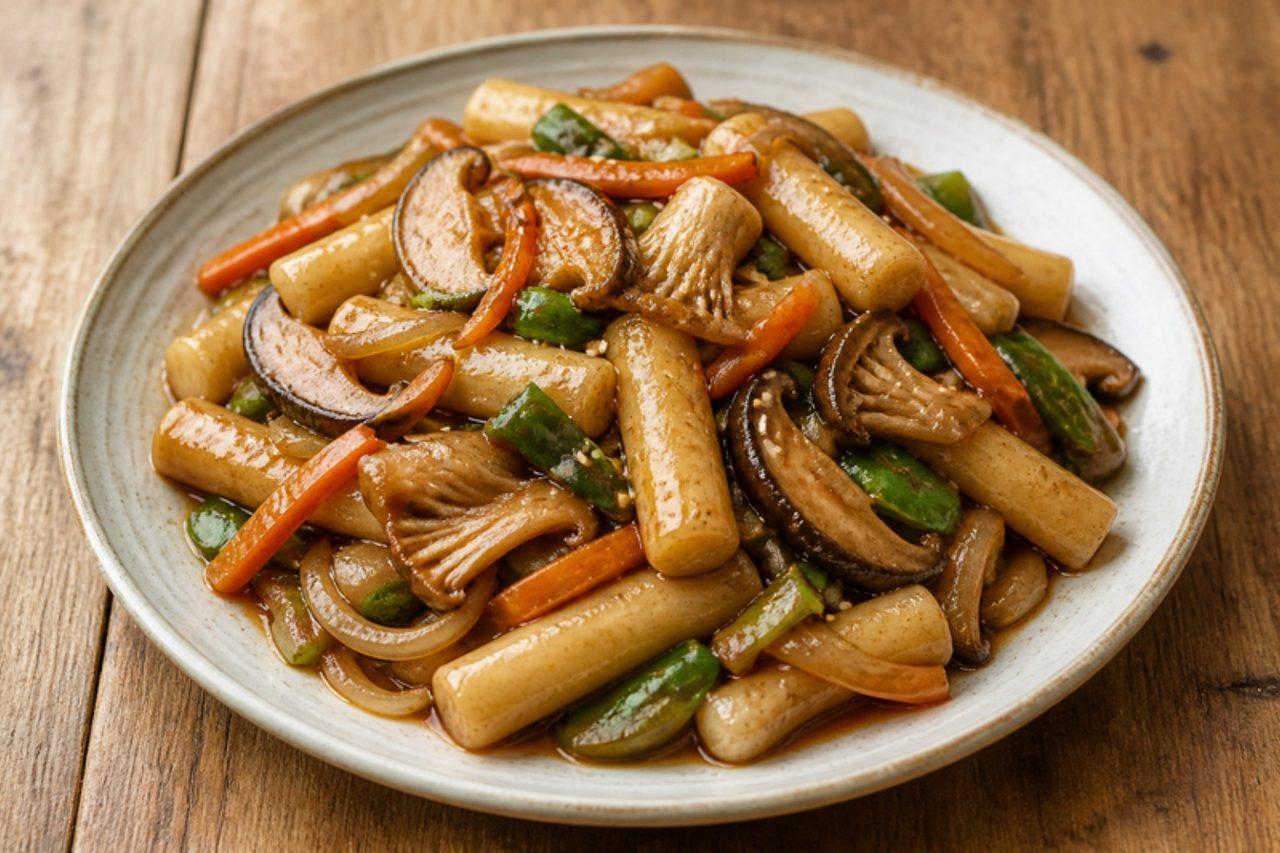
Gungjung tteokbokkiSoy rice cakes with mushrooms

Long before red gochujang tteokbokki took over Seoul's street stalls, the Joseon palace kitchens served gungjung tteokbokki (궁중떡볶이): chewy cylinders of rice cake tossed in a glossy soy and sesame glaze with mushrooms, peppers and onion. It is mild, savoury-sweet and fragrant with toasted sesame, which makes it the version Korean parents cook for children and for anyone who can't take heat. The court recipe used beef; shiitake and oyster mushrooms carry the same savoury depth here. Eat it warm as a snack or alongside rice and kimchi. Chef's tip: soften the rice cakes in hot water before they meet the pan, or the outsides scorch while the centres stay hard.

by KrazyBadal 0 views

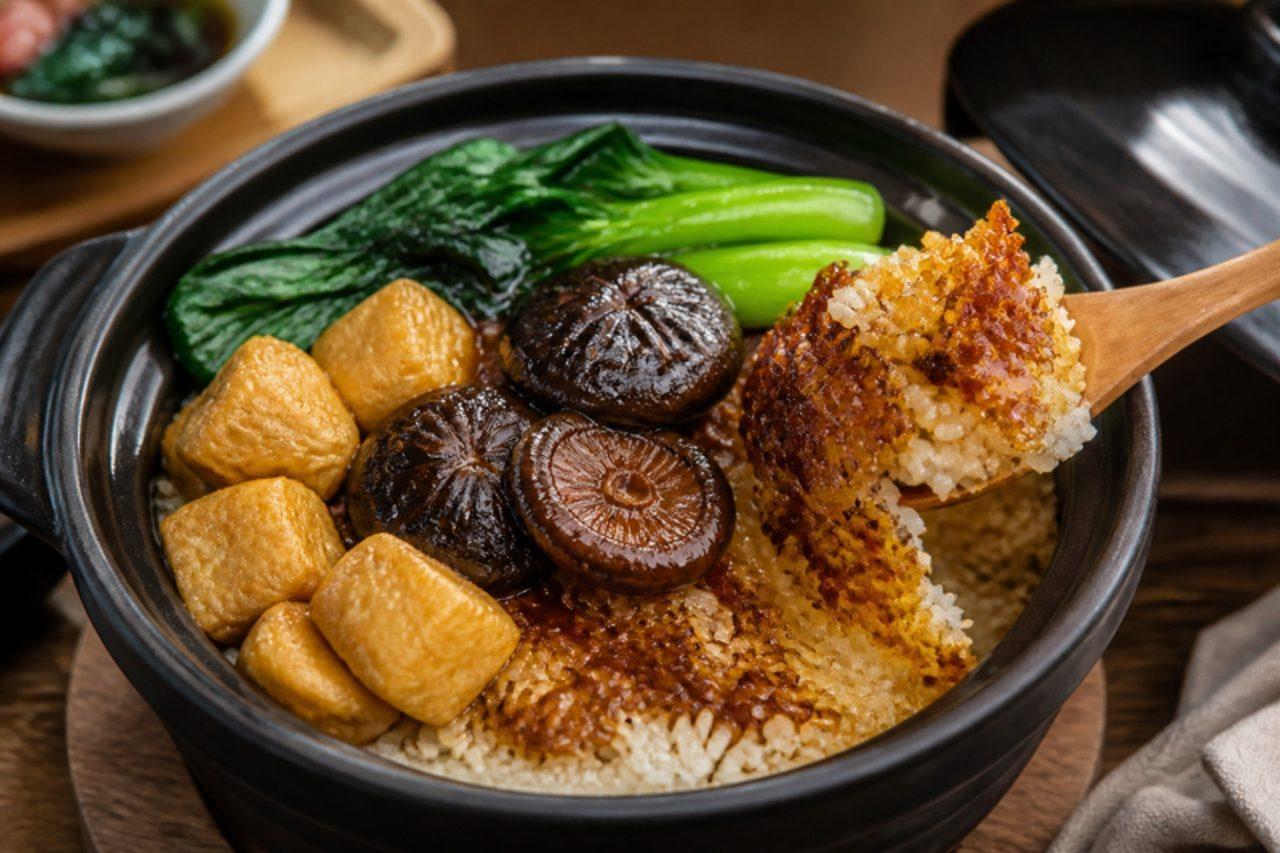
Claypot rice with mushroom and tofu

In winter, the dai pai dong stalls of Temple Street and Mong Kok line up dozens of little clay pots over roaring flames, and queues form for bou zai faan: rice cooked right in the pot, topped with the day's ingredients and doused with sweet soy at the table. The prize is the golden, crackling crust (faan jiu) at the bottom. This vegetarian pot uses shiitake, fried tofu puffs and choy sum, seasoned with a mushroom-based vegetarian oyster sauce. Chef's tip: once the rice has absorbed its water, drizzle oil round the inside edge of the pot and turn it slowly over the flame; that's how the crust forms evenly instead of burning in one spot.

by KrazyBadal 0 views

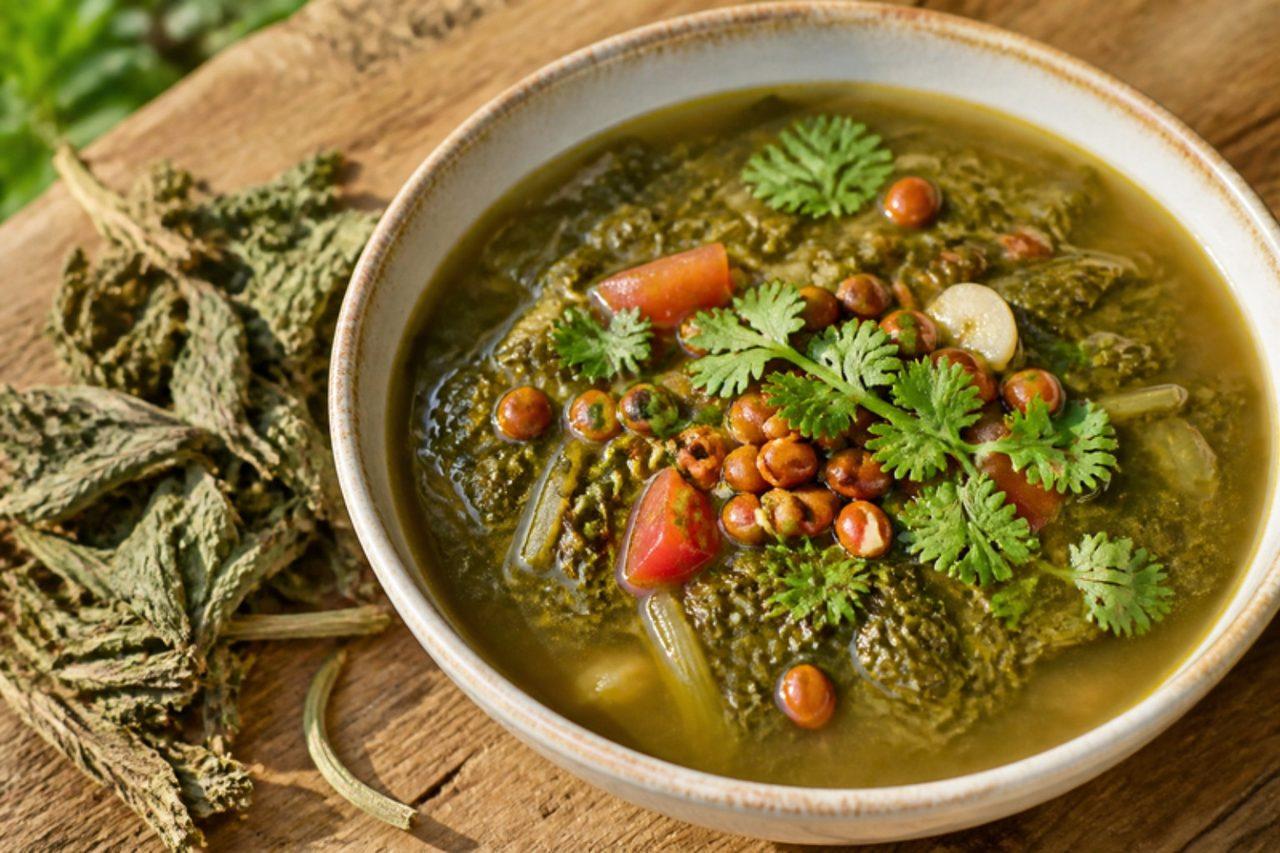
Gundruk ko jholSour fermented greens soup

In the terraced hill villages between Pokhara and Ilam, families pack mustard, radish and cauliflower leaves into clay pots after the autumn harvest, let them ferment for a week or two and then sun-dry them into gundruk. That dark, tangy leaf is the store cupboard of the winter months, and its most common use is this thin, sour soup (jhol), served on the side of dal bhat or with dhido, the stiff buckwheat or millet porridge of the hills. It tastes a little like a smoky, vinegary green tea and is light, warming and very cheap. A handful of roasted soybeans (bhatmas) is often thrown in for crunch. The mistake is to cook gundruk without soaking it first, which leaves it gritty and too sour. Chef's tip: squeeze the soaked leaves hard and fry them in the oil until they crackle before you add water; that frying gives the soup its toasty depth.

by KrazyBadal 0 views

Gundel palacsintaWalnut pancakes with chocolate sauce

Gundel palacsinta is the festive pancake of Budapest, named after the Gundel restaurant by City Park, where it became the showpiece dessert of the mid-twentieth century. Thin Hungarian pancakes are filled with a rum-scented walnut and raisin paste, folded into triangles and drowned in a dark chocolate sauce, sometimes flamed at the table. Everyday palacsinta at home are simpler, rolled with apricot jam, cocoa sugar or sweet túró; this is the version for name days, Christmas and guests. Chef's tip: rest the batter for 30 minutes; the pancakes become thinner and more elastic and stop tearing when you fold them. Common mistake: overfilling, which makes the triangles burst open.

by KrazyBadal 0 views

Hong Kong French toast

In Hong Kong's cha chaan teng (tea restaurants), French toast means two thick slices of white bread sandwiched with peanut butter, dipped in egg, fried until puffed and golden, then crowned with a pat of butter and a pour of golden syrup or condensed milk. It is an afternoon tea-set favourite, paired with a strong cup of milk tea, and it's richer than any French version. Chef's tip: trim the crusts and press the sandwich edges firmly so the egg doesn't seep into the peanut butter.

by KrazyBadal 0 views

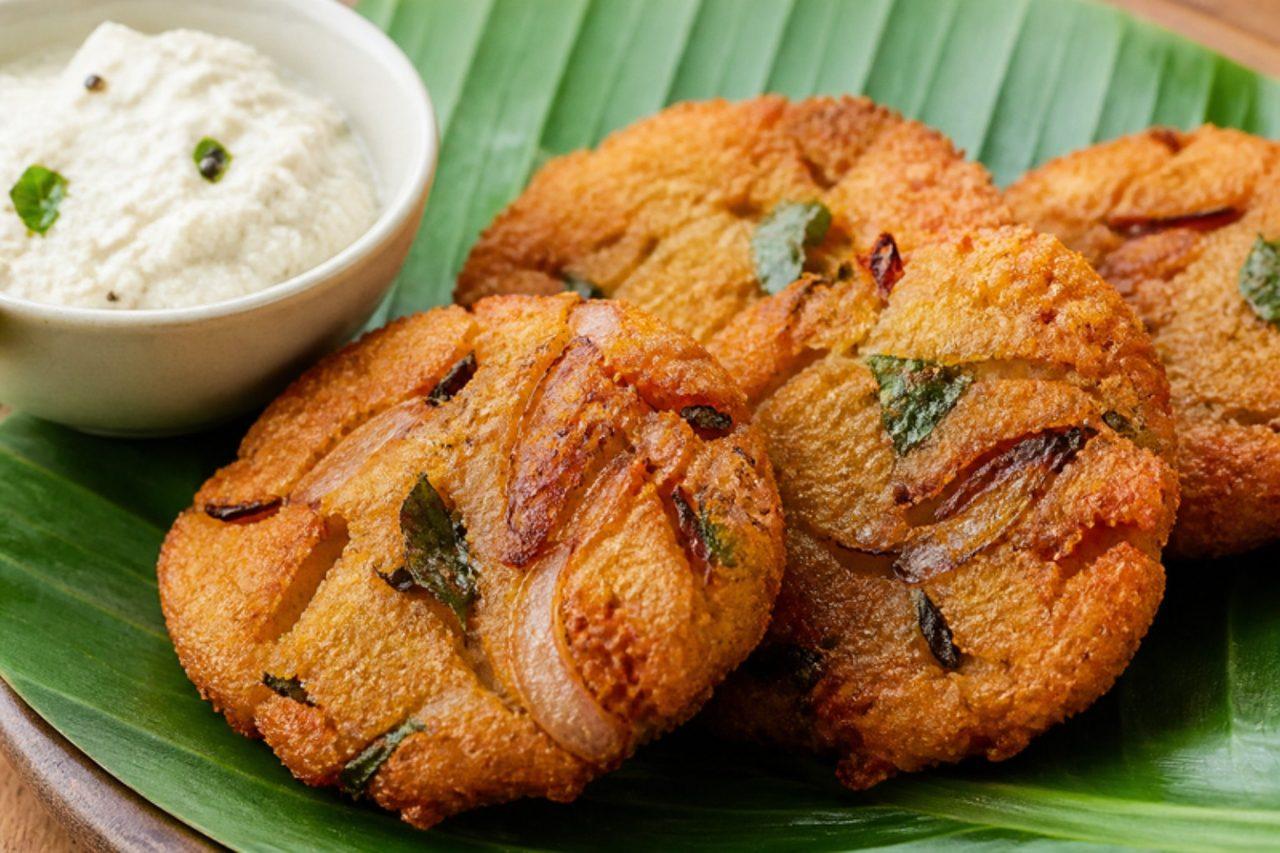
Maddur vadaOnion and semolina fritters

Maddur is a small town halfway between Bengaluru and Mysuru, and for nearly a century travellers on that road have stopped at its railway station and highway stalls for one snack: Maddur vada. Unlike soaked-lentil vadas, these are made from rice flour, semolina and plain flour rubbed with hot oil and loaded with sliced onion, curry leaves and green chilli, then patted flat and fried until crunchy and golden all the way through. They keep their crunch for hours, so they are packed for long journeys. Serve with coconut chutney and filter coffee. Chef's tip: add the onions first and let them sit with the salt for ten minutes; their juice moistens the flours, so you need very little water and the vada stays crisp.

by KrazyBadal 0 views

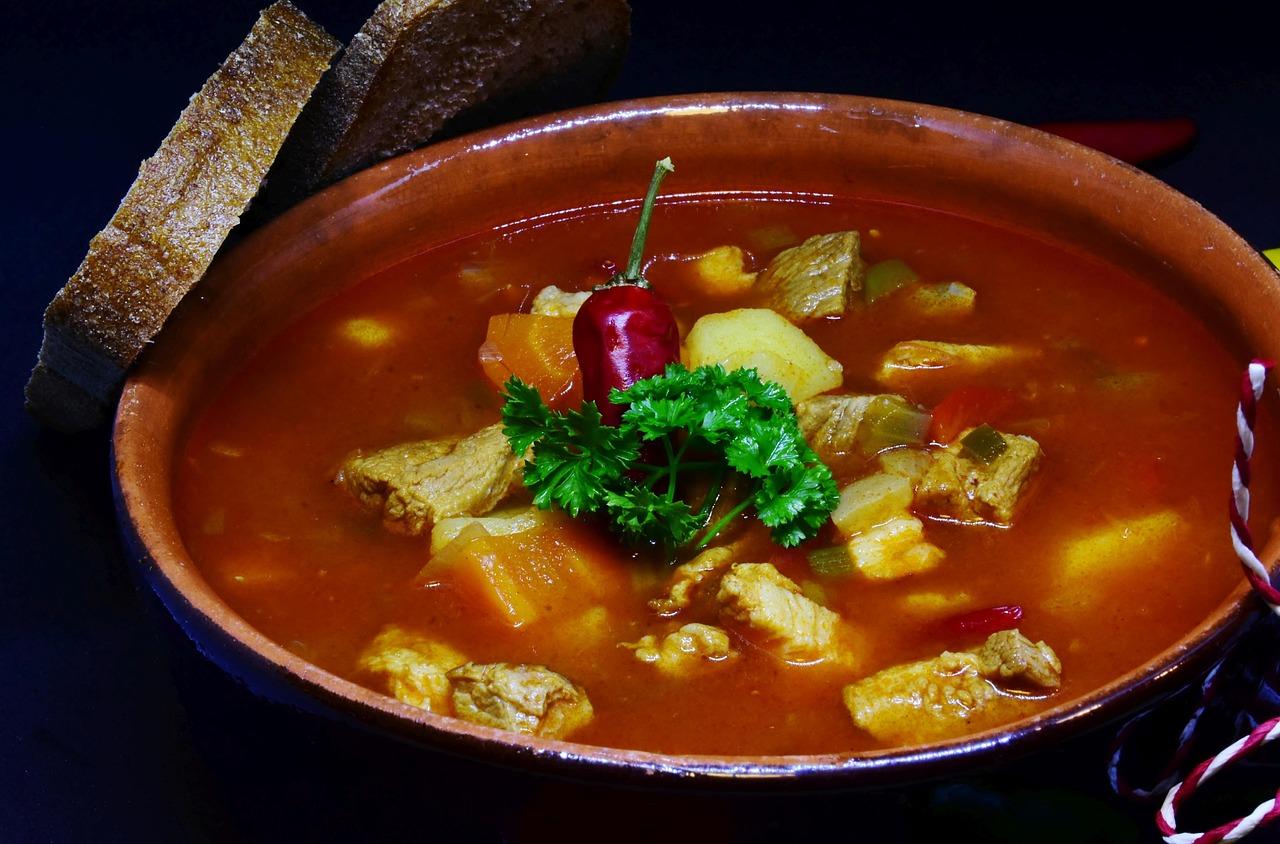
GulyáslevesBeef goulash soup

Real Hungarian goulash is a soup, gulyásleves, born in the cattle herders' kettles of the Great Plain and still cooked over open fires at summer festivals and in every csárda (country inn) between Budapest and Debrecen. Beef shin or chuck simmers with lots of onion, sweet paprika, caraway and green pepper until tender, then potatoes and carrots go in. It is brothy, rich red and gently spicy, eaten with fresh bread. Chef's tip: take the pot off the heat before adding the paprika; it burns in seconds in hot fat and turns bitter.

by KrazyBadal 0 views

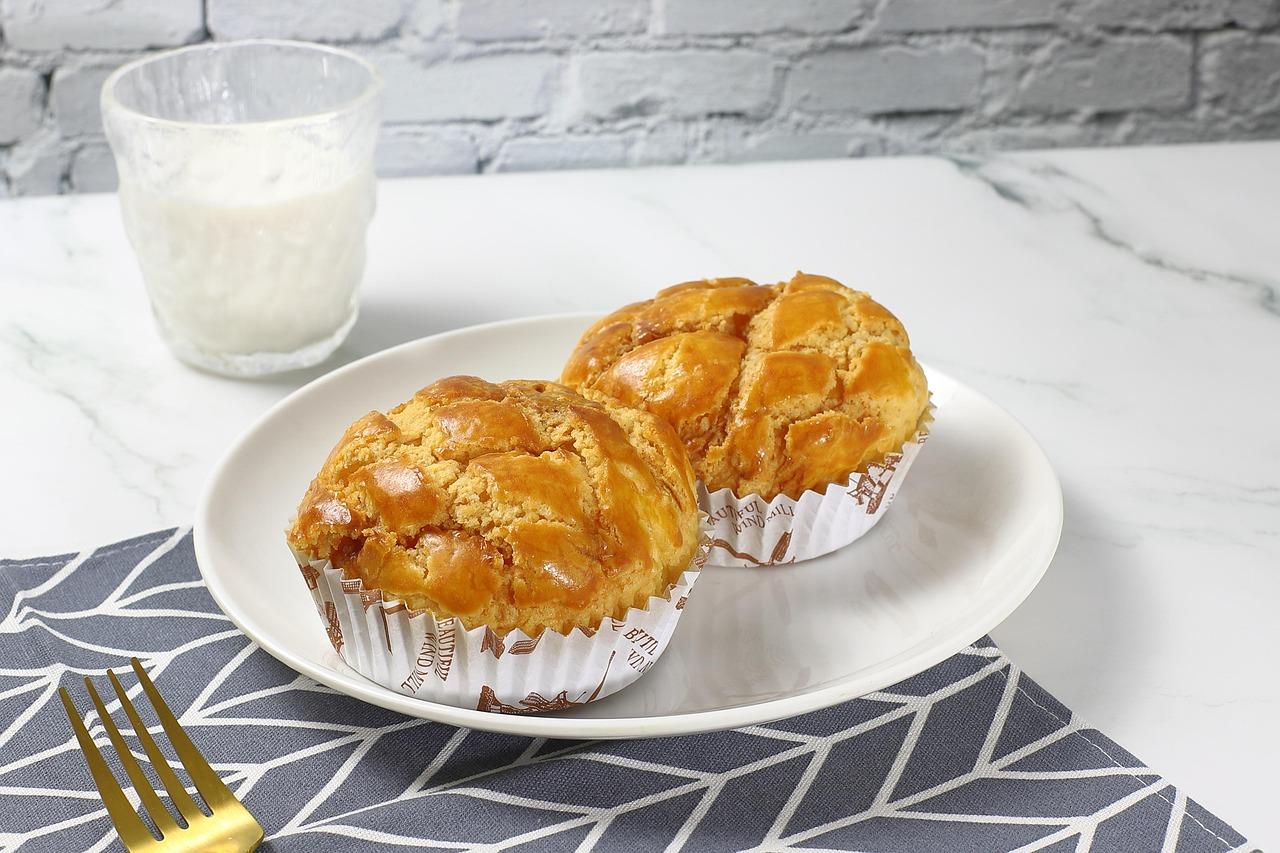
Hong Kong pineapple bun

Despite the name, there is no pineapple in a bolo bao; the crackled, golden sugar crust on top just looks like the fruit's skin. It is the best-selling bun in Hong Kong bakeries and cha chaan teng cafés, eaten warm at breakfast or tea time with milk tea, and many people order it as bo lo yau, split open with a thick, cold slice of butter melting into it. Chef's tip: roll the topping between two sheets of baking paper rather than on a floured board; the soft dough is fragile and paper lets you lift it on in one piece.

by KrazyBadal 0 views

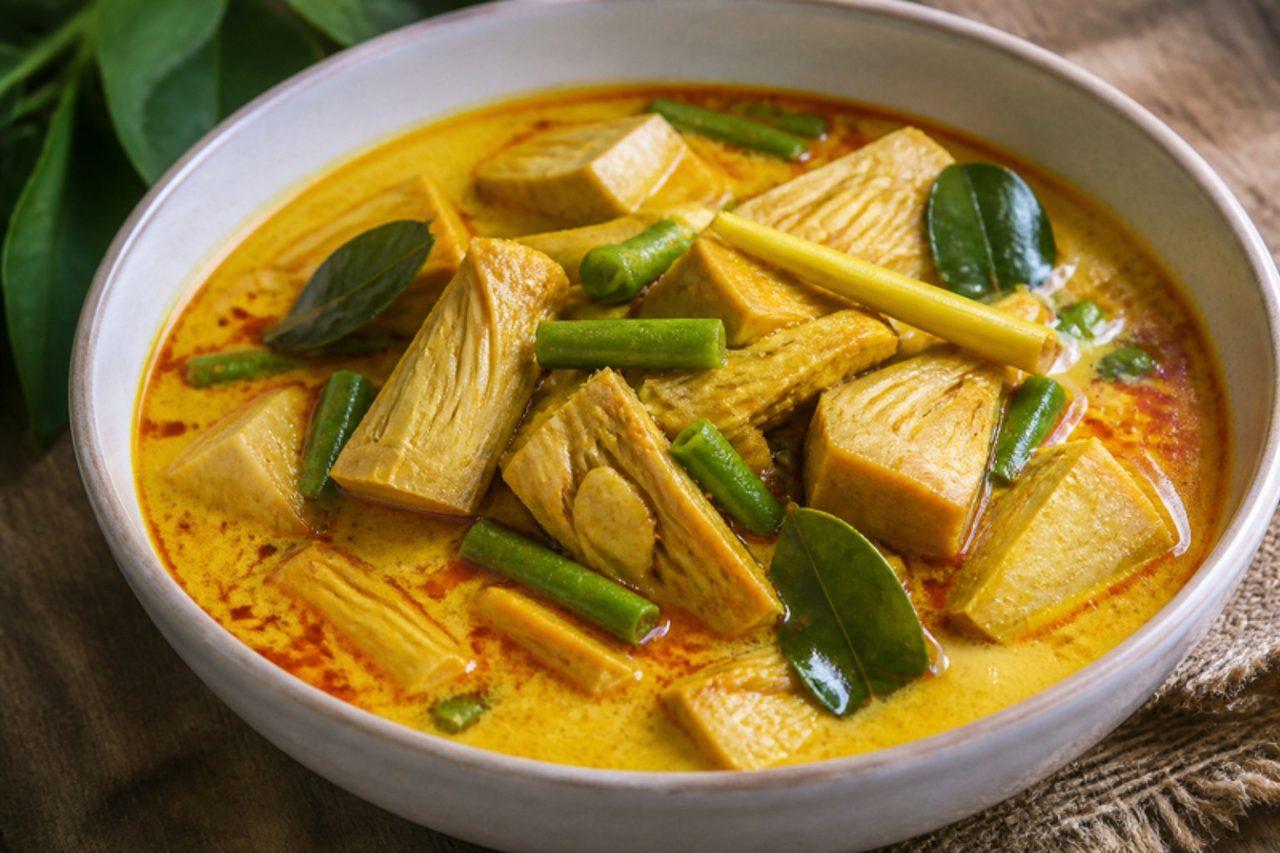
Gulai nangkaYoung jackfruit curry

In a nasi Padang restaurant, where dozens of dishes are stacked in the window and brought to the table on small plates, gulai nangka is the bright yellow one that gets spooned over rice to moisten everything else. Young jackfruit and long beans simmer in a thin, golden coconut sauce with turmeric, chilli and lemongrass until the jackfruit is tender and full of sauce. It's lighter and saucier than rendang and cooks in under an hour, so Padang households make it on ordinary weekdays. Chef's tip: stir the pot almost constantly for the first few minutes after the coconut milk goes in — Padang cooks say it keeps the gulai smooth and stops it splitting.

by KrazyBadal 0 views

Showing 72 of 10,569 recipes

Show more recipes

Page 1,031 of 1,175