


Skip to content
Nga thongba
Featured recipe

Nga thongba

Light fish curry with potato

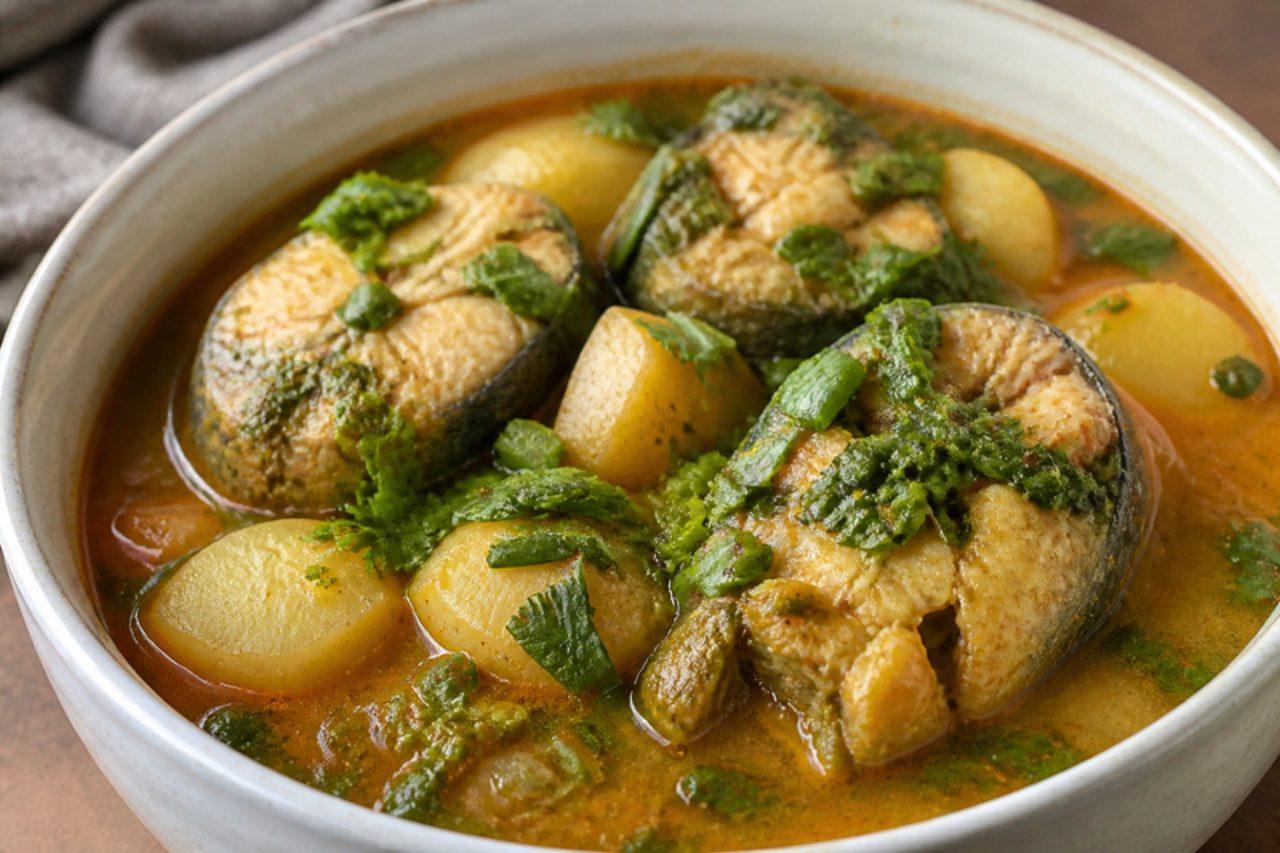
In the Imphal Valley fish comes from Loktak Lake and the paddy-field ponds, and nga thongba is how most Meitei families cook it on an ordinary weekday. It is a thin, gently spiced curry with potatoes, finished with a big handful of herbs such as maroi nakupi (a local chive) and coriander, so it smells green and fresh. It is eaten with sticky or plain rice, alongside a chilli chutney. Chef's tip: lightly fry the fish first so it stays in neat pieces in the thin gravy.

Read more 0 views

What to eat today?

Around the world

Today's trip: Peruvian

A new country every day, from every cuisine on the site.

Peruvian

Tacacho

Mashed roasted green plantain balls 35 minMore from Peruvian (111) →

This week's collection

Kid-friendly dinners
772 recipes · a new collection every Monday

Coming up

All occasions →

Latest recipes

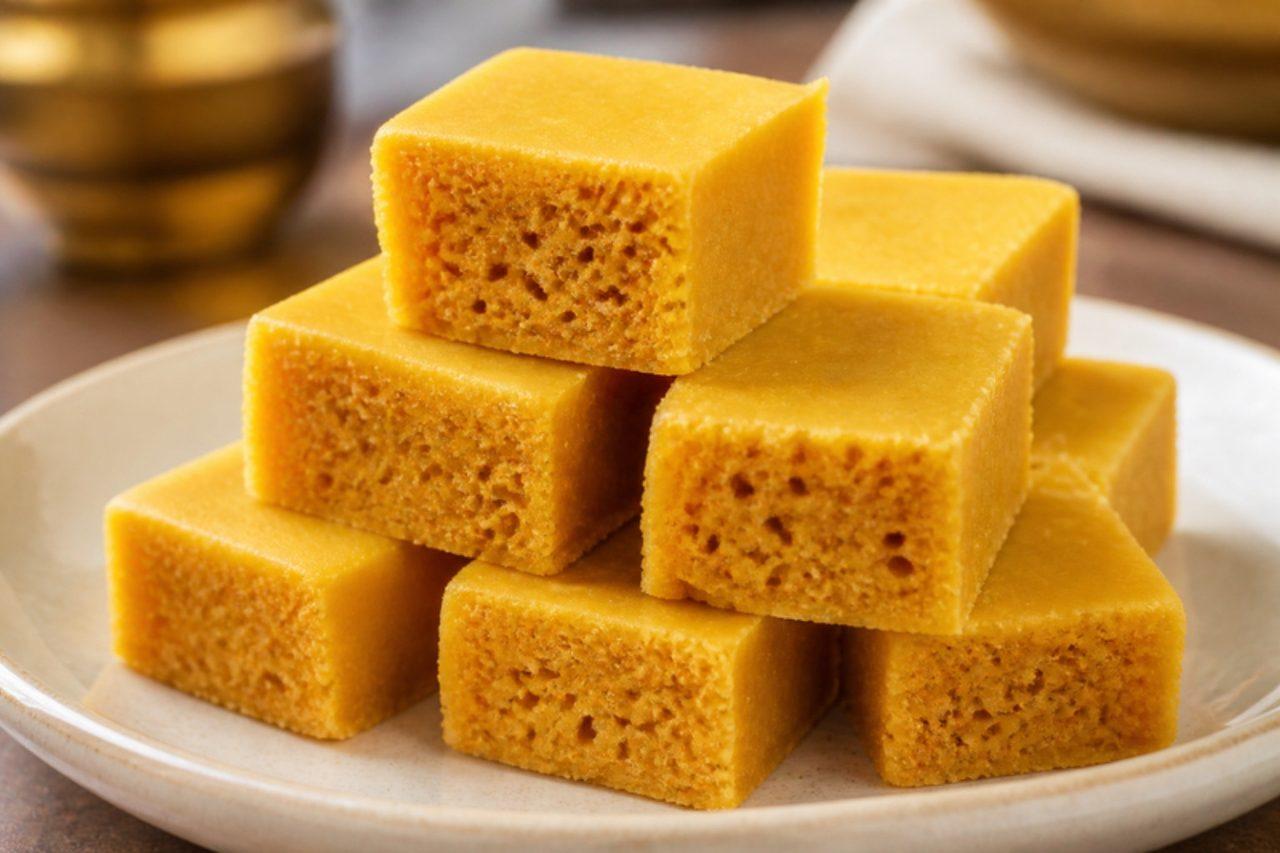
Mysore pakGram flour and ghee fudge

Mysore pak was first made in the kitchens of the Mysuru palace in Karnataka, and it's still the sweet that every Mysuru sweet shop is judged by. Roasted gram flour is cooked in a sugar syrup while hot ghee is poured in a spoonful at a time, until the mixture froths up and sets into a golden, honeycombed block. This home version is the softer, melt-in-the-mouth style, with a fine porous crumb; cook it a minute or two longer for the harder, crunchier traditional slab. It keeps for a week and is made for Diwali, weddings and Dasara. Chef's tip: keep the ghee hot on a second burner the whole time; hot ghee hitting the batter is what makes it froth and form those little air holes, and cold ghee gives a dense, greasy fudge.

by KrazyBadal 0 views

Jansson's temptationPotato, onion and sprat gratin

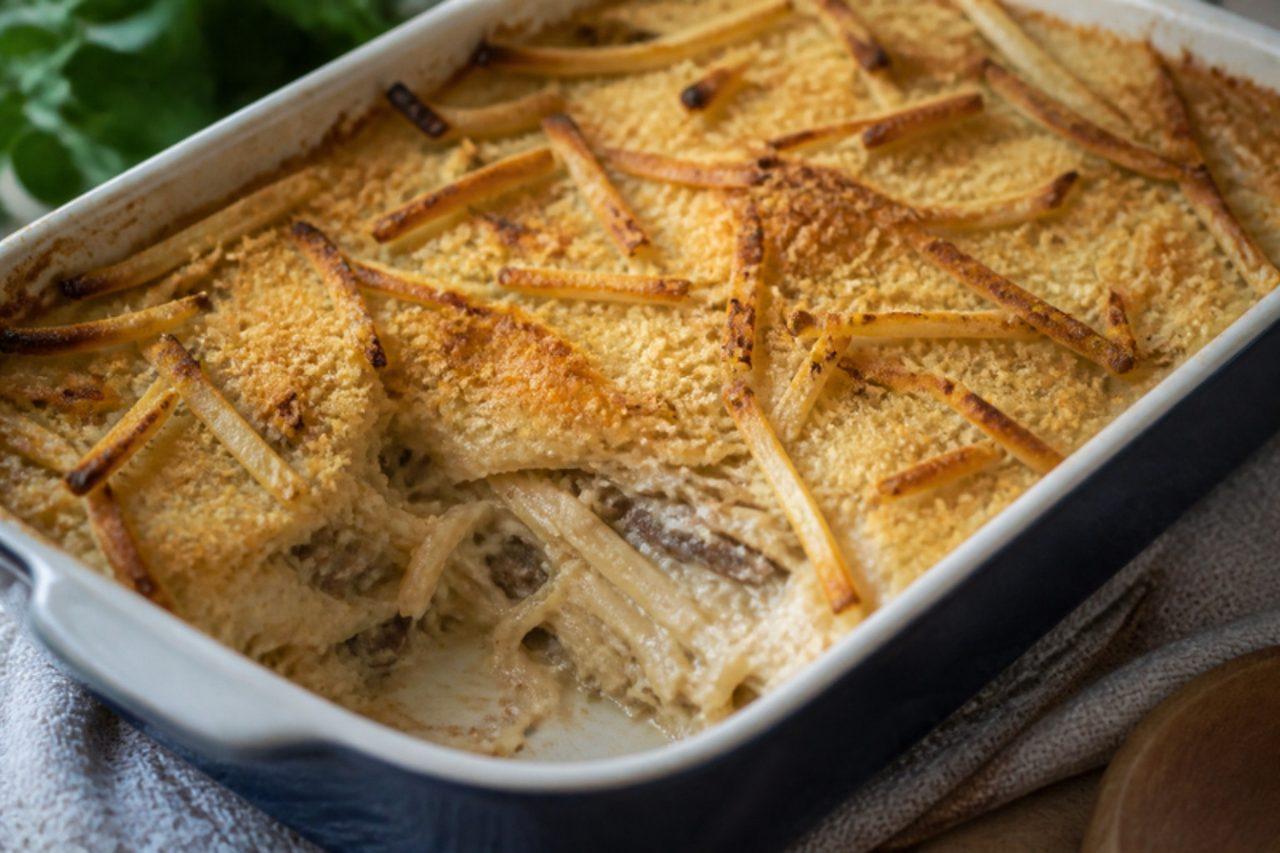
No Swedish Christmas table, from Gothenburg to Luleå, is complete without a dish of Janssons frestelse, and it often comes back at Easter and midsummer too. Matchsticks of potato and soft onion are baked in cream with Swedish-style spiced sprats (labelled ansjovis in Sweden), which melt into the sauce and season it with a salty, sweet-spiced depth rather than a fishy taste. It is rich, so a spoonful sits beside ham, meatballs and pickled herring rather than being a main course on its own. Many people go wrong by buying Mediterranean salted anchovies; they are far saltier and the gratin turns harsh, so look for the sweet-cured sprats in Scandinavian shops. Chef's tip: cut the potatoes into thin sticks rather than slices; the starch on their many edges thickens the cream as it bakes.

by KrazyBadal 0 views

JallabDate and grape molasses drink

During Ramadan in Beirut and Sidon, street sellers ladle jallab from big glass jars at sunset, and families keep a bottle of the dark syrup in the fridge all summer. Made from date and grape molasses with a hint of rose water, it tastes of caramel and dried fruit, and it is served over crushed ice with a spoon for the pine nuts and golden raisins floating on top. Bottled jallab gets its smoky edge from incense smoke; this home version skips that and is made straight from the two molasses. Chef's tip: soak the raisins in the drink for five minutes before serving so they plump up and sink less.

by KrazyBadal 0 views

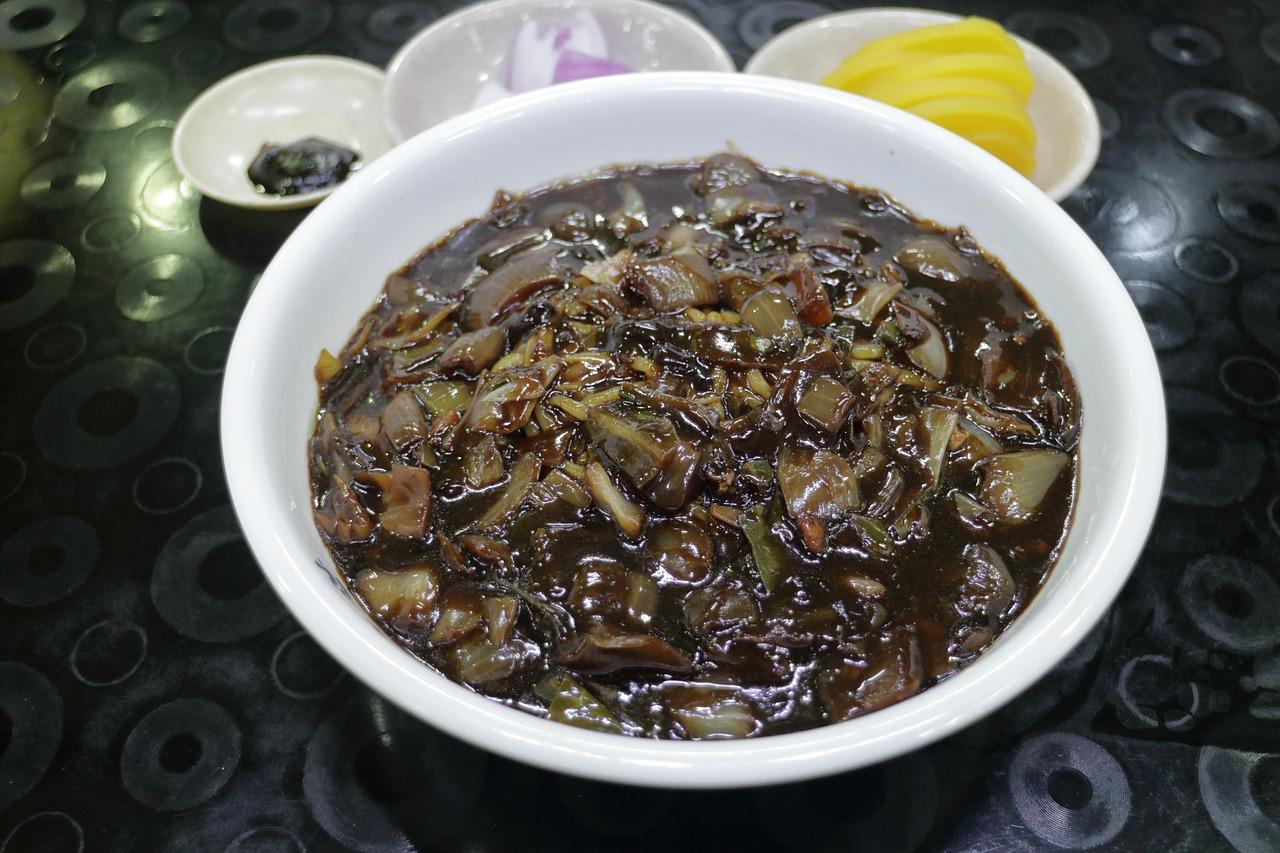
JajangmyeonBlack bean noodles

Jajangmyeon was first served by Chinese cooks in Incheon's Chinatown, by the port, and the old restaurant building there is now a museum about the dish. Today it is the most ordered takeaway in Korea, delivered in minutes by scooter on moving day, and eaten by singles on Black Day, 14 April. The sauce is built on chunjang, a thick, salty black-bean paste, fried with diced pork, onion, courgette and potato until it shines. Chef's tip: cut the pork and all the vegetables into the same 1.5 cm dice so they cook evenly and every forkful gets a bit of each.

by KrazyBadal 0 views

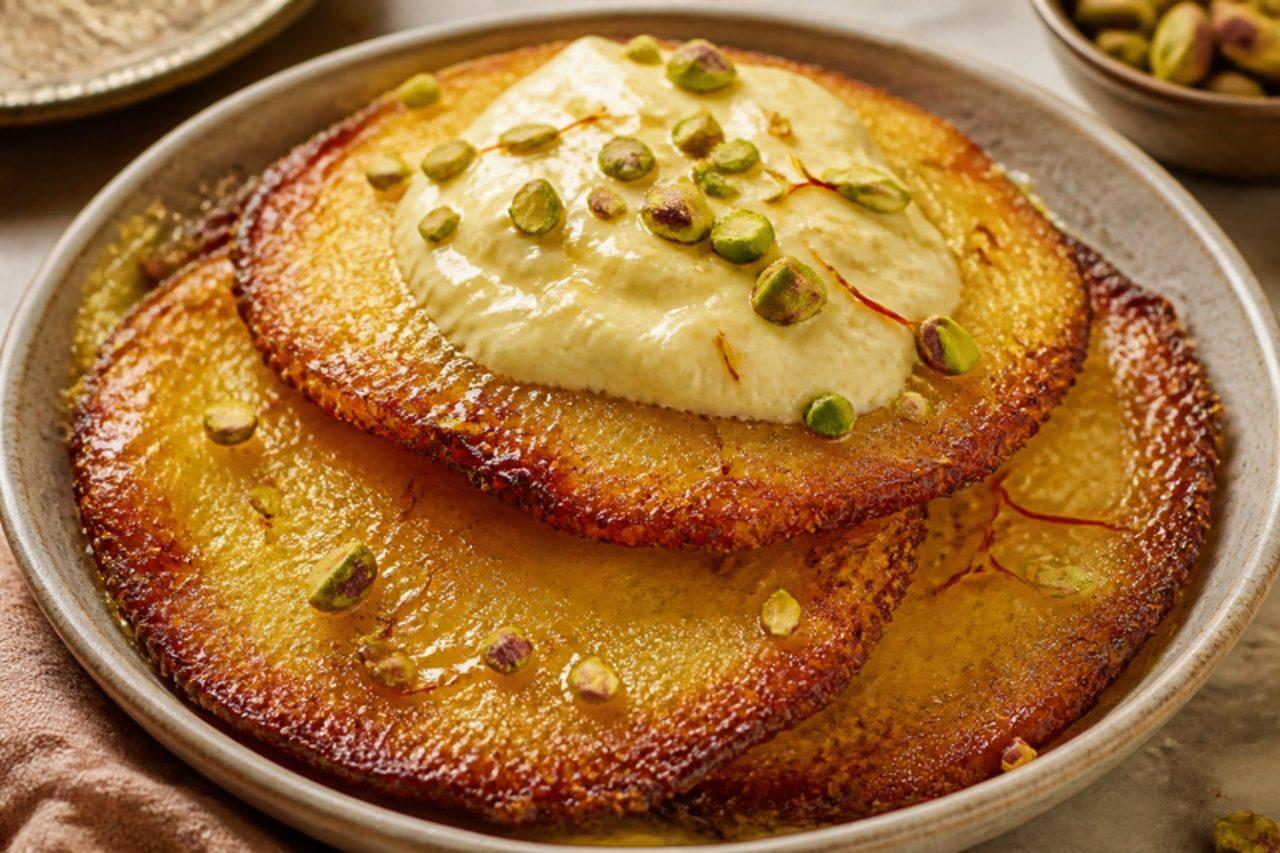
Jaipuri malpuaSweet fried pancakes in syrup

Jaipur's old-city sweet shops fry malpua in wide pans of ghee from winter through Holi and Teej, and serve them stacked in a bowl with thick rabri. The batter is made with milk, a little khoya and crushed fennel, so each pancake turns soft and spongy in the middle with crisp, lacy brown edges, then soaks up a saffron-cardamom syrup. Some families also make them as an offering on Holi morning. The usual mistake is skipping the rest: unrested batter spreads unevenly and stays flat and chewy. Chef's tip: pour the batter into the centre of the pan from close above so it spreads by itself; this is how the lacy edges form.

by KrazyBadal 0 views

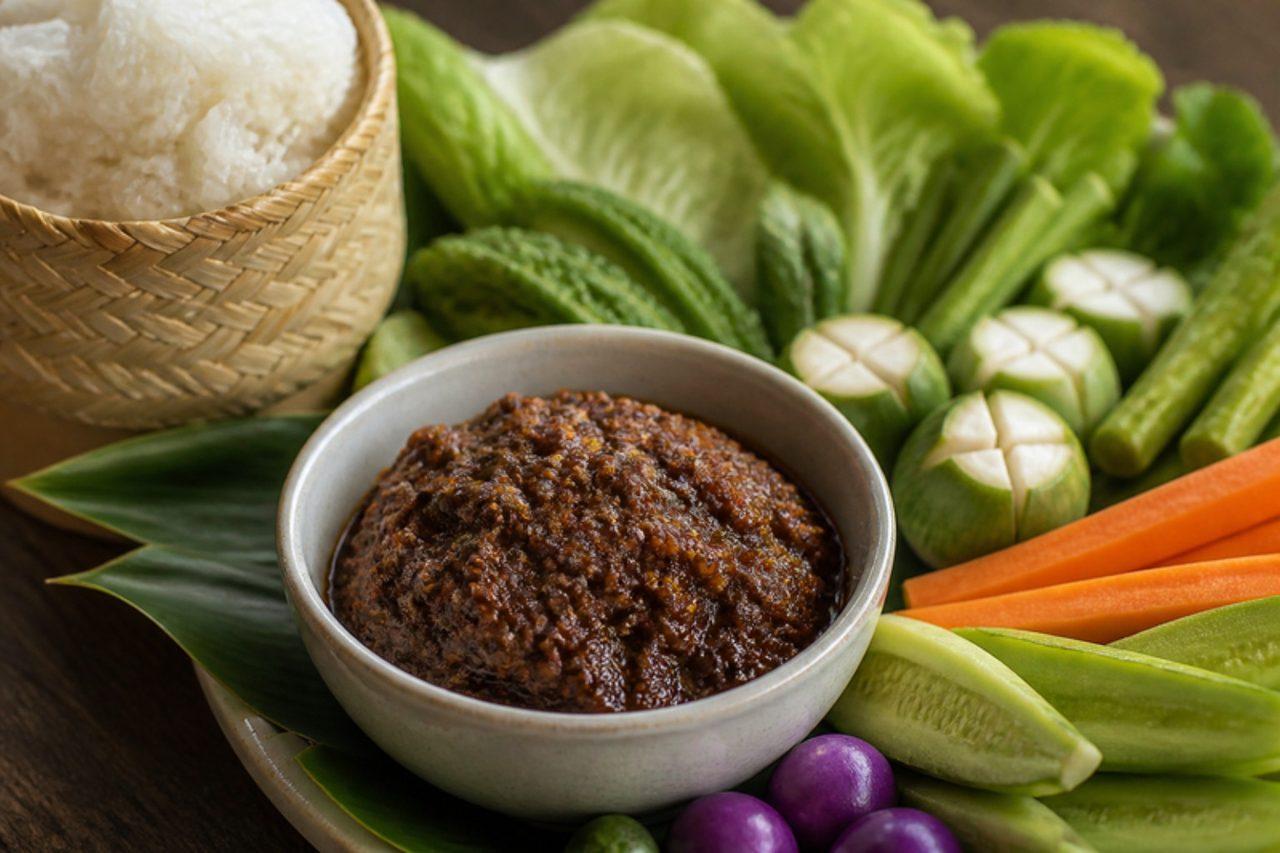
Jaew bongRoasted chilli paste

Isan and Lao households keep a jar of this thick, smoky relish in the kitchen the way other cooks keep mustard, scooping it onto sticky rice for a quick lunch or setting it out with steamed vegetables and crackling. Its backbone is pla ra, the funky fermented fish of the north-east, pounded with charred shallots, garlic, galangal and toasted chillies into a dark, rough-textured paste that is salty, sweet-smoky and fiery. For safety and ease this version uses bottled cooked pla ra (or anchovy sauce) and boils it before it goes in, since homemade raw pla ra can carry parasites. Serve with sticky rice, cucumber, cabbage and long beans. Chef's tip: roast the aromatics until properly blackened in patches; the char is the flavour, so don't stop when they are merely soft.

by KrazyBadal 1 views

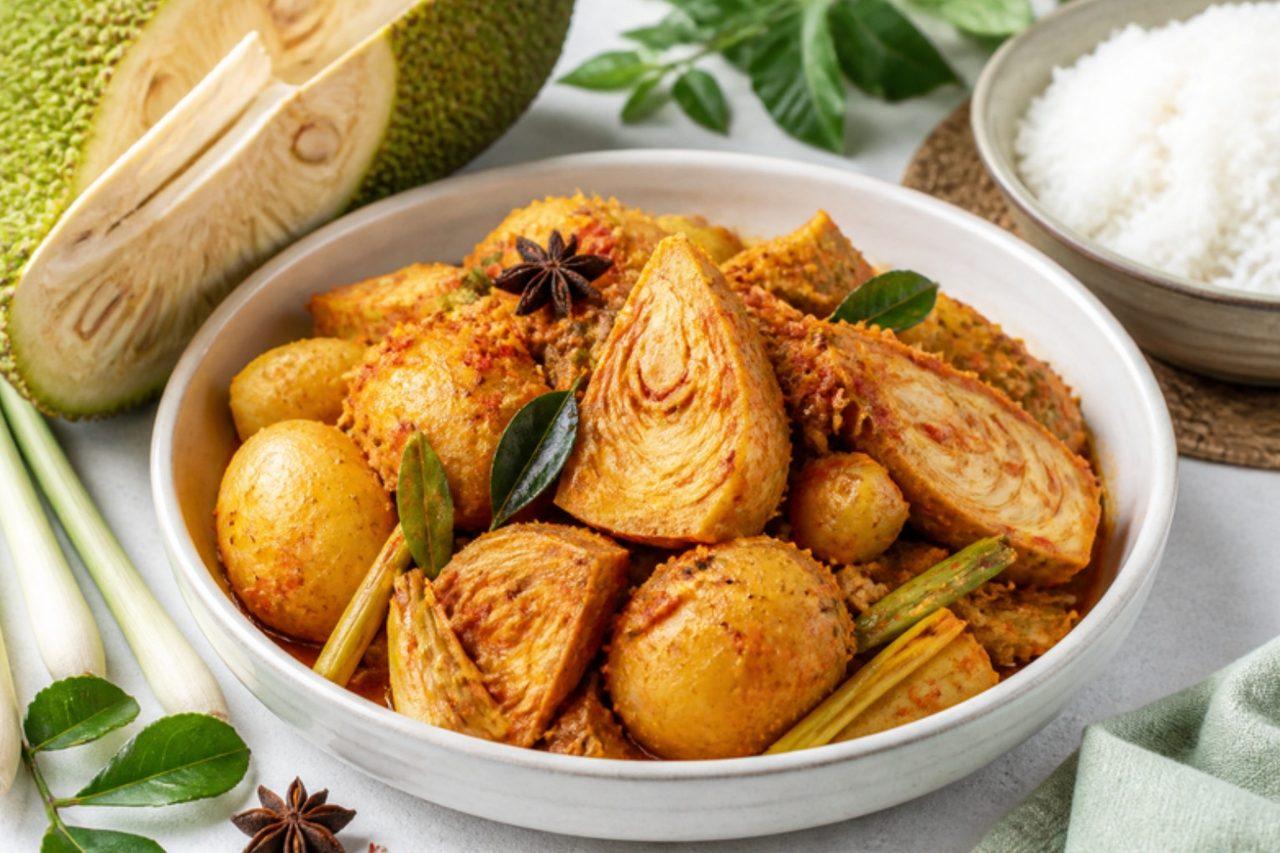
Jackfruit rendangJackfruit and potato coconut curry

Rendang belongs to the Minangkabau people of West Sumatra, who cook it for weddings, Eid and every big family gathering, stirring a wide pan for hours until the coconut milk cooks right down and fries the spices in its own oil. Minang cooks also make vegetable rendangs, and young jackfruit suits the method perfectly: its stringy texture soaks up the chilli, galangal and toasted coconut until each piece is dark brown and almost chewy at the edges. It's drier than a curry, eaten with plain rice in small portions because it's so rich. Chef's tip: once the oil separates, keep stirring over a low heat and let the paste darken to the colour of strong coffee — stopping early leaves you with a red curry, not rendang.

by KrazyBadal 0 views

Kroeung (Khmer lemongrass paste)Lemongrass and galangal paste

Almost every Khmer kitchen, from Phnom Penh flats to village houses around Siem Reap, starts the day's cooking by pounding kroeung in a heavy stone mortar. This is the yellow kind, coloured with fresh turmeric and built on lemongrass, galangal, makrut lime leaf, garlic and shallot; it goes into amok, samlor korko, noodle curries and stir-fries. Homemade, it smells brighter and more citrusy than any jar, and a batch keeps for a week in the fridge or months in the freezer. Chef's tip: slice the lemongrass into paper-thin rounds across the grain before it goes near the mortar or blender; long fibres never break down and leave the paste stringy.

by KrazyBadal 0 views

JachnunSlow-baked rolled pastry

Jachnun belongs to Yemenite Jewish families, who put the sealed pot in a very low oven on Friday before sunset and open it on Saturday morning to golden, sticky, layered rolls that taste faintly of caramel. In Rosh HaAyin and Tel Aviv's Kerem HaTeimanim it is now Saturday brunch for everyone, served with grated fresh tomato, fiery zhug and brown eggs baked in the same pot. The dough is stretched paper-thin with butter, rolled into logs and left to bake for 10 hours or more. Chef's tip: oil your work surface and hands rather than flouring them; flour stops the dough stretching thin enough to see through.

by KrazyBadal 0 views

Izumo warigo sobaBuckwheat noodles in stacked bowls

Izumo, in Shimane, is home to one of Japan's oldest shrines, and its soba is among the country's three most famous. The buckwheat is ground whole, husk and all, so the noodles are grey-brown, rough and strongly nutty. They come in a stack of three shallow round lacquer boxes called warigo, a custom from the picnic boxes Izumo townspeople carried to view flowers in the Edo period. You don't dip the noodles: you pour sauce and toppings straight onto the top bowl, eat it, then tip what's left onto the next. Classic toppings are grated daikon, spring onion and nori; ours leave out the usual bonito flakes. Chef's tip: look for 'inaka' (country-style) or 100% buckwheat soba. Paler noodles taste too mild for this dish.

by KrazyBadal 0 views

Juane de gallinaChicken and rice parcels

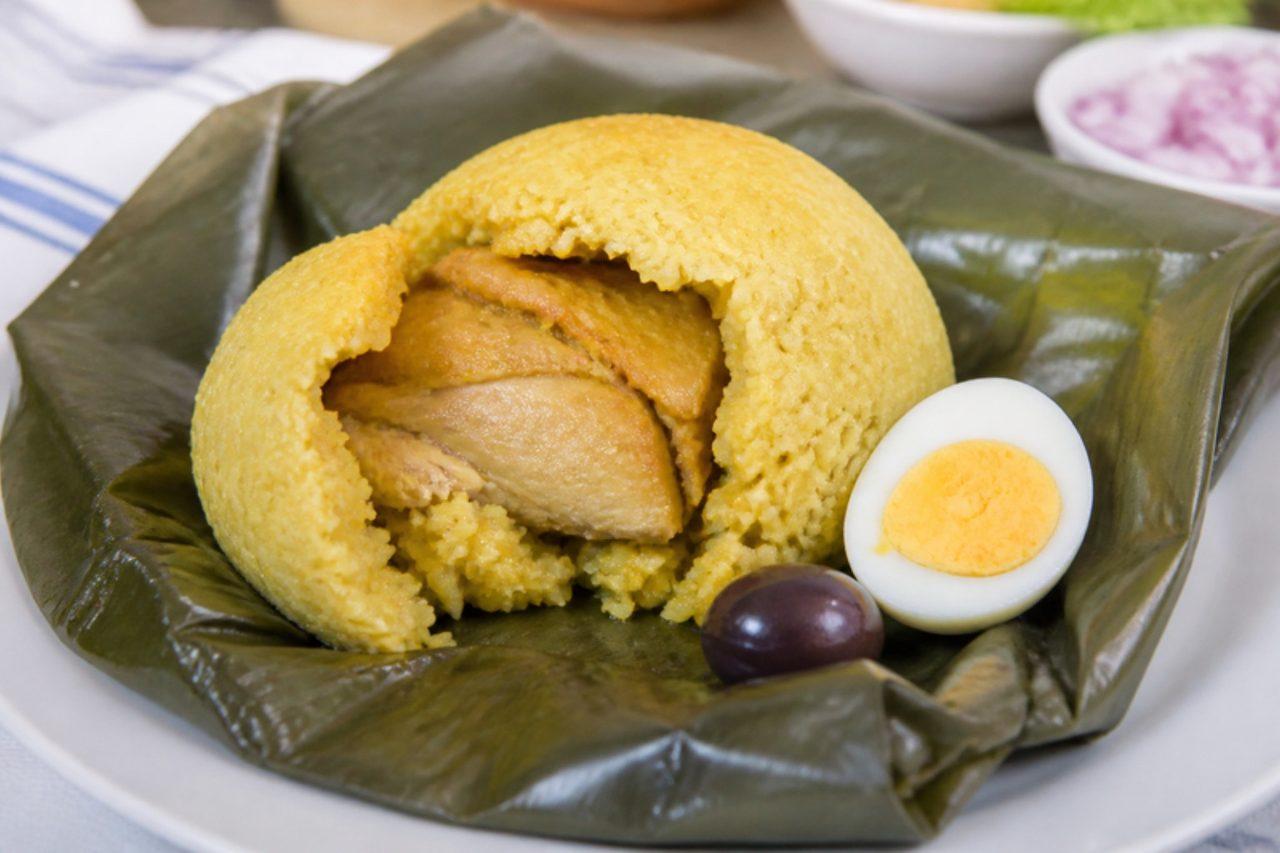
In Iquitos, Tarapoto and the river towns of Peru's Amazon, juanes are steamed by the hundred for the feast of San Juan on 24 June, when families picnic by the rivers to mark the start of the dry season. Each parcel hides a piece of chicken, half a boiled egg and a black olive inside rice seasoned with turmeric, cumin and the herb sacha culantro, all wrapped in broad bijao leaves that perfume the rice. Banana leaves are the easiest swap outside the jungle. Chef's tip: let the rice cool before you wrap it; warm rice is too soft to shape and the parcels lose their round shape.

by KrazyBadal 0 views

Isso vadaiPrawn and lentil fritters

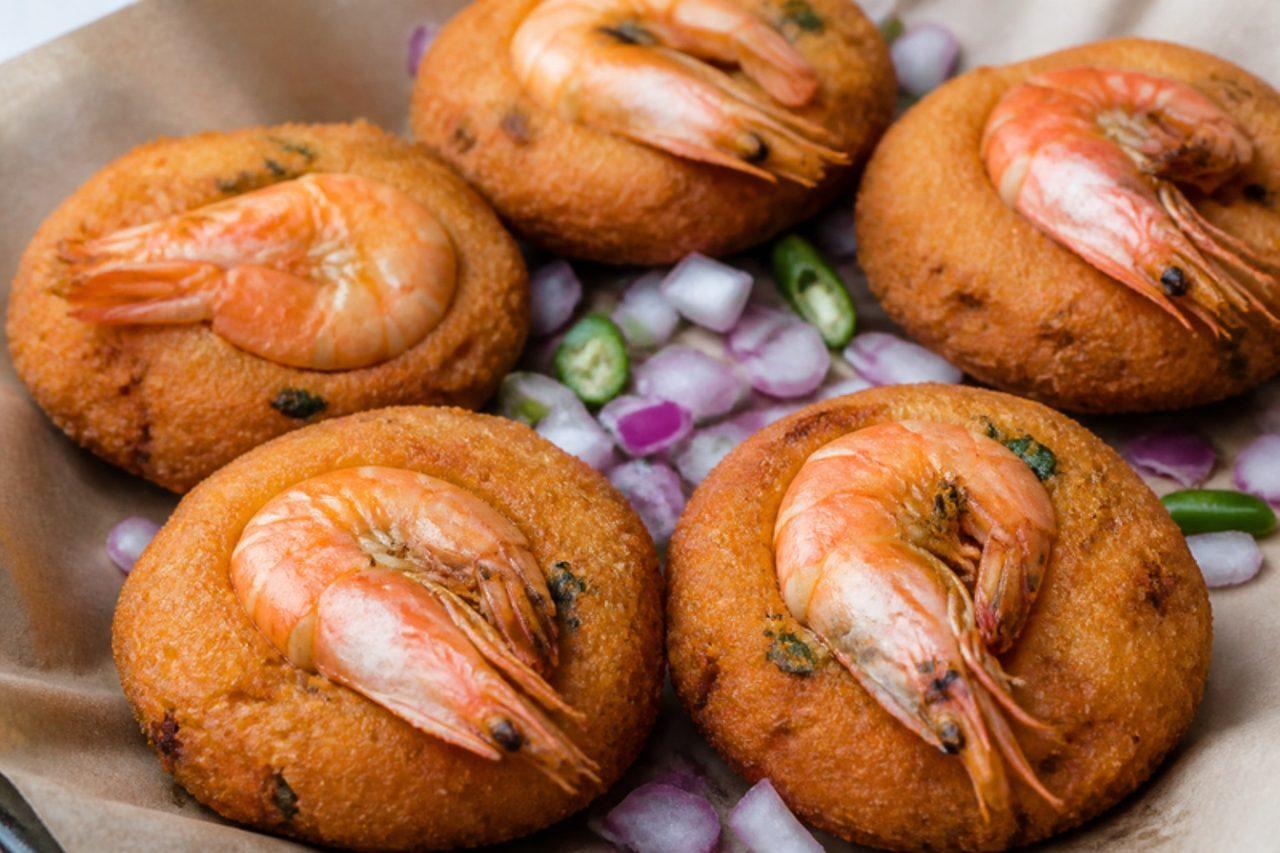
As the sun goes down on Galle Face Green in Colombo, carts line the seafront selling isso vadai: crunchy lentil fritters with a whole prawn pressed into the top of each one. Families buy them in paper bags with sliced onion and a squeeze of lime while the kids fly kites. At home they make a great teatime snack or a starter for guests, and they're best eaten within minutes of frying. Chef's tip: soak the split peas but don't grind them too smoothly; a coarse, slightly grainy batter is what gives the fritters their crunch.

by KrazyBadal 0 views

KrupnikBarley soup with smoked pork

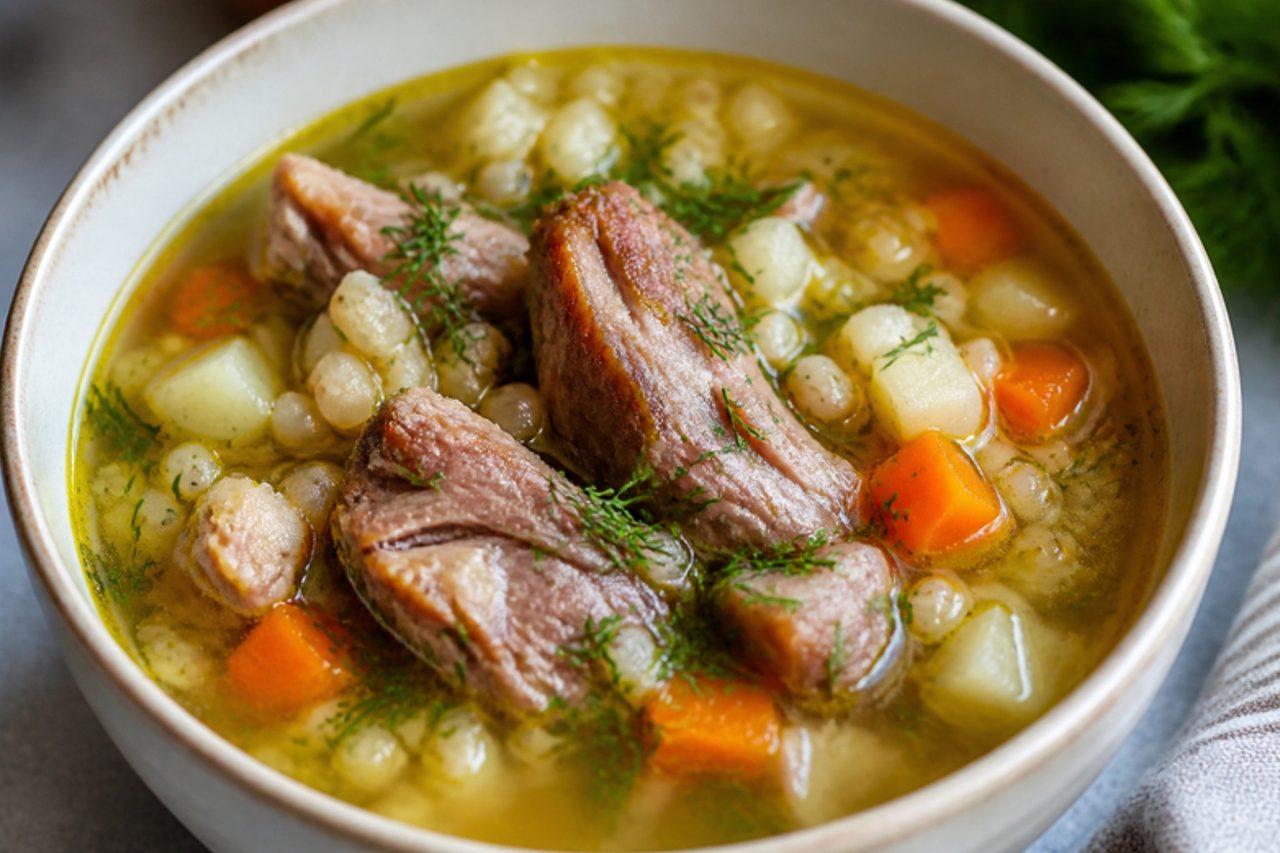
Krupnik is a thrifty, warming soup from every Polish grandmother's kitchen, from the villages of Podlasie to city milk bars, and it is the soup people make when someone in the house has a cold. Pearl barley (kasza jęczmienna), carrot, celeriac, parsley root and potato simmer in a broth of smoked pork ribs, which gives it a gentle smoky depth; this version contains pork. Dried mushrooms add an earthy note. Chef's tip: rinse the barley well and add it early; it releases starch that gives krupnik its slightly creamy body.

by KrazyBadal 0 views

İskender kebabLamb over pide with tomato sauce

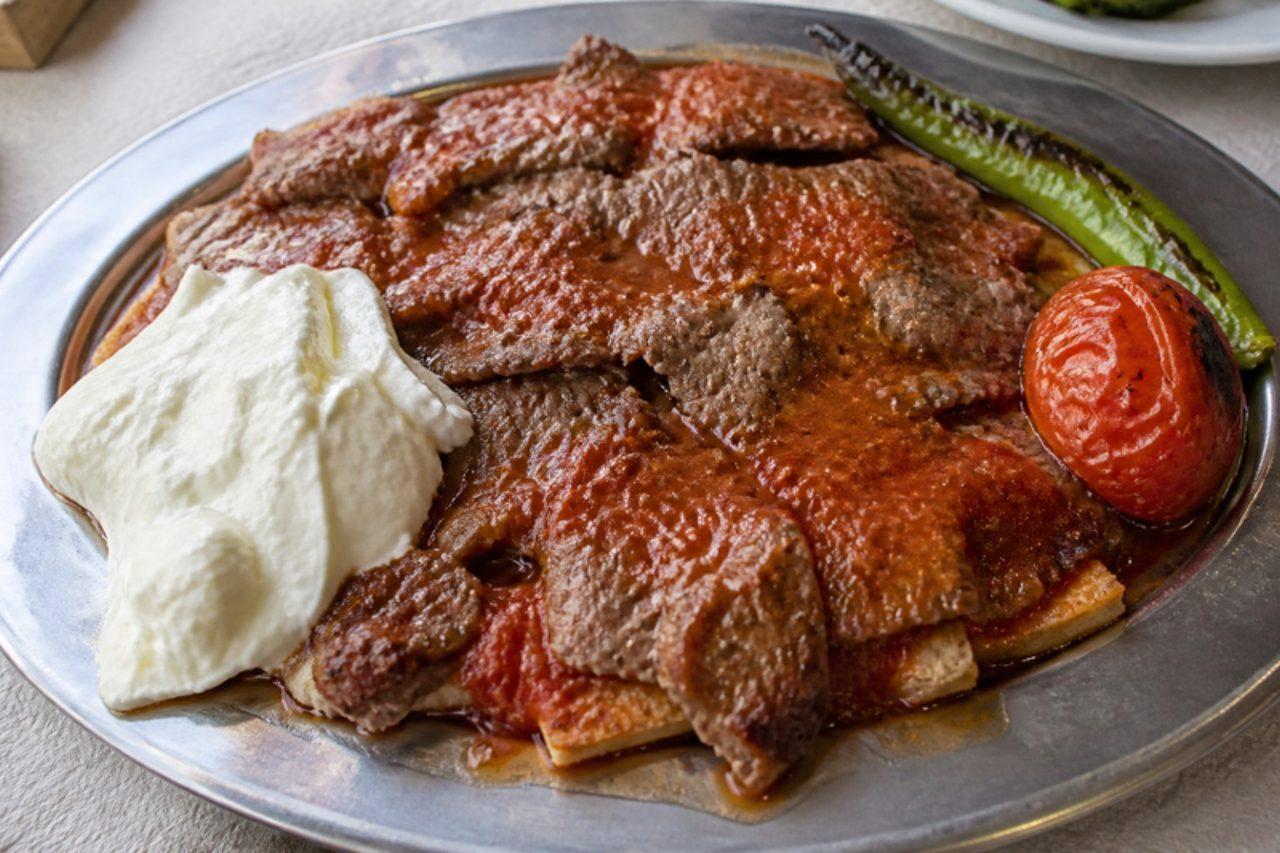
İskender comes from Bursa, the old Ottoman capital below Mount Uludağ, where restaurants have served it since the late 1800s and families still queue for it at weekend lunch. Shavings of grilled meat are laid over cubes of soft pide, soaked in a buttery tomato sauce and finished at the table with a pour of foaming brown butter beside a mound of thick yogurt. Without a vertical döner grill at home, very thin slices of marinated lamb leg seared fast in a hot pan get you close: crisp at the edges, juicy in the middle. Serve it with roasted green peppers and a glass of ayran. Chef's tip: partly freeze the meat for 30–40 minutes before slicing; it firms up and you can cut it almost as thin as döner shavings.

by KrazyBadal 0 views

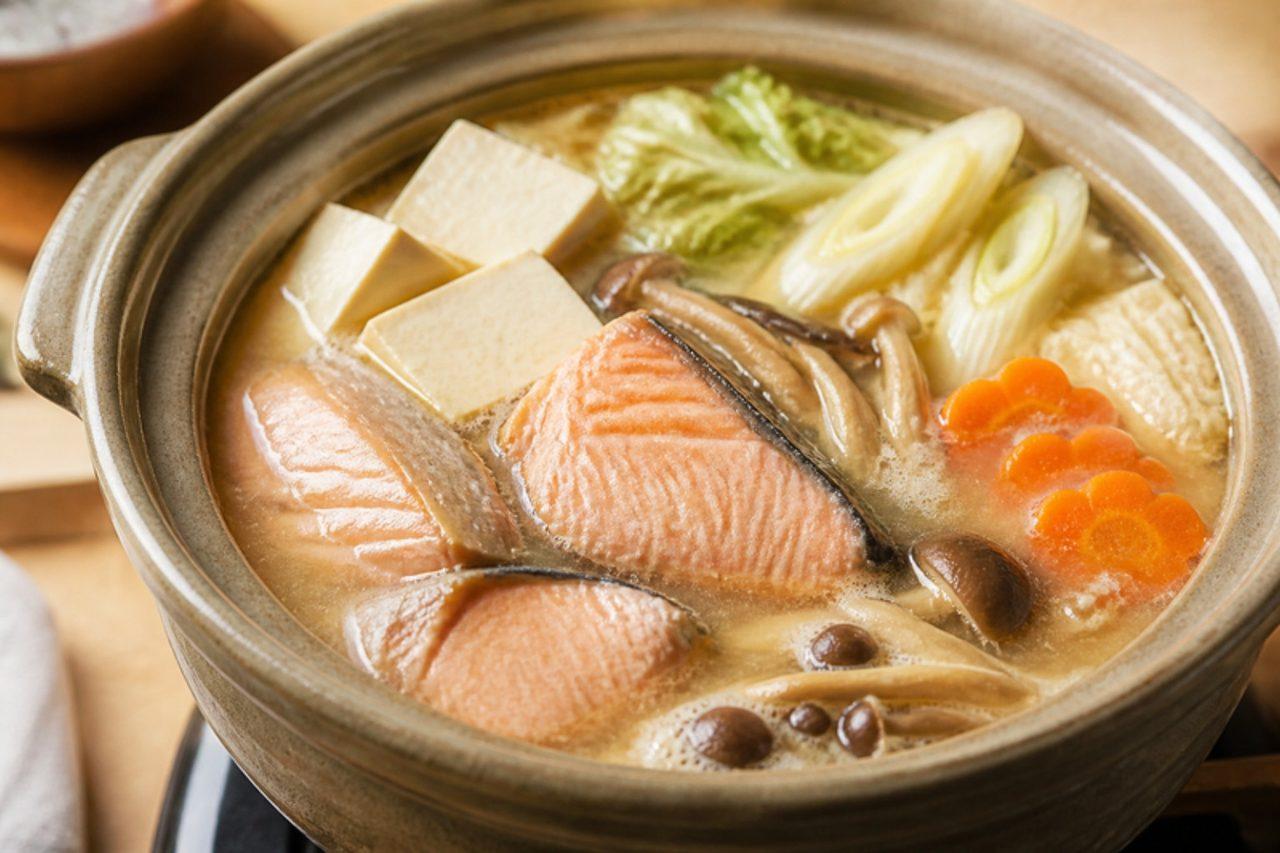
Ishikari nabeSalmon miso hot pot

Autumn salmon swimming up the Ishikari River, near Sapporo, gave the fishing families at its mouth a glut of fish, and this miso hot pot is how they cooked it. Today Hokkaido families bring a clay pot of it to the table on cold nights from October onwards, and everyone helps themselves as it bubbles on a portable burner. Chunks of salmon, potato, cabbage, tofu and mushrooms simmer in kombu broth thickened with miso. A pinch of sansho pepper at the end lifts the richness, and some cooks melt a knob of butter on top. Chef's tip: salt the salmon for 10 minutes and pour boiling water over it before it goes in the pot, as this firms the flesh and washes away any fishy smell.

by KrazyBadal 0 views

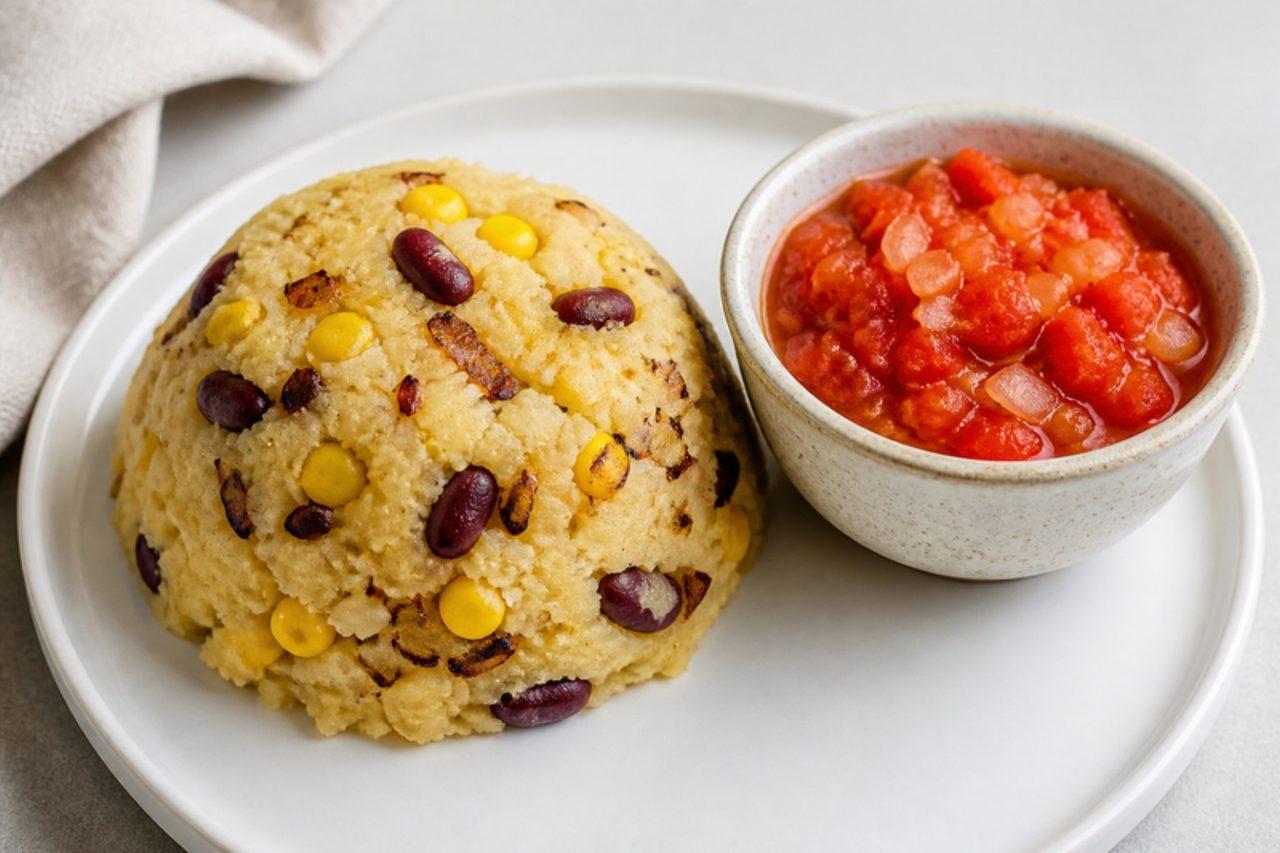
IrioMashed potato, corn and beans

Irio is a Kenyan mash of potatoes with whole corn and kidney beans, fried onion, chilli and butter. It's hearty and comforting. Serve it with a simple tomato stew, as here, or tomato sauce.

by KrazyBadal 0 views

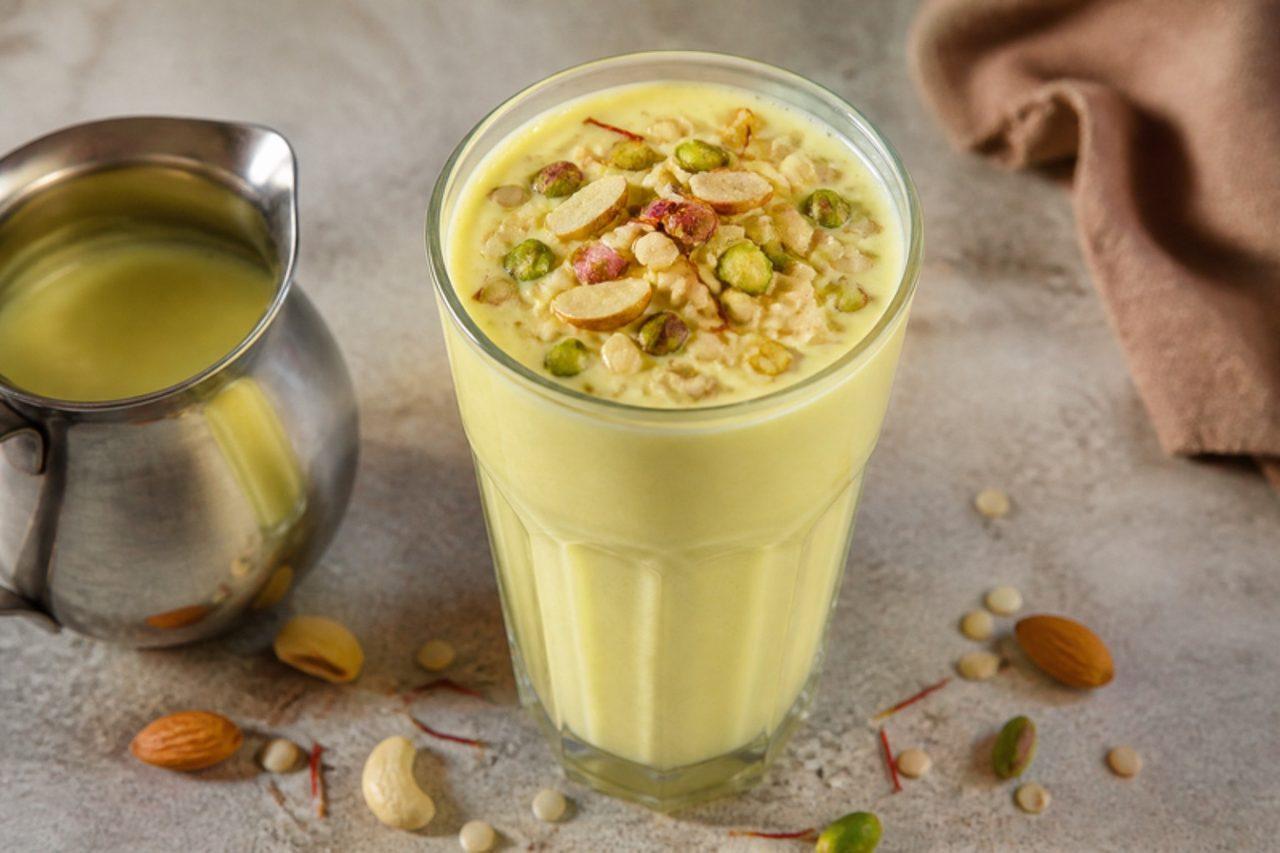
Indori shikanjiThick chilled milk drink

Anyone who orders shikanji in Indore expecting lemonade gets a surprise: here it is a spoonably thick drink of slow-reduced milk, saffron and cardamom, with a gentle tang from thick yogurt and plenty of chopped dry fruit. It is a late-night treat at Sarafa and Chhappan Dukan, poured from steel jugs into glasses after a round of savoury snacks. Think of it as somewhere between a lassi and a cold rabri. Chef's tip: the milk must be completely cold before the yogurt goes in, or the drink splits into grainy curds.

by KrazyBadal 0 views

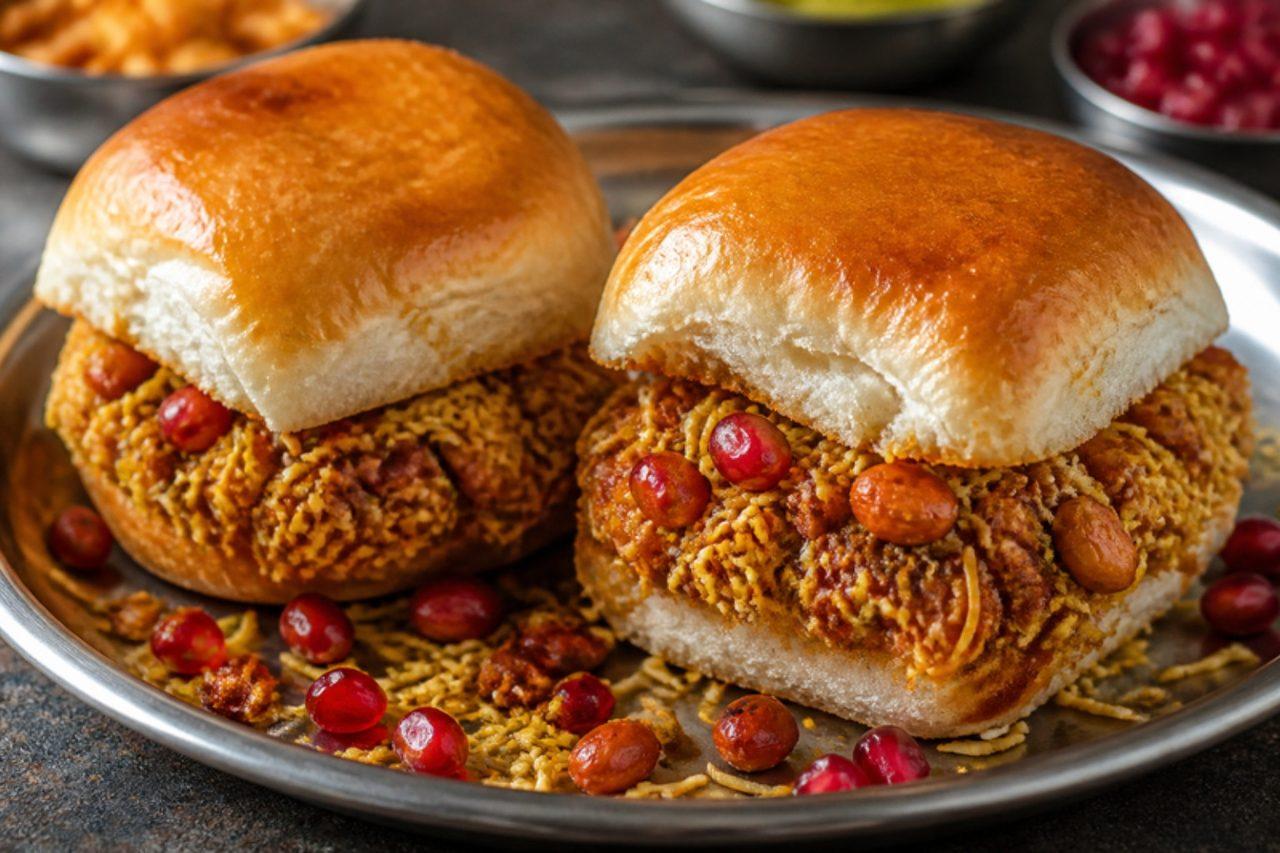
Kutchi dabeliSpiced potato buns

Dabeli was born in Mandvi, a port town in Kutch, Gujarat, and spread from there to every street corner in Mumbai. Soft pav are split, spread with sweet tamarind and fiery garlic chutneys, and stuffed with a potato filling spiced with dabeli masala, a warming blend of roasted coriander, cumin, cinnamon, clove and dried chilli. Masala peanuts, pomegranate seeds, onion and sev add crunch and sparkle, and the buns are toasted in butter until crisp at the edges. Children love them for the sweetness, adults for the heat. Chef's tip: make the dabeli masala yourself and toast the whole spices until they just smell warm; shop-bought powders lack that fresh, smoky sweetness, and a jar keeps for a month.

by KrazyBadal 0 views

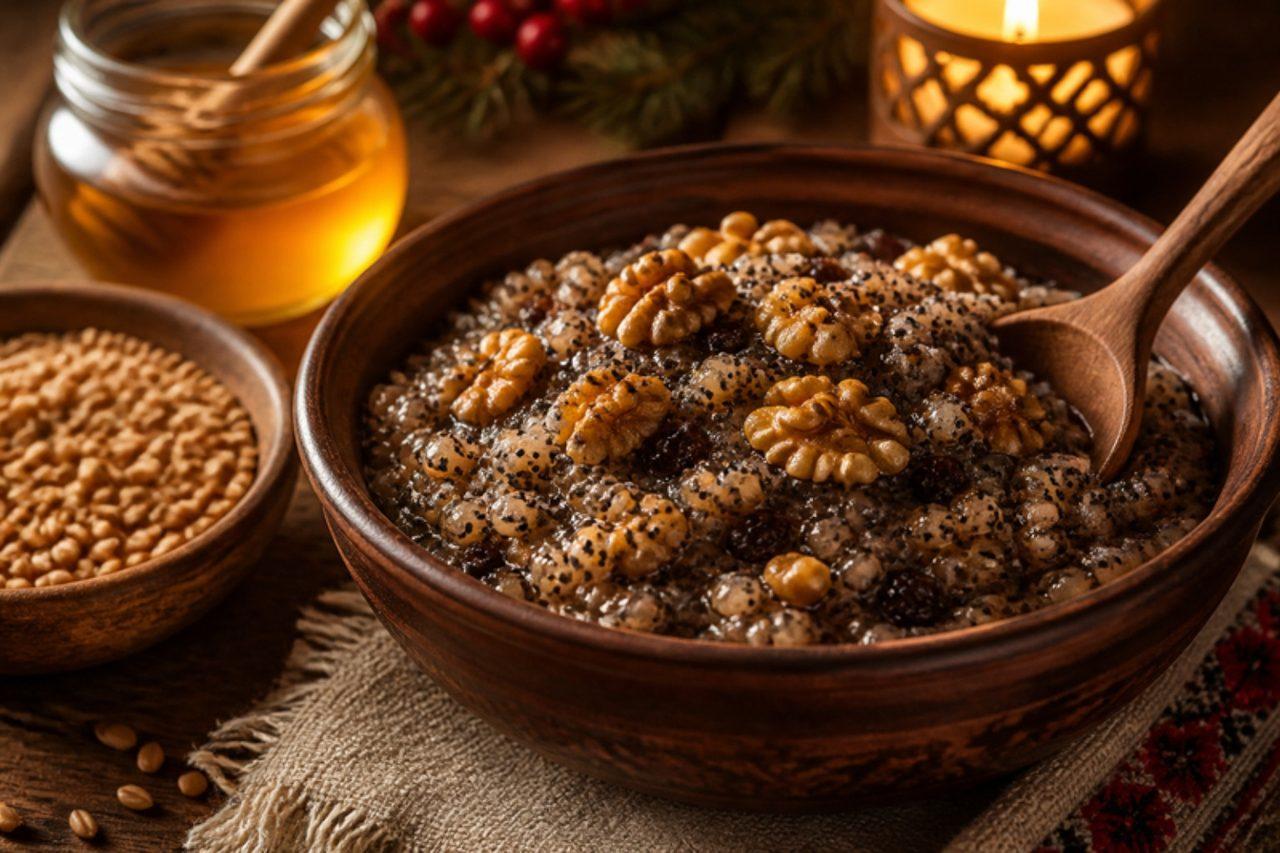
KutiaWheat berries with poppy seeds

Kutia is the first dish tasted on Ukrainian Christmas Eve, once the first star appears in the sky: a bowl of whole wheat berries mixed with ground poppy seed 'milk', honey, walnuts and raisins. Families in Lviv, Ternopil and the villages of the west traditionally throw a spoonful at the ceiling for luck and set a bowl aside for departed relatives, and the head of the house greets the evening with it. It is eaten at room temperature, sweet, nutty and chewy, and the spoon must touch every guest's plate. Chef's tip: soak and grind the poppy seed until it turns white and milky; common mistake is using it whole, which leaves kutia gritty and grey instead of creamy.

by KrazyBadal 0 views

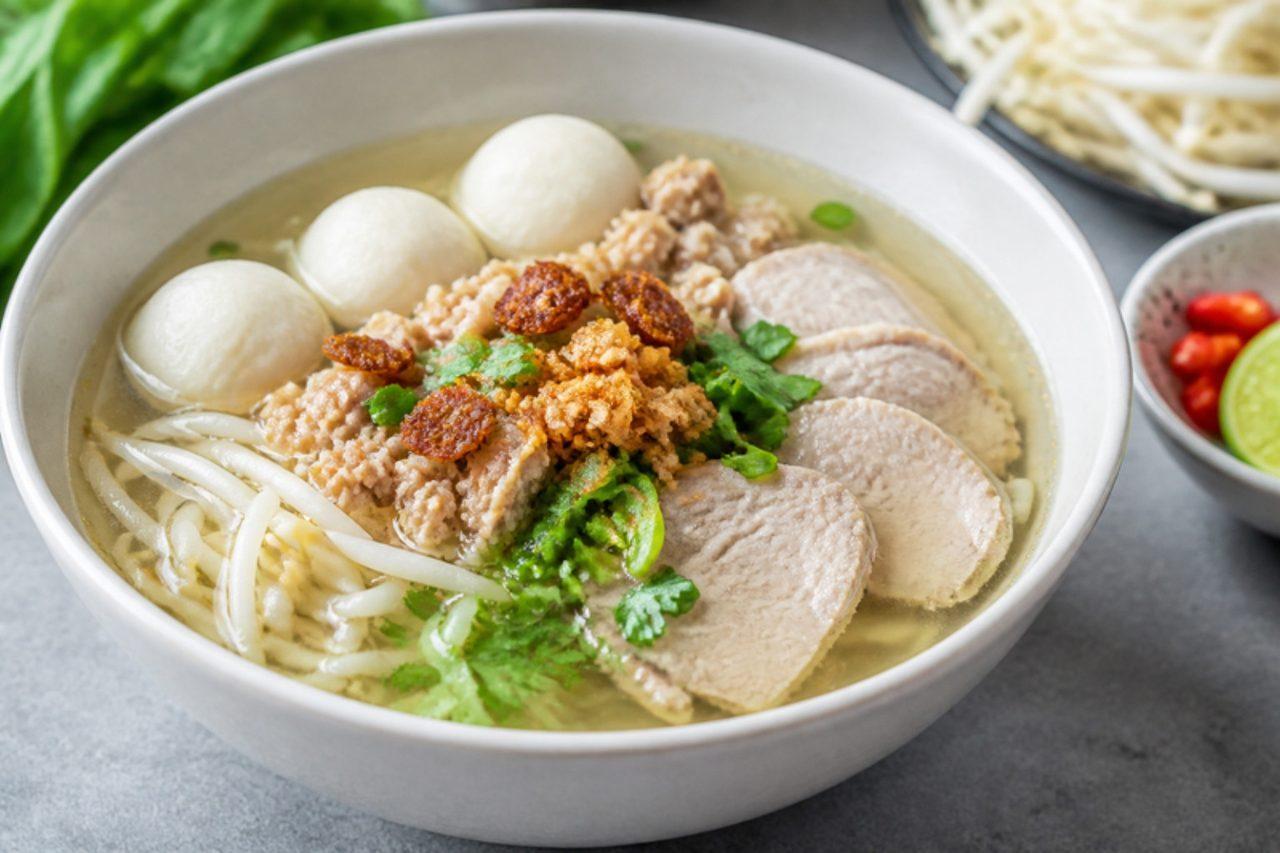
Kuy teavPork bone rice noodle soup

Kuy teav is what Phnom Penh eats for breakfast: before 8 am the city's street stalls and markets are busy with people bent over bowls of it. It is a pork soup: a clear, slightly sweet broth simmered from pork bones with dried squid or shrimp and charred onion is poured over rice noodles, sliced pork, minced pork and prawns, and everyone finishes their bowl with lime, chilli, bean sprouts and fried garlic. Chef's tip: never boil the broth hard; keep it barely trembling so it stays crystal clear.

by KrazyBadal 0 views

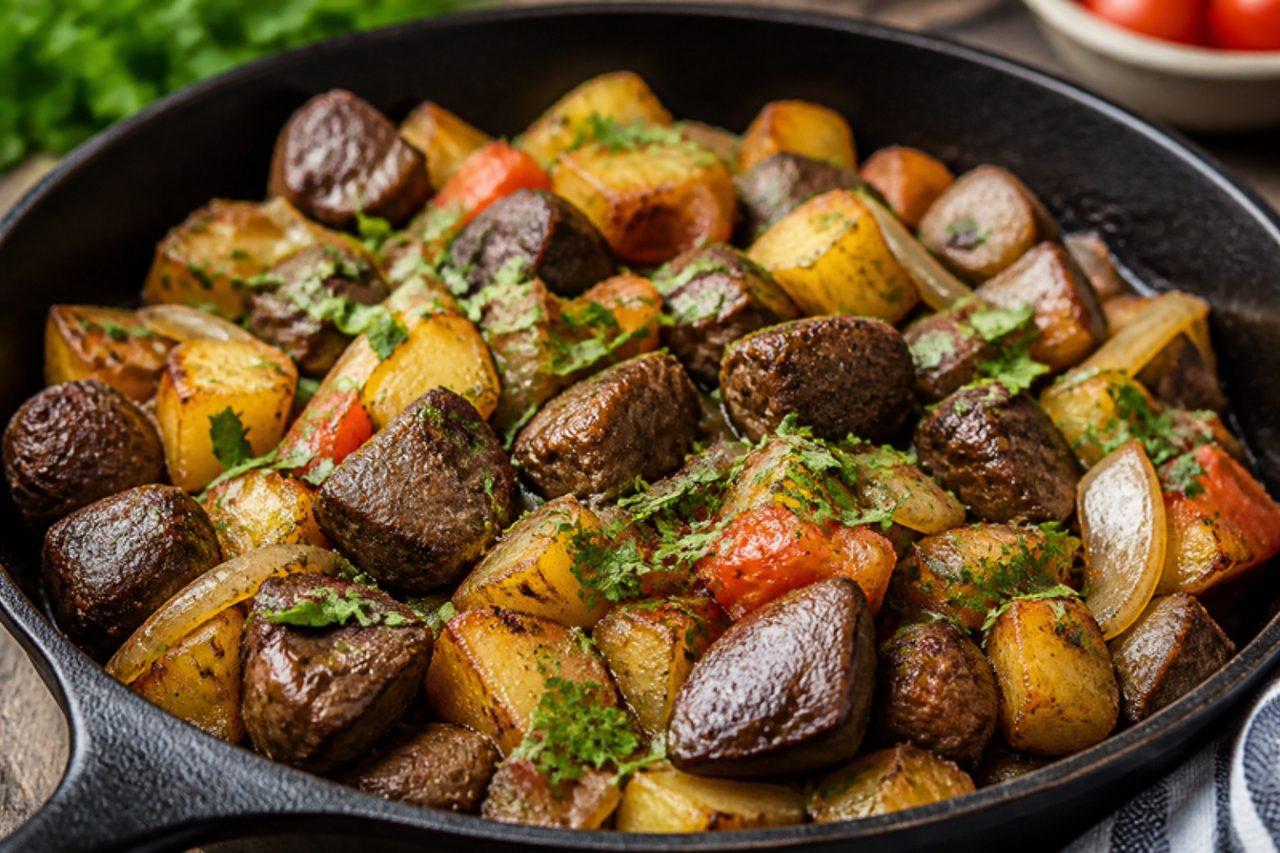
KuyrdakFried lamb with offal

Kuyrdak is the first meal cooked when a sheep is slaughtered on a Kazakh farm, made quickly from the freshest cuts and the offal: lamb meat, liver, heart and kidneys fried in a kazan with onion and potatoes. Today it is an everyday dish in Almaty and the steppe villages, eaten hot from the pan with bread and strong tea. Every part is cut to the same size so it all cooks evenly. Overcooking the liver is the most common fault; it goes in last and should be just cooked through and still soft, not grainy. Chef's tip: soak the kidneys in salted cold water for 30 minutes to remove any strong smell.

80 minKazakhMeatGluten free
by KrazyBadal 0 views

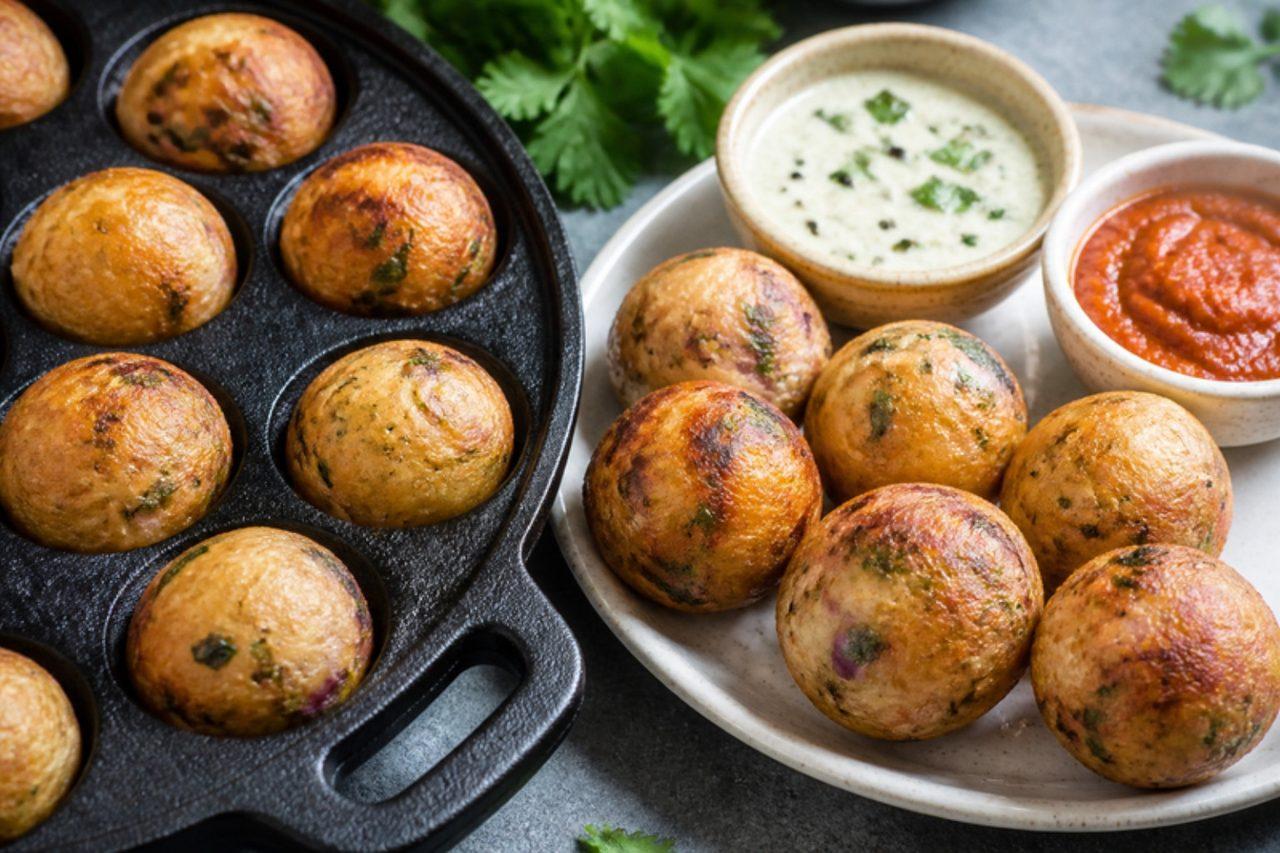
Kuzhi paniyaramSavoury rice dumplings

In Chettinad, kuzhi paniyaram is what happens to the last of the idli and dosa batter: it's mixed with shallots, chilli and curry leaves and cooked in a cast-iron pan full of round hollows until each ball is crisp and golden outside and soft as idli inside. Karaikudi households make them for evening tiffin and they're sold hot from street griddles in Madurai. Eat them straight from the pan with coconut chutney or a red tomato-onion kara chutney. Chef's tip: use batter that's a day or two old and slightly sour; it gives lighter, puffier paniyarams than fresh batter.

by KrazyBadal 0 views

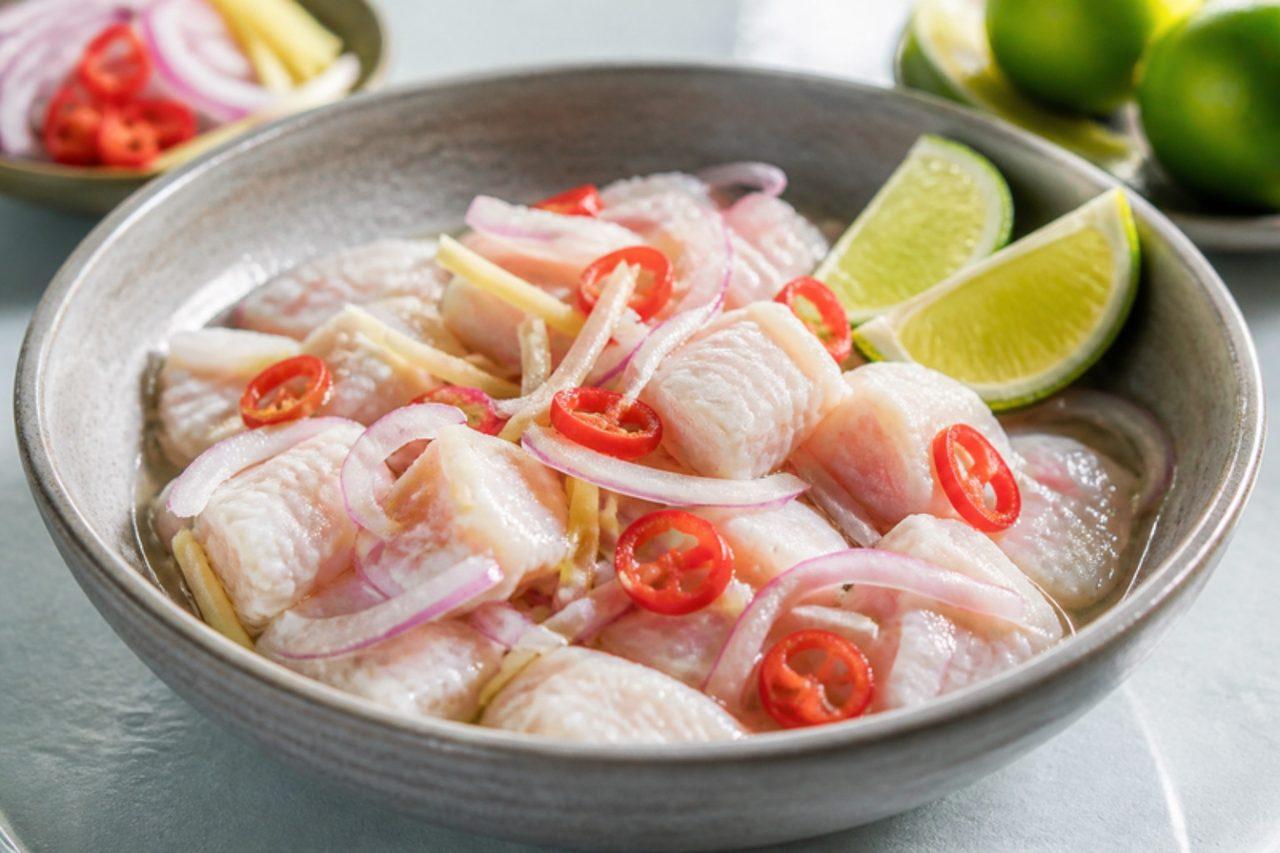
HinavaRaw fish salad with lime

Hinava is the dish Kadazandusun families set out at Kaamatan, Sabah's harvest festival in May, and on weekend tables in Kota Kinabalu and Penampang. Strips of raw mackerel are soaked in sour lime juice, then tossed with sliced shallots, ginger, red chilli and grated seed of bambangan, a wild mango, which adds a musky tang. The result is sharp, clean and crunchy, with firm, pearly fish. Eat it as a starter or alongside rice and grilled meat. Chef's tip: slice the fish very thinly and evenly so the lime firms each strip the same way, and season with salt only at the end.

by KrazyBadal 0 views

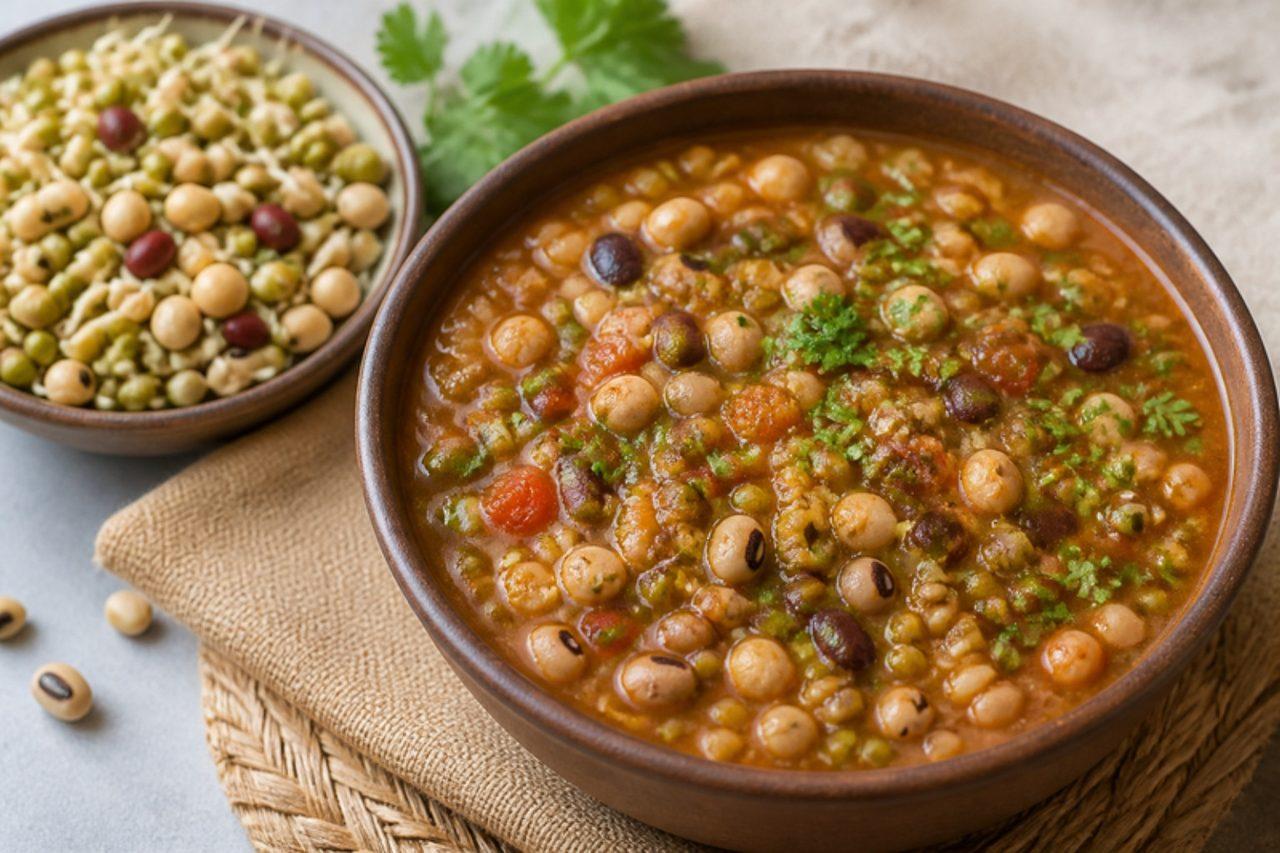
KwatiMixed sprouted bean soup

Kwati is a thick, warming soup of nine kinds of sprouted beans that the Newar families of the Kathmandu Valley cook on Janai Purnima, the August full moon also called Kwati Punhi, when the monsoon is at its height and people are said to need strength against the damp. The mix usually includes black gram, green mung, chickpeas, soybeans, field peas, kidney beans, cowpeas, field beans and rice beans, soaked and sprouted for two or three days beforehand, then cooked with ajwain, ginger, garlic, tomato and a pinch of timur. Markets in Asan sell ready-mixed kwati beans in the week before the festival. It is eaten in bowls with beaten rice or simply on its own. The mistake people make is skipping the sprouting, which leaves the soup heavy and the beans hard. Chef's tip: fry the ajwain until it crackles; its thyme-like warmth makes the beans easier to digest and is the flavour of the festival.

by KrazyBadal 0 views

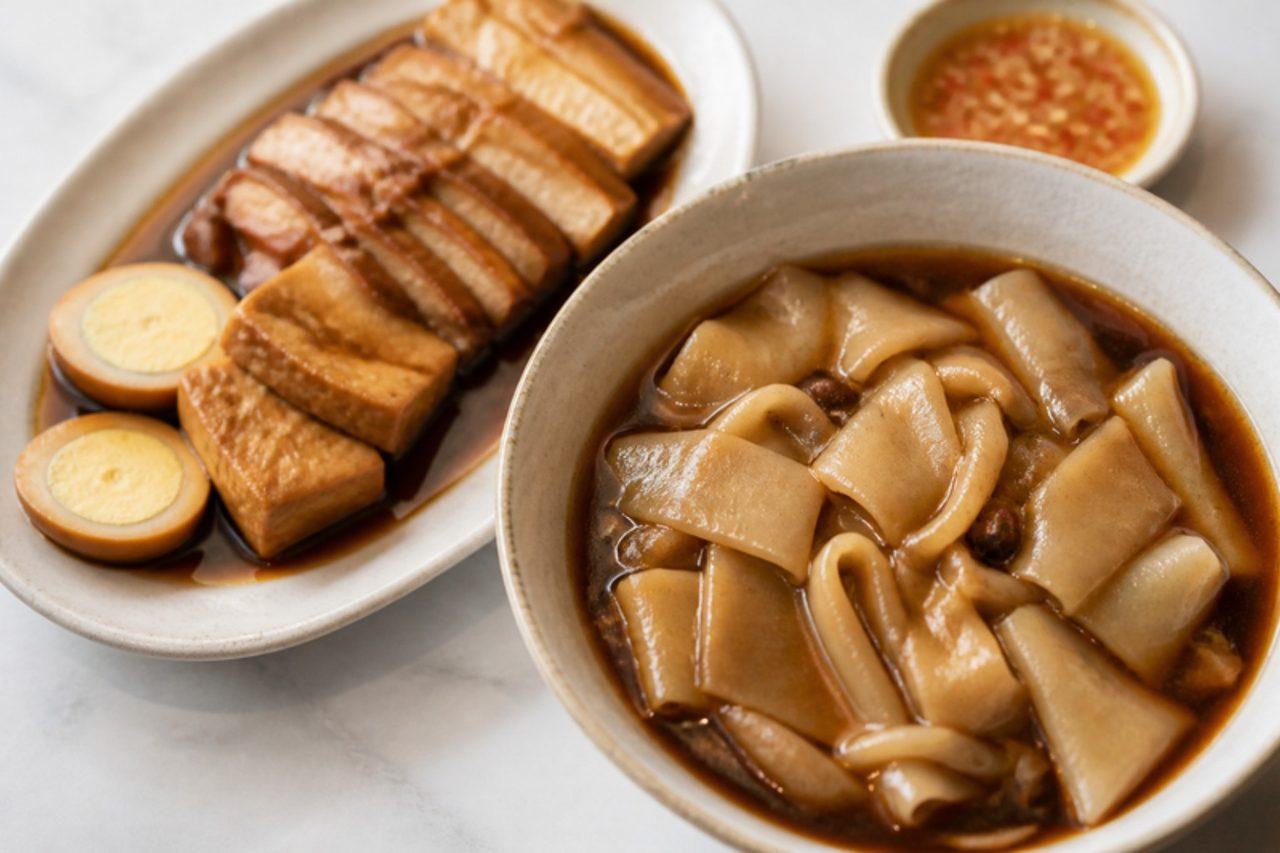
Kway chapRice sheets in braising broth

Breakfast in Shantou and Chaozhou often means a steaming bowl of kway chap from a market stall: squares of rice sheet simmered until soft and silky in a dark, gently spiced broth, with braised pork belly, tofu and eggs on the side. Teochew emigrants carried it to Singapore, where it became a hawker centre favourite, but the original is simpler, cheaper and very comforting on a cool morning. The broth tastes of soy, star anise and cinnamon, slightly sweet, and the rice sheets drink it up. Eat it with chilli vinegar, pickled mustard greens and plenty of white pepper. Chef's tip: braise the pork the night before; the flavours settle and you can lift the hardened fat off the top.

by KrazyBadal 0 views

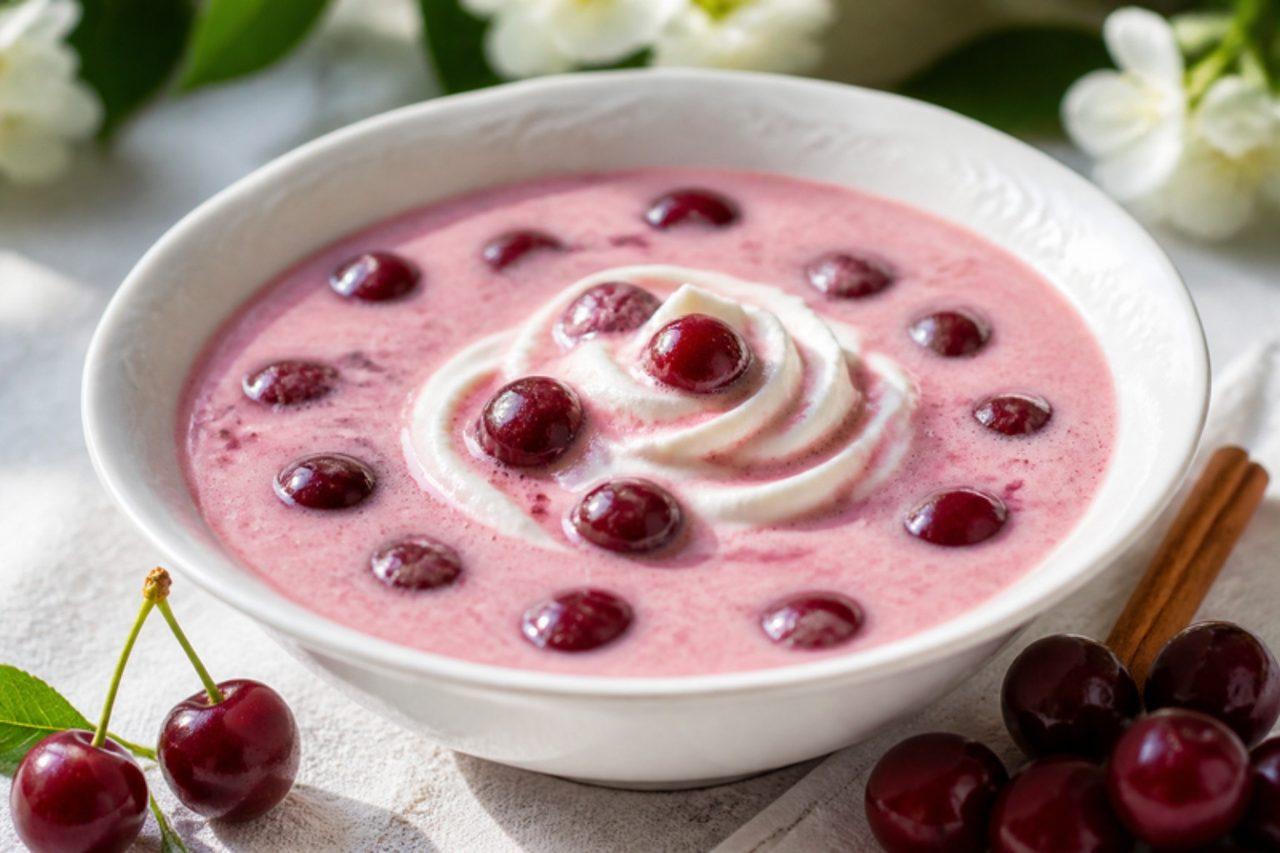
Hideg meggylevesChilled sour cherry soup

Hideg meggyleves is a chilled sour cherry soup served as a starter in Hungary at the height of summer, from family lunches in the cherry-growing villages around Pest county to the terraces of Balaton restaurants. Sour cherries simmer briefly with sugar, cinnamon and cloves, then the soup is thickened with sour cream and served icy cold, pink and gently tangy. Some cooks add a splash of red wine for grown-ups. It is eaten before the main course, not as dessert, though no one complains if you have it after. Chef's tip: chill it for at least 3 hours; the flavour rounds out and the spices soften as it cools. A common mistake is boiling it after the cream goes in, which curdles it.

by KrazyBadal 0 views

Kyiv cakeHazelnut meringue cake

Kyiv cake was created in 1956 at the Karl Marx confectionery factory in Kyiv, and for decades a round box tied with string, bought at the station kiosk, was the souvenir every visitor carried home from the capital. Two crisp, chewy layers of nut meringue are sandwiched with a rich vanilla and cocoa buttercream and decorated with more cream. It contains no flour, so it is naturally gluten free, and no gelatine. Our home version uses hazelnuts, as the original did before cashews became the norm. Chef's tip: dry the meringue long and slow and let it cool in the switched-off oven; common mistake is pulling it out too early, when it is still soft inside, and then it turns sticky and collapses under the cream.

by KrazyBadal 0 views

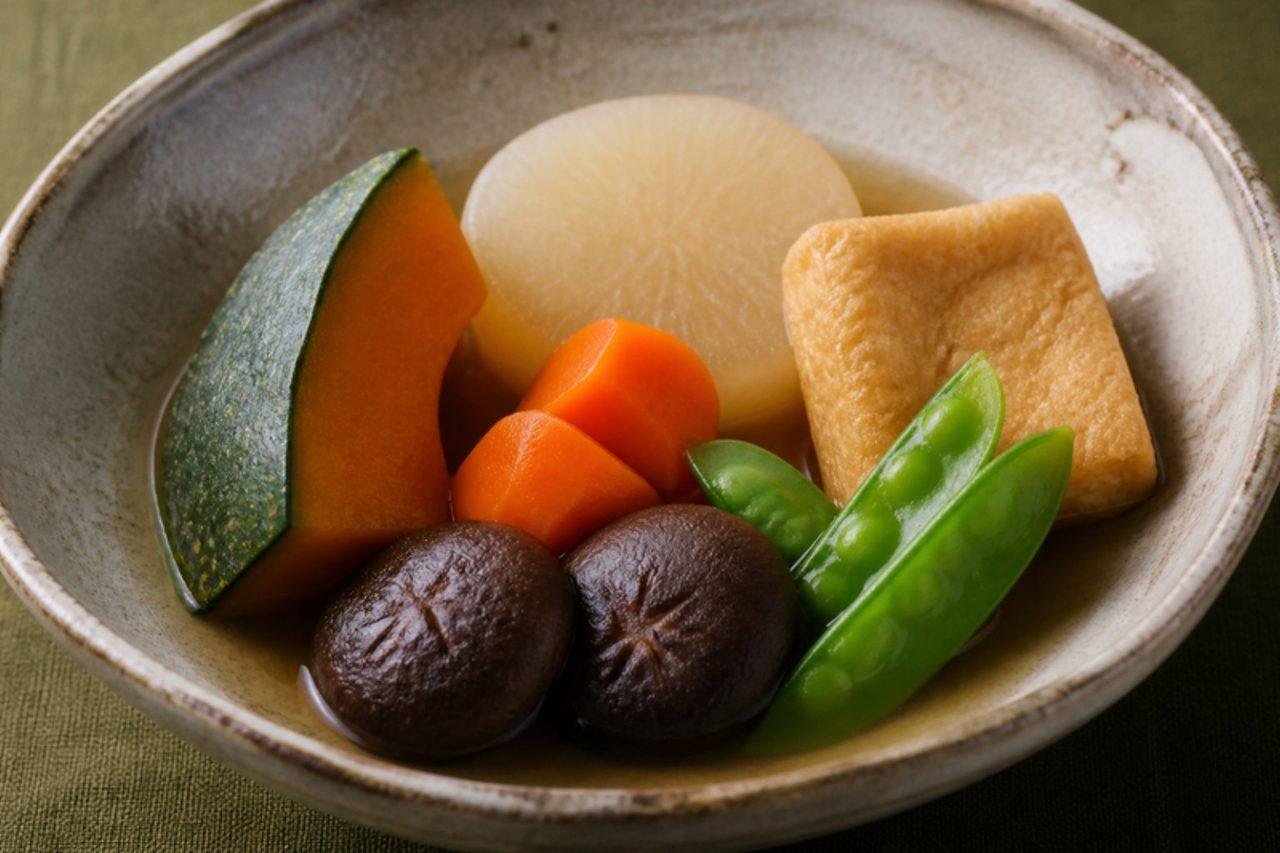
Kyoto takiawaseSimmered vegetables

Obanzai is what Kyoto calls its everyday home cooking: thrifty, seasonal side dishes that families keep in the fridge and that small restaurants line up in bowls along the counter. Takiawase, 'simmered together', is one of its finest. Each vegetable is cooked separately in a pale, delicate broth, so the kabocha stays orange, the daikon turns translucent and the carrot keeps its colour, then they are arranged side by side in one dish. Kyoto cooks season with light-coloured usukuchi soy, which is saltier than regular soy but doesn't darken the food. Serve it warm or at room temperature with rice and miso soup. Chef's tip: let everything cool in its broth. The vegetables soak up most of their flavour as they cool, not while they boil.

by KrazyBadal 0 views

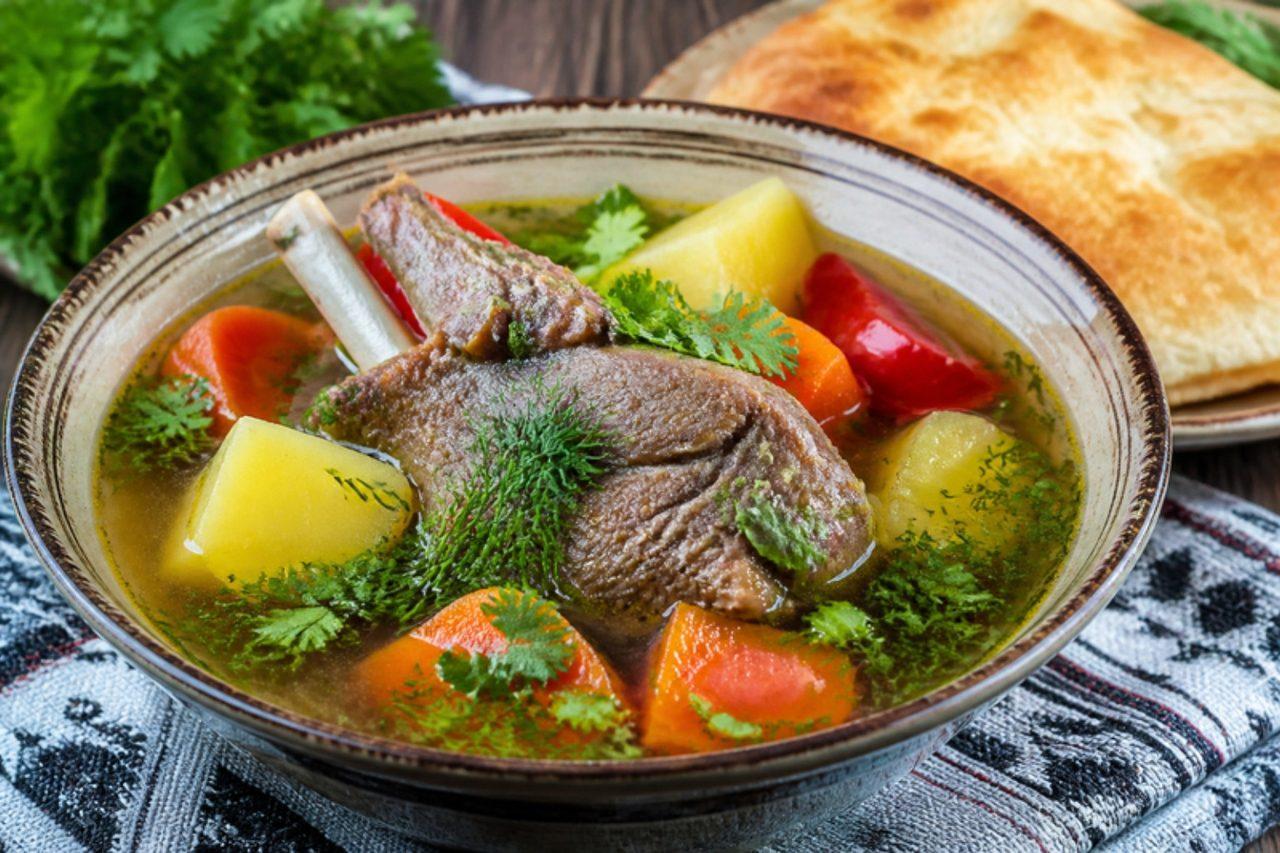
Kyrgyz shorpoLamb and vegetable broth

Shorpo is the soup that keeps Kyrgyz herders warm in the summer pastures around Issyk-Kul and in yurts high in the Tian Shan: big pieces of lamb on the bone simmered slowly with whole potatoes, carrots and onion until the broth is clear and golden. The meat and vegetables are often served on a plate and the broth in bowls, with fresh herbs and bread torn into it. It is simple, so the quality of the lamb matters. Letting it boil hard is the usual mistake; a rolling boil makes the broth cloudy and the meat stringy. Chef's tip: start the lamb in cold water and skim patiently for the first 15 minutes.

145 minKazakhSoupsGluten free
by KrazyBadal 0 views

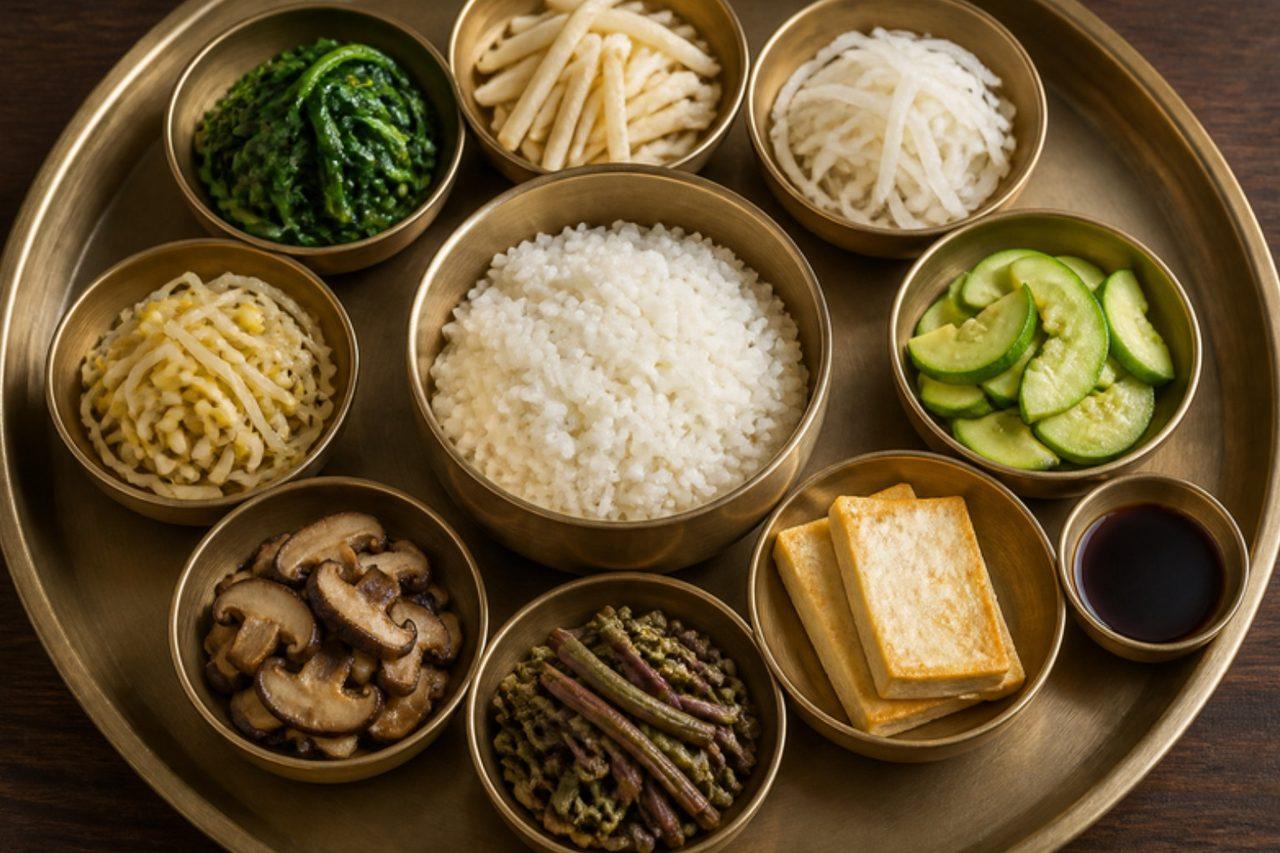
HeotjesatbapRice with seven vegetable sides

In Andong, the old Confucian town of North Gyeongsang, the scholars of the yangban class were said to want the food from jesa, the rite offered to ancestors, without waiting for a rite to come round, so they cooked the same dishes and called them heotjesatbap (헛제삿밥), 'fake rite rice'. Restaurants by Andong's dam still serve it: a bowl of rice to be mixed with brown, white and green namul and seasoned with soy sauce, never chilli, because ritual food avoids red pepper and garlic. The full table includes grilled fish and beef skewers; this vegetarian version keeps the vegetables and tofu jeon that make up most of it. Chef's tip: cook each namul separately with only salt, soy or sesame, so each keeps its own taste and colour when you mix the bowl.

by KrazyBadal 0 views

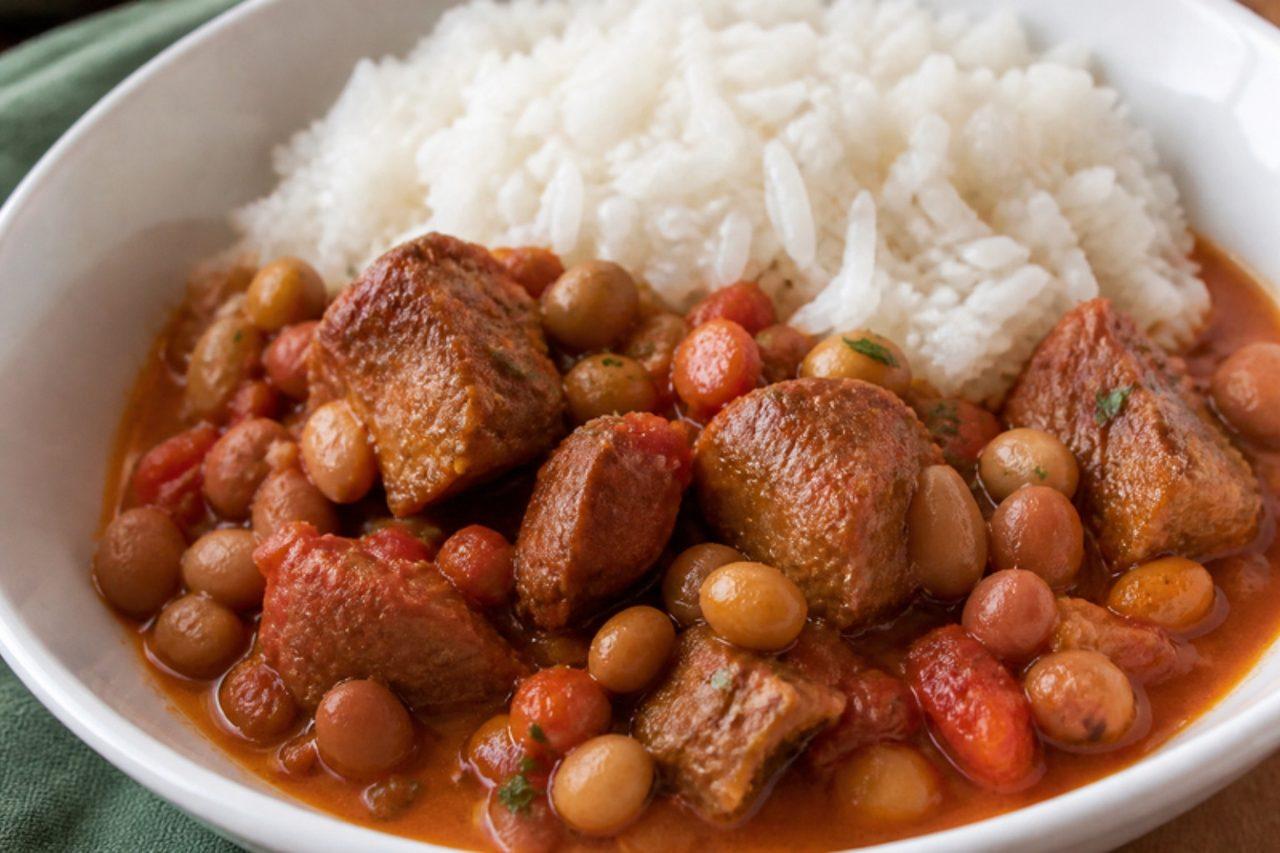
Henakisoa sy voanjoboryPork with groundnuts

Henakisoa sy voanjobory is a highland dish from the countryside around Antsirabe and Fianarantsoa, cooked for family gatherings: pork simmered for a long time with Bambara groundnuts, a hard, round pulse that turns creamy and nutty, until the meat is tender and the beans have thickened the sauce. This dish contains pork. It is eaten with rice and a fresh tomato salad. The mistake is not soaking the dried pulses, which then never soften; soak them overnight. Chef's tip: if you can't find Bambara groundnuts, black-eyed beans or borlotti give a similar result in less time.

150 minMalagasyMeatGluten free
by KrazyBadal 0 views

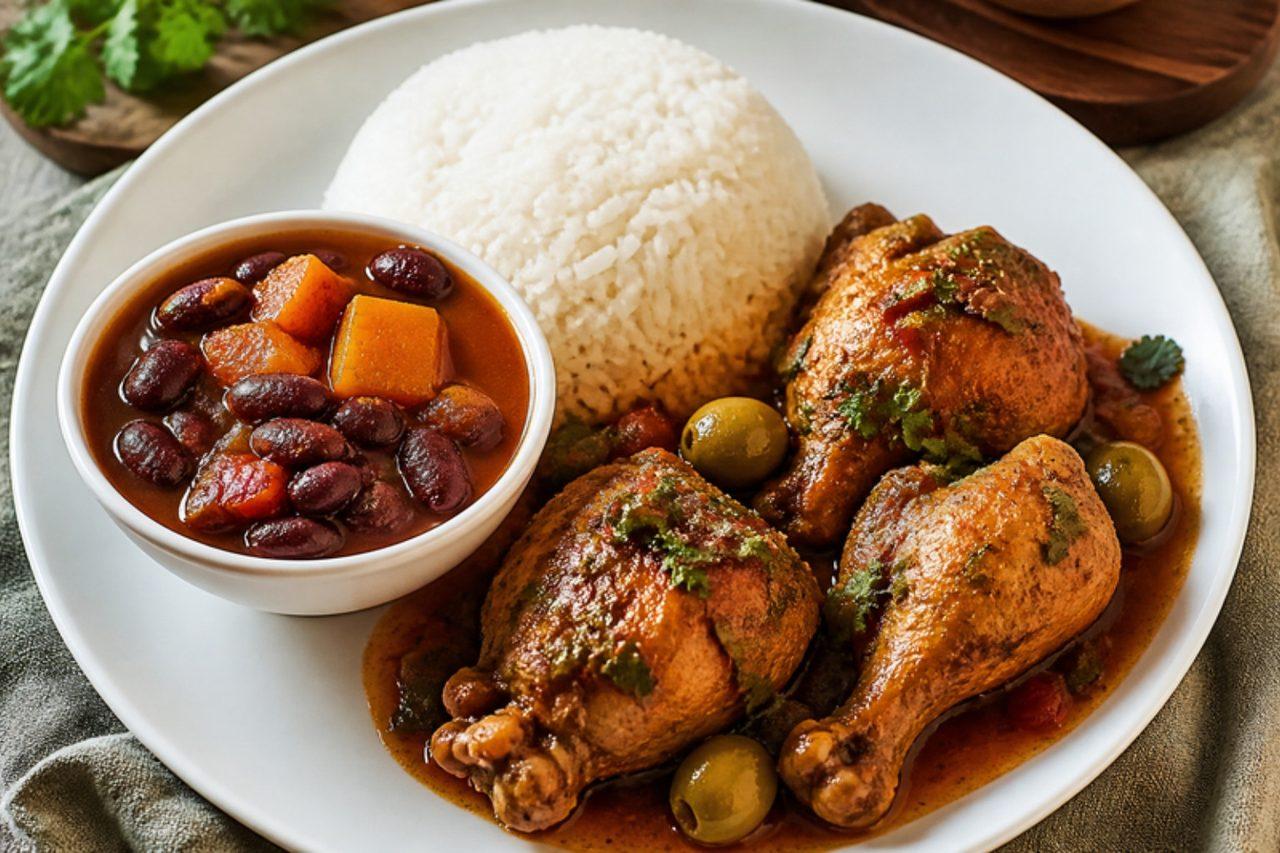
La bandera dominicanaRice, beans and chicken plate

Across the Dominican Republic, from Santo Domingo office canteens to family kitchens in Santiago, the midday meal is la bandera, named after the flag: white rice, red beans stewed with squash, and braised chicken. It is eaten almost every weekday, often with a green salad and fried plantain. Dominican cooks start the chicken by caramelising sugar in the oil, which gives the sauce its deep brown colour, and they prize the concón, the crisp layer of rice at the bottom of the pot. The mistake to avoid is letting the sugar go past dark amber; burnt sugar makes the whole stew bitter. Chef's tip: marinate the chicken with lime, garlic and oregano the night before; it takes on far more flavour than a quick 30 minutes.

by KrazyBadal 0 views

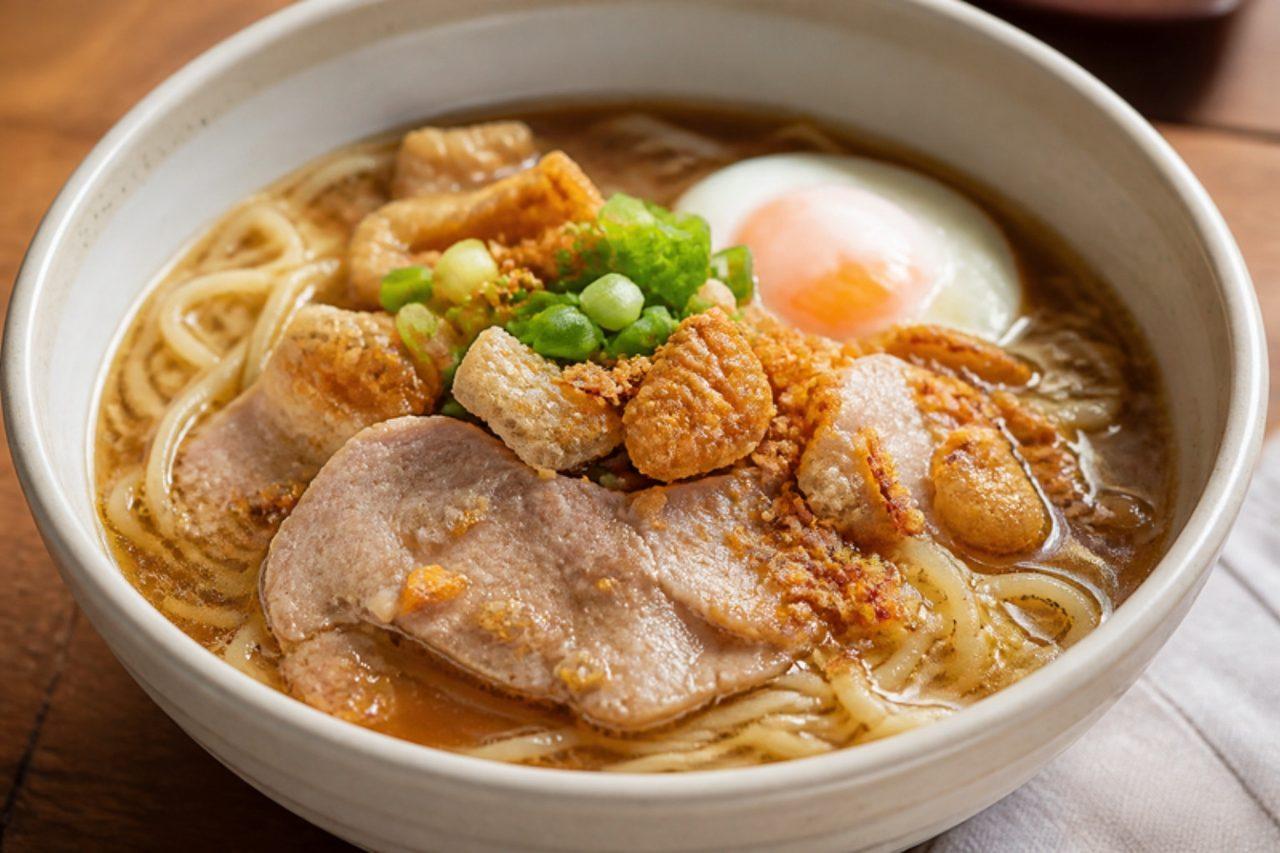
La Paz batchoyPork noodle soup

La Paz batchoy was born in the market of La Paz, a district of Iloilo City on Panay, where stalls ladle it out from early morning to late at night. It is a pork noodle soup through and through: fresh egg noodles (miki) in a deep pork-bone broth seasoned with a little shrimp paste, topped with sliced pork, liver, crushed pork crackling (chicharrón) and lots of fried garlic. Locals often crack a raw egg into the bowl and ask for extra broth. It is a warming, savoury bowl for rainy afternoons. Chef's tip: make the broth the day before and chill it; the fat sets on top so you can lift most of it off and fry the garlic in it.

by KrazyBadal 0 views

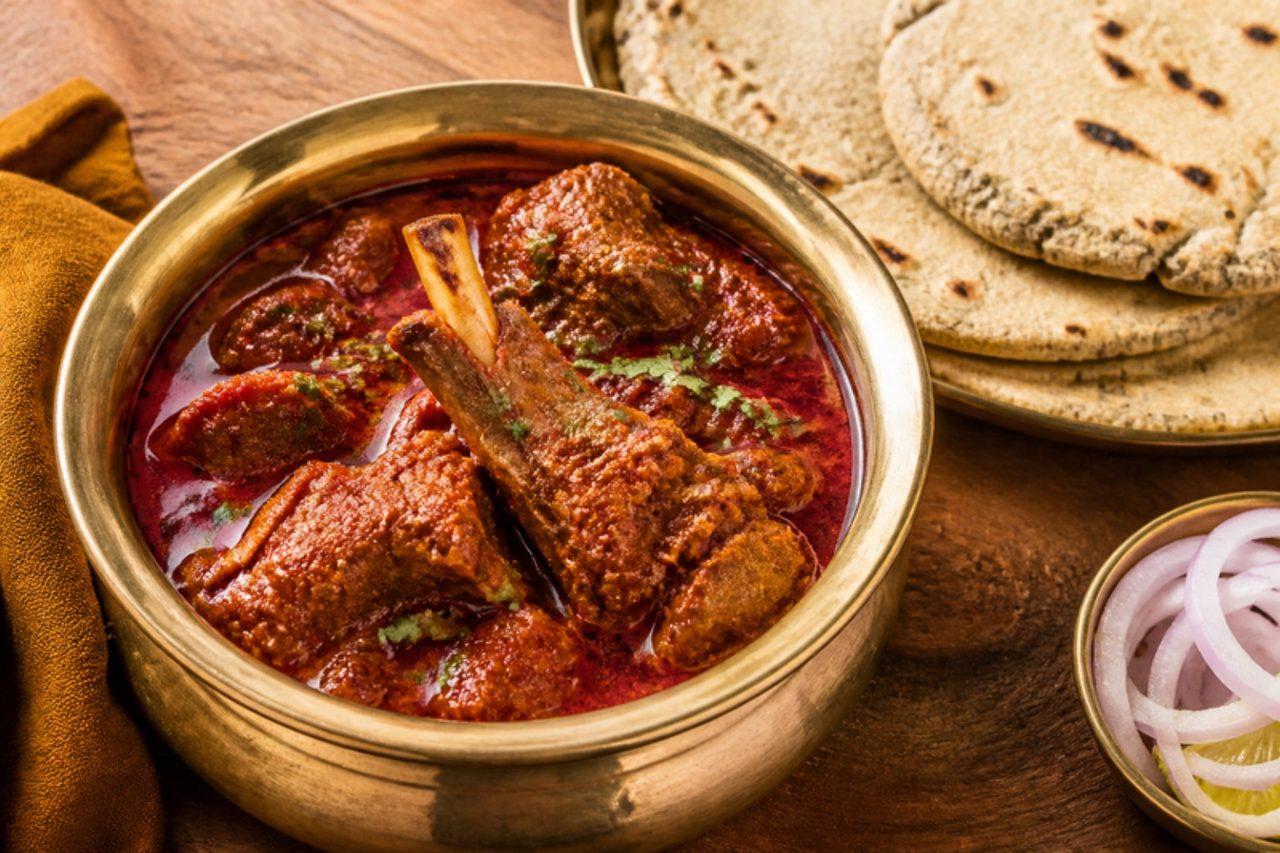
Laal maasFiery red mutton curry

Laal maas grew out of the Rajput hunting tradition in the desert country around Jodhpur and Jaisalmer, where game was cooked with plenty of garlic and red chillies to carry it. Today it's made with goat or lamb and is the dish Rajasthanis cook for a winter feast, served with bajra roti or plain rice and a bowl of yogurt to cool things down. The fierce colour comes from Mathania chillies, grown near Jodhpur, which are deep red, aromatic and properly hot. Some cooks finish it with a burning coal set in the pot to give it a smoky edge, an optional step included here. Chef's tip: soak and grind the dried chillies to a paste instead of using chilli powder; it gives the deep red colour and a rounder heat that doesn't scorch.

140 minIndianMeatGluten freeSpicy
by KrazyBadal 0 views

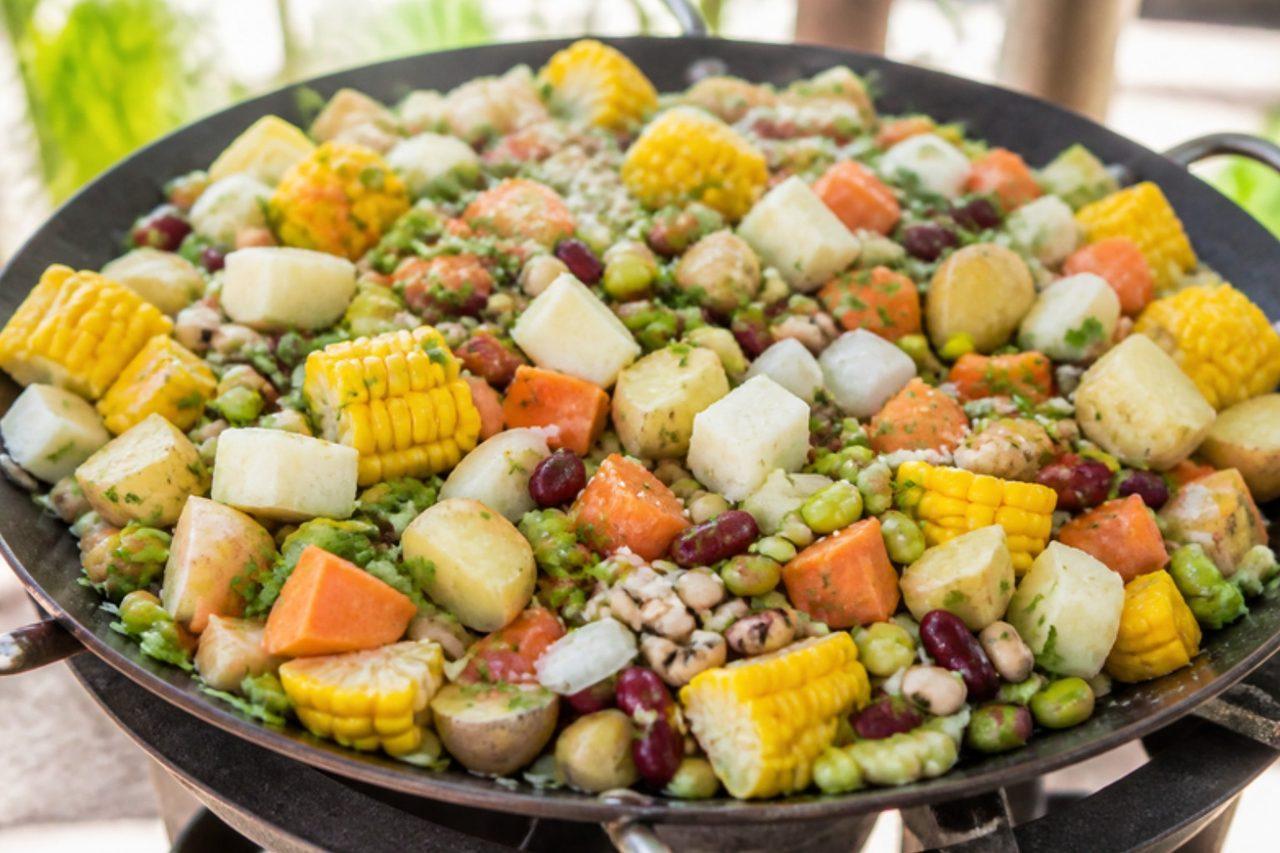
Healthy tawaMixed vegetables on the tawa

A big sizzling griddle of boiled fresh beans and vegetables (peas, pigeon peas, black-eyed beans, soya beans, kidney beans, corn, cassava, sweet potato, baby potatoes and roasted plantain) tossed with sesame seeds, onions and a green chilli, ginger and garlic paste. It's filling, colourful and feeds a crowd at a barbecue. Serve sizzling hot straight from the tawa.

by KrazyBadal 0 views

LablabiChickpea soup with bread

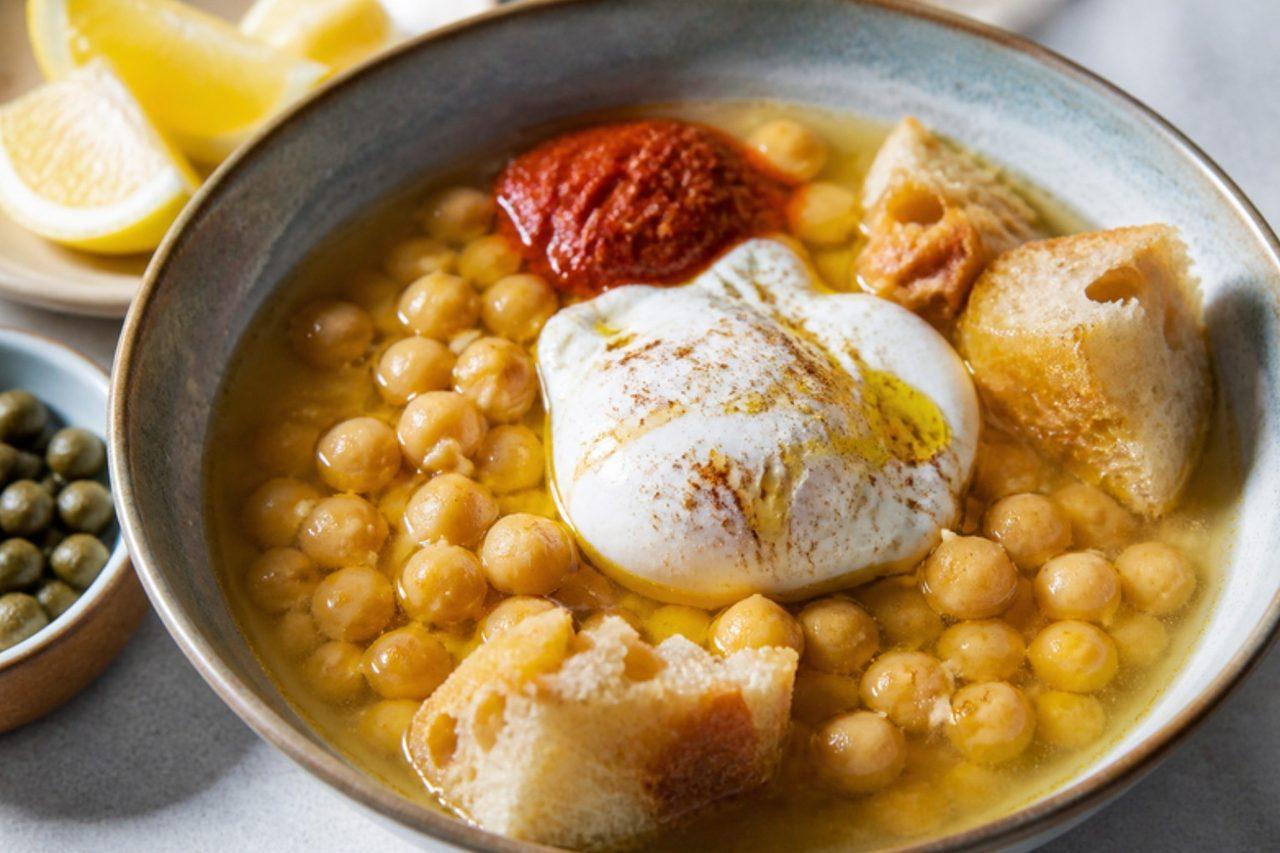
Lablabi is the working breakfast of Tunis, served from steaming cauldrons in tiny shops near the medina and the markets from dawn, and eaten all over Tunisia on cold winter mornings. Torn day-old bread goes into the bowl first, then hot chickpeas and their garlicky broth, and everyone dresses their own with harissa, cumin, olive oil, lemon and capers; many add a soft-poached egg that is broken through the bread. Chef's tip: let the bread soak for a minute before you stir in the harissa, so it turns soft and spoonable but not mushy.

by KrazyBadal 0 views

Showing 36 of 10,569 recipes

Show more recipes

Page 1,030 of 1,175