Skip to content
Kaassoufflé
Featured recipe

Kaassoufflé

Fried Gouda in breadcrumbs

Despite the French-sounding name, a Dutch kaassoufflé has nothing to do with a baked soufflé. It is a snack-bar classic, fried in the frituur of every cafetaria from Groningen to Maastricht: a rectangle of thin pastry wrapped around a slab of young Gouda, coated in breadcrumbs and deep-fried until the cheese inside goes molten. It is the vegetarian's answer to the kroket, eaten at lunch or on the way home from football, with a squeeze of mayonnaise or sweet chilli sauce. Chef's tip: chill the filled, breaded pockets for at least 30 minutes before frying; cold pastry and cheese stay sealed in the hot oil, while warm ones burst and leak.

Read more 0 views

What to eat today?

Around the world

Today's trip: Persian

A new country every day, from every cuisine on the site.

Persian

Persian halva

Saffron rose flour halva 40 minMore from Persian (181) →

This week's collection

Kid-friendly dinners
745 recipes · a new collection every Monday

Coming up

All occasions →

Latest recipes

Cumin lamb

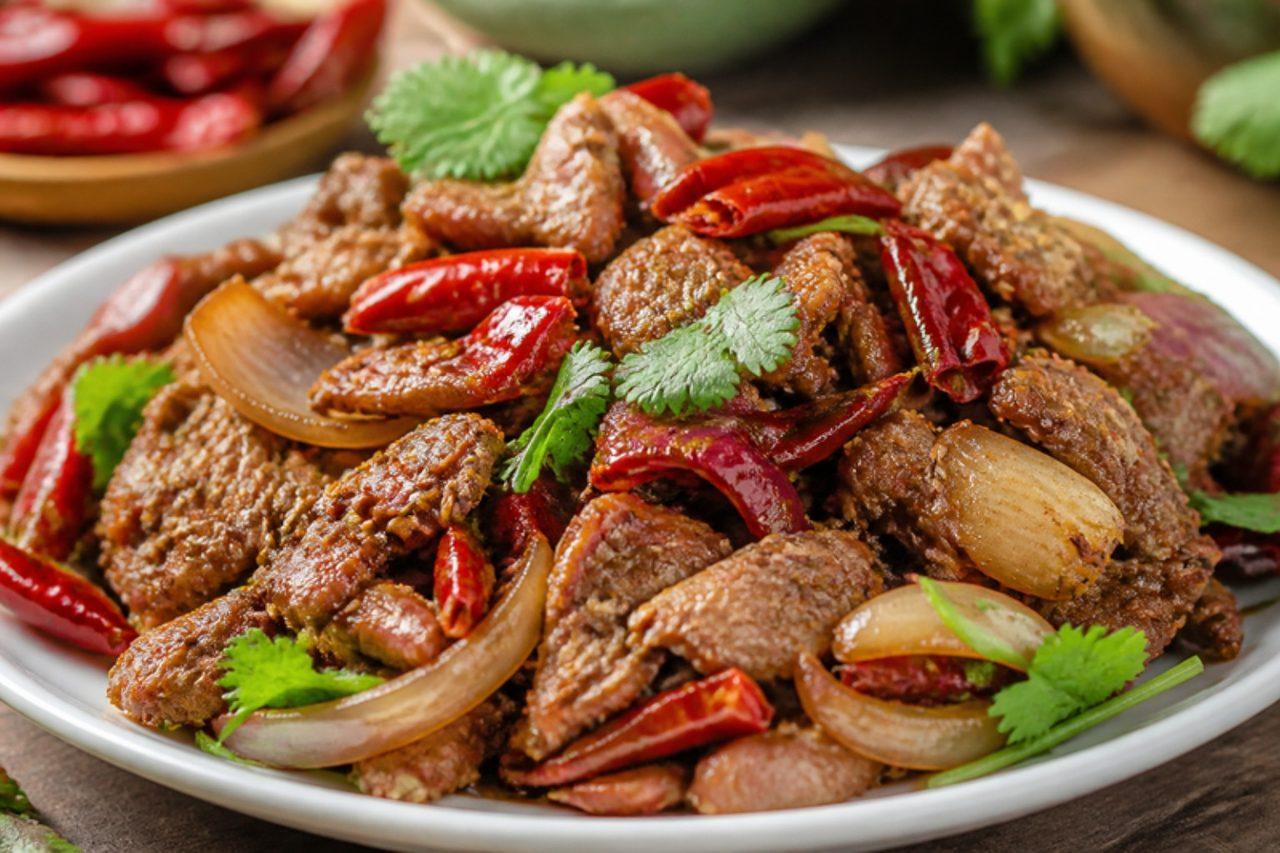
This smoky, aromatic stir-fry carries the flavours of Xinjiang's night markets, where cumin and chilli are scattered over everything grilled, into a home wok. Thin slices of lamb are seared over the fiercest heat so the edges char, then tossed with crushed cumin seeds, dried chillies, onion and a big handful of coriander. Expect bold, earthy spice, a little numbing tingle and juicy meat. It is a weeknight favourite all over northern China, eaten with plenty of steamed rice or wrapped in warm flatbread. Chef's tip: toast and lightly crush the cumin seeds yourself just before cooking; ready-ground cumin alone tastes flat here.

by KrazyBadal 0 views
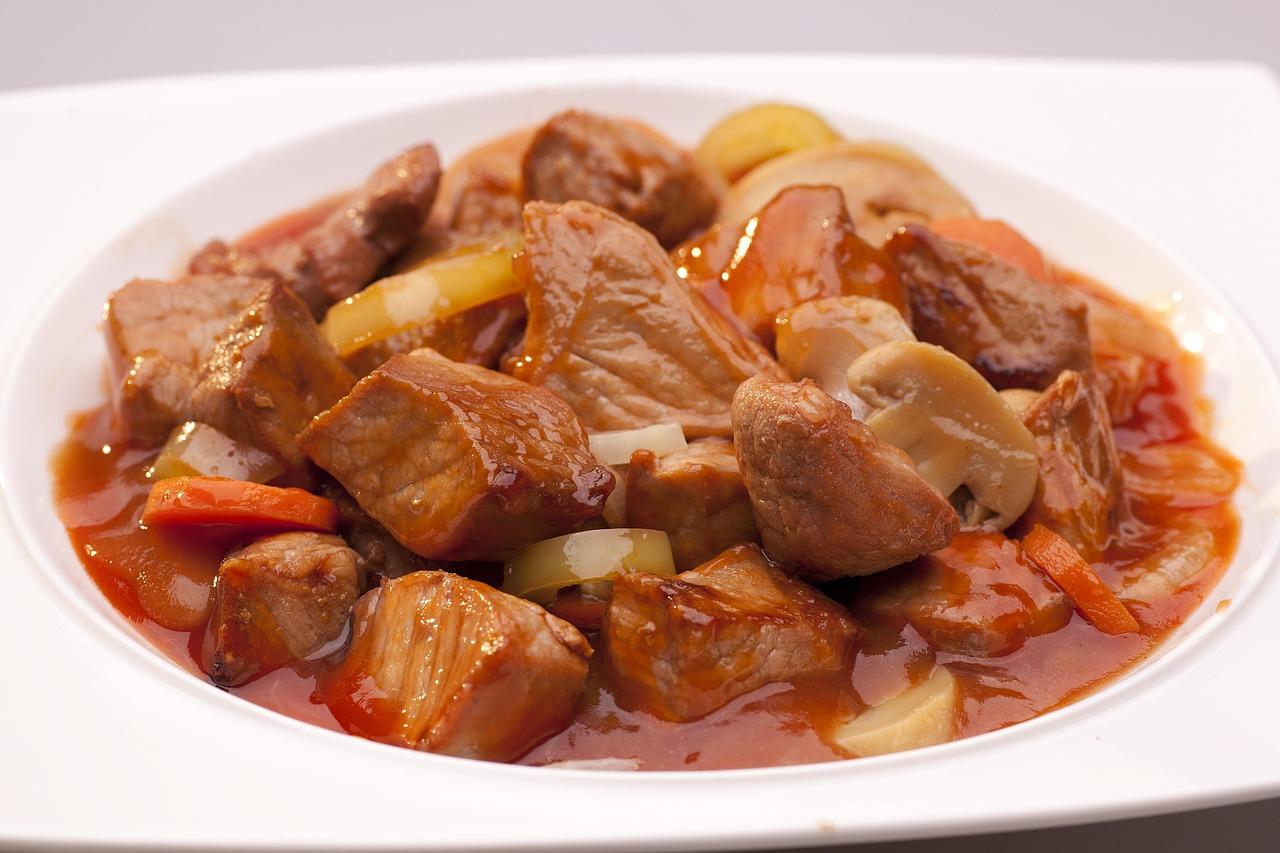

KavarmaClay-pot pork with peppers

Up in Bulgaria's Rhodope mountains, around Smolyan and Chepelare, kavarma is cooked in individual glazed clay pots and brought to the table still bubbling, often with an egg baked on top. This one is made with pork shoulder (chicken thighs work too), browned and then stewed slowly with a mountain of onion, peppers, mushrooms, paprika and savory. It traditionally includes a splash of dry white wine; the ingredient list gives an alcohol-free swap. Eat it with crusty bread and a shopska-style tomato and cucumber salad. A common slip is cutting the pork too small, so it dries out before the sauce is ready; keep the pieces bite-size but chunky. Chef's tip: let the onions cook down with the meat until almost jammy before the peppers go in; that is where kavarma gets its sweetness.

by KrazyBadal 0 views

Dongbei stewed chicken with mushrooms

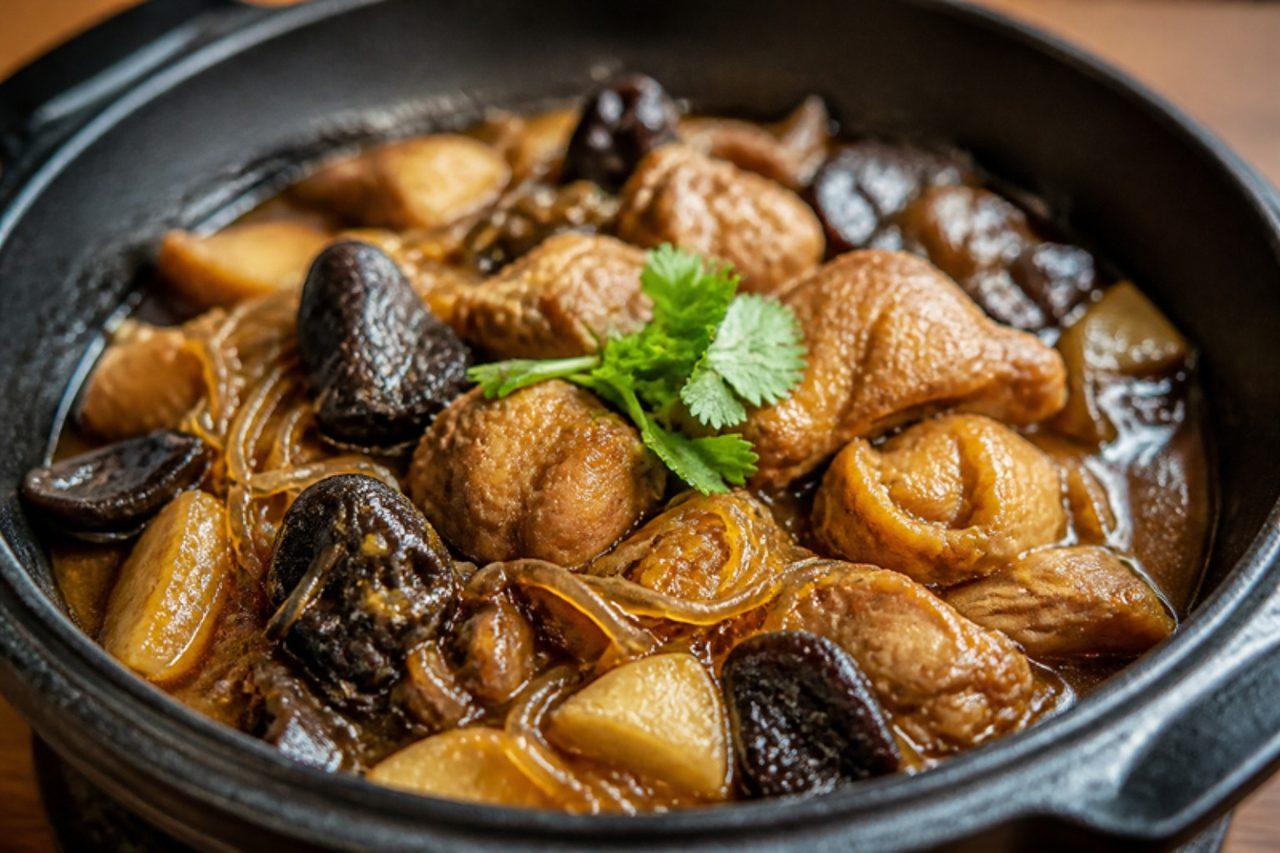
Ask anyone from Heilongjiang what their grandmother cooked when guests arrived and this is the likely answer: a farmyard chicken stewed in a big iron pot with dried hazel mushrooms gathered from the forests of the Greater Khingan range. The mushrooms give a deep, woodsy flavour to a dark, lightly sweet soy gravy, and glass noodles go in at the end to drink up the juices. Bone-in chicken keeps it rich and tender. Serve in big bowls with steamed rice or cornbread, and a crunchy cabbage salad on the side. Chef's tip: let the soaking water from the mushrooms settle, then pour it gently into the pot and leave the grit behind.

by KrazyBadal 0 views

Pork and pickled cabbage dumplings

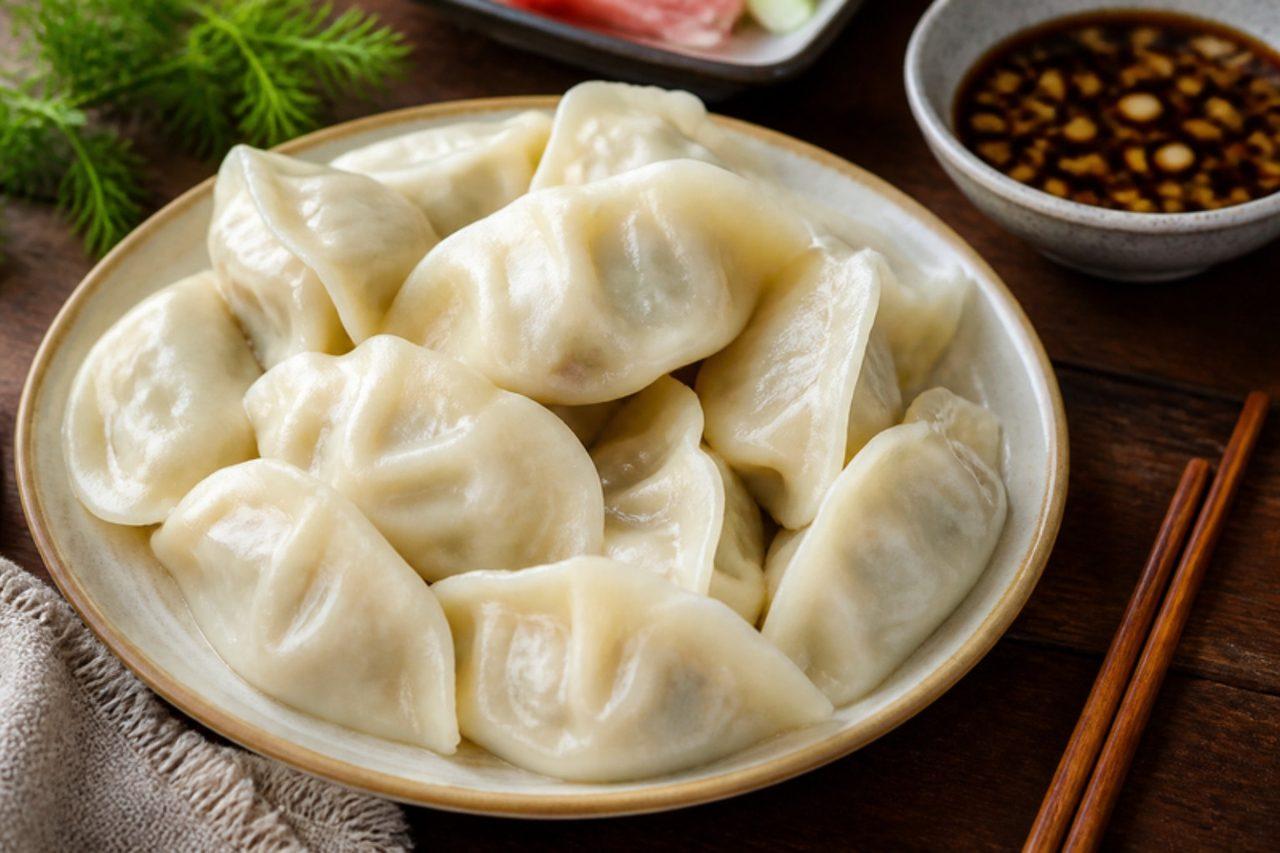
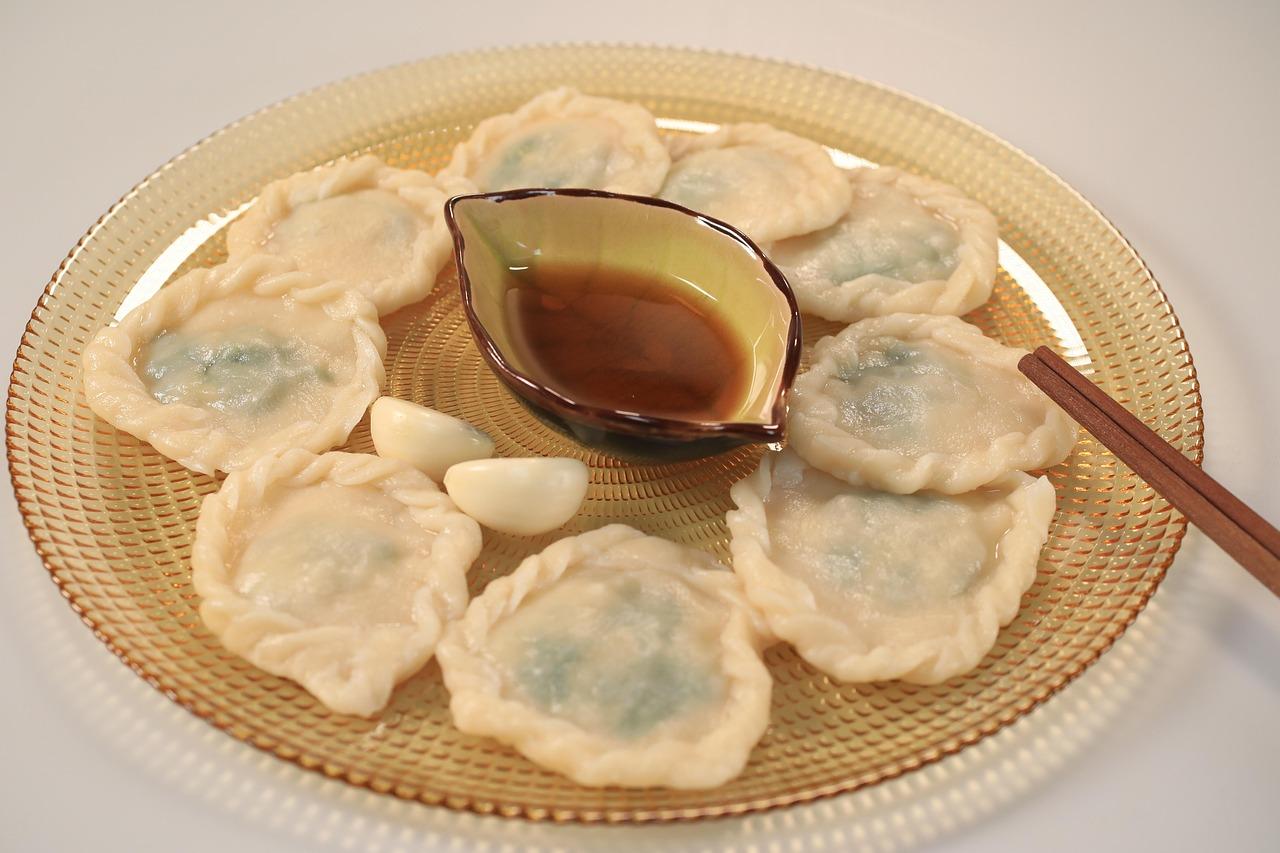
These are the dumplings north-eastern families make together on New Year's Eve and on any snowy Sunday, with the whole household rolling, filling and boiling around the kitchen table. Tangy fermented cabbage, chopped fine and squeezed dry, is mixed with fatty pork and sizzling Sichuan-pepper oil, so the filling is juicy, sour and warmly numbing at the same time. The wrappers are slightly thick and chewy, the way Dongbei cooks like them. Pile them on a plate and serve with black vinegar, garlic and a spoon of chilli oil; a bowl of the cooking water to drink afterwards is a northern habit. Chef's tip: pour the hot pepper oil straight onto the spring onions in the filling; the sizzle releases their fragrance into every dumpling.

by KrazyBadal 0 views

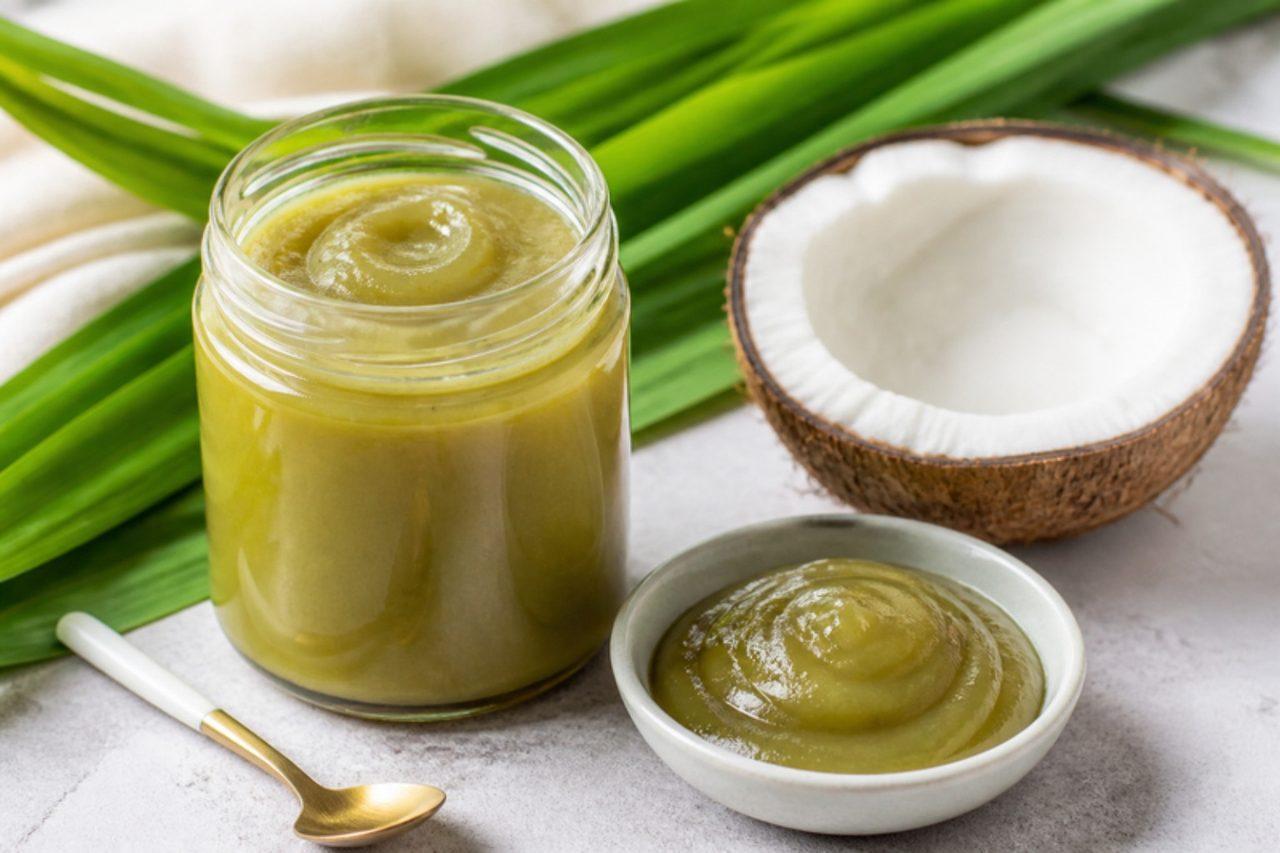
KayaPandan coconut jam

Kaya is the coconut and egg jam spread thickly on toast in every kopitiam in Singapore, from heritage chains to the coffee shop under a housing block. This is the green Nyonya-style kaya, gently cooked with pandan leaves until it turns thick, glossy and custardy; the Hainanese version adds caramel for a brown colour. It keeps for a week in the fridge and is the essential part of kaya toast. Chef's tip: cook it slowly over a pan of barely simmering water and keep stirring; rushed kaya scrambles and turns grainy.

by KrazyBadal 0 views

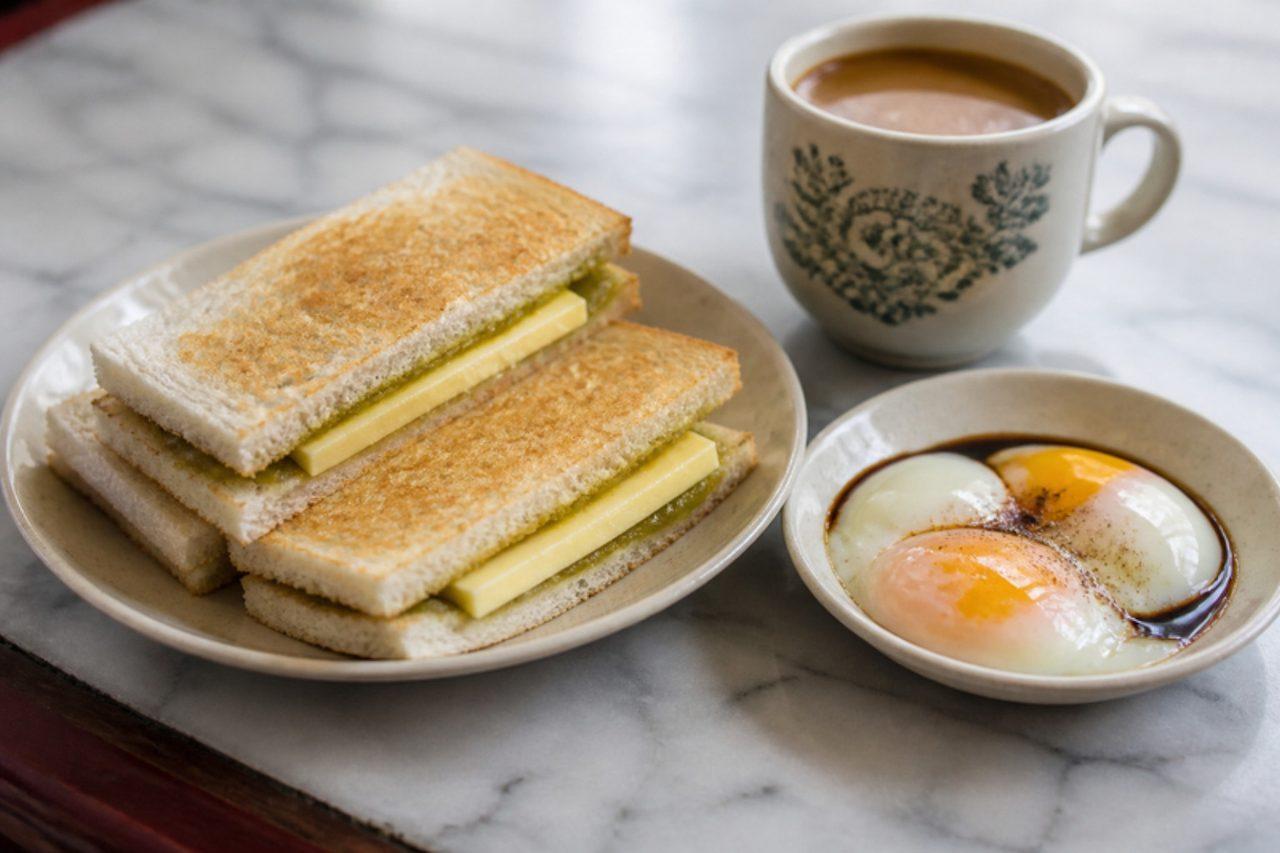
Kaya toastToast with coconut jam

The kaya toast set is Singapore's breakfast ritual: thin, crisp toast sandwiched with kaya and a cold slab of butter, served with two runny soft-boiled eggs seasoned at the table with dark soy and white pepper, and a cup of kopi. Office workers eat it at kopitiams in Tiong Bahru and Tanjong Pagar before work; children love dunking the toast in the eggs. Chef's tip: put the eggs in water that's just off the boil for exactly 6–7 minutes; the whites should be barely set and wobbly, the yolks completely runny.

by KrazyBadal 0 views

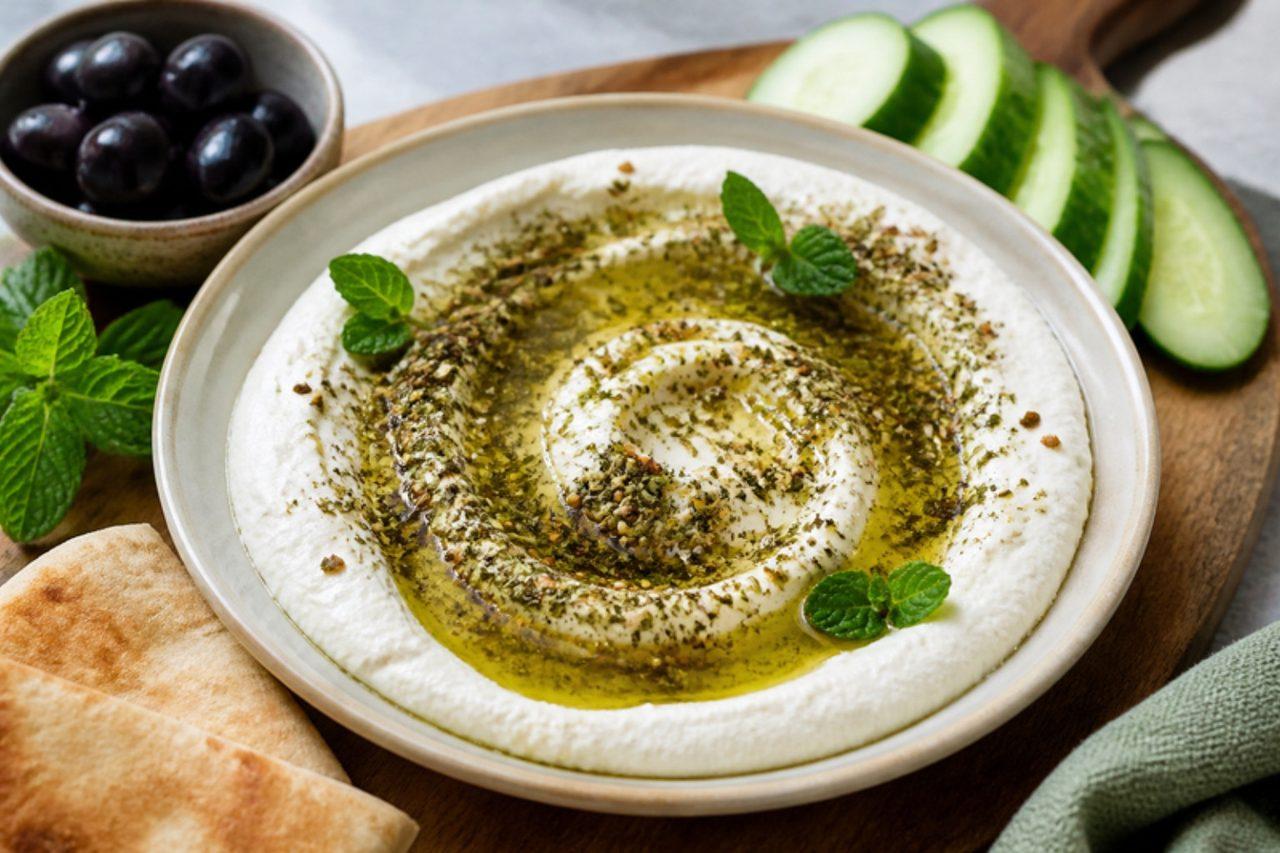
Labneh with za'atarStrained yogurt with za'atar

Labneh is the thick, tangy strained yogurt that Lebanese, Syrian and Palestinian families spread on a plate every morning, swirl with olive oil and scatter with za'atar, the wild-thyme, sumac and toasted sesame mix of the Levant. It sits beside olives, cucumber, tomato and warm khubz at breakfast in Beirut and on the mezze table at night, and the firmer version is rolled into small balls and kept in jars of olive oil for weeks. Here salted yogurt hangs for a full day until it is as thick as cream cheese, then goes out two ways: spread in a dish, and rolled into balls. A common mistake is using low-fat or set yogurt with gelatine; it gives a thin, chalky labneh, so choose full-fat plain yogurt with only milk and cultures. Chef's tip: stir the salt in before straining, not after, because it draws out more whey and seasons the yogurt all the way through.

by KrazyBadal 0 views

LaugenbrezelSoft pretzels

The Brezel is the emblem of German bakeries in Bavaria and Swabia: deep chestnut-brown and shiny outside, soft and chewy inside, with a fat 'belly' and thin crisp arms, studded with coarse salt. In Munich it's eaten with sweet mustard and Obatzda in beer gardens; in Stuttgart it's split and buttered for breakfast. Bakeries dip them in a lye solution, which is too caustic for most home kitchens; a bath of baked baking soda gets close in colour and flavour and is safe to handle. Chef's tip: chill the shaped pretzels uncovered for 30 minutes before the bath; a slightly dry skin holds its shape and turns darker and shinier.

120 minGermanBakingVegan
by KrazyBadal 0 views

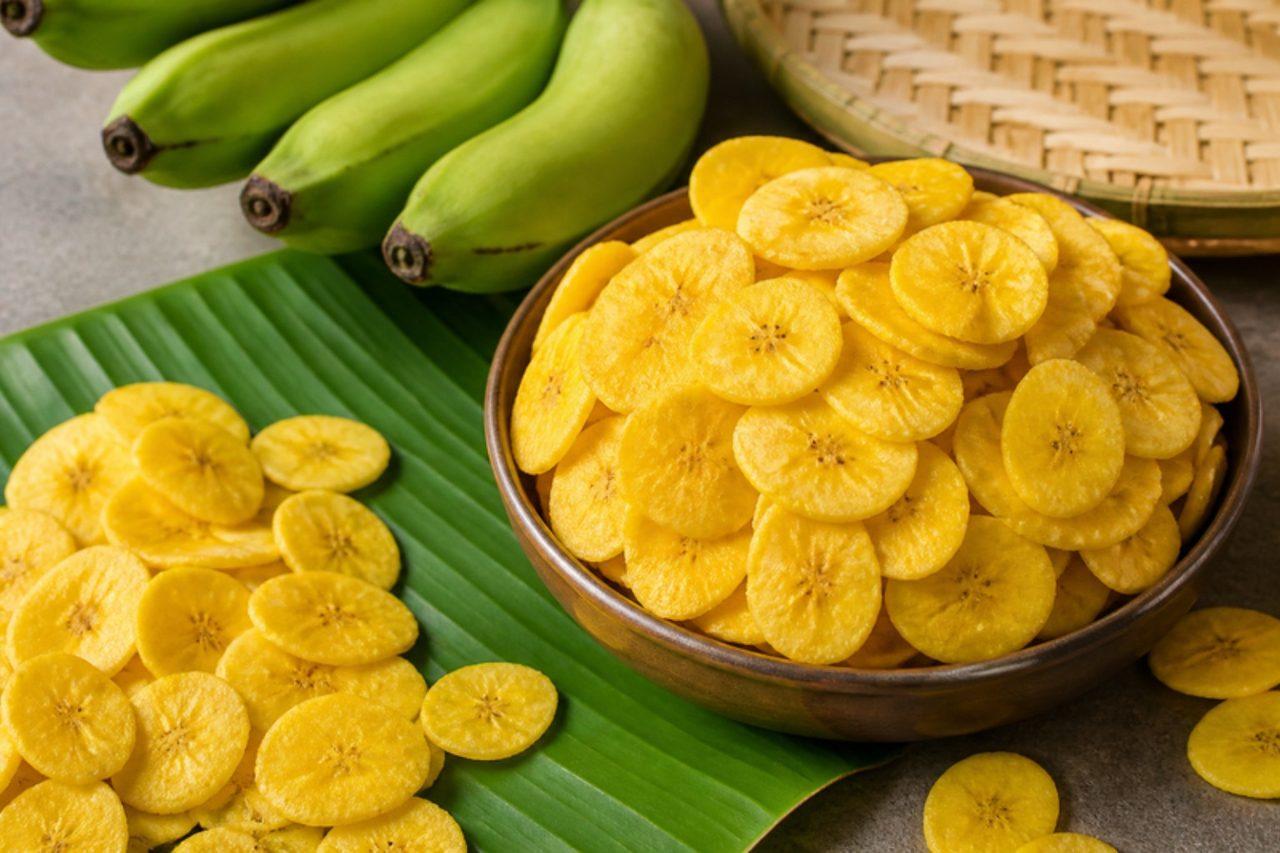
Kerala banana chips

Upperi, the yellow raw-banana chips of Kerala, are fried in huge cauldrons in the snack shops of Kozhikode and Thrissur and handed round in bags at every Onam sadya, where they are one of the first things laid on the leaf. Green nendran bananas are sliced straight into hot coconut oil, and a splash of salted water goes in at the end, so the salt clings to every chip. The result is crisp, golden and faintly sweet, with that unmistakable coconut-oil smell. Chef's tip: rub a little oil on your hands before peeling the bananas; the sap stains skin and is very hard to wash off.

by KrazyBadal 0 views

Kazakh milk teaBlack tea with hot milk

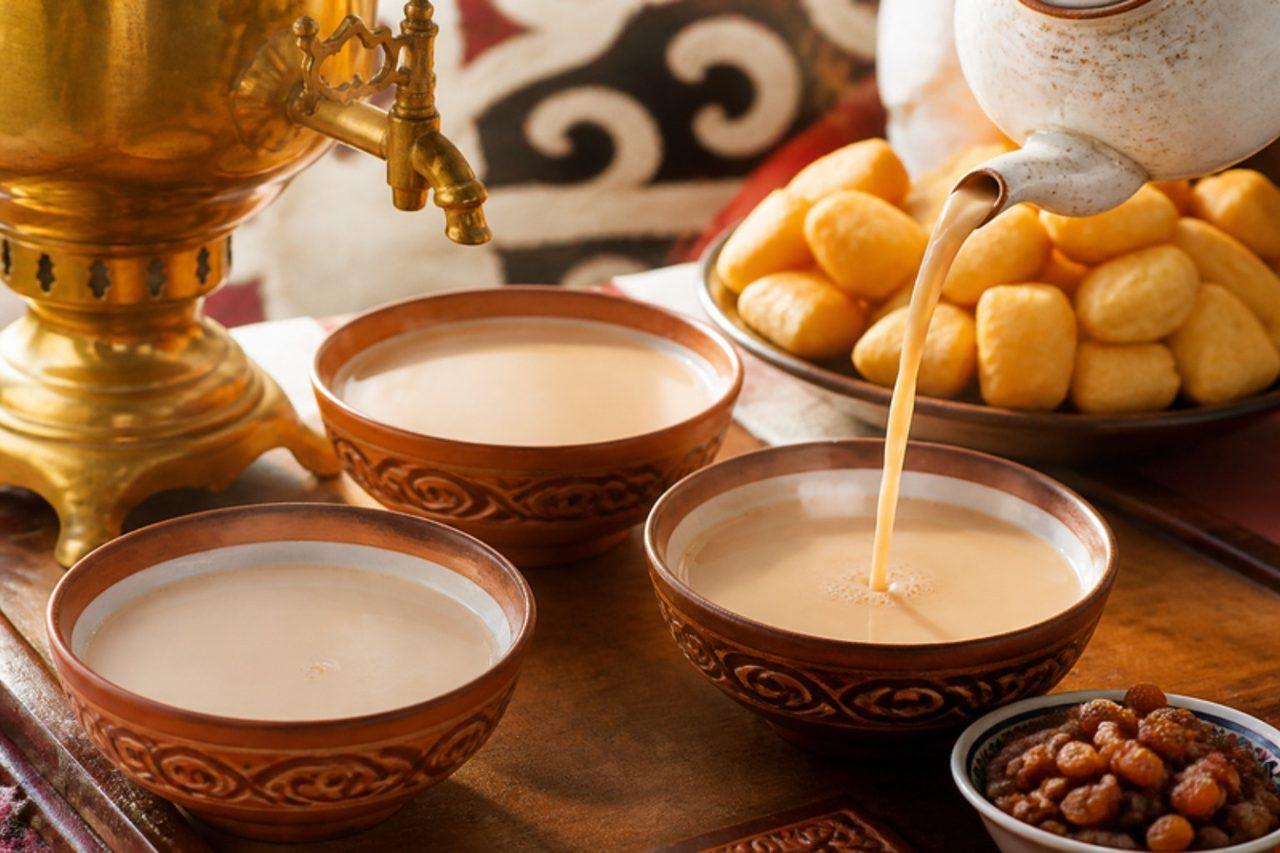
Kazakhs drink more tea per person than almost anyone, and at home it is always sut shai: strong black tea, often brewed from Kenyan or Indian leaves, poured into a wide cup (kese) with hot milk or a spoon of cream. The host keeps the cups barely half full and refills them again and again, and a guest turns the cup upside down when they've had enough. In winter in Astana a pinch of salt or a knob of butter may go in. It accompanies baursak, shelpek and every meal. Chef's tip: heat the milk until it just steams and add it to the cup first; scalded, boiled milk gives the tea a cooked taste.

by KrazyBadal 0 views

LabraMixed vegetable curry

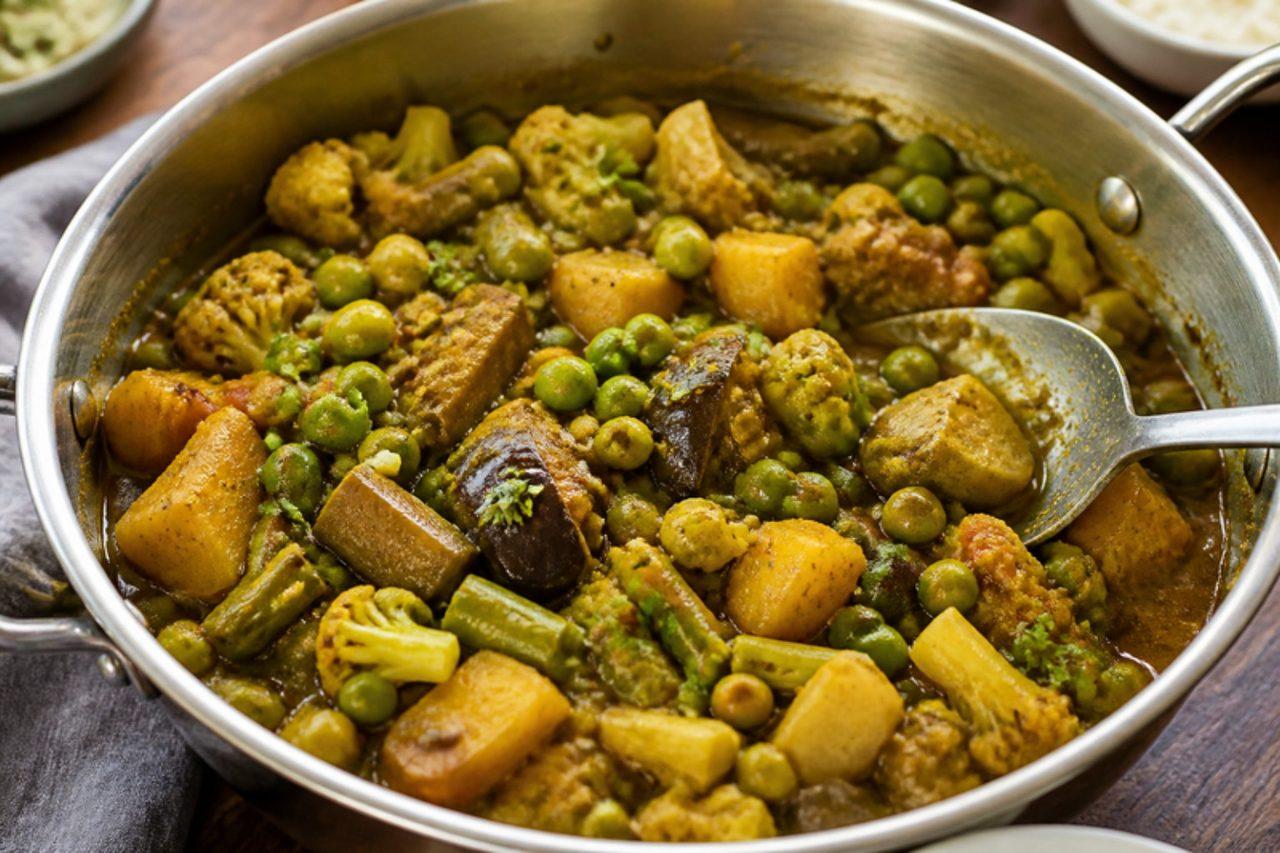
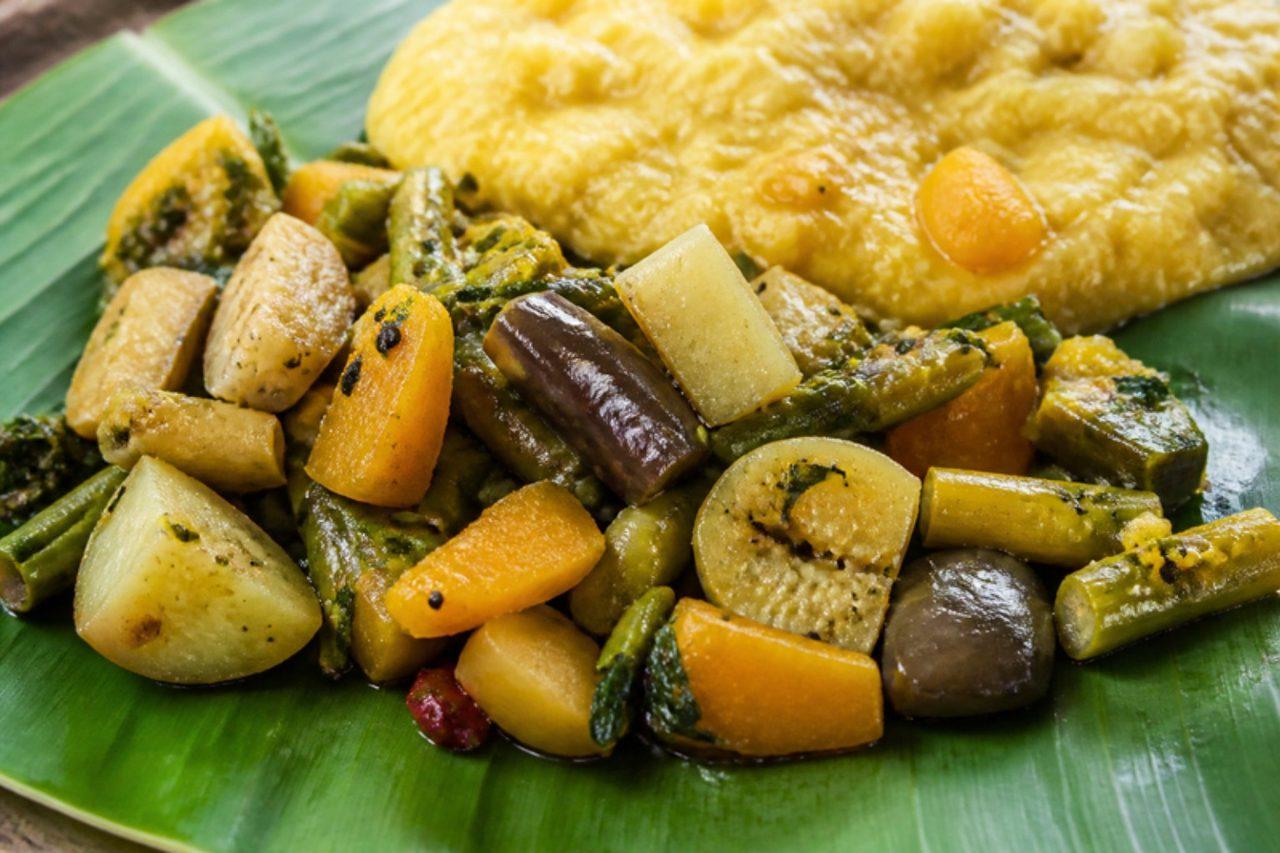
Labra is the vegetable dish of Durga Puja bhog: in community pandals across Bengal it is ladled out beside khichuri and a sweet tomato chutney to hundreds of people sitting in rows. It is a loose jumble of pumpkin, potato, aubergine, radish, sweet potato, raw banana and spinach stalks, cooked with panch phoron and ginger until some pieces melt and others hold. No onion or garlic goes in, because it is temple food. Chef's tip: add the vegetables in order of hardness, so the pumpkin goes soft and sweet while the radish and banana keep their shape.

by KrazyBadal 0 views

Suan cai pork stew

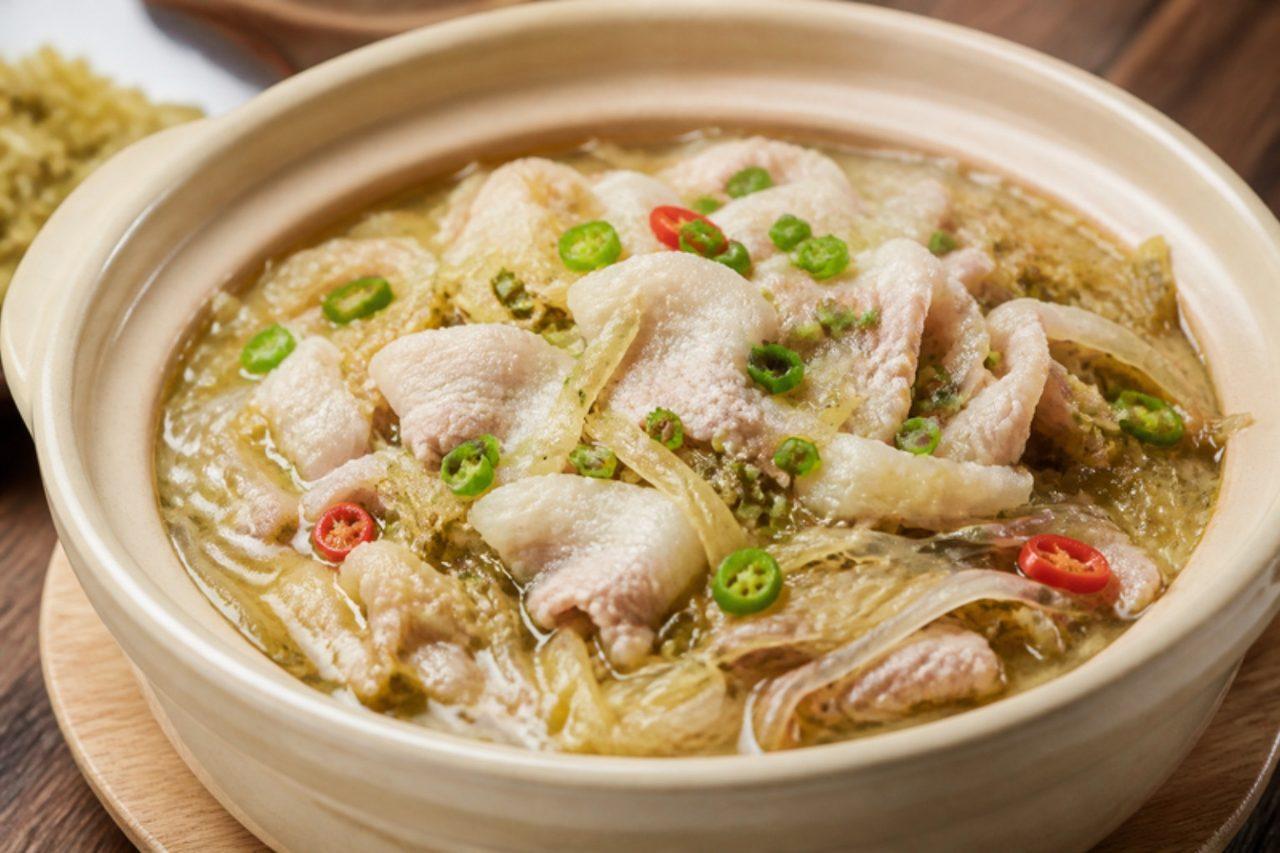
Across north-east China, autumn means packing crocks with salted napa cabbage to ferment through the long winter, and this hearty stew is the reward. Thin slices of boiled pork belly lie in a pale broth with shreds of sour cabbage and slippery glass noodles; the tang cuts the richness, and the broth tastes both clean and deeply savoury. It is everyday winter family food in Harbin and Shenyang, often served in a clay pot at the centre of the table with rice and a garlic-soy dip for the pork. Chef's tip: let the boiled pork cool for 15 minutes before slicing; warm belly crumbles, slightly cooled belly cuts into neat, thin slices.

by KrazyBadal 0 views

Tianjin pork baozi

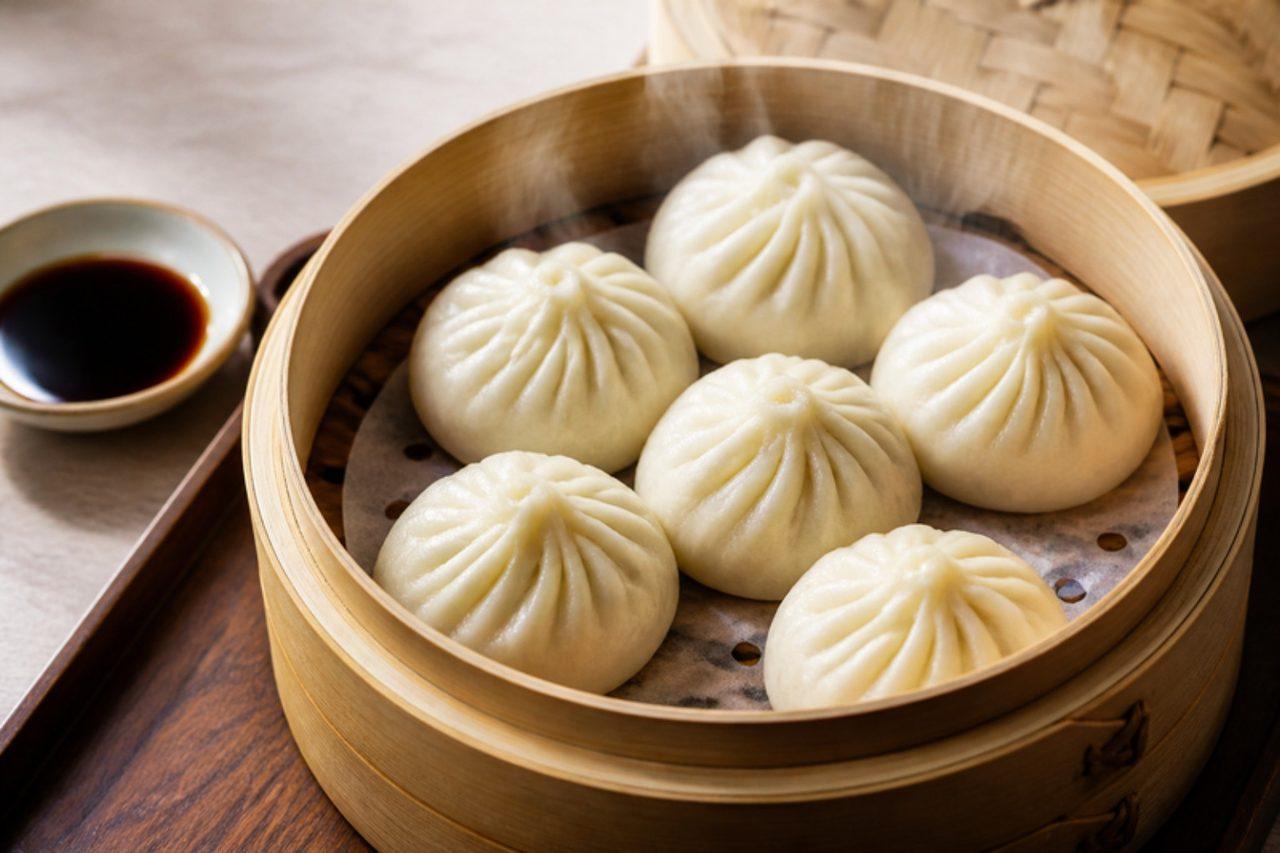
Tianjin people queue on winter mornings for these small steamed buns, famous since the 1850s for their many fine pleats and for the burst of savoury juice inside. The filling is minced pork beaten with ginger and spring onion water until it holds a surprising amount of liquid, so the first bite is soupy and the soft, slightly springy wrapper soaks up the rest. Bakers aim for 18 pleats arranged like a chrysanthemum. Eat them hot for breakfast with a dish of vinegar, crushed garlic and a bowl of millet porridge or soy milk. Chef's tip: use pork with about 30 per cent fat; lean mince gives dry, crumbly filling however much water you add.

by KrazyBadal 0 views

Mongolian lamb hot pot

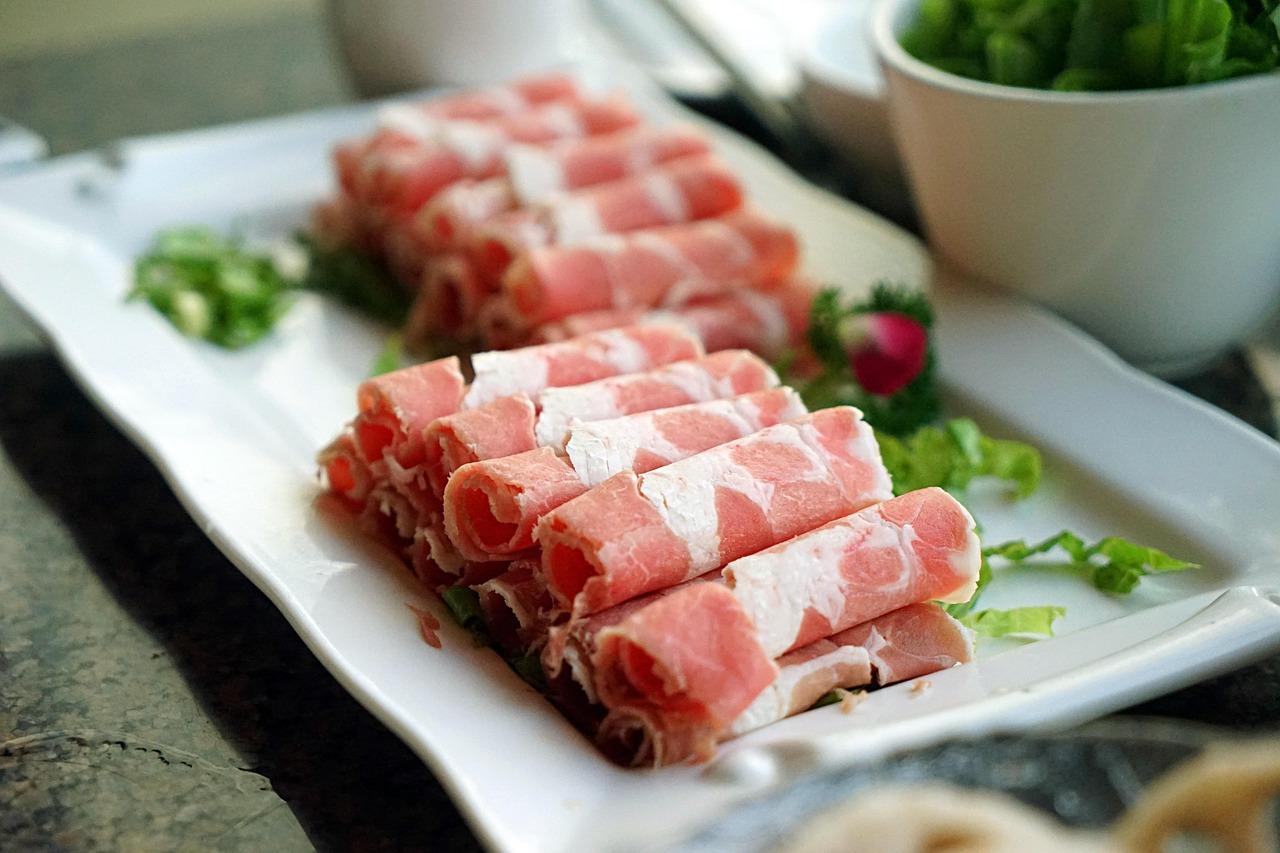
When the first cold winds blow through Beijing, old restaurants around Dongcheng light their chimney-shaped copper pots and diners start swishing paper-thin lamb through plain, gently bubbling water. Unlike fiery Sichuan hot pot, this one is all about the meat: the broth stays clear and mild, and the flavour comes from a creamy dip of sesame paste, fermented tofu and chive flower sauce. Everyone cooks their own slices for a few seconds, then adds cabbage, tofu and glass noodles to the pot as the evening goes on. It is a slow, sociable meal for winter weekends, with sesame flatbreads on the side. Chef's tip: half-freeze the lamb for 1–2 hours and it slices thin as paper with a sharp knife; or buy ready-rolled hot-pot lamb from an Asian grocer.

by KrazyBadal 0 views

KedjenouPot-steamed chicken

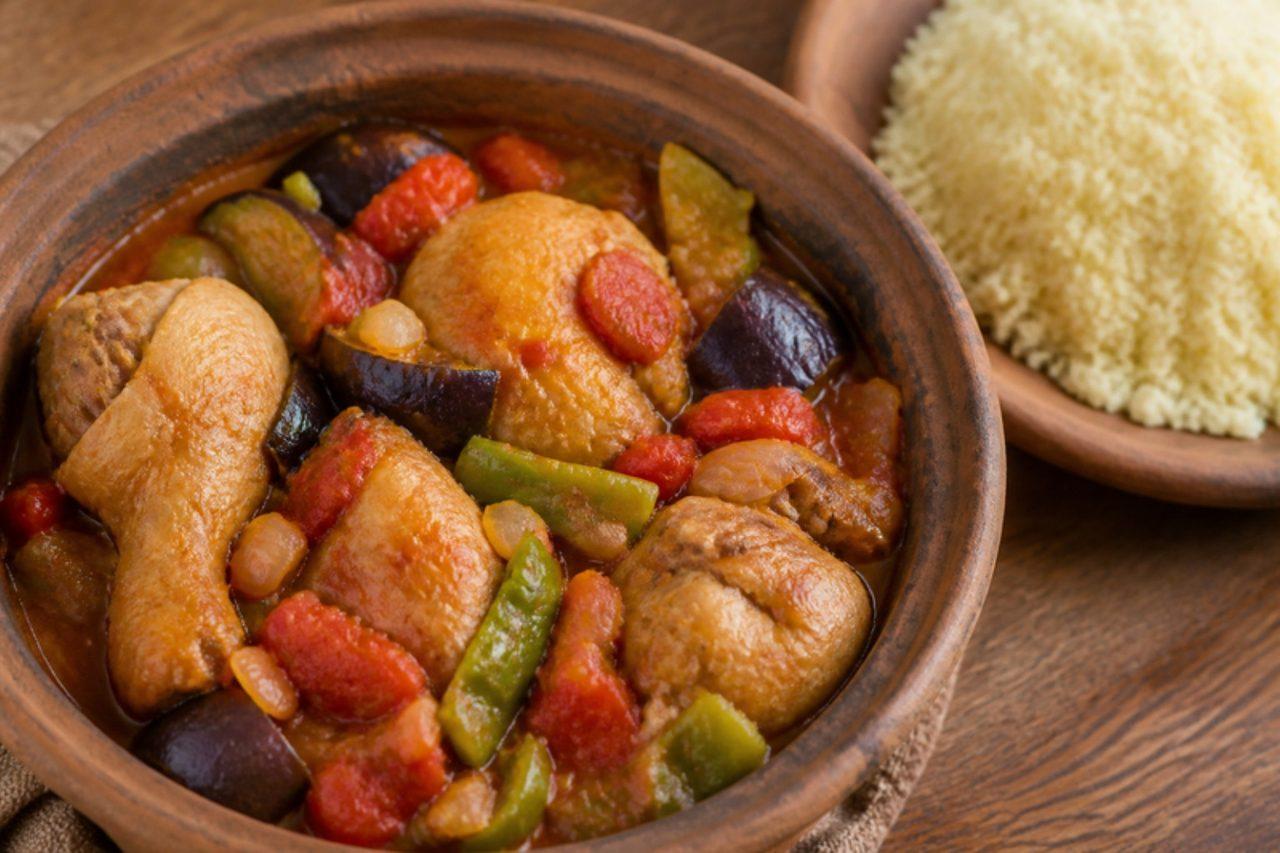
Kedjenou comes from the Baoulé people of central Côte d'Ivoire, who cooked it in a sealed clay canari set in the embers and shook the pot instead of stirring it; today it is a weekend favourite in Abidjan's maquis, served with attiéké or rice. Chicken, tomato, onion, aubergine, ginger and chilli go into the pot with no water at all, and the vegetables release enough juice to make a light, intense sauce. The mistake is lifting the lid to stir: the steam escapes and the pot can burn, so seal it well and shake it instead. Chef's tip: a heavy casserole with a sheet of foil pressed under the lid works just like the clay pot.

by KrazyBadal 0 views

Keerai masiyalMashed greens

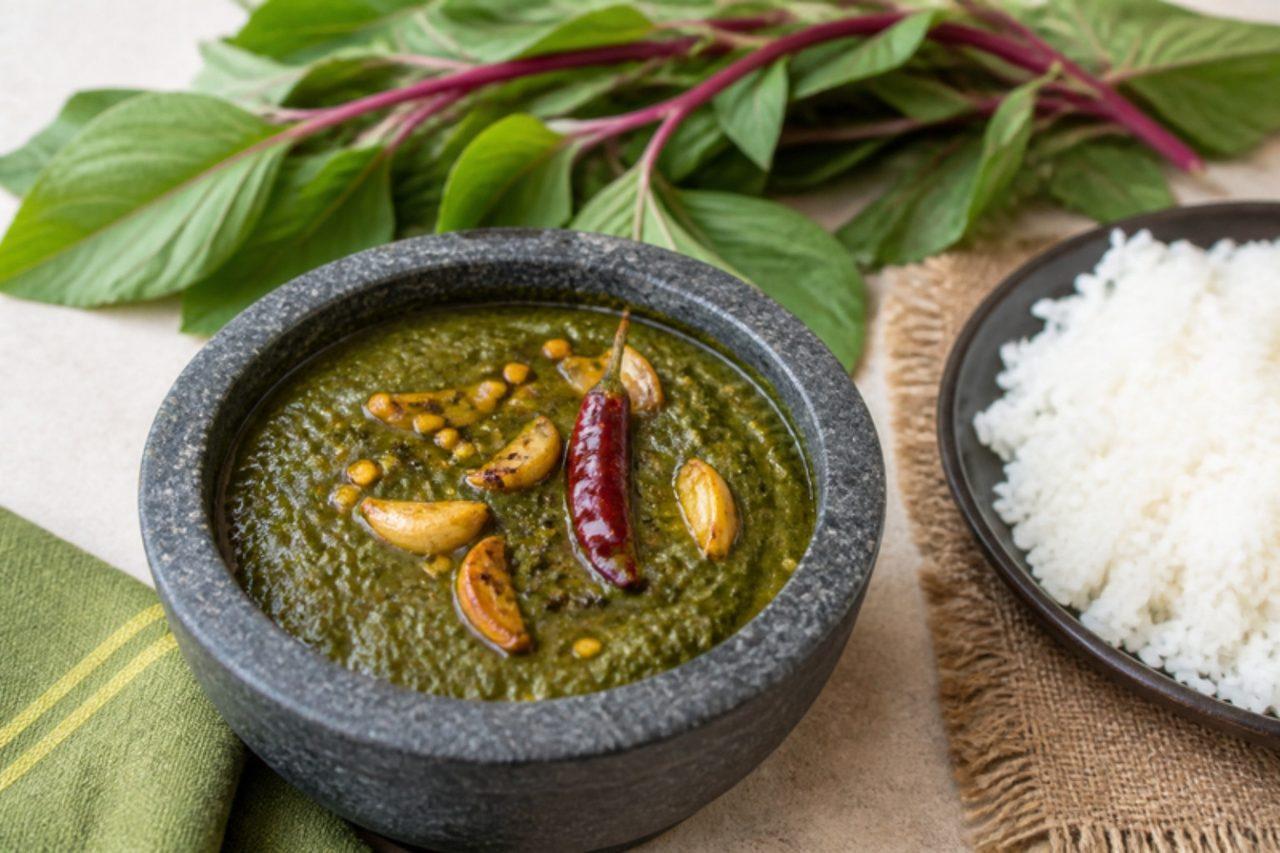
Keerai masiyal is the plain, green, buttery-soft mash Tamil mothers make with whatever keerai the market has that morning: arai keerai, siru keerai, amaranth or plain spinach. The leaves are cooked with shallots, garlic and green chilli and then mashed, traditionally with a wooden mathu, until smooth but still a little textured, then finished with a cumin tempering. It's eaten mixed into hot rice with a spoon of ghee or sesame oil, next to sambar or rasam, and it's a favourite first food for toddlers. Chef's tip: cook the greens uncovered; covering them traps the gases that turn the leaves dull olive instead of bright green.

by KrazyBadal 0 views

Kek lapis SarawakLayer cake

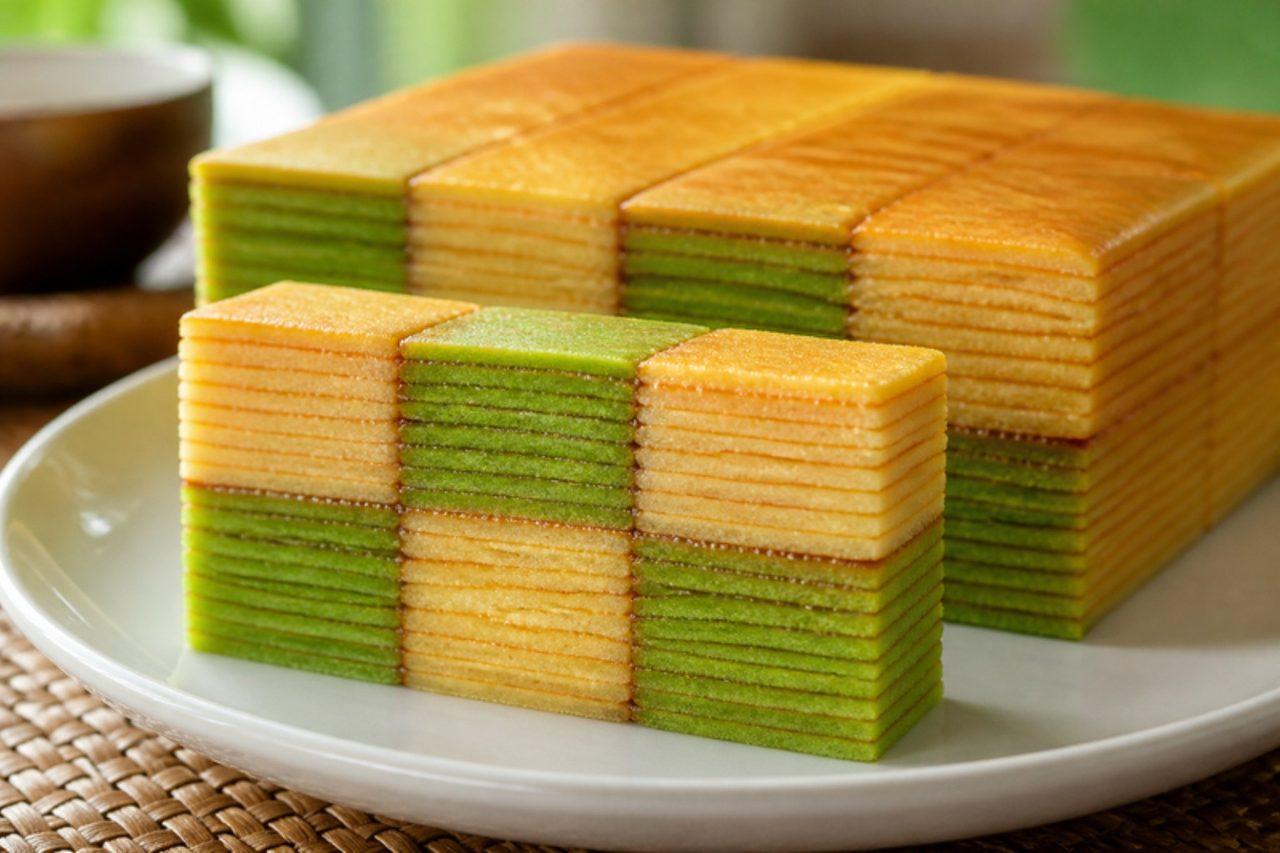
In Kuching, kek lapis Sarawak is baked for Hari Raya, Christmas and Gawai, and every family gives boxes of it away. Unlike Indonesia's spiced lapis legit, Sarawak cakes are sweet, dense and buttery, often made with condensed milk, and famous for their bright geometric patterns. Many layers are grilled one by one, then the cake is cut into strips and glued back together with jam to make the design. This is the beginner's chequerboard in plain and pandan green. Chef's tip: spread each layer thin and even with the back of a spoon; uneven layers make the pattern crooked.

by KrazyBadal 0 views

KeleweleSpiced fried plantain

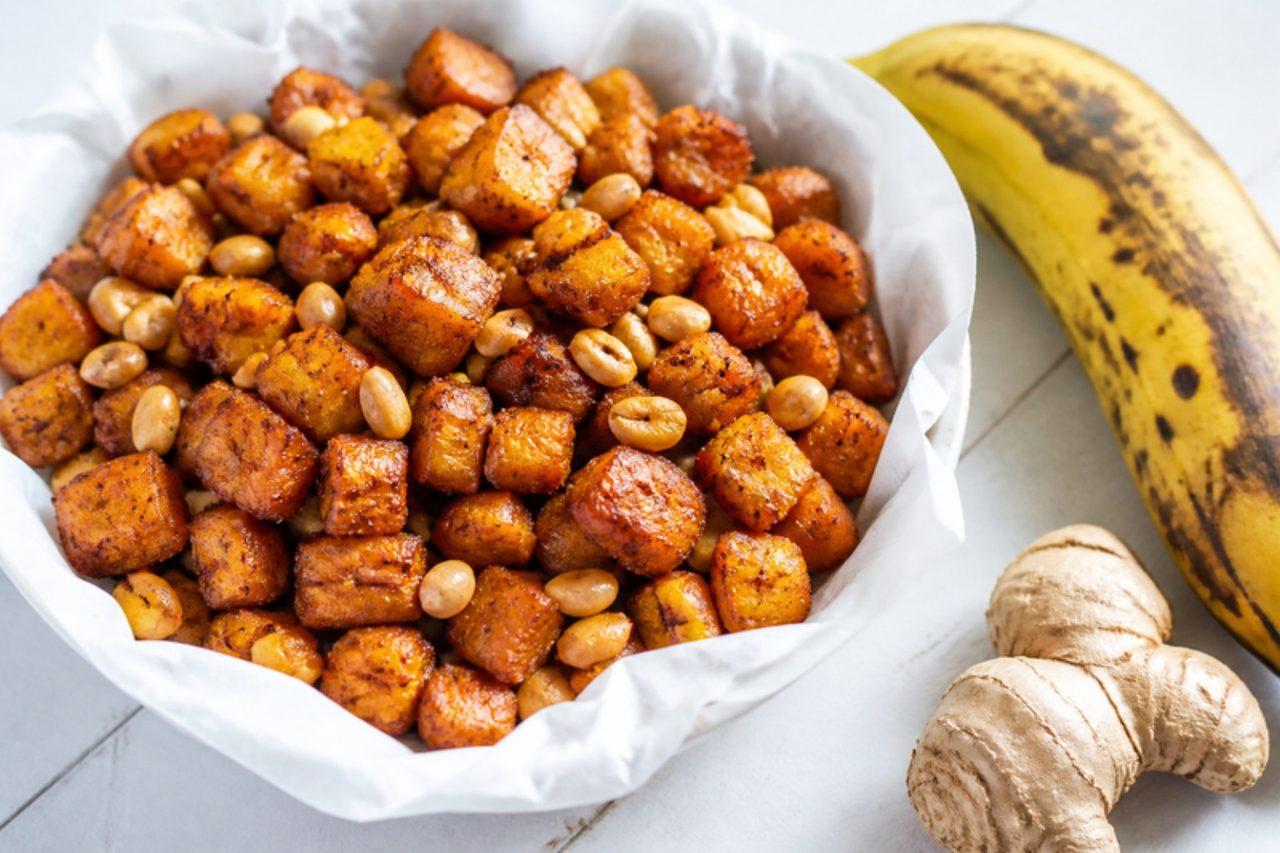
Kelewele is what Accra smells like after dark: ripe plantain cubes tossed in a paste of ginger, onion, chilli and spice, then fried at roadside stalls lit by lamps and sold in paper cones. It is eaten as an evening snack, often with a handful of roasted peanuts, or as a side with red red. The outside caramelises while the spices turn toasty, so every piece is sweet, hot and spicy at once. Chef's tip: use plantains that are yellow with lots of black spots; fully black ones collapse in the oil and green ones never turn sweet.

by KrazyBadal 1 views

Qingdao mackerel dumplings

Every spring, when Spanish mackerel run off the Shandong coast, Qingdao families fill the kitchen table with flour and fish for these large boiled dumplings; restaurants by the harbour serve them by the plate all year. The filling is whipped with peppercorn-infused water until it turns light and almost mousse-like, with chives for freshness and a little fatty pork for richness. Bitten open, they are juicy, briny and sweet rather than fishy. Eat them straight from the pot with black vinegar and crushed garlic, with a pot of jasmine tea. Chef's tip: if you can't find Spanish mackerel, ordinary mackerel or a mix of mackerel and cod works well.

by KrazyBadal 0 views

Ladakhi skyuWheat dough and root vegetable stew

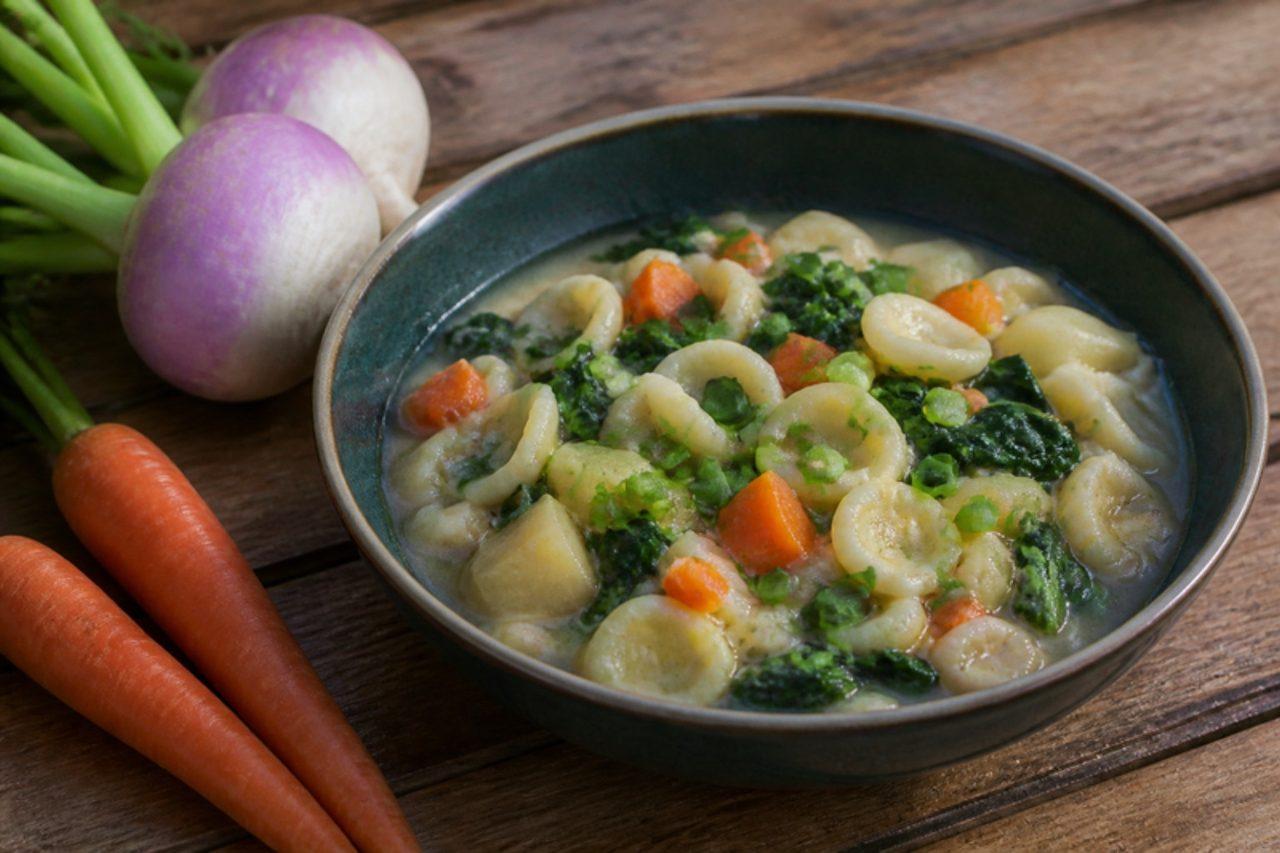
Skyu is what Ladakhi families in Leh and the villages along the Indus cook when the passes close and fresh vegetables run short: a thick stew of turnip, potato and carrot with little cups of wheat dough pressed with the thumb, a bit like orecchiette. It is filling, gently peppery and made in a single pot on the kitchen stove that also heats the house. Some homes finish it with a splash of milk or a crumble of dried cheese; this version keeps it plant-based and lets the vegetables flavour the broth. Chef's tip: press each piece of dough thin enough to see the thumbprint clearly; thick pieces stay doughy in the middle.

by KrazyBadal 0 views

Dezhou braised chicken

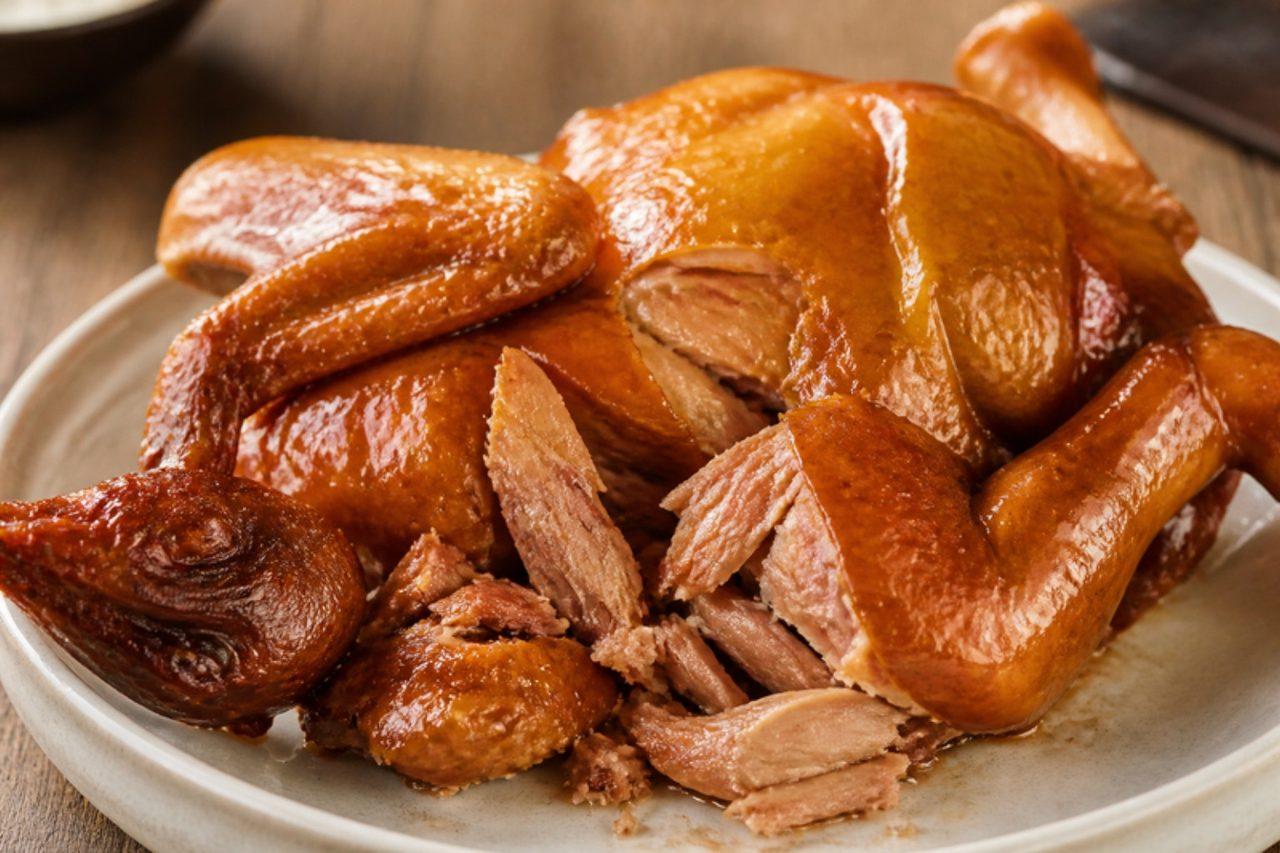
For generations, travellers passing through Dezhou station in Shandong bought this chicken in a paper wrap from the platform sellers, and boxes of it are still a favourite gift to take home. A whole bird is trussed with its legs tucked into the body, glazed and fried to a reddish gold, then barely simmered for hours in a stock of soy and a dozen spices. The result is fragrant, savoury and so soft that a gentle shake loosens the bones. Eat it warm or cold, torn into pieces, with steamed buns, a cucumber salad or plain congee. Chef's tip: keep the stock at the barest shiver, never a boil; that is how the skin stays whole while the meat turns meltingly tender.

by KrazyBadal 0 views

Sweet and sour carp

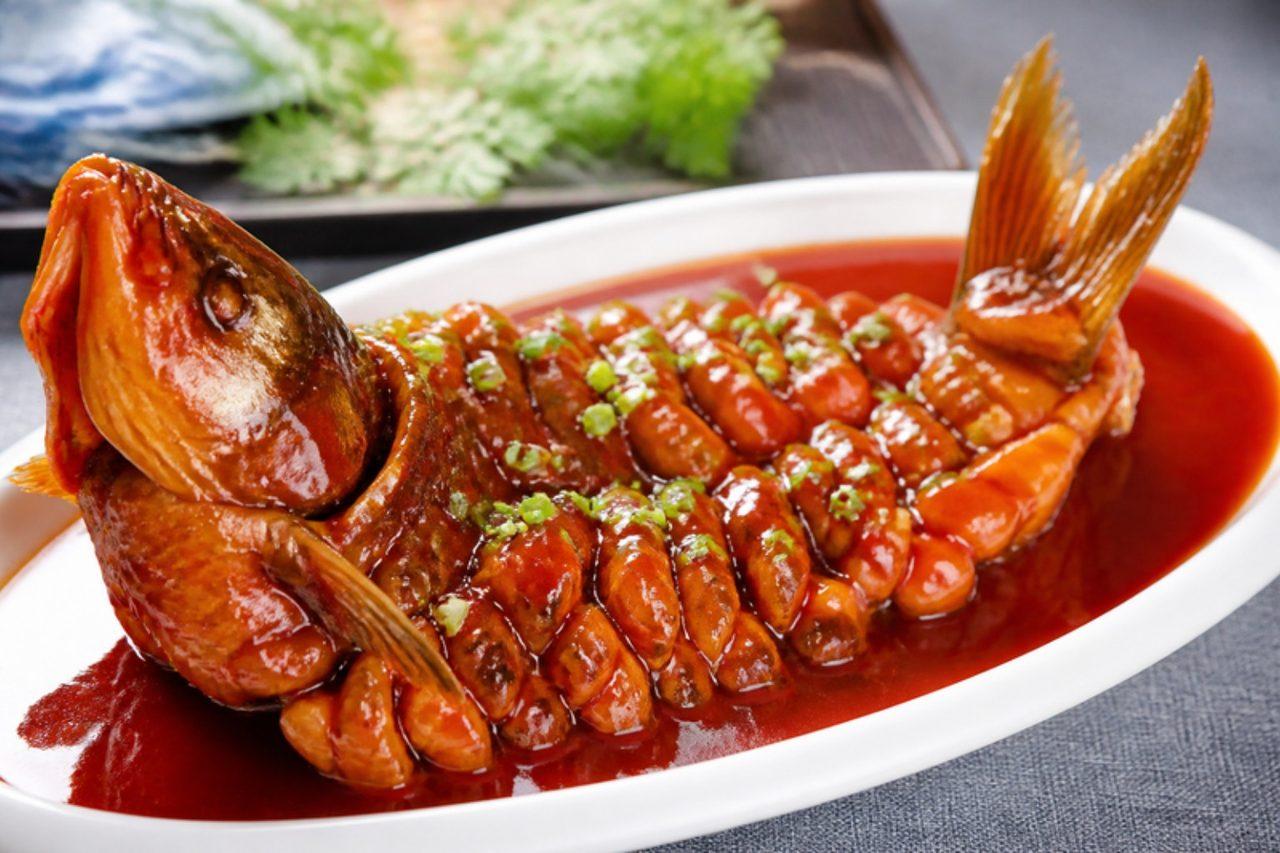
On Jinan's banquet tables a whole carp, its tail curled up as if leaping the Dragon Gate on the Yellow River, is a wish for success, so it turns up at weddings, exam celebrations and New Year. The fish is scored deeply, coated in a thin starch batter and fried until the skin crackles, then a hot glaze of sugar, vinegar and soy is poured over so it sizzles at the table. Inside, the flesh stays white and moist. Serve with steamed rice and a stir-fried green vegetable. Chef's tip: carp has fine bones, so if you are cooking for children use sea bass or tilapia; the method is the same.

by KrazyBadal 0 views

Braised intestines in brown sauce

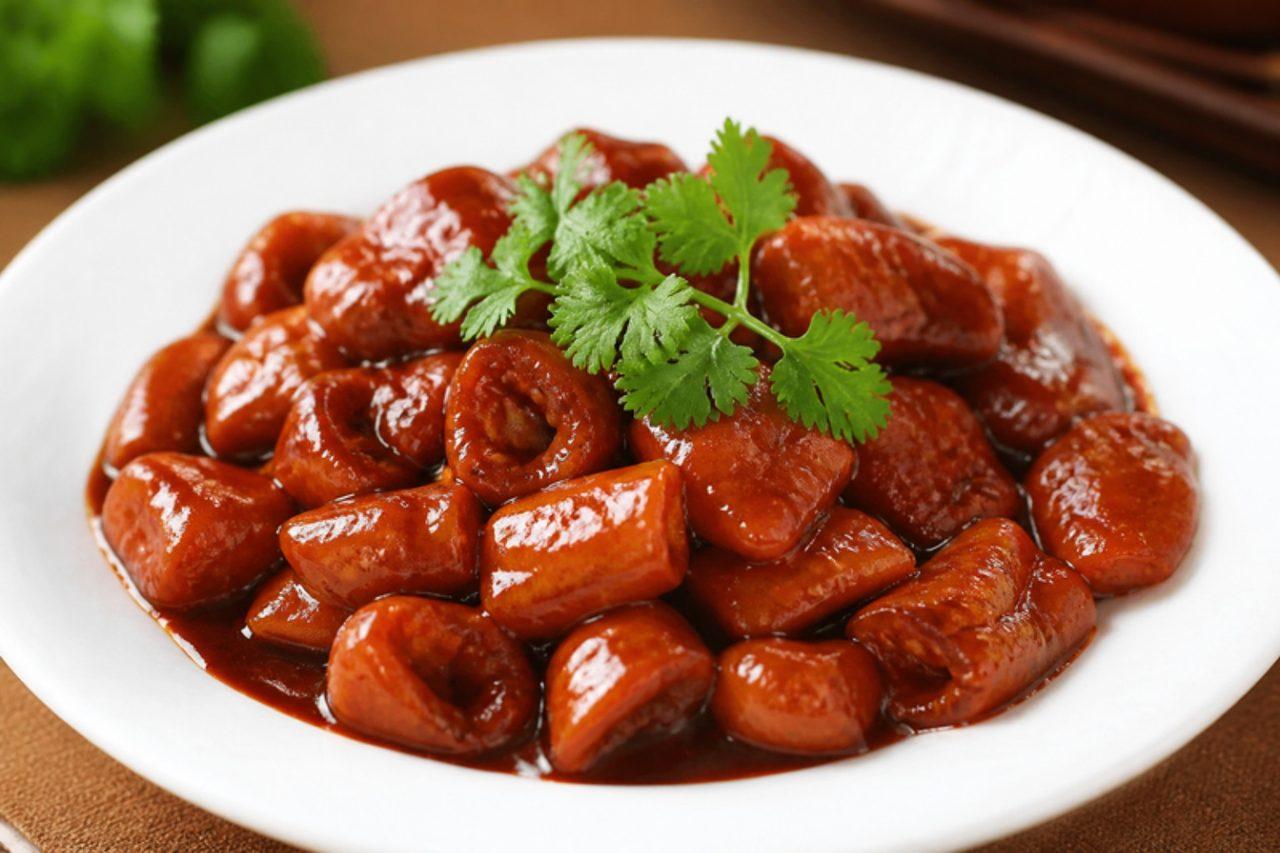
Jinan restaurants have served this Shandong classic for more than a century, and its name, 'nine turns', borrows from Taoist alchemy to praise how many times the flavour seems to change on the tongue. Sections of pork intestine are cleaned thoroughly, simmered until tender, fried golden and then braised in a dark glaze that is sweet, sour, salty, peppery and gently spiced all at once, finished with a dusting of cinnamon and white pepper. The texture is soft and rich with a slight chew. It is banquet food in Shandong, eaten with plain rice or steamed buns and a green vegetable. Chef's tip: buy intestines already cleaned by a butcher if you can; you will still give them a wash, but the hard part is done.

120 minChineseMeat
by KrazyBadal 0 views

Huangshan braised pigeon

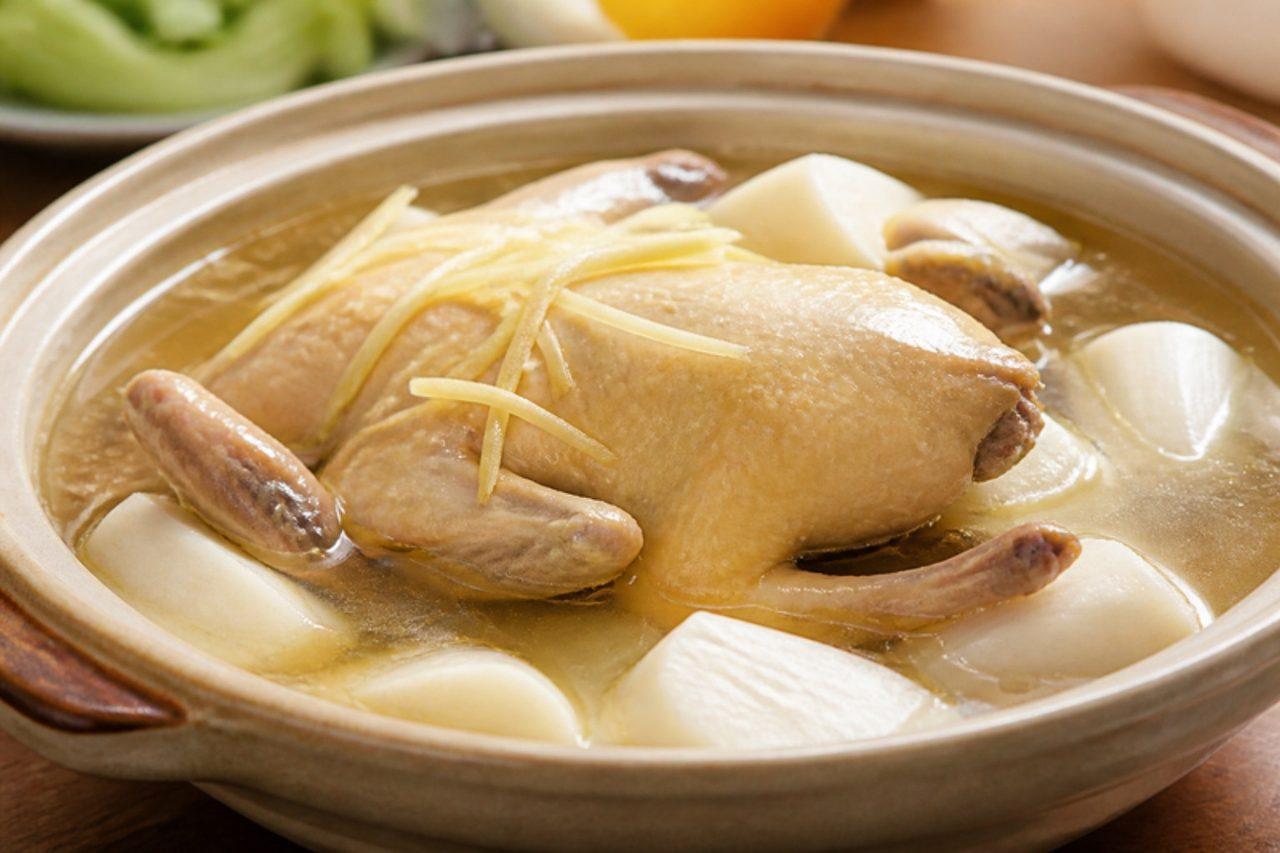
In the villages below the Huangshan mountains of Anhui, pigeon slowly stewed with Chinese yam in a clay pot is a classic nourishing dish, given to people recovering from illness and served to guests in cold weather. The broth is clear, light and gingery; the dark, rich squab turns tender enough to pull off the bone, and the yam goes soft and slightly creamy. Bring the pot to the table and eat the meat with rice, sipping the broth between mouthfuls. Squab is sold by good butchers and Asian grocers, often frozen. Chef's tip: wear gloves when peeling the yam; its sticky juice makes many people's hands itch.

120 minChineseMeatGluten free
by KrazyBadal 0 views

Huizhou stinky mandarin fish

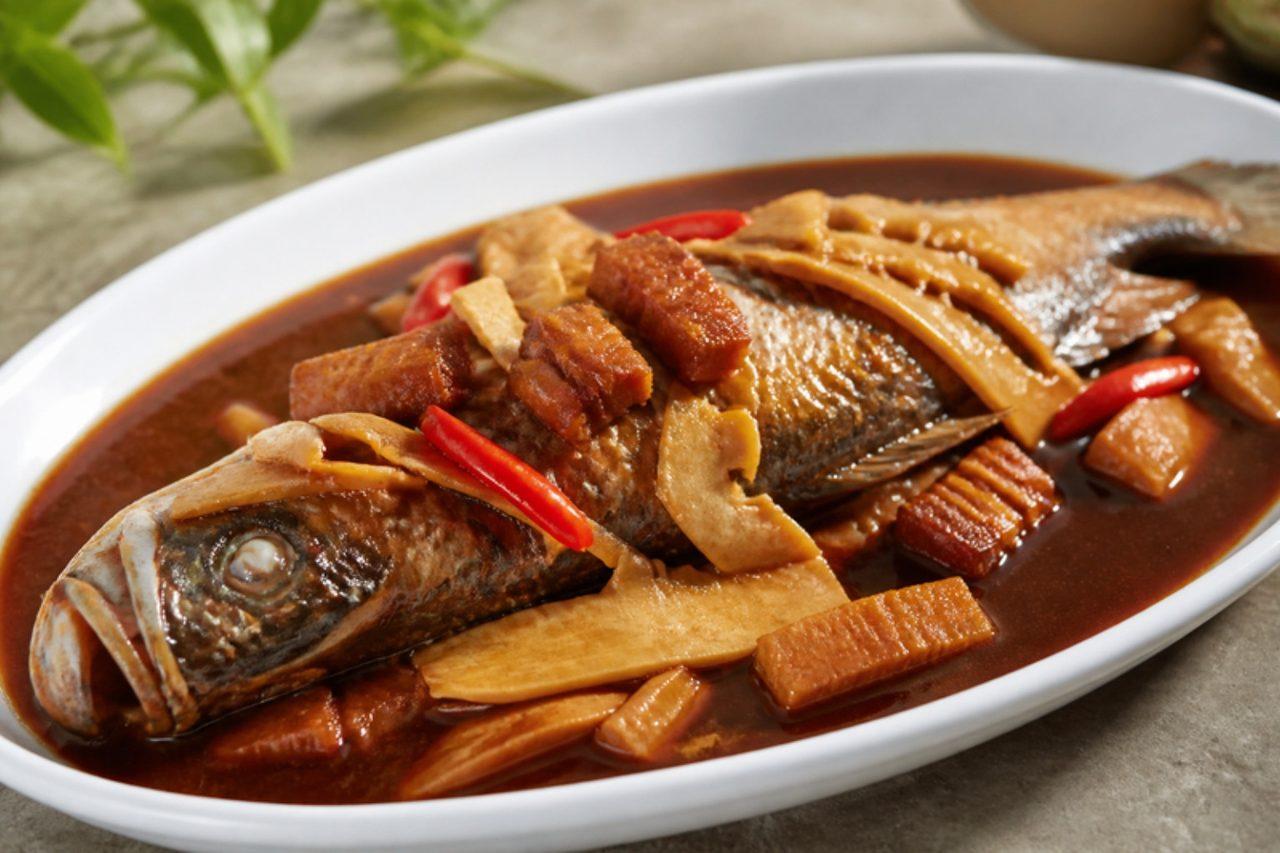
From the mountain towns of Huizhou in southern Anhui comes a fish with a famous smell: mandarin fish lightly fermented for days, then braised with pork belly and bamboo shoots until the flesh separates into firm, almost garlic-clove-like flakes with a savoury, cheesy depth. Traditionally the fish ferments in a barrel at room temperature, which is not safe to copy at home. This version gives the same firm texture and a gentle tang by salt-curing the fish in the fridge for 1–2 days, never at room temperature; it is milder than the real thing. Serve it in its sauce with plenty of rice. Chef's tip: dry the cured fish very well before it goes into the pan, or the skin sticks and tears.

by KrazyBadal 0 views

Shanghai drunken chicken

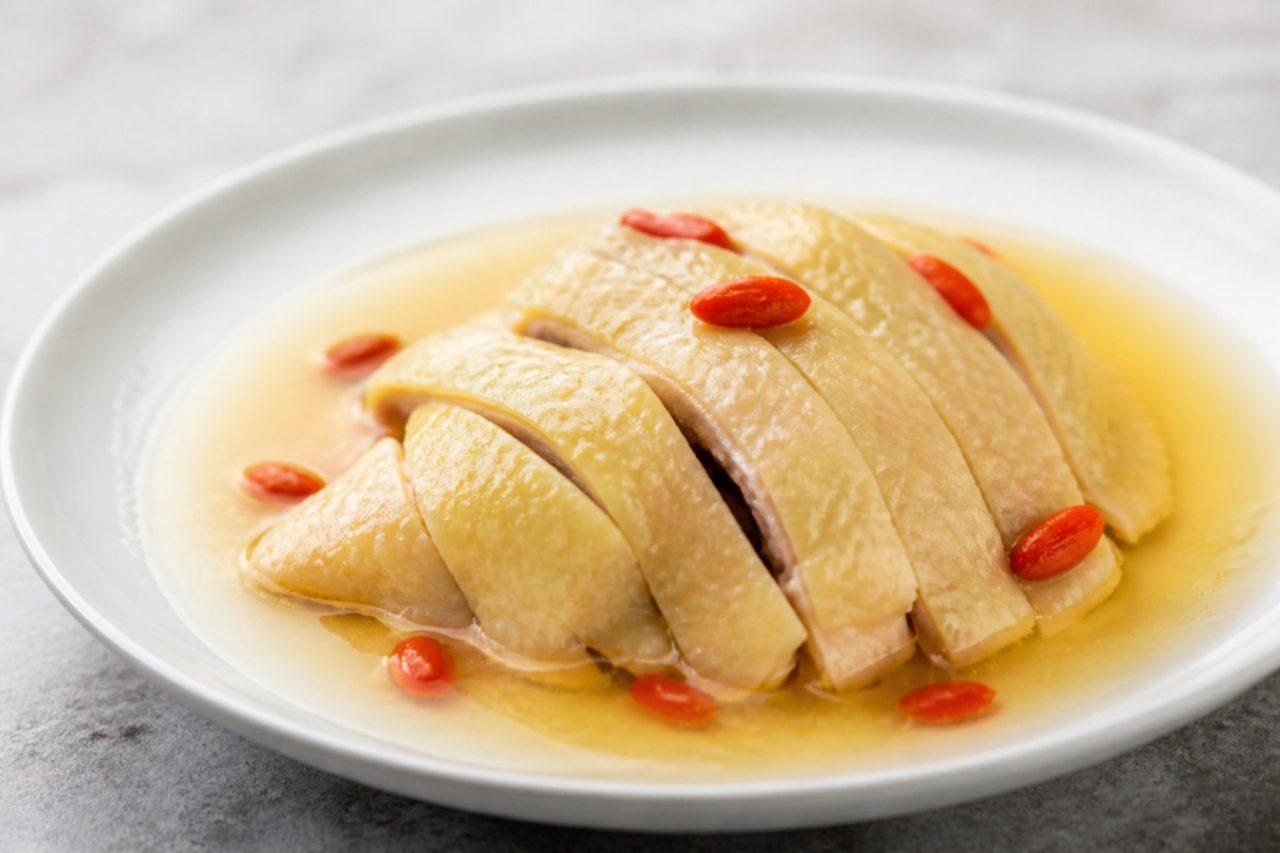
Shanghai's cold-dish counters always have a tray of drunken chicken: smooth, pale poached chicken with jelly-like skin, steeped overnight in a fragrant, slightly sweet bath of Shaoxing wine. Please note that the wine here is not cooked, so the classic dish contains alcohol and is not suitable for children, during pregnancy or for anyone avoiding alcohol. For them, make the fragrant alcohol-free version given in the ingredients, which steeps the chicken in stock with goji berries, dried tangerine peel and a little rice vinegar. Serve it chilled as a starter in summer or at Chinese New Year with other cold dishes. Chef's tip: plunge the chicken into iced water straight after poaching; the quick chill is what gives the skin its springy texture.

by KrazyBadal 0 views

Shanghai red-braised pork

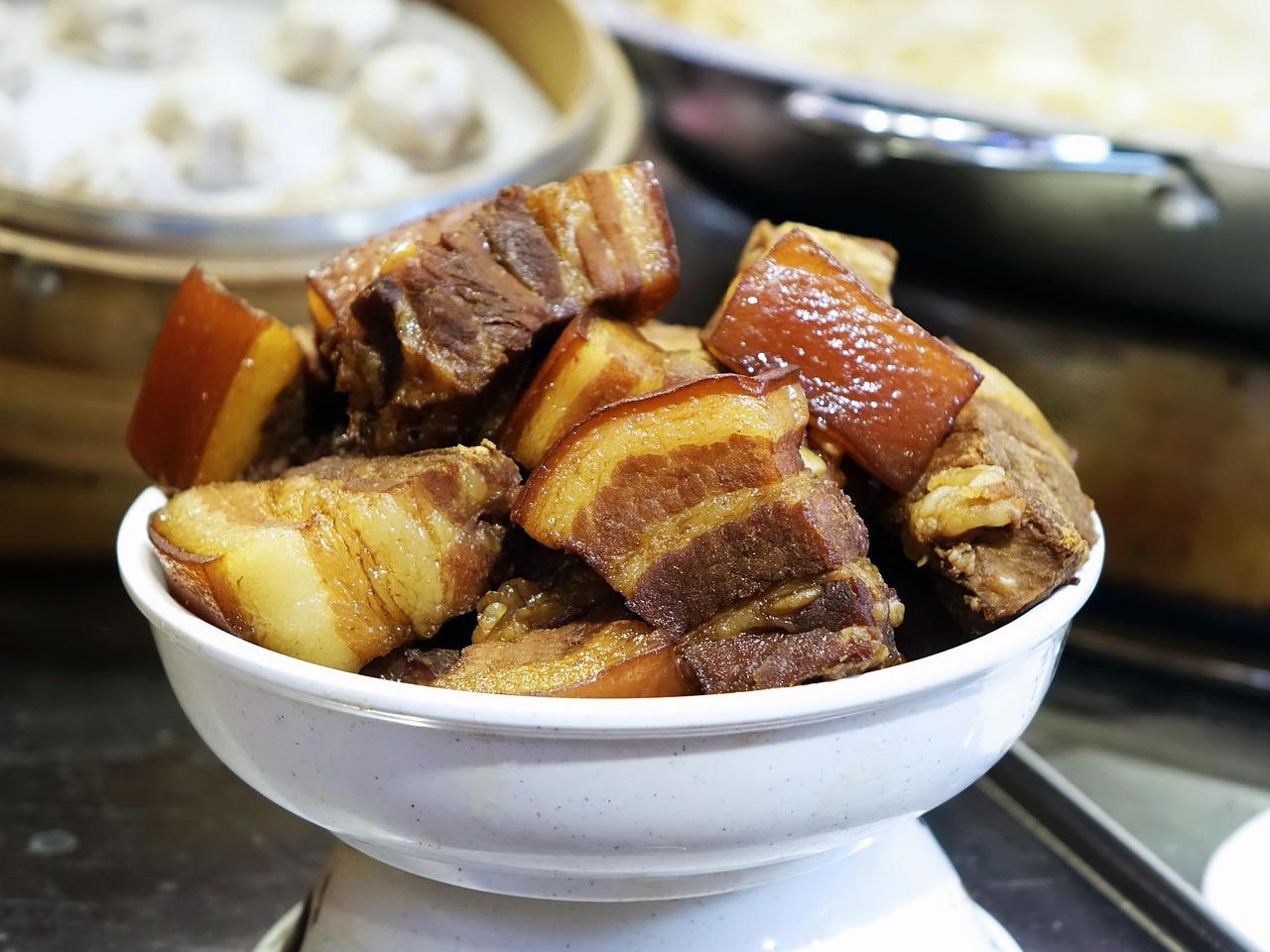
Every Shanghai family has its own hong shao rou, the dark, sticky pork belly at the heart of benbang (local) home cooking. Unlike the Hunan version linked to Chairman Mao, there is no chilli here; the colour and gloss come from rock sugar, soy sauce and a long, quiet braise, and the flavour is unmistakably sweet and savoury. The cubes should hold their shape but give way under chopsticks, with soft fat and a sauce that clings like syrup. It is weekend and festival food, served with plenty of rice and something green, and it tastes even better the next day. Chef's tip: reduce the sauce uncovered over a high heat in the last 10 minutes and keep tossing; that is when the shine appears.

by KrazyBadal 0 views

Ker sangriDesert berries and beans

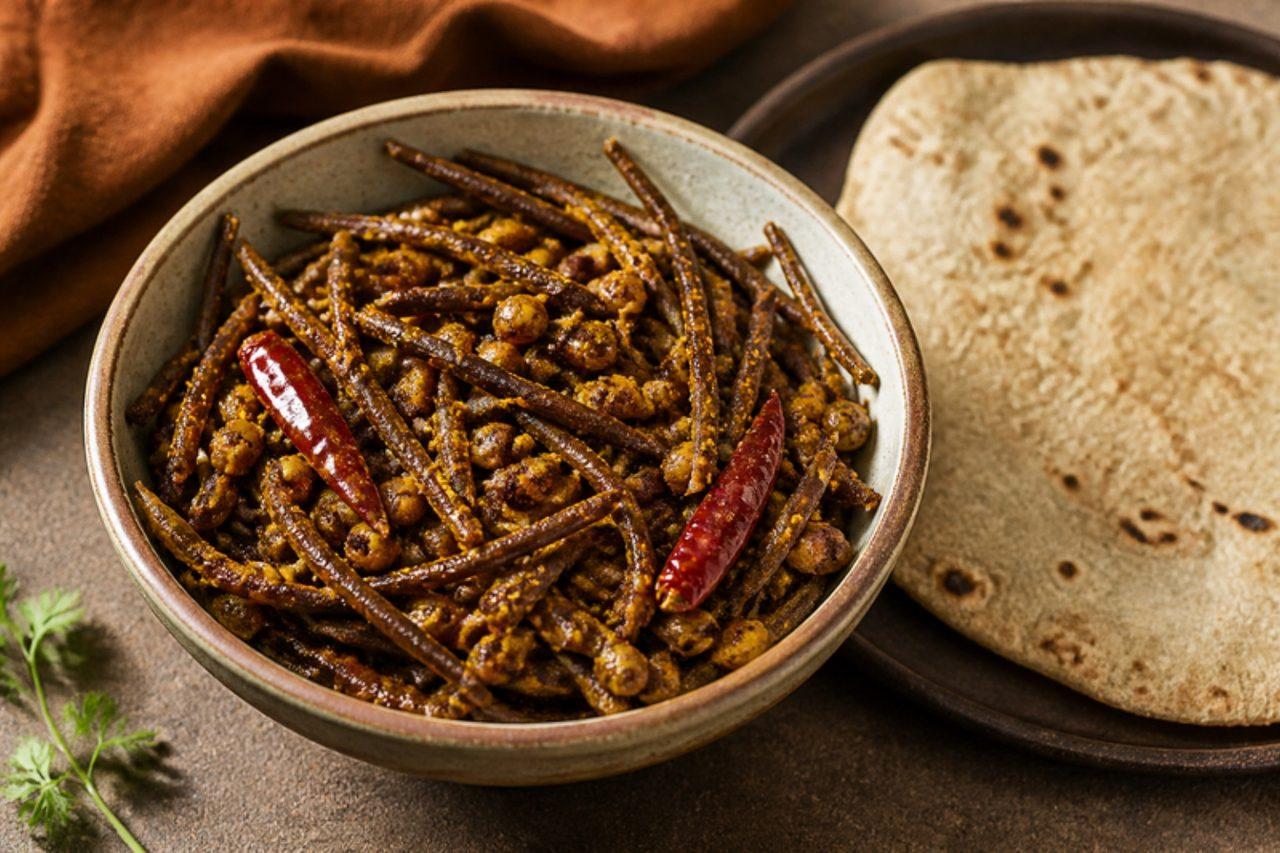
Ker sangri is a true desert dish from the Thar in Rajasthan: ker are small, sour wild caper berries and sangri are the thin, chewy bean pods of the khejri tree, both picked in summer and sun-dried to last the year. Soaked, boiled and fried in plenty of mustard oil with chilli, mango powder and coriander, they become tangy, earthy and almost pickle-like. It keeps for days, which is why it travelled with camel herders. Serve with bajra roti or puri, or as a side to dal baati. Chef's tip: taste a ker berry after boiling; if it is still very bitter, boil it again in fresh water before frying.

by KrazyBadal 0 views

Kerak telorSticky rice and egg omelette

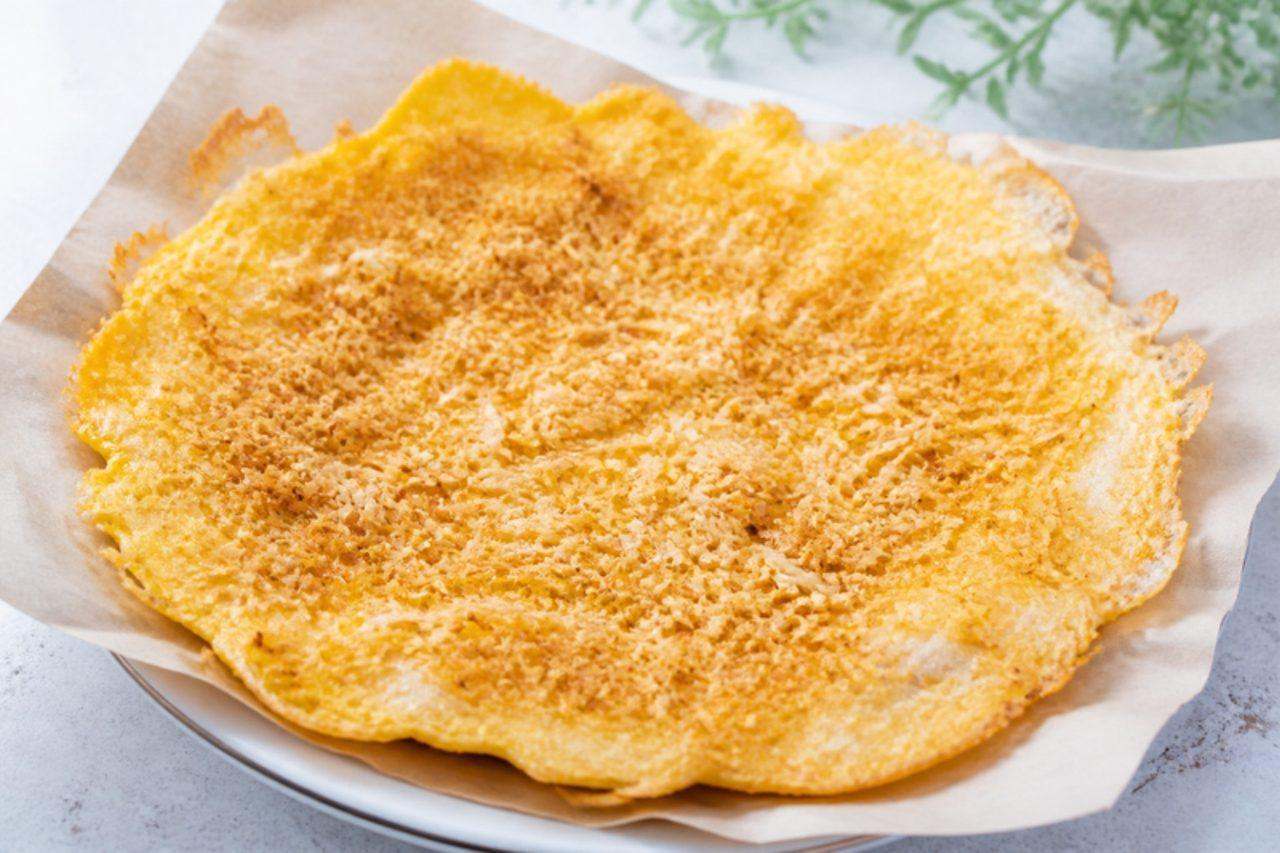
Kerak telor is the Betawi snack of Jakarta, cooked over charcoal by vendors at the Jakarta Fair and around Monas: a little soaked sticky rice is cooked in a tiny wok, an egg cracked on top, then the wok is turned upside down over the coals so the bottom forms a crust. It is finished with serundeng, a spiced toasted coconut, and fried shallots. Vendors usually add dried shrimp to the coconut; this version doesn't. Chef's tip: soak the sticky rice overnight; half-soaked grains stay hard in the middle.

by KrazyBadal 0 views

Kerala meen currySour red fish curry

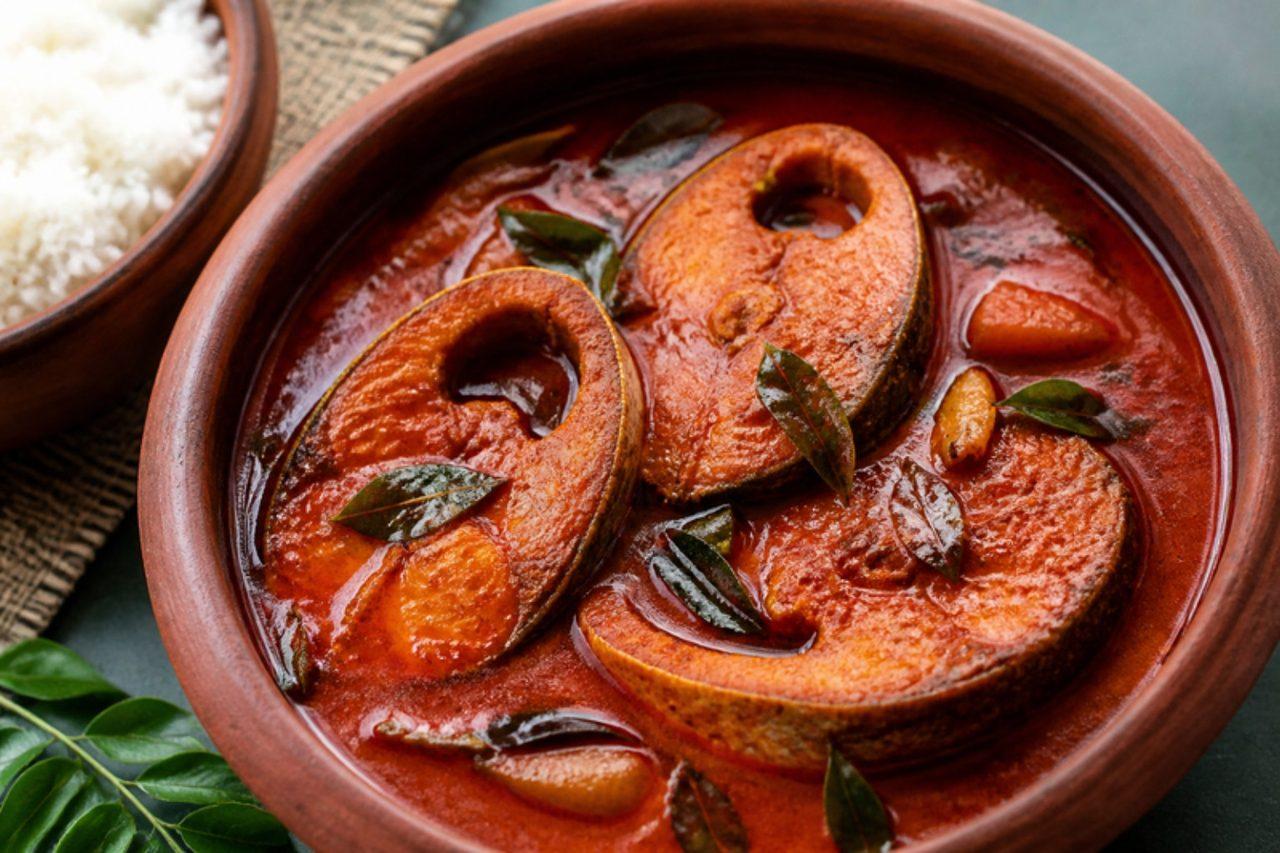
Down the southern backwater districts of Travancore, around Kottayam and Alappuzha, the everyday fish curry has no coconut at all: just a brick-red gravy of chilli, shallots and coconut oil, made sour and smoky with kudampuli (Malabar tamarind). It is traditionally made in a clay pot (manchatti) and left to sit, because it tastes better hours later or the next morning, when the fish has soaked up the sourness. Kingfish, sardines and mackerel are the usual choices; eat it with boiled red Kerala rice or tapioca. Chef's tip: once the fish is in, never use a spoon — hold the pot with a cloth and swirl it so the sauce coats the pieces without breaking them.

45 minIndianFishGluten freeSpicy
by KrazyBadal 0 views

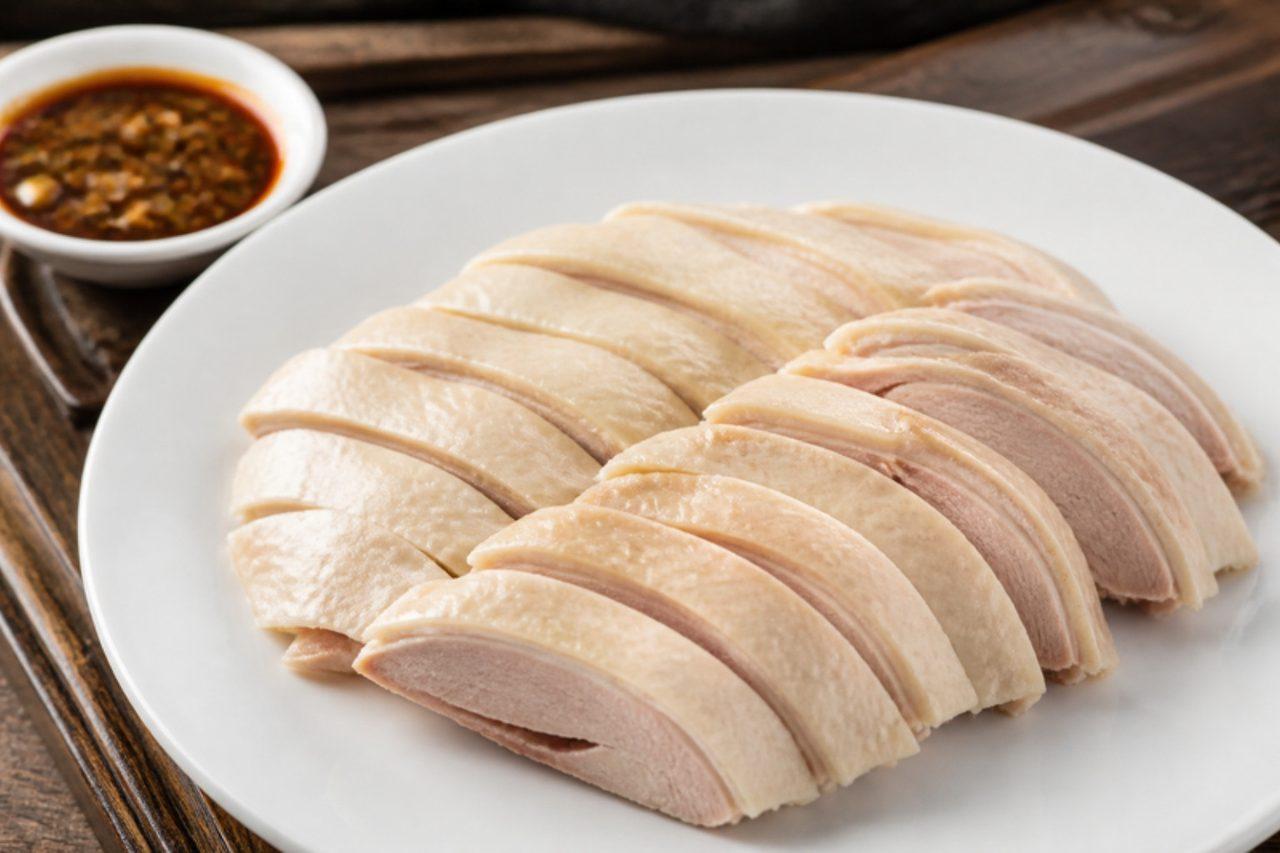
Nanjing salted duck

Nanjing people are said to eat more duck than anyone in China, and this cold, pale salted duck is the one bought by the half from neighbourhood shops for the dinner table, especially around the Mid-Autumn Festival, when the ducks are plumpest. It is cured in pepper salt, brined, then poached at a bare simmer so the skin stays white and smooth, the fat turns clear and the meat is pink-tinged, moist and savoury. Serve it chilled, chopped into pieces, with rice or as part of a cold platter. Start a day ahead, as the duck needs 12 hours of curing and brining in the fridge on top of the cooking time. Chef's tip: toast the salt and Sichuan pepper together until fragrant; the warm, numbing aroma is what makes it taste of Nanjing.

240 minChineseMeatGluten free
by KrazyBadal 0 views

Squirrel-shaped mandarin fish

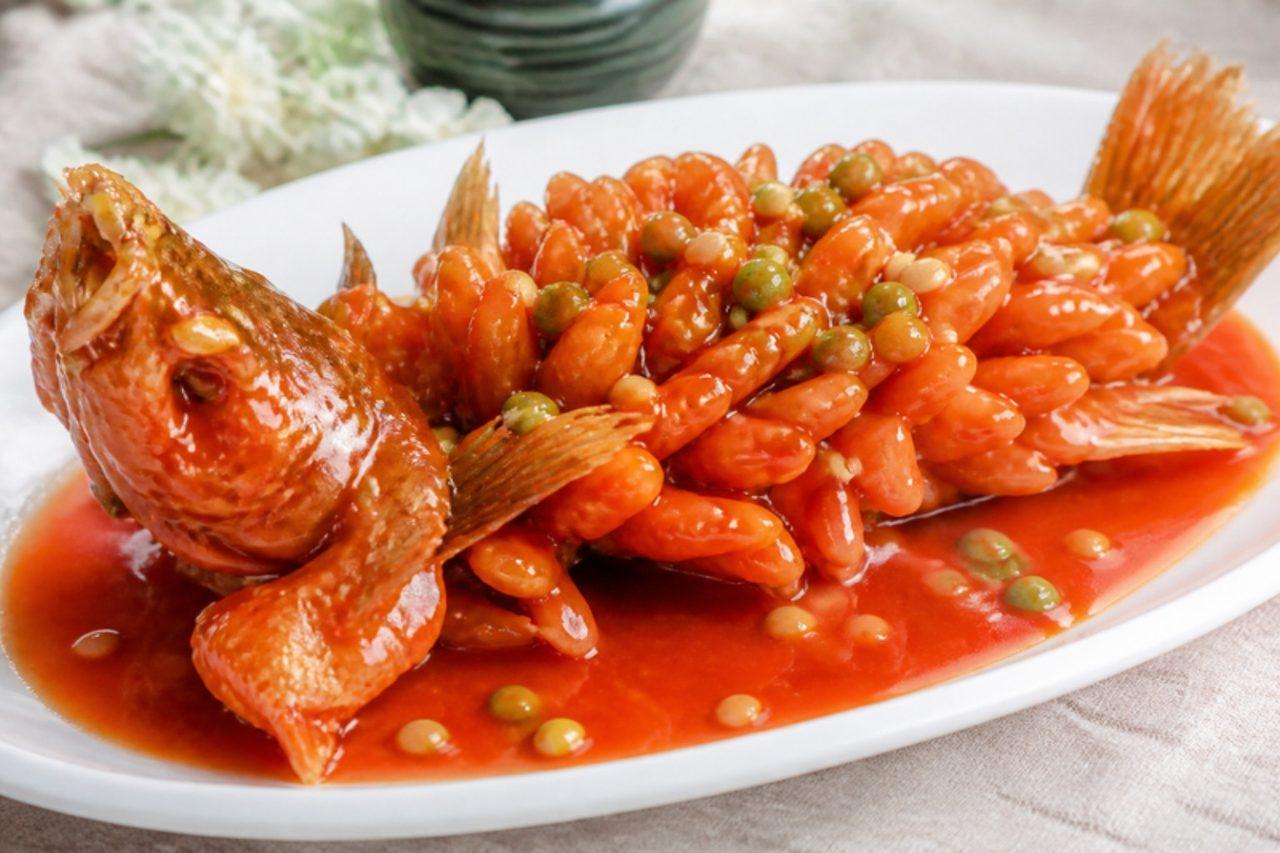
The showpiece of Suzhou banquets, this fish is deboned, scored into a deep criss-cross and fried so the flesh fans out into spikes; with its tail curled up, someone once decided it looked like a squirrel. The sauce poured over it at the table crackles as it hits the crisp edges, sweet and tangy with tomato and vinegar. Mandarin fish is hard to find outside China, so sea bass is the practical choice. Serve as the centrepiece with rice and a few simple vegetables. Chef's tip: work starch into every cut with your fingers and shake off the excess; any bare patch fries soggy and the spikes collapse.

by KrazyBadal 0 views

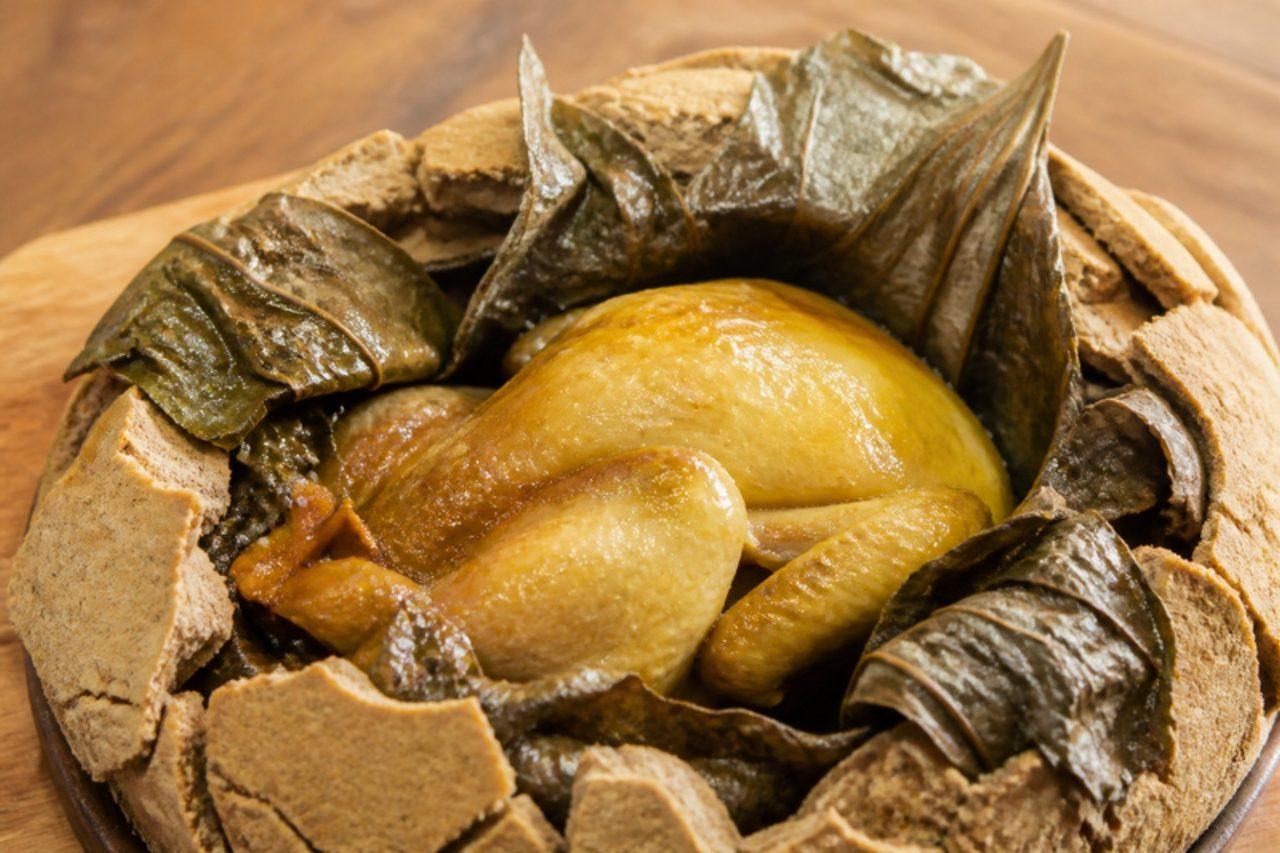
Beggar's chicken

Legend has a hungry beggar near Hangzhou wrapping a stolen chicken in mud and burying it in the embers; restaurants in Hangzhou and Changshu still crack open the crust at the table for a bit of theatre. This home version swaps the mud for a salt-and-flour dough, so it bakes in an ordinary oven. Inside two lotus leaves, the bird steams in its own juices with pork, mushrooms and bamboo shoots, so the meat is fall-apart tender and smells of the leaves. Make it for a special dinner and serve with rice and greens. Chef's tip: the crust is only an oven, not something to eat; seal every crack with a scrap of dough so the steam stays in.

by KrazyBadal 0 views

Keropok lekorFried fish sausages

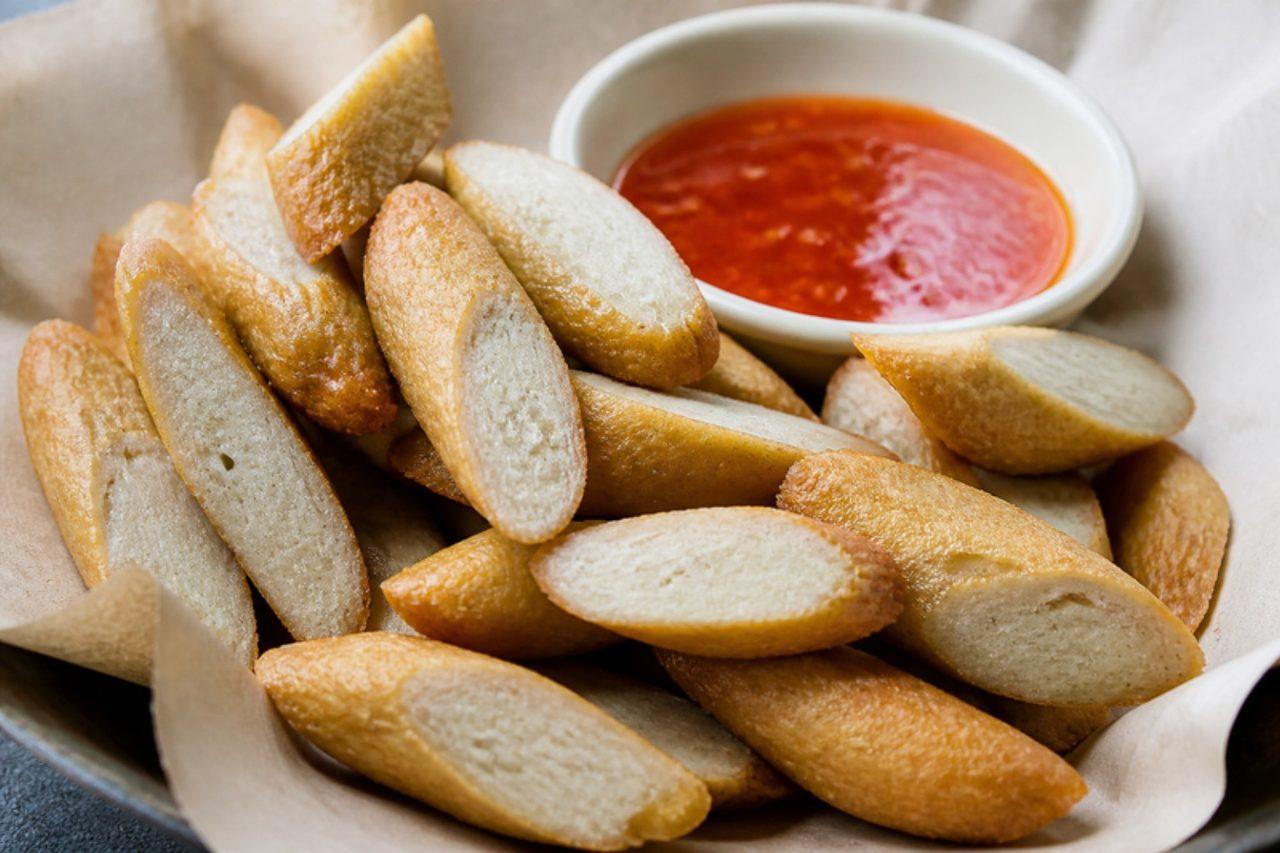
Along the beach road from Kuala Terengganu to Marang, roadside huts sell keropok lekor in paper bags, still hot from the wok. These are long, grey-white sausages of fish and sago starch, boiled until they float and then sliced and fried, so the outside puffs and crisps while the inside stays dense, bouncy and tasting clearly of the sea. Locals dip them in a sweet, garlicky chilli sauce and eat them with tea in the late afternoon. They freeze well after boiling, ready to fry any time. Chef's tip: knead the fish with ice-cold water; keeping the dough cold is what gives the springy bite.

by KrazyBadal 0 views

Longjing shrimp

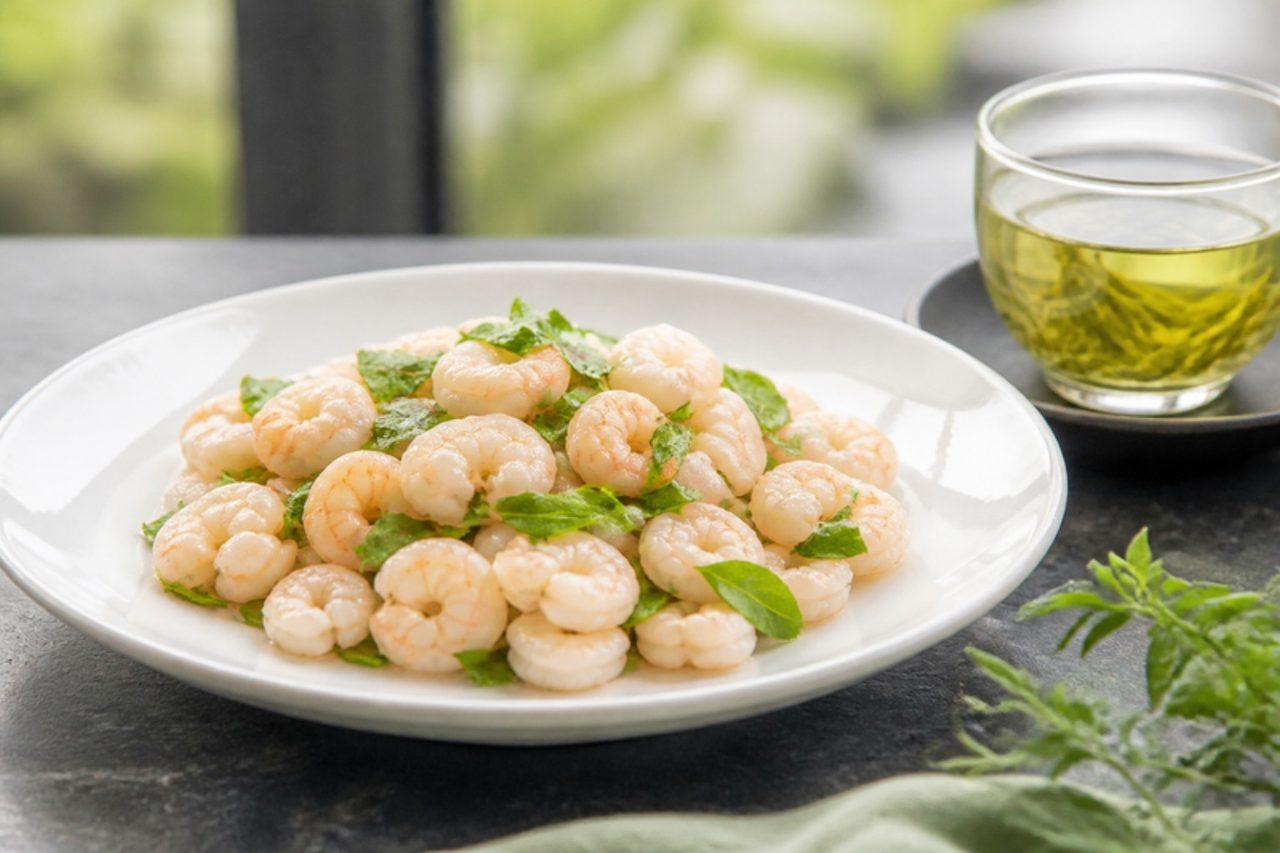
Spring in Hangzhou means new-season Longjing tea from the hills west of the city, and restaurants celebrate it by tossing tiny, pearly river shrimp with the tender tea leaves and a splash of their brew. The result is very delicate: sweet, springy shrimp, a faint grassy and chestnut aroma from the tea, and no heavy sauce at all. It is usually one dish among several at a family meal, eaten with rice. Small raw prawns are the easiest home swap for river shrimp. Chef's tip: brew the tea with water at about 80 °C, never straight from the boil, which makes the leaves bitter.

by KrazyBadal 0 views

West Lake vinegar fish

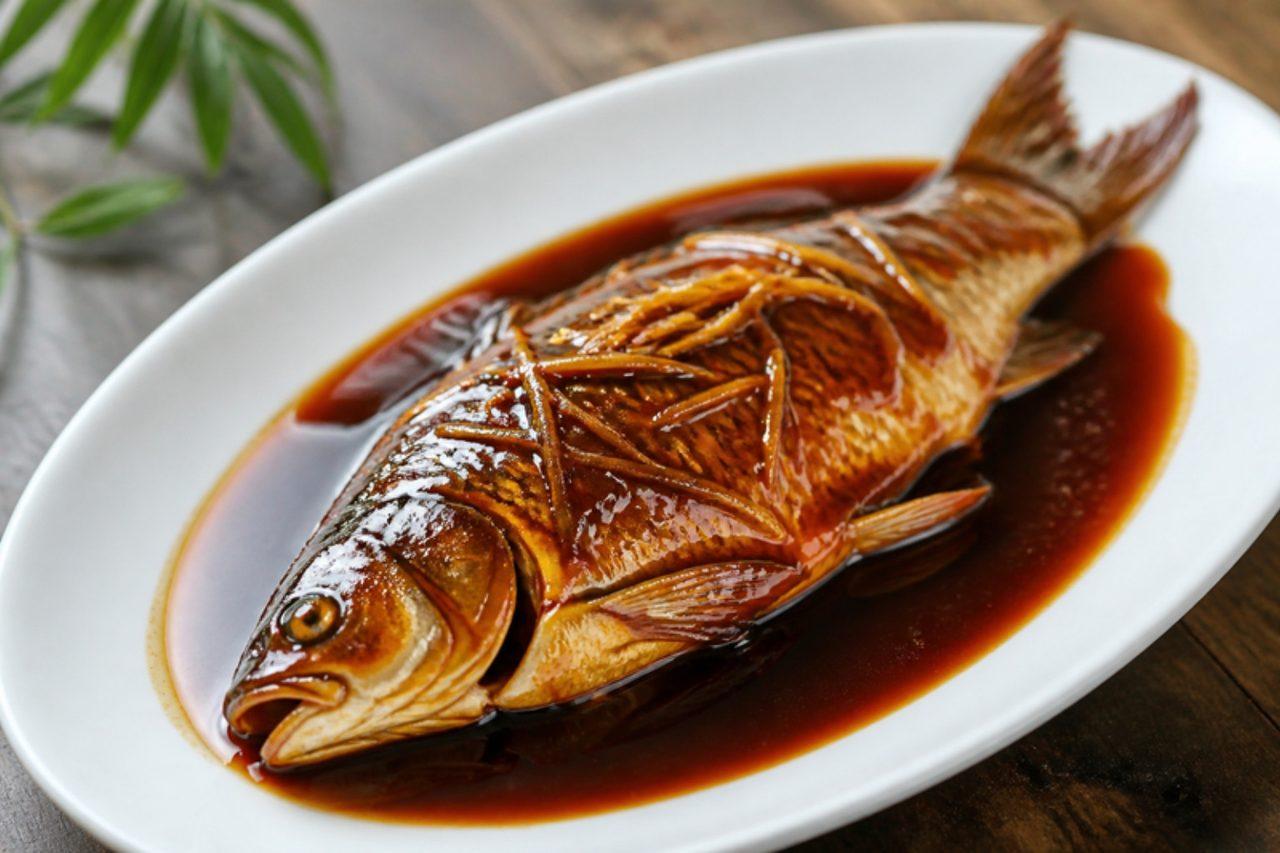
Hangzhou restaurants by West Lake have served this for generations, traditionally with grass carp kept in clean water for a day or two before cooking. The fish is not fried at all: it is butterflied, poached for a few minutes, and coated with a shiny, dark sauce of black vinegar and sugar that tastes sharp first and sweet after. The flesh should be tender enough to fall from the bone at a touch. Carp, sea bass or a thick white fish fillet all work at home. Eat it with rice and a simple stir-fried green vegetable. Chef's tip: thicken the sauce at the last moment and pour it straight over; left to sit, it turns gluey.

by KrazyBadal 0 views

Lion's head meatballs

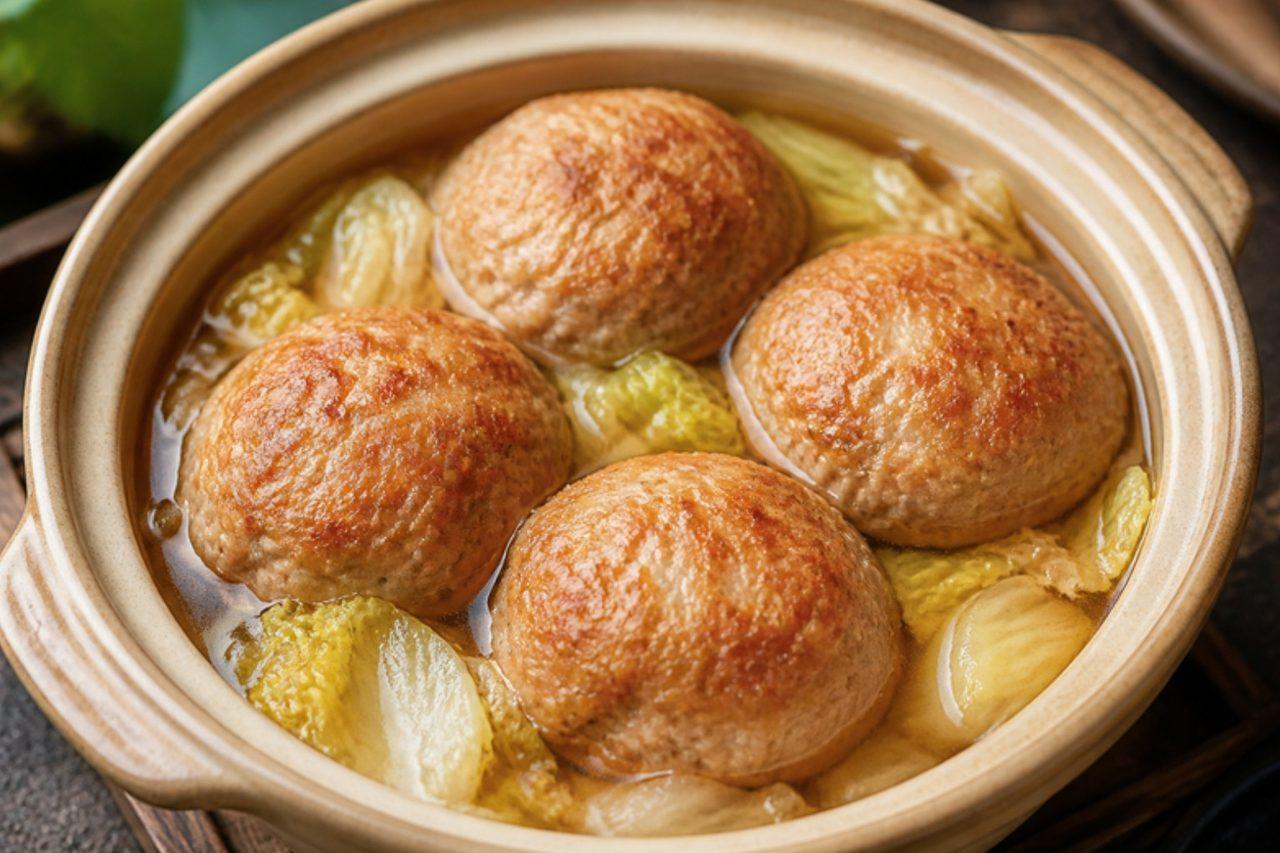
Cooks in Yangzhou say the shaggy meatball looks like a lion's head and the cabbage leaves around it like a mane. The Jiangsu way is the clear braise: no frying, just a slow simmer in stock until the meatballs are so tender that you eat them with a spoon, while the cabbage drinks up the pork juices. They appear at family reunions and at Chinese New Year, where the round shape stands for togetherness. Everything cooks in one pot; serve the meatballs in their broth with rice. Chef's tip: chop some of the pork belly by hand if you can, or ask for coarse mince; a fine, lean mince gives a dense, bouncy ball rather than a soft one.

by KrazyBadal 0 views

KespeEgg noodles in vegetable broth

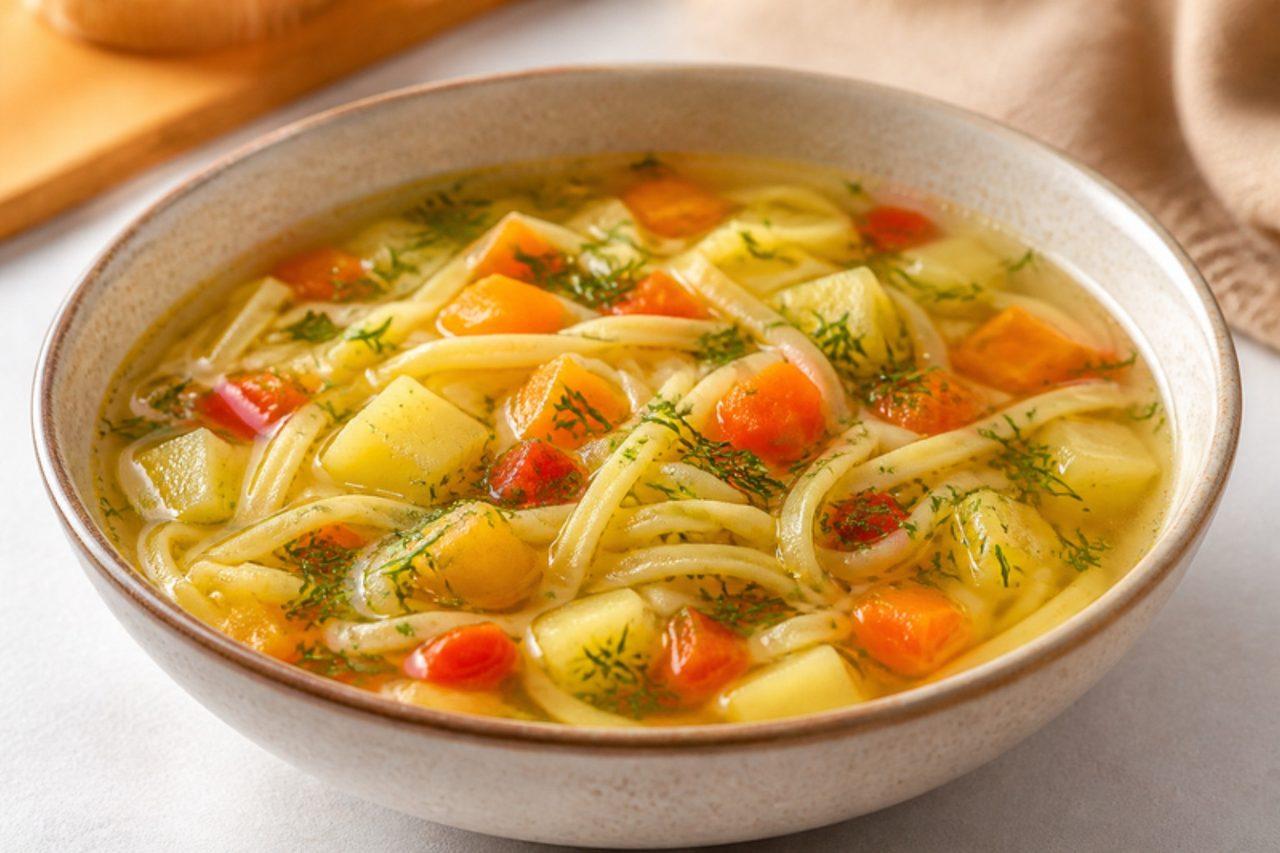
Kespe is the plainest and most comforting of Kazakh soups: home-made egg noodles, cut thin with a knife, simmered in broth with potato, carrot and onion. The name comes from 'kesu', to cut. Grandmothers in villages around Karaganda and Pavlodar make it on winter evenings and for anyone feeling unwell, and in Kyrgyzstan the same soup goes by the same name. It is usually cooked in mutton broth; this version uses a well-browned vegetable broth. Chef's tip: dry the cut noodles for 20 minutes before cooking; they hold their shape and don't cloud the broth.

by KrazyBadal 0 views

Łazanki with cabbage and mushroomsSquare noodles with cabbage and mushrooms

Łazanki are short, square egg noodles, and in the Podhale highlands and around Kraków they are tossed with soft-fried white cabbage, a little sauerkraut and mushrooms for a cheap weekday supper, especially in autumn when the cabbage is new. Most cooks add smoked bacon; this version leaves it out and gets its depth from dried ceps, browned fresh mushrooms and plenty of black pepper and marjoram. It is soft, savoury and slightly sour. Serve it on its own with a glass of buttermilk or kefir, as people do in the mountains. Chef's tip: let the cabbage catch and brown in places before you add the noodles; that browning is the flavour bacon would otherwise give.

by KrazyBadal 0 views

KetoprakTofu and noodles in peanut sauce

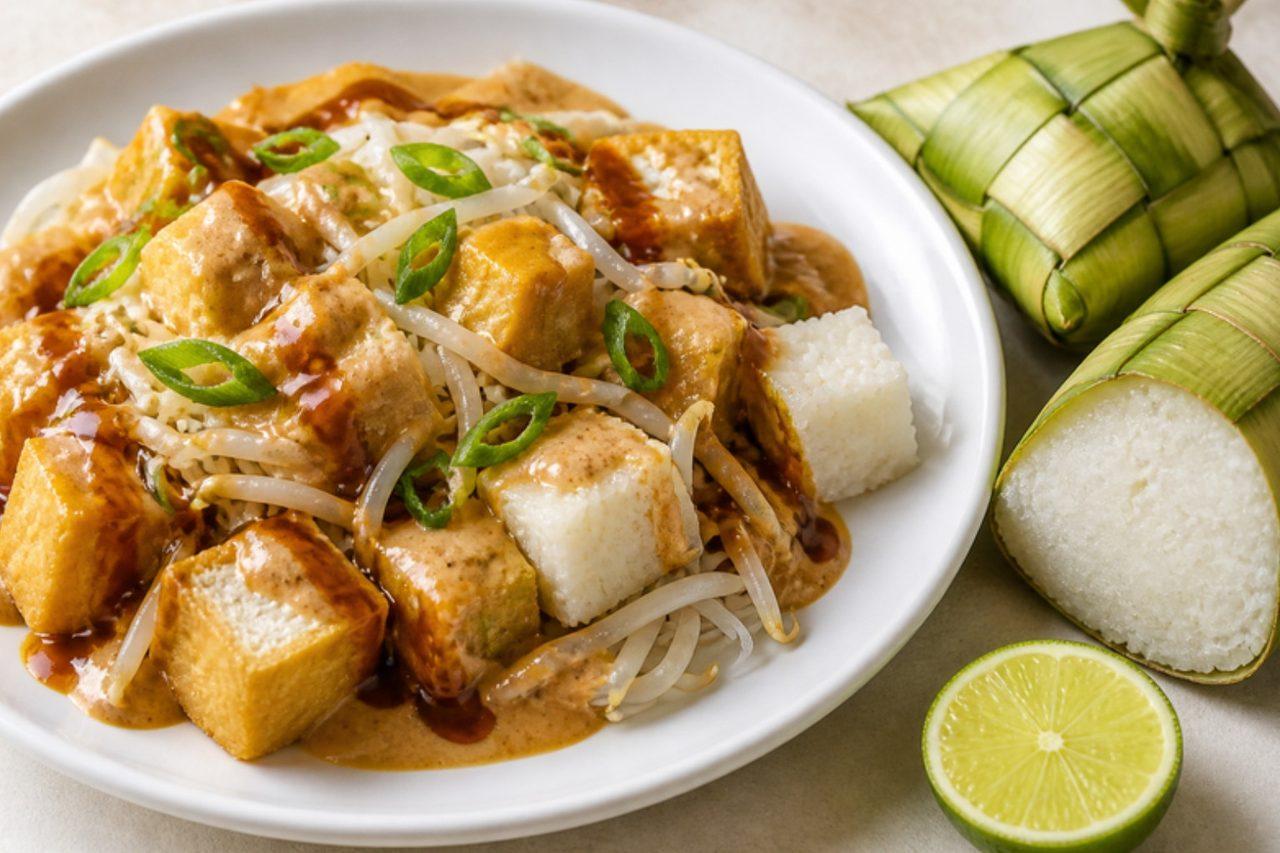
Ketoprak is a Jakarta cart dish, made to order: the seller grinds peanuts, garlic and chilli in a wide stone mortar, loosens them with water and sweet soy, then tips fried tofu, rice cake, rice vermicelli and bean sprouts on top. It is a cousin of gado-gado but simpler, with no egg-and-greens platter, and the raw-garlic sauce is the whole point. Eat it at lunch with plenty of crackers. Chef's tip: grind the garlic with the hot fried peanuts so the garlic mellows slightly; a raw paste made with cold nuts is harsh.

by KrazyBadal 0 views

Dongpo pork

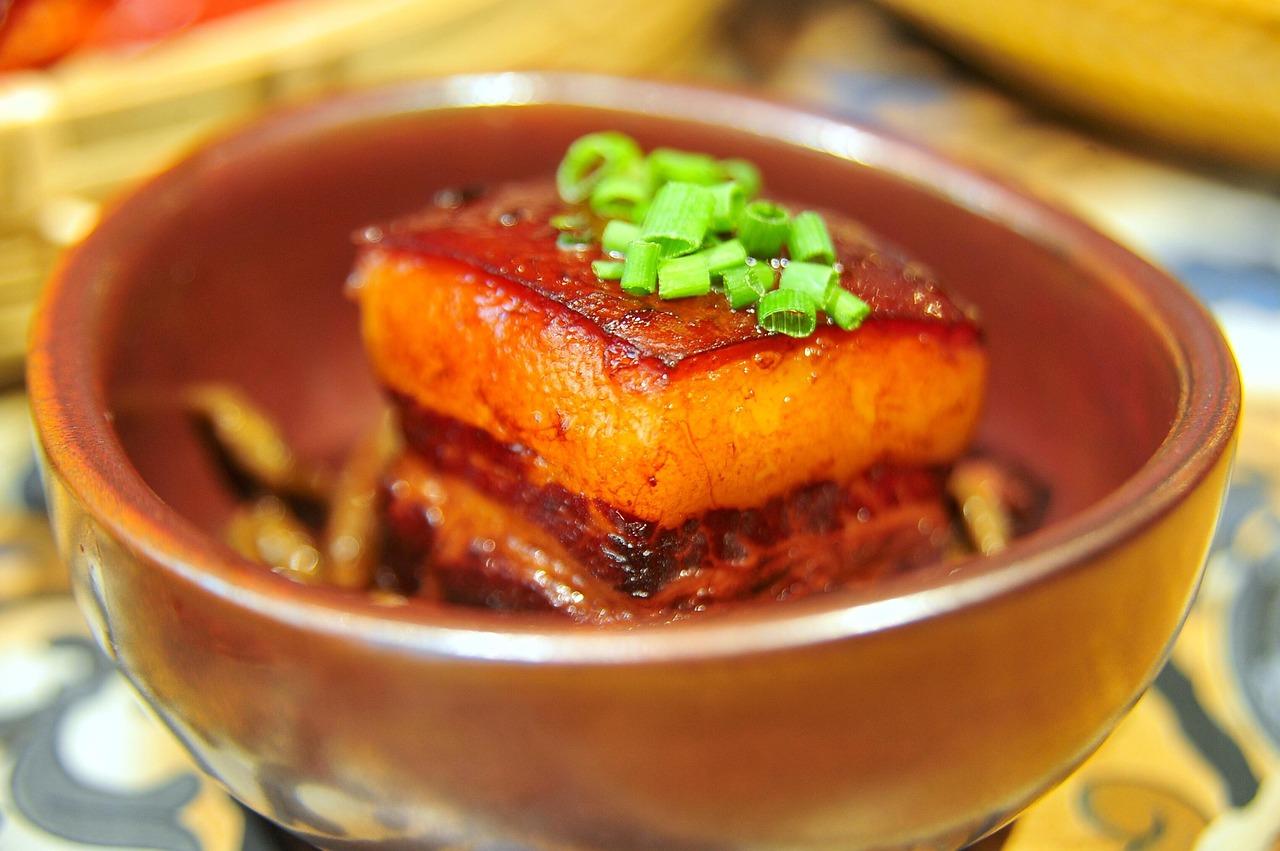
Named after the Song dynasty poet Su Dongpo, who governed Hangzhou, these neat squares of pork belly are a fixture of the city's restaurants around West Lake and of New Year banquet tables across Zhejiang. Cooked for hours in Shaoxing wine with soy and rock sugar, the fat turns soft and wobbly, the lean melts apart, and the skin goes glossy and mahogany. Each guest usually gets one square, eaten with plain rice and a green vegetable to cut the richness. The traditional braise uses only wine and no water; if you avoid alcohol, use the stock-and-vinegar version in the ingredient note, which is just as tender, though less fragrant. Chef's tip: tie each square with kitchen string before braising so it keeps its shape for serving.

150 minChineseMeat
by KrazyBadal 0 views

Key watSpicy beef stew

Ask for key wat at a restaurant in Addis Ababa and you get a bowl of tender beef drowned in a sauce so red it gives the dish its name: key means red in Amharic. It is everyday celebration food, cooked for Sunday lunch, weddings and the end of a fast, and it shares the slow-cooked onion base of doro wat but with chunks of beef and a sharper, more peppery heat. The sauce should be thick and glossy, with a layer of red oil on top. Spoon it over injera with a cooling plate of greens or lentils beside it. Chef's tip: cut the beef into small, even 2 cm cubes so it soaks up the sauce and becomes tender in under an hour and a half.

by KrazyBadal 0 views

Wenchang chicken

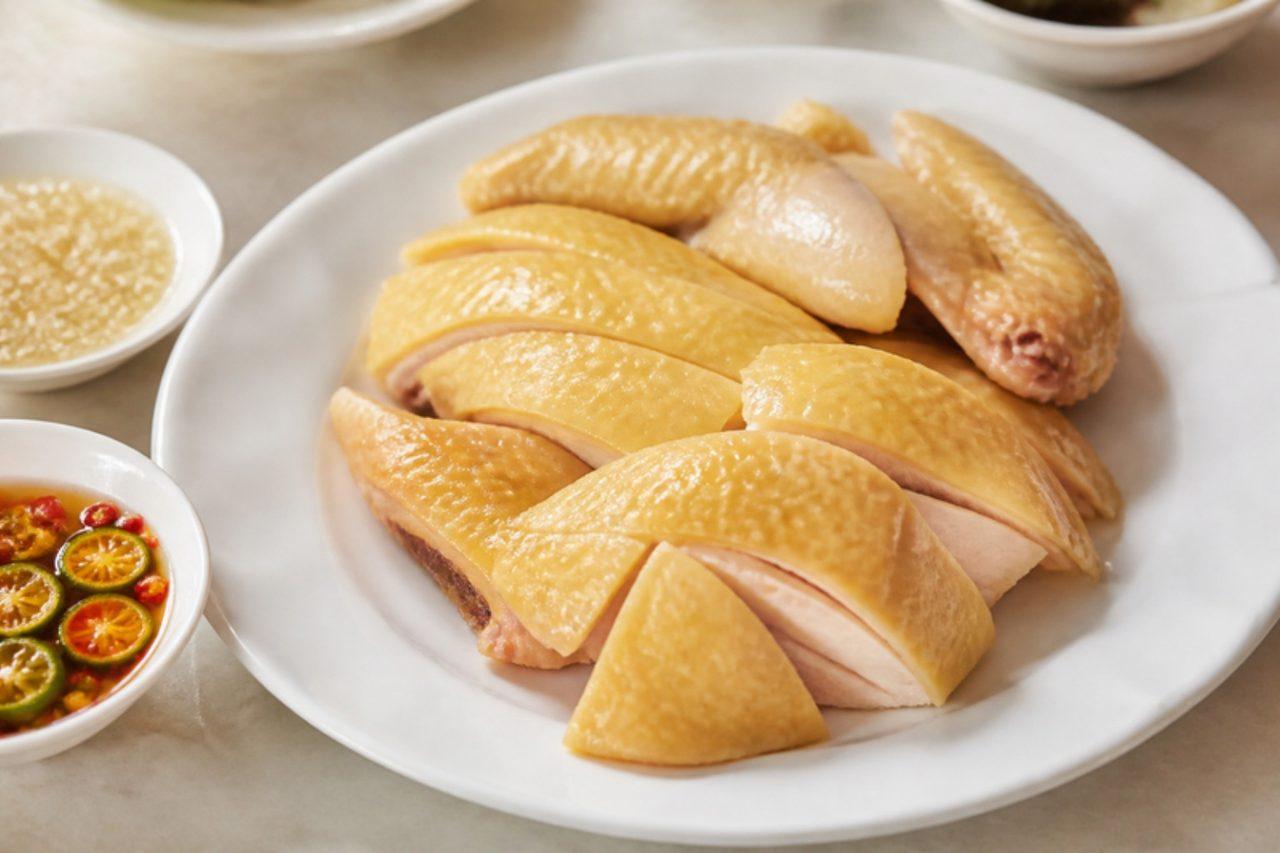
Hainan islanders count Wenchang chicken, from the coastal county of the same name, as the first of their four famous dishes, and no wedding, New Year or welcome-home meal there is complete without it. The small free-range birds are gently poached until the skin is pale gold and slightly jellied and the meat is firm, sweet and full of flavour. The real stars on the island are the dips, not rice: a hot-oil ginger and garlic relish, and a sharp calamansi and chilli sauce. This is the original that Hainanese emigrants turned into chicken rice in Singapore and Malaysia, but in Hainan it is eaten chopped on the bone with a bowl of the poaching broth and plain rice or greens on the side. Chef's tip: choose a small free-range chicken; its firmer meat and thin skin are closest to the Wenchang breed.

by KrazyBadal 0 views

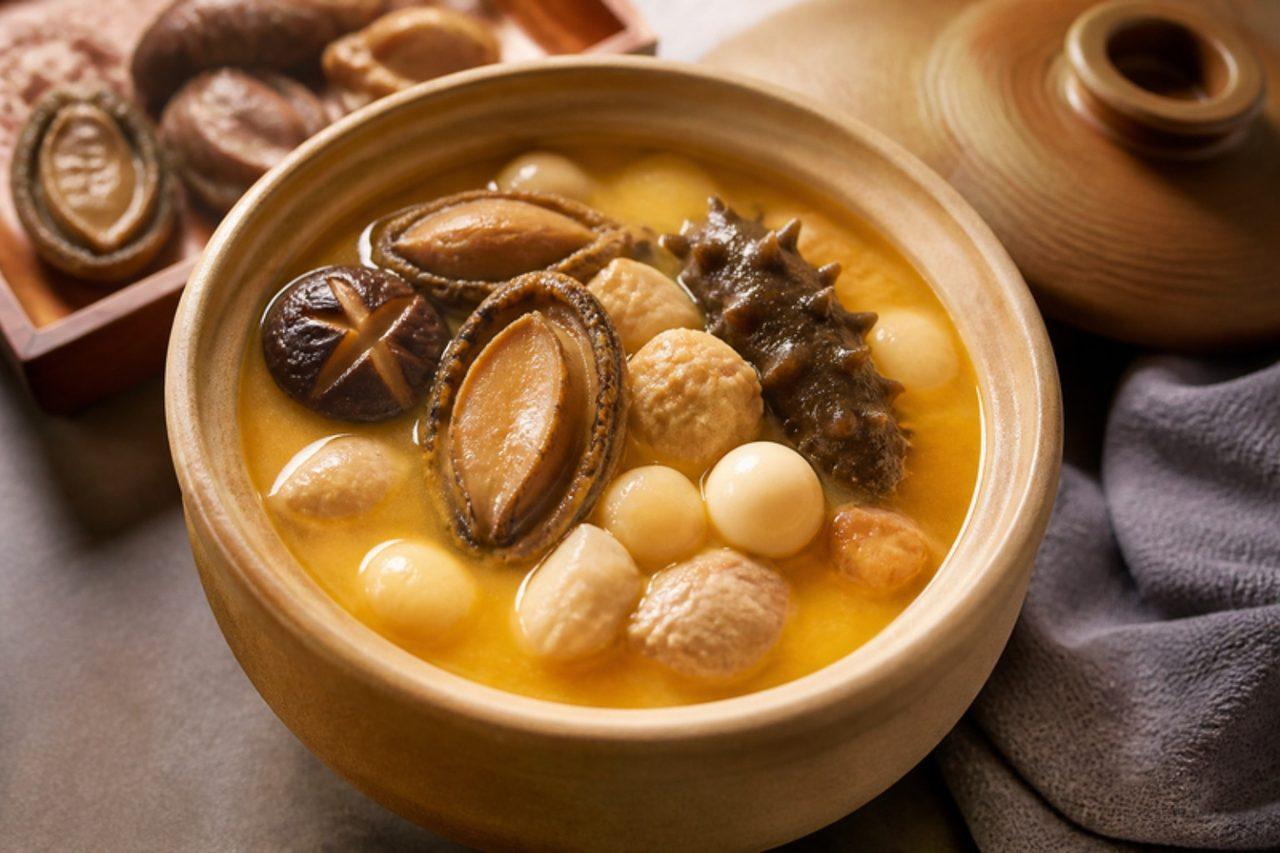
Buddha jumps over the wall

Legend in Fuzhou says the smell of this soup was so tempting that a monk climbed the monastery wall to taste it, and it is still the grandest dish at Fujian wedding banquets and Lunar New Year. Restaurant versions pack in a dozen expensive dried seafoods; this home version keeps the spirit with chicken, pork ribs, dried scallops, shiitake, taro and quail eggs, and leaves out shark fin and any endangered ingredient entirely. Everything simmers sealed for hours until the broth is golden, rich and lightly sticky, tasting of the sea, mushrooms and rice wine. Serve it in small bowls as the centrepiece of a celebration meal, with plain rice. Chef's tip: seal the pot with foil under the lid and resist peeking; the steam that stays inside is what makes the broth so intense.

240 minChineseSoups
by KrazyBadal 0 views

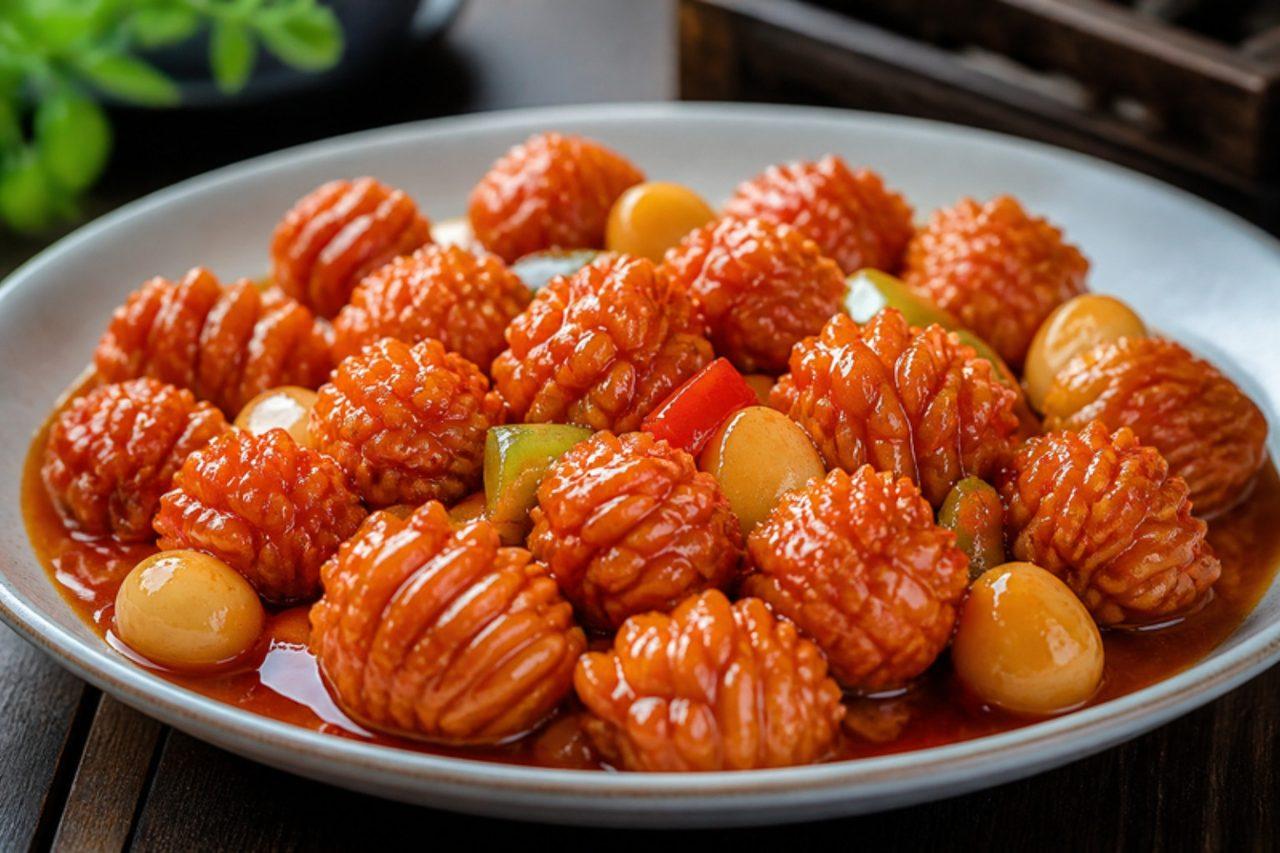
Lychee pork

Despite the name, no fruit goes into this classic of Fuzhou banquets and family feasts. Lean pork is scored in a fine crosshatch and cut into small pieces that curl into bumpy red balls when fried, looking just like lychees in their shells, while crunchy water chestnuts play the white flesh. The coating is crisp, the sauce glossy, sweet and tangy, and the pork inside stays tender. It is a favourite at Fujian weddings and New Year tables, eaten with steamed rice and a simple green vegetable or clear soup. Chef's tip: score the pork two-thirds of the way through and then cut it into pieces; too shallow and it stays flat, too deep and it falls apart.

by KrazyBadal 0 views

Showing 45 of 10,268 recipes

Show more recipes

Page 1,042 of 1,141