


Skip to content
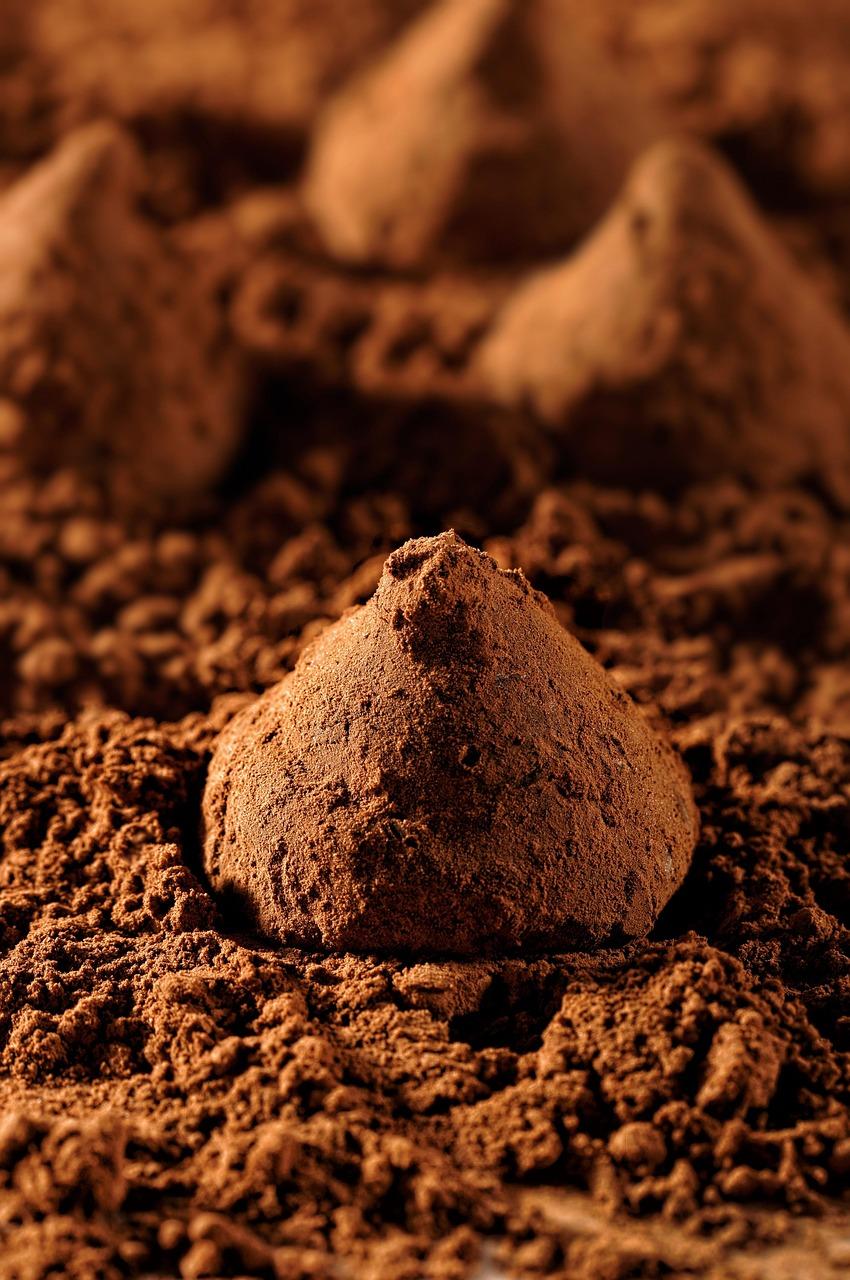
Truffes au chocolat
Featured recipe

Truffes au chocolat

Chocolate truffles

Chocolate truffles, named after the black truffles of Périgord they resemble, are the home-made Christmas gift and after-dinner treat of France, rolled roughly and dusted with bitter cocoa. They need just good dark chocolate, cream and a little butter. The common mistake is overheating the chocolate, which makes it split and greasy. Chef's tip: work with cold hands and a melon baller, and keep the tray in the fridge between batches.

Read more 0 views

What to eat today?

Around the world

Today's trip: Persian

A new country every day, from every cuisine on the site.

Persian

Shir berenj

Rose water rice pudding 70 minMore from Persian (181) →

This week's collection

Kid-friendly dinners
756 recipes · a new collection every Monday

Coming up

All occasions →

Latest recipes

Aloo acharPotato and sesame salad

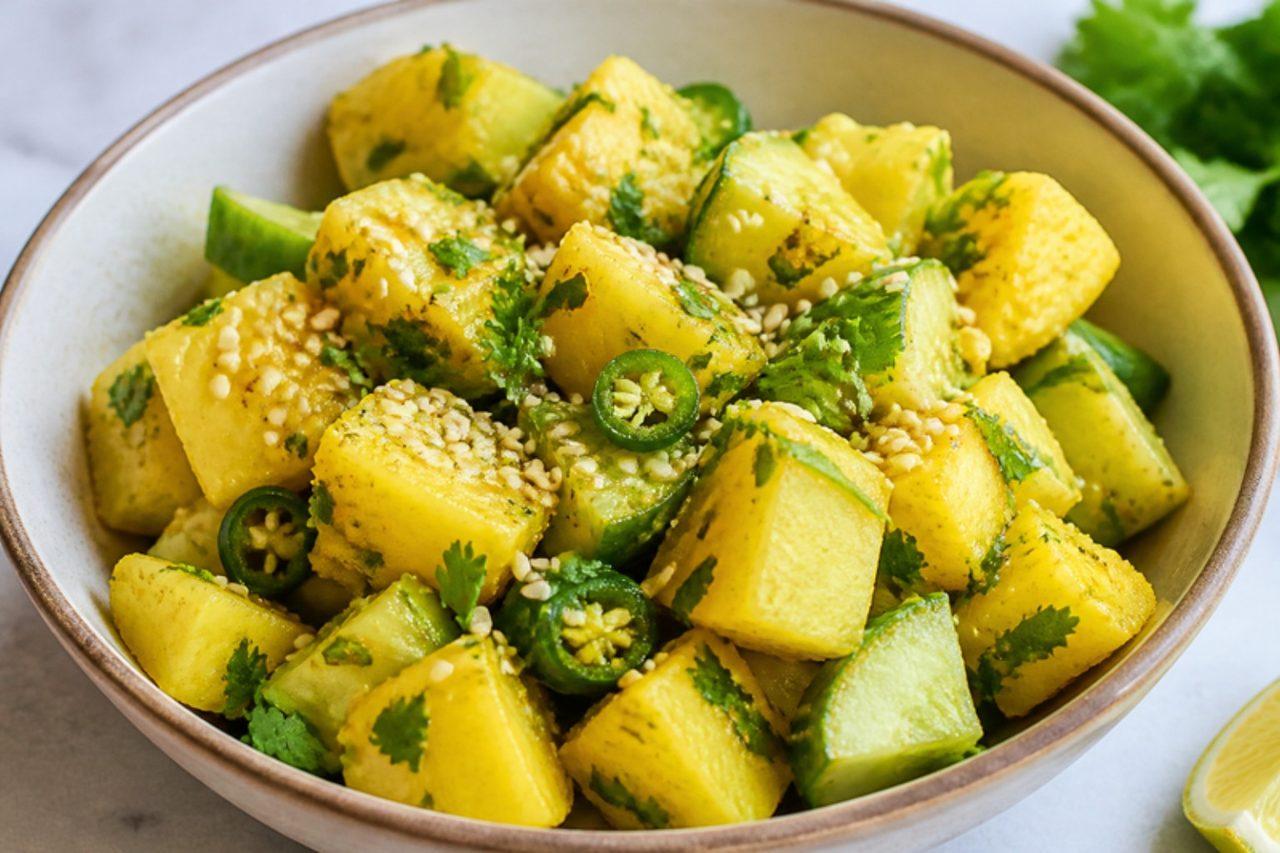
Aloo ko achar is the potato salad of Nepal, but tangy, nutty and hot rather than creamy. Boiled potatoes are tossed with ground toasted sesame, lemon juice, green chilli and timur, then finished with mustard oil in which fenugreek seeds have been fried dark. You find it everywhere: in tiffin boxes on the way to school, at picnics and on the long leaf plates of Newar feasts, alongside beaten rice and spicy beans, and it is a fixture at Dashain and Tihar gatherings when food has to sit out for hours. It keeps well, and the flavour improves after a rest. Dressing the potatoes while still hot is the usual mistake: they soak it up and turn mushy, so let them cool first. Chef's tip: toast the sesame until it just starts to pop and smells like popcorn, then grind it to a coarse sandy powder; it thickens the dressing and gives the salad its nuttiness.

by KrazyBadal 0 views

Dobos tortaLayered chocolate caramel cake

Dobos torta was created in Budapest in 1885 by the confectioner József C. Dobos, and it is still the cake Hungarians order in old coffee houses on Andrássy Avenue and bake for name days and big birthdays. Six thin sponge layers are stacked with a rich chocolate buttercream, and the top layer is glazed with hard amber caramel, cut into wedges and set at an angle like a fan. It is a project cake, but each stage is simple and the finished torte keeps for days. Chef's tip: mark the caramel into wedges with an oiled knife within the first minute; once it sets, it shatters instead of cutting.

by KrazyBadal 0 views

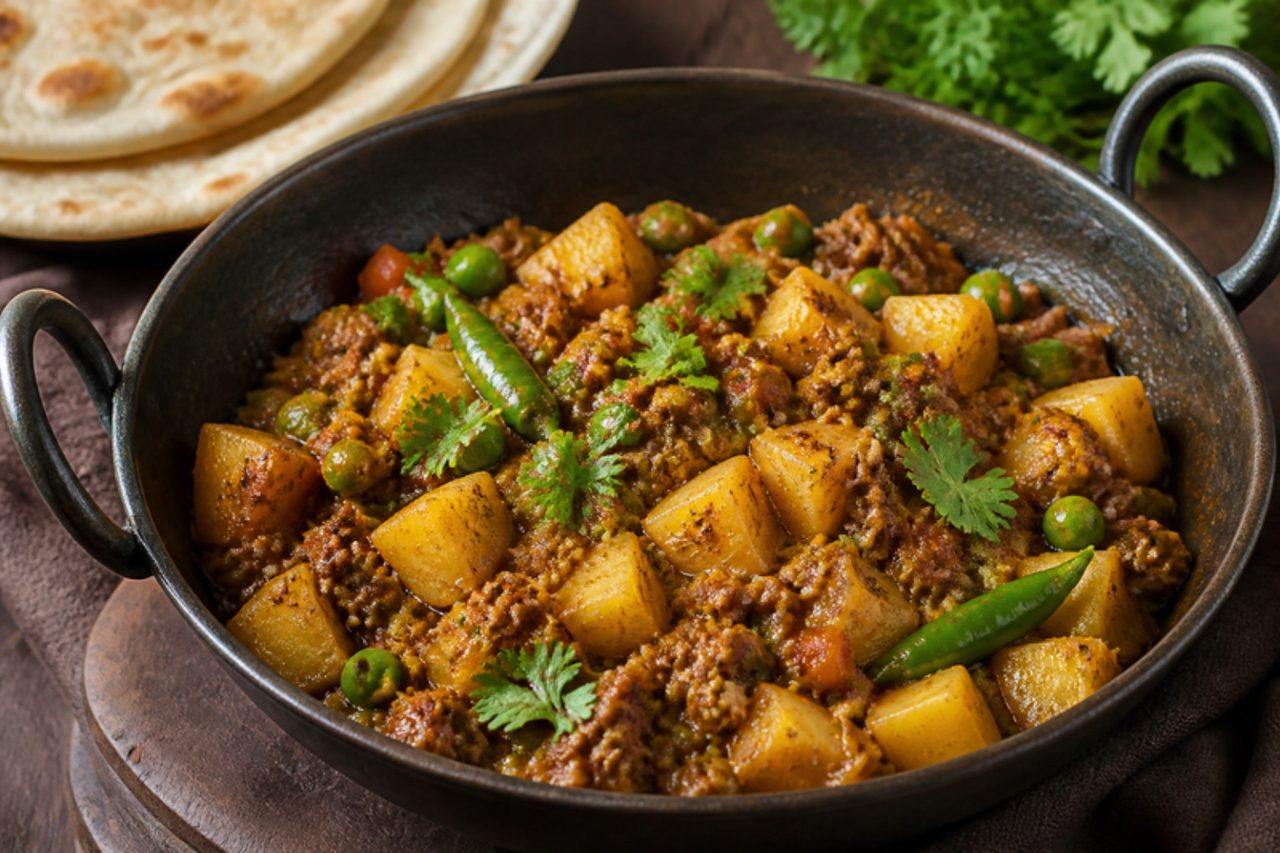
Aloo keemaMinced meat with potatoes

Aloo keema is the dinner that turns up in Pakistani homes from Karachi to Peshawar several times a month: quick, cheap, and loved by children and grandparents alike. Mince is browned with onion, tomato and whole spices, then simmered with potato cubes and peas until the potatoes soak up the masala. It is usually eaten with hot chapati or paratha, and leftovers become a filling for sandwiches and samosas the next day. Chef's tip: keep frying the mince until all the water it releases has gone and it starts to sizzle; that's where the browned, meaty flavour comes from.

by KrazyBadal 0 views

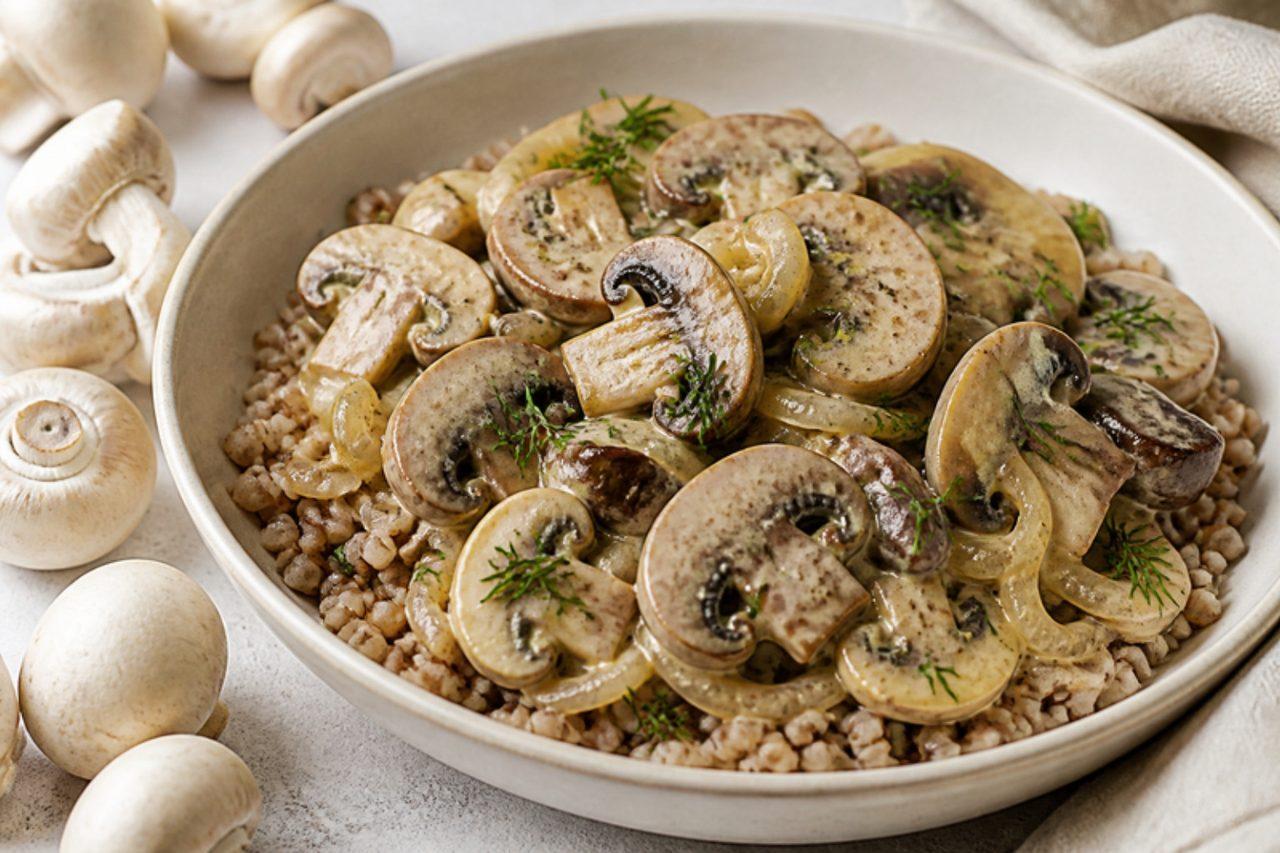
Mushroom stroganoff

Beef stroganoff was named after the aristocratic Stroganov family of St Petersburg in the nineteenth century, and the original is strips of beef in a sauce of smetana and mustard. In Russian homes today the meatless version, made with forest mushrooms in autumn and button mushrooms the rest of the year, is just as common, especially during Orthodox fasts and on weeknights. It differs from Hungarian paprikás: no paprika, a gentle mustard edge, and a sauce that should stay pale and creamy. Serve it on fluffy buckwheat or mashed potatoes. Chef's tip: stir the smetana in off the boil; bubbling it hard makes it split into grainy curds.

by KrazyBadal 0 views

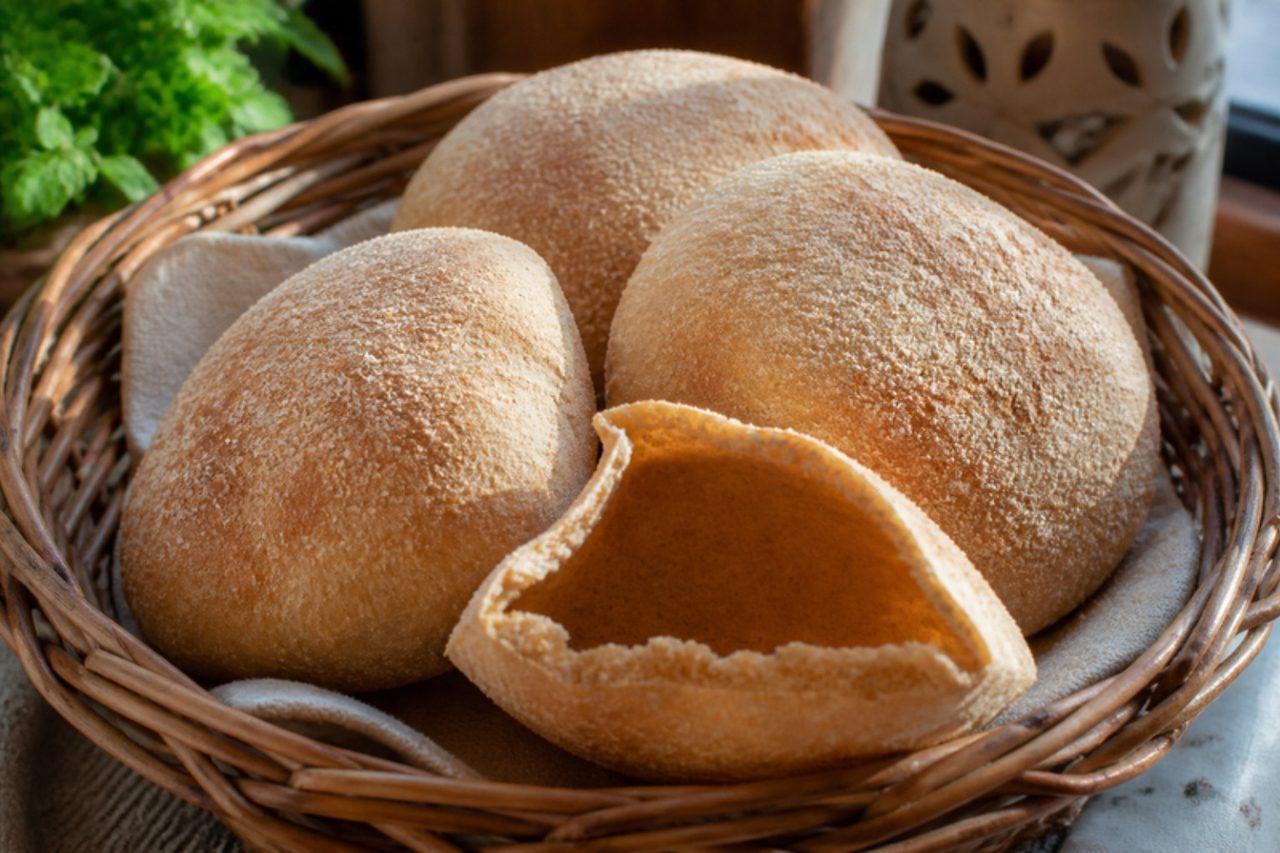
Goan poiGoan wholewheat pocket bread

Every morning in Goan villages the poder, the local baker, cycles from house to house honking a horn, his basket full of warm bread. Poi is the one Goans miss most when they leave home: a flat, round, wholewheat-and-white-flour bread dusted with wheat bran, baked in a very hot wood oven so it puffs into a hollow pocket. It's torn open for chorizo pao in Goa, but just as good stuffed with spicy chickpea ros, dipped in a vegetable xacuti, or eaten with butter and tea. Traditionally the dough was raised with palm toddy; at home, yeast does the job. Chef's tip: preheat a heavy baking tray in the oven for at least 20 minutes; the shock of hot metal is what makes the poi puff.

by KrazyBadal 0 views

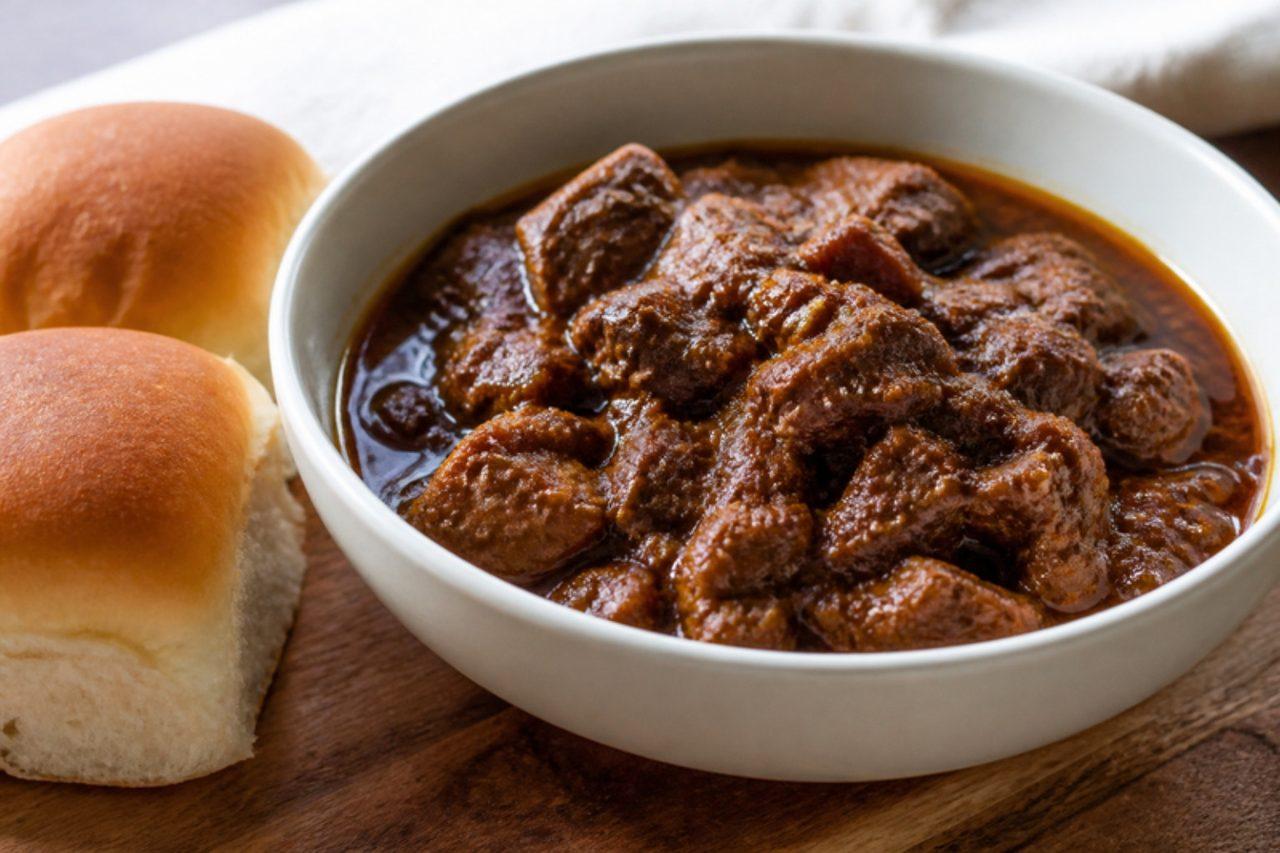
Goan pork sorpotelSpicy vinegar pork stew

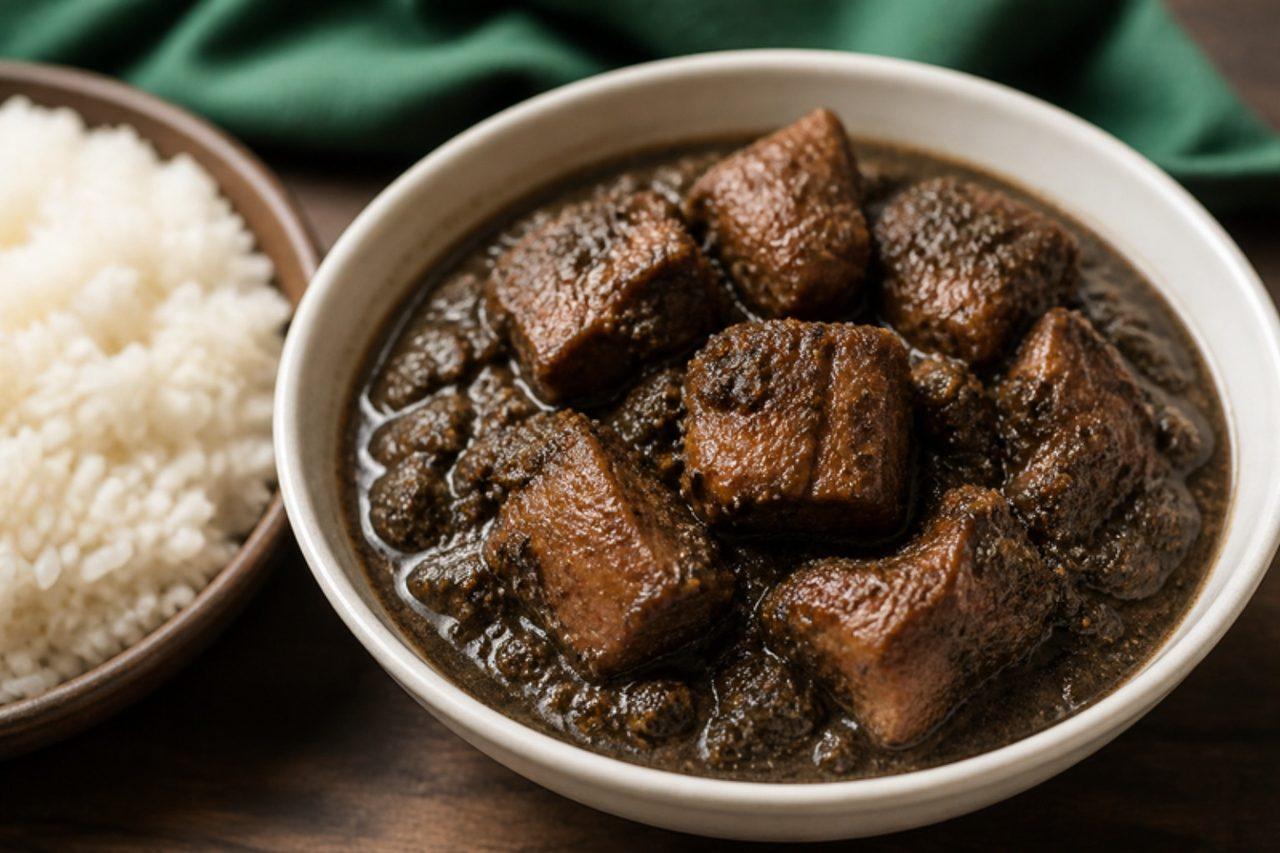
No Goan Christmas, wedding or village feast in Salcete is complete without sorpotel, a dark, sharp curry of finely diced pork that is made days in advance and reheated every day until it is eaten. Traditionally it uses pork, liver, heart and sometimes blood; this home version uses pork shoulder with optional liver, which most city cooks prefer. It is eaten with sannas (steamed rice cakes) or soft pao. Chef's tip: boil the pork in one piece first and dice it once it is cooked; you get neat little cubes that stay tender instead of turning stringy.

155 minIndianMeatGluten freeSpicy
by KrazyBadal 0 views

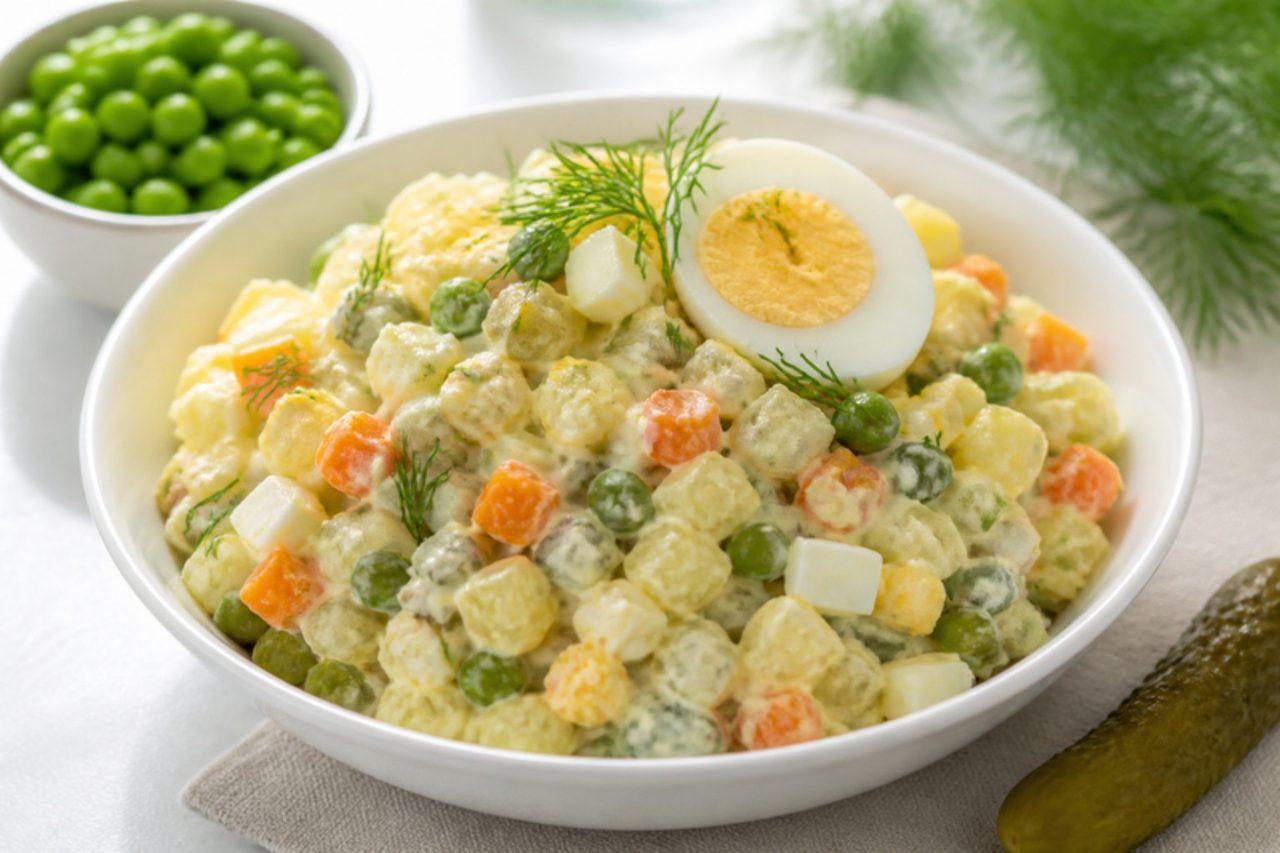
Olivier salad (vegetarian)

Salat Olivier was born in a fashionable Moscow restaurant in the 1860s, but today it belongs to every Russian kitchen on 31 December, when a bowl the size of a washing-up basin is made in the afternoon and eaten until 1 January is well over. Soviet cooks swapped the original's game for boiled sausage; this vegetarian version leaves it out and lets the sweet carrots, peas, sharp pickled cucumbers and creamy egg carry the salad. Chef's tip: cut everything to the size of a pea, the same size as the peas themselves; that is what makes Olivier feel like Olivier rather than potato salad.

by KrazyBadal 0 views

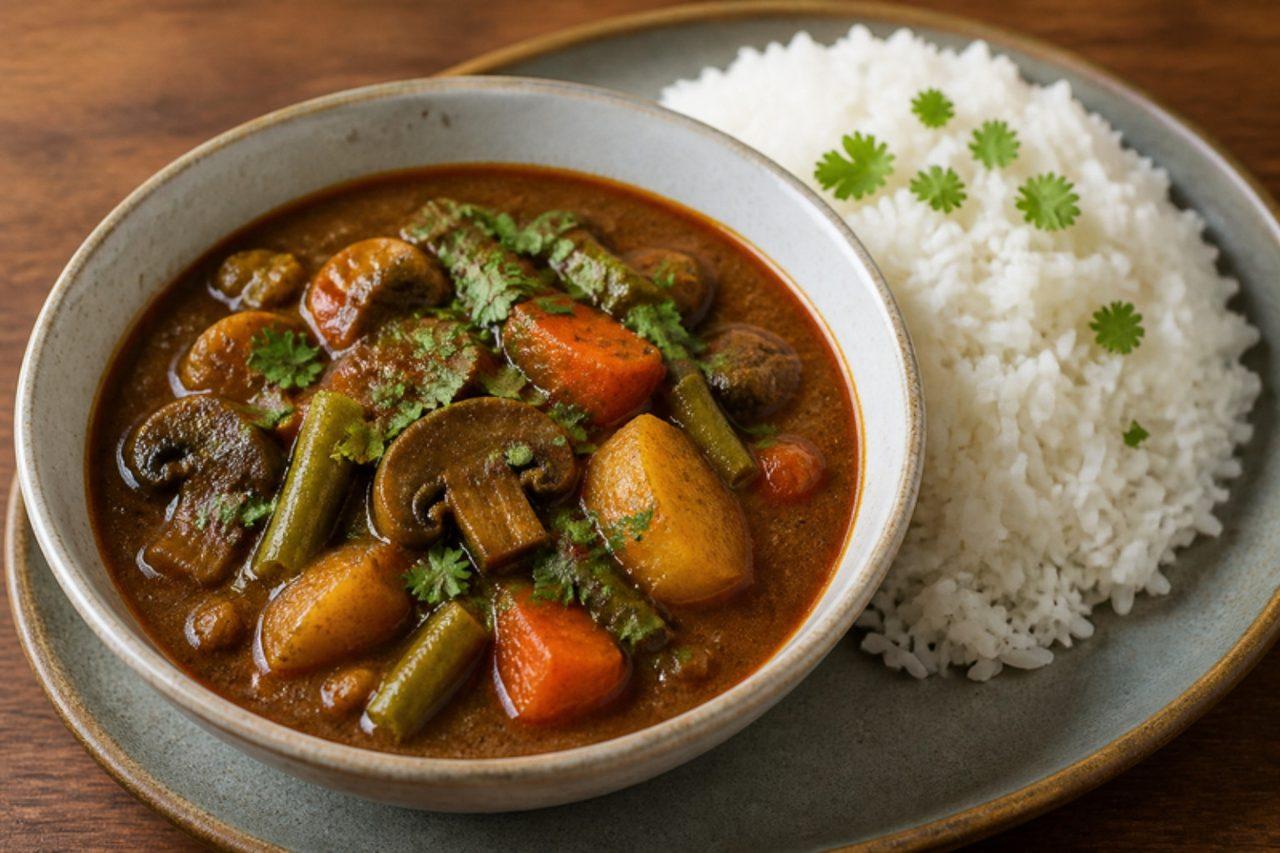
Goan vegetable xacutiRoasted coconut vegetable curry

Xacuti (sha-koo-tee) is one of Goa's most complex curries: grated coconut is roasted until deep brown with poppy seeds, dried chillies and a long list of whole spices, then ground into a thick, aromatic masala. In Goa it's usually made with chicken; vegetarian Goan families make it with mushrooms, potatoes, peas and other vegetables, and the roasted coconut gives it all the depth it needs. It's warm and fragrant rather than fiery, with a touch of tamarind and jaggery. Serve with rice, pao or chapatis. Chef's tip: roast the coconut slowly over a low heat until it's the colour of milk chocolate and smells like toasted nuts; that colour is the xacuti's flavour, and pale coconut gives you a pale, flat curry.

by KrazyBadal 0 views

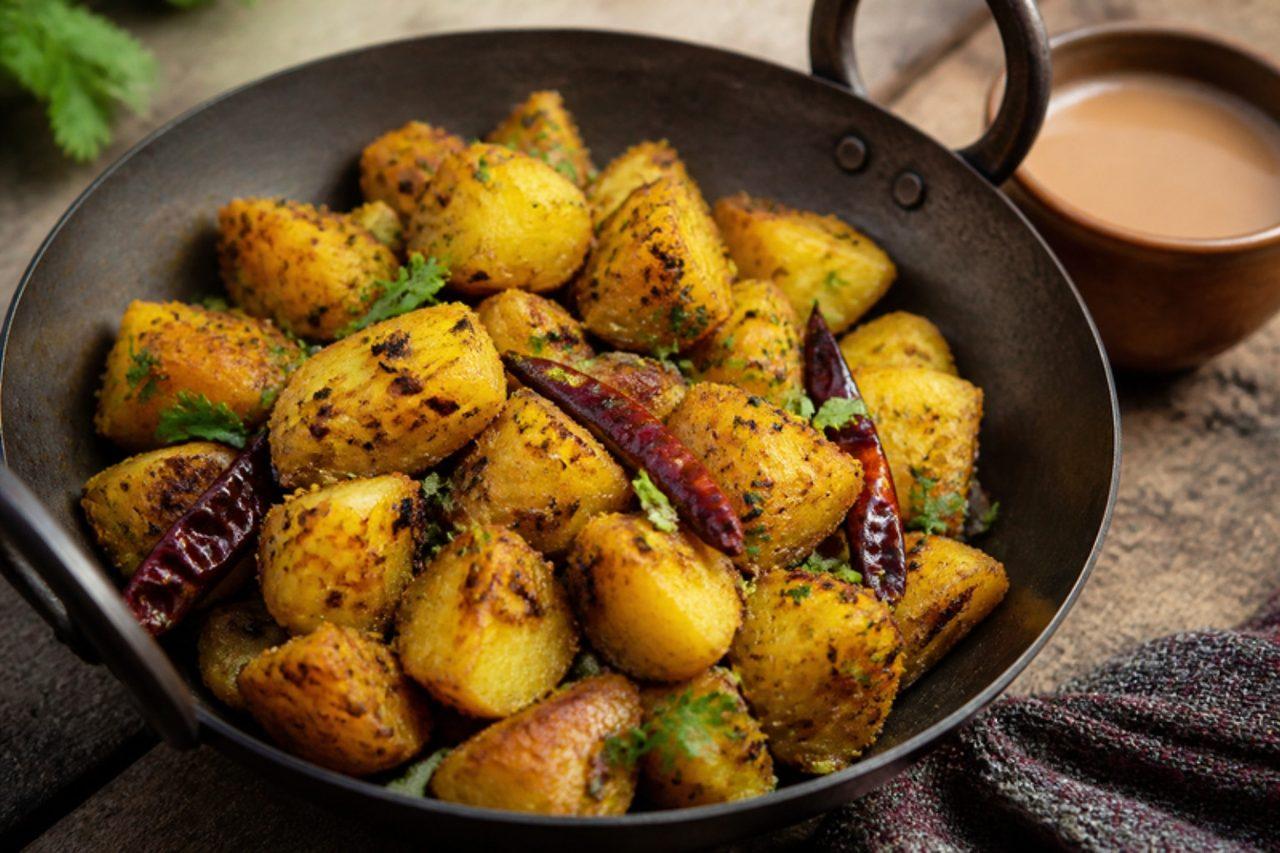
Aloo ke gutkePotato cubes with mountain spices

Ask anyone from Kumaon what they miss most from home and aloo ke gutke comes up quickly. Hill potatoes are boiled, cut into rough chunks and tossed in smoking mustard oil with jakhiya, a tiny wild seed that pops and crunches like mustard but tastes more like toasted cumin. It's served at tea time with a mug of chai, on festival plates next to puri, and in local dhabas with cucumber raita. Outside Uttarakhand jakhiya is hard to find, so use cumin seeds with a few black mustard seeds instead; the dish will still taste right. Chef's tip: boil the potatoes a few hours ahead, or the night before, so they firm up and fry into crisp-edged cubes instead of crumbling.

by KrazyBadal 0 views

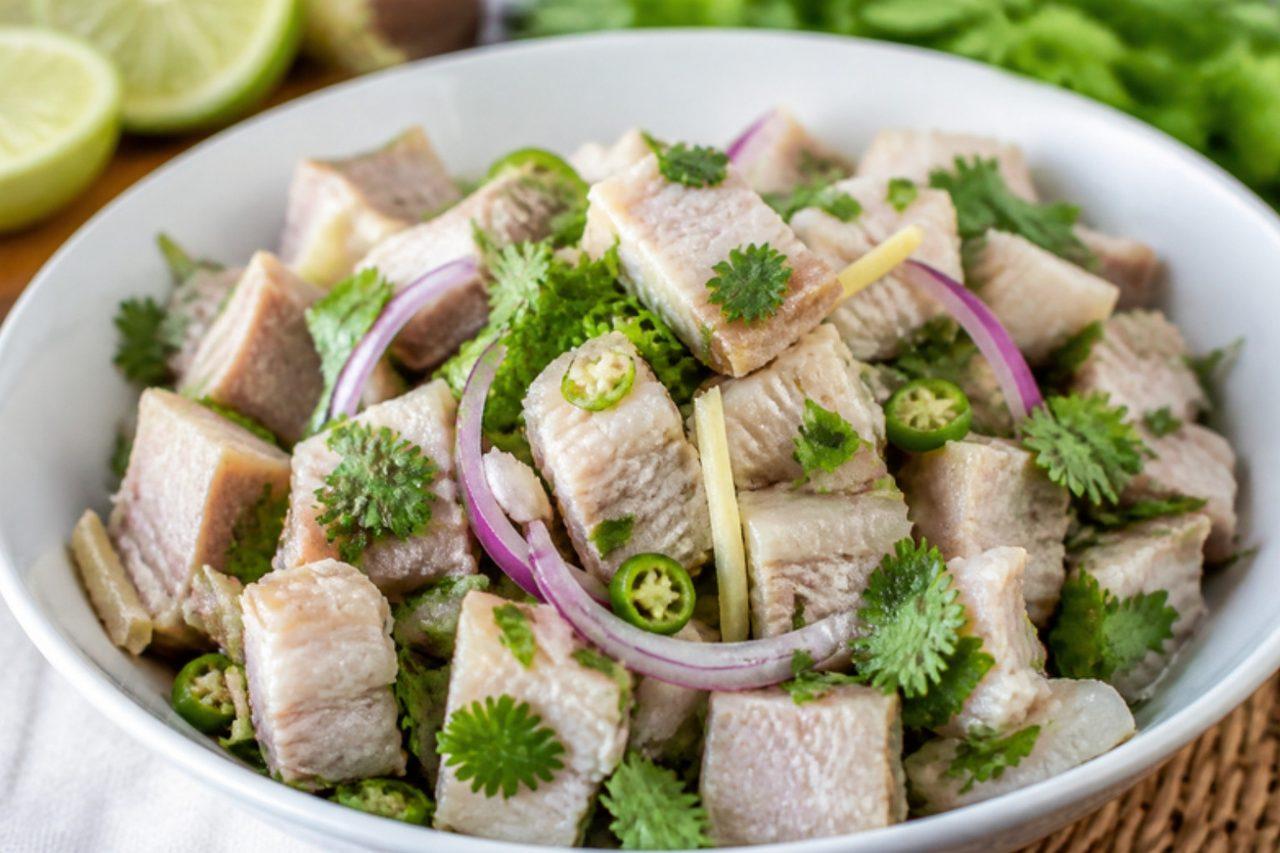
Doh khliehBoiled pork salad

Doh khlieh is the cool, sharp side dish that sits next to jadoh on almost every Khasi table in Meghalaya. Tender boiled pork is chopped small and tossed with raw onion, ginger, green chilli and lime, so it is fresh and fiery rather than rich. In Shillong it is eaten at lunch and at gatherings, and some families add boiled pork brain, which this version leaves out. Chef's tip: chop the pork while it is still slightly warm; it takes up the lime and ginger much better.

by KrazyBadal 0 views

DohneiiongPork in black sesame gravy

The name says it plainly in Khasi: 'doh' is meat and 'neiiong' is black sesame. In the Khasi Hills around Shillong this near-black pork curry is cooked for family feasts and Sunday meals, and its roasted, nutty flavour is unlike any other curry in India. The sesame is toasted and ground into a paste that thickens the gravy and coats the pork. Serve with plain rice or jadoh. Chef's tip: pork belly gives the silkiest result; mix it half and half with shoulder if you prefer it less rich.

90 minIndianMeatGluten free
by KrazyBadal 0 views

Almond ghribaChewy almond cookies

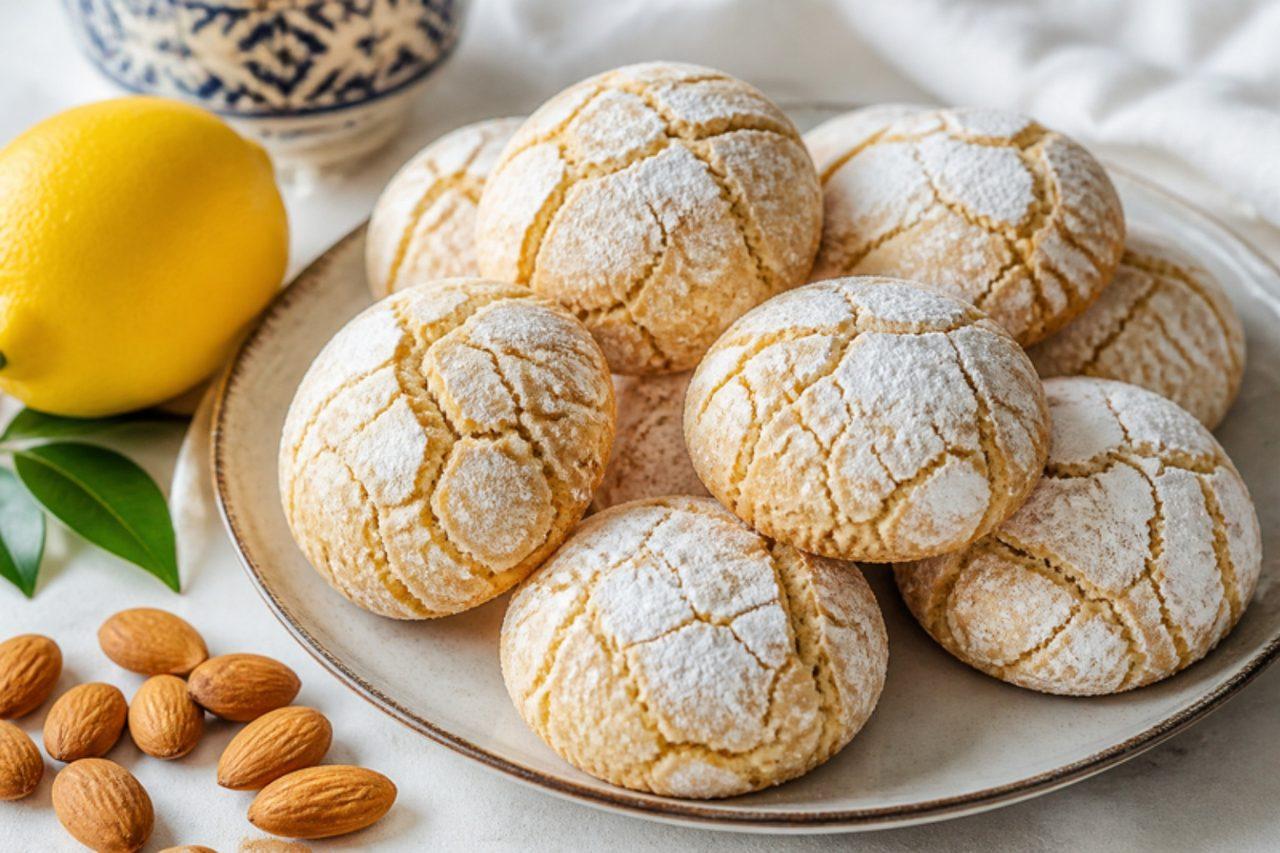
Ghriba are the crinkle-topped cookies that fill Moroccan biscuit trays for Eid, weddings and guests dropping by for tea; the almond version, ghriba bel louz, is especially loved in Fez and Tétouan. The dough is just ground almonds, sugar, egg and lemon zest, rolled in icing sugar so the top cracks into white rivers as it bakes. They are naturally gluten free, crisp at the edge and soft and chewy inside. Chef's tip: take them out when the cracks have formed but the centres still feel soft; they firm up as they cool, and overbaked ghriba turn hard.

by KrazyBadal 0 views

Dolma batataStuffed potatoes in chickpea sauce

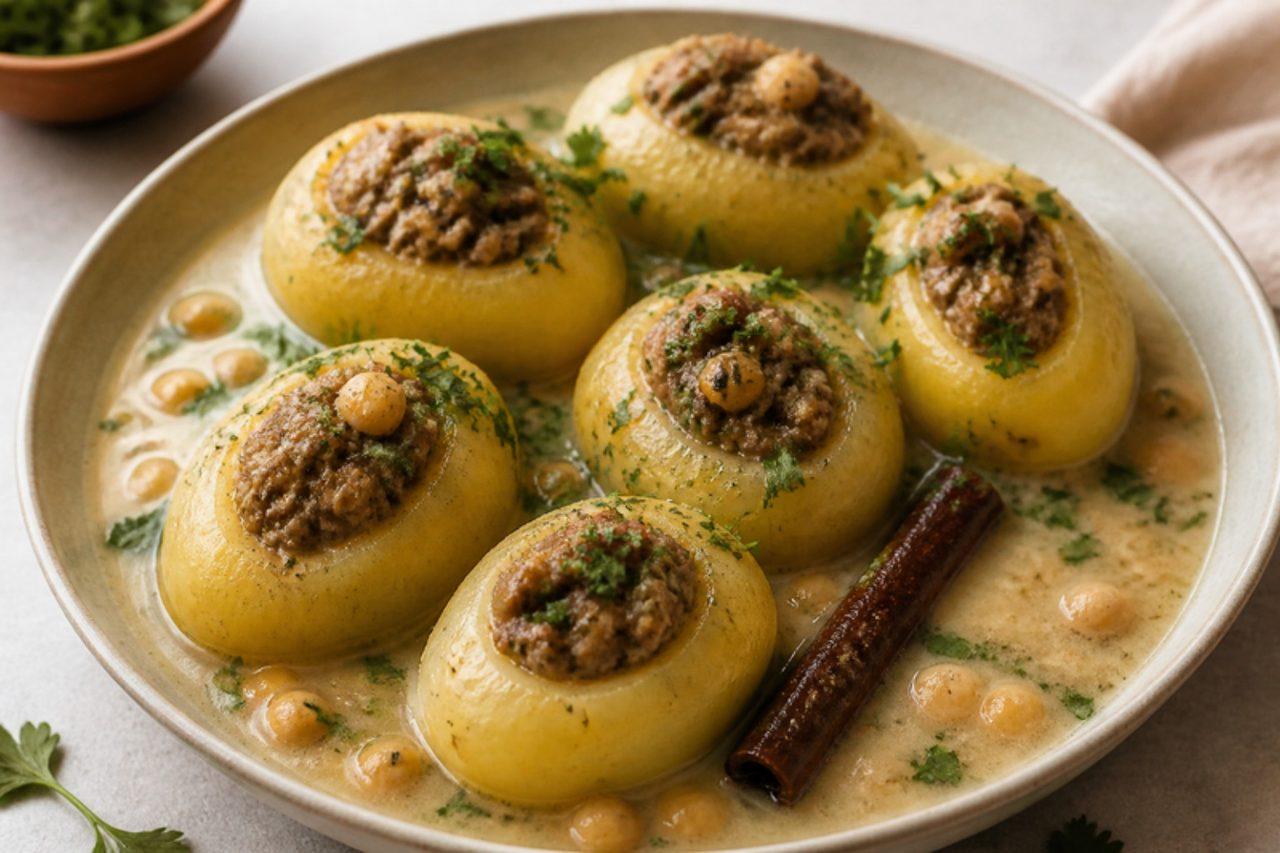
Dolma batata belongs to the Algiers home kitchen, where it is a Ramadan favourite and a Friday dish: hollowed potatoes filled with beef mince, onion, parsley and cinnamon, fried until golden, then simmered in a pale sauce (marqa beida) of onion, chickpeas, black pepper and cinnamon. The sauce stays white because no tomato goes in. The mistake is hollowing the potatoes too thinly, so they split in the pot; leave walls about 1 cm thick. Chef's tip: fry the scooped-out potato flesh and add it to the sauce to thicken it.

by KrazyBadal 0 views

Hiroshima oyster nabe (kaki nabe)

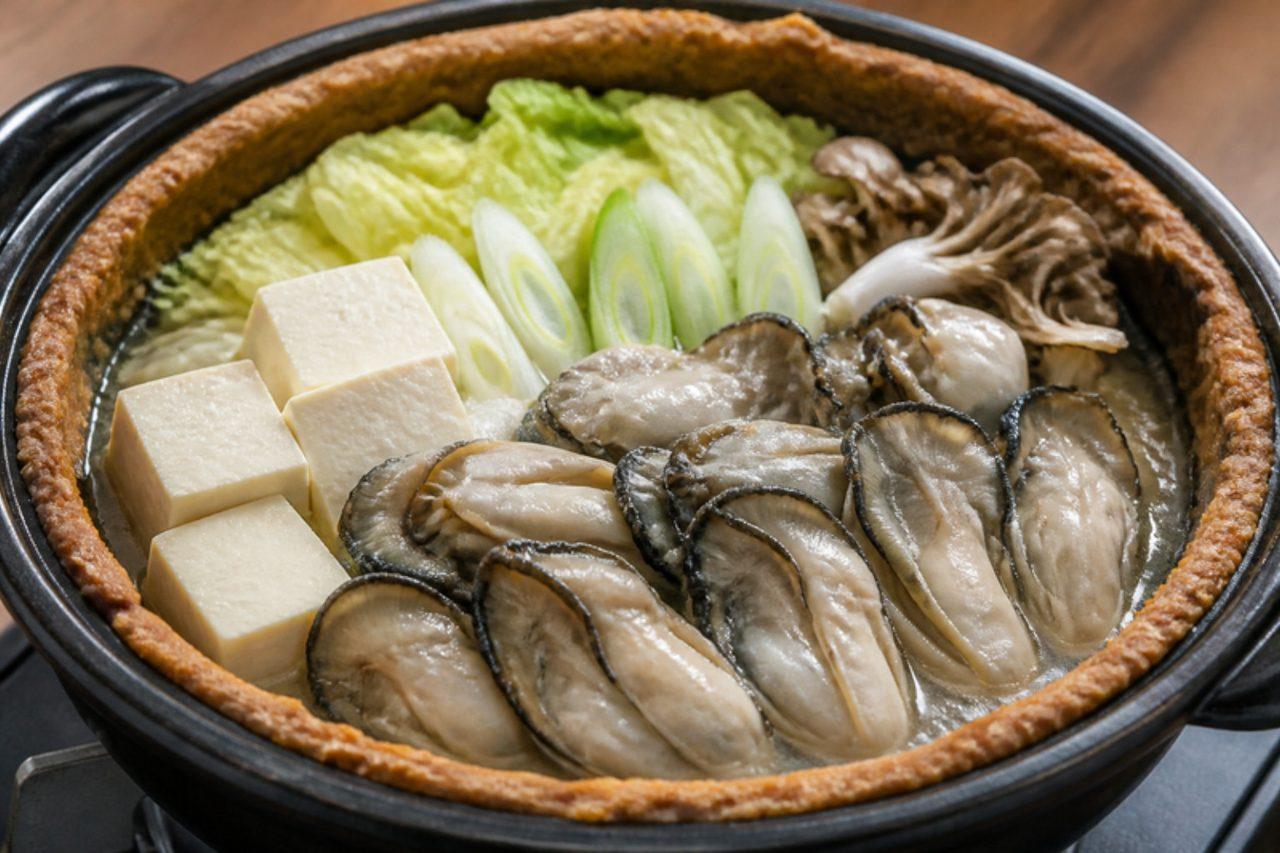
Hiroshima Bay is lined with oyster rafts, and from late autumn to early spring the city's restaurants put kaki nabe on the menu. In the version called dote nabe, a thick band of sweetened miso is smeared around the inside of the pot like a riverbank, then melts into the broth bit by bit as you eat. Cabbage, tofu, leek and mushrooms go in first; the oysters only need a few minutes at the end. It is cooked at the table on a portable burner, so everyone eats it as it is ready. Chef's tip: rinse the shucked oysters in a bowl with potato starch and a little salt, then in clean water; the grey starch pulls out grit and slime and leaves them clean-tasting.

by KrazyBadal 0 views

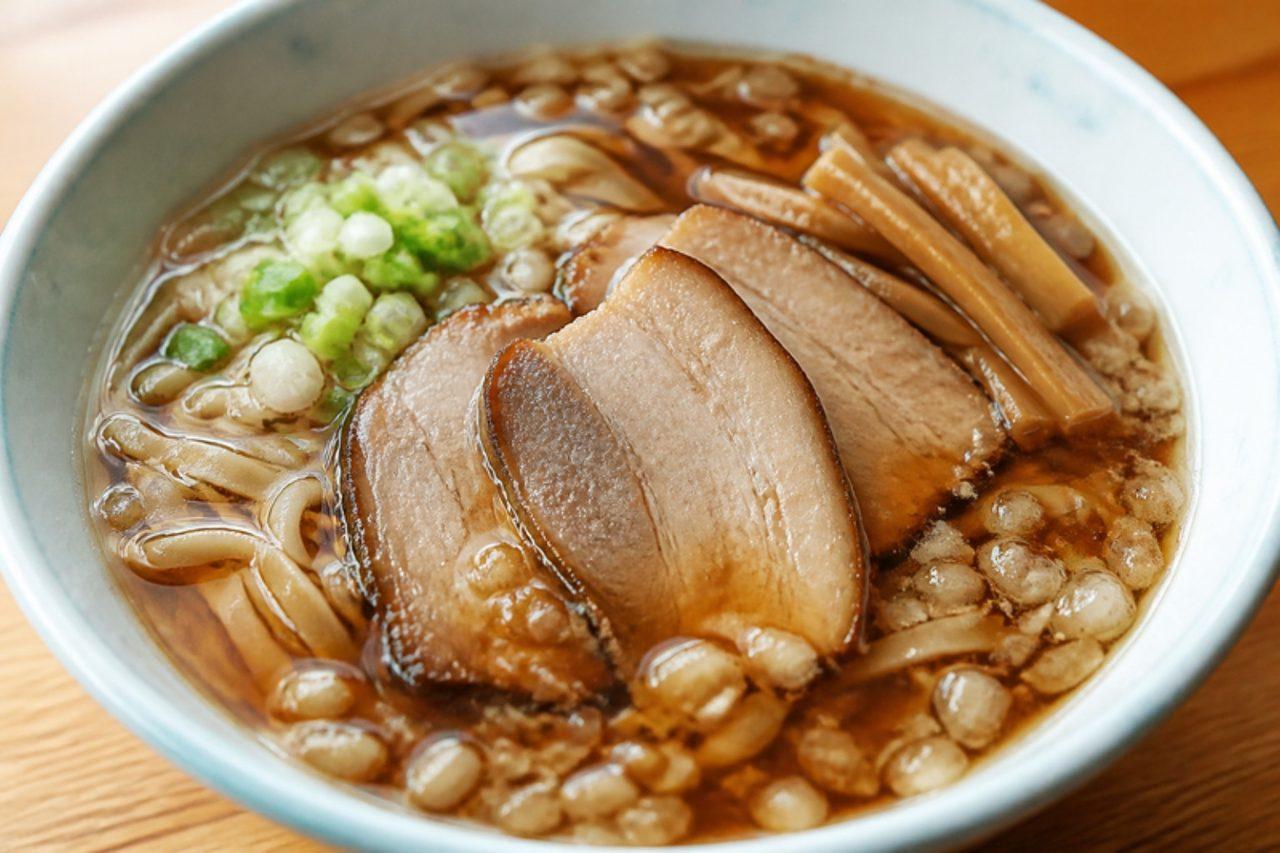
Onomichi ramen

Onomichi is a hilly port town in Hiroshima prefecture on the Seto Inland Sea, and the start of the Shimanami Kaido cycle route across the islands to Shikoku. Its ramen shops serve a dark soy-seasoned broth made from chicken and small dried fish, with flat, slightly wavy noodles. The signature is a scattering of soft pork back-fat pieces that float on top and melt into each mouthful. Many visitors eat a bowl before or after the bike ride. Chef's tip: pull the heads and dark bellies off the dried sardines before using them; that is where the bitterness lives, and the cleaned fish give a sweet, clean sea flavour.

by KrazyBadal 0 views

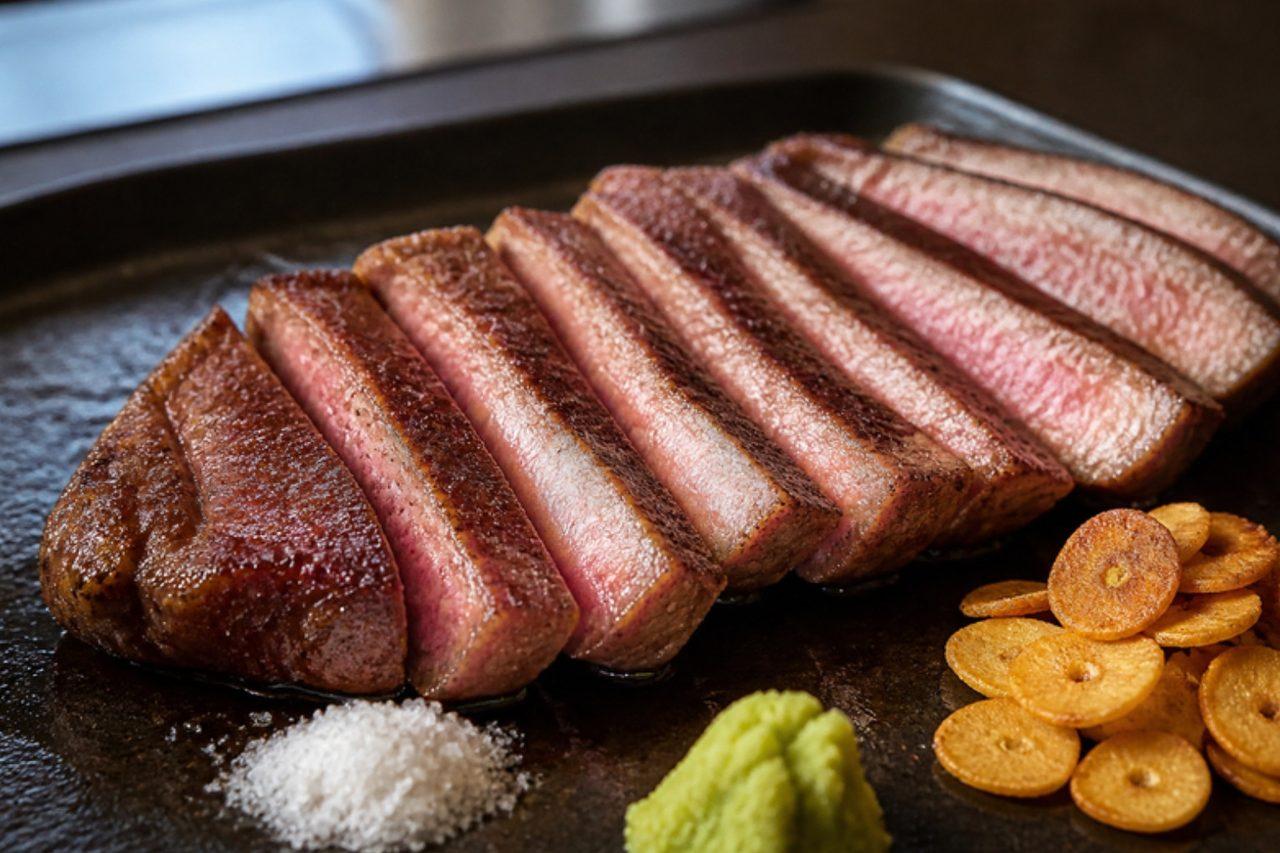
Wagyu steak, Kobe style

Kobe's steakhouses cook beef on a hot iron plate in front of the diners, cut it into bite-size pieces and serve it with little more than salt, wasabi and golden garlic chips. Genuine Kobe beef is a protected name: it can only come from certified Tajima cattle born and raised in Hyogo prefecture that meet strict grading rules, and it is rare and costly outside Japan. This recipe is cooked in the same style, with any good wagyu, or a well-marbled sirloin or ribeye if you cannot get wagyu. Because the fat is so rich, a modest portion goes a long way. Chef's tip: cut a small piece of fat from the edge of the steak and melt it in the pan instead of oil; it greases the pan and adds a lovely beefy aroma.

by KrazyBadal 0 views

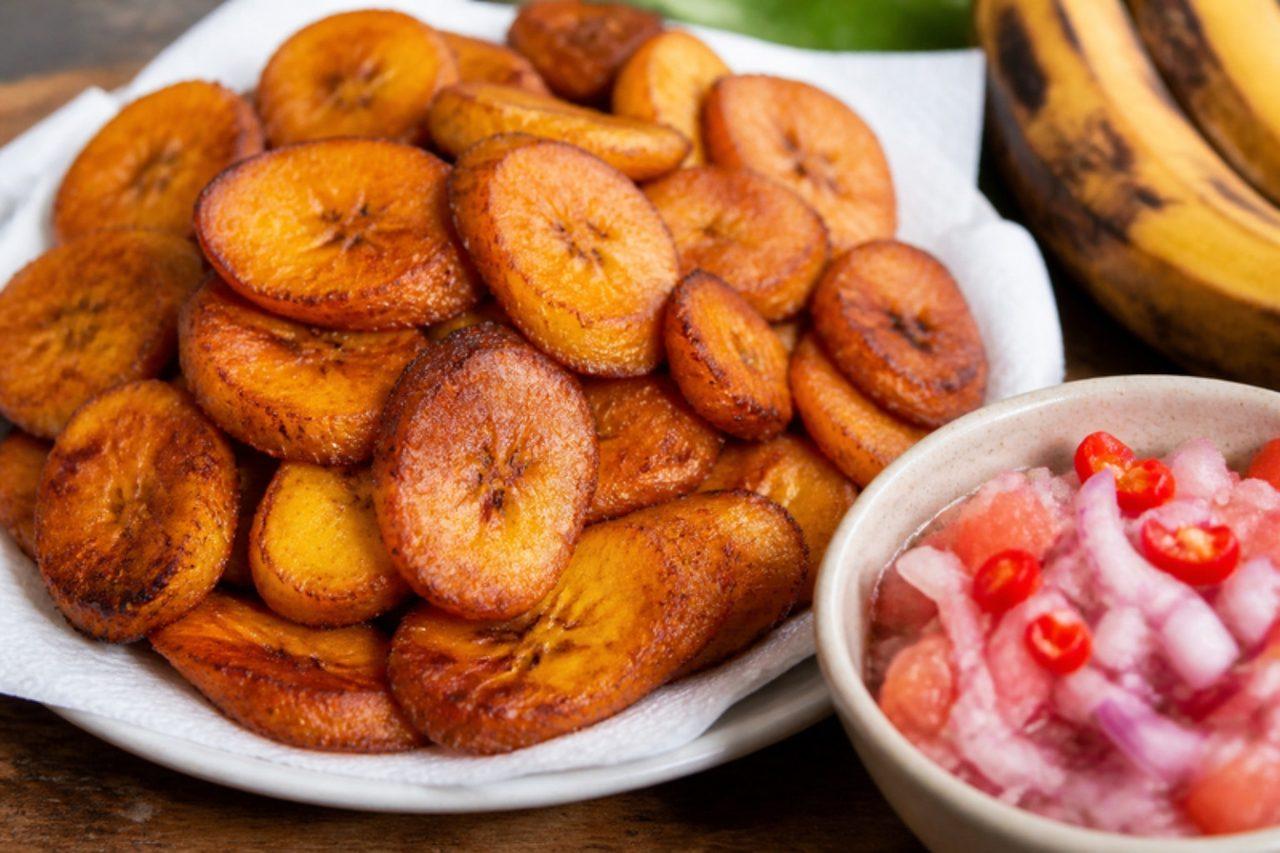
AllocoFried plantain with chilli sauce

Alloco is the evening street food of Abidjan, fried in palm or vegetable oil in big pans by vendors around the Allocodrome in Cocody and in every neighbourhood. Very ripe plantain is cut into thick slices or cubes, fried until caramelised at the edges, and eaten with a fiery raw sauce of onion, tomato and chilli. Unlike Ghanaian kelewele it is not marinated in spices: the sweetness of the fruit against the sharp sauce is the whole point. Chef's tip: wait until the plantain skins are mostly black; yellow plantain fries up dry and starchy.

by KrazyBadal 0 views

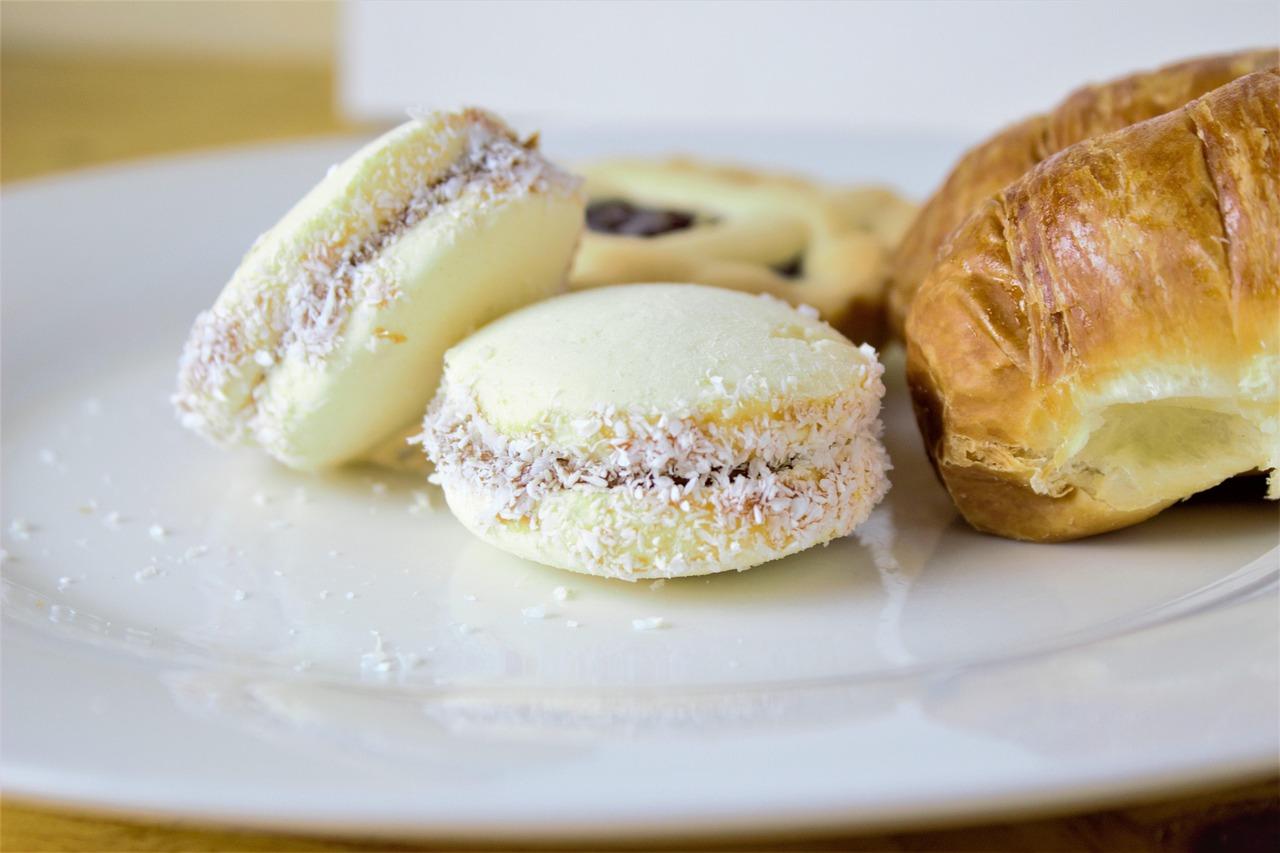
Alfajores de maicenaCornflour dulce de leche sandwich cookies

Alfajores de maicena are the homemade alfajor of Argentina and Uruguay, baked for birthdays, school fairs and merienda (afternoon tea) with mate. Two pale, melt-in-the-mouth biscuits made mostly with cornflour are sandwiched with a thick layer of dulce de leche and rolled in desiccated coconut around the edge. They should crumble at the first bite. Chef's tip: take them out of the oven while still pale; if they colour they lose their tender, sandy texture.

by KrazyBadal 0 views

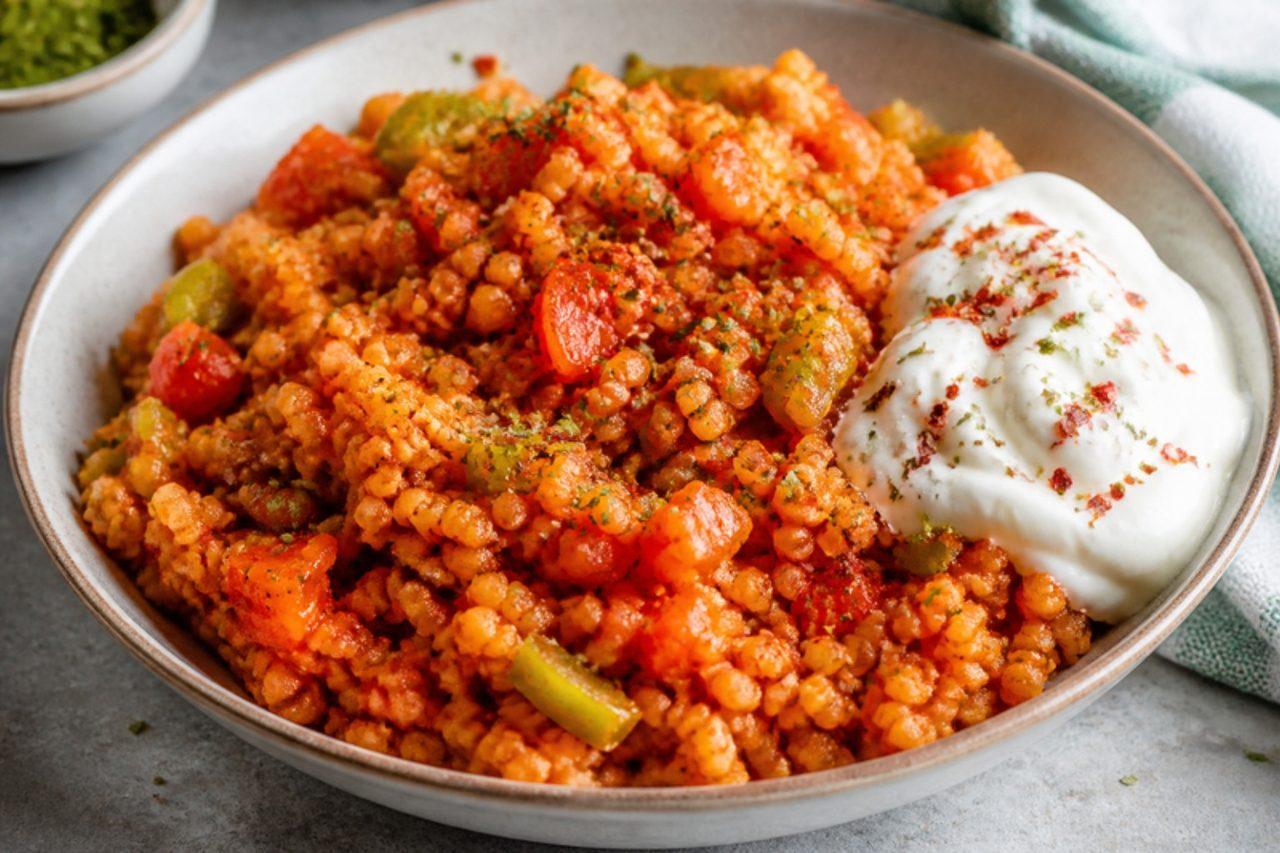
Domatesli bulgur pilavıTomato bulgur pilaf

Across Turkey, from Anatolian village kitchens to Istanbul lunch counters (esnaf lokantası), a pot of bulgur pilaf sits beside beans, stuffed vegetables and yogurt as reliably as bread does. Coarse bulgur (pilavlık bulgur) is cooked with onion, sweet pepper paste, grated tomato and a green pepper until every grain is separate, tender and lightly reddish. It is nuttier and chewier than rice pilaf and ready in half an hour, which is why so many families make it on weeknights. Spoon it next to kuru fasulye, cacık or a simple salad, or eat a bowl on its own with a dollop of yogurt. Chef's tip: once the water is absorbed, lay a clean tea towel under the lid and let the pilaf rest off the heat for 10 minutes; the towel catches the steam so the grains turn fluffy instead of wet.

by KrazyBadal 0 views

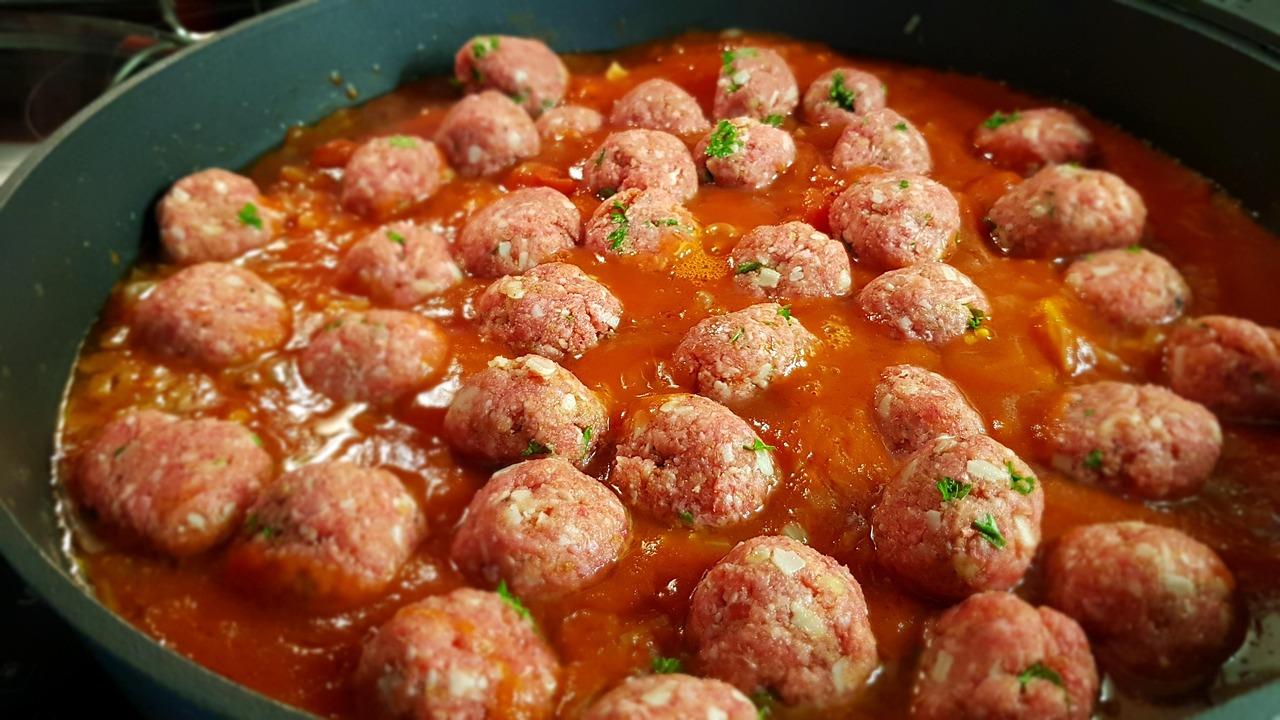
Albóndigas en salsaMeatballs in tomato almond sauce

Albóndigas turn up all over Spain: in a cazuelita on a tapas bar counter, as the second course of a weekday menú del día, and in home kitchens on a Sunday when there is time to roll them. These are made with pork and beef, softened with milk-soaked bread, browned and then simmered in a tomato sauce thickened the old Spanish way with ground fried almonds, which gives it body and a gentle nutty sweetness. Serve them with chips, rice or plenty of bread. They taste even better the next day. Chef's tip: wet your hands with cold water before rolling each meatball; the mixture won't stick and the balls come out smooth and round.

by KrazyBadal 0 views

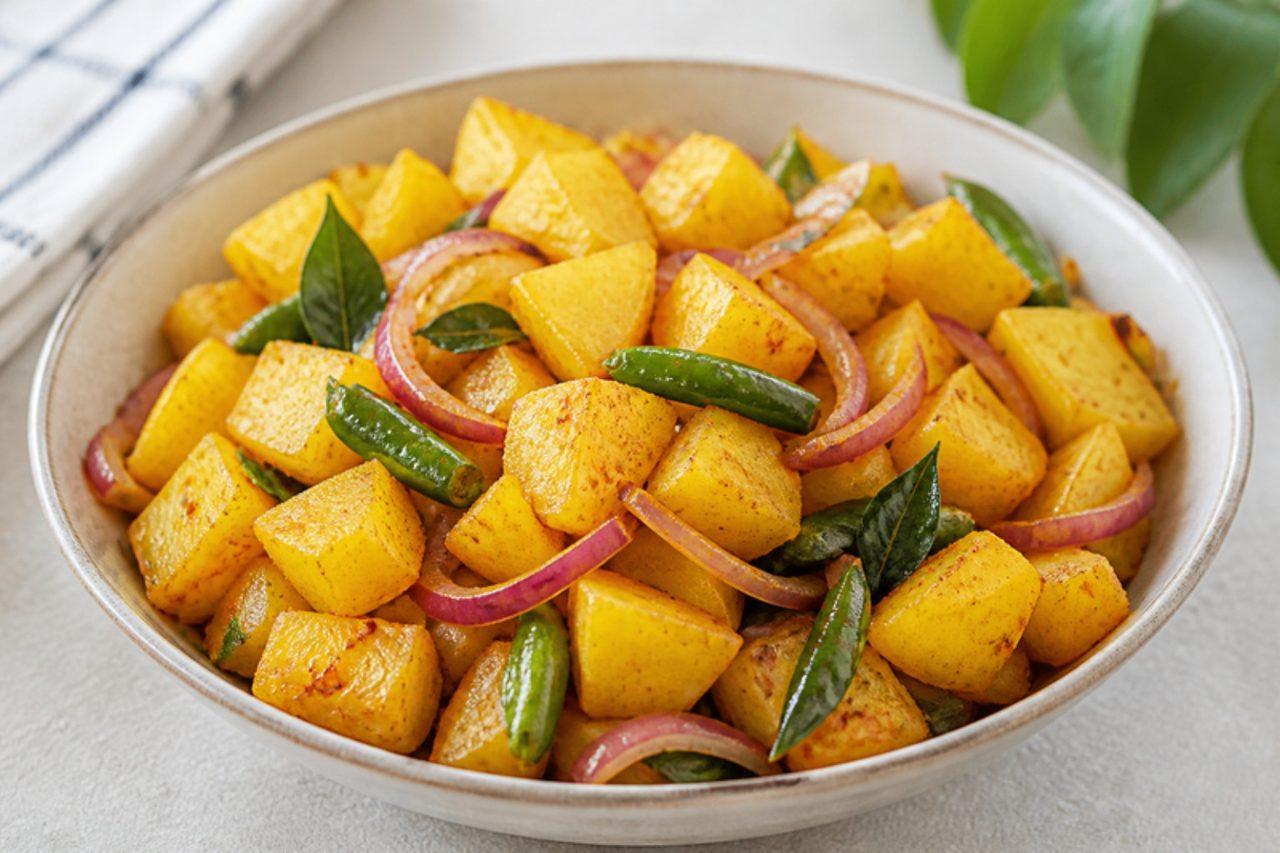
Ala thel dalaDevilled potatoes

Ala thel dala means 'potato tempered in oil', and it's the quick, fiery potato fry that Sri Lankan mothers make when there's no time for a full curry, served with rice, packed into a lunch box with parippu, or eaten with bread at breakfast. Boiled potato cubes are tossed in hot oil with mustard seeds, plenty of red onion, curry leaves, turmeric and roughly crushed dried chilli until the edges turn golden and the onion goes soft and sweet. Unlike an Indian aloo sabzi there are no ground cumin or coriander, just chilli heat, onion and curry leaf. The usual mistake is boiling the potatoes until they're soft right through; they then break up in the pan. Chef's tip: stop boiling when a knife still meets a little resistance in the middle; the potatoes finish cooking in the pan and keep their shape.

by KrazyBadal 0 views

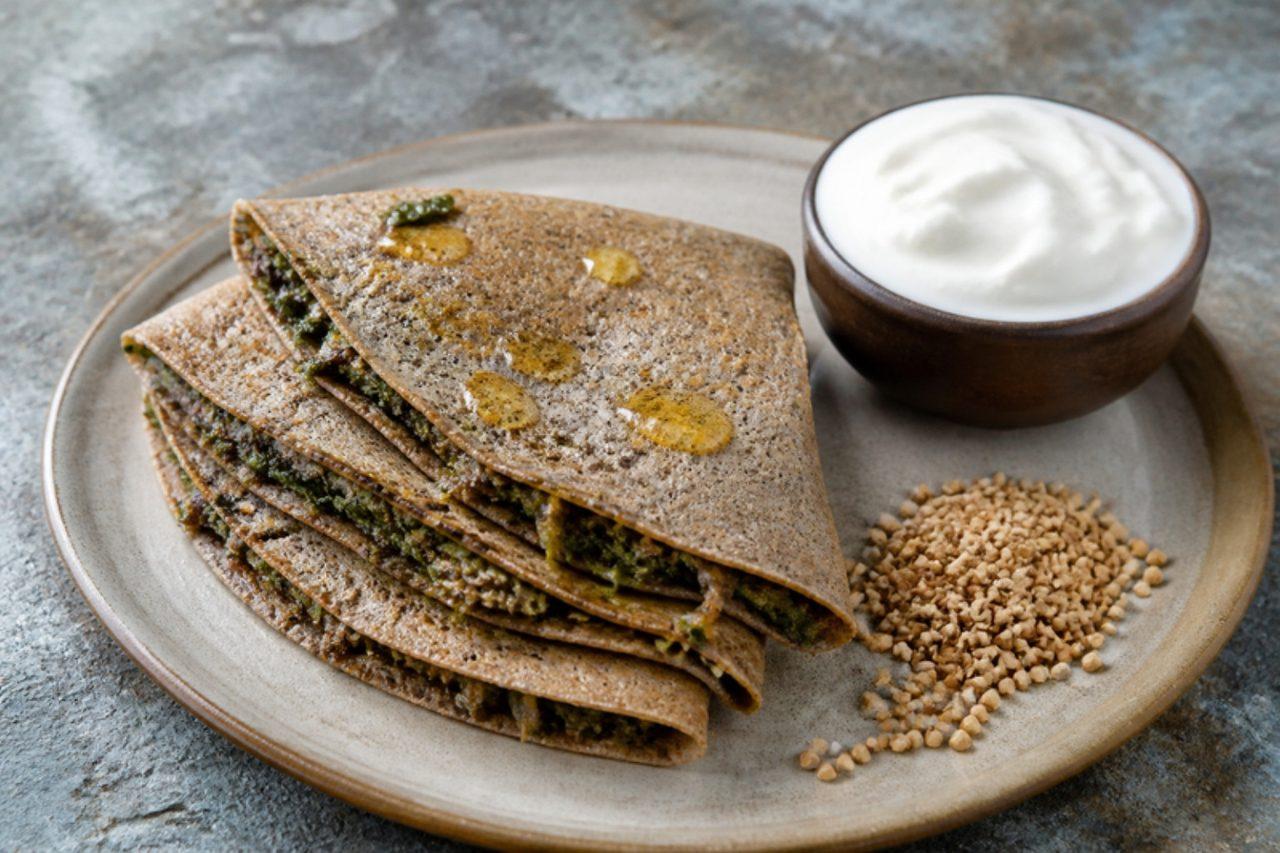
AktoriBuckwheat pancakes with greens

High in the Spiti and Lahaul valleys of Himachal Pradesh, where wheat struggles, buckwheat (kathu) grows in short summer fields and its leaves are eaten as a vegetable too. Aktori are thin buckwheat pancakes cooked with a layer of those greens inside, dotted with ghee and eaten warm with yogurt or salty butter tea. Families make them on festival mornings and through the long winter. Outside the valleys, spinach or young chard stands in well for buckwheat leaves. Chef's tip: keep the batter as thin as pouring cream; buckwheat has no gluten, so a thick batter cooks up gummy instead of tender.

by KrazyBadal 0 views

ZhugGreen chilli and coriander sauce

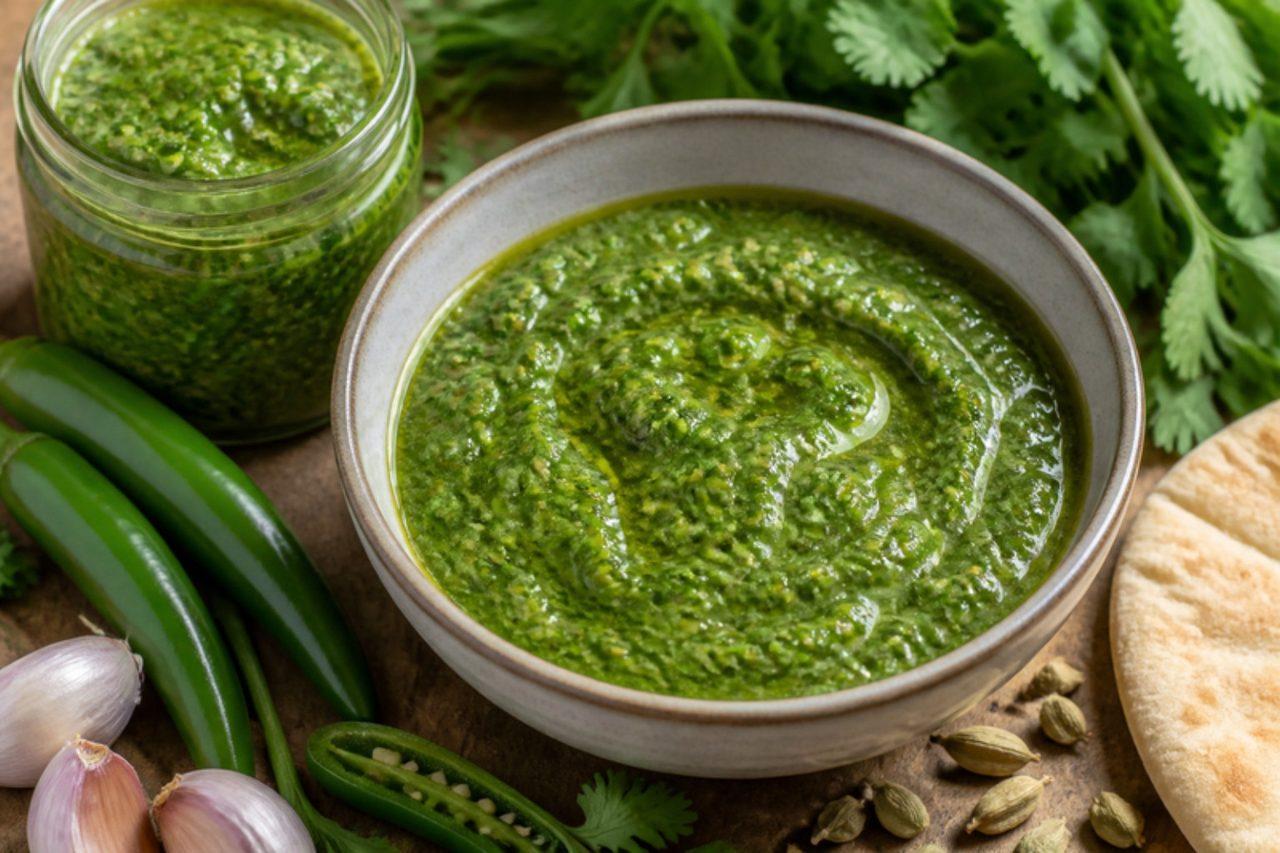
Zhug is the sauce Yemenite Jews brought to Israel, and now it sits beside the tahini and amba at every falafel and sabich stand in Tel Aviv and Jerusalem. Fresh green chillies are ground with a big bunch of coriander, garlic, cumin and cardamom into a bright green, punchy relish with a slow, warming heat. Spoon a little into soup, onto eggs, over jachnun or into a pita. Chef's tip: dry the herbs thoroughly after washing; wet leaves make a watery zhug that goes brown in the fridge.

by KrazyBadal 0 views

DomodaBeef and peanut stew

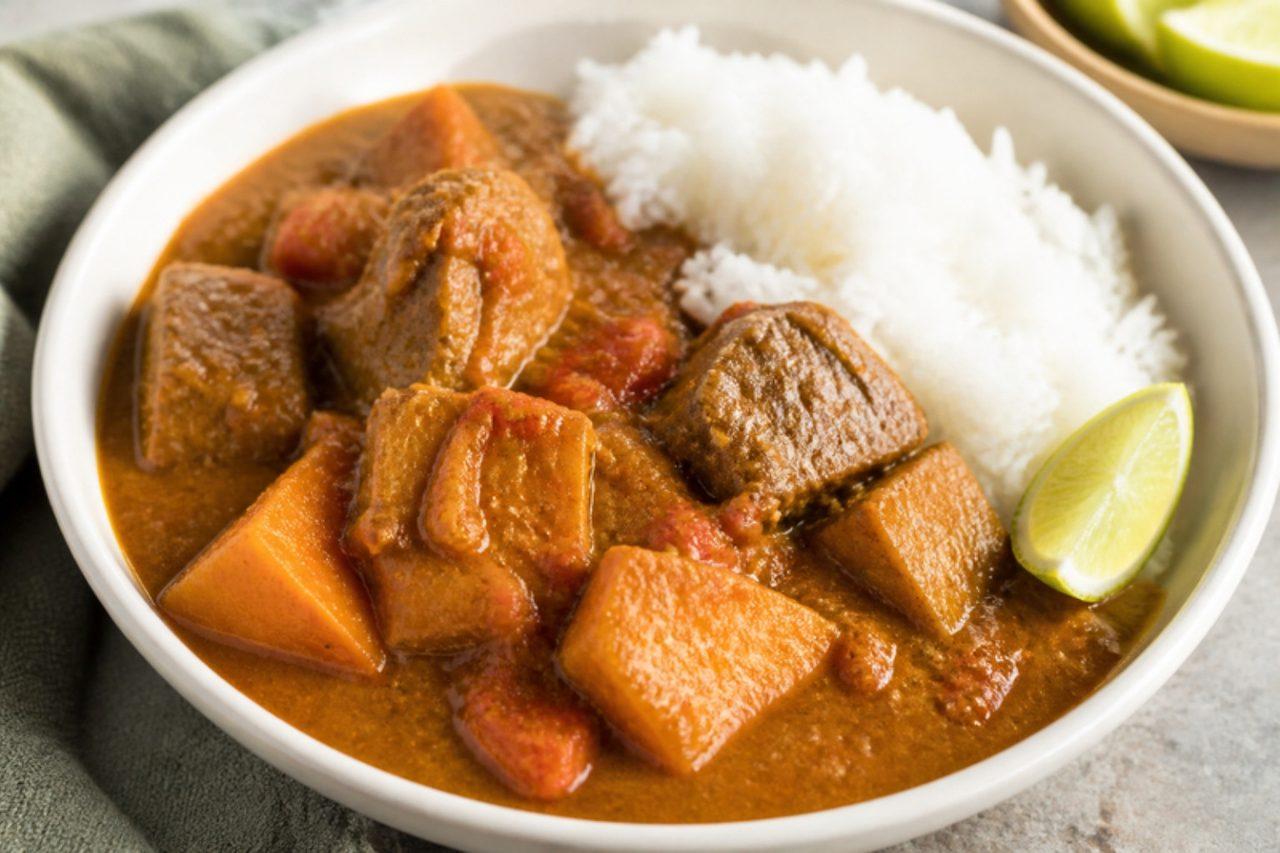
Domoda is the stew that most families in the Gambia, from Banjul to the riverside villages upcountry, cook several times a week. Beef is browned and simmered with tomato and onion, then smooth peanut butter is stirred in until the sauce turns thick, glossy and rich, with pumpkin and sweet potato melting into it. It is spooned over white rice with a squeeze of lime, and a scotch bonnet floats in the pot for whoever likes it hot. The mistake to avoid is adding the peanut butter too early and leaving it unstirred, as it catches and burns on the bottom; add it once the beef is nearly tender and stir often. Chef's tip: whisk the peanut butter with a ladle of hot broth before it goes in, so it melts smoothly instead of forming lumps.

by KrazyBadal 0 views

Akashiyaki (Akashi egg and octopus dumplings)

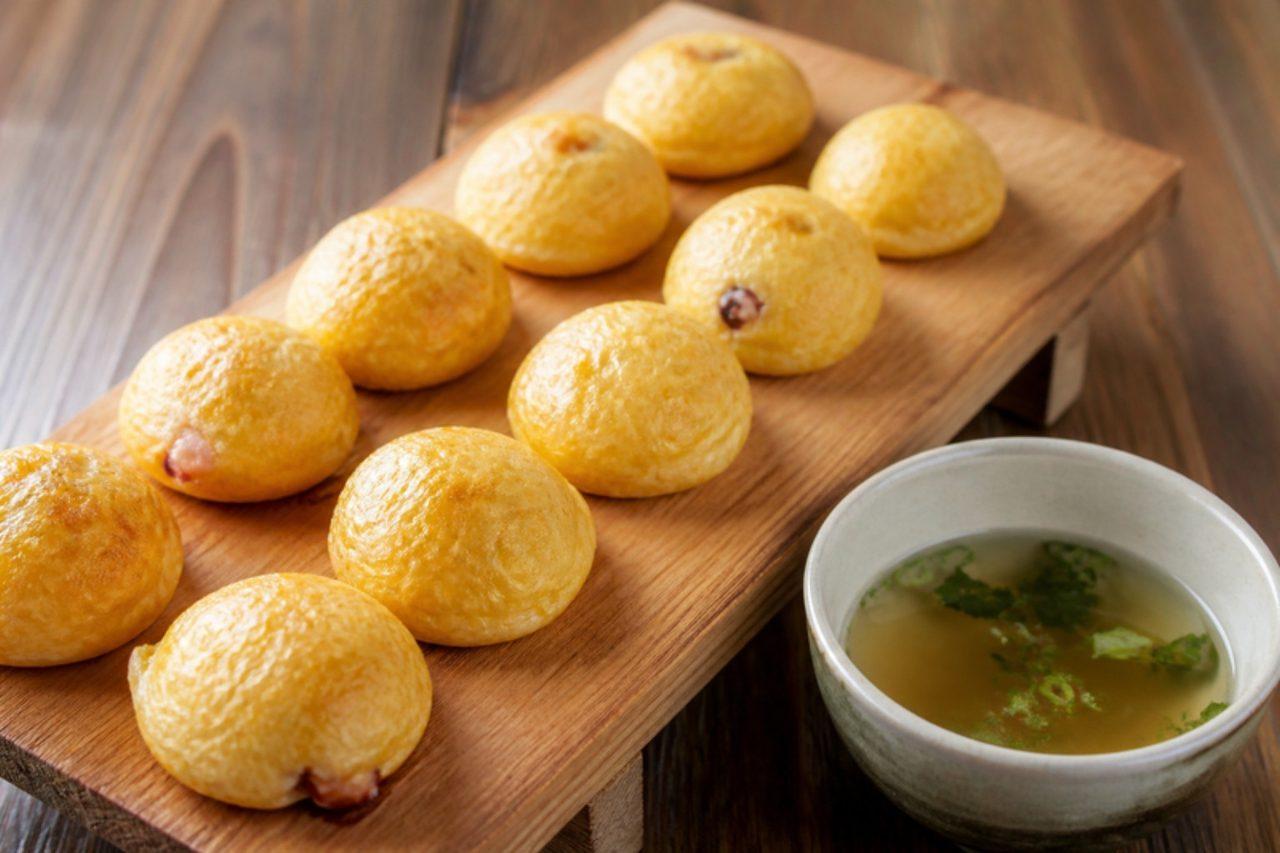
Ask for tamagoyaki in Akashi, a fishing town on the coast of Hyogo, and you will be served these dumplings rather than a rolled omelette: that is what locals call them. Small shops near the Uonotana fish market sell them on tilted wooden boards, with a bowl of warm dashi for dipping. Compared with Osaka takoyaki, the batter is mostly egg and stock, so the balls are soft and trembling inside, and they come without sauce or mayonnaise. Akashi is famous for its octopus, and a piece sits in every ball. Chef's tip: oil the pan generously and fill each hollow right to the brim; the soft batter needs the extra to make a round, puffy ball.

by KrazyBadal 0 views

Dongbei da la piMung bean sheet salad

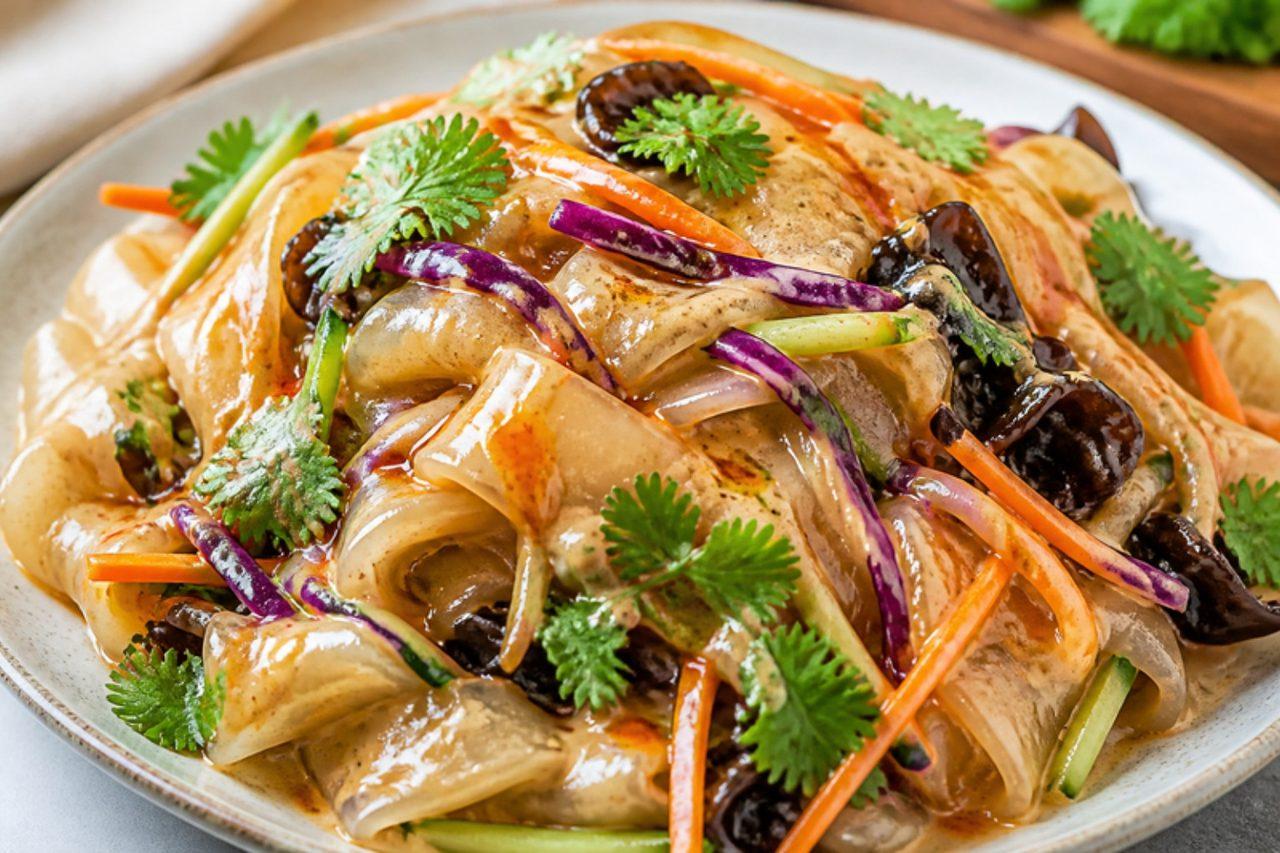
In north-east China, a big platter of this arrives at almost every family dinner and restaurant table, often next to the stews and dumplings. Wide, glassy sheets of mung-bean starch sit on a bed of shredded cucumber, carrot and cabbage, with a sesame, garlic and vinegar sauce and a dab of mustard poured over at the table. It's cool, slippery and crunchy. Look for dried la pi sheets or wide mung-bean noodles in Chinese supermarkets. Chef's tip: the sheet noodles must be fully cold before mixing, or they go soft and sticky.

by KrazyBadal 0 views

AkokCaramelised egg and coconut cakes

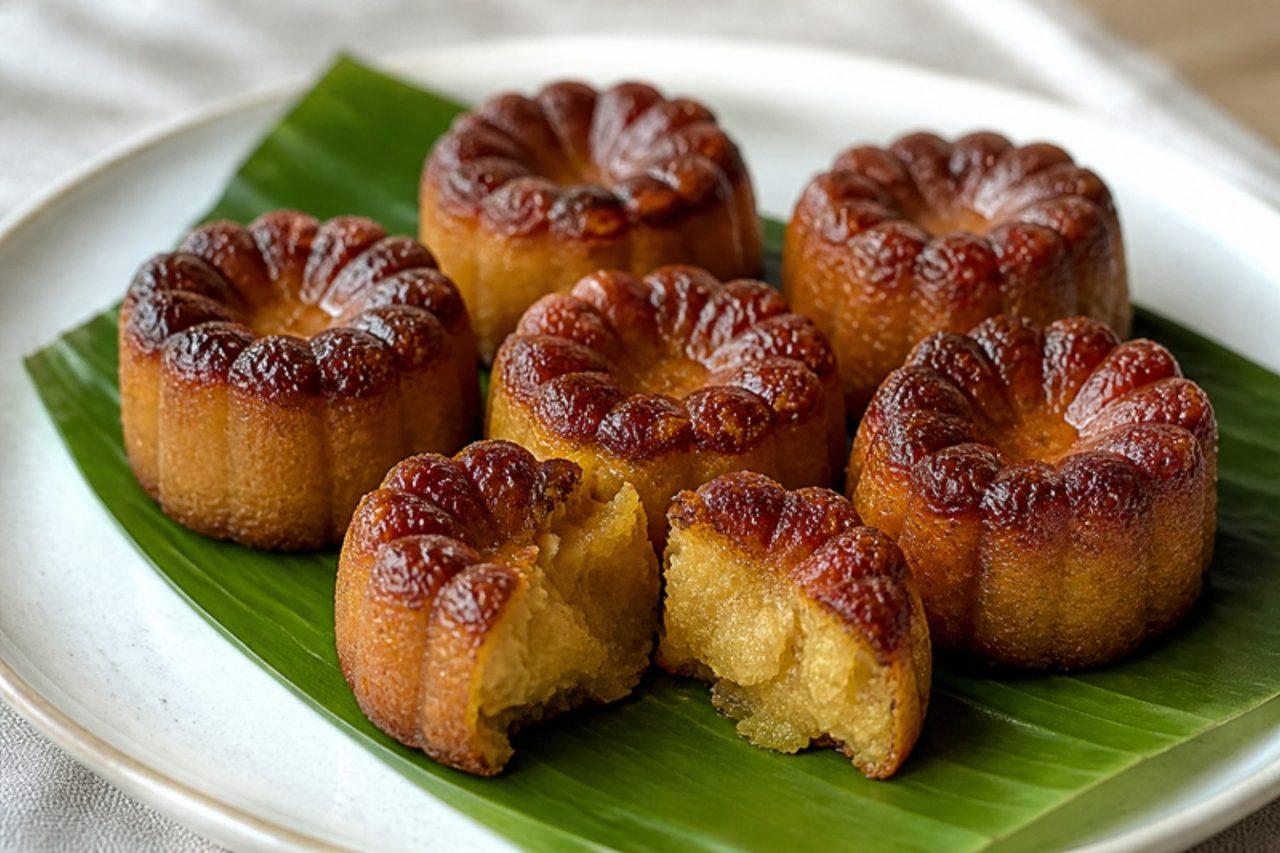
Akok is a Kelantanese kuih traditionally baked in small brass moulds over coals, with more coals laid on the lid, and it is a classic for breaking the fast in Kota Bharu during Ramadan. The batter is mostly eggs, coconut milk and dark gula melaka, so the little cakes come out custardy in the middle with a dark, caramelised, almost sticky crust. A mini-muffin tin in a hot oven gives a very close result. Chef's tip: heat the greased tin in the oven before filling it, which is how the base caramelises.

by KrazyBadal 0 views

DooghSalted yogurt drink

Doogh is the salty, fizzy yogurt drink served in tall glasses with lunch across Iran, and above all with kebab and rice at the chelow-kababi restaurants of Tehran. Bottled sparkling doogh from the mineral springs of Abali, in the mountains east of the capital, is the famous one; at home it is mixed from yogurt, cold water and soda water with crumbled dried mint, and sometimes wild pennyroyal (kakuti) or rose petals. Its bubbles and mint set it apart from plainer, still yogurt drinks. It is cooling and good with rich, herby food. Chef's tip: add the sparkling water last and stir gently, or the fizz disappears before it reaches the glass.

by KrazyBadal 0 views

Akoho sy voanioChicken in coconut milk

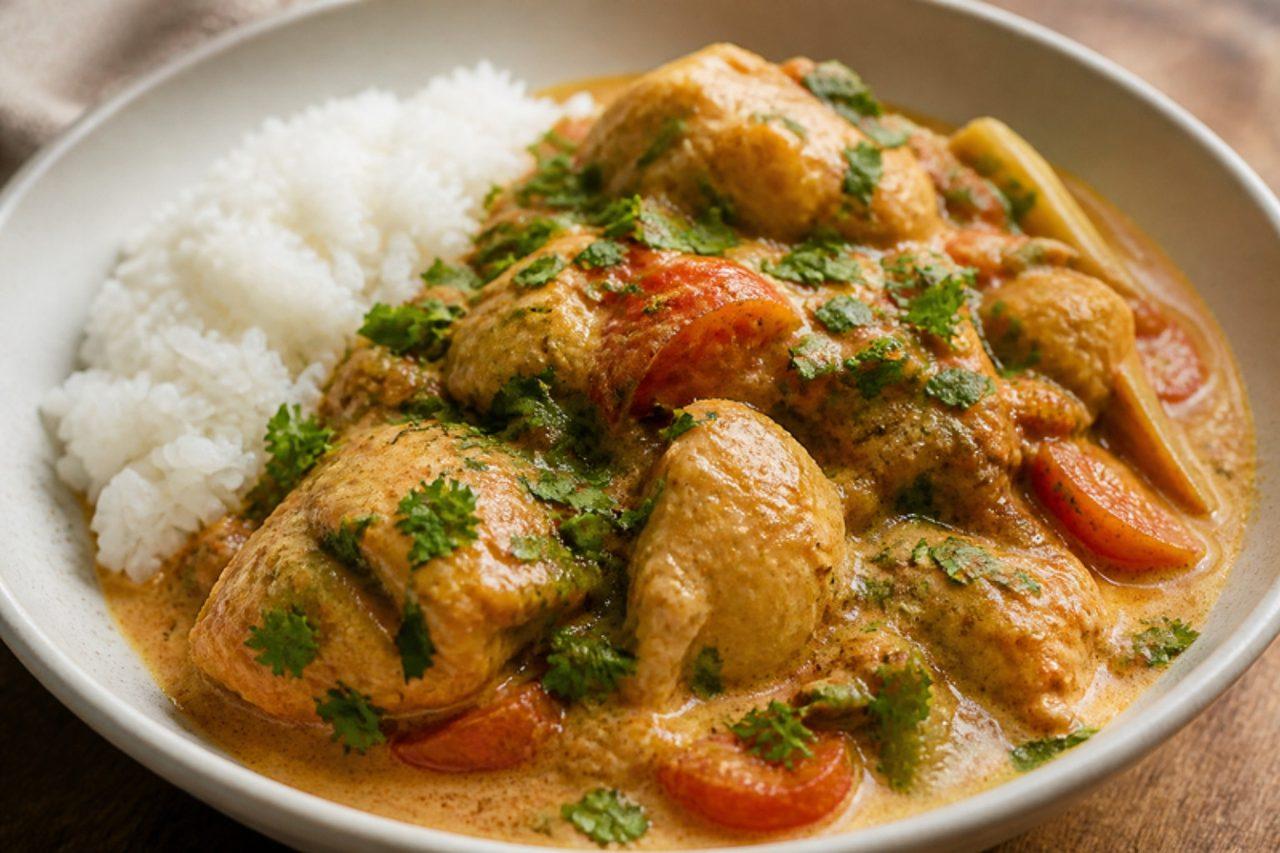
Akoho sy voanio, chicken with coconut, is a dish of Madagascar's east coast around Toamasina, where coconuts are everywhere, and it has become a favourite all over the island. Chicken is browned with onion, garlic, ginger and tomato, then simmered gently in coconut milk with a pinch of curry until the sauce is creamy and mild. It is eaten with plenty of white rice and a little achard (vegetable pickle). The mistake is boiling the coconut milk hard so it splits; keep it at a gentle bubble. Chef's tip: brown the chicken well first; the coconut sauce needs that savoury depth.

by KrazyBadal 0 views

Gogi guksuPork noodle soup

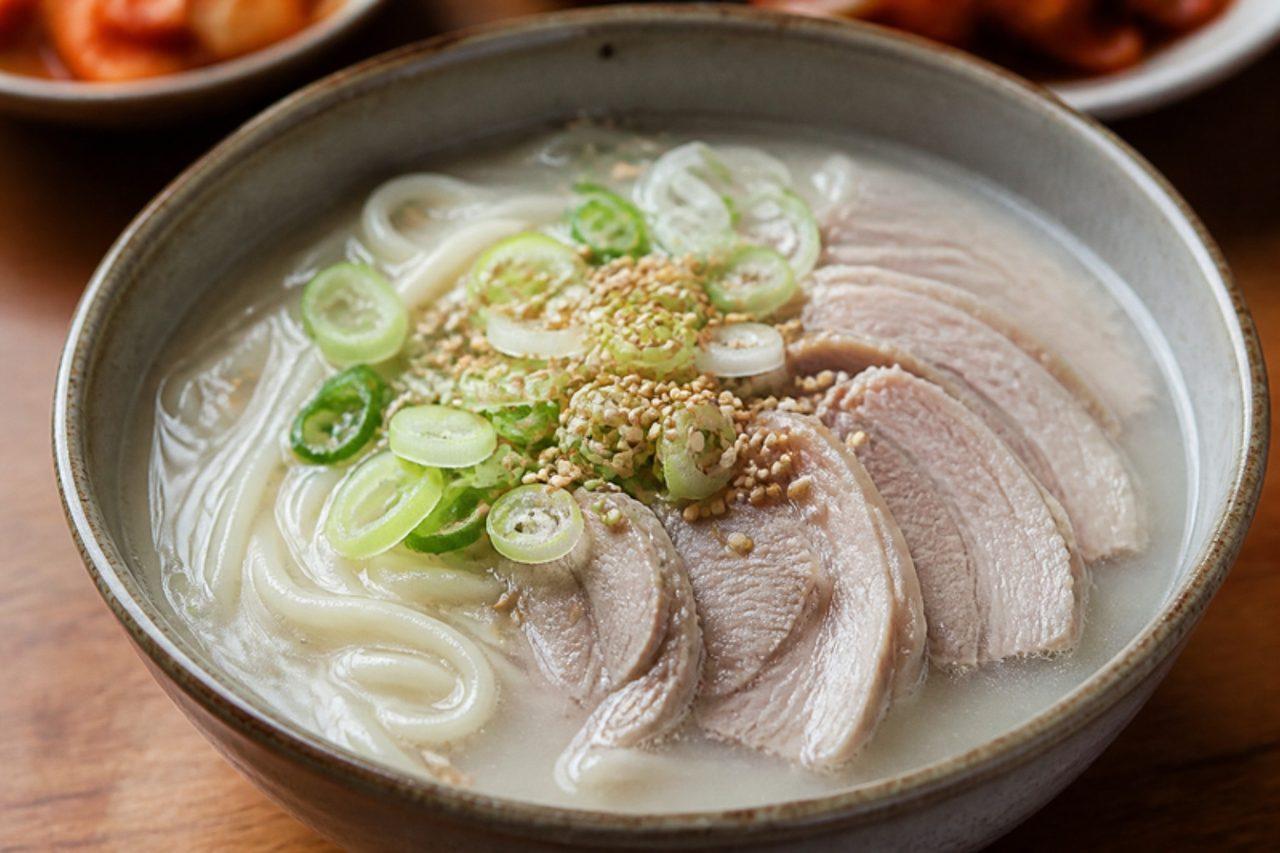
Gogi guksu goes back to Jeju's village feasts, where a pig was slaughtered for a wedding or funeral and its bones were boiled into broth for noodles to feed everyone. In Jeju City there is now a street of noodle restaurants near Samseonghyeol shrine, popular for a quick lunch and with visitors fresh off the plane. The broth is cloudy and rich, the noodles are thick and chewy, and the slices of boiled pork on top are often from the island's black pigs. Diners add chilli flakes and spring onion as they like. Chef's tip: dip the cooked noodles into the hot broth in a sieve for 20 seconds before they go in the bowl; they heat through without going soft.

180 minKoreanSoups
by KrazyBadal 0 views

Alicha wat (chicken)Mild turmeric chicken stew

Not every Ethiopian stew is fiery: alicha wat is the gentle, golden one, coloured with turmeric instead of berbere and seasoned with ginger, garlic and a few green chillies. Families across the country cook doro alicha when someone wants something soothing, when children are at the table, or as the mild partner to a spicy wat on a festive spread. The chicken simmers in a soft onion and spiced-butter sauce until tender, with a fragrant, buttery and slightly peppery flavour. Serve with injera or rice and a fresh tomato salad. Chef's tip: add the green chillies whole and fish them out before serving if you want flavour without heat.

by KrazyBadal 0 views

Doro watSpicy chicken and egg stew

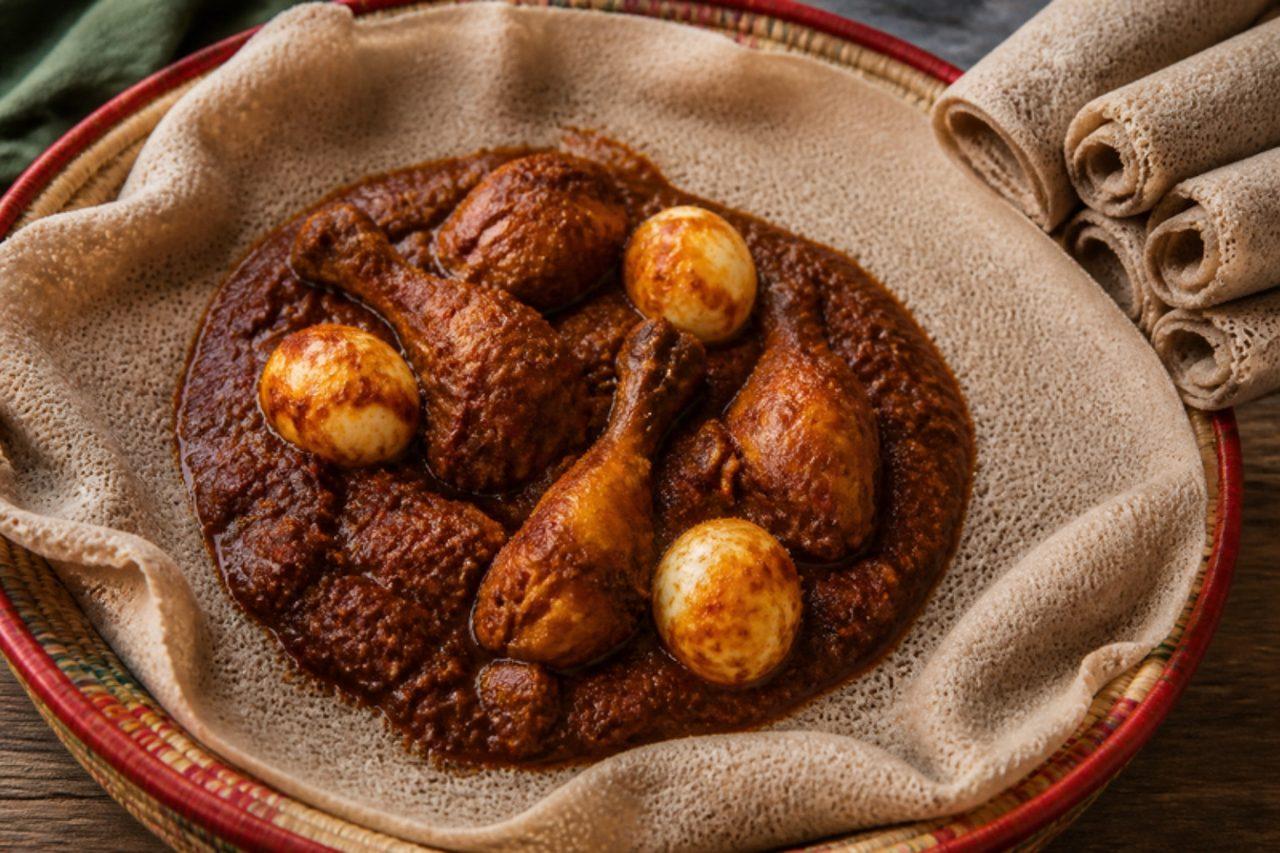
Ethiopian families make doro wat for the biggest days of the year, especially Genna (Christmas) and Fasika (Easter), when it breaks weeks of meatless fasting. Its secret is patience: a mountain of red onions is cooked down slowly with no fat at all until jammy and dark, then enriched with spiced butter and fiery berbere. Chicken pieces and whole hard-boiled eggs simmer in the sauce until it is thick, glossy and brick red, with a deep, smoky heat. Ladle it onto injera, with ayib (fresh cheese) alongside to cool things down. Chef's tip: score the boiled eggs lightly all over before adding them, so the sauce seeps right into the whites.

by KrazyBadal 0 views

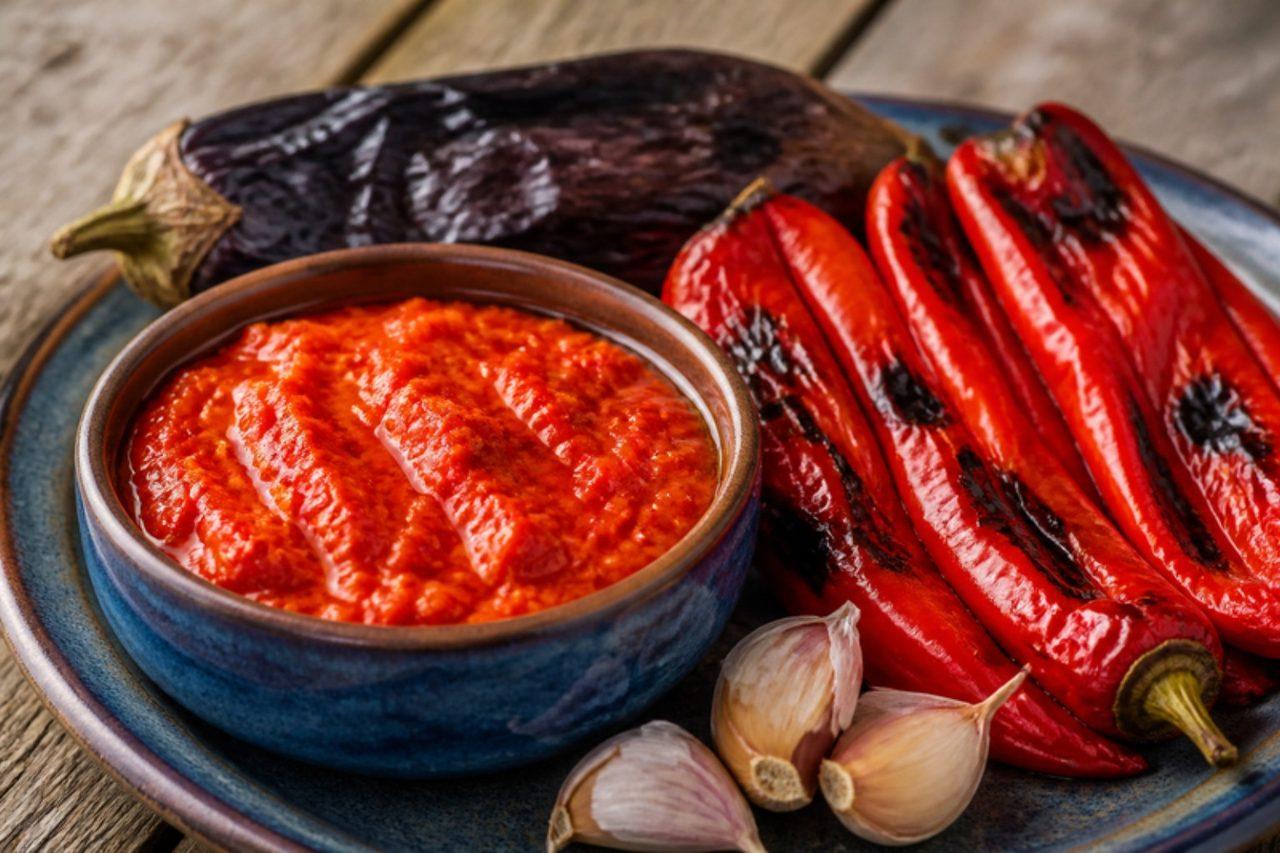
AjvarRoasted pepper and aubergine relish

Every September the smell of charring peppers drifts over courtyards from Leskovac in southern Serbia to Strumica in North Macedonia, as families roast crates of long red babura peppers on wood stoves and spend a whole Sunday stirring the pulp into ajvar for the winter shelves. A little roasted aubergine softens the flavour, and long cooking with sunflower oil turns it into a glossy, sweet-smoky spread that is eaten on bread with white cheese, beside beans or potatoes, and with almost every winter meal. This is a home-sized batch for two medium jars rather than a cellar full. Chef's tip: do not rinse the roasted peppers under the tap to get the skins off; it washes away the smoky juices that make ajvar taste of autumn, so peel them with oiled fingers and a paper towel instead.

by KrazyBadal 0 views

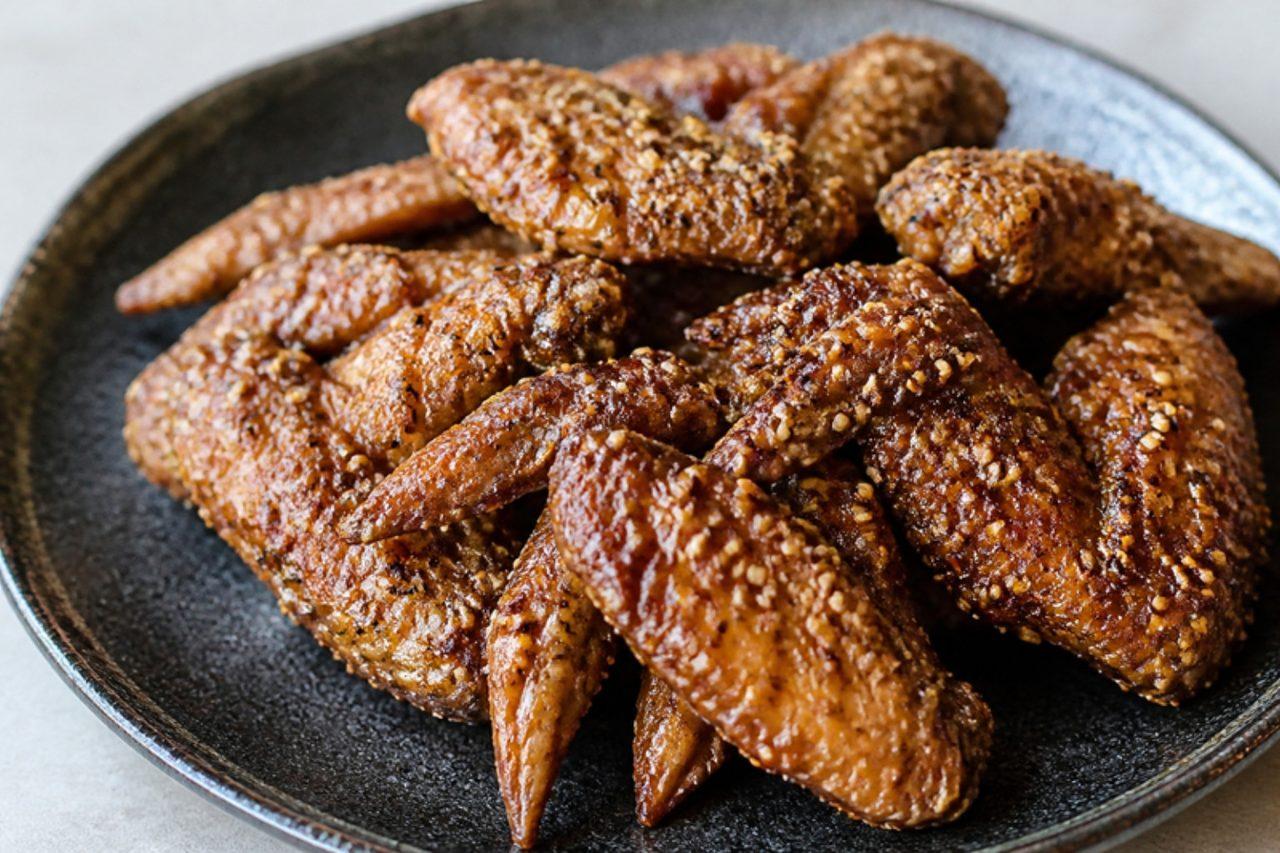
Tebasaki (Nagoya fried chicken wings)

In Nagoya's izakaya, chicken wings come whole, with the mid-joint and tip still joined in a V, and they arrive in piles beside cold drinks. Tebasaki are fried without batter until the skin turns crisp and thin, then brushed with a sweet soy glaze and dusted heavily with pepper and sesame. The spice is the point: they should taste peppery, salty and sticky at once. Eat them with your hands, twisting the two bones apart to pull the meat off. Chef's tip: brush on the glaze the moment the wings leave the oil; hot, crisp skin soaks it up and stays crunchy, while cooled wings just turn sticky.

by KrazyBadal 0 views

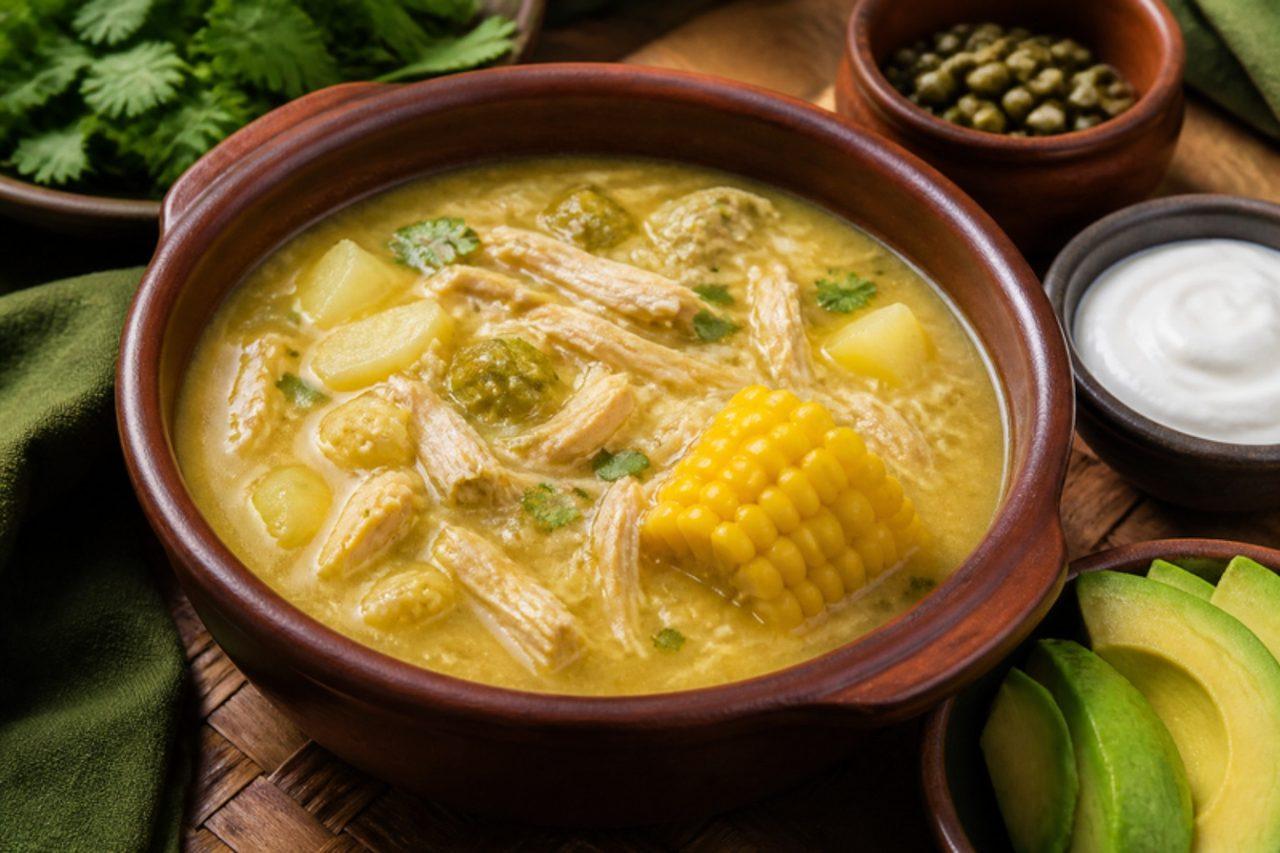
Ajiaco santafereñoChicken and potato soup

On cold, drizzly afternoons in Bogotá, high up in the Andes, families sit down to ajiaco: a thick chicken soup made with three kinds of potato. Small yellow papas criollas melt away and thicken the broth, while waxy and floury potatoes keep some bite. Guascas, a dried herb with a grassy, artichoke-like taste, gives the soup its unmistakable flavour, and each bowl comes with corn on the cob, a spoon of cream, capers and slices of avocado to add at the table. A frequent mistake is adding all the potatoes at once; the papas criollas go in first so they can dissolve, the firmer ones later. Chef's tip: if you can't find guascas in a Latin shop, use a mix of dried oregano and a little dried thyme; the soup will still be good, just less Bogotá.

by KrazyBadal 0 views

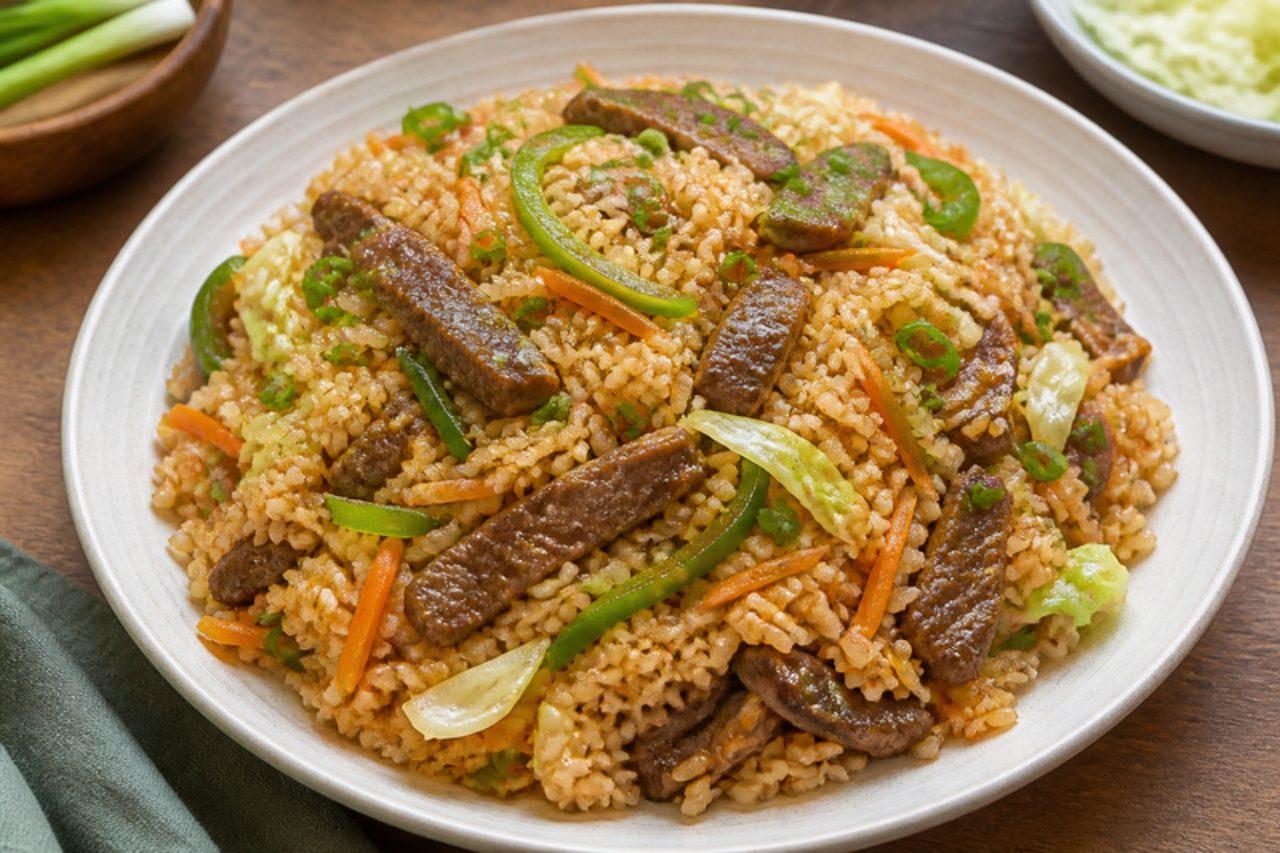
Budaatai khuurgaFried rice with beef

Budaatai khuurga is the fried rice of Ulaanbaatar's guanz, the small canteens where office workers and students eat lunch: day-old rice tossed in a hot pan with strips of beef or mutton, carrot, onion, peppers and a splash of soy. It is quick, filling and often served with a fried egg and pickled cabbage salad. The mistake is using freshly cooked warm rice, which clumps; cold, cooked rice fries into separate grains. Chef's tip: cook rice the day before and keep it covered in the fridge, which is also the safe way to store it.

by KrazyBadal 0 views

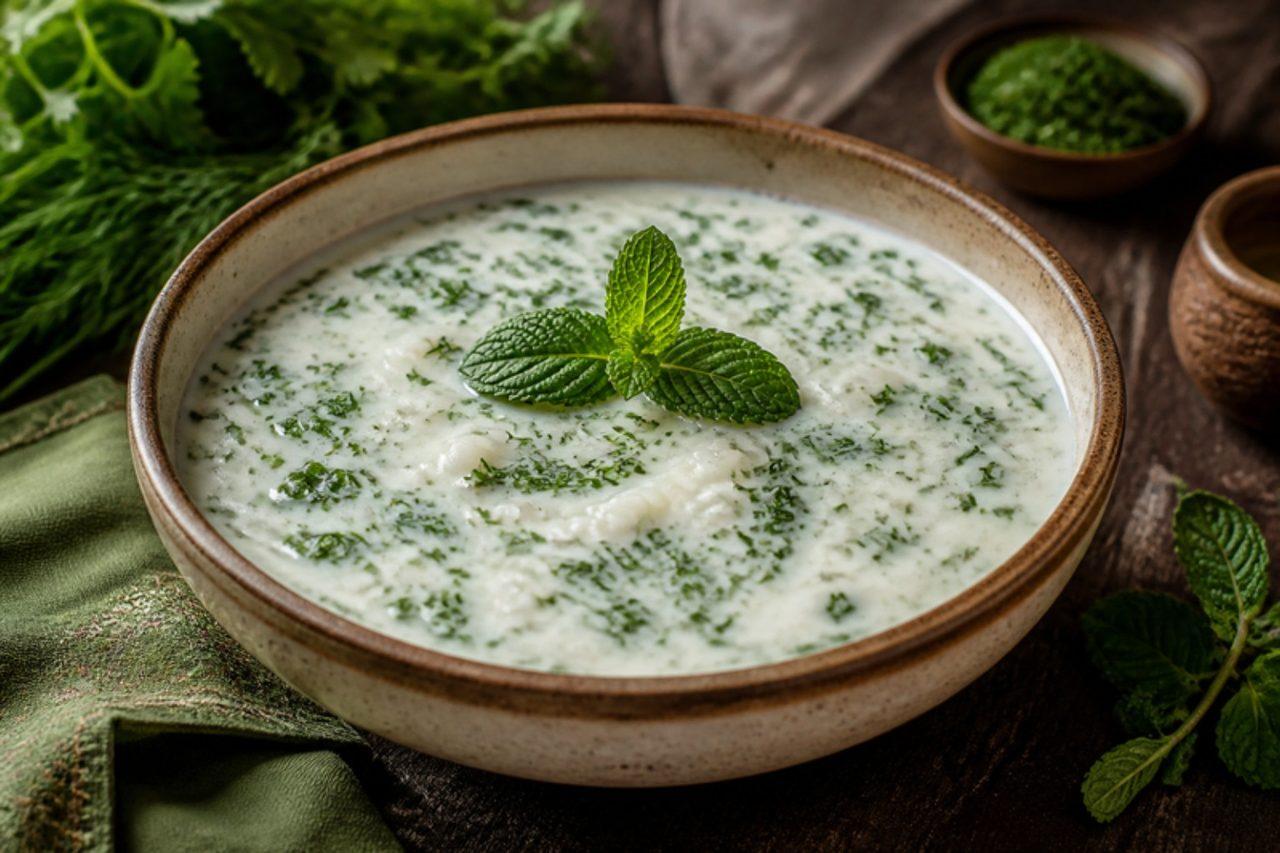
DovgaHerb and yogurt soup

Dovğa is green, tangy and cooling, the soup Azerbaijanis drink cold from glasses on hot Baku afternoons and eat hot in bowls when the Absheron wind turns chilly. Yogurt is thinned, thickened with rice and egg, then packed with chopped spinach, dill, coriander, mint and sorrel, until the soup is more herbs than dairy. It is served at weddings and at Novruz to settle the stomach after rich food, and many cooks add chickpeas. Unlike Armenian spas, there is no fried onion or wheat; the flavour is all fresh herbs and sour yogurt. Chef's tip: add the herbs only once the yogurt is boiling steadily and stable; they wilt in seconds, and the colour stays bright green.

by KrazyBadal 0 views

Maple-glazed salmon

On Canada's Pacific coast, from Vancouver to Haida Gwaii, wild salmon is the fish of summer and autumn, and a glaze of maple syrup from the east brings two Canadian staples together on one plate. The fillets are brushed with maple syrup, mustard, soy and garlic and roasted until just cooked, with a sticky, glossy top; serve them with rice, new potatoes or a green salad. Many British Columbians cook it on a soaked cedar plank on the barbecue for a smoky flavour. The mistake is overcooking salmon until it is dry and chalky; take it out when it just flakes. Chef's tip: line the tray with baking paper, as the maple glaze burns onto a bare tin.

by KrazyBadal 0 views

StollenFruit Christmas bread

Dresden has baked Christstollen for more than 500 years, and every December the city holds a Stollen festival with a giant loaf paraded through the old town to the Striezelmarkt. The loaf's shape, folded over and dusted white, is said to show the Christ child wrapped in swaddling cloth. It's a rich, dense yeast bread, heavy with butter, raisins, candied peel and almonds, brushed with melted butter straight from the oven and buried in sugar. It's baked weeks before Christmas and sliced thinly through Advent. Chef's tip: wrap it tightly and let it rest for at least a week before cutting; the flavours ripen and the crumb turns moist.

120 minGermanBaking
by KrazyBadal 0 views

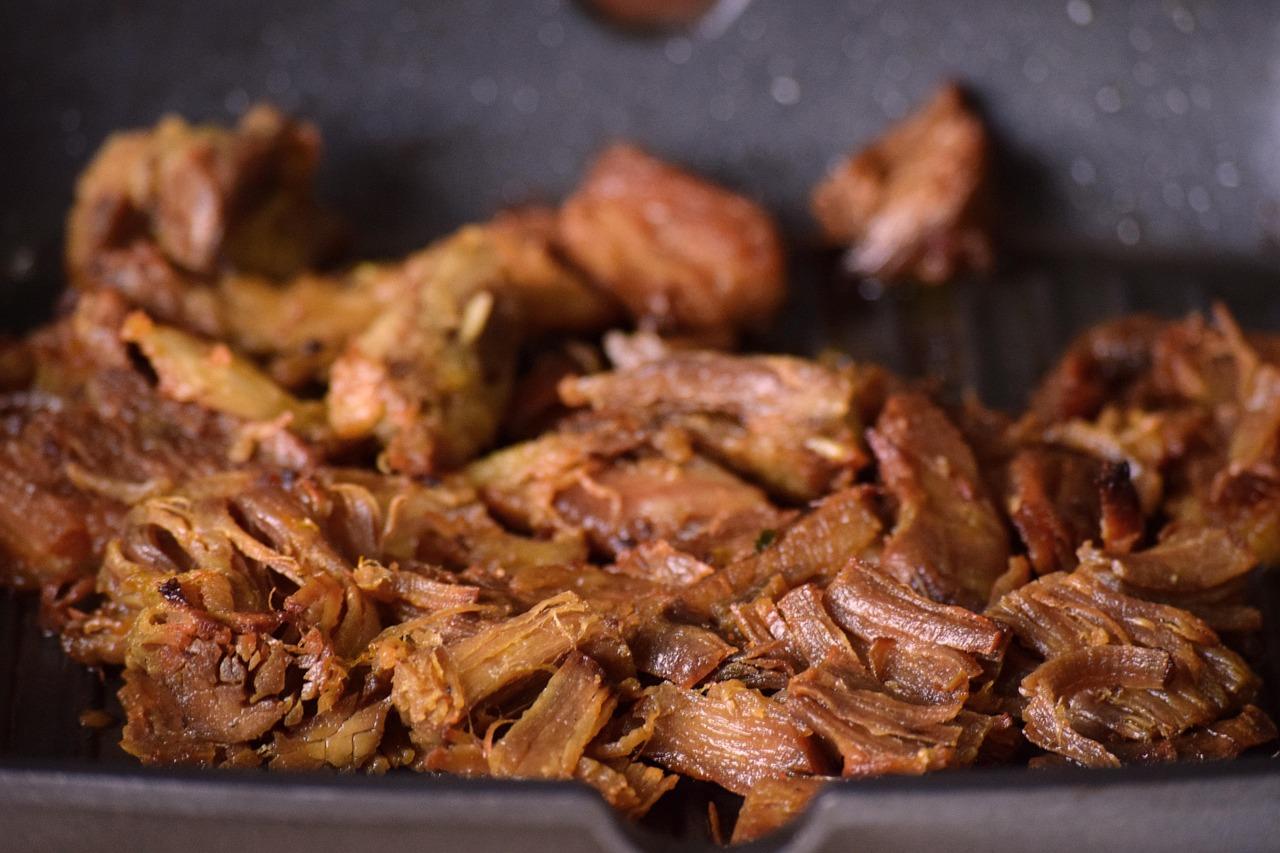
Kalua pork

Kalua pig is the heart of a Hawaiian lū'au: a whole pig wrapped in ti and banana leaves and cooked all day in an imu, an underground oven, until it falls apart, smoky and salty. This dish contains pork. Families across O'ahu and the other islands make this simpler version at home with pork shoulder, coarse sea salt and a little liquid smoke, wrapped and slow-roasted. It is served with rice, poi or cabbage, or in sliders. The mistake is using fine table salt in the same amount; it makes the pork far too salty, so use coarse sea salt. Chef's tip: stir a little of the cooking juice back into the shredded pork so it stays moist.

by KrazyBadal 0 views

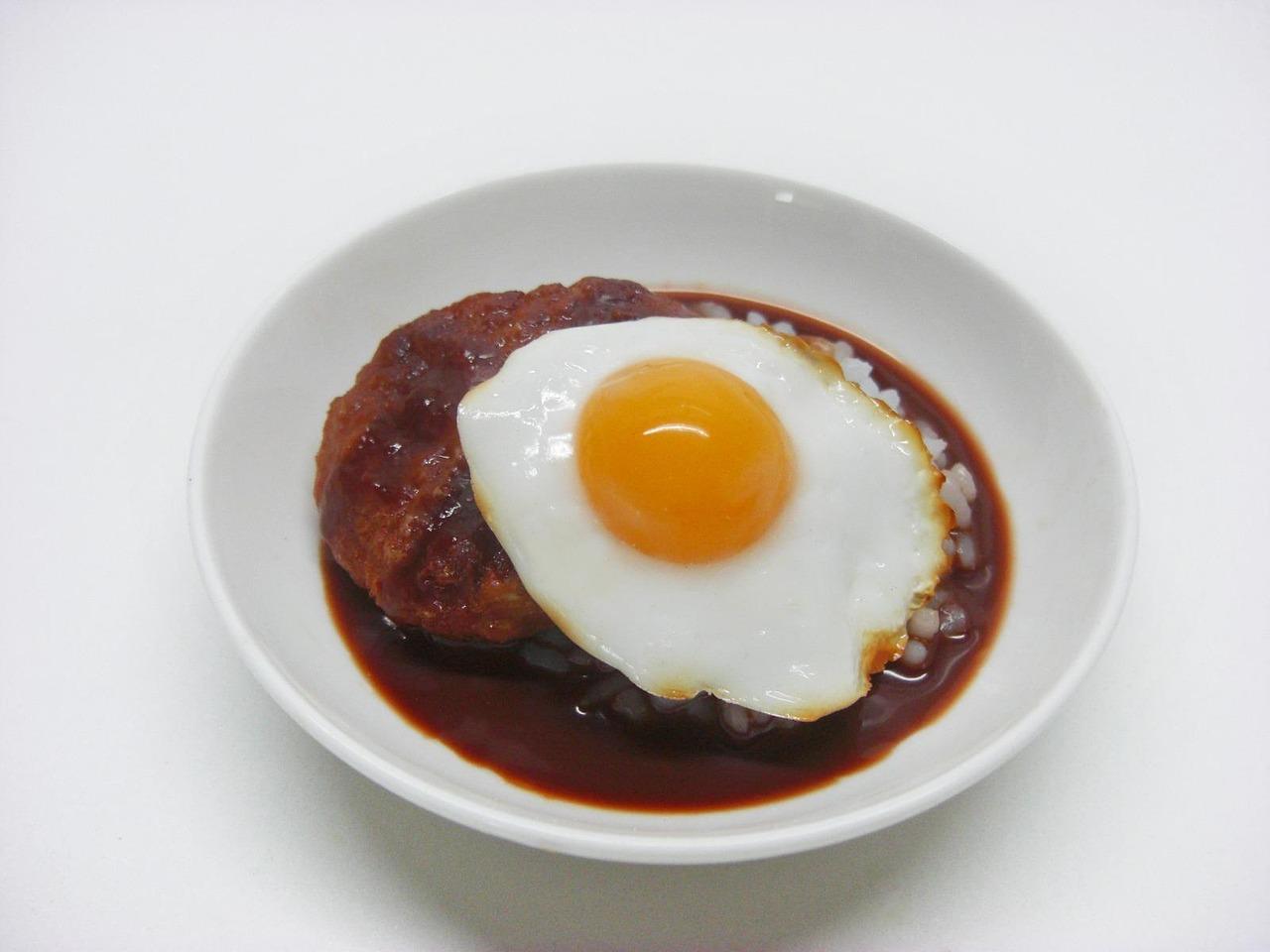
Loco moco

Loco moco was first served in 1949 at the Lincoln Grill in Hilo, on Hawai'i's Big Island, as a cheap, filling meal for teenagers, and it is still the plate-lunch classic across the islands: white rice topped with a beef burger patty, a fried egg and a generous ladle of brown gravy. People eat it for breakfast, lunch or late at night with a scoop of macaroni salad. The mistake is a thin, floury gravy; cook the flour in the beef fat until it browns before adding the stock. Chef's tip: press a dimple into the centre of each patty so it stays flat as it cooks.

by KrazyBadal 0 views

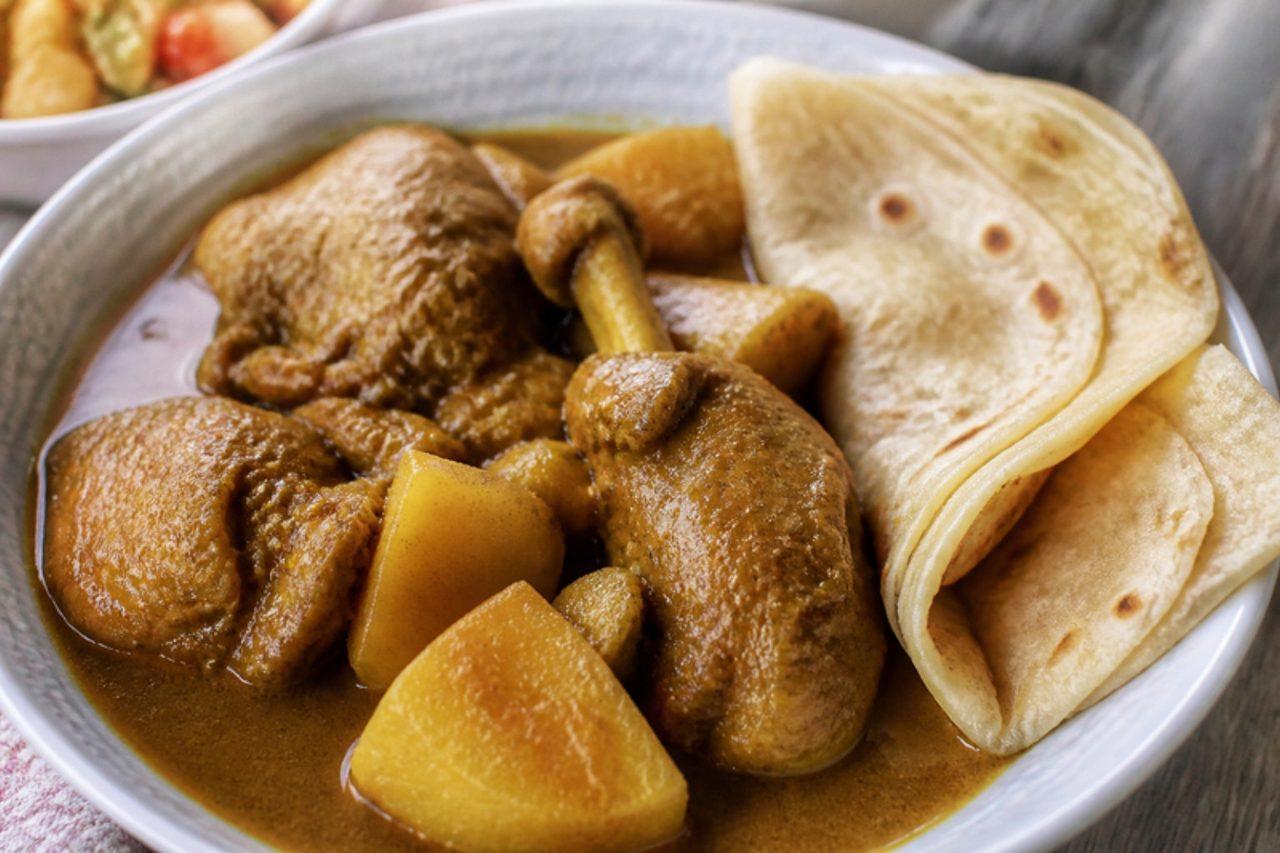
Guyanese chicken curry

In Guyana, Sunday is curry day in Indo-Guyanese homes from Berbice to the East Coast Demerara, and chicken curry with roti or rice is the classic. Its flavour comes from a green seasoning of herbs, garlic and wiri wiri pepper, and from geera (roasted cumin), with the curry powder fried until almost dry before the chicken goes in. The mistake is adding the chicken before the curry paste is properly cooked ("bunjayed"), which leaves a raw, dusty taste. Chef's tip: finish with a sprinkle of toasted geera and let the curry rest for 10 minutes before serving.

by KrazyBadal 0 views

Ecuadorian shrimp ceviche

Unlike Peru's raw-fish ceviche, the ceviche of Ecuador's coast, from Manta to Esmeraldas, is usually made with prawns that are briefly cooked first, then soaked in a juicy, soupy mix of lime, orange, tomato, red onion and coriander. It is served in a glass bowl with its juice, alongside popcorn, plantain chips and sometimes a dash of ketchup and mustard, as people do at Guayaquil's cevicherías. Because the prawns are cooked, it is a safer choice than raw-fish ceviche, but keep it cold and eat it the same day. The mistake is overcooking the prawns so they turn rubbery: one minute in the boiling water is enough. Chef's tip: save the prawn cooking water and add a few spoonfuls to the juice; it gives the ceviche its sweetness.

30 minAndeanFishGluten free
by KrazyBadal 0 views

Mauritian fish curry

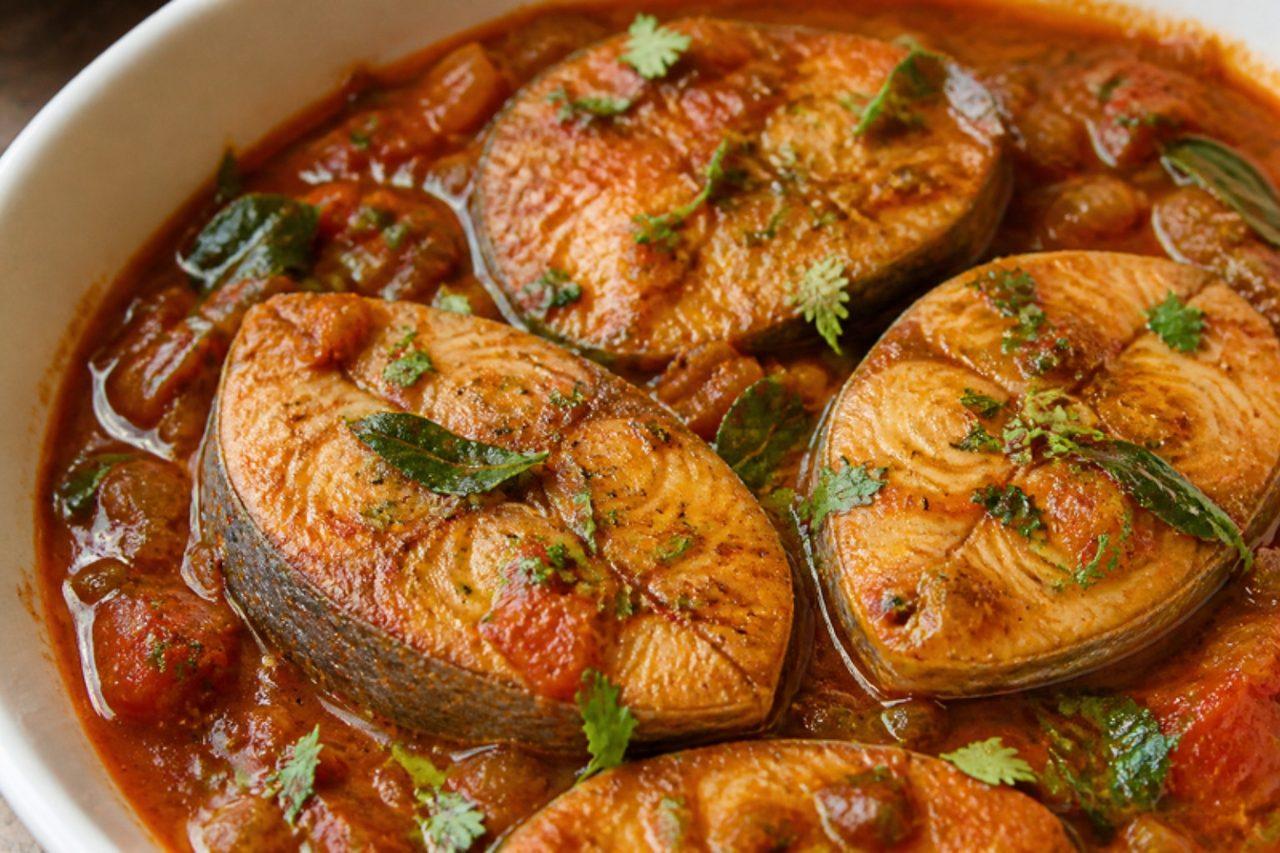
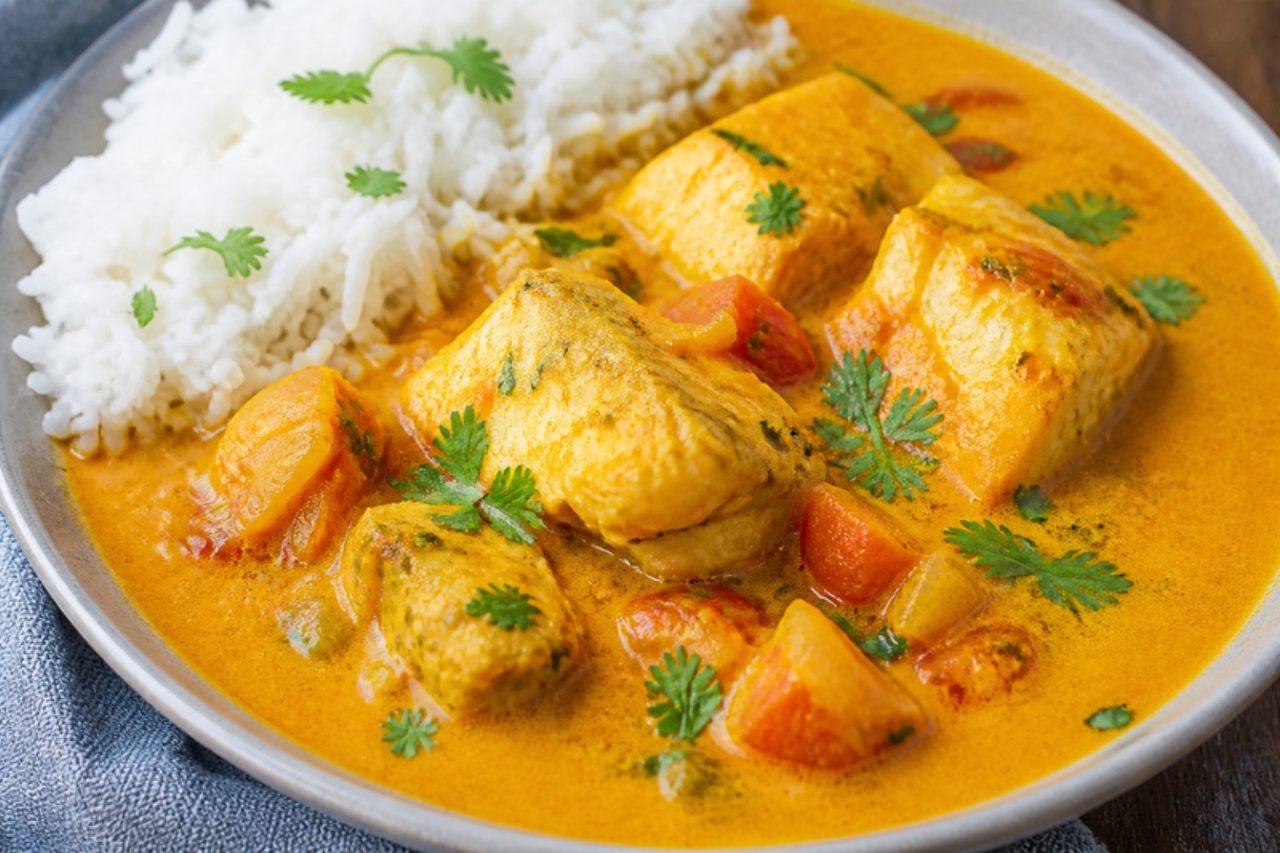
Cari poisson is cooked in Mauritian homes from Port Louis to the fishing villages of Mahébourg, a curry where Indian spice meets Creole herbs: pieces of firm fish are first fried, then simmered in a sauce of tomato, onion, curry powder, curry leaves and thyme. It is eaten with rice, lentils (dholl) and a spoon of chilli pickle. The mistake is putting raw fish into the sauce, which makes it fall apart; frying it first keeps it firm. Chef's tip: toast the curry powder in oil until it smells nutty before the tomatoes go in.

by KrazyBadal 0 views

Duba watSpicy pumpkin stew

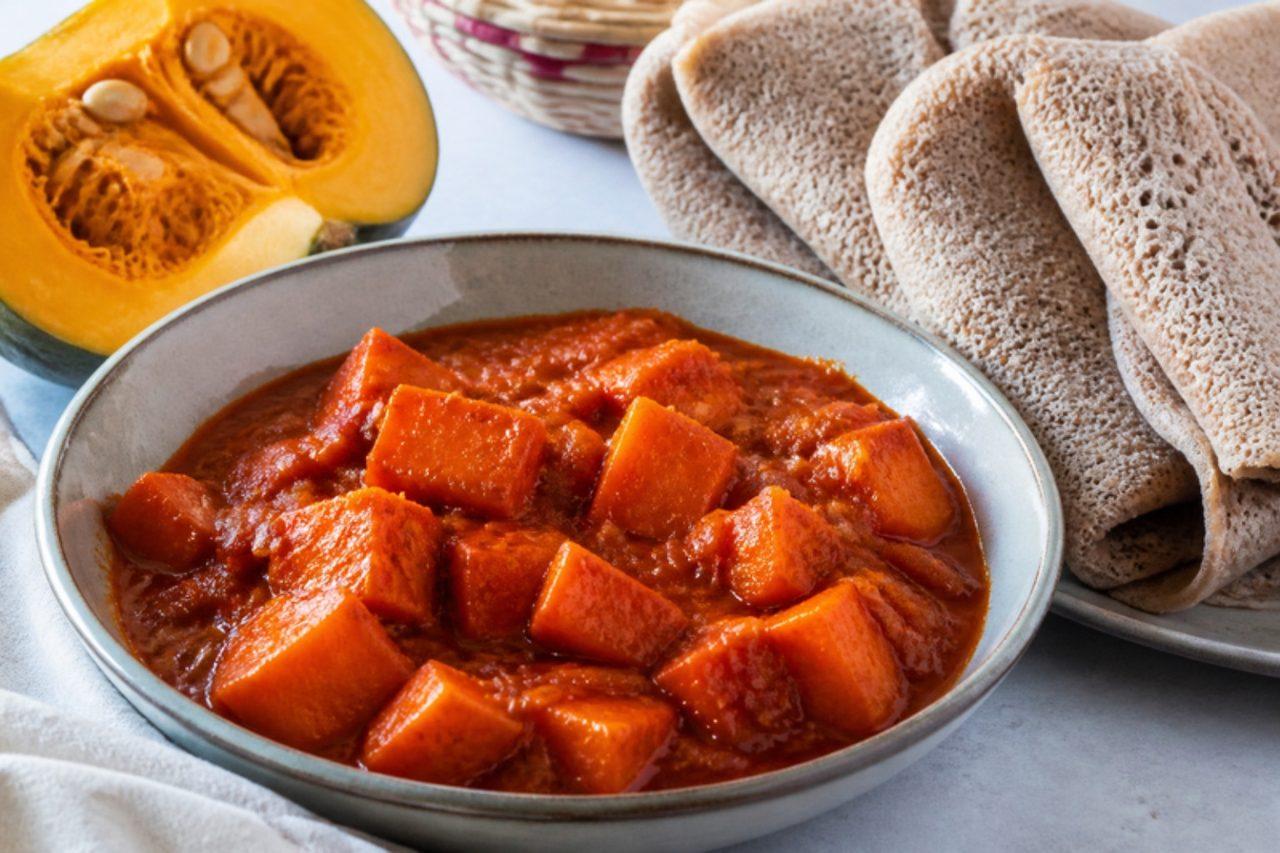
Duba wat is a fasting-season stew from the Ethiopian highlands, made when pumpkins are plentiful after the rains around Meskel in late September. Chunks of pumpkin are cooked in a classic red wat base of slow-cooked onion, garlic and berbere, so the sweetness of the squash plays against the heat of the spices. It is softer and sweeter than most wats and goes well with gomen and injera. Chef's tip: add the pumpkin only once the onion and berbere base is fully cooked and glossy; raw-tasting berbere spoils the dish.

by KrazyBadal 0 views

Kisumu fried tilapia

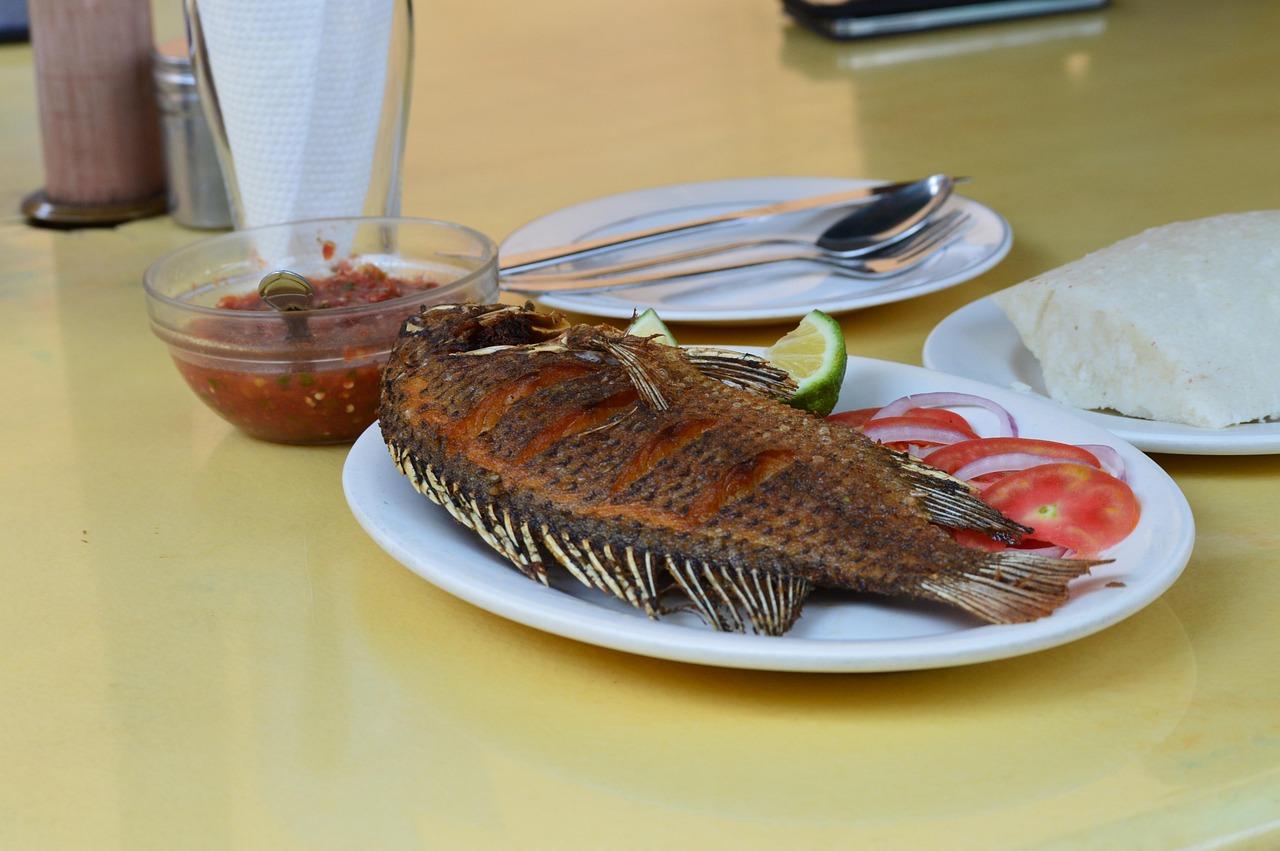
On the shores of Lake Victoria at Kisumu's Dunga beach and in the fish kiosks of Kampala and Mwanza, tilapia comes straight from the boats, is scored, rubbed with salt, garlic and lemon and deep-fried whole until the skin is crackling. It is served with a block of ugali, sukuma wiki (braised kale) and kachumbari, and eaten with your hands, pulling the sweet flesh off the bone. The mistake is frying a wet fish in oil that isn't hot enough, which makes it greasy and stick; dry it well and wait for 180 °C. Chef's tip: dust the fish lightly with cornflour just before frying for an extra-crisp skin.

by KrazyBadal 0 views

Mozambique peri-peri prawns

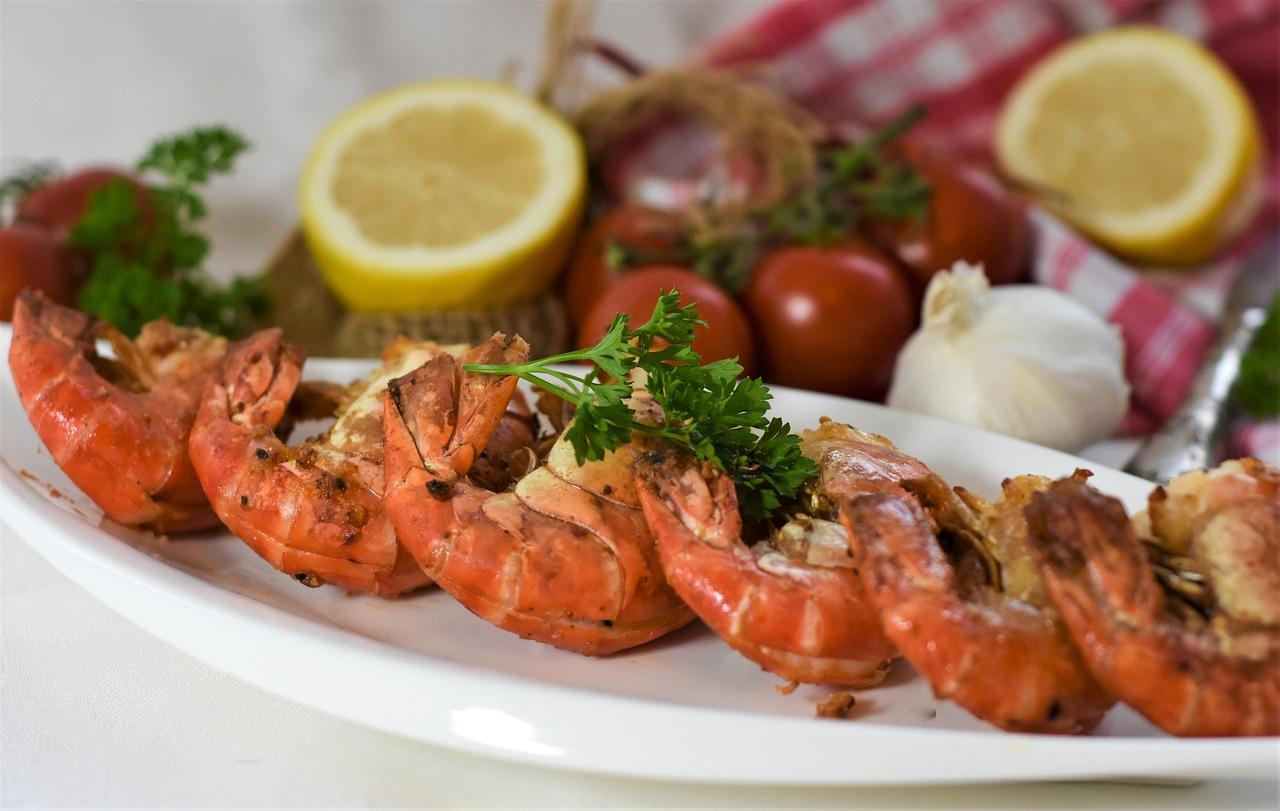
Maputo's waterfront restaurants and the beach shacks of Inhambane and Vilanculos are famous for their prawns: big shell-on prawns split down the back, painted with a sauce of piri-piri chilli, garlic, lime and butter and grilled over coals until the shells blister. You eat them with your fingers, sucking the sauce off the shells, with bread or chips. The mistake is overcooking, which turns them rubbery; they need only 2–3 minutes a side. Chef's tip: split the prawns through the shell and remove the dark vein, so the sauce gets right into the flesh.

by KrazyBadal 0 views

Zanzibar fish curry

Mchuzi wa samaki is cooked in homes all along the Swahili coast, from Mombasa and Lamu to Stone Town in Zanzibar, where the spice trade left cumin, cardamom and turmeric in every kitchen. Firm fish simmers briefly in a sauce of tomato, onion and coconut milk soured with tamarind, and it is eaten with plain rice or chapati. The mistake is stirring once the fish is in, which breaks it up; shake the pan gently instead. Chef's tip: rub the fish with turmeric, lime and salt for 15 minutes first, which firms it and seasons it all the way through.

by KrazyBadal 0 views

Tunisian fish couscous

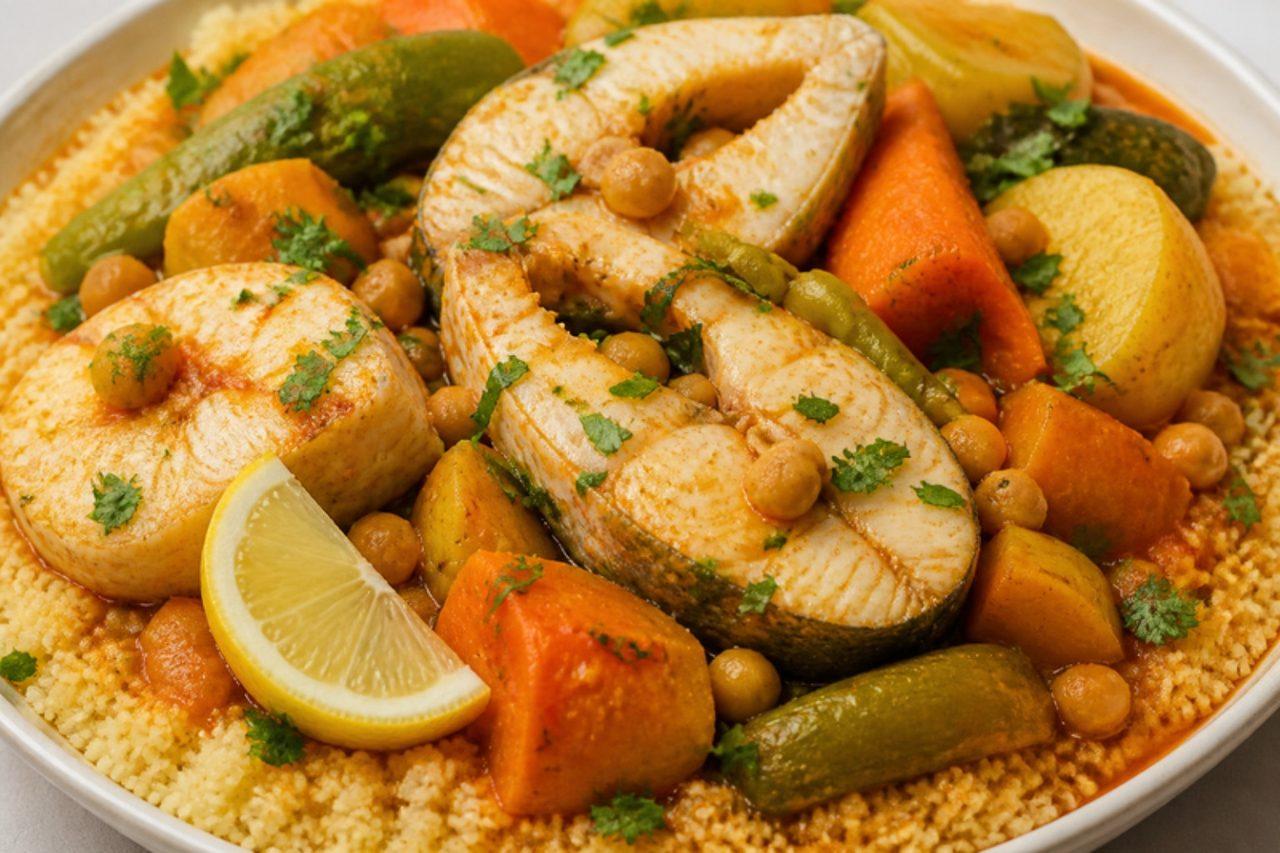
On Tunisia's coast, especially in Sfax, Mahdia and the fishing towns of Cap Bon, couscous for Friday lunch is made with fish instead of meat: a red, peppery broth of tomato, harissa and caraway in which the vegetables cook first and the fish is poached at the end, while the couscous steams on top. The broth is ladled over the grains at the table until they glisten. The mistake is boiling the fish too long, so it breaks into the broth; poach it gently for the last 10 minutes only. Chef's tip: oil and rub the couscous between your palms before and after the first steaming so every grain stays separate.

105 minTunisianFishSpicy
by KrazyBadal 0 views

Mince on toast

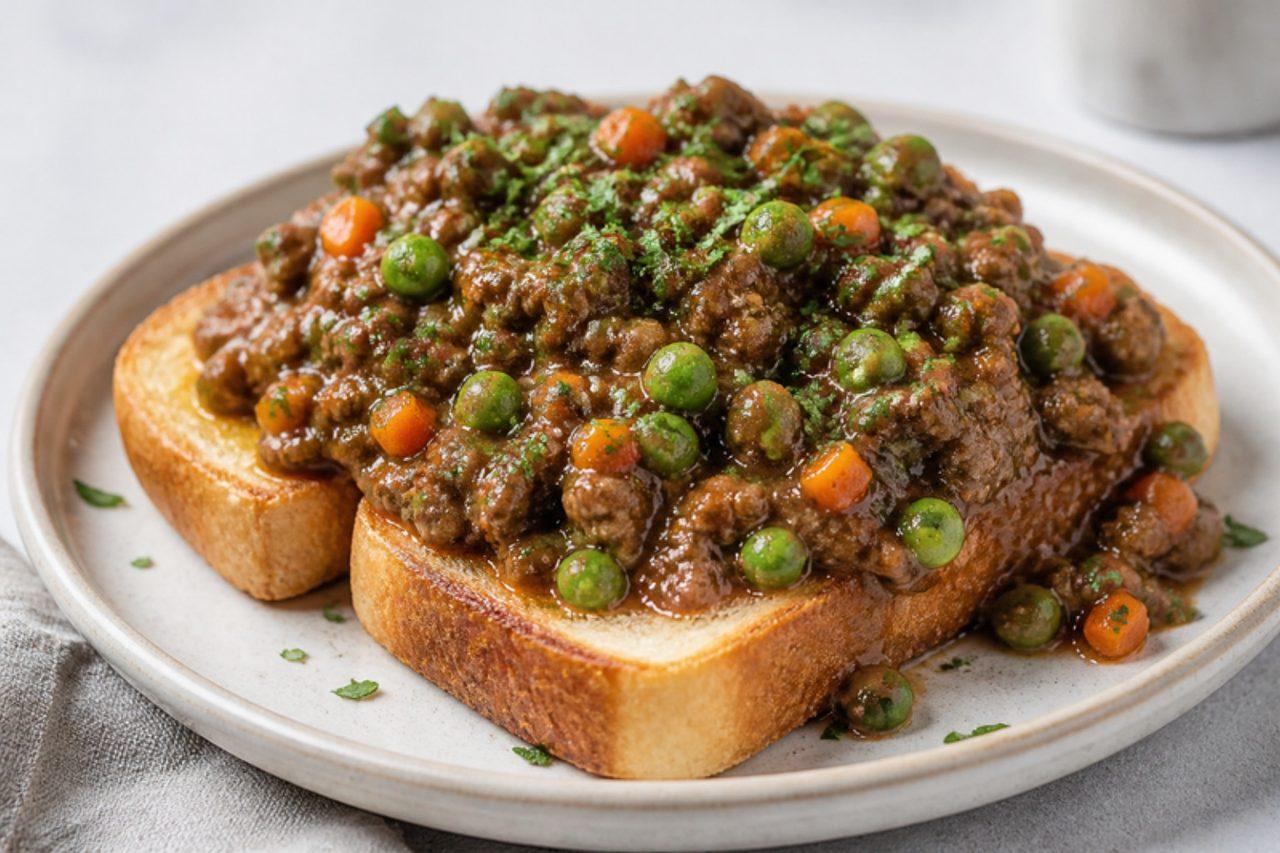
Mince on toast is pure Kiwi comfort: a weeknight tea in homes from Invercargill to Auckland, and lately a proud fixture on café brunch menus, where it comes with a poached egg on top. Beef mince is browned hard, simmered with onion, grated carrot and a glug of Worcestershire sauce into a thick savoury gravy, then finished with peas and piled onto buttered toast. It's quick, cheap and kids love it. The usual mistake is stirring the mince constantly in a crowded pan, so it steams grey instead of browning; let it sit and catch colour. Chef's tip: grate the carrot instead of chopping it; it melts into the gravy and sweetens it without anyone noticing the vegetables.

by KrazyBadal 0 views

Barramundi with lemon myrtle butter

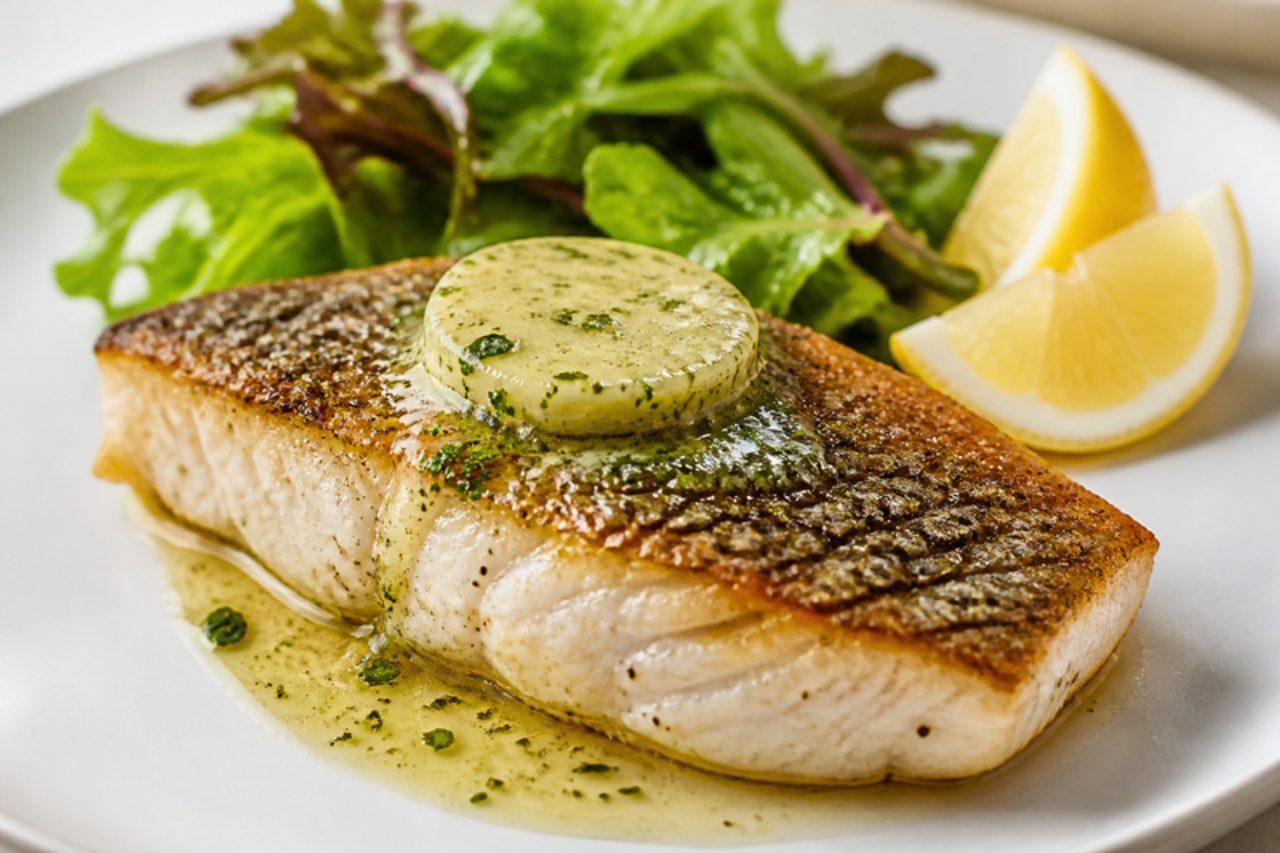
Barramundi is the prize fish of Australia's tropical north, caught in the rivers and estuaries of the Northern Territory and Far North Queensland and served everywhere from Darwin's waterfront to Brisbane pubs. Its firm, sweet white flesh is best cooked simply, skin side down until crisp, then topped with a butter flavoured with lemon myrtle, a native rainforest leaf that tastes like lemon and lemongrass together. Eat it with a green salad, new potatoes or chips on a warm evening. The mistake to avoid is moving the fillets too soon: the skin tears and sticks; leave them until they release by themselves. Chef's tip: dry the skin very well with kitchen paper and salt it just before cooking, never earlier, or it draws out moisture and won't crisp.

by KrazyBadal 0 views

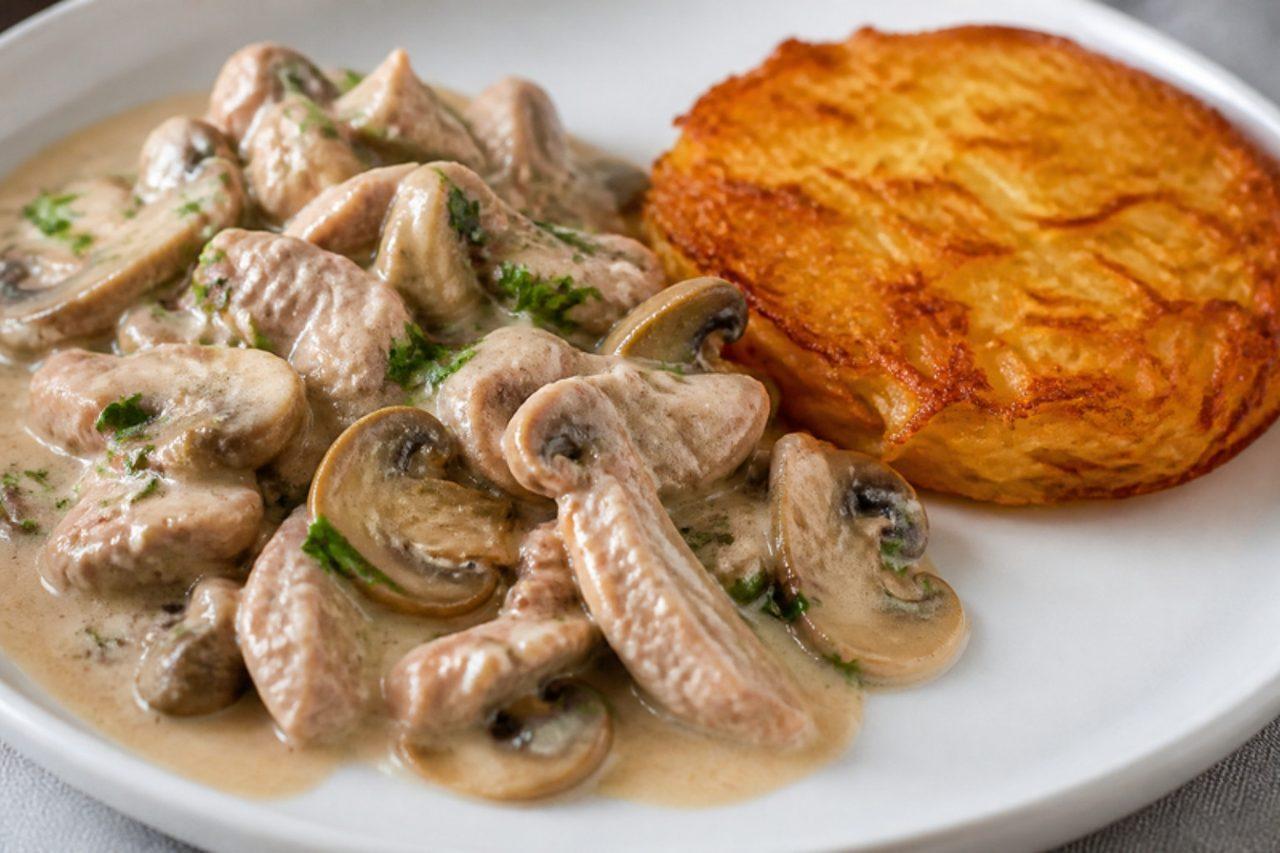
Zürcher GeschnetzeltesSliced veal in mushroom cream sauce

Zürcher Geschnetzeltes is the signature dish of Zurich's old guild restaurants and a favourite Sunday meal in homes across German-speaking Switzerland. Thin strips of veal are seared quickly, then the pan is deglazed with white wine and finished with cream and mushrooms into a pale, glossy sauce, and the whole thing is served beside a golden, crisp rösti. The wine adds alcohol (most cooks it off); for an alcohol-free version use the same amount of chicken stock with 1 teaspoon of lemon juice. The usual error is cooking the veal in the sauce until it toughens; sear it fast, take it out, and only warm it through at the end. Chef's tip: boil the potatoes for the rösti a day ahead and chill them; cold, firm potatoes grate cleanly and fry up crisp.

65 minSwissMeatGluten free
by KrazyBadal 0 views

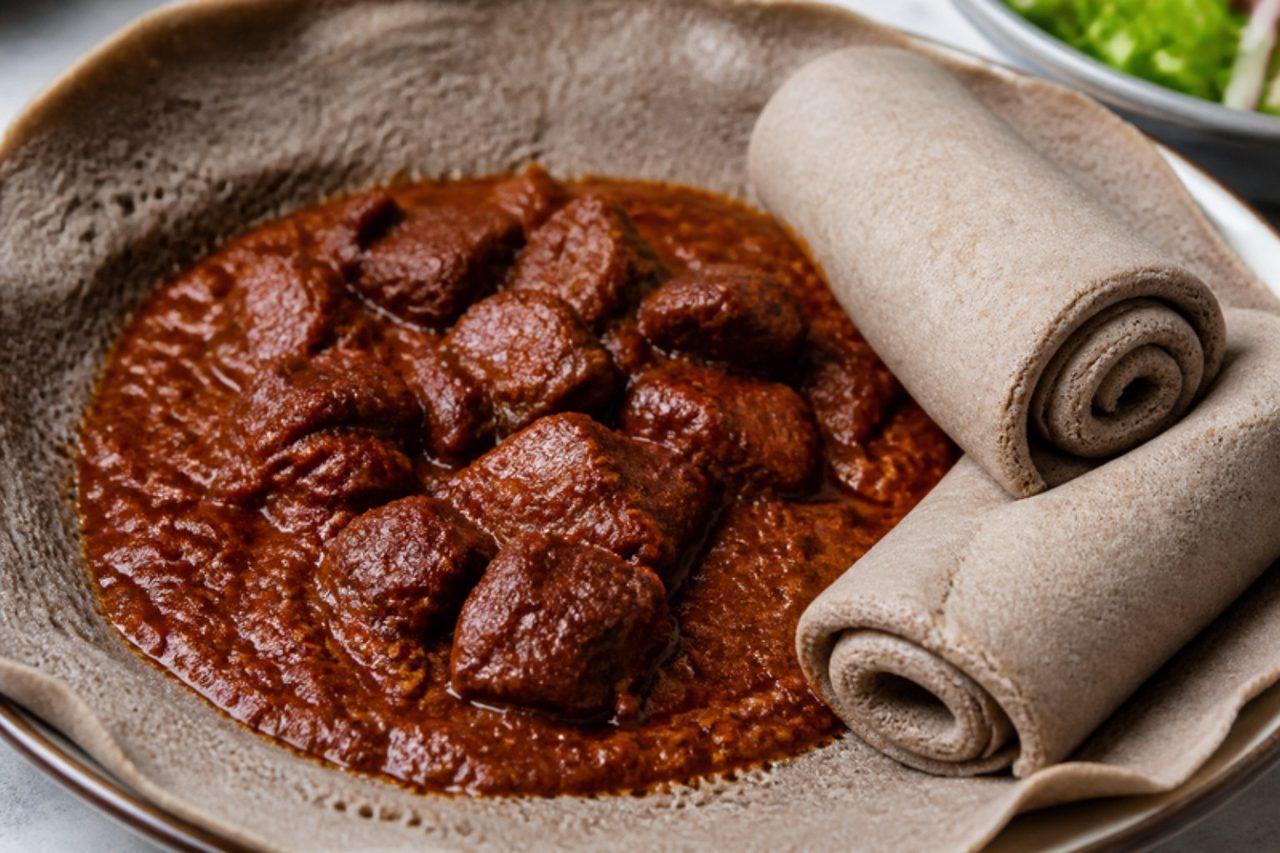
ZigniSpicy beef stew

Zigni is the signature stew of Asmara and the Eritrean highlands, served on a wide platter of injera at weddings, Sunday lunches and the end of fasts. Red onions are cooked slowly in a dry pot until they collapse, then berbere, garlic, ginger and tomato go in, followed by beef that simmers until tender in a deep red, peppery sauce finished with spiced butter (tesmi). The mistake is rushing the onions: they must cook down for a good 20 minutes to give the sauce its sweet base. Chef's tip: the onions start in a dry pan with no oil, the traditional way; stir them often and add a splash of water if they catch.

120 minEritreanMeatGluten freeSpicy
by KrazyBadal 0 views

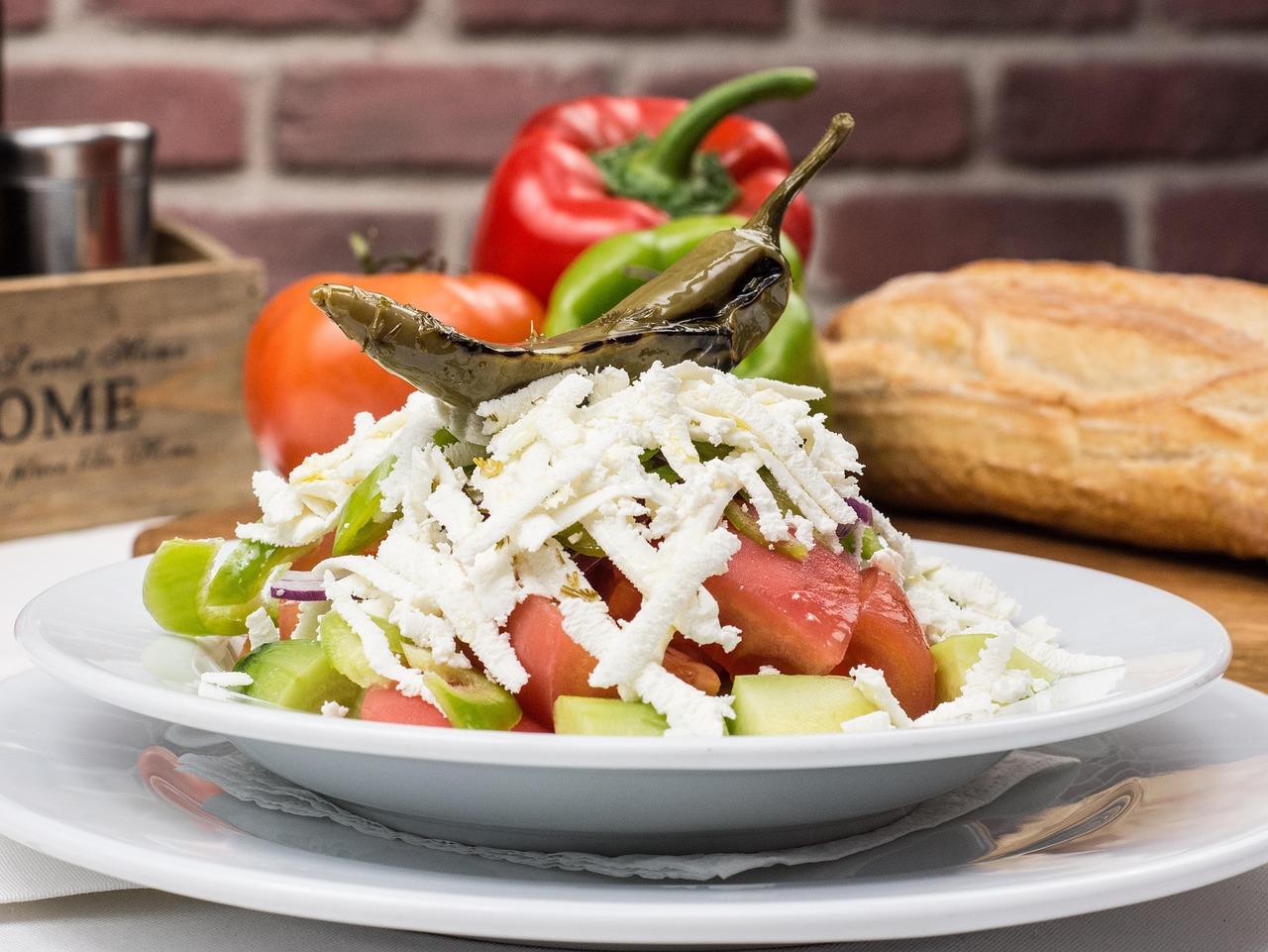
Shopska salad

Shopska salata is named after the Shopi people of the Sofia region and has become Bulgaria's national salad, the first thing ordered at any mehana (tavern) with a cold glass of rakia. Ripe tomatoes, cucumber, onion and soft roasted peppers are dressed simply with sunflower oil and vinegar, then buried under finely grated sirene, the Bulgarian white brined cheese, so the top looks like fresh snow. Unlike a Greek village salad, there are no olives and the cheese is grated, not in a slab. Chef's tip: salt and dress the vegetables before the cheese goes on; dressing over the cheese is the common mistake and turns the white snow soggy.

by KrazyBadal 0 views

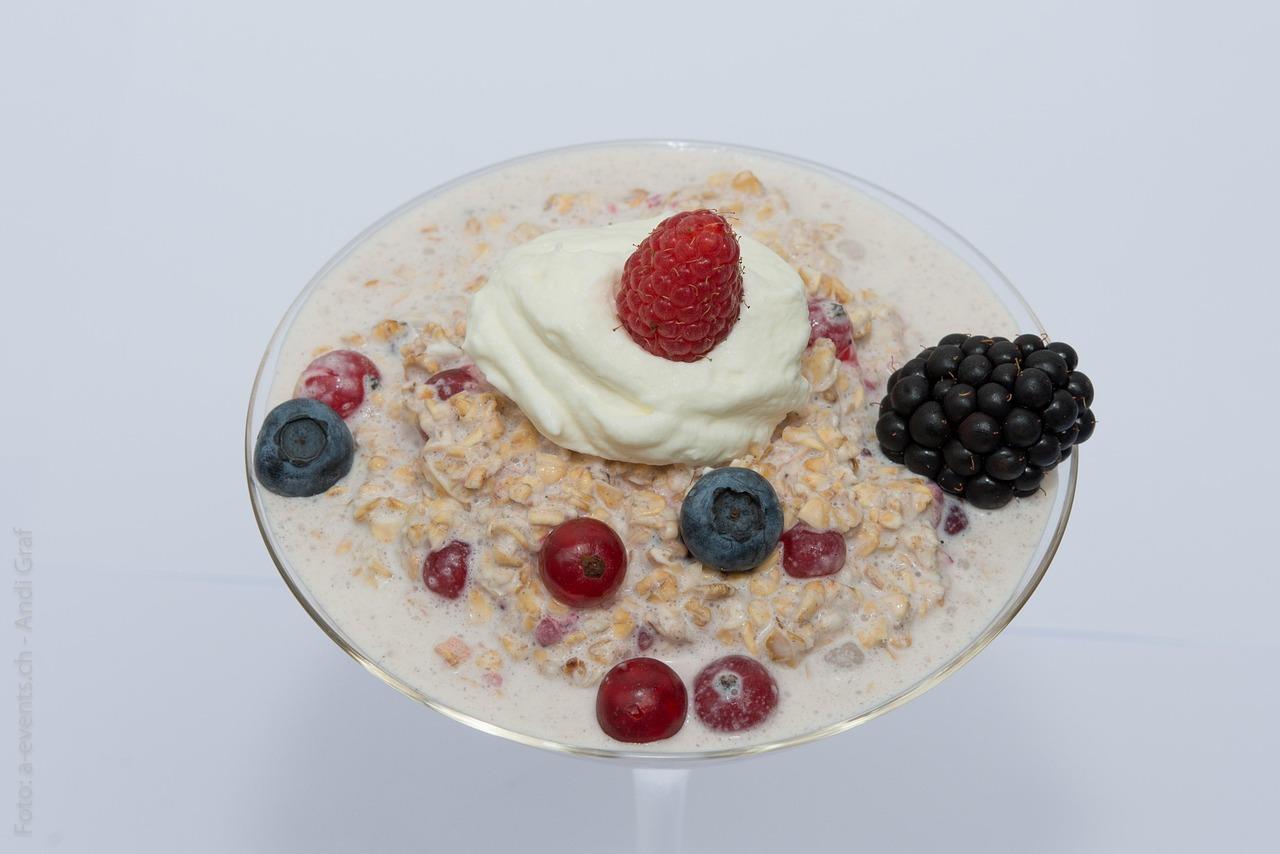
Bircher muesli

Around 1900 the Zürich doctor Maximilian Bircher-Benner served his sanatorium patients a small bowl of raw food before every meal, which he called d'Spys (the dish): a spoonful of soaked oats, plenty of grated apple, lemon juice, nuts and condensed milk. His original was mostly apple, not mostly oats, and that is what sets it apart from the dry muesli mix sold in packets. Swiss cafés and railway kiosks still serve Birchermüesli for breakfast or a light supper, creamy, sharp and fresh, now often with yogurt and berries. This version keeps his balance: oats soaked overnight, a whole apple grated in at the last moment, lemon, hazelnuts and a little honey and yogurt. Chef's tip: grate the apple straight into the lemon juice, skin and all, and stir at once; it stays pale and juicy instead of turning brown.

by KrazyBadal 0 views

Dulce de lecheMilk caramel

Dulce de leche is Argentina's national sweet, spread on toast at breakfast, sandwiched in alfajores, rolled into panqueques and spooned onto flan. Argentine families traditionally make it by slowly cooking milk and sugar with a vanilla pod and a pinch of bicarbonate of soda, which helps it turn deep brown, until it becomes a thick, glossy caramel cream. It takes about three hours of gentle cooking and regular stirring. Chef's tip: use a wide, heavy pan and keep the heat low; the wider the surface, the faster the milk reduces, and the less it catches on the bottom.

by KrazyBadal 0 views

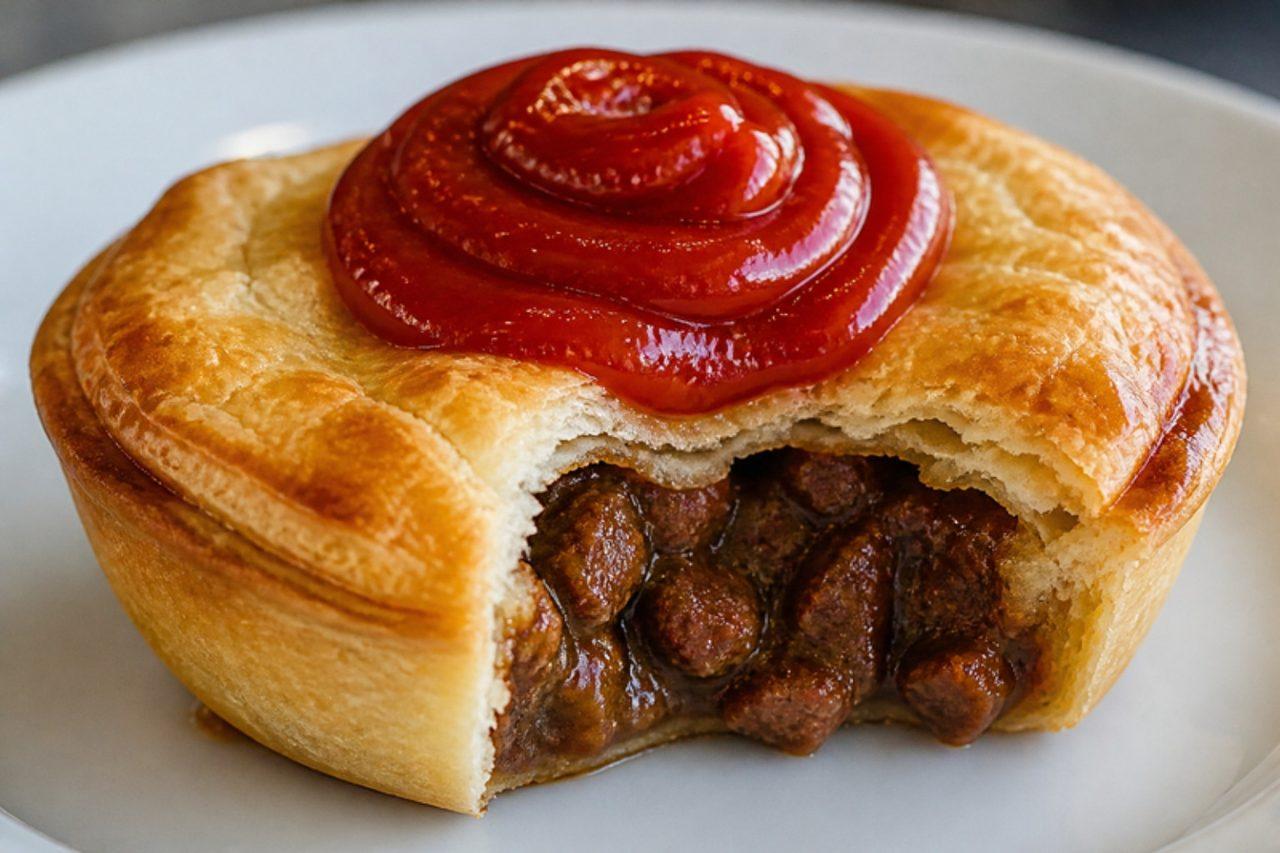
Aussie meat pie

Half-time at the MCG, a country-town bakery at 7 am, a servo on a long drive: the meat pie is Australia's everyday hand-held meal, eaten straight from its paper bag with a squirt of tomato sauce. A sturdy shortcrust base holds minced beef in thick, peppery gravy, and a flaky puff pastry lid shatters on the first bite. Making them at home takes a little time, but the filling can be cooked a day ahead. The mistake behind a soggy base is filling the pastry with hot mince; let the filling cool completely in the fridge first. Chef's tip: cook the filling until it is thicker than you think it needs to be; a loose gravy boils over and leaks through the base.

by KrazyBadal 0 views

AlcapurriasGreen banana and taro fritters

Drive along the coast road at Piñones in Loíza on a weekend and the beach kiosks are frying alcapurrias by the tray, each one wrapped in paper with a dash of chilli vinegar. The shell is a masa of grated green banana and yautía (taro root), coloured with annatto oil, that fries to a crisp crust with a soft, almost creamy inside; the filling here is a well-seasoned beef picadillo. They are a Loíza tradition with roots in the town's Afro-Puerto Rican cooking. The common mistake is frying warm, wet masa, which spreads and falls apart in the oil; chill it until firm. Chef's tip: shape them on a piece of greaseproof paper or banana leaf brushed with annatto oil, then slide each one straight off into the pan.

by KrazyBadal 0 views

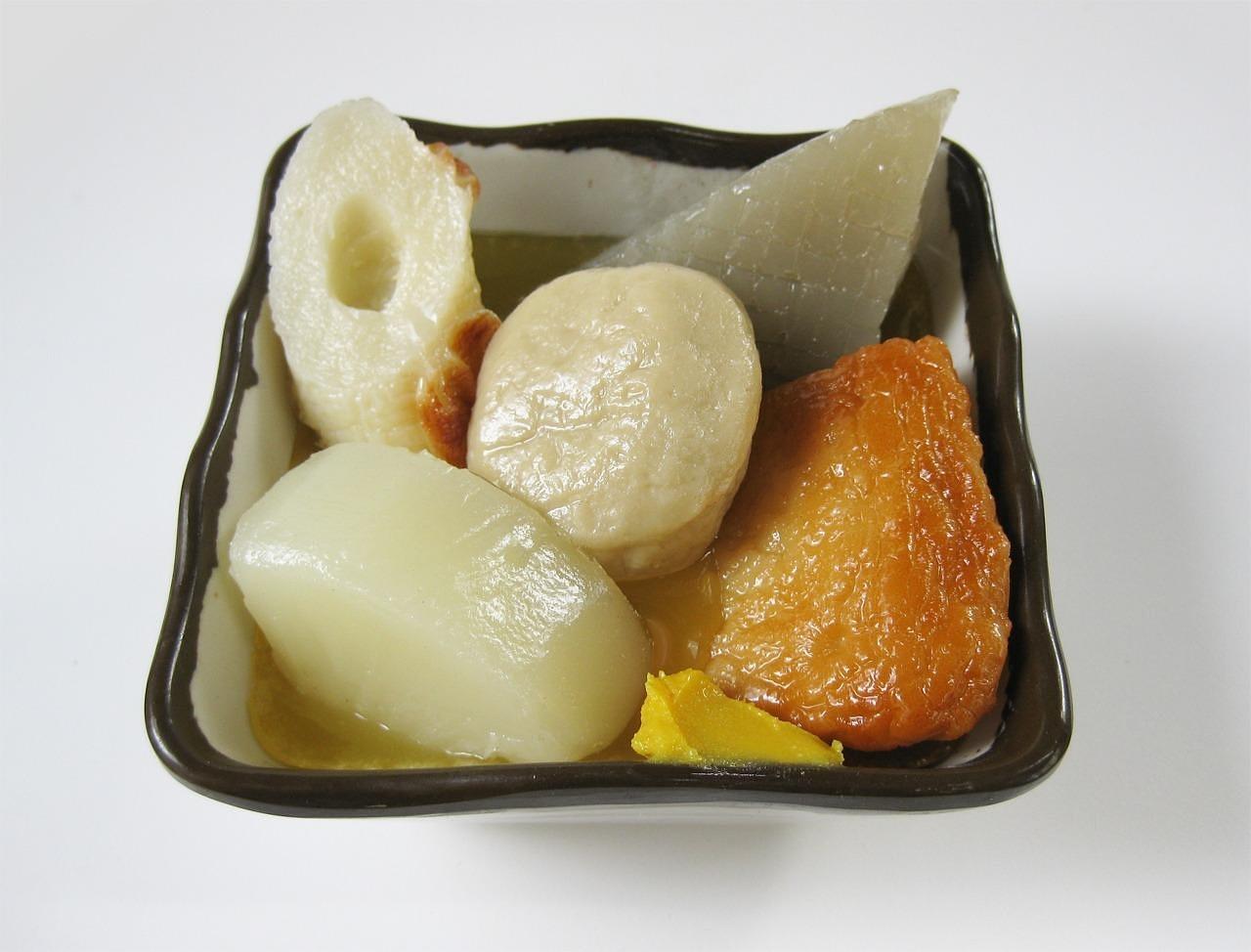
Oden (Tokyo style)

When the evenings turn cold, Tokyo's convenience stores set out steaming trays of oden by the till, and small oden bars and street stalls fill up with office workers. Tokyo's style uses a darker, soy-seasoned dashi than the paler Kansai one, and it includes chikuwabu, a chewy tube of wheat dough that is rarely seen outside the Kanto region. Everything simmers gently for a long time, so the daikon turns translucent and soaks up the broth. Serve it straight from the pot with a dab of hot Japanese mustard. Chef's tip: make oden a day ahead and let it cool in the broth overnight; the daikon and eggs take on far more flavour as they cool than while they boil.

by KrazyBadal 0 views

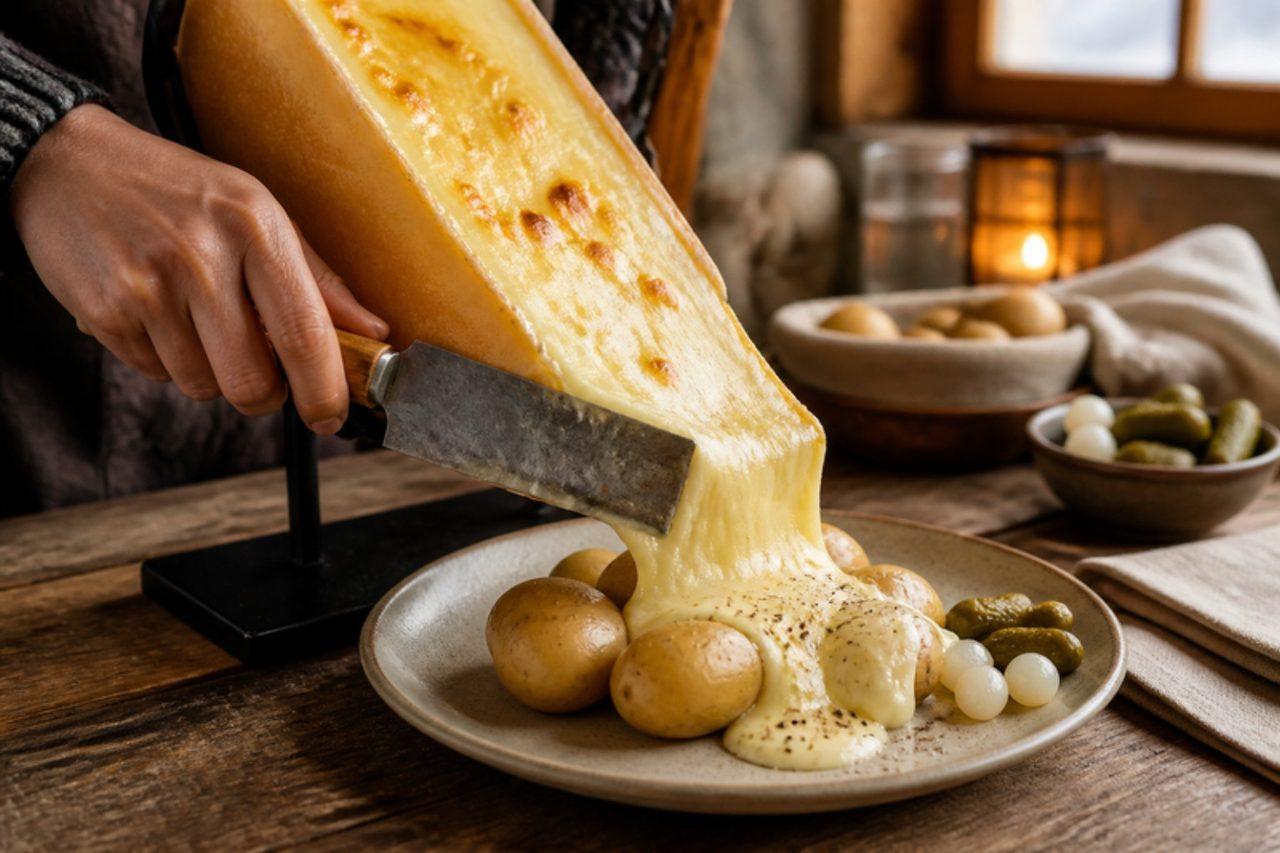
Raclette

In the Valais, the vineyard-and-glacier canton along the upper Rhône, raclette began as a herders' meal: half a wheel of cheese propped beside an open fire, the melting face scraped (racler) onto a plate of potatoes. Today Valais families and village festivals still serve it the slow way, one plate at a time, while at home most people use a tabletop grill with small pans. The cheese is soft and pungent from the wheel and turns sweet and nutty as it bubbles, set off by sharp cornichons and little pickled onions. A proper Valais raclette needs nothing else: no charcuterie, just potatoes, pickles, pepper and a glass of Fendant or hot tea. Raclette cheese is usually made with animal rennet; choose a wheel or slices labelled with microbial or vegetarian rennet. Chef's tip: keep the potatoes hot in a covered basket wrapped in a cloth, so each scoop of cheese lands on a steaming potato and stays runny.

by KrazyBadal 0 views

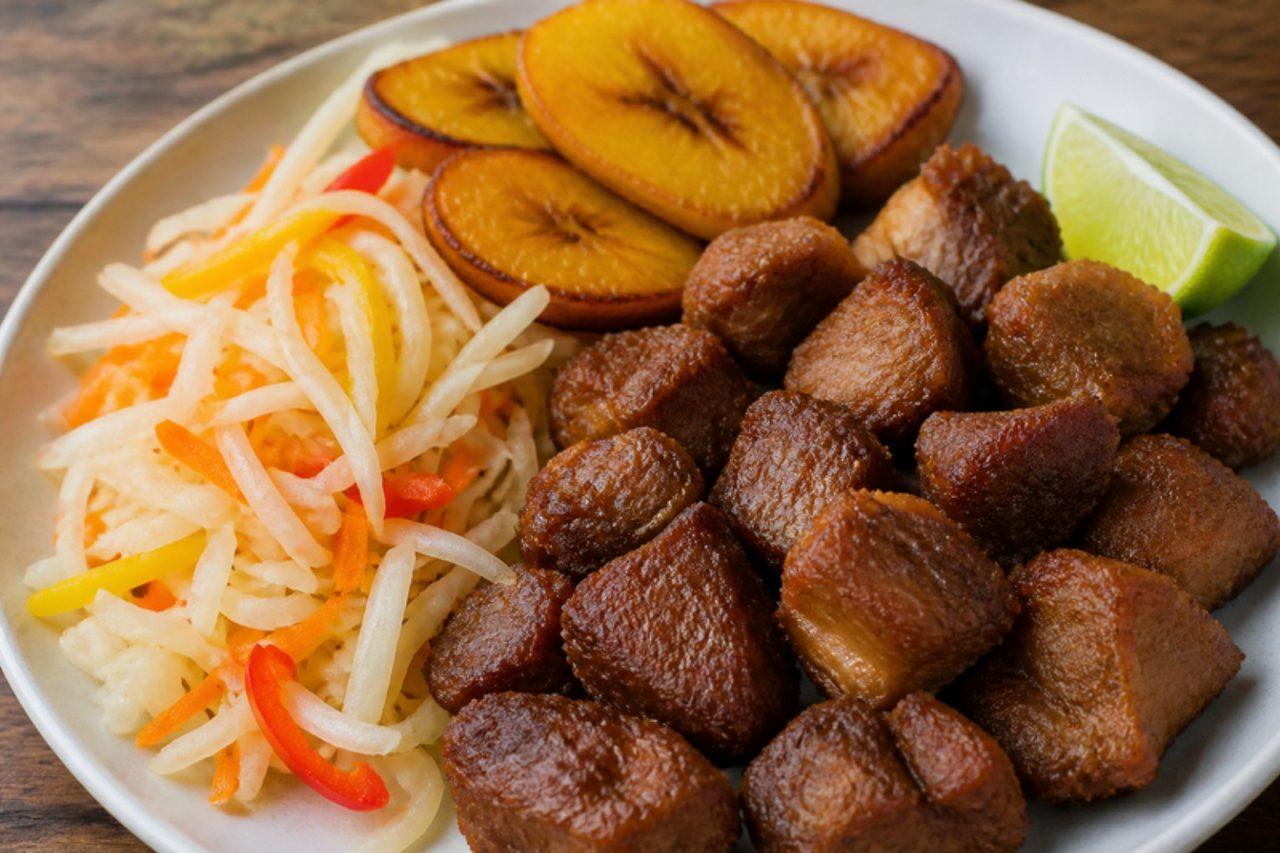
Griot with pikliz

Griot is Haiti's party food: it is piled on platters at weddings, first communions and Saturday-night fritay stalls in Port-au-Prince, always with pikliz, a crunchy, very hot pickle of cabbage, carrot and Scotch bonnet. Chunks of pork shoulder soak up a green epis marinade of sour orange, herbs and garlic, simmer until tender and then fry until the outside turns dark and crisp. This is a pork dish. Serve it with fried plantain (bannann peze) and rice with beans. The mistake that ruins the crust is frying the pork straight from the pot while still wet; it spits and steams instead of browning, so drain and dry the pieces first. Chef's tip: make the pikliz at least a day ahead; after a night in the fridge the heat softens and spreads through the vinegar.

140 minHaitianMeatGluten freeSpicy
by KrazyBadal 0 views

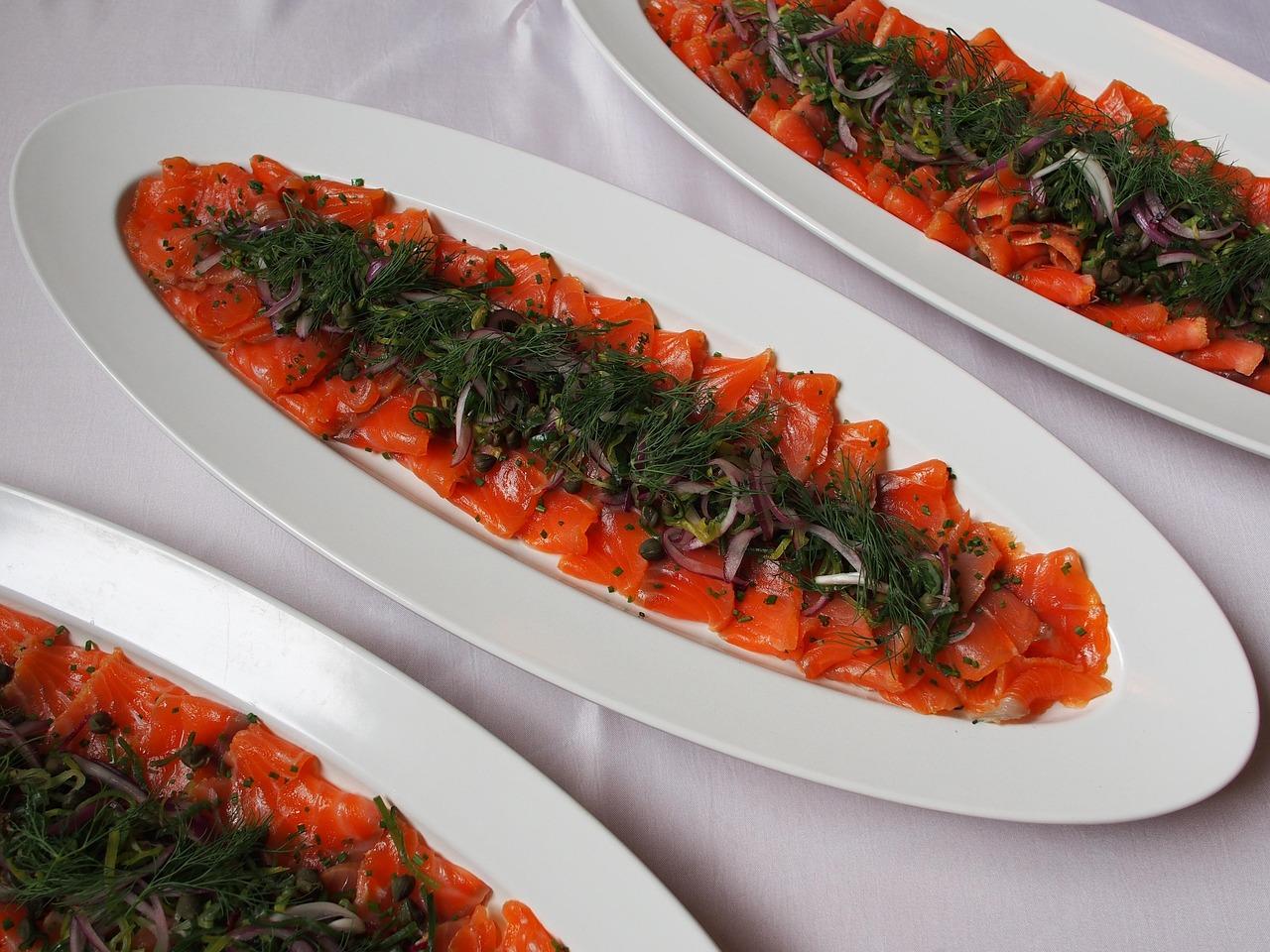
Gravlax with mustard-dill sauce

Along the coasts of Norway and Sweden, gravlax is the centrepiece of Christmas and Easter buffets and a favourite on open sandwiches through the year. A side of salmon is pressed under salt, sugar, dill and white pepper for two days in the fridge, which firms the flesh and turns it silky, then it is sliced paper-thin and served with a sweet mustard-dill sauce, rye bread or boiled new potatoes. This is cured, not cooked, fish: use very fresh salmon that has been previously frozen (or freeze it yourself at -18 °C for at least 4 days, then thaw in the fridge) to kill any parasites, and it is not suitable for pregnant women, young children or anyone with a weakened immune system. A frequent error is slicing it thick and straight down; cut long, thin slices at a low angle towards the tail. Chef's tip: turn the parcel every 12 hours and baste with the brine it releases so the cure is even on both sides.

by KrazyBadal 0 views

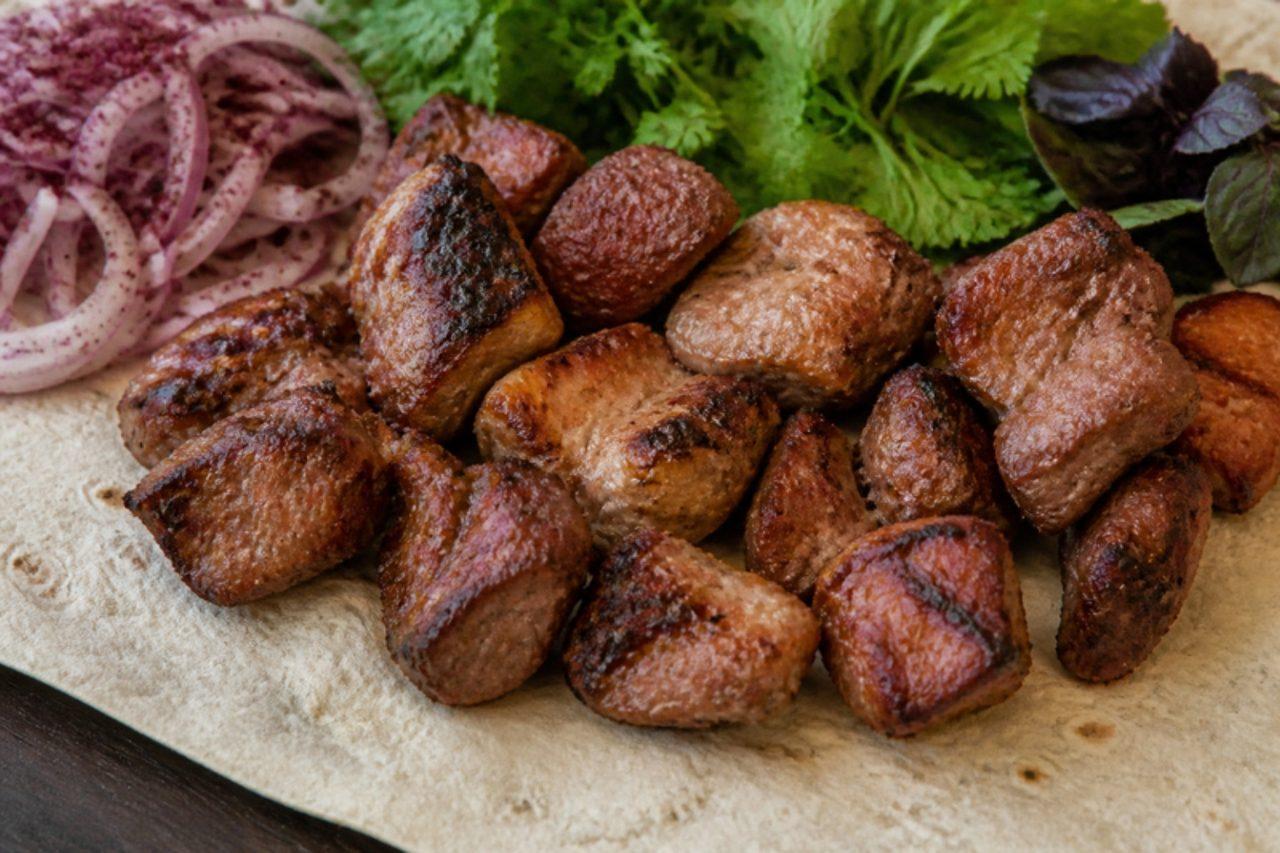
Pork khorovats

Khorovats is the centre of every Armenian summer weekend, whether at a family dacha near Yerevan or a picnic by Lake Sevan: big chunks of meat on long flat skewers, grilled over vine or apricot wood. This version uses pork (it contains pork) from the neck or shoulder, which stays juicy over fire; boneless lamb leg works the same way with 2–3 minutes less cooking. The marinade is just onion, black pepper, a little paprika and herbs, and the meat is served with raw onion, flat lavash and a plate of grilled vegetables. A frequent mistake is cutting the pieces small; at under 4 cm they dry out before the outside browns. Chef's tip: lay a sheet of lavash over the finished skewers for a minute so it soaks up the juices, then eat the bread too.

by KrazyBadal 0 views

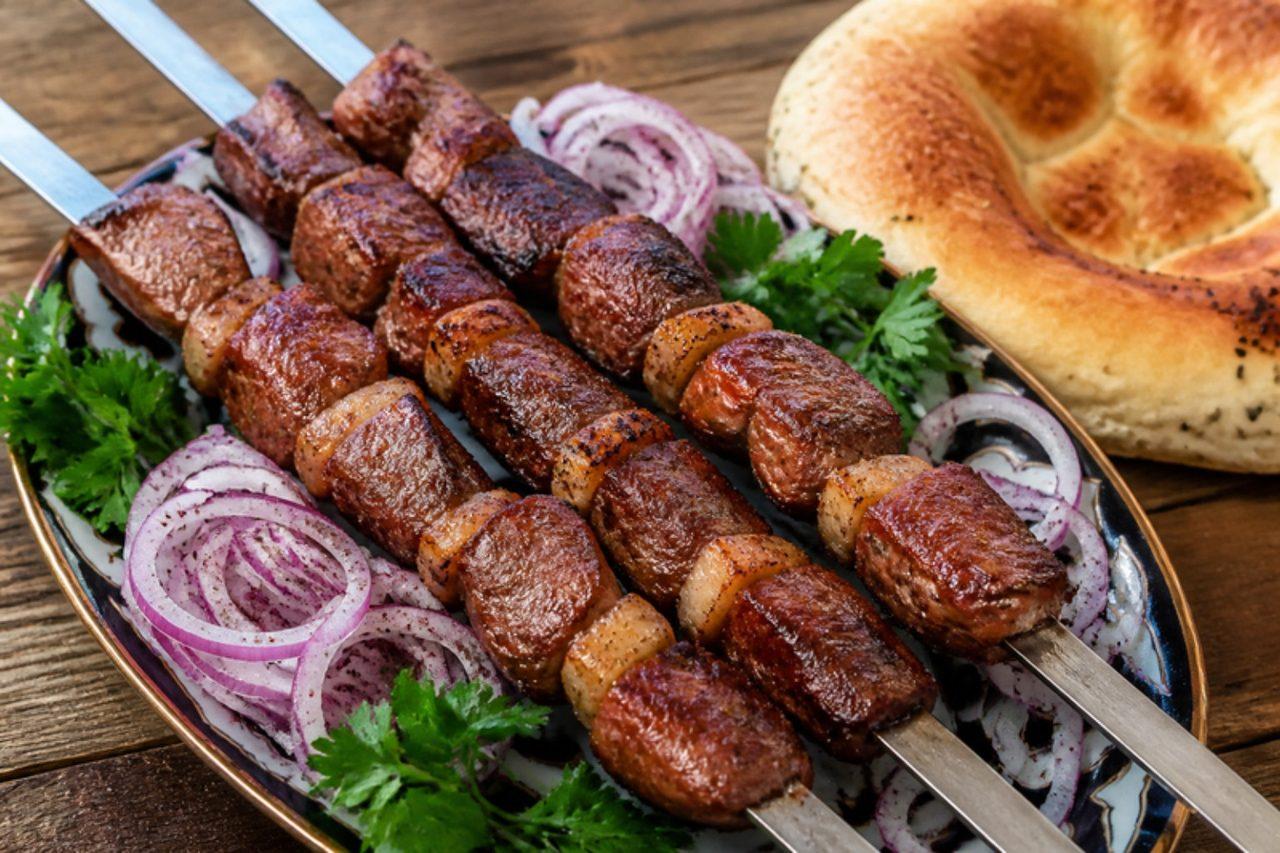
Uzbek lamb shashlik

Walk past any chaikhana (teahouse) in Samarkand or Bukhara in the evening and you will smell shashlik: chunks of lamb, threaded with little cubes of tail fat, grilled over charcoal and fanned with a piece of cardboard. They arrive on long flat skewers with a heap of raw onion soaked in vinegar, a round of non bread and green tea. The marinade is simple, just onion, cumin, black pepper and salt, so the flavour comes from good lamb and real fire. The usual slip is to pack the meat tightly on the skewer, which steams the middle instead of searing it; leave a little gap between pieces. Chef's tip: grate the onion for the marinade rather than slicing it; the juice tenderises the lamb in a few hours.

40 minUzbekMeatGluten free
by KrazyBadal 0 views

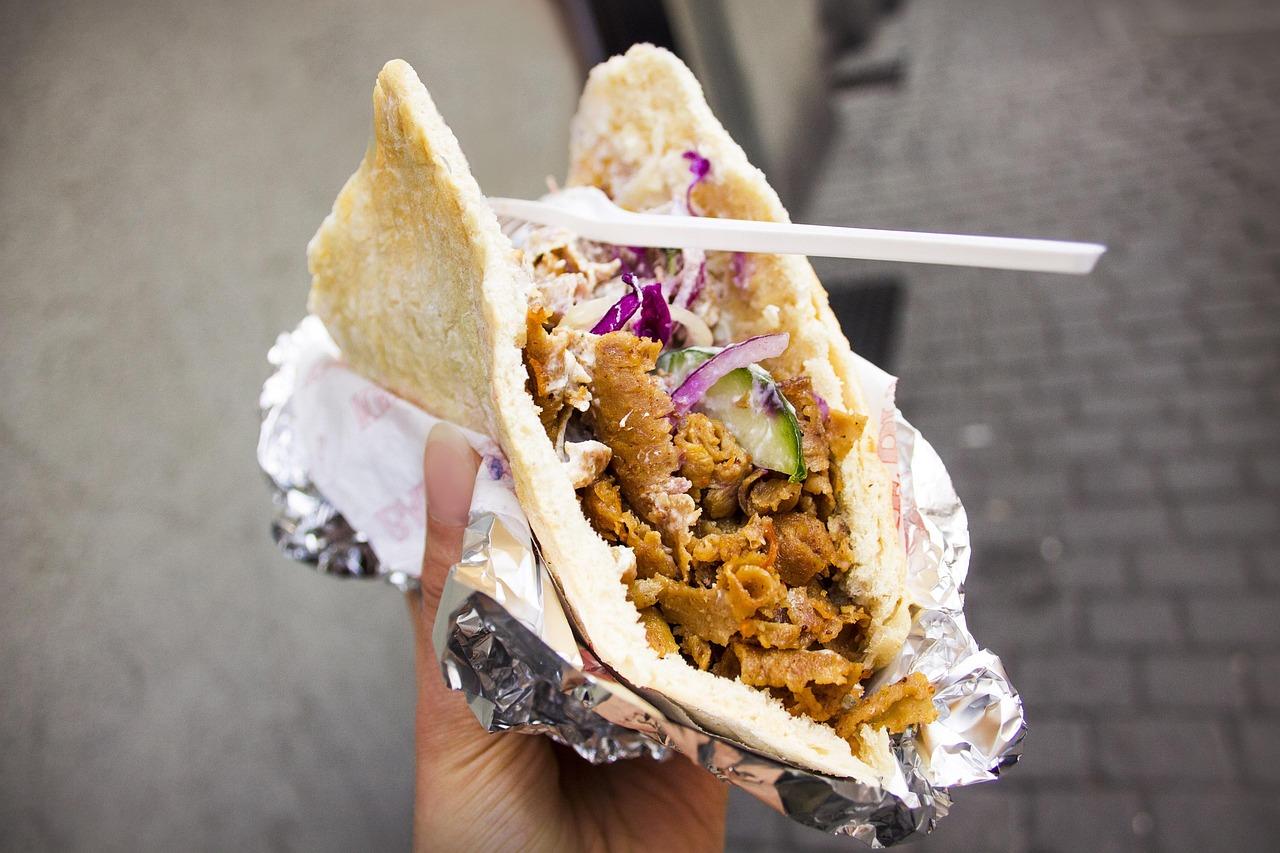
Chicken shawarma

In Riyadh, Dubai and Kuwait City, chicken shawarma is the late-evening street food, carved from a turning spit and wrapped in thin bread with toum garlic sauce, pickles and chips tucked inside, Gulf style. At home, thighs marinated in yogurt, lemon and warm spices are roasted at a high heat until charred at the edges, then sliced thinly. Chef's tip: give the chicken a final blast under a hot grill after slicing; it recreates the crisp edges of the spit.

by KrazyBadal 0 views

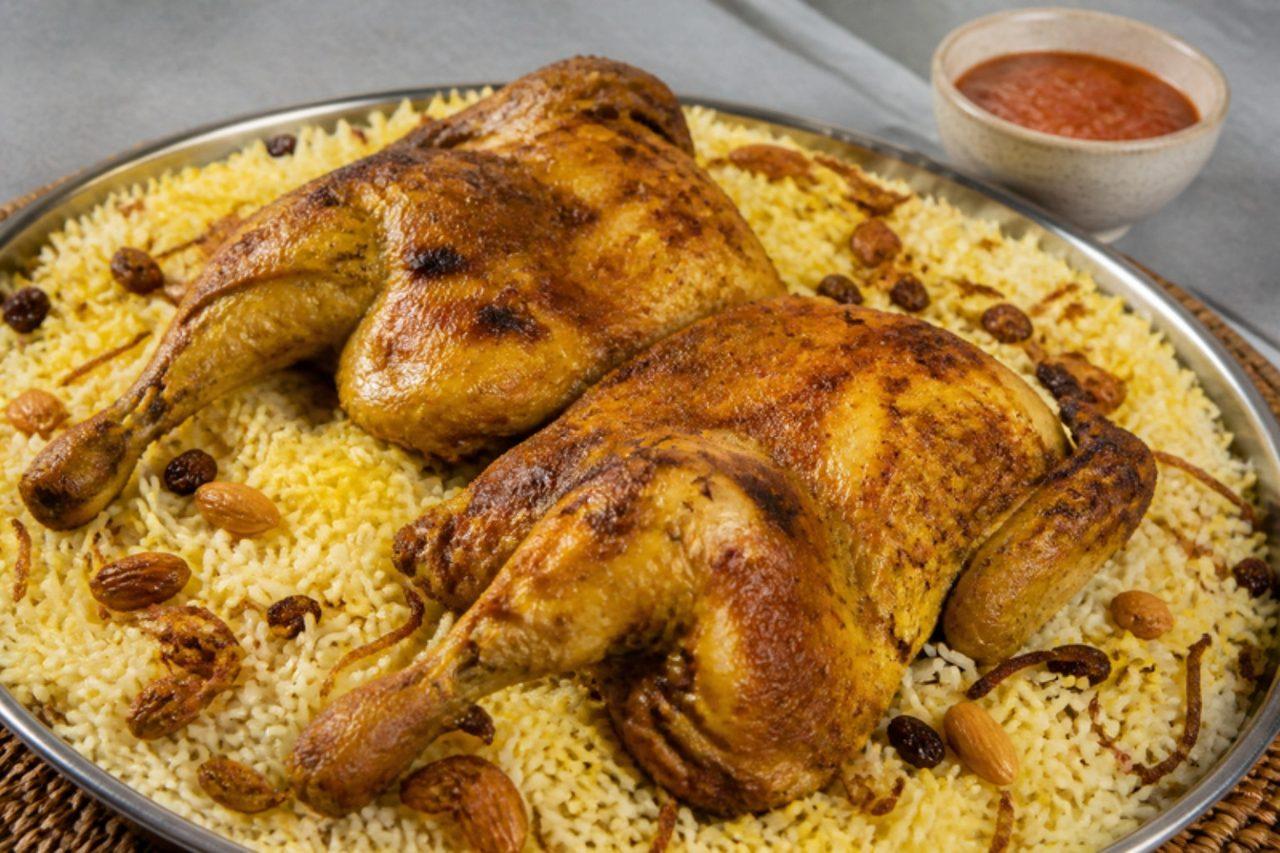
Chicken mandi

Mandi comes from the Hadramaut in Yemen, where meat was slow-cooked in a pit oven above the rice, and today mandi restaurants with long floor cushions are found all over Saudi Arabia and the Gulf, especially busy on Friday afternoons. Spiced chicken roasts until the skin is deep golden, the rice cooks in its stock with whole spices, and a final burst of smoke from a glowing piece of charcoal gives the dish its signature flavour. Serve with a fresh tomato and chilli salsa (sahawiq). Chef's tip: the charcoal step is optional but worth it; do it with the extractor on and a window open, and never leave the burning coal unattended.

by KrazyBadal 0 views

Typhoon shelter crab

Typhoon shelter crab comes from the boat people of Causeway Bay, who cooked for visitors on sampans moored in the harbour's storm shelters, and Hong Kong restaurants still serve it piled under a golden mountain of fried garlic. Crab pieces are dusted in starch and fried, then tossed in a wok with a huge amount of crisp garlic, dried chilli, fermented black beans and spring onion. Chef's tip: fry the garlic slowly over a medium heat; it should turn golden and crunchy, never dark, or it tastes bitter.

by KrazyBadal 0 views

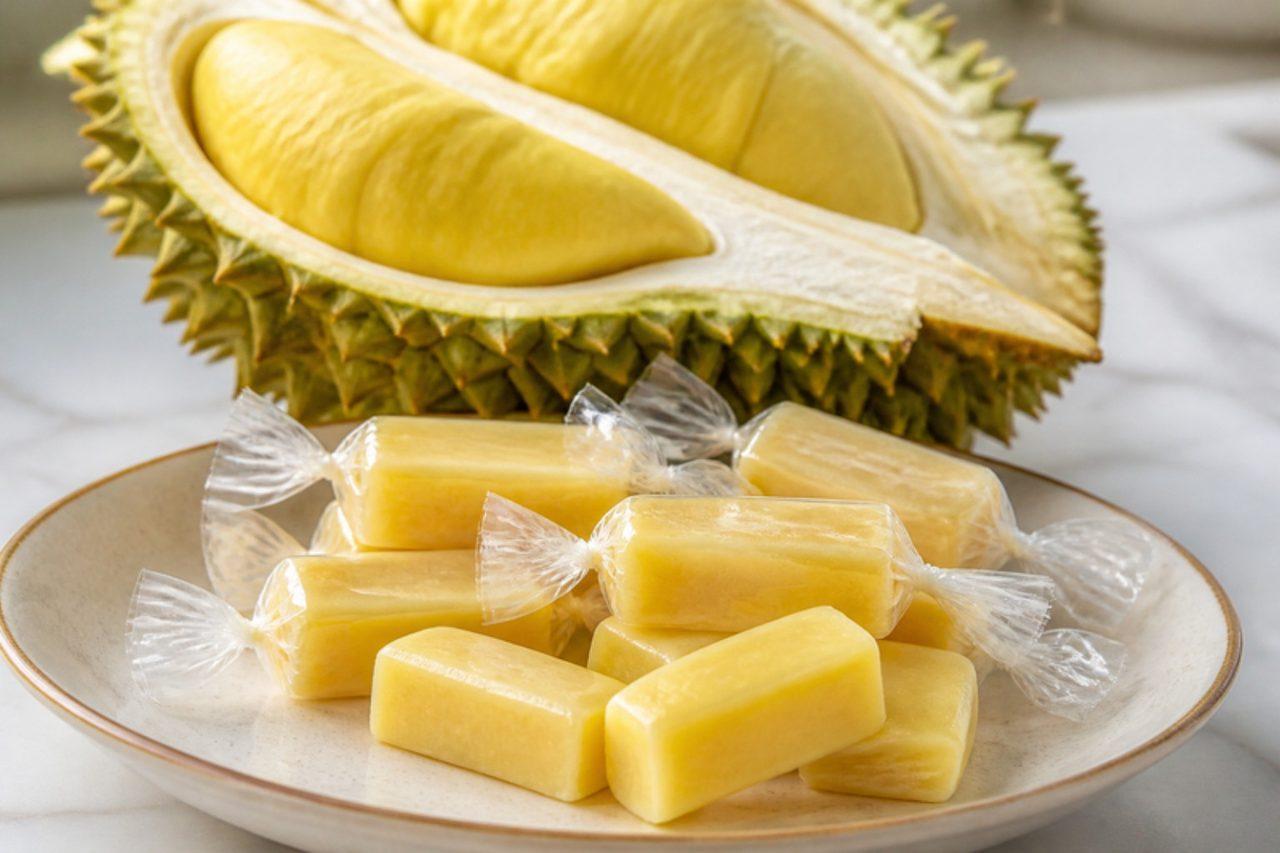
Durian candyDurian milk fudge

Davao City on Mindanao is the Philippines' durian capital, and its roadside stalls sell the fruit by the kilo next to boxes of durian candy for travellers who can't carry a whole one home. Ripe durian pulp is cooked slowly with condensed milk, sugar and butter until it becomes a dense, chewy fudge that tastes of caramel, custard and that famously strong fruit. Chef's tip: frozen durian pulp works perfectly; thaw it fully and pick out any seeds and fibrous bits before you start.

by KrazyBadal 0 views

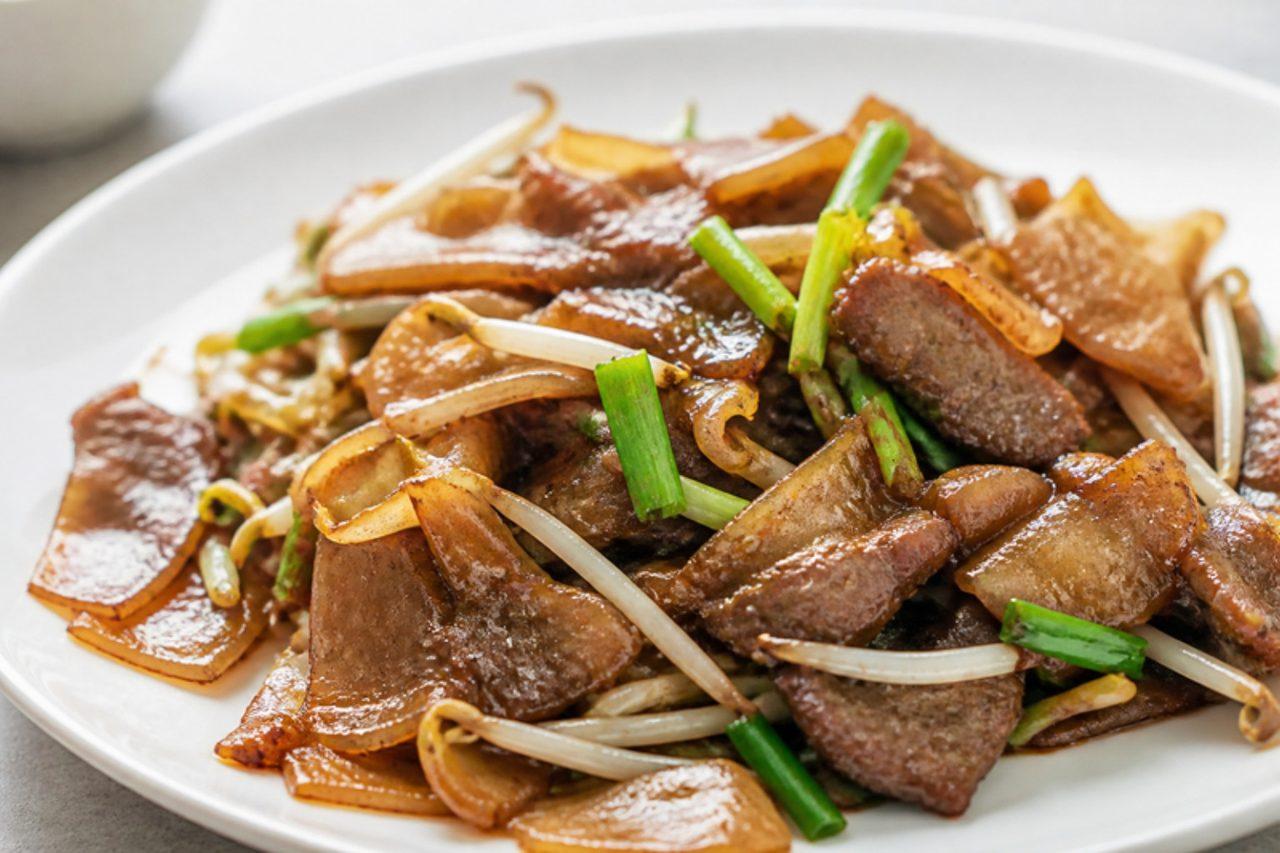
Beef chow fun

Gon chow ngau ho is the test of a Cantonese wok cook, and Hong Kong diners judge a dai pai dong (open-air food stall) or late-night café by it. Wide fresh rice noodles are tossed over a fierce flame with tender, marinated beef, bean sprouts and spring onion in soy sauce until smoky and glossy but never greasy or broken. The beef marinade sometimes includes Shaoxing wine, which contains alcohol; this version uses none. Chef's tip: separate the noodles by hand before cooking and do not stir with a spatula; lift and toss them so they stay whole.

by KrazyBadal 0 views

Baked pork chop rice

Baked pork chop rice is the signature dish of Hong Kong's cha chaan teng, the busy tea cafés that mix Cantonese and Western cooking, and it arrives at the table bubbling in an oval dish. It is a pork dish: tenderised, marinated pork chops are fried golden and laid on egg fried rice, then covered with a sweet-sour tomato sauce with onions and peppers and topped with melted cheese. The marinade traditionally uses Shaoxing wine, which contains alcohol; use 1 tbsp water instead if you like. Chef's tip: score the edge fat and pound the chops; they stay flat and tender.

by KrazyBadal 0 views

Curry fish balls

Curry fish balls are the after-school snack of Hong Kong, sold on bamboo skewers from steaming pots at street stalls in Mong Kok and Sham Shui Po for a few dollars. Springy fish balls simmer in a thick, mildly spicy yellow curry sauce made with curry powder, coconut milk and a little satay sauce, and are eaten straight from the stick while still hot. Chef's tip: simmer the fish balls in the sauce for at least 10 minutes; they need time to soak up the curry.

by KrazyBadal 0 views

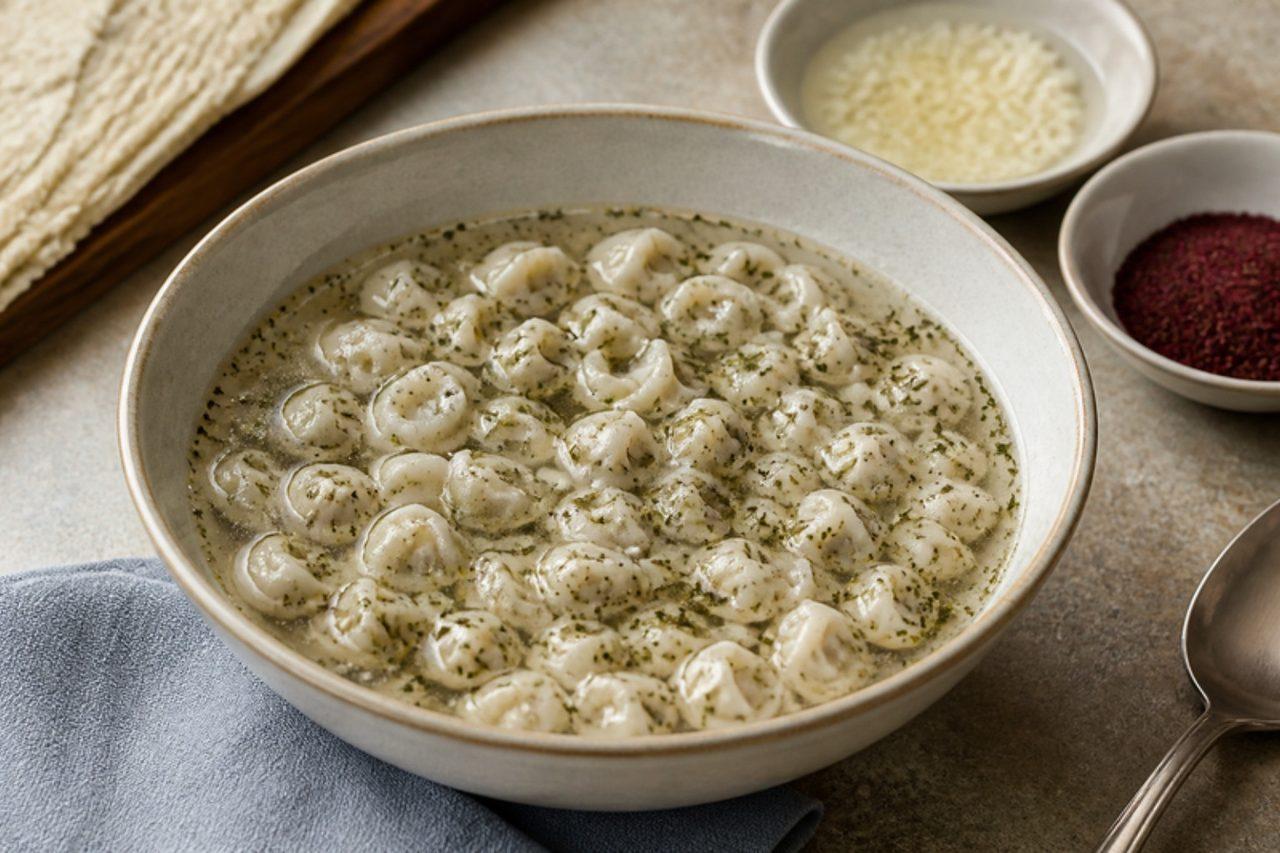
DushbaraTiny lamb dumplings in broth

Dushbara is the test of a patient cook in Azerbaijan: dumplings so small that a dozen fit on a spoon, filled with lamb and onion and served in clear bone broth. Families in Baku and the Absheron towns make them for New Year and Novruz, everyone sitting around the table folding together. At the table each bowl gets dried mint, a little crushed garlic in vinegar, and sumac. Over-filling is the usual problem; too much meat and the edges won't seal, so the dumplings open in the pot. Chef's tip: make the broth from lamb bones the day before and chill it, so you can lift off the fat and the soup stays crystal clear.

by KrazyBadal 0 views

Showing 72 of 10,569 recipes

Show more recipes

Page 1,048 of 1,175