


Skip to content
Nam prik ong
Featured recipe

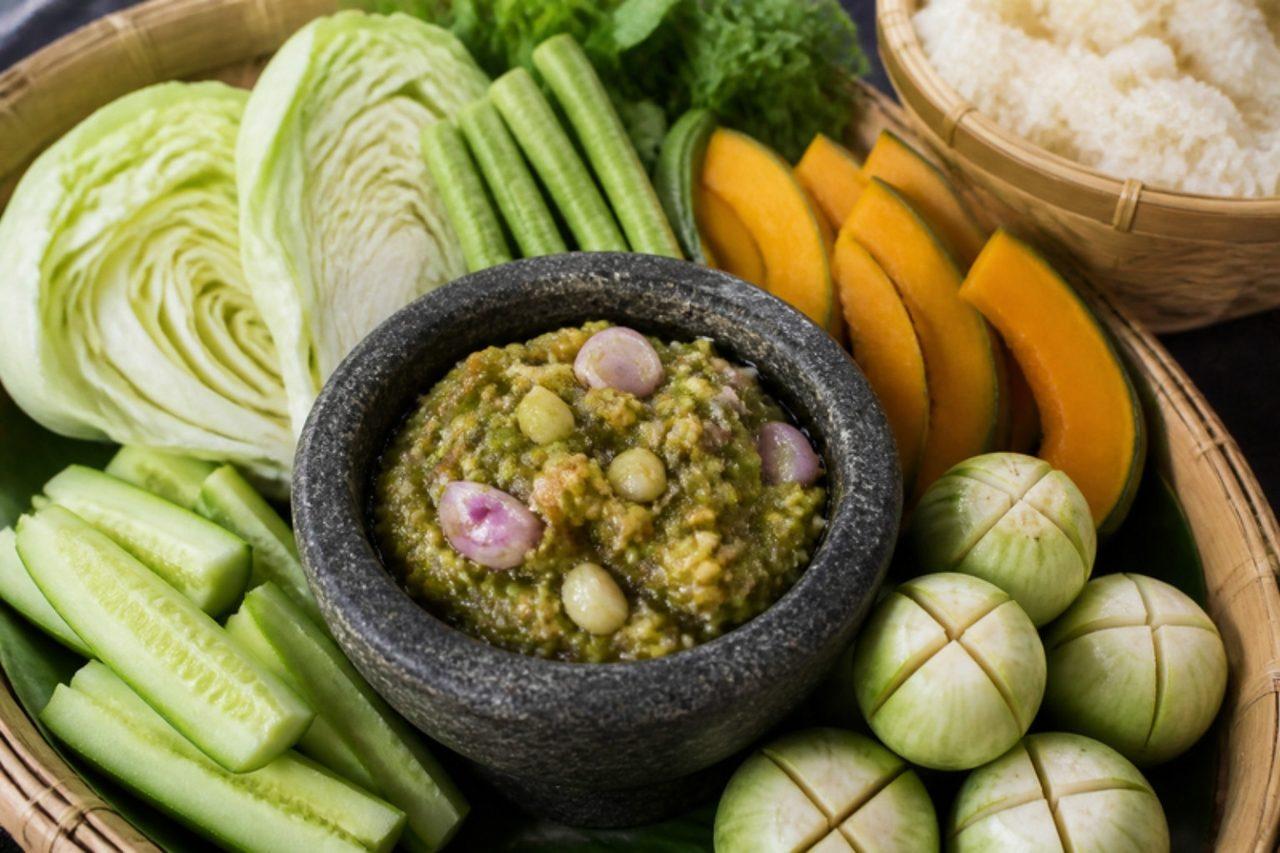
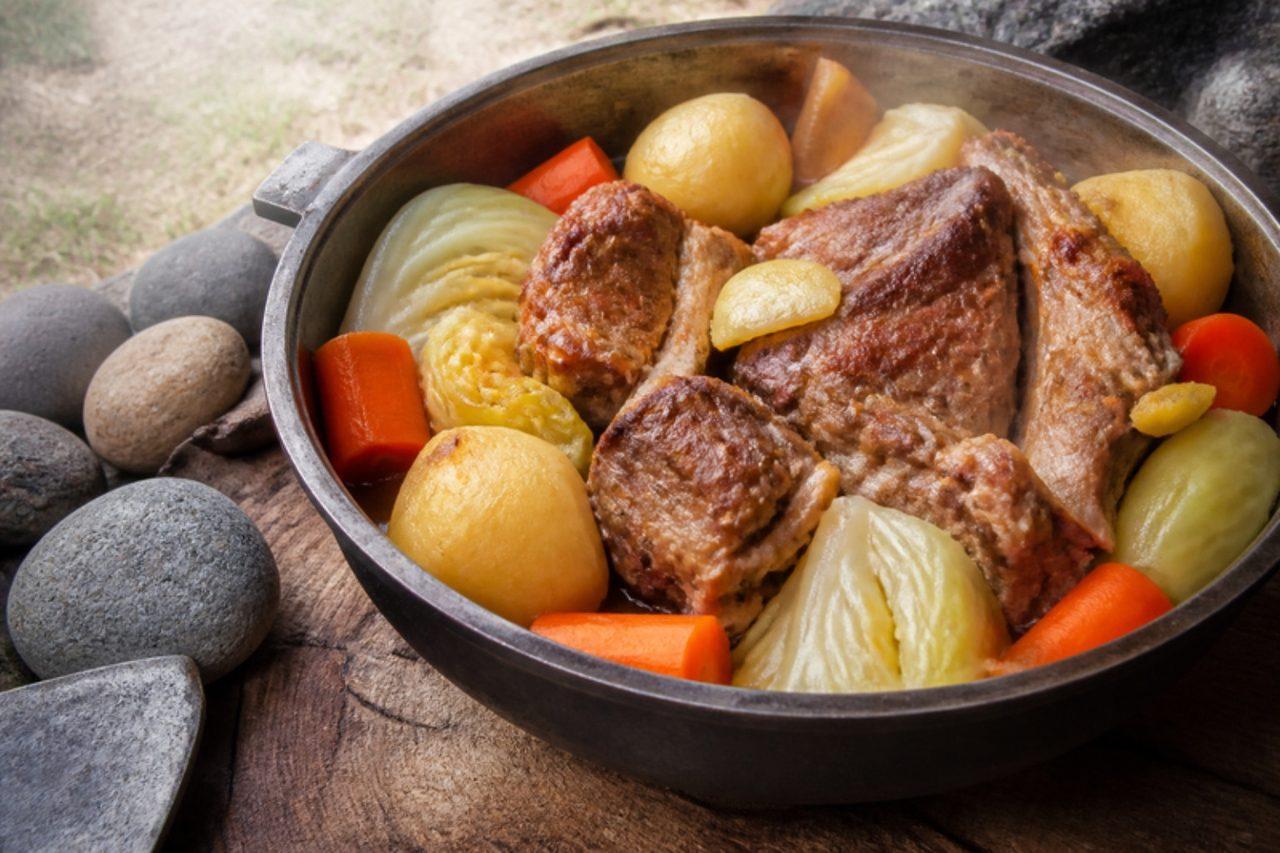
Nam prik ong

Tomato and pork chilli dip

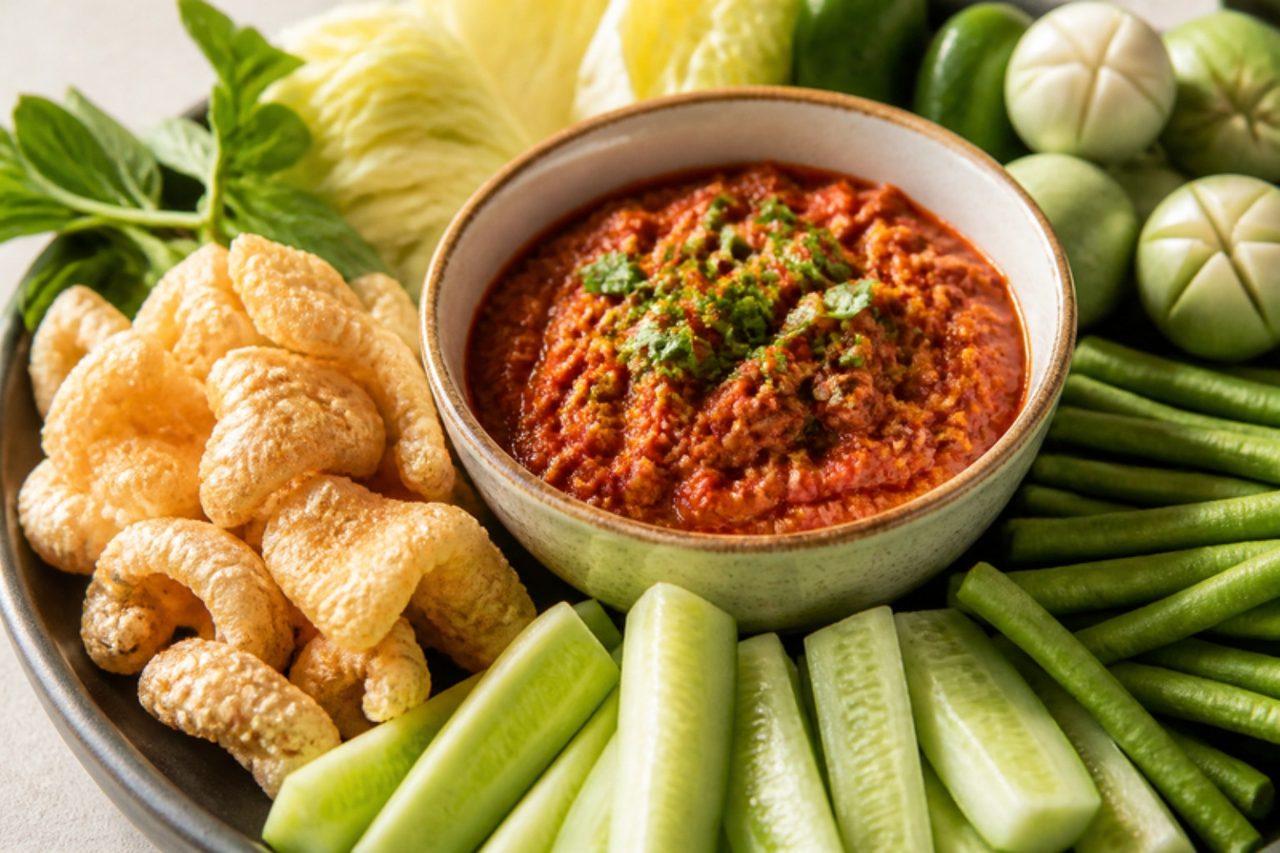
Every khantoke dinner in Chiang Mai sets out a bowl of this brick-red relish beside the sticky rice baskets, and morning markets sell it by the scoop in little plastic bags. It sits somewhere between a chunky meat sauce and a dip: sweet-sour from slow-cooked cherry tomatoes, savoury from shrimp paste and pork, with a gentle chilli warmth rather than a blast. Scoop it up with cucumber, blanched long beans, cabbage wedges and crisp pork crackling, or press a ball of sticky rice into it. Chef's tip: fry the pounded paste in the oil until it darkens and smells toasty before the pork goes in; that is where the deep, roasted flavour comes from.

Read more 0 views

What to eat today?

Around the world

Today's trip: Peruvian

A new country every day, from every cuisine on the site.

Peruvian

Tacacho

Mashed roasted green plantain balls 35 minMore from Peruvian (111) →

This week's collection

Kid-friendly dinners
772 recipes · a new collection every Monday

Coming up

All occasions →

Latest recipes

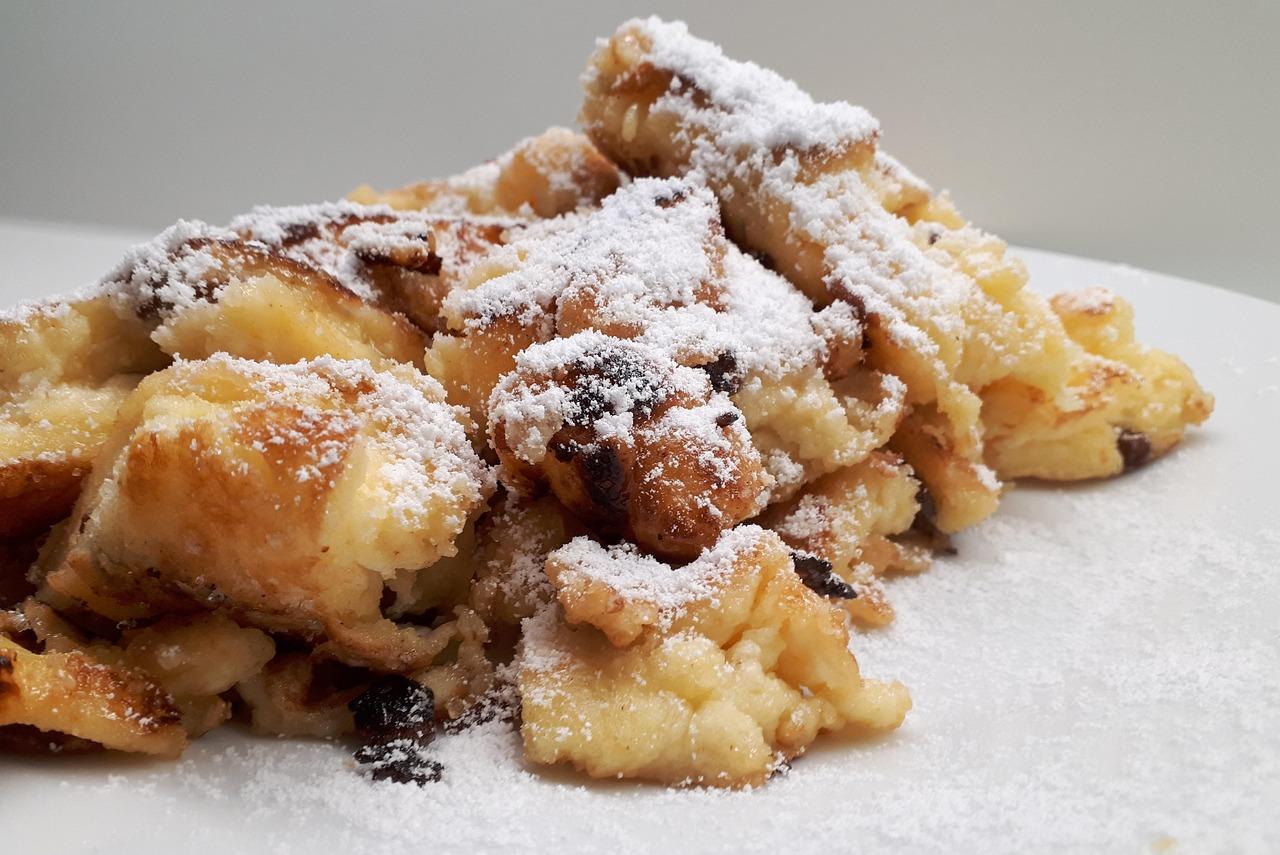
KaiserschmarrnTorn raisin pancake

Kaiserschmarrn, the 'emperor's mess', is Austria's favourite sweet meal, said to have been made for Emperor Franz Joseph, and today it's served from huge pans in every ski hut in Tyrol and Salzburg and in Viennese restaurants. It is a thick, fluffy pancake made with whisked egg whites, torn into rough pieces in the pan with two forks, then caramelised with butter and sugar and heaped with icing sugar. Eat it with Zwetschkenröster (plum compote) or apple sauce. Chef's tip: let the pancake set and brown properly underneath before tearing it up; tear it too early and you get scrambled batter instead of soft, golden pieces.

by KrazyBadal 0 views

KajaikDried fish stew

Kajaik is a stew from the Nile towns of northern Sudan, where fish from the river is salted and sun-dried to keep through the year; it is cooked with plenty of onion, tomato and a spoonful of peanut butter and eaten with aseeda (thick porridge) or kisra. The flavour is deep and savoury, a little like a rich fish curry without the heat. The mistake is not soaking the dried fish long enough, which makes the stew far too salty and the fish tough; soak it overnight and change the water twice. Chef's tip: if you can't find dried Nile fish, salted dried cod (bacalao) works well.

by KrazyBadal 0 views

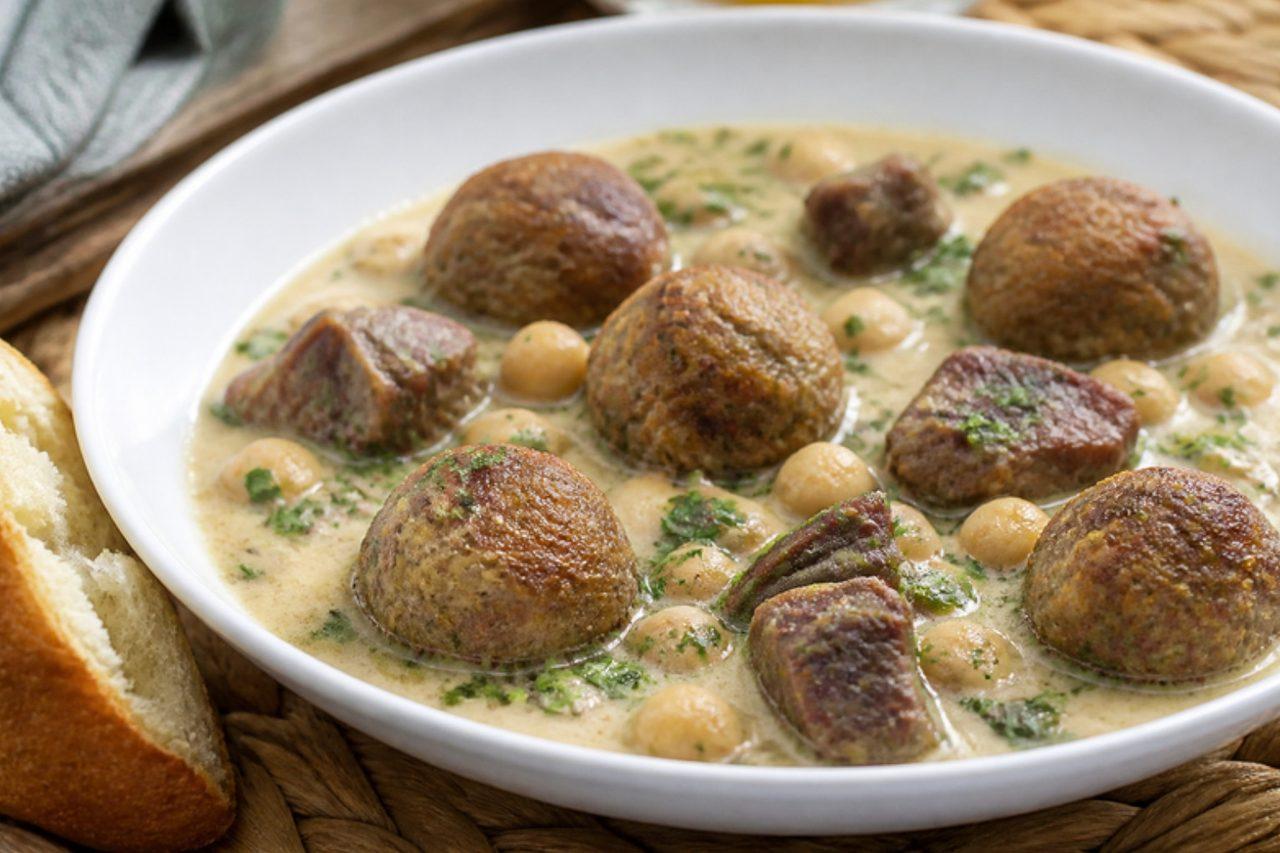
MtewemGarlic meatballs in chickpea sauce

Mtewem, from the word for garlic (thoum), is an old dish of the Casbah of Algiers: chunks of lamb and garlicky beef meatballs simmered together in a peppery white sauce with chickpeas, and finished with whole cloves of garlic that turn soft and sweet. It is cooked for Ramadan and for guests, and eaten with bread. Some families add a little tomato; this is the white version. The mistake is letting the sauce boil hard after the meatballs go in, which makes them tough and break; keep it at a gentle simmer. Chef's tip: wet your hands when rolling the meatballs so they come out smooth and hold together.

105 minAlgerianMeatGluten free
by KrazyBadal 0 views

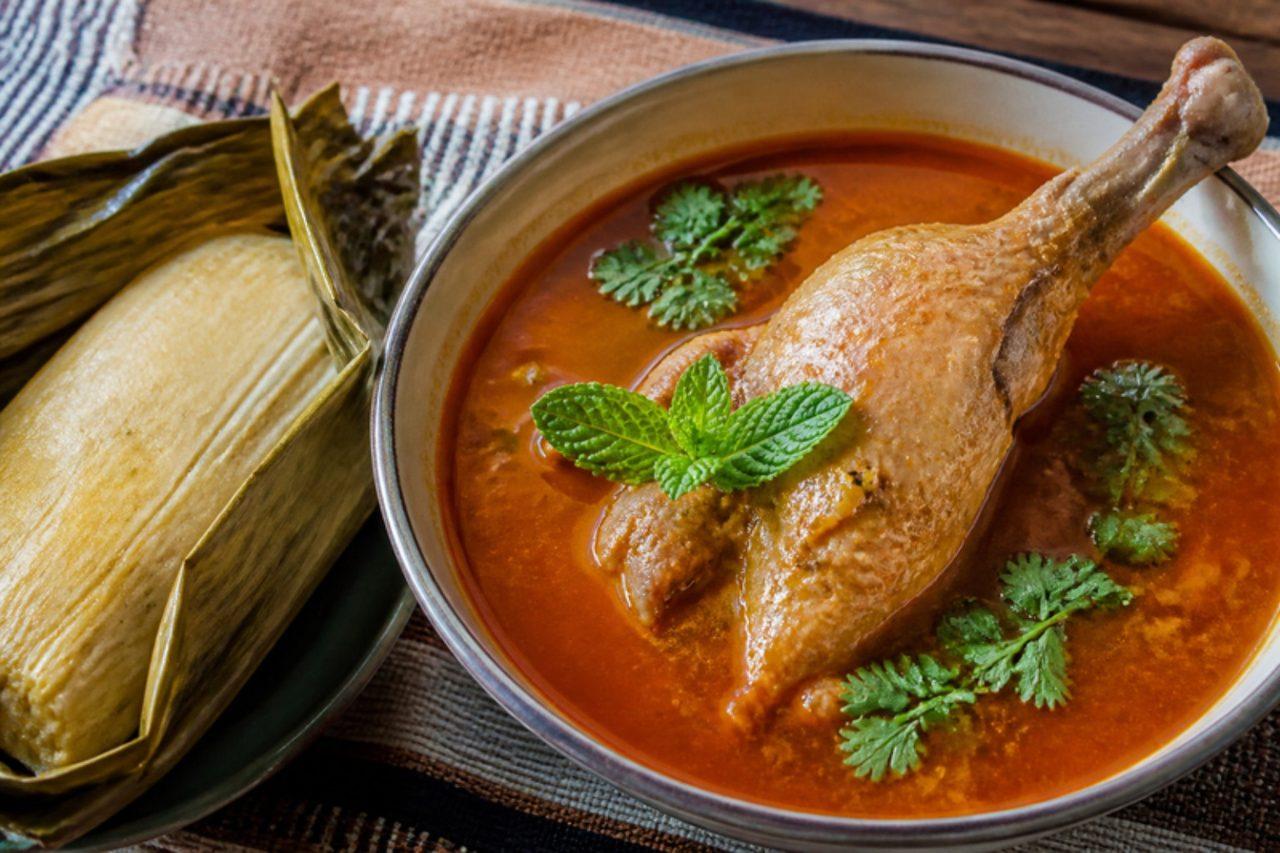
Kak'ikTurkey and chilli soup

Kak'ik is a red, aromatic turkey soup from the Q'eqchi' Maya of Alta Verapaz, around Cobán, and is cooked for weddings, saints' days and Christmas; it is now recognised as part of Guatemala's cultural heritage. Turkey legs simmer in a broth flavoured with toasted tomatoes, guajillo and pasa chillies, achiote, coriander and mint, and it is served with tamalitos or rice. The mistake is not toasting the chillies and tomatoes; the slight char gives the soup its smoky depth. Chef's tip: toast the dried chillies only for seconds, until they puff and smell fruity, or they turn bitter.

by KrazyBadal 0 views

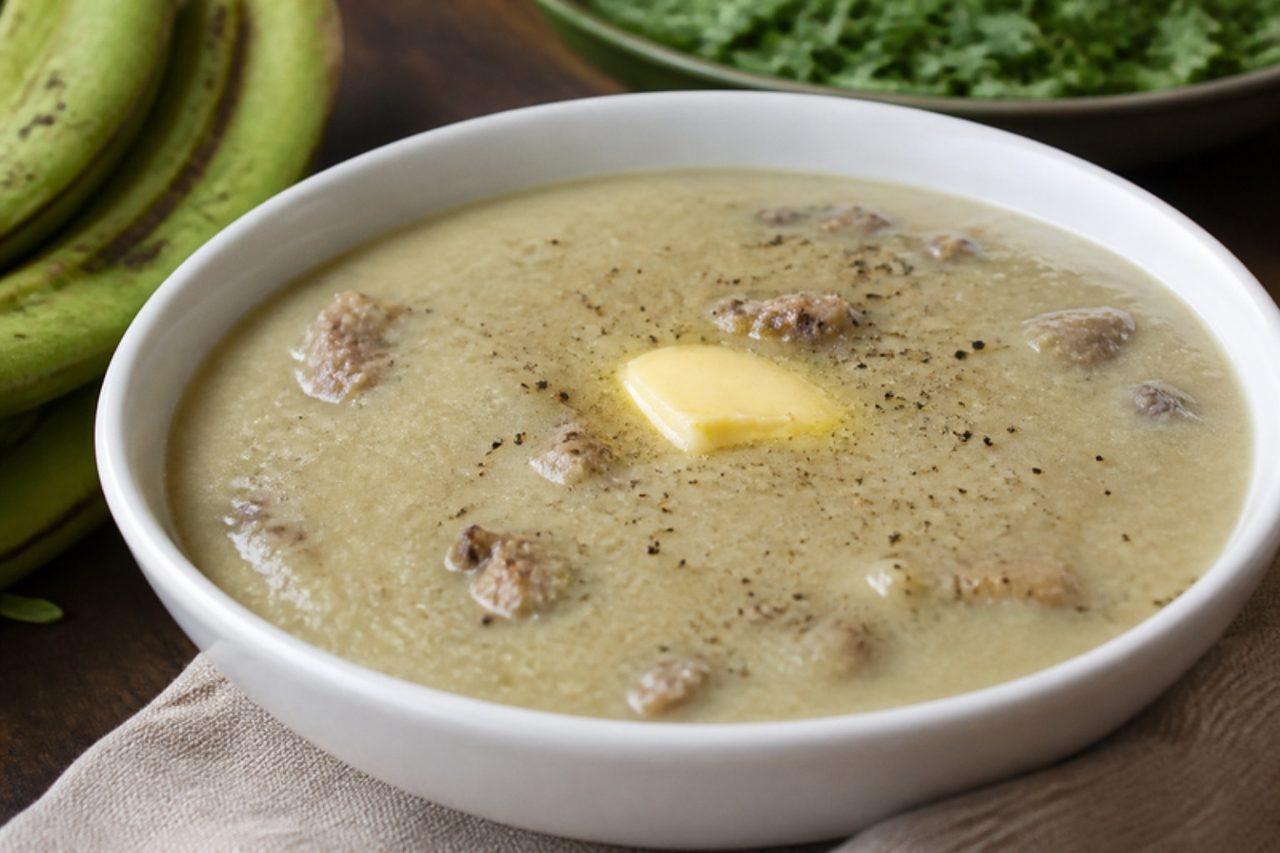
MtoriGreen banana and beef soup

Mtori comes from the Chagga people on the slopes of Mount Kilimanjaro, where cooking bananas grow around every house; it is a thick, smooth soup of green bananas and beef, mashed until creamy and finished with butter. It is given to new mothers to build their strength and eaten on cool mornings in Moshi and Arusha. The mistake is using sweet ripe bananas, which make it sugary; you need hard green cooking bananas or green plantain. Chef's tip: rub a little oil on your hands before peeling green bananas, as the sap stains.

by KrazyBadal 0 views

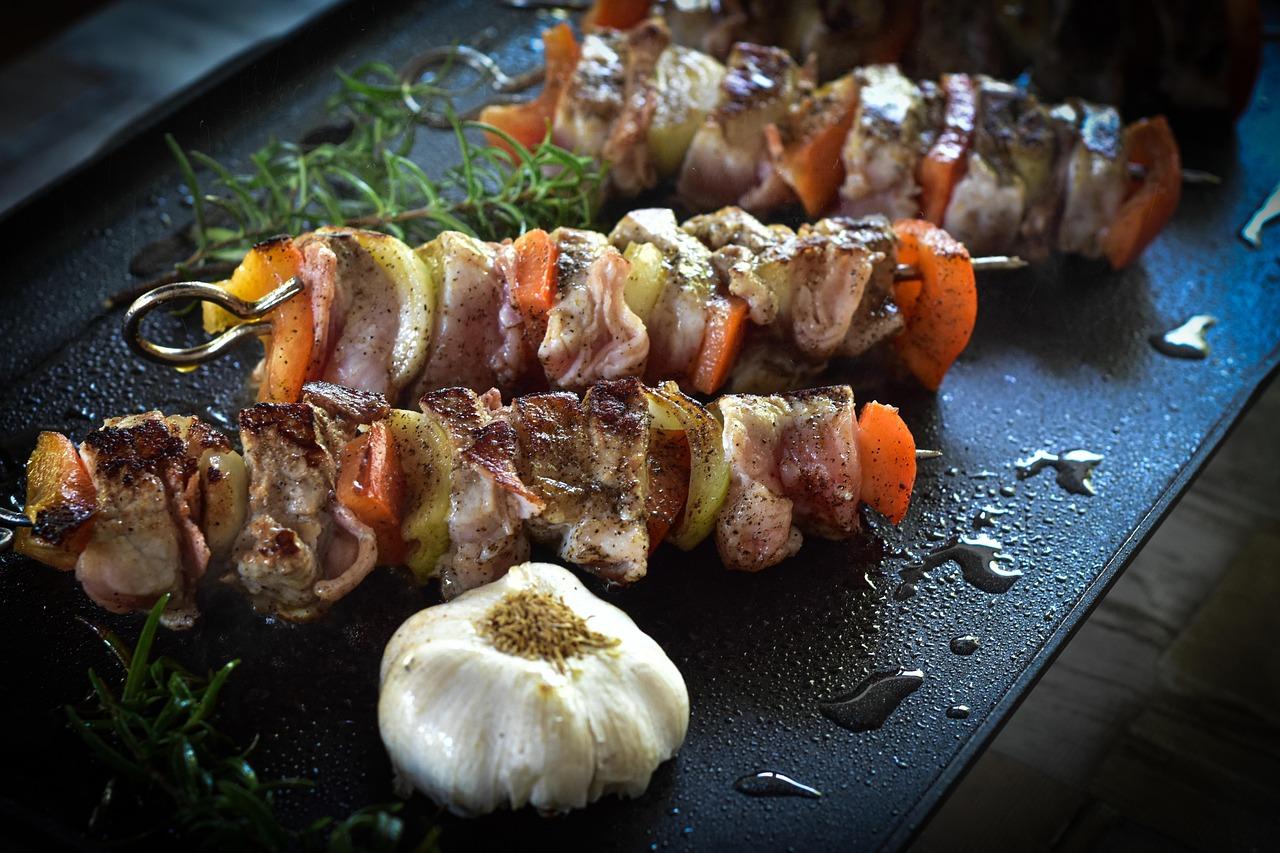
MtsvadiGrilled pork skewers

Mtsvadi are the grilled skewers of the Georgian supra and every summer picnic, and in the wine region of Kakheti they are cooked over the embers of dried grapevine cuttings left from pruning. This version is pork: chunks of fatty pork neck marinated simply with onion, salt and pepper, threaded on skewers and grilled until charred at the edges and juicy inside. Serve with raw onion rings, pomegranate seeds and tkemali (sour plum sauce). Chef's tip: keep the marinade simple; Georgians say good mtsvadi needs only good meat and good fire.

by KrazyBadal 0 views

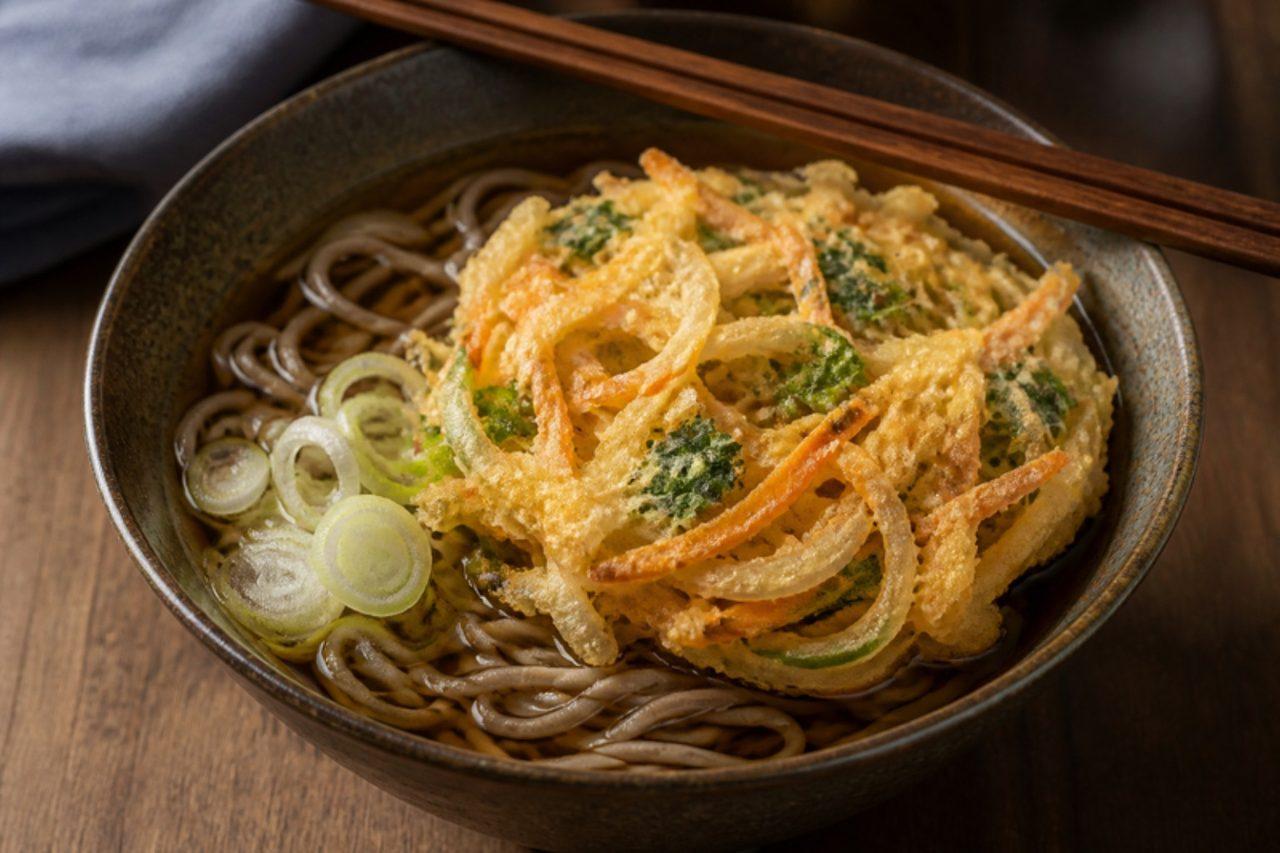
Kakiage sobaBuckwheat noodles with vegetable tempura

In Tokyo, hot soba with a fritter on top is the city's fast food. Standing soba counters near train stations, called tachigui soba, have served it to commuters since the Edo period, when soba and tempura stalls stood side by side. The fritter here is kakiage: a loose nest of onion, carrot and greens held together with just enough batter to fry into a lacy disc. It softens a little in the broth and flavours it with toasty oil, which is why many Tokyoites eat half of it crisp and let the rest soak. Our broth uses kombu and shiitake instead of bonito. Chef's tip: slide the kakiage into the oil off a flat spatula or ladle, and don't touch it for the first minute. It needs that time to set, or it falls apart.

by KrazyBadal 0 views

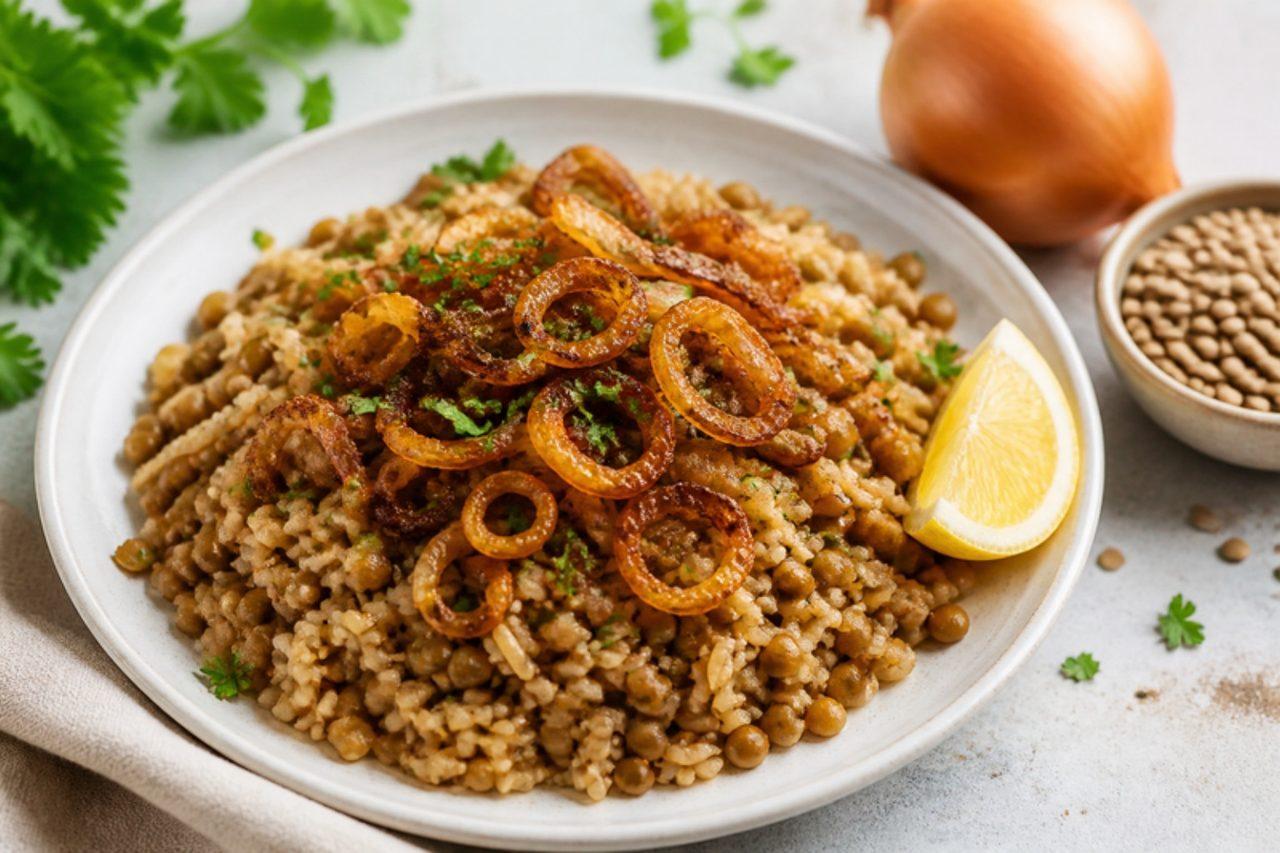
MujaddaraLentils and rice with crisp onions

Across the Levant, from Tripoli in northern Lebanon to the villages of the Galilee, mujaddara is the thrifty Friday or Lenten supper that nobody tires of: brown lentils and rice cooked together until soft and earthy, then heaped with a tangle of onions fried until mahogany and crisp. It costs very little, keeps well, and is eaten warm or at room temperature with a cucumber-yogurt salad, plain yogurt for non-vegans, or a sharp cabbage salad. The onions do all the seasoning, so be generous. Chef's tip: fry the onions in batches with room to spare in the pan; crowded onions steam and go soft instead of turning crisp.

by KrazyBadal 0 views

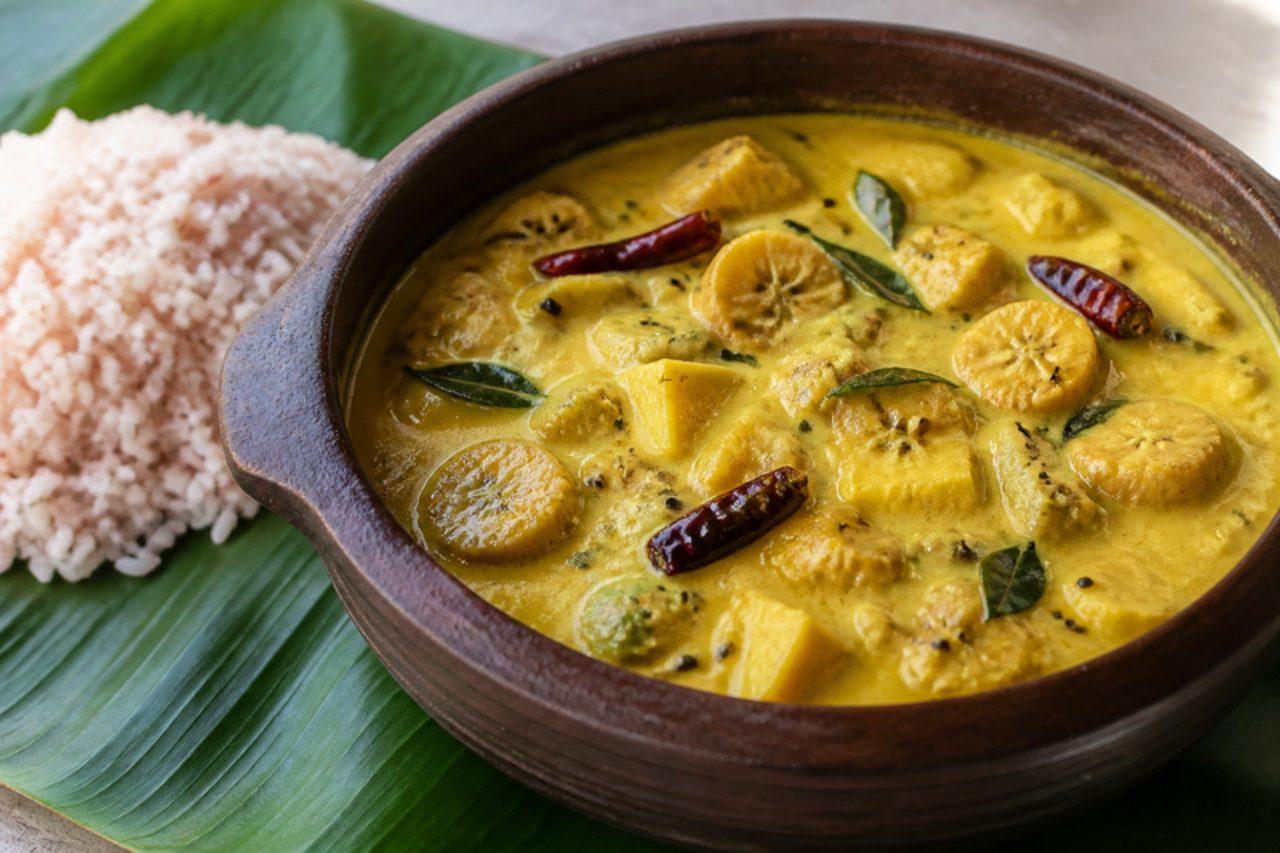
KalanYam and banana yogurt curry

Kalan is one of the old curries of the Onam sadya in central Kerala, made days ahead in temple kitchens and big family homes because it keeps so well. Elephant yam and green nendran banana are cooked with plenty of black pepper, then soured curd is stirred in and slowly reduced until it is thick enough to coat a spoon, before a fine coconut paste goes in. It tastes sharp, peppery and rich, with the toasted fenugreek of the tempering coming through at the end. Spoon a little over hot rice and ghee. Chef's tip: use curd that has sat out for a day and turned properly sour; mild fresh yogurt gives a flat kalan.

by KrazyBadal 0 views

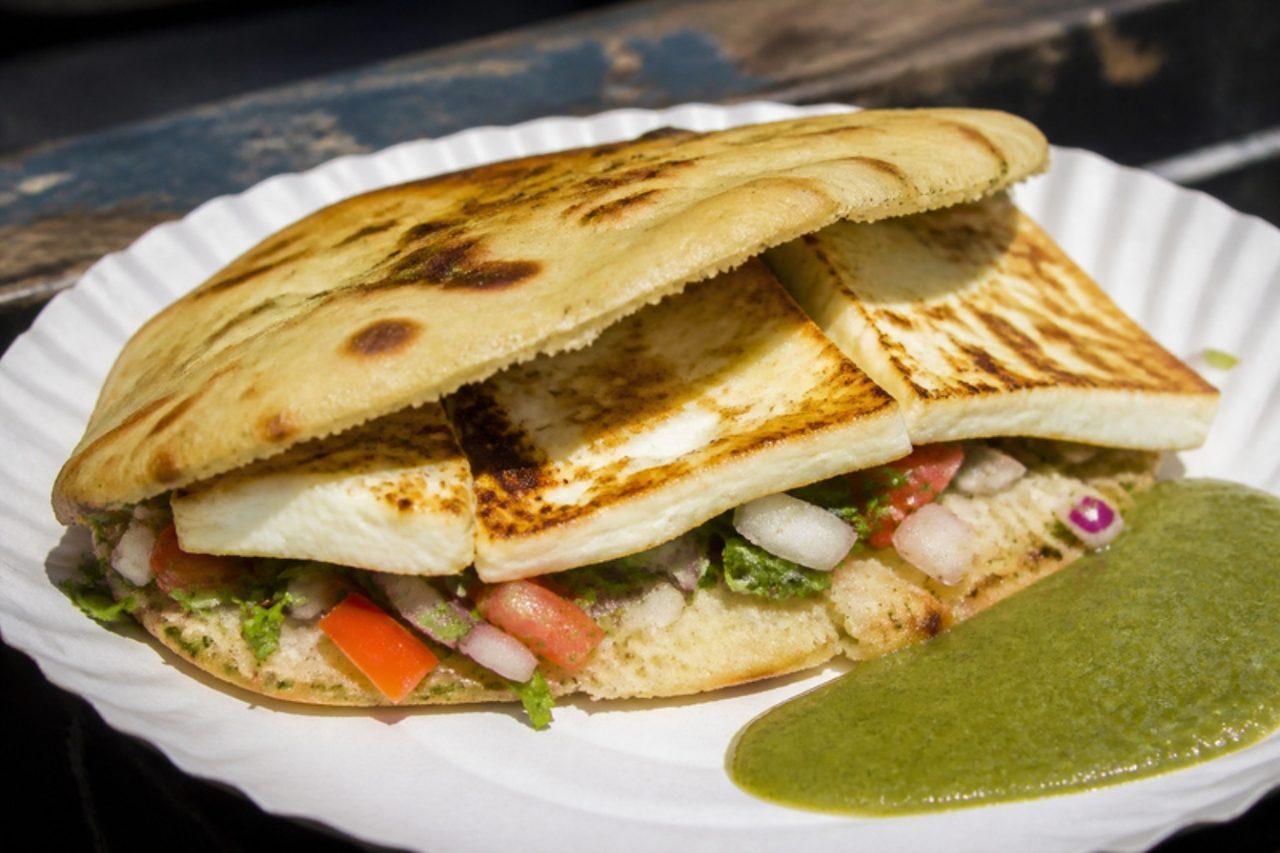
Kalari kulchaCheese-stuffed kulcha

Kalari, also spelt kaladi, is a fresh, stretchy cheese made in the hills around Udhampur and Ramnagar in Jammu, often from buffalo or goat milk. Street sellers in Jammu city lay slices of it on a hot iron tawa with no oil at all: the cheese releases its own fat and fries to a blistered brown crust while the inside turns soft and slightly stringy. They stuff it into a warm kulcha with onion, tomato, green chutney and a shake of chaat masala, and it is eaten standing up, especially on winter evenings. Outside Jammu, use halloumi, which behaves almost the same, or firm paneer with a teaspoon of oil. Chef's tip: dry the cheese slices on kitchen paper first; wet cheese steams instead of crisping.

by KrazyBadal 0 views

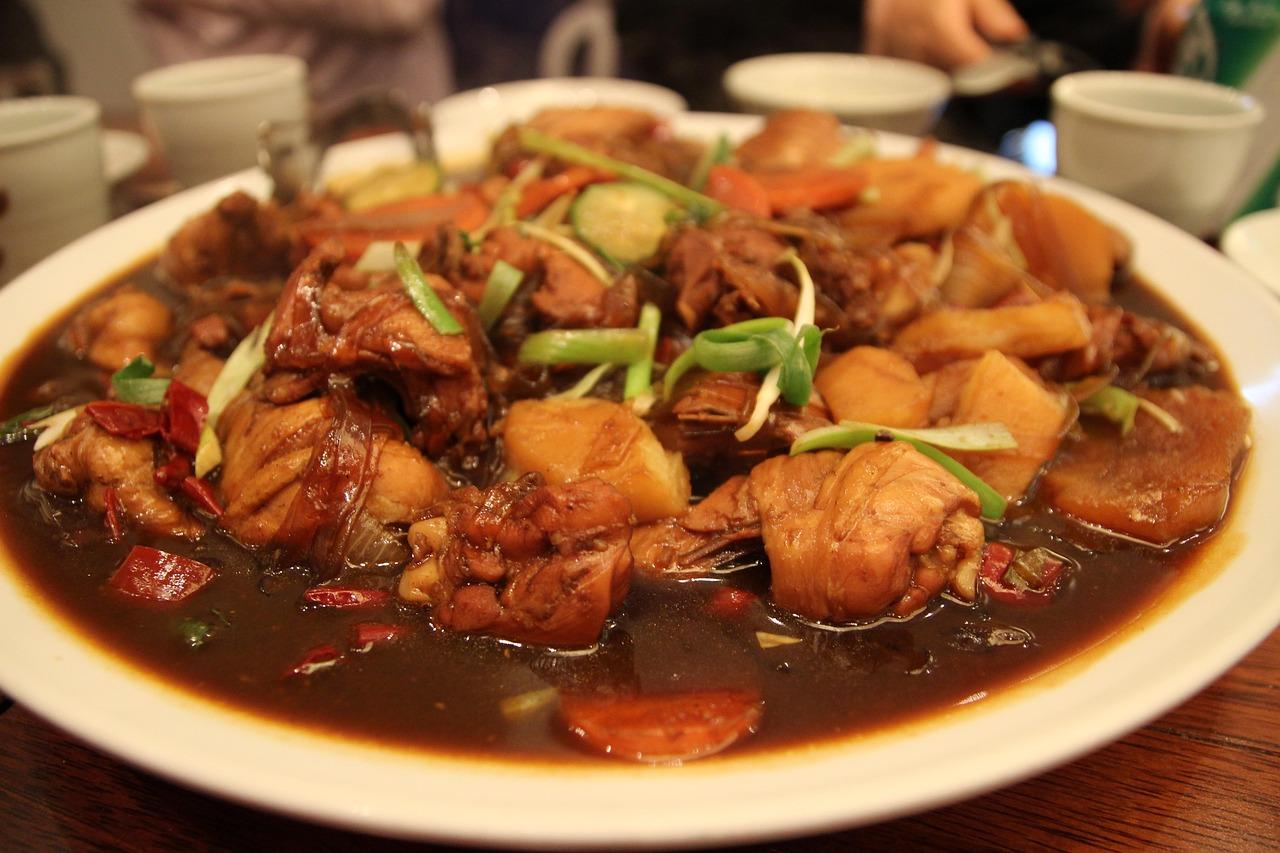
Andong jjimdakSoy-braised chicken and potatoes

Andong jjimdak took shape in the 1980s in the old market of Andong, a city in North Gyeongsang province, where an alley of small restaurants still serves it on big platters for sharing. Chicken on the bone is braised in a dark, sweet soy sauce with potatoes, carrots and a few dried chillies, then slippery glass noodles are stirred in at the end to soak up the sauce. It is salty, sweet and only gently hot. Serve with rice and kimchi. Chef's tip: soak the glass noodles in warm water for 30 minutes before you start, so they only need 5 minutes in the pot.

by KrazyBadal 0 views

AmbaTangy mango pickle sauce

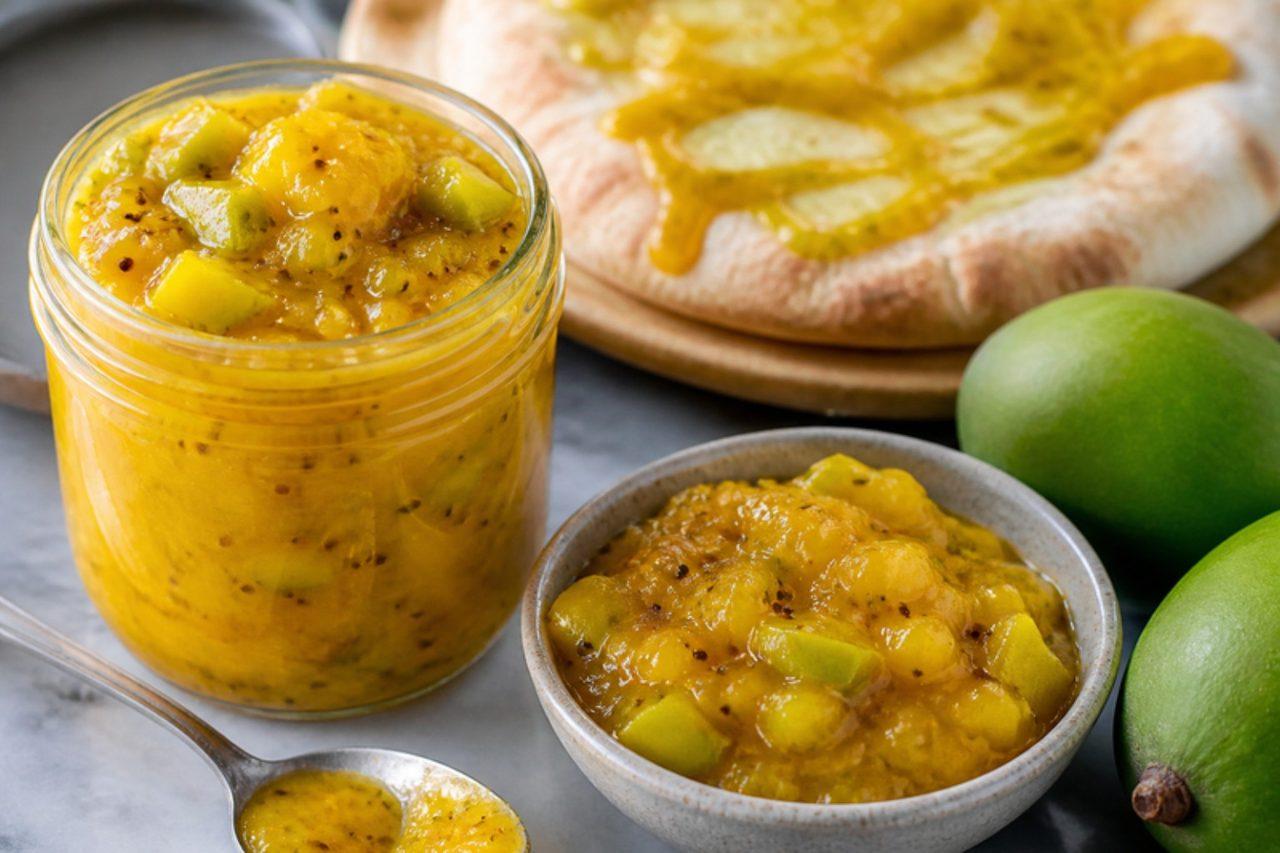
Amba is the golden, sour mango sauce that Iraqi Jews brought from Baghdad (where it had come from Indian traders), and in Israel it is the signature of sabich and a favourite in falafel pitas. Traditionally green mangoes are salted and left in the sun for days to ferment; this quicker stovetop version cooks unripe mango with turmeric, fenugreek, mustard seed and vinegar, then blends it into a smooth, pourable sauce with the same tangy, curry-like flavour. Chef's tip: use mangoes that are hard and green right through; ripe ones make a sweet jam, not amba.

by KrazyBadal 0 views

Aloo tikki chaatPotato patties with chutneys

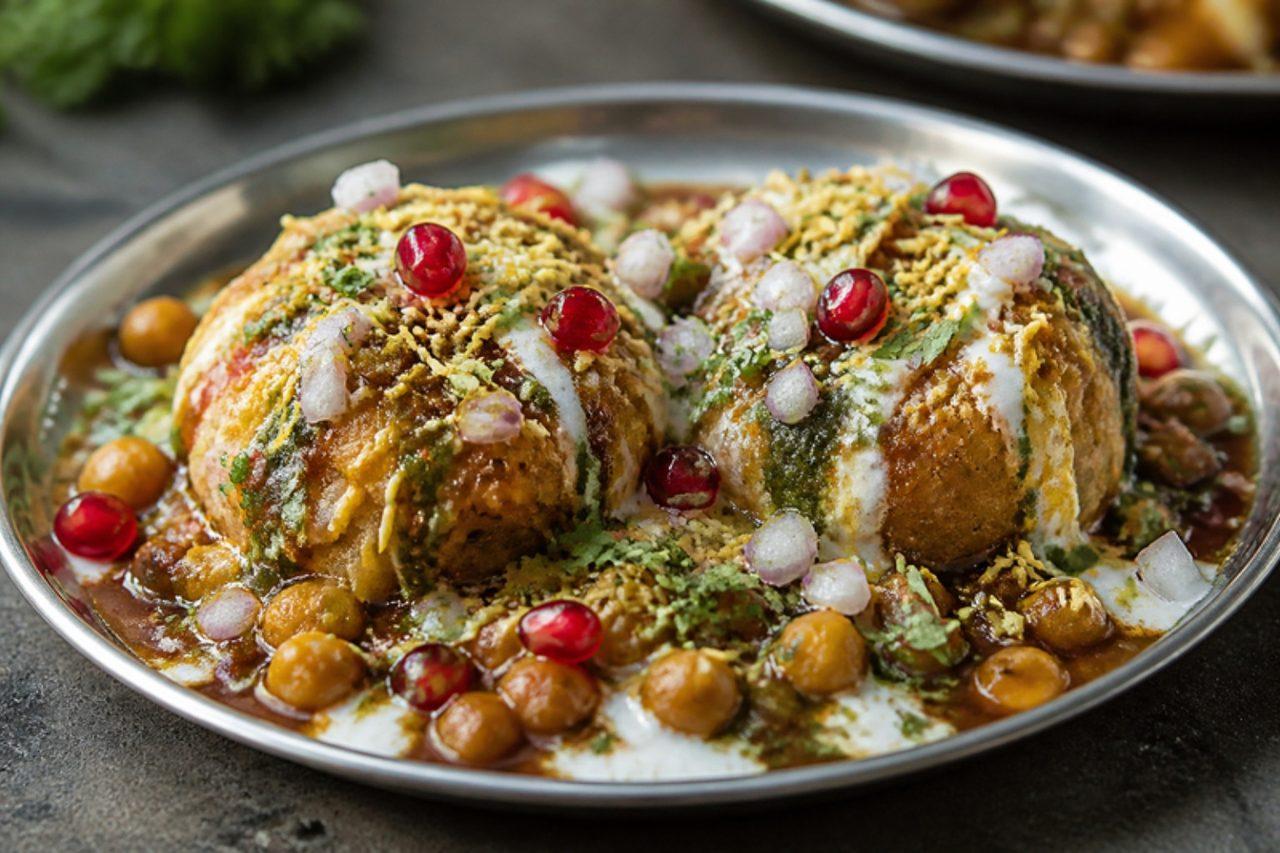
In Delhi, aloo tikki is fried on a giant iron tawa at the edge of a busy market, flattened with a spatula until the outside is shatteringly crisp, then smothered in spiced chickpeas, cool yogurt and green and tamarind chutneys. Places like Chandni Chowk and Lajpat Nagar have queues for it on winter evenings. Delhi tikkis are often stuffed with a little spiced chana dal, which adds bite inside the soft potato. Unlike Mumbai's ragda pattice, it's served with chole and a lot of yogurt. Chef's tip: let the tikkis sit undisturbed on the hot pan for the first 5 minutes; a crust forms that stops them breaking when you turn them.

by KrazyBadal 0 views

Muriwo une doviGreens in peanut butter sauce

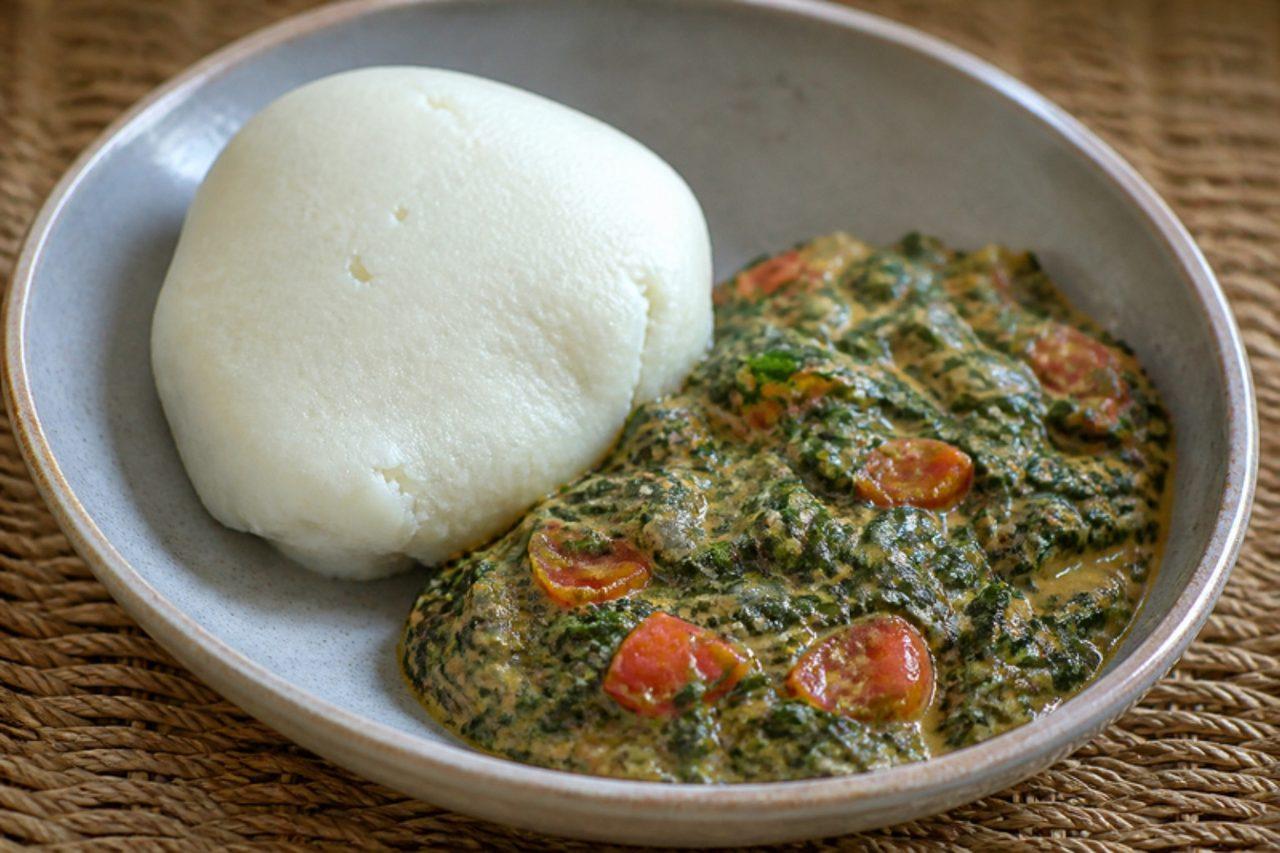
Muriwo une dovi, greens with peanut butter, is a daily relish in Zimbabwean homes, eaten with sadza at lunch and supper. Collard greens, rape or pumpkin leaves are cooked with onion and tomato, then stirred into a creamy peanut sauce. Zambia's ifisashi is the same idea, usually without tomato and often made with pumpkin leaves or spinach and eaten with nshima. Chef's tip: add the peanut butter at the end and cook just long enough to thicken; long boiling makes it gluey.

by KrazyBadal 0 views

MantıBeef dumplings with garlic yogurt

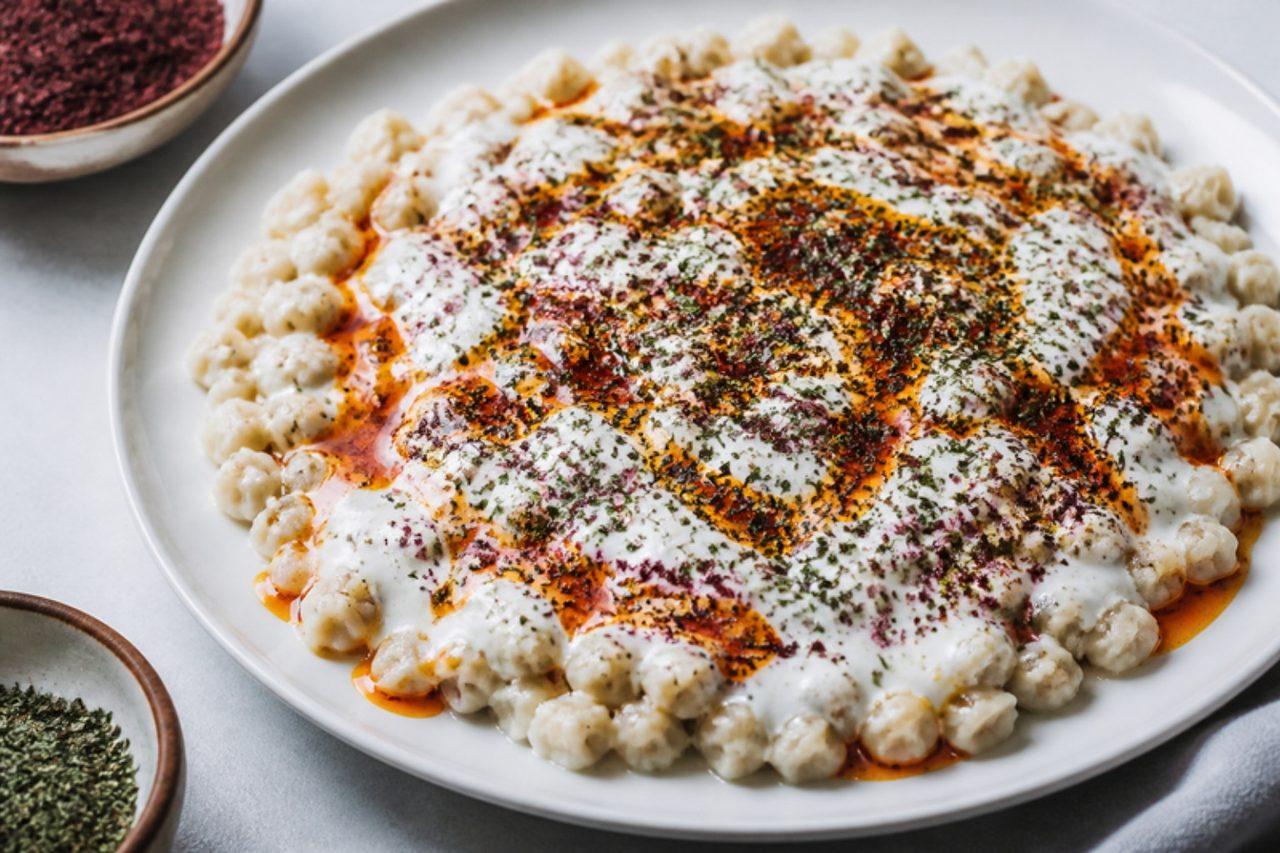
Kayseri, in central Anatolia, is famous across Turkey for mantı so small that, by local saying, forty should fit on one spoon. Families make big batches together on winter afternoons, rolling the dough thin and pinching each square around a pea of spiced minced meat, and the dumplings were traditionally part of a bride's test in the kitchen. They are boiled and served under garlicky yogurt, then drenched in butter sizzled with red pepper. Chef's tip: make a double batch and freeze the uncooked dumplings on a floured tray; they cook from frozen in about 2 minutes extra.

by KrazyBadal 0 views

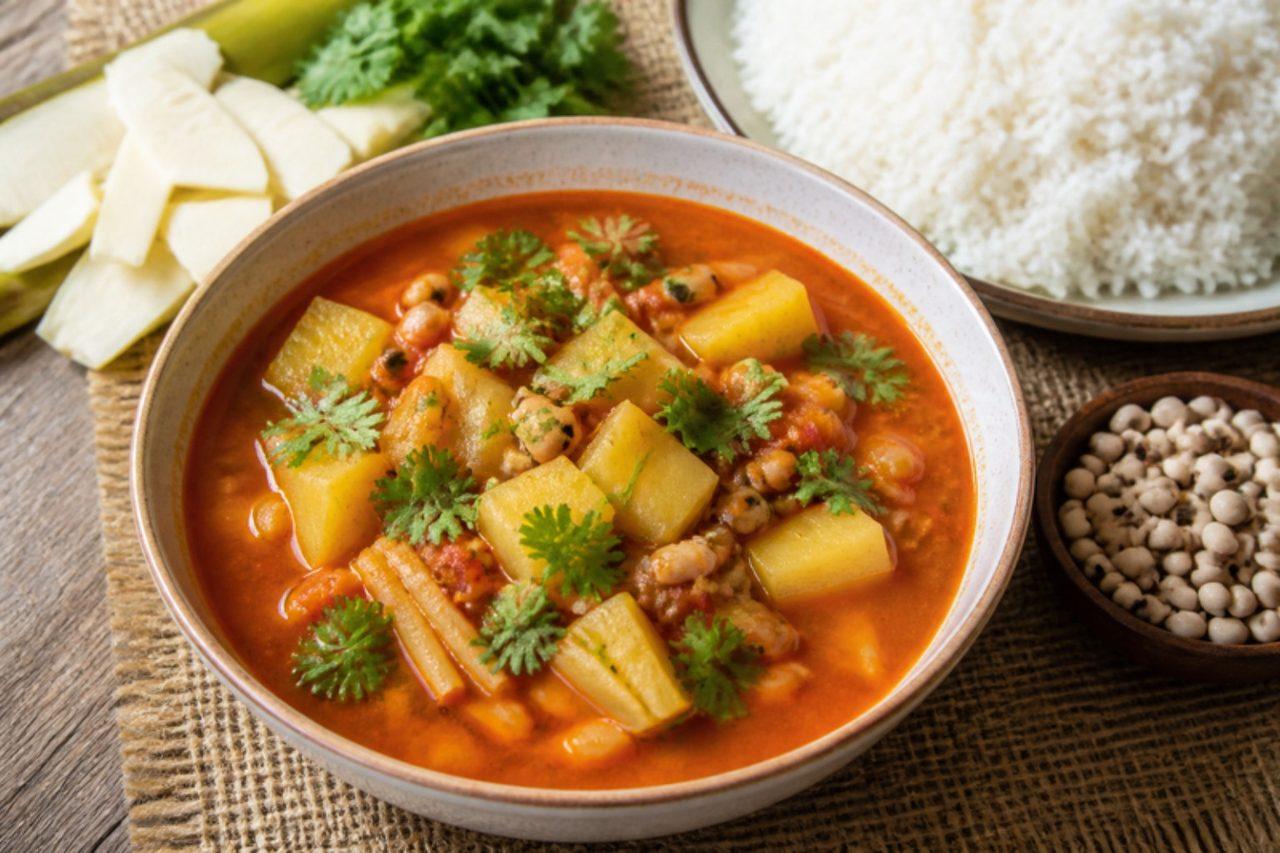
Aloo tamaPotato and bamboo shoot curry

Aloo tama is the curry that tells you you are in Nepal: potatoes (aloo) and black-eyed beans (bodi) simmered with tama, slivers of bamboo shoot that have been fermented until they are pleasantly sour and funky. It is a Newar dish at heart, cooked all over the Kathmandu Valley for weddings, feasts and cold winter evenings, and every Nepali restaurant abroad keeps a pot of it. The sourness comes from the bamboo, sharpened with tomato, and the warmth from fenugreek seeds burnt nearly black in mustard oil and a dusting of timur, the Nepali Sichuan pepper that numbs the lips. Eat it with rice or beaten rice (chiura). Don't skip rinsing the bamboo: straight from the jar it can be so sharp that it takes over the whole pot. Chef's tip: let the fenugreek seeds turn a deep reddish brown before anything else goes in; that bitter-sweet, almost maple smell is the backbone of the curry.

by KrazyBadal 0 views

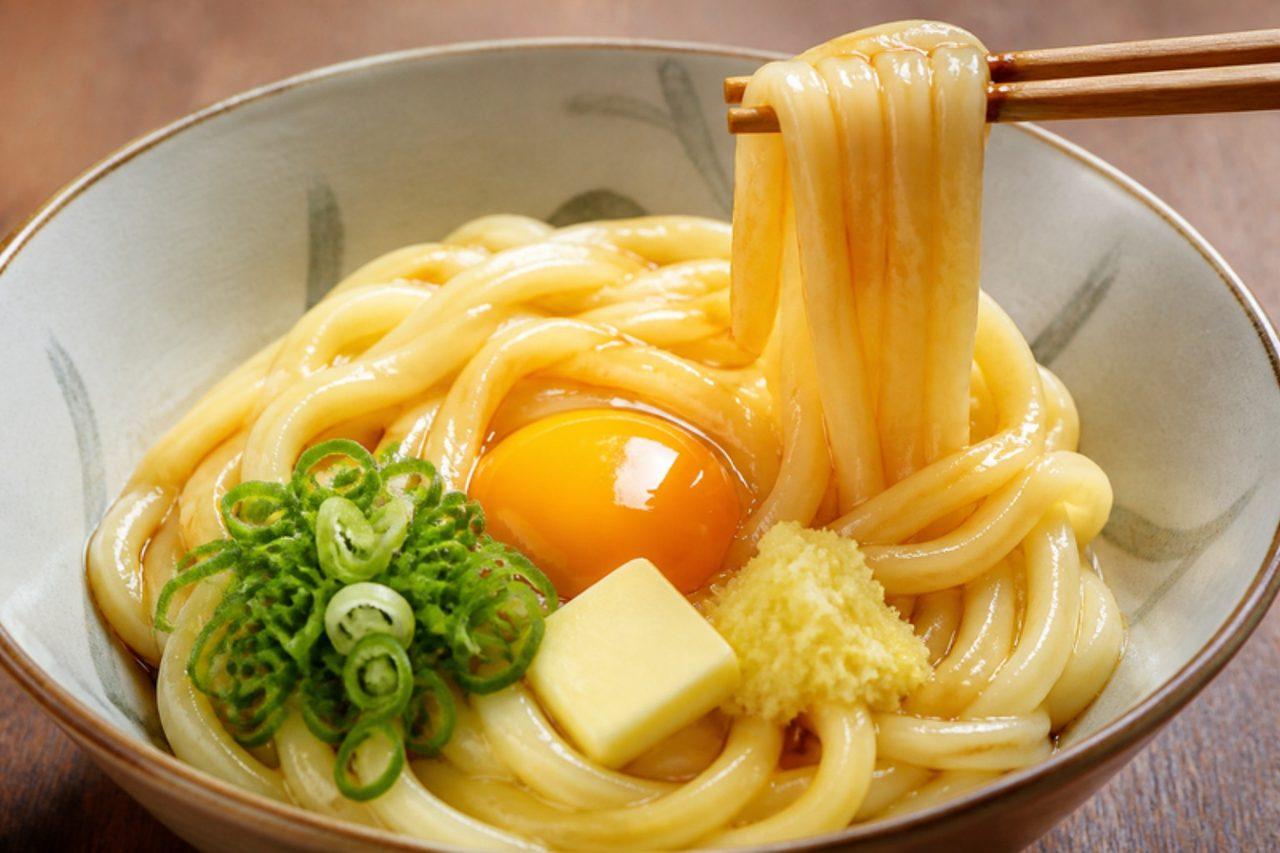
Kamatama udonUdon with raw egg

Kagawa, the smallest prefecture in Japan, eats more udon than anywhere else, and its Sanuki udon is known for a firm, springy bite. Locals queue at self-service udon shops at breakfast, and one of the most popular orders is kamatama: noodles lifted straight from the boiling pot, dropped onto a raw egg and tossed until the heat turns the egg into a glossy coating, a little like carbonara. A splash of soy sauce and some spring onion are all it needs. Use frozen Sanuki-style udon, which is closest to fresh. Chef's tip: warm the bowls and crack the egg in first. The noodles must go in seconds after leaving the water, or the egg won't cook into a sauce.

by KrazyBadal 0 views

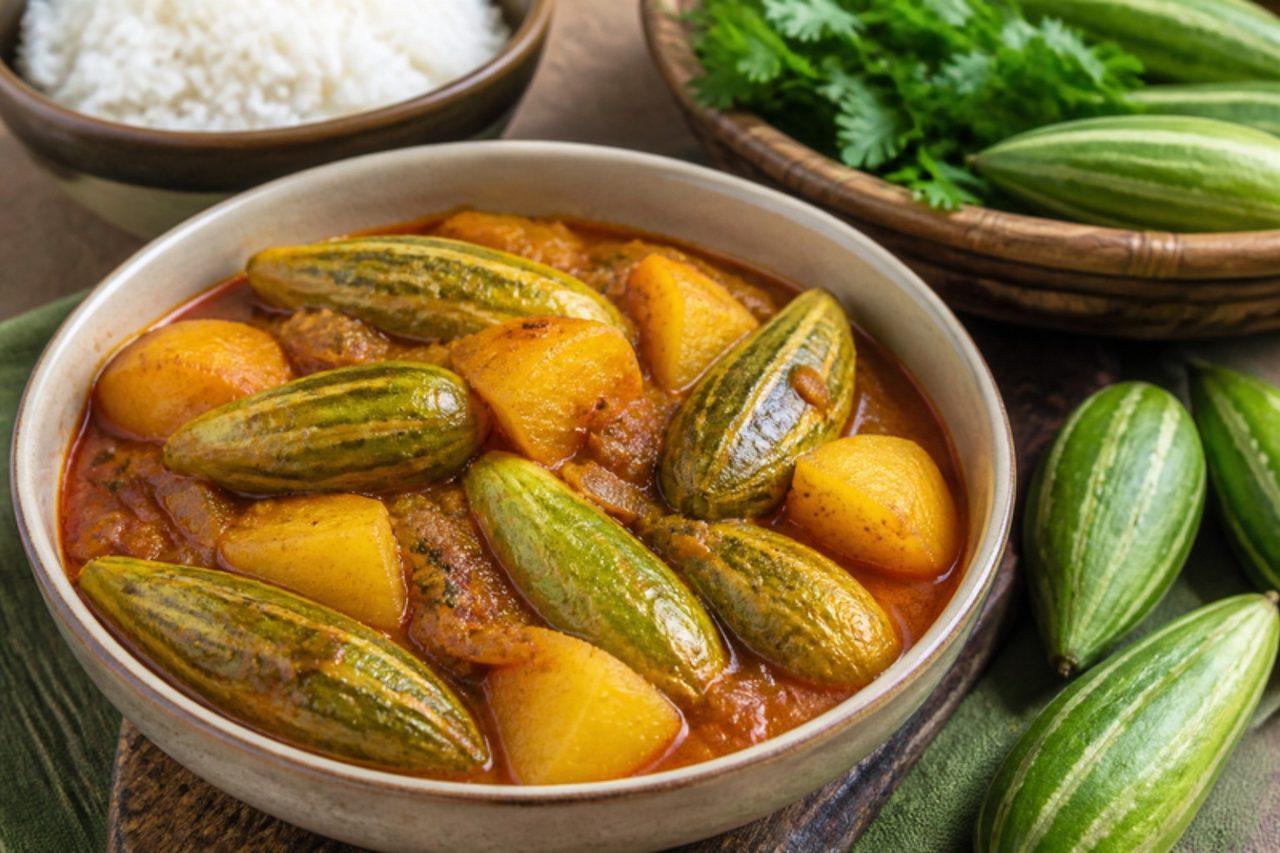
Aloo potala rasaPointed gourd and potato curry

Aloo potala rasa is Odisha's favourite party curry: you will find it on the menu of every Odia wedding and thread ceremony, ladled over rice or eaten with puri. Pointed gourds (potala, parwal) are scraped, fried until blistered, and simmered with potatoes in a thick onion, tomato and ginger-garlic gravy perfumed with whole garam masala. Unlike the light everyday dishes of the state, this one is rich and slow-cooked. Chef's tip: scrape the potala lightly rather than peeling; the green streaks look pretty and hold the shape.

by KrazyBadal 0 views

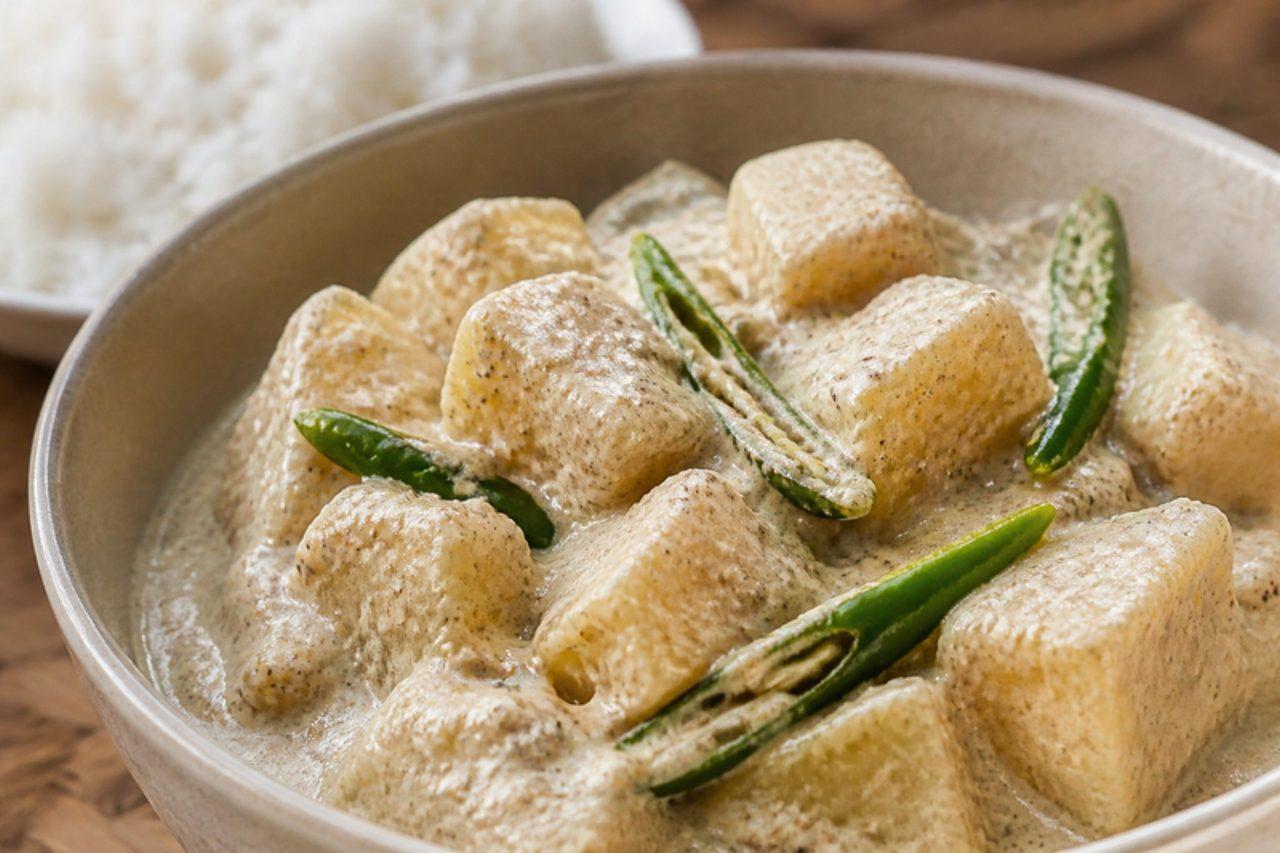
Aloo postoPotatoes in poppy seed paste

Aloo posto is one of West Bengal's best-loved everyday dishes: cubes of potato cooked gently in a thick paste of ground white poppy seeds, green chilli and mustard oil. The poppy seeds give a nutty, creamy coating without any dairy, and the nigella seeds and raw mustard oil add a sharp, fragrant edge. It's simple, mild and comforting, eaten with plain rice and dal in Kolkata homes. Chef's tip: grind the soaked poppy seeds with the green chillies and a splash of water until truly smooth; a gritty paste never turns creamy.

by KrazyBadal 0 views

MurtabakStuffed griddled bread

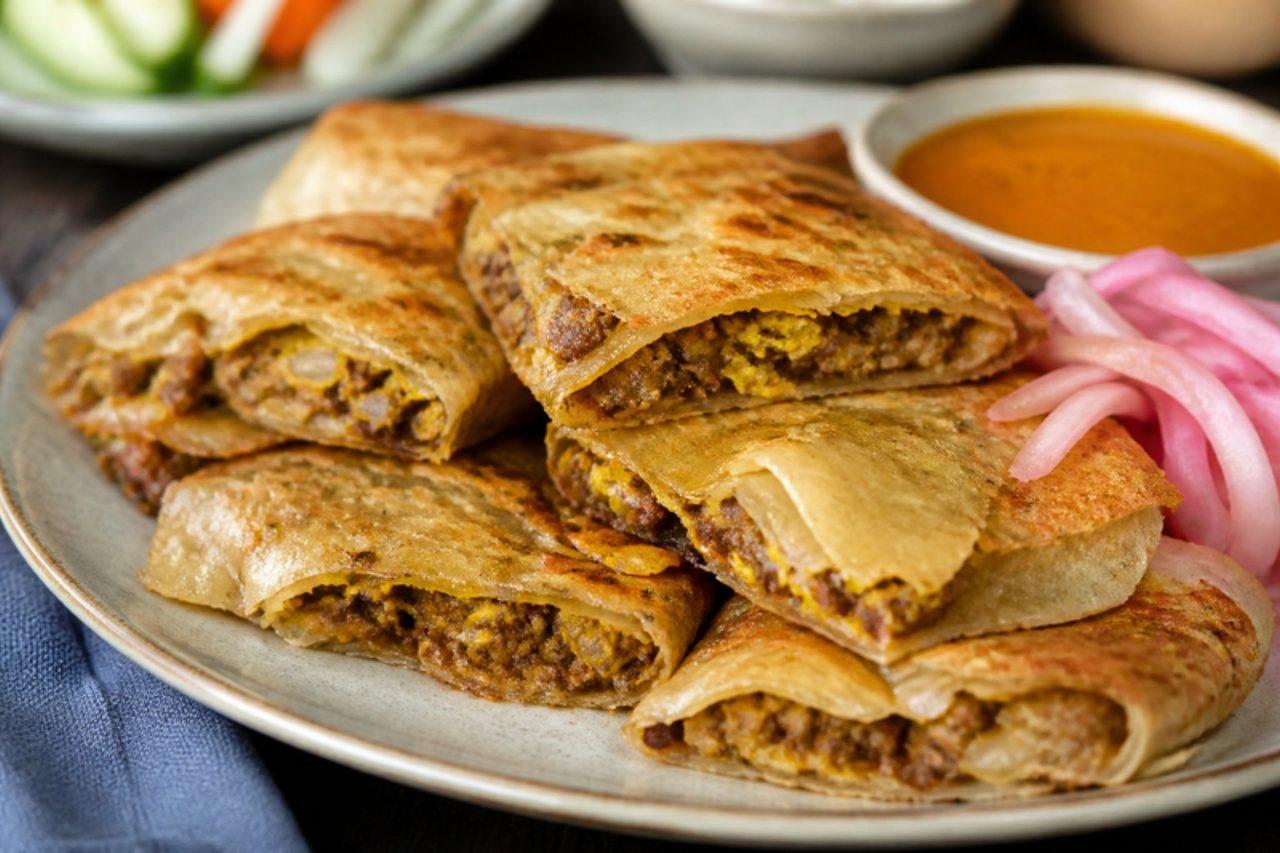
Mamak shops stay open late across Malaysia, and the man at the big flat griddle swinging dough into a translucent sheet is half the show. Murtabak is that dough wrapped around a filling of curried minced meat, onion and beaten egg, folded into a fat square parcel and fried until blistered and crisp outside, soft and steamy within. Ramadan bazaars sell piles of it at dusk for breaking the fast. Cut into squares and serve with a ladle of dhal or curry gravy and pickled red onion. Chef's tip: oil your hands and the work surface generously; murtabak dough wants to be stretched, never rolled, and the oil lets it glide.

by KrazyBadal 0 views

Pappa al pomodoroTomato and bread soup

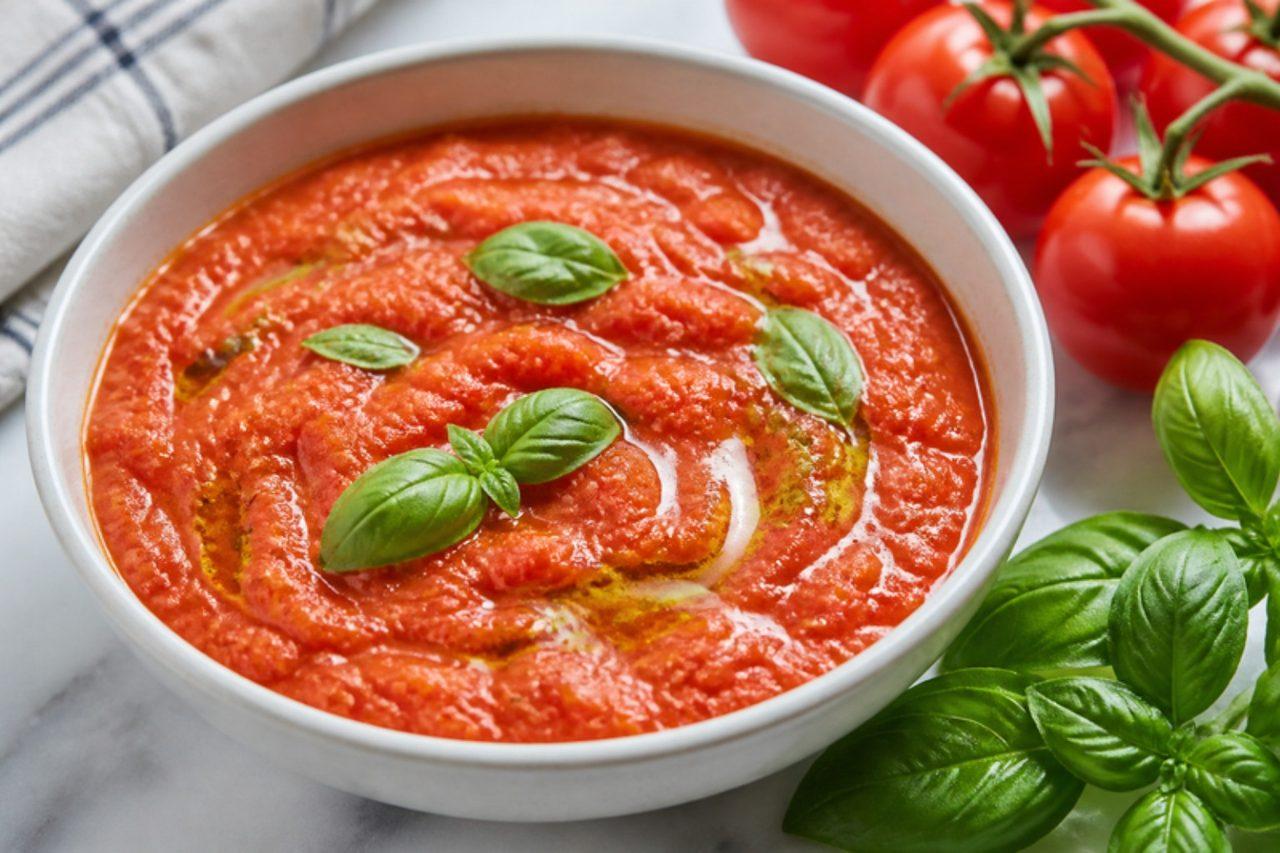
Pappa al pomodoro is what Florentine grandmothers make in July and August, when tomatoes are almost too ripe and yesterday's unsalted Tuscan bread is going hard. Bread, tomatoes, garlic and basil are cooked together and beaten into a soft, spoonable porridge (pappa means mush, the word for baby food). It is eaten warm, at room temperature or even cold on hot days, never piping hot. Chef's tip: stir it hard with a whisk at the end; it breaks the bread down into a velvety texture without a blender.

by KrazyBadal 0 views

Mushroom luwomboSteamed mushroom groundnut stew

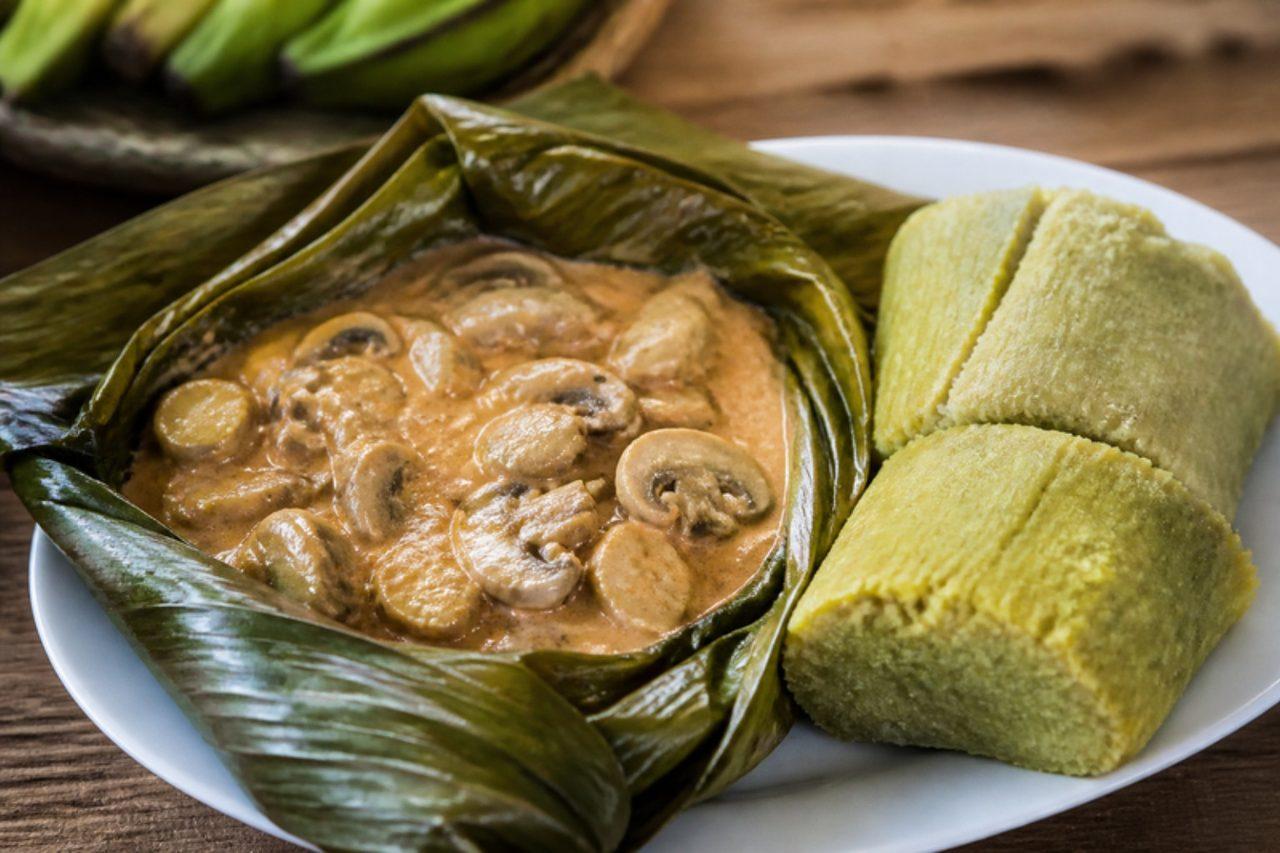
Luwombo is a royal dish of the Buganda kingdom in central Uganda, served at weddings, introduction ceremonies and Christmas: a stew wrapped and tied in softened banana leaves and steamed for hours so the leaf perfumes everything. Chicken, beef or smoked fish are traditional, but mushroom luwombo in a groundnut (peanut) sauce is a well-loved meat-free version, especially with the large wild mushrooms sold in Kampala markets. Serve with matoke. Chef's tip: wilt the banana leaves over a flame until they turn glossy and bendy; stiff leaves split and the sauce runs out.

by KrazyBadal 0 views

Kane rava frySemolina-crusted fried fish

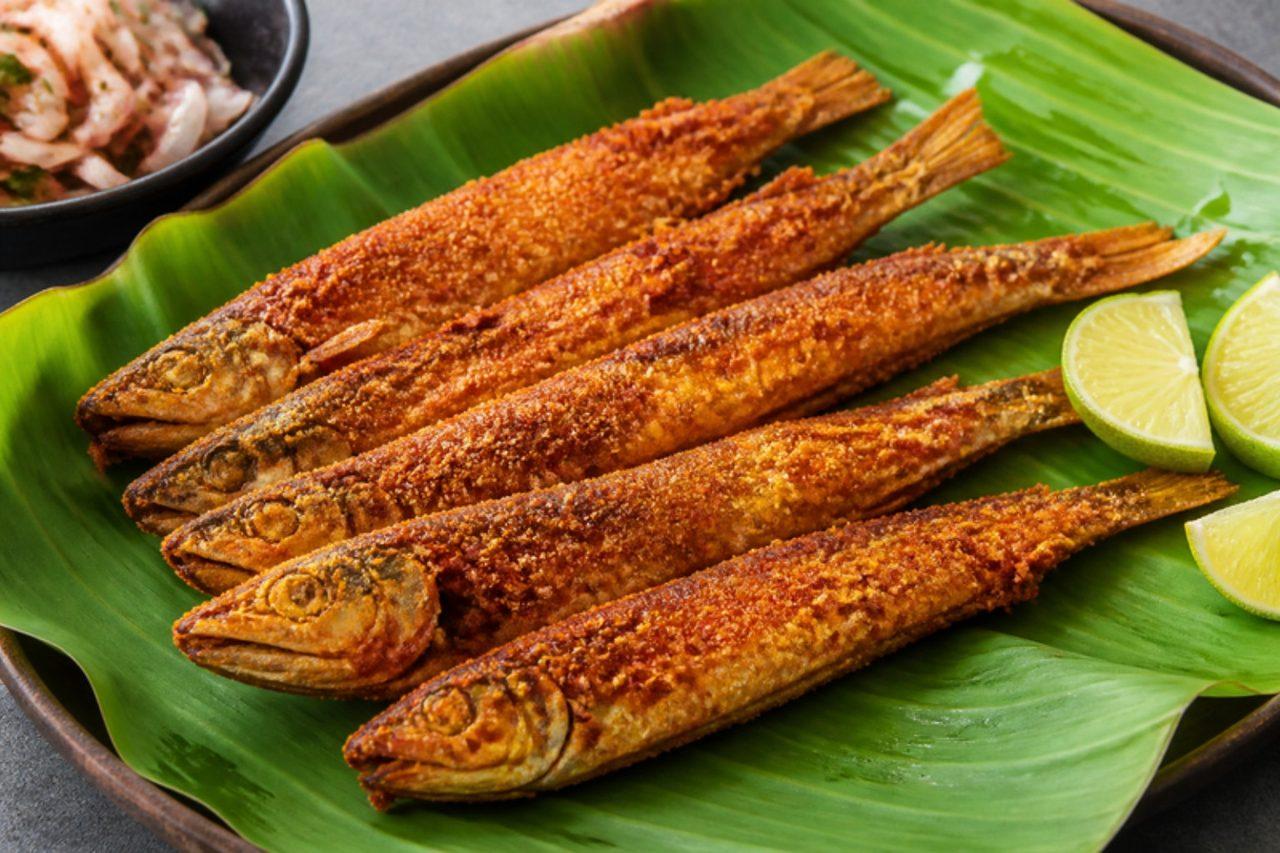
In the seafood canteens of Mangalore and along the Udupi coast, kane, a slim, sweet ladyfish, is the fried fish everyone orders with a fish thali. It is slashed, packed with a red masala of Byadgi chilli, garlic and tamarind, then pressed into coarse semolina and shallow-fried in coconut oil until the crust crackles. Unlike Mumbai's soft bombil, kane is firm, so it holds its shape and is eaten off the bone. Chef's tip: leave the fish alone for the first 3 minutes in the pan; the crust sets and then releases on its own.

30 minIndianFish
by KrazyBadal 0 views

KanelbullarCinnamon buns

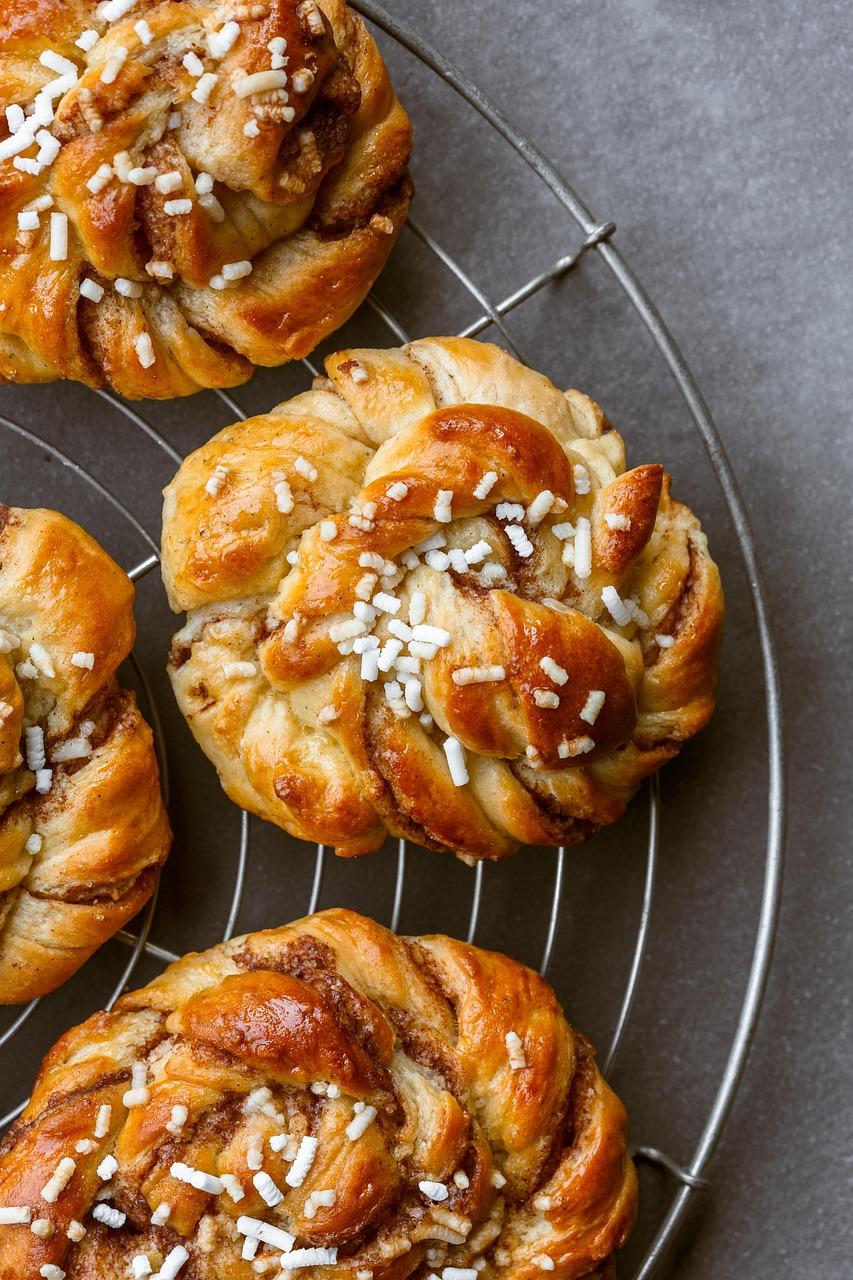
Every Swedish café from Malmö to Kiruna keeps a tray of kanelbullar by the till, and on 4 October, Kanelbullens dag, bakeries can barely keep up. They belong to fika, the mid-morning or afternoon pause for coffee and something sweet. Unlike the big, iced American roll, a Swedish bun is modest and buttery: the dough is perfumed with freshly crushed cardamom, the filling is a thin smear of cinnamon butter, and the top gets a scatter of crunchy pearl sugar instead of frosting. This version shapes them into knots, the way Stockholm bakers do, though plain spirals baked in paper cases are just as traditional at home. Chef's tip: crush the cardamom seeds yourself just before mixing; ready-ground cardamom loses most of its scent within weeks and the buns will taste only of cinnamon.

by KrazyBadal 0 views

Kangkung gorengGarlic stir-fried water spinach

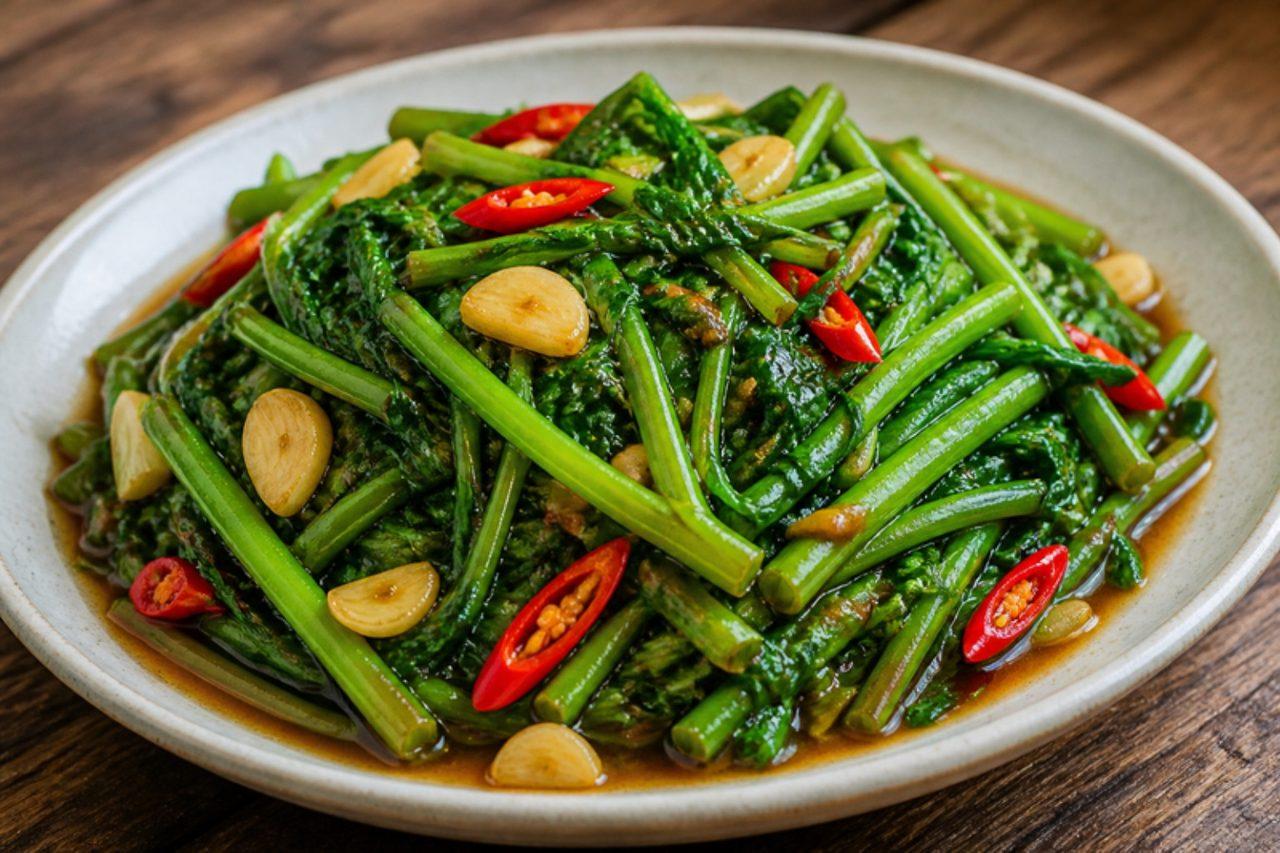
Kangkung grows in wet ditches and paddy edges right across Malaysia, and every zi char stall and kopitiam kitchen has a pile waiting for the wok. Ordered beside rice and a curry at lunch, or as one of several shared plates at night, it arrives glossy, hollow stems still crunchy, leaves just collapsed. Hawkers often fry it with belacan; this version gets its savoury punch from garlic, shallots, red chilli and a spoon of fermented soybean paste (tauco) instead. It's done in under five minutes. Chef's tip: dry the washed greens thoroughly in a salad spinner, because wet leaves cool the wok and steam instead of sizzle.

by KrazyBadal 0 views

Aloo acharPotato and sesame salad

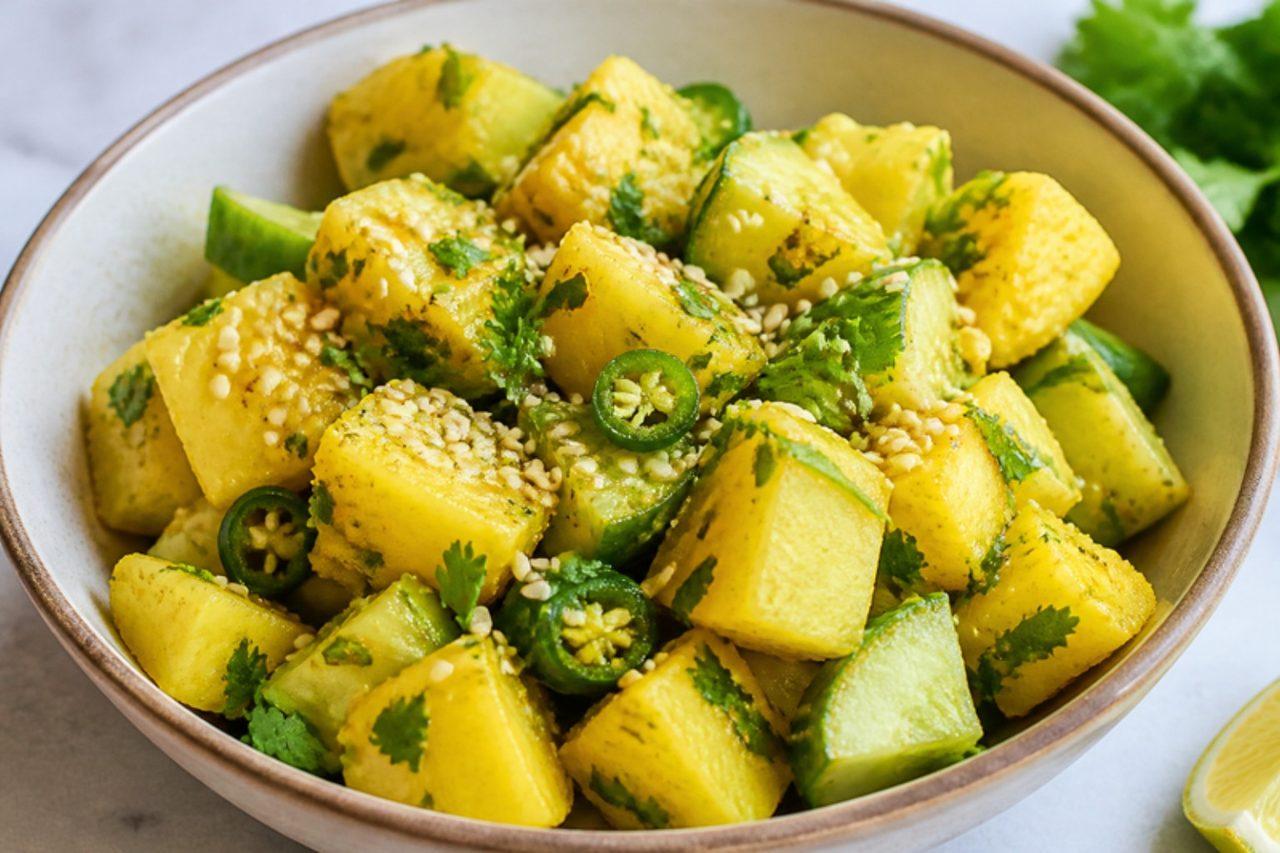
Aloo ko achar is the potato salad of Nepal, but tangy, nutty and hot rather than creamy. Boiled potatoes are tossed with ground toasted sesame, lemon juice, green chilli and timur, then finished with mustard oil in which fenugreek seeds have been fried dark. You find it everywhere: in tiffin boxes on the way to school, at picnics and on the long leaf plates of Newar feasts, alongside beaten rice and spicy beans, and it is a fixture at Dashain and Tihar gatherings when food has to sit out for hours. It keeps well, and the flavour improves after a rest. Dressing the potatoes while still hot is the usual mistake: they soak it up and turn mushy, so let them cool first. Chef's tip: toast the sesame until it just starts to pop and smells like popcorn, then grind it to a coarse sandy powder; it thickens the dressing and gives the salad its nuttiness.

by KrazyBadal 0 views

KangshoiClear vegetable stew

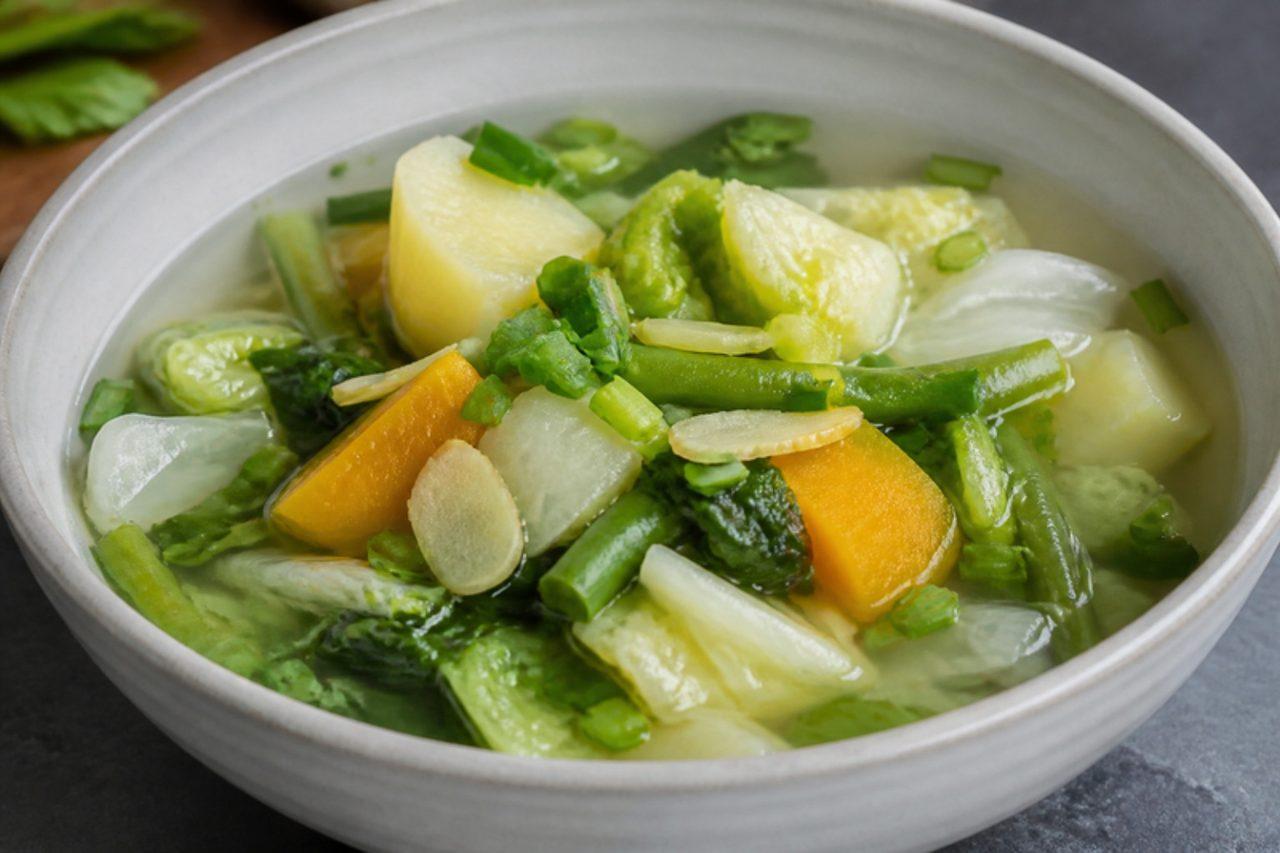
Kangshoi is the everyday stew of the Imphal Valley: seasonal vegetables simmered in water with ginger, onion and chilli, and finished with a fistful of fresh herbs such as maroi (a garlic chive), coriander and mint. It is light, clear and brothy, eaten with rice at almost every Meitei meal. Many households add dried fish or ngari (fermented fish) for depth; Vaishnav Meitei homes leave it out, and this vegetarian version relies on toasted chilli and plenty of herbs instead. Chef's tip: cook it without oil, as Manipuris do; the clean broth is the point.

by KrazyBadal 0 views

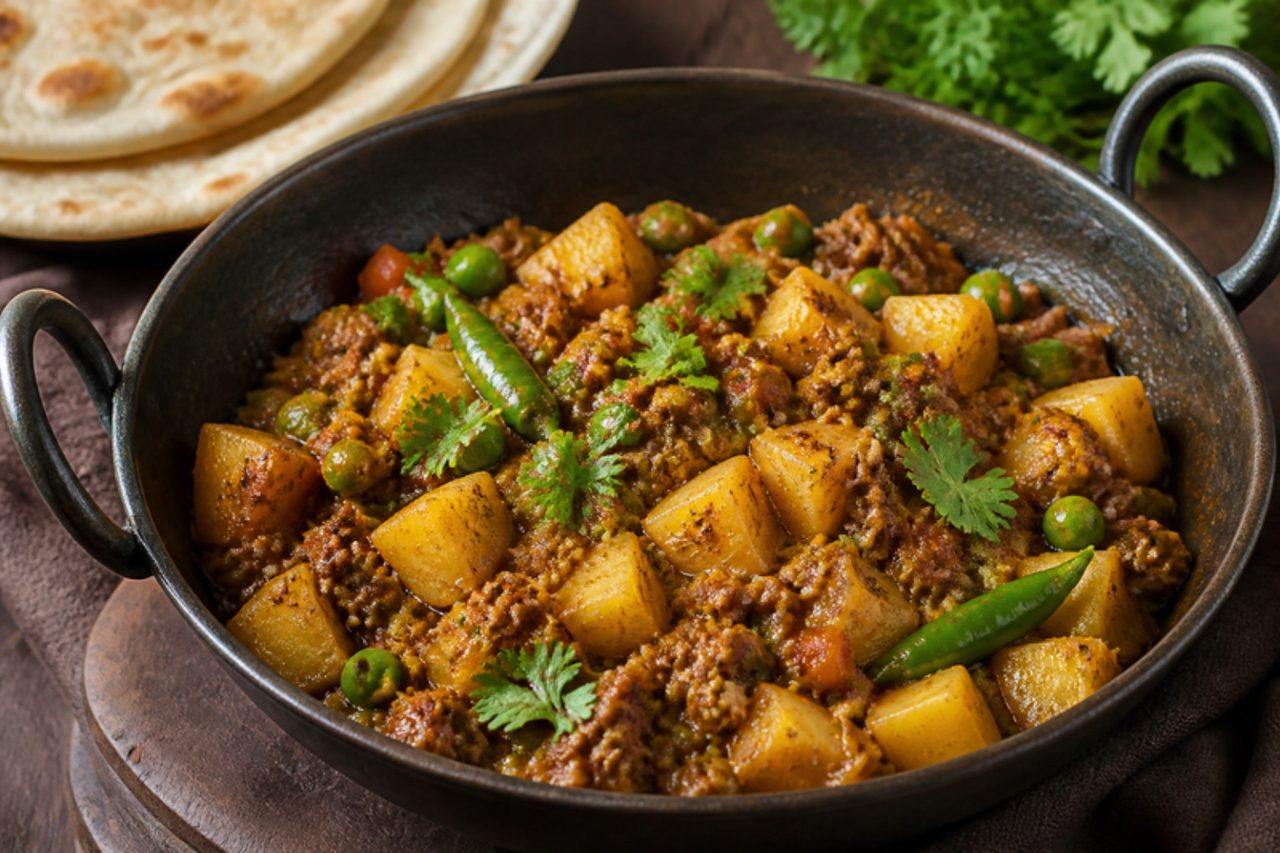
Aloo keemaMinced meat with potatoes

Aloo keema is the dinner that turns up in Pakistani homes from Karachi to Peshawar several times a month: quick, cheap, and loved by children and grandparents alike. Mince is browned with onion, tomato and whole spices, then simmered with potato cubes and peas until the potatoes soak up the masala. It is usually eaten with hot chapati or paratha, and leftovers become a filling for sandwiches and samosas the next day. Chef's tip: keep frying the mince until all the water it releases has gone and it starts to sizzle; that's where the browned, meaty flavour comes from.

by KrazyBadal 0 views

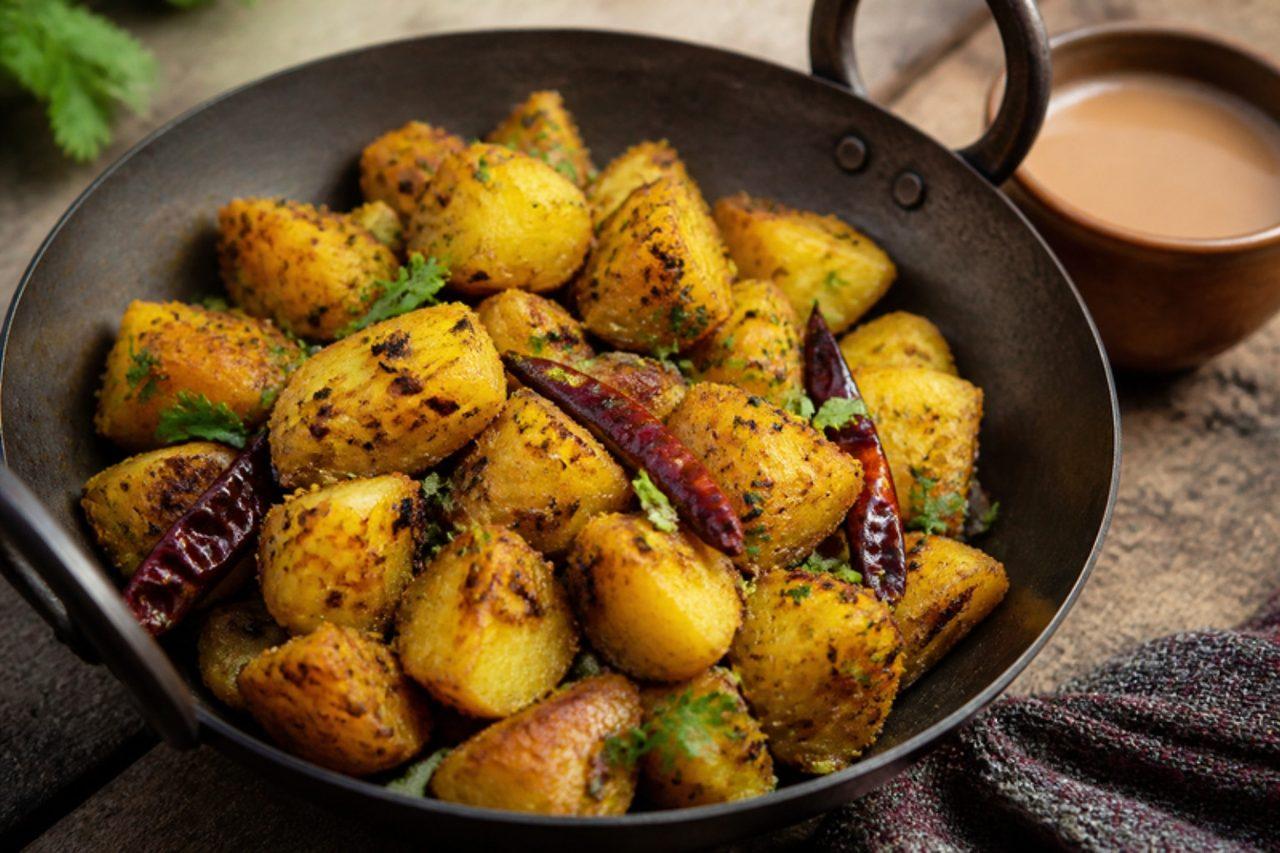
Aloo ke gutkePotato cubes with mountain spices

Ask anyone from Kumaon what they miss most from home and aloo ke gutke comes up quickly. Hill potatoes are boiled, cut into rough chunks and tossed in smoking mustard oil with jakhiya, a tiny wild seed that pops and crunches like mustard but tastes more like toasted cumin. It's served at tea time with a mug of chai, on festival plates next to puri, and in local dhabas with cucumber raita. Outside Uttarakhand jakhiya is hard to find, so use cumin seeds with a few black mustard seeds instead; the dish will still taste right. Chef's tip: boil the potatoes a few hours ahead, or the night before, so they firm up and fry into crisp-edged cubes instead of crumbling.

by KrazyBadal 0 views

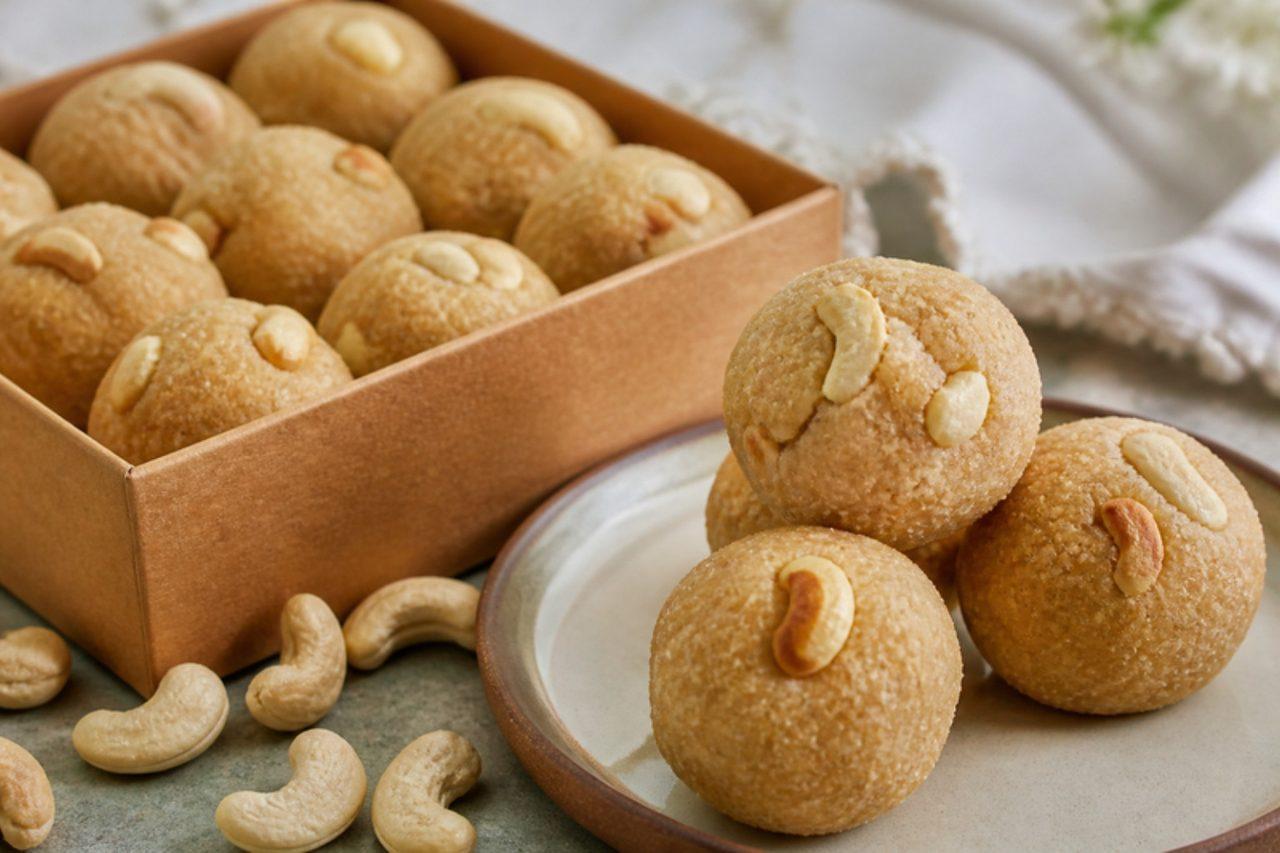
Kanpur khoya and suji ladduMilk solids and semolina laddu

Kanpur's best-known sweet is a crumbly, rich laddu sold in brown paper boxes near the city's busy crossings and taken home as a souvenir from the city. It is made by roasting semolina slowly in ghee until it smells like warm biscuits, then mixing in browned khoya, sugar and plenty of cashews, giving a soft, melt-in-the-mouth bite with tiny pieces of crunch. Families make a batch for Diwali or Raksha Bandhan and keep it for a week. The biggest mistake is adding the sugar while the mixture is still hot; it melts and the laddus collapse into flat puddles. Chef's tip: if the mixture feels too dry to bind, sprinkle in warm milk a teaspoon at a time rather than adding more ghee.

by KrazyBadal 0 views

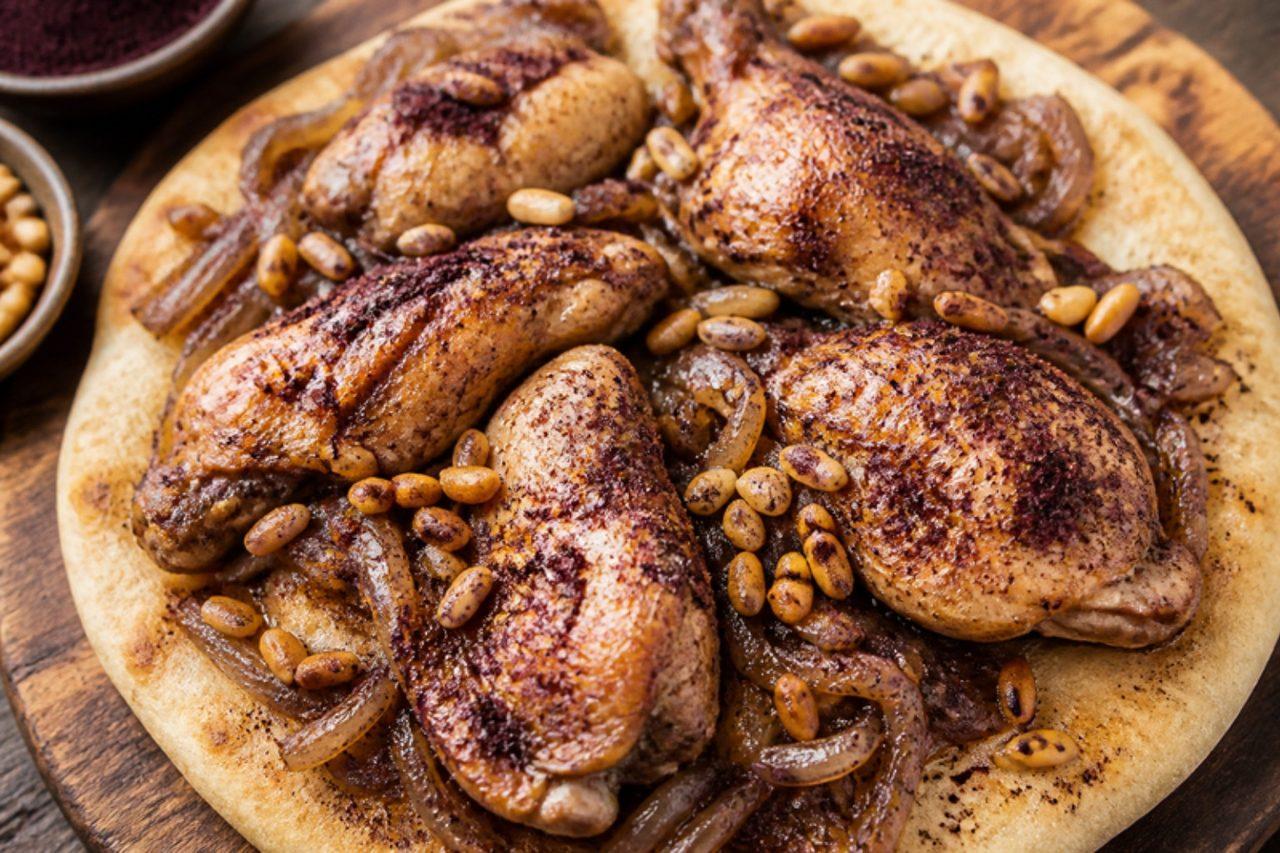
MusakhanSumac chicken on flatbread

Musakhan is the dish Palestinian families in the villages around Jenin and Tulkarem make in late autumn, when the olives have been pressed and the first green, peppery oil comes home from the mill. Mounds of onion are cooked slowly in that oil with plenty of sumac, piled onto taboon bread with roast chicken and baked until the bread's edges crisp and its middle soaks up the purple-red juices. It is eaten with your hands, shared from one big tray, with yogurt and a chopped salad. Chef's tip: use more oil than feels right; the bread is meant to drink it, and a dry musakhan misses the point.

by KrazyBadal 0 views

Almond ghribaChewy almond cookies

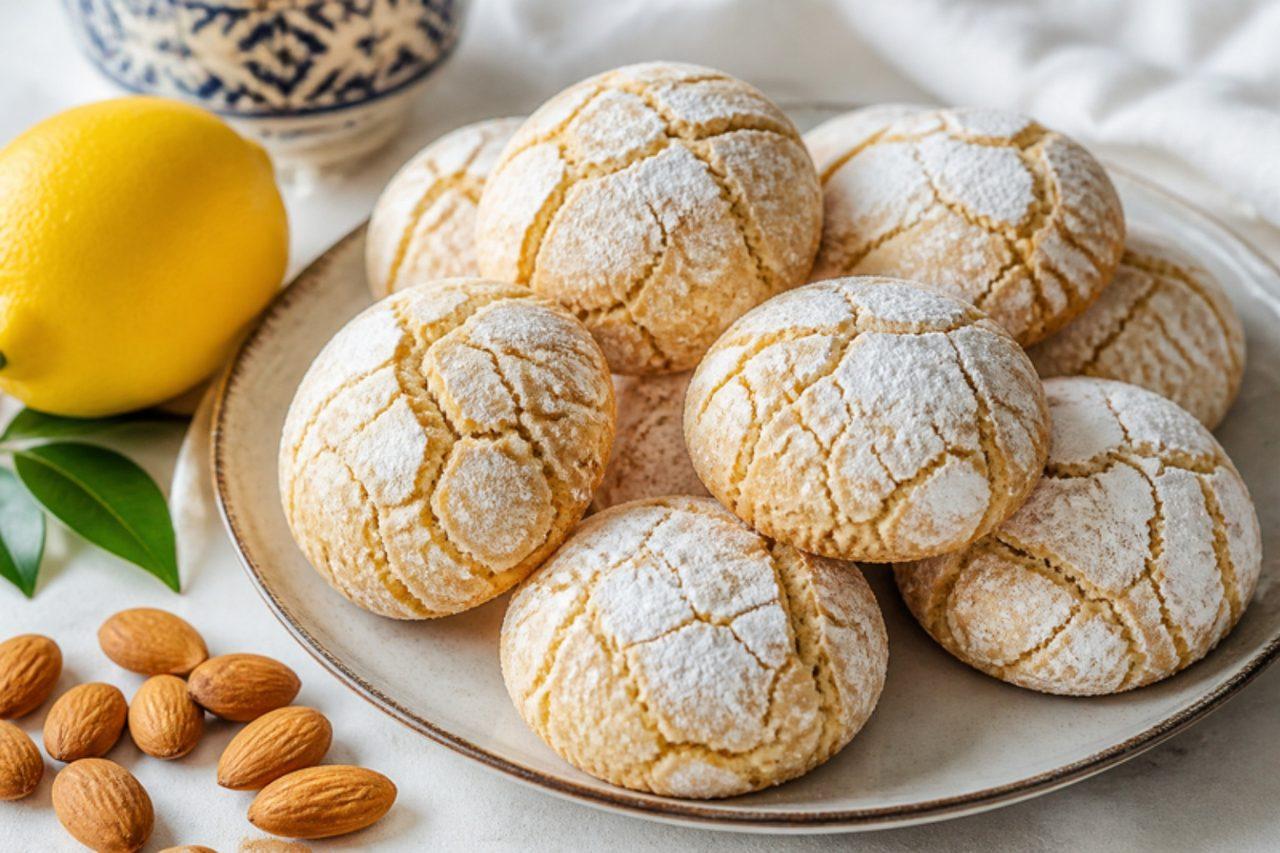
Ghriba are the crinkle-topped cookies that fill Moroccan biscuit trays for Eid, weddings and guests dropping by for tea; the almond version, ghriba bel louz, is especially loved in Fez and Tétouan. The dough is just ground almonds, sugar, egg and lemon zest, rolled in icing sugar so the top cracks into white rivers as it bakes. They are naturally gluten free, crisp at the edge and soft and chewy inside. Chef's tip: take them out when the cracks have formed but the centres still feel soft; they firm up as they cool, and overbaked ghriba turn hard.

by KrazyBadal 0 views

Kapenta with tomatoFried dried sardines with tomato

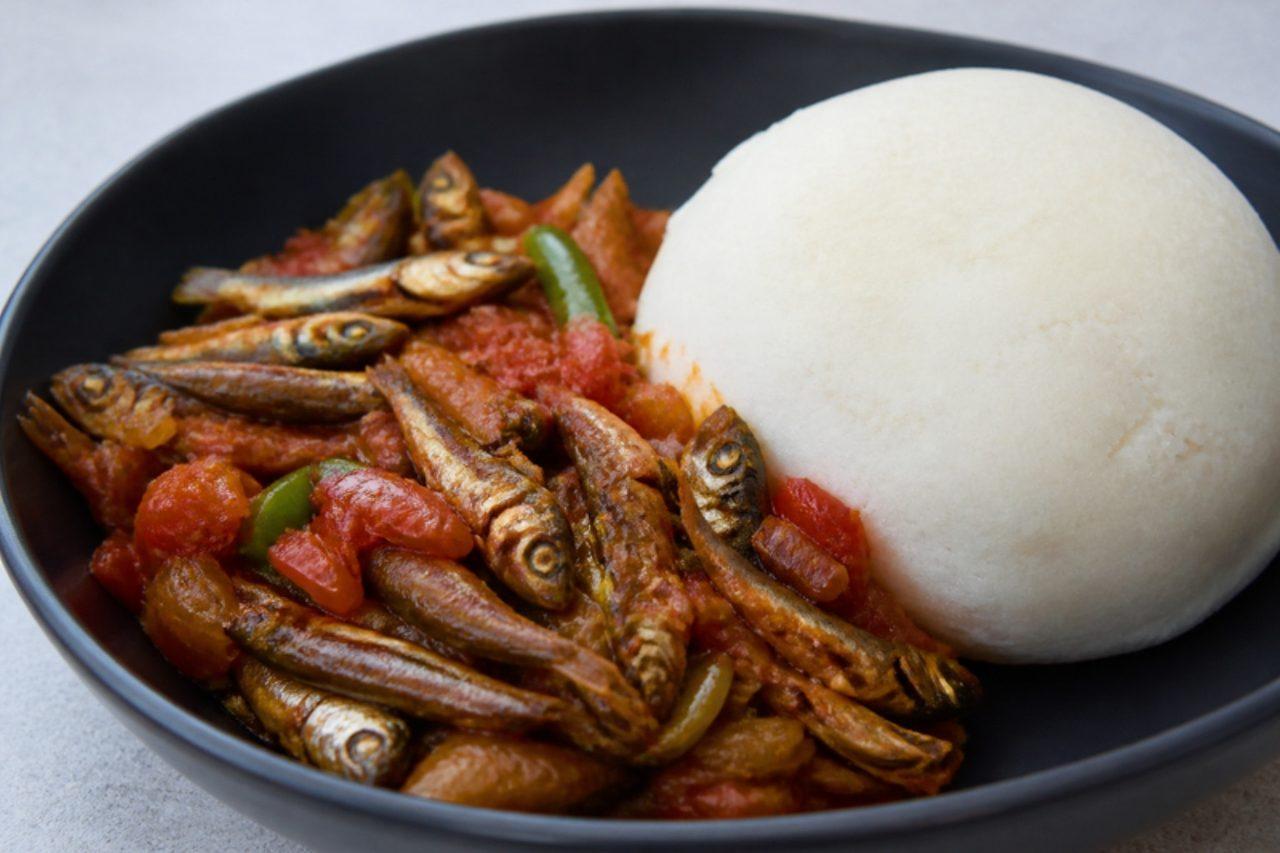
Kapenta are tiny freshwater sardines from Lake Kariba and Lake Tanganyika, sun-dried on racks along the shore and sold in markets from Lusaka to Harare. Cooked with onion, tomato and a little chilli, they become a savoury, crunchy relish that is eaten with nshima or sadza for a cheap, protein-rich weeknight meal. The mistake is skipping the rinse: dried kapenta carries sand and a strong smell, so soak and rinse it well. Chef's tip: fry the drained kapenta on its own first until crisp, then add the tomato, so it keeps some crunch.

by KrazyBadal 0 views

Kappa puzhukkuMashed cassava with coconut

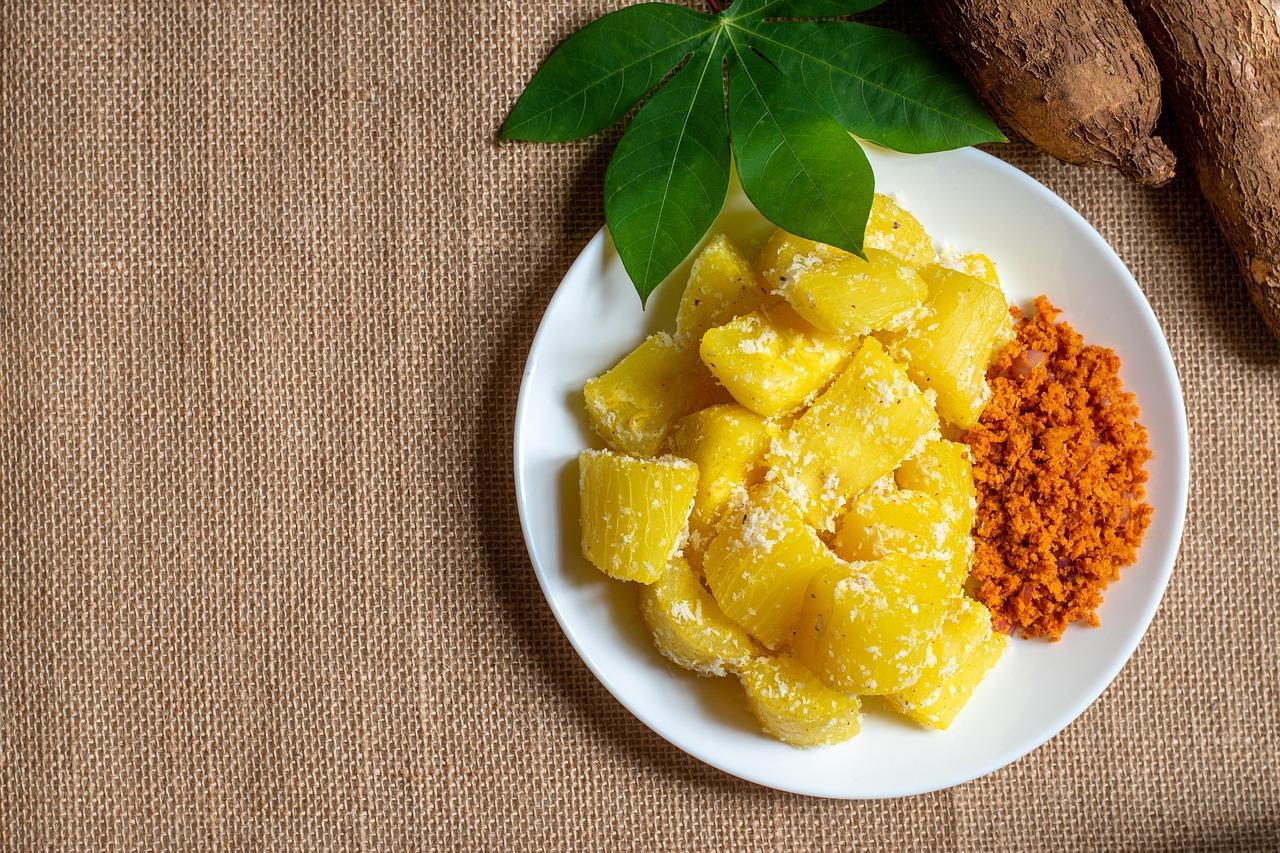
Kappa puzhukku is the cassava dish of central Kerala, eaten in homes around Kottayam and Thrissur, and also served at the start of the Thiruvathira festival. Cassava is boiled twice, roughly mashed with coconut crushed with green chilli, shallots and garlic, then finished with a coconut-oil tempering. It's soft and starchy, with crunchy coconut and a lot of chilli heat, filling enough to be a meal with a fiery chammanthi or a ladle of moru curry. Chef's tip: when you peel the cassava, pull out the woody string that runs down the middle; it never softens.

by KrazyBadal 0 views

Karak chaiSpiced evaporated milk tea

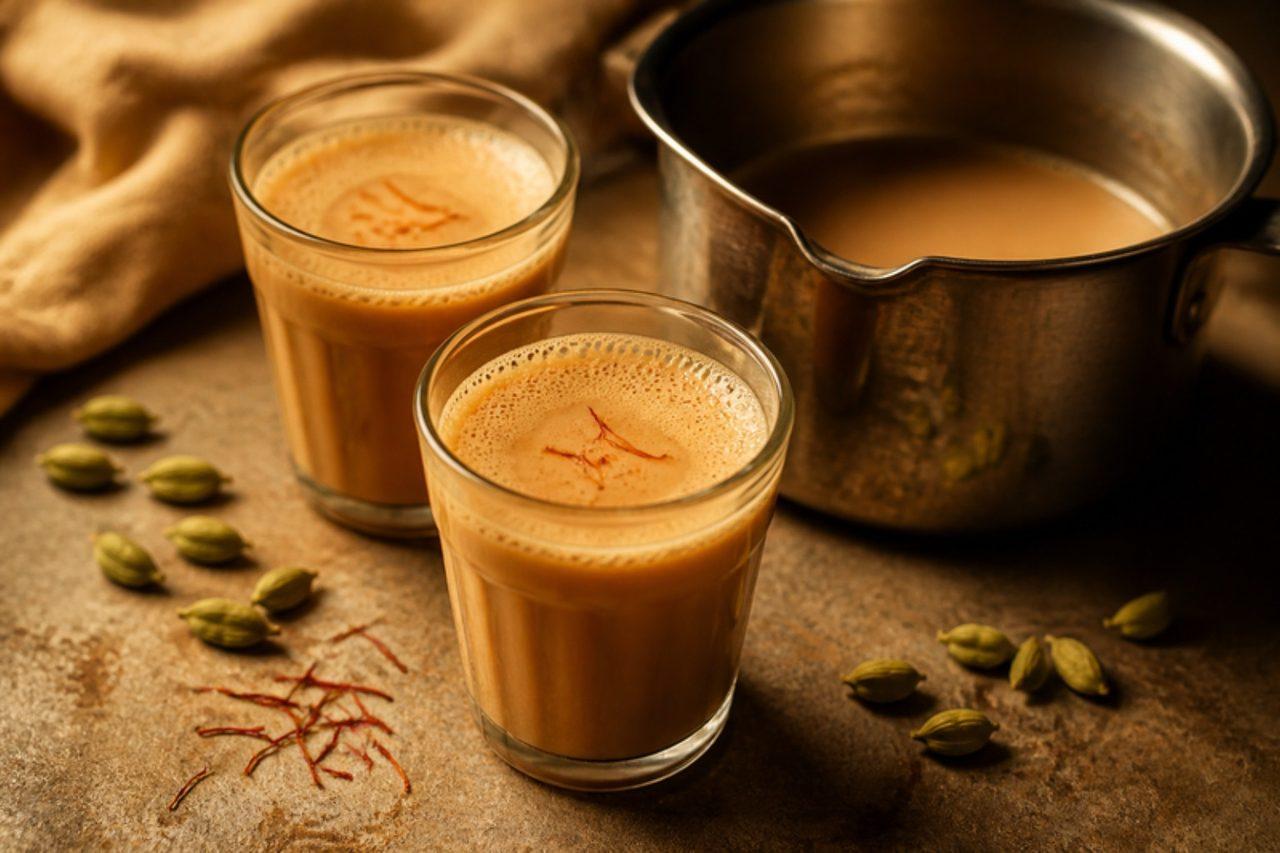
Every neighbourhood in Doha, Dubai and Kuwait City has a cafeteria with a hatch on the street, where karak is handed through car windows in paper cups at all hours. Brought to the Gulf by South Asian workers and now firmly local, it is black tea boiled hard with sugar and cardamom, then simmered again with evaporated milk until it is strong, sweet and the colour of toffee; a few strands of saffron mark the Gulf version. Chef's tip: pour the tea from a height between two pans a few times; the froth and slight cooling give the silky karak texture.

by KrazyBadal 0 views

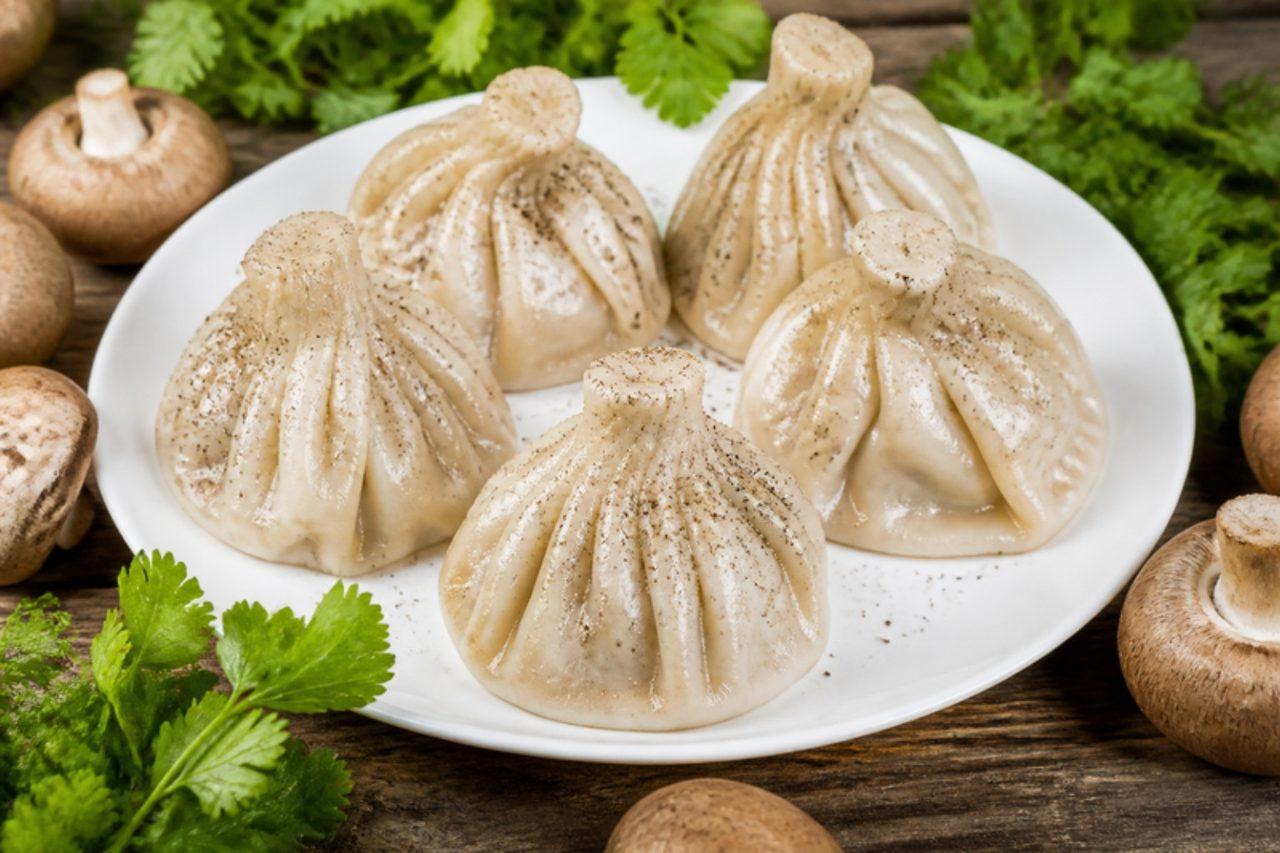
Mushroom khinkaliMushroom dumplings

Khinkali come from the mountain villages of Pshavi, Khevsureti and Tusheti in Georgia's north-east, and the roadside khinkali houses of Pasanauri on the Georgian Military Road are where many Tbilisi families stop for them. The classic filling is meat, but mushroom khinkali (sokos khinkali) are made all through Orthodox Lent and are on most menus. You hold each one upside down by its twisted topknot, bite a small hole, sip the hot juices, then eat the rest and leave the doughy knot on the plate to count how many you have eaten. The common mistake is rolling the wrappers too thin or the dough too soft, so they tear in the pot and lose their juice. Chef's tip: grind black pepper over them generously at the table, as Georgians do; it wakes up the mushrooms.

by KrazyBadal 0 views

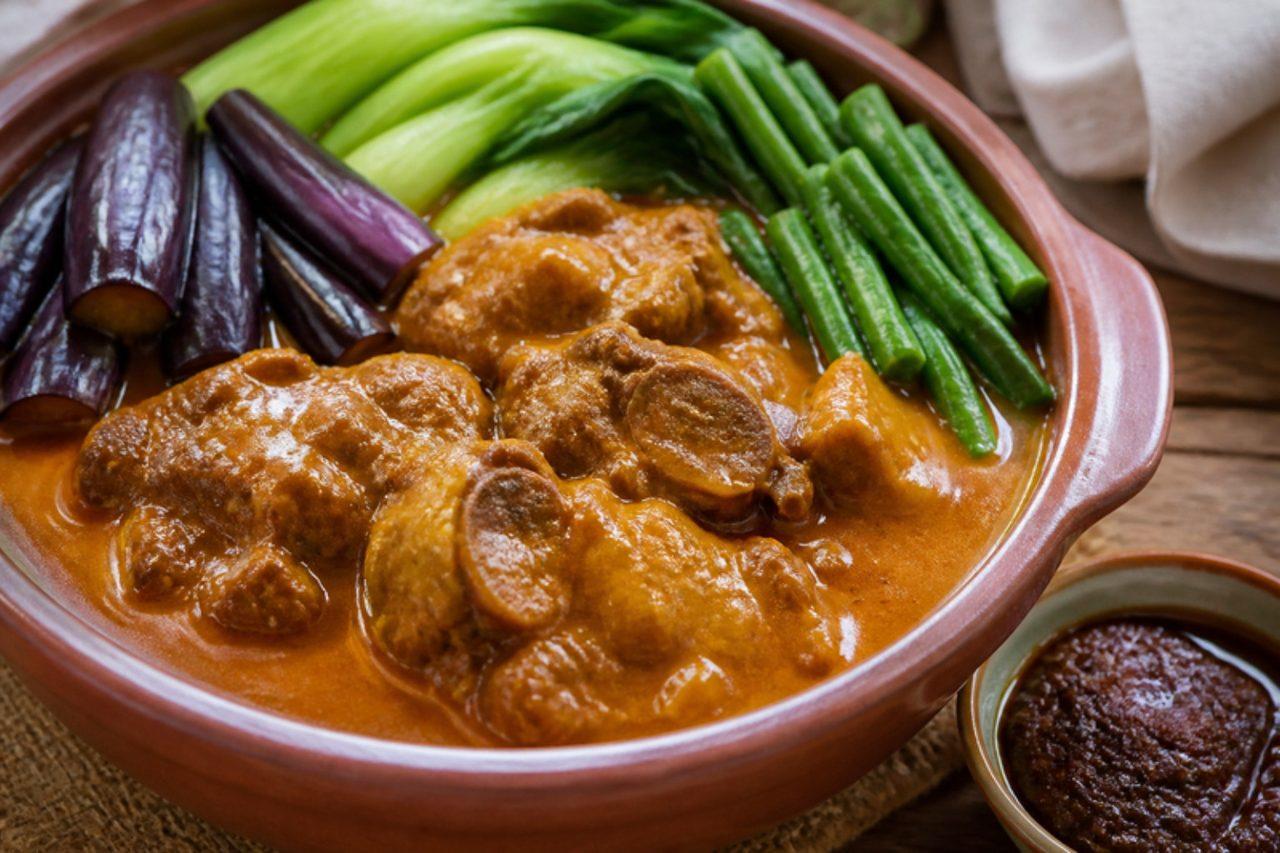
Kare-kareOxtail in peanut sauce

Kare-kare belongs to Pampanga, the province north of Manila that many Filipinos call the country's kitchen, and it is the stew families bring out for fiestas, birthdays and long Sunday lunches. Oxtail and beef shin are simmered until the meat falls from the bone, then finished in a thick, nutty sauce coloured orange with annatto and thickened with toasted ground rice. The sauce itself is barely salted on purpose: everyone adds a little sautéed shrimp paste (bagoong alamang) at the table, so the dish contains shellfish. Pile it over steamed rice with the aubergine, long beans and pak choi. Chef's tip: toast the rice in a dry pan until it is the colour of biscuits before grinding it; that roasted smell is what makes the sauce taste of kare-kare rather than plain peanut butter.

240 minFilipinoMeat
by KrazyBadal 0 views

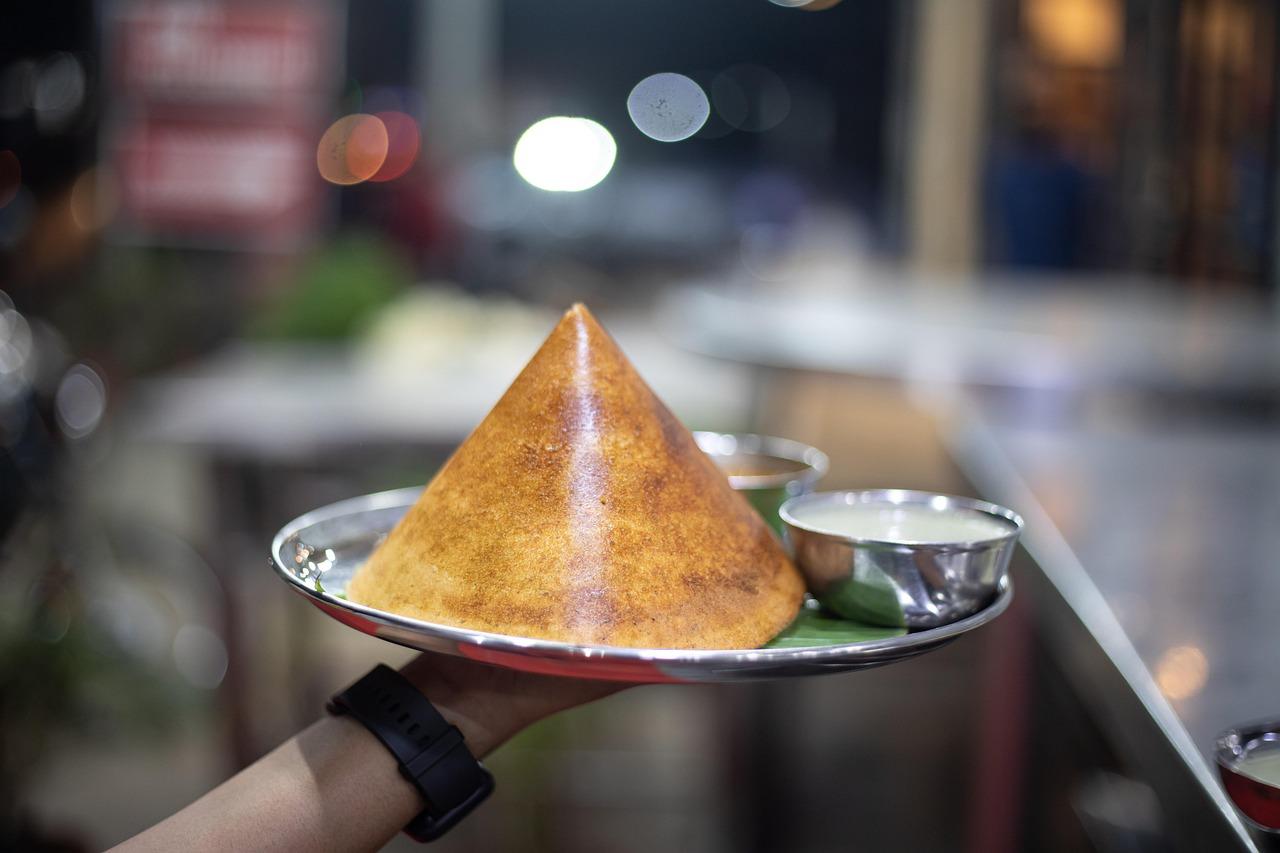
Mysore masala dosaGarlic chutney dosa with potato

Mysuru in Karnataka gave its name to this bolder dosa: a slightly thicker, golden crêpe that is crisp outside and soft inside, painted with a hot red chutney of dried chillies, garlic and roasted chana dal before the potato palya goes in. The chutney melts into the dosa as it cooks, so every bite has a sweet-spicy, garlicky kick. In Mysuru's old cafés it's served flat and folded, with coconut chutney to cool things down. Chef's tip: use Byadagi or Kashmiri chillies for the chutney; they give a deep red colour without blowing your head off, so you can spread it generously.

by KrazyBadal 1 views

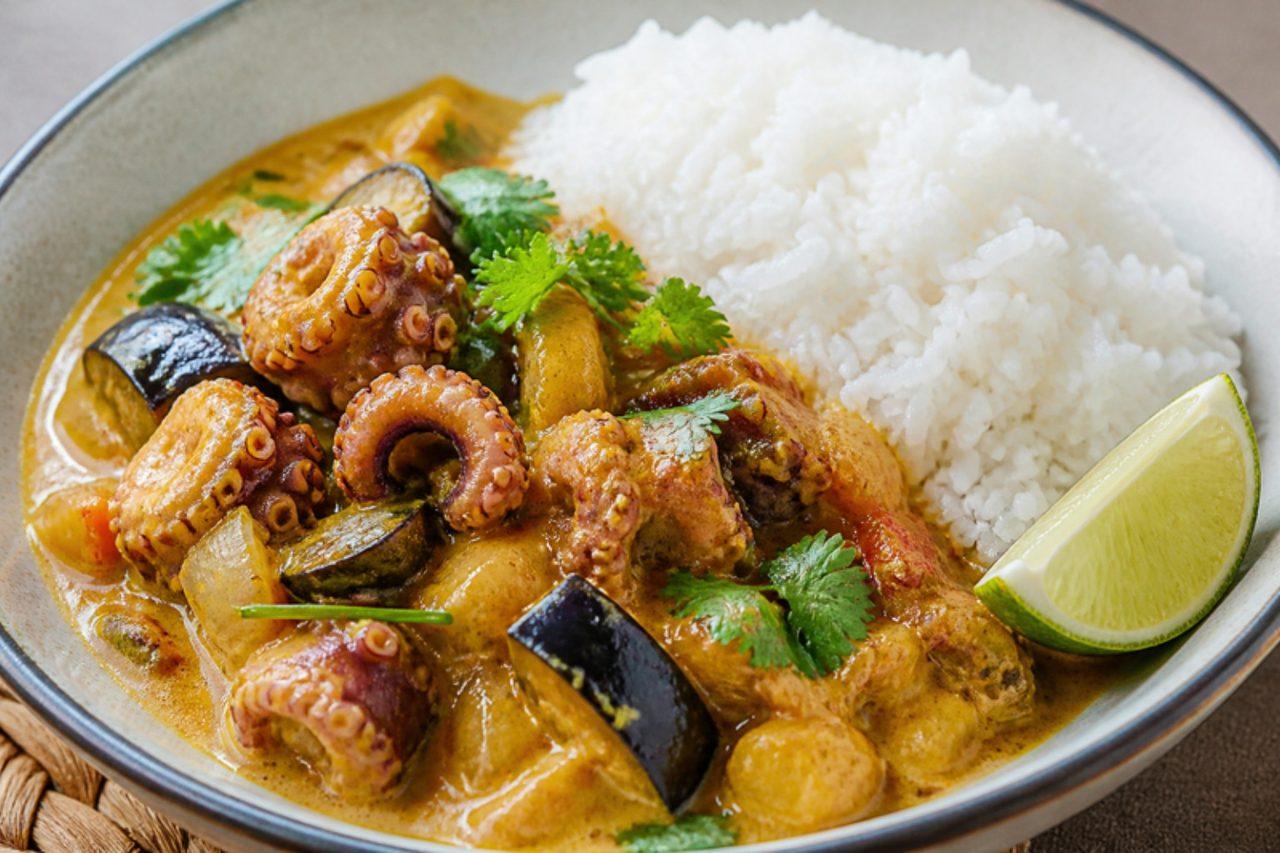
Kari koko zouritOctopus coconut curry

Kari koko zourit, octopus in coconut curry, is the dish most Seychellois would name as their national favourite, cooked on Mahé and Praslin when the fishermen bring octopus in from the reef. The octopus is simmered until tender, then cooked in a sauce of coconut milk, curry powder, garlic, ginger, cinnamon and a little aubergine. It is served with rice and a green papaya chutney. The mistake is cooking the octopus too briefly or at a fast boil, which makes it rubbery; it needs a long, gentle simmer. Chef's tip: frozen and thawed octopus is often more tender than fresh, because freezing breaks down the fibres.

by KrazyBadal 0 views

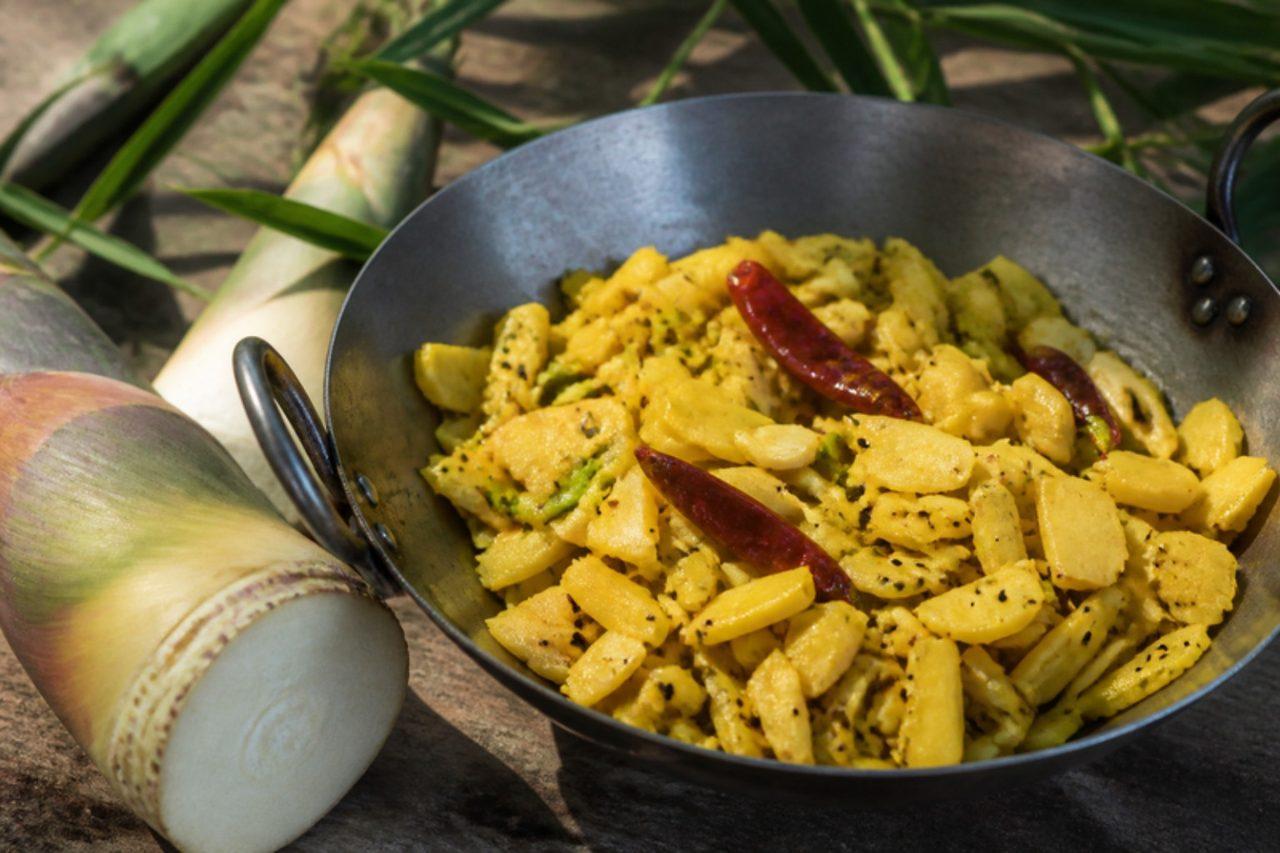
Karil (bamboo shoot curry)Bamboo shoot and potato curry

In the villages of Jharkhand's Chotanagpur plateau, the first tender bamboo shoots of the rains are called karil, and they are cooked into a simple, punchy dry curry with potato, lots of garlic and mustard oil. Some families also dry or pickle the shoots to last the year. The shoots stay crunchy and have a gentle sourness that goes beautifully with rice and dal. Tinned bamboo shoots work well and are already cooked. Chef's tip: always boil fresh shoots before using them; raw bamboo is bitter and not safe to eat.

by KrazyBadal 0 views

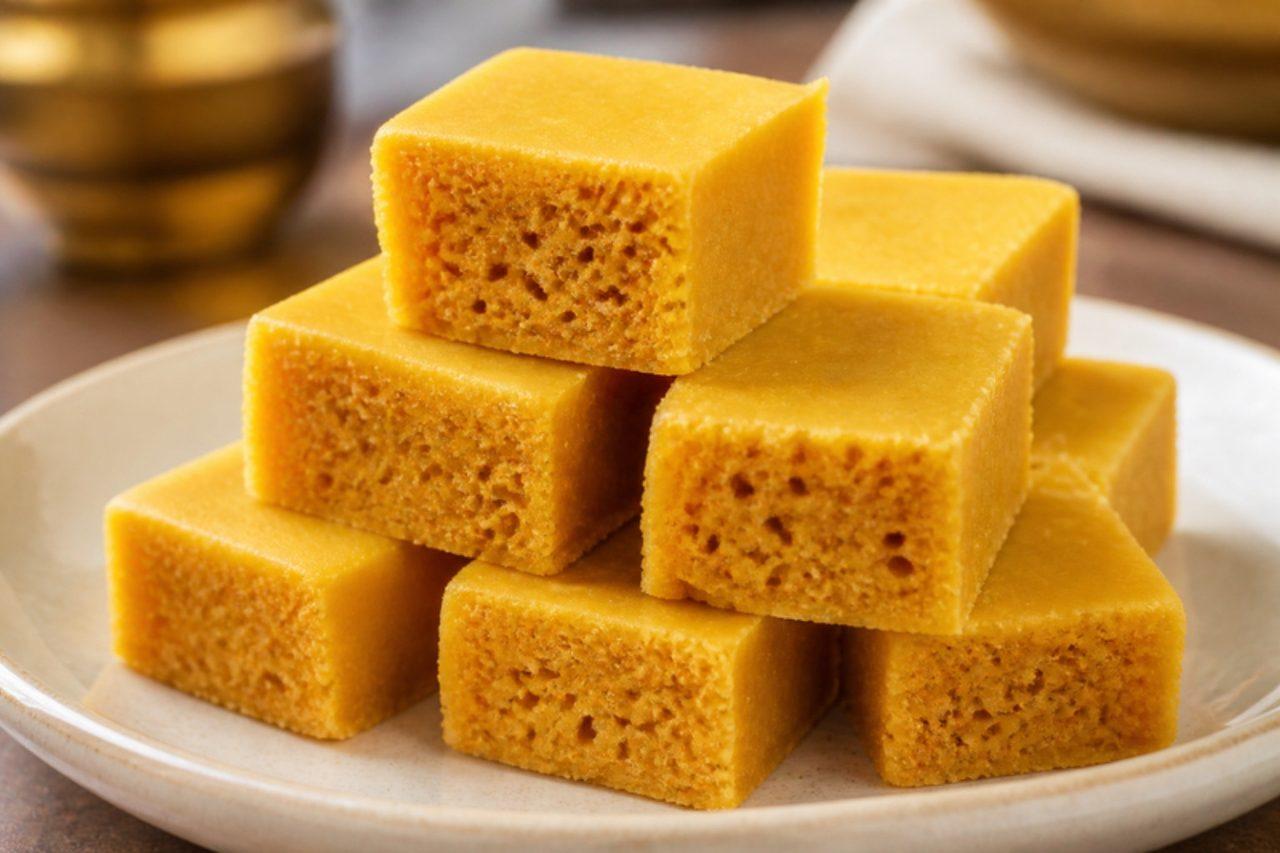
Mysore pakGram flour and ghee fudge

Mysore pak was first made in the kitchens of the Mysuru palace in Karnataka, and it's still the sweet that every Mysuru sweet shop is judged by. Roasted gram flour is cooked in a sugar syrup while hot ghee is poured in a spoonful at a time, until the mixture froths up and sets into a golden, honeycombed block. This home version is the softer, melt-in-the-mouth style, with a fine porous crumb; cook it a minute or two longer for the harder, crunchier traditional slab. It keeps for a week and is made for Diwali, weddings and Dasara. Chef's tip: keep the ghee hot on a second burner the whole time; hot ghee hitting the batter is what makes it froth and form those little air holes, and cold ghee gives a dense, greasy fudge.

by KrazyBadal 0 views

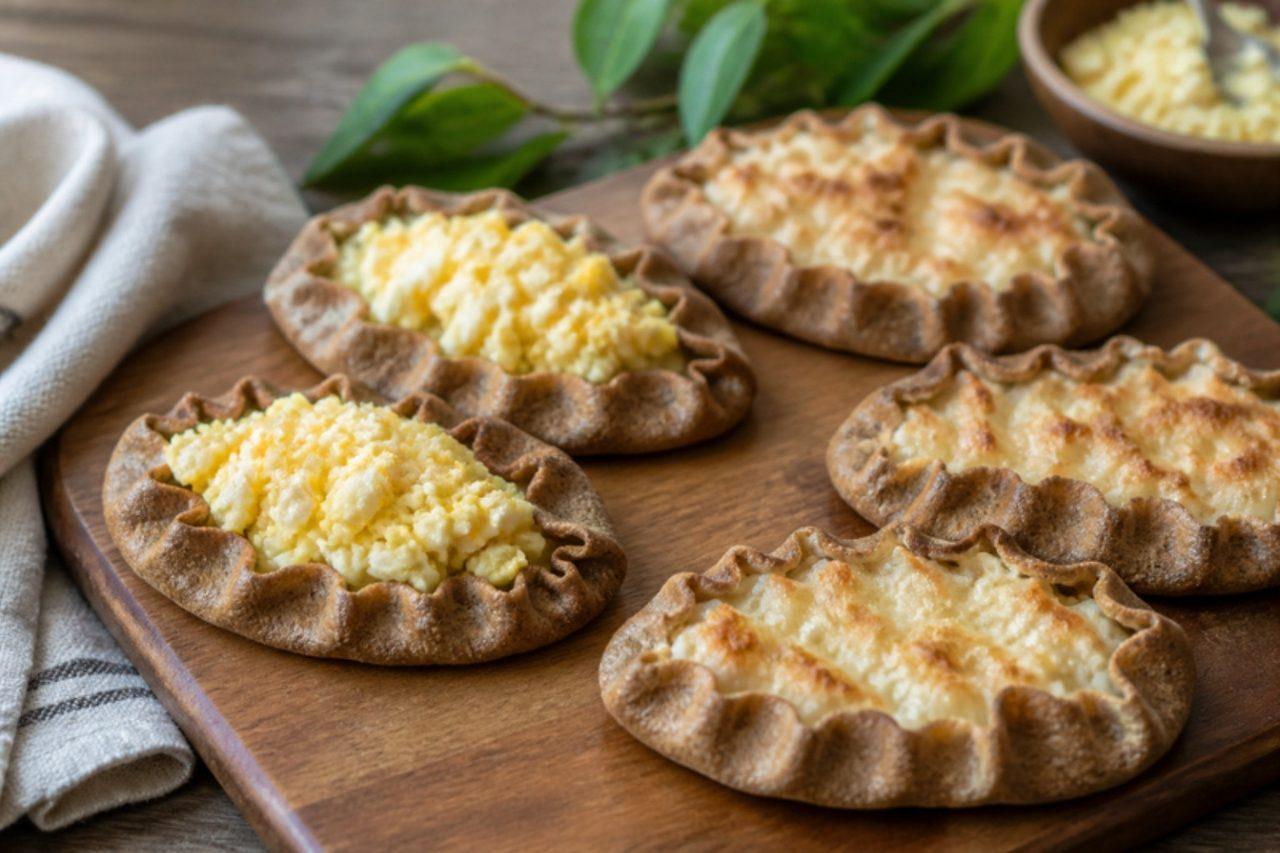
KarjalanpiirakkaRye pastries with rice filling

Karjalanpiirakka come from Karelia, the borderland of eastern Finland, and are now baked in every Finnish home and sold in every Helsinki market hall. The open, oval pies have a crust of rye dough rolled paper-thin and crimped by hand around a filling of creamy rice porridge. Straight from a very hot oven they are brushed with butter and milk to soften, then eaten warm with munavoi, egg butter: chopped hard-boiled egg mashed into soft butter. Finns eat them for breakfast, at coffee tables and at weddings and funerals alike. The crimping looks fiddly but goes quickly after the first few. Chef's tip: make the rice porridge a day ahead; cold porridge is stiff enough to spread neatly and won't soak the thin crust.

by KrazyBadal 0 views

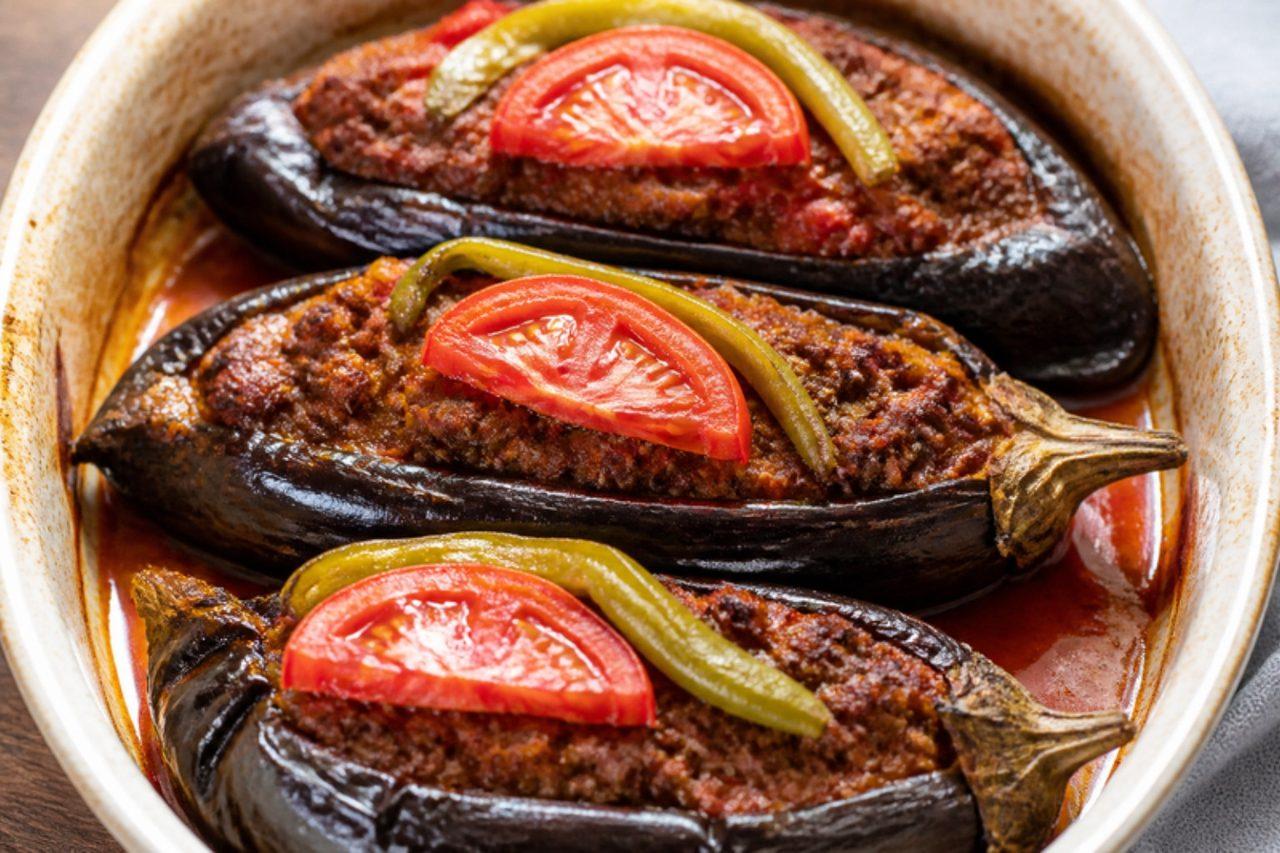
KarnıyarıkStuffed aubergines with beef

Karnıyarık is a summer weekday dinner in kitchens all over Turkey, made when aubergines are glossy, cheap and piled high at the street markets. Small whole aubergines are peeled in stripes, fried until silky, then slit down the middle and packed with minced beef cooked with onion, green pepper and tomato. A short spell in the oven melts it all together. It is eaten warm with plain rice pilaf and a bowl of cacık or yogurt. Chef's tip: press the fried aubergine open with the back of a spoon to make a deep boat, so the filling sits inside rather than rolling off.

by KrazyBadal 0 views

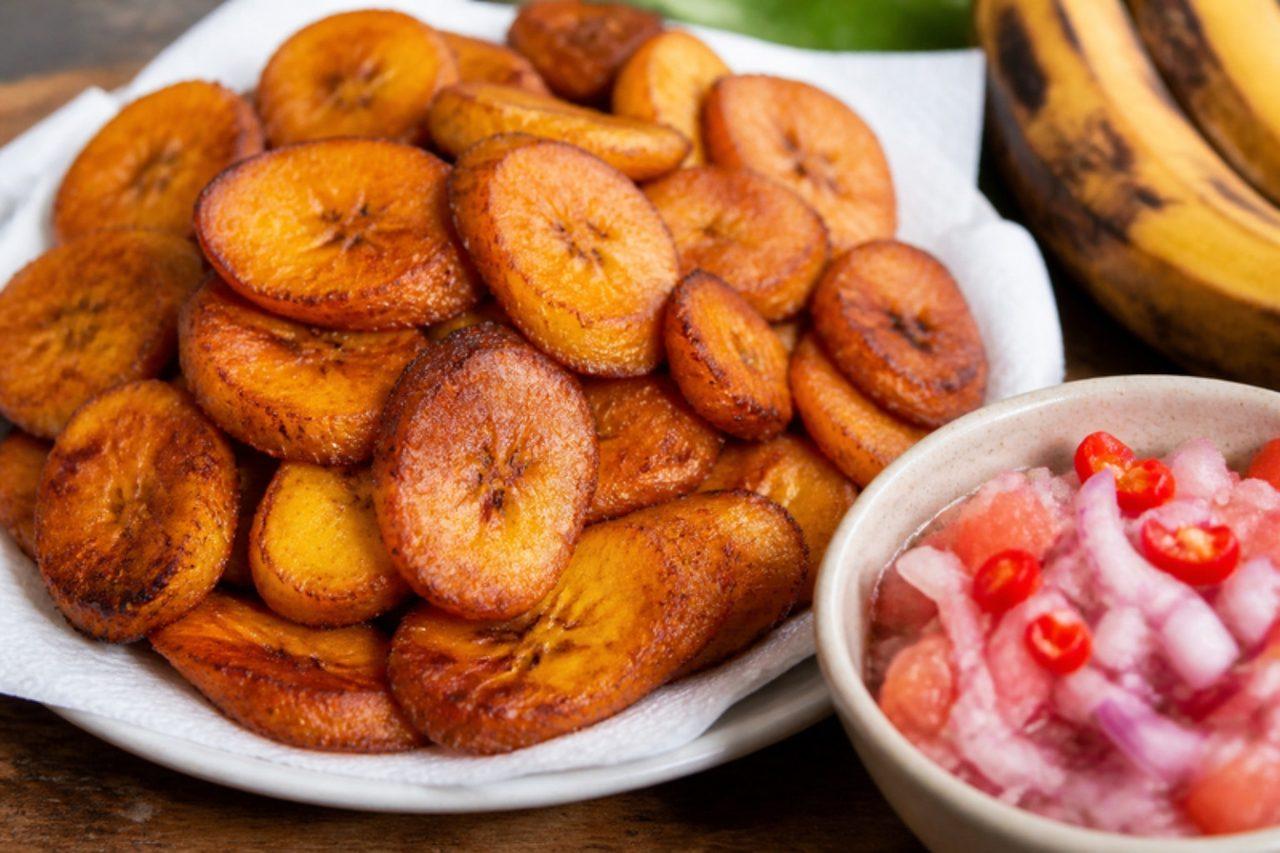
AllocoFried plantain with chilli sauce

Alloco is the evening street food of Abidjan, fried in palm or vegetable oil in big pans by vendors around the Allocodrome in Cocody and in every neighbourhood. Very ripe plantain is cut into thick slices or cubes, fried until caramelised at the edges, and eaten with a fiery raw sauce of onion, tomato and chilli. Unlike Ghanaian kelewele it is not marinated in spices: the sweetness of the fruit against the sharp sauce is the whole point. Chef's tip: wait until the plantain skins are mostly black; yellow plantain fries up dry and starchy.

by KrazyBadal 0 views

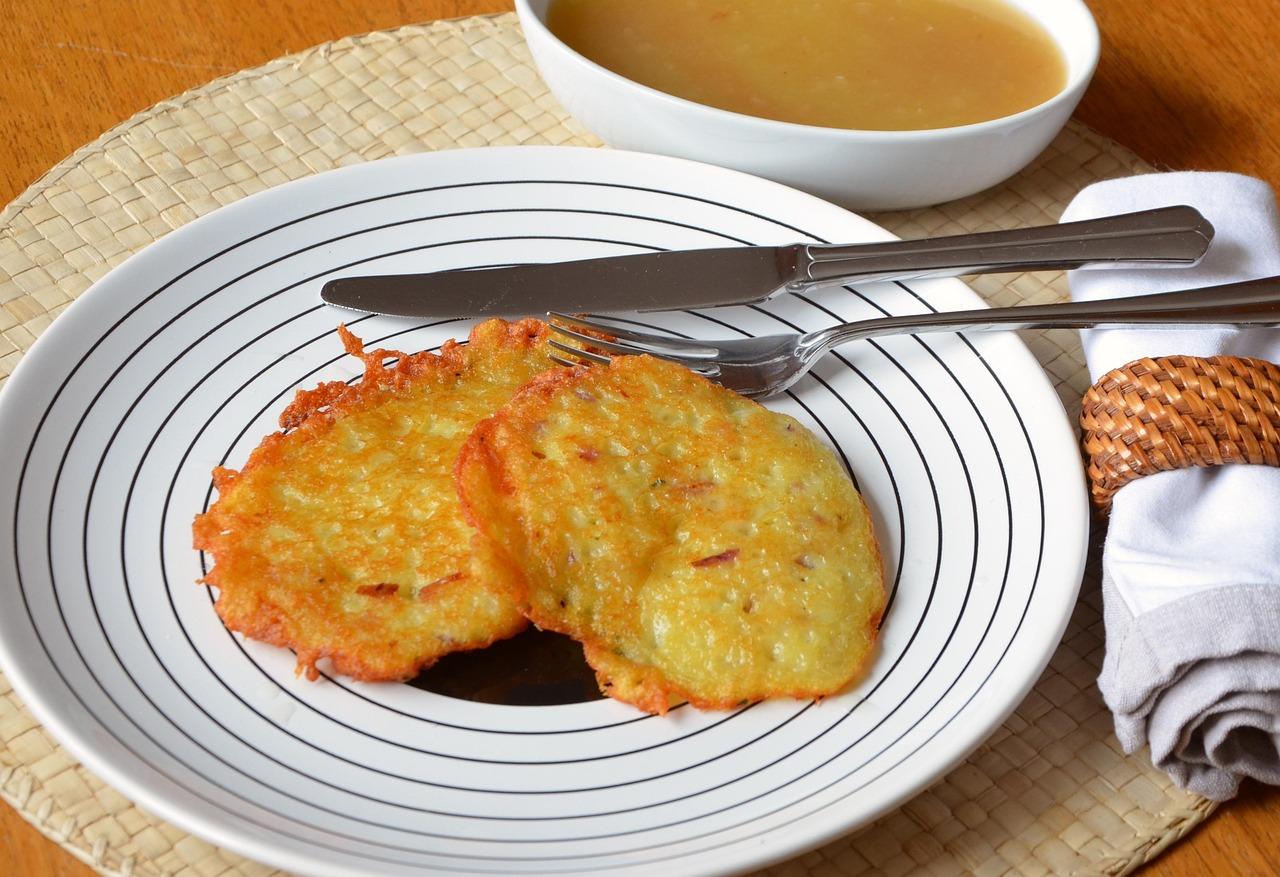
KartoffelpufferPotato fritters

In Cologne and Düsseldorf they're called Reibekuchen, and they are the smell of the Christmas markets and autumn fairs: thin, lacy potato fritters fried in oil until golden and crunchy at the edges. At home in the Rhineland they're traditionally a Friday dish, eaten hot with apple sauce or on buttered dark rye bread. They are simple, but timing and heat matter. Chef's tip: squeeze the grated potato really hard in a tea towel and keep the starch that settles at the bottom of the liquid; it binds the mixture so you need very little flour.

by KrazyBadal 0 views

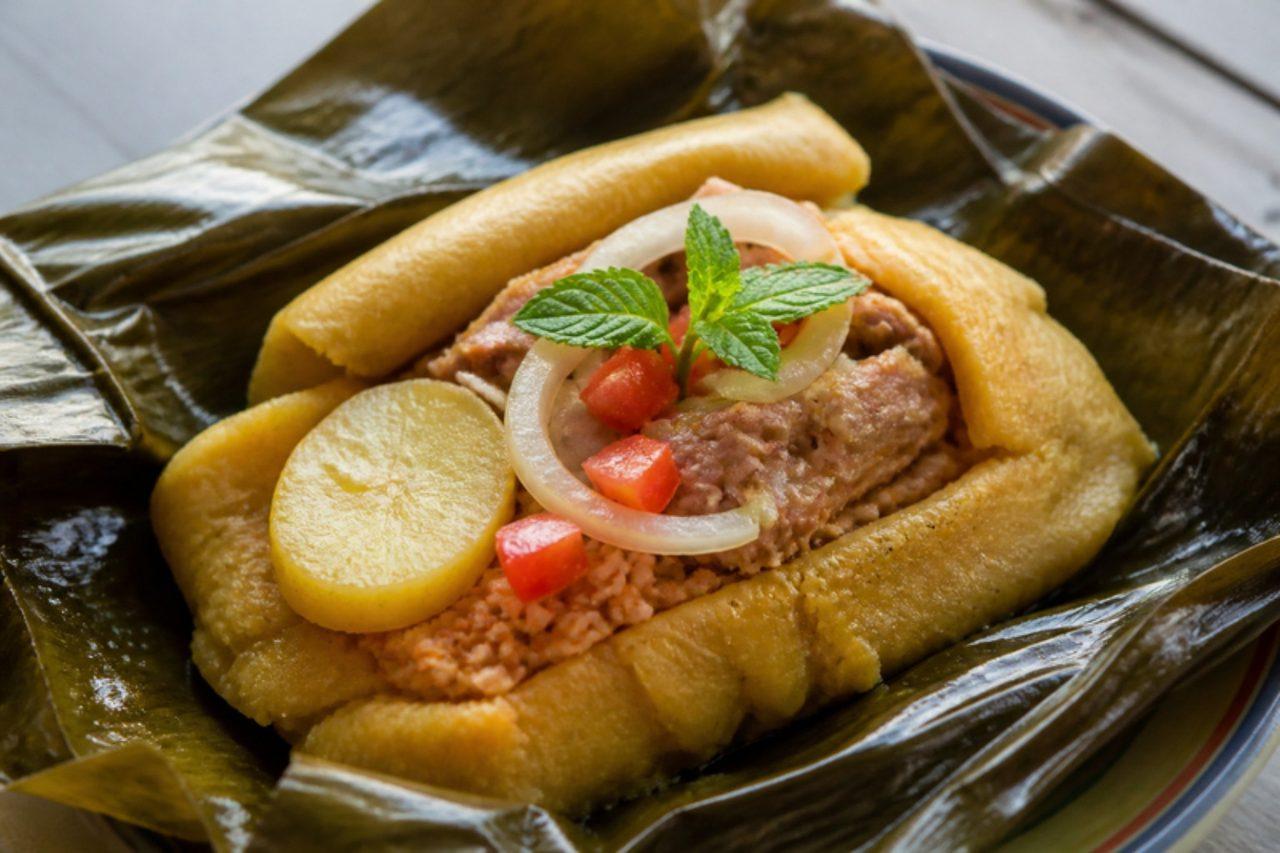
NacatamalLarge pork tamal in banana leaf

Nacatamales are the Saturday and Sunday breakfast of Nicaragua, bought from neighbours who make them on Friday nights or steamed at home for Christmas: a large, soft masa dough enriched with lard and sour orange, wrapped round marinated pork, rice, potato, tomato, onion, sweet pepper and mint, then tied in banana leaves and steamed for hours. This dish contains pork. They are eaten with bread and black coffee. The mistake is a dry masa: it should be soft and spreadable, almost like thick mashed potato, or the tamal turns hard. Chef's tip: wipe the banana leaves and pass them briefly over a flame so they become supple and don't split.

by KrazyBadal 0 views

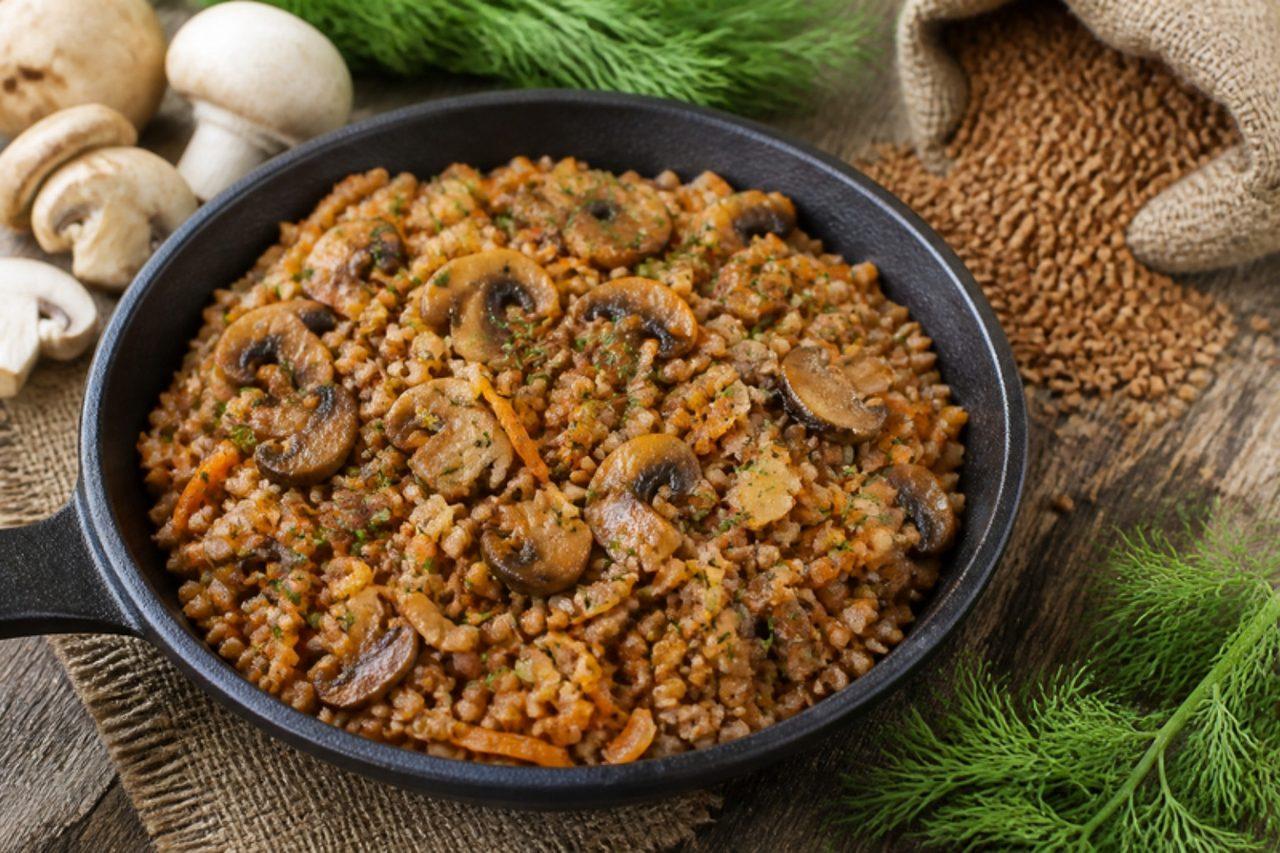
Kasha with mushroomsBuckwheat with mushrooms

Buckwheat, hrechka, is the grain Ukrainians grow up on: cooked loose and fluffy, it turns up as a weekday side in Kharkiv kitchens, in student dorms in Lviv and on every school canteen tray. Cooked with fried mushrooms, onion and carrot it becomes a filling meal of its own, and in autumn it is made with wild mushrooms picked in the Polissia forests. It is naturally gluten free and, with no butter, vegan. Chef's tip: dry-toast the grains until they smell nutty and crackle; it gives the kasha its deep flavour and keeps each grain separate.

by KrazyBadal 0 views

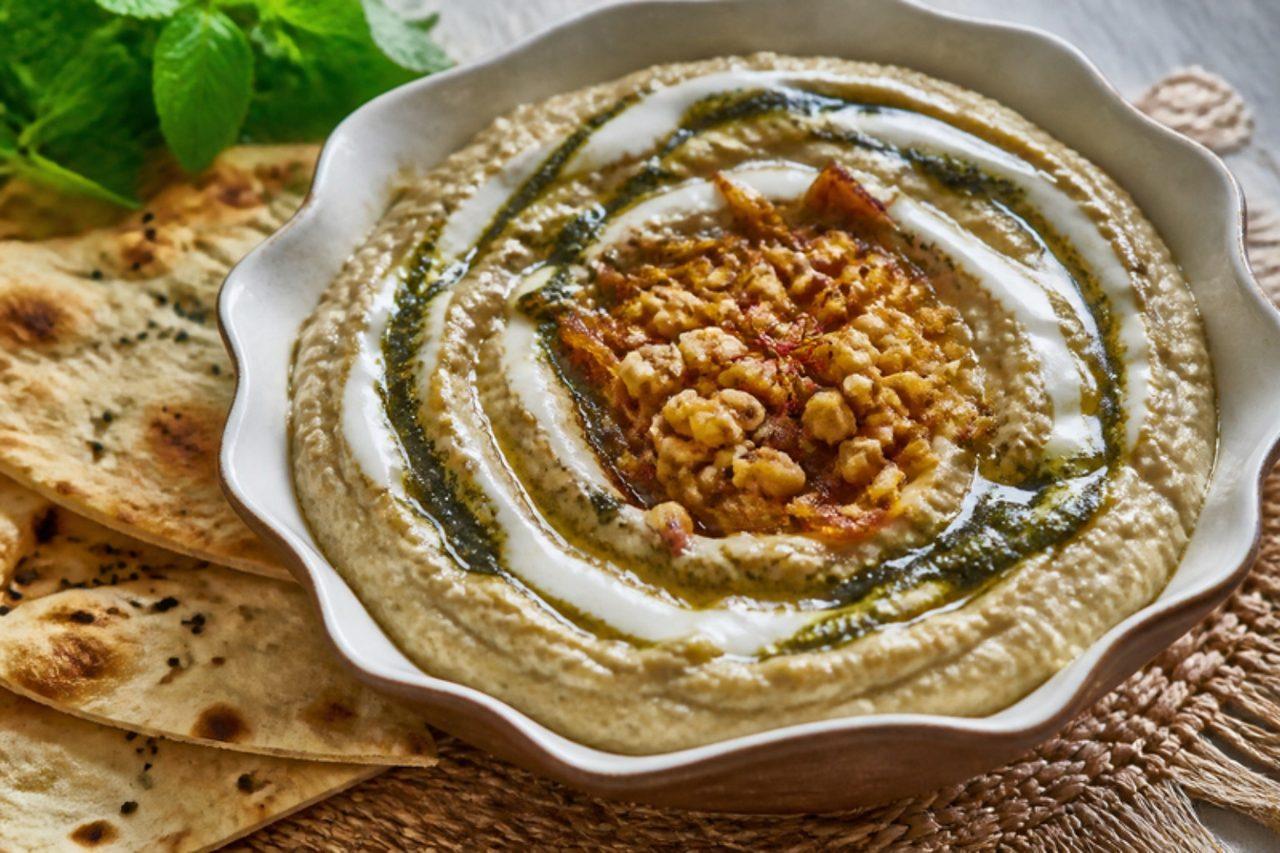
Kashk-e bademjanAubergine and whey dip

Kashk-e bademjan is the aubergine dip that greets you at the start of a meal in Tehran restaurants and at family gatherings all over Iran, swirled on a plate and decorated with fried onions, mint oil, walnuts and white ribbons of kashk. Fried aubergine is mashed with golden onions and garlic, then enriched with kashk, a tangy, salty fermented whey. Most kashk is made from soured yogurt without rennet, but some brands use cheese whey, so check the label if you avoid animal rennet; strained Greek yogurt beaten with a little sour cream and lemon is a good substitute. Serve it with warm flatbread. Chef's tip: fry the dried mint for a few seconds only, off the heat; it should smell sweet, not scorched.

by KrazyBadal 0 views

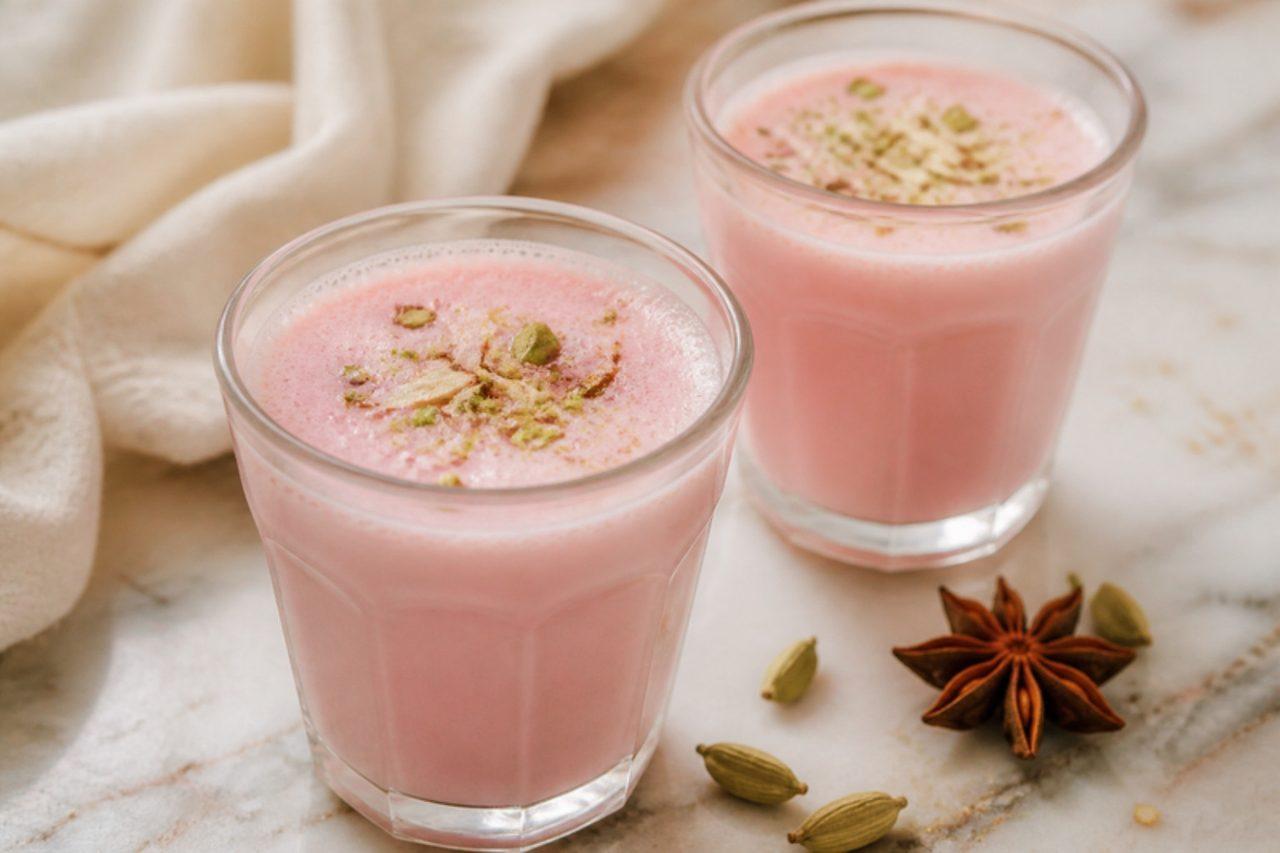
Kashmiri chaiPink salted milk tea

Kashmiri chai, called pink tea or gulabi chai across Pakistan, came down from Kashmir to become the winter drink of Lahore, Karachi and Islamabad: it is ladled out at weddings, sold from steaming pots at tea stalls on cold nights and served with nankhatai biscuits at family gatherings. The colour is real chemistry, not food colouring: green tea leaves are boiled hard with a pinch of baking soda until the brew turns deep red, then whisked and splashed to get air into it, and finally cooked with milk until it blushes pink. It is lightly salted in the old Kashmiri way and sweetened in the city way; add as much sugar as you like. The mistake people make is using black tea; only green tea leaves turn pink. Chef's tip: pour in ice-cold water as soon as the brew is reduced, and beat it hard; the shock and the air are what lock in the bright colour.

by KrazyBadal 0 views

Kashmiri girdaKashmiri round bread

Every neighbourhood in Srinagar has a kandur, a baker working at a pit oven, and before sunrise people queue there for girda: round breads about the size of a side plate, pressed all over with fingertips so the crust sets in ridges and hollows. The outside is lightly crisp, the crumb soft and slightly chewy, and the bread is torn and dunked into salty pink noon chai or spread with butter. A home oven with a heavy tray heated until very hot gets close to the kandur. Chef's tip: wrap the breads in a clean cloth as they come out; the trapped steam keeps the crust tender rather than hard.

142 minIndianBaking
by KrazyBadal 0 views

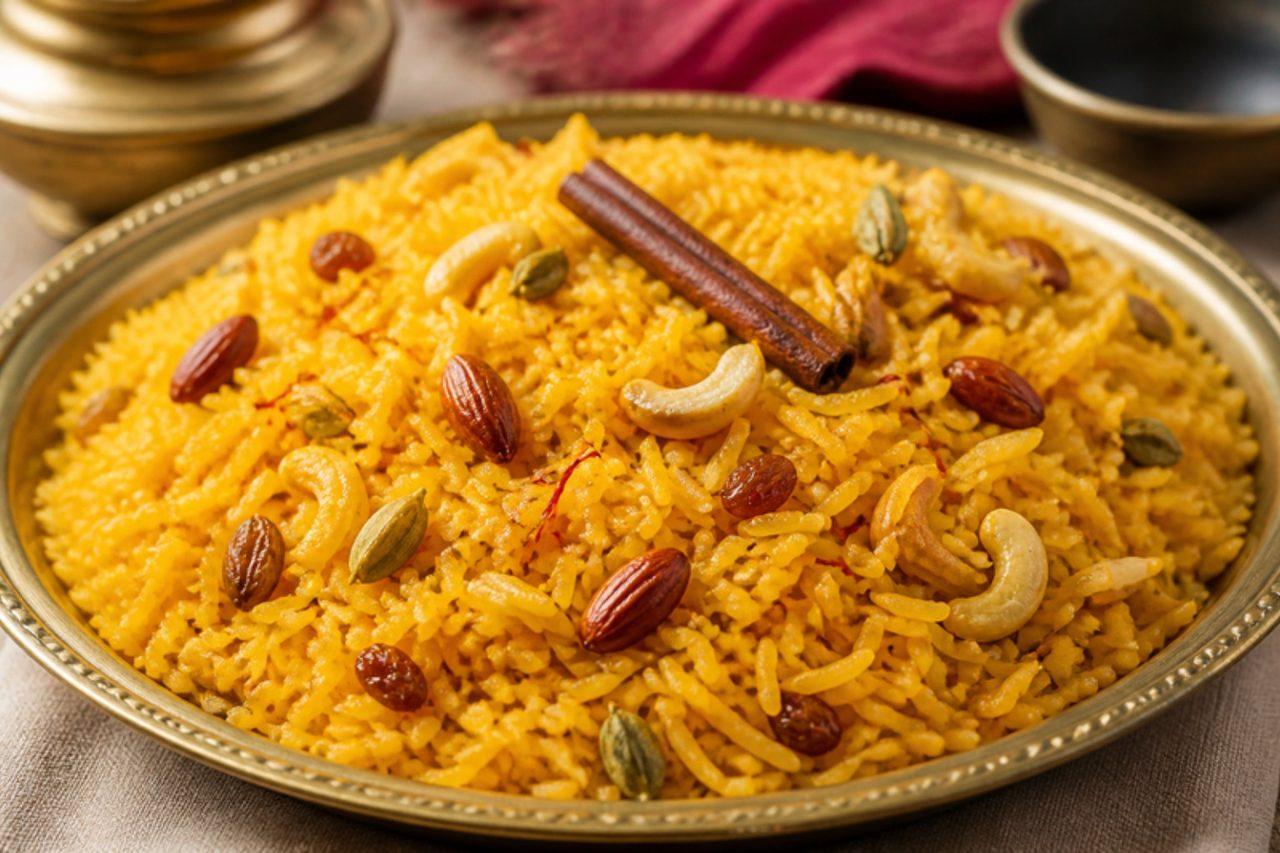
Kashmiri modur pulavSweet saffron rice with dry fruit

Modur means sweet in Kashmiri, and this ghee-rich saffron rice is served at Kashmiri weddings and on Navreh, the Pandit new year, glowing orange and studded with almonds, cashews and raisins. In the hills of Himachal Pradesh the dham feast ends with a near-identical sweet rice called mittha, so this one page covers both: Himachal cooks often add a little more raisin and a pinch of fennel, which you can do too. It is sweet but not dessert-sweet, perfumed with cinnamon and cardamom, and is eaten alongside savoury curries as well as on its own. Chef's tip: soak the saffron in warm milk for at least 15 minutes before you start; it gives the rice its colour far more evenly than strands scattered dry.

by KrazyBadal 0 views

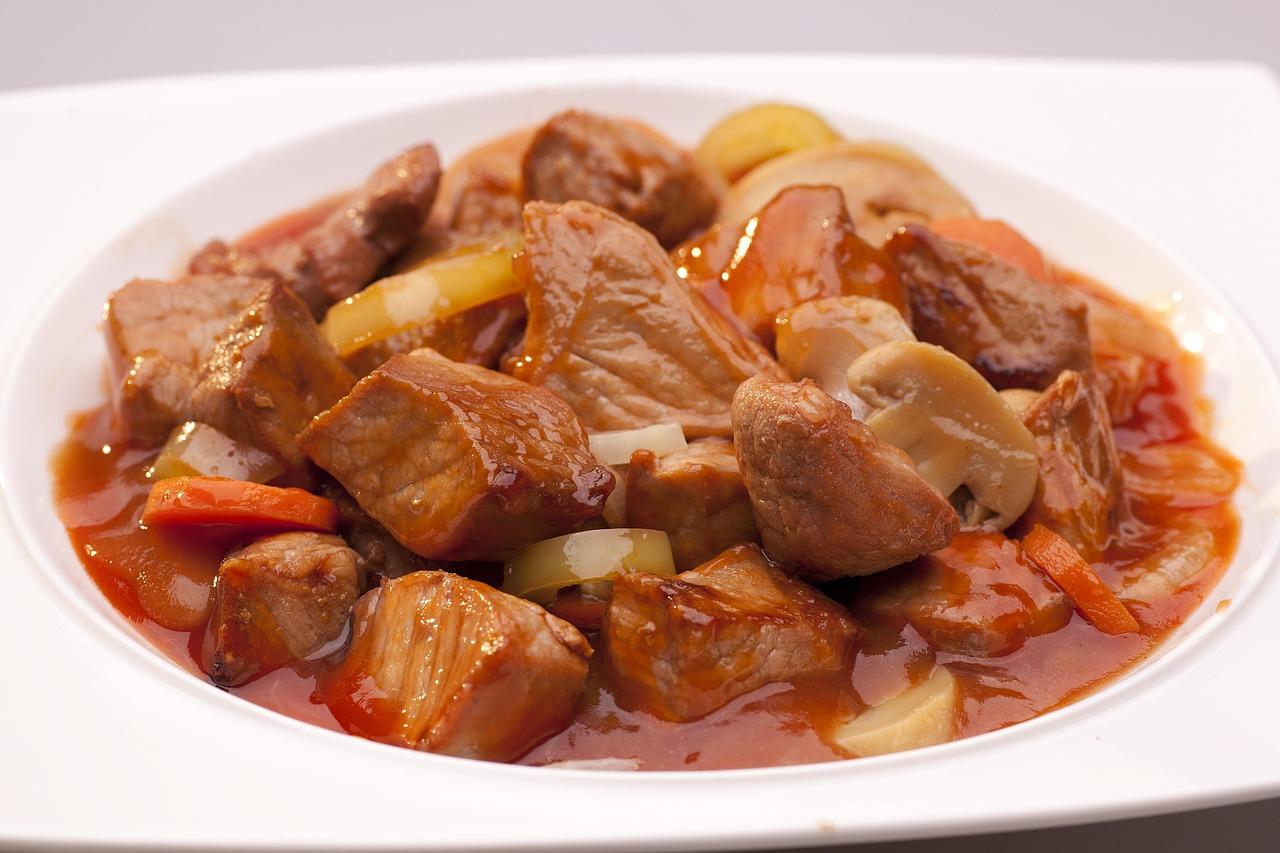
KavarmaClay-pot pork with peppers

Up in Bulgaria's Rhodope mountains, around Smolyan and Chepelare, kavarma is cooked in individual glazed clay pots and brought to the table still bubbling, often with an egg baked on top. This one is made with pork shoulder (chicken thighs work too), browned and then stewed slowly with a mountain of onion, peppers, mushrooms, paprika and savory. It traditionally includes a splash of dry white wine; the ingredient list gives an alcohol-free swap. Eat it with crusty bread and a shopska-style tomato and cucumber salad. A common slip is cutting the pork too small, so it dries out before the sauce is ready; keep the pieces bite-size but chunky. Chef's tip: let the onions cook down with the meat until almost jammy before the peppers go in; that is where kavarma gets its sweetness.

by KrazyBadal 0 views

KayaPandan coconut jam

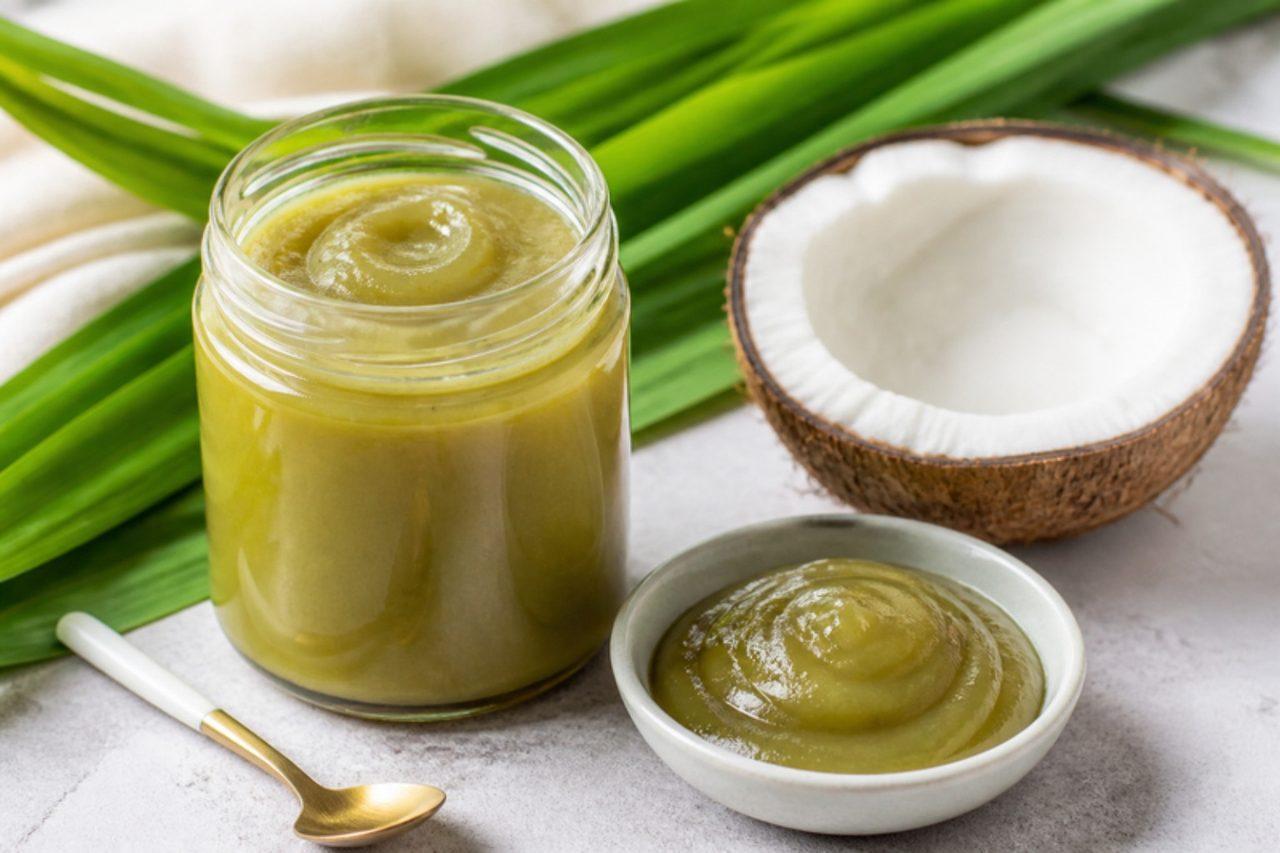
Kaya is the coconut and egg jam spread thickly on toast in every kopitiam in Singapore, from heritage chains to the coffee shop under a housing block. This is the green Nyonya-style kaya, gently cooked with pandan leaves until it turns thick, glossy and custardy; the Hainanese version adds caramel for a brown colour. It keeps for a week in the fridge and is the essential part of kaya toast. Chef's tip: cook it slowly over a pan of barely simmering water and keep stirring; rushed kaya scrambles and turns grainy.

by KrazyBadal 0 views

Kaya toastToast with coconut jam

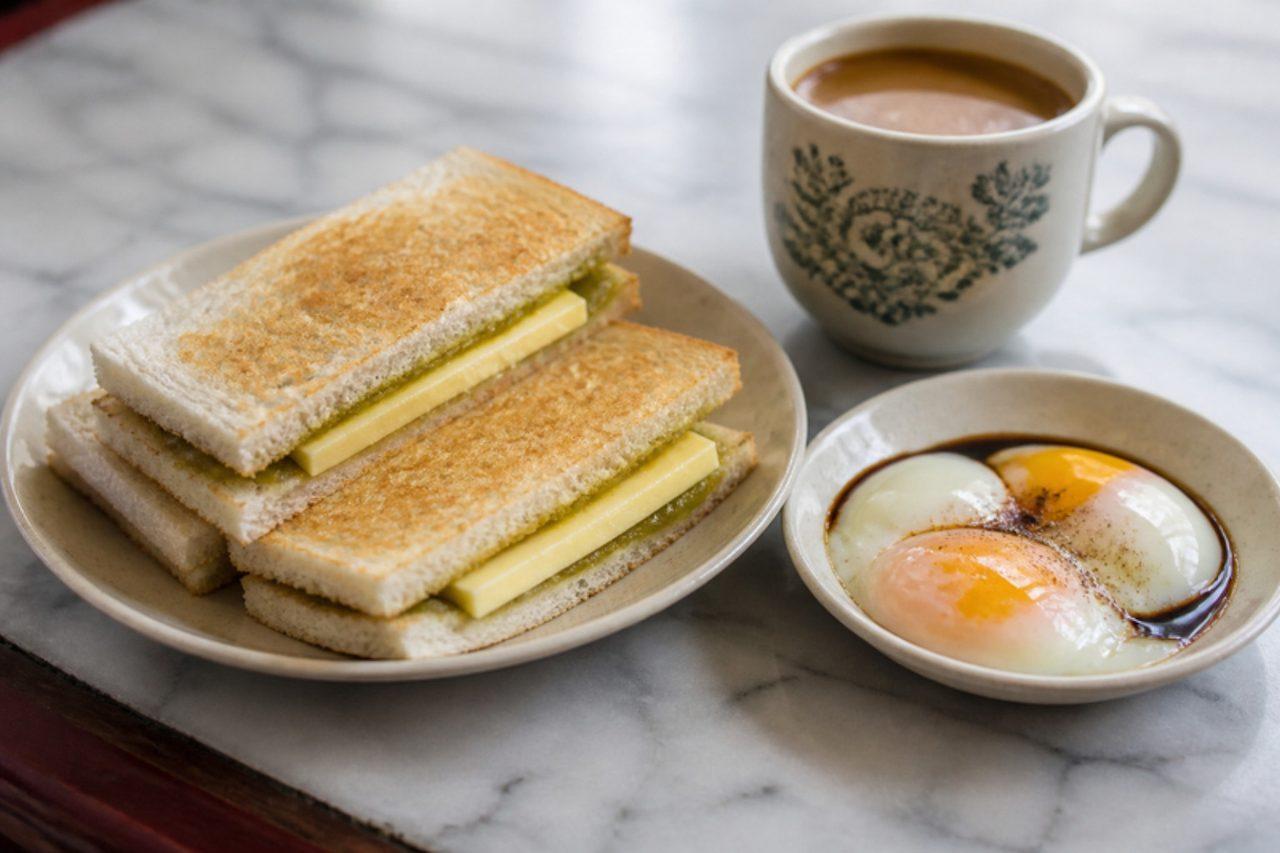
The kaya toast set is Singapore's breakfast ritual: thin, crisp toast sandwiched with kaya and a cold slab of butter, served with two runny soft-boiled eggs seasoned at the table with dark soy and white pepper, and a cup of kopi. Office workers eat it at kopitiams in Tiong Bahru and Tanjong Pagar before work; children love dunking the toast in the eggs. Chef's tip: put the eggs in water that's just off the boil for exactly 6–7 minutes; the whites should be barely set and wobbly, the yolks completely runny.

by KrazyBadal 0 views

KedjenouPot-steamed chicken

Kedjenou comes from the Baoulé people of central Côte d'Ivoire, who cooked it in a sealed clay canari set in the embers and shook the pot instead of stirring it; today it is a weekend favourite in Abidjan's maquis, served with attiéké or rice. Chicken, tomato, onion, aubergine, ginger and chilli go into the pot with no water at all, and the vegetables release enough juice to make a light, intense sauce. The mistake is lifting the lid to stir: the steam escapes and the pot can burn, so seal it well and shake it instead. Chef's tip: a heavy casserole with a sheet of foil pressed under the lid works just like the clay pot.

by KrazyBadal 0 views

Keerai masiyalMashed greens

Keerai masiyal is the plain, green, buttery-soft mash Tamil mothers make with whatever keerai the market has that morning: arai keerai, siru keerai, amaranth or plain spinach. The leaves are cooked with shallots, garlic and green chilli and then mashed, traditionally with a wooden mathu, until smooth but still a little textured, then finished with a cumin tempering. It's eaten mixed into hot rice with a spoon of ghee or sesame oil, next to sambar or rasam, and it's a favourite first food for toddlers. Chef's tip: cook the greens uncovered; covering them traps the gases that turn the leaves dull olive instead of bright green.

by KrazyBadal 0 views

Kek lapis SarawakLayer cake

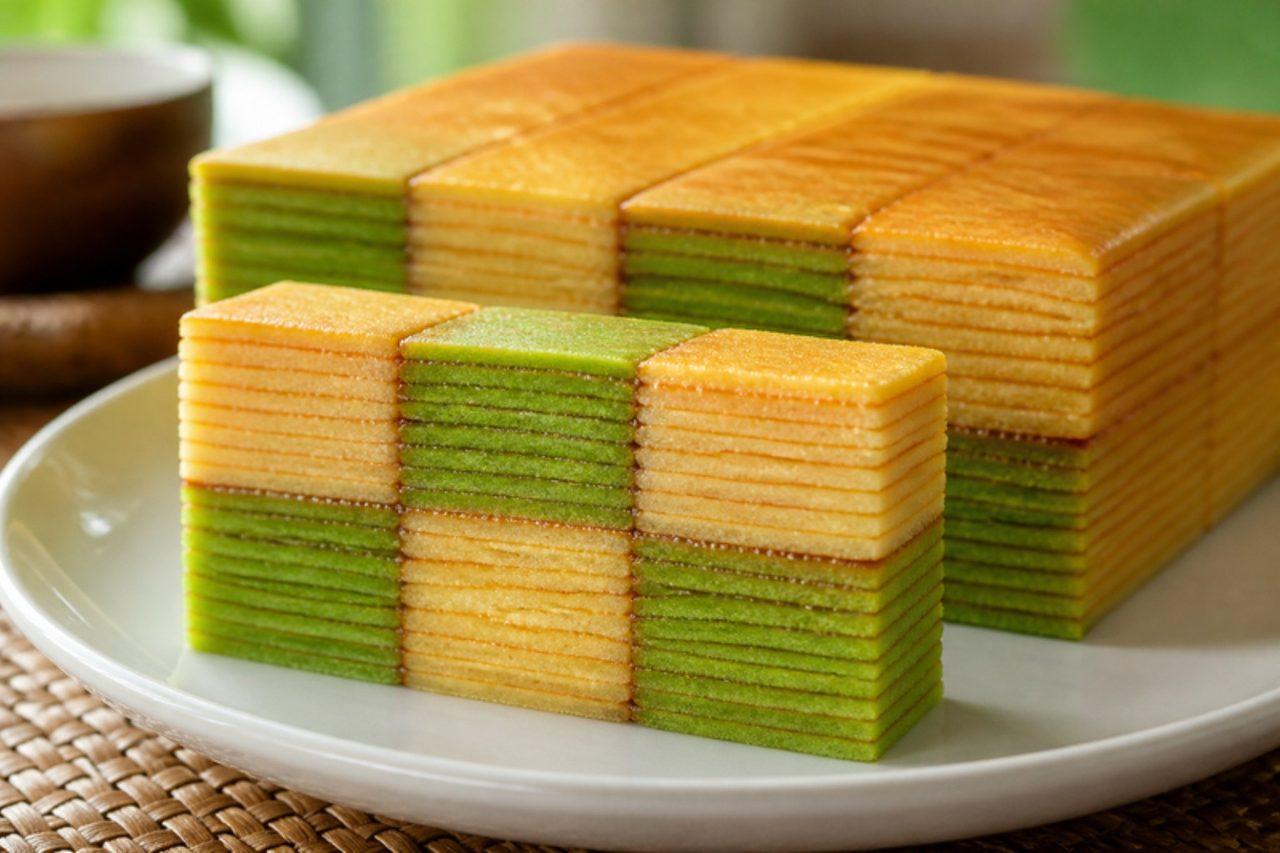
In Kuching, kek lapis Sarawak is baked for Hari Raya, Christmas and Gawai, and every family gives boxes of it away. Unlike Indonesia's spiced lapis legit, Sarawak cakes are sweet, dense and buttery, often made with condensed milk, and famous for their bright geometric patterns. Many layers are grilled one by one, then the cake is cut into strips and glued back together with jam to make the design. This is the beginner's chequerboard in plain and pandan green. Chef's tip: spread each layer thin and even with the back of a spoon; uneven layers make the pattern crooked.

by KrazyBadal 0 views

KeleweleSpiced fried plantain

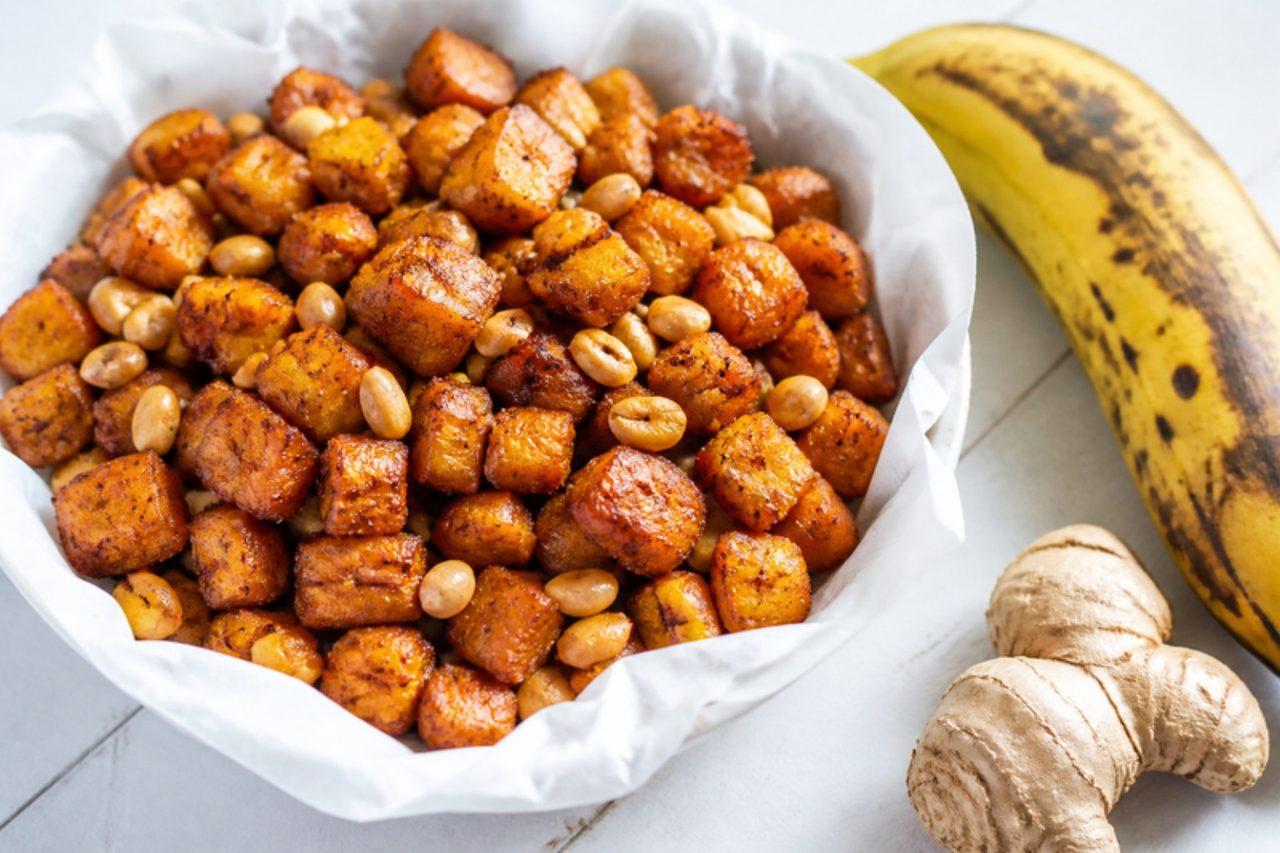
Kelewele is what Accra smells like after dark: ripe plantain cubes tossed in a paste of ginger, onion, chilli and spice, then fried at roadside stalls lit by lamps and sold in paper cones. It is eaten as an evening snack, often with a handful of roasted peanuts, or as a side with red red. The outside caramelises while the spices turn toasty, so every piece is sweet, hot and spicy at once. Chef's tip: use plantains that are yellow with lots of black spots; fully black ones collapse in the oil and green ones never turn sweet.

by KrazyBadal 1 views

Ker sangriDesert berries and beans

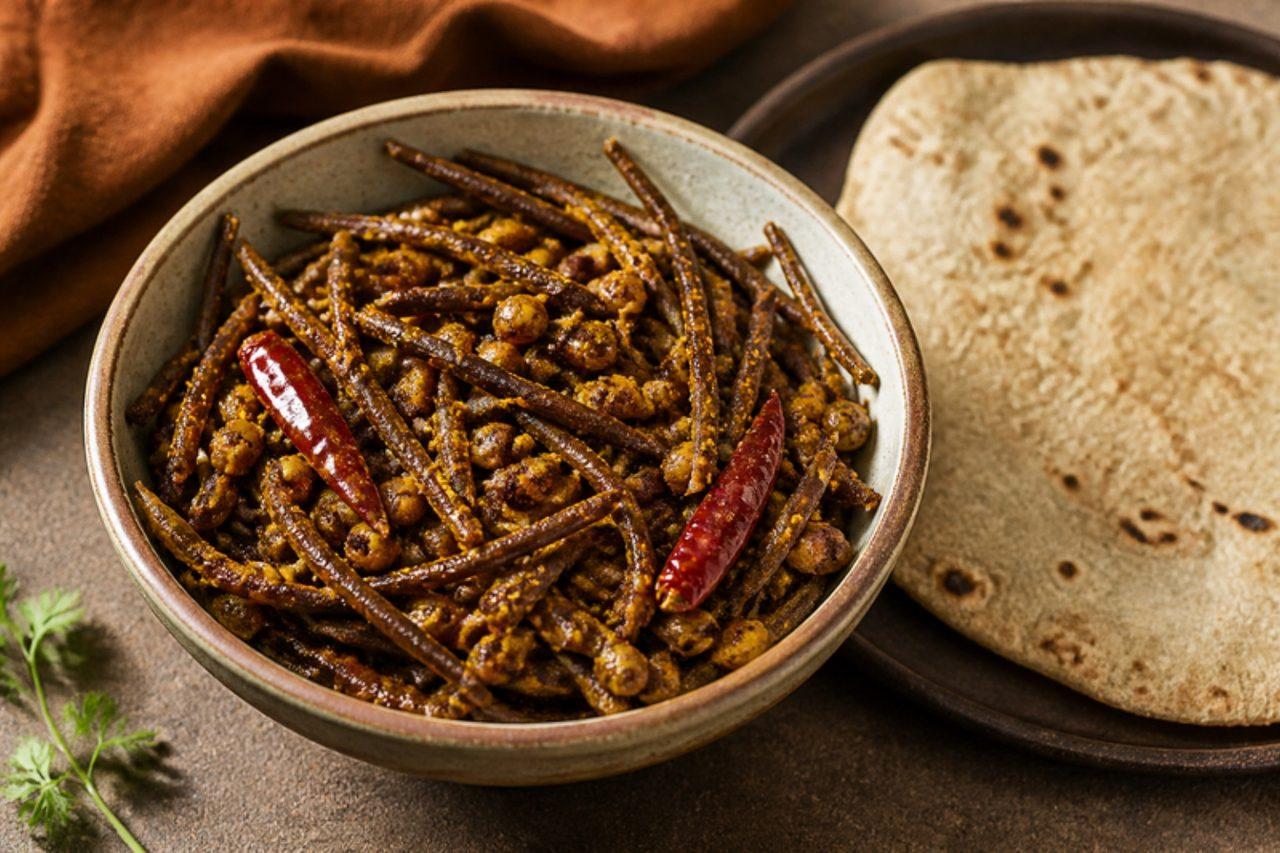
Ker sangri is a true desert dish from the Thar in Rajasthan: ker are small, sour wild caper berries and sangri are the thin, chewy bean pods of the khejri tree, both picked in summer and sun-dried to last the year. Soaked, boiled and fried in plenty of mustard oil with chilli, mango powder and coriander, they become tangy, earthy and almost pickle-like. It keeps for days, which is why it travelled with camel herders. Serve with bajra roti or puri, or as a side to dal baati. Chef's tip: taste a ker berry after boiling; if it is still very bitter, boil it again in fresh water before frying.

by KrazyBadal 0 views

Kerak telorSticky rice and egg omelette

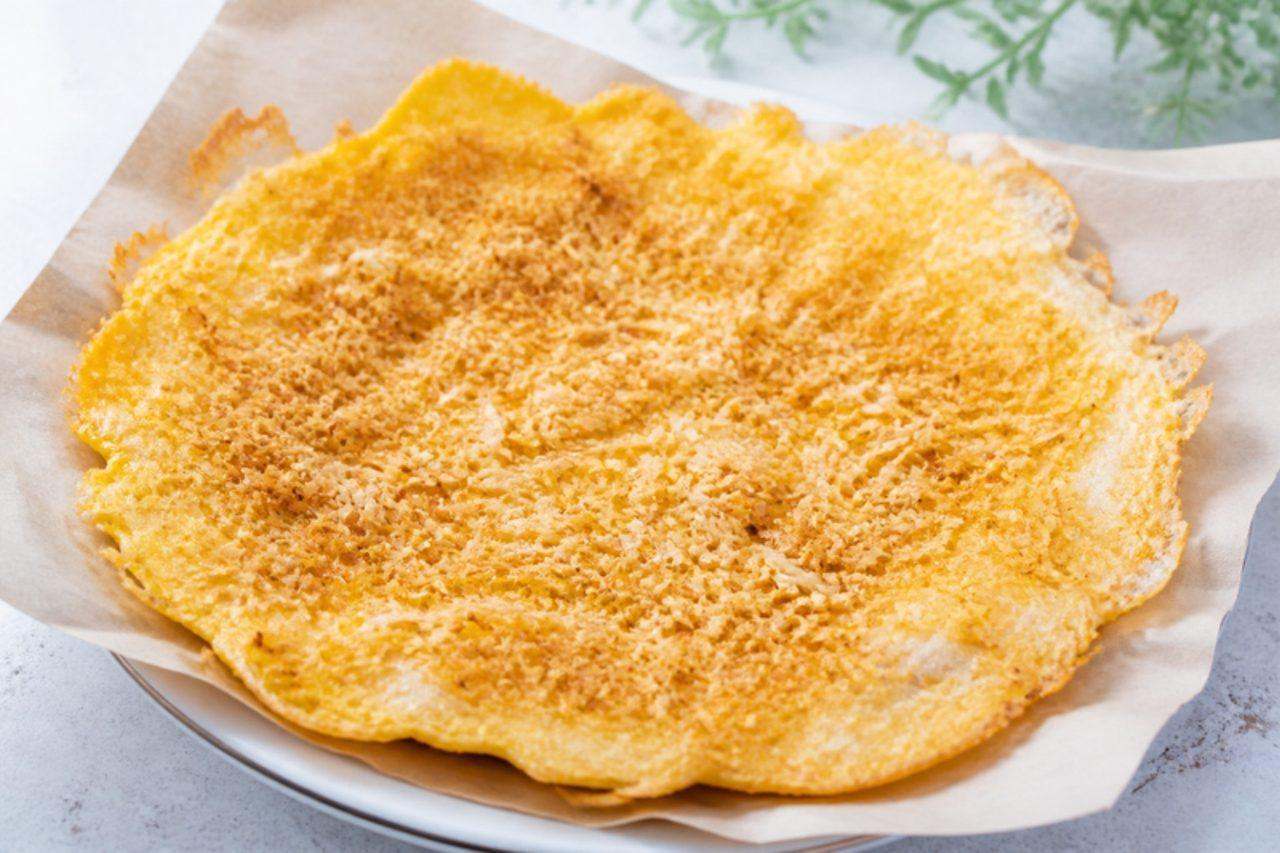
Kerak telor is the Betawi snack of Jakarta, cooked over charcoal by vendors at the Jakarta Fair and around Monas: a little soaked sticky rice is cooked in a tiny wok, an egg cracked on top, then the wok is turned upside down over the coals so the bottom forms a crust. It is finished with serundeng, a spiced toasted coconut, and fried shallots. Vendors usually add dried shrimp to the coconut; this version doesn't. Chef's tip: soak the sticky rice overnight; half-soaked grains stay hard in the middle.

by KrazyBadal 0 views

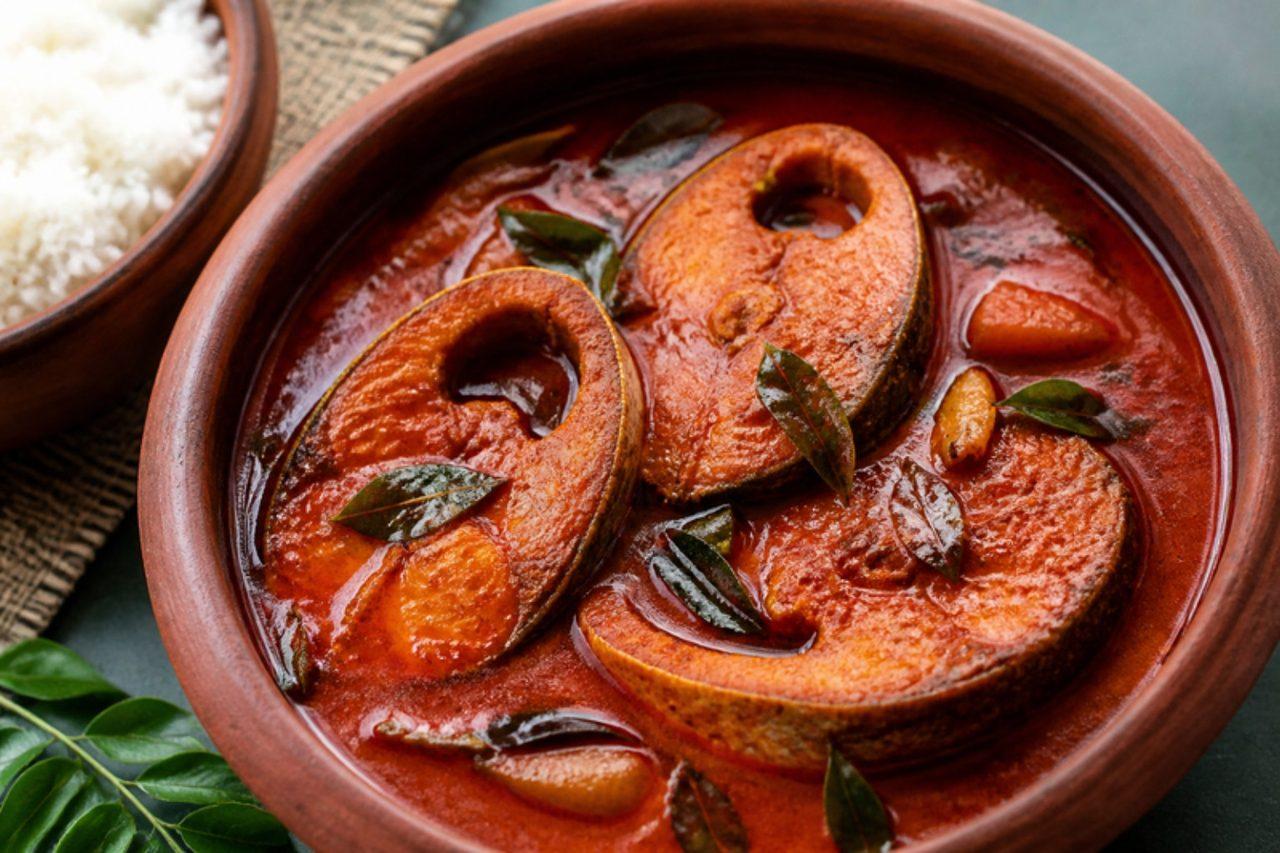
Kerala meen currySour red fish curry

Down the southern backwater districts of Travancore, around Kottayam and Alappuzha, the everyday fish curry has no coconut at all: just a brick-red gravy of chilli, shallots and coconut oil, made sour and smoky with kudampuli (Malabar tamarind). It is traditionally made in a clay pot (manchatti) and left to sit, because it tastes better hours later or the next morning, when the fish has soaked up the sourness. Kingfish, sardines and mackerel are the usual choices; eat it with boiled red Kerala rice or tapioca. Chef's tip: once the fish is in, never use a spoon — hold the pot with a cloth and swirl it so the sauce coats the pieces without breaking them.

45 minIndianFishGluten freeSpicy
by KrazyBadal 0 views

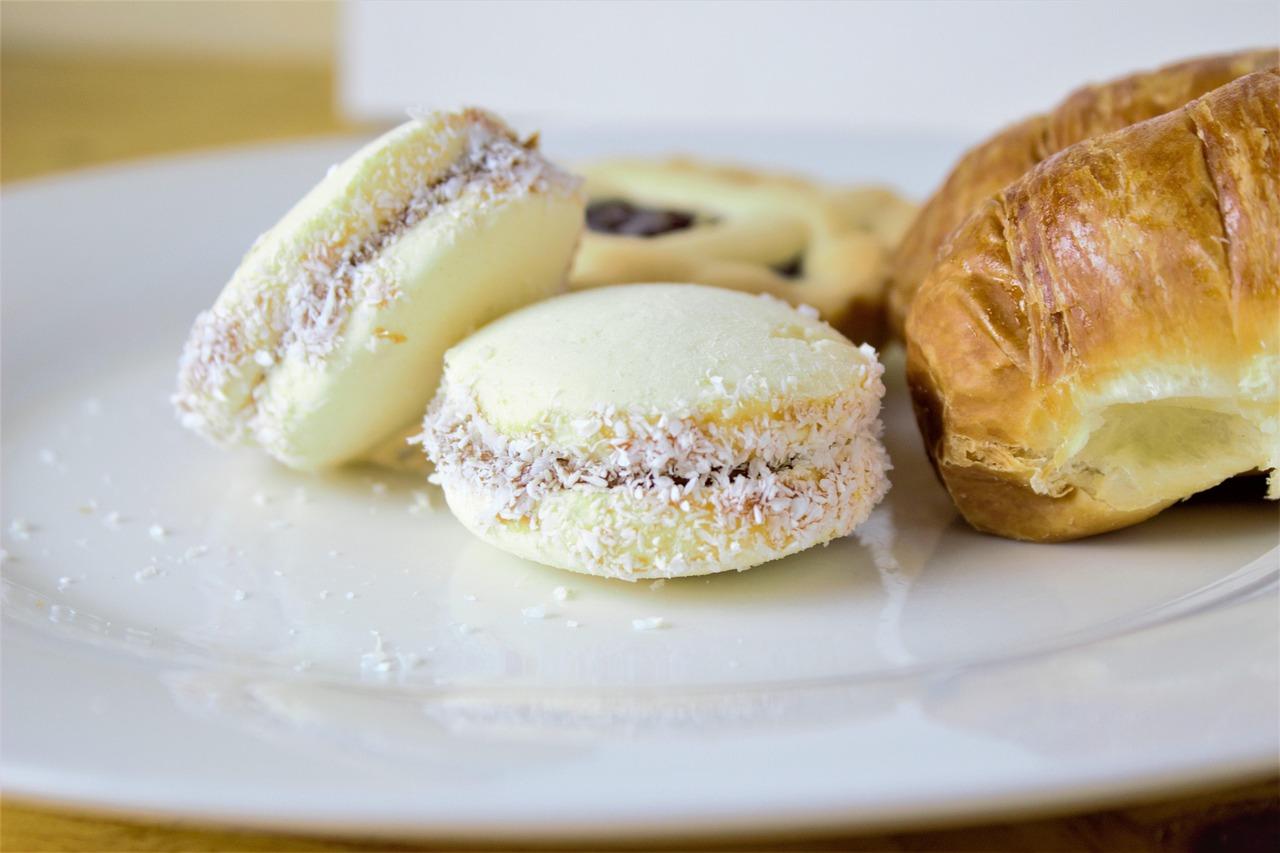
Alfajores de maicenaCornflour dulce de leche sandwich cookies

Alfajores de maicena are the homemade alfajor of Argentina and Uruguay, baked for birthdays, school fairs and merienda (afternoon tea) with mate. Two pale, melt-in-the-mouth biscuits made mostly with cornflour are sandwiched with a thick layer of dulce de leche and rolled in desiccated coconut around the edge. They should crumble at the first bite. Chef's tip: take them out of the oven while still pale; if they colour they lose their tender, sandy texture.

by KrazyBadal 0 views

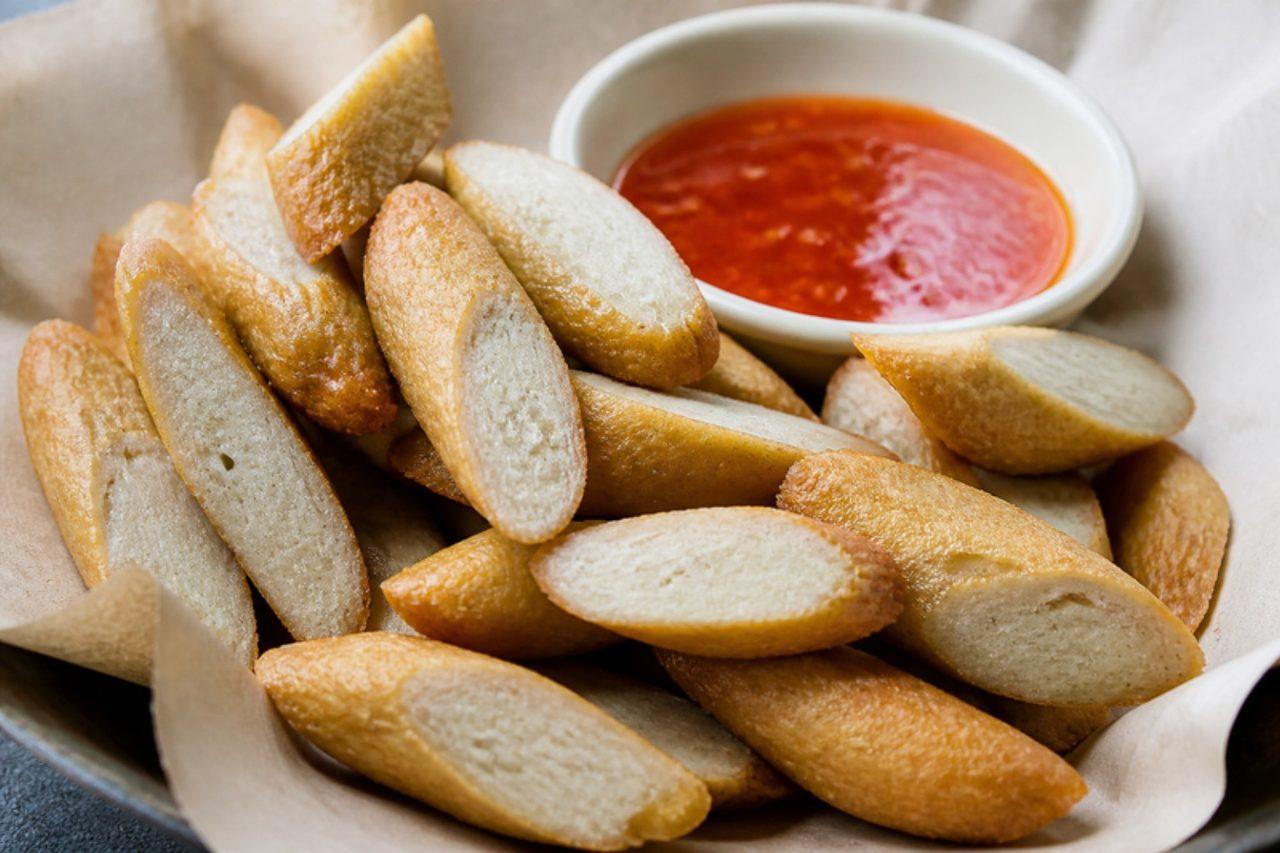
Keropok lekorFried fish sausages

Along the beach road from Kuala Terengganu to Marang, roadside huts sell keropok lekor in paper bags, still hot from the wok. These are long, grey-white sausages of fish and sago starch, boiled until they float and then sliced and fried, so the outside puffs and crisps while the inside stays dense, bouncy and tasting clearly of the sea. Locals dip them in a sweet, garlicky chilli sauce and eat them with tea in the late afternoon. They freeze well after boiling, ready to fry any time. Chef's tip: knead the fish with ice-cold water; keeping the dough cold is what gives the springy bite.

by KrazyBadal 0 views

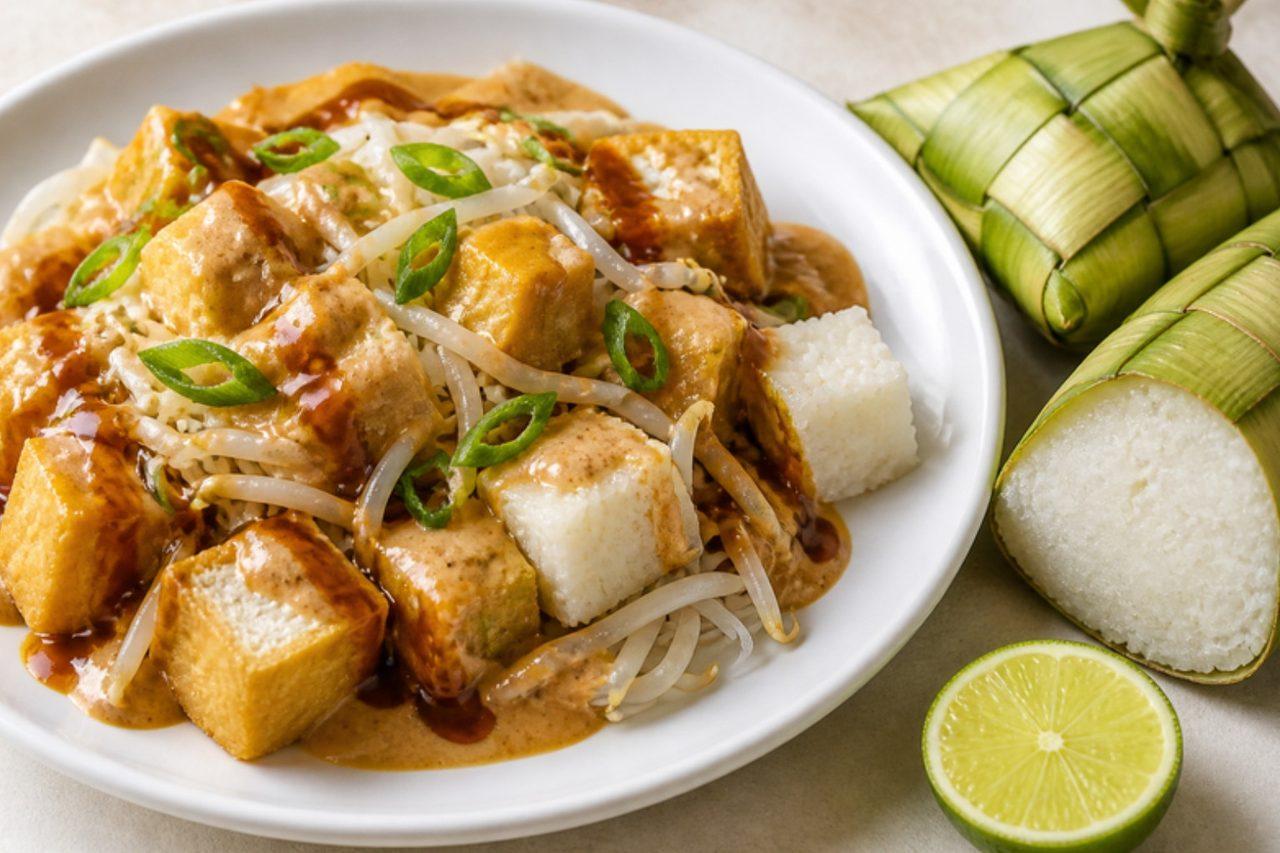
KetoprakTofu and noodles in peanut sauce

Ketoprak is a Jakarta cart dish, made to order: the seller grinds peanuts, garlic and chilli in a wide stone mortar, loosens them with water and sweet soy, then tips fried tofu, rice cake, rice vermicelli and bean sprouts on top. It is a cousin of gado-gado but simpler, with no egg-and-greens platter, and the raw-garlic sauce is the whole point. Eat it at lunch with plenty of crackers. Chef's tip: grind the garlic with the hot fried peanuts so the garlic mellows slightly; a raw paste made with cold nuts is harsh.

by KrazyBadal 0 views

Key watSpicy beef stew

Ask for key wat at a restaurant in Addis Ababa and you get a bowl of tender beef drowned in a sauce so red it gives the dish its name: key means red in Amharic. It is everyday celebration food, cooked for Sunday lunch, weddings and the end of a fast, and it shares the slow-cooked onion base of doro wat but with chunks of beef and a sharper, more peppery heat. The sauce should be thick and glossy, with a layer of red oil on top. Spoon it over injera with a cooling plate of greens or lentils beside it. Chef's tip: cut the beef into small, even 2 cm cubes so it soaks up the sauce and becomes tender in under an hour and a half.

by KrazyBadal 0 views

Nam prik noomRoasted green chilli dip

Nam prik noom is the relish Chiang Mai is proud of: long green chillies, shallots and garlic charred over coals until blistered and soft, then pounded into a rough, smoky, gently hot dip. At Warorot Market and the morning markets of the north it is sold by the bagful next to crunchy pork rinds and baskets of steamed vegetables, and it sits on almost every Lanna family table with sticky rice. Most versions are salted with fish sauce or pla ra; this one uses salt and a dash of soy, and the smokiness carries it just as well. Eat it with blanched cabbage, long beans, cucumber and sticky rice. Chef's tip: roast the vegetables until their skins are black in patches and they collapse when pressed; undercooked chillies taste raw and sharp.

by KrazyBadal 0 views

Nam prik ongTomato and pork chilli dip

Every khantoke dinner in Chiang Mai sets out a bowl of this brick-red relish beside the sticky rice baskets, and morning markets sell it by the scoop in little plastic bags. It sits somewhere between a chunky meat sauce and a dip: sweet-sour from slow-cooked cherry tomatoes, savoury from shrimp paste and pork, with a gentle chilli warmth rather than a blast. Scoop it up with cucumber, blanched long beans, cabbage wedges and crisp pork crackling, or press a ball of sticky rice into it. Chef's tip: fry the pounded paste in the oil until it darkens and smells toasty before the pork goes in; that is where the deep, roasted flavour comes from.

by KrazyBadal 0 views

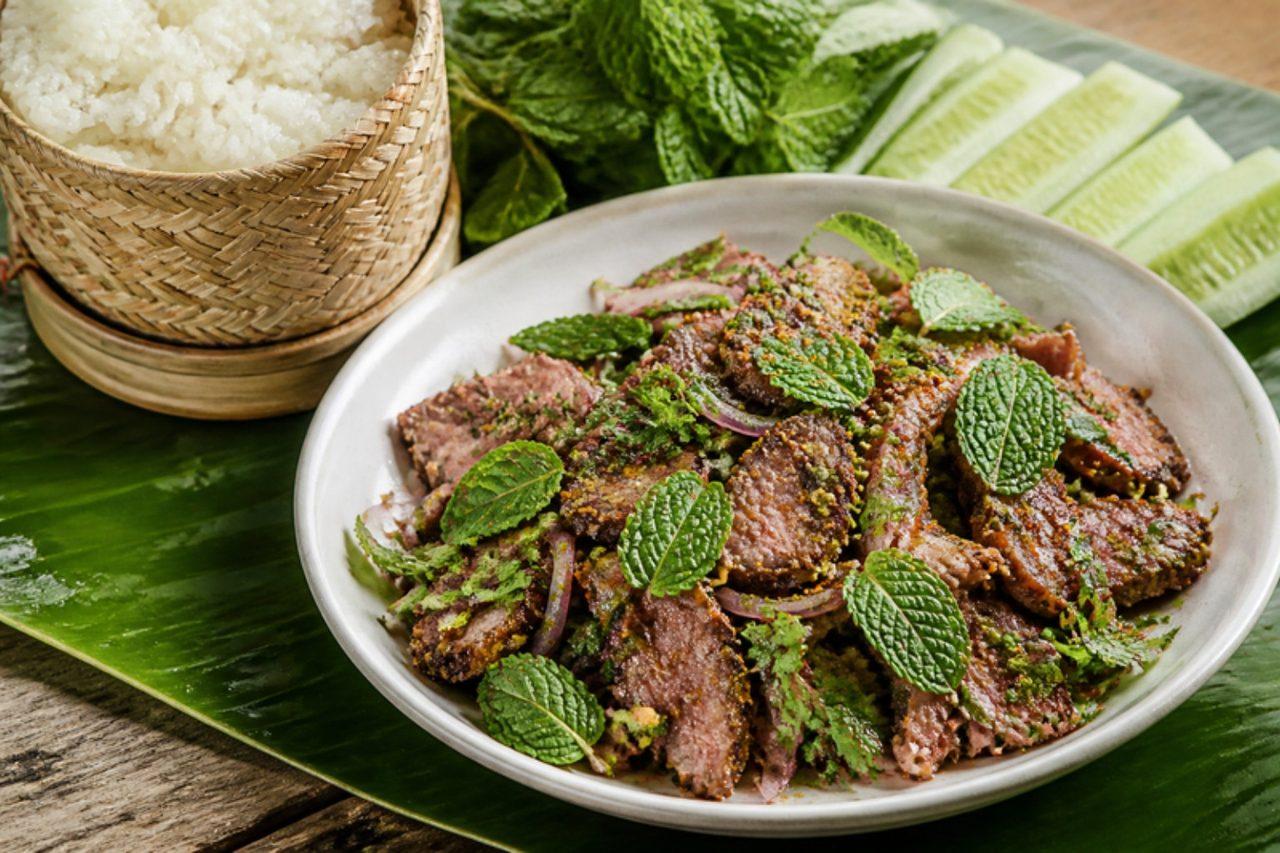
Nam tok neuaGrilled beef salad

The name means 'waterfall', after the juices that drip from the beef onto the coals, and this salad is what Isan drinking spots and family barbecues serve when there is good meat on the grill. Smoky slices of pink steak are tossed while still warm with lime, fish sauce, chilli flakes, shallots and mint, then dusted with toasted rice powder for crunch. The meat soaks up the dressing like a sponge, so every bite is juicy, sour and hot. Pile it on a plate with sticky rice, cabbage, cucumber and long beans. Chef's tip: choose a steak with some marbling, such as sirloin or rump; very lean cuts turn dry and chewy once sliced thin.

30 minThaiSaladsGluten freeSpicy
by KrazyBadal 0 views

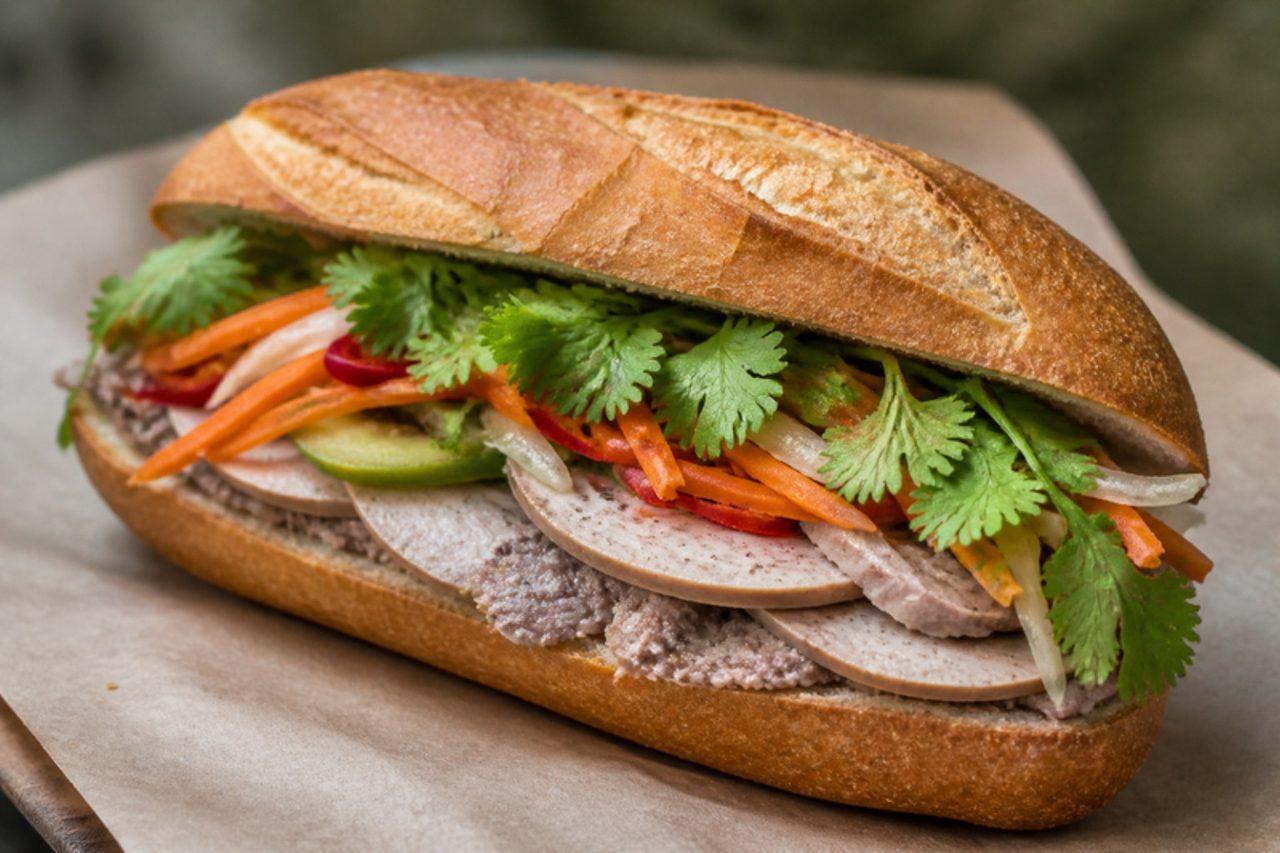
Khao jee pâtéBaguette sandwich with pâté

Khao jee pâté is the breakfast sandwich of Vientiane, sold from glass-fronted carts on street corners since the French era left Laos its love of baguettes. It is a pork sandwich: a crisp, light baguette is warmed over charcoal, spread with pork liver pâté and filled with Lao-style cold cuts (pork sausage or ham), pickled papaya or carrot, cucumber, herbs, chilli sauce and a splash of Maggi-style seasoning. Pregnant people should avoid pâté because of listeria risk. Chef's tip: warm the bread until the crust crackles; a soft baguette makes a soggy sandwich.

by KrazyBadal 0 views

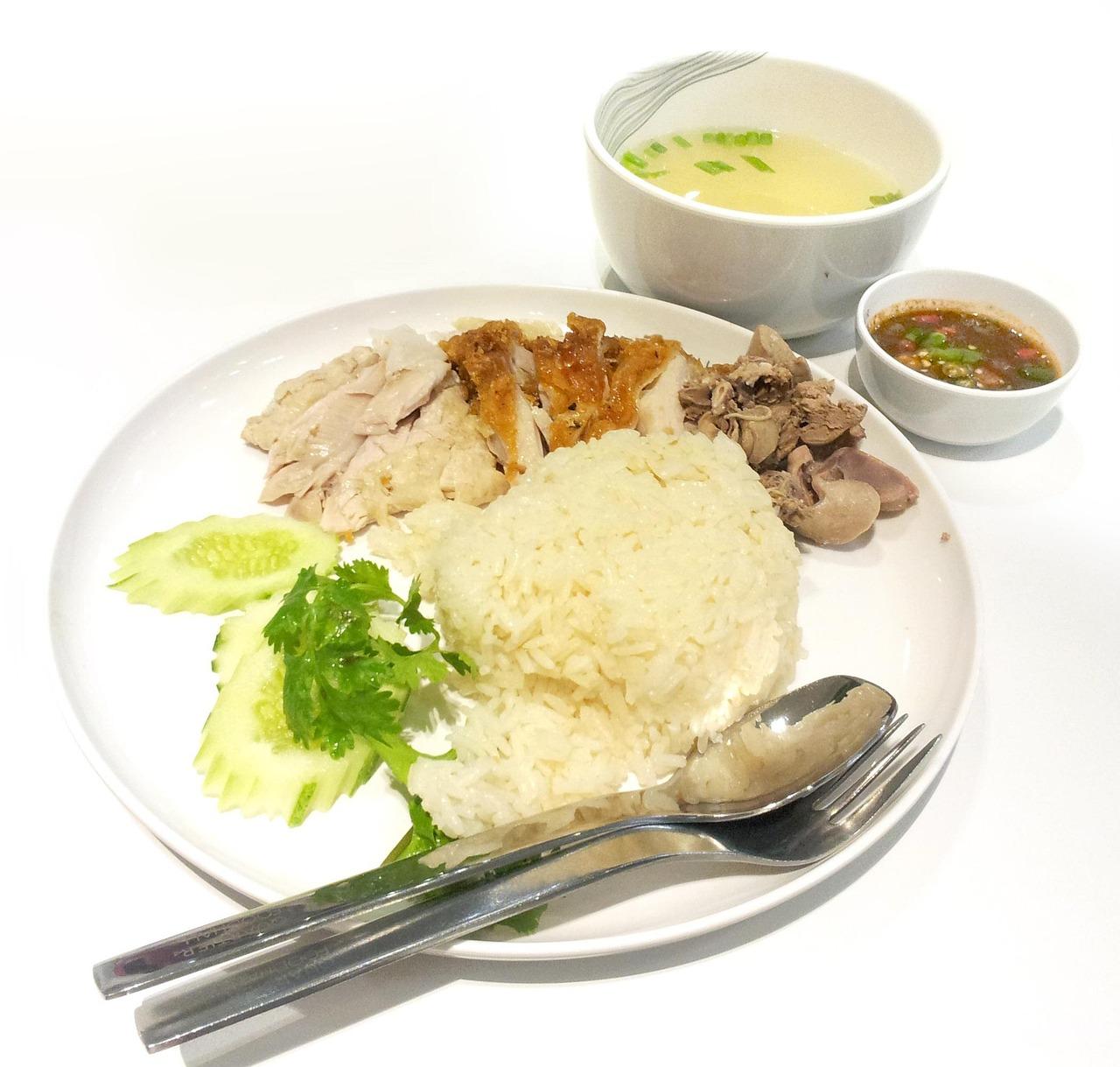
Khao man gaiChicken and ginger rice

Around Pratunam market in Bangkok, the khao man gai stalls are easy to spot: a queue, pale poached chickens hanging in a glass cabinet, and a cook slicing with a cleaver at speed. Like its Hainanese ancestor, the dish pairs silky chicken with rice cooked in the bird's fat and broth, but the Thai plate stands apart for its sauce, a punchy mix of fermented soybeans (tao jiao), ginger, garlic, chilli and vinegar, and for the little bowl of clear broth with winter melon served on the side. Bangkok eats it for breakfast, lunch or a late supper, always with cucumber slices and coriander. Chef's tip: plunge the cooked chicken into iced water for 10 minutes; the skin firms to a jelly-like snap and the meat stays juicy.

by KrazyBadal 0 views

Khao piak sen with mushroom brothRice noodles in mushroom broth

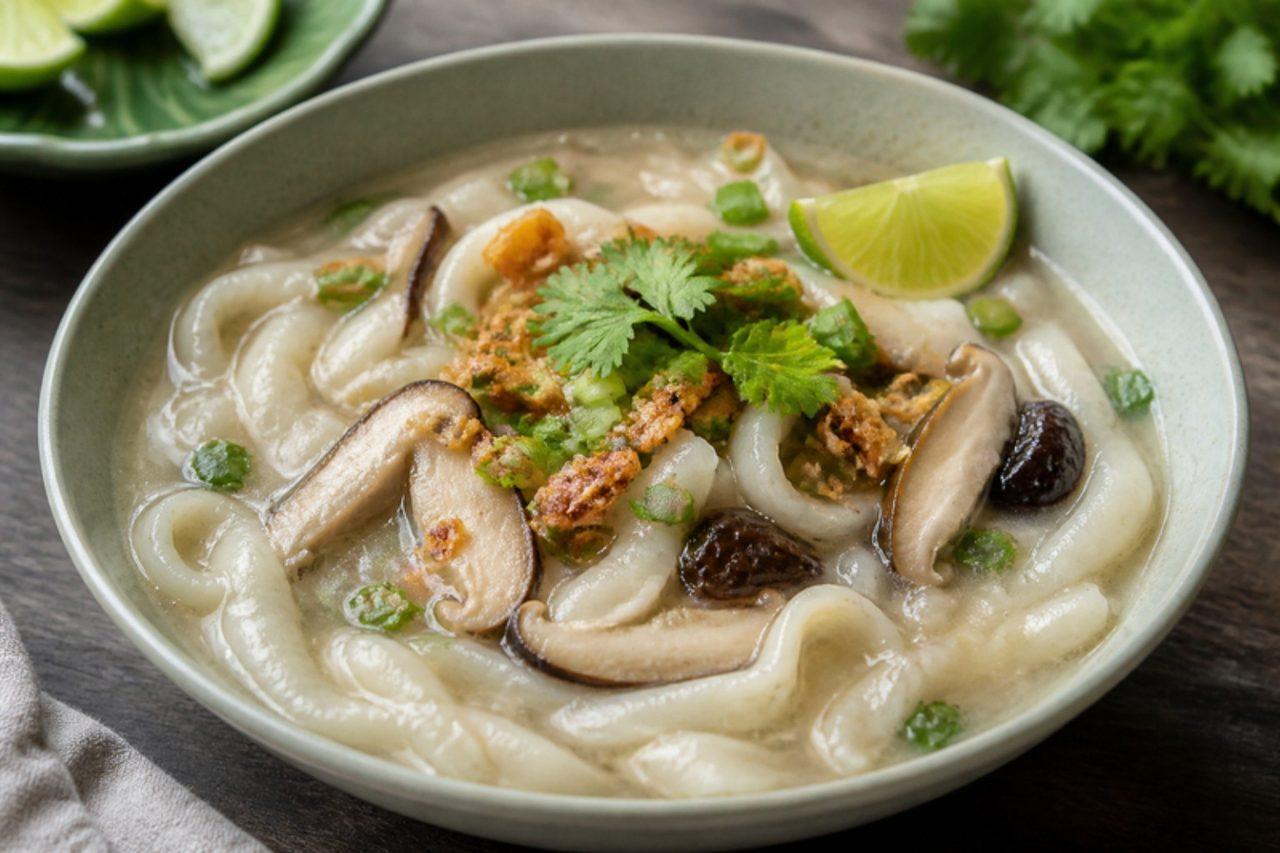
Khao piak sen is the soup Laotians crave on a cool morning or when they feel unwell, and roadside shops in Vientiane and Luang Prabang sell it from dawn. The noodles are cut by hand from a soft rice and tapioca dough and cooked straight in the broth, so their starch turns the soup thick, slippery and comforting. Instead of the usual chicken stock, this version builds a deep broth from dried shiitake, charred onion and ginger, and finishes it with crisp fried garlic, spring onion and coriander. Chef's tip: dust the cut noodles well with tapioca starch and keep them apart; they stick together into a clump in seconds if left in a pile.

75 minLaoSoupsVeganGluten free
by KrazyBadal 0 views

Khao poon with tofu and vegetablesCoconut curry noodle soup

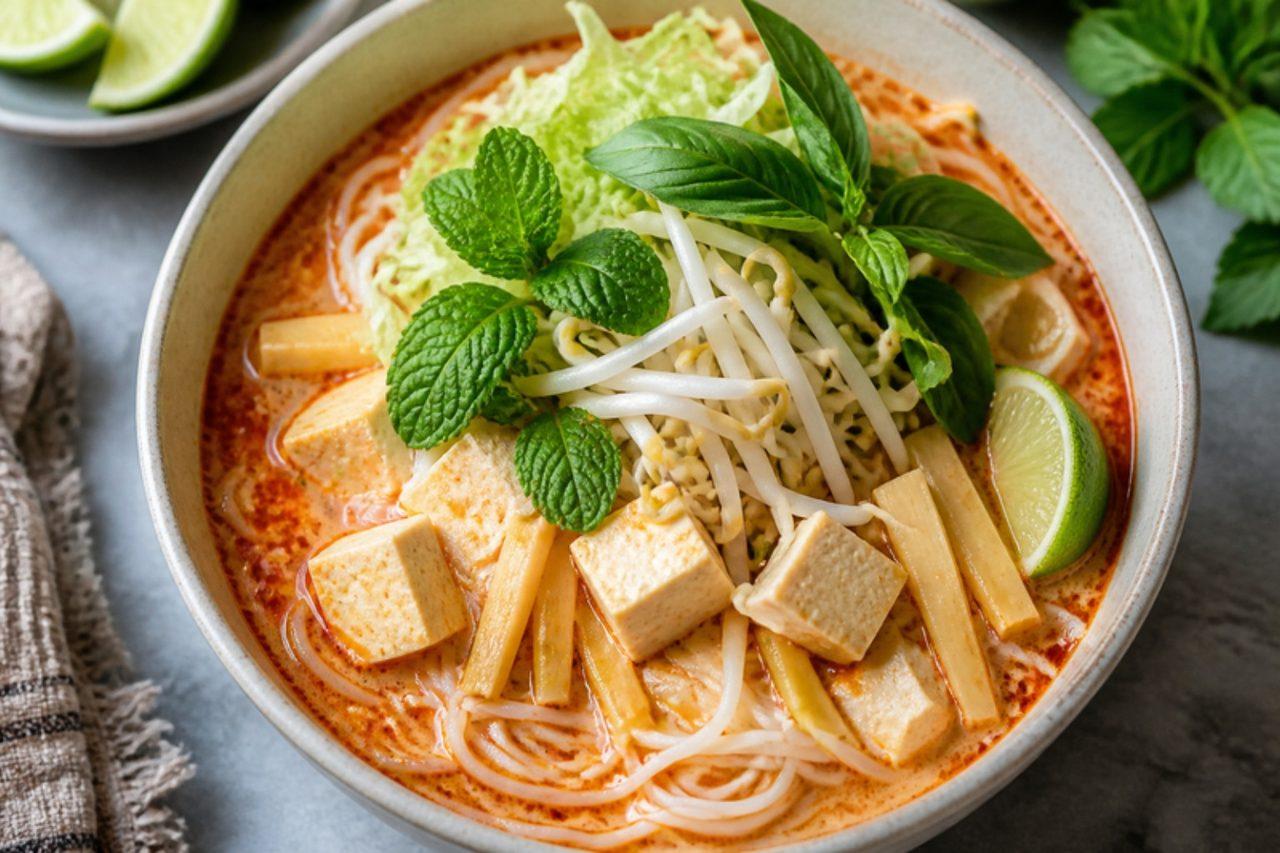
Khao poon is celebration food in Laos, ladled out at weddings, baci ceremonies and big family gatherings, and sold at morning markets in Vientiane by women with huge steaming pots. Fine round rice noodles sit under a spicy, red-tinged broth of coconut milk, lemongrass and galangal, and everyone adds their own shredded cabbage, banana blossom, beansprouts, mint and lime. The usual chicken or fish is swapped for golden fried tofu and bamboo shoots. Chef's tip: fry the red chilli paste in the coconut cream until oil seeps out in red drops on the surface; that's when the colour and heat are fully released.

by KrazyBadal 0 views

KharRaw papaya and lentil dish

Every traditional Assamese lunch begins with khar, a mouthful of it mixed into the first ball of rice to settle the stomach. The defining ingredient is khar itself, an alkaline liquid filtered from the ash of dried bhim kol (seeded banana) peels; it gives the dish its soft, slightly soapy, earthy taste. Raw papaya and a handful of lentils are cooked in it with mustard oil, garlic and green chilli until silky. At home in Guwahati or Jorhat it is made several times a week. Chef's tip: outside Assam, use a small pinch of bicarbonate of soda in place of khar; too much tastes metallic, so start with ⅛ tsp.

by KrazyBadal 0 views

KhobzRound semolina bread

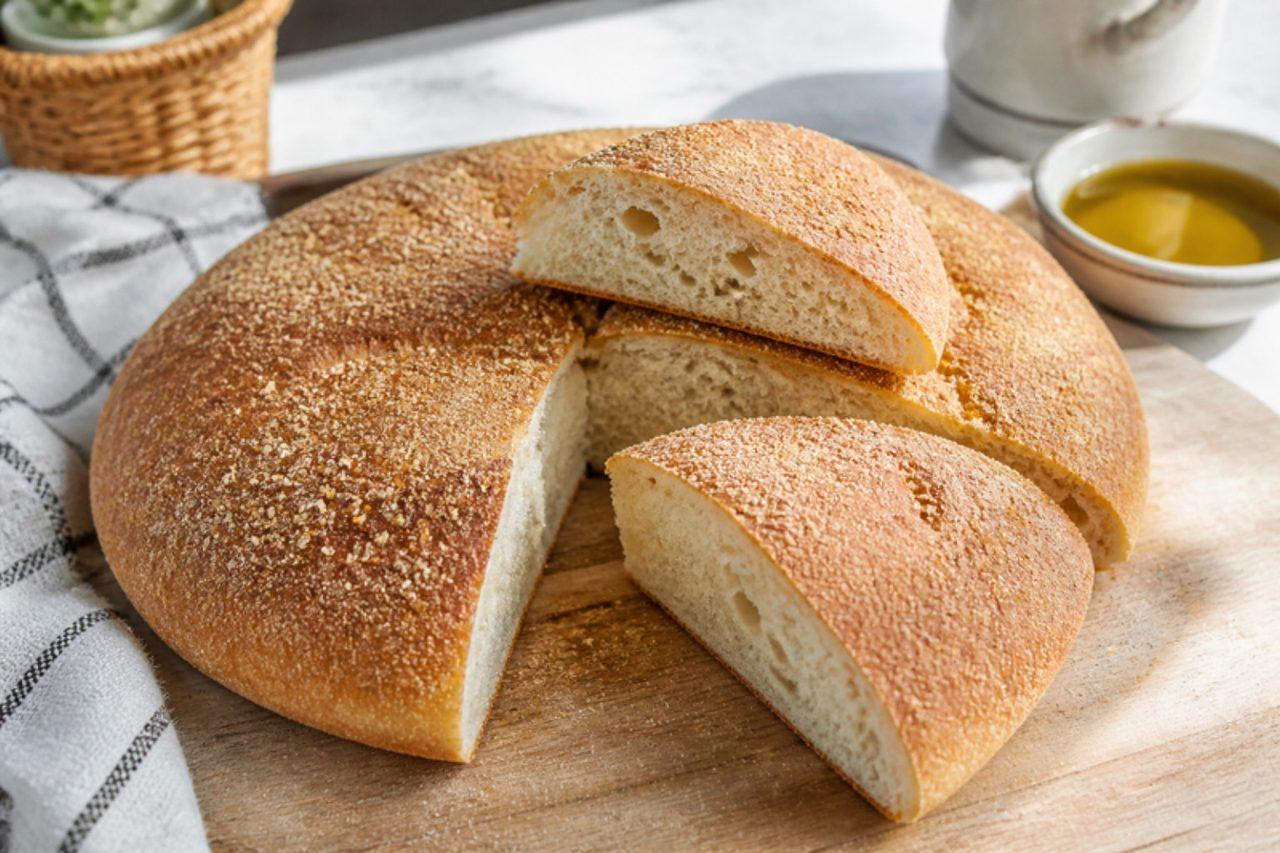
Khobz is the round, flat loaf that sits on every Moroccan table, used instead of cutlery to scoop up tagine and salads. In the older quarters of Fez and Marrakech families still shape their dough at home and carry it on wooden boards to the neighbourhood wood-fired oven, the ferran; at home it bakes perfectly on a hot tray. The semolina and wholemeal give it a slightly nutty taste and a soft, chewy crumb with a thin crust. It keeps for a day wrapped in a cloth and is wonderful toasted. Chef's tip: prick the top all over before baking so it rises evenly and stays flat instead of puffing like a pitta.

by KrazyBadal 0 views

Khorkhog-style lambHot stone-style lamb

Khorkhog is the feast of the Mongolian countryside, cooked when a herding family welcomes guests: a sheep is cut into pieces and sealed into a milk churn with hot river stones, onion, carrot and potato, and the churn is set over the fire until the meat is tender and smoky. Guests pass the hot, greasy stones from hand to hand for good health. This home version cooks the lamb in a heavy sealed casserole in the oven, which gives the same tender meat and rich juices; please don't heat stones in a kitchen pot, which is dangerous. The mistake is adding water: the lamb steams in its own juice with only a little liquid. Chef's tip: use lamb on the bone, such as neck or shoulder, for the deepest flavour.

by KrazyBadal 0 views

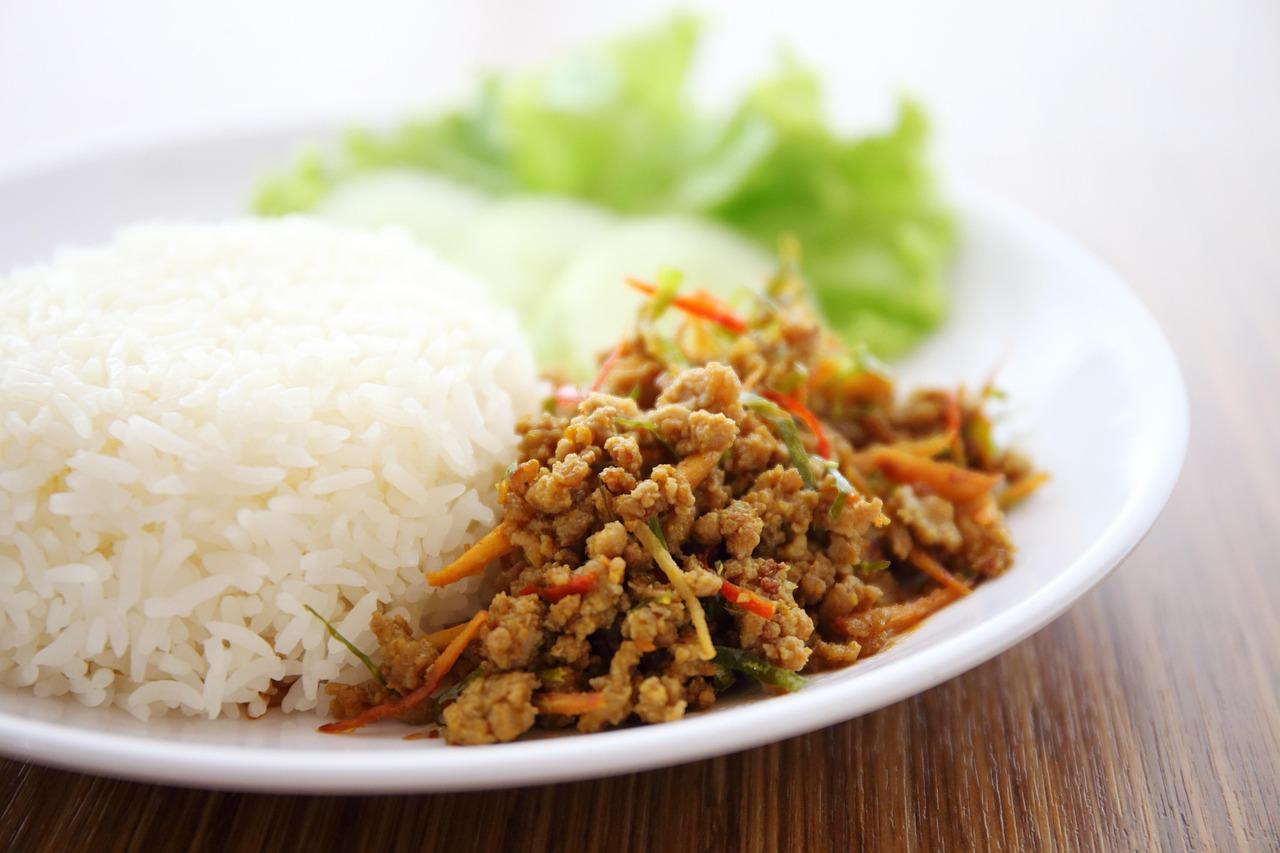
Khua klingDry-fried spicy minced pork

Ask for this at a rice-and-curry shop in Phuket or Hat Yai and it comes as a small, dark heap beside your rice, smelling of lime leaf and black pepper and hot enough to bring tears. There is no sauce at all: minced pork or beef is fried with a turmeric-heavy southern paste until every crumb is dry, separate and coated in spice. The heat is fierce, so it is always eaten with jasmine rice, sliced cucumber, raw long beans and herbs to cool the mouth. It also keeps well for a couple of days and is excellent cold in a lunchbox. Chef's tip: keep stirring and pressing the meat against the hot wok at the end; the name means 'roll and roast', and that last dry-frying is what makes it.

25 minThaiMeatGluten freeSpicy
by KrazyBadal 0 views

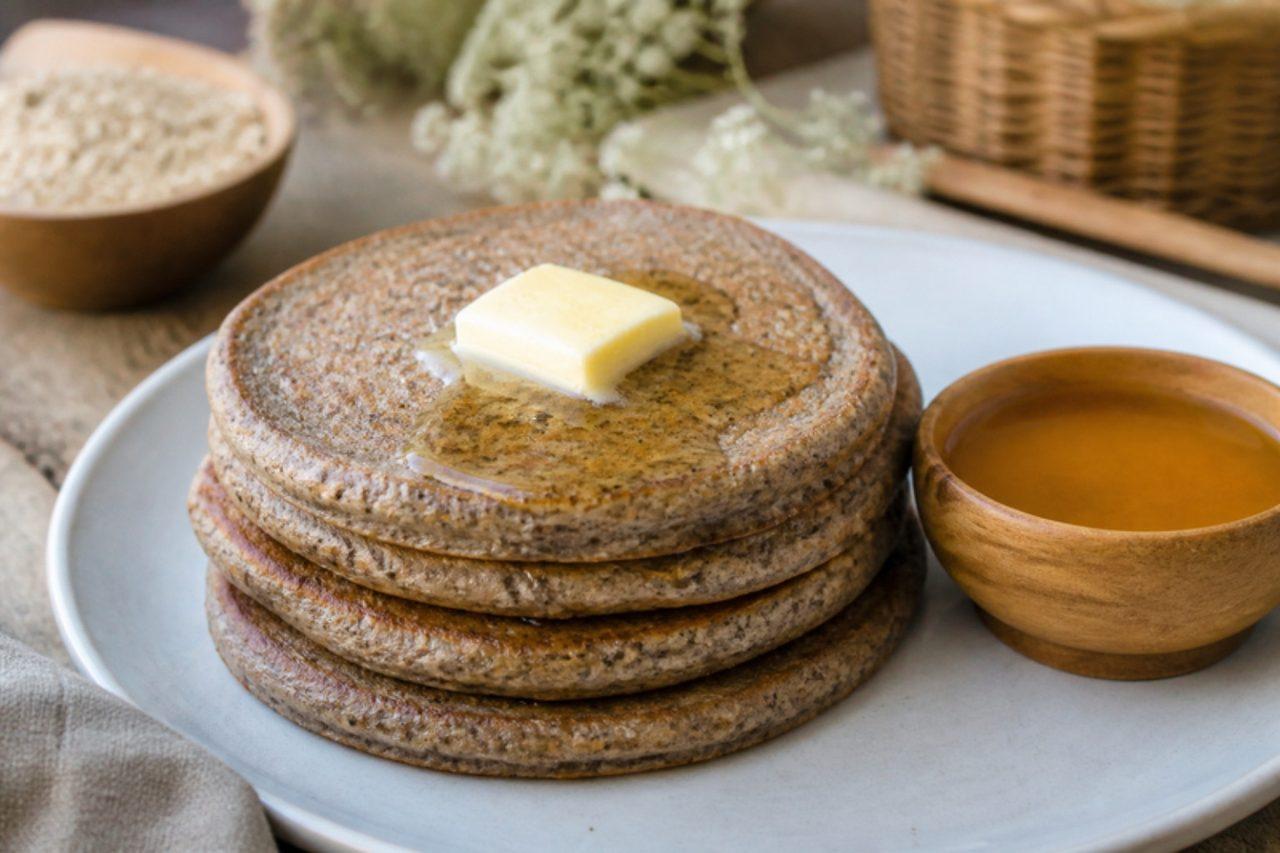
KhuraBuckwheat pancakes

Khura are the buckwheat pancakes of the Monpa people of Tawang and West Kameng, high in Arunachal Pradesh, where buckwheat grows better than wheat. A thick, egg-enriched batter of buckwheat flour is cooked into soft, spongy pancakes for breakfast, eaten with butter tea, chilli-cheese chutney (chamin) or vegetable curry. They are earthy, slightly sour and filling on a cold morning. Chef's tip: let the batter stand for 20 minutes; buckwheat absorbs water slowly and the pancakes hold together much better.

by KrazyBadal 0 views

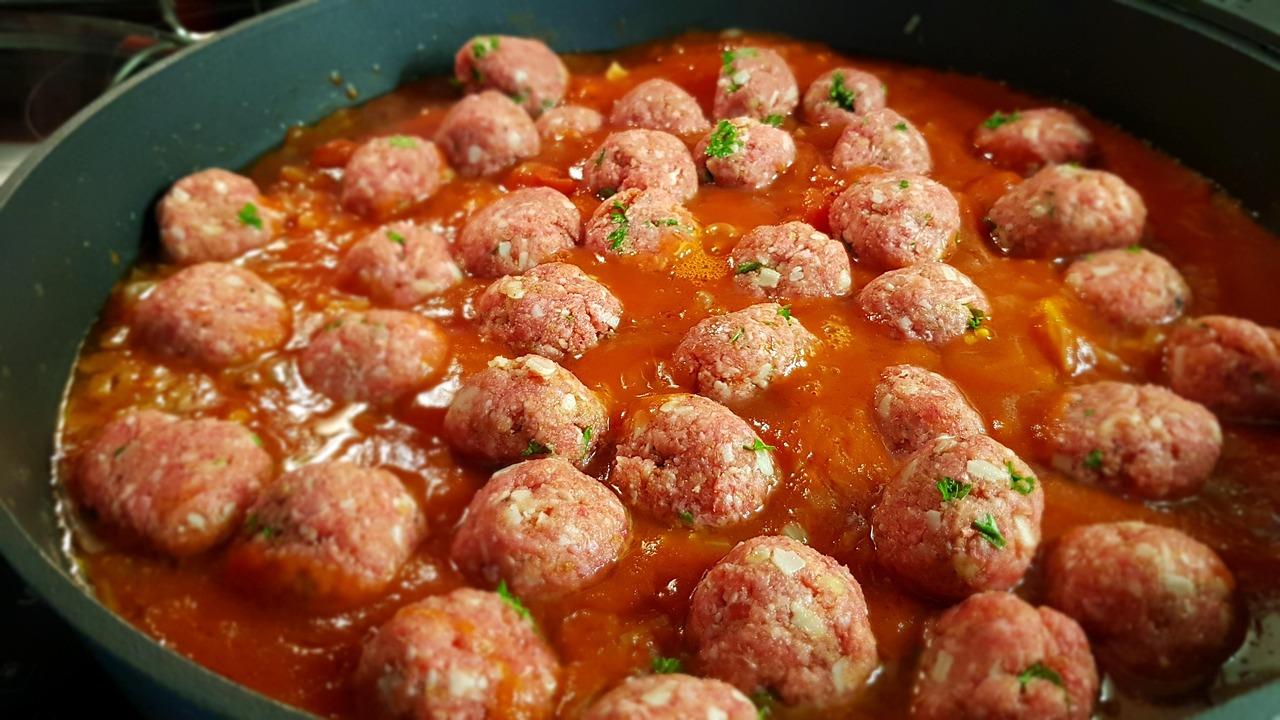
Albóndigas en salsaMeatballs in tomato almond sauce

Albóndigas turn up all over Spain: in a cazuelita on a tapas bar counter, as the second course of a weekday menú del día, and in home kitchens on a Sunday when there is time to roll them. These are made with pork and beef, softened with milk-soaked bread, browned and then simmered in a tomato sauce thickened the old Spanish way with ground fried almonds, which gives it body and a gentle nutty sweetness. Serve them with chips, rice or plenty of bread. They taste even better the next day. Chef's tip: wet your hands with cold water before rolling each meatball; the mixture won't stick and the balls come out smooth and round.

by KrazyBadal 0 views

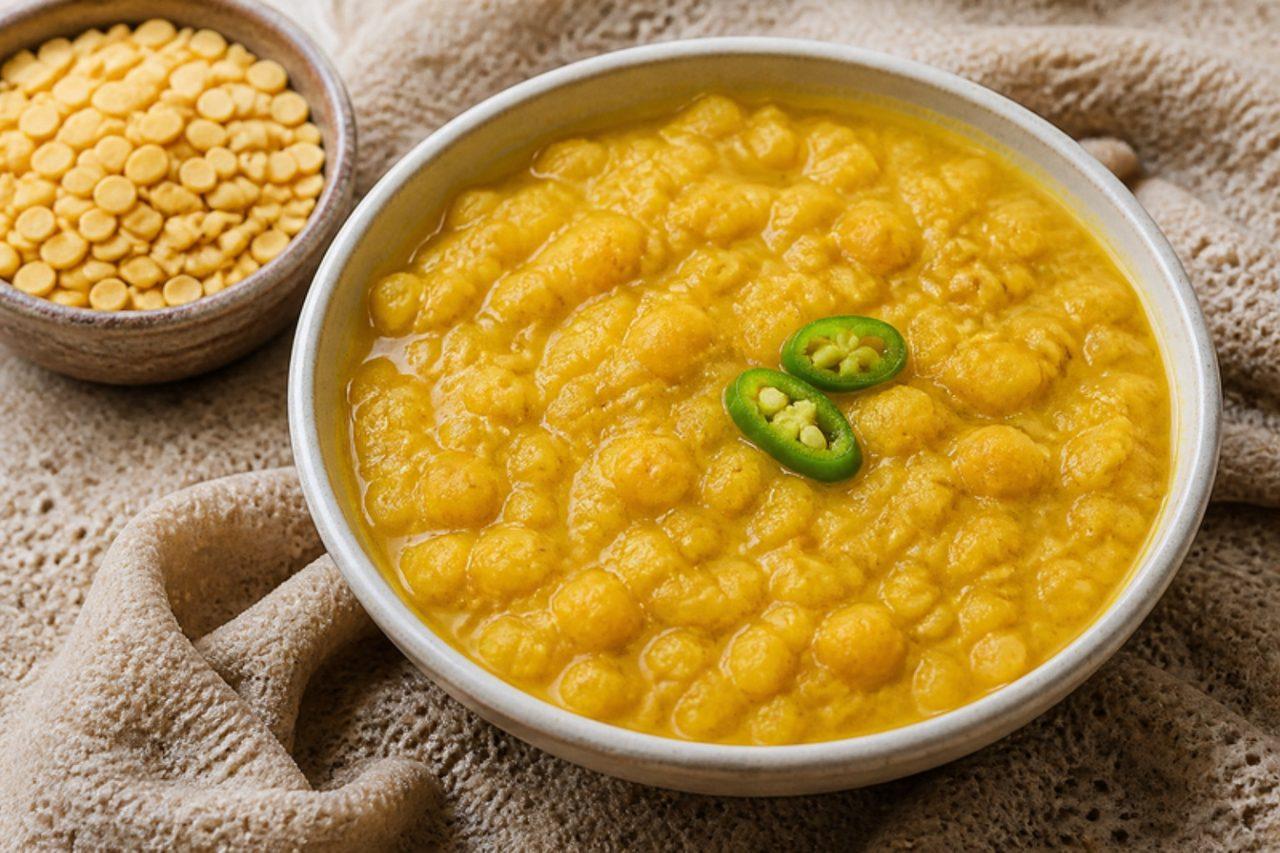
Kik alichaMild yellow split pea stew

Kik alicha is the gentle golden stew on Ethiopian platters: 'alicha' means a mild dish made without berbere, so it is coloured with turmeric instead and flavoured with garlic, ginger and onion. Cooks in the Amhara highlands and in Addis make it all through the fasting seasons, and it sits next to fiery shiro and misir wat to cool things down. Yellow split peas are simmered until they collapse into a thick, smooth purée. Chef's tip: stir it regularly towards the end; split peas thicken suddenly and catch on the bottom of the pan.

by KrazyBadal 0 views

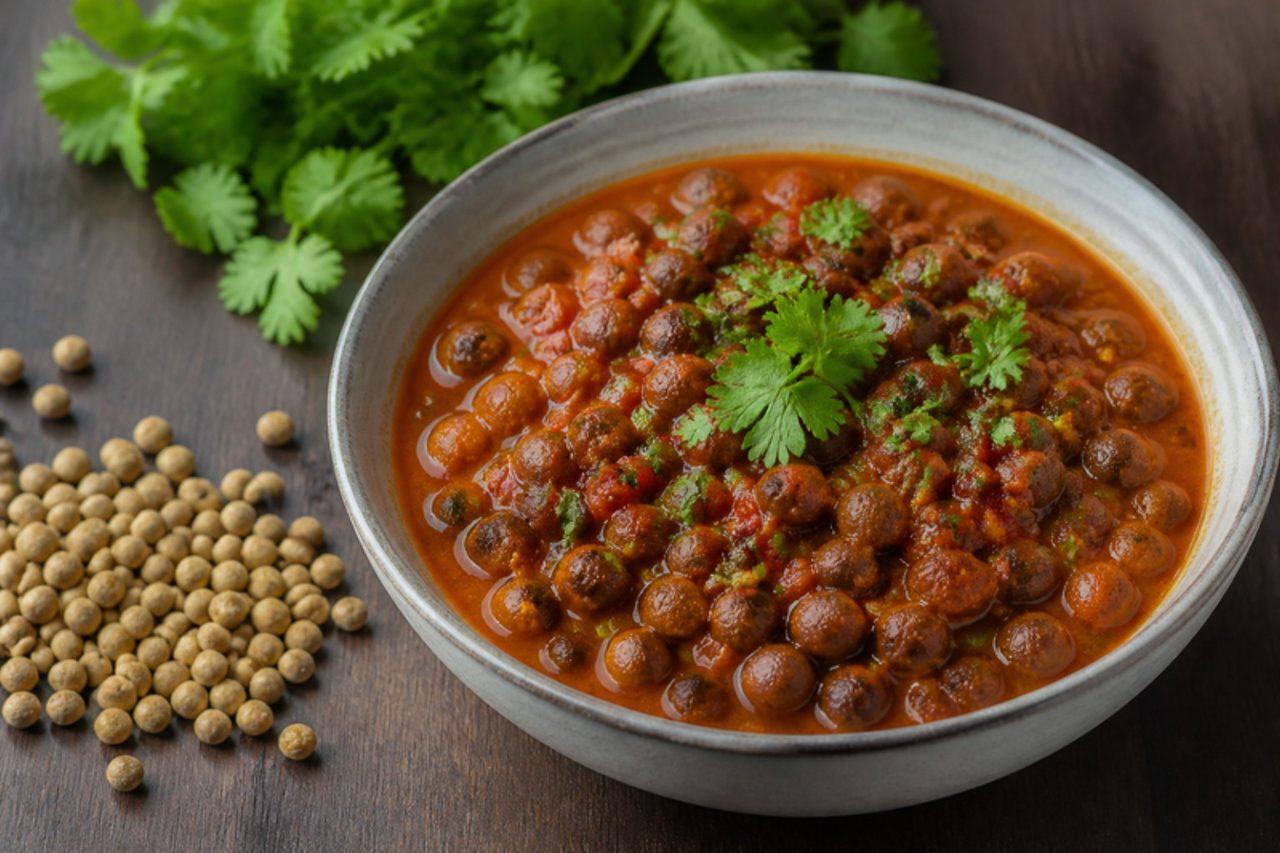
Kinema curryFermented soybean curry

Kinema is the Limbu and Nepali fermented soybean of Sikkim and the Darjeeling hills: boiled soybeans wrapped in leaves and left by the hearth for a couple of days until sticky and pungent. Cooked with onion, tomato, turmeric and fiery dalle or green chilli, it becomes a thick, savoury curry eaten with rice in Gangtok and Kalimpong homes, especially in winter. It is rich in protein and has a deep, almost meaty savour. Chef's tip: dry-fry the kinema before adding the masala; it tames the smell and brings out a toasted flavour. Outside the hills, Japanese natto is the closest substitute.

by KrazyBadal 0 views

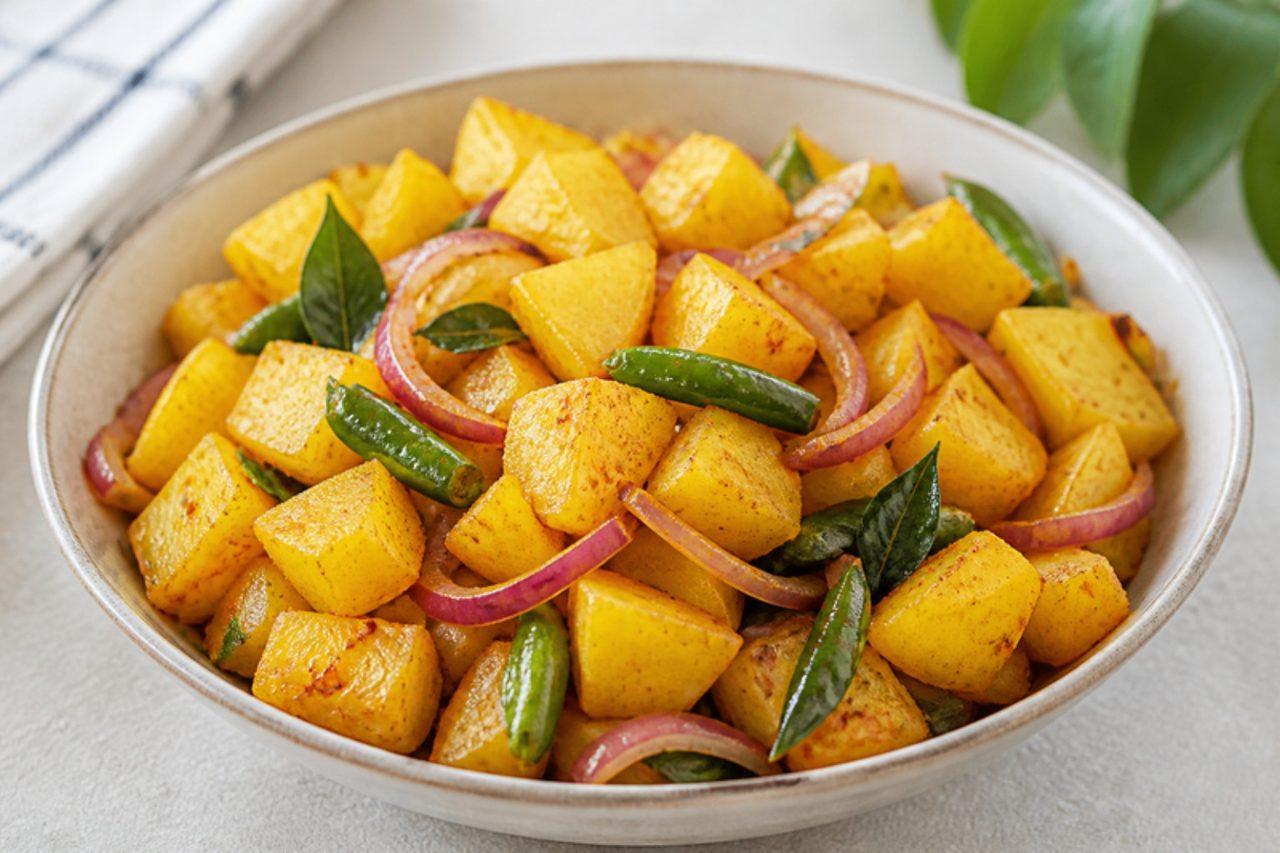
Ala thel dalaDevilled potatoes

Ala thel dala means 'potato tempered in oil', and it's the quick, fiery potato fry that Sri Lankan mothers make when there's no time for a full curry, served with rice, packed into a lunch box with parippu, or eaten with bread at breakfast. Boiled potato cubes are tossed in hot oil with mustard seeds, plenty of red onion, curry leaves, turmeric and roughly crushed dried chilli until the edges turn golden and the onion goes soft and sweet. Unlike an Indian aloo sabzi there are no ground cumin or coriander, just chilli heat, onion and curry leaf. The usual mistake is boiling the potatoes until they're soft right through; they then break up in the pan. Chef's tip: stop boiling when a knife still meets a little resistance in the middle; the potatoes finish cooking in the pan and keep their shape.

by KrazyBadal 0 views

Showing 81 of 10,569 recipes

Show more recipes

Page 1,067 of 1,175