


Skip to content
Stuffies
Featured recipe

Stuffies

Stuffed clams with chouriço

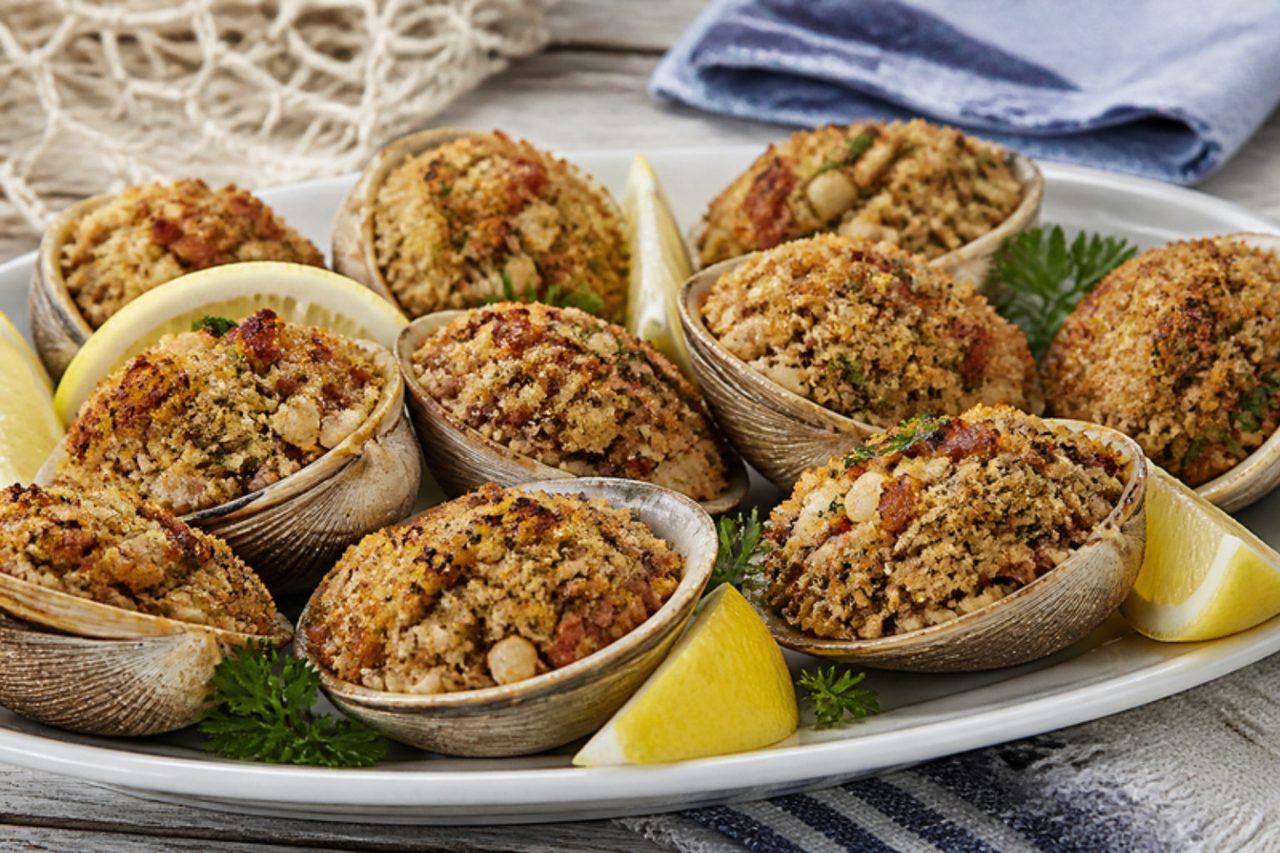
Stuffies are Rhode Island's summer starter, sold at clam shacks in Warwick and Bristol and made at home for Fourth of July cookouts: big hard-shell quahog clams are steamed, the meat chopped and mixed with buttery breadcrumbs, peppers and spicy Portuguese chouriço (pork sausage), then baked back in the shells. Chef's tip: save the steaming liquid and use it to moisten the stuffing; plain water makes it bland.

Read more 0 views

What to eat today?

Around the world

Today's trip: Peruvian

A new country every day, from every cuisine on the site.

Peruvian

Tacacho

Mashed roasted green plantain balls 35 minMore from Peruvian (111) →

This week's collection

Kid-friendly dinners
772 recipes · a new collection every Monday

Coming up

All occasions →

Latest recipes

Beef nihariSlow-cooked beef shank stew

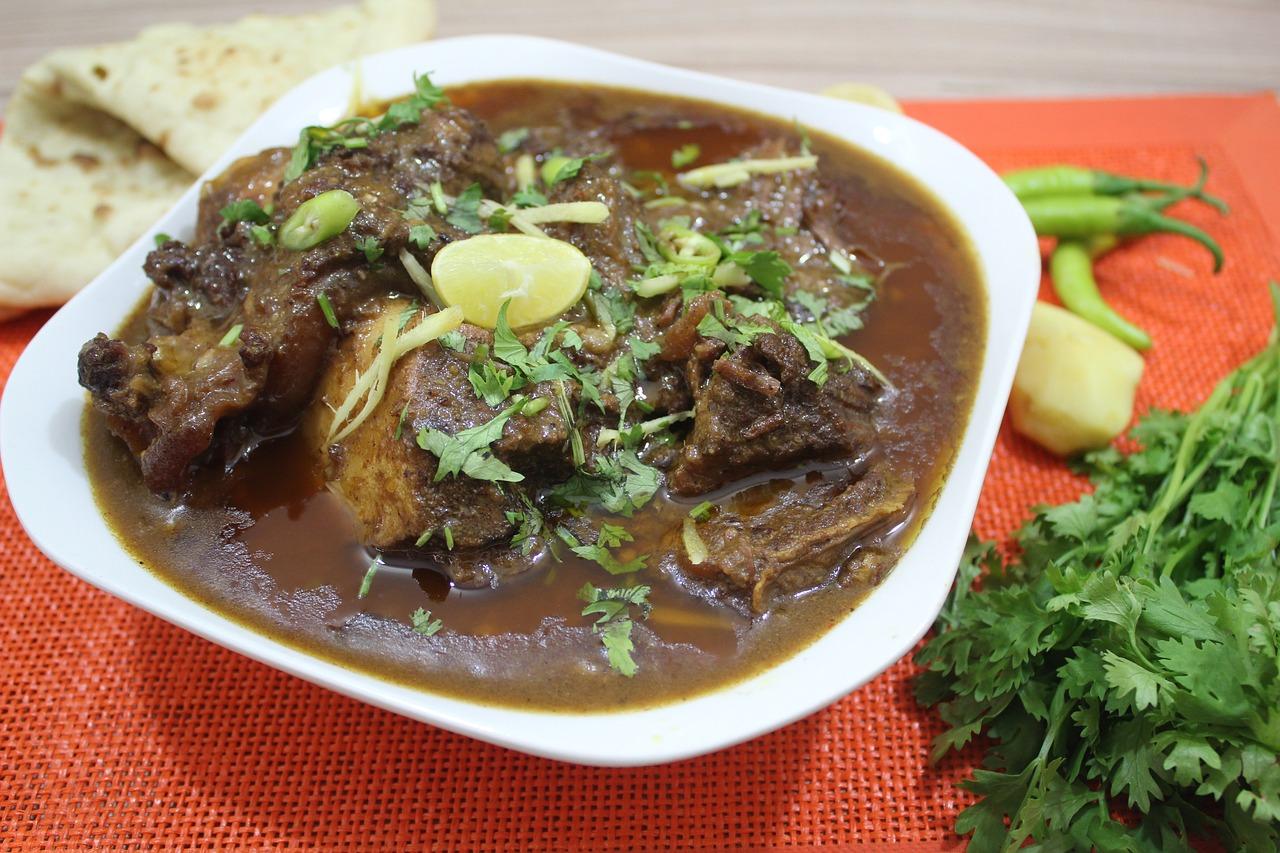
Nihari takes its name from nahar, the Arabic word for morning, and in Karachi and Lahore it is still a breakfast dish: the big pots simmer through the night and shops open at dawn for office workers and families. Beef shank cooks for hours until the meat falls apart and its marrow and gelatine turn the spiced gravy rich and silky, thickened at the end with a little toasted flour. At home it makes a perfect weekend brunch or Eid lunch, and it reheats beautifully. Serve with naan, fresh ginger, green chilli, coriander and lemon at the table. Chef's tip: cook it the day before and chill it overnight, then lift off some of the fat that sets on top before reheating.

by KrazyBadal 0 views

Beef lok lakPeppery stir-fried beef

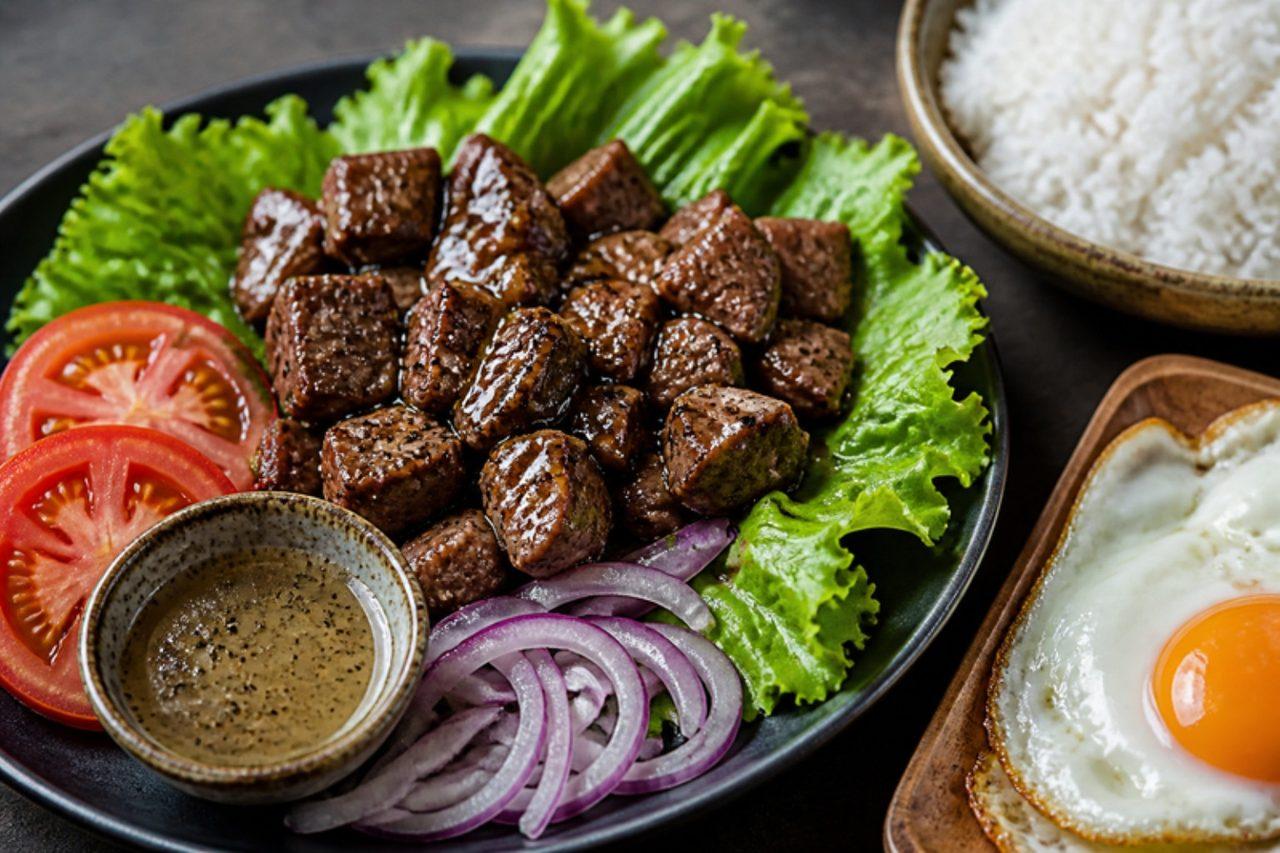
Lok lak is a favourite in Phnom Penh restaurants and family kitchens, a dish Cambodians often order on special nights out. Cubes of beef are marinated in oyster sauce, soy and garlic, seared fast in a hot wok and served on lettuce, tomato and onion with rice, a fried egg on top and a tiny bowl of tuk meric: Kampot black pepper, salt and lime juice for dipping. Chef's tip: dry the beef well and cook it in a very hot pan in two batches; it should sear, not stew.

by KrazyBadal 0 views

HaleemWheat, lentil and beef porridge

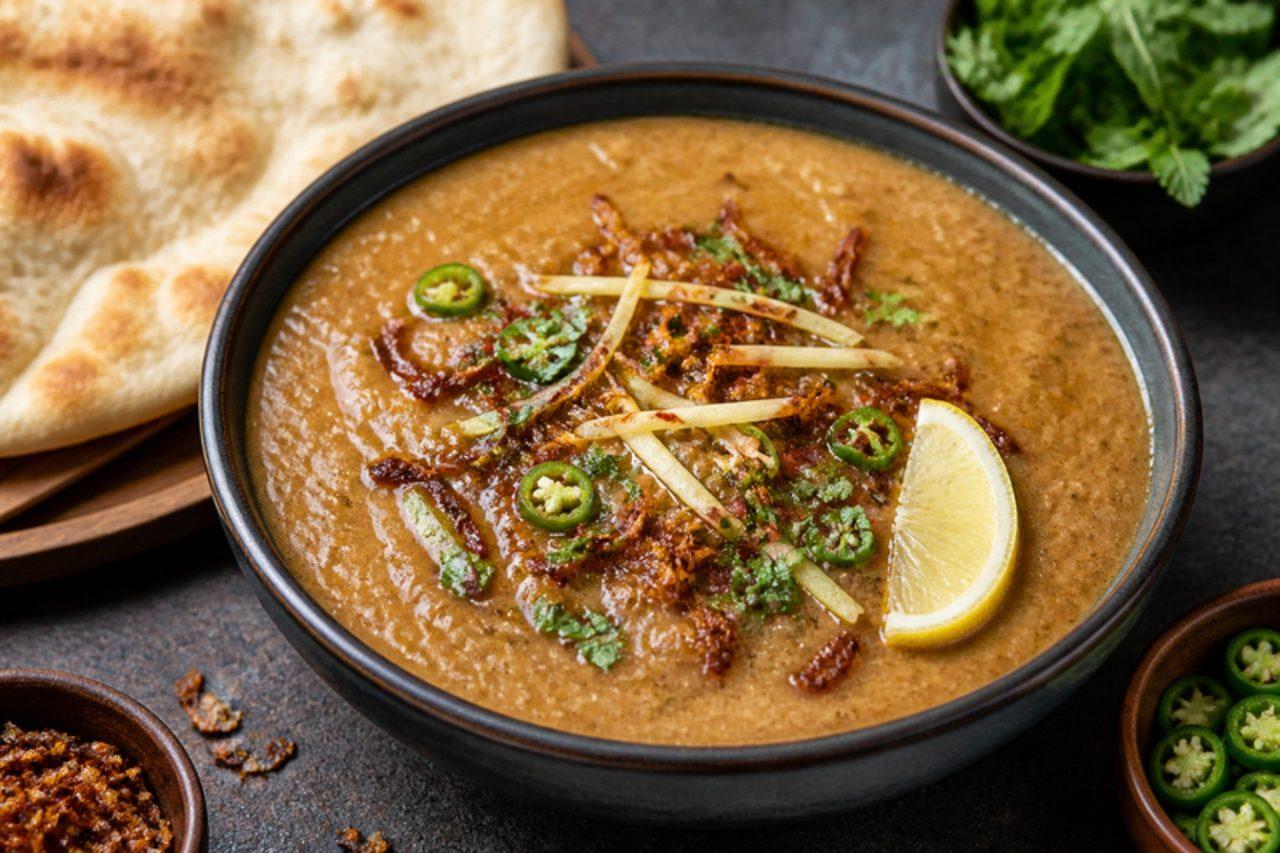
Haleem is cooked in vast pots across Pakistan in the month of Muharram and during Ramadan, when neighbours queue with bowls in Karachi, Lahore and Hyderabad. Cracked wheat, barley and several lentils cook for hours with beef until everything is beaten into one thick, stretchy, deeply savoury porridge. Each bowl is finished with crisp fried onions, ginger, green chilli, mint and lemon, so everyone builds their own. It takes time but freezes well, so make a big pot. Chef's tip: beat the haleem hard with a wooden spoon or a hand blender on short pulses; you want long meaty threads, not a smooth purée.

by KrazyBadal 0 views

Sambal goreng kentangFried potatoes in sweet-hot sambal

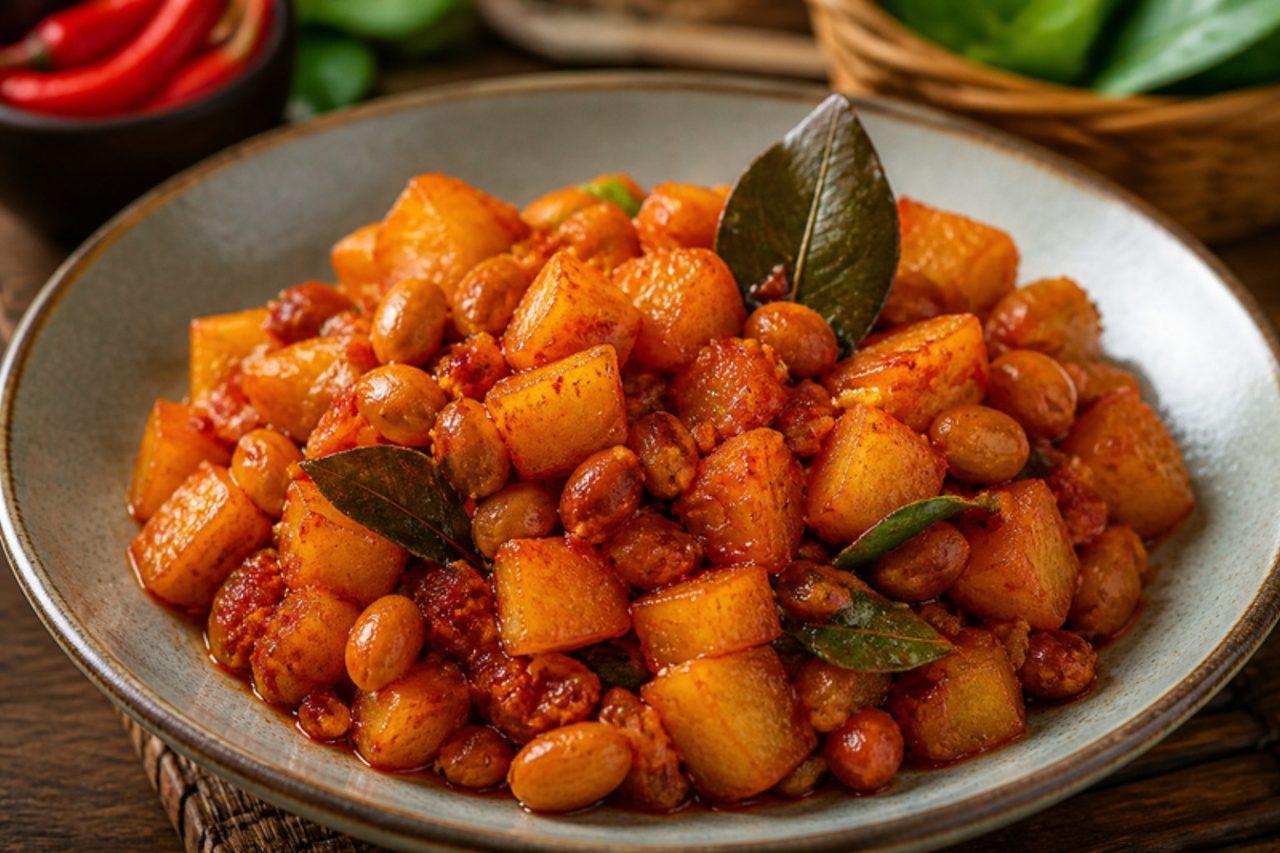
Sambal goreng kentang turns up wherever there's a celebration in Java and Sumatra: on Lebaran tables next to ketupat and opor, in wedding buffets, and in boxes of nasi kotak handed out at gatherings. The potatoes are cut small, fried until crisp and golden, then tossed through a red chilli and shallot sambal sweetened with palm sugar and sharpened with tamarind, so each cube is coated and chewy at the edges. It keeps well and is eaten at room temperature with rice. Chef's tip: soak and dry the potato cubes thoroughly before frying; damp potatoes spit, steam and never crisp up.

by KrazyBadal 0 views

Pithla with jowar bhakriGram flour curry with sorghum flatbread

In villages across the Deccan plateau of Maharashtra, pithla bhakri is what a farmer's family eats when the pantry is low and the day is long: a pan of gram flour simmered with garlic, green chilli and onion until it sets to a soft, spoonable curry, with thick jowar bhakri patted out by hand and a raw onion on the side. It became a symbol of rural Maharashtra, served at roadside stalls near Sinhagad fort to trekkers and at political rallies alike. Zunka, the dry version, uses the same flavours but is stirred until crumbly. Serve with thecha or a wedge of lemon. Chef's tip: whisk the gram flour into cold water before it meets the pan; that one step is the whole secret to a lump-free pithla.

by KrazyBadal 0 views

BebincaLayered coconut milk cake

No Goan Catholic Christmas, wedding or feast is complete without bebinca, the 'queen of Goan desserts'. A rich batter of coconut milk, egg yolks, sugar and a little flour is cooked one thin layer at a time under the heat, each layer brushed with ghee before the next is poured on, so the finished cake shows dark-and-light stripes when sliced. Traditionally it was baked over coconut-husk fire with coals on the lid and had sixteen layers; a home grill makes eight to ten easily in an afternoon. It's rich, dense and fudgy, and keeps for a week. Serve thin slices at room temperature, or warm with vanilla ice cream. Chef's tip: make each layer the same thin pour; a thick layer stays raw in the middle while its top burns.

by KrazyBadal 0 views

Ajiaco santafereñoChicken and potato soup

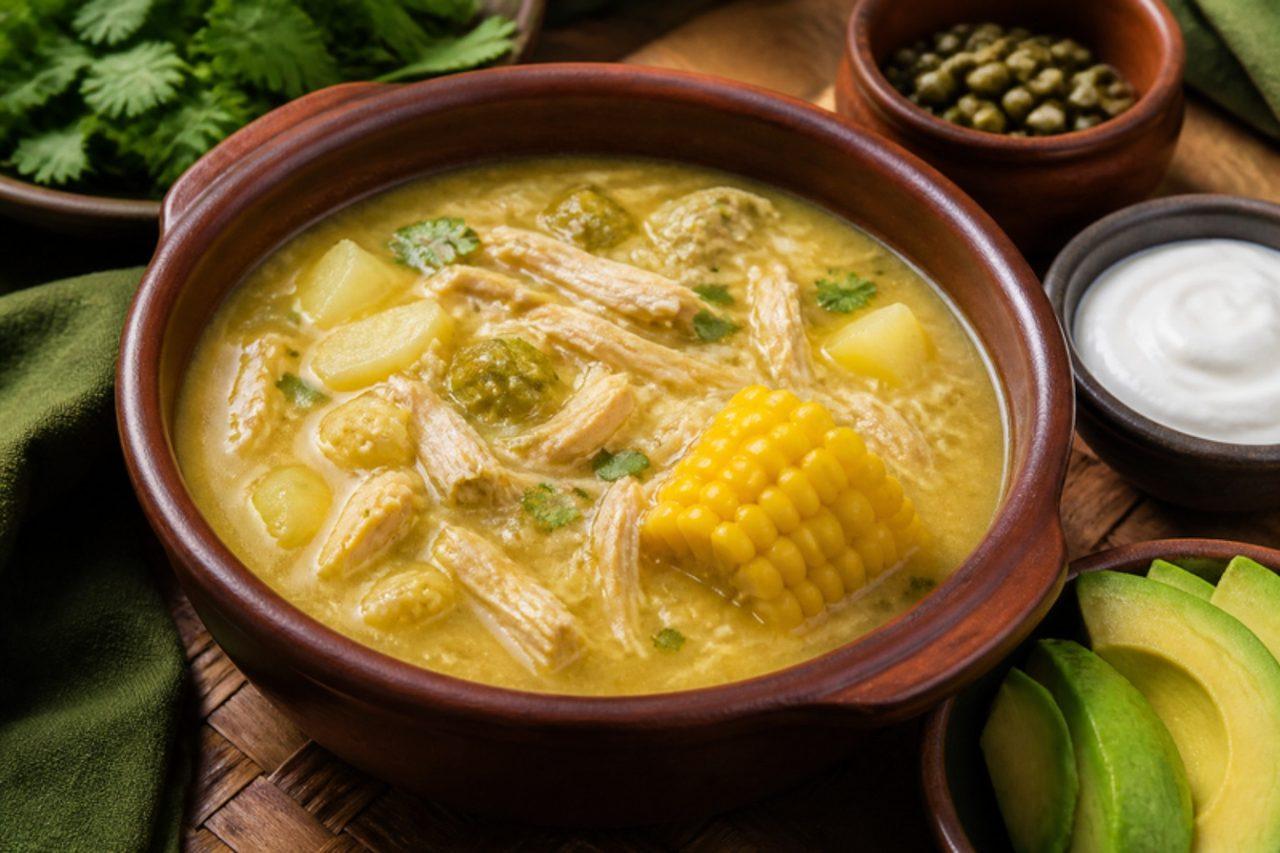
On cold, drizzly afternoons in Bogotá, high up in the Andes, families sit down to ajiaco: a thick chicken soup made with three kinds of potato. Small yellow papas criollas melt away and thicken the broth, while waxy and floury potatoes keep some bite. Guascas, a dried herb with a grassy, artichoke-like taste, gives the soup its unmistakable flavour, and each bowl comes with corn on the cob, a spoon of cream, capers and slices of avocado to add at the table. A frequent mistake is adding all the potatoes at once; the papas criollas go in first so they can dissolve, the firmer ones later. Chef's tip: if you can't find guascas in a Latin shop, use a mix of dried oregano and a little dried thyme; the soup will still be good, just less Bogotá.

by KrazyBadal 0 views

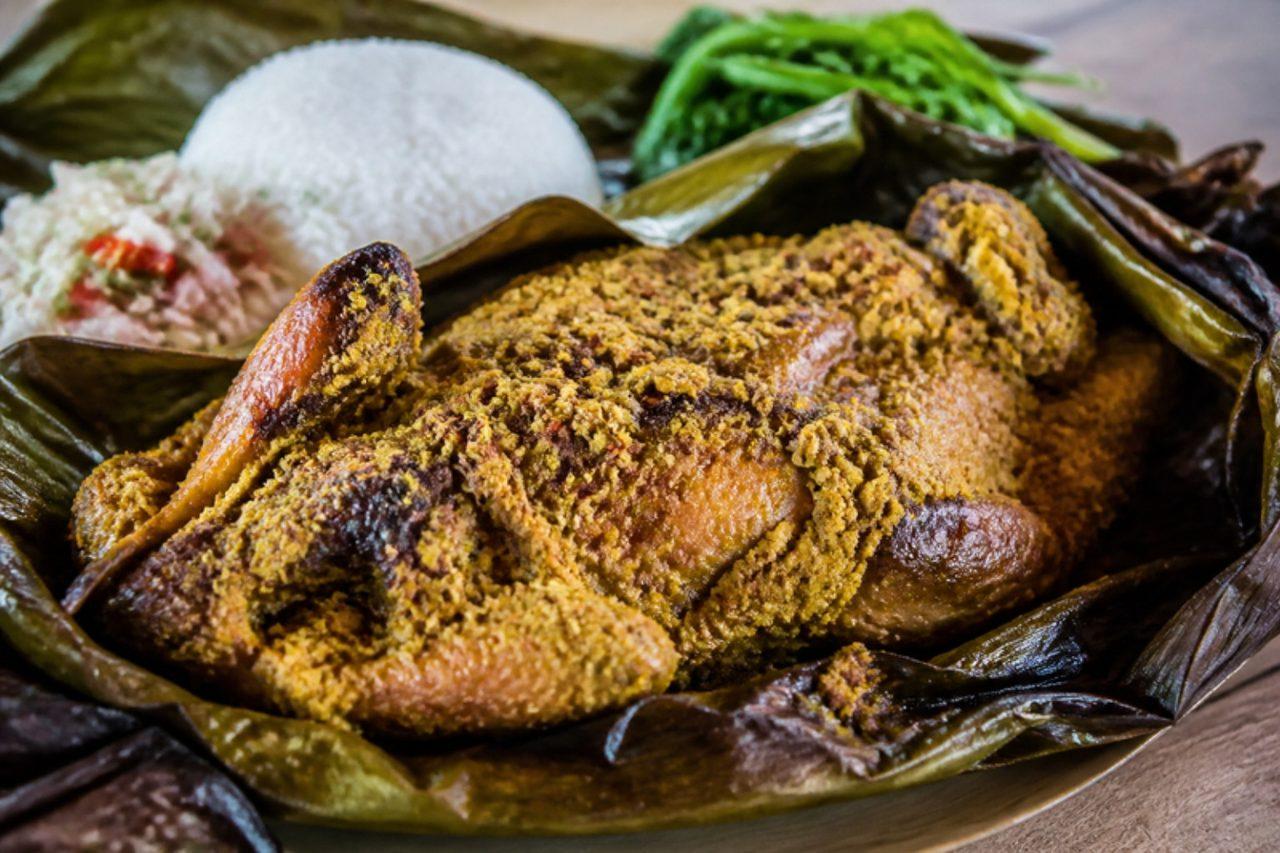
Bebek betutuSpiced slow-roasted duck

For ceremonies in the villages around Gianyar in central Bali, a whole duck is stuffed and smothered with base genep, wrapped in banana leaves and areca-palm sheath, and buried overnight in smouldering rice husks. By morning the meat has turned meltingly soft, the fat has rendered into the spices and the parcel smells of turmeric, smoke and lime leaf. This home version keeps the stuffing and the leaf parcel but uses a low oven for three hours, then opens the parcel for a short blast to colour the skin. Serve it in its juices with rice, a sharp sambal matah and long beans or water spinach. Chef's tip: marinate the duck overnight in the fridge if you can; the paste needs time to get past the fat and into the meat.

by KrazyBadal 0 views

Pizza frittaFried pizza parcels

Pizza fritta is the street-food pizza of Naples: a disc of pizza dough folded over a filling and fried in hot oil until puffed and blistered, sold from kiosks in the Spanish Quarter and around Via dei Tribunali. It became popular after the war, when wood ovens were scarce and a pan of oil was all many cooks had. The classic filling has ricotta, smoked provola, tomato and pepper; pork crackling (cicoli) is often added, but not here. Chef's tip: seal the edge by pressing with your fingertips, not a fork, and leave a 2 cm border; a well-sealed parcel puffs like a pillow instead of bursting.

by KrazyBadal 0 views

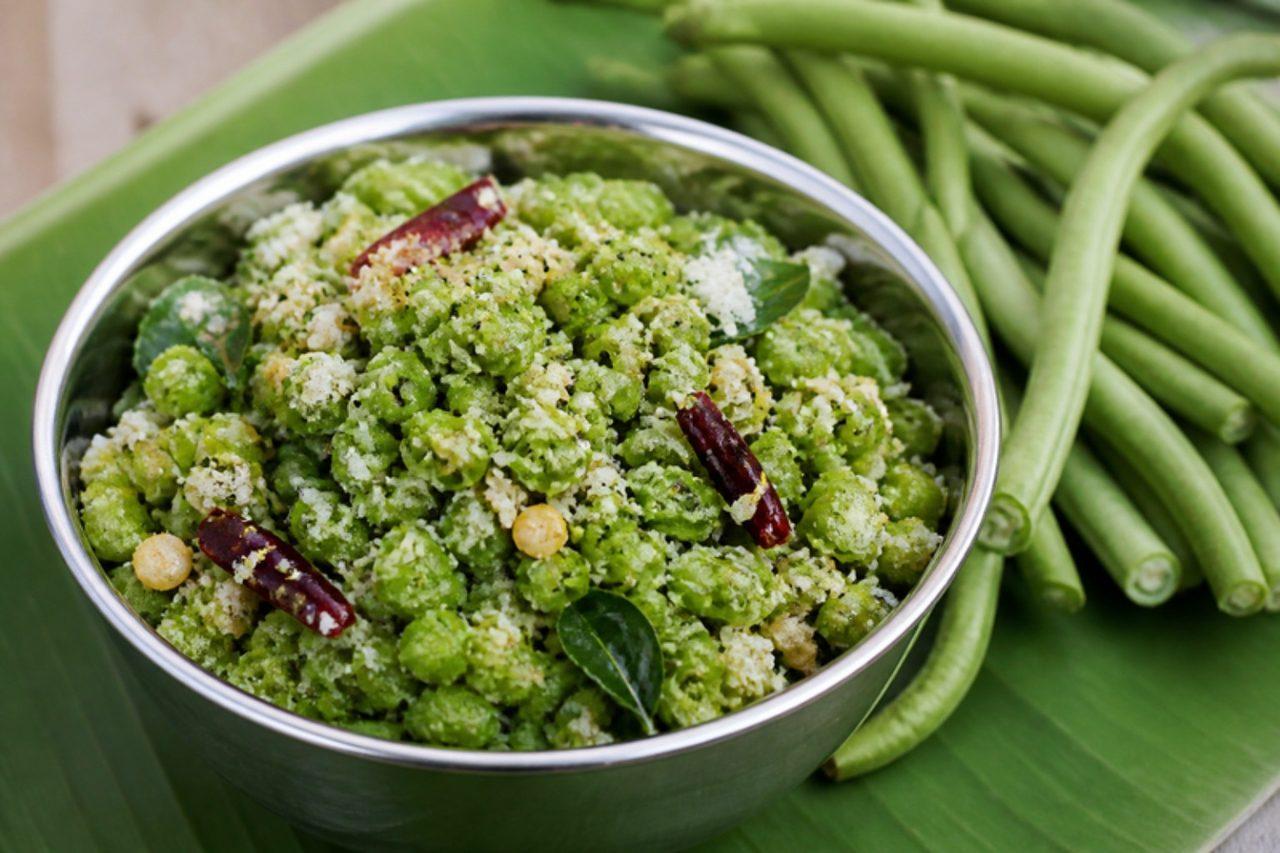
Beans poriyalGreen bean and coconut stir-fry

Poriyal is the everyday dry vegetable of Tamil Nadu, and beans poriyal is the one that appears on banana-leaf meals at weddings, temple annadhanam and Monday-to-Friday lunch boxes alike. The beans are chopped very small, steamed in their own moisture with a mustard and urad dal tempering, and finished with a shower of fresh coconut, so each spoonful is bright green, a little crunchy and nutty. It sits next to sambar or kuzhambu with rice, and it also makes a good filling rolled into a chapati. Chef's tip: chop the beans into tiny 5 mm pieces; they cook in minutes, stay green and soak up the tempering far better than long pieces.

by KrazyBadal 0 views

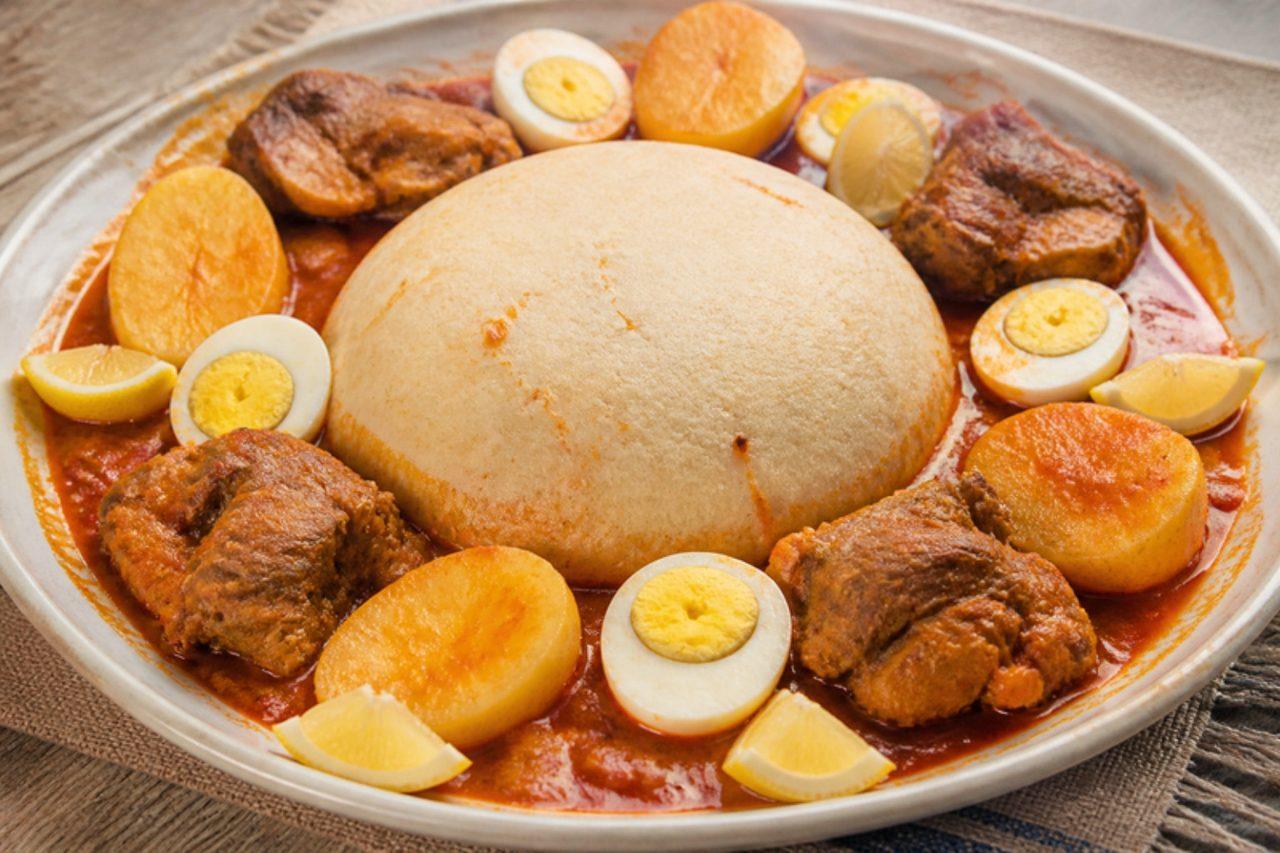
Bazin with lambBarley dough with lamb stew

Bazin is the traditional festive dish of Libya, especially in Tripoli and the western mountains: a smooth, firm dome of barley-flour dough set in the middle of a wide dish, surrounded by a spicy lamb stew of tomato, chilli and turmeric, with hard-boiled eggs and potatoes. Everyone eats from the same plate with the right hand, pinching off dough and dipping it in the sauce. The mistake is not beating the dough hard enough: it should be pounded until completely smooth, or it tastes floury. Chef's tip: beat the dough with a wooden spoon, adding cooking liquid a spoonful at a time, until it pulls cleanly away from the pot.

150 minAfricanMeatSpicy
by KrazyBadal 0 views

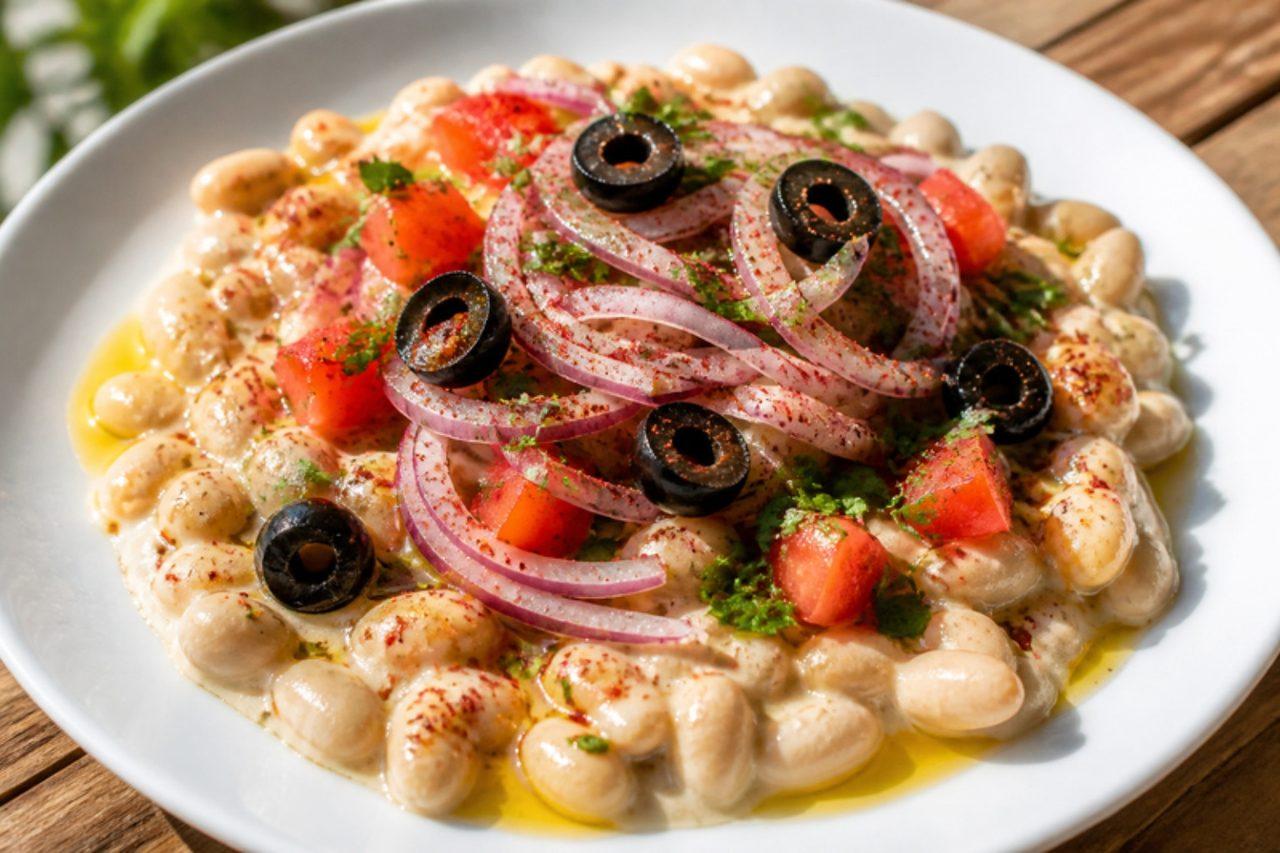
PiyazWhite bean salad with tahini

Antalya does piyaz its own way. Elsewhere in Turkey the bean salad is dressed with oil and vinegar, but on the Mediterranean coast the beans are folded through a pale, nutty sauce of tahini, lemon and vinegar, then crowned with sumac onions, tomato and parsley. Lunch canteens in the old town serve it on the side of almost everything, and at home it is a filling lunch with bread or a cool side on a hot evening. Tinned beans make it a fifteen-minute dish. Chef's tip: when the lemon hits the tahini it will seize into a stiff, grainy paste; don't panic, just keep beating in cold water a spoonful at a time and it turns silky.

by KrazyBadal 0 views

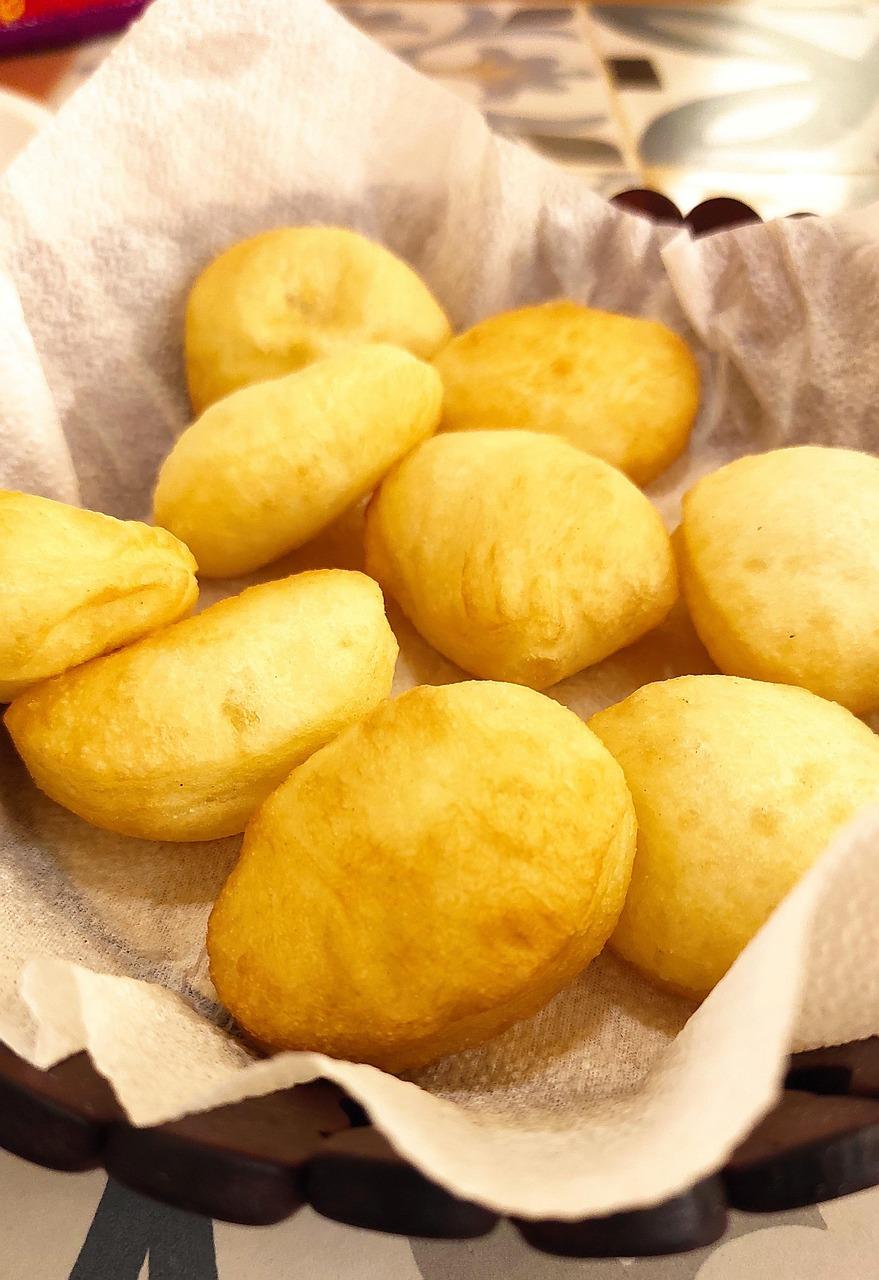
BaursakPuffed fried dough

No Kazakh dastarkhan, the cloth spread with food for guests, is complete without a heap of baursak: soft, hollow pillows of yeasted dough fried until they balloon. They are scattered over the table at weddings, at Nauryz in March and at funerals, where the smell of frying baursak is said to reach the departed. In Almaty families fry hundreds at a time and eat them through the evening with milk tea, butter, jam or honey. Kyrgyz and Turkmen households make almost identical versions. Chef's tip: roll the dough just 1 cm thick and keep the oil hot; thin dough in hot oil puffs into a hollow ball, thick dough stays bready.

by KrazyBadal 0 views

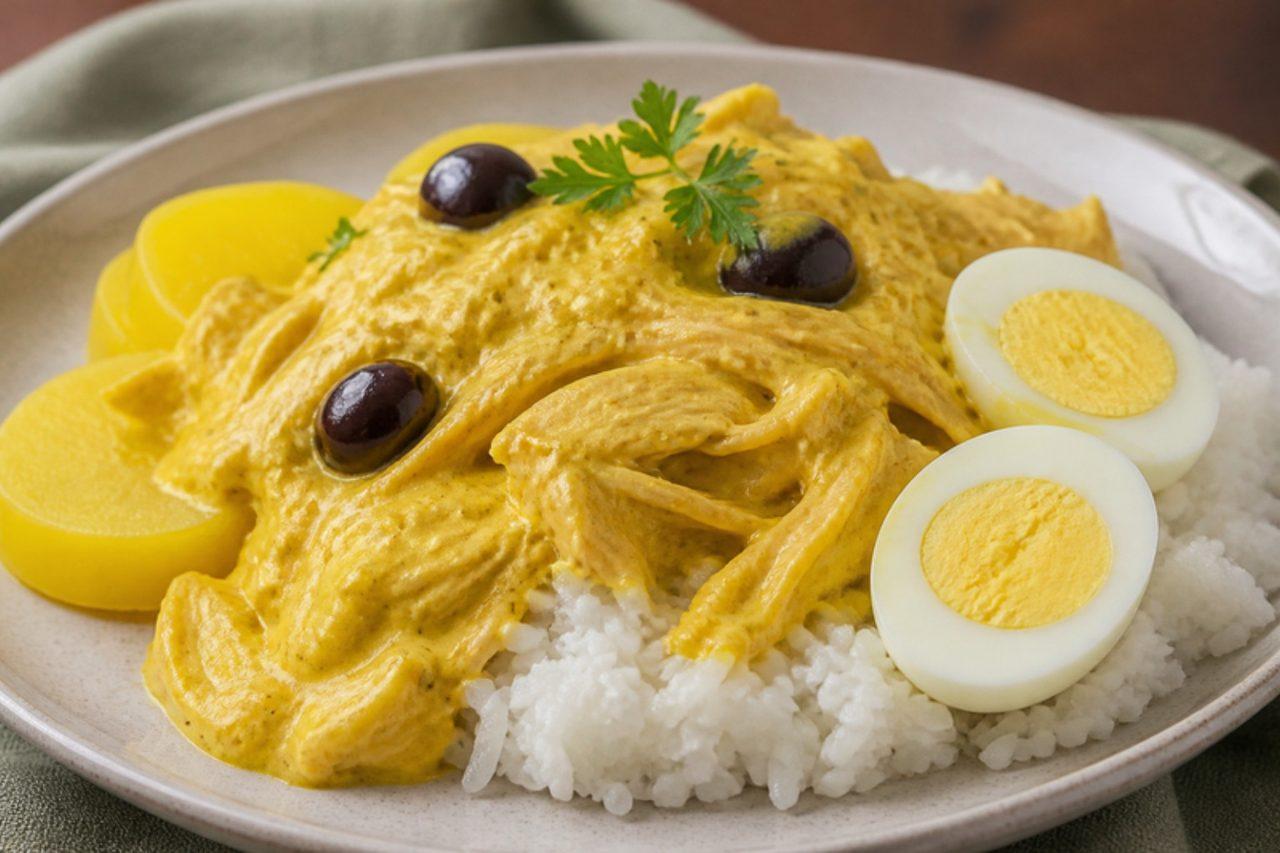
Ají de gallinaChicken in creamy chilli sauce

Lima's old criollo kitchens turned leftover hens into this golden, velvety stew, and it still turns up at family lunches, office canteens and menú del día stalls all over the capital. Poached chicken is pulled into threads and folded into a sauce thickened with milk-soaked bread, ground walnuts and parmesan, coloured by ají amarillo, Peru's fruity yellow chilli. It is served over white rice with boiled potatoes, a halved egg and a black olive. Chef's tip: keep the poaching broth; loosening the sauce with it instead of more milk gives a deeper, more chickeny flavour.

by KrazyBadal 0 views

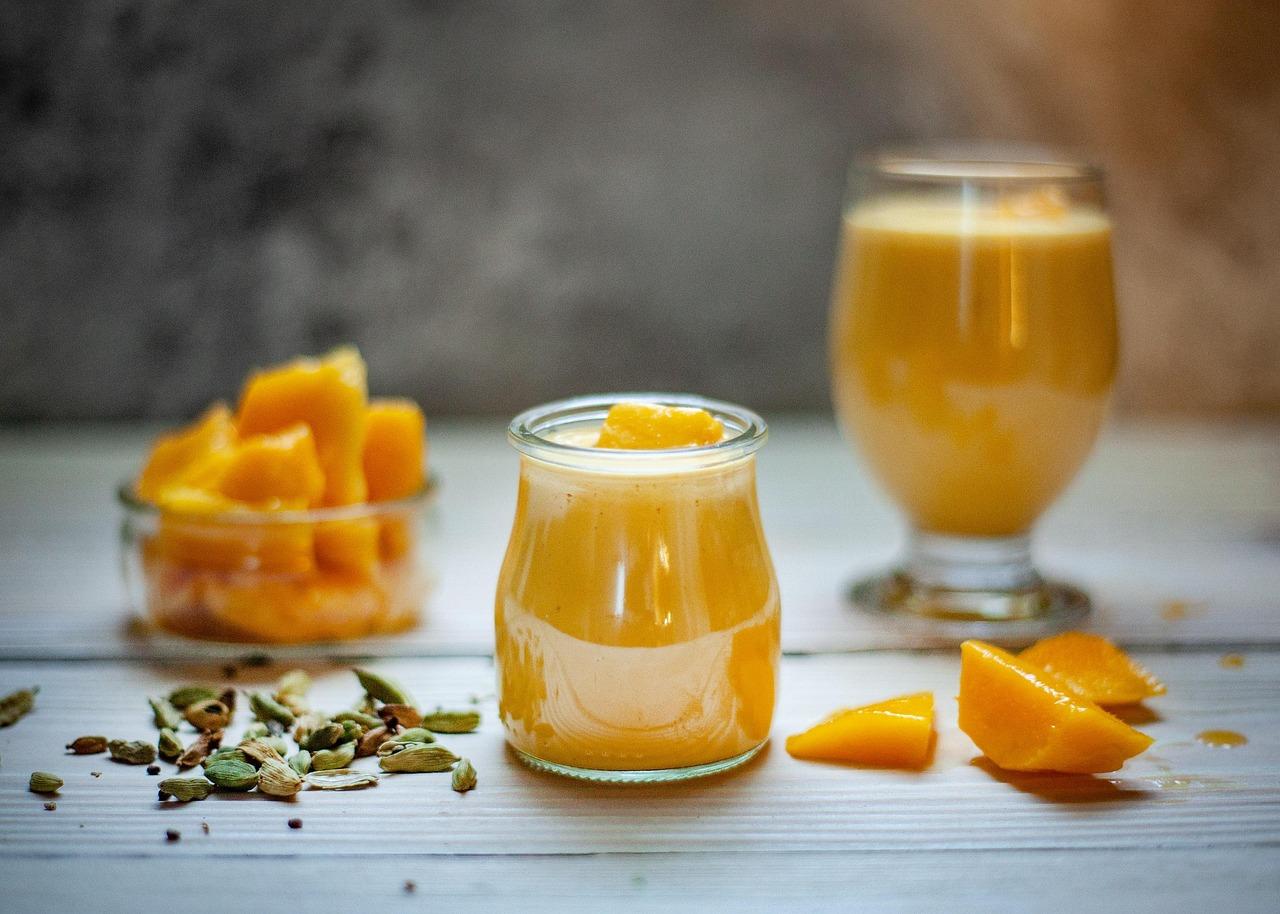
Batido de mangoMango milkshake

Batidos are the thick fruit milkshakes blended to order at Cuban cafeterías and roadside stands in summer, made with whatever tropical fruit is ripe: mamey, papaya, guanábana and, most of all, mango. Unlike a lassi there is no yogurt, just ripe mango, cold milk, a little sugar and plenty of ice, whizzed until frothy. Kids love it as an afternoon treat. Chef's tip: freeze the mango chunks first and you will need less ice, so the batido tastes of fruit rather than water.

by KrazyBadal 0 views

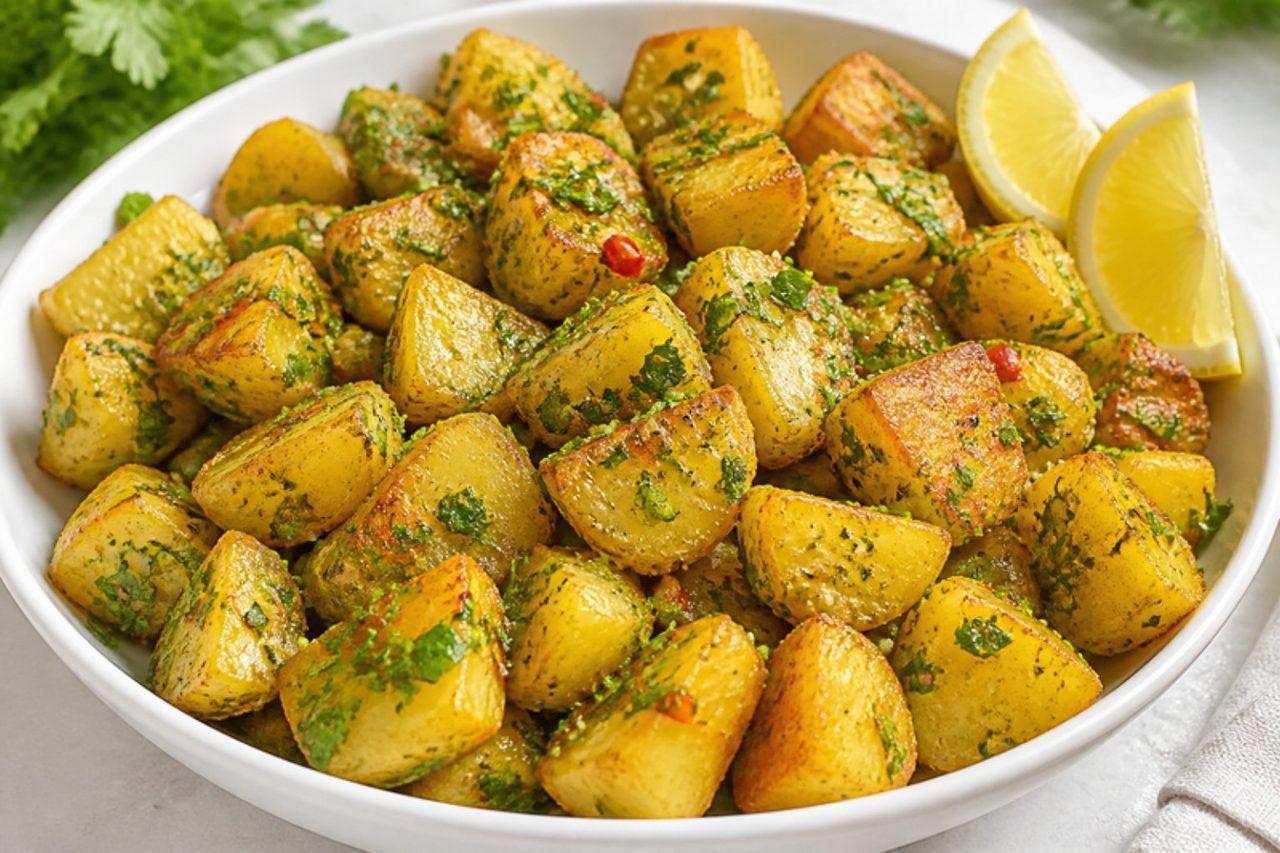
Batata harraSpicy garlic potatoes

Batata harra, meaning hot potatoes, is a staple of the hot mezze in Beirut restaurants and at home: crisp cubes of potato tossed while still sizzling in garlic, chilli and a heap of fresh coriander, then squeezed with lemon. Expect it next to falafel and hummus at a Sunday spread or as a side for grilled vegetables on a summer evening. This home version roasts the potatoes instead of deep-frying them, which gives the same golden crunch with much less oil. People often add the garlic and coriander too early, so the garlic burns and turns bitter; they go in only for the last minute in the pan. Chef's tip: parboil the cubes and shake them in the colander until their edges look fluffy, because those rough edges are what turn crisp in the oven.

by KrazyBadal 0 views

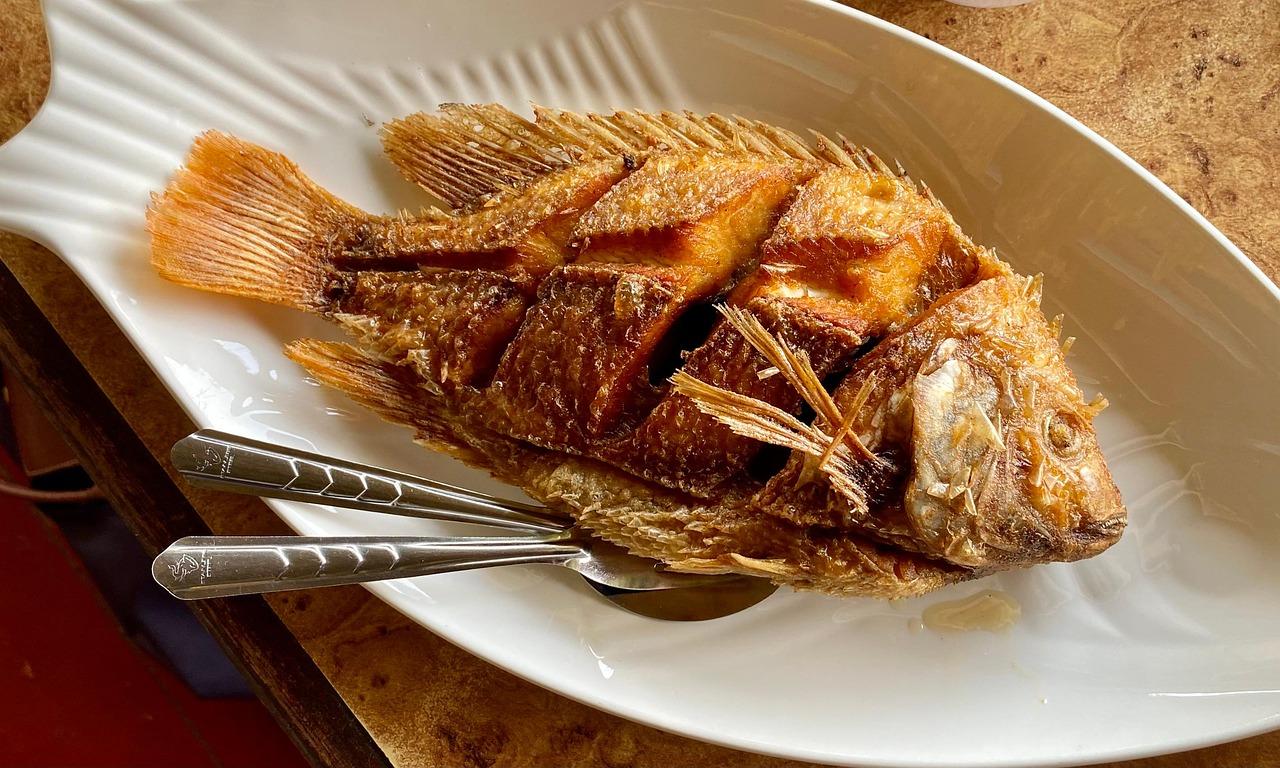
Pla kapong tod nam plaFried sea bass with fish sauce

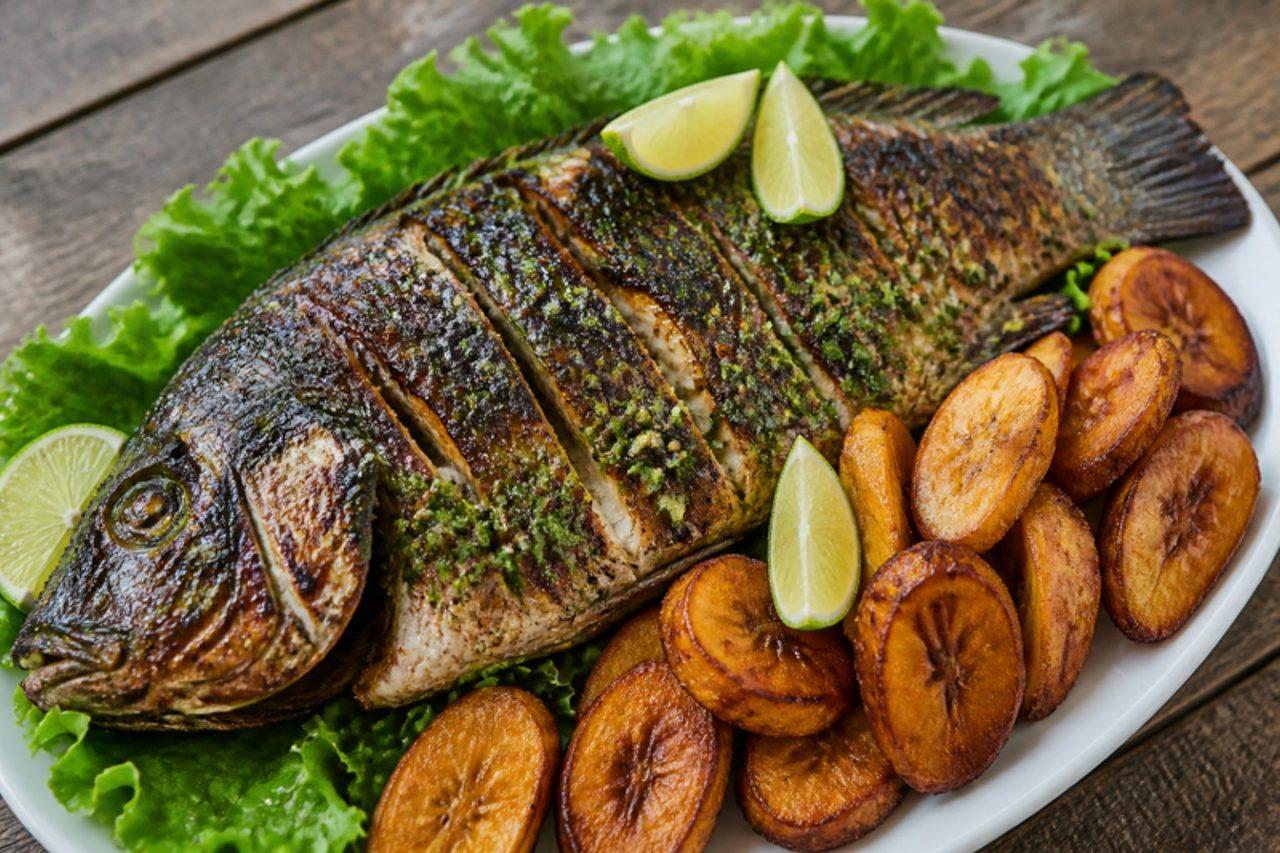
Seafood restaurants on the jetties of Krabi, Trang and Hua Hin bring this out whole on a long platter, its scored sides fanned open and crackling, as the centrepiece of a shared table. The skin and fins fry so crisp you can eat them, while the flesh inside stays moist and sweet; a sticky glaze of fish sauce and palm sugar goes over at the last minute. It is salty-sweet rather than spicy, so it sits happily beside a sour green mango salad, a hot curry and plenty of jasmine rice. Chef's tip: dry the fish thoroughly with kitchen paper, inside the cuts too, and leave it uncovered in the fridge for 30 minutes if you can; dry skin is crisp skin and spits far less.

40 minThaiFishGluten free
by KrazyBadal 0 views

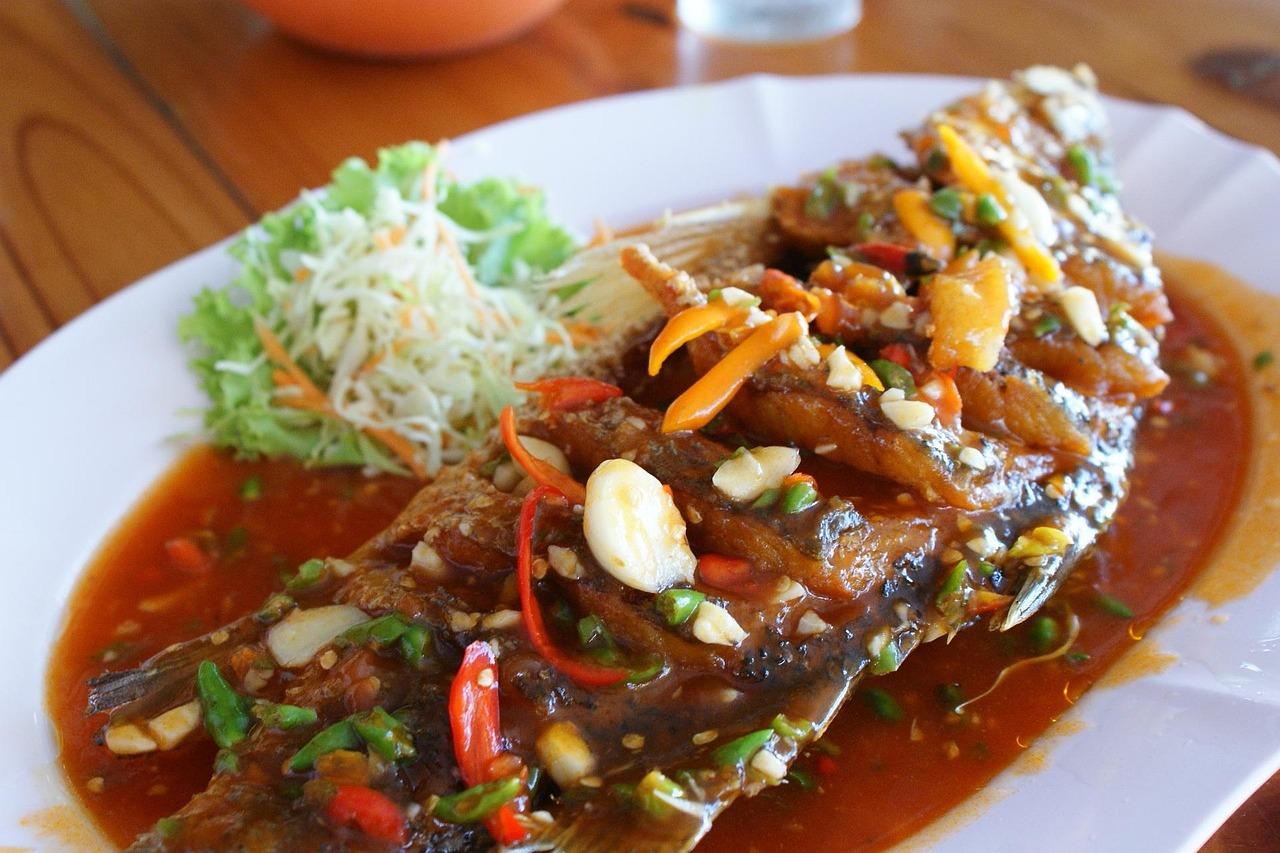
Pla rad prikFried fish with chilli sauce

A whole fried fish blanketed in glossy red chilli sauce is the centrepiece of many family celebrations and riverside restaurant meals in central Thailand. The sauce is known as sam rot, 'three flavours', because palm sugar, tamarind and fish sauce are balanced against pounded chillies and garlic; spooned over a fish fried until its skin crackles and the fins crunch like crisps, it turns sticky and shiny. Sea bass (pla kapong) is the usual choice, though snapper or tilapia work well too. Bring it to the table with jasmine rice, a stir-fried green vegetable and a clear soup to share. Chef's tip: score the fish down to the bone on both sides and pat it bone-dry, so the heat reaches the thickest part and the oil doesn't spit.

45 minThaiFishSpicy
by KrazyBadal 0 views

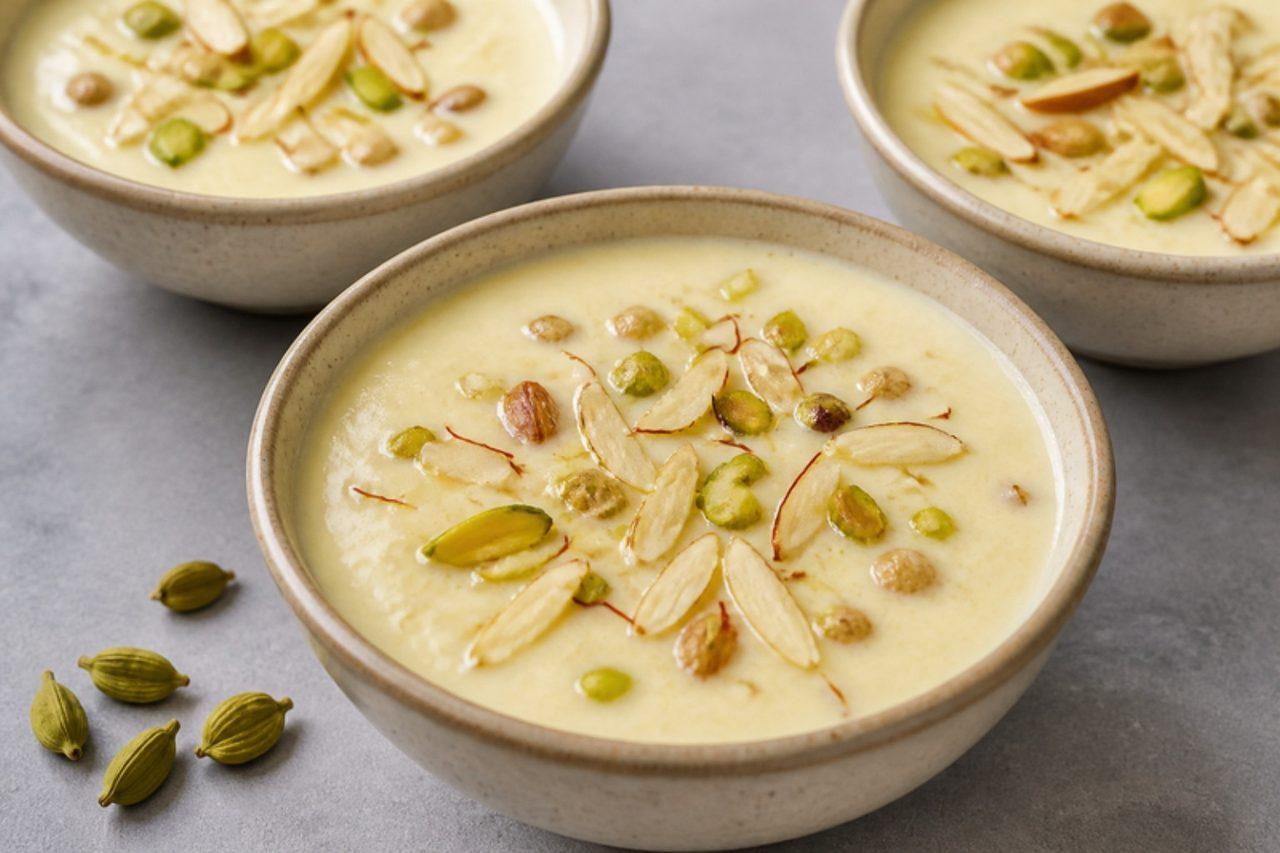
BasundiThickened sweet milk

Basundi is the reduced-milk dessert of Maharashtra and Gujarat: whole milk simmered patiently in a wide pan, with the skin that forms on top scraped back in, until it is thick, cream-coloured and a little grainy, then sweetened and scented with cardamom and saffron. In Maharashtra it's served with hot puris for Gudi Padwa and Bhau Beej; in Gujarat it turns up at weddings and on Sharad Purnima, and it's also the base of the famous custard-apple (sitafal) basundi. Make it a day ahead; it thickens and tastes richer after a night in the fridge. Chef's tip: use a wide, heavy pan rather than a deep one; more surface means faster evaporation and less time standing at the stove.

by KrazyBadal 0 views

Plăcintă cu brânzăCheese and dill pies

In Moldavia, on both sides of the Prut, plăcintă means a flat round pie fried or baked on a griddle, and the cheese and dill one is what grandmothers in Iași and Chișinău make for weekend breakfasts and for guests at the door. A soft, stretchy dough is pulled thin, wrapped around salty cheese with fresh dill and egg, coiled into a snail and flattened, then cooked in a pan until blistered and crisp. They are eaten hot with a glass of sour milk or tea. Chef's tip: rest the oiled dough properly so it stretches without tearing; skipping the rest is the common mistake and you'll be fighting a springy dough that leaks its filling.

by KrazyBadal 0 views

Bastar aamatMixed vegetable curry

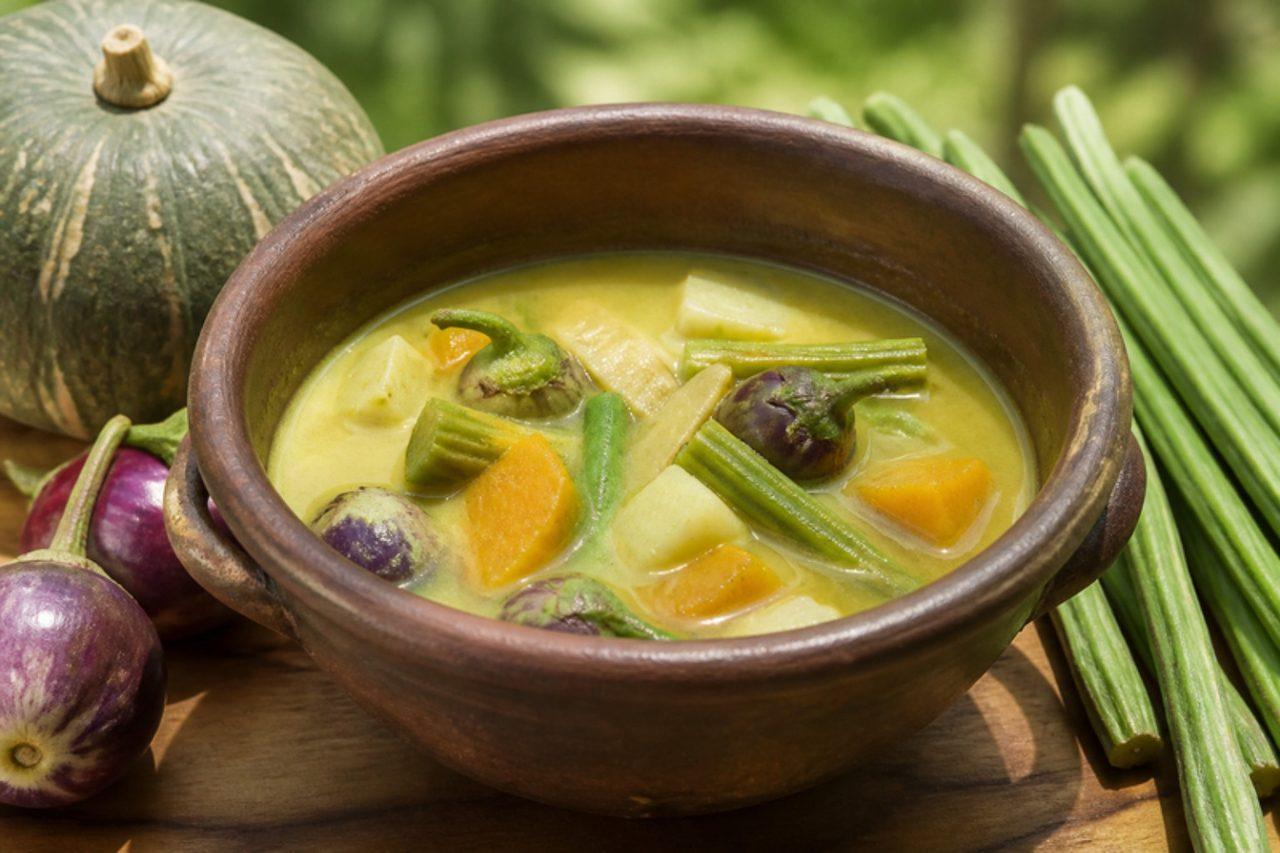
Aamat comes from the forested Bastar region of southern Chhattisgarh, where Gond and Halba families cook whatever the garden and forest give: pumpkin, brinjal, beans, drumsticks and, in the monsoon, sour fermented bamboo shoot. There is almost no oil and no heavy masala. Instead a paste of soaked rice turns the broth silky, and garlic, ginger and green chilli carry the flavour. It is served in bowls with plain rice, especially at village feasts and the Bastar Dussehra gatherings. Tinned bamboo shoot works well; leave it out and add lime at the end if you cannot find it. Chef's tip: keep stirring as you pour in the rice paste, because it sinks and sets into lumps on the bottom of the pot if left alone.

by KrazyBadal 0 views

PoffertjesMini puffed pancakes

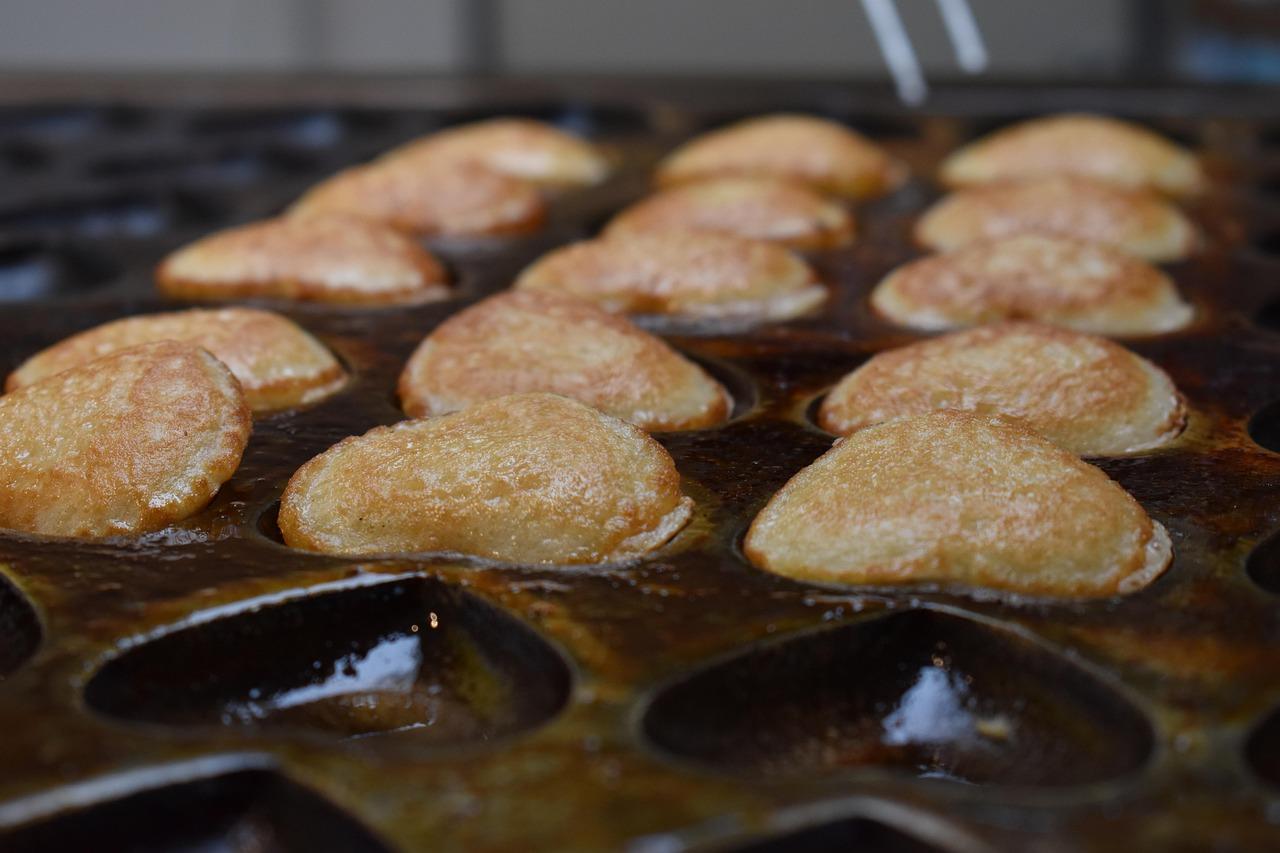
The smell of poffertjes drifts across every Dutch kermis (funfair), Christmas market and summer street festival, where they are flipped by the hundred on a cast-iron plate full of shallow hollows. They are tiny, puffy, yeasted pancakes made partly with buckwheat, served a dozen at a time on a cardboard dish with a slab of melting butter and a snowfall of icing sugar. At home you need a poffertjespan, a pan with small round dips; a Danish æbleskiver pan is too deep. Chef's tip: put the batter in a squeeze bottle or a piping bag; filling 30 hollows quickly by spoon is almost impossible, and the first ones burn while you fill the last.

by KrazyBadal 0 views

Basler MehlsuppeBrowned flour soup

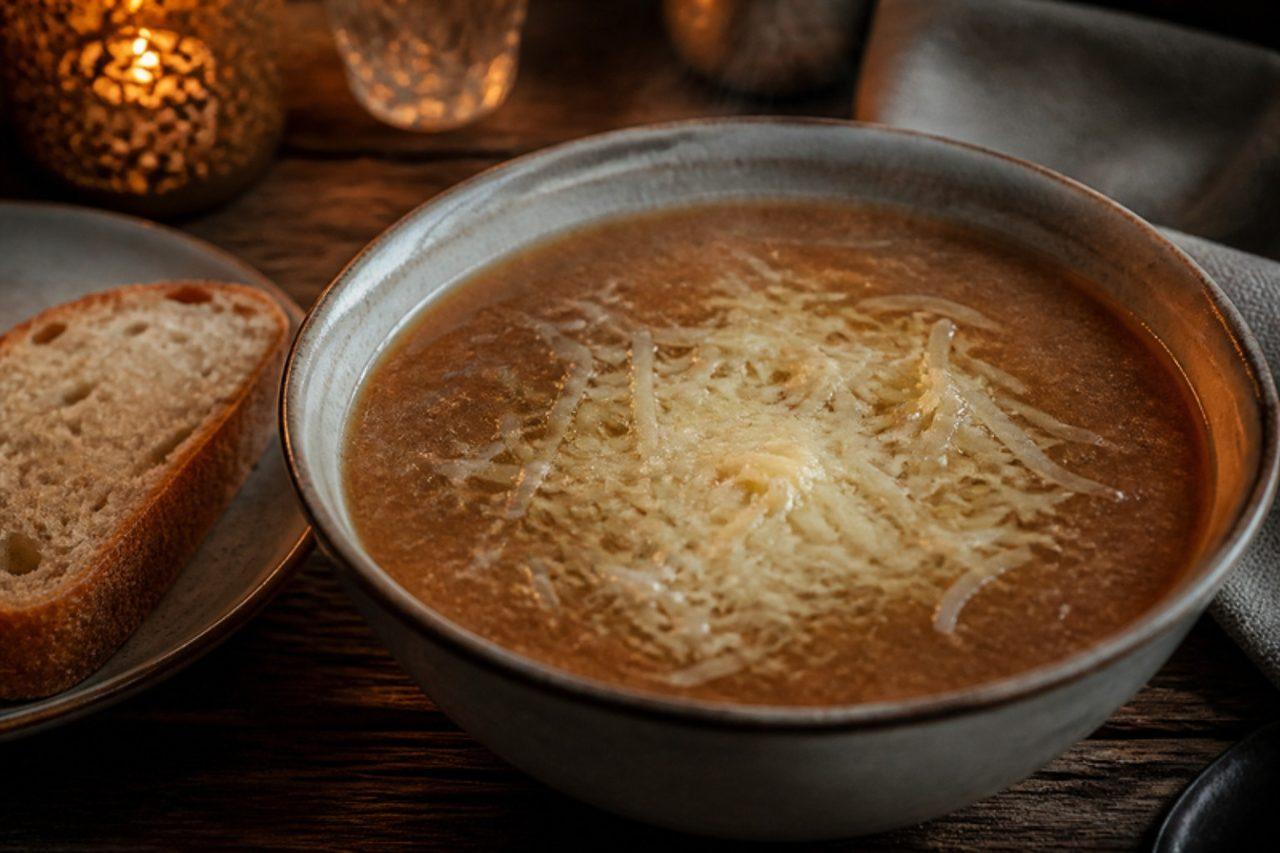
Basel's Fasnacht starts at 4 a.m. on the Monday after Ash Wednesday with Morgestraich, when the city's lights go out and the cliques march with lanterns, piccolos and drums. Afterwards everyone crowds into the old-town restaurants for a bowl of Mehlsuppe: flour toasted in butter until it is the colour of hazelnuts, simmered into a smooth, savoury, deep-brown soup and finished with grated cheese. It warms you on a freezing February morning and is usually eaten with Zwiebelwähe (onion tart). The traditional soup is made with beef stock; this vegetarian version uses a strong vegetable stock with a little red wine and onion to give the same depth. Chef's tip: toast the flour slowly and stir all the time; the colour should be even chestnut brown, and the smell like toasted nuts.

60 minSwissSoups
by KrazyBadal 0 views

Basler LäckerliHoney and almond biscuits

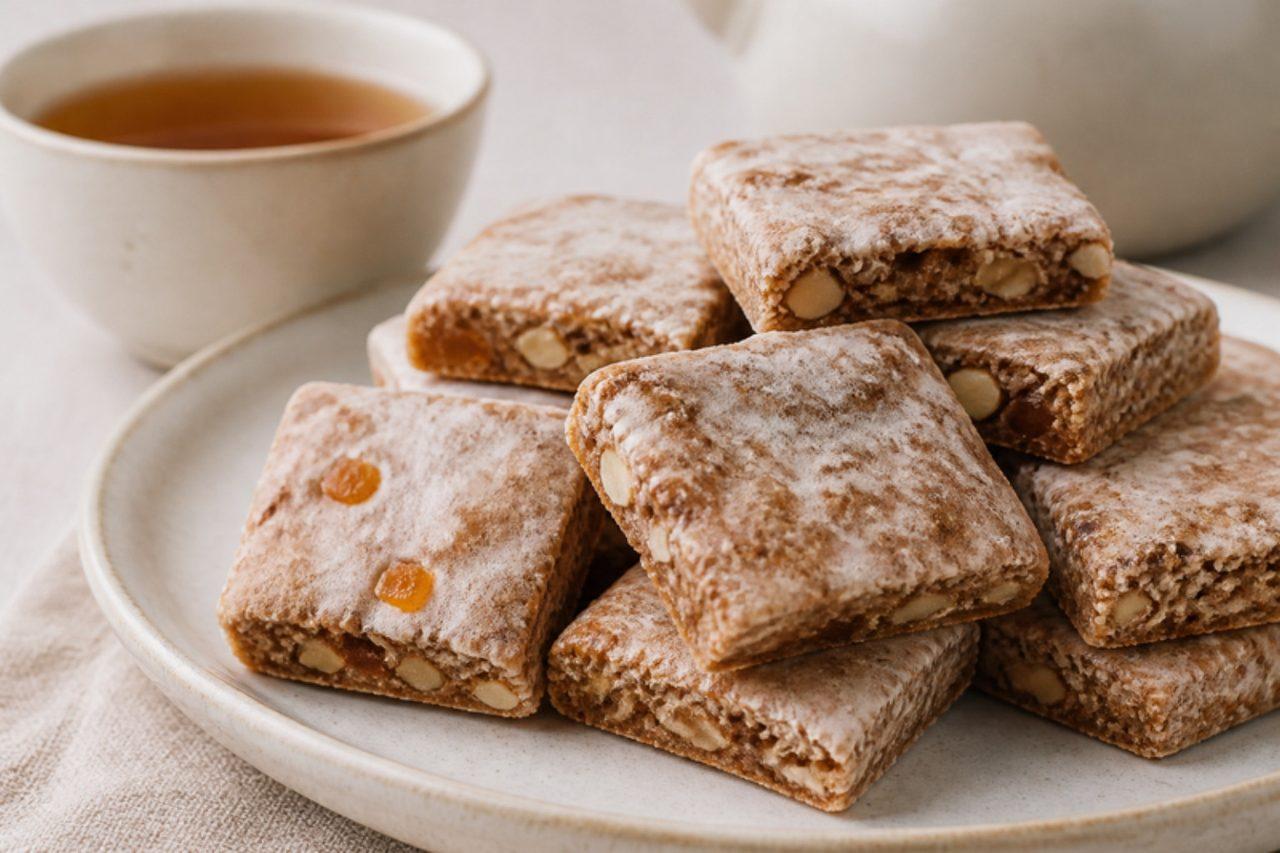
Läckerli have been Basel's own biscuit for more than 600 years, once baked by the city's spice merchants and gifted at Christmas and New Year; Basel shops still pack them in tins all year round. They are small, chewy rectangles of honey, almonds, candied orange and lemon peel and warm spices, with a thin, crackly sugar glaze. Unlike soft German gingerbread they are firm and dense when they are fresh and soften with time in a tin. Eat them with coffee or tea, or keep a box for visitors. Chef's tip: cut the slab into rectangles while it is still hot and glaze it at once; once cool it sets too hard to cut cleanly.

by KrazyBadal 0 views

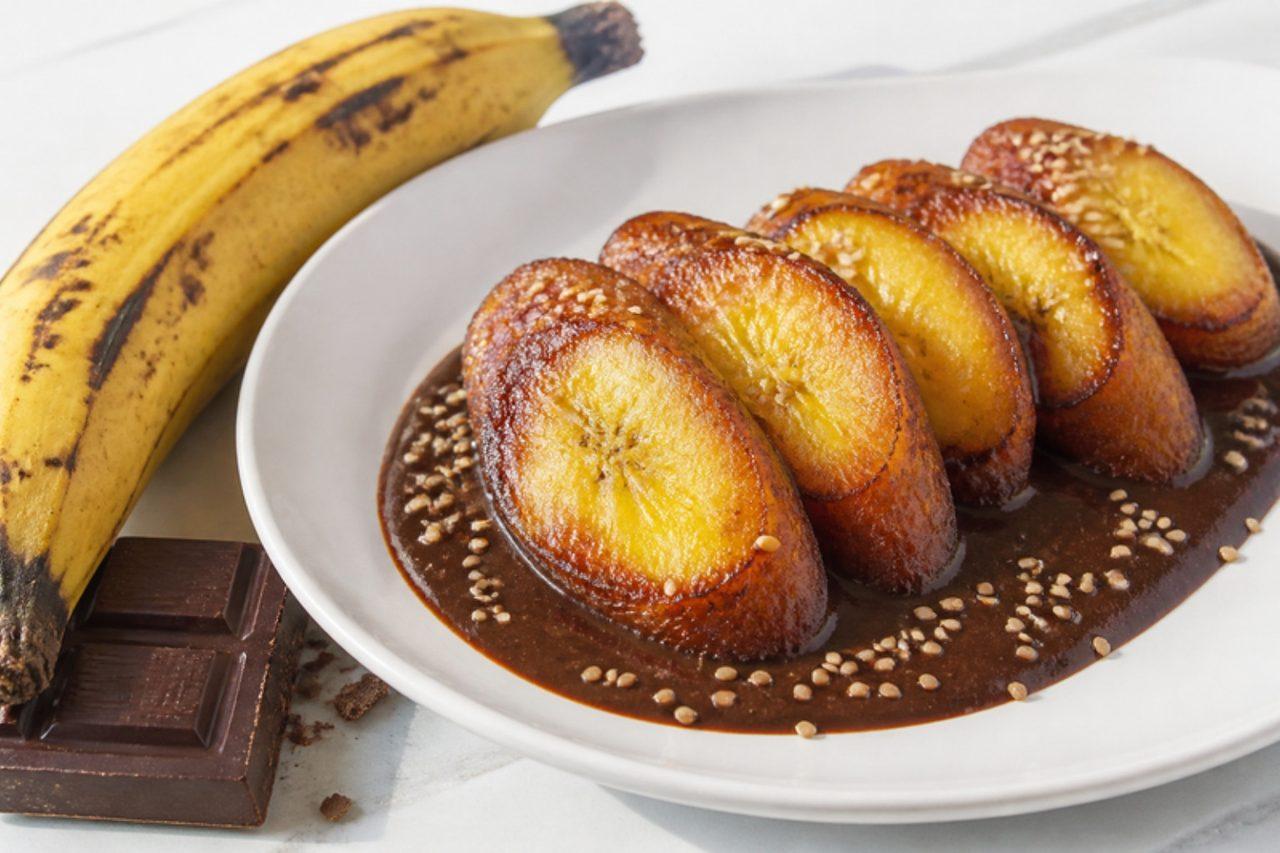
Plátanos en molePlantains in chocolate chilli sauce

Guatemala's mole is not the savoury Mexican sauce but a dessert: fried sweet plantains bathed in a dark sauce of chocolate, tomato, a gentle dried chilli, sesame, pumpkin seeds and cinnamon. It appears at Christmas and during Semana Santa, and in the market comedores of Guatemala City all year, eaten warm with a sprinkle of toasted sesame. It's sweet, spiced and only faintly hot. Chef's tip: use Guatemalan or Mexican-style table chocolate (grainy, with sugar and cinnamon) if you can find it; with dark eating chocolate, add a little more sugar.

by KrazyBadal 0 views

Rooh Afza sherbetRose syrup drink

During Ramadan almost every household in Pakistan breaks the fast at sunset with a jug of this bright red sherbet on the table, from Karachi apartments to village courtyards in Punjab. It is made with the herbal rose syrup sold as Rooh Afza (any rose sherbet syrup works), stirred into ice-cold water with a squeeze of lemon and a spoonful of swollen basil seeds (tukh malanga) that are said to cool the body after a long, hot day without water. Some families make it with cold milk instead, which turns it pink and creamy. The mistake people make is adding the basil seeds dry; they clump into hard lumps, so soak them first. Chef's tip: chill the water and syrup well before mixing so you need less ice and the sherbet does not taste watered down.

by KrazyBadal 0 views

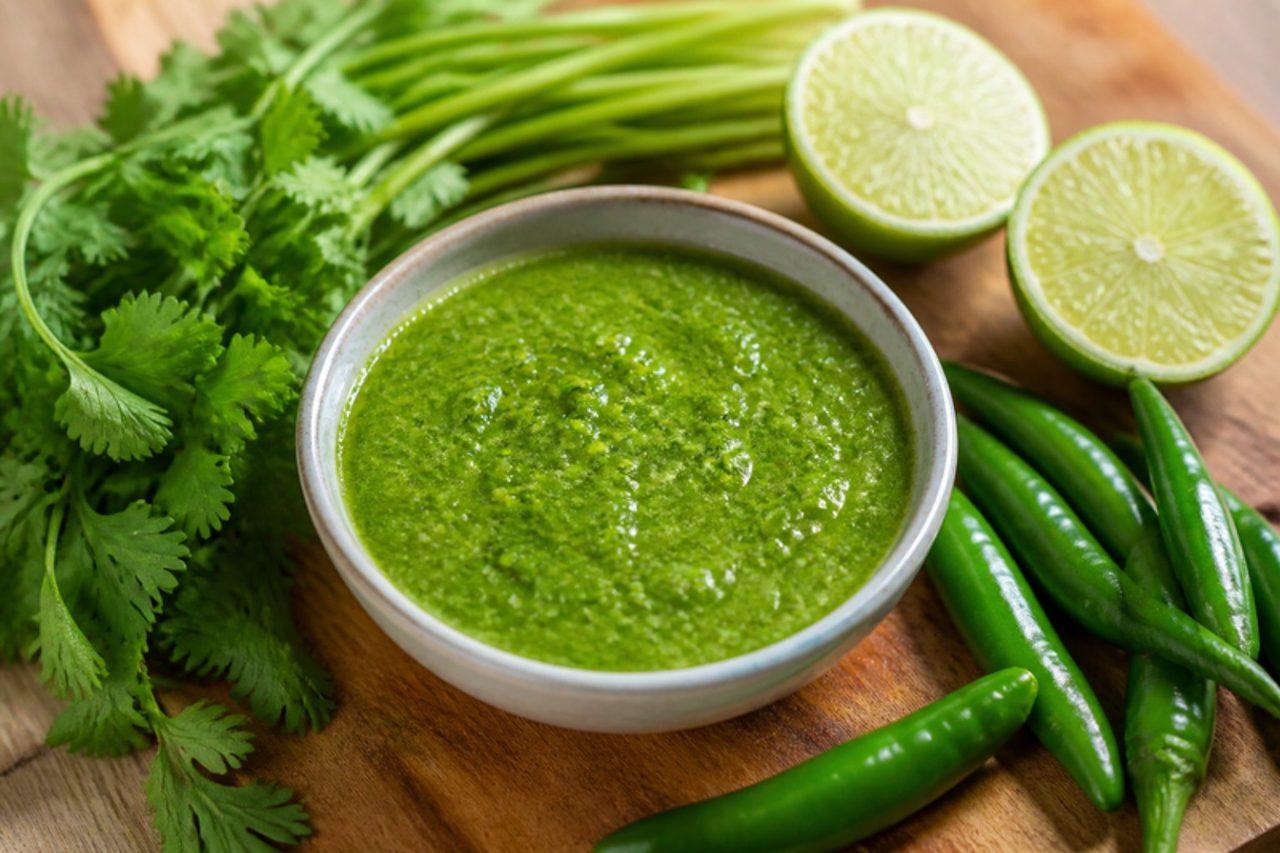
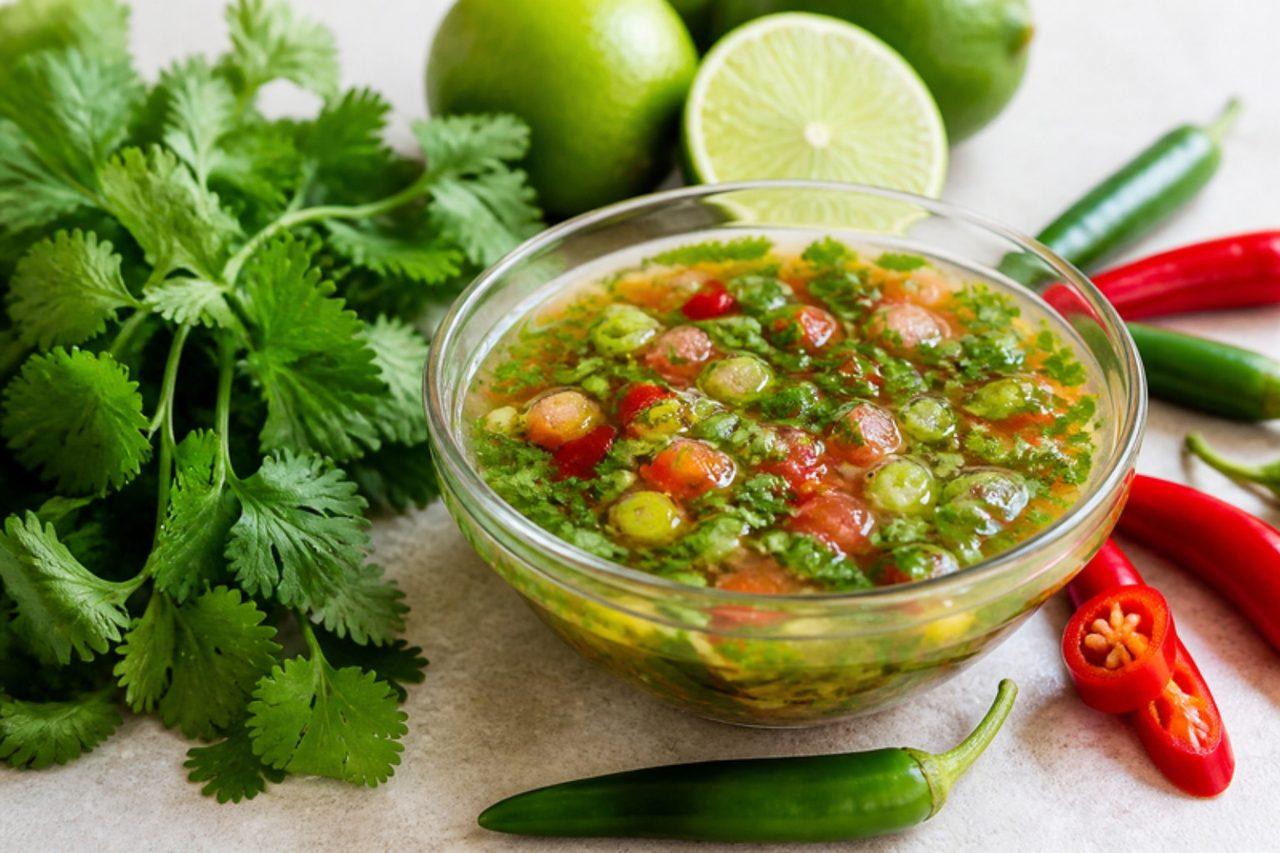
BasbaasGreen chilli and coriander sauce

Basbaas means chilli in Somali, and basbaas cagaar, the green sauce, is on every Somali table, spooned over rice, pasta, sambuusa and grilled food. It is sharp, hot and fresh, and every family has its own balance of chilli, coriander and lime; some add a tomato to soften it. Make a jar and keep it in the fridge all week. Chef's tip: add the lime juice to the blender before the chillies; the acid keeps the sauce bright green.

by KrazyBadal 0 views

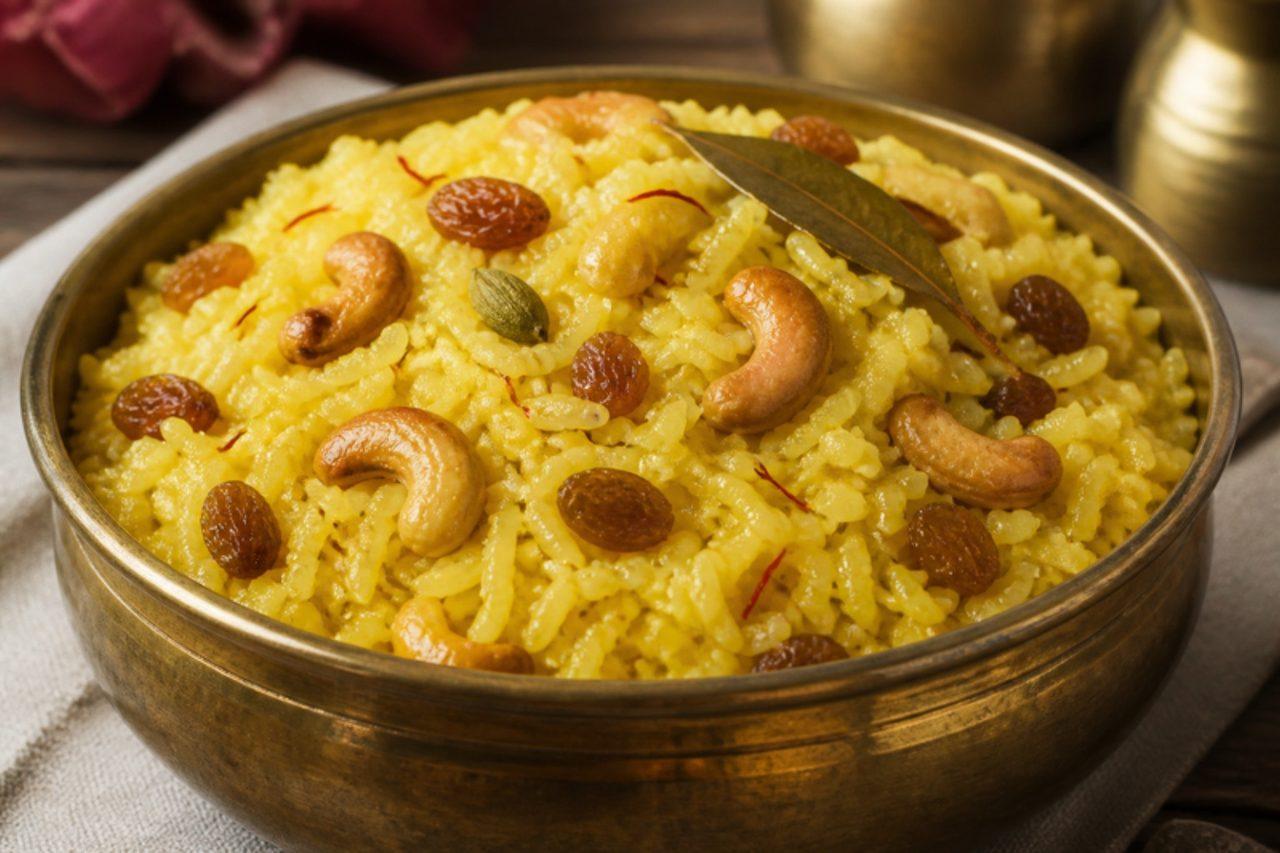
Basanti pulaoSweet saffron rice

Basanti pulao, the 'spring-coloured' pulao, is cooked in Bengali homes for Poila Baisakh (the Bengali new year), weddings, Jamai Shashthi and pujas. It is made with gobindobhog, a short-grain, buttery-smelling rice from Bengal, cooked in ghee with whole spices, turmeric, sugar, cashews and raisins until each grain is glossy and separate. It is distinctly sweet, and is served with aloo dum, chhanar dalna or, in non-vegetarian homes, kosha mangsho. Chef's tip: wash the rice and spread it on a cloth for 30 minutes; dry grains fry in the ghee without breaking.

by KrazyBadal 0 views

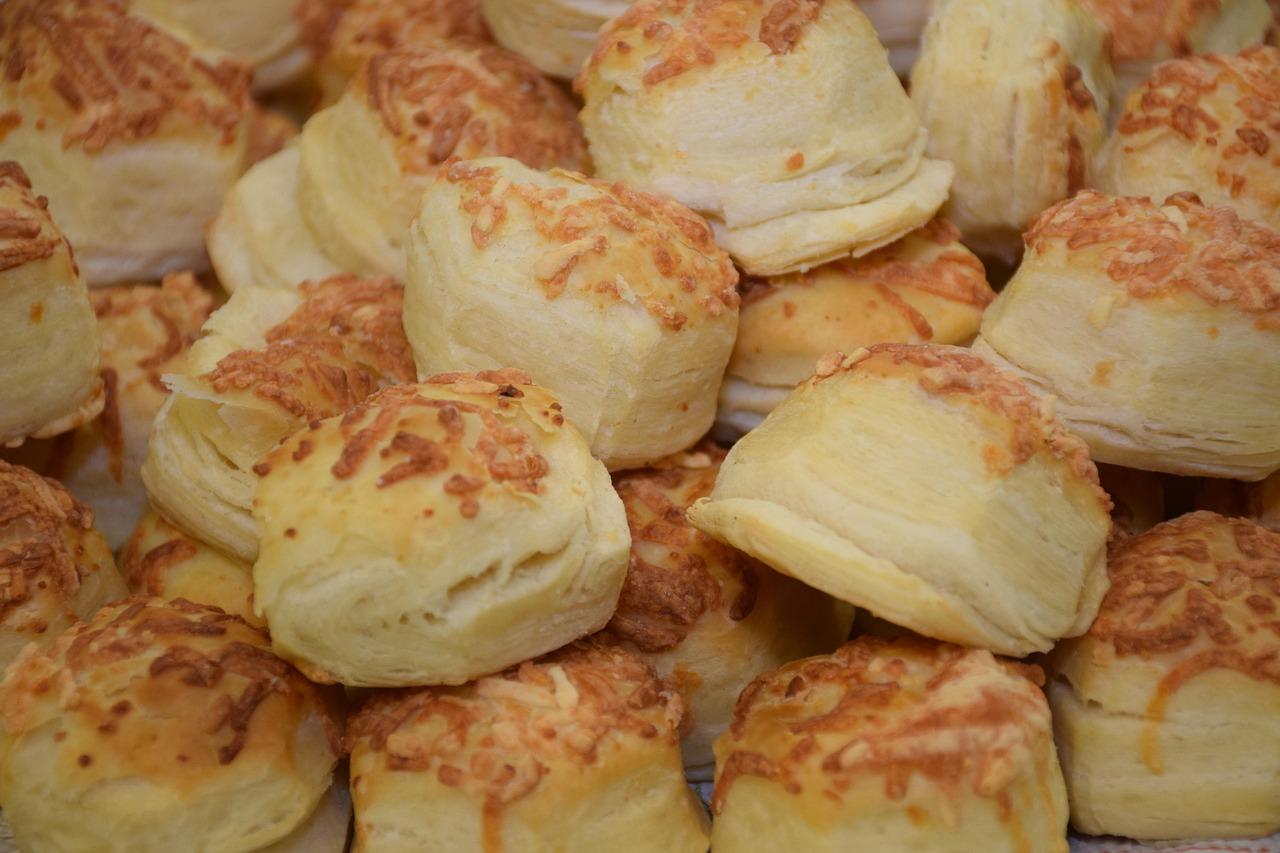
PogácsaCheese savoury scones

Pogácsa are small, round, flaky savoury scones that appear on every Hungarian buffet table, at weddings, christening parties and wine tastings in Tokaj and Villány, where they are eaten with a glass of white. Bakeries sell them by weight, and every region has its own: with crackling, potato, cabbage or, like these, butter, sour cream and cheese. The dough is folded a few times, so they split into tender layers, and the top is scored in a criss-cross before baking. Chef's tip: cut straight down with a sharp cutter and don't twist; twisting seals the edges and the pogácsa rise lopsided. Use a cheese made with vegetarian rennet.

by KrazyBadal 0 views

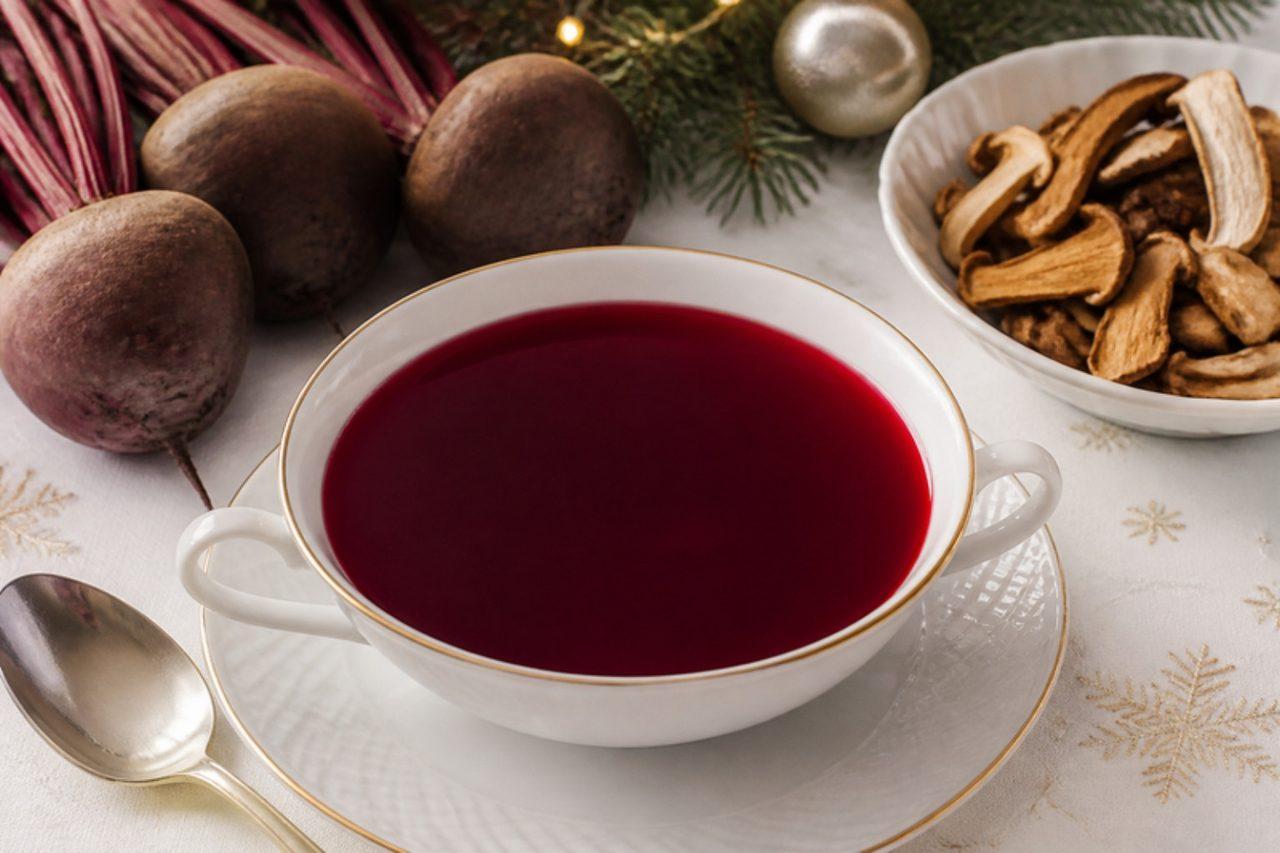
Barszcz czerwony (Christmas Eve beetroot broth)Clear beetroot soup

Barszcz czerwony wigilijny is the clear, ruby-coloured beetroot broth that opens the Christmas Eve supper in most Polish homes, from Warsaw to Wrocław. It is not the thick vegetable soup of Ukraine but a sipping broth, sweet, sour and earthy, sharpened with beetroot kvass or lemon and deepened with dried forest mushrooms; on 24 December it is served with tiny mushroom dumplings called uszka, and through winter people drink it from mugs alongside a croquette. It is fully plant-based, as the Wigilia table traditionally is. Chef's tip: once the beetroot is in, never let the soup boil hard; a bare simmer keeps the colour bright, and boiling turns it a dull brown.

by KrazyBadal 0 views

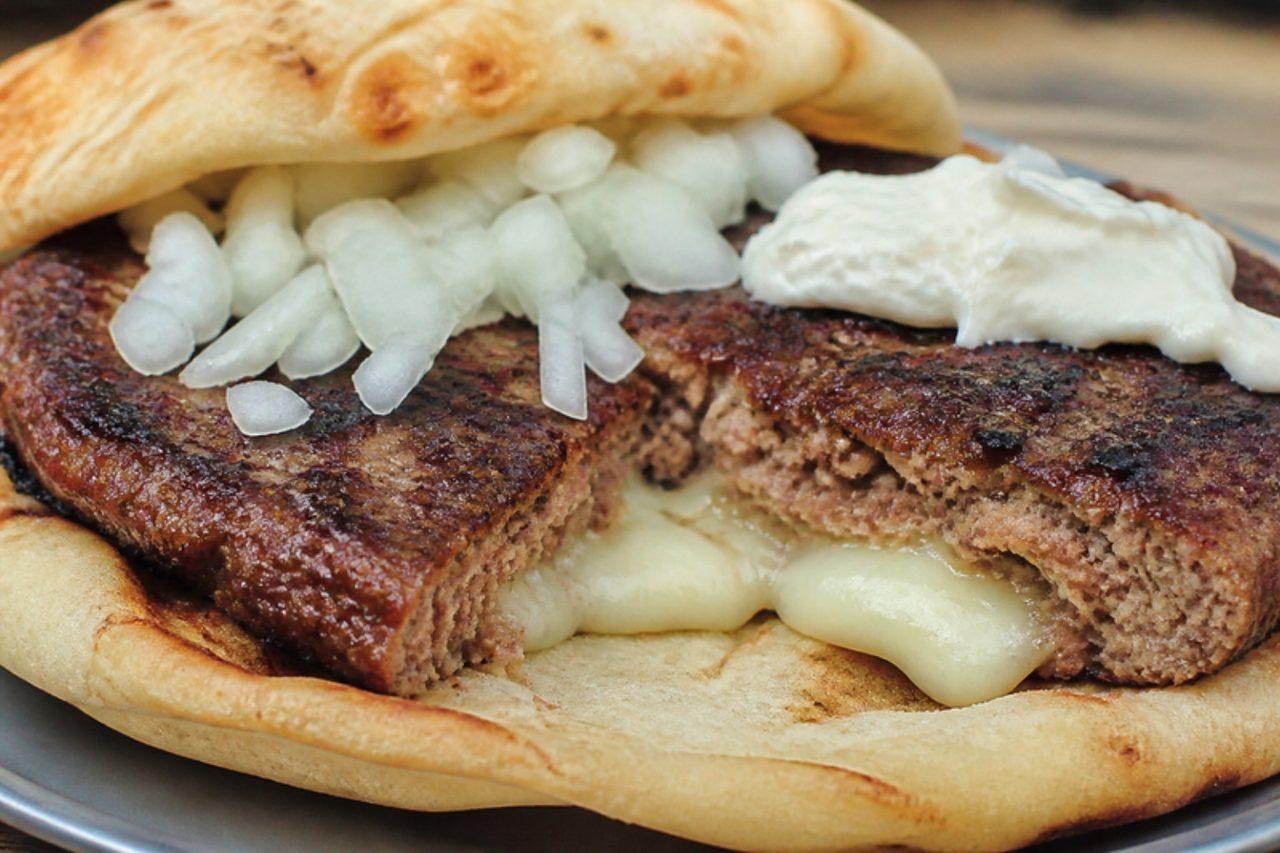
PljeskavicaLarge grilled meat patty

Leskovac, in southern Serbia, holds a whole grill festival every September in honour of pljeskavica, and Belgrade's street kiosks sell it day and night in a lepinja flatbread with chopped onion, kajmak and urnebes, a fiery cheese spread. It is a broad, thin patty of mixed beef and pork with onion and paprika, grilled hard and fast. The 'gourmet' version, gurmanska pljeskavica, hides cheese and bacon in the middle, and that is the version given here. This recipe contains pork. A common error is pressing the patties on the grill with a spatula: the juices drain away and they dry out. Chef's tip: press a shallow dimple into the centre of each patty with your thumb before grilling; it stops them doming up as they shrink.

40 minBalkanMeat
by KrazyBadal 0 views

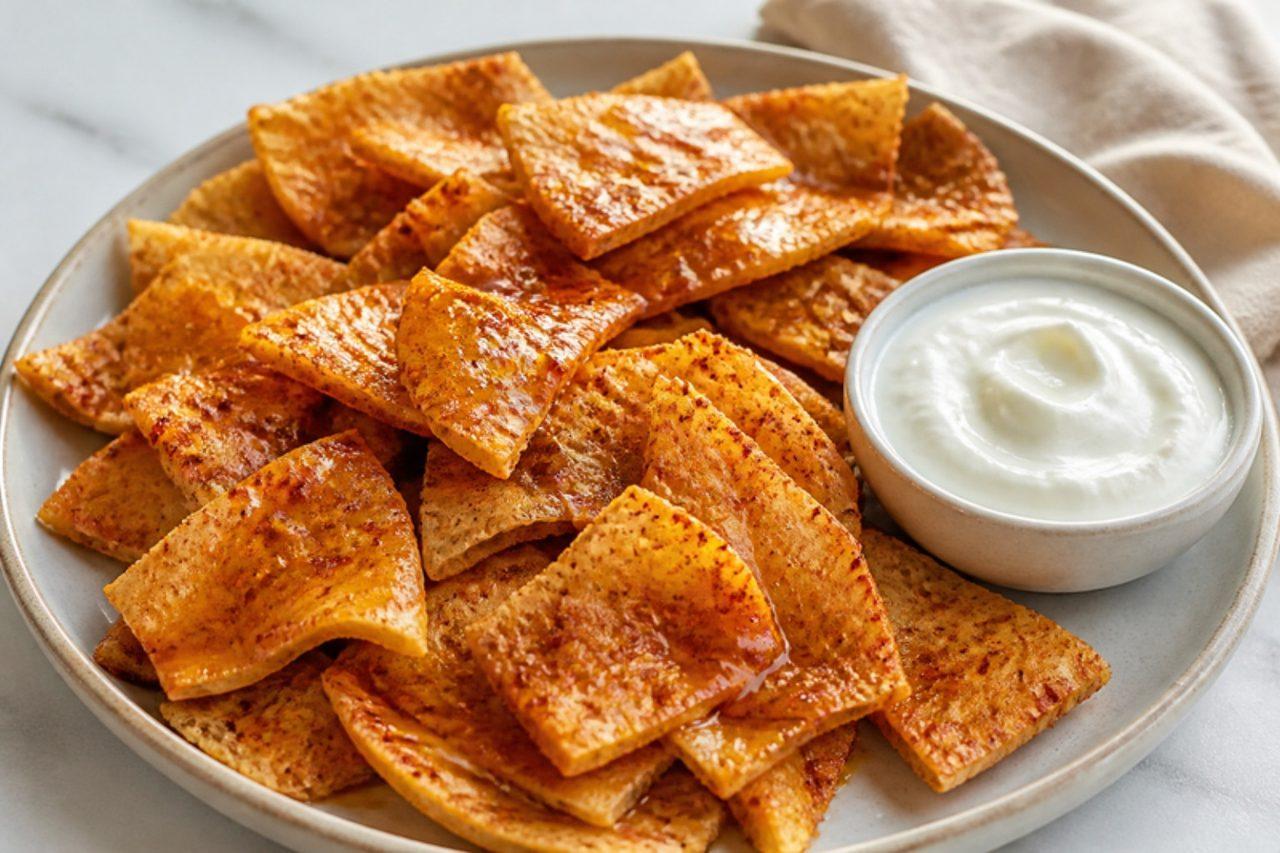
ChechebsaTorn flatbread in spiced butter

Chechebsa (also called kita firfir) is a breakfast from the Oromia and Wollo regions now loved all over Addis Ababa: a thick wheat flatbread is cooked on a griddle, torn into pieces and tossed in niter kibbeh and berbere, then eaten with honey and a dollop of ayib or yoghurt. It is rich, warming and quick. For a fasting (vegan) version, toss the bread in spiced oil instead of niter kibbeh and skip the yoghurt and honey or use date syrup. Chef's tip: tear the bread while hot with two forks; cold flatbread goes tough and won't soak up the butter.

by KrazyBadal 0 views

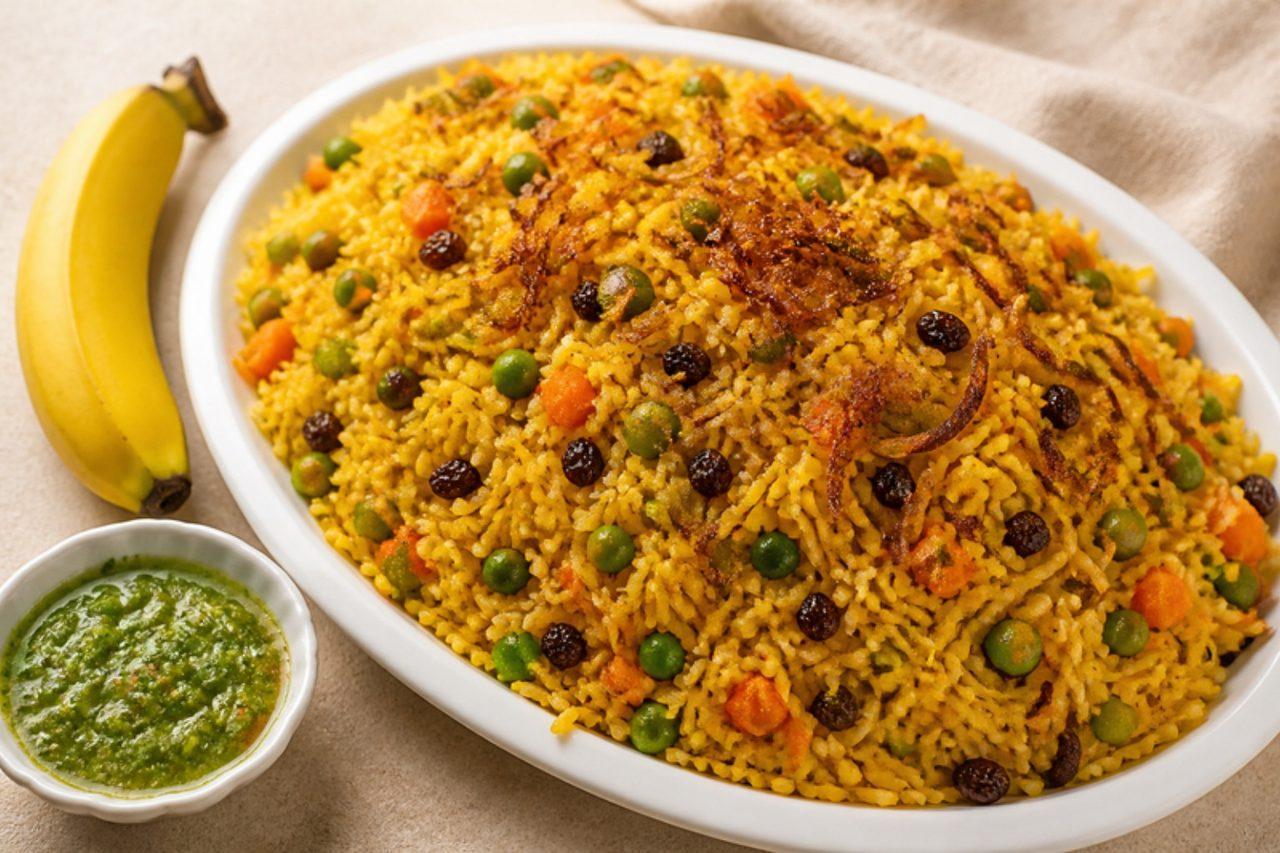
Bariis iskukarisSpiced rice with vegetables and raisins

Bariis iskukaris ('rice cooked together') is the centre of the table at Somali family lunches, Friday gatherings and Eid, from Mogadishu to Hargeisa and Somali neighbourhoods in Nairobi, Minneapolis and London. Long-grain rice is cooked in one pot with onion, tomato and the house spice mix xawaash, and topped with fried onions and raisins; it is usually crowned with goat, but this version cooks carrots, peas and potatoes into the rice. In true Somali style, serve it with a banana on the side and a spoon of green basbaas. Chef's tip: rinse and soak the basmati so the grains stay long and separate.

by KrazyBadal 0 views

AjapsandaliAubergine and pepper stew

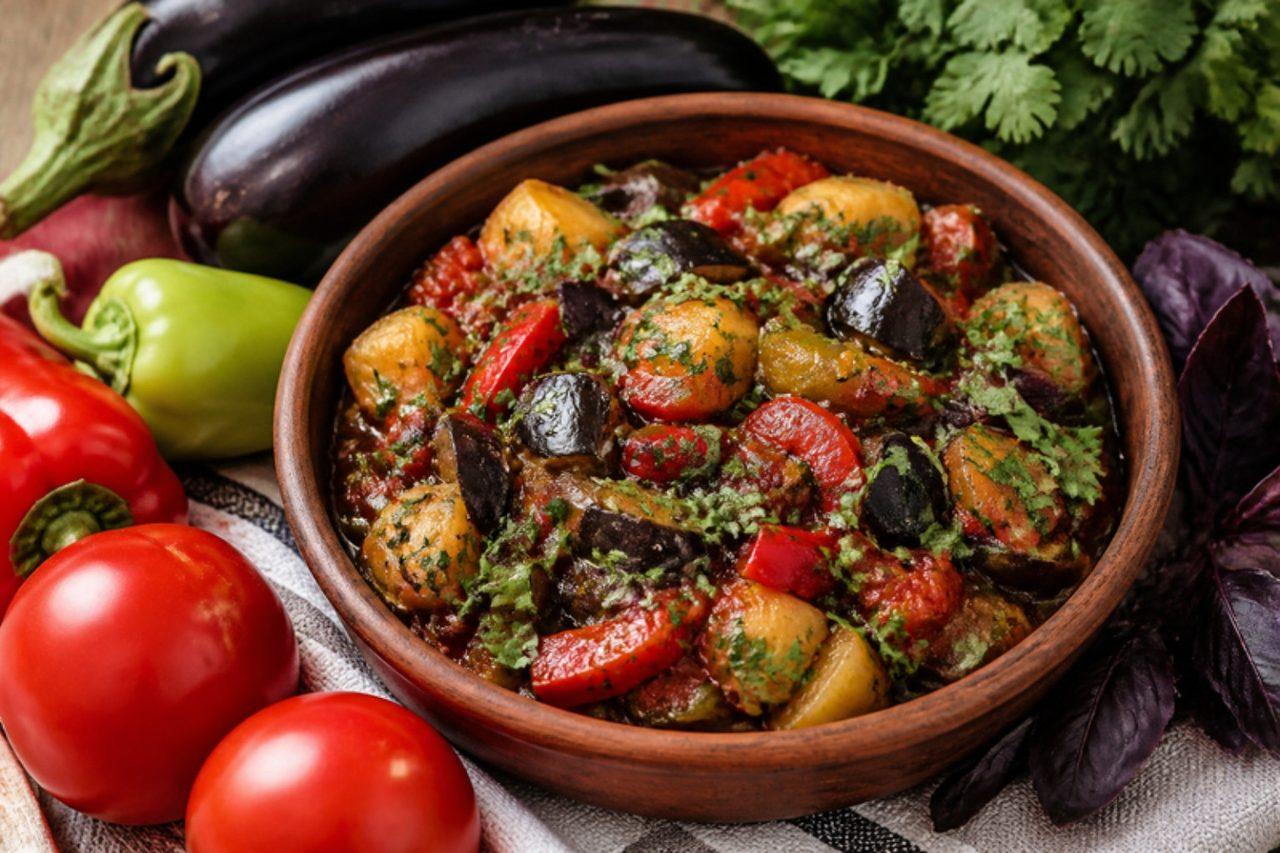
Ajapsandali is what Georgian kitchens make in late summer, when the markets of Tbilisi and the gardens of Kakheti are heaped with aubergines, peppers and tomatoes. The vegetables are fried briefly, layered in a pot and left to stew gently until soft and sweet, then finished with a whole handful of coriander, basil and garlic. It is eaten warm with bread as a main dish during Lent, or cold the next day as a side at a feast. The common mistake is stirring it too often, which breaks everything into mush; shake the pan instead and let the layers keep their shape. Chef's tip: fry the aubergine on its own first until golden; this one step gives the whole stew its deep, rounded flavour.

by KrazyBadal 0 views

BanoshCornmeal with sour cream and cheese

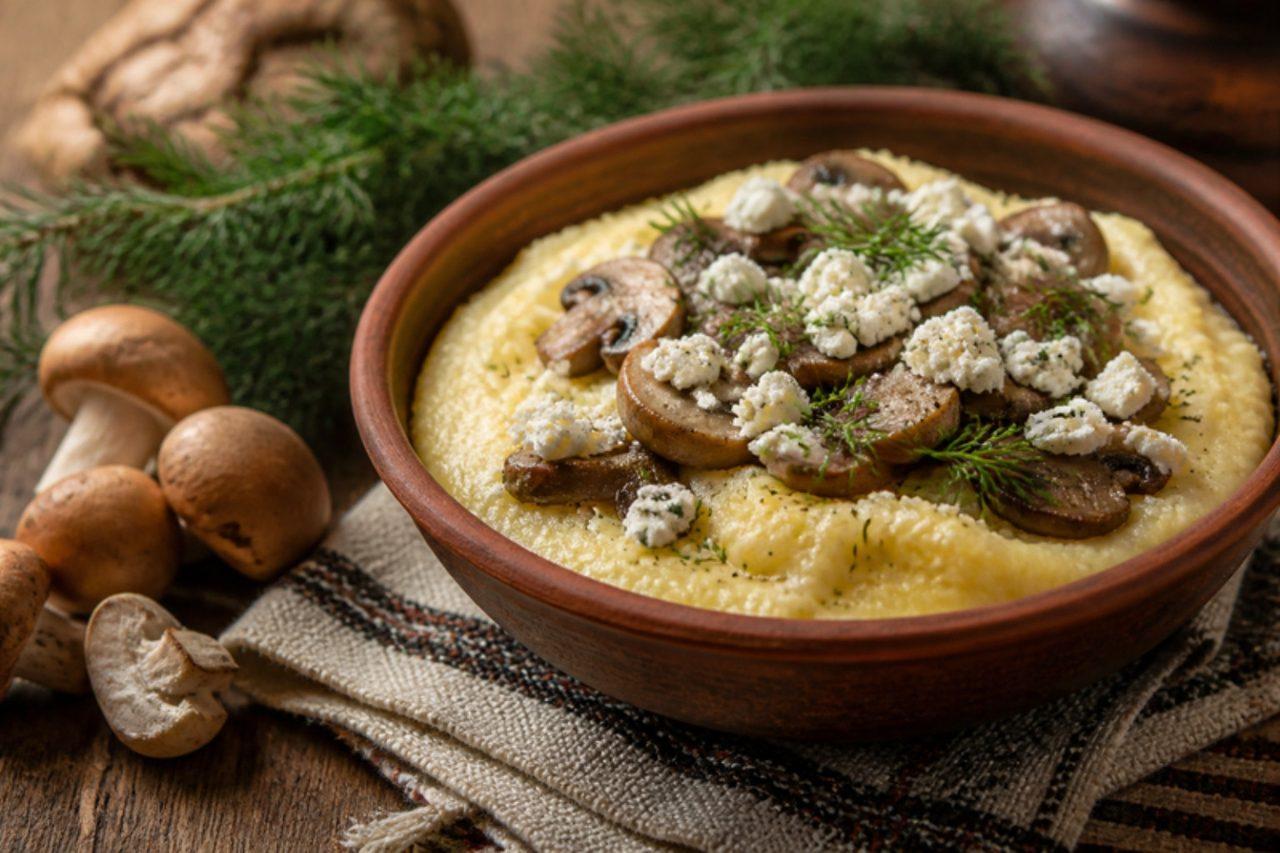
Banosh is the shepherds' dish of the Hutsul highlands in the Ukrainian Carpathians, around Verkhovyna, Kosiv and Yaremche. Coarse cornmeal is stirred into simmering sour cream over a fire until the butterfat beads on the surface, then heaped on plates and crumbled with salty bryndza sheep's cheese and forest mushrooms; tourists queue for it in the mountain kolyba restaurants. Traditionally it is also topped with crisp pork crackling, which this vegetarian version leaves out in favour of extra buttery mushrooms. Bryndza is usually made with animal rennet, so look for a sheep's or feta cheese labelled vegetarian. Chef's tip: stir in one direction only with a wooden spoon, as the Hutsuls insist; it keeps the porridge smooth and helps the fat separate out, which tells you it is ready.

by KrazyBadal 0 views

BannockSkillet bread

Bannock is a quick bread of flour, baking powder, fat and water, cooked in a cast-iron pan, baked, fried or wrapped around a stick over a campfire. It's eaten in First Nations, Métis and Inuit communities across Canada, at powwows, family meals and on the land, and every family has its own version. Its history is complicated: wheat flour and lard reached many communities through trade and government rations, and bannock became both a food of survival and a living symbol of community and resilience. Long before that, Indigenous breads were made from local plants and roots. This is a simple home pan version, not any one nation's recipe. Chef's tip: mix only until the dough just comes together; overworking makes bannock tough.

by KrazyBadal 0 views

Poisson braiséCharcoal-grilled fish

On the roadside grills of Douala and Yaoundé, women split tilapia or mackerel, smear them with a green paste of ginger, garlic, onion and herbs, and grill them over charcoal while people wait with a cold drink; it is late-evening food, eaten with fried plantain, bobolo (cassava sticks) or miondo and a fiery tomato pepper sauce. At home a very hot grill or a barbecue does the job. The mistake is turning the fish too early, so it sticks and breaks: wait until the skin is crisp and releases. Chef's tip: oil the fish and the grill bars, not just one of them.

by KrazyBadal 0 views

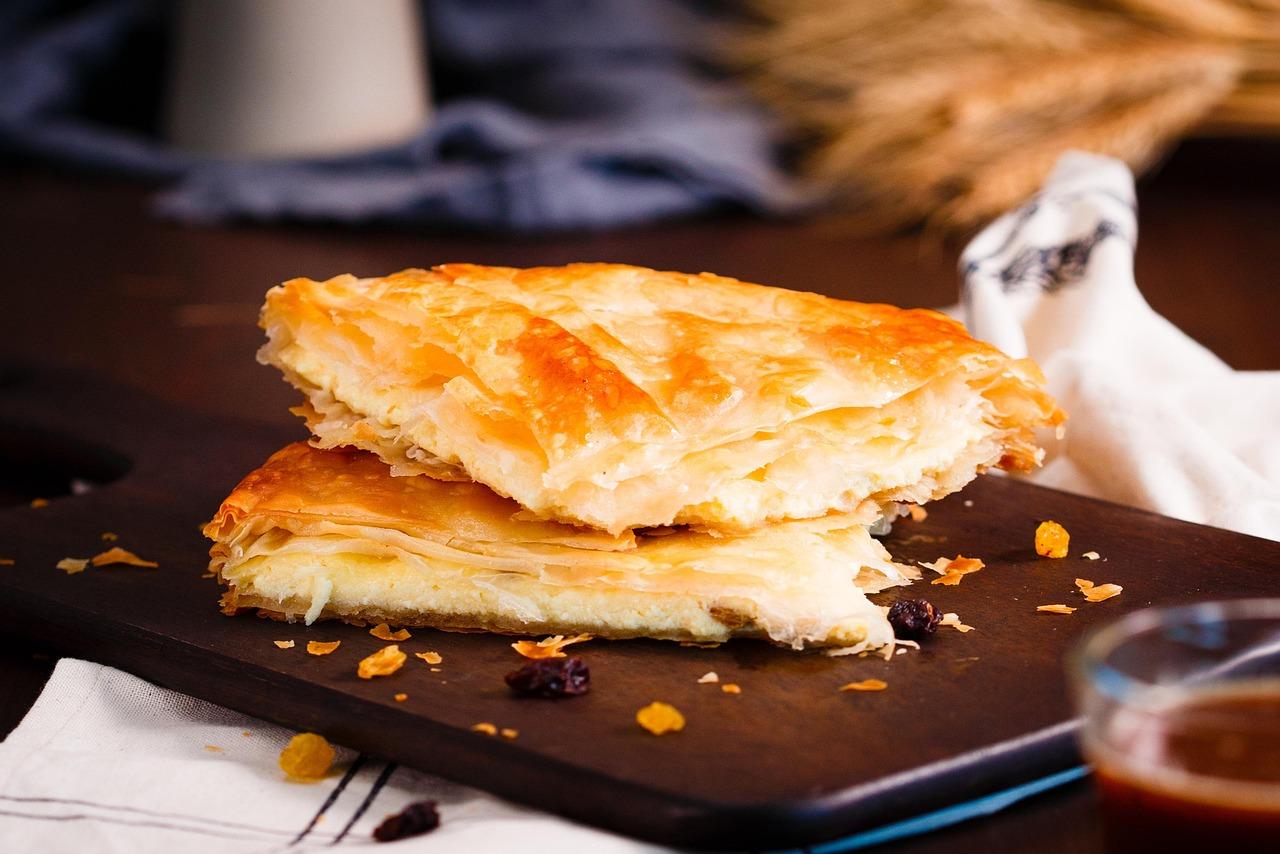
BanitsaFilo pie with cheese and egg

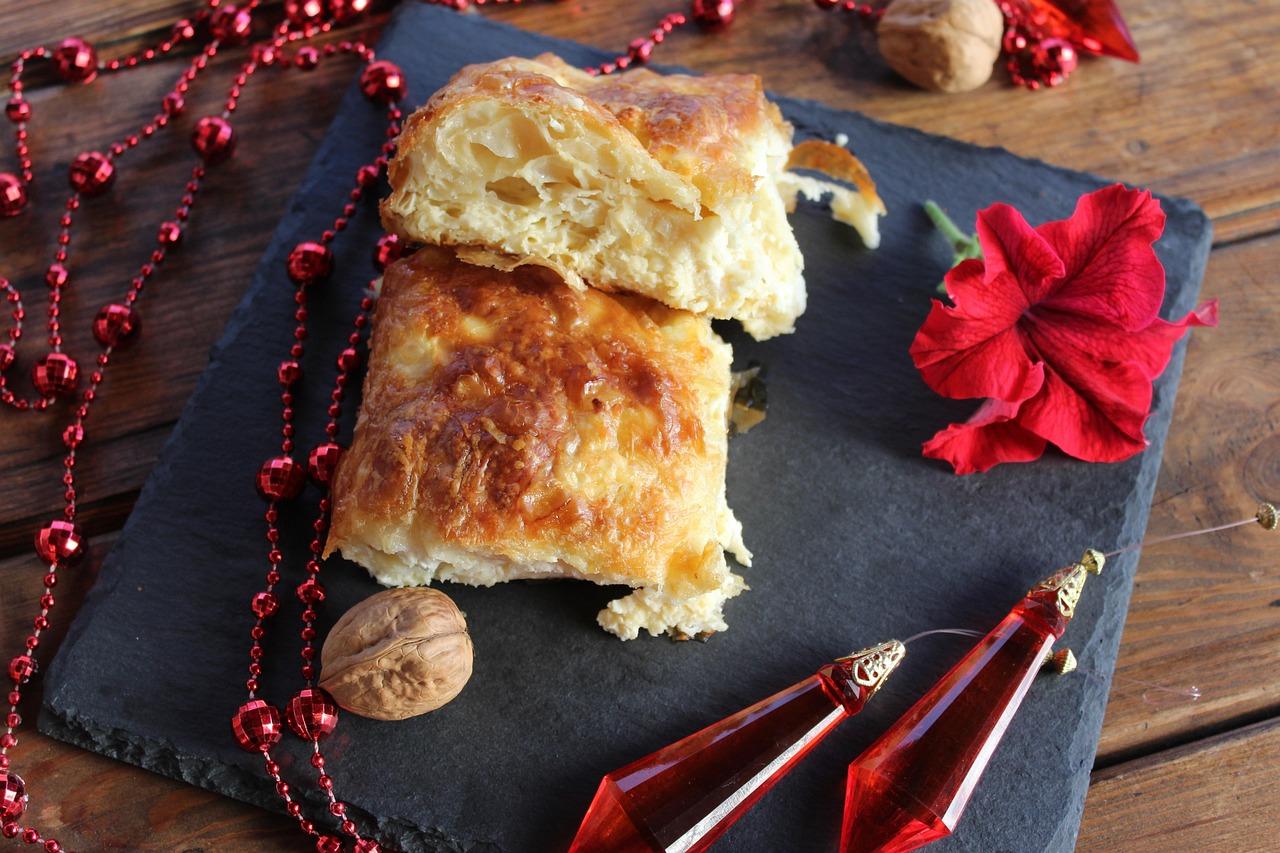
Banitsa is the Bulgarian breakfast pie, bought warm in paper from corner bakeries in Sofia and Plovdiv with a bottle of ayran or boza, and baked at home on New Year's Eve with lucky charms (kasmeti) tucked inside. Crumpled sheets of filo are layered with crumbled sirene and a custard of yogurt and eggs, then baked until the top is shatteringly crisp and the inside soft and tangy. It is not boiled like Turkish su böreği: the yogurt custard is what makes it Bulgarian. Chef's tip: crumple the filo loosely rather than laying it flat; flat, tightly packed sheets are the usual mistake and give a dense, doughy pie.

by KrazyBadal 0 views

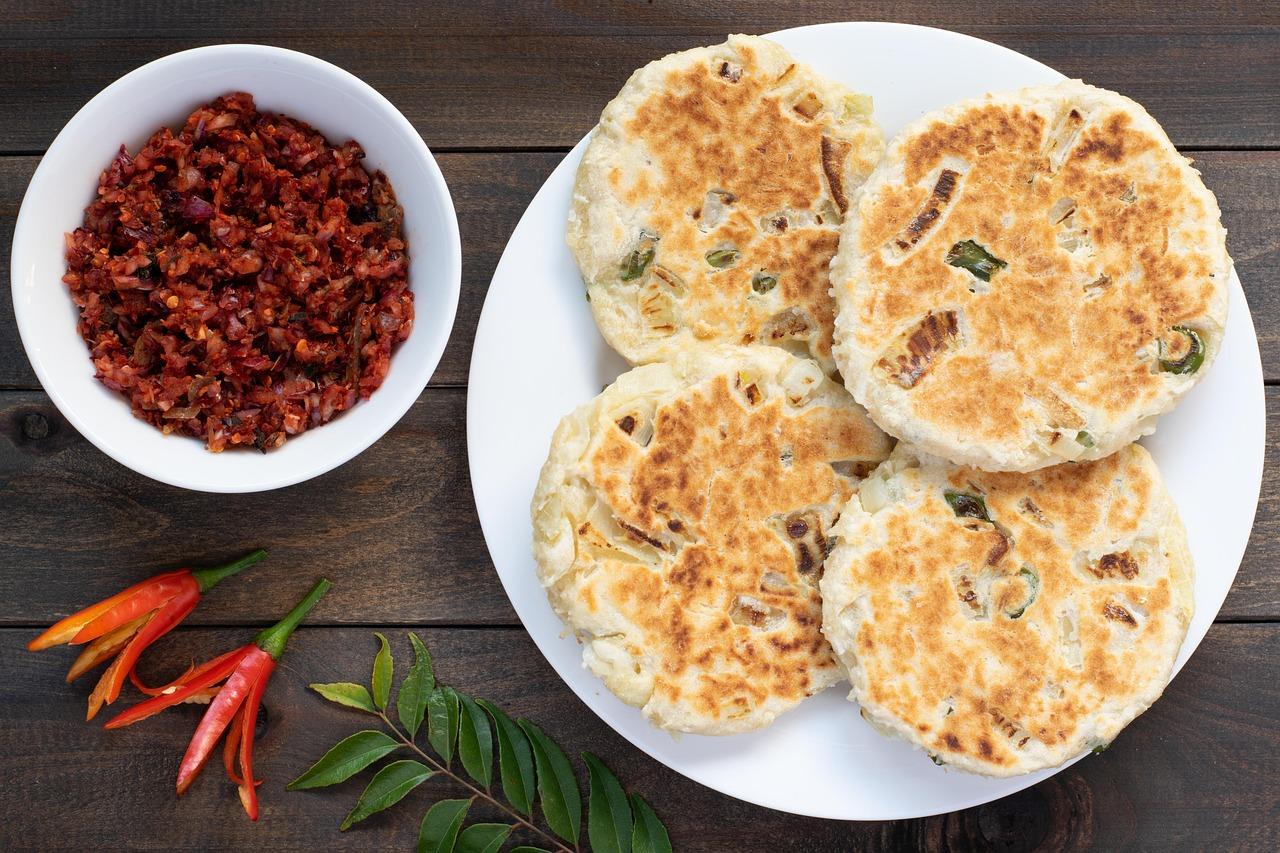
Pol rotiCoconut flatbread with onion

Pol roti is the hearty coconut flatbread that rural Sri Lankans eat for breakfast or an evening meal, cooked on a flat iron pan (thachchi) and torn up with lunu miris, parippu or a spicy potato curry; you'll see it stacked in glass cases in kades from Anuradhapura to Matara. Wheat flour is mixed with lots of freshly grated coconut, finely chopped onion and green chilli, and the dough is patted out thick by hand, so the roti come out chewy, with toasted coconut flecks and a sweet, savoury smell. The common mistake is rolling them thin: pol roti should be a good 1 cm thick and soft inside. Chef's tip: pat each roti out on a banana leaf or oiled baking paper and flip it straight onto the pan; it's too soft and crumbly to lift any other way.

by KrazyBadal 0 views

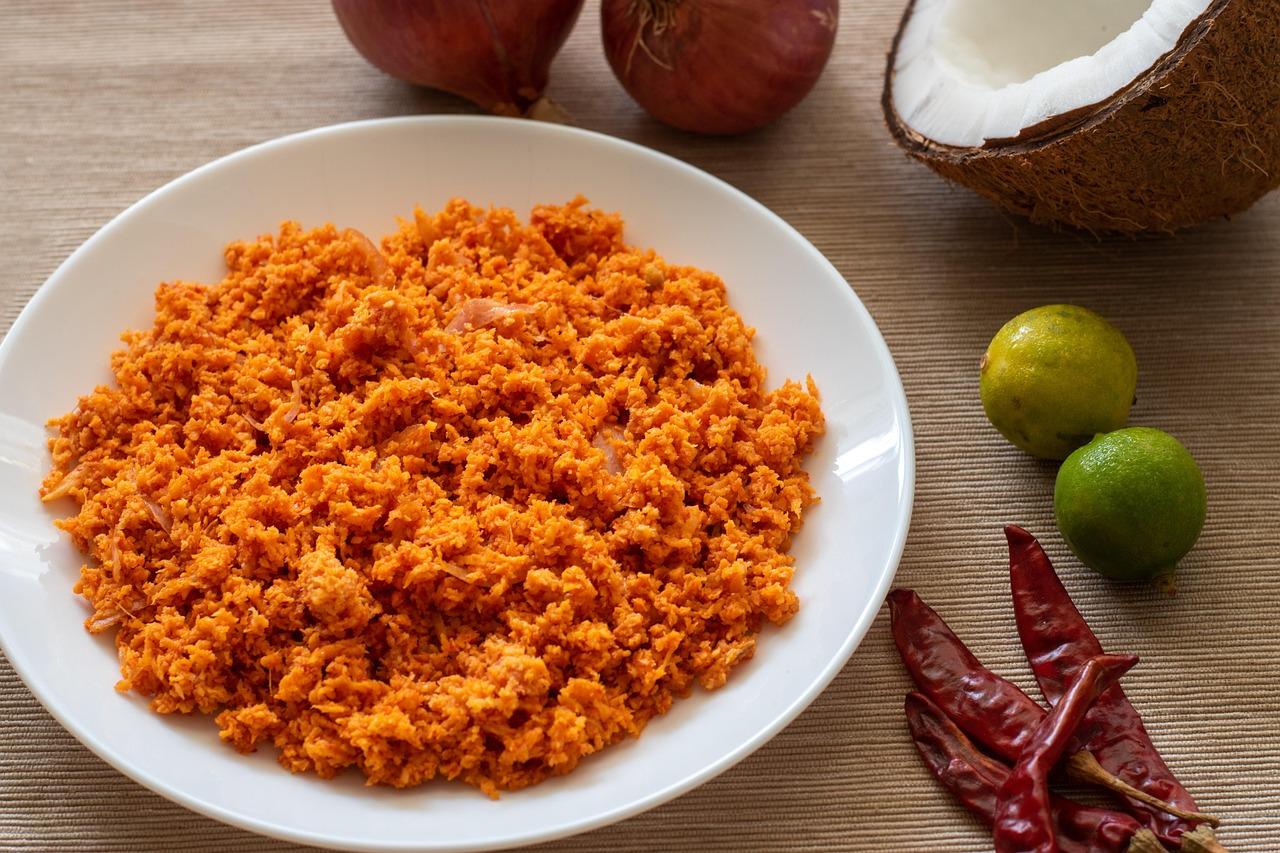
Pol sambolCoconut and chilli relish

Pol sambol sits on the table at almost every Sri Lankan meal, from breakfast hoppers and string hoppers in a Kandy home to a rice packet bought at a roadside kade. Grandmothers grind it on a stone (miris gala) so the chilli and onion bruise into the coconut, and it turns a bright brick red, hot, sour and salty all at once. Most island recipes add a spoonful of Maldive fish (dried tuna flakes); we leave it out to keep it vegetarian and add a little extra onion and lime for depth. A common mistake is using dried desiccated coconut straight from the packet, which tastes dusty; fresh or frozen grated coconut gives the proper moist texture. Chef's tip: rub the chilli, onion and salt together first with your fingers until they turn juicy, then work in the coconut so every flake turns red.

by KrazyBadal 0 views

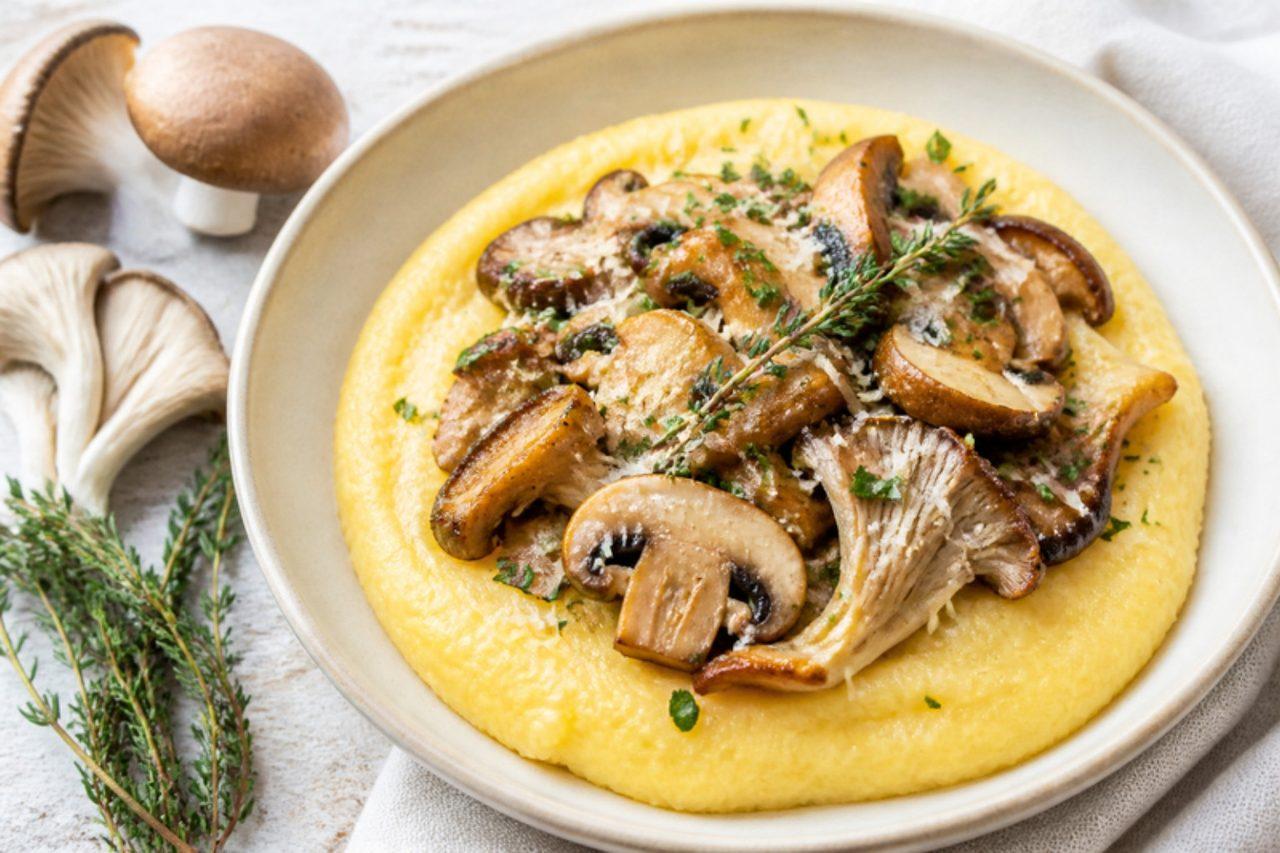
Polenta with mushroomsPolenta with garlic mushrooms

In the Veneto and the mountain valleys of the north-east, polenta is the old daily staple, poured steaming onto a wooden board in the middle of the table. Its classic autumn partner is funghi trifolati: mushrooms sautéed with garlic, parsley and a splash of white wine until glossy and deeply savoury. Soft polenta is spooned into bowls with the mushrooms on top, a warming supper for a cold night. Chef's tip: whisk the cornmeal into the water in a thin stream; if it goes in all at once, it lumps and no amount of stirring will fix it.

by KrazyBadal 0 views

Ropa viejaShredded beef stew

Ropa vieja means 'old clothes', after the ragged strands the beef falls into, and it is the dish Cubans name first when asked about home cooking. Families in Havana and Camagüey make a big pot on a weekend: flank steak is simmered until soft, pulled into threads and then stewed again in a sofrito of peppers, onion, tomato, cumin and green olives. It is eaten with white rice, black beans and fried ripe plantain, and it tastes even better reheated the next day. The common mistake is cutting the beef across the grain before cooking; leave it whole so it shreds into long strands. Chef's tip: keep the cooking liquid from the first simmer and use it instead of water in the sauce, because it carries most of the beefy flavour.

190 minCubanMeatGluten free
by KrazyBadal 0 views

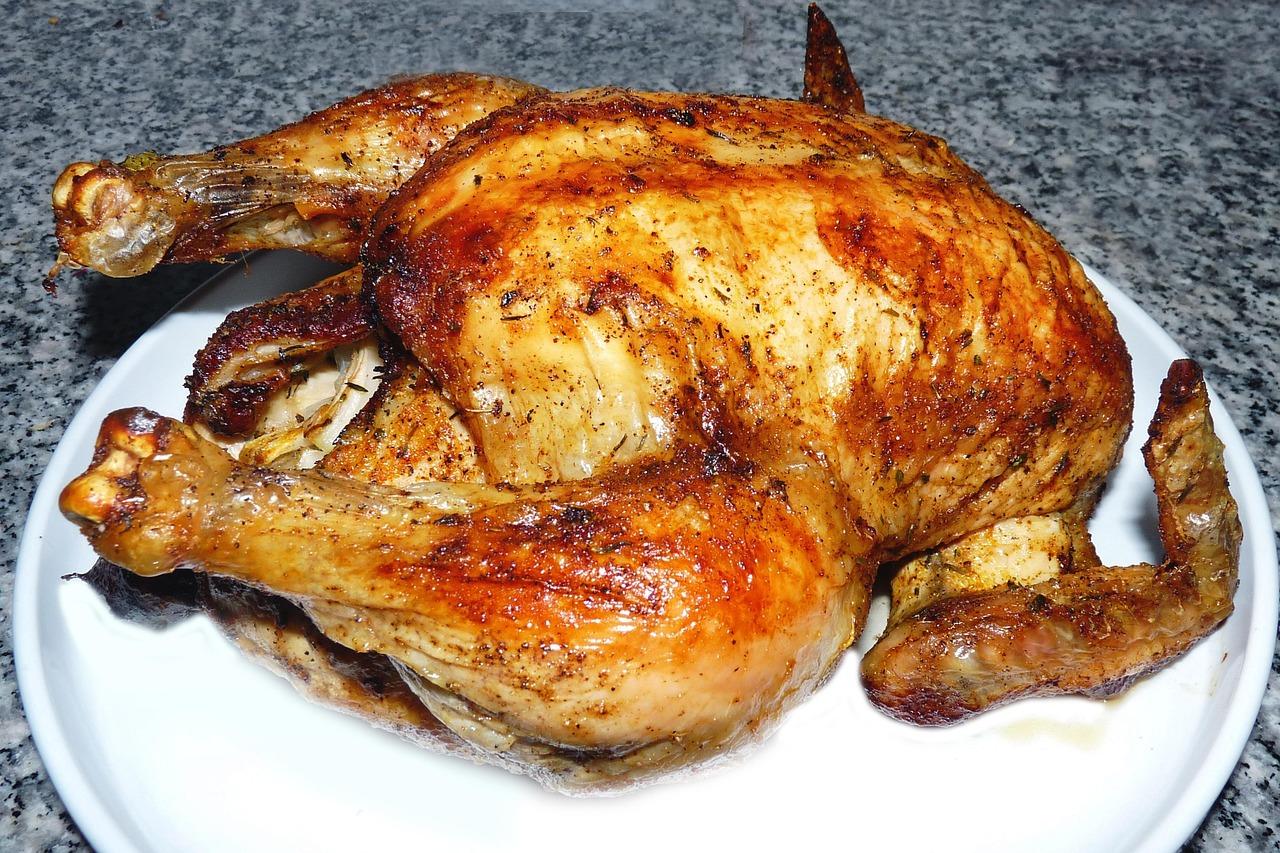
Pollo a la brasaRoast chicken with green chilli sauce

Born in the 1950s in Chaclacayo, just east of Lima, this rotisserie chicken has grown into a national obsession, with its own holiday on the third Sunday of July and a pollería on almost every block. The bird is marinated in soy sauce, lime, garlic, cumin and ají panca, then roasted until the skin is lacquered and dark. At home a hot oven does the job, and the meal is not complete without chips, a simple salad and a jar of creamy green ají sauce. Chef's tip: dry the skin well and leave the chicken uncovered in the fridge overnight after marinating; it roasts up much crisper.

by KrazyBadal 0 views

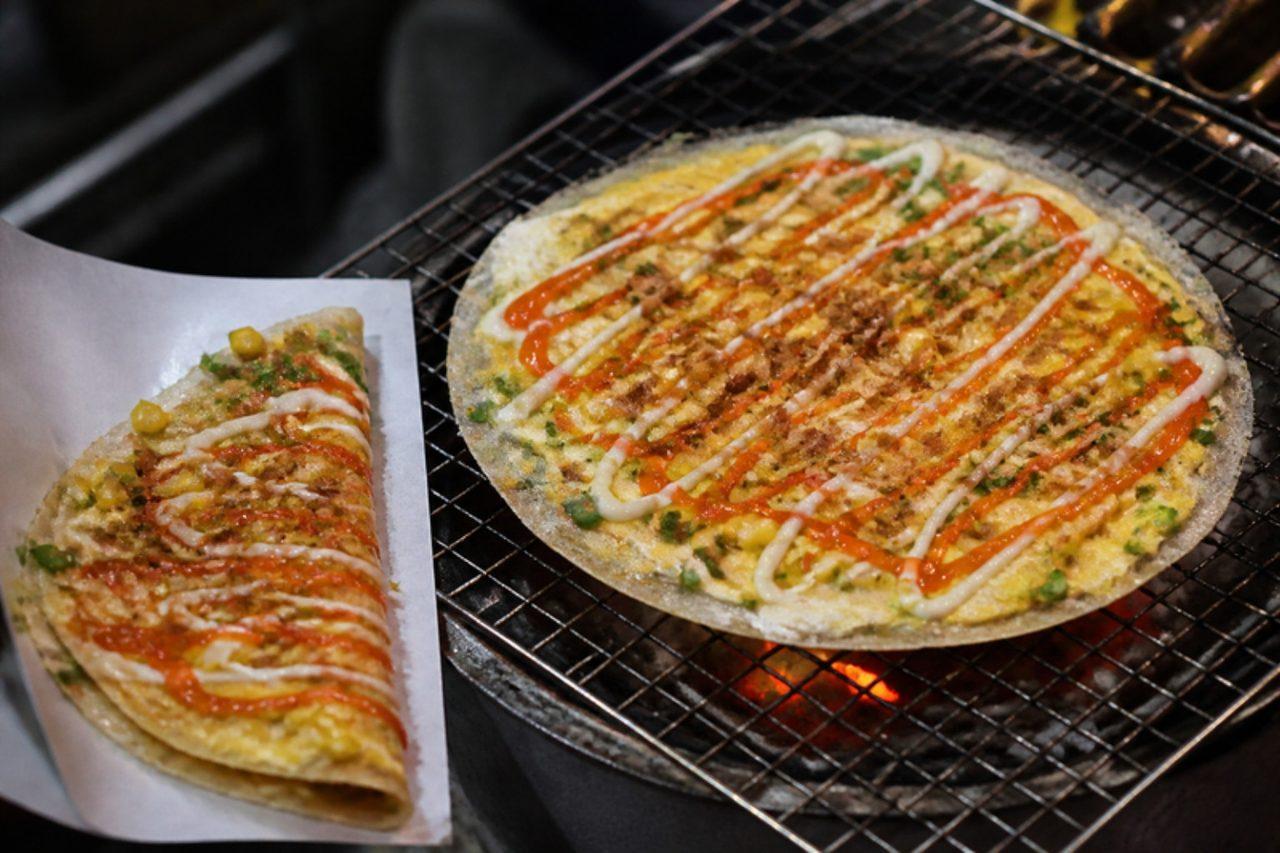
Banh trang nuongGrilled rice paper pizza

Bánh tráng nướng is the snack of Da Lat's night market, where vendors grill sheets of rice paper over small charcoal braziers, crack on an egg, spread it with a bamboo brush and fold the crackling disc in half to hand over in a paper napkin. Visitors call it Vietnamese pizza. The usual toppings include dried shrimp and sausage; this vegetarian version keeps the egg, spring onion, sweetcorn and crispy shallots, finished with chilli sauce and squiggles of mayonnaise. A dry frying pan does the job at home. Chef's tip: keep the heat low to medium; rice paper scorches in seconds, and it needs time for the egg to set on top while it crisps underneath.

by KrazyBadal 0 views

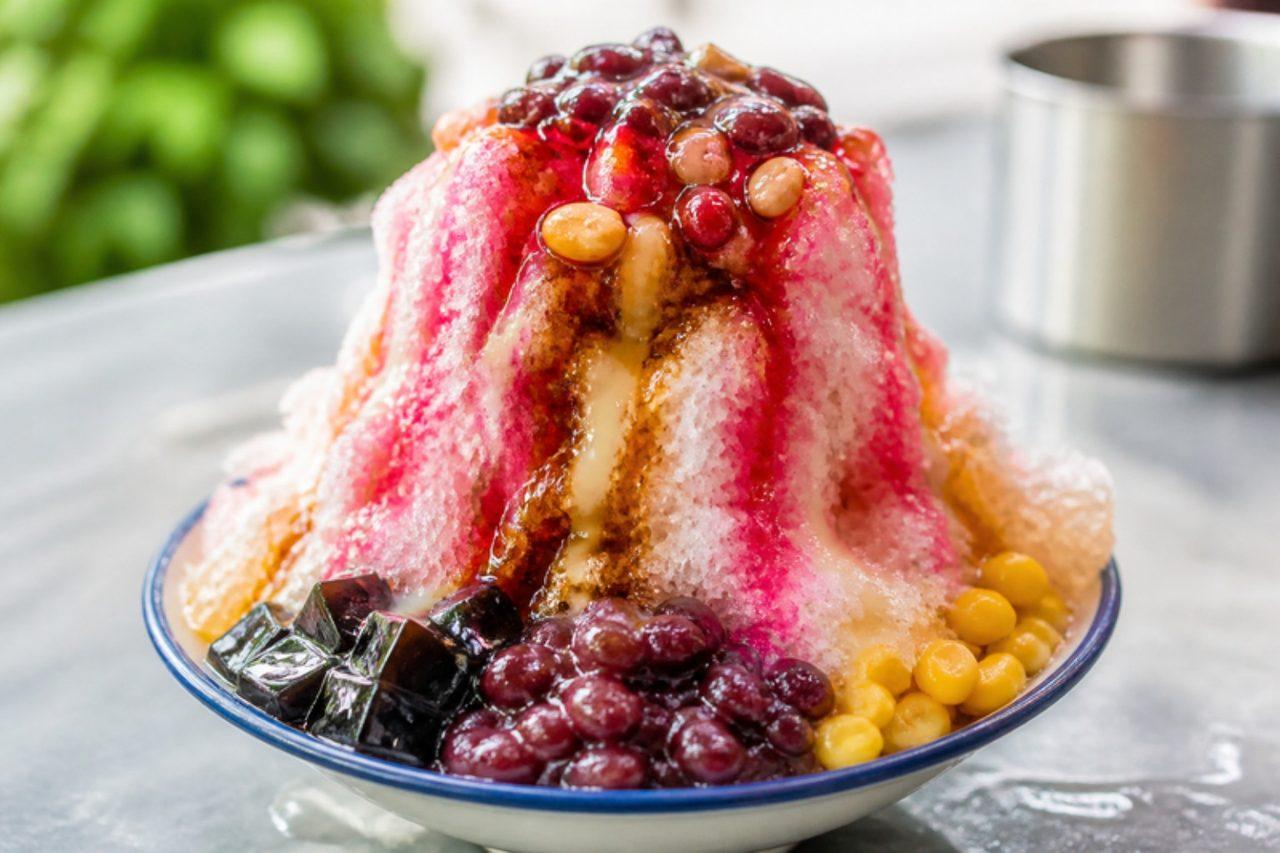
Ais kacangShaved ice with red beans

Ais kacang ('bean ice'), also called ABC for air batu campur ('mixed ice'), is the towering, rainbow-coloured treat Malaysian kids beg for at food courts and hawker centres on hot afternoons. Underneath a snowy dome of shaved ice hide red beans, sweetcorn, cubes of black grass jelly and chopped peanuts; on top go streaks of pink rose syrup, dark palm-sugar syrup and a drizzle of condensed milk. Everyone digs in from the top and mixes it into a sweet, icy slush. Chef's tip: chill the bowls in the freezer for 15 minutes first, so the ice holds its peak long enough to get it to the table.

by KrazyBadal 0 views

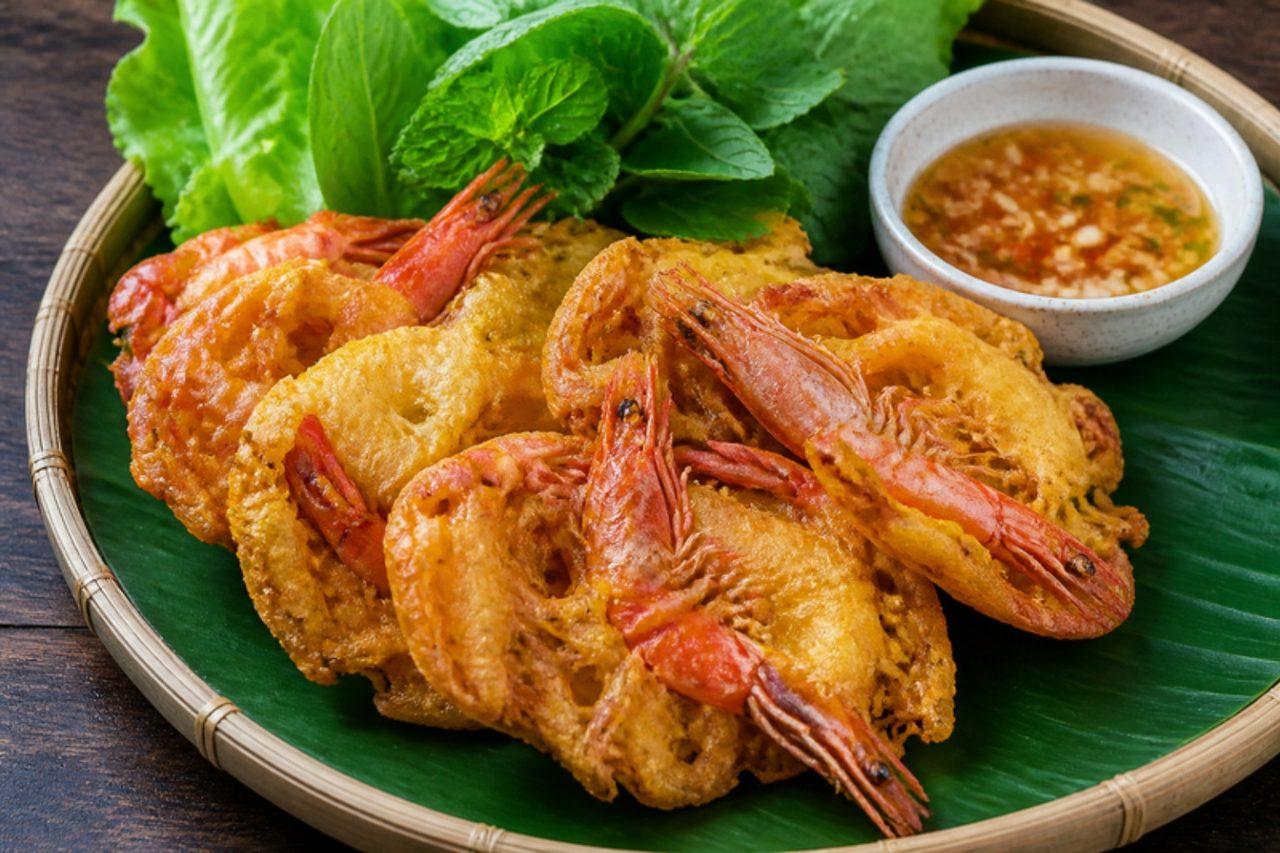
Banh tom Ho TaySweet potato and shrimp fritters

Lakeside cafés on the shore of West Lake (Hồ Tây) in Hanoi have sold these fritters for generations, and locals still ride out on cool autumn afternoons to eat them looking over the water. Each one is a nest of sweet-potato matchsticks held together by a thin, turmeric-tinted batter, with a whole small shrimp pressed on top so its shell fries crisp. They come piled on a plate with lettuce, herbs and a bowl of sweet-sour fish sauce dotted with slices of green papaya or kohlrabi. You wrap a piece of fritter in a lettuce leaf with a few herbs and dunk it. Chef's tip: soak the cut sweet potato in cold water for 10 minutes and then dry it really well; washing off the surface starch is what keeps the strands separate and crunchy.

by KrazyBadal 0 views

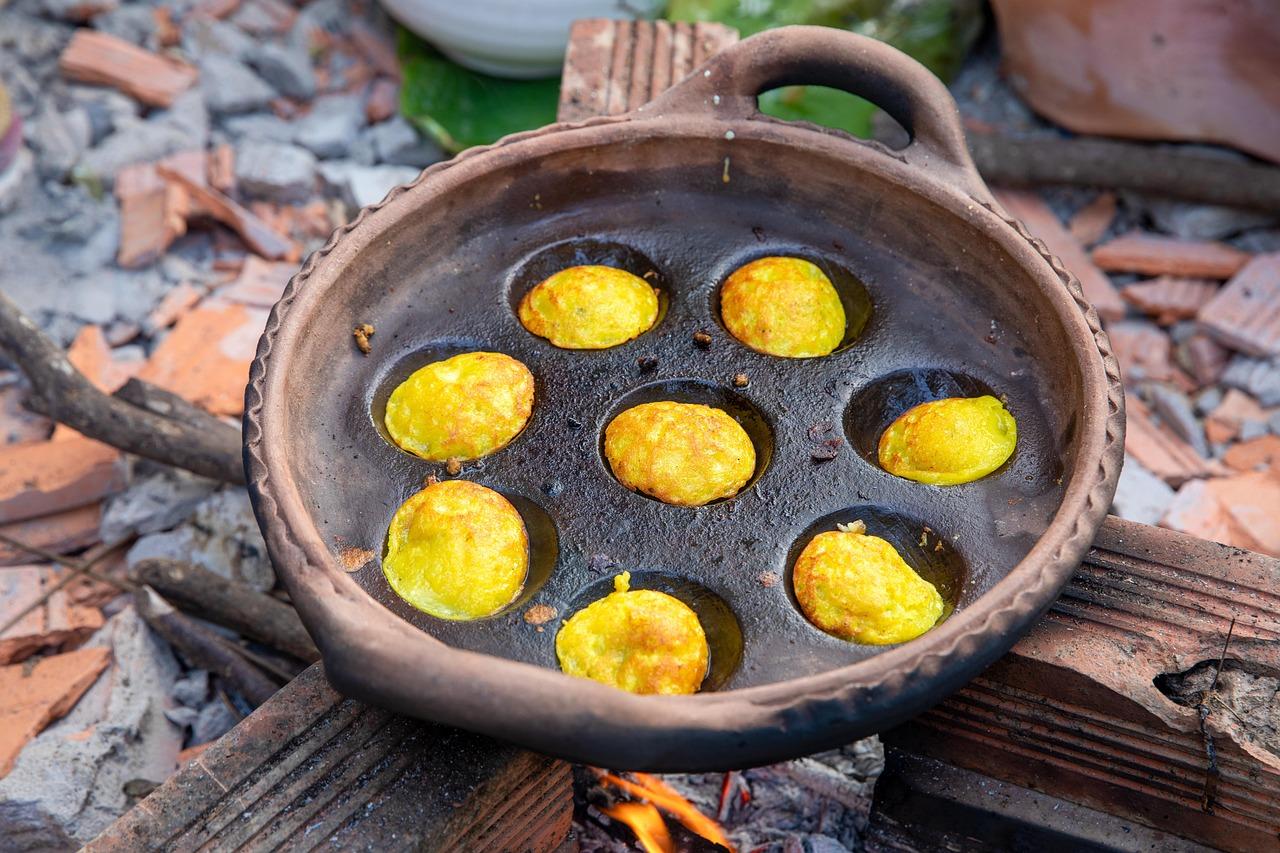
Banh khotMini coconut rice pancakes

Weekend visitors from Saigon who drive down to the beach town of Vũng Tàu make a point of eating bánh khọt at open-air stalls, where cooks tend rows of dimpled clay or cast-iron pans over charcoal. The batter of rice flour, coconut milk and turmeric fries into bite-sized cups with a shatteringly crisp base and a soft, custardy top, each finished with a small shrimp and spring onion oil. You wrap them in mustard greens or lettuce with herbs and dip them in sweet-sour fish sauce. At home, an aebleskiver or takoyaki pan works well. Chef's tip: cover the pan for the first minute so steam sets the tops, then uncover so the bottoms crisp in the oil.

by KrazyBadal 0 views

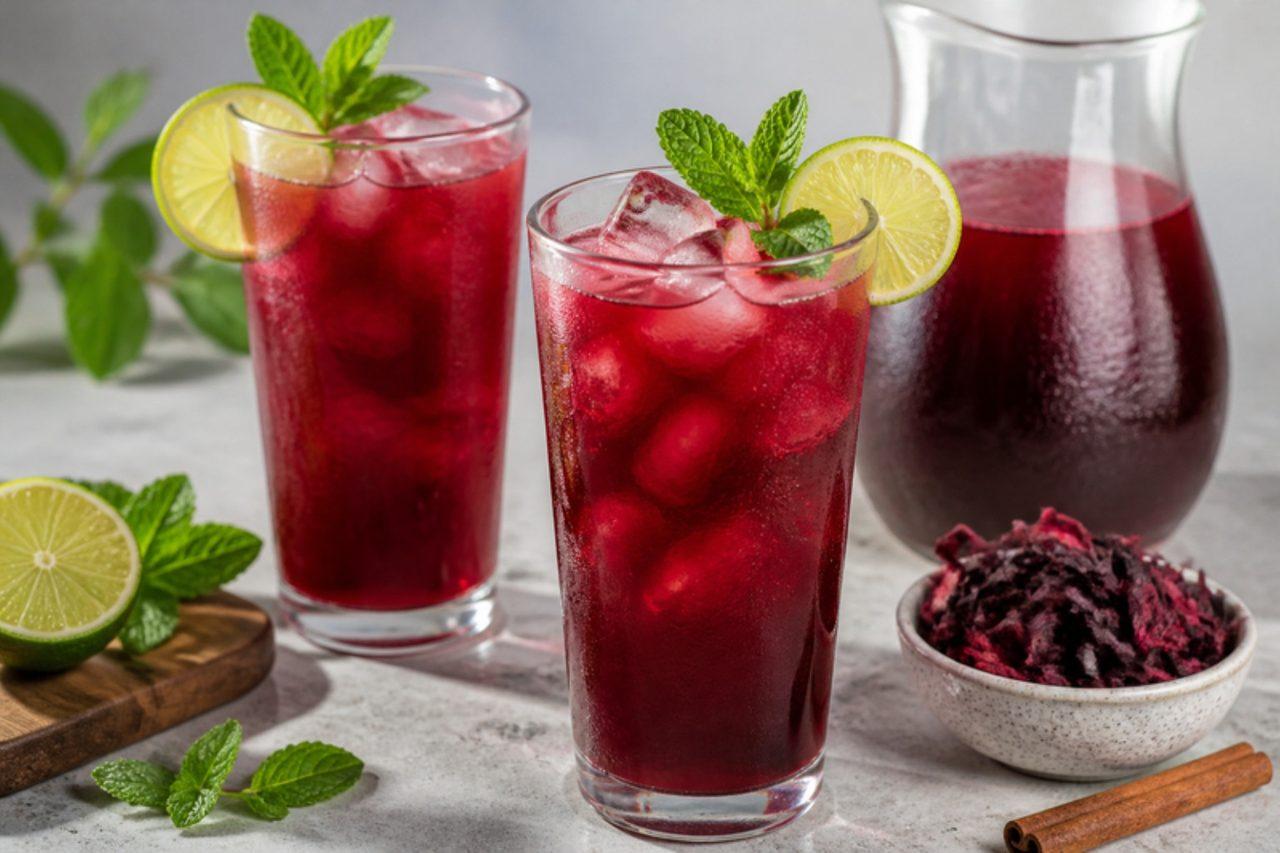
Agua de jamaicaHibiscus iced drink

Agua de jamaica is one of the aguas frescas, the cooling fruit and flower drinks ladled from huge glass barrels at markets and taquerías all over Mexico. It is made by steeping dried hibiscus calyces (flor de jamaica) in hot water, giving a deep crimson drink that tastes tart like cranberry, lightly floral and very refreshing over ice. It is naturally vegan and keeps for days in the fridge. Use the concentrate as the base and sweeten to taste. Chef's tip: don't boil the flowers for long or leave them steeping for hours; too much extraction makes the drink tannic and harsh.

by KrazyBadal 0 views

Polos curryYoung green jackfruit curry

Polos is the tiny unripe jackfruit picked in the Western and Sabaragamuwa provinces long before it sweetens, and cooked low and slow it becomes one of the island's most loved festival curries, especially at Sinhala and Tamil New Year in April and at wedding lunches. The firm, pale flesh soaks up a very dark roasted curry powder, garlic, ginger, goraka (a smoky souring fruit) and coconut milk until it turns almost black-brown and tastes rich, sour and meaty. Fresh polos is hard to find abroad; tinned young green jackfruit in brine works well. A frequent mistake is not cooking it long enough, which leaves it squeaky; the pieces must be soft enough to break with a spoon. Chef's tip: oil your hands and knife before cutting fresh jackfruit; the sticky white sap washes off oiled skin but not dry skin.

by KrazyBadal 2 views

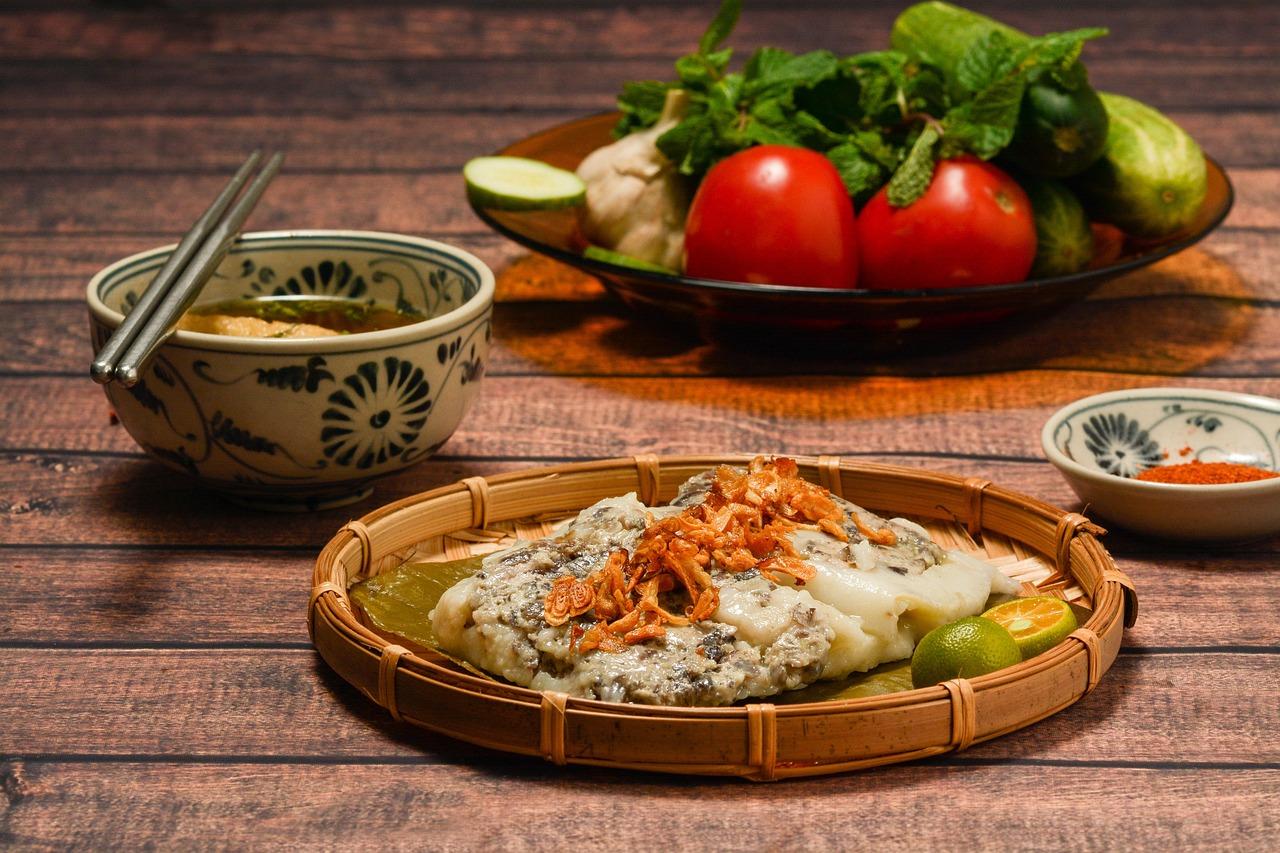
Banh cuonSteamed rice rolls

In Hanoi, banh cuon shops open early, and the cook sits beside a pot of boiling water stretched over with cloth, spreading batter across it in one sweep and lifting off sheets thin enough to see through. Each sheet is rolled around a little minced pork and crunchy wood-ear mushroom, cut into pieces, showered with crispy shallots and dipped into warm fish sauce. Slices of Vietnamese pork roll and a sprig of herbs often come on the side. At home a lidded non-stick frying pan does the job of the cloth, and once you find the rhythm the sheets come quickly. Chef's tip: make a practice sheet first; the first one is almost always a little too thick, and it tells you how much batter to use.

by KrazyBadal 0 views

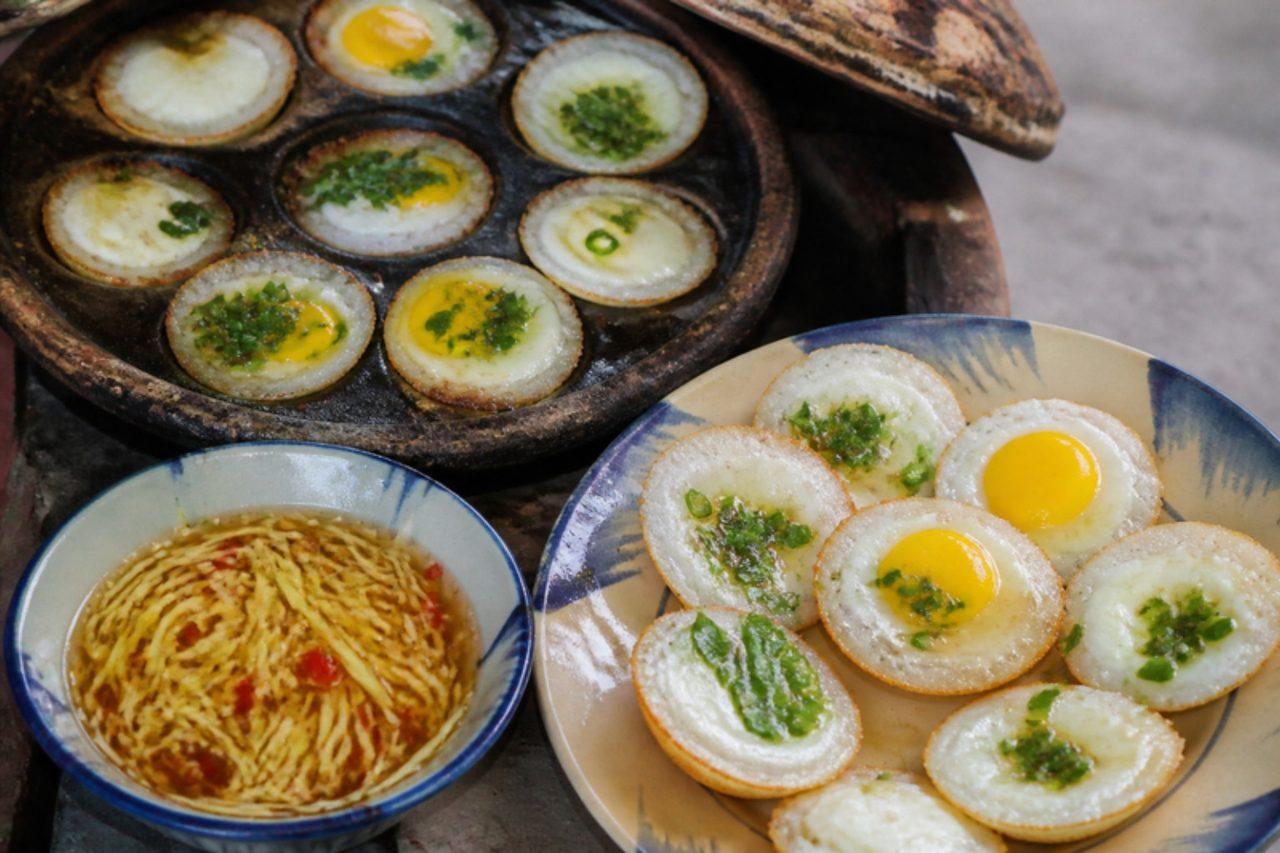
Banh canMini rice flour cakes with egg

Bánh căn comes from Phan Rang on the south-central coast and is now a favourite of chilly evenings in Da Lat, where sellers crouch over charcoal and rows of small clay moulds, cracking a quail egg into each little cup of rice batter. The cakes come out crisp and browned underneath and soft and steamy on top, and are eaten in pairs, dunked in a sweet-sour dipping sauce with shredded green mango and herbs. Most stalls use a fish sauce dip and sometimes add squid or shrimp; this version keeps it vegetarian with a tamari sauce and spring onion oil. Chef's tip: let a little of the cooked rice in the batter go into the blender; it gives the cakes their soft, slightly chewy middle.

by KrazyBadal 0 views

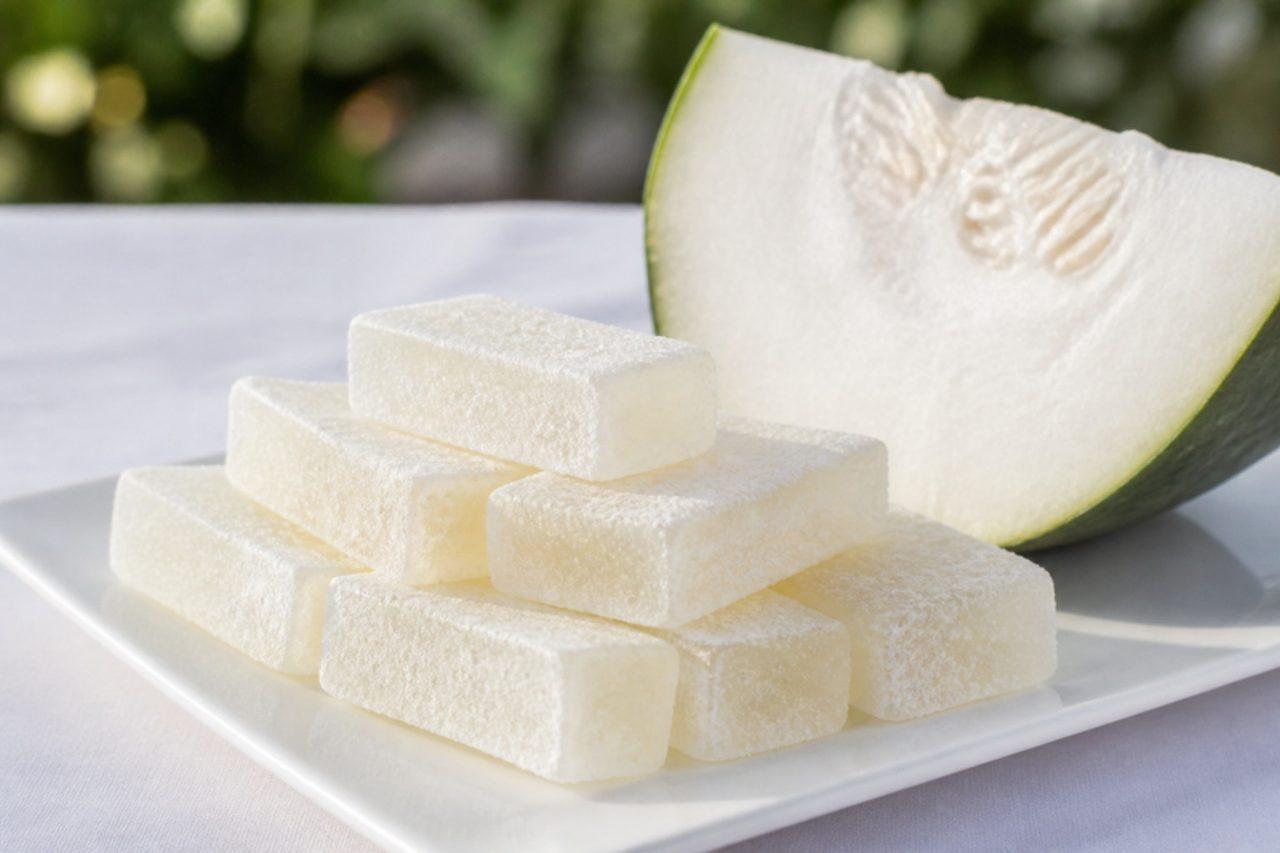
Agra pethaCandied ash gourd sweets

Every train pulling out of Agra carries boxes of petha. The city's halwais have been candying ash gourd for generations, and the plain white kind remains the classic: firm, crystal-clear cubes with a sugar crust and a juicy centre, lightly scented with rose or kewra. At home it makes a good festival sweet for Diwali gifting because it keeps for two weeks. The firmness comes from soaking the gourd in food-grade slaked lime (chuna, sold as pickling lime) or, as some cooks prefer, in alum water. Leaving out the soak, or rushing it, is the most common mistake: the cubes fall apart in the syrup. Chef's tip: prick each cube deeply all over with a fork before soaking, so the lime water and later the syrup reach the centre.

by KrazyBadal 0 views

Afghan biscuitsChocolate cornflake biscuits

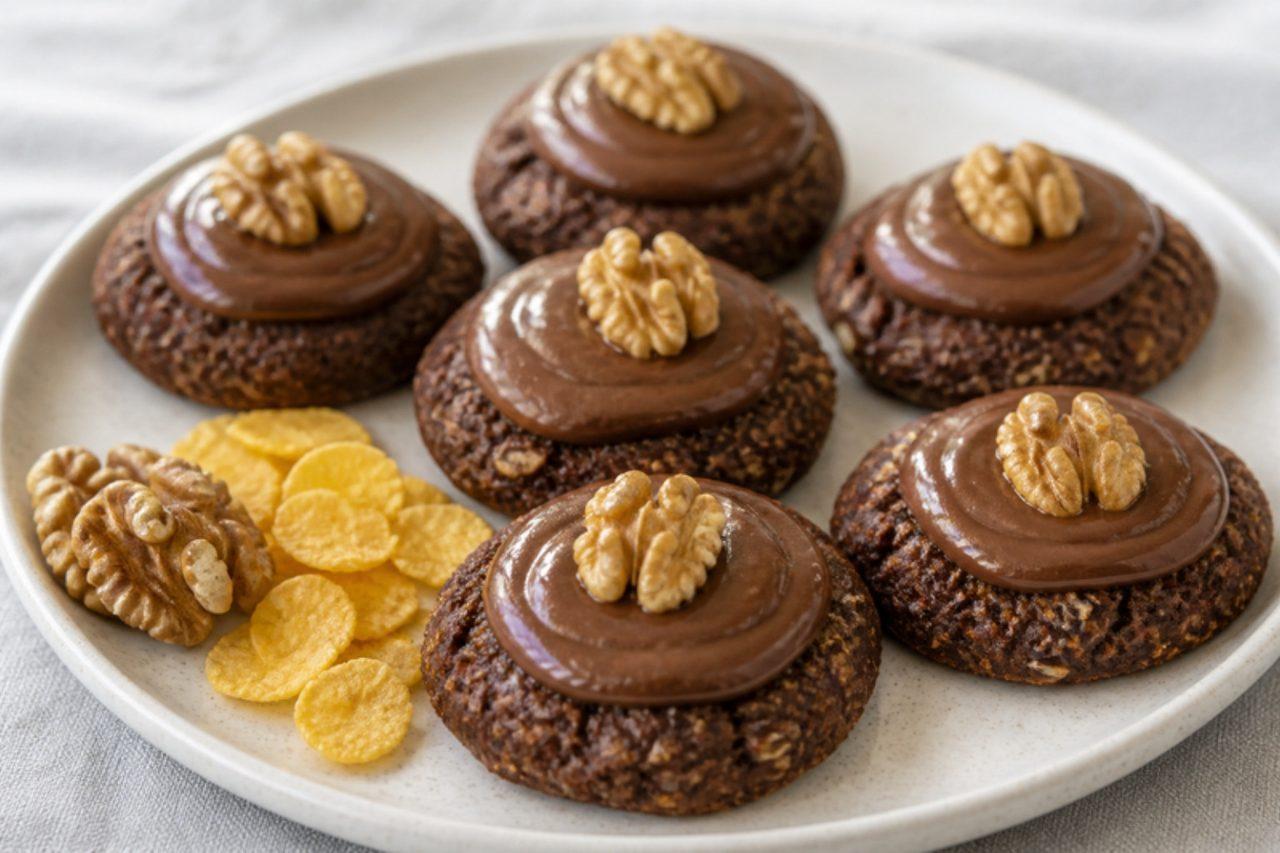
Afghans are a New Zealand classic, found in the old home baking books passed down in Kiwi kitchens and in the glass cabinets of cafés and bakeries from Christchurch to Whangārei. Nobody is quite sure where the name came from. The dough is rich with butter and cocoa, and lightly crushed cornflakes give each biscuit a crunchy, slightly rugged texture. A swirl of soft chocolate icing and a walnut half finish them off. They're not too sweet underneath, which is why the icing works so well. Chef's tip: crush the cornflakes only lightly with your hand; fine crumbs disappear, but big flakes give the crunch an afghan is known for.

by KrazyBadal 0 views

PomBaked chicken and grated pomtajer

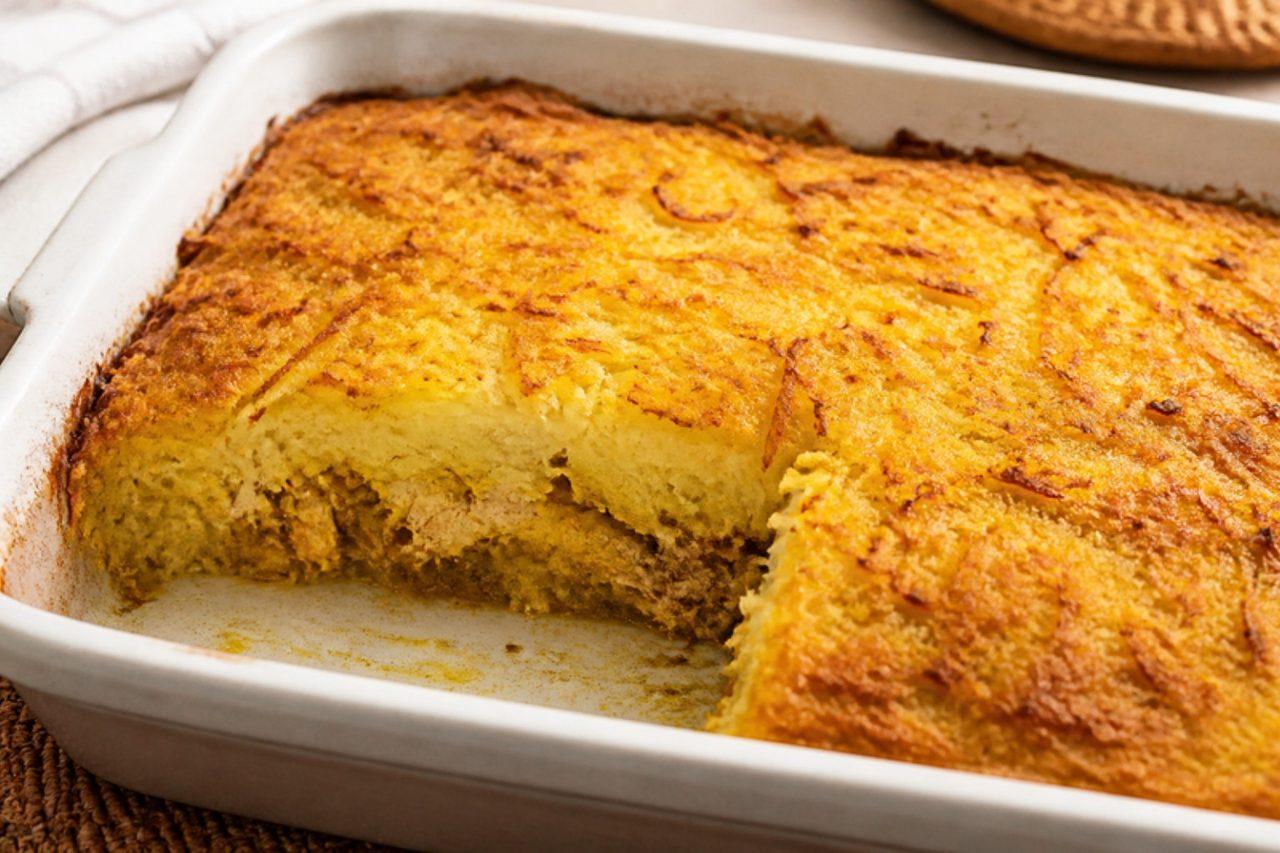
Pom is Suriname's celebration dish, baked for birthdays and holidays in Paramaribo and by the Surinamese community in the Netherlands: a layer of grated pomtajer root (a type of taro) mixed with citrus juice, then a layer of chicken stewed with onion, tomato, nutmeg and pickled peppers, then more pomtajer, baked until the top is golden. It is usually eaten on a roll as a "broodje pom". The mistake is skipping the citrus: pomtajer must be mixed with orange or lime juice, which gives the dish its fragrance. Chef's tip: frozen grated pomtajer from Surinamese or Caribbean shops saves the hard grating; if you can't find it, use grated taro or a mix of taro and potato.

by KrazyBadal 0 views

Banh beoSteamed rice cakes with shrimp

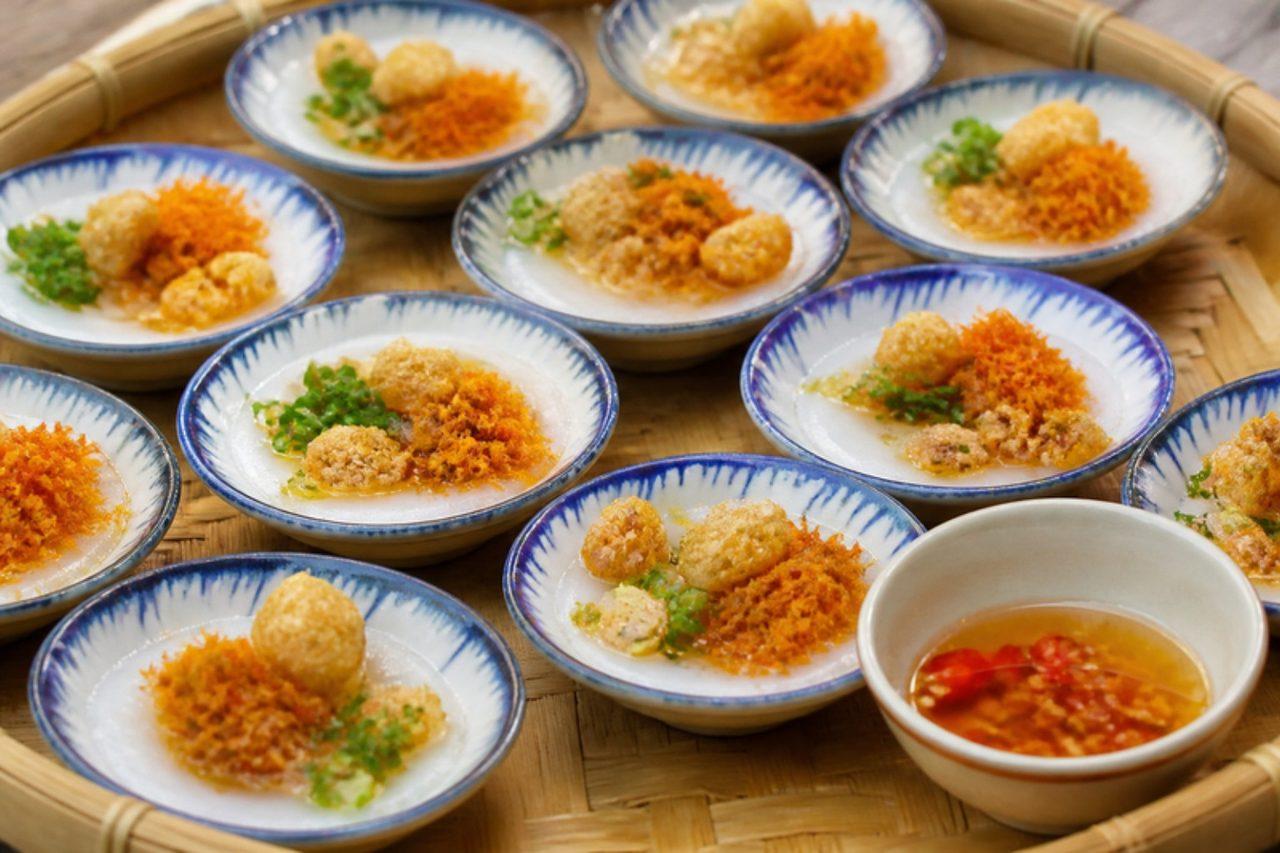
Bánh bèo are named after the water fern that floats on Huế's ponds, which the little round cakes resemble. In the city they arrive at the table by the dozen, each still in its own small saucer, topped with pink shrimp floss and spring onion oil. You spoon sweet fish sauce over and scoop each one out in a single mouthful. They're a mid-afternoon snack or a light lunch alongside other Huế rice cakes. Small ramekins, egg poaching cups or a silicone mini-muffin tray all work as moulds. Chef's tip: heat the empty saucers in the steamer for a minute before adding the batter; the cakes then set with the little dimple in the middle that holds the toppings.

by KrazyBadal 0 views

FirniGround rice milk pudding

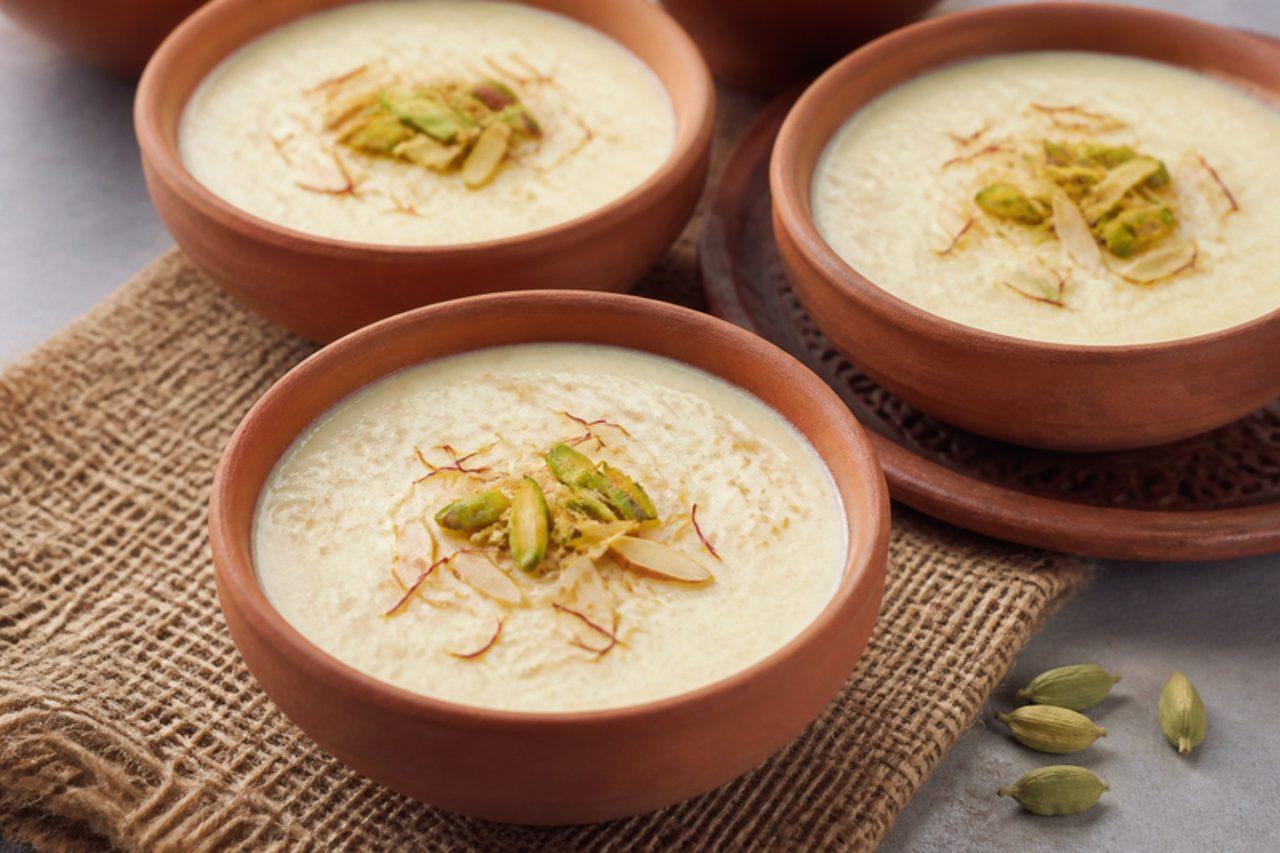
Firni is the dessert that turns up in little clay bowls on Eid tables across Bangladesh, especially after the evening meal on Eid-ul-Fitr. It is smoother and thicker than payesh: instead of whole rice grains, coarsely ground rice is simmered in milk until it sets into a silky pudding, scented with cardamom and rose water and scattered with pistachios and almonds. It is served chilled, so it's made a day ahead. Chef's tip: grind the soaked rice to a coarse semolina-like grit, not a fine powder; that slight texture is what makes firni feel rich.

by KrazyBadal 0 views

Ají picanteFresh chilli and coriander sauce

Every Colombian table has a bowl of ají, the loose, fresh hot sauce spooned onto empanadas, patacones, sancocho and arepas. Unlike a thick salsa, it is thin and bright: chopped hot chilli, spring onion, tomato and lots of coriander in lime juice, vinegar and water. Each family, from Bogotá to the Pacific coast, swears by its own heat level. Chef's tip: make it at least 30 minutes before eating; the onion softens and the chilli heat spreads through the liquid.

by KrazyBadal 0 views

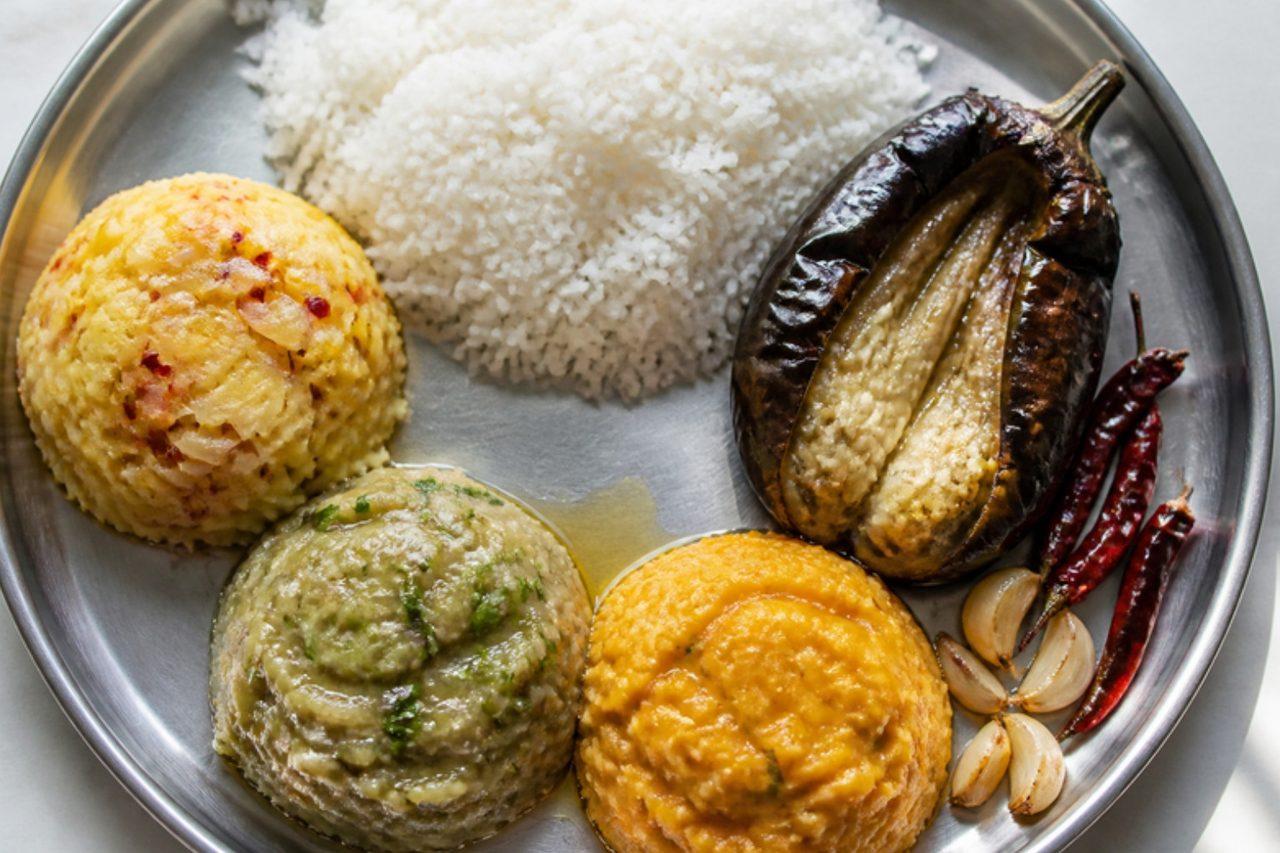
Bhorta platter (aloo, begun and dal bhorta)Mashed potato, aubergine and dal

No word says home cooking in Bangladesh like bhorta: anything boiled, roasted or fried, then mashed by hand with raw mustard oil, sliced onion, green or burnt chillies and coriander. A family lunch in Dhaka or Khulna might set out three or four bhortas in little heaps around a mound of rice, and this page makes the classic trio: aloo (potato), begun (fire-roasted aubergine) and dal (dry-fried red lentil). They share one method, so they live together here. Chef's tip: mash with your fingers, not a fork, rubbing the onion and chilli into the oil first; it bruises them and releases their sharpness into every bite.

by KrazyBadal 0 views

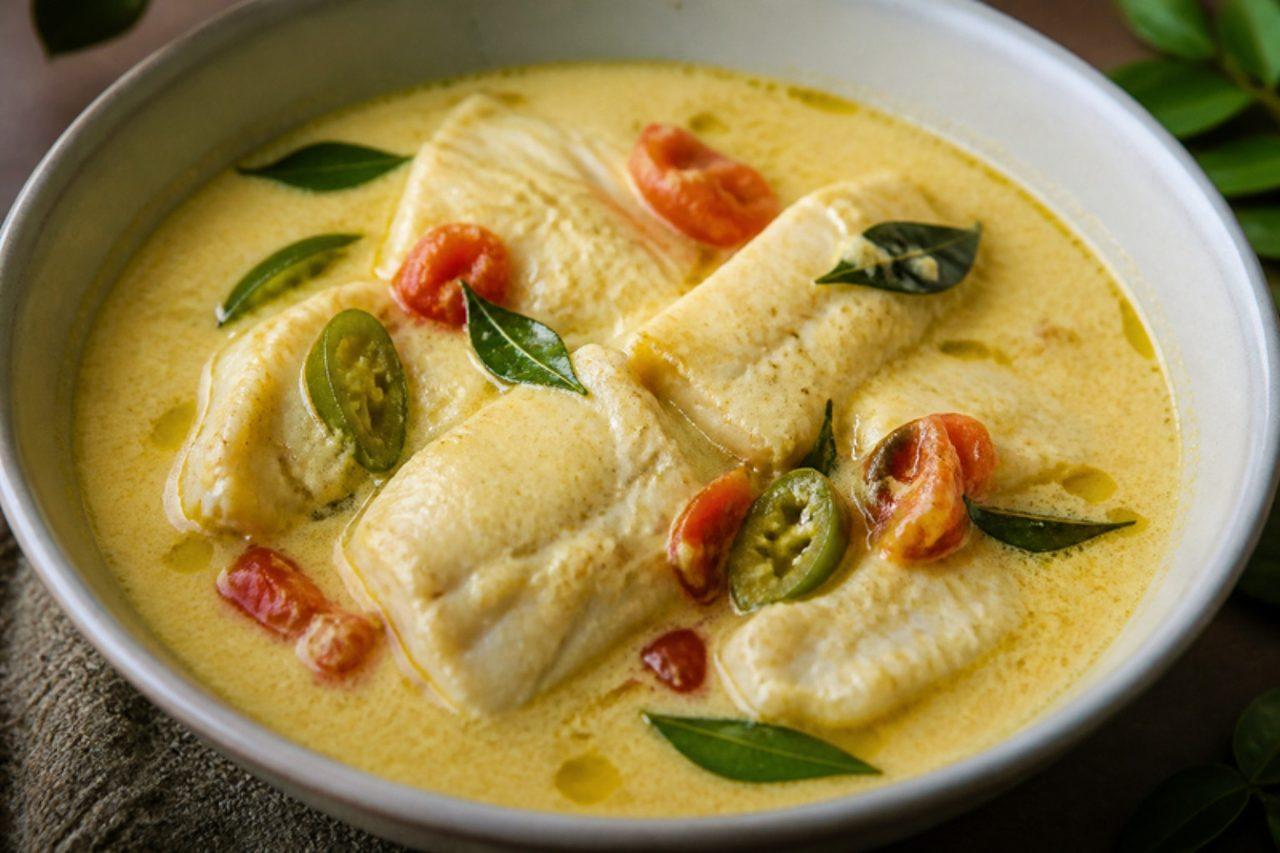
Pondicherry fish assadFish in coconut milk curry

In Puducherry, the former French enclave on the Tamil coast, Creole families of mixed Tamil and French descent cook a fish curry that is softer and creamier than anything else along that shore. Assad is mild and pale, fragrant with fennel, pepper and curry leaves, with the fish poached in thin coconut milk and finished with a thick, rich pour. It is a Sunday-lunch and Christmas dish in these homes, eaten with plain rice or a crusty loaf from the town's bakeries. Chef's tip: add the thick coconut milk only at the very end and keep the curry below a boil, so it stays silky and white.

40 minIndianFishGluten free
by KrazyBadal 0 views

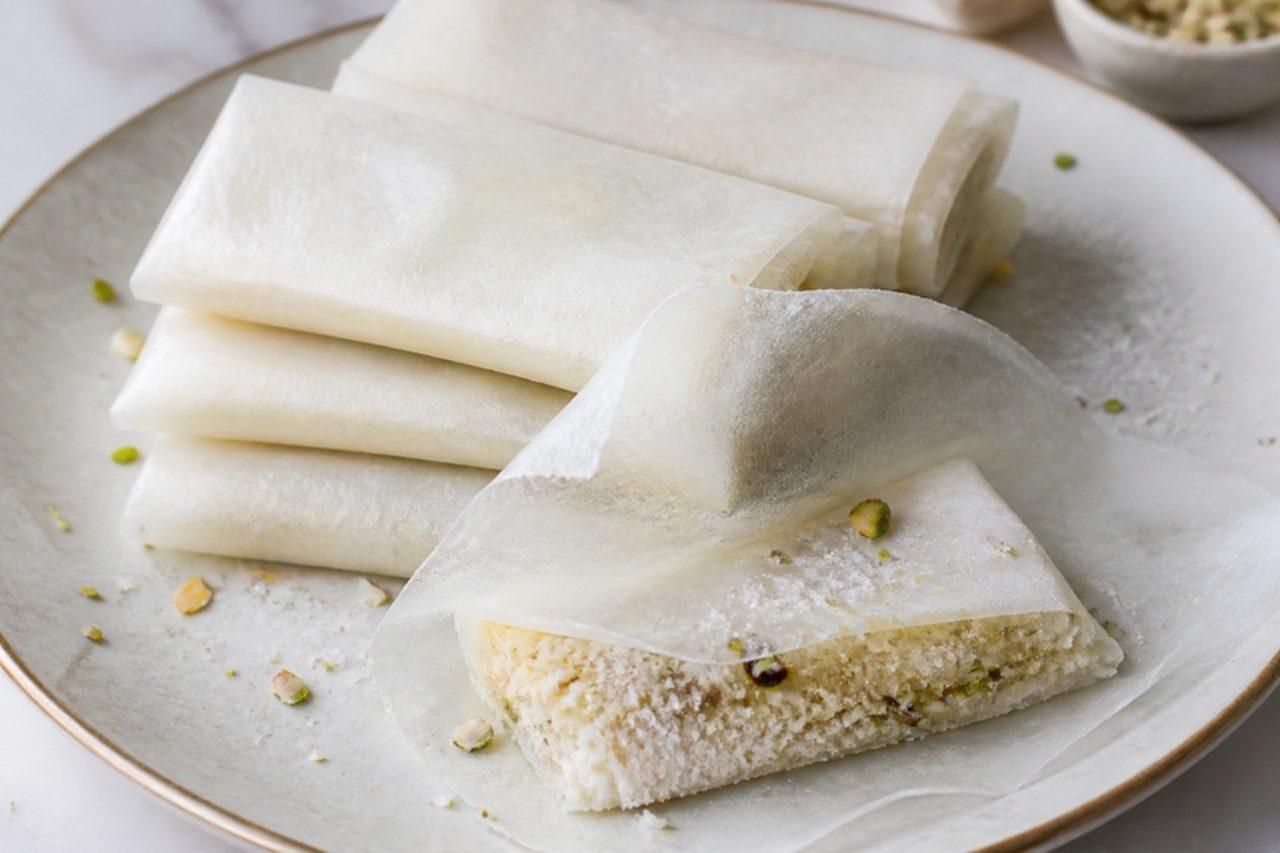
PootharekuluPaper-thin rice sheet sweets

Pootharekulu ('coated sheets') come from Atreyapuram village in the Godavari district, where women make translucent rice-starch films by dipping a cloth in batter and wiping it over a hot, upturned clay pot. Those whisper-thin sheets are then layered with ghee and powdered sugar or jaggery and folded into neat parcels that melt on the tongue. True rekulu need the special pot and years of practice, so this home method spreads a very thin rice batter on an upturned wok or non-stick pan and peels off the dried film. Sheets can also be bought ready-made in Indian shops; then just do the filling. Chef's tip: work with the sheets dry; brush ghee on, never sugar syrup, or they turn soggy and tear.

by KrazyBadal 0 views

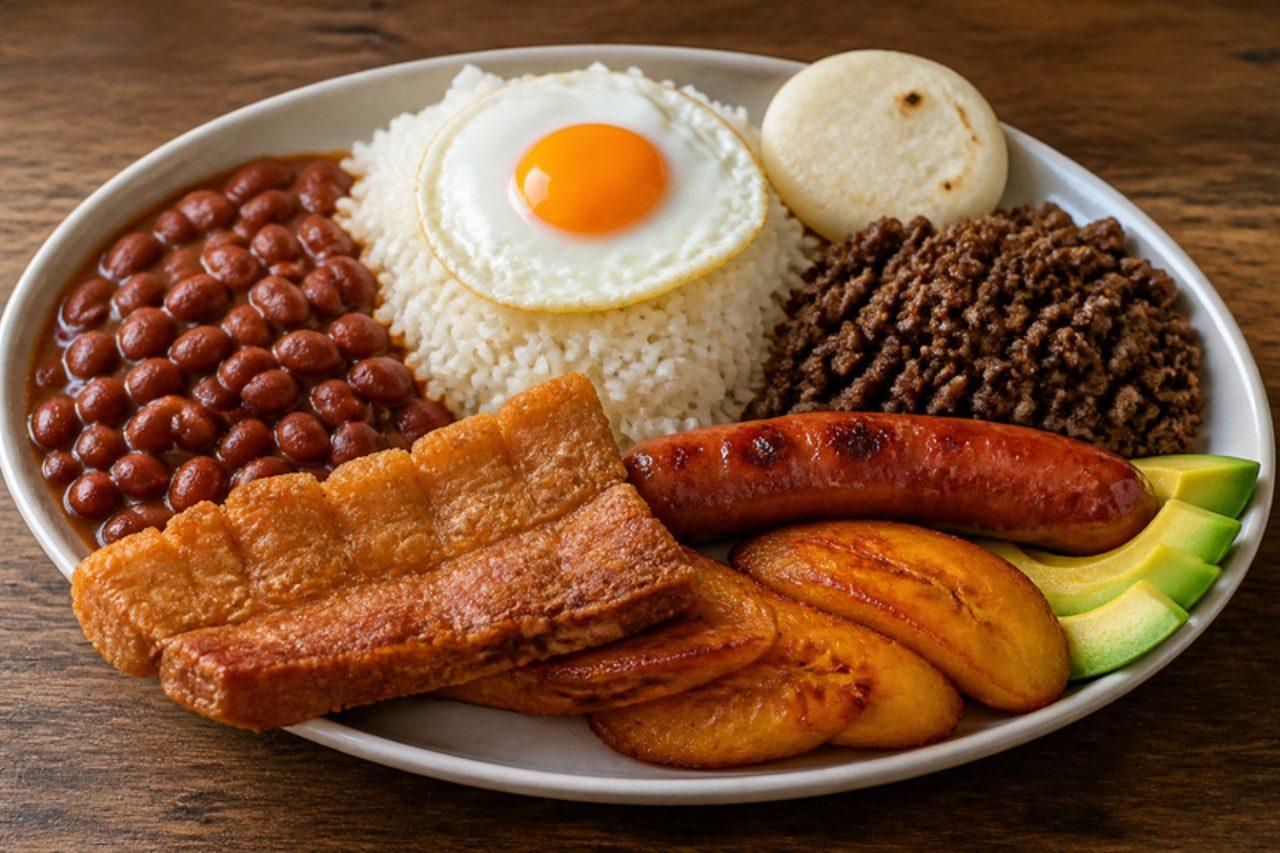
Bandeja paisaBeans, rice and pork platter

Bandeja paisa is the farmhouse feast of Antioquia and the coffee region around Medellín, served on an oval platter so big it barely fits on the table. This is a pork dish: crisp chicharrón (fried pork belly) and chorizo sit next to red beans, white rice, seasoned minced beef, a fried egg, ripe plantain, a small arepa and avocado. Paisas eat it for a long Sunday lunch, and restaurants in Medellín serve it every day. It looks like a lot of work, but most parts can be made ahead and finished together. The mistake most people make is frying the pork belly too hot from the start; it needs to simmer in its own fat first, or the outside burns before the inside turns tender. Chef's tip: cook the beans a day ahead; they thicken and taste better, and the day itself is then only frying.

by KrazyBadal 0 views

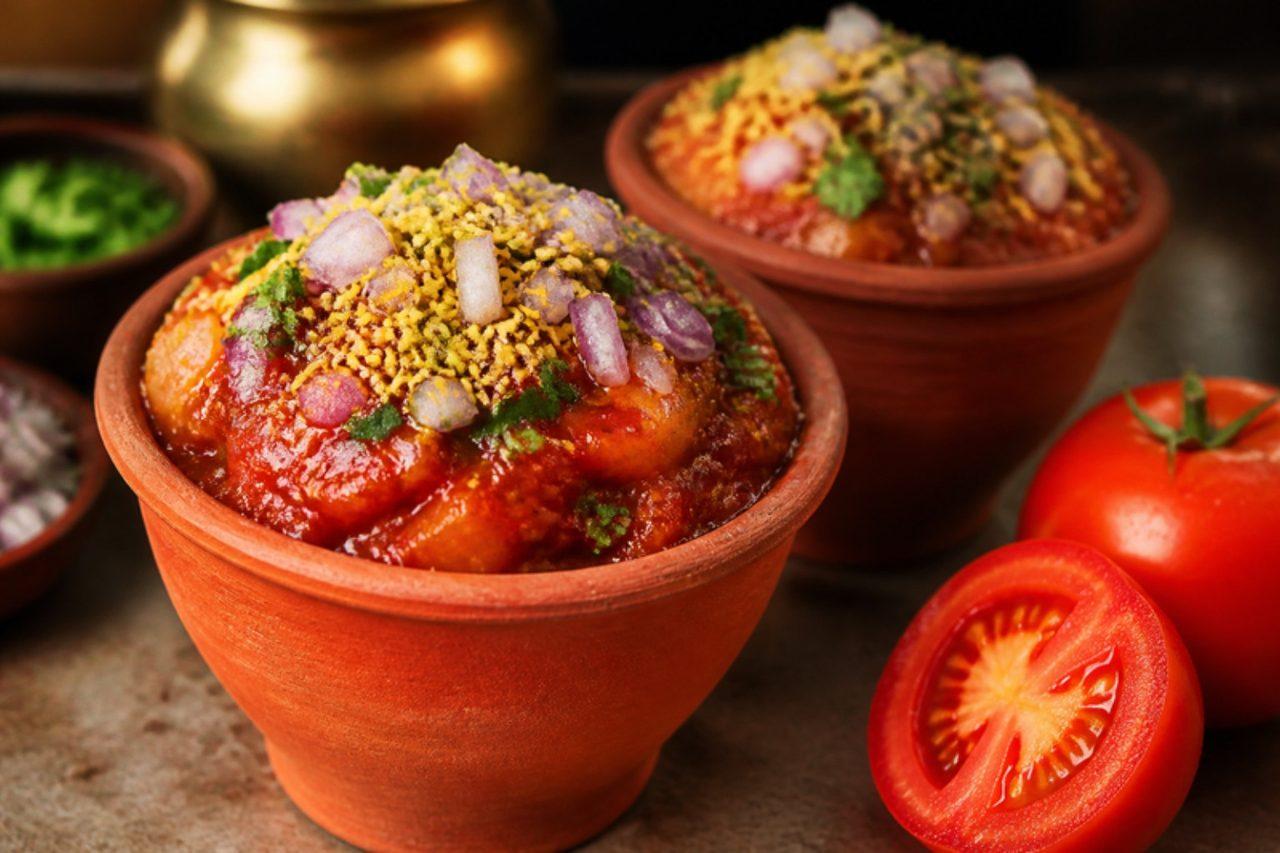
Banarasi tamatar chaatMashed tomato and potato chaat

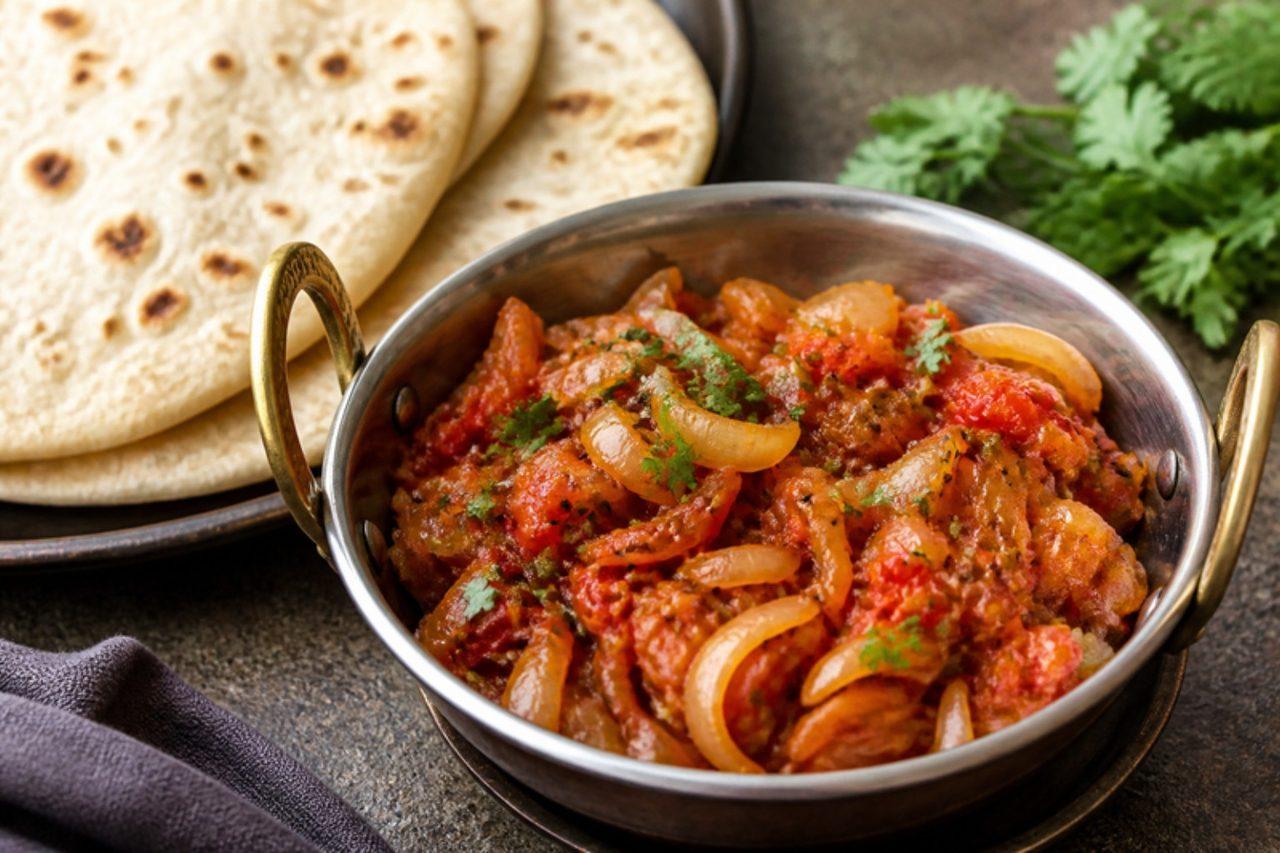
Walk through the lanes near Dashashwamedh Ghat in Varanasi in the evening and you will see vendors mashing tomatoes and potatoes in large iron pans, cooking them with ghee and spices until thick, then spooning the mixture into small clay cups. Tamatar chaat is unique to Banaras: served hot, spicy, tangy, and finished with a thin sugar syrup and a pinch of chaat masala, then topped with crisp sev for crunch. Locals eat it standing up after the aarti, often followed by a glass of lassi. Many people forget the sugar syrup, but that's what balances the sourness and makes it Banarasi. Chef's tip: use very ripe, soft tomatoes and mash them right in the pan with the back of the ladle, leaving some texture.

by KrazyBadal 0 views

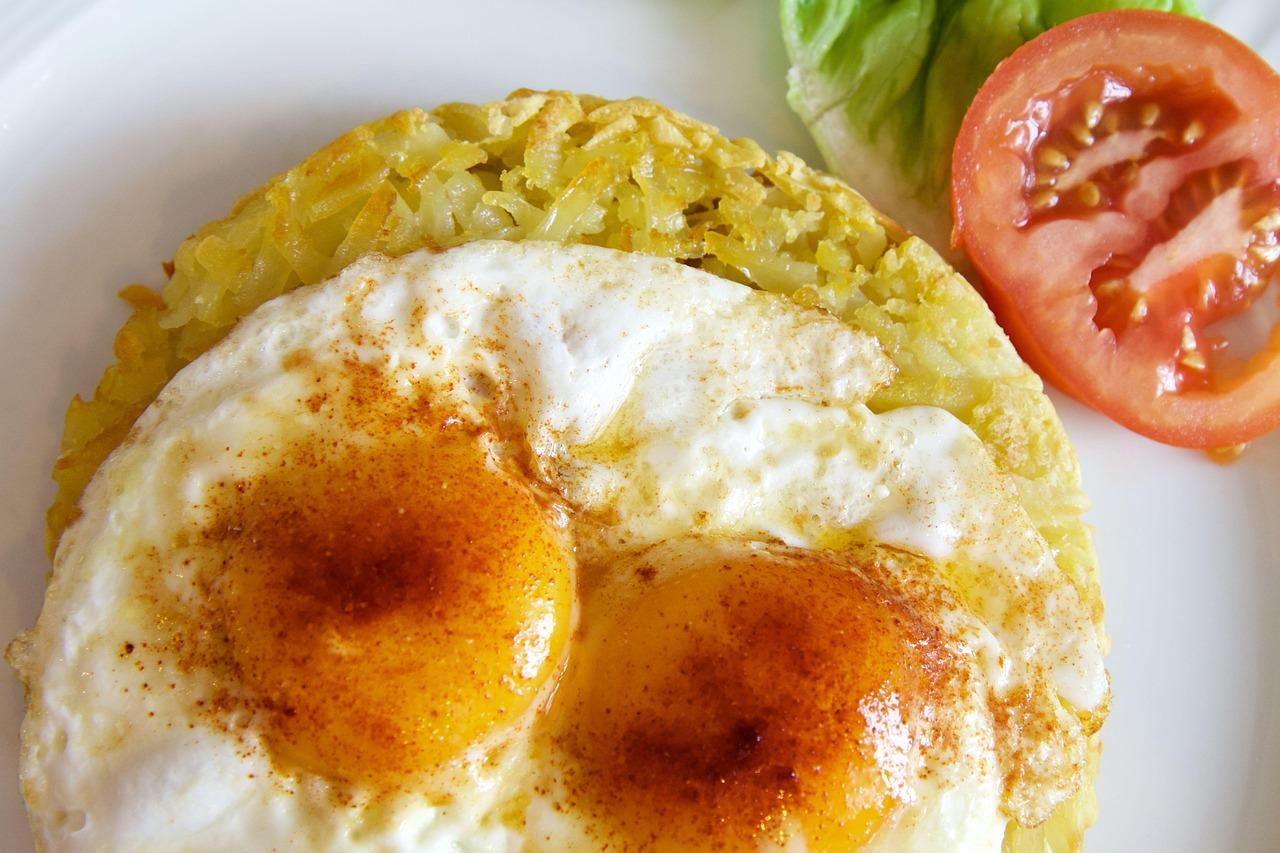
RöstiPotato cake

Rösti was once the farmer's breakfast in the canton of Bern, fried in the morning from potatoes boiled the night before, and it is still the plate Bernese families make on a Sunday or eat with a fried egg for supper. It is so tied to German-speaking Switzerland that the language border with the French-speaking west is jokingly called the Röstigraben, the rösti ditch. Coarsely grated, cold, parboiled potato is pressed into a hot pan of butter and left alone until the underside turns a deep, crunchy gold, while the inside stays soft. Serve it with fried eggs and a tomato salad, with melted cheese on top, or next to mushrooms in cream. Chef's tip: parboil the potatoes a day ahead and chill them overnight; cold, firm potato grates into clean strands that stay separate and crisp.

60 minSwissSidesGluten free
by KrazyBadal 0 views

ÆbleskiverRound pancake puffs

From the first Sunday of Advent until Christmas, Danish homes and Christmas markets in Copenhagen's Tivoli smell of æbleskiver: little round pancake puffs cooked in a cast-iron pan with seven hemispherical wells. They are crisp and golden outside, light and almost custardy within, dipped in icing sugar and raspberry or strawberry jam, and washed down with gløgg or hot cocoa. The name means 'apple slices', a reminder that cooks once tucked a piece of apple inside; many families still do. Danes turn them with knitting needles or wooden skewers, a knack that takes a few rounds to learn. Chef's tip: turn each puff a quarter at a time; the raw batter flows into the space and builds the sphere, rather than flipping it all at once.

by KrazyBadal 0 views

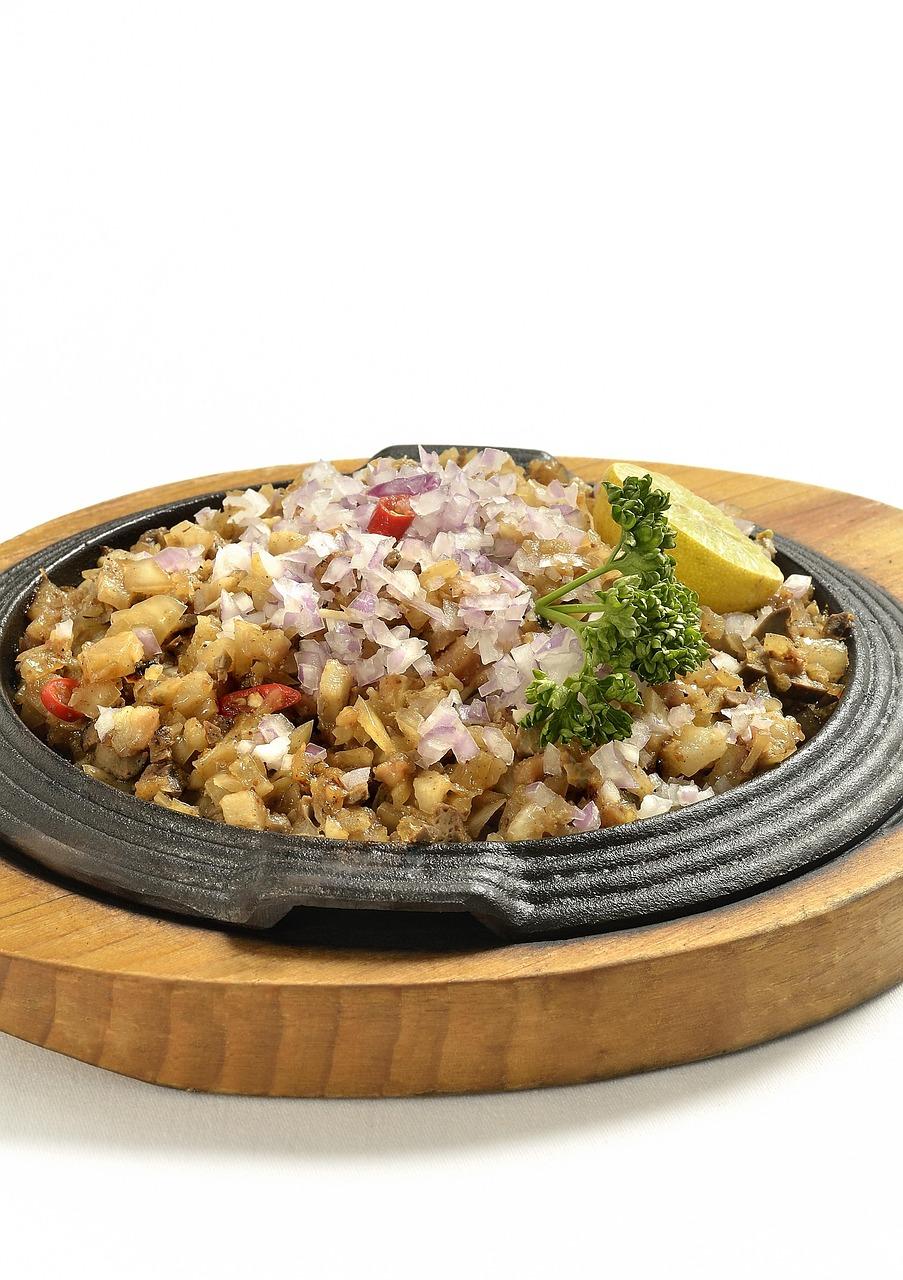
Pork sisigSizzling chopped pork

Sisig comes from Angeles City in Pampanga, where cooks turned pig's head and ears into a sizzling, sour, peppery bar snack that is now on almost every Filipino menu. This home version is pork, using pork belly (and pig's ears if your butcher has them) that is boiled, grilled until charred, then chopped finely and fried with onion, chilli and calamansi juice. It arrives at the table crackling on a hot cast-iron plate, often with a raw egg stirred in. Eat it with rice, or as pulutan with drinks; a cold calamansi juice works as well. Chef's tip: chop the pork small but not to mince; you want little crisp edges and chewy bits in every spoonful.

110 minFilipinoMeatSpicy
by KrazyBadal 0 views

Pork tocinoSweet cured pork

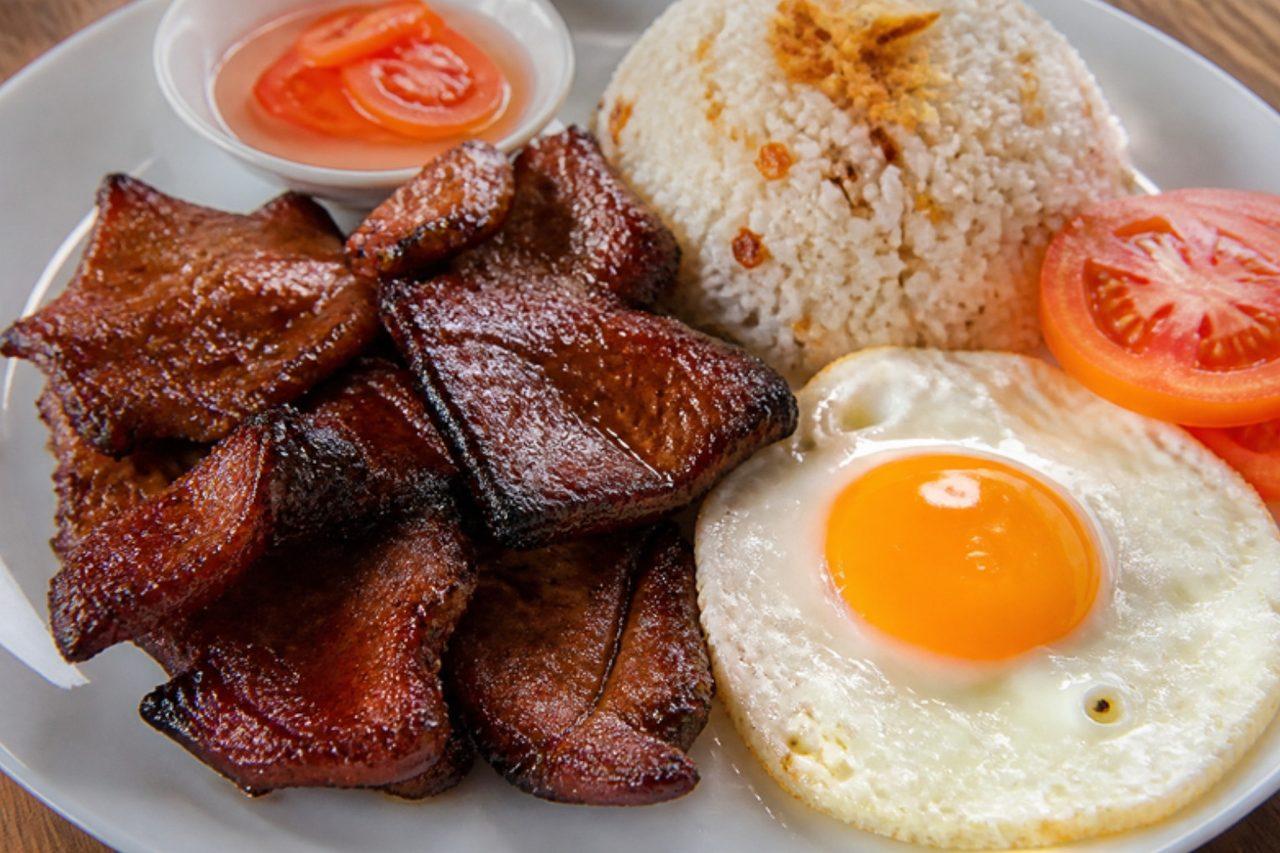
In Pampanga, tocino is breakfast: thin slices of pork shoulder in a sweet, garlicky marinade, fried until the sugar caramelises at the edges, then served with garlic fried rice and a fried egg as 'tosilog'. Shop tocino is often bright pink from curing salts; this home version leaves those out, so it is a sweet marinated pork rather than a true cure, gets its warm red colour from annatto and paprika, and must be kept in the fridge and cooked within 3 days (or frozen). Look for pork with a little fat running through it so it stays juicy. Chef's tip: start it in a splash of water; the pork simmers through first, then the sugar glazes once the water is gone, so it doesn't burn before it's cooked.

by KrazyBadal 0 views

Banarasi kachori sabziUrad dal puris with potato curry

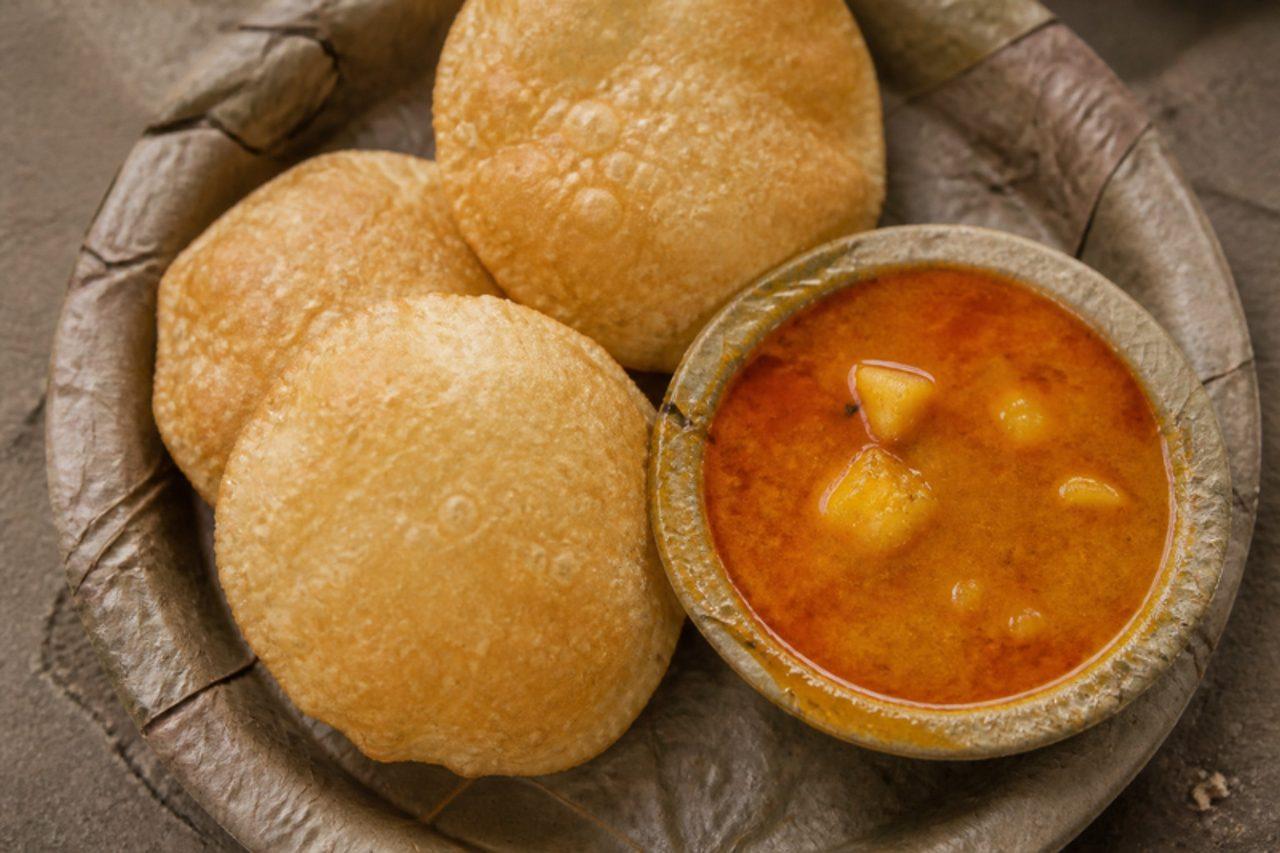
Walk the ghats of Varanasi in Uttar Pradesh at dawn and you'll smell kachori sabzi frying in huge karahis. Banarasi kachori is small and puffed like a puri, with soaked urad dal ground with ginger and fennel worked straight into the wholewheat dough rather than stuffed inside. It comes with a thin, peppery potato and tomato rasa made without onion or garlic, scented with hing and fenugreek seeds, and is usually followed by a hot jalebi. Chef's tip: roll the puris evenly to 3 mm and slide them into really hot oil, pressing gently with a slotted spoon; even thickness and fierce heat are what make them balloon.

by KrazyBadal 0 views

Porotos granadosFresh bean, pumpkin and corn stew

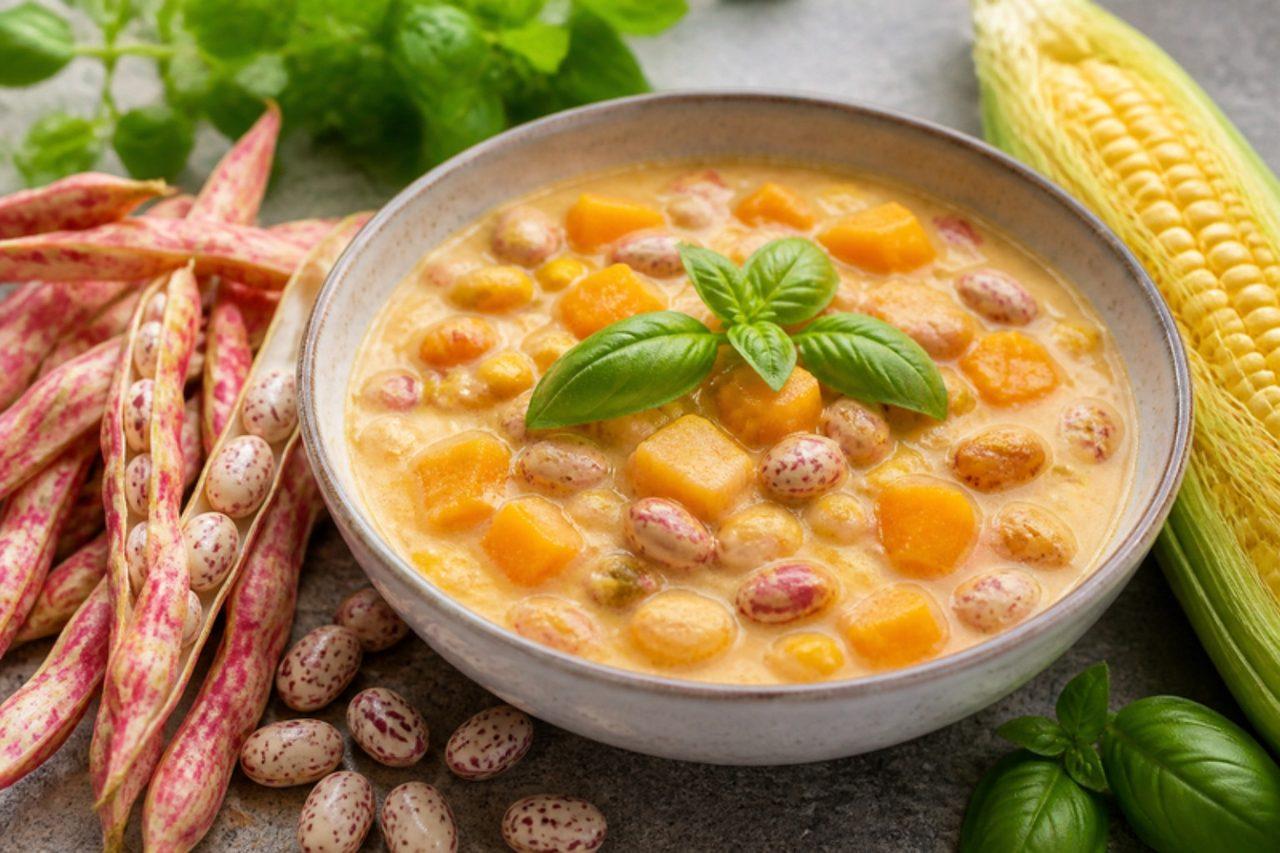
Porotos granados is what central Chile cooks when the fresh beans arrive in late summer: tender cranberry beans shelled at the kitchen table, simmered with pumpkin until it collapses into a thick orange sauce, then finished with grated corn and basil. Families in the Valle Central eat it on hot days, often with pebre and a tomato salad; when the corn is blended in larger amounts it's called 'con mazamorra'. It's hearty but fresh-tasting, and fully plant-based. Chef's tip: add the corn only in the last 10 minutes; it's there to thicken and sweeten, and overcooked it turns floury.

by KrazyBadal 0 views

Adobong kangkongBraised water spinach

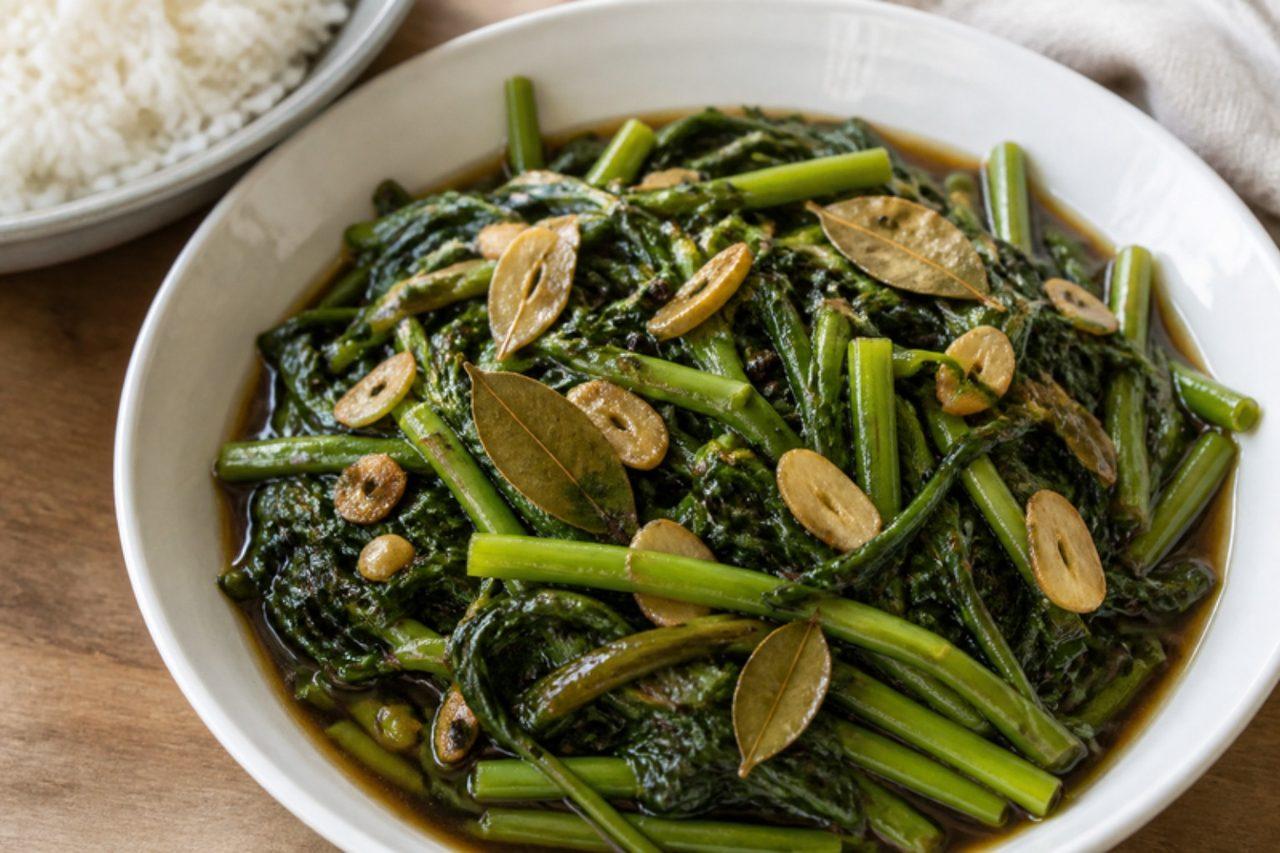
In Manila and across Luzon, adobong kangkong is the cheap green that sits in a tray at the carinderia, the roadside canteen where office workers and jeepney drivers point at two or three dishes to go with their rice. It is not a stir-fry in the Chinese or Malay sense: the water spinach is cooked briefly in an adobo base of cane vinegar, soy sauce, bay and cracked pepper, so the stems stay crunchy while the leaves soak up a sharp, salty, garlicky sauce that runs into the rice. It costs very little, takes ten minutes and is often the only vegetable on a weekday plate. Chef's tip: let the vinegar boil for a full minute before you stir anything, the way Filipino cooks do; the raw, harsh edge cooks off and the sauce turns mellow.

by KrazyBadal 0 views

PortokalopitaOrange fillo cake

Portokalopita is a Greek orange cake with an unusual trick: instead of flour, it uses dried, torn fillo pastry, which soaks up an orange yogurt batter and then a hot orange syrup. It became a favourite in Greek homes in the 1990s and is now baked for coffee mornings, Sunday visits and village festivals across the country. The texture is like a moist sponge with crisp edges, very orangey and not too sweet. It keeps beautifully, so it is perfect for making the day before. Chef's tip: dry the fillo properly until crisp; using it soft is the usual mistake and gives a heavy, gummy cake.

by KrazyBadal 0 views

RotkohlBraised red cabbage

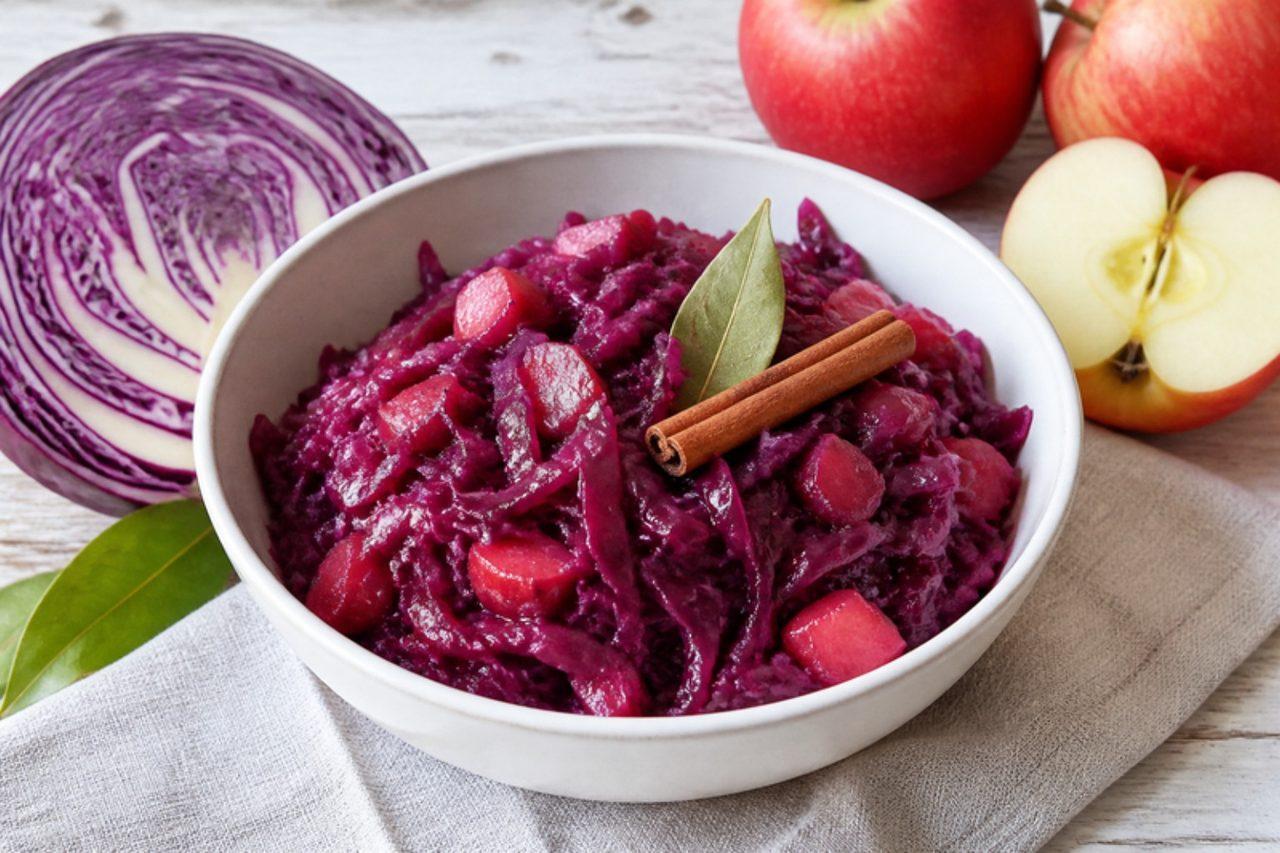
Rotkohl, called Blaukraut in Bavaria and Austria, is the purple braised cabbage that sits next to dumplings and potatoes on German plates from autumn to Christmas. Red cabbage is cooked slowly with apple, onion, vinegar, bay and clove until meltingly soft, sweet-sour and glossy, a deep wine-red because the acid keeps the colour bright. Traditionally it's started in goose fat or lard; oil works perfectly and keeps it vegan. It's one of those dishes that is better the next day, so families make a big pot before Christmas. Chef's tip: add the vinegar at the start, not the end; without acid the cabbage turns an unappetising blue-grey as it cooks.

by KrazyBadal 0 views

Posta negra cartageneraBeef in dark panela sauce

Posta negra comes from the Caribbean coast, from Cartagena's old walled city and the towns around it, and it is what a family cooks for a birthday or a Sunday when the grandparents visit. A whole piece of beef is browned, then braised slowly with onion, a little cola-coloured panela (unrefined cane sugar) and Worcestershire-style sauce until the sauce turns nearly black and glossy, sweet and tangy at once. It is sliced and served with coconut rice, fried plantain and a tomato and onion salad. The most common mistake is letting the panela burn when caramelising: it should turn a deep mahogany and smell like toffee, not acrid smoke. Chef's tip: slice the meat across the grain only after it has rested, then return the slices to the sauce so they soak it up.

by KrazyBadal 0 views

Showing 72 of 10,569 recipes

Show more recipes

Page 1,076 of 1,175