


Skip to content
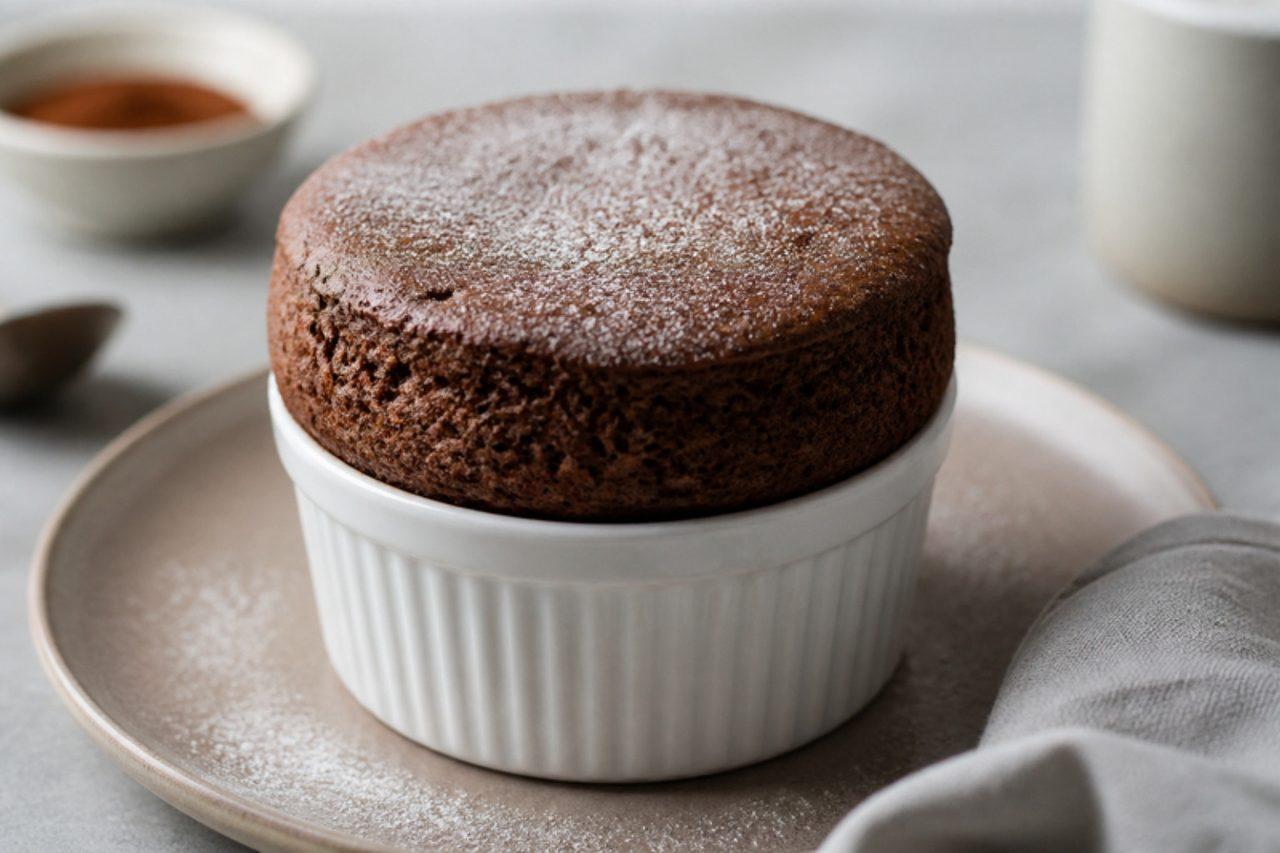
Soufflé au chocolat
Featured recipe

Soufflé au chocolat

Chocolate soufflé

Soufflé au chocolat is the dessert French restaurants make to order and families save for a special dinner, a hot, trembling chocolate cloud that must be eaten the moment it leaves the oven. It is simpler than its reputation: a chocolate custard base lightened with whisked egg whites. The common mistake is opening the oven, which makes it sink. Chef's tip: run your thumb round the inside rim of each dish before baking; the clean groove helps it rise straight up like a top hat.

Read more 0 views

What to eat today?

Around the world

Today's trip: Peruvian

A new country every day, from every cuisine on the site.

Peruvian

Tacacho

Mashed roasted green plantain balls 35 minMore from Peruvian (111) →

This week's collection

Kid-friendly dinners
772 recipes · a new collection every Monday

Coming up

All occasions →

Latest recipes

Goan poiGoan wholewheat pocket bread

Every morning in Goan villages the poder, the local baker, cycles from house to house honking a horn, his basket full of warm bread. Poi is the one Goans miss most when they leave home: a flat, round, wholewheat-and-white-flour bread dusted with wheat bran, baked in a very hot wood oven so it puffs into a hollow pocket. It's torn open for chorizo pao in Goa, but just as good stuffed with spicy chickpea ros, dipped in a vegetable xacuti, or eaten with butter and tea. Traditionally the dough was raised with palm toddy; at home, yeast does the job. Chef's tip: preheat a heavy baking tray in the oven for at least 20 minutes; the shock of hot metal is what makes the poi puff.

by KrazyBadal 0 views
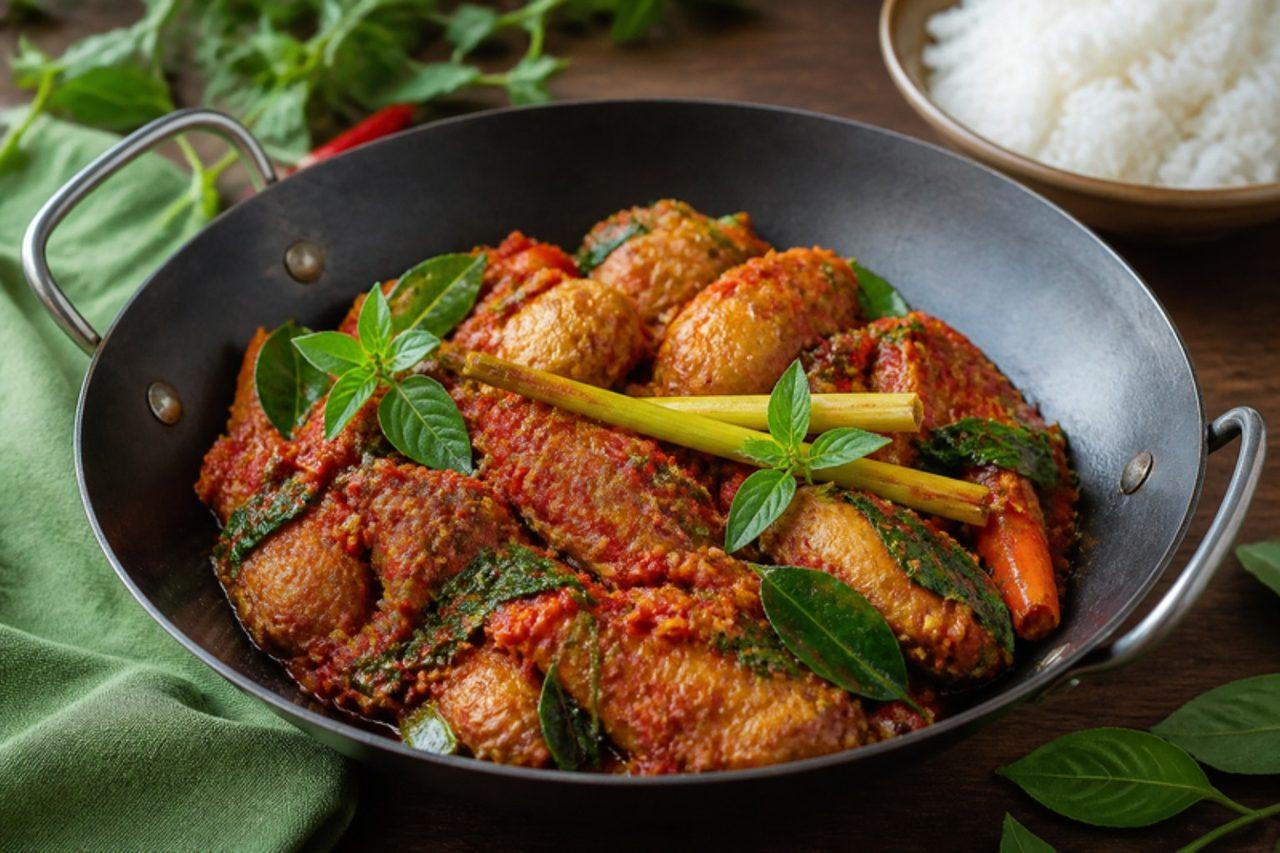

Ayam rica-ricaChicken in fresh chilli paste

Rica means chilli in the Manado dialect, and North Sulawesi cooks are not shy with it. Ayam rica-rica turns up at Minahasa family parties and church gatherings, a heap of chicken pieces coated in a coarse, scarlet paste of fresh chillies, shallots and ginger, finished with tomato, spring onion and a fistful of lemon basil. It's hot, bright and fresh rather than deep and stewed, with a sticky sauce that clings to the meat. Serve it with lots of steamed rice and a cooling cucumber salad. Chef's tip: blend the paste coarse, with as little water as possible; a wet, smooth paste steams instead of frying and never gets that glossy, toasty edge.

by KrazyBadal 0 views

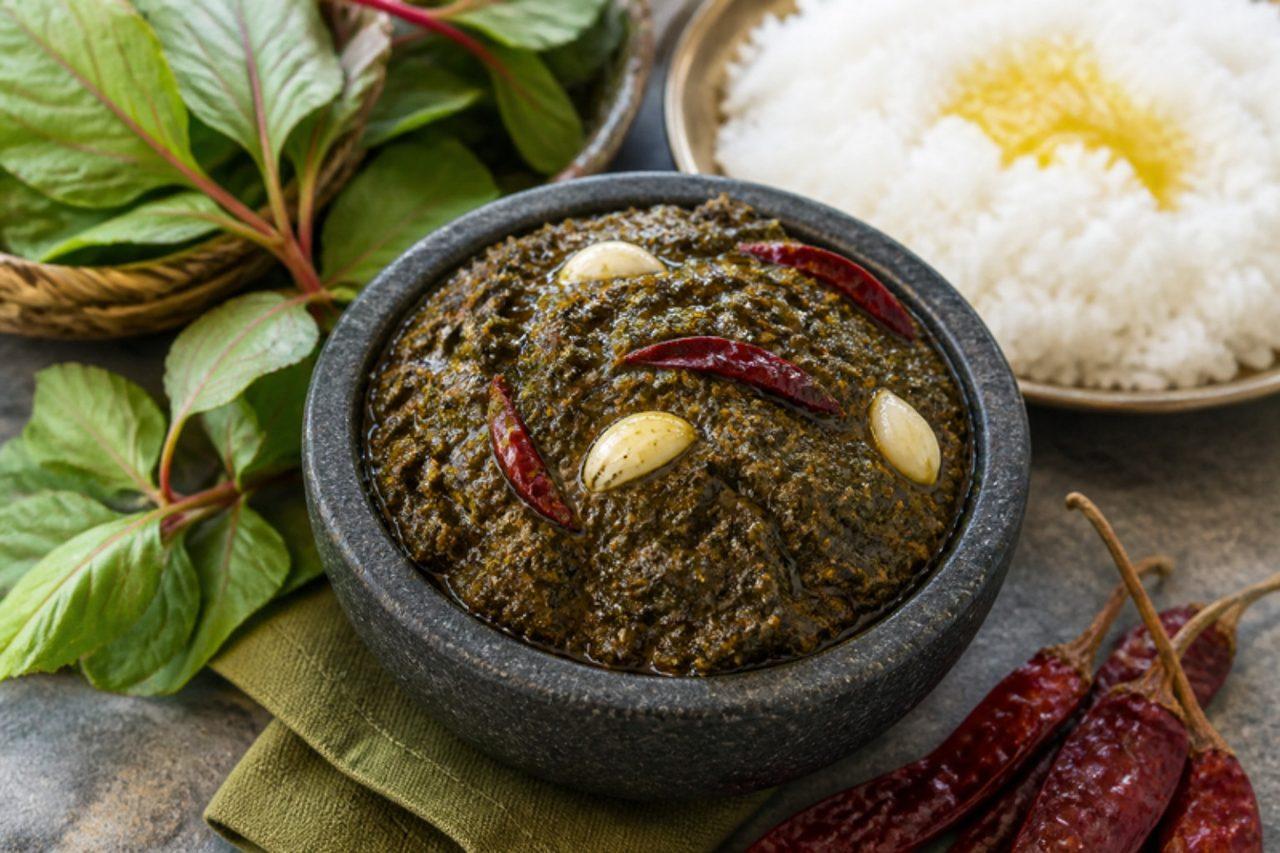
Gongura pachadiSorrel leaf chutney

Gongura, the sour leaf of the roselle plant, is so central to Andhra cooking that it's called the state's own vegetable, and gongura pachadi is its best-known form. The leaves are fried in oil until they melt, then pounded with roasted red chillies, garlic, coriander seeds and fenugreek, and finished with a mustard tempering. It's intensely tangy, hot and garlicky, and in Guntur and Vijayawada homes a spoonful is mixed into hot rice with ghee or eaten with jowar rotte. It keeps in the fridge for a couple of weeks. Chef's tip: fry the leaves until all their water cooks off and they turn dark olive; any moisture left shortens how long the pachadi keeps.

by KrazyBadal 0 views

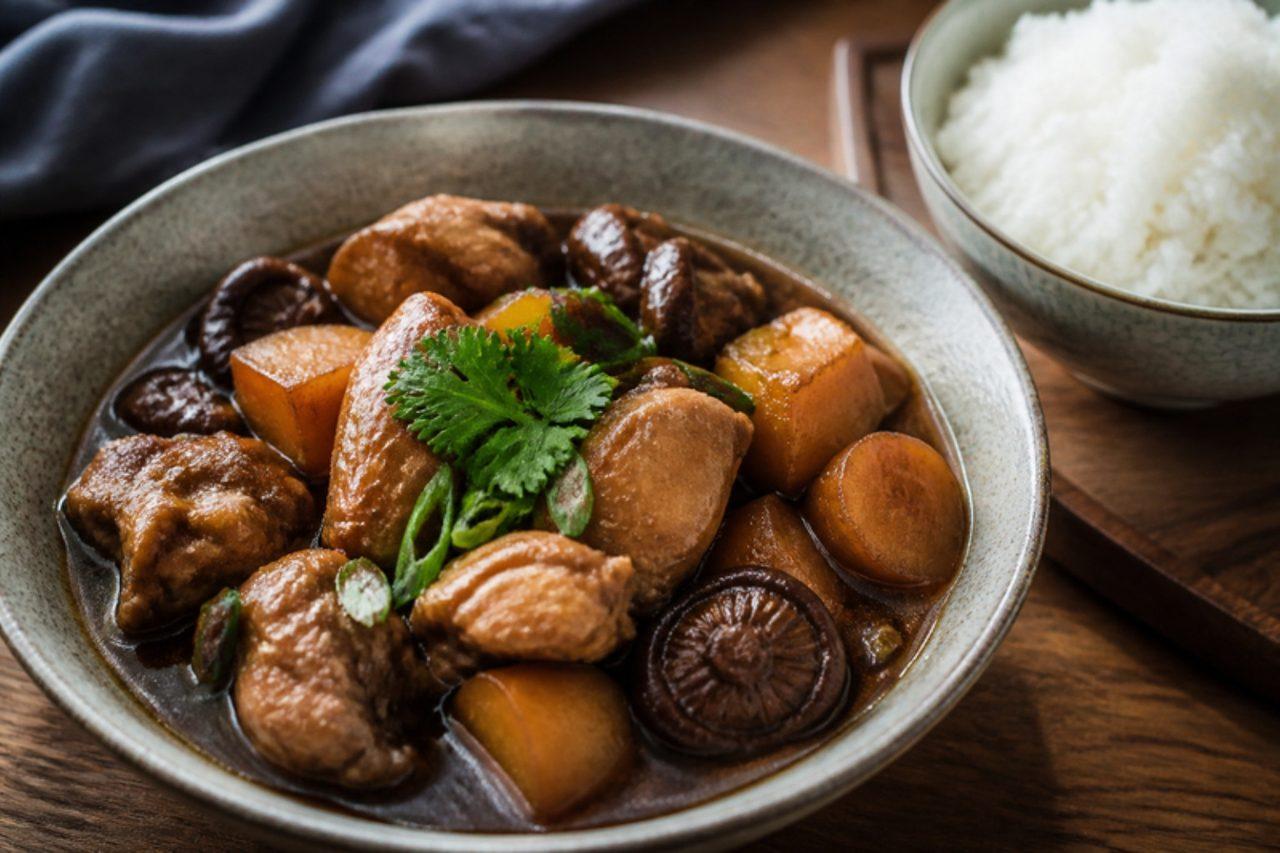
Ayam pongtehChicken and potato braise

Melaka's Peranakan (Nyonya) kitchens cook ayam pongteh for family dinners and for the Chinese New Year reunion table: a dark, gentle braise of chicken and potatoes that has no chilli at all. Its savour comes from taucheo, salted fermented soybeans, fried with a lot of shallots and garlic, sweetened with palm sugar and coloured with dark soy. The gravy is thin, glossy and moreish, and the potatoes drink it up until they are soft enough to crush with a spoon. Spoon it over plain rice with sambal belacan on the side for anyone who wants heat. Chef's tip: pound the shallots rather than blending them to a purée; slightly coarse shallots melt into the gravy and give it body.

by KrazyBadal 0 views

Ayam masak merahChicken in tomato chilli sauce

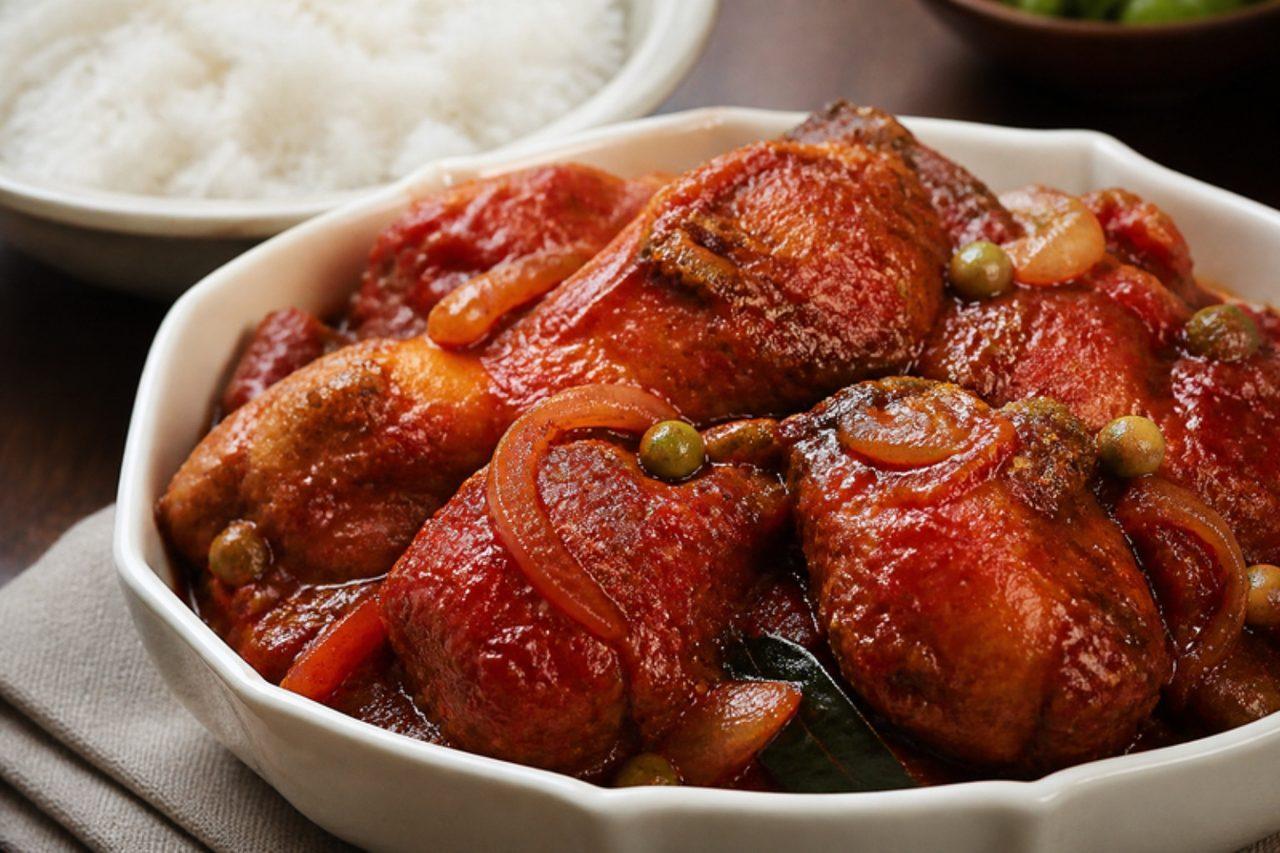
Red-cooked chicken turns up at almost every Malay kenduri (wedding feast) and Hari Raya open house across Malaysia, ladled out of huge pots beside nasi minyak or plain rice. The chicken pieces are fried first so the skin firms up, then simmered in a brick-red sauce of blended dried chillies, tomato and onion that tastes sweet first, then hot, then tangy. Cinnamon, star anise and cloves give it a warm, almost festive smell, and a splash of coconut milk at the end rounds off the edges. Serve it with steamed rice, cucumber slices and a spoon of acar (pickled vegetables). Chef's tip: fry the chilli paste until it darkens and the oil seeps out (pecah minyak) before any tomato goes in; raw paste makes the sauce taste harsh and bitter.

by KrazyBadal 0 views

GorditasStuffed masa pockets

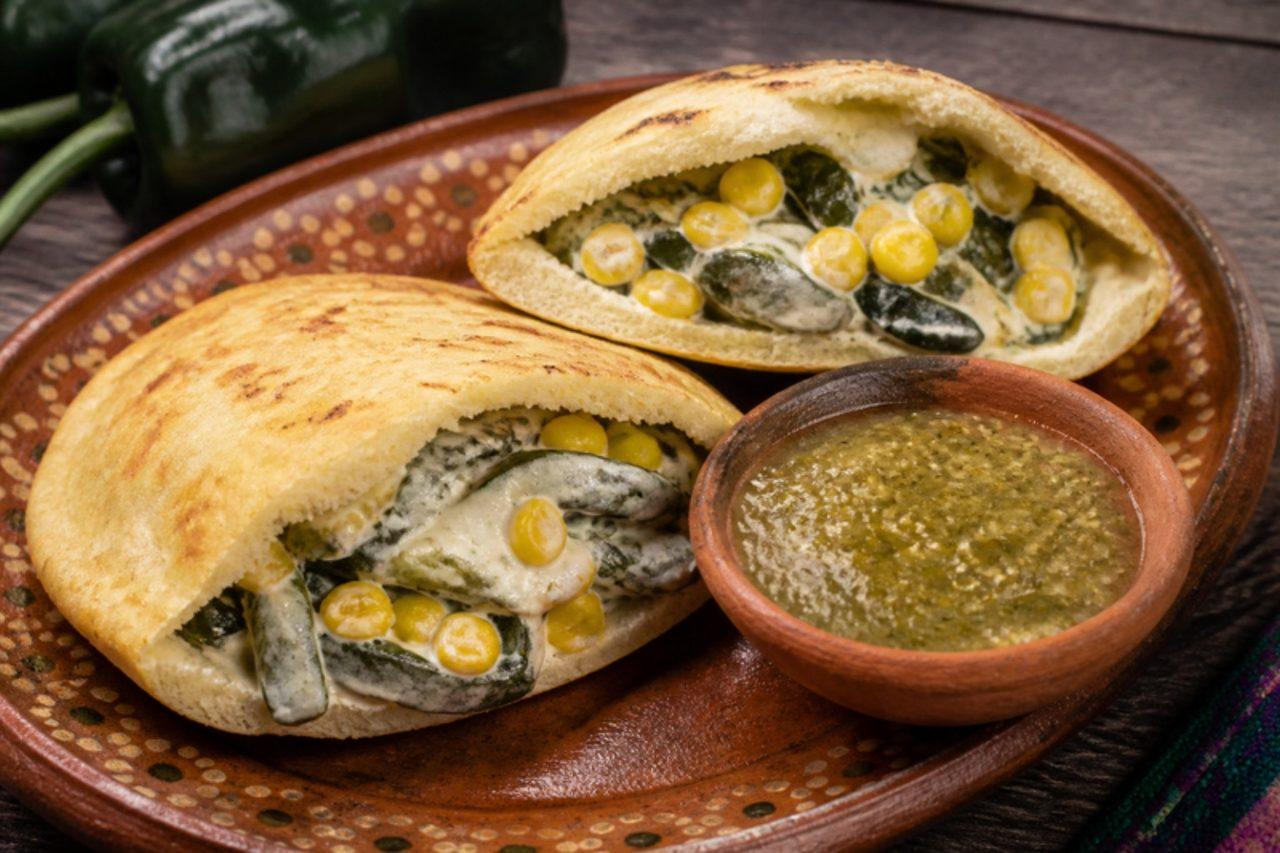
Gorditas, 'little fat ones', are thick corn masa cakes cooked on a comal until they puff, then split open like a pitta and stuffed. They are eaten from the north of Mexico down to the central states, at street stalls and at home, with fillings that change from town to town. This vegetarian version is filled with rajas con crema: strips of roasted poblano pepper, onion and sweetcorn in a creamy sauce with melting cheese, smoky and mild. Use masa harina for tortillas, made from nixtamalised corn, not cornmeal or polenta. Poblanos can be hard to find: green bell peppers with a jalapeño give a similar effect. Choose a cheese made with vegetarian rennet. Chef's tip: shape the gorditas no thicker than 1 cm; any thicker and the outside burns before the inside cooks and puffs.

by KrazyBadal 0 views

Ayam betutuSpiced slow-braised chicken

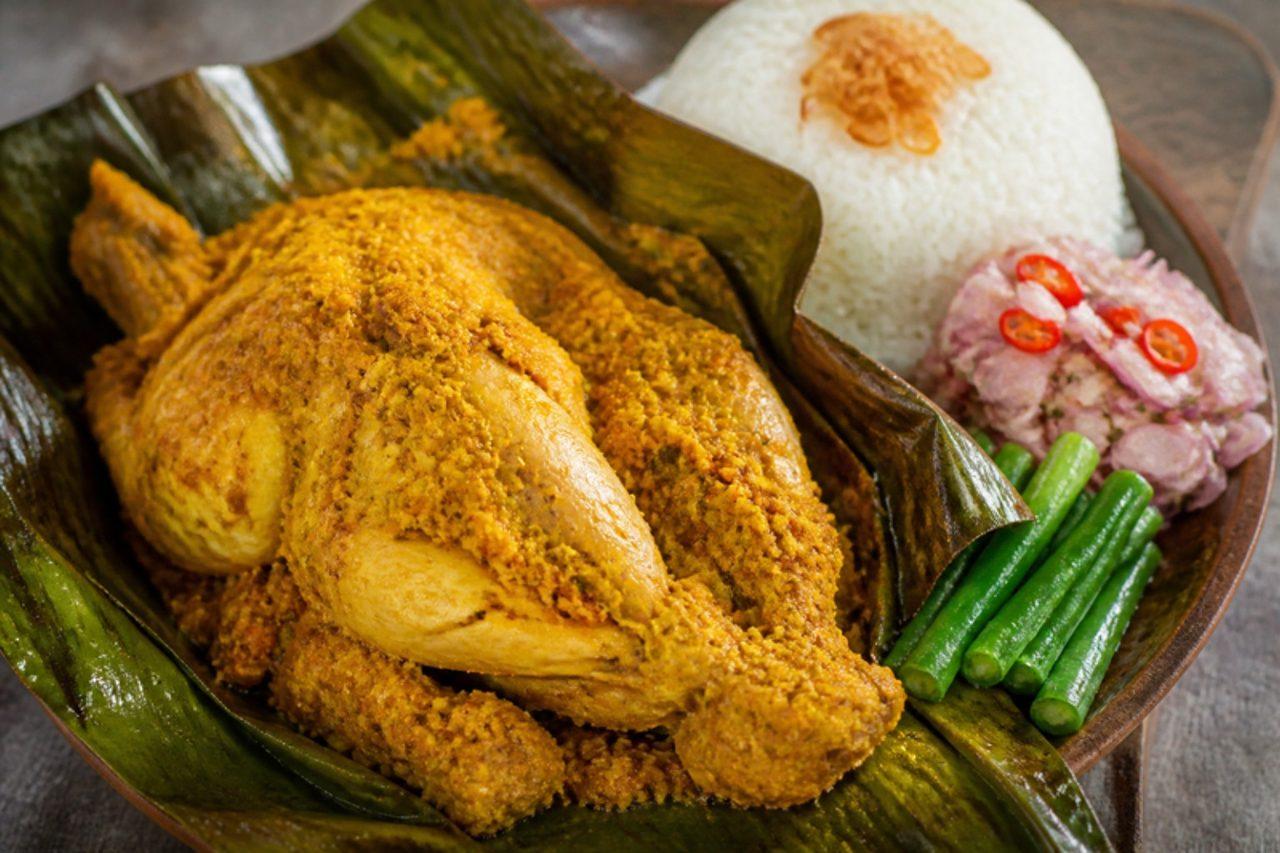
Drive through west Bali to the ferry port of Gilimanuk and the roadside warungs all sell the same thing: ayam betutu, chicken cooked so long in spice paste that it slumps off the bone into a fiery, turmeric-orange gravy. The paste is base genep, Bali's master seasoning of shallots, garlic, galangal, aromatic ginger, turmeric, chillies, candlenuts and shrimp paste, and it is rubbed inside and out before the bird braises gently in a covered pot. Expect deep heat, a little bitterness from the greens tucked inside and a rich, almost buttery sauce. Pile it on steamed rice with water spinach or a raw sambal matah to cut through. Chef's tip: braise it the day before; the paste mellows overnight and the chicken reheats beautifully.

by KrazyBadal 0 views

Potato gnocchiPotato gnocchi with sage butter

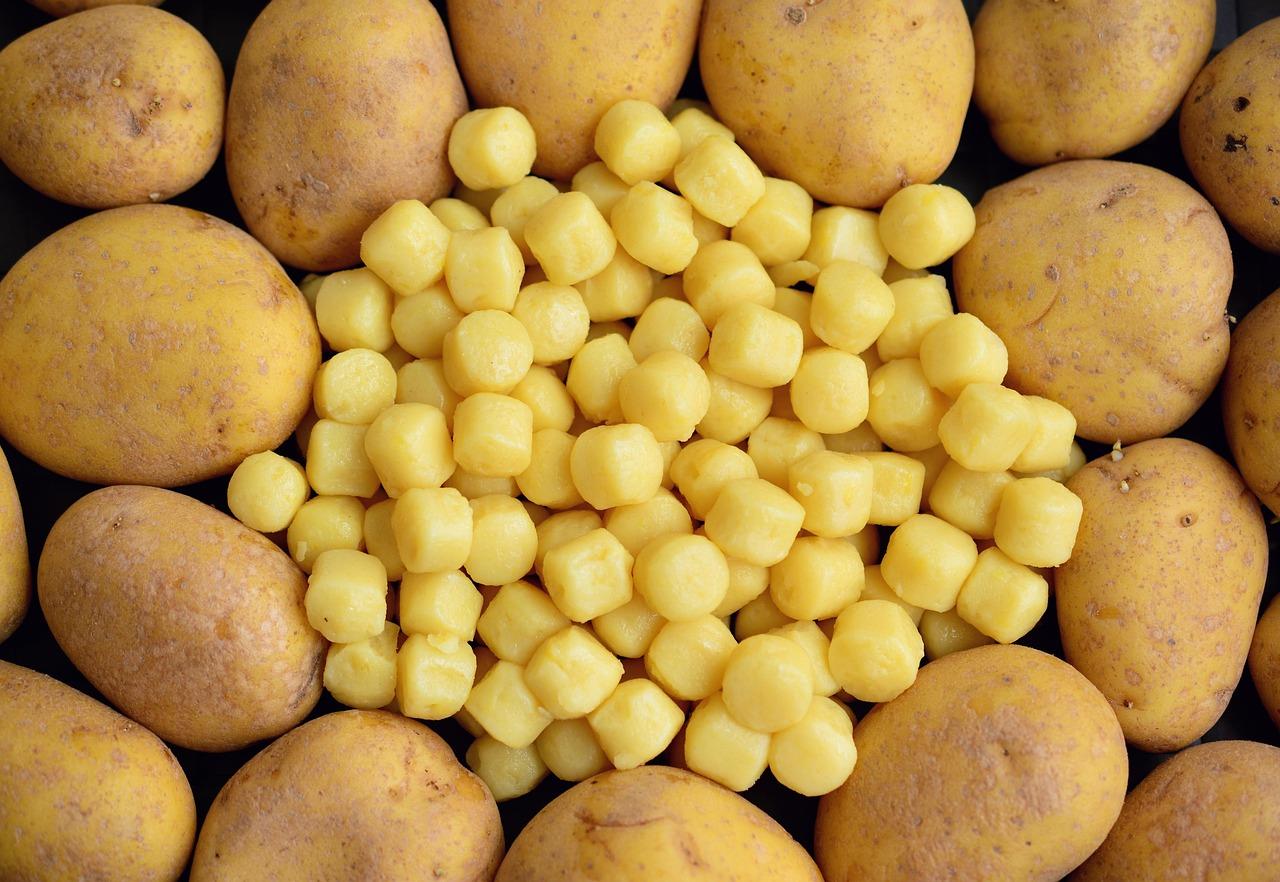
Potato gnocchi are made all over Italy, from Friuli to Rome, where trattorie still serve them on Thursdays ('giovedì gnocchi'). They are just floury potatoes and flour (an egg yolk is optional and makes them easier to handle) rolled into little pillows that cook in two minutes. Good gnocchi are light and tender, never chewy. Serve them with sage butter, as here, or a simple tomato sauce for children. Chef's tip: bake the potatoes in their skins instead of boiling; drier potatoes need less flour, and less flour means lighter gnocchi.

by KrazyBadal 0 views

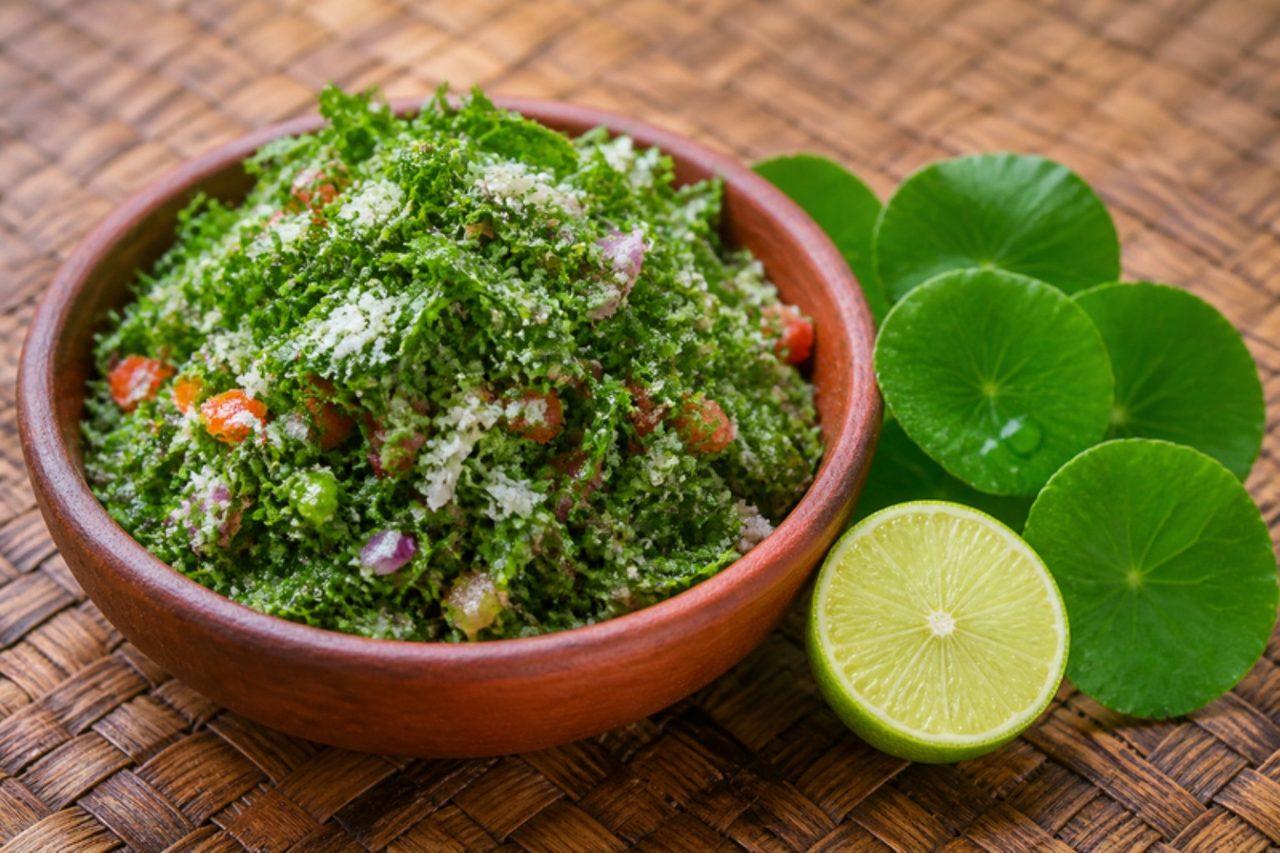
Gotu kola sambolPennywort and coconut salad

Gotu kola (Asiatic pennywort) grows wild along the paddy edges in the south and centre of Sri Lanka, and a raw sambol of its leaves is the green, slightly bitter bite that balances a rice-and-curry lunch. Families in Galle and Matara will tell you it is good for the memory, and it is often served at the start of a meal or with kola kenda, the herbal porridge. The leaves are shredded as finely as possible, then tossed with shallot, tomato, green chilli, a little fresh coconut and plenty of lime, so it's crunchy, peppery and bright. Look for pennywort bunches in Sri Lankan, Thai and Vietnamese shops. The mistake to avoid is dressing it too early: the salt and lime wilt the leaves within half an hour. Chef's tip: roll a stack of leaves into a tight cigar and slice it hair-thin with a sharp knife; the finer the shreds, the better it tastes.

by KrazyBadal 0 views

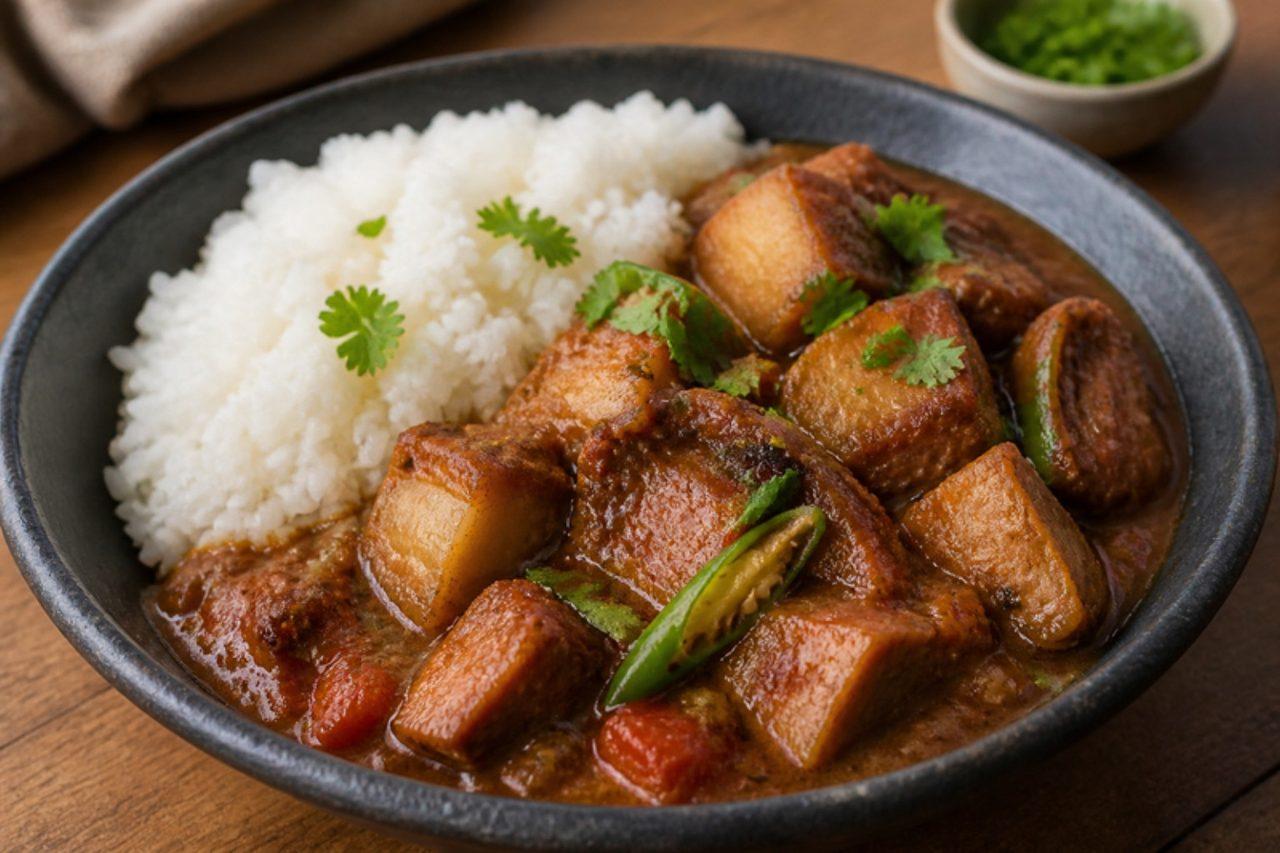
Axone porkPork with fermented soybean

Axone, called akhuni in the Sumi Naga language, is soybean fermented in banana leaves until it is pungent and deeply savoury, and pork cooked with it is a signature of the Sumi people of Zunheboto in Nagaland. The smell is strong while it cooks, but the finished curry tastes rich, earthy and meaty, sharpened by tomato and chilli. Serve with rice and a green vegetable. Chef's tip: open a window and warn the household; axone is famously smelly in the pan and wonderful on the plate.

75 minIndianMeatGluten freeSpicy
by KrazyBadal 0 views

Man'oushe za'atarZa'atar flatbread

Ask anyone from Beirut what breakfast is and the answer is often man'oushe bi za'atar: a round of soft dough pressed with fingertips, spread with a paste of za'atar and olive oil and baked in the corner bakery's hot oven, then folded in paper and eaten on the way to school or work. At home it is rolled around sliced tomato, cucumber, olives and fresh mint. The most common mistake is too little oil in the topping, which leaves the za'atar dry and dusty, or baking it too long so the herbs scorch and turn bitter; the paste should be loose and spreadable and the bread pulled out once the rim is just golden. Chef's tip: get the oven and tray properly hot, at its highest setting for 20 minutes, so the dough puffs and blisters before the topping has time to burn.

by KrazyBadal 0 views

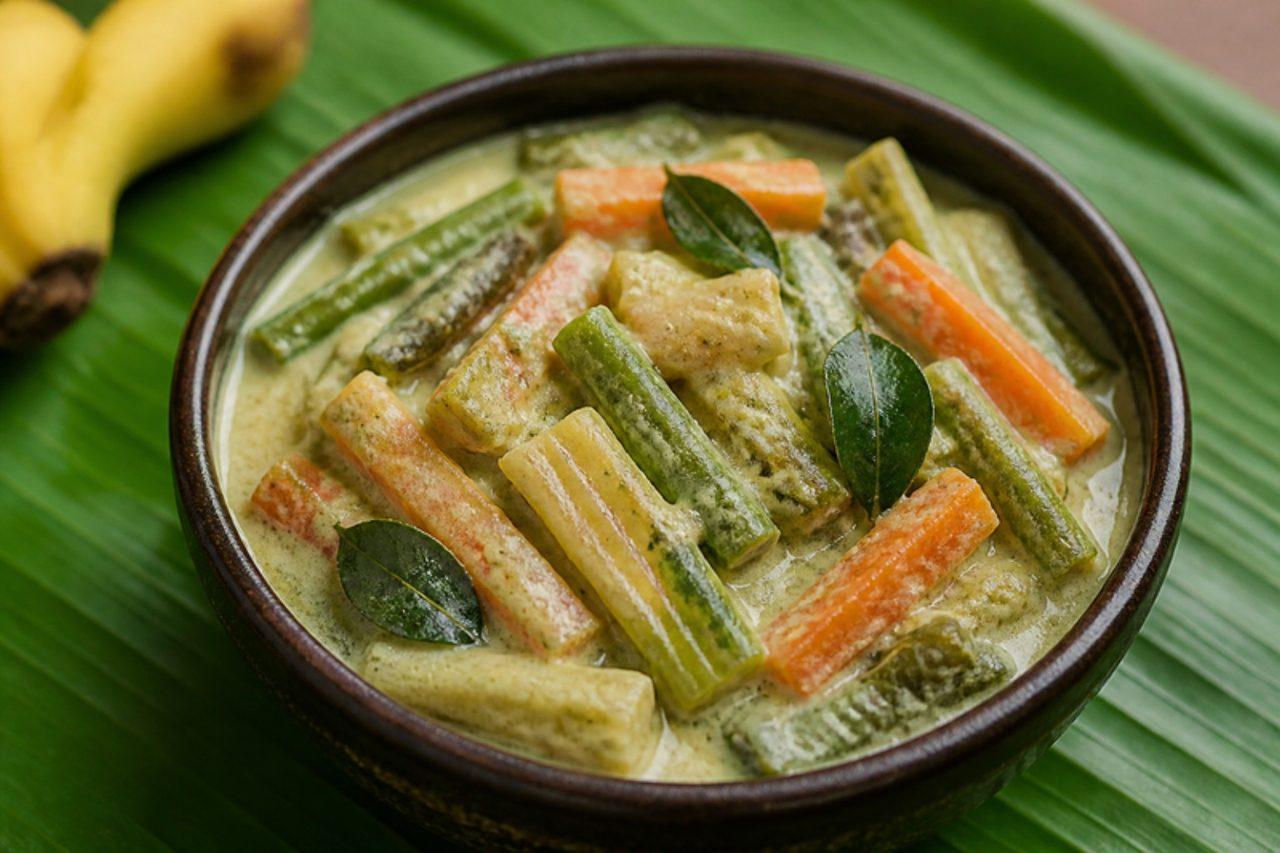
AvialMixed vegetables in coconut yogurt

Avial is a mainstay of the Kerala sadya, the vegetarian feast served on a banana leaf at Onam and weddings. Batons of vegetables (raw banana, drumstick, yam, carrot, beans, ash gourd) are cooked just tender, then coated in a coarse paste of fresh coconut, cumin and green chilli, soured with curd and finished with raw coconut oil and curry leaves. It's thick rather than saucy, mild, tangy and fragrant. Serve with rice and sambar, or with adai. Chef's tip: cut every vegetable into the same 5 cm batons and add them in order of hardness, so they're all tender together and nothing turns to mush.

by KrazyBadal 0 views

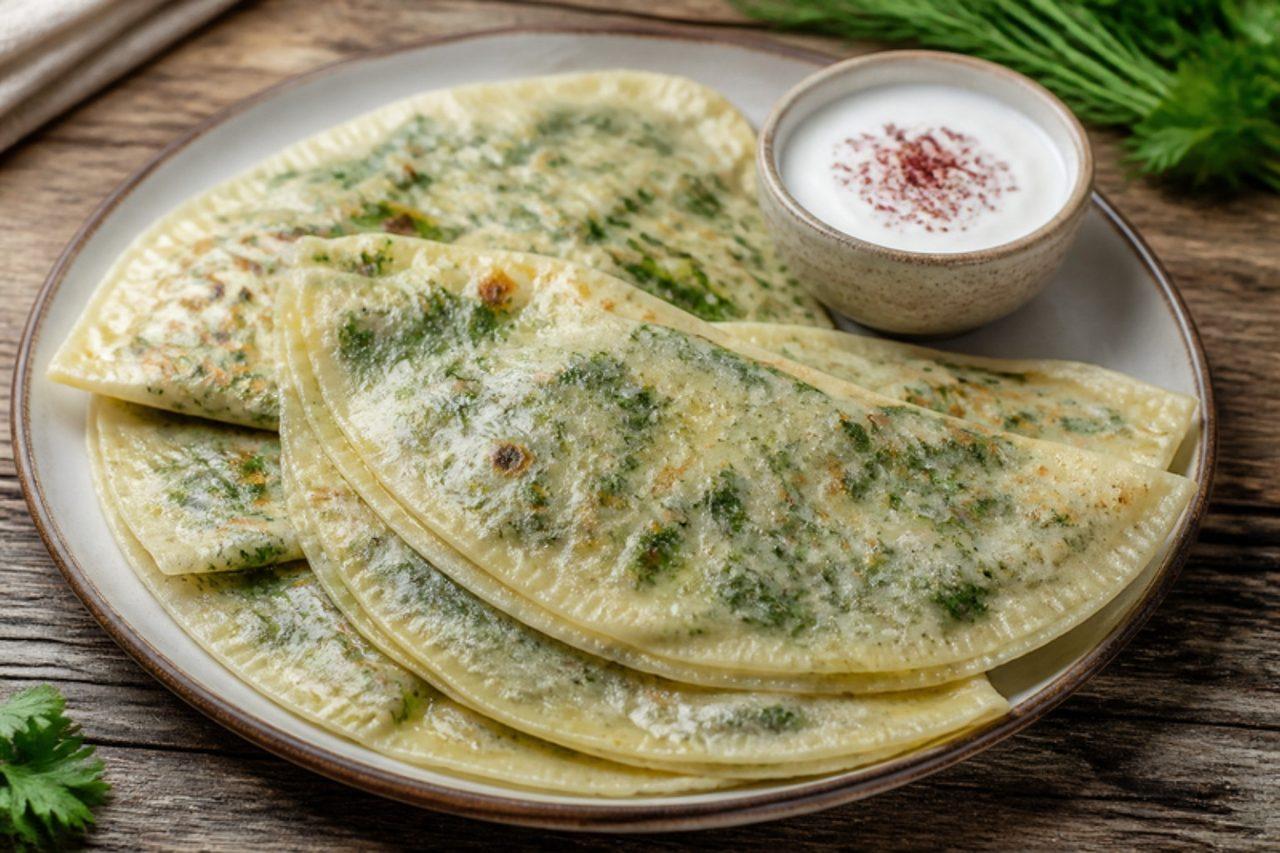
Göyərti qutabıHerb-filled flatbreads

Qutab are the thin half-moon flatbreads that Baku eats at any hour, folded around a filling and cooked in seconds on a domed iron saj, then stacked and brushed with butter. Göyərti qutabı, the green version, is the spring favourite: a handful of chopped spinach, sorrel, dill, coriander and spring onion sealed inside dough rolled so thin the greens show through. They are eaten hot, three or four at a time, sprinkled with sumac and dipped in garlicky yogurt, and appear on every table at Novruz in March. In autumn the same dough wraps pumpkin; that variation is in the steps. Chef's tip: season the greens only just before filling; salt draws out water, and wet greens tear the paper-thin dough.

by KrazyBadal 0 views

TacachoMashed roasted green plantain balls

Tacacho is the breakfast of the Peruvian Amazon, from Tarapoto to Iquitos: green plantains roasted over coals, mashed with fat and salt and shaped into balls. There it comes with cecina (smoked pork) and is mashed with lard and crackling; this vegan tacacho uses good oil and a pinch of smoked paprika for the same savoury, smoky depth. The balls are dense, chewy and starchy, crisp at the edges where the plantain charred, and they are eaten hot with a fiery chilli sauce or alongside stews. Use plantains that are fully green and firm. Chef's tip: mash the plantains while they are still very hot; as green plantain cools its starch sets and it won't bind into a smooth ball.

by KrazyBadal 2 views

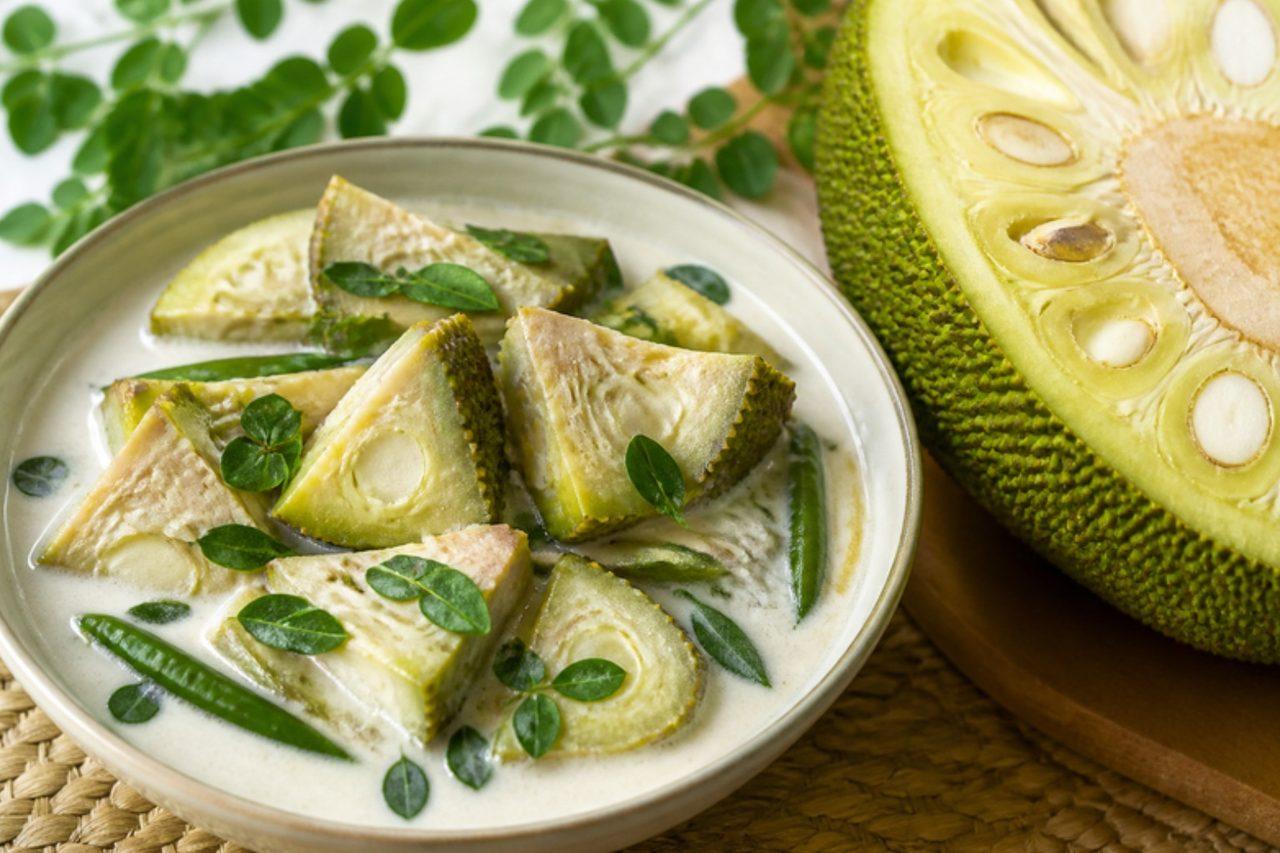
Ginataang langkaYoung jackfruit in coconut milk

In Bicol and across the Tagalog provinces, ginataang langka is what happens when a jackfruit tree drops its fruit too early: the unripe flesh is sliced and cooked in coconut milk with plenty of ginger until tender and creamy. Unlike Java's sweet, dark gudeg or Padang's turmeric gulai nangka, it is pale, savoury and peppery, lifted at the end with malunggay (moringa) leaves and a splash of vinegar. Home cooks often add shrimp or pork; this version is vegetable-only. Chef's tip: oil your knife and hands before cutting fresh jackfruit, as its sap is very sticky; tinned young jackfruit avoids the problem altogether.

by KrazyBadal 0 views

Granita al limoneLemon ice

On summer mornings in Sicily, especially around Catania and Messina, breakfast is granita: a cup of soft, spoonable lemon ice with a warm brioche on the side for dipping. Sicilian granita is finer and creamier than a slushy, because it is stirred as it freezes. All you need is lemons, sugar and water, plus a fork and a freezer. It takes about four hours of occasional scraping. Chef's tip: steep the zest in the warm syrup for 20 minutes; the oils in the peel give a much fuller lemon flavour than juice alone.

by KrazyBadal 0 views

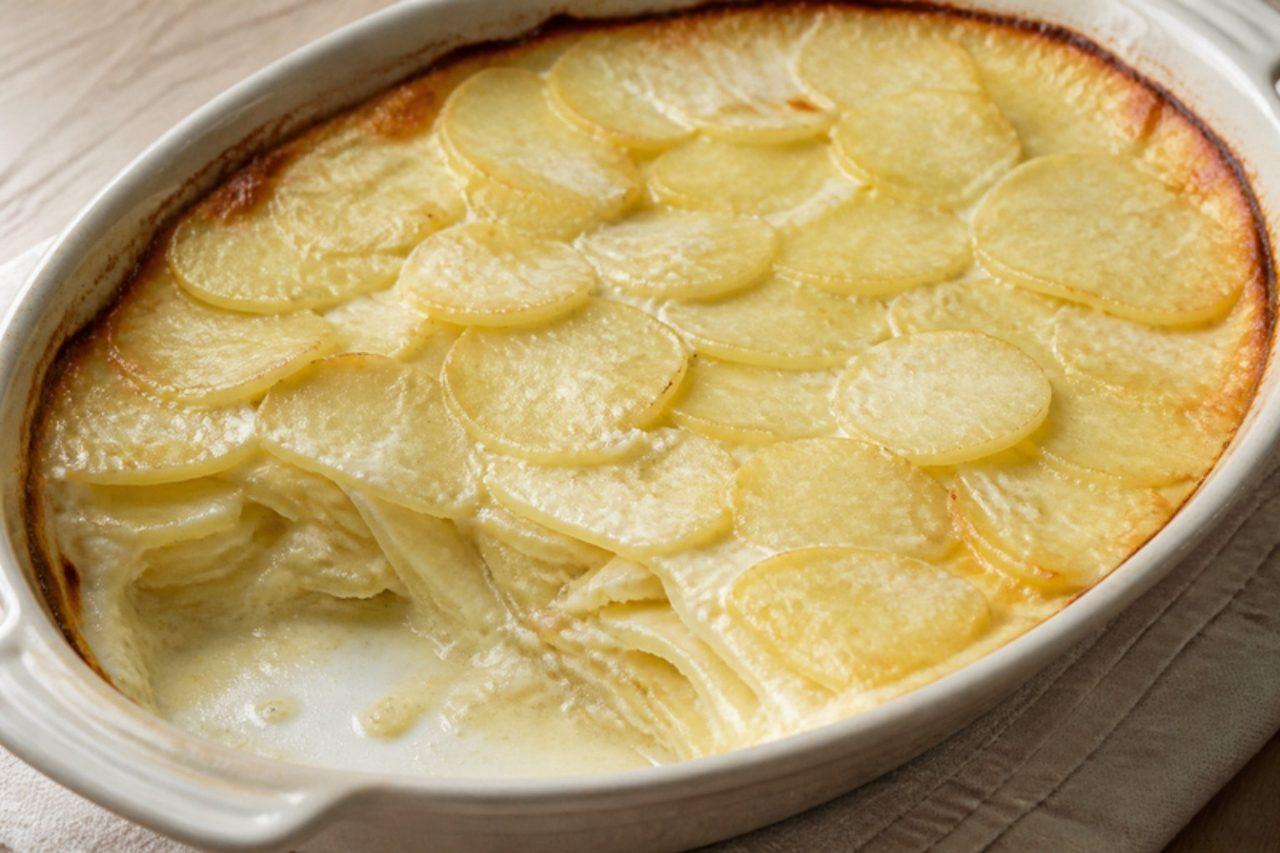
Gratin dauphinoisPotato and cream gratin

Gratin dauphinois comes from the Dauphiné, the mountain region around Grenoble, where it has been made since at least the 1700s. Thinly sliced potatoes are simmered in milk and cream with garlic and nutmeg, then baked slowly until the top is golden and blistered and the inside is soft and creamy enough to cut with a spoon. Purists in the Dauphiné insist there is no cheese; the crust comes from the cream itself. It is a side for Sunday lunch and festive meals, especially good with a green salad or roasted mushrooms. Chef's tip: don't rinse the potato slices; washing off the starch is the common mistake that leaves the cream thin and watery.

by KrazyBadal 0 views

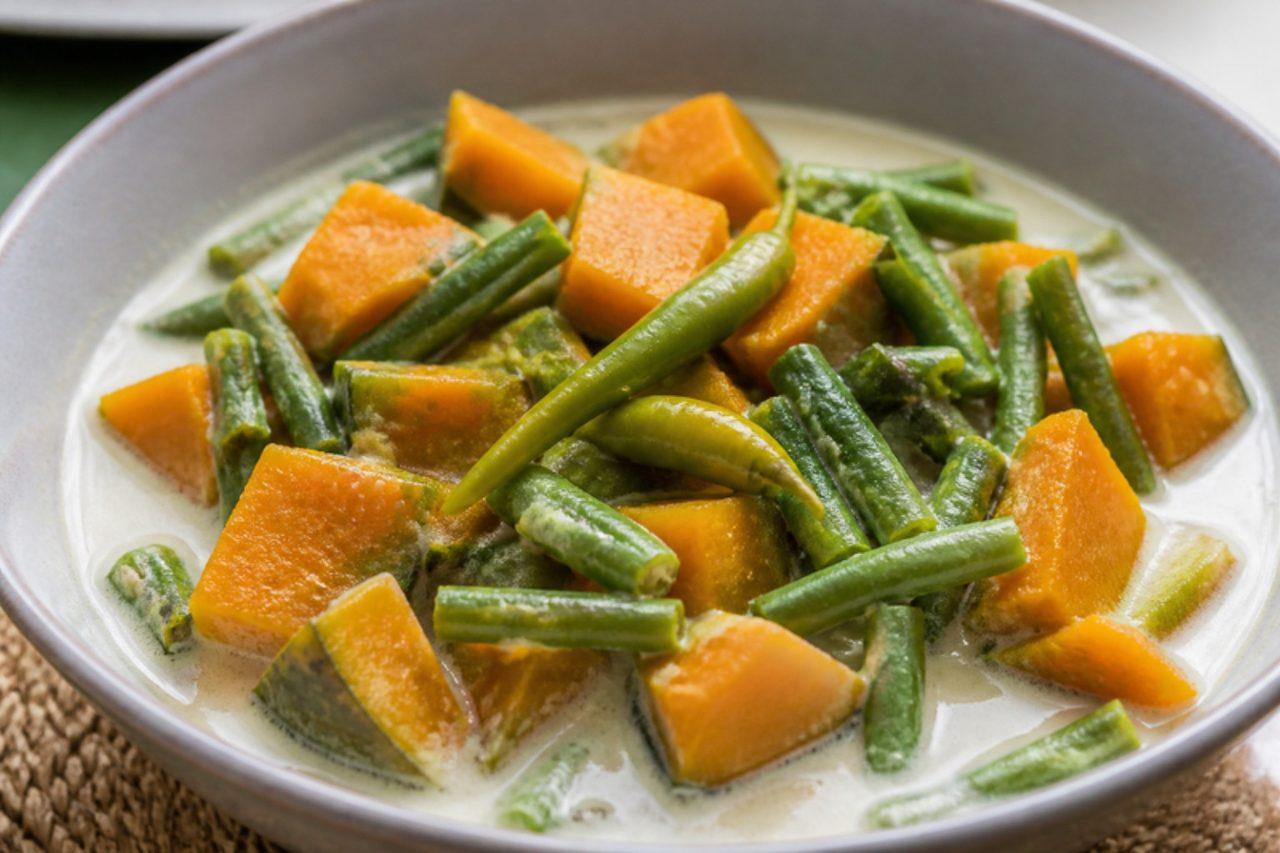
Ginataang kalabasa at sitawSquash and long beans in coconut milk

Ginataan means 'cooked in coconut milk', and in the coconut country of Bicol and Southern Tagalog it is how a lot of weeknight vegetables end up on the table. Ginataang kalabasa at sitaw is the homely version: chunks of orange squash and lengths of yard-long beans simmered in coconut milk with garlic, onion and ginger until the squash just starts to melt into the sauce, turning it pale gold and lightly sweet. Bicolano cooks drop in a long green chilli or two for warmth. It is a one-pot dish served with rice, and many families make it on days when there is no money for meat. Chef's tip: keep back a few chunks of squash to mash into the sauce at the end; it thickens it naturally.

by KrazyBadal 0 views

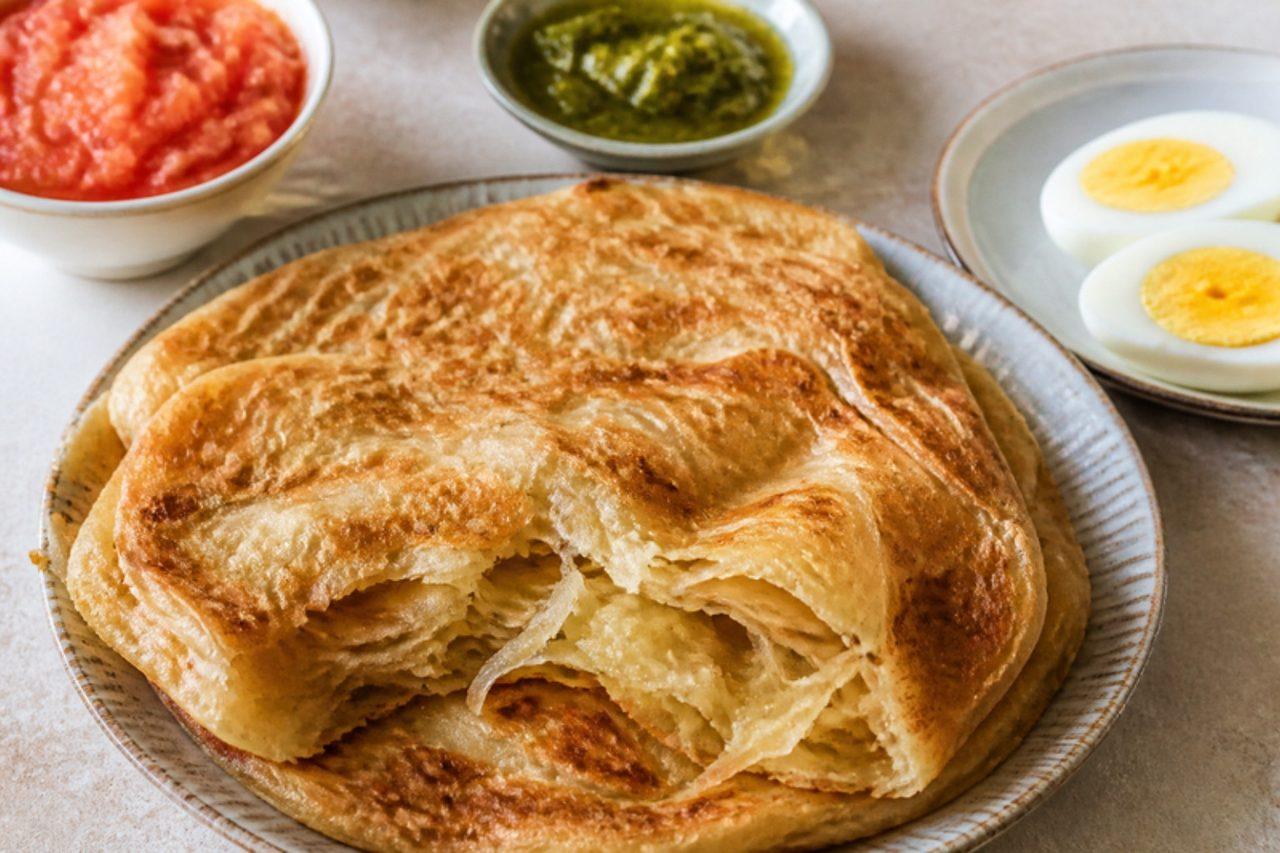
MalawachFlaky fried flatbread

Malawach is the Yemenite Jewish flatbread that turned into an Israeli freezer staple: round, buttery layers fried in a pan until they shatter, eaten for breakfast or a late supper with sweet-sour grated tomato, zhug and a hard-boiled egg. In Israel almost everyone buys the frozen rounds from the supermarket and fries them in minutes, the way this recipe does; the dough is the same rolled, butter-layered dough as jachnun, just fried instead of baked. Some families sprinkle sugar or drizzle honey for a sweet version. Chef's tip: fry the frozen rounds straight from the freezer; thawed ones turn sticky and lose their layers.

by KrazyBadal 0 views

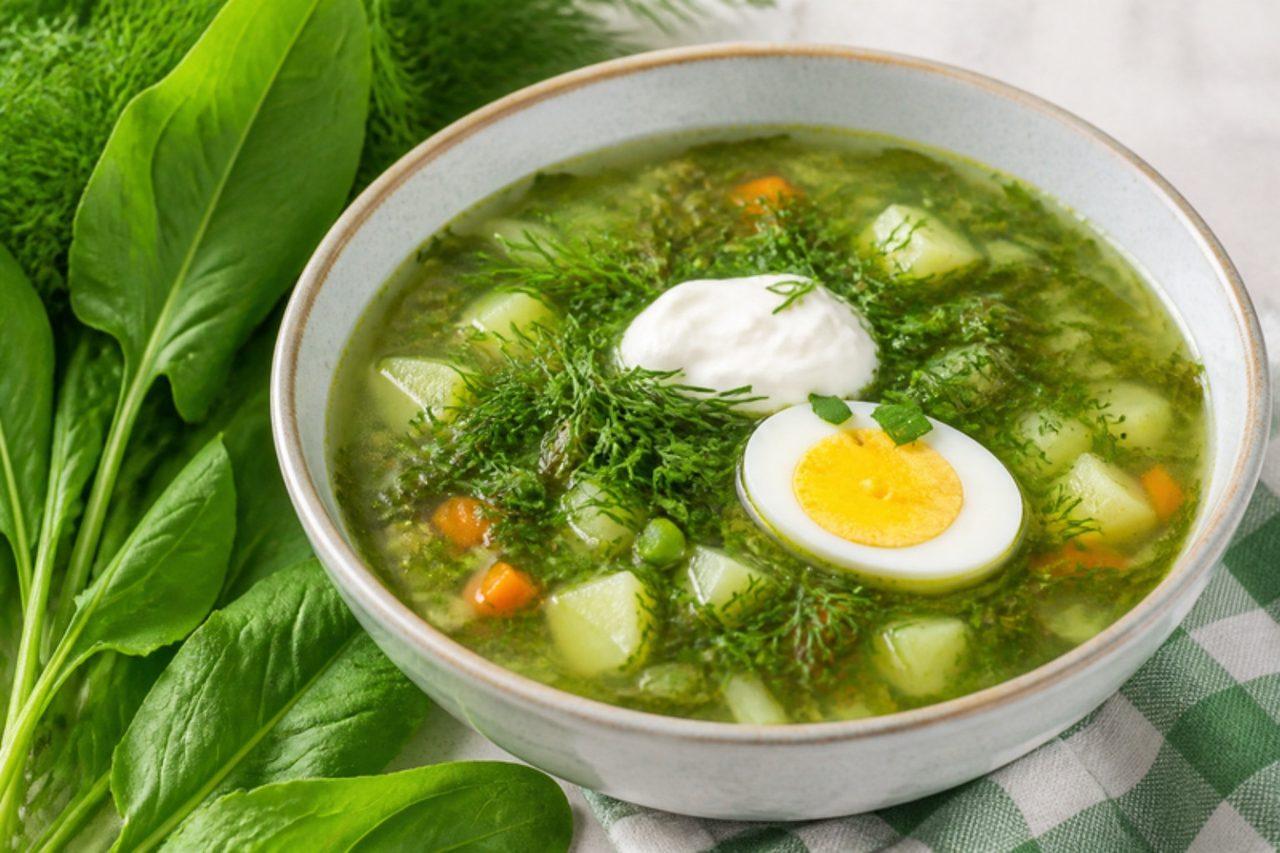
Green borschtSorrel soup with egg

When the first sorrel comes up in village gardens around Chernihiv and Sumy in May, Ukrainian grandmothers stop making red borshch and switch to green: a light, lemony soup of sorrel, potato and herbs, served with halved boiled eggs. It is the soup of early summer and of Trinity Sunday, eaten hot with sour cream or chilled on a warm day. Sorrel gives it a clean sourness, so no vinegar is needed. This version uses vegetable stock instead of the chicken or pork stock some families use. Chef's tip: add the sorrel only in the last two minutes; it turns olive green the moment it hits the heat, but if it boils longer it collapses into stringy khaki threads.

by KrazyBadal 0 views

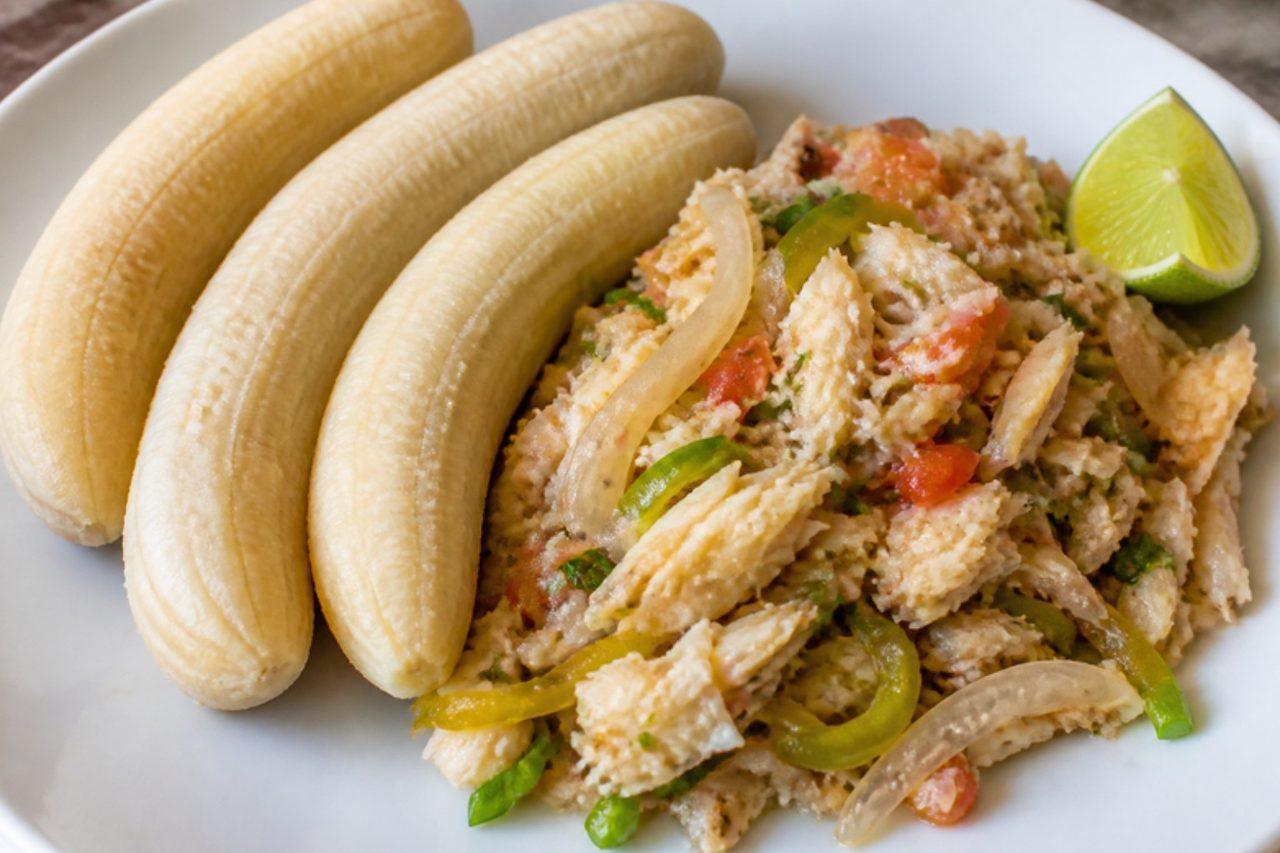
Green fig and saltfishGreen bananas with salt cod

In St Lucia green bananas are called figs, and green fig and saltfish is the national dish: a Saturday lunch in Castries homes and the plate served everywhere on Jounen Kwéyòl, the island's Creole Day in October. The bananas are boiled until tender and mild, a little like potato, and served with salt cod sautéed with onion, sweet pepper, tomato, thyme and hot pepper. Add sliced avocado or cucumber on the side. The most common mistake is not soaking the saltfish long enough, which leaves the whole plate far too salty; taste a flake before you cook it. Chef's tip: rub oil on your hands (or wear gloves) before peeling the green bananas; the sap stains skin black.

by KrazyBadal 0 views

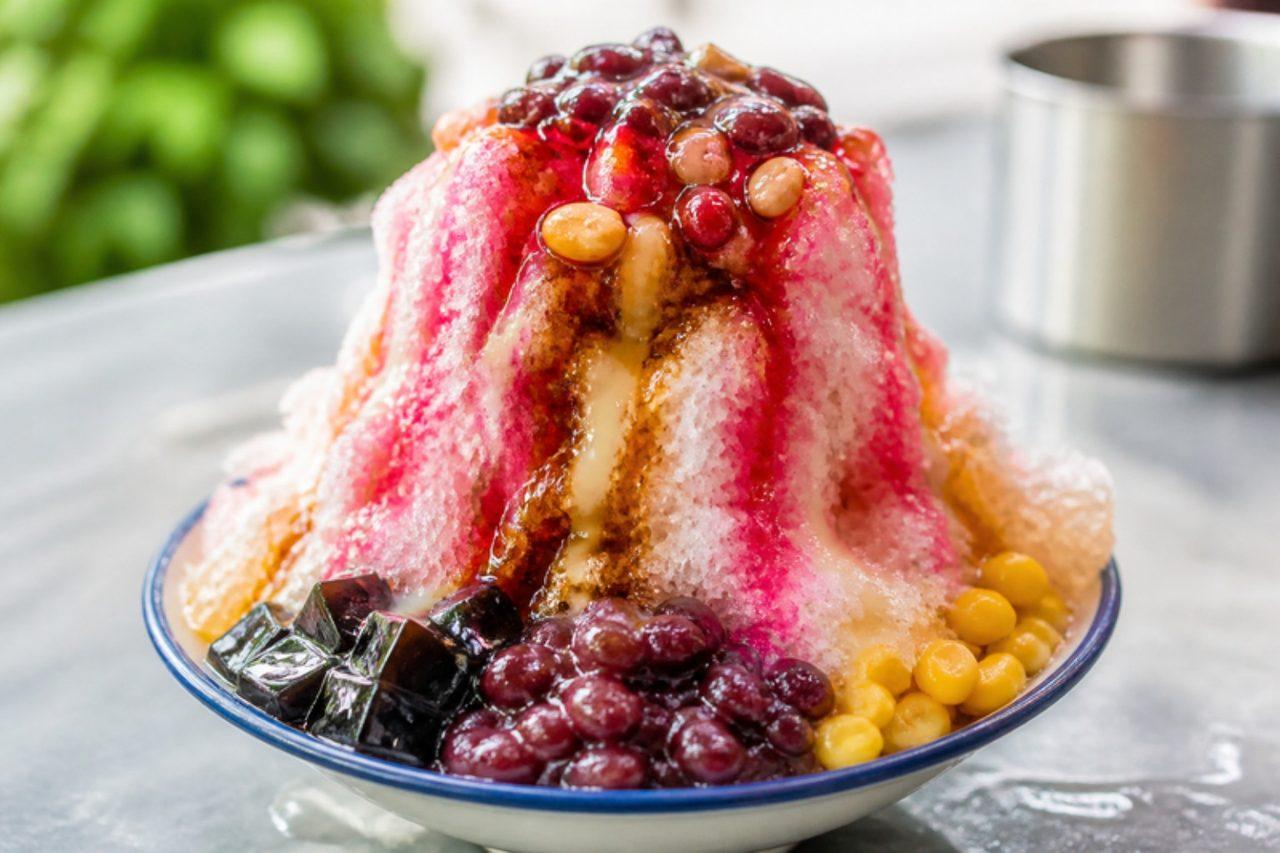
Ais kacangShaved ice with red beans

Ais kacang ('bean ice'), also called ABC for air batu campur ('mixed ice'), is the towering, rainbow-coloured treat Malaysian kids beg for at food courts and hawker centres on hot afternoons. Underneath a snowy dome of shaved ice hide red beans, sweetcorn, cubes of black grass jelly and chopped peanuts; on top go streaks of pink rose syrup, dark palm-sugar syrup and a drizzle of condensed milk. Everyone digs in from the top and mixes it into a sweet, icy slush. Chef's tip: chill the bowls in the freezer for 15 minutes first, so the ice holds its peak long enough to get it to the table.

by KrazyBadal 0 views

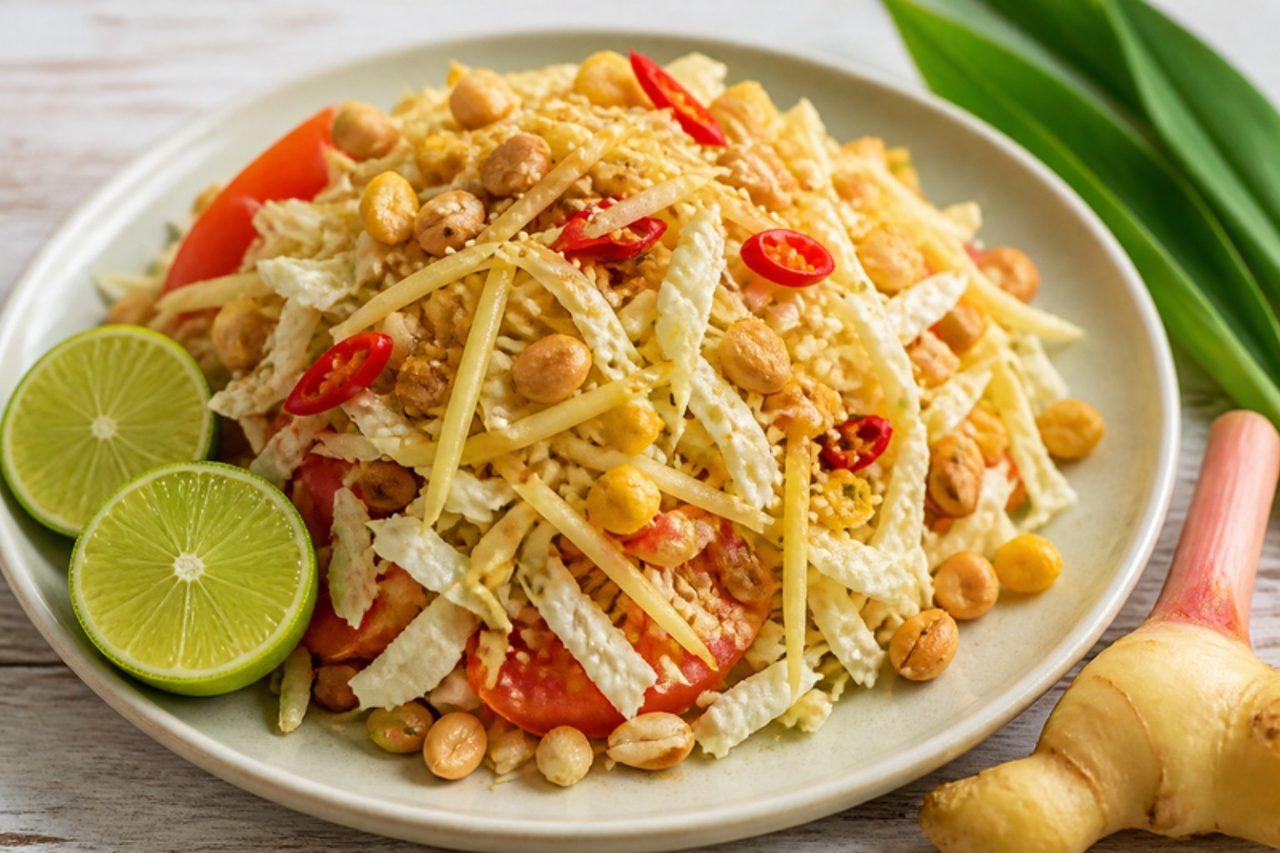
Gin thokeYoung ginger salad

Gin thoke is lahpet thoke's livelier cousin, served on the same lacquered trays at teashops in Yangon and as a palate-wakener after a rich curry lunch. Young ginger is cut into fine threads and pickled in lime and salt so it turns pink and juicy, then tossed with cabbage, tomato, peanuts, fried beans and sesame. Burmese cooks often add fish sauce; salt, lime and a little toasted chickpea flour give the dressing body without it. Chef's tip: use young ginger with thin, pinkish skin if you can find it; mature ginger is fibrous and too fiery to eat in this quantity, so slice it extra thin.

by KrazyBadal 0 views

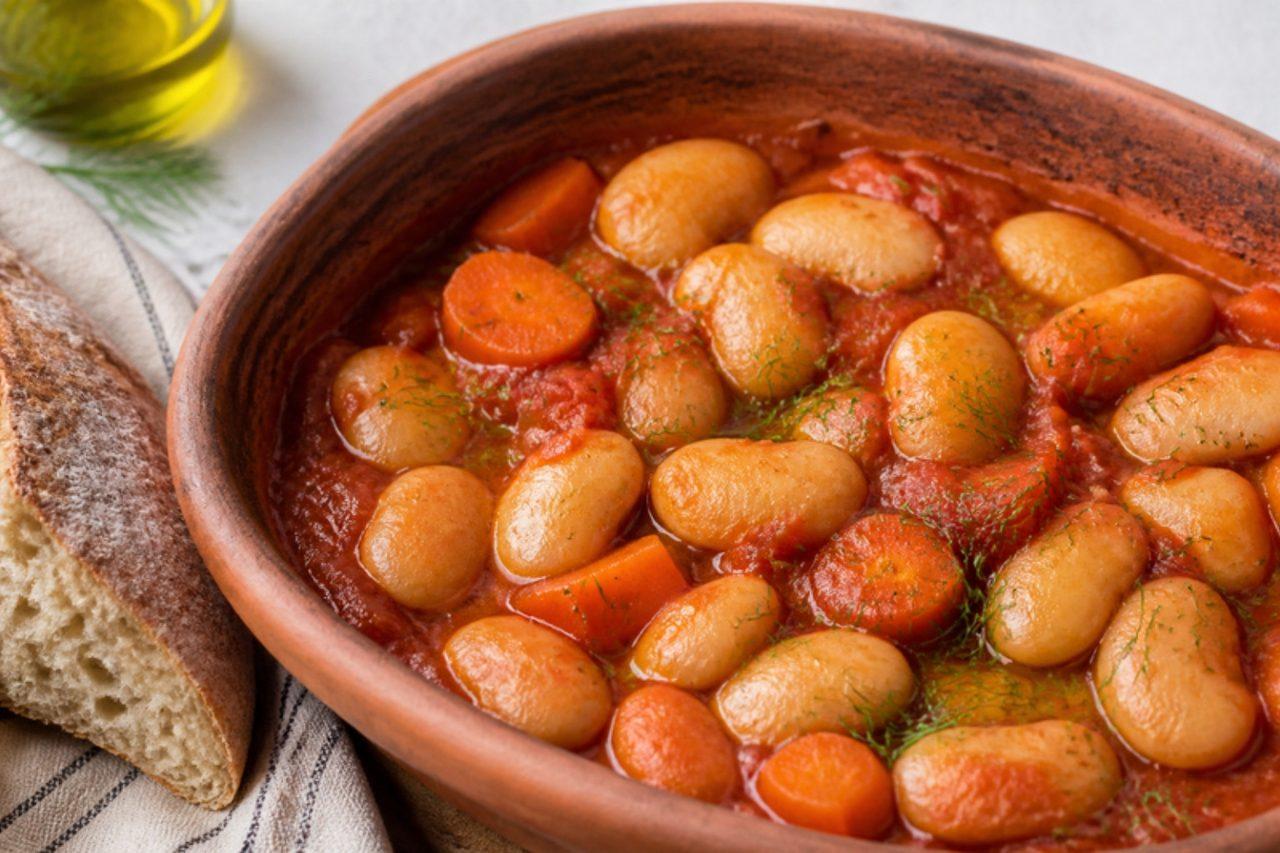
Gigantes plakiBaked giant beans

Gigantes plaki is a tray of fat, creamy beans baked in a thick tomato sauce until the top catches and wrinkles. You find it in every taverna's display of oven dishes, on meze tables with bread and olives, and in home kitchens during Lent. The best beans come from Kastoria and Prespes in northern Greece, but any large dried butter beans work. The beans are boiled first, then baked with onions, carrot, celery, garlic and dill. Serve warm or at room temperature with feta for those who eat dairy and crusty bread. Start the night before: the beans need to soak for at least 12 hours. Chef's tip: don't salt the boiling water or add tomato until the beans are already tender; acid and salt too early are the common mistake that keeps the skins tough.

by KrazyBadal 0 views

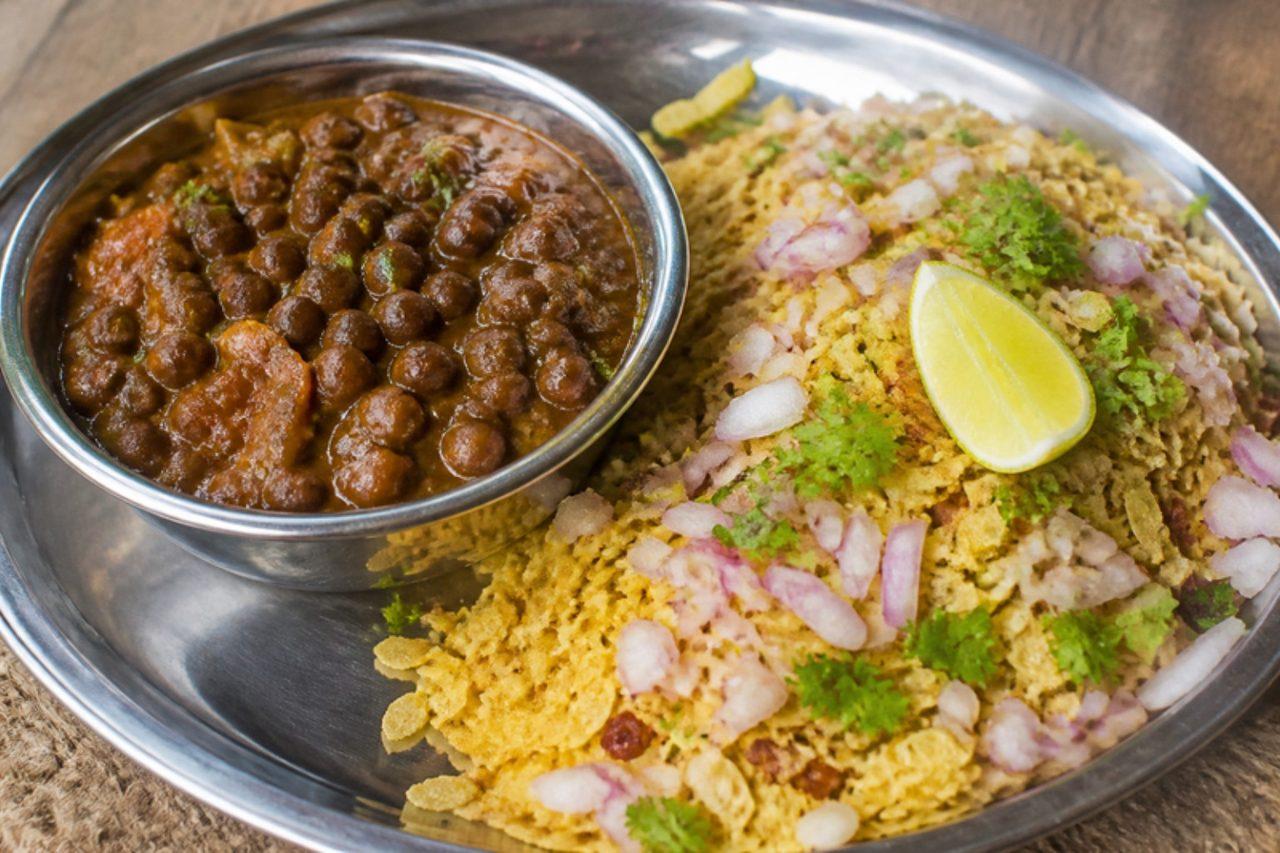
Ghugni churaBlack chickpea curry with flattened rice

In Patna and the towns along the Ganges, ghugni chura is the morning and evening snack people queue for at the tea stall: a spicy, onion-rich curry of small black chickpeas served alongside chura, flattened rice that is fried or toasted in mustard oil until it crackles. You scoop a bit of each into your mouth together, with raw onion and green chilli for crunch. At home it is just as likely to be breakfast on a winter Sunday or what is offered to guests with tea. Chef's tip: cook the chana until it squashes easily between two fingers; firm chickpeas never soak up the masala.

by KrazyBadal 0 views

Łazanki with cabbage and mushroomsSquare noodles with cabbage and mushrooms

Łazanki are short, square egg noodles, and in the Podhale highlands and around Kraków they are tossed with soft-fried white cabbage, a little sauerkraut and mushrooms for a cheap weekday supper, especially in autumn when the cabbage is new. Most cooks add smoked bacon; this version leaves it out and gets its depth from dried ceps, browned fresh mushrooms and plenty of black pepper and marjoram. It is soft, savoury and slightly sour. Serve it on its own with a glass of buttermilk or kefir, as people do in the mountains. Chef's tip: let the cabbage catch and brown in places before you add the noodles; that browning is the flavour bacon would otherwise give.

by KrazyBadal 0 views

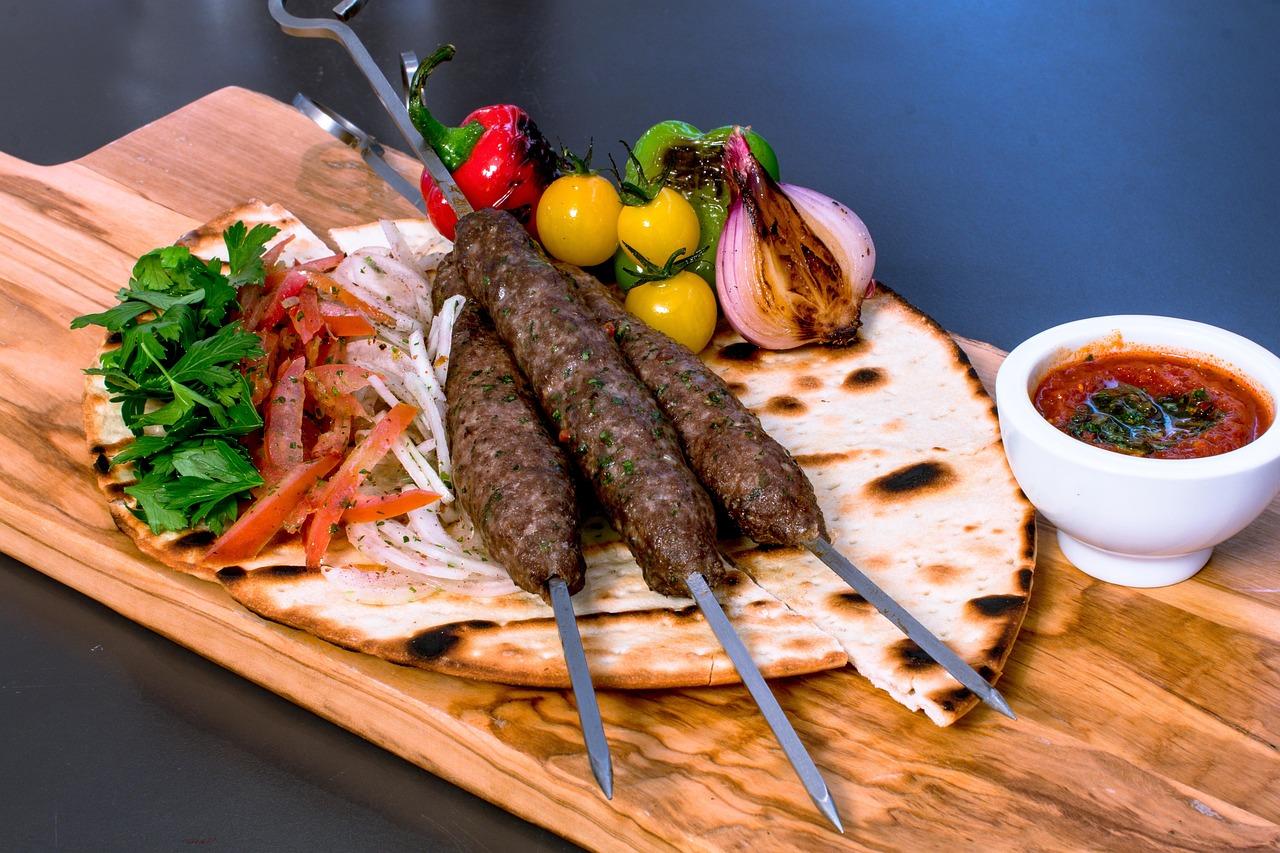
KaftaGrilled minced meat skewers

Kafta is the everyday grilled mince of Lebanon, Syria, Jordan and Palestine: a Sunday barbecue staple in the Lebanese mountains and a quick dinner in city flats, cooked on skewers, shaped into fingers for the pan, or baked in a tray with potatoes and tomato. Lamb and beef are mixed with plenty of onion and parsley and warmed with baharat (seven spice). Wrap them in bread with tomato, onion and a smear of hummus or tahini sauce. Chef's tip: grate the onion and squeeze it hard in a clean cloth; dry onion keeps the kafta firm on the skewer and stops it steaming.

by KrazyBadal 0 views

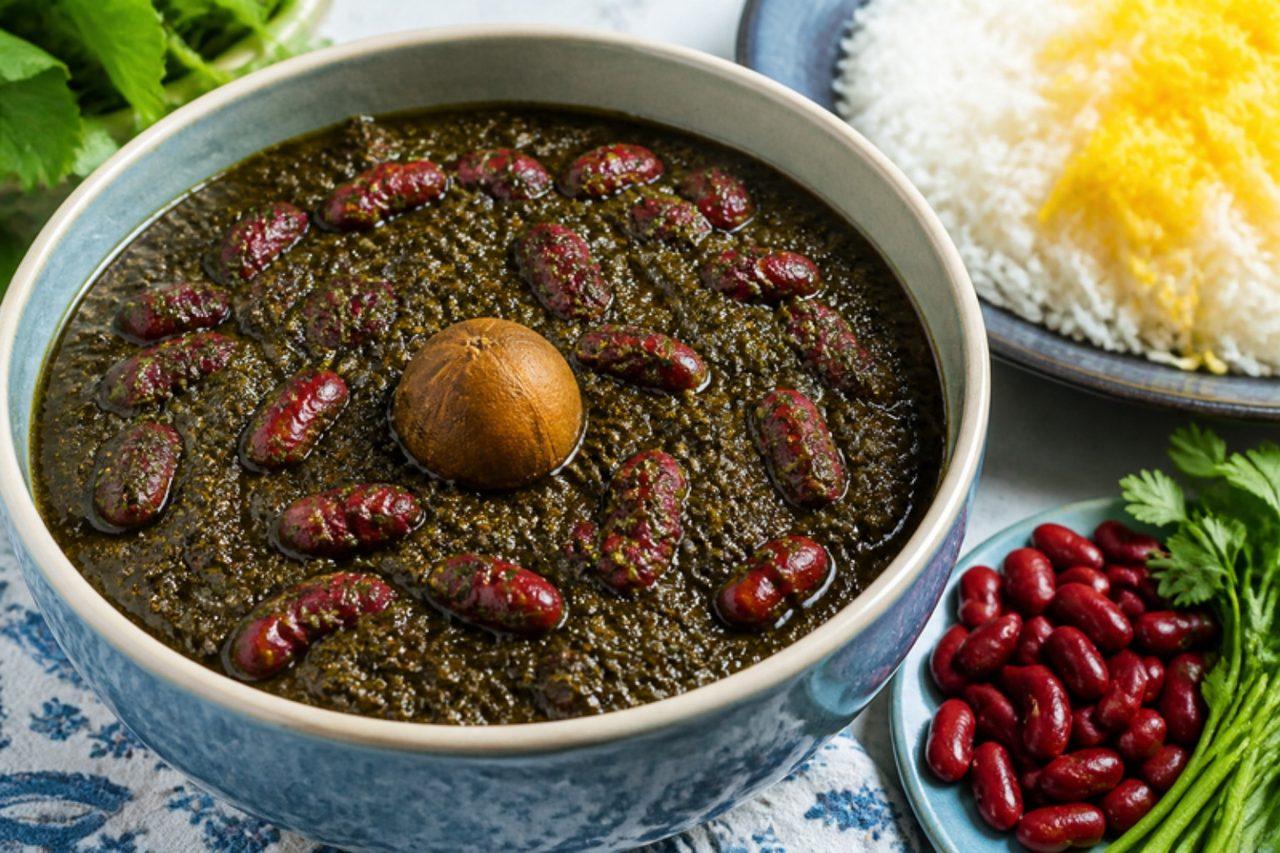
Vegetarian ghormeh sabziHerb and kidney bean stew

Ghormeh sabzi is often called Iran's national dish: a dark green stew of slowly fried herbs, kidney beans and whole dried limes that perfumes Iranian kitchens on Friday mornings and turns up at nearly every family gathering. The original is made with lamb; this vegetarian version uses mushrooms and plenty of beans for body, and keeps the deep, sour, almost smoky herb flavour that makes the dish. It is spooned over chelow with its crust on the side. Chef's tip: fry the herbs in oil until they turn very dark green and smell nutty; that long frying is the flavour of the stew.

by KrazyBadal 0 views

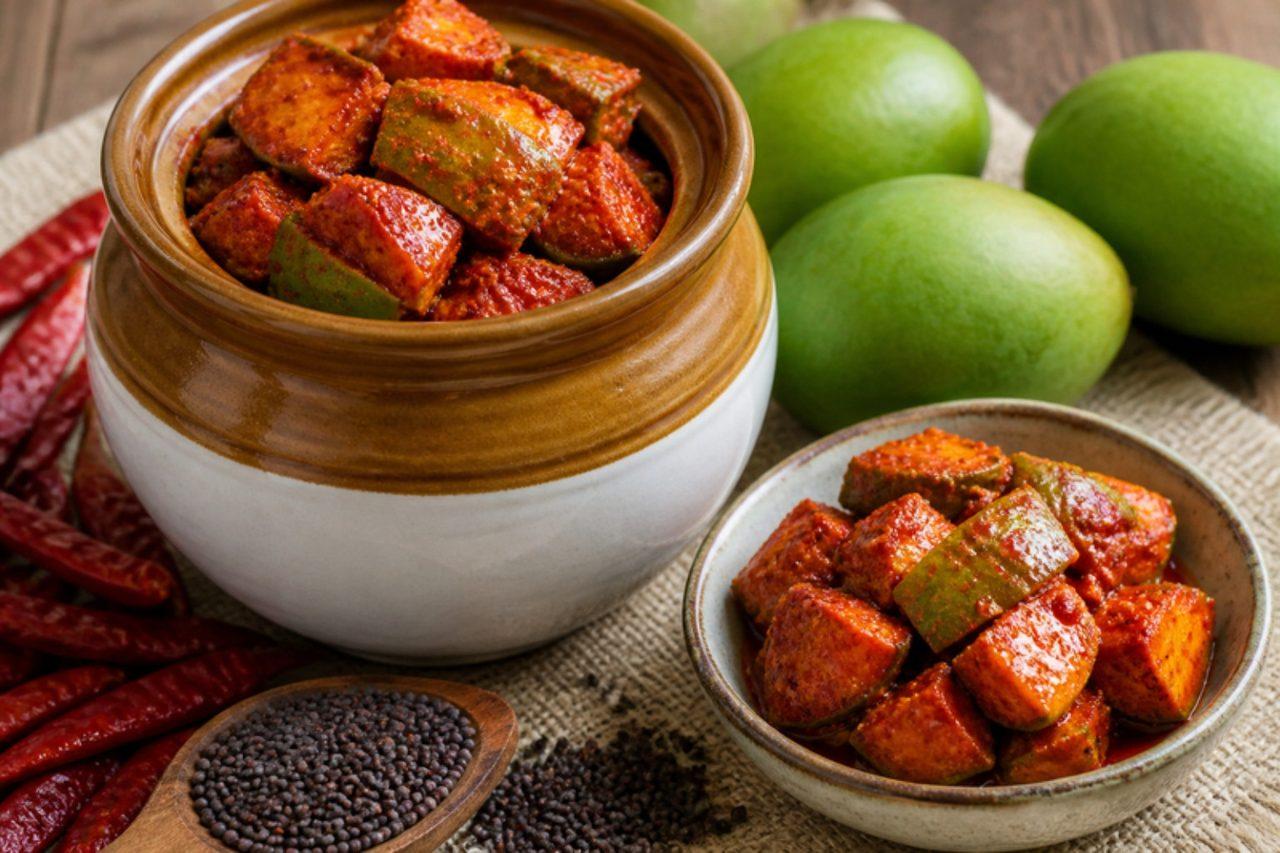
AvakayaRaw mango pickle

Every April and May, when the hard, sour green mangoes arrive, Andhra homes turn into pickle factories. The mangoes are cut, stone and all, with a heavy cleaver, then mixed with freshly ground mustard, fiery red chilli powder, salt and a flood of sesame oil, and packed into ceramic jars to mature. Avakaya is fierce, pungent, salty and sour, and a tiny piece mashed into hot rice with ghee and dal is many Telugu people's idea of perfect lunch. A jar lasts the whole year. Chef's tip: every piece of mango, every knife and the jar must be bone dry; a single drop of water can turn a whole batch mouldy.

by KrazyBadal 0 views

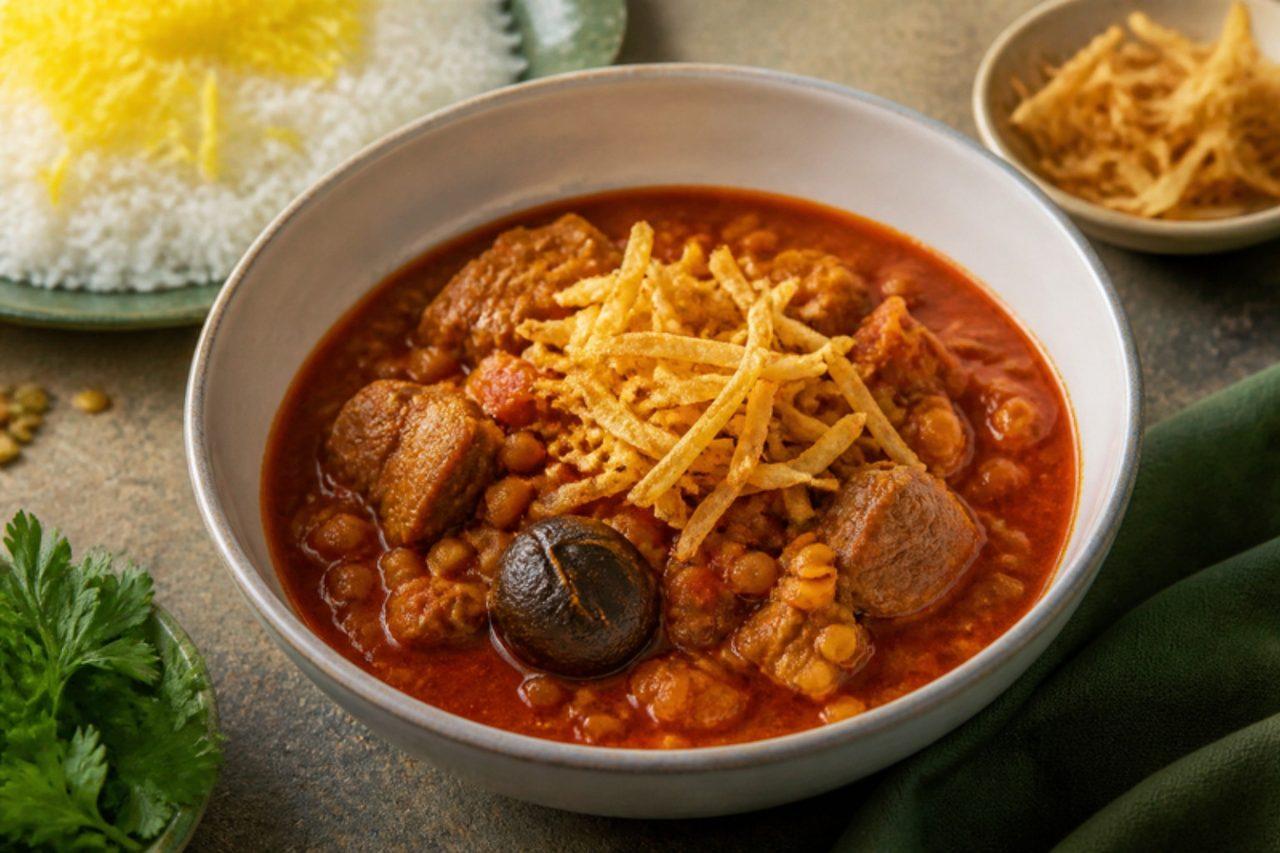
GheymehLamb and split pea stew

Gheymeh is the stew that big pots are made for: in Iran it is cooked by the cauldron and handed out to neighbours during Muharram, especially on Tasua and Ashura, and it is a fixture of weddings and Friday lunches. Small cubes of lamb simmer with yellow split peas, tomato and dried Persian limes until the sauce is tangy, savoury and a little fragrant with cinnamon. A tangle of crisp, salty potato straws goes on top just before serving. Eat it with chelow rice. Chef's tip: pierce the dried limes and soak them for 10 minutes before adding; they release their sourness faster and don't float.

140 minPersianMeatGluten free
by KrazyBadal 0 views

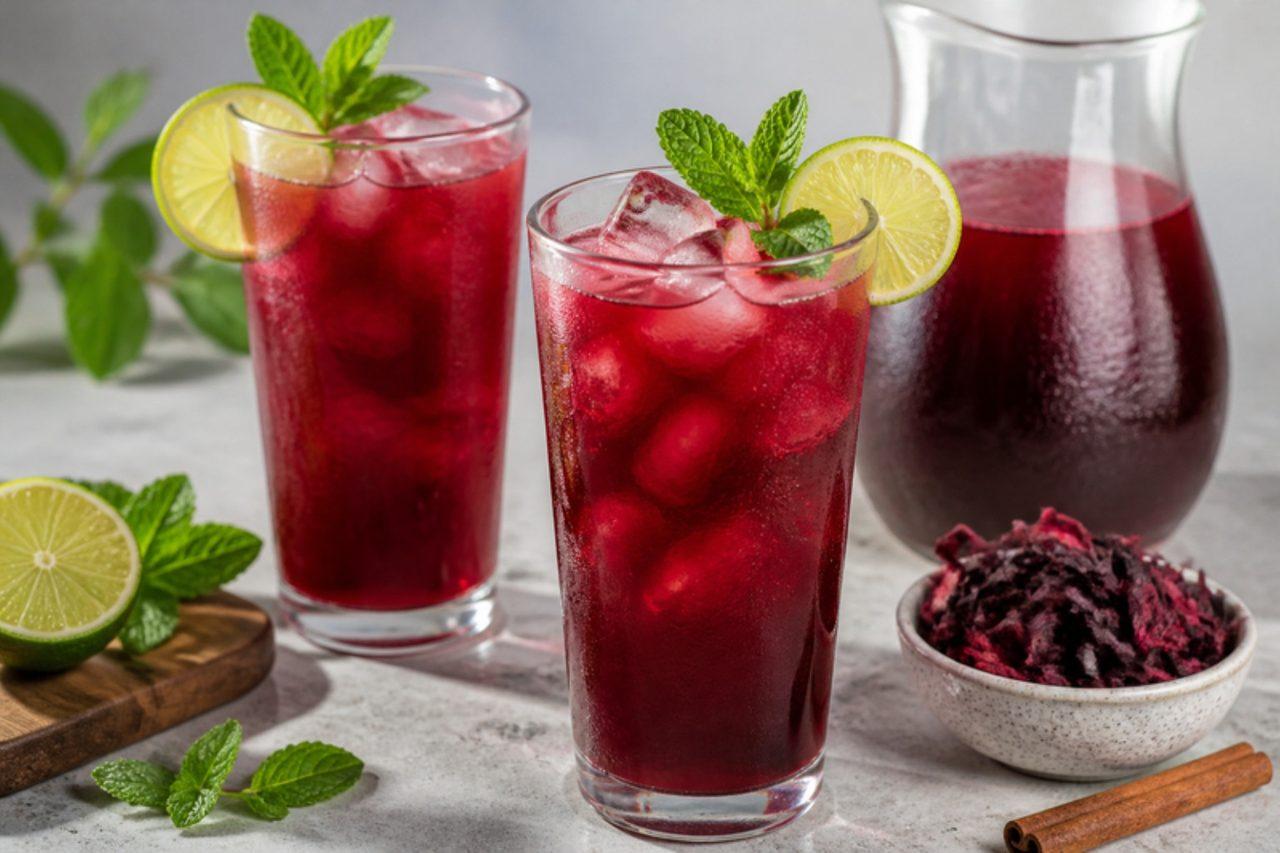
Agua de jamaicaHibiscus iced drink

Agua de jamaica is one of the aguas frescas, the cooling fruit and flower drinks ladled from huge glass barrels at markets and taquerías all over Mexico. It is made by steeping dried hibiscus calyces (flor de jamaica) in hot water, giving a deep crimson drink that tastes tart like cranberry, lightly floral and very refreshing over ice. It is naturally vegan and keeps for days in the fridge. Use the concentrate as the base and sweeten to taste. Chef's tip: don't boil the flowers for long or leave them steeping for hours; too much extraction makes the drink tannic and harsh.

by KrazyBadal 0 views

Agra pethaCandied ash gourd sweets

Every train pulling out of Agra carries boxes of petha. The city's halwais have been candying ash gourd for generations, and the plain white kind remains the classic: firm, crystal-clear cubes with a sugar crust and a juicy centre, lightly scented with rose or kewra. At home it makes a good festival sweet for Diwali gifting because it keeps for two weeks. The firmness comes from soaking the gourd in food-grade slaked lime (chuna, sold as pickling lime) or, as some cooks prefer, in alum water. Leaving out the soak, or rushing it, is the most common mistake: the cubes fall apart in the syrup. Chef's tip: prick each cube deeply all over with a fork before soaking, so the lime water and later the syrup reach the centre.

by KrazyBadal 0 views

GhevarLacy fried batter sweet in syrup

During the monsoon festival of Teej and through Raksha Bandhan, Jaipur's sweet shops stack golden, honeycomb discs of ghevar in their windows. The batter is little more than flour, chilled ghee and ice-cold water, poured into hot ghee in thin streams so it foams into a lacy round. It is then soaked in syrup and finished with rabri, sliced pistachios and a pinch of saffron. Married daughters traditionally receive it from their mothers' homes during Teej. The most common mistake is batter that is too warm or too thick; it fries into a heavy pancake instead of a web. Chef's tip: whisk the ghee with ice cubes until it is white and fluffy before adding flour, and keep the batter bowl in a tray of ice water while frying. A narrow, deep pan, or a metal ring set in a saucepan, gives the sides that help the batter build up.

by KrazyBadal 0 views

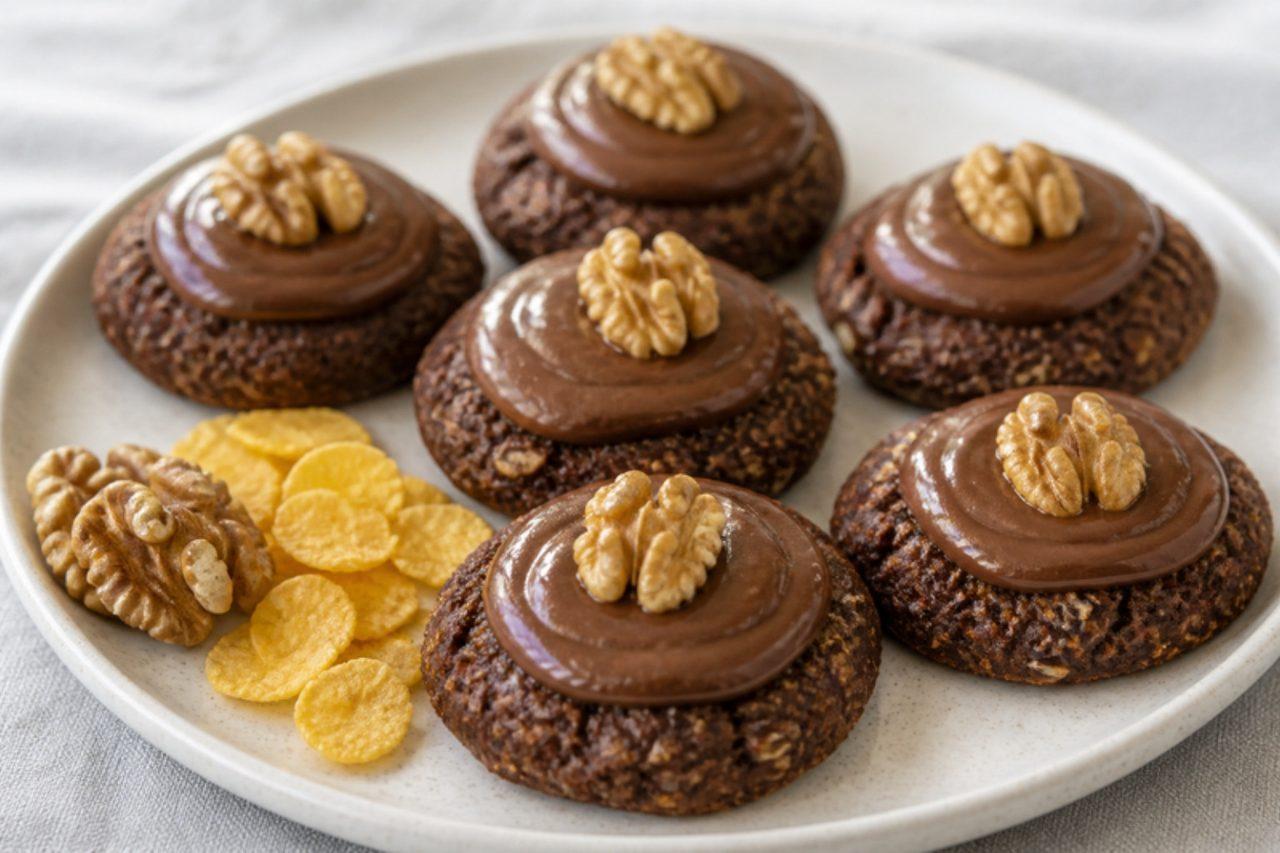
Afghan biscuitsChocolate cornflake biscuits

Afghans are a New Zealand classic, found in the old home baking books passed down in Kiwi kitchens and in the glass cabinets of cafés and bakeries from Christchurch to Whangārei. Nobody is quite sure where the name came from. The dough is rich with butter and cocoa, and lightly crushed cornflakes give each biscuit a crunchy, slightly rugged texture. A swirl of soft chocolate icing and a walnut half finish them off. They're not too sweet underneath, which is why the icing works so well. Chef's tip: crush the cornflakes only lightly with your hand; fine crumbs disappear, but big flakes give the crunch an afghan is known for.

by KrazyBadal 0 views

GhapamaRice and fruit stuffed pumpkin

Ghapama is the dish Armenians carry to the table at New Year and on Christmas Day (6 January), with a folk song, "Hey jan ghapama", sung while the pumpkin is cut. A whole pumpkin is hollowed out, packed with half-cooked rice, dried apricots, prunes, raisins, walnuts and honey, and baked until the flesh is soft enough to scoop. At the table it is sliced from top to bottom like a flower opening, so each wedge comes with its own share of filling. Serve it as a festive main with a herb and cucumber salad, or as a sweet course after a lighter meal. Chef's tip: choose a squat, thick-walled pumpkin with a hard shell; thin-walled ones collapse in the oven before the rice is cooked.

by KrazyBadal 0 views

Geraardsbergse mattentaartCurd tartlets

The small town of Geraardsbergen in East Flanders is so proud of its mattentaart that the little round puff-pastry tart has protected (PGI) status in the EU, and only bakers in the area may sell it under that name. It is filled with matten, a fresh curd made by curdling hot milk with buttermilk, mixed with eggs, sugar and a hint of almond, and baked until puffed and golden. Locals eat it with coffee, especially in late February when the town holds its Krakelingen festival. You make the curd yourself the day before. Chef's tip: hang the curd for a full night; too much whey left in it makes the filling weep and the pastry soggy.

by KrazyBadal 0 views

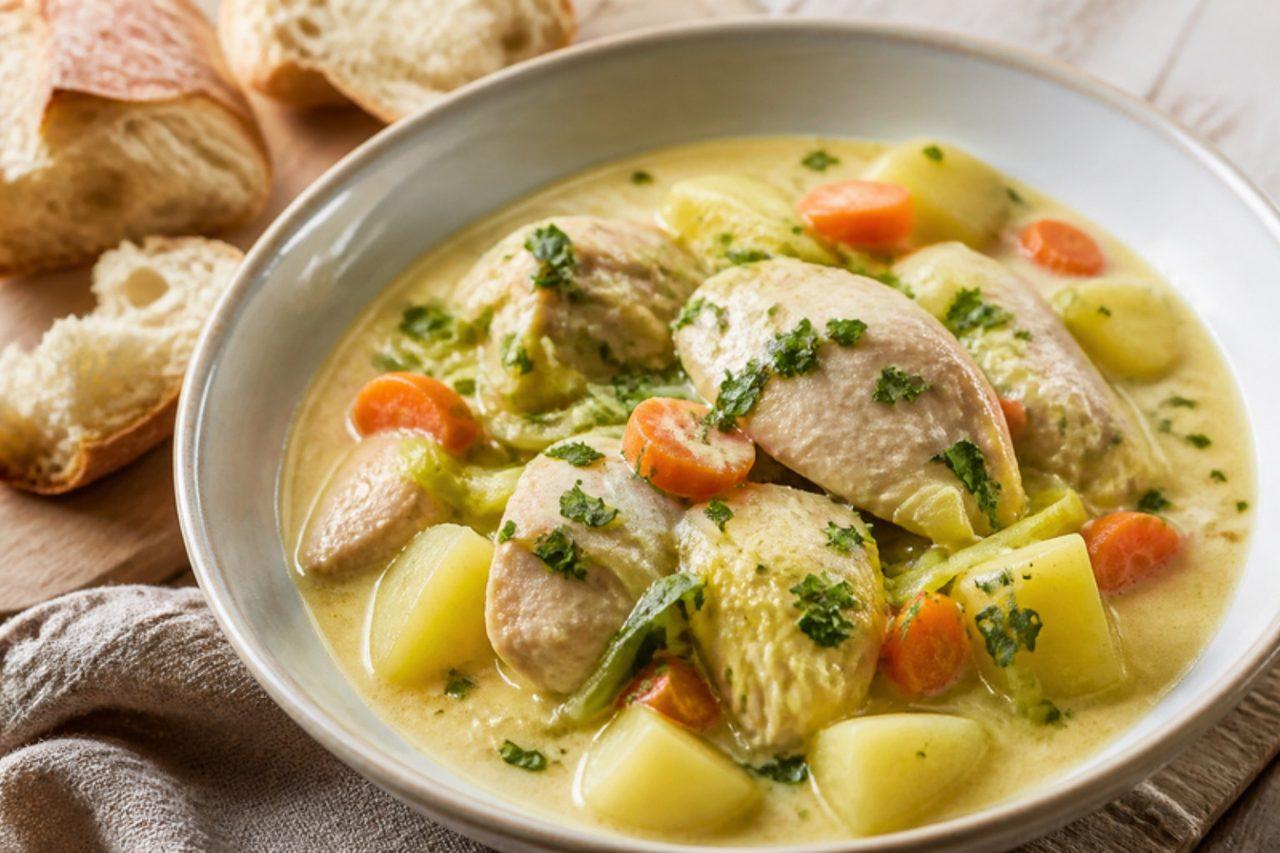
Gentse waterzooiCreamy chicken and vegetable stew

Ghent claims waterzooi as its own, and in the cafés around the Korenmarkt it is served in deep plates as a cross between soup and stew. Originally made with river fish, the city's version today is nearly always chicken, poached gently with leek, carrot, celery and potato, then the broth is enriched with cream and egg yolk until it turns silky and pale gold. It is eaten all year but tastes best on a damp Flemish evening, with crusty bread for the last of the broth. The mistake to avoid is boiling it after the yolks go in, which scrambles them; keep it below a simmer while it thickens. Chef's tip: cut the vegetables into fine, even julienne so they cook in the same time and look neat in the bowl.

by KrazyBadal 0 views

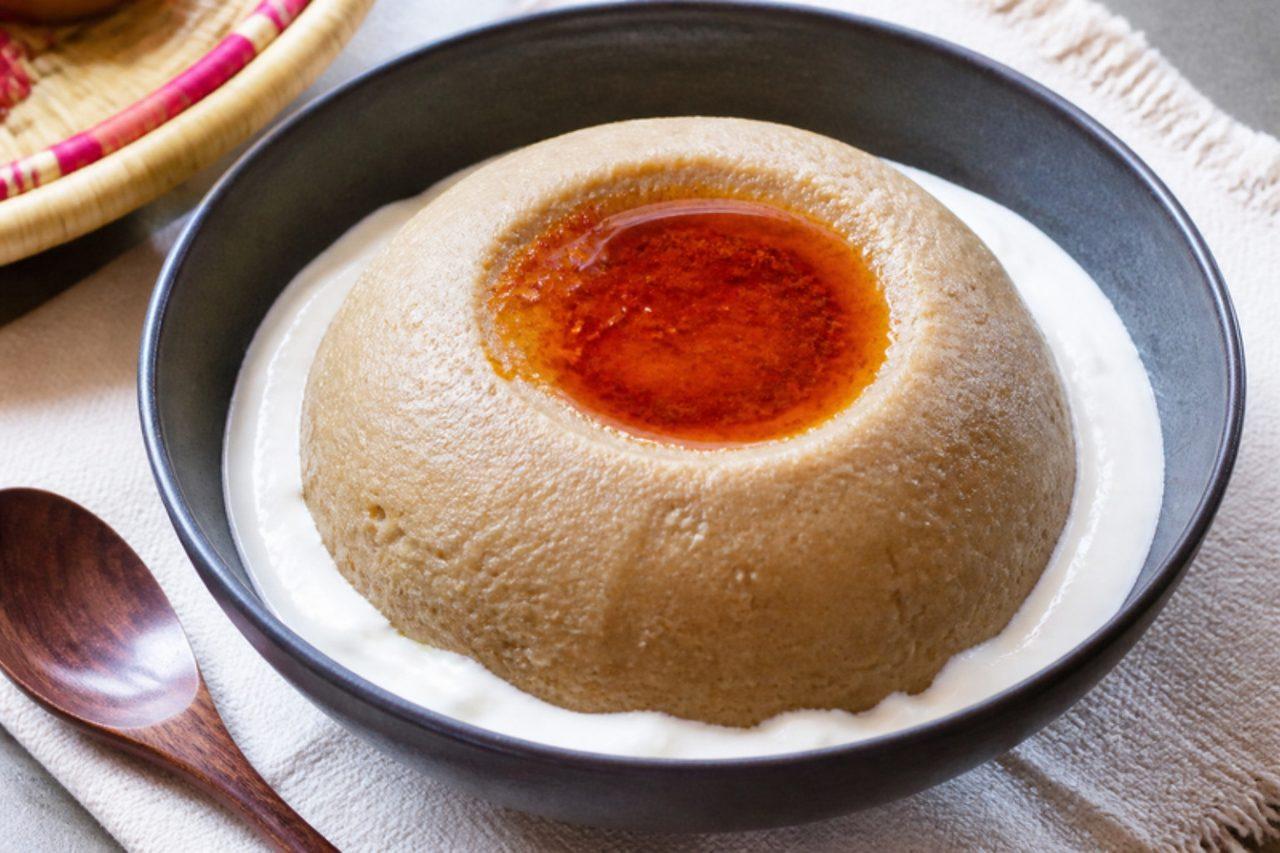
GenfoThick barley porridge

Genfo is a very thick barley porridge from the Tigray and Amhara highlands, cooked for breakfast on cold mornings and above all for new mothers, who are given it for weeks after birth to regain strength. The porridge is shaped into a mound, a hollow is made in the middle and filled with niter kibbeh and berbere, and everyone dips spoonfuls of porridge into the spicy butter, often with yoghurt around the edge. For a fasting version, fill the well with spiced oil. Chef's tip: stir with a wooden spoon the whole time you add the flour, and be firm; genfo is meant to be as thick as stiff mashed potato.

by KrazyBadal 0 views

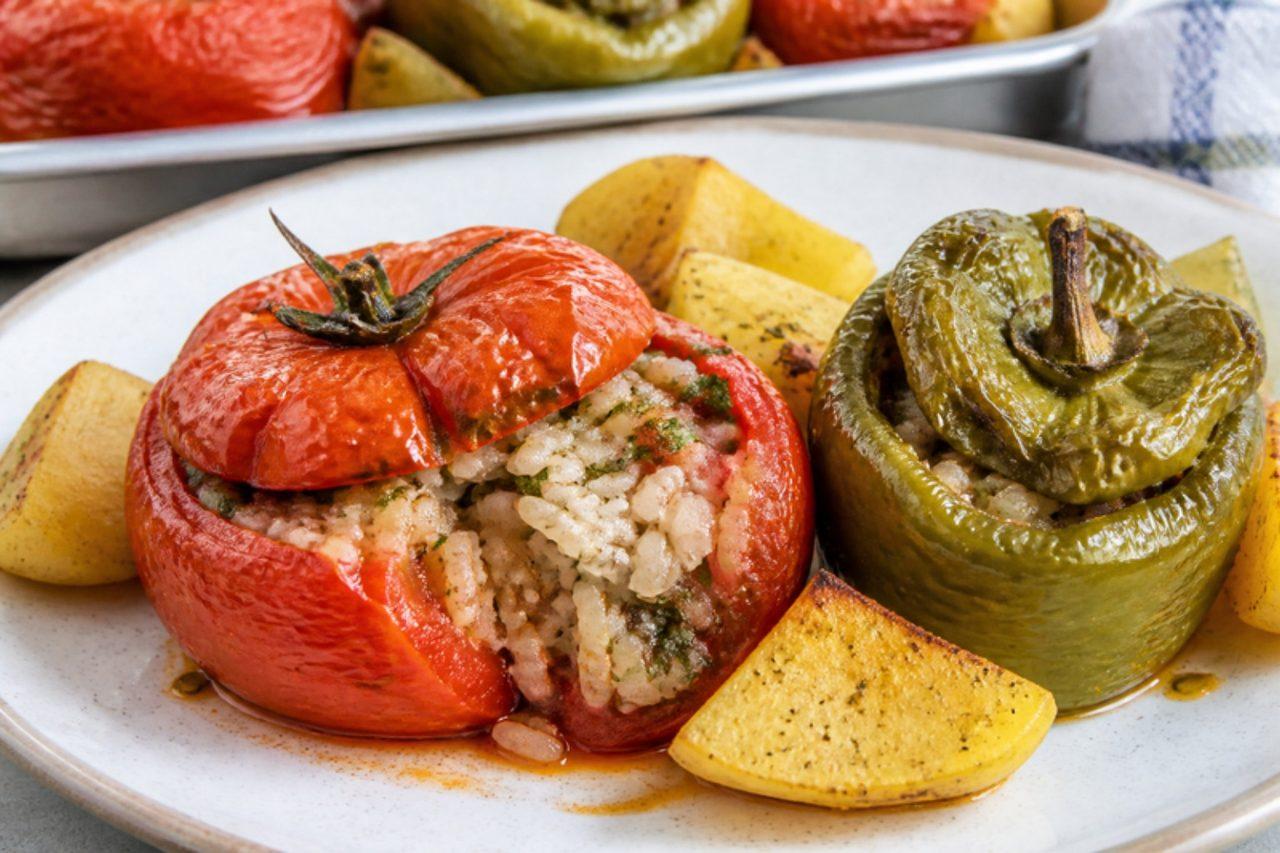
GemistaRice-stuffed tomatoes and peppers

Gemista is the dish of a Greek August, when tomatoes are cheap, sweet and bursting. Home cooks hollow out the tomatoes and peppers, stir the scooped-out pulp into rice with onions, mint and parsley, and bake everything in one big tray with wedges of potato tucked in between. The vegetables slump and blister, the rice soaks up the tomato juice and olive oil, and the potatoes go sticky at the edges. This vegetarian version is the one most families make in summer and during fasting periods. Serve warm or at room temperature with feta for those who eat dairy and plenty of bread to wipe the tray. Chef's tip: fill the vegetables only three-quarters full; the rice swells as it bakes, and overfilling is the common mistake that splits the tomatoes and leaves the rice hard.

by KrazyBadal 0 views

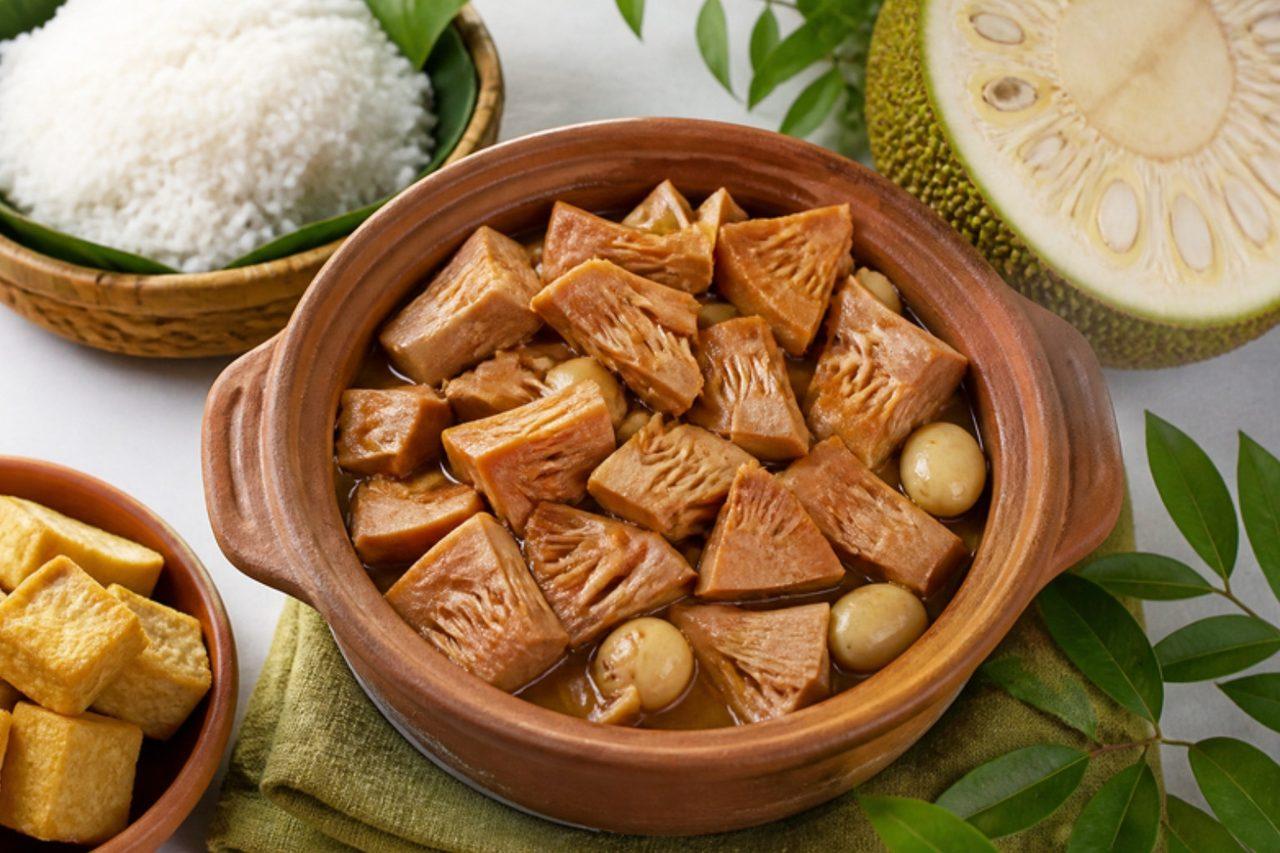
GudegYoung jackfruit stew

Gudeg is the signature of Yogyakarta: whole streets around Wijilan are lined with stalls selling it from dawn, and visitors carry it home in clay pots or woven baskets. Unripe jackfruit is cooked for hours with palm sugar, coconut milk, galangal and salam leaves until it turns reddish-brown, soft as pulled meat, and deeply sweet and savoury. The classic plate adds chicken, egg and spicy cattle-skin stew; this vegan plate pairs it with sticky-sweet tempeh and tofu and a sharp sambal to cut the sweetness. Chef's tip: let the pot cook down slowly until almost all the liquid is gone — drier gudeg keeps for days and tastes better on the second.

by KrazyBadal 0 views

Yellow rice (geelrys)Sweet turmeric rice

Geelrys, or yellow rice, is the bright, faintly sweet rice that comes to the table in the Western Cape with bobotie, curries and Sunday roasts, and at Cape Malay weddings and funerals alike. It is cooked with turmeric, a stick of cinnamon, a little sugar and plump raisins, then finished with a knob of butter so the grains gleam. The sweetness is gentle, just enough to soften a spicy curry. Chef's tip: add the raisins at the start so they plump in the cooking water; added at the end they stay tough and chewy.

by KrazyBadal 0 views

Gatte ki sabziGram flour dumplings in spiced yogurt gravy

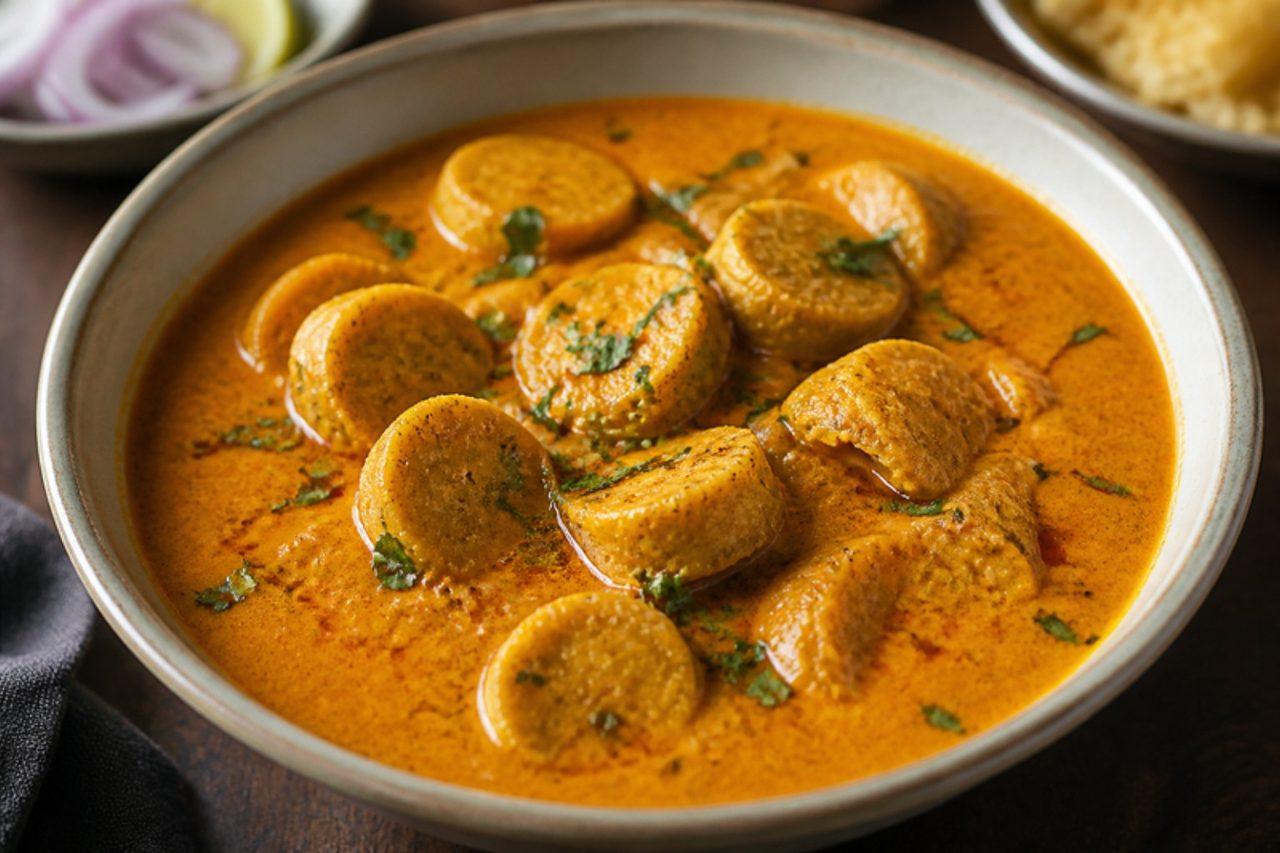
Gatte ki sabzi comes from the deserts of Rajasthan, where fresh vegetables were scarce and cooks turned gram flour into 'vegetables' instead. Firm, spiced besan rolls are boiled, sliced into little wheels and then simmered in a tangy yogurt gravy until they soak up its flavour. The dumplings are soft but hold their shape and the gravy is gently sour with a warming heat. Serve with phulka, bajra roti or steamed rice. Chef's tip: keep the cooking water from the gatte and use it for the gravy; it carries their flavour and a little starch that helps keep the yogurt from splitting.

by KrazyBadal 0 views

GataSweet bread with buttery filling

Gata is the sweet bread Armenians bake for Candlemas (Trndez) in February and for New Year, often with a coin hidden inside for luck; whoever finds it is set for the year. Every region shapes it differently, but the best-known are the large golden rounds sold by women at the roadside near Garni temple and Geghard monastery, cut into wedges for the drive home. Inside a tender, slightly flaky dough made with matsun (yogurt) and butter is khoriz, a sweet crumble of flour, sugar and butter that bakes into a soft, sandy layer. Eat it with black coffee or tea. Chef's tip: roll the dough thin and fold the khoriz inside like an envelope before rolling again; the folding creates layers so the gata is light rather than doughy.

by KrazyBadal 0 views

ÆbleskiverRound pancake puffs

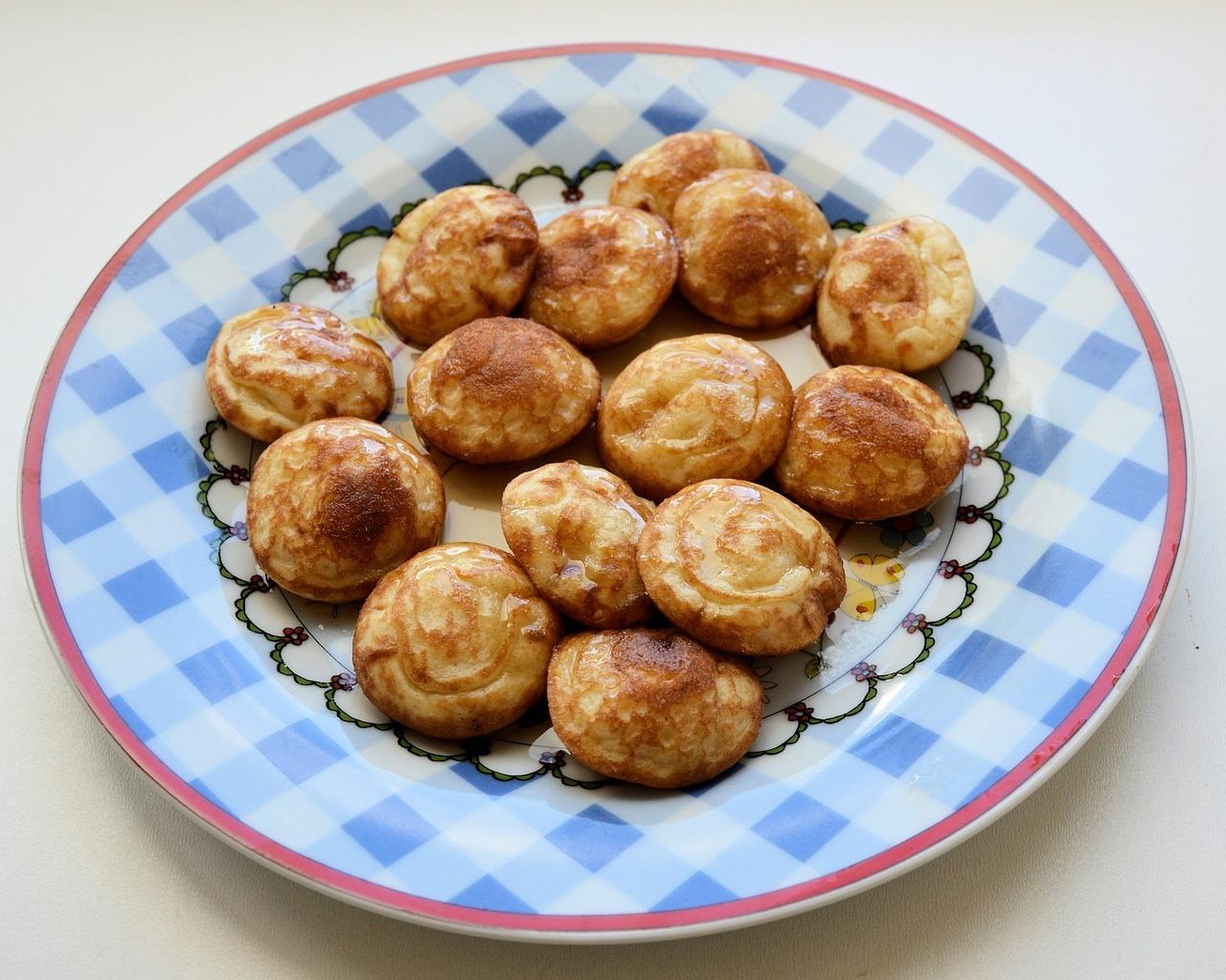
From the first Sunday of Advent until Christmas, Danish homes and Christmas markets in Copenhagen's Tivoli smell of æbleskiver: little round pancake puffs cooked in a cast-iron pan with seven hemispherical wells. They are crisp and golden outside, light and almost custardy within, dipped in icing sugar and raspberry or strawberry jam, and washed down with gløgg or hot cocoa. The name means 'apple slices', a reminder that cooks once tucked a piece of apple inside; many families still do. Danes turn them with knitting needles or wooden skewers, a knack that takes a few rounds to learn. Chef's tip: turn each puff a quarter at a time; the raw batter flows into the space and builds the sphere, rather than flipping it all at once.

by KrazyBadal 0 views

Adobong kangkongBraised water spinach

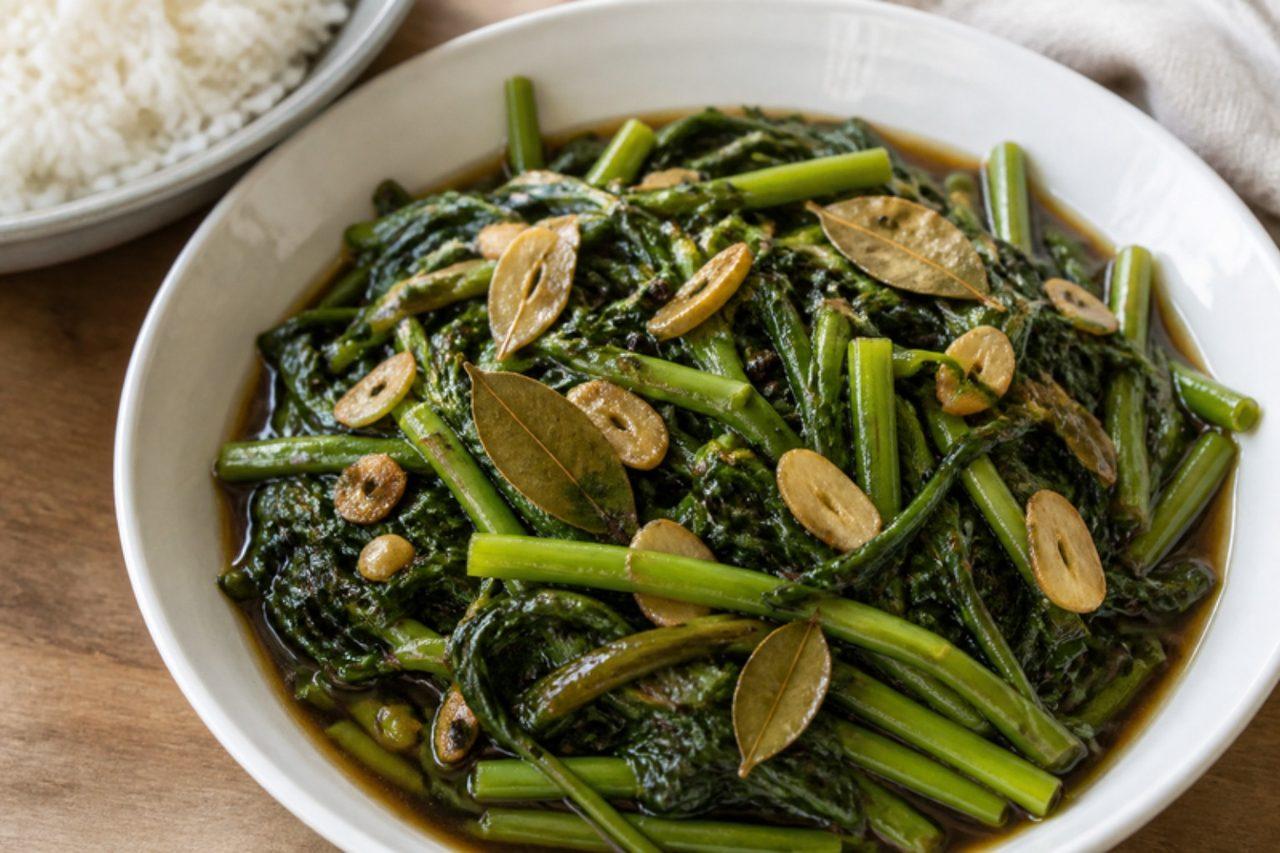
In Manila and across Luzon, adobong kangkong is the cheap green that sits in a tray at the carinderia, the roadside canteen where office workers and jeepney drivers point at two or three dishes to go with their rice. It is not a stir-fry in the Chinese or Malay sense: the water spinach is cooked briefly in an adobo base of cane vinegar, soy sauce, bay and cracked pepper, so the stems stay crunchy while the leaves soak up a sharp, salty, garlicky sauce that runs into the rice. It costs very little, takes ten minutes and is often the only vegetable on a weekday plate. Chef's tip: let the vinegar boil for a full minute before you stir anything, the way Filipino cooks do; the raw, harsh edge cooks off and the sauce turns mellow.

by KrazyBadal 0 views

Leche flanCaramel custard

Leche flan is on the table for every Filipino Noche Buena on Christmas Eve, at fiestas and at birthdays, steamed in the oval aluminium tins called llaneras and turned out shining under a dark caramel. Unlike Spanish flan or the Brazilian pudim, it is made with egg yolks only, condensed milk and evaporated milk, so it is much denser and smoother, almost like a firm custard fudge, and a little goes a long way. A grating of calamansi or lime zest cuts the richness, and many cooks steam rather than bake it. The leftover whites go into meringue biscuits. Chef's tip: strain the custard twice and stir, don't whisk; air bubbles become holes in the finished flan.

by KrazyBadal 0 views

Attiéké with tomato and onionCassava couscous with tomato salad

Attiéké is the light, slightly sour cassava 'couscous' of the Ébrié and Adjoukrou peoples around Abidjan's lagoons, and it is eaten across Côte d'Ivoire every day of the week. In maquis (open-air restaurants) it comes heaped beside grilled fish with a raw salad of tomato, onion and chilli; at home many people eat it simply with that salad, fried plantain and a fried egg, which is how it is served here. Buy it frozen or dried in African shops. Chef's tip: steam attiéké rather than boiling it; water turns it to paste, while steam keeps the grains fluffy and separate.

by KrazyBadal 0 views

Guiyang si wa waPancake rolls with shredded vegetables

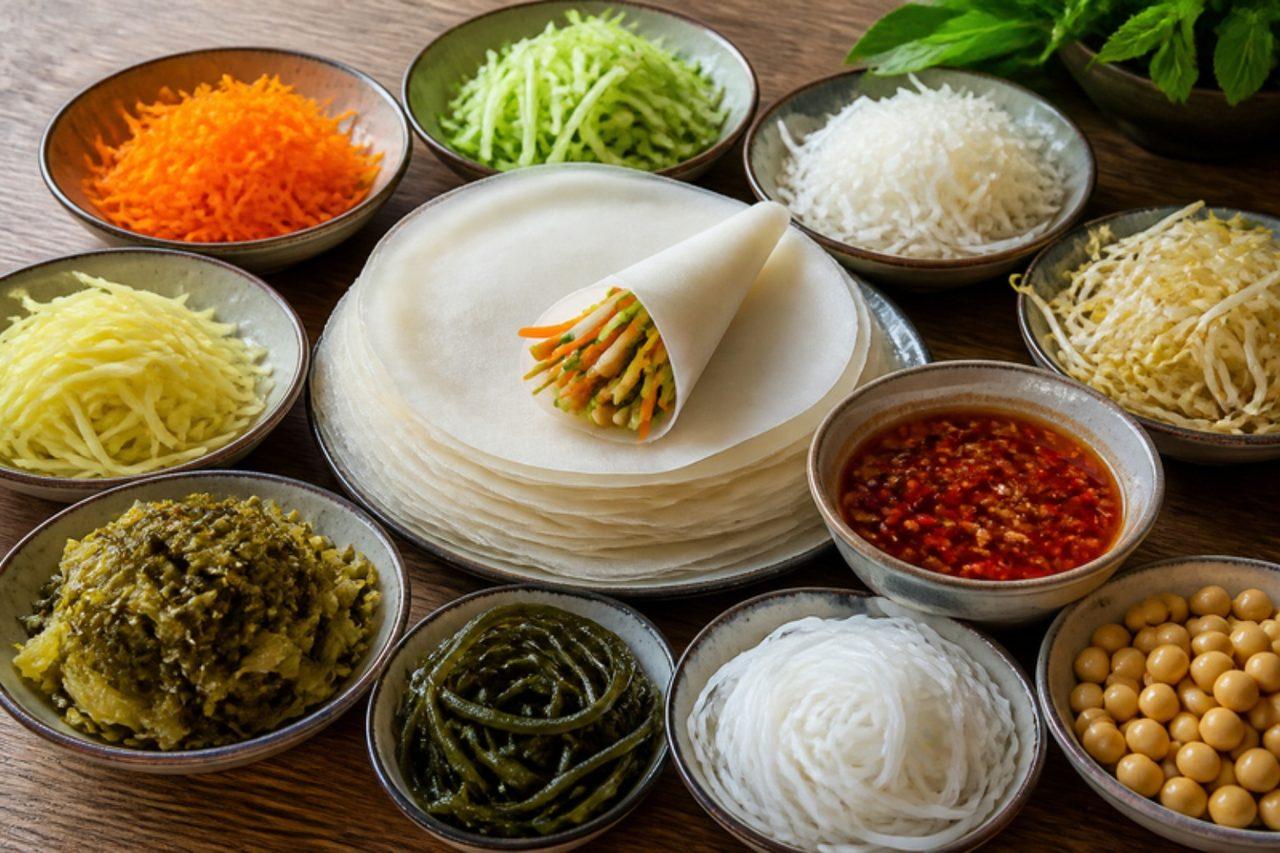
Guiyang's favourite street snack is a do-it-yourself meal: stalls set out twenty or more small bowls of shredded vegetables, and each person wraps a few strands in a pancake no bigger than a palm, folds it like a swaddled baby and pours in a spoonful of sour, chilli-flecked broth. It's light, crunchy and fun to eat with friends. Use as many fillings as you like; the more colours, the better. Chef's tip: shred everything as fine as you can, so the little parcels stay neat and each mouthful has several flavours.

by KrazyBadal 0 views

GujeolpanNine-section vegetable platter

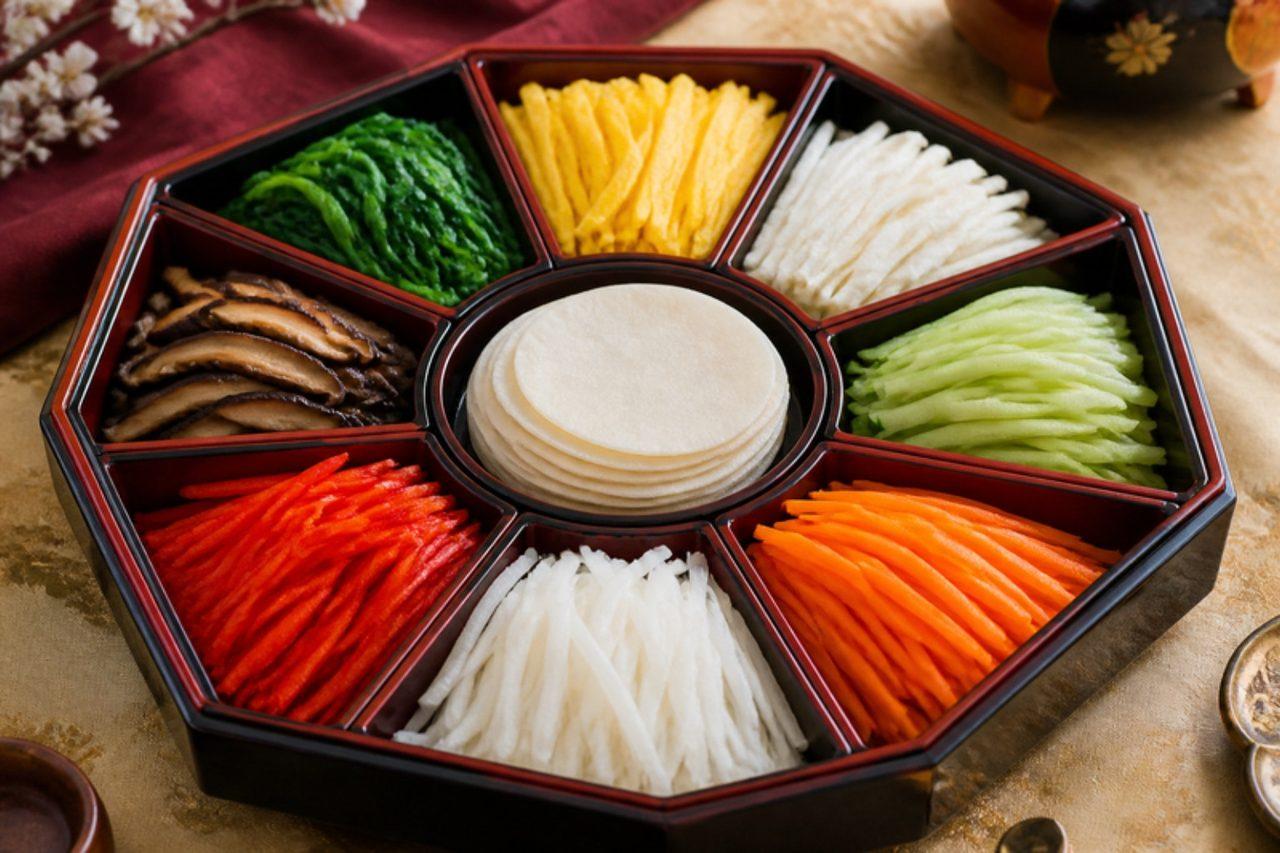
Gujeolpan (구절판) takes its name from the octagonal lacquered tray it is served on: eight outer compartments of finely cut, separately seasoned fillings around a stack of paper-thin wheat crêpes in the middle. It was a dish of the Seoul royal court and noble households, and it still appears at weddings, 60th birthdays and Seollal tables, where everyone builds their own little rolls. Classic trays include beef; this one keeps all the colour with shiitake, wood ear, cucumber, carrot, peppers, radish and yellow and white egg. It takes patience rather than skill. Chef's tip: cut every filling into matchsticks the same length as the crêpes are wide, about 5 cm, so each roll closes neatly.

by KrazyBadal 0 views

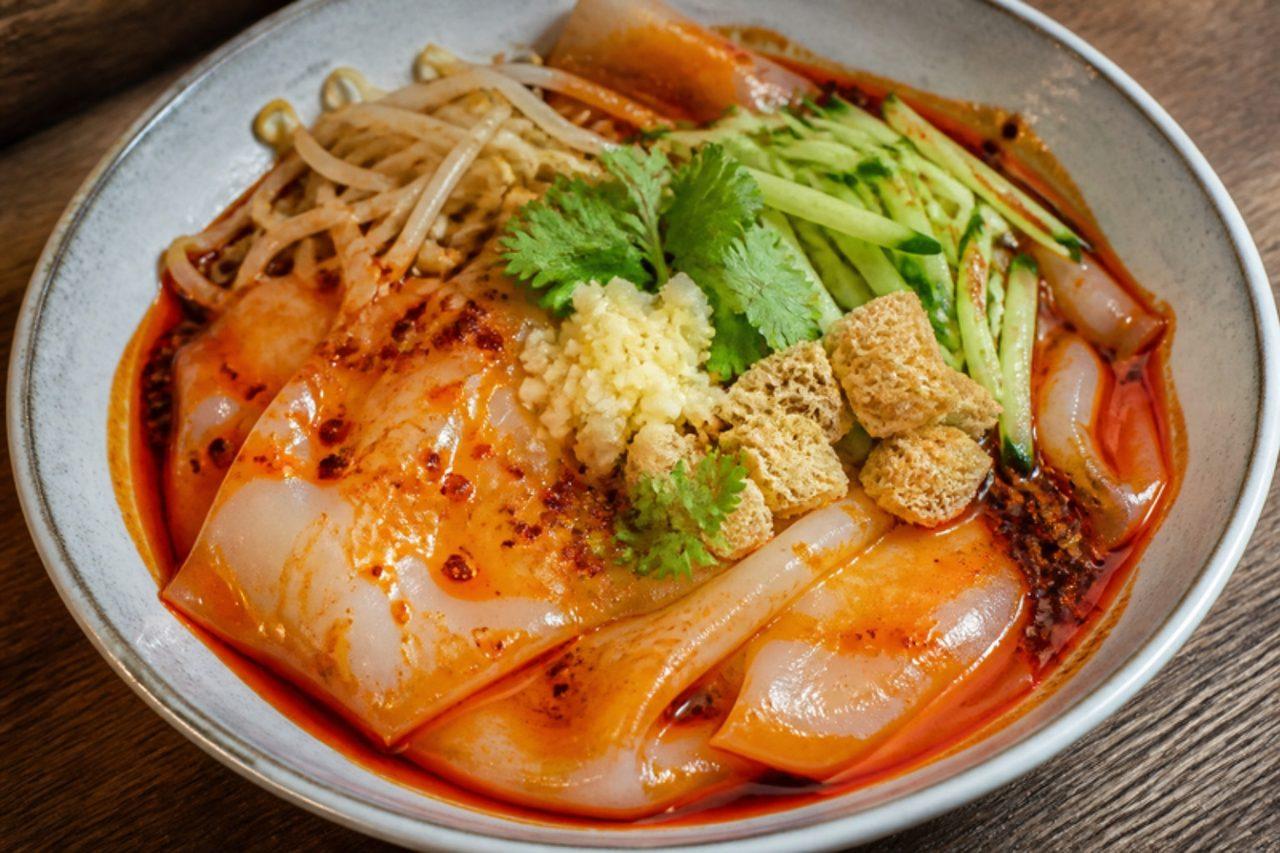
Xi'an liangpiCold wheat starch noodles

In Xi'an's Muslim Quarter, cooks peel liangpi off steaming trays all day, cut it into wide ribbons and toss it with chilli oil, black vinegar, garlic water and cubes of springy gluten. It's eaten cold, often with a flatbread, as a summer lunch. Gansu's niangpi, from Lanzhou and Tianshui, is the same dish with thicker sheets and more garlic, so it's covered here too. You wash a flour dough to split the starch from the gluten, so allow 4 hours for the starch to settle. Chef's tip: stir the starch water every time before you ladle it, because the starch sinks fast.

by KrazyBadal 0 views

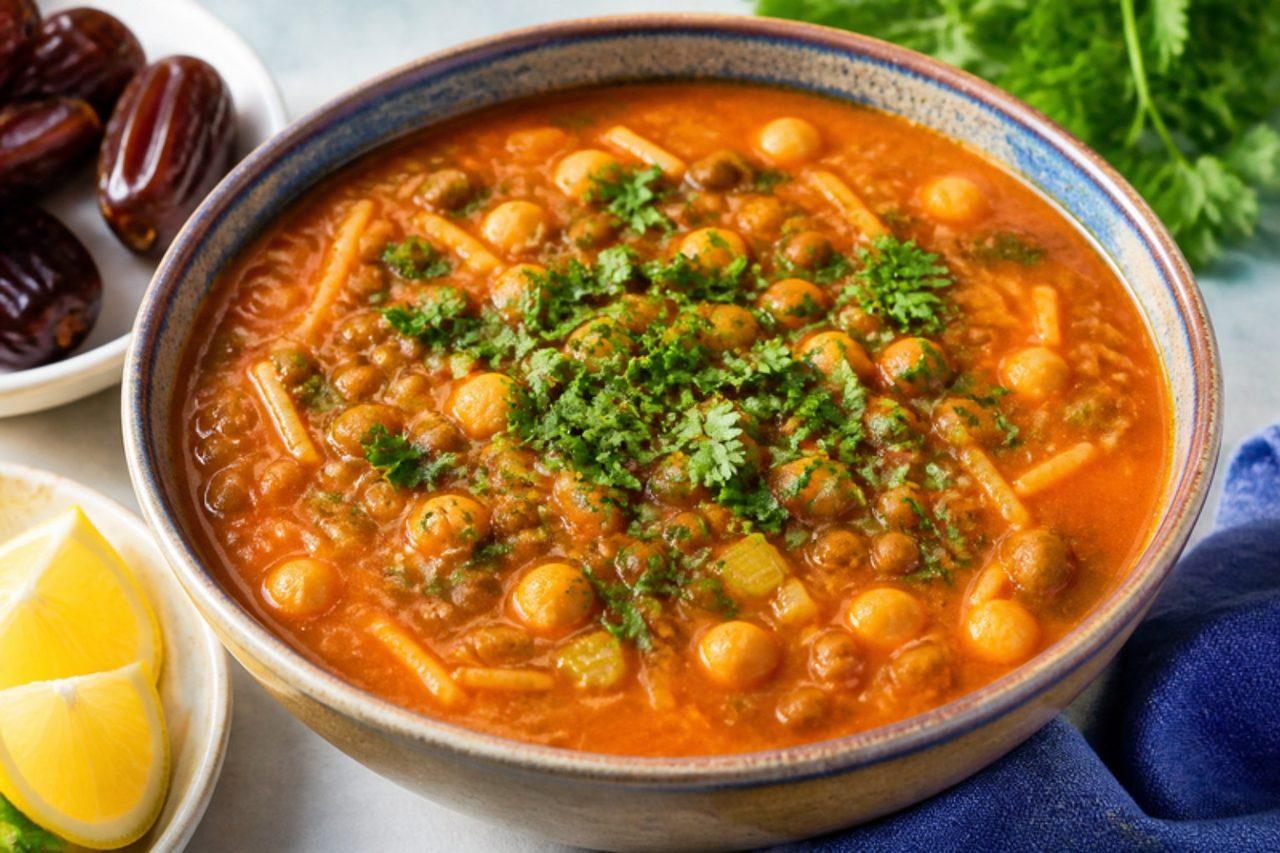
HariraTomato, lentil and chickpea soup

When the call to prayer ends the fast during Ramadan, tables from Tangier to Ouarzazate are set with a bowl of harira, dates and chebakia. This tomato soup is thick with lentils, chickpeas and a great deal of coriander, parsley and celery, and gets its silky body from a flour-and-water slurry stirred in at the end. Many families cook it with a little lamb; this meat-free version uses a well-browned onion and tomato base and olive oil instead of smen, so it is fully vegan and still deeply savoury. Chef's tip: the soup should coat a spoon like thin custard; add the flour slurry slowly while stirring and stop when it reaches that point. Variation: for the meat version, brown 250 g diced lamb with the onion at the start.

by KrazyBadal 0 views

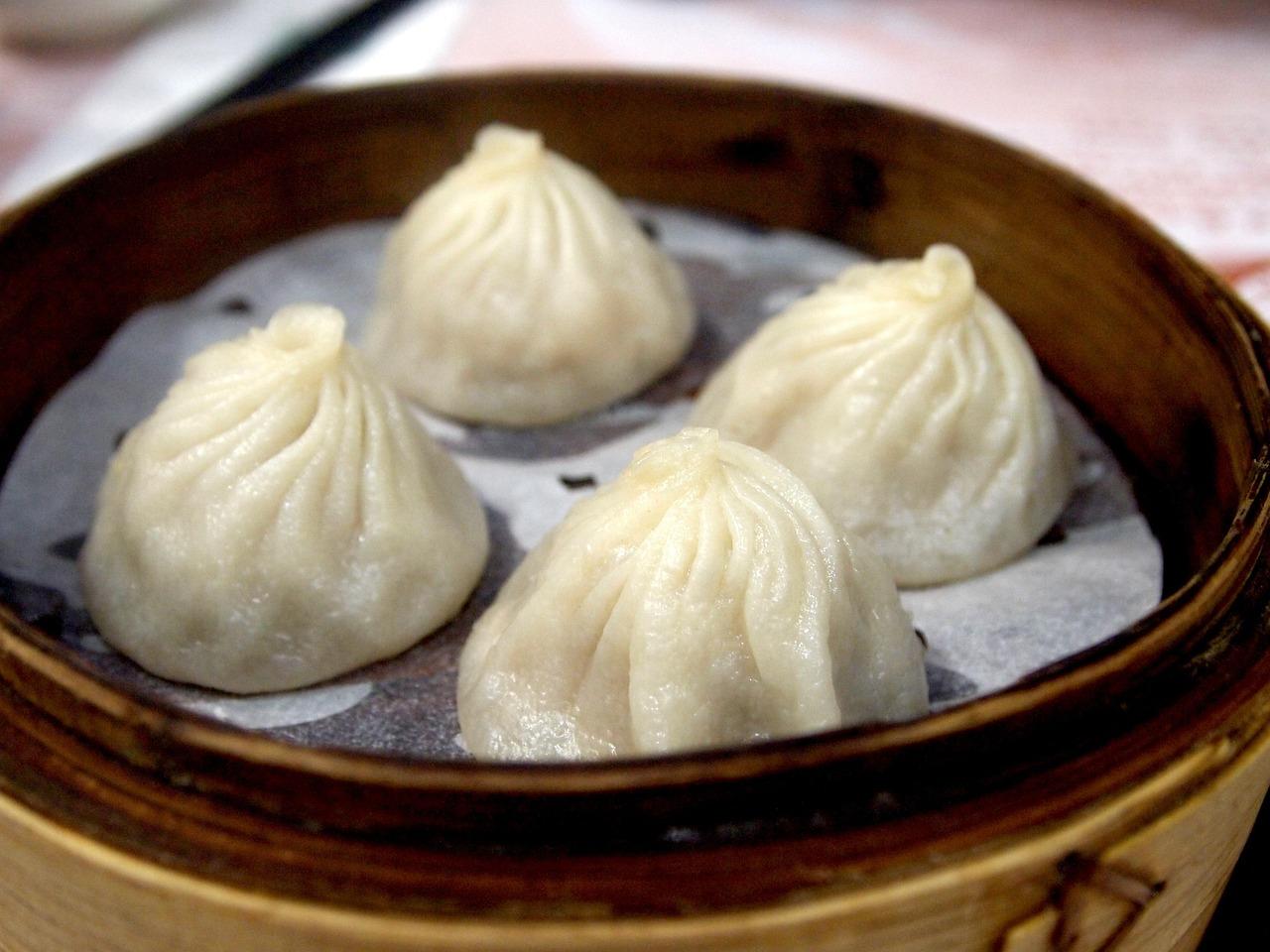
XiaolongbaoSoup dumplings

Bite carefully: inside each pleated parcel is a pork meatball floating in hot broth, which comes from a pork-skin jelly that melts as the dumplings steam. Shanghai's teahouses and the old town around Nanxiang have served them in bamboo baskets for well over a century, usually for breakfast or a late lunch with a saucer of black vinegar and threads of ginger. The wrapper should be thin enough to see the soup move but strong enough to lift with chopsticks. Make the jelly the day before (or use the gelatine shortcut in the ingredient note), then the folding takes about an hour with a little practice. Chef's tip: keep the filling in the fridge until the moment you wrap; cold jelly stays solid and the dumplings are far easier to pleat.

by KrazyBadal 0 views

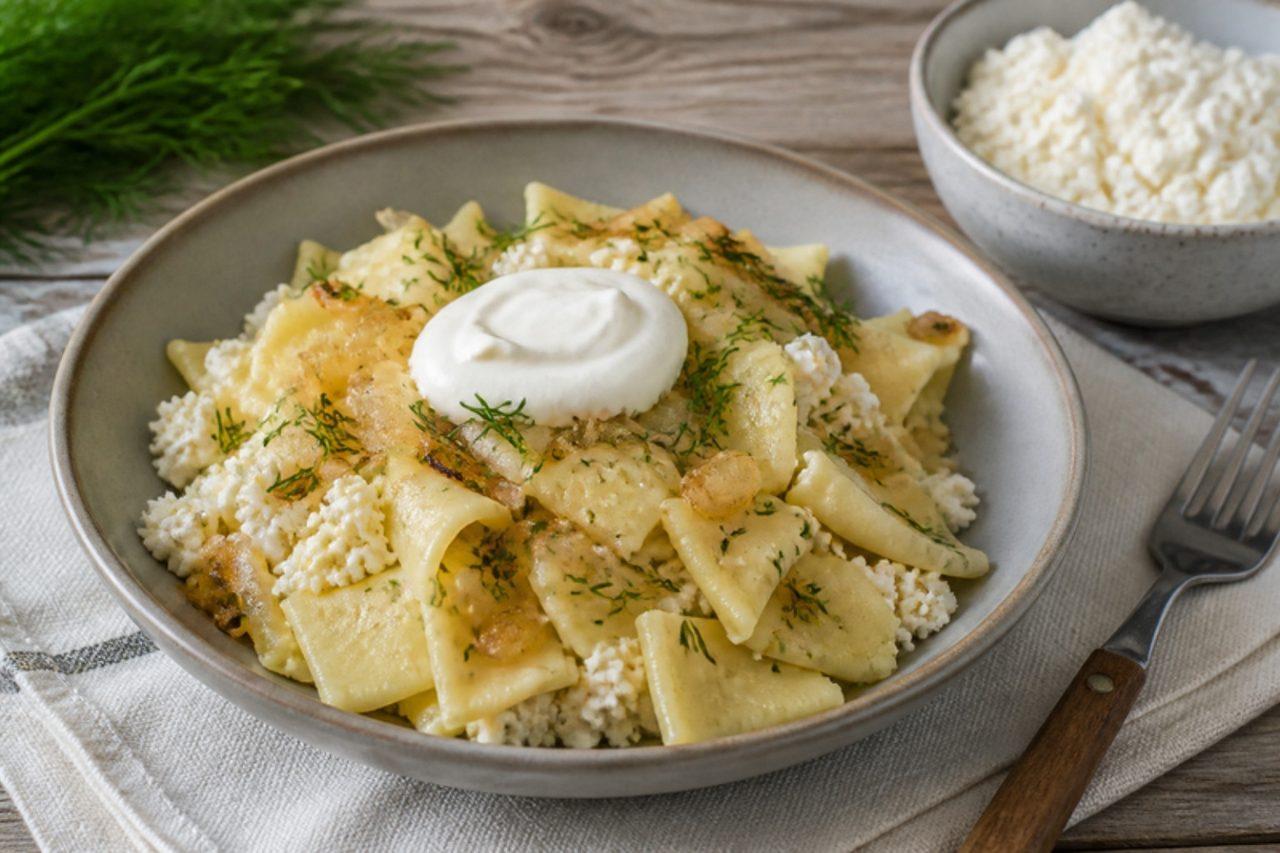
Túrós csuszaPasta with curd cheese

Túrós csusza is a simple dish of wide pasta squares tossed with crumbly túró curd cheese and sour cream, loved across Hungary and especially in the Danube villages, where it is served as a filling main after a bowl of fish soup. At home it is a Friday or end-of-the-month supper made from what is in the fridge. Traditionally it is topped with crisp pork crackling; here, fried onions and a little smoked paprika give the same crunch and savouriness. The flavour is mild, tangy and comforting. Chef's tip: toss the cheese into the pasta while it is still steaming so the túró warms through, but serve the sour cream cold on top for contrast.

by KrazyBadal 0 views

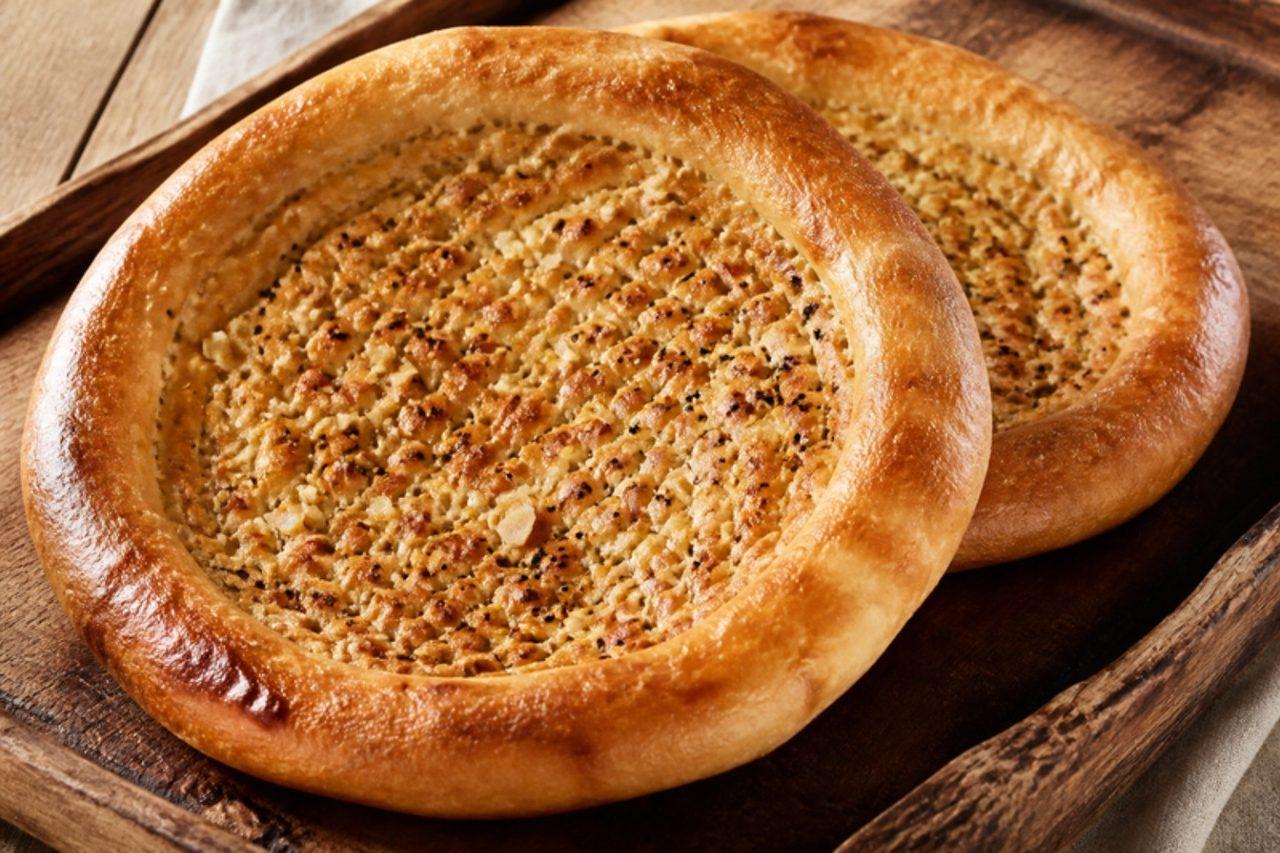
Xinjiang onion nangOnion flatbread

Across Xinjiang, from Kashgar's bazaars to Urumqi's backstreets, bakers slap rounds of dough onto the walls of clay tandoors and pull them out a few minutes later, golden and stamped with patterns. The centre is pressed thin and crisp while the rim stays soft and chewy, and the onion version is scattered with cumin and sesame. Nang keeps for days and is eaten with tea, kebabs and salads. Chef's tip: get your oven and tray as hot as they'll go; nang bakes quickly in fierce heat.

by KrazyBadal 0 views

TuronFried banana spring rolls

Turon is the afternoon snack sold by vendors on every Filipino street corner, school gate and jeepney stop around three o'clock, often next to banana cue on bamboo skewers. A slice of saba banana and a strip of ripe jackfruit are rolled in a thin spring roll wrapper with brown sugar, then fried in oil that has more brown sugar sprinkled in it, so each roll comes out wrapped in a crackly, glassy caramel shell. It is eaten hot with your fingers, when the banana inside has turned soft and sticky. Saba is a short, firm cooking banana; ripe plantain is the closest substitute. Chef's tip: roll them tightly with no air pockets, or the caramel blows holes in the wrapper.

by KrazyBadal 0 views

Turkish tea (çay)Strong black tea

Nowhere in Turkey is far from a glass of çay. Tea from the slopes of Rize on the Black Sea coast is brewed in a stacked double teapot, the çaydanlık, and poured into small tulip-shaped glasses all day long: at breakfast with simit and cheese, in shops when you haggle, after every meal. The strong brew sits in the top pot and each glass is diluted to taste with hot water from the bottom, so one person drinks it dark (koyu) and another light (açık). It should be clear, the colour of a ruby or rabbit's blood (tavşan kanı), never cloudy. Serve it with sugar cubes on the side, not milk. Chef's tip: steam the dry leaves in the top pot for a few minutes before adding any water; the warm leaves open up and give a rounder, deeper colour.

by KrazyBadal 0 views

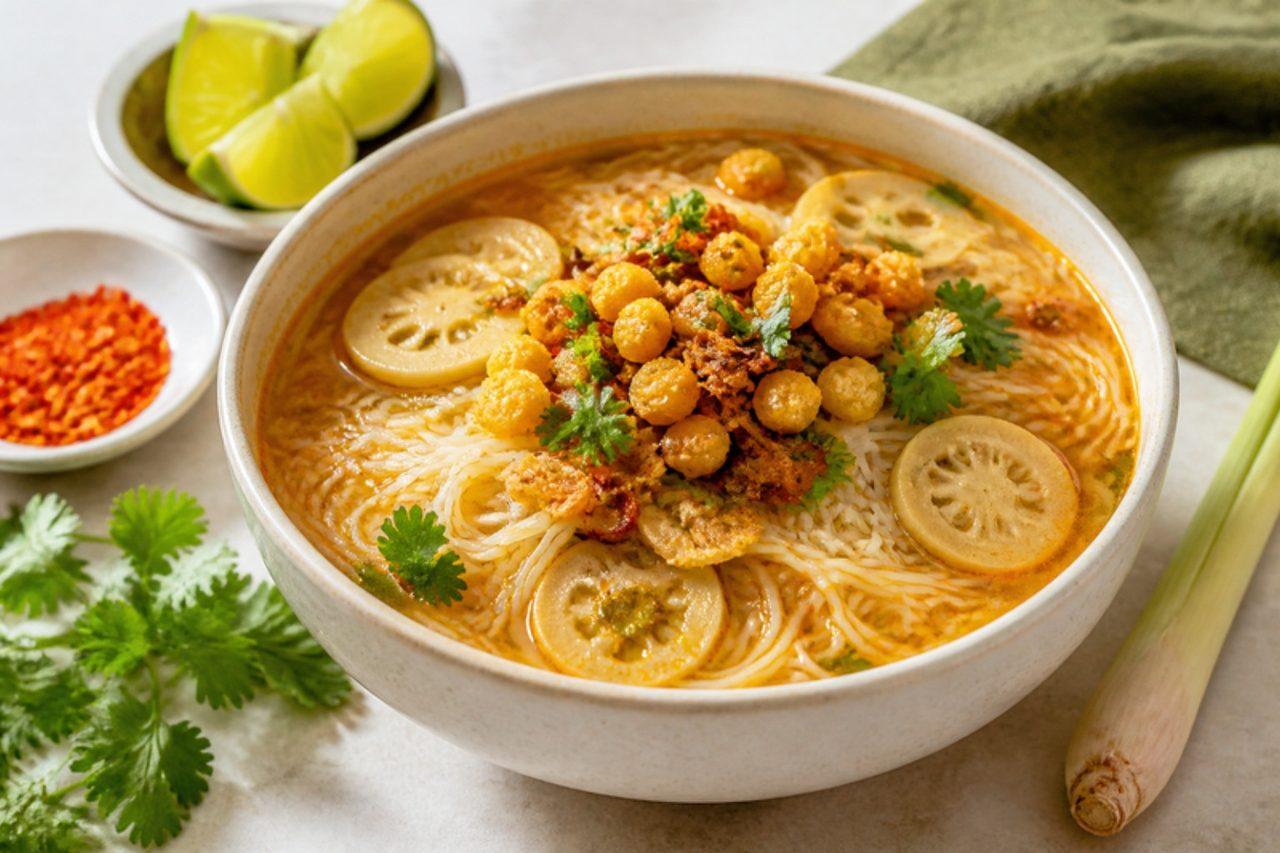
Vegetarian mohingaRice noodle soup with lemongrass

Mohinga is Myanmar's national breakfast, ladled from steaming pots at dawn on street corners from Yangon to Mandalay: thin rice noodles in a thick, golden broth fragrant with lemongrass, ginger and toasted chickpea flour, topped with crisp fritters, lime and chilli. The real thing is built on catfish and fish sauce. This vegetarian version is honestly different: dried shiitake and kombu give savouriness instead of fish, and the body comes from toasted chickpea flour, toasted rice powder and banana stem (or palm heart), so it's lighter and earthier rather than fishy. Chef's tip: toast the chickpea flour and rice until golden and nutty before they go in; they carry most of the flavour.

by KrazyBadal 0 views

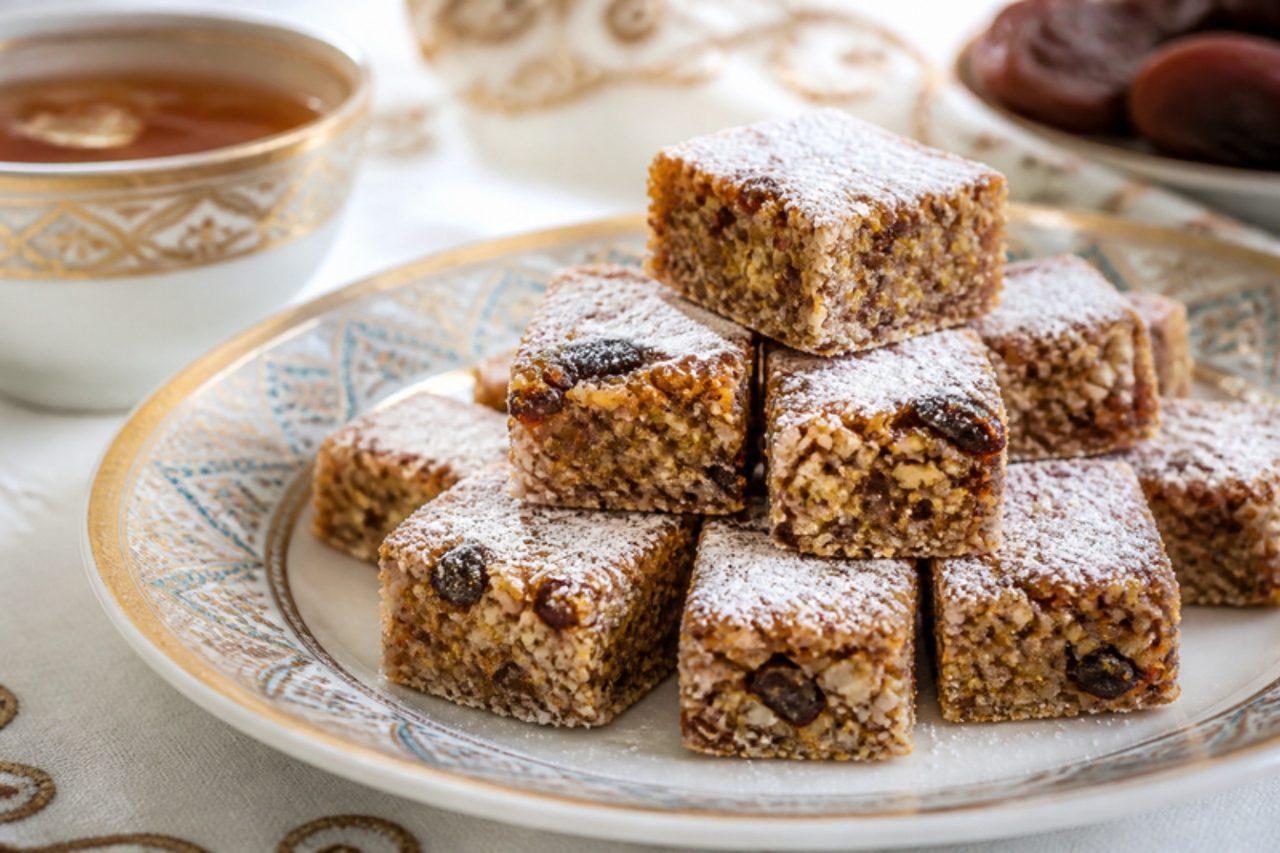
ZhentToasted millet and honey sweet

Zhent is one of the oldest Kazakh sweets: toasted millet (tary) pounded with dried kurt, dates or raisins, and bound with butter and honey into a crumbly, rich square. Herders made it to carry on long rides, and today it appears on the dastarkhan at Nauryz and weddings in southern Kazakhstan, beside baursak and dried fruit. It tastes nutty, salty-sour from the kurt and sweet, a bit like shortbread with a sharp edge. Chef's tip: toast the millet in a dry pan until it pops and smells like popcorn; under-toasted millet tastes raw and grassy.

by KrazyBadal 0 views

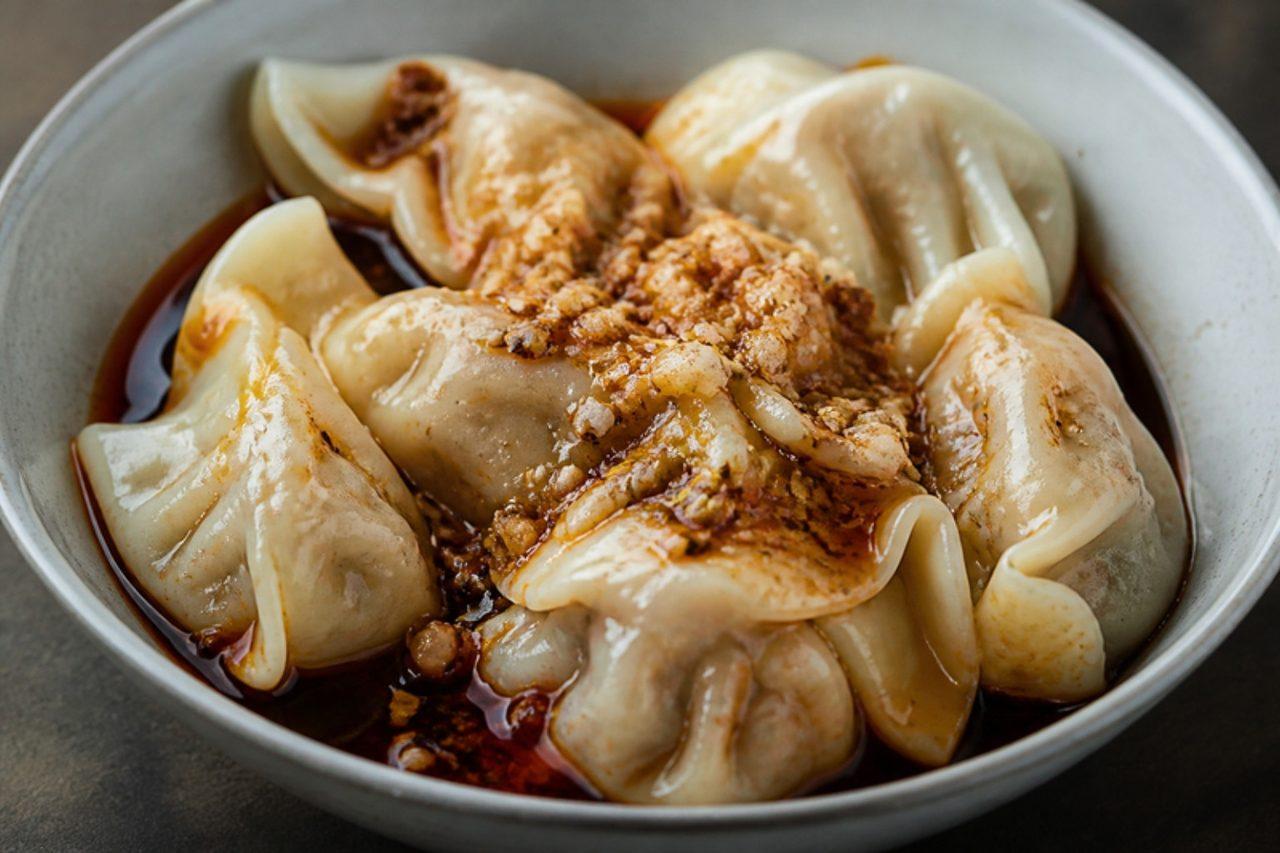
Zhong dumplingsPork dumplings in chilli oil

A snack shop opened by a Mr Zhong in Chengdu in the 1890s still serves these little half-moon dumplings, and every teahouse snack menu in the city has a version. Unlike northern dumplings, they hold only pork, no cabbage or chives, so the filling is soft, juicy and gingery. The magic is the sauce: a spiced, syrupy soy sauce simmered with brown sugar, star anise and cinnamon, spooned over with fiery chilli oil and a punch of raw garlic, so each bite is sweet, salty, hot and pungent at once. Eat them as an afternoon snack or a starter before noodles. Chef's tip: make the sweet soy sauce first; it keeps in the fridge for a month and is just as good on noodles or a plate of greens.

by KrazyBadal 0 views

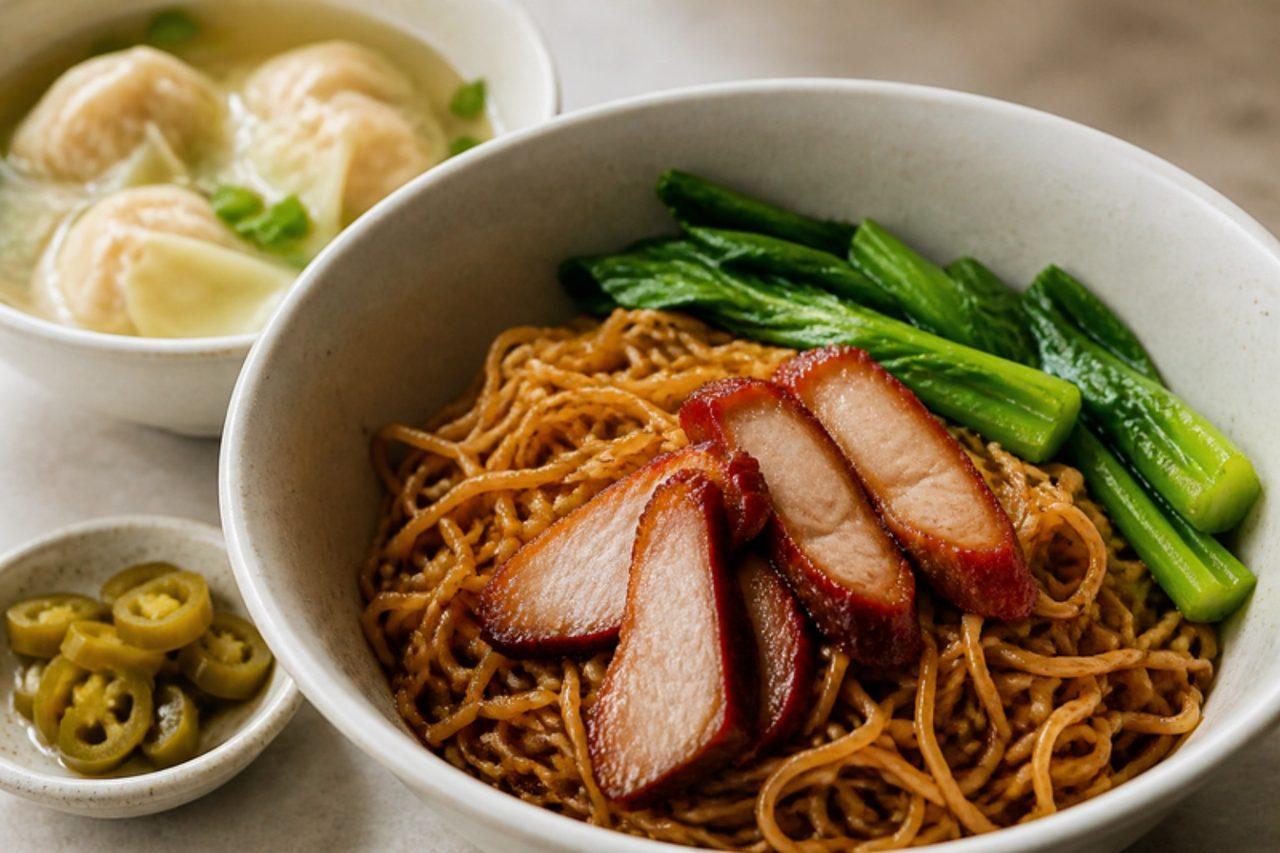
Wantan meeEgg noodles with dumplings and pork

Kuala Lumpur eats wantan mee for breakfast, lunch and late supper, usually from a stall where a cook flicks springy egg noodles through boiling water and tosses them in a dark, glossy sauce. The KL style is 'dry' (kon loe): noodles coated in soy, oyster sauce and lard or shallot oil, topped with slices of sweet char siu and greens, with the dumplings served in a little bowl of clear soup. Pickled green chillies cut through the richness. Expect chewy noodles, silky wontons and a salty-sweet, slightly smoky sauce. Chef's tip: rinse the cooked noodles under cold water for a few seconds, then dunk them back in the boiling water; the shock gives them their springy bite.

by KrazyBadal 0 views

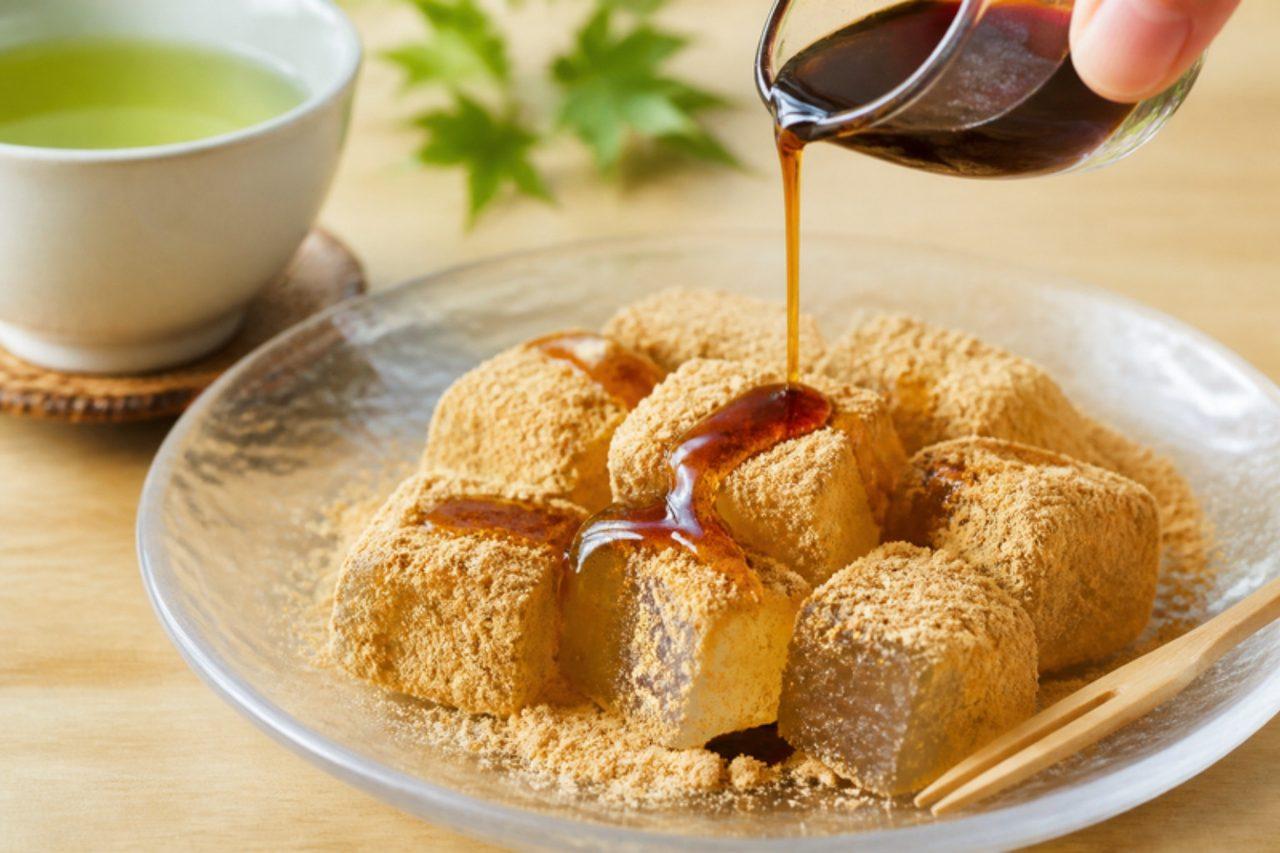
WarabimochiBracken starch jelly with soybean flour

Warabimochi is Kyoto's summer sweet. Made from the starch of bracken fern roots, it is not really mochi at all but a clear, wobbly jelly that melts on the tongue, and on hot afternoons teahouses around Gion and Arashiyama serve it chilled on ice. It is dusted with kinako, a nutty roasted soybean flour, and finished with kuromitsu, a dark syrup of Okinawan brown sugar. Real warabi starch is costly and greyish-brown, so most home cooks buy warabimochi-ko, a blend with sweet potato or tapioca starch, which gives a clearer jelly. Chef's tip: keep stirring hard once it turns clear. Two more minutes of beating over the heat is what makes it springy rather than gluey.

by KrazyBadal 0 views

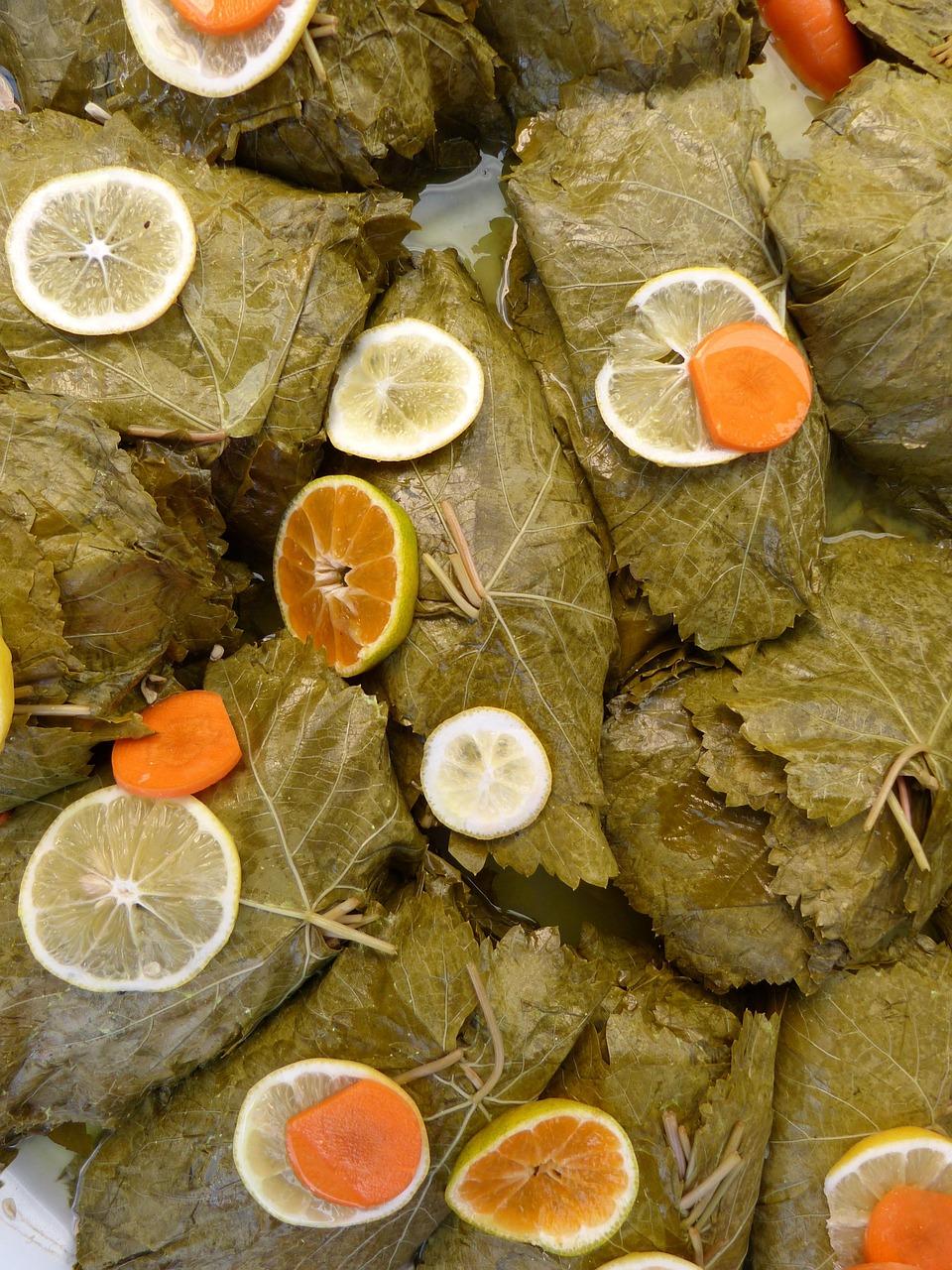
Warak enabRice-stuffed vine leaves

Warak enab bi zeit, vine leaves cooked in oil, is what Lebanese aunts make in big batches in early summer when the young grape leaves are tender, and it fills the cold mezze table at every wedding and family lunch. The meatless version, eaten on Lenten fast days, is packed with short-grain rice, tomato, parsley, mint and spring onion, seasoned with dried mint and seven spices, and simmered slowly in lemon juice until the leaves are silky and the filling sharp and fresh. It is served cold with a wedge of lemon and a spoonful of yogurt for those who are not keeping it vegan. Rolling too tightly is the mistake most people make: the rice swells and splits the leaves, so roll them snug but not stretched. Chef's tip: line the pan with sliced potato and tomato; they stop the rolls catching and are a cook's treat to eat straight from the pot.

by KrazyBadal 0 views

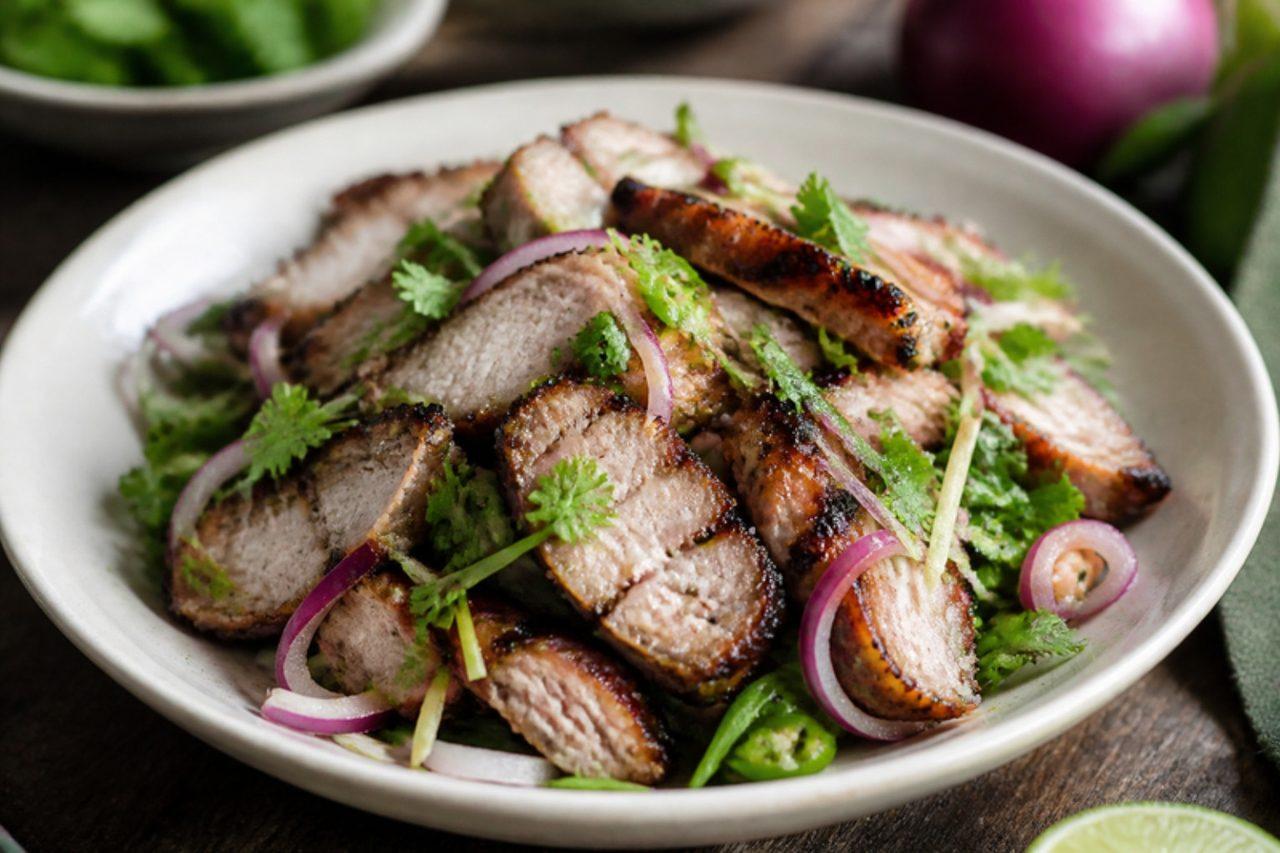
Wahan mosdengGrilled pork salad

Wahan means pork and mosdeng a fiery mashed relish in Kokborok, the language of the Tripuri people of Tripura. Pork is boiled until tender, grilled over charcoal for a smoky crust, then tossed with raw onion, green chilli, ginger and coriander. In Agartala and the villages it is party and festival food, eaten during Garia Puja in April with rice beer or rice. Chef's tip: grill the boiled pork really hot and fast; you want charred edges without drying the meat.

by KrazyBadal 0 views

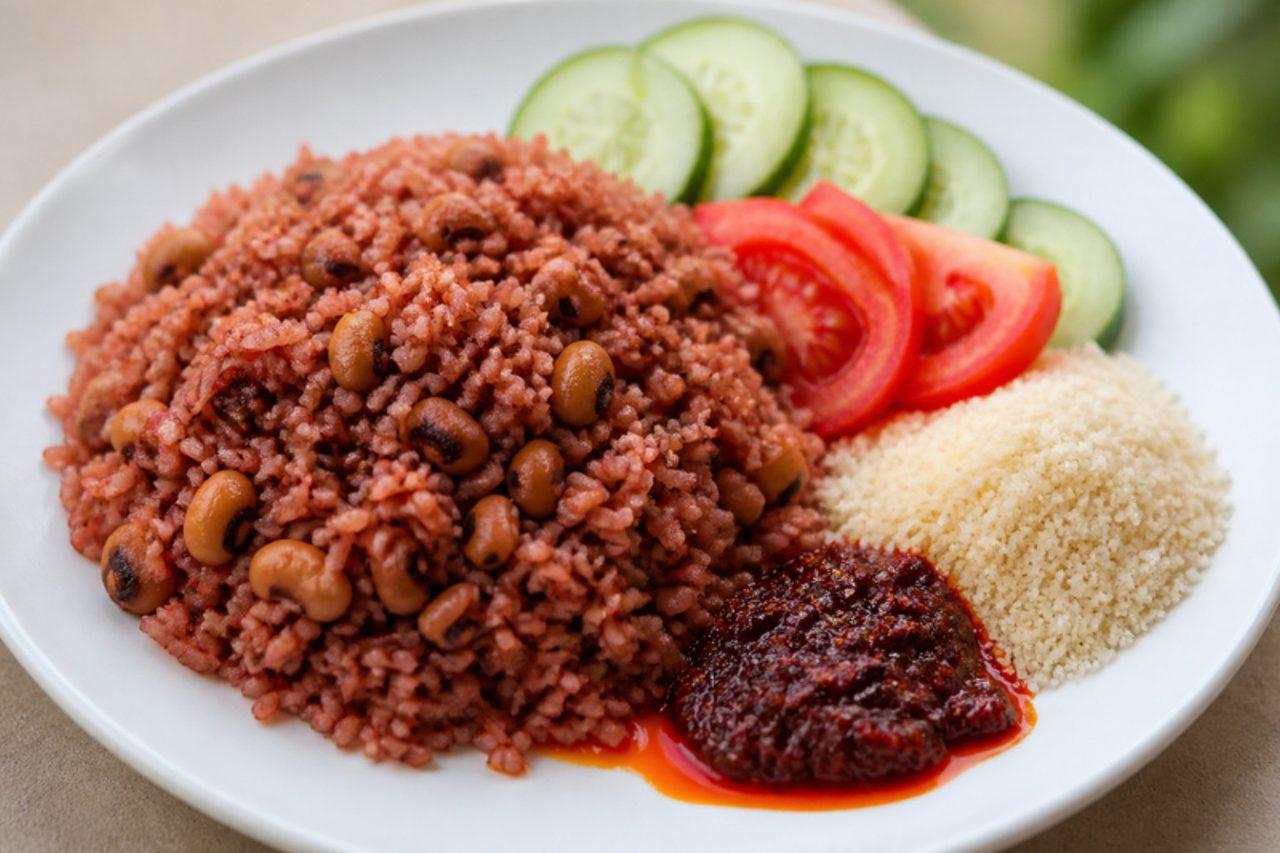
WaakyeRice and black-eyed beans

Waakye (say 'waa-chay') came south from the Hausa communities of northern Ghana and is now Accra's favourite breakfast and lunch, sold from big pots wrapped in leaves at roadside stalls before most offices open. Rice and black-eyed beans are cooked together with dried sorghum leaf stalks (waakye leaves), which dye the pot a deep reddish brown and add a faint earthy note. A full plate comes loaded with shito, gari, spaghetti (talia), salad and fried plantain. Chef's tip: cook the beans almost soft before the rice goes in; beans and rice finishing together is the whole trick.

by KrazyBadal 0 views

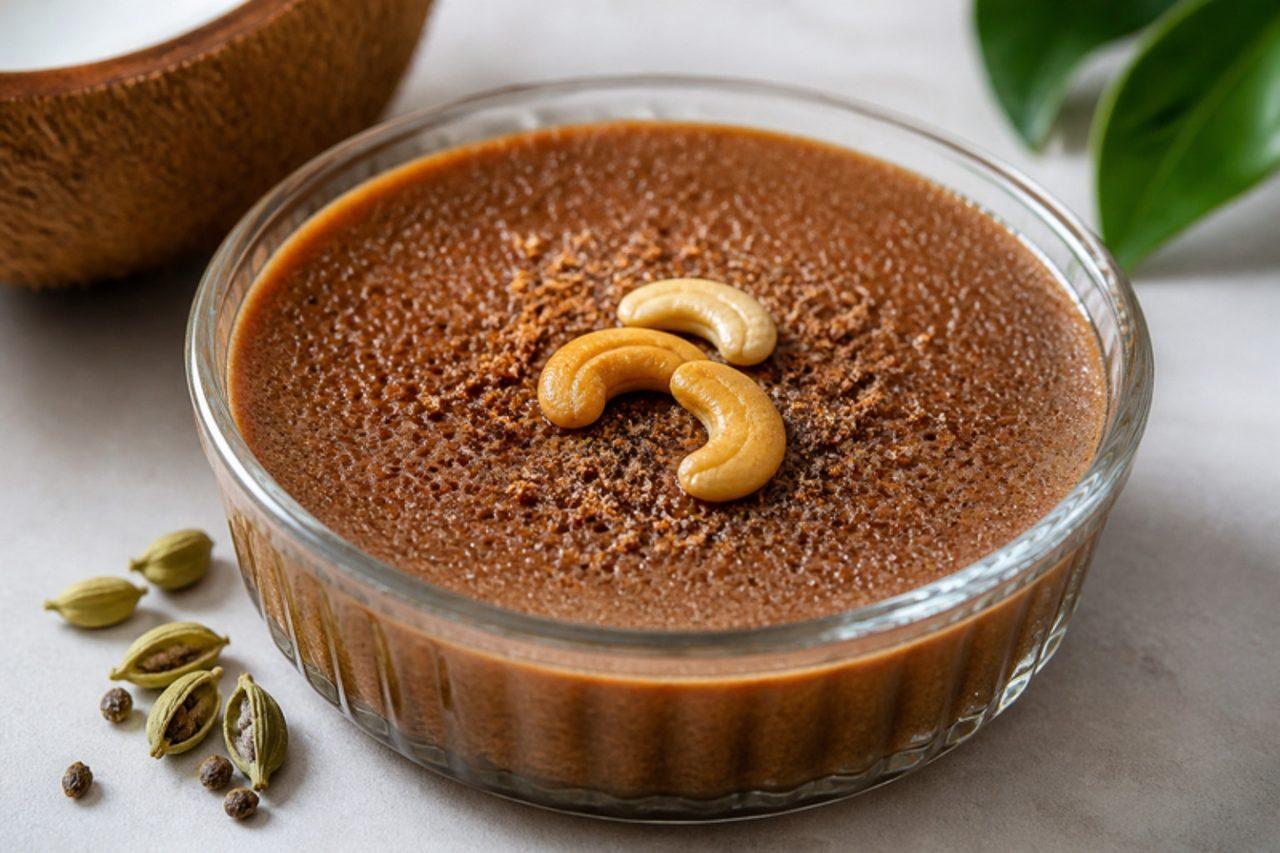
WatalappanJaggery and coconut custard

Watalappan came to Sri Lanka with the island's Malay and Muslim communities, and no Eid table in Colombo, Beruwala or Kandy is complete without it; it now turns up at weddings and birthdays across every community. Thick coconut milk and eggs are sweetened with kithul jaggery, the dark palm sugar from the fishtail palm, and spiced with cardamom, nutmeg and a little clove, then steamed until it sets into a wobbly, honeycombed custard the colour of toffee. Cashews scattered on top add crunch. Dark muscovado sugar works if you can't find kithul jaggery. The common mistake is steaming it on a fierce boil, which makes it full of large holes and watery; a steady, gentle simmer gives a smooth set with the fine honeycomb that's prized. Chef's tip: strain the mixture through a sieve before steaming to remove any stringy egg and jaggery grit.

by KrazyBadal 0 views

Vegetarian vori voriCornmeal dumpling and vegetable soup

Vori vori is the soup Paraguayan grandmothers make on cold June and July evenings: a golden broth full of bori, small balls of cornmeal and cheese that swell soft as they simmer. The name is a Guaraní take on the Spanish 'bolita' (little ball). It's usually made with hen; this version gets its colour and body from pumpkin, carrot and a sofrito with saffron or turmeric. Chef's tip: shape the balls no bigger than a hazelnut; they double in size and larger ones stay raw inside.

by KrazyBadal 0 views

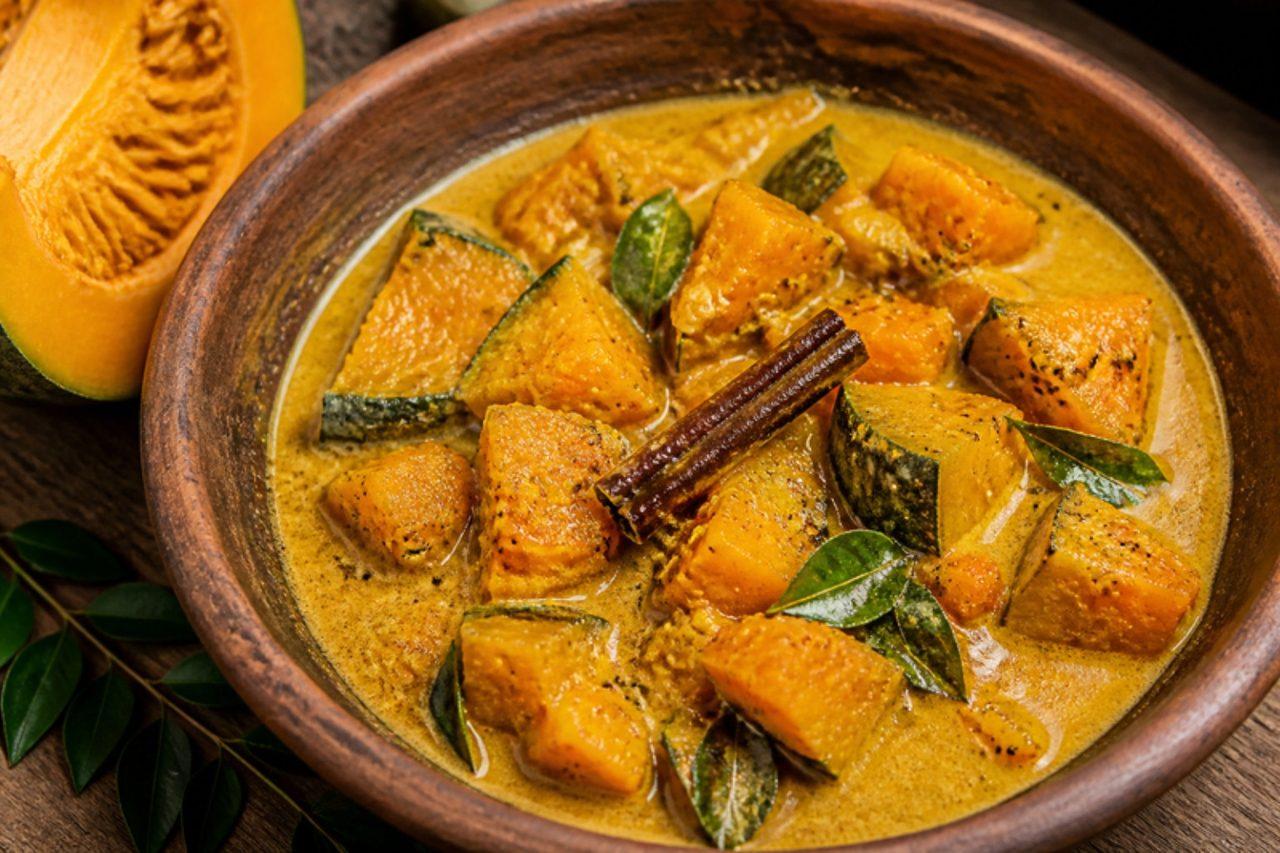
Wattakka curryPumpkin curry

Wattakka (pumpkin) curry is one of the soft, sweet dishes on a Sri Lankan buth (rice) spread, and in villages around Kurunegala it often appears at Poya day almsgivings, when temple meals are always meat-free. The pumpkin is cooked in its skin with dark roasted curry powder, cinnamon, a pinch of fenugreek and pandan, then thickened with coconut milk and a spoonful of ground mustard, which gives it a gentle tang. Some cooks also add toasted coconut paste (kalu pol); we keep it simpler. The common mistake is cutting the pumpkin too small, so it dissolves into mush before the gravy is ready; keep the chunks about 4 cm. Chef's tip: leave the skin on butternut or Kent pumpkin; it holds each piece together and softens completely as it cooks.

by KrazyBadal 0 views

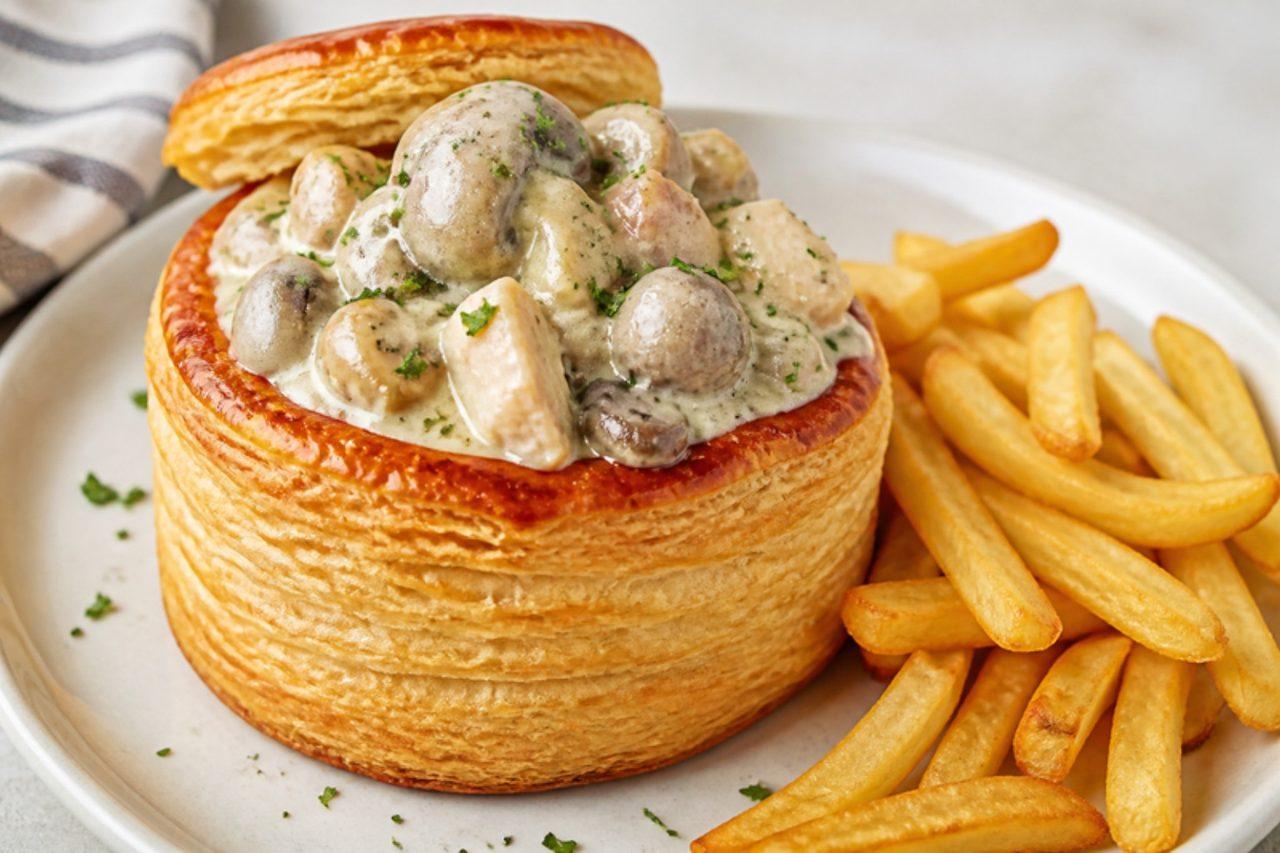
Vol-au-ventChicken and mushroom pastry cases

In Belgium a vol-au-vent is not a party nibble but a full plate: a big puff-pastry case filled with creamy chicken ragout, button mushrooms and tiny meatballs, served with chips in Brussels brasseries and for family celebrations and Sunday lunches all over the country. The little meatballs are made with pork mince, so this dish contains pork. The sauce is built on the poaching stock from the chicken, which gives it far more flavour than milk. A mistake many cooks make is filling the pastry too early, so the base turns soggy; fill the cases just before they go to the table. Chef's tip: poach the meatballs in the same stock as the chicken; they take just 5 minutes and season the broth further.

by KrazyBadal 0 views

ZhugGreen chilli and coriander sauce

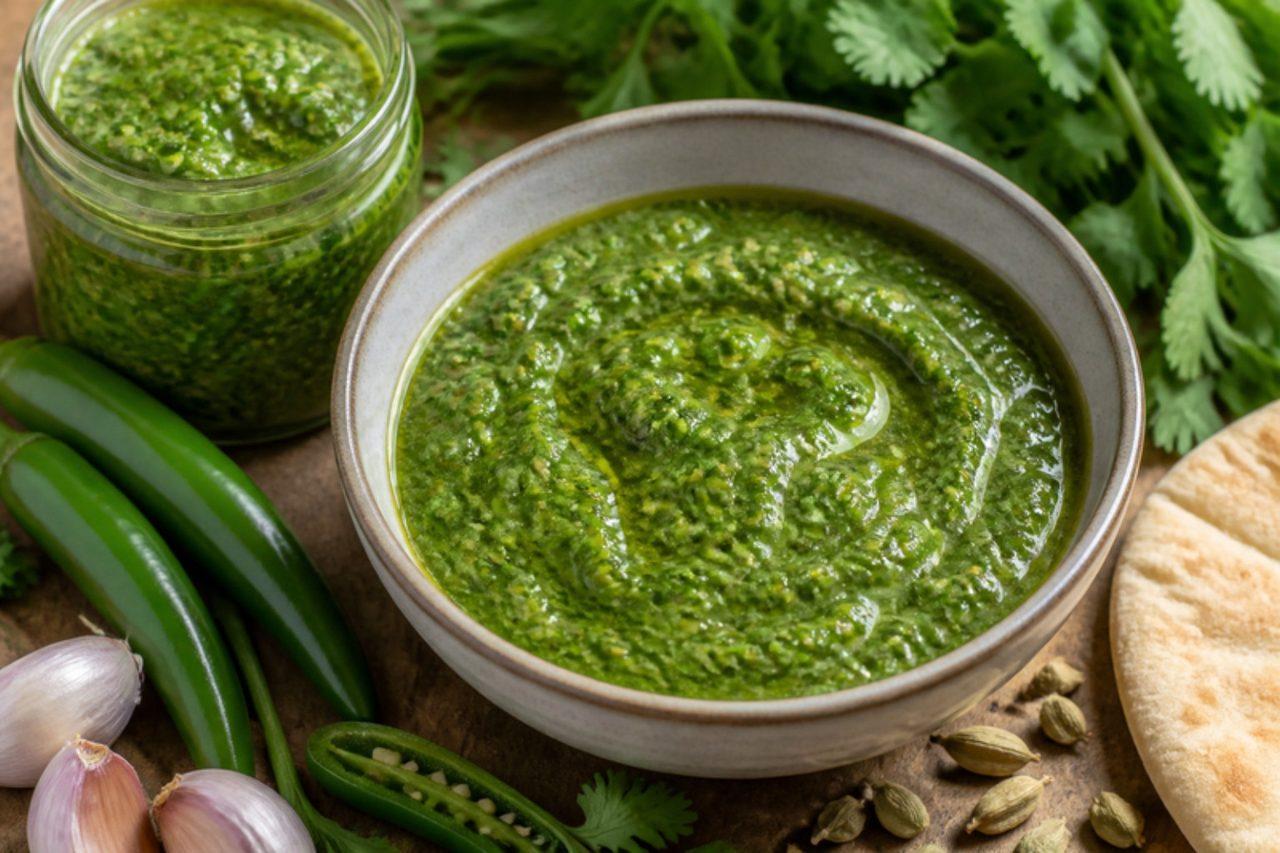
Zhug is the sauce Yemenite Jews brought to Israel, and now it sits beside the tahini and amba at every falafel and sabich stand in Tel Aviv and Jerusalem. Fresh green chillies are ground with a big bunch of coriander, garlic, cumin and cardamom into a bright green, punchy relish with a slow, warming heat. Spoon a little into soup, onto eggs, over jachnun or into a pita. Chef's tip: dry the herbs thoroughly after washing; wet leaves make a watery zhug that goes brown in the fridge.

by KrazyBadal 0 views

VitumbuaCoconut cardamom rice pancakes

Small, round Swahili rice pancakes made from a yeasted batter of rice flour, coconut milk, grated coconut, sugar and cardamom. They're crisp and golden outside, soft and spongy inside. Serve hot with tea.

by KrazyBadal 0 views

Vegetable tsuivanSteamed noodles with vegetables

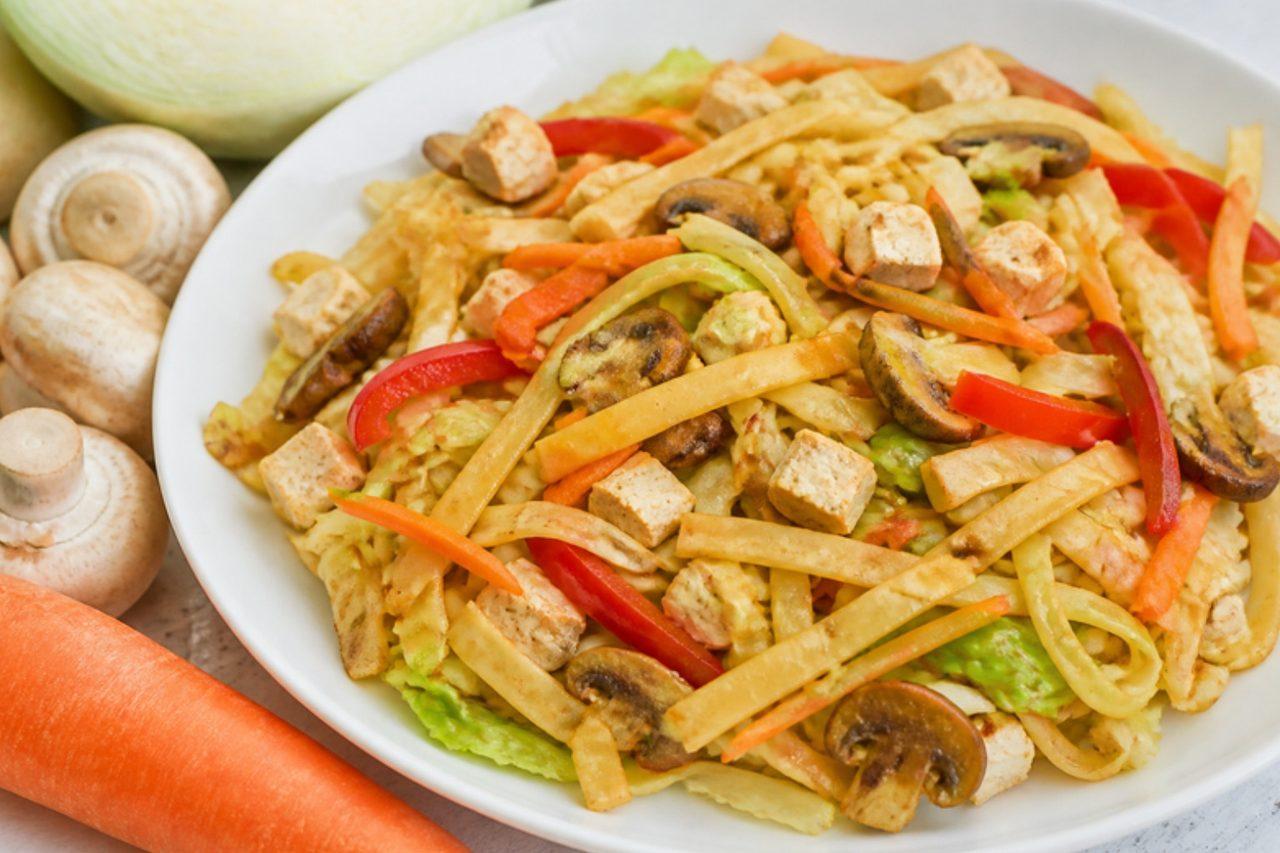
Tsuivan is one of the most-cooked dinners in Mongolia, from Ulaanbaatar apartments to gers on the steppe: homemade noodles laid over a stir-fry and steamed under a lid until they soak up all the juices, then tossed together. It's normally made with mutton; meaty mushrooms and firm tofu stand in here, with carrot, cabbage and onion. Simple and filling, it's often eaten with a pot of salty milk tea. Chef's tip: lay the noodles on top and don't stir until the end; they cook in the steam, not in the liquid.

by KrazyBadal 0 views

ZigniSpicy beef stew

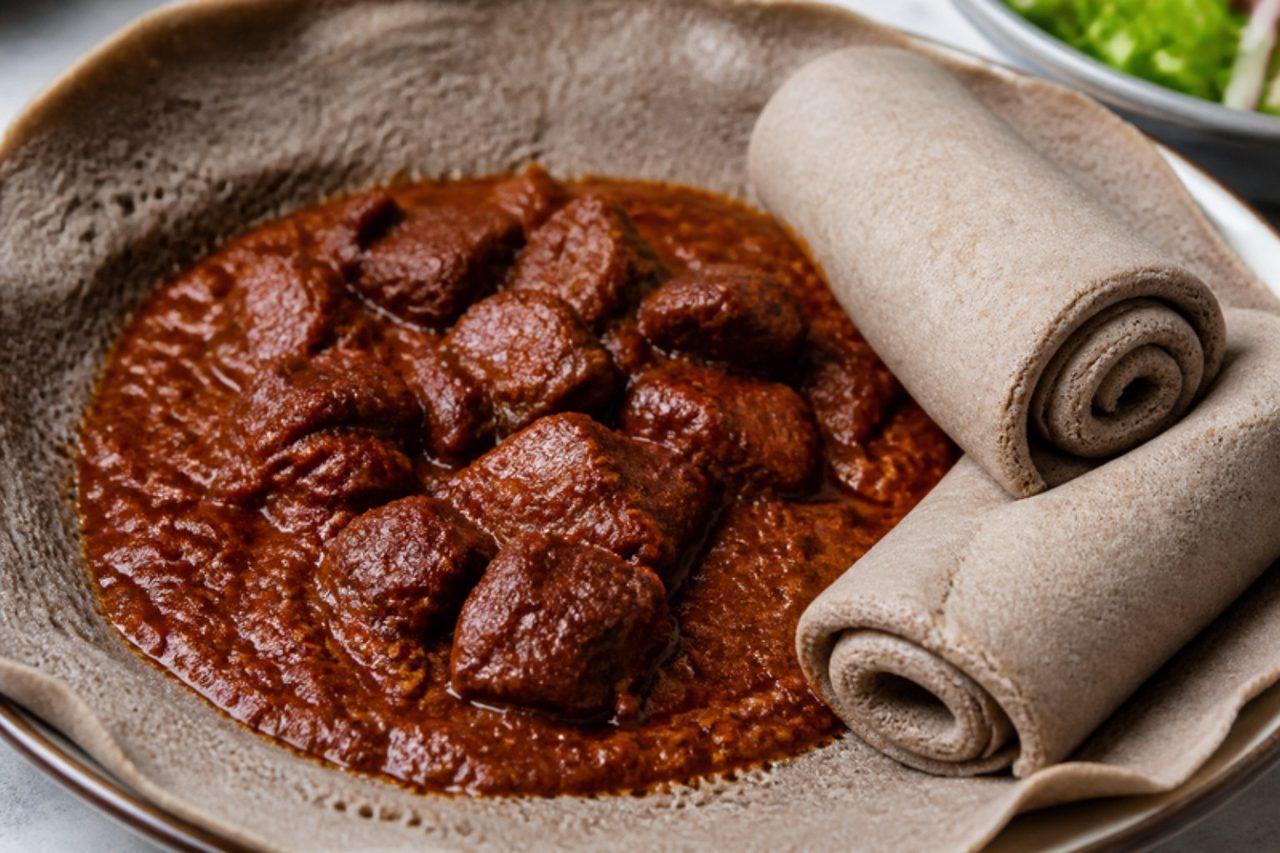
Zigni is the signature stew of Asmara and the Eritrean highlands, served on a wide platter of injera at weddings, Sunday lunches and the end of fasts. Red onions are cooked slowly in a dry pot until they collapse, then berbere, garlic, ginger and tomato go in, followed by beef that simmers until tender in a deep red, peppery sauce finished with spiced butter (tesmi). The mistake is rushing the onions: they must cook down for a good 20 minutes to give the sauce its sweet base. Chef's tip: the onions start in a dry pan with no oil, the traditional way; stir them often and add a splash of water if they catch.

120 minEritreanMeatGluten freeSpicy
by KrazyBadal 0 views

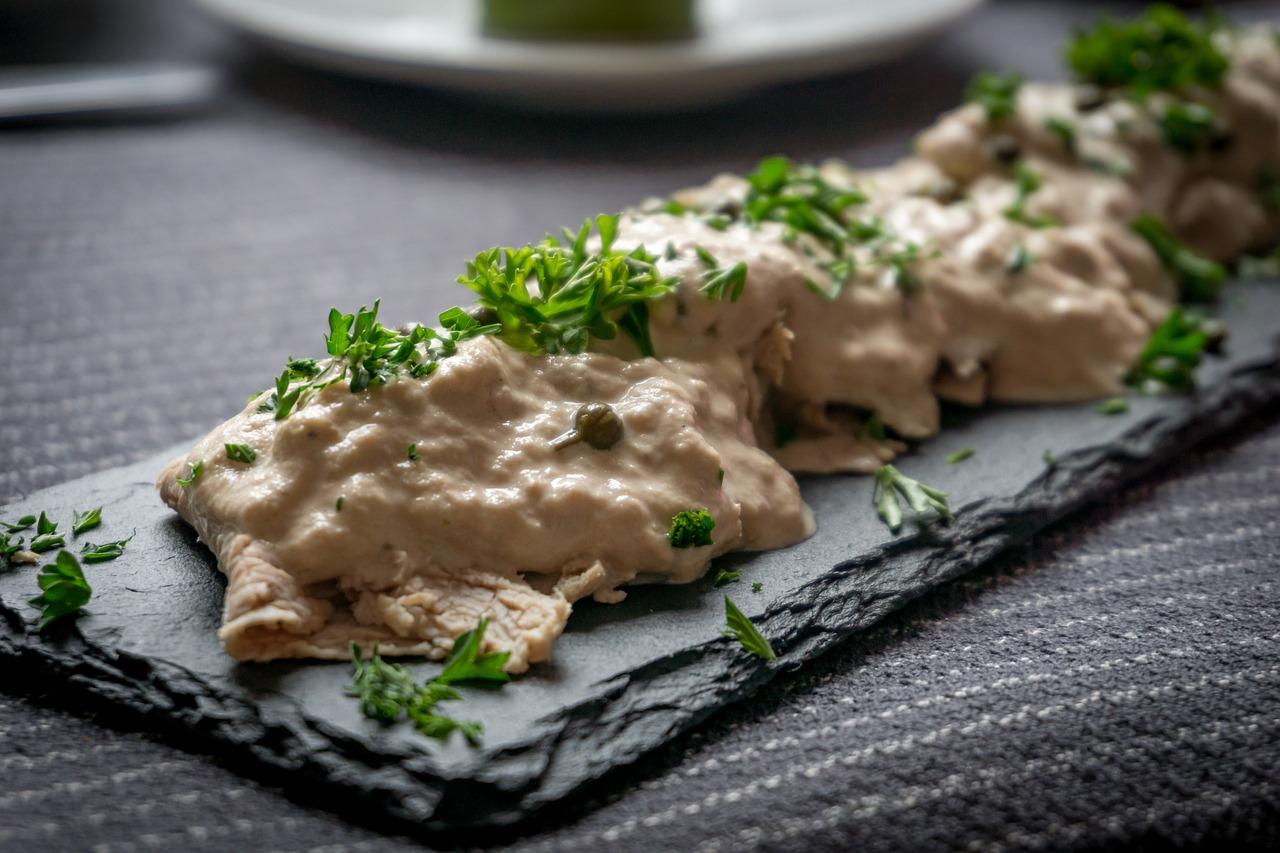
Vitello tonnatoVeal with tuna sauce

On the hottest days of a Piedmontese summer, and above all for the Ferragosto holiday in mid-August, families set out a platter of cold, thinly sliced veal hidden under a pale, velvety sauce of tuna, anchovy and capers. The combination sounds odd and tastes wonderful: tender, mild meat and a savoury, lemony sauce that is rich without being heavy. This version follows the older Piedmontese style, thickening the sauce with hard-boiled egg yolks and the veal's own poaching broth instead of raw-egg mayonnaise; if you prefer a mayonnaise base, use one made with pasteurised eggs. Serve it as a starter or a summer main with a green salad and bread. A common mistake is slicing the meat while warm; it frays and tears, so chill it first and cut it as thin as you can. Chef's tip: assemble it the evening before; overnight in the fridge, the sauce seeps into the meat and the flavours settle together.

120 minItalianMeatGluten free
by KrazyBadal 0 views

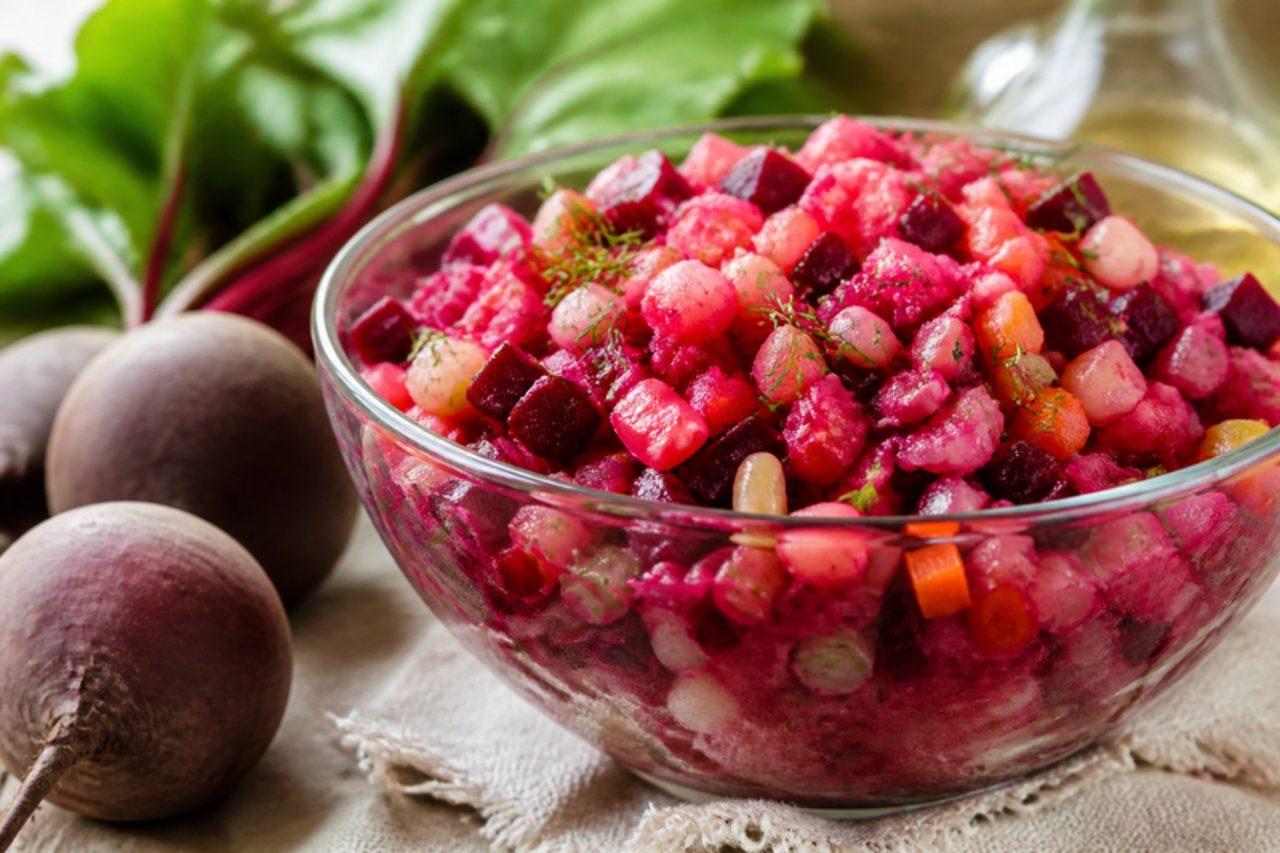
VinegretBeetroot and potato salad

Vinegret is the ruby-coloured salad that sits on almost every Ukrainian New Year and Christmas table, alongside olivier, and fills lunch boxes through the winter. Cooked beetroot, potato and carrot are diced small and tossed with sauerkraut, pickled cucumbers and beans, then dressed with fragrant unrefined sunflower oil, the kind sold by the bottle at markets in Poltava and Kherson. Despite the name there is often no vinegar at all; the sourness comes from the pickles. It is vegan, cheap and keeps for days. Chef's tip: dress the diced beetroot with oil on its own first, then mix in everything else; the oil coats it so the potatoes stay pale and the salad looks like a mosaic rather than all pink.

by KrazyBadal 0 views

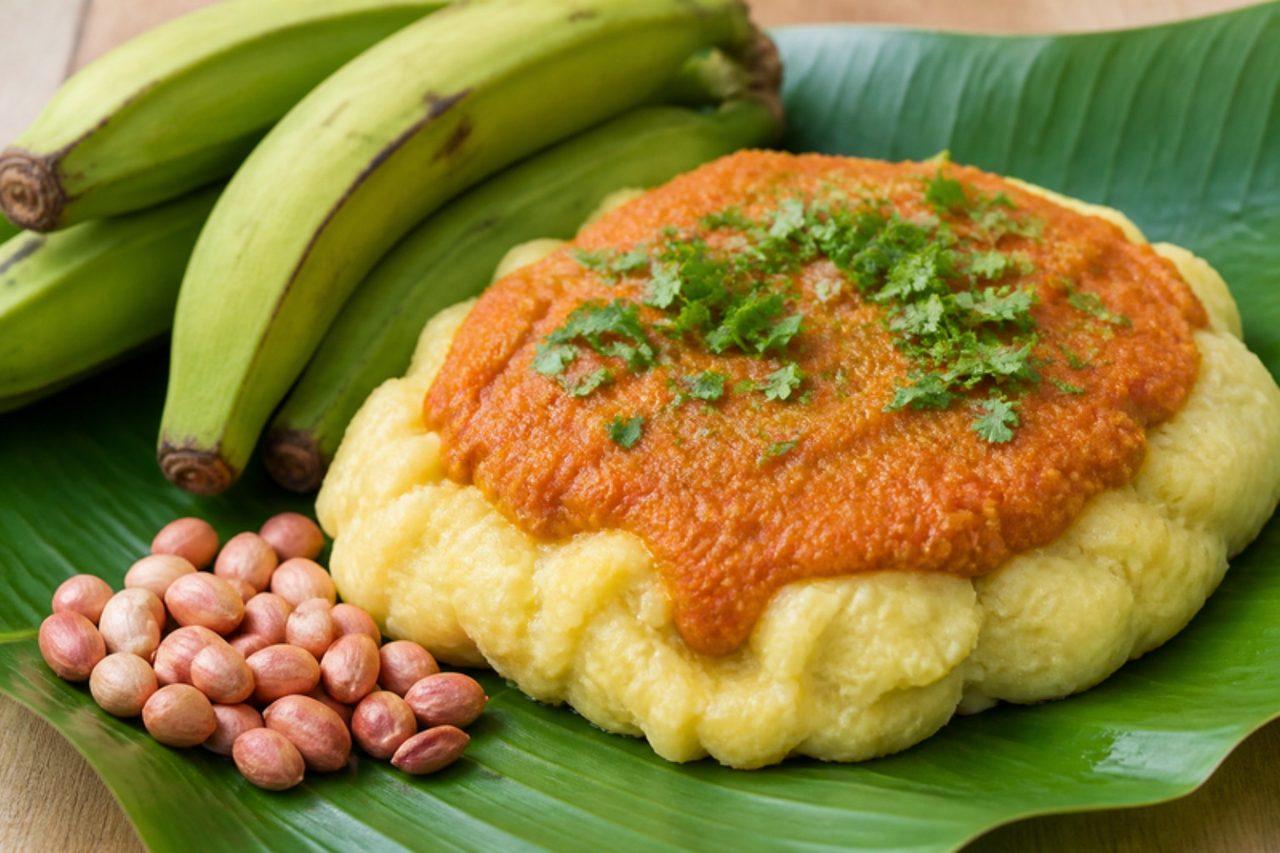
Uganda matokeMashed green bananas

Uganda's national dish: green matoke bananas steamed in banana leaves, mashed and kept warm in the leaves, then topped with a thick, gently spiced tomato and ground peanut sauce. It's soft, savoury and very filling. The book's Handy Hints add that bananas and peanuts are both good for the heart.

by KrazyBadal 0 views

VetkoekFried bread puffs

Vetkoek ('fat cake' in Afrikaans) is fried at church fêtes, rugby matches and roadside stalls all over South Africa, and in townships it's known as amagwinya. The yeast dough fries into a crisp golden ball with a soft, steamy middle, split open while still warm. The best-known filling is curried mince, but just as many people eat them with grated cheese and apricot jam, golden syrup, or a spoon of chakalaka, as here. Chef's tip: keep the oil at a steady medium heat and turn the vetkoek often so they colour evenly and cook right through.

by KrazyBadal 0 views

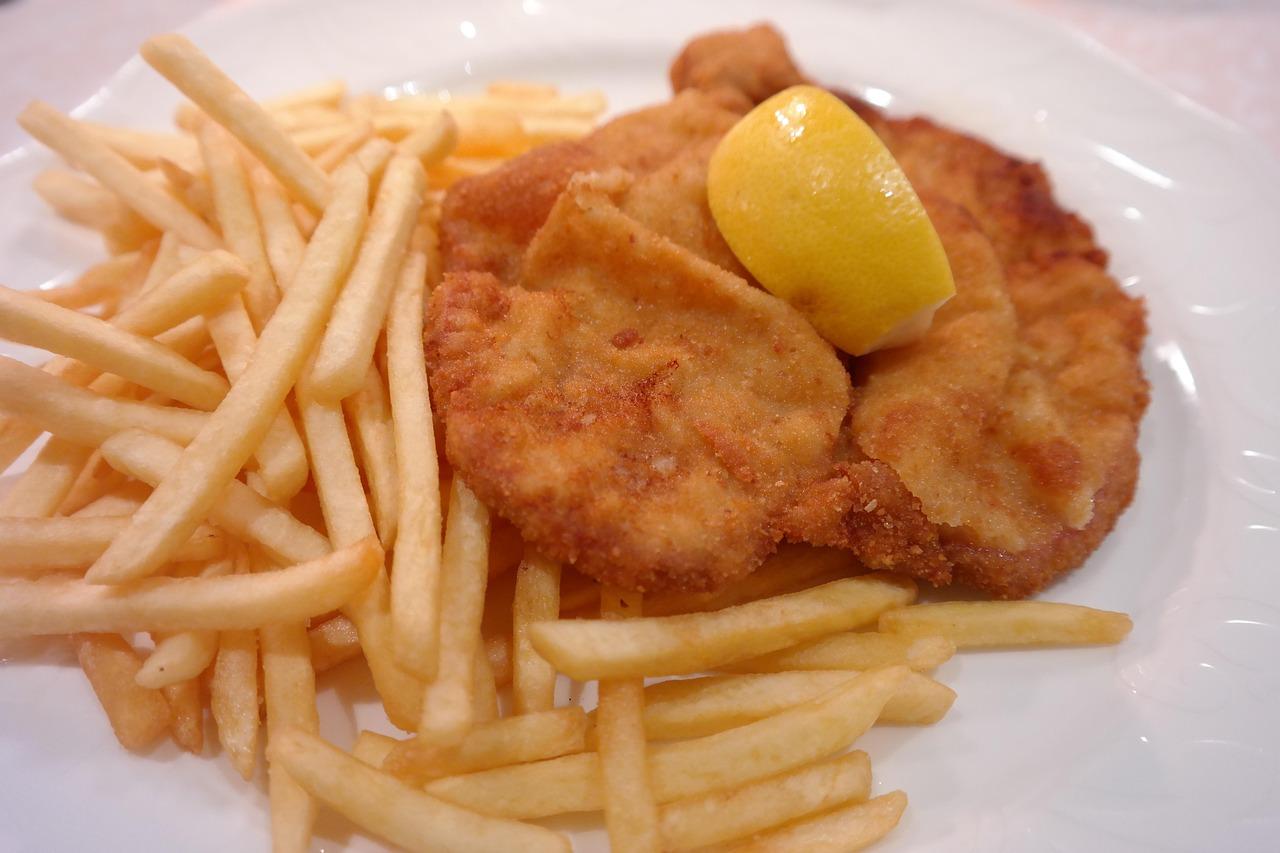
Wiener SchnitzelBreaded veal cutlet

In Vienna's old Beisl taverns the Schnitzel arrives so large it hangs over the plate: a veal escalope beaten thin, coated in flour, egg and fine breadcrumbs and fried in plenty of hot fat while the pan is swirled, so the crumb lifts away from the meat in golden waves. Austrian law keeps the name 'Wiener Schnitzel' for veal; the pork version, very common in German homes, is called Schnitzel Wiener Art and is cooked exactly the same way. Serve it with a lemon wedge, lingonberry jam and potato salad. The most common mistake is pressing the crumbs firmly onto the meat, which stops the coating from puffing. Chef's tip: shake off the crumbs and lay the cutlet in only when the fat is hot enough that a crumb sizzles at once.

32 minGermanMeat
by KrazyBadal 0 views

Vepřo knedlo zeloRoast pork with dumplings and cabbage

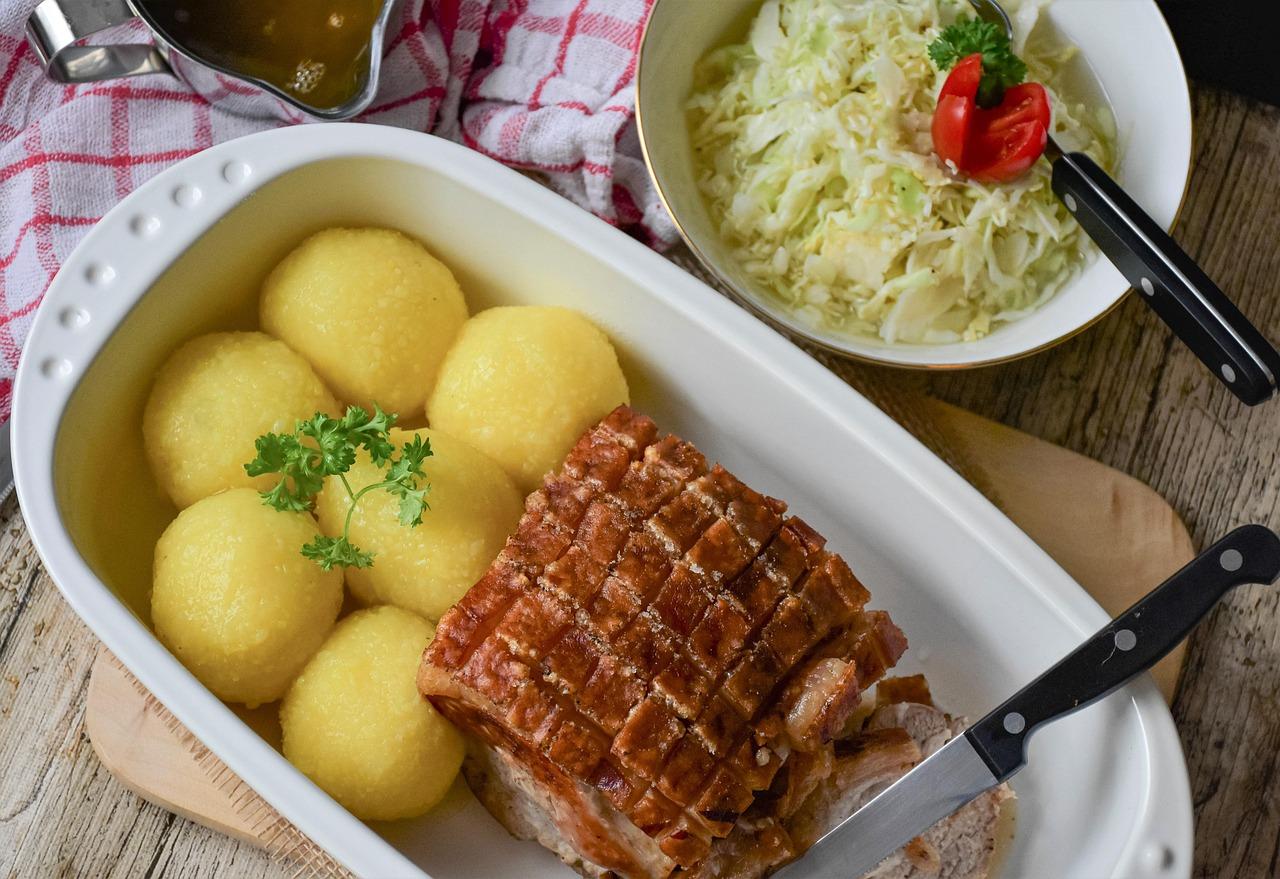
Ask anyone in Prague, Brno or a village pub in Moravia for the most Czech meal of all and they will name vepřo knedlo zelo: roast pork, dumplings and cabbage, eaten at Sunday lunch and washed down in pubs with a cold lager. This is a pork dish: shoulder rubbed with garlic, caraway and salt and roasted slowly in a little water until it falls into tender slices, the pan juices becoming the gravy. Alongside go slices of soft bread dumpling and red or white cabbage braised sweet and sour. The trap is roasting the pork too hot and too dry; a splash of water in the tin and a low oven keep it juicy. Chef's tip: lay the pork fat side down for the first hour, then turn it fat side up so the fat renders and crisps at the end.

210 minCzechMeat
by KrazyBadal 0 views

Ven pongalRice and moong dal porridge

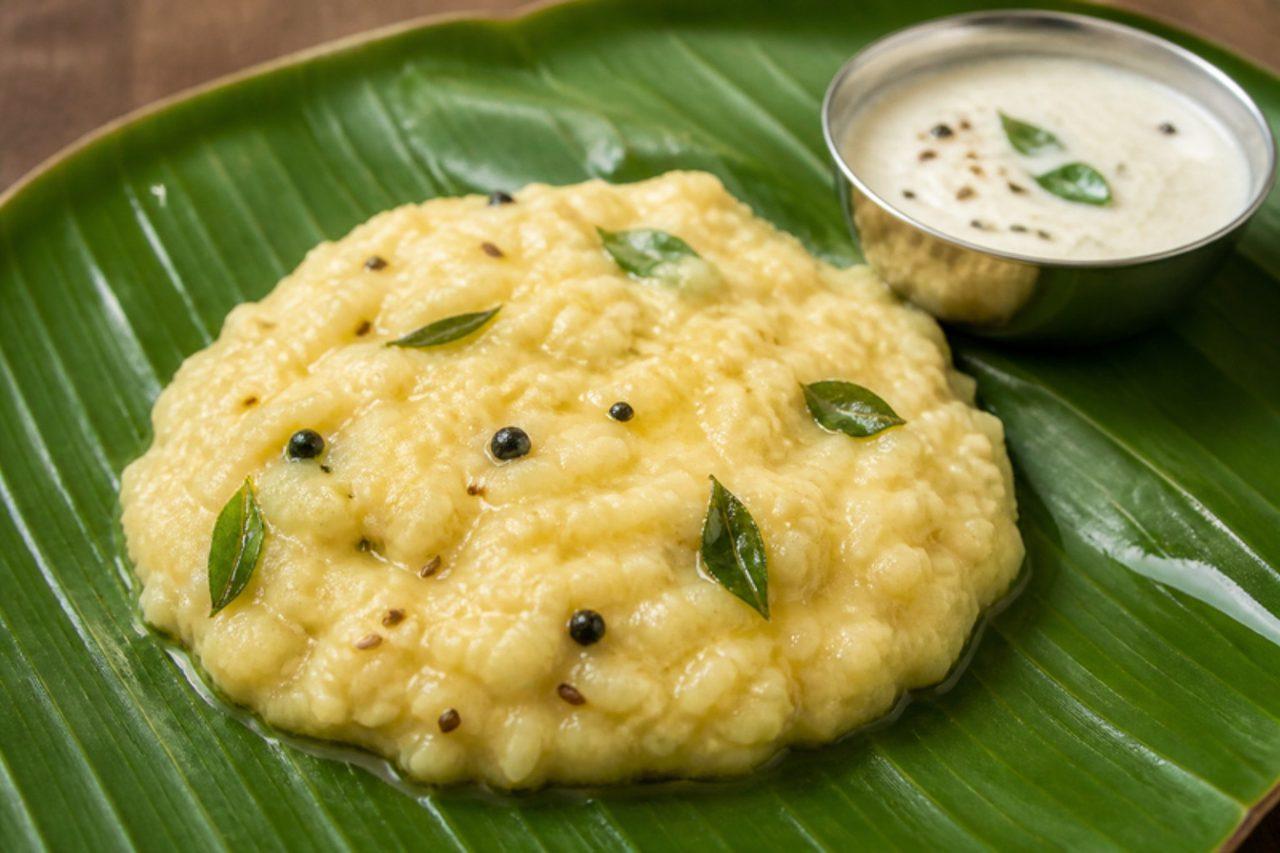
Ven pongal, 'white pongal', is the gentle, savoury breakfast of Tamil Nadu, served in homes, temples and Chennai's tiffin halls. Rice and roasted yellow moong dal are cooked together until soft and creamy, then finished with a ghee tempering of whole black pepper, cumin, ginger, cashews and curry leaves. It's mild and comforting, with little bursts of heat from the peppercorns. Serve it with coconut chutney and sambar, or with medu vada on a Sunday. Chef's tip: dry-roast the moong dal for a few minutes before cooking until it smells nutty; it takes the pongal from plain to deeply savoury.

by KrazyBadal 0 views

Vegetarian smørrebrødOpen sandwiches

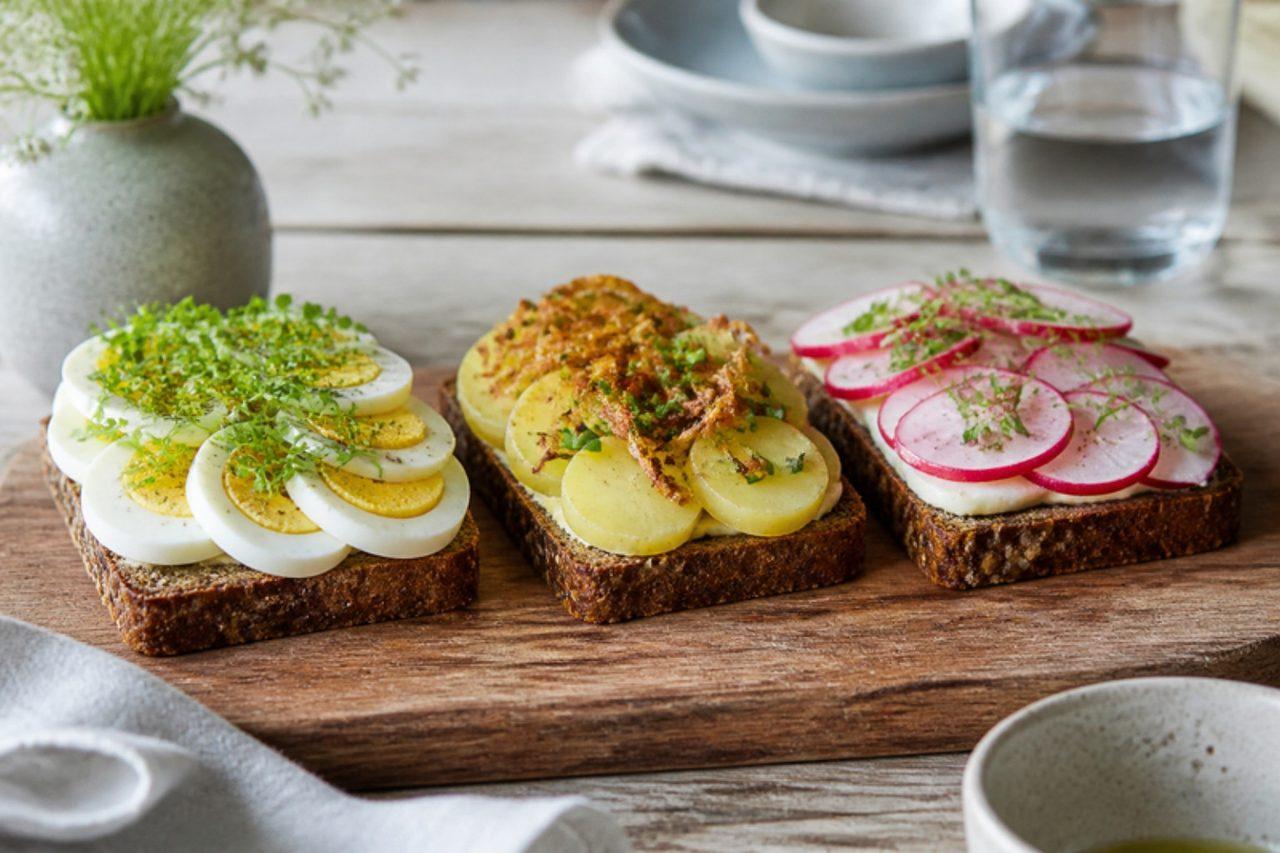
Smørrebrød, 'buttered bread', is Denmark's lunch: a single slice of dense rye bread, buttered right to the edges and piled with toppings so carefully arranged they are eaten with a knife and fork. Copenhagen lunch restaurants such as the old cellar places around Nyhavn serve them in a set order, and at home they make up a Sunday or Christmas lunch table (det kolde bord). Many classics use fish or meat, but three of the best-loved toppings are vegetarian: sliced egg with tomato and cress, waxy new potatoes with crisp onion and chives (kartoffelmad), and peppery radishes on salted butter. Chef's tip: butter the bread thickly and all the way to the crust; in Denmark the butter is the glue that holds the toppings and keeps the rye from going soggy.

by KrazyBadal 0 views

Ube halayaPurple yam jam

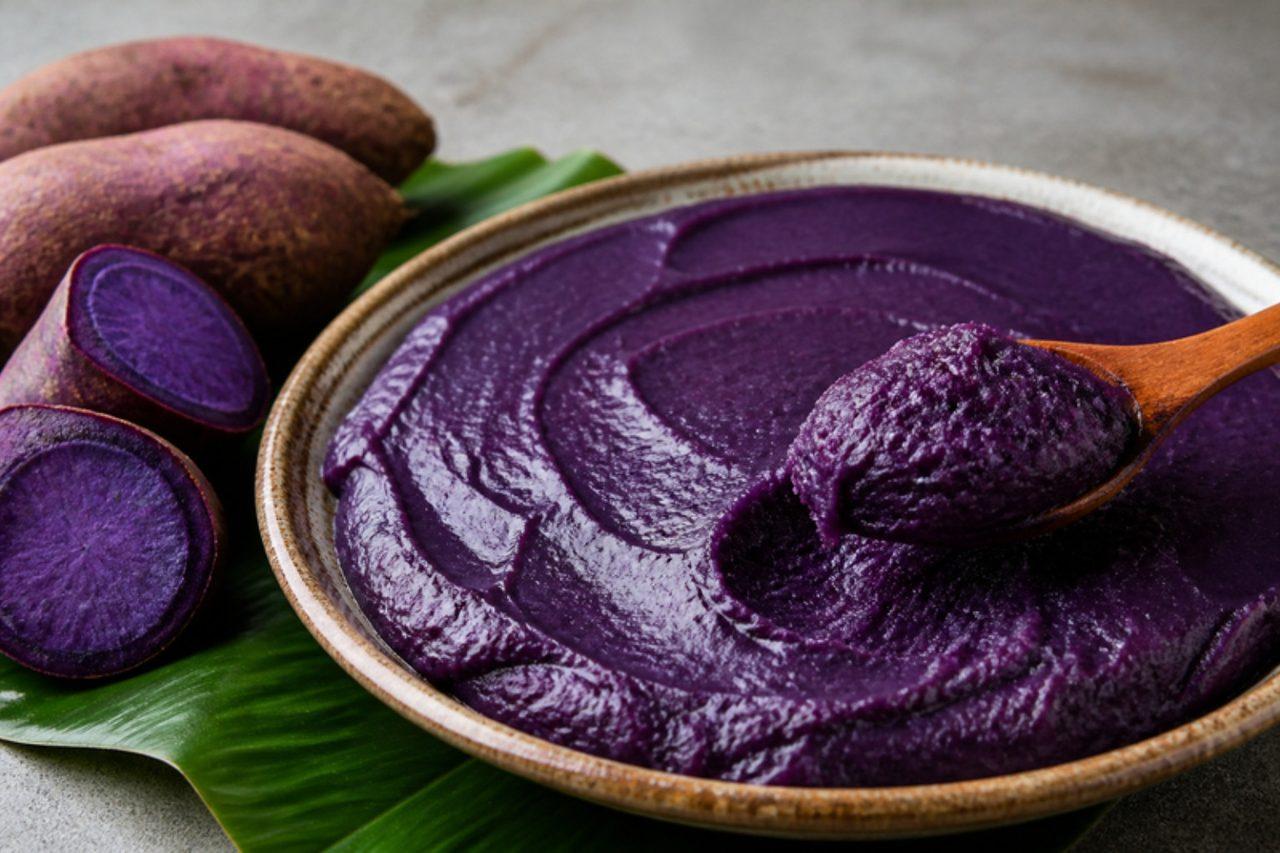
Ube halaya is a thick, deep purple jam made from purple yam, slowly stirred with coconut milk, condensed milk and butter until it pulls away from the pan. Bohol, where ube grows in abundance and the province holds a festival for it every January, claims it, and in Baguio jars of it are bought as pasalubong (gifts) to take home. It appears at Christmas and fiestas, spread on bread, eaten by the spoonful, packed into halo-halo or shaped in moulds and topped with latik or grated cheese. Real ube has a gentle, nutty, vanilla-like flavour; purple sweet potato is not the same. Chef's tip: frozen grated ube from Asian grocers works perfectly and saves an hour of peeling and grating.

by KrazyBadal 0 views

Showing 81 of 10,569 recipes

Show more recipes

Page 1,086 of 1,175