


Skip to content
Ang ku kueh
Featured recipe

Ang ku kueh

Red glutinous rice cakes

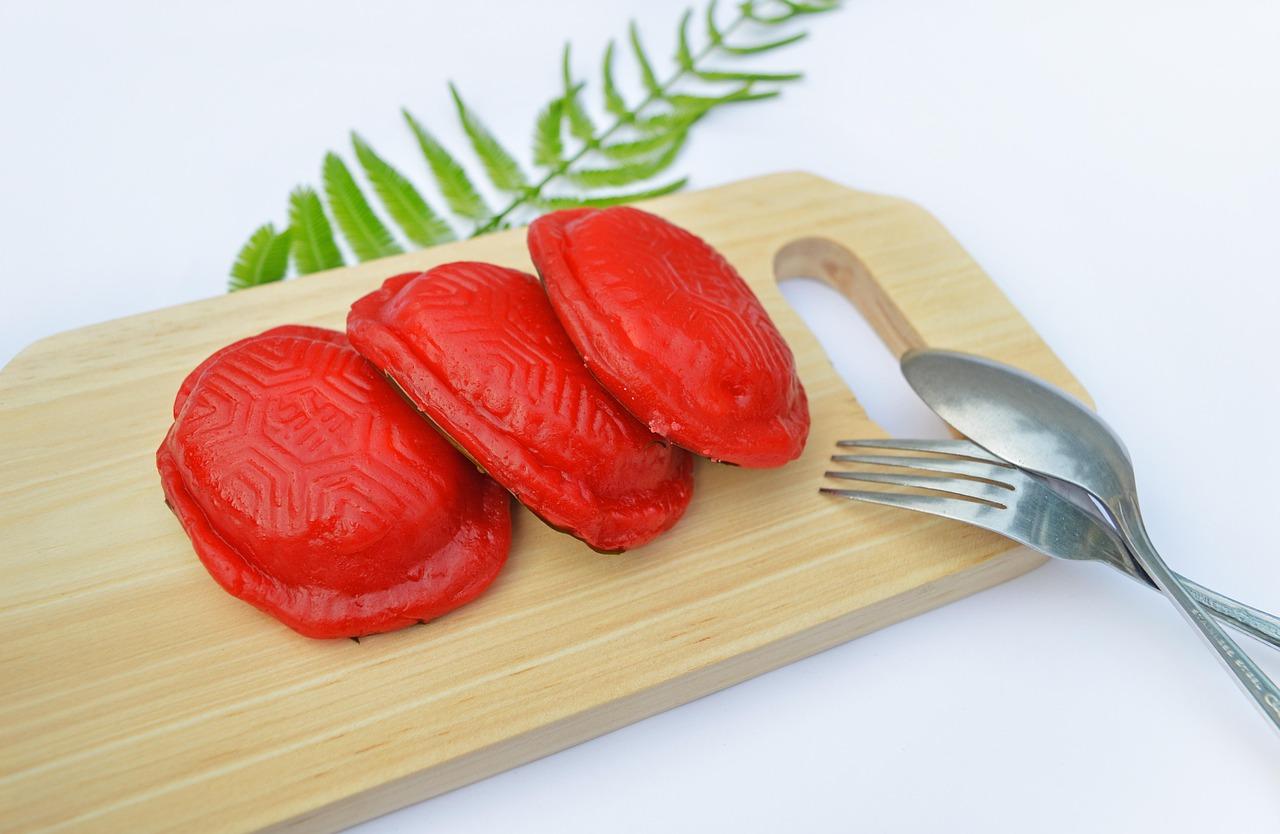
Red for luck and shaped like a tortoise for long life, ang ku kueh are carried to Hokkien and Teochew family altars and handed out in boxes at a baby's first-month celebration, at elders' birthdays and at temple festivals across Singapore, from Chinatown shophouses to neighbourhood confectioners in Bukit Merah. The skin is soft, chewy and slightly elastic, made from glutinous rice flour kneaded with mashed sweet potato, and it wraps a smooth, mildly sweet filling of split mung bean (or crushed peanut and sugar). Each cake is pressed in a carved wooden mould and steamed on a square of banana leaf. The usual mistake is steaming over a fierce boil, which makes the skin puff up, crack and lose the printed pattern; steam gently with the lid slightly open. Chef's tip: brush the cakes with a little oil the moment they come out of the steamer, so the pattern shines and the skin doesn't dry out or stick together.

Read more 0 views

What to eat today?

Around the world

Today's trip: Persian

A new country every day, from every cuisine on the site.

Persian

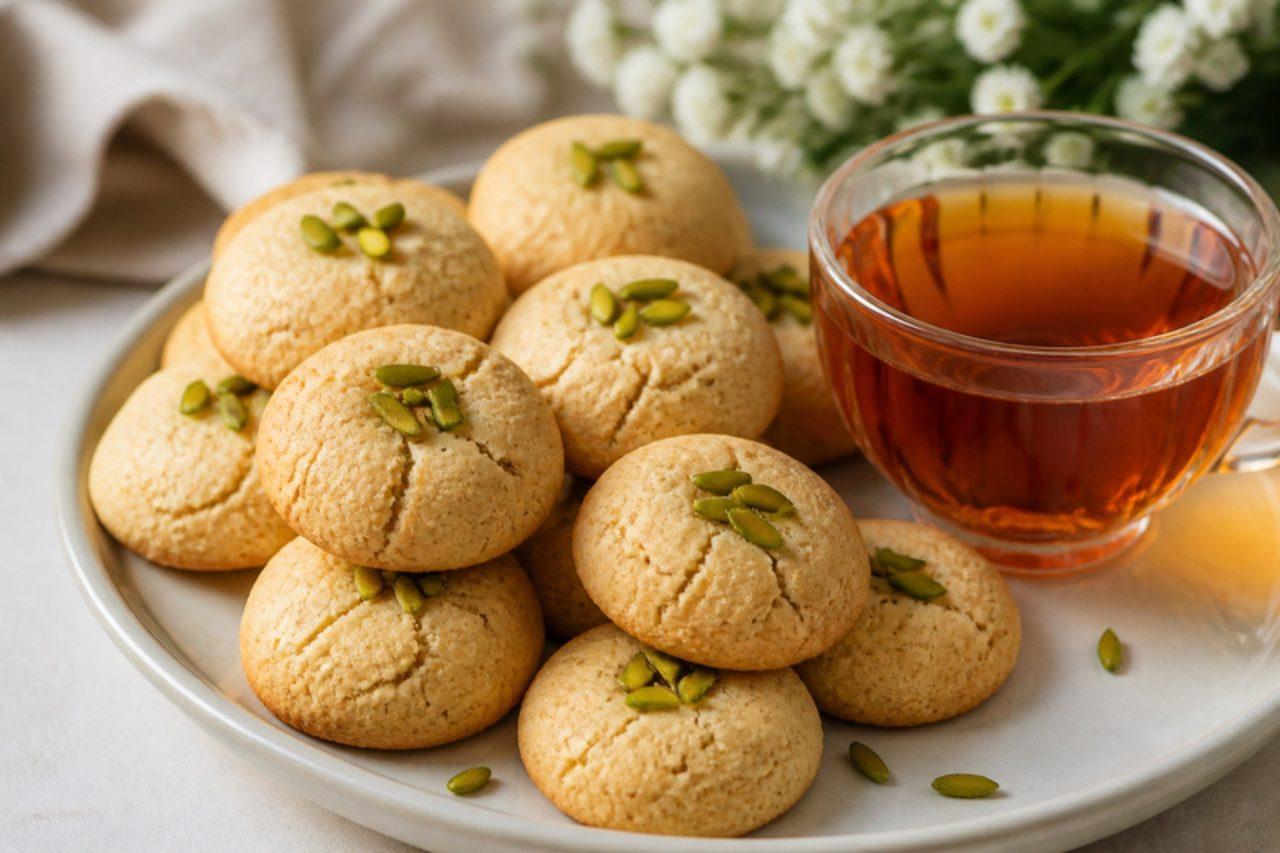
Nan-e badami

Almond cardamom cookies 45 minMore from Persian (174) →

This week's collection

Kid-friendly dinners
702 recipes · a new collection every Monday

Coming up

All occasions →

Latest recipes

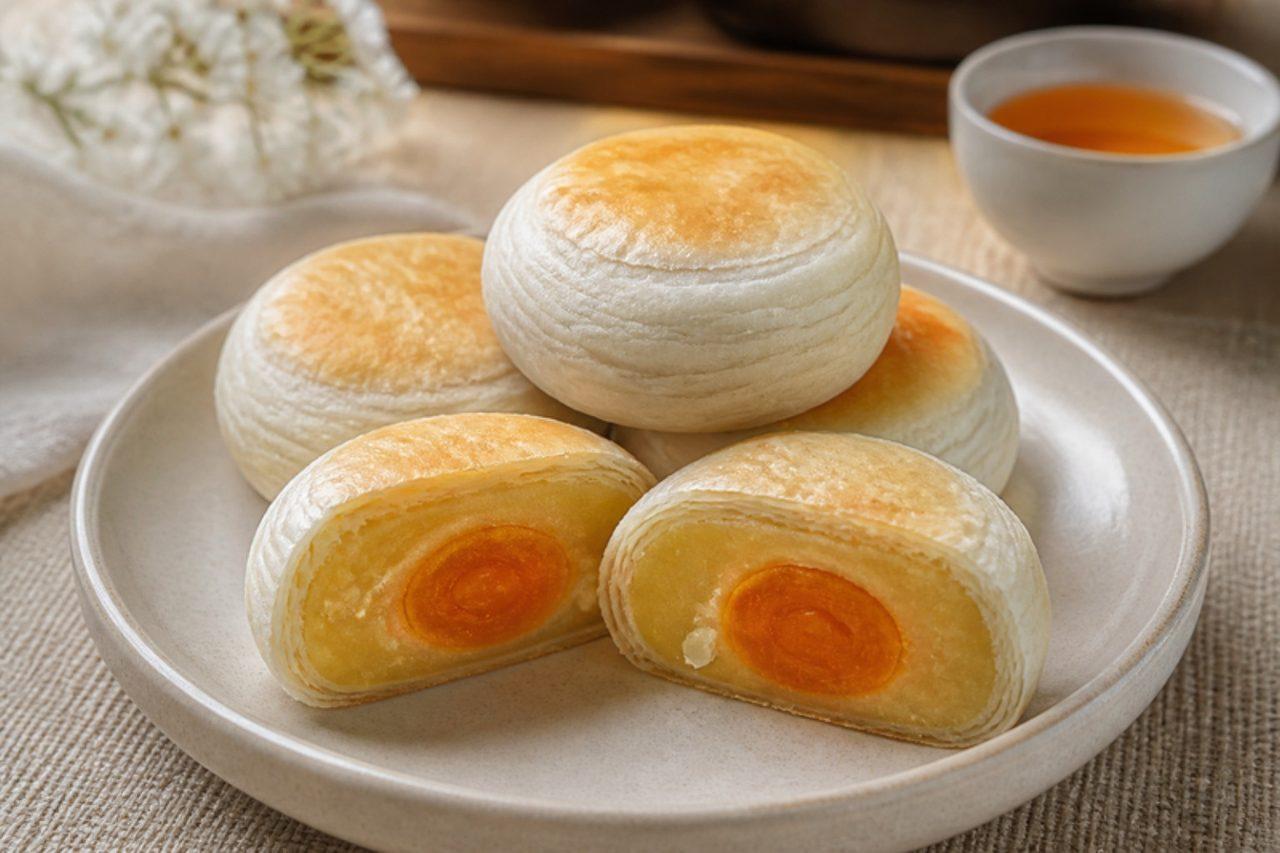
Bánh pía with durian and salted egg yolkDurian and egg yolk pastries

Sóc Trăng in the Mekong Delta is lined with shops stacking boxes of bánh pía for travellers to carry home, a legacy of the province's Teochew Chinese bakers. The pastry flakes into fine, papery layers around a dense mung bean paste perfumed with durian and hiding a whole salted egg yolk; they are eaten with hot tea at any time of day and given at Mid-Autumn. This home version uses vegetable shortening in place of the lard many bakeries use, which keeps it vegetarian. Chef's tip: keep the water dough and the oil dough at the same softness; if one is firmer, the layers tear when you roll and the pastry bakes up bready instead of flaky.

by KrazyBadal 0 views

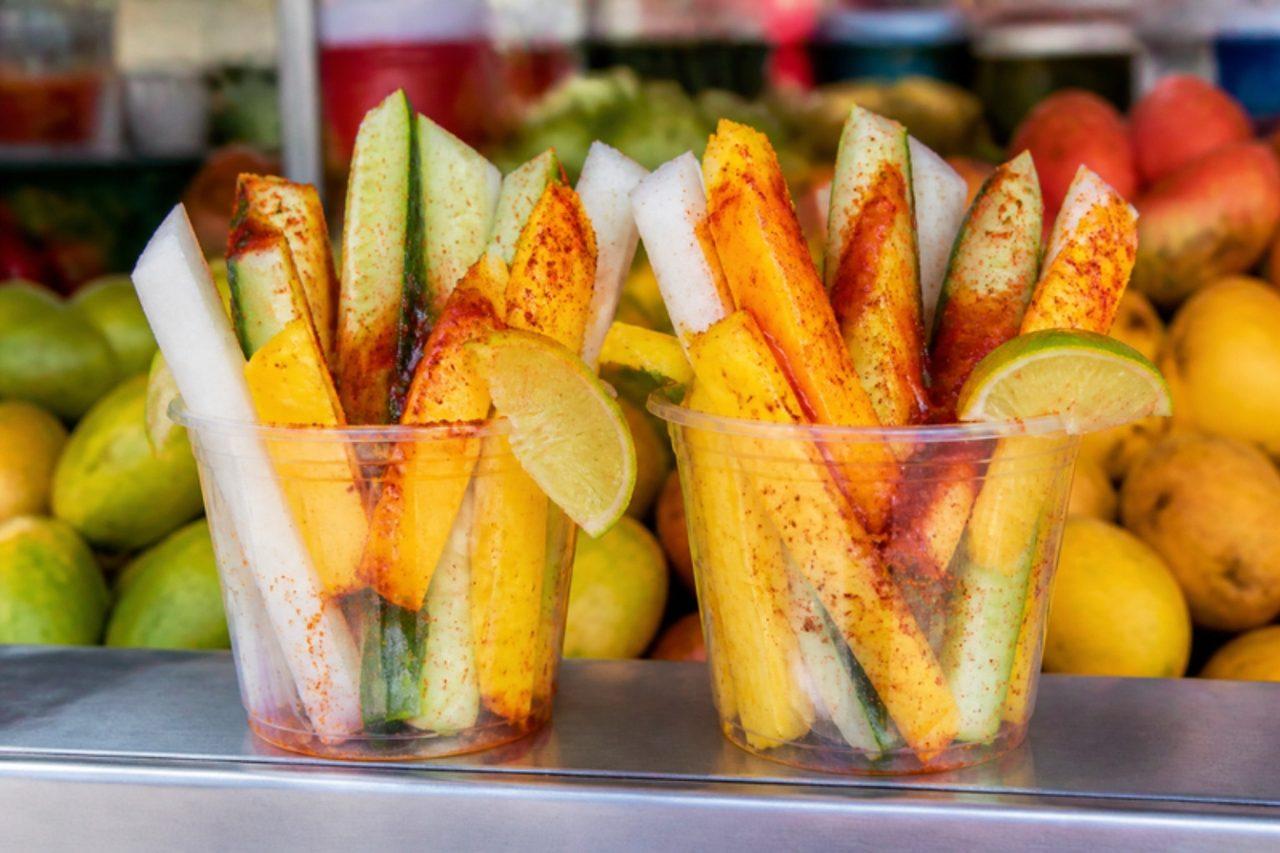
Fruta con chileFruit with chile and lime

Every plaza in Mexico City seems to have a fruit cart with a glass case of jícama, cucumber, mango and pineapple, cut to order into tall sticks and packed into a cup. The vendor squeezes over lime and shakes on chile-lime salt, and you eat it with a toothpick on a hot afternoon. It's juicy, crunchy, sour and only a little hot. Chef's tip: chill the fruit well first; cold fruit and sharp chile make the contrast.

by KrazyBadal 0 views

Bolinho de arrozRice and cheese fritters

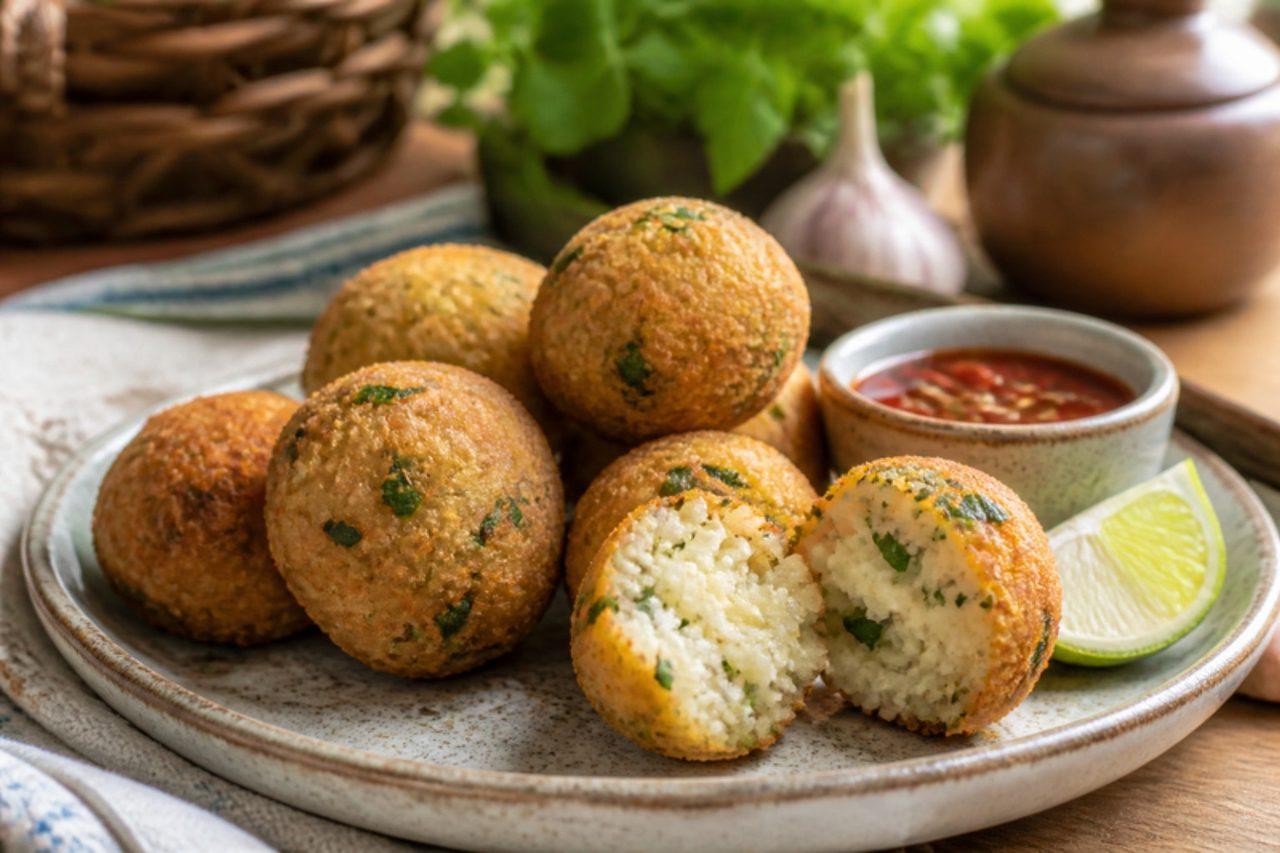
In kitchens all over Brazil, the rice left from Sunday lunch becomes Monday afternoon's bolinhos, spooned into hot oil and eaten warm with coffee or as a bar snack with a cold drink. Cold cooked rice is bound with egg, a little flour and grated cheese, flecked with onion and parsley, and fried into rough golden balls with a soft, savoury middle. Parmesan is made with animal rennet, so use a vegetarian hard cheese to keep it vegetarian. Chef's tip: day-old rice from the fridge holds together far better than freshly cooked rice.

by KrazyBadal 0 views

Phá lấu (five-spice braised pork offal)

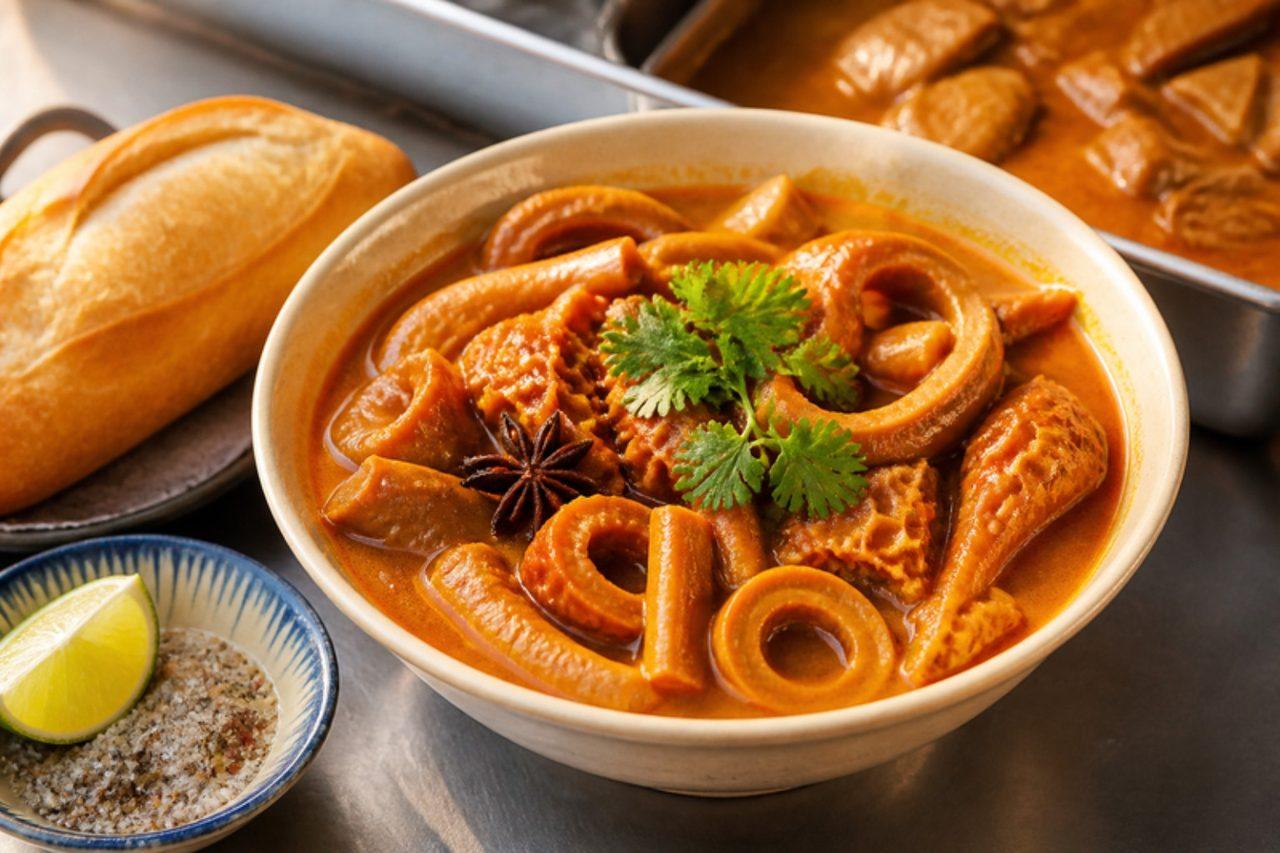
In District 4 and Chợ Lớn, Saigon's Chinese quarter, phá lấu carts park outside schools and alleys every afternoon, ladling pork offal from a bubbling five-spice broth into bowls to eat with crusty bread and a dip of lime, salt and pepper. Teochew immigrants brought the braise; the Vietnamese version adds coconut water and a splash of coconut milk, which makes the broth rich, sweet and orange-red with annatto. Chef's tip: scrub and blanch the offal twice with salt and vinegar; skipping the cleaning leaves a strong smell that no amount of spice will hide.

by KrazyBadal 0 views

Roti sai maiCandy floss crêpes

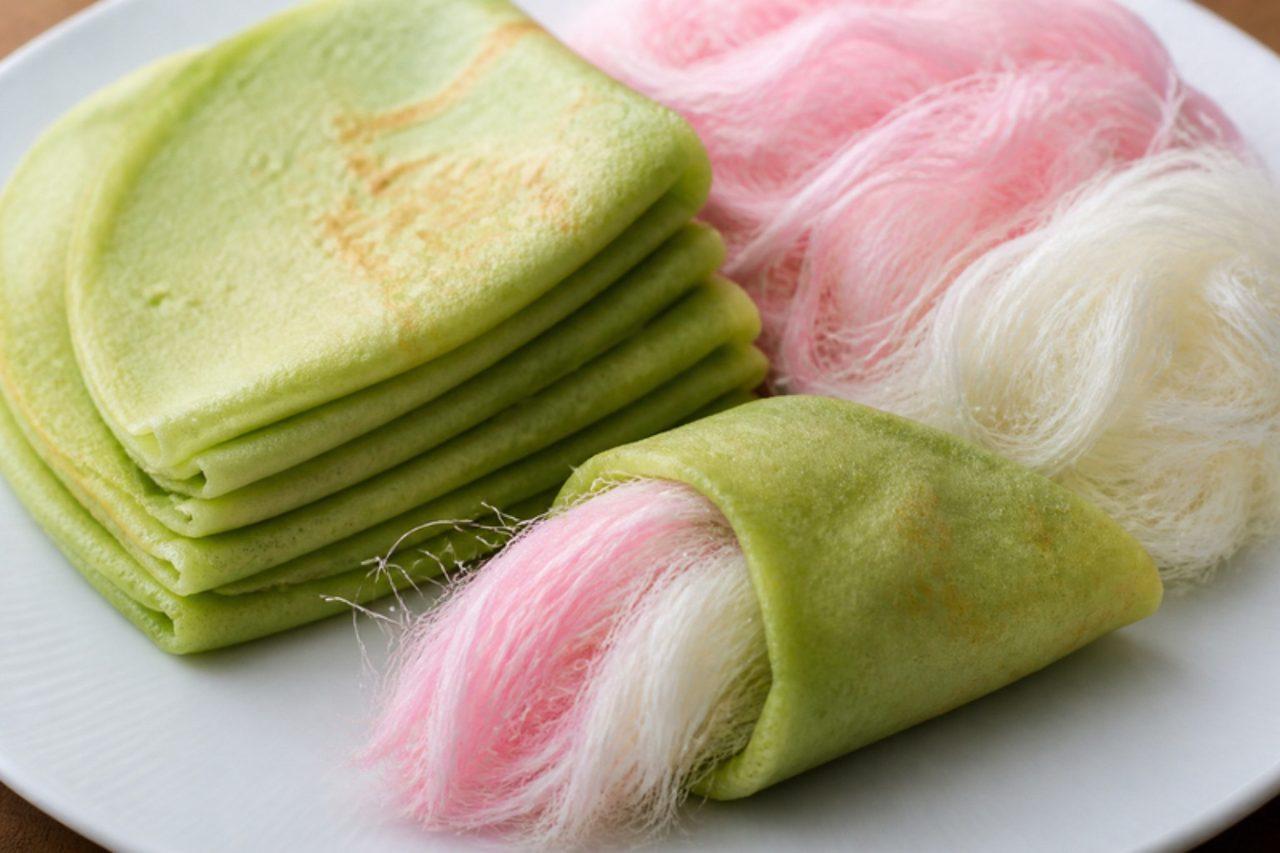
Ayutthaya's famous souvenir is sold from stalls along the road outside the city's hospital and old temples: a bag of soft, thin crêpes and a bag of pastel floss, to roll together yourself. The floss (sai mai, 'silk thread') is pulled sugar, finer and silkier than fairground candy floss, and melts on the tongue against the slightly salty, chewy crêpe. Pulling floss takes practice, so most home cooks buy it from Thai shops and make the crêpes fresh. Chef's tip: the classic mistake is wrapping the floss while the crêpe is hot; let the crêpes cool or the sugar melts into a sticky smear.

by KrazyBadal 0 views

Chè chuối (banana and tapioca in coconut milk)Banana tapioca coconut dessert

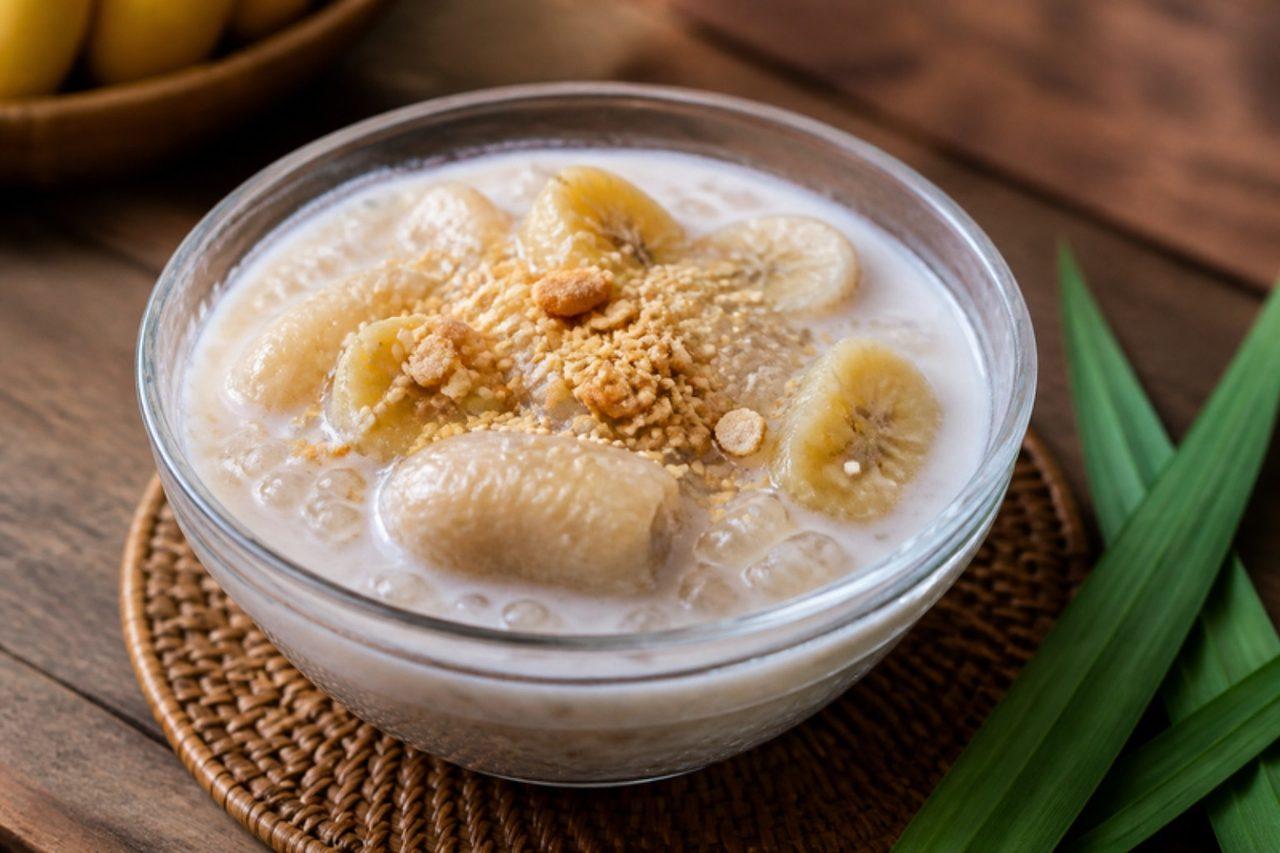
Mekong Delta households, where banana trees line every canal, make chè chuối when the fruit is ripe and plentiful, and Saigon sweet-soup stalls sell it warm in the evening. Short, sweet bananas soften in coconut milk thickened with tapioca pearls, turning slightly pink as they cook, and the bowl is finished with toasted sesame and crushed peanuts. It is eaten warm, never iced. Chef's tip: use firm, just-ripe bananas; very soft ones dissolve into mush before the tapioca is cooked.

by KrazyBadal 0 views

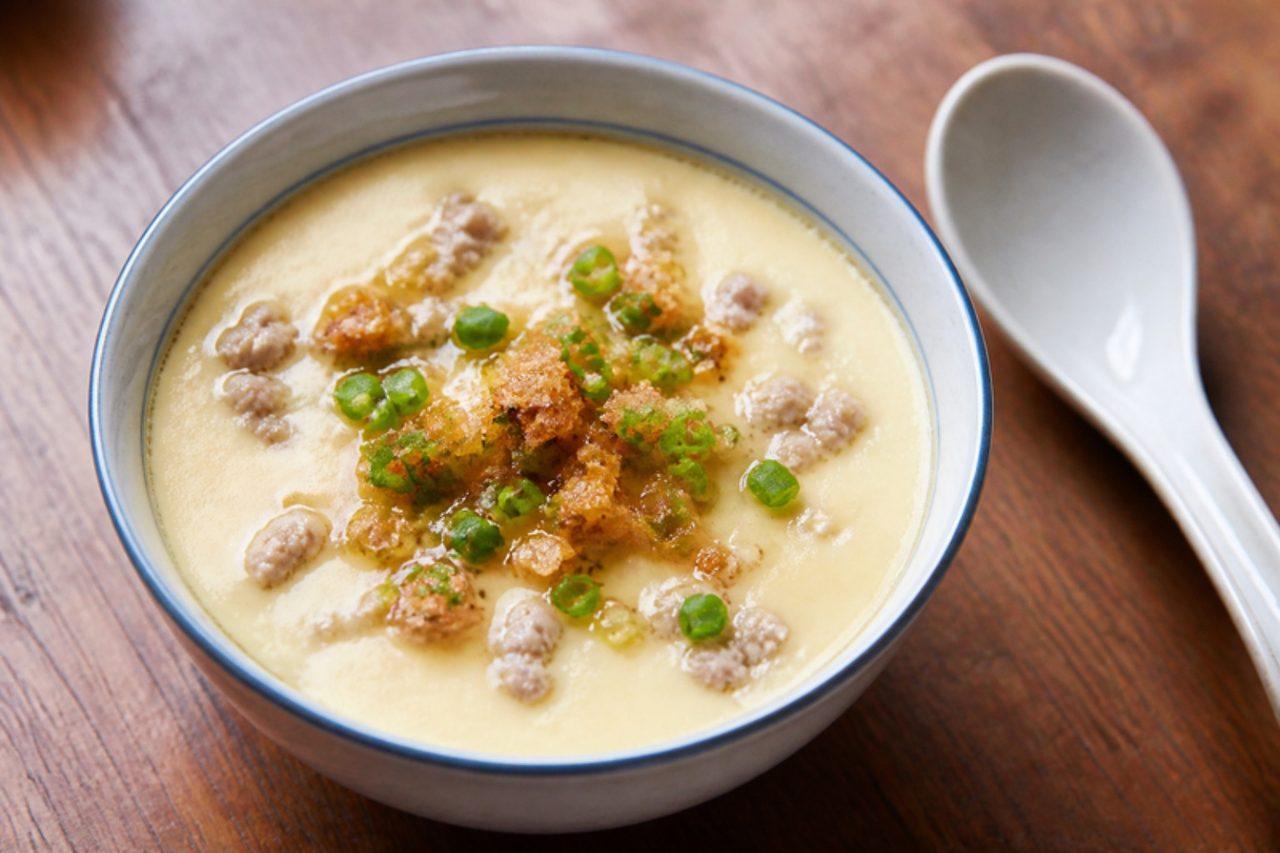
Khai toon (Thai steamed egg with pork)

Thai parents across the country make khai toon when a child is off their food or someone is unwell: eggs beaten with stock, a little minced pork and spring onion, steamed in a bowl until just set and wobbling. It goes on the table with rice and a stir-fry for supper and costs almost nothing. This version uses pork mince; for a vegetarian bowl, use chopped shiitake instead and season with salt or light soy sauce. It contains egg and fish sauce. Chef's tip: steam over a gentle simmer, not a rolling boil; high heat pocks the custard with holes and turns it spongy.

20 minThaiSidesGluten free
by KrazyBadal 0 views

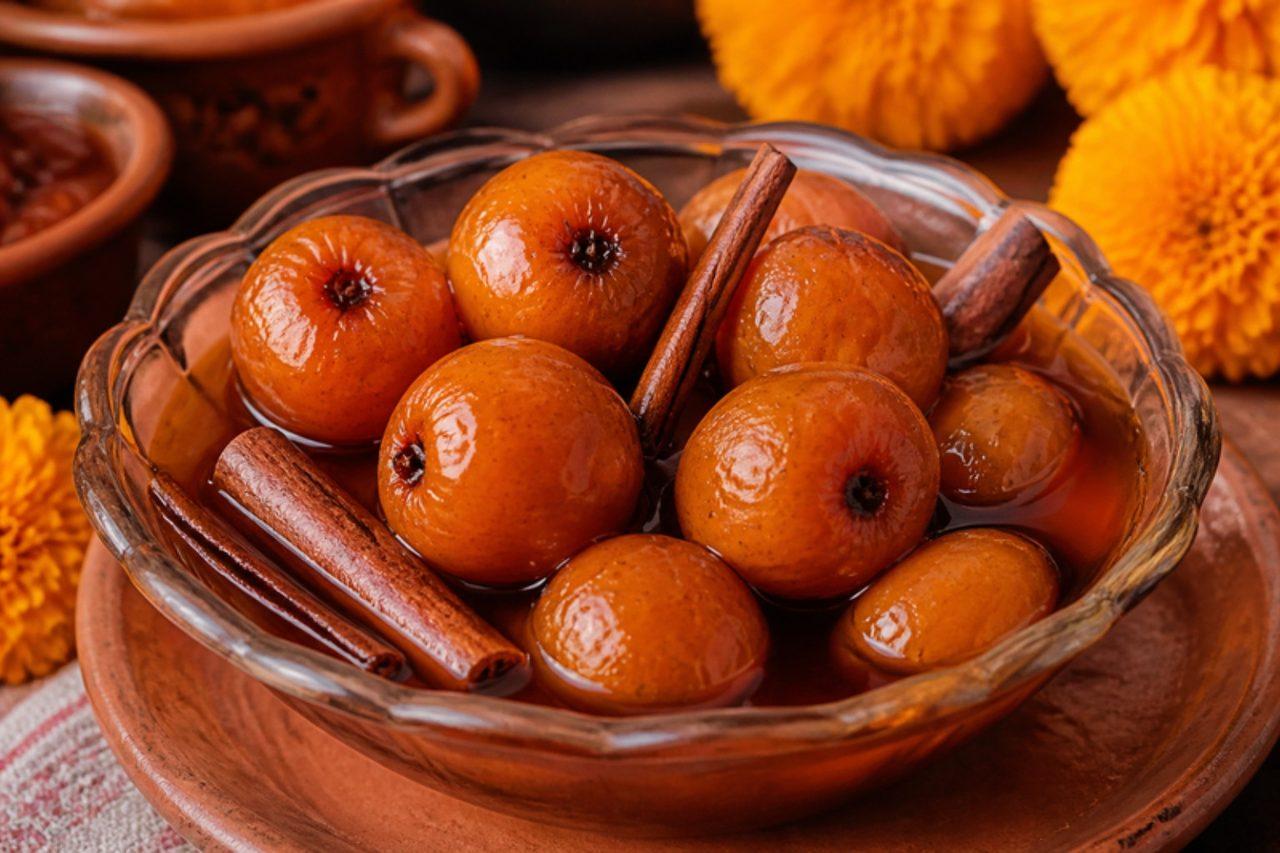
Tejocotes en almíbarHawthorn fruit in syrup

Golden tejocotes, small tart hawthorn fruits from the highlands around Puebla and the State of Mexico, appear in market sacks for only a few weeks before Day of the Dead and Christmas. Poached whole in piloncillo syrup with cinnamon and a strip of orange, they turn soft and perfumed, a little like quince crossed with apricot, and are set on the ofrenda or eaten from a bowl with their syrup. Outside Mexico, look for them frozen or in jars at Latin grocers; small crab apples are the nearest swap. Chef's tip: blanch and peel them first, as the skins go tough and bitter in syrup.

by KrazyBadal 0 views

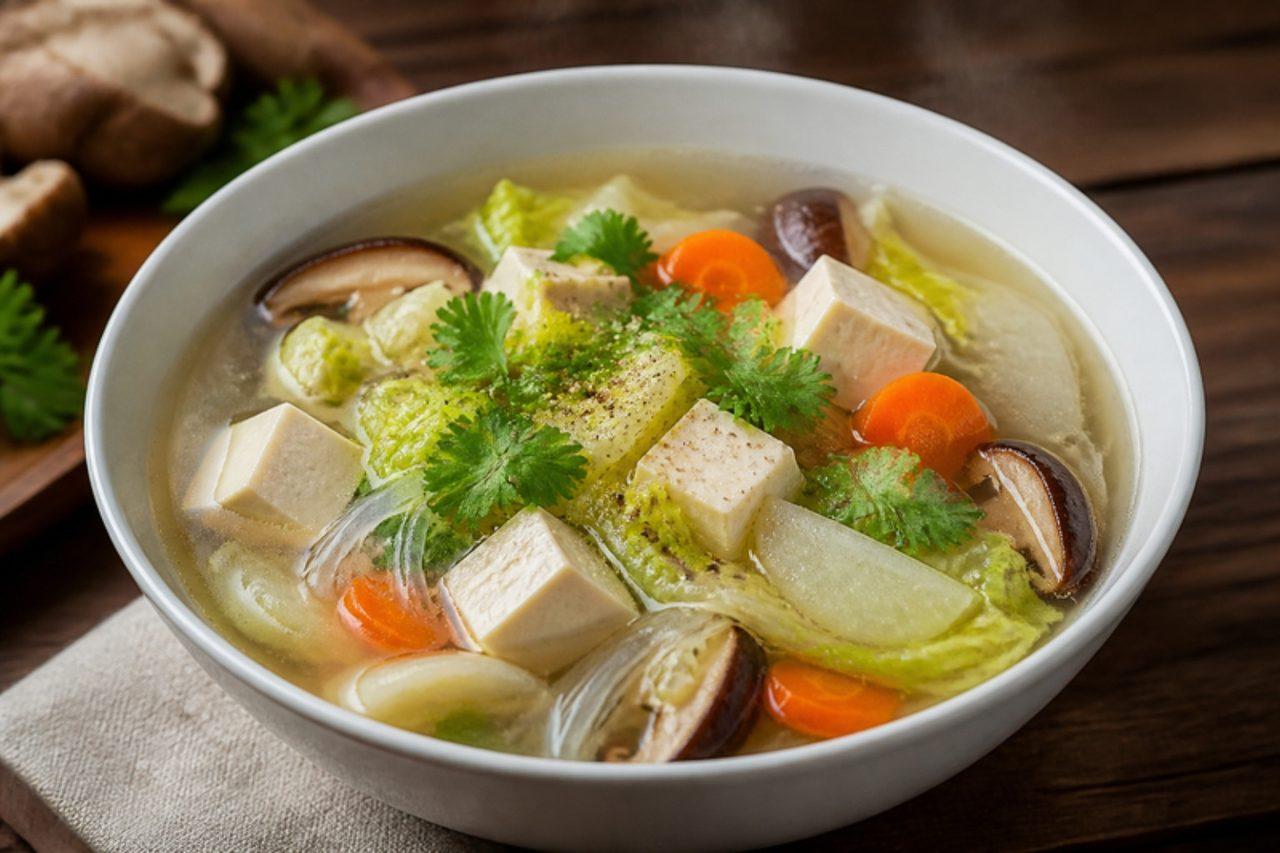
Gaeng jued tao hoo (clear tofu soup, jay style)

During the nine days of the Vegetarian Festival in Phuket Town and Bangkok's Chinatown, yellow flags mark the stalls selling food that is jay: no meat, no dairy and none of the pungent alliums. This gentle soup is what people drink alongside their stir-fries, a clear broth of daikon and dried shiitake sharpened with crushed white pepper and coriander root, holding soft silken tofu and slippery mung bean vermicelli. Out of festival season, cooks add garlic oil and minced pork. Chef's tip: don't boil after the tofu goes in; silken tofu breaks into crumbs, so let it warm through at a bare simmer.

30 minThaiSoupsVeganGluten free
by KrazyBadal 0 views

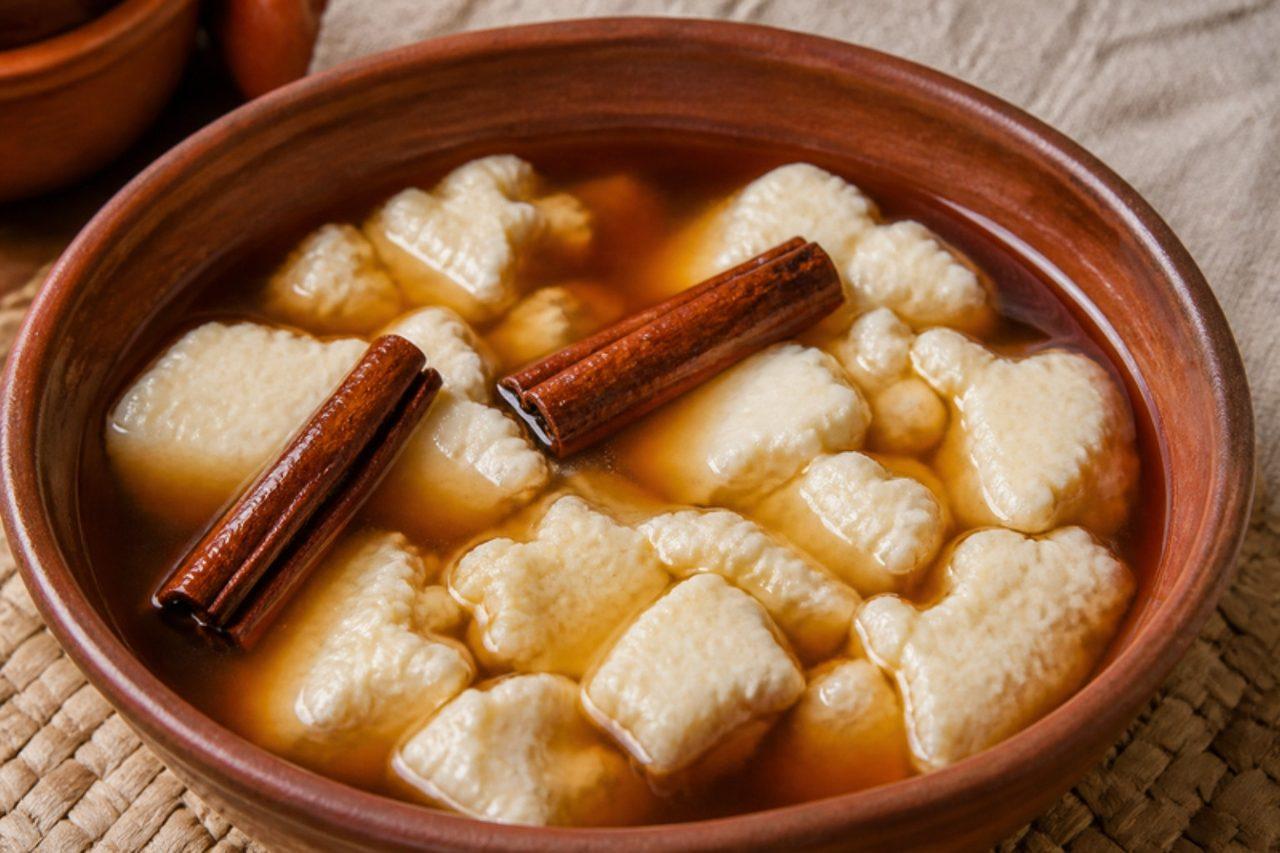
Chongos zamoranosMilk curds in cinnamon syrup

Zamora in Michoacán gave its name to chongos, soft knots of fresh milk curd slowly poached in their own whey with sugar and cinnamon until the syrup turns golden and the curds turn springy. They are served cool in small glass bowls after Sunday lunch, and jars are sold at roadside stands across the Bajío. Traditionally the milk is set with animal rennet; use a vegetarian rennet (microbial or plant-based) to keep it vegetarian. Chef's tip: never stir after the curds form, only tilt the pan, or they break into crumbs.

by KrazyBadal 0 views

Khanom tokyoPandan custard pancake rolls

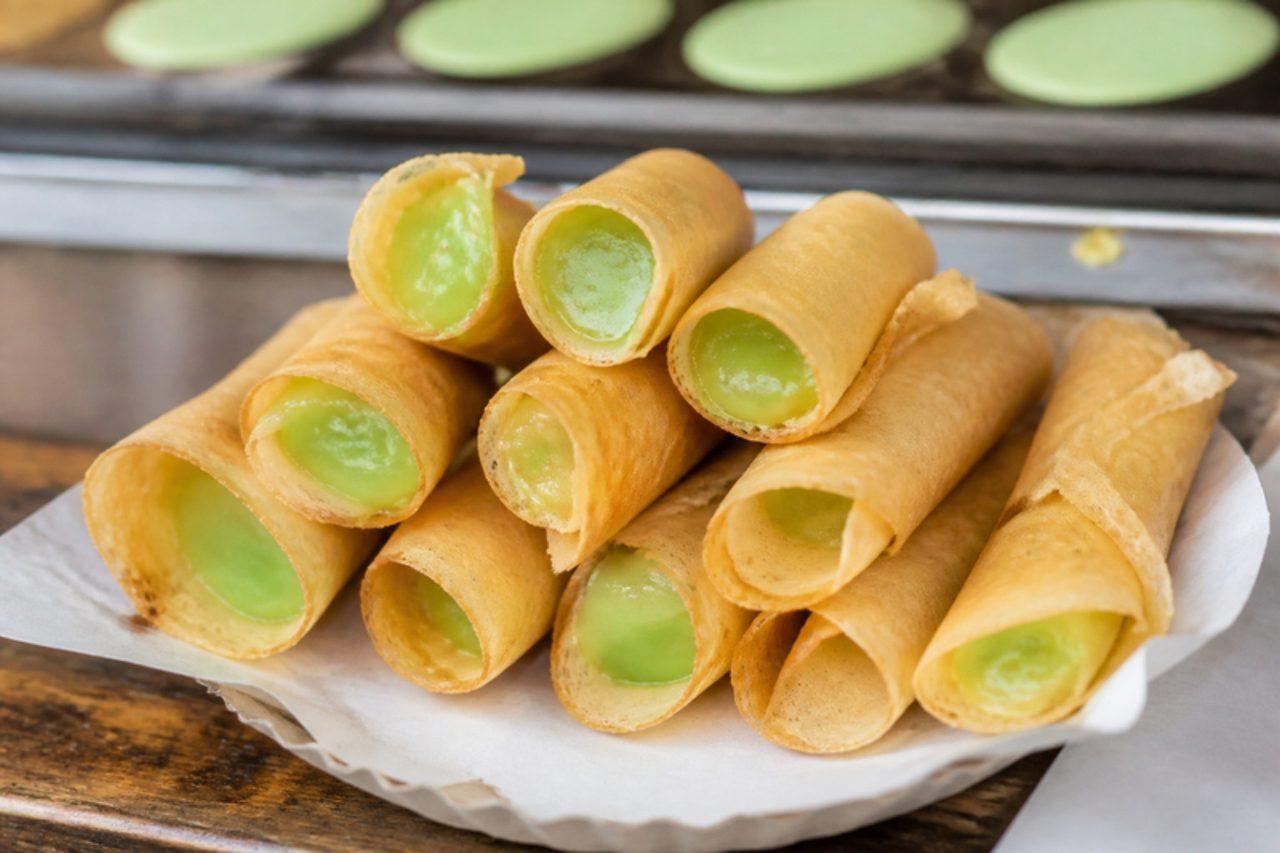
Outside Bangkok schools at home time, a vendor with a hot griddle on a cart pours small pancakes and rolls each one around a stripe of sweet custard, while children queue with coins. They are soft, eggy and barely sweet outside, oozing cream inside, and a savoury cousin wraps a sausage. Despite the name, the snack is Thai, said to be inspired by a Tokyo-themed department store of the 1960s. This version fills them with pandan custard. Chef's tip: the mistake is a griddle that is too hot; the pancakes should set pale with only light freckles, or they crack when rolled.

by KrazyBadal 0 views

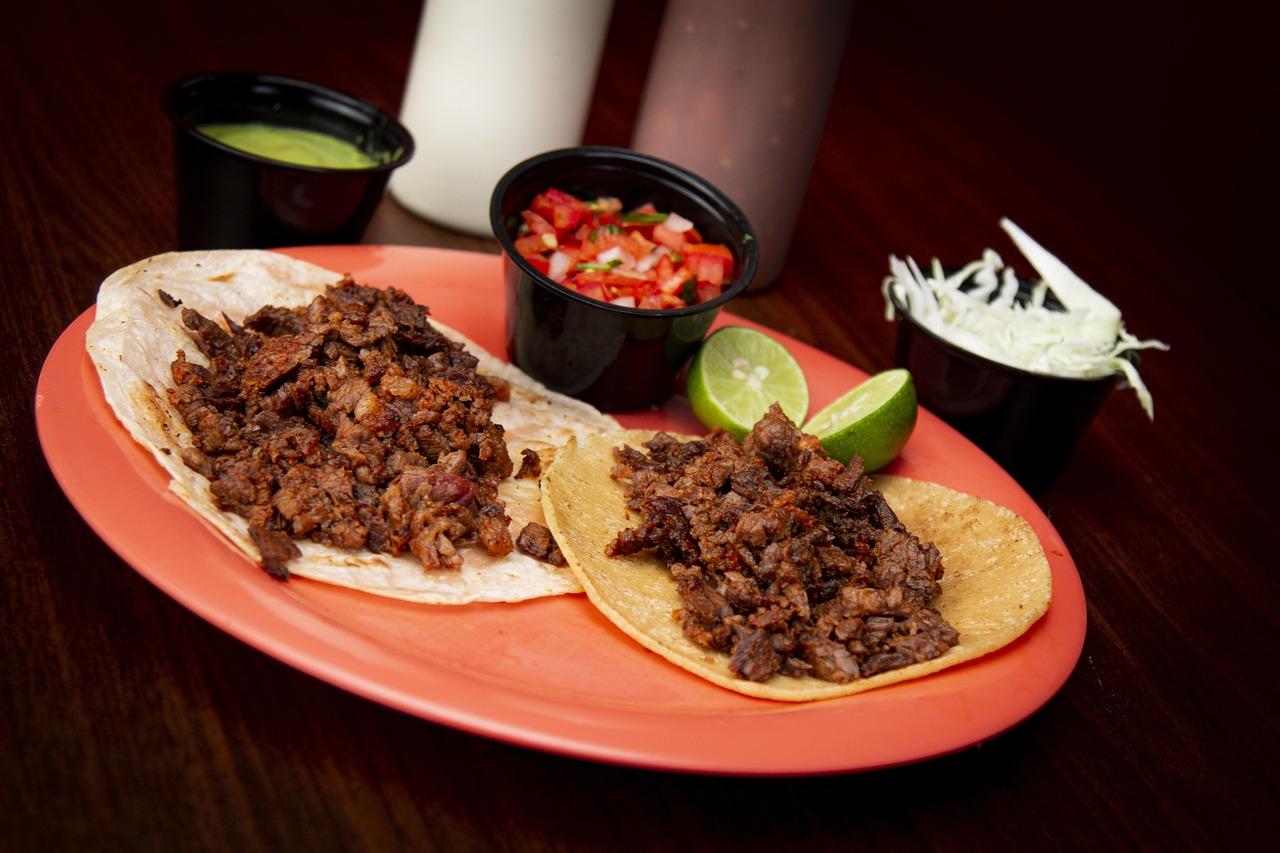
Tacos de carne asadaGrilled steak tacos

In Monterrey, Hermosillo and across the north, a Sunday carne asada means friends around the grill, thin skirt or flank steak seasoned simply with citrus, garlic and salt, cooked over hot coals and chopped straight onto tortillas. Grilled spring onions, guacamole and a smoky salsa go alongside. Use corn tortillas, or the soft flour tortillas of Sonora if gluten is no concern. Chef's tip: keep the marinade to 1–4 hours in the fridge; the citrus starts to toughen the meat after that.

by KrazyBadal 0 views

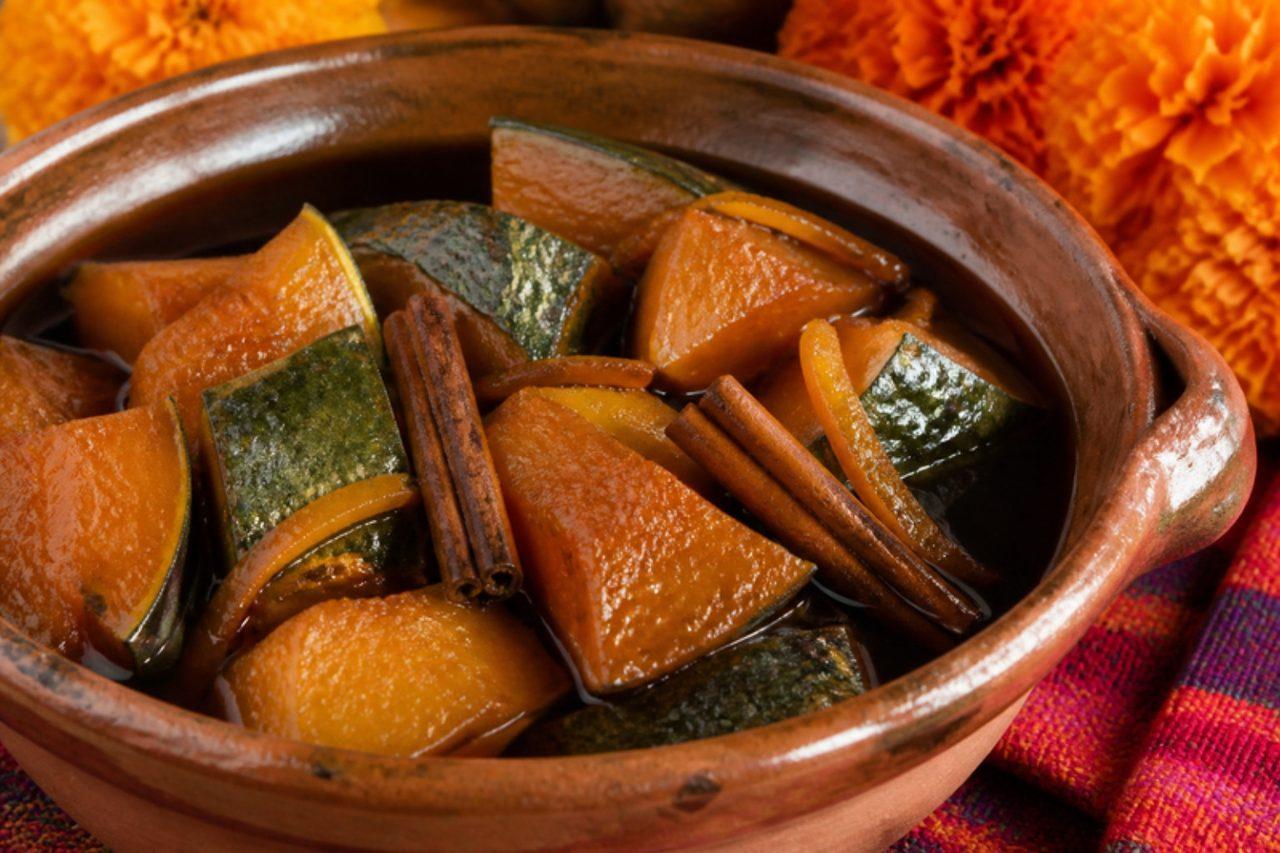
Calabaza en tachaCandied pumpkin

When the first squash of autumn arrives, kitchens across Puebla, Tlaxcala and Mexico State fill with the dark caramel smell of calabaza en tacha, a sweet that goes on the ofrenda on 1 November and is eaten warm at breakfast with a splash of cold milk. Wedges of pumpkin simmer slowly in piloncillo, the cone-shaped raw cane sugar, with cinnamon bark, orange and a few cloves until the flesh turns glossy amber and the syrup thickens. It is homely, deeply sweet and spiced. Chef's tip: lay the pumpkin skin side down and never stir, just baste, so the pieces stay whole.

by KrazyBadal 0 views

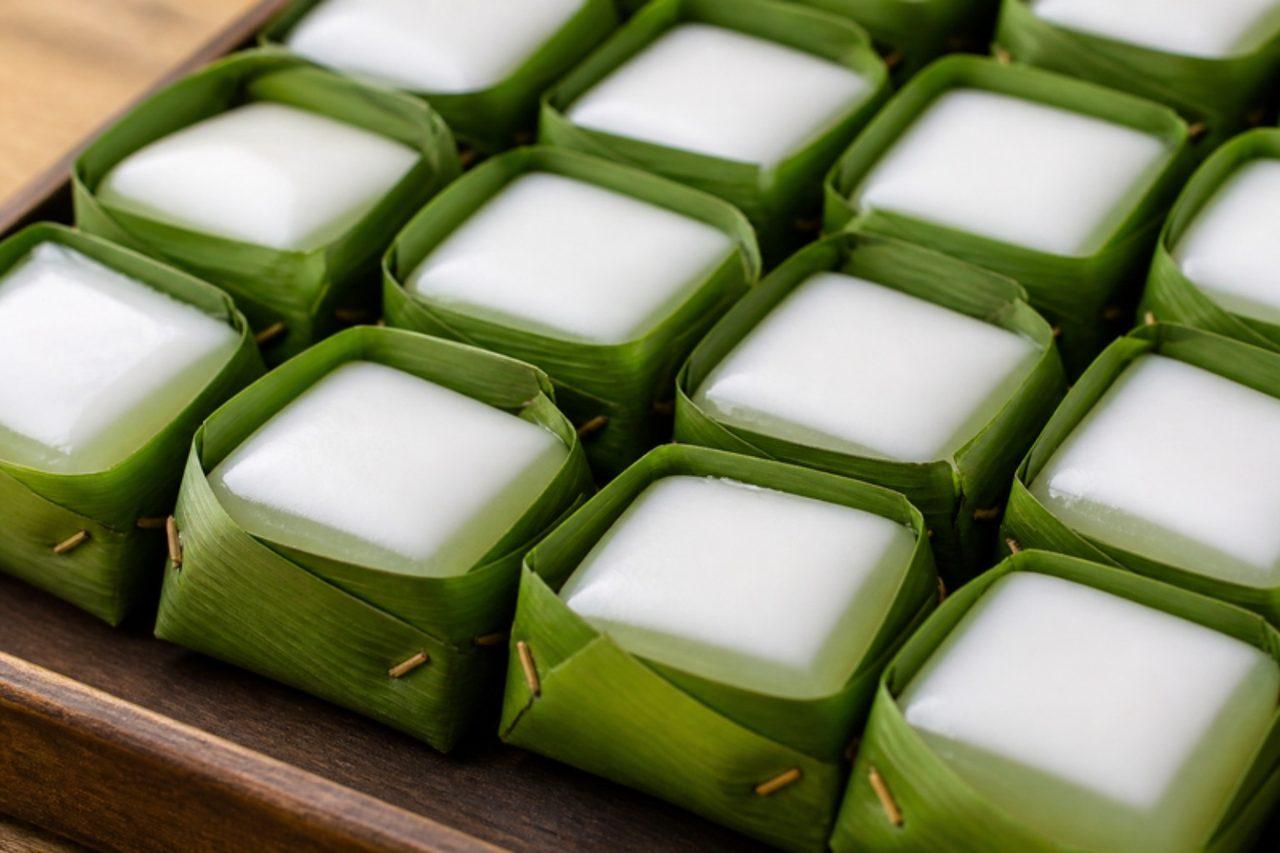
Khanom takoPandan coconut cream jelly cups

Little boxes of folded pandan leaf filled with jelly sit on the trays of every khanom seller in central Thailand, from Chatuchak's dessert stalls to the morning market in Nakhon Pathom. The base is firm, cool and green with diced water chestnut for crunch; the thick white top is coconut cream set with rice flour and seasoned with a clear note of salt, which is the whole point. They are eaten as a mid-afternoon snack, two or three at a time. Chef's tip: most people undersalt the coconut layer; it should taste lightly salty on its own, so the sweet base underneath sings.

by KrazyBadal 0 views

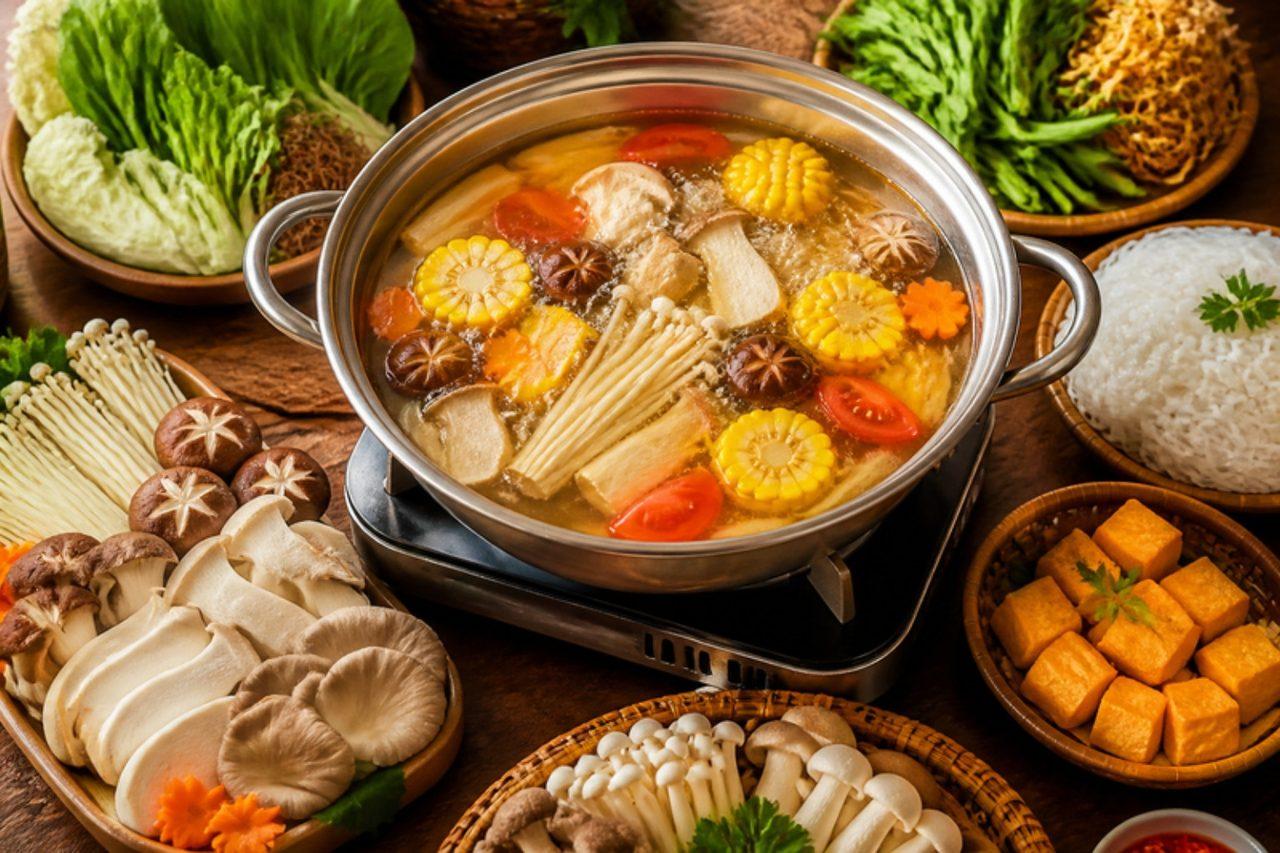
Lẩu nấm chay (vegetarian mushroom hotpot)Mushroom hot pot

Đà Lạt, cool and misty, made the mushroom hotpot famous, and vegetarian lẩu restaurants in Hanoi and Saigon now fill up with groups on cold or rainy evenings. A clear broth sweetened with daikon, corn cobs, carrot and apple sits on a burner in the middle of the table; everyone drops in mushrooms, tofu and greens, fishes them out a minute later and spoons them over rice noodles. Expect to top up the pot and keep eating for an hour. Chef's tip: simmer the broth vegetables gently and never boil hard; a rolling boil clouds the broth and dulls its natural sweetness.

by KrazyBadal 0 views

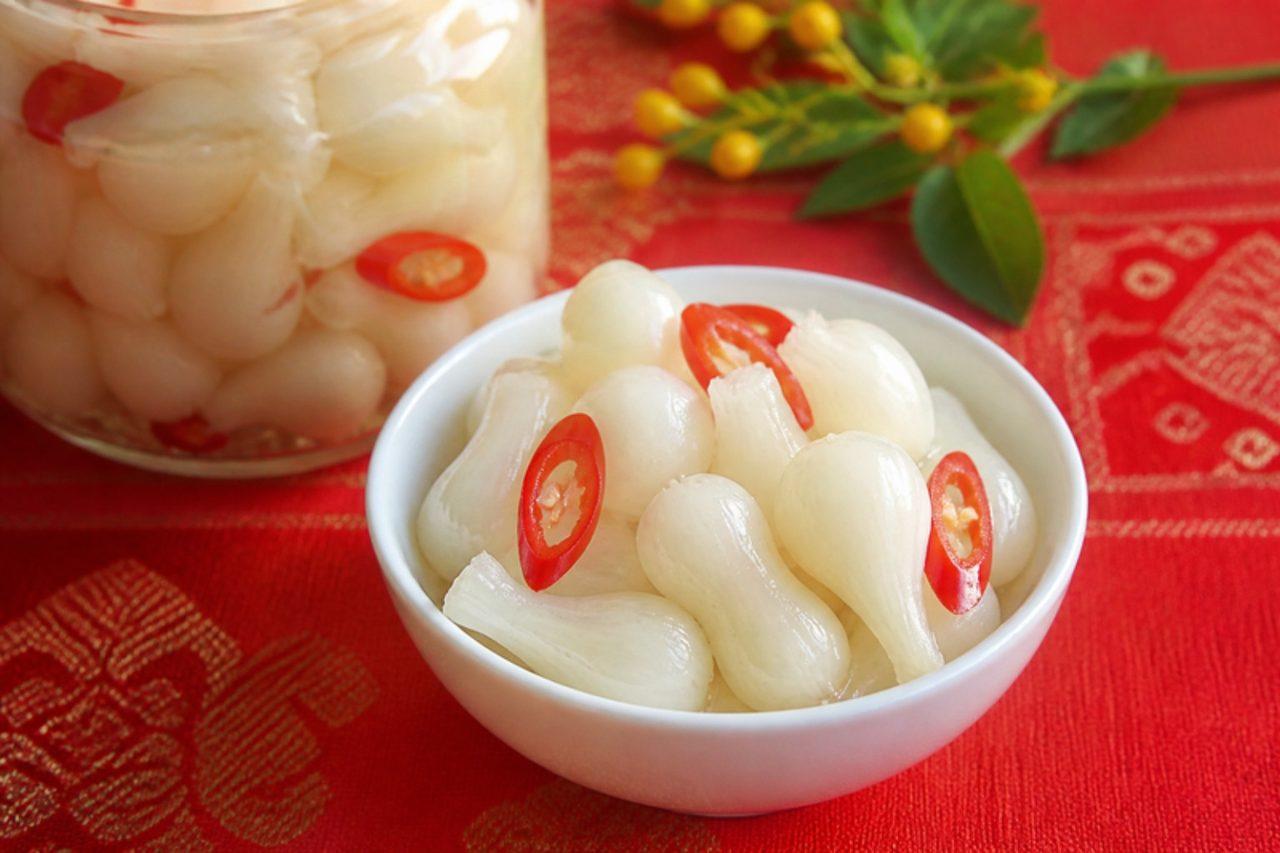
Củ kiệu (pickled scallion bulbs)

Southern markets sell mountains of muddy little kiệu bulbs in the last month of the lunar year, and households trim them by the kilo for the New Year table. After a salt soak and a sweet vinegar pickle they turn ivory, crisp and gently sharp, with a mild oniony bite. A bowl of them sits beside caramelised pork, boiled meats and bánh tét for the whole of Tết. Chef's tip: don't skip the overnight salt-water soak and the rinse; without it the bulbs stay harsh and pungent instead of mellow.

by KrazyBadal 0 views

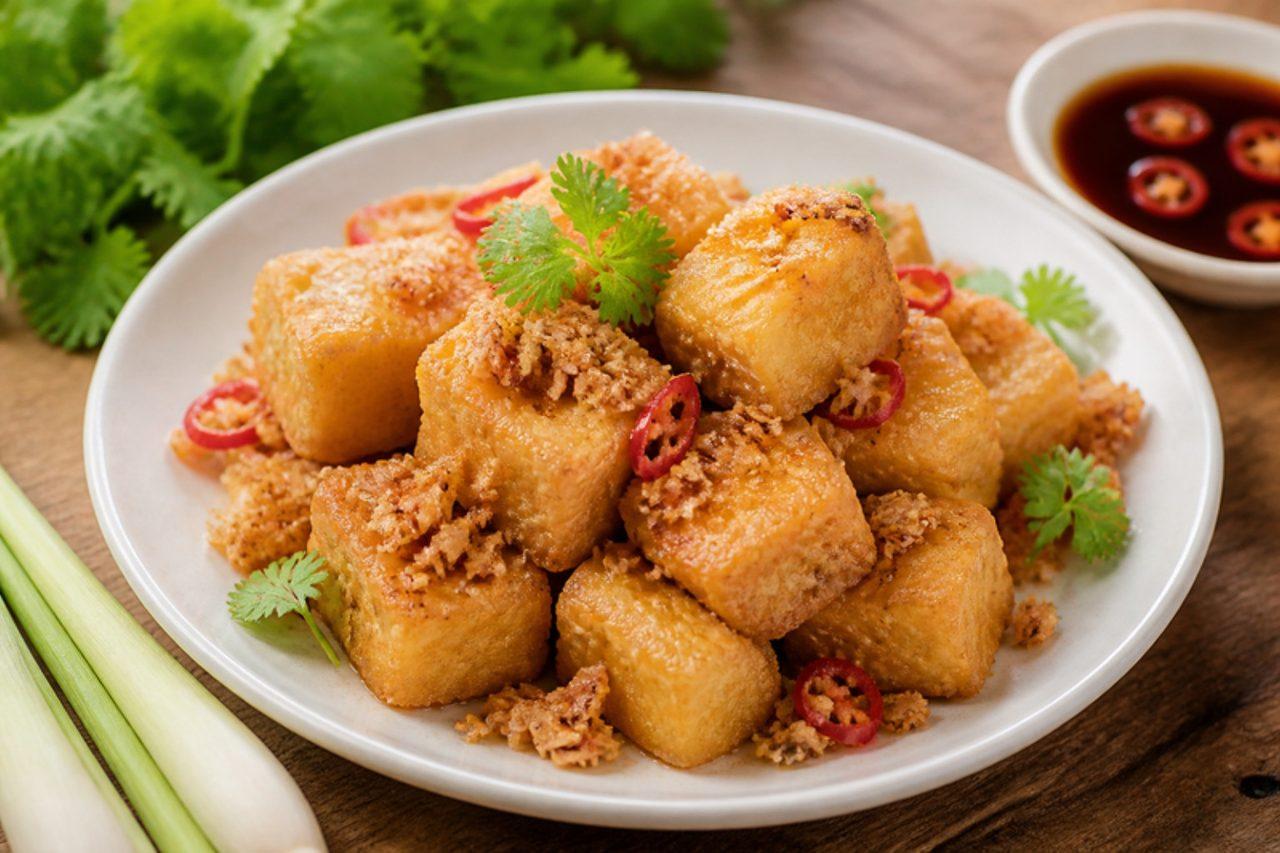
Đậu hũ chiên sả ớt (lemongrass chilli tofu)

Saigon's chay restaurants, the ones tucked beside pagodas that fill up on the 1st and 15th of each lunar month, nearly always have a plate of this on the table: golden tofu cubes buried under a crunchy, fragrant rubble of fried lemongrass and red chilli. The tofu stays soft inside, the lemongrass turns nutty and crisp, and a splash of tamari with a little sugar glazes everything. Eat it with steamed jasmine rice, sliced cucumber and a bowl of clear vegetable soup. Many chay cooks skip garlic and shallot, so this version leaves them out. Chef's tip: mince the lemongrass really finely and fry it on its own until golden; coarse chunks or lemongrass added with the tofu stay woody and chewy.

by KrazyBadal 0 views

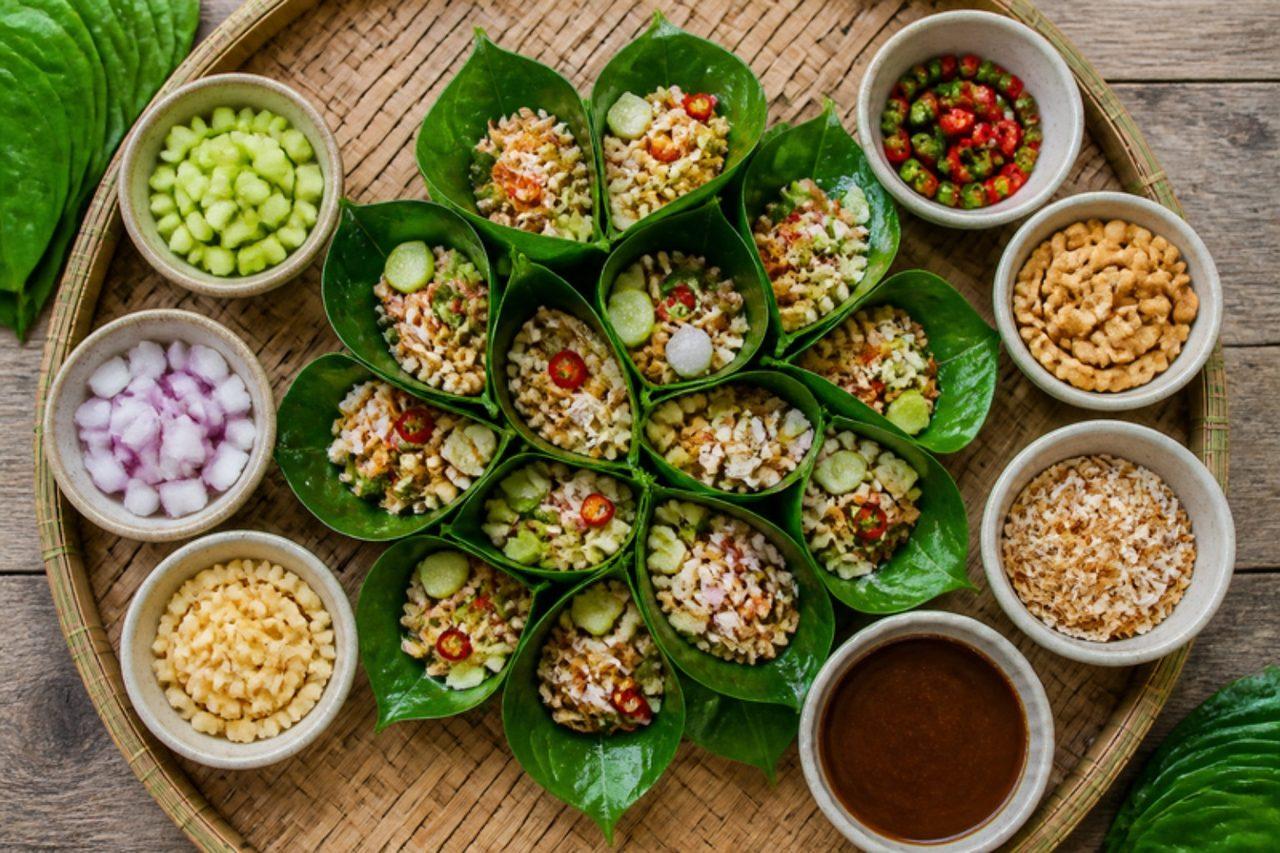
Miang kham (leaf-wrapped bites)Leaf-wrapped snack bites

'One bite wrapped' is how the name translates, and central Thai families set out trays of the little piles of ingredients for guests to fold for themselves, in leaves of wild betel (cha plu). Each mouthful bursts with sour lime peel, hot chilli, sharp ginger and shallot, toasty coconut and peanut, all held by a dark, sticky palm-sugar sauce. The usual dried shrimp and shrimp paste are left out; tamari keeps the salty depth, so it stays vegan. Chef's tip: dicing the lime too big is a common mistake; cut it into 5 mm pieces, skin and all, so it adds tang without bitterness.

by KrazyBadal 0 views

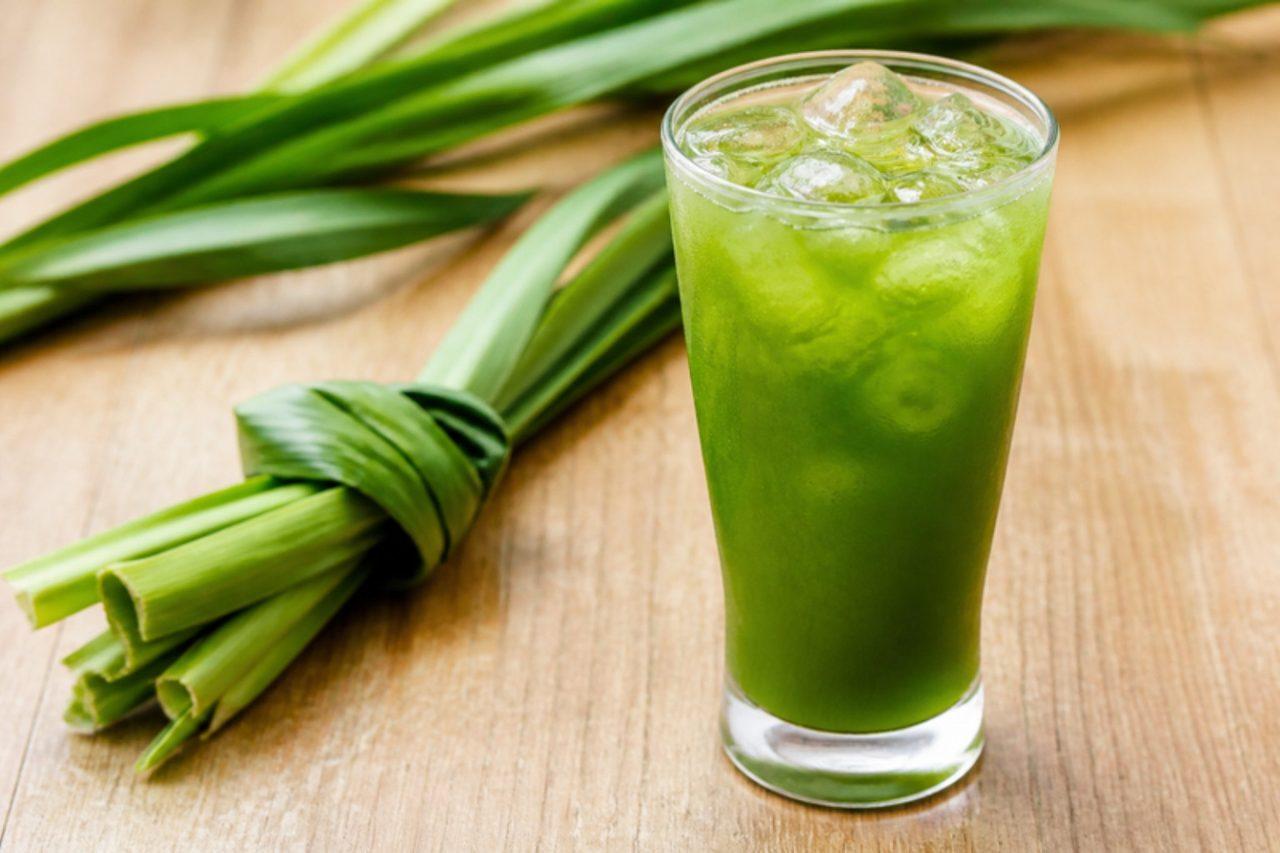
Nam bai toey (pandan drink)

Every Thai garden seems to have a clump of pandan by the tap, and on hot days cooks across the country blitz a handful of leaves into this bright green drink sold at temple fairs and noodle shops. It tastes sweet, grassy and faintly of vanilla and basmati, and is said to cool the body. Fresh leaves give the best colour; frozen ones from Asian shops work well too. Chef's tip: the mistake is serving it unstrained or leaving it for hours; strain it twice through cloth and drink it the same day, as it fades and turns grey.

15 minThaiDrinksVeganGluten free
by KrazyBadal 0 views

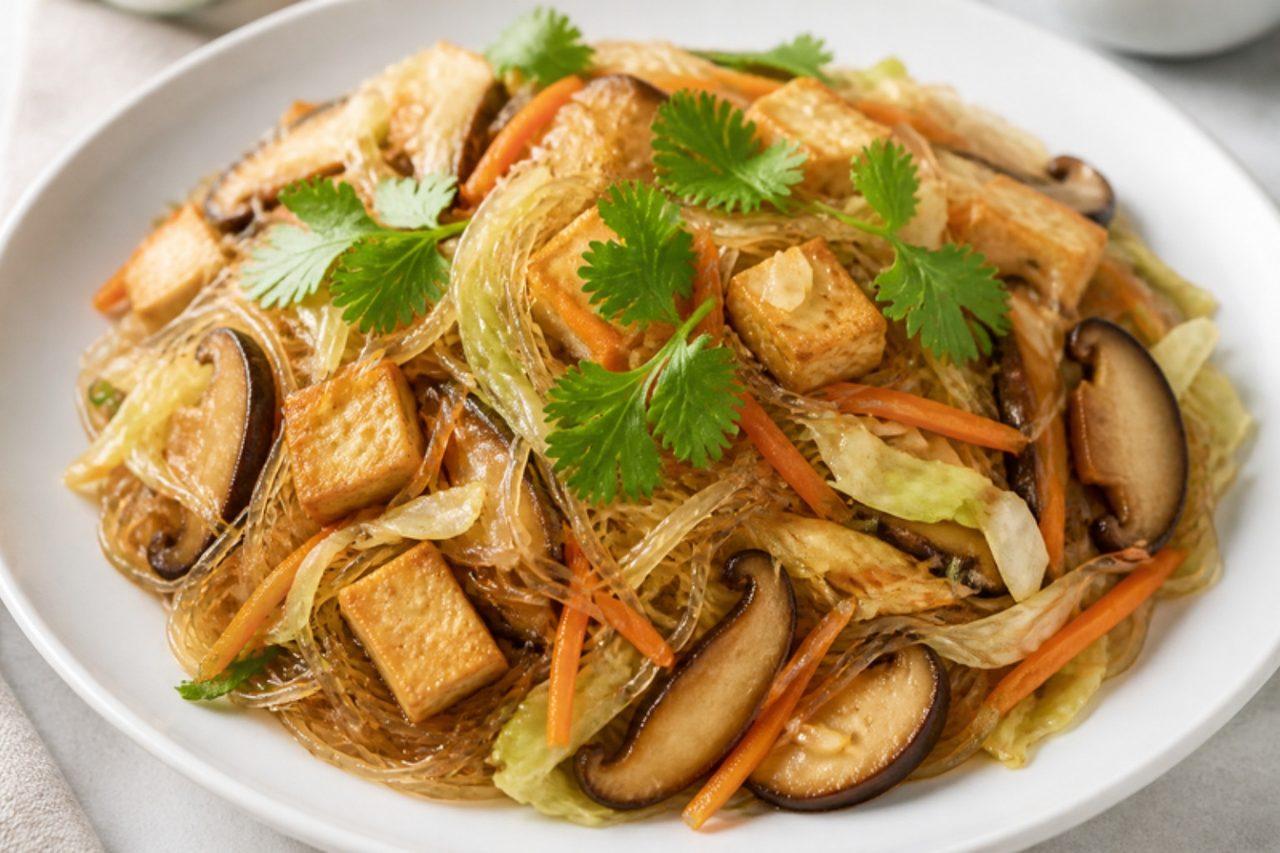
Pad woon sen jay (vegetable glass noodle stir-fry)

At home in central Thailand, pad woon sen is a quick lunch with egg, garlic and pork; the jay version served during the October Vegetarian Festival leaves all three out and leans on shiitake and soy instead. The noodles turn springy and translucent, catching the dark soy colour, with sweet cabbage and carrot through them and fried tofu for bite. Out of season, scramble in an egg and a clove of garlic. Chef's tip: soaking the noodles too long is the usual mistake; 10 minutes in warm water is enough, or they turn to mush in the wok.

by KrazyBadal 0 views

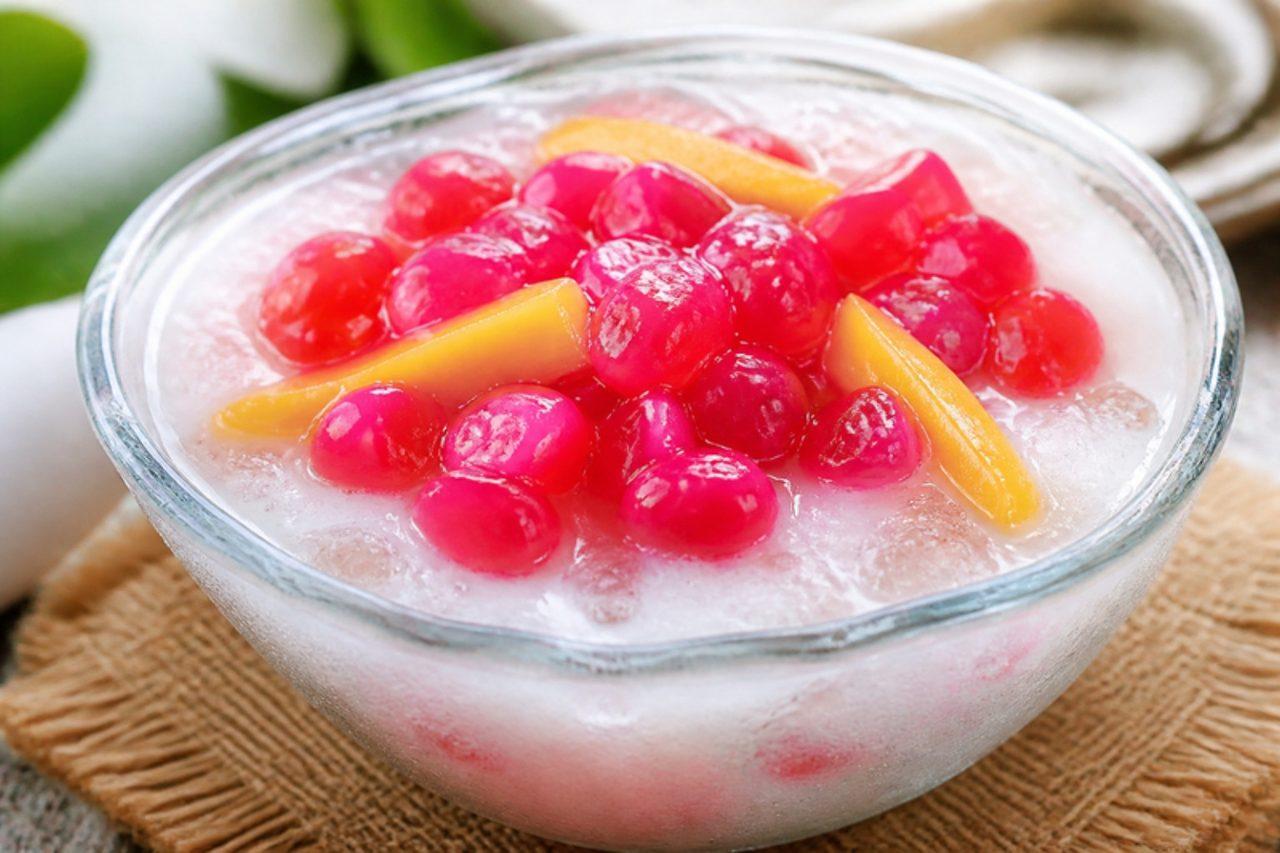
Tub tim grob (red rubies)Water chestnut in coconut milk

On a sticky afternoon in Bangkok, from the food courts of Siam to roadside dessert carts, this is the bowl people order to cool down. Each 'ruby' is a cube of water chestnut wrapped in a chewy, glassy coat of tapioca, so you get crunch inside slipperiness, all floating in jasmine-scented syrup and salted coconut milk with shaved ice. Some shops add jackfruit strips. Chef's tip: shake off excess starch before boiling; a thick coating turns into a gluey lump instead of a thin, see-through skin.

by KrazyBadal 0 views

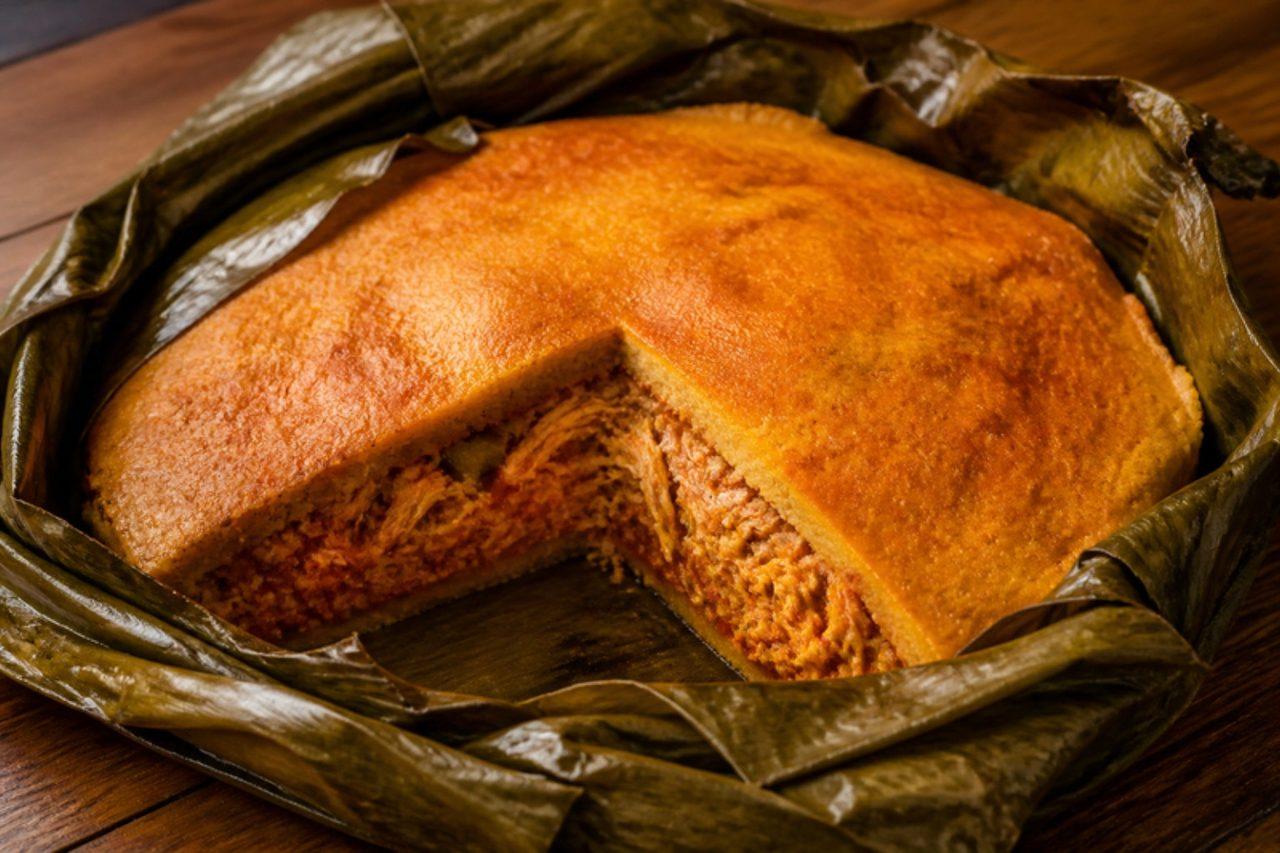
MucbipolloChicken and pork tamal pie

Across the Yucatán Peninsula, the Maya feast of Hanal Pixán, 'food for the souls', at the end of October is marked by mucbipollo: a huge tamal pie, traditionally buried in a pit oven (pib) to bake, then set on the altar and shared the next day. A thick lard-enriched masa shell holds chicken and pork shoulder stewed in achiote, tomato and epazote, bound with a thickened broth called kol. This version uses a home oven and a deep tin lined with banana leaves. It contains pork. Chef's tip: make the kol thick enough to coat a spoon, or the filling floods the masa and the crust turns gummy.

240 minMexicanMeatGluten free
by KrazyBadal 0 views

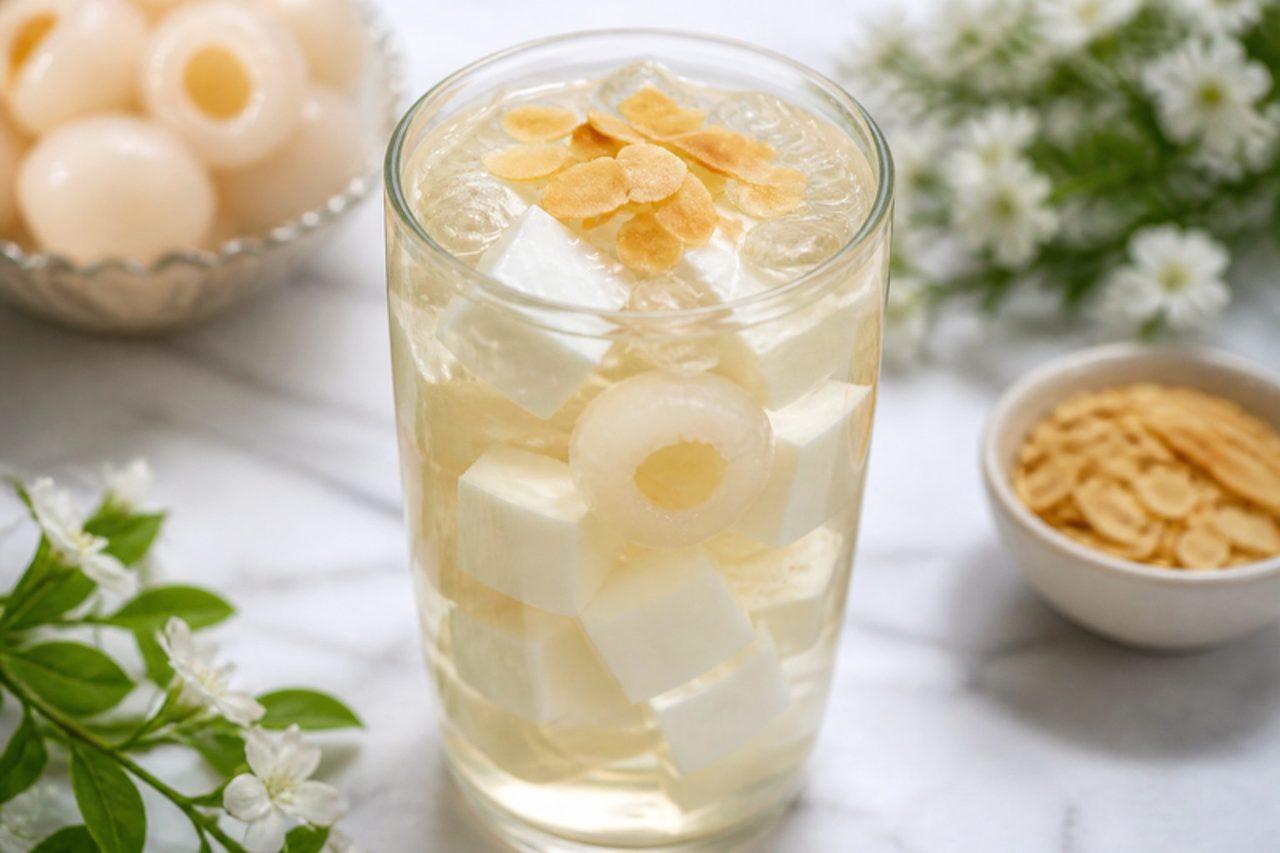
Chè khúc bạch (almond milk jelly with lychees)

Saigon's café-dessert shops made chè khúc bạch a craze in the 2010s, and it is still a cooling order on hot afternoons around Bến Thành. Soft, creamy cubes of almond-scented milk jelly float with lychees in a light lychee syrup, topped with crunchy toasted almonds, all over crushed ice. Gelatin is often used; this version sets with agar so it is vegetarian, and it holds firm even in tropical heat. Chef's tip: boil the agar for a full 2 minutes before adding the milk; agar that is only warmed won't set, which is the usual reason the jelly stays runny.

by KrazyBadal 0 views

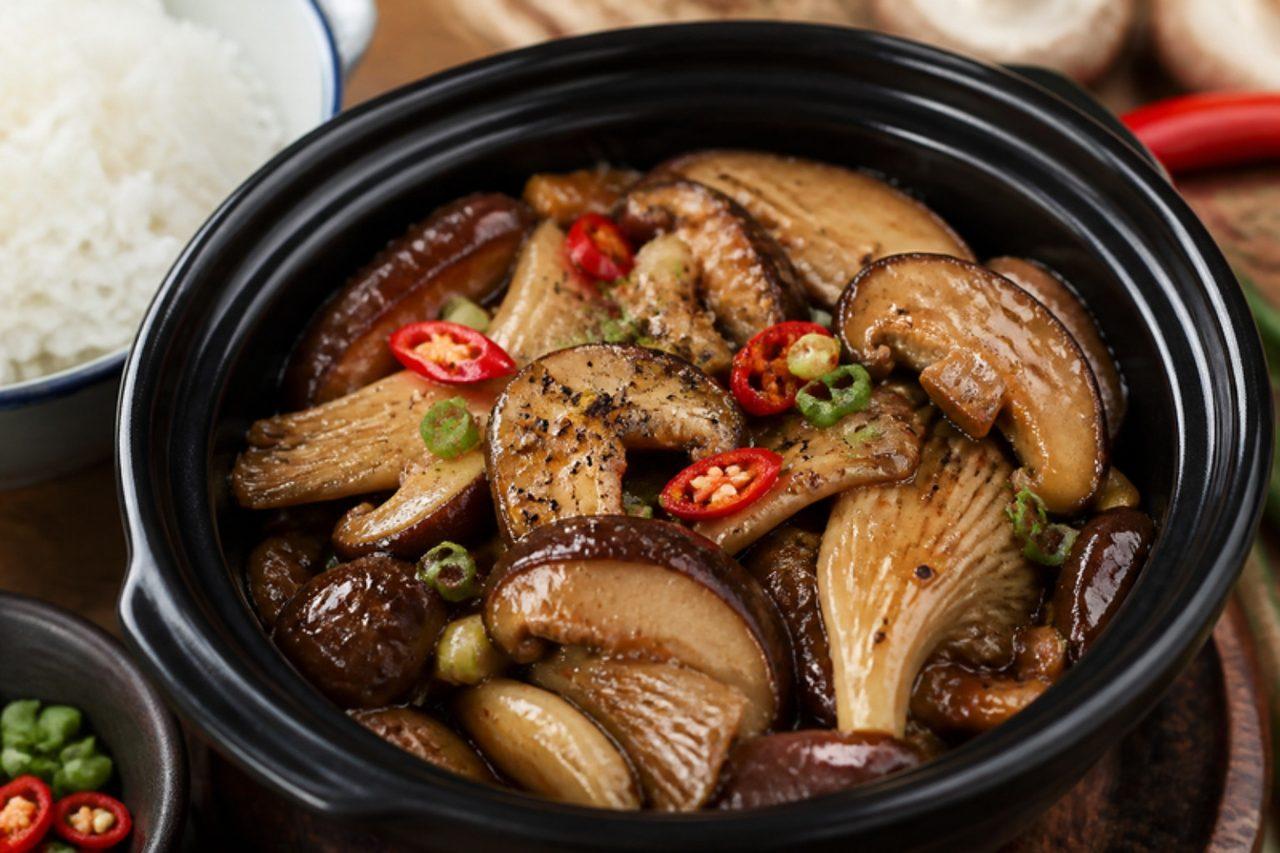
Nấm kho tiêu (peppered braised mushrooms)

Phú Quốc and the pepper farms of the south give this little clay-pot dish its backbone: so much freshly cracked black pepper that it warms the back of the throat. Mushrooms are braised in a thin caramel until their edges darken and the sauce clings in sticky, salty drops, and nothing else gets in the way: no tofu, no coconut water, just mushroom, caramel and pepper. Families eat it on chay days with plain rice and boiled greens to dip in the leftover sauce. Chef's tip: crack the peppercorns coarsely just before cooking; ready-ground pepper turns dusty and bitter and is the commonest mistake.

by KrazyBadal 0 views

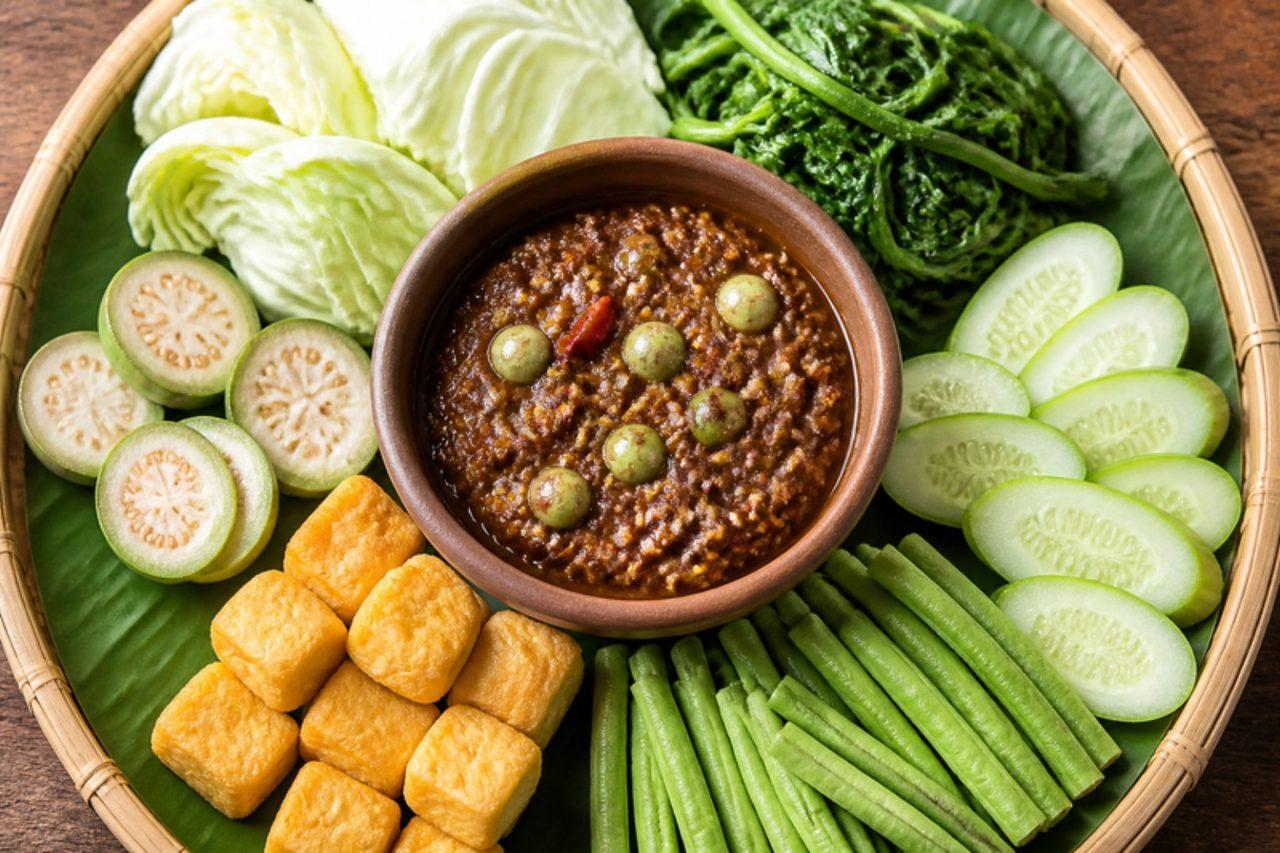
Nam prik kapi, vegan styleVegan chilli dip with vegetables

Across the central plains, a small bowl of nam prik kapi sits in the middle of the family tray with a platter of raw and boiled vegetables, a fried fish and rice, and everyone dips as they go. The classic is built on kapi, a pungent fermented shrimp paste, pounded with garlic, bird's-eye chillies, lime and palm sugar. This vegan version keeps the same sharp, hot, sweet-sour balance but swaps the kapi for yellow soybean paste and a little toasted nori for a sea note, and fried tofu takes the place of the mackerel. For the traditional dip, wrap 1½ tbsp kapi in foil, toast it in a dry pan for 2 minutes, use it instead of the soybean paste and nori, and season with fish sauce instead of tamari. Chef's tip: pound the garlic and chillies before the liquids go in; adding lime too early turns the mortar into a splashing mess and leaves the garlic in chunks.

by KrazyBadal 0 views

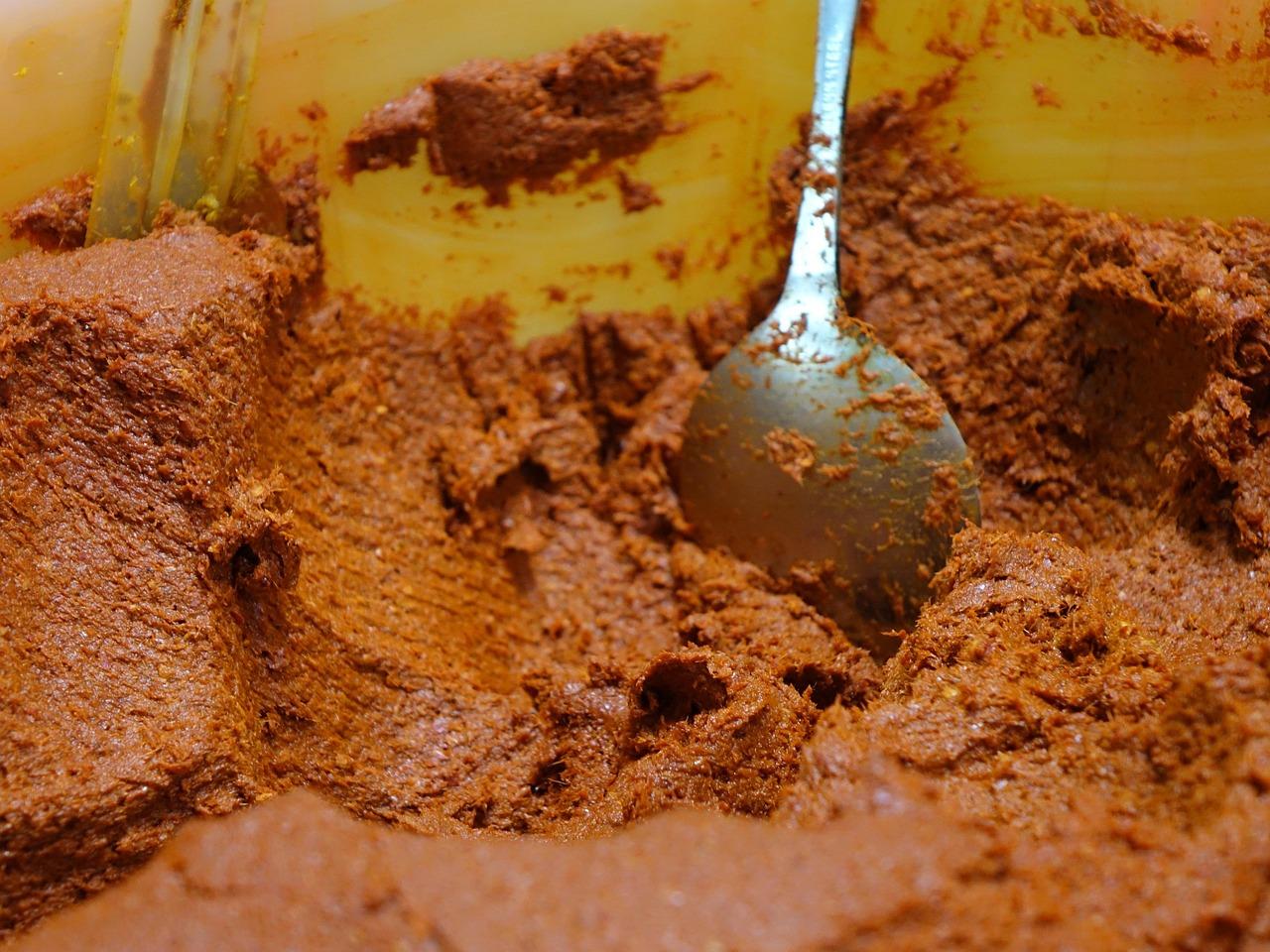
Thai red curry paste
Market stalls in Bangkok's Or Tor Kor and Khlong Toei sell red curry paste by the scoop from brick-red mounds, but a home batch pounded in a granite mortar smells far brighter. This is the base for gaeng phet, choo chee and red duck curry, and a spoonful also lifts fried rice and stir-fried long beans. The paste is coarse, deep red and fiercely aromatic, with lemongrass and galangal up front. Traditionally a teaspoon of kapi (fermented shrimp paste) goes in at the end; this version uses yellow soybean paste instead so it stays vegan. Add 1 tsp roasted shrimp paste in step 8 if you want the classic. Chef's tip: soak the chillies until fully soft and squeeze them dry before pounding; hard, wet chillies are the usual reason a paste stays gritty and watery.

40 minThaiBasicsVeganGluten freeSpicy
by KrazyBadal 0 views

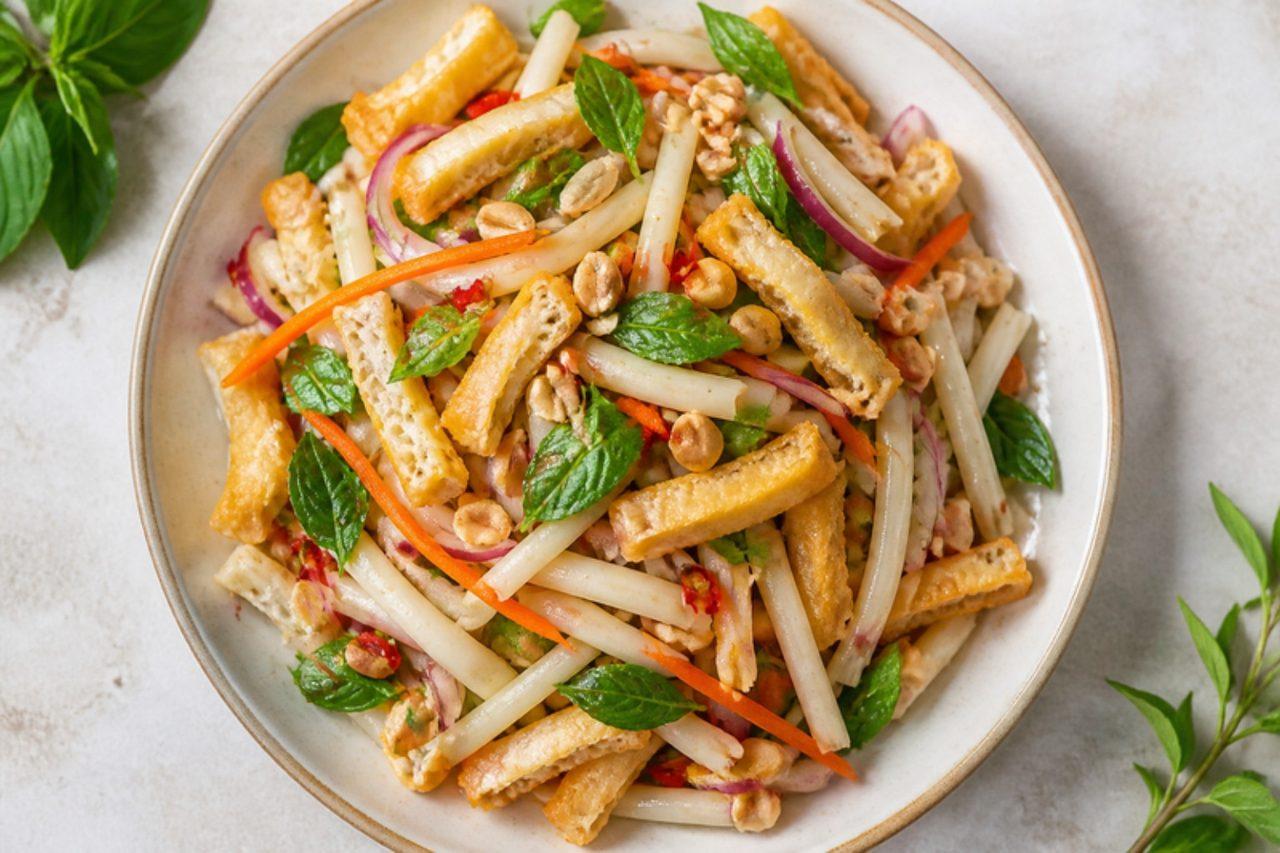
Gỏi ngó sen chay (lotus stem salad)

Wedding banquets and đám giỗ (death-anniversary) feasts across the south open with a platter of gỏi ngó sen, usually heaped with prawns and boiled pork belly. In vegetarian households and temple kitchens the shellfish and pork give way to strips of fried tofu, and the fish-sauce dressing becomes lime, sugar and soy. The pickled lotus stems are what matter: pale, crisp and juicy, like a mild bamboo shoot. Pile it onto prawn-free rice crackers or eat it beside rice. Chef's tip: rinse and squeeze the jarred lotus stems well; skipping this leaves the salad tasting of brine instead of lime.

by KrazyBadal 0 views

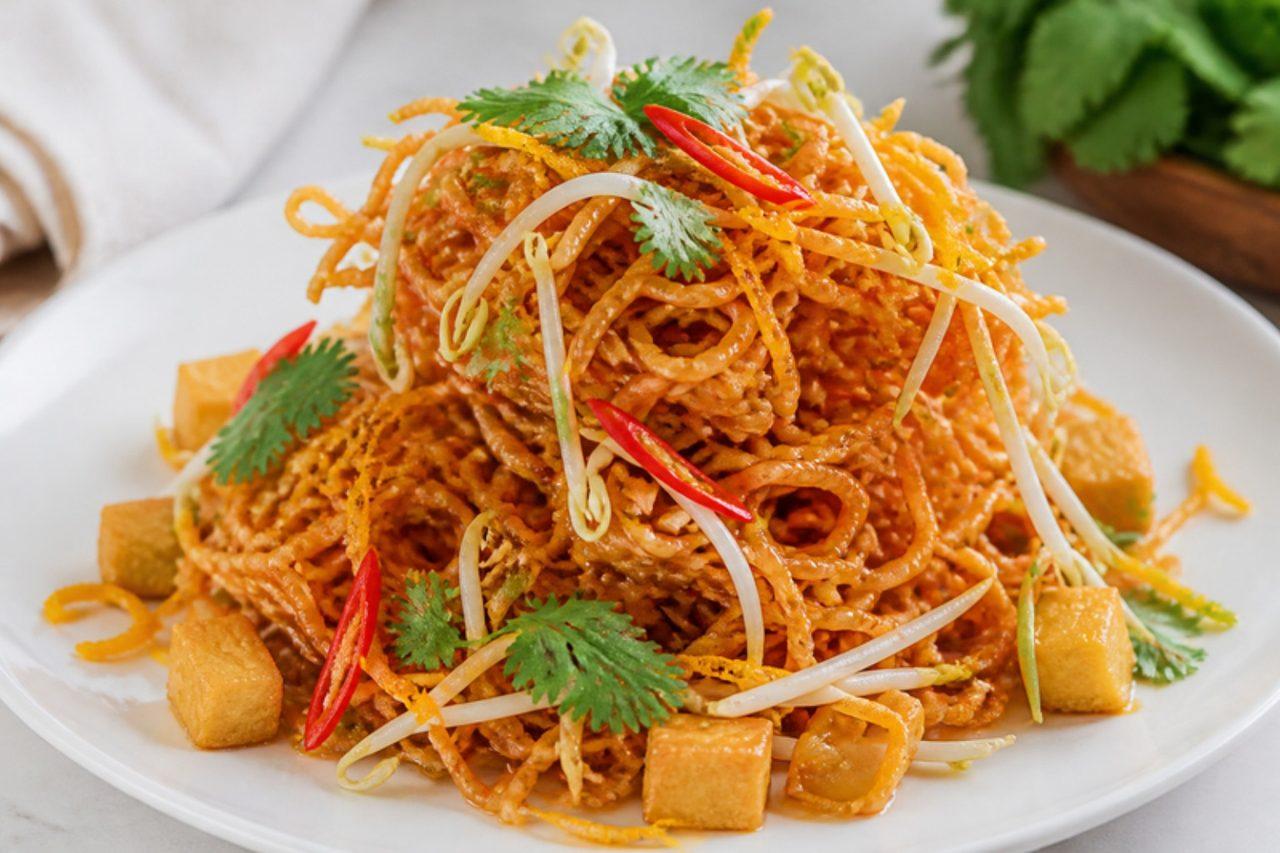
Mee krob (crispy sweet noodles, jay style)

Old Bangkok's Phra Nakhon district made mee krob famous as a royal-banquet dish, and it still appears at festive Thai Chinese dinners: a tangle of rice vermicelli puffed in hot oil, then tossed in a sticky sweet-sour sauce. Classic shops fold in prawns, egg and pickled garlic; for the jay festival this version uses fried tofu and pickled ginger, with orange zest standing in for the rare som sa citrus. Serve it with fresh bean sprouts and chilli. Chef's tip: the common mistake is a hot glaze, which wilts the noodles; cool the sauce until thick and toss just before serving.
by KrazyBadal 0 views

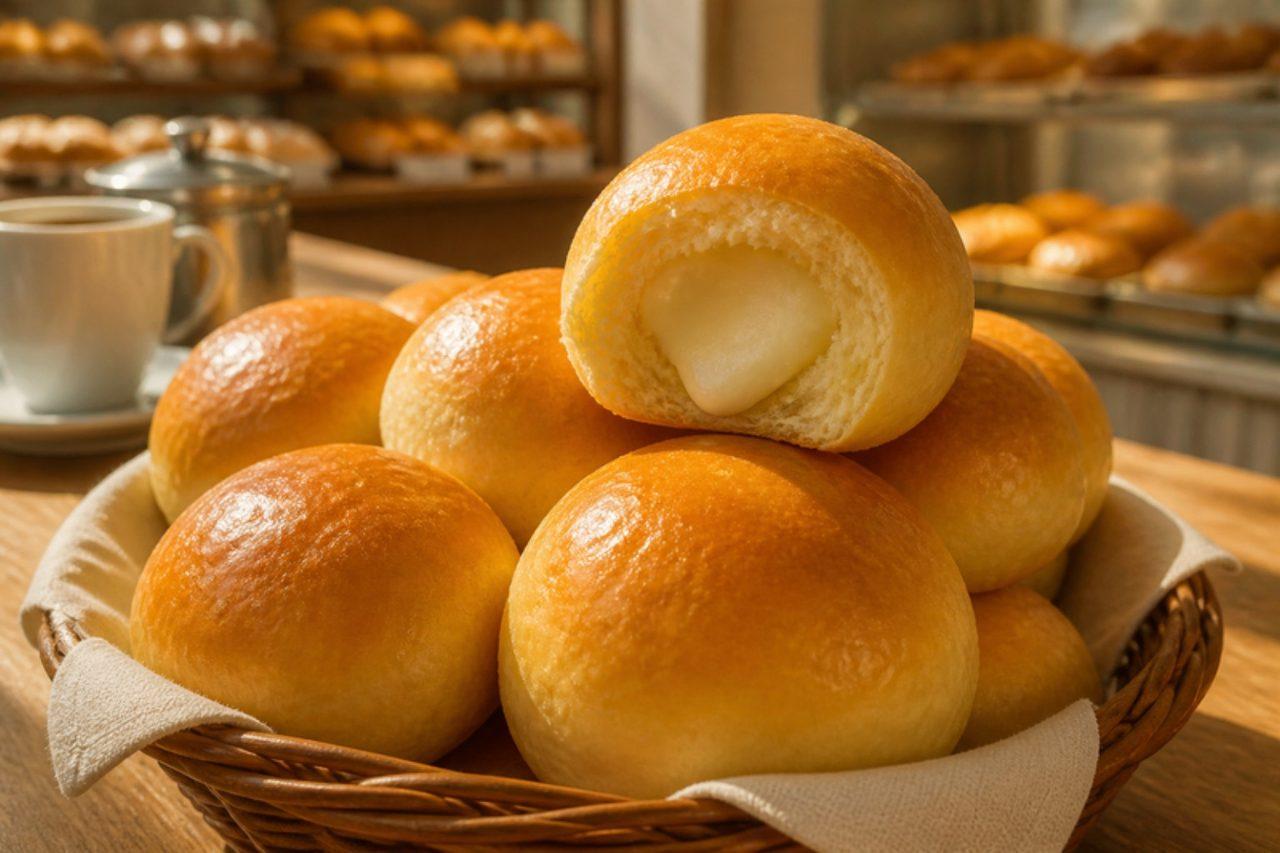
Pão de batataPotato bread rolls

Pillowy and slightly sweet, these potato rolls sit in the glass counter of padarias from Curitiba to Belo Horizonte, and the best ones break open to a pool of creamy requeijão, Brazil's spreadable cheese. Mashed potato in the dough keeps them soft for days, which makes them a favourite for school lunchboxes and afternoon coffee. Requeijão and cream cheese can be set with animal rennet, so check the label for a vegetarian one. Chef's tip: chill the requeijão before filling so it is firm enough to wrap without smearing the seams.

by KrazyBadal 0 views

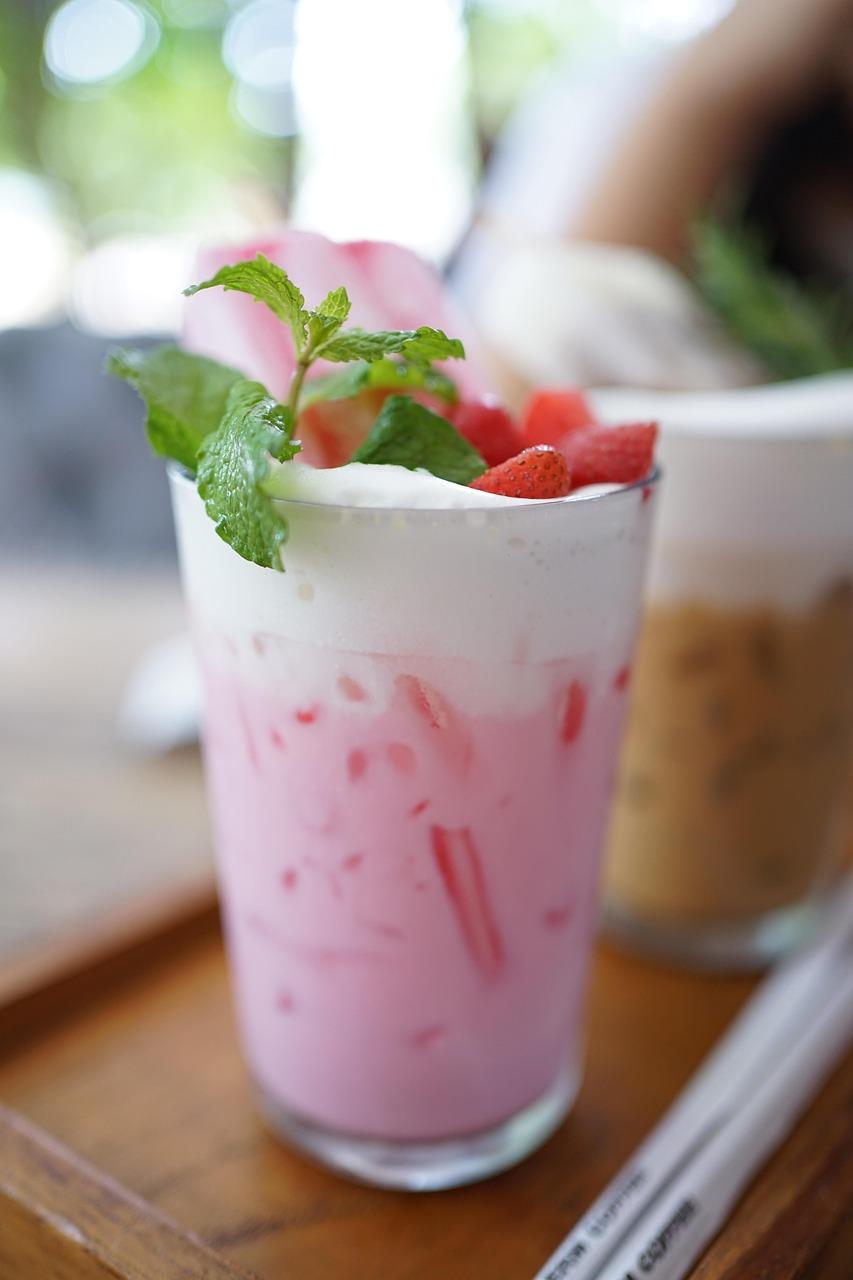
Nom yen (pink milk)Pink iced milk

Thai drink stalls outside schools and markets keep a bottle of red sala syrup next to the condensed milk for this sweet, bubblegum-pink milk, a favourite of children from Bangkok to Hat Yai. Sala is a tangy palm fruit, and the syrup tastes of it lightly, almost like cream soda; any red sala-flavoured syrup from an Asian shop works. Shake it with ice until frothy. Chef's tip: the mistake is too much syrup, which turns it lurid and cloying; start with a tablespoon per glass and add more to taste.
by KrazyBadal 0 views

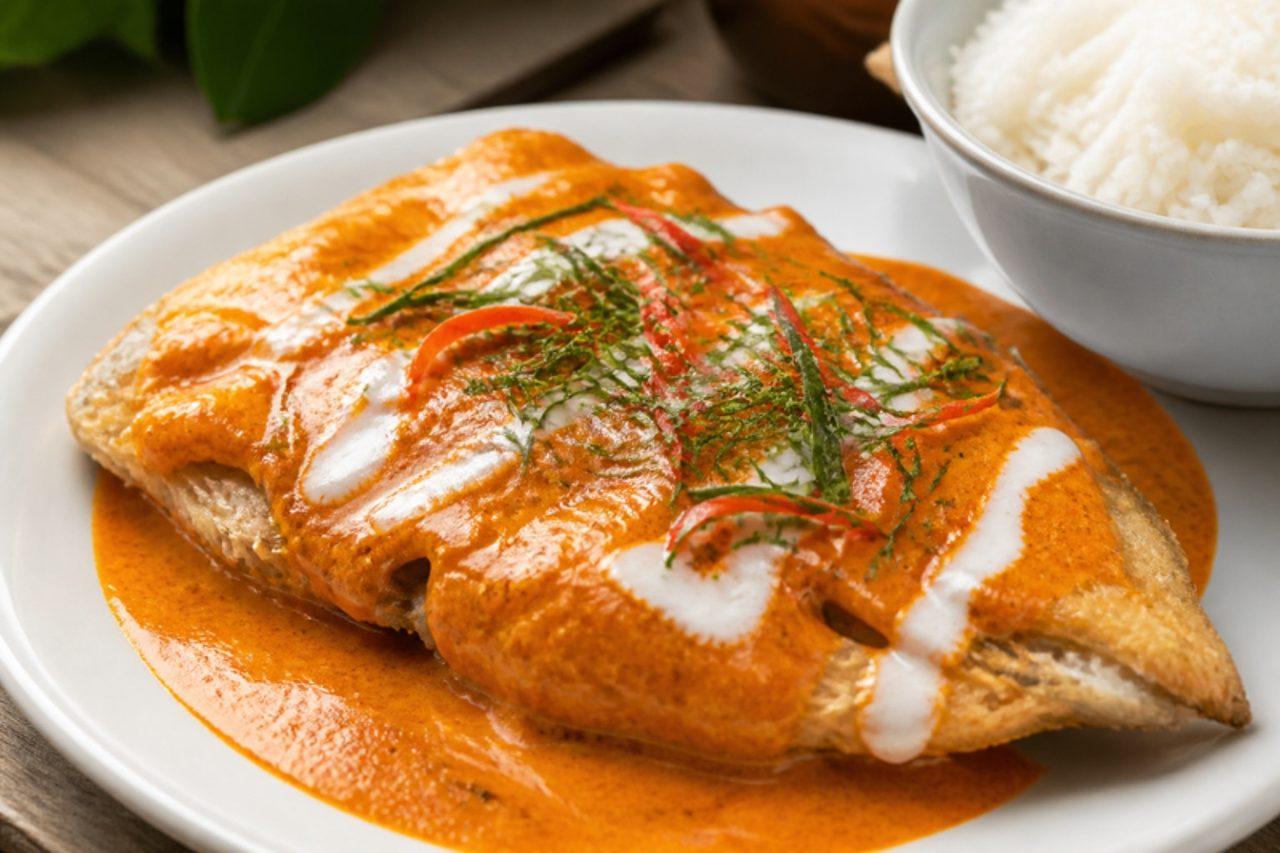
Choo chee pla (fish in thick red curry)

Riverside restaurants along the Chao Phraya, from Nonthaburi down to Samut Prakan, serve choo chee as a centrepiece for shared dinners: a crisp-fried fish smothered in a sauce so reduced it barely moves, red with curry paste, rich with coconut cream and scattered with threads of kaffir lime leaf. The name copies the sizzle of paste hitting hot cream. It is sweeter and thicker than a soupy gaeng phet, so serve plenty of jasmine rice and a clear soup or plain vegetables alongside. Chef's tip: fry the fish only after the sauce is ready and pour it over at the table; fish left to sit in the sauce goes soggy within minutes.

40 minThaiFishGluten freeSpicy
by KrazyBadal 0 views

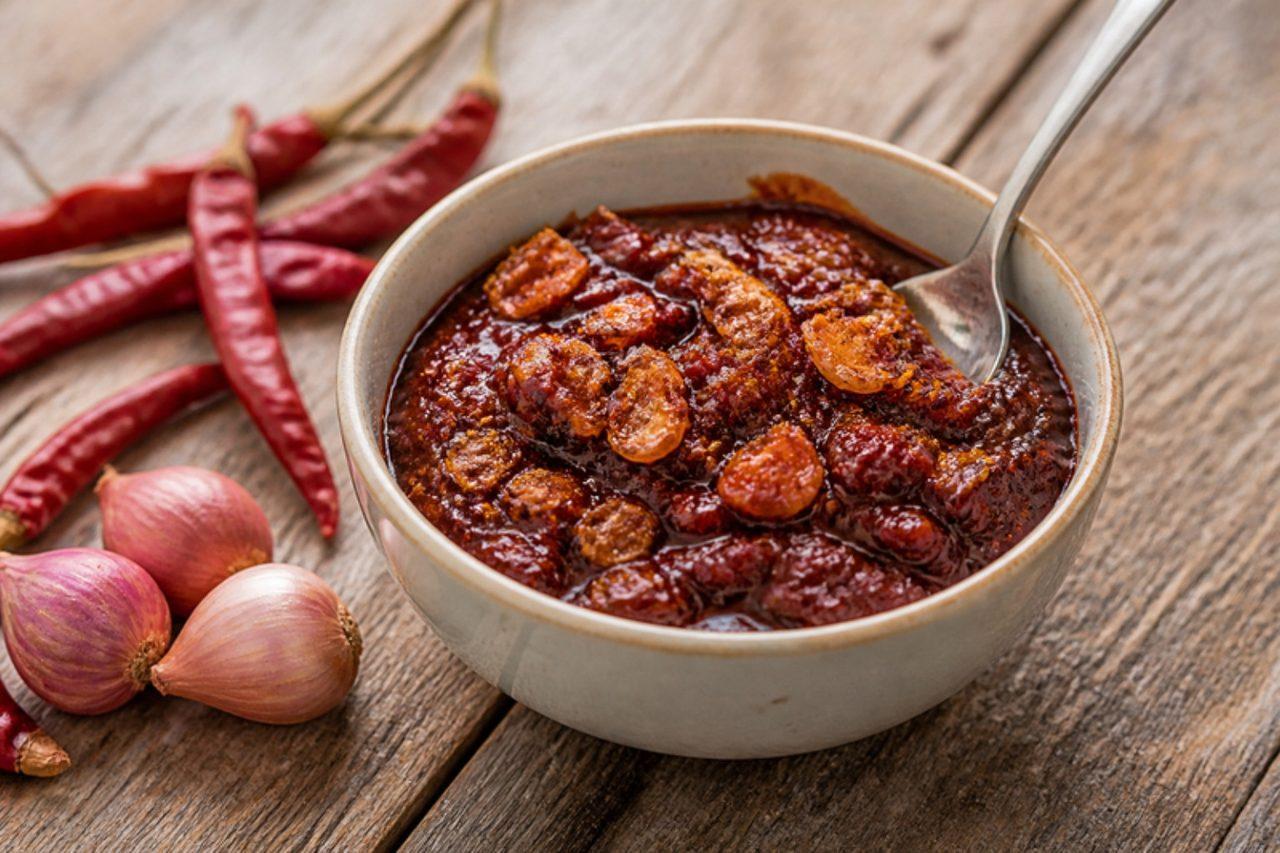
Nam prik pao (Thai chilli jam)

Every Thai kitchen keeps a jar of this dark, glossy chilli jam: it goes into tom yum and yam salads, onto plain rice and omelettes, and Bangkok office workers spread it on toast. The chillies, shallots and garlic are fried until deeply golden, then cooked down with tamarind and palm sugar, so it tastes sweet, sour and smoky rather than just hot. Most shop jars contain dried shrimp and fish sauce; this one uses tamari and a little extra shallot for depth, so it is vegan. For the traditional version, fry 2 tbsp dried shrimp with the garlic and swap the tamari for fish sauce. Chef's tip: take the garlic out as soon as it turns pale gold; burnt garlic is the most common reason chilli jam tastes bitter.
by KrazyBadal 0 views

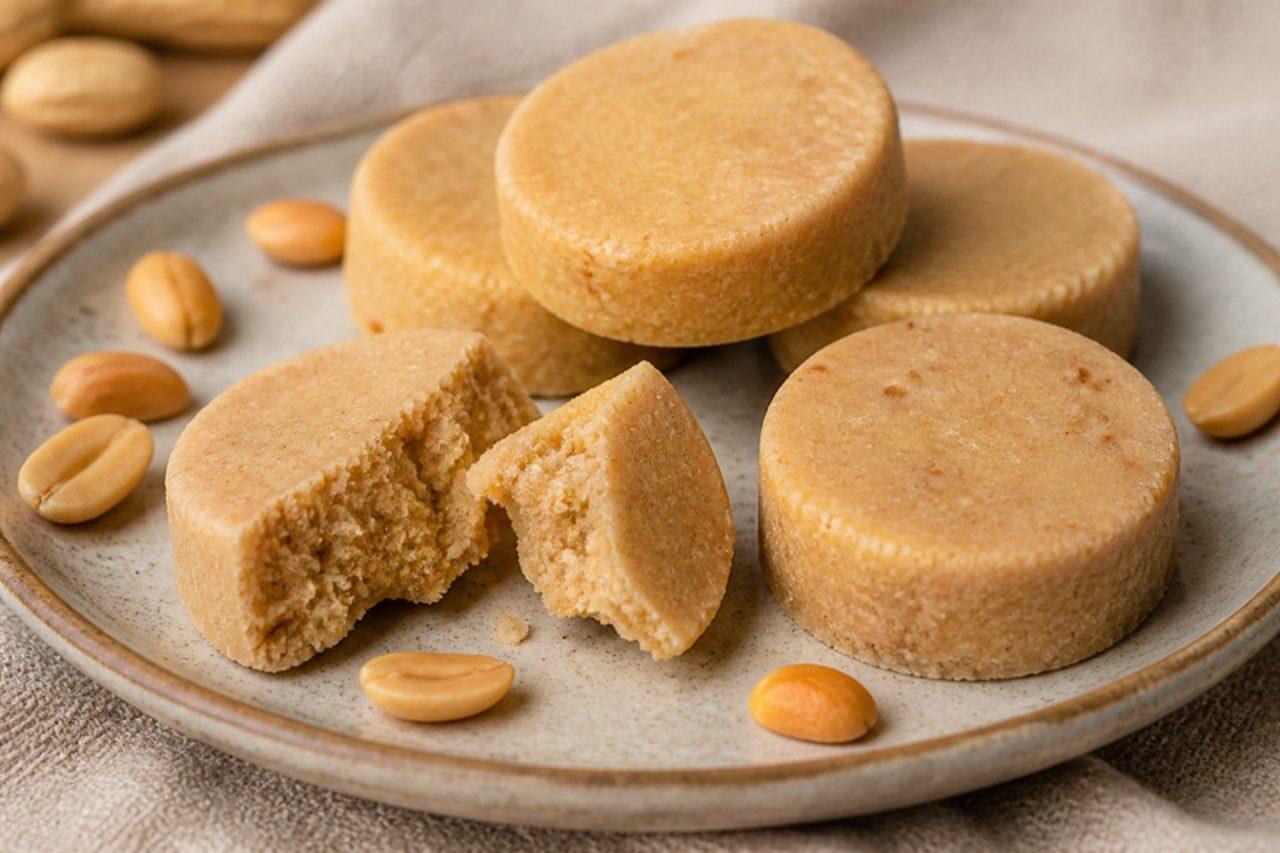
Mazapán de cacahuatePeanut sugar sweets

Mexican children grow up on mazapán, little rounds of ground roasted peanuts and powdered sugar that crumble at the first bite, sold singly at corner shops and piñata parties across the country. The homemade version tastes even more of peanut and needs no cooking at all, only a blender and a pastry cutter or bottle cap to press the rounds. They contain peanuts. Chef's tip: press really hard and lift the cutter straight up, as loose pressing is why homemade mazapán falls apart.

by KrazyBadal 0 views

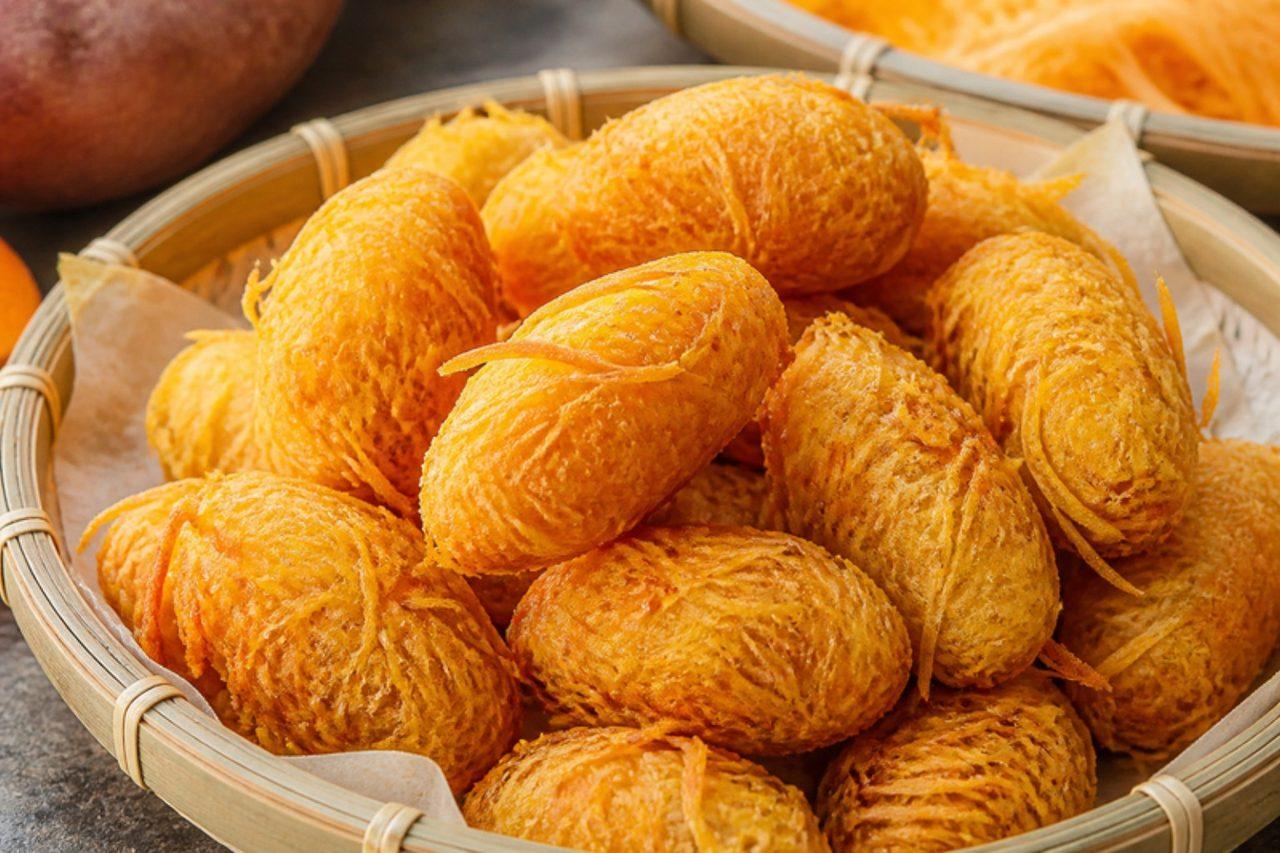
Khoai lang kén (sweet potato cocoons)Sweet potato fritters

Hồ Chí Minh City street carts fry these little 'cocoons' in big woks, and on rainy evenings a paper bag of them, still too hot to hold, is a favourite with students and children. The inside is soft, sweet mashed sweet potato bound with a little rice flour; the outside is a shaggy, crunchy coat of fine sweet-potato threads that looks like a silkworm's cocoon. Eat them plain, or dip in sweetened condensed coconut milk. Chef's tip: squeeze the shredded sweet potato dry and keep the oil at 170 °C; wet shreds and cool oil give greasy, limp cocoons.

by KrazyBadal 0 views

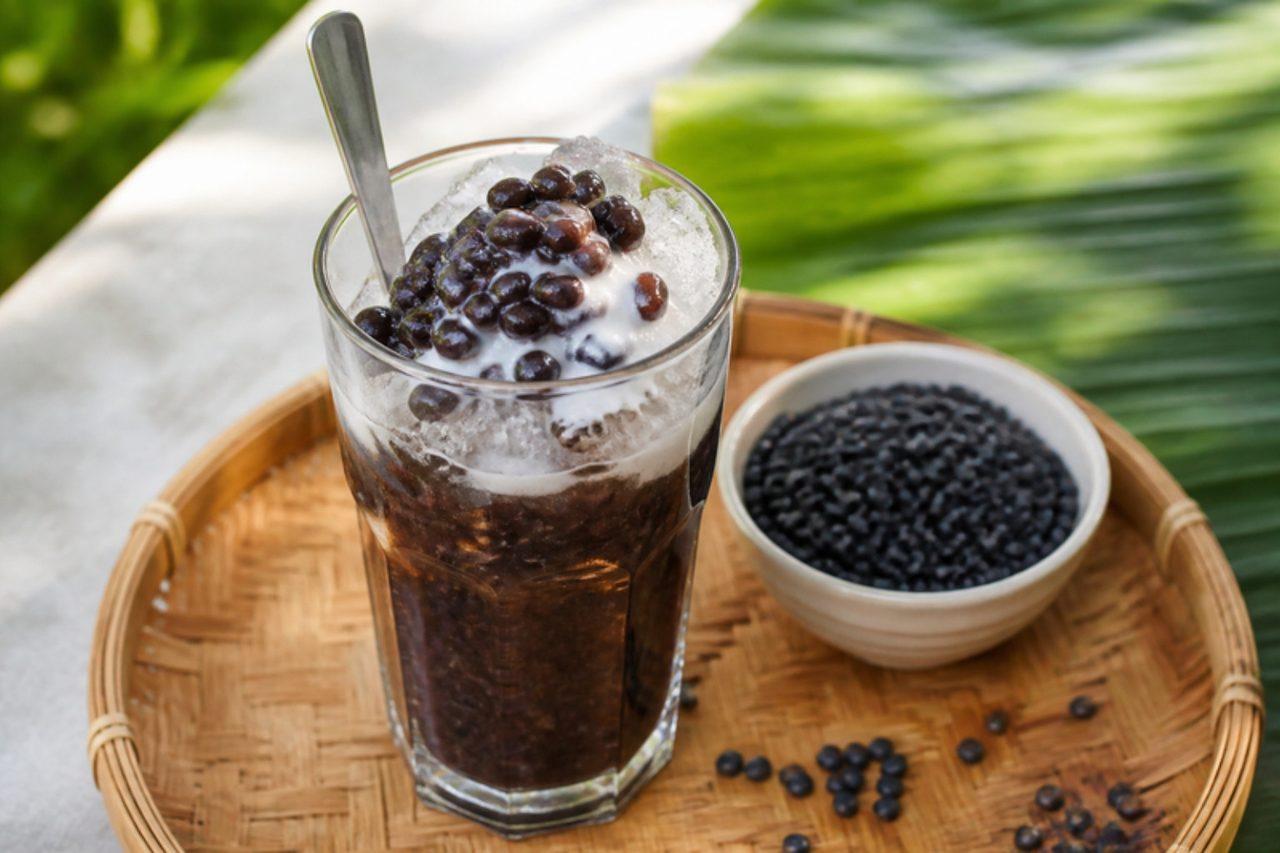
Chè đậu đen (black bean sweet soup)

In Hanoi summers, glass after glass of chè đậu đen is poured over crushed ice at pavement stalls, and many families keep a pot in the fridge because the beans are thought to cool the body. The beans are cooked whole until creamy inside but unbroken, then steeped in syrup until they turn dark and glossy; southern versions finish with a little coconut milk. Chef's tip: add the sugar only once the beans are completely tender; sugar too early toughens the skins and the beans never soften.

by KrazyBadal 0 views

Chè khoai môn (taro and sticky rice in coconut milk)Taro coconut dessert

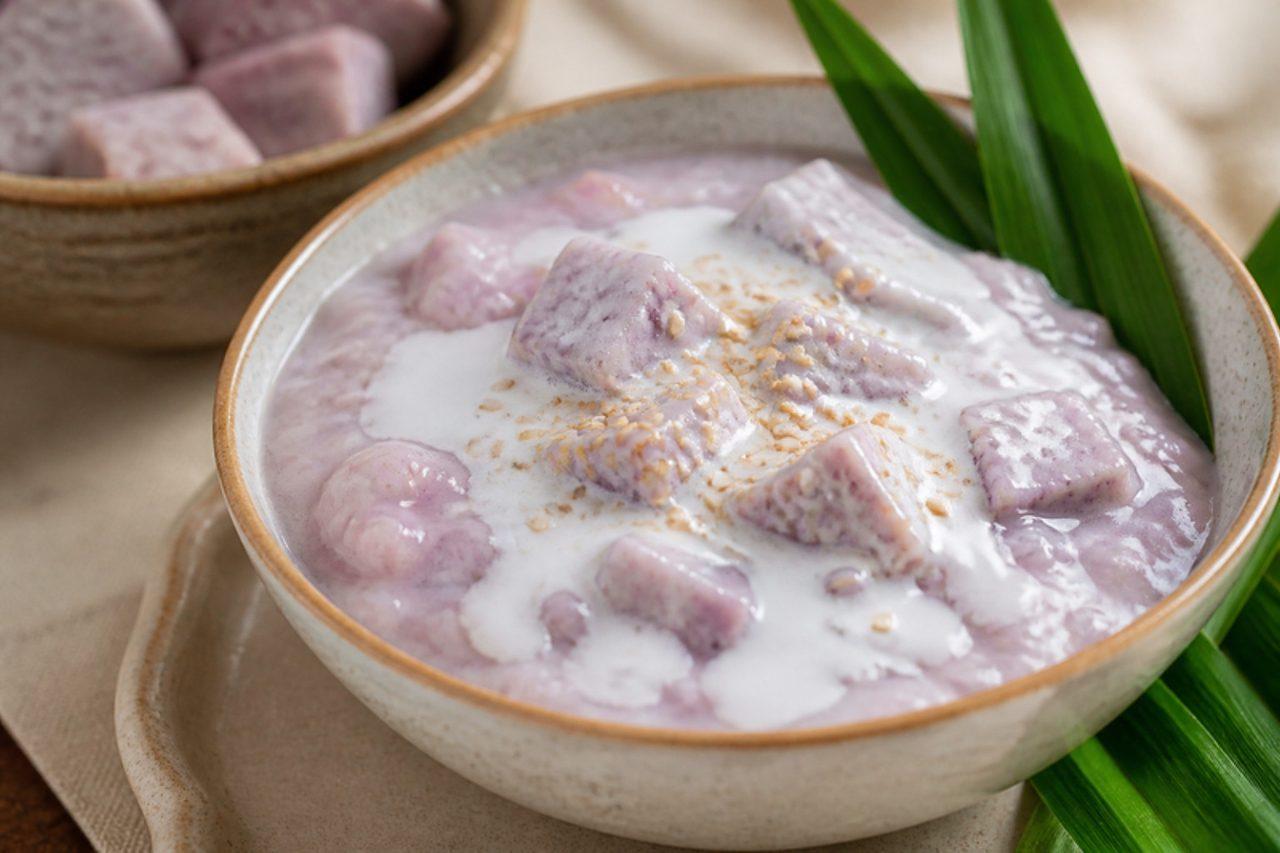
Southern Vietnamese cooks make chè khoai môn for ancestor offerings and for chilly monsoon evenings, when a warm, creamy bowl is welcome; Saigon stalls sell it hot from big pots. Chunks of taro, some left whole and some crushed into the pot, cook with glutinous rice until the whole thing turns thick and faintly lilac, then coconut milk is poured over. Chef's tip: wear gloves or oil your hands when peeling raw taro; the sap can make skin itch badly.

by KrazyBadal 0 views

Gaeng phet ped yang (red curry with roast duck)

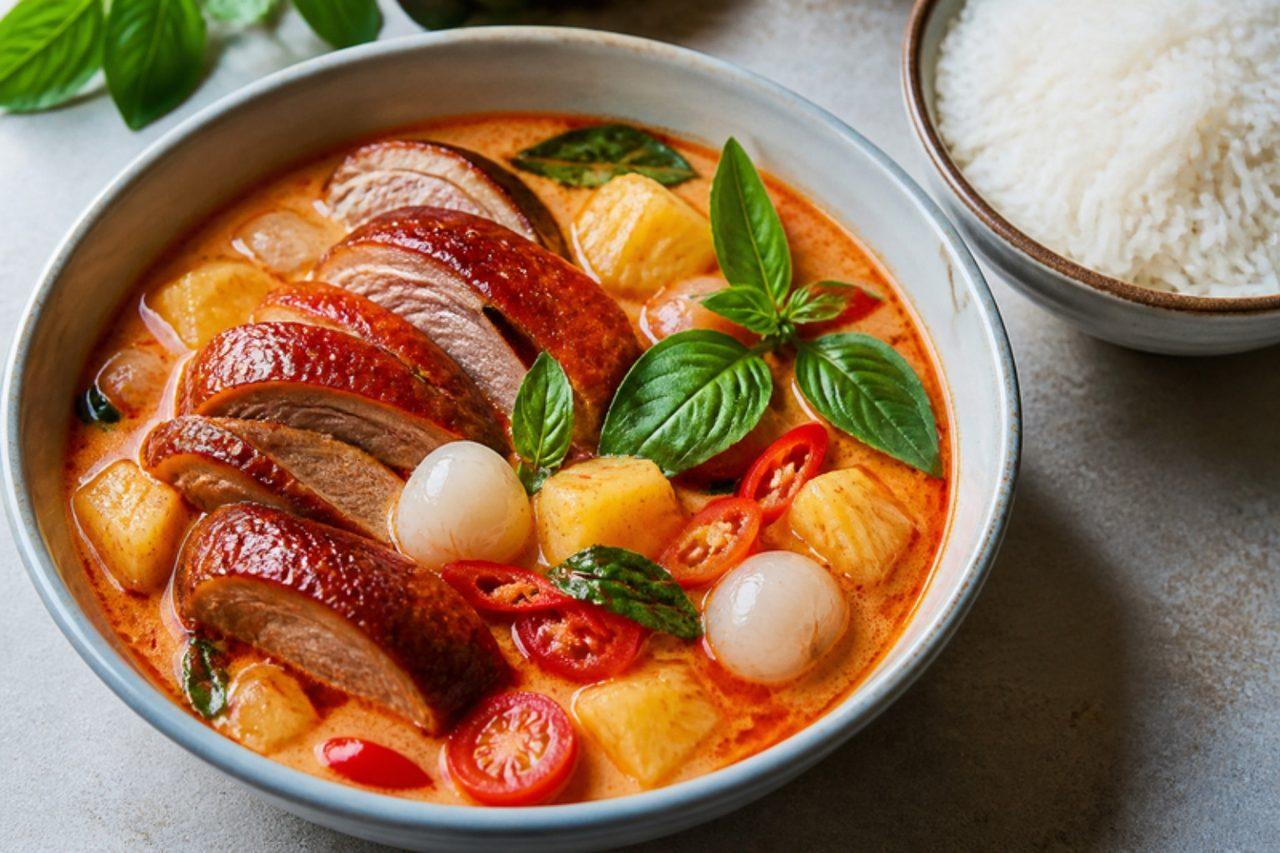
Bangkok's Chinese-Thai cooks invented this curry around the roast-duck shops of Yaowarat, where lacquered ducks hang in the windows: sliced duck simmered briefly in red curry with pineapple, cherry tomatoes and lychees, so every mouthful is rich, hot, sweet and a little sour. It is a dish for a special family dinner or a banquet table, eaten with jasmine rice. Buy a ready-roasted duck from a Chinese barbecue shop rather than roasting your own. Chef's tip: add the duck near the end and only heat it through; boiling it for long turns the meat stringy and the skin flabby.

45 minThaiMeatGluten freeSpicy
by KrazyBadal 0 views

Peru de NatalChristmas roast turkey

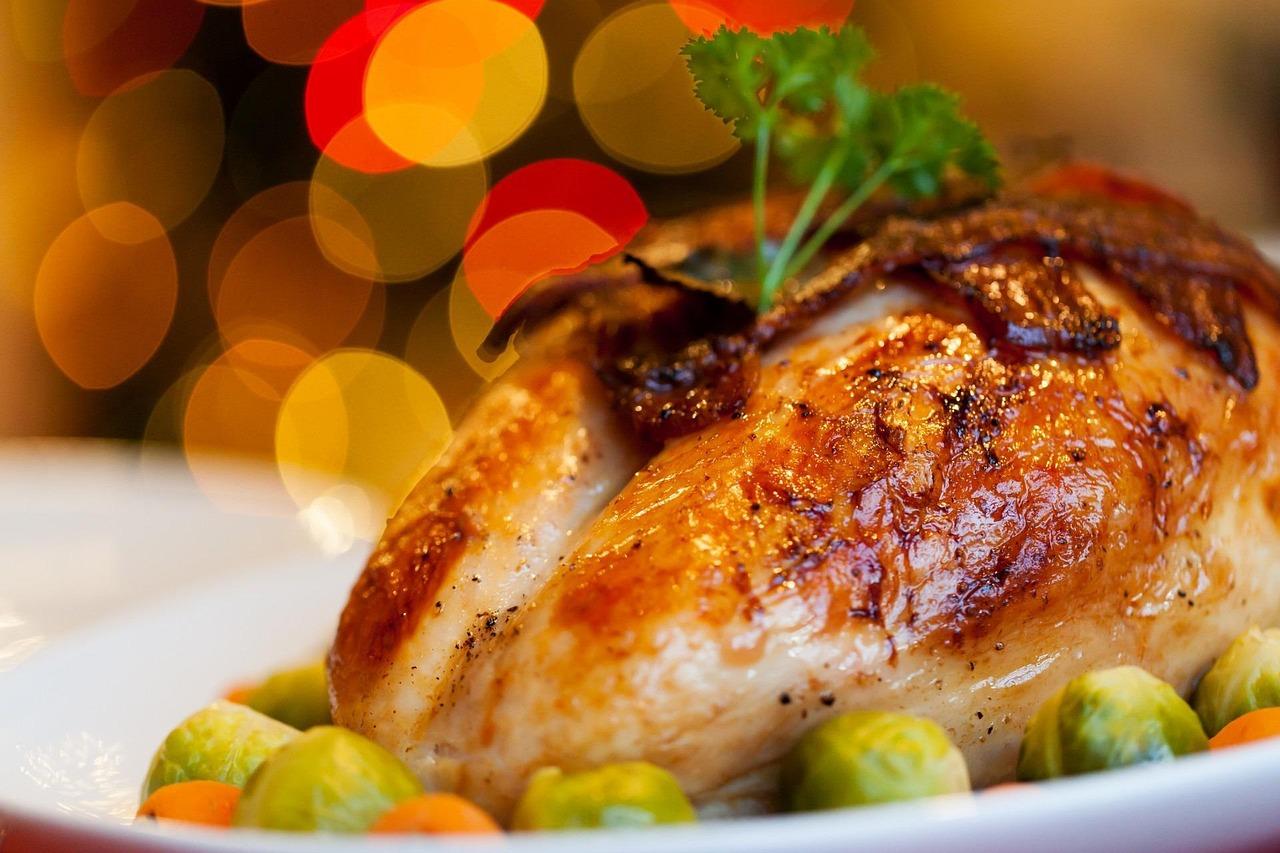
For many Brazilian families the ceia de Natal, eaten late on Christmas Eve, is built around a glossy roast turkey surrounded by farofa, rice and fruit. The bird is marinated for a day in garlic, onion, lime, herbs and dry white wine, then roasted slowly under foil so it stays moist. The marinade traditionally contains wine; for an alcohol-free version swap it for the same amount of unsweetened apple juice with 2 tablespoons of white wine vinegar. Chef's tip: trust a meat thermometer in the thickest part of the thigh, not the clock or a pop-up timer.

by KrazyBadal 0 views

Pescado zarandeadoGrilled marinated whole fish

On the beaches of Nayarit, from San Blas to the island of Mexcaltitán, cooks clamp butterflied snapper in a hinged grill basket and shake it over mangrove charcoal; 'zarandear' means to shake. The flesh is brushed with a paste of guajillo and chipotle chiles, citrus and a little mayonnaise, which chars at the edges while the fish stays moist. Bring it to the table whole and let everyone pull off pieces into tortillas with lime, red onion and cucumber. You can ask the fishmonger to take the head off. Chef's tip: oil the grill basket well, or the skin sticks.

by KrazyBadal 0 views

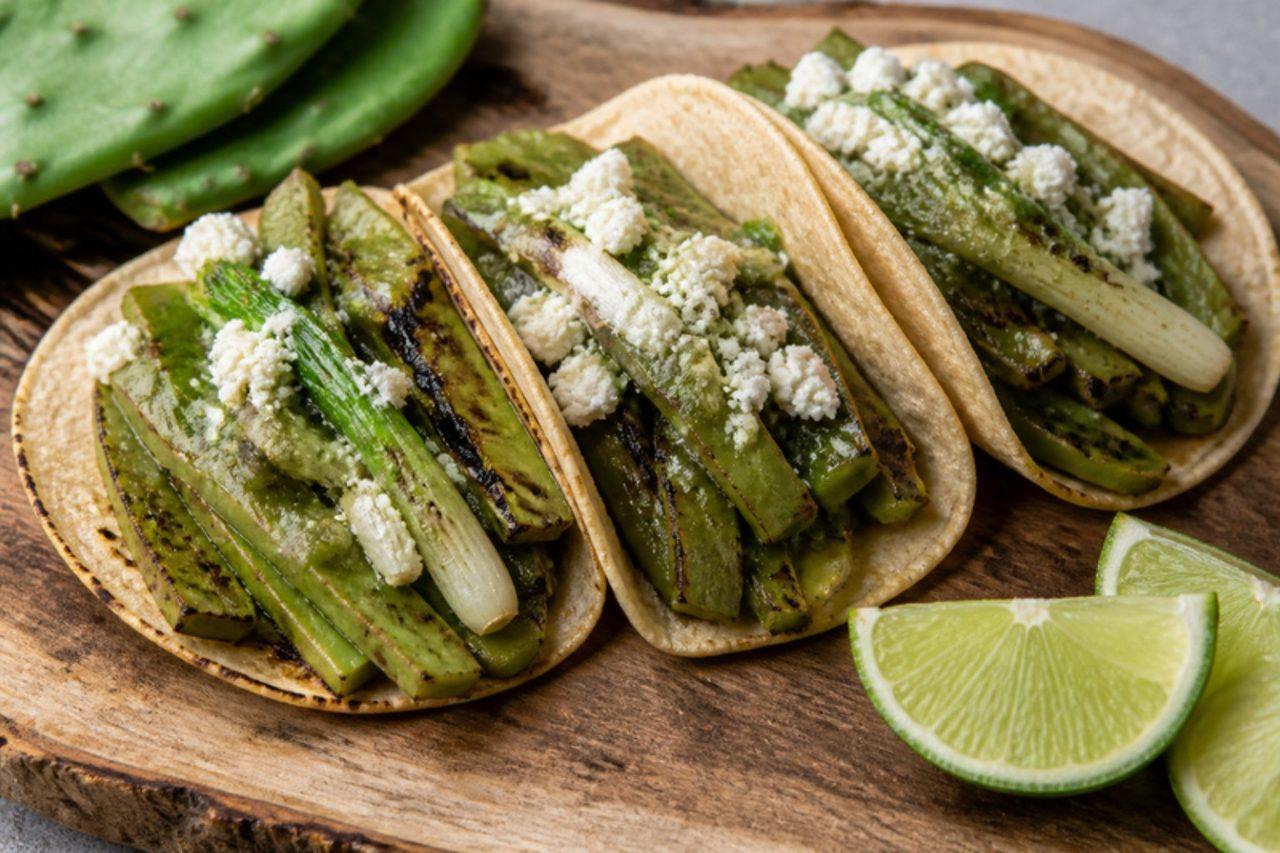
Tacos de nopales asadosGrilled cactus tacos

At weekend markets in Milpa Alta, the cactus-growing district on Mexico City's southern edge, whole nopal paddles are grilled until tender and folded into tortillas with charred spring onions and salsa verde. Grilling dries the natural slime the cactus is known for and leaves a lemony, green-bean flavour. It is a light, naturally vegan taco. Buy paddles with the spines already removed, or scrape them carefully with a knife. Chef's tip: score the paddles in a criss-cross before grilling so they cook evenly and stay flat.

by KrazyBadal 0 views

SincronizadasHam and cheese tortilla sandwiches

Found on cafeteria menus and in school lunchboxes from Monterrey to Mérida, sincronizadas are two flour tortillas 'synchronised' around cooked ham (pork) and melting cheese, then toasted on the griddle until the cheese runs. Cut into wedges and served with guacamole or salsa, they're a ten-minute supper that children love. Chef's tip: keep the heat at medium, so the cheese melts before the tortillas scorch.

by KrazyBadal 0 views

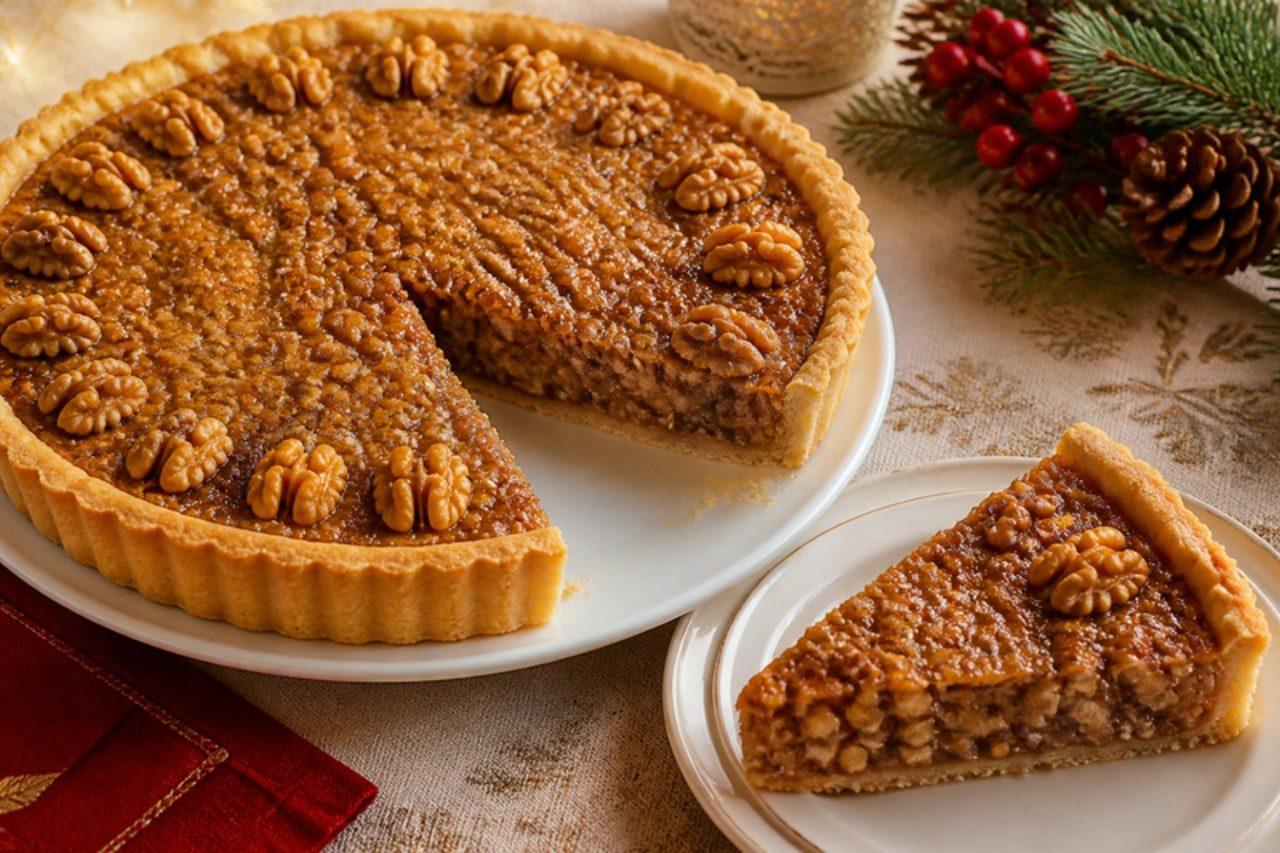
Torta de nozesWalnut tart

In the South and in São Paulo, where Italian, German and Portuguese baking traditions meet, a walnut tart is a fixture of the Christmas dessert table, often brought by an aunt who has made it the same way for decades. A crisp, sweet shortcrust holds a filling of chopped walnuts set in condensed milk and eggs, which bakes into a soft, toffee-like caramel. It slices best the next day, so it is a good make-ahead for the busy 24th. Chef's tip: blind-bake the crust until it is properly golden, or the rich filling will leave the base soggy.

by KrazyBadal 0 views

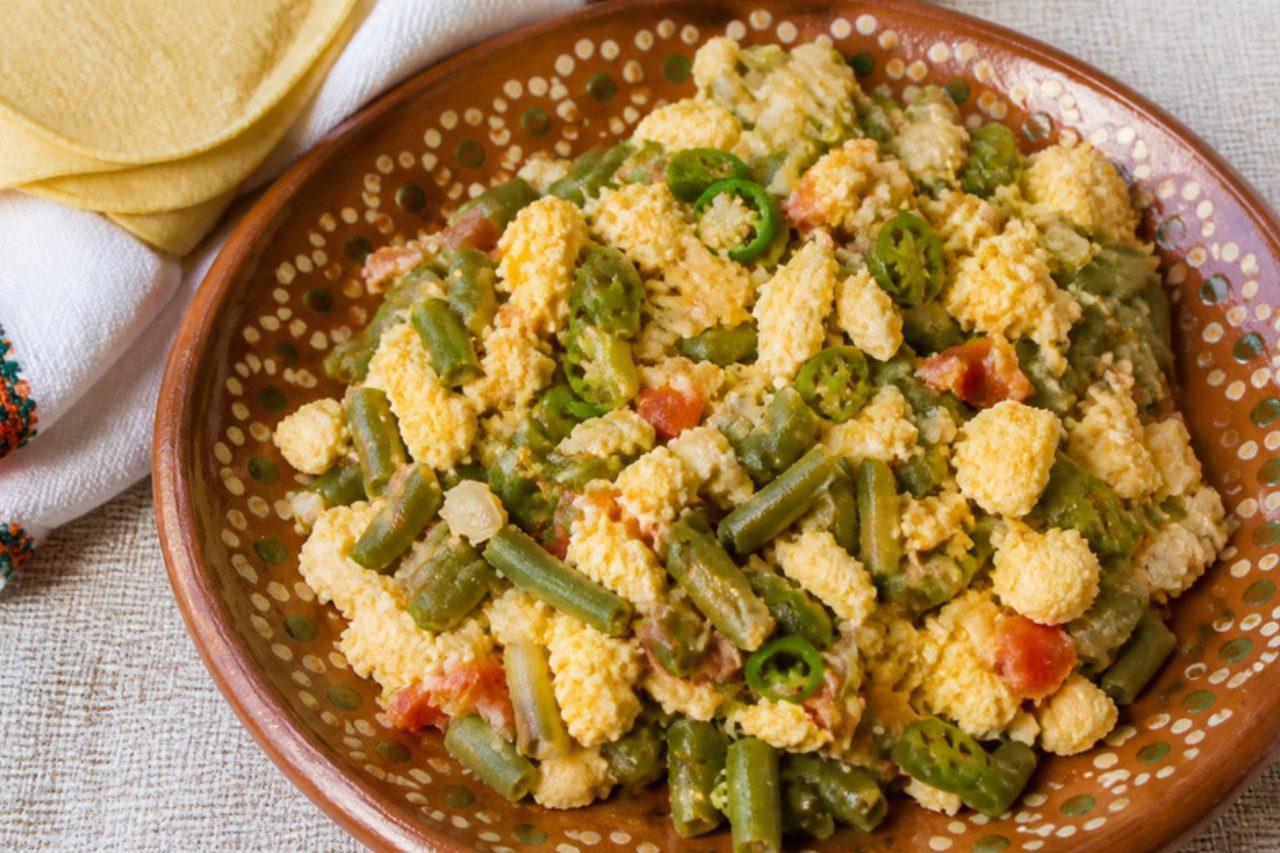
Ejotes con huevoGreen beans with egg

Cheap, fast and filling, this is the kind of dish that turns up on Mexican home tables on a Lent Friday, at breakfast or as the main course of a weekday comida. Green beans are blanched, tossed through a quick tomato and serrano sofrito and bound with softly scrambled egg. Spoon it into warm corn tortillas or eat it with frijoles de la olla and rice. Chef's tip: cut the beans on a slant into short pieces so every forkful catches some egg.

by KrazyBadal 0 views

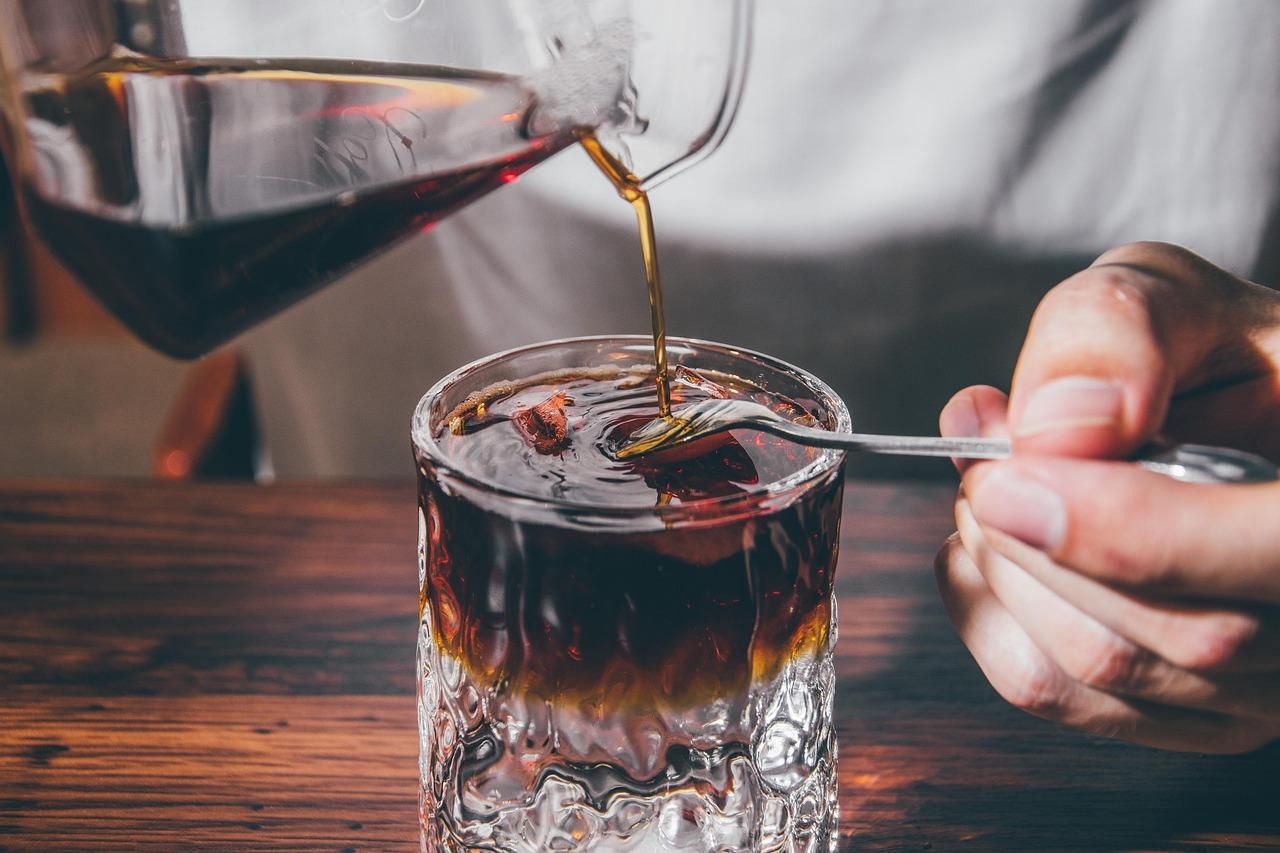
Oliang (Thai black iced coffee)

Old Bangkok coffee shops in Chinatown and Bang Rak still brew oliang through a long cotton sock, using a dark blend of coffee roasted with corn, soybeans, rice and sesame that gives it a toasty, almost cocoa-like flavour. It is served black, heavily sweetened and poured over crushed ice in tall glasses, a mid-morning pick-me-up for market traders. Look for any Thai 'oliang powder' blend in Asian shops, or mix dark coffee with roasted grains as below. It contains caffeine, so it is not one for children. Chef's tip: adding sugar after chilling is the mistake; dissolve it while the coffee is hot, or it stays gritty.
15 minThaiDrinksVeganGluten free
by KrazyBadal 0 views

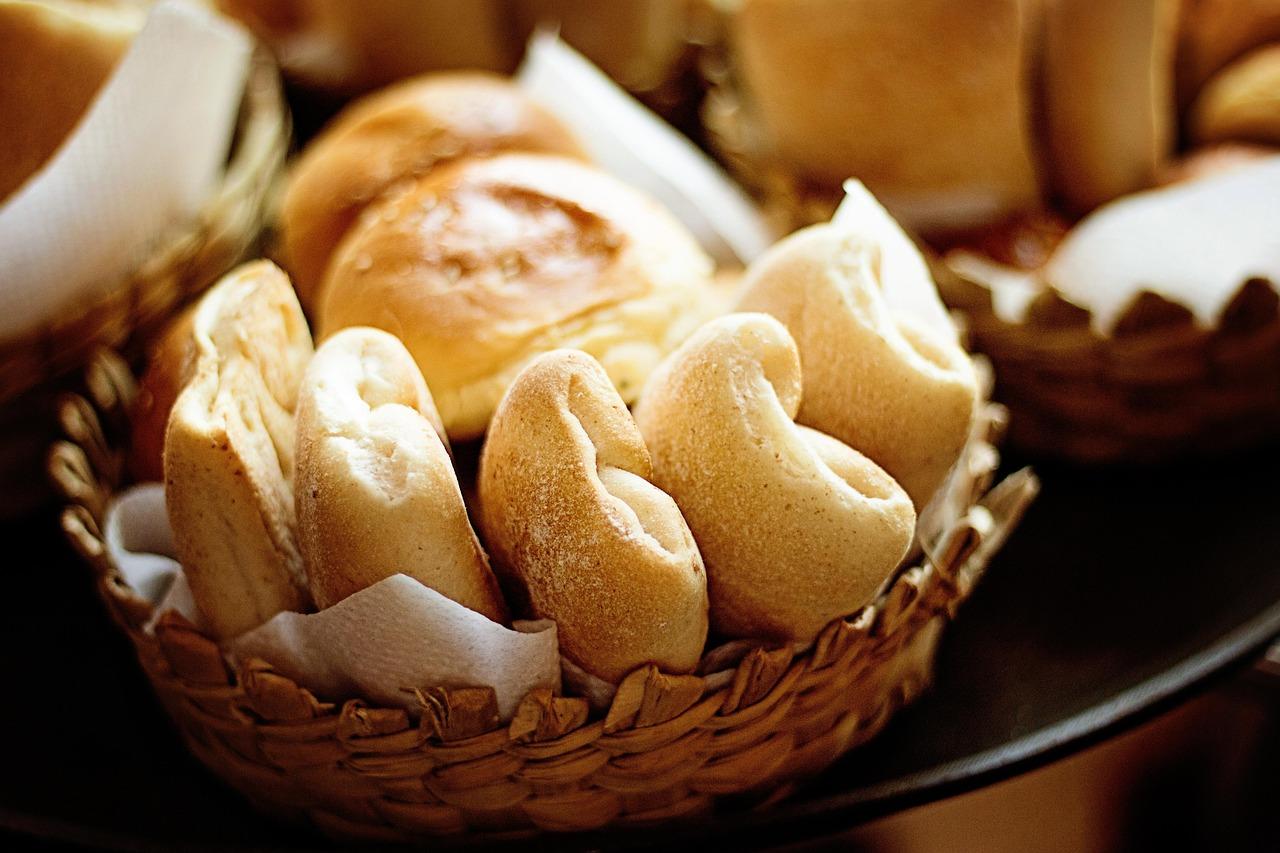
Pão francêsCrusty bread rolls

Every neighbourhood padaria in Brazil pulls trays of these small, golden rolls from the oven at dawn and again in the late afternoon, and people buy them by the half-dozen for breakfast with butter and milky coffee or for a pão na chapa on the griddle. The name means French bread, but the roll is Brazil's own: a thin, crackling crust with a raised lip along the cut, called the pestana, around a very light, fluffy crumb. Chef's tip: a tray of boiling water in the oven gives the steam that makes the crust thin and shiny.

by KrazyBadal 0 views

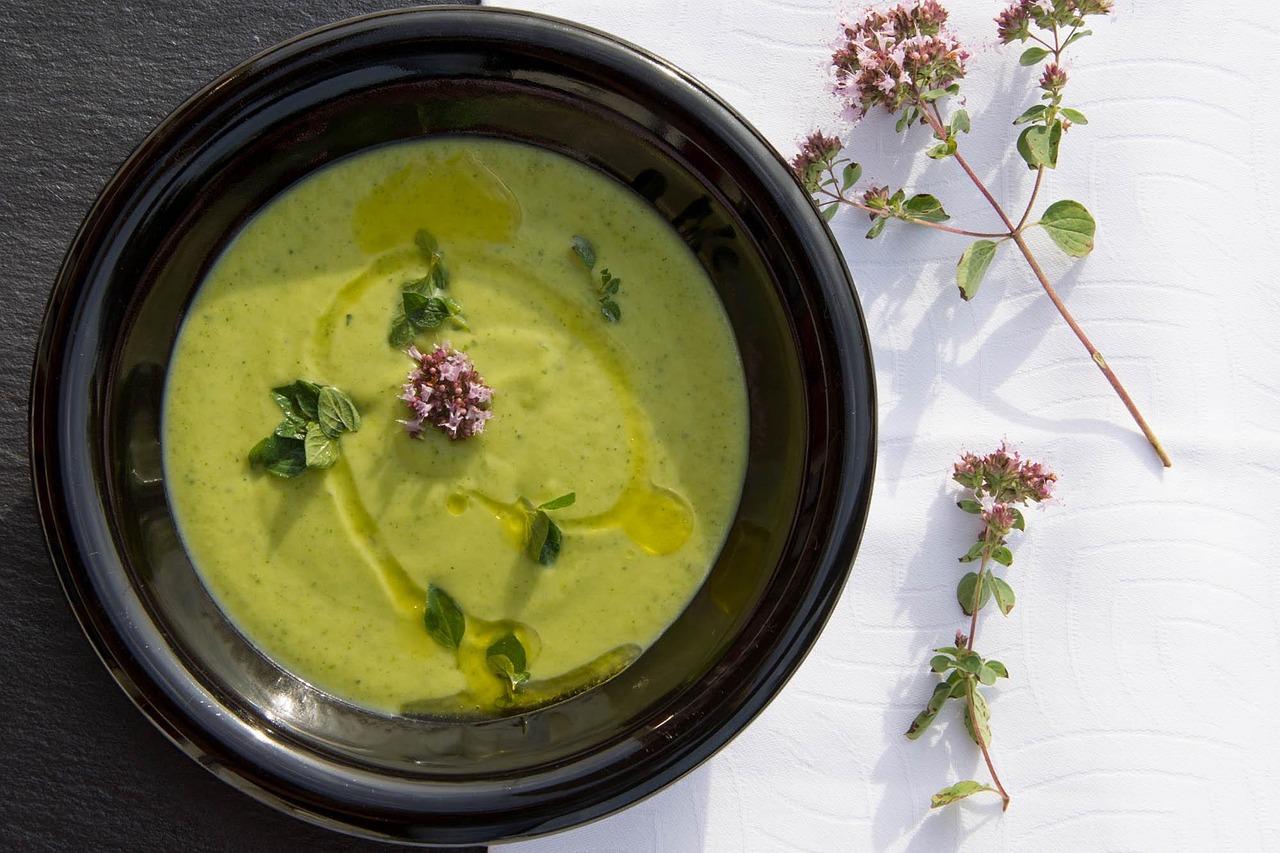
Crema de chile poblanoCreamy poblano soup

In Puebla, where poblano chiles take their name, this pale-jade soup appears at family lunches and on the menu of almost every cocina económica. Roasted chiles are blended with onion, a little corn and milk, then enriched with cream, so the flavour is smoky and mellow with just a flicker of heat. Serve it with crisp tortilla strips or a few corn kernels on top. Chef's tip: roast a couple of extra chiles while the grill is hot; the strips keep for four days and lift any taco or quesadilla.

by KrazyBadal 0 views

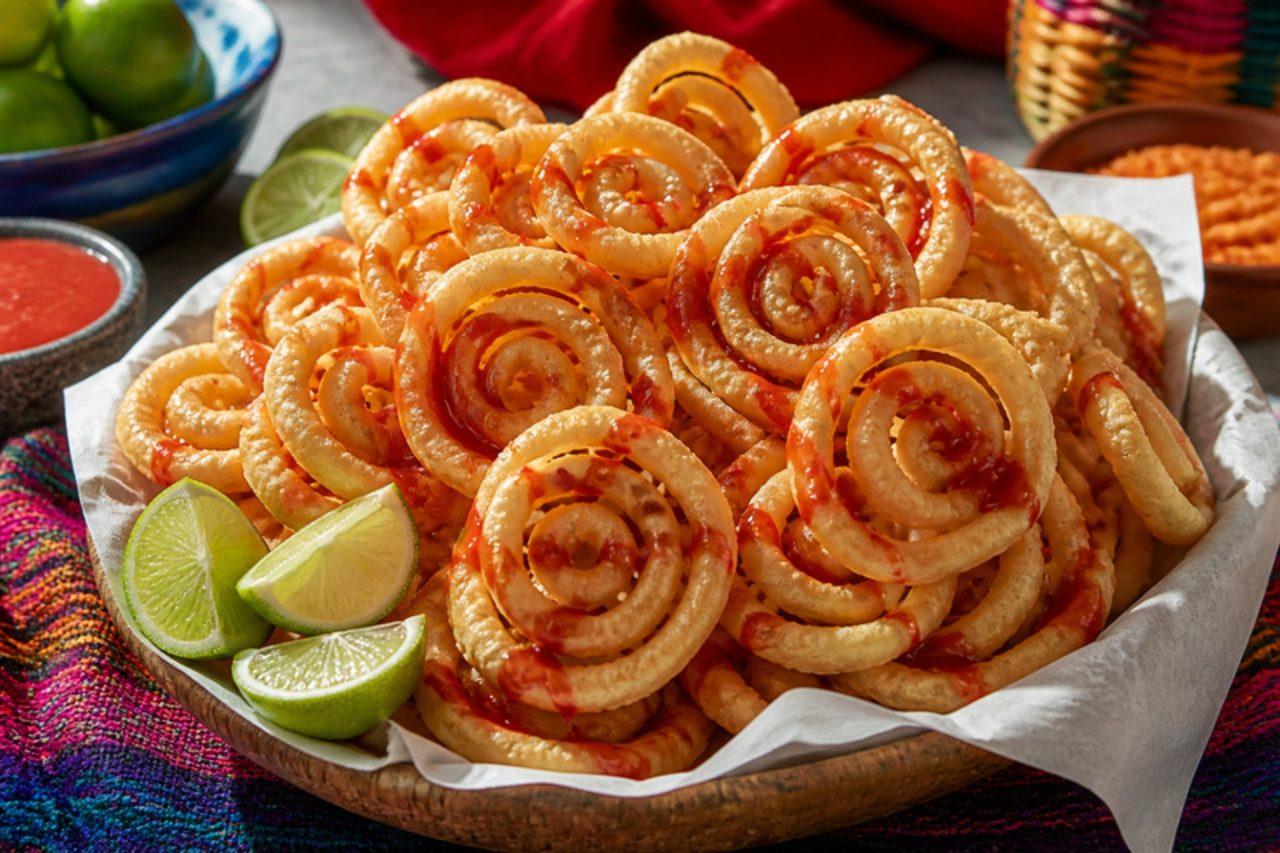
Chicharrones de harinaPuffed wheat snacks

Outside Mexican schools and parks, vendors fry little dried wheels and rectangles of wheat dough until they balloon into airy, crackly chicharrones de harina, also called duritos. They're handed over in a plastic bag drenched in lime juice and bottled hot sauce. At home you can buy the dried pellets (duros) at Latin grocers, and they puff in seconds. Chef's tip: fry just a small handful at a time; they triple in size.

by KrazyBadal 0 views

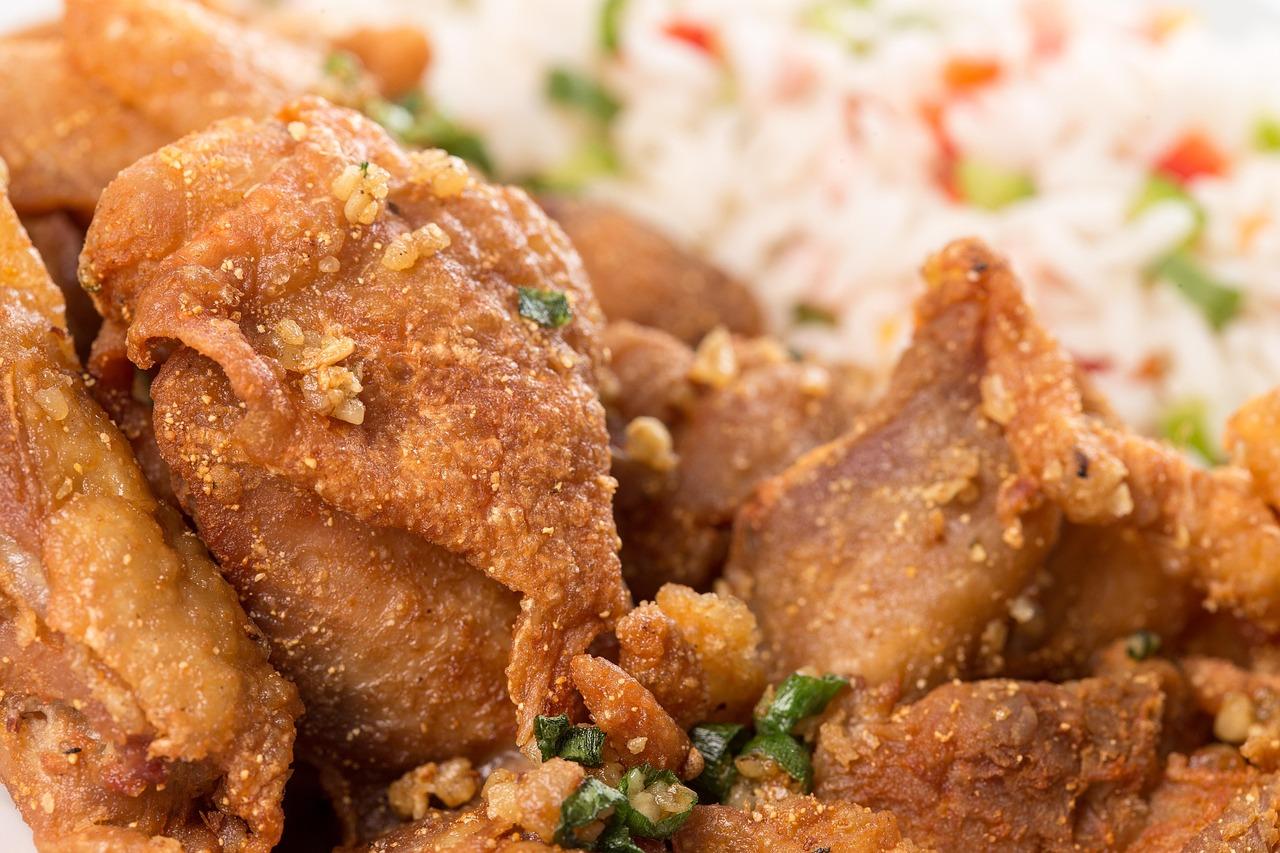
Frango a passarinhoFried chicken pieces with garlic

Chopped into bite-sized, bird-sized pieces, which is where the name comes from, this fried chicken is the dish Brazilians order by the plate in botecos from Belo Horizonte to Porto Alegre, usually with cold beer and plenty of napkins. The bone-in pieces soak in lime and garlic, are dusted in cornflour and fried until the skin crackles, then are buried under a shower of crisp fried garlic and parsley. Chef's tip: fry the garlic slices on a low heat and pull them out the moment they turn pale gold, as they keep darkening off the heat.

by KrazyBadal 0 views

Pão doceSweet custard bread

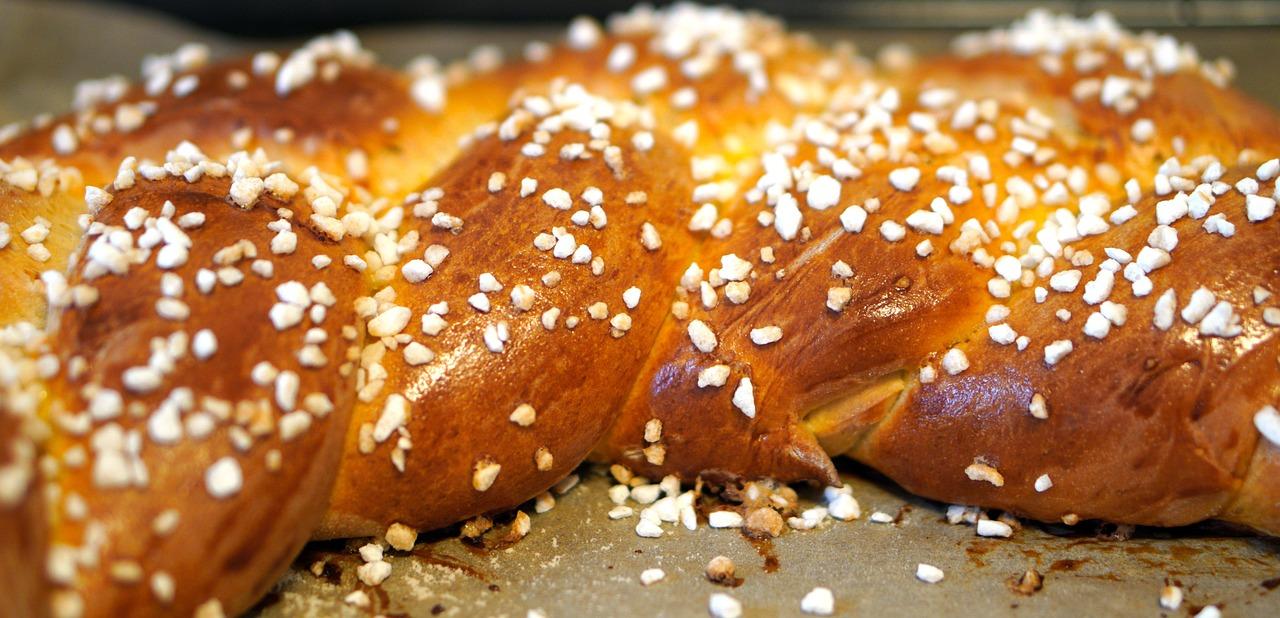
A long, shiny braid of sweet bread with a ribbon of vanilla custard and a sprinkle of coconut down the middle is one of the most familiar sights in a Brazilian padaria, sold by the slice for the late-afternoon coffee break known as the café da tarde. The enriched dough is soft and milky, and the syrup brushed on as it leaves the oven gives the crust its sticky shine. Chef's tip: make the custard first so it is completely cold before it goes onto the dough.

by KrazyBadal 0 views

Gelée de groseillesRedcurrant jelly

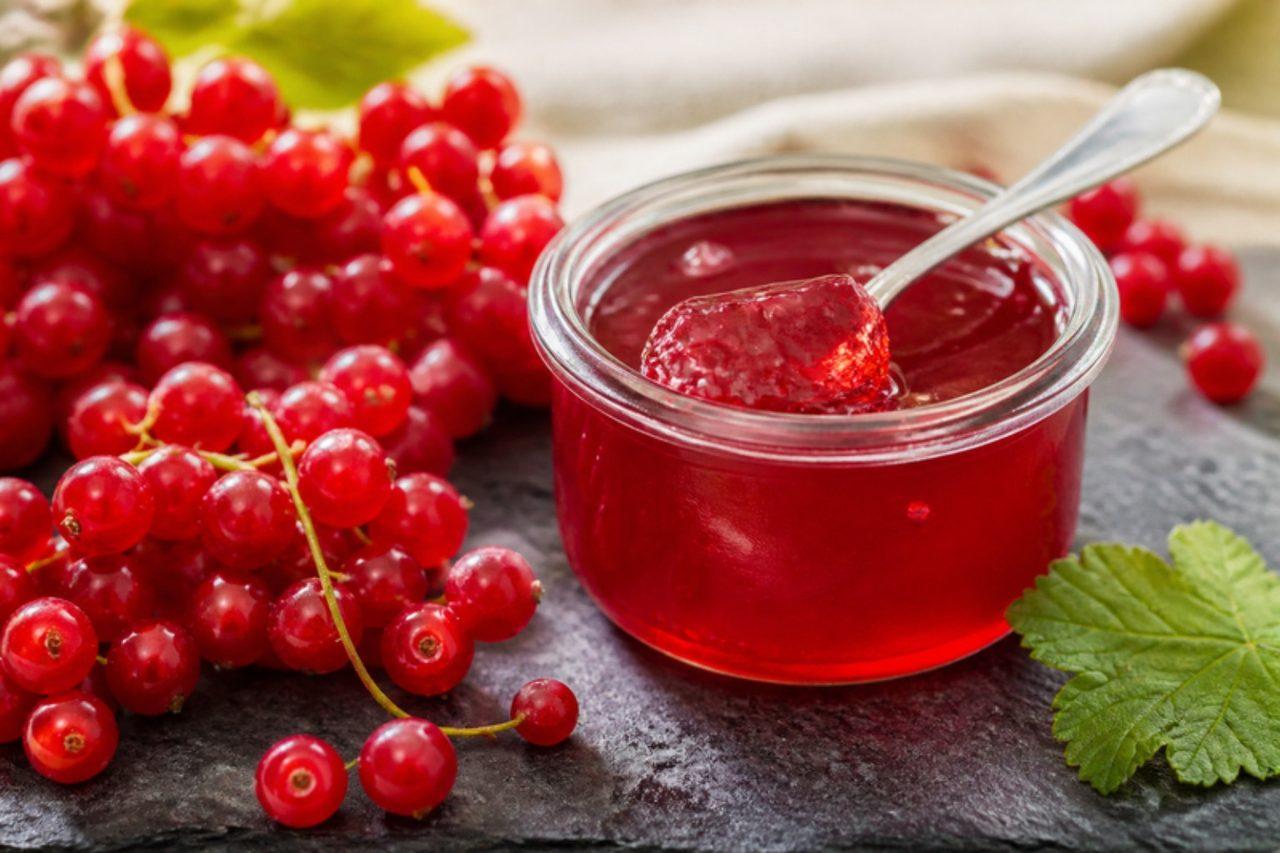
Redcurrant jelly is a summer preserve of eastern France, and in Bar-le-Duc in Lorraine the currants are still seeded by hand with a goose quill for the famous whole-berry jam; at home, the jelly is simply strained to a clear, ruby set, spread on bread and used to glaze fruit tarts. Redcurrants are full of pectin, so it sets easily. The common mistake is squeezing the jelly bag, which makes it cloudy. Chef's tip: let the juice drip on its own, overnight if you can.

by KrazyBadal 0 views

Confit d'oignonsOnion confit

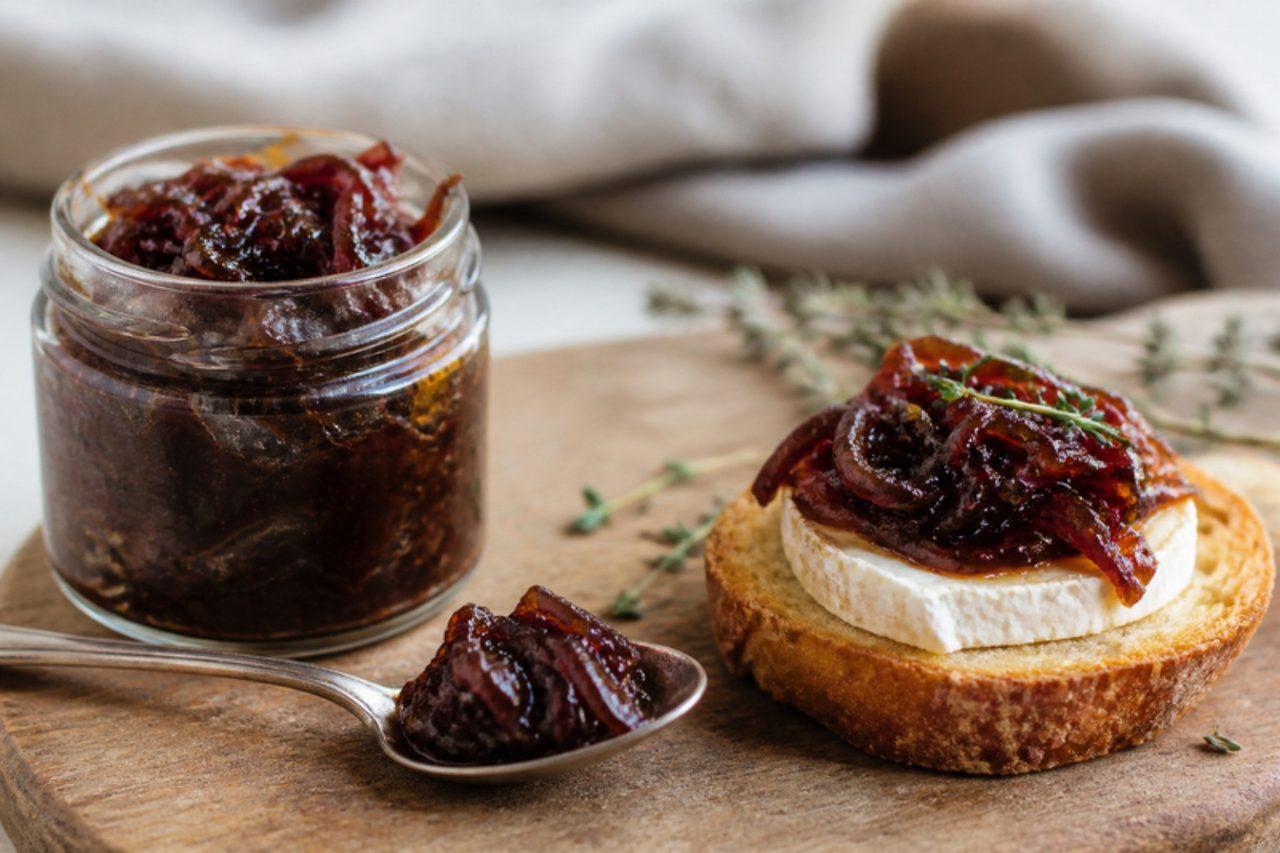
Confit d'oignons is the jammy, slow-cooked onion relish served across France with pâtés and terrines, cheese boards and goat's cheese toasts, and it is a favourite home-made gift at Christmas. Onions are softened very slowly in olive oil, then simmered with sugar and vinegar until dark and sticky. The traditional recipe often adds red wine; this version uses red grape juice and red wine vinegar so it is alcohol-free. The common mistake is rushing the first stage, so the onions stay sharp. Chef's tip: cook them at a gentle heat for a full 30 minutes before adding the sugar.

by KrazyBadal 0 views

Confiture d'abricotsApricot jam

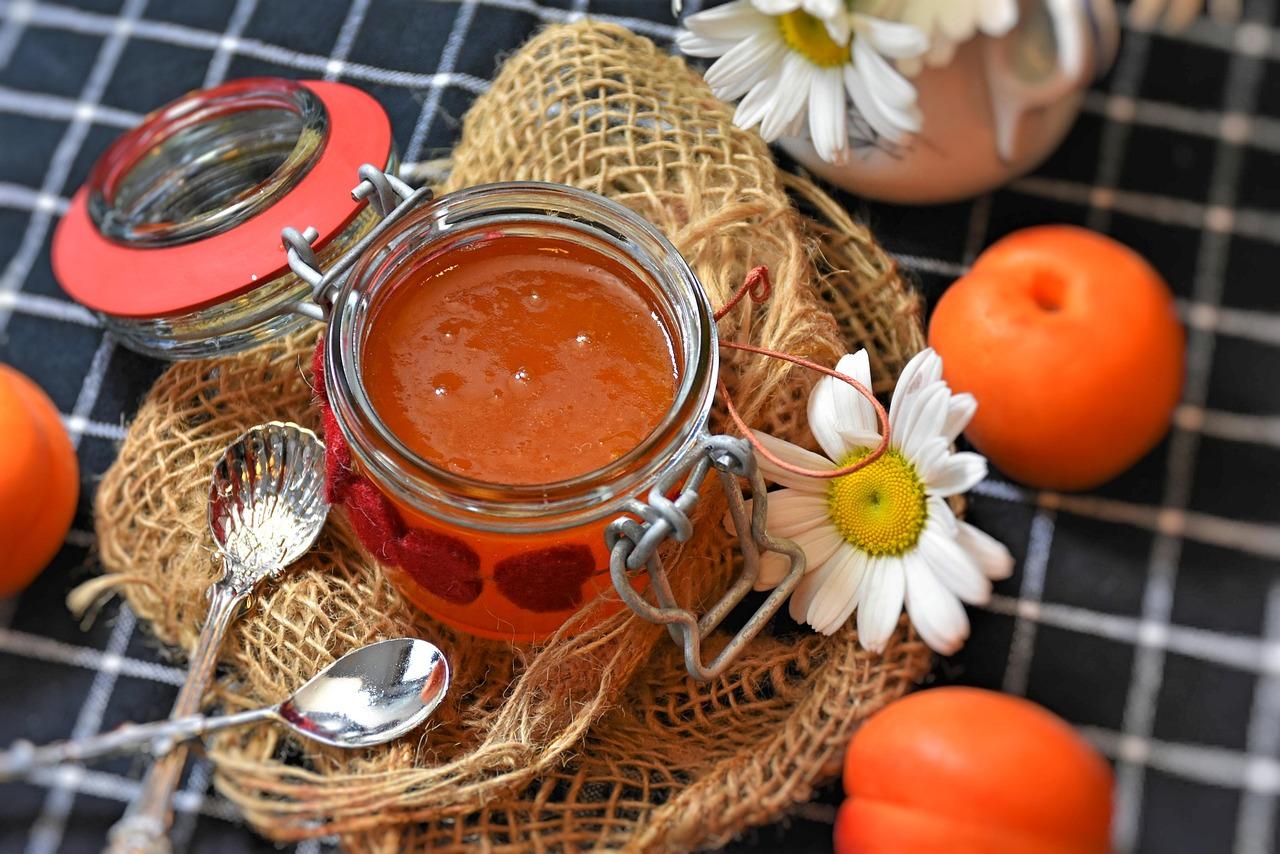
Apricot jam is the most loved jam in France, made in July with the apricots of the Roussillon and the Rhône valley and used for breakfast, for glazing fruit tarts and for filling croissants. Halved apricots are macerated with sugar, then boiled quickly so they keep their bright orange colour. The common mistake is stirring too hard, which breaks up the fruit. Chef's tip: add a few drops of almond extract at the end for the taste of the kernels; do not add the kernels themselves, which are not safe to eat in quantity.

by KrazyBadal 0 views

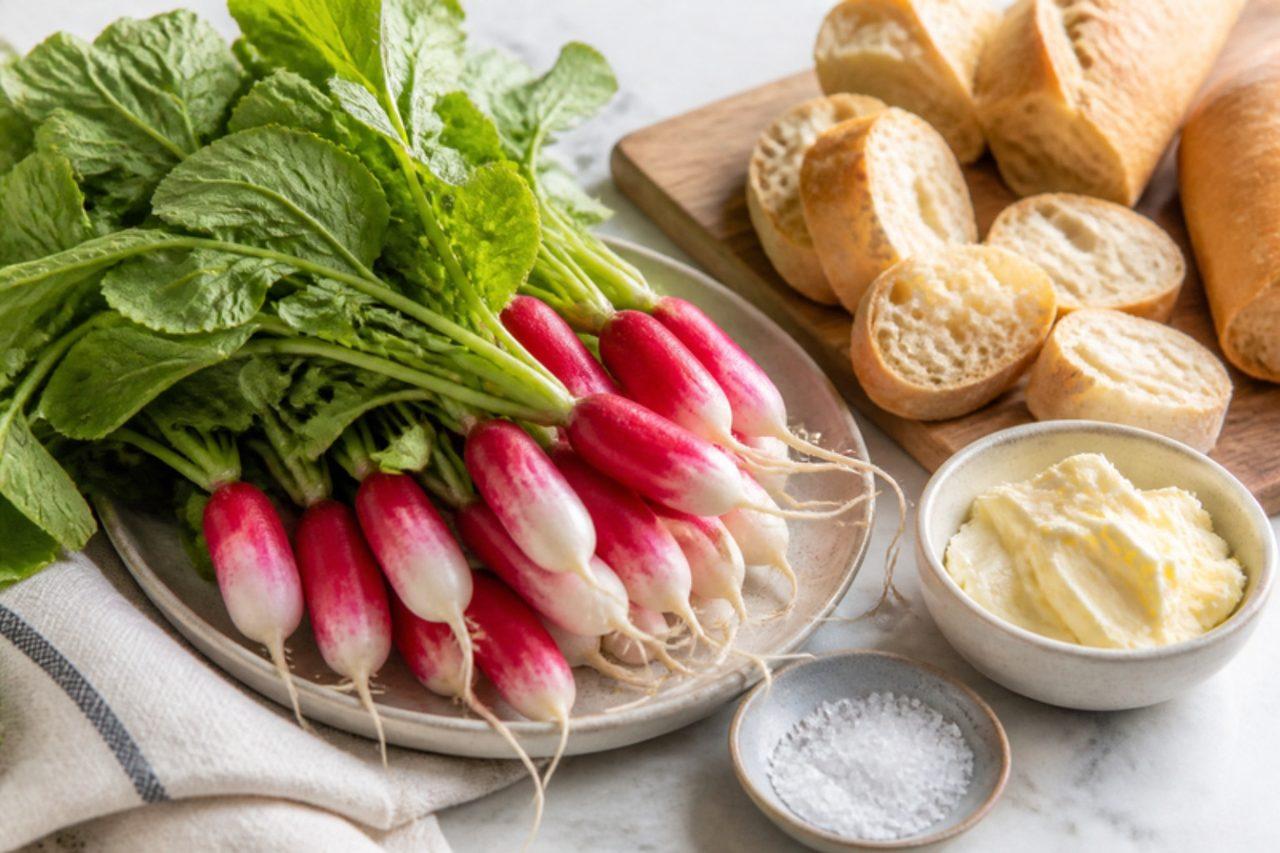
Radis beurreRadishes with butter

Radis beurre is the simplest and most French of apéro snacks and bistro starters: crisp pink French breakfast radishes from the spring market, served with cold, good butter and flaky salt, often with a baguette. It is how Parisians welcome the first radishes in April. The common mistake is using old, woolly radishes; they must be firm and peppery. Chef's tip: soak the radishes in iced water for 30 minutes to make them extra crisp, and leave a little of the green tops on to hold them by.

by KrazyBadal 0 views

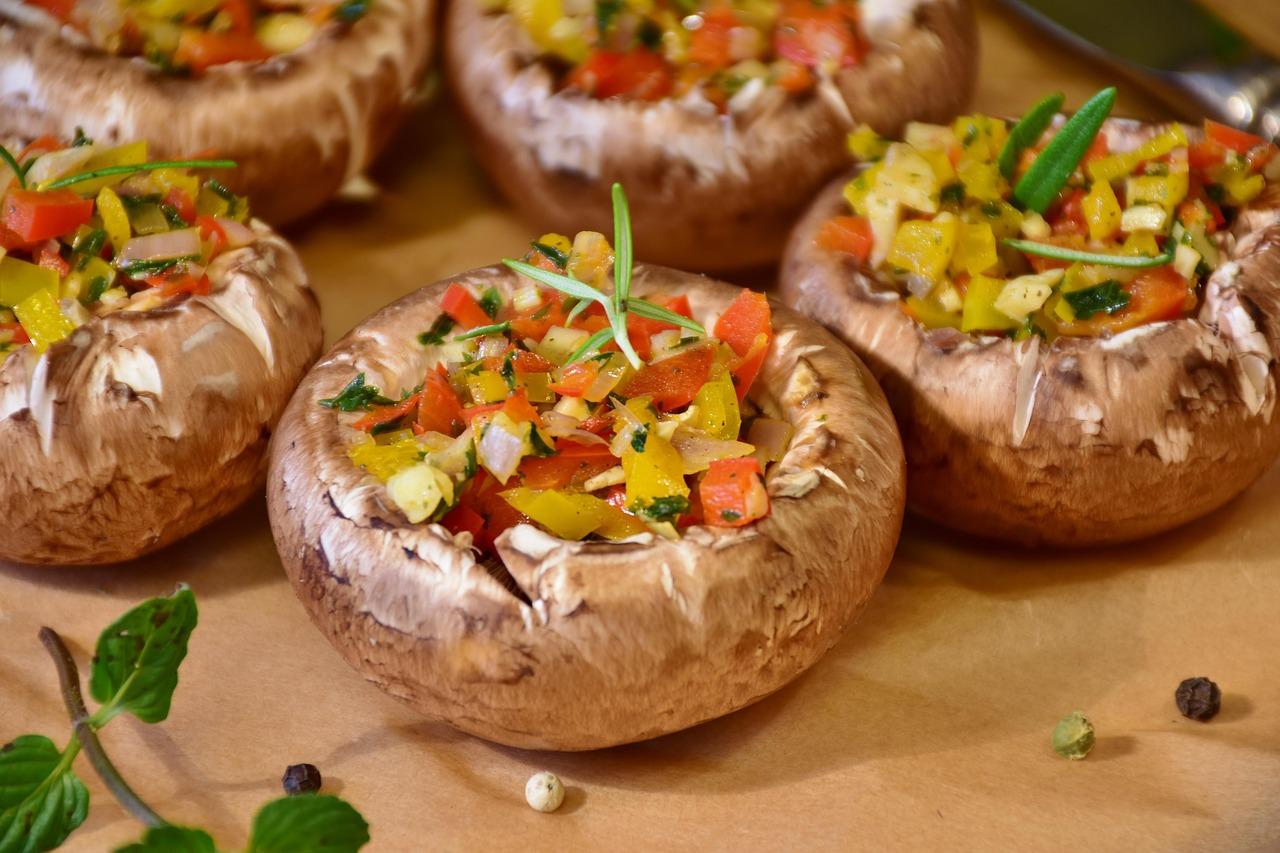
Champignons farcisStuffed mushrooms

Champignons farcis are a favourite of French apéros and family starters, button or chestnut mushroom caps filled with a duxelles of the chopped stalks, shallot, garlic and parsley, topped with breadcrumbs and cheese and baked until bubbling. This version is vegetarian. Gruyère is usually made with animal rennet; use a vegetarian melting cheese if needed. The common mistake is not cooking the filling dry enough, so the mushrooms sit in water. Chef's tip: cook the chopped stalks until all the liquid has gone and they start to sizzle.

by KrazyBadal 0 views

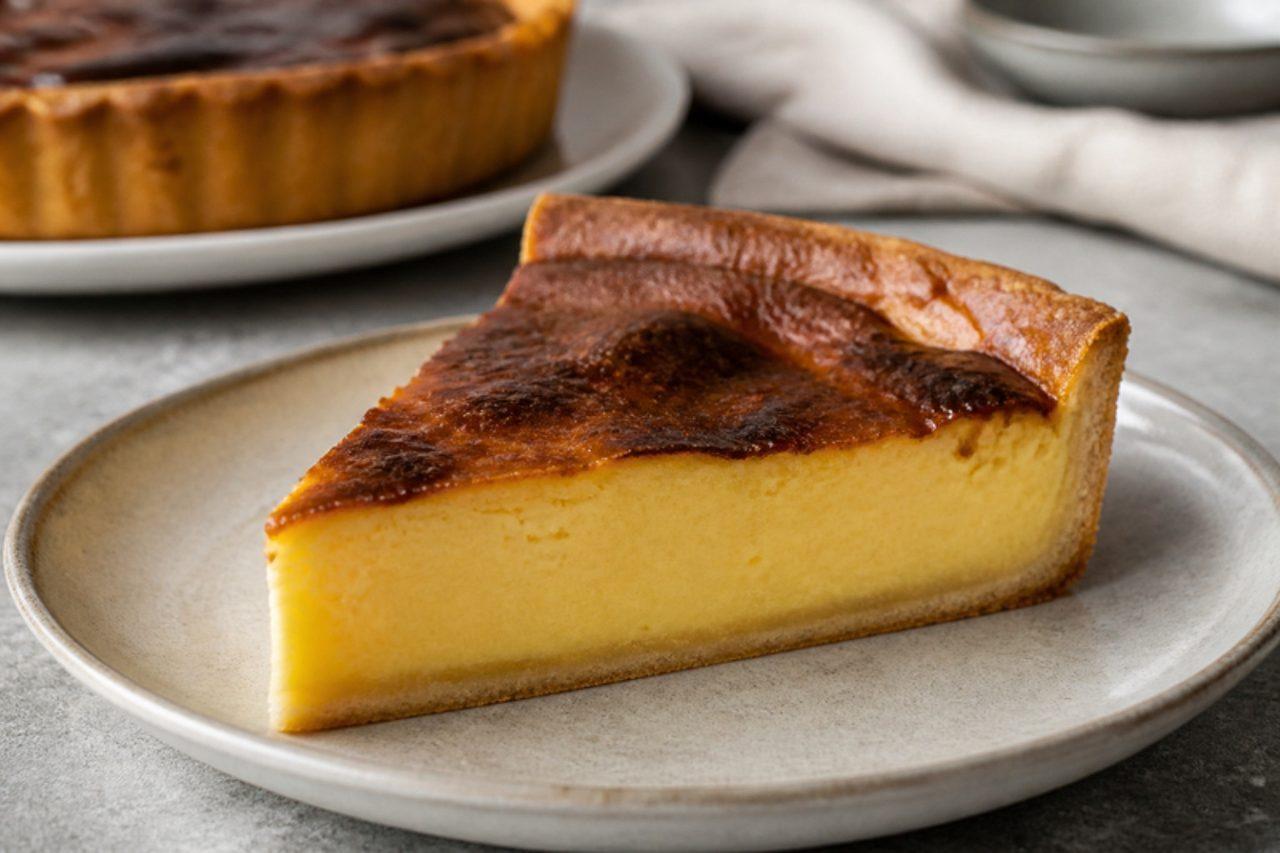
Flan pâtissierBaked custard tart

Flan pâtissier, or flan parisien, is the thick, wobbly vanilla custard tart that every French boulangerie sells by the slice, a favourite snack after school or on the way home from work. The custard is cooked on the hob first and then baked tall in a pastry case until the top is blistered dark brown. The common mistake is cutting it warm; it needs to chill for hours to set. Chef's tip: let the custard catch to a deep brown in the oven; those dark spots are the flavour.

by KrazyBadal 0 views

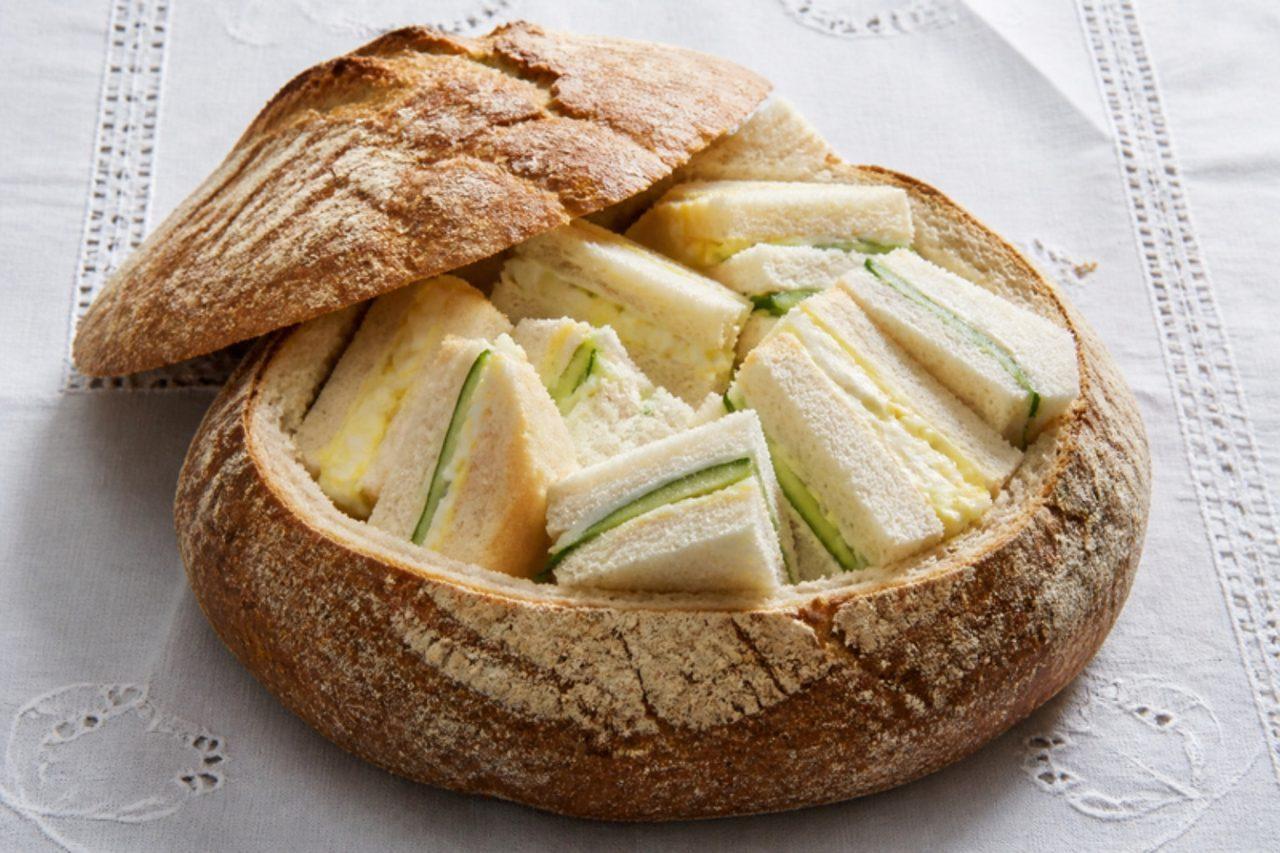
Pain surpriseFilled party sandwich loaf

The pain surprise is the showpiece of French birthday parties, weddings and New Year apéros, a big round loaf hollowed out and refilled with stacks of tiny sandwiches made from its own crumb, so guests lift the lid and find it full. Classic fillings are ham and pâté; this vegetarian version uses herbed cream cheese with cucumber, egg mayonnaise, and butter with Comté (use a vegetarian cheese, as Comté uses animal rennet). The common mistake is cutting the sandwiches unevenly, so they do not fit back. Chef's tip: chill the loaf before cutting out the centre, and use a long serrated knife.

by KrazyBadal 0 views

Dattes fourréesMarzipan-stuffed dates

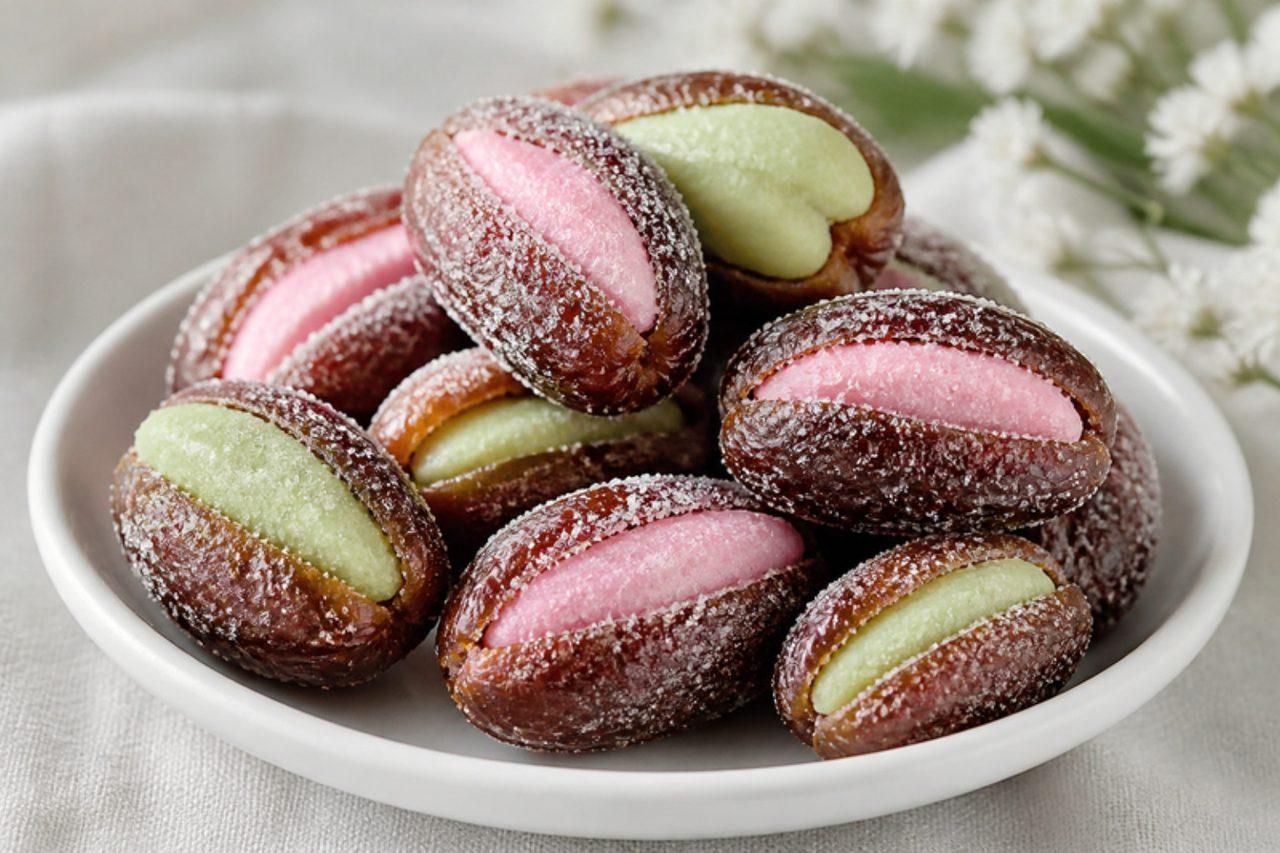
Dattes fourrées, dates stuffed with pale green or pink almond paste, are one of the thirteen desserts on the Christmas Eve table in Provence and a favourite home-made sweet across France in December, simple enough for children to help make. Soft Medjool or Deglet Nour dates are split, stoned and filled with a little roll of marzipan, then rolled in sugar. The common mistake is using very dry dates, which split. Chef's tip: warm the marzipan in your hands before colouring; the colour mixes in evenly.

by KrazyBadal 0 views

Quatre-quartsPound cake

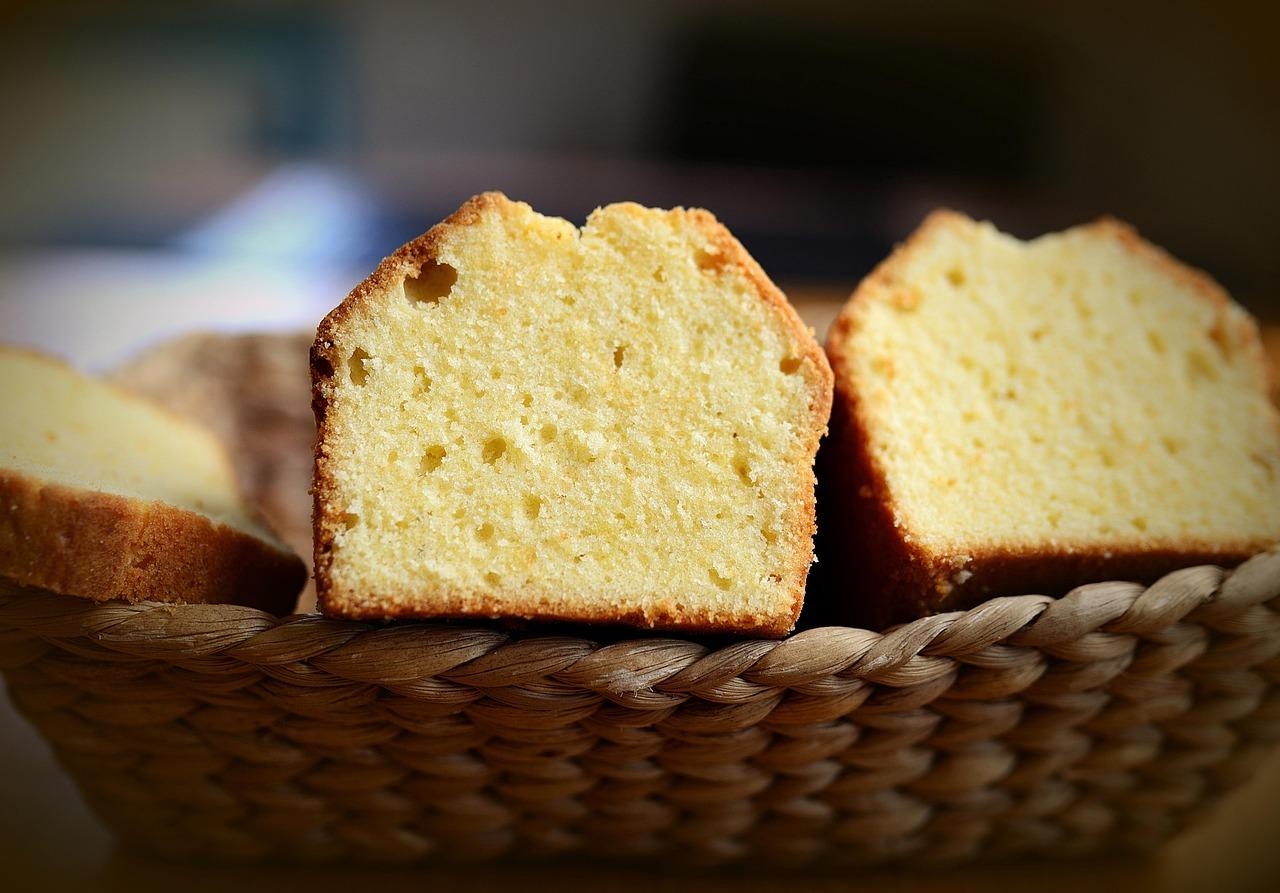
The quatre-quarts, "four quarters", is the butter cake of Brittany, made with equal weights of eggs, salted butter, sugar and flour, eaten in slices at goûter or with coffee, and sold wrapped in every Breton bakery. Weighing the eggs first and matching the rest to them is the old way. The common mistake is using cold butter, which will not cream. Chef's tip: whisk the yolks and sugar first, then fold in the whites at the end; it gives a lighter crumb.

by KrazyBadal 0 views

Confiture de fraisesStrawberry jam

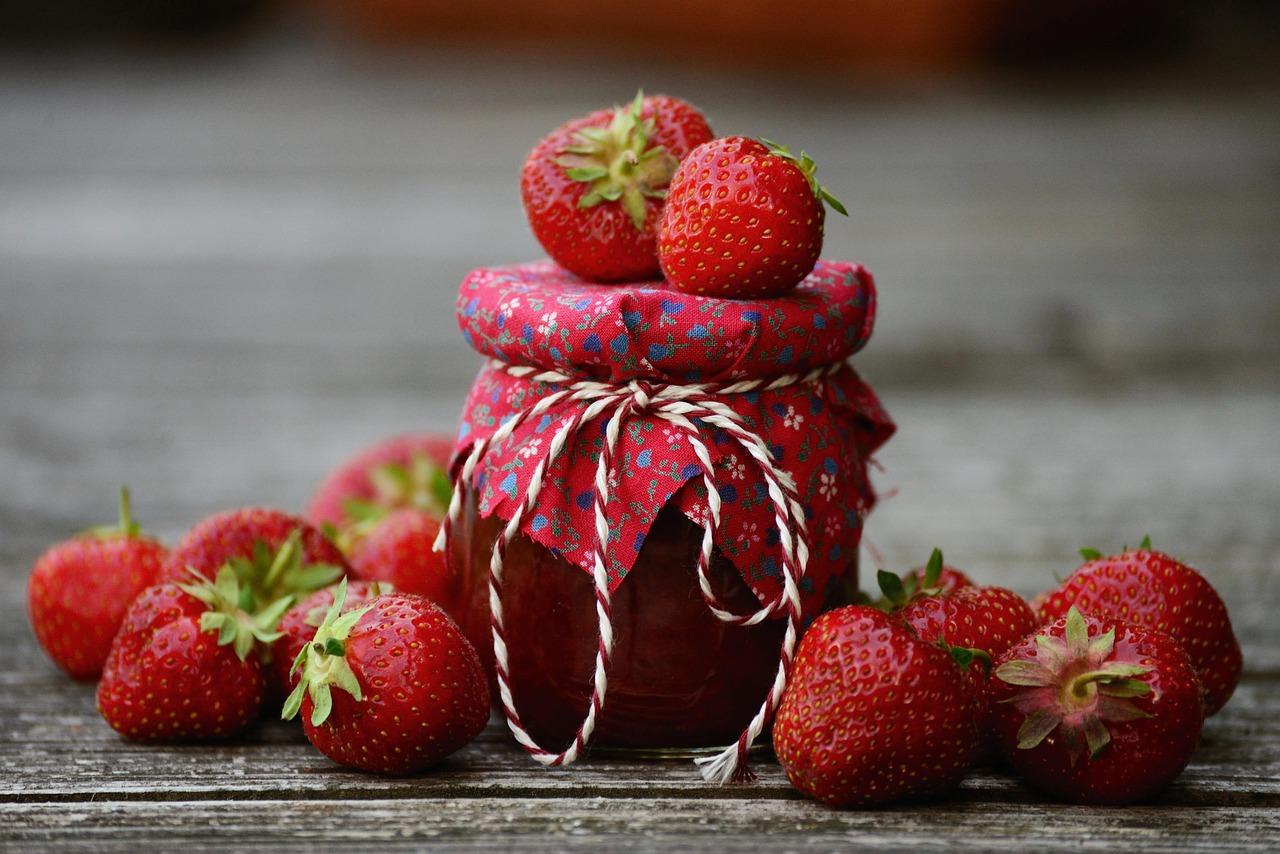
Strawberry jam is the jam of French breakfasts, spread on buttered baguette or tartines and stirred into fromage blanc, and families make it in early summer when the Plougastel and Carpentras strawberries are cheap at the market. Macerating the fruit overnight in sugar keeps the berries whole. The common mistake is cooking too long, which darkens it and loses the fresh taste. Chef's tip: test for a set on a cold saucer; when you push it with a finger, it should wrinkle.

by KrazyBadal 0 views

Soufflé au chocolatChocolate soufflé

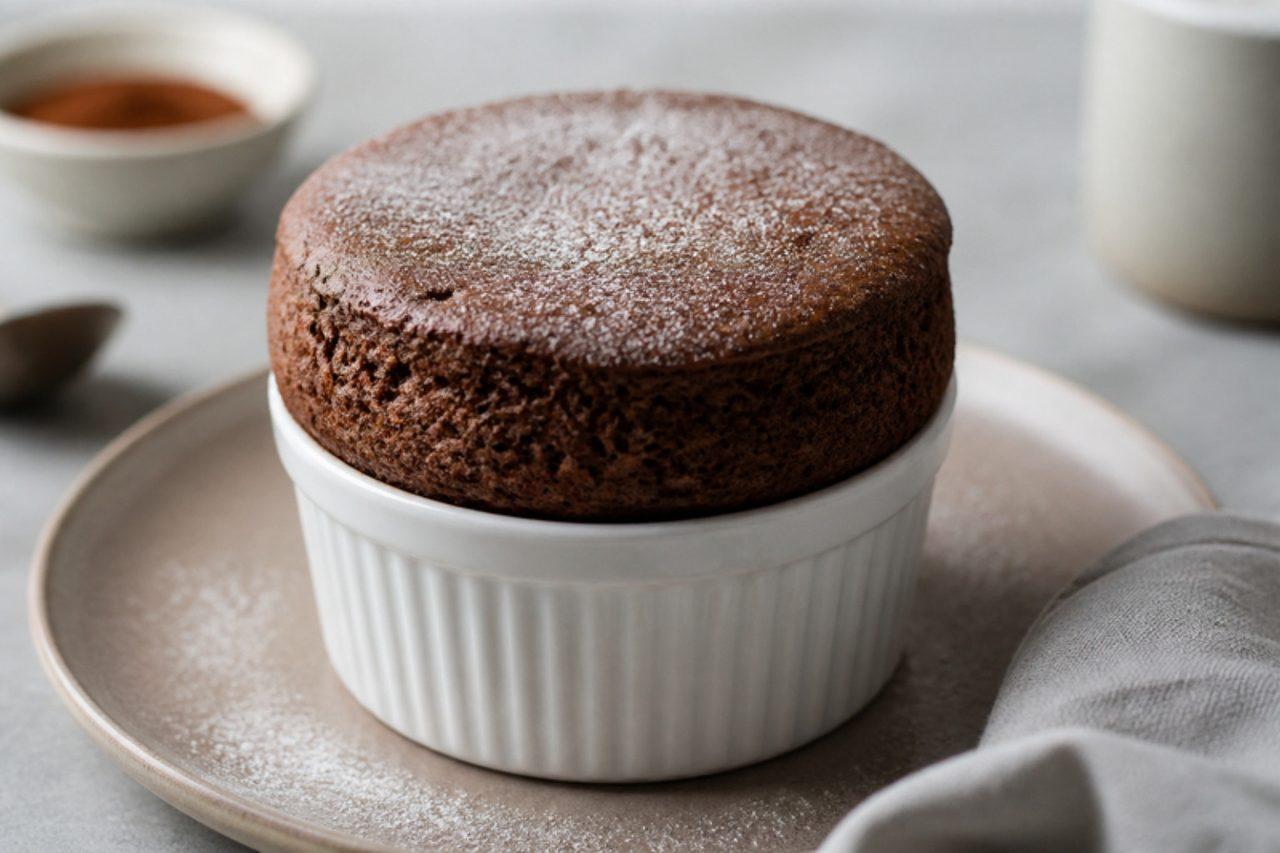
Soufflé au chocolat is the dessert French restaurants make to order and families save for a special dinner, a hot, trembling chocolate cloud that must be eaten the moment it leaves the oven. It is simpler than its reputation: a chocolate custard base lightened with whisked egg whites. The common mistake is opening the oven, which makes it sink. Chef's tip: run your thumb round the inside rim of each dish before baking; the clean groove helps it rise straight up like a top hat.

by KrazyBadal 0 views

Fondant au chocolatMolten chocolate pudding

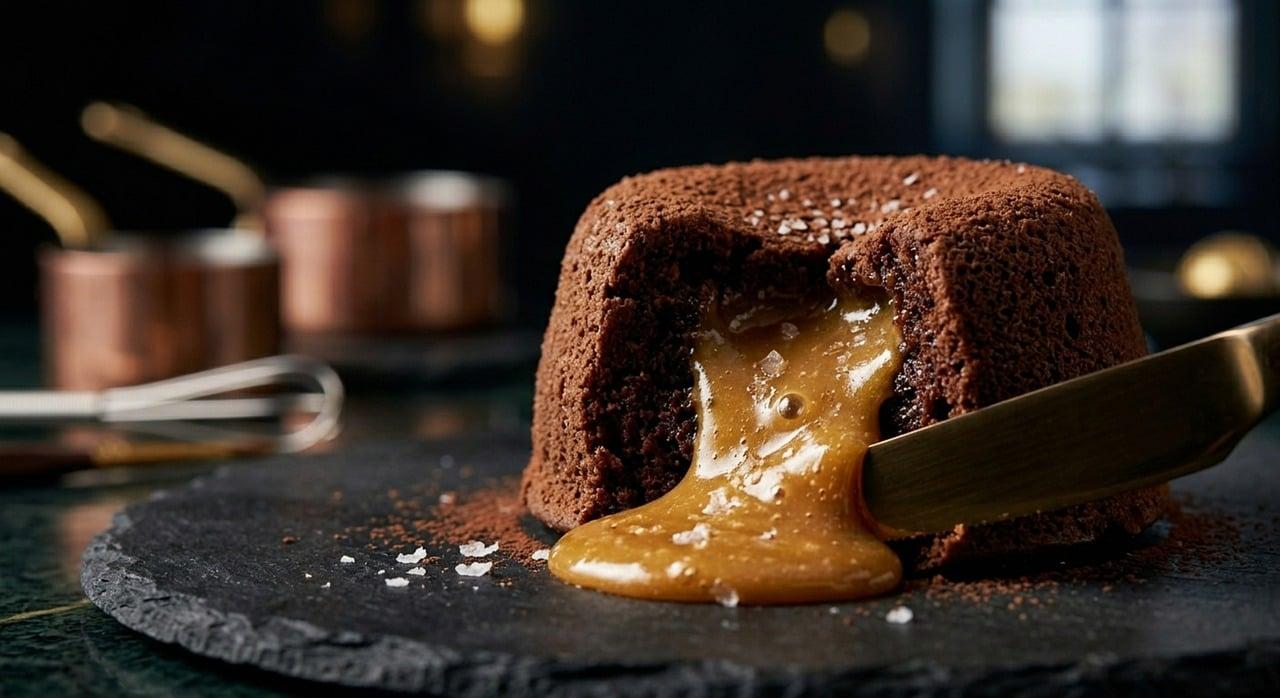
The fondant au chocolat, sometimes called moelleux or coulant, is the most ordered dessert in French brasseries, a small chocolate cake with a crisp shell and a molten, flowing middle, served warm with vanilla ice cream or crème anglaise. The batter can be made ahead and baked at the last minute. The common mistake is overbaking by a minute or two, which leaves no molten heart. Chef's tip: bake one test pudding first to find the exact time for your oven.

by KrazyBadal 0 views

Gâteau rouléJam Swiss roll

The gâteau roulé is the jam roll of French home baking, a light sponge rolled round raspberry or apricot jam, sliced into spirals for goûter, birthday parties and picnics. It takes under half an hour from start to finish. The common mistake is overbaking the sponge, which cracks when rolled. Chef's tip: take it out as soon as it springs back, and roll it up in a damp tea towel while hot.

by KrazyBadal 0 views

Confiture de cerises noiresBlack cherry jam

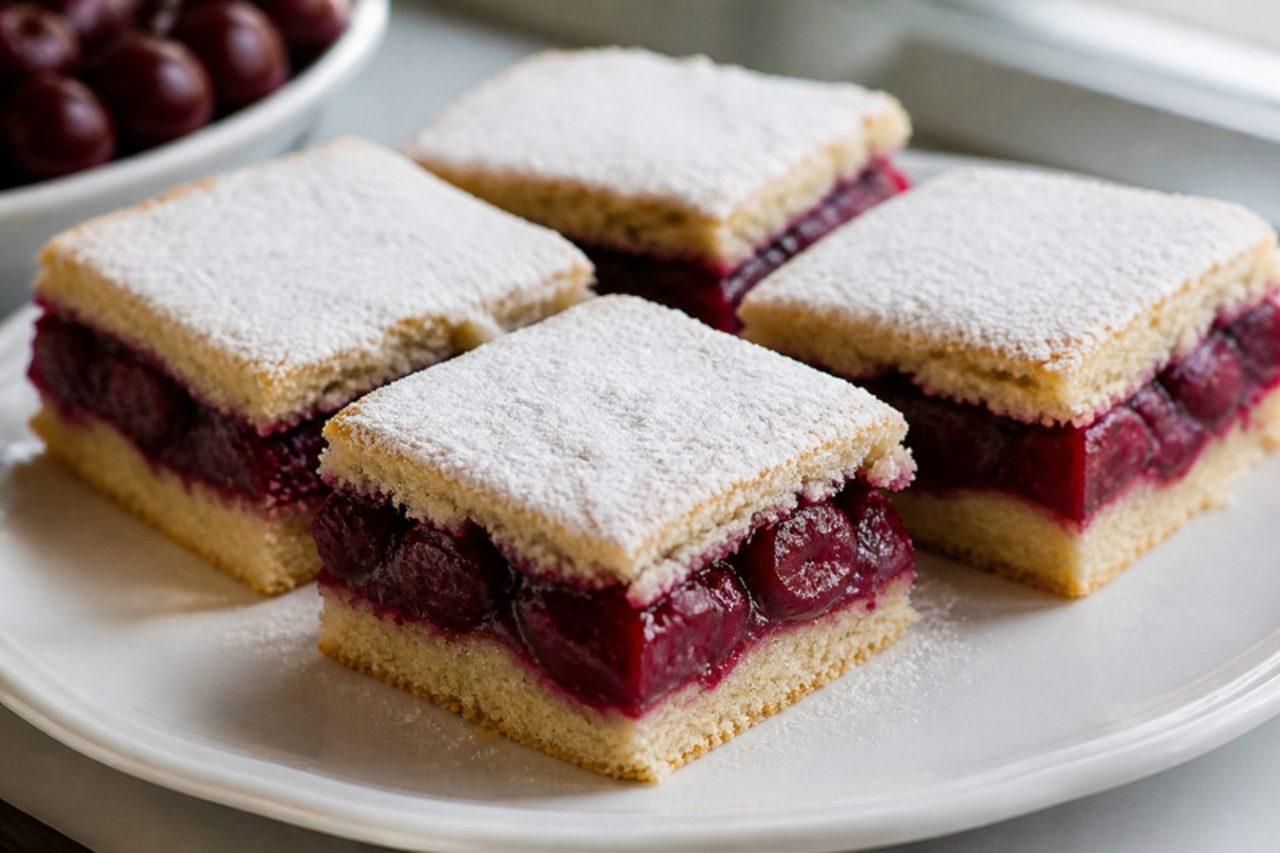
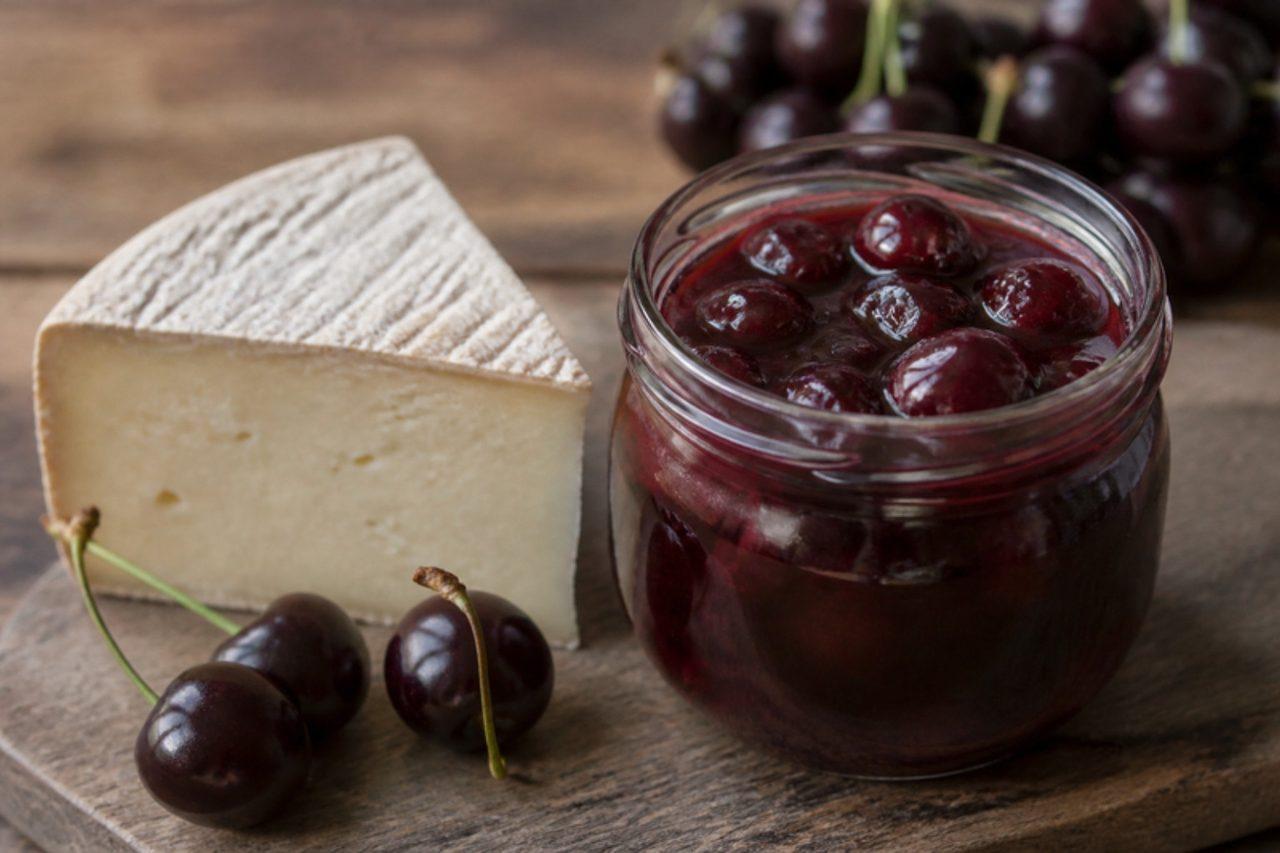
Black cherry jam is the pride of the Basque country, made in June with the black cherries of Itxassou, where the village holds a cherry festival every year, and it is served with a slice of ewe's-milk cheese (Ossau-Iraty) after a meal, or used to fill the gâteau basque. The cherries are stoned and cooked until the jam is dark and glossy. The common mistake is leaving in stones; count them out. Chef's tip: wear an apron and stone the cherries over a bowl to catch the juice.

by KrazyBadal 0 views

Showing 63 of 9,592 recipes

Show more recipes

Page 145 of 1,066