


Skip to content
Chraime
Featured recipe

Chraime

Fish in spicy garlic paprika sauce

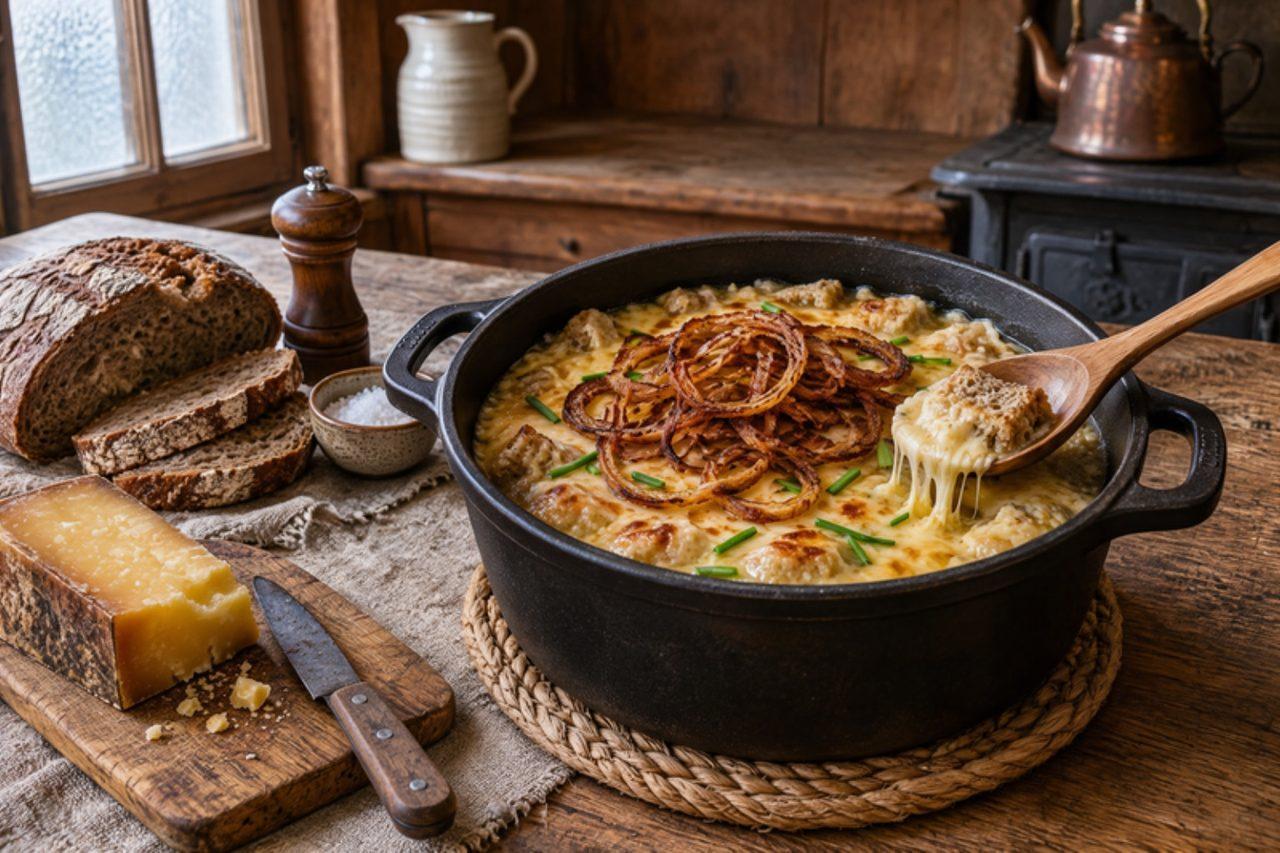
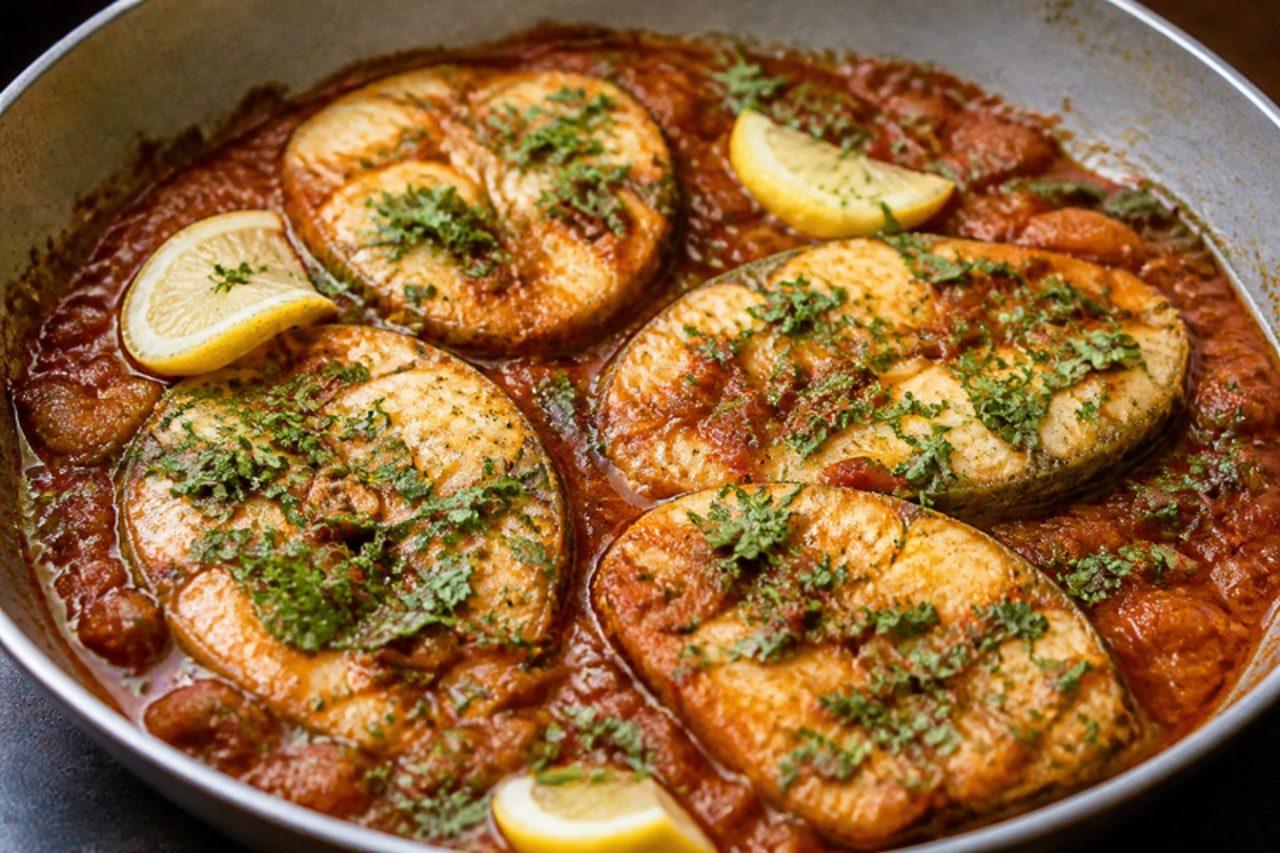
Friday night in Moroccan and Libyan Jewish homes, from Casablanca to Tripoli and now Paris and Tel Aviv, often begins with a plate of chraime before the main course. Thick fish steaks simmer in a brick-red sauce built from a frightening amount of garlic, sweet and hot paprika, chilli, caraway and cumin, loosened with oil and a squeeze of lemon. It is spicy, garlicky and very savoury, and the oily sauce begs to be mopped up with challah or other good bread. It is also eaten cold the next day. Chef's tip: cook the spices in the oil over a low heat until they smell toasty but not dark; burnt paprika tastes acrid and you cannot rescue it.

Read more 1 views

What to eat today?

Around the world

Today's trip: Paraguayan

A new country every day, from every cuisine on the site.

Paraguayan

Morcilla dulce

Sweet blood sausage with walnuts 120 minMore from Paraguayan (27) →

This week's collection

Kid-friendly dinners
537 recipes · a new collection every Monday

Latest recipes

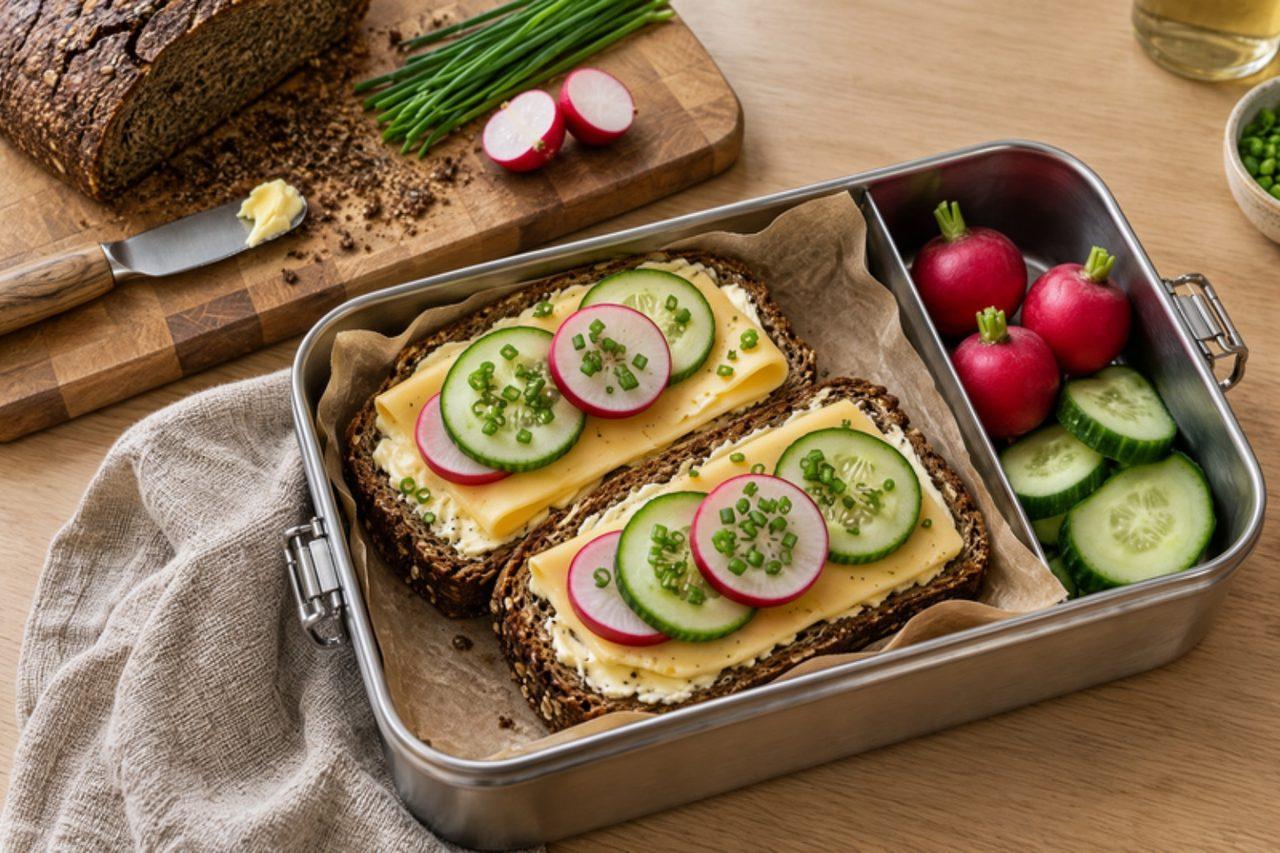
ButterbrotRye bread with cheese and vegetables

Every German schoolchild knows the Pausenbrot: two slices of rye or mixed-grain bread spread with good butter, closed around a slice of cheese, wrapped in paper and eaten in the mid-morning break, with a few cucumber or apple slices on the side. Adults take the same Butterbrot to work. The common mistake is spreading cold, hard butter, which tears the bread and leaves bare patches that let any wet filling soak in. Many Gouda-style cheeses use animal rennet, so choose one marked vegetarian. Chef's tip: butter right to the crust on both slices; the butter is a waterproof layer that keeps the bread fresh until lunchtime.

by KrazyBadal 0 views

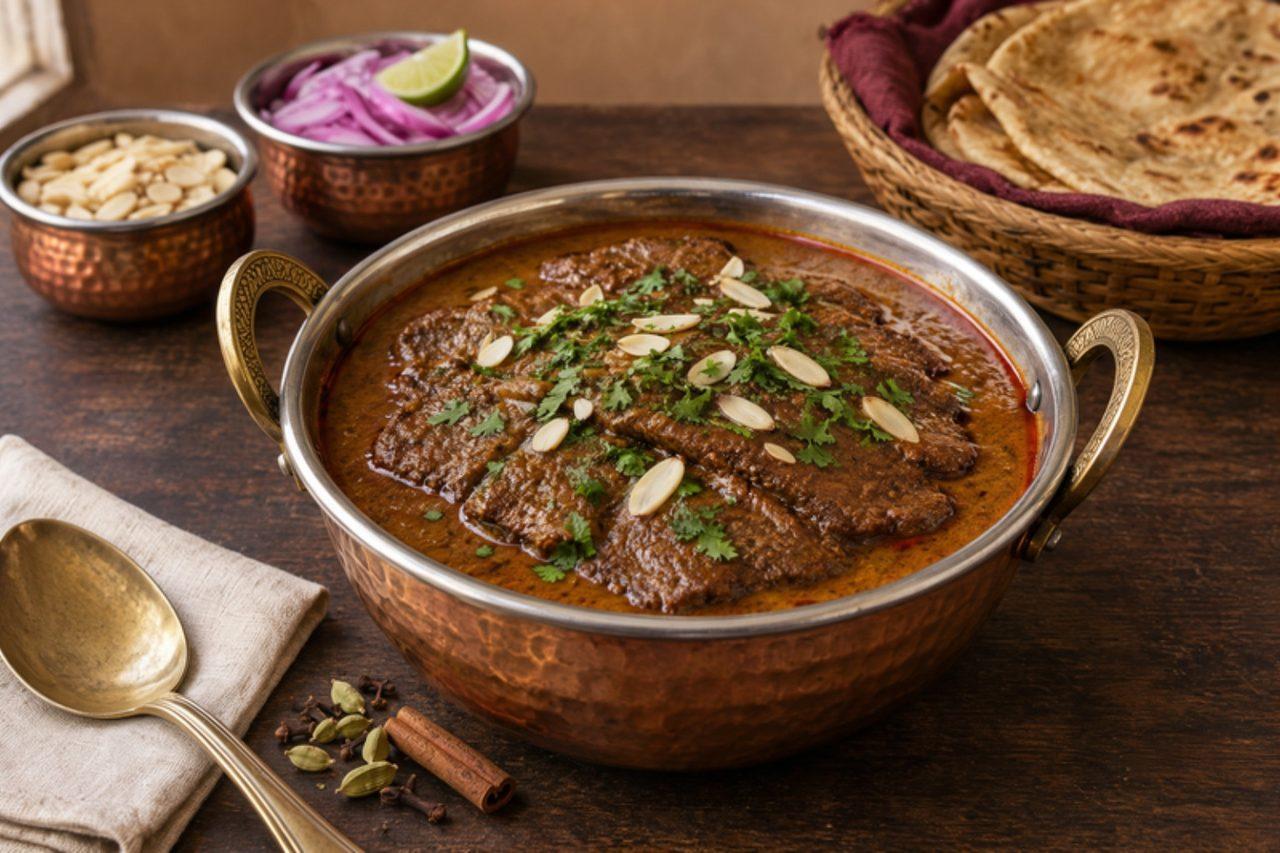
Bhopali mutton pasandeMarinated mutton escalopes

Pasande come from the Nawabi kitchens of Bhopal, where boneless leg of mutton is cut into thin slices and beaten flat, then marinated in yogurt, raw papaya, ground fried onion and spices and cooked low until meltingly tender. They are made for Eid, weddings and dawats and eaten with sheermal or rotis. This dish contains mutton: marinate it in the fridge and cook it until the meat reaches 71 °C and is fork-tender. The common mistake is cooking on high heat, which seizes the thin slices and toughens them. Chef's tip: beat the slices between cling film with a rolling pin to an even 5 mm; even thickness means every piece is tender at the same time.

100 minIndianMeatGluten free
by KrazyBadal 0 views

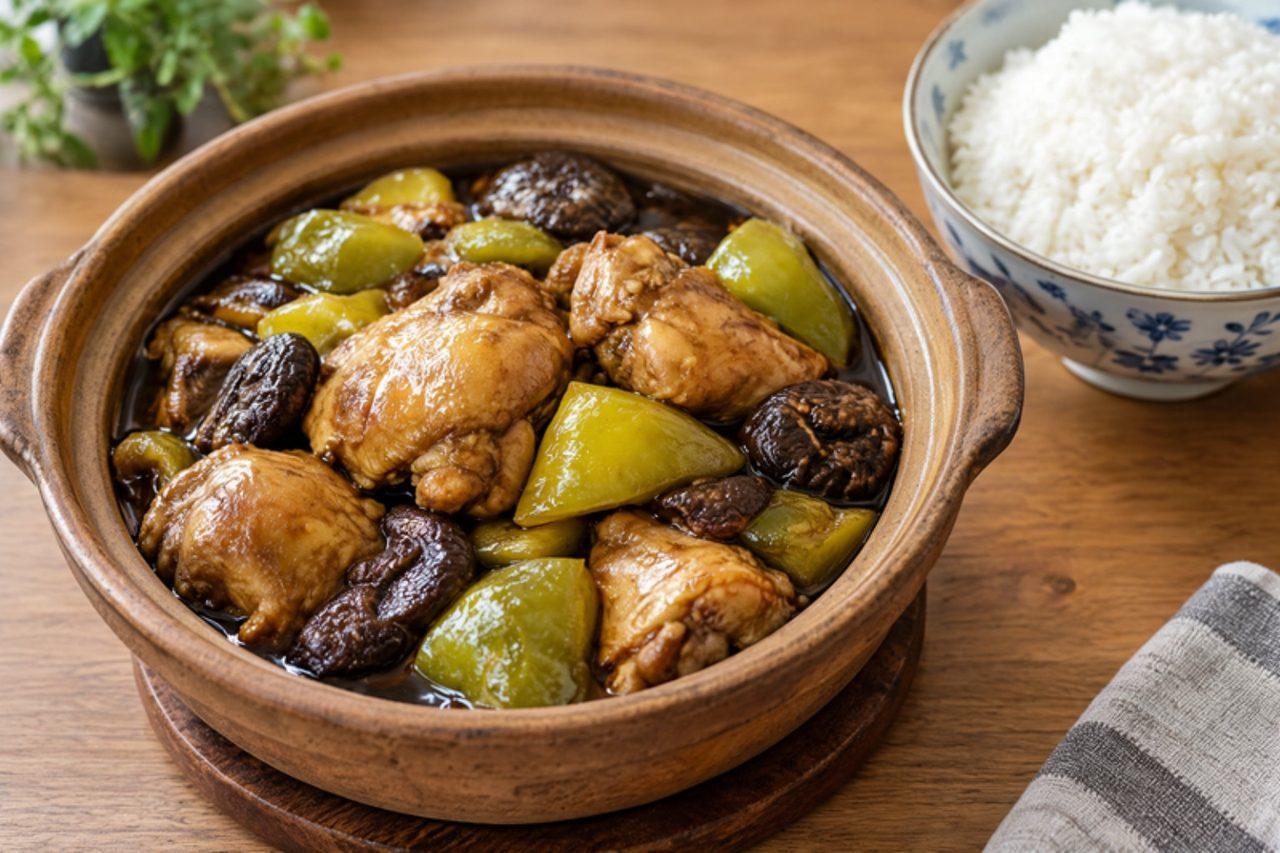
Huangmen jimifanBraised chicken rice

Huangmen jimifan began in Jinan, in Shandong, and spread to thousands of little clay-pot shops across China where office workers queue at noon for a bubbling pot of chicken braised dark and glossy with shiitake, ginger and green pepper, eaten over plain rice. It reheats perfectly in a work microwave. The common mistake is using breast, which goes dry and stringy in the braise; bone-in thigh stays juicy. Chef's tip: caramelise the rock sugar in the oil before the chicken goes in, which gives the sauce its amber colour without extra dark soy.

by KrazyBadal 0 views

Bhure chawalRice with ghee and sugar

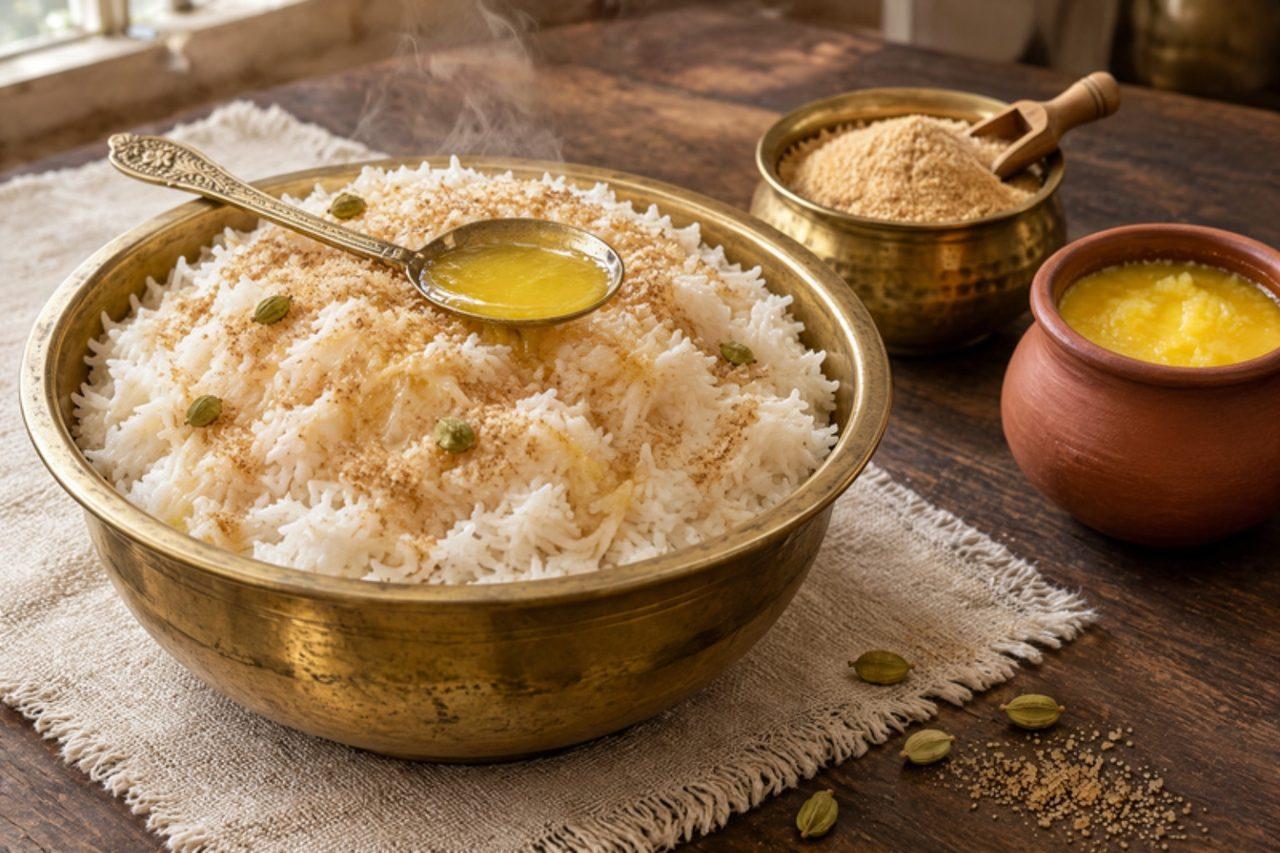
Bhure chawal is about as simple as Haryanvi village cooking gets: steaming rice tossed with plenty of desi ghee and bura, the fine, fluffy sugar sold in Haryana, and sometimes a few chopped nuts. It is the treat grandmothers make after the evening milking, at a new daughter-in-law's first meal, or on cold nights when something sweet is needed fast. Use fragrant, well-cooked rice and good ghee, as there is nothing to hide behind. The common mistake is adding the sugar to lukewarm rice, so it stays gritty instead of melting into the ghee. Chef's tip: no bura? Blitz ordinary sugar to a powder and add a pinch of cardamom.

by KrazyBadal 0 views

Khao kai jiaoThai omelette over rice

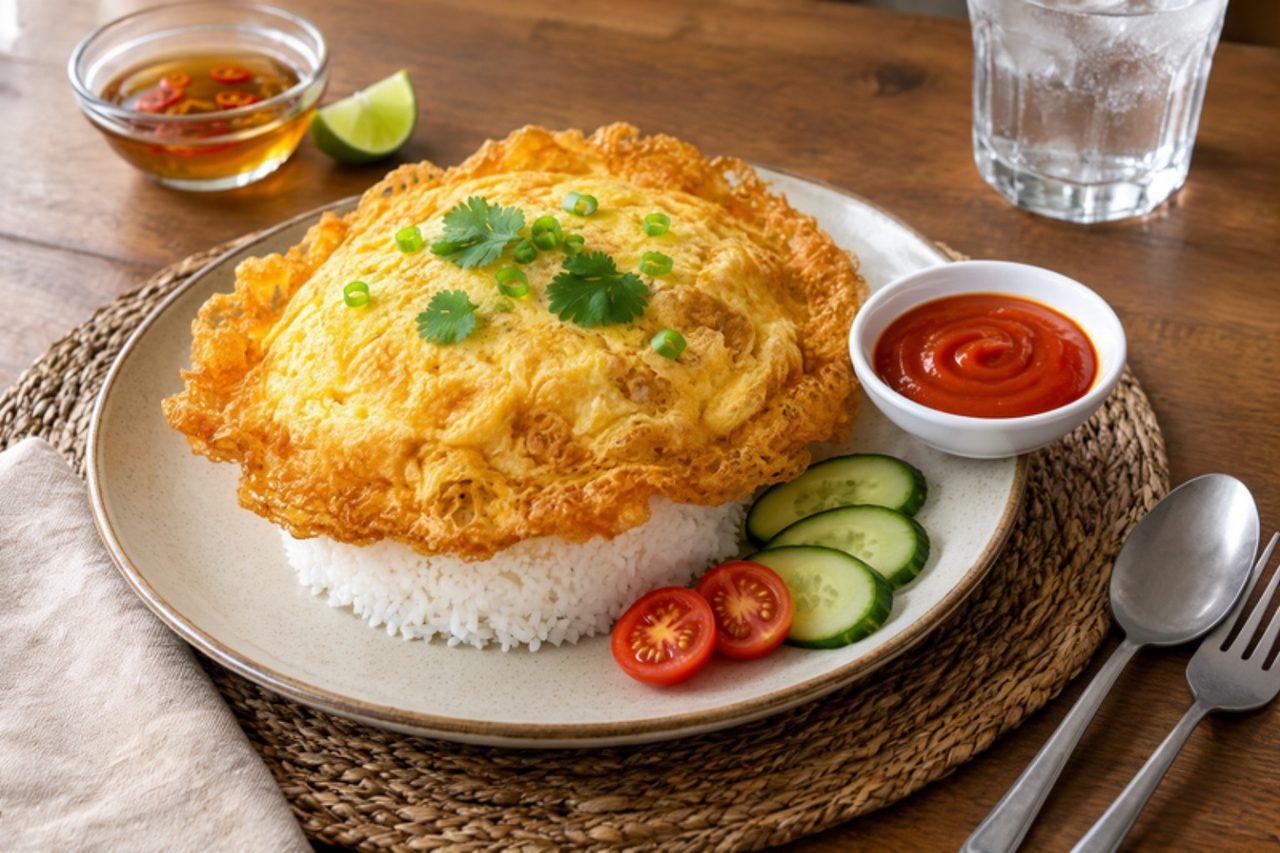
When there is no time for anything else, Bangkok office workers, students and taxi drivers eat khao khai jiao: eggs beaten with fish sauce and poured into very hot oil so they puff into a lacy, golden, crisp-edged omelette, slid onto a mound of jasmine rice with a squirt of chilli sauce. It is also the omelette mothers put in school lunch boxes. The common mistake is oil that is not hot enough, so the egg sits flat and greasy instead of ballooning up. For a vegetarian version, season with light soy sauce instead of fish sauce. Chef's tip: beat in a squeeze of lime and a spoon of water until very frothy; the air and steam make it puff dramatically.

by KrazyBadal 0 views

Ndizi na maharageGreen bananas and red beans

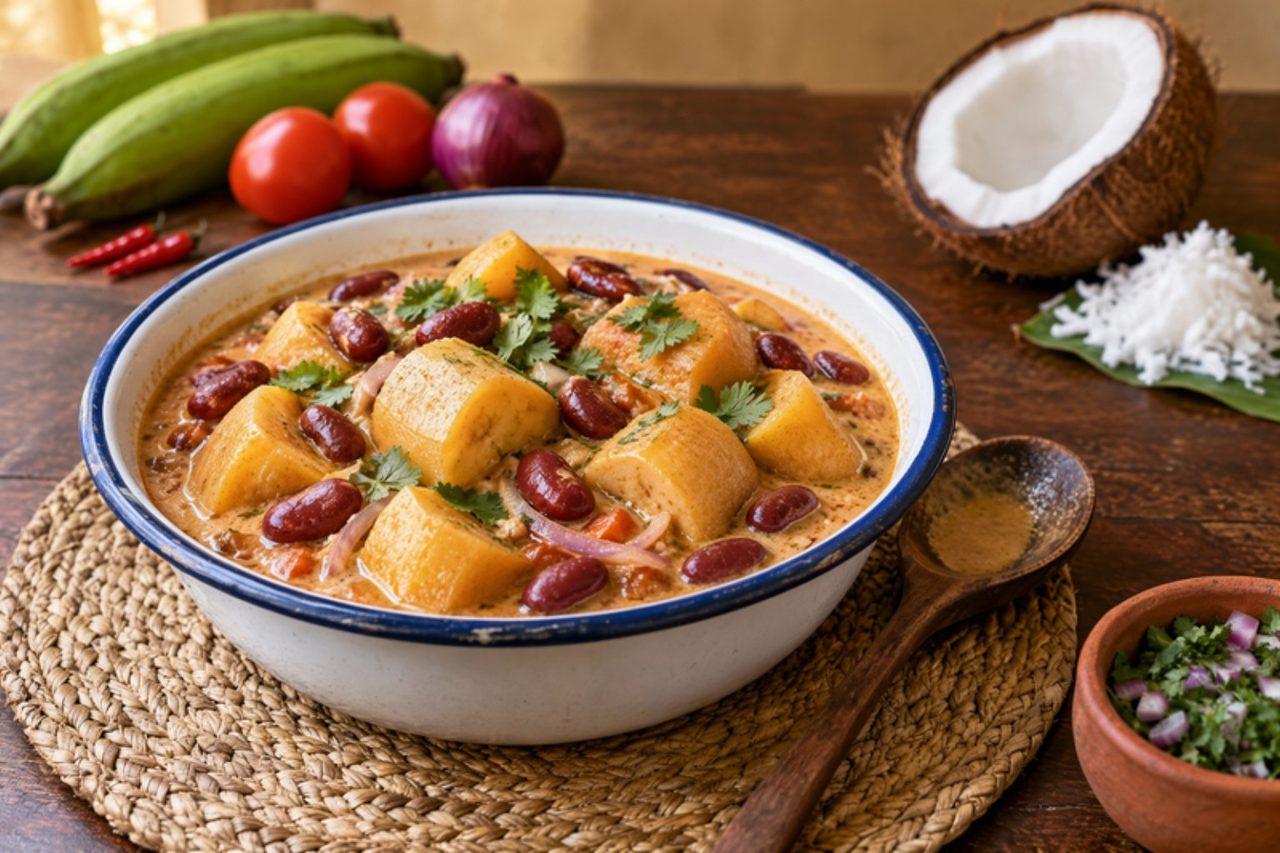
Across Tanzania, from Dar es Salaam to the banana farms around Kilimanjaro, ndizi na maharage is a filling weekday lunch: green cooking bananas and red beans simmered in one pot with tomato, onion and coconut milk until the bananas are soft and the sauce creamy. It needs nothing more than a few slices of avocado or a fresh kachumbari salad on the side. The usual mistake is cooking dried red kidney beans gently from the start: they must boil hard for 10 minutes first to be safe. Peel green bananas with oiled hands, as the sap stains and sticks. Chef's tip: add the bananas only once the beans are tender, then let them simmer until they just break at the edges and thicken the sauce.

by KrazyBadal 0 views

LongganisaGarlic pork sausages

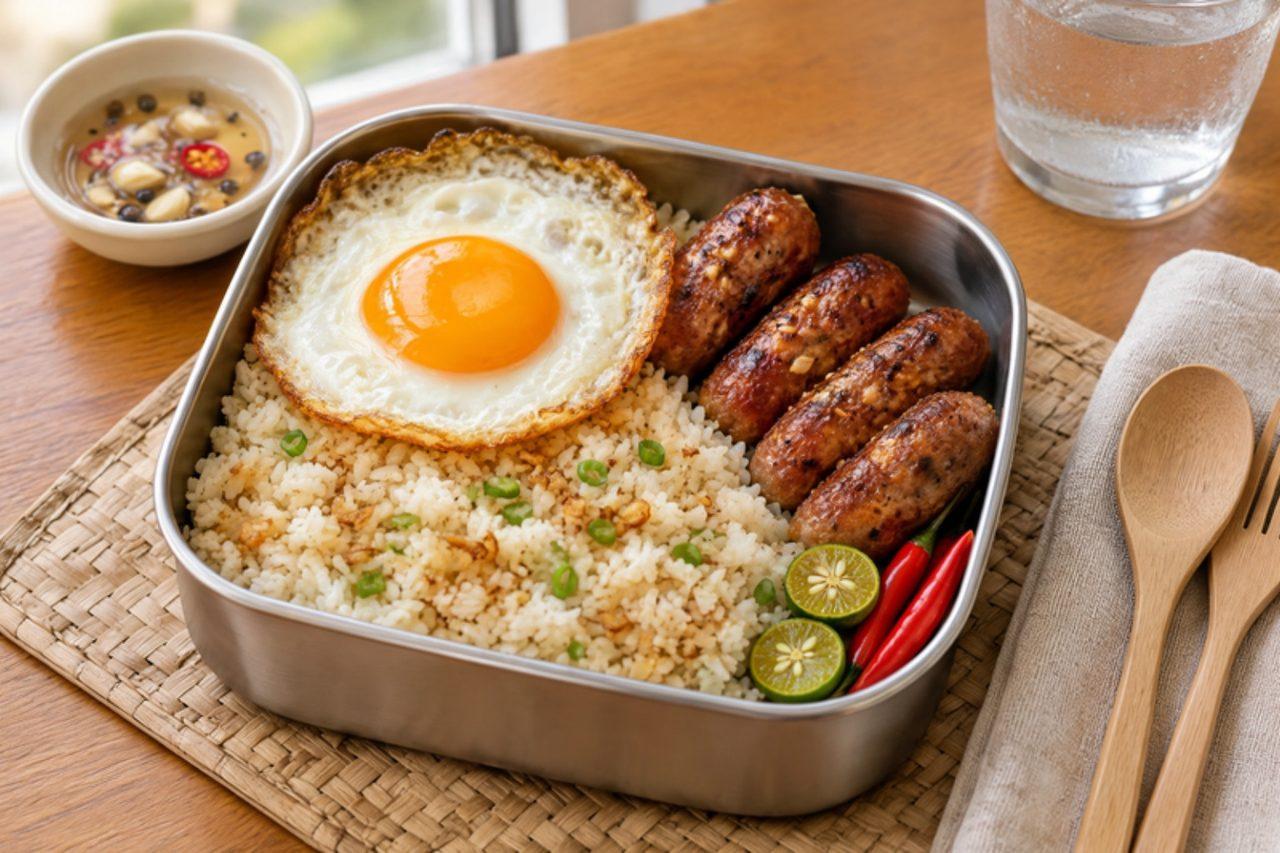
Every Philippine province has its longganisa, from the garlicky, sour sausages of Vigan to the oregano-scented ones of Lucban and the sweet, sticky Pampanga style; this homemade skinless (hubad) version sits between them. These pork sausages are fried until caramelised, then packed into the baon (packed lunch) with sinangag garlic rice and a fried egg. The common mistake is frying them hard from raw, which burns the sugar before the pork is cooked; simmer them in a little water first. Chef's tip: roll the mixture in baking paper and chill overnight, and the sausages slice and fry far more neatly.

by KrazyBadal 0 views

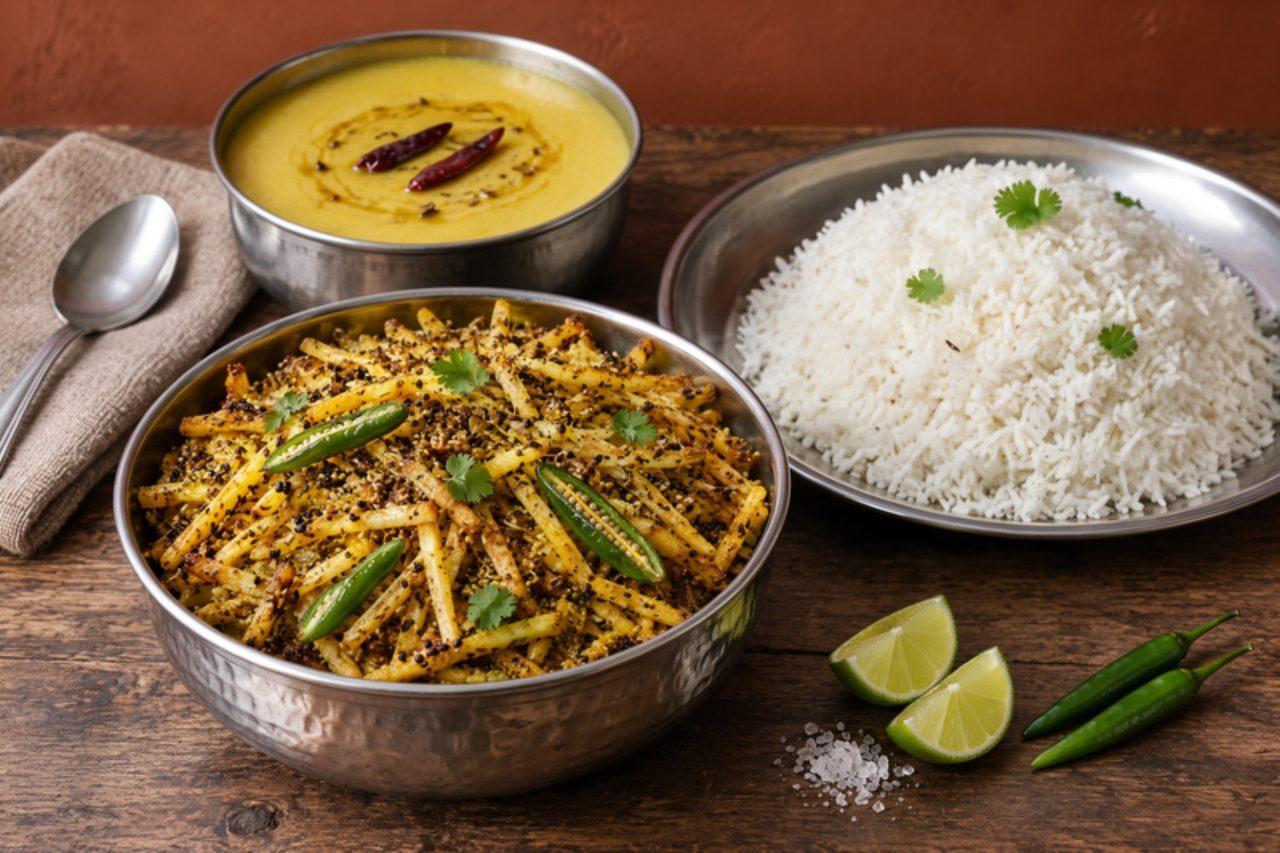
Bihari aloo bhujiaFried potato sticks

In Bihar, aloo bhujia is not the packaged snack but the everyday matchstick-potato fry that sits beside dal, bhaat and chokha on the lunch plate, cooked in mustard oil with panch phoron and a slit green chilli. Patna households make it most days of the week because it takes twenty minutes and pleases everyone. The common slip is crowding the pan and stirring too much, which turns the sticks to mash; give them room and toss gently. Chef's tip: soak the cut potatoes in cold water for 10 minutes and dry them well; washing off surface starch keeps the sticks separate and lightly crisp.

by KrazyBadal 0 views

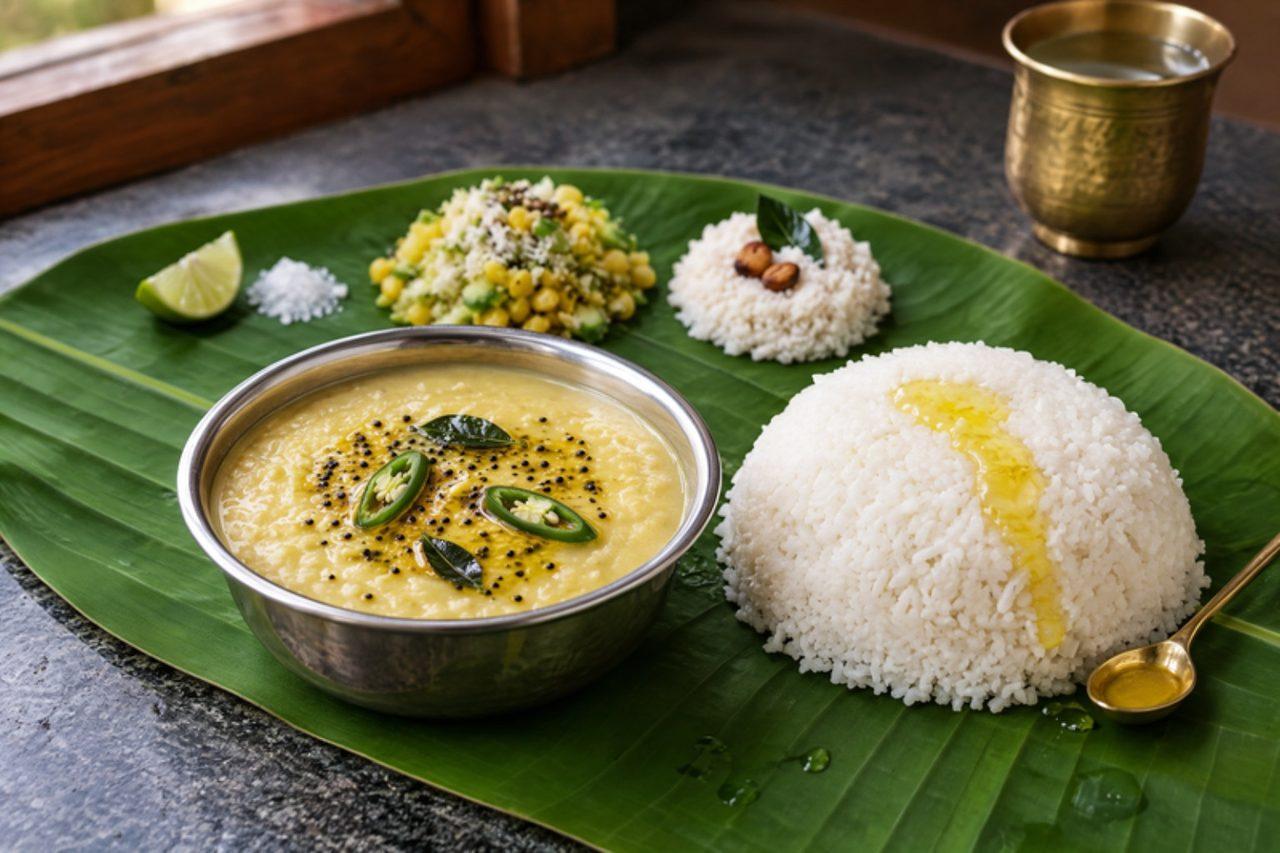
TovveToor dal with green chilli

Tovve is the plainest dal of the Udupi temple kitchens and of Kannada homes along the coast: toor or moong cooked soft, seasoned with green chilli and ginger and finished with a sizzling ghee tempering. There is no tomato, no onion and no masala, so it is the first dal children eat and what families cook for a light dinner or after a fast, with rice, a spoon of ghee and a lemon pickle. Its flavour depends on a well-cooked dal, so it must be soft enough to fall apart when stirred. The usual mistake is adding salt before the dal is tender, which keeps it grainy. Chef's tip: whisk the cooked dal hard for 30 seconds before tempering; the smooth, creamy texture is what makes tovve taste of more than its few ingredients.

by KrazyBadal 0 views

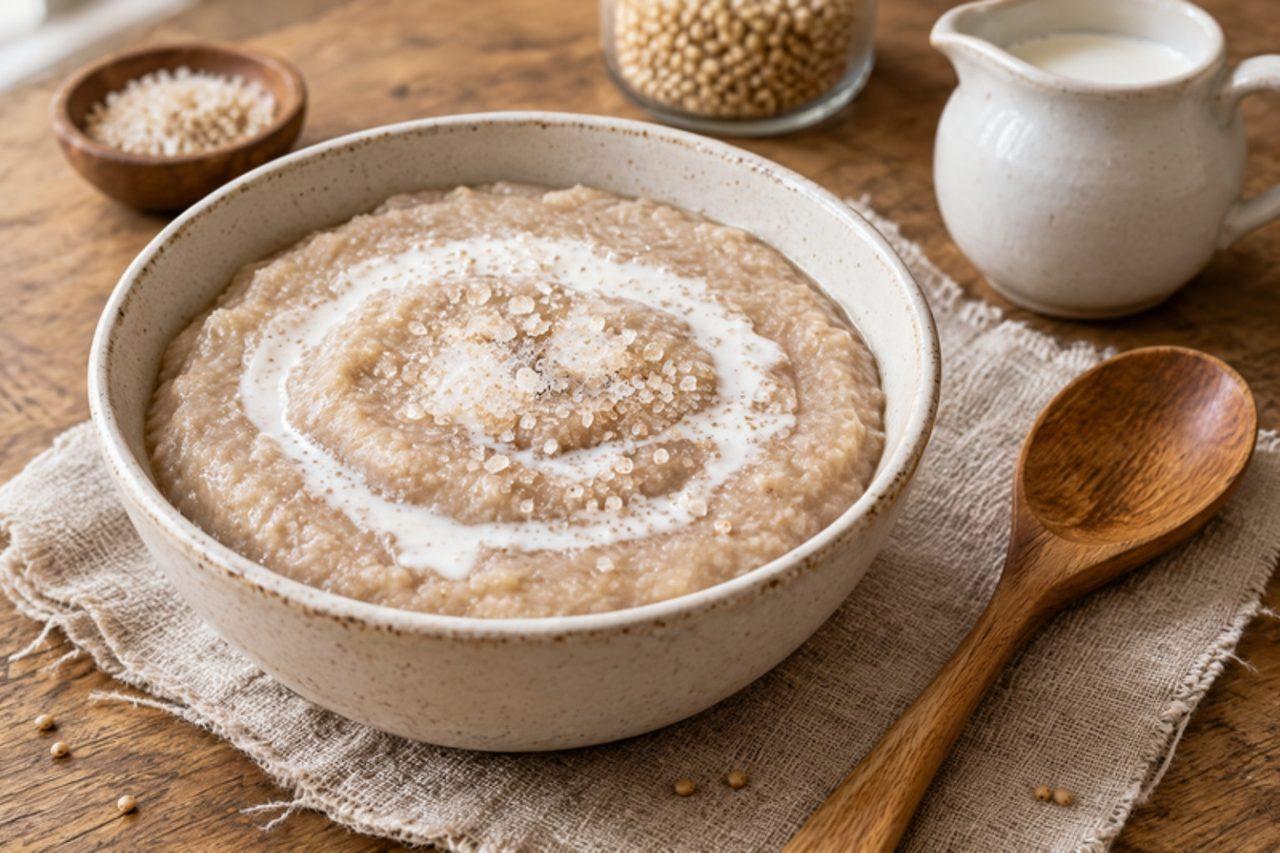
MotogoSoured sorghum porridge

In Botswana, motogo is the soft breakfast porridge made from mabele (sorghum meal), stirred in water until smooth and then soured with a splash of madila or maas, thick cultured milk, and sweetened with sugar. It has a gentle tang and a slightly earthy, nutty flavour, quite unlike oat porridge. The common mistake is adding the sour milk while it is still bubbling, which splits it; take the pot off the heat first. Chef's tip: for an even smoother motogo, soak the sorghum meal in the cold water for 20 minutes before cooking.

by KrazyBadal 0 views

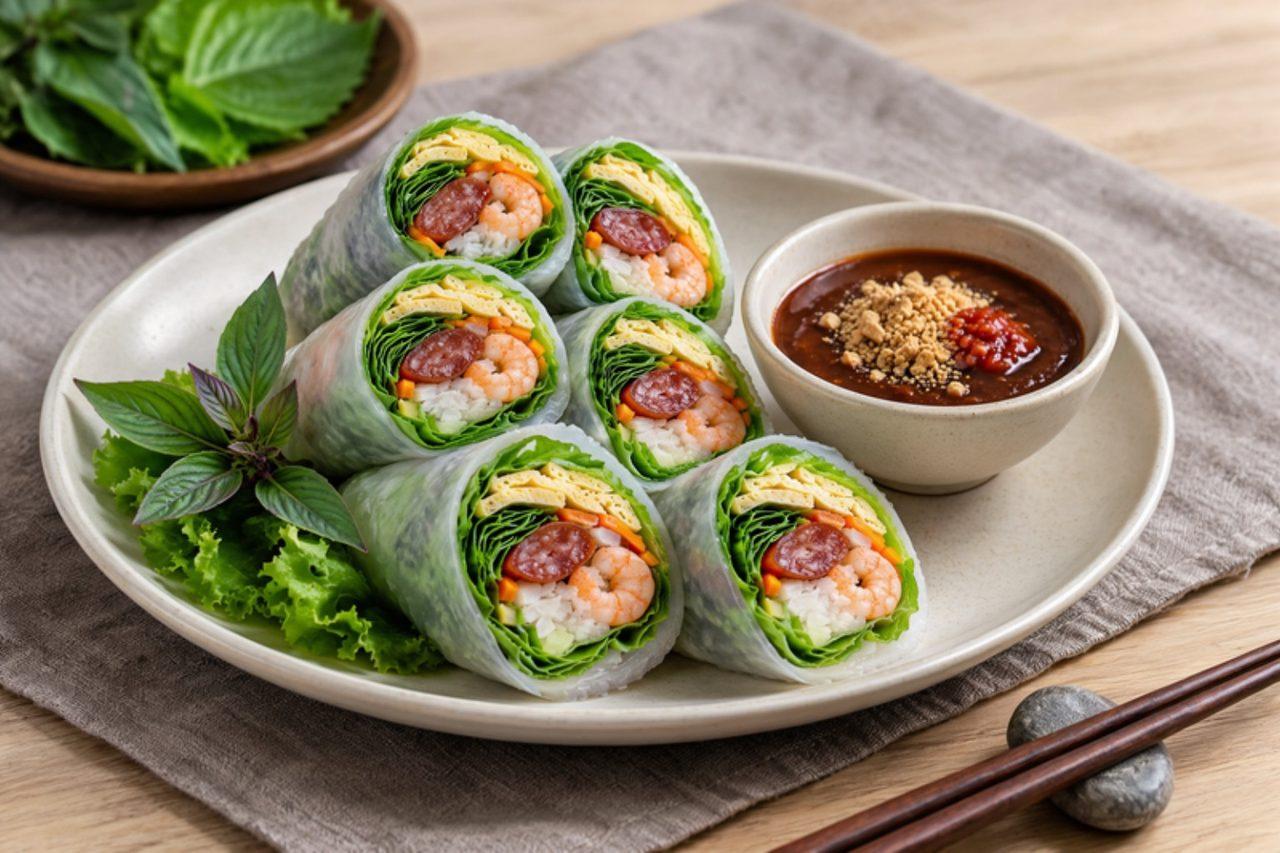
Bò bíaJicama and sausage rice paper rolls

Bò bía carts park outside the schools of Chợ Lớn, Saigon's Chinatown, every afternoon, and the vendor rolls each one to order: sweet stir-fried jicama and carrot, crisp slices of lạp xưởng (Chinese pork sausage), toasted dried shrimp and ribbons of omelette, wrapped with basil and lettuce in soft rice paper and dipped in hoisin sauce loosened with peanut butter. It is a cousin of Chinese popiah and a favourite after-school snack. Chef's tip: dip the rice paper for only a second or two; it keeps softening as you fill it.

by KrazyBadal 0 views

Bilahi chutneySweet-sour tomato chutney

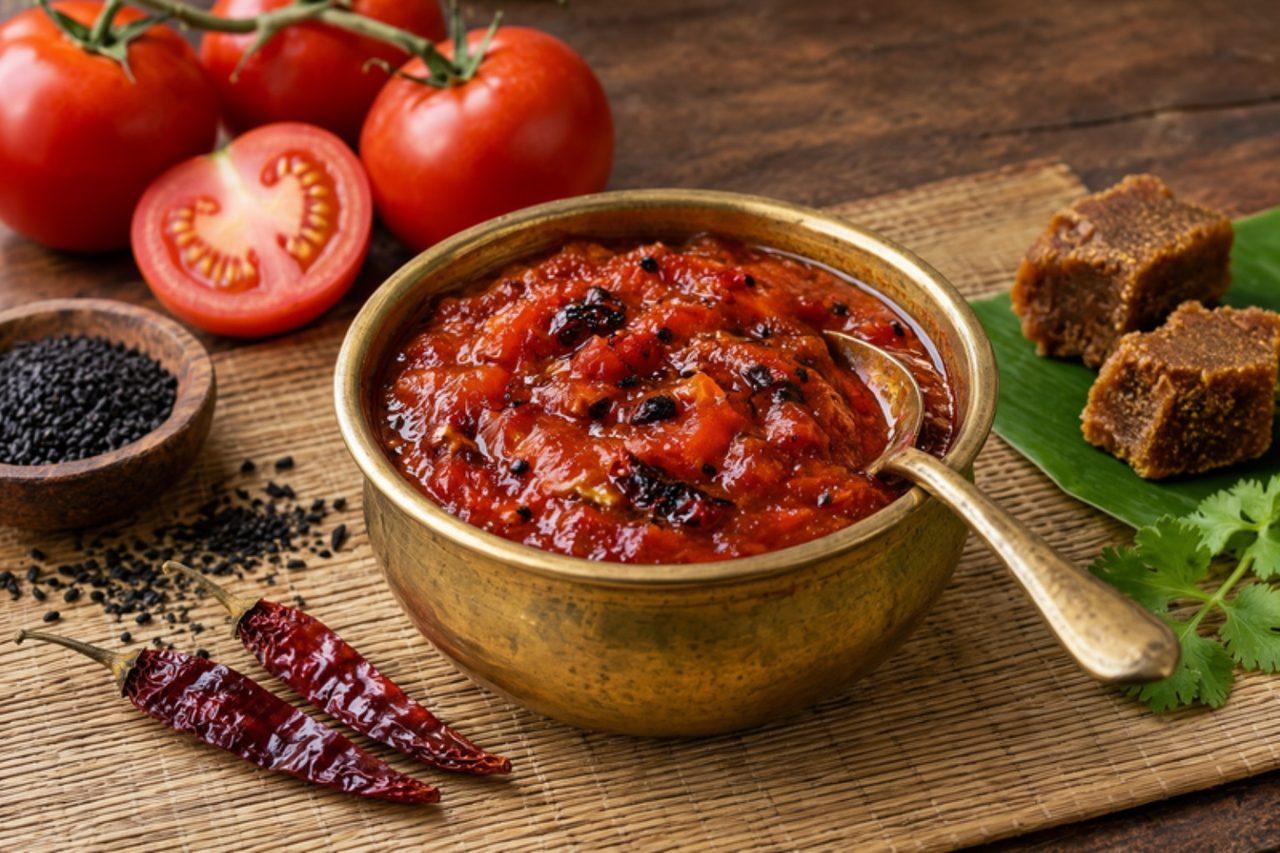
Bilahi is the Assamese word for tomato, and this glossy red chutney, sweet with jaggery and warmed with nigella and dried chilli, closes a festive Assamese meal, especially at weddings and on Bihu, as the sweet-sour last course before curd and sweets. Everyday cooks in Jorhat and Guwahati make a quick batch in winter when tomatoes are cheap. The mistake to avoid is adding the jaggery too early, which scorches before the tomatoes have broken down. Chef's tip: a few dates or raisins added with the jaggery give the chutney a deeper, jammy sweetness.

by KrazyBadal 0 views

Dongbei suan caiFermented napa cabbage

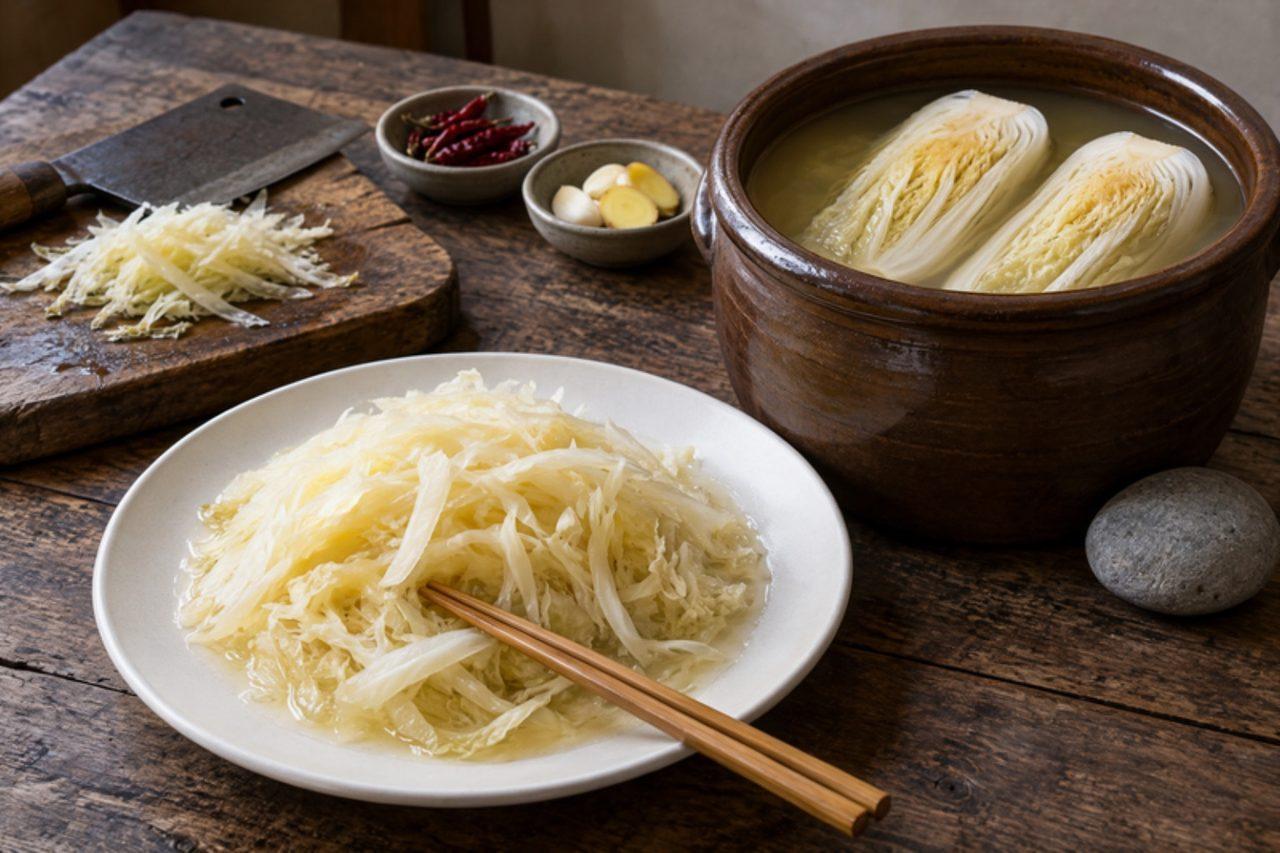
In Harbin, Changchun and Shenyang, late October is when families buy napa cabbage by the cartload, scald it, and pack it head to tail into big glazed crocks on the balcony, weighed down with a smooth river stone. A month later, as winter sets in, it has become suan cai: pale, almost translucent leaves with a clean, lactic sourness and a soft crunch at the rib. It is shredded into suan cai bai rou (sour cabbage with pork belly), stuffed into dumplings for Spring Festival and simmered in hot pots through the long winter. Common mistake: fermenting somewhere warm; above about 20 °C the cabbage softens and can go slimy, so use the coolest spot you have. Normal signs are fine bubbles, a cloudy brine and a sharp sour smell; a flat white film (kahm yeast) can be skimmed off. Fuzzy coloured mould, pink or black patches, or a putrid smell mean discard the lot. Do not eat it before 3 weeks: it is ready when the leaves are uniformly pale yellow-green and taste fully sour. Then keep it in the brine in the fridge for 2 months. Chef's tip: rinse and squeeze the shreds before cooking to soften the sourness.

by KrazyBadal 0 views

Sop konroBeef rib soup

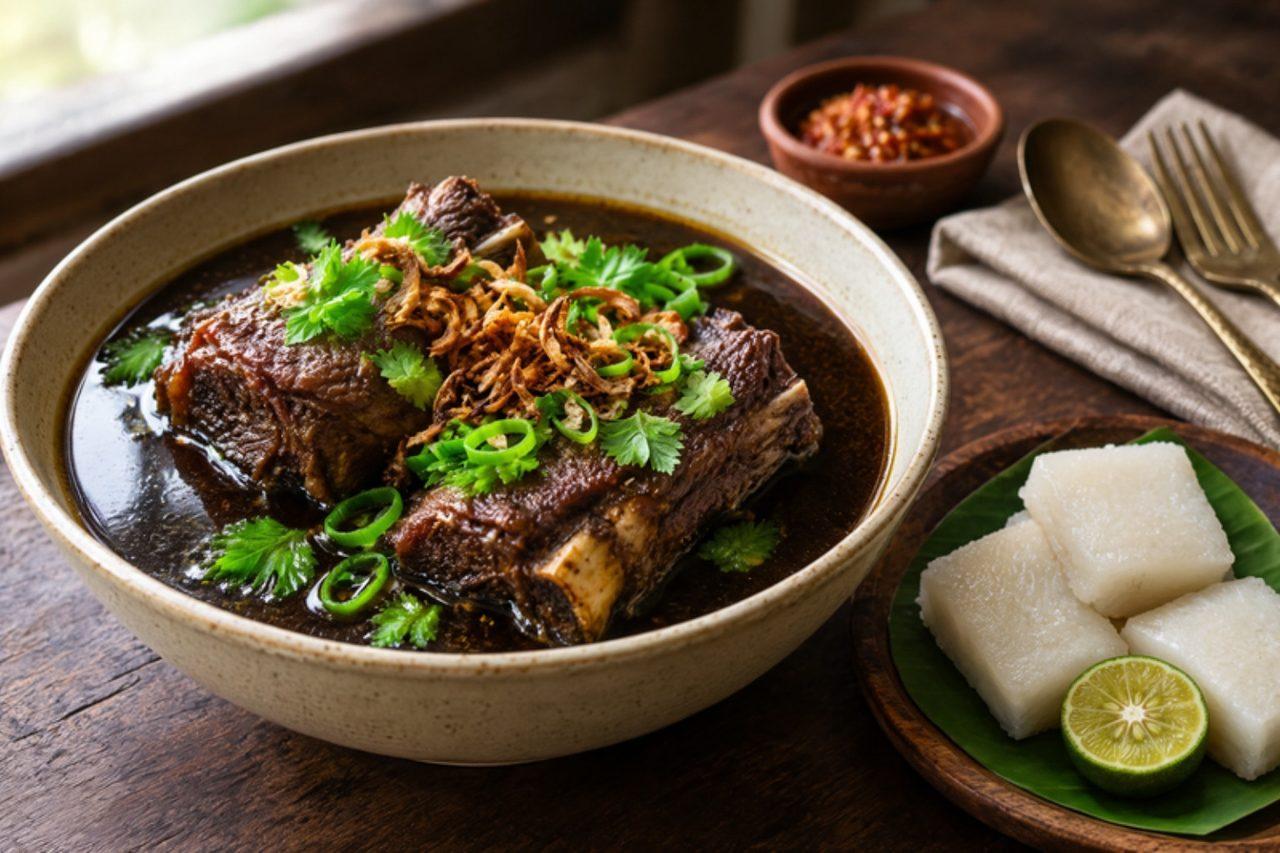
Sop konro is the pride of Makassar in South Sulawesi, where warung near the harbour serve big bowls of beef ribs in an almost black broth from lunchtime into the night, often with burasa (rice cooked in coconut milk) or plain rice. The colour and earthy, chocolatey depth come from keluak (kluwek) nuts, simmered with a paste of shallots, garlic, ginger, galangal, toasted coriander seed and candlenut until the rib meat slides off the bone. The usual mistake is using raw keluak: the nuts are only safe after long fermentation, so buy them ready-prepared from an Indonesian shop, and discard any that smell sour or are dry inside. A pressure cooker gets the ribs tender in 50 minutes. Chef's tip: toast the coriander seeds until they crackle before grinding; they carry the whole soup.

by KrazyBadal 0 views

Mochai kottai kuzhambuField bean gravy

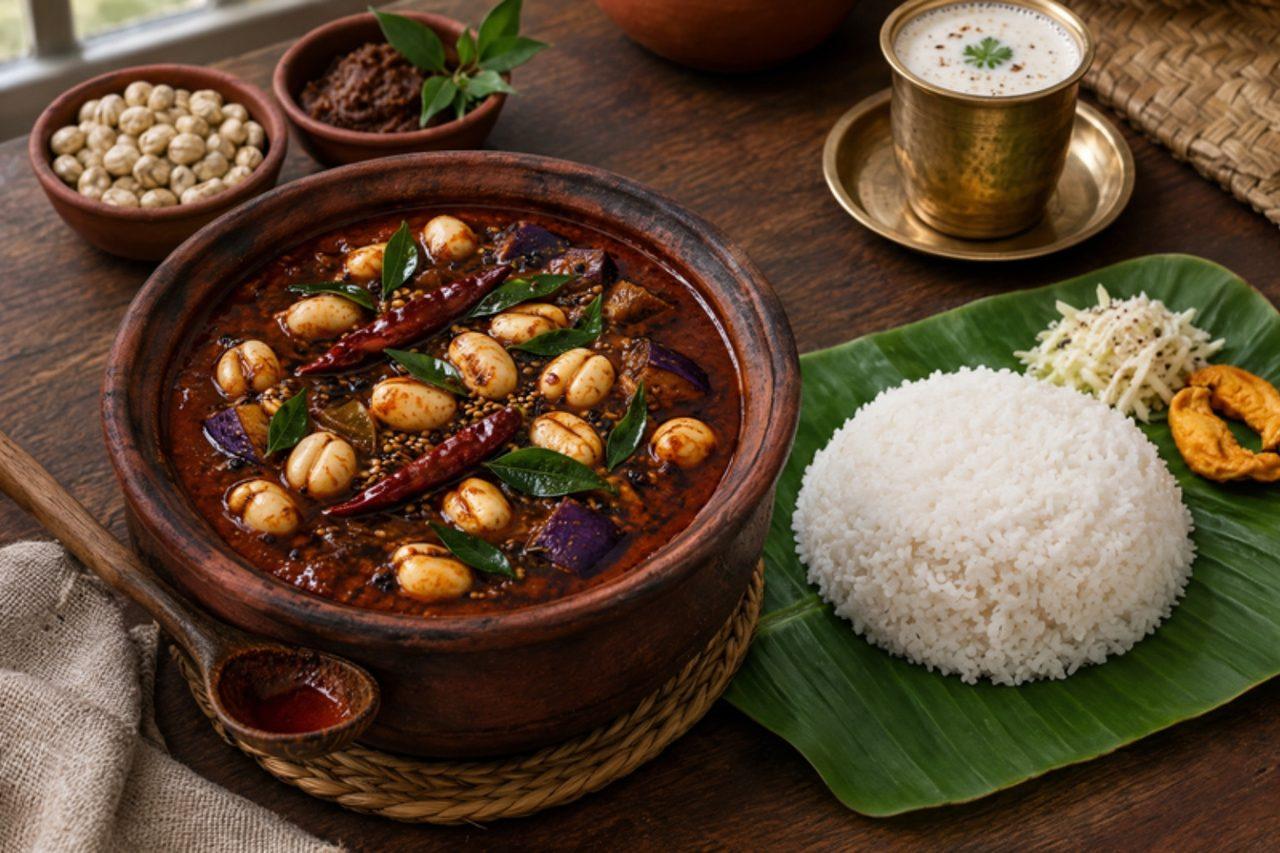
Across Tamil Nadu, from Madurai to Tirunelveli, mochai kottai kuzhambu is a winter and weekend curry: dried field beans and small brinjals stewed in a thick tamarind and sambar-powder gravy with shallots and garlic. It is cooked in a big batch, because everyone agrees it tastes better the next day, and eaten with rice, a spoon of sesame oil and appalam or a simple keerai. The beans turn creamy and the brinjal melts into the sauce. Dried field beans must be soaked and boiled until completely soft; never eat them undercooked. The usual mistake is adding the tamarind before the beans are tender, because acid stops them softening. Slow-cooker: boil the soaked beans hard on the hob for 10 minutes first, then cook everything on low for 6 hours. Chef's tip: fry the brinjal in the oil before the gravy goes in, so it holds its shape instead of dissolving.

by KrazyBadal 0 views

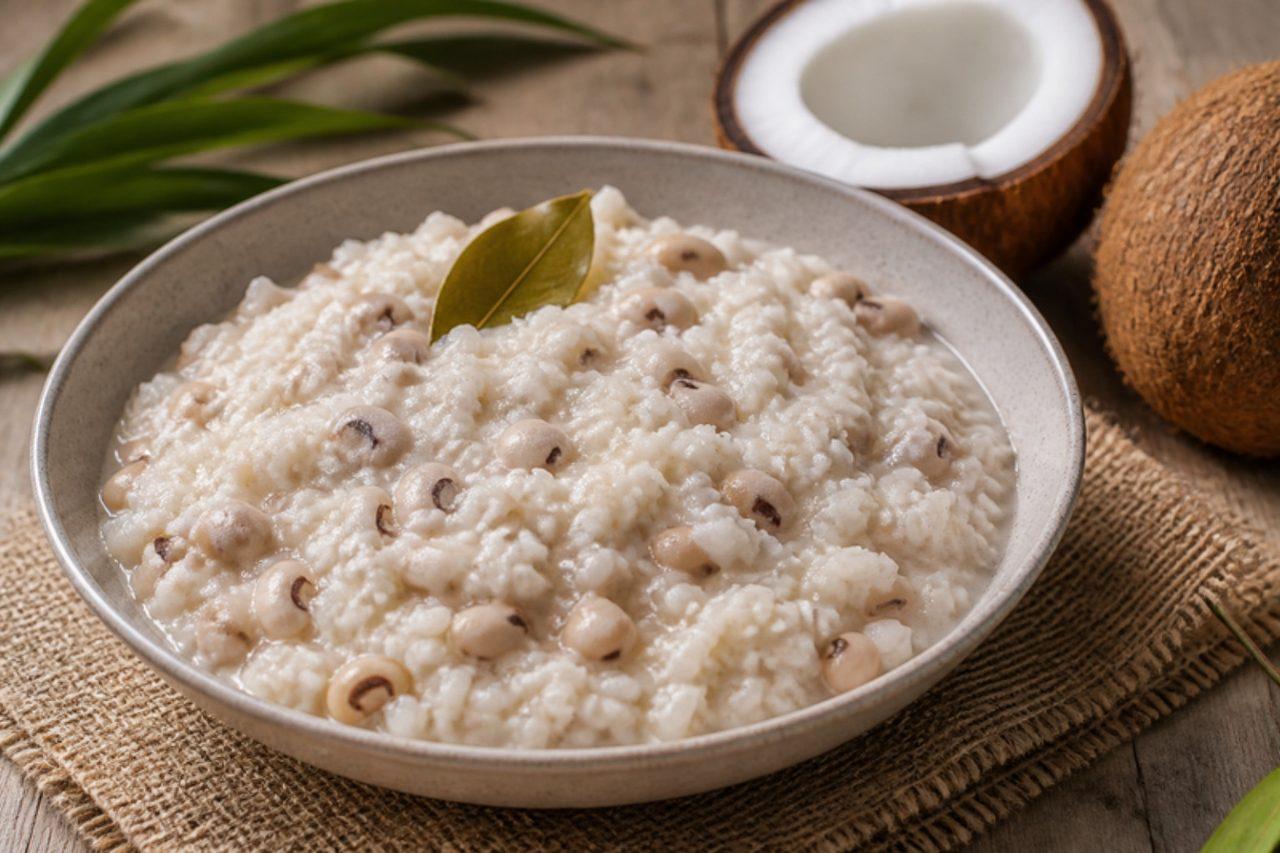
MucapataCoconut rice and cowpeas

Quelimane cooks have a gift for making rice taste rich without a scrap of meat, and mucapata proves it: rice and boiled cowpeas are cooked down in coconut milk until the grains swell, burst at the edges and bind into a soft, spoonable mass. It sits somewhere between a pilaf and a porridge, mild and faintly sweet from the coconut, with the beans giving it body and an earthy note. Families along the Zambezi delta serve it at lunch beside a tomato and onion sauce, greens cooked with peanuts, or a fiery dab of piri-piri. The usual mistake is adding the rice before the beans are properly soft; they never catch up once the coconut milk goes in. Chef's tip: stir it only now and then once the rice is in and keep the heat very low, so the bottom turns lightly golden rather than scorched.

by KrazyBadal 0 views

Ssanghwa-cha (herbal tonic tea)

Ssanghwa-cha is the strongest thing on the menu of an old Korean dabang. From the 1960s these smoky tea rooms served it in thick ceramic cups, dark as coffee, with pine nuts, slivered jujube and walnut floating on top; in winter some still slide a raw egg yolk in, which this recipe leaves out. The brew comes from Korean herbal tradition, where ssanghwa-tang is drunk to warm up and recover from tiredness after hard work or a cold. It tastes earthy and bitter at first, then sweet from licorice and jujube, with warmth from cinnamon and ginger and a celery-like perfume from angelica. Herbal shops sell the roots in pre-measured packs. The common mistake is boiling it hard: the liquid reduces too fast and turns harsh. Keep a gentle simmer with the lid ajar for two hours. It is ready when it is very dark brown, reduced to about a third and smells of cinnamon and roots. Because it contains licorice and angelica, skip it if you are pregnant or breastfeeding, have high blood pressure, or take blood thinners or other medicines unless your doctor agrees. Chef's tip: a second, lighter brew from the same roots is good with honey.

135 minKoreanDrinksVeganGluten free
by KrazyBadal 0 views

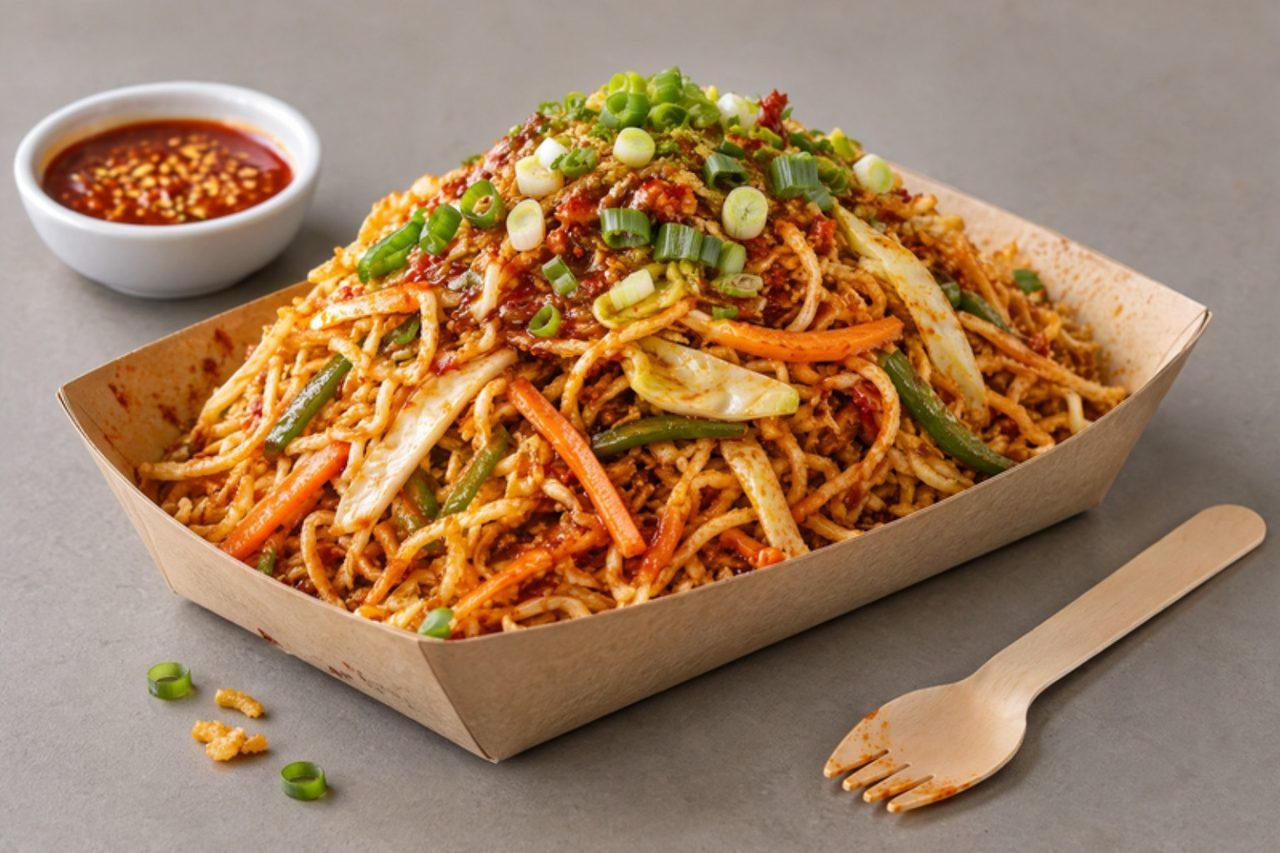
Chinese bhelCrispy noodle bhel

Mumbai's Indo-Chinese carts, parked outside colleges in Dadar and Matunga from late afternoon, sell this street invention that borrows the idea of bhel and swaps the puffed rice for golden fried noodles. Raw shredded cabbage, carrot and capsicum are thrown in with Schezwan sauce, ketchup, a dash of soy and vinegar, and tossed so fast the noodles still crackle when you eat them. Chef's tip: dry the boiled noodles thoroughly on a tray before frying; wet noodles spit and fry up chewy rather than crisp.

by KrazyBadal 0 views

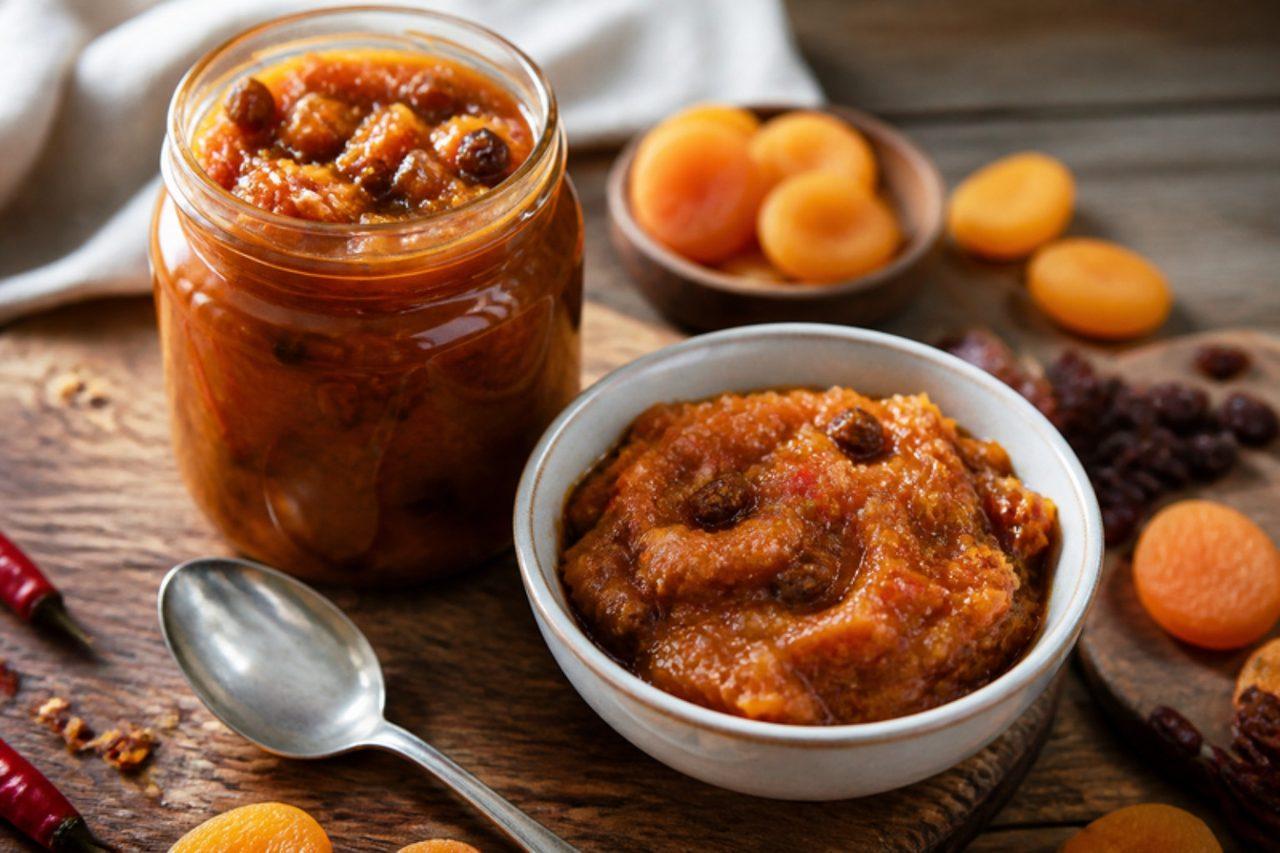
BlatjangDried apricot chutney

Bo-Kaap households keep a jar of blatjang beside the salt, because a spoonful goes next to almost everything: bobotie, a bowl of curry and rice, cheese on toast, a braaied mielie. Dried apricots are simmered down in vinegar with onion, ginger, garlic and red chilli until the fruit collapses into a thick, glossy, burnt-orange paste that is sweet first, then sour, then warm at the back of the throat. Some aunties keep it chunky, others push it through a sieve until it is as smooth as a sauce; both are right. The usual mistake is to take it off the heat while it still looks loose in the pot, which leaves a runny chutney that weeps in the jar. Chef's tip: soak the apricots overnight in the vinegar and they break down in half the time, with a cleaner, brighter fruit flavour.

by KrazyBadal 0 views

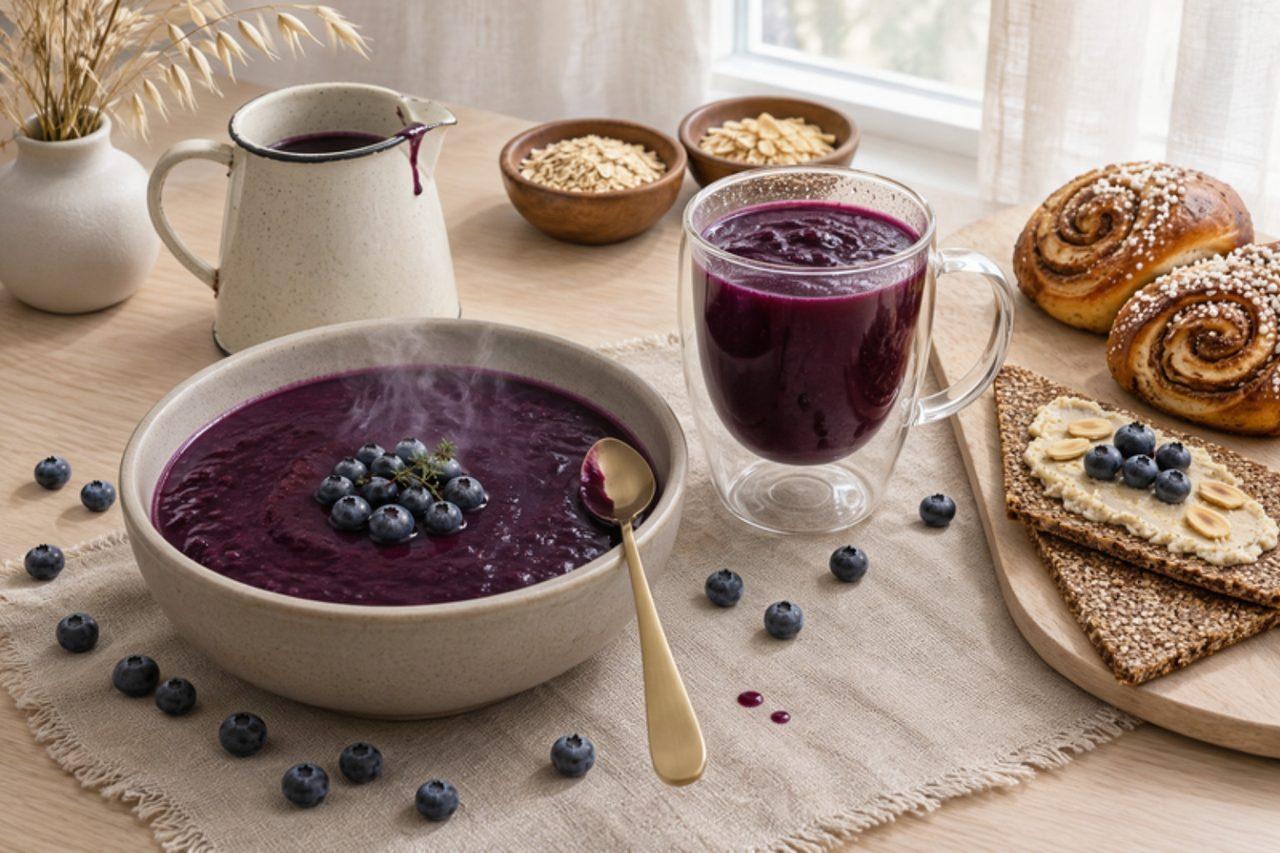
BlåbärssoppaBilberry soup

Swedes have drunk blåbärssoppa for generations, warm on a winter morning and cold from a cup after the Vasaloppet ski race, where skiers are handed it at every station. It is a thin, deep purple soup of bilberries or blueberries, sweetened and thickened just enough with potato starch to coat the tongue. The common mistake is boiling the soup after adding the starch: it turns stringy and then thins out again, so take it off the heat as soon as it thickens. Chef's tip: wild bilberries give a far deeper colour and flavour than cultivated blueberries, and frozen ones work perfectly.

by KrazyBadal 0 views

Naengchae jokbalCold sliced pork trotter

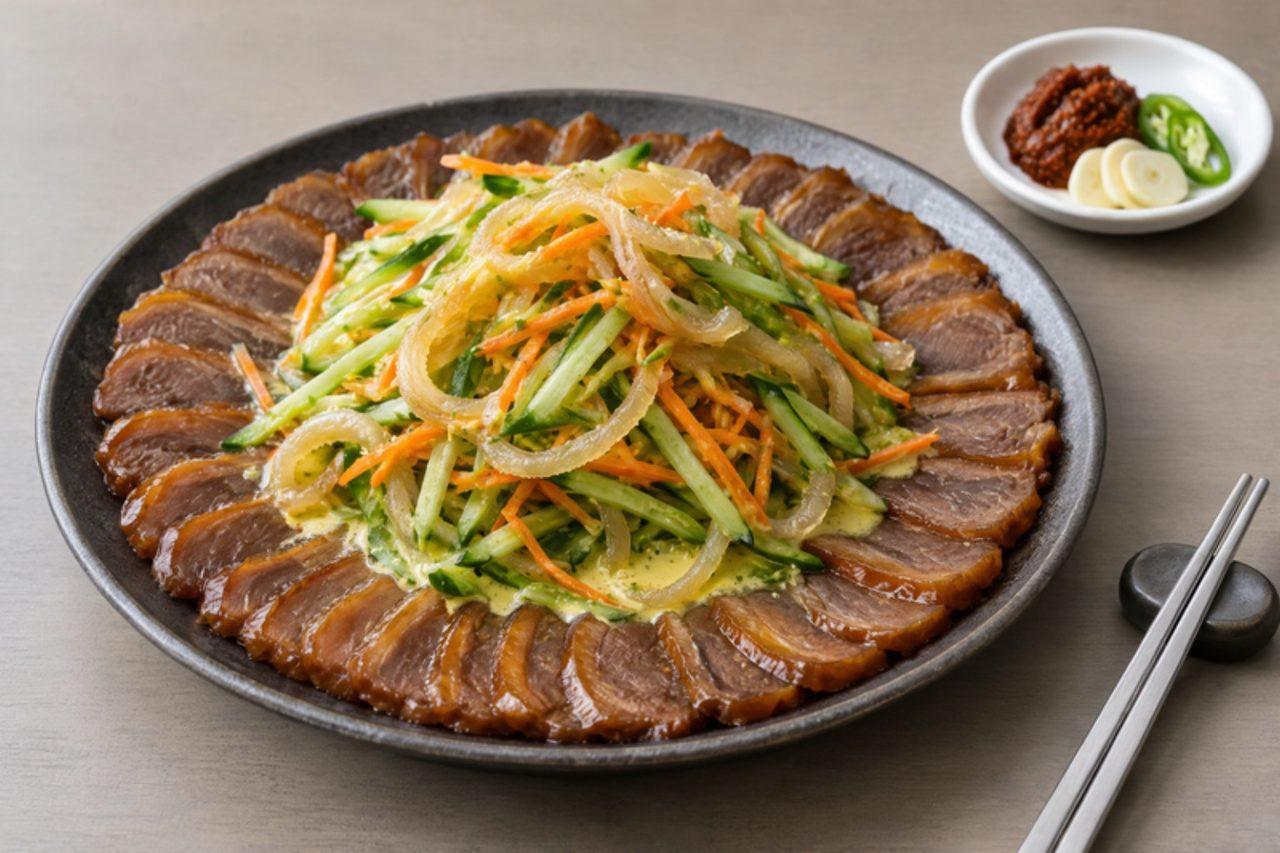
Busan's Jokbal Alley in Bupyeong-dong, beside Kkangtong Market, is where braised pork trotter was first served cold as a salad, a summer trick that spread across Korea. The pork trotters are simmered for hours in soy, ginger and spices until the skin turns sticky and tender, chilled, sliced thin and tossed with cucumber, shredded jellyfish and a nose-tingling dressing of Korean mustard, vinegar and garlic. It is evening food, shared from a big platter. Chef's tip: slice the meat only once it is fully cold; warm trotter meat tears instead of cutting into clean slices.

190 minKoreanMeat
by KrazyBadal 0 views

DakbaeksukPoached whole chicken

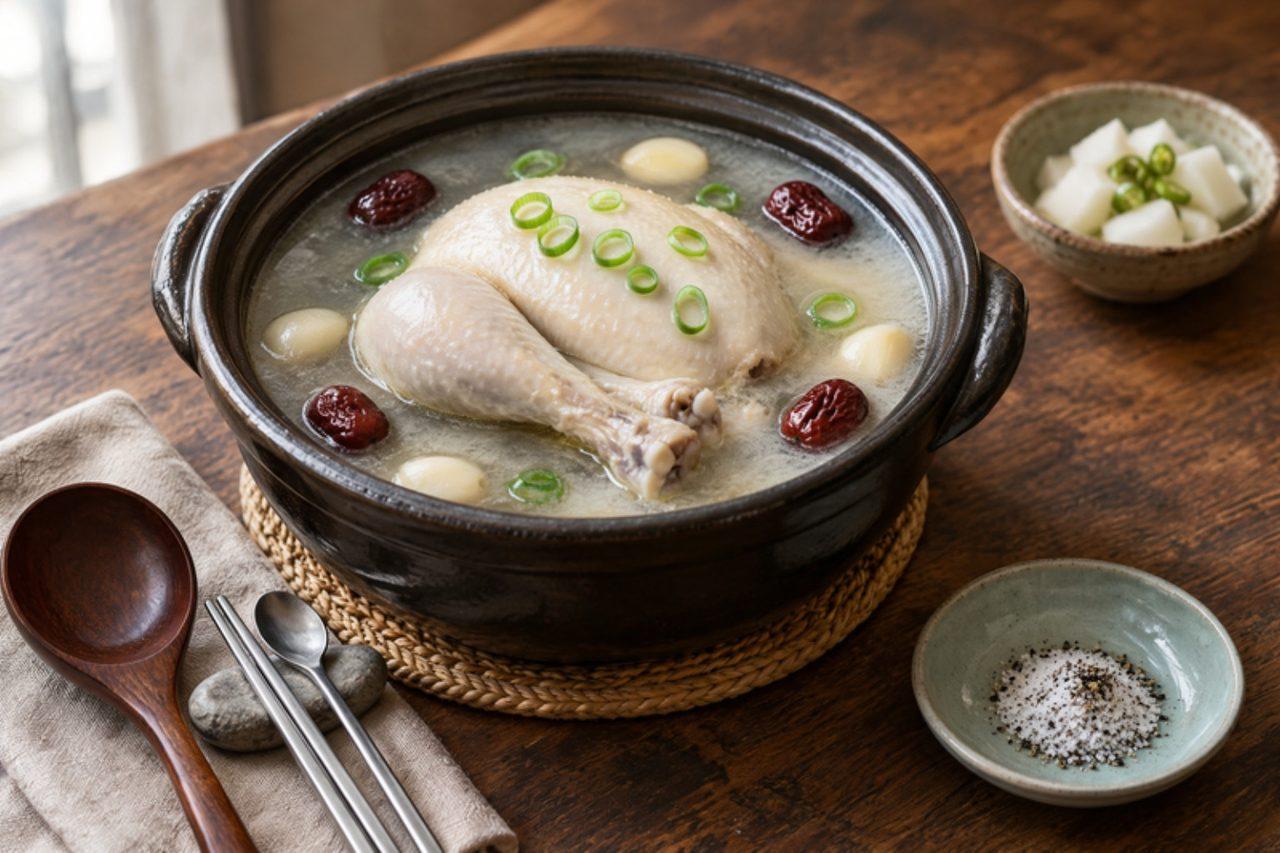
Dakbaeksuk is a whole chicken simmered plain in a big pot, a dish Koreans eat on the boknal 'dog days' of midsummer and at valley restaurants in the mountains, where families sit on platforms by the stream. Unlike samgyetang it is not stuffed; the bird simmers with a fistful of garlic, a few jujubes and dried roots such as astragalus until it falls apart, and you eat the meat with salt and pepper and drink the milky broth. Suitable as part of a balanced diet: high in protein, with no flour or added sugar. About 420 kcal and 8 g carbohydrate per portion; restaurants finish with rice porridge in the broth, so keep that portion small or use brown rice. The usual mistake is boiling it fiercely, which makes the meat stringy; it should simmer gently. Chef's tip: skim the fat off the broth before serving; it tastes cleaner and lighter.

by KrazyBadal 0 views

Paruppu urundai kuzhambuLentil dumpling gravy

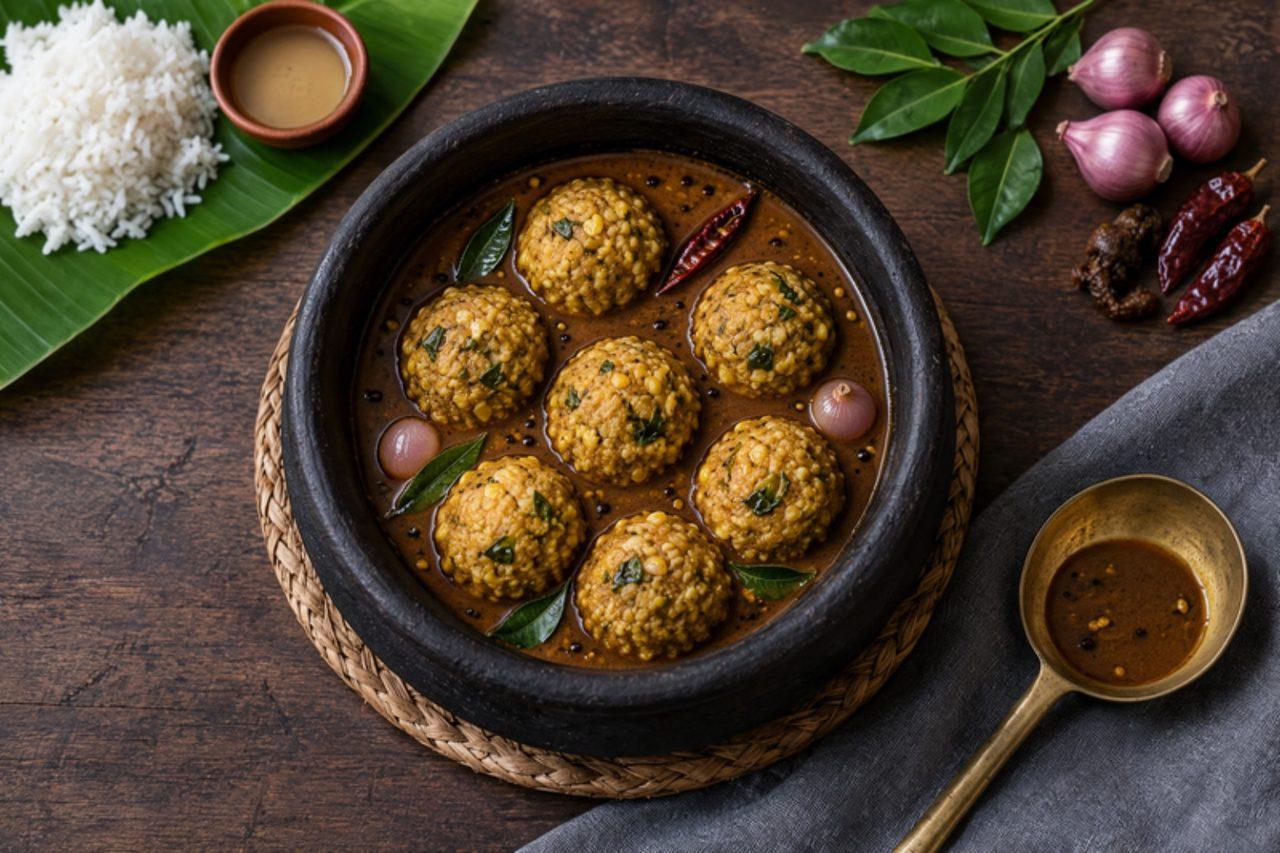
Paruppu urundai kuzhambu is a Sunday-lunch treat in Tamil homes from Chennai to Coimbatore: coarse balls of soaked chana and toor dal, spiked with fennel, chilli and shallot, dropped raw into a bubbling tamarind gravy where they steam and firm up. The dumplings come out soft inside and soak up the sour, spicy sauce, and the crumbs that escape thicken the gravy. Serve it with plain rice, a spoon of sesame oil and a vegetable poriyal. The usual mistake is stirring as soon as the balls go in, which breaks them; leave them alone until they float and feel firm. Chef's tip: drop one test ball in first; if it cracks, knead a spoon of rice flour into the mixture before shaping the rest.

by KrazyBadal 0 views

Bohar bhajiFlower bud curry

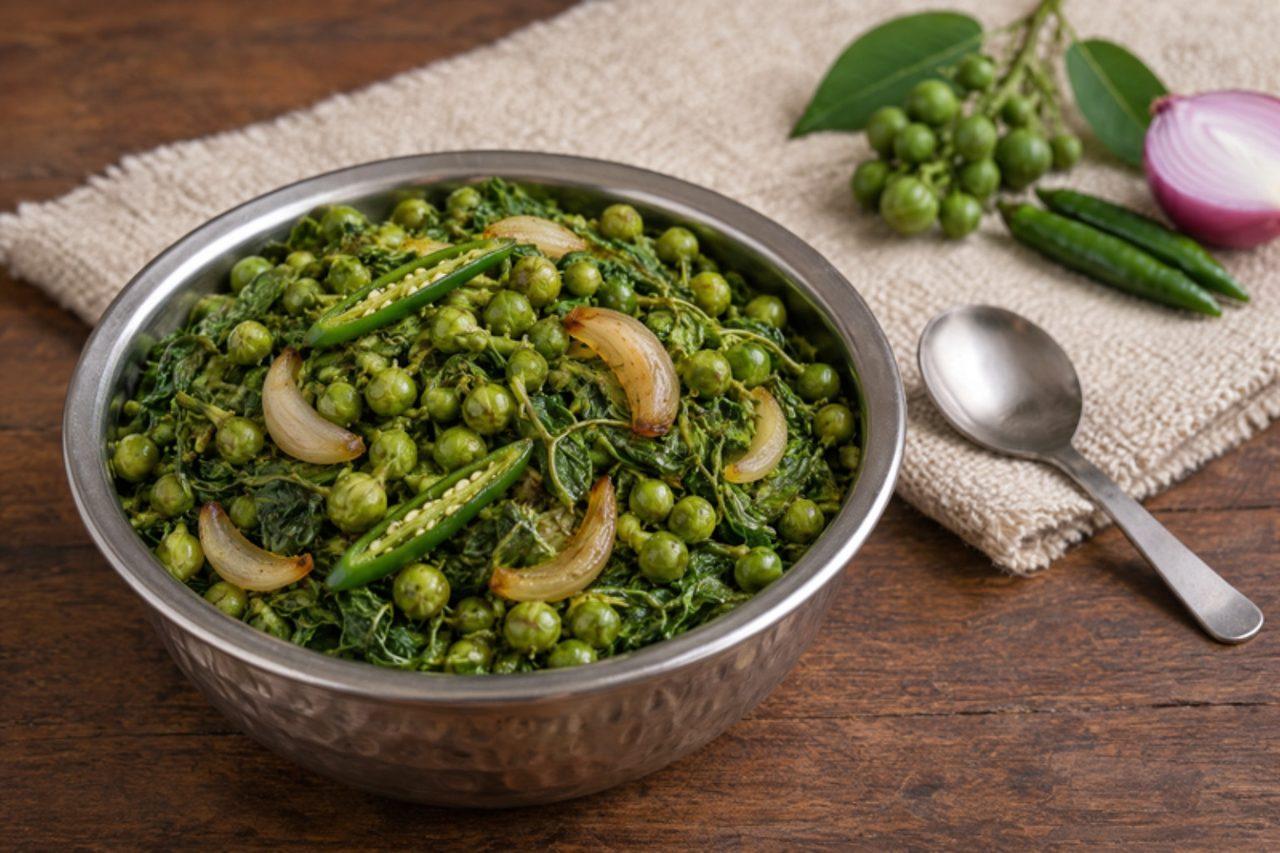
For a few weeks each spring, Raipur's markets sell small heaps of bohar, the young buds of the lasoda (Cordia) tree, and they are one of the most prized and pricey vegetables in Chhattisgarh. Cooked with onion, chilli and a spoon of curd, they have a pleasant, slightly sticky bite and an earthy taste, and families eat them with rice and dal for as long as the season lasts. People often skip the boiling step; without it the buds stay gummy and slightly bitter. Chef's tip: if you cannot find bohar, the same masala works with tender lasoda (gunda) fruit from Indian grocers, which is the same tree.

by KrazyBadal 0 views

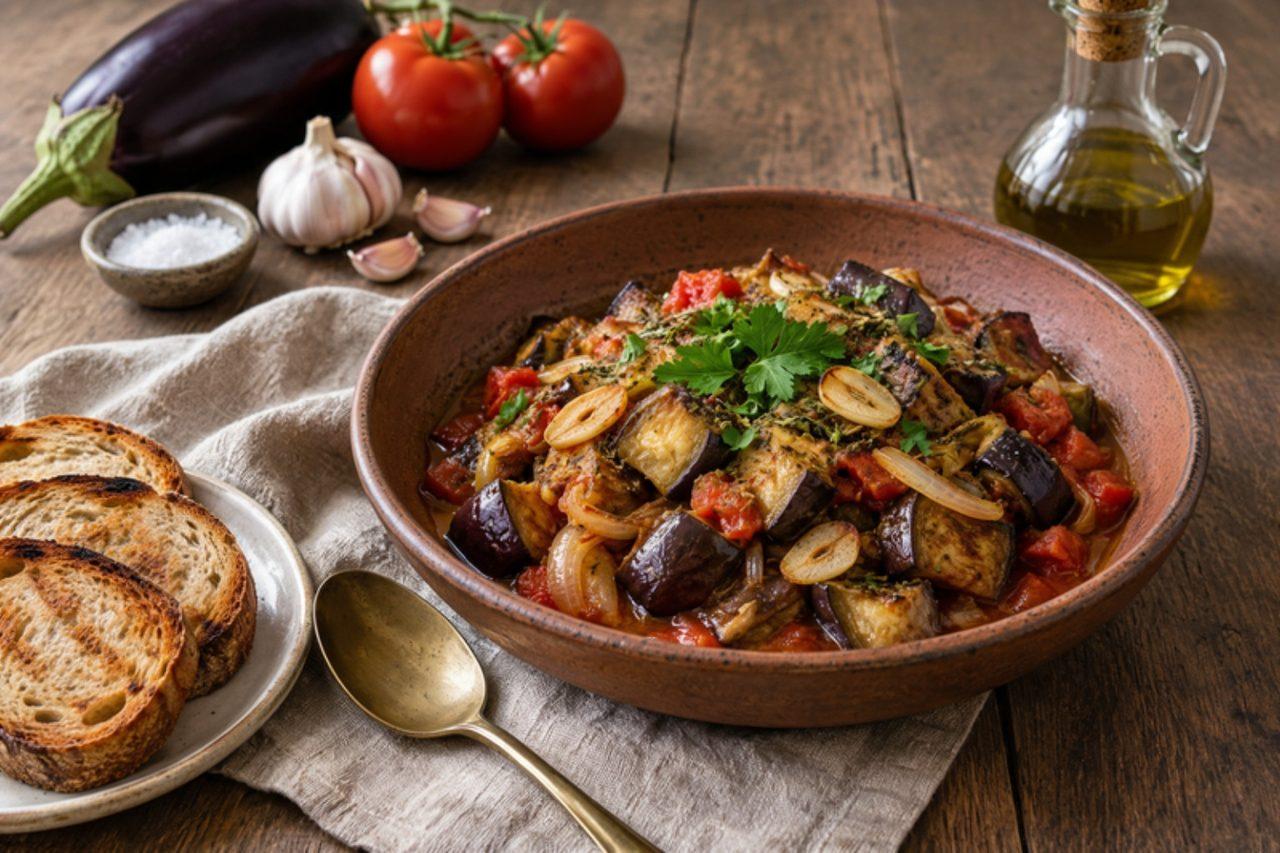
Berinjela refogadaSauteed aubergine with tomato

Brazilian home cooks make berinjela refogada on Sunday and spoon it into the week's marmitas beside rice, beans and a piece of grilled chicken or an egg; it reheats beautifully and tastes even better on the second day. The aubergine cooks down until silky with garlic, onion, tomato and oregano. The common mistake is pouring in more oil every time the pan looks dry; aubergine soaks it up and turns greasy. Add a splash of water instead and cover the pan so the cubes steam soft. Chef's tip: a squeeze of lime and a little chopped parsley just before packing lift the flavour after a night in the fridge.

by KrazyBadal 0 views

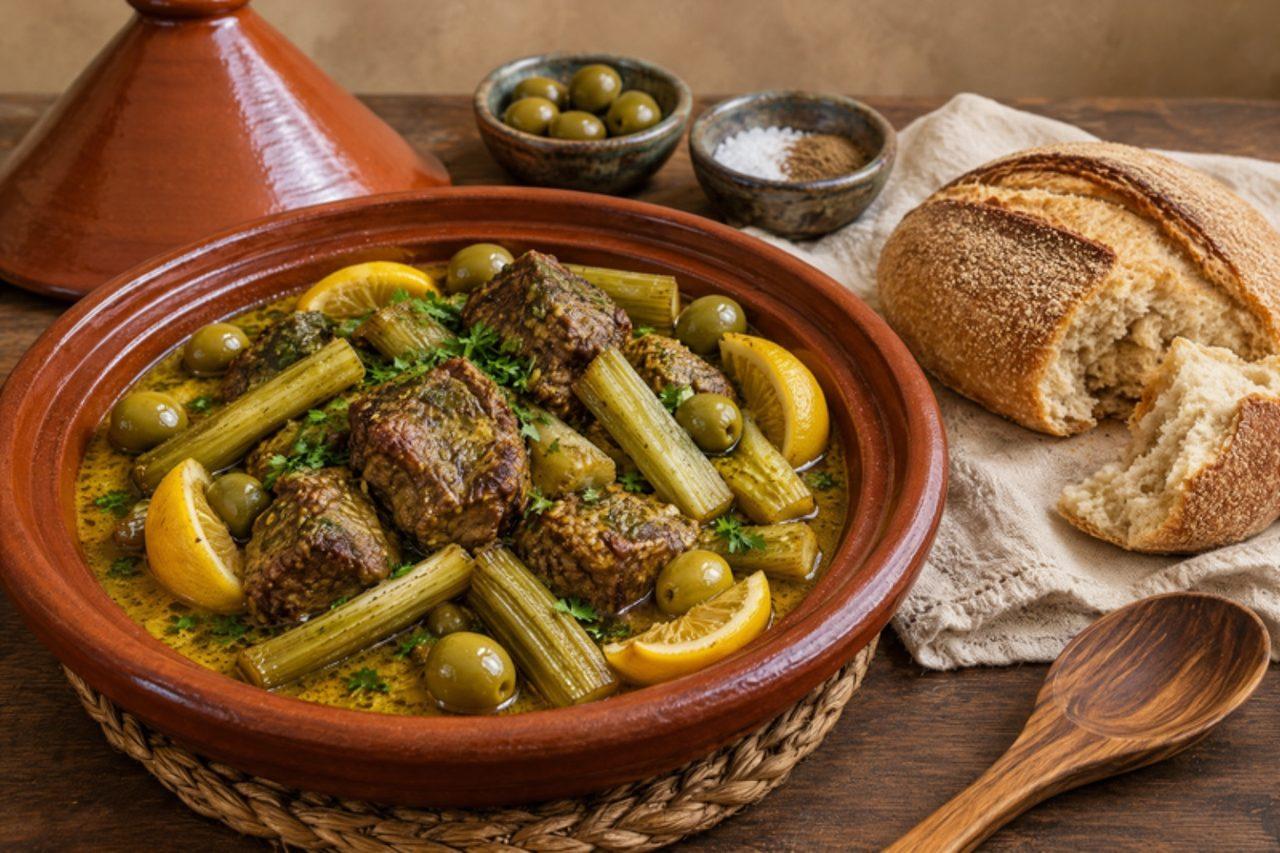
Tagine bil khorchefLamb tagine with cardoons

In late winter and spring, when wild cardoons (khorchef) appear in the markets of Fez, Meknes and Rabat, Moroccan families cook them into this lamb tagine for a family lunch, eaten with bread to mop up the sauce. Lamb shoulder is simmered slowly with onion, ginger, saffron and turmeric until tender, then the peeled cardoon stalks are added and finished with preserved lemon and green olives, giving a tangy, faintly bitter, artichoke-like sauce. The usual mistake is not peeling and soaking the cardoons properly: the stringy outside must come off and the stalks must sit in lemon water, or they go brown and taste harsh. Artichoke hearts are a good stand-in. Chef's tip: reduce the sauce uncovered at the end until it is thick and oily, the sign of a well-made tagine.

155 minMoroccanMeatGluten free
by KrazyBadal 0 views

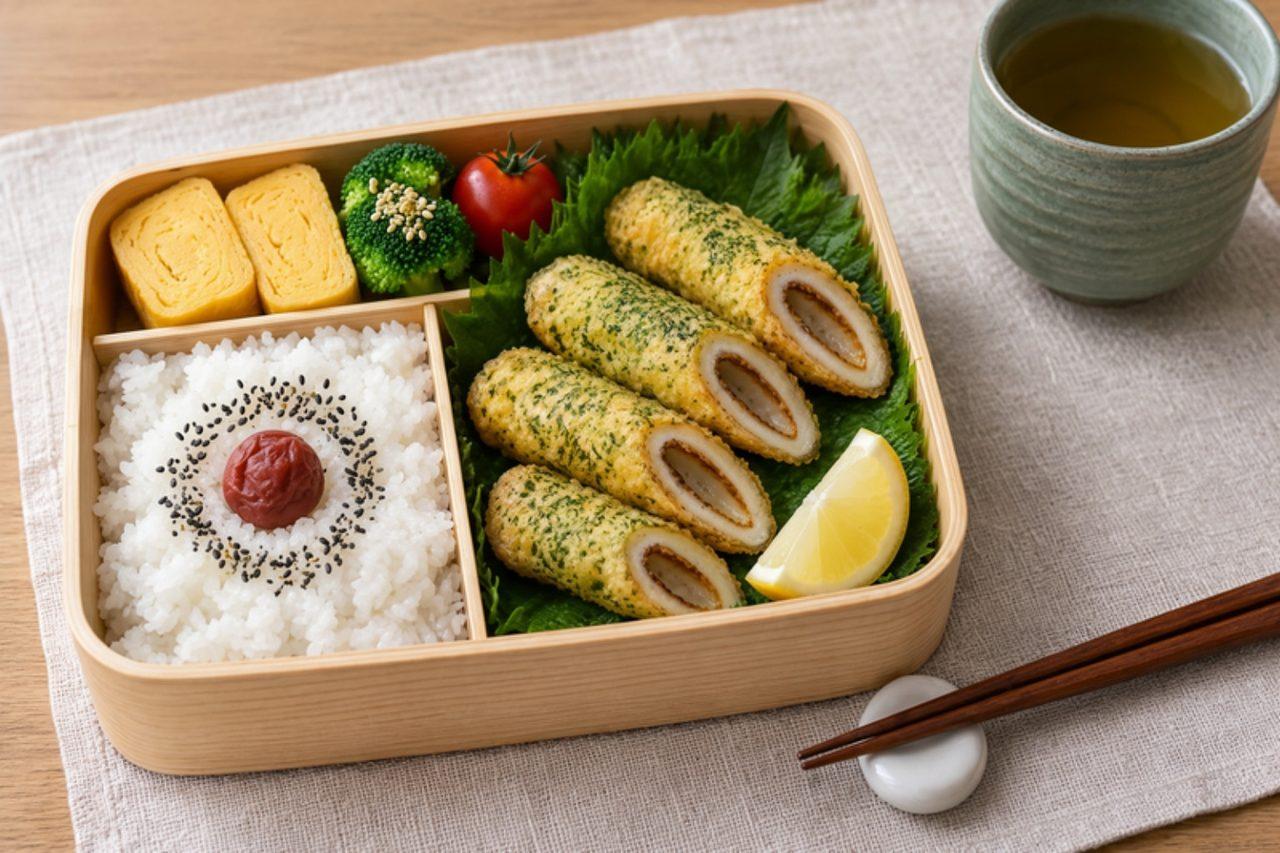
Chikuwa isobe-ageSeaweed-battered fish cake

Isobe-age, "fried in the style of the rocky shore", means anything coated in a batter speckled with green aonori seaweed, and chikuwa isobe-age is the one every Japanese parent tucks into a bento: tubes of chikuwa fish cake fried until puffed and crisp. It is just as good cold and takes ten minutes. The common mistake is a thick batter, which turns bready; it should be like single cream. Chef's tip: dust the chikuwa with a little flour before dipping, so the batter clings and does not slide off in the oil.

by KrazyBadal 0 views

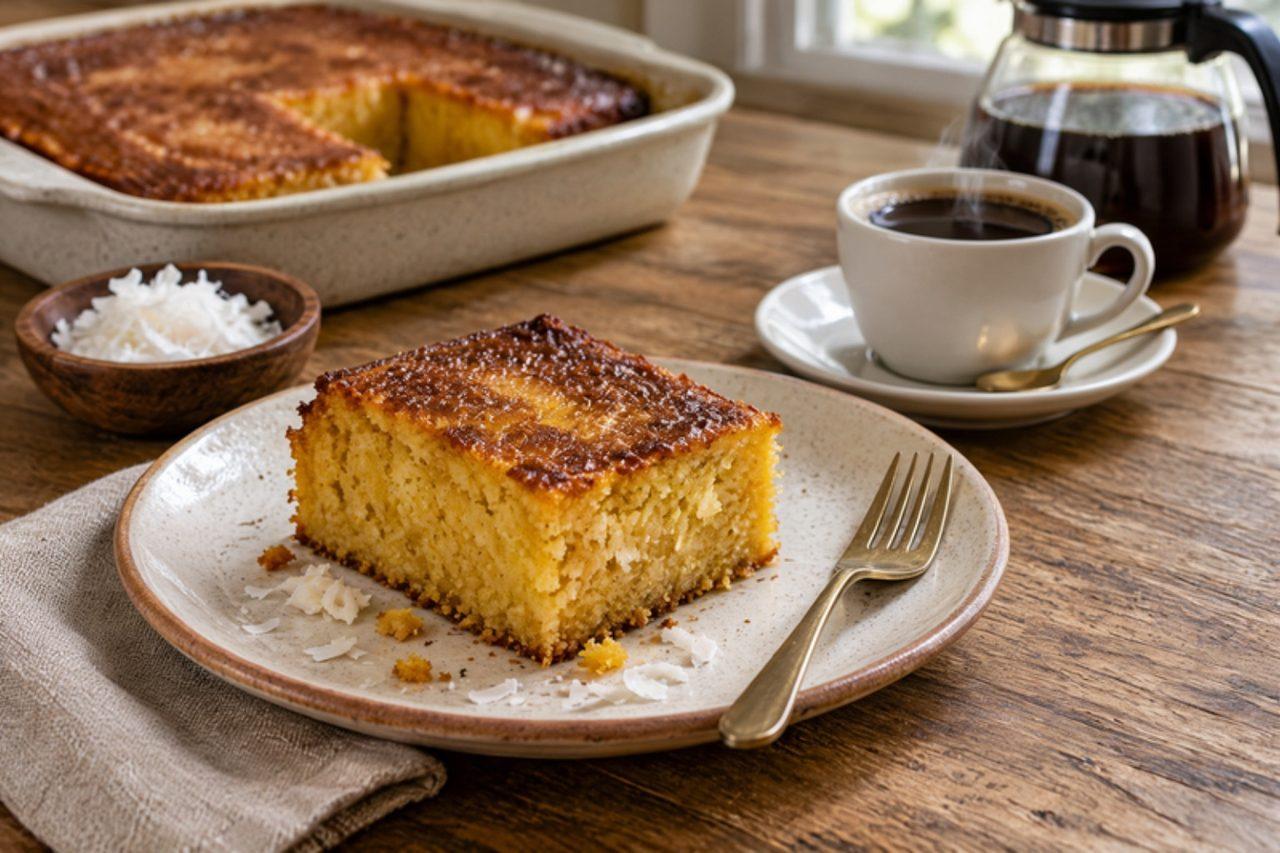
Bolo de pubaFermented cassava cake

In Bahia, Pernambuco and Maranhão the afternoon and early-morning coffee table often carries a slab of bolo de puba, a dense, custardy cake made from puba, cassava that has been soaked until it ferments and softens into a tangy white paste. Coconut milk, grated coconut, eggs and butter turn it into something between a cake and a pudding, with a caramel-brown crust and a moist, slightly springy middle; it is especially loved around the June São João festivals. Puba is sold in Brazilian and African grocers as massa puba or carimã; it contains no wheat, so the cake is naturally gluten free. The common mistake is cutting it hot: it sets as it cools and will be gummy if sliced too early. Chef's tip: squeeze the puba in a clean cloth first if it is very wet, so the batter is thick enough to hold the coconut in suspension rather than letting it sink.

by KrazyBadal 0 views

MutakuraBeans, cowpeas and maize

Mutakura is old Zimbabwean country food, cooked in rural Mashonaland after harvest from the store of dried beans, cowpeas, groundnuts and maize kernels, and eaten as a filling lunch or snack, often at gatherings and ceremonies. Everything is soaked, boiled for hours until tender, then simply seasoned with salt, so the beans are creamy, the maize chewy and the groundnuts soft and rich. Suitable as part of a balanced diet. About 340 kcal and 45 g carbohydrate per portion. The usual mistake is cooking everything together from the start: the maize needs a long head start, and the dried red beans must be boiled hard for 10 minutes to be safe. A pressure cooker cuts the maize time to about 40 minutes. Chef's tip: soak everything overnight in separate bowls; the maize and groundnuts need it most.

by KrazyBadal 0 views

Ipoh white coffee

Ipoh's old town kopitiams, with their marble tables and morning crowds queueing for kai si hor fun and egg tarts, gave Malaysia its 'white coffee'. The name comes not from milk but from the roast: beans are roasted with palm-oil margarine, lighter than the dark, sugar-roasted kopi of the rest of the country, then brewed and served with condensed milk. It is smoother and less bitter than ordinary kopi, nutty and buttery, pale caramel in the cup, drunk hot at breakfast or iced in the afternoon heat. At home, buy ground Ipoh-style white coffee from an Asian grocer; you cannot easily reproduce the margarine roast in a kitchen. The common mistake is brewing it like espresso: forced extraction makes it bitter and kills the soft, toasty flavour. Steep it in a cloth sock or a coffee filter with water just off the boil. It is ready when the brew is reddish-brown and clear, not inky. This is a strong coffee with real caffeine, not for children. Chef's tip: warm the cups with hot water first; white coffee cools fast and loses its aroma.

by KrazyBadal 0 views

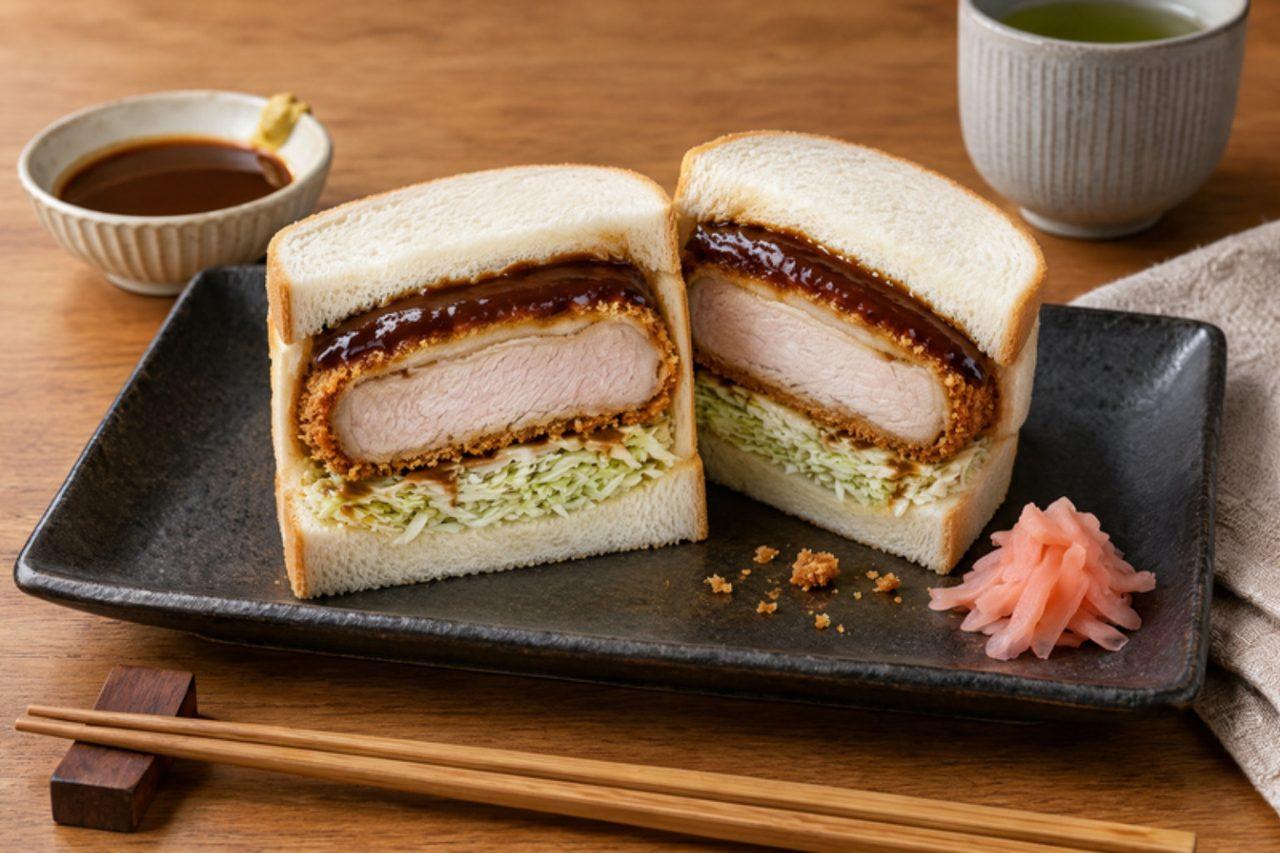
Katsu sandoPork cutlet sandwich

Katsu sando began in Tokyo tonkatsu shops in the 1930s as a cutlet you could carry, and is now a fixture of department-store food halls, train-station kiosks and lunchboxes all over Japan: a crisp panko pork loin cutlet soaked in sweet-sour tonkatsu sauce between pillowy white bread, crusts trimmed off. The common mistake is slicing it while hot, which squashes the bread and makes it soggy; let it rest under a light weight first. Pork loin is a whole cut, so cook it to 63 °C and rest it for 3 minutes. Chef's tip: butter the bread with a little mustard mixed in; it stops the sauce soaking through and adds a gentle kick.

by KrazyBadal 0 views

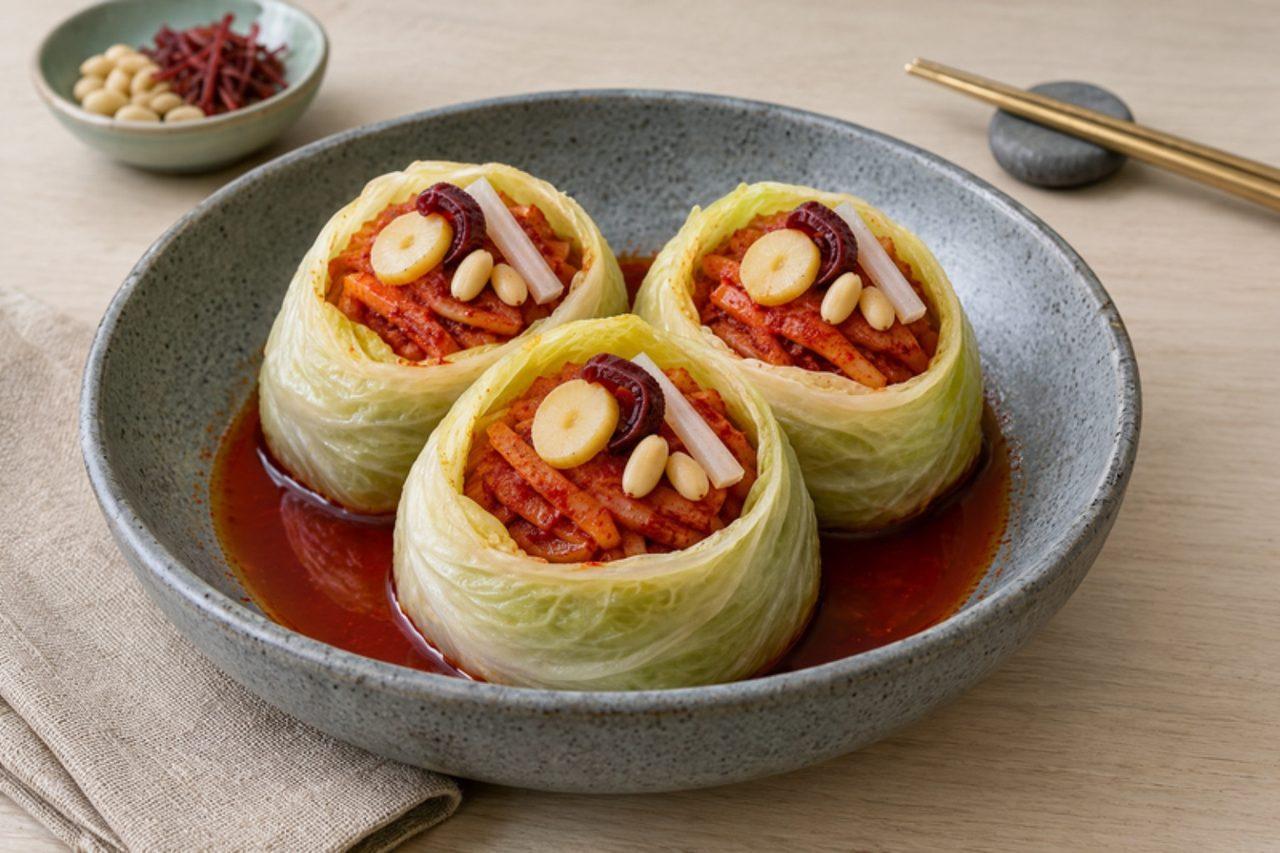
Bossam kimchiWrapped cabbage kimchi

Bossam kimchi comes from Gaeseong, the old Goryeo capital just north of today's border, and it is the kimchi families make with special care at kimjang time in late November and set out for Seollal guests. Instead of rubbing seasoning into whole cabbage halves, the inner leaves are folded around a rich filling of radish, Korean pear, chestnut, jujube, pine nuts and herbs, then wrapped in large outer leaves like a gift. Unwrapped at the table, it is crisp, juicy and sweet from the pear, with mellow chilli heat and the savoury depth of salted shrimp. Traditional versions add raw oysters; here they are optional. Raw oysters are not safe for pregnant people, babies, older people or anyone with weak immunity, so leave them out for those guests or for any kimchi you mean to keep beyond 3 days. The common mistake is under-rinsing the cabbage, which makes every parcel too salty; rinse three times and taste a stem. It is ready after 3–4 days in the fridge, when the juice turns pleasantly sour and slightly fizzy. Chef's tip: tie each parcel with a blanched scallion if the leaves won't stay closed.

by KrazyBadal 0 views

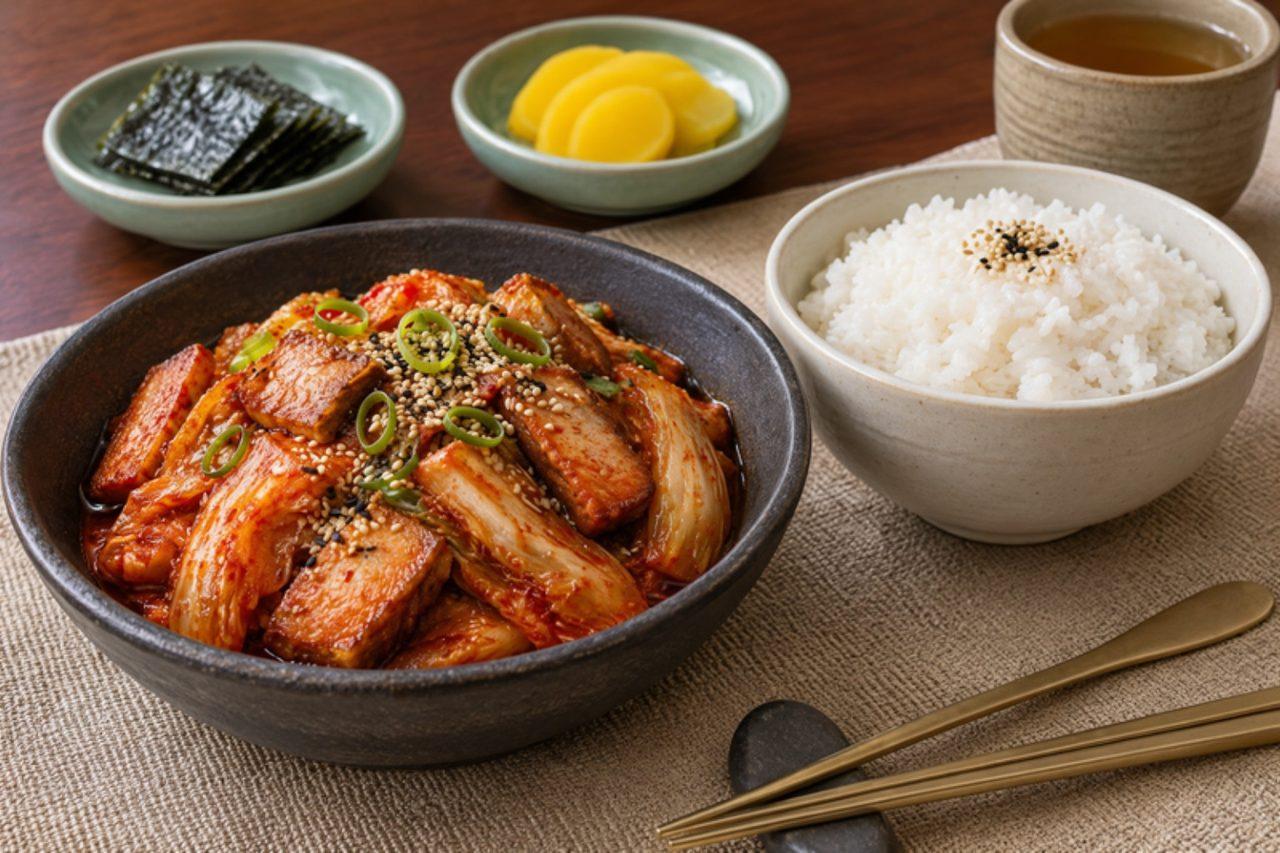
Bokkeum kimchiStir-fried kimchi with pork belly

When a jar of kimchi turns very sour in Korean homes, it gets stir-fried with a little sugar and sesame oil, and often with pork belly, into bokkeum kimchi, a deep, mellow side dish that keeps for days and is a favourite in school and office dosirak. For a vegan version, use kimchi made without fish sauce or salted shrimp and leave out the pork. The usual mistake is using fresh, crisp kimchi, which tastes harsh when fried; it needs to be properly sour. Chef's tip: fry the kimchi until the edges just begin to catch and caramelise, which is where the flavour is.

by KrazyBadal 0 views

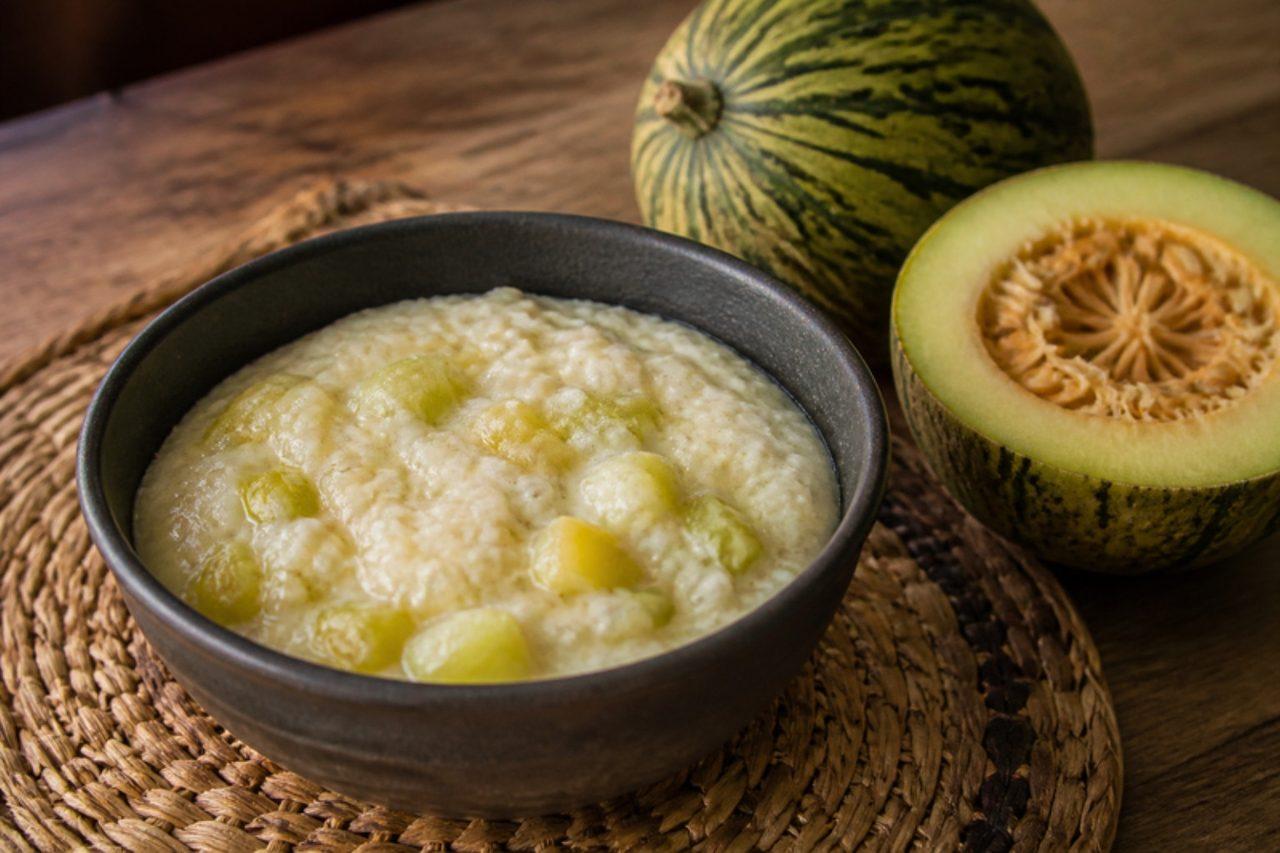
Bogobe jwa lerotseSorghum and melon porridge

When the lerotse melons ripen on the lands around Serowe and Mahalapye after the summer rains, households stir their pale flesh into the evening pot of sorghum, and the porridge turns soft, smooth and quietly sweet. Lerotse is a hard-skinned field melon, closer to a mild marrow than a dessert melon, so it melts into the bogobe and gives it a light, fresh taste against the sour, nutty grain. It is eaten as a side with seswaa, beans or morogo, or on its own for supper with a sprinkle of sugar. Outside Botswana, look for lerotse at African grocers; otherwise a firm cooking melon or a winter melon gives a very close result. Chef's tip: the mistake people make is dumping the sorghum in at once, which gives lumps; rain it in slowly while you whisk.

by KrazyBadal 0 views

DakgangjeongSticky glazed fried chicken

Dakgangjeong is the boxed fried chicken of Sokcho's Jungang market on Korea's east coast, carried home by the tub and packed into lunchboxes the next day, because the double-fried pieces in their sticky glaze stay crunchy even when cold. The common mistake is frying only once; the second fry drives out moisture so the crust holds up to the sauce. Chef's tip: coat with potato starch rather than flour, and let the coated chicken sit for 5 minutes so the starch hydrates into a craggy crust.

by KrazyBadal 0 views

LaphingCold starch sheet noodles

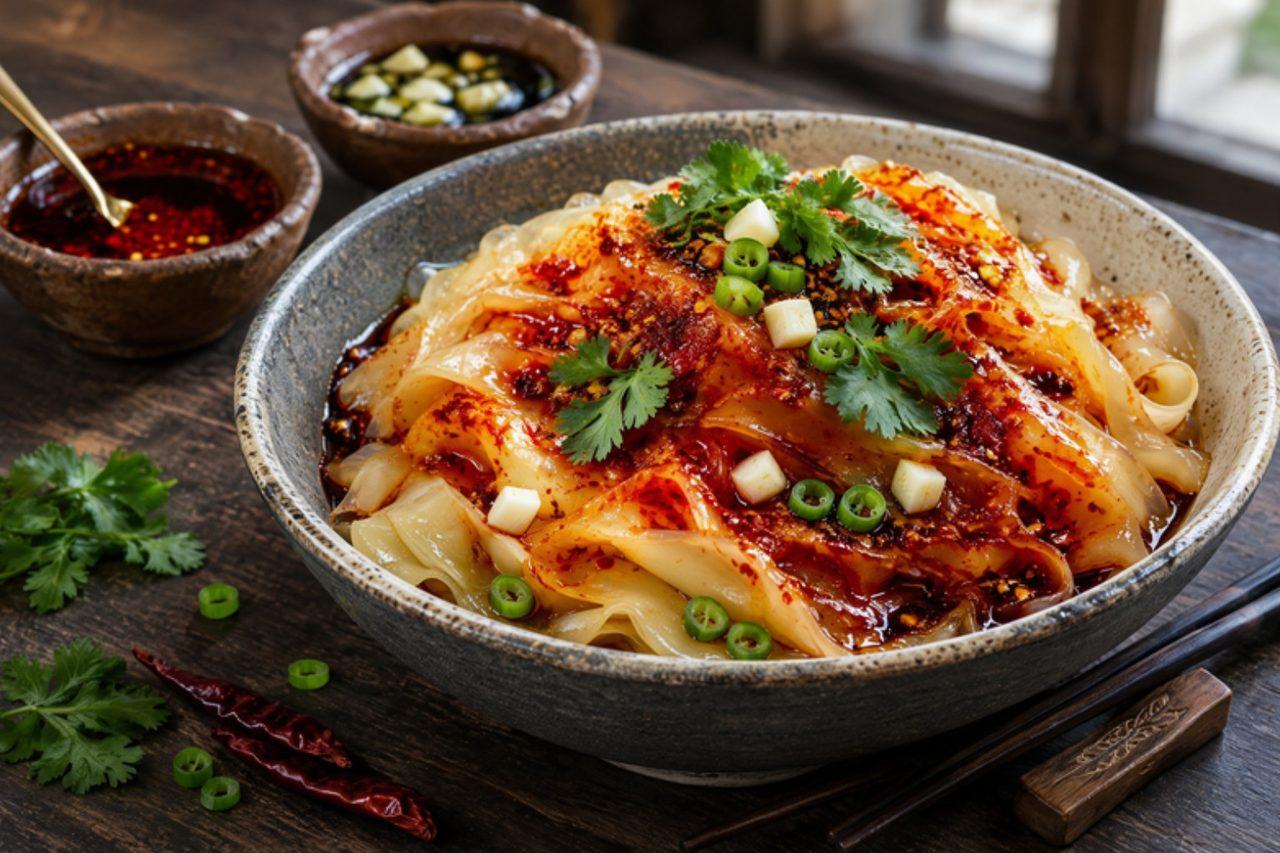
Laphing came to Kathmandu with Tibetan families, and the alleys around the great stupa at Boudha are full of tiny stalls selling it every afternoon, to monks, students and office workers alike. Flour dough is washed in water to separate the starch from the gluten; the starch is steamed into thin, jelly-like sheets and the gluten into a spongy filling, then everything is rolled up and drowned in fiery chilli oil, garlic water, soy sauce and vinegar. It is cold, slippery, chewy and very hot. Contains wheat (gluten) and soya. Chef's tip: steam each sheet no thicker than 3 mm; thick layers set rubbery instead of silky.

by KrazyBadal 0 views

Jambon-beurreHam and butter baguette

France sells millions of jambon-beurre every working day: half a crusty baguette, split, spread with good salted butter and filled with thin slices of jambon de Paris, the delicate cooked pork ham. Parisians eat it at the office, on a park bench or on the train. The common mistake is a stingy smear of hard butter; the butter is a filling, not a glue, so spread it soft and generous. Some add cornichons, which purists call a different sandwich. Chef's tip: fold each slice of ham loosely in half rather than laying it flat, so the sandwich is airy and every bite has ham.

by KrazyBadal 0 views

Cà phê cốt dừa (coconut coffee)

Hanoi takes its coffee seriously, and in the last fifteen years coconut coffee has become one of the city's signatures, sold from Old Quarter cafés, lakeside balconies around Hoàn Kiếm and tiny stools on the pavement. It is a hot-weather drink, at its best on a sticky afternoon between May and September, eaten half with a spoon. Strong Vietnamese robusta drips slowly through an aluminium phin, then is poured over a pale slush of thick coconut cream, sweetened condensed milk and crushed ice, so you get bitter, dark coffee against something rich and cold that tastes like coconut ice cream. The common mistake is blending the slush too long or with too much ice, which leaves it thin and watery, and pouring the coffee in boiling hot so the slush collapses. Blend just until it looks like soft snow, and let the coffee cool for a minute or two. It is ready when the slush holds a spoon upright and the coffee sits in a dark layer on top. Robusta is high in caffeine and this is a strong drink, so it is not for children and one glass is plenty. Chef's tip: chill the coconut cream overnight; cold, thick cream gives a fluffier slush.

by KrazyBadal 0 views

Bouillon d'awaraAwara palm fruit stew

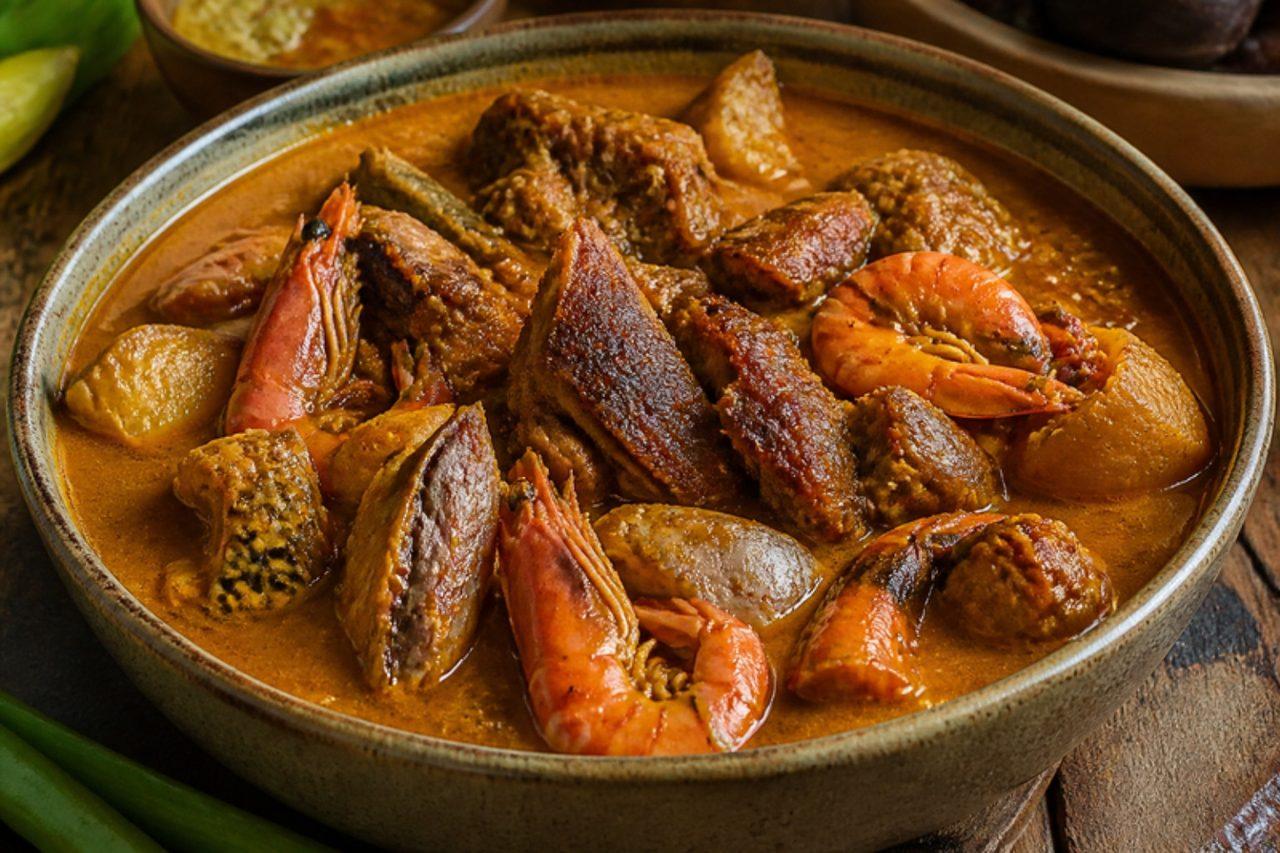
Families in Cayenne, Kourou and Mana start bouillon d'awara days before Easter Monday, when it is eaten together and shared with neighbours; local lore says whoever eats it will come back to Guiana. The base is a thick orange paste of awara palm fruit, cooked very slowly with smoked chicken, salted pork, smoked fish, crab or prawns and a mass of vegetables until everything melds. Awara paste is sold frozen or in jars in Guianese and Antillean shops; if you can't find it, use a mix of palm-fruit concentrate (sold for West African banga soup) and puréed pumpkin, which gives a similar richness though not the same flavour. Salted meats must soak in the fridge overnight. The usual mistake is letting the thick stew catch on the bottom, so stir often. Chef's tip: the stew tastes even better on the second day, reheated until piping hot.

360 minGuyaneseMeatGluten free
by KrazyBadal 0 views

BourrideFish stew with garlic sauce

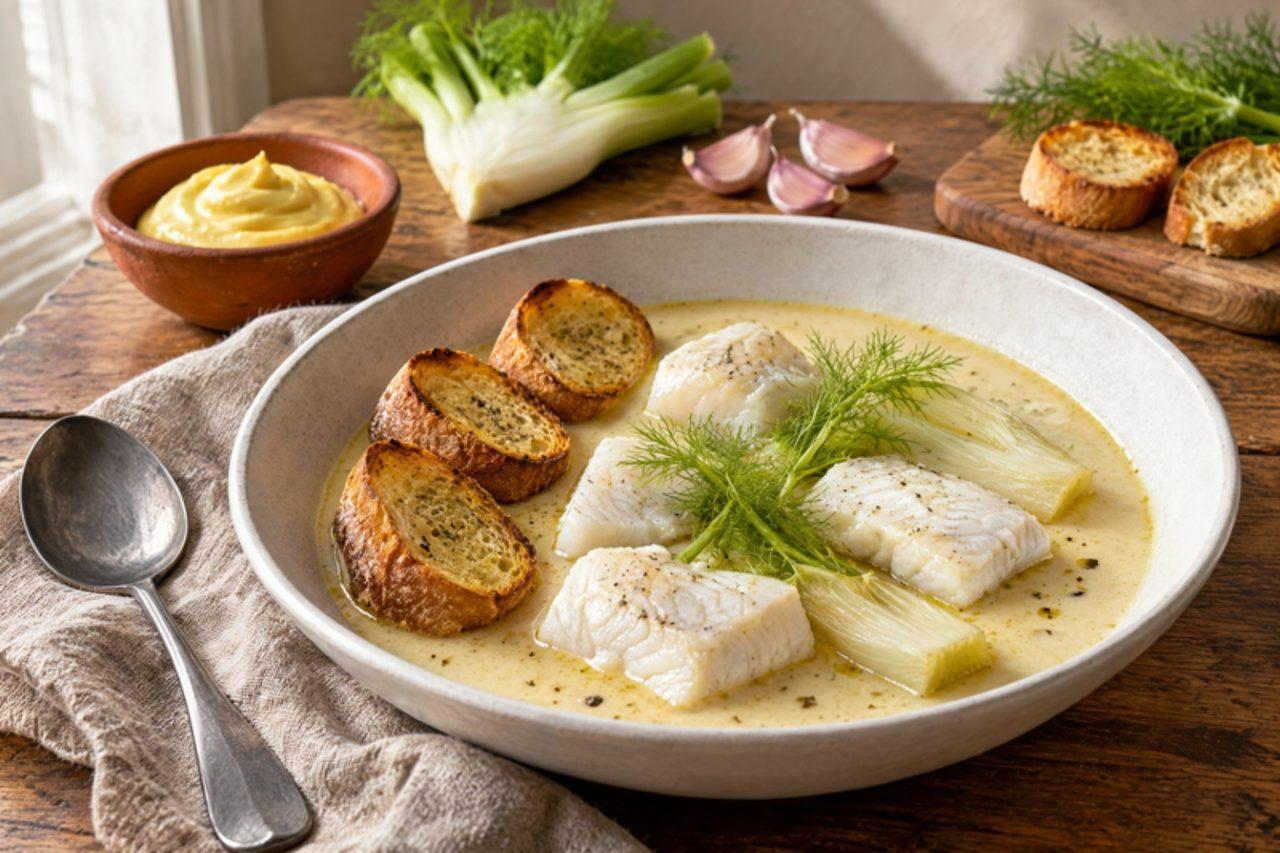
Bourride is the fish stew of Sète and the Provençal coast, a quieter, creamier cousin of bouillabaisse eaten for Friday lunch and summer dinners by the sea. Firm white fish poaches in a broth of fennel, leek, orange peel and thyme, then the broth is thickened with a rich garlic aïoli until it turns silky and pale gold. It is high in protein and suitable as part of a balanced diet; skip the traditional bread or keep it to one thin slice, and serve with steamed greens. About 400 kcal and 8 g carbohydrate per portion. The usual mistake is letting the broth boil after the aïoli goes in, which splits it like scrambled egg. Chef's tip: use pasteurised egg yolks, and stir the broth over a low heat until it coats a spoon and reaches about 72 °C.

50 minFrenchFishGluten free
by KrazyBadal 0 views

Pâté en croûtePork and veal pie in pastry

Lyon's charcuteries display pâté en croûte like jewellery: a tall loaf of crisp, golden pastry wrapped around a coarse terrine of pork and veal. A slice wrapped in paper is a picnic and lunchbox luxury, and the whole loaf is a Sunday project eaten over several days. The common mistake is undercooking it for fear of drying it out: as it is made with minced pork, the centre must reach 71 °C, so use a probe thermometer. The classic farce has a splash of cognac; it's optional here, and apple juice or extra stock is the alcohol-free swap. Chef's tip: chill the filled, unbaked loaf for 30 minutes before baking so the pastry keeps its shape and pattern.

150 minFrenchMeat
by KrazyBadal 0 views

Nasi tutug oncomRice mashed with roasted oncom

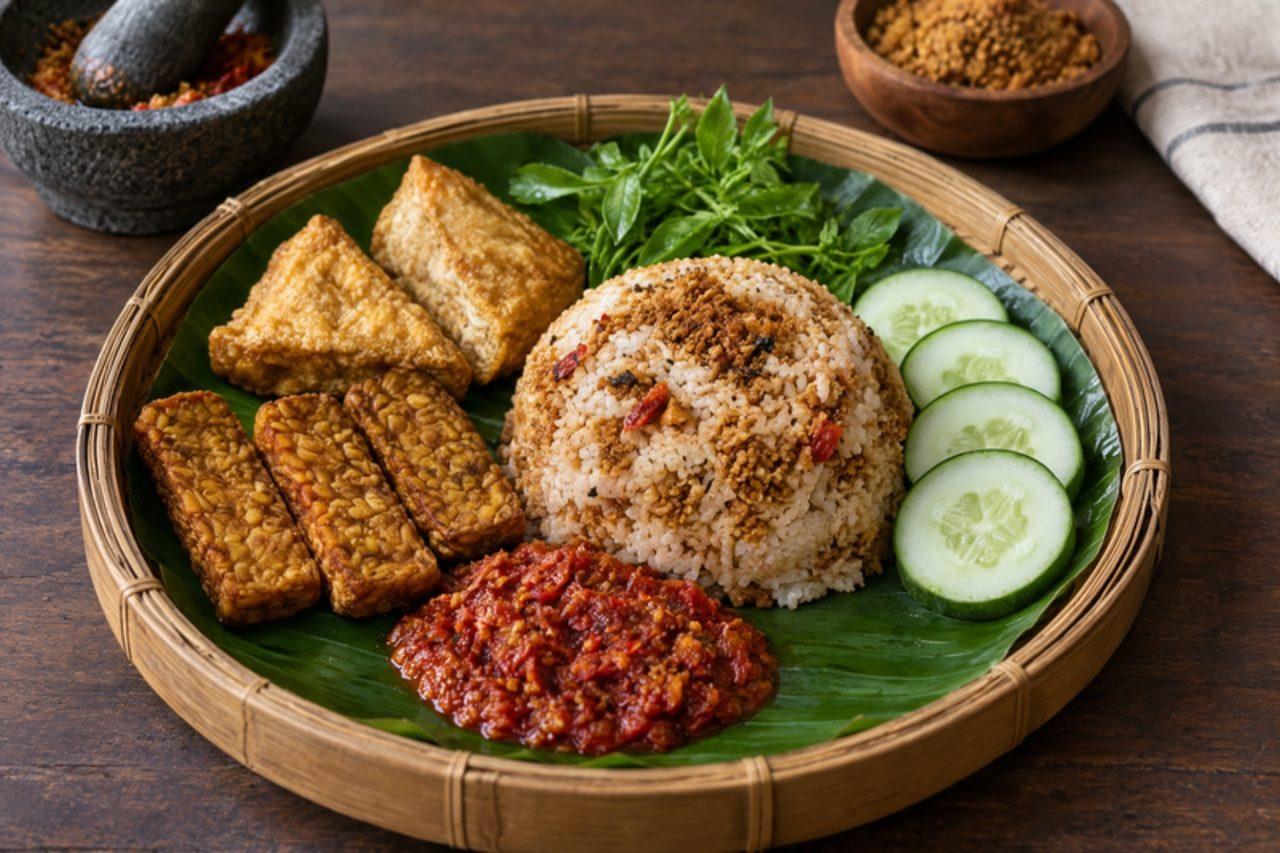
In Tasikmalaya, West Java, warung serve nasi tutug oncom from early morning: steaming rice pounded together with toasted oncom, a fermented cake of peanut press-cake with a savoury, nutty, slightly funky taste, plus chilli and kencur. It comes with fried tempeh and tofu, sambal and a pile of raw greens called lalapan. Outside Indonesia oncom can be hard to find; fresh tempeh, crumbled and fried, gives a similar earthy result. The common mistake is mixing oncom into cold rice: the rice must be freshly cooked and hot so it absorbs the oil and aroma. Chef's tip: dry-roast the oncom until crisp at the edges before seasoning, which takes away its raw sourness.

by KrazyBadal 0 views

Aussie salad sandwich

The salad sandwich is the backbone of the Australian lunchbox and the school tuckshop order: soft bread built up with tinned beetroot, grated carrot, tasty cheese, tomato and crisp lettuce, cut into triangles and wrapped in paper. Beetroot is what makes it unmistakably Aussie. The common mistake is laying wet beetroot and tomato straight on bare bread, so by lunchtime it is pink and soggy. Many Cheddar-style "tasty" cheeses use animal rennet; choose one labelled vegetarian. Chef's tip: butter both slices to the edge and put the cheese and lettuce next to the bread, with the wet fillings sealed in the middle.

by KrazyBadal 0 views

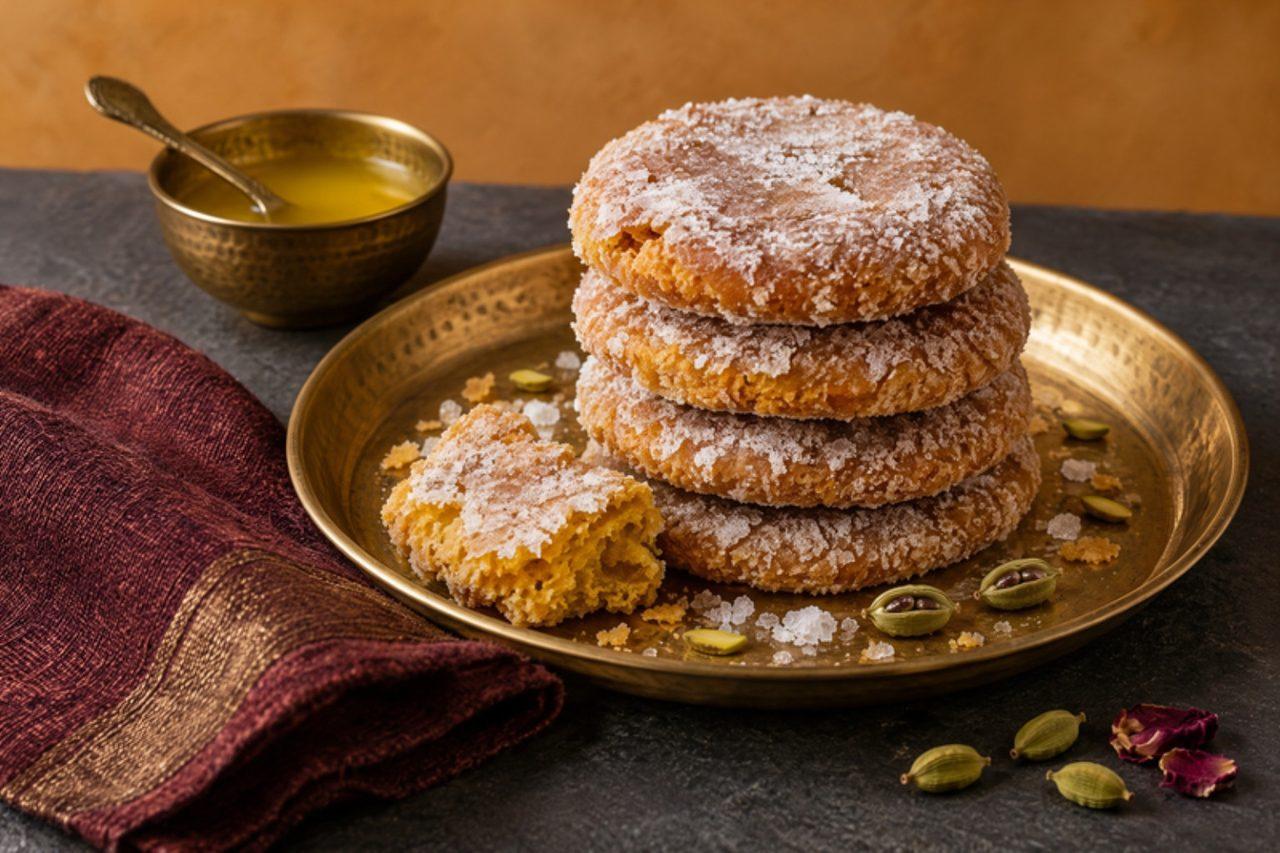
ThorSugar-coated fried dough discs

At the Shrinathji temple in Nathdwara, near Udaipur, thor is one of the dry prasads that pilgrims carry home in paper parcels, because it keeps for weeks. A very short dough of flour, semolina and plenty of ghee is shaped into thick discs, fried slowly in ghee until cooked right through, then coated in sugar syrup that dries to a crisp white glaze. It crumbles like shortbread. The common mistake is frying in hot fat; the outside browns while the thick centre stays raw. Chef's tip: the ghee should be only warm when the discs go in, rising slowly to medium, so they take a full 15 minutes.

by KrazyBadal 0 views

Curried egg sandwich

A school canteen and church-fete favourite across Australia, the curried egg sandwich is soft white or wholemeal bread filled with hard-boiled egg mashed with mayonnaise and a little mild curry powder, often with lettuce or cress. It goes into lunch boxes cut into fingers. The common mistake is mashing the eggs while warm, which turns the mayonnaise oily and the filling runny; let them cool completely. Chef's tip: warm the curry powder in a dry pan for 20 seconds first, and the raw, dusty taste turns sweet and toasty.

by KrazyBadal 0 views

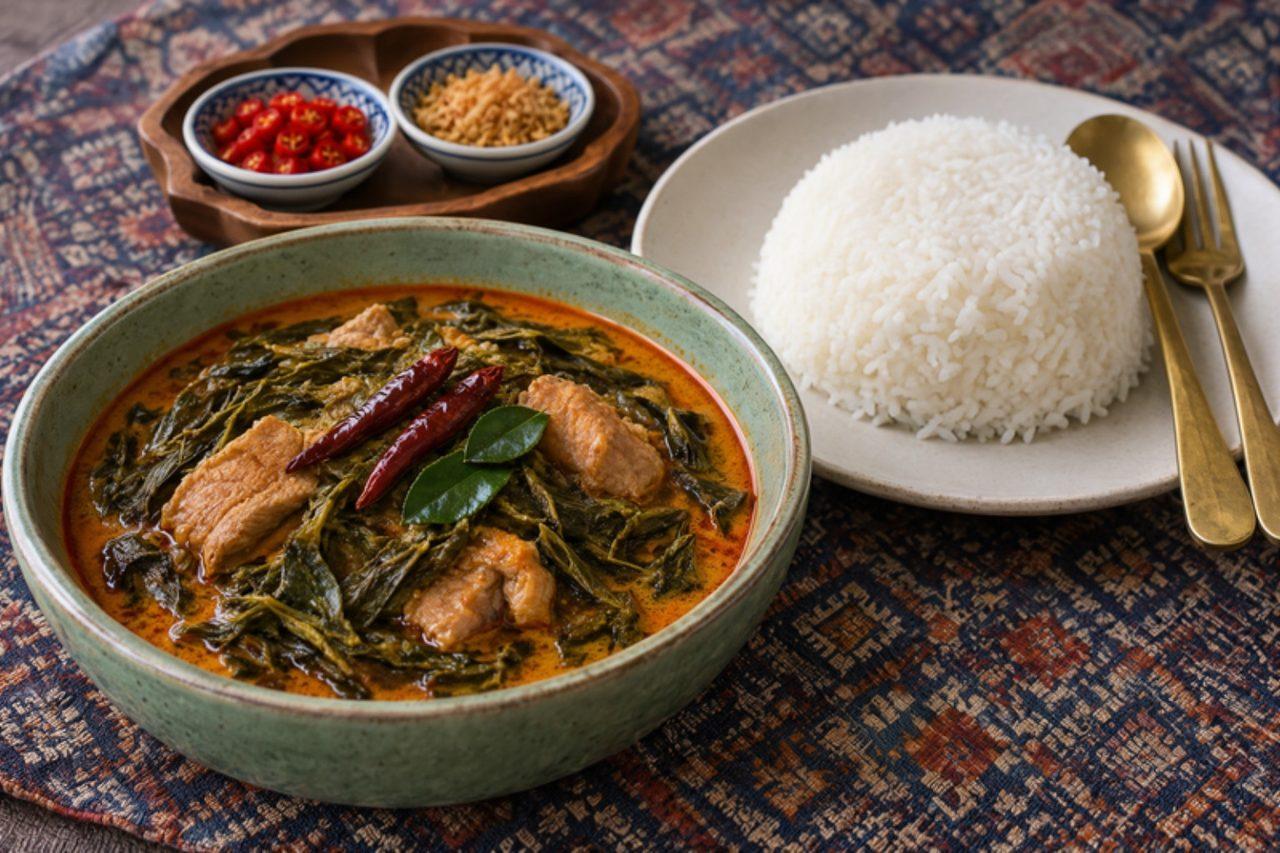
Kaeng khilekCassia leaf curry

Kaeng khilek is an old-fashioned country curry from central Thailand, cooked when the cassia (khilek) trees put out tender shoots after the rains and sold ready-boiled in bags at markets around Ratchaburi and Suphan Buri. The leaves are boiled and drained several times until their bitterness softens, then simmered with pork belly in coconut milk with red curry paste, leaving a dark green, pleasantly bitter, rich curry eaten with jasmine rice and salted egg. This recipe contains pork. The usual mistake is skipping the repeated boiling: cassia leaves must be boiled and drained at least three times, or they are harshly bitter and can upset the stomach. Frozen pre-boiled khilek from Thai shops saves work. Chef's tip: squeeze the boiled leaves firmly in a cloth so they soak up coconut milk instead of water.

by KrazyBadal 0 views

Tarta de zapallitosCourgette and cheese tart

In Buenos Aires every rotisería sells tartas by the slice, and at home a tarta de zapallitos is baked on Sunday evening so that a wedge can go into the vianda (packed lunch) for school and work all week. Zapallitos are round green courgettes; ordinary courgettes work just as well. The common mistake is adding the courgette raw, which floods the pastry; sauté it until the liquid has cooked away. Argentine queso rallado and many hard cheeses are made with animal rennet, so use a vegetarian hard cheese. Chef's tip: bake the tart on a preheated baking tray so the base crisps before the filling soaks in.

by KrazyBadal 0 views

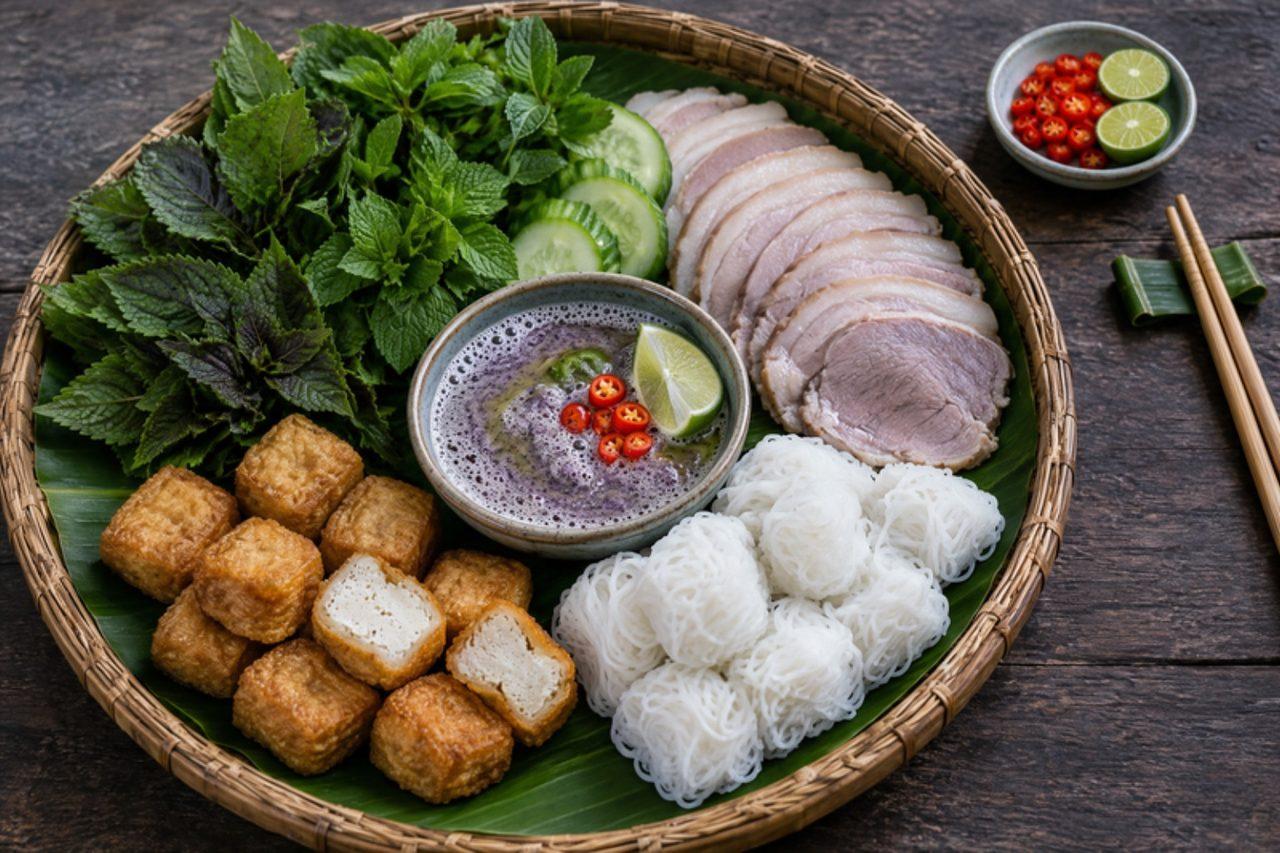
Bún đậu mắm tômNoodles, tofu and shrimp paste

Bún đậu mắm tôm is served on round bamboo trays in the narrow alleys of Hanoi's Old Quarter, where groups of friends squat on low stools at lunch to share squares of pressed rice noodles, cubes of tofu fried until puffy, slices of boiled pork leg or belly and bundles of perilla and Vietnamese balm. Everything is dipped into mắm tôm, pungent fermented shrimp paste whisked with lime, sugar and a splash of hot oil until it foams. It is loud, salty and moreish. Chef's tip: whisk the shrimp paste hard for a full minute; it turns pale and fluffy and its harshness mellows.

by KrazyBadal 0 views

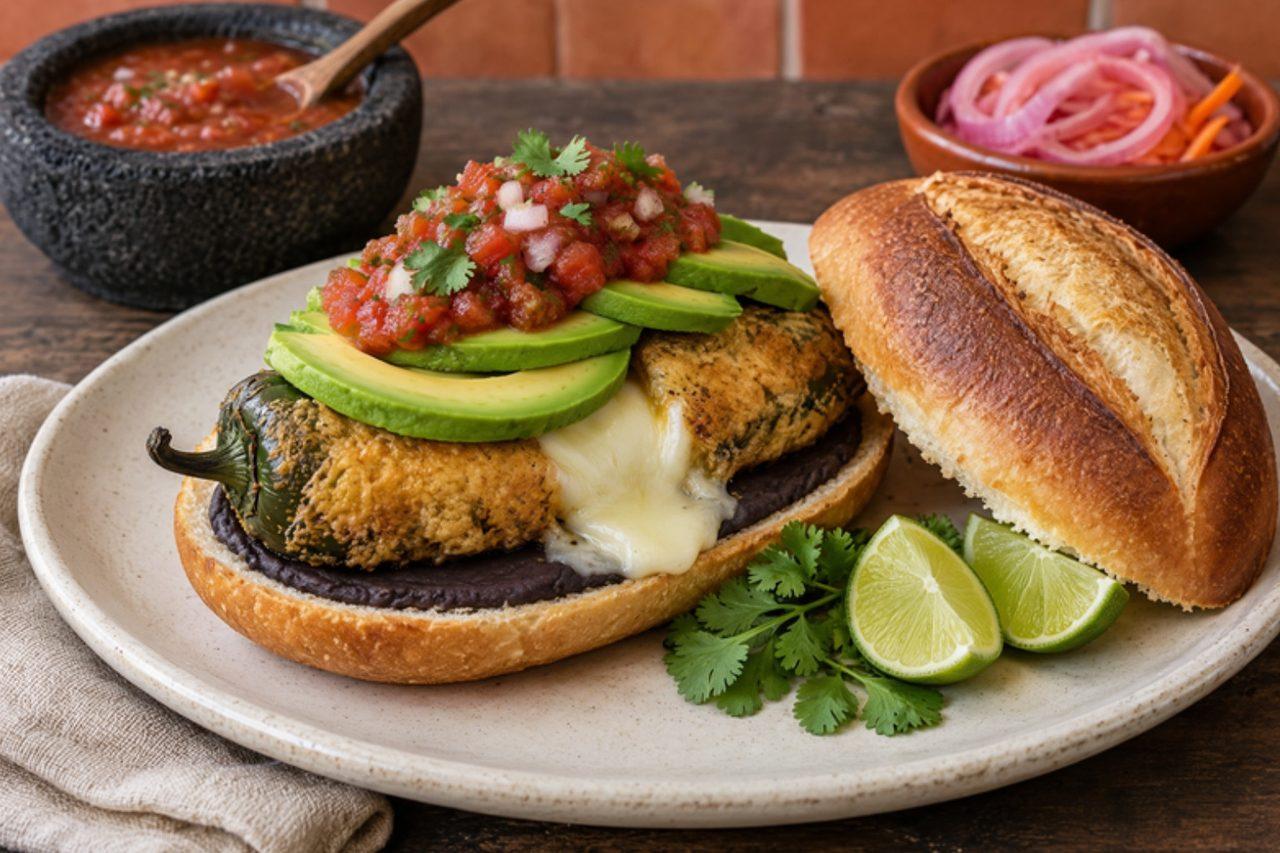
Torta de chile rellenoStuffed poblano sandwich

At Mexico City's torta stands and school gates, the chile relleno torta is the meat-free favourite: a whole poblano, roasted, peeled, stuffed with melting cheese, dipped in fluffy egg batter and fried, then pressed into a bolillo spread with refried beans and salsa. People buy them warm mid-morning or wrap them in foil for lunch. The common mistake is frying a wet chile: the batter slides off, so pat it dry and dust it with flour first. Oaxaca cheese and Monterey Jack are often made with animal rennet, so choose a vegetarian melting cheese, and check the refried beans are made without lard. Chef's tip: beat the egg whites to stiff peaks before folding in the yolks; that airy capeado is what makes it puff and stay crisp.

by KrazyBadal 0 views

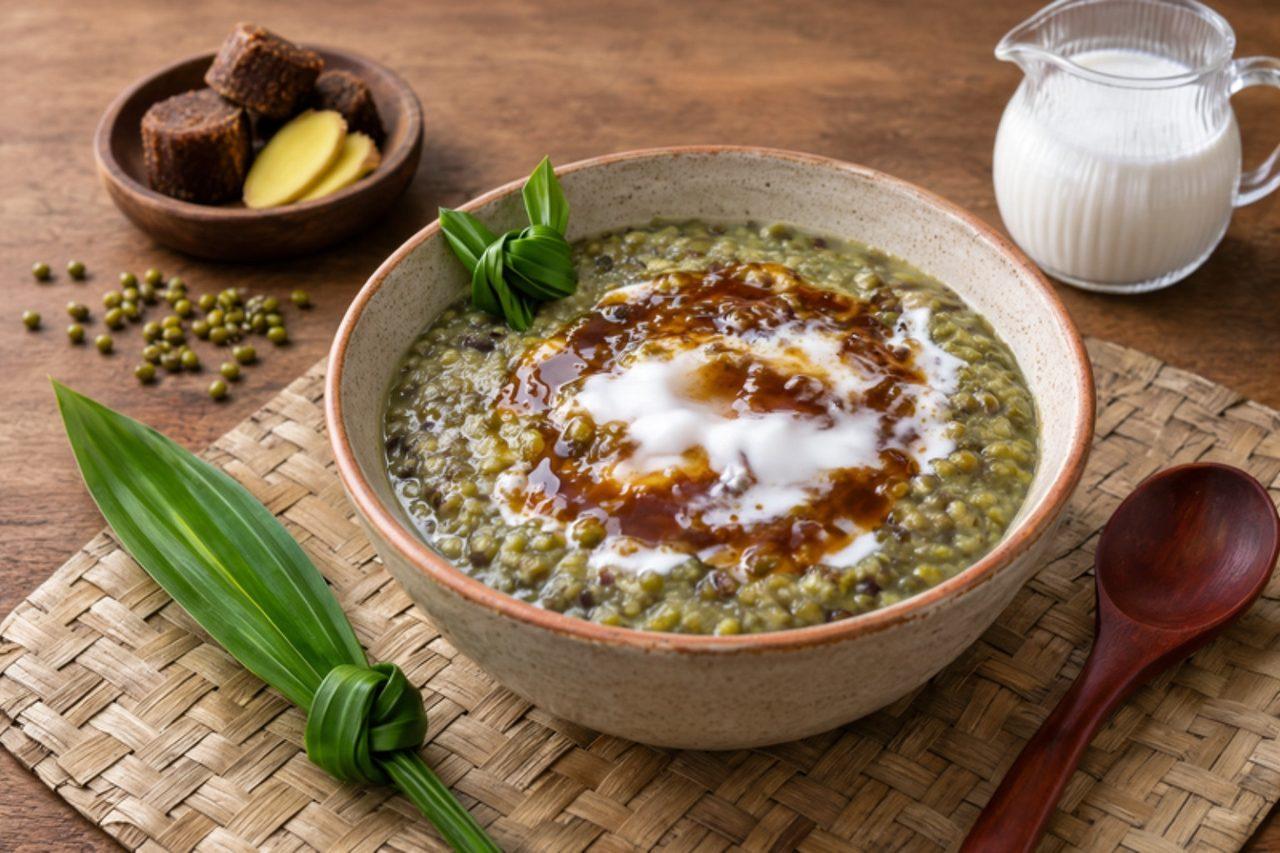
Bubur kacang hijauSweet mung bean porridge

In Java, the bubur kacang ijo seller pushes a cart through the neighbourhood from early morning, ladling warm mung bean porridge sweetened with palm sugar and topped with thick coconut milk. Many people eat it with a slice of white bread dunked in, and late-night stalls in Jakarta sell it alongside instant noodles. The common mistake is adding the sugar too early, which keeps the beans firm; cook them soft first. Chef's tip: cook the coconut milk separately with a pinch of salt and a pandan leaf and pour it on top, so the bowl has a sweet layer and a slightly salty, creamy one.

by KrazyBadal 0 views

TsukuneChicken meatball skewers

Tsukune are the minced chicken patties of yakitori bars all over Japan, and squashed into small ovals they are one of the most loved bento fillers, eaten cold at school or the office. Ginger and spring onion keep them fresh, and a glossy soy tare makes them sticky and sweet. The tare uses mirin, a sweet rice wine; most of its alcohol cooks off as it bubbles, and for an alcohol-free glaze use 1 tbsp sugar and 2 tbsp water instead. The common mistake is a loose mix that falls apart in the pan; knead it until sticky. Chef's tip: add a spoon of grated tofu or potato starch to the mince, which keeps the patties juicy even the next day.

by KrazyBadal 0 views

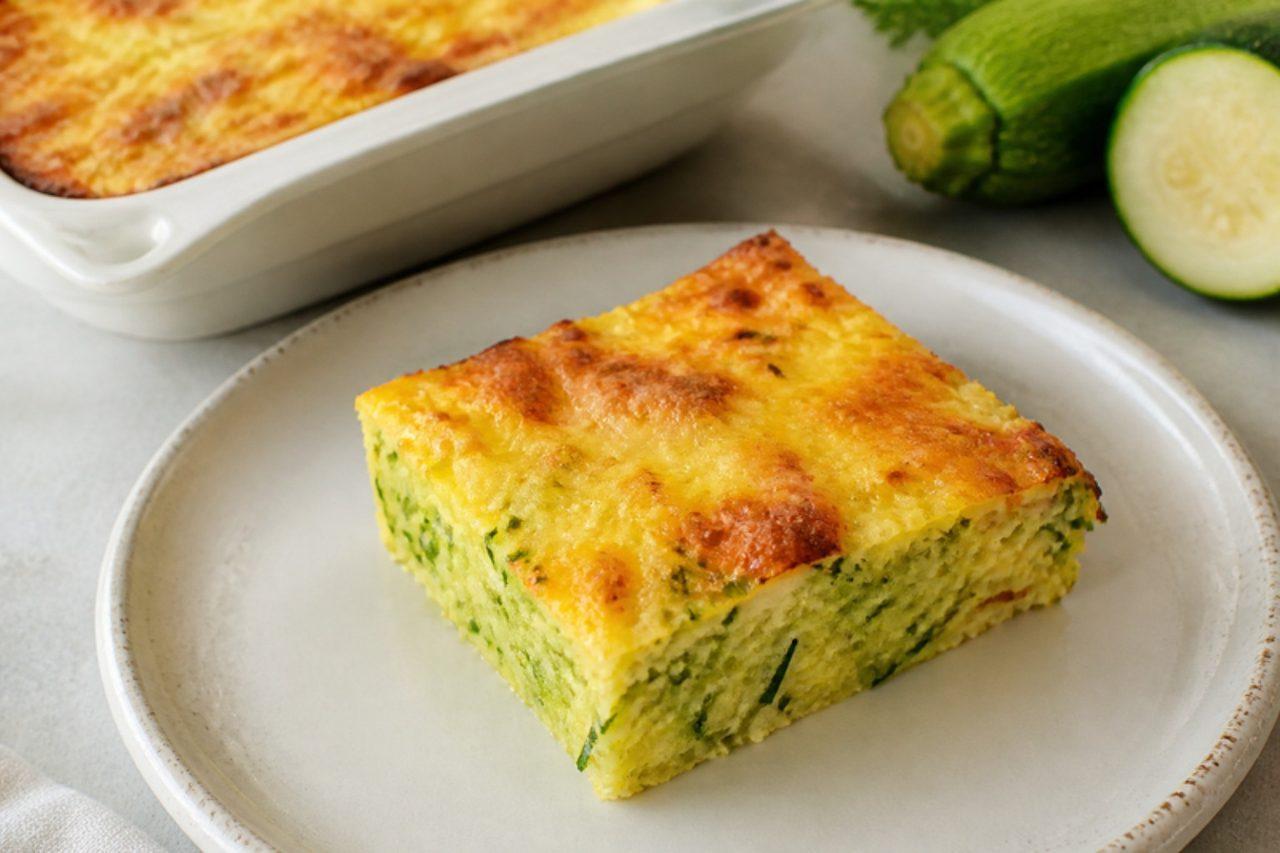
Budín de zapallo italianoBaked courgette pudding

In late summer, when courgettes (zapallo italiano) pile up in Santiago's ferias, home cooks turn them into budín: a soft, savoury bake bound with eggs, milk and cheese, served in squares with rice or a tomato salad for a light weekday lunch. Chileans use mild queso chanco or gouda, which is usually made with animal rennet; choose a cheese marked vegetarian if that matters to you. The big mistake is skipping the draining step: courgettes are mostly water, and a budín made with wet courgette weeps in the dish. Chef's tip: salt the grated courgette, leave it 15 minutes and squeeze it hard in a clean tea towel until it stops dripping.

by KrazyBadal 0 views

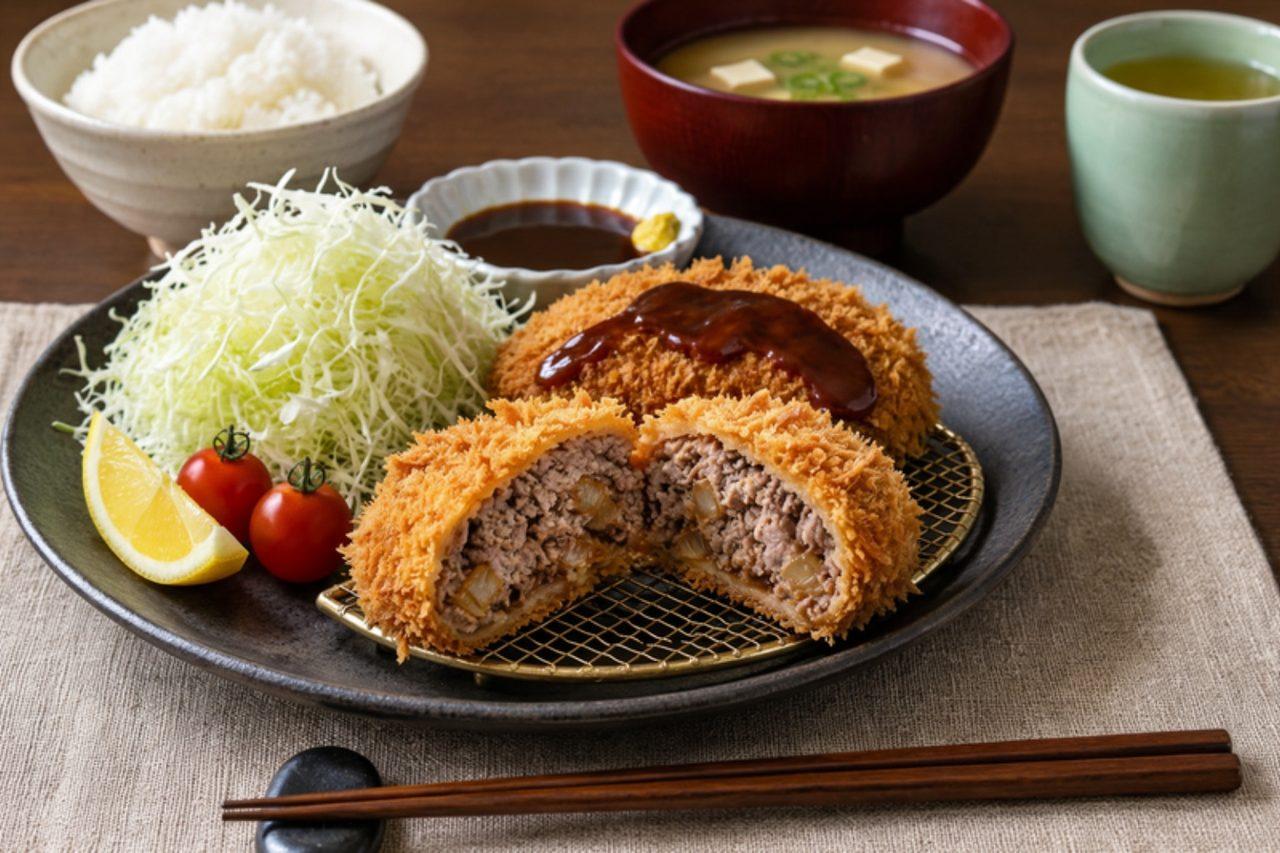
Menchi katsuCrumbed meat patties

Menchi katsu, a juicy mince patty of beef and pork in a crisp panko coat, is sold hot at Tokyo butchers' shops like the famous ones in Kichijoji and packed cold in bento across Japan, with shredded cabbage and a drizzle of tonkatsu sauce. Sweet fried onion makes the inside tender. The common mistake is frying in oil that is too hot, so the crumb burns before the pork and beef in the middle are cooked. Chef's tip: chill the shaped patties for 20 minutes before crumbing so they keep their shape and stay juicy.

by KrazyBadal 0 views

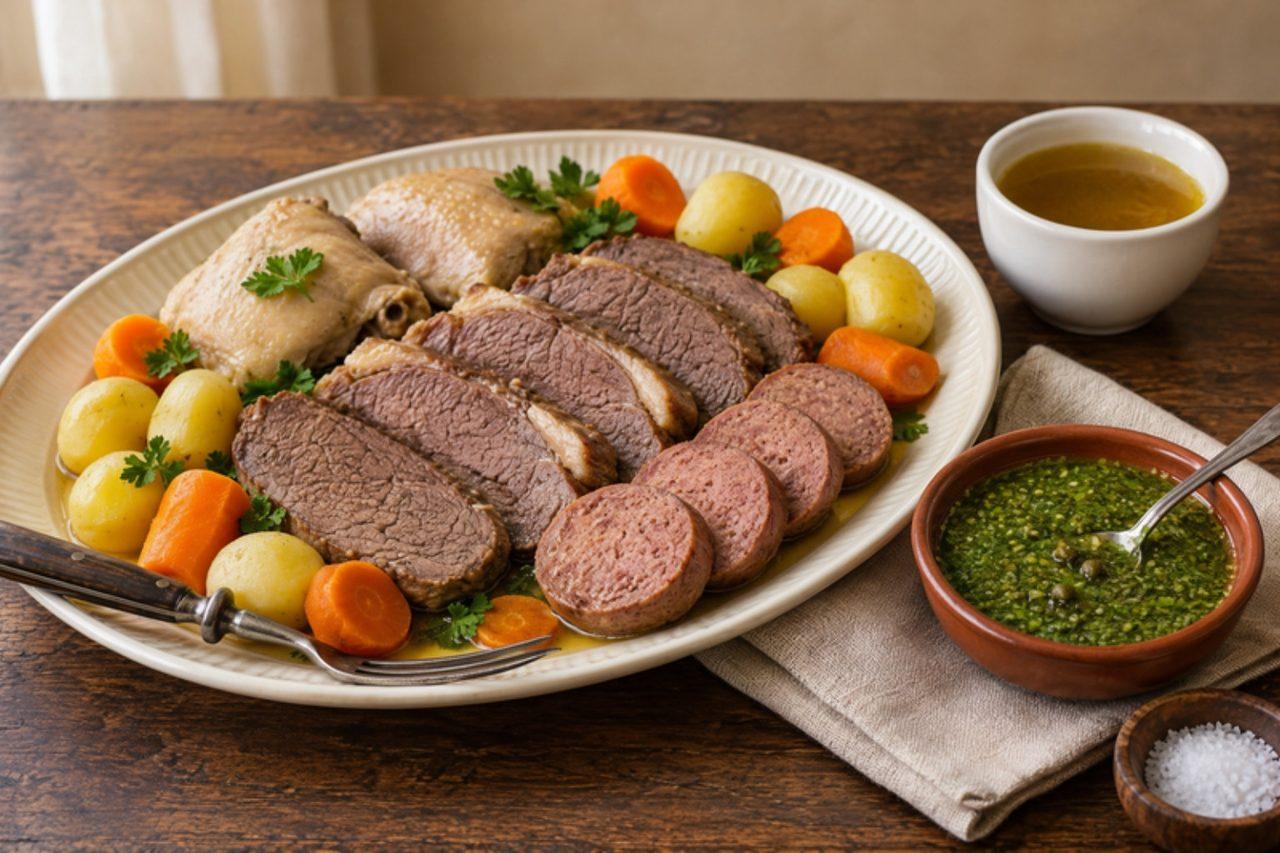
Bollito mistoMixed boiled meats

In Piedmont, bollito misto is the great winter feast, served from November to carnival in Turin trattorias and on family tables when there are many to feed. Several cuts of beef, a chicken and a cotechino (a soft, rich pork sausage) poach gently in one big pot until tender, then come to the table sliced on a warm platter with a sharp parsley and caper salsa verde; the broth is saved for soup or risotto the next day. The usual mistake is letting the pot boil hard: the meat turns stringy and the broth cloudy, so keep it at a bare shiver. Serve with boiled potatoes or mostarda if you like. Chef's tip: put the beef into water that is already boiling so its juices stay in the meat, and use cold water only if the broth matters more to you than the meat.

240 minItalianMeatGluten free
by KrazyBadal 0 views

CuchuflíFilled wafer tubes

Cuchuflí are the thin, crisp wafer tubes filled with manjar that vendors sell from baskets on Chilean beaches and outside football stadiums, and that children beg for at the Fiestas Patrias fondas. At home you can bake the wafers yourself and roll them round a wooden spoon handle. The usual mistake is waiting too long to roll them: the wafers set within seconds and crack. Bake only three at a time. Chef's tip: fill them with a piping bag just before serving, or the manjar softens the wafer; dip the ends in melted chocolate if you like.

by KrazyBadal 0 views

Bún mắmFermented fish noodle soup

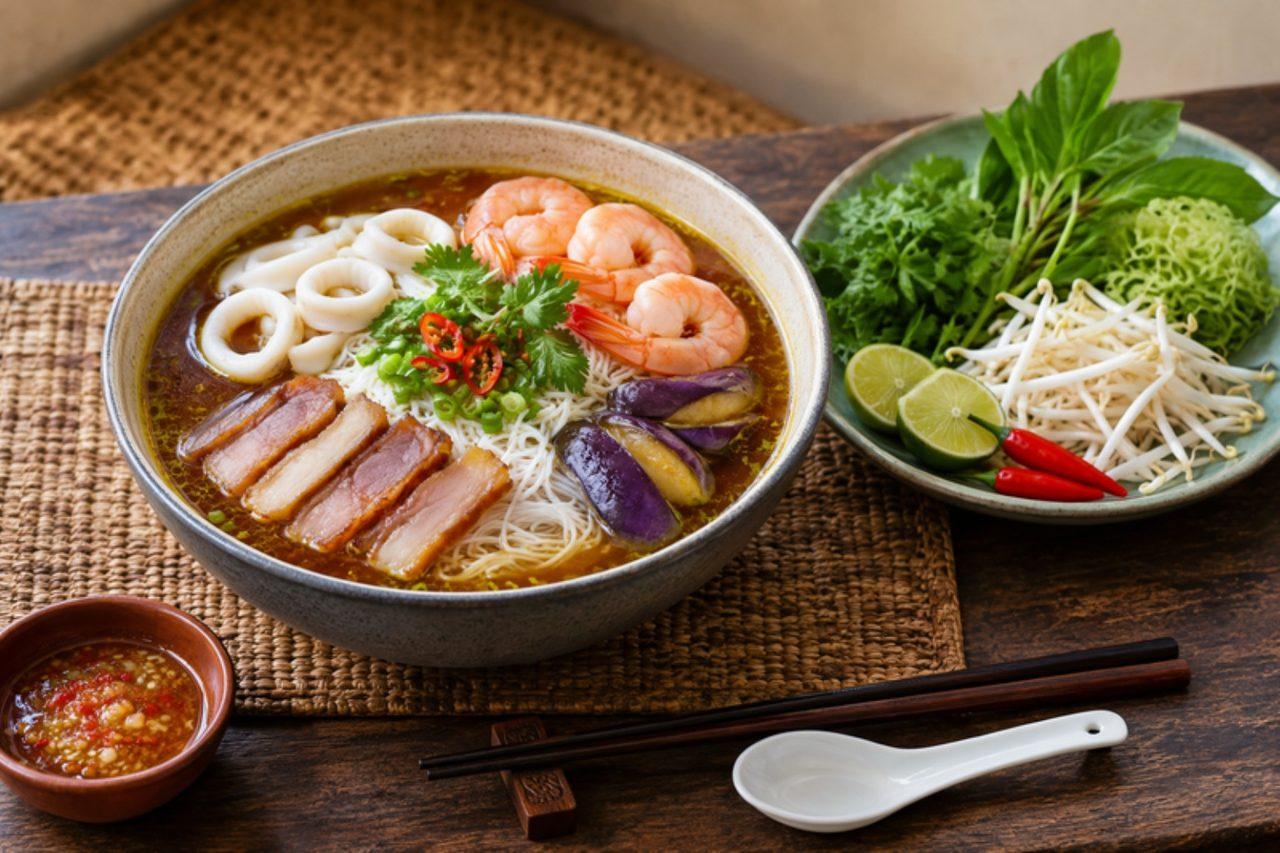
Vạn Kiếp Street in Saigon's Bình Thạnh district is lined with stalls serving bún mắm, a noodle soup that came up the river from the Mekong Delta. The broth is built on mắm cá linh or mắm cá sặc, small river fish fermented with salt, simmered until the bones dissolve and strained into a dark, savoury, lemongrass-scented stock. It is loaded with prawns, squid, white fish, slices of boiled pork belly and soft aubergine, and eaten with a mountain of herbs and bean sprouts. Look for jars of mắm at Vietnamese grocers. Chef's tip: strain the fermented fish through a fine sieve, pressing hard; tiny bones make the broth gritty.

by KrazyBadal 0 views

Melting momentsLemon buttercream sandwich biscuits

Melting moments are the soft, crumbly biscuits found in Australian and New Zealand bakery jars and grandmother's tins, two rounds made with custard powder and icing sugar sandwiched with a lemon butter icing. The custard powder gives them their yellow colour and tender, short texture that melts in the mouth, hence the name. A common mistake is overbaking; they should be pale, not golden. Chef's tip: press each ball with a floured fork for the classic stripes.

by KrazyBadal 0 views

Bún thangVermicelli with chicken and egg

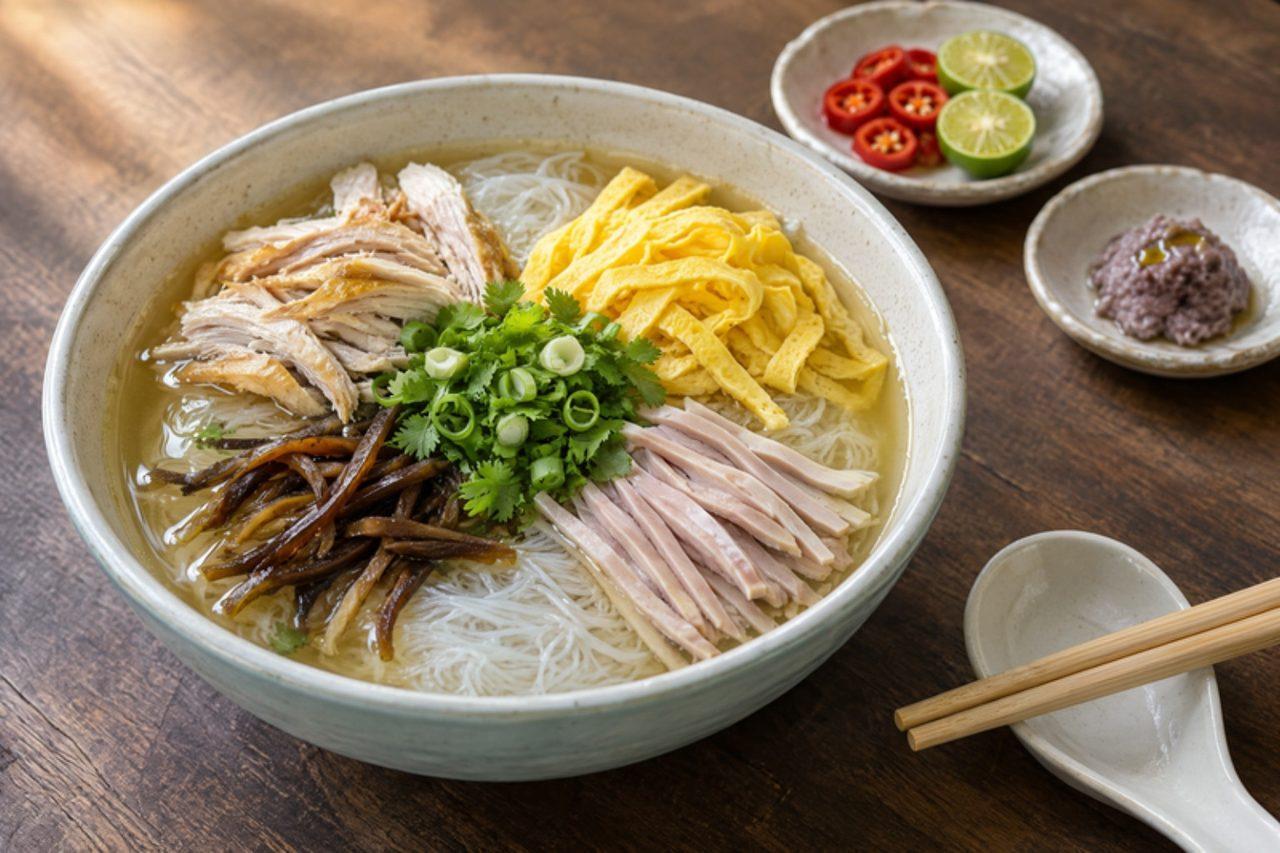
Bún thang began as a thrifty Hanoi meal made from the leftovers of Tết, the lunar new year feast, and it is still the most delicate noodle soup in the city, served in small, careful bowls on Cầu Gỗ Street near Hoàn Kiếm Lake. Fine vermicelli sits under neat piles of shredded chicken, thread-thin omelette strips and giò lụa, a smooth Vietnamese pork roll, all covered with a clear broth sweetened by dried shrimp and shiitake. It is eaten for a light lunch or a late breakfast. Chef's tip: keep the broth at a bare simmer and skim often; boiling makes it cloudy.

by KrazyBadal 0 views

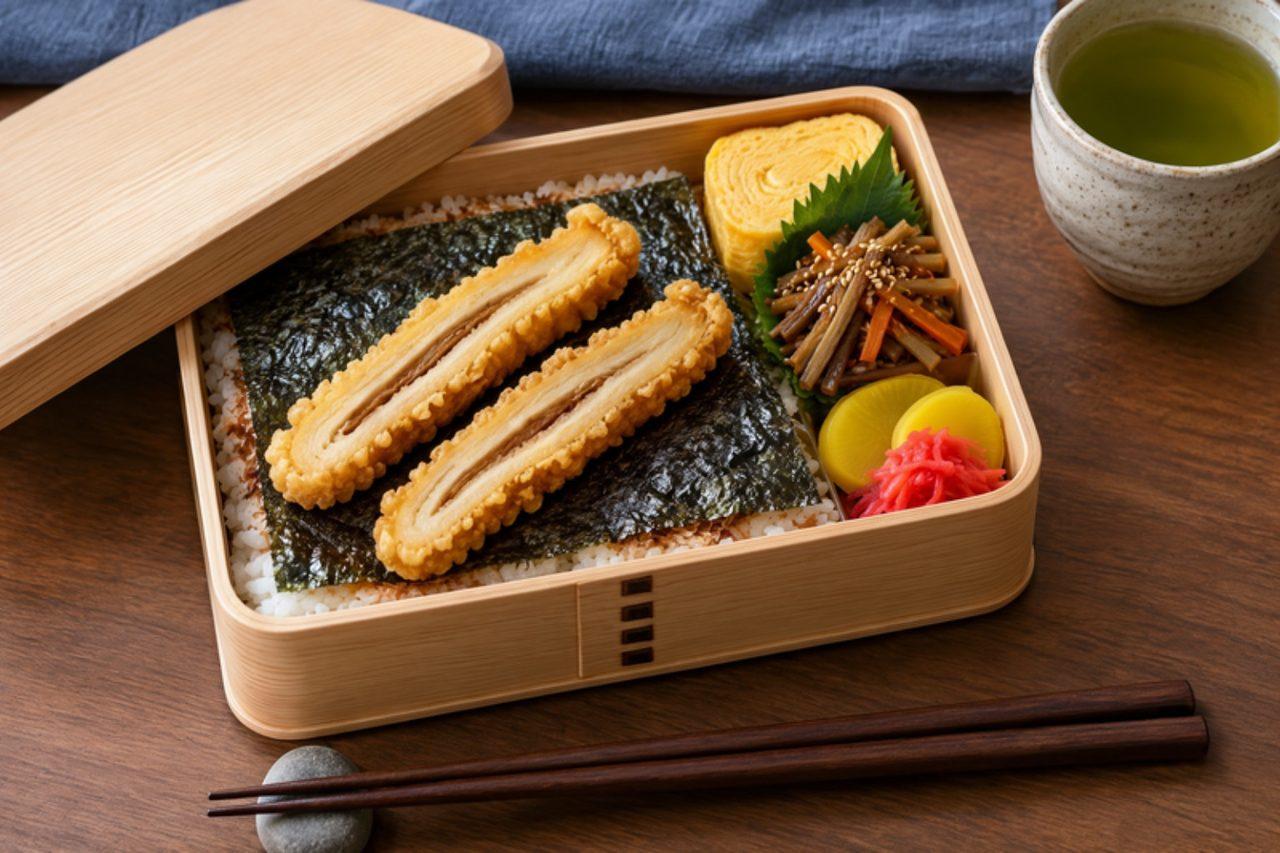
NoribenSeaweed and fish cake bento

Noriben is the humblest and most nostalgic Japanese packed lunch: rice spread with okaka (bonito flakes in soy) and covered with a whole sheet of nori, sometimes twice in layers, then topped with something fried such as chikuwa fish cake or white fish. Convenience stores and bento shops across Japan sell it for a few hundred yen. The usual mistake is laying the nori on steaming rice and closing the lid, which leaves it soggy and torn; let the rice cool a little first. Chef's tip: snip the nori into a few strips before it goes on, so it is easy to bite through with chopsticks.

by KrazyBadal 0 views

NozawanazukePickled turnip greens

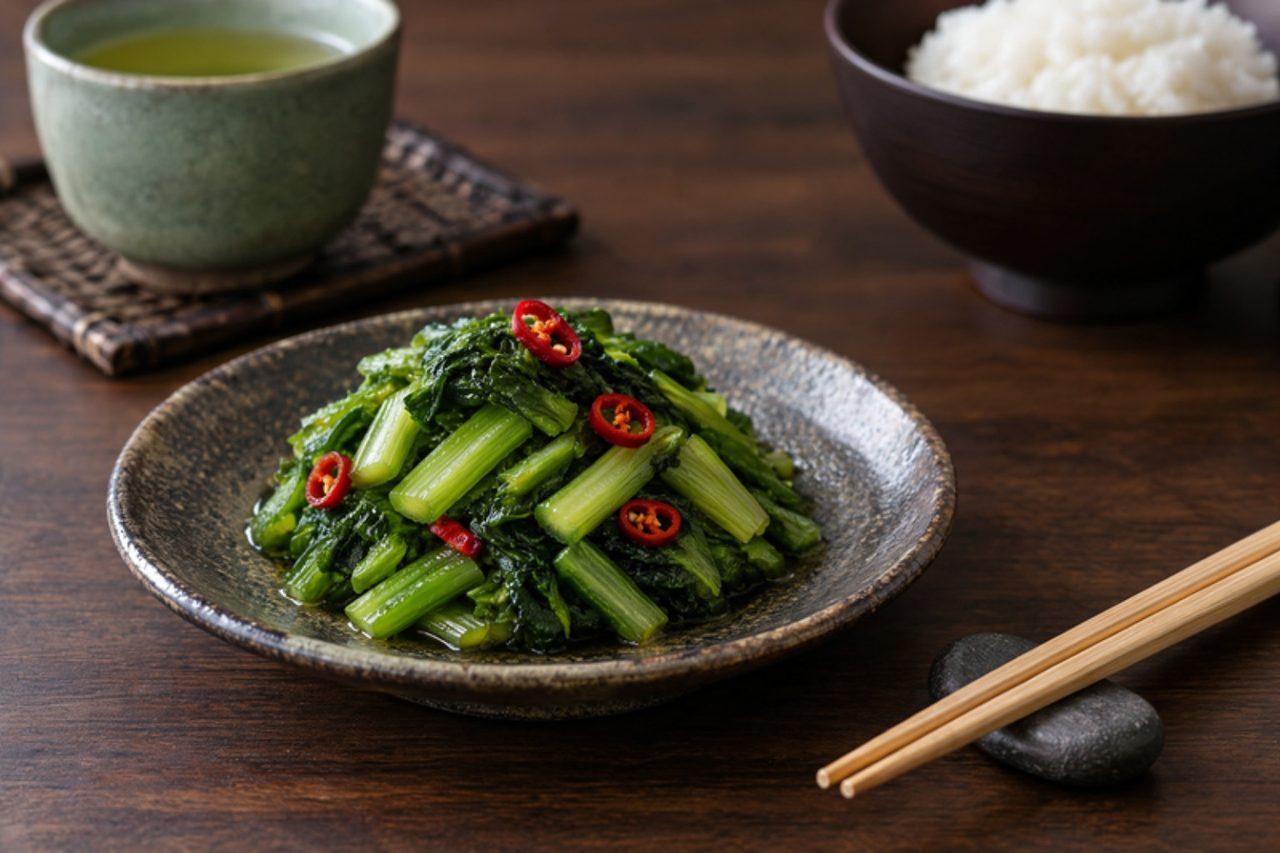
In the snowy hot-spring village of Nozawa Onsen in northern Nagano, early November is 'onsen washing' time: families carry armfuls of nozawana, a turnip relative with stalks taller than a child, to the steaming public spring to wash them, then salt them in big barrels for winter. The pickle is the region's tea-time snack, set out with green tea for neighbours, and the side for every winter meal. In the first weeks it is bright green, crisp and lightly salty (aozuke); by late winter it ferments to a golden-brown, sour 'ame-iro' stage, which locals chop and fry with sesame oil. Outside Japan use turnip greens, young mustard greens or the stems of komatsuna or choy sum. The common mistake is salting straight from cold water: rinsing in hand-hot water (around 40 °C) for a minute softens the stalks so the salt penetrates evenly. It is ready when the stalks are flexible, a vivid deep green and taste salty, juicy and fresh. Chef's tip: cut it into 3 cm lengths right before serving and toss with a drop of sesame oil and toasted sesame seeds.

by KrazyBadal 0 views

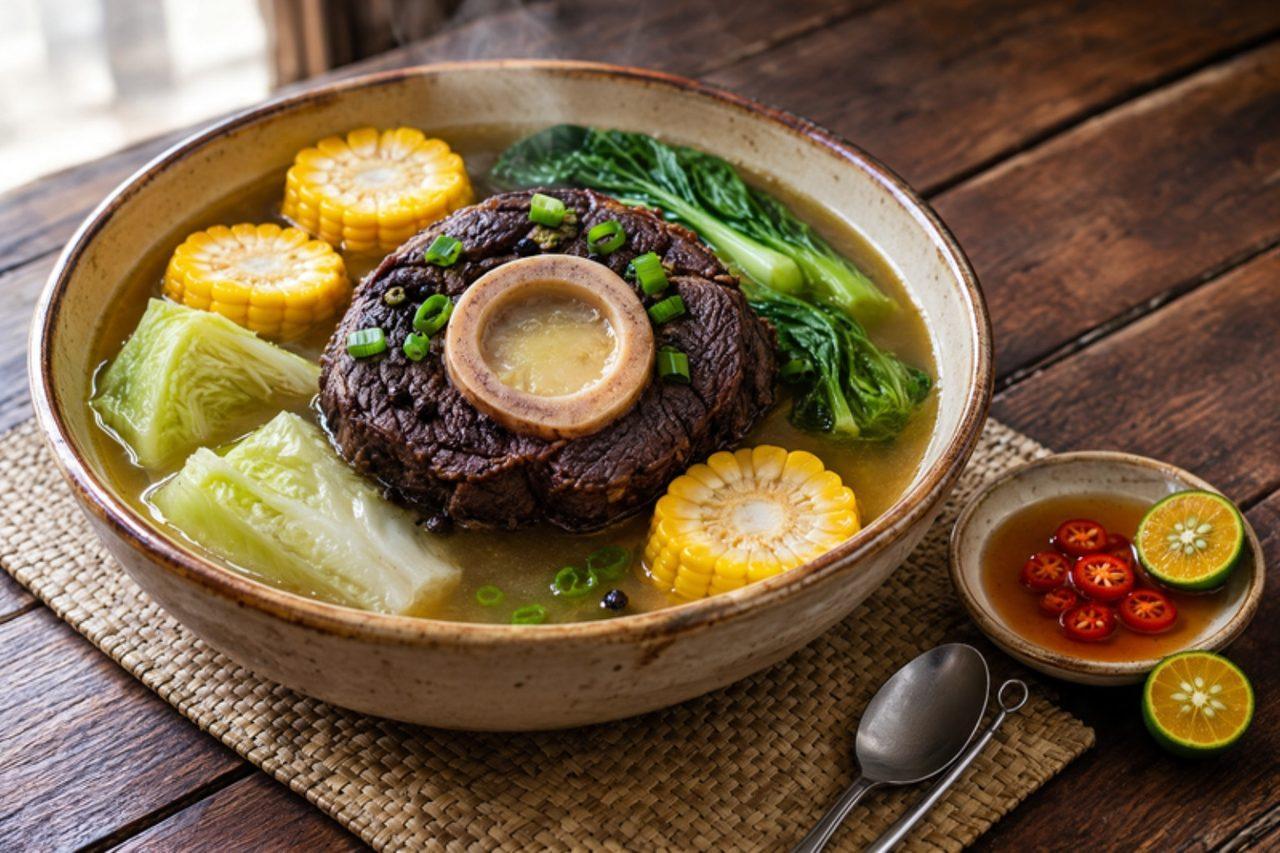
BulaloBeef shank and marrow soup

Bulalo is the pride of Batangas, south of Manila, served at roadside eateries on the way to Tagaytay where the cool upland air makes a steaming bowl the thing to order. Beef shank on the bone simmers for hours until the meat falls away and the marrow turns soft and wobbly, giving a clear, beefy broth seasoned just with fish sauce, onion and peppercorns. Corn on the cob, cabbage and pechay go in at the end. Spoon the marrow onto rice and dip the meat in fish sauce with calamansi and chilli. The usual mistake is skipping the first blanch: the broth turns grey and murky. Slow-cooker: after blanching, cook on low for 10 hours, adding the vegetables for the last 30 minutes on high. Chef's tip: keep the pot at a lazy simmer, never a boil, for the clearest broth.

by KrazyBadal 0 views

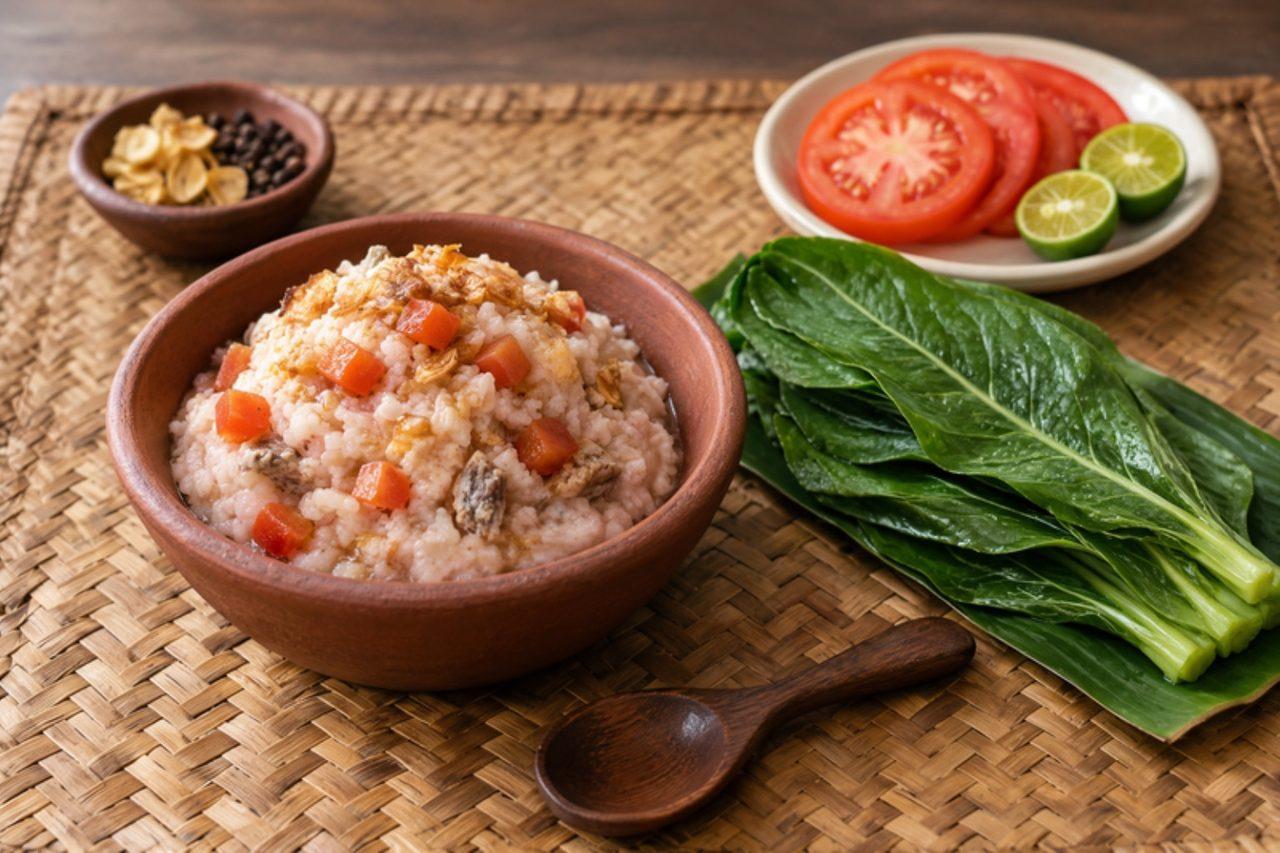
Burong isdaFermented fish and rice

Burong isda is a Kapampangan treasure. In Pampanga, and in neighbouring Bulacan and Tarlac, families make buro in the rainy months when mudfish and tilapia are plentiful, and the sautéed paste is set out at home lunches with fried or grilled fish, steamed okra and eggplant, and blanched mustard leaves (mustasa) to wrap it in. Cooked rice and salted fish ferment together for about a week until the rice has melted into a soft, pinkish porridge and the fish bones soften. Sautéed with garlic, onion and tomato, it becomes creamy, sour, salty and deeply savoury, a little like a cheese spread. Because the fish ferments raw, two rules matter: cure it first in 20% salt, and always cook the buro until bubbling hot before eating; never eat it straight from the jar. Pregnant people, babies, older people and anyone with weak immunity should only eat it freshly cooked, or skip it. Common mistake: packing hot rice, which spoils the ferment; cool it fully. It is ready to cook when it smells pleasantly sour, like sourdough, and the rice is soft. Chef's tip: a teaspoon of angkak (red yeast rice) gives the traditional pink colour.

by KrazyBadal 0 views

TenmusuPrawn tempura rice balls

Tenmusu, short for tempura musubi, began in Tsu and became a Nagoya speciality: small salted rice balls with a crisp little prawn tempura poking out of the top, wrapped in nori and sold in boxes at Nagoya Station as a travel lunch. The common mistake is wrapping hot, crunchy tempura straight into the rice, so it steams soft; let it cool on a rack first. Use raw prawns that smell of the sea; throw away any that smell of ammonia. Chef's tip: brush the cooled tempura with a quick sweet soy dip before you shape the rice round it, which is the Nagoya secret to its flavour.

by KrazyBadal 0 views

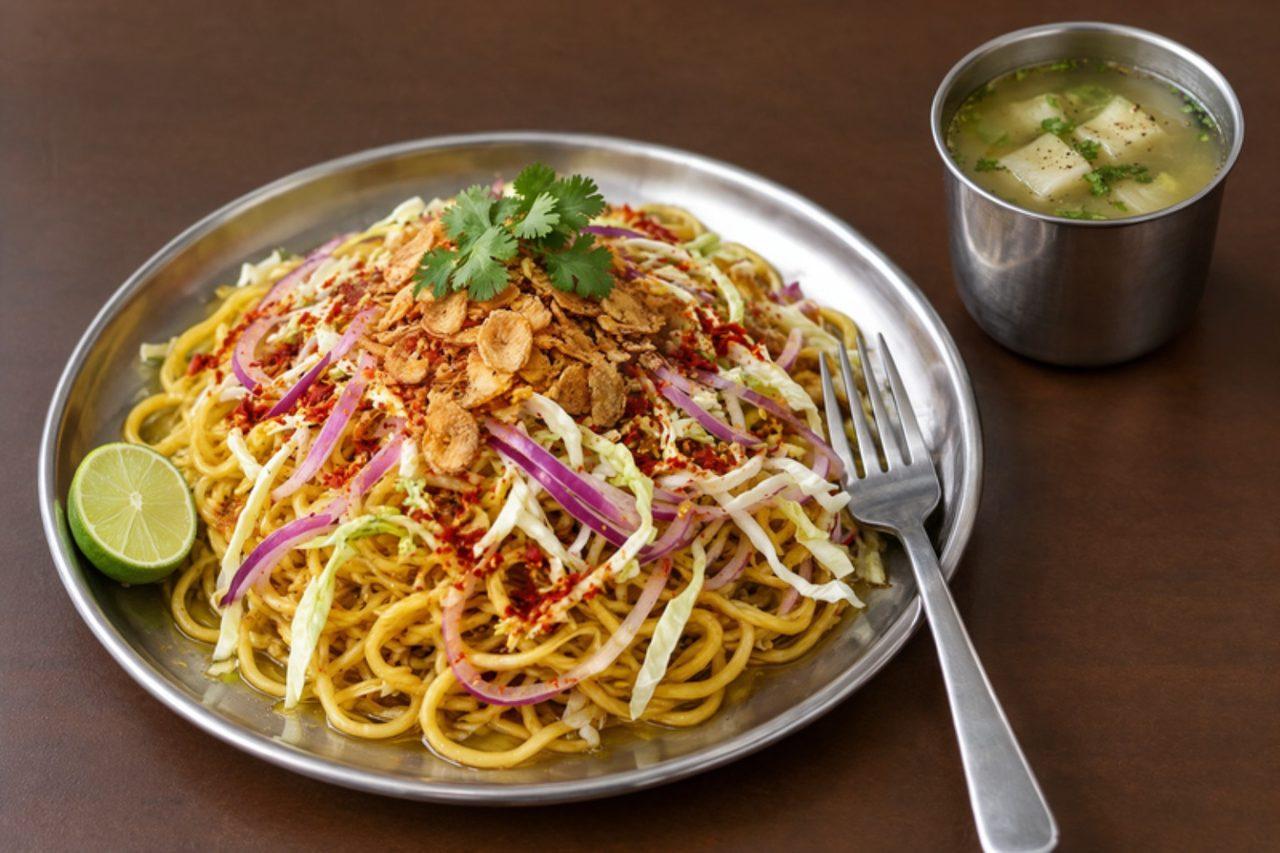
Burma athoBurmese noodle salad

When Tamil families returned from Burma in the 1960s they brought atho with them, and today it is cooked on carts around Burma Bazaar, Parry's Corner and along the roads near the harbour in George Town, busiest at lunch and in the early evening. Cold noodles are mixed by hand with raw cabbage and onion, crisp fried garlic, tamarind, chilli flakes, roasted gram powder and lime, and come with a peppery banana-stem soup on the side. It is sour, hot, crunchy and very moreish. Contains wheat. Chef's tip: fry the garlic slowly until only pale gold; it keeps darkening off the heat and turns bitter if you wait for brown.

by KrazyBadal 0 views

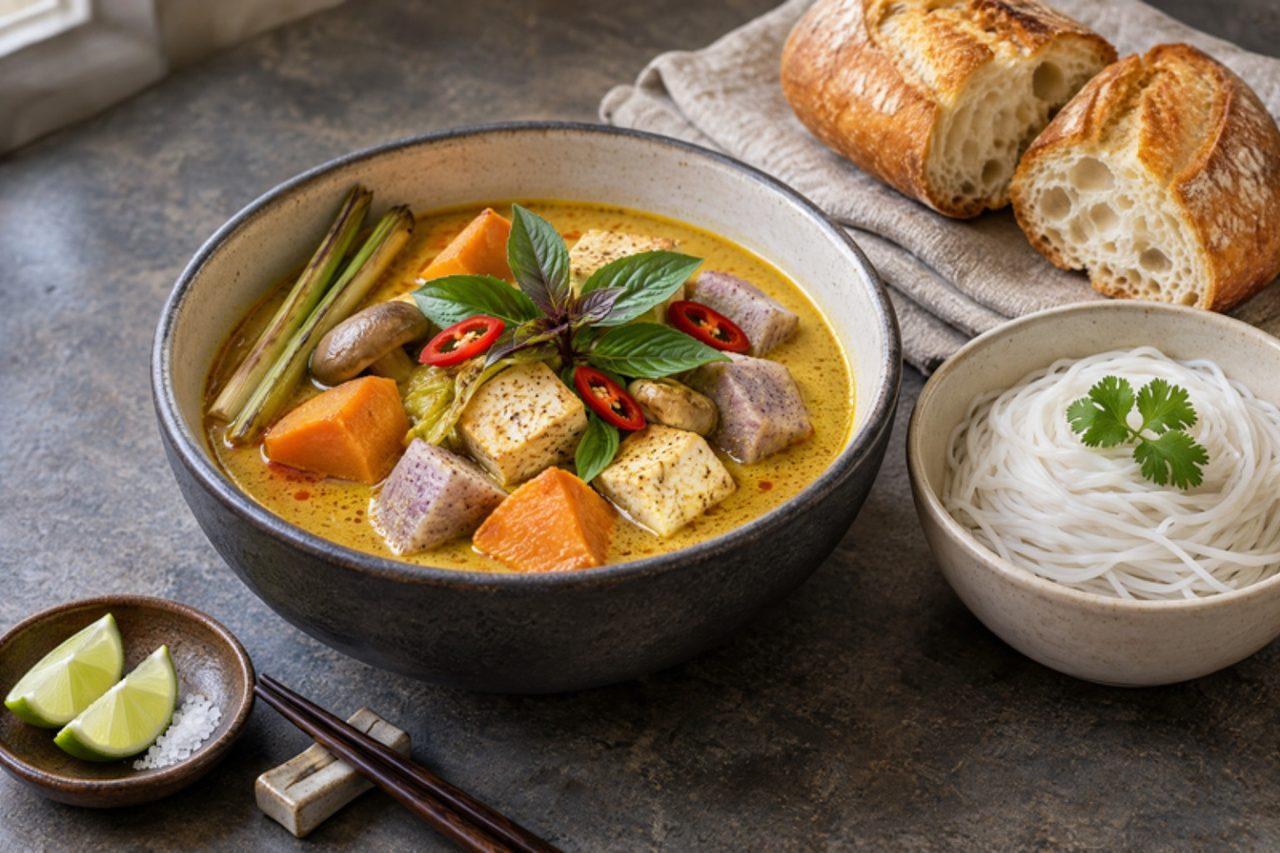
Cà ri chayVegetarian sweet potato curry

Cà ri chay is served at Buddhist temples and vegetarian restaurants across Saigon and the Mekong Delta, and many families cook it at home on rằm days, the first and fifteenth of the lunar month, when they eat no meat. Sweet potato and taro soften into a golden, lemongrass-scented coconut curry with fried tofu and meaty oyster mushrooms; it is mild and fragrant rather than fiery. Mop it up with a crusty baguette, or ladle it over rice vermicelli. The usual mistake is putting all the vegetables in at once: the sweet potato dissolves before the taro is cooked. Chef's tip: fry the taro and sweet potato briefly before simmering, which seals the outside so the chunks hold their shape in the sauce.

by KrazyBadal 0 views

Burong manggaPickled green mango

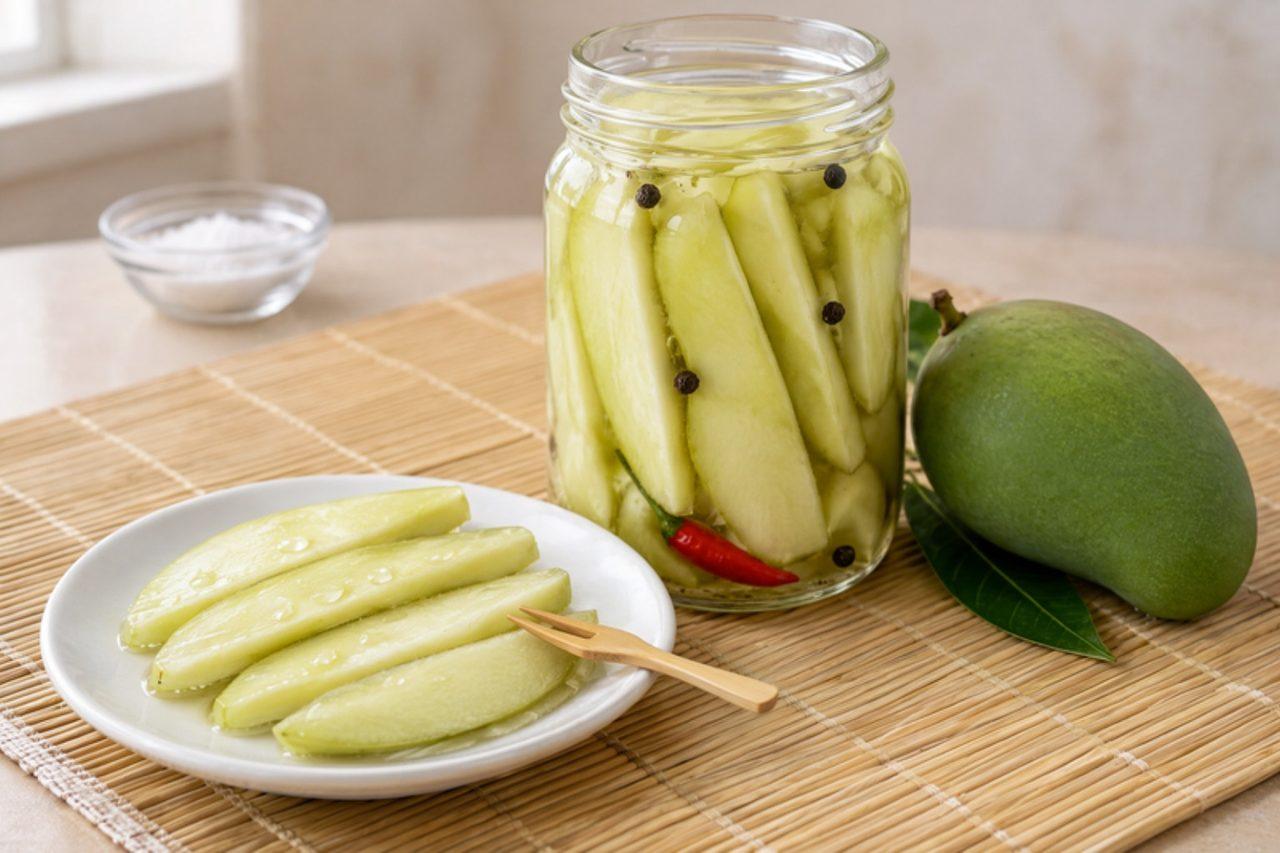
From Pampanga to Pangasinan, the hot months of March to May bring piles of hard green carabao mangoes to every palengke, and many households slice them into a jar of burong mangga. A week in a sweet salt brine turns the mango from mouth-puckering to bright and juicy: still crunchy, sour at the core, salty-sweet on the outside. It is eaten on the side of inihaw na isda and pritong tilapia, with rice and fried pork at lunch, or as an afternoon merienda straight from the jar, and the brine is sometimes sipped too. Common mistake: using mangoes that have started to ripen; a yellow blush makes the slices go soft and slimy, so choose rock-hard, deep-green fruit. Because the brine has no vinegar it keeps only in the fridge. It is ready when the slices have turned from opaque white to a translucent yellow-green and taste evenly seasoned right through. Chef's tip: let the boiled brine cool completely before pouring, and add a few slices of fresh chilli if you like heat. Outside Asia, use firm green Thai or Indian mangoes from an Asian grocer.

by KrazyBadal 0 views

Masu zushiPressed trout sushi

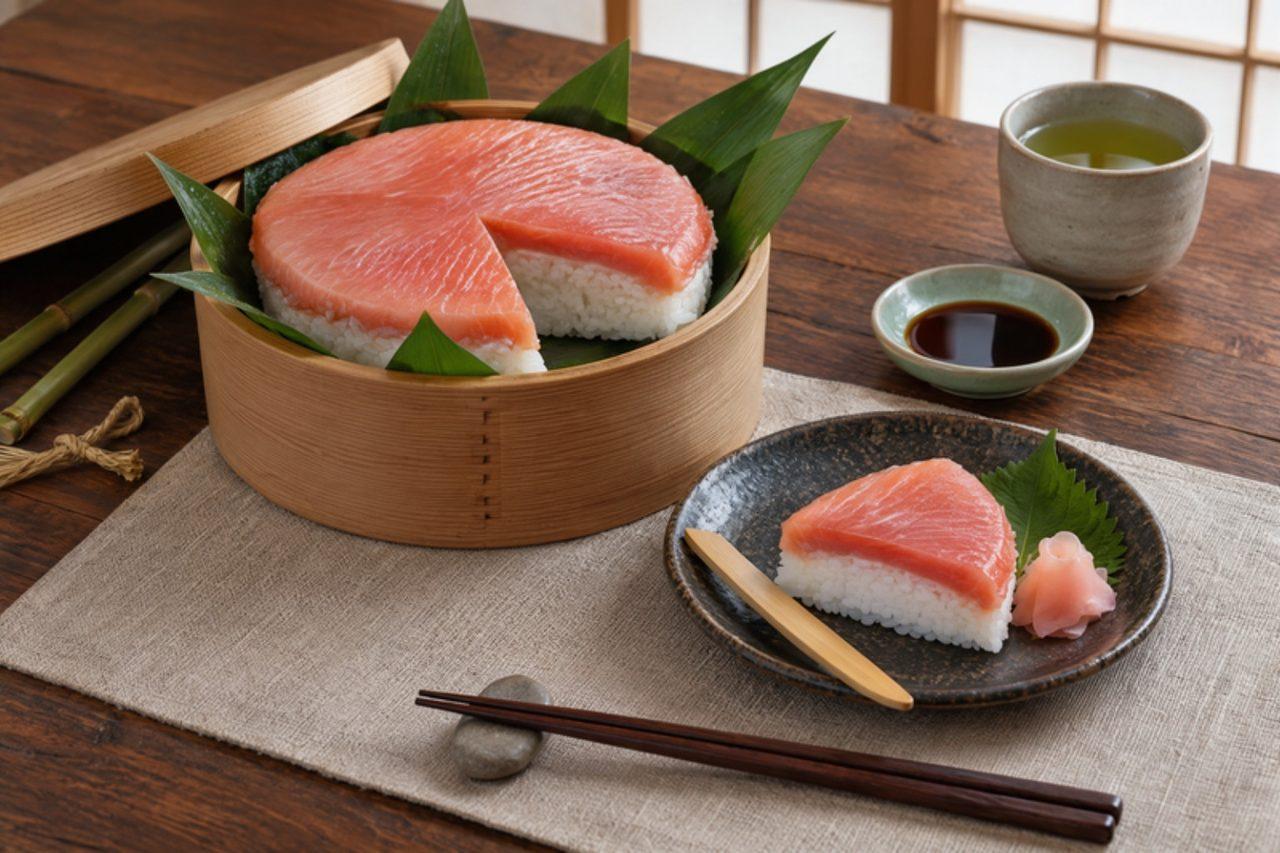
Masu zushi is Toyama's famous ekiben, the boxed lunch sold at the station for the train ride: a round, flat cake of vinegared rice pressed under a layer of salted, vinegar-cured trout and wrapped in bright green bamboo leaves, cut into wedges like a pie. The fish is cured but raw, so use only fish sold as safe to eat raw and previously frozen, and keep everything cold; this version is not for pregnant women, young children or anyone with a weakened immune system. For a safer version, use hot-smoked trout fillet instead, which is fully cooked. The usual mistake is pressing the rice while it is still warm, which turns it mushy; cool it to body temperature first. Chef's tip: press the cake for a full hour under a heavy weight so it slices cleanly, then cut it with a wet knife.

by KrazyBadal 0 views

Yubu jumeoniFried tofu pouches with glass noodles

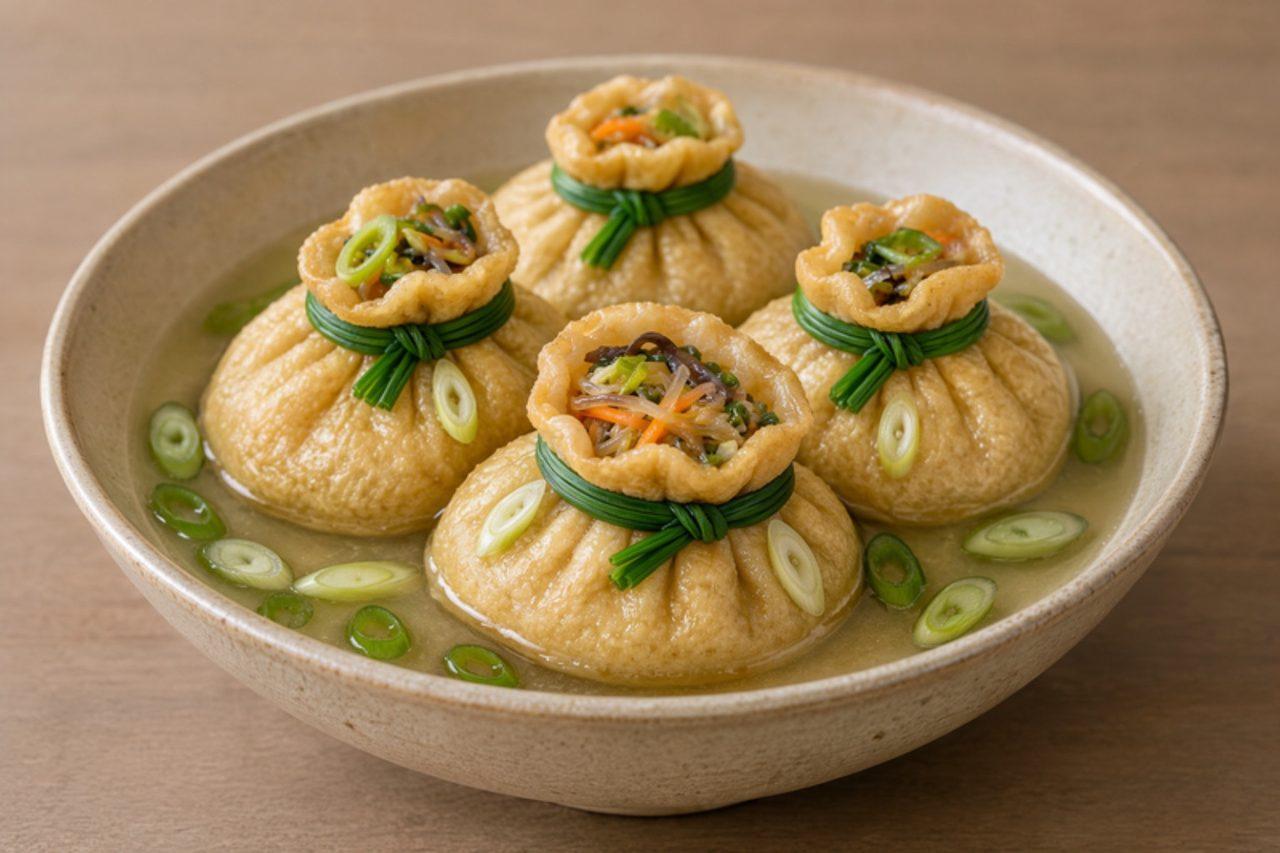
Yubu jumeoni, "tofu pockets", are a Bupyeong Kkangtong Market speciality, said to have been dreamed up by a fish-cake vendor there in the 1980s. Little fried tofu pouches are stuffed with glass noodles and vegetables, tied with a strip of chive like a drawstring purse and left to soak in a steaming pot of anchovy and kelp broth. On cold Busan evenings they are served in a paper cup with a ladle of broth and a dab of soy. Chef's tip: fill the pouches only three-quarters full; they swell as they absorb the broth and split if packed tight.

by KrazyBadal 0 views

Portuguese sausage, eggs and rice

In Hawaii, a breakfast plate at a diner in Honolulu or Hilo, or at a drive-in on Maui, often means slices of smoky, garlicky, paprika-red Portuguese pork sausage (brought to the islands by Madeiran and Azorean immigrants in the 1800s) fried until caramelised, two eggs, and two scoops of short-grain rice. A splash of shoyu on the rice is optional. The common mistake is frying the sausage over a high heat so the sugar in it burns before it heats through; fry it steadily over a medium heat until sizzling and piping hot (71 °C if your sausage is uncooked rather than smoked). Cook the eggs fully set for pregnant people, young children, older or vulnerable people. Chef's tip: fry the eggs in the red fat the sausage leaves behind; they come out lacy and full of flavour.

by KrazyBadal 0 views

Café chorreadoCloth-filtered coffee

Every Costa Rican grandmother has a chorreador: a small wooden stand holding a cloth bag, the bolsita, over a cup or jug. Hot water is poured through the grounds by hand, a little at a time, and the result is the coffee drunk at breakfast with gallo pinto and again at the afternoon cafecito around three, with a tamal, a slice of pan casero or a rosquilla. The cloth catches the oils and fine grounds, so the cup is clean, bright and smooth, with the soft acidity and caramel sweetness of Tarrazú and Central Valley beans. In the countryside the water is sometimes sweetened with tapa de dulce before it goes through. It is strong coffee, so mind the caffeine late in the day. The common mistake is pouring all the water in at once, which floods the bag and leaves weak, uneven coffee; pour in slow circles, in four or five goes. It is ready when the drips slow to a trickle and the coffee is dark reddish-brown and smells of toasted caramel. Never wash the bag with soap; rinse it in hot water and hang it to dry. Chef's tip: boil a new bag once with a spoonful of coffee before using it, to season the cloth.

by KrazyBadal 0 views

Đậu hũ khoBraised tofu with shiitake

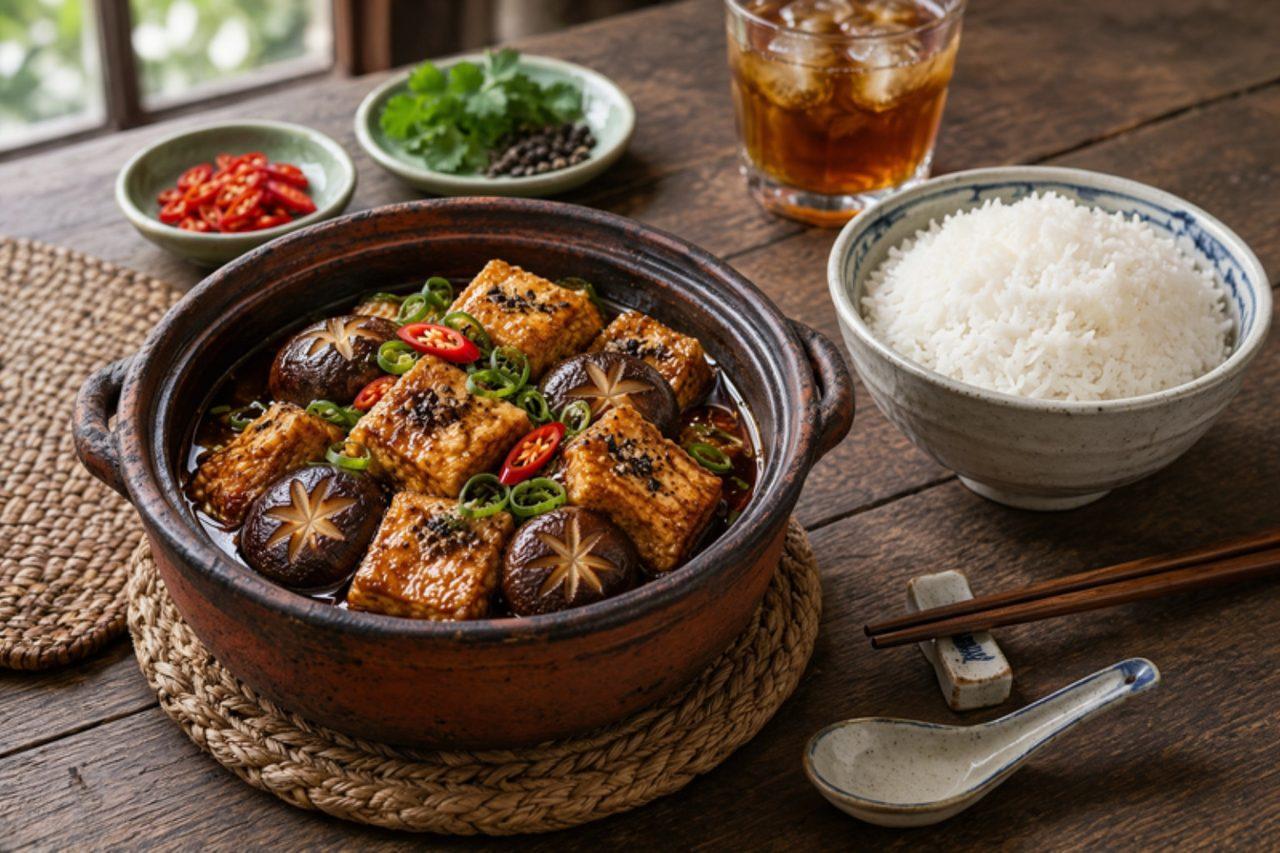
Đậu hũ kho is the vegetarian cousin of the caramel braises (kho) cooked in clay pots all over Vietnam, and in the south it is a standard of Buddhist fasting days and a good companion for a pot of rice through the week. Golden fried tofu and chewy shiitake are braised in a dark caramel, soy sauce and coconut water until the sauce turns sticky, salty-sweet and peppery. Serve with steamed rice, a plate of fresh cucumber and a light soup. The usual mistake is letting the caramel go too dark, which makes the whole dish bitter; stop when it is the colour of strong tea. Chef's tip: coconut water gives a rounder sweetness than plain water, and the braise keeps for 3 days in the fridge.

by KrazyBadal 0 views

TaucoFermented soybean paste

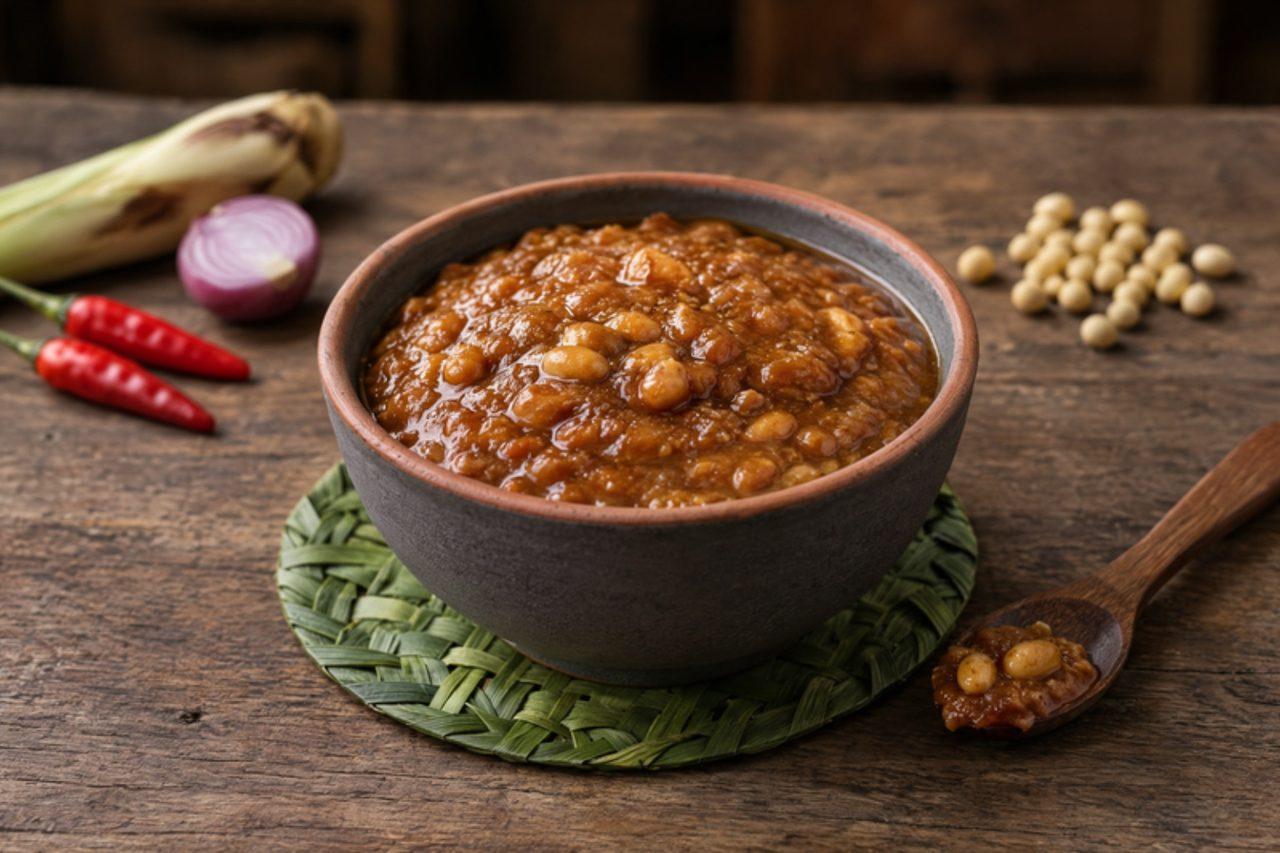
Cianjur, in the hills of West Java, has made tauco since the late 1800s, when Chinese Peranakan families brought the technique, and the town's sweet, thick version is still sold in squat jars to every traveller on the Puncak road. Sundanese and Peranakan cooks fry it with garlic and chilli for tumis tauco with tofu, long beans or kangkung, and add a spoonful to fish stews. The beans are first grown with a mould culture, then ripened in strong salt brine in the sun for weeks, and finally simmered with palm sugar. The result is salty-sweet and deeply savoury, like a soft, chunky miso with caramel notes, half-whole beans in a glossy brown sauce. Common mistake: fermenting the moulded beans in a sealed tub; they sweat, turn slimy and smell of ammonia. They need air and 28–32 °C. Readiness cues: after the mould stage, the beans are knitted with white fluff turning pale yellow-green; after brining, they are brown and smell like soy sauce; after cooking, the sauce is thick and glossy. Chef's tip: a pandan leaf and a slice of galangal in the final simmer give the Cianjur fragrance.

by KrazyBadal 0 views

Showing 72 of 7,762 recipes

Show more recipes

Page 154 of 863