Skip to content
Maftoul
Featured recipe

Maftoul

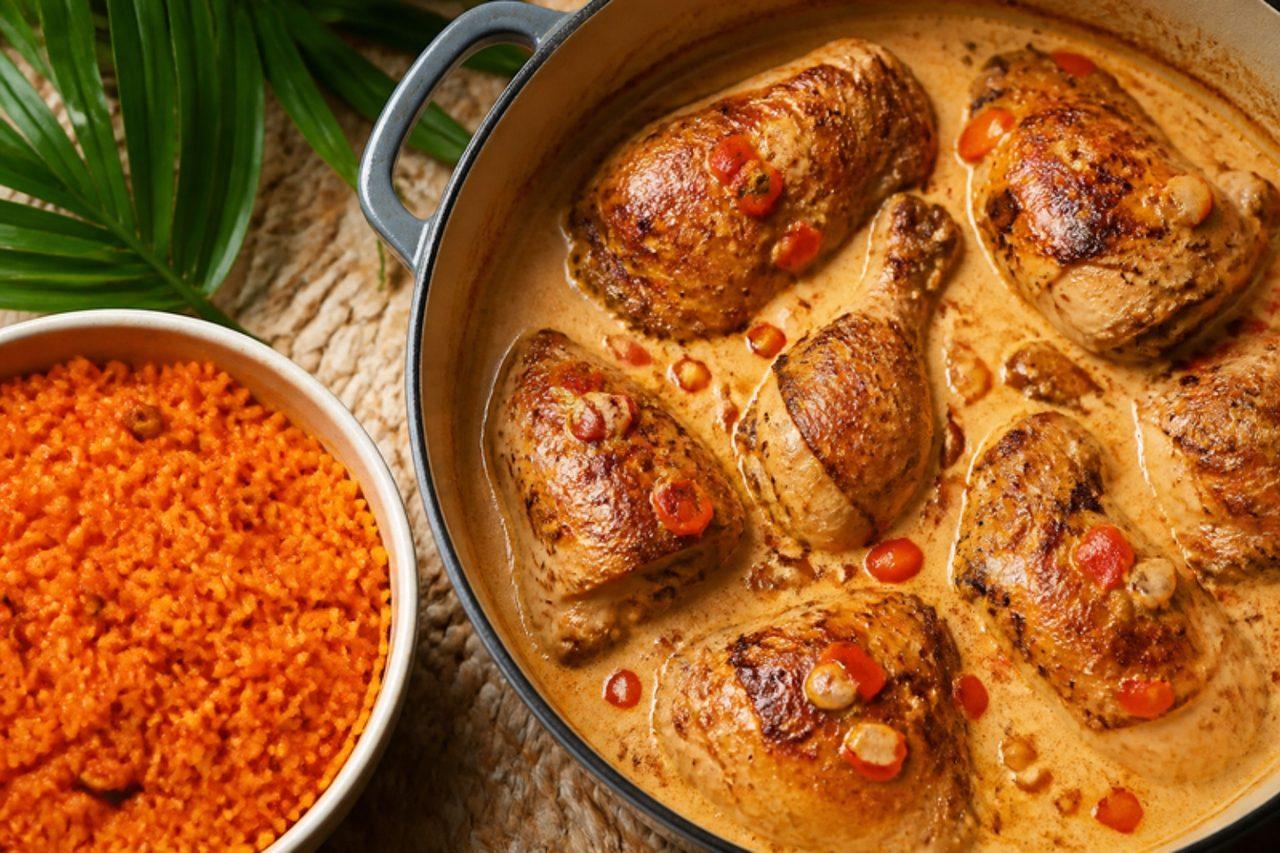
Hand-rolled couscous with chicken

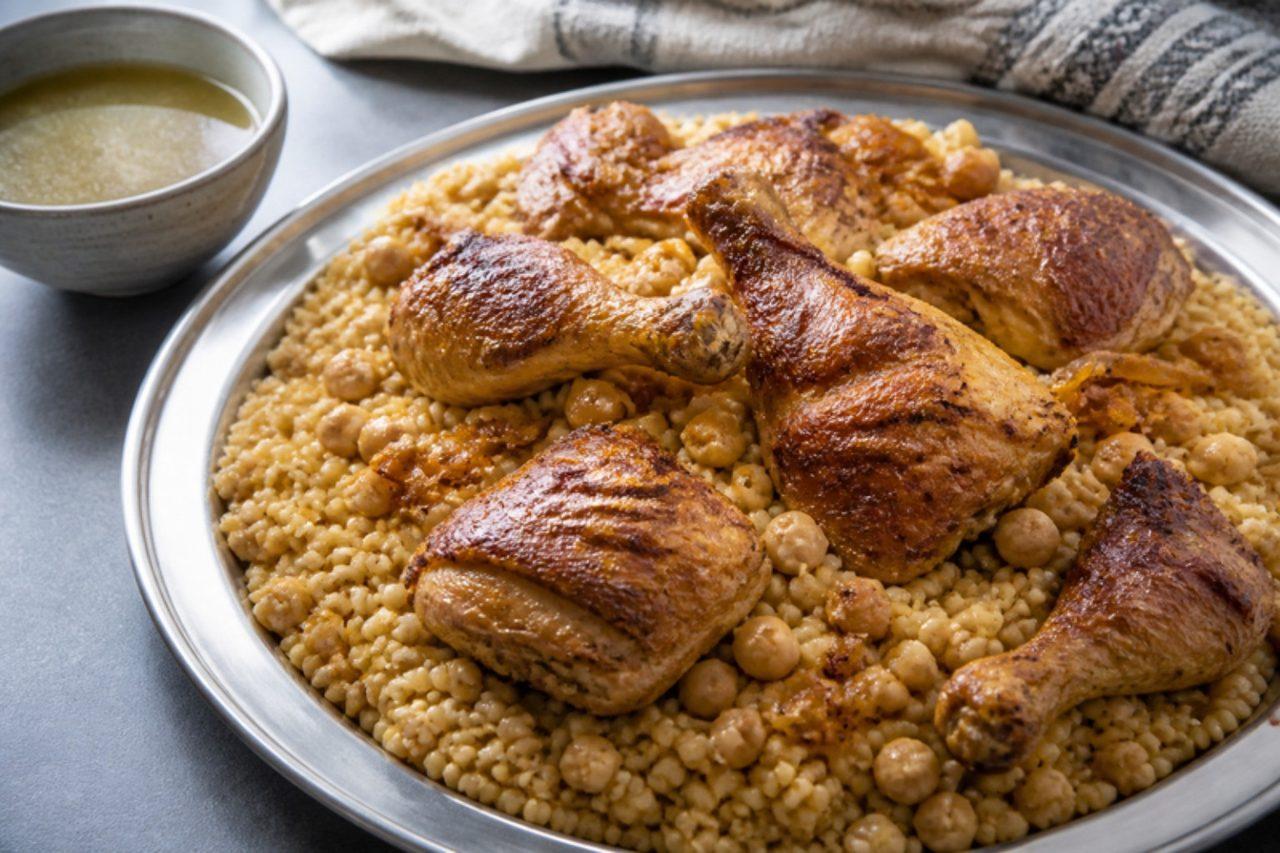
Maftoul means 'rolled', and in Palestinian villages women still sit together in autumn rolling bulgur and flour by hand into pea-sized pearls, drying them in the sun to last the winter. For a family gathering, the maftoul is steamed over a pot of chicken simmering with onions, chickpeas and caraway, then served on a big platter with the chicken on top and the broth in bowls alongside. Bought maftoul or giant couscous is fine. Common mistake: boiling the maftoul like pasta, which makes it gluey; steam it, then moisten with broth. Chef's tip: toss the dry maftoul with oil and spices before steaming so every grain stays separate.

Read more 0 views

What to eat today?

Around the world

Today's trip: Persian

A new country every day, from every cuisine on the site.

Persian

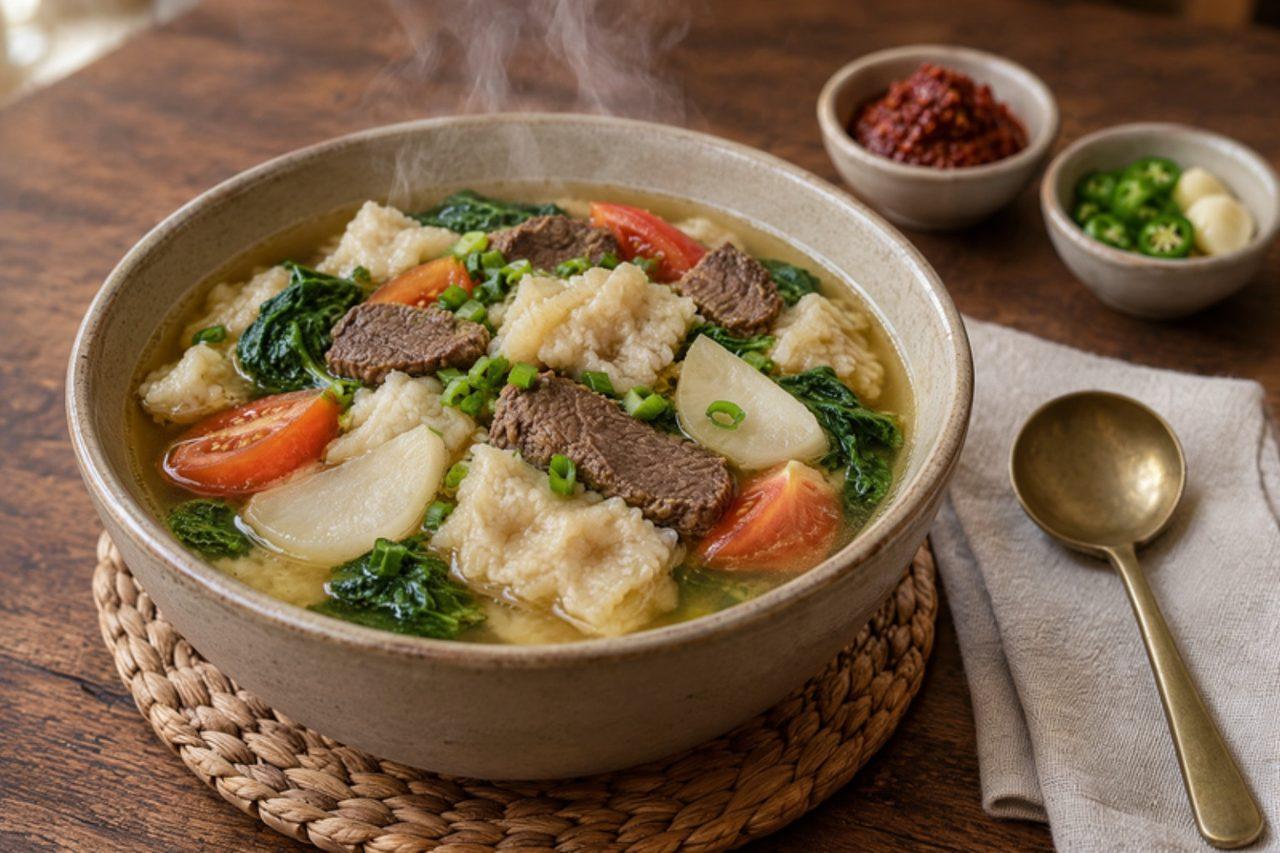
Ash-e shalgham

Turnip and rice soup 65 minMore from Persian (131) →

This week's collection

Kid-friendly dinners
586 recipes · a new collection every Monday

Coming up

All occasions →

Latest recipes

Cachitos de jamónHam-filled crescent rolls

Every Caracas panadería opens its morning with trays of cachitos: soft, slightly sweet crescent rolls wrapped around finely chopped cooked ham (pork), eaten standing at the counter with a café con leche. Some bakeries add a little bacon or cheese; cheese-only cachitos are a good vegetarian swap. The common mistake is overfilling, so the ham pokes out and burns. Chef's tip: roll each wedge snugly from the wide end and tuck the point underneath so it doesn't unroll as it bakes.

by KrazyBadal 0 views

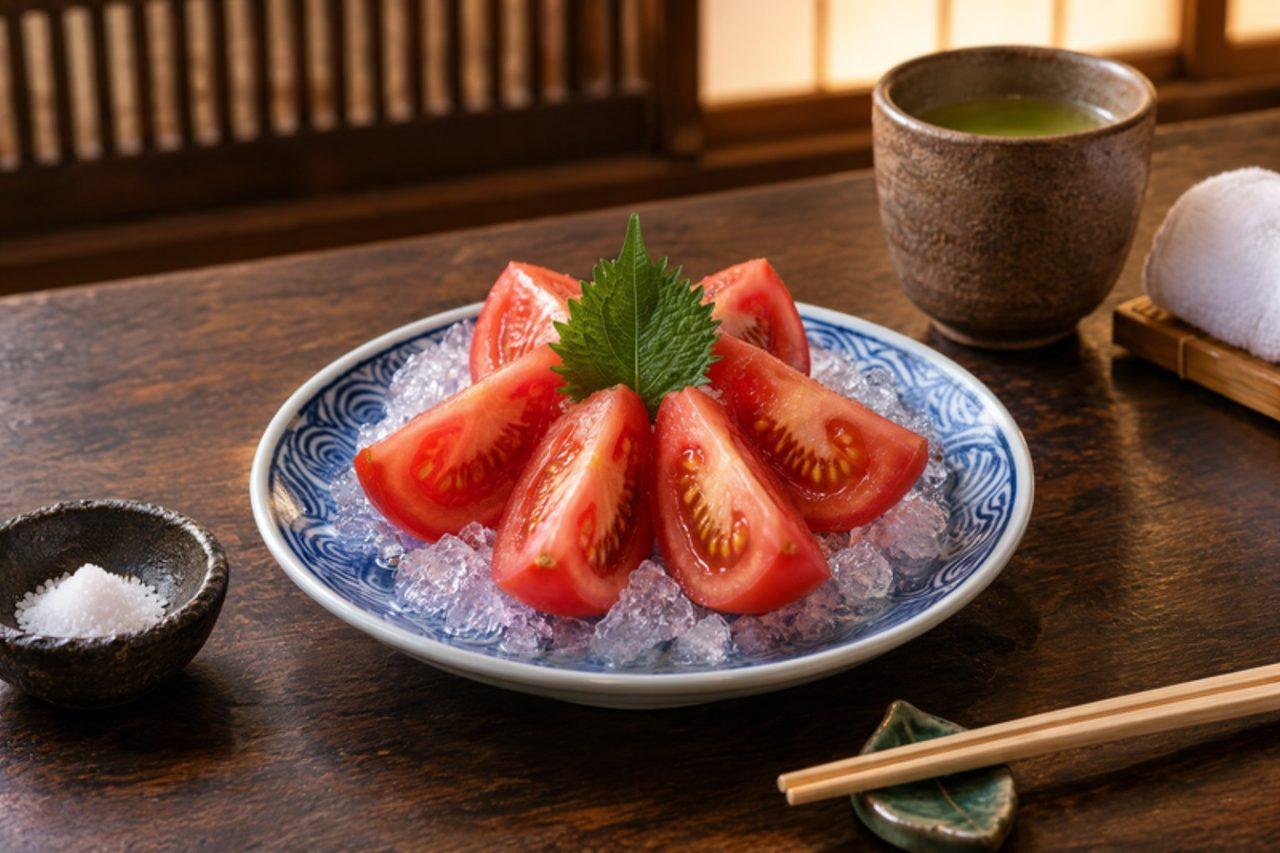
Hiyashi tomatoChilled tomato

Hiyashi tomato is the simplest thing on any Japanese izakaya menu in July and August: ripe tomatoes, chilled until icy, cut into wedges and served on a small plate, sometimes on crushed ice, to cool down a hot evening in Tokyo or Osaka. Many bars sprinkle salt; this home version leaves it out and offers a few drops of rice vinegar and toasted sesame oil instead, so the tomato's own sweetness and acidity do the work. About 0.0 g added salt; roughly 0.03 g per portion occurs naturally in the tomato. The usual mistake is using hard, pale supermarket tomatoes: this dish is only as good as the fruit, so buy deep red ones that smell of tomato at the stalk. Chef's tip: chill the plate as well as the tomatoes, so the wedges stay cold to the last bite.

by KrazyBadal 0 views

Caffè shakeratoShaken iced espresso

When July heat settles over Italian piazzas, bar regulars from Rome to Bologna switch their morning or after-lunch espresso for a shakerato. The barista pulls a fresh shot, tips it into a cocktail shaker with ice and sugar, shakes hard for fifteen seconds and strains it into a chilled martini or wine glass, where it settles into a dark body under a thick, beige, mousse-like crema. It tastes intense and bittersweet, colder and smoother than iced coffee, with a texture almost like a light cream. The common mistake is using too little ice or shaking half-heartedly: the coffee stays warm and the foam collapses within seconds. Fill the shaker at least half full with ice and shake until the metal is too cold to hold comfortably. It is ready when you hear the ice rattle softly and the shaker frosts over, and the pour has a thick foam on top. One shaker holds one double espresso, so it is fairly strong in caffeine. Chef's tip: dissolve the sugar in the hot espresso before adding ice; granulated sugar barely melts once the coffee is cold.

by KrazyBadal 0 views

CancháncharaAguardiente, lime and honey cocktail

In the colonial town of Trinidad, in Sancti Spíritus province, the canchánchara is served in little clay cups to the sound of a son band in the late afternoon. Its roots are in the independence wars of the 1860s and 70s, when the mambí fighters drank cane aguardiente mixed with honey, lime and water, warm or at camp temperature. Today it comes with crushed ice, but it is still a drink for adults only, rustic and honest: floral honey, sharp lime and the raw, sugary heat of young cane spirit, cold and only slightly diluted. The classic mistake is pouring honey straight onto the ice, where it sets into a hard lump at the bottom and the drink tastes of nothing but sour spirit. Stir the honey into the lime and water first until no streaks remain, then add the ice and spirit. It is ready when the honey has disappeared into a cloudy, even mixture and the outside of the cup sweats with cold. Drink it slowly and responsibly. Outside Cuba, use unaged white rum or cachaça for the aguardiente; a short tumbler is fine if you have no clay cup. Chef's tip: soak the clay cup in cold water for ten minutes first; it keeps the drink cold for much longer.

by KrazyBadal 0 views

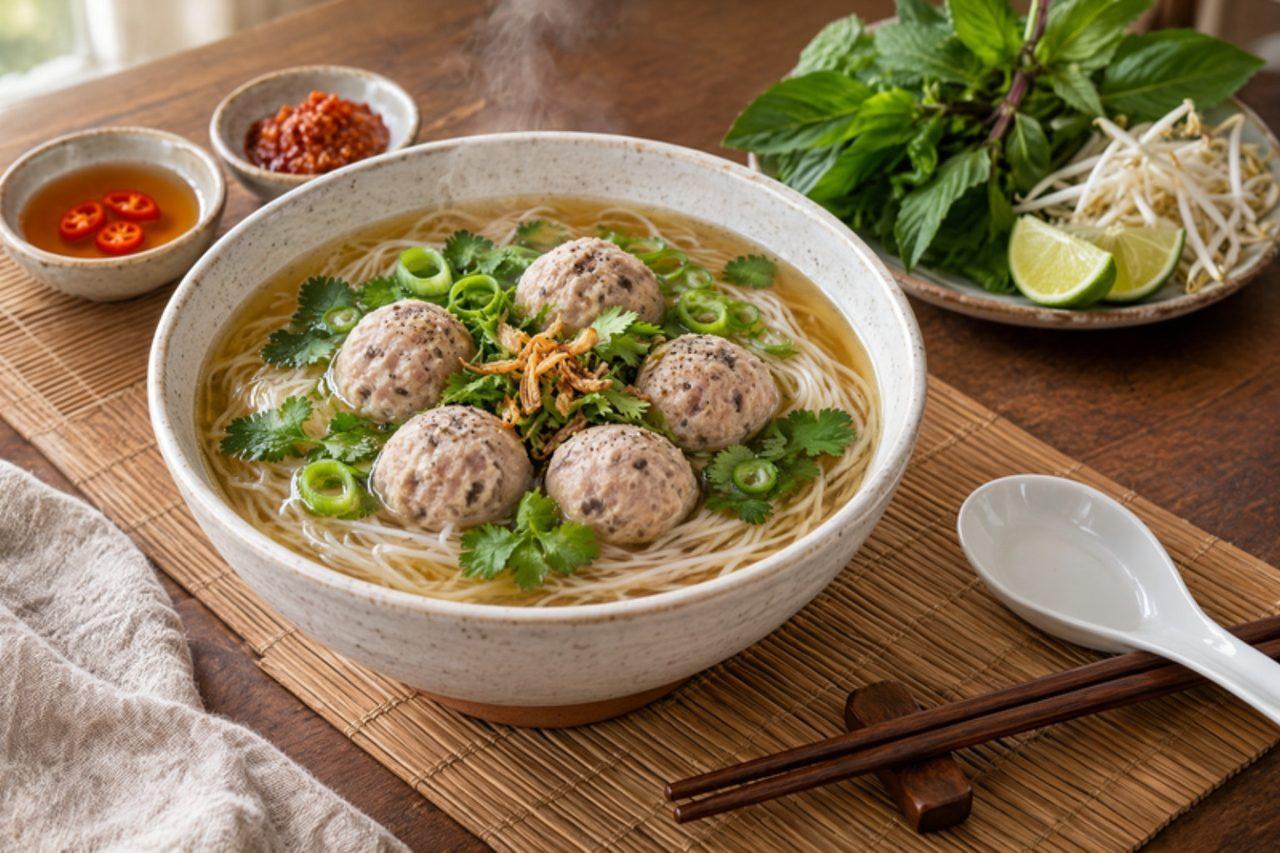
Bún mọcVermicelli with pork balls

Bún mọc is a Hanoi breakfast from the old Mọc village, now swallowed by the city: a clear, gently sweet pork broth poured over soft rice vermicelli, with bouncy balls of pounded pork and wood ear mushroom, slices of pork and a fistful of herbs. Locals eat it early at low plastic stools before work. The common mistake is mixing the pork paste with a spoon; it needs a hard beating so the balls turn springy instead of crumbly. Chef's tip: wet your hands and slap the paste against the bowl twenty times, and chill it for 15 minutes before shaping.

by KrazyBadal 0 views

HojichaRoasted green tea

Hojicha was born in Kyoto in the 1920s, when tea merchants started roasting the coarse late-season bancha leaves and stems over charcoal to sell what would not keep. Today the smell of tea roasting in a shop doorway is part of walking down Teramachi or past the Nishiki market. Roasting drives off much of the caffeine and all the grassy bitterness, so hojicha is the pot that comes out after an evening meal, with rice crackers, or for children and older relatives who avoid stronger tea. The cup is reddish brown, smells of caramel and roasted nuts, and tastes soft and slightly sweet with almost no astringency. Unlike sencha, it likes really hot water and a very short steep. The common mistake is treating it like black tea and leaving the leaves in for several minutes, which makes it flat and woody; 30 seconds is enough for the first pour, and the leaves give a good second pot. It is ready when the liquor is clear russet and the steam smells of toasted sugar. Chef's tip: if your packet has lost its perfume, warm the leaves in a dry pan for 30 seconds until they smoke very faintly before brewing.

by KrazyBadal 0 views

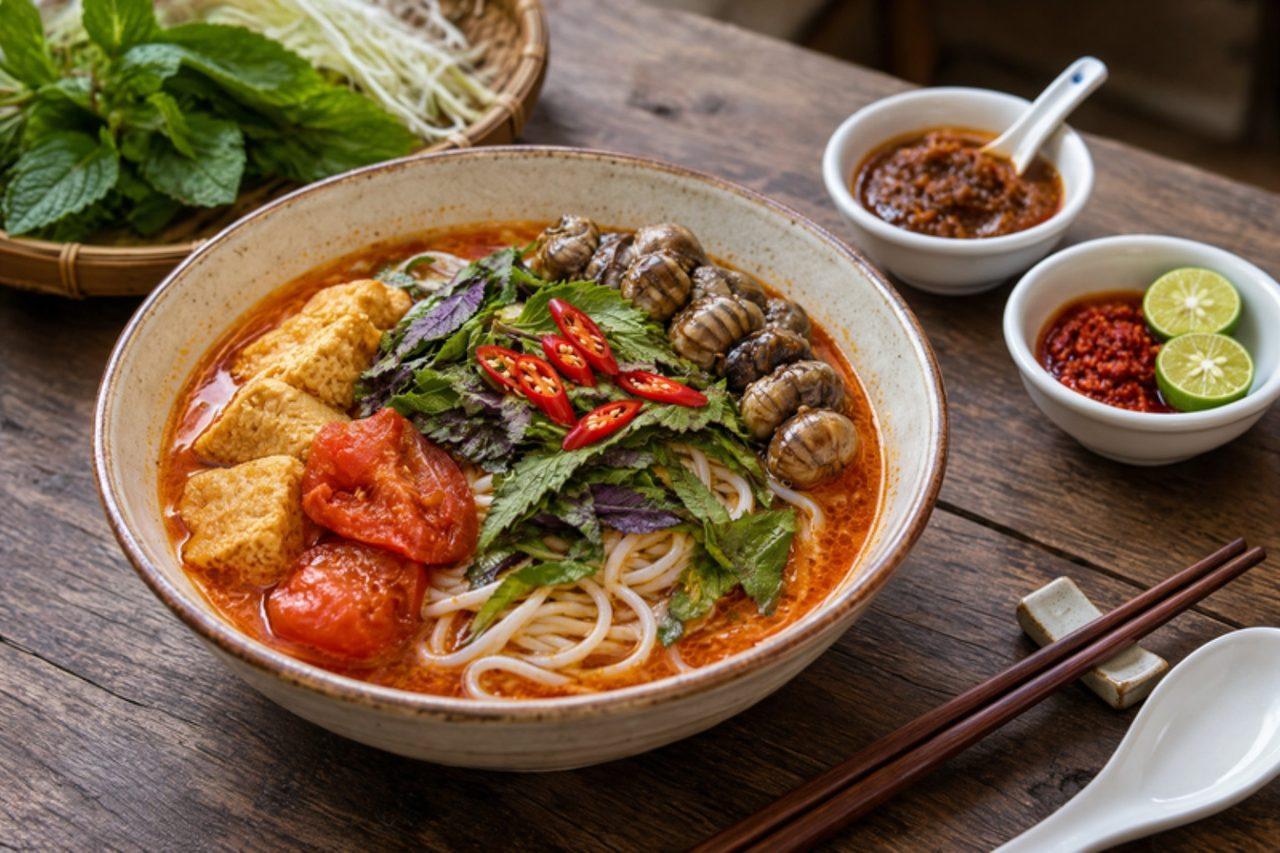
Bún ốcSnail noodle soup

In the lanes around Đồng Xuân Market in Hanoi, bún ốc is a cold-weather lunch for people who love a sharp, sour broth: tomatoes cooked down with the gently fermented rice vinegar called giấm bỗng, a pork-bone stock, golden fried tofu and plenty of tender river snails, served over soft rice noodles with perilla and a spoon of chilli. This home version uses cooked frozen snail meat from Vietnamese or Asian grocers and ordinary rice vinegar. The stock is made from pork bones. Chef's tip: add the snails at the end and just heat them through; long boiling makes them rubbery.

by KrazyBadal 0 views

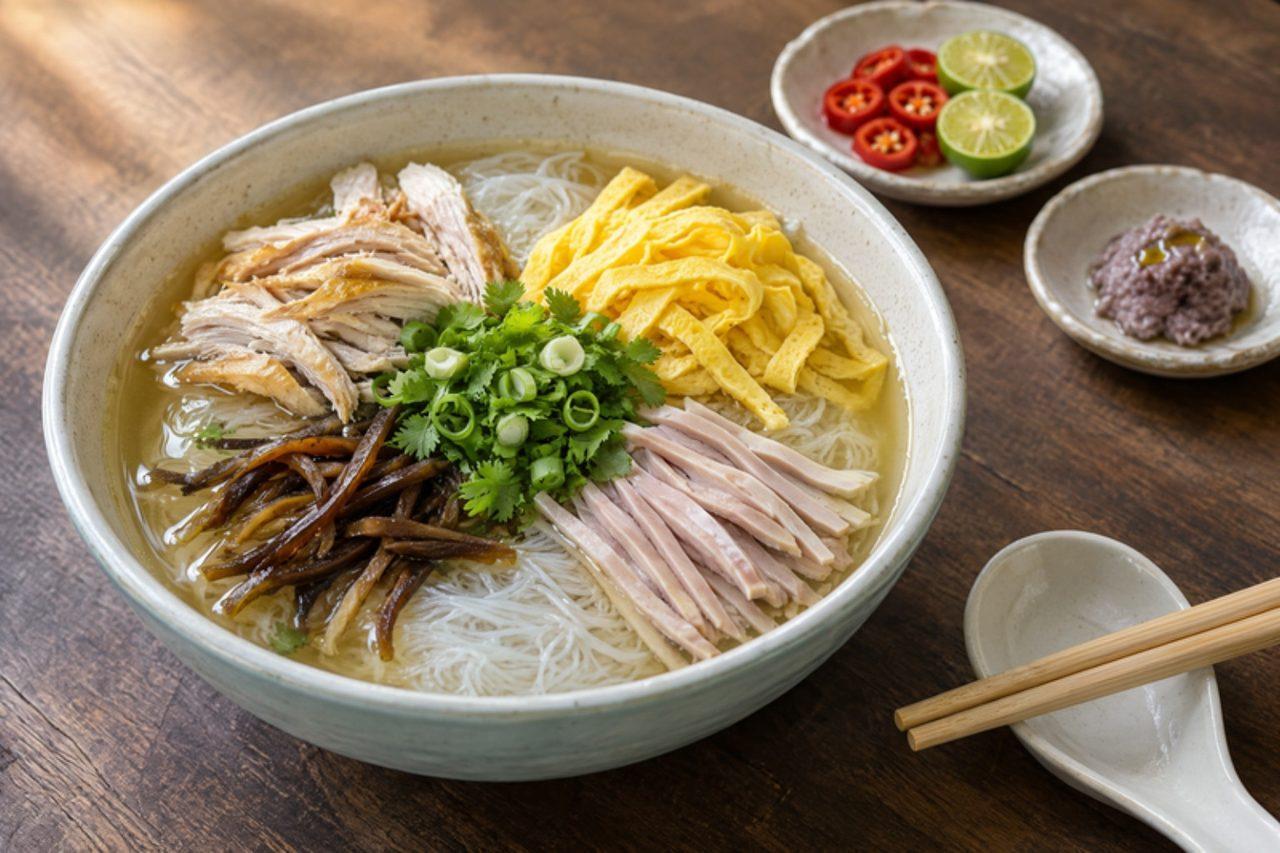
Bún thangVermicelli with chicken and egg

Bún thang began as a thrifty Hanoi meal made from the leftovers of Tết, the lunar new year feast, and it is still the most delicate noodle soup in the city, served in small, careful bowls on Cầu Gỗ Street near Hoàn Kiếm Lake. Fine vermicelli sits under neat piles of shredded chicken, thread-thin omelette strips and giò lụa, a smooth Vietnamese pork roll, all covered with a clear broth sweetened by dried shrimp and shiitake. It is eaten for a light lunch or a late breakfast. Chef's tip: keep the broth at a bare simmer and skim often; boiling makes it cloudy.

by KrazyBadal 0 views

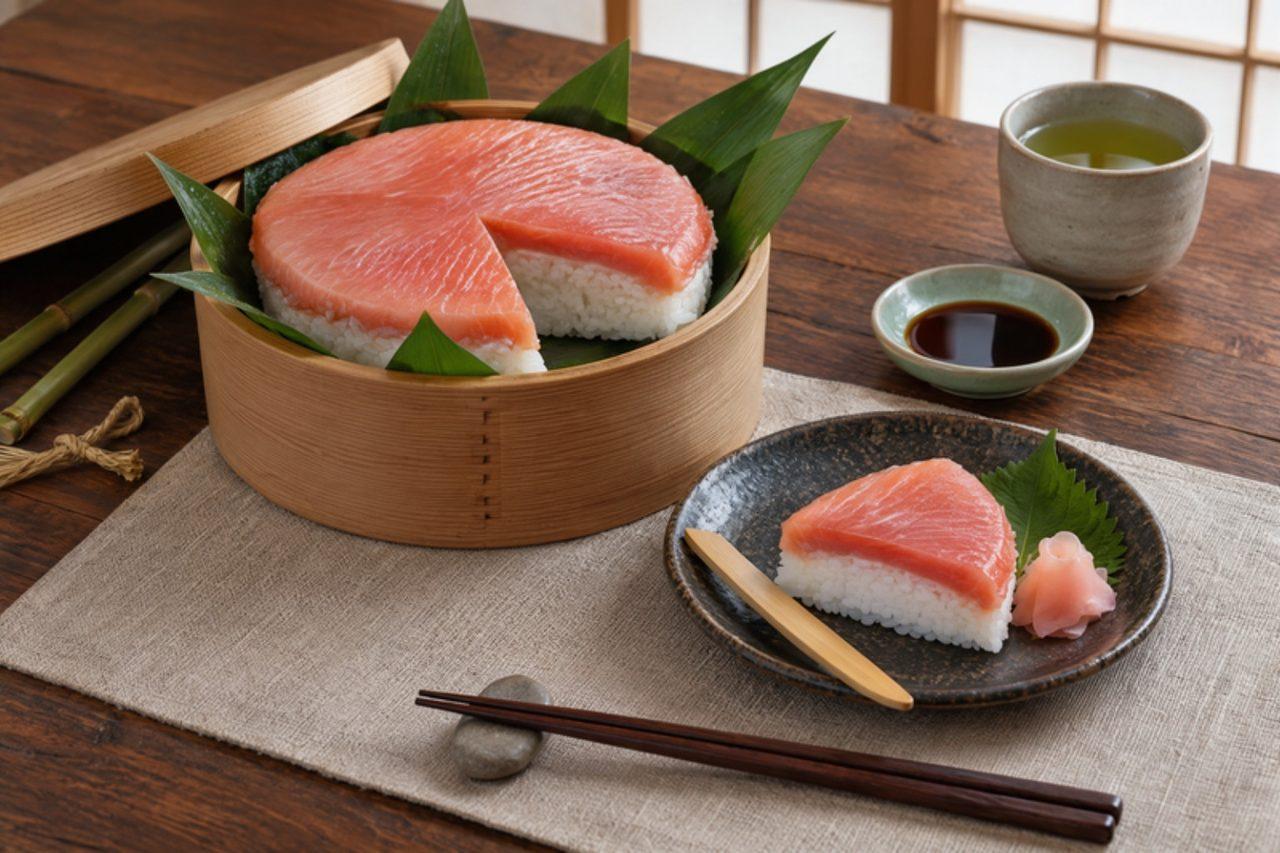
Masu zushiPressed trout sushi

Masu zushi is Toyama's famous ekiben, the boxed lunch sold at the station for the train ride: a round, flat cake of vinegared rice pressed under a layer of salted, vinegar-cured trout and wrapped in bright green bamboo leaves, cut into wedges like a pie. The fish is cured but raw, so use only fish sold as safe to eat raw and previously frozen, and keep everything cold; this version is not for pregnant women, young children or anyone with a weakened immune system. For a safer version, use hot-smoked trout fillet instead, which is fully cooked. The usual mistake is pressing the rice while it is still warm, which turns it mushy; cool it to body temperature first. Chef's tip: press the cake for a full hour under a heavy weight so it slices cleanly, then cut it with a wet knife.

by KrazyBadal 0 views

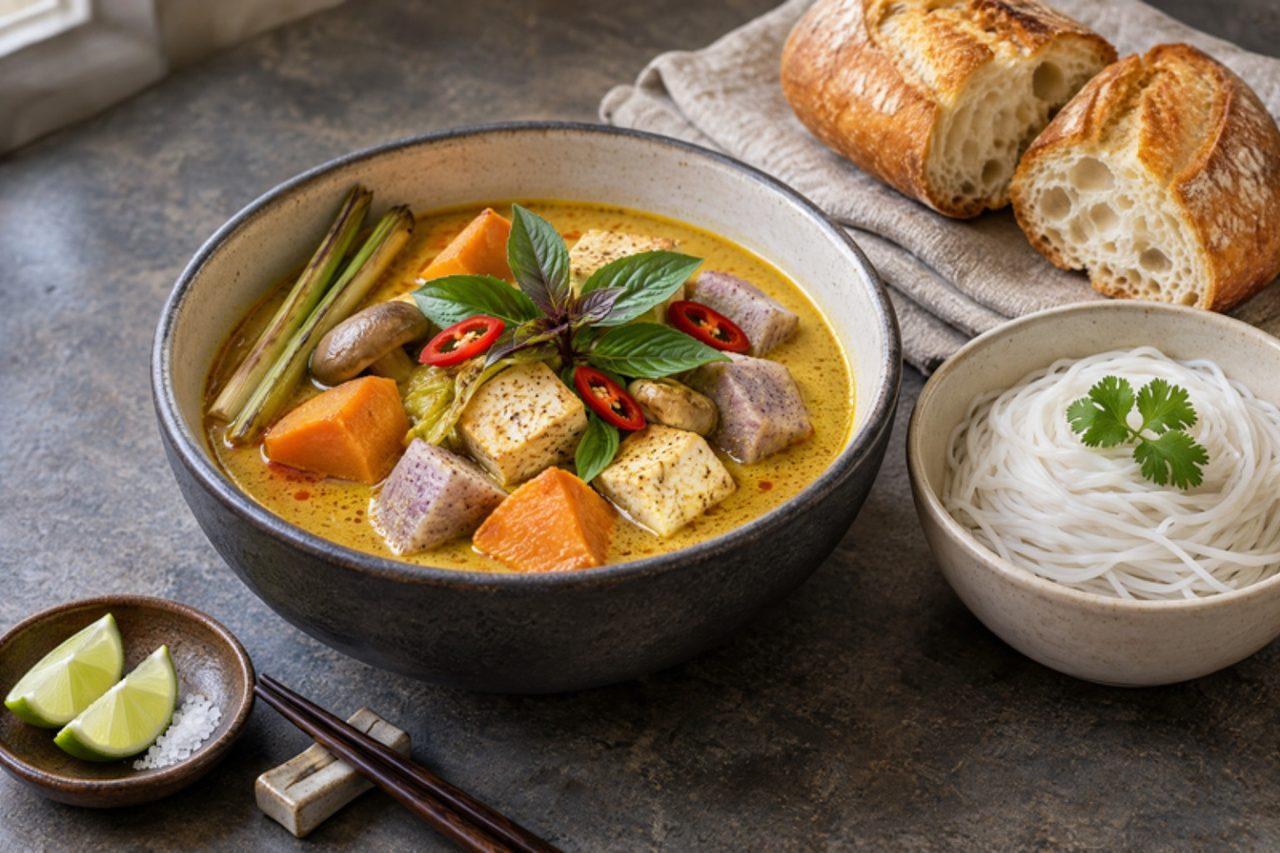
Cà ri chayVegetarian sweet potato curry

Cà ri chay is served at Buddhist temples and vegetarian restaurants across Saigon and the Mekong Delta, and many families cook it at home on rằm days, the first and fifteenth of the lunar month, when they eat no meat. Sweet potato and taro soften into a golden, lemongrass-scented coconut curry with fried tofu and meaty oyster mushrooms; it is mild and fragrant rather than fiery. Mop it up with a crusty baguette, or ladle it over rice vermicelli. The usual mistake is putting all the vegetables in at once: the sweet potato dissolves before the taro is cooked. Chef's tip: fry the taro and sweet potato briefly before simmering, which seals the outside so the chunks hold their shape in the sauce.

by KrazyBadal 0 views

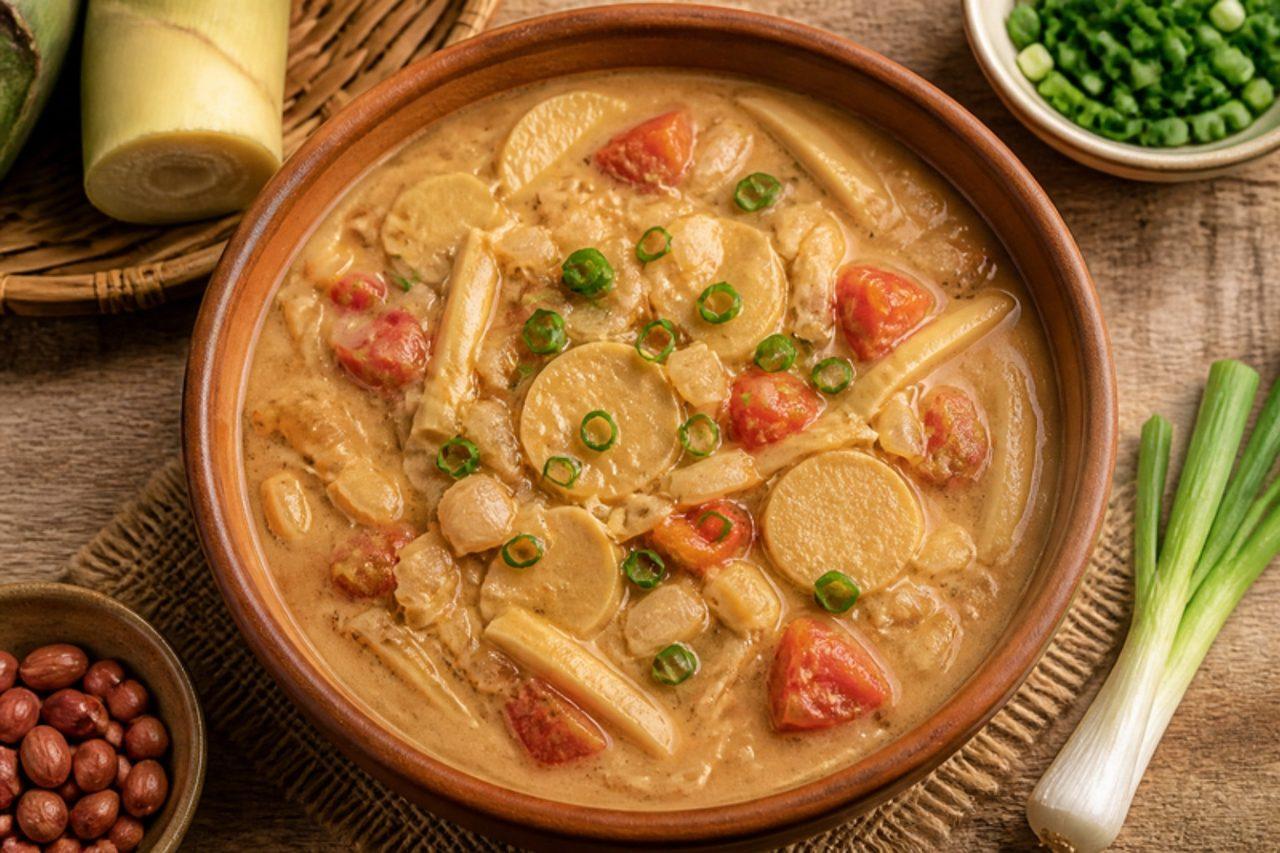
MalewaSmoked bamboo shoots in peanut sauce

On the slopes of Mount Elgon, the Bagisu harvest young bamboo shoots, smoke and dry them, and keep them for months; a pot of malewa is the dish every Mugisu living away from home misses, and it is a must at imbalu circumcision celebrations. Soaked and simmered in a pale, creamy groundnut sauce, the shoots stay slightly chewy and taste smoky, earthy and faintly sweet. Serve with steamed matoke, kalo or posho. Dried smoked malewa is sold in East African grocers and Ugandan shops abroad; if you cannot find it, tinned bamboo shoots with a little smoked paprika give a fair imitation. Chef's tip: do not rush the soak and first boil, as under-soaked shoots stay woody however long they sit in the sauce.

by KrazyBadal 0 views

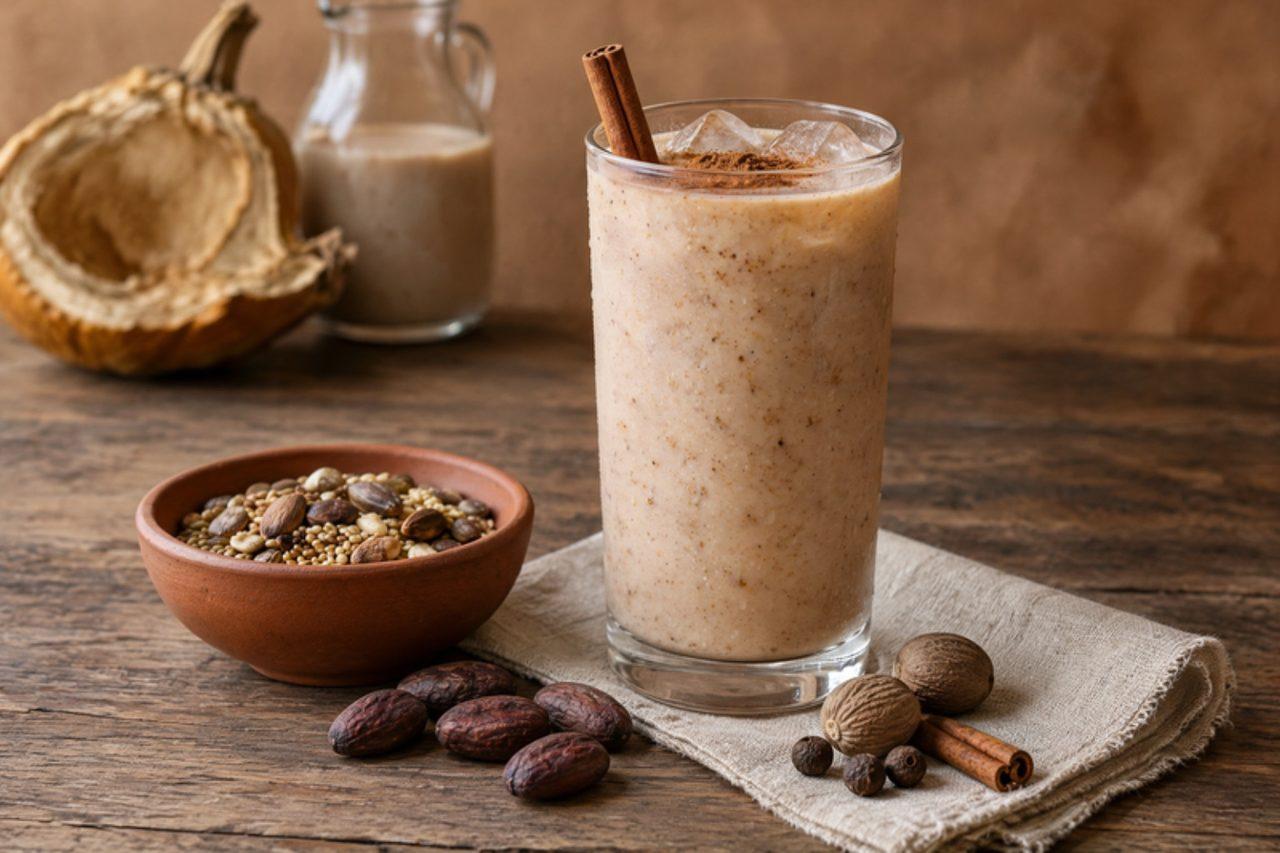
Horchata de morroMorro seed and rice drink

In El Salvador horchata means horchata de morro, made with the seeds of the morro or jícaro tree, whose round gourds also become cups and bowls. It is poured from big glass jars at pupuserías every evening, sold in plastic bags with a straw outside schools, and drunk at home with Sunday lunch. Markets in San Salvador and Santa Ana sell a ready-ground mix, but toasting your own is easy: rice, morro seeds, sesame, pumpkin seeds and cacao, with cinnamon and allspice. The drink is light brown, cool and creamy, with a nutty, toasted taste, a hint of chocolate and warm spice; quite different from the white Mexican rice horchata. The common mistake is skipping the soak and blending the powder straight with water; it stays gritty and tastes thin. Let it soak at least 30 minutes, or overnight in the fridge. It is ready when it is smooth, beige-brown, coats the glass faintly and smells of toasted seeds and cinnamon. Outside Central America, look for semilla de morro or horchata mix in Latin shops; if you cannot find it, use extra pumpkin seeds and sesame. Chef's tip: toast each seed separately, because they brown at different speeds.

by KrazyBadal 0 views

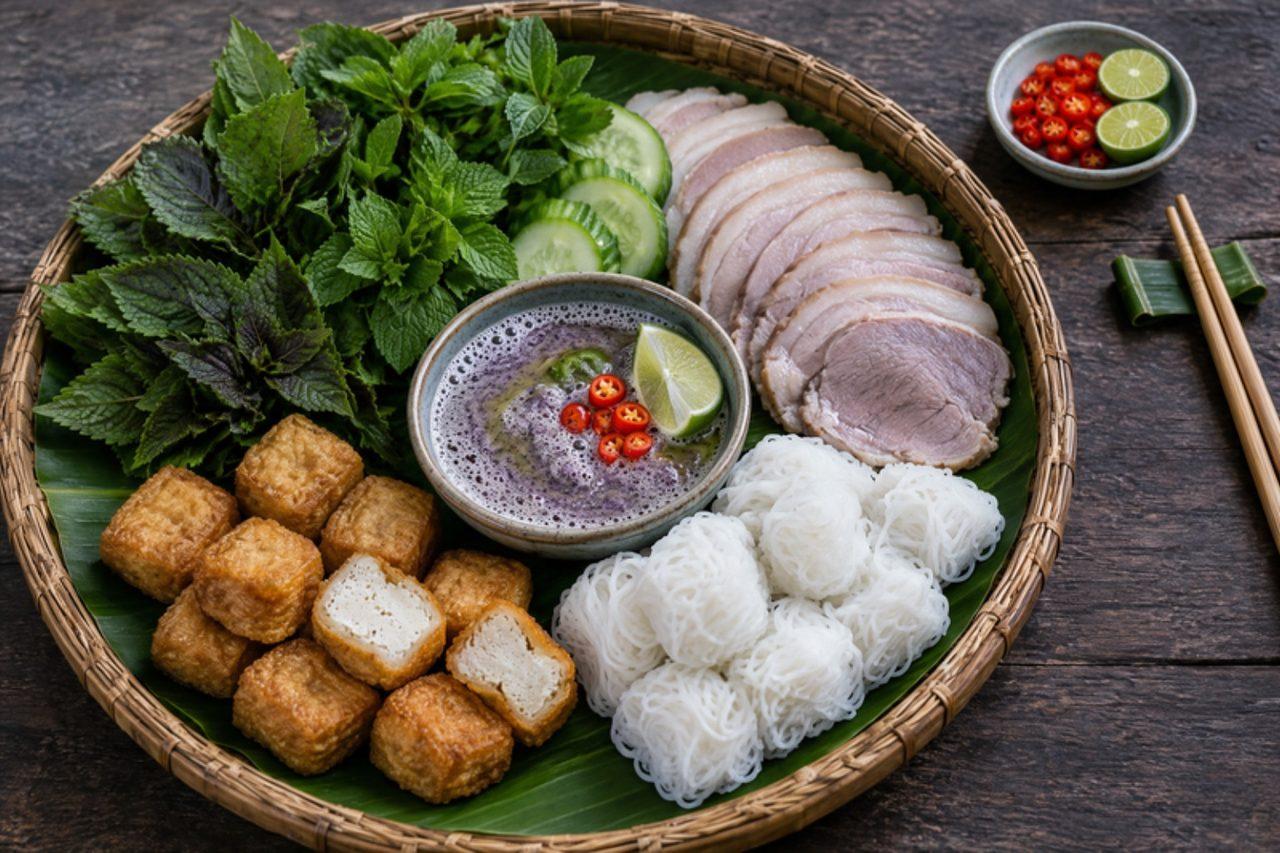
Bún đậu mắm tômNoodles, tofu and shrimp paste

Bún đậu mắm tôm is served on round bamboo trays in the narrow alleys of Hanoi's Old Quarter, where groups of friends squat on low stools at lunch to share squares of pressed rice noodles, cubes of tofu fried until puffy, slices of boiled pork leg or belly and bundles of perilla and Vietnamese balm. Everything is dipped into mắm tôm, pungent fermented shrimp paste whisked with lime, sugar and a splash of hot oil until it foams. It is loud, salty and moreish. Chef's tip: whisk the shrimp paste hard for a full minute; it turns pale and fluffy and its harshness mellows.

by KrazyBadal 0 views

HornadoRoast pork with crackling

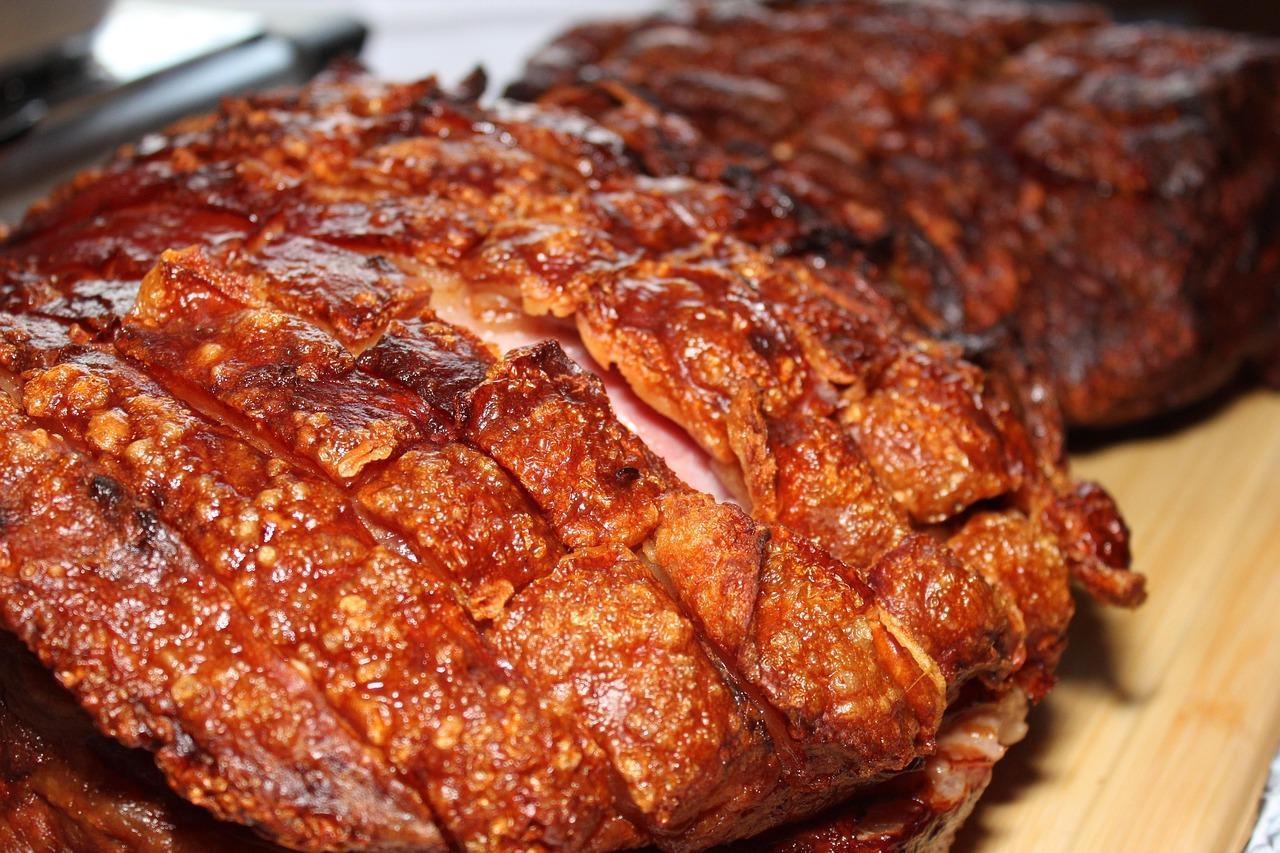
At the Sunday markets of Riobamba and Quito's La Ofelia, whole roast pigs glisten on the stalls and vendors carve hornado, garlic-and-cumin pork with crackling, onto plates with potato cakes, mote and a sour onion sauce called agrio. This home version uses a bone-in pork shoulder, roasted low and slow until the meat pulls apart, then blasted for crisp skin. Marinate it overnight in the fridge. The usual mistake is pulling the pork as soon as it is cooked through: it is safe once the thickest part reaches 63 °C and has rested for 3 minutes, but it only becomes tender enough to pull at about 85–90 °C. Serve with llapingachos, mote and avocado. Chef's tip: dry the skin and leave it uncovered in the fridge overnight; dry skin is what crackles.

300 minAndeanMeatGluten free
by KrazyBadal 0 views

Bún mắmFermented fish noodle soup

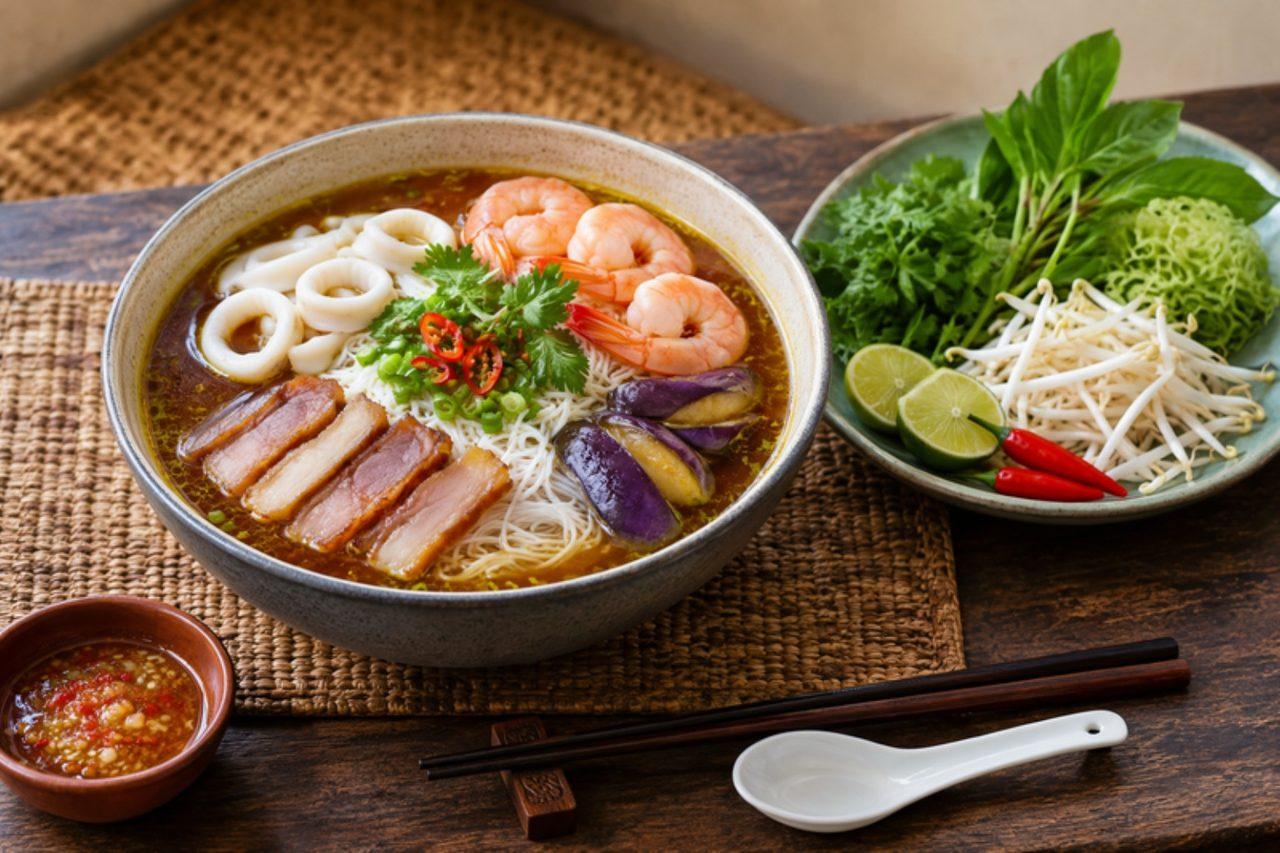
Vạn Kiếp Street in Saigon's Bình Thạnh district is lined with stalls serving bún mắm, a noodle soup that came up the river from the Mekong Delta. The broth is built on mắm cá linh or mắm cá sặc, small river fish fermented with salt, simmered until the bones dissolve and strained into a dark, savoury, lemongrass-scented stock. It is loaded with prawns, squid, white fish, slices of boiled pork belly and soft aubergine, and eaten with a mountain of herbs and bean sprouts. Look for jars of mắm at Vietnamese grocers. Chef's tip: strain the fermented fish through a fine sieve, pressing hard; tiny bones make the broth gritty.

by KrazyBadal 0 views

Buñuelos de algasSea lettuce fritters

On the beaches of Rocha, from La Paloma to Punta del Diablo, vendors walk the sand with baskets of hot buñuelos de algas: puffy, salty fritters speckled green with sea lettuce, eaten with a squeeze of lemon. Use dried sea lettuce or mixed seaweed flakes from a shop, or fresh sea lettuce only from a seller who harvests clean water; never pick it from a harbour or near drains. The usual mistake is frying in oil that isn't hot enough, so the fritters soak it up and turn greasy. Chef's tip: rest the batter for 15 minutes so the seaweed softens and the fritters puff more.

by KrazyBadal 0 views

TenmusuPrawn tempura rice balls

Tenmusu, short for tempura musubi, began in Tsu and became a Nagoya speciality: small salted rice balls with a crisp little prawn tempura poking out of the top, wrapped in nori and sold in boxes at Nagoya Station as a travel lunch. The common mistake is wrapping hot, crunchy tempura straight into the rice, so it steams soft; let it cool on a rack first. Use raw prawns that smell of the sea; throw away any that smell of ammonia. Chef's tip: brush the cooled tempura with a quick sweet soy dip before you shape the rice round it, which is the Nagoya secret to its flavour.

by KrazyBadal 0 views

Hummus el shamHot chickpeas with tahini

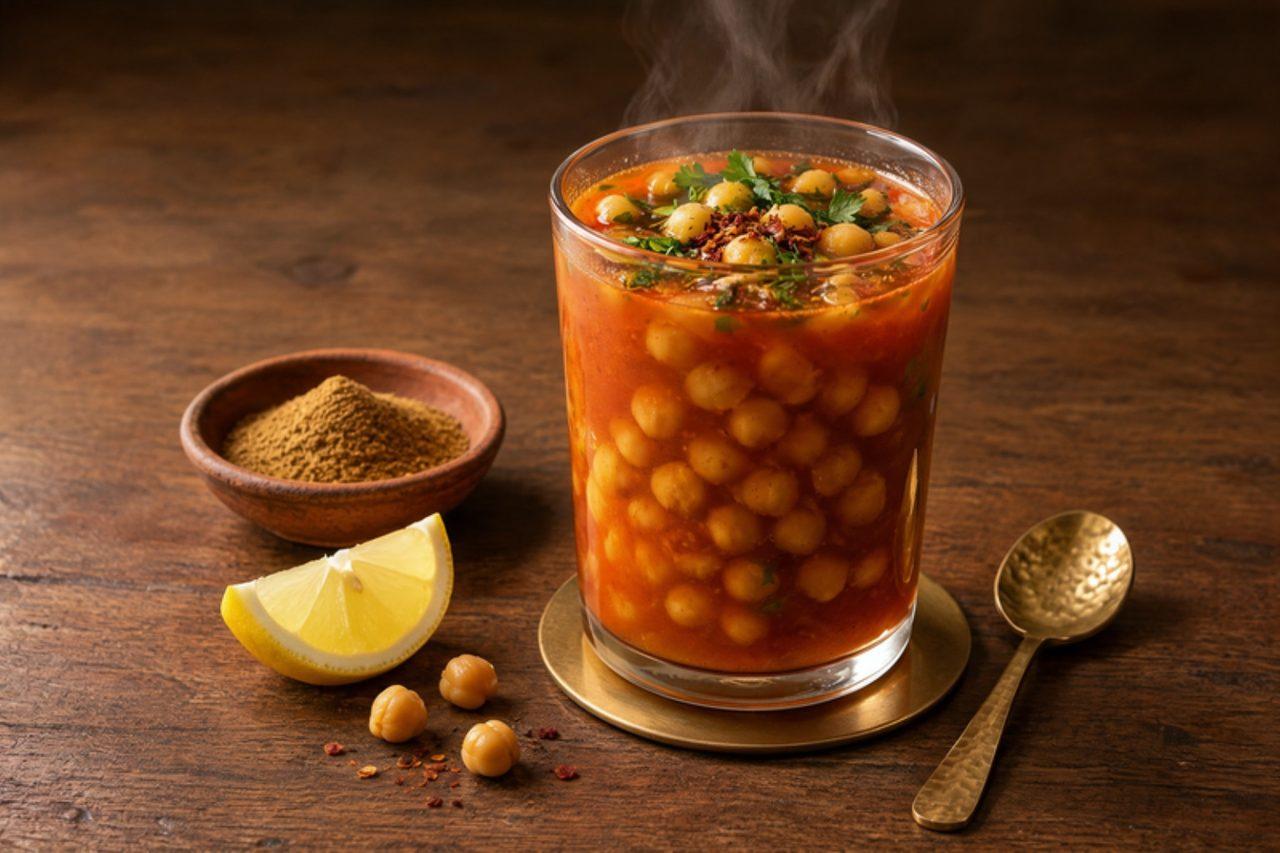
When the cold winds of January blow through Cairo and Alexandria, carts with steaming copper pots appear on street corners, outside universities and along the Corniche. The vendor ladles hummus el sham — Levantine chickpeas — into glasses: soft chickpeas in their own cooking broth, seasoned with lemon, cumin, salt and a fiery spoon of shatta, sometimes with tomato and chopped onion. It is drunk and eaten with a spoon, a warming, peppery, sour-salty cup that is very different from the dip. The common mistake is using undercooked chickpeas or draining away the cooking water: the broth is the drink, and it should be cloudy and slightly thick from chickpeas that are soft enough to crush between your fingers. A pinch of bicarbonate of soda in the pot helps them soften, as Cairo vendors do. It is ready when the broth tastes deeply of chickpeas and lemon, the cumin is fragrant and the chilli leaves a warm burn. Adjust the heat for children. Canned chickpeas with their liquid work in a pinch: simmer them for 10 minutes with fresh water. Chef's tip: squeeze the lemon into each cup at the end; boiled lemon turns bitter.

by KrazyBadal 0 views

BourrideFish stew with garlic sauce

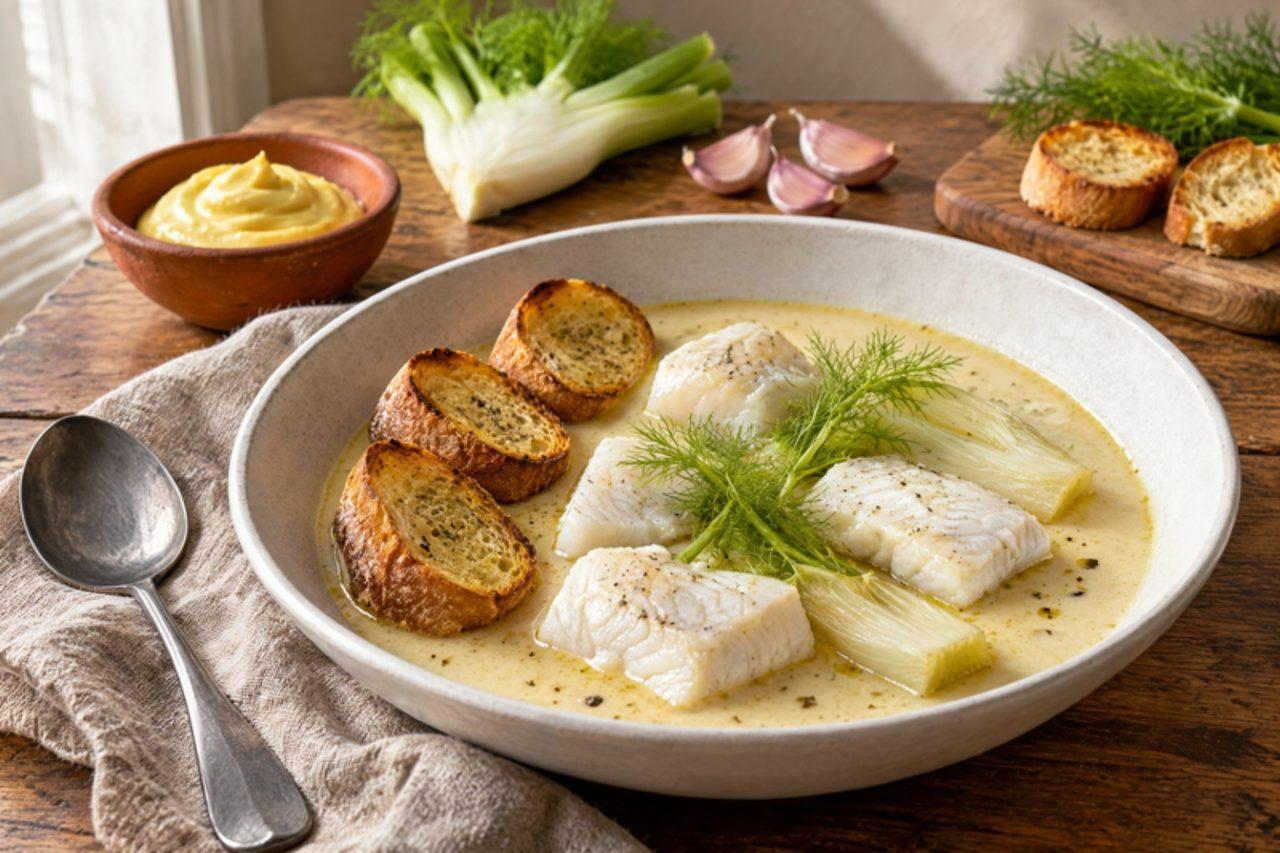
Bourride is the fish stew of Sète and the Provençal coast, a quieter, creamier cousin of bouillabaisse eaten for Friday lunch and summer dinners by the sea. Firm white fish poaches in a broth of fennel, leek, orange peel and thyme, then the broth is thickened with a rich garlic aïoli until it turns silky and pale gold. It is high in protein and suitable as part of a balanced diet; skip the traditional bread or keep it to one thin slice, and serve with steamed greens. About 400 kcal and 8 g carbohydrate per portion. The usual mistake is letting the broth boil after the aïoli goes in, which splits it like scrambled egg. Chef's tip: use pasteurised egg yolks, and stir the broth over a low heat until it coats a spoon and reaches about 72 °C.

50 minFrenchFishGluten free
by KrazyBadal 1 views

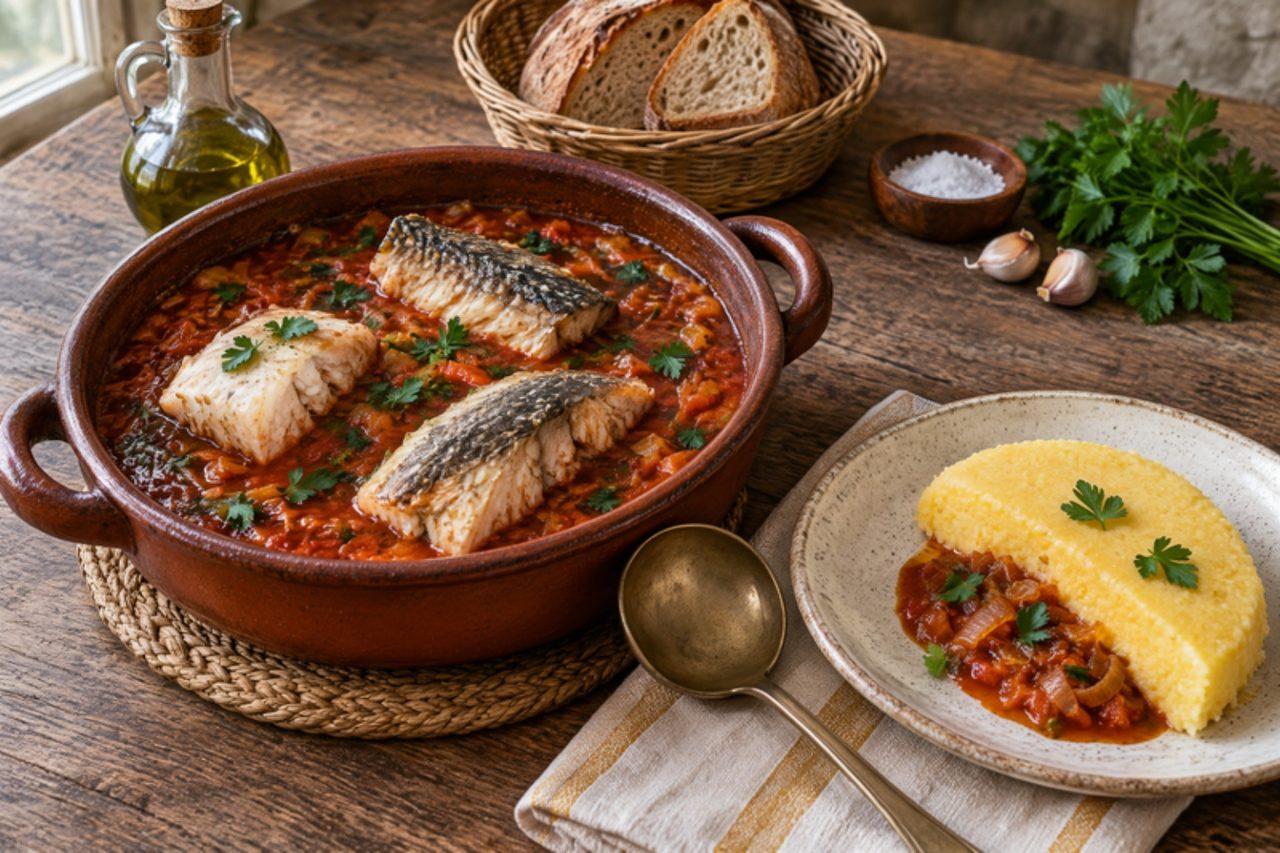
BrudetFisherman's fish stew

Brudet (or brodetto) is the fisherman's stew of the Dalmatian coast and islands, cooked in Split, Hvar and Korčula with whatever the morning's catch brings, and eaten for Friday lunch and summer suppers. Thick fish steaks on the bone stew slowly in olive oil with onion, garlic, tomato and a dash of wine vinegar, and the pot is shaken, never stirred. It is high in protein and suitable as part of a balanced diet; polenta is the classic partner, but grilled courgettes, chard or a small portion of soft polenta keep the carbohydrate down. About 330 kcal and 10 g carbohydrate per portion. The usual mistake is stirring with a spoon, which breaks the fish into shreds. Chef's tip: use at least three kinds of fish, mixing firm and softer ones, for a deeper broth.

60 minBalkanFishGluten free
by KrazyBadal 0 views

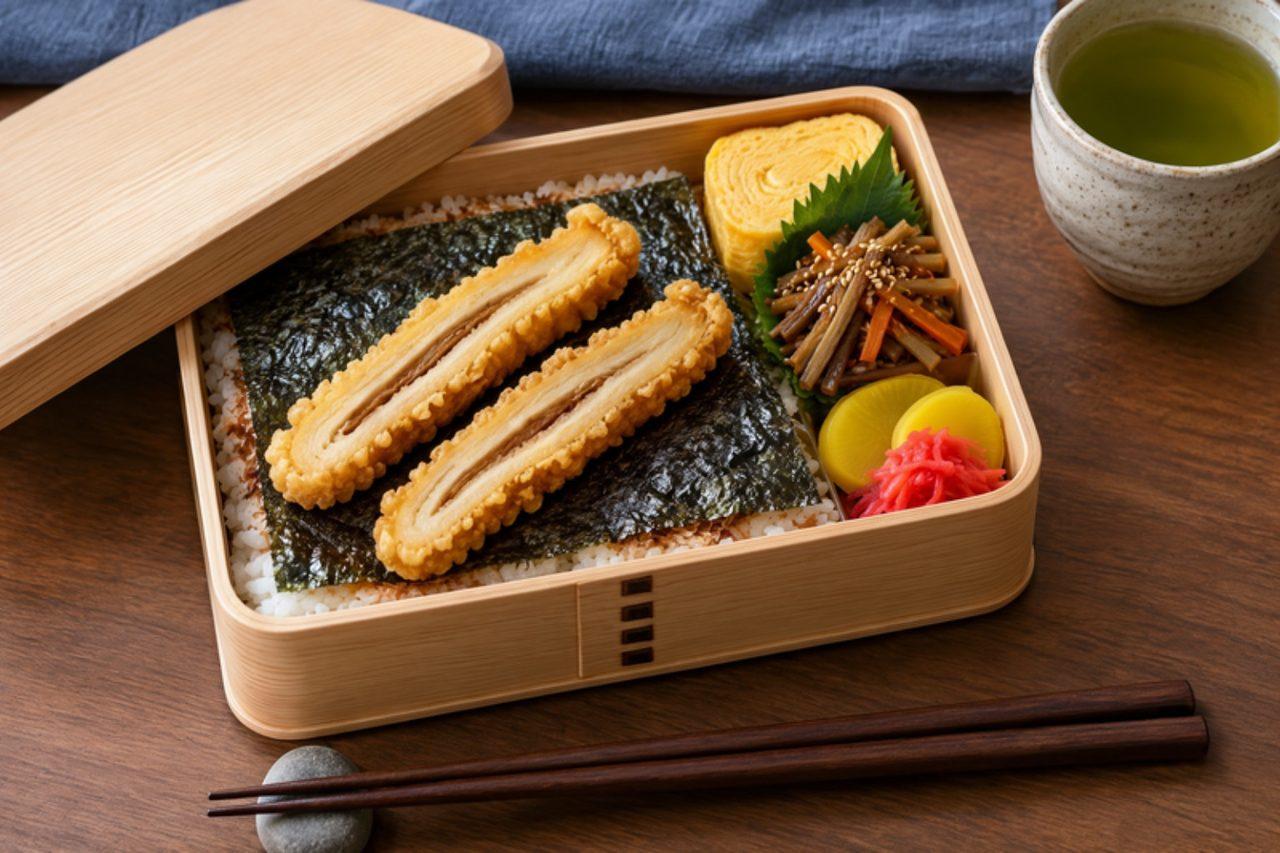
NoribenSeaweed and fish cake bento

Noriben is the humblest and most nostalgic Japanese packed lunch: rice spread with okaka (bonito flakes in soy) and covered with a whole sheet of nori, sometimes twice in layers, then topped with something fried such as chikuwa fish cake or white fish. Convenience stores and bento shops across Japan sell it for a few hundred yen. The usual mistake is laying the nori on steaming rice and closing the lid, which leaves it soggy and torn; let the rice cool a little first. Chef's tip: snip the nori into a few strips before it goes on, so it is easy to bite through with chopsticks.

by KrazyBadal 0 views

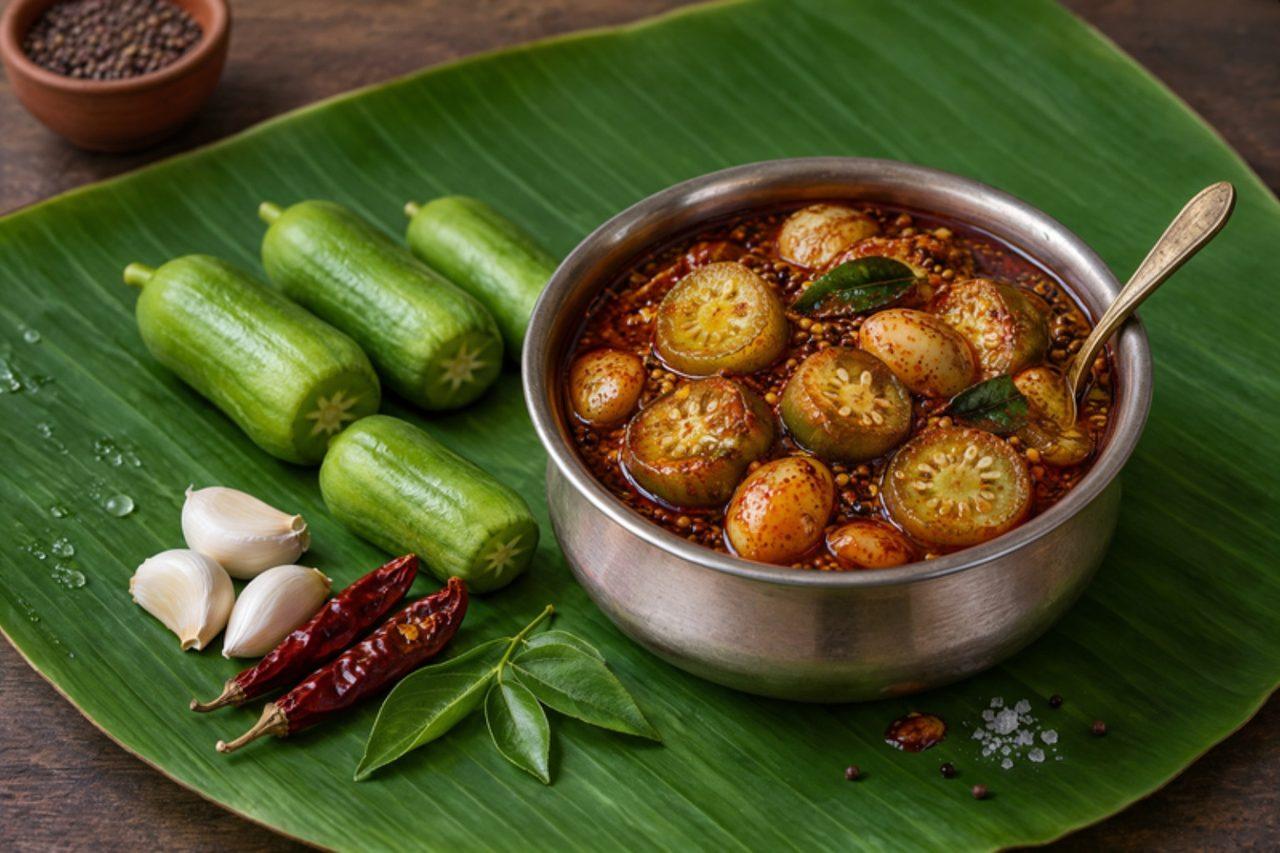
Irumban puli acharBilimbi pickle

Almost every Kerala compound has an irumban puli tree, its trunk studded with clusters of small, cucumber-shaped green fruit so sour they make your eyes water. Through the monsoon months the tree fruits non-stop, and the surplus is salted and turned into this pickle. The bilimbi pieces soften into a tangy, juicy mass in a red masala of chilli, garlic and ginger cooked in gingelly oil, with roasted fenugreek giving a gentle bitterness. Eat it with kanji and payar (rice gruel and green gram), with a simple meal of rice, thoran and moru curry, or with chapati. The common mistake is cooking the fruit for too long: bilimbi is very watery and soft, and if stewed it breaks down to mush. Salt it first to draw out the water, then just warm it through in the masala for a couple of minutes. It is ready when the masala clings to the pieces and the oil glistens on top. Very acidic, but with fresh garlic and ginger, so store it in the fridge and use within a month. Abroad, use sour, green, unripe star fruit (its close relative) or green gooseberries. Chef's tip: dry the salted pieces in the sun for an afternoon for a firmer, chewier pickle.

by KrazyBadal 0 views

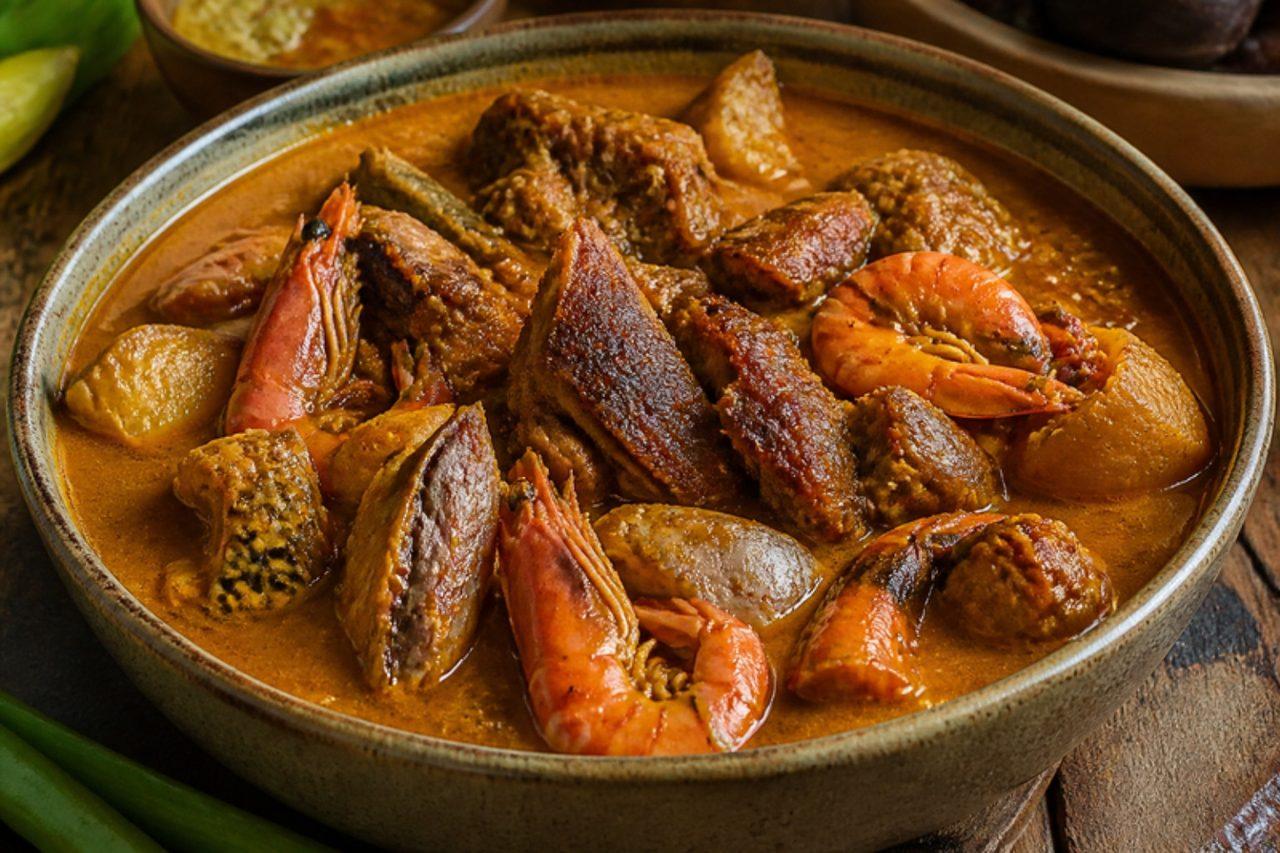
Bouillon d'awaraAwara palm fruit stew

Families in Cayenne, Kourou and Mana start bouillon d'awara days before Easter Monday, when it is eaten together and shared with neighbours; local lore says whoever eats it will come back to Guiana. The base is a thick orange paste of awara palm fruit, cooked very slowly with smoked chicken, salted pork, smoked fish, crab or prawns and a mass of vegetables until everything melds. Awara paste is sold frozen or in jars in Guianese and Antillean shops; if you can't find it, use a mix of palm-fruit concentrate (sold for West African banga soup) and puréed pumpkin, which gives a similar richness though not the same flavour. Salted meats must soak in the fridge overnight. The usual mistake is letting the thick stew catch on the bottom, so stir often. Chef's tip: the stew tastes even better on the second day, reheated until piping hot.

360 minGuyaneseMeatGluten free
by KrazyBadal 0 views

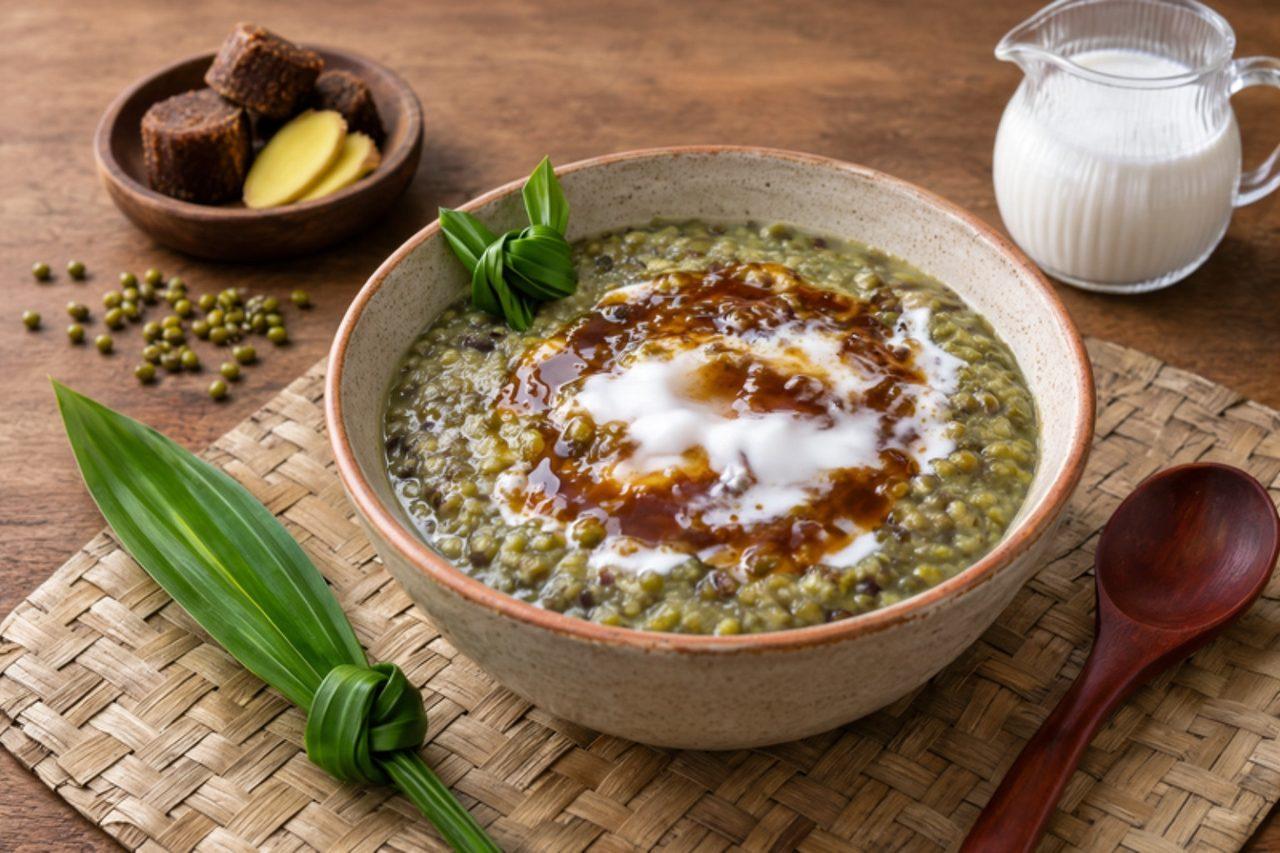
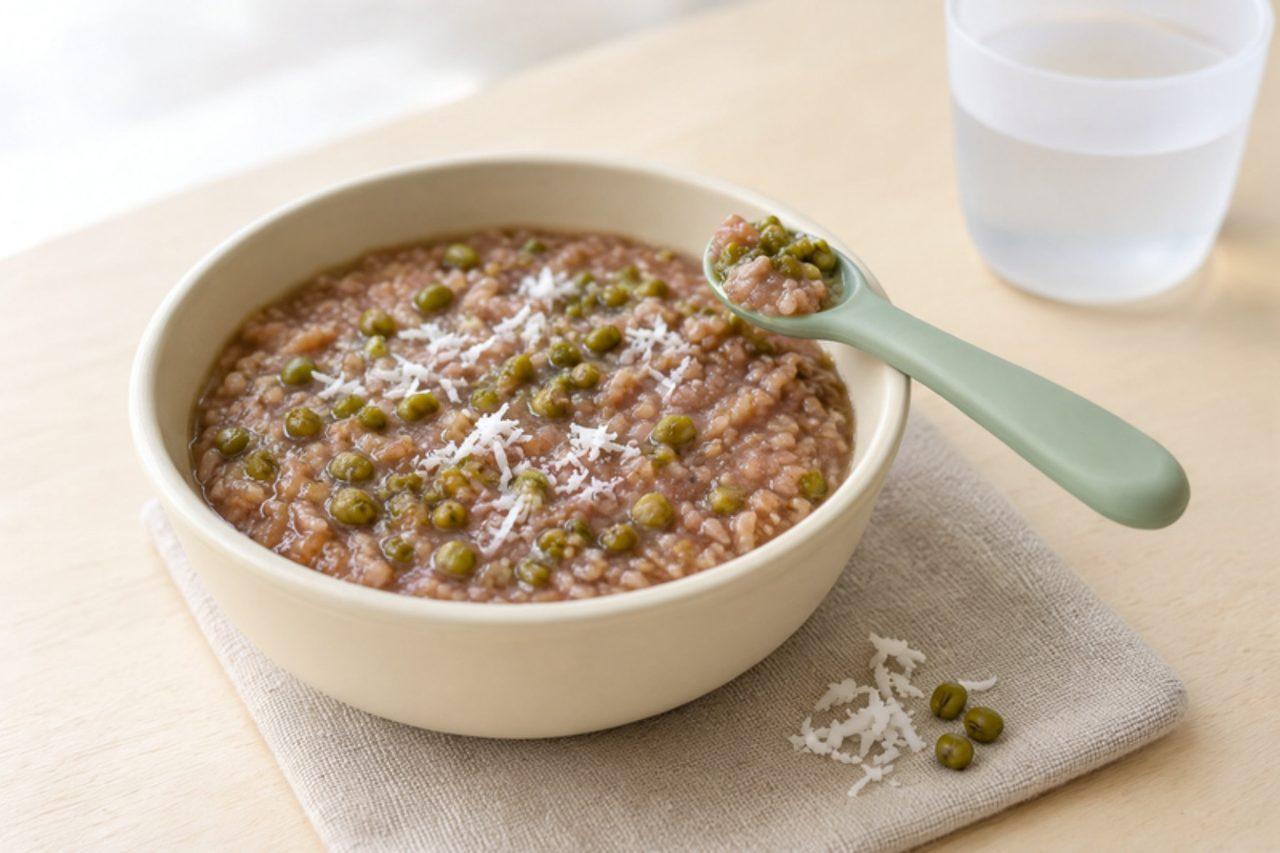
Bubur kacang hijauSweet mung bean porridge

In Java, the bubur kacang ijo seller pushes a cart through the neighbourhood from early morning, ladling warm mung bean porridge sweetened with palm sugar and topped with thick coconut milk. Many people eat it with a slice of white bread dunked in, and late-night stalls in Jakarta sell it alongside instant noodles. The common mistake is adding the sugar too early, which keeps the beans firm; cook them soft first. Chef's tip: cook the coconut milk separately with a pinch of salt and a pandan leaf and pour it on top, so the bowl has a sweet layer and a slightly salty, creamy one.

by KrazyBadal 0 views

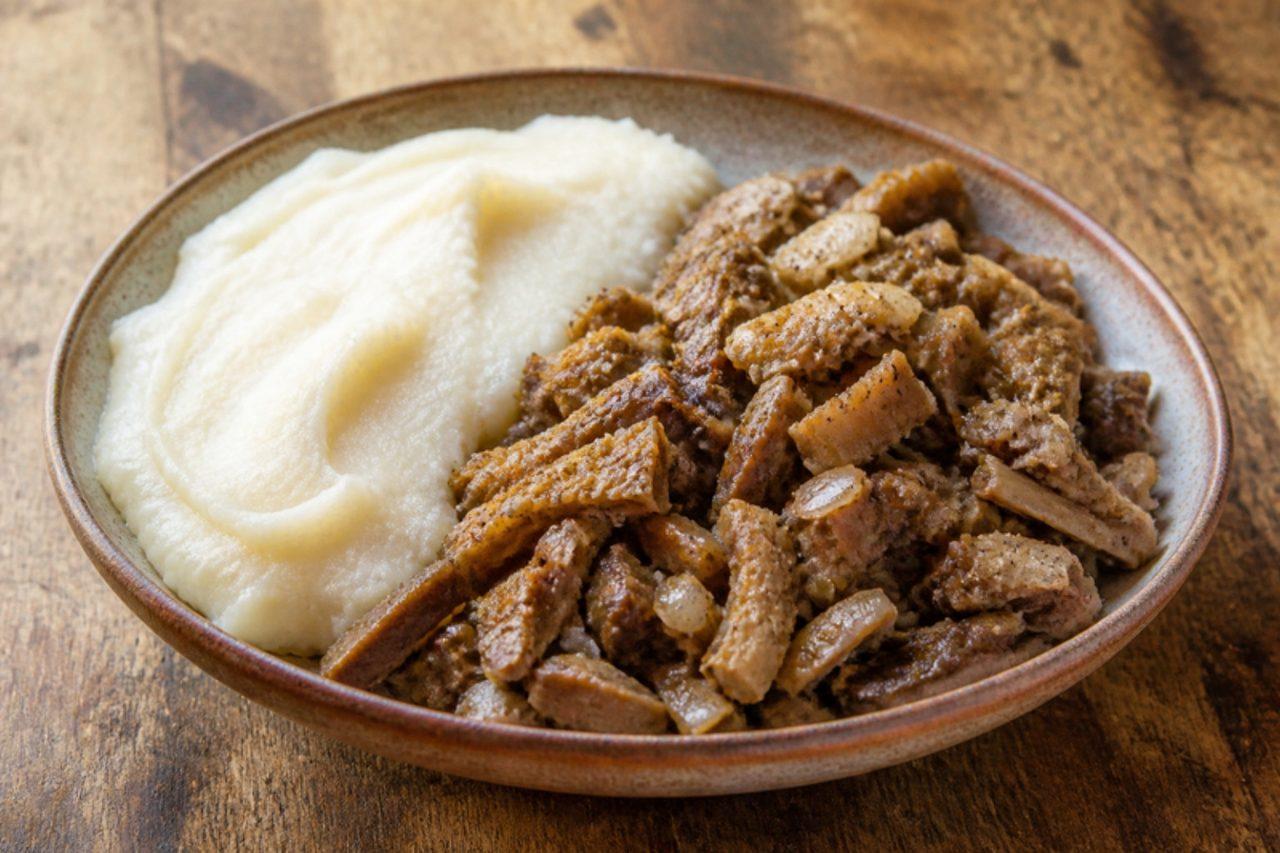
SerobeChopped tripe and offal

At a Tswana wedding or a funeral gathering, the men tending the three-legged pots will make serobe from the insides of the slaughtered goat or ox while the seswaa cooks alongside, and it is served first to the elders. Tripe, heart and liver are boiled until tender, chopped very fine and seasoned simply with salt, onion and a little of the rich broth, so it comes out soft, chewy in places and deeply savoury. Eat it with bogobe, pap or samp and a spoonful of morogo. Buy dressed (cleaned and scalded) tripe from a butcher, and cook everything right through. Chef's tip: chopping it fine by hand is the whole point; a food processor turns it into paste, so take your time with a heavy knife.

by KrazyBadal 0 views

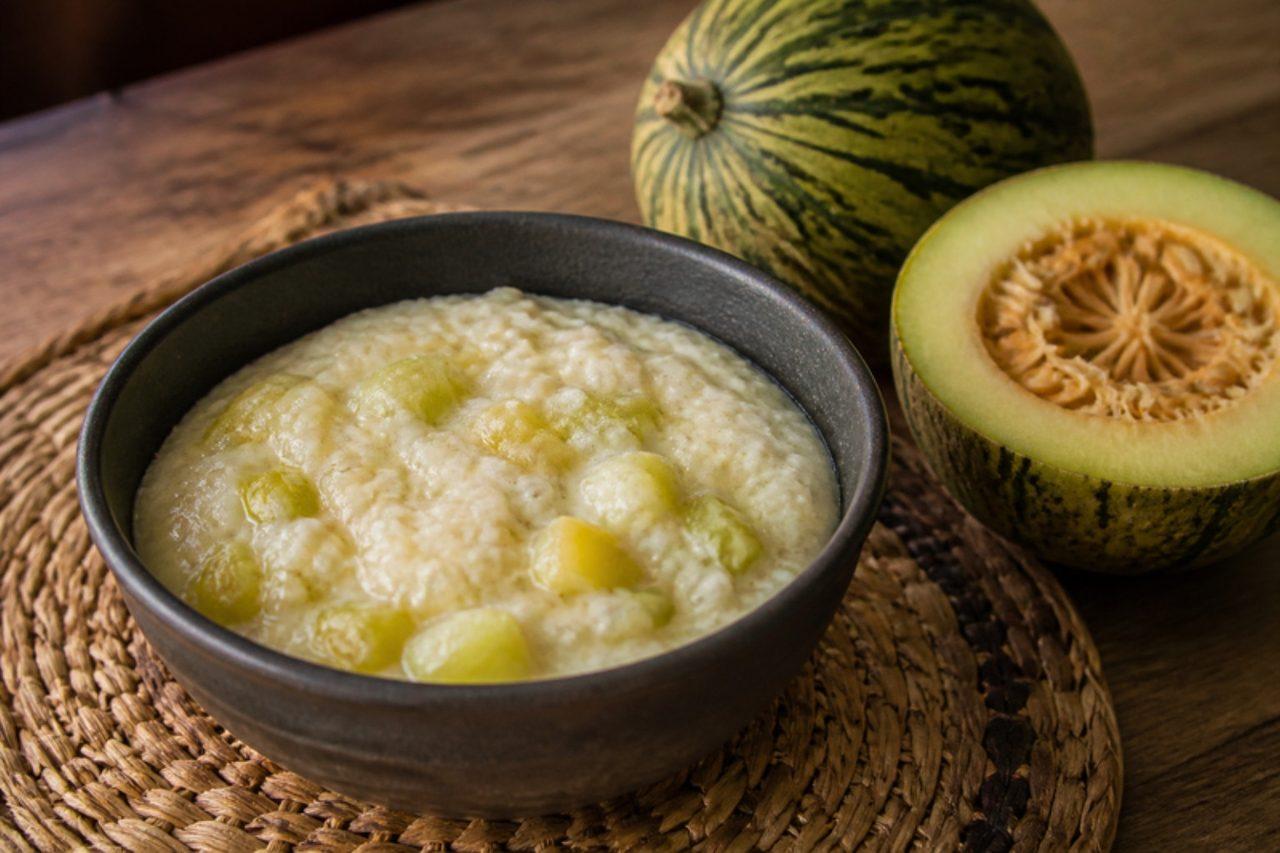
Bogobe jwa lerotseSorghum and melon porridge

When the lerotse melons ripen on the lands around Serowe and Mahalapye after the summer rains, households stir their pale flesh into the evening pot of sorghum, and the porridge turns soft, smooth and quietly sweet. Lerotse is a hard-skinned field melon, closer to a mild marrow than a dessert melon, so it melts into the bogobe and gives it a light, fresh taste against the sour, nutty grain. It is eaten as a side with seswaa, beans or morogo, or on its own for supper with a sprinkle of sugar. Outside Botswana, look for lerotse at African grocers; otherwise a firm cooking melon or a winter melon gives a very close result. Chef's tip: the mistake people make is dumping the sorghum in at once, which gives lumps; rain it in slowly while you whisk.

by KrazyBadal 0 views

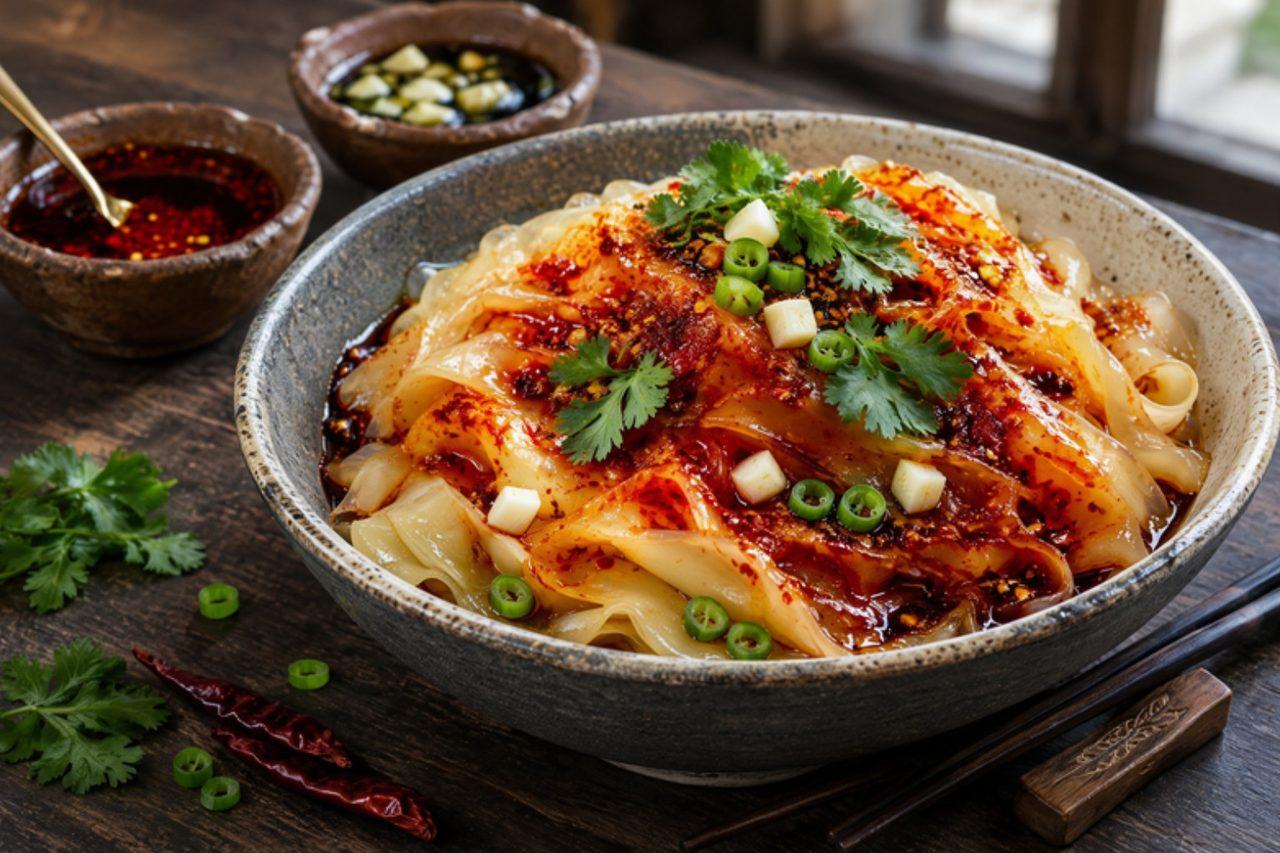
LaphingCold starch sheet noodles

Laphing came to Kathmandu with Tibetan families, and the alleys around the great stupa at Boudha are full of tiny stalls selling it every afternoon, to monks, students and office workers alike. Flour dough is washed in water to separate the starch from the gluten; the starch is steamed into thin, jelly-like sheets and the gluten into a spongy filling, then everything is rolled up and drowned in fiery chilli oil, garlic water, soy sauce and vinegar. It is cold, slippery, chewy and very hot. Contains wheat (gluten) and soya. Chef's tip: steam each sheet no thicker than 3 mm; thick layers set rubbery instead of silky.

by KrazyBadal 0 views

CuchuflíFilled wafer tubes

Cuchuflí are the thin, crisp wafer tubes filled with manjar that vendors sell from baskets on Chilean beaches and outside football stadiums, and that children beg for at the Fiestas Patrias fondas. At home you can bake the wafers yourself and roll them round a wooden spoon handle. The usual mistake is waiting too long to roll them: the wafers set within seconds and crack. Bake only three at a time. Chef's tip: fill them with a piping bag just before serving, or the manjar softens the wafer; dip the ends in melted chocolate if you like.

by KrazyBadal 0 views

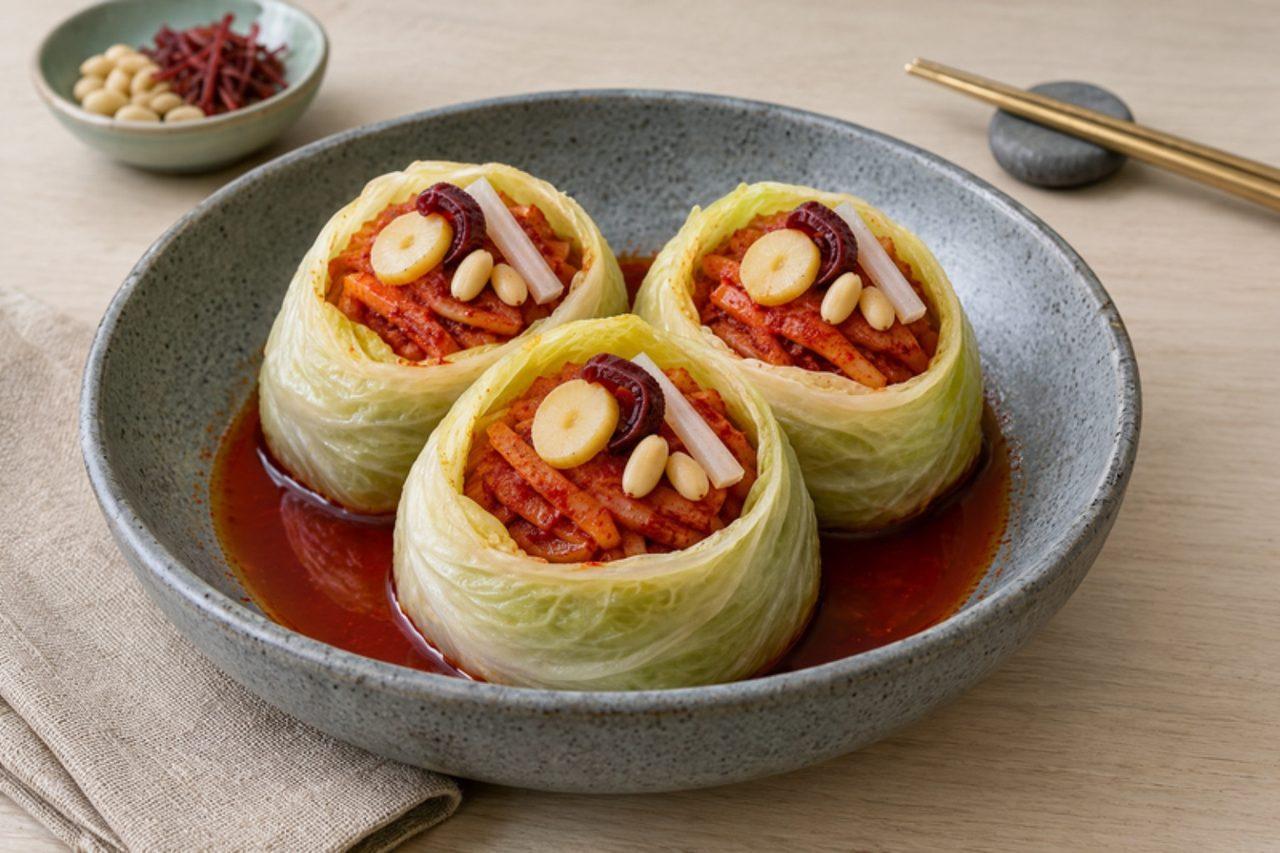
Bossam kimchiWrapped cabbage kimchi

Bossam kimchi comes from Gaeseong, the old Goryeo capital just north of today's border, and it is the kimchi families make with special care at kimjang time in late November and set out for Seollal guests. Instead of rubbing seasoning into whole cabbage halves, the inner leaves are folded around a rich filling of radish, Korean pear, chestnut, jujube, pine nuts and herbs, then wrapped in large outer leaves like a gift. Unwrapped at the table, it is crisp, juicy and sweet from the pear, with mellow chilli heat and the savoury depth of salted shrimp. Traditional versions add raw oysters; here they are optional. Raw oysters are not safe for pregnant people, babies, older people or anyone with weak immunity, so leave them out for those guests or for any kimchi you mean to keep beyond 3 days. The common mistake is under-rinsing the cabbage, which makes every parcel too salty; rinse three times and taste a stem. It is ready after 3–4 days in the fridge, when the juice turns pleasantly sour and slightly fizzy. Chef's tip: tie each parcel with a blanched scallion if the leaves won't stay closed.

by KrazyBadal 0 views

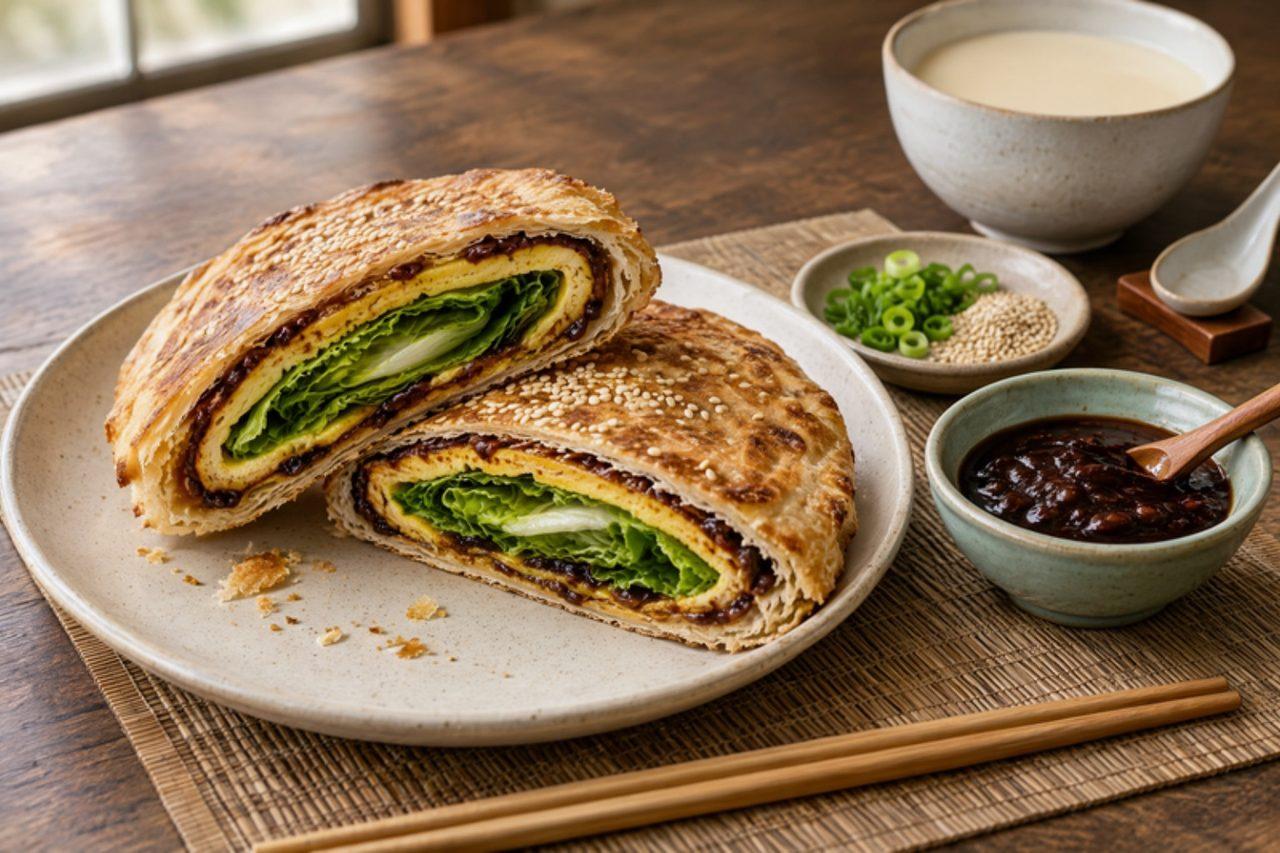
Jidan guanbingFlatbread filled with egg

Jidan guanbing, "egg-poured pancake", started in Henan and is now on breakfast carts across China: a layered flatbread puffs up like a balloon on the griddle, the cook tears a slit, pours beaten egg inside, then wraps it around lettuce with sweet bean sauce and chilli. The mistake is rolling the dough too thick so it never puffs; roll it thin and seal the oil paste well inside so steam separates the layers. Chef's tip: press the centre gently with a spatula as soon as it starts to rise, which pushes the air into one big pocket ready for the egg.

by KrazyBadal 0 views

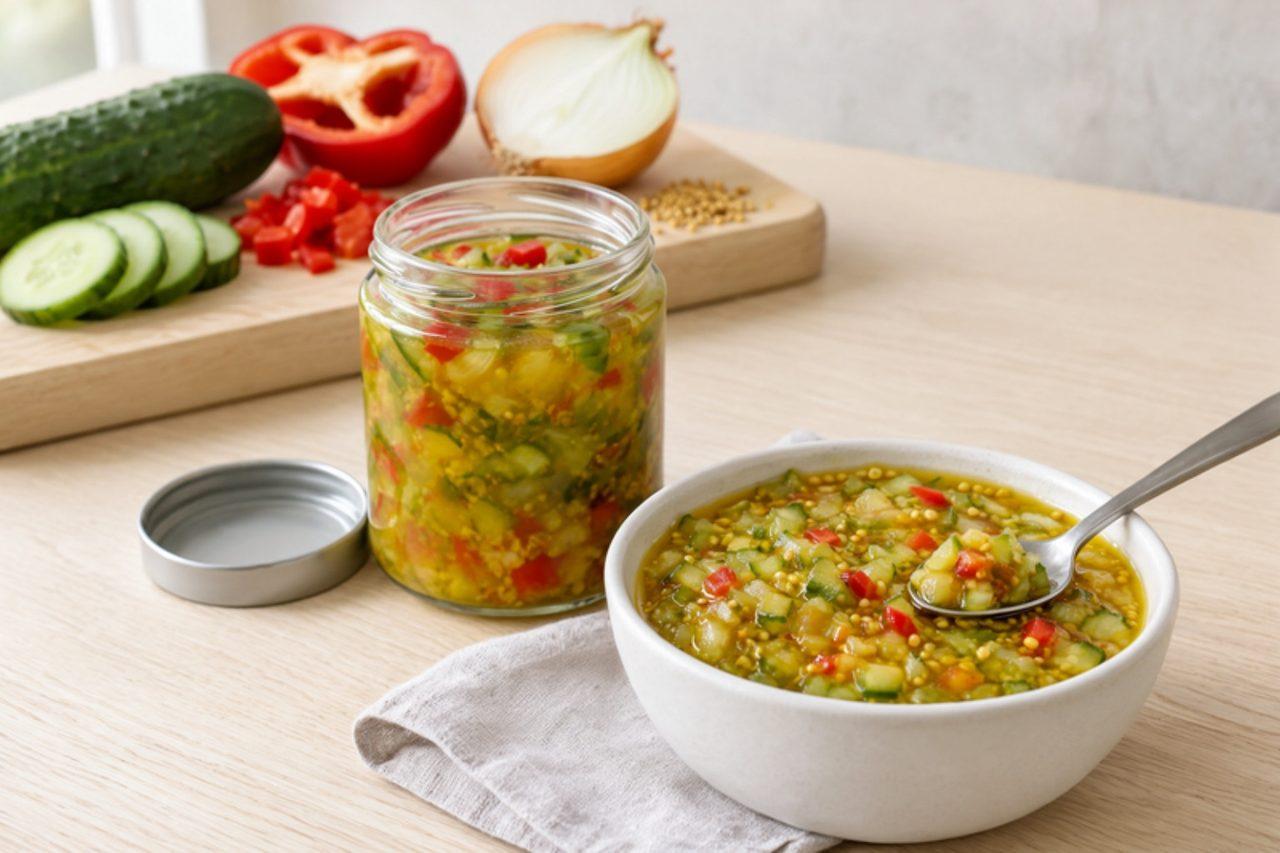
BostongurkaSweet cucumber relish

Every Swedish korvkiosk, from Stockholm's Södermalm to the ferry ports of Gothenburg, offers bostongurka in a squeeze bottle, and most Swedes still put it on their grillkorv with mustard, ketchup and crispy fried onions. Families make their own in August and September, when cucumbers are cheap at the farm stands, and spoon it onto hot dogs at summer barbecues, beside meatballs, into potato salad and onto cheese sandwiches all winter. It is a fine-chopped relish: sweet and sour, golden-yellow from turmeric, with crunch from the cucumber and the soft warmth of mustard seed. Common mistake: skipping the overnight salting; without it the cucumber leaks water and the relish turns soupy and dull. Squeeze the vegetables hard before cooking. It is ready when the vegetables are just tender but still crunchy and the liquid has thickened enough to cling to them. Chef's tip: chop by hand or pulse very briefly in a processor; a purée loses the crunch that makes it bostongurka.

by KrazyBadal 0 views

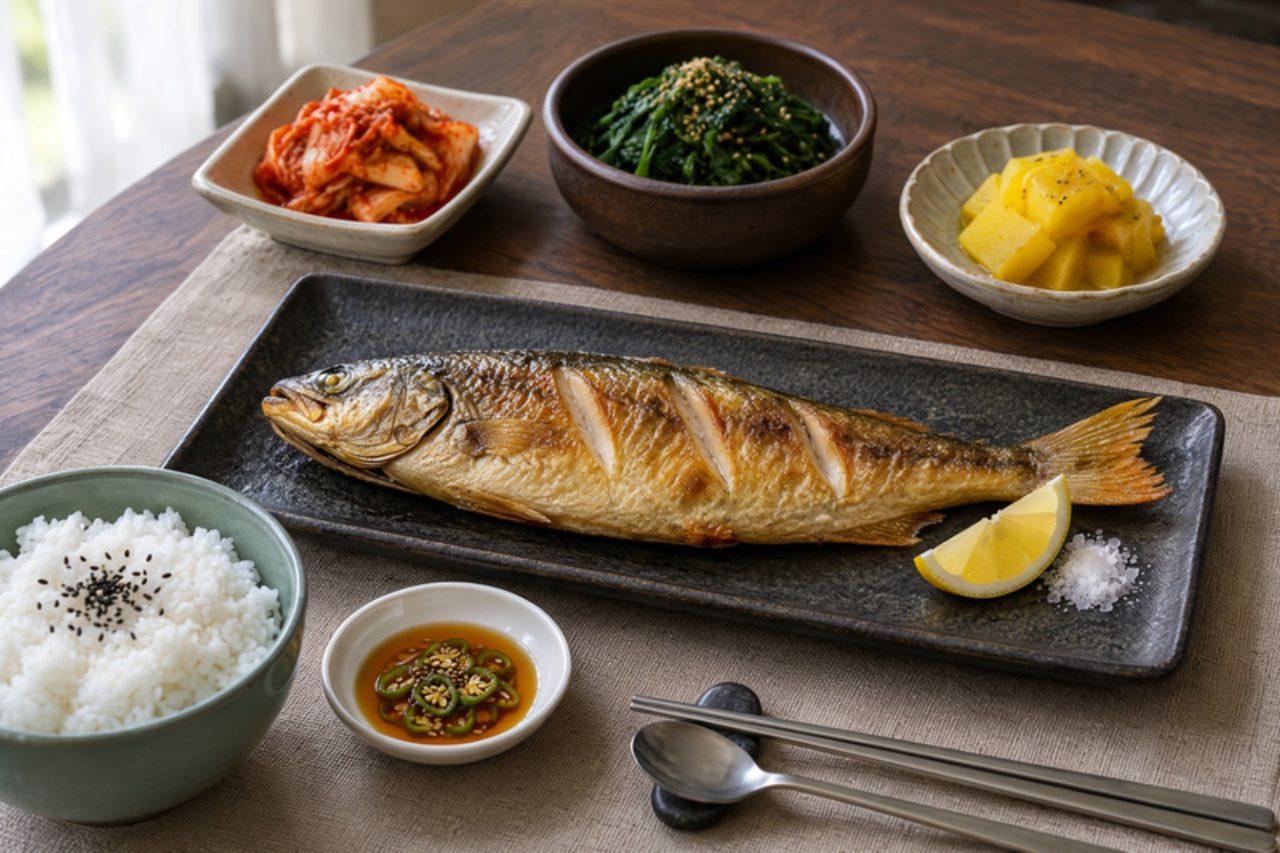
Jogi guiGrilled yellow croaker

Yellow croaker from Yeonggwang on Korea's west coast is so prized that dried gulbi are given as gifts at Chuseok, and a simply grilled or pan-roasted croaker is a classic of the family table and of ancestral memorial meals. The fish is salted, dried briefly and cooked whole until the skin crackles and the flesh comes away in sweet, moist flakes; you eat it with rice, kimchi and a few vegetable banchan. Suitable as part of a balanced diet: high in protein with no batter or flour. About 210 kcal and 1 g carbohydrate per portion. The usual mistake is turning the fish too early, so the skin tears and sticks; wait until it releases on its own. Small sea bream or red mullet work if you cannot find croaker. Chef's tip: pat the fish completely dry and leave it uncovered in the fridge for 30 minutes before cooking for the crispest skin.

25 minKoreanFishGluten free
by KrazyBadal 0 views

ThenthukHand-pulled noodle soup

In the Tibetan restaurants around Boudha stupa in Kathmandu, thenthuk is what people order on cold evenings and winter mornings: pieces of dough are pulled flat and pinched straight into a light broth with mutton or buffalo, tomato, radish and spinach. The noodles are thick, soft and slightly uneven, and the soup is gentle and warming, with a little soy and spring onion. This home version uses mutton or lamb. Contains wheat and soya. Chef's tip: pull the dough so thin you can almost see your fingers through it; thick pieces stay doughy in the middle.

by KrazyBadal 0 views

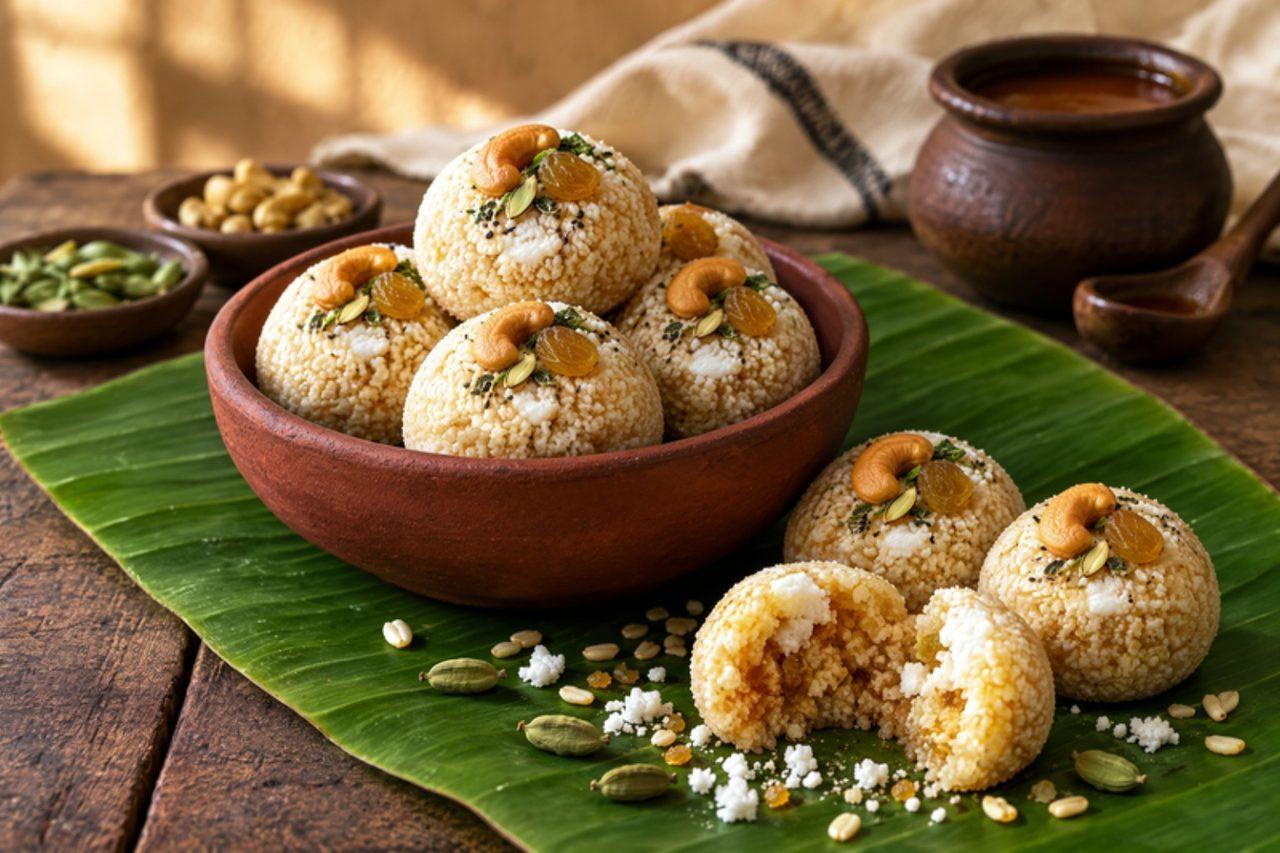
Joynagarer moaPuffed rice and jaggery balls

Joynagar, south of Kolkata, makes moa only in winter, when the fragrant kanakchur paddy is harvested and date-palm sap is boiled into fresh nolen gur. Puffed kanakchur khoi is bound with the liquid gur, khoya and ghee into soft balls topped with a raisin and a pinch of cardamom, and Bengalis queue for the first boxes each December. The common mistake is overcooking the gur, which sets the moa hard as stone; it should reach only the soft-thread stage so the balls stay tender and squash slightly when bitten. Chef's tip: if you cannot find kanakchur khoi, use the freshest, crispest puffed rice you can buy and warm it briefly in a dry pan.

by KrazyBadal 0 views

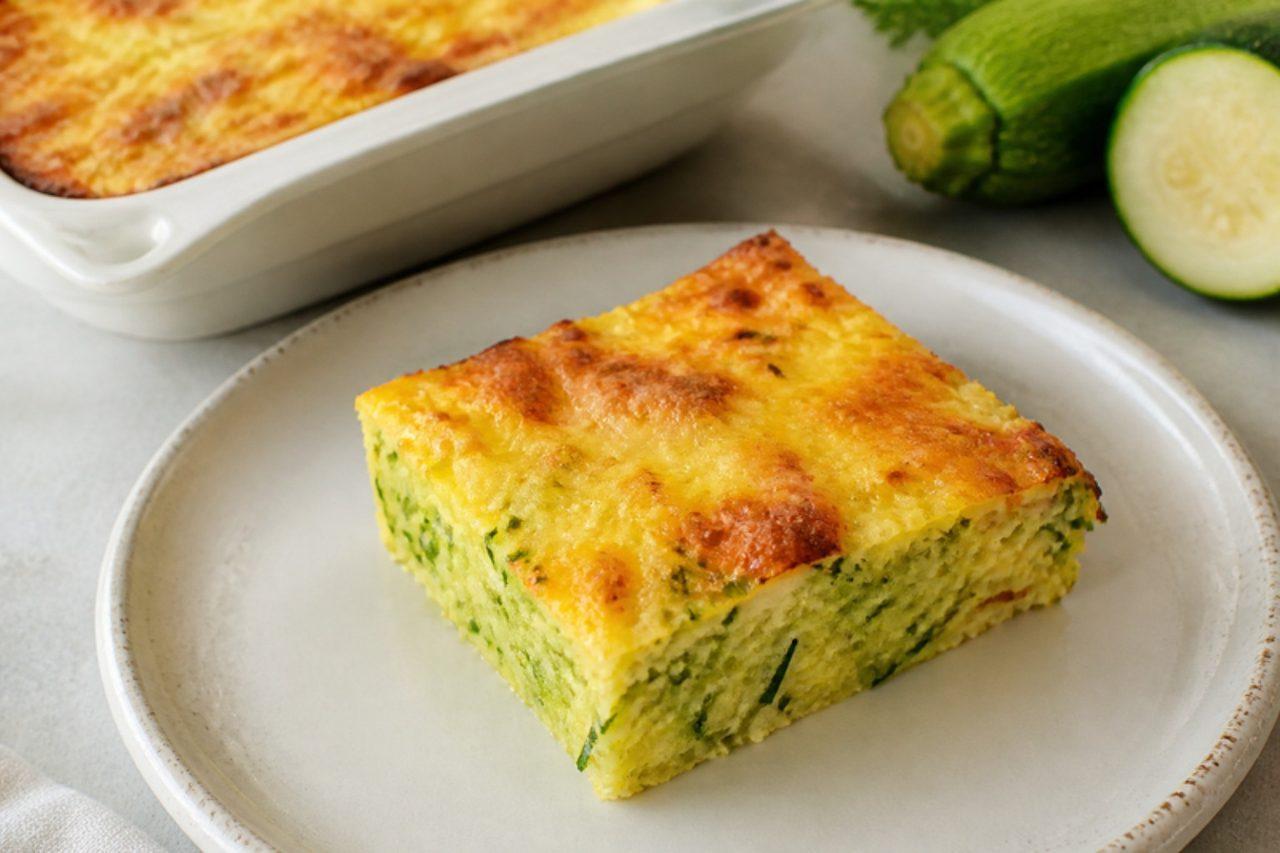
Budín de zapallo italianoBaked courgette pudding

In late summer, when courgettes (zapallo italiano) pile up in Santiago's ferias, home cooks turn them into budín: a soft, savoury bake bound with eggs, milk and cheese, served in squares with rice or a tomato salad for a light weekday lunch. Chileans use mild queso chanco or gouda, which is usually made with animal rennet; choose a cheese marked vegetarian if that matters to you. The big mistake is skipping the draining step: courgettes are mostly water, and a budín made with wet courgette weeps in the dish. Chef's tip: salt the grated courgette, leave it 15 minutes and squeeze it hard in a clean tea towel until it stops dripping.

by KrazyBadal 0 views

Jugo surtidoMixed fruit juice

Step up to any juguería in Lima's Mercado de Surquillo or a barrio market at breakfast time and order a surtido: the juicer drops papaya, banana, pineapple and freshly squeezed orange into a tall blender, sometimes a slice of cooked beetroot for colour or a splash of milk, and pours you a big glass with the rest left in the jug for your 'yapa', the free refill. It is thick but still pourable, sweet from ripe fruit with a sharp orange edge, the kind of drink that stands in for breakfast before a long day. The common mistake is adding lots of ice and water, which makes it thin and frothy rather than velvety. Use cold fruit and freshly squeezed orange juice as the liquid. It is ready when it coats the glass and no lumps of banana are left. This version is fruit only; stalls also make it with milk if you prefer. Drink it straight away: papaya and banana go brown and bitter within half an hour. Chef's tip: use very ripe papaya with orange flesh; under-ripe papaya tastes of nothing and gives a faintly bitter aftertaste.

by KrazyBadal 0 views

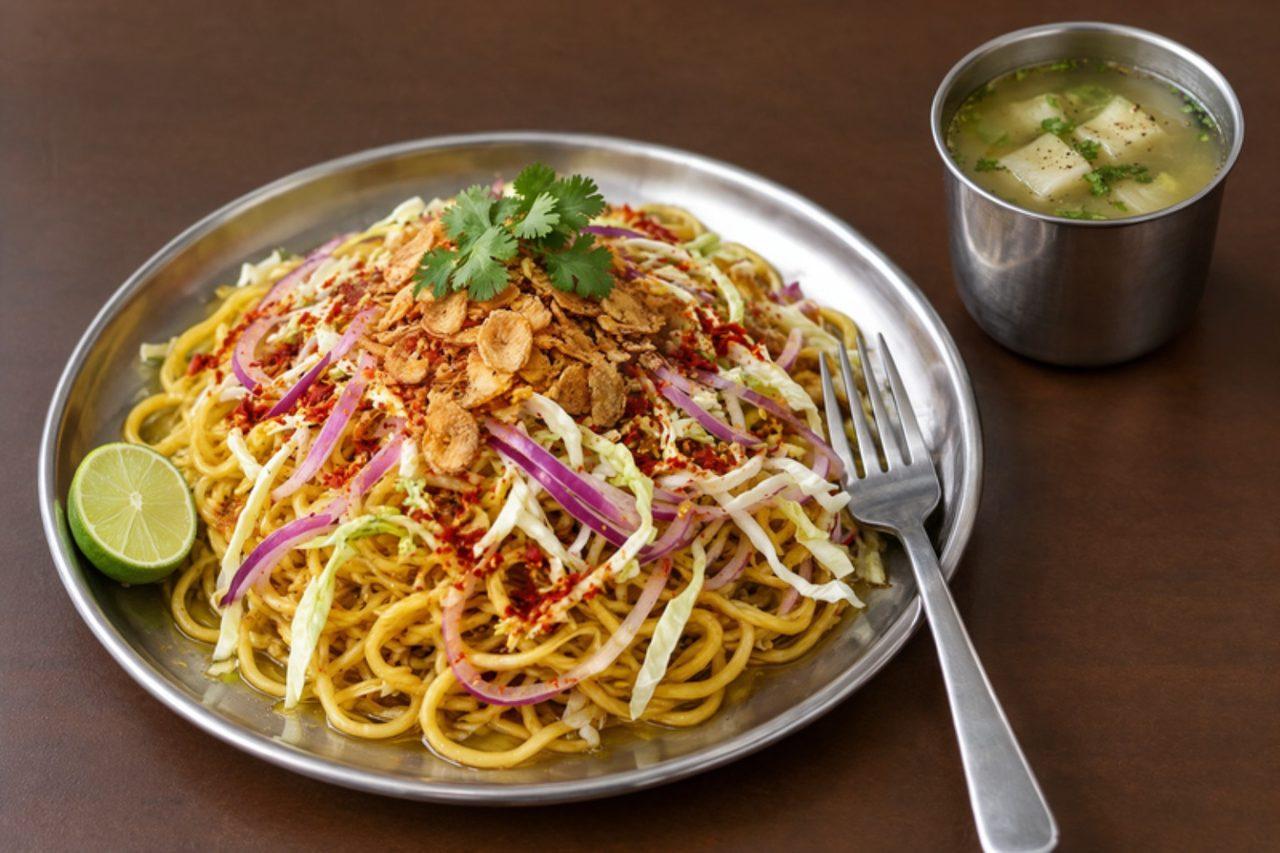
Burma athoBurmese noodle salad

When Tamil families returned from Burma in the 1960s they brought atho with them, and today it is cooked on carts around Burma Bazaar, Parry's Corner and along the roads near the harbour in George Town, busiest at lunch and in the early evening. Cold noodles are mixed by hand with raw cabbage and onion, crisp fried garlic, tamarind, chilli flakes, roasted gram powder and lime, and come with a peppery banana-stem soup on the side. It is sour, hot, crunchy and very moreish. Contains wheat. Chef's tip: fry the garlic slowly until only pale gold; it keeps darkening off the heat and turns bitter if you wait for brown.

by KrazyBadal 0 views

KaasbroodjeCheese puff pastry roll

The kaasbroodje is the Dutch commuter's breakfast: a rectangle of puff pastry wrapped around a log of Gouda, baked until the cheese oozes from the ends. Kiosks in Amsterdam Centraal and bakeries along the Haarlemmerstraat sell them warm all morning, and they get eaten on the platform or on the tram, scattering flakes everywhere. Use a young or medium Gouda for melt, with a little aged one for flavour. Traditional Gouda is often made with animal rennet, so choose one labelled vegetarian (made with microbial rennet) if that matters to you. Chef's tip: seal the ends well and bake with the seam underneath, so the cheese melts inside rather than running onto the tray.

by KrazyBadal 0 views

Menchi katsuCrumbed meat patties

Menchi katsu, a juicy mince patty of beef and pork in a crisp panko coat, is sold hot at Tokyo butchers' shops like the famous ones in Kichijoji and packed cold in bento across Japan, with shredded cabbage and a drizzle of tonkatsu sauce. Sweet fried onion makes the inside tender. The common mistake is frying in oil that is too hot, so the crumb burns before the pork and beef in the middle are cooked. Chef's tip: chill the shaped patties for 20 minutes before crumbing so they keep their shape and stay juicy.

by KrazyBadal 0 views

Gobi matar (cauliflower and peas)

In Punjab and Uttar Pradesh, winter means cauliflower and fresh peas, and gobi matar is what fills countless school and office dabbas between November and February. It is cooked dry, so the florets brown a little at the edges, sweetened by the peas and sharpened by plenty of ginger. The mistake is cooking the cauliflower covered with water until it is soft and smells of cabbage; steam it briefly in its own moisture, then fry it uncovered. Chef's tip: cut the florets so they have one flat side; that face sits on the pan and browns while the rest steams tender.

by KrazyBadal 0 views

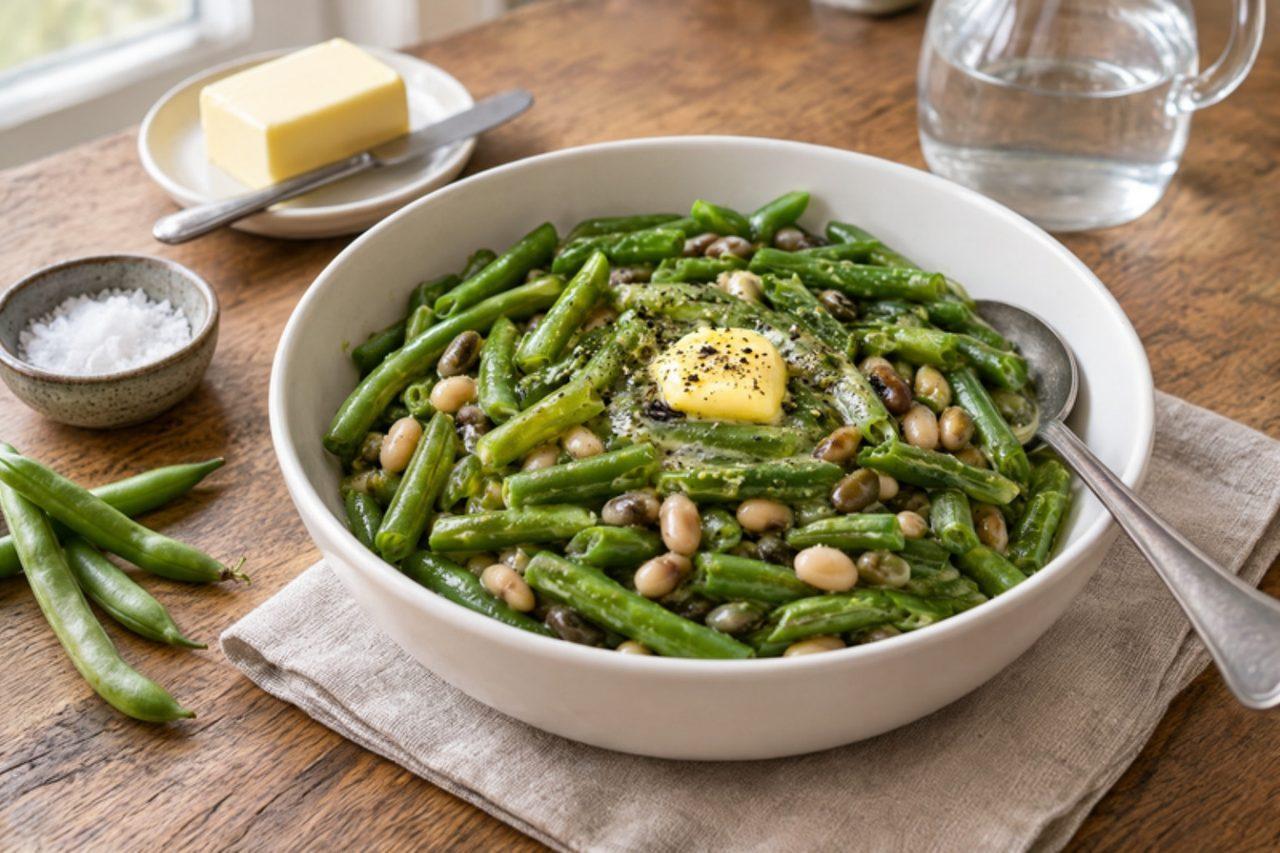
Blote billetjes in het grasWhite and green beans with butter

Dutch grandmothers named this dish 'bare bottoms in the grass' for the pale white beans peeping out between the green ones, and it is a summer weekday supper all over the Netherlands, when runner and French beans are cheap. Green beans and cooked white beans are simmered together, then stirred with butter, a little stock and plenty of pepper, often with boiled potatoes on the side. Many families add bacon or a smoked sausage; this version keeps it vegetarian, so serve it with a fried egg or a vegetarian sausage if you want more. The usual mistake is boiling the green beans until grey: they should stay bright with a slight bite. Chef's tip: a splash of the bean-cooking liquid stirred in with the butter makes a glossy little sauce that clings to everything.

by KrazyBadal 0 views

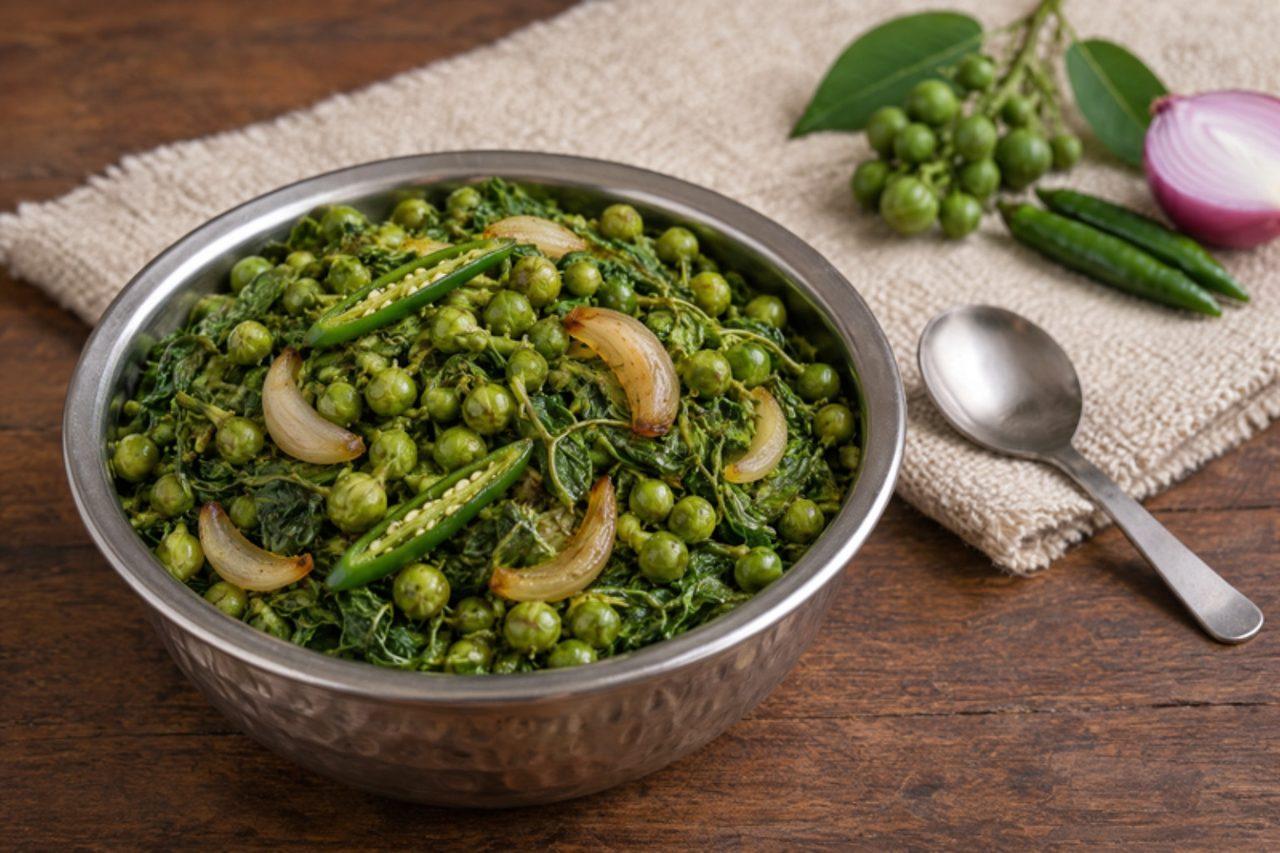
Bohar bhajiFlower bud curry

For a few weeks each spring, Raipur's markets sell small heaps of bohar, the young buds of the lasoda (Cordia) tree, and they are one of the most prized and pricey vegetables in Chhattisgarh. Cooked with onion, chilli and a spoon of curd, they have a pleasant, slightly sticky bite and an earthy taste, and families eat them with rice and dal for as long as the season lasts. People often skip the boiling step; without it the buds stay gummy and slightly bitter. Chef's tip: if you cannot find bohar, the same masala works with tender lasoda (gunda) fruit from Indian grocers, which is the same tree.

by KrazyBadal 0 views

TsukuneChicken meatball skewers

Tsukune are the minced chicken patties of yakitori bars all over Japan, and squashed into small ovals they are one of the most loved bento fillers, eaten cold at school or the office. Ginger and spring onion keep them fresh, and a glossy soy tare makes them sticky and sweet. The tare uses mirin, a sweet rice wine; most of its alcohol cooks off as it bubbles, and for an alcohol-free glaze use 1 tbsp sugar and 2 tbsp water instead. The common mistake is a loose mix that falls apart in the pan; knead it until sticky. Chef's tip: add a spoon of grated tofu or potato starch to the mince, which keeps the patties juicy even the next day.

by KrazyBadal 0 views

Kådon pikaChicken in coconut milk with chilli

Kådon pika is a fiery Chamorro chicken stew from Guam, cooked for family dinners and fiestas: chicken is simmered with soy sauce, vinegar, garlic and onion, then finished in coconut milk with plenty of hot donne' peppers. It shares roots with Filipino adobo but the coconut milk and heat make it its own. Serve with red rice. A common mistake is boiling the coconut milk hard; it can split and go oily. Chef's tip: let the vinegar boil for a minute uncovered before adding the coconut milk, which mellows its sharpness.

by KrazyBadal 0 views

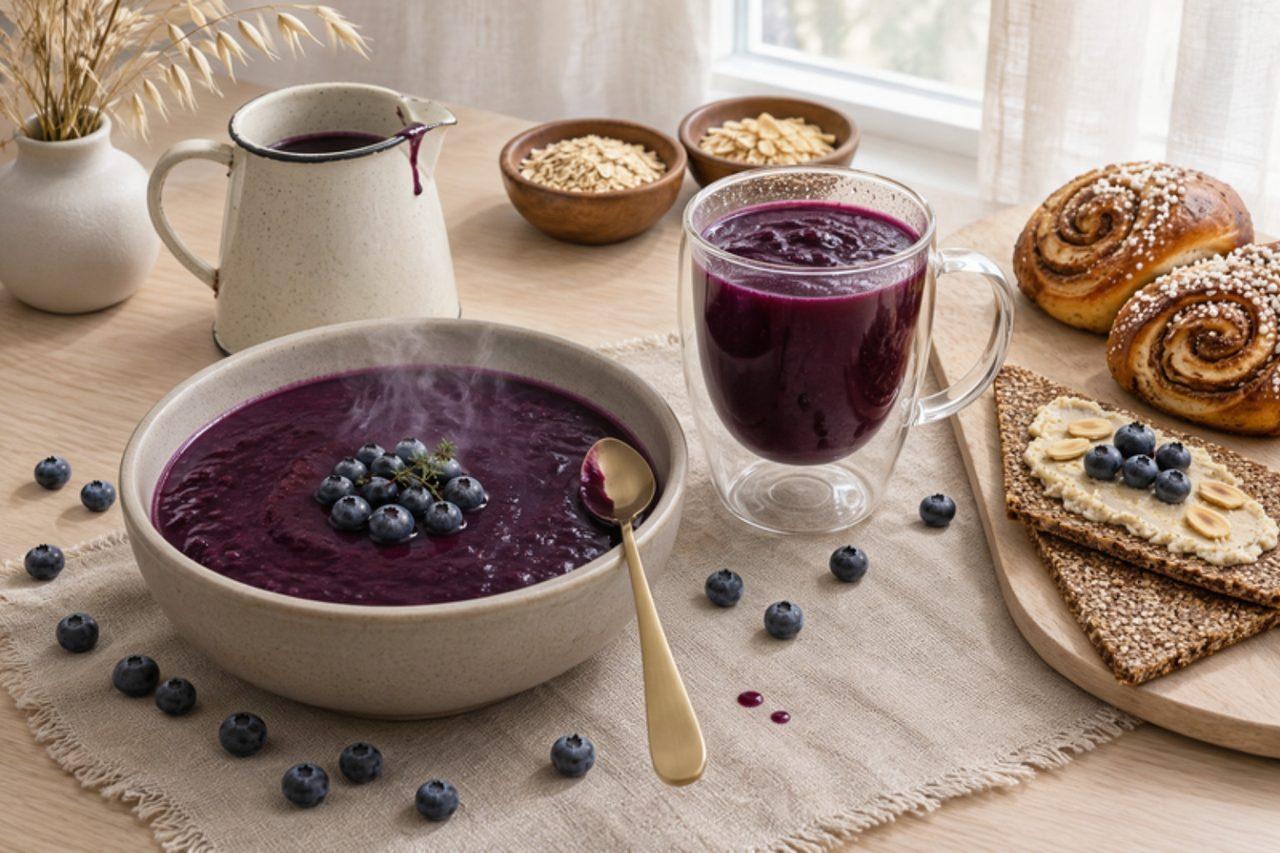
BlåbärssoppaBilberry soup

Swedes have drunk blåbärssoppa for generations, warm on a winter morning and cold from a cup after the Vasaloppet ski race, where skiers are handed it at every station. It is a thin, deep purple soup of bilberries or blueberries, sweetened and thickened just enough with potato starch to coat the tongue. The common mistake is boiling the soup after adding the starch: it turns stringy and then thins out again, so take it off the heat as soon as it thickens. Chef's tip: wild bilberries give a far deeper colour and flavour than cultivated blueberries, and frozen ones work perfectly.

by KrazyBadal 0 views

Kakinada kajaSyrup-soaked layered pastries

Kakinada kaja is the famous sweet of Kakinada in Andhra's East Godavari, a long, golden pastry made of layered dough that is fried and soaked in syrup until the hollow centre fills with sweetness and bursts when bitten. Telugu families buy it for weddings, Sankranti and housewarmings. The common mistake is syrup that is too thick: Kakinada kaja is soaked in a thin, just-sticky syrup so it seeps inside, while the outside stays crisp. Fry slowly so the layers open. Chef's tip: roll the dough sheet tightly into a log after spreading the ghee paste, and seal the ends, so each piece puffs into distinct layers.

by KrazyBadal 0 views

BlatjangDried apricot chutney

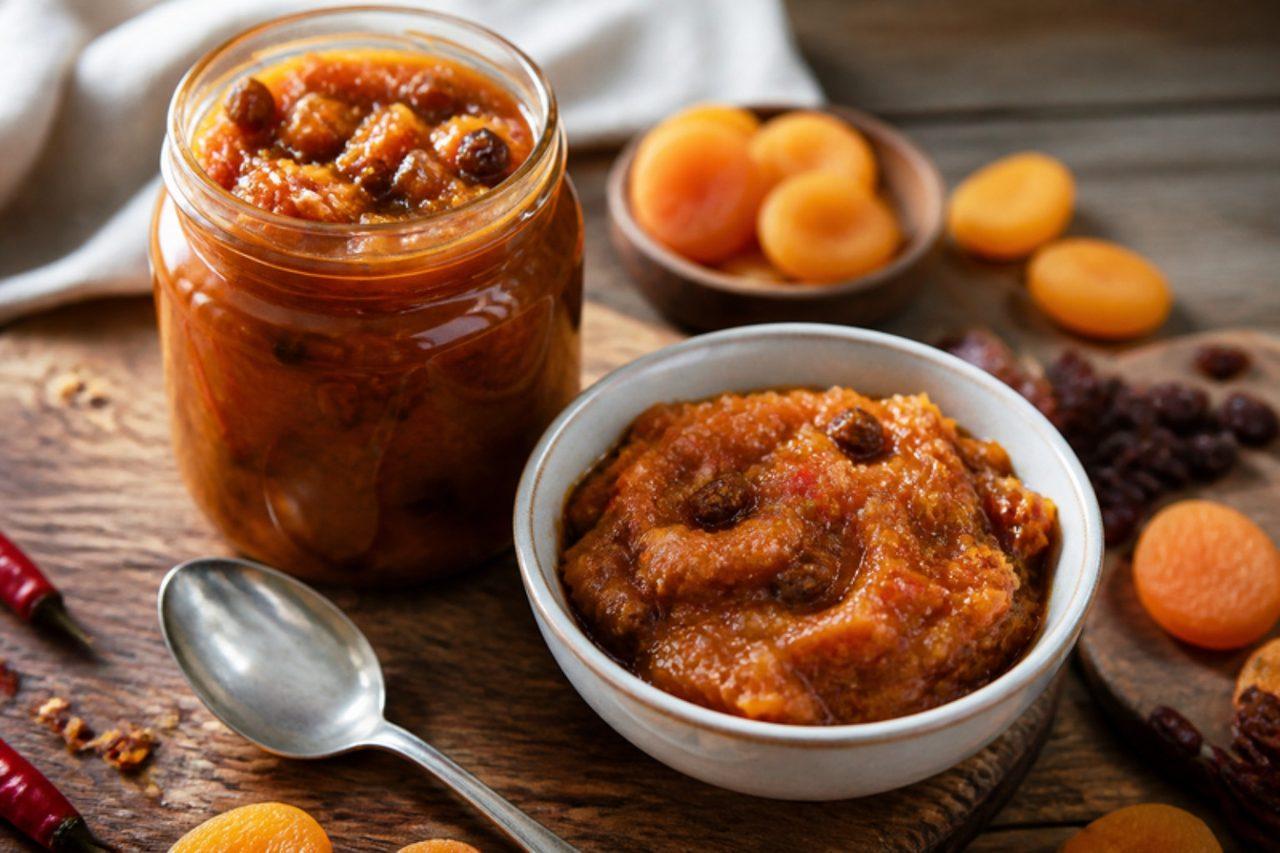
Bo-Kaap households keep a jar of blatjang beside the salt, because a spoonful goes next to almost everything: bobotie, a bowl of curry and rice, cheese on toast, a braaied mielie. Dried apricots are simmered down in vinegar with onion, ginger, garlic and red chilli until the fruit collapses into a thick, glossy, burnt-orange paste that is sweet first, then sour, then warm at the back of the throat. Some aunties keep it chunky, others push it through a sieve until it is as smooth as a sauce; both are right. The usual mistake is to take it off the heat while it still looks loose in the pot, which leaves a runny chutney that weeps in the jar. Chef's tip: soak the apricots overnight in the vinegar and they break down in half the time, with a cleaner, brighter fruit flavour.

by KrazyBadal 0 views

Boller i karry for toddlersMeatballs in mild curry for toddlers

Boller i karry, meatballs in curry, is one of Denmark's best-loved dinners, voted a national favourite and cooked on weeknights from Copenhagen's Nørrebro to farmhouses in Jutland. The meatballs are pork, poached gently rather than fried, and the sauce is mild and creamy, made from the poaching liquid with apple and leek and just a pinch of curry powder. For toddlers from 12 months there is no stock cube and very little salt, and the meatballs are cut small. It contains wheat (gluten), milk and egg; there are no nuts or soya. Chef's tip: keep the poaching water at a bare shiver; boiling makes the meatballs tough and crumbly.

by KrazyBadal 0 views

Torta de chile rellenoStuffed poblano sandwich

At Mexico City's torta stands and school gates, the chile relleno torta is the meat-free favourite: a whole poblano, roasted, peeled, stuffed with melting cheese, dipped in fluffy egg batter and fried, then pressed into a bolillo spread with refried beans and salsa. People buy them warm mid-morning or wrap them in foil for lunch. The common mistake is frying a wet chile: the batter slides off, so pat it dry and dust it with flour first. Oaxaca cheese and Monterey Jack are often made with animal rennet, so choose a vegetarian melting cheese, and check the refried beans are made without lard. Chef's tip: beat the egg whites to stiff peaks before folding in the yolks; that airy capeado is what makes it puff and stay crisp.

by KrazyBadal 0 views

KamandeBrown lentil stew

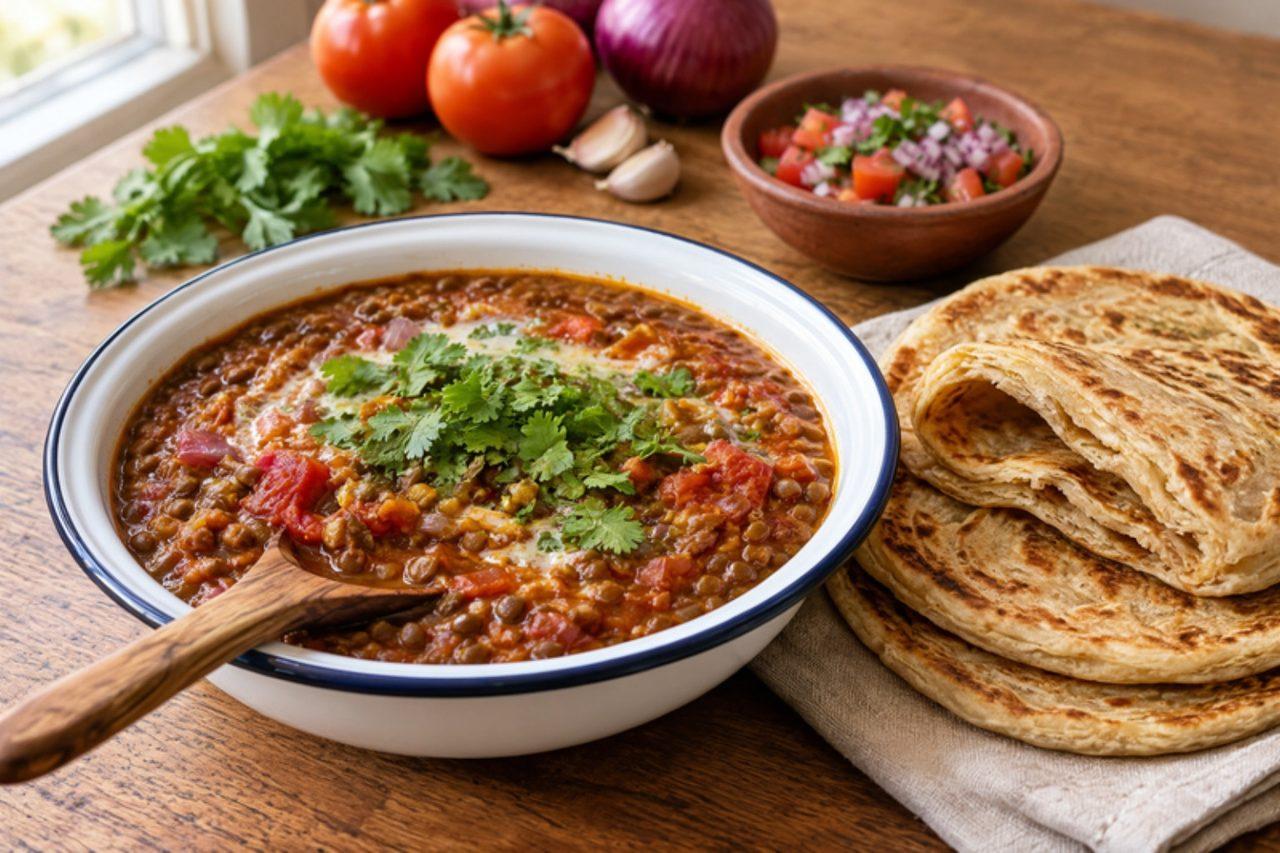
Kamande is a weekday staple in Nairobi homes and small hotelis (cafés), served at lunch or supper with chapati, rice or ugali and a side of sukuma wiki greens. Brown lentils are simmered until tender, then cooked into a thick, savoury stew of onion, tomato, garlic, ginger and a touch of curry powder, finished with fresh coriander. Suitable as part of a balanced diet. About 300 kcal and 38 g carbohydrate per portion; brown rice or extra greens on the side suit a lighter plate. The usual mistake is boiling the lentils to mush before adding the tomato base; they should still hold their shape. Chef's tip: cook the onions low and slow until soft and golden before the tomatoes go in, which gives the stew its natural sweetness.

by KrazyBadal 0 views

Tarta de zapallitosCourgette and cheese tart

In Buenos Aires every rotisería sells tartas by the slice, and at home a tarta de zapallitos is baked on Sunday evening so that a wedge can go into the vianda (packed lunch) for school and work all week. Zapallitos are round green courgettes; ordinary courgettes work just as well. The common mistake is adding the courgette raw, which floods the pastry; sauté it until the liquid has cooked away. Argentine queso rallado and many hard cheeses are made with animal rennet, so use a vegetarian hard cheese. Chef's tip: bake the tart on a preheated baking tray so the base crisps before the filling soaks in.

by KrazyBadal 0 views

Kandalee ka saagStinging nettle greens

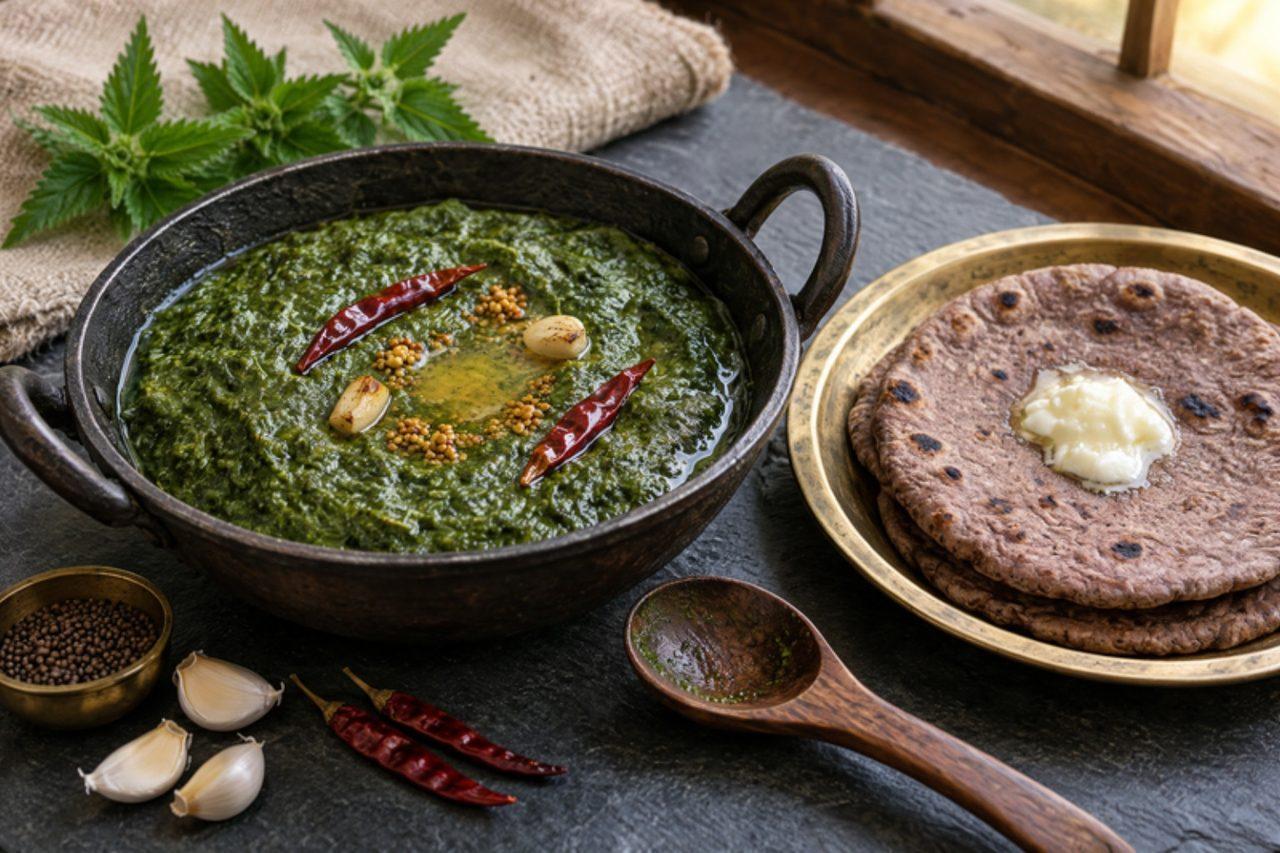
Every spring in Uttarakhand people pick the soft tips of kandalee (bichhu ghas, stinging nettle) from field edges and cook them into a deep green saag with garlic, chilli and a spoon of rice paste, eaten with mandua roti or rice. Nettles taste like a rich, mineral spinach and the sting disappears completely once they are blanched. Always wear gloves or use tongs when picking and washing them. The common mistake is skipping the blanch and going straight to the pan, which leaves stringy stems and some sting. Chef's tip: squeeze the blanched nettles well and chop fine before cooking; this is what gives the smooth, creamy texture hill cooks are proud of.

by KrazyBadal 0 views

BinatogBoiled hominy with coconut

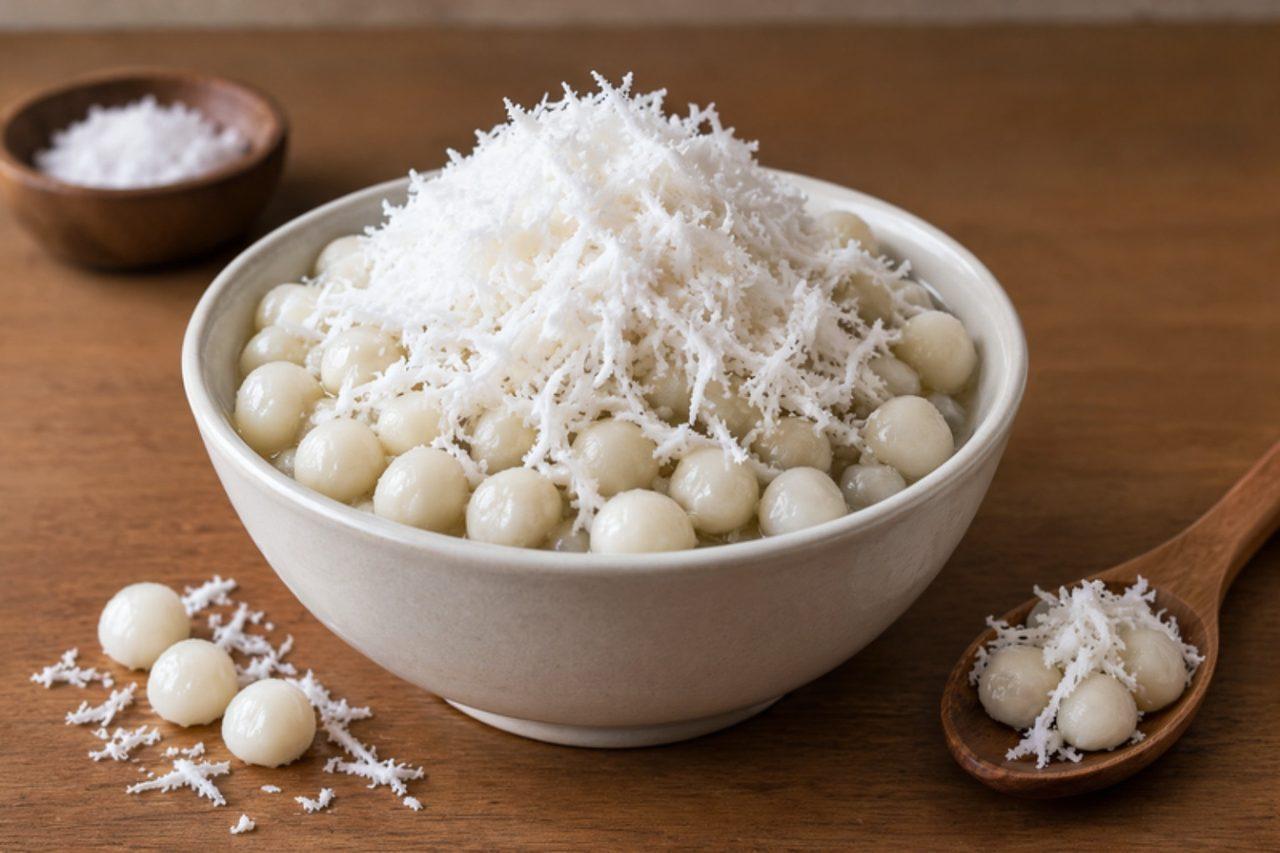
Binatog is an afternoon snack sold from bicycle carts that ring their way through the side streets of Manila, especially around Tondo and Sampaloc, the vendor scooping steaming white corn from a big tin can into small cups. The kernels are plump, chewy and nutty, piled with snowy grated coconut and finished with salt or sugar to taste, so everyone gets it the way they like. It is simple, filling and naturally vegan. Dried white hominy (pozole corn) has already been treated with lime, which gives the chewy, popped kernels; if you can only find canned hominy, rinse it and warm it for 10 minutes instead. Chef's tip: keep the kernels at a gentle simmer; a hard boil splits them before they become tender.

by KrazyBadal 0 views

Kanji payar for toddlersRed rice gruel for toddlers

Kanji and payar, rice gruel with a dry dish of green gram, is Kerala's oldest comfort meal, eaten for dinner in homes across Kottayam and Palakkad and at simple roadside kanji kadas on rainy monsoon evenings. For toddlers from 12 months the matta rice is cooked until it bursts into a creamy porridge, and the cherupayar is steamed soft and finished with a little coconut and cumin instead of chilli, then the two are mashed together. Skip the usual pickle and pappadam. It contains coconut; there is no milk, gluten, egg, nuts or soya, and it is vegan. Chef's tip: soak both the rice and the gram overnight; it halves the cooking time and makes them far softer.

by KrazyBadal 0 views

Curried egg sandwich

A school canteen and church-fete favourite across Australia, the curried egg sandwich is soft white or wholemeal bread filled with hard-boiled egg mashed with mayonnaise and a little mild curry powder, often with lettuce or cress. It goes into lunch boxes cut into fingers. The common mistake is mashing the eggs while warm, which turns the mayonnaise oily and the filling runny; let them cool completely. Chef's tip: warm the curry powder in a dry pan for 20 seconds first, and the raw, dusty taste turns sweet and toasty.

by KrazyBadal 0 views

Aussie salad sandwich

The salad sandwich is the backbone of the Australian lunchbox and the school tuckshop order: soft bread built up with tinned beetroot, grated carrot, tasty cheese, tomato and crisp lettuce, cut into triangles and wrapped in paper. Beetroot is what makes it unmistakably Aussie. The common mistake is laying wet beetroot and tomato straight on bare bread, so by lunchtime it is pink and soggy. Many Cheddar-style "tasty" cheeses use animal rennet; choose one labelled vegetarian. Chef's tip: butter both slices to the edge and put the cheese and lettuce next to the bread, with the wet fillings sealed in the middle.

by KrazyBadal 0 views

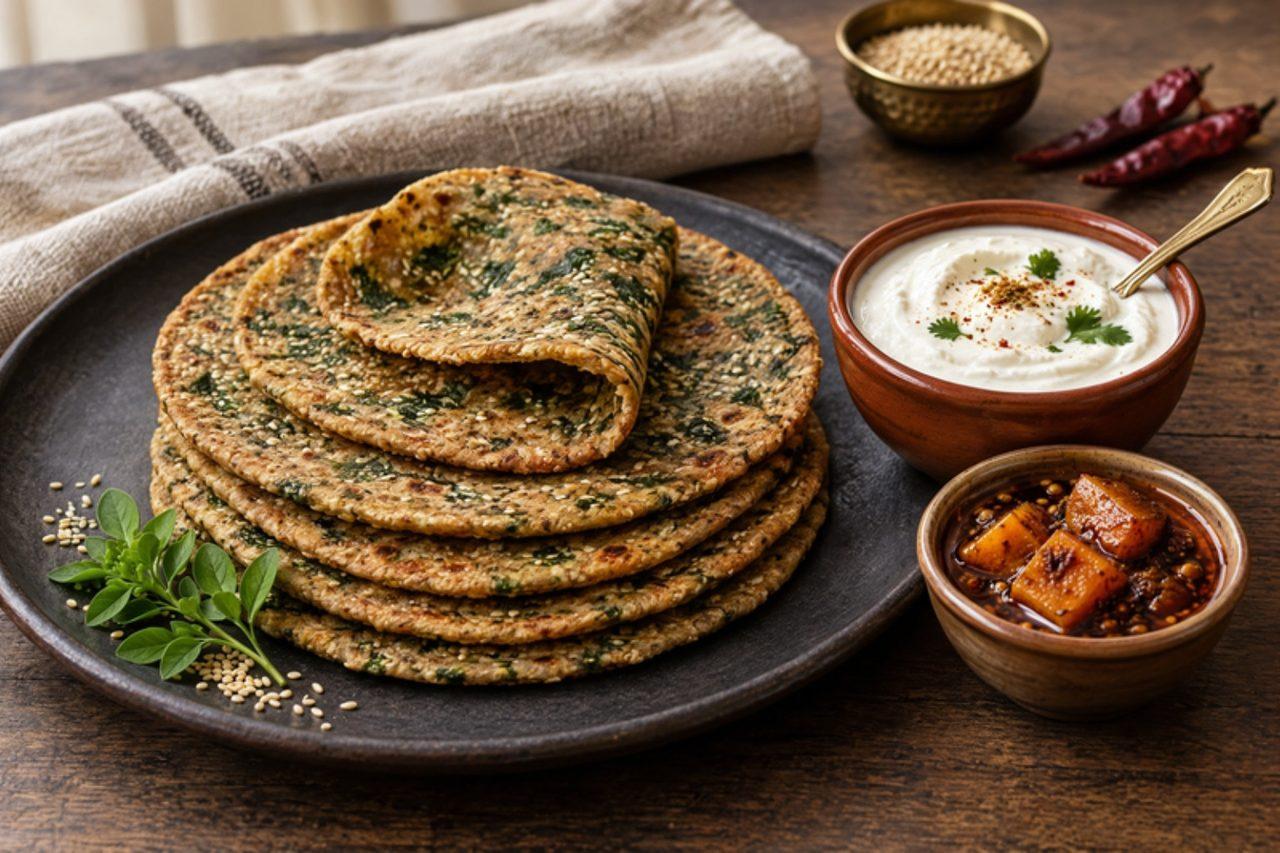
DhebraPearl millet flatbreads

Gujarati families pack a stack of dhebra for every train journey, picnic and tiffin box, because the yogurt and oil in the dough keep these spicy millet and fenugreek flatbreads soft for two or three days. They are thicker than a thepla and earthy from the bajra, and they are eaten with pickle, chhundo or a cup of tea. The common mistake is adding too much water at once: the yogurt and fenugreek release moisture as you knead, and a slack dough sticks and tears. Chef's tip: pat them out on a damp cloth or between two sheets of plastic rather than rolling, the way Gujarati kitchens do, so the delicate millet dough does not crack.

by KrazyBadal 0 views

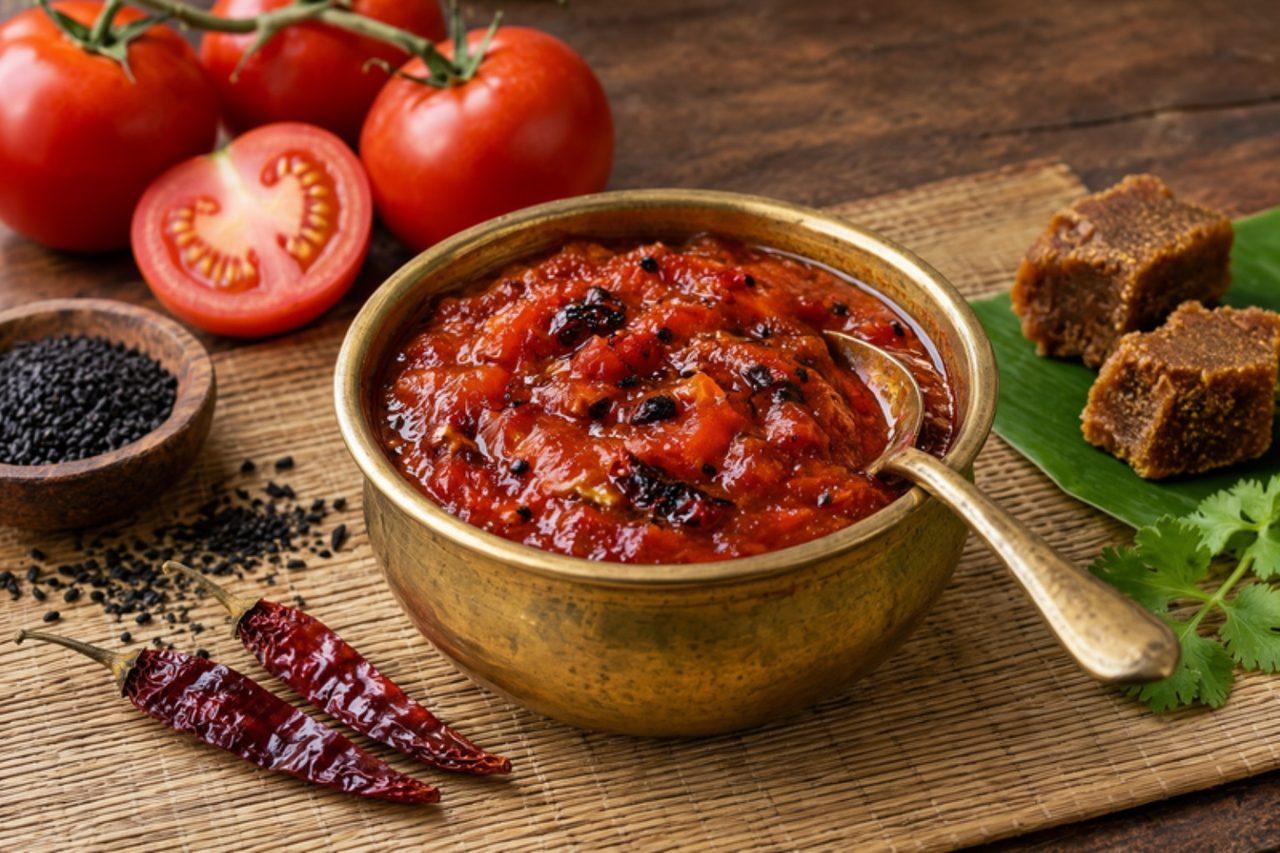
Bilahi chutneySweet-sour tomato chutney

Bilahi is the Assamese word for tomato, and this glossy red chutney, sweet with jaggery and warmed with nigella and dried chilli, closes a festive Assamese meal, especially at weddings and on Bihu, as the sweet-sour last course before curd and sweets. Everyday cooks in Jorhat and Guwahati make a quick batch in winter when tomatoes are cheap. The mistake to avoid is adding the jaggery too early, which scorches before the tomatoes have broken down. Chef's tip: a few dates or raisins added with the jaggery give the chutney a deeper, jammy sweetness.

by KrazyBadal 0 views

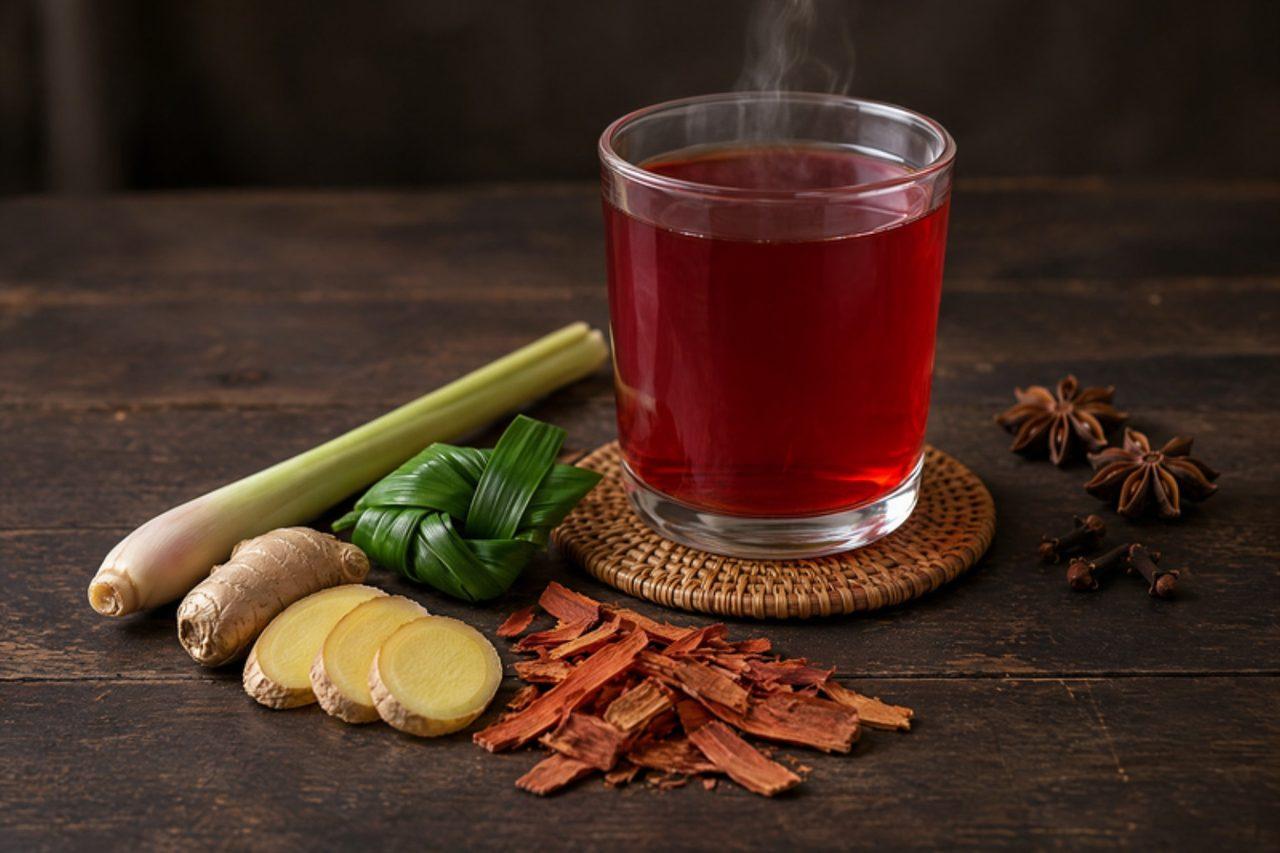
Bir pletokSpiced ginger drink

Bir pletok was the Betawi answer, in old Batavia, to the beer and wine drunk by the Dutch: a red, warming spice drink with no alcohol at all, served at weddings, at Lebaran open houses and in the evenings at Jakarta's Setu Babakan cultural village. 'Pletok' is said to be the popping sound it made when shaken in a bamboo tube to raise a foam. Ginger, lemongrass, pandan, cloves, cinnamon and cardamom are simmered with chips of secang (sappanwood), which turns the liquid deep ruby. It tastes hot and peppery from the ginger, perfumed from the pandan, sweet and lightly woody, and is drunk warm or with ice. The common mistake is skimping on ginger or slicing it thin and boiling briefly; you need plenty, bruised, and a slow simmer to draw out the heat. It is ready when the liquid is a clear ruby red and the ginger burn catches at the back of your throat. Secang chips are in Indonesian shops; dried hibiscus flowers give a similar red, slightly sourer. Keeps 5 days in the fridge. Chef's tip: shake each serving hard in a closed jar before pouring to get the foamy head.

by KrazyBadal 0 views

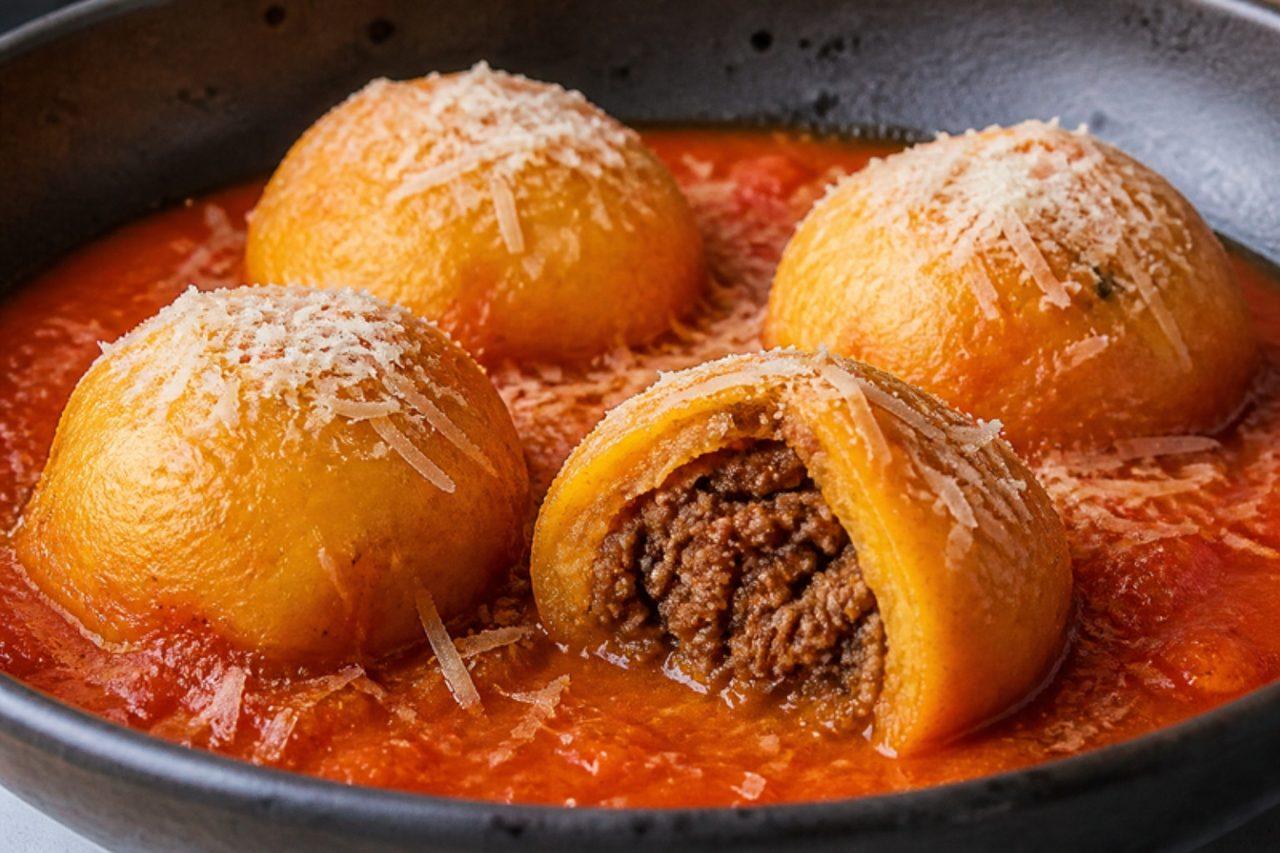
Bollitos pelonesBeef-stuffed corn dumplings in tomato sauce

Bollitos pelones are proper home cooking from central Venezuela: little balls of corn dough tinted with onoto, stuffed with a spoonful of spiced minced beef and simmered in a light tomato sauce until the dough firms. Mothers make them for school-day lunches with white rice, and they reheat well. The common mistake is stirring the pot, which breaks the balls apart. Chef's tip: give the pan a gentle shake instead of stirring, and don't touch them for the first 10 minutes.

by KrazyBadal 0 views

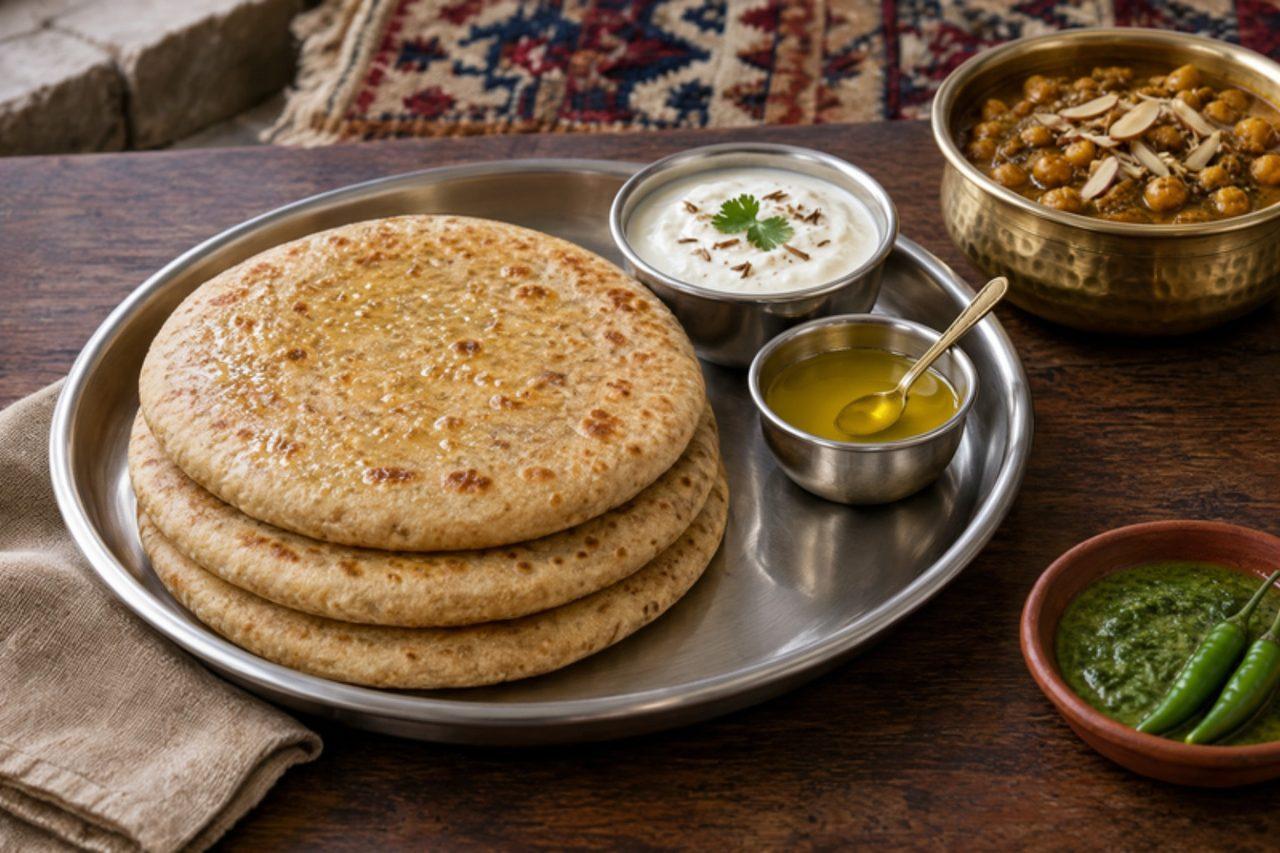
BhaturuStuffed fermented wheat bread

Bhaturu is the breakfast bread of the Kangra and Kullu valleys, made from wheat dough left to ferment overnight with a little old starter or curd until it is light and sour, then rolled out, sometimes stuffed with a spiced lentil filling, and baked on the griddle. It is eaten hot with ghee, a tangy chutney or the madra left from the night before, and is a fixture at village fairs. Ferment it somewhere warm (25–30 °C) for 8–10 hours; it should smell pleasantly sour and be bubbly. Discard the dough if it smells of nail varnish, turns pink, grey or fuzzy, or has a slimy feel. The common mistake is rolling it thin like a chapati, which loses the soft crumb; keep it as thick as your little finger. Chef's tip: cook it on a medium, not fierce, tawa so the centre bakes through before the outside burns.

by KrazyBadal 0 views

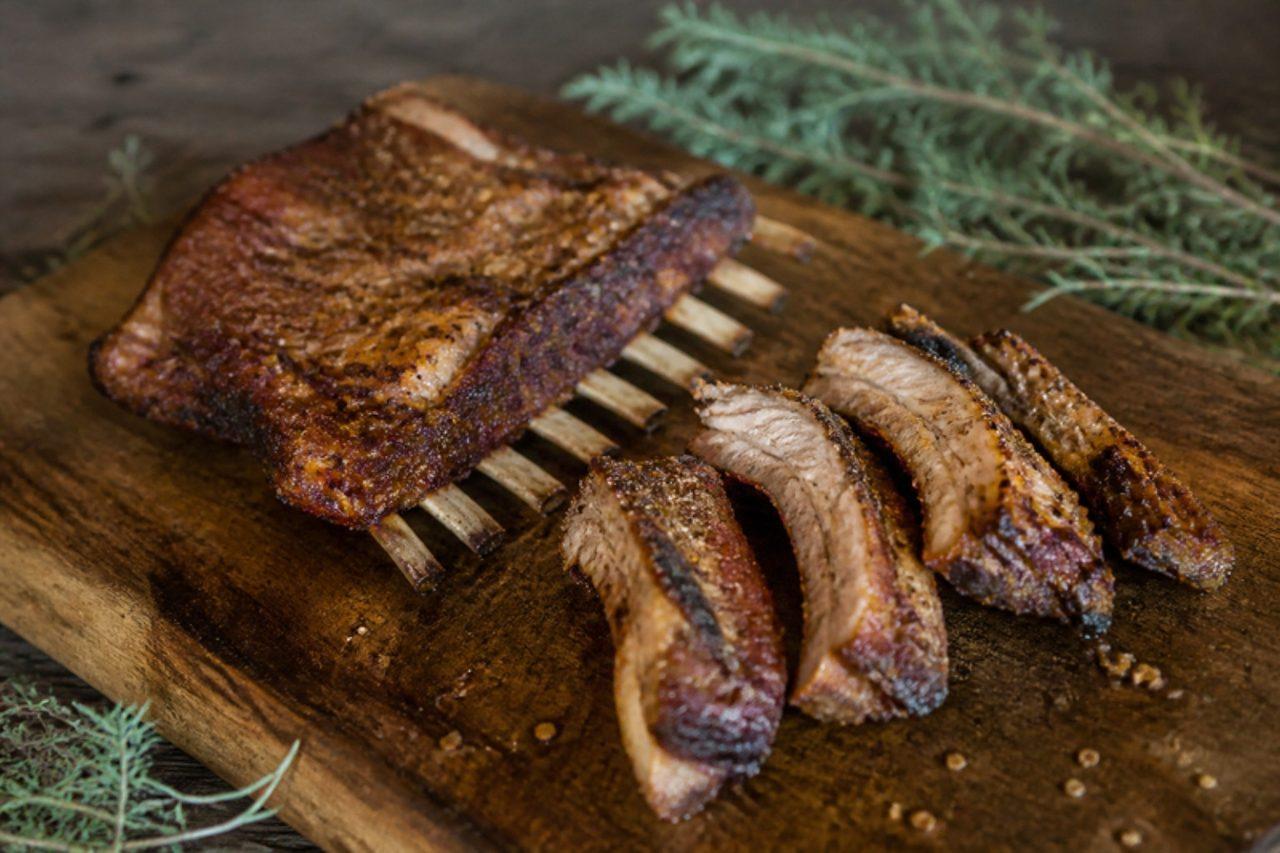
Sout ribbetjieSalt-cured grilled lamb ribs

Before fridges, Karoo farmers rubbed lamb ribs with coarse salt and coriander and hung them in the cool pantry; today the cure happens in the fridge, but the result is the same deeply savoury, almost bacon-like rib that crackles at the edges. At a farm braai near Beaufort West or Sutherland it goes on first, over low coals, because it needs an hour or more to render its fat and turn tender, and people pick at it with their fingers while everything else cooks. Serve it with stywe pap and tomato smoor, or with roosterkoek and a crisp salad. Rinsing too lightly is the usual mistake: rinse off the surface salt after curing, or the meat will be too salty to eat. Chef's tip: keep the coals low and patient; high heat sets the fat alight and blackens the outside long before the meat is soft.

by KrazyBadal 0 views

Pâté en croûtePork and veal pie in pastry

Lyon's charcuteries display pâté en croûte like jewellery: a tall loaf of crisp, golden pastry wrapped around a coarse terrine of pork and veal. A slice wrapped in paper is a picnic and lunchbox luxury, and the whole loaf is a Sunday project eaten over several days. The common mistake is undercooking it for fear of drying it out: as it is made with minced pork, the centre must reach 71 °C, so use a probe thermometer. The classic farce has a splash of cognac; it's optional here, and apple juice or extra stock is the alcohol-free swap. Chef's tip: chill the filled, unbaked loaf for 30 minutes before baking so the pastry keeps its shape and pattern.

150 minFrenchMeat
by KrazyBadal 0 views

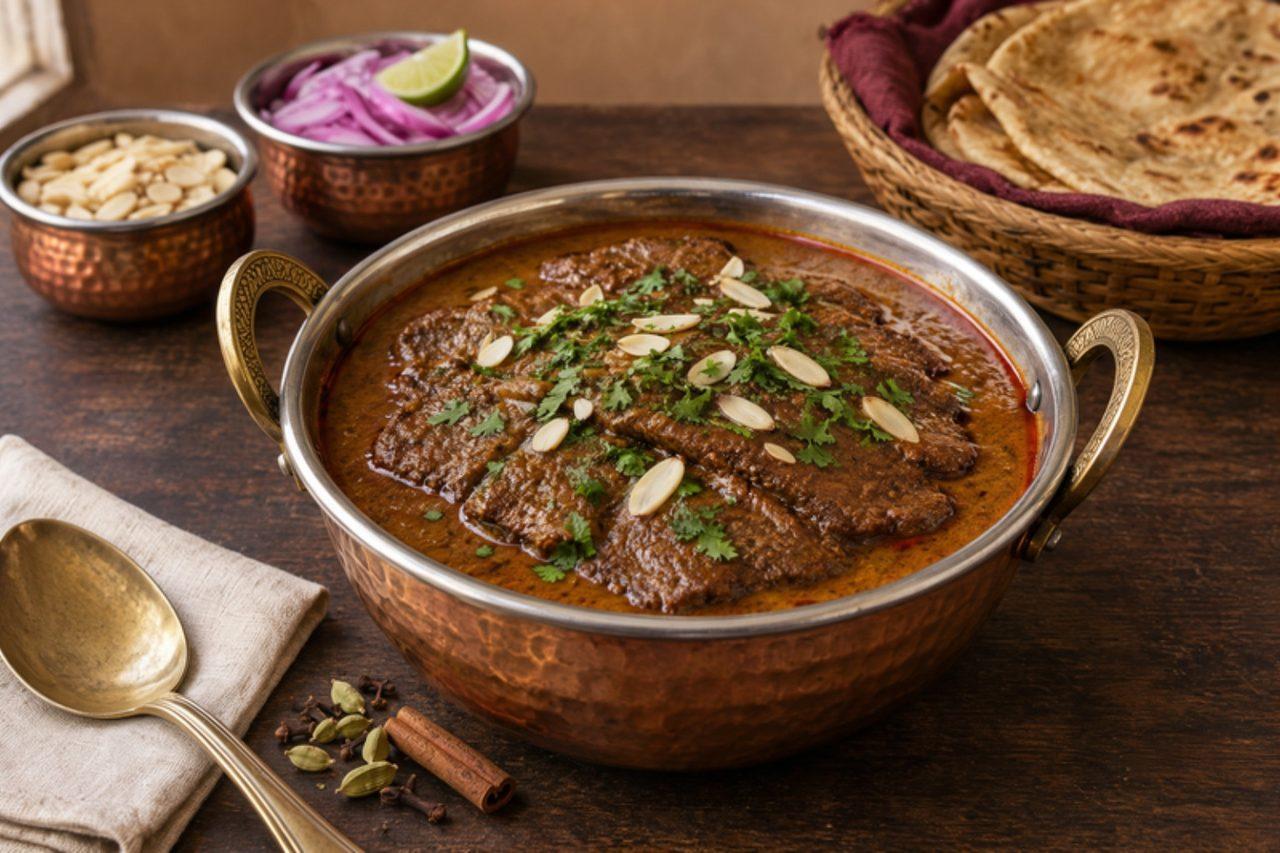
Bhopali mutton pasandeMarinated mutton escalopes

Pasande come from the Nawabi kitchens of Bhopal, where boneless leg of mutton is cut into thin slices and beaten flat, then marinated in yogurt, raw papaya, ground fried onion and spices and cooked low until meltingly tender. They are made for Eid, weddings and dawats and eaten with sheermal or rotis. This dish contains mutton: marinate it in the fridge and cook it until the meat reaches 71 °C and is fork-tender. The common mistake is cooking on high heat, which seizes the thin slices and toughens them. Chef's tip: beat the slices between cling film with a rolling pin to an even 5 mm; even thickness means every piece is tender at the same time.

100 minIndianMeatGluten free
by KrazyBadal 0 views

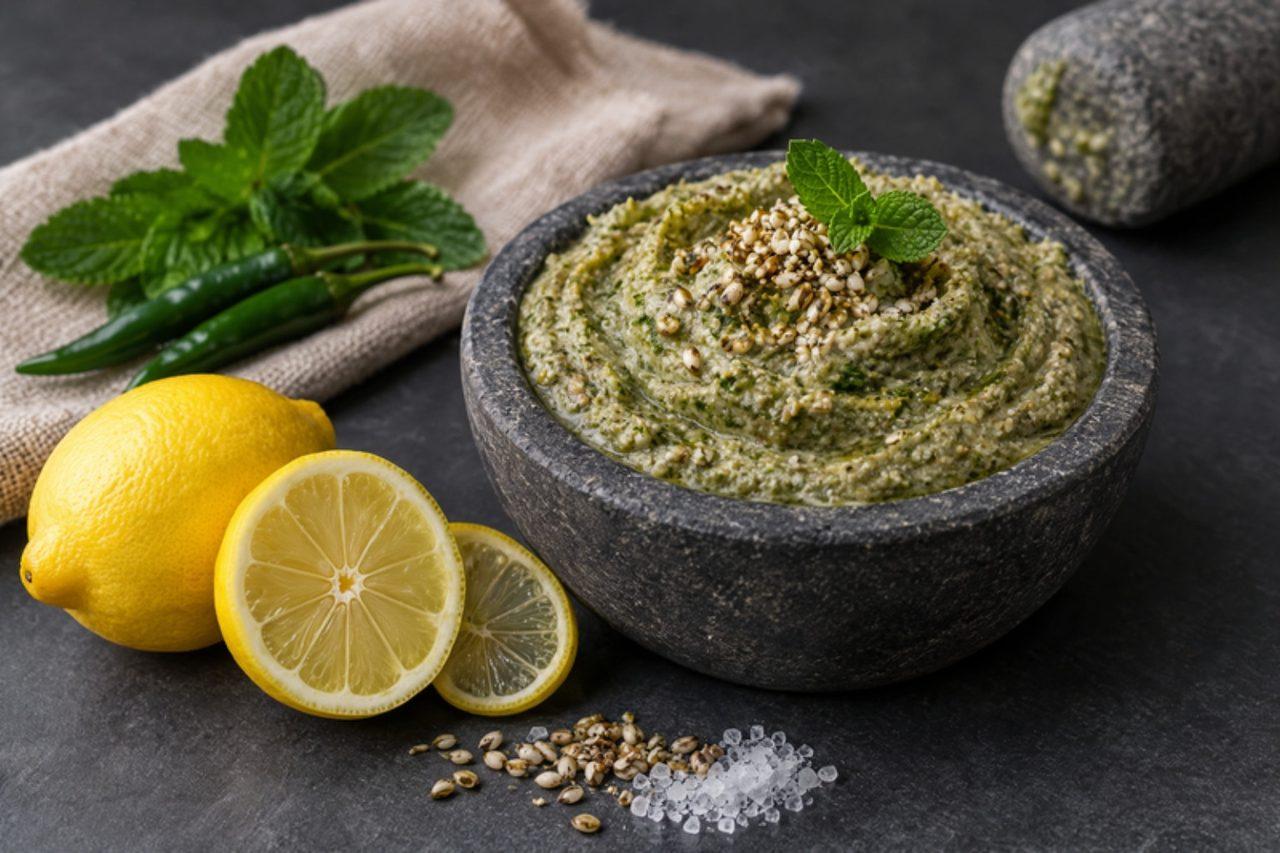
Bhang ki chutneyRoasted hemp seed chutney

In Kumaon every kitchen keeps a jar of hemp seeds, and this tangy chutney is ground fresh to go with rotis, aloo ke gutke and festive pakodas all through the year. It uses hulled, food-grade hemp seeds sold for cooking, which are not psychoactive at all; they simply taste like a cross between sesame and toasted pine nuts. The seeds are dry-roasted, ground with mint, chilli and the juice of the big hill lemon, and loosened with a little water. The usual mistake is roasting the seeds too dark, which turns the chutney bitter and grey. Chef's tip: grind in a mortar or with short pulses and stop while it still has some texture; a perfectly smooth paste loses the pleasant crunch.

by KrazyBadal 0 views

Kawa zbożowaRoasted grain coffee

In Polish kindergartens, school canteens and grandmothers' kitchens, kawa zbożowa is the breakfast "coffee" everyone can drink: a blend of roasted rye, barley, chicory and sometimes sugar beet that tastes toasty and malty with no caffeine at all. It is usually drunk milky and a little sweet alongside bread and butter. The common mistake is brewing ground grain coffee like espresso: it needs a few minutes of simmering to give up its flavour, or it tastes like weak tea. Chef's tip: let the pot stand off the heat for 2 minutes after simmering so the grounds sink, then pour gently and you won't need a filter at all.

by KrazyBadal 0 views

Jambon-beurreHam and butter baguette

France sells millions of jambon-beurre every working day: half a crusty baguette, split, spread with good salted butter and filled with thin slices of jambon de Paris, the delicate cooked pork ham. Parisians eat it at the office, on a park bench or on the train. The common mistake is a stingy smear of hard butter; the butter is a filling, not a glue, so spread it soft and generous. Some add cornichons, which purists call a different sandwich. Chef's tip: fold each slice of ham loosely in half rather than laying it flat, so the sandwich is airy and every bite has ham.

by KrazyBadal 0 views

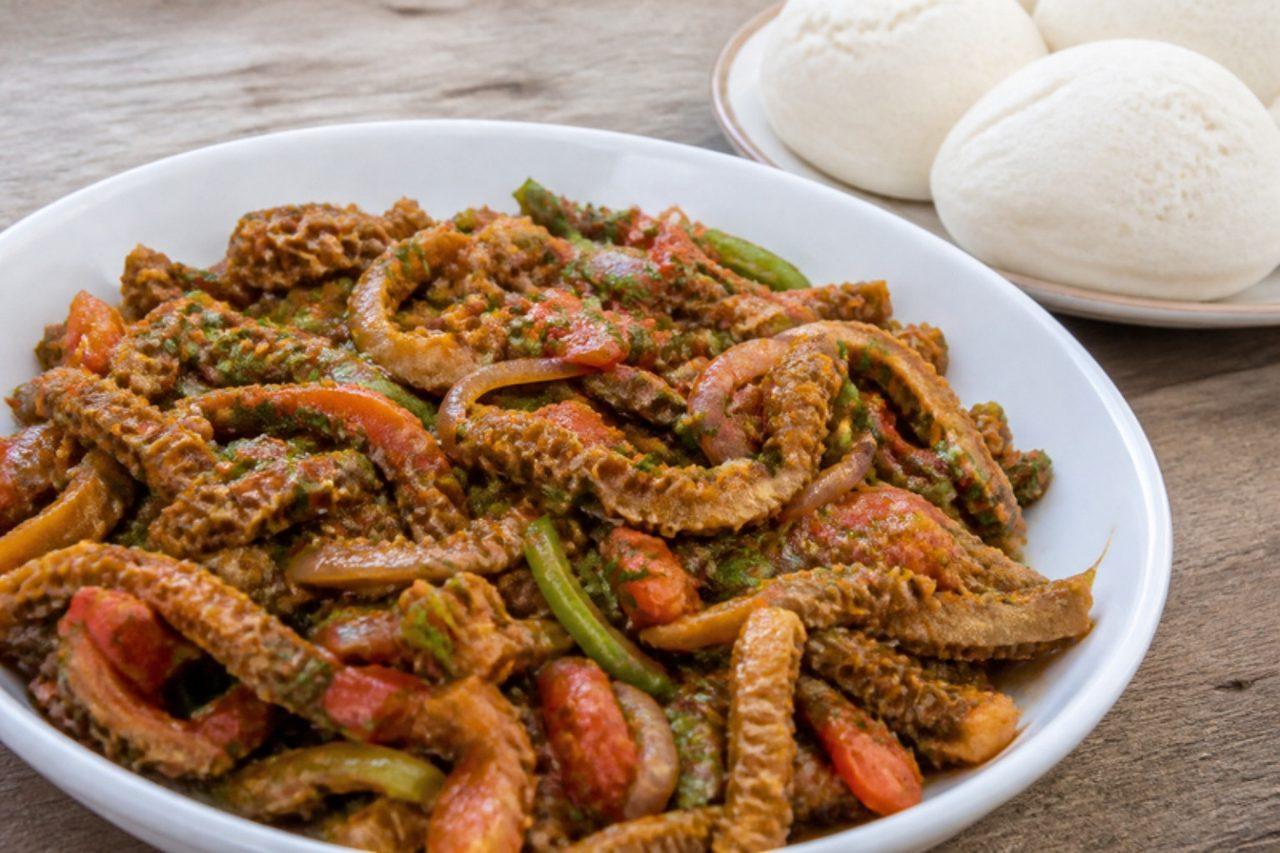
MatumboFried tripe

Nairobi's office workers and matatu crews know which roadside hoteli does the best matumbo, and they queue for it at lunchtime with a mound of ugali on the side. The tripe is boiled until it is soft but still has a gentle bounce, then cut into strips and fried hard with onion, tomato and green chilli so the edges catch and the sauce turns thick and peppery. Buy cleaned (dressed) beef tripe from a butcher: the white, honeycomb kind has already been scalded and scraped, which you should not attempt at home. Even cleaned tripe needs a thorough wash and a long simmer, and cutting it before it is tender is the usual mistake, because it then stays rubbery however long you fry it. Chef's tip: add a squeeze of lemon and a chopped onion to the boiling water; they freshen the smell in the kitchen and leave the tripe tasting clean.

by KrazyBadal 0 views

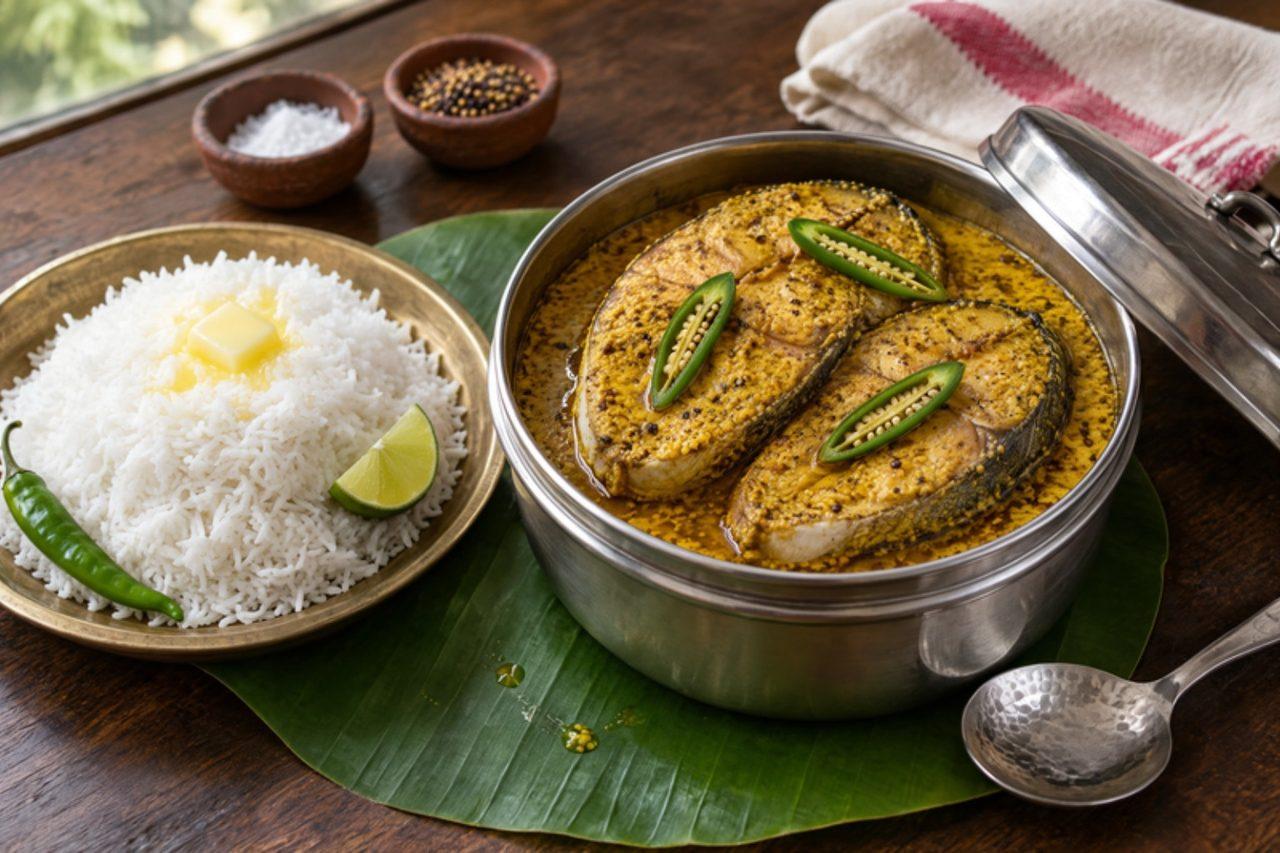
Bhapa ilishSteamed hilsa in mustard

When the monsoon brings hilsa up the Padma and Hooghly rivers, Kolkata households cook bhapa ilish, the fish steamed in a pungent paste of mustard seeds, green chilli and mustard oil in a closed tiffin box. It is the star of Jamai Sasthi and of any rainy-season Sunday, served with plain rice. The fish is rich and tender, with a nose-tingling mustard heat. Suitable as part of a balanced diet: high in protein and omega-3 fats, with no starch in the dish itself. About 340 kcal and 4 g carbohydrate per portion; keep the rice portion modest. The usual mistake is grinding the mustard seeds too long or with warm water, which turns the paste bitter; grind briefly with cold water, a pinch of salt and a green chilli. Hilsa is bony, so eat slowly and warn guests. Chef's tip: drizzle raw mustard oil over the top just before closing the box; it gives the true Bengali aroma.

40 minIndianFishGluten free
by KrazyBadal 0 views

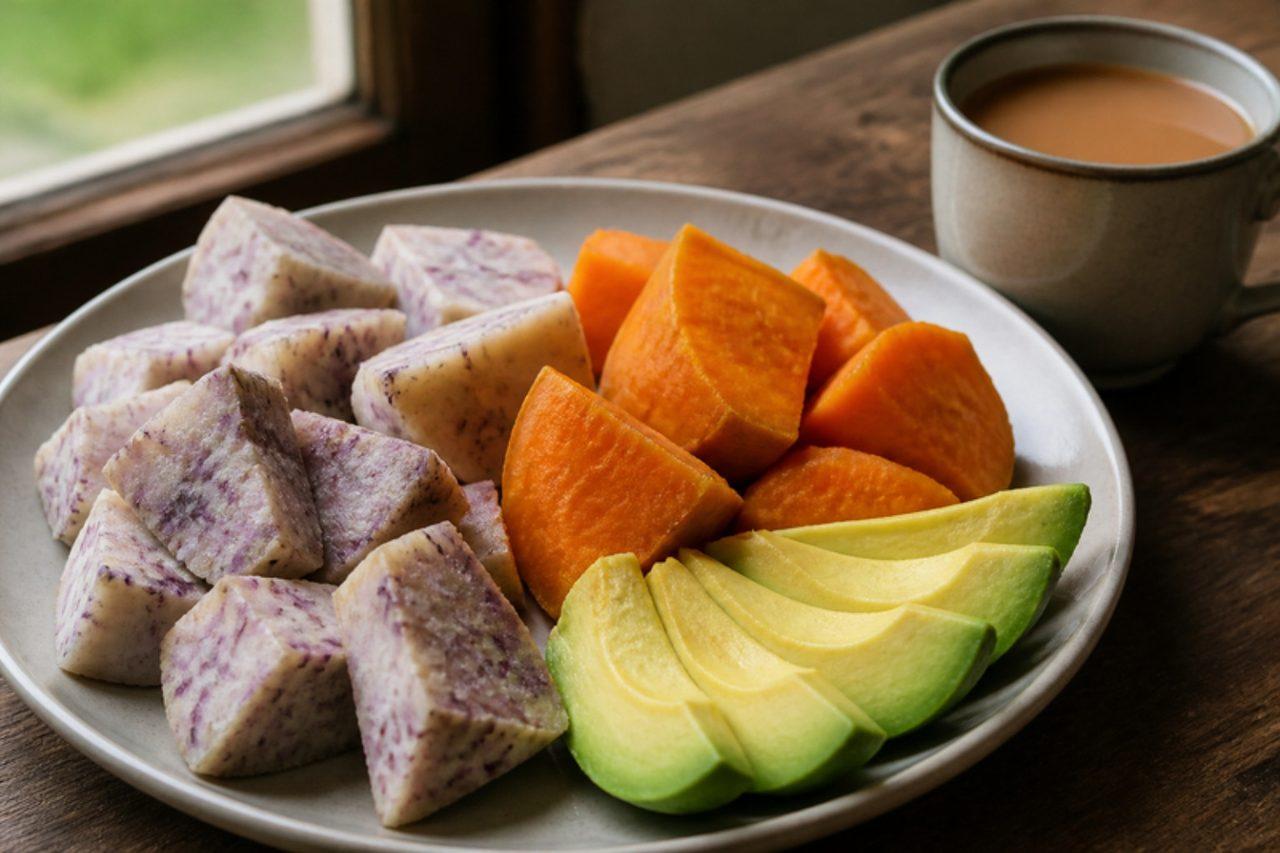
Nduma na viazi vitamuBoiled arrowroot and sweet potato

A plate of nduma and sweet potatoes with a mug of hot milky chai is the classic weekend breakfast in Kiambu and Murang'a homes, and farmers eat the same before a long day in the shamba. What Kenyans call arrowroot is taro, a starchy corm with a dense, nutty flesh that turns faintly purple and almost creamy when boiled; the sweet potatoes beside it are soft and honeyed, lovely with sliced avocado. Find taro (also called eddoes or dasheen) at African, Caribbean and Asian grocers. Raw taro irritates skin and mouth, so wear gloves to peel it and make sure it is boiled right through: undercooking is the one real mistake here and leaves an itchy, scratchy feeling in the throat. Chef's tip: cut taro and sweet potato into similar-sized pieces but add the sweet potato 10 minutes later, so both are done at once.

by KrazyBadal 0 views

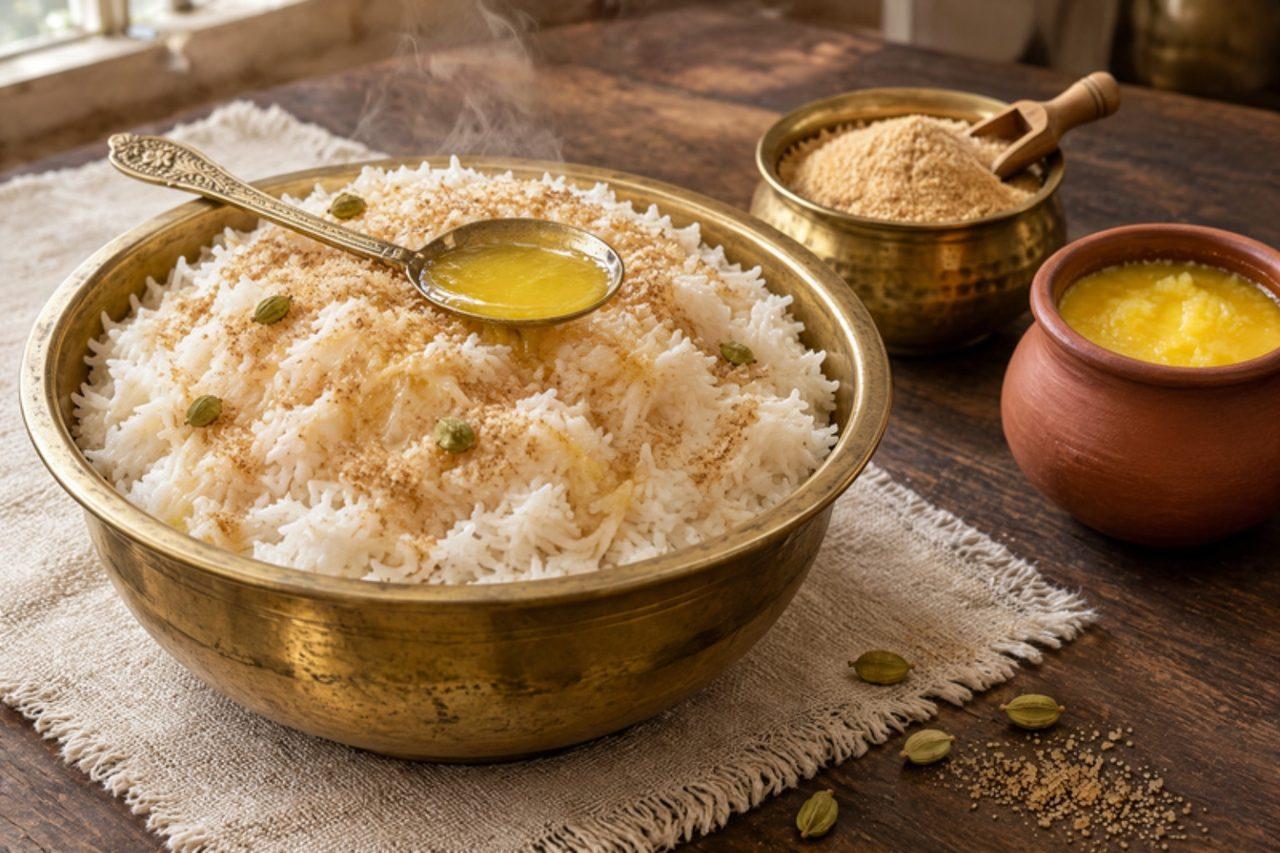
Bhure chawalRice with ghee and sugar

Bhure chawal is about as simple as Haryanvi village cooking gets: steaming rice tossed with plenty of desi ghee and bura, the fine, fluffy sugar sold in Haryana, and sometimes a few chopped nuts. It is the treat grandmothers make after the evening milking, at a new daughter-in-law's first meal, or on cold nights when something sweet is needed fast. Use fragrant, well-cooked rice and good ghee, as there is nothing to hide behind. The common mistake is adding the sugar to lukewarm rice, so it stays gritty instead of melting into the ghee. Chef's tip: no bura? Blitz ordinary sugar to a powder and add a pinch of cardamom.

by KrazyBadal 0 views

DakgangjeongSticky glazed fried chicken

Dakgangjeong is the boxed fried chicken of Sokcho's Jungang market on Korea's east coast, carried home by the tub and packed into lunchboxes the next day, because the double-fried pieces in their sticky glaze stay crunchy even when cold. The common mistake is frying only once; the second fry drives out moisture so the crust holds up to the sauce. Chef's tip: coat with potato starch rather than flour, and let the coated chicken sit for 5 minutes so the starch hydrates into a craggy crust.

by KrazyBadal 0 views

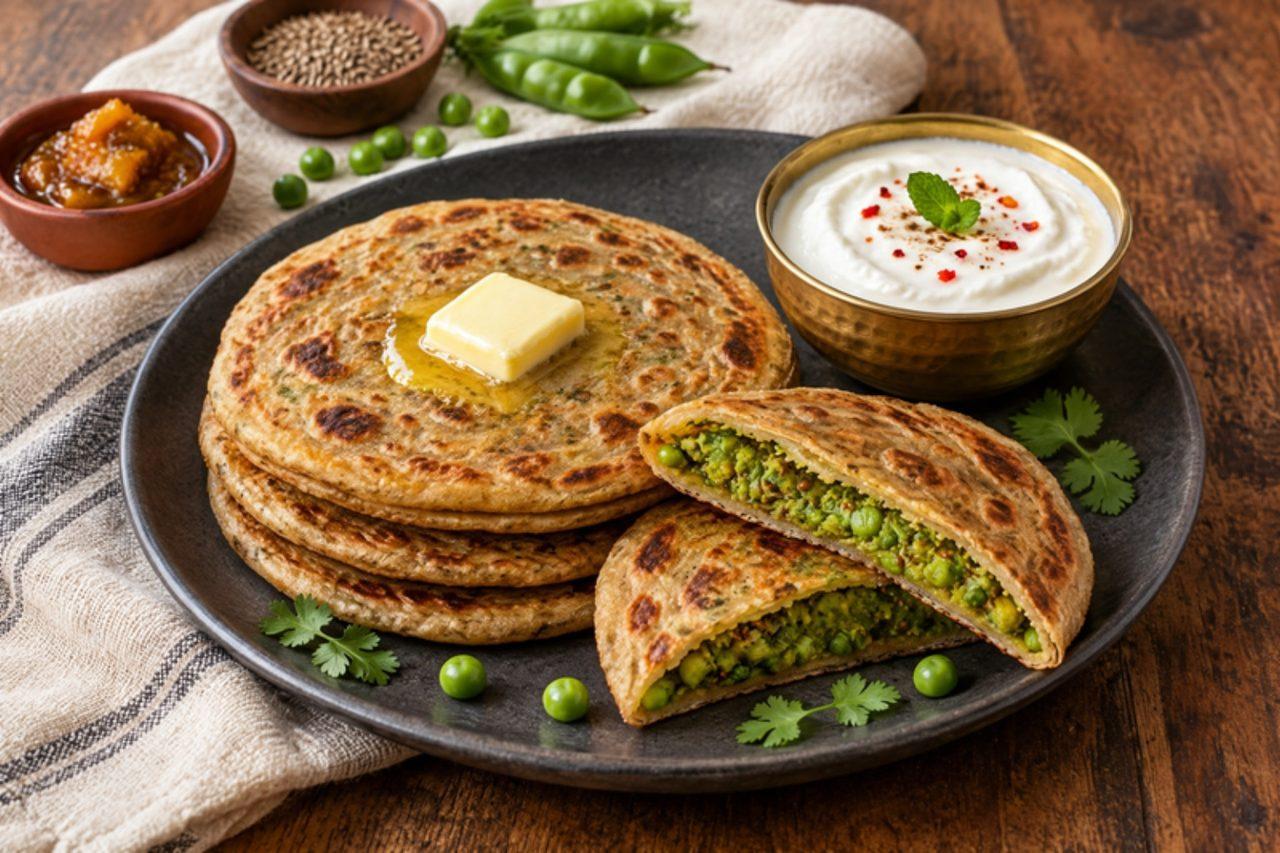
Matar paratha (green pea paratha)

In Delhi and Punjab, matar paratha is the winter tiffin made when the first sweet peas arrive: the peas are boiled, mashed coarse and spiced with ginger, green chilli, cumin and amchur, then sealed inside wholewheat dough and roasted on the tawa with a little ghee. Rolled up in foil with a spoon of pickle, they are still soft at lunch. The mistake is a wet filling, which bursts through the dough; cook the mashed peas in a pan until dry and cool them before stuffing. Chef's tip: make the filling slightly saltier than tastes right, because the dough around it is unsalted and mutes it.

by KrazyBadal 0 views

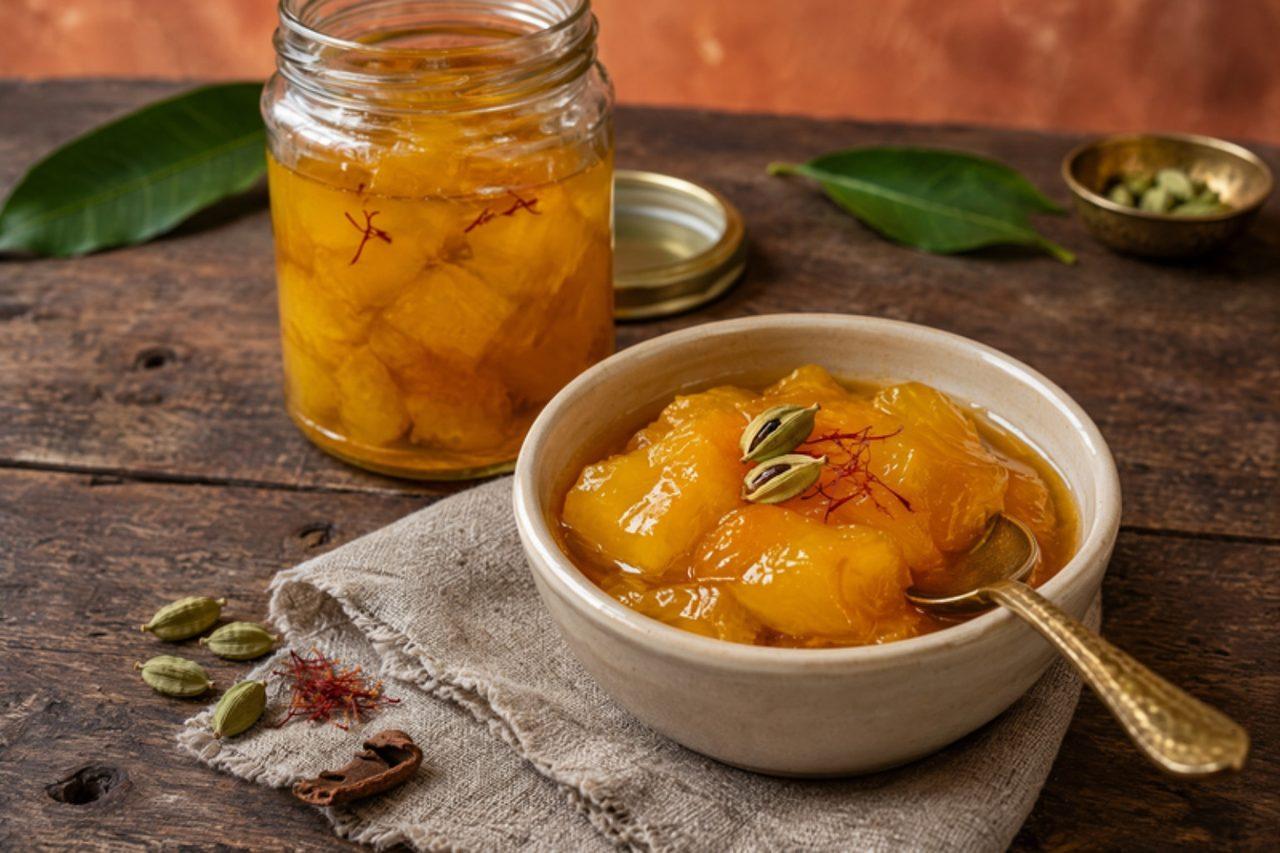
Keri no murabboSweet raw mango preserve

In Gujarat, when the summer stock of pickles goes up in May, murabbo is the gentle, sweet one that children are allowed to dip into freely. Pieces of firm raw mango (rajapuri or totapuri) are cooked slowly in sugar syrup until they turn translucent and glossy, then scented with saffron and cardamom. Unlike chhundo, which is grated and spiked with chilli, murabbo keeps the mango in distinct, tender-firm pieces in a clear, golden syrup; it tastes like candied fruit with a sour edge. Spread it on a warm thepla or rotli, serve it with khakhra at breakfast, or spoon a little beside a Gujarati thali. The common mistake is boiling the mango hard in the syrup, which breaks the pieces and clouds it; keep it at a gentle simmer. It is ready when the pieces look see-through at the edges and the syrup reaches one-string consistency (a cooled drop stretches into a single thread between finger and thumb). With this much sugar it keeps 6 months in a cool cupboard in a sterilised, dry jar, or longer in the fridge. Chef's tip: soak the cut mango in lightly salted water for 10 minutes first; it firms the pieces and stops browning.

by KrazyBadal 0 views

Bellam paramannamRice and moong dal jaggery pudding

Bellam paramannam is the naivedyam of Telangana and Andhra homes, cooked for Sankranti, Ugadi, Varalakshmi Vratam and almost any puja, a soft rice-and-moong pudding sweetened with jaggery and glossed with ghee. Its colour is a warm caramel and its taste deeper than a sugar kheer. The classic mistake is adding jaggery to milk that is still on a high boil, which can split it; take the pot off the heat, let it stop bubbling, then stir the jaggery in. Chef's tip: roast the moong dal in a spoon of ghee until it smells toasty before cooking; it gives the paramannam its homely flavour.

by KrazyBadal 0 views

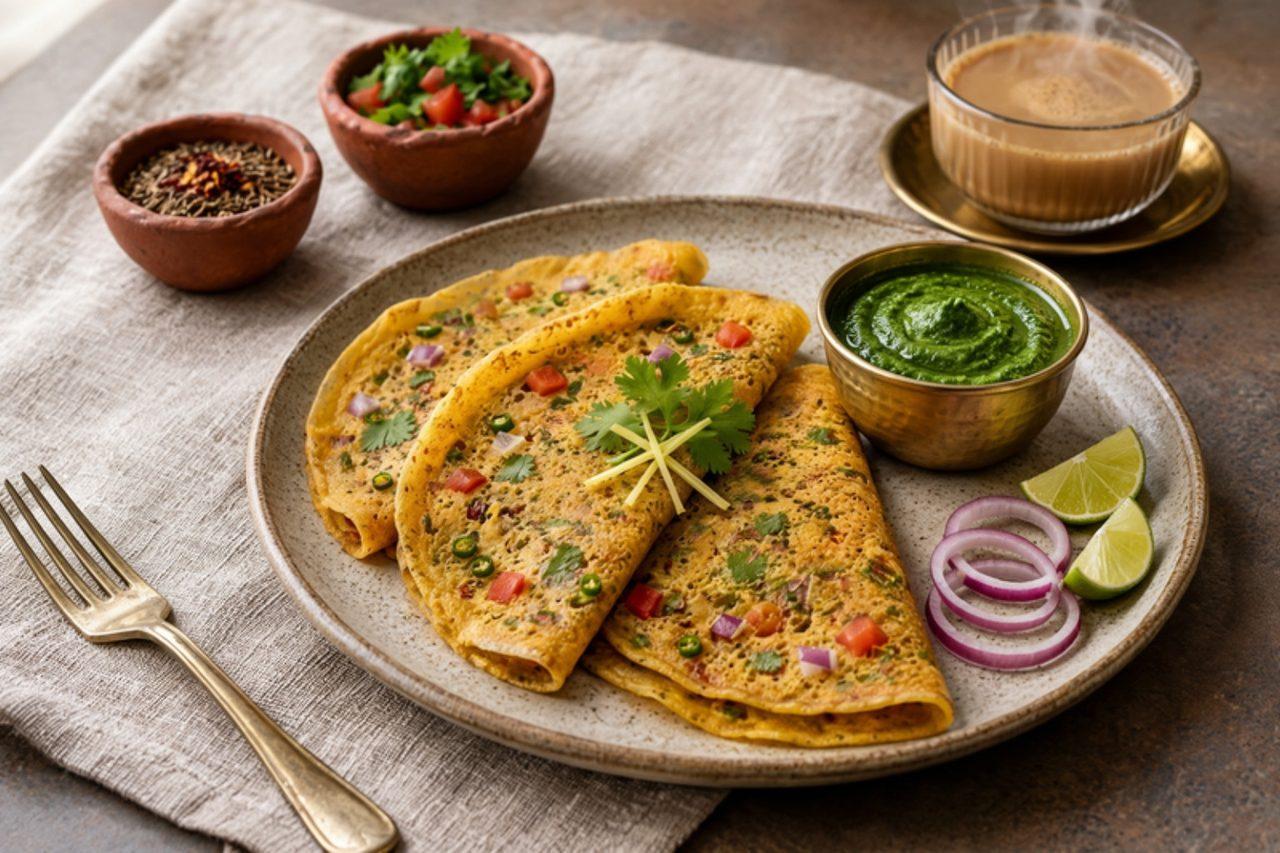
Besan chillaGram flour pancakes

Across North India, besan chilla is the answer when the tiffin needs packing in fifteen minutes: a pourable gram flour batter studded with onion, tomato, chilli and coriander, cooked thin on a tawa, then rolled up with chutney or ketchup. It is naturally egg-free and filling. The common mistake is a thick batter, which gives a heavy, raw-tasting pancake; it should flow like single cream. Chef's tip: spread the batter with the back of a ladle in quick circles from the centre outward, and cover the pan for the first minute so the top steams set.

by KrazyBadal 0 views

Bokkeum kimchiStir-fried kimchi with pork belly

When a jar of kimchi turns very sour in Korean homes, it gets stir-fried with a little sugar and sesame oil, and often with pork belly, into bokkeum kimchi, a deep, mellow side dish that keeps for days and is a favourite in school and office dosirak. For a vegan version, use kimchi made without fish sauce or salted shrimp and leave out the pork. The usual mistake is using fresh, crisp kimchi, which tastes harsh when fried; it needs to be properly sour. Chef's tip: fry the kimchi until the edges just begin to catch and caramelise, which is where the flavour is.

by KrazyBadal 0 views

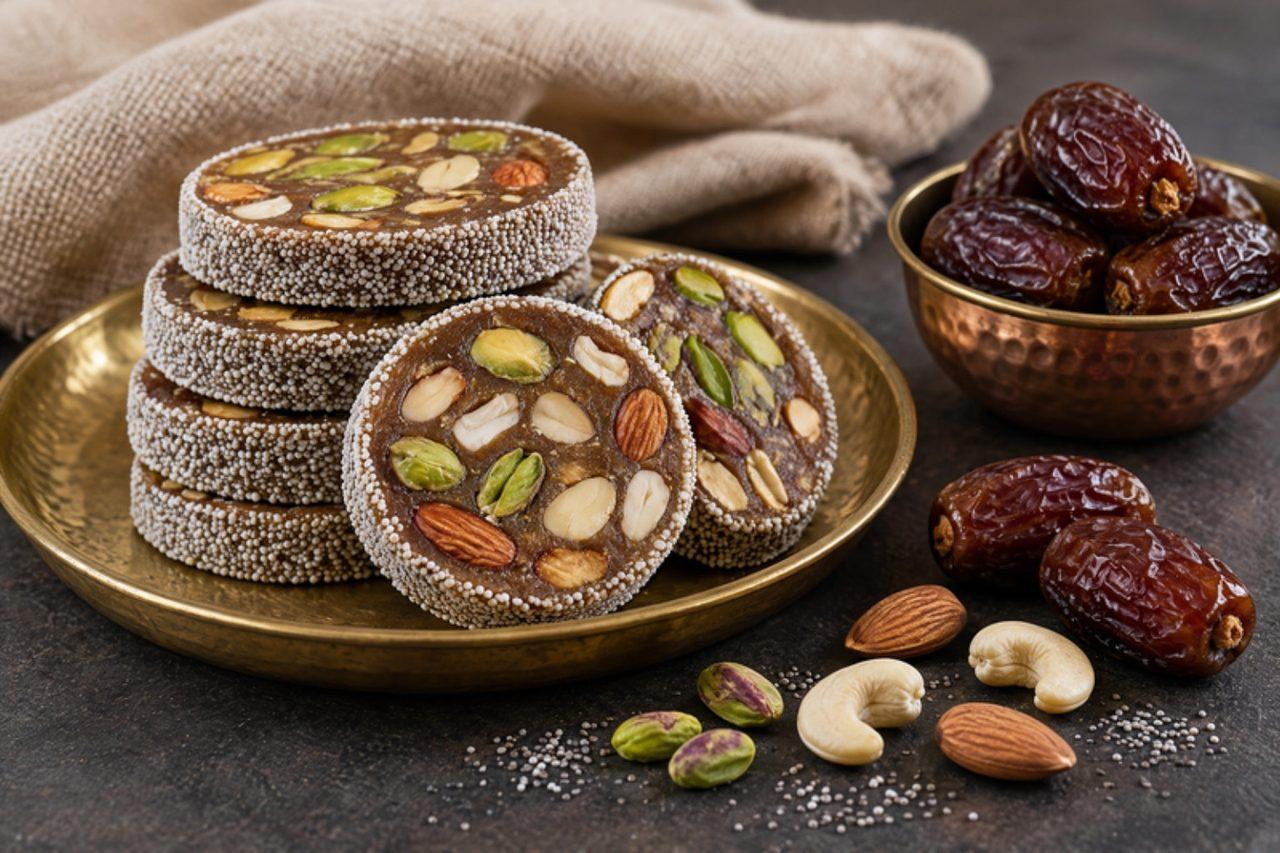
Khajur pakDate and nut fudge

Kutch grows some of India's best dates, and in Bhuj and Anjar homes khajur pak is the sweet made for Diwali boxes and for Ekadashi and other fast days, since it needs nothing but dates, ghee, nuts and coconut. The dates melt in warm ghee into a sticky paste, the nuts give crunch, and the log is rolled in poppy seeds and sliced into neat coins. The common mistake is cooking the dates too long, which dries them out so the log cracks when you slice it. Chef's tip: for a harder winter version, swap a third of the soft dates for chopped kharek (dry dates) soaked overnight in a little milk.

by KrazyBadal 0 views

BelgramiChewy fresh cheese sweet

Belgrami belongs to Udwantnagar in Bihar's Bhojpur district, where sweet makers have cooked it for generations and travellers buy boxes on the way through. Fresh chhena is cooked down with sugar until it firms into a dense, slightly chewy, pale cream block with a gentle caramel note, then cut into pieces. It keeps for days, which makes it a favourite gift at weddings and Chhath. The common mistake is stopping too early: it must cook until the mass pulls into one lump and no longer sticks to the pan, or the pieces stay soft and weep. Chef's tip: use chhena from full-fat cow's milk and hang it for an hour, so it is dry enough to cook down quickly.

by KrazyBadal 0 views

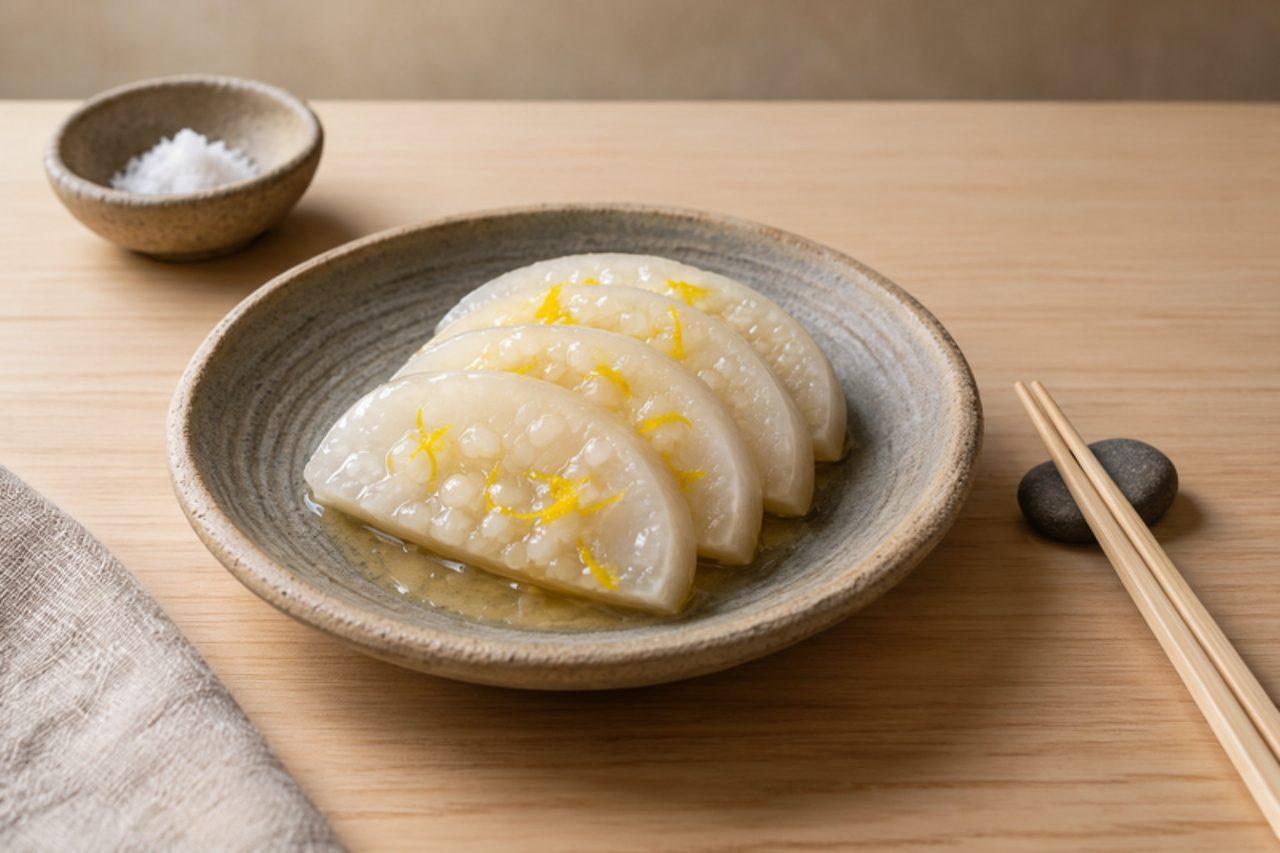
BettarazukeSweet koji-cured daikon

Every 19 and 20 October, the lanes around Takarada Ebisu Shrine in Nihonbashi fill with stalls for the Bettara-ichi, Tokyo's old pickle fair, where vendors hold up whole daikon dripping with rice koji and passers-by try not to get 'bettari', sticky. The pickle has been an Edo favourite since the 1700s: daikon salted, then buried in amazake, the sweet porridge that koji makes from rice. It tastes mild, sweet and fresh, with a clean crunch and a faint fermented, sake-lees perfume, which makes it a favourite with children and a pause between salty dishes. Bettarazuke is low in salt and acid, so it lives in the fridge from start to finish. The common mistake is adding the daikon while the amazake is still warm: it cooks the surface and softens the crunch, so cool it fully. It is ready when the daikon is translucent at the edges, juicy, and the koji coating tastes sweet with a light tang. Chef's tip: make the amazake in a rice cooker on keep-warm with the lid ajar and a cloth over it, so it holds about 60 °C; a thermometer helps the first time.

by KrazyBadal 0 views

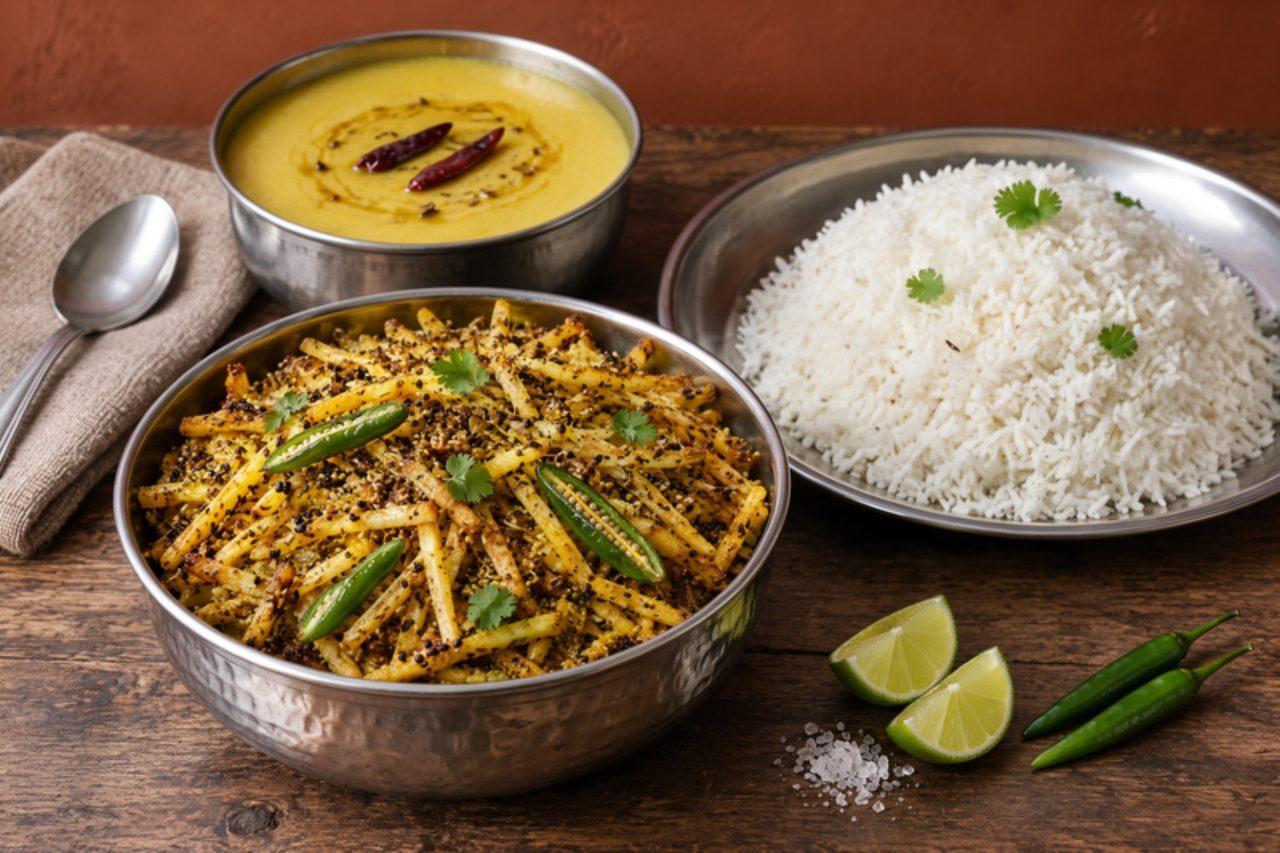
Bihari aloo bhujiaFried potato sticks

In Bihar, aloo bhujia is not the packaged snack but the everyday matchstick-potato fry that sits beside dal, bhaat and chokha on the lunch plate, cooked in mustard oil with panch phoron and a slit green chilli. Patna households make it most days of the week because it takes twenty minutes and pleases everyone. The common slip is crowding the pan and stirring too much, which turns the sticks to mash; give them room and toss gently. Chef's tip: soak the cut potatoes in cold water for 10 minutes and dry them well; washing off surface starch keeps the sticks separate and lightly crisp.

by KrazyBadal 0 views

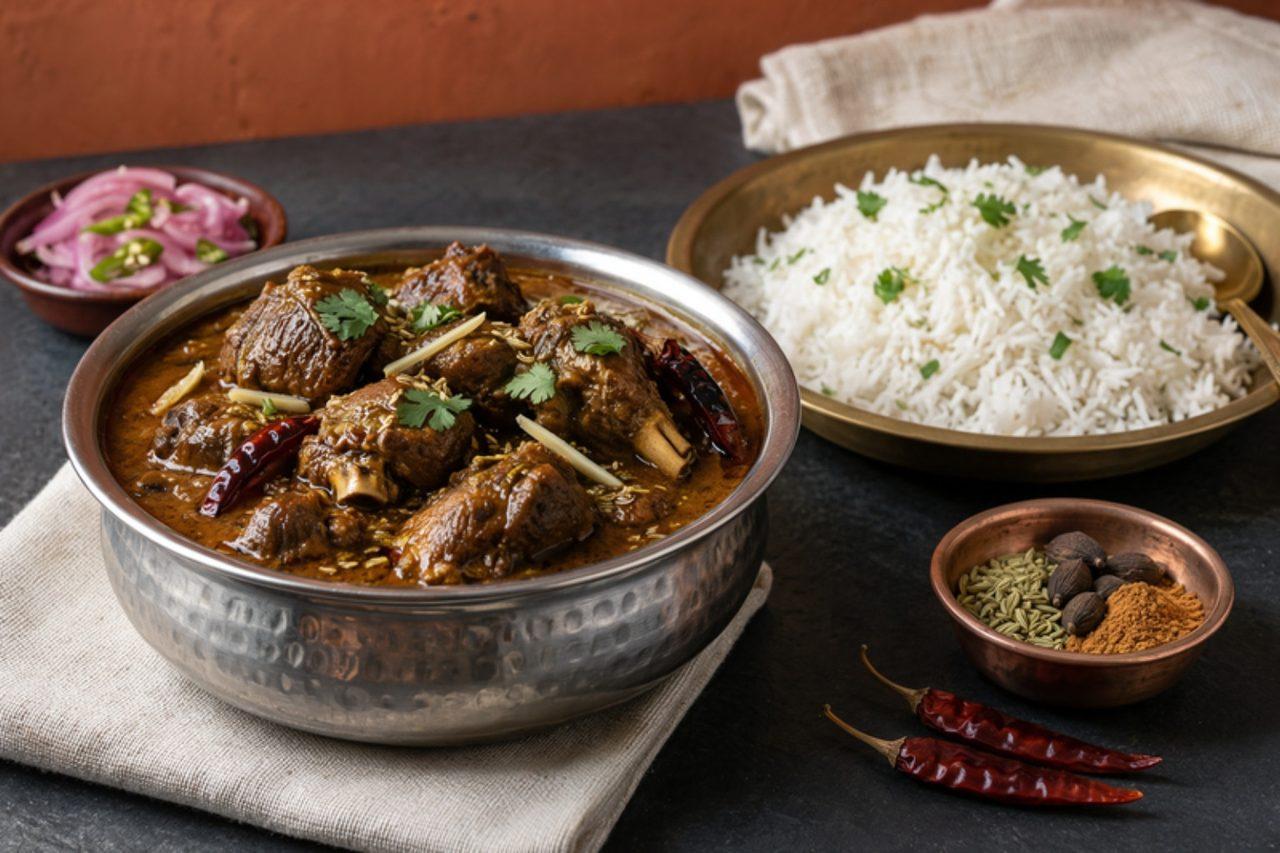
Khatta meatMutton in sour pomegranate gravy

Khatta meat is a pride of Jammu's Dogra kitchens, cooked for family gatherings and the winter wedding season: mutton on the bone simmered slowly in mustard oil with fennel and dry ginger, then soured with ground anardana (dried pomegranate seeds) or lemon. The gravy is thin, tangy and deep red, eaten with plain rice. It has no curd or tomato; the sourness comes from the pomegranate alone. The common mistake is adding the anardana early, when it turns bitter during the long cook; stir it in for the last ten minutes. Chef's tip: grind the anardana fresh and soak it in a little hot water first, then strain, for a clean, fruity sourness without grit.

95 minIndianMeatGluten freeSpicy
by KrazyBadal 0 views

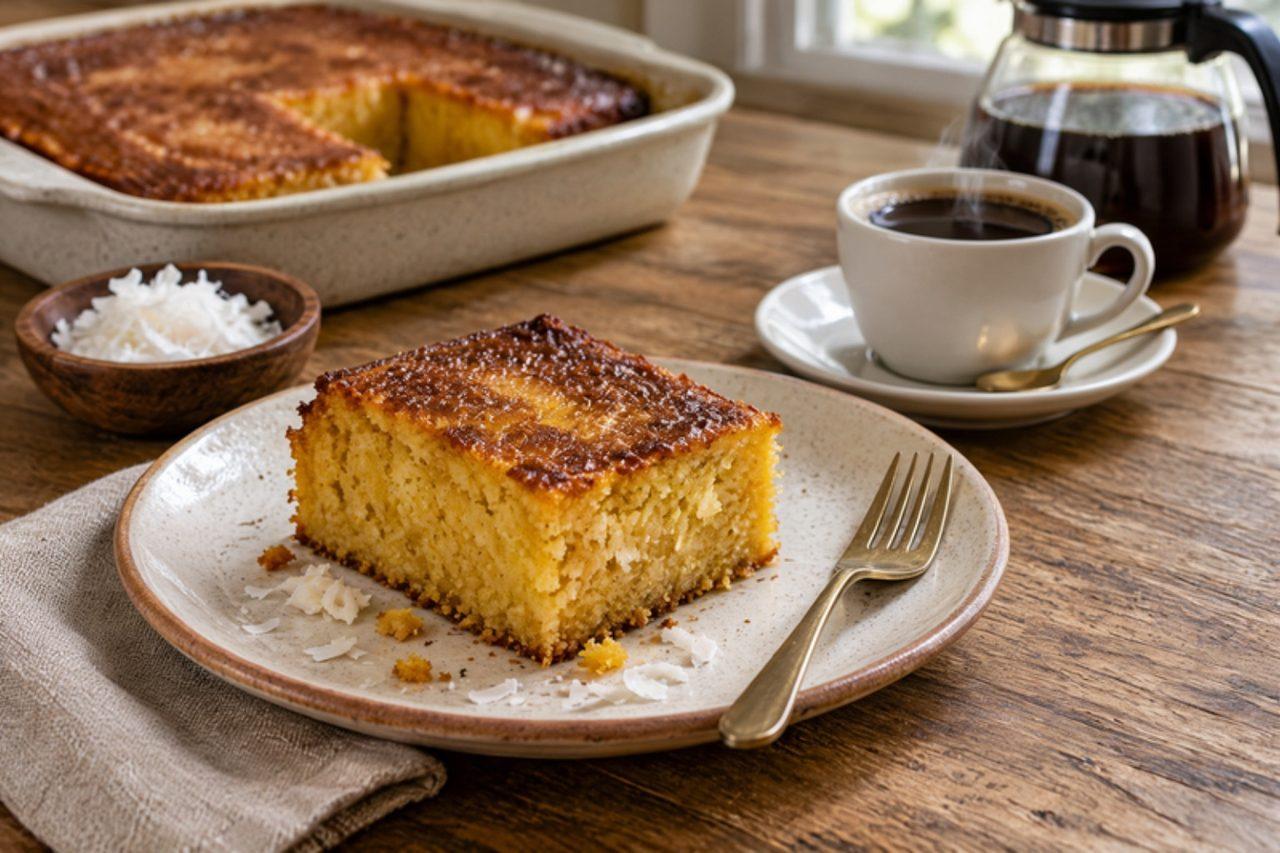
Bolo de pubaFermented cassava cake

In Bahia, Pernambuco and Maranhão the afternoon and early-morning coffee table often carries a slab of bolo de puba, a dense, custardy cake made from puba, cassava that has been soaked until it ferments and softens into a tangy white paste. Coconut milk, grated coconut, eggs and butter turn it into something between a cake and a pudding, with a caramel-brown crust and a moist, slightly springy middle; it is especially loved around the June São João festivals. Puba is sold in Brazilian and African grocers as massa puba or carimã; it contains no wheat, so the cake is naturally gluten free. The common mistake is cutting it hot: it sets as it cools and will be gummy if sliced too early. Chef's tip: squeeze the puba in a clean cloth first if it is very wet, so the batter is thick enough to hold the coconut in suspension rather than letting it sink.

by KrazyBadal 0 views

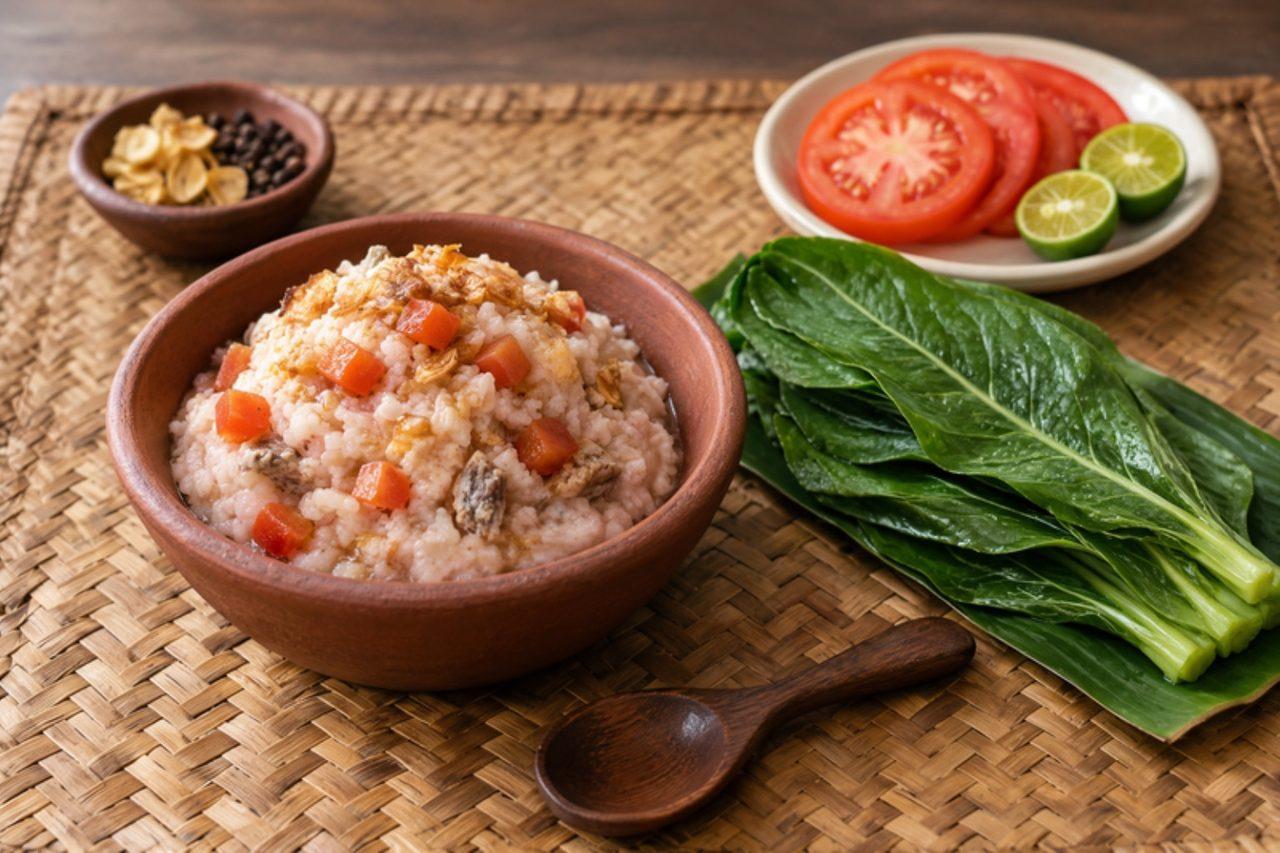
Burong isdaFermented fish and rice

Burong isda is a Kapampangan treasure. In Pampanga, and in neighbouring Bulacan and Tarlac, families make buro in the rainy months when mudfish and tilapia are plentiful, and the sautéed paste is set out at home lunches with fried or grilled fish, steamed okra and eggplant, and blanched mustard leaves (mustasa) to wrap it in. Cooked rice and salted fish ferment together for about a week until the rice has melted into a soft, pinkish porridge and the fish bones soften. Sautéed with garlic, onion and tomato, it becomes creamy, sour, salty and deeply savoury, a little like a cheese spread. Because the fish ferments raw, two rules matter: cure it first in 20% salt, and always cook the buro until bubbling hot before eating; never eat it straight from the jar. Pregnant people, babies, older people and anyone with weak immunity should only eat it freshly cooked, or skip it. Common mistake: packing hot rice, which spoils the ferment; cool it fully. It is ready to cook when it smells pleasantly sour, like sourdough, and the rice is soft. Chef's tip: a teaspoon of angkak (red yeast rice) gives the traditional pink colour.

by KrazyBadal 0 views

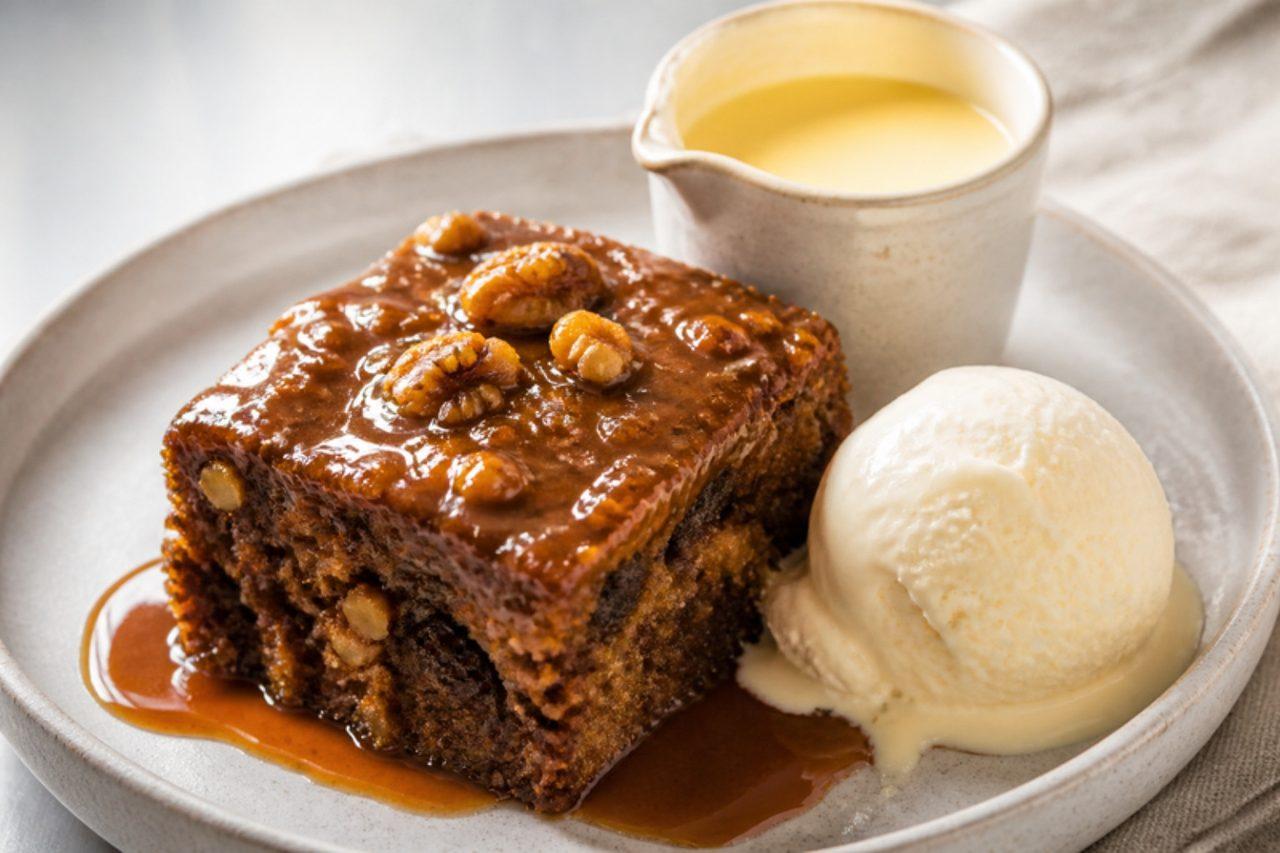
Cape brandy puddingDate and walnut brandy pudding

Sometimes called tipsy tart, this baked pudding of dates and walnuts drenched in a hot brandy and butter syrup is what Cape Town and Winelands families bring out for Sunday lunch in winter and for Christmas. It contains brandy, and because the brandy goes into the syrup off the heat most of the alcohol stays, so serve it to adults only; the ingredient note gives an alcohol-free rooibos or orange syrup for everyone else. Expect a dark, sticky, cake-like sponge that is almost wet at the bottom, with crunchy walnuts and a warm caramel and spice flavour, served with custard, cream or vanilla ice cream. The mistake is pouring the syrup over a cooled pudding, which then won't absorb it. Chef's tip: prick the hot pudding all over with a skewer and pour the hot syrup on slowly, letting each ladle sink in before adding the next.

by KrazyBadal 0 views

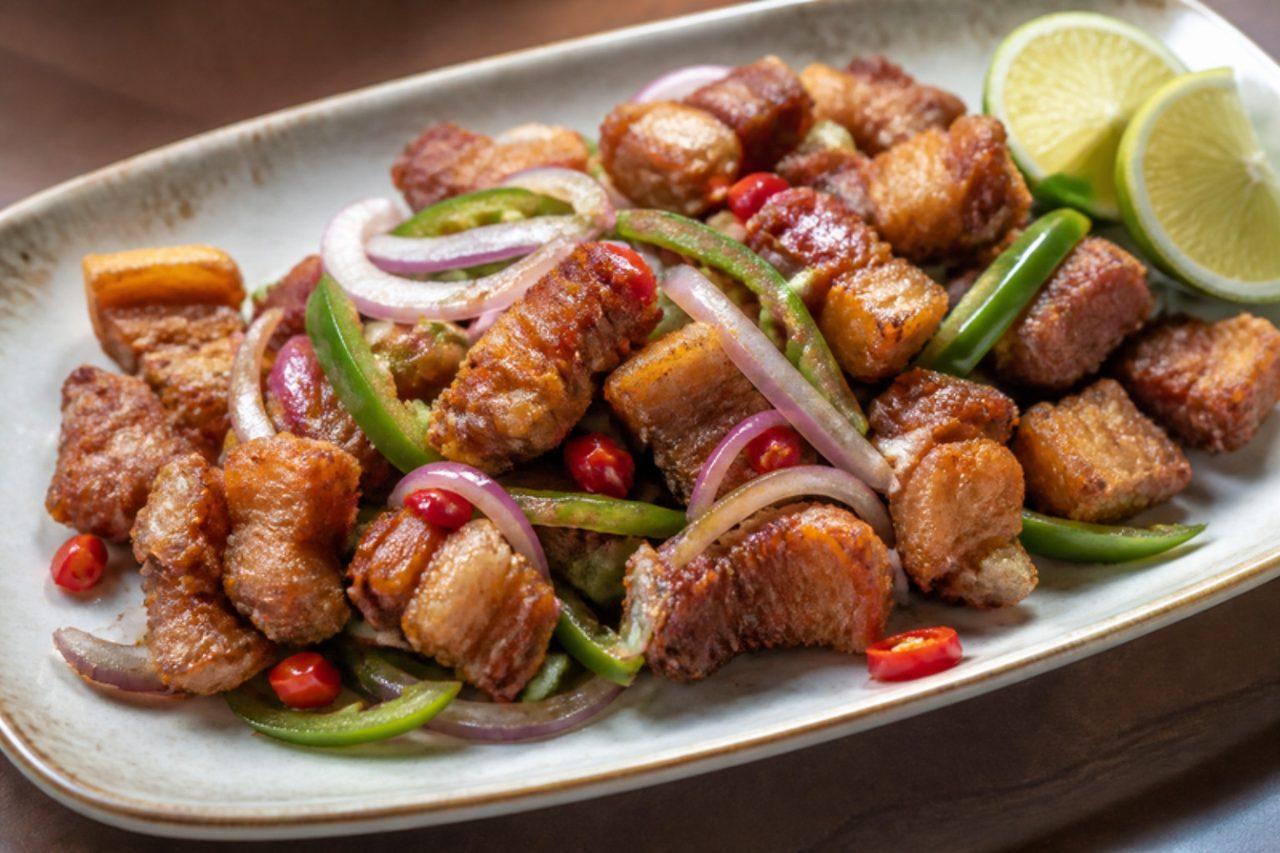
AkabenzCrispy fried pork

Pork is the star on Kigali's evening bar terraces, where friends share a plate of akabenzi; the name jokes that pork was once a luxury fit for a Mercedes-Benz owner. Chunks of pork shoulder or belly ribs are simmered until tender, then fried hard with onion and chilli until the fat crackles and the edges go crisp and caramelised, while the inside stays juicy. It comes with fried plantain or chips and a fiery chilli oil. The mistake is frying raw pork straight away: the outside burns before the middle cooks, so boil it first. The pork is cooked to well beyond 71 °C. Chef's tip: dry the boiled pieces thoroughly before they hit the oil, or they spit and steam instead of crisping.

by KrazyBadal 0 views

Aate ka halwaWholewheat flour halwa

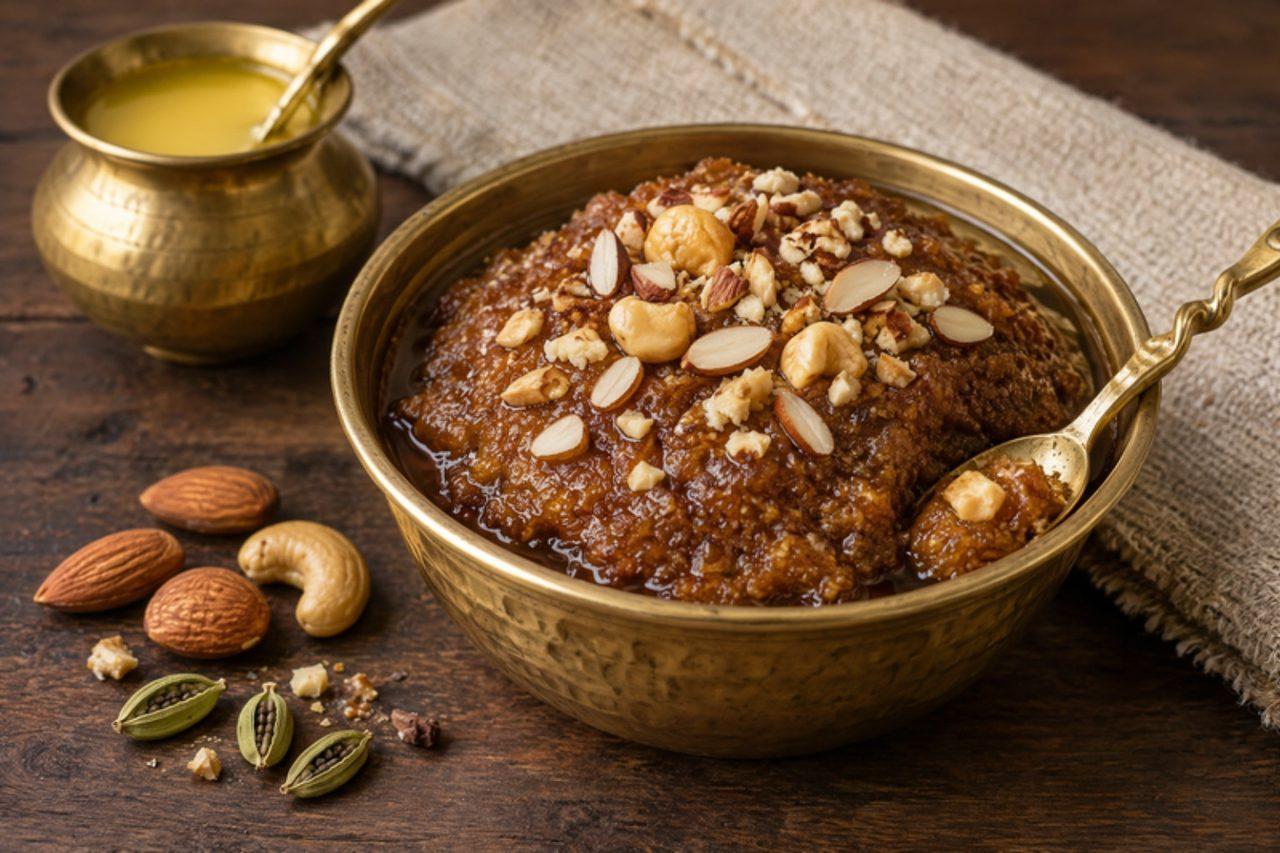
Across Marwar, this simple halwa is the one cooked for temple prasad, for Satyanarayan katha and for women in the weeks after giving birth, when ghee and jaggery are thought to build strength. Wholewheat flour is roasted slowly in plenty of ghee until it turns a deep nutty brown, then cooked with hot water and sugar or jaggery until soft and glossy. The whole thing takes 30 minutes. The common mistake is rushing the roast on high heat, which leaves the flour raw-tasting inside and scorched outside. Chef's tip: roast on low heat until the colour is like milky tea and the ghee starts to separate and bubble around the flour.

by KrazyBadal 0 views

Kiri kosJackfruit in coconut milk

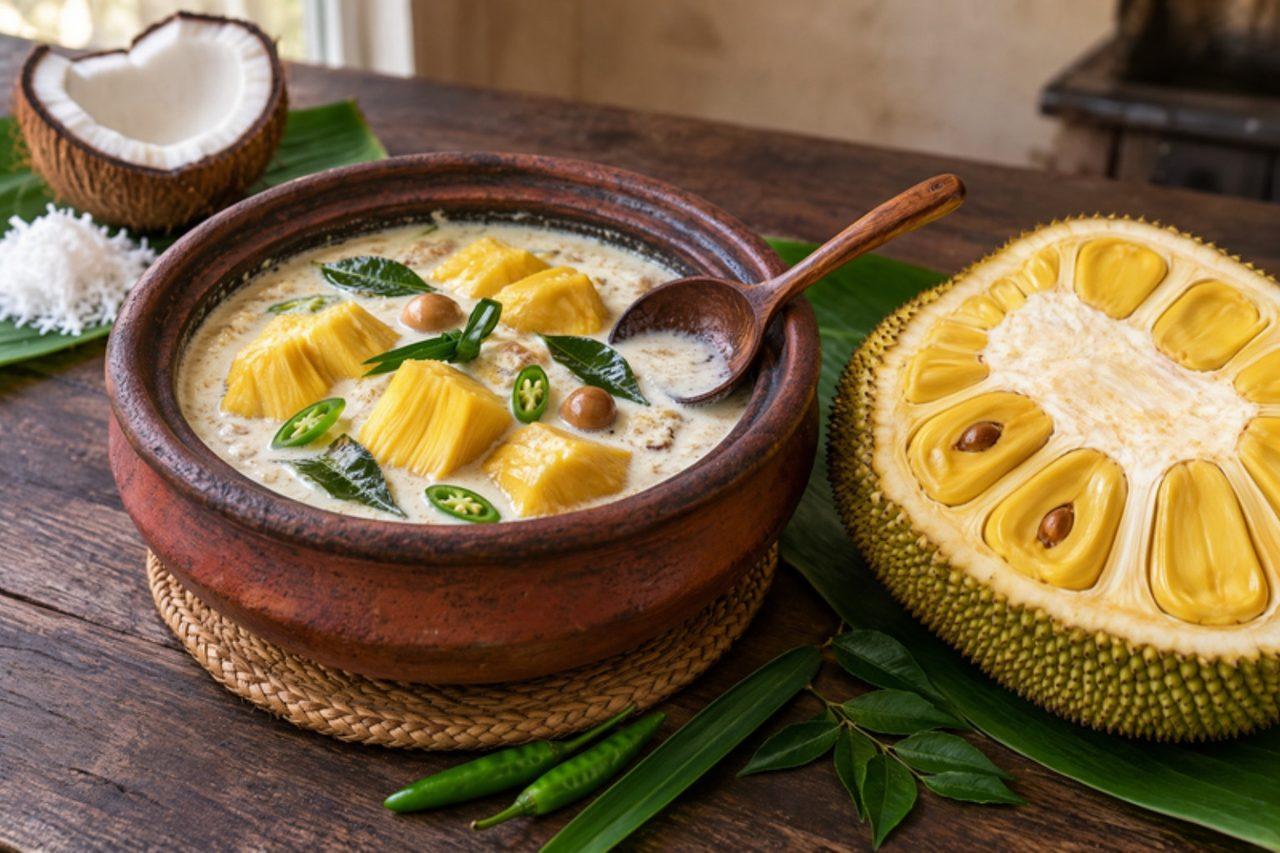
Kiri kos, 'milk jackfruit', is a mild white curry from the villages of Sri Lanka's wet zone, cooked when the jackfruit is mature but not yet sweet, and often served at lunch or at almsgivings beside red rice and a spicy sambol. The yellow bulbs are simmered with turmeric, pandan, cinnamon and green chilli in thin coconut milk until tender, then finished with thick milk so the curry is creamy and soothing. The usual mistake is using ripe, sweet jackfruit, which turns to jam; ask for mature 'kos' with firm, pale bulbs, or use tinned young jackfruit in brine. Chef's tip: oil your knife and hands before cutting fresh jackfruit so the sticky latex wipes off easily.

by KrazyBadal 0 views

ChochocaPotato flatbread

On Chiloé, chochoca is a feast-day sight: potato dough wrapped round a thick wooden pole and turned slowly in front of the fire until it browns, then sliced off, filled and rolled up. Islanders often fill it with pork crackling; this vegetarian version uses butter and sugar, or cheese. Without a fire pit, roll the dough into thin rounds and cook them on a hot griddle, which gives the same chewy, toasty bread. The usual mistake is a wet dough: squeeze the grated potato really dry or the sheets tear. Chef's tip: if you have a barbecue, wrap the dough round a foil-covered rolling pin or thick metal pipe and turn it over glowing coals for the true smoky crust.

by KrazyBadal 0 views

Daniwal kormaMutton in yogurt and onion gravy

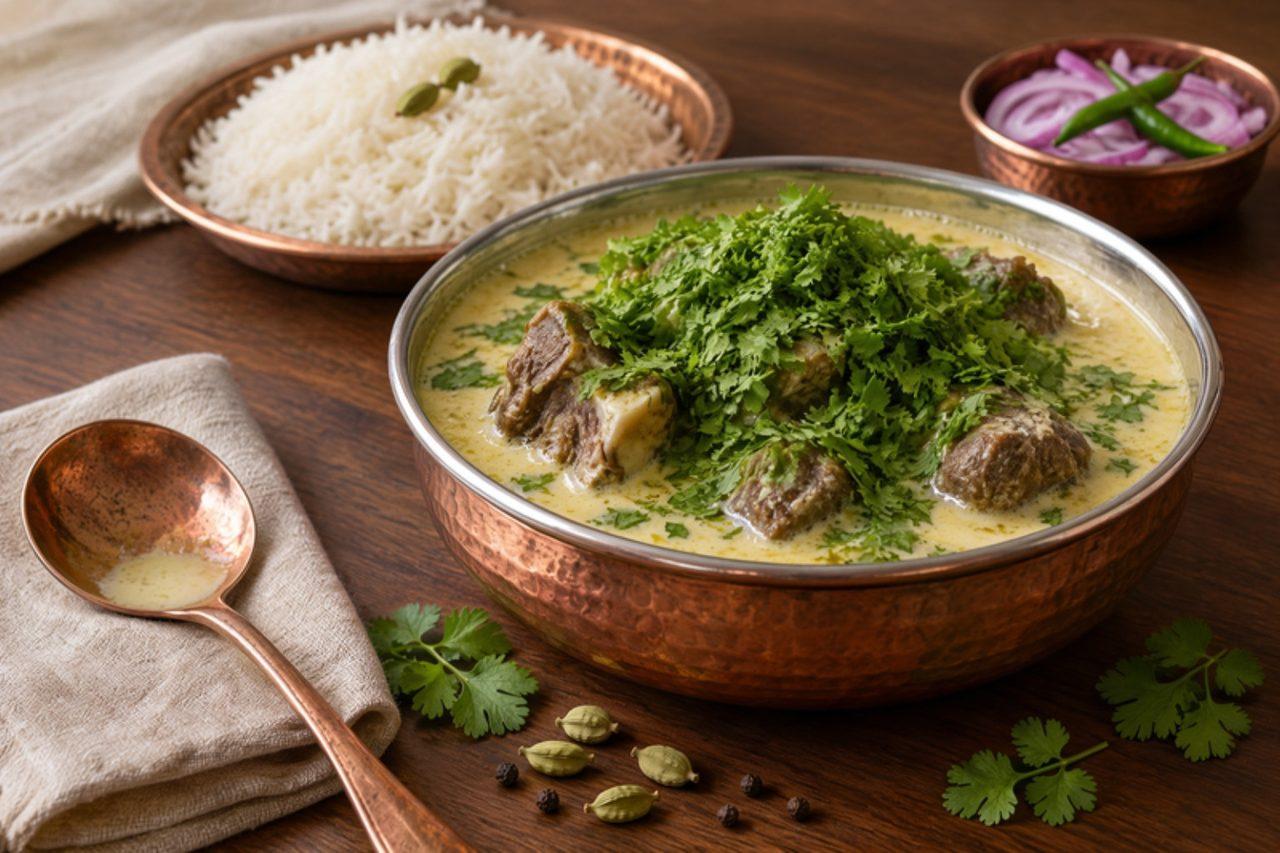
Daniwal korma is one of the gentler dishes of the Kashmiri wazwan, the many-course Muslim wedding feast cooked by the waza, and it is also a favourite for Eid lunches at home. Mutton is cooked with fried onion and whisked yogurt, scented with cardamom and fennel, and finished with a great fistful of fresh coriander, 'daniwal', that turns the pale gravy green-flecked and fresh. It is served with plenty of rice. The common mistake is adding cold yogurt to a hot pan, which makes it split; whisk it smooth and stir it in off the heat. Chef's tip: fry the onions dark gold, then grind them to a paste with the yogurt for a silky, nutty gravy.

95 minIndianMeatGluten free
by KrazyBadal 0 views

Showing 90 of 8,301 recipes

Page 178 of 923