


Skip to content
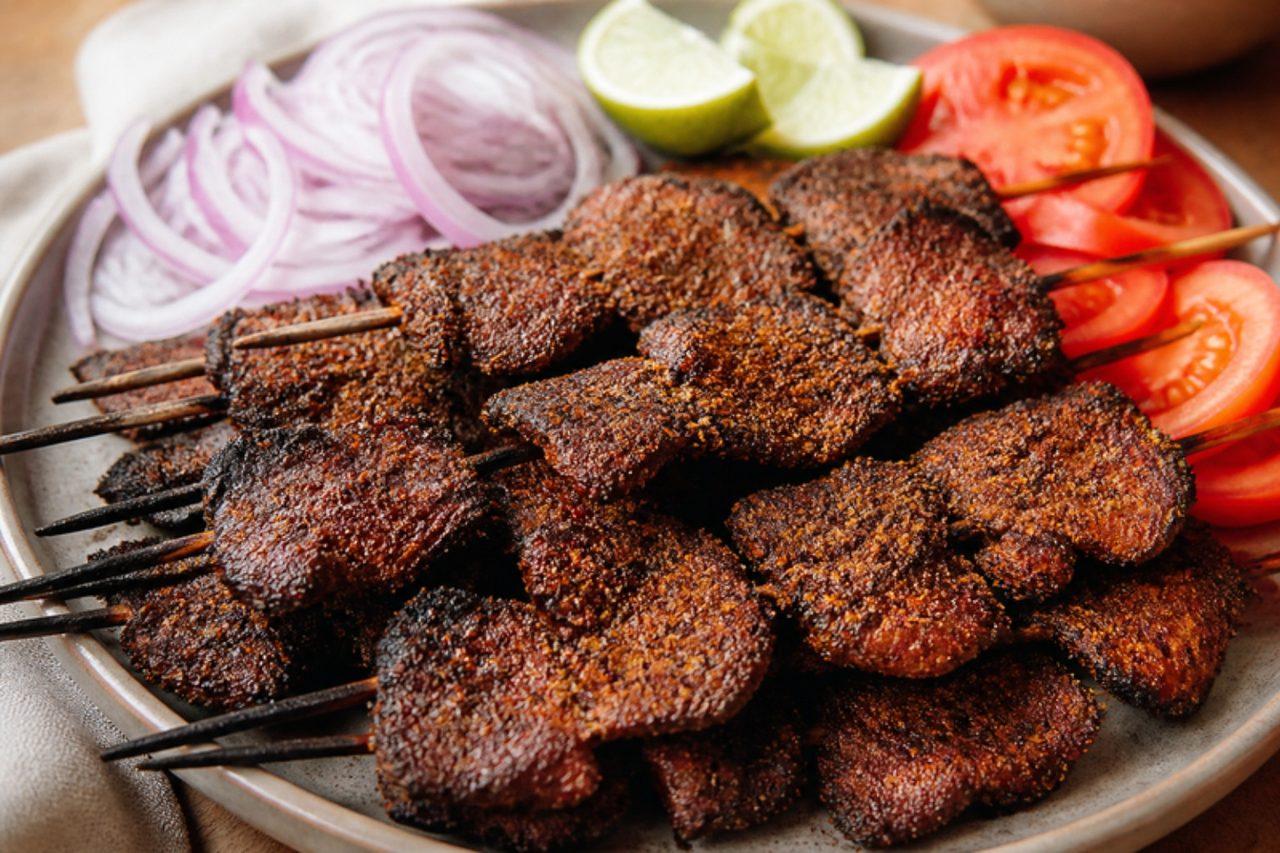
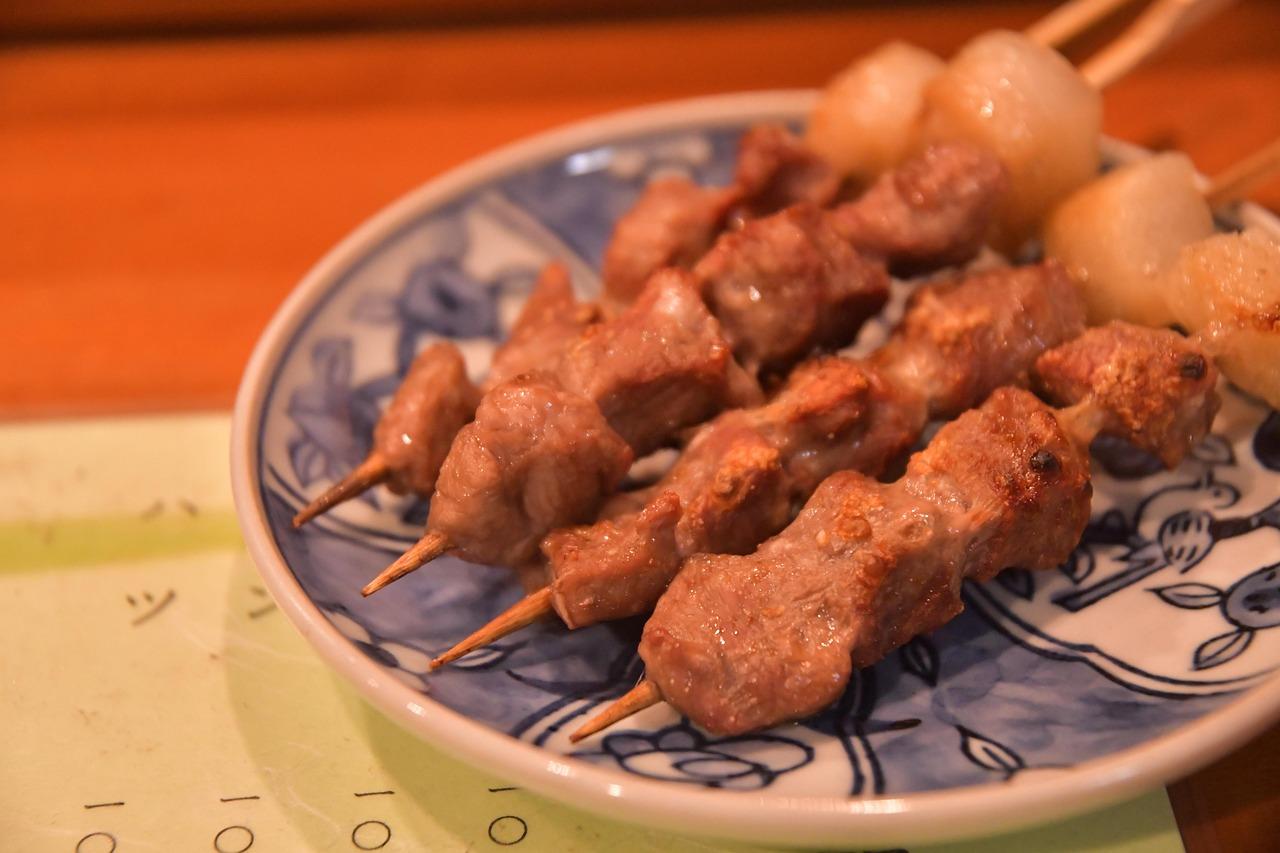
Agashe (Sudanese peanut-crusted beef skewers)
Featured recipe

Agashe (Sudanese peanut-crusted beef skewers)

On Khartoum evenings the smoke from agashe grills drifts across the streets: thin slices of beef threaded onto sticks, coated in a dry rub of ground roasted peanuts, ginger, chilli and garlic, and grilled fast over charcoal until crusty and fragrant. The style came to Sudan with West African communities and is close cousin to Nigerian suya, but it has become a Khartoum favourite in its own right, served with sliced onion, tomato, lime and a sprinkle of extra spice. Slicing the beef too thick is the usual error, because the crust burns before the inside is done; aim for 5 mm. Marinate in the fridge, never on the counter. Chef's tip: dust the skewers with a second coat of peanut mix halfway through grilling for the best crust.

Read more 0 views

What to eat today?

Around the world

Today's trip: Persian

A new country every day, from every cuisine on the site.

Persian

Nan-e khamei

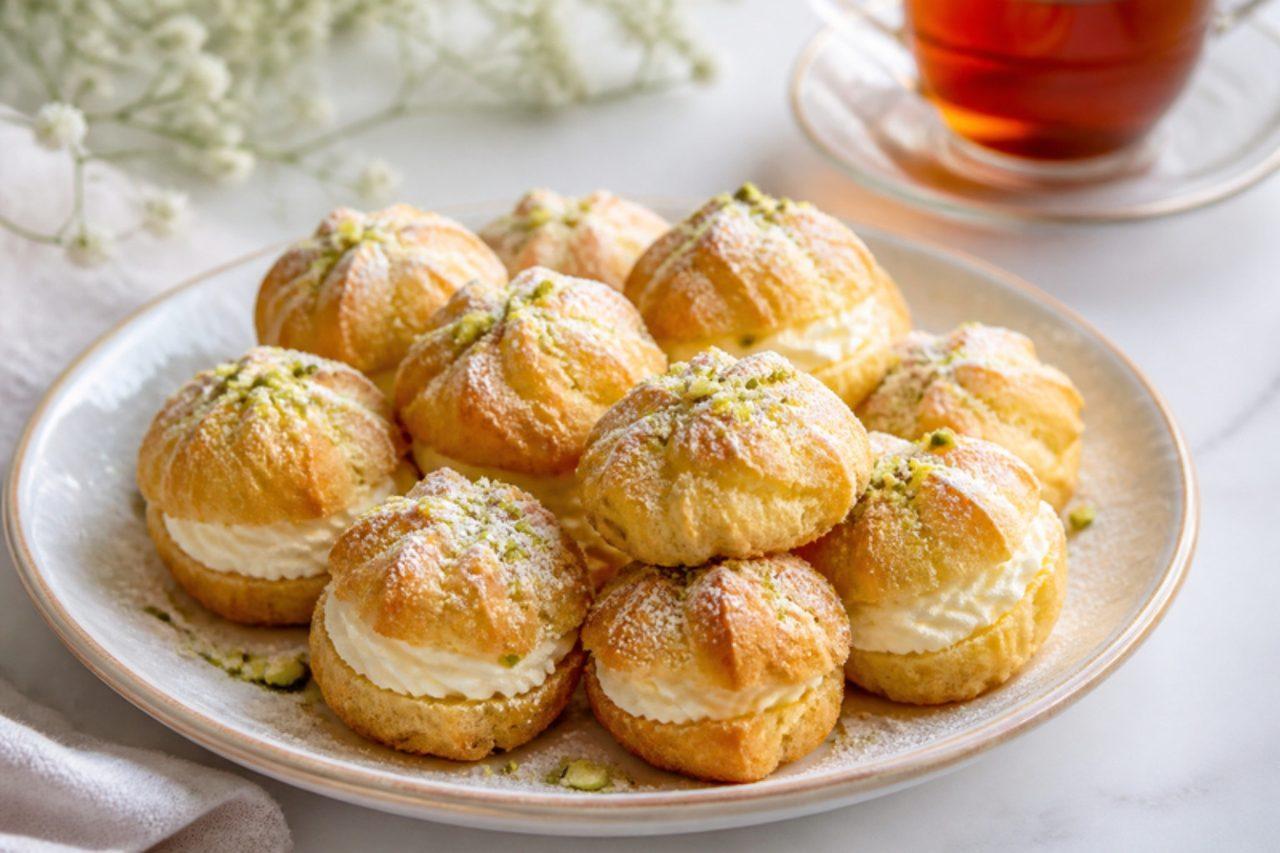
Cream puffs 80 minMore from Persian (167) →

This week's collection

Kid-friendly dinners
702 recipes · a new collection every Monday

Coming up

All occasions →

Latest recipes

Granita di mandorlaAlmond granita

On summer mornings in Catania, Messina and the towns around Mount Etna, Sicilians have granita for breakfast: a glass of soft, flaky ice made from almond milk and sugar, eaten with a warm brioche col tuppo (with a little bun on top) for dunking. The almond granita is the most traditional flavour, white, sweet and fragrant. It is made without a machine, just scraped with a fork as it freezes. Contains nuts. Chef's tip: stir the granita every 30 minutes without fail; that's what gives it the soft, creamy flakes instead of a solid block.

by KrazyBadal 0 views

Gelato alla stracciatellaChocolate chip gelato

Stracciatella was invented in 1961 at the Gelateria La Marianna in Bergamo's upper town, inspired by stracciatella soup, where egg is stirred into broth in little rags (stracci). The gelato maker drizzled melted dark chocolate into churning fior di latte, where it froze instantly into thin, crisp shards. It became one of the best-loved flavours in Italy, a favourite with children. Chef's tip: drizzle the chocolate in a thin stream right at the end of churning; it must hit the cold gelato and set at once, or it forms hard lumps.

by KrazyBadal 0 views

Pizza di scarolaEscarole pie

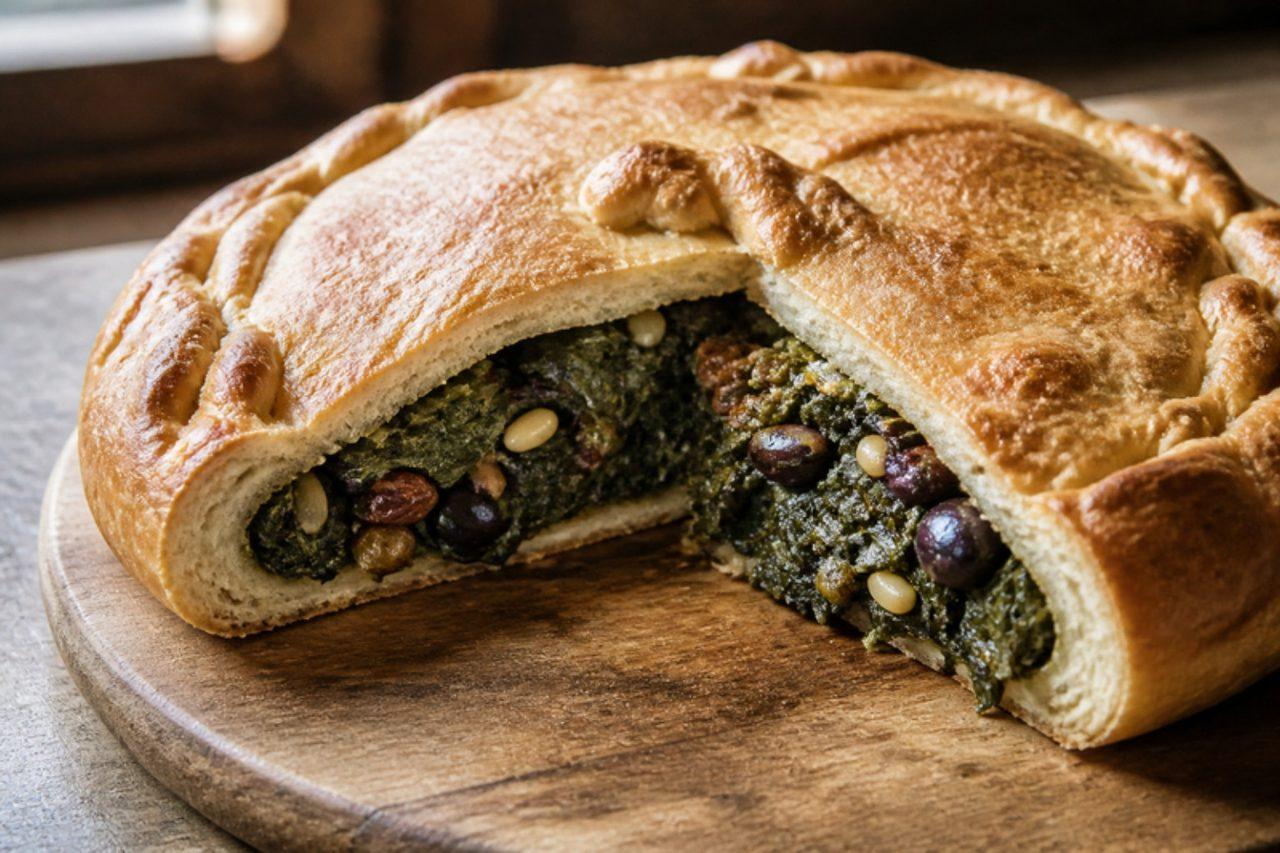
Pizza di scarola is a Neapolitan Christmas Eve tradition, when families avoid meat: a covered pie of bread dough filled with sautéed escarole (a bitter salad green), black Gaeta olives, capers, pine nuts and raisins. Many families add anchovies, but this version keeps it vegan and gets its salty depth from the capers and olives instead. It is eaten warm or cold, cut into wedges, on the night before Christmas and in the days after. Chef's tip: squeeze the cooked escarole well before filling; wet greens make the bottom crust soggy.

by KrazyBadal 0 views

Sarde a beccaficoStuffed sardine rolls

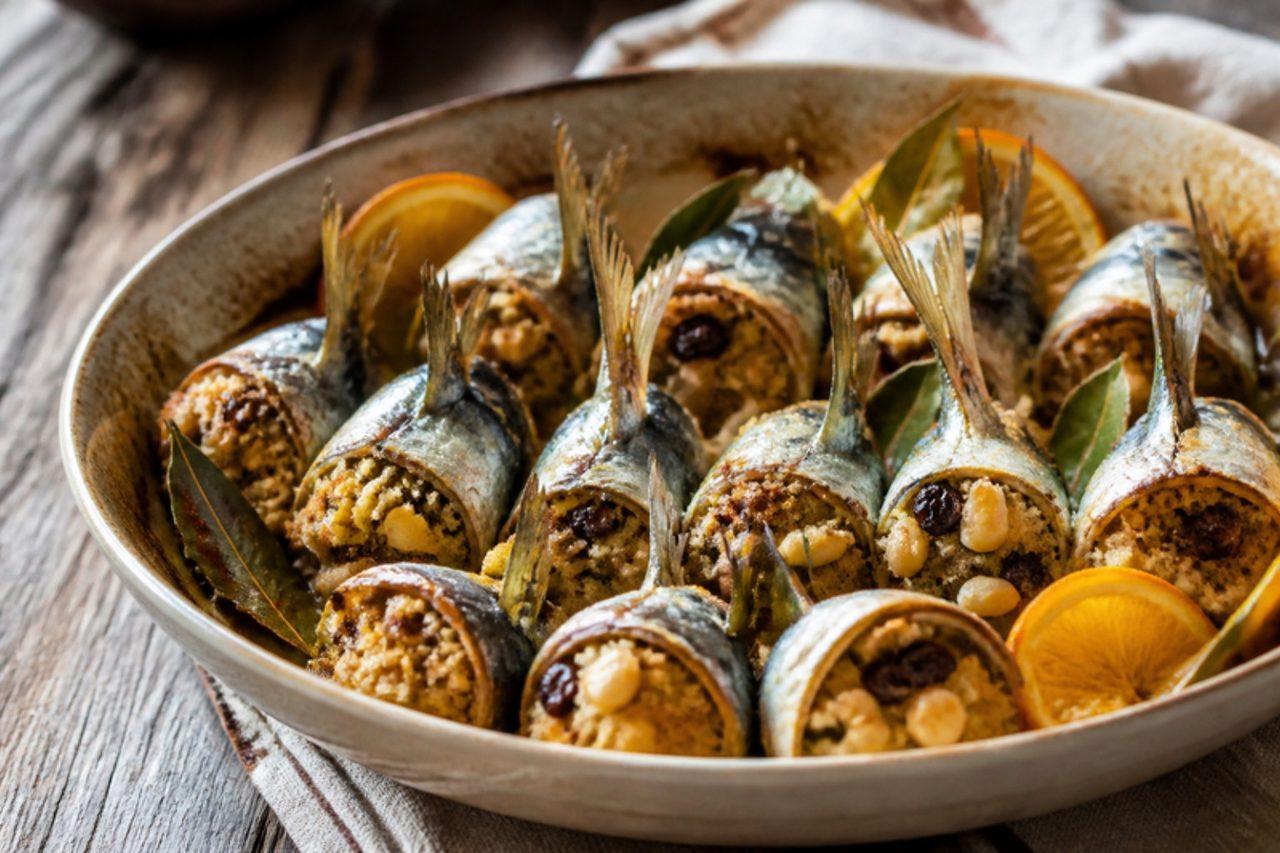
In Palermo, sarde a beccafico are a working family's take on a noble dish: the aristocrats once stuffed small birds called beccafichi, while ordinary people made the same sweet-savoury filling of breadcrumbs, raisins, pine nuts and orange and rolled it inside fresh sardines. Rolled up with their tails sticking up and baked between bay leaves, they look a little like the little birds they are named after. They are served as an antipasto or a main with salad, warm or at room temperature. Chef's tip: toast the breadcrumbs in olive oil until golden before mixing the filling; raw crumbs turn pasty and grey inside the fish.

by KrazyBadal 0 views

Fiori di zucca ripieni frittiFried stuffed courgette flowers

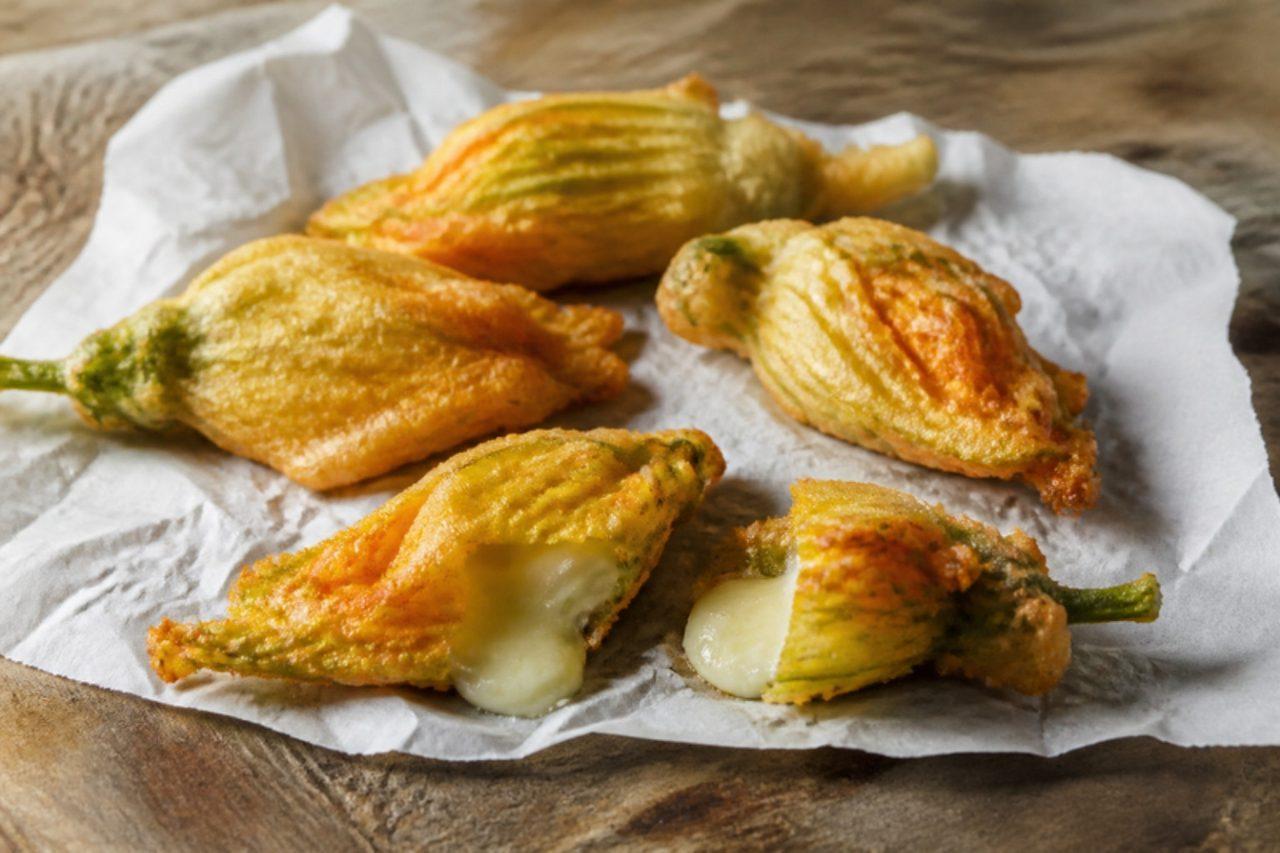
Every Roman pizzeria a taglio and friggitoria has a tray of fiori di zucca in summer: courgette flowers stuffed with a stick of mozzarella, dipped in a thin cold batter and fried until they shatter. Romans usually tuck in an anchovy fillet, but this vegetarian version swaps it for a little lemon zest and a caper, which gives the same salty spark. They are eaten as an antipasto before pizza or as a snack standing at the counter. Mozzarella is usually made with calf rennet; vegetarian versions are easy to find. Chef's tip: make the batter with ice-cold sparkling water and leave a few lumps; a smooth, warm batter fries heavy and soft.

by KrazyBadal 0 views

Mujigae tteokRainbow rice cake

Mujigae tteok is the rice cake of children's birthdays and school picnics in Korea, with soft stripes of pink, yellow, green and white that stand for harmony and happiness; it is also a fixture on the doljanchi first-birthday table. Each layer is the same lightly sweet, fluffy steamed rice flour, coloured naturally. The common mistake is packing the layers down: press too hard and the cake turns dense and the colours bleed, so spread each layer and just level it with a scraper. Rice cakes are chewy and sticky, a known choking risk: cut them into small pieces for young children and older people and eat them sitting down. Chef's tip: colour each portion of flour before sieving it, so the colour is even with no streaks.

by KrazyBadal 0 views

GaraetteokLong cylinder rice cakes

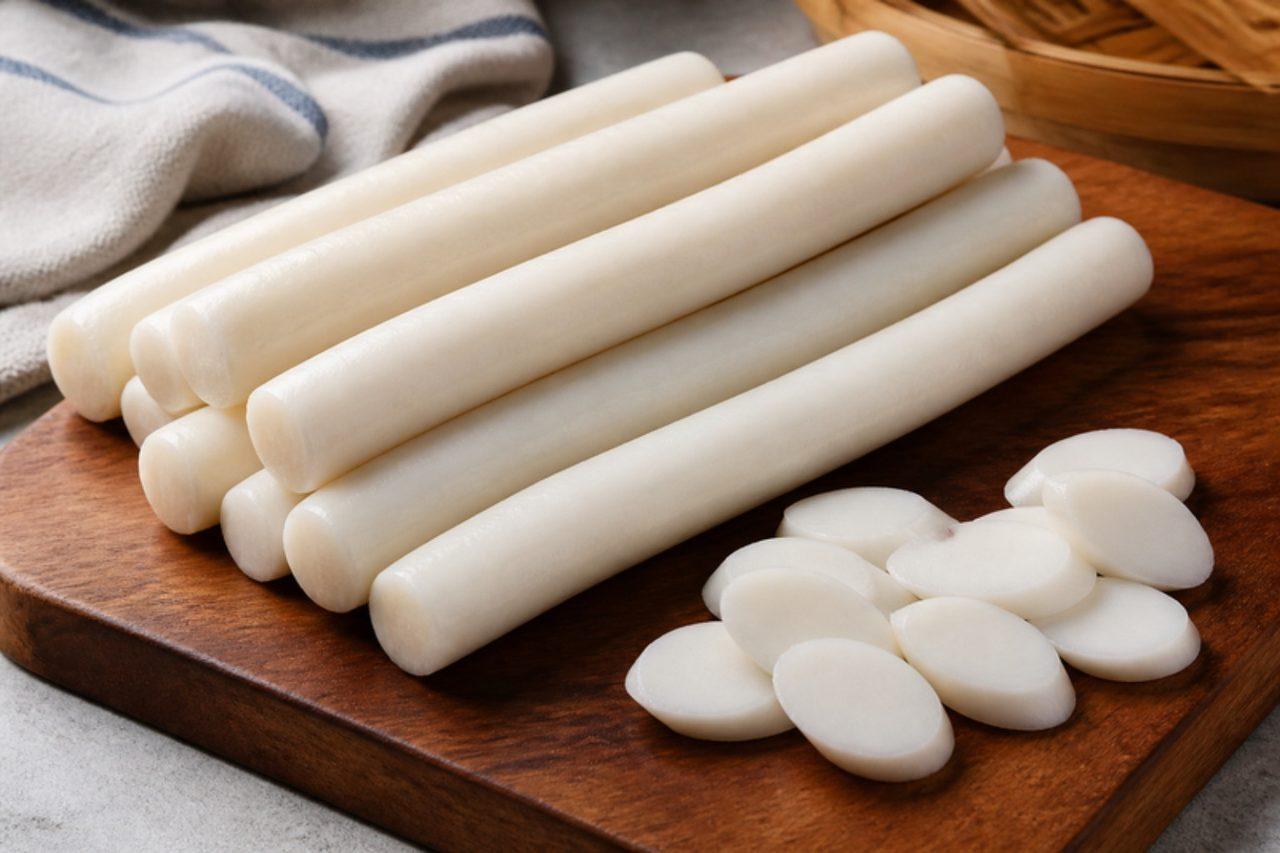
Garaetteok are the long white rice-cake logs that Korean mills churn out before Seollal, when families queue with their own rice to have them pressed and then slice them into ovals for tteokguk, the New Year soup. The length is meant to wish for a long life. Freshly made, they are soft and chewy and eaten warm, dipped in honey or toasted over a grill; once they firm up they are sliced for soup or cut into sticks for tteokbokki. Making them at home is simple, though the logs come out a little less glossy than machine-pressed ones. The usual mistake is rolling the dough when it has cooled: it must be hot to stay smooth. Rice cakes are chewy and sticky, a known choking risk: cut them into small pieces for young children and older people and eat them sitting down. Chef's tip: leave the logs to firm overnight before slicing on the diagonal; they cut cleanly instead of squashing.

by KrazyBadal 0 views

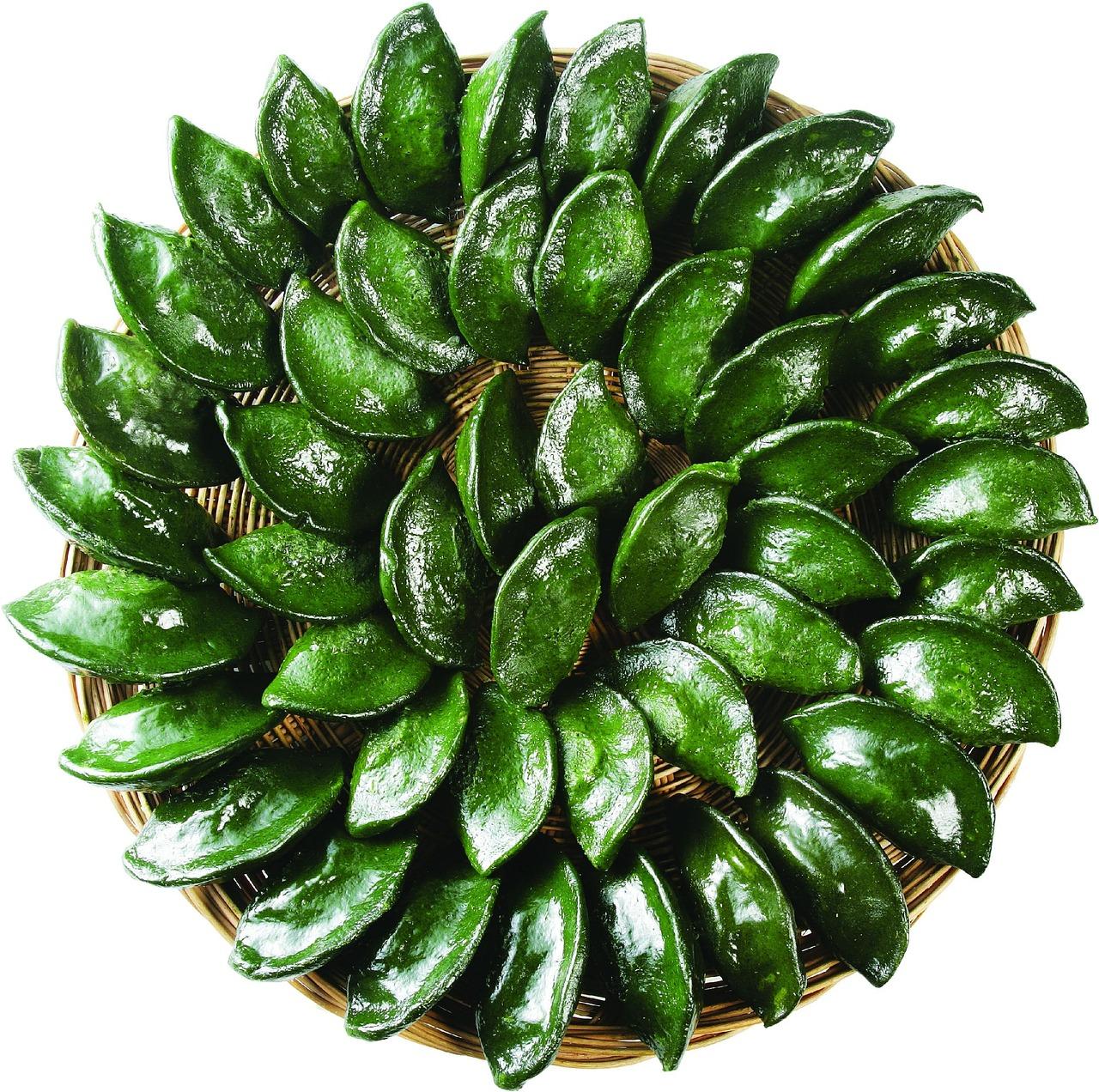
JeolpyeonStamped rice cakes

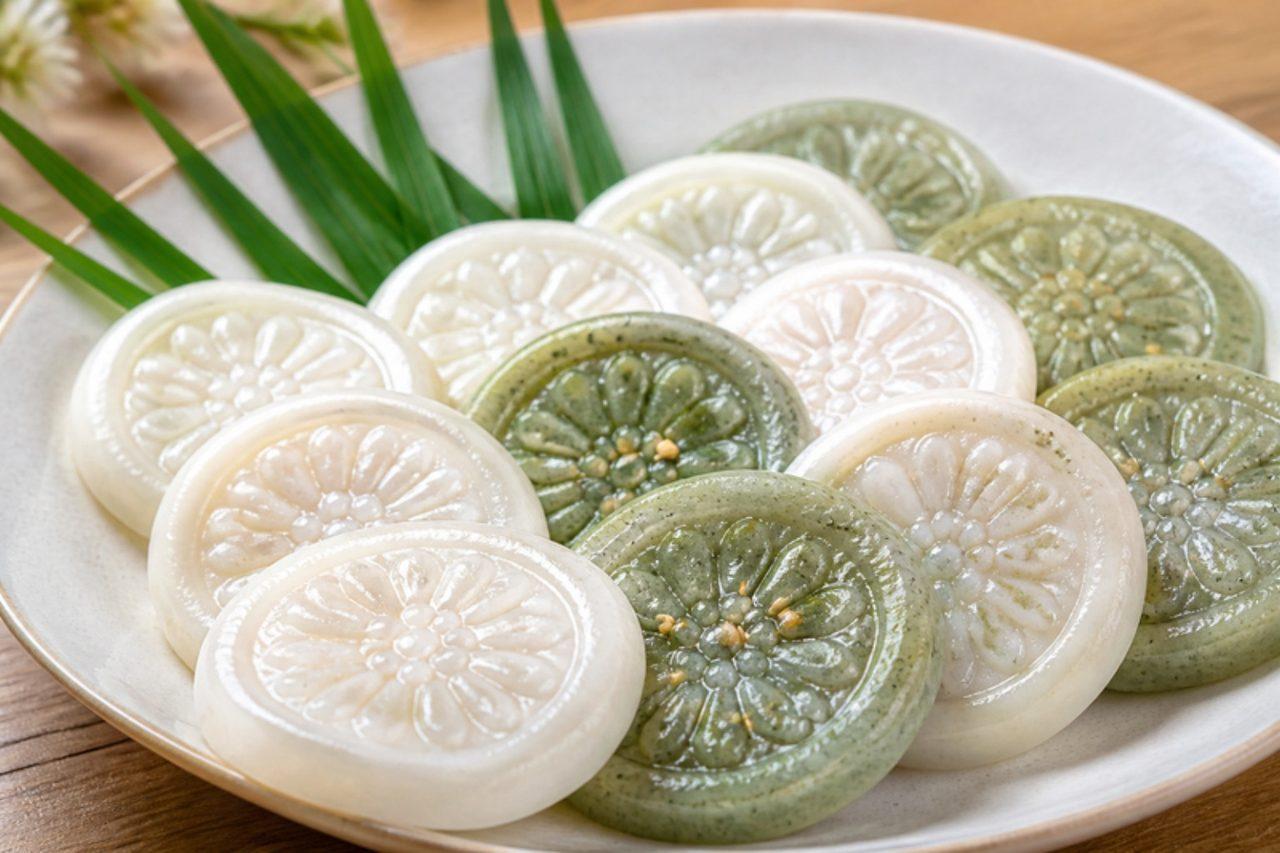
Jeolpyeon are the patterned rice cakes Korean tteok shops press with carved wooden stamps called tteoksal, so each piece carries a flower or a wish for long life; they appear at weddings, 60th birthdays and Dano, the early-summer festival, when they were made green with mugwort or Korean ox-eye daisy. The cakes are plain and only lightly salted, firm yet chewy, and glossy with sesame oil. The common mistake is pounding too little: the dough must be kneaded until completely smooth, or the stamp won't leave a clean pattern and the cakes crack. Rice cakes are chewy and sticky, a known choking risk: cut them into small pieces for young children and older people and eat them sitting down. Chef's tip: no stamp? Press the base of a decorative glass or a clean biscuit mould into each piece.
by KrazyBadal 0 views

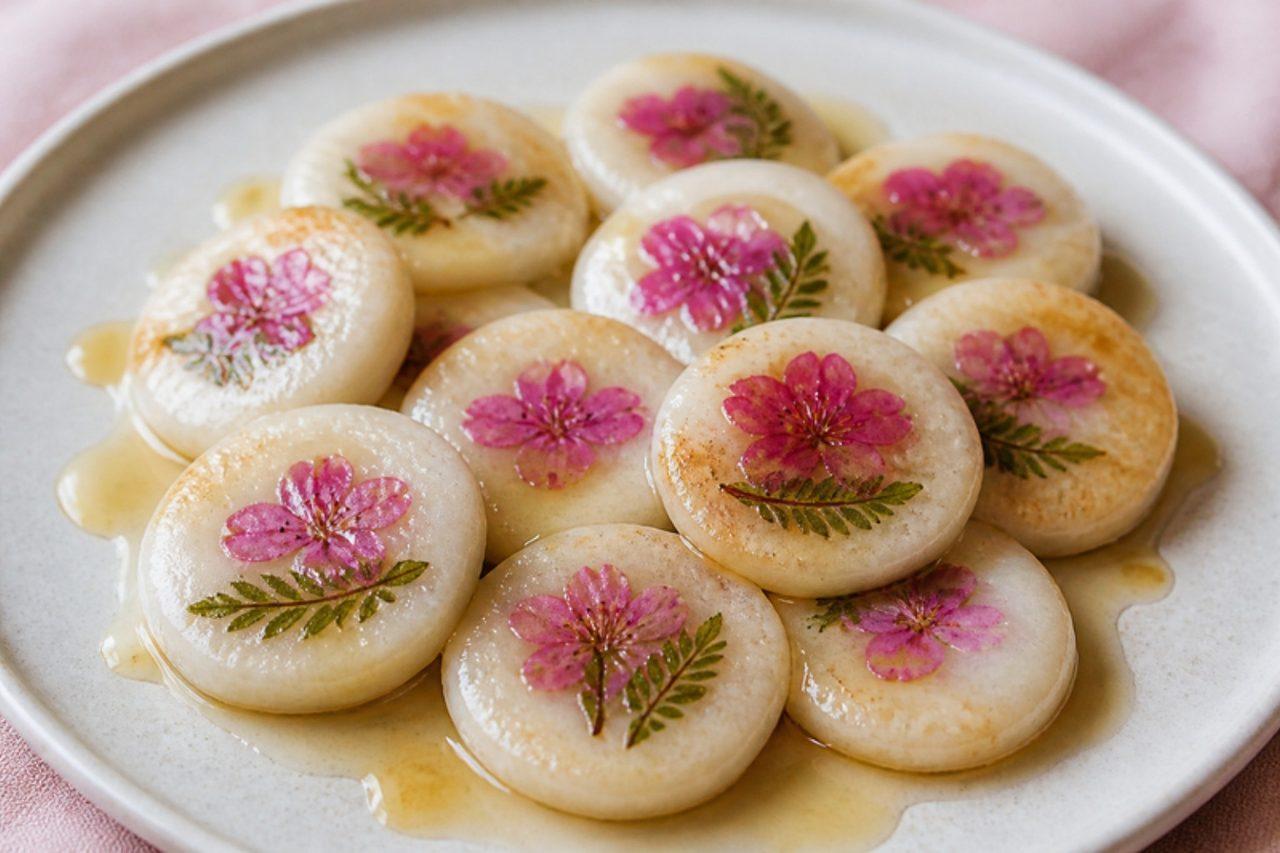
HwajeonFlower rice cake pancakes

In April, when the azaleas bloom on Korean hillsides, women in Joseon times climbed to picnic spots for hwajeonnori, the flower-cake party, frying little rice cakes with fresh petals pressed into them on the spot. Hwajeon are still made for spring festivals and Samjinnal, the third day of the third lunar month. The cakes are soft and chewy, barely crisp at the edges, and brushed with syrup. The common mistake is frying over too high a heat: the cakes should stay white with the flower bright, so keep the pan low and turn only once. Use only flowers you know are edible and unsprayed, such as pansies, violas or azalea (jindallae) petals; never ornamental shop flowers. Rice cakes are chewy and sticky, a known choking risk: cut them into small pieces for young children and older people and eat them sitting down. Chef's tip: press the flower on after you flip the cake, so it warms through and sticks without browning.
by KrazyBadal 0 views

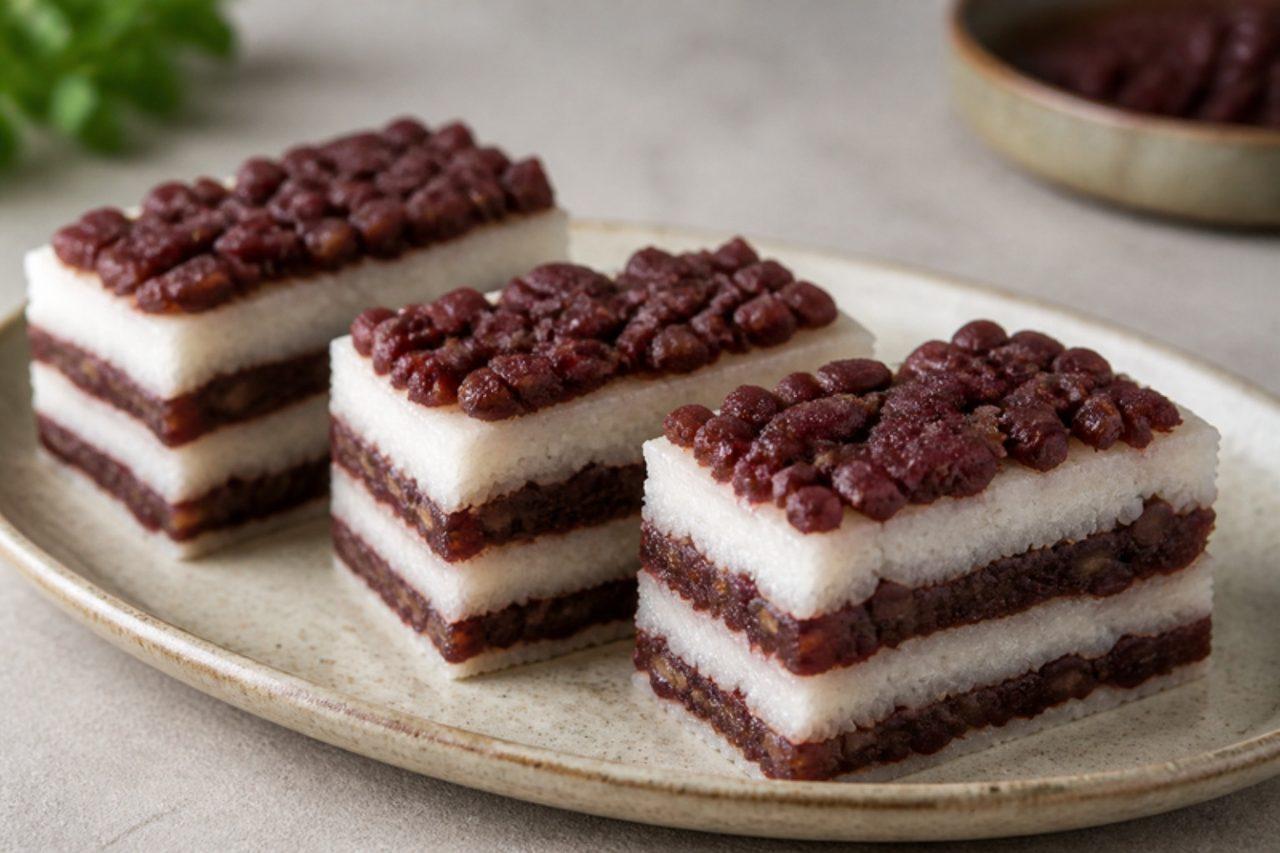
SirutteokRed bean steamed rice cake

Sirutteok, named after the earthenware siru steamer, is the rice cake Koreans make to bless a new home, open a shop or mark the autumn harvest at a village gosa ceremony; the red adzuki beans were believed to chase away bad luck, and a slice is often left at the door. Layers of fluffy rice flour are steamed between layers of coarse, salted red bean crumble, so every bite is soft, a little sweet and earthy. The common mistake is mashing the beans to paste: the crumble should stay dry and grainy or the layers turn soggy. Rice cakes are chewy and sticky, a known choking risk: cut them into small pieces for young children and older people and eat them sitting down. Chef's tip: cook the beans until just tender, drain them, then dry them out in the pan over a low heat until the crumble falls apart.

by KrazyBadal 0 views

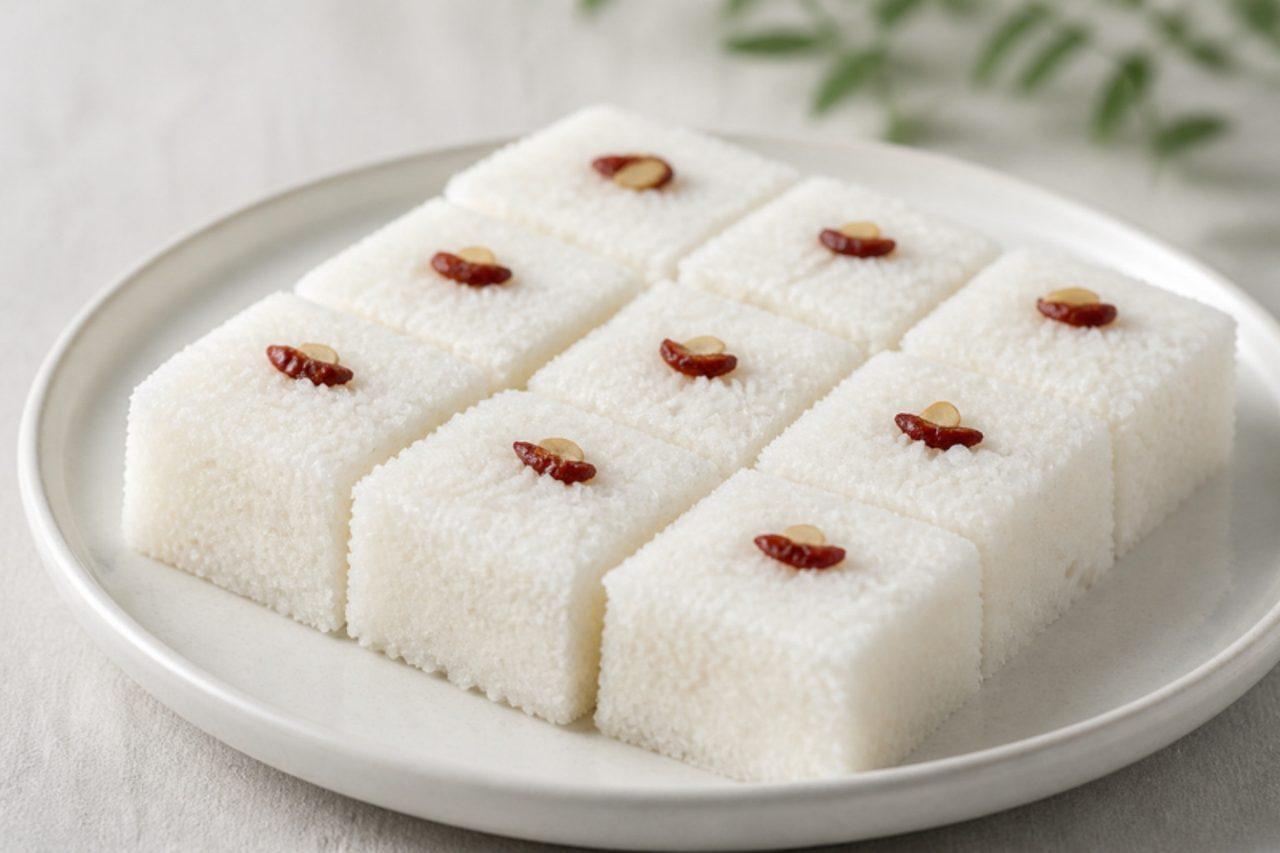
BaekseolgiWhite steamed rice cake

Baekseolgi, 'white snow cake', is the plain steamed rice cake that Korean families share out on a baby's baek-il, the 100th day, and at the doljanchi first-birthday party, where its pure white colour stands for a clean, long life. Custom says it should go to a hundred neighbours. It has a fine, crumbly-soft, cake-like texture and a mild, milky rice sweetness, best eaten the day it is made with a cup of barley tea. The usual mistake is skipping the sieving: unsieved flour steams into a heavy, patchy cake, so push it through twice. Rice cakes are chewy and sticky, a known choking risk: cut them into small pieces for young children and older people and eat them sitting down. Chef's tip: score the raw cake into portions before steaming; it cooks more evenly and you can lift pieces out cleanly.
by KrazyBadal 0 views

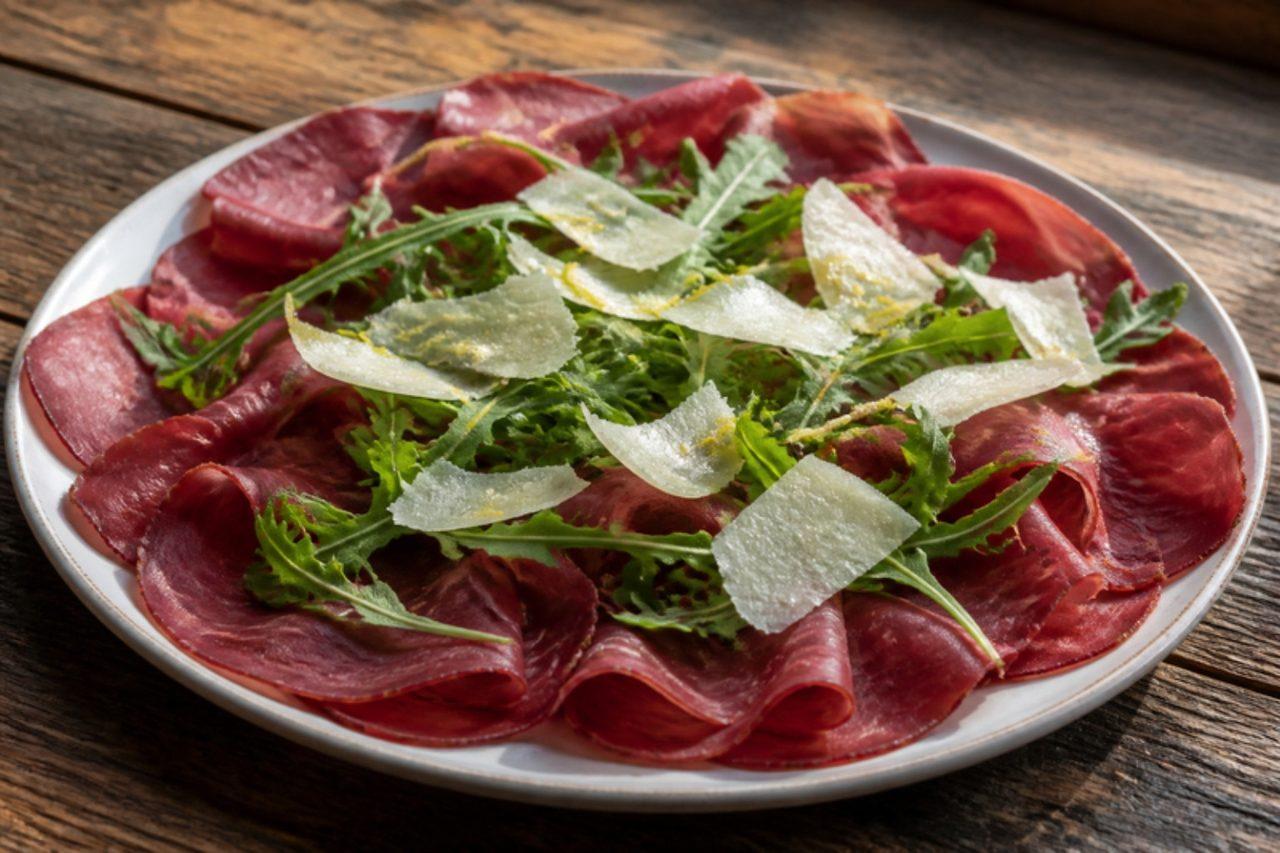
Bresaola, rucola e granaCured beef with rocket and cheese

Bresaola is beef cured with salt and spices and air-dried in the cool mountain valleys of the Valtellina, near Sondrio in Lombardy. Locals serve it as a light lunch or an antipasto before pizzoccheri: thin dark-red slices dressed with lemon and olive oil, topped with peppery rocket and flakes of Grana Padano. It takes five minutes and needs nothing else but bread. Chef's tip: dress the bresaola with lemon 5 minutes before serving; the acid softens the edges of the slices and brings out the meat's sweetness, but much longer and it turns grey.

by KrazyBadal 0 views

Yeolmu kimchiYoung radish kimchi

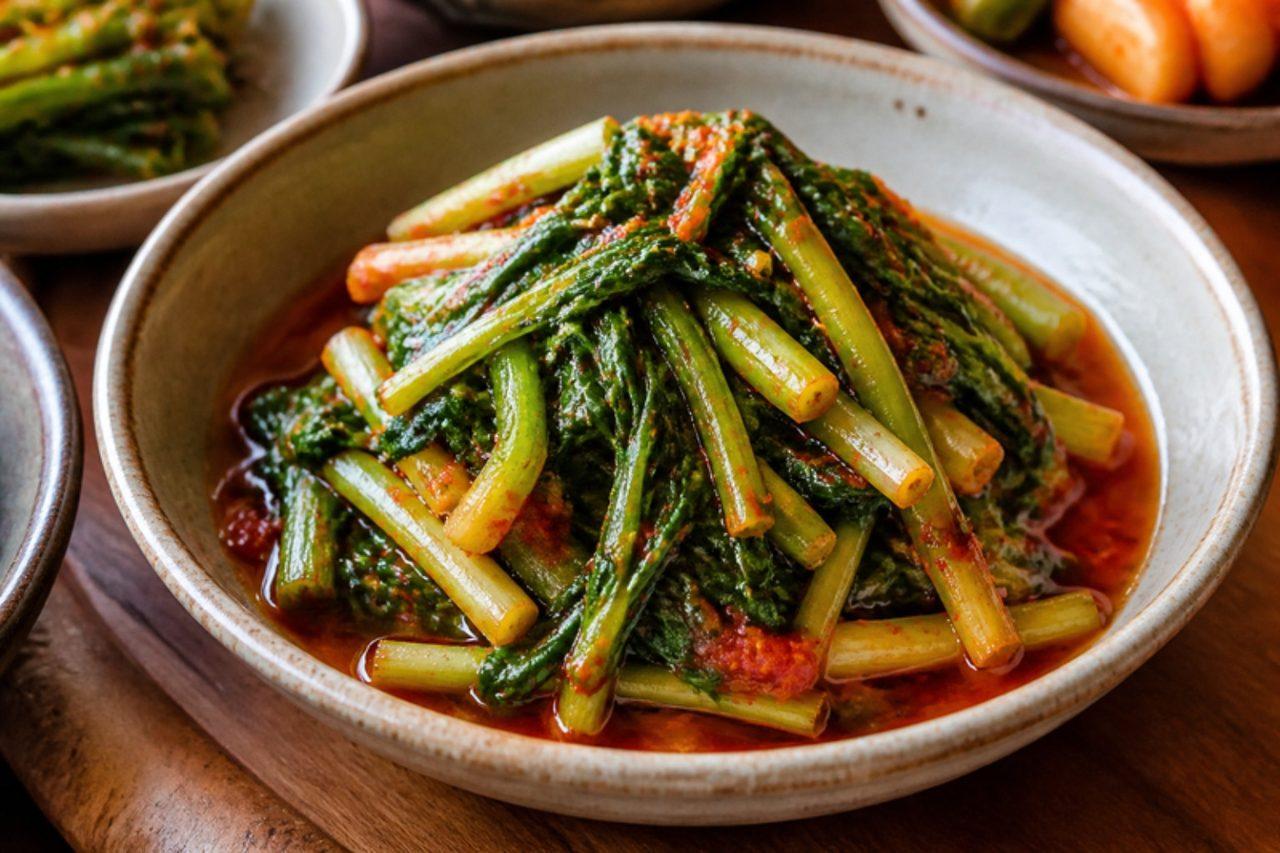
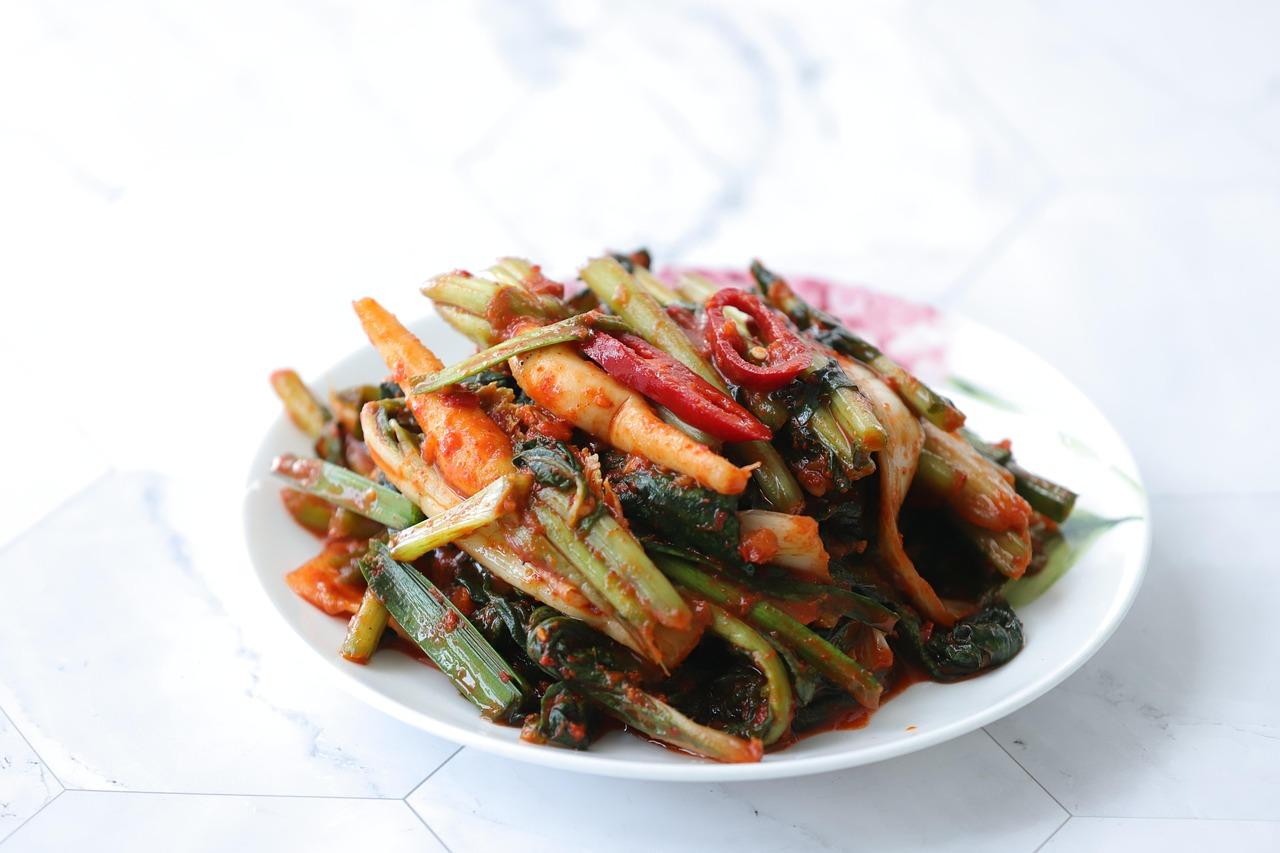
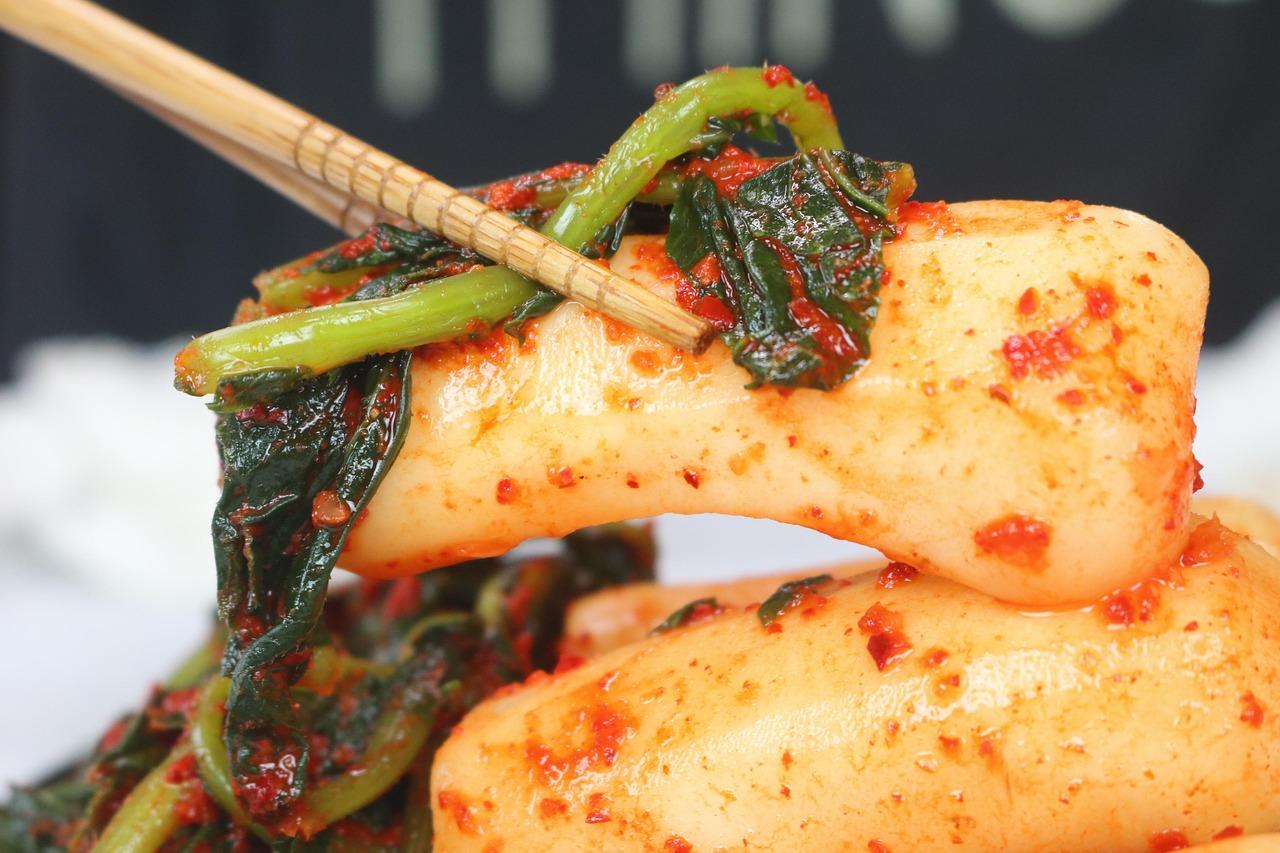
Yeolmu are young radish plants pulled in early summer, mostly leaves and slender stems with a tiny root, and yeolmu kimchi is what Korean families eat through July and August heat, often in yeolmu bibimbap or over cold noodles. It is lighter and juicier than cabbage kimchi, with a thin red brine and a fresh, slightly peppery bite. The big mistake is handling the greens roughly while salting or washing: bruised yeolmu develop a grassy, raw smell, so wash and toss them as gently as salad leaves. Use a clean glass or ceramic jar or kimchi box scalded with boiling water, and keep the vegetables pressed below the brine; anything sticking out can grow mould. Chef's tip: add a boiled, mashed potato to the paste instead of rice porridge; it is the old summer trick for a smoother, sweeter brine.
by KrazyBadal 0 views

Baek kimchiWhite kimchi

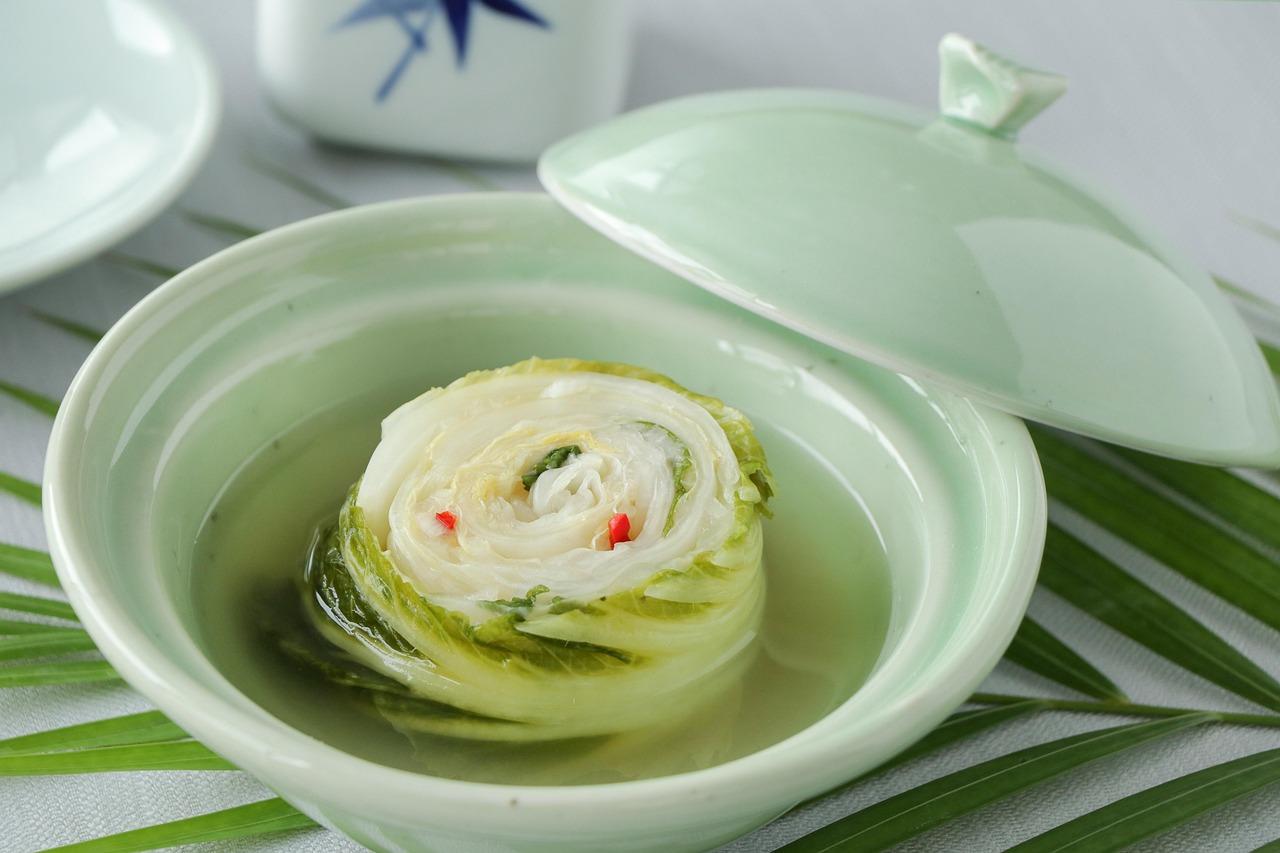
Baek kimchi comes from the Gaeseong and Seoul aristocratic kitchens, where it was served to elders, children and anyone who could not handle chilli. Napa cabbage halves are stuffed with a pale filling of radish, Asian pear, chestnuts, jujubes and pine nuts, then left to ferment in a clear, gently sweet brine. The result is crisp, cool and refreshing, with no heat at all, and it is a good first kimchi for small children. The common mistake is under-salting the cabbage, which leaves it watery and lets it spoil; the thick white stalks must bend without breaking. Contains pine nuts and chestnuts. Use a clean glass or ceramic jar or kimchi box scalded with boiling water, and keep the vegetables pressed below the brine; anything sticking out can grow mould. Chef's tip: wrap each stuffed quarter in its outer leaf; it holds the filling in and keeps the cabbage white.

by KrazyBadal 0 views

DongchimiRadish water kimchi

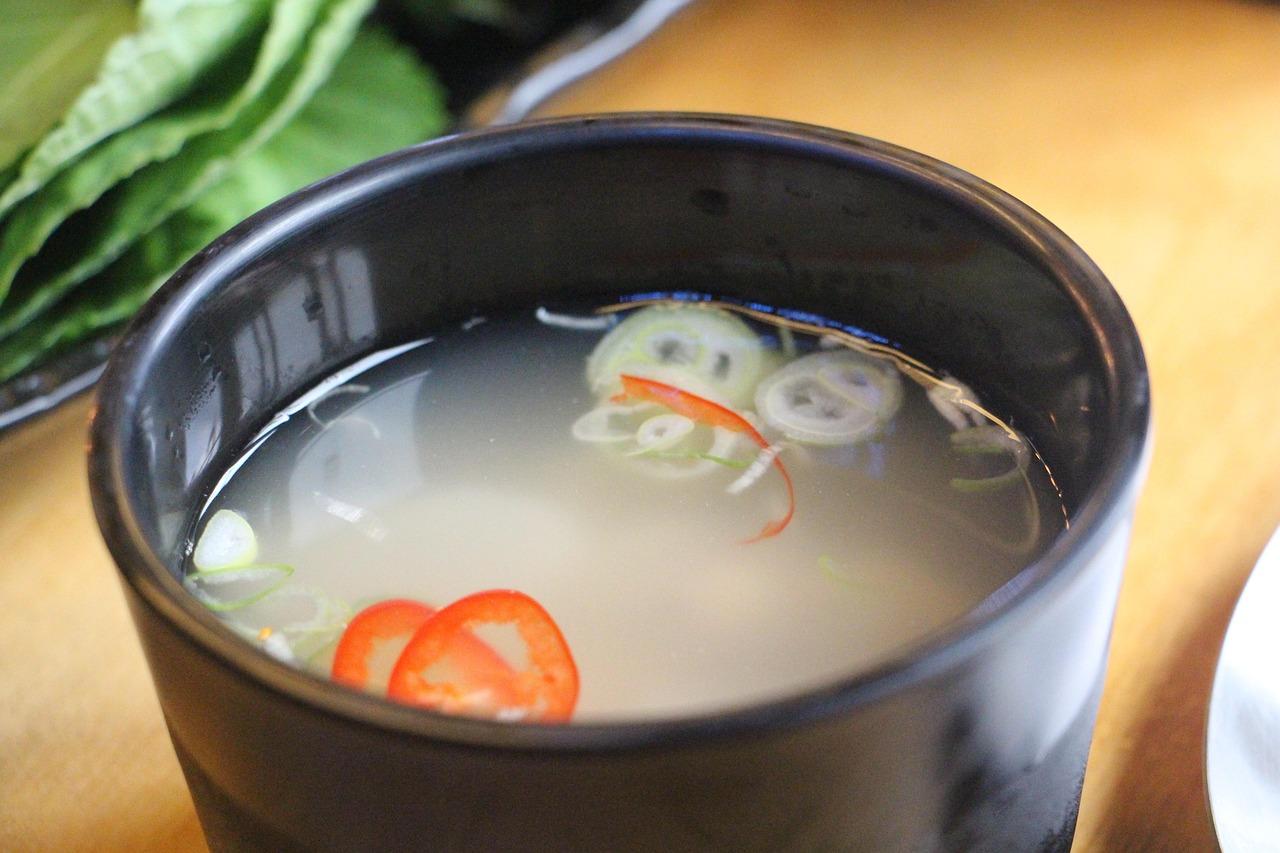
Dongchimi is the winter water kimchi of Korea's north and Gangwon province, traditionally made just before the first frost in a big onggi crock buried in the yard. Whole radishes sit in a clear, salty brine with pear, garlic, ginger and green chillies, and after a few weeks the brine turns tangy, cold and lightly fizzy. It is served with roasted sweet potatoes, rice-cake soup, and is famous as the broth for cold naengmyeon noodles. The common mistake is eating it too early: the brine needs at least two weeks of slow, cold fermentation to lose its raw saltiness. Use a clean glass or ceramic jar or kimchi box scalded with boiling water, and keep the vegetables pressed below the brine; anything sticking out can grow mould. Chef's tip: roll the radishes in salt and leave them overnight before adding the brine; they stay crunchy all winter.

by KrazyBadal 0 views

Nabak kimchiRadish water kimchi

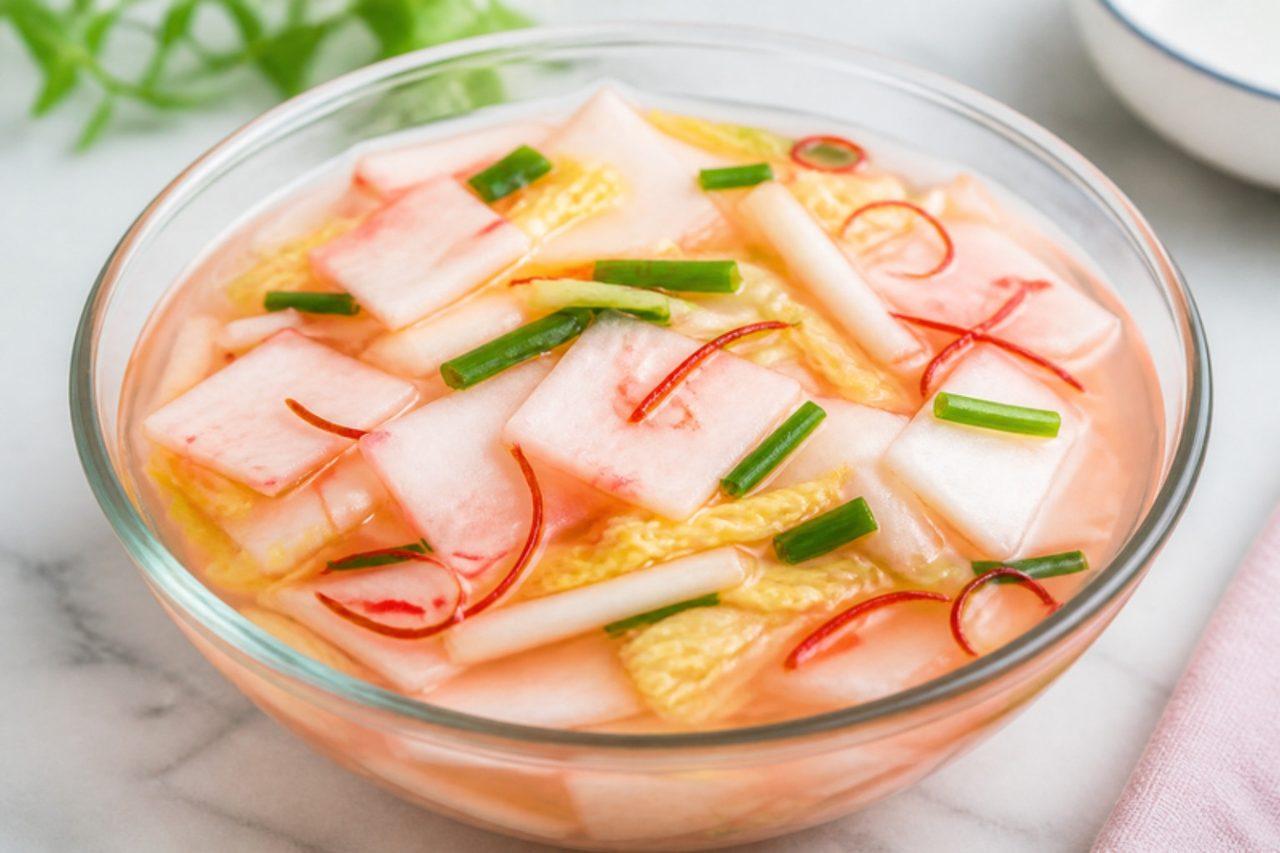
Nabak kimchi is the gentle water kimchi Koreans serve in spring and at holiday tables, especially with tteokguk at Seollal, when everyone needs something refreshing after rich food. Thin squares of radish and napa cabbage float in a pale pink, lightly fizzy brine coloured by chilli flakes strained through cloth, so there is colour without much heat. You drink the brine with a spoon as well as eating the vegetables. The common mistake is putting the chilli flakes straight in; they cloud the brine and make it spicy, so always strain them. Use a clean glass or ceramic jar or kimchi box scalded with boiling water, and keep the vegetables pressed below the brine; anything sticking out can grow mould. Chef's tip: add a few slices of apple or Asian pear to the brine; it ferments faster and tastes rounder.

by KrazyBadal 0 views

YaksikSweet rice with chestnuts

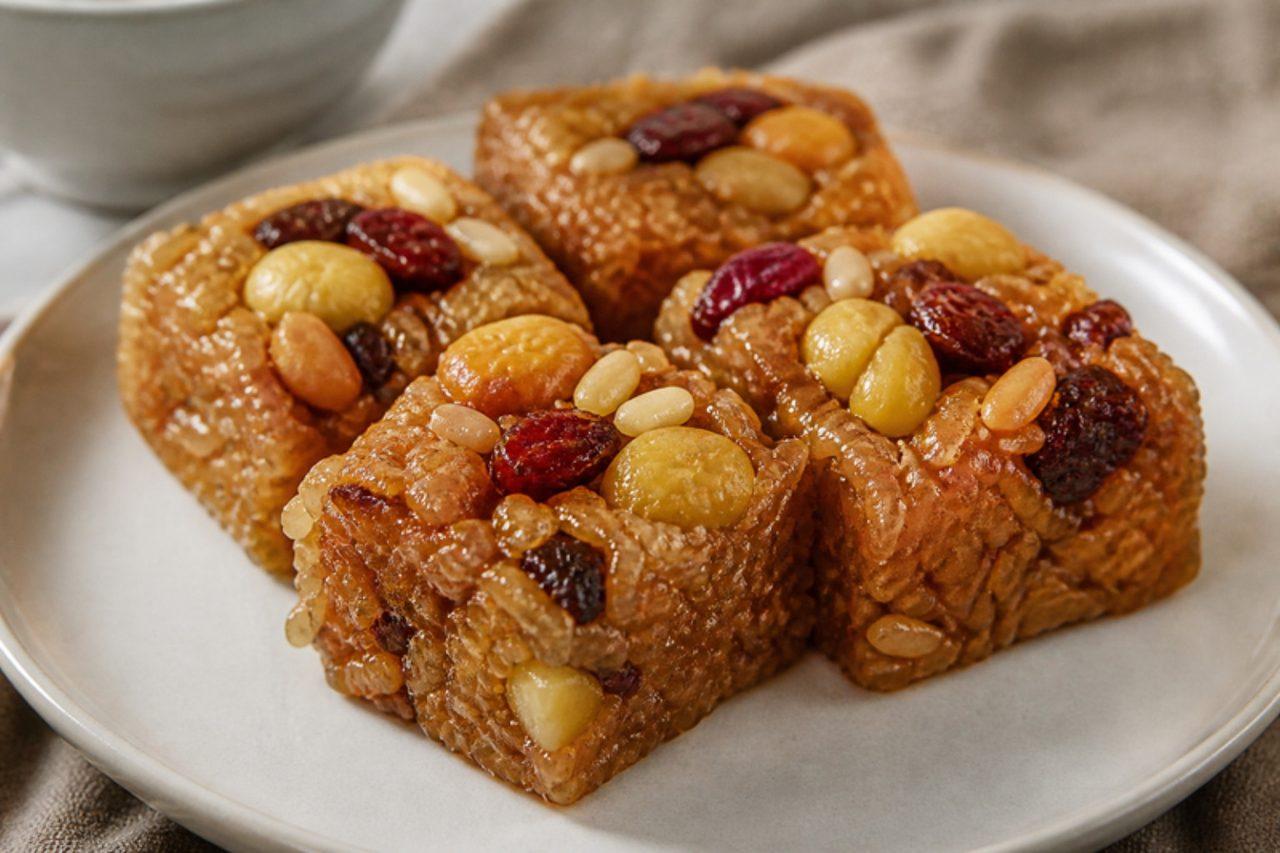
Yaksik began as a dish for Daeboreum, the first full moon of the lunar year, and is now a standard of Chuseok and Seollal tables and of birthday gifts, cut into neat squares and wrapped in cling film. Glutinous rice is steamed, tossed with dark sugar, soy sauce, sesame oil and cinnamon, then steamed a second time with chestnuts, jujubes and pine nuts until it turns a deep caramel brown and holds together like a soft, chewy cake. The usual mistake is skipping the soak: unsoaked rice stays hard in the centre however long you steam it. Contains soy, sesame and pine nuts. Rice cakes are dense and sticky, so cut them small for young children and older people and make sure they eat sitting down: they are a known choking risk. Chef's tip: caramelise a spoonful of the sugar in a dry pan before adding it; that dark caramel gives the traditional colour without needing extra soy sauce.

by KrazyBadal 0 views

InjeolmiSoybean-coated rice cake

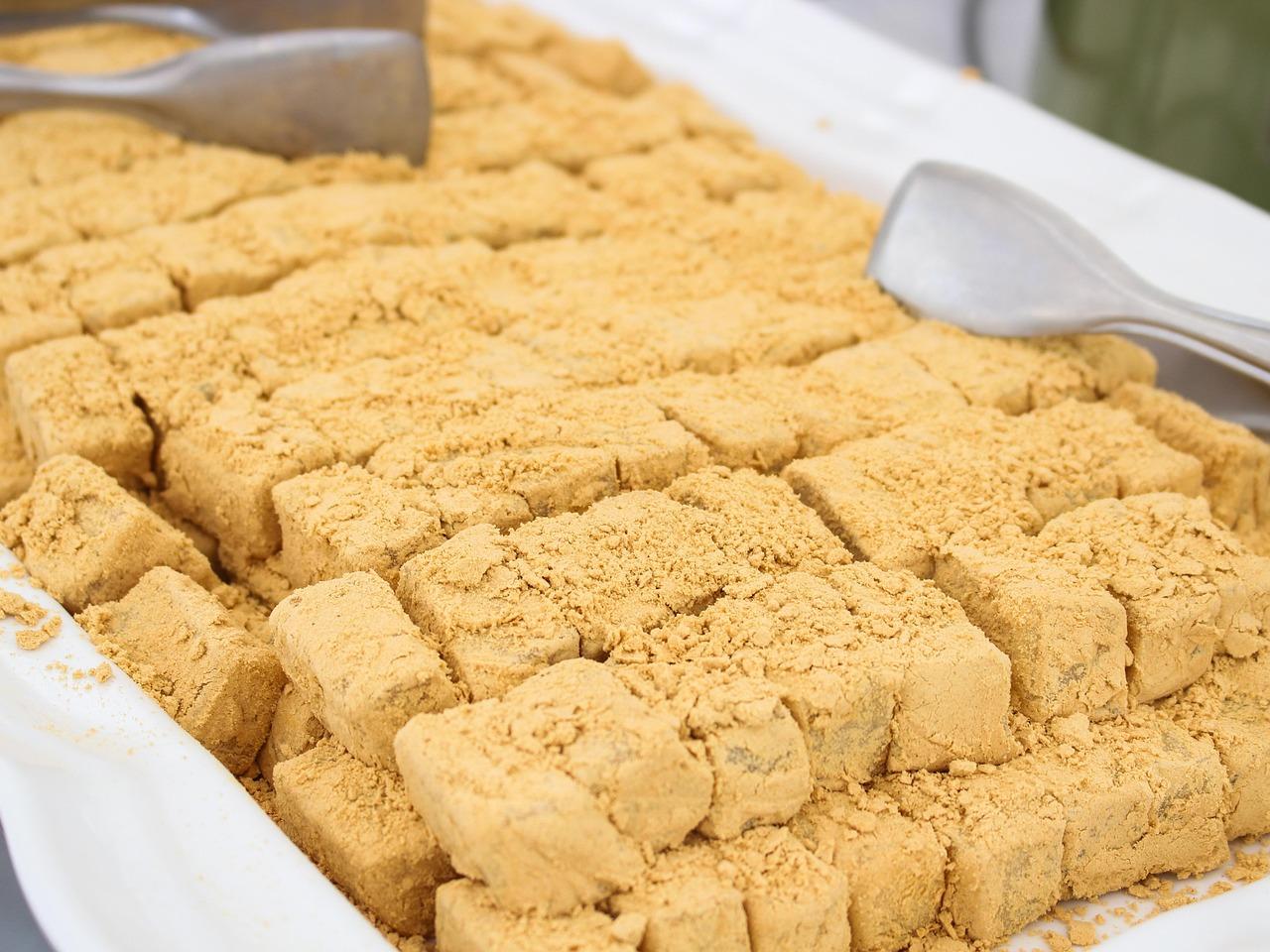
Injeolmi is the rice cake you meet everywhere in Korea, from the tteok shop by a Seoul subway exit to the trays handed round at weddings, Chuseok and housewarmings. Glutinous rice is steamed, pounded until it stretches like soft taffy, then cut into pillows and rolled in nutty, sweet roasted soybean powder. Bingsu cafés now pile it on shaved ice too. The common mistake is under-steaming the dough, which leaves powdery white specks that never turn chewy; keep cooking until it is evenly translucent. Rice cakes are chewy and sticky, a known choking risk: cut them into small pieces for young children and older people and eat them sitting down. Chef's tip: oil the knife and your hands, and cut the warm slab with a dough scraper pressed straight down rather than a sawing knife.

by KrazyBadal 0 views

Pa kimchiSpring onion kimchi

Pa kimchi is a Jeolla province favourite, made with jjokpa, slender spring onions, coated in a thick, glossy chilli paste and left to soften until the onions turn sweet and slippery. In Gwangju and Mokpo it sits next to every bowl of ramyeon and every plate of pork belly. Traditional versions lean on anchovy sauce; this vegan one gets its depth from kelp stock and a little extra salt. The common mistake is salting the whole onion: only the white bulbs need salt, or the green tops go slimy. Use a clean glass or ceramic jar or kimchi box scalded with boiling water, and keep the vegetables pressed below the brine; anything sticking out can grow mould. Chef's tip: lay the onions in the jar in neat bundles, folded in half and wrapped round themselves; they are much easier to lift out and serve.

by KrazyBadal 0 views

Oi sobagiStuffed cucumber kimchi

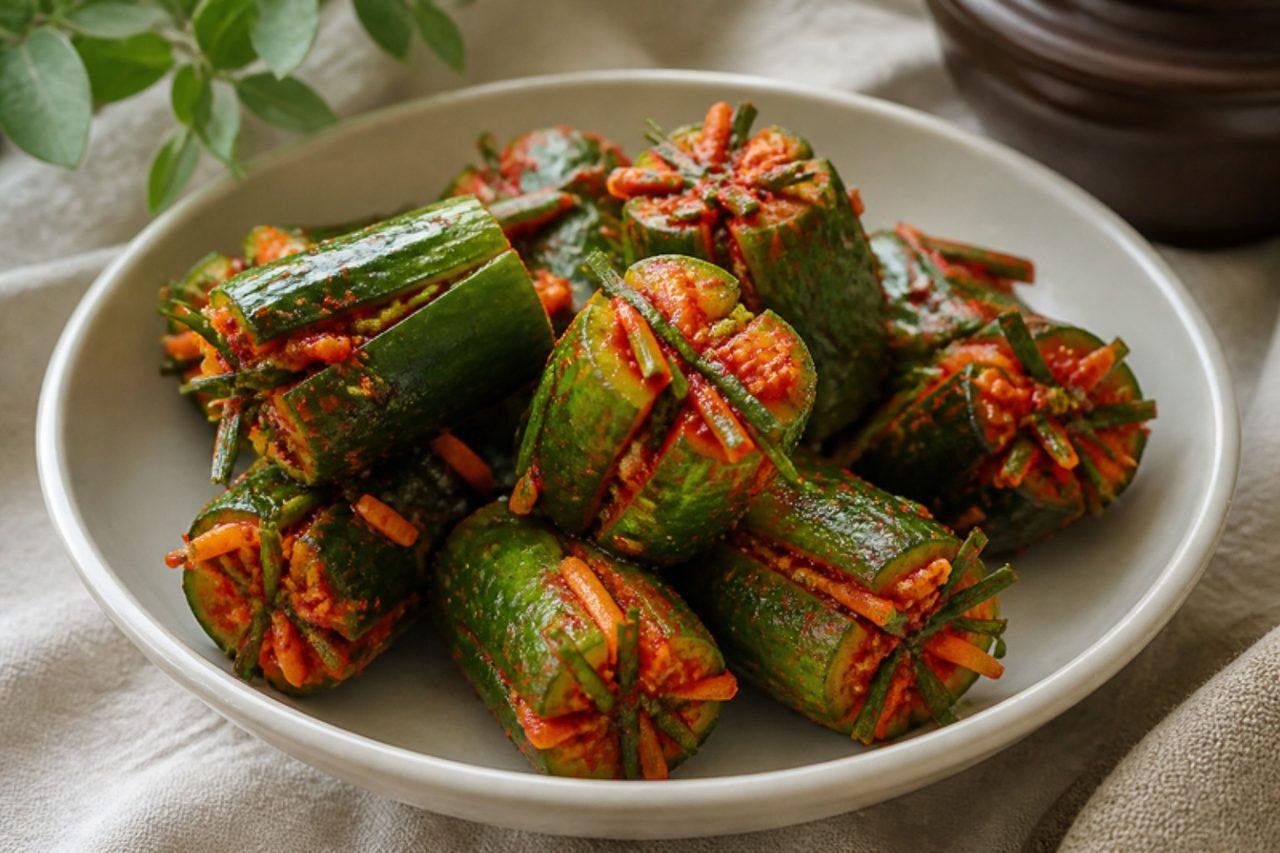
Oi sobagi is the kimchi of early summer, when Korean cucumbers are cheap and sweet and nobody wants to wait weeks for a ferment. Each cucumber is split in a cross, salted until bendy, and stuffed with a bright, garlicky filling of chives, carrot and chilli. It is ready in two days, crunchy and refreshing, perfect with barbecue or cold noodles. This vegan version uses salt and a splash of kelp stock in place of fish sauce. Use a clean glass or ceramic jar or kimchi box scalded with boiling water, and keep the vegetables pressed below the brine; anything sticking out can grow mould. The common mistake is cutting all the way through the ends, which makes the cucumber fall apart; leave 1 cm whole at each end. Chef's tip: salt the cucumbers in hot brine; it keeps them crunchier than dry salt.
by KrazyBadal 0 views

Chonggak kimchiPonytail radish kimchi

In late autumn, Korean markets fill with bundles of little ponytail radishes, the size of a thumb to a small fist, with long leafy tops, and households make chonggak kimchi alongside their winter cabbage kimchi. The whole radish is fermented with its greens in a thick red paste, so you get a crunchy, juicy bite with a slight bitterness from the leaves. It is the classic partner for a bowl of hot ramyeon or soft tofu stew. This version is vegan, using kelp stock and salt instead of fish sauce and salted shrimp. Use a clean glass or ceramic jar or kimchi box scalded with boiling water, and keep the vegetables pressed below the brine; anything sticking out can grow mould. The common mistake is over-salting: the radish should bend slightly but still snap, so check it often. Chef's tip: cut the bigger radishes in half lengthways so they ferment at the same pace as the small ones.
by KrazyBadal 0 views

HoppangRed bean steamed buns

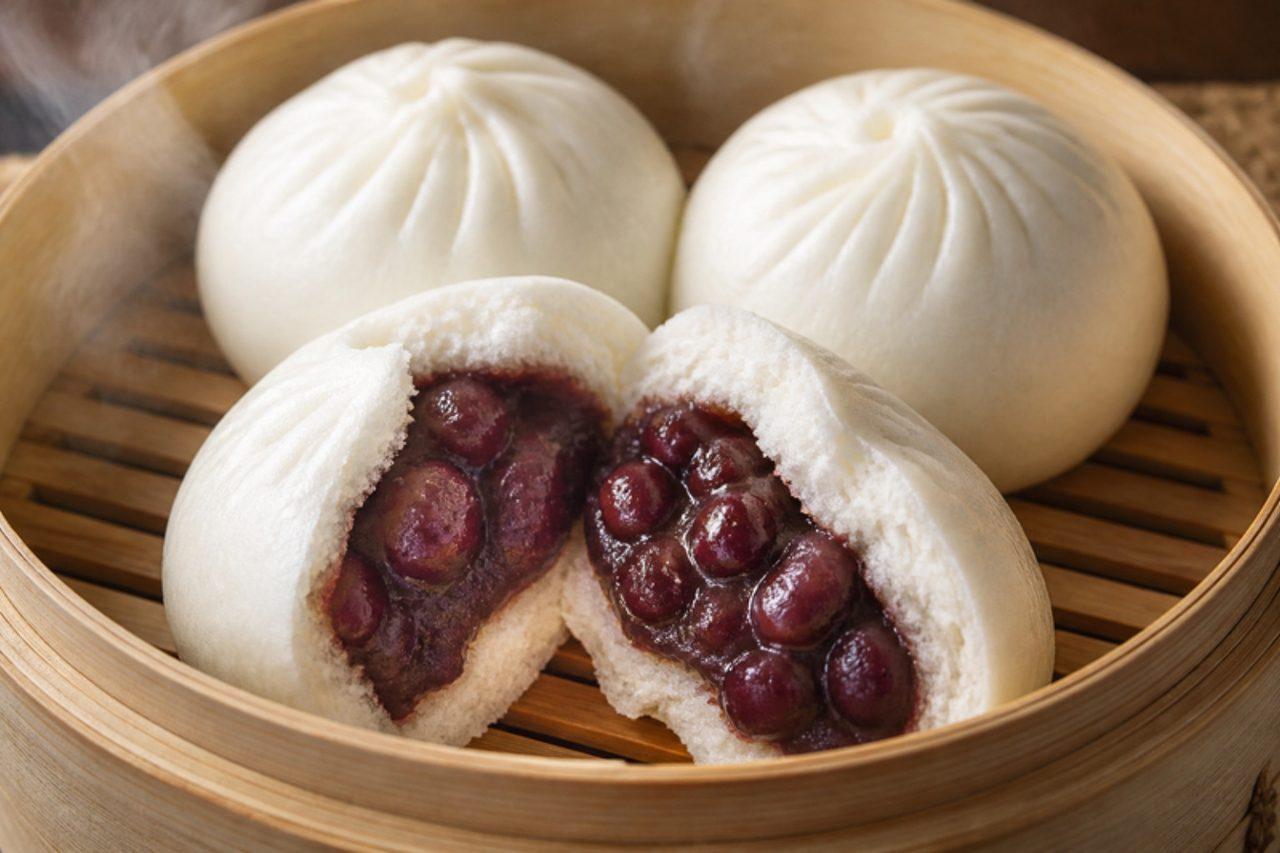
When the first cold snap hits, Korean convenience stores bring out glass steamer cabinets full of hoppang, and office workers grab one for breakfast on the way to the subway. The bun is soft, slightly sweet yeasted dough wrapped around a thick, smooth red bean paste, steamed until pillowy and eaten piping hot. Making them at home takes a morning but they freeze perfectly. The usual mistake is opening the lid too early or steaming over too fierce a heat: the buns collapse and wrinkle, so keep a steady medium heat and leave them to rest 5 minutes before lifting the lid. Contains wheat. Chef's tip: let the shaped buns rise on squares of baking paper; you can move them into the steamer without squashing them.
120 minKoreanBakingVegan
by KrazyBadal 0 views

Gun gogumaRoasted sweet potato

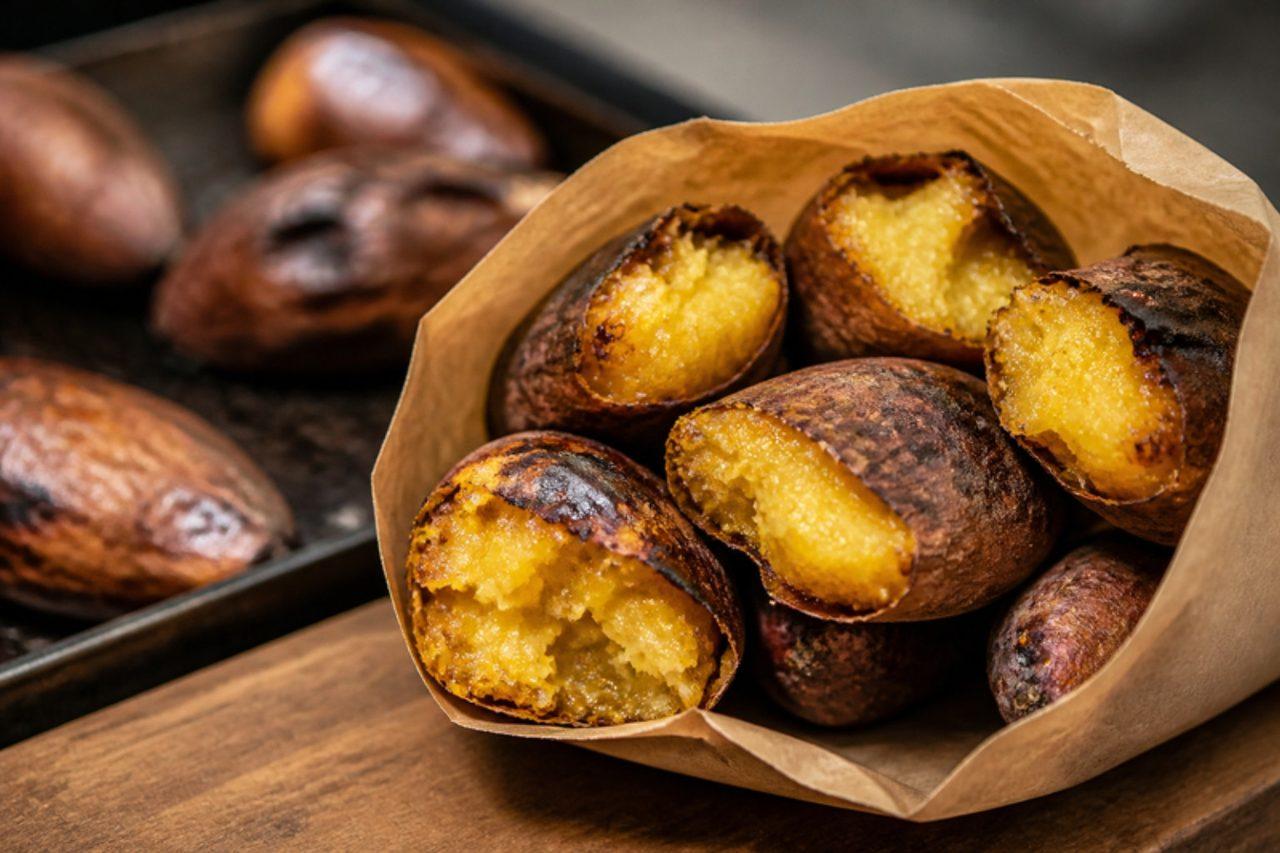
On a winter evening in Seoul, the smell of gun goguma drifts out of black drum ovens on street corners, and vendors hand the potatoes over in paper bags to warm cold hands on the way home. Korean sweet potatoes have purple skin and pale, chestnut-sweet flesh that turns dense and sticky when slow-roasted, and the sugars seep out and caramelise on the skin. At home they are eaten with cold dongchimi or kimchi and a glass of milk or a cup of tea. The common mistake is roasting too hot and too short: the potato cooks but never turns syrupy, so give it the full hour. Chef's tip: once roasted, leave them in the switched-off oven for 15 minutes; they keep getting sweeter as they rest.
by KrazyBadal 0 views

YakgwaHoney ginger cookies

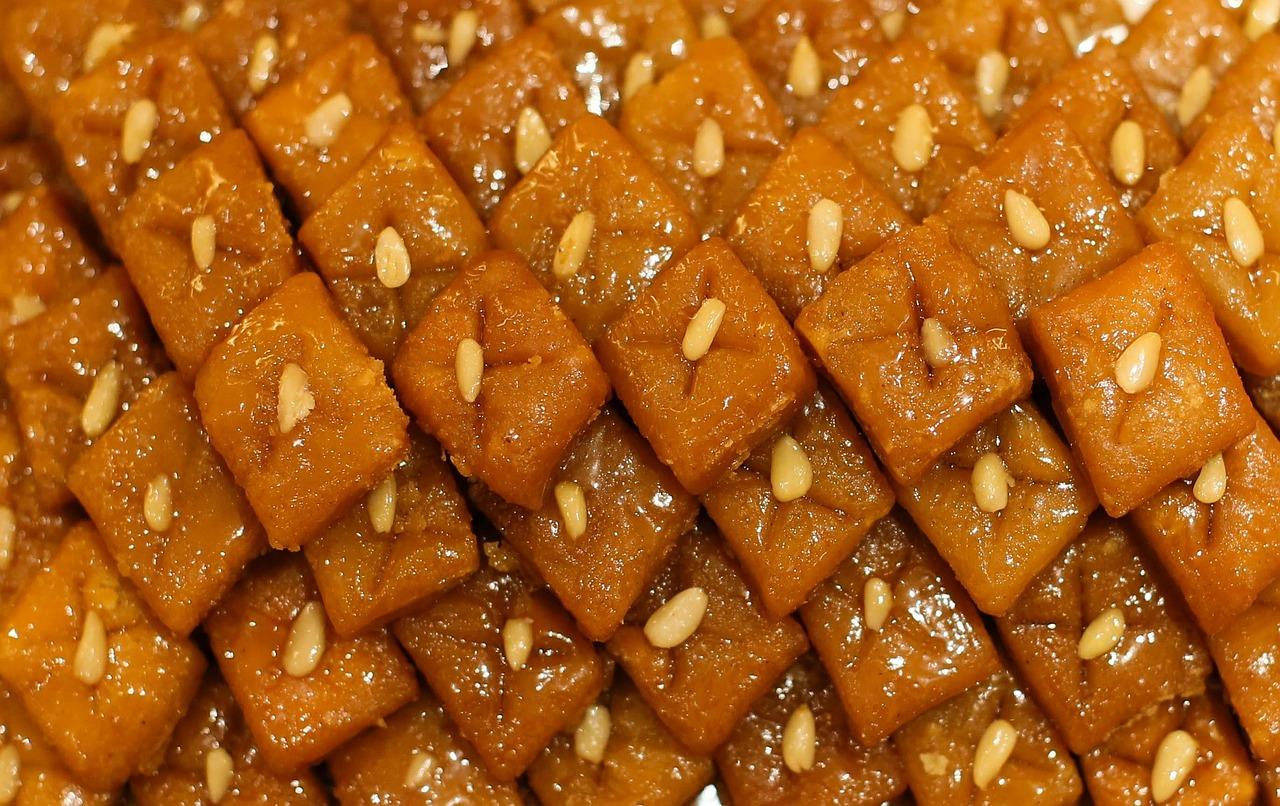
Yakgwa, 'medicinal sweet', were once so prized at royal banquets in Joseon-era Seoul that the court restricted who could make them, because of the honey and oil they swallowed. Today they turn up in gift boxes for Seollal and Chuseok and on the ancestral memorial table, and lately in Seoul cafés that cannot keep them in stock. The flaky, layered dough is fried at a low heat, then left to drink a ginger and cinnamon honey syrup until it is dense and soft all the way through. The mistake nearly everyone makes the first time is frying too hot: the outside browns while the middle stays raw and hard, so keep the oil low and be patient. Contains wheat and sesame. Chef's tip: fold and press the dough, don't knead it; the loose layers are what open up into those flaky ridges.

by KrazyBadal 0 views

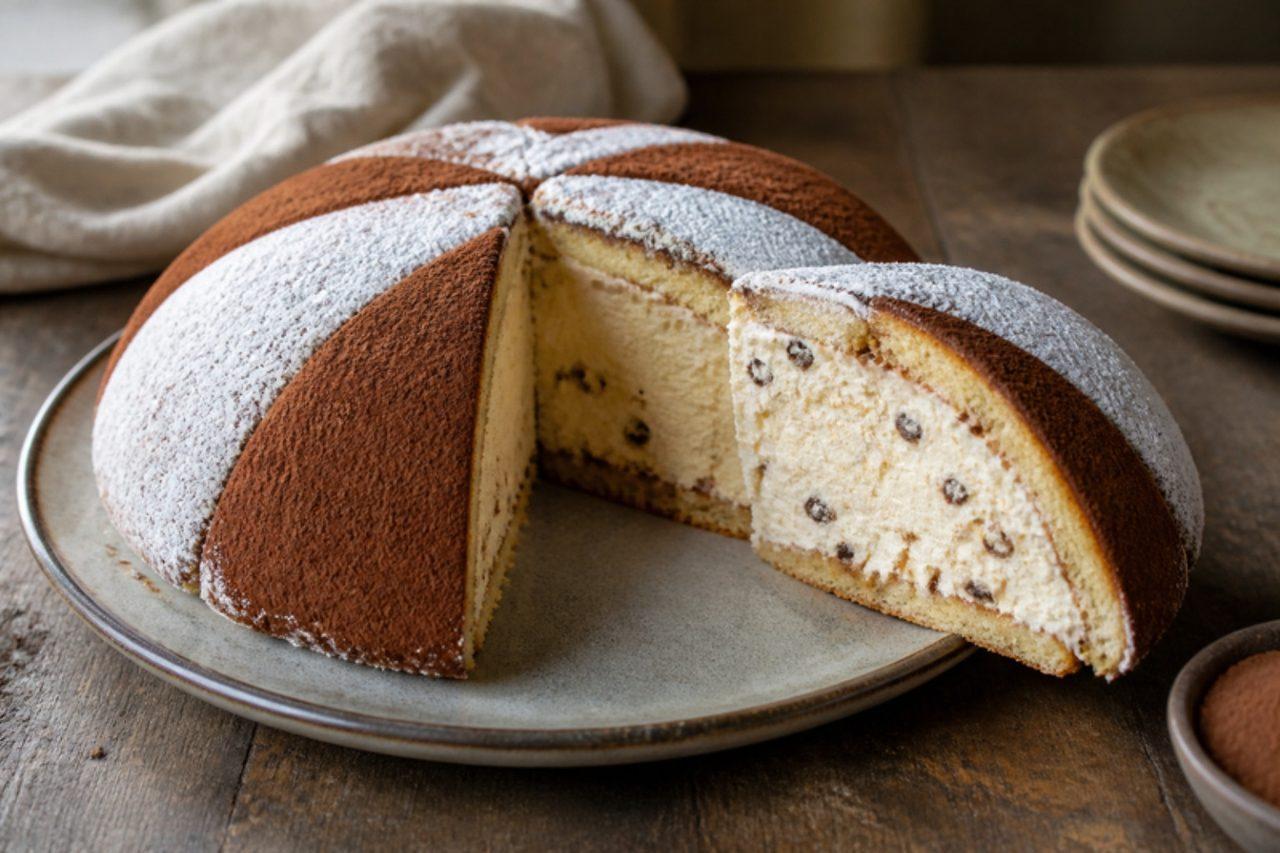
Zuccotto fiorentinoChilled sponge dome with cream

Zuccotto is said to have been inspired by the dome of Florence Cathedral, or by the shape of a cardinal's skullcap (zucchetto). It is a dome of sponge or savoiardi soaked in syrup, filled with whipped cream studded with chocolate, toasted nuts and candied fruit, half of it flavoured with cocoa, and chilled until set. Florentine families make it for summer Sunday lunch or a birthday. The traditional soak uses alchermes or brandy; this version uses an orange syrup so it is alcohol free. Contains nuts. Chef's tip: line the bowl with cling film first and leave the sponge to set overnight; it turns out cleanly with a neat dome.

by KrazyBadal 0 views

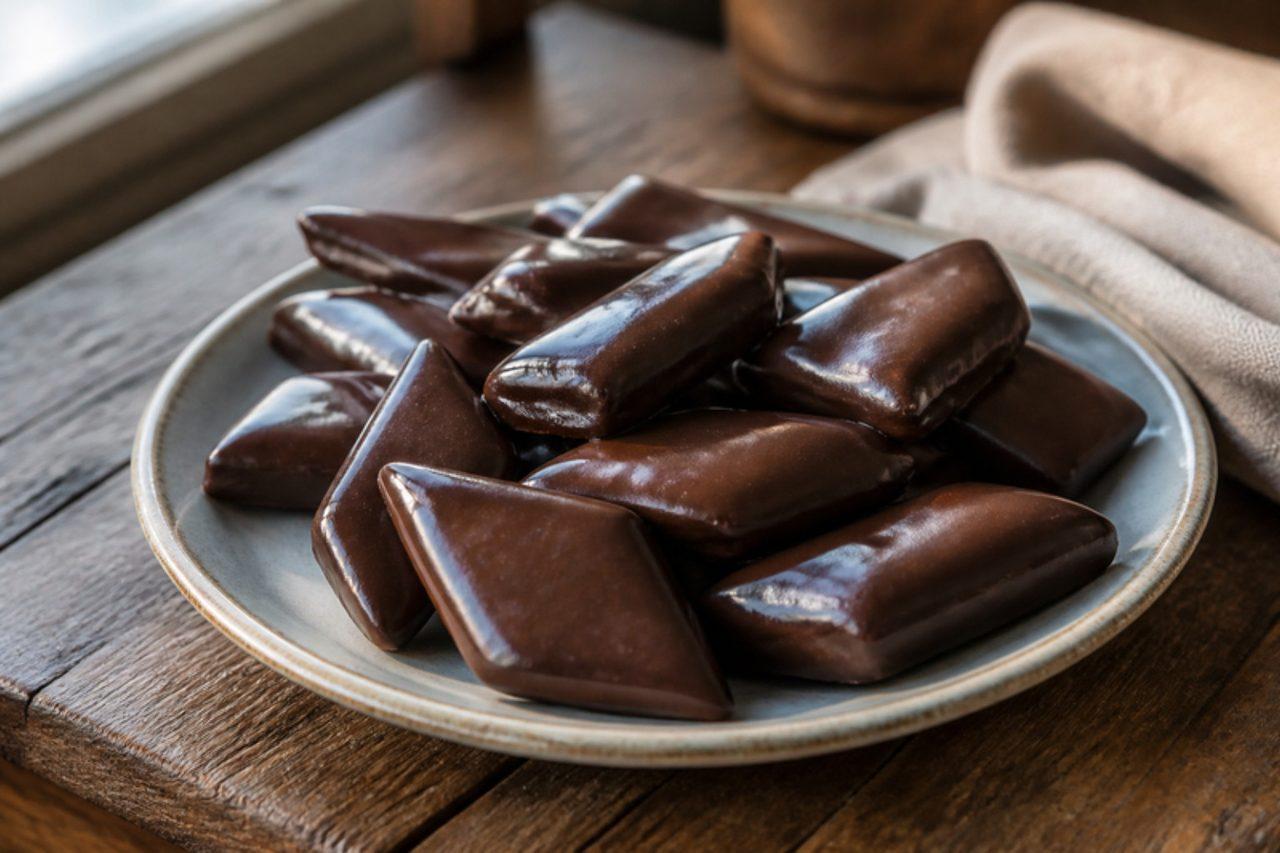
MostaccioliSpiced chocolate biscuits

Neapolitan Christmas trays always include mostaccioli: soft, spiced biscuits shaped like diamonds and covered in a shiny coat of dark chocolate. The dough is flavoured with honey, cocoa, orange and pisto, a Neapolitan spice mix of cinnamon, clove, nutmeg, star anise and coriander. They are made in early December with roccocò and struffoli and kept in tins for the whole holiday. Not for babies under 1 because of the honey. Chef's tip: let the biscuits rest a day before coating; spiced honey biscuits soften and their flavour deepens after a night in the tin.

by KrazyBadal 0 views

StruffoliHoney fried dough balls

No Neapolitan Christmas is complete without a plate of struffoli: hundreds of tiny balls of dough, fried until golden, then rolled in warm honey with candied orange and coloured sprinkles and piled into a wreath or a cone. Families make them in the week before Christmas, often together around the kitchen table, and give them away to neighbours. They keep for days under a cloth and are eaten with fingers or a spoon. Chef's tip: roll the ropes of dough no thicker than your little finger and cut tiny pieces, about the size of a chickpea; they puff up as they fry.

by KrazyBadal 0 views

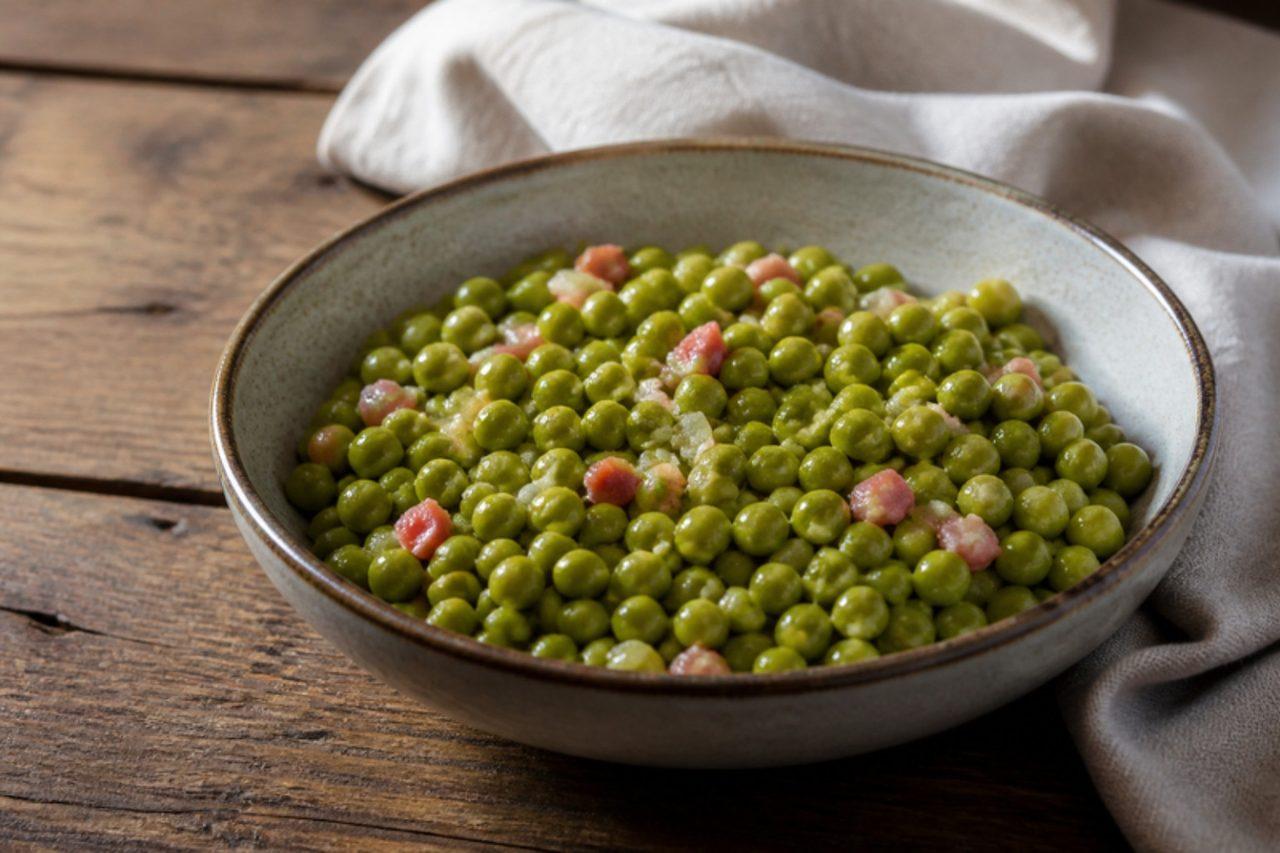
Piselli alla romanaPeas with prosciutto

In April, Roman markets like Campo de' Fiori are piled with sweet young peas from the fields around the city, and piselli alla romana is how they are cooked at home: stewed quickly with soft onion and little cubes of prosciutto (cured pork ham), with a splash of water. It is served as a side with lamb at Easter, or on toast. Frozen petits pois work well the rest of the year. Chef's tip: add the prosciutto at the end; cooked too long, it turns hard and salty.

by KrazyBadal 0 views

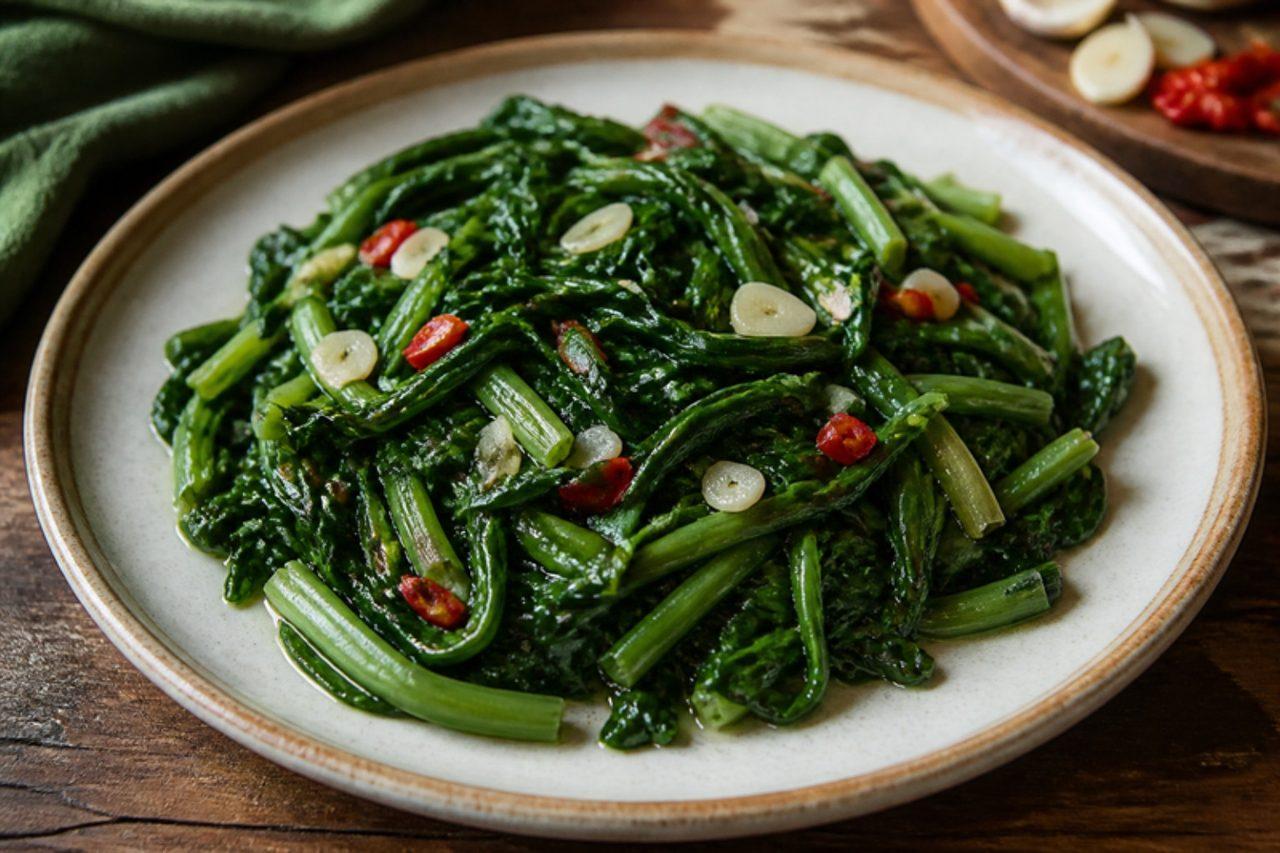
Cicoria ripassataSautéed bitter chicory

In Rome and across Puglia, cicoria is the bitter green that arrives at every market from autumn to spring, often gathered wild in the fields. It is boiled first to soften its bitterness, then "ripassata", passed through the pan again with garlic, chilli and olive oil. Roman trattorie serve it next to roast lamb or saltimbocca, and in Puglia it is the classic partner for fava bean purée. Chef's tip: boil the chicory in plenty of well-salted water and then squeeze it hard; most of the harsh bitterness goes down the drain with the water.

by KrazyBadal 0 views

Cuoppo di mareFried seafood cone

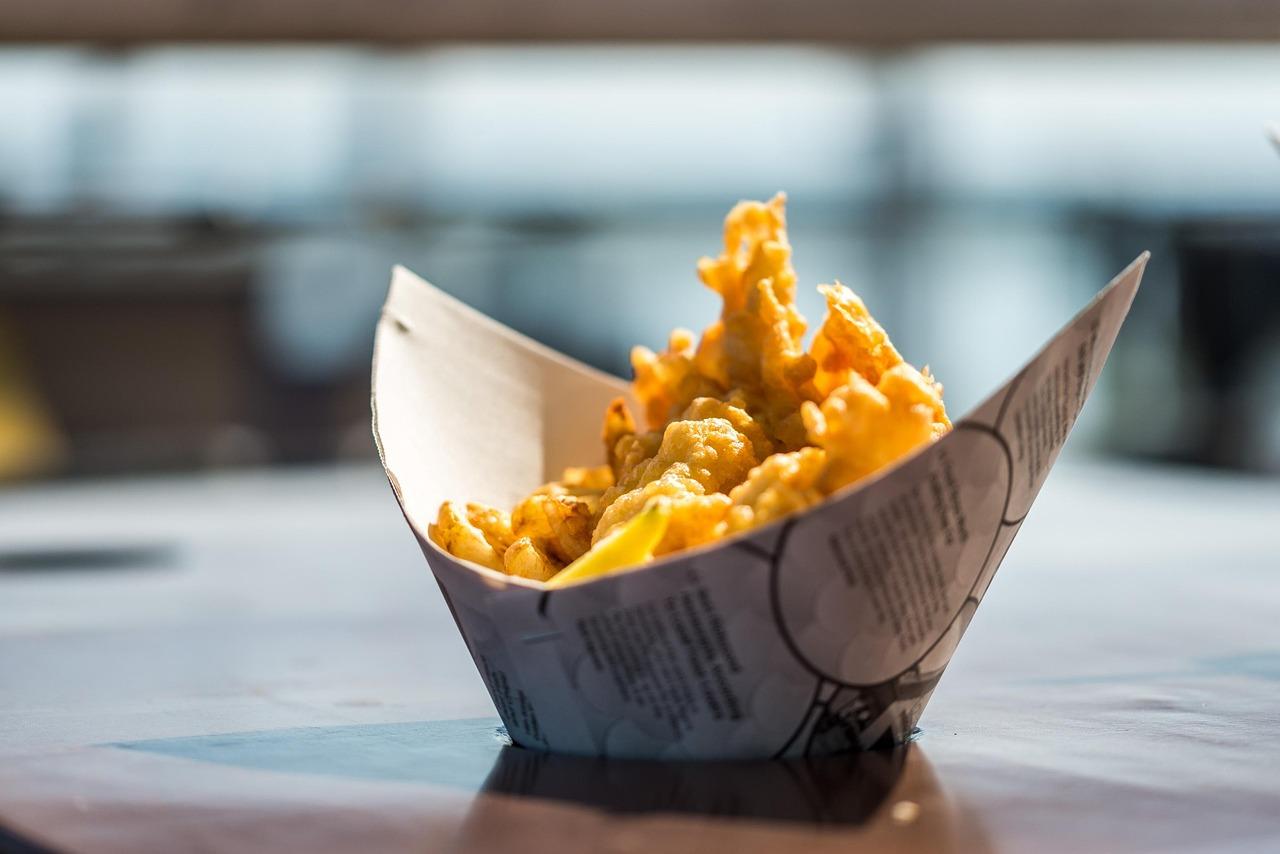
Walking through Naples, from the Spanish Quarter to the seafront at Mergellina, you see people eating from a cuoppo, a cone of rough paper filled with fried seafood: tiny whole fish, rings of squid and prawns, dusted in flour and fried hard and fast, eaten hot with a squeeze of lemon. It is the city's version of a fish supper. The small fish are eaten whole, heads and all, but you can buy them cleaned or use whitebait. Chef's tip: shake off every bit of excess flour in a sieve before frying; loose flour burns and makes the oil taste bitter.

by KrazyBadal 0 views

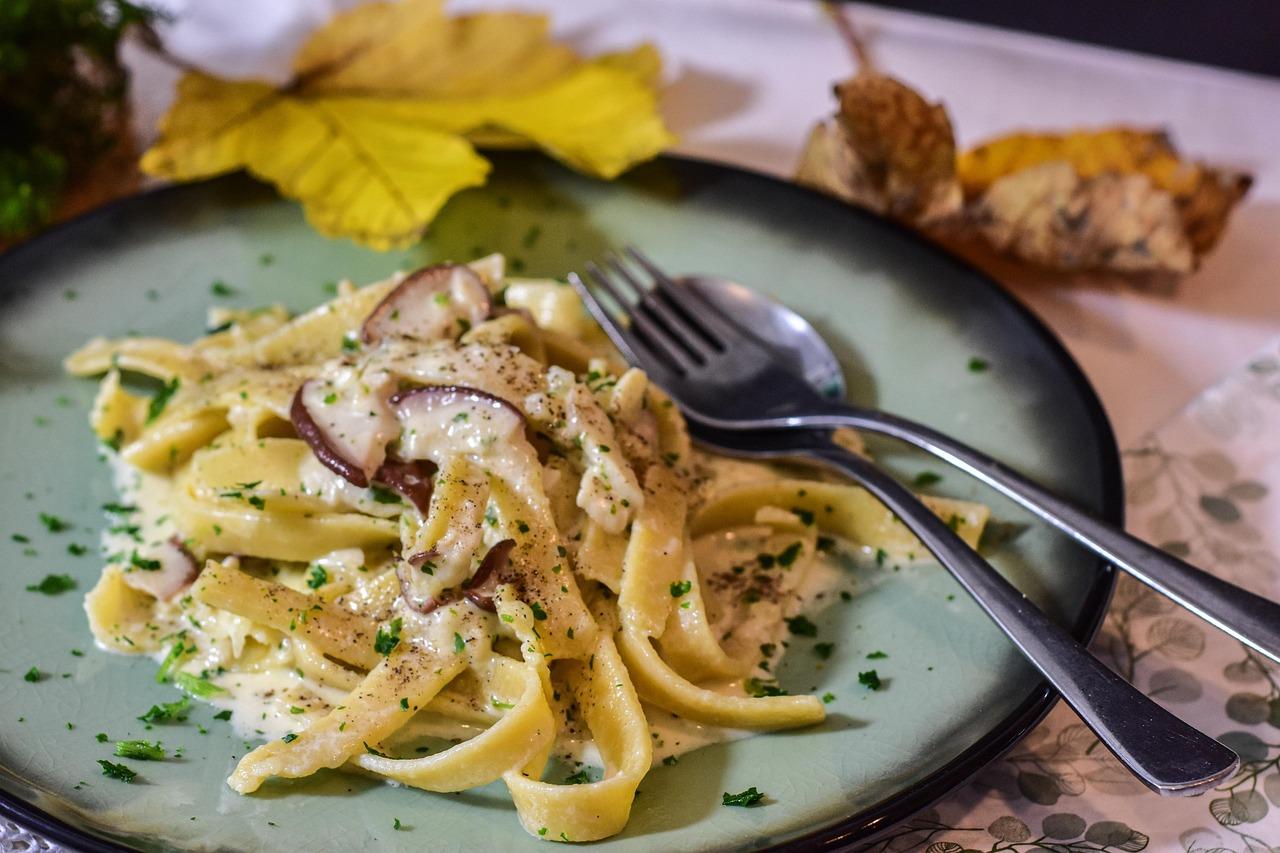
Tagliatelle ai porciniTagliatelle with porcini

In September and October, when porcini push up through the chestnut woods of the Apennines between Emilia-Romagna and Tuscany, every mountain trattoria from Borgotaro to the Casentino puts tagliatelle ai porcini on the menu. The mushrooms are sliced and sautéed fast in olive oil with garlic and parsley, then tossed with ribbons of egg pasta. If you can't find fresh porcini, use chestnut mushrooms with a little soaked dried porcini. Chef's tip: clean porcini with a brush and a damp cloth, never under the tap; they soak up water like a sponge and then steam instead of browning.

by KrazyBadal 0 views

SongpyeonStuffed rice cakes

On the eve of Chuseok, the harvest moon festival, families all over Korea sit around one table pinching songpyeon, and the old saying goes that whoever shapes the prettiest ones will have pretty children. The chewy rice-flour shells are filled with crunchy toasted sesame and sugar that melts into a syrup as they steam, and the batch is laid on fresh pine needles so the cakes pick up a faint forest scent. They go to the ancestral table first, then out to everyone with a cup of tea. The common mistake is a dough that is too dry: it cracks while you shape it and splits in the steamer, so it should feel as soft as an earlobe. Rice cakes are dense and sticky, so cut them small for young children and older people and make sure they eat sitting down: they are a known choking risk. Chef's tip: brush the steamed cakes with sesame oil while they are still hot; it stops them sticking together and gives that glossy finish you see at the market.

by KrazyBadal 0 views

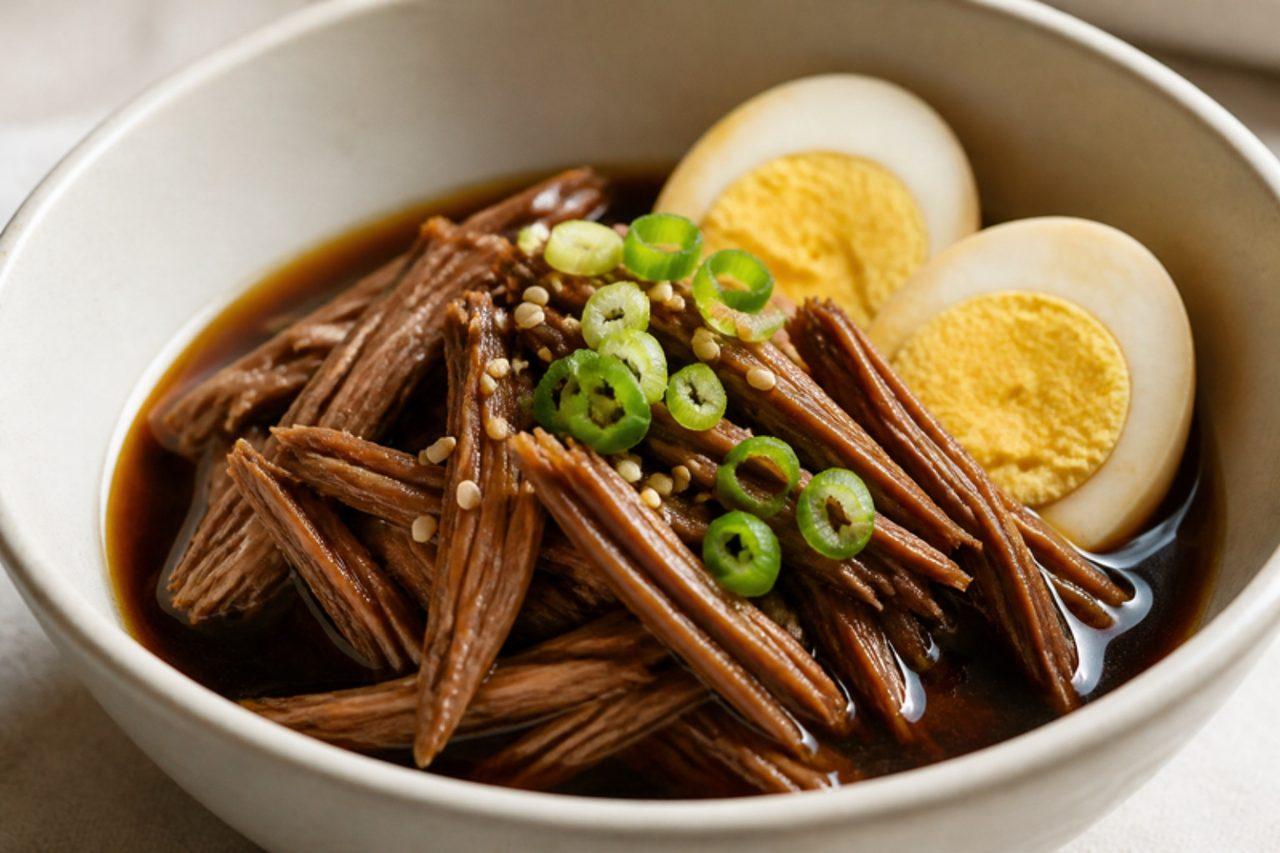
JangjorimSoy-braised beef and eggs

Jangjorim began as a way to keep beef for days without a fridge, and it is still the protein banchan Korean families in Seoul and beyond keep in a tub for quick meals with rice. Lean beef is simmered until tender, then braised with boiled eggs, garlic cloves and green peppers in a salty-sweet soy broth, and finally pulled into strands. The common mistake is putting the soy in from the start: the beef seizes up and turns hard, so cook it tender in plain water first. Chef's tip: let the eggs sit in the cooled sauce overnight; the whites turn mahogany and the yolks take on the seasoning right to the middle.
95 minKoreanMeat
by KrazyBadal 0 views

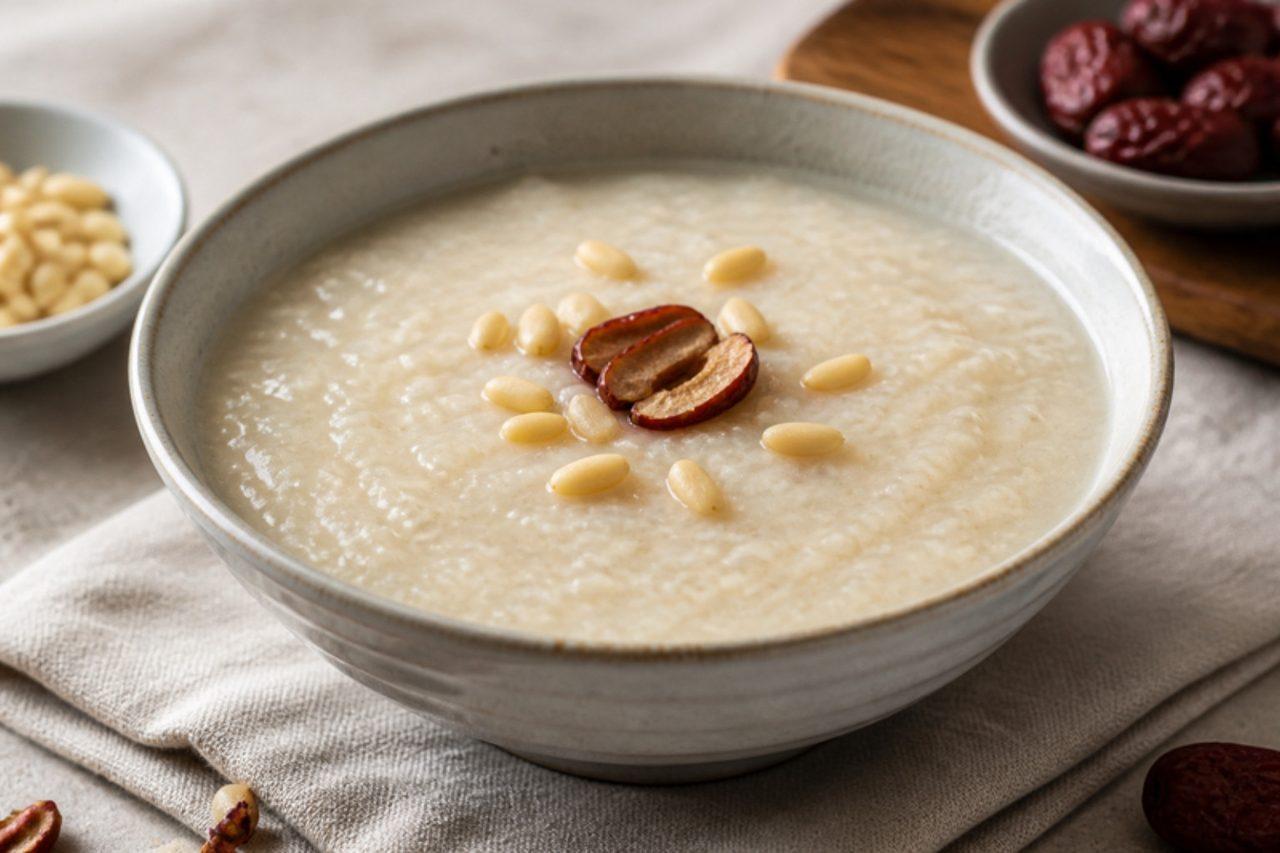
Jat jukPine nut porridge

Jat juk is a pale, silky porridge of ground rice and pine nuts, once served to the royal household in Seoul and still made by Korean families for anyone recovering from illness, for elderly parents and as a gentle breakfast. Pine nuts from Gapyeong, Korea's pine nut capital, give it a rich, buttery taste with nothing more than salt. Pine nuts are a tree-nut allergen. The common mistake is adding the pine nut milk too early; its oil makes the rice starch thin out, so the porridge turns watery. Chef's tip: thicken the ground rice first and stir in the pine nut purée only for the last few minutes.
by KrazyBadal 0 views

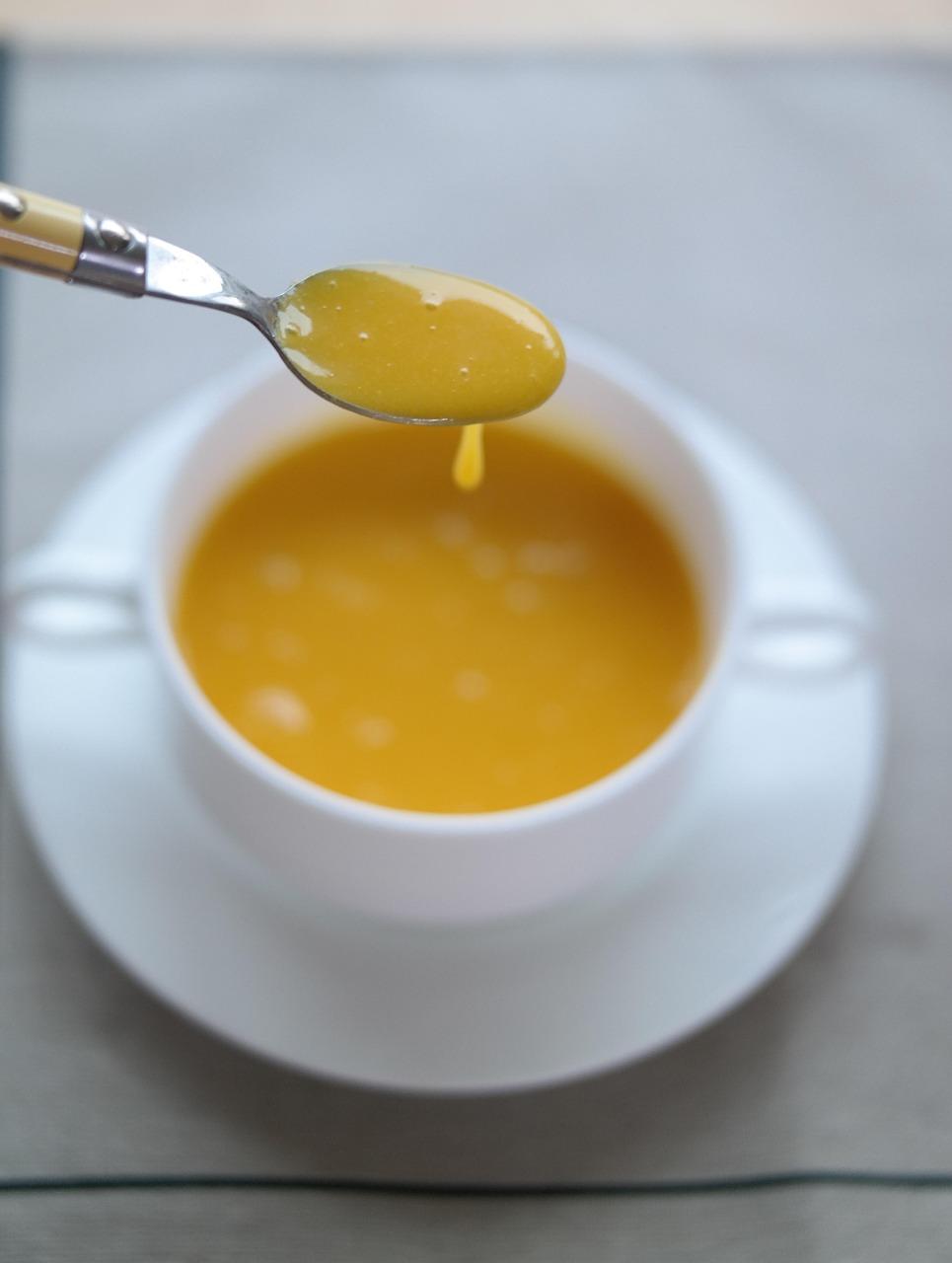
Hobak jukPumpkin porridge

Hobak juk is the golden pumpkin porridge sold in thermos-sized portions at Seoul's Gwangjang market and cooked in temple kitchens through the cold months, when stored pumpkins are at their sweetest. Steamed pumpkin is blended smooth, thickened with glutinous rice flour and dotted with chewy little rice-cake balls, giving a velvety, naturally sweet bowl that is soothing for convalescents and children alike. The rice balls are soft and sticky, so cut them small for young children to avoid choking. The common mistake is adding the rice-flour slurry in one go to boiling porridge, which makes lumps. The optional pine-nut topping is a tree-nut allergen; leave it off for anyone with a nut allergy. Chef's tip: roast or steam the pumpkin rather than boiling it in water; less water means a deeper colour and sweeter taste.

by KrazyBadal 0 views

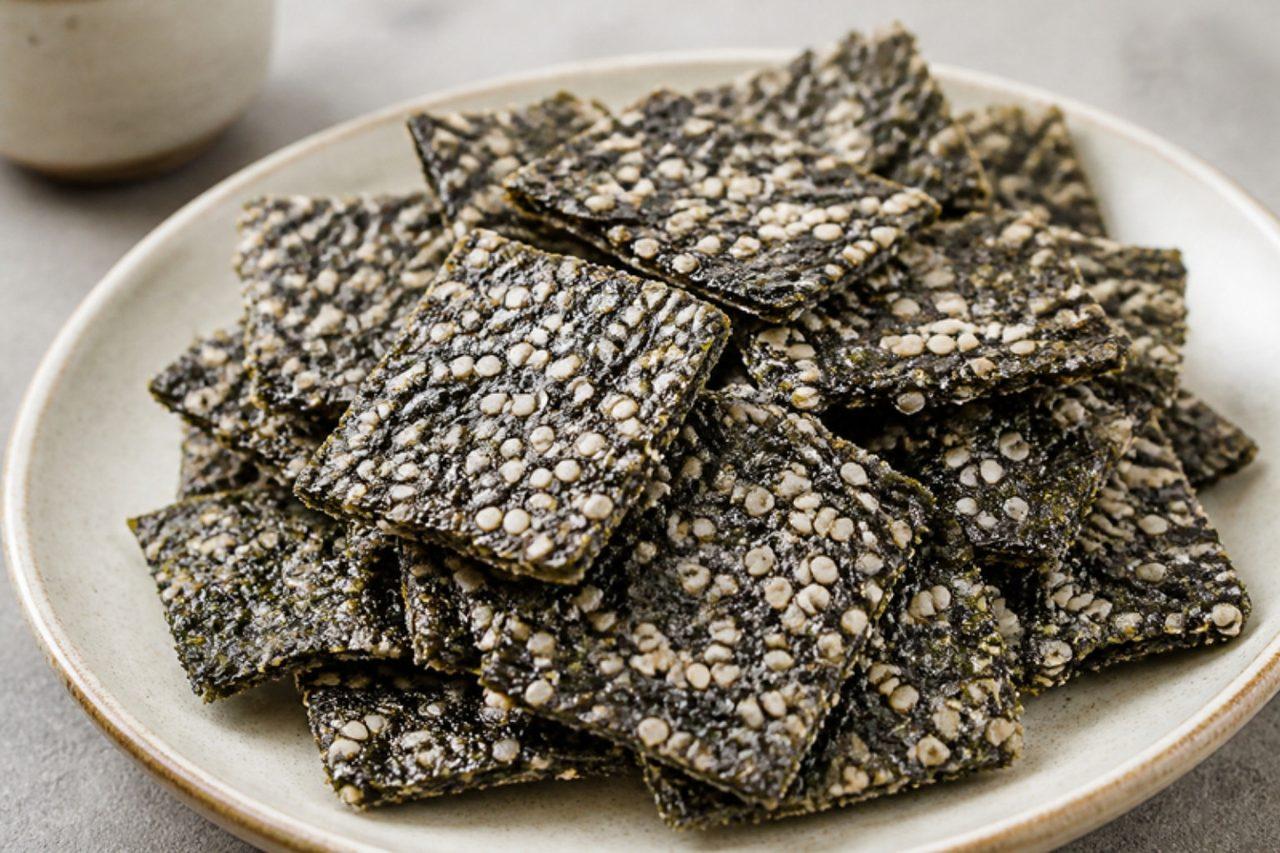
Gim bugakCrisp fried seaweed

Gim bugak is a temple snack that Buddhist nuns and village cooks in South Jeolla, especially around Damyang and Namwon, still make in large batches in autumn: sheets of laver are painted with glutinous rice porridge, scattered with sesame, dried in the sun and fried until they puff into crackling, savoury chips. It is eaten as a banchan with rice or as a snack with tea. The common mistake is frying it before it is completely dry; any damp patches stay chewy and spit in the oil. Chef's tip: cut the dried sheets with scissors before frying; once fried they shatter if you try to cut them.

by KrazyBadal 0 views

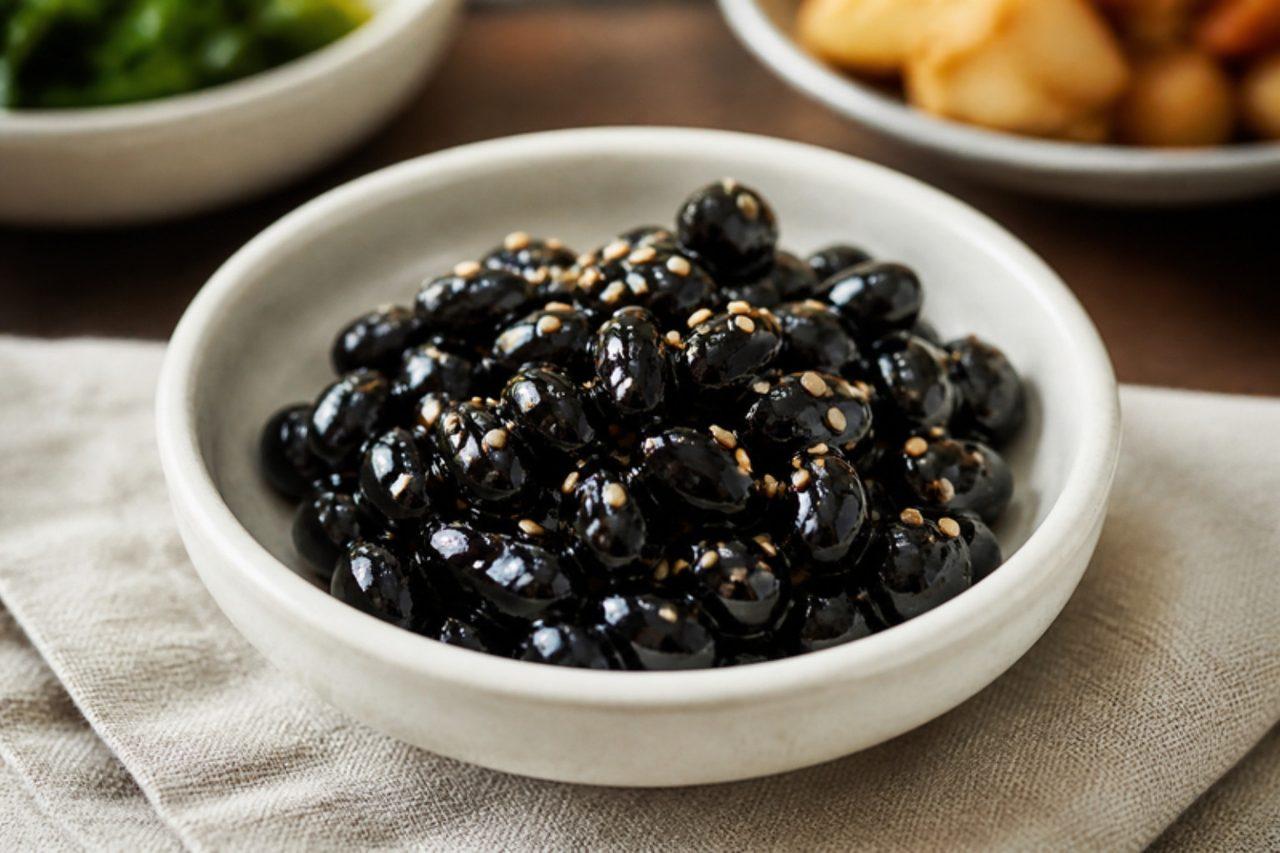
KongjabanSoy-braised black soybeans

Kongjaban is the shiny black bean banchan that sits in a small dish on Korean tables from Gwangju to Seoul and fills countless lunchboxes, because one batch keeps for a week. Dried black soybeans are soaked, simmered in soy and sugar and finished with rice syrup until each bean is chewy, sweet-salty and gleaming. It is a good source of plant protein and children usually love it. The common mistake is adding the syrup too early: it scorches before the beans are tender and makes them hard. Chef's tip: keep the lid off while the beans cook; the steam escaping helps the skins stay intact and wrinkled rather than bursting.
by KrazyBadal 0 views

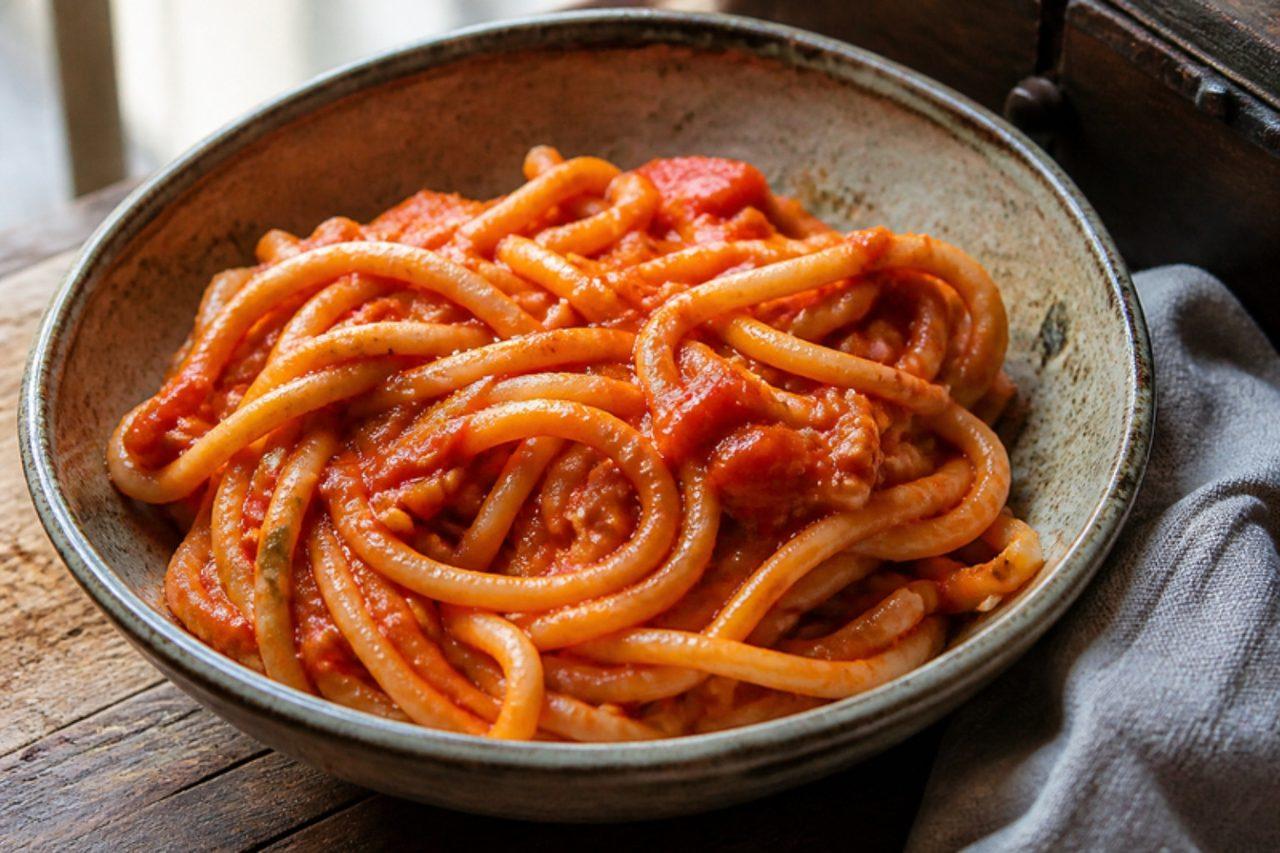
Pici all'aglioneHand-rolled pasta in garlic tomato sauce

Pici are fat, uneven strands of pasta rolled by hand on the board, the everyday pasta of southern Tuscany around Siena, Montepulciano and the Val di Chiana. There they are served all'aglione, in a tomato sauce slowly cooked with aglione, a giant local garlic with a mild, almost sweet taste. Ordinary garlic is much stronger, so this recipe blanches it first to tame it. It is Sunday food at village sagre in summer, when tables are set up in the piazza. Chef's tip: roll the pici on a wooden board, not a smooth worktop; a little friction stretches them into long strands instead of sliding.

by KrazyBadal 0 views

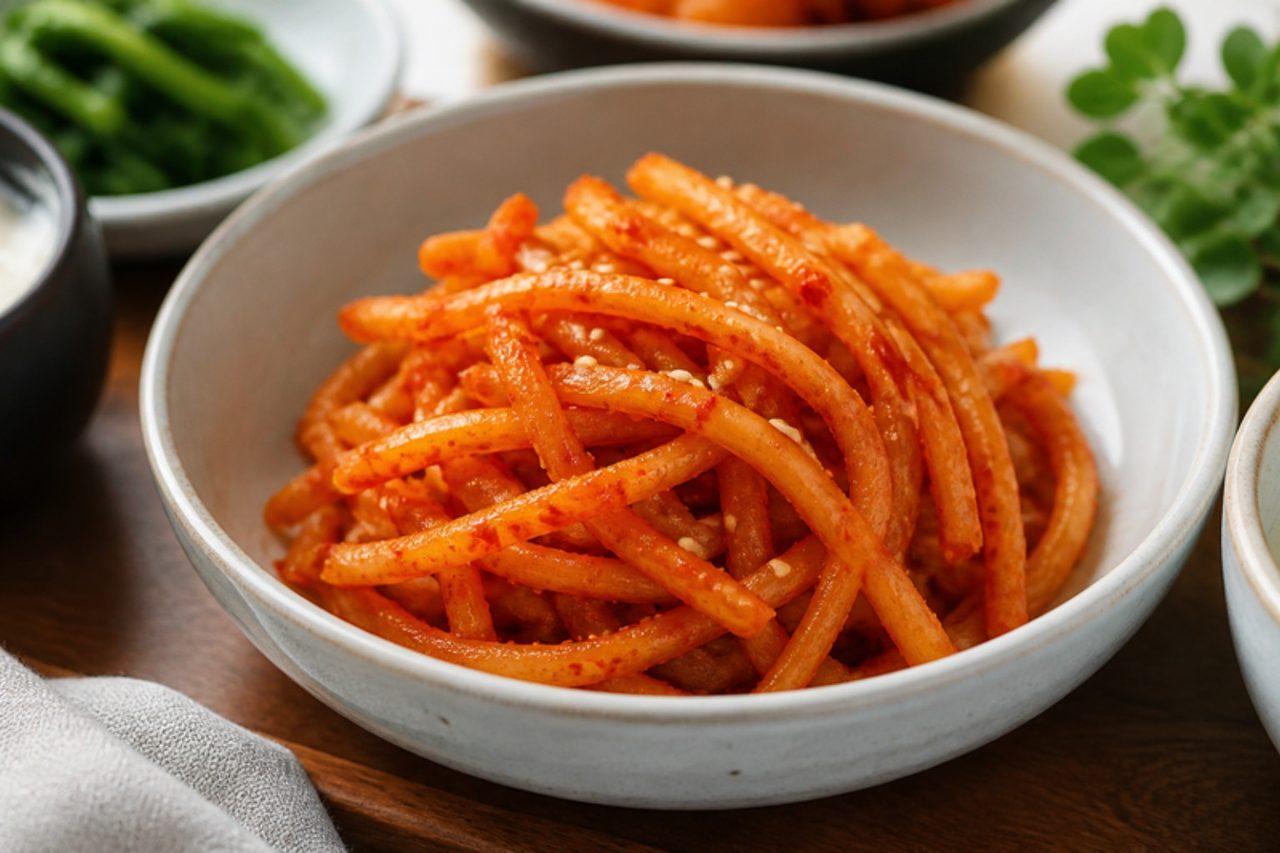
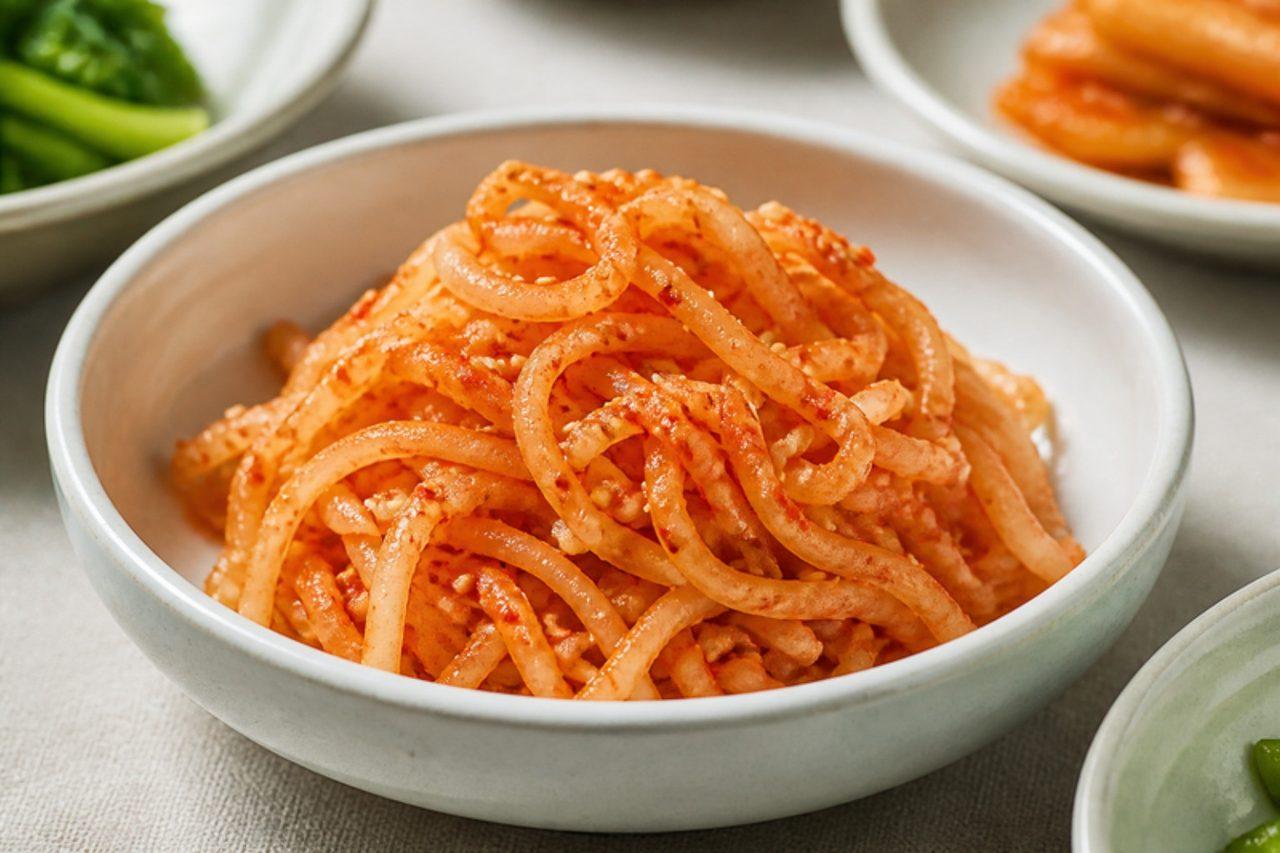
MusaengchaeSpicy radish salad

Musaengchae is the quick radish salad Korean cooks make when the big autumn radishes from Gyeonggi farms come in, and it appears on the side of bibimbap bowls and pork platters all winter. Fine matchsticks of radish are reddened with gochugaru, then seasoned sweet, sour and salty, so every forkful is cold, crisp and lively. This version leaves out the fish sauce, so it is fully vegan. The common mistake is salting the radish before the chilli: the salt draws out water first and the colour ends up pale and patchy. Chef's tip: toss the radish with the chilli flakes on their own first and leave it for 5 minutes; it takes on a deep, even red before anything else goes in.

by KrazyBadal 0 views

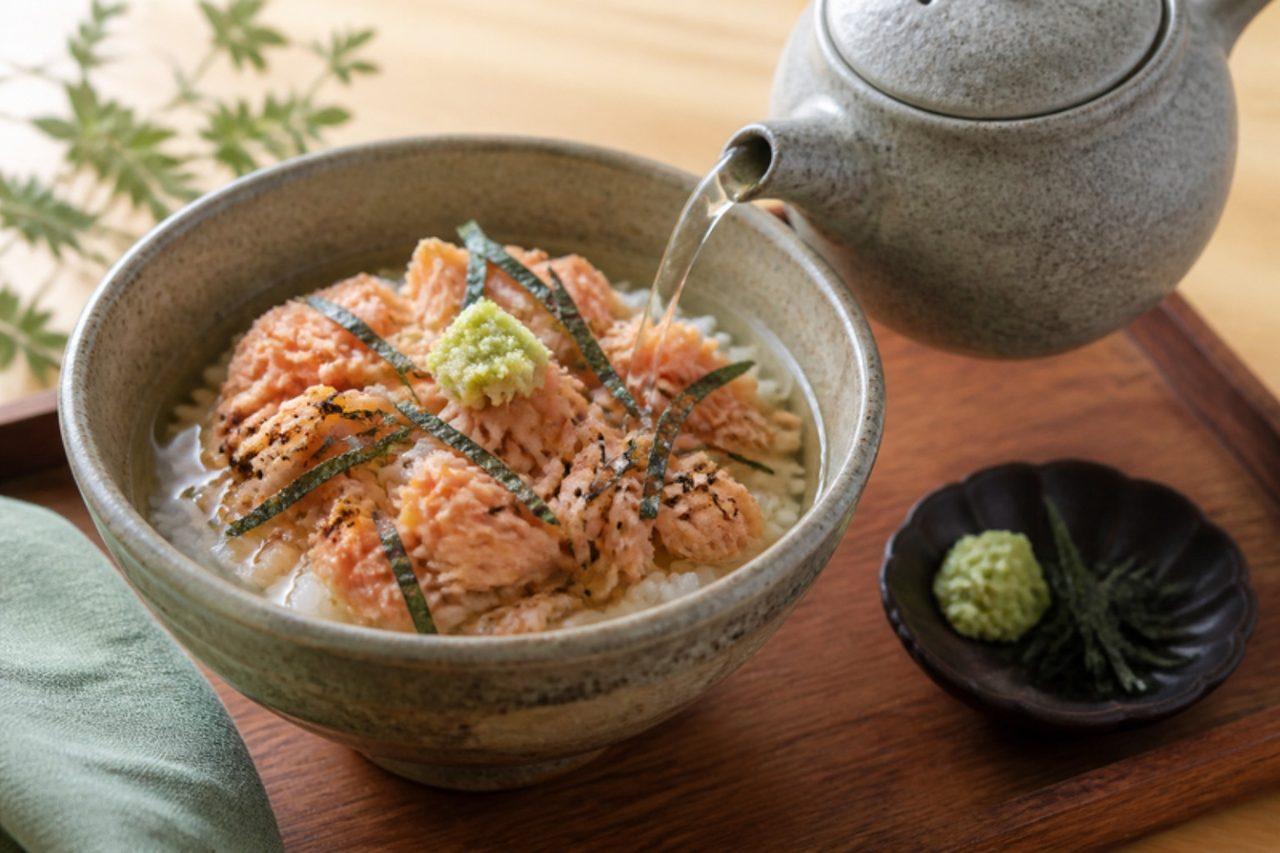
Salmon ochazuke (green tea over rice)

In Kyoto, where it is called bubuzuke, ochazuke is the light bowl offered late at night or at the very end of a meal, and in Tokyo it is the classic quick supper after a long day at work. Leftover rice is topped with flakes of grilled salted salmon, nori and sesame, then hot green tea is poured over so it becomes a fragrant, soothing soup. Grill the salmon until it is opaque and flakes easily, with crisp skin. The common mistake is using boiling-hot tea, which turns sencha bitter; let the water cool to about 80 °C. Chef's tip: salt the salmon the night before and keep it in the fridge; it firms up and takes on a deeper flavour.

by KrazyBadal 0 views

Yakitori (grilled chicken skewers with tare)

Yakitori smoke drifts from the tiny stalls under the railway arches at Tokyo's Yurakucho and around Shinjuku's Omoide Yokocho every evening, where office workers stand shoulder to shoulder eating skewers straight off the charcoal. This recipe makes negima, the classic alternating chunks of chicken thigh and spring onion, brushed with tare, a glaze of soy, mirin, sake and sugar that is boiled down so the alcohol cooks off (use water and extra sugar for an alcohol-free version). An oven grill or barbecue both work. The common mistake is brushing on the glaze from the start, which burns before the chicken is cooked; grill first, glaze at the end. Chef's tip: thread the pieces snugly but not squashed, and keep the skin side on the outside so it crisps.

by KrazyBadal 0 views

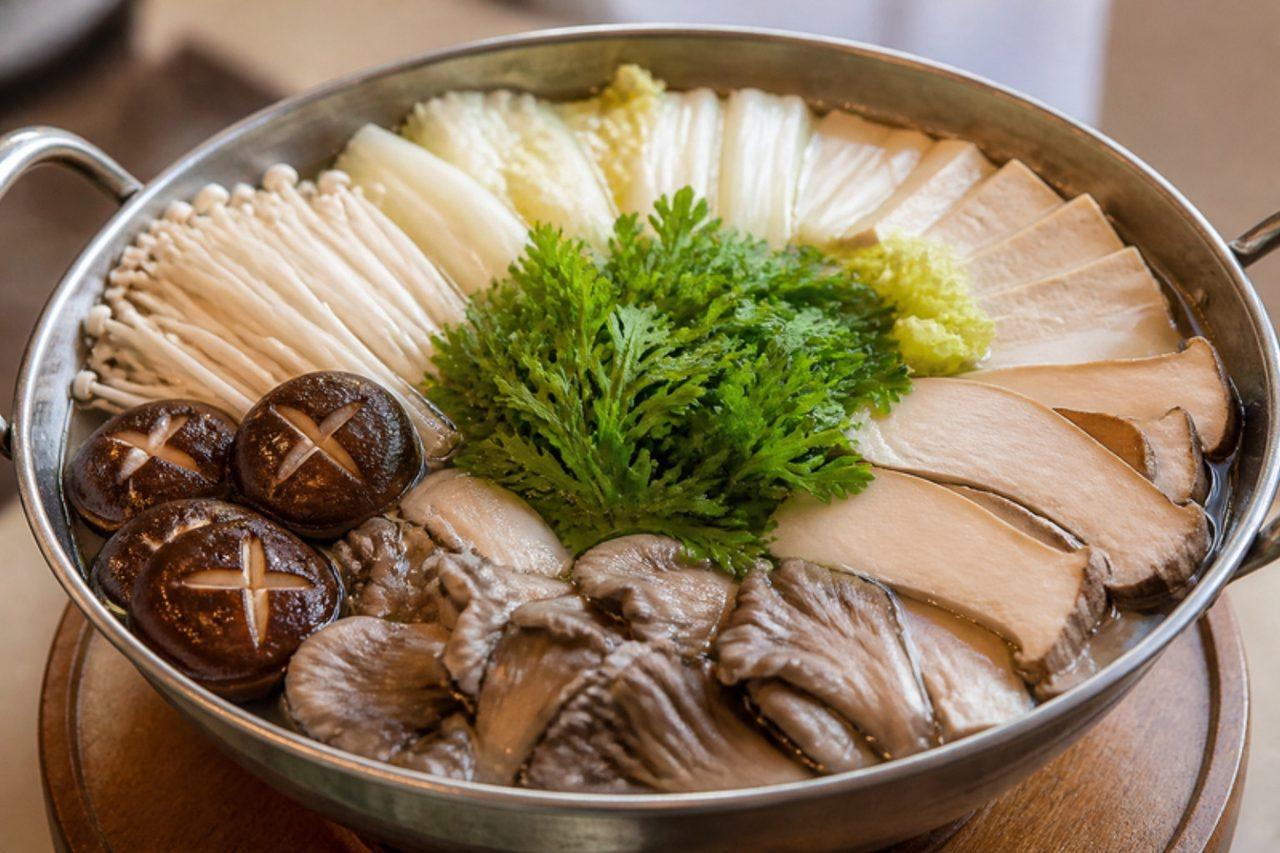
Beoseot jeongolMushroom hot pot

Beoseot jeongol is the mushroom hot pot that Korean temple kitchens and mountain restaurants around Odaesan and Songnisan serve in autumn, when wild mushrooms come down from the slopes. Fans of shiitake, oyster, enoki and king oyster mushrooms are arranged with tofu, cabbage and greens in a shallow pot and cooked at the table in a clear kelp and shiitake broth. It tastes deep, clean and woodsy, with no garlic or onion in the temple way. The common mistake is boiling it hard from the start, which turns the broth cloudy and the enoki stringy. Chef's tip: save the shiitake soaking water and add it to the broth; it doubles the savoury depth without any seasoning.

by KrazyBadal 0 views

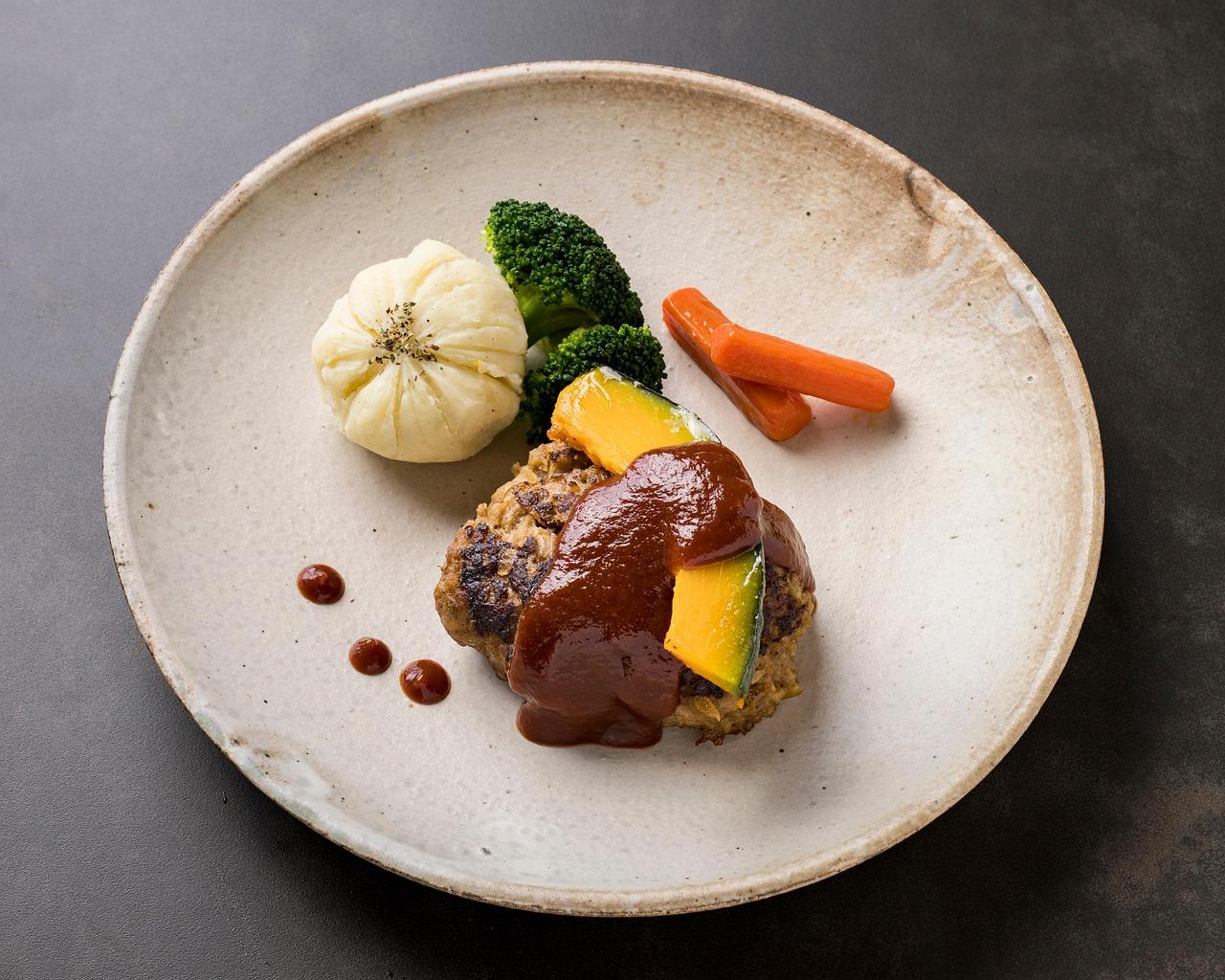
Hambagu (Japanese hamburg steak)

Hambagu is the dinner Japanese children ask for on their birthday: a thick, juicy oval patty of beef and pork mince, browned and steamed in the pan, then smothered in a shiny sauce of ketchup and Worcestershire sauce. Family restaurants from Shizuoka to Hokkaido build whole menus around it, served on a hot iron plate with rice and buttered corn. This recipe uses pork mince with beef. The common mistake is under-kneading the mixture; it needs a good 2 minutes of mixing until sticky, or the patties crumble and leak their juice. Mince must reach 71 °C, so check the thickest one. Chef's tip: press a dent into the centre of each patty before cooking; the middle puffs as it cooks and the patty stays flat and even.

by KrazyBadal 0 views

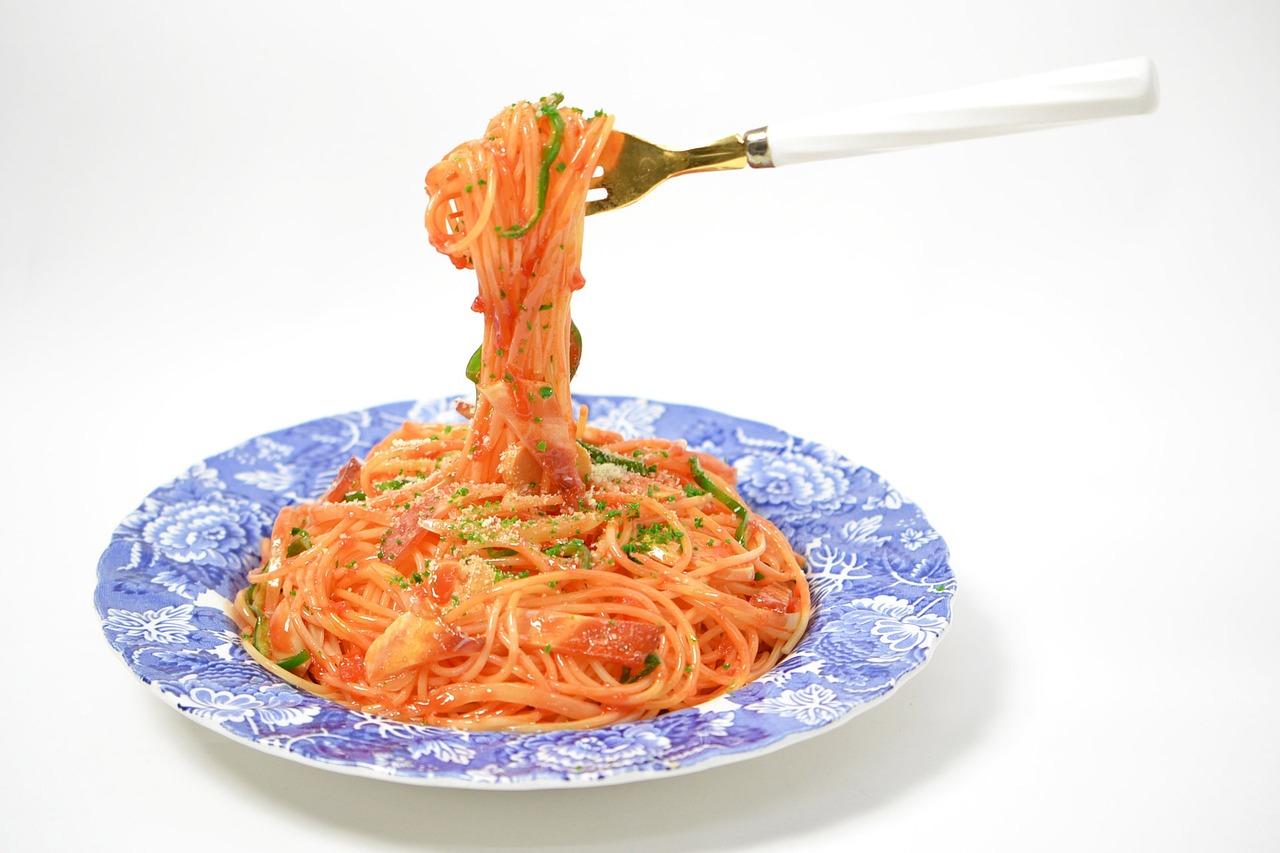
Napolitan (Japanese ketchup spaghetti)

Napolitan was born in post-war Yokohama, where a hotel chef made spaghetti for occupying soldiers with what he had, and it went on to become the comfort food of Japanese coffee shops and school lunches. Soft spaghetti is stir-fried with sliced pork frankfurters, onion, green pepper and mushrooms, then coated in caramelised ketchup with a knob of butter and a shower of Parmesan. It is unashamedly sweet, tangy and child-friendly. For a vegetarian plate, swap the sausages for 150 g more mushrooms. The common mistake is just warming the ketchup: fry it in the pan first until it darkens and smells jammy, which takes away the raw sourness. Chef's tip: cook the pasta a minute past al dente, as Japanese diners do, so it soaks up the sauce.

by KrazyBadal 0 views

Ozoni (Kanto-style New Year mochi soup)

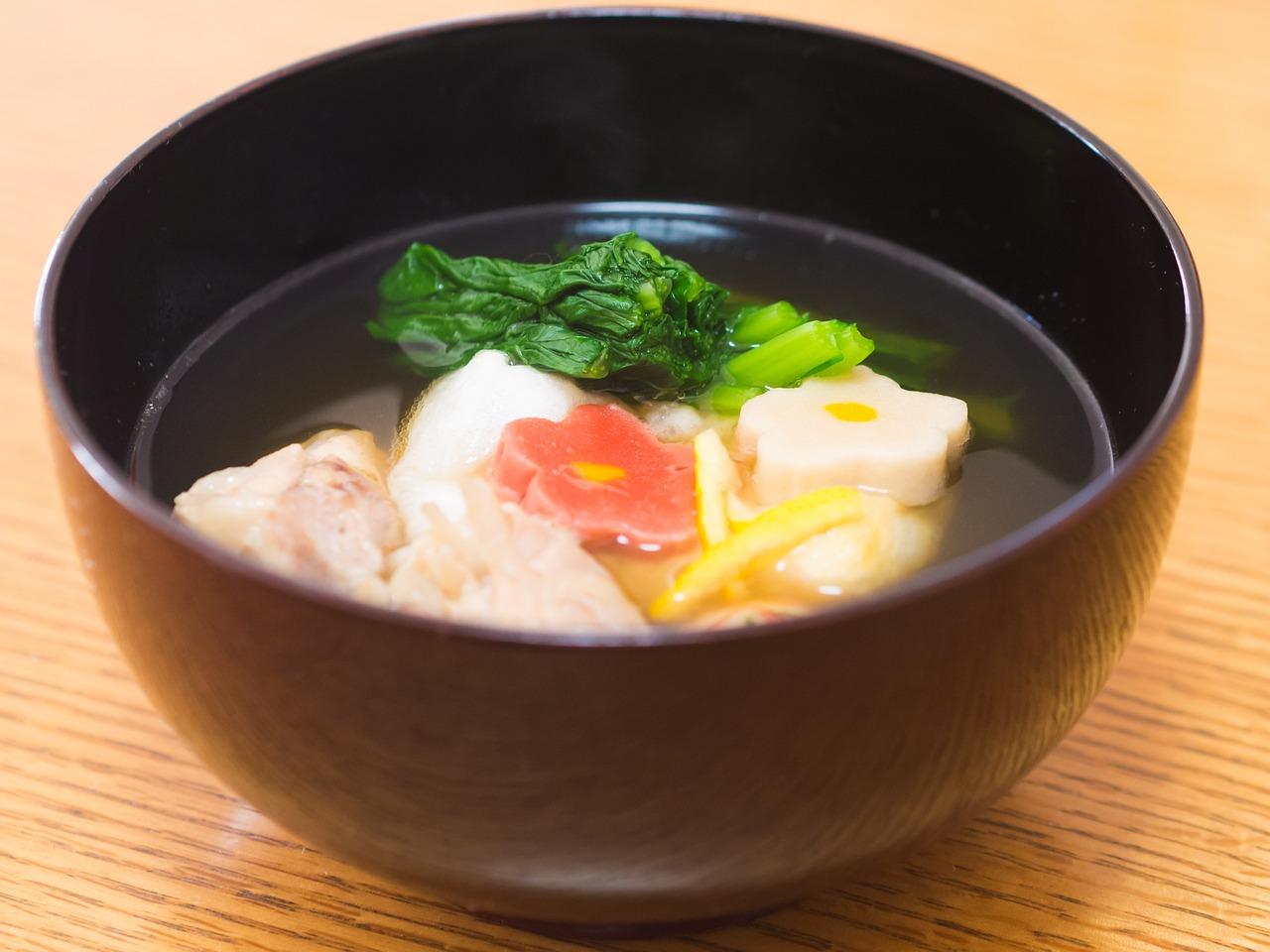
On the morning of 1 January, families across Tokyo and the Kanto plain sit down to ozoni, a clear, delicate soup of bonito-kombu dashi with chicken, komatsuna, carrot and square rice cakes grilled until they puff. Every region has its own version; in Kansai the mochi is round and the soup is white miso, but Kanto keeps it clear and seasoned with soy. A little sake goes into the broth and simmers away (leave it out for an alcohol-free soup). Mochi is very sticky: cut it small for children and older people, take small bites and chew well, as it can cause choking. The common mistake is boiling the mochi in the soup, which makes it dissolve and turn the broth cloudy; grill it separately. Chef's tip: add the yuzu peel only in the bowl, just before serving, so its fragrance is the first thing you smell.

by KrazyBadal 0 views

Nukazuke (rice-bran pickles)

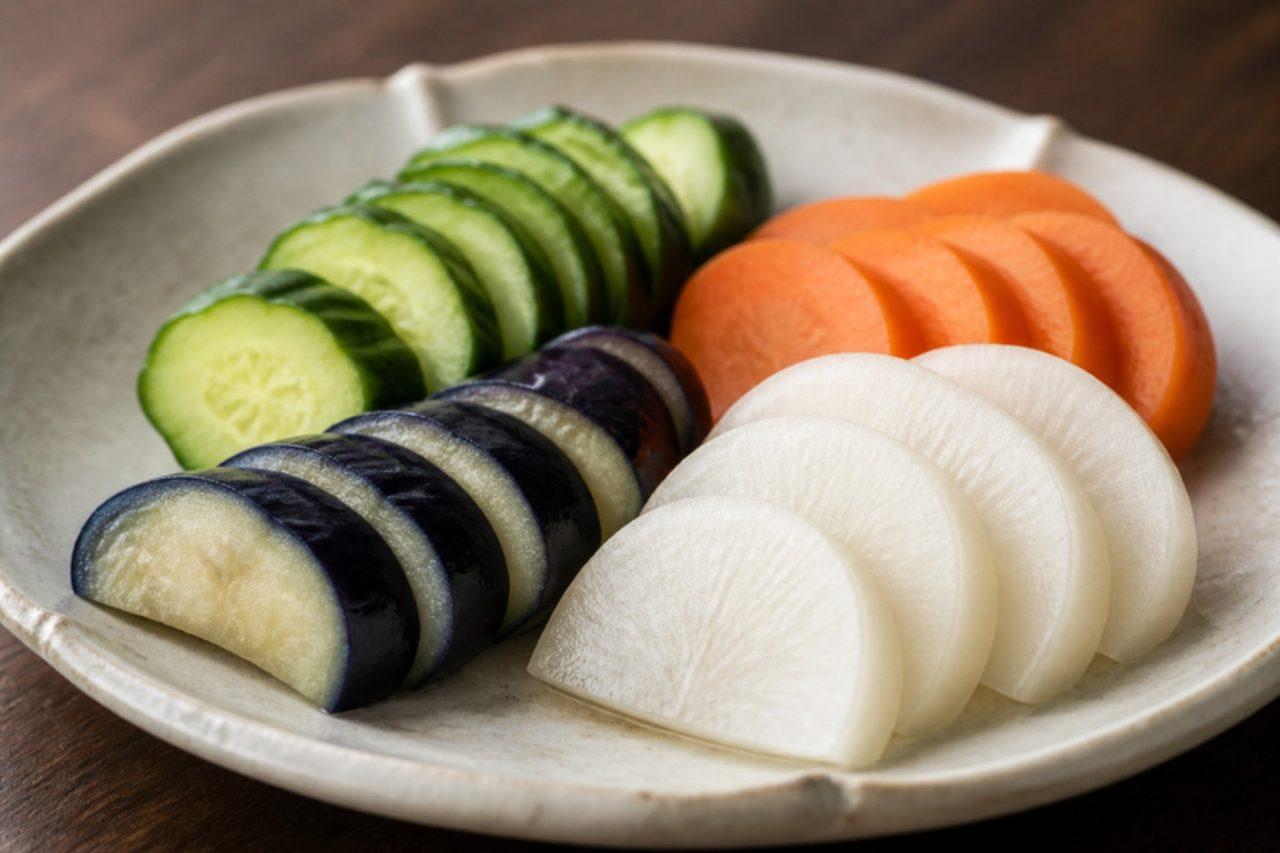
Before refrigerators, almost every Japanese kitchen kept a nukadoko, a crock of salted, fermenting rice bran that someone stirred by hand every morning, and families in Kyoto and Kyushu still pass theirs down for decades. Cucumbers, carrots, daikon or aubergine buried overnight come out crisp, sour and deeply savoury, a little like a gentle sauerkraut. Starting a bed takes about an hour of work and a week of 'feeding' with scraps before it pickles well. The most common mistake is forgetting to stir: left alone, the surface grows yeast and the bed starts to smell sharp and off. Chef's tip: stir from the bottom up once a day with clean hands, and if the bed gets watery, soak up the liquid with a clean cloth rather than pouring it away.

by KrazyBadal 0 views

Gnocchi di zuccaPumpkin gnocchi

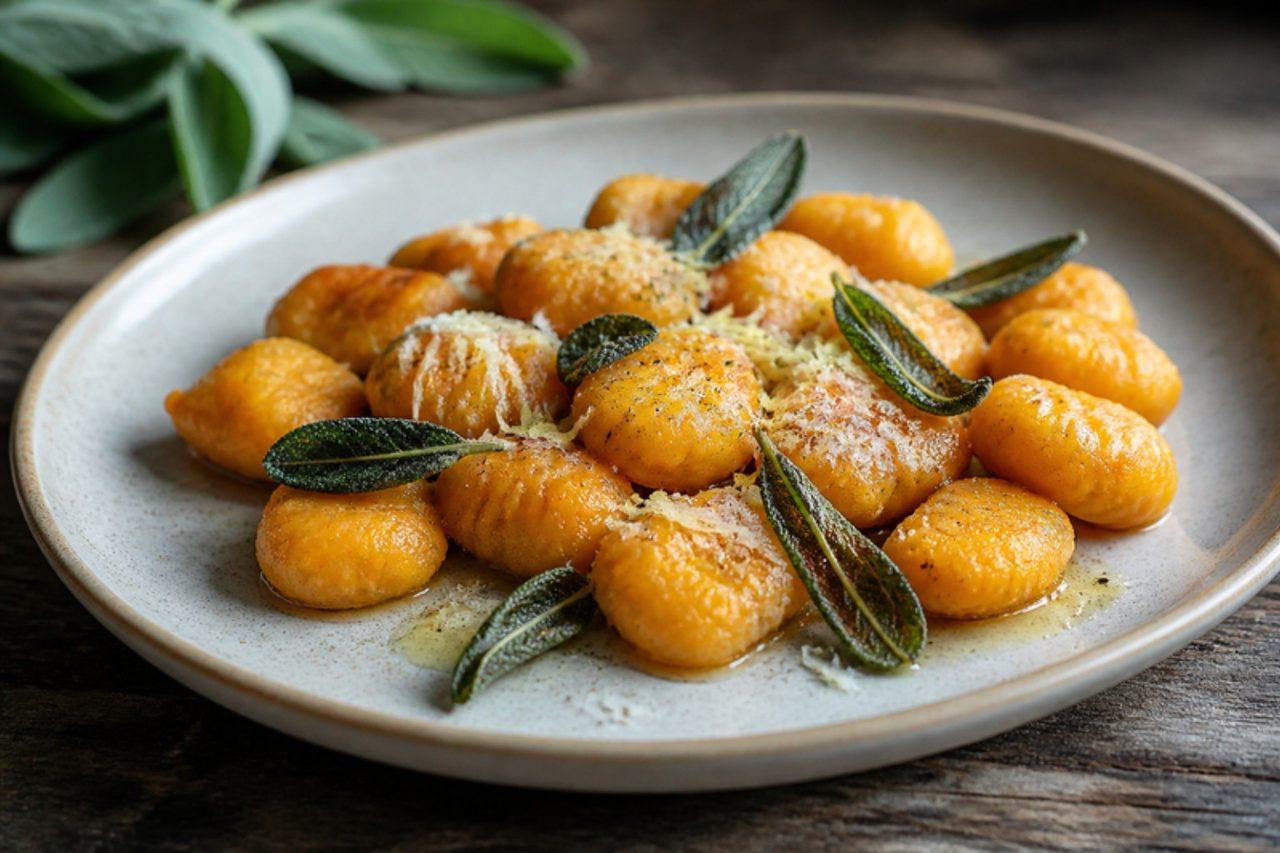
When the dense, sweet pumpkins come in from the fields around Mantua and Chioggia in October, families turn them into soft orange gnocchi, served with brown butter, sage and a heap of grated cheese. They are rustic and irregular, often shaped with two spoons rather than rolled on a board. Roasting the pumpkin instead of boiling it keeps it dry and full of flavour. Parmigiano is made with animal rennet; a vegetarian hard cheese works well. Chef's tip: add flour a little at a time and stop when the dough just holds; too much makes gnocchi that taste of flour and bounce like rubber.

by KrazyBadal 0 views

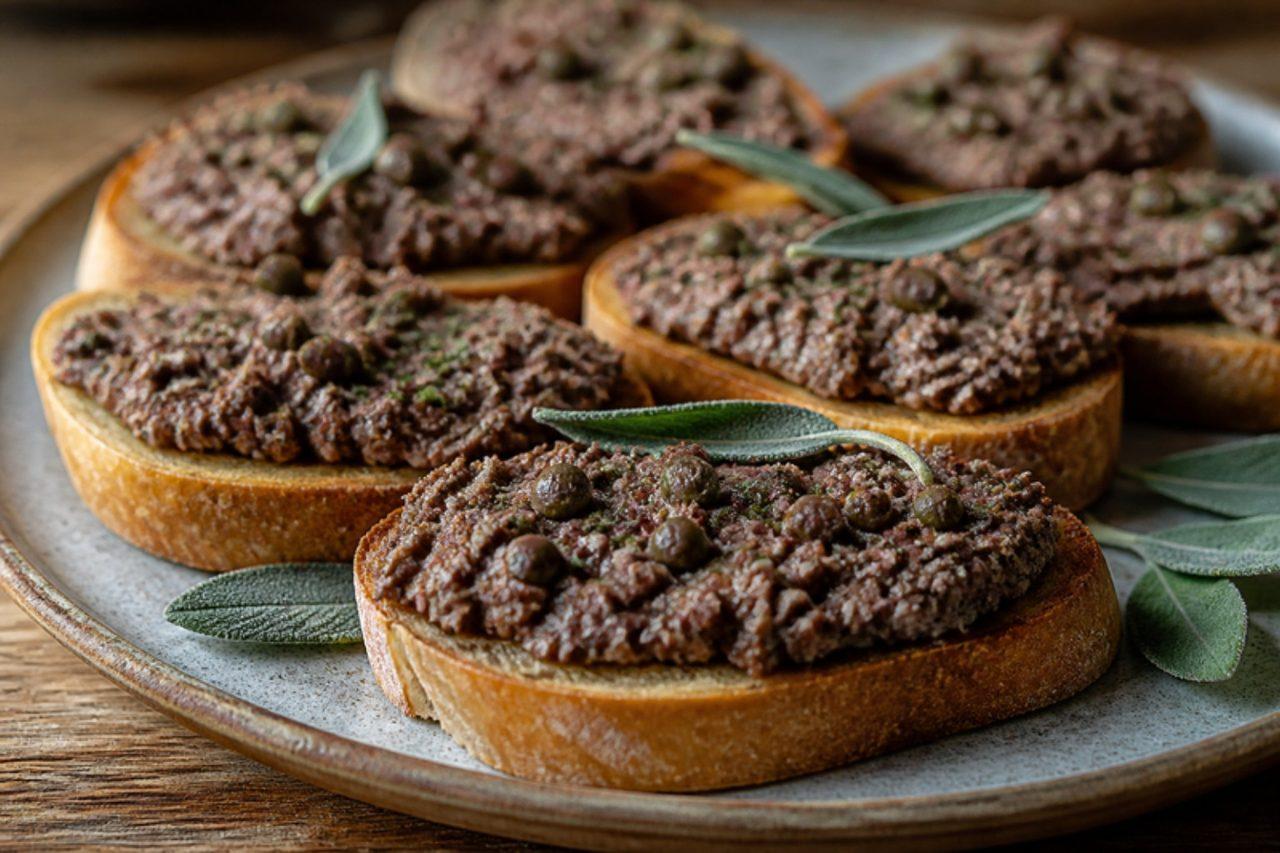
Crostini neriChicken liver crostini

No Tuscan Christmas lunch or village festa starts without crostini neri, the dark, coarse chicken liver spread from Florence and Siena, spread on toasted unsalted Tuscan bread that has been dipped briefly in broth. The livers are cooked with onion, sage and capers, splashed with Vin Santo or white wine, then chopped rather than blended so the spread keeps some texture. Alcohol is used here: you can replace the wine with the same amount of chicken stock and a teaspoon of red wine vinegar. Chef's tip: cook the livers through, then chop them on the board with a mezzaluna or knife instead of a blender; a smooth paste is pâté, not crostini neri.

by KrazyBadal 0 views

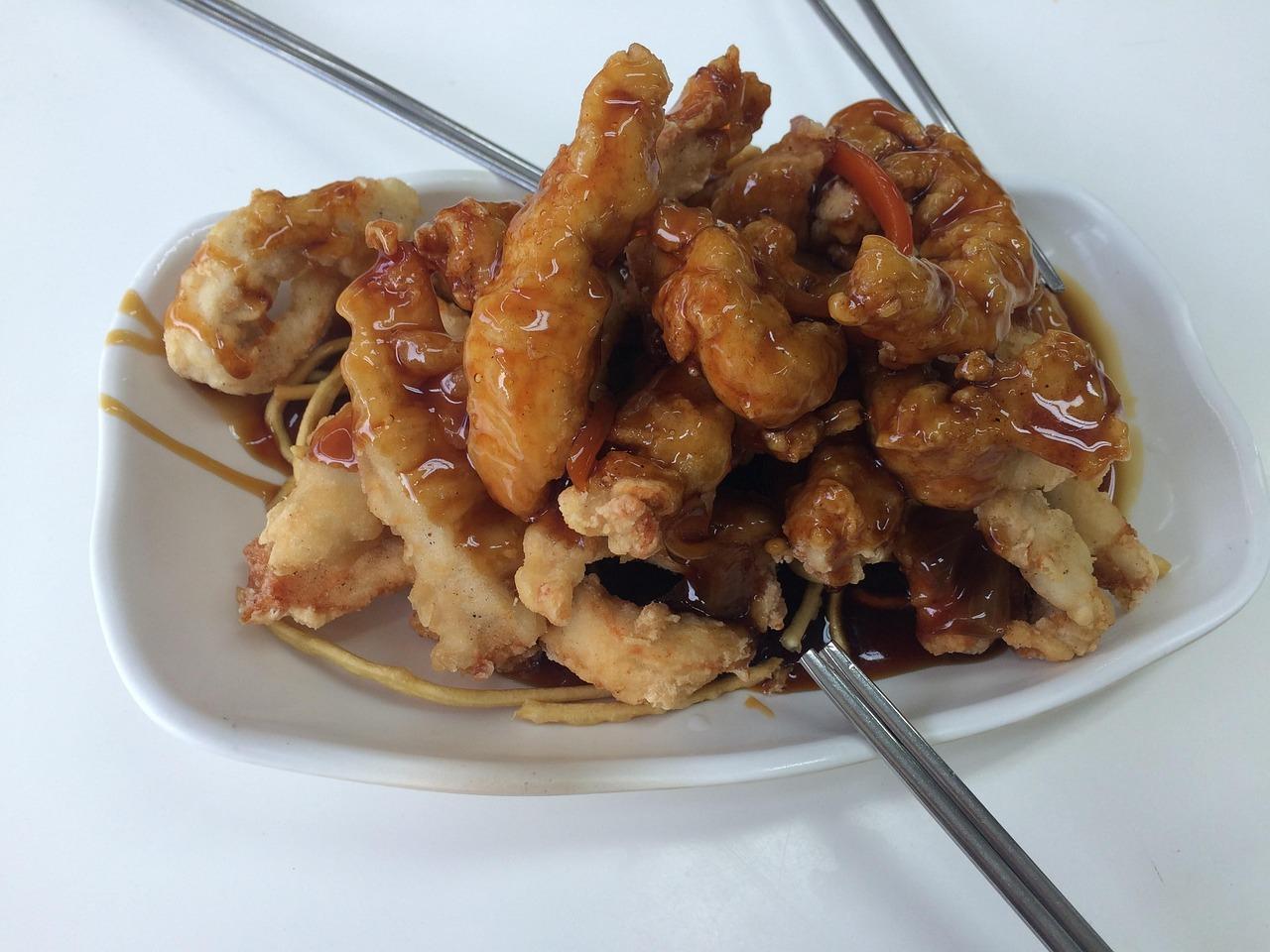
TangsuyukSweet and sour pork

Tangsuyuk is the star of Korean-Chinese restaurants, ordered with jajangmyeon for graduations and family celebrations since Chinese cooks settled in Incheon's Chinatown over a century ago. Strips of pork are coated in a thick potato-starch batter and fried twice until they shatter, then served with a glossy sweet-and-sour sauce full of vegetables and fruit. The pork marinade uses a spoonful of rice wine, which cooks off in the frying; leave it out or use extra ginger juice for an alcohol-free version. Koreans argue happily over pouring the sauce on (bumeok) or dipping (jjikmeok). The common mistake is pouring the sauce over too early: the crust softens in minutes. Chef's tip: soak the potato starch in water for an hour and pour off the water; the wet starch left behind gives the crunchiest batter.

105 minKoreanMeat
by KrazyBadal 0 views

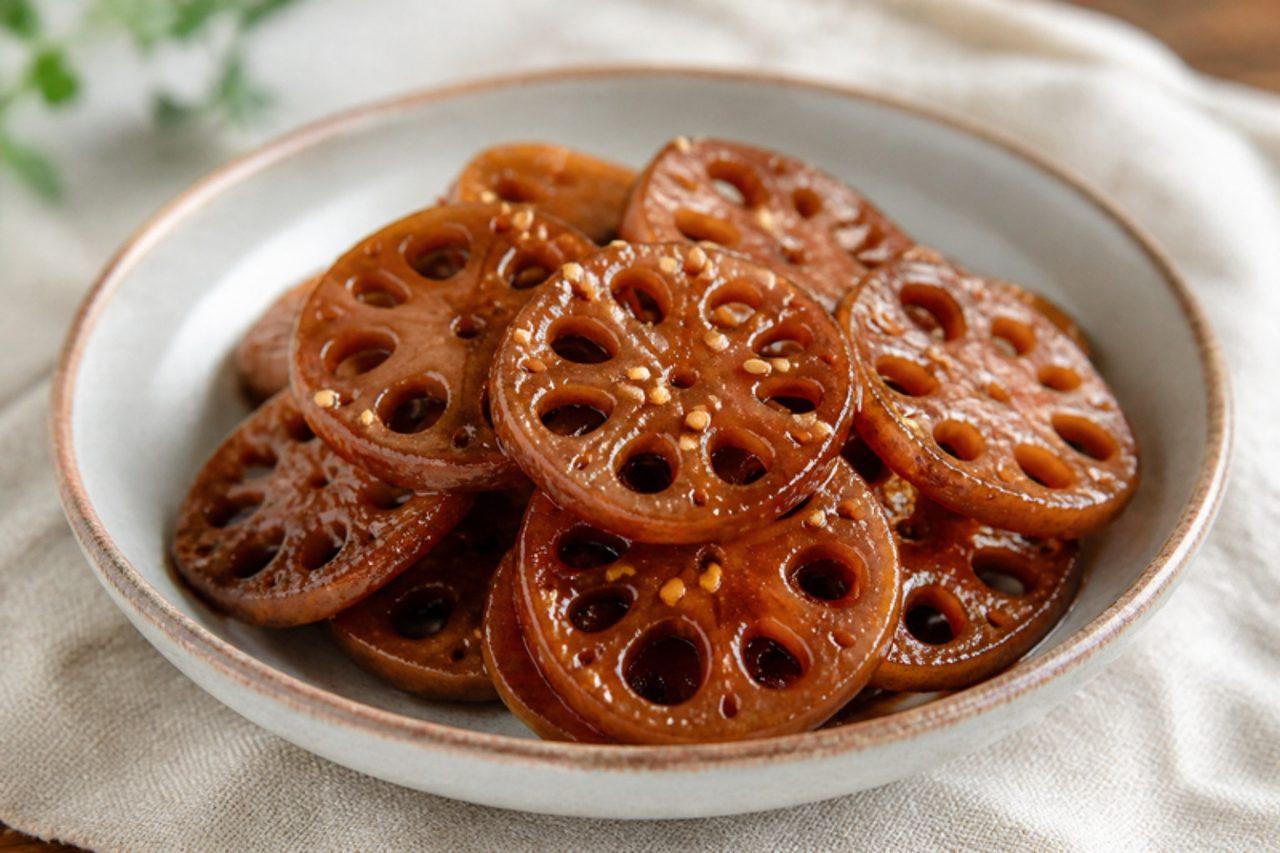
Yeongeun jorimSoy-braised lotus root

Yeongeun jorim is a winter banchan from the lotus ponds of South Jeolla, where Muan county is famous for its lotus fields, and it is now made in homes all over Korea for lunchboxes and holiday tables. Slices of lotus root are blanched in vinegared water, then simmered in soy and syrup until they turn dark, glossy and chewy with a lingering crunch. The holes make every slice look like lace. The common mistake is skipping the vinegar blanch, which leaves the slices grey and starchy. Chef's tip: stop cooking while there are still a couple of spoonfuls of sauce in the pan; the glaze thickens as it cools and turns sticky rather than hard.

by KrazyBadal 0 views

Doraji muchimBellflower root salad

Doraji muchim comes from Korea's mountain provinces, where bellflower root has been dug for centuries and sung about in the Gyeonggi folk song 'Doraji taryeong'. Today it is a festive banchan for Seollal and a spring side dish across the country: shredded roots, rubbed with salt to tame their bitterness, are dressed with gochujang, vinegar and sugar until crunchy, sweet, sour and gently hot. The common mistake is skipping the salt scrub, which leaves the roots harsh and bitter enough to put people off. Chef's tip: after scrubbing and rinsing, taste a strand; if it still bites, soak it in cold water for another 15 minutes.

by KrazyBadal 0 views

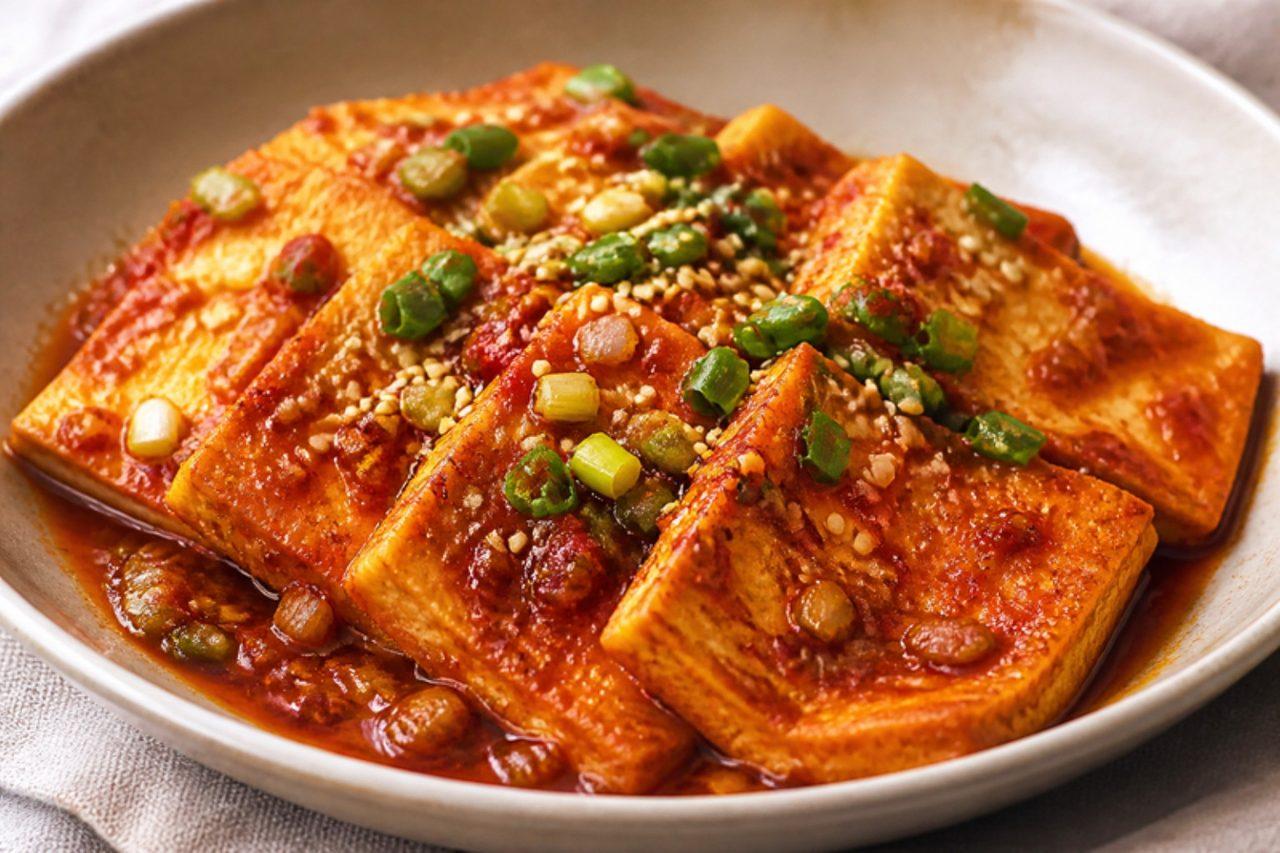
Dubu jorimBraised tofu in spicy soy

Dubu jorim is the tofu side dish Korean mothers pack into school lunchboxes and set out at home dinners from Busan to Seoul, because it is cheap, filling and even better the next day. Thick slices of firm tofu are fried golden, then simmered in a garlicky soy and chilli sauce until they soak it up and turn glossy. Eat it warm with rice or cold from the fridge. The common mistake is moving the tofu too soon in the pan: it tears and never forms the golden skin that holds the sauce. Chef's tip: salt the tofu slices lightly and leave them on kitchen paper for 10 minutes before frying; drier tofu browns faster and spits less.

by KrazyBadal 0 views

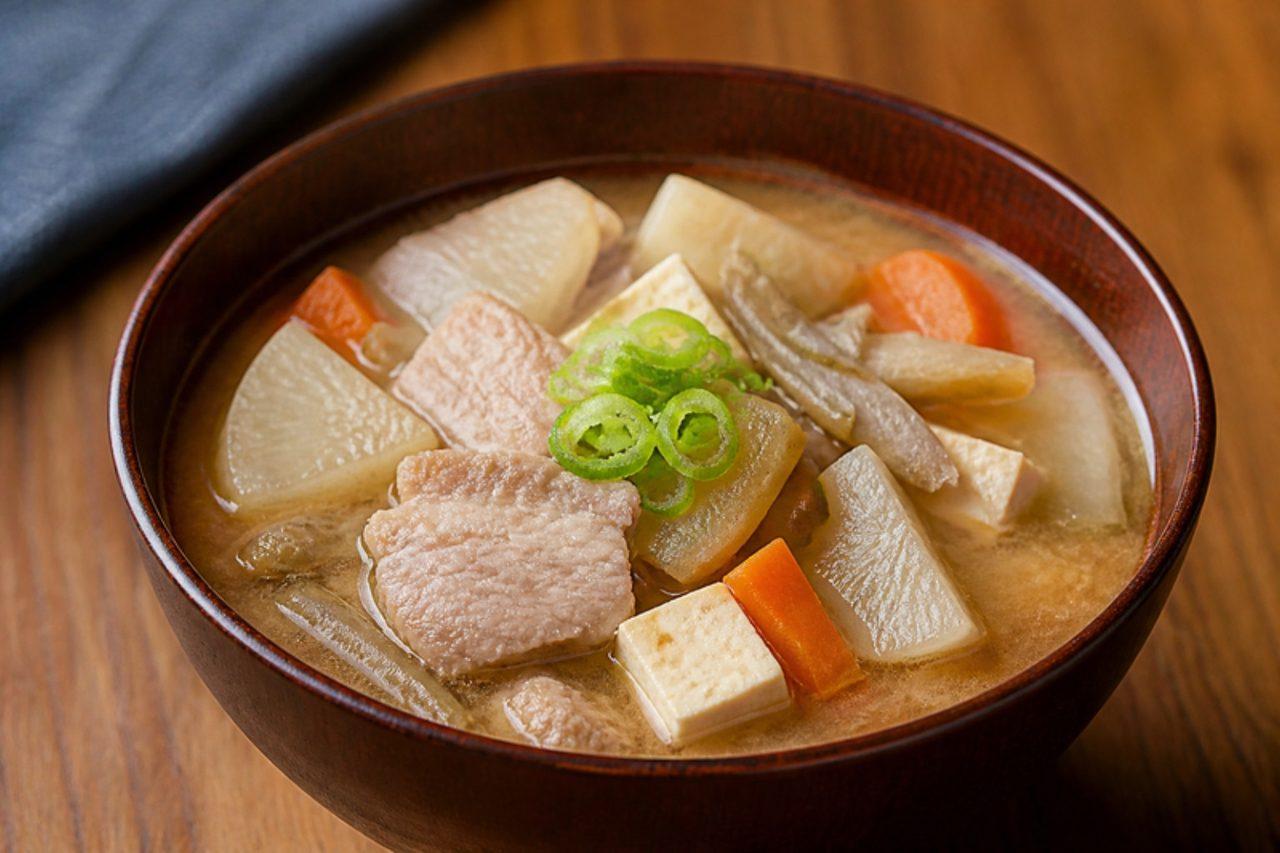
Tonjiru (pork and root vegetable miso soup)

Tonjiru is the big-pot miso soup that gets ladled out at Japanese school festivals, winter fire drills and New Year shrine visits, and at home it is filling enough to make a meal with just rice. Thin slices of pork belly are fried in sesame oil with daikon, carrot, burdock, potato and konnyaku, then simmered in dashi until tender and finished with miso. The common mistake is boiling the soup after the miso goes in, which dulls its aroma; stir it in off the boil. Simmer until the pork is cooked through (71 °C) and the vegetables are soft. Chef's tip: dissolve the miso in a ladle of hot broth first so it melts in smoothly without lumps.

by KrazyBadal 0 views

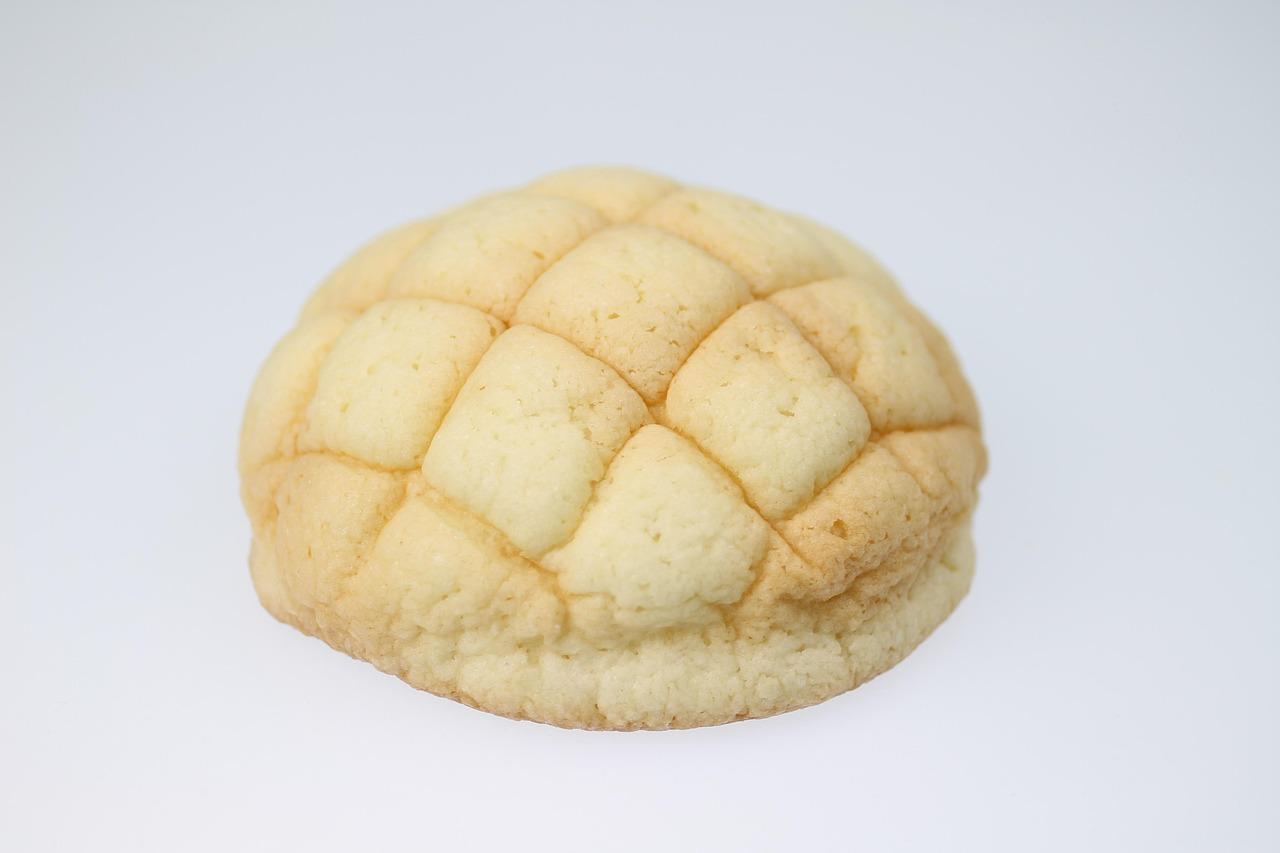
Melon panCookie-crust sweet bun

Melon pan takes its name from its looks, not its taste: a soft sweet bun baked under a sugary cookie crust scored into a criss-cross pattern like a cantaloupe rind. Japanese bakeries and school canteens sell it everywhere, and around Kobe and Hiroshima the same bun is often called sunrise. It is best on the day it is baked, when the crust still crackles against the fluffy inside. The common mistake is warm, soft cookie dough, which sticks to your hands and slides off the bun in the oven; keep it well chilled and work quickly. Chef's tip: roll the cookie dough between two sheets of baking paper so you can lift it neatly onto each bun.

by KrazyBadal 0 views

Sartù di risoBaked rice mould with meatballs

The sartù was born in the grand kitchens of Naples in the 1700s, when French chefs worked for the noble families and had to win over a city that didn't trust rice. They dressed it up: a dome of rice cooked in rich tomato ragù, filled with tiny beef meatballs, peas, mushrooms, mozzarella and hard-boiled egg, then baked until crusty. It is still made for Sundays, big name days and Christmas. Chef's tip: let the sartù rest for 20 minutes after baking before turning it out; hot rice is fragile, and the rest lets the dome set.

by KrazyBadal 0 views

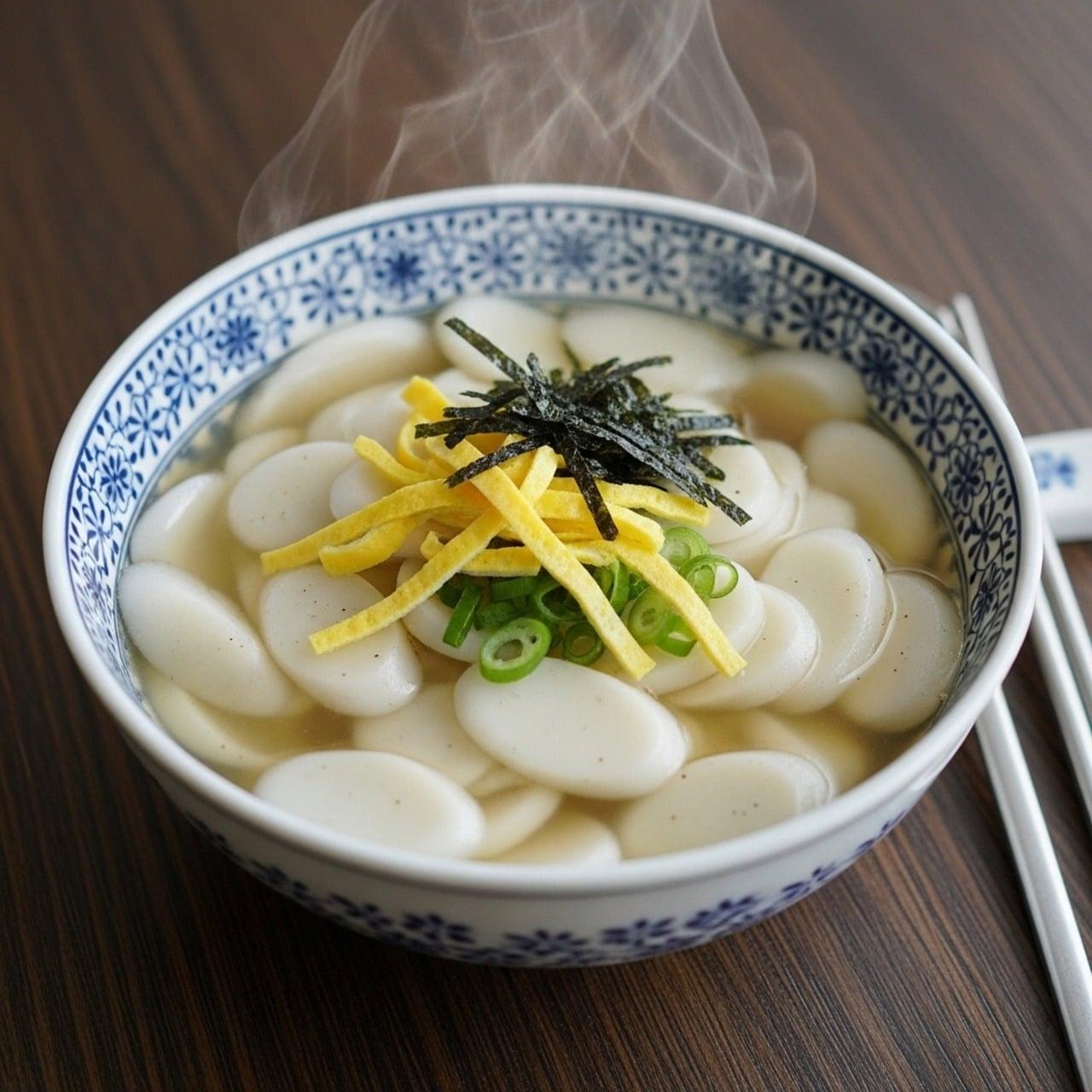
TteokgukRice cake soup

On the morning of Seollal, the Lunar New Year, families across Korea eat a bowl of tteokguk, and the saying goes that you only turn a year older once you have finished it. Thin ovals of white rice cake are simmered in a clear beef broth seasoned with soup soy sauce, then topped with strips of egg, shredded beef, spring onion and toasted laver. It is mild, comforting and chewy. Rice cakes are very sticky: cut pieces small and supervise young children and older people closely, as they can be a choking risk. The common mistake is boiling the rice cakes too long, until they turn mushy and the soup thick and gluey. Chef's tip: soak dried rice cake slices in cold water for 20 minutes before cooking; they cook evenly in 3 minutes and stay chewy.

by KrazyBadal 0 views

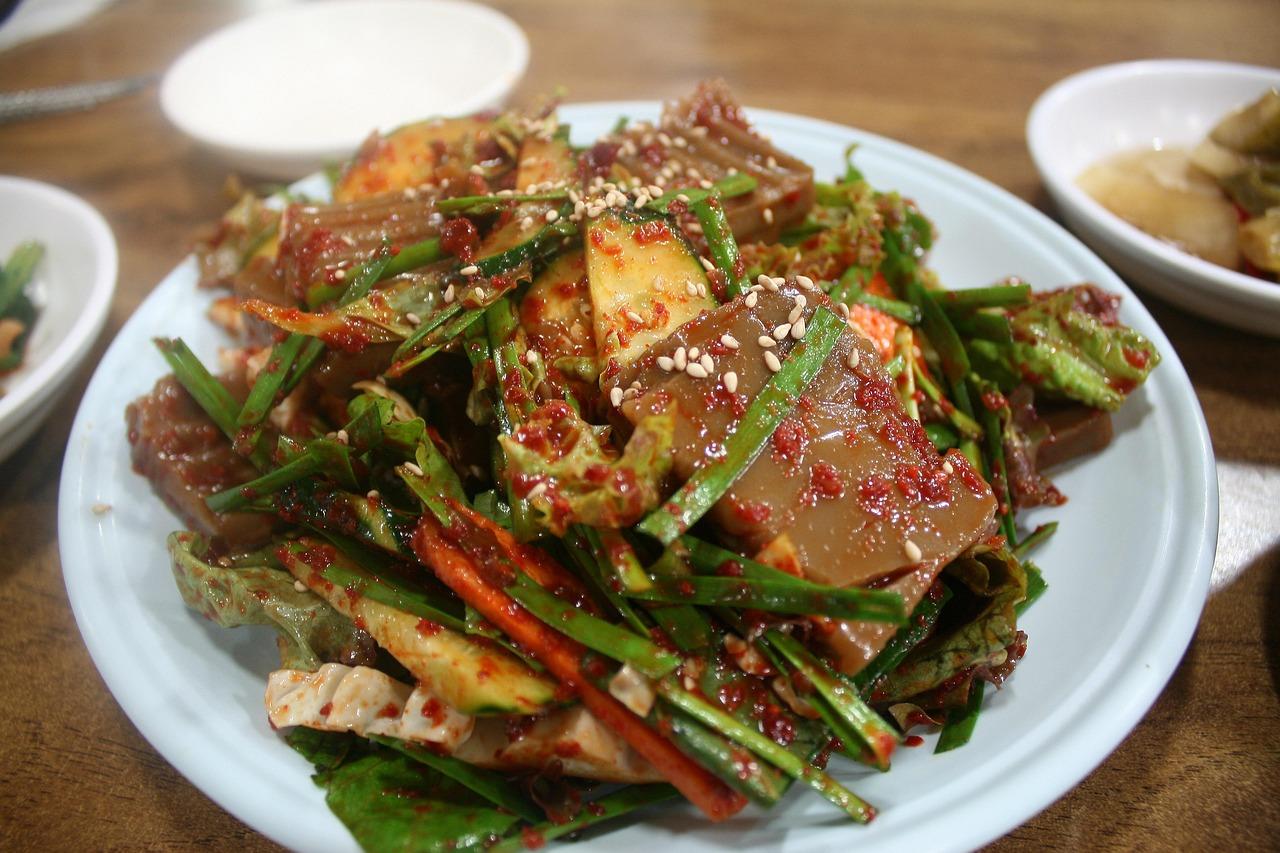
Dotorimuk muchimAcorn jelly salad

Dotorimuk is a jelly made from acorn starch, gathered in Korea's oak-covered mountains, and dotorimuk muchim is the salad hikers eat at the little restaurants at the foot of Bukhansan and Gwanaksan after a weekend climb. Wobbly, nutty-bitter cubes of jelly are tossed gently with lettuce, cucumber, carrot and a soy, chilli and sesame dressing. Temple cooks make it exactly like this, without garlic or onion. The common mistake is tossing it hard like a green salad: the jelly breaks into crumbs, so fold it with your fingertips. Chef's tip: if the jelly has firmed up in the fridge, blanch the block in boiling water for 30 seconds and cool it; it turns soft and bouncy again.

by KrazyBadal 0 views

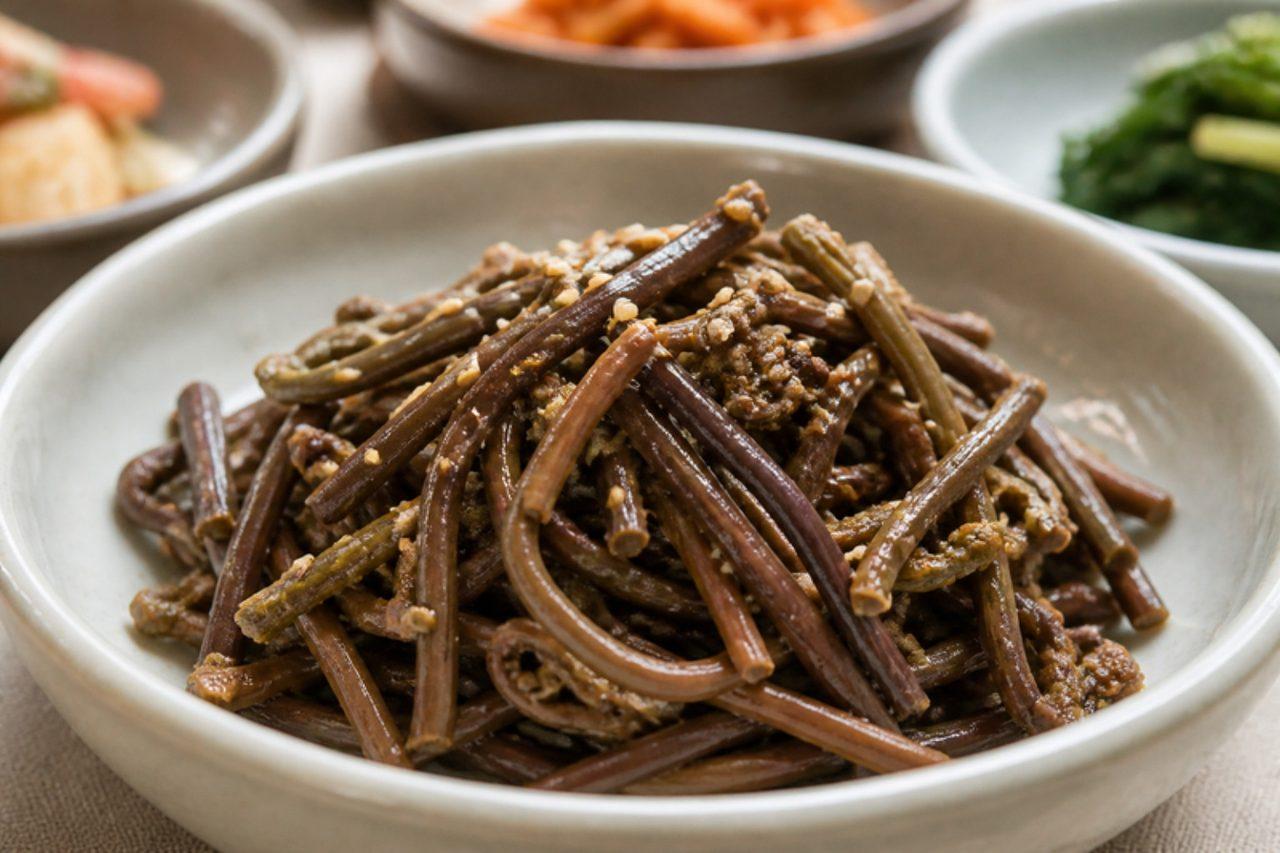
Gosari namulBraised bracken fern

Gosari namul is the earthy brown namul on every Korean holiday table, from Jeju, where families still pick young bracken on the island's hills in April, to Seoul, where it is bought dried for Seollal and Chuseok. Rehydrated fern stems are simmered soft, then stir-fried in perilla oil with soy and garlic until they are tender and meaty with a smoky, woodsy taste. It is also a core topping for bibimbap and yukgaejang. Always cook bracken thoroughly; never eat it raw. The common mistake is under-boiling the stems, which leaves them tough and slightly bitter. Chef's tip: after boiling, leave the stems soaking in fresh water for an hour, changing it once; it draws out the last bitterness and leaves a cleaner flavour.

105 minKoreanSidesVegan
by KrazyBadal 0 views

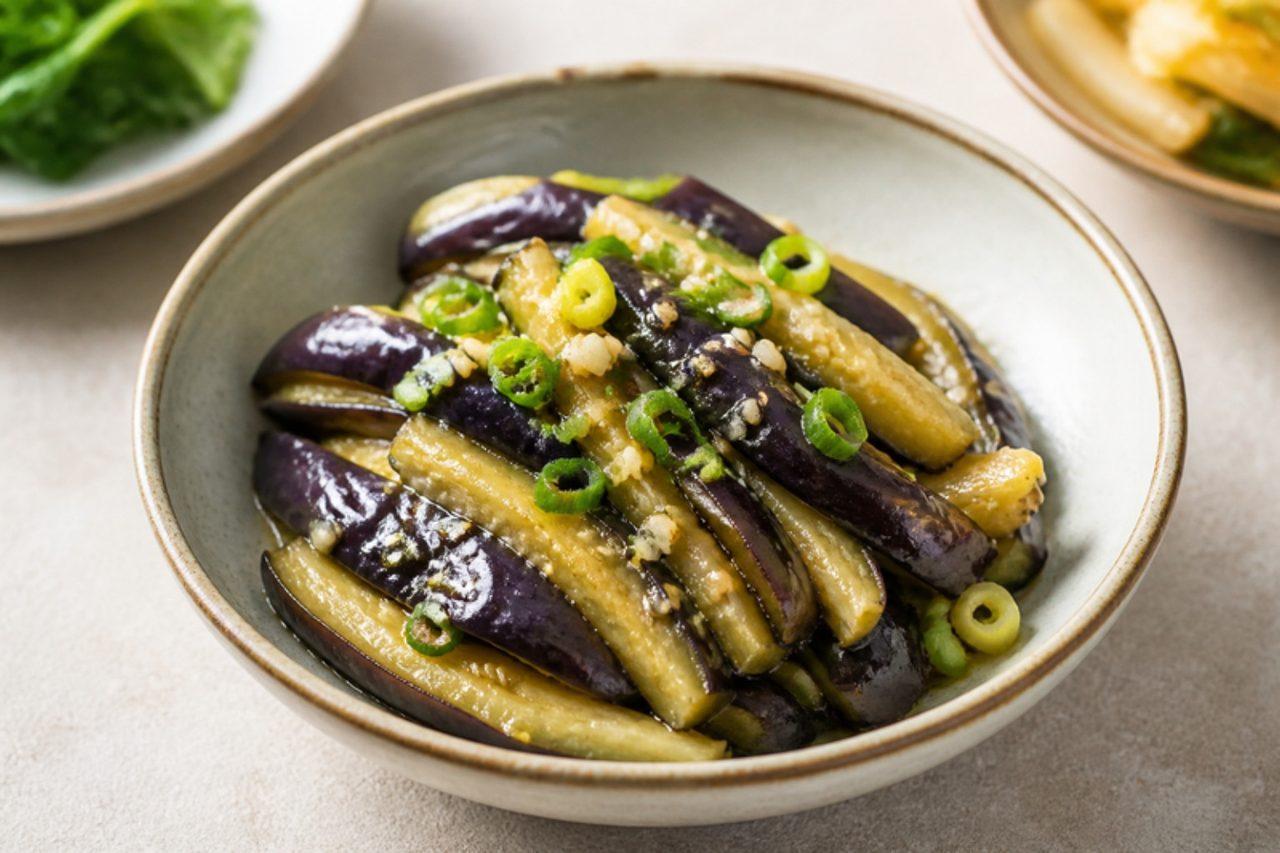
Gaji namulSeasoned steamed aubergine

In late summer, when aubergines pile up at Seoul's Gyeongdong market for next to nothing, gaji namul turns up beside the rice at almost every home dinner. Long strips of aubergine are steamed until silky, then torn and dressed with soy, garlic, spring onion and toasted sesame, so they taste mellow, savoury and faintly sweet. It is one of the gentlest banchan, good for anyone who finds kimchi too fierce. The usual mistake is dressing the aubergine while it is still hot and dripping: the seasoning slides off and the dish turns watery, so let it steam dry and cool first. Chef's tip: tear the strips by hand along the grain rather than slicing them; the rough edges hold far more dressing.

by KrazyBadal 0 views

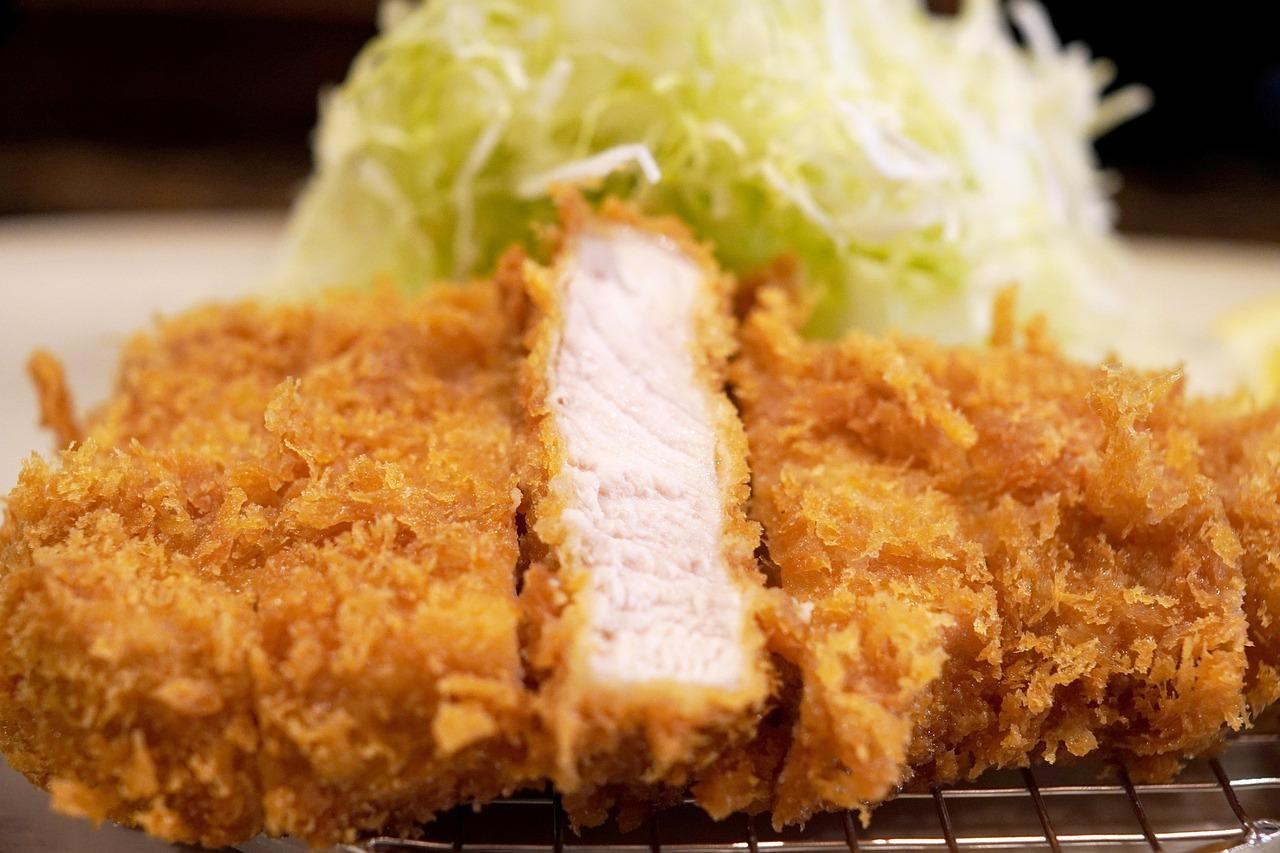
Tonkatsu (panko pork cutlet)

Tonkatsu took shape in Tokyo's Ueno and Ginza in the early 20th century, and the specialist katsu restaurants there still serve it the same way: a thick pork loin cutlet in a light, spiky panko crust, sliced into strips, with a mountain of feather-fine cabbage, rice, miso soup and a pot of thick, fruity tonkatsu sauce. This version uses a simple homemade sauce of ketchup, Worcestershire and soy rather than the miso sauce of Nagoya. The common mistake is frying too hot: the crumbs burn before the centre cooks. Fry at 170 °C, then rest the cutlets, which finish cooking as they sit; pork loin is safe at 63 °C after a 3-minute rest. Chef's tip: snip the fat along the edge every 2 cm before crumbing so the cutlet stays flat.

by KrazyBadal 0 views

Takuan (pickled daikon)

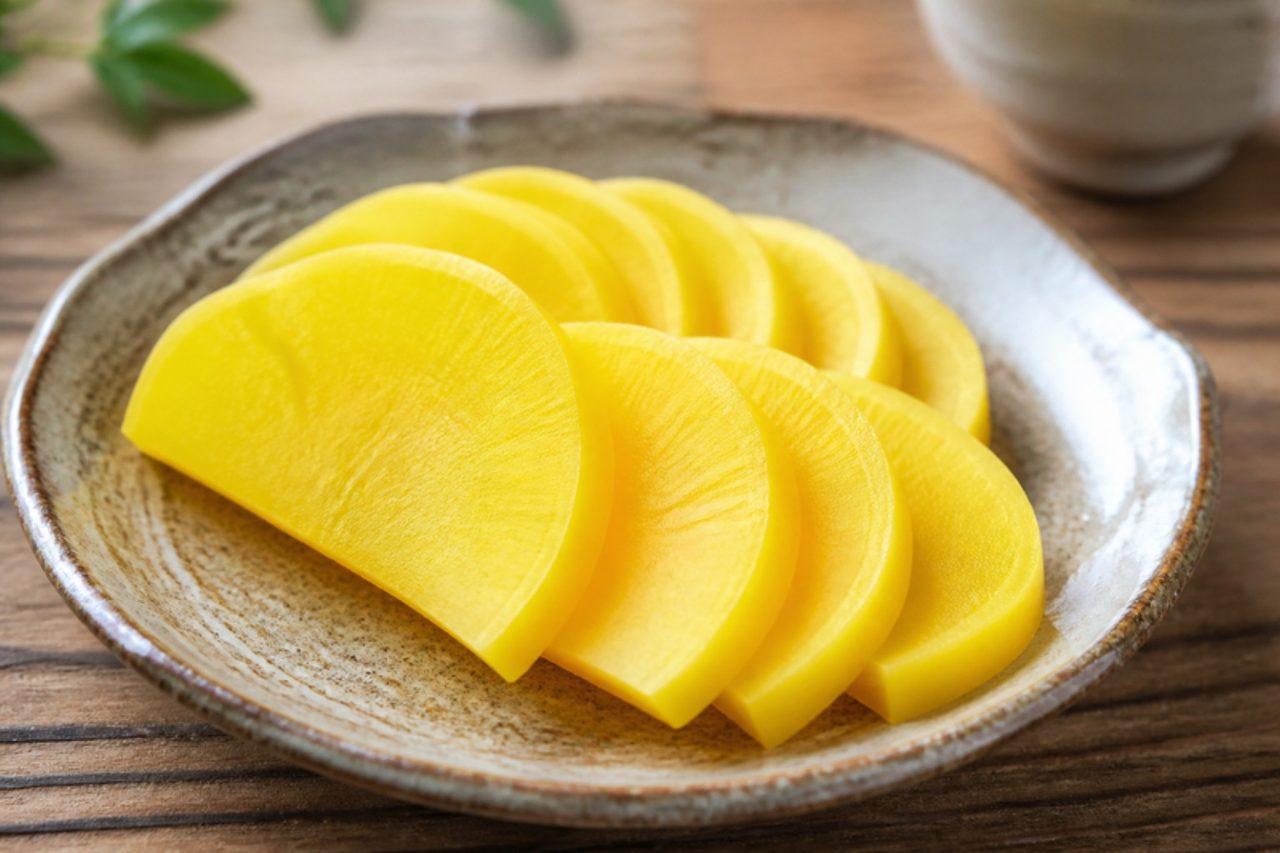
Each autumn in the farmhouses of Miyazaki and Kanagawa, whole daikon are strung up under the eaves to dry in the wind before being packed into barrels of rice bran, and the bright yellow, crunchy slices that come out weeks later sit beside almost every bowl of rice in Japan. Homemade takuan is milder and sweeter than shop-bought, with a gentle ferment and no artificial colour; persimmon peel and a little turmeric give the golden tone. The active work is about two hours, but the radish needs 5–10 days of drying and 3–4 weeks in the bran. The common mistake is underdrying: the daikon must bend into a U without snapping, or it will turn watery and soft. Chef's tip: keep the tub somewhere cool (below 15 °C) and press it with a heavy weight, so the brine rises over the radishes within a few days.

by KrazyBadal 0 views

Shokupan (Japanese milk bread)

Shokupan is the everyday sandwich loaf of Japan, sold by the half loaf at bakeries from Sapporo to Fukuoka and toasted in thick slabs for breakfast with butter and jam. Its feathery, pull-apart crumb comes from a cooked flour paste (yudane-style) that lets the dough hold more water, so the bread stays soft for days. You need a 900 g loaf tin and a few hours of mostly waiting. The usual mistake is slicing it while hot, which squashes the delicate crumb into gummy layers; let it cool fully. Chef's tip: roll each piece of dough into a tight spiral before it goes into the tin, which gives the tall, even rise and those stringy, tearable layers.

by KrazyBadal 0 views

Gelato alla nocciolaHazelnut gelato

Piedmont's Langhe hills grow the Tonda Gentile hazelnut, prized for its sweet, toasty flavour, and the region's gelaterie turn it into a deep, nutty, caramel-coloured gelato that many Italians consider the king of flavours. Turin is also where hazelnut and chocolate were first combined, in gianduja. In winter the same paste goes into cakes and biscuits. Contains nuts. Chef's tip: toast the hazelnuts until dark golden right through; under-toasted nuts give a flat, green flavour.

by KrazyBadal 0 views

Scarcella puglieseEaster egg biscuit bread

In Bari, Foggia and the Salento, scarcelle are baked in the days before Easter, often by children with their grandmothers: a soft, lemony shortbread-like dough shaped into baskets, doves, hearts or dolls, each holding a whole egg in its shell held down by strips of dough, then iced and covered in sprinkles. They are given as gifts on Easter morning and to children as a sign of new life. Chef's tip: use raw eggs in their shells and wash them first; they cook in the oven while the biscuit bakes. They are decorative, so wash and dry them well.

by KrazyBadal 0 views

Bombette pugliesiCheese-stuffed pork rolls

In the white towns of the Valle d'Itria in Puglia, Cisternino, Martina Franca and Locorotondo, butchers' shops double as grill restaurants in the evening: you pick your meat at the counter and it is cooked on the spot over coals. The stars are bombette, small parcels of thin pork neck wrapped around cubes of caciocavallo and pancetta (cured pork belly), skewered and grilled until the cheese melts. They are eaten hot, with bread and a glass of the local wine. Chef's tip: fold the meat tightly around the cheese and close every gap; any opening lets the cheese leak out and burn on the grill.

by KrazyBadal 0 views

Polenta pasticciataBaked polenta with mushroom sauce

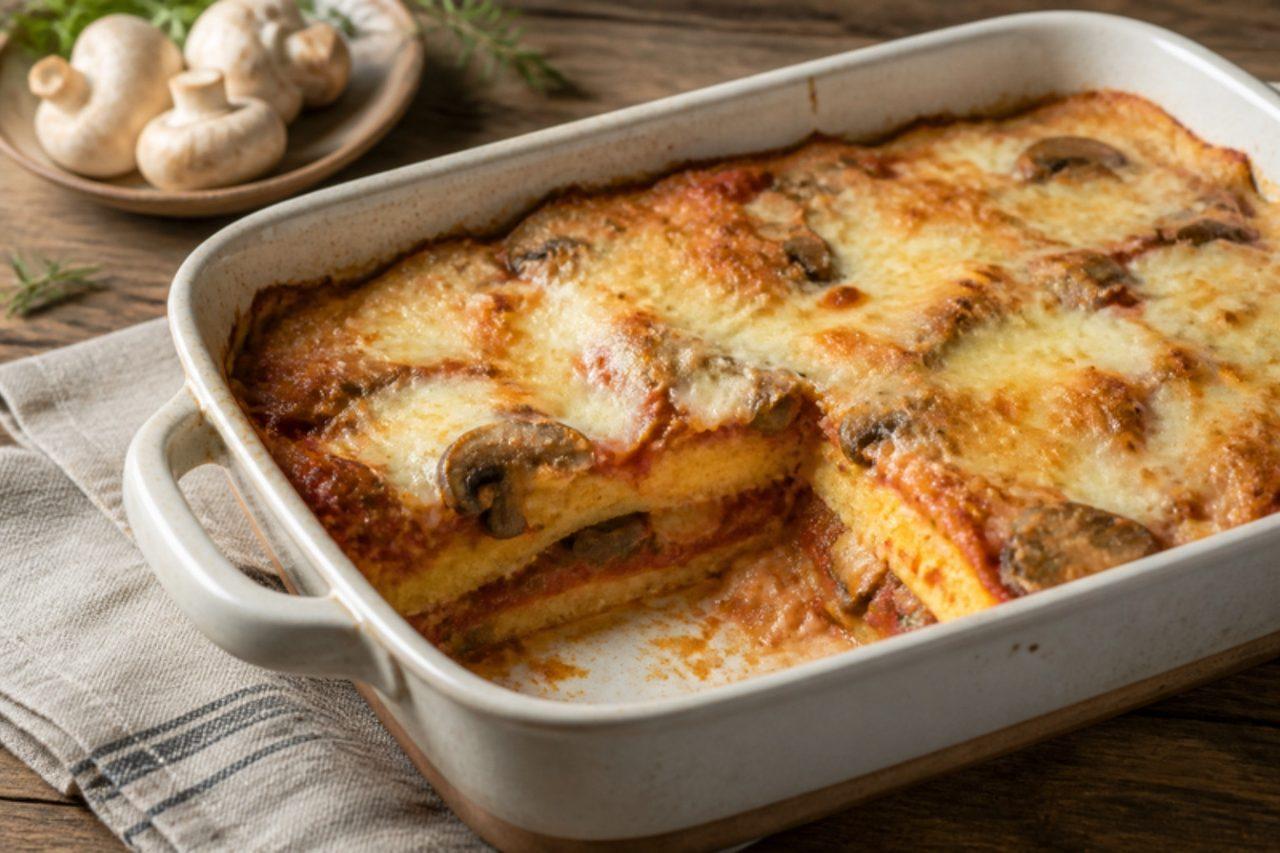
Across the Veneto and Lombardy, yesterday's polenta becomes today's polenta pasticciata: slices of set polenta layered like lasagne with a sauce of tomato and mushrooms, mozzarella and grated cheese, then baked until bubbling. It is the dish families make for Sunday in winter, often prepared on Saturday. Parmigiano is made with animal rennet, and mozzarella usually uses calf rennet; vegetarian versions work well. Chef's tip: set the polenta in a thin layer the day before; firm, cold polenta slices cleanly and holds its layers in the oven.

by KrazyBadal 0 views

Sanshoku soboro don (three-colour rice bowl)

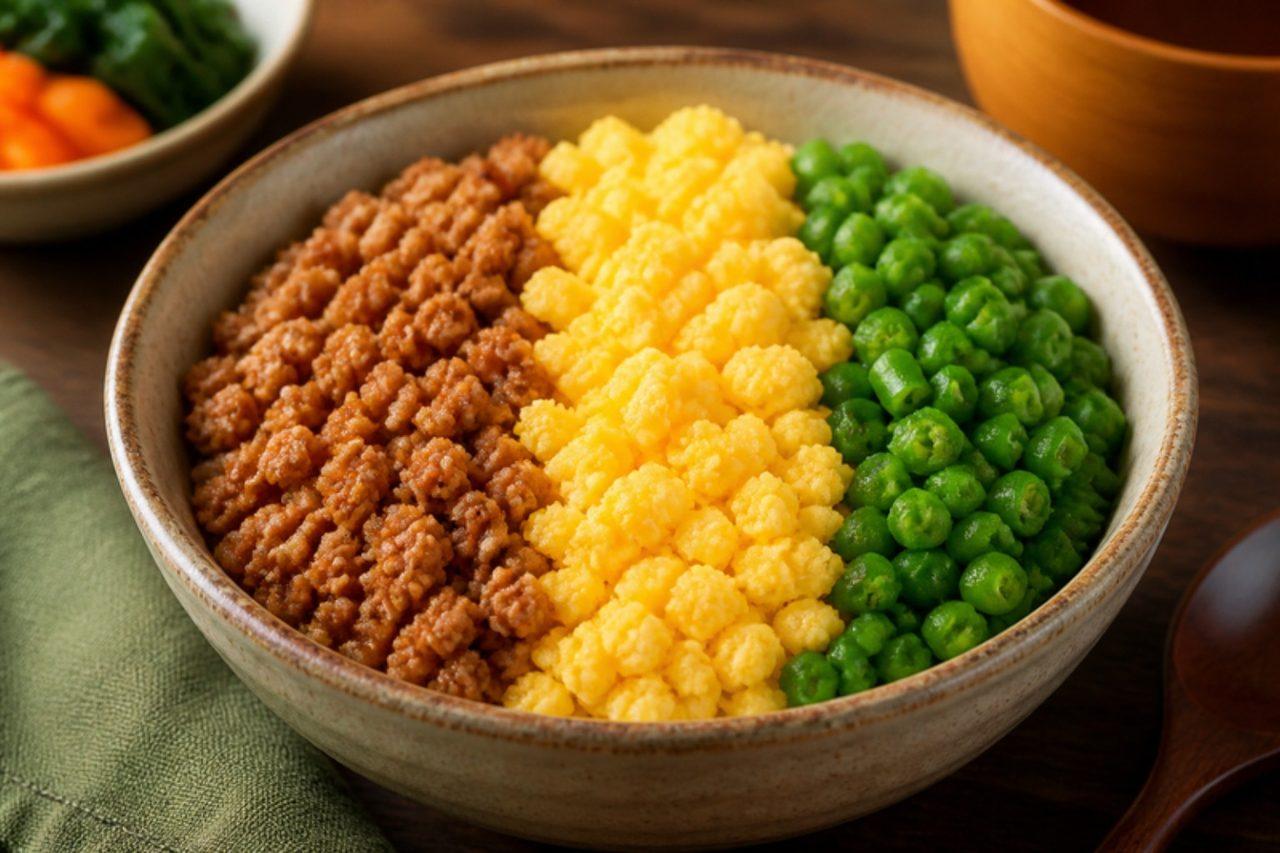
Japanese mothers have packed sanshoku soboro bento for school trips and sports days for generations: brown soy-simmered chicken mince, yellow sweet scrambled egg and green beans laid in three neat stripes over rice. It is cheap, colourful and loved by children, and it travels well cold. The chicken is cooked with a splash of sake and mirin that simmers right off; use water and a pinch more sugar for an alcohol-free version. The common mistake is clumpy soboro: stir the mince with four chopsticks held together over a low heat from the start, and it breaks into fine, fluffy crumbs. Chicken must reach 74 °C with no pink. Chef's tip: take the eggs off the heat while still slightly wet; they finish cooking in the hot pan and stay soft.

by KrazyBadal 0 views

Butadon (Obihiro grilled pork rice bowl)

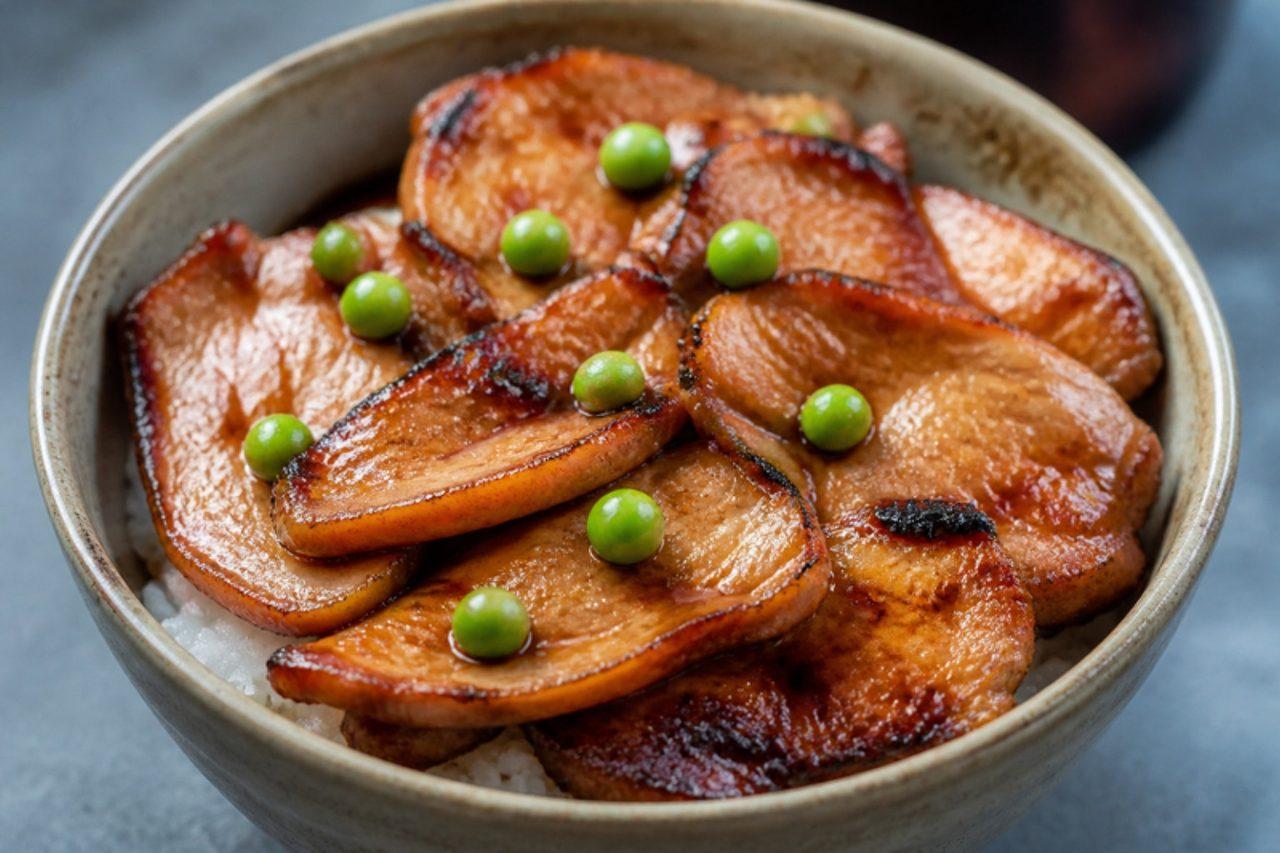
Butadon was invented in Obihiro, on the Tokachi plain of eastern Hokkaido, as a cheap, filling lunch for farmers clearing the land, and today the town's shops still grill thick slices of pork loin over charcoal and lay them overlapping on rice like roof tiles. The glaze is a sweet-salty mix of soy, sugar, mirin and sake that is boiled down so the alcohol cooks off; water and extra sugar make an alcohol-free version. A griddle pan or hot grill gives the smoky edges. The common mistake is slicing the pork too thin: about 5 mm keeps it juicy. Pork must reach 71 °C in the middle with no pink juices. Chef's tip: snip the fat edge so the slices stay flat, and dip them in the glaze twice in the pan for a lacquered finish.

by KrazyBadal 0 views

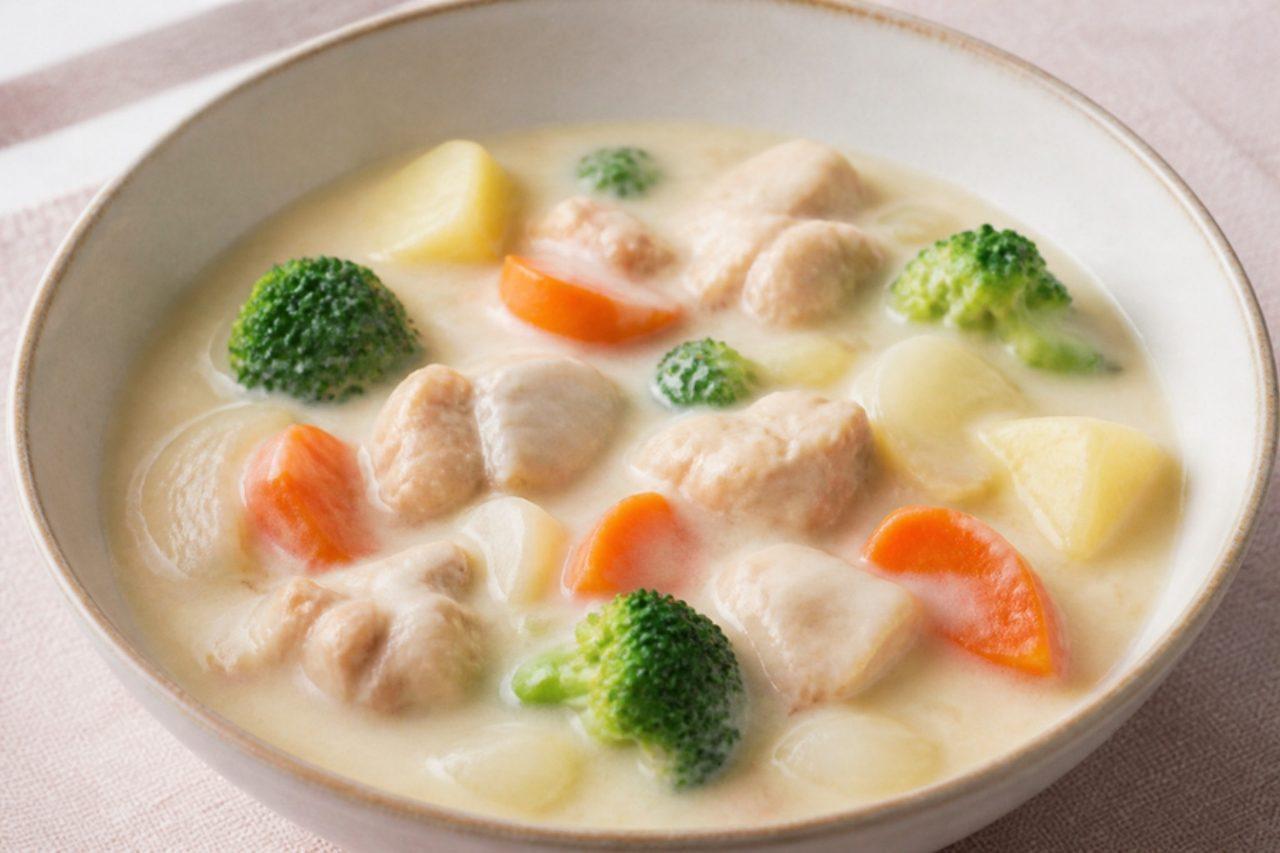
Japanese cream stew (chicken white stew)

When the first cold evenings arrive in Hokkaido, where dairy farming is king, and then across the rest of Japan, home cooks make cream stew: chunks of chicken thigh, potato, carrot and onion simmered in stock and finished with a silky milk sauce, eaten with rice or bread. It was a school lunch favourite after the war and is still one of the gentlest, most child-friendly Japanese dinners. This version makes the roux from scratch instead of using a block. A common mistake is adding cold milk to a fast boil, which can make it split; stir it in over a low heat. Chef's tip: add the broccoli only in the last 3 minutes so it stays bright green.

by KrazyBadal 0 views

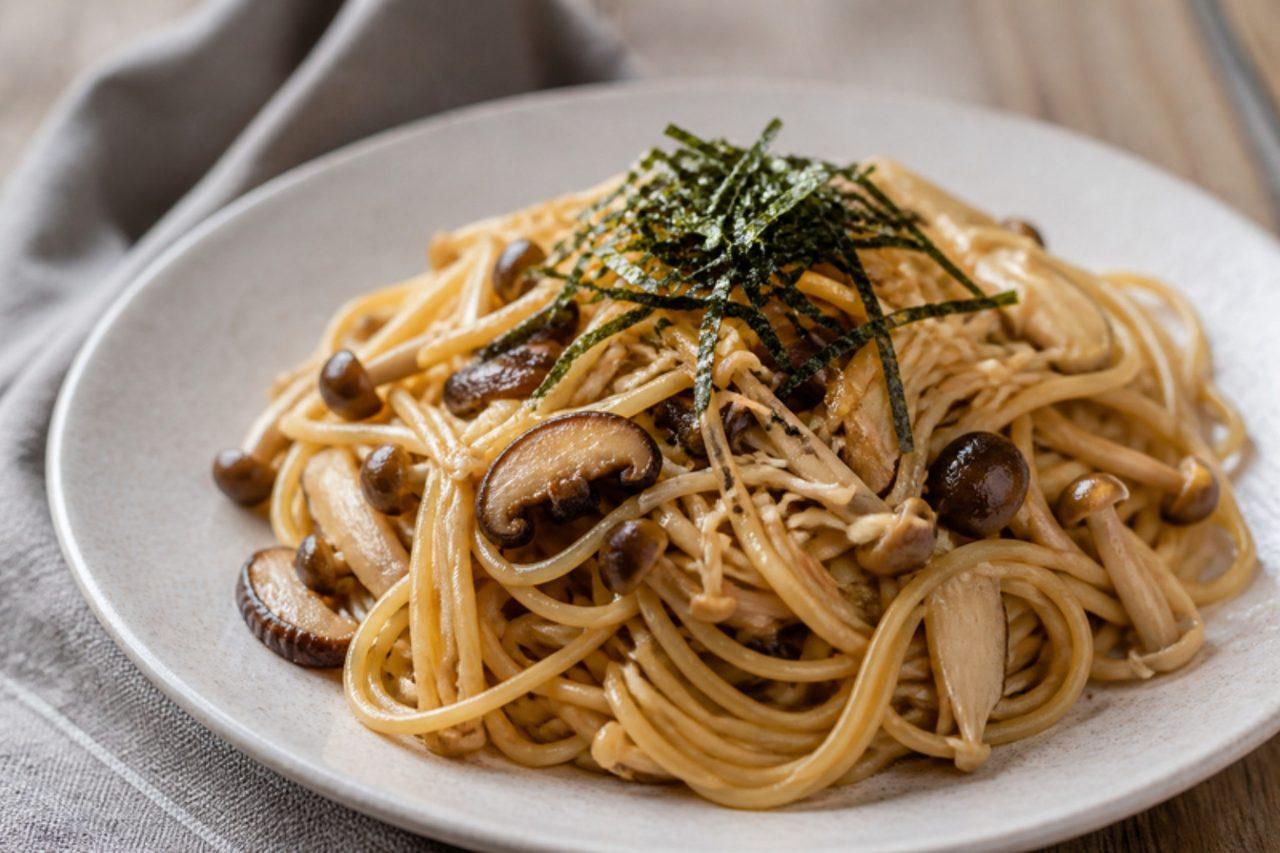
Wafu kinoko pasta (Japanese mushroom spaghetti)

Wafu means Japanese-style, and this buttery soy-sauce spaghetti grew up in Tokyo's small pasta cafés in the post-war years, when cooks began dressing Italian noodles with the flavours of home. Today it is a weeknight standard in flats all over Japan: shimeji, shiitake and enoki browned in butter with garlic, glossed with soy sauce and a splash of pasta water, then showered with shredded nori. It is meat-free and ready in about 20 minutes. The mistake to avoid is crowding wet mushrooms into a cool pan; they stew grey instead of browning, so get the pan hot and leave them alone. Chef's tip: add the soy sauce around the edge of the hot pan rather than onto the pasta so it sizzles and turns nutty before you toss.

by KrazyBadal 0 views

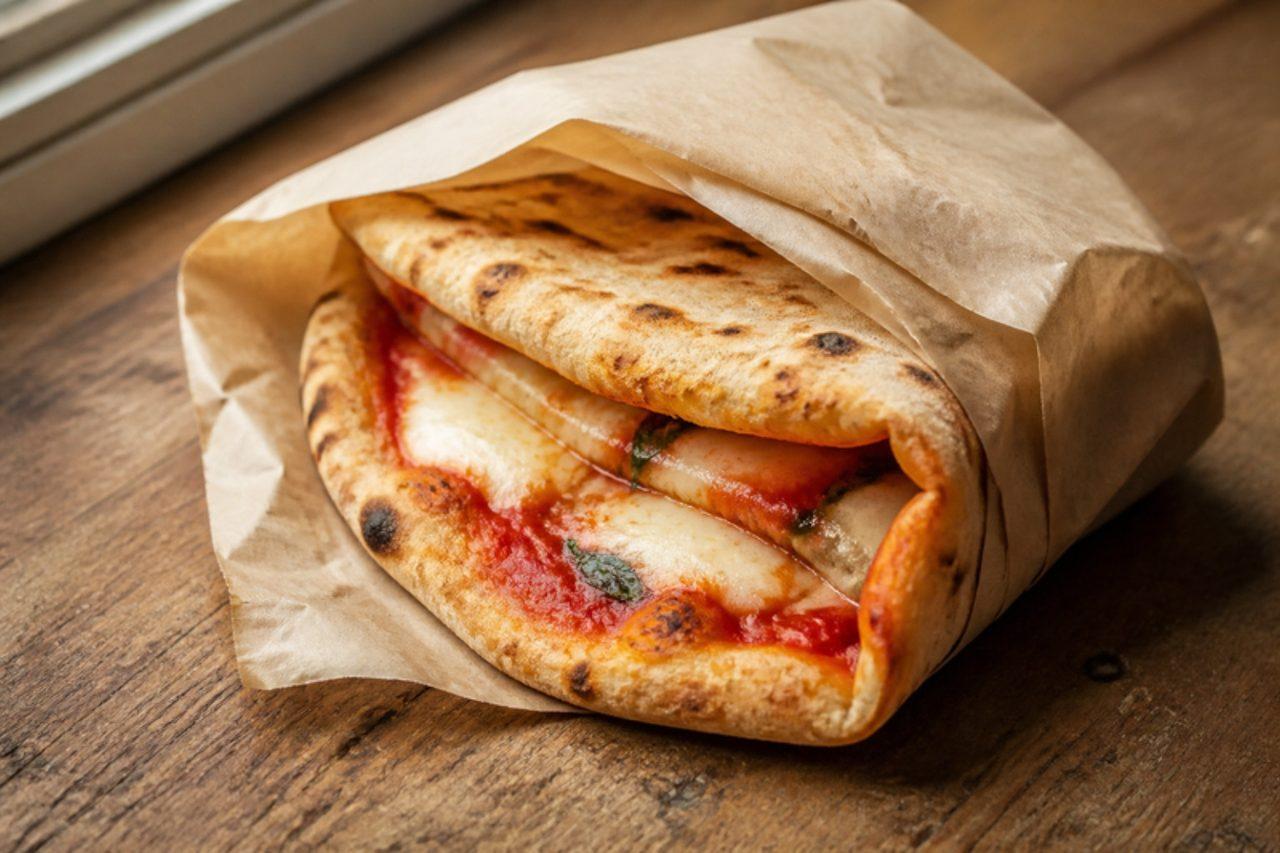
Pizza a portafoglioFolded street pizza

In the narrow streets of Naples's historic centre, pizzerie sell a small margherita folded in four like a wallet, wrapped in paper and eaten while walking, for a couple of euros. It is the city's original fast food and still a lunch for students and workers around Via dei Tribunali and the Spanish Quarter. The pizza is small and soft so it folds without cracking. Mozzarella is usually made with calf rennet; vegetarian versions are easy to find. Chef's tip: take the pizza out while the crust is still soft and a little pale; a crisp pizza snaps when you fold it.

by KrazyBadal 0 views

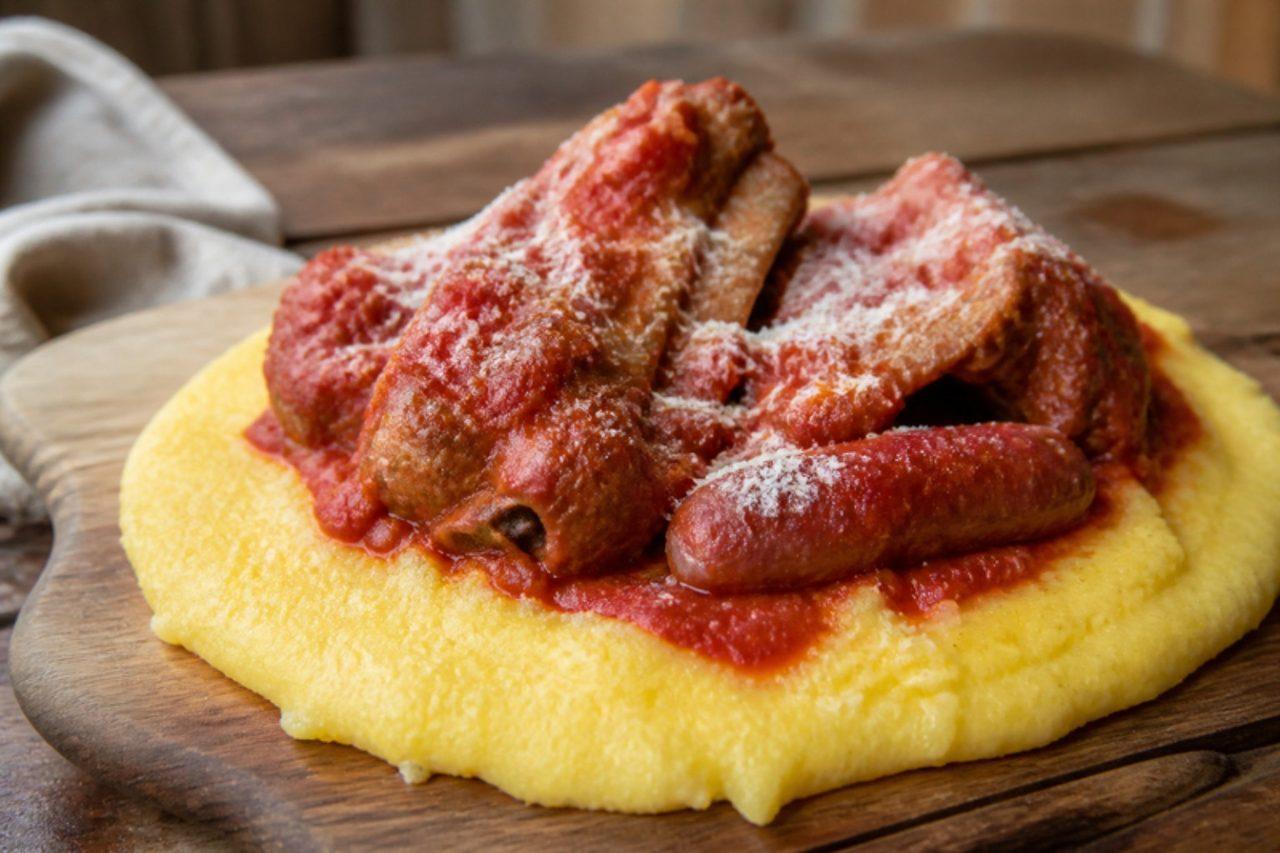
Polenta con le spuntaturePolenta with pork ribs

In the towns of the Ciociaria and the Sabine hills of Lazio, polenta is poured straight onto a wooden board, the spianatora, set in the middle of the table, and topped with spuntature, short pork ribs stewed with pork sausage in tomato. Everyone eats from their own patch of the board, working inwards. It is a winter feast for the feast of Sant'Antonio in January and for big family Sundays. Alcohol is used here: white wine, which you can replace with water and a spoonful of vinegar. Chef's tip: brown the ribs well before the tomatoes go in; the colour and crusty bits make the sauce rich and meaty.

140 minItalianMeatGluten free
by KrazyBadal 0 views

DalgonaHoneycomb toffee

Dalgona, or ppopgi, was the 1970s and 80s snack of Seoul alleyways, where an old man with a little stove melted sugar in a ladle and stamped a star or umbrella into it; if you could break the shape out without cracking it you won a free one. It is just sugar and a pinch of baking soda, puffed into a crisp, toffee-brown honeycomb that tastes faintly bitter-sweet. The common mistake is adding too much baking soda, which leaves the candy bitter and soapy; a tiny pinch on the tip of a chopstick is all it needs. Melted sugar reaches about 160 °C and burns badly, so children should watch while an adult does the melting, and should only press shapes once the candy has set a little. Chef's tip: use a stainless-steel ladle or small pan, not non-stick, and keep the flame low; the moment the sugar is clear and amber, take it off.

by KrazyBadal 0 views

Tteok kkochiRice cake skewers

Tteok kkochi is the after-school snack of Korea, sold for a few hundred won from carts outside primary schools, where children cluster round the vendor painting glaze onto the skewers. Cylinders of rice cake are fried until blistered and crisp outside but soft and chewy inside, then brushed with a sticky sauce of gochujang, ketchup and rice syrup. The usual mistake is frying rice cakes that are cold and hard from the fridge: they spit and stay tough in the middle, so soften them in hot water first. Rice cakes are dense and sticky, so cut them small for young children and older people and make sure they eat sitting down: they are a known choking risk. Chef's tip: dry the softened rice cakes very well before frying; water makes the oil spit.

by KrazyBadal 0 views

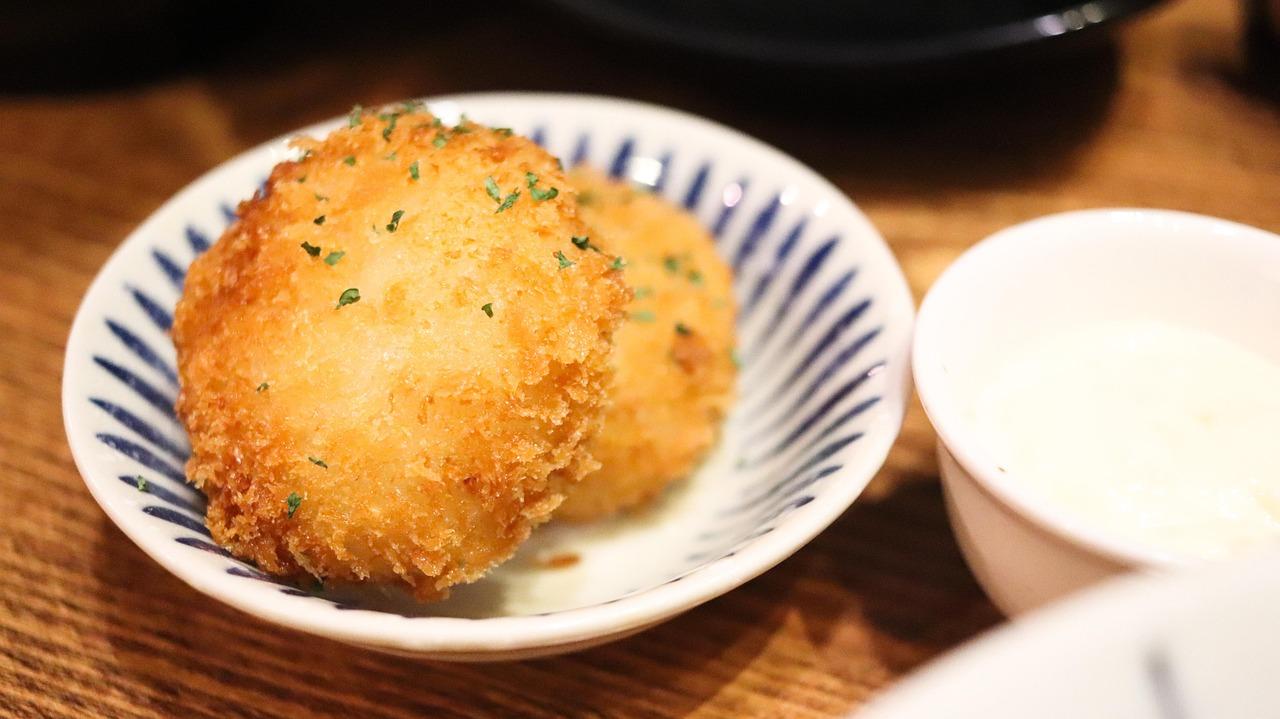
Korokke (Japanese potato croquettes)

On Tokyo's covered shopping streets, from Togoshi Ginza to Sunamachi, butcher and deli counters fry korokke all afternoon and sell them in paper sleeves to children on their way home from school. This vegetarian version keeps the soft, slightly sweet filling of buttery mashed potato with onion and carrot, wrapped in a jagged panko crust that shatters when you bite it. Eat them hot with a drizzle of thick sweet-savoury sauce and a pile of shredded cabbage, or tuck one cold into a bento. The usual mistake is a wet mash: steam-dry the potatoes well and let the filling cool completely, or the croquettes split open in the oil. Chef's tip: chill the shaped, crumbed croquettes for 30 minutes before frying so the coating sets firm.

by KrazyBadal 0 views

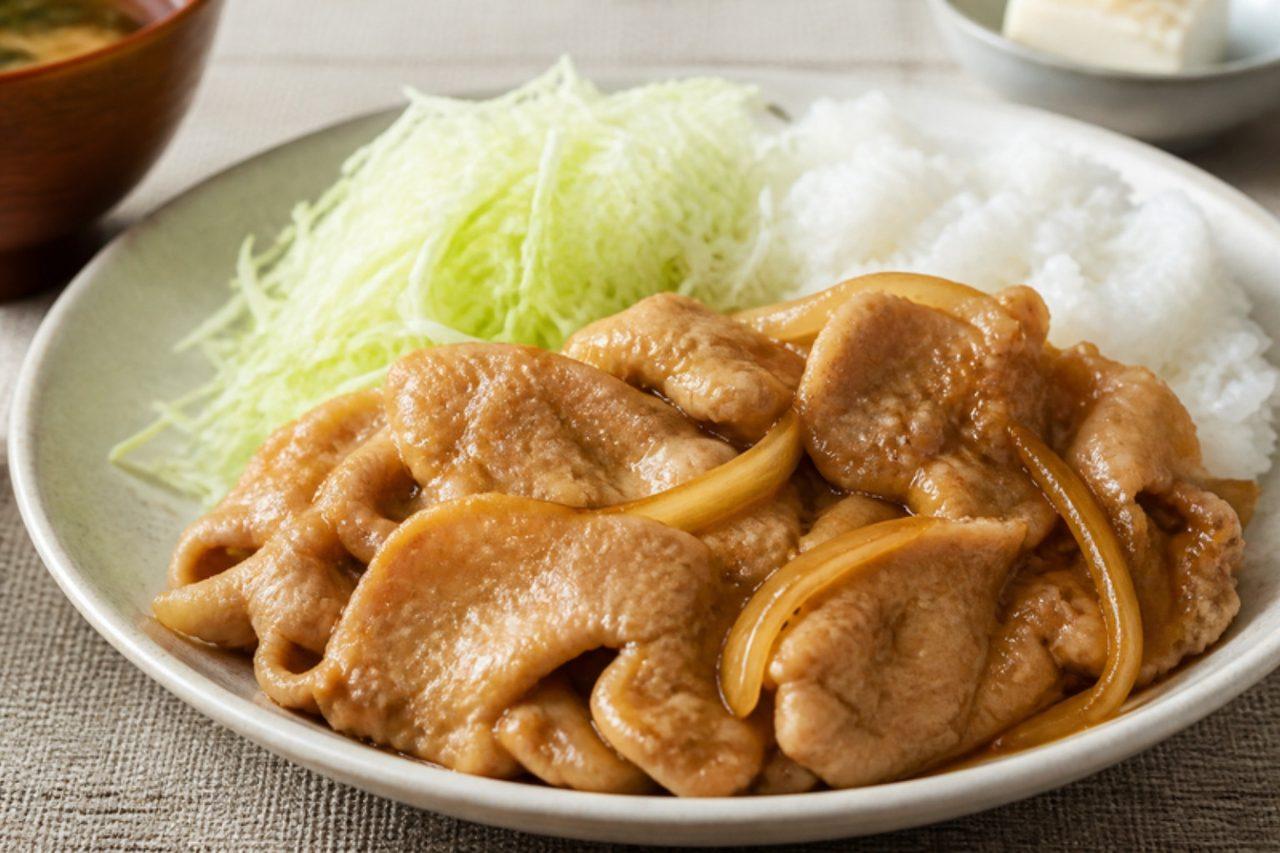
Shogayaki (ginger pork)

Shogayaki, thin slices of pork loin seared in a sticky ginger and soy glaze, is the single most popular set lunch at Tokyo's teishoku diners, served with a mound of shredded cabbage, rice and miso soup, and it is just as common in home bento. This recipe uses pork, with sake and mirin (Japanese rice wines) in the glaze; both bubble down in the hot pan so the alcohol mostly cooks off, and water and sugar make an alcohol-free swap. The mistake to avoid is marinating the pork for hours: fresh ginger contains an enzyme that turns the meat mushy, so 10–15 minutes in the fridge is plenty. Chef's tip: dust the slices lightly with flour before frying; it helps the sauce cling and keeps the pork tender.

by KrazyBadal 0 views

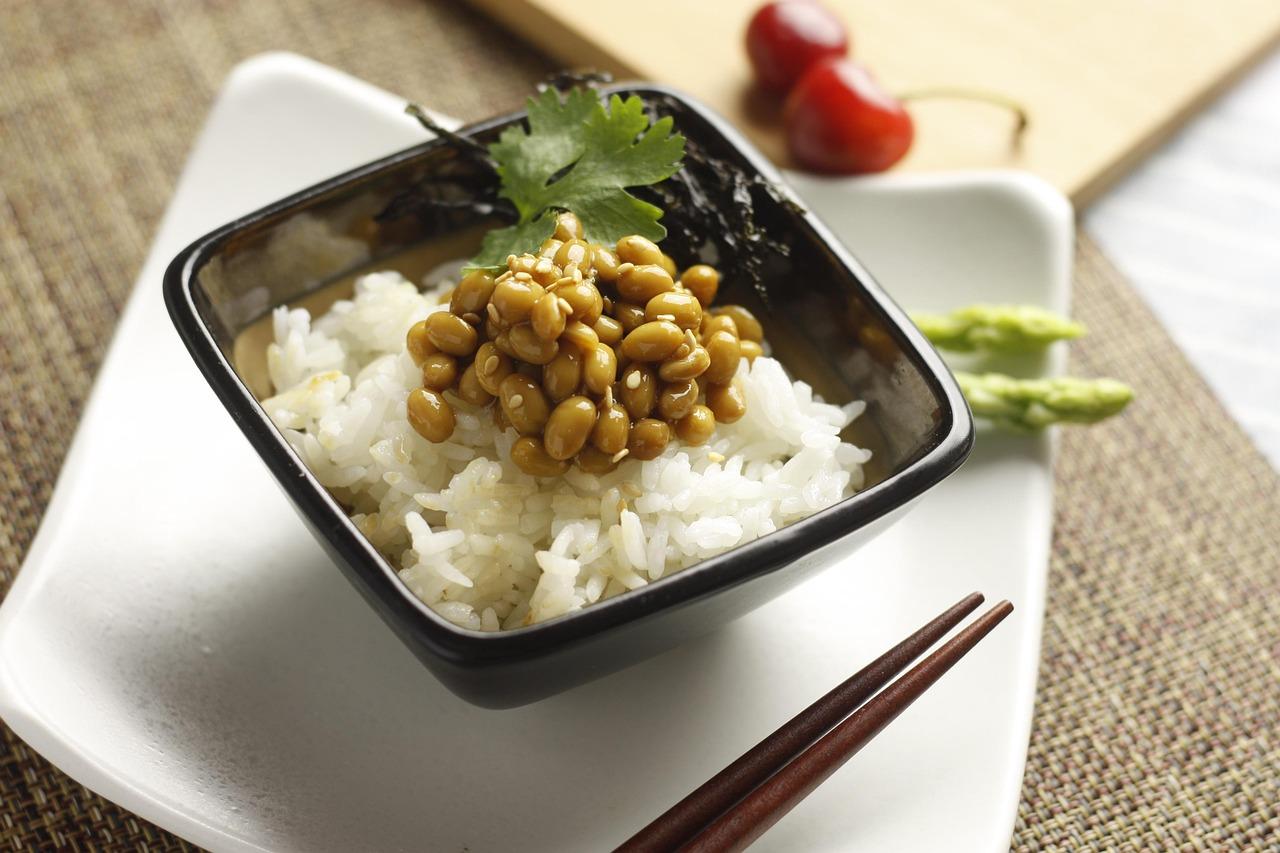
Natto gohan (natto on rice)

Mito, the capital of Ibaraki Prefecture, is Japan's natto town, but this sticky, pungent breakfast is eaten in homes all over eastern Japan, usually before work with miso soup and a pickle. The fermented soybeans are beaten until they form long silky strings, seasoned, and spooned over steaming rice; they are packed with plant protein. Most packs come with a little sauce sachet that contains bonito fish stock, so for a vegan bowl leave it out and season with soy sauce as here. The common mistake is pouring in the sauce before you stir: whip the beans first, or they never get properly frothy. Chef's tip: stir about 50 times until the strings turn white and fluffy, then season and stir 10 more.

by KrazyBadal 0 views

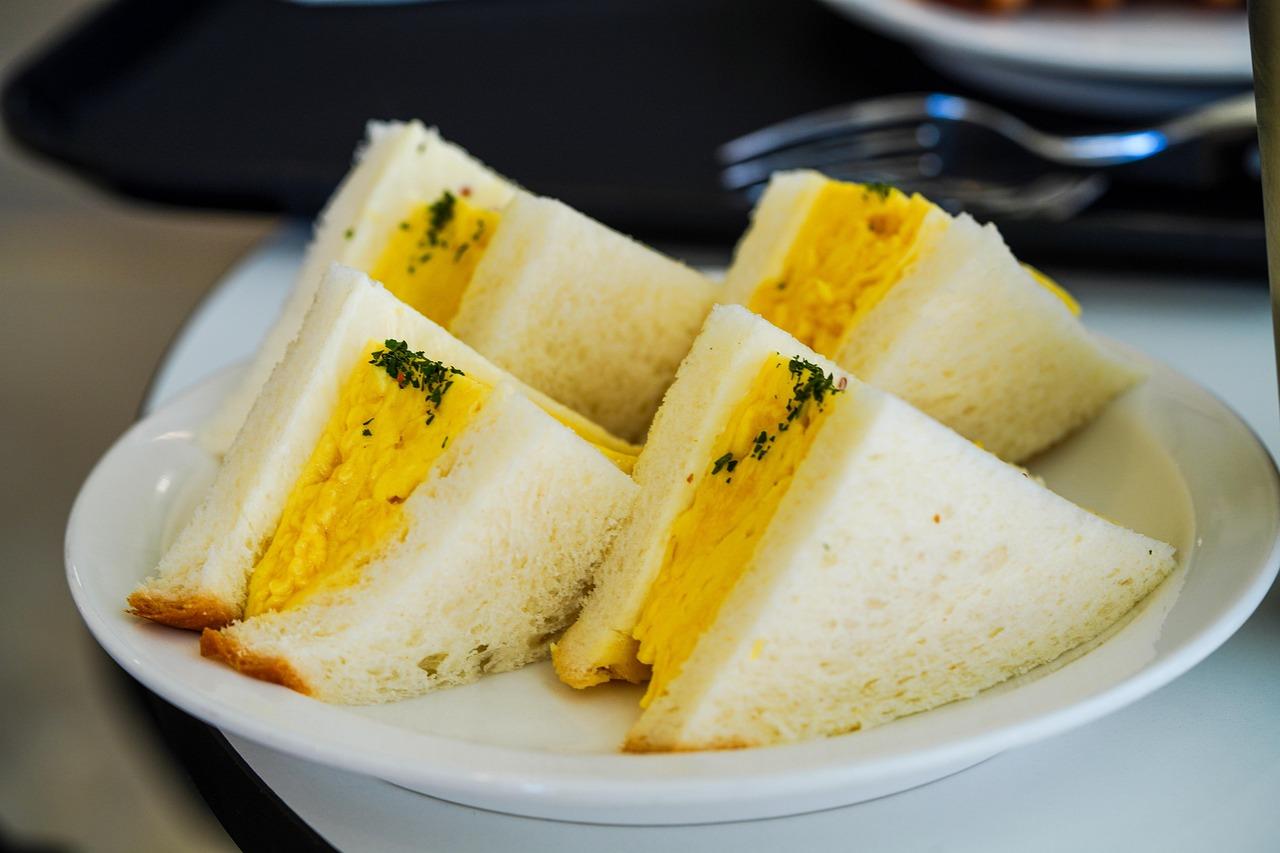
Tamago sando (Japanese egg salad sandwich)

Every Japanese convenience store fridge holds a row of tamago sando, and Tokyo coffee shops (kissaten) have served them with morning coffee for decades. The filling is egg salad made rich with Japanese-style mayonnaise and a little milk, spread thickly between crustless slices of soft milk bread and cut into neat rectangles. Make them for a picnic, a lunchbox or a lazy breakfast. The usual mistake is overboiling the eggs: past 10 minutes the yolks go dry with a grey ring, and the salad loses its soft, sunny colour. Chef's tip: chop the whites finely but mash the yolks into the mayonnaise first, so the filling is creamy with little bouncy flecks of white.

by KrazyBadal 0 views

KakigoriShaved ice

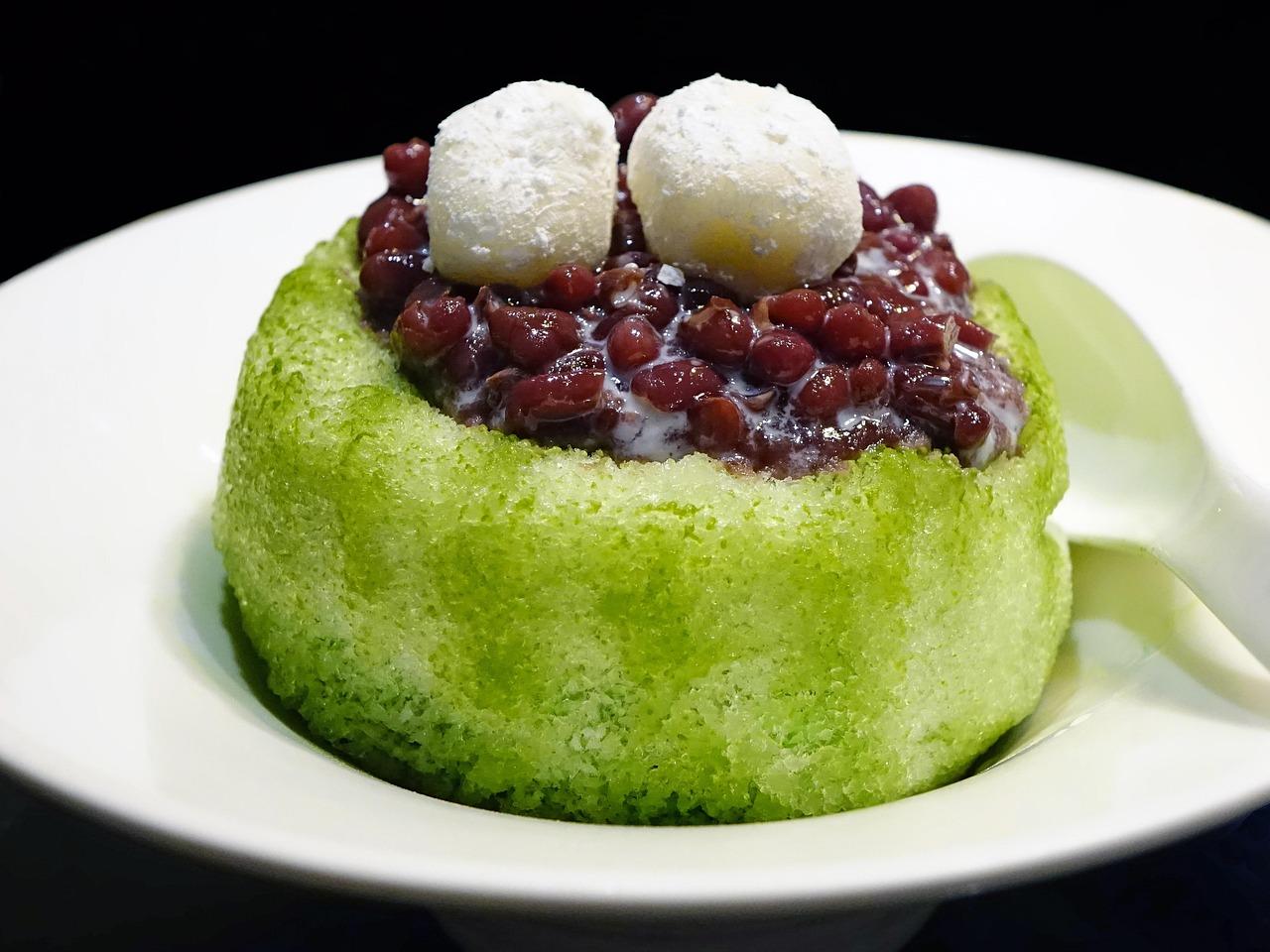
Kakigori is Japan's great summer cooler, sold under a flag printed with the character 氷 (ice) at festival stalls and seaside huts and turned into an art in Tokyo dessert cafés, where queues form in July and August. Ice is shaved into soft, snow-like flakes that melt on the tongue, then soaked in fruit syrup, matcha syrup or sweetened condensed milk. Contains dairy if you use condensed milk. The common mistake is using ice straight from the freezer: very cold ice shatters into crunchy shards, so let the block soften for 10 minutes first. Chef's tip: build it in two layers, pouring syrup over the half-full bowl and then again on top, so it is flavoured all the way through.

by KrazyBadal 0 views

OshirukoSweet red bean soup

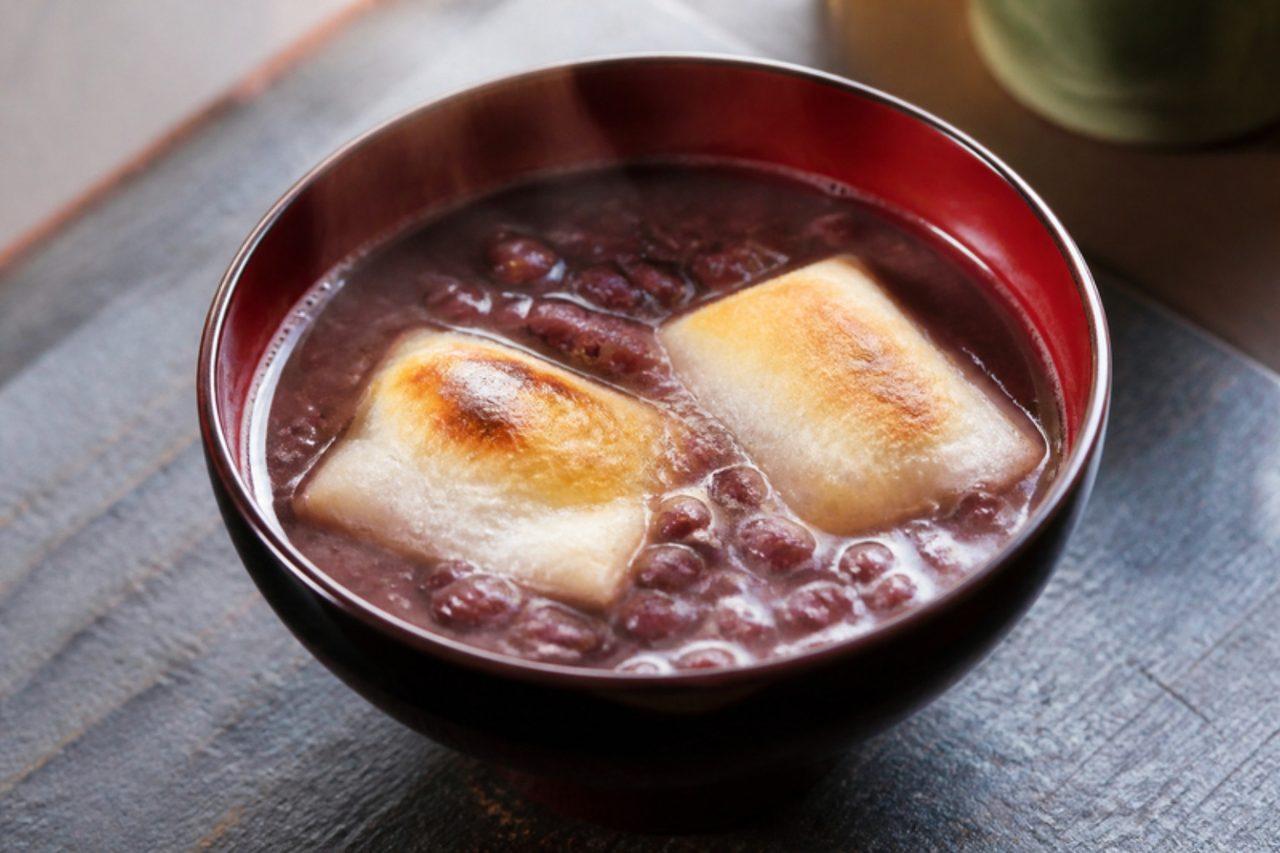
On snowy days in northern and eastern Japan, and especially after kagami-biraki on 11 January, when the New Year offering of mochi is broken up, families warm up with a bowl of oshiruko: azuki beans simmered into a sweet, thick soup with a puffed, toasted rice cake bobbing in it. In Kansai a chunky version is called zenzai. Mochi is very sticky: cut it into small pieces for young children and older people, and make sure they chew well and eat sitting down. The common mistake is adding all the sugar at the start, which stops the beans softening; sweeten only once they are tender. Chef's tip: a pinch of salt at the end makes the sweetness taste rounder and the bean flavour deeper.

by KrazyBadal 0 views

Eomuk bokkeumStir-fried fish cake

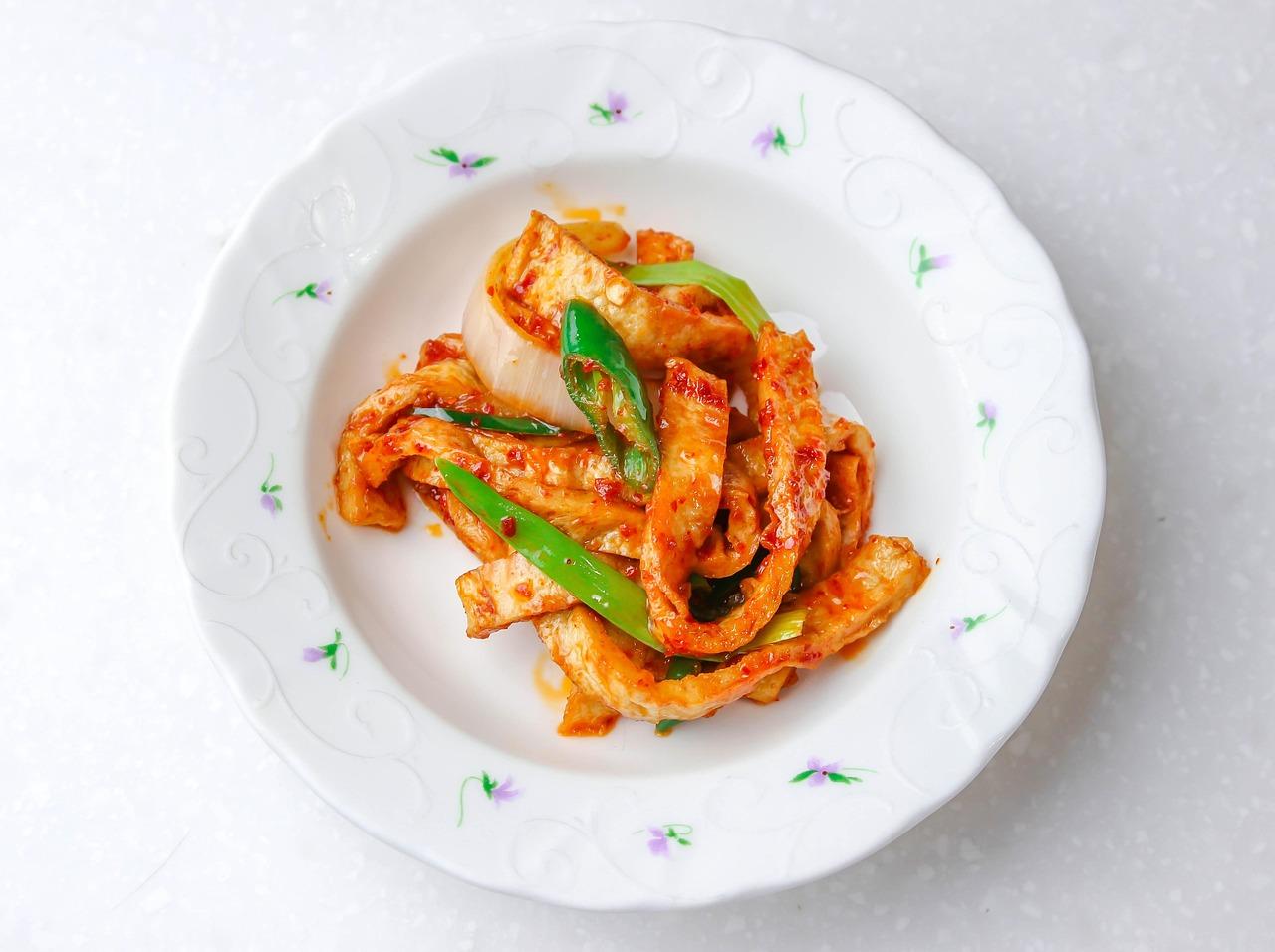
Busan's fish cake makers on the old docks near Bupyeong market made eomuk famous, and eomuk bokkeum is how Korean homes everywhere turn a pack of fish cake sheets into a quick side dish for school lunchboxes. Strips of fish cake are stir-fried with onion, carrot and pepper in a sweet soy glaze, staying soft and bouncy with crisp vegetable bites. Most children love it, and a pinch of chilli flakes makes a grown-up version. The common mistake is frying the fish cake straight from the packet: its frying oil turns the dish greasy and dulls the sauce. Chef's tip: pour boiling water over the strips and drain before cooking; they soak up the glaze much better.

18 minKoreanFish
by KrazyBadal 0 views

SikhyeSweet rice punch

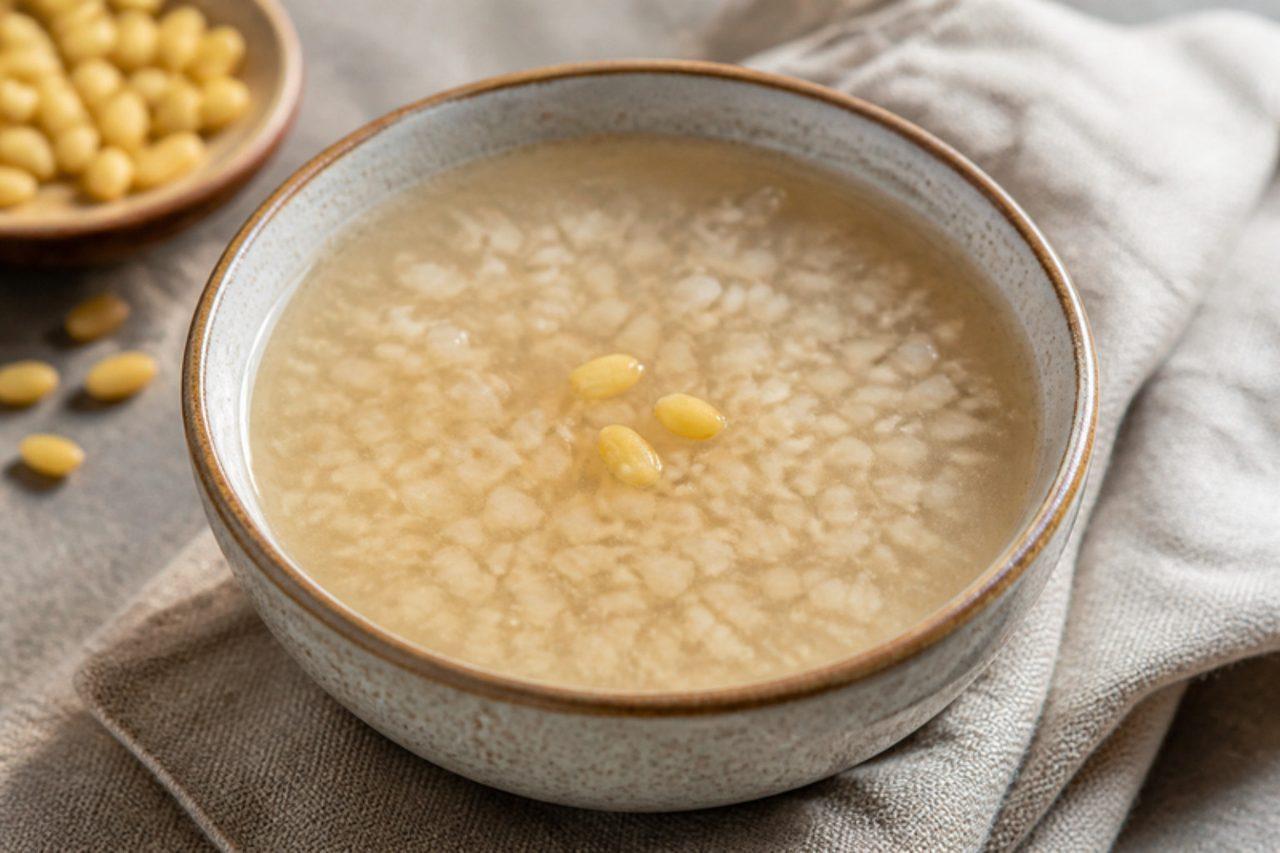
Every Korean jjimjilbang (bathhouse) sells sikhye in little cans, and every grandmother makes a big pot of it before Seollal and Chuseok to sip after the heavy holiday meal, because it is believed to help digestion. Barley malt water and cooked rice are kept warm for several hours until enzymes turn the rice starch into sugar and the grains float up to the top, then the drink is boiled with ginger and chilled until icy. It is mild, lightly sweet and nutty, with soft rice grains to slurp. The usual mistake is letting it get too hot while it ferments: above about 65 °C the enzymes stop working and the grains never float. Contains barley (gluten). Chef's tip: use the rice cooker's 'keep warm' setting; it holds the perfect temperature on its own.

320 minKoreanDrinksVegan
by KrazyBadal 0 views

Tendon (tempura rice bowl)

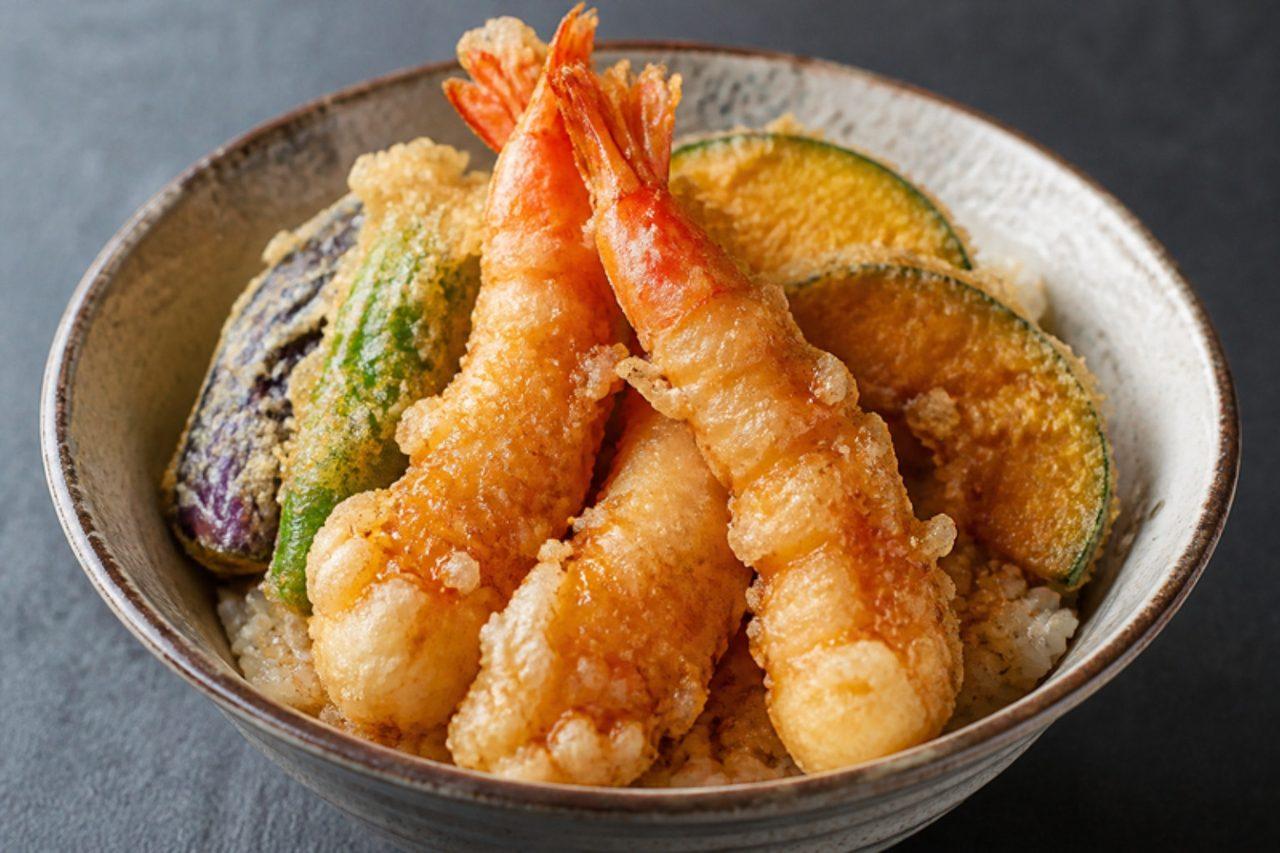
In Tokyo's old shitamachi districts, Asakusa above all, tendon shops have been serving bowls of rice crowned with prawn and vegetable tempura since the Edo period, the batter soaked just enough in a dark, sweet soy sauce to go half crisp, half soft. It is a hearty lunch, and a great way to make tempura at home without having to serve it piece by piece. The tare uses mirin, boiled for a few minutes so the alcohol mostly cooks off; use sugar and water instead for an alcohol-free version. The common mistake is over-mixing the batter: stir with chopsticks only a few times, leaving lumps, and keep it ice-cold so the coating stays lacy and light. Chef's tip: dip each piece in the warm sauce for just a second before laying it on the rice.

by KrazyBadal 0 views

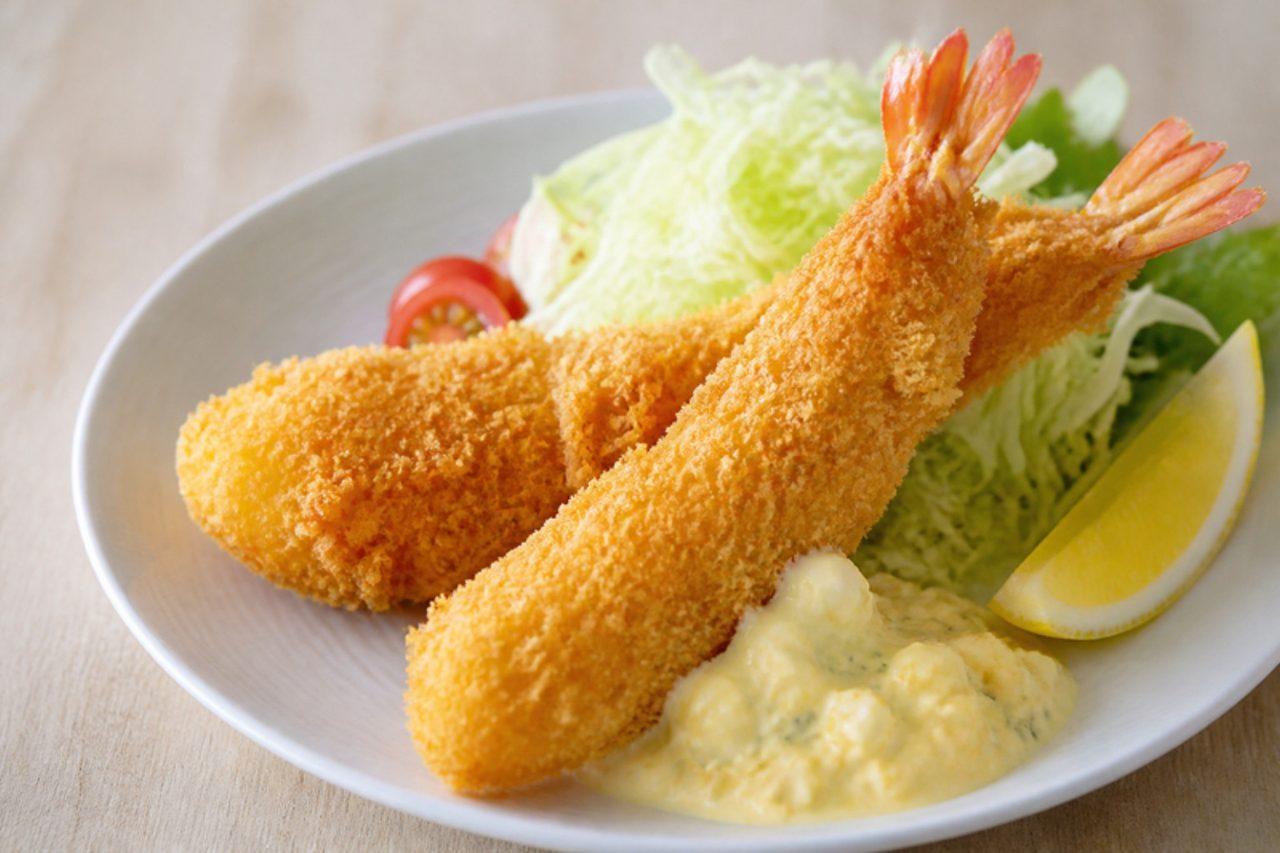
Ebi fry (Japanese breaded prawns with tartare)Breaded fried prawns

In Nagoya, ebi fry is a point of local pride, served in long, straight prawns that stick out over the edge of the plate, but it is on the menu of every family restaurant and bento shop in Japan. Large prawns are scored so they stay straight, coated in panko and fried until crunchy, then served with a chunky tartare of boiled egg, onion and pickles. The common mistake is skipping the scoring; the prawns curl tight in the hot oil and the coating cracks. Prawns are done when they turn pink and opaque all the way through, usually in under 3 minutes. Use fresh or thawed raw prawns that smell of the sea; throw out any that smell of ammonia. Chef's tip: press each prawn flat on the board after scoring until you feel a slight click; that stops it curling.

by KrazyBadal 0 views

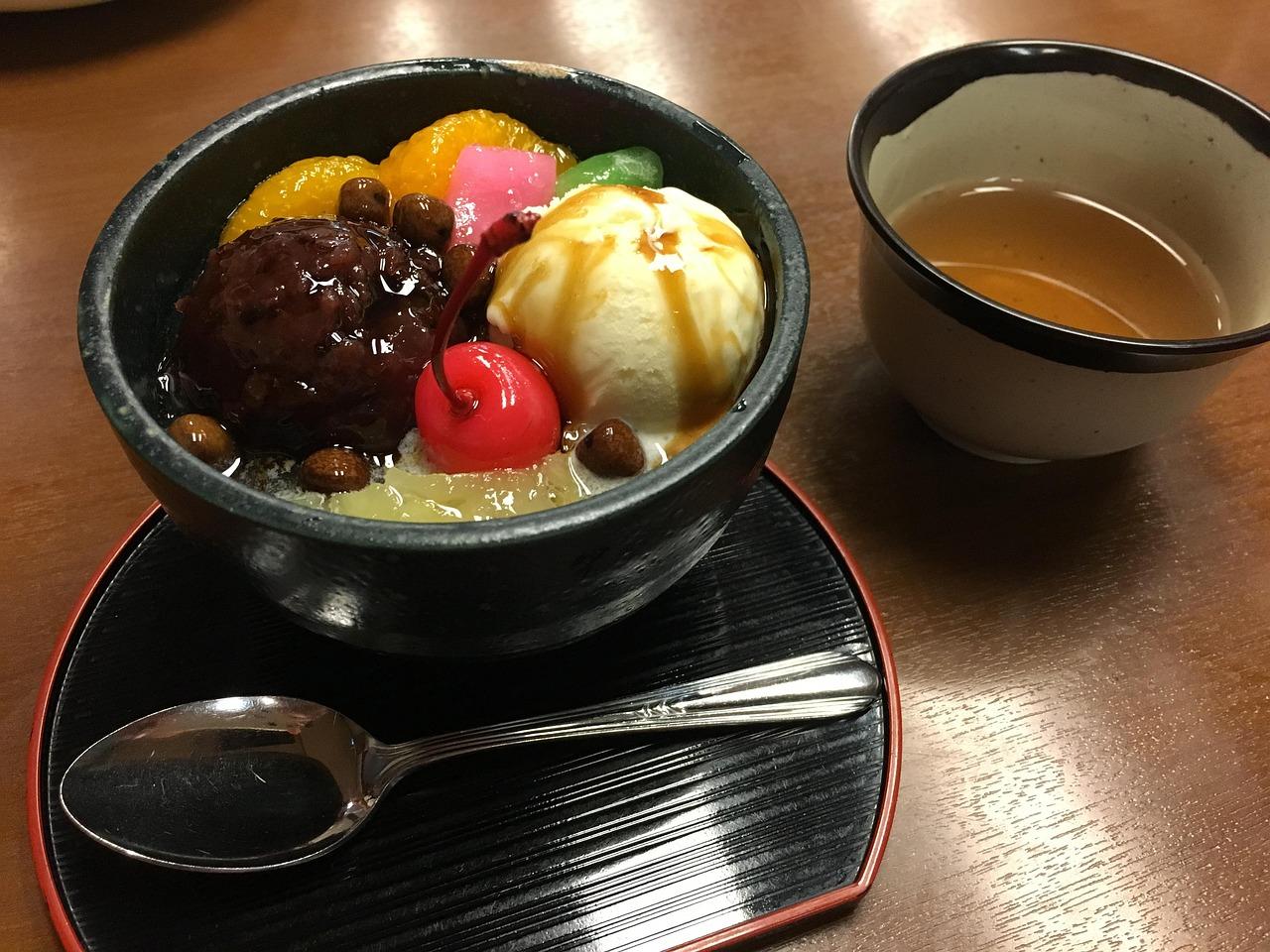
AnmitsuAgar jelly with red bean

Anmitsu became a craze in Tokyo's Ginza and Asakusa tea rooms in the 1930s and is still the classic summer order in kanmidokoro, the sweet cafés of old Tokyo. Clear, firm cubes of agar jelly are piled into a bowl with seasonal fruit, a scoop of sweet bean paste and boiled red peas, then drenched in dark, smoky kuromitsu syrup. The common mistake is using gelatin, which melts; agar jelly stays firm and refreshing at room temperature. Chef's tip: make the kuromitsu with Okinawan kokuto black sugar if you can; it gives a deep, almost liquorice-like flavour that muscovado only gets close to.

by KrazyBadal 0 views

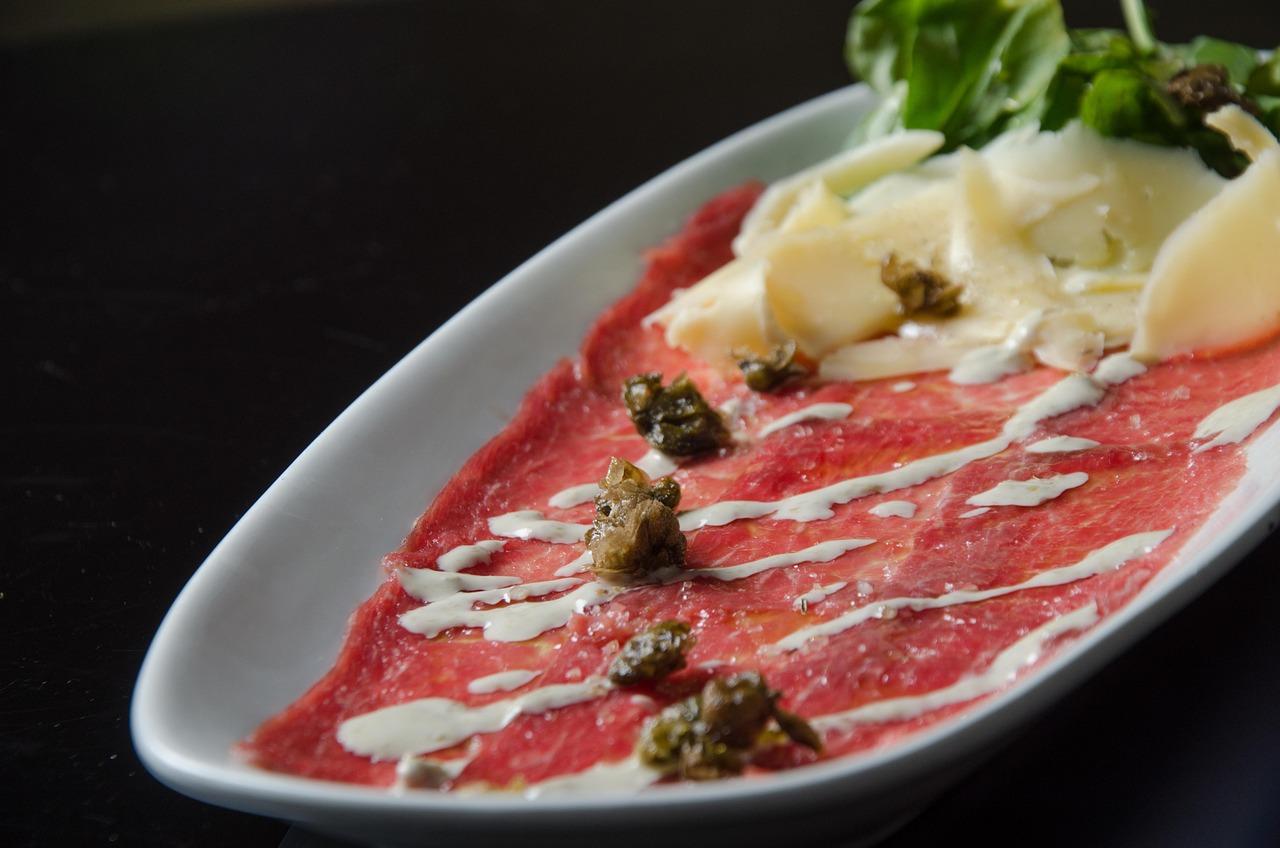
Carpaccio di manzoRaw beef carpaccio

Carpaccio was created at Harry's Bar in Venice in the 1950s for a countess whose doctor had told her to avoid cooked meat, and it was named after the painter Vittore Carpaccio for its deep red colour. Venetians eat it as a light first course at lunch: beef sliced so thin you can see the plate through it, with a creamy mustard-lemon sauce drizzled in lines across the top, rocket and shaved Parmigiano. The classic version is completely raw, which is not for pregnant women, young children or anyone with a weakened immune system; the safer version here sears the outside of the beef first, which kills surface bacteria and keeps the centre rosy. Chef's tip: wrap the beef tightly and freeze it for 40 minutes before slicing; firm meat lets you cut wafer-thin slices with an ordinary sharp knife.

by KrazyBadal 0 views

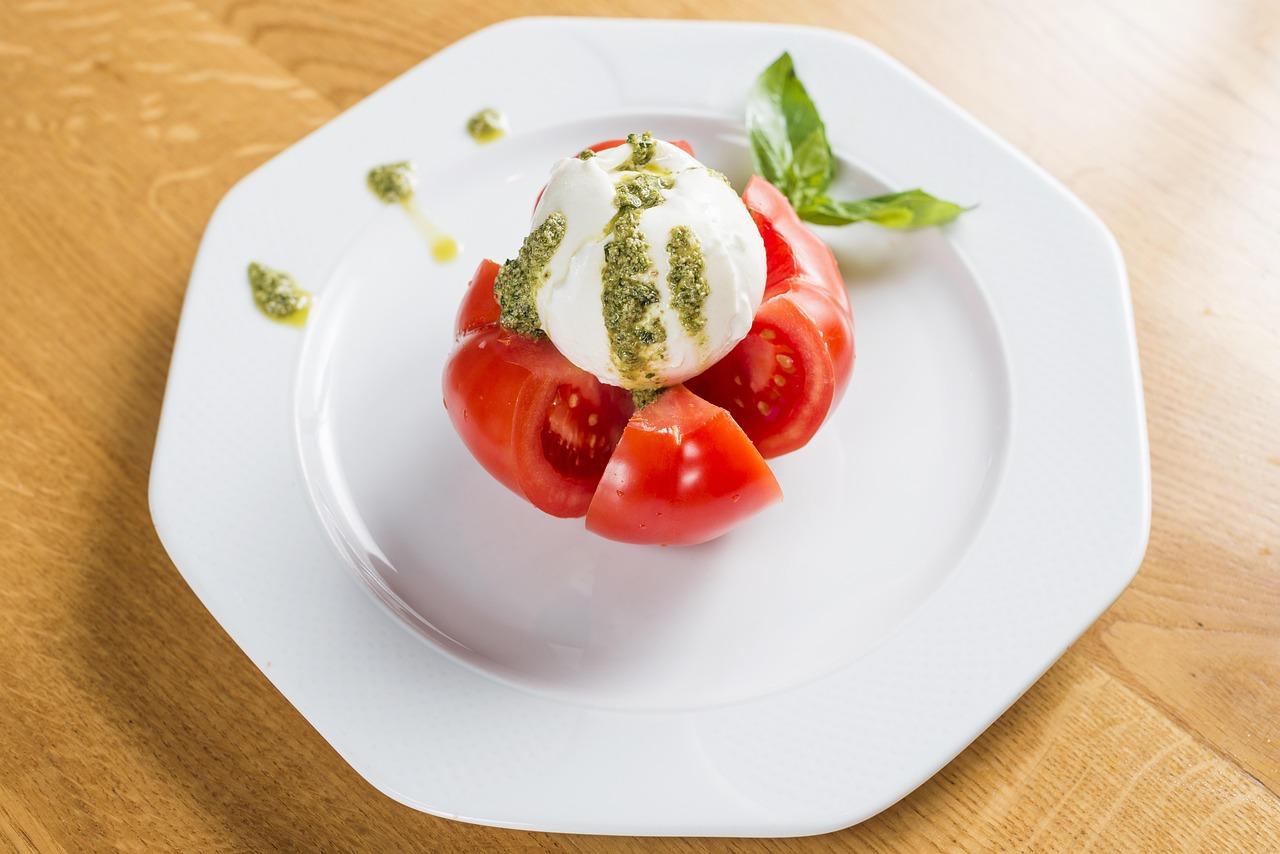
Burrata con pomodoriniBurrata with cherry tomatoes

Burrata was born in the dairies around Andria in northern Puglia as a way to use the scraps of mozzarella curd, wrapped in a pouch of stretched curd and filled with cream. In Bari and the towns of the Murge it is eaten the day it is made, often as the first thing on the table at Sunday lunch, torn open over the sweetest summer tomatoes. The outside is soft and springy; the inside, called stracciatella, spills out like thick cream. Mozzarella and burrata are usually made with calf rennet, so look for a vegetarian-rennet burrata if that matters to you. Chef's tip: take the burrata out of the fridge 30 minutes before serving; straight from the cold it tastes of very little.

by KrazyBadal 0 views

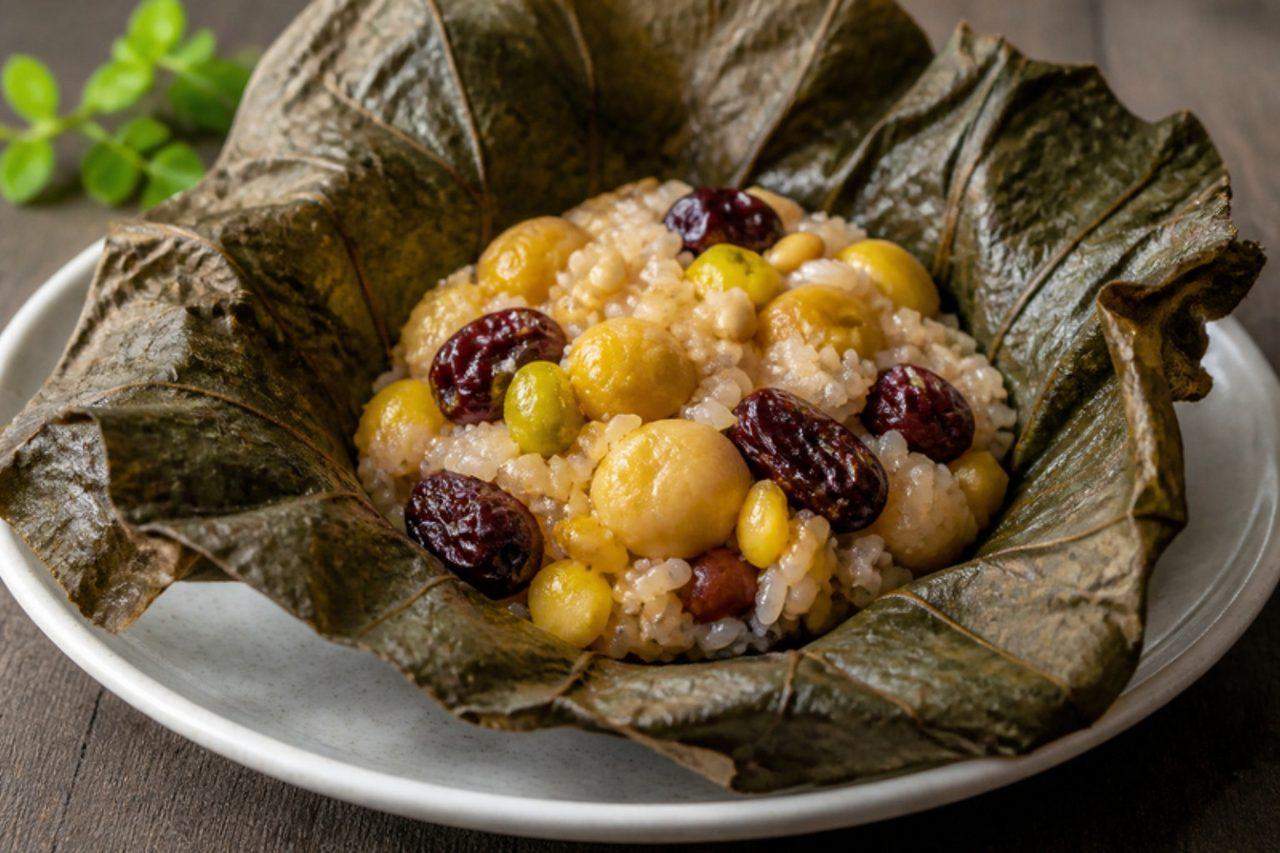
Yeonnip bapLotus leaf sticky rice

Yeonnip bap is a Buddhist temple dish from South Jeolla, where monasteries near the lotus ponds of Muan and the old temples of Jangseong wrap sticky rice in lotus leaves for festival days and visiting guests. Glutinous rice studded with chestnuts, jujubes, black beans and pine nuts is folded into a leaf parcel and steamed, so it comes out chewy, faintly sweet and scented with the green, tea-like aroma of lotus. Like all temple cooking, it uses no garlic, onion or other pungent alliums. Pine nuts are a tree-nut allergen. The common mistake is under-soaking the rice: it steams up hard in the middle however long you cook it. Chef's tip: sprinkle the rice with salted water halfway through steaming; it seasons every grain evenly and keeps the top layer from drying out.

by KrazyBadal 0 views

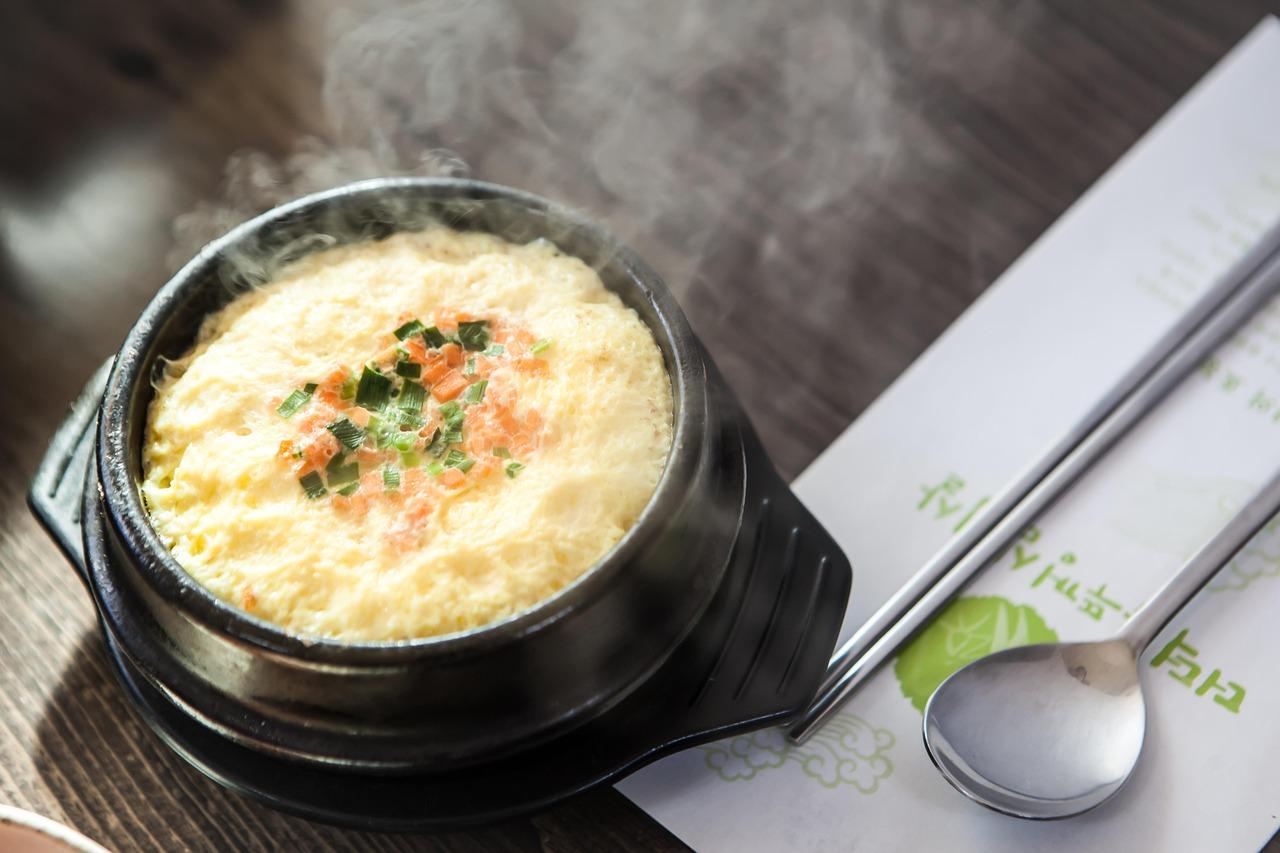
Gyeran jjimSteamed egg

At Korean barbecue restaurants in Seoul and Busan, a bubbling stone pot of gyeran jjim arrives puffed high above the rim to soothe mouths burned by grilled meat and kimchi. At home it is a soft, savoury egg custard eaten with rice, especially by children. This vegetarian version uses kelp water instead of the usual salted shrimp or anchovy stock. The common mistake is keeping the heat high once the egg starts to set, which scorches the bottom and makes the top tough and full of holes. Chef's tip: stir constantly for the first minute as it heats, then cover with an upturned bowl over the lowest flame; trapped steam is what makes it rise like a soufflé.

by KrazyBadal 0 views

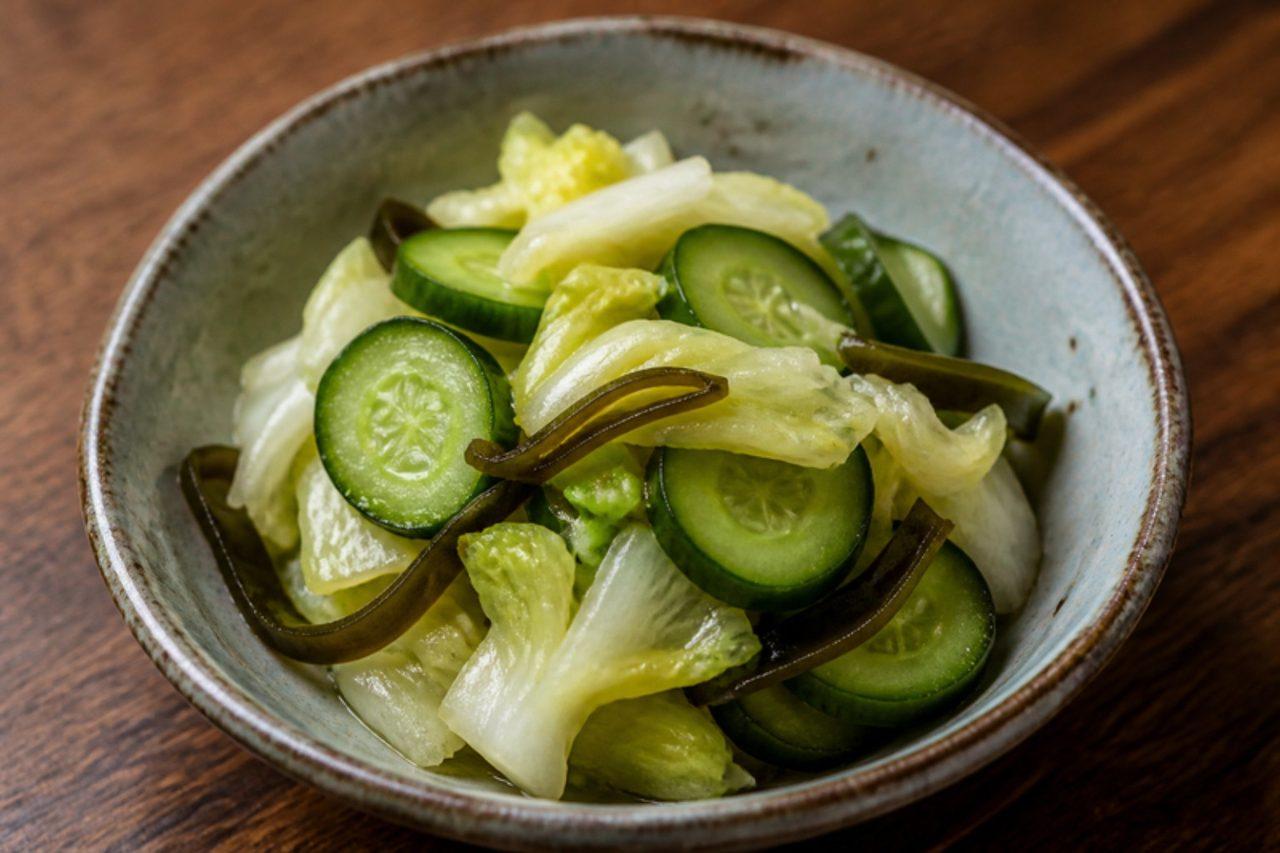
Asazuke (overnight cucumber and cabbage pickle)Quick cucumber and cabbage pickle

Asazuke means shallow pickle, and it is the quick, fresh pickle that Japanese home cooks make the night before, tucked in a plastic bag in the fridge door and served with breakfast rice and miso soup. Cucumber and cabbage are rubbed with salt and pressed with kombu, a few slivers of chilli and yuzu or lemon peel, so they stay crunchy, juicy and only gently seasoned. It takes 15 minutes to make. The common mistake is not squeezing out the liquid before serving, which leaves the pickle watery and salty. Chef's tip: rub the salt in firmly with your hands for a full minute; bruising the vegetables a little is what lets them season through in a few hours.

by KrazyBadal 0 views

Showing 90 of 9,592 recipes

Page 180 of 1,066