Skip to content
Kartoshka cake
Featured recipe

Kartoshka cake

Cocoa and cake crumb truffles

Soviet cafés and school canteens sold these knobbly brown 'potatoes' for a few kopecks, and they began as a thrifty way to use up sponge and biscuit trimmings at the bakery. Crumbs are bound with butter and sweetened condensed milk, flavoured with cocoa and vanilla, shaped into little potatoes, rolled in cocoa and finished with two dabs of pale butter cream for the sprouts. They are fudgy and dense like a brownie truffle, need no oven, and children love making them. Traditional bakers added a spoonful of rum, an optional extra for adult batches only; this version is alcohol-free with vanilla. The usual slip is coarse crumbs, which make the potatoes crack, so blitz them as fine as sand. Chef's tip: chill the shaped potatoes for at least 20 minutes so they hold their shape and slice cleanly.

Read more 2 views

What to eat today?

Around the world

Today's trip: Paraguayan

A new country every day, from every cuisine on the site.

Paraguayan

Chipa

Cheese bread rings 50 minMore from Paraguayan (27) →

This week's collection

Kid-friendly dinners
537 recipes · a new collection every Monday

Latest recipes

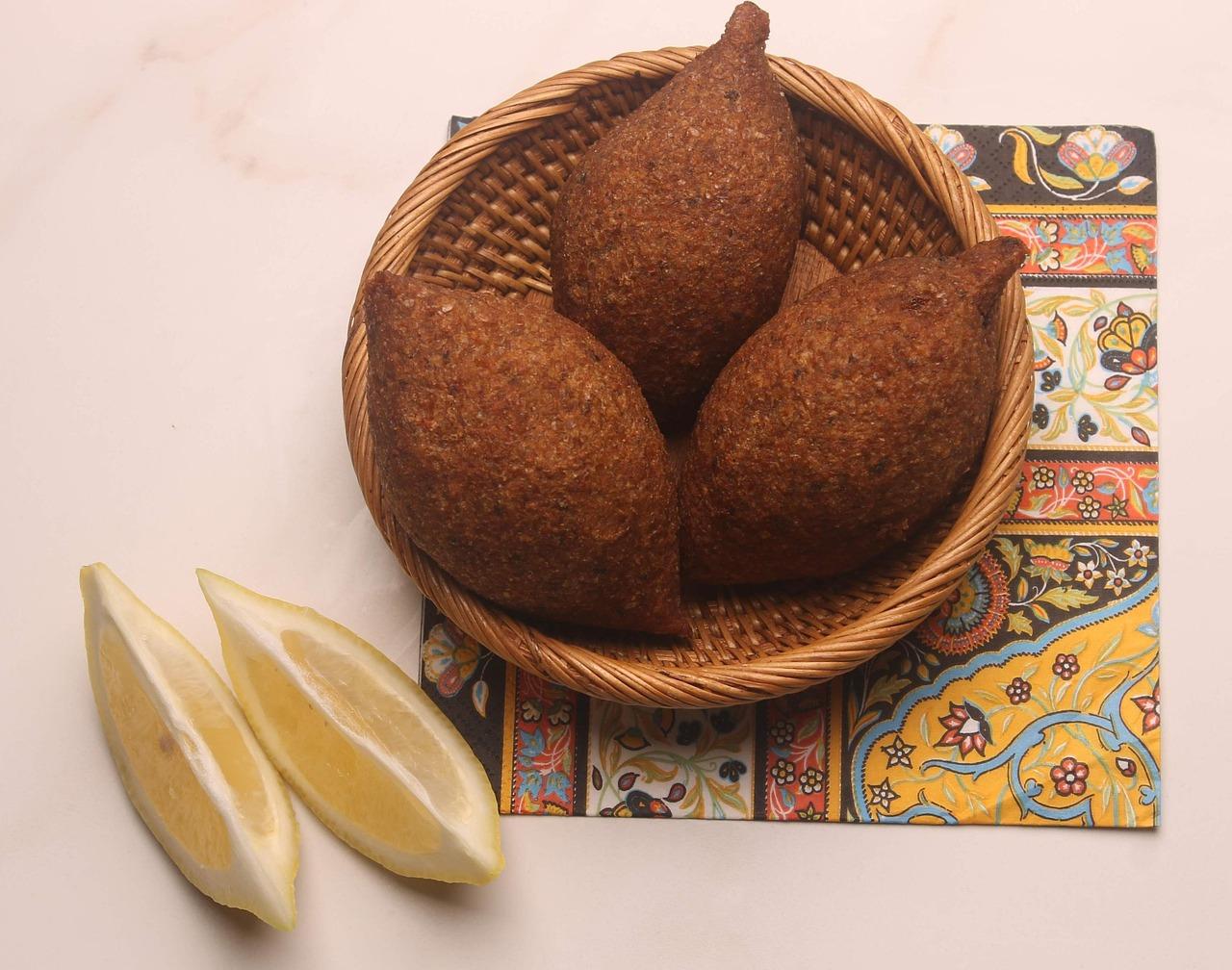
İçli köfteStuffed bulgur shells

Making içli köfte is the test of a southeastern Turkish cook: a thin, even shell of bulgur dough is hollowed out on a finger and filled with mince fried with onion, walnuts and spices, then sealed into a pointed torpedo. Families in Mardin, Urfa and Diyarbakır make dozens before bayram, freezing them to fry for guests. Crisp outside, juicy inside, they are served hot with lemon. Common mistake: a thick shell; it cracks in the oil and tastes doughy. Chef's tip: keep a bowl of iced water by you and wet your fingers constantly; the dough becomes smooth and stretches thin without tearing.

115 minTurkishMeat
by KrazyBadal 0 views

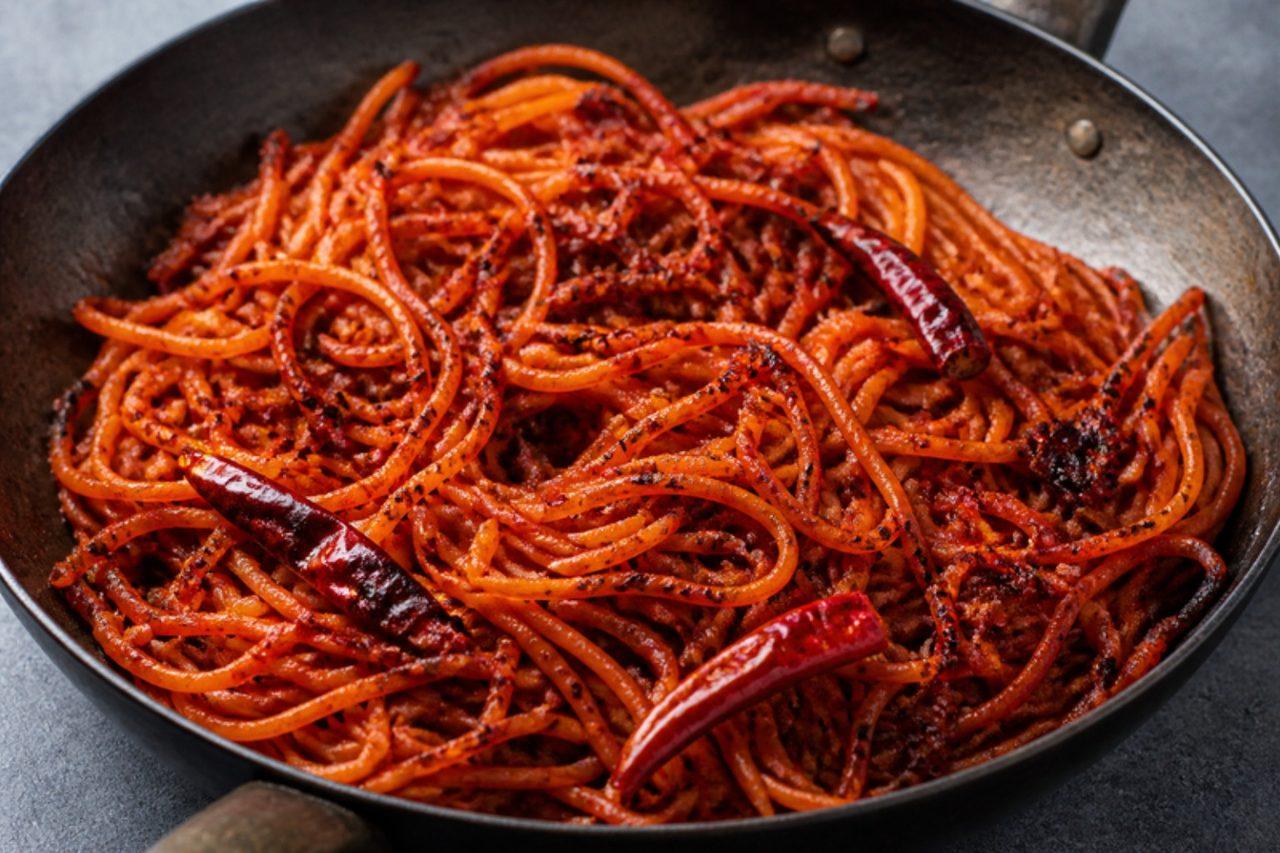
Spaghetti all'assassinaCharred spicy spaghetti

Spaghetti all'assassina was born in a Bari restaurant in the late 1960s and has become the city's cult late-night pasta. The raw spaghetti go straight into a hot iron pan with garlic, chilli and tomato, and are cooked like a risotto, a ladle of tomato broth at a time, until some strands blacken and turn crunchy while others stay chewy. It is smoky, sweet and properly hot, and Baresi argue about how burnt it should be. Chef's tip: use a wide iron or steel frying pan, never non-stick; you want the pasta to stick a little and scorch.

by KrazyBadal 0 views

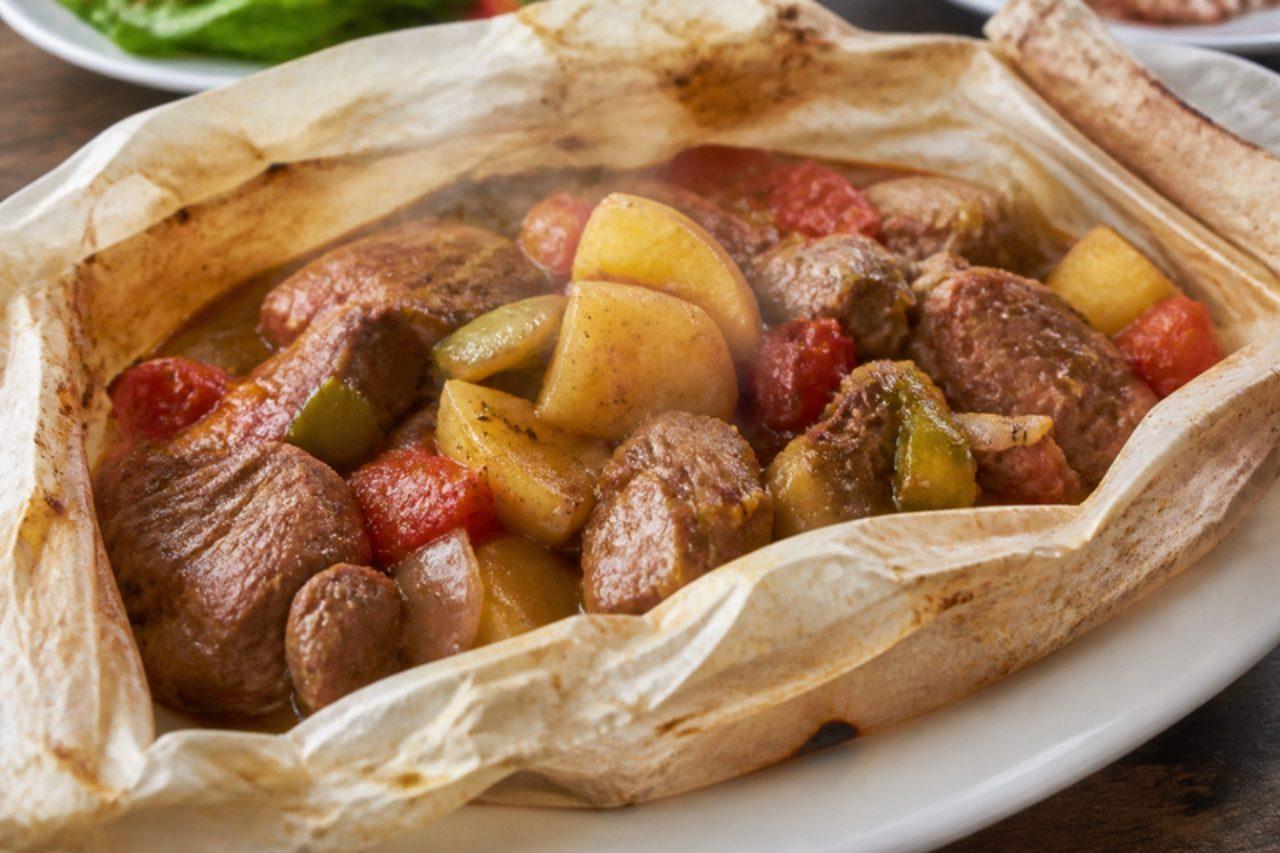
Kağıt kebabıLamb and vegetables baked in parchment

Malatya cooks wrap cubes of lamb with tomatoes, peppers, shallots and garlic in greaseproof paper and bake them slowly, so the meat steams in its own juices and the parcel puffs up like a pillow. At the table each person tears open their own package to a cloud of fragrant steam. It's a festive dish for guests, served with bulgur pilaf and a yoghurt salad. Common mistake: wrapping loosely so the juices leak and the meat dries; fold and crimp the edges tightly. Chef's tip: brown the lamb quickly before wrapping; it gives a deeper flavour than raw meat steamed alone.

120 minTurkishMeatGluten free
by KrazyBadal 0 views

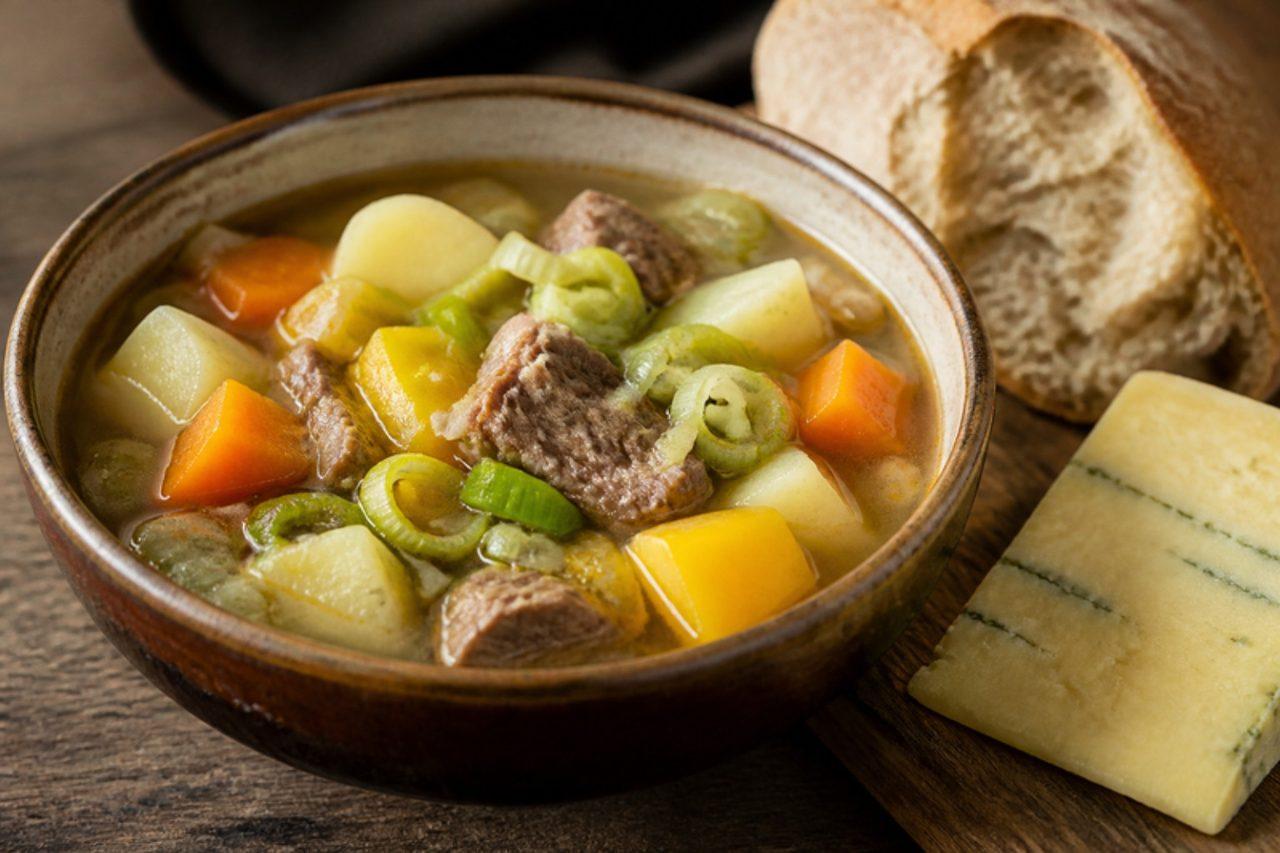
Welsh cawlLamb and leek broth

Cawl is the national dish of Wales, a slow broth of lamb on the bone, swede, carrots, potatoes and leeks that farmhouses kept simmering through the winter, and which is eaten with bread and a hunk of Caerphilly on St David's Day. Many families serve the broth first and the meat and vegetables after, and say cawl tastes best on the second day. Chef's tip: chill it overnight and lift off the fat that sets on top for a cleaner broth.

170 minBritishSoupsGluten free
by KrazyBadal 0 views

Choclo con quesoCorn on the cob with cheese

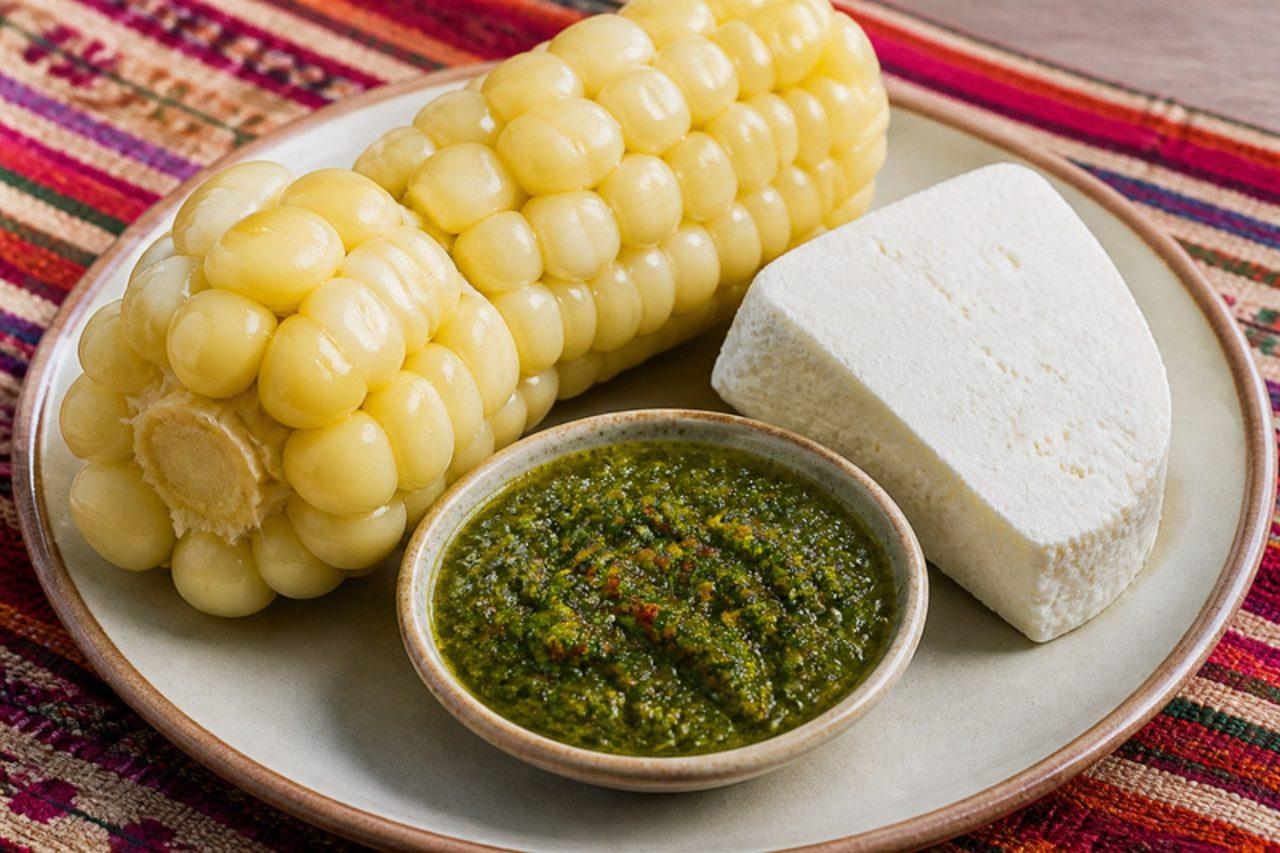
Ride the train or the bus through the Sacred Valley of Cusco and at every stop someone will hold up choclo con queso: a steaming cob of Urubamba's huge white-kernelled corn with a slab of fresh cheese tucked into a corn husk. The kernels are big, chewy and starchy rather than sweet, and the salty, milky cheese is eaten in alternating bites, sometimes with a dab of uchucuta or ají. It's snack food, a market lunch and something to keep children going on a long day. Fresh choclo is sold frozen in Latin American shops; sweet corn works but is sweeter and softer. Adding salt to the cooking water is the usual misstep, as it can toughen the kernels: season the cheese, not the corn. Andean fresh cheese is generally made with animal rennet, so use a vegetarian fresh cheese if needed. Chef's tip: drop a few of the inner husks and a small spoon of sugar into the pot; it brings back some of the sweetness lost after picking.
by KrazyBadal 0 views

Baghala ghatoghDill and broad bean stew

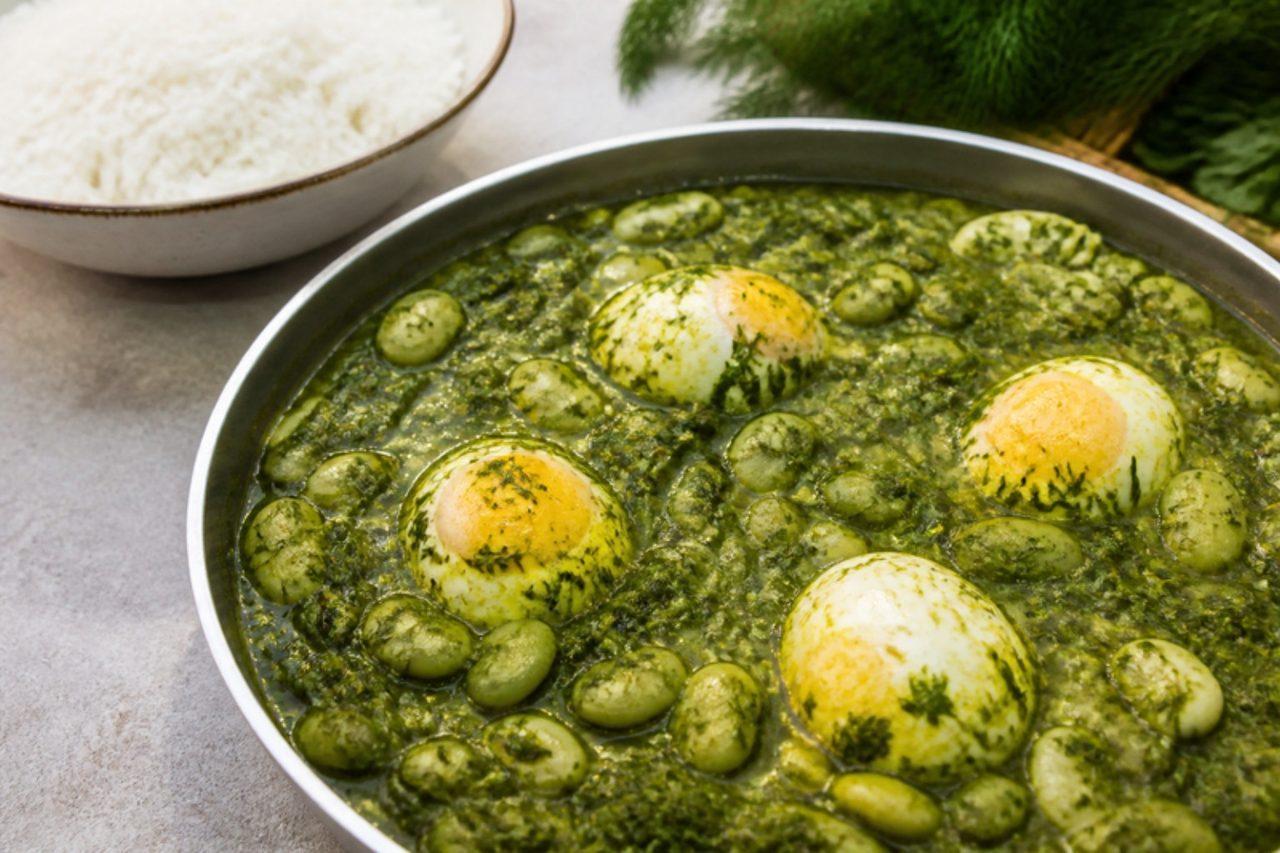
In Rasht and the villages of Gilan, baghala ghatogh is cooked in late spring when the slender local broad beans called pach baghala are in the markets, and later in the year with frozen ones. The beans are simmered in their thin skins with a great deal of garlic and dill, then eggs are cracked on top and left to set softly, and the whole pan is eaten with plain kateh rice and a few pickled garlic cloves. It is humble, green and fragrant. A common mistake is stirring the eggs right in, which turns the stew grey; leave them whole so the yolks stay just runny. Chef's tip: cook the dill in butter or oil before the water goes in; it blooms and tastes far deeper than dill added at the end.
by KrazyBadal 0 views

Choco fritoFried cuttlefish with chips

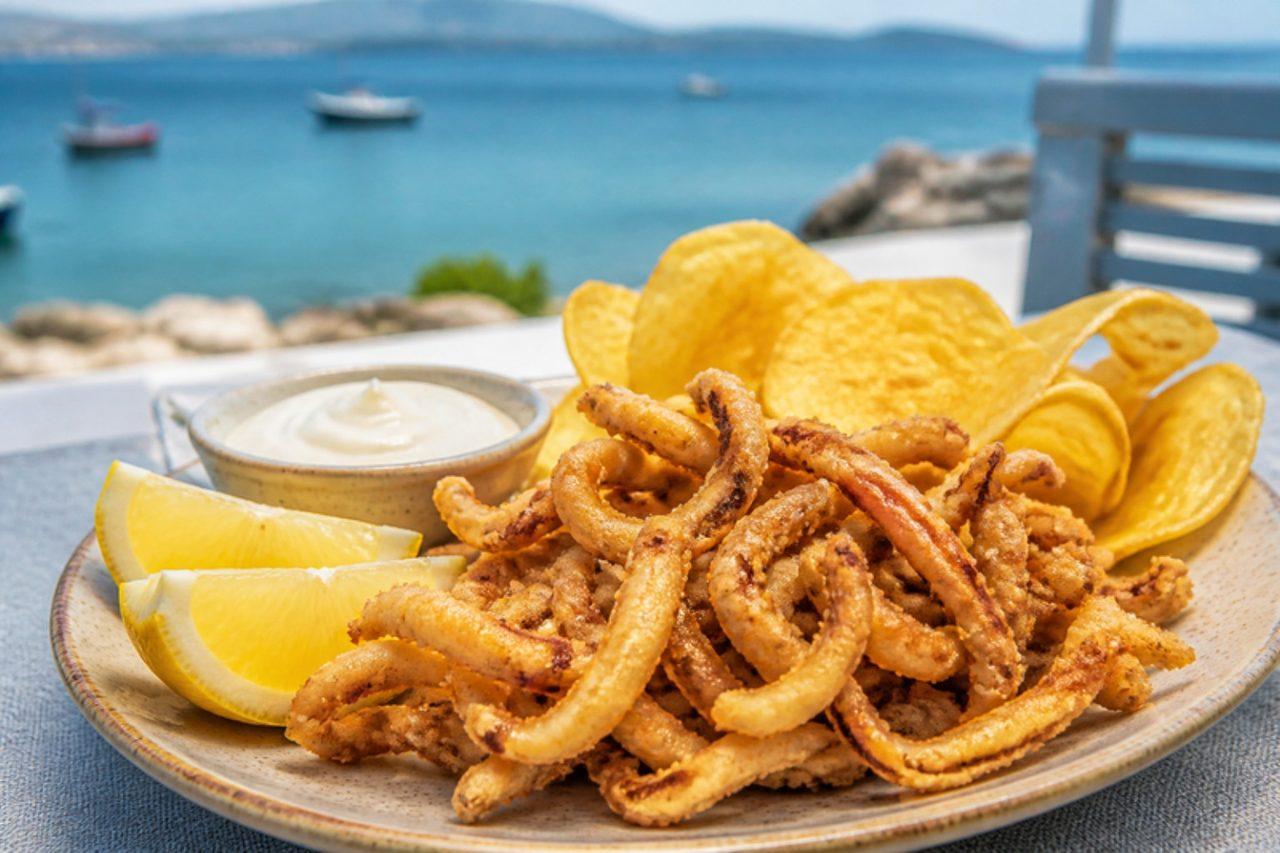
Across the river from Lisbon, the fishing port of Setúbal claims choco frito as its own, and there are whole streets of grill-houses serving it with chips, salad and lemon. Thick strips of cuttlefish are marinated in garlic, lemon and a little white wine, floured and fried until golden and tender. The wine contains alcohol; extra lemon juice with a splash of water does the job. A common mistake is frying too long: cuttlefish goes from tender to rubbery in a minute or two. Chef's tip: score the inside of the cuttlefish in a fine crisscross before cutting it into strips, so it stays tender and grips the flour.

by KrazyBadal 0 views

Baghali pokhteBoiled broad beans with vinegar

When autumn rain sets in over Rasht, and through the winter on Tehran street corners, sellers ladle steaming broad beans in their skins from giant pots into paper cones. The beans are soaked overnight and boiled slowly until creamy, then each bowlful is sprinkled with sharp golpar (ground Persian hogweed seed), salt and a splash of vinegar. You pinch the beans out of their skins as you eat. A common mistake is salting the cooking water early, which keeps the skins tough. Chef's tip: golpar is strong and smells a little like celery and citrus; start with a light dusting and add more at the table.

by KrazyBadal 0 views

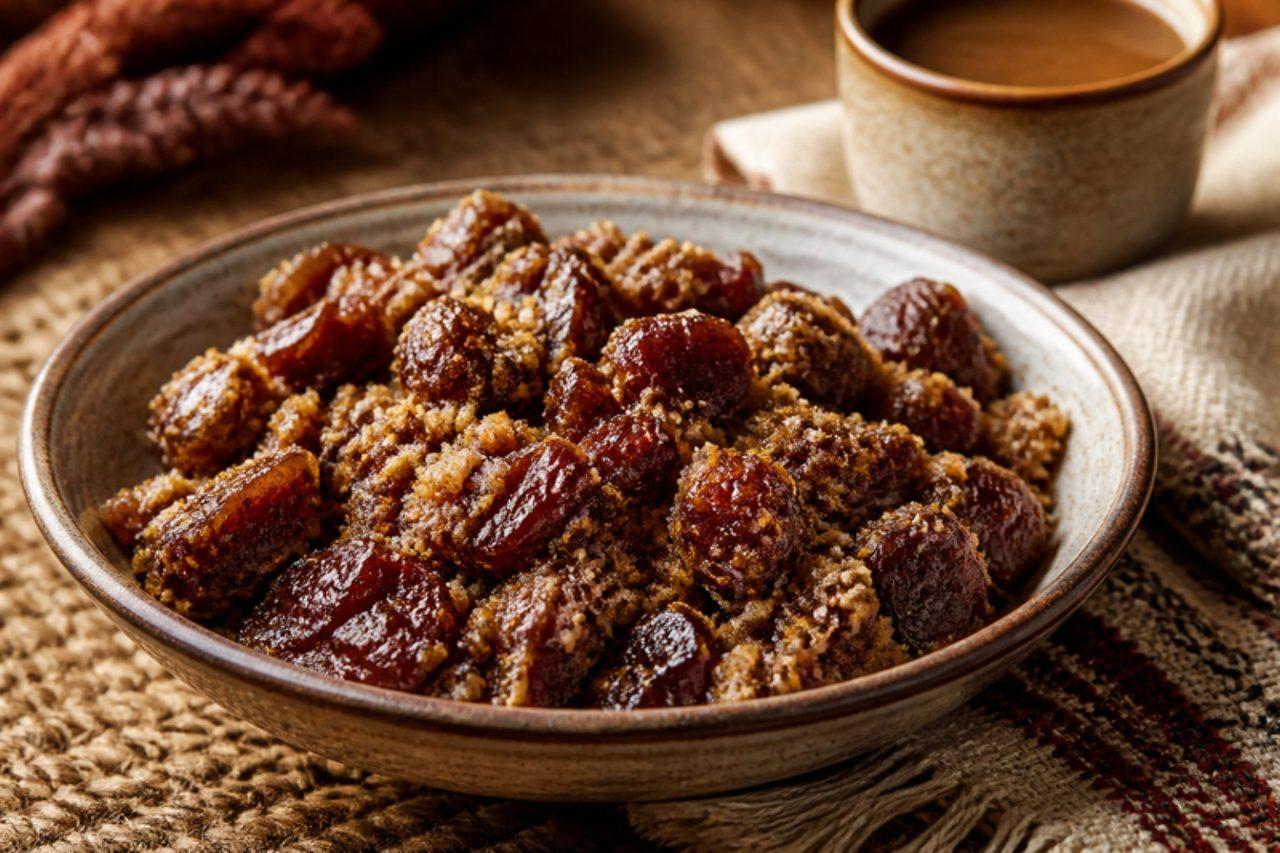
HaneenehWarm dates with breadcrumbs and ghee

Haneeneh is desert comfort food from the Bedouin tents of the Jordanian Badia: soft dates mashed into hot samneh with crumbs of yesterday's flatbread, scented with cardamom and pressed into a rich, fudgy sweet. It is made for guests, for new mothers and for cold mornings before herding, eaten by hand with black tea or Arabic coffee. It takes ten minutes and uses only store-cupboard things. The mistake to avoid is cooking the dates too long once they meet the ghee; they turn stiff and chewy instead of jammy. Chef's tip: toast the crumbs in the ghee first until nutty, then add the dates off the heat so the mixture stays soft.

by KrazyBadal 0 views

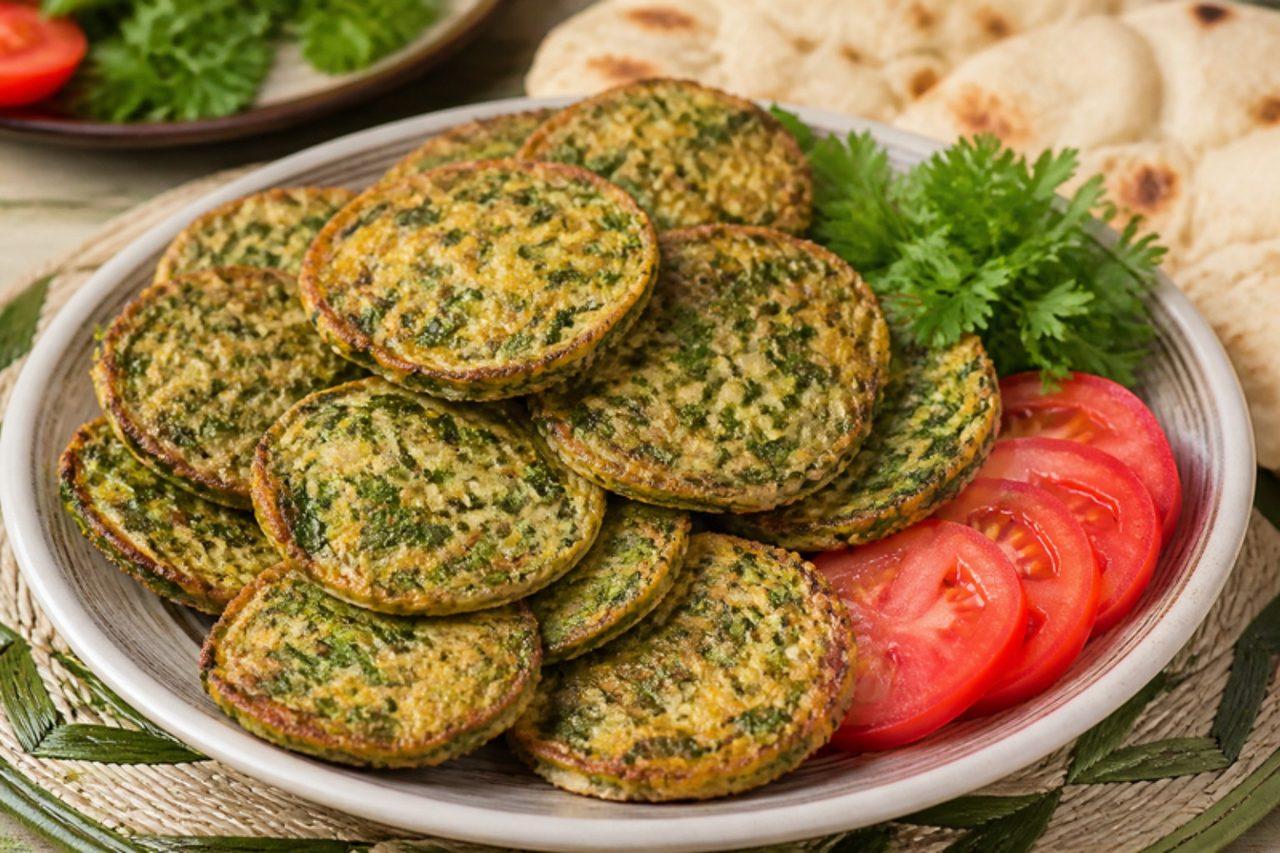
IjjehHerb omelette cakes

Ijjeh is the quick supper of Palestinian and Levantine homes: eggs beaten with so much parsley, mint and spring onion that they turn green, spiced with a little cinnamon and allspice, then fried as thick little patties. They are tucked into warm bread with tomatoes and pickles for school lunches, or served on a breakfast spread with olives and labneh. Common mistake: frying in too little oil over a high heat, so the outsides burn before the herbs inside cook. Chef's tip: a spoonful of flour and a pinch of baking powder make them puff and stay soft when eaten cold the next day.

by KrazyBadal 0 views

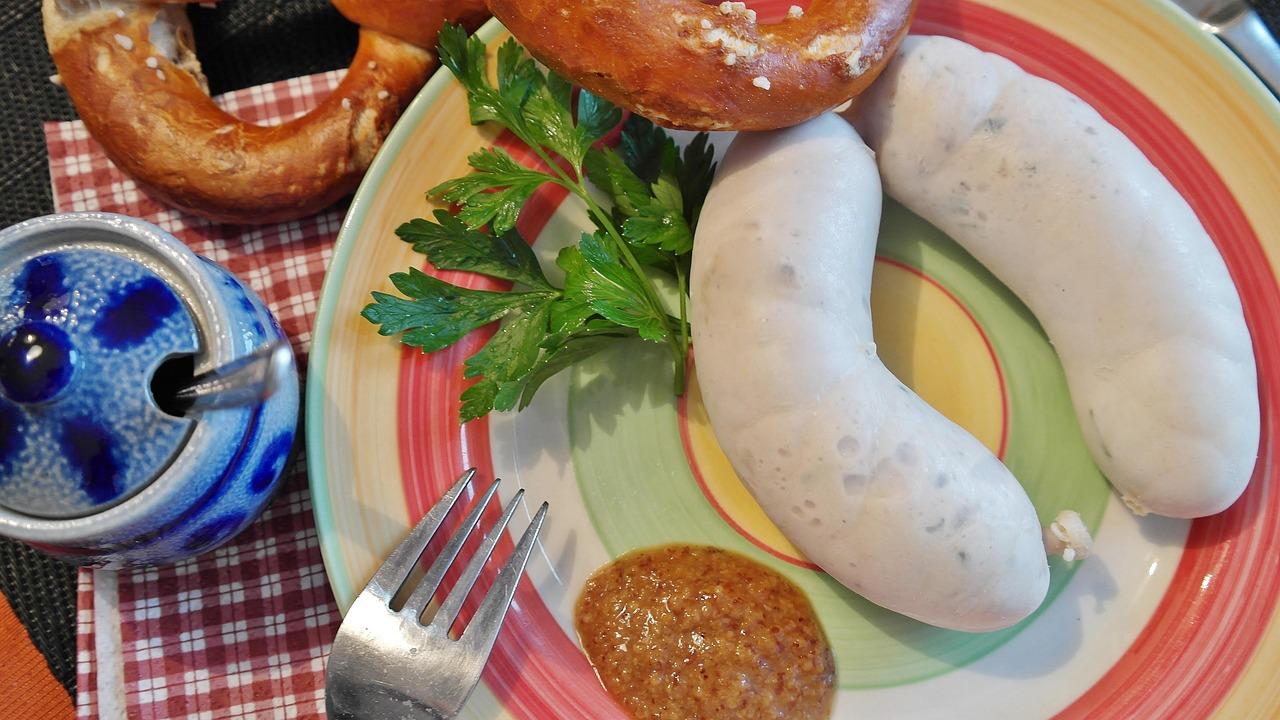
WeißwurstfrühstückWhite sausage with sweet mustard

In Munich the Weißwurst breakfast is a late-morning ritual, eaten between ten o'clock and noon in beer halls and butcher's cafés, with soft pretzels and a pot of sweet Bavarian mustard. The pale sausages of veal and pork back fat, flavoured with parsley, lemon and mace, are bought fresh from the butcher and gently heated, never boiled, then the skin is peeled off at the table. Making the mustard yourself is the easy, rewarding part. Vegetarians can heat plant-based white sausages the same way and keep the mustard and pretzel. Chef's tip: keep the water just below a simmer; boiling splits the skins and the sausages go grey and dry.

40 minGermanMeat
by KrazyBadal 0 views

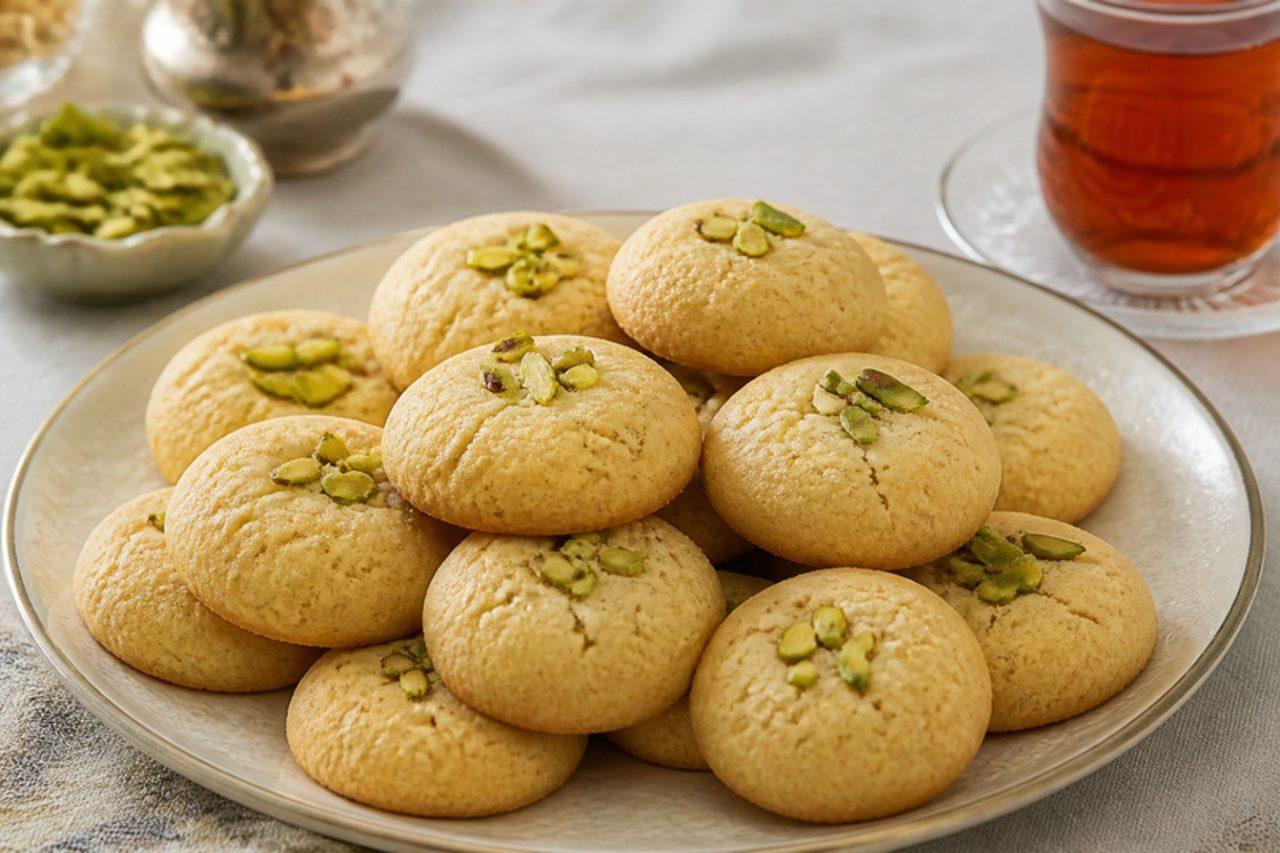
Ghorabieh TabriziAlmond and egg-white cookies

Every traveller to Tabriz is expected to bring back a box of ghorabieh from the bazaar confectioners: pale, domed almond cookies with a thin crackled shell and a soft, chewy middle, scented with vanilla and sometimes topped with a sliver of pistachio. They are a Nowruz favourite in Azerbaijan province and keep well, so families bake them a week ahead. A common mistake is baking them too hot, which browns the outside before the inside sets and leaves them hollow. Chef's tip: let the piped cookies sit for 20 minutes before baking so a skin forms; that skin gives the classic crackled top.

by KrazyBadal 0 views

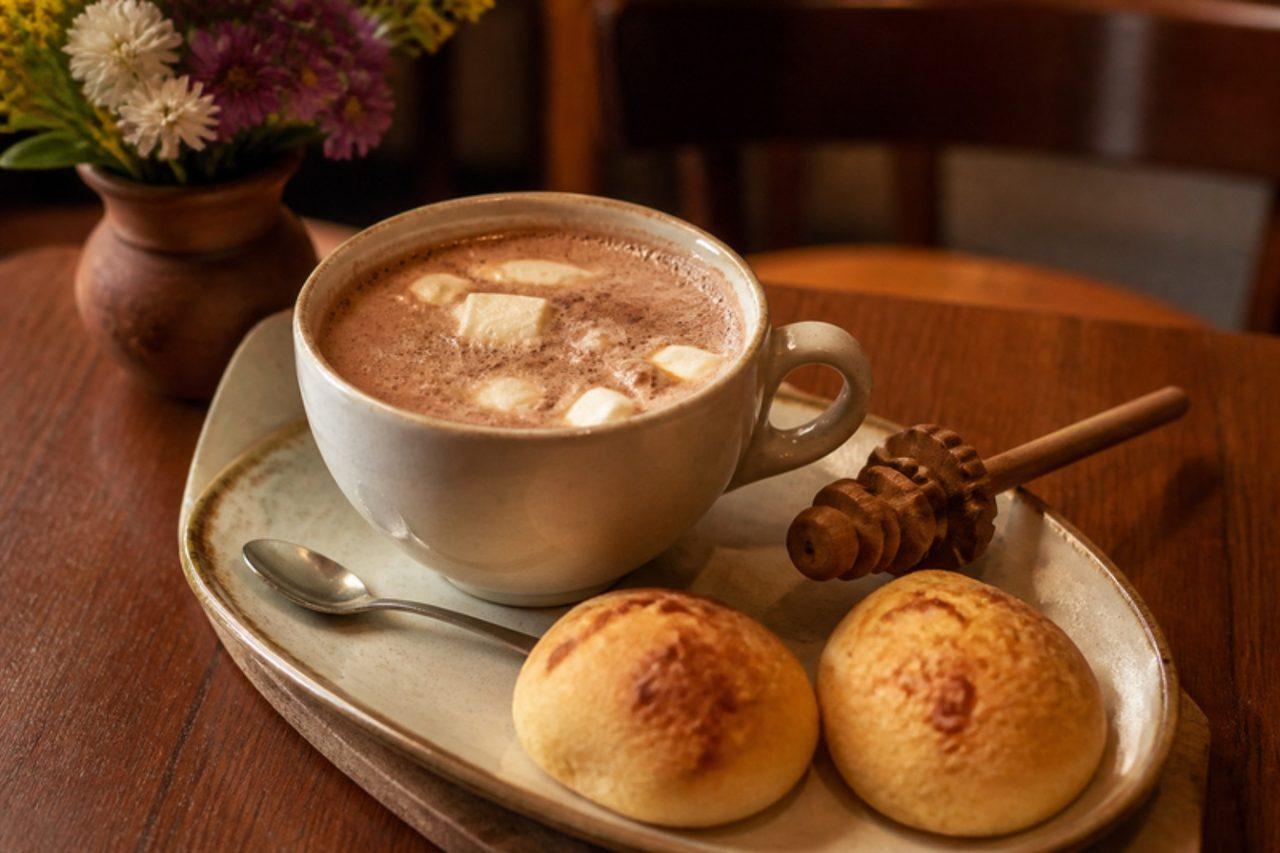
Chocolate santafereñoHot chocolate with cheese

Old Bogotá, once Santafé, built an afternoon ritual around hot chocolate. In the café-restaurants of La Candelaria it comes in a big cup, frothed with a wooden molinillo, with a plate of white cheese, almojábanas and buttered bread on the side. The surprise for visitors is the cheese: cubes go straight into the hot chocolate, softening into stretchy strings that are fished out with a spoon, a salty contrast to the sweet, spiced drink. Colombian table chocolate comes in bars already sweetened and often flavoured with cinnamon and clove; dark chocolate plus sugar and spice is a fair swap. The usual cheese, queso campesino or doble crema, is normally set with animal rennet, so choose a vegetarian (microbial-rennet) mozzarella-style cheese. Boiling the chocolate hard is the misstep that makes it grainy and scorched; keep it at a gentle simmer. Chef's tip: no molinillo? Whisk briskly with a balloon whisk or a milk frother until there's a thick foam.

by KrazyBadal 0 views

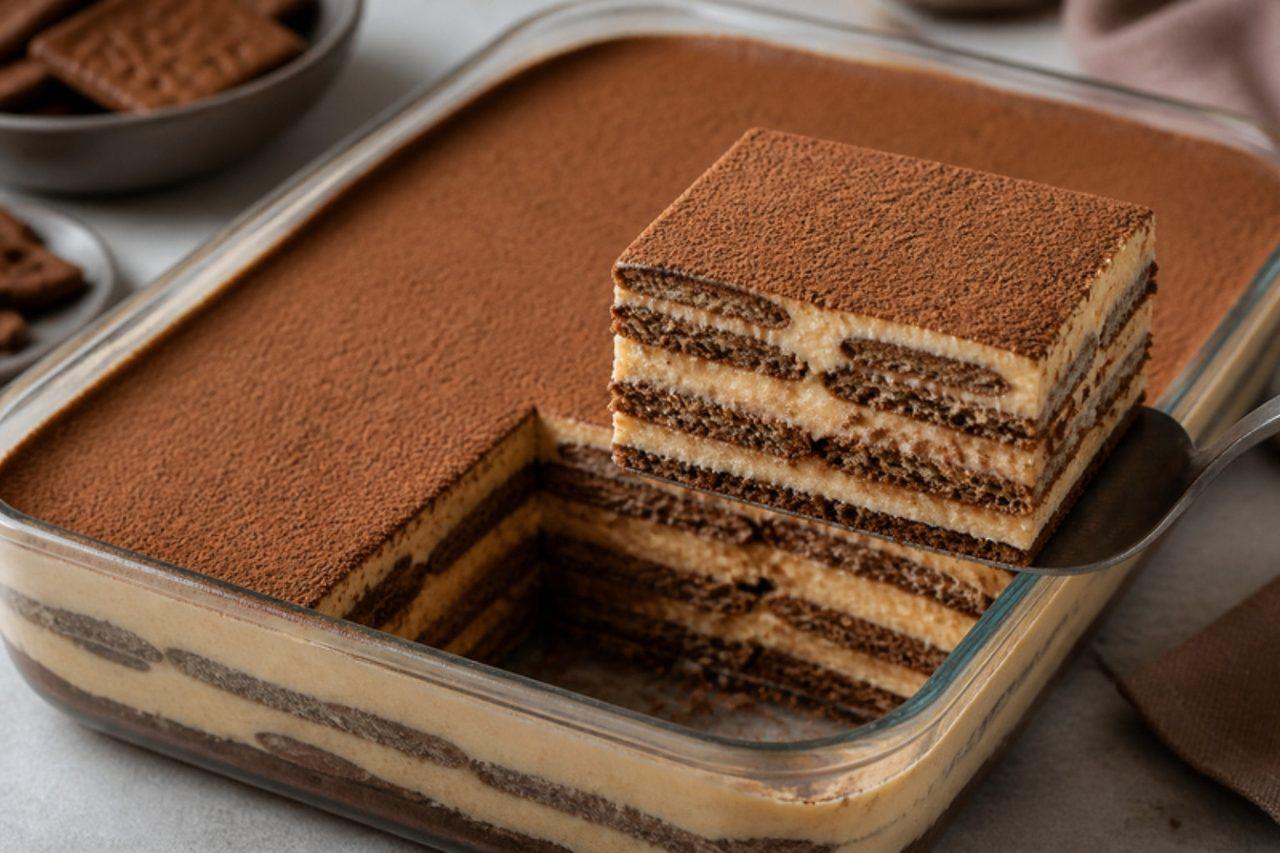
ChocotortaNo-bake chocolate biscuit cake

Born in 1980s Buenos Aires as an advertising idea and adopted by the whole country, chocotorta is the cake children ask for at every birthday and the easiest dessert in the Argentine repertoire. Chocolate biscuits are dipped briefly in milk (adults often use coffee), layered with a cream of dulce de leche beaten with cream cheese, and left overnight until the biscuits turn soft and cake-like. It is rich, sweet and a little tangy, and slices cleanly straight from the fridge. Any plain crisp chocolate biscuit works; rectangular ones make the neatest layers. The mistake to avoid is soaking the biscuits too long: a one-second dip is plenty, or they collapse into mush before you can lay them down. Chef's tip: assemble it a day ahead in a loaf tin lined with cling film; overnight chilling is what turns it from biscuits and cream into cake.

by KrazyBadal 0 views

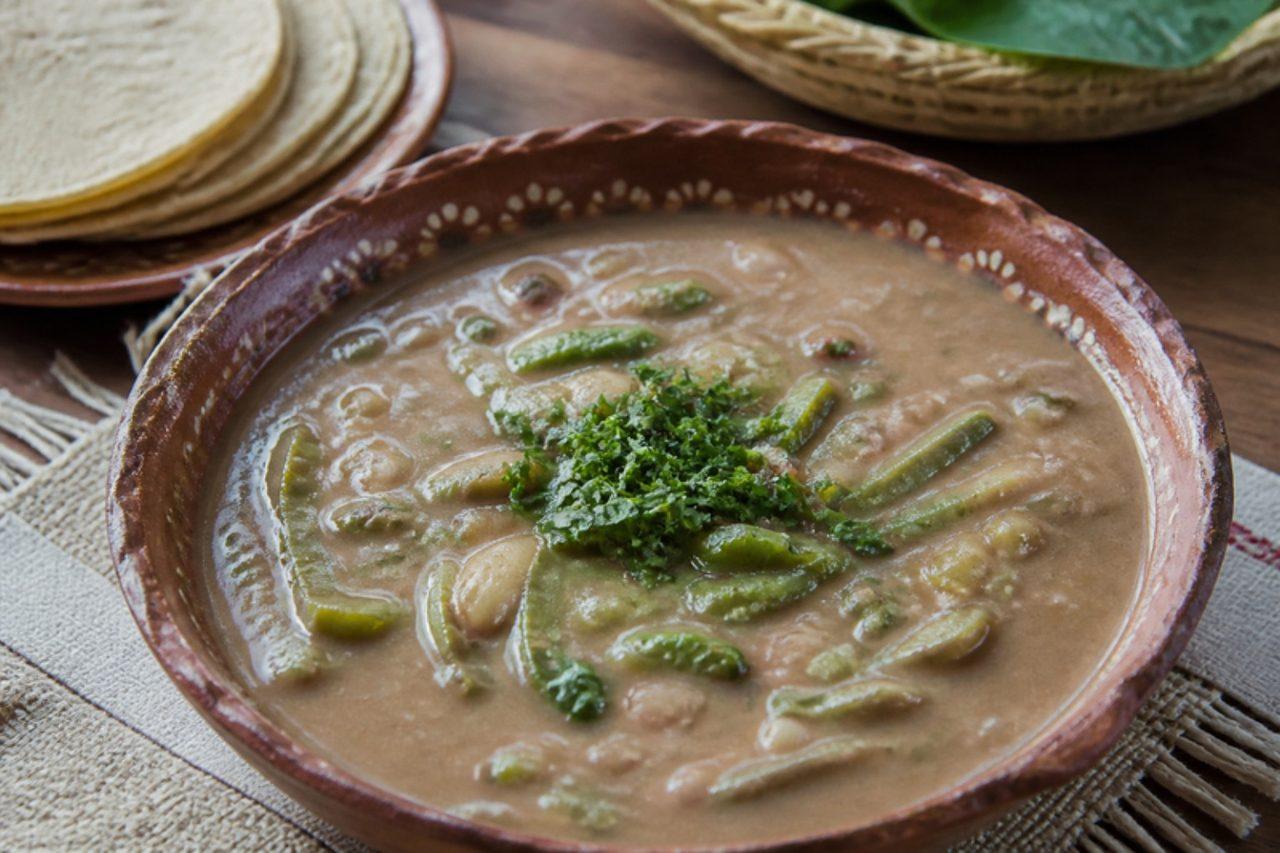
TlatlapasBean, fava and pea soup

In the villages of Tlaxcala, tlatlapas is the Lenten and rainy-season soup: dried beans, fava and peas are toasted on a comal, ground to a coarse flour and simmered into a thick, earthy purée seasoned with dried chilli, epazote and strips of cactus. It is a peasant dish with pre-Hispanic roots, cheap, filling and full of protein, eaten with corn tortillas and a squeeze of lime. Using split beans keeps the cooking under an hour. Chef's tip: toast the pulses until golden and nutty, not dark; burnt ones turn the whole pot bitter.

by KrazyBadal 0 views

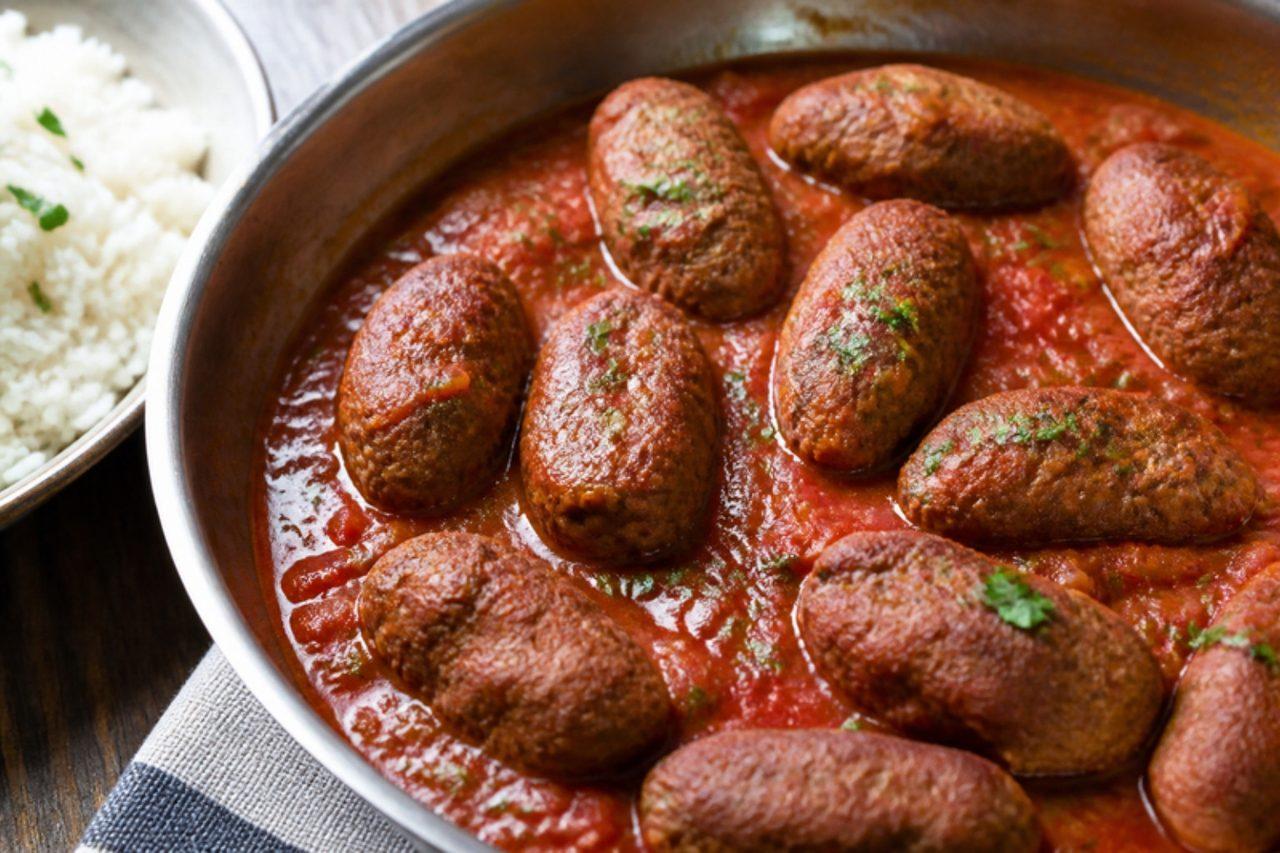
Soutzoukakia SmyrneikaCumin meatballs in tomato sauce

Refugee families from Smyrna brought these long, cumin-heavy meatballs to Thessaloniki and Kalamaria in the 1920s, and they're still a weekday favourite in northern Greek homes. The mince is mixed with soaked bread, garlic and plenty of cumin, shaped into fat little logs, browned and then simmered in a cinnamon-tinged tomato sauce until tender. Serve over rice pilaf or with chips and a spoon of yoghurt. Many cooks add a splash of red wine to the sauce; this version uses red wine vinegar instead, so it's alcohol-free. Common mistake: squeezing the bread dry — it should stay damp, which keeps the meatballs juicy. Chef's tip: chill the shaped soutzoukakia for 20 minutes so they hold their shape in the pan.

70 minGreekMeat
by KrazyBadal 0 views

Tlacoyos de habaStuffed blue corn cakes

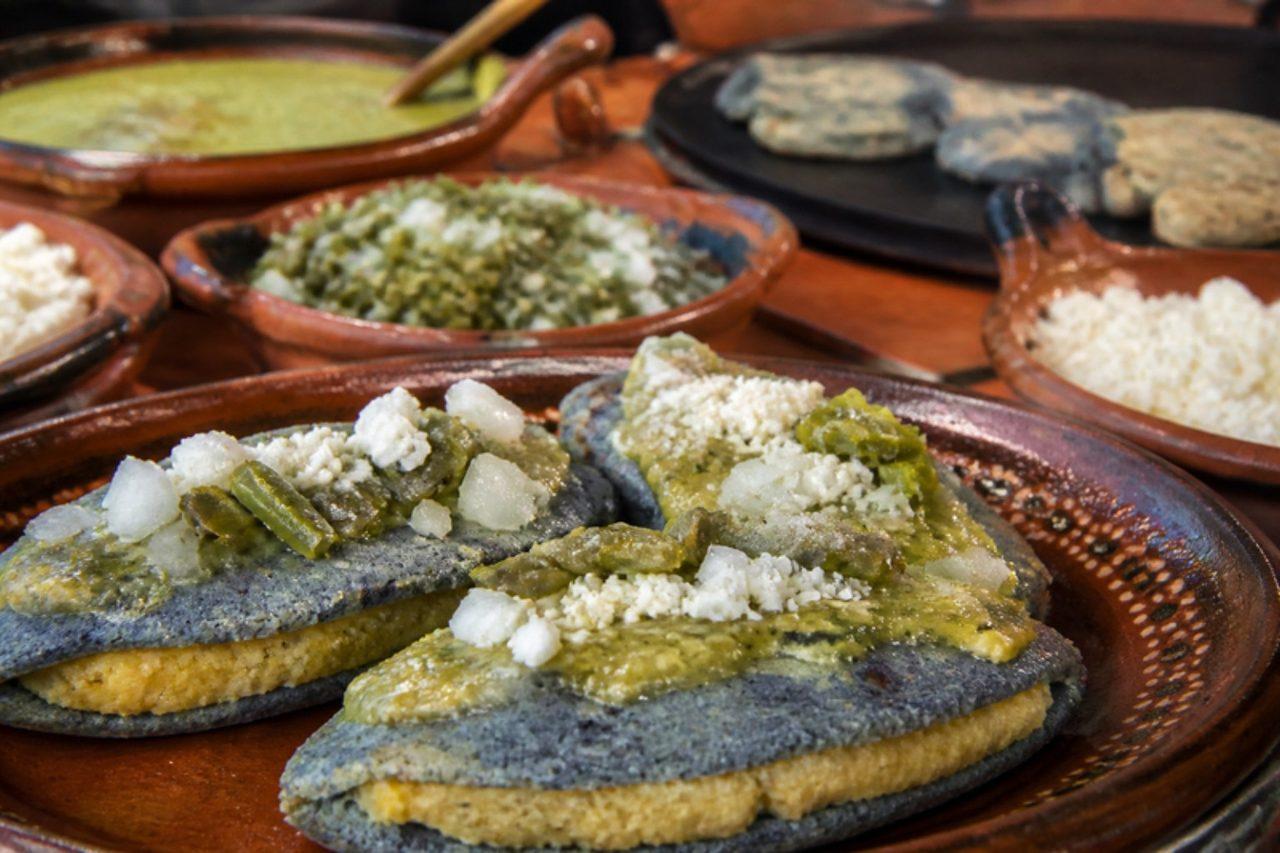
Walk out of almost any Metro station in Mexico City in the morning and you will find a woman on a low stool patting out tlacoyos on a clay comal: thick, oval cakes of blue or white corn masa with a seam of bean or fava purée hidden inside, topped with cactus, salsa and crumbly cheese. They are bought hot, eaten standing up, and are one of the oldest street foods in the valley, older than the city itself. This version is filled with garlicky fava purée (habas) and topped with a quick nopal salad and salsa verde. Leave off the cheese and it is vegan. Chef's tip: keep the purée stiff, like mashed potato; a loose filling bursts through the masa when you flatten it.

by KrazyBadal 0 views

GhotabFried almond crescents

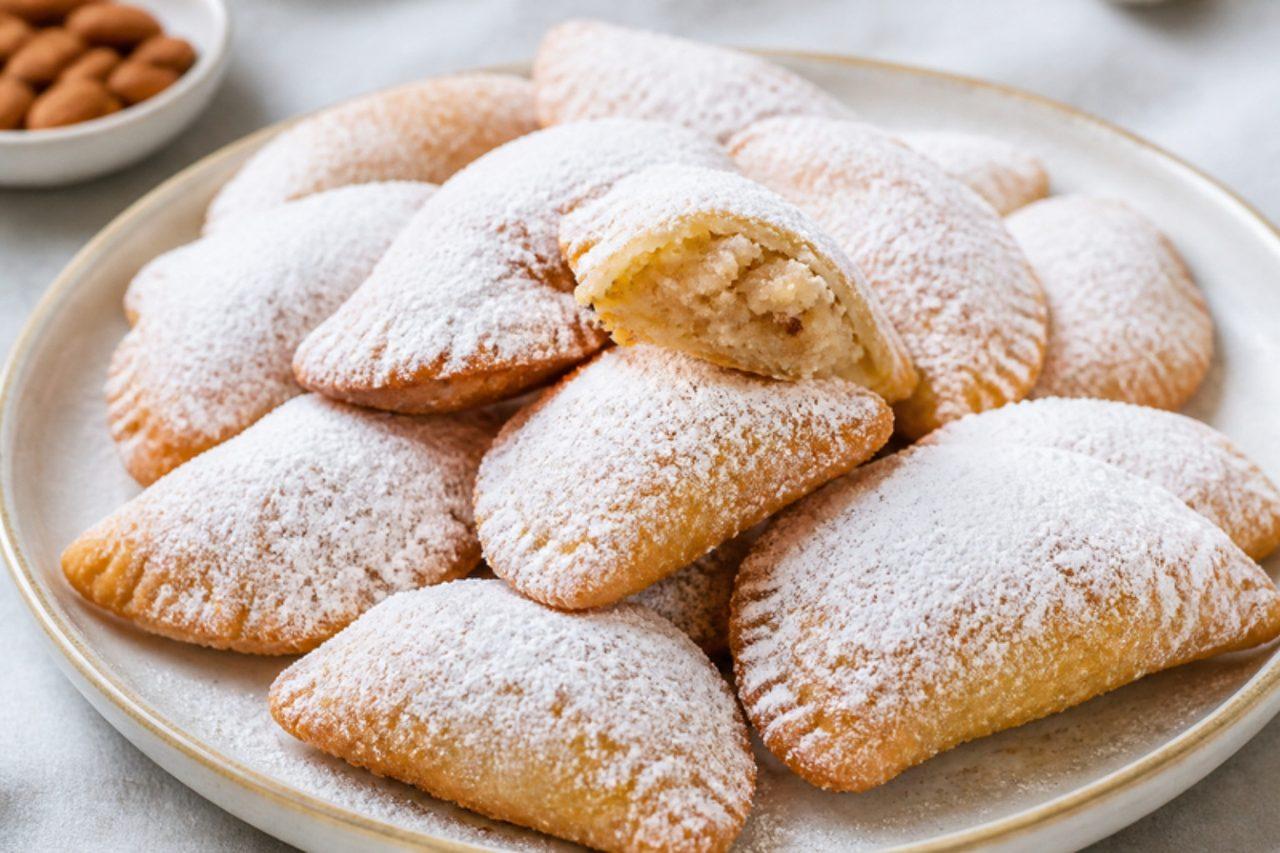
Ghotab are the little fried crescents that Yazd's confectioners have been making for generations, packed into boxes for Nowruz and carried as gifts by anyone travelling from the city. A tender yogurt dough is wrapped around ground almonds, sugar and plenty of cardamom, fried until blond and crisp, then buried in icing sugar. A common mistake is frying too hot, which browns the outside before the dough inside the fold cooks through, leaving it doughy. Chef's tip: roll the ghotab in icing sugar while still warm, then again once cold, for a thick snowy coat.

by KrazyBadal 0 views

ShulbatoBulgur with aubergine and courgette

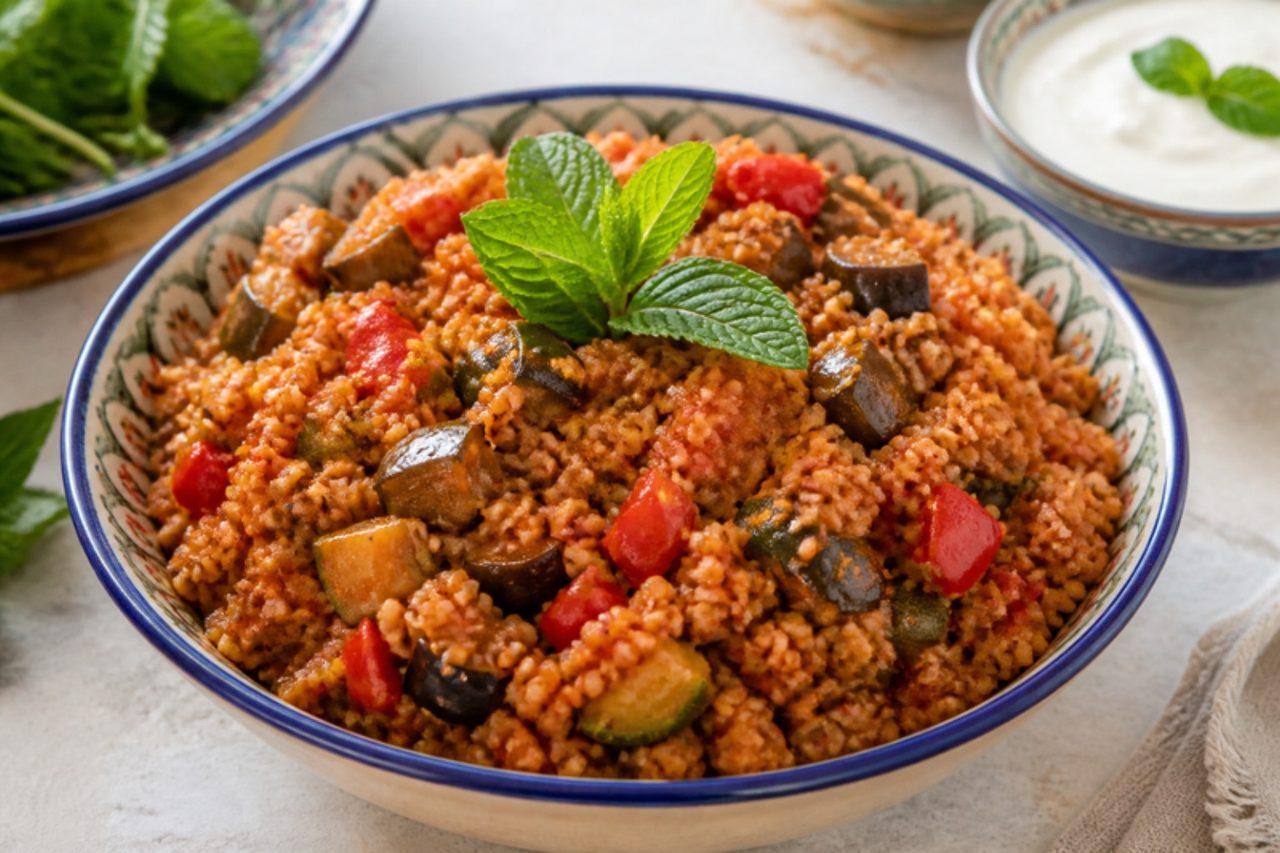
Shulbato is a summer pot from the villages of the West Bank and Galilee, made when the garden overflows: coarse bulgur cooked with aubergine, courgette, peppers, tomato and plenty of onion until the wheat is fluffy and stained red. It is eaten warm or cool on hot days with a bowl of yoghurt or a cucumber salad, and it is also a fasting dish for Christian families. Common mistake: using fine bulgur, which turns mushy; it needs the coarse grade. Chef's tip: let the vegetables catch and brown a little before adding the wheat; that slight char is the flavour of the dish.

by KrazyBadal 0 views

TitainaTomato, pepper and tuna stew

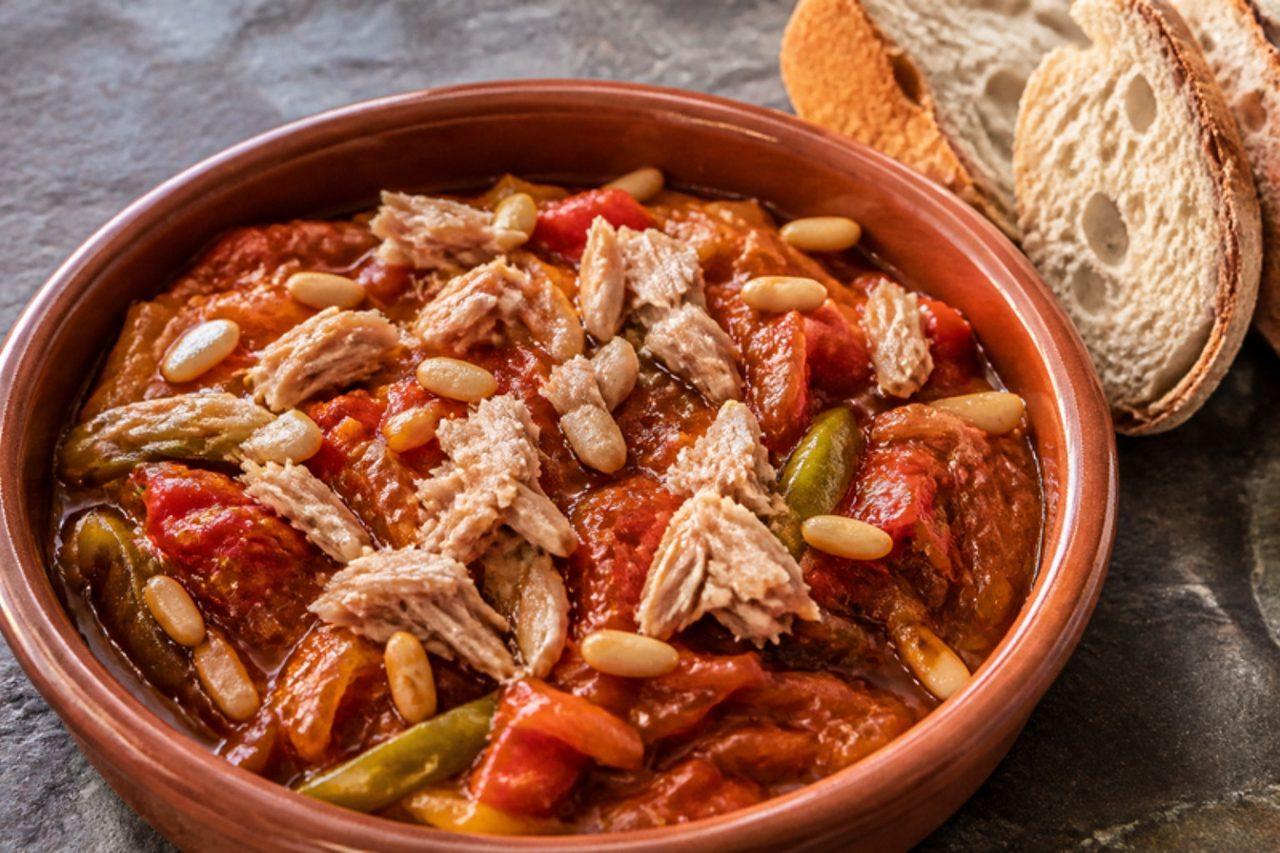
Titaina comes from the Cabanyal, the tiled fishermen's neighbourhood by Valencia's beach, where it is still served as a tapa in the old bars and spooned onto bread at home on summer evenings. Green peppers, onion and ripe tomatoes are cooked down in olive oil with toasted pine nuts until sweet, then mixed with tuna. Fishermen used tonyina de sorra, salt-cured tuna belly; this version uses good tinned tuna in olive oil, which is already cooked and easy to find. A common mistake is cooking it fast on a high heat: it needs a slow 40 minutes so the vegetables melt instead of fry. Chef's tip: add a pinch of sugar only if your tomatoes are sharp, and stir in the tuna at the very end so it stays in flakes.

by KrazyBadal 0 views

ChontaduroBoiled peach-palm fruit

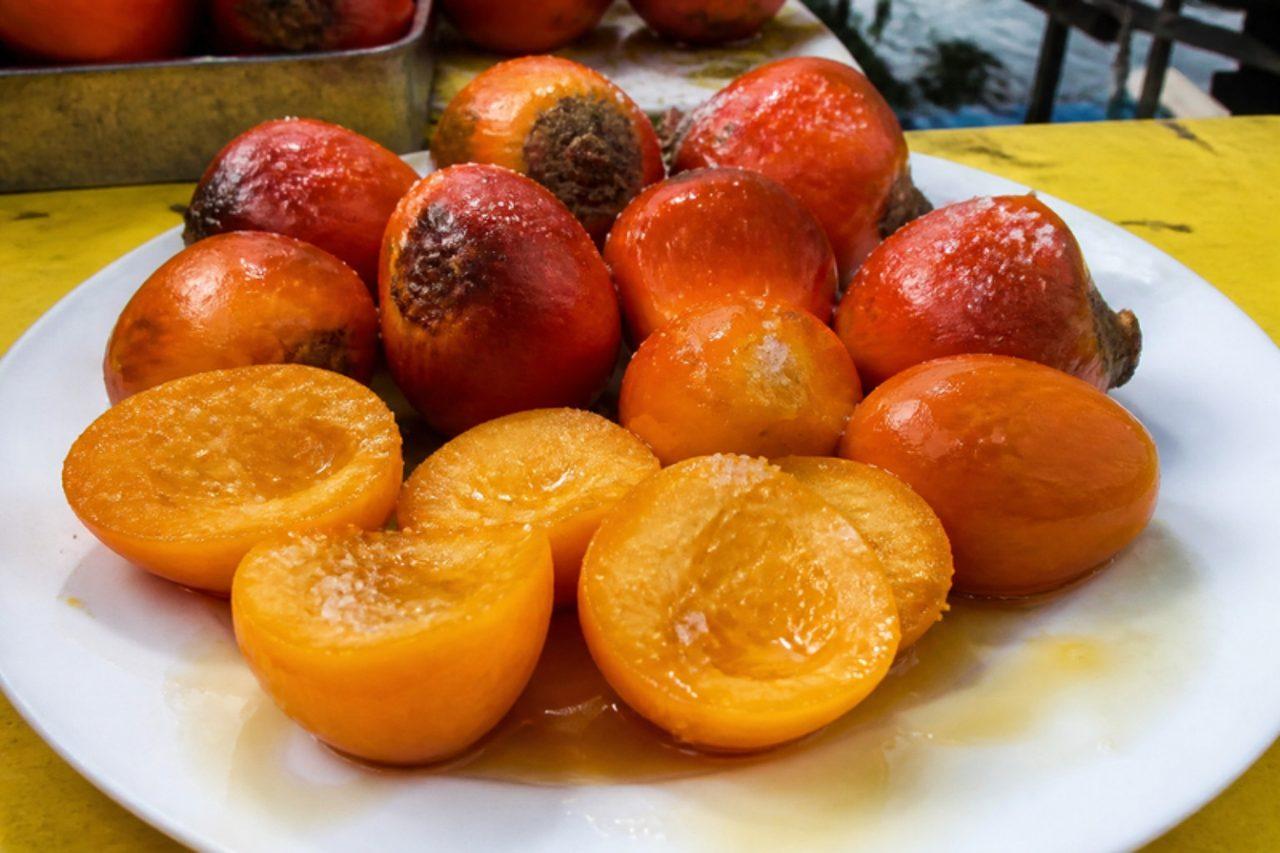
Street vendors in Cali, Buenaventura and Tumaco push carts piled with bright orange and red chontaduro, peeled to order and sprinkled with salt, then drizzled with honey. The fruit of the peach palm, it has a dense, floury flesh somewhere between roasted chestnut, squash and boiled egg yolk, and a savoury-sweet flavour that people from the Pacific coast swear by as an energy food. At home, the fruit must be cooked, as raw peach palm is unpleasant and irritating to the throat. Fresh fruit appears in Latin American shops in season; frozen or jarred cooked chontaduro is easier to find and only needs warming. Undercooking is the common slip: the flesh stays fibrous and scratchy, so keep boiling until it crumbles easily. This is vegetarian but not vegan because of the honey; panela syrup is a vegan swap. Chef's tip: cut the fruit in half and remove the stone before salting, so the seasoning reaches the warm flesh.

by KrazyBadal 0 views

GhraybehPistachio shortbread

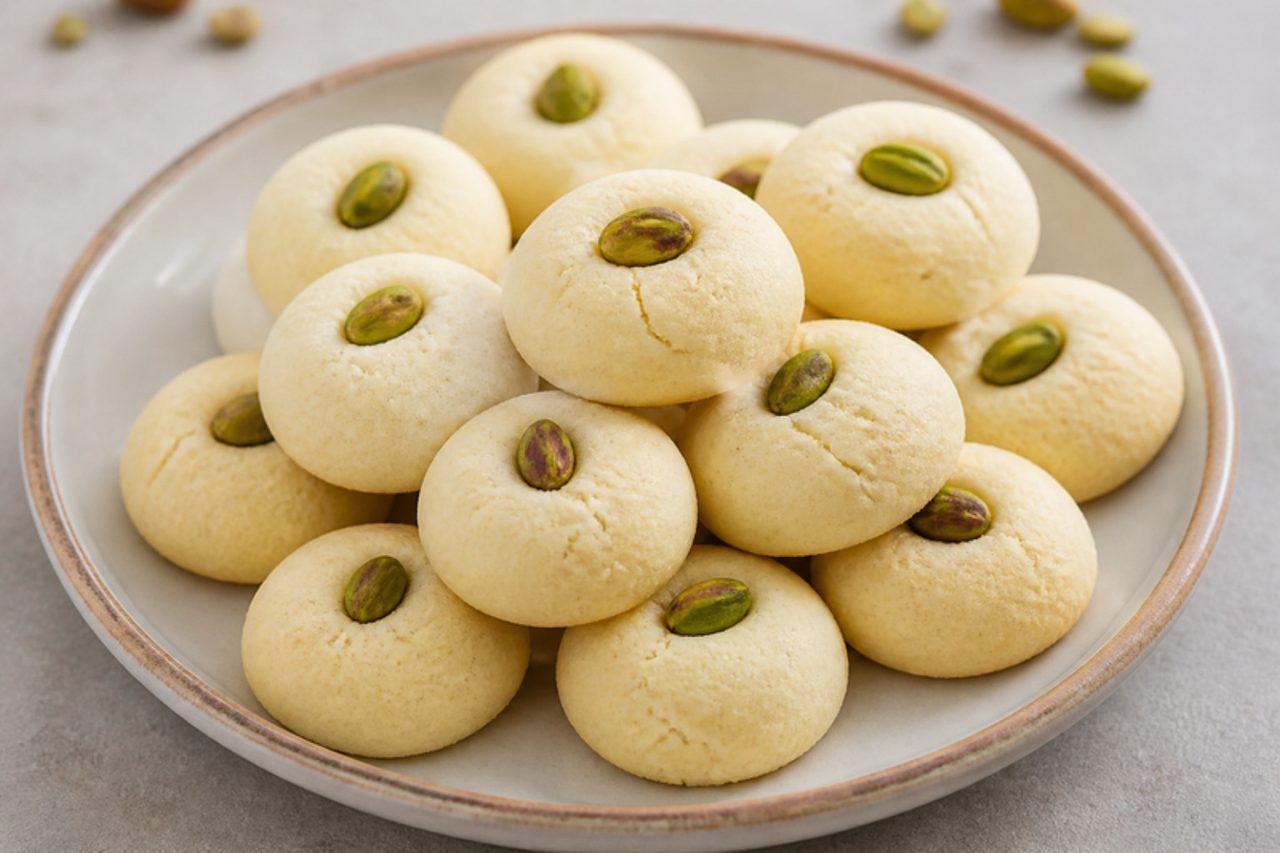
Across Syria, Lebanon and Palestine, trays of ghraybeh appear for Eid and weddings next to ma'amoul; in Aleppo they are often shaped into little bracelets with a pistachio at the join. Made from just ghee, icing sugar and flour, they are so tender they crumble as soon as you bite, and they should stay ivory-white, never brown. Serve with strong coffee or mint tea. Common mistake: baking until golden — they should come out pale and still soft, and firm up as they cool. Chef's tip: whip the ghee and sugar for a full 10 minutes until white and fluffy; that is what gives the melting texture.

by KrazyBadal 0 views

Choquinhos com tintaBaby cuttlefish in ink

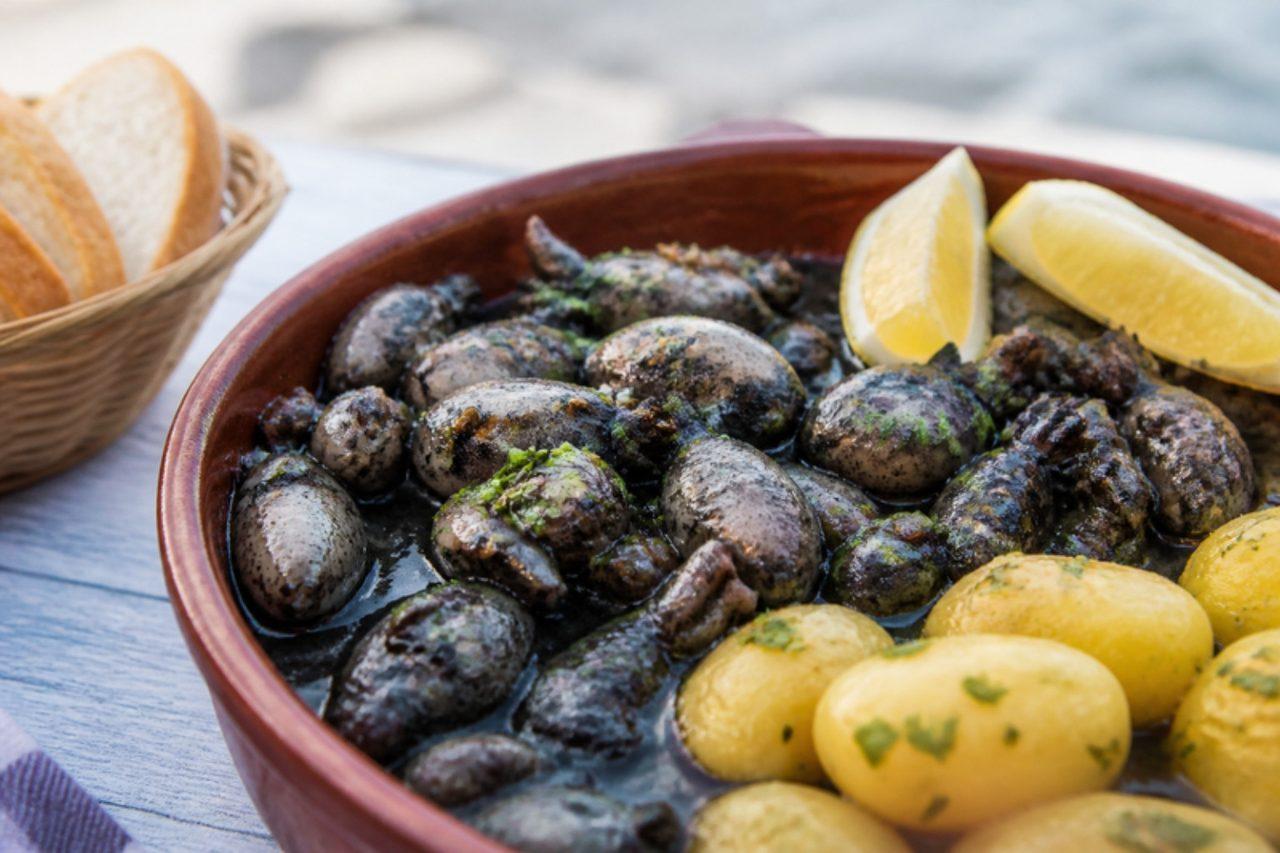
Setúbal claims fried cuttlefish, but the Algarve has its own treasure: choquinhos, cuttlefish no bigger than a thumb, sautéed whole in garlicky olive oil until their ink turns the pan glossy black. Seafood bars in Olhão and Faro serve them in small clay dishes, to be eaten with toothpicks and bread for mopping. The recipe uses a splash of white wine; use water with a squeeze of lemon instead for an alcohol-free version. Chef's tip: cook in a very hot pan in two batches, so the cuttlefish sizzle rather than stew.

by KrazyBadal 0 views

Kahu sekanjabinLettuce with mint vinegar syrup

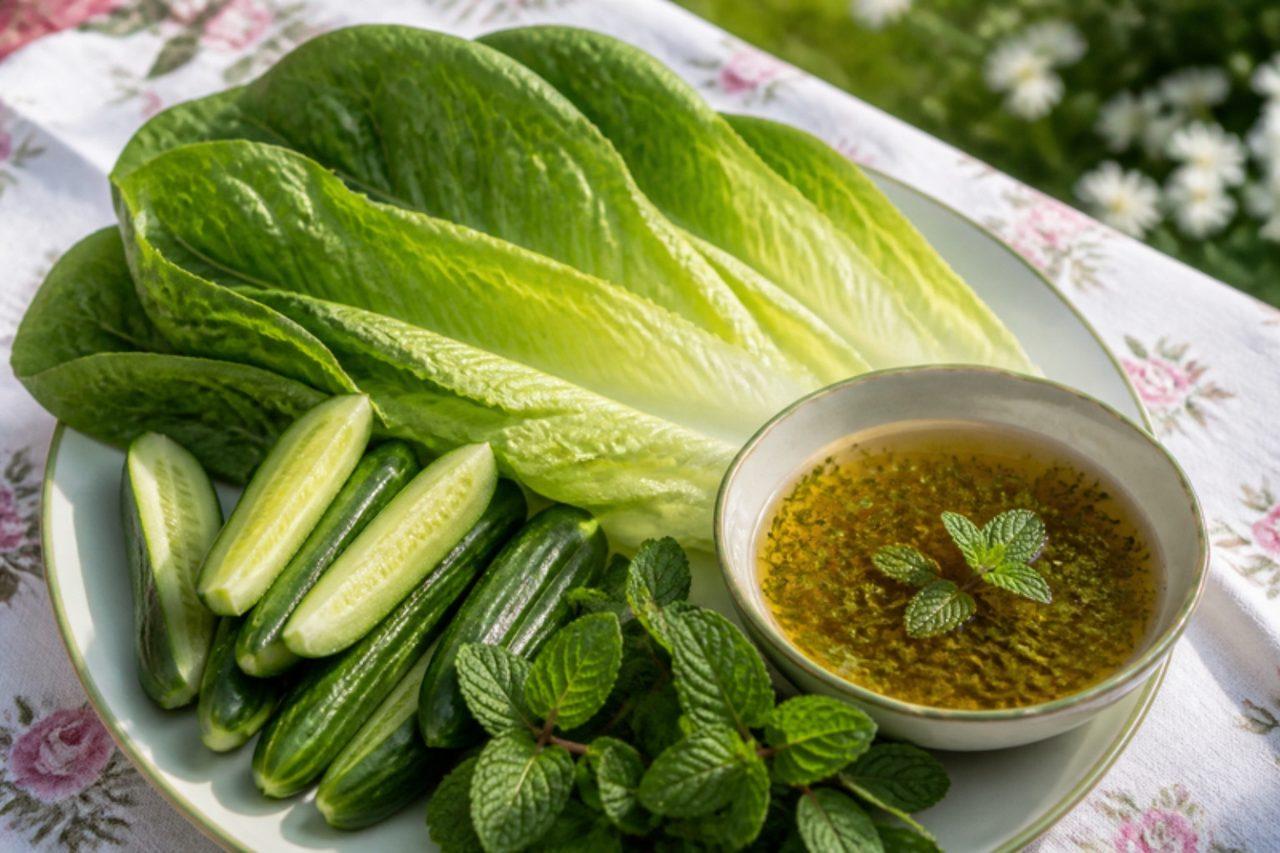
On Sizdah Bedar, the thirteenth day of the new year, Iranian families leave the city for parks and riverbanks around Tehran and Isfahan, and the picnic cloth almost always holds a jar of sekanjabin and a head of crisp romaine. The syrup is an ancient one: sugar and vinegar simmered together and steeped with fresh mint, sweet-sour and cooling. You tear off a lettuce leaf, dip it and crunch. The usual mistake is boiling the syrup too long, which turns it into hard toffee once cold. Chef's tip: keep the lettuce in iced water until the moment you serve; the colder and crisper the leaf, the better the contrast with the syrup.

by KrazyBadal 0 views

South Dakota chislicFried lamb cubes

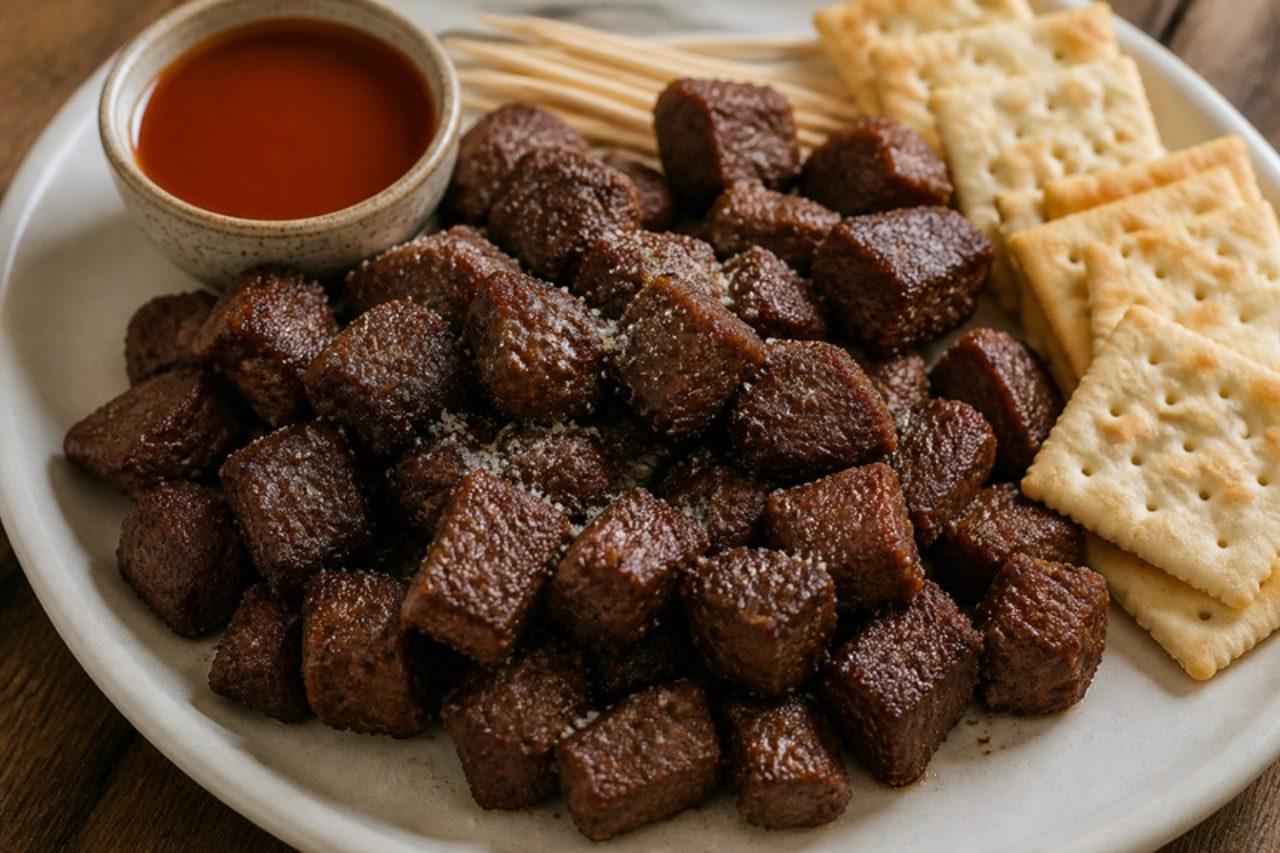
Chislic is the official nosh of South Dakota, brought to the prairie by Germans from Russia and served at taverns and county fairs around Freeman and Sioux Falls. Bite-size cubes of lamb or mutton are deep-fried or grilled on skewers, tossed in garlic salt and eaten with cocktail sticks, with saltine crackers and hot sauce on the side. Chef's tip: cut the cubes all the same size, about 2 cm, so they cook evenly in the short time in the oil.

by KrazyBadal 0 views

Tiroler GröstlFried potato and pork with egg

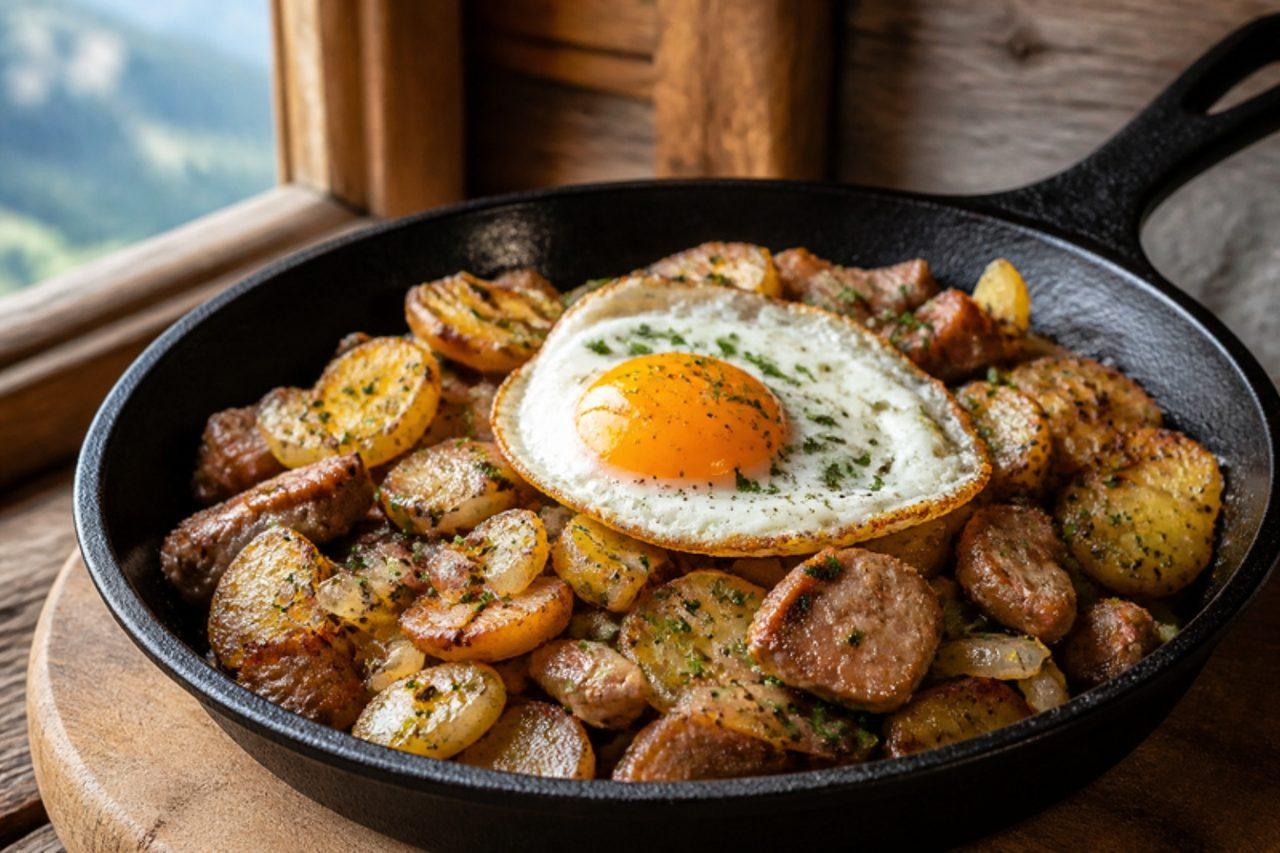
Tiroler Gröstl is what Tyrolean mountain huts serve to skiers and hikers coming in from the cold, and what farmhouse kitchens around Innsbruck make on Monday from Sunday's roast. Cold boiled potatoes are fried until crusty with onions, then tossed with cubes of leftover roast pork or smoked pork, caraway and marjoram, and crowned with a fried egg. It is made in one big pan and brought to the table in it. Chef's tip: let the potatoes fry undisturbed for the first few minutes; the brown crust is the whole dish.

by KrazyBadal 0 views

Choros a la chalacaCold mussels with corn salsa

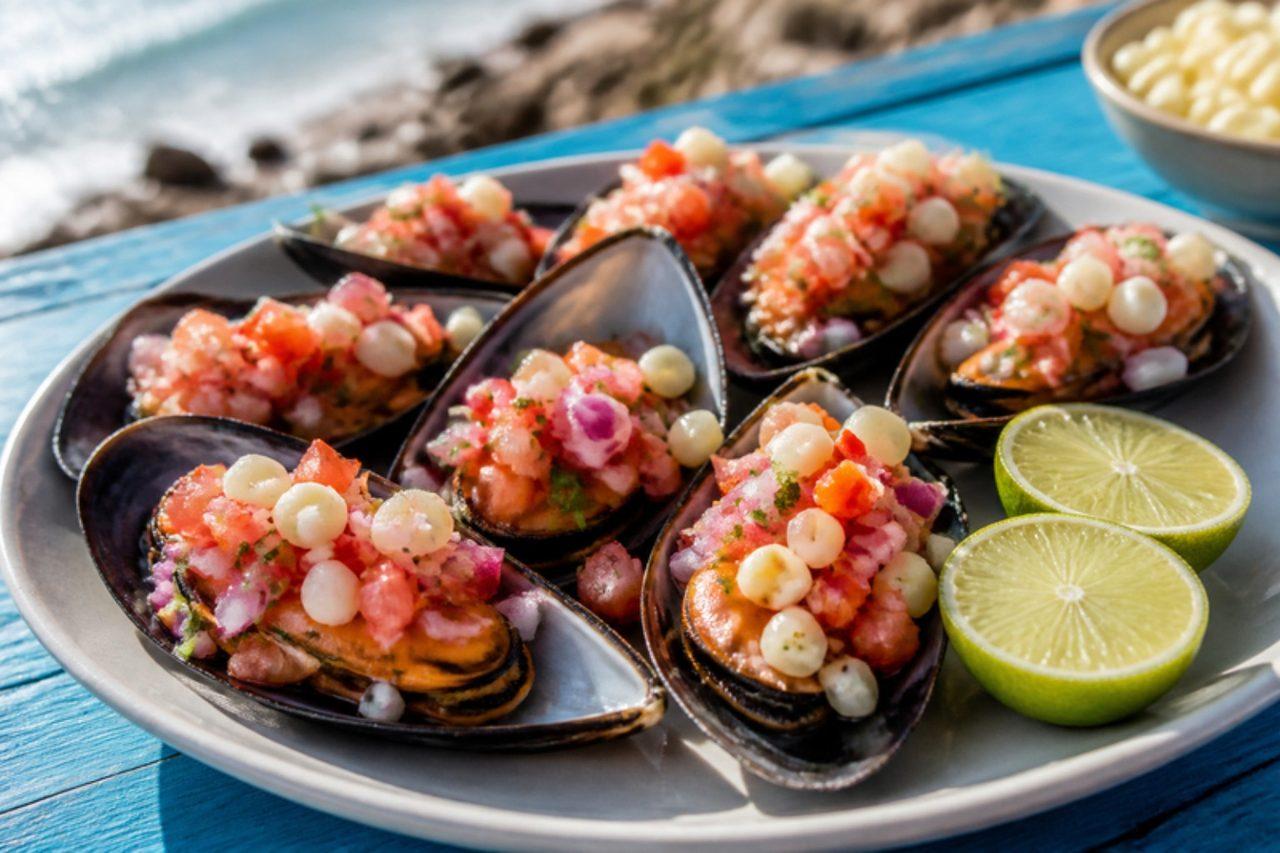
Named for the people of Callao, Lima's port, choros a la chalaca are what you order with friends at a seafront cevichería on a hot afternoon: steamed mussels, chilled, each on its half shell under a bright, wet salsa of red onion, tomato, Andean corn, rocoto and lime. Cool, sweet, briny and sharp, they are eaten with your fingers in two bites, often before a ceviche or a jalea. Here the mussels are fully steamed open first, so nothing is served raw. People often overcook them while waiting for the last stubborn shells, which leaves the rest rubbery; lift them out as soon as each one opens. Chef's tip: dress the salsa no more than 15 minutes ahead, and spoon a little of the juice onto every mussel; that juice is the whole point of the dish.

by KrazyBadal 0 views

TiraditoSliced fish in ají amarillo sauce

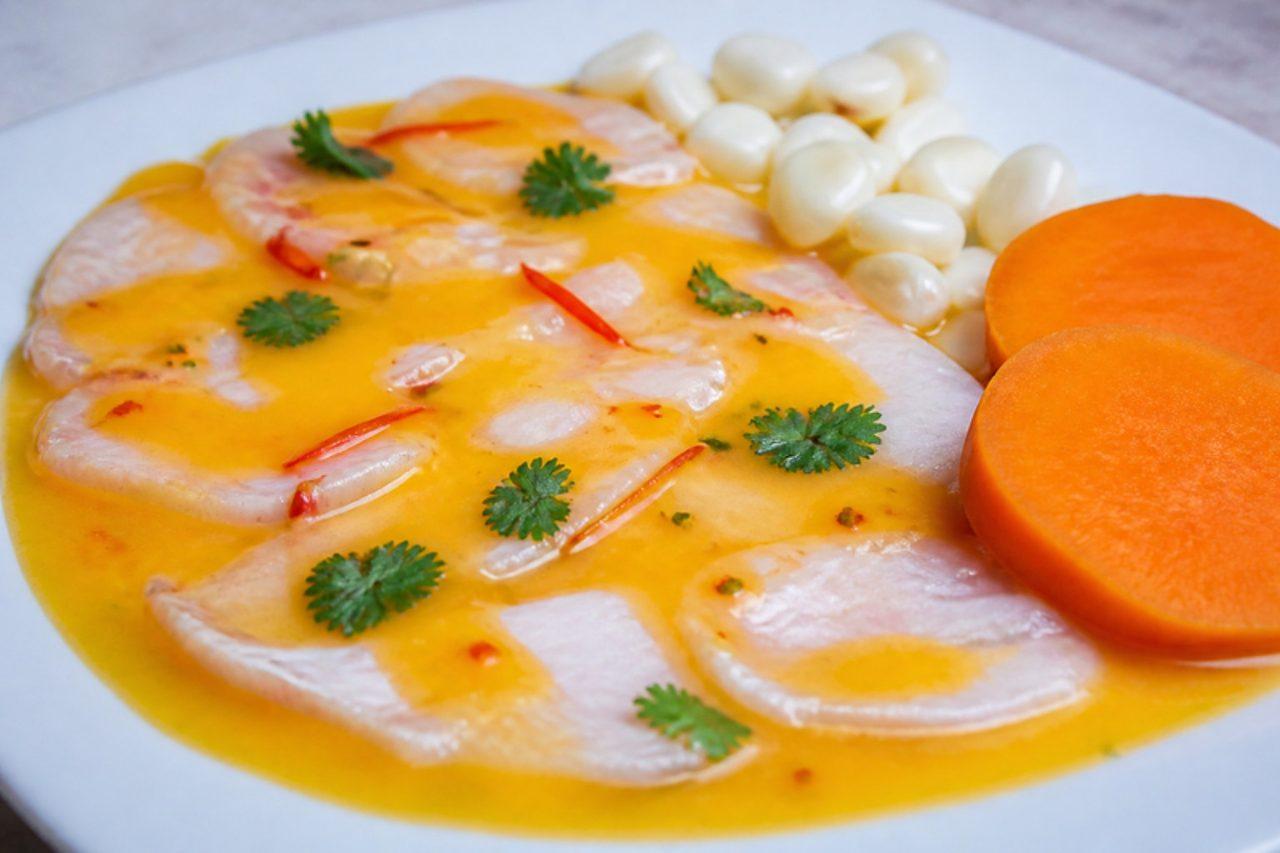
Lima's Japanese-Peruvian cooks turned ceviche on its head with tiradito: instead of cubes soaked in lime, the fish is cut thin like sashimi, laid flat and dressed at the last minute, so it stays silky with only the surface turning white. The sauce here is the classic golden one, ají amarillo blended with lime, garlic and ginger, fruity and medium hot. It is served as a starter in cevicherías and upmarket Miraflores restaurants with boiled sweet potato and corn. Because the fish is eaten almost raw, this version uses sashimi-grade fish frozen at −20 °C for 24 hours first (allow for that), kept cold and eaten the moment it is dressed; it is not for pregnant women, young children or anyone with a weakened immune system. The mistake people make is dressing it ahead: after ten minutes the lime cooks it through and it turns chalky. Chef's tip: chill the plates in the freezer for 10 minutes before you lay out the fish; it keeps the slices firm while you work.

by KrazyBadal 0 views

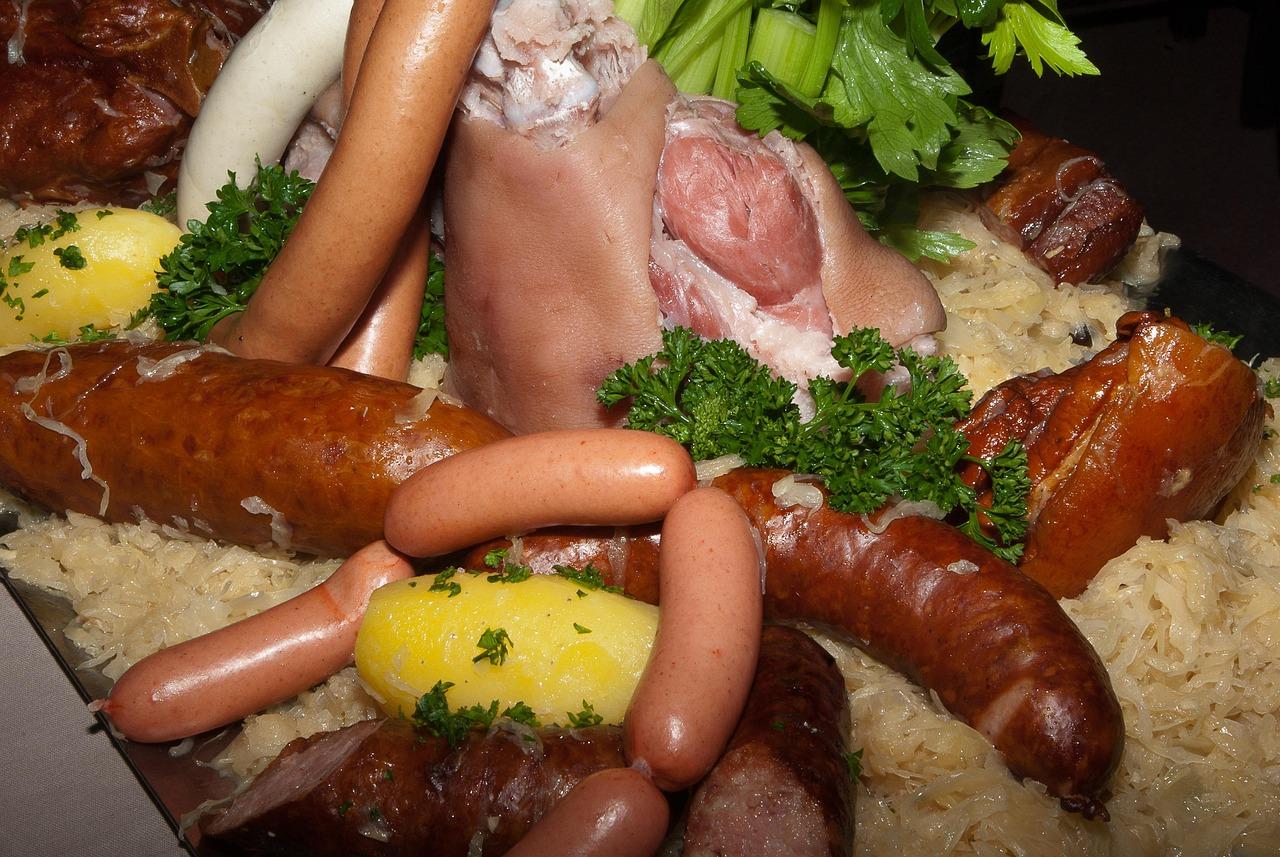
Choucroute garnieSauerkraut with smoked pork and sausages

From the winstubs of Strasbourg to the brasseries near Paris's Gare de l'Est, choucroute garnie is the dish that announces autumn, when the new season's sauerkraut arrives. It is a pork feast: smoked pork belly and smoked pork loin braised on a bed of sauerkraut softened with white wine, juniper and onion, then crowned with Strasbourg and smoked sausages and boiled potatoes. The cabbage turns mellow and silky rather than sharp, and soaks up the smoky fat. The braise uses dry white wine; the ingredient notes give an alcohol-free swap. Serve it with strong Dijon mustard and a little horseradish on the side. Chef's tip: rinse the sauerkraut only once and squeeze it well, so it keeps a little tang but doesn't make the whole dish sour.

130 minFrenchMeat
by KrazyBadal 0 views

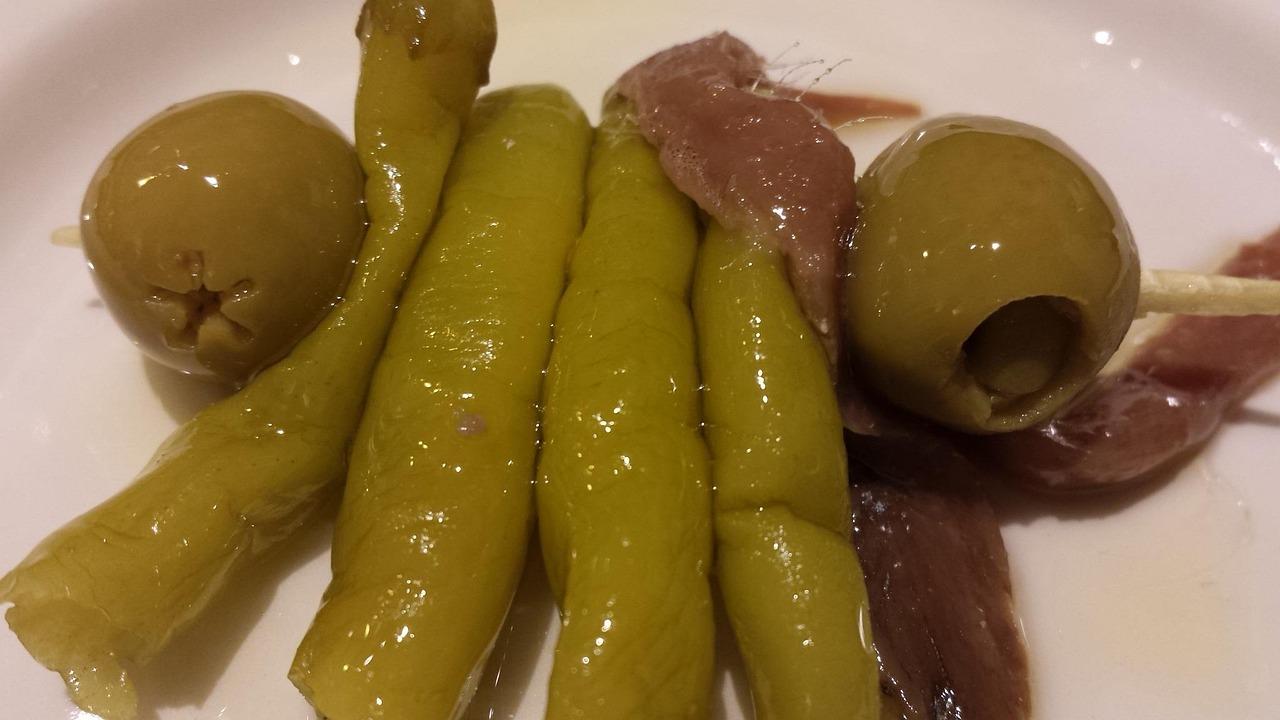
GildaOlive, anchovy and pepper skewer

The gilda was born in a San Sebastián bar in the late 1940s and named after the screen heroine of the film of the same name: green, salty and a little spicy, as the regulars put it. Every Basque bar counter still has a plate of them, eaten in one bite with a glass of something cold before lunch. Salted anchovies in oil are cured, not cooked, so they are not for pregnant women, young children or anyone with a weakened immune system; for a safer version use good tinned tuna in oil instead. A common mistake is using fresh anchovies marinated in vinegar (boquerones), which are raw and too soft for the stick. Chef's tip: thread the anchovy in a wave between the olives so each bite gets a bit of everything.

by KrazyBadal 0 views

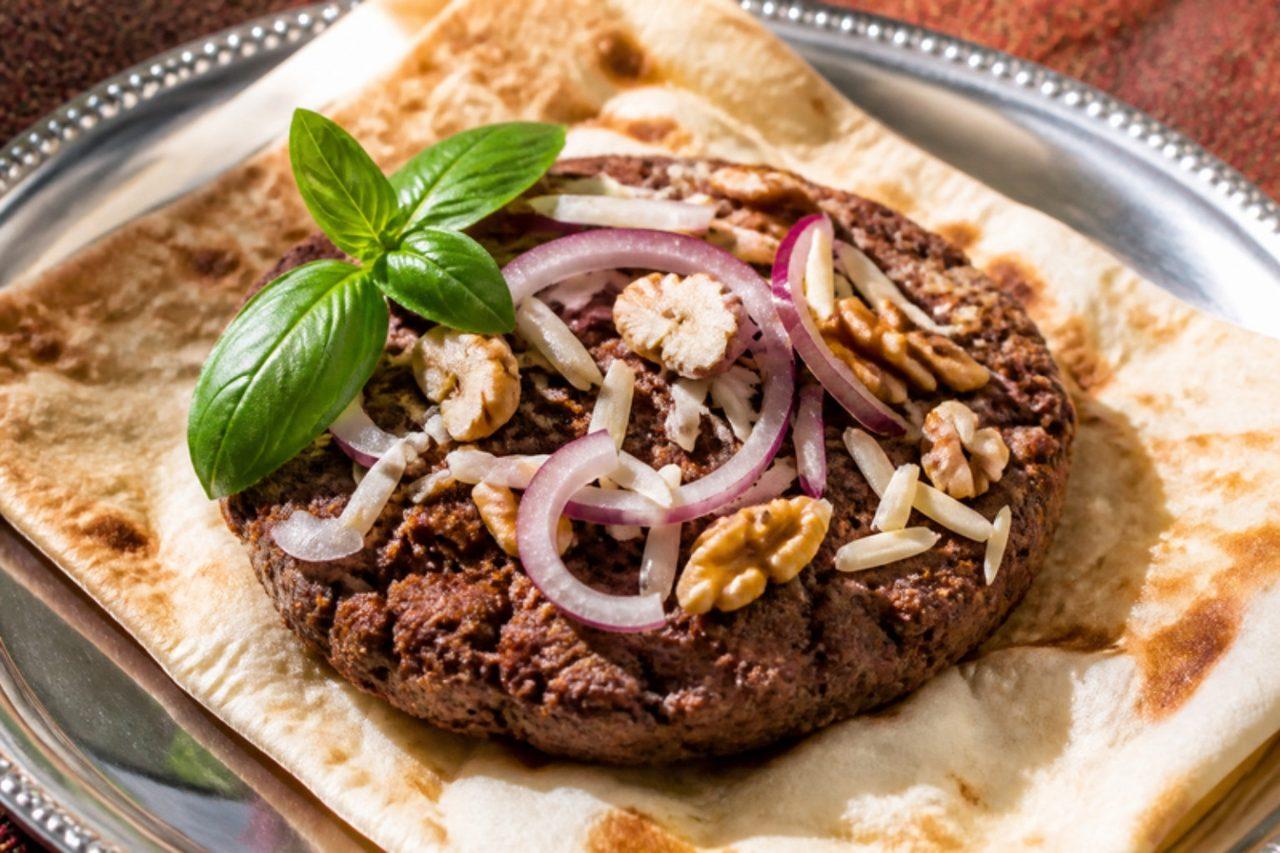
BeryaniSpiced lamb on flatbread with basil

Beryani is Isfahan's signature lunch, eaten in old bazaar eateries near Naqsh-e Jahan Square for more than a century, and nothing like the rice biryanis of South Asia. Lamb shoulder and, traditionally, lamb lung are simmered, minced, seasoned with cinnamon and fried on a small round pan with the fat from the pot, then turned out onto soft sangak or taftoon bread and eaten with fresh basil, raw onion and walnuts. Lung is hard to buy outside Iran, so this home version uses lamb shoulder and a little lamb mince for the same soft texture. A common mistake is draining away the cooking fat; Isfahanis spoon it over the bread for flavour, so keep it. Chef's tip: press the meat into a small frying pan to make a neat round patty, the way the bazaar cooks do.

120 minPersianMeat
by KrazyBadal 0 views

Bolo de roloGuava paste roll cake

Cut a slice of bolo de rolo and you see a tight spiral of a dozen hair-thin layers, alternating pale butter sponge and dark red guava. It is Pernambuco's proudest cake, protected as a cultural heritage of the state, sold in Recife's bakeries and airport shops in long boxes and served at birthdays and with coffee in the afternoon. The batter is rich with butter and eggs, spread so thinly it bakes in minutes; each sheet is brushed with melted guava paste and rolled around the last. It takes patience rather than skill. The classic slip is spreading the batter too thick, which gives a fat swiss roll instead of fine stripes; you should almost see the paper through it. Chef's tip: roll each layer while it is still hot from the oven, on a clean cloth dusted with sugar, because the thin sponge cracks as soon as it cools.

by KrazyBadal 0 views

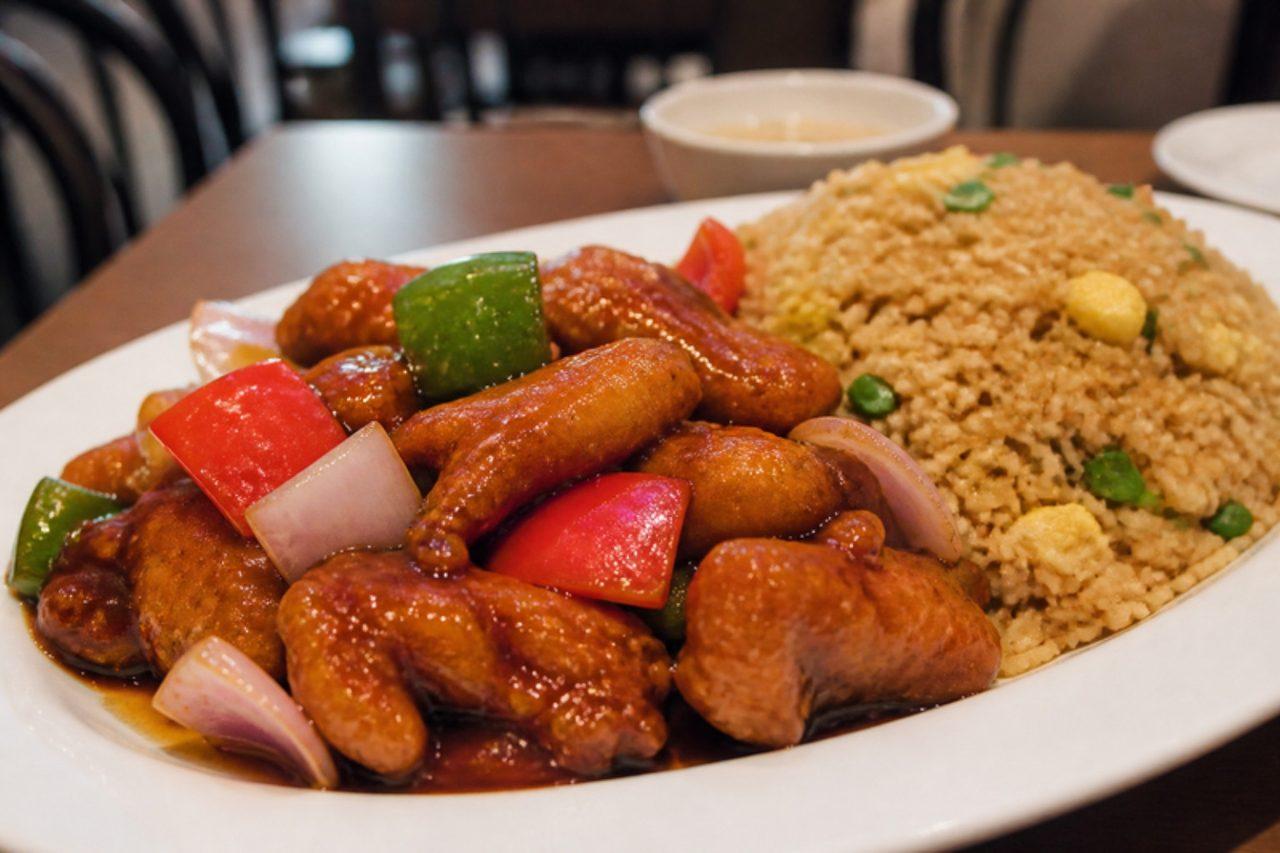
TipakayChicken in sweet-sour tamarind sauce

Sweet, tangy and a little sticky, tipakay is the chifa order for people who like their sauce on the fruity side: battered pieces of chicken fried crisp, then dressed in a dark, glossy sauce built on tamarind, panela and soy, with strips of red and green pepper and onion that keep some crunch. It is one of the most popular platters in Lima's family-run chifas, eaten with white rice or chaufa. Its sauce is darker and less candy-sweet than kam lu's, with tamarind's sour depth. The mistake most home cooks make is letting the peppers stew until soft; give them only a minute in the wok so they stay bright. Chef's tip: taste the sauce before thickening and balance it: more lime if it's cloying, a pinch more panela if it's too sour.

by KrazyBadal 0 views

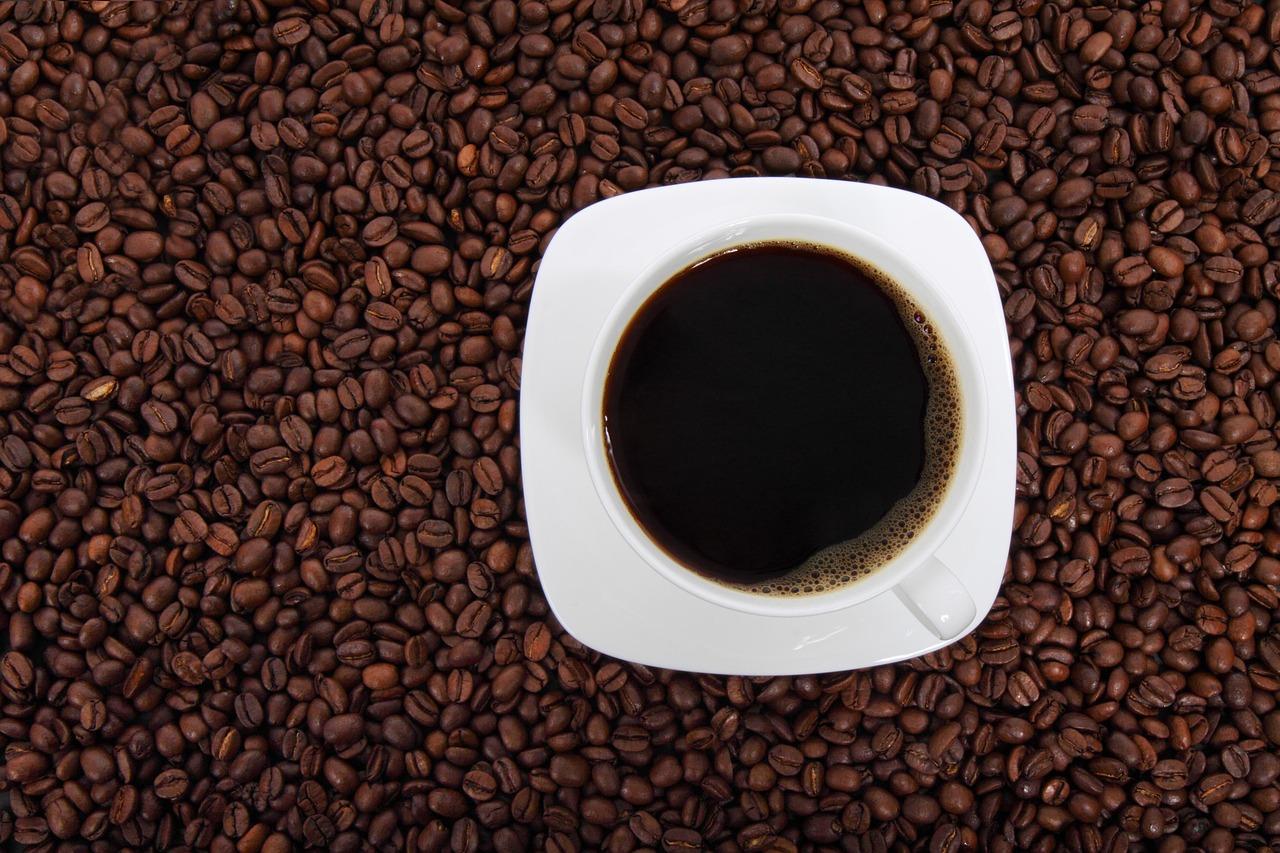
TintoBlack coffee with panela

Ask for a tinto anywhere in Colombia and you get a small cup of black coffee, never red wine. Street vendors carry it in thermos flasks through the plazas of Manizales, Pereira and Bogotá, and offices, bus stations and farm kitchens in the coffee region brew pots of it all day. It is light, hot and gently sweet, often made by simmering ground coffee with water and a little panela, then straining it through a cloth bag. The usual error is boiling the coffee hard, which makes it harsh and bitter; let it come to the boil only once. Chef's tip: let the grounds settle for a minute off the heat before straining, so the cup stays clear.

by KrazyBadal 0 views

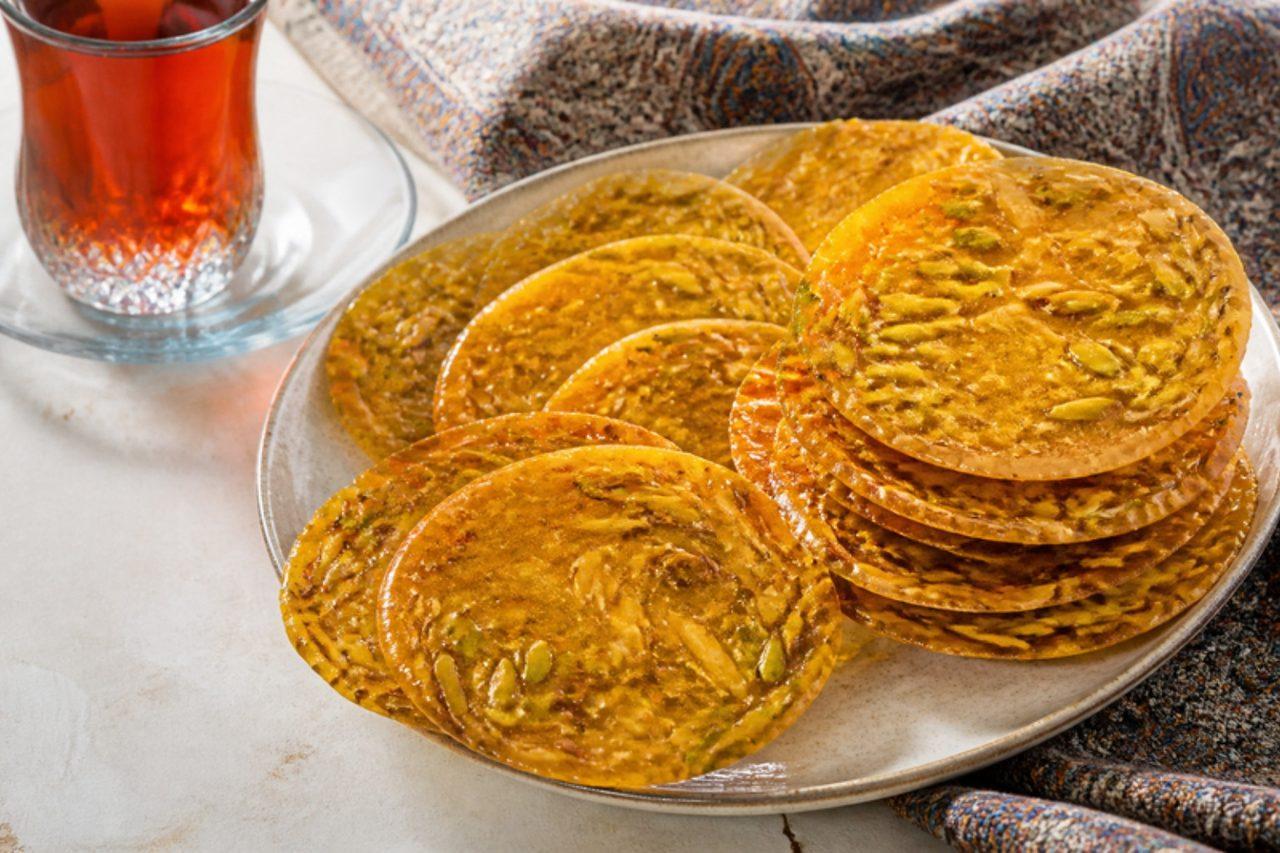
SohanSaffron pistachio brittle

Pilgrims leaving the shrine city of Qom carry home round tins of sohan, and boxes of it are passed around at Nowruz visits all over Iran. It is a buttery, snapping brittle flavoured with saffron, cardamom and rosewater, built on sprouted wheat flour, which gives a gentle malty sweetness, and studded with slivered pistachios and almonds. Each disc shatters and then melts. Chef's tip: have every nut and flavouring measured beside the stove before you start; the last stage moves fast and the sugar won't wait.

by KrazyBadal 0 views

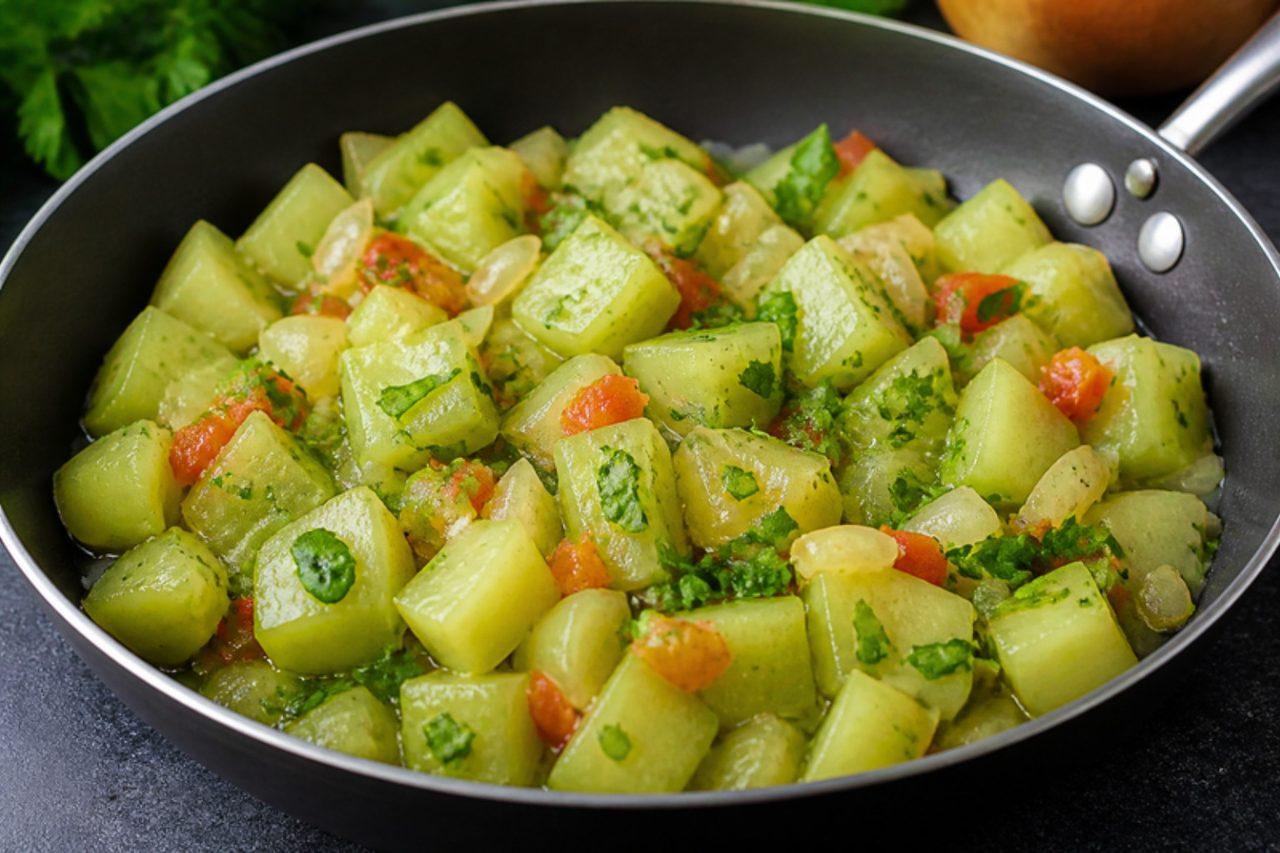
Chuchu refogadoSautéed chayote

Chayote is so cheap and common in Minas Gerais that Brazilians joke it tastes of nothing; this everyday refogado proves the point wrong. Peeled and diced, it is softened in garlic, onion and a little tomato with its own juices until it turns tender, pale green and silky, picking up all the flavour of the base. It is the side you find at every self-service lunch in Belo Horizonte, alongside rice, beans and couve, and works with grilled tofu, eggs or a bean stew. Adding water is the most common error: chuchu releases plenty of liquid, and extra water makes it bland and soupy. Chef's tip: rub a little oil on your hands, or wear gloves, before peeling; the cut fruit releases a sticky sap that leaves your skin tight and dry.

by KrazyBadal 0 views

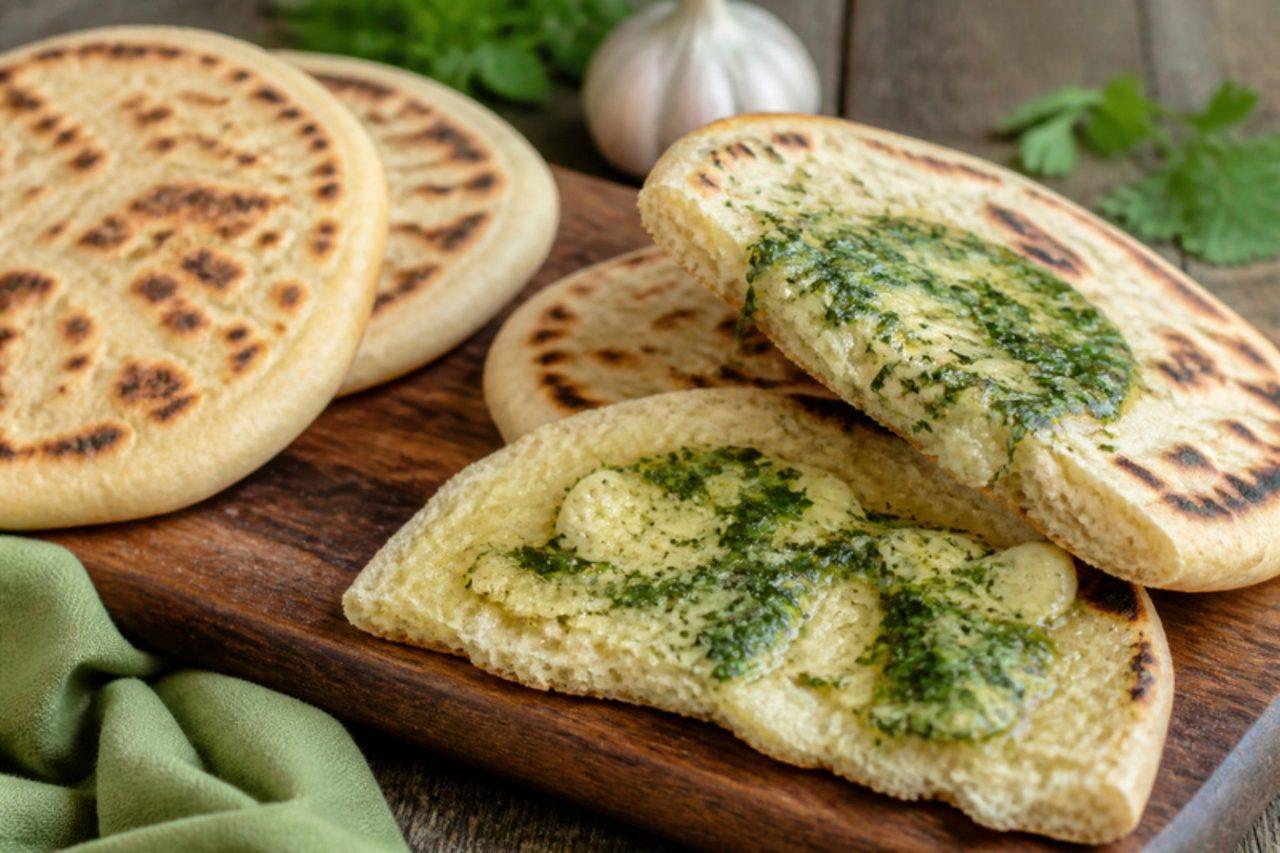
Bolo do cacoSweet potato flatbread with garlic butter

Every street stall at the Funchal flower festival and every village arraial on Madeira has a hot stone griddle going, turning out these flat, chewy rounds of bread made with sweet potato. They are split while hot, spread with garlic and parsley butter and eaten on their own, or stuffed with a skewer's worth of espetada. The name comes from the caco, the basalt slab they were first baked on, but a heavy frying pan does the job at home. Chef's tip: cook them low and slow; a hot pan burns the crust before the thick middle is done.

by KrazyBadal 0 views

BrezenknödelPretzel dumplings

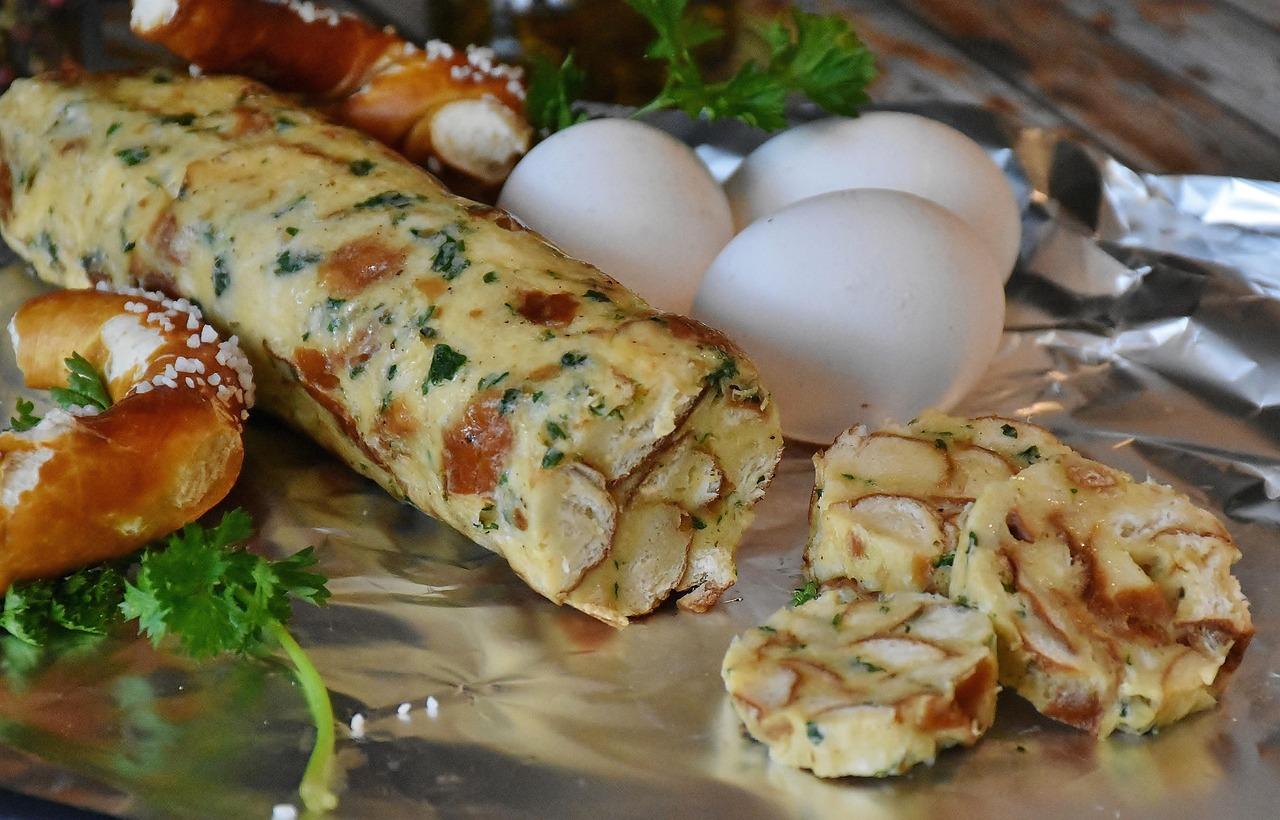
Brezenknödel are what thrifty Munich kitchens make from yesterday's pretzels: the cubes soak in warm milk with egg, onion and parsley, then are shaped into dumplings with a faintly salty, malty crust flavour running through them. They are served on Sundays in place of bread dumplings, alongside a creamy mushroom sauce or a pile of red cabbage, and leftovers are sliced and fried the next morning. The big mistake is adding too much milk: the mixture should hold when squeezed, not drip. Chef's tip: pick off most of the coarse salt before cubing the pretzels, otherwise the dumplings end up far too salty.

by KrazyBadal 0 views

Soupe de poissons with rouilleFish soup with rouille

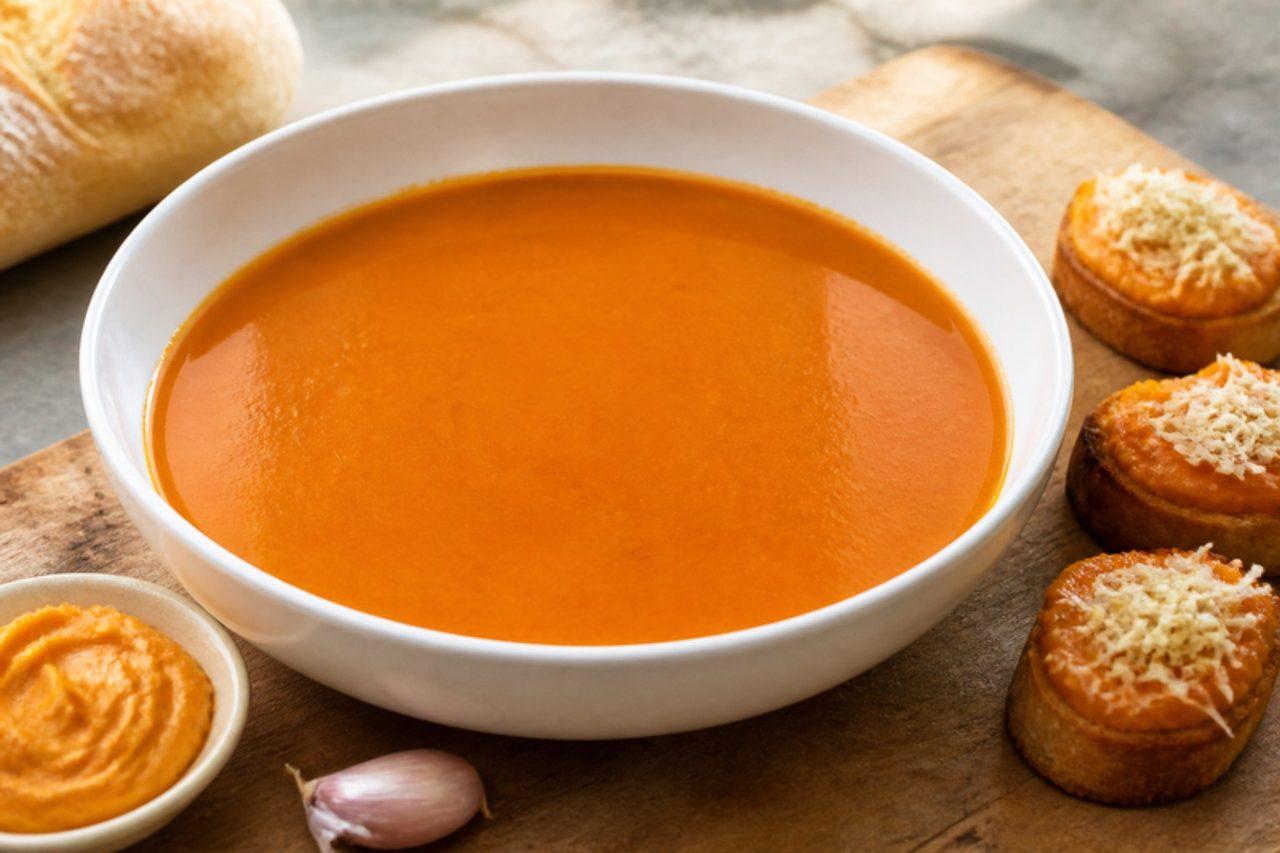
Not to be confused with bouillabaisse, where whole pieces of fish are served, soupe de poissons is the smooth, rust-coloured soup made all along the coast from Marseille to Sète from small rockfish too bony to eat any other way. The fish are fried with fennel, tomato, garlic and saffron, simmered and then pressed through a food mill, giving a velvety soup tasting deeply of the sea. In harbourside restaurants it arrives with a tray of toasted croutons, a pot of fiery garlic rouille and grated cheese, and everyone builds their own bowl. This rouille is thickened with potato and bread, with no raw egg. Chef's tip: press the cooked fish hard through the mill or sieve; the flavour is in the pulp, not just the liquid.

100 minFrenchSoups
by KrazyBadal 0 views

Chuño phutiFreeze-dried potatoes with egg and cheese

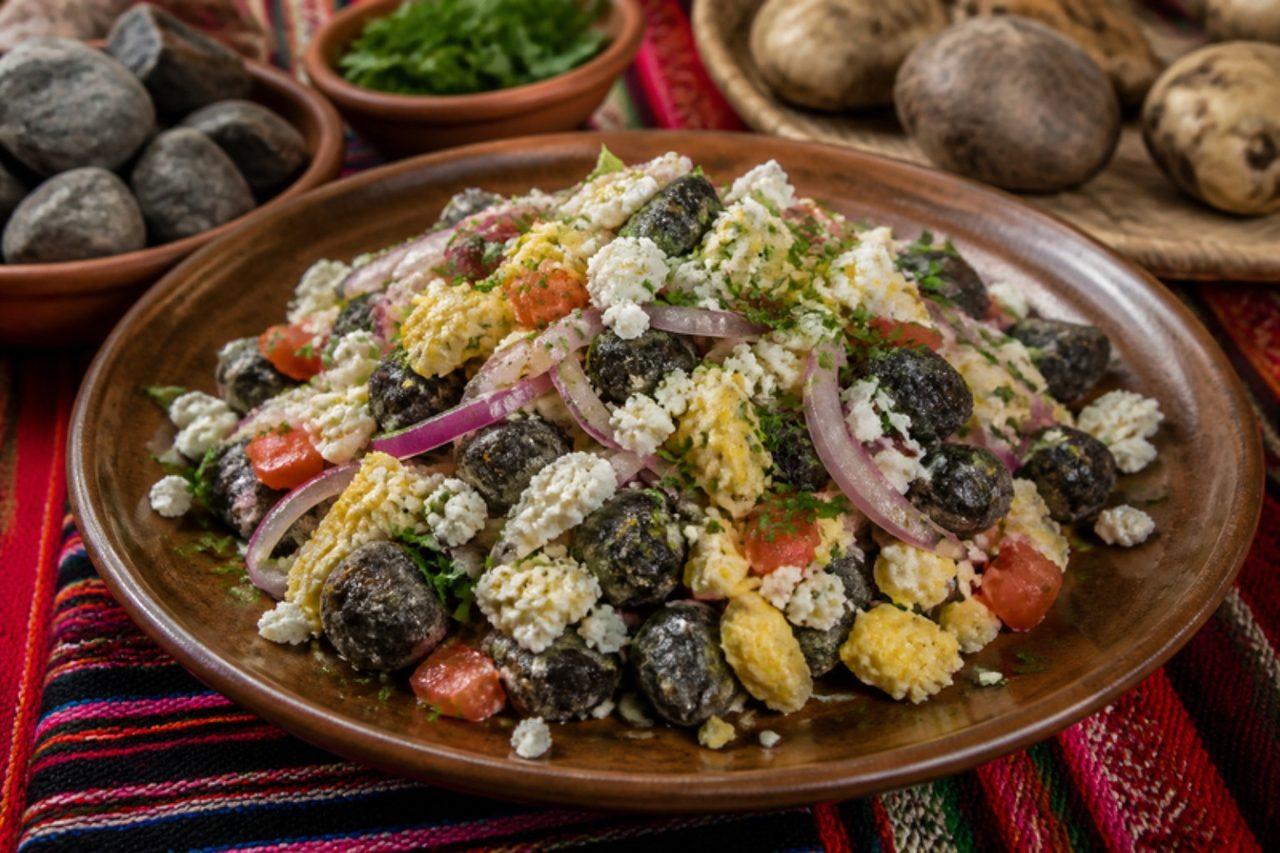
Chuño are potatoes freeze-dried the ancient way on the Altiplano: left out on frosty nights, trampled to squeeze out the water and dried in the high sun, so they keep for years. In Puno and across the border in Bolivia, they are soaked, crumbled and fried with onion, then scrambled with egg and fresh cheese to make phuti, a hearty breakfast or supper eaten with a hot tea. The texture is dense and slightly chewy, and the flavour earthy and a little tangy. Chuño is sold dried in Andean shops; it must soak overnight (ideally 24 hours, with the water changed) and then be peeled, which adds time before you start. The mistake is not soaking or rinsing enough: under-soaked chuño smells strong and stays hard in the middle. Serve with a fresh tomato salsa or uchucuta. Fresh cheese is usually made with animal rennet, so use a vegetarian one if needed. Chef's tip: squeeze the soaked chuño hard between your palms before crumbling; the drier it is, the better it fries.

by KrazyBadal 0 views

Chupe de camaronesPrawn chowder

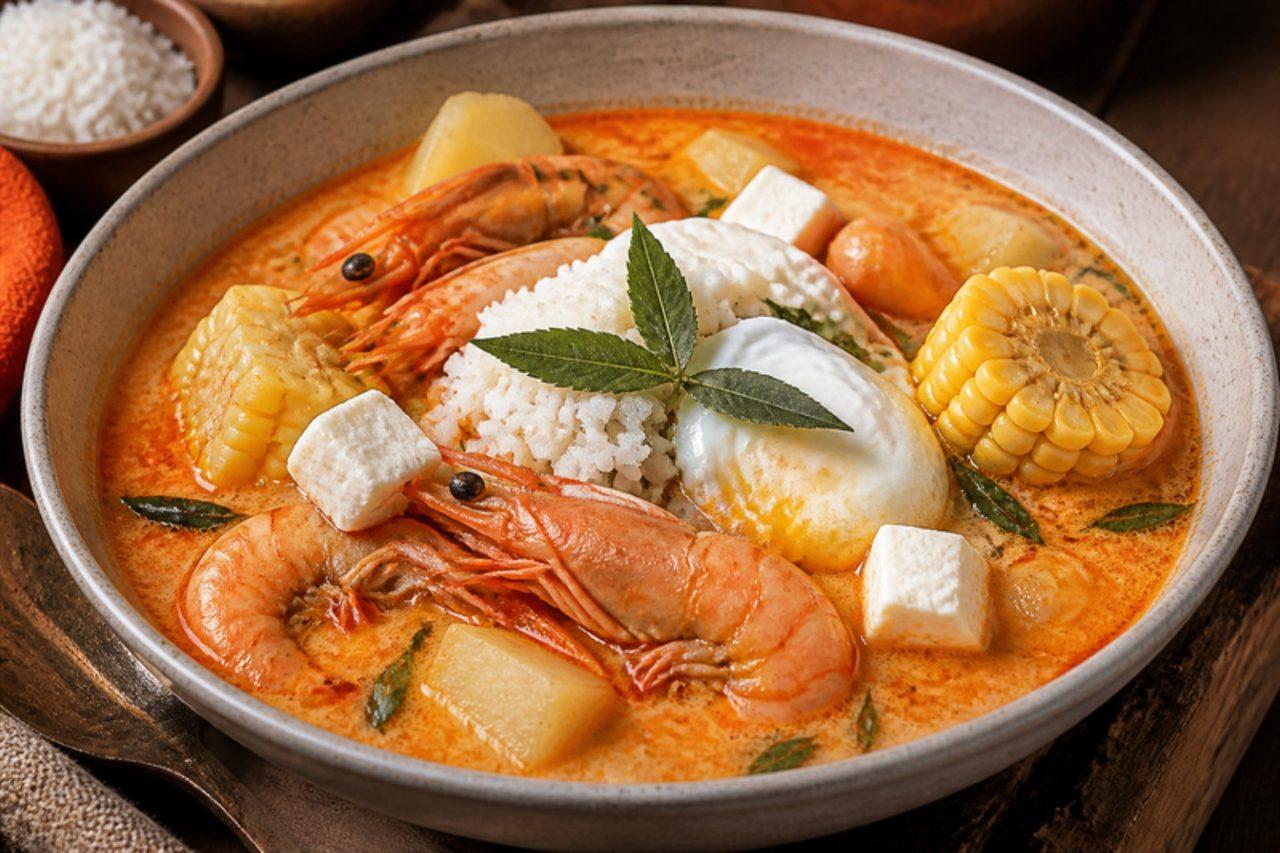
Arequipa's picanterías serve one chupe on each day of the week, and the prawn one, made with crayfish-like camarones from the Majes and Ocoña rivers, is the grandest, especially on Fridays in Lent. It is a big orange chowder: a broth made from the prawn shells and heads, coloured with ají panca, filled with potatoes, corn, broad beans and a little rice, then softened with evaporated milk and fresh cheese, with an egg poached in each bowl. Rich, sweet and gently spicy, it needs nothing but bread. Large shell-on prawns stand in well for river prawns. Many cooks boil the prawns from the start and they turn to rubber; add them at the end and cook only until pink and opaque. Chef's tip: fry the heads and shells in the oil first and press them hard; the orange fat that comes out is what gives chupe its colour and depth.

by KrazyBadal 0 views

ShrakPaper-thin saj flatbread

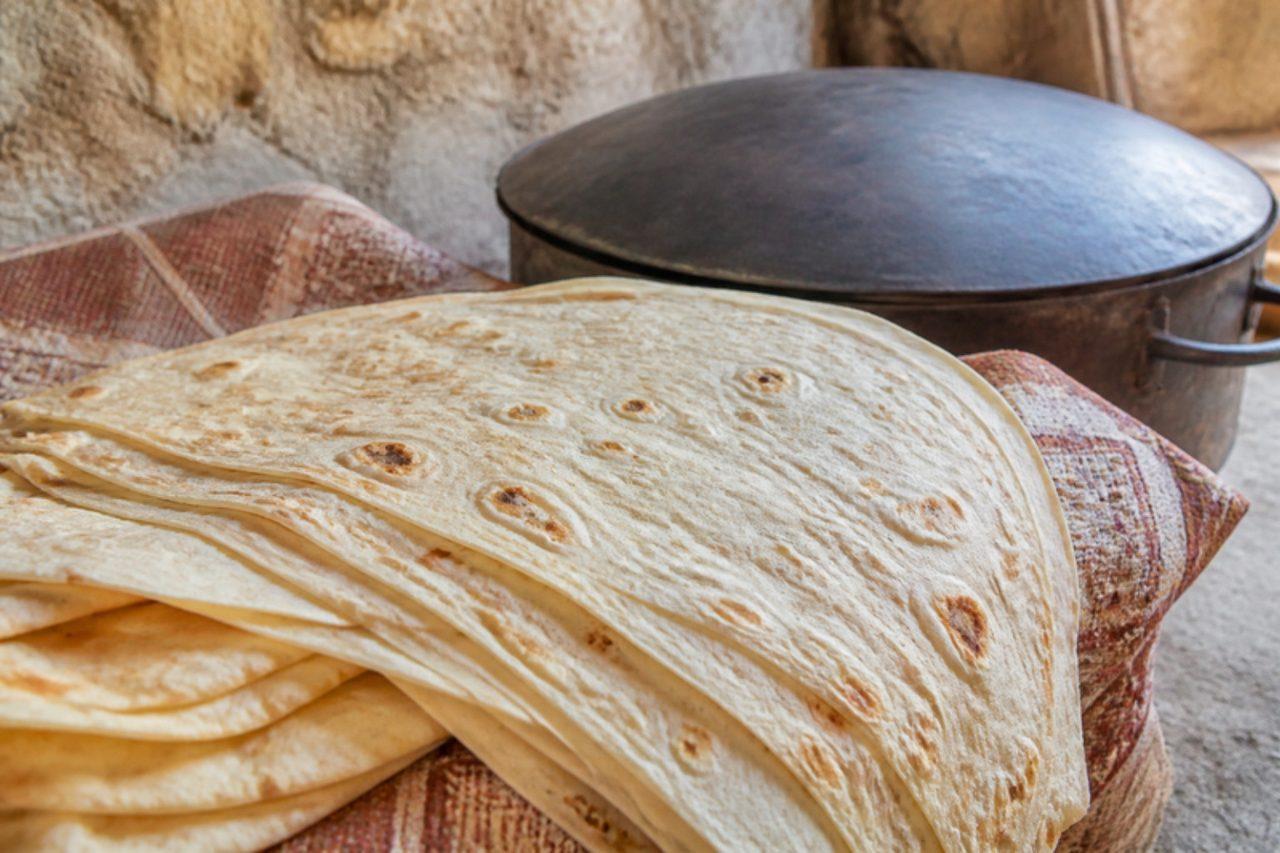
In Bedouin camps around Wadi Rum and Ma'an, shrak is baked fresh for every meal: dough stretched thinner than a handkerchief, flung over a domed iron saj above the fire and lifted off seconds later, soft and blistered. It is the bread that lines the mansaf platter and wraps grilled meat, and it is torn for galayet and labneh at breakfast. At home an upturned wok over a gas flame stands in for the saj. The common mistake is rolling the dough on a dry surface; it tears, so oil your hands and worktop instead and stretch the dough over the backs of your hands like a pizza maker. Chef's tip: rest the dough balls a full 30 minutes, well oiled and covered; relaxed gluten stretches to near see-through without fighting back.

by KrazyBadal 0 views

GiouvetsiBeef and orzo clay-pot bake

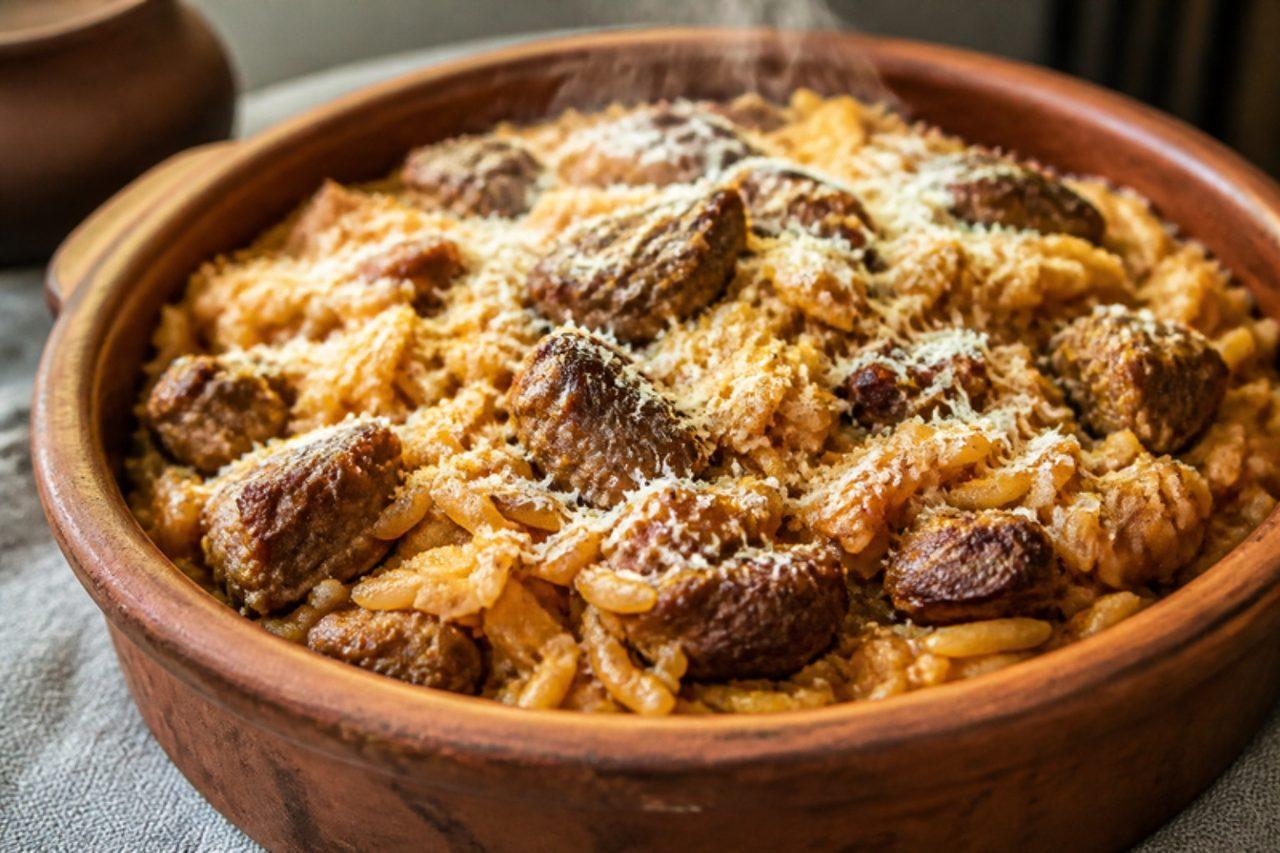
Giouvetsi takes its name from the glazed clay dish it is baked in, and in Greek homes it is the Sunday lunch that gets put in the oven before church: chunks of beef braised with tomato, cinnamon and allspice, then finished with kritharaki (orzo) that soaks up every drop of the sauce. It arrives at the table bubbling, with grated cheese melting on top. This version uses wine to deglaze, which is traditional; use extra stock for an alcohol-free dish. Common mistake: adding the orzo with too little liquid, so it bakes dry and sticks; it needs about four times its weight in hot stock. Chef's tip: stir the orzo halfway through baking so the top pieces don't harden.

170 minGreekMeat
by KrazyBadal 0 views

Girit ezmesiFeta, walnut and herb spread

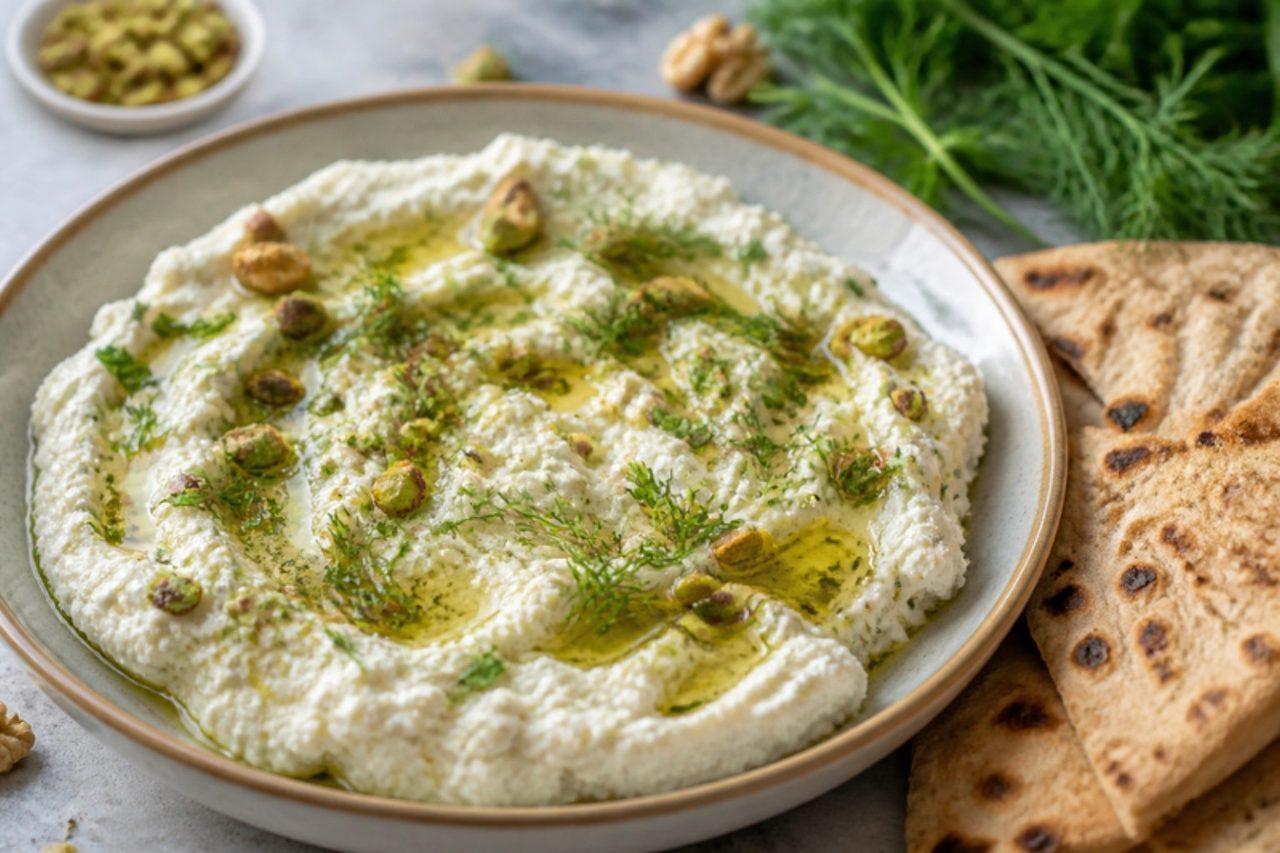
Girit ezmesi takes its name from the Cretan Muslims who settled in Alaçatı and Çeşme a century ago, and it is still a fixture of every meze table in those whitewashed streets. Soft white cheese is mashed with olive oil, walnuts, garlic, plenty of herbs and a dusting of hot pepper into a rough, salty spread that begs for warm bread. Feta and beyaz peynir are often made with animal rennet, so choose a vegetarian one if you need to. Chef's tip: mash by hand with a fork rather than blending; it should stay textured, with visible pieces of walnut and herb.

by KrazyBadal 0 views

Besugo a la donostiarraSea bream with garlic vinegar dressing

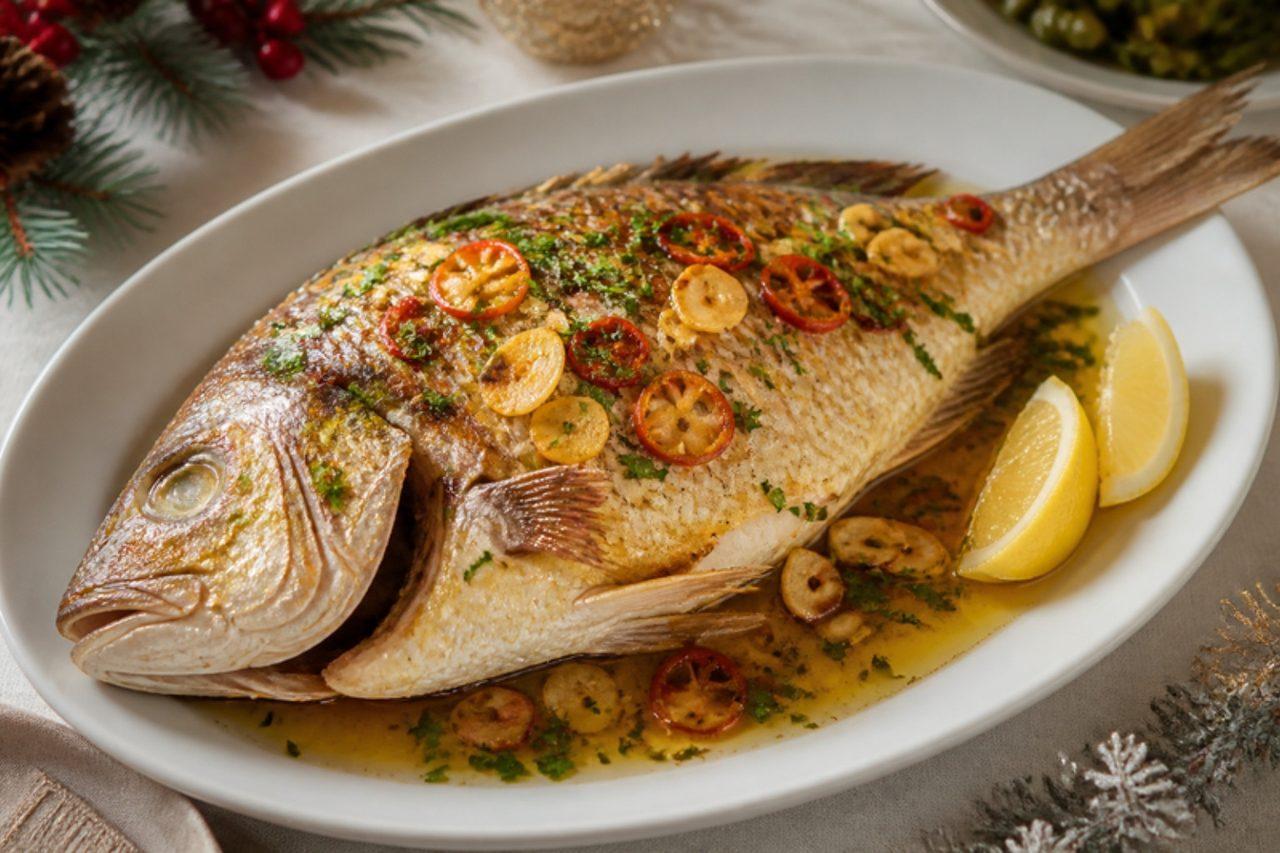
For many San Sebastián families, Christmas Eve dinner isn't complete without a whole sea bream, roasted or grilled and finished with a refrito: hot olive oil with sliced garlic, dried chilli and a splash of vinegar poured over at the table. The traditional fish is red sea bream (besugo), but gilt-head bream works well. A common mistake is letting the garlic go dark brown, which makes the dressing bitter; take it off when it is pale gold. Chef's tip: cut a few slashes into the thick part of the fish so it cooks evenly and the dressing soaks in.

by KrazyBadal 0 views

Shorbat freekehSmoked green wheat soup

When the sunset call to prayer ends the Ramadan fast in Amman, the first spoonfuls are very often shorbat freekeh, a nourishing broth thickened with cracked green wheat that was roasted in the field while still young. The smoke from that roasting gives the soup its distinctive, almost barbecue-like depth, while chicken, cinnamon and cardamom keep it gentle on an empty stomach. It is followed by dates, salad and the main dish. The usual mistake is not picking over and rinsing the freekeh, which can hold tiny stones and chaff. Chef's tip: toast the rinsed freekeh in butter for a couple of minutes before adding the broth; it brings out the smokiness.

by KrazyBadal 0 views

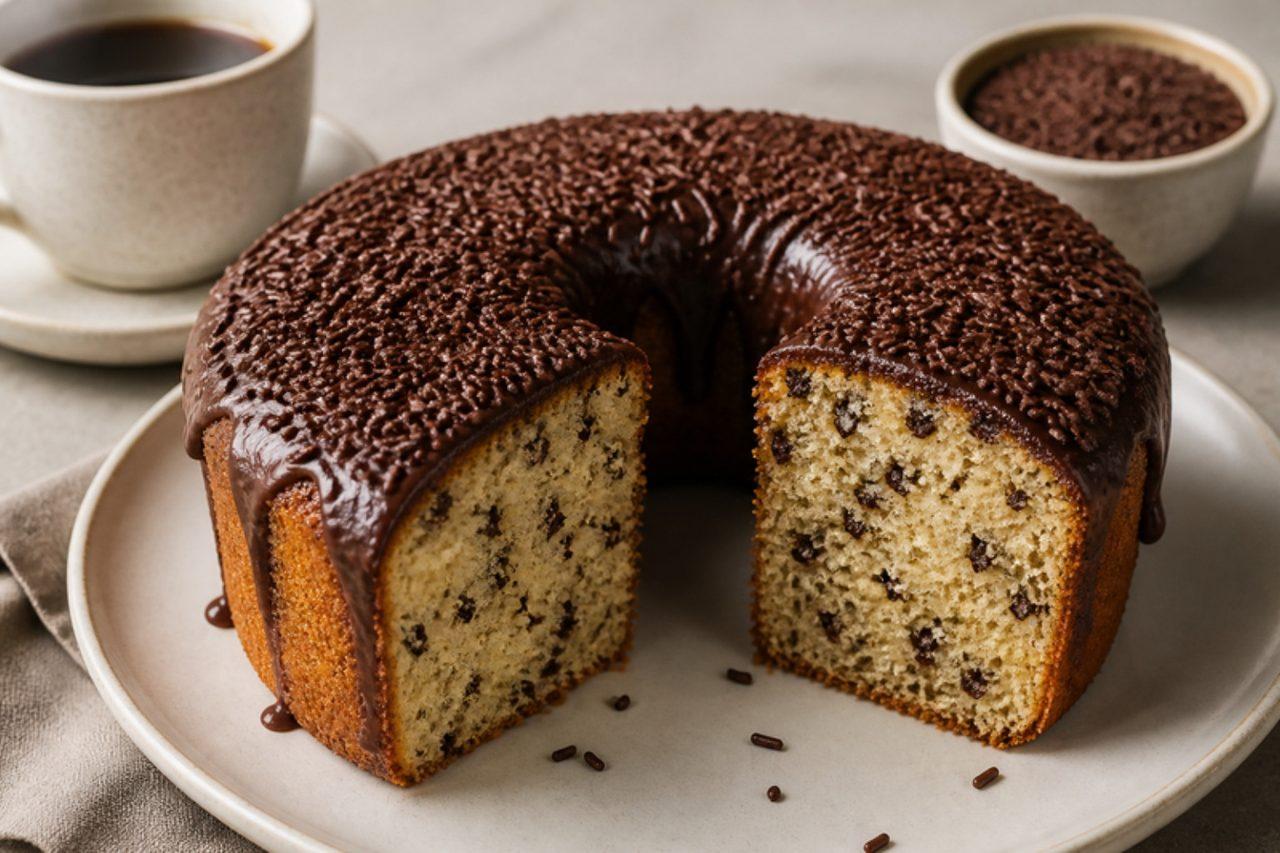
Bolo formigueiroVanilla sponge with chocolate sprinkles

Slice into a bolo formigueiro and the crumb is dotted with dark specks, like ants on a sandy anthill, which is where the name comes from. This is the cake a Brazilian kid would want at merenda time: a soft, buttery vanilla sponge with chocolate sprinkles (granulado) folded through, often finished with a simple chocolate glaze and more sprinkles on top. Padarias and lanchonetes from São Paulo to Belo Horizonte sell it by the slice with a coffee. The cake contains wheat flour, eggs and milk. People often stir the sprinkles into the batter at the start, so they melt and turn the cake muddy grey. Chef's tip: fold the sprinkles in last, with a light hand, and use the chocolate kind (not candy-coloured), which hold their shape in the oven.

by KrazyBadal 0 views

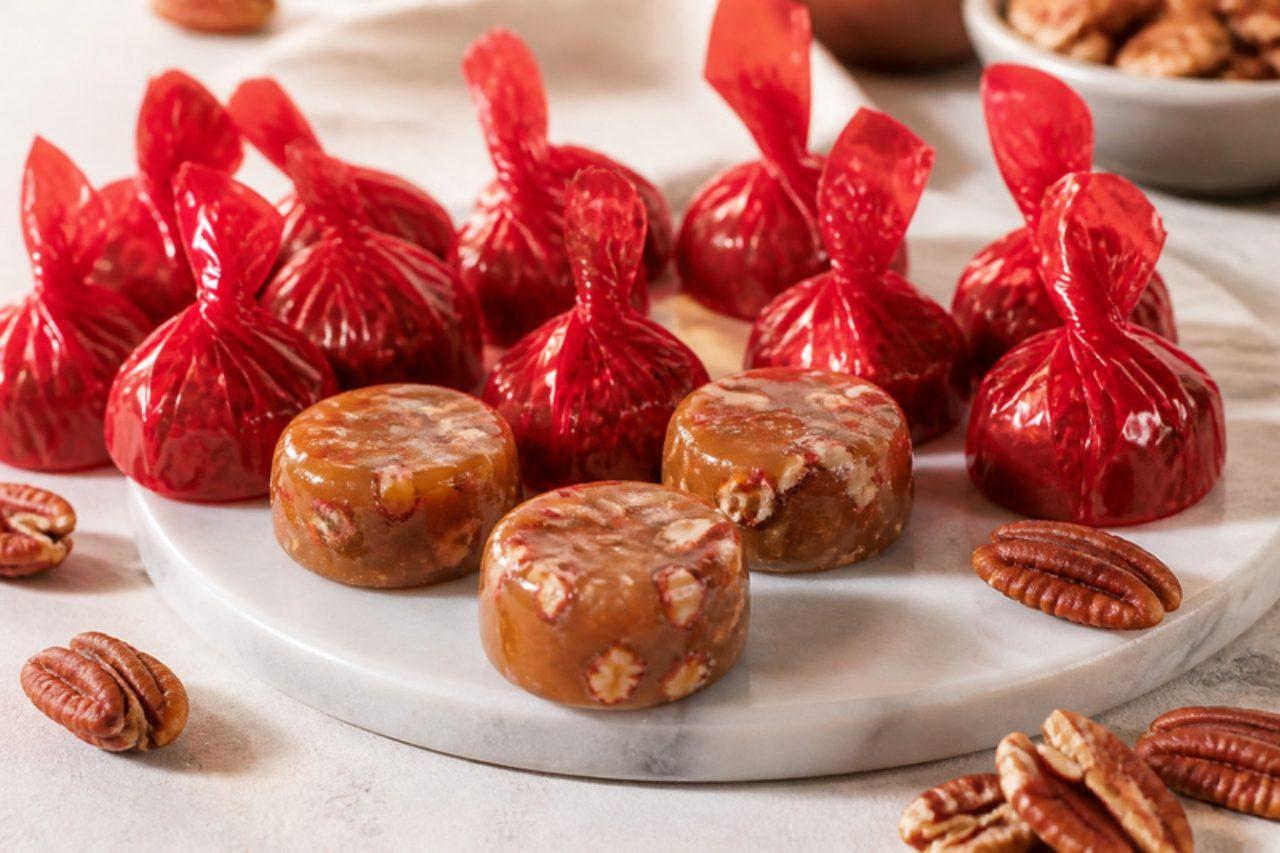
GloriasPecan and goat milk caramels

Linares, a small town in Nuevo León, is famous across Mexico for glorias: soft, chewy balls of goat's milk caramel packed with pecans, each wrapped in a twist of red cellophane. They are bought by the box at roadside sweet shops on the way to Monterrey and handed out at weddings and Christmas. Goat's milk gives them a gentle tang; a mix of goat's and cow's milk is milder. Chef's tip: the last ten minutes need constant stirring, as the caramel thickens and catches fast.

by KrazyBadal 0 views

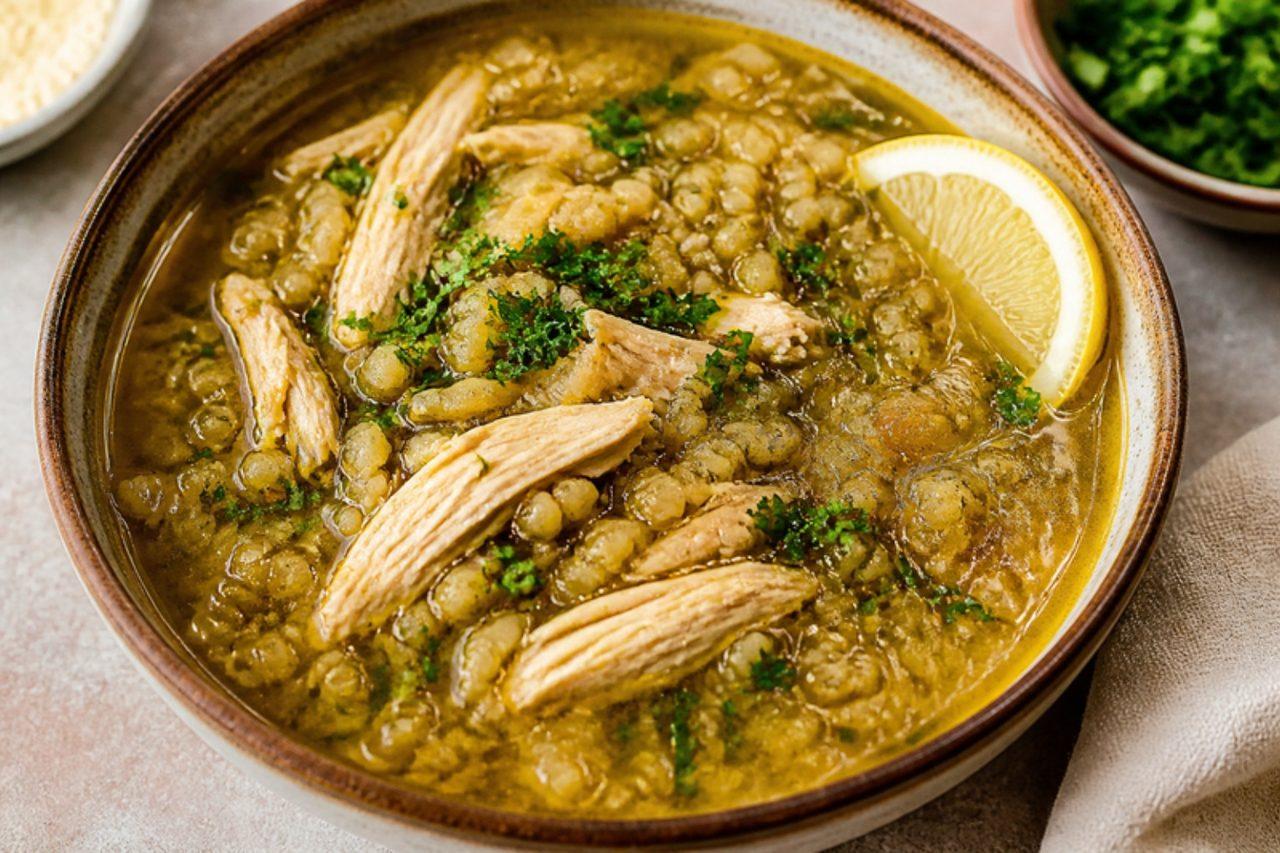
InchicapiPeanut chicken soup

From the riverside kitchens of Iquitos and the Peruvian Amazon comes inchicapi, a festive chicken soup traditionally made with a free-range hen for birthdays and fiestas. Raw peanuts and a little maize flour are ground and stirred into the broth, which turns it creamy, pale and nutty, and pieces of cassava, garlic, ají dulce and sacha culantro (a long, serrated, strongly flavoured coriander) finish it. It is served with rice, boiled plantain or cassava. If you can't find sacha culantro in Asian or Latin shops (sold as culantro or ngo gai), use a big handful of coriander. The pitfall is adding the peanut paste dry: it clumps and catches on the bottom, so loosen it with broth first and stir often. Chef's tip: use raw, not roasted, peanuts; they keep the soup pale and give it the right fresh, milky taste.

by KrazyBadal 0 views

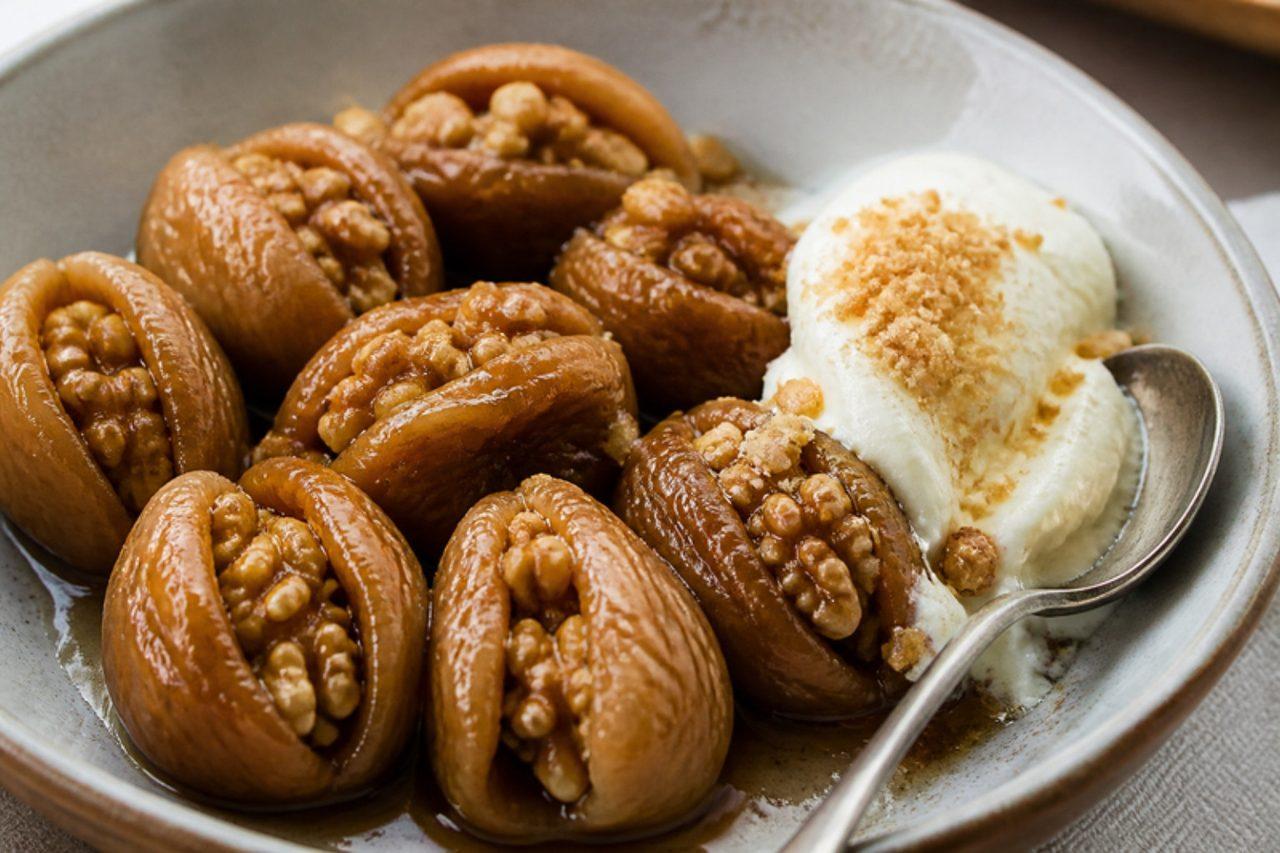
İncir tatlısıWalnut-stuffed figs in syrup

The plain around Aydın grows most of Turkey's figs, and in winter, when only the dried ones remain, local cooks soften them in water, tuck a walnut half inside each, and poach them in a light syrup until they plump up dark and glossy. A spoonful of milk in the pan, an old Aegean trick, gives the syrup a soft caramel note. Serve them cold with kaymak or thick yoghurt. Chef's tip: soak the figs first so they swell before cooking; added dry, they stay leathery in the middle however long they simmer.

by KrazyBadal 0 views

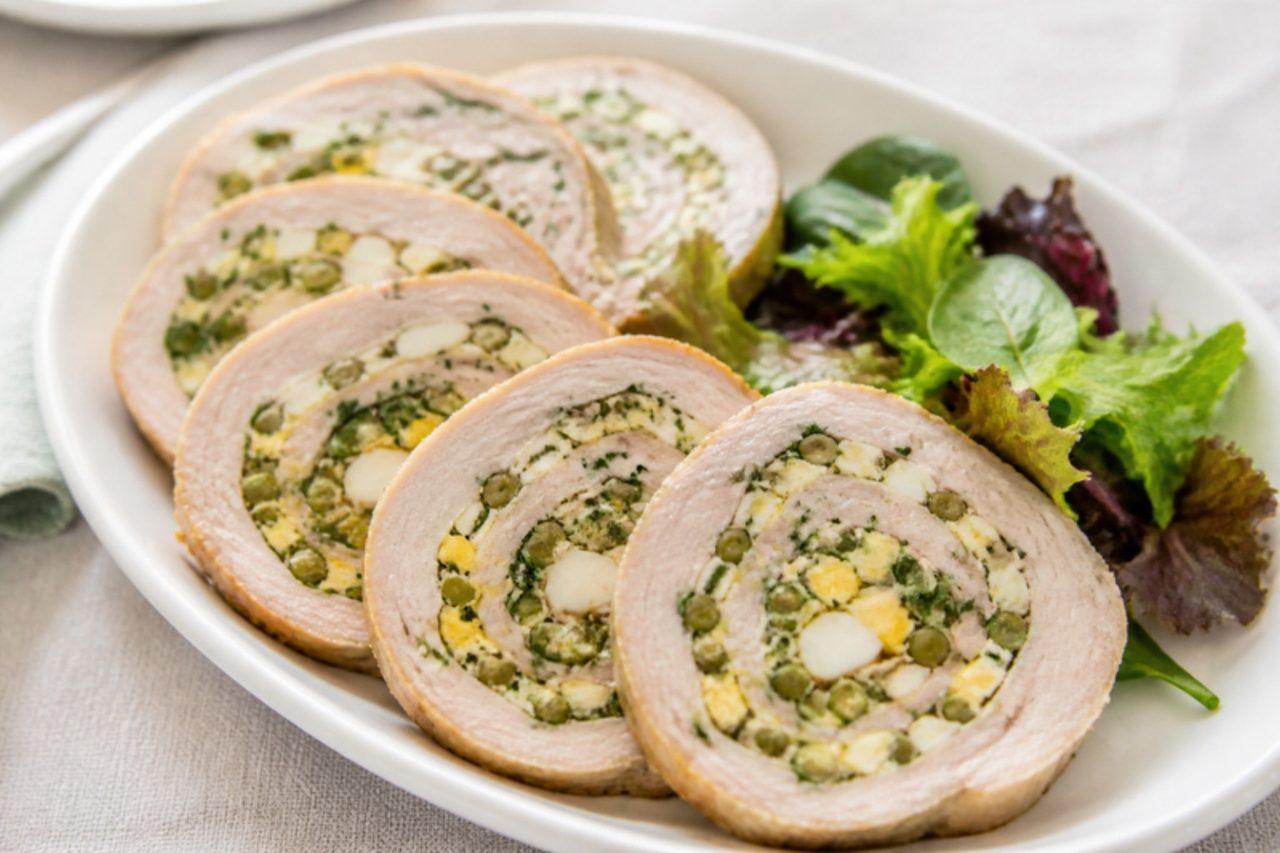
Cima alla genoveseStuffed cold veal breast

Cima alla genovese is a summer dish from Genoa and the Ligurian coast, sold by the slice in old delicatessens and set out for festive lunches and picnics. A pocket of veal breast is filled with a soft mixture of minced veal, egg, peas, parmigiano, pine nuts and marjoram, sewn shut and poached gently in broth, then pressed overnight so each cold slice shows a mosaic of green peas and golden egg. Traditional recipes add brains, sweetbreads and udder; this version keeps to veal mince so it is easier to make at home. Ask the butcher to cut the pocket for you. Serve it cool with a green salad and a little salsa verde. Chef's tip: fill the pocket only two-thirds full; the stuffing swells as it cooks and will burst the seams if packed tight.

195 minItalianMeat
by KrazyBadal 0 views

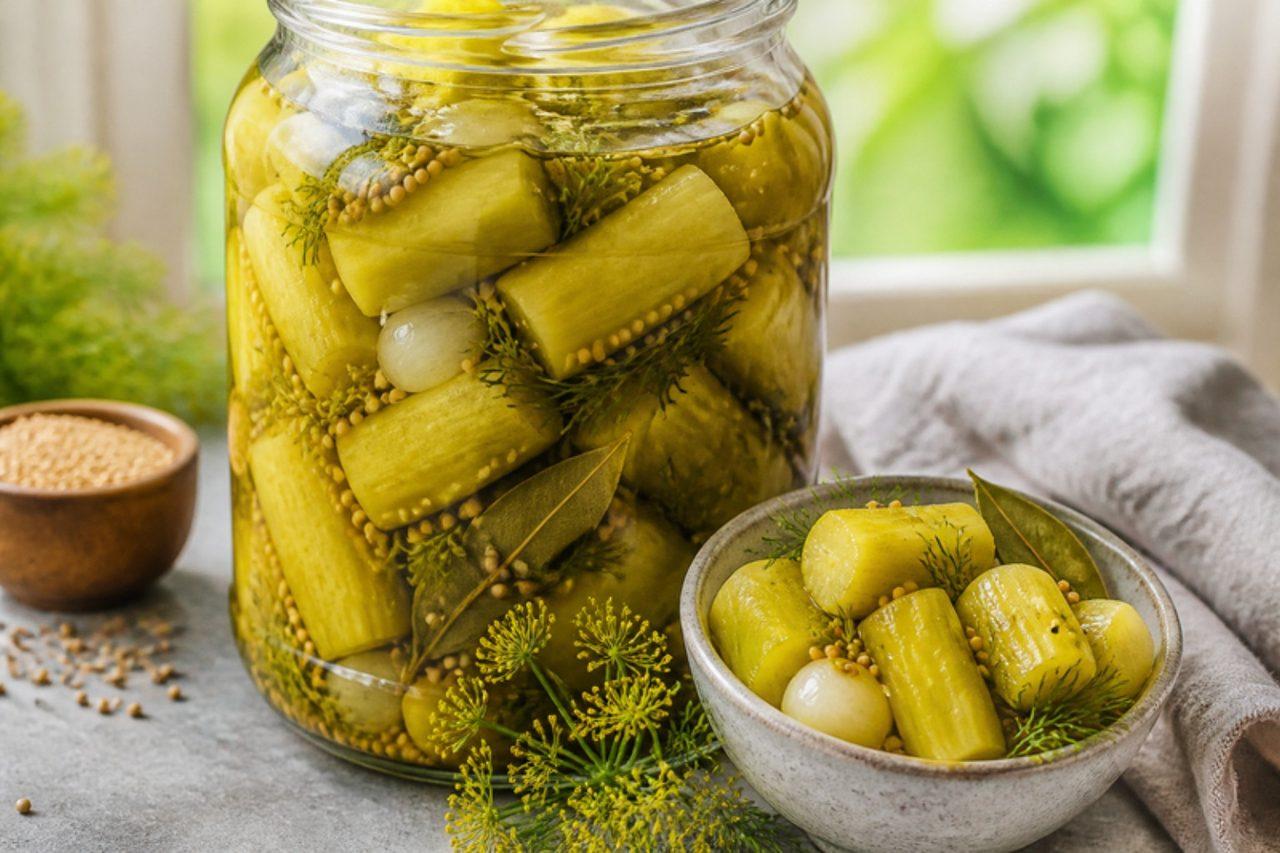
SenfgurkenMustard pickled cucumber

Senfgurken are the big, pale golden chunks of peeled cucumber that German families put up in late summer, when the fat yellow-skinned 'Schmorgurken' are cheap at markets from Brandenburg to the Rhineland. Pickled in sweet vinegar with mustard seeds, dill and onion, they are served through the winter with cold cuts, cheese boards, potato salad or a plate of fried eggs and potatoes. Unlike gherkins they are soft-crunchy and mellow. The mistake is skipping the overnight salting, which leaves the cucumbers watery so they dilute the vinegar and spoil sooner. Chef's tip: scrape out every bit of the seedy core with a teaspoon; it is what turns soft and slimy in the jar.

by KrazyBadal 0 views

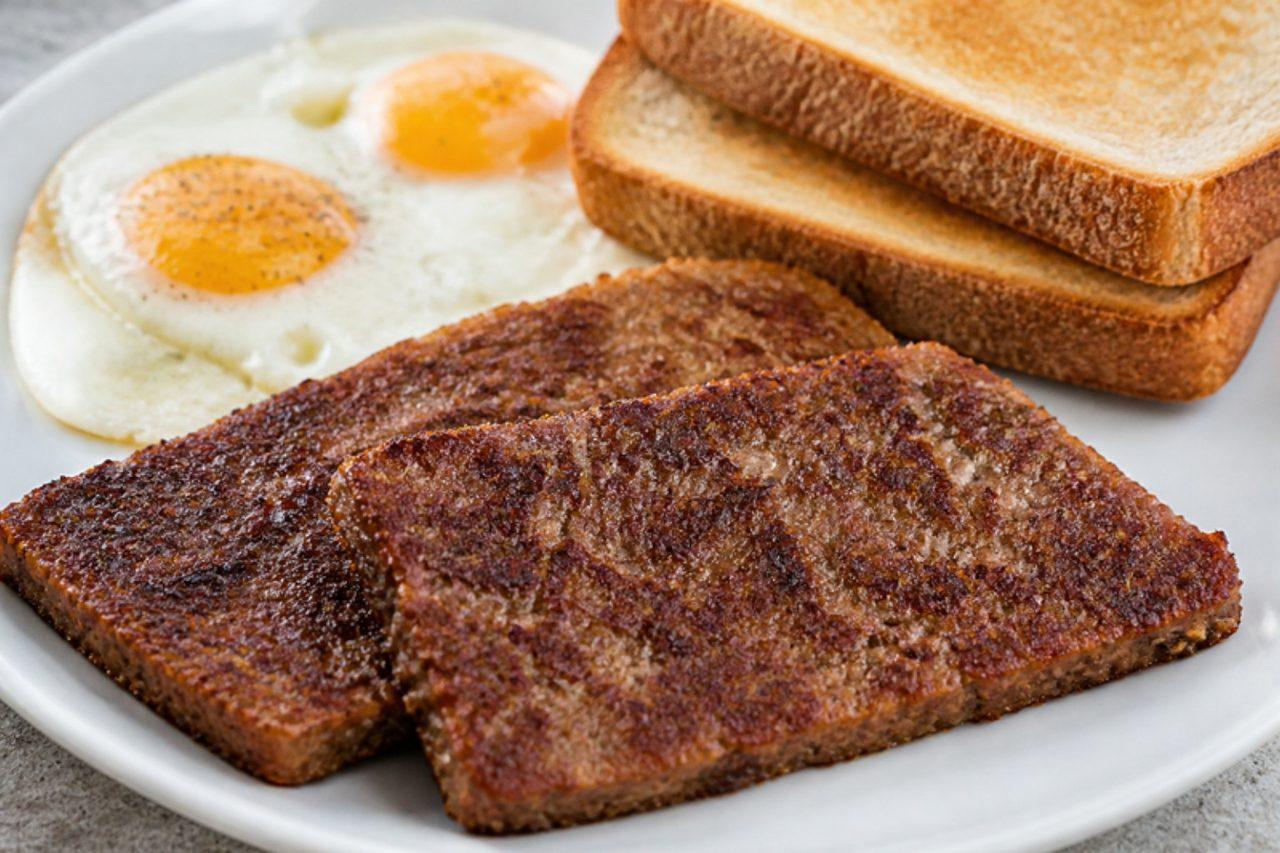
Cincinnati goettaPork, beef and oat slices

Goetta is Cincinnati's breakfast meat, brought by German immigrants who stretched a little pork and beef with steel-cut oats; the city even holds a summer Goettafest beside the Ohio River. Pork mince, beef mince and pinhead oats are simmered with onion and spices into a thick loaf, chilled, then sliced and fried until crisp and brown outside and soft within. Serve with eggs and toast. Chef's tip: fry the slices in a dry, hot non-stick pan and leave them alone for 5 minutes; turning too early makes them crumble.

by KrazyBadal 0 views

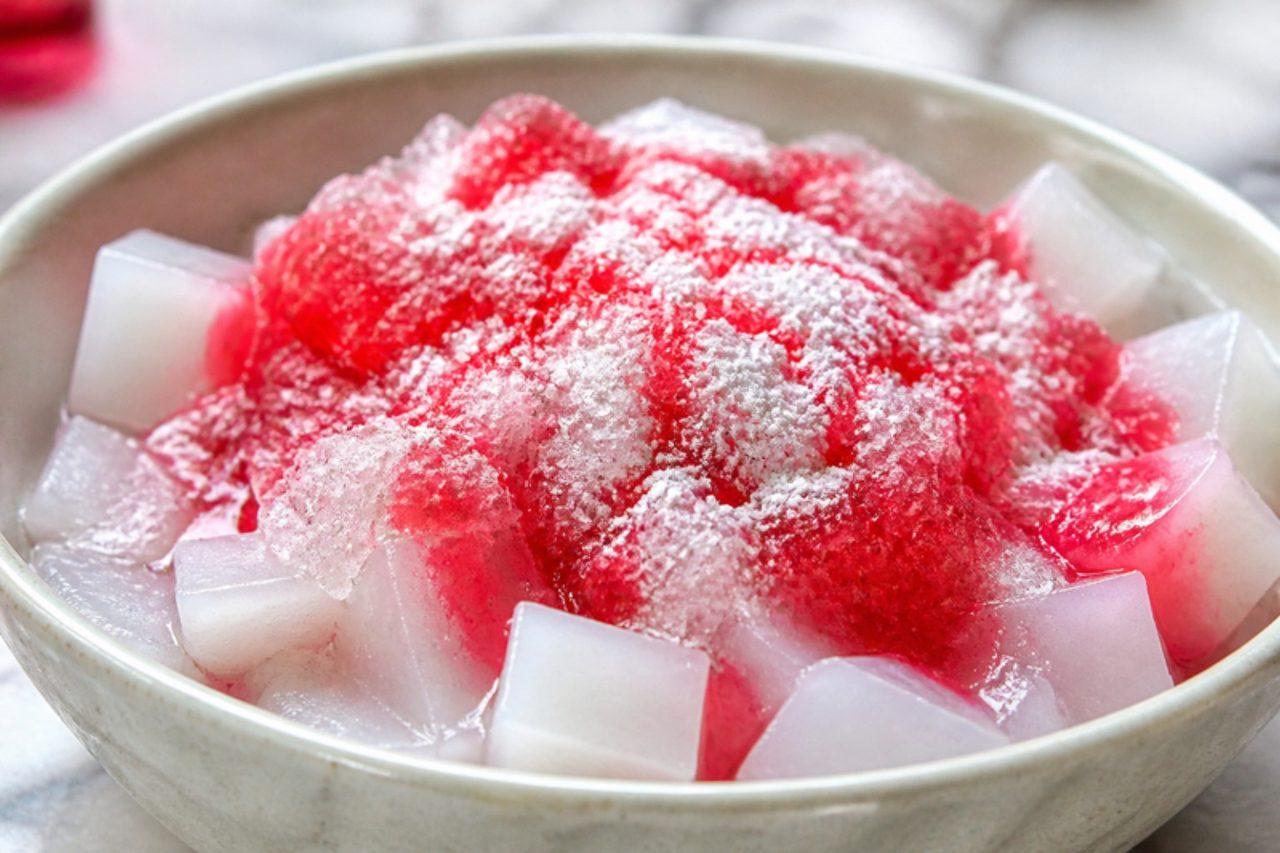
Bici biciRosewater starch jelly with ice

When Adana's July heat pushes past 40 °C, handcarts on every corner serve bici bici: cubes of wobbly starch jelly piled with shaved ice, splashed with rose syrup and dusted with icing sugar. Children eat it in the shade of the clock tower; grown-ups claim it is the only thing that works in that heat. The jelly is just cornflour, water and a little sugar, set and cut into cubes. The usual mistake is undercooking it, which leaves a cloudy, floury jelly that won't hold a cut. Chef's tip: freeze water in a shallow tray and scrape it with a fork for snowy ice if you have no ice shaver.

by KrazyBadal 0 views

SoumadaAlmond syrup drink

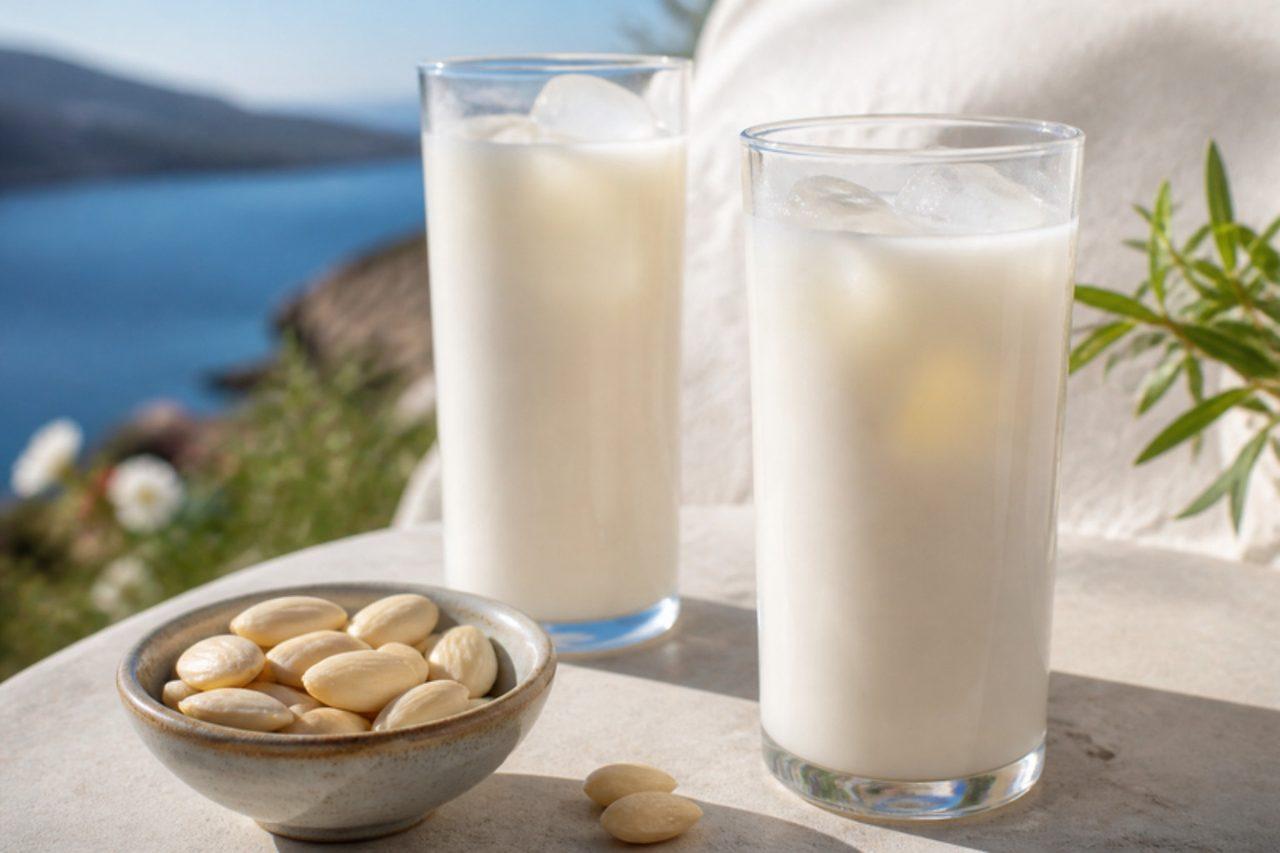
On Crete and several Aegean islands, a glass of cloudy-white soumada is offered to guests at weddings and on hot summer afternoons. It begins as a thick almond syrup kept in the fridge, which is stirred into iced water to make a cool, gently sweet drink that tastes of marzipan and orange blossom. Some islanders add a few bitter almonds for an edge; they are not safe to eat in quantity, so this version uses a drop of almond extract instead. Common mistake: boiling the syrup hard after the almond milk goes in, which makes it cloudy and grainy rather than smooth. Chef's tip: squeeze the almond pulp in a muslin bag with real force; the last drops are the richest.

by KrazyBadal 0 views

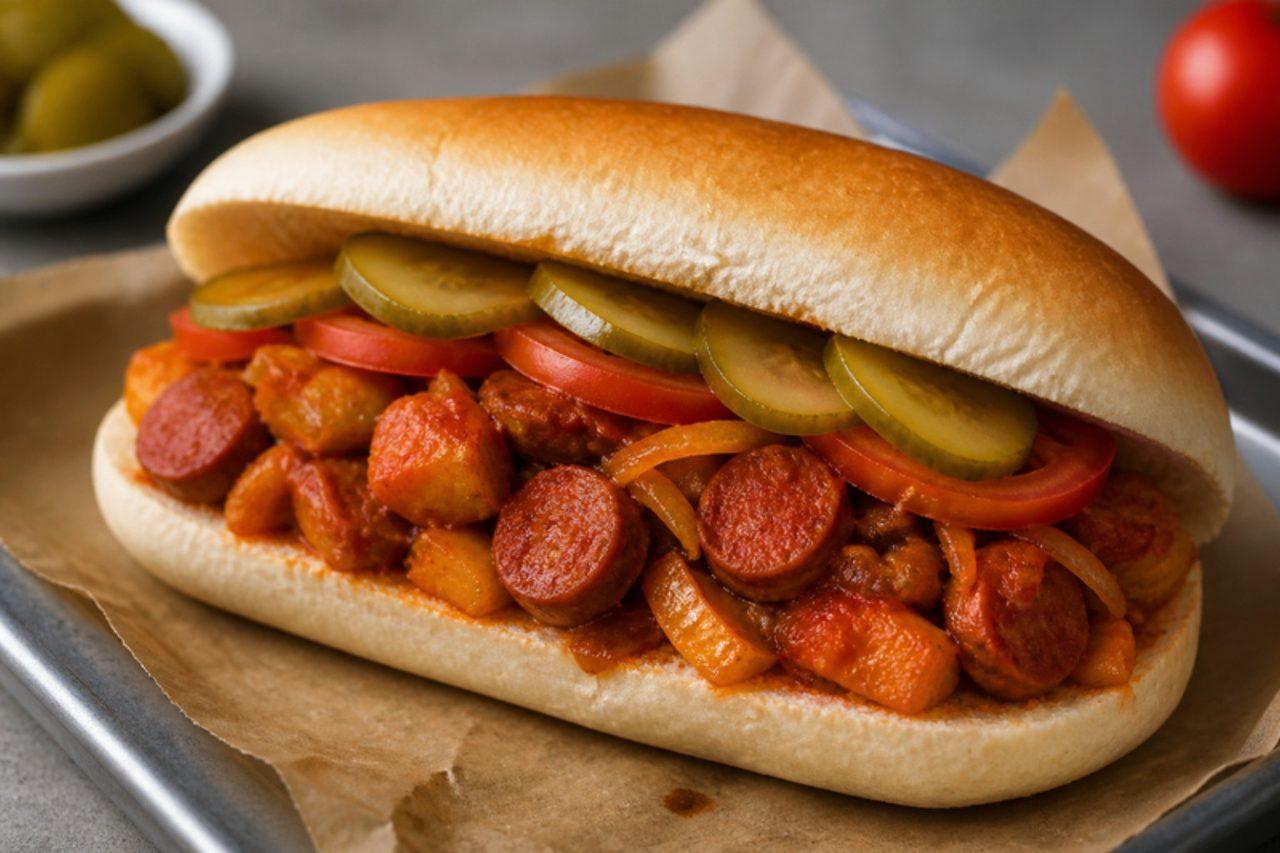
Sosis bandariSpicy sausage and tomato sandwich

Sosis bandari, 'port-style sausage', began in the Gulf ports of Bushehr and Bandar Abbas and is now the late-night snack of sandwich shops all over Iran, from Tehran to Shiraz. Sliced beef or chicken frankfurter-style sausages (Iranian sausages are never pork) are fried with lots of onion, potato, tomato paste and chilli until sticky and hot, then stuffed into a soft baguette with pickles and tomato. It is spicy, greasy in the best way and ready in minutes. A common mistake is crowding the pan; the onion steams instead of browning, so use your widest pan. Chef's tip: a pinch of curry powder and a squeeze of lemon at the end is how the bandari shops give it their southern kick.

by KrazyBadal 0 views

KakaviaMixed fish and potato soup

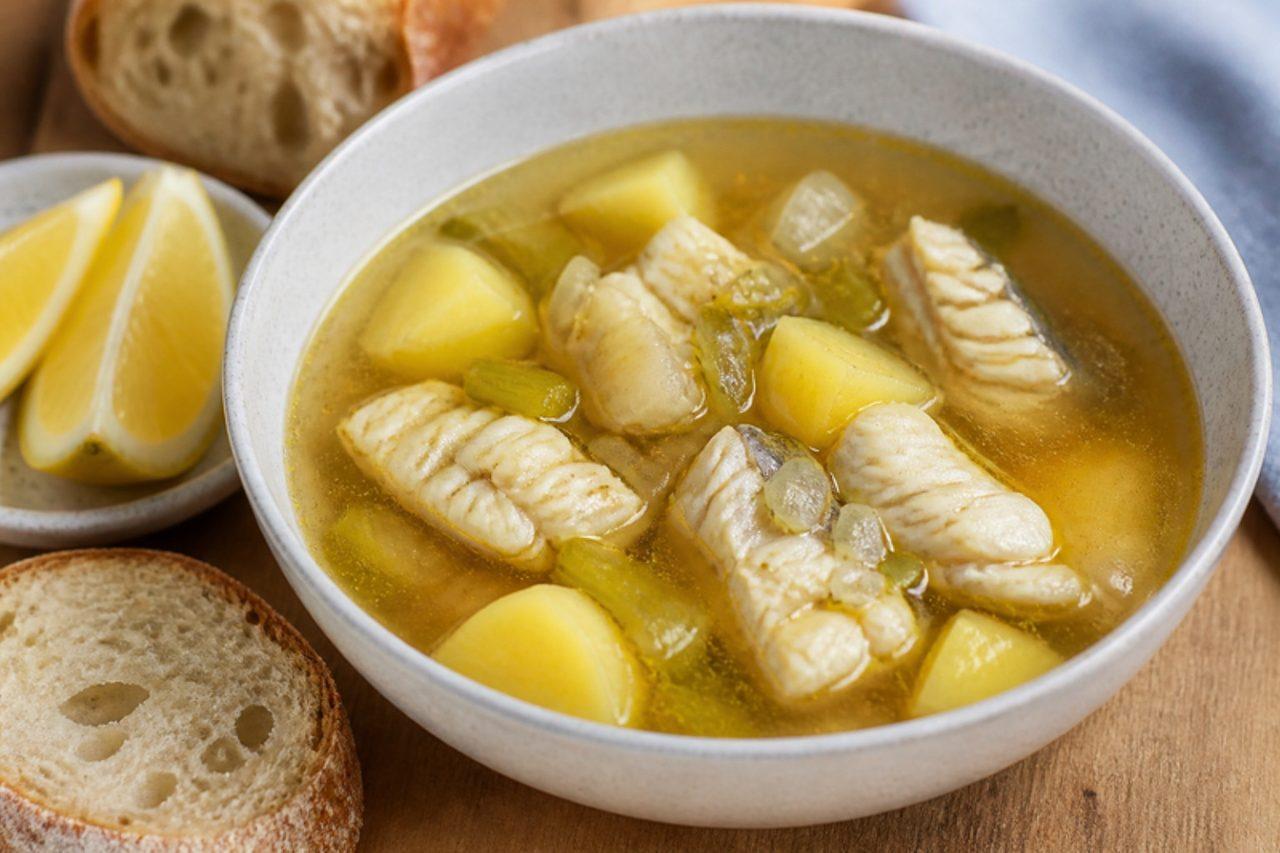
Kakavia takes its name from the three-legged pot fishermen in the Cyclades set on the beach, filling it with the small, bony fish they couldn't sell, seawater, onions, potatoes and a generous pour of olive oil. Today island tavernas and families make it with a mix of firm white fish, and serve the broth first with lemon, then the fish and potatoes on a platter. It is clean, golden and comforting, best with crusty bread. Common mistake: stirring once the fish goes in, which breaks it into shreds; shake the pot instead. Chef's tip: simmer the heads and bones first for the broth, then poach the fillets in it briefly so they stay in whole pieces.

80 minGreekSoupsGluten free
by KrazyBadal 0 views

Bolo-reiCandied fruit and nut king cake

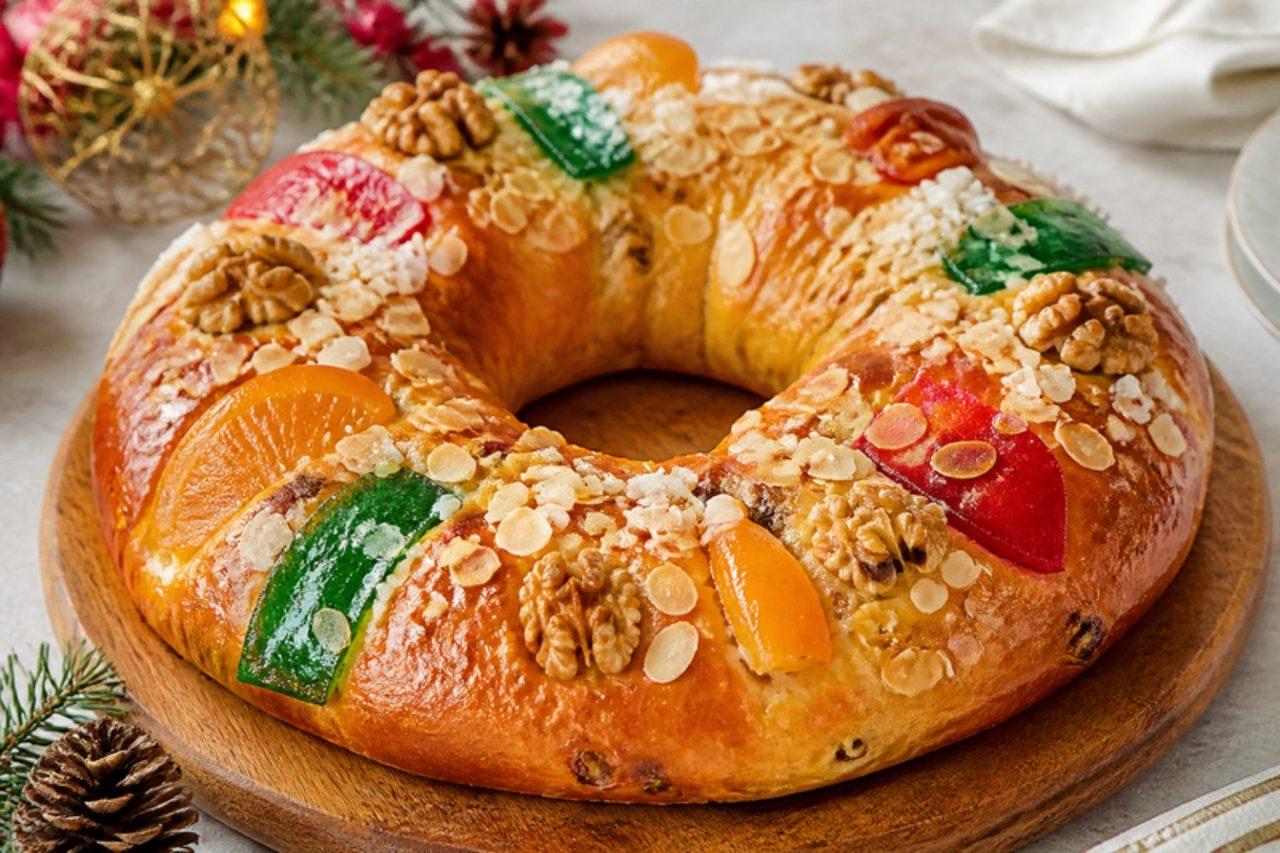
From early December to Twelfth Night every Lisbon pastelaria stacks its counter with these glossy rings, crowned with candied fruit and sugar, and families buy one for Christmas Eve and another for the Day of the Kings. A Lisbon confectioner brought the idea from France in the nineteenth century and it became the centre of the Portuguese Christmas table. Traditionally the raisins are soaked in port wine, which contains alcohol; orange juice works just as well. Old recipes hid a dried broad bean inside, and whoever found it bought next year's cake; we leave it out, as it is a choking hazard for children. Chef's tip: let the dough rise slowly in a cool place, even overnight in the fridge; the rich, buttery dough needs time to taste of anything.

by KrazyBadal 0 views

Tikin xicAchiote fish in banana leaf

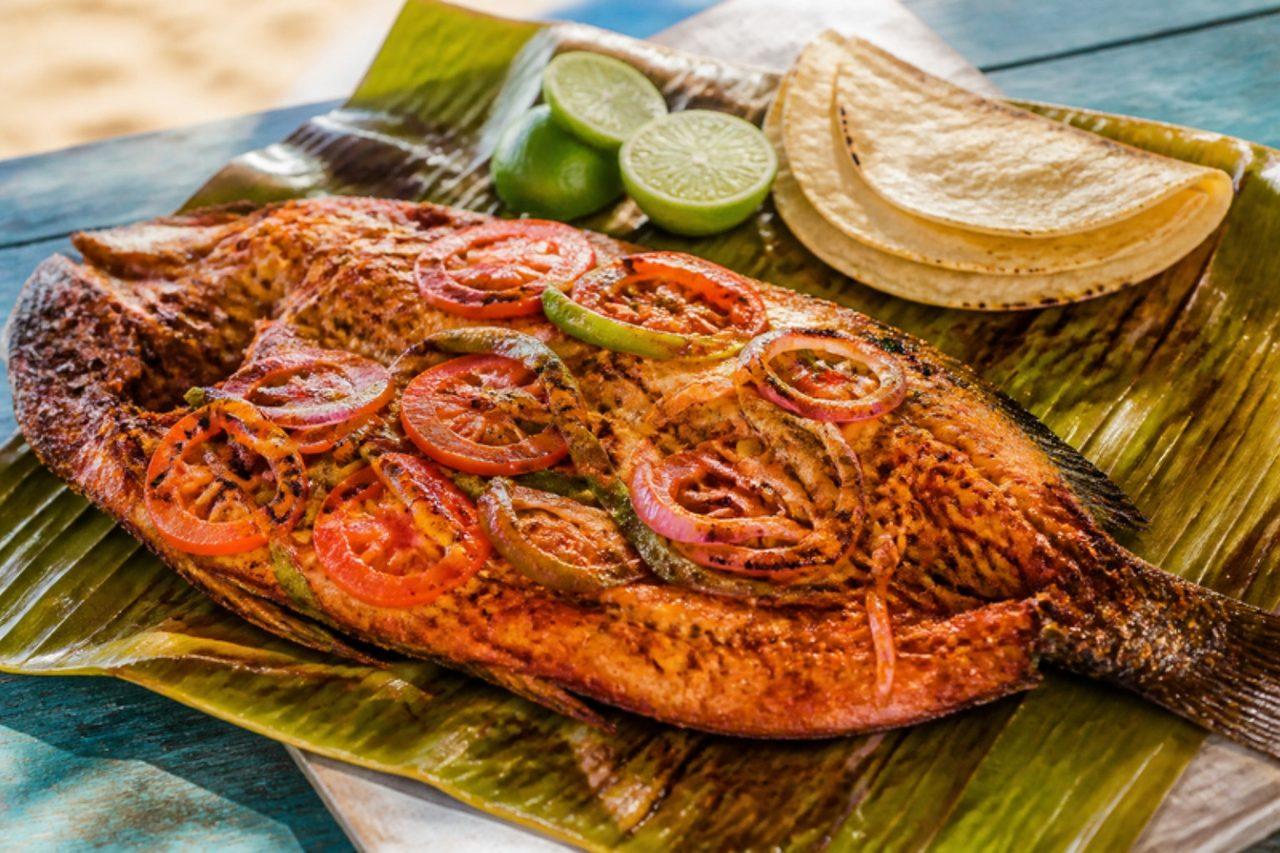
Beach restaurants on the coasts of Quintana Roo and Campeche cook tikin xic over charcoal: a butterflied whole fish, or thick fillets, rubbed with brick-red achiote and bitter orange, laid on banana leaves under tomato, onion and pepper and grilled until smoky. The flesh stays moist and turns a deep orange, tangy and earthy rather than hot. Seville orange is the traditional sour; orange and lime juice together stand in well. Serve it with corn tortillas, rice, pickled red onion and habanero salsa so everyone can make tacos at the table. Chef's tip: cook the fish skin side down without turning; the banana leaf protects it and keeps the achiote from scorching.

by KrazyBadal 0 views

Bolo Souza LeãoCassava and coconut cake

Named after a sugar-planter family of nineteenth-century Pernambuco, this cake is closer to a set pudding than a sponge: fresh grated cassava, coconut milk, a clove-scented syrup, butter and a generous number of egg yolks, baked slowly in a water bath until glossy and firm. In Recife it is a centrepiece at weddings, christenings and Christmas, sliced thin and eaten at room temperature with coffee. The texture is smooth, slightly sticky and very rich, so a small piece is enough. Use only sweet cassava (aipim/macaxeira) and bake it fully; cassava must never be eaten raw. The mistake people make is not squeezing the grated cassava dry, which leaves the cake watery and grey in the centre. Chef's tip: strain the batter through a fine sieve before baking; it removes the fibres and gives that silky, flan-like slice.

by KrazyBadal 0 views

SenfeierEggs in mustard sauce

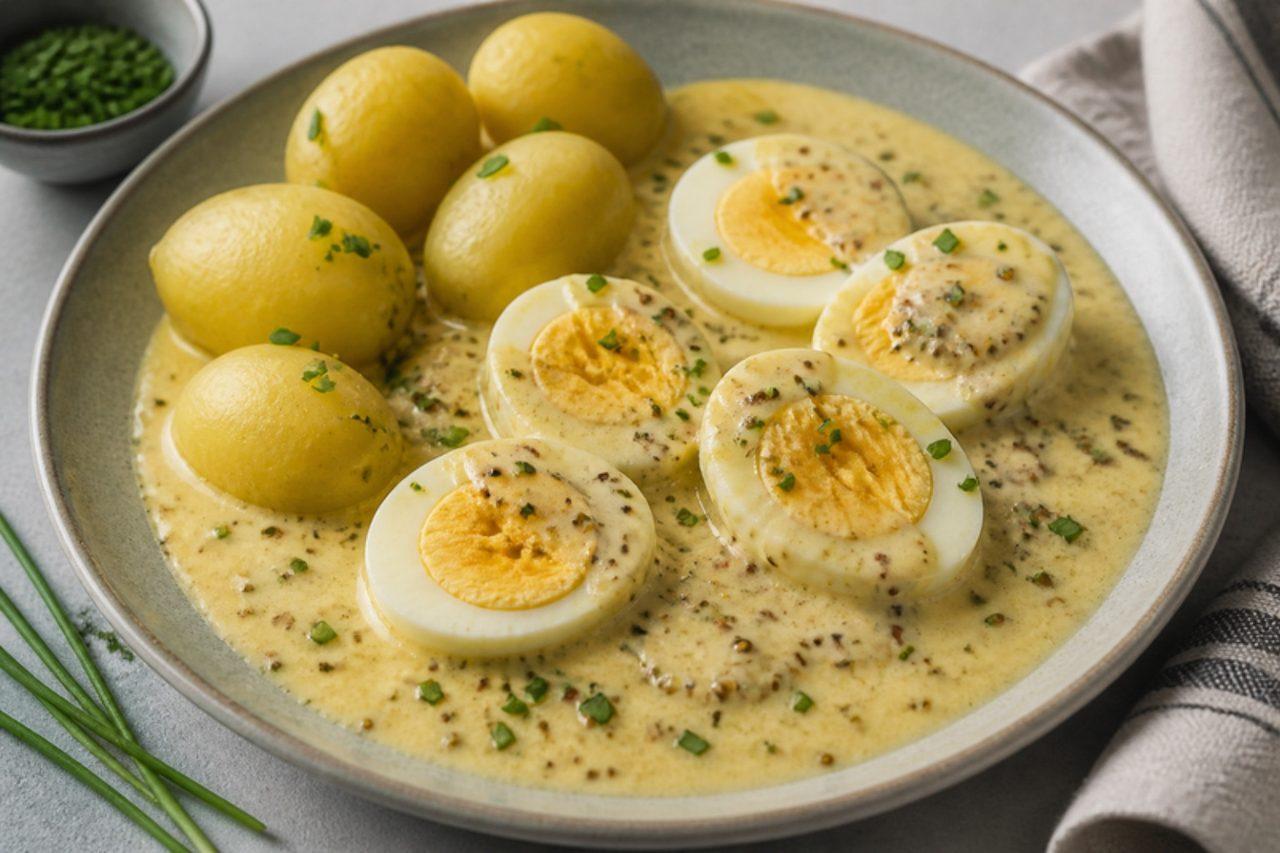
Senfeier is a dish many people who grew up in Berlin, Saxony or anywhere in the old East remember from school canteens and Friday suppers: halved hard-boiled eggs in a smooth, pale mustard sauce, with boiled or mashed potatoes to soak it up. It is cheap, fast and comforting, and the sauce is a simple butter-and-flour roux loosened with stock and milk, then sharpened with two kinds of mustard. A common mistake is boiling the sauce hard after the mustard goes in, which makes it taste flat and grainy; add it off the heat. Chef's tip: a spoon of the gherkin pickling liquid at the end lifts the whole sauce.

by KrazyBadal 0 views

KharroubCarob drink

Through Ramadan, street vendors in Jerusalem's Old City and in Nablus walk the alleys with brass urns of kharroub on their backs, clacking cups to announce the cold carob drink that breaks the fast. Made by soaking crushed carob pods (or more easily from carob molasses), it is dark, chocolatey-caramel in taste, lightly sweet and very refreshing over ice. Common mistake: boiling the pods hard, which makes the drink bitter and cloudy; soak and simmer gently. Chef's tip: a few drops of orange-blossom water just before serving lifts the earthy carob flavour.

by KrazyBadal 0 views

Gofio escaldadoToasted grain flour paste in broth

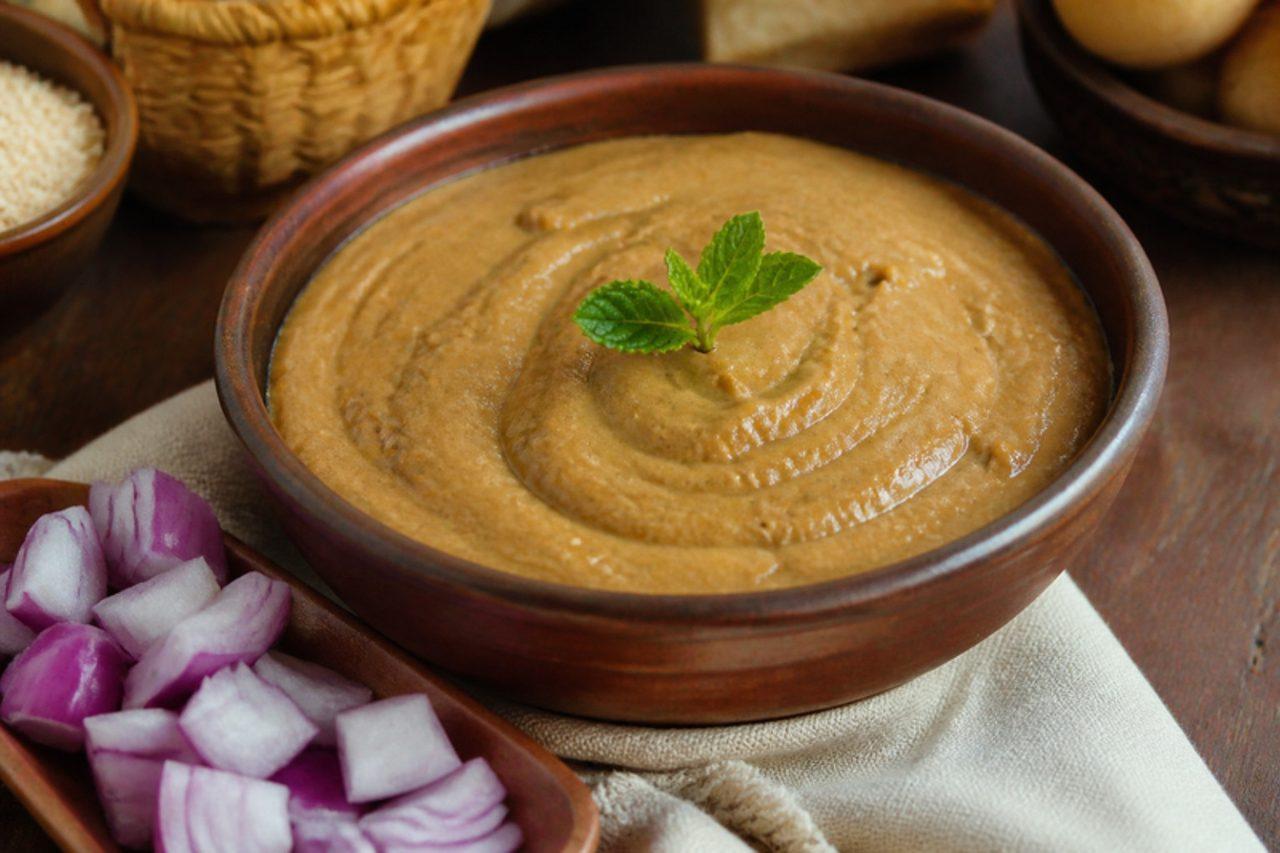
Gofio, flour ground from toasted maize or wheat, has fed the Canary Islands since before the Spanish arrived, and a bowl of escaldado is its simplest, most comforting form. Hot broth is beaten into the gofio until it turns into a soft, savoury paste flecked with mint, eaten by scooping it up on chunks of raw red onion. In fishing towns the broth is usually fish stock left from a sancocho; this version uses vegetable broth so it is vegan. Pure maize gofio is gluten free, but most blends contain wheat, so check the bag. Chef's tip: add the broth gradually while you beat, as dumping it in at once makes stubborn lumps.

by KrazyBadal 0 views

Bolos lêvedosSweet griddle muffins

In the steamy valley of Furnas, on São Miguel, bakers have been cooking these slightly sweet, lemon-scented muffins on flat griddles for generations, and visitors queue for them warm on the way to the hot springs. Thick, soft and pale with golden tops and bottoms, they are split and toasted for breakfast with butter, or used as buns for a sandwich. Chef's tip: the dough is very soft and sticky, so use oiled hands rather than more flour when shaping, or they turn dense.

by KrazyBadal 0 views

ZwiebelkuchenOnion tart

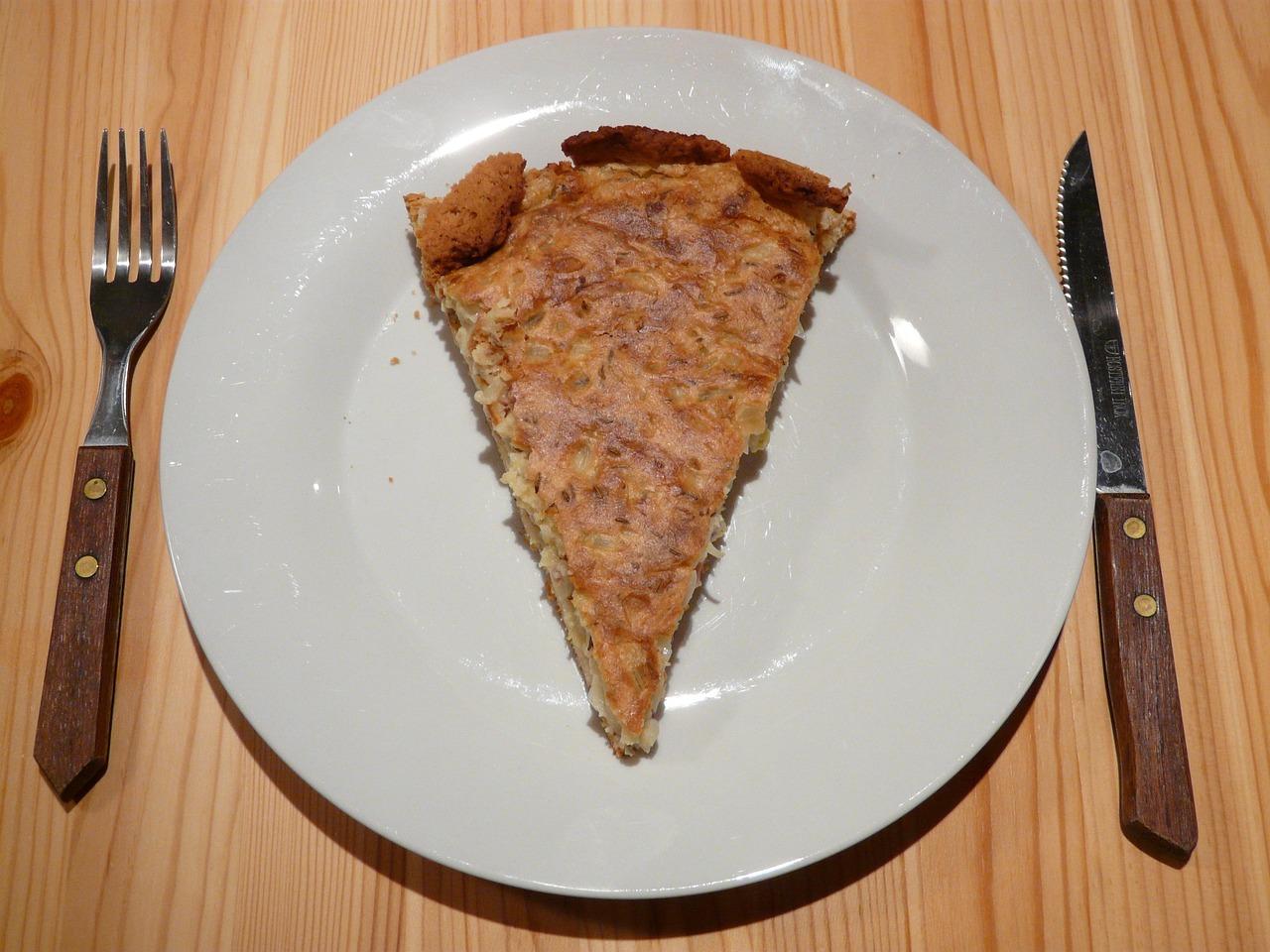
When the grape harvest starts in Baden and the Württemberg vineyards in September, bakeries pull out trays of Zwiebelkuchen: a thin yeast base piled with slowly softened onions under a sour-cream and egg custard, sprinkled with caraway. It is traditionally eaten warm with Neuer Wein or Federweißer, the young, still-fermenting wine; that is alcoholic, so pour cloudy fresh grape juice or apple juice instead, which tastes just as right. Many bakers add bacon; this version is vegetarian. A common mistake is rushing the onions on a high heat: they need 25 minutes on low until soft and sweet but still pale. Chef's tip: cool the onions before adding the custard, or the eggs start setting in the bowl.

by KrazyBadal 0 views

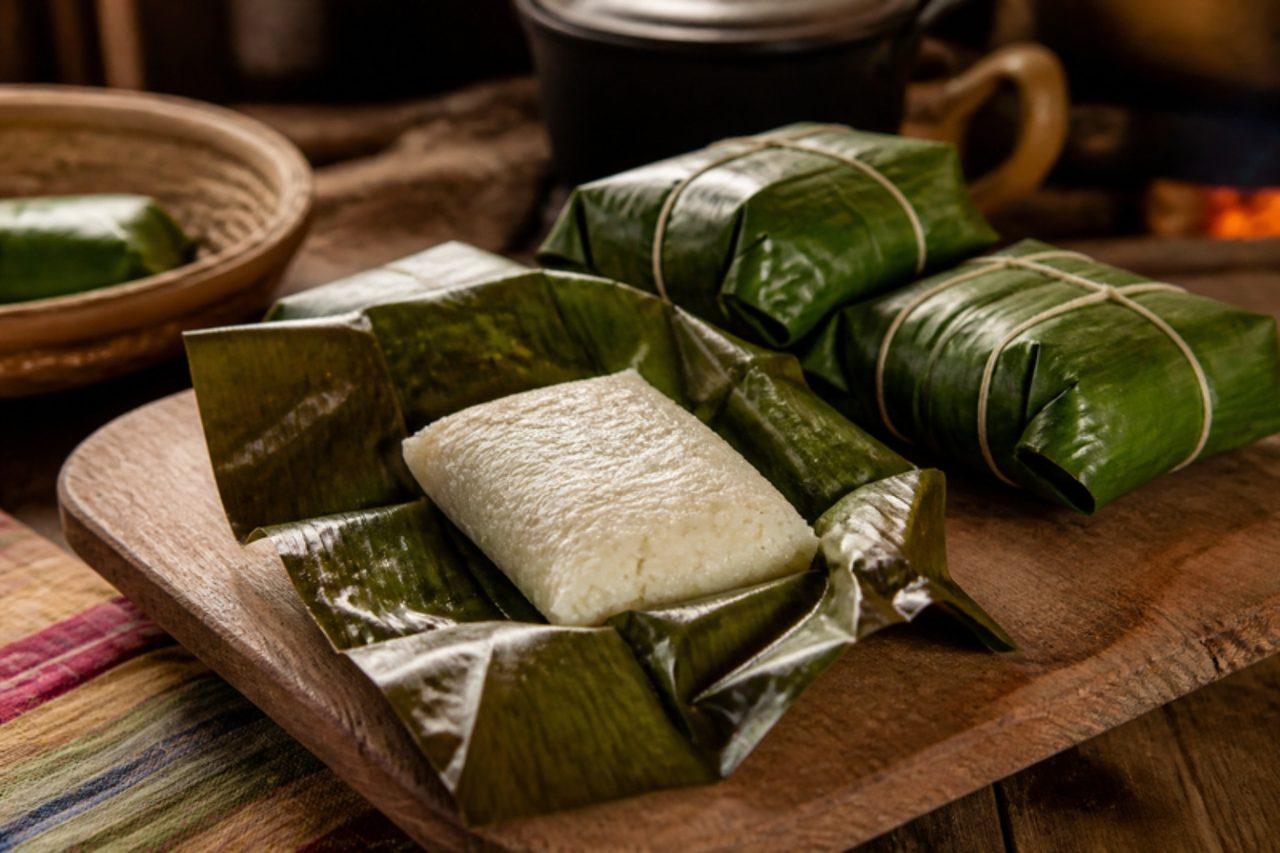
TungosBanana leaf steamed rice

At fairs and family gatherings in Villavicencio and across the Meta, tungos sit in a big pile next to the slow-roasted meat: soft white rice pressed into banana-leaf parcels and steamed until it holds together in a firm, faintly smoky log. The leaf gives the rice a tea-like aroma and keeps it warm for hours, which is why they travel to river trips and roadside parrillas so well. Unwrap one and eat it with roast meat, beans, a sweet plantain or a bowl of vegetable stew; the tungo itself is vegan. Fluffy, separate grains are the wrong goal here: rice cooked dry and loose falls apart in the leaf, so cook it with extra water until soft and sticky. Frozen banana leaves are sold in Asian and Latin shops. Chef's tip: pass each leaf quickly over a gas flame or through hot water first; it turns glossy and supple and will not split as you fold.

by KrazyBadal 0 views

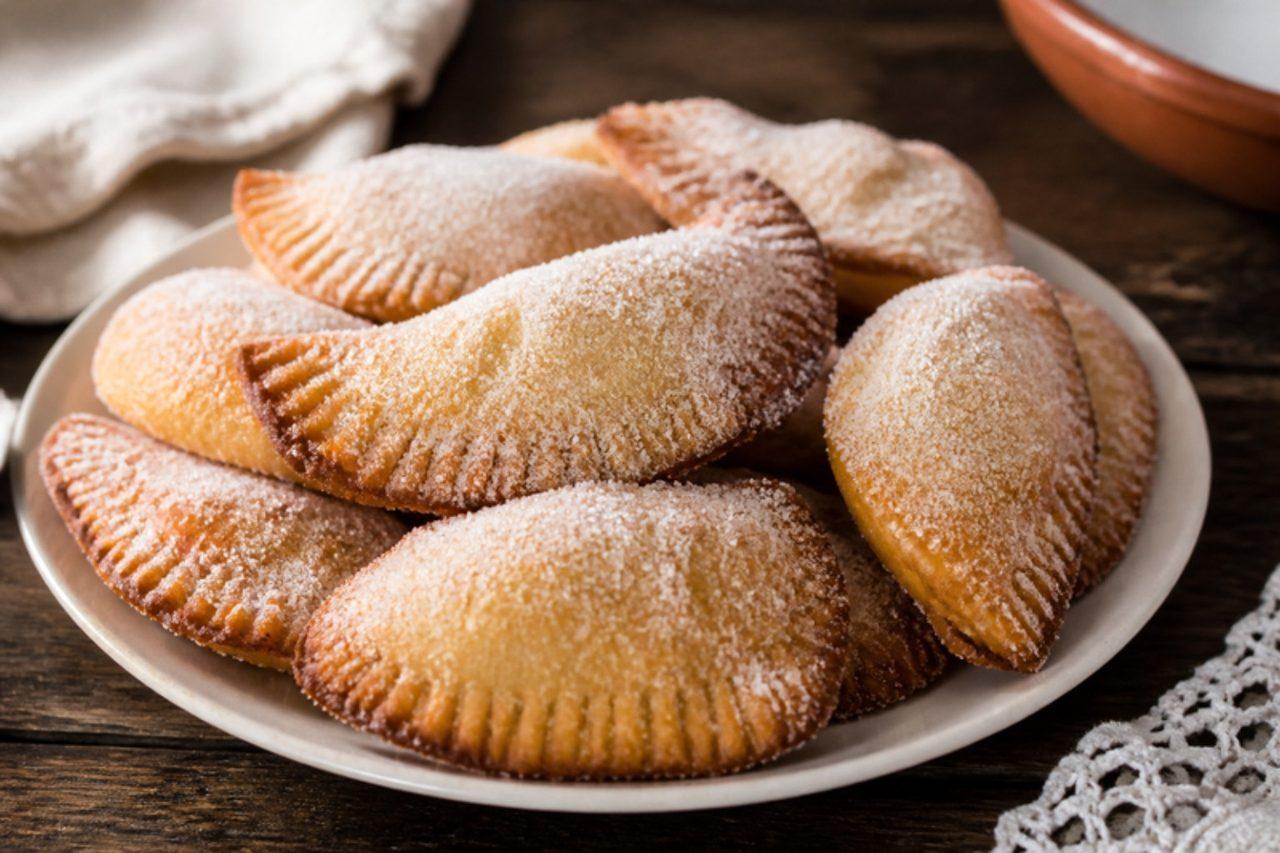
Clarinhas de FãoGourd and egg yolk pastries

Clarinhas come from Fão, a small riverside town near Esposende, where they are sold warm and sugary from bakery counters and at summer fairs on the Cávado estuary. Thin pastry is folded around a filling of candied fig-leaf gourd (doce de chila) thickened with egg yolk, fried until blistered, then rolled in sugar. Chila jam is sold in Portuguese shops; a thick pumpkin jam works well in its place. A common mistake is overfilling the pastries, so the jam bursts through the seams while they fry. Chef's tip: cook the filling until it is firm enough to hold its shape on a spoon, or it will leak and spit in the oil.

by KrazyBadal 0 views

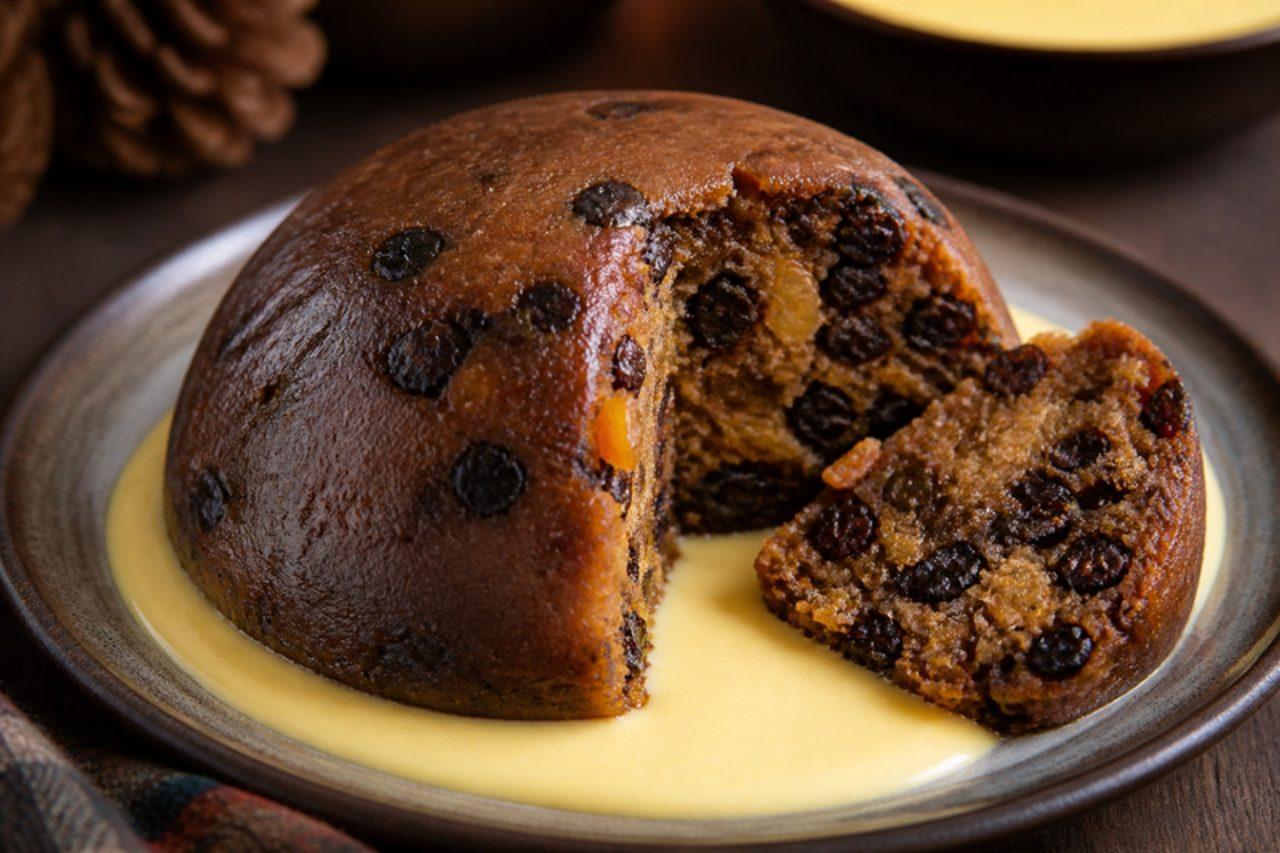
Clootie dumplingBoiled spiced fruit pudding

The clootie dumpling takes its name from the cloot, the cotton cloth it is boiled in, and it is the birthday and Hogmanay pudding of Scottish grannies from Fife to the Borders. It is a dense, dark, spiced fruit pudding with a sticky skin that forms when the floured cloth is dried in front of the oven. Leftover slices are fried for breakfast. Traditional recipes use beef suet; this one uses vegetable suet so it stays vegetarian. Chef's tip: dust the scalded cloth thickly with flour before filling it; that flour is what forms the famous skin.

by KrazyBadal 0 views

Goiabada cascãoGuava paste with skins

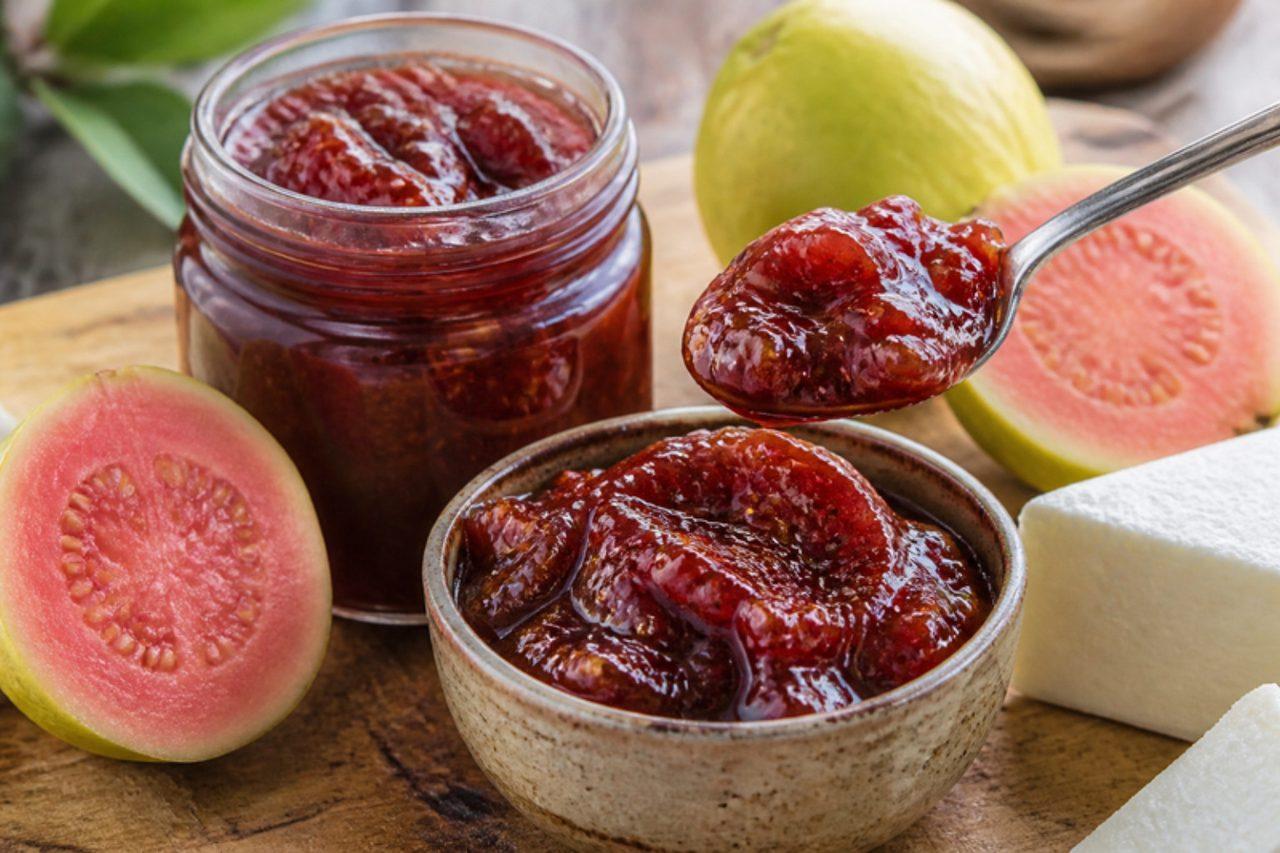
Ponte Nova and other towns in the Zona da Mata of Minas Gerais are famous for this rough, dark guava paste, stirred for hours in big copper pans over wood fires until it is almost brick red and firm enough to cut with a knife. 'Cascão' means it keeps chunks of the skin, so each slice is chewy and fruity rather than smooth. It is the guava in Romeu e Julieta, the filling for countless cakes, and a sweet in its own right after lunch. A heavy stainless-steel pan works at home. The big mistake is cooking over high heat to save time; the sugar catches and turns bitter long before the paste is set, so keep the heat moderate and stir constantly near the end. The paste spits fiercely, so use a long spoon and cover your arm. Chef's tip: test it by dropping a spoonful into a glass of cold water; when it stays in one firm piece, it is ready to pour.

by KrazyBadal 0 views

Gojeh sabz ba namakSour green plums with salt

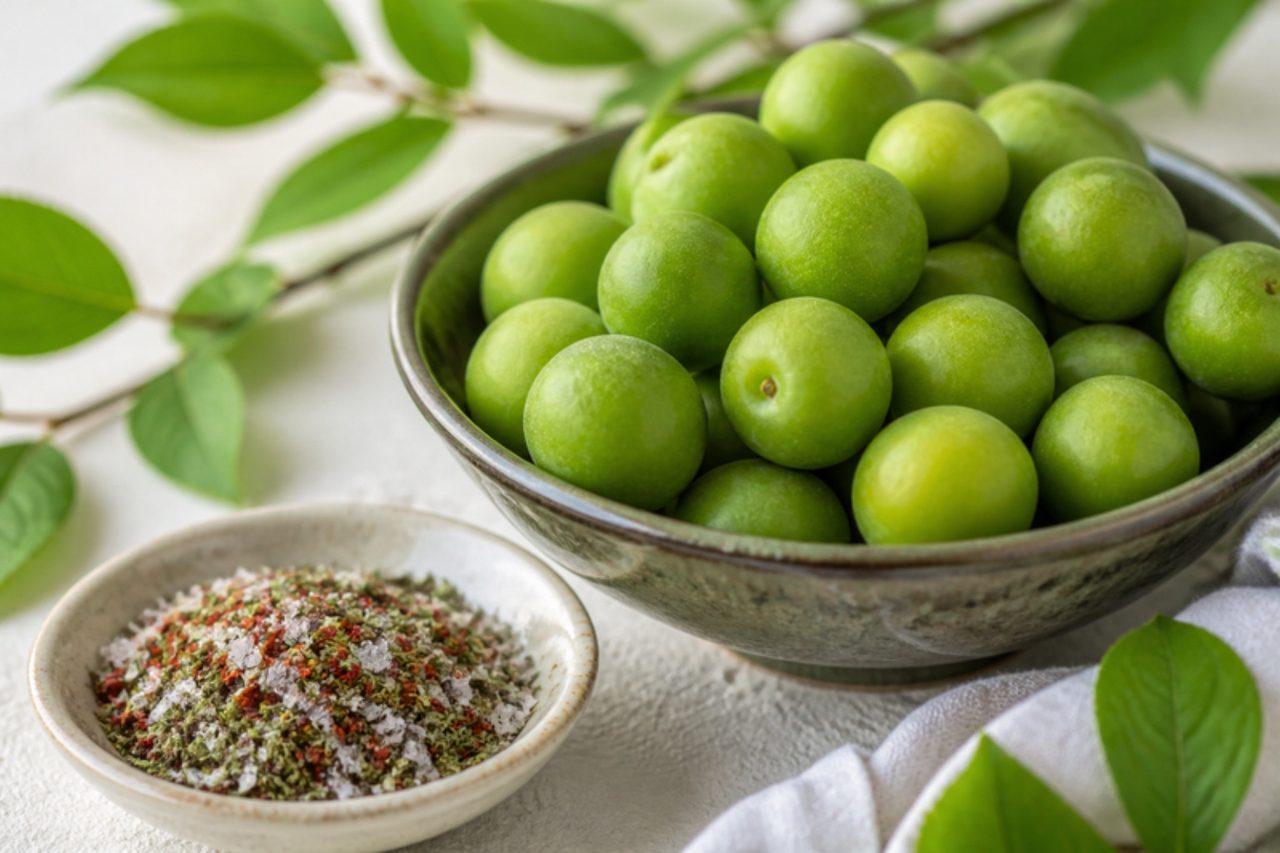
In late March and April, just after Nowruz, the fruit stalls of Tehran and every small town fill with hard, bright green plums, and children walk home from school with paper bags of them and a twist of salt. The unripe plums are crunchy and mouth-puckeringly sour; a dip in salt, sometimes mixed with dried mint or chilli, makes them addictive. There is nothing to cook, only good fruit to choose. A common mistake is buying plums that have already softened and turned yellow; they lose the crunch that makes this snack. Chef's tip: chill the plums for an hour and wash them in cold water just before serving so they snap when you bite.

by KrazyBadal 0 views

Coca de llandaLemon and olive oil sponge

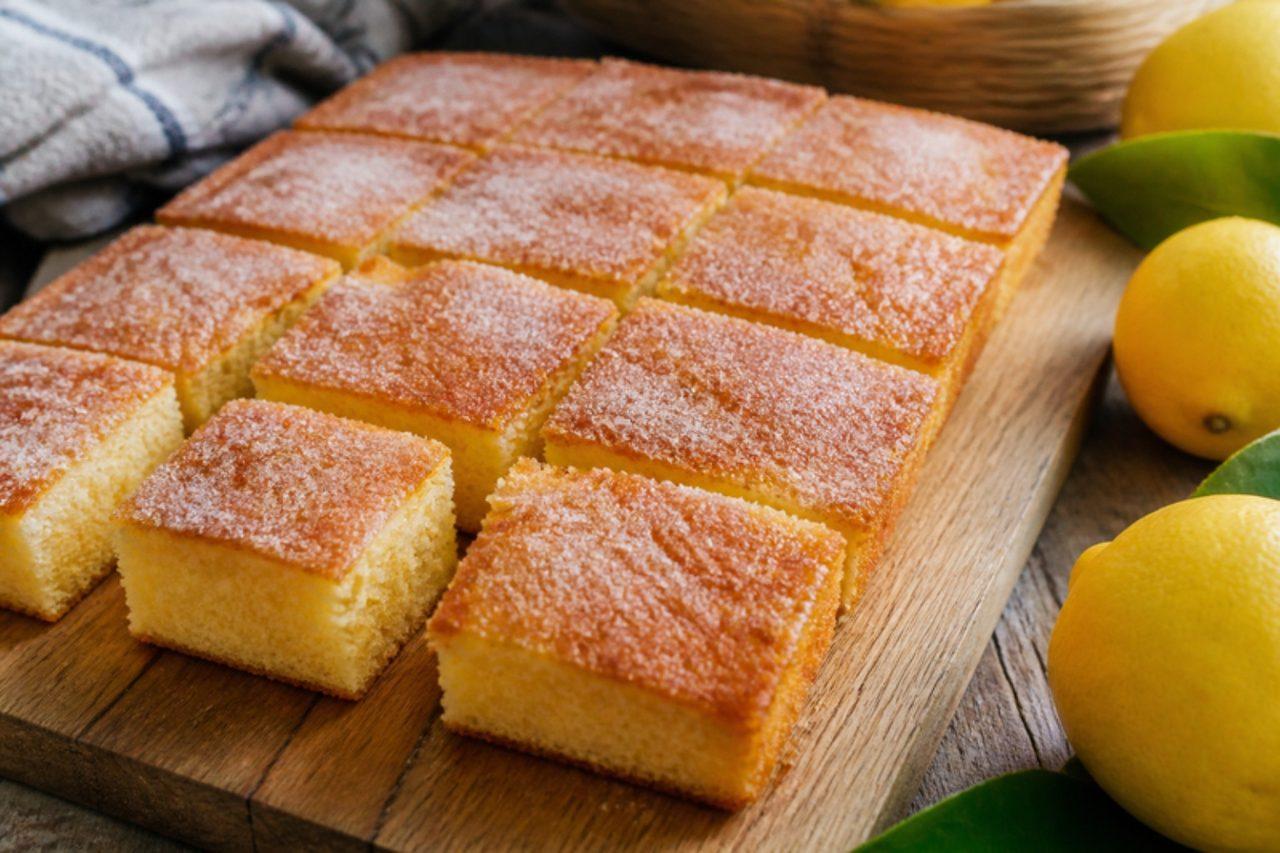
Every Valencian grandmother has a coca de llanda, a plain, fluffy sponge named after the shallow metal tray (llanda) it is baked in, and it turns up at breakfast, at afternoon merienda and in lunchboxes all over the Comunitat Valenciana. Sunflower oil and milk keep it moist for days, lemon zest perfumes it, and a sprinkle of cinnamon sugar on top bakes into a crackly crust. A common mistake is opening the oven in the first 25 minutes, which makes the middle sink. Chef's tip: let the batter rest for 10 minutes in the tin before it goes into the oven; the cinnamon sugar then sits on the surface instead of sinking in.

by KrazyBadal 0 views

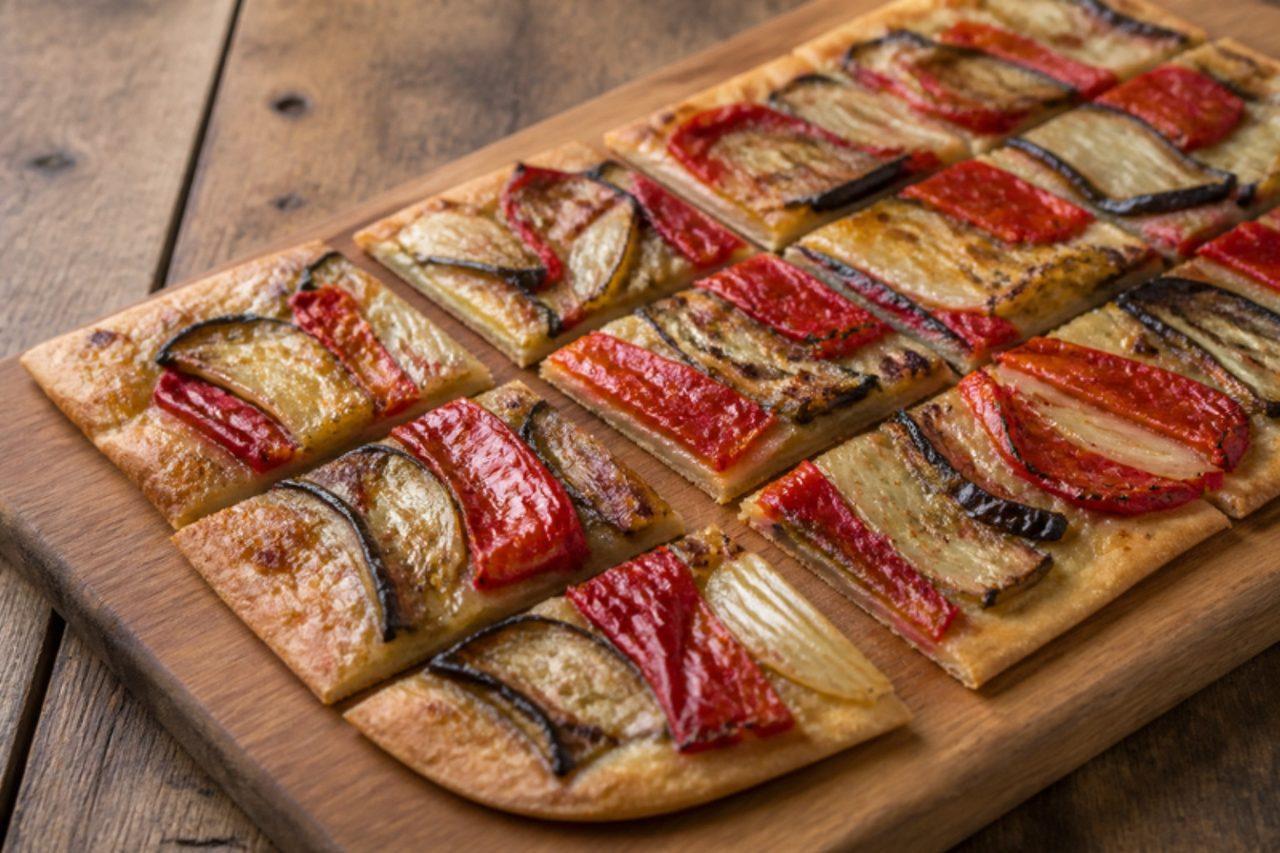
Coca de recapteFlatbread with roasted vegetables

In Lleida and the farmland of inland Catalonia, the coca de recapte was once baked in the village oven on bread day, topped with whatever was in the larder; recapte means provisions. Today bakeries sell long trays of it, and families take slices on Sunday outings. The topping is essentially escalivada: aubergine, red pepper and onion, roasted then laid raw-side-up on the dough. Bakeries often add salted sardines or anchovies; this version is vegetarian. Chef's tip: roast the vegetables only until soft, not falling apart; they cook a second time on the coca.

by KrazyBadal 0 views

Showing 72 of 7,762 recipes

Show more recipes

Page 511 of 863