


Skip to content
Ensaïmada
Featured recipe

Ensaïmada

Spiral sweet breakfast pastry

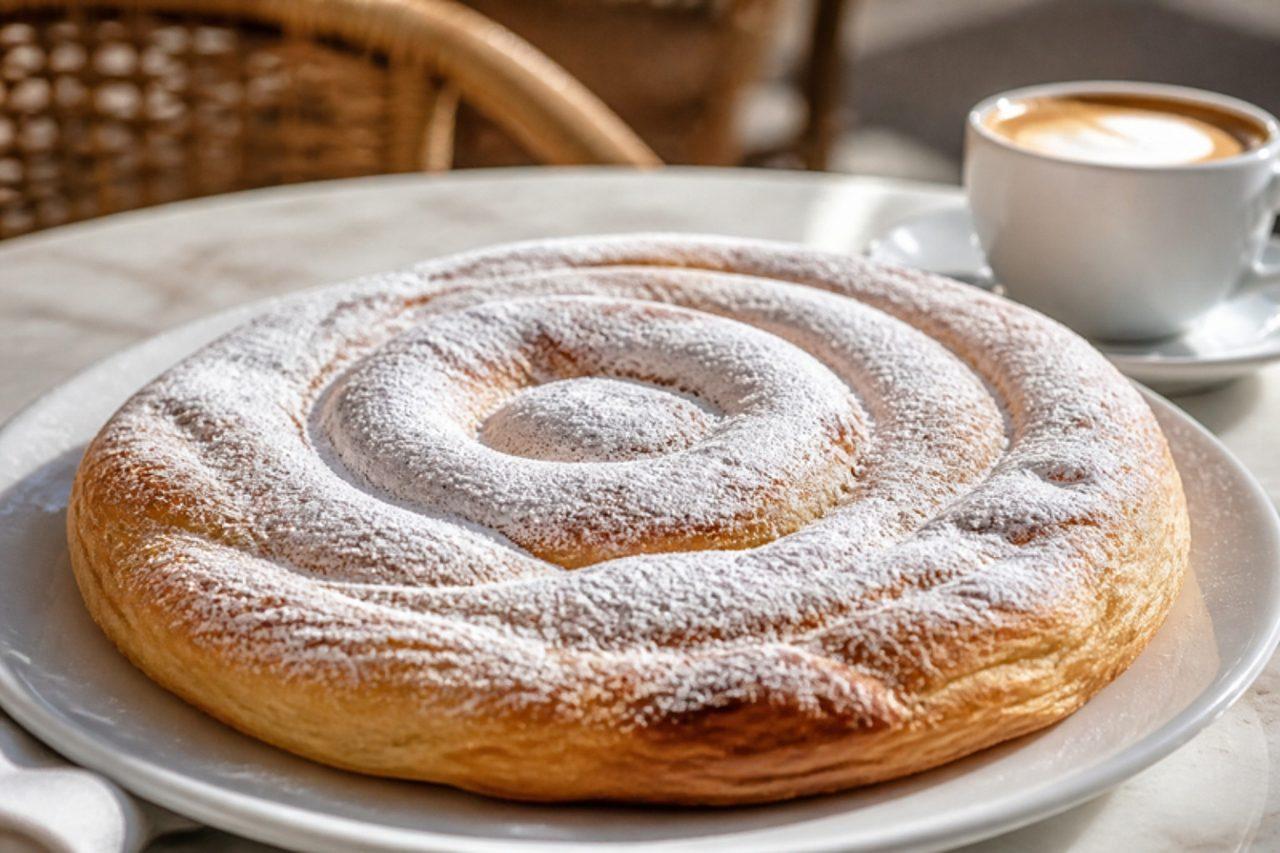
This contains pork: the name comes from saïm, the pork lard brushed over the dough before it is coiled, and it is what gives an ensaïmada its shattering, flaky layers. Mallorcans eat them for breakfast with hot chocolate or coffee, and at Palma airport you will see travellers carrying flat hexagonal boxes of large ones home as gifts. The dough is enriched with egg and sugar, stretched until thin enough to see through, rolled into a rope and wound into a loose spiral, then proved overnight. Chef's tip: oil your hands and the worktop generously before stretching, so the dough slides rather than sticks and tears.

Read more 0 views

What to eat today?

Around the world

Today's trip: Persian

A new country every day, from every cuisine on the site.

This week's collection

Kid-friendly dinners
537 recipes · a new collection every Monday

Latest recipes

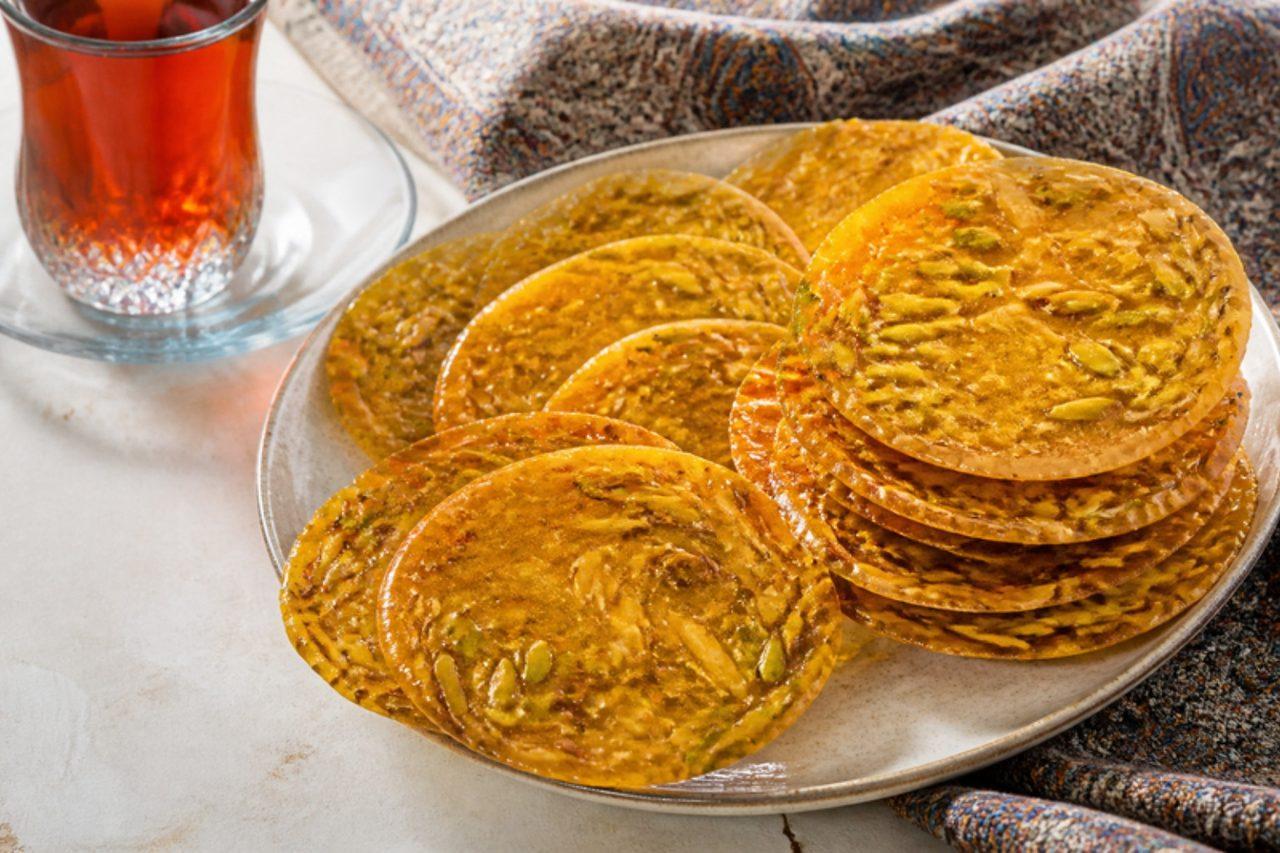
SohanSaffron pistachio brittle

Pilgrims leaving the shrine city of Qom carry home round tins of sohan, and boxes of it are passed around at Nowruz visits all over Iran. It is a buttery, snapping brittle flavoured with saffron, cardamom and rosewater, built on sprouted wheat flour, which gives a gentle malty sweetness, and studded with slivered pistachios and almonds. Each disc shatters and then melts. Chef's tip: have every nut and flavouring measured beside the stove before you start; the last stage moves fast and the sugar won't wait.

by KrazyBadal 0 views

Soldaditos de PavíaBattered salt cod fingers

Madrid's old taverns near Puerta del Sol have fried these golden fingers of salt cod for well over a century, and they are still eaten standing at the bar with a small glass of something cold. Legend says the orange-red strip of pepper recalls the uniforms of soldiers in a Pavía regiment. The cod is soaked for two days to remove the salt, then fried until hot through, so it is fully cooked. Chef's tip: use cold sparkling water in the batter for a lighter, crunchier coat.

by KrazyBadal 0 views

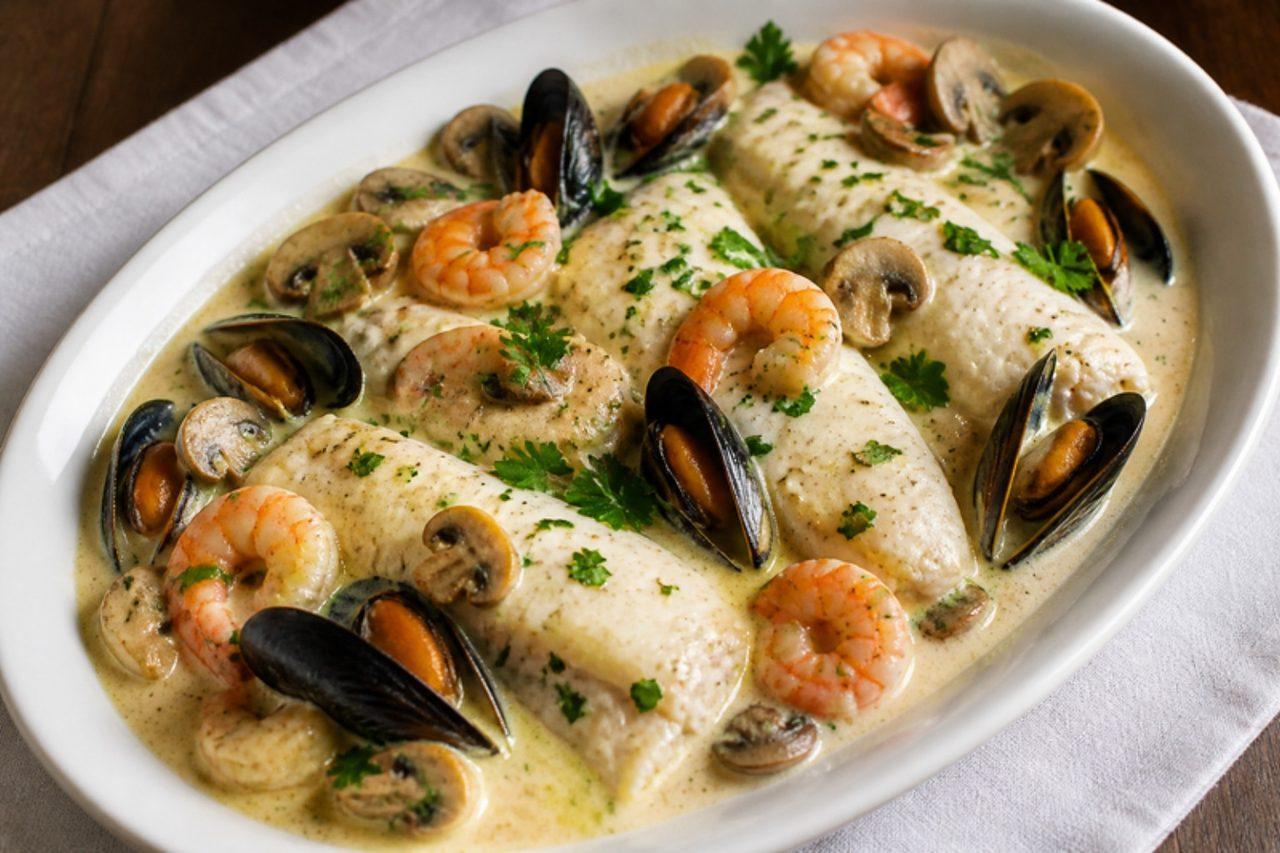
Sole normandeSole with mussels in cider cream

Sole normande was born in the fish restaurants of the Normandy coast, from Dieppe to Honfleur, where the catch, the local cream and cider met on one plate; Paris chefs later made it a grand-restaurant classic. Folded sole fillets are gently poached in cider and fish stock, then served under a silky, ivory cream sauce made from the poaching liquid and mussel juices, with mussels, pink prawns and button mushrooms around them. It is delicate and rich, best with plain boiled potatoes or rice to soak up the sauce. It uses dry cider or white wine; the notes give an alcohol-free option. Chef's tip: plaice or lemon sole fillets work perfectly well and cost far less than Dover sole.

55 minFrenchFishGluten free
by KrazyBadal 0 views

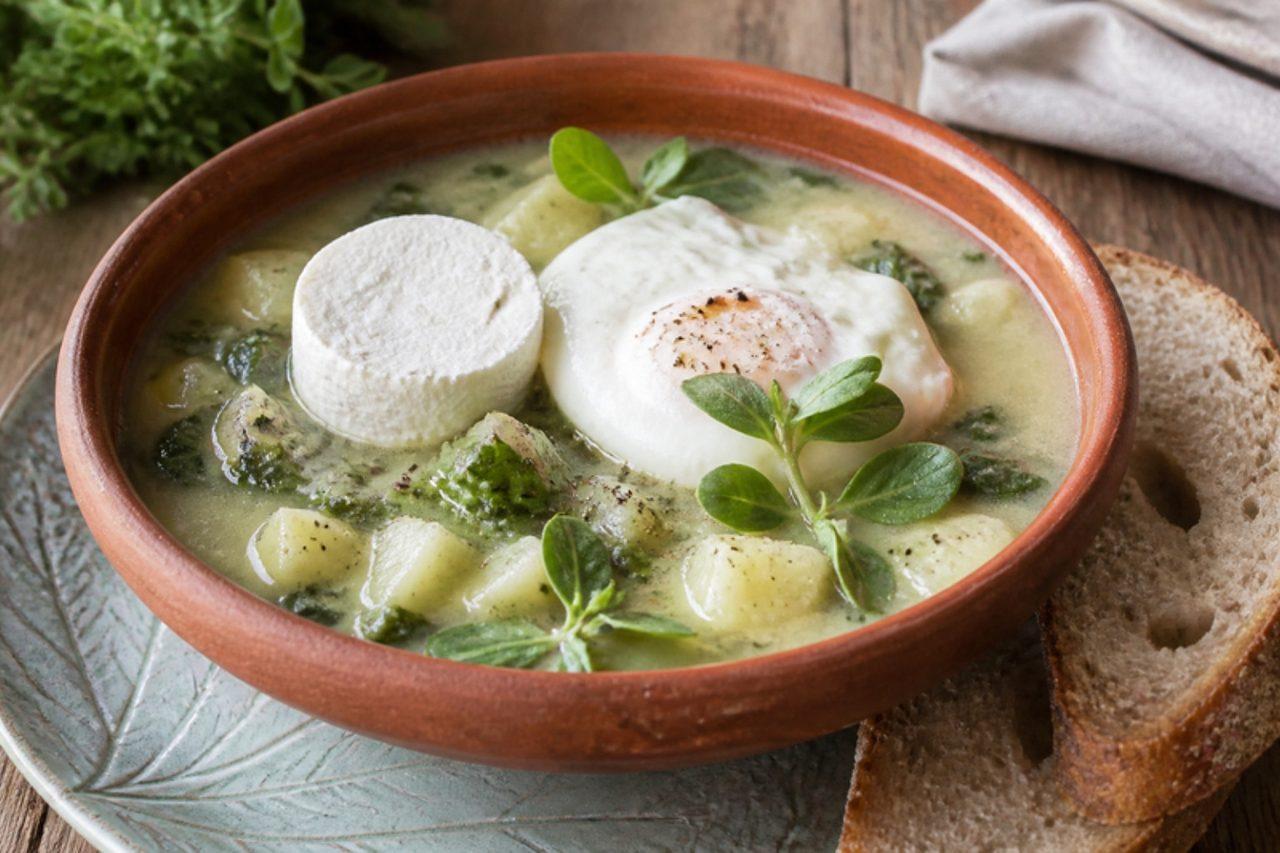
Sopa de beldroegasPurslane and potato soup

Purslane grows wild between the rows of Alentejo vegetable gardens in summer, and country cooks pick it for this lemony, slightly peppery soup: potatoes and purslane simmered with garlic and olive oil, then finished with eggs poached in the broth and slices of fresh goat's cheese that soften in the heat. It is served over bread, as so many Alentejo soups are. The fresh cheese is usually made with animal rennet; choose a soft goat's cheese or ricotta made with vegetarian rennet if you need to. If you can't find purslane, watercress or spinach make a fair stand-in. Chef's tip: add the cheese only in the last minute, so it warms and softens but doesn't melt away.

by KrazyBadal 0 views

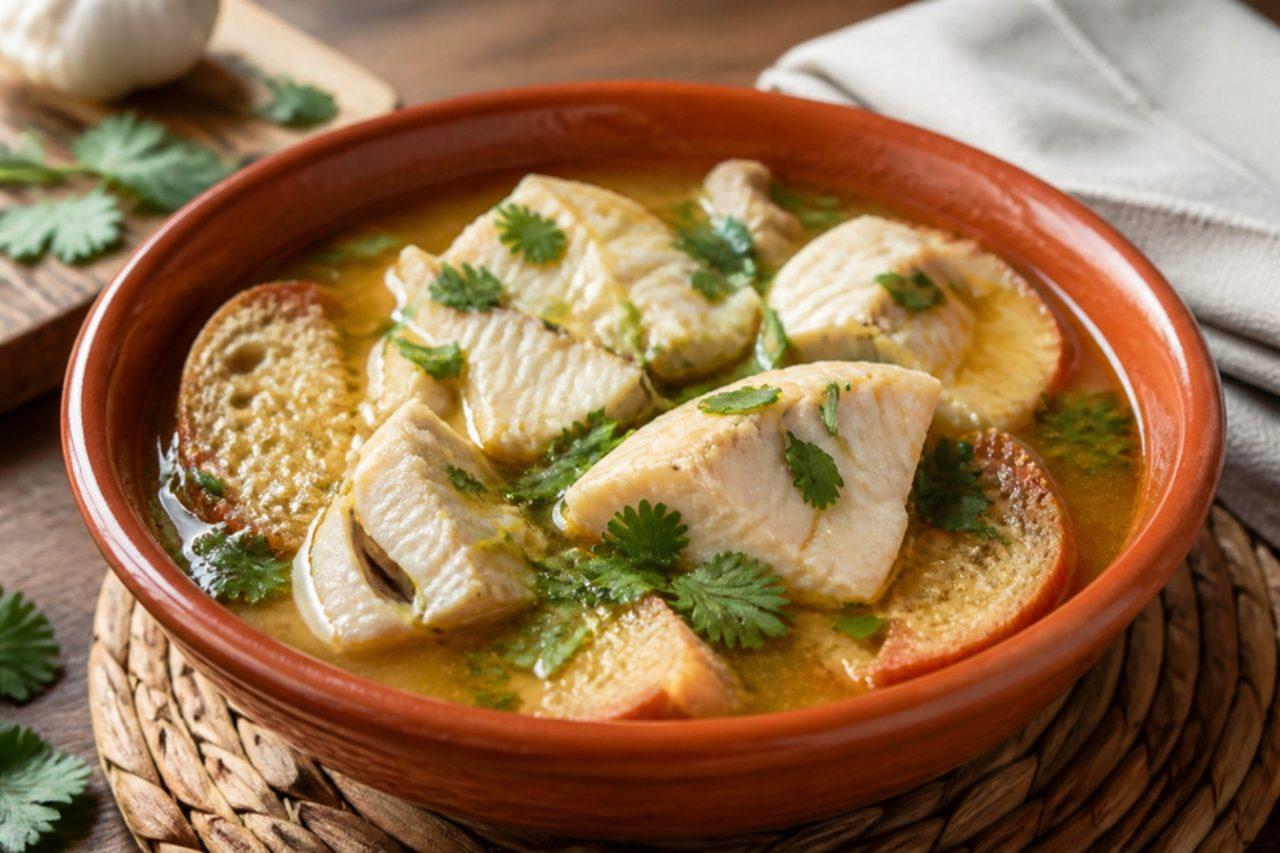
Sopa de caçãoDogfish soup with bread

Far from the sea, the Alentejo still has a fish soup it calls its own: firm dogfish simmered in a broth heavy with garlic and fresh coriander, thickened slightly with flour and sharpened with vinegar, then poured over bread. Families make it on Fridays and in Lent, and some village restaurants serve it every week. Dogfish and other small sharks are overfished in many waters; buy it only from a certified source, or use monkfish, a firm and sustainable white fish. A common mistake is boiling the fish hard, which makes it stringy; let it poach gently. Chef's tip: add the vinegar only at the very end, off the heat, so its sharpness stays fresh.

by KrazyBadal 0 views

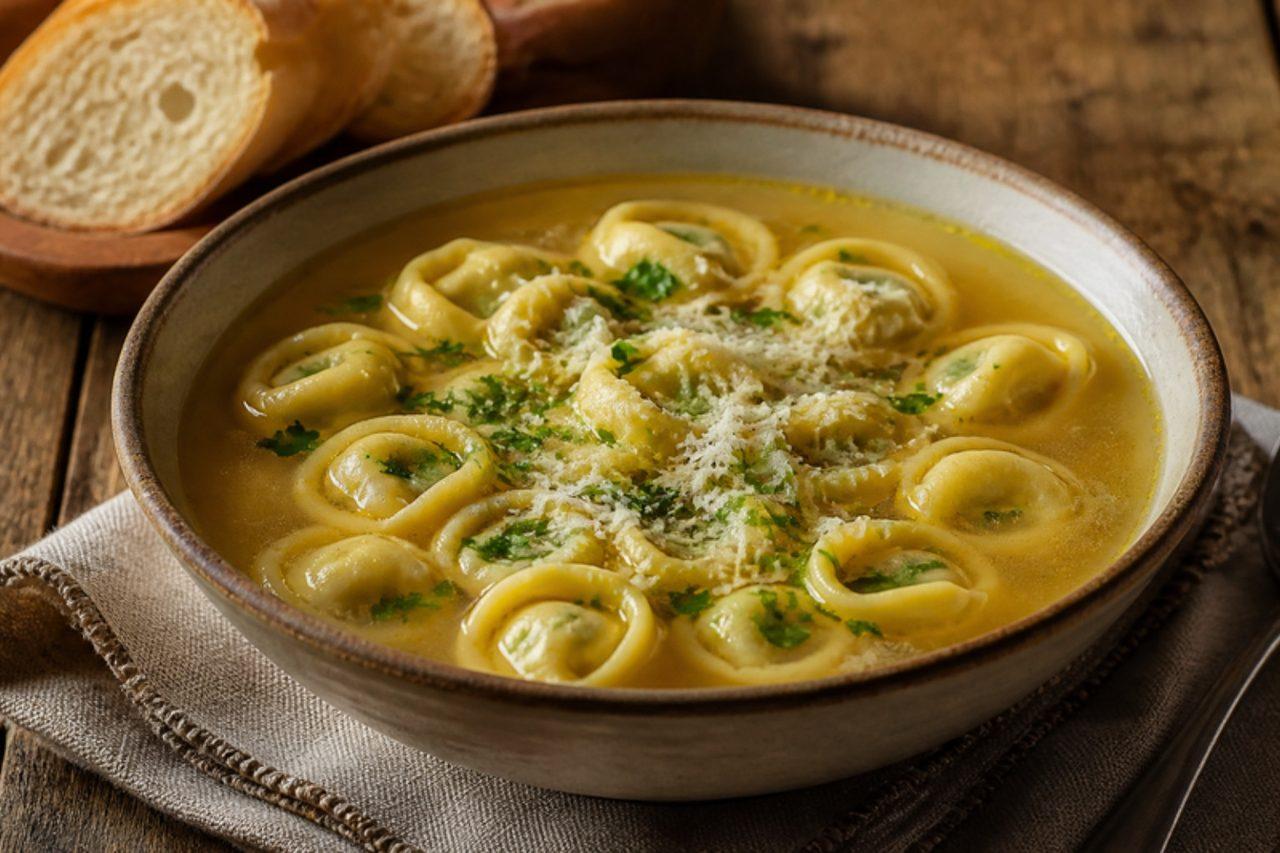
Sopa de capelettiMeat pasta in chicken broth

Winter nights in Bento Gonçalves, Caxias do Sul and the wine valleys of the Serra Gaúcha call for sopa de capeletti, the Italian immigrants' soup that is still served at the start of every big Sunday lunch at galeterias and family tables. Small hats of fresh egg pasta, filled with chicken, Parmesan and nutmeg, are cooked in a clear, golden, deeply savoury chicken broth and finished with more grated cheese. It is light but nourishing, and the broth should taste concentrated enough to stand on its own. The trap people fall into is boiling the broth hard, which turns it cloudy and greasy; keep it at a lazy simmer. You can freeze the shaped capeletti on a floured tray and cook them from frozen. Chef's tip: roll the dough until you can just see the shadow of your hand through it; thick capeletti turn stodgy in the soup.

by KrazyBadal 0 views

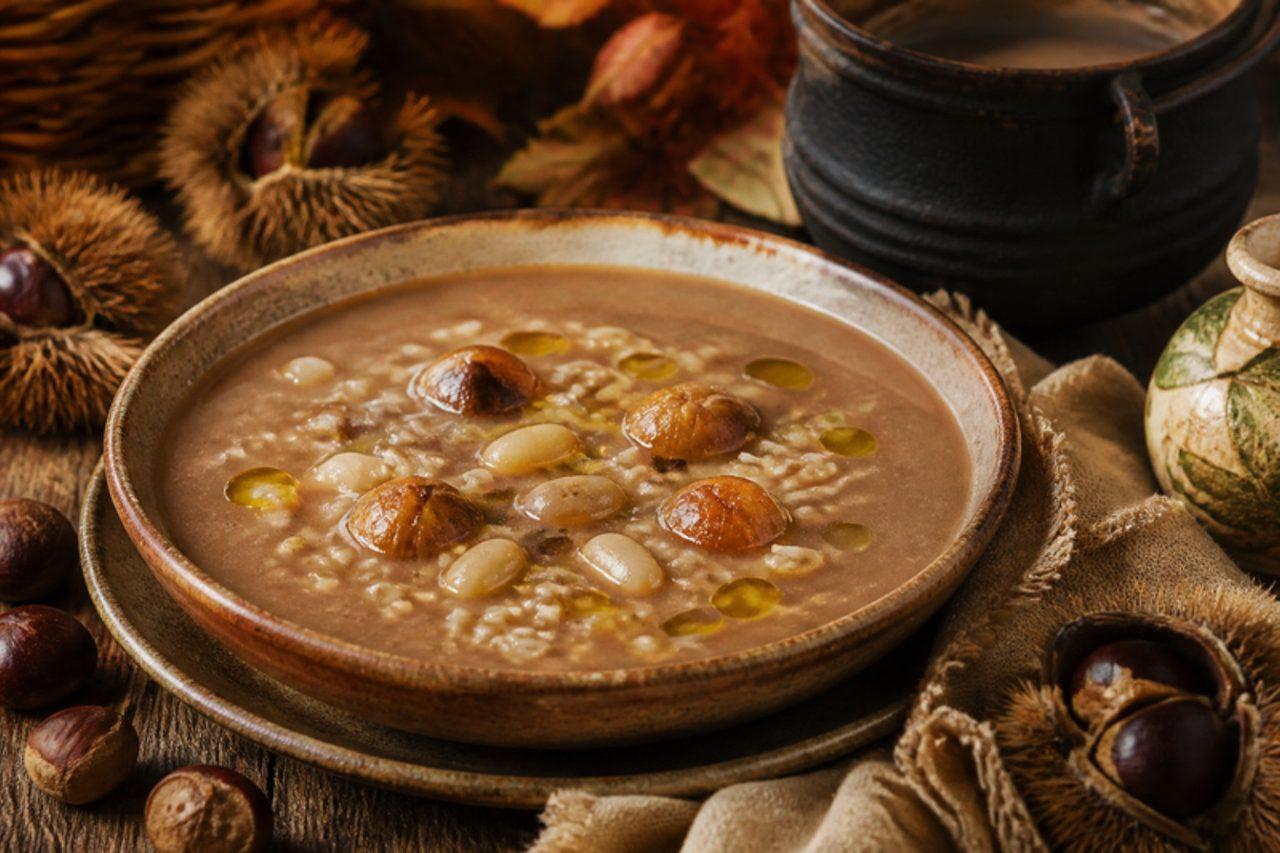
Sopa de castanhasChestnut and bean soup

Before potatoes reached the high plateaus of Trás-os-Montes, chestnuts were the staple, and in villages around Bragança and Vinhais this thick soup is still made in November, when the magusto festivals roast the new crop. Farm versions are cooked with a piece of cured pork; this one is meat-free, built on dried or cooked chestnuts, white beans, onion and a little rice, finished with olive oil. It is sweet, nutty and filling enough for supper. Chef's tip: mash a third of the chestnuts into the broth to thicken it and leave the rest in pieces.

by KrazyBadal 0 views

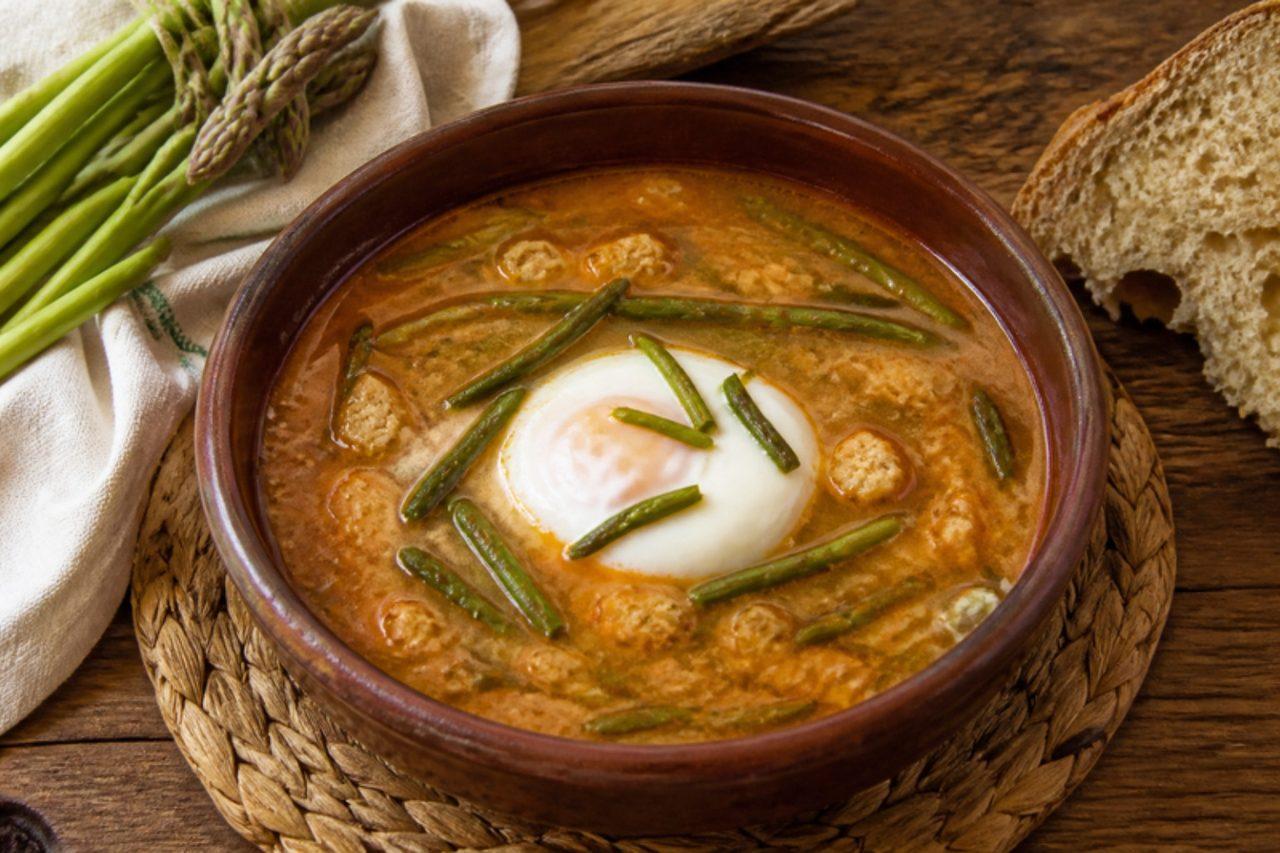
Sopa de espárragos triguerosWild asparagus and bread soup

In March and April people across Extremadura walk the field margins and olive groves picking thin, bitter wild asparagus, and much of the haul goes into this soup. The spears are fried with garlic and smoky pimentón de la Vera, simmered with water, thickened with thin slices of stale bread, and an egg is poached in the pot for each person. It is a country supper for chilly spring evenings. Thin green asparagus from the shops works well. Chef's tip: take the pan off the heat before adding the paprika, so it doesn't scorch.

by KrazyBadal 0 views

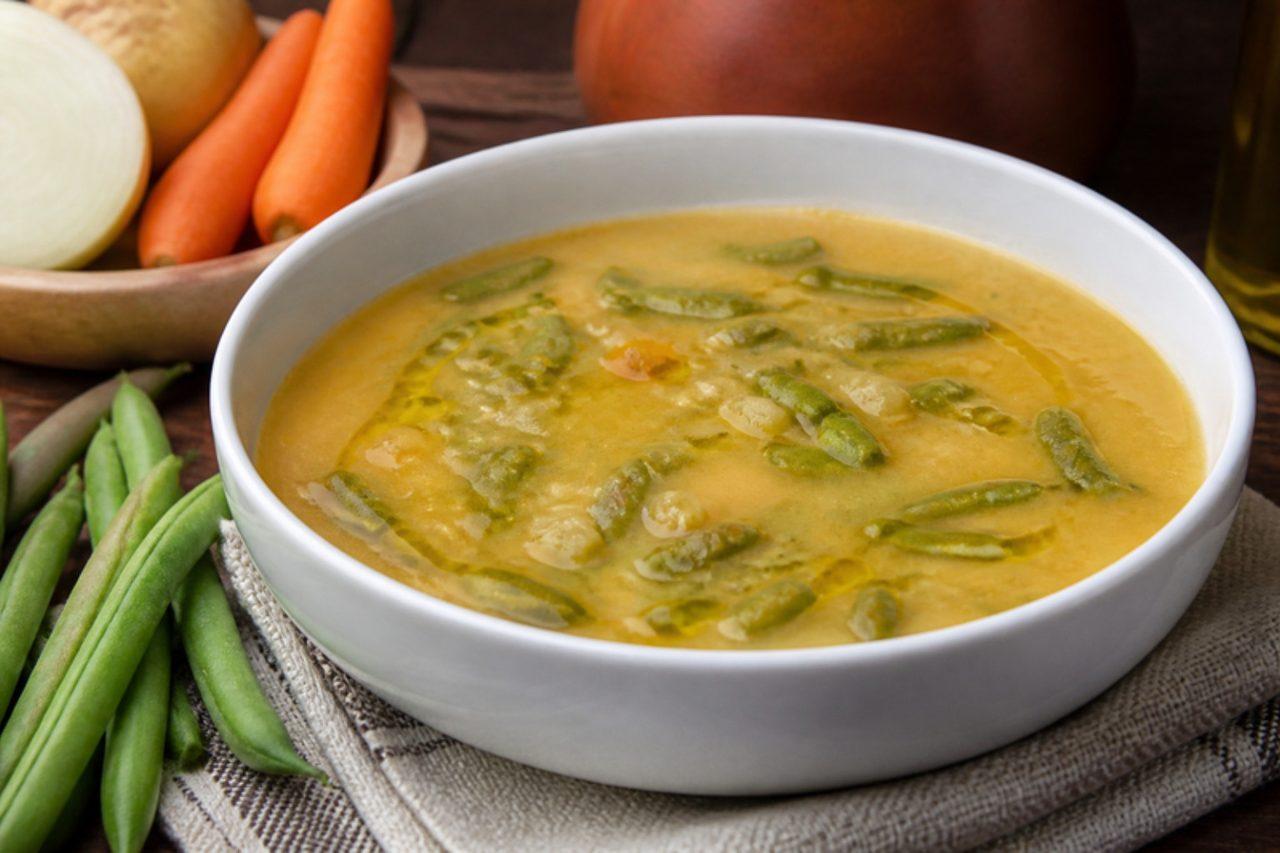
Sopa de feijão verdeGreen bean and potato soup

From June to September, Minho kitchen gardens are heavy with runner and flat beans, and this soup is what most families make with them, served as the first course of an ordinary weekday lunch. A smooth base of potato, onion and carrot is puréed, then the beans, cut into thin diagonal slivers, are simmered in it until just tender. It is thick, mild and comforting, finished with a thread of olive oil. A common mistake is adding the green beans with the potatoes; they turn grey and soft, so add them only for the last few minutes. Chef's tip: slice the beans very thinly on a slant, as Minho cooks do, so they cook evenly and every spoonful gets some.

by KrazyBadal 0 views

Sopa de grão com espinafresChickpea and spinach soup

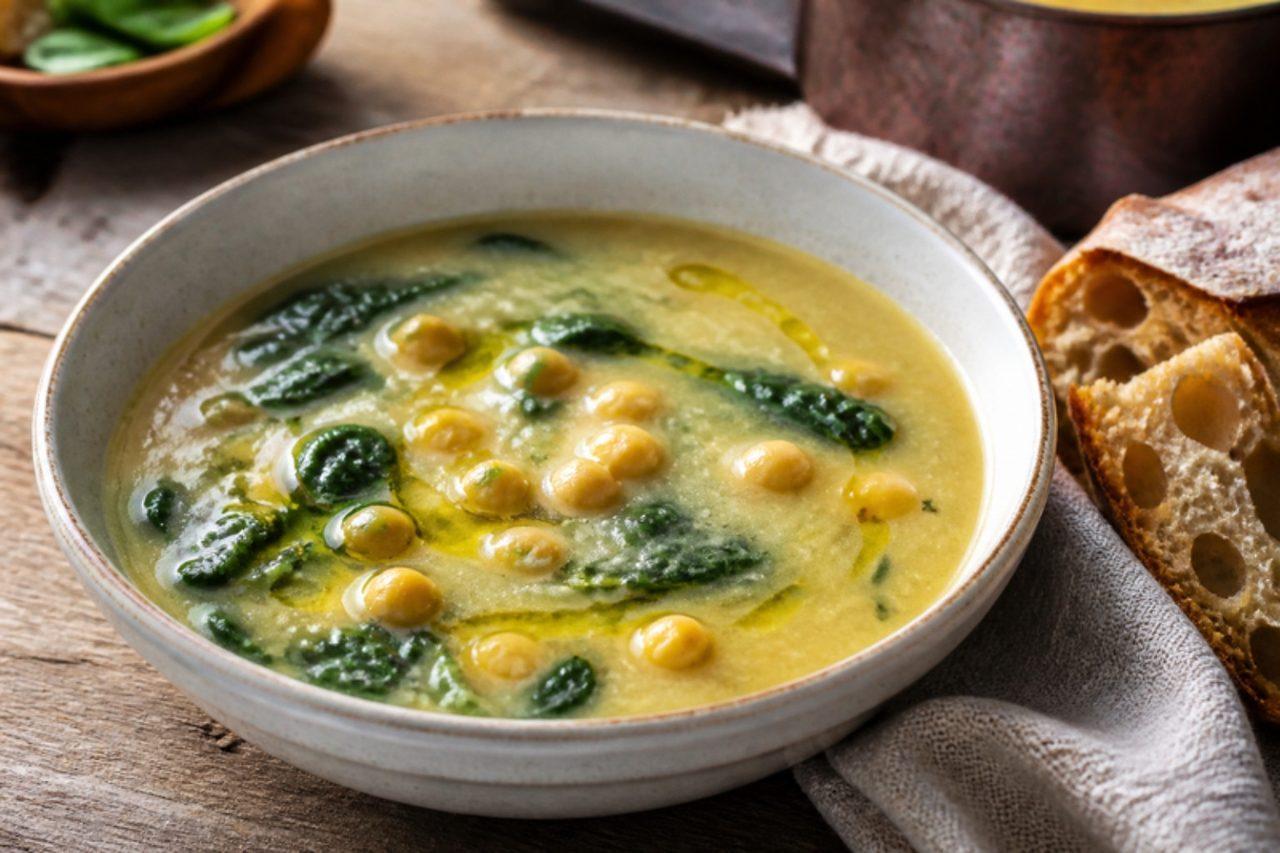
This is everyday food in the villages of the Beira interior, where chickpeas are a winter store-cupboard standby and a big pot of soup starts most lunches and suppers. Part of the chickpeas are blended with potato and onion for a creamy base, the rest left whole, and fresh spinach is stirred in at the end. It is filling, cheap and ready in under an hour. A common mistake is boiling the spinach in the soup for too long; add it at the end and cook it only until it wilts. Chef's tip: add the spinach only at the last minute, as long cooking turns it grey and bitter.

by KrazyBadal 0 views

Sopa de limaLime and chicken soup

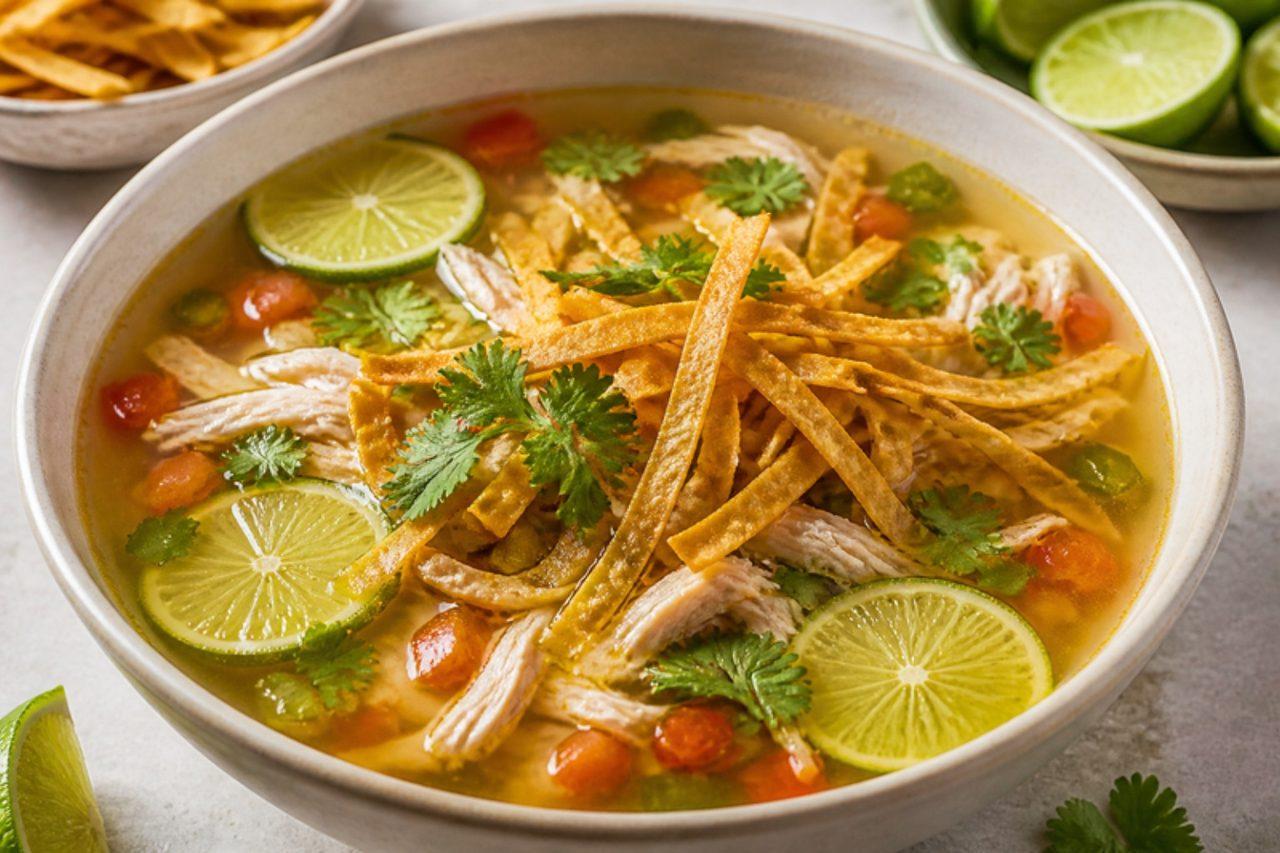
Sopa de lima is the soup Mérida is proud of: a clear, golden chicken broth lightly spiced with oregano, allspice and clove, sharpened with a sofrito of tomato and green pepper and perfumed by the lima, a fragrant, mild Yucatán citrus. Restaurants around the main square serve it at lunch with a heap of crisp fried tortilla strips that soften as you eat. Lima is almost impossible to buy elsewhere, so this version uses ordinary lime plus a little orange or grapefruit juice to mimic its floral, less sour taste. Serve with extra lime slices and a fiery habanero salsa on the side. Chef's tip: fry the tortilla strips just before serving and add them at the table, so they still crunch.

by KrazyBadal 0 views

Sopa de panLayered bread soup

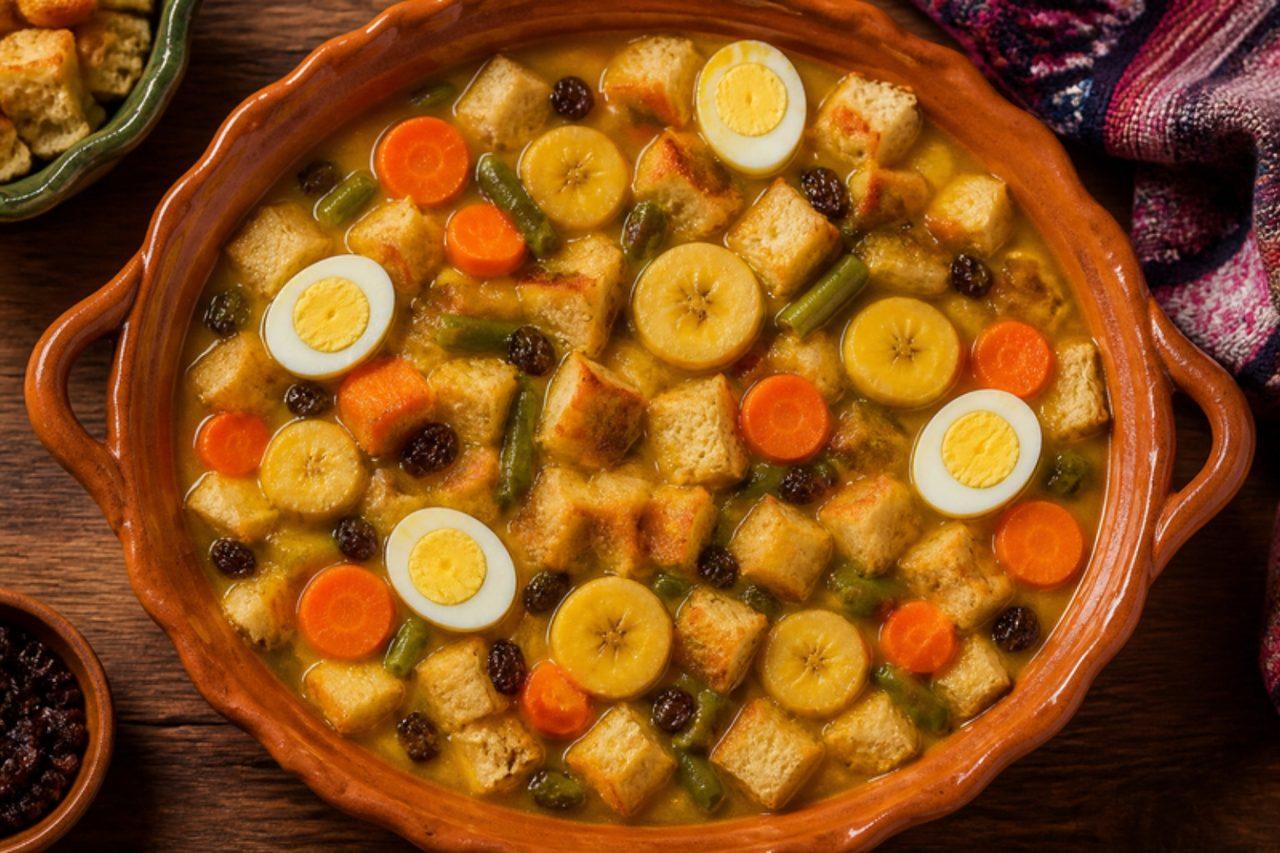
This is not a thin soup but a 'dry' one, baked in layers in a deep dish, and in San Cristóbal de las Casas it belongs to fiestas, weddings and the meatless days of Holy Week. Toasted bread is stacked with fried ripe plantain, green beans, carrot, potato, boiled egg and a tomato sauce, then soaked with a saffron and thyme broth until the bread swells into something like a savoury bread pudding. It is served in deep plates with a spoon. Families in the highlands use chicken stock; a good vegetable stock keeps it vegetarian. Chef's tip: dry the bread hard in the oven first; fresh bread dissolves into mush when the broth goes in.

by KrazyBadal 0 views

Sopa de tomate à alentejanaTomato soup with poached eggs

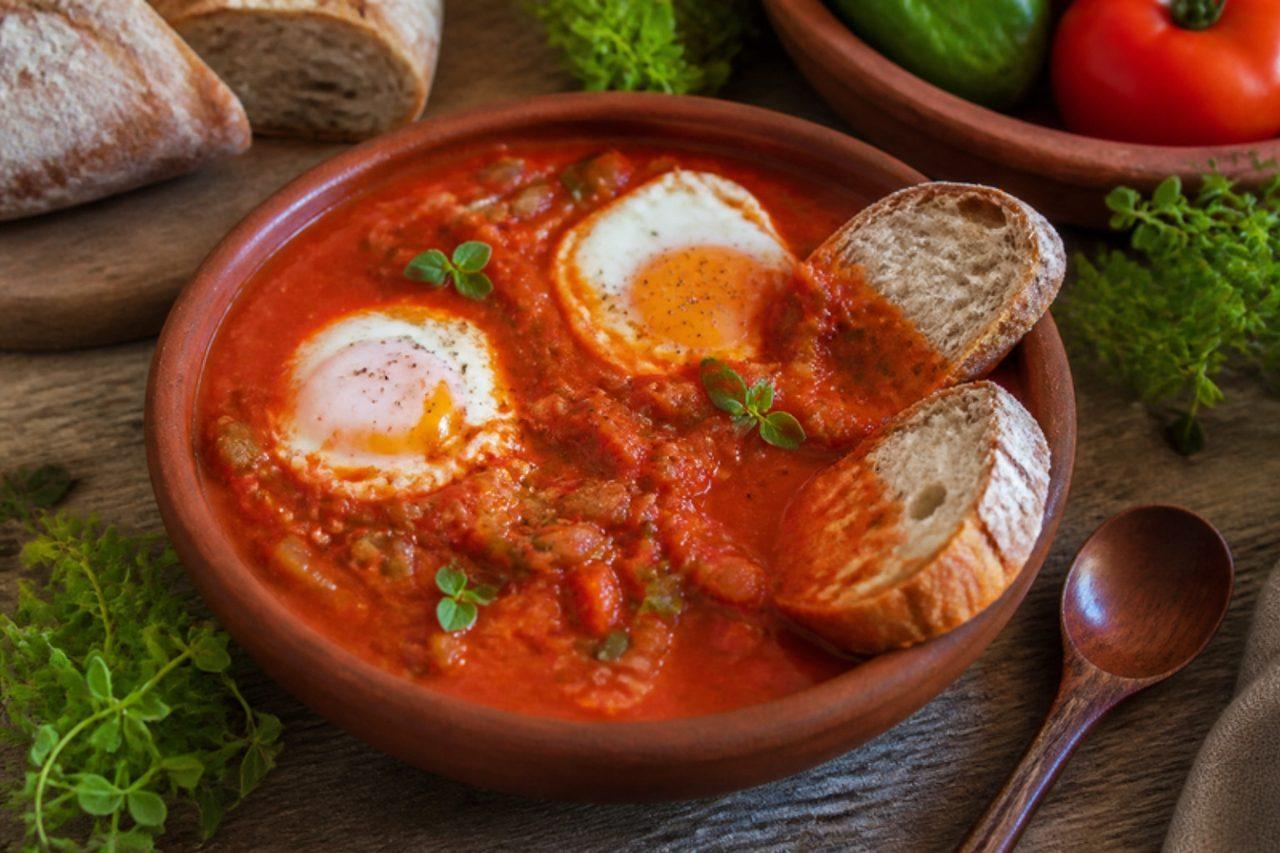
In the Alentejo, high summer means tomatoes ripening faster than anyone can eat them, and this is what farm families do with the glut: a thick, oily stew-soup of tomato, onion and green pepper, with eggs poached right in the pot and the whole thing spooned over slices of stale country bread. It is a supper dish, eaten in deep plates on hot evenings, often with grapes or melon afterwards. Many households slip in chouriço; this version keeps it vegetarian. A common mistake is using watery salad tomatoes; you need very ripe, deep-red ones for a soup that tastes of anything. Chef's tip: cook the onion slowly until truly sweet before the tomatoes go in; that sweetness carries the whole dish.

by KrazyBadal 0 views

Sopa seca chinchanaSpaghetti in basil chicken broth

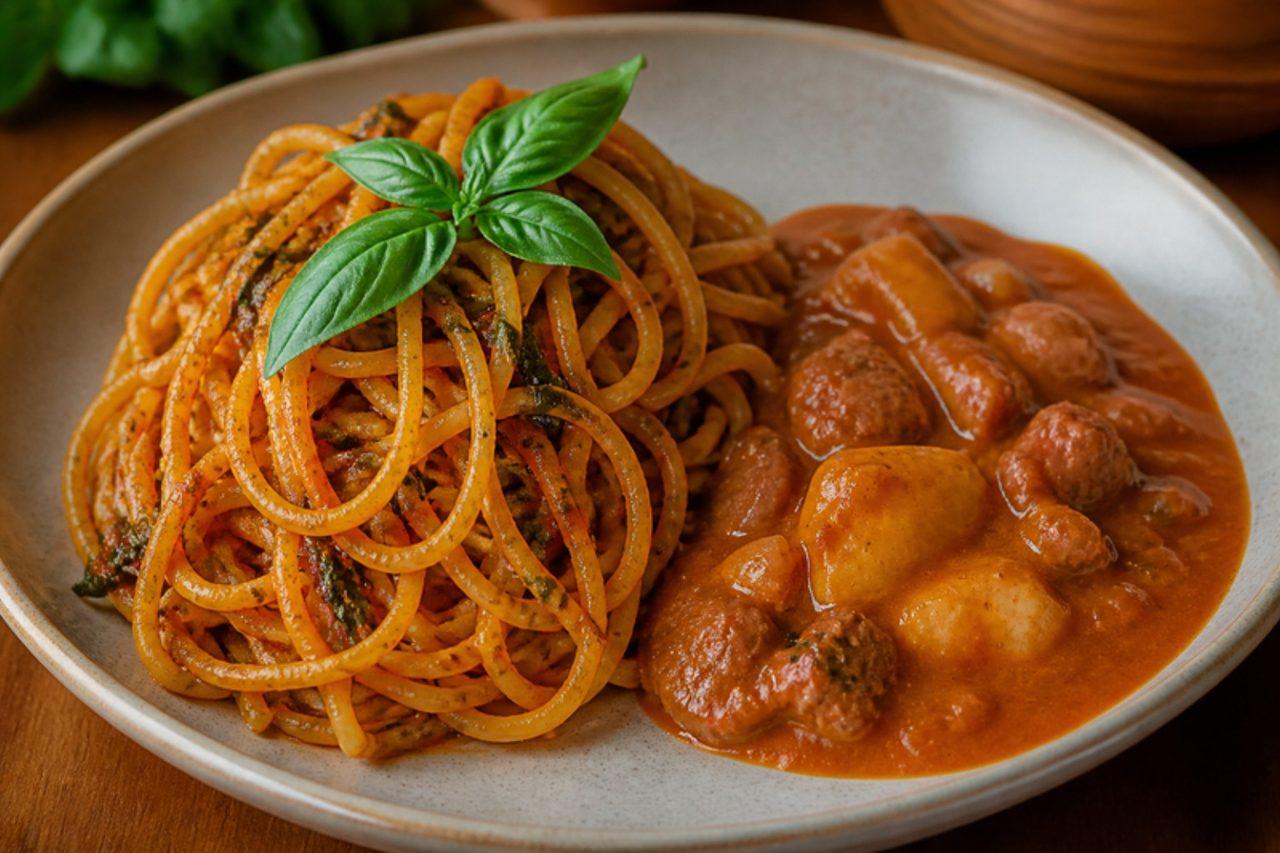
Despite the name, there is no soup in a bowl: sopa seca is spaghetti cooked like a risotto in a well-seasoned chicken broth with basil, ají panca and tomato until every drop is absorbed and the noodles turn reddish-green and fragrant. In Chincha and Ica it always arrives on the same plate as carapulcra, the two together forming the famous festive 'matrimonio', with a chicken thigh on top. Expect soft, very savoury pasta with a mild warmth from the chilli. Where it goes wrong is pouring in all the broth at once, which leaves the pasta swimming and mushy; add it in stages, as for risotto. Chef's tip: blend the basil with a little oil and stir it in only in the last minutes, so it stays green instead of turning brown.

by KrazyBadal 0 views

Sopa tarascaBean and tomato soup

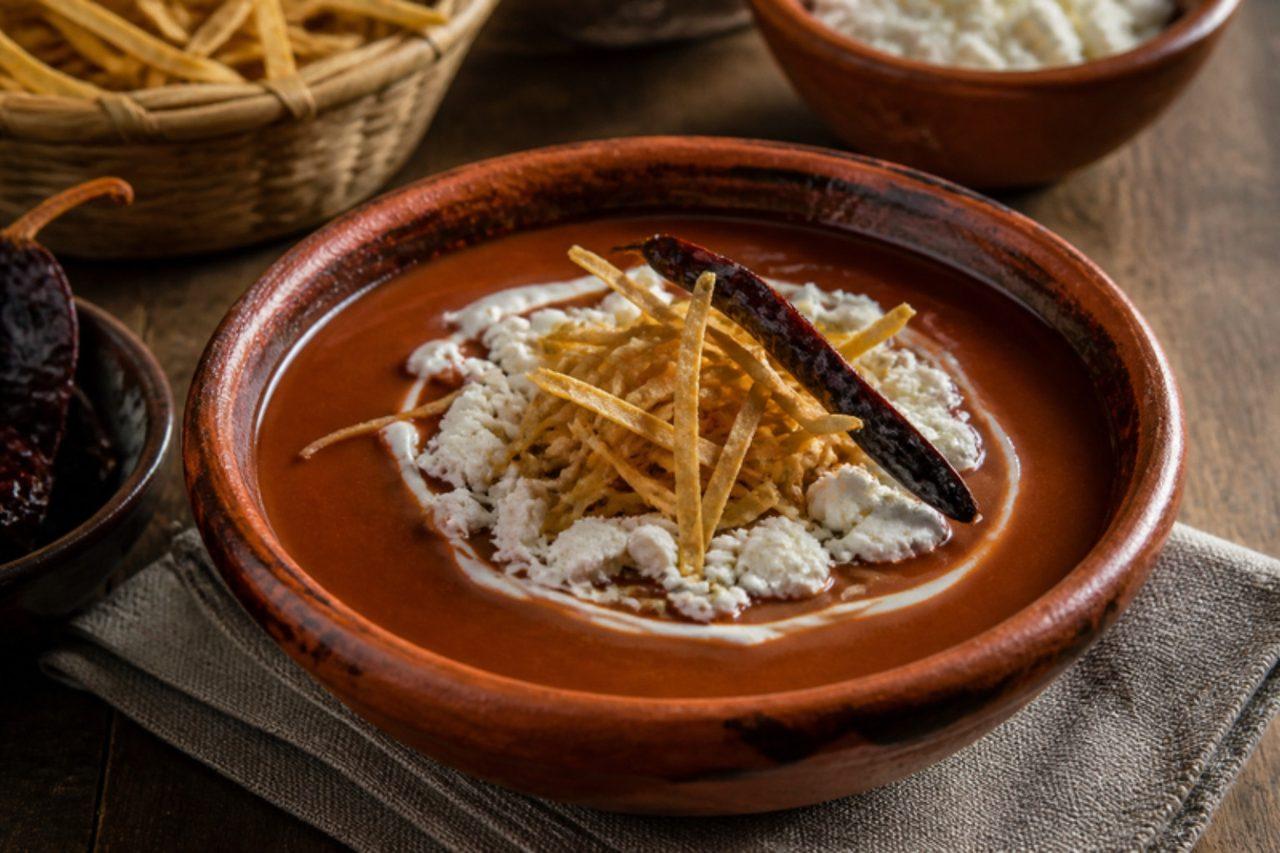
Named after the Tarascan (Purépecha) people of Michoacán, sopa tarasca is the soup served in the restaurants around the plazas of Pátzcuaro and Morelia, especially on cool highland evenings. It is a smooth, brick-red purée of beans, tomato and ancho chilli, poured over crisp tortilla strips and finished with cream, fresh cheese and fried chilli rings. Some versions use chicken stock; this one uses vegetable stock and loses nothing. Fresh cheese may be made with animal rennet, so use a vegetarian one if needed. Chef's tip: fry the blended soup base in hot oil before adding the stock; it cooks out the raw tomato taste and deepens the colour.

by KrazyBadal 0 views

Sopes mallorquinesCabbage broth with brown bread

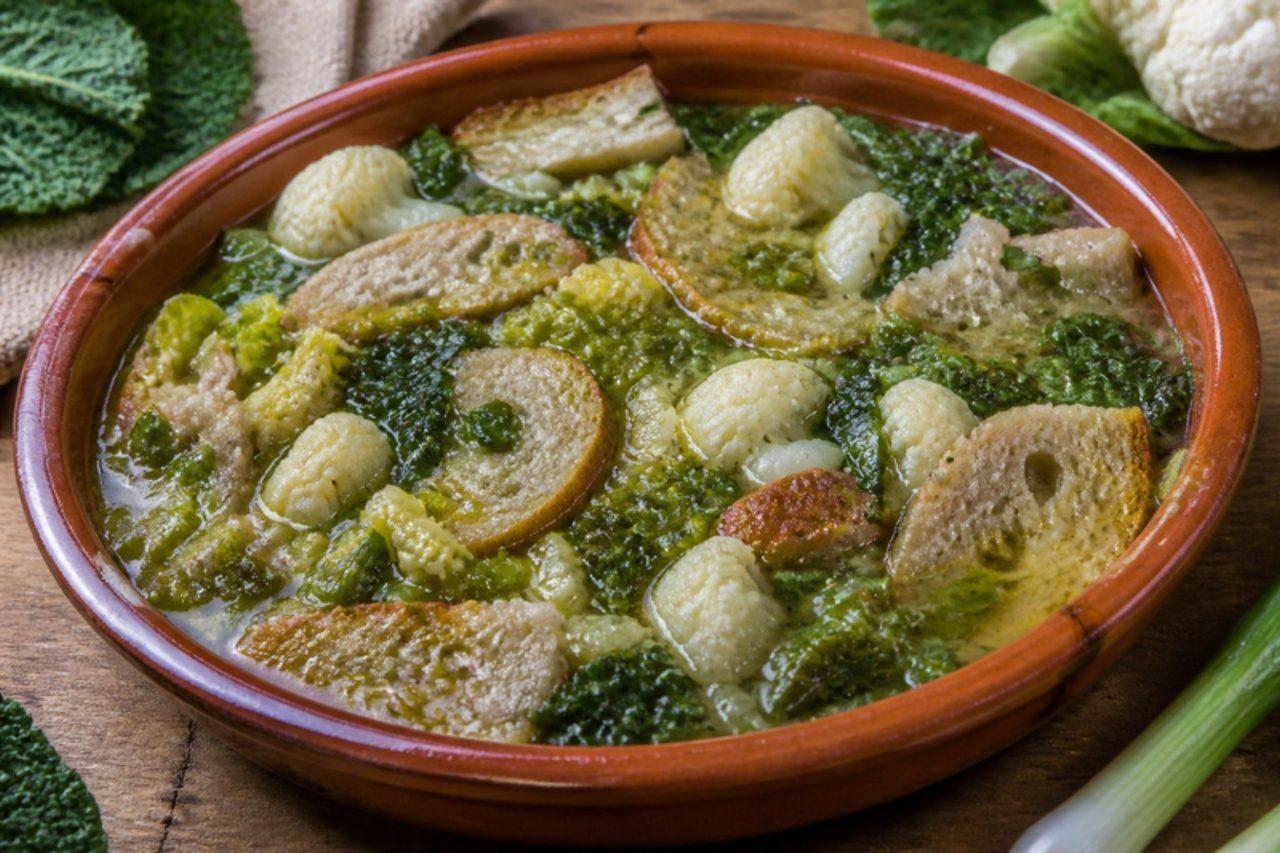
Sopes are a winter ritual in Mallorca, simmered in a wide clay greixonera and eaten for breakfast by country people and for Sunday lunch by everyone else. Cabbage, chard, cauliflower, artichoke and mushrooms cook in a garlicky, paprika-tinted broth, which is then poured over wafer-thin slices of dry brown bread until it soaks it all up into a spoonable mass, more stew than soup. Pork ribs often go in; this version is all vegetables. Serve with pickled chillies and black olives on the side. Chef's tip: buy the bread sliced for sopes at a bakery or slice a hard loaf on a mandolin, as thin bread is the whole texture of the dish.

by KrazyBadal 0 views

PlinsenBuckwheat pancakes with quark

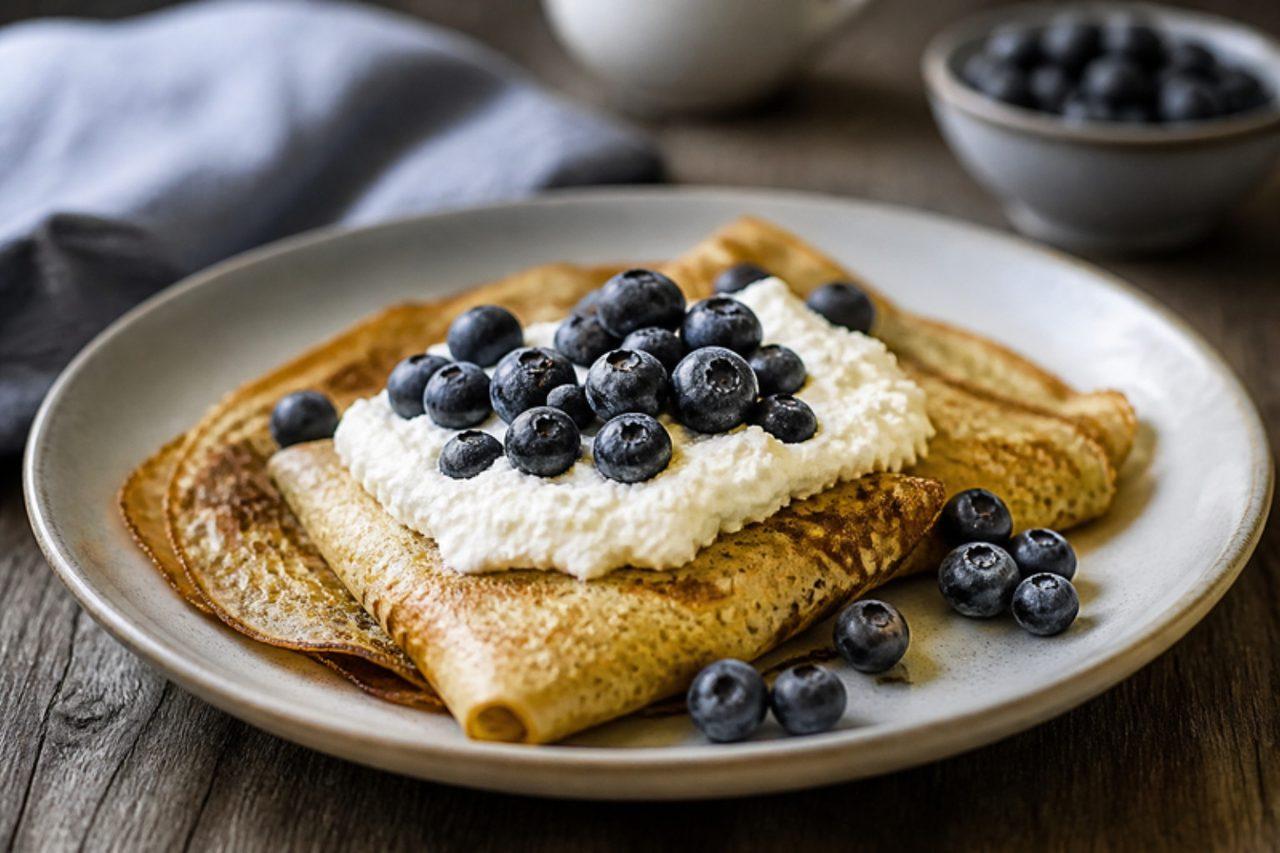
Plinsen come from Lusatia, the Sorbian-speaking borderland of Brandenburg and Saxony, where buckwheat once grew in the sandy soil. They are thin, soft pancakes, slightly thicker than a crêpe, made with buckwheat or a mix of buckwheat and wheat, and they are eaten for breakfast or as a sweet supper with sweetened quark, apple sauce or, in July, wild blueberries from the Lusatian pine woods. The buckwheat gives a nutty, earthy edge. A common mistake is cooking them in a too-cool pan, which makes them pale and rubbery; the butter should sizzle as the batter hits it. Chef's tip: rest the batter for 30 minutes so the buckwheat swells and the pancakes don't tear.

by KrazyBadal 0 views

Sorrentinos de calabazaSquash and ricotta pasta parcels

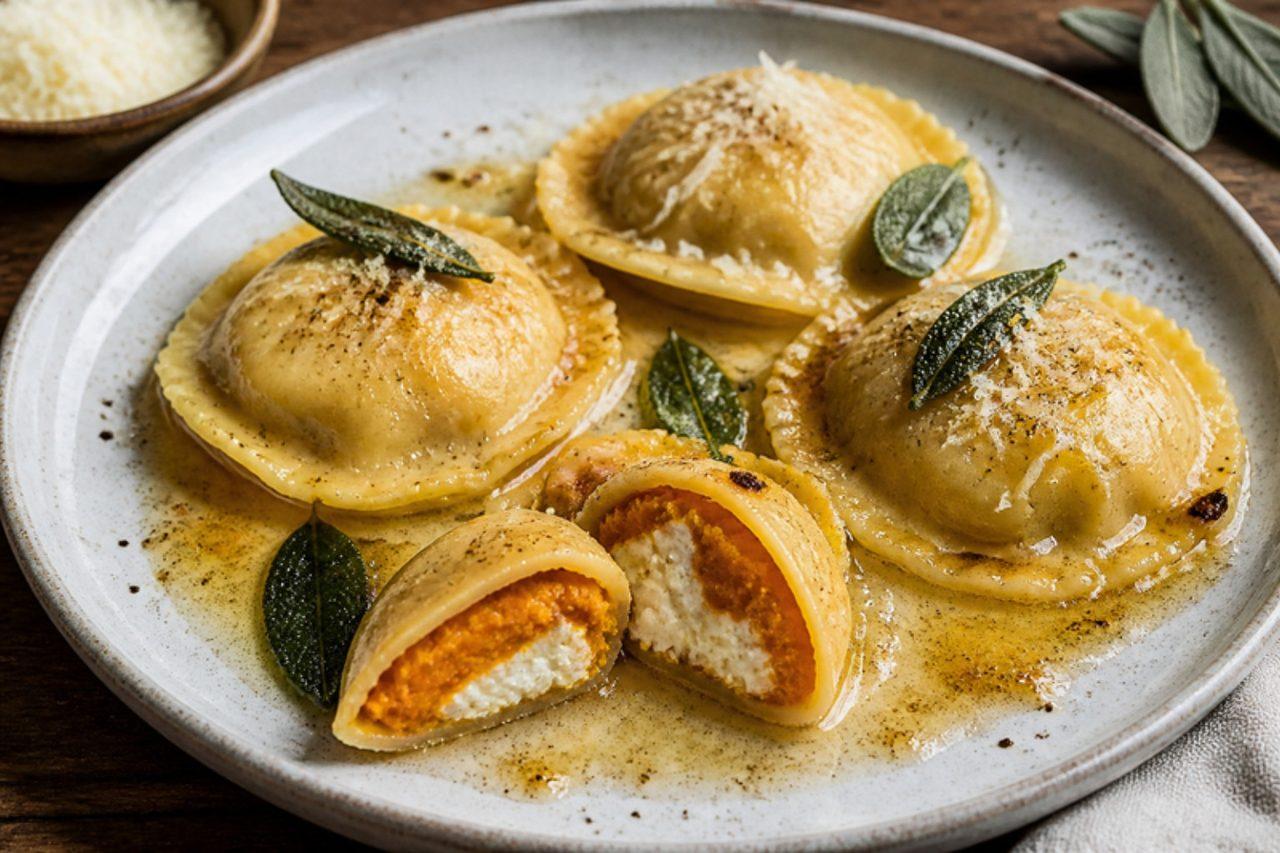
Mar del Plata claims the sorrentino, a big round stuffed pasta about the size of a jam-jar lid that Italian-Argentine cooks made their own in the mid-20th century; despite the name, you won't find it in Sorrento. Every fresh-pasta shop in Buenos Aires province sells them by the dozen on Sunday mornings, and the squash version, with roasted calabaza, ricotta and nutmeg, is the most loved. The filling is sweet and soft, the pasta thin but sturdy, and the sauce is either brown butter with sage or a plain tomato filetto. The classic mistake is boiled squash: it carries too much water, the filling weeps and the parcels burst in the pot, so the squash is roasted until dry and caramelised. Grated hard cheese is usually made with animal rennet; choose a vegetarian hard cheese if needed. Chef's tip: chill the filling until firm before you shape it; a cold, stiff filling is far easier to seal without air pockets.

by KrazyBadal 0 views

Sosis bandariSpicy sausage and tomato sandwich

Sosis bandari, 'port-style sausage', began in the Gulf ports of Bushehr and Bandar Abbas and is now the late-night snack of sandwich shops all over Iran, from Tehran to Shiraz. Sliced beef or chicken frankfurter-style sausages (Iranian sausages are never pork) are fried with lots of onion, potato, tomato paste and chilli until sticky and hot, then stuffed into a soft baguette with pickles and tomato. It is spicy, greasy in the best way and ready in minutes. A common mistake is crowding the pan; the onion steams instead of browning, so use your widest pan. Chef's tip: a pinch of curry powder and a squeeze of lemon at the end is how the bandari shops give it their southern kick.

by KrazyBadal 0 views

SoumadaAlmond syrup drink

On Crete and several Aegean islands, a glass of cloudy-white soumada is offered to guests at weddings and on hot summer afternoons. It begins as a thick almond syrup kept in the fridge, which is stirred into iced water to make a cool, gently sweet drink that tastes of marzipan and orange blossom. Some islanders add a few bitter almonds for an edge; they are not safe to eat in quantity, so this version uses a drop of almond extract instead. Common mistake: boiling the syrup hard after the almond milk goes in, which makes it cloudy and grainy rather than smooth. Chef's tip: squeeze the almond pulp in a muslin bag with real force; the last drops are the richest.

by KrazyBadal 0 views

Soupe de poissons with rouilleFish soup with rouille

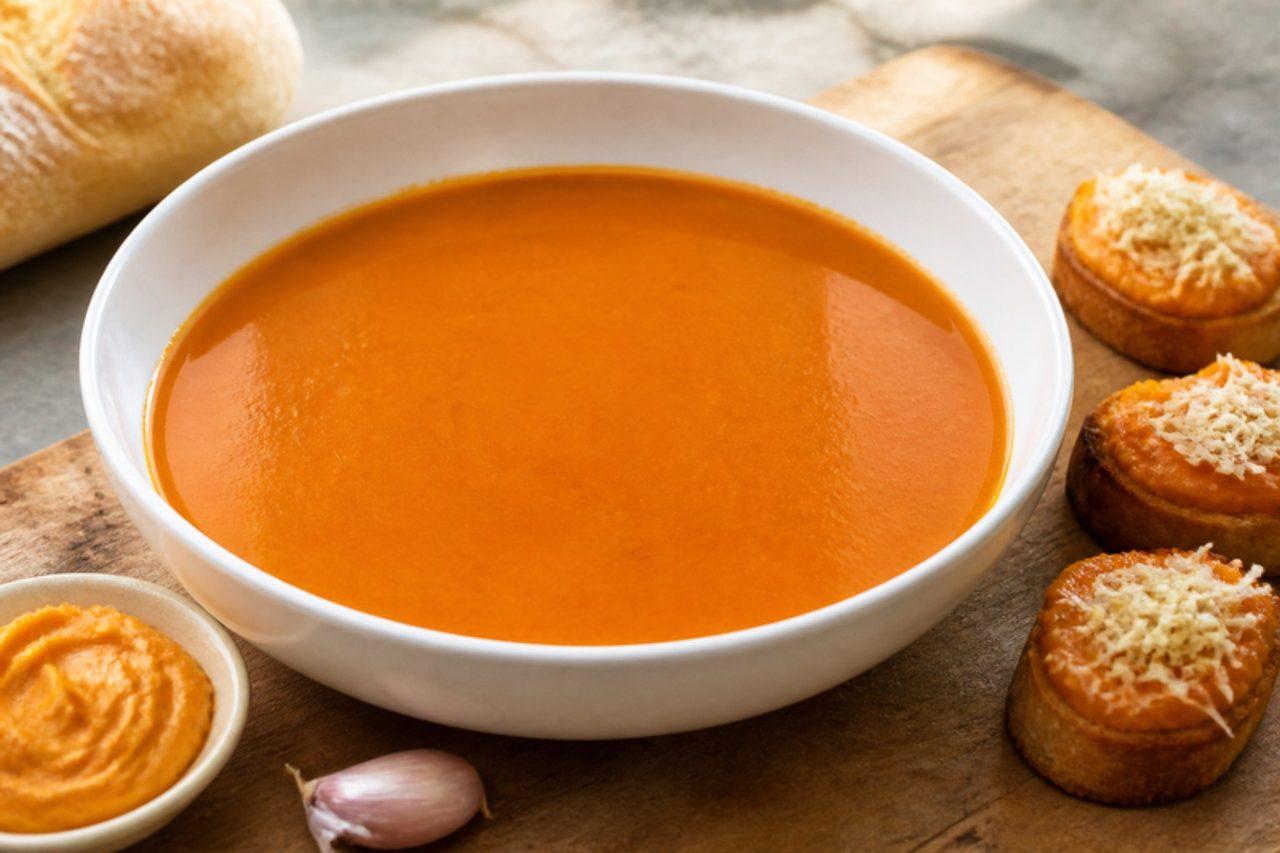
Not to be confused with bouillabaisse, where whole pieces of fish are served, soupe de poissons is the smooth, rust-coloured soup made all along the coast from Marseille to Sète from small rockfish too bony to eat any other way. The fish are fried with fennel, tomato, garlic and saffron, simmered and then pressed through a food mill, giving a velvety soup tasting deeply of the sea. In harbourside restaurants it arrives with a tray of toasted croutons, a pot of fiery garlic rouille and grated cheese, and everyone builds their own bowl. This rouille is thickened with potato and bread, with no raw egg. Chef's tip: press the cooked fish hard through the mill or sieve; the flavour is in the pulp, not just the liquid.

100 minFrenchSoups
by KrazyBadal 0 views

South Dakota chislicFried lamb cubes

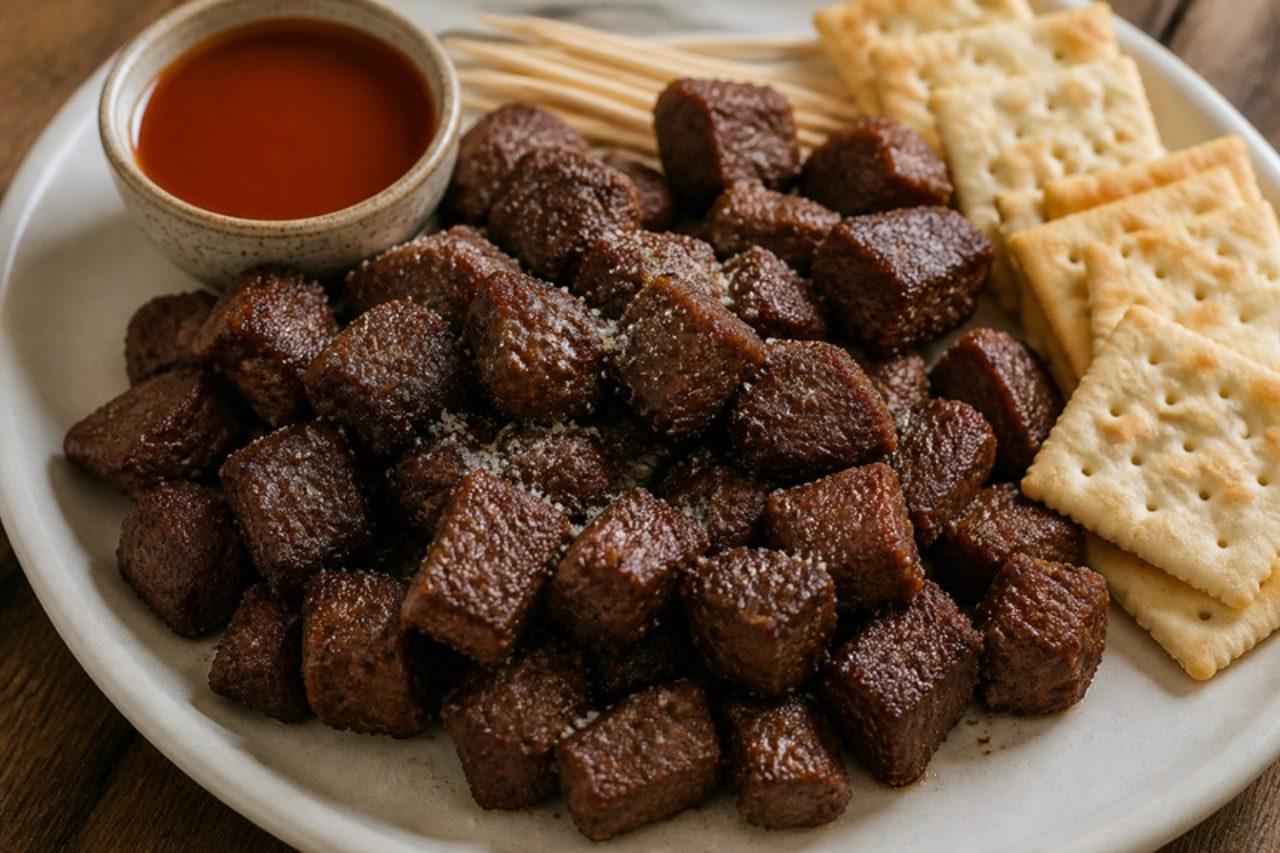
Chislic is the official nosh of South Dakota, brought to the prairie by Germans from Russia and served at taverns and county fairs around Freeman and Sioux Falls. Bite-size cubes of lamb or mutton are deep-fried or grilled on skewers, tossed in garlic salt and eaten with cocktail sticks, with saltine crackers and hot sauce on the side. Chef's tip: cut the cubes all the same size, about 2 cm, so they cook evenly in the short time in the oil.

by KrazyBadal 0 views

Soutzoukakia SmyrneikaCumin meatballs in tomato sauce

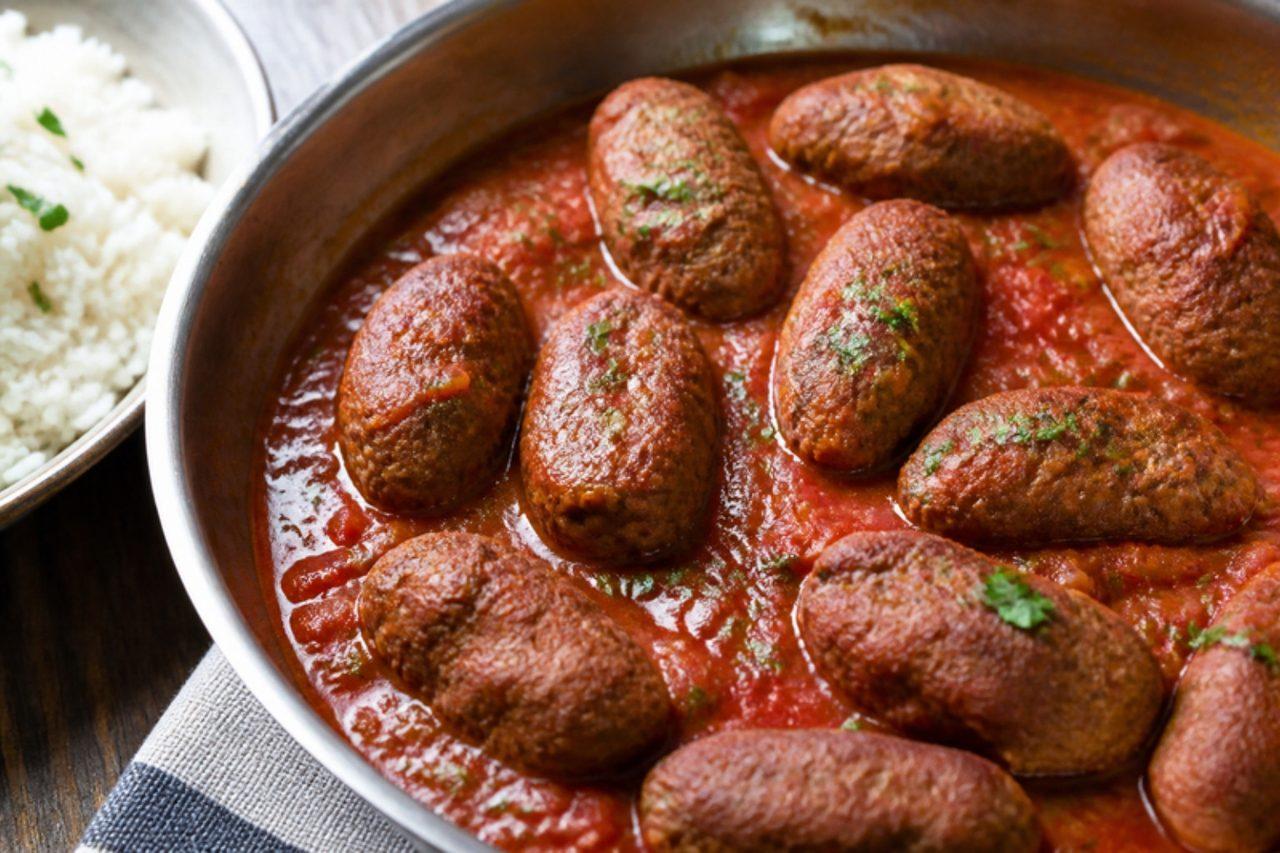
Refugee families from Smyrna brought these long, cumin-heavy meatballs to Thessaloniki and Kalamaria in the 1920s, and they're still a weekday favourite in northern Greek homes. The mince is mixed with soaked bread, garlic and plenty of cumin, shaped into fat little logs, browned and then simmered in a cinnamon-tinged tomato sauce until tender. Serve over rice pilaf or with chips and a spoon of yoghurt. Many cooks add a splash of red wine to the sauce; this version uses red wine vinegar instead, so it's alcohol-free. Common mistake: squeezing the bread dry — it should stay damp, which keeps the meatballs juicy. Chef's tip: chill the shaped soutzoukakia for 20 minutes so they hold their shape in the pan.

70 minGreekMeat
by KrazyBadal 0 views

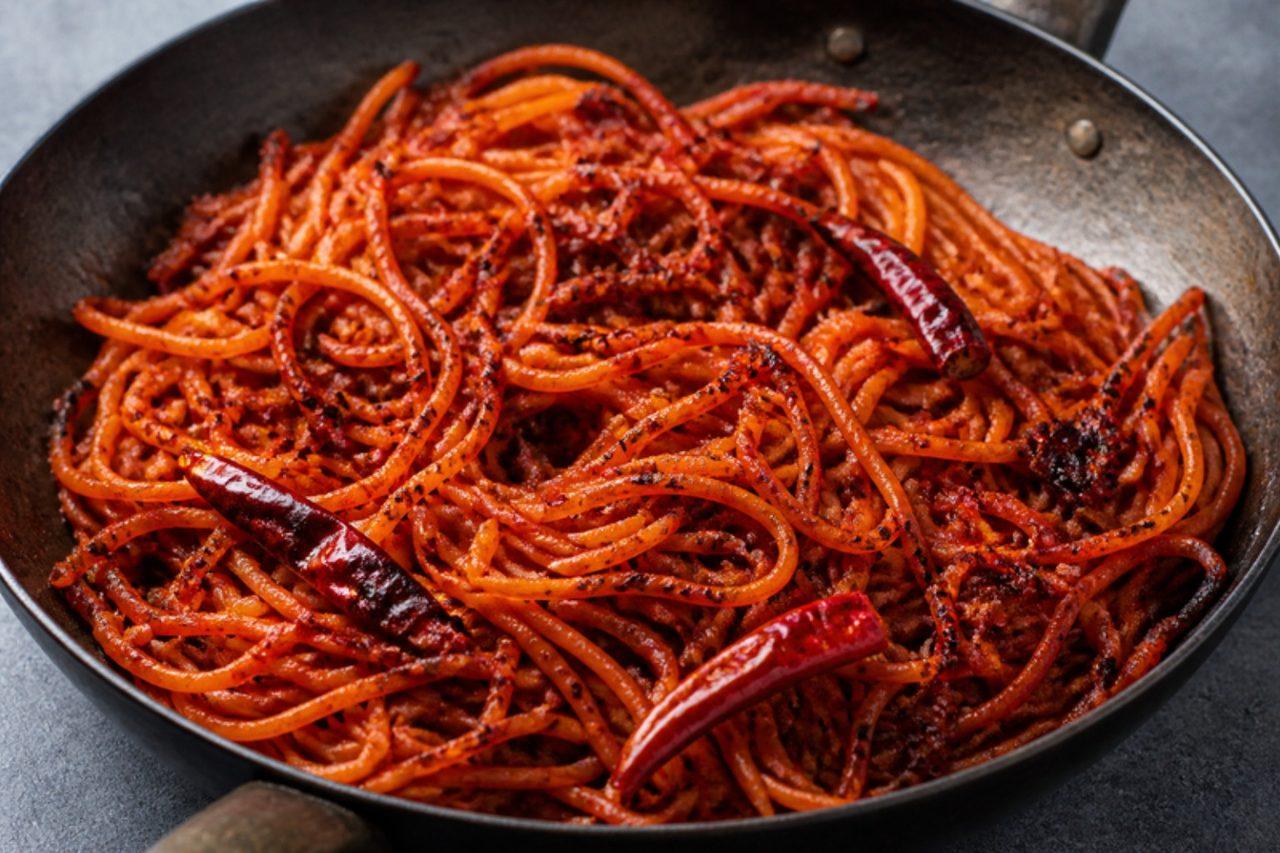
Spaghetti all'assassinaCharred spicy spaghetti

Spaghetti all'assassina was born in a Bari restaurant in the late 1960s and has become the city's cult late-night pasta. The raw spaghetti go straight into a hot iron pan with garlic, chilli and tomato, and are cooked like a risotto, a ladle of tomato broth at a time, until some strands blacken and turn crunchy while others stay chewy. It is smoky, sweet and properly hot, and Baresi argue about how burnt it should be. Chef's tip: use a wide iron or steel frying pan, never non-stick; you want the pasta to stick a little and scorch.

by KrazyBadal 0 views

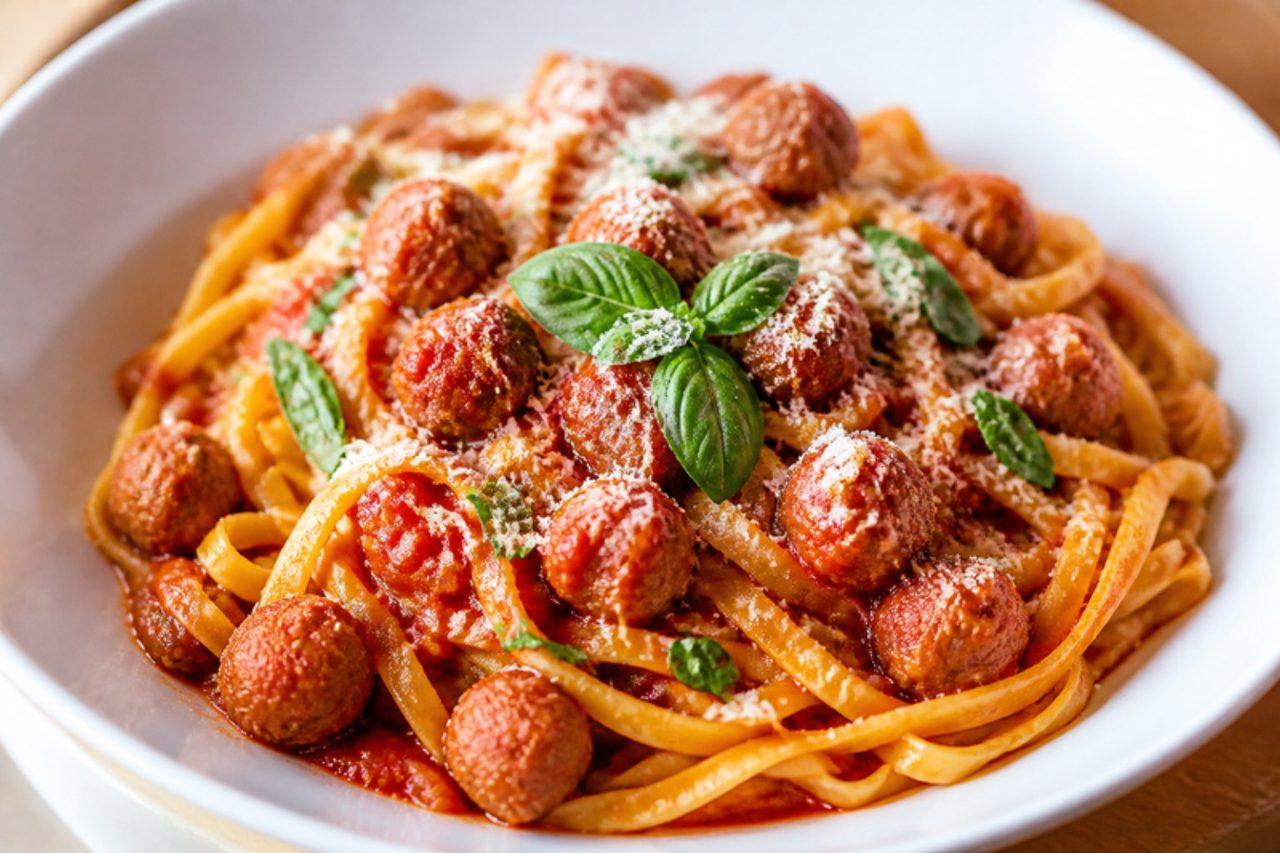
Spaghetti alla chitarra con le pallottineSpaghetti with tiny meatballs

In Teramo, in northern Abruzzo, Sunday lunch and village festivals often start with chitarra pasta and pallottine, meatballs no bigger than a chickpea. The pasta is cut on a chitarra, a wooden frame strung with wires, which gives square-edged strands with a rough surface that grips the sauce. The tiny beef meatballs are simmered right in a light tomato sauce, so every forkful has a few. Serve with grated pecorino and nothing else; this is a dish of patience rather than complication. Chef's tip: roll the meatballs with damp hands on a tray; at this size you'll make well over a hundred, so put the radio on.

by KrazyBadal 0 views

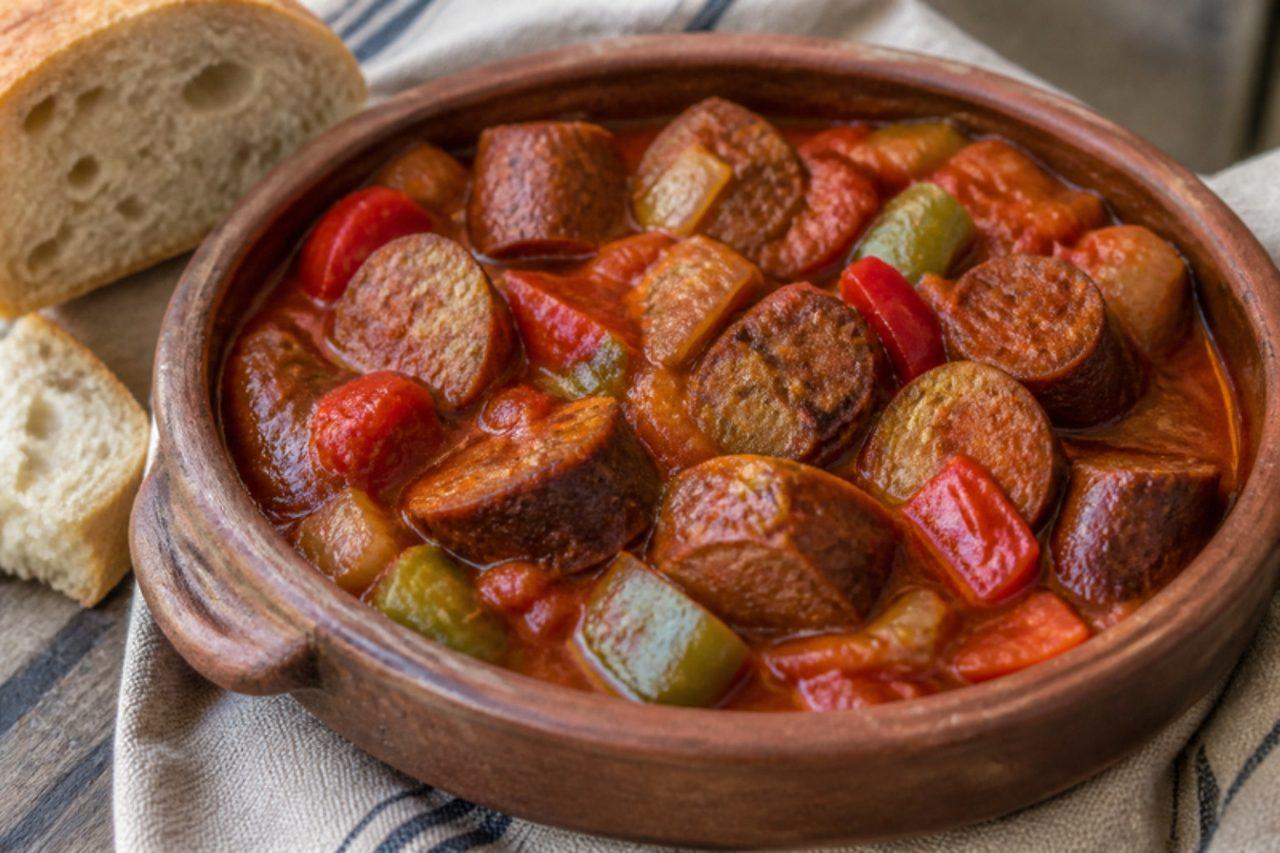
SpetzofaiSausage and pepper stew

Spetzofai is the dish shepherds in the Pelion mountains near Volos cooked over the fire: spicy village pork sausages sliced and stewed with long green and red peppers in a thick tomato sauce. Now it's on every tsipouro-bar menu in Volos, served sizzling in a clay dish with bread and feta. Use coarse pork sausages with leek or orange peel if you can find them. Common mistake: cooking the peppers to mush — they should be soft but still hold their shape. Chef's tip: brown the sausage slices hard first; the fat they leave flavours the peppers.

55 minGreekMeatGluten freeSpicy
by KrazyBadal 0 views

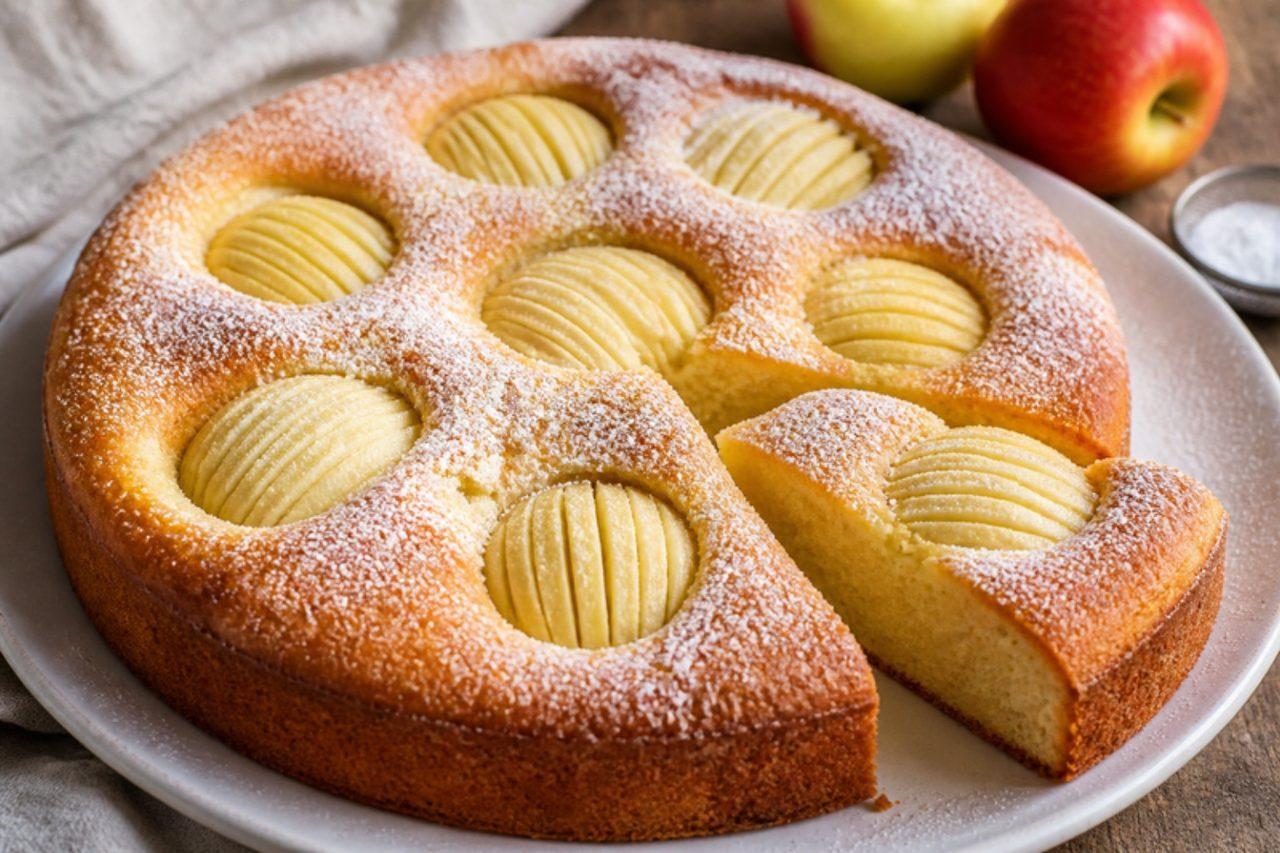
Versunkener ApfelkuchenSunken apple sponge

Versunkener Apfelkuchen, the sunken apple cake, is the quickest cake in the German home repertoire, made on autumn weekends when the first Boskoop and Elstar apples come in from the orchards of the Altes Land near Hamburg and Lake Constance. Peeled apple halves are scored like a fan and pressed into a rich lemon sponge, which rises up around them as it bakes until they seem to sink in. Children love it still warm with whipped cream. A common mistake is cutting the scores too deep, so the apples fall apart; cut about two-thirds of the way through. Chef's tip: brush the apples with apricot jam the moment the cake comes out of the oven; it gives a shiny bakery glaze and keeps them from drying.

by KrazyBadal 0 views

Vieiras á galegaBaked scallops with onion and crumbs

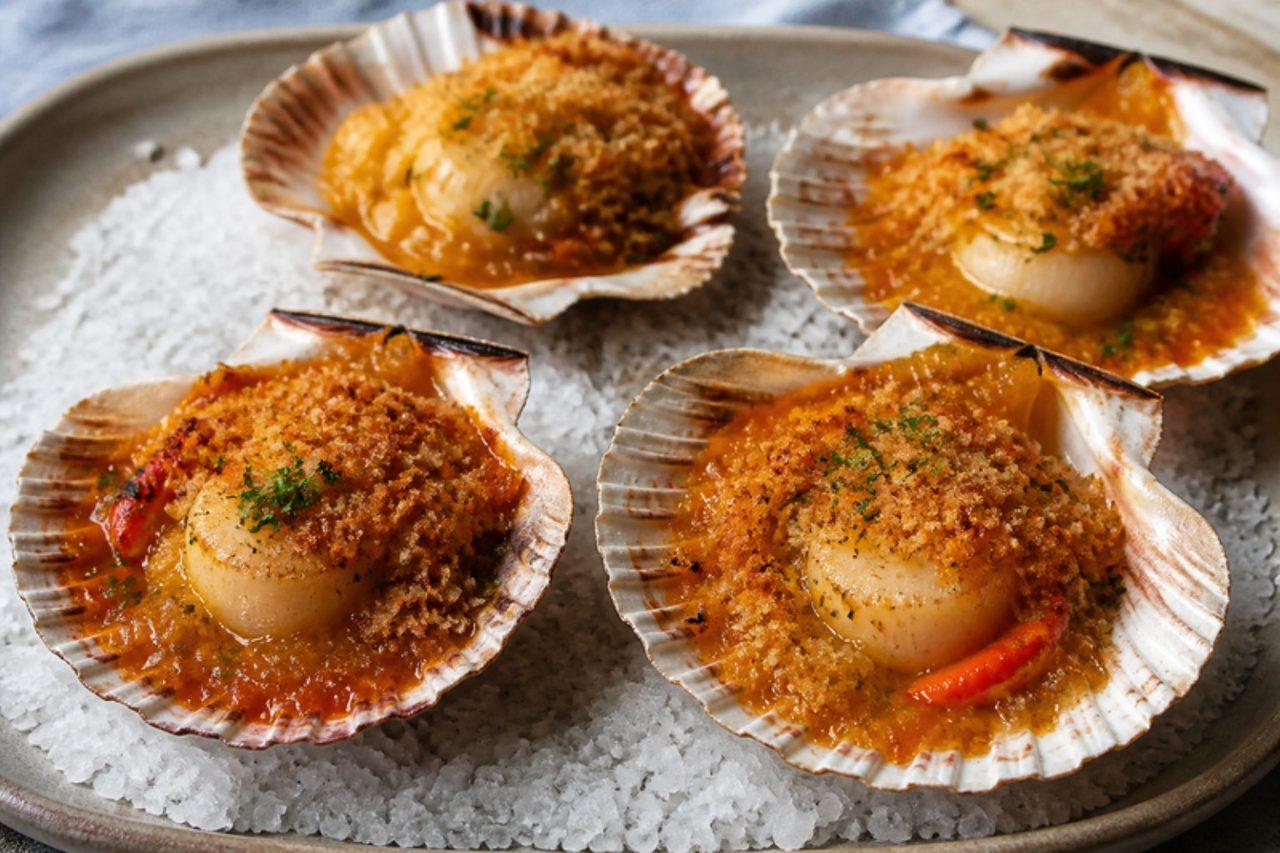
In the Rías Baixas, scallops come into season in winter, and at Christmas many Galician families start dinner with a tray of them baked in their shells. Each one sits under a sweet onion sofrito with paprika, topped with breadcrumbs and baked until golden. Some cooks add cured ham or white wine; this version keeps it simple. Throw away any scallops with cracked shells, and any open ones that don't close when tapped. A common mistake is baking them too long, which makes them rubbery; they need only 8–10 minutes. Chef's tip: ask the fishmonger to open and clean them, and keep the deep half of each shell for baking.

by KrazyBadal 0 views

Viennese GugelhupfLemon and raisin ring cake

In Vienna the Gugelhupf is the Sunday cake of home bakers, set out on the table for afternoon Jause with coffee, and every family has its own fluted copper or ceramic mould. Unlike the yeasted ring cakes of Alsace and southern Germany, the everyday Viennese one is a Rührgugelhupf, a buttery sponge lifted with whisked egg whites, scented with lemon and studded with plump raisins. It is tender, light and keeps moist for several days under a cake dome. A common mistake is a badly greased mould; every ridge needs butter and flour or the cake tears as it comes out. Chef's tip: soak the raisins in hot water for 15 minutes, dry them and toss them in a spoon of flour so they don't sink.

by KrazyBadal 0 views

Viennese KaisersemmelCrisp star-topped rolls

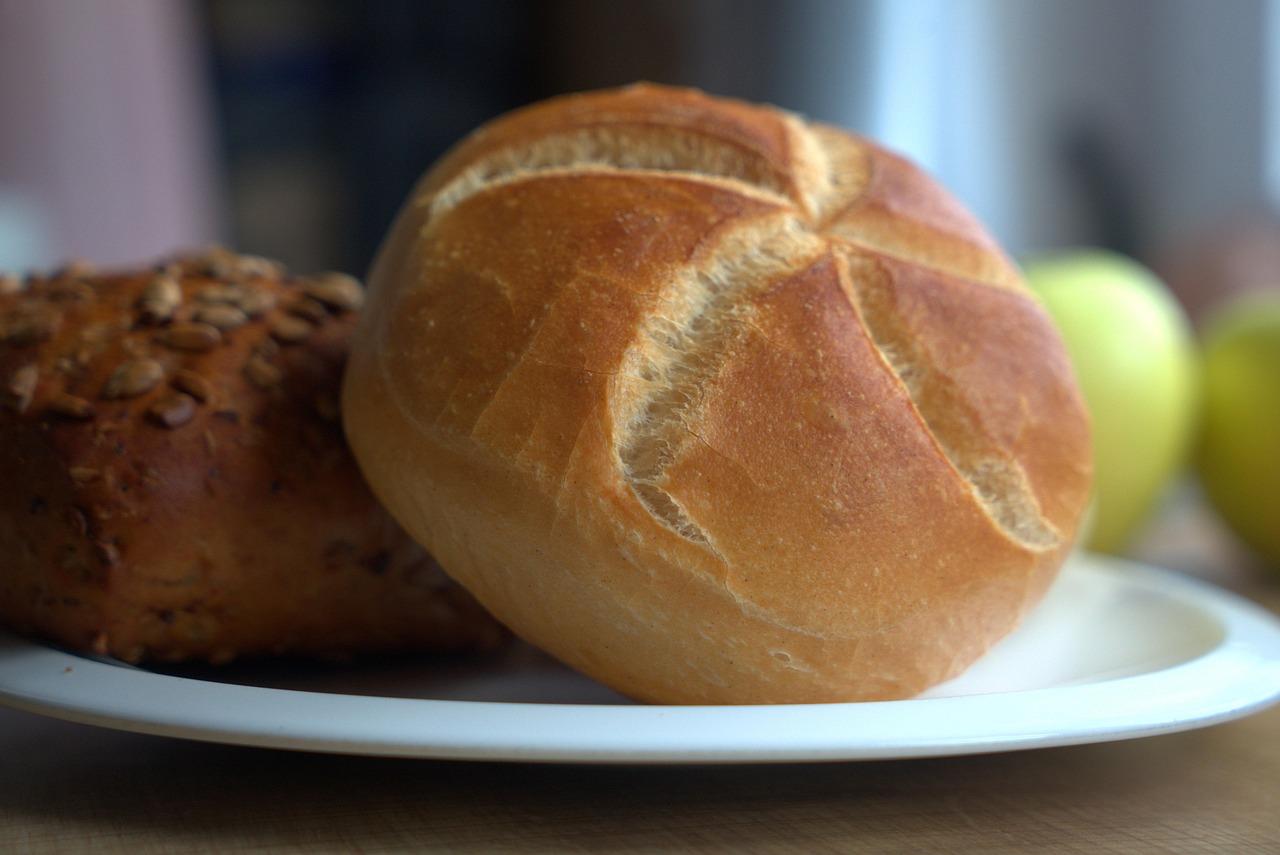
No Viennese breakfast is complete without a Kaisersemmel: a light, hollow-crusted white roll with a pinwheel of five curved segments on top, split and spread with butter and apricot jam or filled with Leberkäse at a market stand. The crust should shatter and the inside be soft and airy. The star is traditionally knotted by hand, though a stamp works too. A common mistake is skipping the overnight cold dough, which leaves the rolls bland and pale. Chef's tip: prove the shaped rolls upside down, star side down, on a floured cloth, then flip them just before baking; the pattern stays sharp instead of puffing shut.

by KrazyBadal 0 views

VincisgrassiBaked lasagne with meat ragù

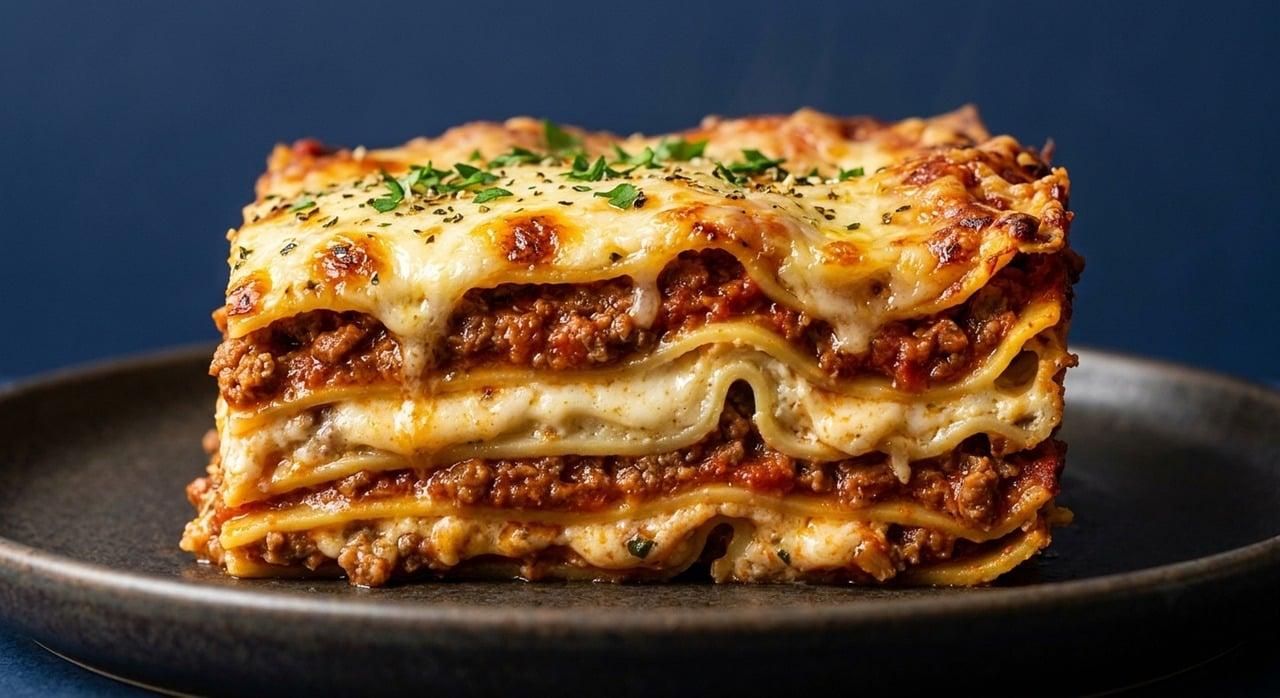
Macerata, in the hills of the Marche, claims vincisgrassi as its own, and families still bake a tray for Sunday lunch, Christmas and Carnival. It is richer than the lasagne most people know: thin egg pasta sheets layered with a slow ragù of pork, veal and chicken livers, a nutmeg-scented béchamel and plenty of parmigiano, baked until the top is crusted and golden. Many cooks splash in white wine and a little Marsala; this version uses dry white wine, with an alcohol-free swap in the ingredient list, and the chicken livers are optional if you'd rather leave them out. Serve it in modest squares, followed by a crisp green salad. Chef's tip: make the ragù the day before and assemble cold, so the layers set firmly and slice cleanly.

by KrazyBadal 0 views

Virado à paulistaBeans, pork chop and sausage plate

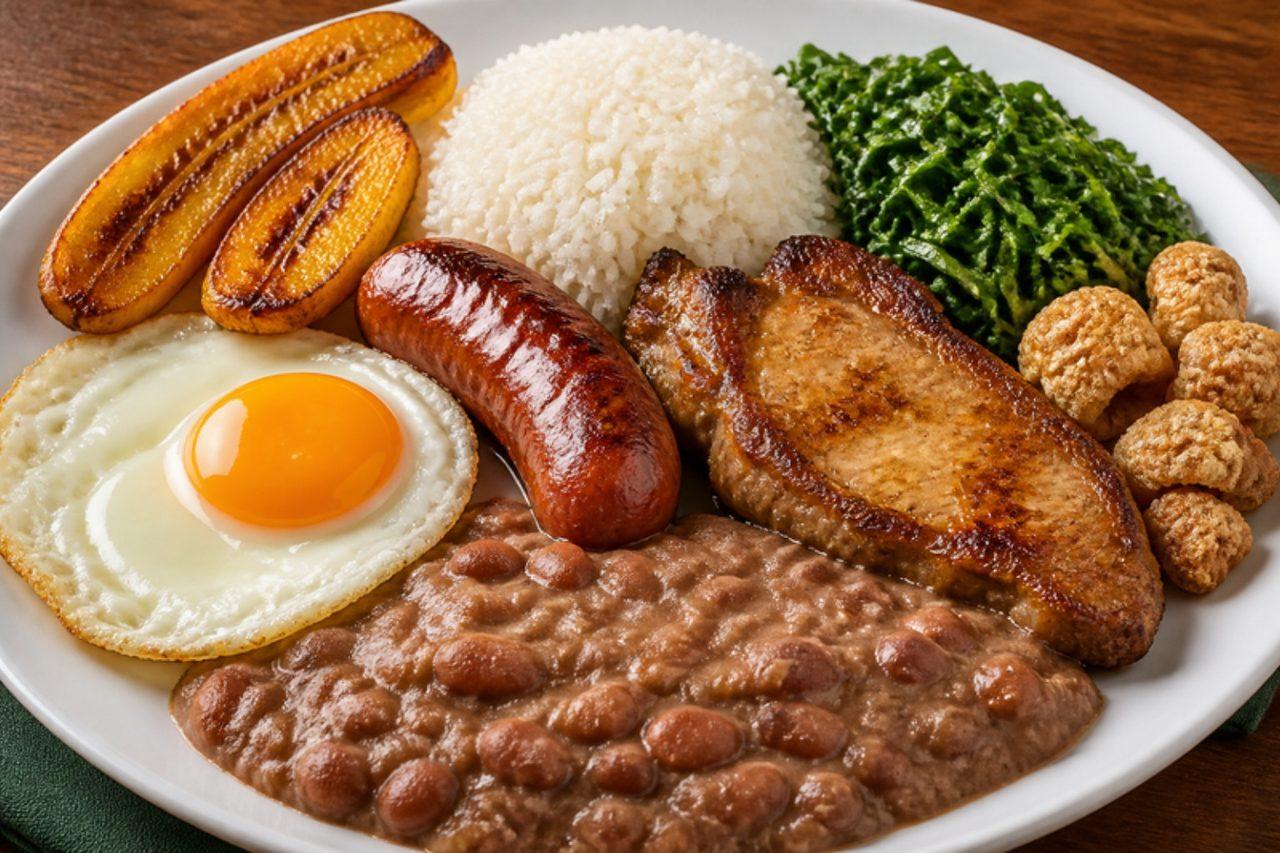
Monday in São Paulo means virado à paulista: the city's lunch counters and botequins have served it as the prato do dia at the start of the week for generations. The plate goes back to the bandeirantes' travel food, and today it is a feast of pork: beans cooked down and thickened with cassava flour into a soft tutu, a pork chop, a grilled pork sausage, a crackling of torresmo if you like, a fried egg, garlicky collard greens, rice and fried banana. It is hearty, salty and sweet in turns. A common mistake is serving the pork chop well past done and dry; a whole pork chop is safe at 63 °C with a 3-minute rest, and juicy at that point. Some restaurants bread the banana; frying it plain keeps the plate gluten free. Chef's tip: cook the beans with a little bacon and let them sit for a few minutes after adding the farinha; it keeps thickening as it stands.

by KrazyBadal 0 views

VollkornbrotSeeded whole-rye loaf

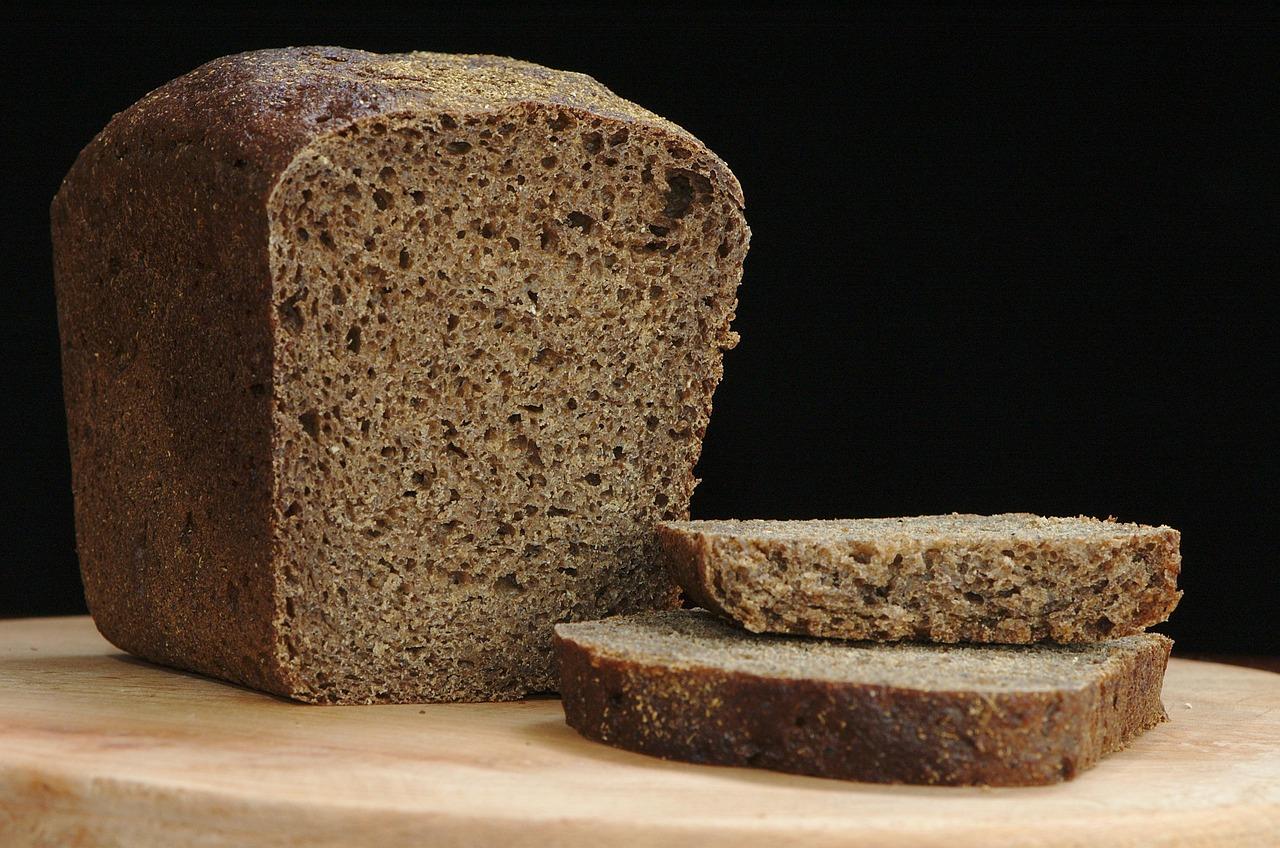
Vollkornbrot is the dense, seedy tin loaf of northern Germany, from Hamburg to Bremen, sliced thin and eaten for breakfast or packed for work in a lunchbox with cheese, cucumber or a smear of quark. It is almost all whole rye: cracked grains, rye meal and a mix of sunflower seeds, linseed and sesame, all soaked overnight so the bread stays moist for a week. There is no shaping and no kneading, which makes it easier than it looks. A common mistake is cutting it warm, which leaves the knife and the slices gummy. Chef's tip: let the loaf cool in the tin for 10 minutes, then turn it out and wrap it in a tea towel overnight; the crust softens slightly and the crumb sets evenly.

by KrazyBadal 0 views

VyssinadaSour cherry drink

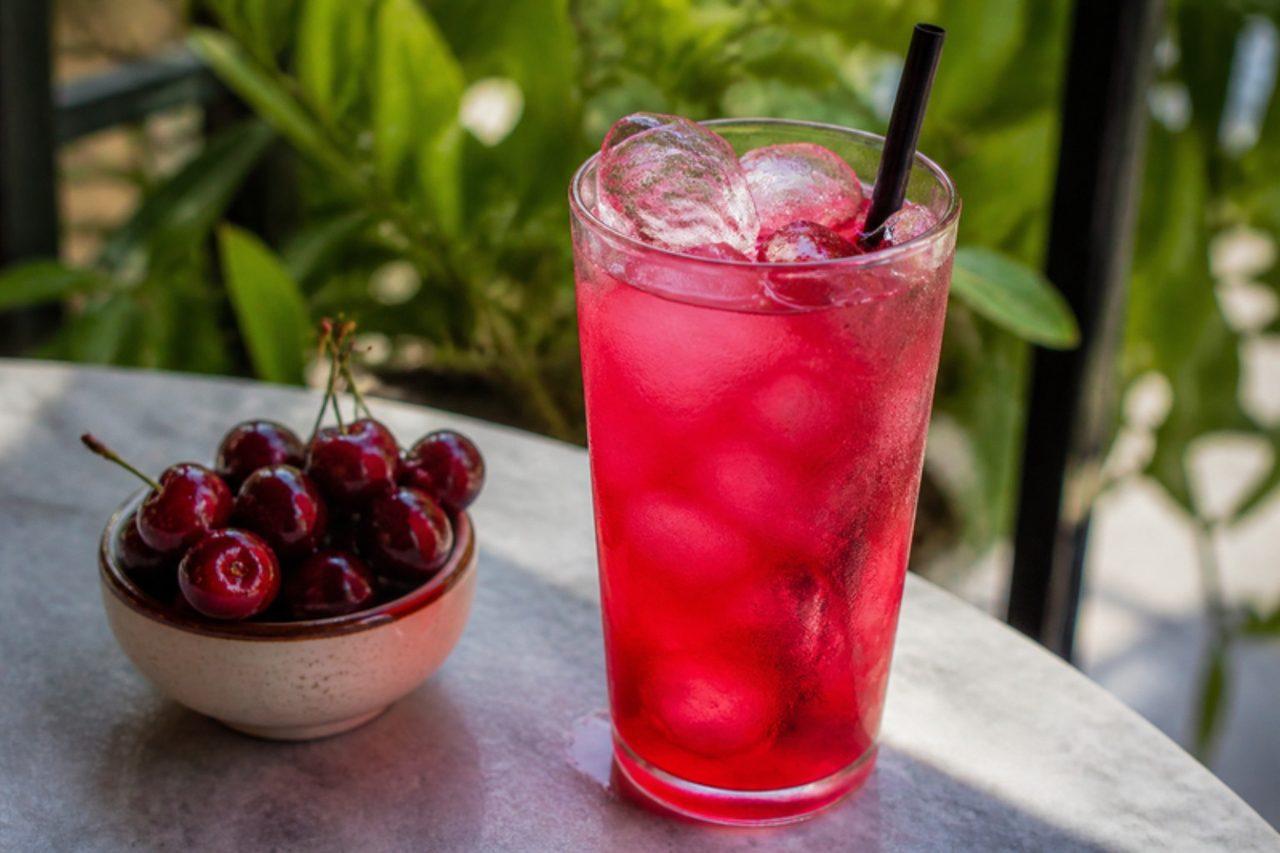
Before fizzy drinks arrived, a tall glass of vyssinada was what you ordered in a Volos or Larissa kafeneio on an August afternoon: sour cherry syrup topped with iced water, sweet and sharp and bright red. Families in Thessaly still make a cordial from the summer cherry crop and keep the bottles in the fridge for weeks. Common mistake: squashing the cherries too hard through the sieve, which clouds the syrup — let the juice drip. Chef's tip: top with sparkling water and a squeeze of lemon for a lighter, livelier glass.

by KrazyBadal 0 views

Vyssino glykoSour cherry spoon sweet

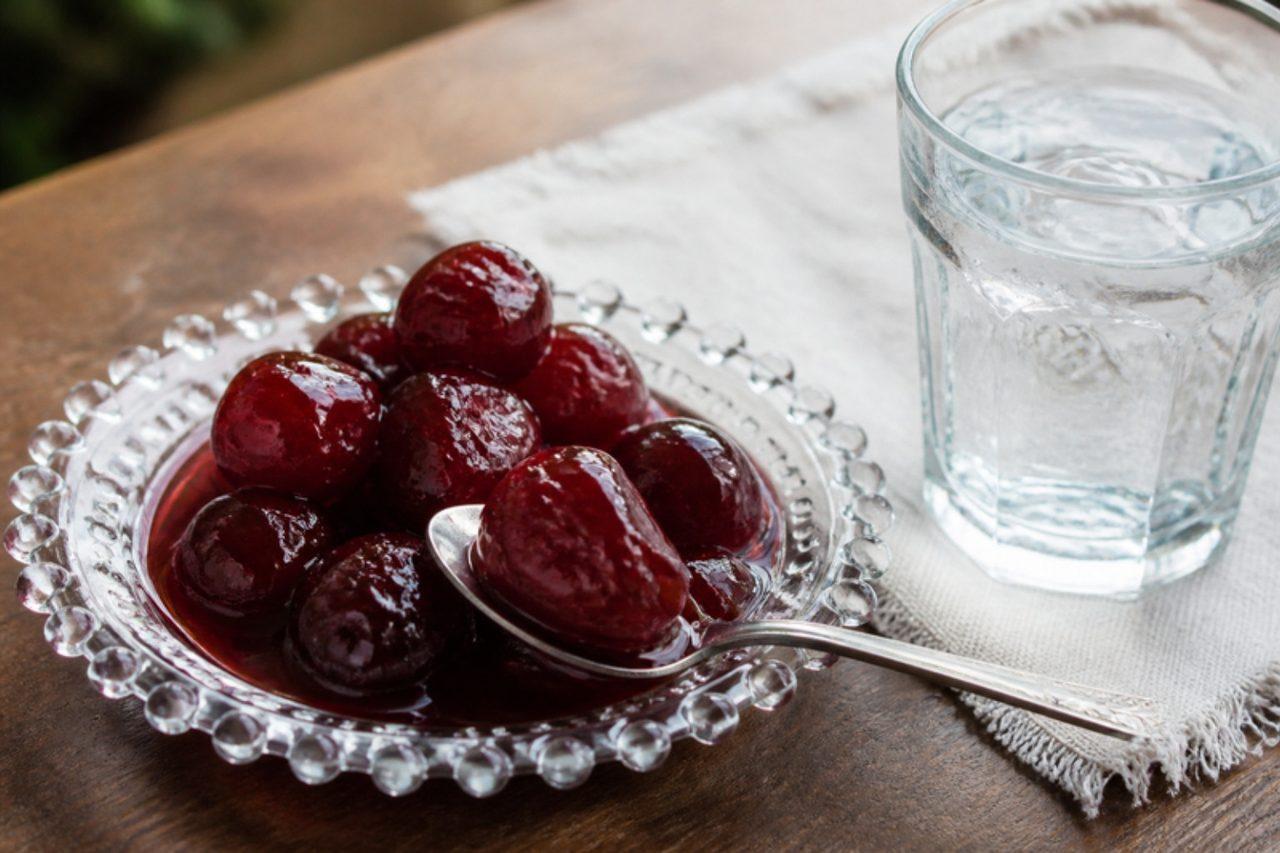
In the mountain villages of Pelion, above Volos, every pantry holds jars of spoon sweets, and the sour cherry one is the jewel: whole stoned cherries in a thick, ruby syrup, offered to visitors on a tiny plate with a glass of cold water. It also spoons beautifully over Greek yoghurt or vanilla ice cream, and the syrup makes vyssinada, a summer drink. Common mistake: boiling too long, which shrivels the cherries and turns the syrup to toffee — test it on a cold saucer. Chef's tip: macerate the stoned cherries in sugar overnight; they release their juice and stay plump.

by KrazyBadal 0 views

WeißwurstfrühstückWhite sausage with sweet mustard

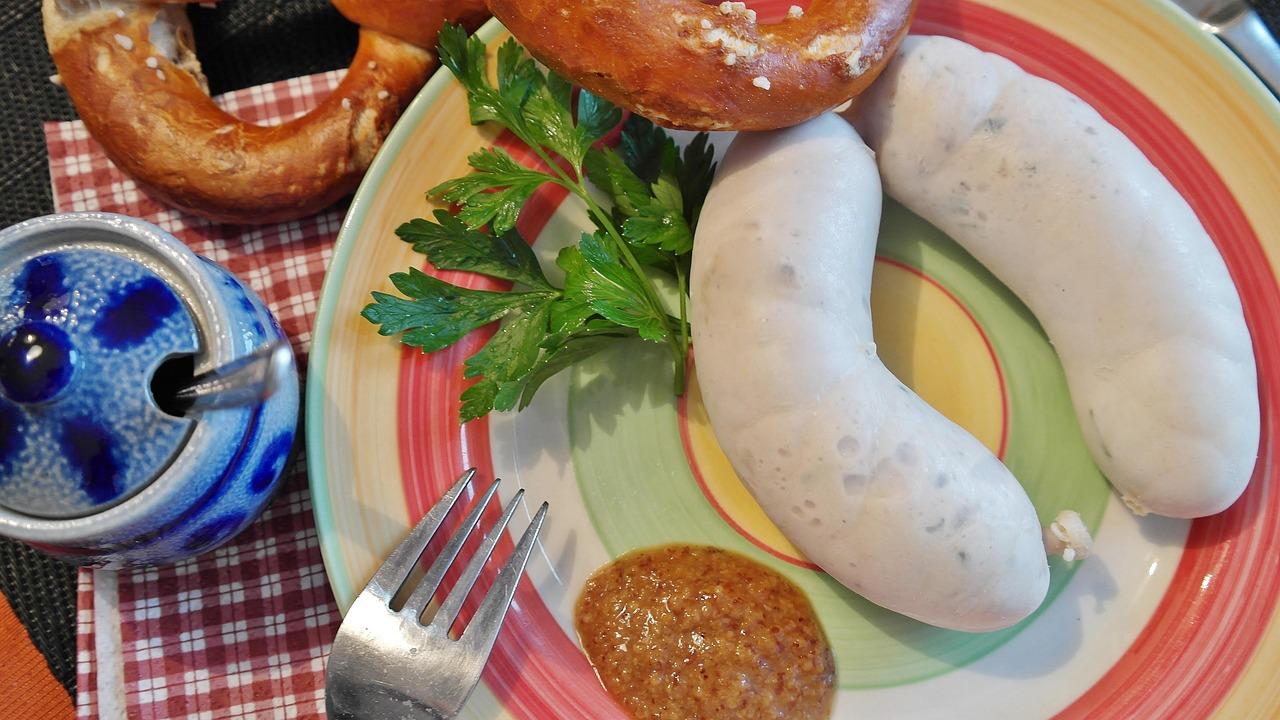
In Munich the Weißwurst breakfast is a late-morning ritual, eaten between ten o'clock and noon in beer halls and butcher's cafés, with soft pretzels and a pot of sweet Bavarian mustard. The pale sausages of veal and pork back fat, flavoured with parsley, lemon and mace, are bought fresh from the butcher and gently heated, never boiled, then the skin is peeled off at the table. Making the mustard yourself is the easy, rewarding part. Vegetarians can heat plant-based white sausages the same way and keep the mustard and pretzel. Chef's tip: keep the water just below a simmer; boiling splits the skins and the sausages go grey and dry.

40 minGermanMeat
by KrazyBadal 0 views

Welsh cawlLamb and leek broth

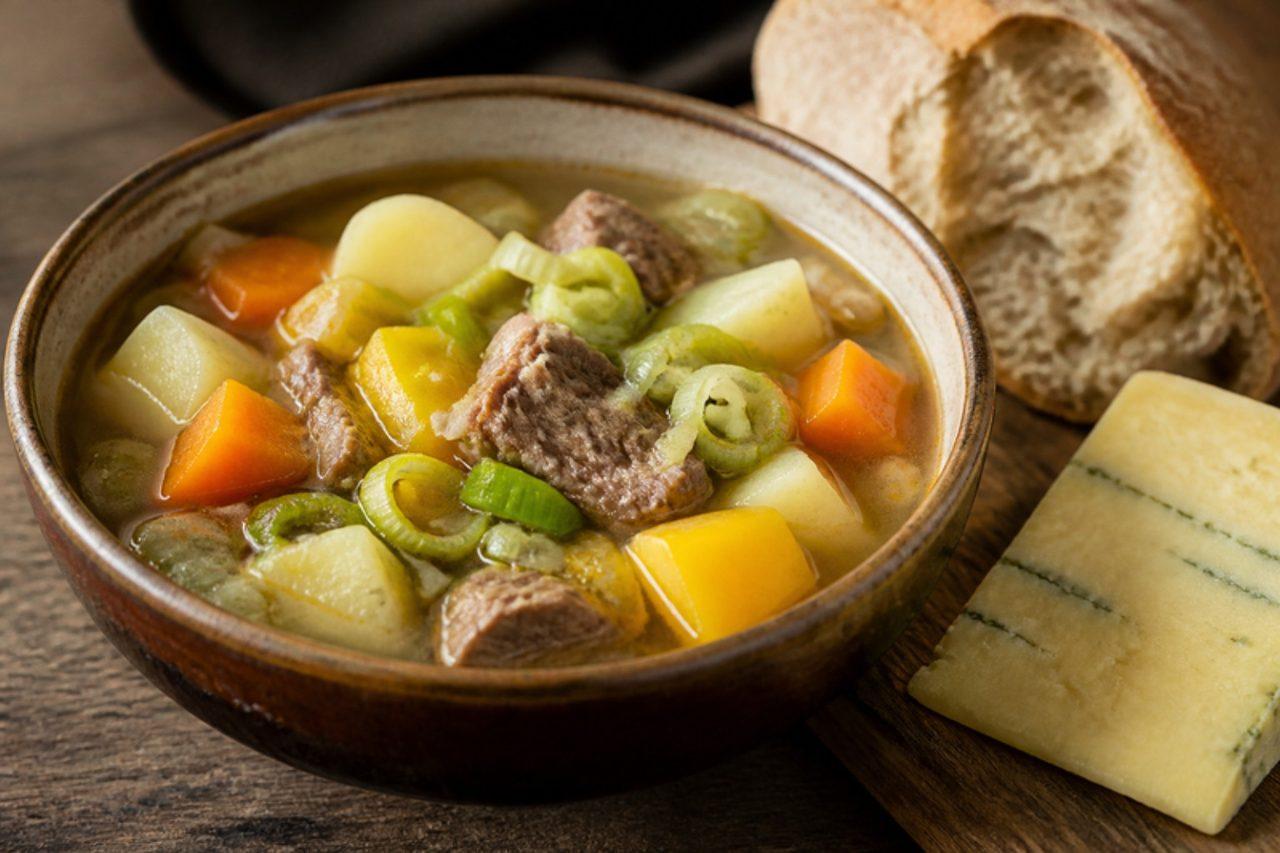
Cawl is the national dish of Wales, a slow broth of lamb on the bone, swede, carrots, potatoes and leeks that farmhouses kept simmering through the winter, and which is eaten with bread and a hunk of Caerphilly on St David's Day. Many families serve the broth first and the meat and vegetables after, and say cawl tastes best on the second day. Chef's tip: chill it overnight and lift off the fat that sets on top for a cleaner broth.

170 minBritishSoupsGluten free
by KrazyBadal 0 views

WelshCheddar beer toast with ham

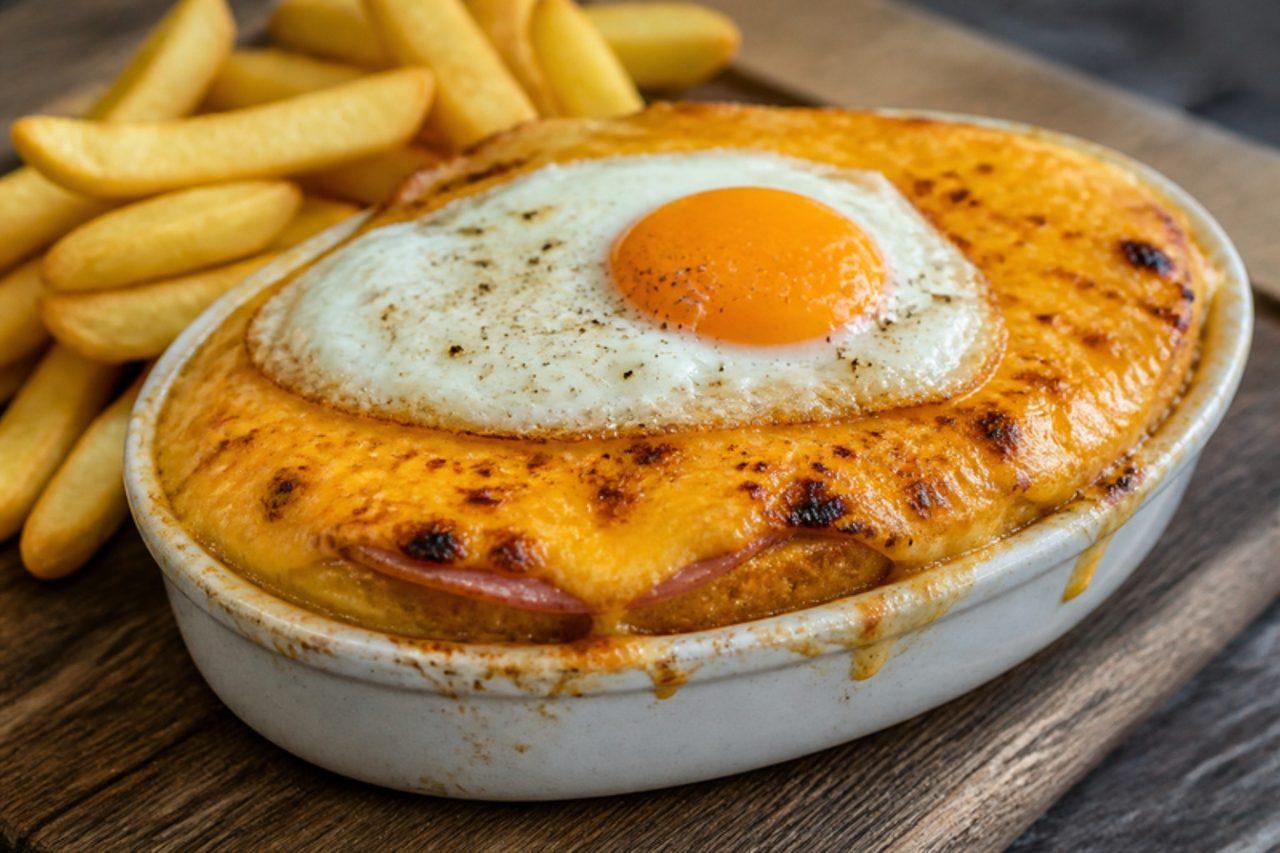
Brought over the Channel by British soldiers and miners, the welsh rarebit became a fixture of the estaminets of Lille and the Nord, where it is served in its own oval dish: toast soaked in beer, a slice of ham, then a flood of Cheddar melted with more beer and mustard, baked until bubbling and often topped with a fried egg. It is rich, sharp and very filling, with chips and a green salad the usual partners. It contains pork in the form of cooked ham, and uses beer; the notes give an alcohol-free swap. Chef's tip: use a strong, mature Cheddar, because a mild one melts flat and loses all its bite once the beer goes in.

by KrazyBadal 0 views

Westfälisches BlindhuhnBean, apple and bacon stew

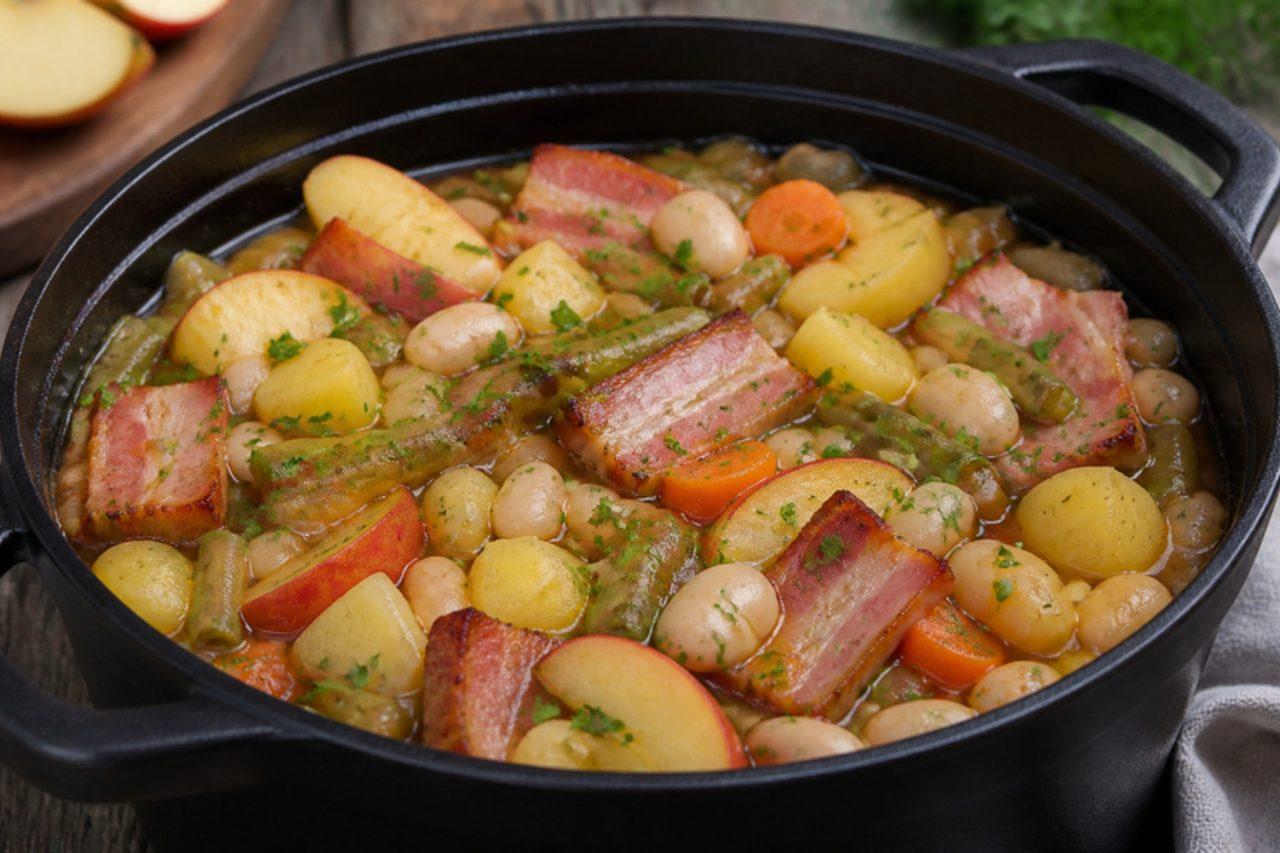
Blindhuhn, "blind hen", is a late-summer pot from the farms of Westphalia and the Münsterland, made when the garden and orchard give green beans, carrots, apples and pears all at once. It is called blind hen because, as farmers joked, even a blind hen finds a grain in it: the pot holds a bit of everything. White beans, vegetables and fruit cook together with smoked streaky bacon into a sweet-savoury one-pot supper. Leave out the bacon and add a spoon of smoked paprika for a vegetarian pot. Chef's tip: add the apples and pears only for the last 15 minutes so they stay in soft pieces instead of melting away.

by KrazyBadal 0 views

BackhendlCrumbed fried chicken

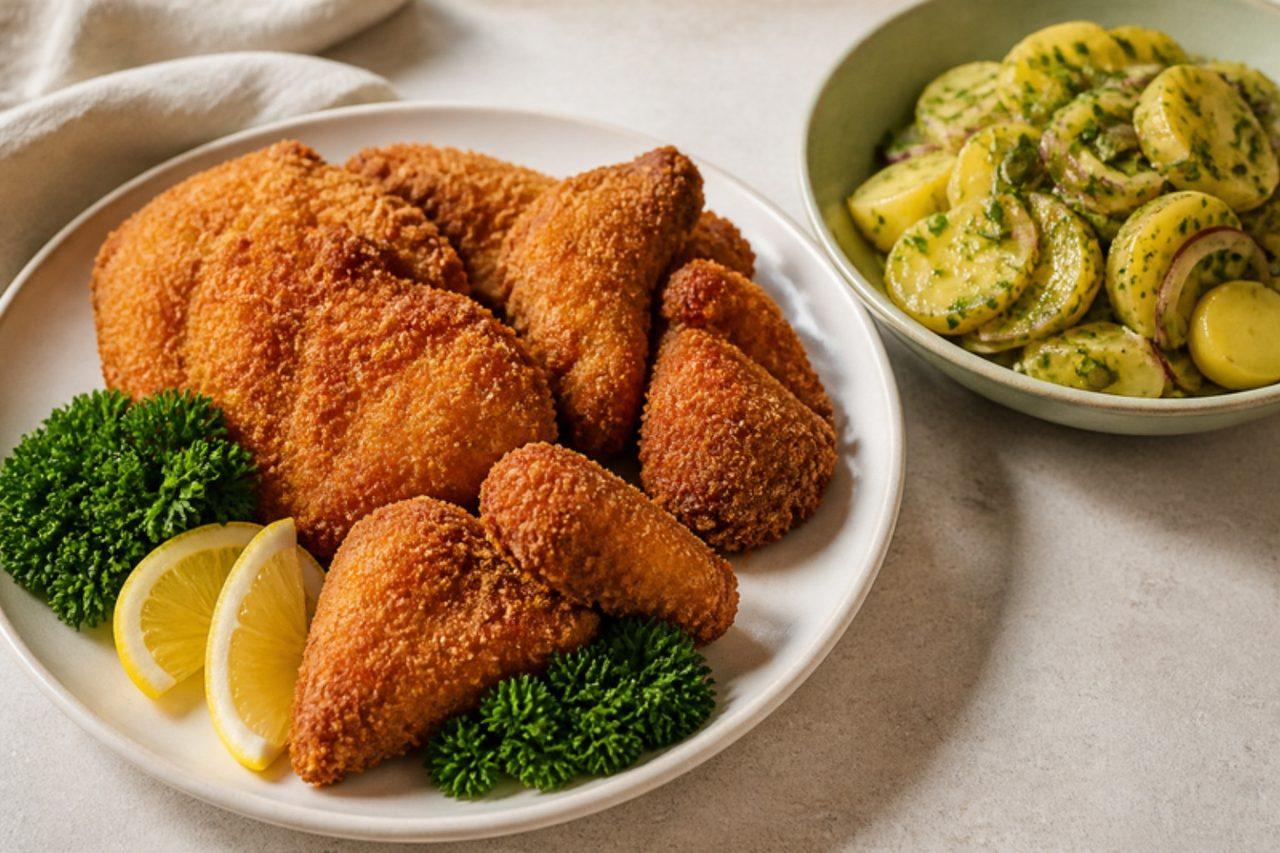
Backhendl, crumbed fried chicken, was the treat of 19th-century Viennese Sunday outings to the Prater and the wine villages, and it is still the star of Styrian taverns, served with lemon and a lukewarm potato salad glossy with pumpkin seed oil. Chicken pieces on the bone are seasoned with lemon, coated in flour, egg and fine breadcrumbs and fried slowly so the crust puffs and stays crisp while the meat cooks through. Chef's tip: fry at a moderate heat, not a fierce one; bone-in pieces need time for the centre to reach a safe temperature before the crumbs burn.

by KrazyBadal 0 views

X-caboquinhoTucumã and plantain breakfast roll

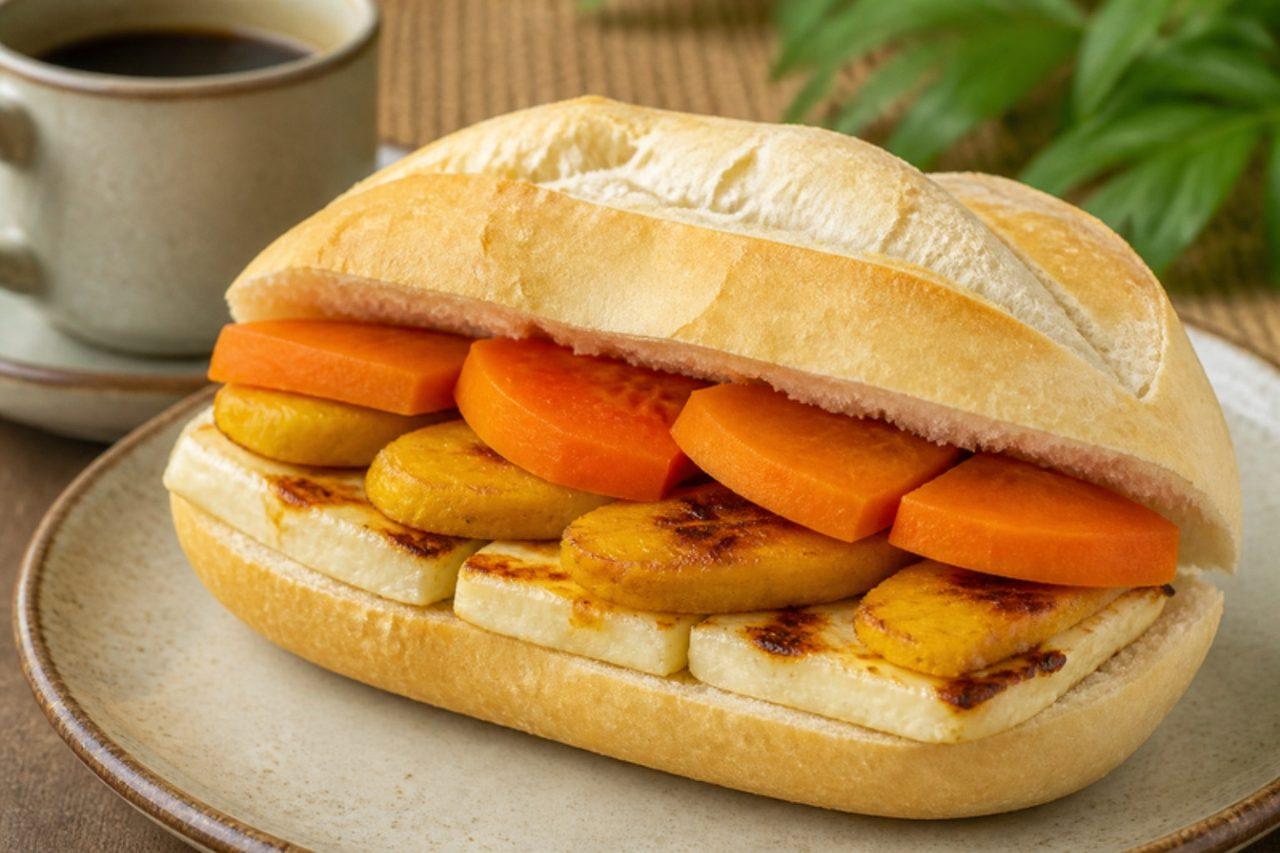
Manaus starts the day with this sandwich, sold from cafés, street stalls and market counters near the Mercado Adolpho Lisboa. A crusty roll is split, buttered and toasted, then filled with slices of fried pacovã plantain, a slab of melted coalho cheese and shavings of tucumã, an orange Amazon palm fruit with an oily, nutty, slightly earthy flavour. The name plays on 'caboclo', the riverside people of the Amazon, and amazonenses defend it as a symbol of local pride. Frozen tucumã slices are sold in some Brazilian shops; there is no true substitute, though thin slices of ripe avocado give a different but pleasant result. Use a vegetarian coalho or halloumi, as most coalho uses animal rennet. People often add the tucumã to the hot pan, but it should go in cool and raw for its fresh flavour. Chef's tip: fry the plantain until really dark at the edges; its caramel sweetness is what balances the salty cheese and the palm fruit.

by KrazyBadal 0 views

XatóEndive salad with salt cod

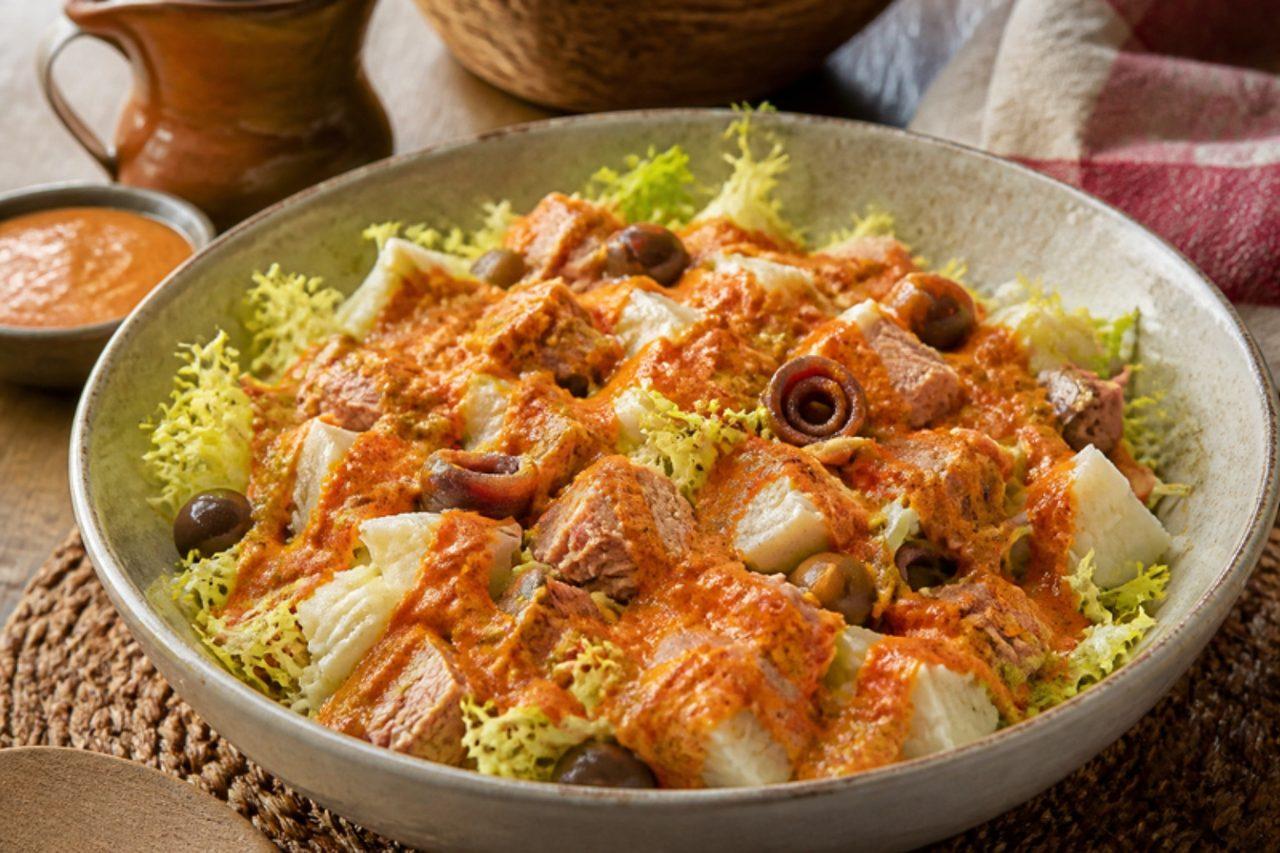
From late autumn to early spring, the towns of the Garraf coast, Vilanova i la Geltrú, Sitges and Vilafranca, hold xatonades: festive lunches built round this salad of bitter curly endive dressed with a thick sauce of ñora peppers, almonds, hazelnuts and garlic, and loaded with salt cod, tuna and anchovies. Each town insists its sauce is the true one. Like esqueixada, the cod is often only desalted; it is poached here for safety, since raw cured fish is not for pregnant women, young children or anyone with a weakened immune system. Chef's tip: dress the endive in the sauce with your hands, so every frond is coated before the fish goes on top.

by KrazyBadal 0 views

Xerém de conquilhasCornmeal with clams and chouriço

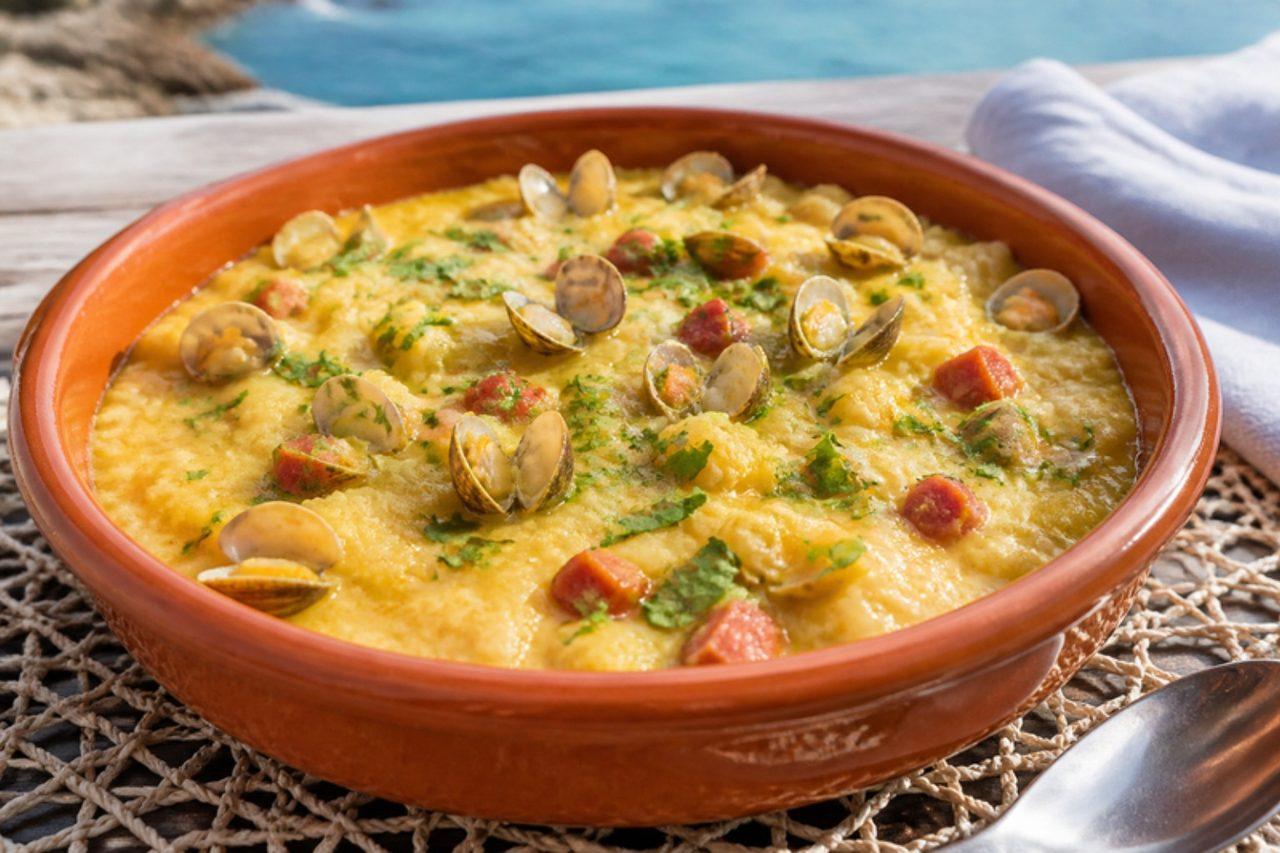
Xerém is coarse-ground maize cooked to a soft, spoonable porridge, an old poor man's food of the eastern Algarve that tasted of whatever the sea or the pig gave that day. Around Tavira and Olhão it is cooked with conquilhas, the little wedge clams raked from the sand bars of the Ria Formosa, so the cornmeal soaks up their salty juices. This contains pork (chouriço and streaky bacon); leave them out for a purely seafood version. Chef's tip: stir the cornmeal into the clam water off the heat, then put it back on, to avoid lumps.

by KrazyBadal 0 views

XerotiganaFried dough spirals in honey

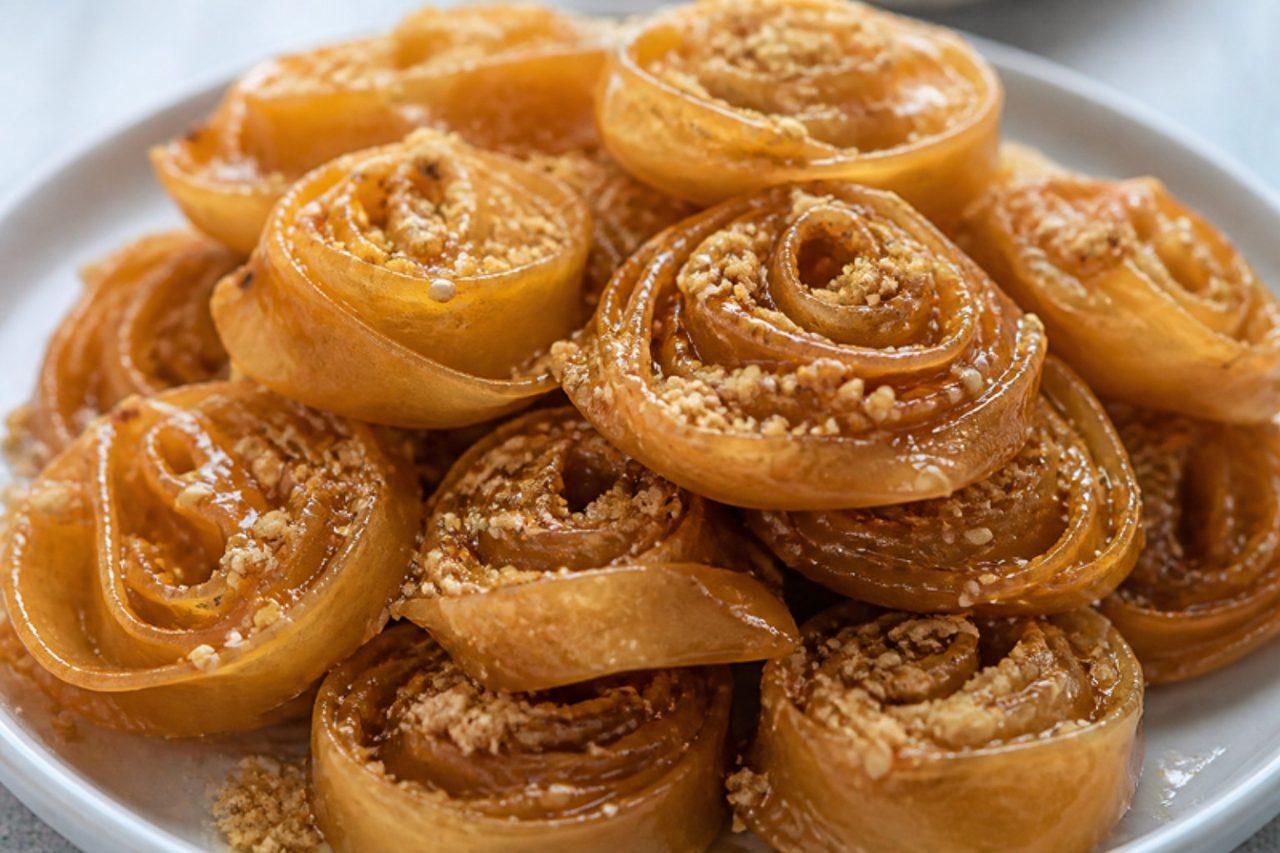
At a Cretan wedding or baptism, the women of the family spend the day before rolling dough so thin you can read through it, winding the strips into roses in hot oil and stacking the crisp spirals on huge platters. Xerotigana shatter at the first bite and then turn sticky with honey, walnuts, sesame and cinnamon. Many village versions add a little raki to the dough for extra crispness; this one uses orange juice and a splash of lemon instead, so it is alcohol-free. Common mistake: rolling the strips too thick, which gives chewy, greasy spirals instead of glassy ones. Chef's tip: use a pasta machine down to the second-thinnest setting, and keep the strips you are not frying under a damp tea towel.

by KrazyBadal 0 views

XimbóChilli chicken and pork parcels

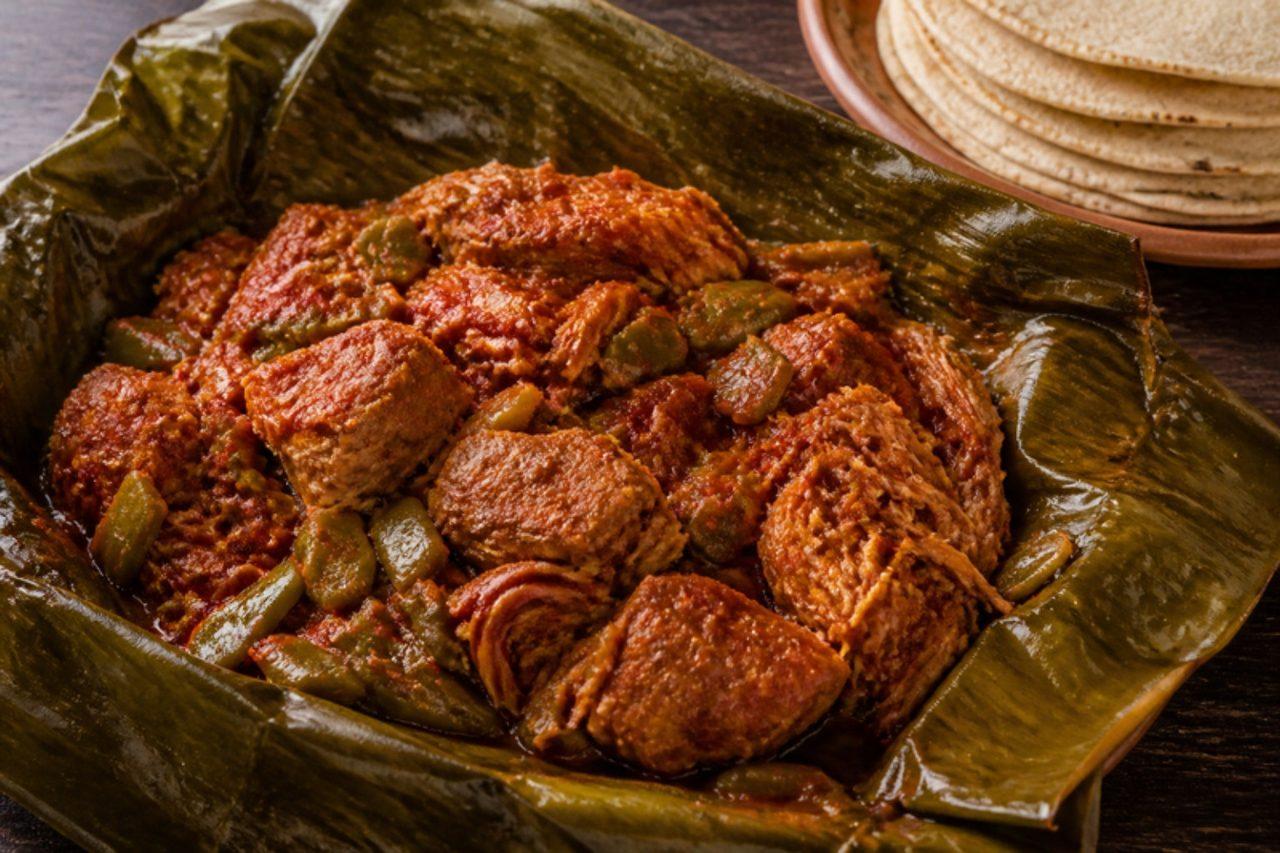
Ximbó comes from the Otomí (Hñähñu) communities of Hidalgo's Valle del Mezquital, where it is cooked for village fiestas: pieces of chicken, and often pork, are coated in a guajillo and pasilla sauce with nopales and onion, wrapped in the thick leaves of the maguey and slow-cooked in a pit oven like barbacoa. The meat comes out tender and juicy, in a concentrated, smoky red sauce. Maguey leaves are almost impossible to buy outside Mexico, so this home version wraps everything in banana leaves and baking paper and steams it on the hob; the pork is optional, but if you use it this becomes a pork dish too. Eat it straight from the parcel with tortillas, salsa and pickled chillies. Chef's tip: pass the banana leaves briefly over a gas flame or hot pan until they turn glossy; they become supple and stop cracking when you fold them.

by KrazyBadal 0 views

Xinxim de galinhaChicken stew with shrimp and peanuts

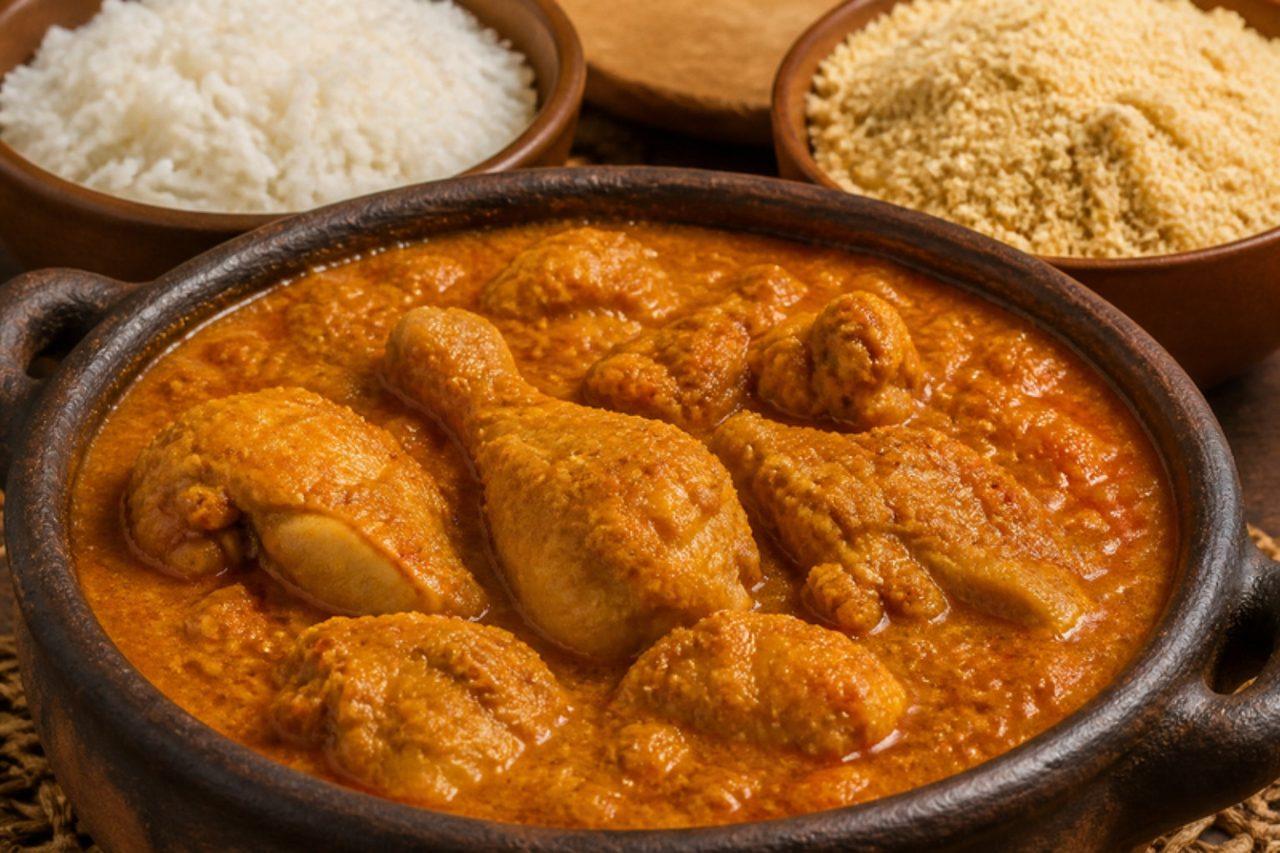
Cooked for Oxum's feast days in the terreiros of Salvador and on ordinary Sundays in Bahian homes, xinxim de galinha is chicken braised in a thick, golden sauce of ground dried shrimp, peanuts, cashews, ginger and dendê oil. It tastes nutty, a little smoky from the palm oil and quietly savoury from the shrimp, and the sauce clings to the meat rather than pooling. Serve it with white rice, farofa de dendê and a bowl of caruru alongside. One common slip is adding the nut paste too early, so it sticks and scorches before the chicken is cooked; it goes in for the last 15 minutes. Chef's tip: use bone-in thighs and drumsticks rather than breast; they stay juicy through the braise and their gelatine gives the sauce its silky body.

by KrazyBadal 0 views

Xis gaúchoLoaded pressed burger

Porto Alegre's lancherias and late-night food trucks press the xis (the Portuguese name for the letter X, which sounds like 'cheese', as in X-burger) on a hot griddle with a heavy lid until a giant round bun is flat, crisp and holding everything together: a beef patty, a fried egg, ham, melted cheese, sweetcorn, peas, lettuce, tomato and lots of mayonnaise. It is huge, messy and much loved after a night out or a football match, usually cut in half and shared. Its pork element is the ham. The common mistake is stacking it too high before pressing, so the fillings slide out; spread them in flat even layers right to the edges. Minced beef must be cooked through to 71 °C with no pink in the middle. Chef's tip: press the assembled sandwich under a heavy pan with a weight on top if you have no sandwich press, and turn it once.

by KrazyBadal 0 views

Yakhnet bazellaLamb and pea stew with rice

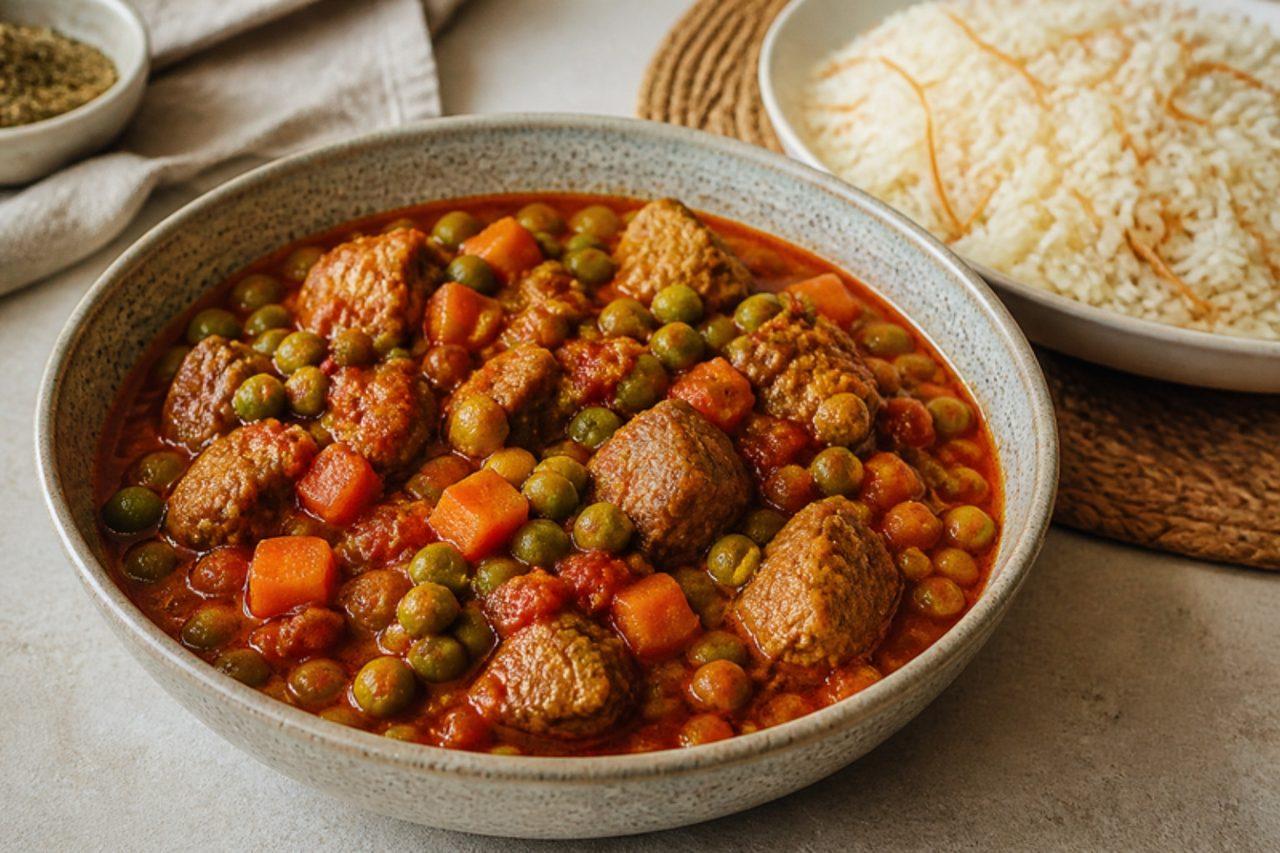
Yakhnet bazella is weekday food in almost every Lebanese household: cubes of lamb (or beef) simmered until tender with peas, carrots and tomato, with a last-minute hit of garlic and coriander, ladled over buttery vermicelli rice. Mothers in Beirut make it with frozen peas in winter and fresh ones in spring; children love its sweetness. Common mistake: adding the peas with the meat — they turn grey and mushy; put them in for the last 10 minutes. Chef's tip: brown the meat in small batches so it really sears; that browned base is where the stew's flavour comes from.

100 minLebaneseMeatGluten free
by KrazyBadal 0 views

YatimchehAubergine and tomato stew

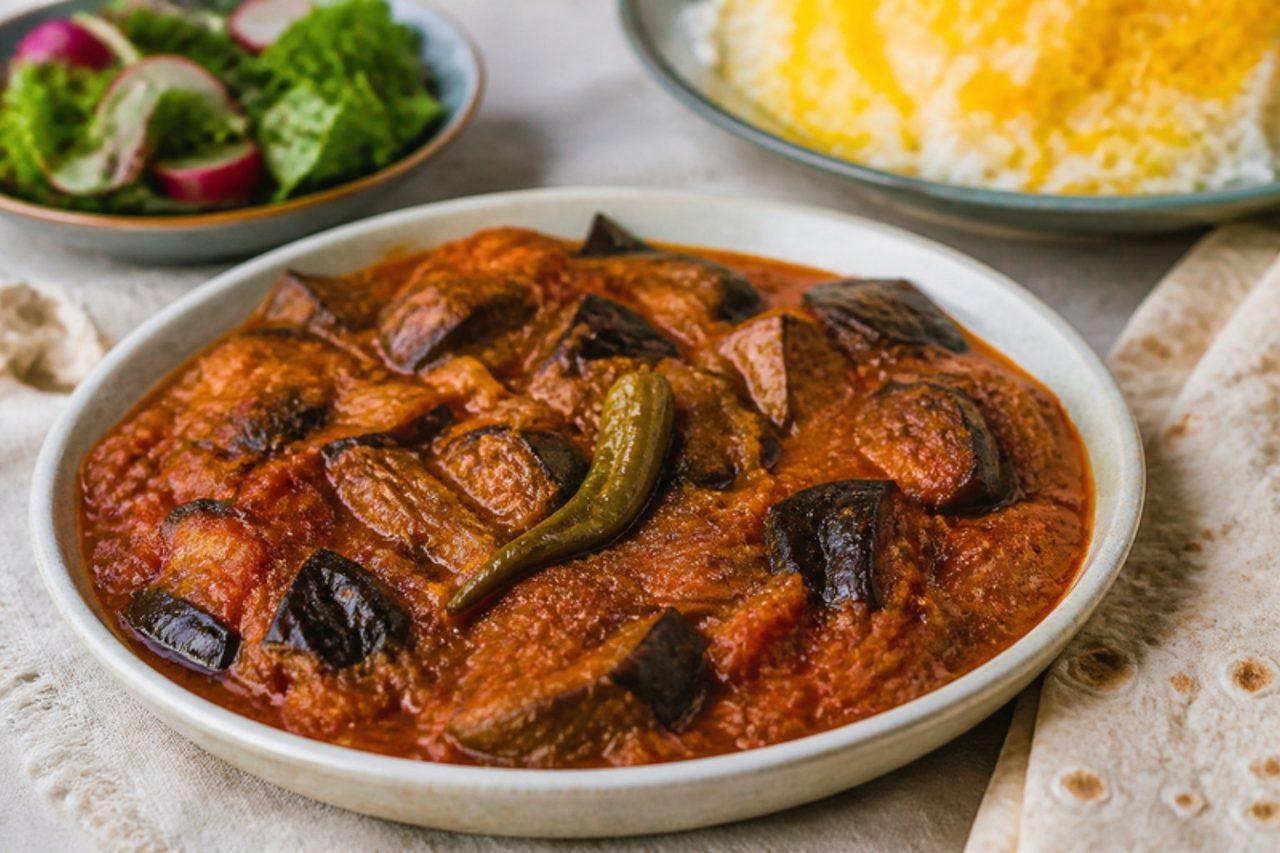
Yatimcheh means 'little orphan', the joke being that this Isfahan stew has no meat to look after it. Cooks in Isfahan and the towns around Kashan make it in late summer when aubergines are glossy and cheap, frying them until silky and then letting them collapse into onion, garlic, turmeric and ripe tomato. It is eaten warm with plain rice or torn lavash, with a bowl of yogurt and a plate of herbs on the side. A common mistake is frying the aubergine pale: it needs a deep golden colour or the stew tastes flat and spongy. Chef's tip: a spoon of verjuice or lemon juice stirred in at the very end lifts the sweetness of the tomato.

by KrazyBadal 0 views

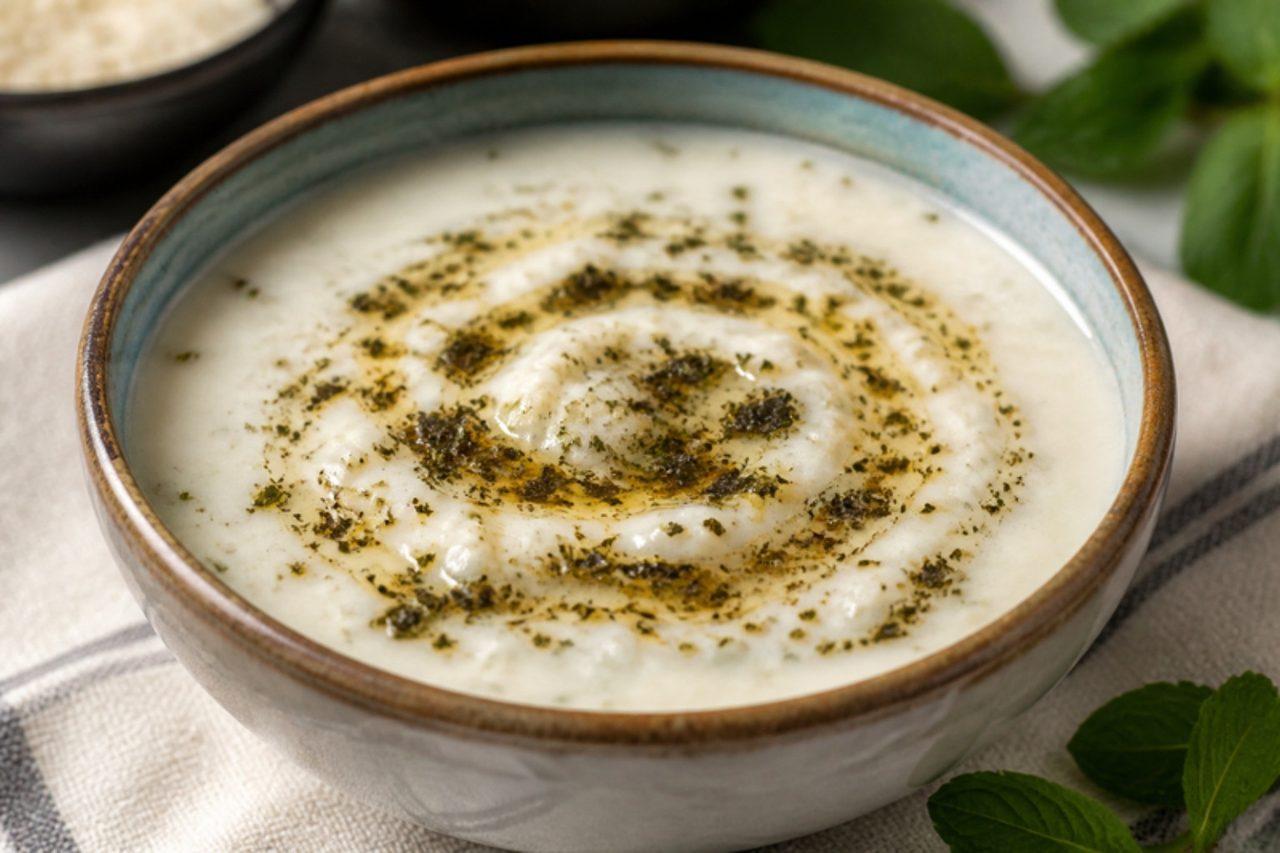
Yayla çorbasıYoghurt, rice and mint soup

Named for the high summer pastures of Anatolia, yayla çorbası is the soup that tradesmen's restaurants in Ankara and Kayseri ladle out from morning onwards: soft rice in a silky, gently sour yoghurt broth, finished with a slick of mint butter. It is light enough for breakfast yet filling with bread, and many families make it when someone is unwell. Common mistake: pouring cold yoghurt straight into the boiling pot, which splits it into grainy curds; temper it first with hot liquid and keep the soup below a boil afterwards. Chef's tip: whisk an egg yolk and a spoon of flour into the yoghurt; they stabilise it and give a velvety body.

by KrazyBadal 0 views

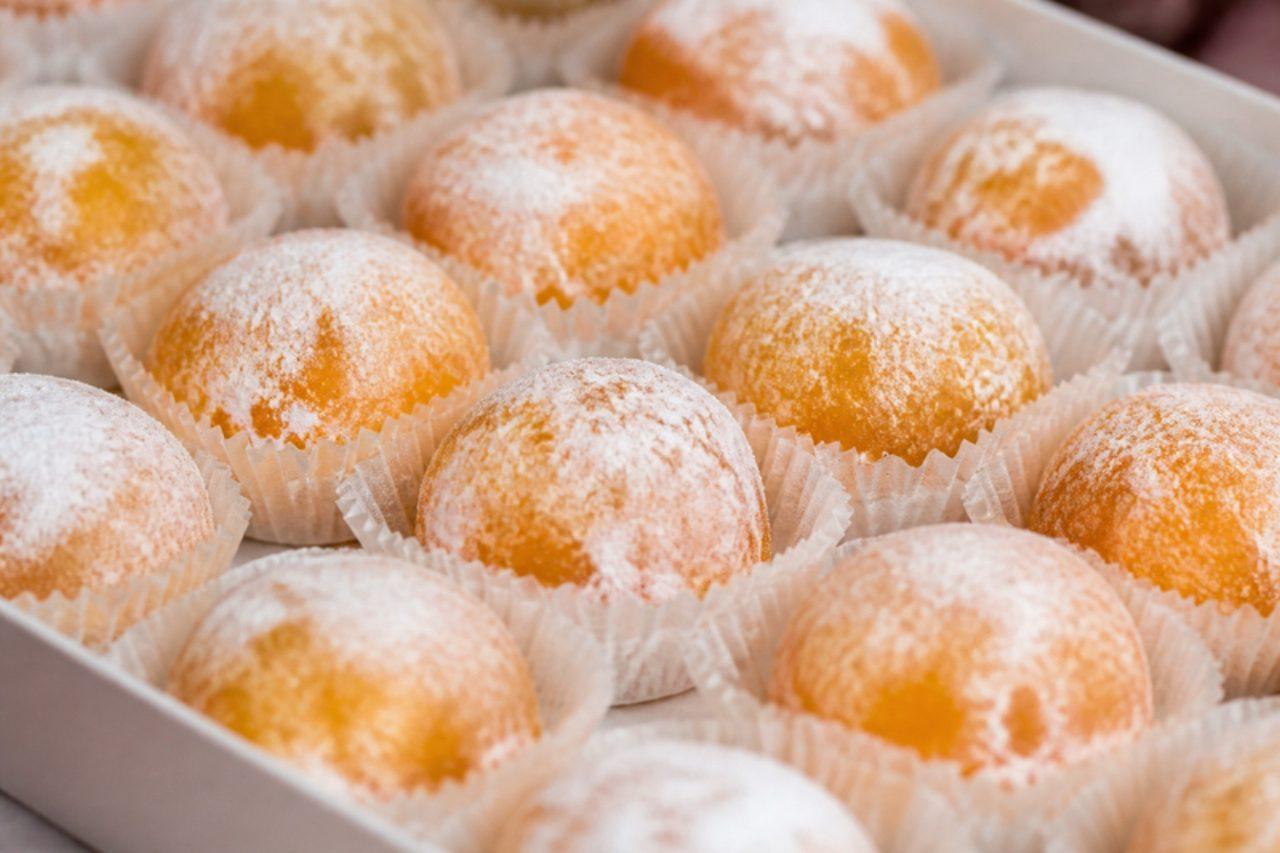
Yemas de ÁvilaSugared egg-yolk sweets

Inside Ávila's medieval walls, little boxes of yemas are the souvenir every visitor carries home: soft, deep-yellow balls of egg yolk cooked with sugar syrup, rolled in sugar and set in paper cases. They are linked with Saint Teresa, the city's famous nun, and are eaten with coffee after lunch, especially around her feast in October. The yolks are cooked until thick, well past the point that makes them safe. Chef's tip: keep the heat low and never stop stirring; yolks scramble in seconds if they catch.

by KrazyBadal 0 views

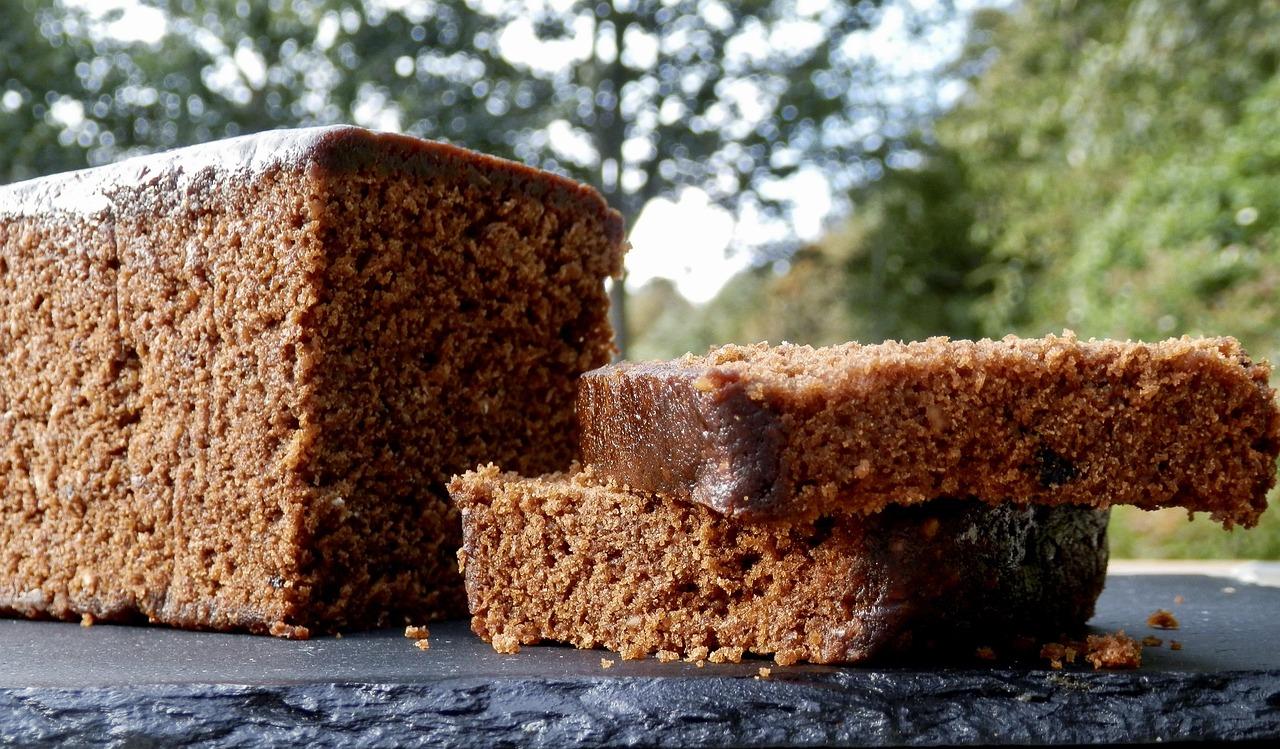
Yorkshire parkinOatmeal and treacle ginger cake

Parkin is the dark ginger cake that West Yorkshire bakes for the 5th of November, cut into squares and handed round at Bonfire Night fires in Leeds, Halifax and Bradford. It is made with oatmeal, black treacle and golden syrup, so it is dense, chewy and gingery rather than light. It gets better with time, turning stickier after a few days in a tin. Chef's tip: wrap it and keep it for three days before cutting; fresh parkin is dry and crumbly by comparison.

by KrazyBadal 0 views

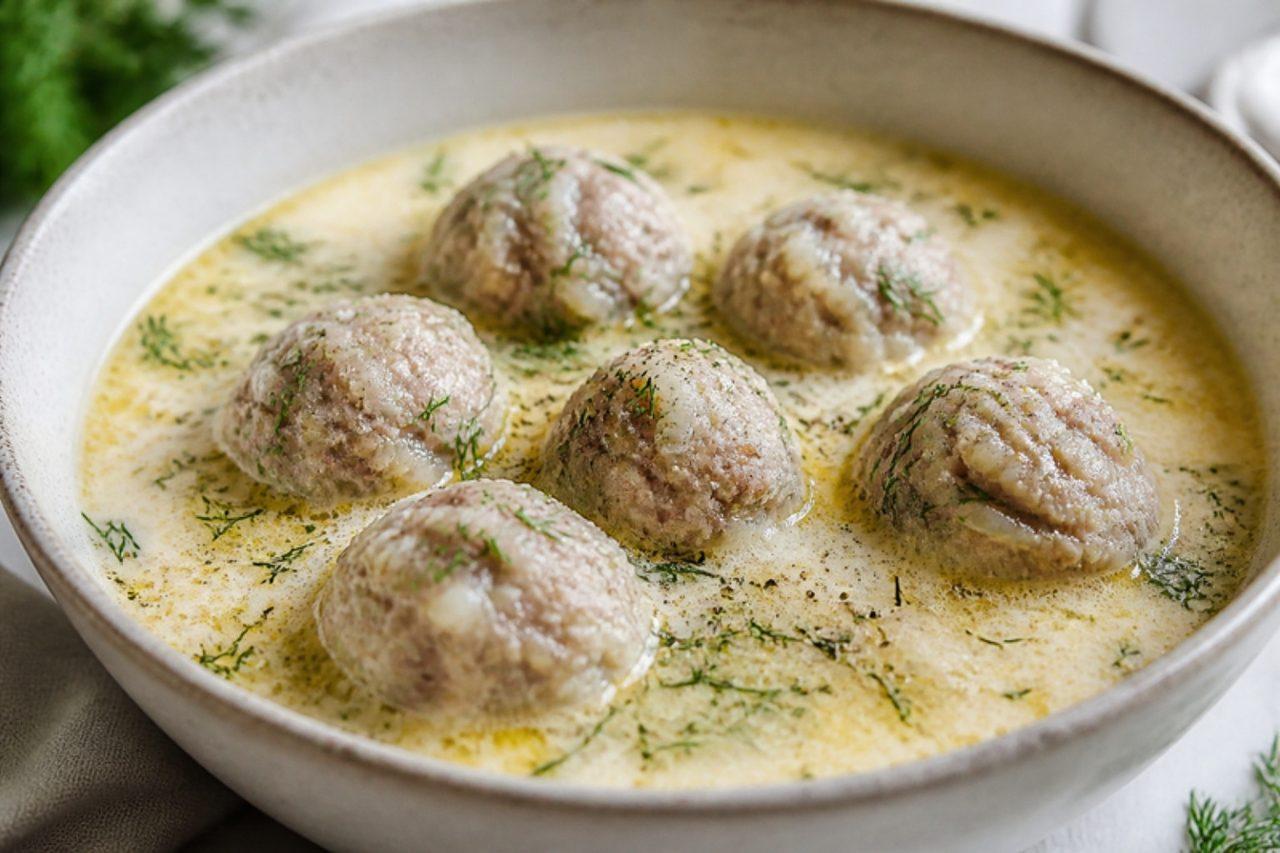
YouvarlakiaRice meatballs in egg-lemon broth

Youvarlakia is the soup Greek mothers, from Tripoli in the Arcadian hills to the Athens suburbs, make for a cold night or anyone feeling under the weather. Little meatballs of beef, rice, onion and herbs poach in a light broth until tender, and the broth is thickened at the end with whisked egg and lemon into a pale, silky avgolemono. It's a meal in a bowl, with bread and feta. Common mistake: boiling the soup after the egg goes in, which curdles it — take the pot off the heat first. Chef's tip: roll the meatballs with wet hands and drop them into simmering, not boiling, broth so they hold together.

70 minGreekSoupsGluten free
by KrazyBadal 0 views

YuvalamaRice dumplings in yoghurt soup

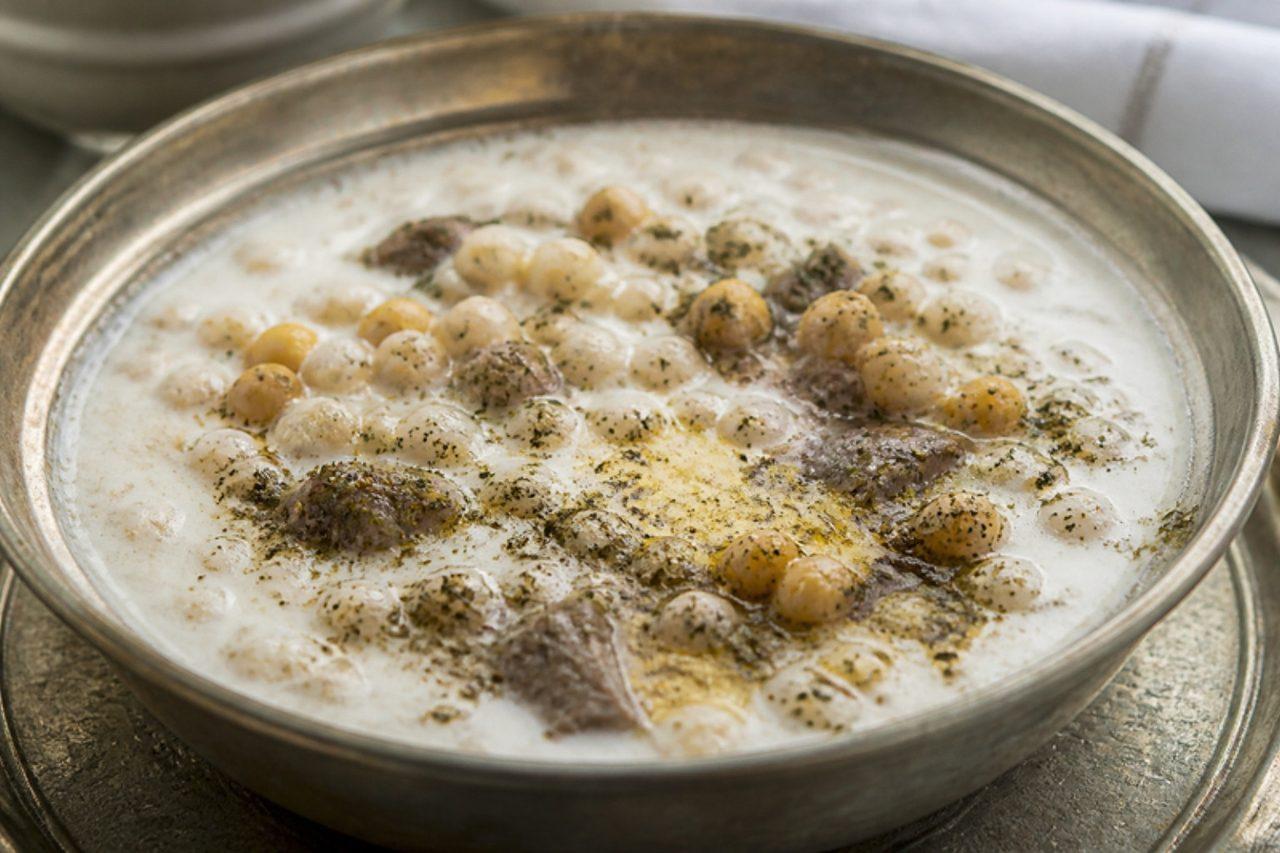
Families in Gaziantep spend the day before Kurban Bayramı rolling thousands of chickpea-sized dumplings for yuvalama, the festive yoghurt soup served on the first morning of the holiday. Little balls of rice dough and tiny lamb meatballs simmer with chickpeas and chunks of lamb in a tangy yoghurt broth, finished with mint butter. It is rich, soothing and very much a feast dish, so make it with friends. The most common mistake is adding the yoghurt straight to a boiling pot: it curdles. Chef's tip: whisk an egg yolk and a spoon of flour into the yoghurt and stir it constantly as it comes up to a simmer.

165 minTurkishMeat
by KrazyBadal 0 views

Za'atar spice blendThyme, sumac and sesame blend

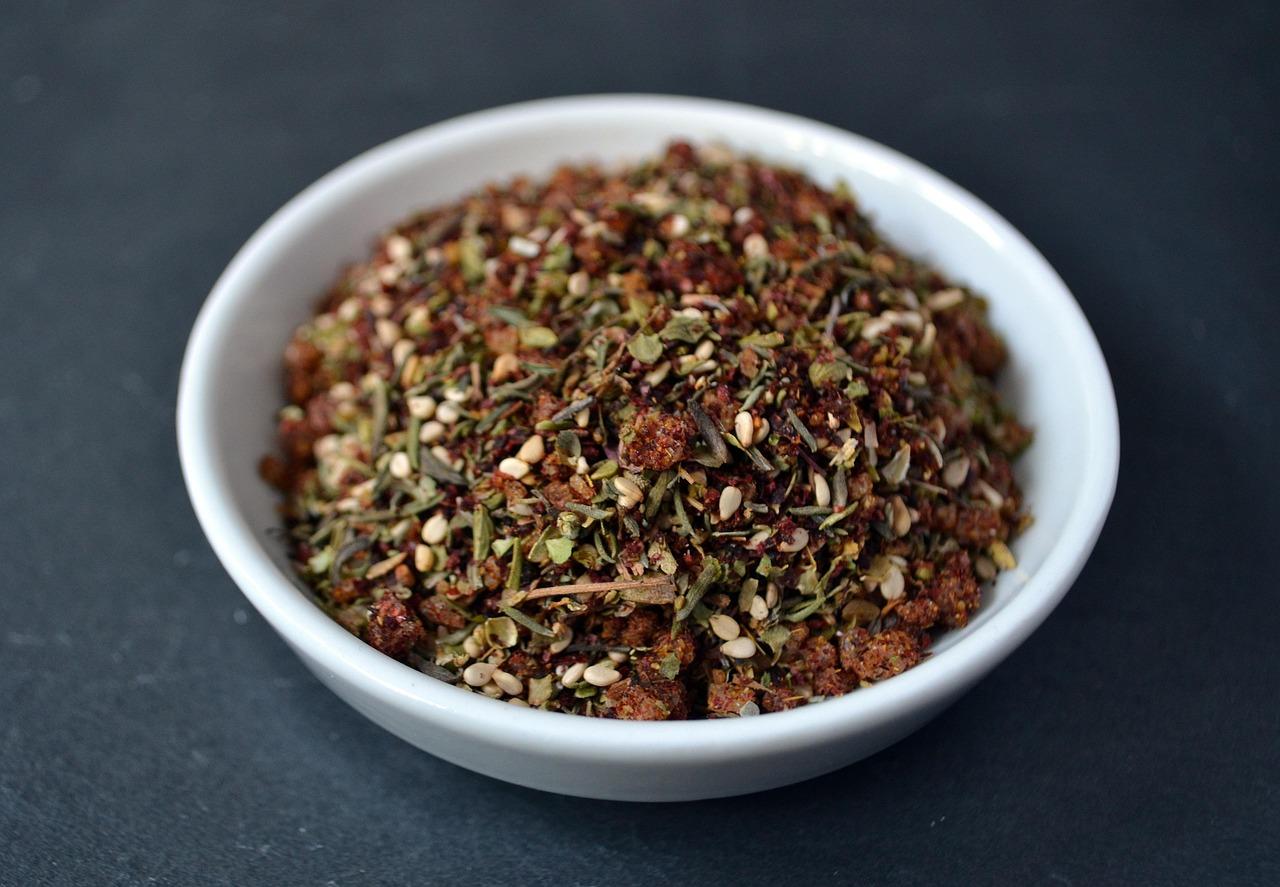
In Palestinian homes za'atar is both a herb and the blend made from it, kept in a jar beside a bowl of olive oil so torn bread can be dipped in one and then the other at breakfast; children grow up on it, and it goes to school in sandwiches. The blend is mostly dried wild za'atar (or thyme and oregano), tangy with sumac, nutty with toasted sesame and seasoned with salt. Common mistake: grinding it to dust; it should be coarse and slightly flaky. Chef's tip: rub the dried leaves with a few drops of olive oil before mixing; it wakes their aroma and helps the sumac cling.

by KrazyBadal 0 views

Zapallitos rellenosStuffed round squash

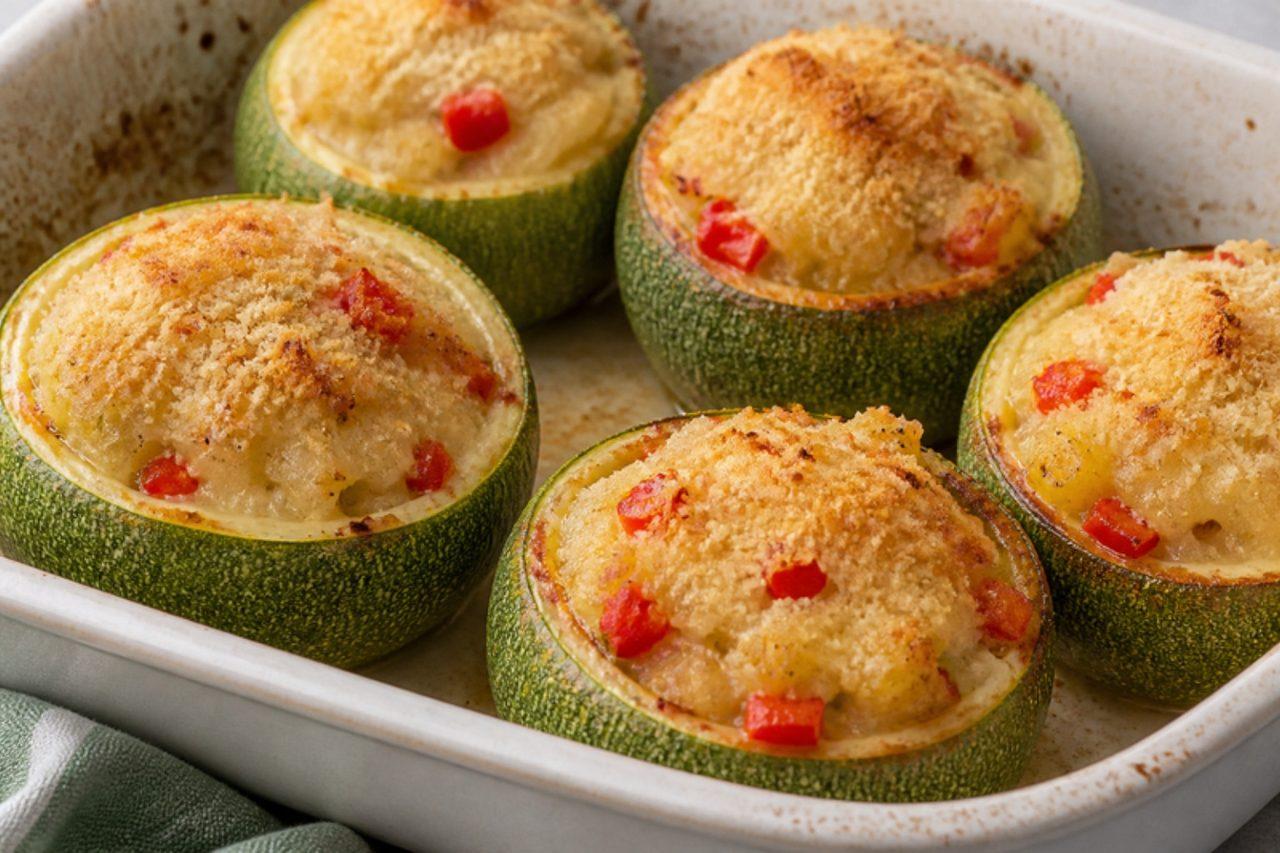
Round green zapallitos, the size of a tennis ball, pile up at every verdulería in Buenos Aires from December to March, and stuffing them is how home cooks turn a cheap summer vegetable into a main course. The shells are blanched, hollowed and refilled with their own flesh fried with onion and red pepper, bound with egg and melting cheese, and topped with breadcrumbs that bake to a crunchy lid. Expect a soft, savoury, slightly creamy filling under a golden crust; serve two per person with a tomato and onion salad or white rice. Overcooking the shells in the first boil is the trap: they collapse in the oven and leak water, so they only get 4 minutes. Round courgettes, eight-ball squash or short fat courgettes all work. The cheeses are usually made with animal rennet; swap in vegetarian versions if needed. Chef's tip: squeeze the chopped flesh in a clean cloth before frying it; drier filling means a firmer, tastier stuffing.

by KrazyBadal 0 views

Zapallo en almíbarCandied squash

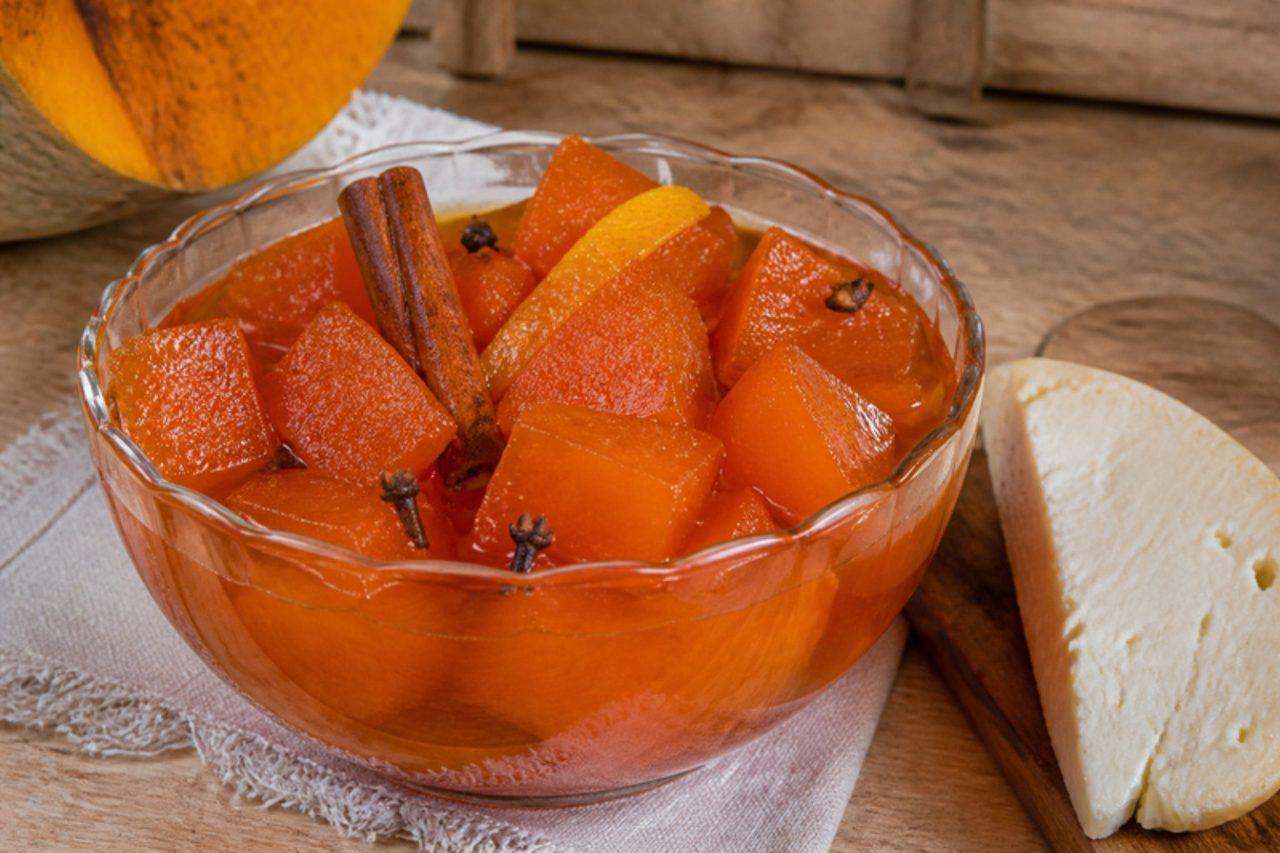
Across the Argentine countryside, when the autumn squash harvest piles up, cooks turn some of it into zapallo en almíbar: cubes of firm orange squash soaked briefly in slaked lime (cal) and then simmered in syrup until they are crisp-skinned outside and tender, almost translucent inside. Farm stalls in Córdoba and Santiago del Estero sell it in jars, and it is eaten as dessert with a slice of cheese, the same idea as postre vigilante. This home version skips the lime and uses a short sugar cure instead, which still keeps the pieces whole. It is vegan as written; serve it with vegan cheese or toasted walnuts to keep it that way. The mistake to avoid is stirring: the squash breaks into purée, so shake the pan instead. Chef's tip: use a dense, dry squash such as Crown Prince or butternut neck, and cook the syrup slowly; if it boils hard the outside candies before the centre softens.

by KrazyBadal 0 views

ZarangolloCourgette and onion with egg

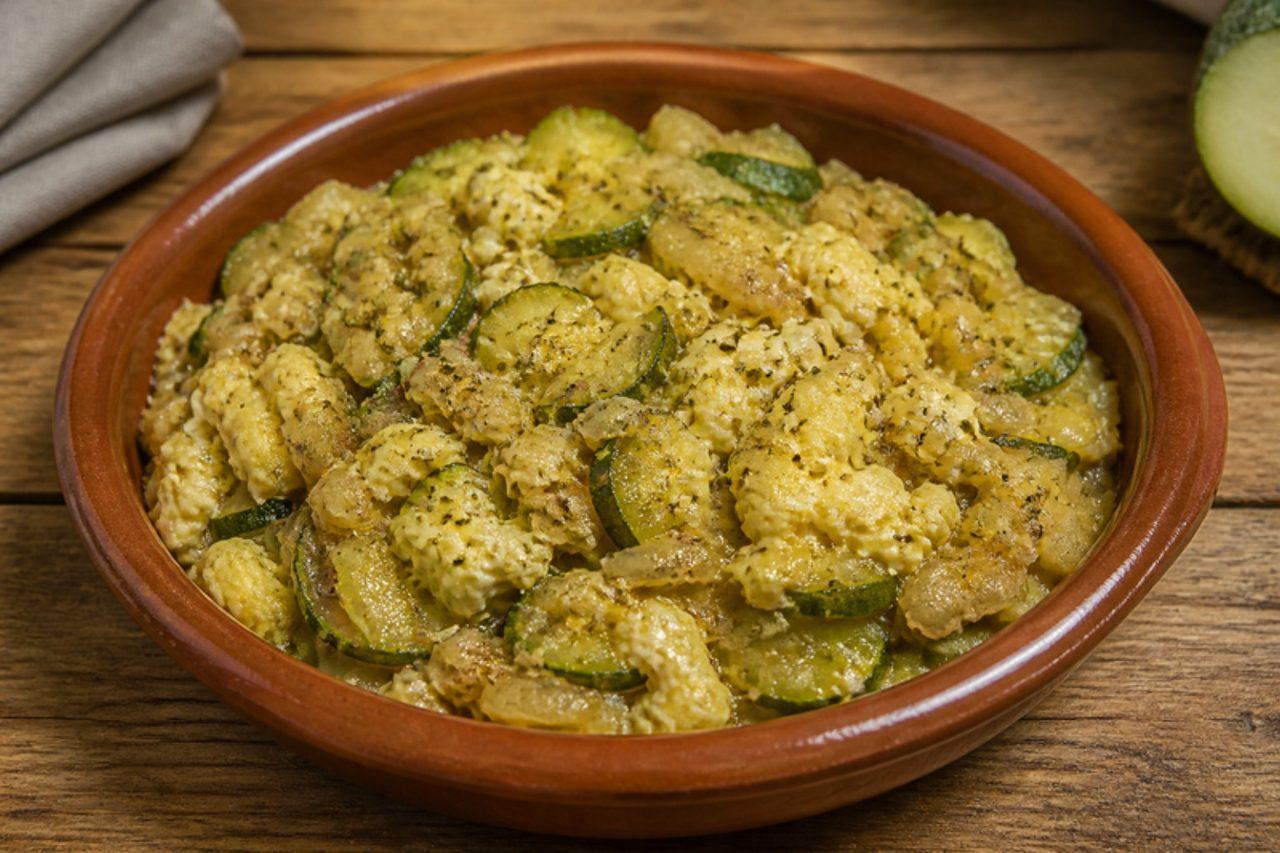
Ask for a tapa in almost any bar in Murcia city and zarangollo will be on the counter in a clay dish, scooped onto bread or eaten with a fork. It comes from the huerta, the irrigated market gardens around the city, where courgettes pile up all summer: they are sliced thin with onion, stewed gently in olive oil until sweet and almost jammy, and then bound with beaten egg. Some families add a little potato, but courgette and onion are the heart of it. Chef's tip: slice the courgettes into thin half-moons so they melt quickly and evenly.

by KrazyBadal 0 views

ZarbPit-roasted lamb, chicken and vegetables

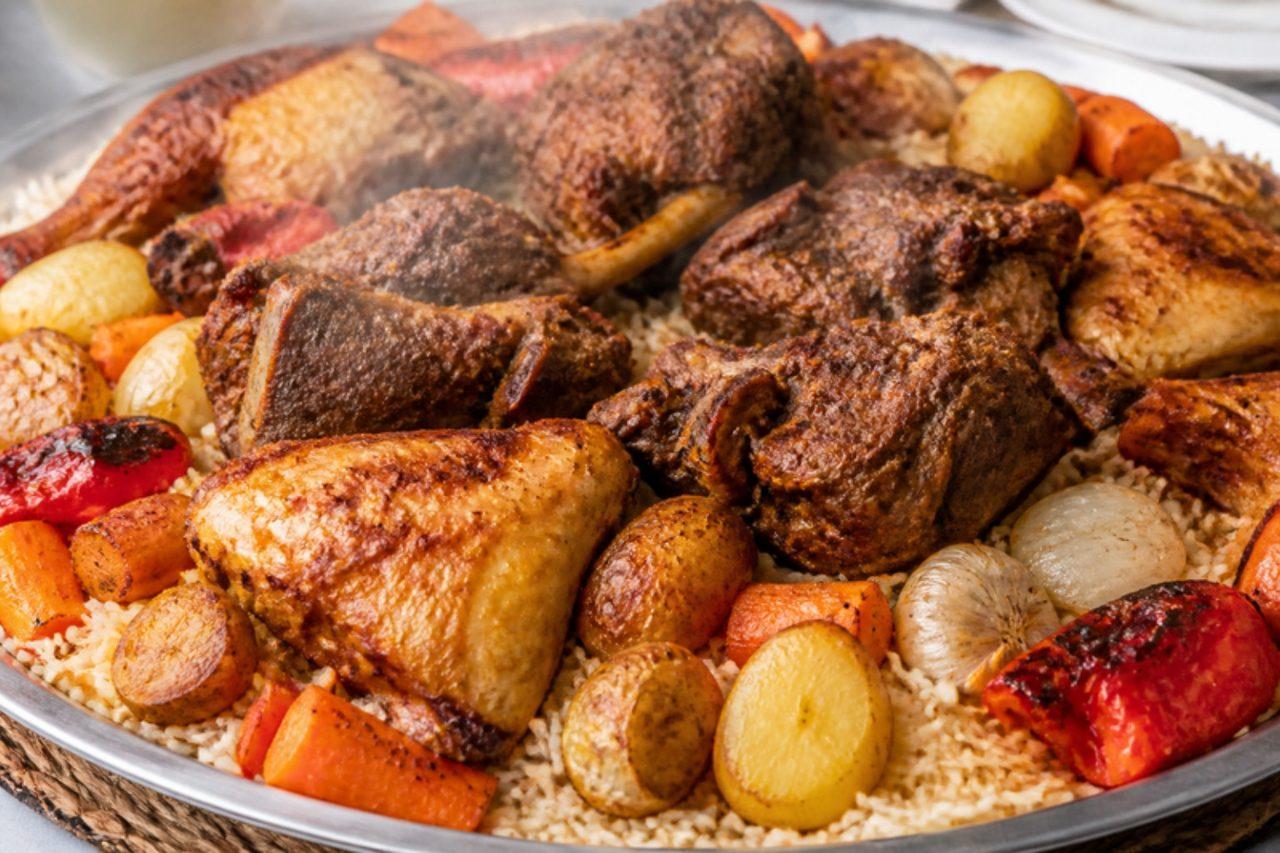
Visitors to the desert camps of Wadi Rum often watch the zarb come up from the sand at sunset: tiered racks of spiced lamb, chicken, potatoes and onions that have steamed for hours in a pit of embers, then lifted out smoky and falling apart. At home you get close with a deep roasting tin sealed tightly with foil, a long, low oven and a short blast of heat at the end. Serve it on a big platter over rice or with shrak, with yoghurt and a tomato salad. The mistake most people make is leaving gaps in the foil, so the steam escapes and the meat dries. Chef's tip: marinate overnight in the fridge and add a little smoked paprika to the spice mix; it brings back the taste of the pit.

by KrazyBadal 0 views

Zereshk polo ba morghBarberry rice with braised chicken

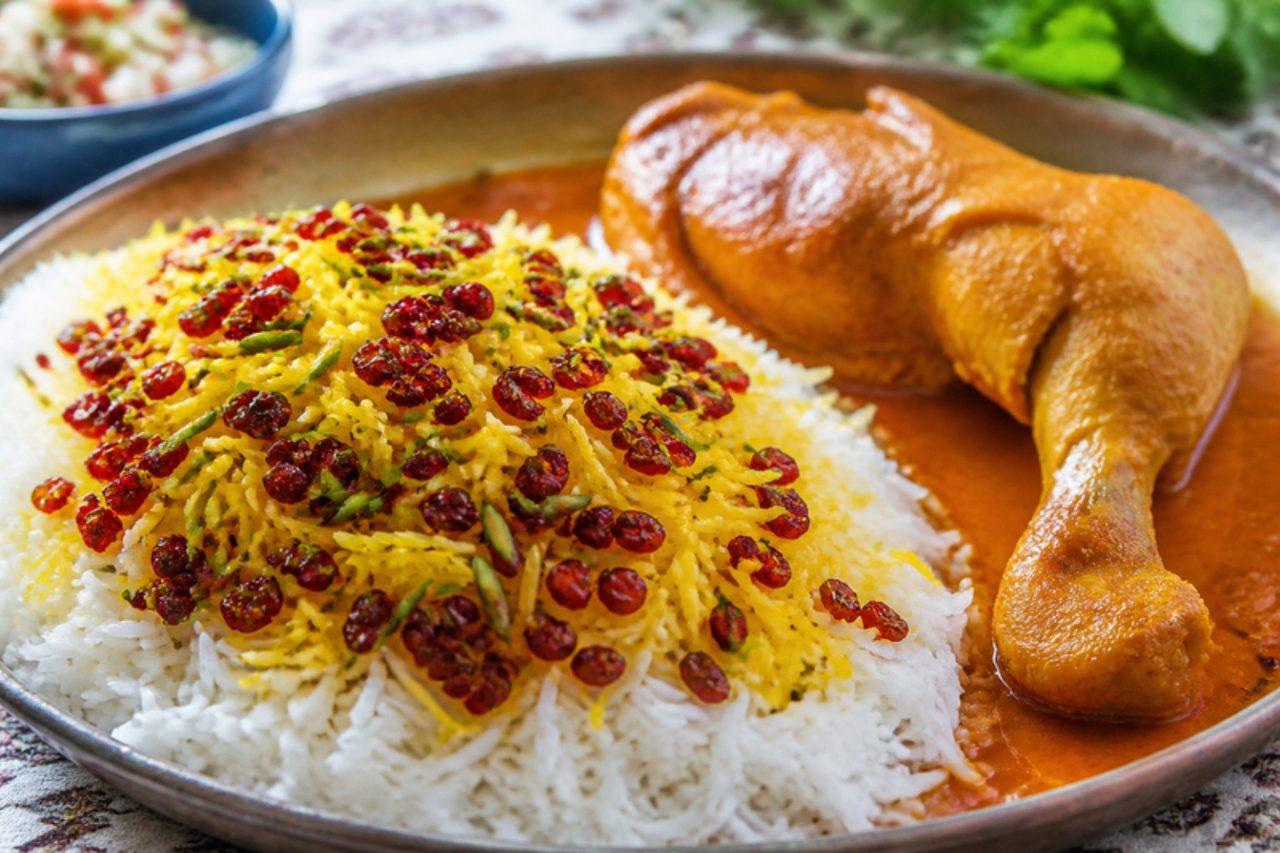
Zereshk polo ba morgh is the rice Iranians cook for guests, weddings and Friday lunches, and its tart red barberries come mostly from the orchards around Birjand in South Khorasan, where the berries are dried on rooftops in autumn. Fluffy steamed basmati is crowned with saffron rice and barberries fried briefly in butter with a little sugar, and served beside chicken braised slowly with onion, tomato and saffron until it is falling off the bone. A common mistake is frying the barberries for more than a minute or two; they burn fast and turn bitter. Chef's tip: sort the barberries on a white plate and remove any tiny stems or grit before soaking.

by KrazyBadal 0 views

Zeytinyağlı barbunyaBorlotti beans in olive oil

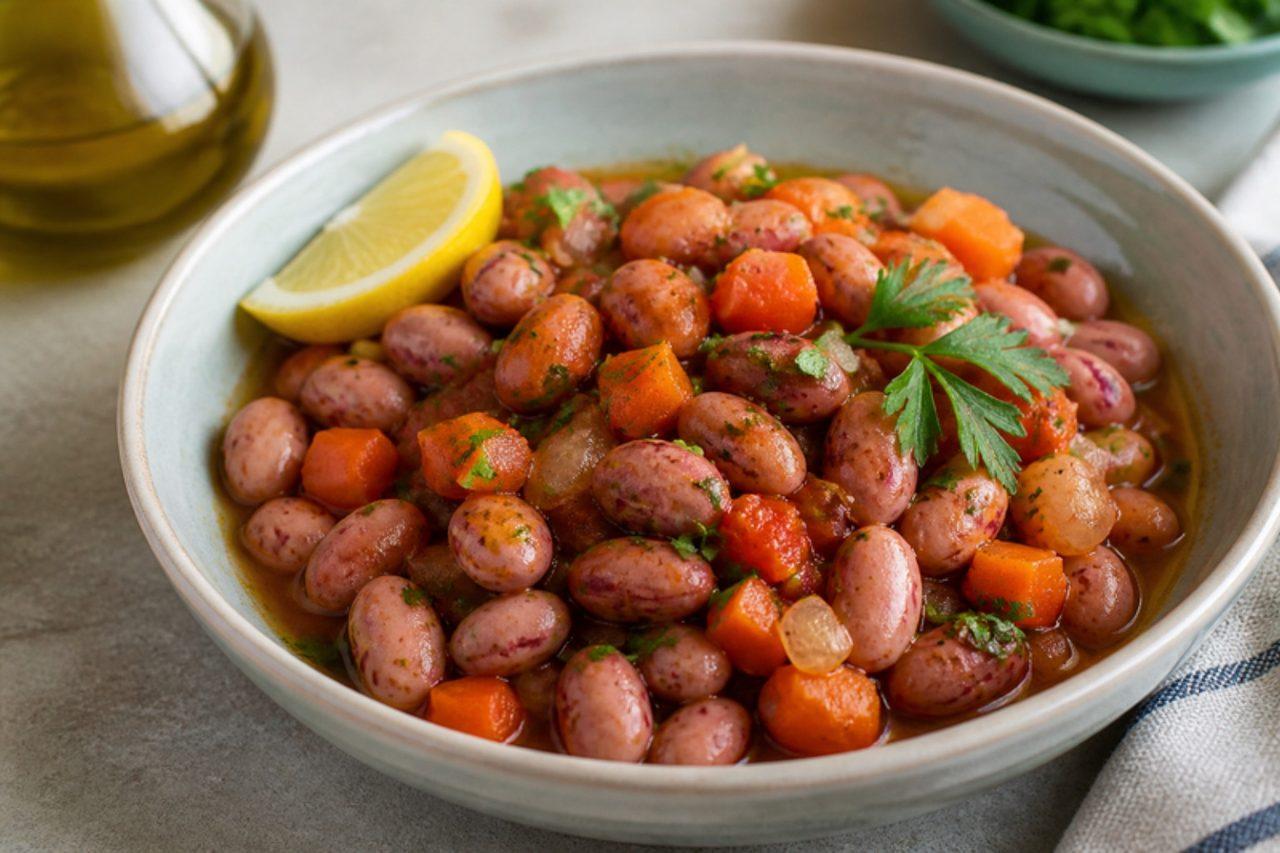
In Istanbul meyhanes and lokanta counters, the zeytinyağlı dishes are the cold olive-oil vegetables served at room temperature, and barbunya is one of the summer favourites when fresh borlotti appear in their speckled pink pods. The beans are braised slowly with onion, carrot, tomato and a little sugar until creamy, then left to cool in their glossy sauce and finished with parsley and lemon. Serve with crusty bread as a meze or a light lunch. Chef's tip: add the salt only once the beans are tender; salting at the start keeps the skins tough.

by KrazyBadal 0 views

Zeytinyağlı kerevizCeleriac braised in olive oil

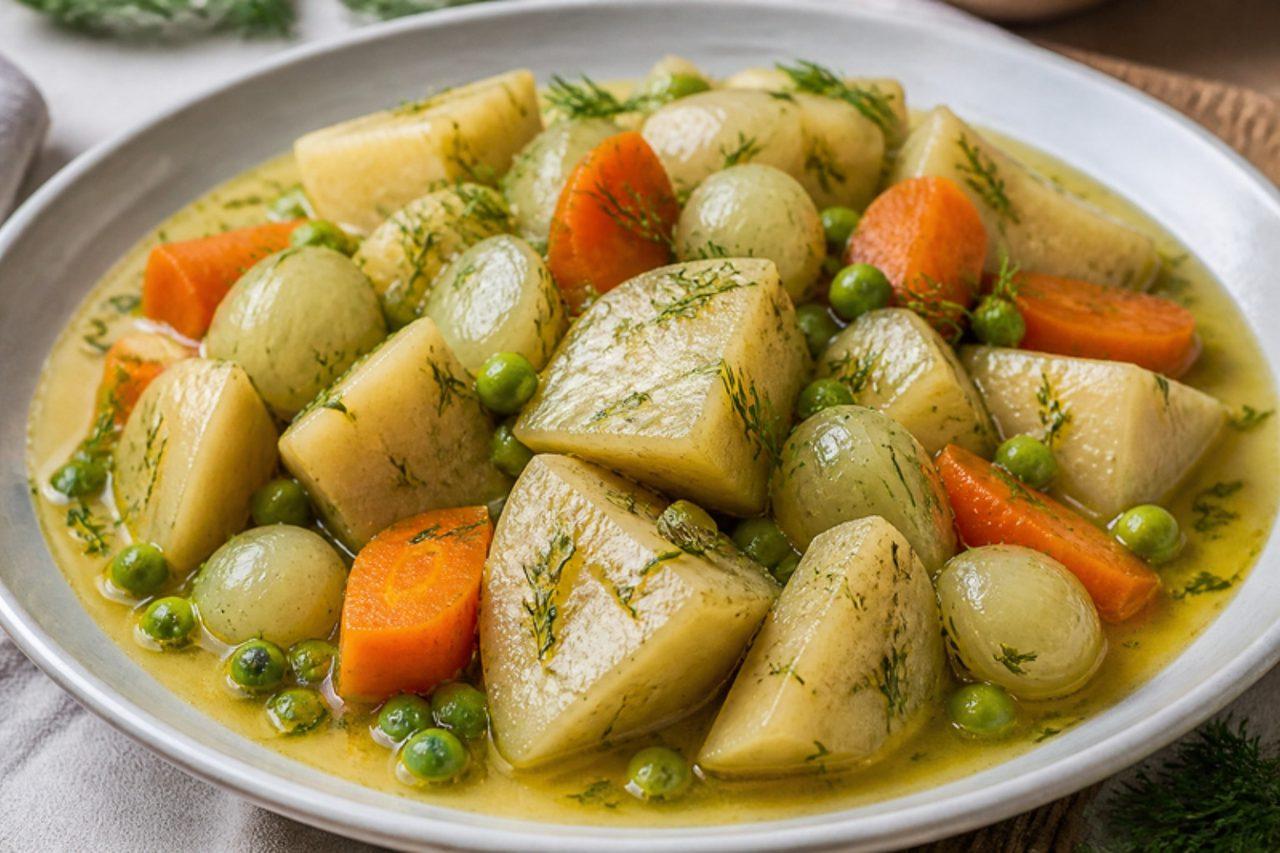
When celeriac fills the Kadıköy market stalls in winter, Istanbul home cooks braise thick slices of it in olive oil with orange juice, carrots and baby onions, then serve it cold the next day as a starter. The root turns silky and sweet, the orange gives it a bright, almost marmalade edge, and a little dill keeps it fresh. It sits happily on a meze table or alongside a bowl of lentil soup. Chef's tip: drop the cut celeriac straight into lemon water, otherwise it greys within minutes and never looks as good on the plate.

by KrazyBadal 0 views

Zeytinyağlı taze baklaBroad beans in olive oil

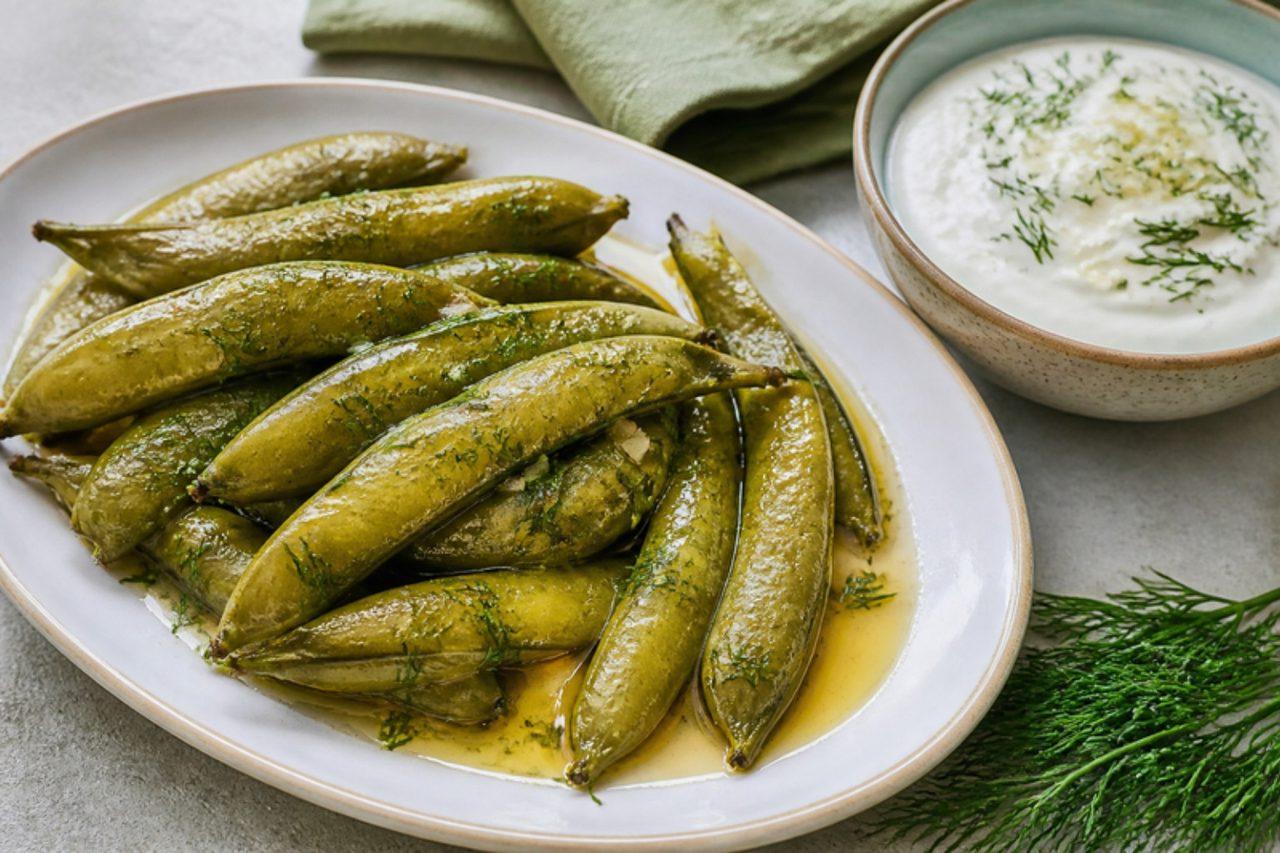
In April, when the first tender broad beans arrive in İzmir's markets, Aegean cooks braise them whole, pods and all, with onion, dill and olive oil, and serve them cold under a blanket of garlic yoghurt. The pods turn silky and slightly sweet, nothing like the tough shells of older beans. It is one of the true markers of spring on the coast. Chef's tip: rub the pods with lemon and a little flour before cooking; it keeps them green and stops them blackening as they braise.

by KrazyBadal 0 views

Zeytoon parvardehOlives with walnuts and pomegranate

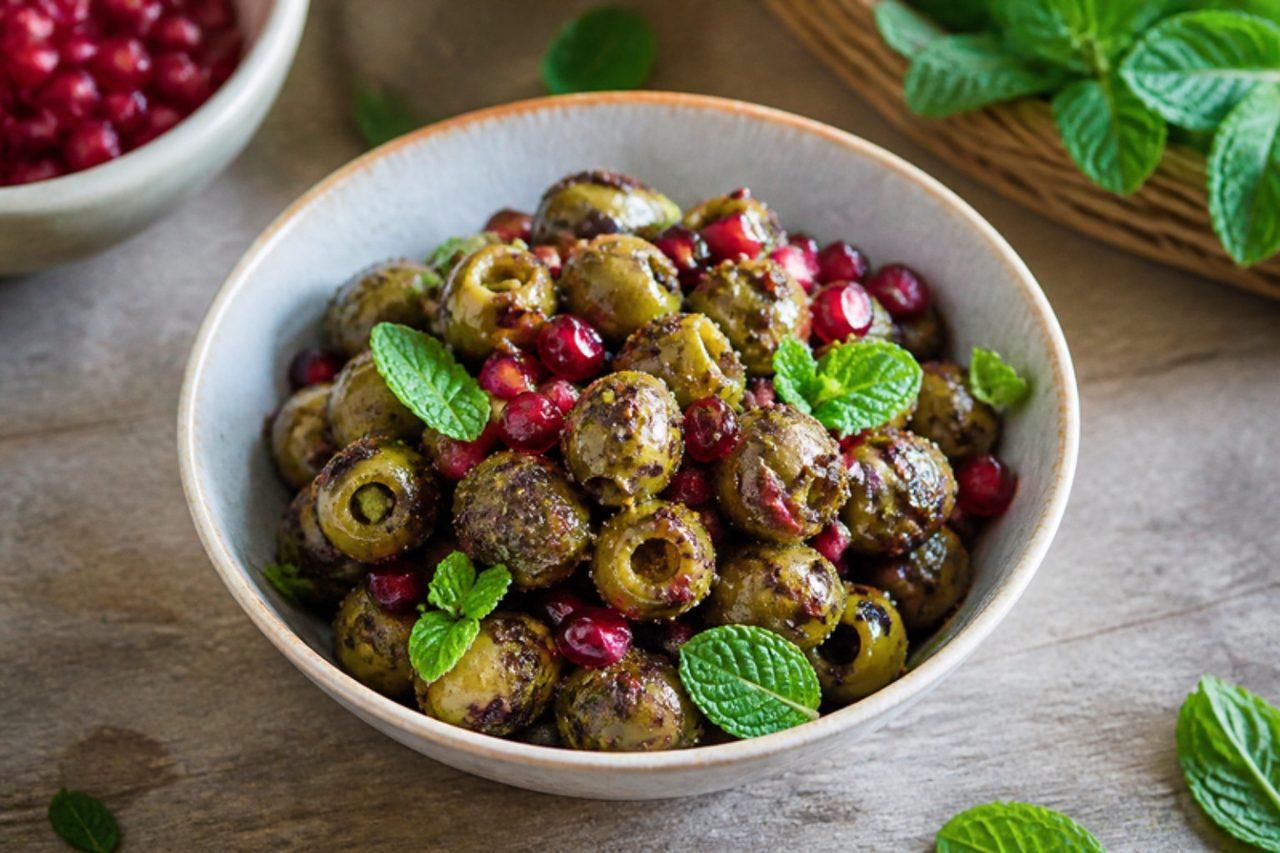
Rudbar, in the olive valleys of southern Gilan, is famous for zeytoon parvardeh, 'nurtured olives': plump green olives tossed in a thick paste of ground walnuts, sour pomegranate molasses, garlic, fresh mint and golpar, then left to mellow for a day or two. Gilanis serve them as a starter or a side with rice and fish, and every visitor to the north brings jars home. The common mistake is using pitted olives in brine straight from the jar without rinsing, which makes the dressing salty and harsh. Chef's tip: rinse the olives and leave them to soak in fresh water for 30 minutes first; they drink up the marinade much better.

by KrazyBadal 0 views

Zibdiyit gambariBaked prawns with tomato and garlic

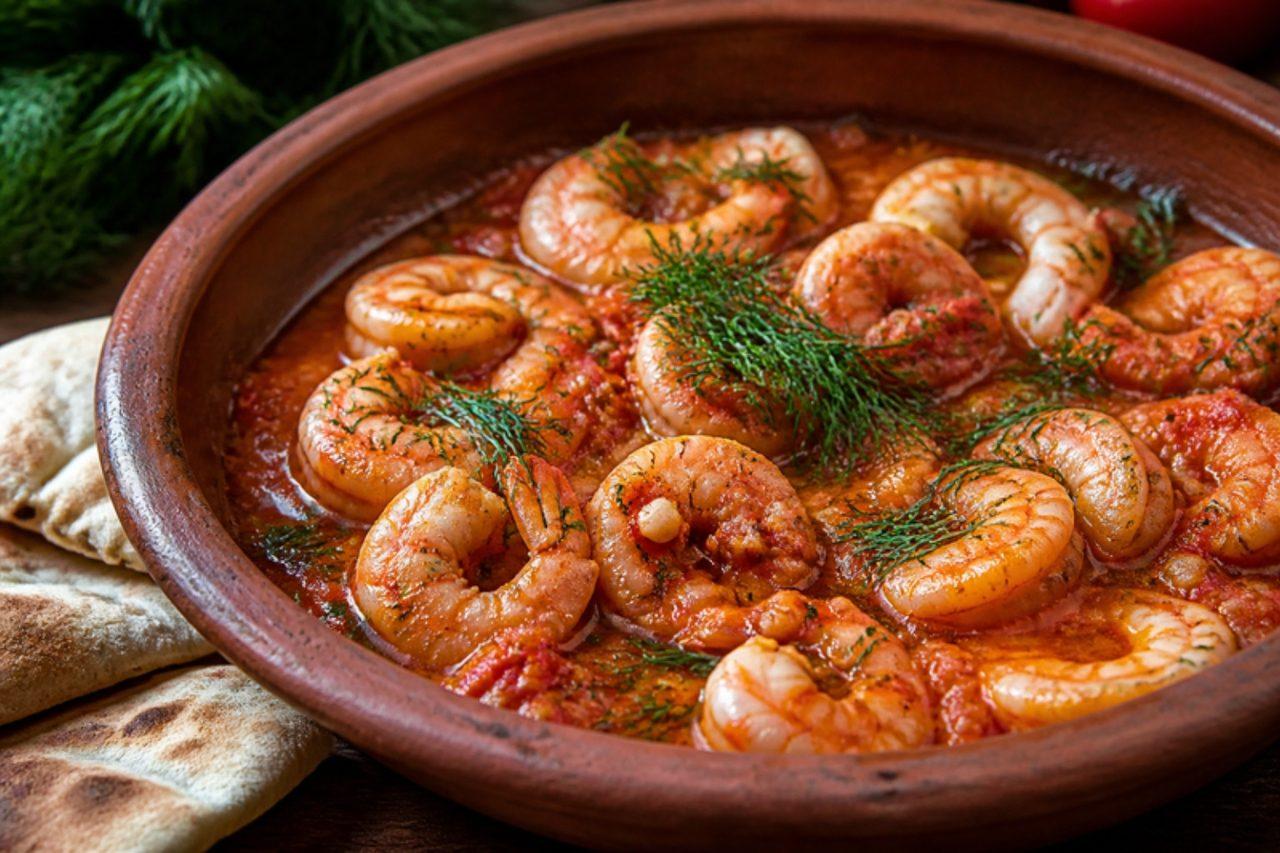
In Gaza's seafront restaurants zibdiyit gambari arrives bubbling in the same clay bowl (zibdiya) in which the sauce was pounded: prawns baked in a fierce tomato sauce full of garlic, green chilli and dill seed, with olive oil pooling at the edges for dipping bread. Families make it at home for special Friday lunches when the catch is good. Common mistake: cooking the prawns as long as the sauce, which makes them tough; they need only a few minutes at the end. Chef's tip: pound the garlic, chilli and dill seed by hand; the rough paste fries into the oil and gives the sauce its punch.

by KrazyBadal 0 views

Znoud el sitCream-filled filo fingers

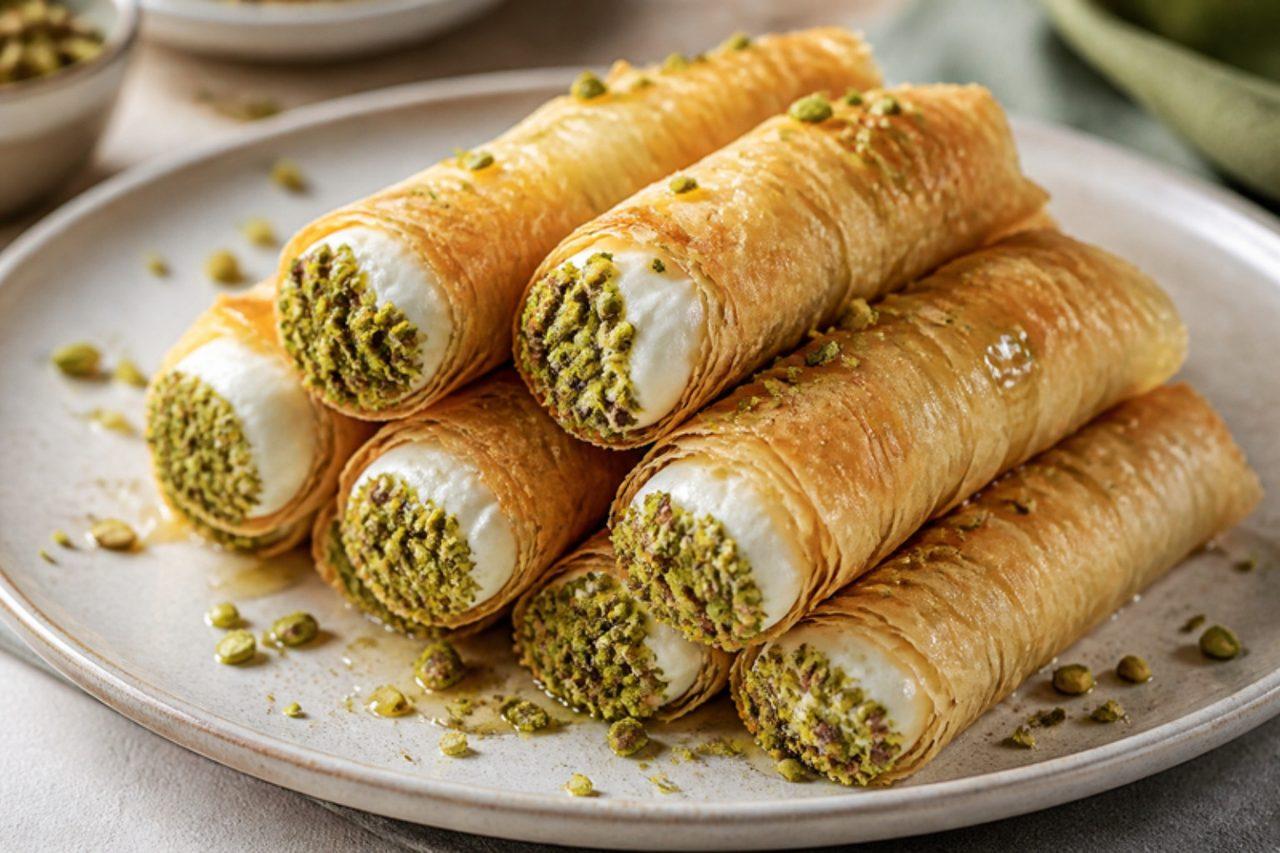
Lebanese sweet shops in Tripoli and Saida fry trays of znoud el sit every evening during Ramadan, and families queue for them after iftar. Filo is rolled around a thick, set milk cream (a home version of ashta), baked or fried until shatteringly crisp, then dipped in cold syrup and dusted with ground pistachios. The contrast of crackling pastry and cool, fragrant cream is the whole point, so eat them within an hour or two of filling. Common mistake: filling with warm cream; it leaks and makes the pastry soggy, so chill it until firm. Chef's tip: brush with clarified butter rather than whole butter — it browns evenly without burning and keeps the rolls crisp longer.

by KrazyBadal 0 views

ZorongolloRoast pepper and tomato salad

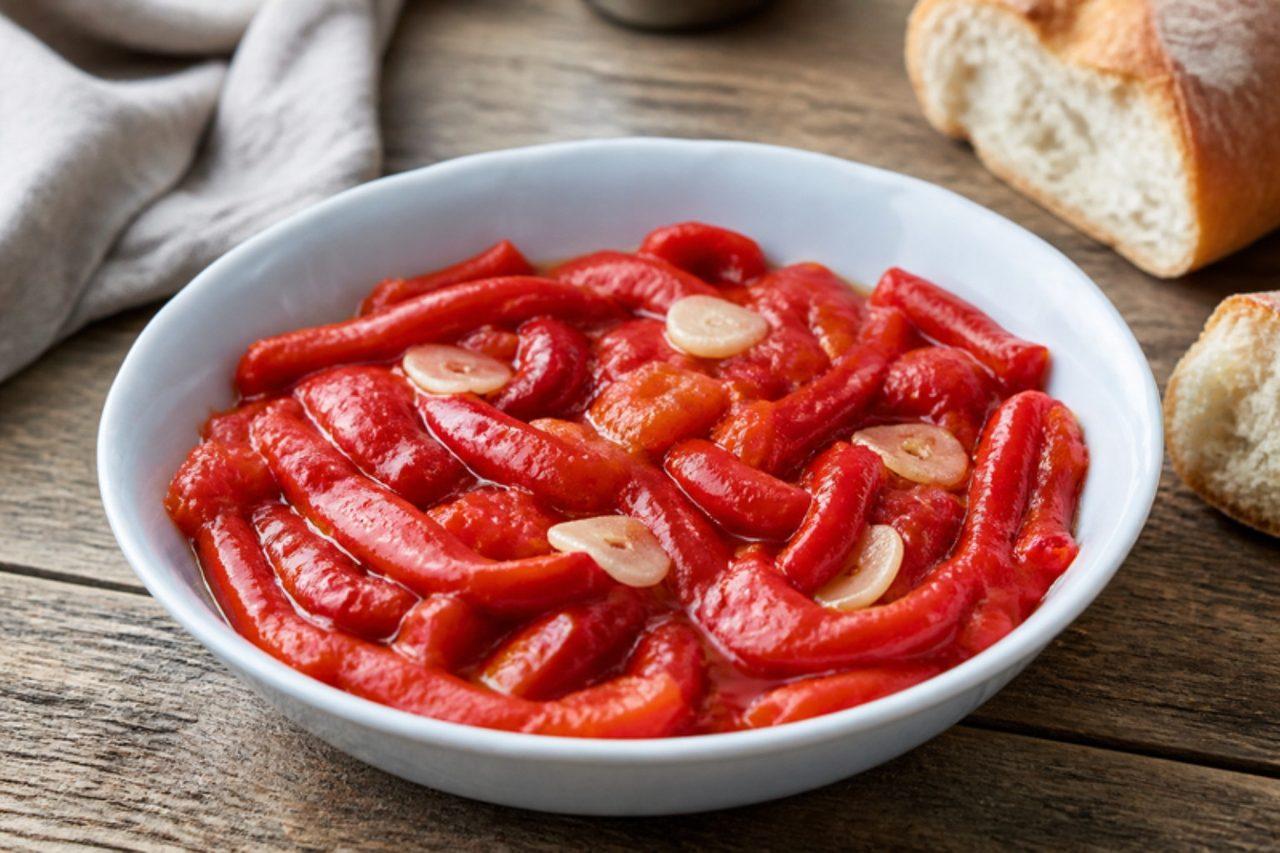
Zorongollo is the summer salad of the Extremaduran countryside around Cáceres and the Vegas del Guadiana, made when red peppers are sweet and cheap. The peppers and tomatoes are roasted until blackened, peeled, torn by hand into strips and soaked in olive oil, garlic and a little vinegar, and it is served on its own with bread or beside grilled meat at summer lunches. It keeps for days in the fridge and improves overnight. Chef's tip: tear the peppers along their natural ridges rather than slicing them, so the strips stay soft and catch more dressing.

by KrazyBadal 0 views

Zorza con patatasMarinated pork with chips and eggs

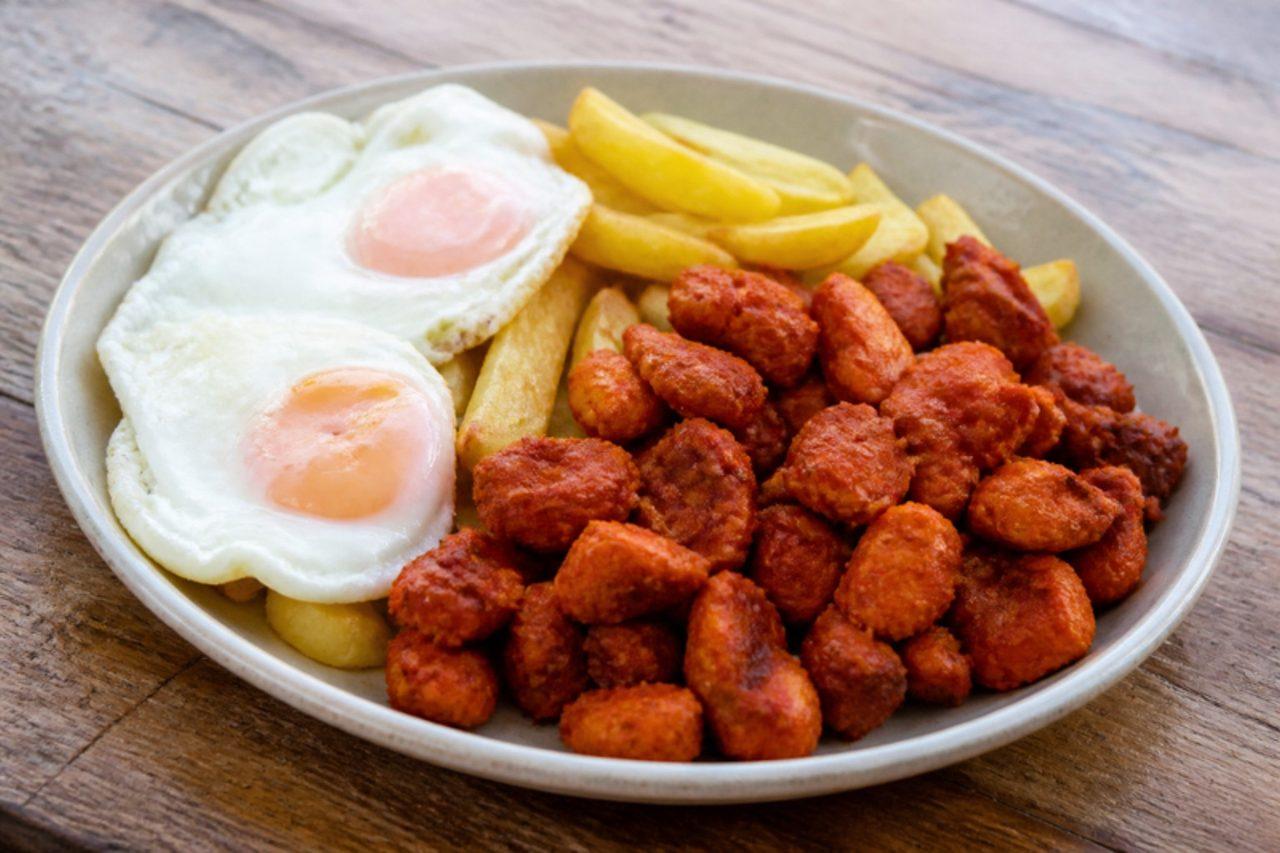
Zorza is the seasoned pork mixture for chorizo before it goes into casings, and in Galicia it was eaten fresh in the days after the winter pig slaughter, fried in a pan with potatoes. This contains pork. Today taverns in Lugo and Ourense serve it with chips and fried eggs, and it is easy to make at home with pork shoulder and lots of paprika. The meat marinates in the fridge, covered, for at least 12 hours. A common mistake is frying it over a fierce heat, which burns the paprika; keep it moderate and stir. Chef's tip: chop the pork by hand into small pieces rather than mincing it finely, for a juicier, more rustic texture.

by KrazyBadal 0 views

ZwetschgendatschiPlum yeast sheet cake

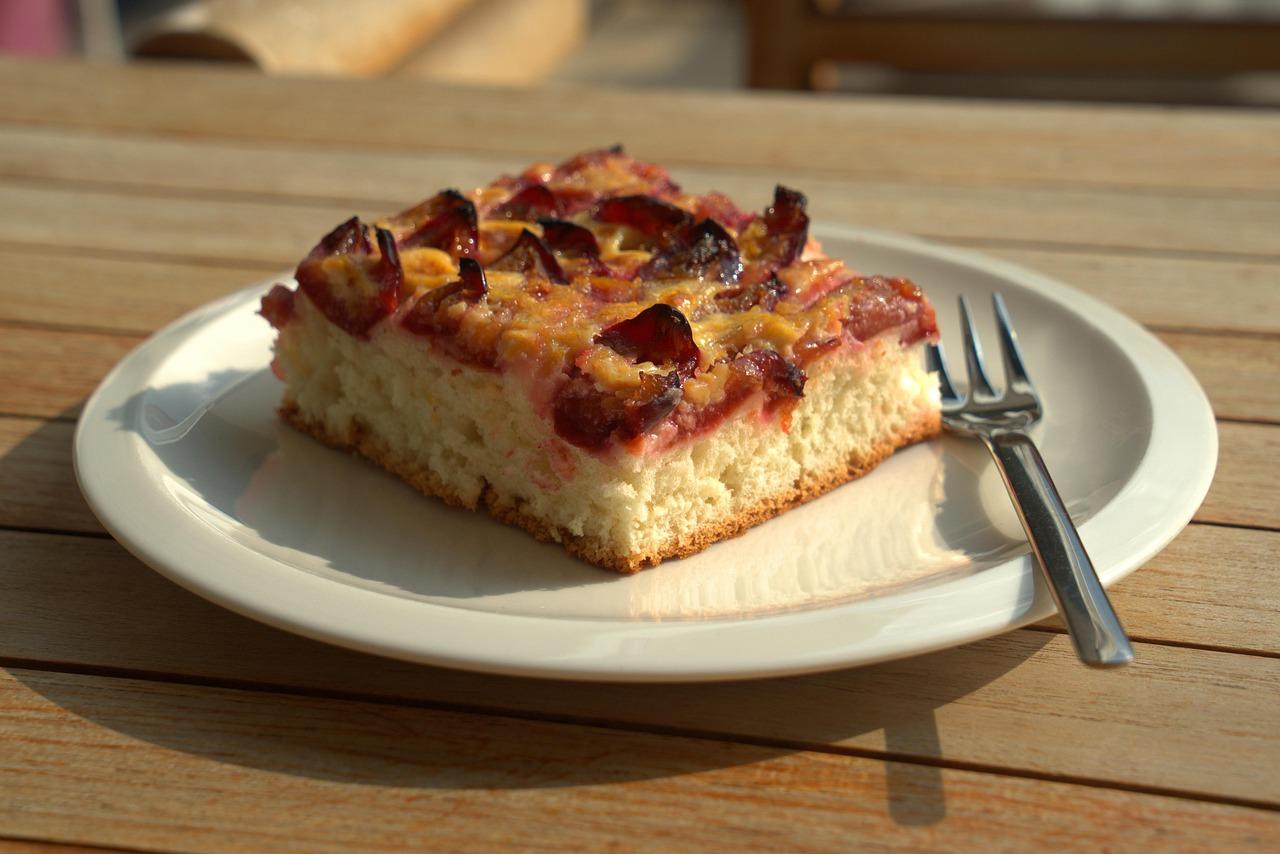
When the late-summer Zwetschgen (small, oval damson-type plums) arrive at the markets of Augsburg and Munich, every Bavarian and Swabian kitchen bakes a Datschi on the biggest tray it owns. A thin, soft yeast dough is covered edge to edge with plum halves stood upright in tight, overlapping rows, so the juices run and caramelise as it bakes. It is eaten in the afternoon, cut in squares, with a big spoon of whipped cream. A common mistake is using large round plums, which flood the dough with juice and leave it soggy; the firm, oval Zwetschgen hold their shape. Chef's tip: scatter a thin layer of fine breadcrumbs or ground almonds over the dough before the plums go on to catch the juice.

115 minGermanBaking
by KrazyBadal 0 views

Puchero santafereñoBoiled chicken, beef and pork dinner

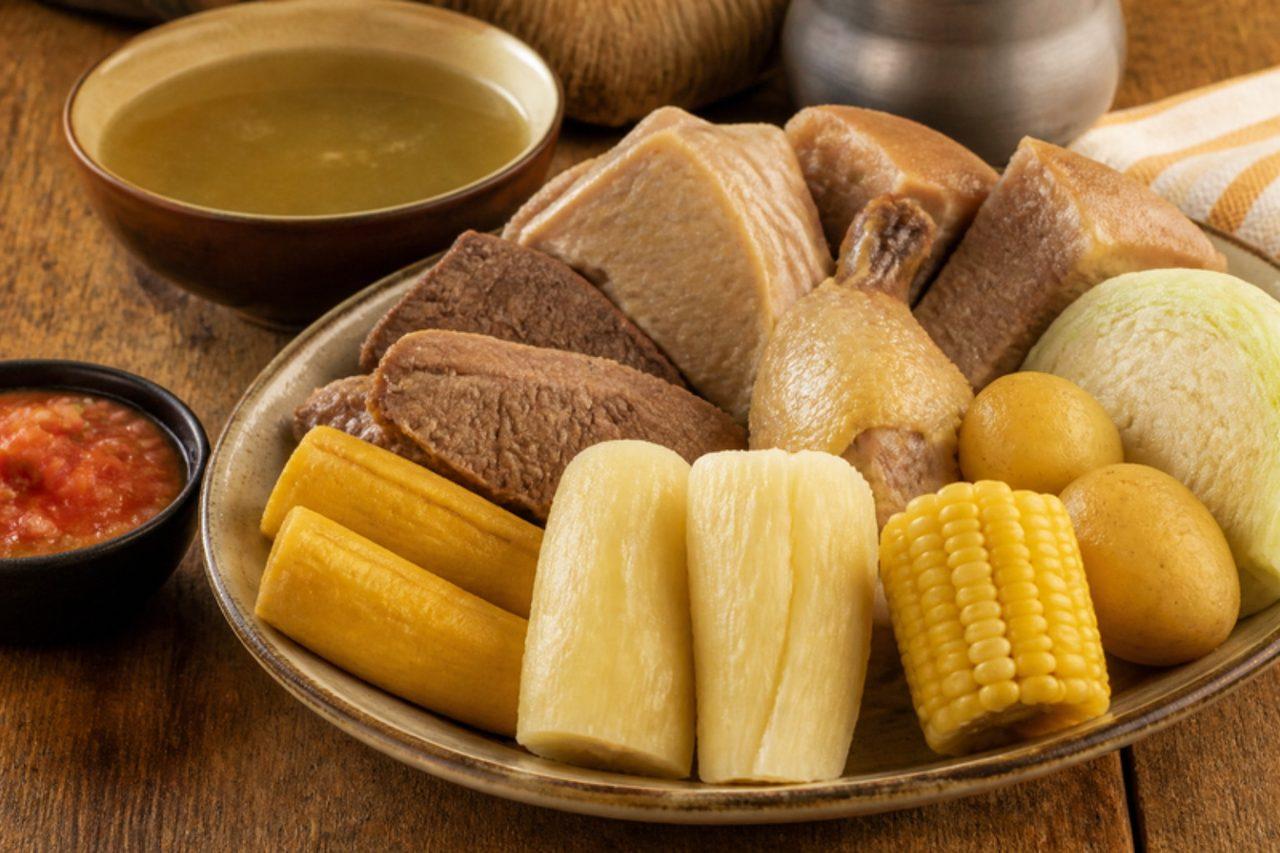
Old Santa Fe de Bogotá kept puchero for big family lunches and holidays: a broad pot of beef, pork and chicken boiled with cassava, corn, potatoes, cabbage and, unusually, ripe plantain cooked in its skin, which turns soft and sweet against the savoury meat. It comes to the table in two acts. First the clear, golden broth in cups or small bowls; then a platter of the meats and vegetables, with a pan of warm hogao (tomato and spring onion sauce) spooned over everything, plus rice and avocado on the side. People confuse it with cocido or sancocho, but the plantain and the hogao make it its own thing. Most disappointing pucheros come from boiling hard: the broth goes cloudy and the cassava breaks up, so keep it at a lazy simmer. Chef's tip: add the vegetables in order of how long they take, and lift each batch out onto a warm tray as it becomes tender, so nothing turns to mush while the beef finishes.

by KrazyBadal 0 views

Cuchuco de trigoCracked wheat and pork rib soup

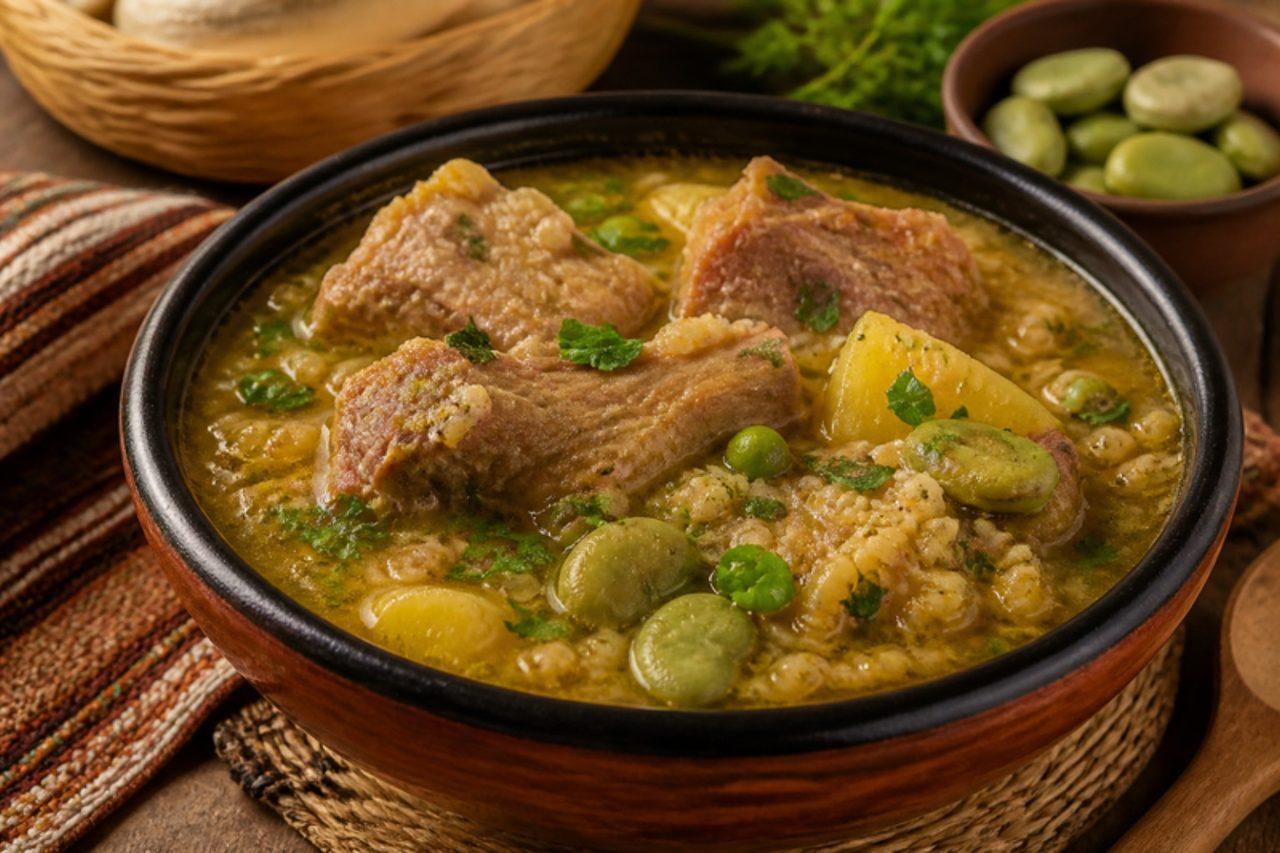
Up on the cold Boyacá plateau, around Tunja and Duitama, cuchuco de trigo is the soup that roadside restaurants ladle out at midday to farm workers and truck drivers. It is made with pork ribs (espinazo or costilla de cerdo), simmered until the meat slips off the bone, then thickened with cracked wheat, broad beans, peas, cabbage and two kinds of potato. The result is closer to a porridge-soup than a broth: nutty from the wheat, porky, a little smoky from the cumin and achiote, with the small yellow potatoes melting into the liquid. Serve it in deep bowls with avocado slices, a spoon of ají and a piece of arepa. The usual mistake is adding the wheat too early and walking away: it settles and catches on the bottom of the pot, so it needs stirring from the base every few minutes. Chef's tip: rinse the cracked wheat until the water runs nearly clear; washing off the loose flour keeps the soup creamy rather than gluey. For a meat-free pot, leave out the ribs, use vegetable stock and double the broad beans.

by KrazyBadal 0 views

FritangaMixed fried pork and sausage platter

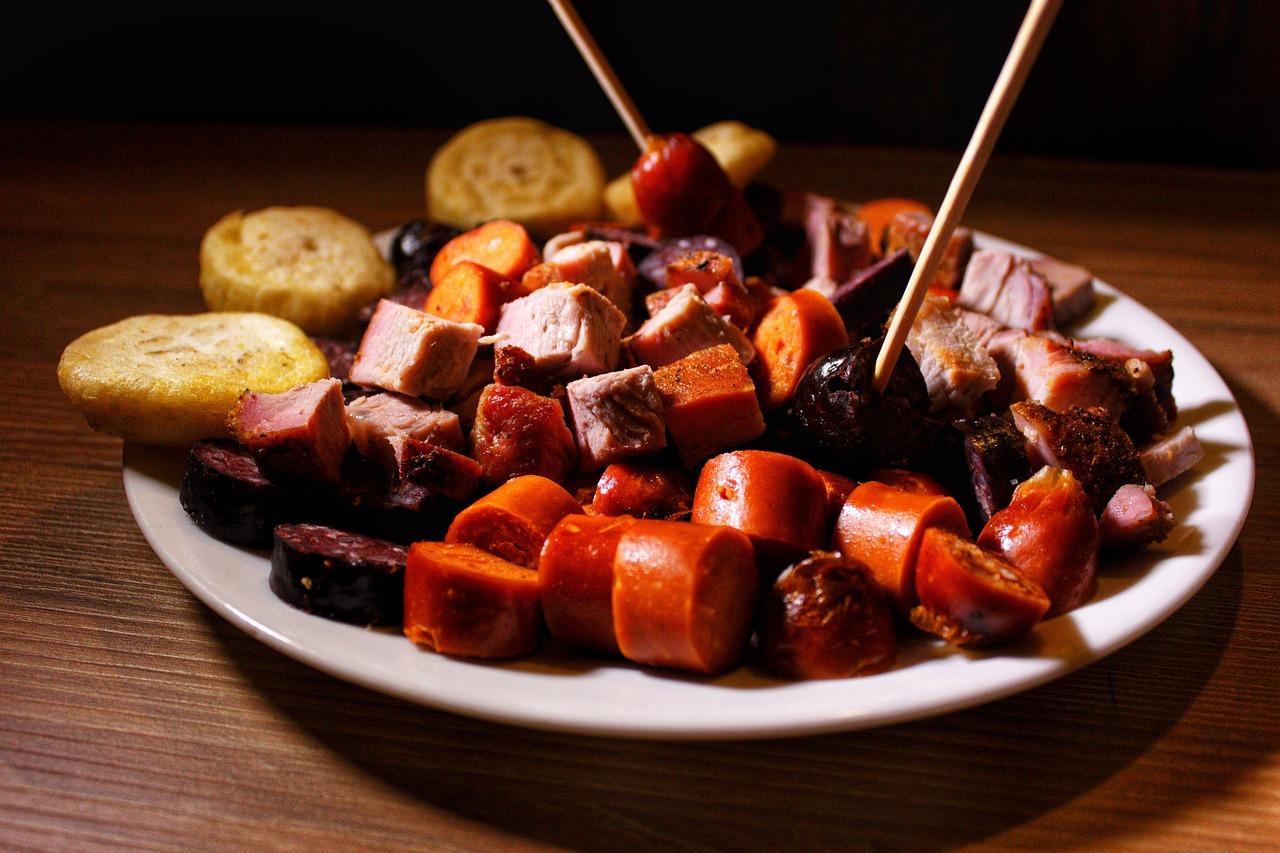
Weekend fritanga is Bogotá's answer to a mixed grill, eaten standing at counters in the Siete de Agosto and Restrepo neighbourhoods or brought home on a big tray to share. Everything is pork or fried: chicharrón of pork belly with a blistered, crunchy skin, juicy pork chorizos, slices of rice-filled morcilla (blood sausage), little papa criolla potatoes, sweet plantain and griddled arepas, all eaten with fingers or toothpicks and dipped in sharp, watery ají. A fritanga is about contrast, so don't drown it in sauces: the lime and ají cut the richness. The common error is frying the belly straight from raw; it needs to cook gently in water first, which renders the fat and tenderises the meat before the skin crisps in its own drippings. Chef's tip: buy morcilla and chorizo from a Latin butcher and check the labels if you need the platter gluten free, as some sausages contain wheat.

by KrazyBadal 0 views

Showing 72 of 7,762 recipes

Show more recipes

Page 562 of 863