


Skip to content
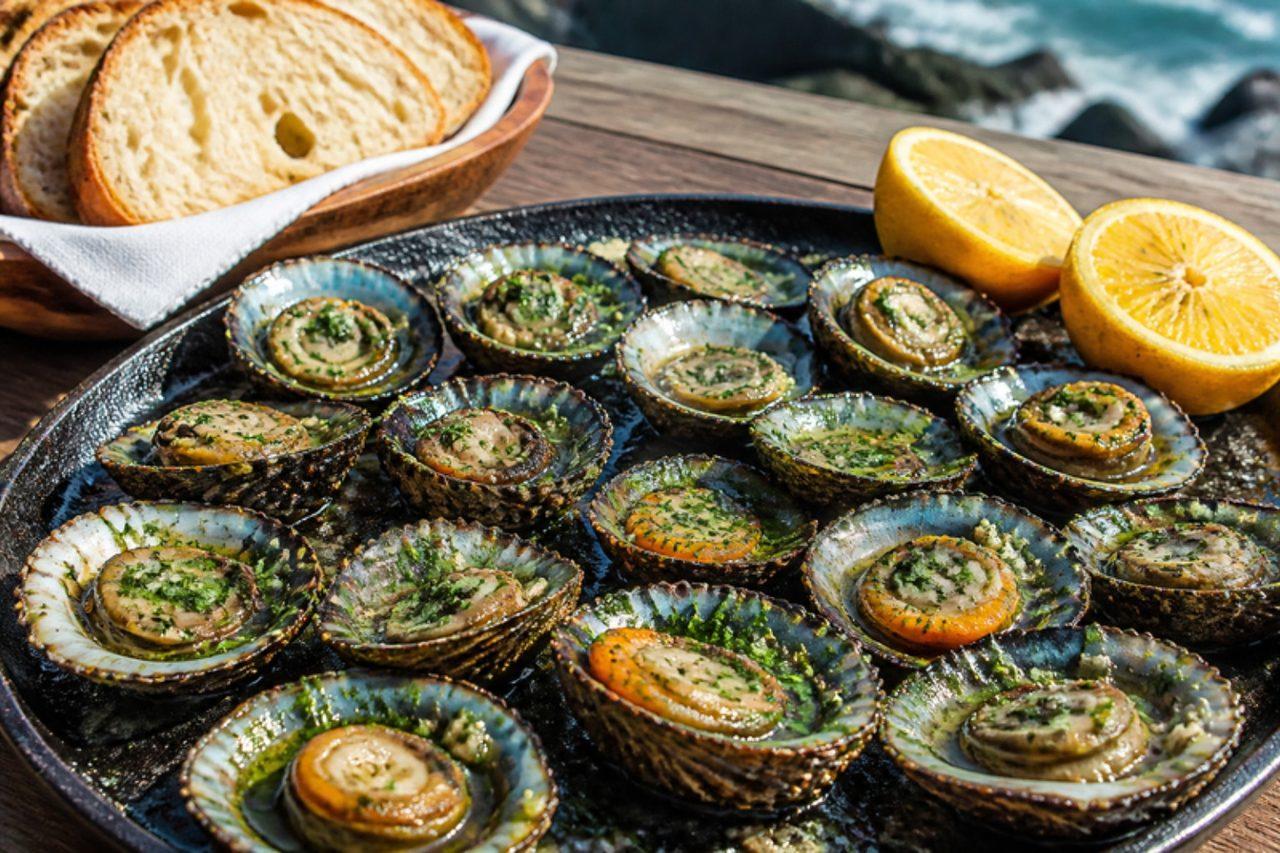
Lapas grelhadas
Featured recipe

Lapas grelhadas

Grilled limpets with garlic butter

Along the rocky shores of Madeira and the Azores, limpets are prised off the rocks at low tide and grilled within hours, arriving at the table in a hot cast-iron dish, still bubbling with garlic butter. Beach bars in Porto Moniz and on Pico serve them as a starter, with bread for dipping and a squeeze of lemon. They are best when only just cooked, tender with a slight chew. Chef's tip: buy them from a fishmonger who sells them live, still clamped tightly to their shells.

Read more 0 views

What to eat today?

Around the world

Today's trip: Paraguayan

A new country every day, from every cuisine on the site.

Paraguayan

Cocido quemado

Burnt sugar mate drink 14 minMore from Paraguayan (27) →

This week's collection

Kid-friendly dinners
537 recipes · a new collection every Monday

Latest recipes

Tawa mushrooms

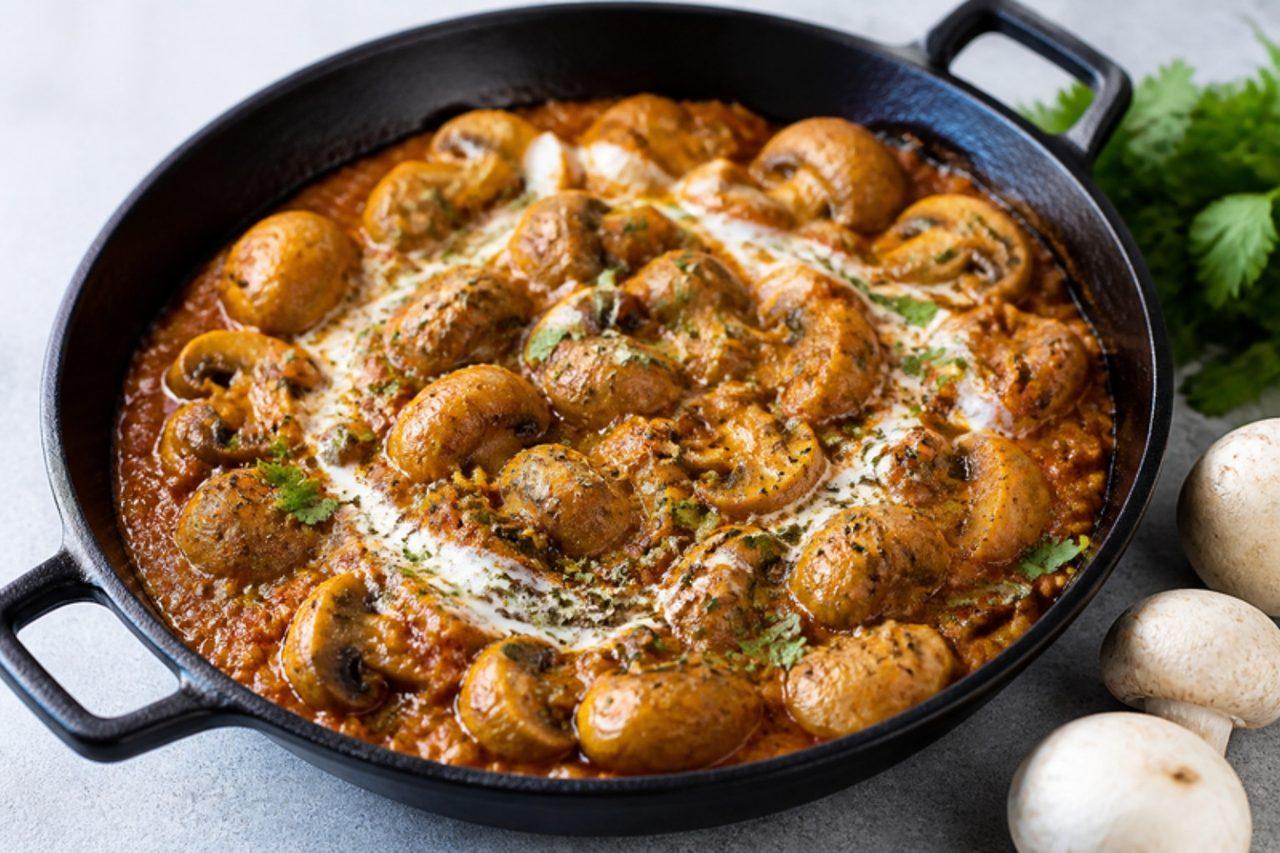
Halved mushrooms cooked on the tawa in a rich masala of browned onions, ginger, garlic and puréed tomato, finished with a little cream and dried fenugreek. It's quick, creamy and full of flavour. Serve hot with naan, paratha or bread straight off the barbecue.

by KrazyBadal 1 views


CanjeeroSpongy fermented pancakes

Canjeero (also called laxoox) is Somali breakfast, made fresh each morning in homes and sold in cafés from Mogadishu to Djibouti: thin, spongy pancakes from a soured batter, cooked on one side only so the top is full of tiny holes. Eaten warm, they are drizzled with sesame oil or ghee and sprinkled with sugar, then rolled up with sweet spiced tea; on weekends they come with liver or beans. They are smaller and lighter than Ethiopian injera and made mostly from wheat. Chef's tip: spread the batter in a spiral with the back of the ladle, starting in the middle; that is what makes the thin, even, lacy sheet.

by KrazyBadal 0 views

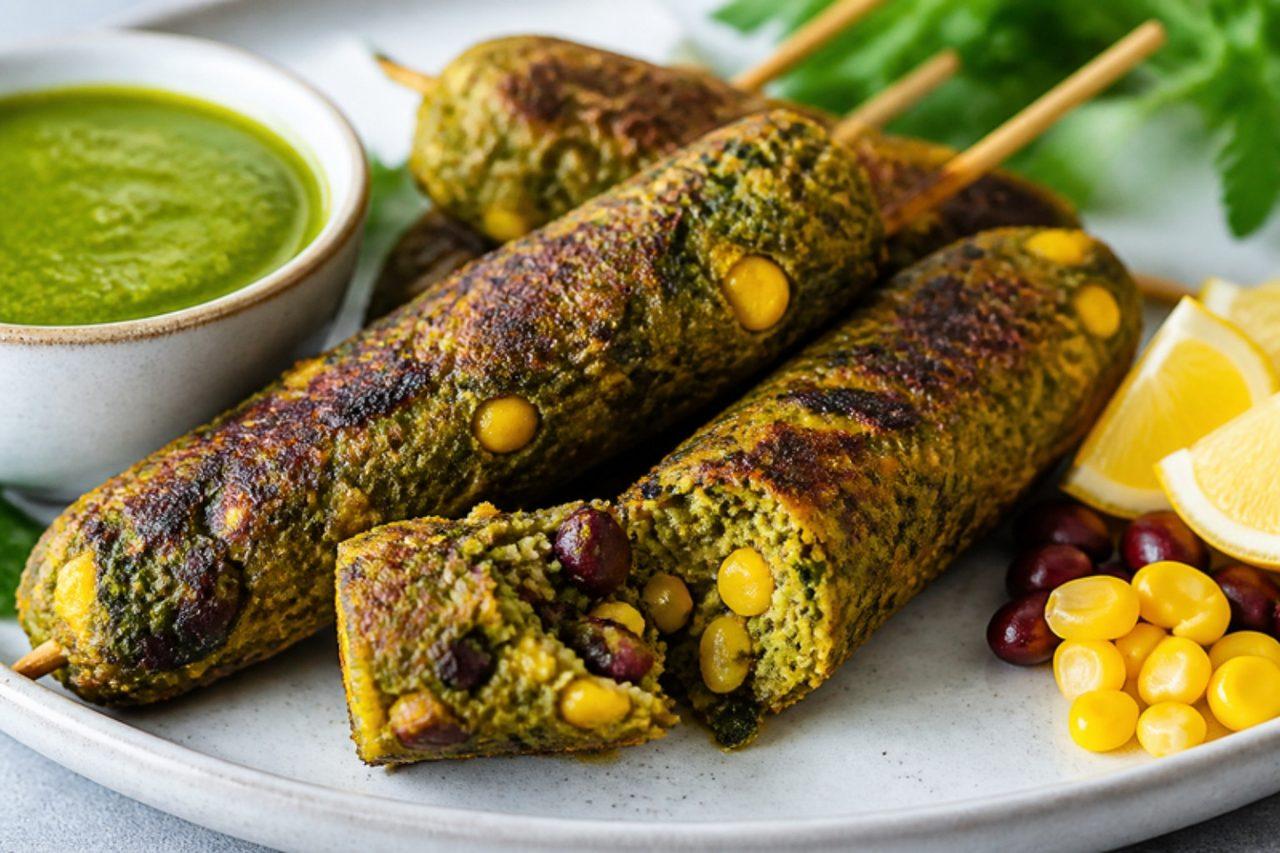
Corn & beans kebabs

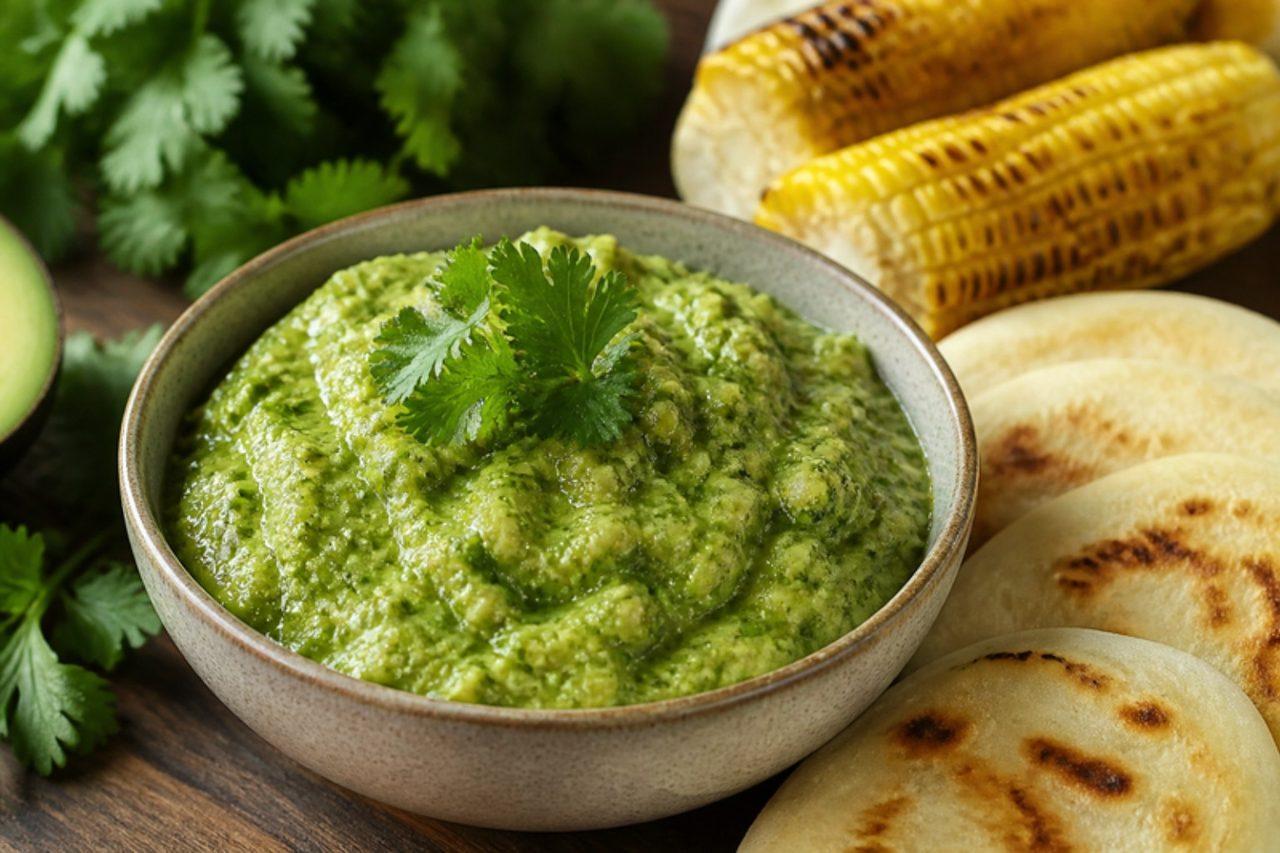
Soft vegetarian seekh-style kebabs of sweetcorn, kidney beans and potato with fenugreek, spinach, ginger and green chilli, pressed onto skewers and browned over charcoal. They're crisp outside and soft inside. Serve hot with green chutney and mint and yogurt chutney.

by KrazyBadal 0 views

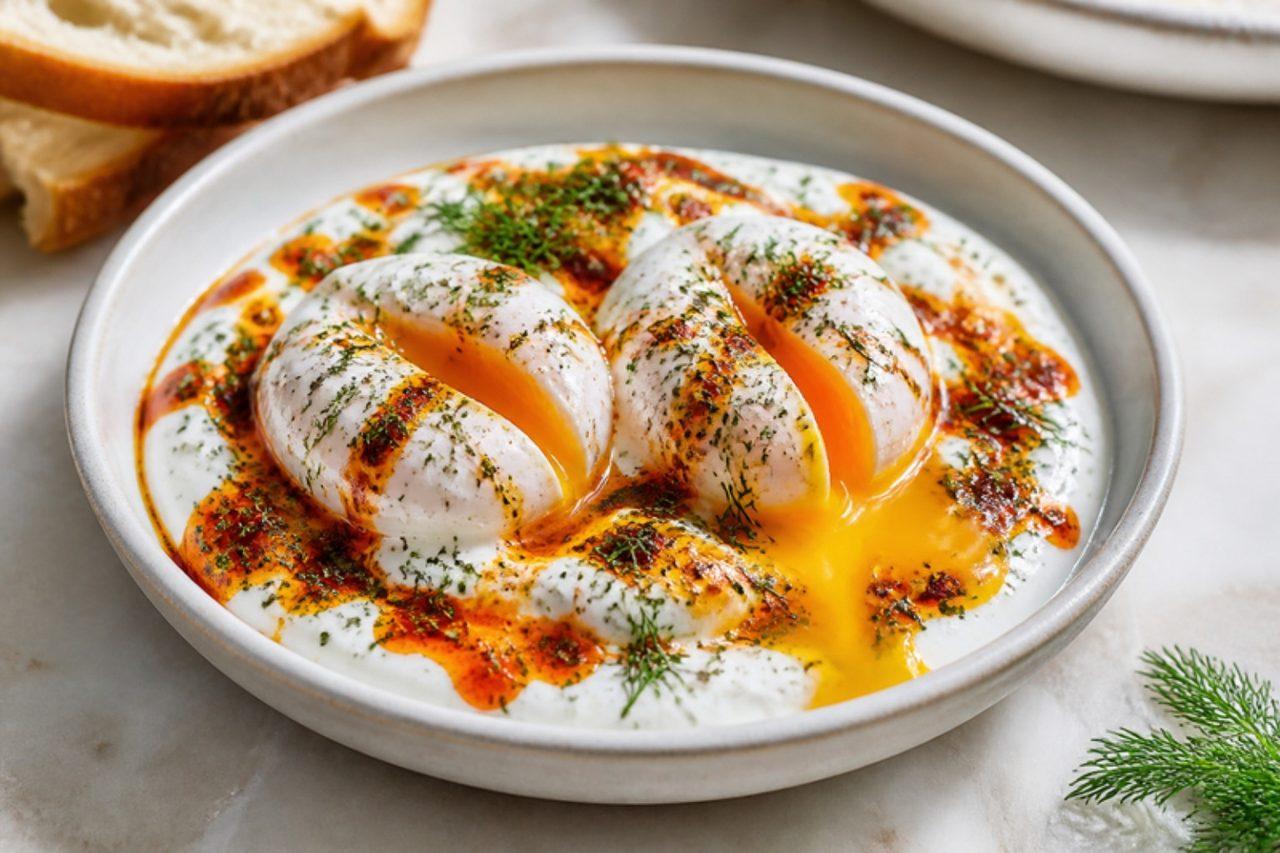
ÇılbırPoached eggs on garlic yogurt

Çılbır goes back to the Ottoman palace kitchens, and today you are as likely to meet it on a brunch menu in Istanbul's Kadıköy or Cihangir as on a home breakfast table. Two soft poached eggs sit on a bed of thick, garlicky yogurt, and a spoonful of butter fried with Aleppo pepper is poured over the top so it runs red into the white. Break the yolks, mix everything together and mop it up with bread. Chef's tip: take the yogurt out of the fridge 30 minutes ahead, or stand the bowl over warm water for a few minutes; cold yogurt chills the eggs and the dish should be served warm.

by KrazyBadal 0 views

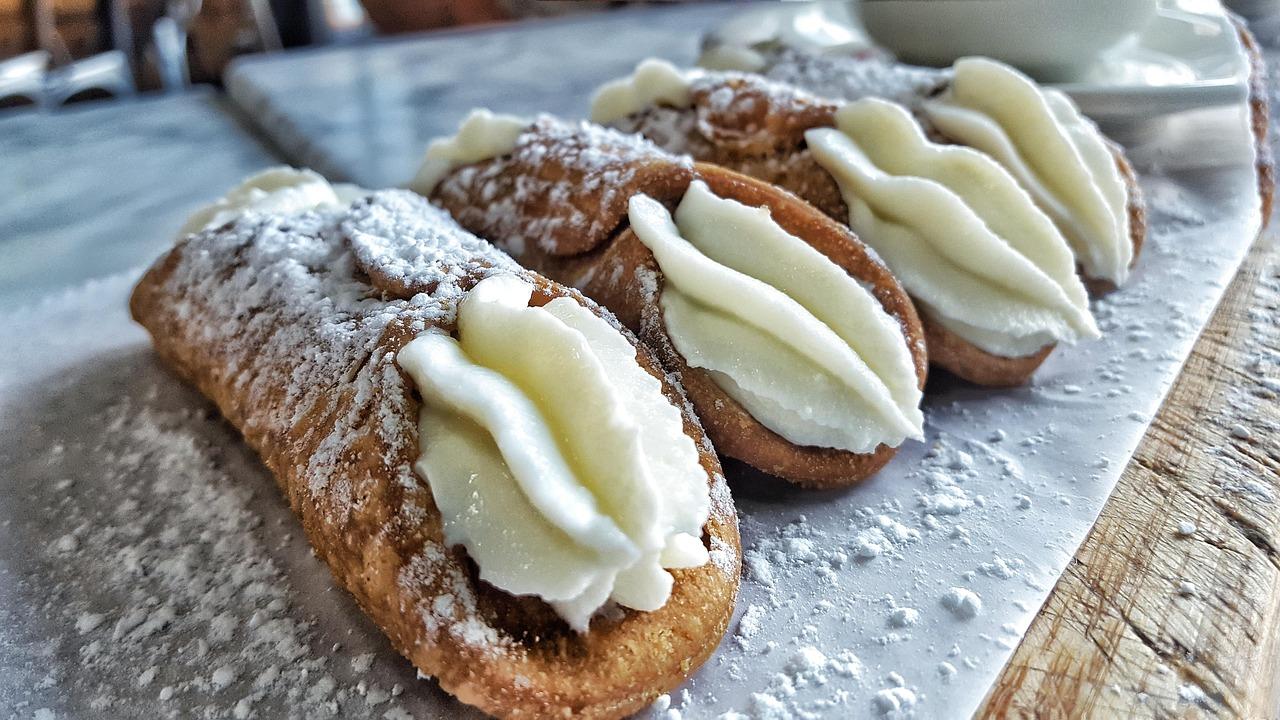
CannoliFried shells with sweet ricotta

Cannoli were once a Carnival treat in Palermo; now Sicilian pastry shops fill them all year, piping the sweet sheep's-milk ricotta cream into the crisp, bubbly shells only when you order, so they never go soft. The ends are dipped in chopped pistachios, candied orange or chocolate chips. Traditional shells are fried with lard; this version uses butter in the dough and sunflower oil to fry. You need metal cannoli tubes. Chef's tip: drain the ricotta overnight and push it through a sieve; it makes a silky cream that holds its shape instead of a runny, grainy filling.

by KrazyBadal 0 views

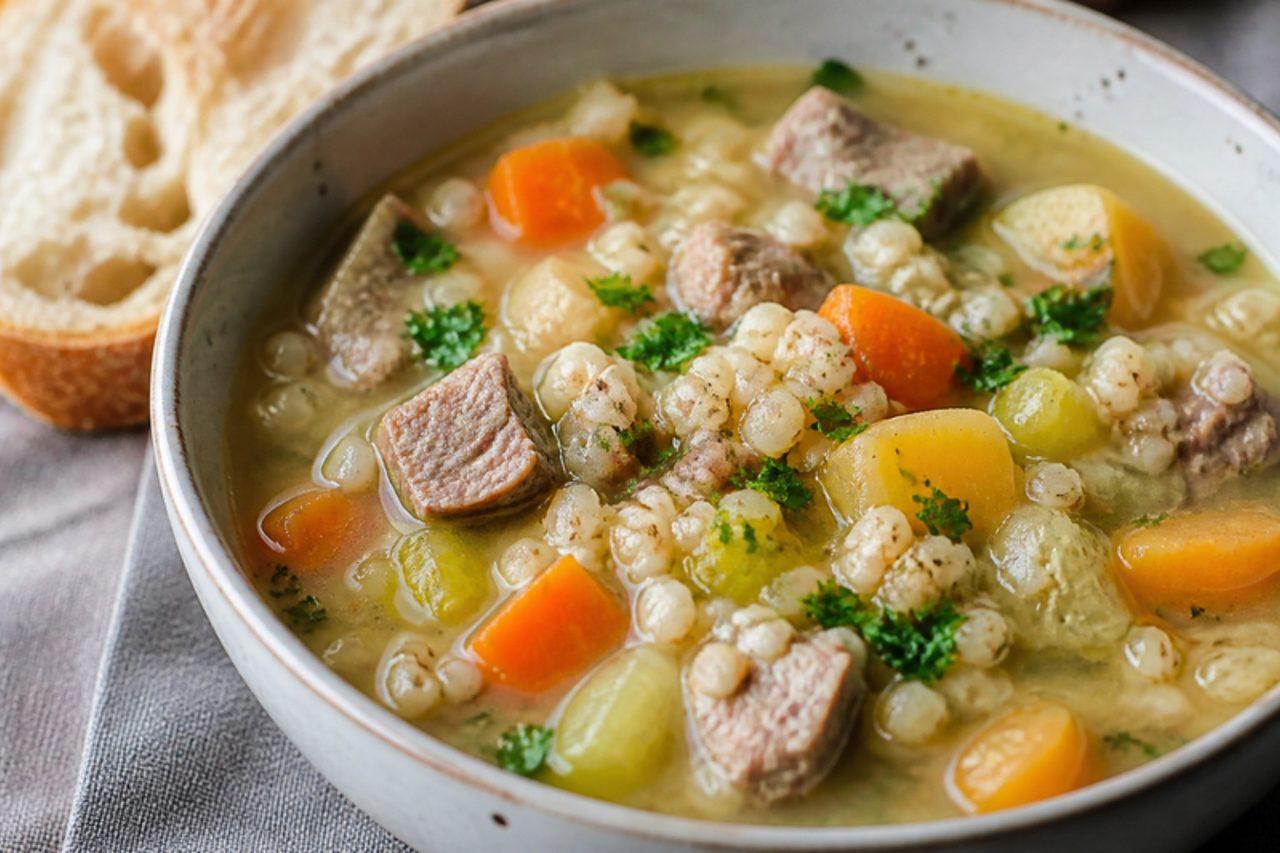
Scotch broth

Every Scottish granny has her own Scotch broth, the thick winter soup that simmers on stoves from the Borders to the Highlands and is often served on Burns Night. Lamb neck on the bone makes a rich stock with pearl barley, dried peas, leek, carrot, turnip and cabbage, and the meat is shredded back into the pot. It is a whole meal with crusty bread. Chef's tip: make it a day ahead; the barley keeps thickening it, and you can lift the solid fat off the top once chilled.

140 minBritishSoups
by KrazyBadal 0 views

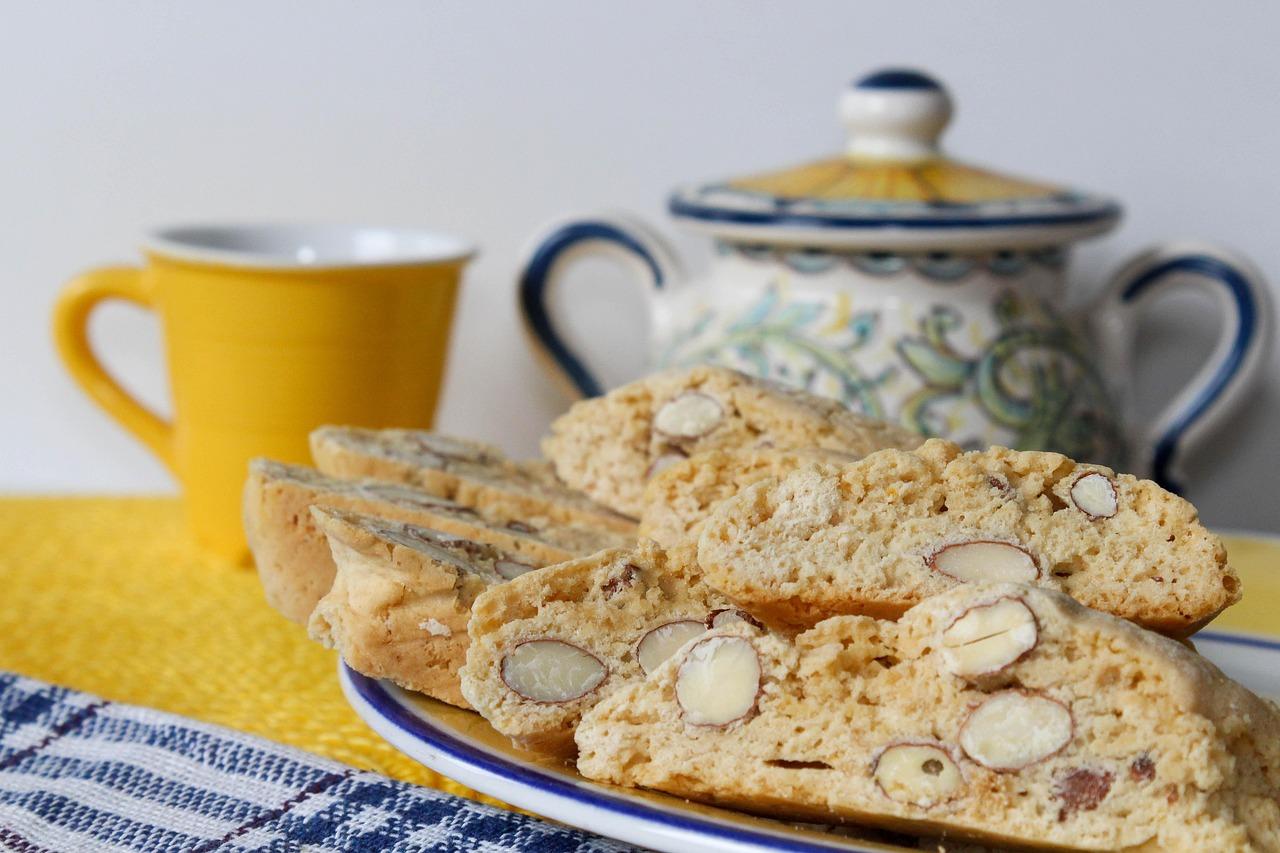
CantucciTwice-baked almond biscuits

Cantucci, also called biscotti di Prato, are the hard almond biscuits of Prato, near Florence, where bakeries have sold them since the 1800s. The dough is shaped into logs, baked, sliced on the diagonal and baked again until crisp and golden, so they keep for weeks. In Tuscany they end a meal dipped in a small glass of Vin Santo; with coffee works just as well. The traditional recipe has no butter or oil, only eggs, sugar, flour and whole almonds. Chef's tip: slice the logs while still warm with a serrated knife and a firm sawing motion; once cold, they crumble.

by KrazyBadal 0 views

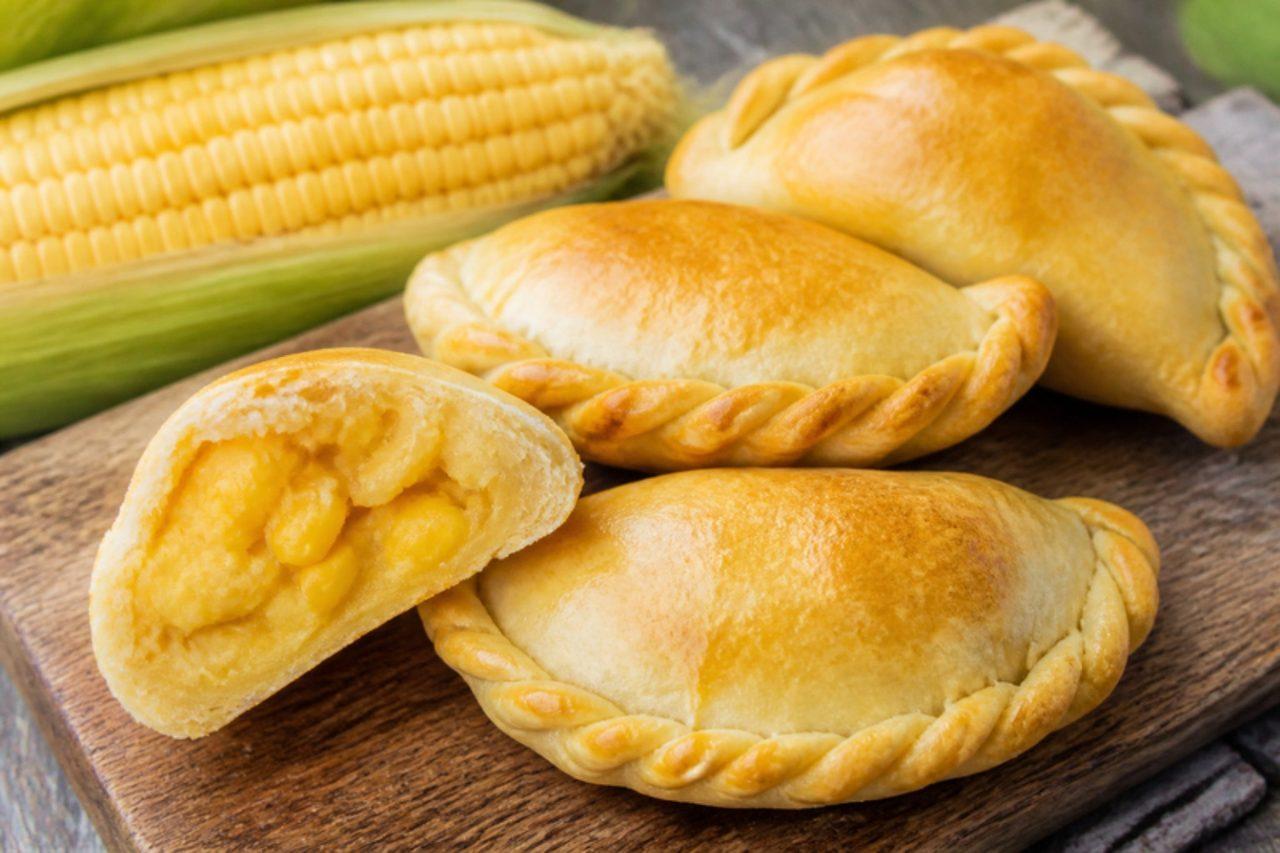
Empanadas de humitaCreamy corn empanadas

Empanadas de humita are the vegetarian favourite at every Argentine empanada shop, from Tucumán, which claims the best empanadas in the country, to the delivery menus of Buenos Aires. The filling is sweetcorn and onion cooked with red pepper, nutmeg and a little white sauce until creamy, then folded into wheat pastry discs and closed with the twisted edge (repulgue) that tells you what's inside. Unlike the husk-wrapped humita en chala, these are baked and golden. Chef's tip: chill the filling until firm before filling; warm filling melts the pastry and the empanadas open in the oven.

by KrazyBadal 0 views

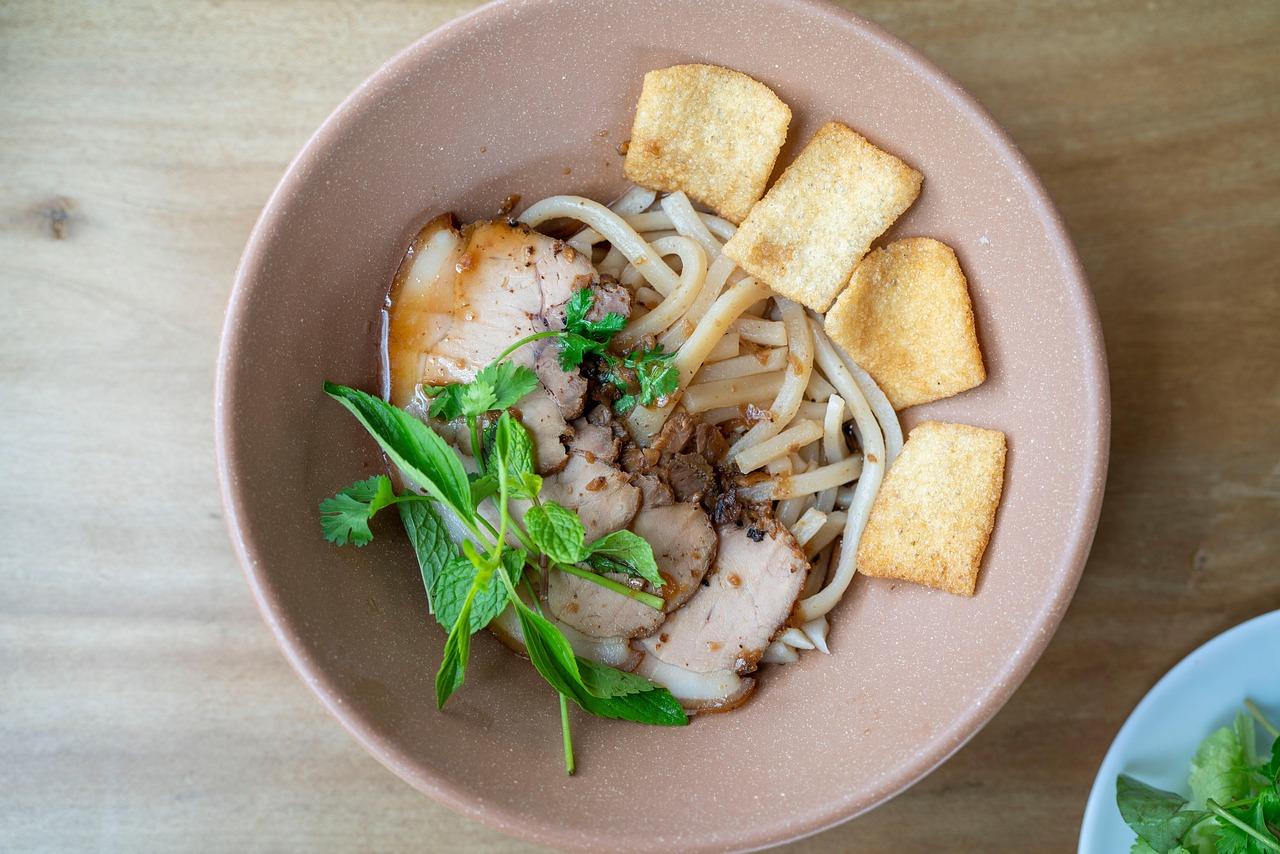
Cao lauPork and noodle bowl

You will really only find proper cao lầu in Hội An, the old trading port on Vietnam's central coast, where it's sold in small family eateries and along the riverside at lunch. The noodles are yellowish and unusually chewy, made with lye water that locals traditionally link to the town's ancient Bá Lễ well. They come almost dry, topped with slices of sweet five-spice pork, raw greens and crisp squares of fried dough, with just a spoonful of the pork juices. Because the real noodles are very hard to buy outside Hội An, this home version uses thick udon noodles, which give a similar bouncy chew; it is a substitute, not the original. Chef's tip: rinse the cooked udon in cold water, then dip briefly in hot water just before serving, so they are warm but firm.

by KrazyBadal 0 views

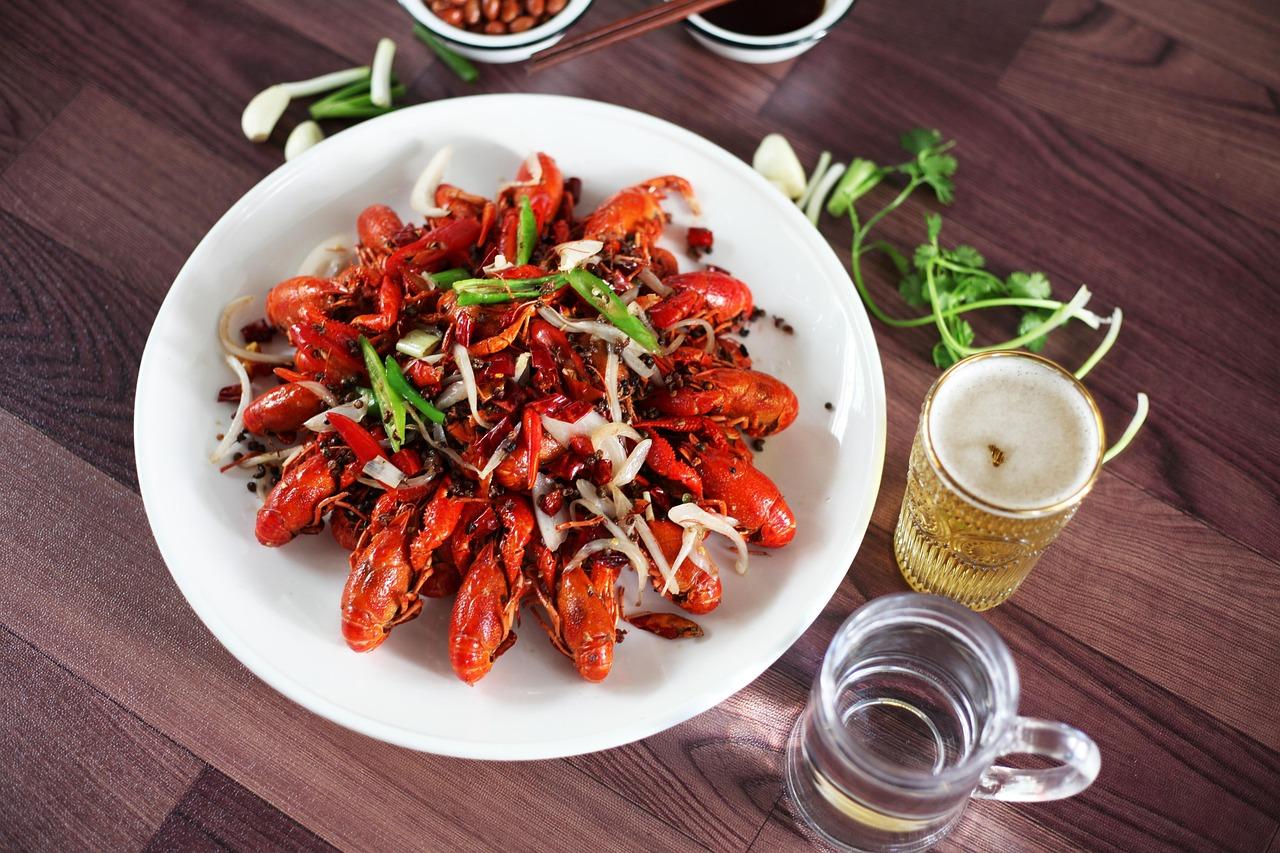
Mala crayfish

On summer nights the pavements of Changsha and Wuhan fill with folding tables, plastic gloves and mountains of glossy red crayfish, the season's great shared feast from May to August. Each little shell is sucked for its spicy sauce before you twist off the tail for a sweet, firm bite of meat; the sauce is hot from chillies and bean paste, numbing from Sichuan pepper and rounded out with garlic and a bottle of lager. Large shell-on prawns make an easy swap if you can't buy live crayfish. Serve with cold drinks, cucumber, steamed buns or rice to mop up the sauce, and lots of napkins. Chef's tip: once the crayfish turn red, simmer them for no more than 8 minutes; longer and the tail meat goes mushy and comes away in shreds.

by KrazyBadal 0 views

Shwe yin ayeIced coconut dessert

Shwe yin aye, roughly 'golden heart cooler', is what Yangon drinks during the scorching weeks of Thingyan, the April water festival, when stalls set up along the streets to hand it out. It's a bowl of sweet, lightly salted coconut milk over crushed ice, filled with chewy sago pearls, cubes of green agar jelly, a scoop of sticky rice and, surprisingly, a few pieces of soft white bread that soak up the coconut. Chef's tip: make the jelly, sago and sticky rice in the morning and chill everything; assembled cold, the bowl stays refreshing to the last spoonful.

by KrazyBadal 0 views

Cape Malay koesistersSpiced syrup doughnuts

Koesisters are Cape Town's Sunday-morning ritual: in the Bo-Kaap and on the Cape Flats, families buy or make a batch to eat with tea after the week's work is done. They are nothing like the plaited, crunchy Afrikaner koeksister. These are soft, cake-like, oval dumplings flavoured with cinnamon, cardamom, ginger, aniseed and naartjie (tangerine) zest, fried, briefly boiled in a thin syrup and rolled in desiccated coconut. Chef's tip: fry them over a moderate heat so they cook through to a fluffy centre before the outside turns dark; they should be a rich brown, not black.

by KrazyBadal 0 views

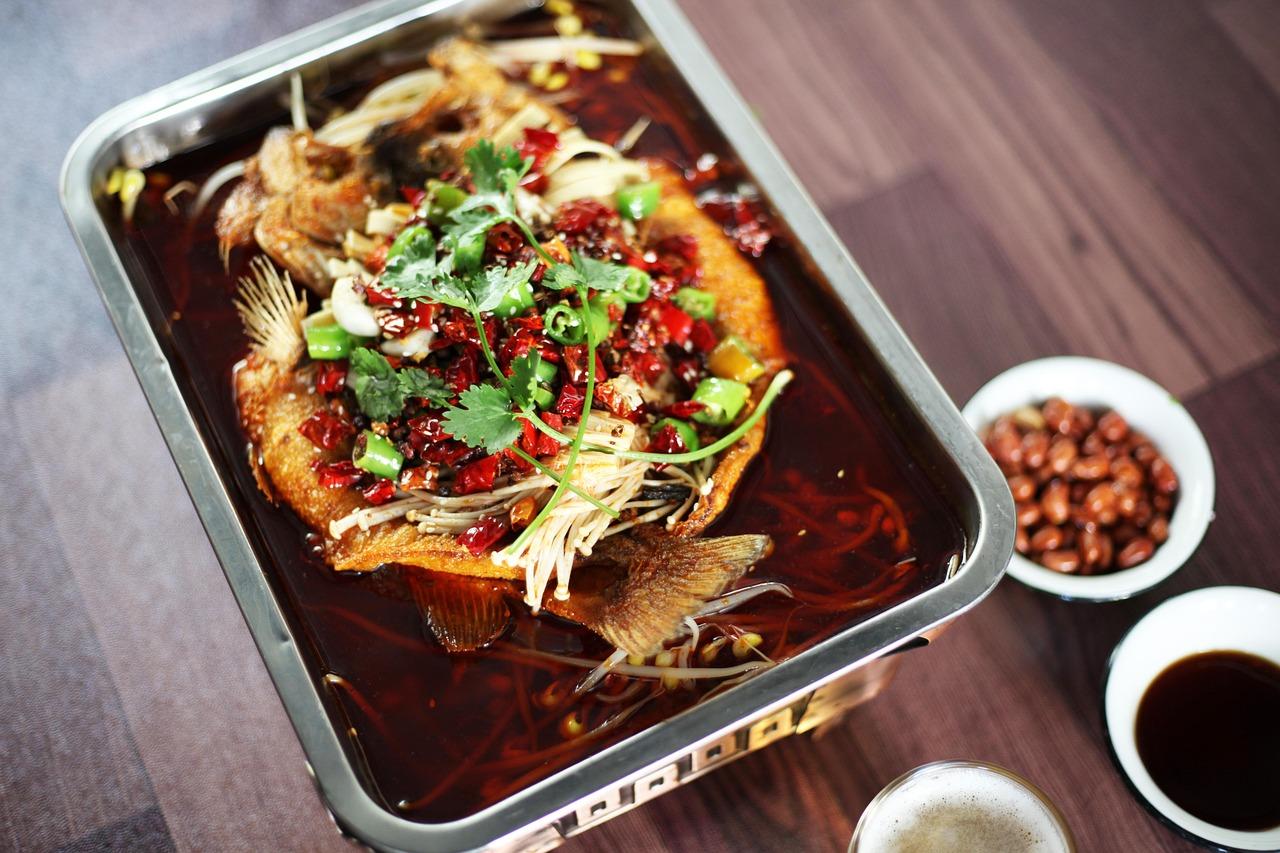
Chongqing grilled fish

The river port of Wanzhou on the Yangtze gave the country kao yu, now a late-night favourite in every Chinese city: a whole fish, split open and grilled over charcoal until the skin crackles, then laid in a metal tray of bubbling chilli broth and kept hot over a burner in the middle of the table. Friends pick at the crisp skin and soft flesh, then work through the potatoes, bean sprouts and celery underneath, which soak up the spicy, savoury, faintly numbing sauce. This home version uses a hot oven and a roasting tin. Serve it with rice and plenty of cold drinks. Chef's tip: dry the fish inside and out with kitchen paper and oil the tin well; a wet fish steams instead of crisping and sticks to the metal.

by KrazyBadal 0 views

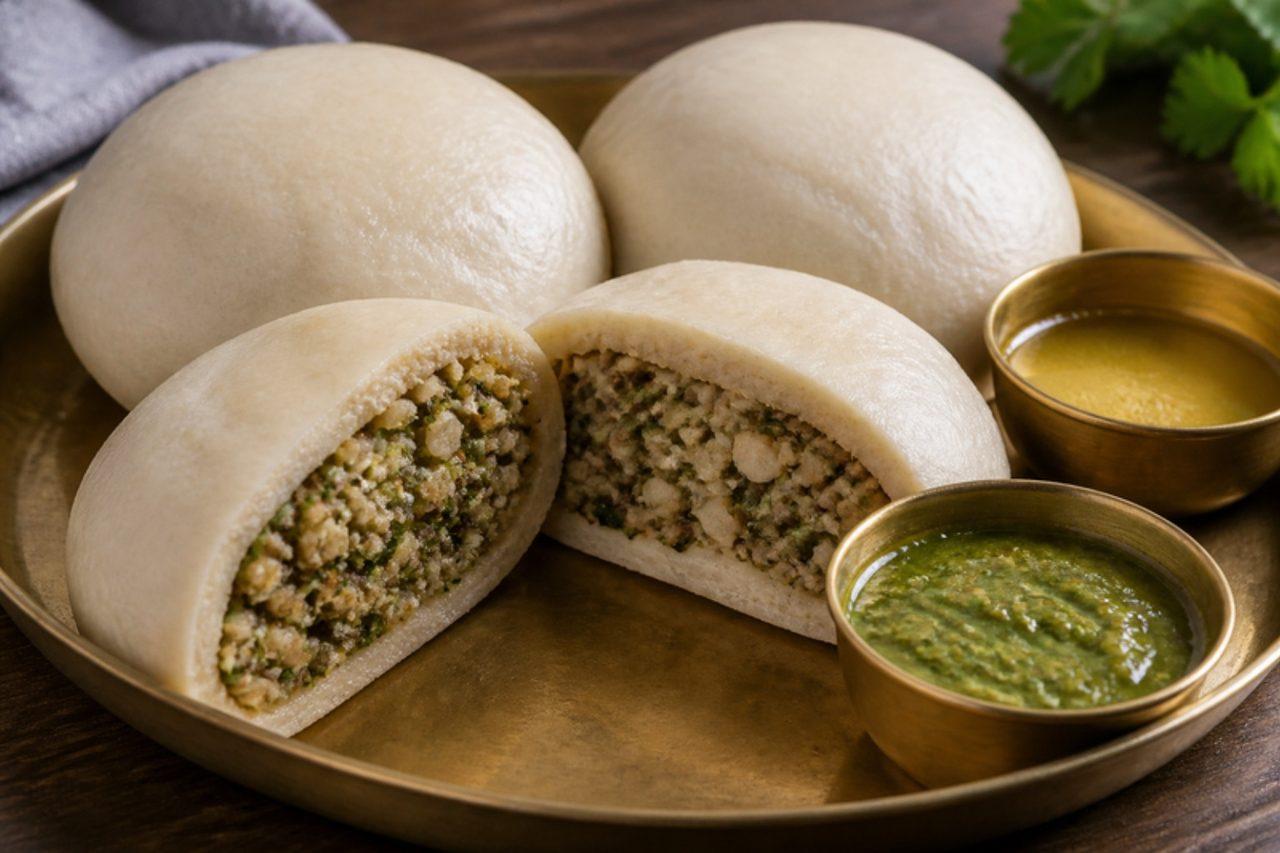
SidduSteamed stuffed wheat buns

Siddu are soft, steamed wheat buns from the hills of Himachal Pradesh, especially around Kullu and Manali, made on cold days with a warming filling. The yeasted wholemeal dough is wrapped around ground walnuts, poppy seeds, garlic and green chilli, then steamed until fluffy. Torn open and drenched in melted ghee, they're eaten with green chutney or dal. Some homes fill them with spiced urad dal instead. Chef's tip: let the shaped siddu rise for 15 minutes before steaming, and don't open the lid early; a sudden draught makes them collapse and turn dense.

by KrazyBadal 0 views

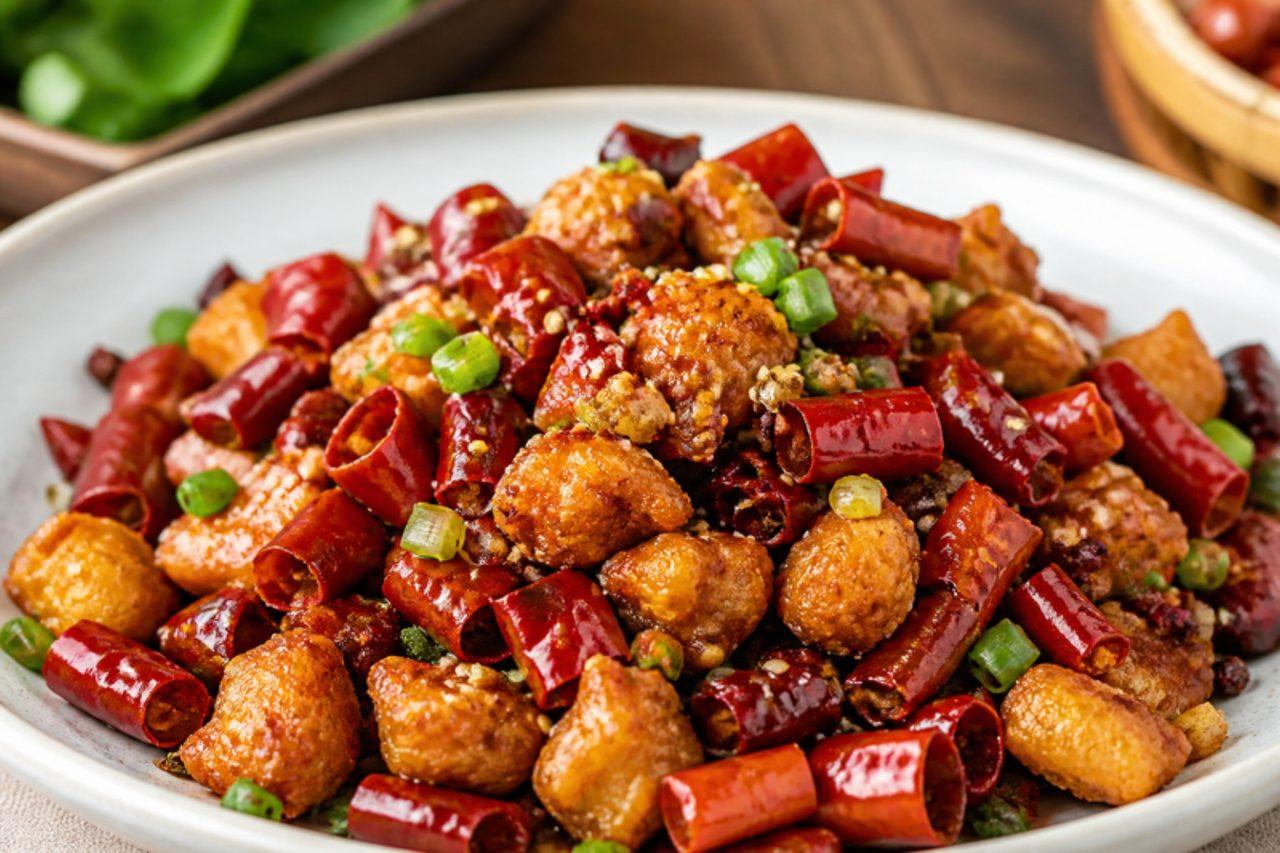
La zi ji (Chongqing chilli chicken)

Truck drivers stopping on Geleshan, the hill outside Chongqing, made this dish famous at roadside canteens in the 1980s, and it still arrives at tables there as a platter that looks like nothing but dried chillies. Hidden among them are small pieces of chicken fried twice until the outside is dry and crunchy and the inside juicy, then tossed with garlic, ginger and handfuls of Sichuan pepper. Eating it is a game: you hunt through the red pile with chopsticks for the morsels, which are smoky, salty, numbing and surprisingly moreish with a cold beer or a pot of tea. Serve it with rice and a mild soup or stir-fried greens. Chef's tip: fry the chicken in two batches and give it a second, hotter fry; crowding the oil is the most common mistake and leaves the coating soft.

by KrazyBadal 0 views

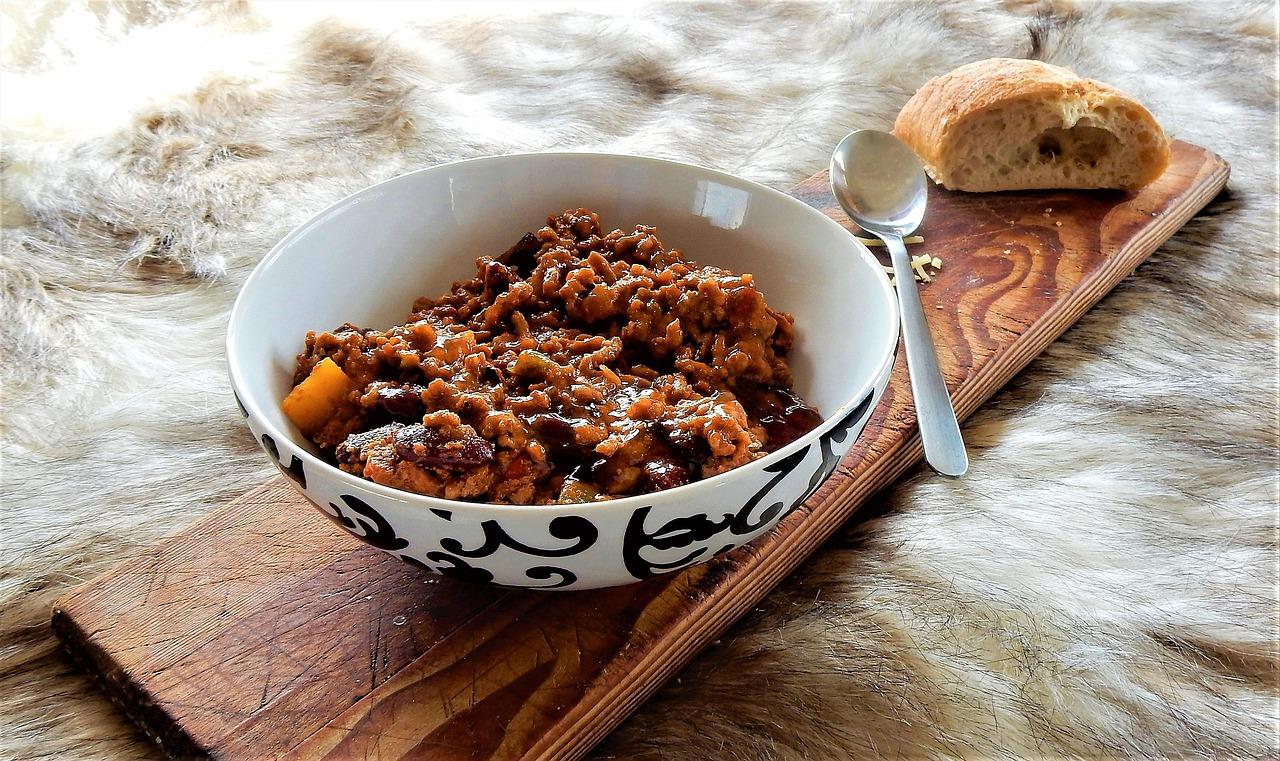
Texas chili con carne

Texans call it a 'bowl of red', and at chili cook-offs from San Antonio to Terlingua the rules are firm: chunks of beef, a sauce made from dried chillies, cumin and garlic, and no beans in the pot. Beef chuck braises slowly in a brick-red purée of toasted ancho and guajillo chillies until it falls apart at a touch. Serve with chopped onion, grated cheese and crackers or cornbread. Chef's tip: toast the dried chillies only until they smell fragrant and soften, about 30 seconds per side; burnt chillies make the whole pot bitter.

210 minAmericanMeatGluten freeSpicy
by KrazyBadal 0 views

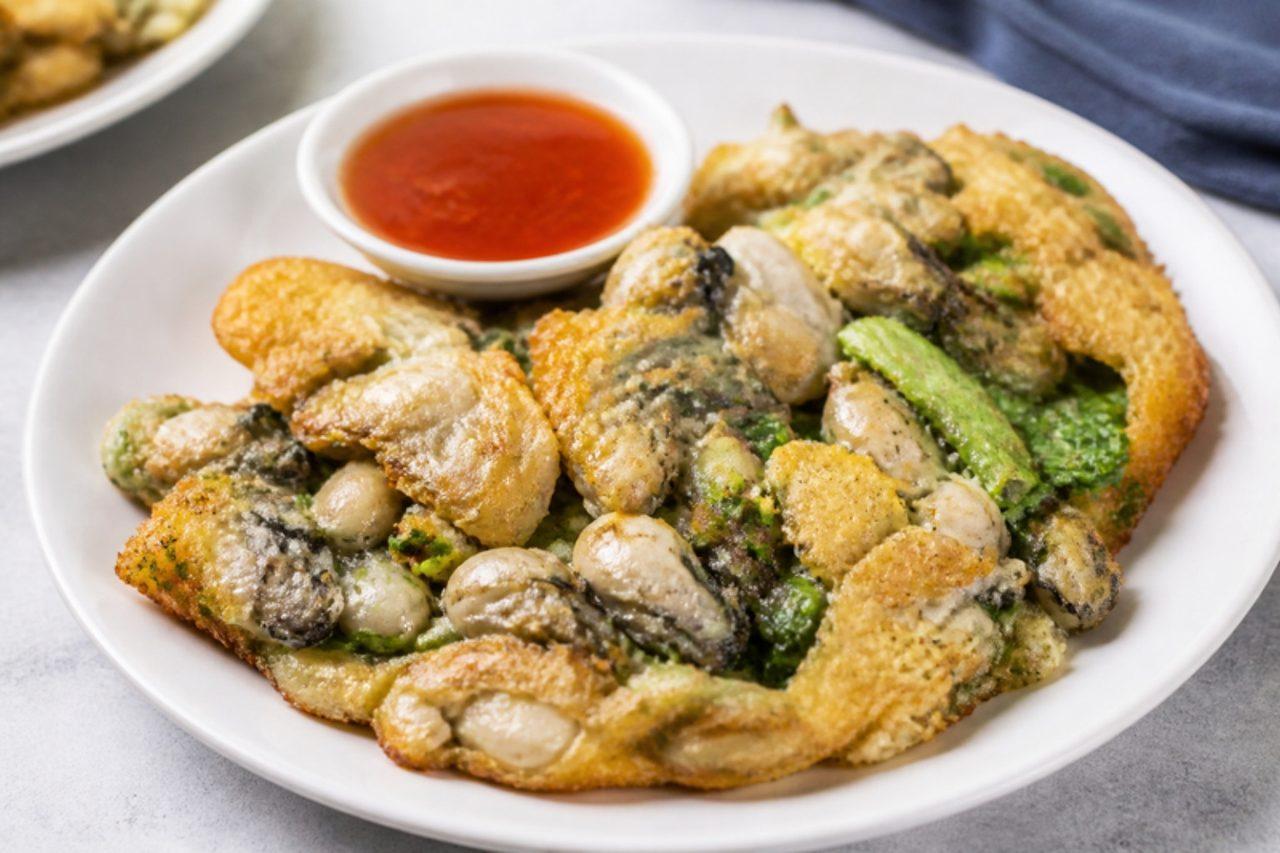
Fujian oyster omelette

Along Zhongshan Road and the night markets of Xiamen, cooks fry this on wide griddles all evening, one portion after another. Small fresh oysters are scattered into a batter of sweet potato starch and water, which sets clear and chewy, then eggs are swirled over the top so it ends up crisp at the edges and soft and gooey in the middle. It is salty from the sea, eggy and pleasantly sticky, with a squeeze of sweet chilli sauce to balance it. Eat it hot from the pan as a snack or with rice porridge for a light supper. Chef's tip: stir the batter just before pouring it in; the starch sinks to the bottom within seconds.

by KrazyBadal 0 views

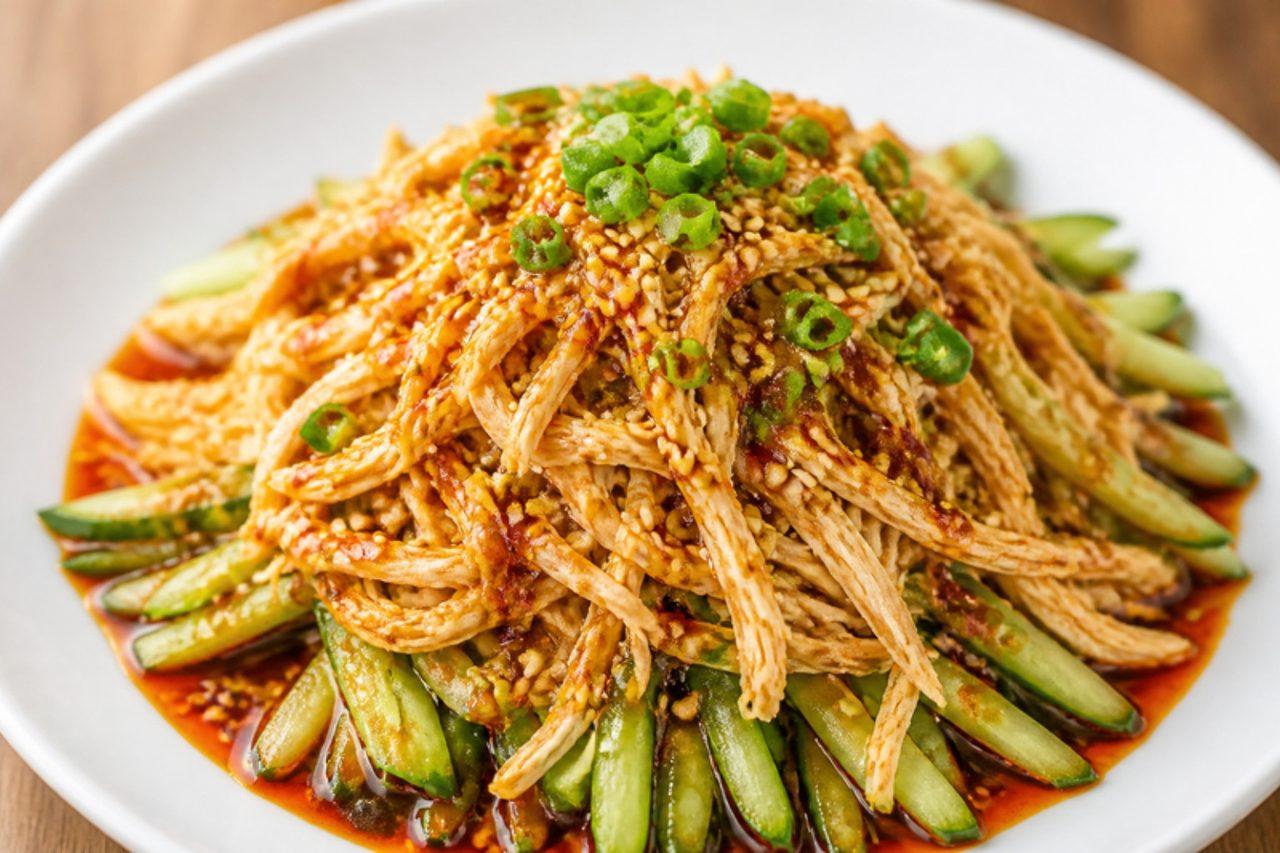
Bang bang chicken

Street vendors in Leshan, the river town below the Giant Buddha, used to cut their poached chicken by tapping a wooden stick against the back of the cleaver, and that knocking gave bang bang ji its name. It is a cold dish, eaten as a starter at banquets or bought by the bagful for a picnic: silky shreds of chicken piled on cool cucumber and drenched in a nutty, sweet, tingling sauce of sesame paste, chilli oil and ground Sichuan pepper. The contrast of cold meat, crisp vegetable and rich dressing makes it ideal for a hot day. Serve it with other cold plates, a bowl of rice or simply some flatbread. Chef's tip: beat the cooked breasts gently with a rolling pin before shredding; the fibres loosen and pull apart into long, soft strands that hold the sauce.

by KrazyBadal 0 views

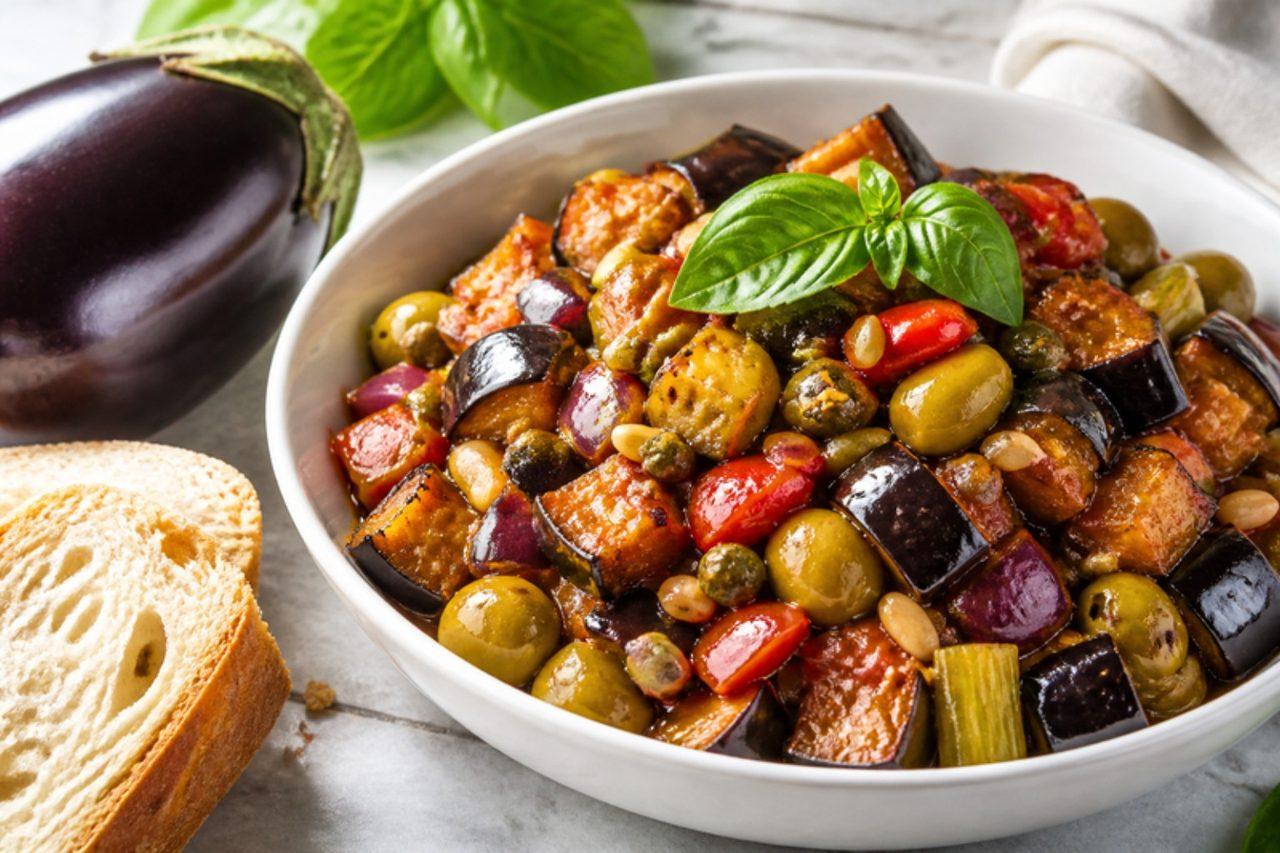
CaponataSweet and sour aubergine stew

Caponata is the agrodolce dish of Sicily: cubes of fried aubergine, crisp celery, green olives and capers in a glossy tomato sauce sharpened with vinegar and softened with a little sugar. Palermo families keep a bowl in the fridge through late summer and eat it at room temperature as an antipasto, a side or on bread, and many say it is best on the second day. The sweet-sour balance shows the Arab influence on Sicilian cooking. Chef's tip: blanch the celery for 2 minutes before frying; it keeps a pleasant crunch without tasting raw.

by KrazyBadal 0 views

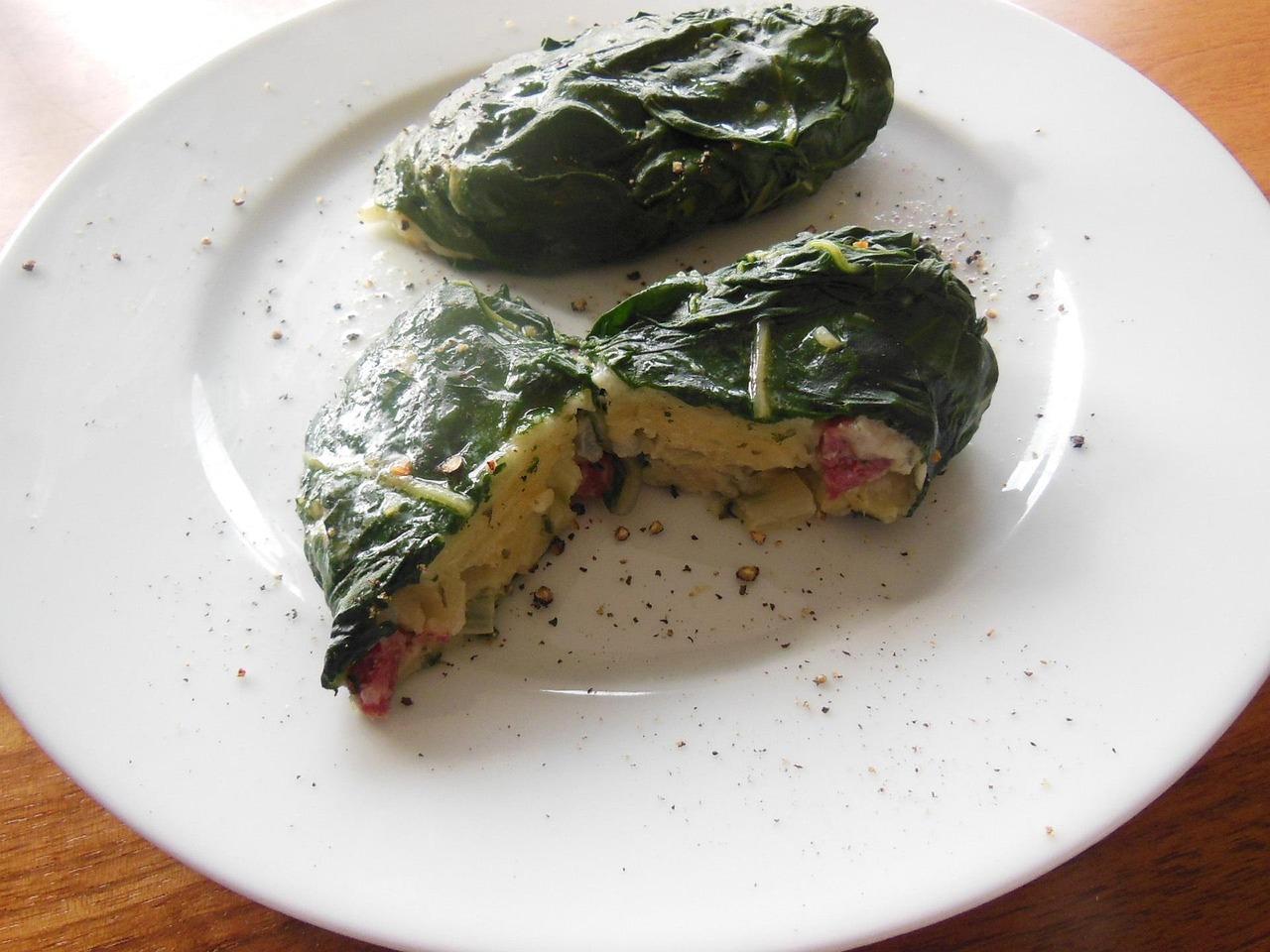
CapunsChard parcels of herby dough

Capuns come from the valleys of Graubünden, where every village in the Surselva and Engadin has its own way of making them, and they are cooked on cold evenings and for festivals in mountain inns. A soft spätzle batter flavoured with herbs and little cubes of air-dried salsiz sausage and bacon is wrapped in chard leaves, then the parcels are poached in a mixture of milk and stock and finished with butter and grated mountain cheese. The salsiz and bacon are pork. Most first attempts fail because the dough is too runny to wrap; it should drop slowly off a spoon, like very thick porridge. Chef's tip: dip the chard leaves into boiling water for just 10 seconds so they turn supple enough to roll without tearing.

80 minSwissMeat
by KrazyBadal 0 views

Soto BetawiBeef and coconut milk soup

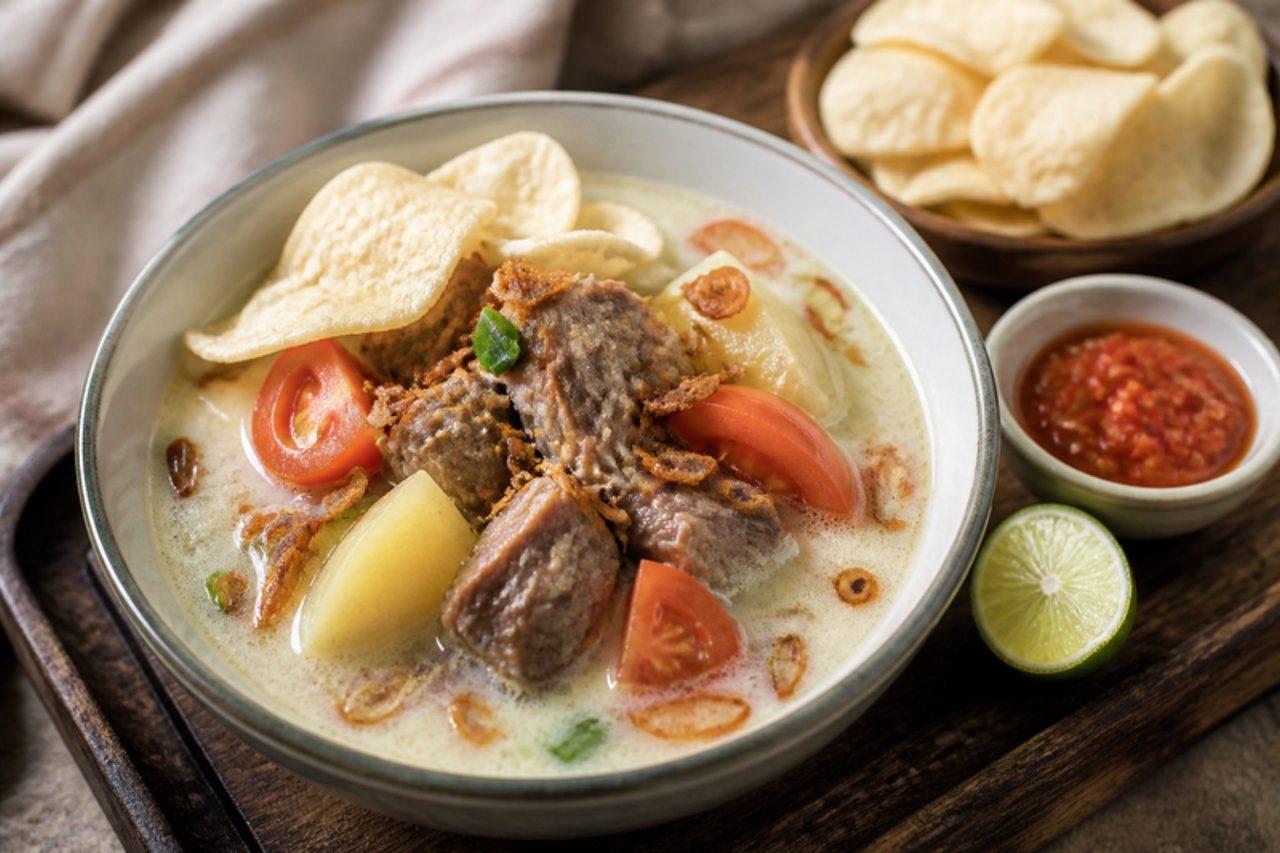
Jakarta's original Betawi community gave the capital this rich, pale-gold soup, and on a Sunday the soto Betawi stalls along the city's side streets are packed with families. Beef brisket (and, for many, tripe) simmers until tender, then goes into a gently spiced broth made creamy with coconut milk and a splash of fresh milk, scented with lemongrass, cinnamon and cloves. Each bowl is loaded with fried potato, raw tomato and spring onion and comes with rice, lime, sambal and bitter-crisp emping crackers. It's comforting and mellow rather than fiery. Chef's tip: for a dairy-free bowl, swap the milk for more coconut milk; the soup will be a little heavier but just as good.

by KrazyBadal 0 views

MansafLamb in yogurt sauce with rice

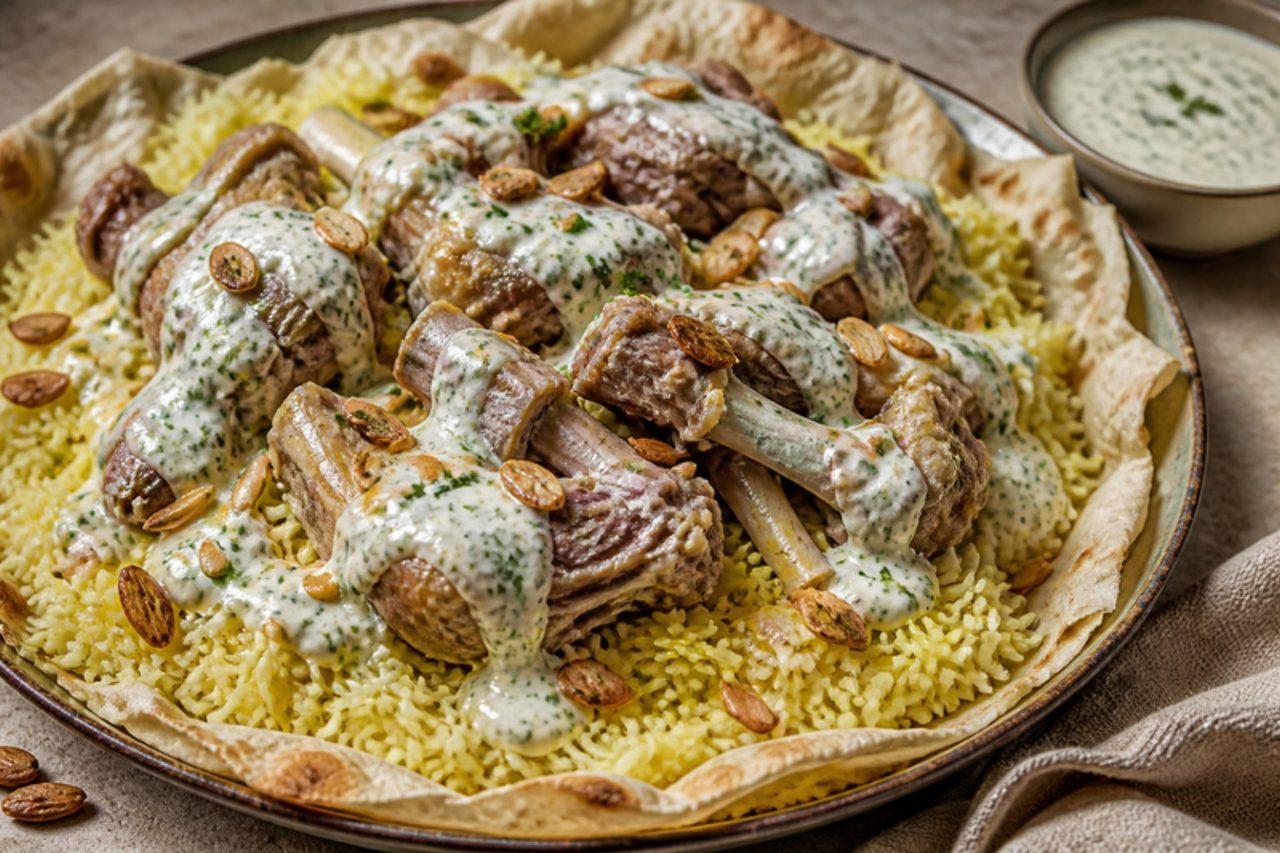
Mansaf is Jordan's national dish and the centrepiece of its weddings, Eid gatherings and big family days, set down on a huge round tray for everyone to eat from together. Bone-in lamb is simmered until tender in a sauce of jameed, the dried, salted goat's-milk yogurt of the Bedouin, then served on thin shrak bread and turmeric-tinted rice, scattered with almonds and pine nuts and drenched in more of the hot sauce. If you can't find jameed, a mix of thick yogurt and labneh gives a fair stand-in. Chef's tip: stir the yogurt sauce in one direction constantly as it heats, and never let it boil hard before the lamb goes in; that is what keeps it smooth.

180 minLebaneseMeat
by KrazyBadal 1 views

Gözleme with spinach and feta

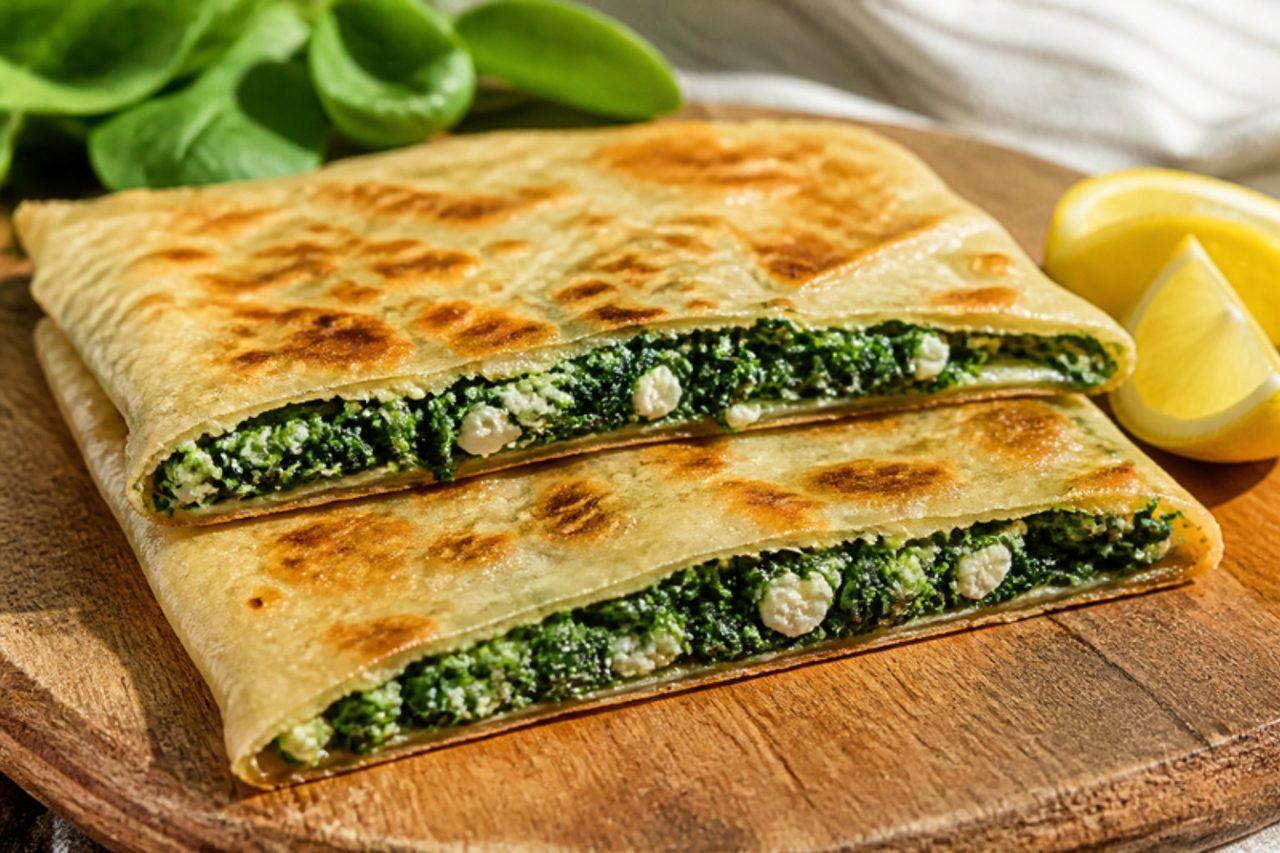
On roadsides and at weekly village markets across central Anatolia, women sit cross-legged by a domed iron griddle (saç), rolling dough paper-thin with a long thin rolling pin (oklava), filling it and cooking it to order. This is gözleme: a soft, blistered parcel of unleavened dough wrapped round spinach and salty white cheese, brushed with butter as it comes off the heat. Eat it hot, folded in paper, with a glass of ayran. A big frying pan or flat griddle at home does the job. Chef's tip: roll the dough so thin you can almost see the worktop through it; thick gözleme tastes doughy and the filling stays cold.

by KrazyBadal 0 views

Soup joumouPumpkin soup

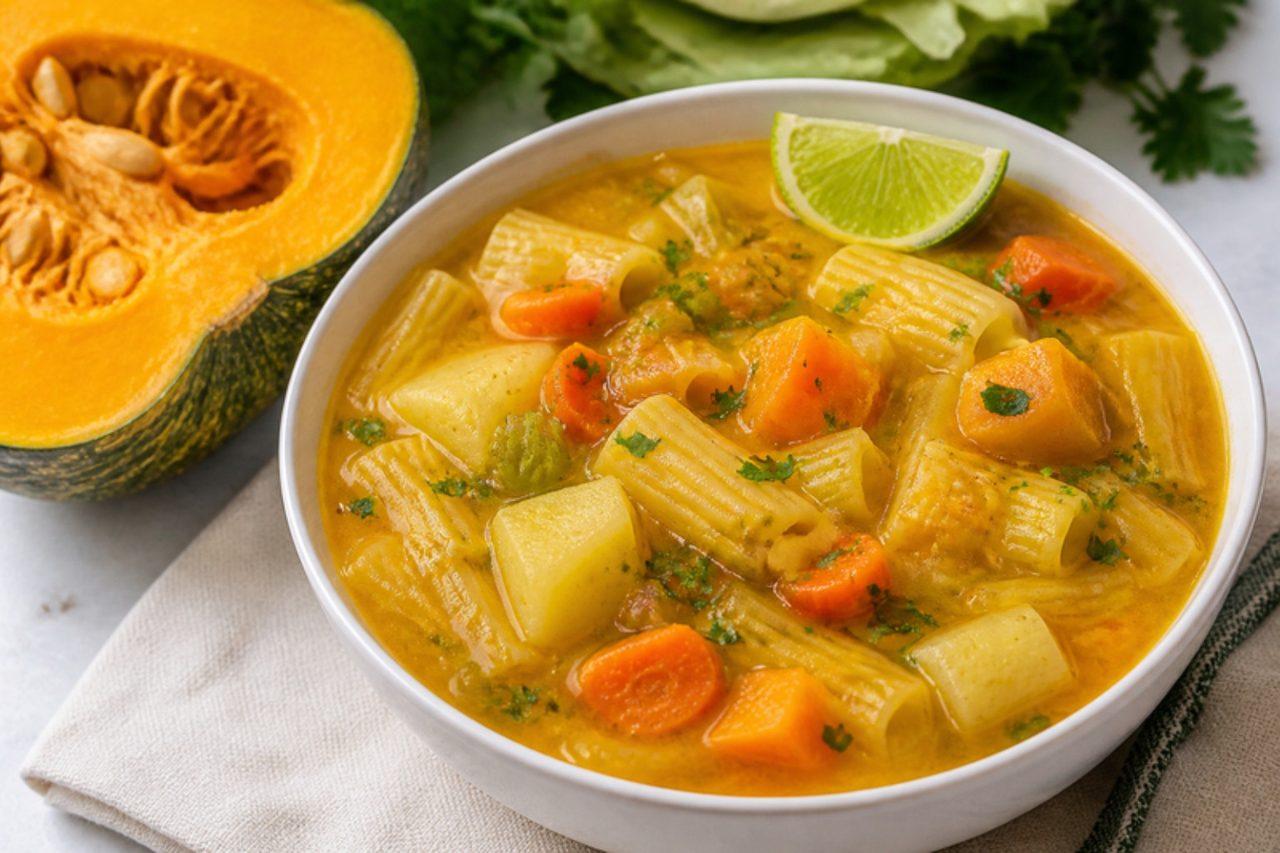
Every 1 January, Haitian families from Port-au-Prince to Brooklyn wake up to soup joumou. It marks independence from France on 1 January 1804: under French rule, enslaved Haitians cooked this pumpkin soup but were forbidden to eat it, so the free people of the new nation made it their own as a dish of freedom. In 2021 it was added to UNESCO's list of the intangible cultural heritage of humanity. The base is a velvety purée of joumou (Caribbean pumpkin) with epis, and in it simmer chunks of carrot, potato, cabbage, celery and turnip, with pasta and a squeeze of lime. It's usually made with beef; this vegetable version is full and golden, rich enough for the day. Chef's tip: roast half the pumpkin before puréeing it; the caramelised edges give the soup the depth that slow-cooked meat usually provides.

by KrazyBadal 1 views

Georgian salad with walnut dressing

On a Georgian table in July and August the tomato and cucumber salad is not dressed with oil and lemon but with ground walnuts loosened with water and vinegar, so the dressing turns creamy and nutty. You find it in Tbilisi kitchens, in Kakhetian village gardens where the tomatoes come off the vine warm, and next to every khachapuri. It takes fifteen minutes and is best eaten as soon as it is made. A common mistake is salting the tomatoes too early, which floods the bowl with juice and thins the dressing; dress and salt just before it goes to the table. Chef's tip: use purple (opal) basil if you can find it; its clove-like scent is what makes this salad taste Georgian.

by KrazyBadal 0 views

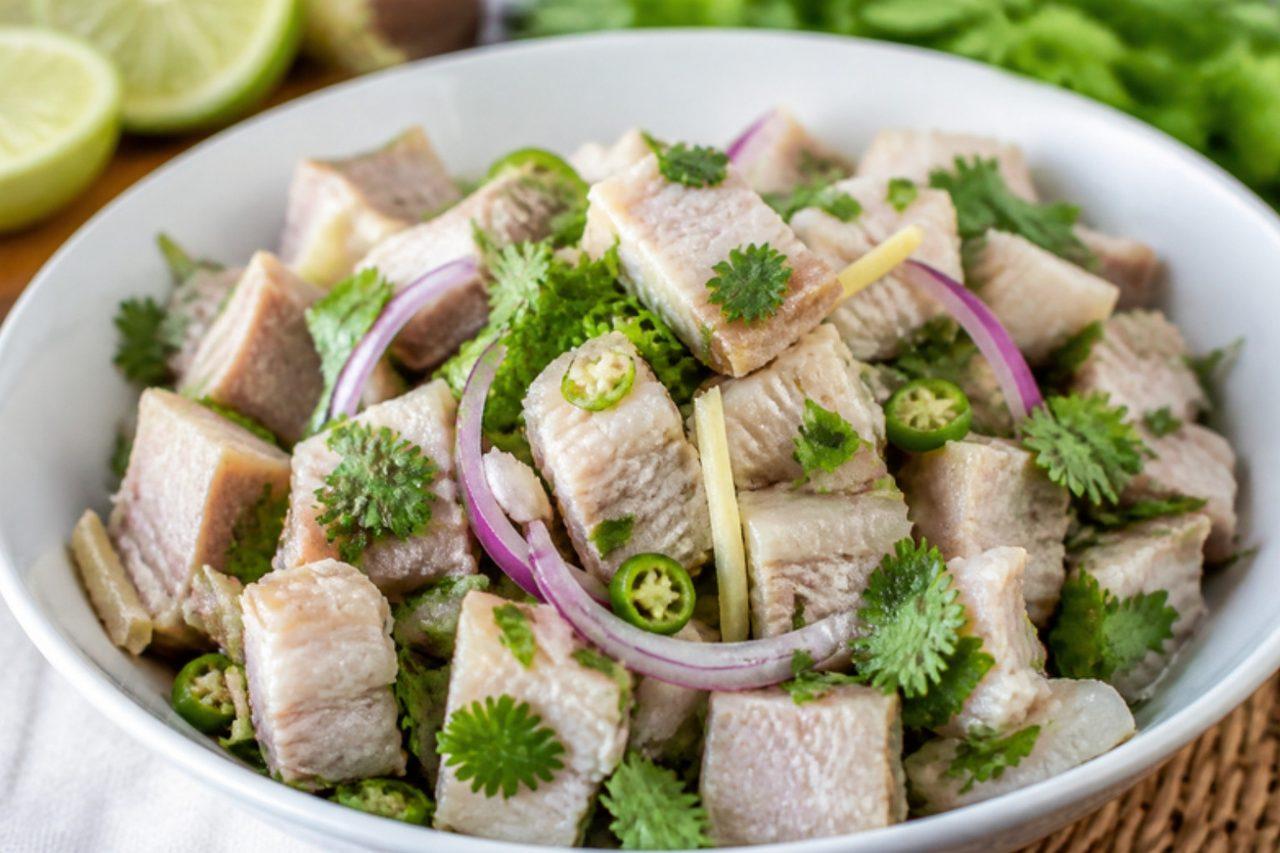
Doh khliehBoiled pork salad

Doh khlieh is the cool, sharp side dish that sits next to jadoh on almost every Khasi table in Meghalaya. Tender boiled pork is chopped small and tossed with raw onion, ginger, green chilli and lime, so it is fresh and fiery rather than rich. In Shillong it is eaten at lunch and at gatherings, and some families add boiled pork brain, which this version leaves out. Chef's tip: chop the pork while it is still slightly warm; it takes up the lime and ginger much better.

by KrazyBadal 0 views

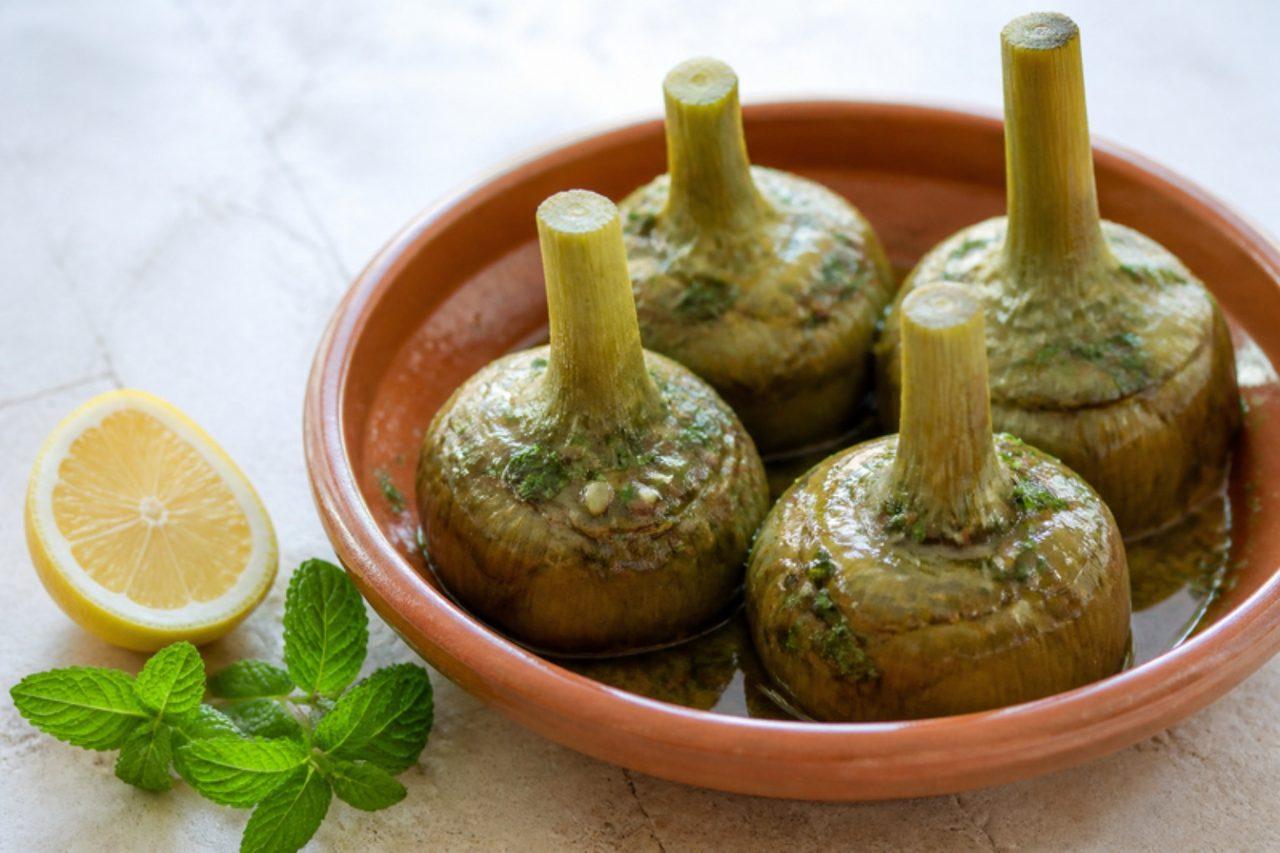
Carciofi alla romanaBraised artichokes with mint

Every spring, from February to April, Roman market stalls pile up round, thornless romanesco artichokes (cimaroli), and trattorie serve them alla romana: stuffed with wild mint, parsley and garlic and braised stem-up in oil and water until meltingly soft. They are eaten warm or at room temperature as a contorno, often next to their crisp cousins, carciofi alla giudia. Any large globe artichoke works at home. Chef's tip: braise them upside down, stems in the air and tightly packed, so the hearts sit in the liquid and the stems steam to the same tenderness.

by KrazyBadal 0 views

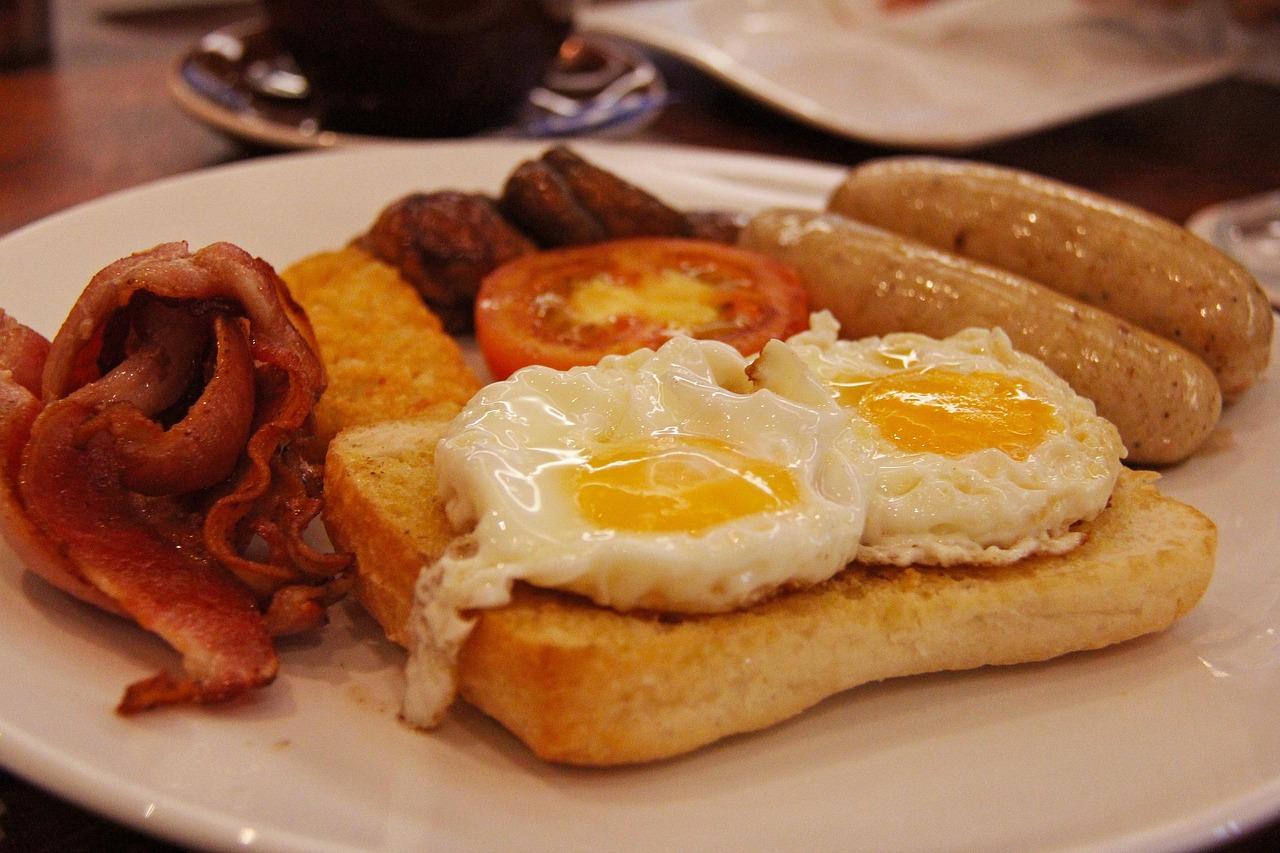
Full English breakfast

The full English is the weekend fry-up of English homes and the pride of every café and B&B from Cornwall to Yorkshire, a plate built to last until supper. This version contains pork: sausages, back bacon and optional black pudding, with fried eggs, baked beans, mushrooms, grilled tomato and buttered toast. The trick is timing so everything lands hot together. Chef's tip: start the sausages first and slowest; everything else cooks in the time they take.

by KrazyBadal 0 views

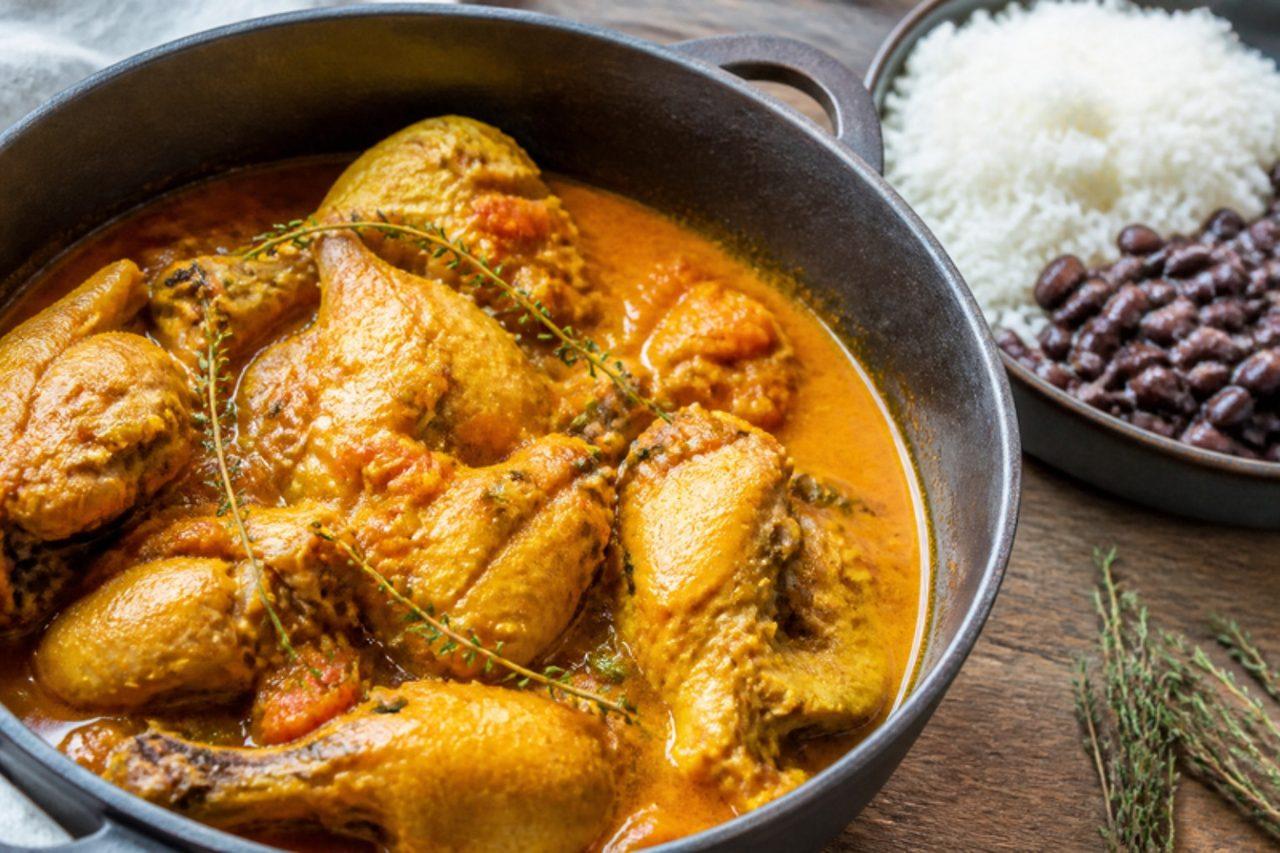
Cari pouletChicken curry

In Réunion a cari is any stew cooked with turmeric (called "safran" on the island), garlic, ginger, onion, tomato and thyme, and cari poulet is the dish families cook on Sundays in Saint-Denis and the mountain villages, often in a big cast-iron pot over a wood fire. It is served with white rice, red beans or lentils, and a fiery rougail on the side. The mistake is adding water too early: let the chicken brown and the tomatoes melt first, then add only a little. Chef's tip: thyme is essential in Réunionnais cooking; add it whole and fish it out before serving.

by KrazyBadal 0 views

Twice-cooked pork

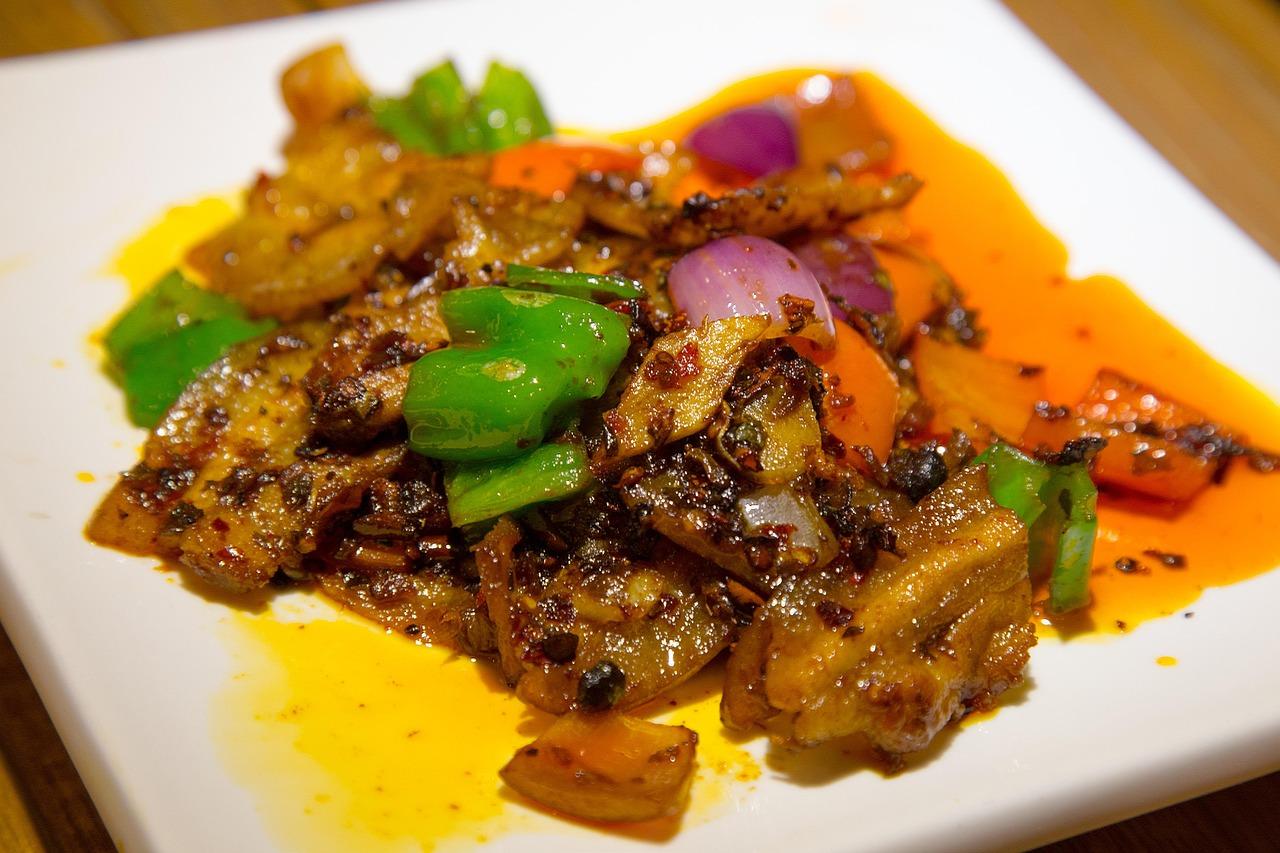
Sichuan families say no dish is more homely than hui guo rou, literally 'meat returned to the pot': pork belly is simmered whole, cooled, sliced paper-thin and then fried again with fermented chilli bean paste until the fat turns translucent and the slices curl into little cups. It was once the treat cooked after ancestral offerings, when the boiled pork came back to the kitchen, and it is still the dish many Chengdu people crave most when they are far from home. The flavour is rich, salty and savoury with a slow chilli warmth rather than a sharp burn, and the leeks bring a sweet, green crunch. Eat it with a big bowl of rice to soak up the red oil. Chef's tip: chill the boiled pork for 15 minutes in the freezer before slicing; firm pork gives clean, even 3 mm slices that curl beautifully in the wok.

by KrazyBadal 0 views

CarimañolasYuca fritters stuffed with beef

Carimañolas are torpedo-shaped fritters of mashed yuca filled with savoury minced beef, a breakfast and party snack in Panama City and along the Caribbean coast in Colón, often eaten with a cup of coffee or a spoon of hot sauce. The yuca dough is soft and smooth, the outside crisp after frying. The mistake is working the yuca dough while it is cold; mash and shape it while still warm, when it is smooth and pliable. Chef's tip: wet your hands with a little oil or water as you shape them so the dough doesn't stick.

by KrazyBadal 0 views

Kung pao chicken

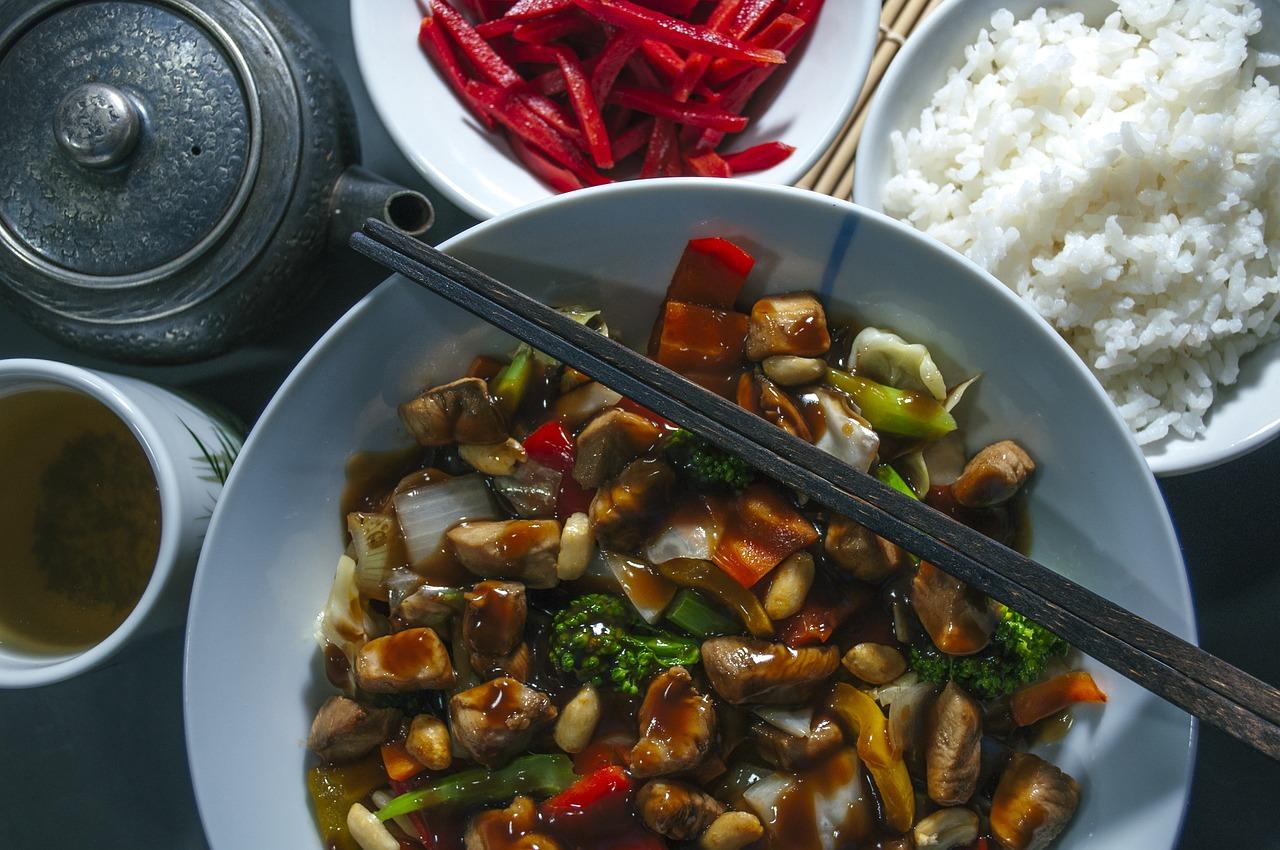
Named after a 19th-century governor of Sichuan, gong bao chicken is weeknight food in Chengdu: small cubes of tender thigh meat tossed in a wok with scorched chillies, tingling Sichuan pepper and crunchy peanuts. Its signature is the glossy sauce Sichuan cooks call 'lychee flavour', sweet and sour in equal measure, clinging lightly rather than pooling on the plate. The chilli here perfumes the oil more than it burns, so it is the gentlest of the classic Sichuan stir-fries. Serve it with plain steamed rice and a green vegetable such as stir-fried pak choi. Chef's tip: mix the sauce in a bowl before you light the hob, because the whole stir-fry is over in about four minutes and there is no time to measure once the wok is hot.

by KrazyBadal 0 views

Shrimp and grits

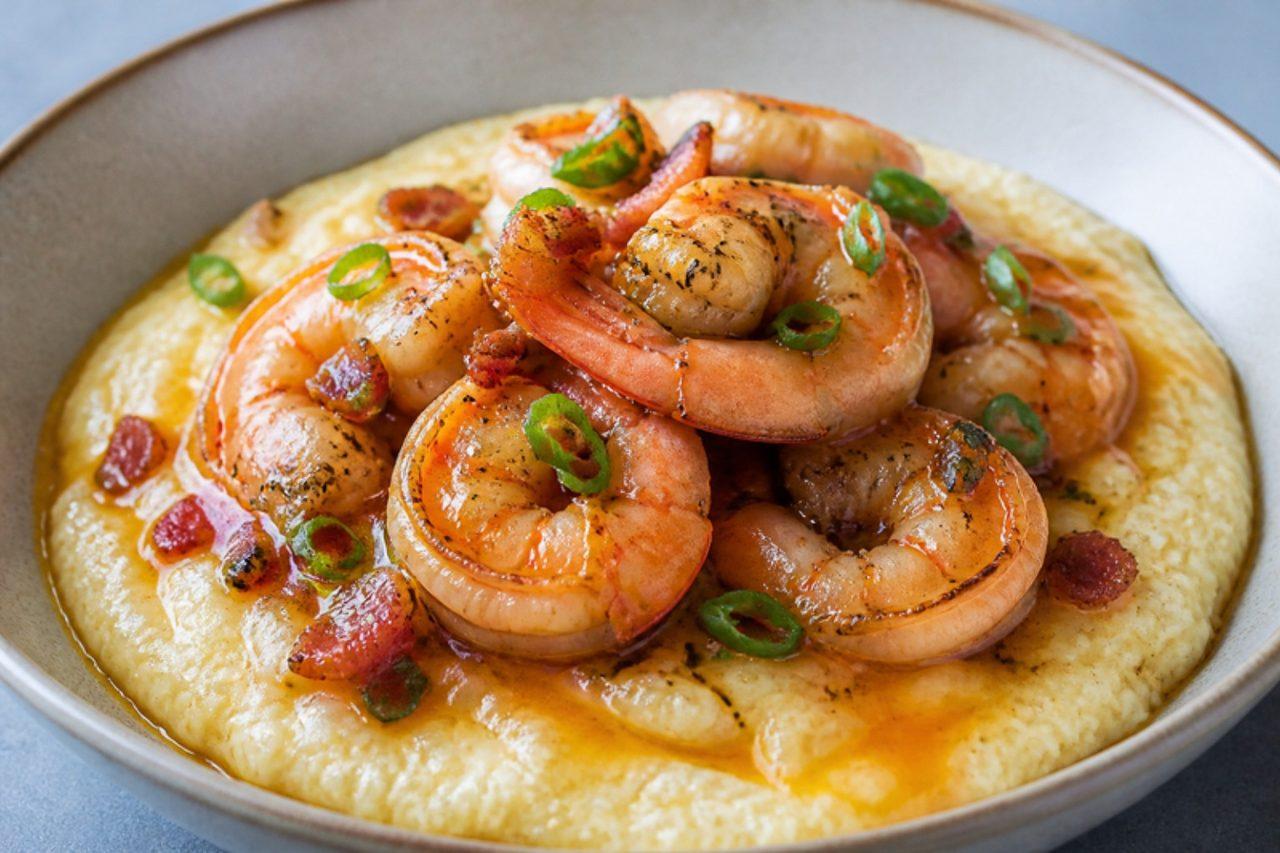
In the Lowcountry around Charleston, South Carolina, shrimp and grits started as a fisherman's breakfast and is now brunch on every restaurant menu in town. Stone-ground grits are simmered slowly until creamy and finished with sharp cheddar and butter, then crowned with prawns cooked fast in a smoky, lemony pan sauce with spring onions. Chef's tip: whisk the grits into the liquid a little at a time and keep stirring for the first five minutes; lumps form only at the start.

by KrazyBadal 0 views

DohneiiongPork in black sesame gravy

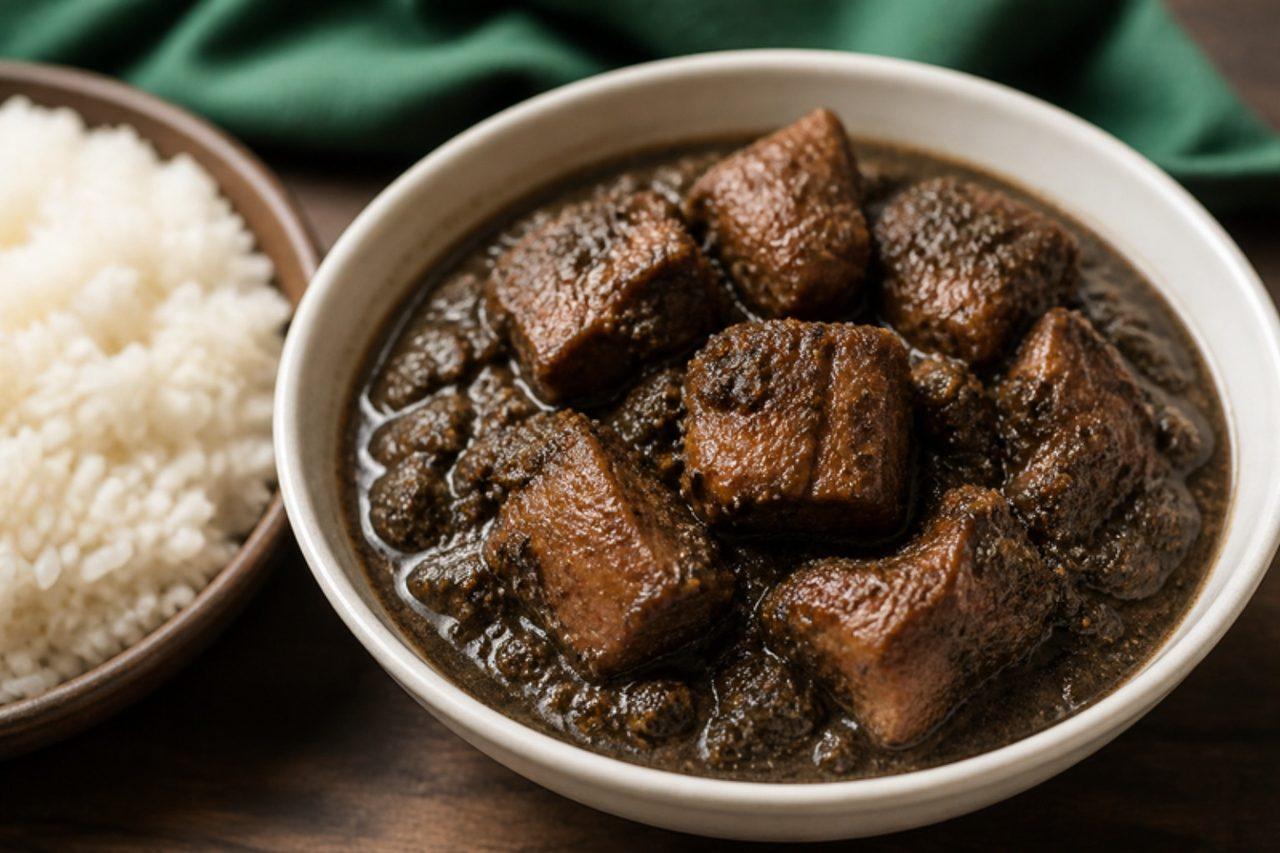
The name says it plainly in Khasi: 'doh' is meat and 'neiiong' is black sesame. In the Khasi Hills around Shillong this near-black pork curry is cooked for family feasts and Sunday meals, and its roasted, nutty flavour is unlike any other curry in India. The sesame is toasted and ground into a paste that thickens the gravy and coats the pork. Serve with plain rice or jadoh. Chef's tip: pork belly gives the silkiest result; mix it half and half with shoulder if you prefer it less rich.

90 minIndianMeatGluten free
by KrazyBadal 0 views

Carne de porco à alentejanaPork and clams

Despite the name, this surf-and-turf dish of pork and clams is most often linked with the Algarve coast, where Alentejo pork met local shellfish; today it is served in tascas all over Portugal, especially for Sunday lunch. It is a pork dish: cubes of pork shoulder marinate in massa de pimentão (sweet red pepper paste), garlic and traditionally white wine, then are fried and tossed with steamed clams, crisp potato cubes, pickles and lots of coriander. For an alcohol-free version, swap the wine for chicken stock with a tablespoon of white wine vinegar. Chef's tip: buy the pork with a little fat on; lean loin turns dry and tough when fried.

by KrazyBadal 0 views

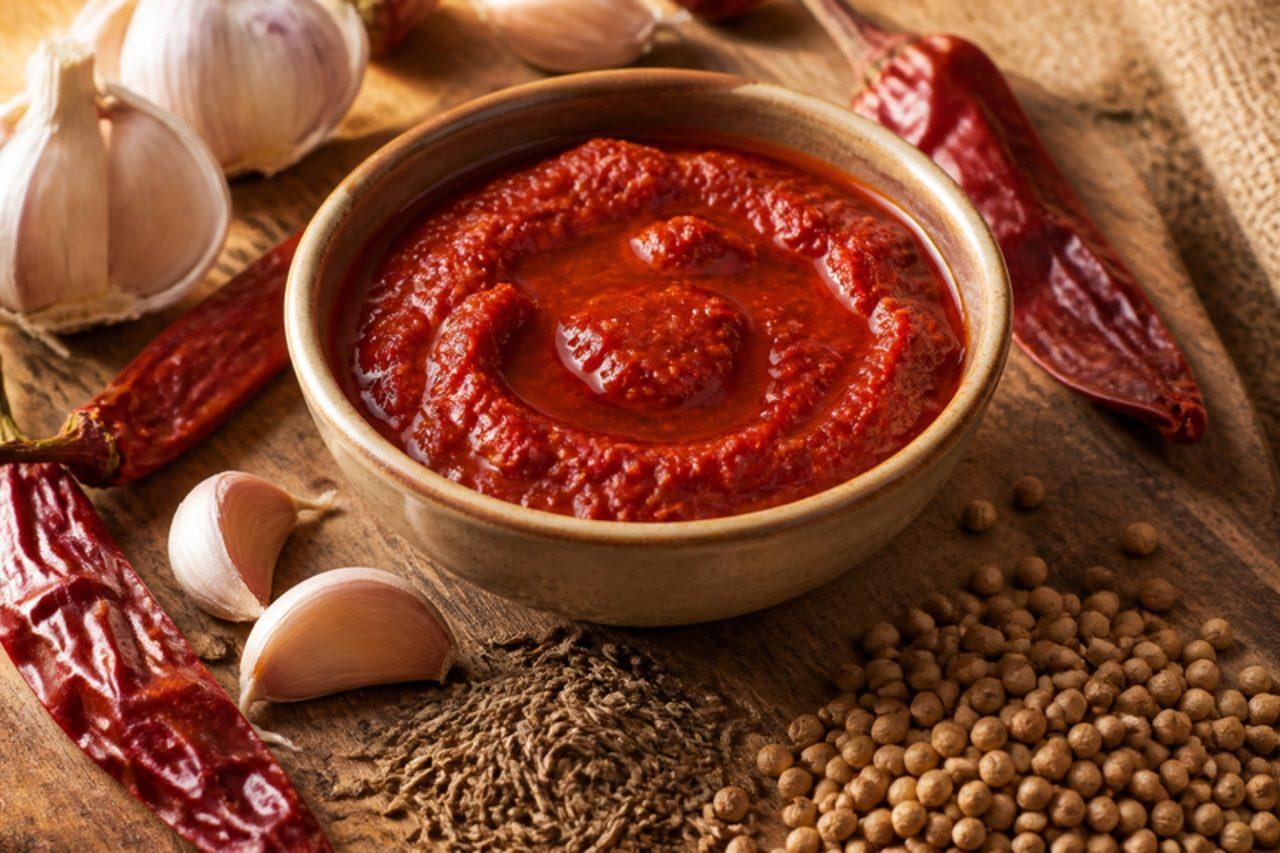
Harissa

Harissa is Tunisia's essential condiment, made in every household from the dried red chillies of Nabeul and Cap Bon, which are hung in strings on house walls in late summer to dry. It goes into lablabi, brik, kafteji, couscous and soups, and is spread on bread with olive oil as a snack. Homemade harissa is brighter and less salty than the tubes. Chef's tip: toast the caraway and coriander seeds only until they smell warm; burnt seeds make the paste bitter.

by KrazyBadal 0 views

AffogatoIce cream with hot espresso

Affogato means 'drowned': a scoop of vanilla or fior di latte gelato with a shot of hot espresso poured over it at the table. It is served in bars and gelaterie all over Italy as the simplest after-dinner dessert, half drink and half ice cream, eaten quickly with a spoon while the coffee melts into the gelato. It takes five minutes and needs good ice cream and strong coffee. Chef's tip: chill the glasses in the freezer for 10 minutes first, so the gelato melts slowly and you get both hot and cold in each spoonful.

by KrazyBadal 0 views

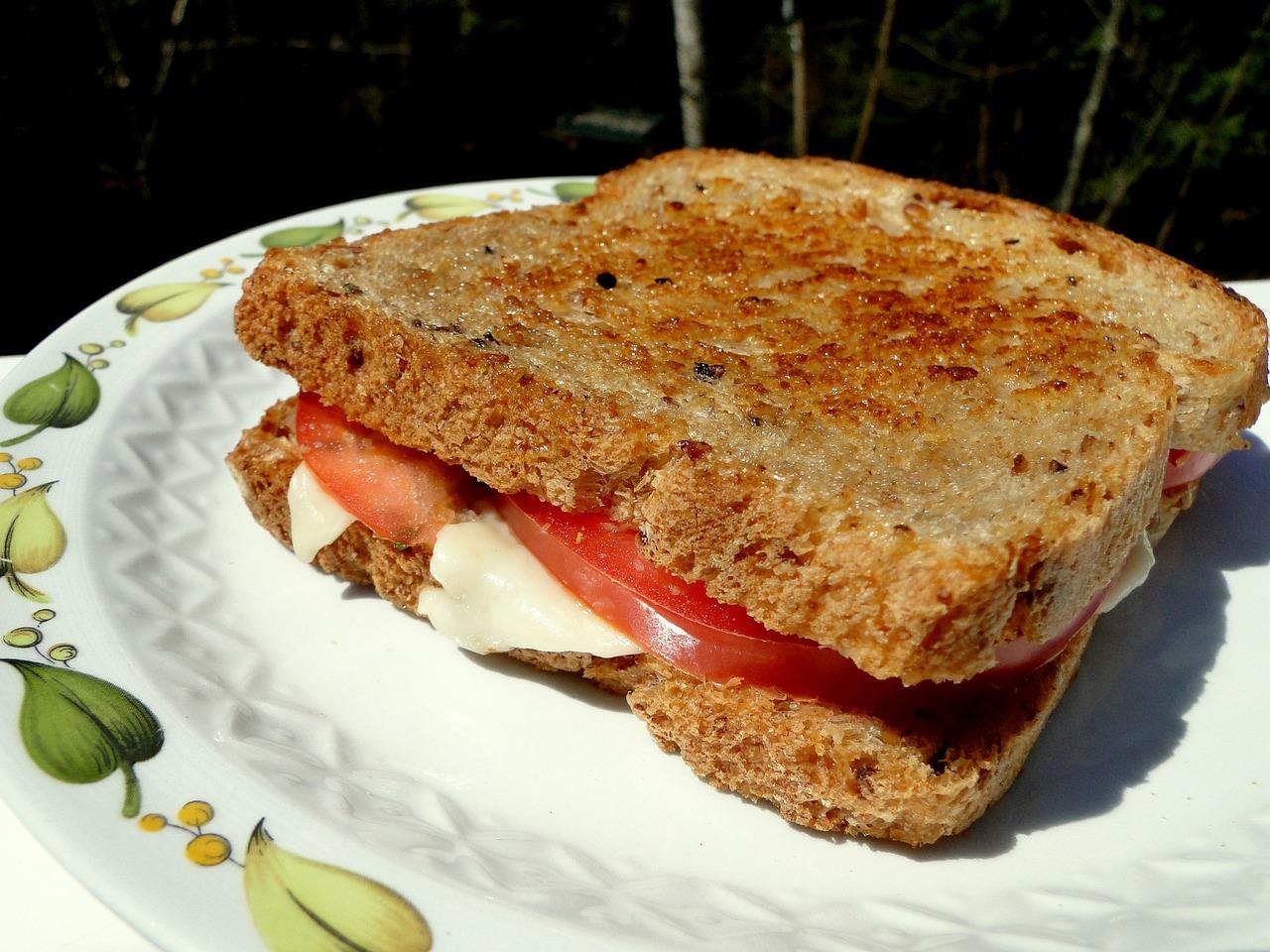
BraaibroodjieGrilled cheese and tomato sandwiches

No South African braai is finished without braaibroodjies, the sandwiches that go onto the grid once the coals have died down, from Cape Town to the Highveld. White bread is buttered on the outside and filled with cheddar, tomato, onion and a thin smear of apricot jam, a sweet-and-savoury combination every South African swears by. They come off the fire smoky, crisp and oozing. A frying pan or griddle works when there's no braai. Chef's tip: toast them over gentle, ashen coals and turn often; fierce heat burns the bread before the cheese inside has melted.

by KrazyBadal 0 views

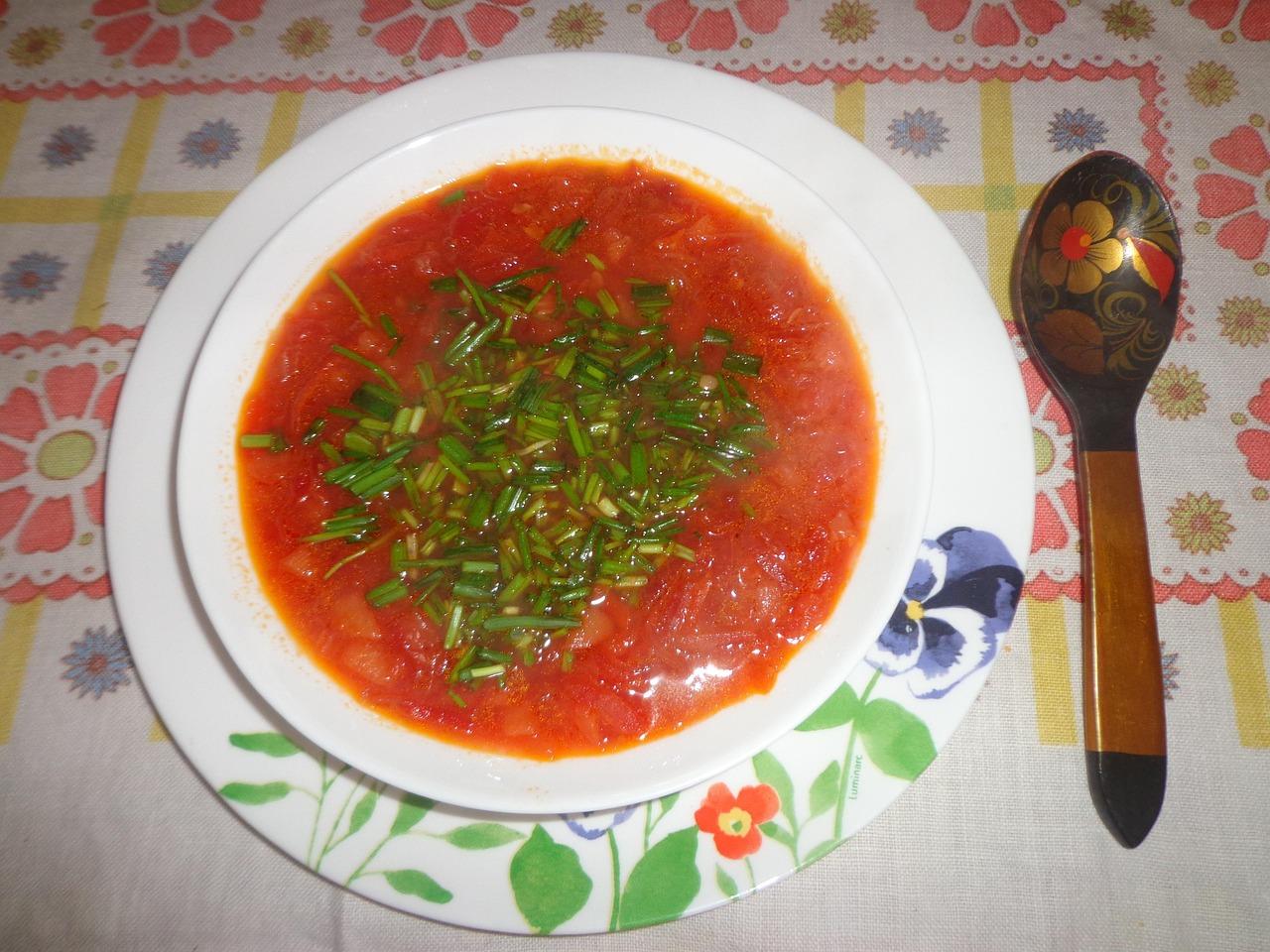
Ukrainian borscht

Borshch is the soup Ukrainians measure every kitchen by: a deep ruby pot of beetroot, cabbage, potato and beans, soured just enough and finished with garlic and dill. Every region argues for its own version, from Poltava's with beans to Kyiv's with apples, and in 2022 the cooking of Ukrainian borshch was added to UNESCO's list of culture in need of urgent safeguarding. Traditionally it is simmered on a pork or beef bone stock; this version uses a well-seasoned vegetable stock and white beans, which is how many families cook it during Lent anyway. Serve it hot with a spoon of sour cream and garlic pampushky, and know that it tastes even better the next day. Chef's tip: fry the grated beetroot with a splash of vinegar before it goes into the pot; the acid fixes the red colour, so the soup stays bright instead of fading to brown.

by KrazyBadal 0 views

Flat white

Sydney and Wellington both claim the flat white, first poured in their cafés in the mid-1980s, and today it's the everyday coffee across Australia and New Zealand, from Melbourne's laneway cafés to a beach kiosk in Raglan. It's smaller and stronger than a latte: a double shot of espresso topped with milk steamed to a smooth, glossy microfoam with only a thin layer of froth on top, so the coffee stays at the front. It's velvety, rich and sweet-tasting without sugar. For a vegan version, use a barista-style oat milk. Chef's tip: stretch the milk only for the first few seconds, then sink the wand and let it spin; you want paint-like milk, not a hat of stiff foam.

by KrazyBadal 0 views

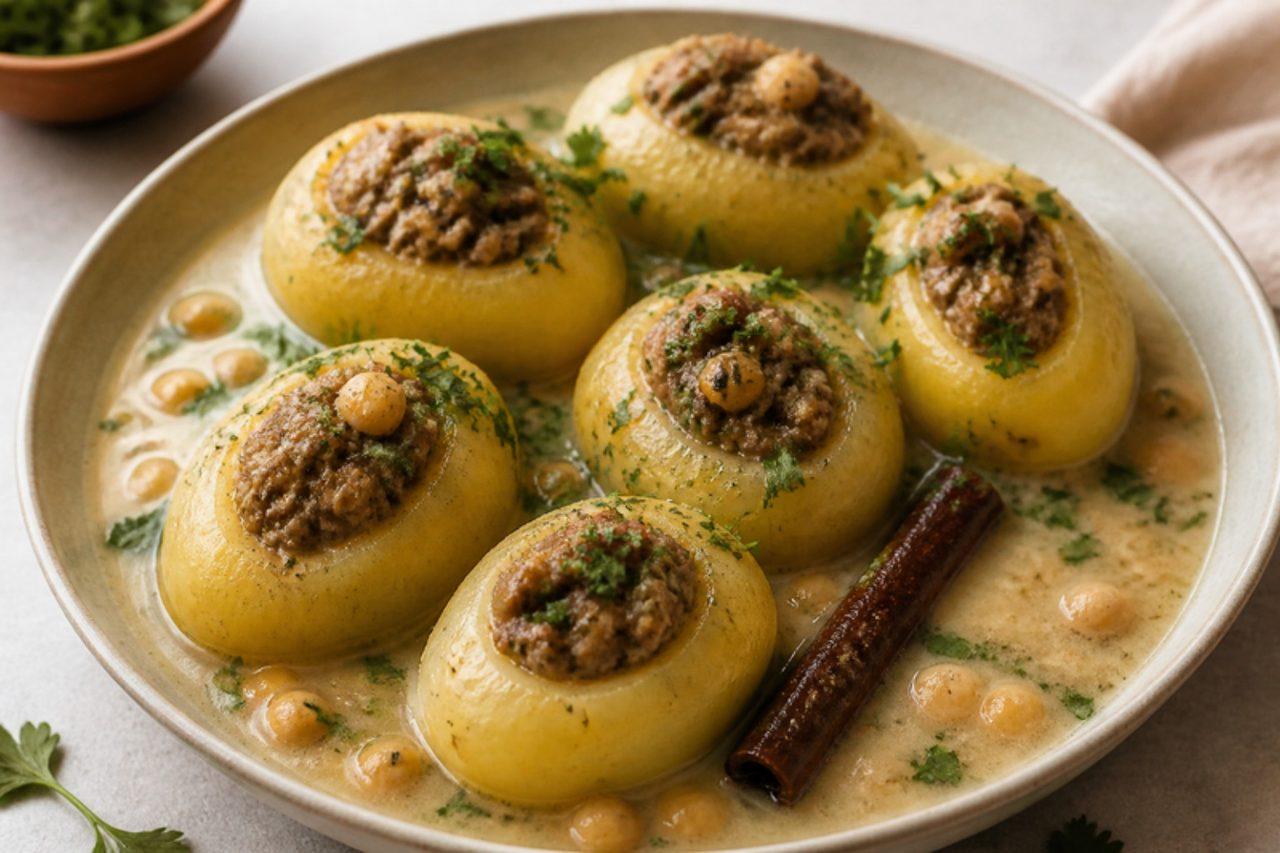
Dolma batataStuffed potatoes in chickpea sauce

Dolma batata belongs to the Algiers home kitchen, where it is a Ramadan favourite and a Friday dish: hollowed potatoes filled with beef mince, onion, parsley and cinnamon, fried until golden, then simmered in a pale sauce (marqa beida) of onion, chickpeas, black pepper and cinnamon. The sauce stays white because no tomato goes in. The mistake is hollowing the potatoes too thinly, so they split in the pot; leave walls about 1 cm thick. Chef's tip: fry the scooped-out potato flesh and add it to the sauce to thicken it.

by KrazyBadal 0 views

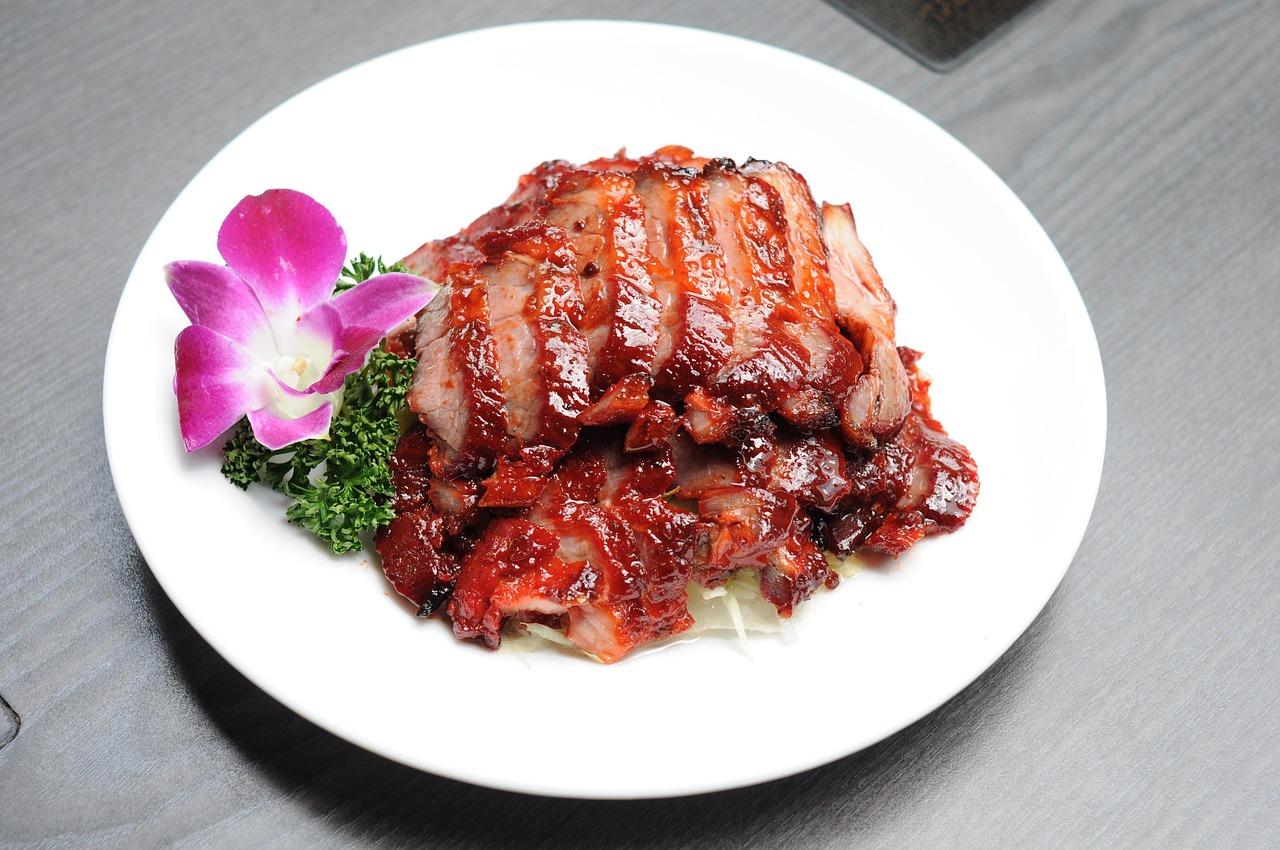
Char siuHoney roast pork

Hanging in long glossy strips in the windows of Guangzhou's siu mei shops, char siu is the roast pork Cantonese families pick up on the way home to put on rice, noodles or into steamed buns. The outside is lacquered, sweet and a little charred at the edges; the inside stays juicy, savoury and faintly scented with five-spice. Shoulder (pork butt) is the cut to use, because its marbling keeps the strips moist through a hot oven. Marinate it overnight in the fridge, roast it the next day and eat it warm with steamed rice and blanched greens, or cold in fried rice and noodle soups. Chef's tip: save the honey for the last ten minutes; brushed on at the start it burns black long before the pork is cooked.

120 minChineseMeat
by KrazyBadal 1 views

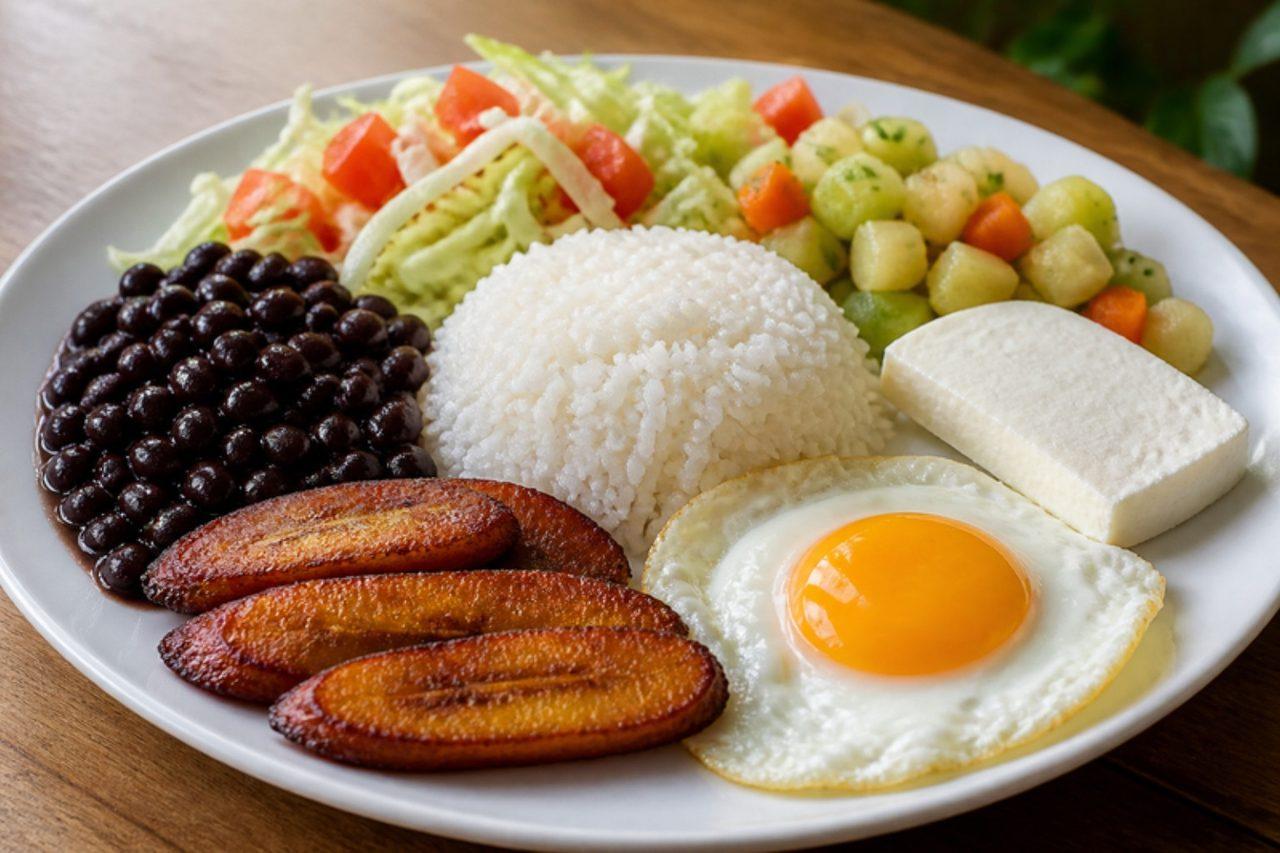
Casado vegetarianoRice, beans and plantain plate

Walk into any soda (small family diner) in San José at lunchtime and the board will offer a casado: one plate where rice and beans are 'married' to salad, sweet plantain and a main. The meatless version is just as common, with a fried egg and a slice of fresh white cheese, plus a little picadillo of chopped vegetables. It's a full, balanced lunch, and every element is simple. Chef's tip: cook the plantain only when it's deeply black-skinned and soft; ripe plantain caramelises to sticky dark edges, green plantain just goes dry.

by KrazyBadal 0 views

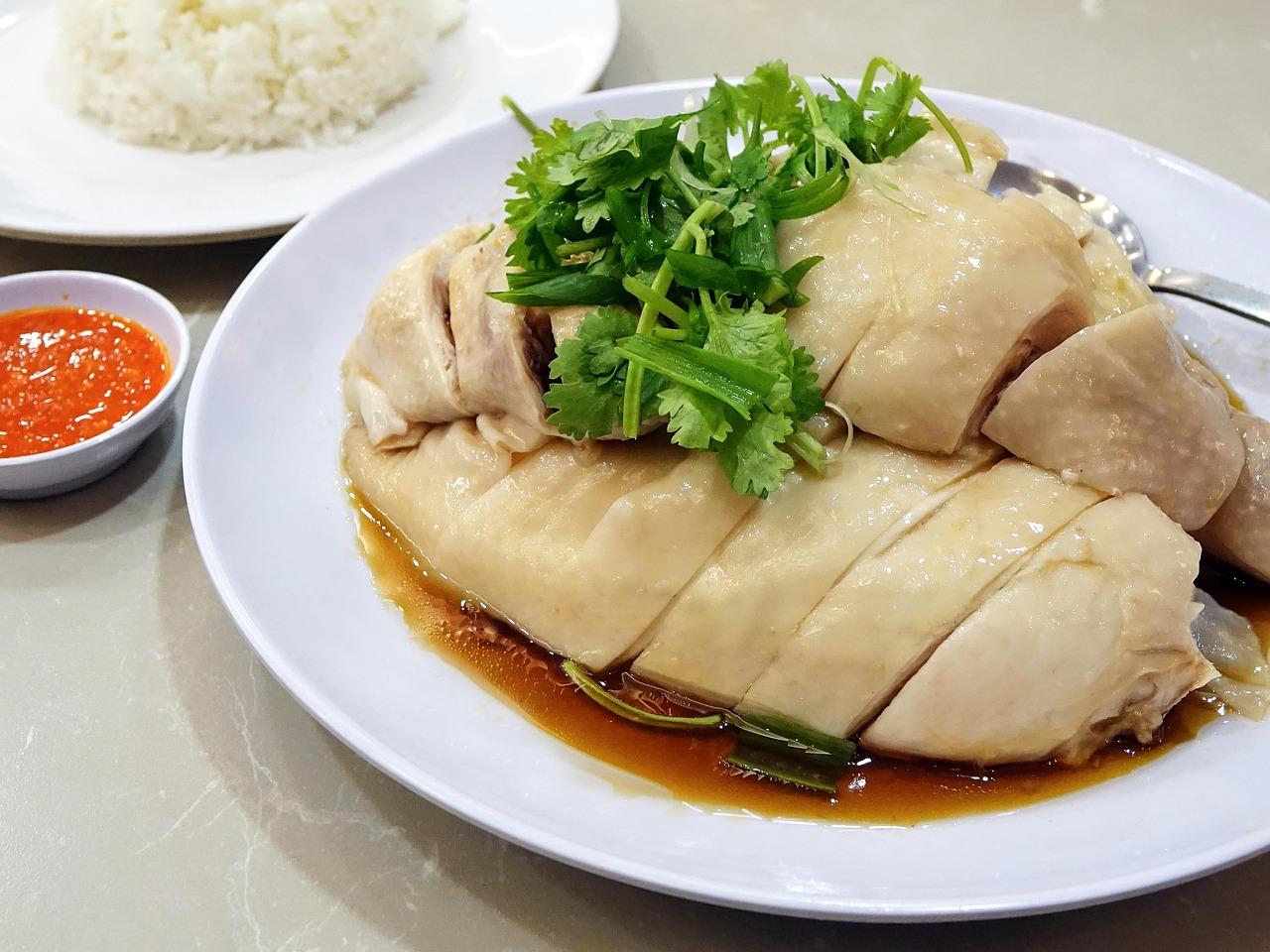
Hainanese chicken rice

Brought by Hainanese cooks and now sold at kopitiam and hawker stalls in every Malaysian town, chicken rice looks plain but is all about restraint. The chicken is barely simmered and plunged into iced water, which leaves the meat silky and the skin firm and slightly jellied. The rice is fried in rendered chicken fat with garlic, ginger and pandan, then cooked in the poaching stock until each grain is glossy and fragrant. A punchy chilli-ginger-lime sauce and a bowl of the clear broth complete the plate, with cucumber slices on the side. Chef's tip: keep the poaching water at a bare shiver, never a boil; boiling tightens the meat and splits the skin.

by KrazyBadal 0 views

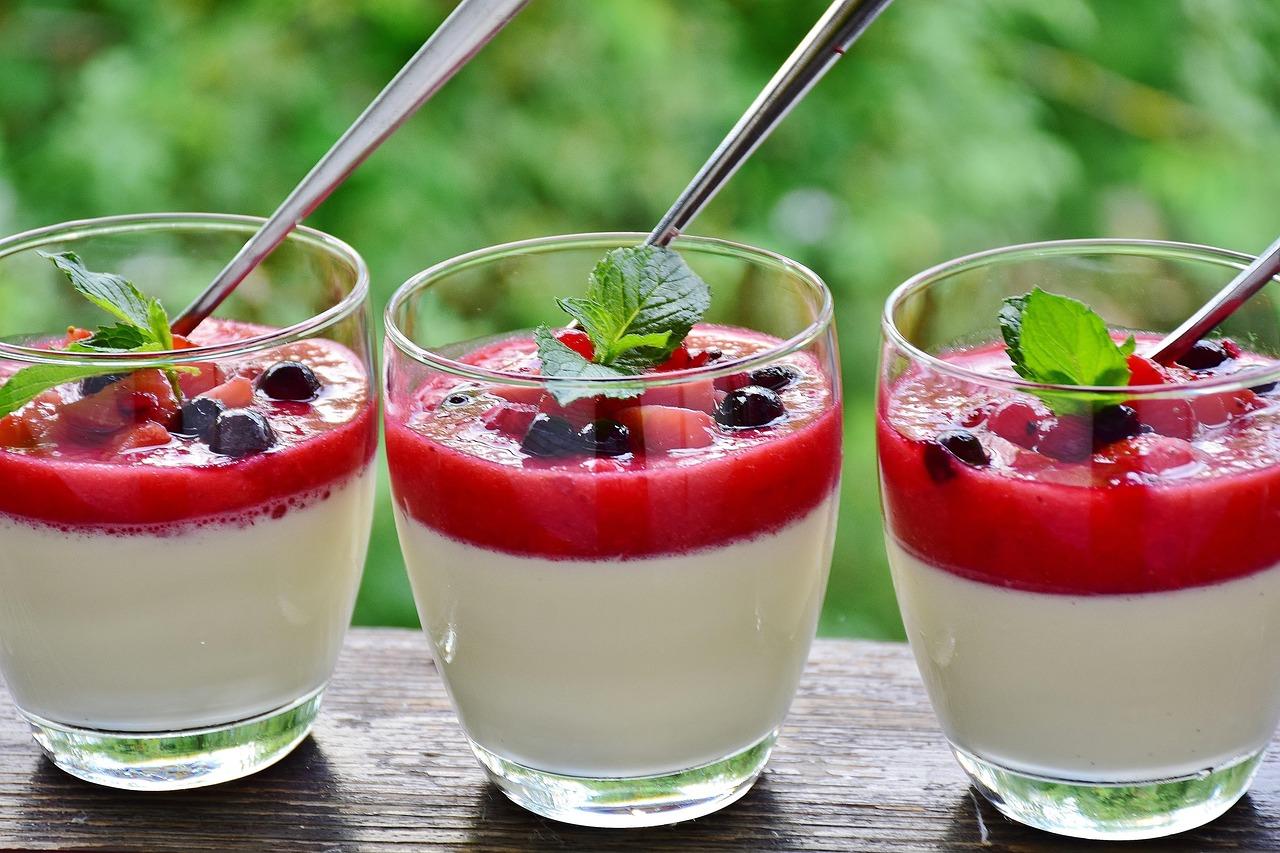
Panna cotta

Panna cotta means 'cooked cream' and comes from the dairy country of the Langhe in Piedmont, where it is served after Sunday lunch, often with caramel or a few berries. Classic recipes set it with gelatine, which is made from animals; this version uses agar, a seaweed setting agent, so it is properly vegetarian. Agar sets firmer and faster, so the amount is small and it must be boiled to work. The result is creamy, just set and wobbles when you shake the plate. Chef's tip: boil the agar in the milk for a full 2 minutes before adding the cream; if it only warms, it will not set.

by KrazyBadal 0 views

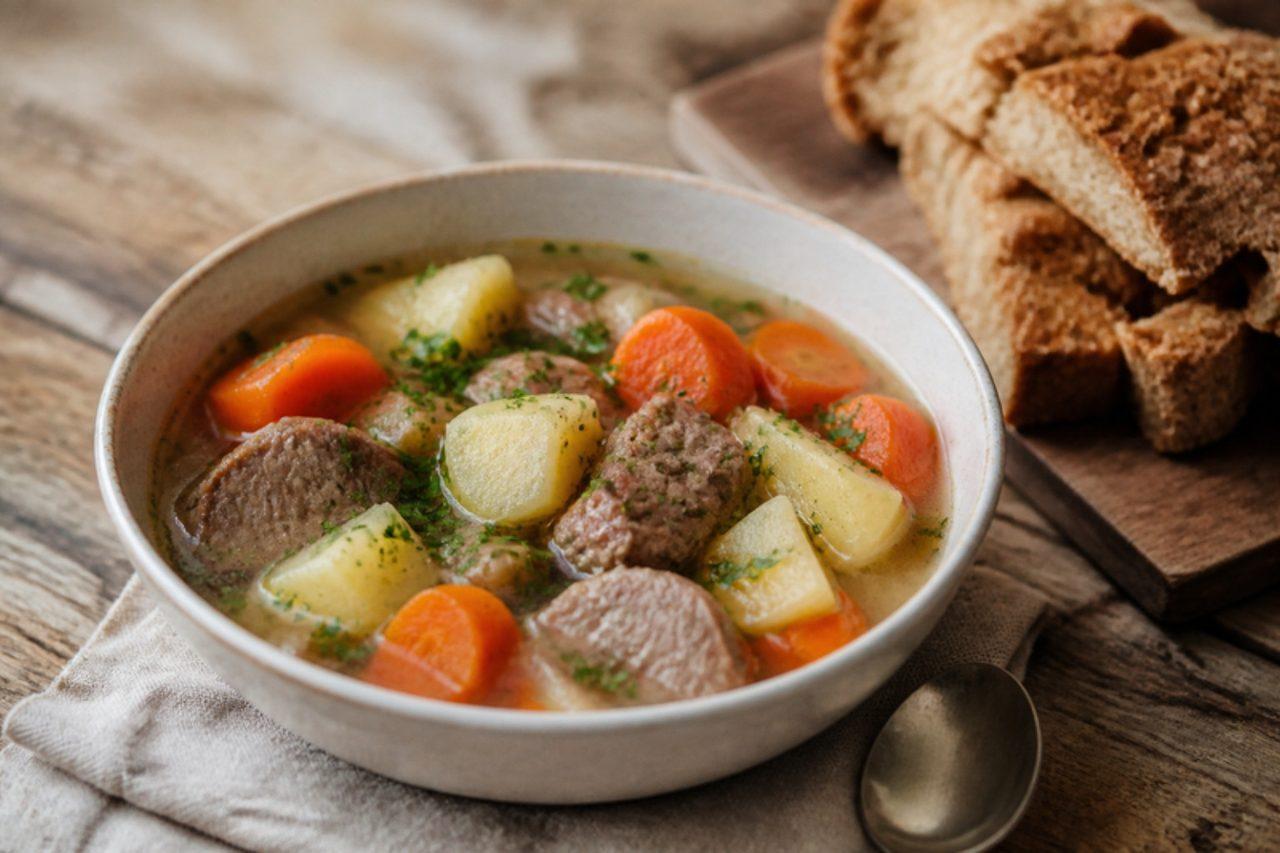
Irish stew

Irish stew, stobhach Gaelach, is the plain and honest pot of the Irish countryside, still made in farmhouse kitchens from Kerry to Donegal and served in Dublin pubs on St Patrick's Day. Lamb on the bone simmers slowly with onions, carrots and two kinds of potato: waxy ones that hold their shape and floury ones that melt and thicken the broth naturally, so no flour is needed. Thyme and parsley are the only seasoning. Chef's tip: use lamb neck or shoulder on the bone; the bones give body to the broth that lean leg never will.

145 minIrishMeatGluten free
by KrazyBadal 0 views

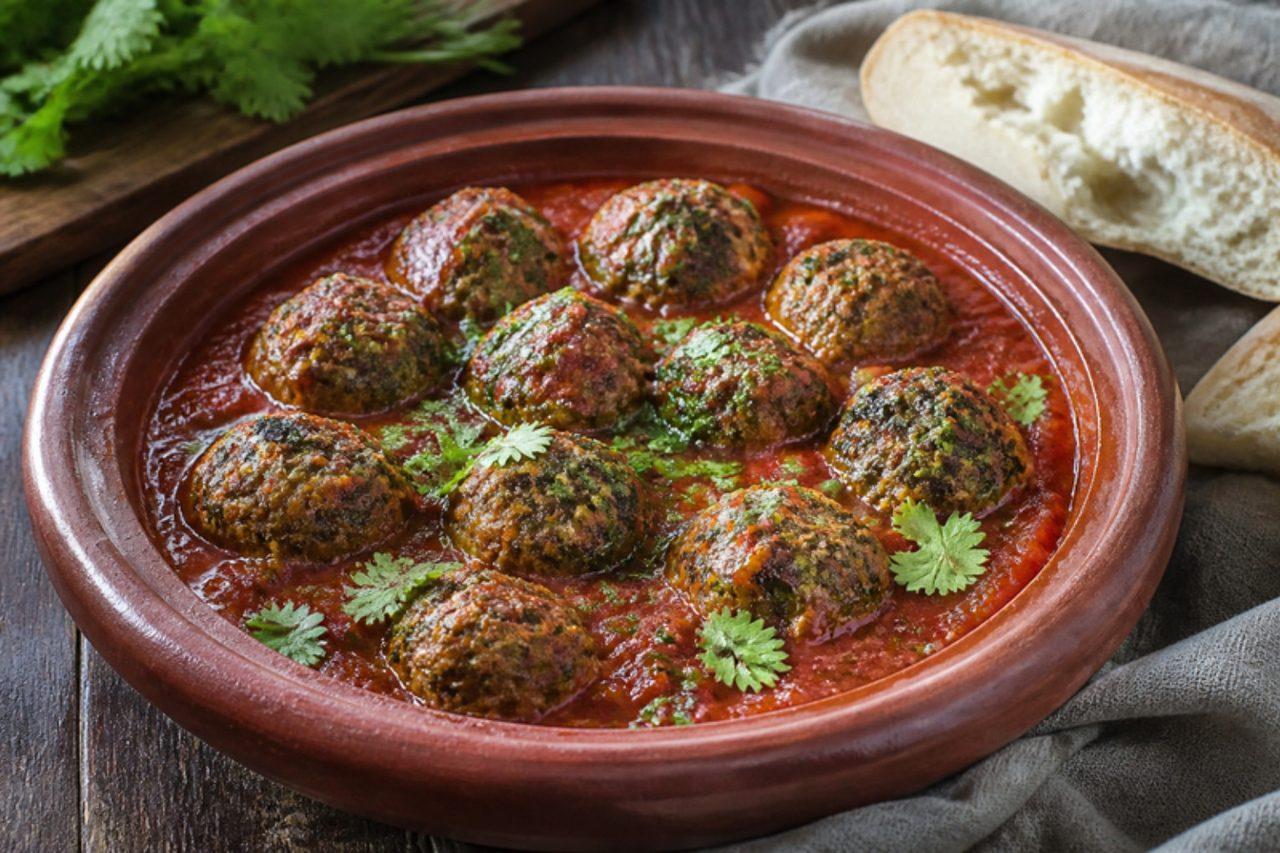
Moroccan sardine balls

Safi and Essaouira are sardine country, and cooks along that Atlantic coast have always made the most of the cheap, silvery catch by turning it into kefta. Fresh fillets are chopped with chermoula herbs and spices into tender, rich fish balls, then simmered in a peppery tomato sauce until they soak up its flavour. They taste nothing like tinned fish: soft, savoury, a little lemony. Eat them from the pan with bread, or as part of a Friday spread of salads. Chef's tip: chill the mixture for 15 minutes before rolling; oily sardines firm up in the cold and the balls hold together in the sauce.

by KrazyBadal 0 views

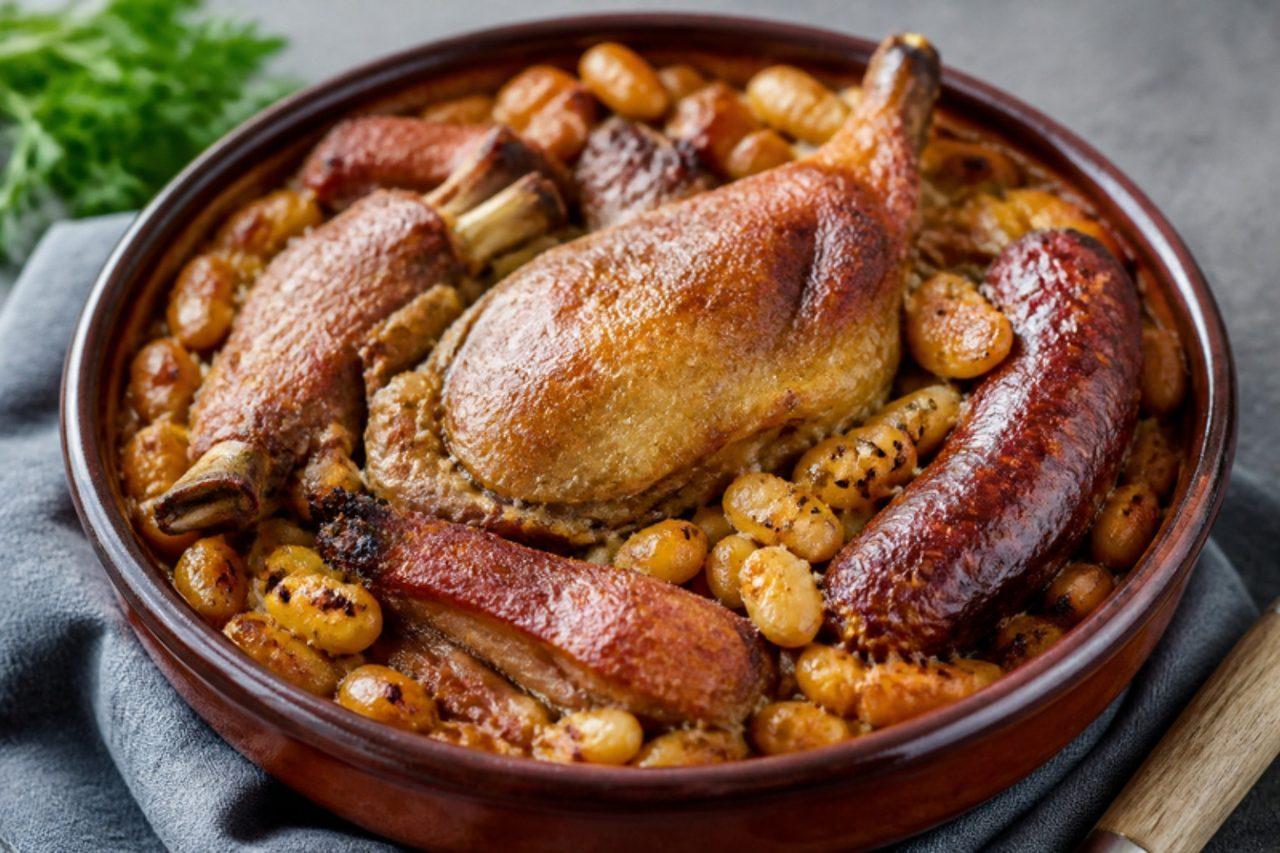
CassouletWhite bean and duck stew

Cassoulet is the great winter feast of the Languedoc, and the towns of Castelnaudary, Carcassonne and Toulouse still argue over who makes it best. Contains pork: white beans cook with pork rind and belly, then bake for hours with duck confit and garlicky Toulouse sausages in a deep earthenware dish until a dark crust forms on top. It takes two days at a relaxed pace and feeds a crowd. Serve with nothing more than a green salad. Chef's tip: break the crust and push it under several times while it bakes; each new crust adds flavour and body.

280 minFrenchMeatGluten free
by KrazyBadal 0 views

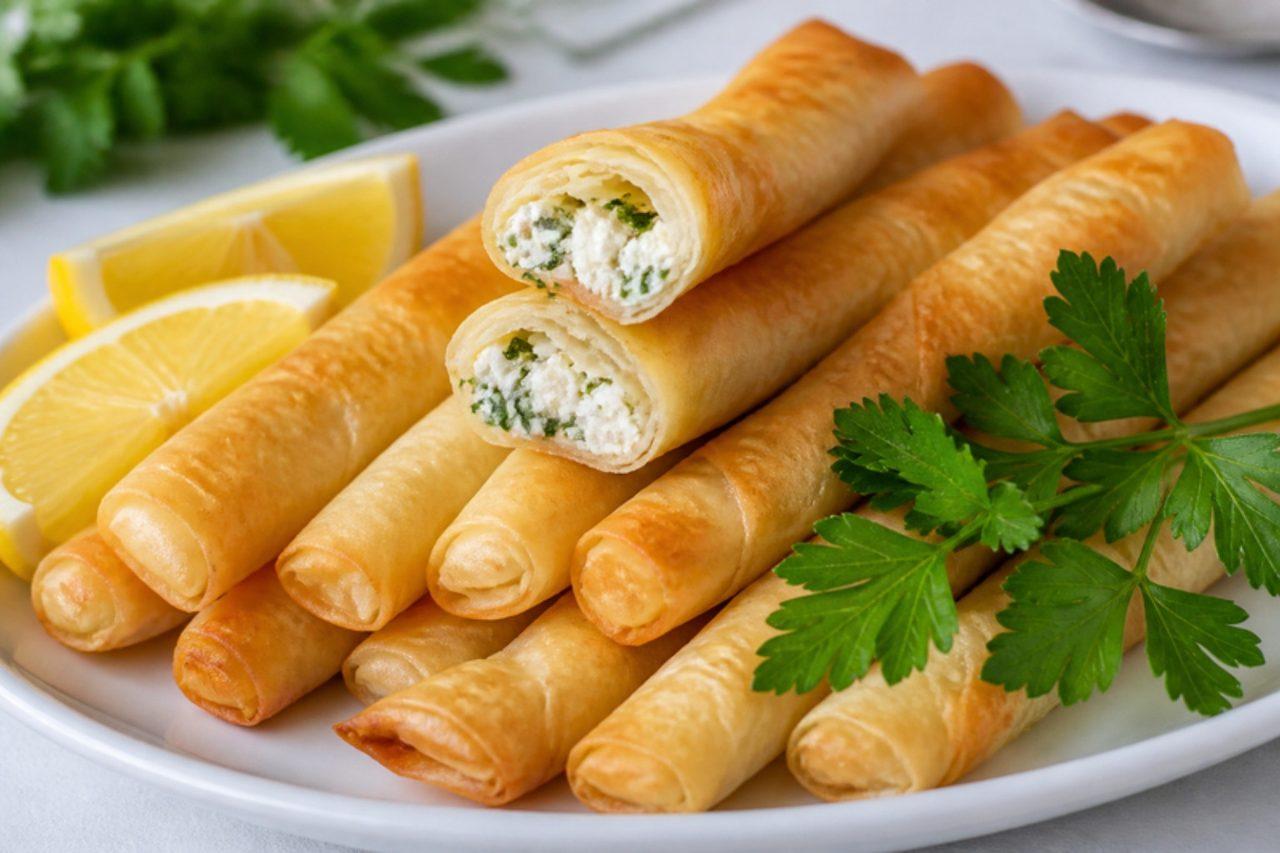
Sigara böreğiFried cheese pastry rolls

These pencil-thin rolls take their name from the cigarettes they resemble, and they are the börek every Turkish child grows up on. Triangles of yufka (thin Turkish pastry) are rolled round a finger of white cheese and parsley and fried until they shatter when you bite them. They turn up at five o'clock tea parties, on the iftar table during Ramadan and in many a school lunchbox. Yufka is sold in Turkish shops; filo works too if you use two sheets brushed with oil. Chef's tip: shape them all, cover with a damp cloth and fry just before eating; they lose their crunch within an hour.

by KrazyBadal 0 views

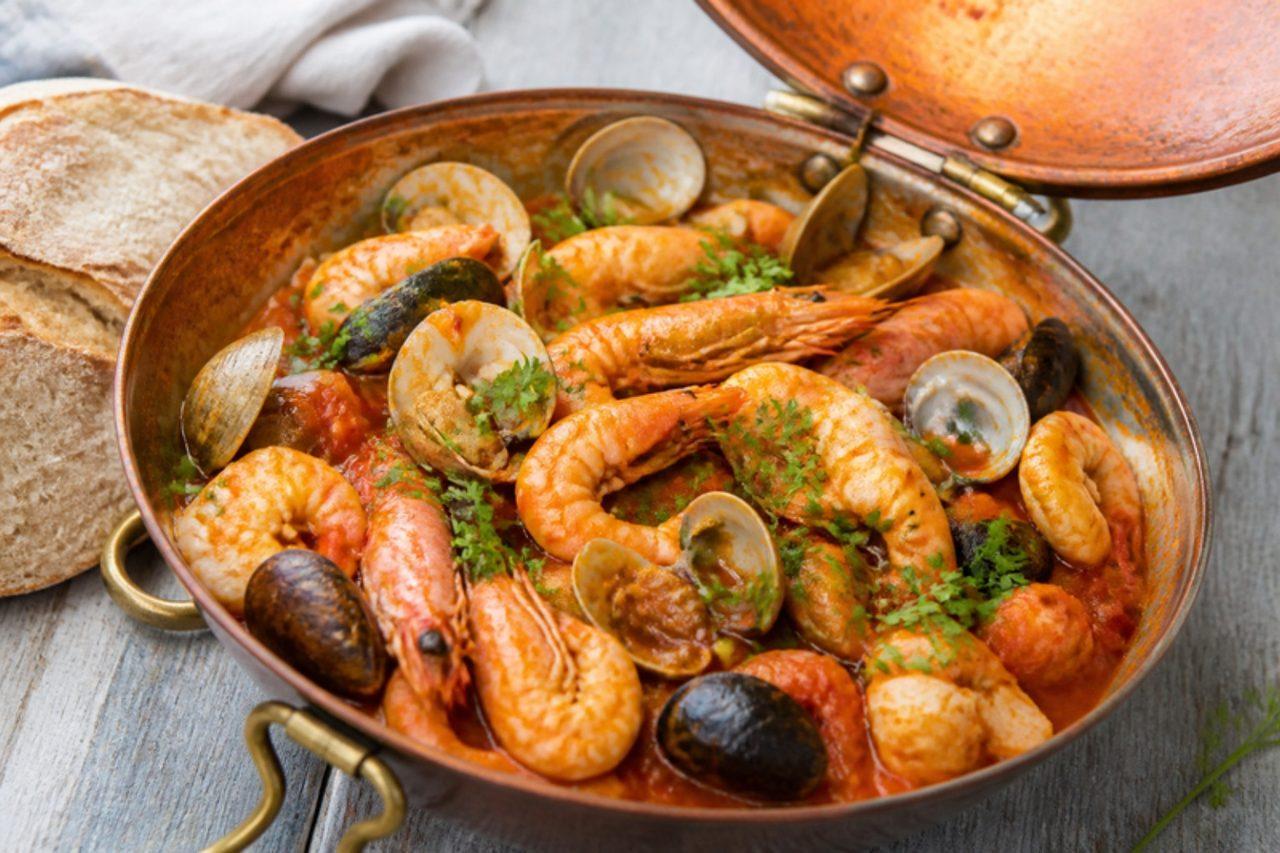
Cataplana de mariscoSeafood and sausage steam pot

Cataplana is the Algarve's showpiece, named after the hinged, clam-shaped copper pan it is cooked in, and it is served at the table in harbour towns like Olhão and Portimão, lid opened in a puff of steam. This version contains pork: smoky chouriço sausage goes in with the onion, peppers and tomato, then clams, prawns and firm white fish steam on top in their own juices. Bring bread for the broth. No cataplana? A wide casserole with a tight lid works. Chef's tip: purge the clams in salty water in the fridge for an hour so they spit out their sand before cooking.

by KrazyBadal 0 views

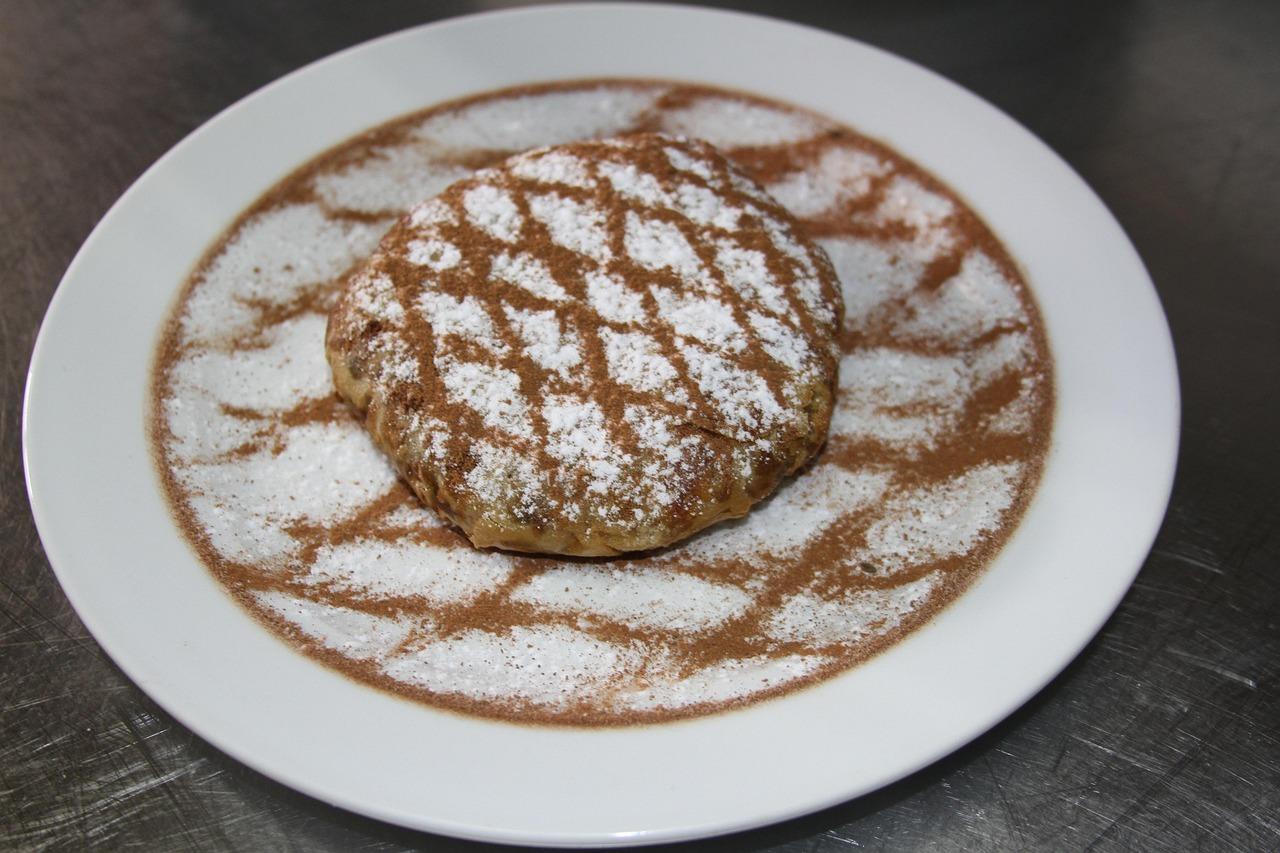
Chicken pastilla

No Fassi wedding or engagement feast is complete without bastila, a showpiece pie brought out as the first course and broken open at the table. Under its crackling layers of buttered pastry sit three fillings: shredded chicken cooked with saffron, ginger and onion, soft lemony eggs set in the reduced cooking juices, and crunchy almonds ground with sugar and cinnamon. The top is dusted with icing sugar and a lattice of cinnamon, so every bite is sweet, savoury, crisp and tender at once. Serve it hot with nothing more than a green salad. Chef's tip: make the fillings a day ahead and chill them; cold fillings are easier to layer and keep the pastry crisp.

by KrazyBadal 0 views

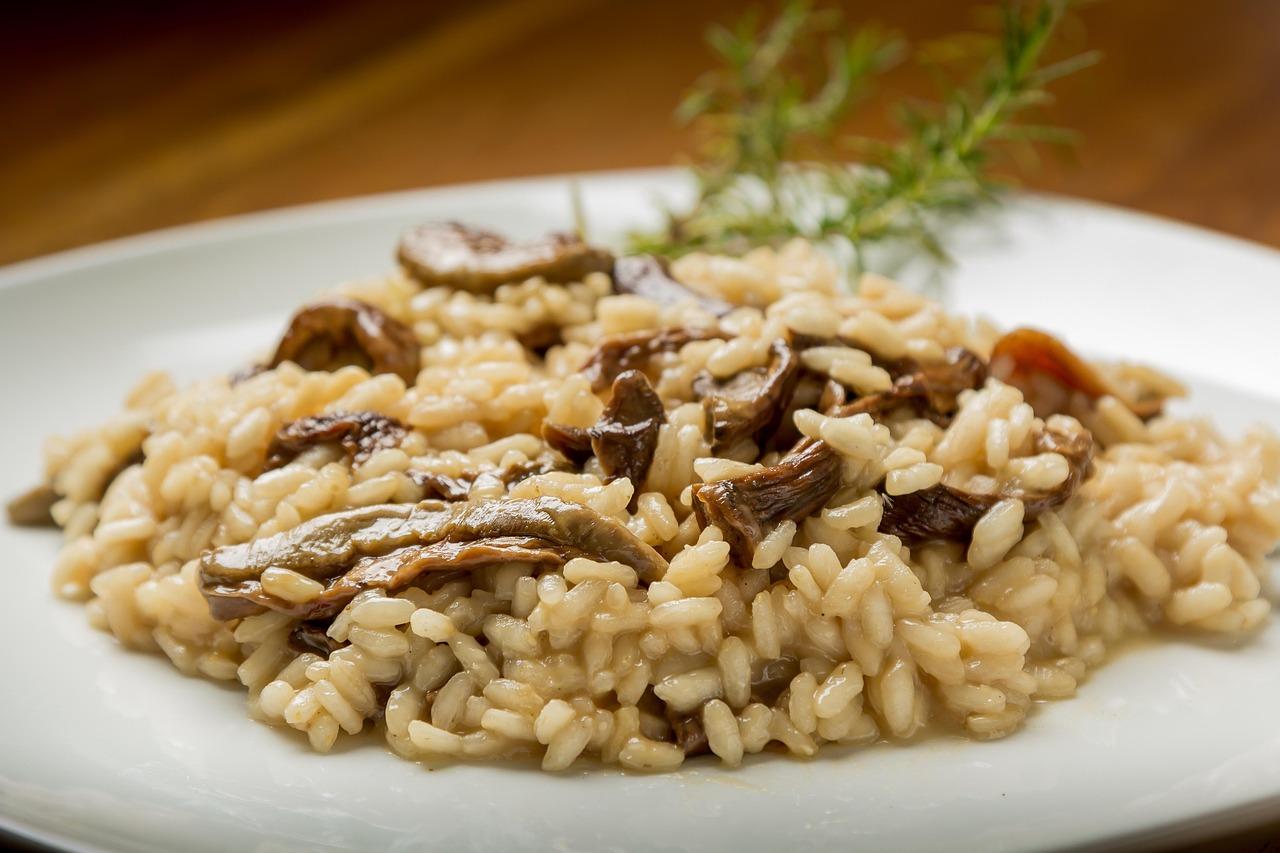
Mushroom risotto

Risotto ai funghi is what Piedmont and Lombardy cook in October, when foragers bring porcini down from the Alpine foothills and markets in Alba, Turin and Bergamo sell baskets of wild mushrooms. At home, a handful of dried porcini and their soaking liquid give that deep, woodsy flavour to ordinary chestnut mushrooms. It is a first course in Italy and a full supper anywhere else. Chef's tip: brown the fresh mushrooms in a separate hot pan and fold half in at the end; they stay meaty instead of turning soft and grey.

by KrazyBadal 0 views

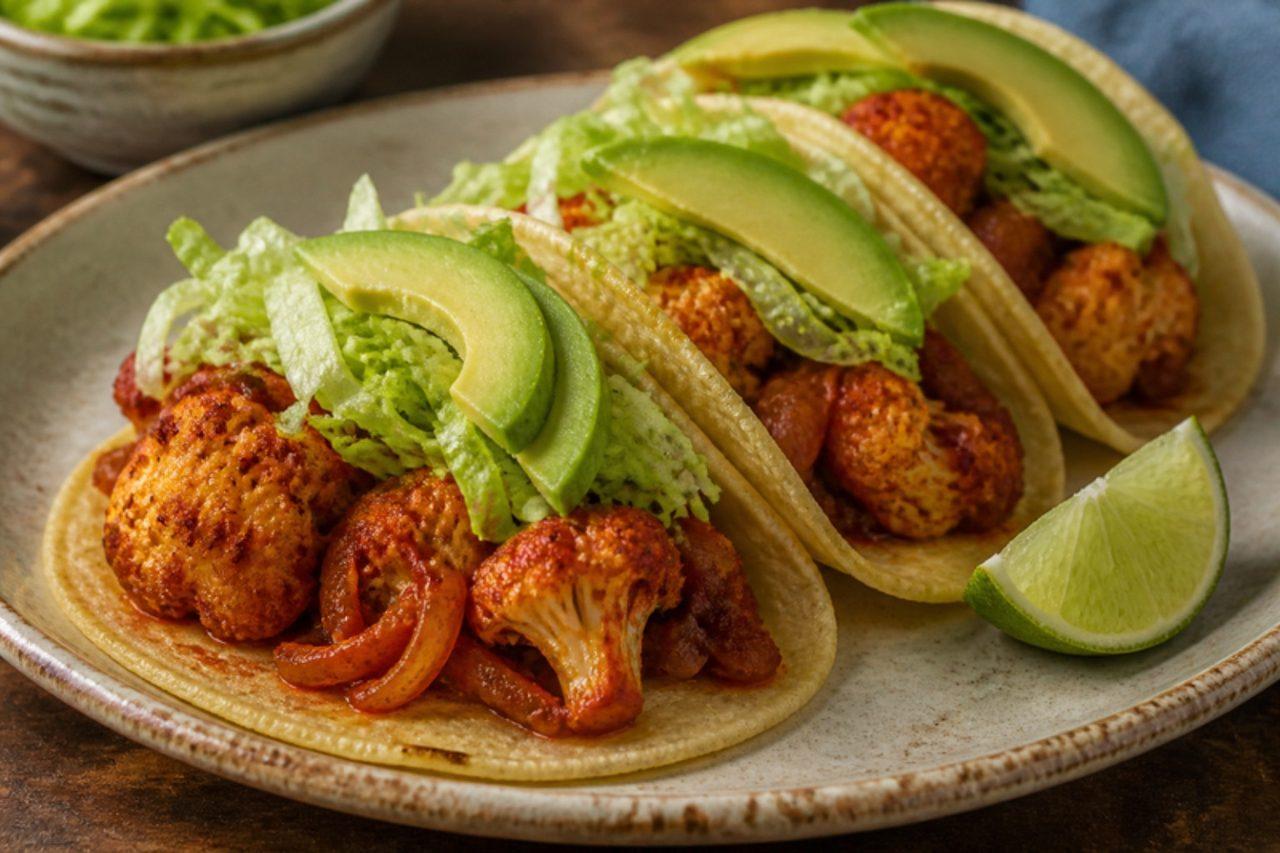
Cauliflower tinga tacosChipotle cauliflower tacos

Tinga comes from Puebla, where shredded meat is simmered in a sauce of sweet sliced onion, tomato and smoky chipotle chillies and piled onto tostadas or tacos. Here roasted cauliflower takes the place of the chicken: browned in a hot oven so it turns nutty and holds its shape, then folded through the brick-red sauce so every floret is glossy and smoky. The result, tinga de coliflor, is sweet, tangy and properly spicy; serve it in warm corn tortillas or on crisp tostadas with avocado, shredded lettuce and lime. Chef's tip: cook the onions slowly until soft and sweet before the tomatoes go in; the sweetness is what balances the heat of the chipotle.

by KrazyBadal 0 views

Causa limeñaLayered potato terrine

Causa limeña is Lima's cold potato terrine: yellow potatoes mashed with lime, oil and ají amarillo, pressed into layers and filled. In Lima it is a lunchtime starter sold in every menú and at every family party, often with tuna or chicken; this vegetarian causa is filled with ripe avocado and a creamy salad of corn, peas and carrot. The potato should be smooth, sunny yellow, tangy and gently hot, and the whole thing is served cold in neat slices. Make it in the morning for dinner, or the day before for a party. Chef's tip: mash the potatoes while warm but add the lime only once they have cooled; lime on hot potato turns the mash grey and gluey.

by KrazyBadal 0 views

Showing 54 of 7,762 recipes

Show more recipes

Page 645 of 863