


Skip to content
Cape Malay koesisters
Featured recipe

Cape Malay koesisters

Spiced syrup doughnuts

Koesisters are Cape Town's Sunday-morning ritual: in the Bo-Kaap and on the Cape Flats, families buy or make a batch to eat with tea after the week's work is done. They are nothing like the plaited, crunchy Afrikaner koeksister. These are soft, cake-like, oval dumplings flavoured with cinnamon, cardamom, ginger, aniseed and naartjie (tangerine) zest, fried, briefly boiled in a thin syrup and rolled in desiccated coconut. Chef's tip: fry them over a moderate heat so they cook through to a fluffy centre before the outside turns dark; they should be a rich brown, not black.

Read more 0 views

What to eat today?

Around the world

Today's trip: Paraguayan

A new country every day, from every cuisine on the site.

Paraguayan

Chipa

Cheese bread rings 50 minMore from Paraguayan (27) →

This week's collection

Kid-friendly dinners
537 recipes · a new collection every Monday

Latest recipes

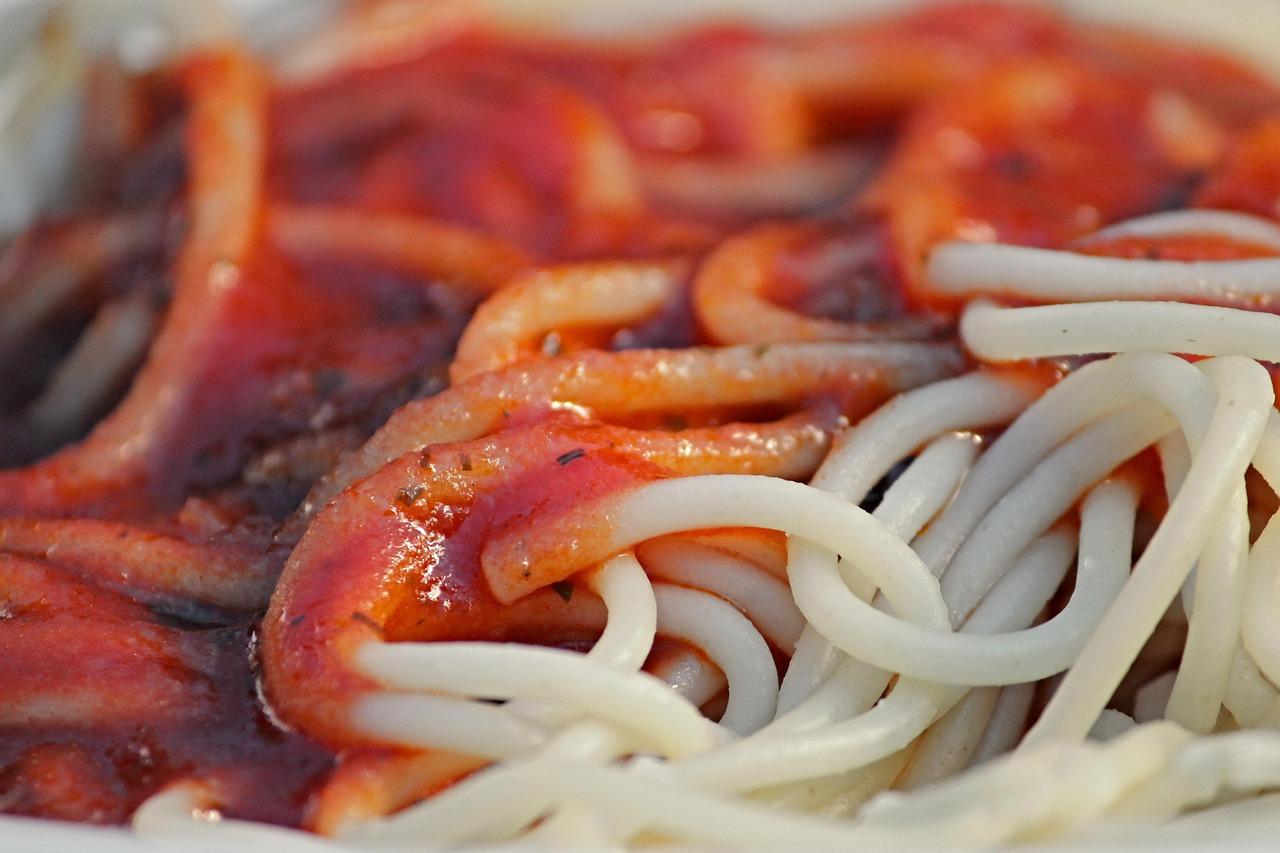
Asmara pasta al sugoSpaghetti in berbere tomato sauce

Pasta is part of everyday life in Asmara, a legacy of the Italian years, and in Eritrean homes and cafés 'pasta al sugo' means spaghetti in a slow tomato sauce warmed with berbere, garlic and plenty of onion. It is eaten on weekdays and after church on Sundays, often with a banana or a green chilli on the side. The usual sauce has minced beef; this one uses finely chopped mushrooms and carrot for the same body. Chef's tip: cook the onions and berbere slowly before the tomato goes in; raw berbere tastes dusty.

by KrazyBadal 0 views

Roasted cauliflower with tahini

Tel Aviv restaurants made the whole roasted cauliflower famous, set on the table charred and steaming for everyone to tear apart, and it has since become a favourite for Shabbat dinners and Friday get-togethers across Israel. The head is first boiled in salted water until just tender, then roasted very hot with olive oil until the florets blister and blacken in places. Lemony tahini, a scatter of herbs and a dusting of sumac turn a humble vegetable into the centre of the meal. Chef's tip: let the boiled cauliflower steam dry for 5 minutes before roasting; a wet head steams in the oven and never chars.

by KrazyBadal 0 views

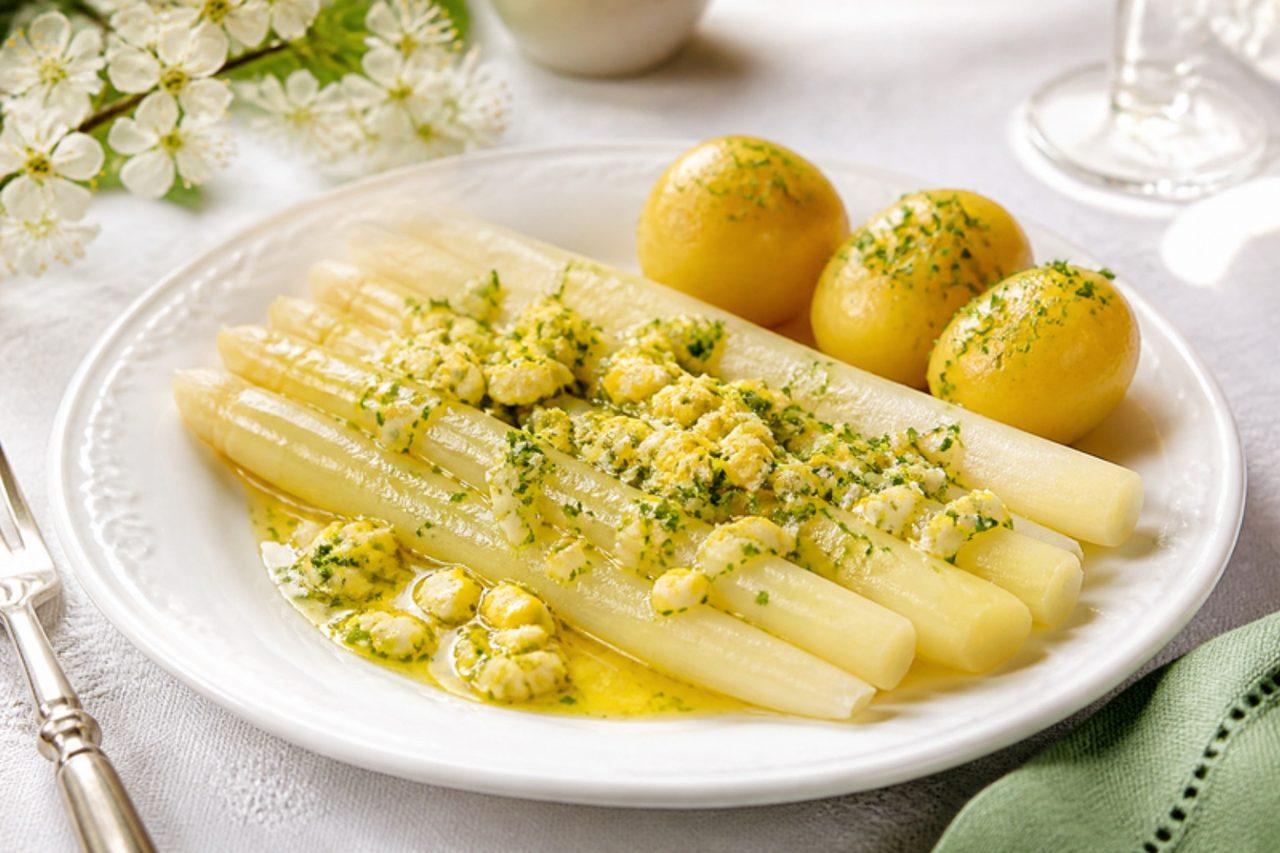
Asperges à la flamandeWhite asparagus with egg and butter

In May and June, white asparagus from Mechelen and the sandy fields around Limburg arrive in Belgian markets, and asperges à la flamande (asperges op Vlaamse wijze) is the way to eat them. The pale spears are peeled and cooked until tender, then covered with a warm sauce of melted butter, chopped hard-boiled egg, parsley and nutmeg that is half sauce and half garnish. It is served as a starter in Flemish restaurants all through the short asparagus season, sometimes with a slice of ham alongside; here it stays meat-free. Chef's tip: peel the spears from just below the tip all the way down with a swivel peeler; white asparagus has a thick, bitter skin, and missing even a strip leaves woody threads.

by KrazyBadal 0 views

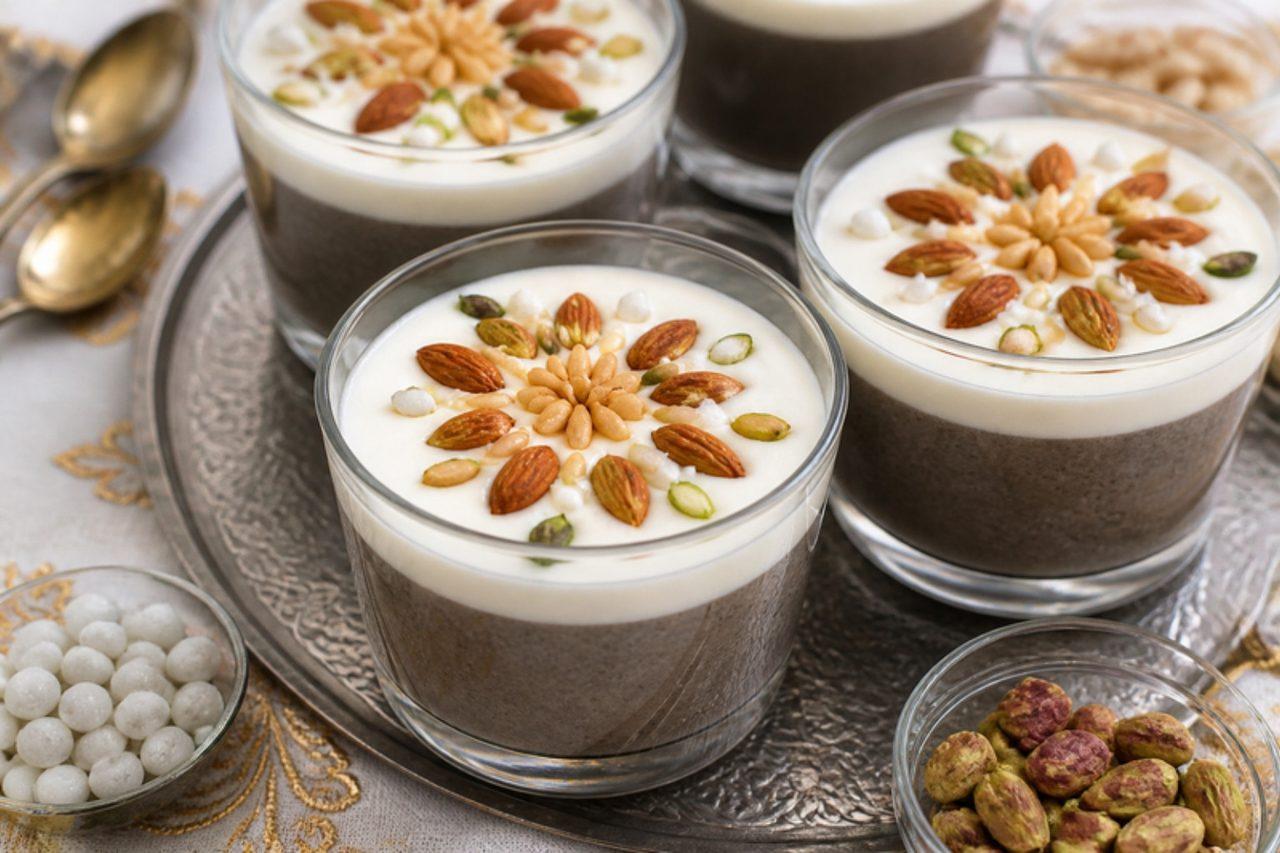
Assida zgougouAleppo pine seed pudding

Assida zgougou is made in Tunisian homes once a year, for the Mouled (the Prophet's birthday): a dark, nutty pudding of Aleppo pine seeds (zgougou) cooked with flour and sugar, topped with a pale vanilla custard and decorated with almonds, pistachios, pine nuts and sugared almonds. Families make dozens of glasses to share with neighbours. Zgougou is sold in Tunisian and North African grocers; ground hazelnuts are a stand-in, though the taste is different. Chef's tip: strain the zgougou liquid through muslin twice; any grit ruins the smooth texture.

by KrazyBadal 0 views

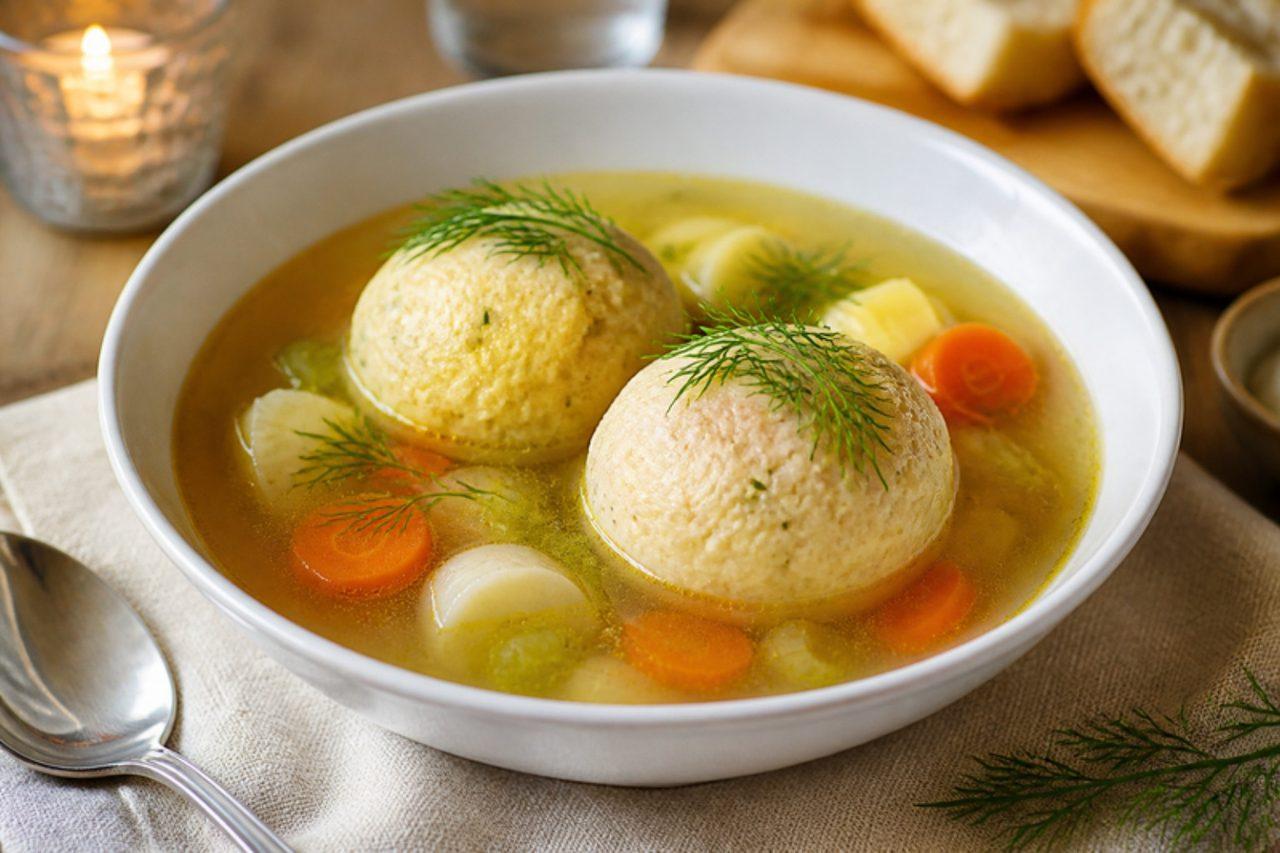
Matzo ball soup with vegetable broth

Ashkenazi Jewish families from Kraków to New York serve matzo ball soup at the Passover seder and whenever someone has a cold, and arguments about 'floaters' versus 'sinkers' go back generations. Here the broth is golden and savoury without chicken: onions browned with their skins, carrots, celery, parsnip and a few dried mushrooms simmered with dill. The kneidlach are made with oil instead of chicken fat and a splash of sparkling water so they come out light and fluffy. Chef's tip: chill the matzo mixture for at least 30 minutes; it needs time to absorb the liquid or the balls fall apart in the pot.

by KrazyBadal 0 views

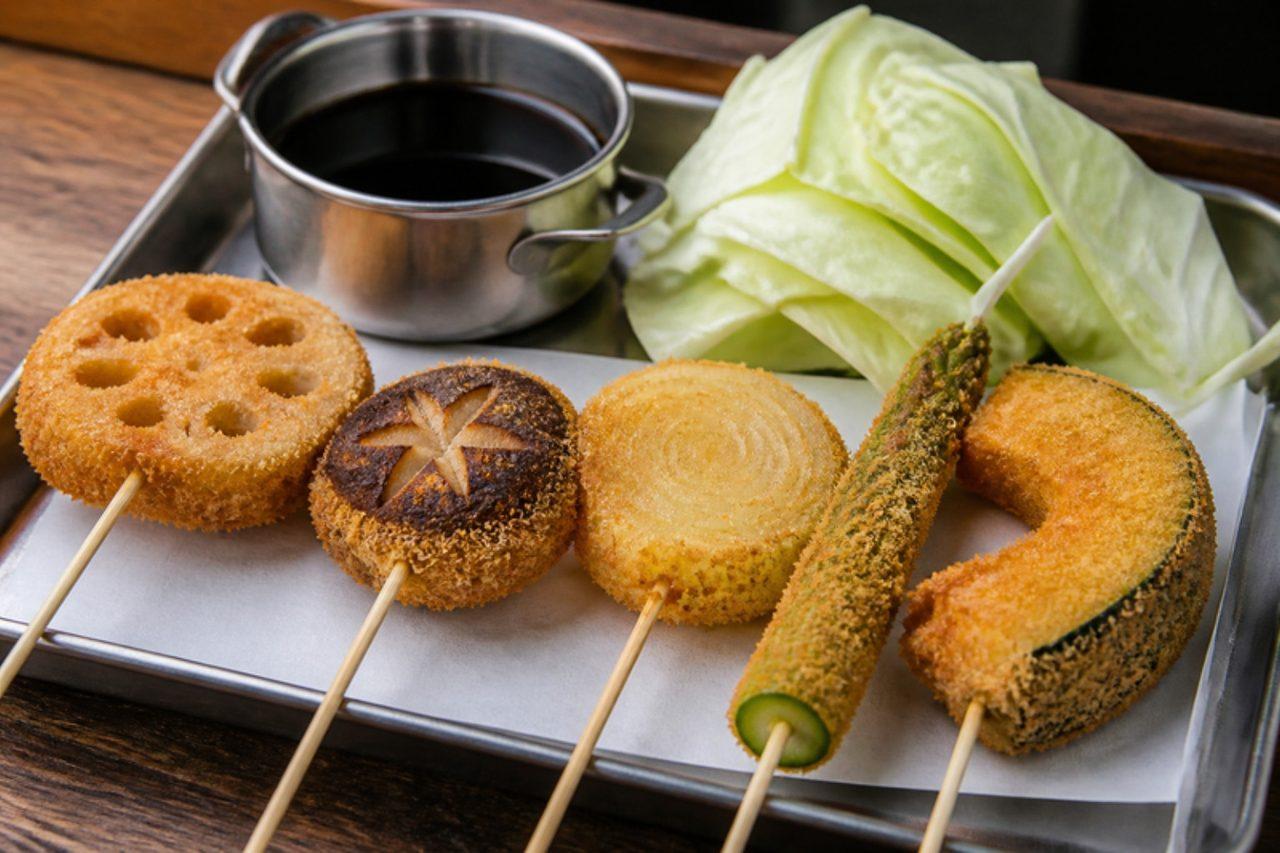
Vegetable kushikatsuBreaded vegetable skewers

Kushikatsu belongs to Shinsekai, the neon-lit old entertainment district at the foot of Osaka's Tsutenkaku tower. Since the 1920s, labourers have stood at its counters eating skewers fried to order, dunked in a shared steel pot of thin, fruity sauce. The famous house rule, 'no double dipping', is printed on signs everywhere. Vegetables are as popular as meat there: lotus root, shiitake, onion, asparagus and, a local favourite, chewy mochi and cheese. Have a plate of raw cabbage leaves on the side; they're free at every shop and used to scoop extra sauce. Chef's tip: use fine panko, or blitz ordinary panko briefly. Fine crumbs give the thin, crunchy jacket that Osaka shops are known for.

by KrazyBadal 0 views

Eggs with dates and onions

On a winter morning in the Emirati countryside, when the date palms have given their harvest, a pan of eggs scrambled with onion and chopped dates is a quick, filling breakfast eaten with flatbread and a glass of sweet tea. The dates melt into sticky pockets among the eggs, the onions add savoury sweetness and a pinch of cardamom ties it together. It is homely food rarely seen in restaurants, made in minutes from what every Gulf kitchen has. Chef's tip: use soft, moist dates such as khalas or medjool; dry ones stay chewy and never melt into the eggs.

by KrazyBadal 0 views

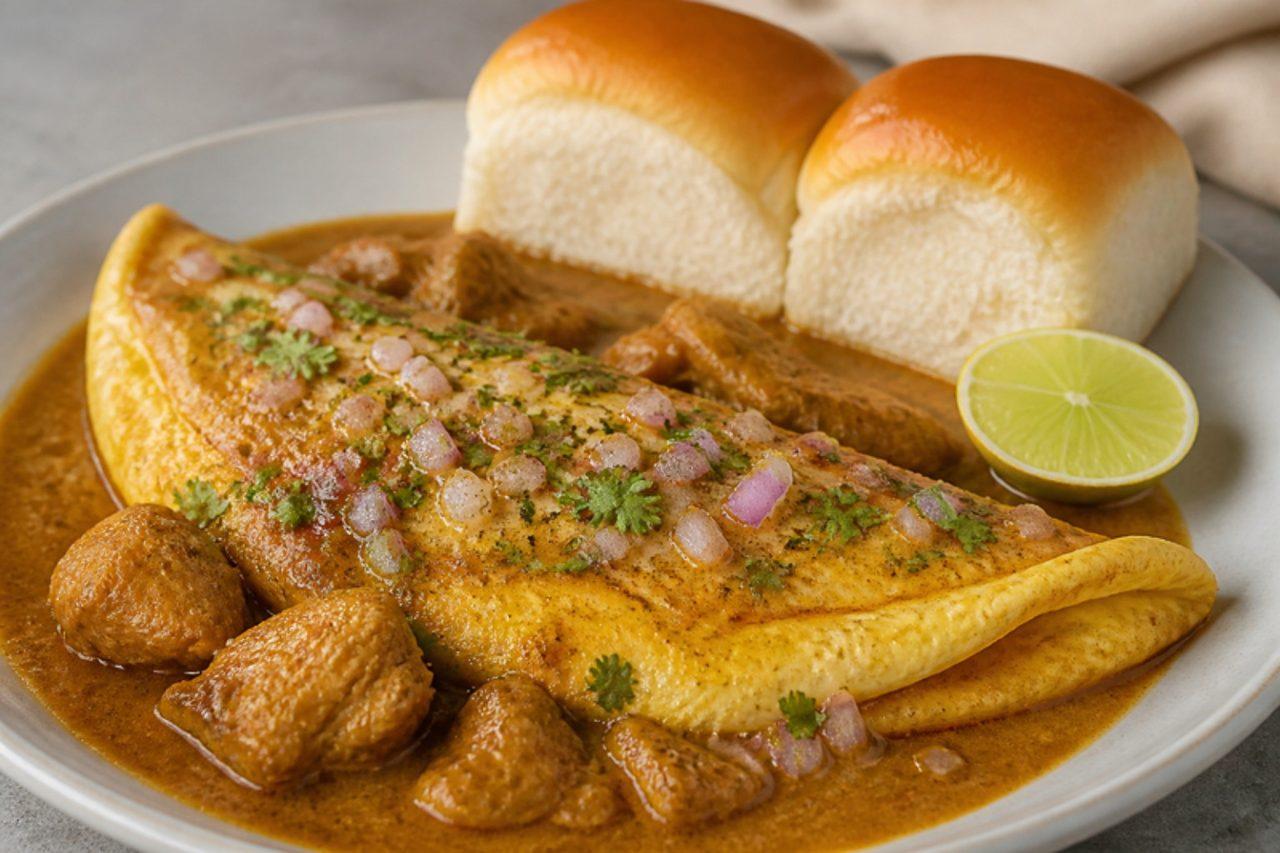
Goan ros omelette

After dark in Panjim, Mapusa and Margao, roadside carts fry omelettes to order and ladle over them a thin, spicy chicken gravy called ros, meaning juice. It is late-night food, eaten standing up, mopped with soft Goan pao. The ros is a loose chicken xacuti, rich with roasted coconut, poppy seeds and star anise. Chef's tip: keep the gravy soupy; it should flood the omelette and soak into the bread, not sit on top like a stew.

by KrazyBadal 0 views

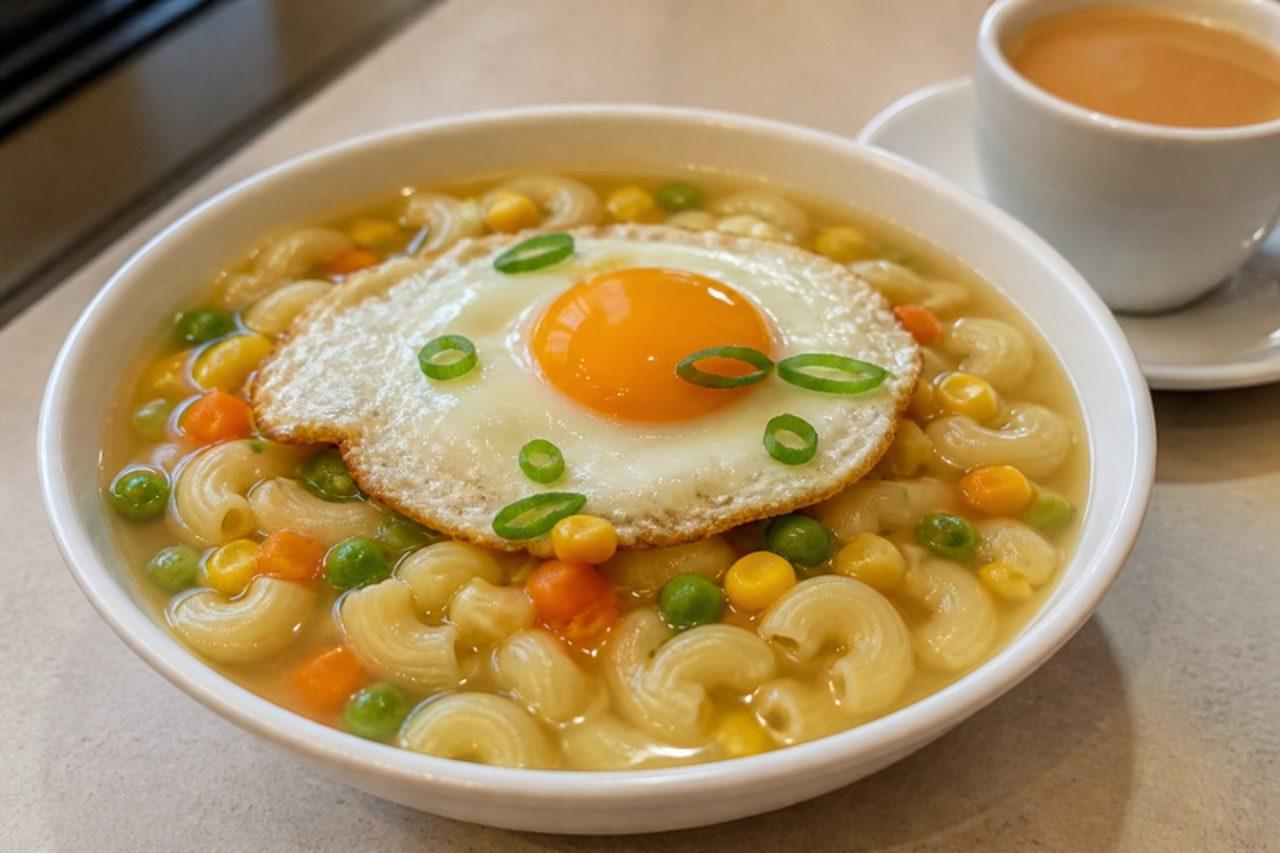
Hong Kong vegetable macaroni soup

Walk into any Hong Kong cha chaan teng before 11 am and you'll see bowls of macaroni in clear soup on almost every table, part of the breakfast set with toast and milk tea. The usual version carries strips of ham; at home many families make it with sweetcorn, peas, carrot and a fried egg instead, for a light, comforting bowl that children love. Chef's tip: cook the macaroni separately and add it to the broth at the end, so it stays springy and the soup stays clear.

by KrazyBadal 0 views

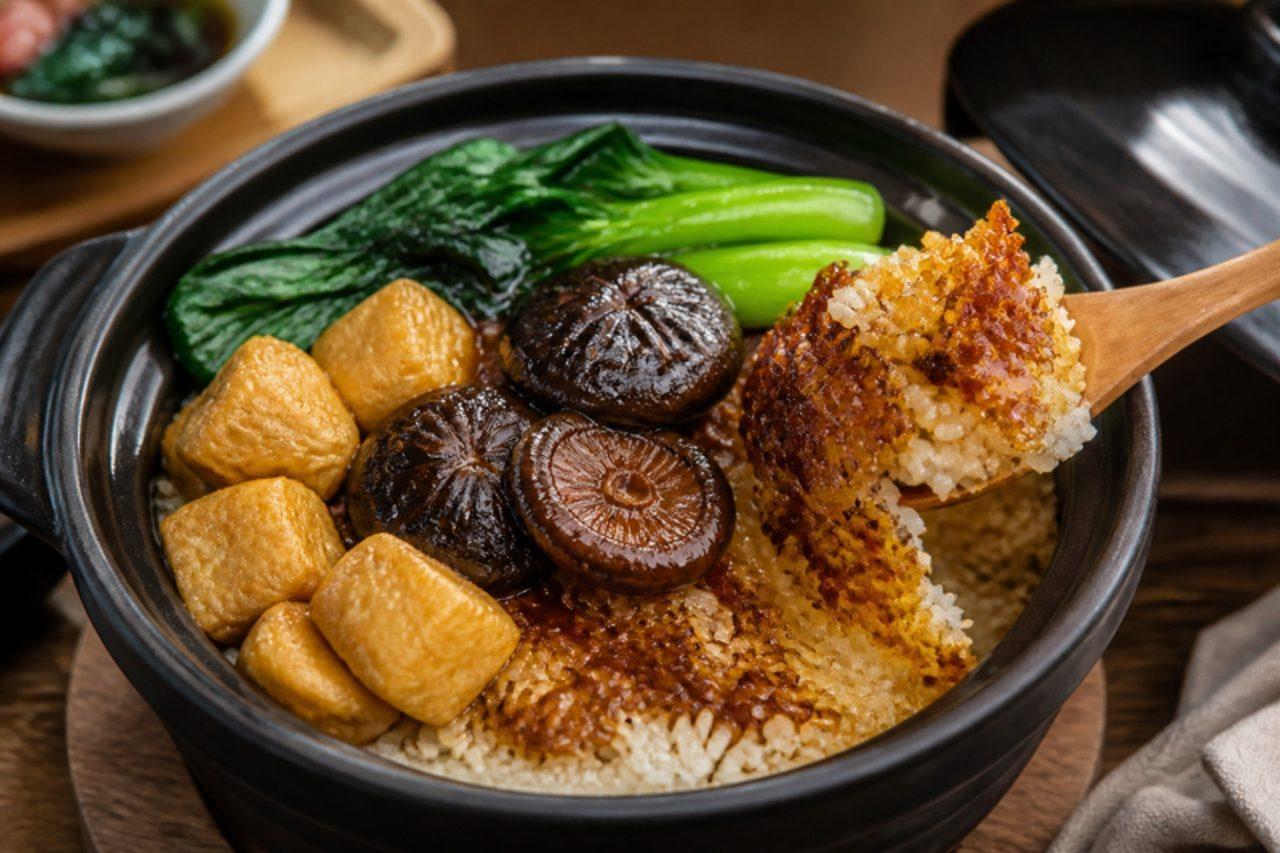
Claypot rice with mushroom and tofu

In winter, the dai pai dong stalls of Temple Street and Mong Kok line up dozens of little clay pots over roaring flames, and queues form for bou zai faan: rice cooked right in the pot, topped with the day's ingredients and doused with sweet soy at the table. The prize is the golden, crackling crust (faan jiu) at the bottom. This vegetarian pot uses shiitake, fried tofu puffs and choy sum, seasoned with a mushroom-based vegetarian oyster sauce. Chef's tip: once the rice has absorbed its water, drizzle oil round the inside edge of the pot and turn it slowly over the flame; that's how the crust forms evenly instead of burning in one spot.

by KrazyBadal 0 views

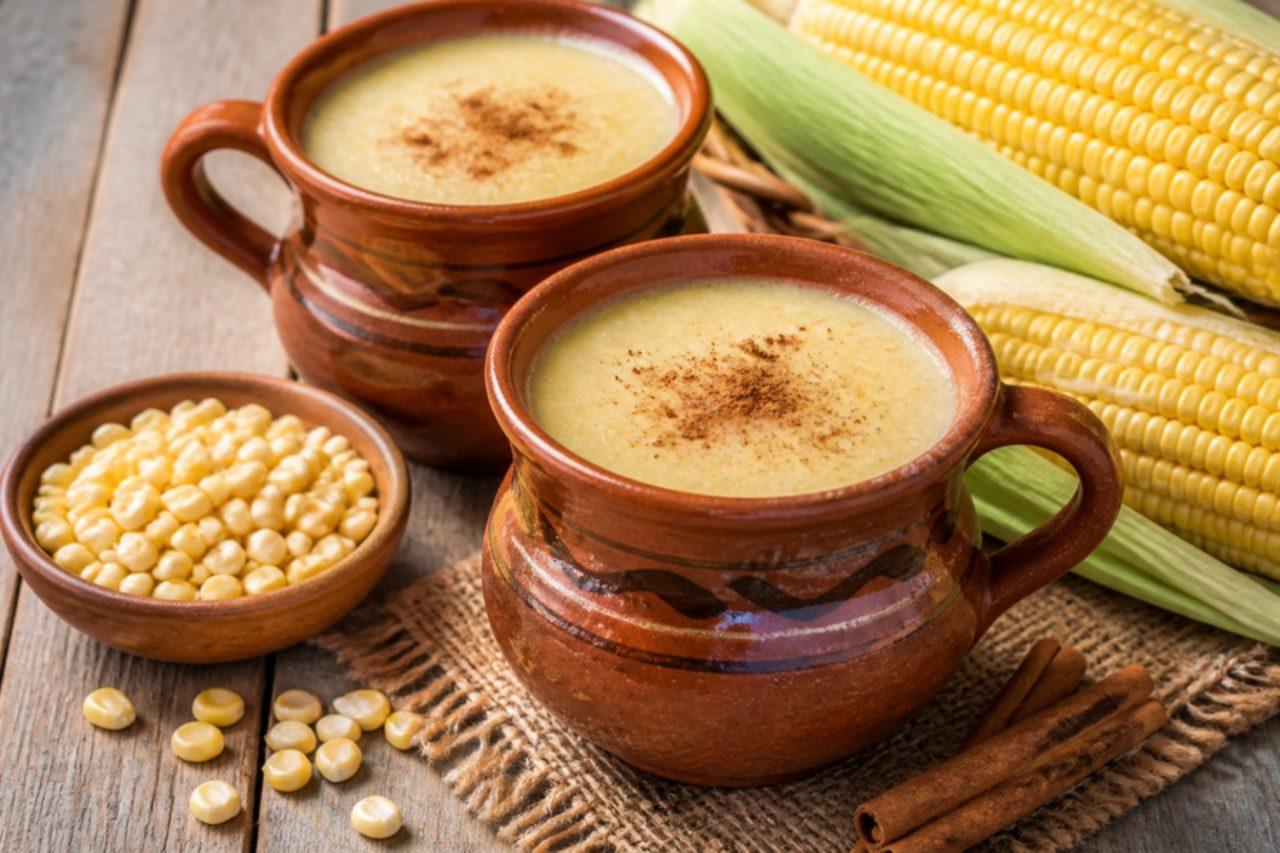
Atol de eloteWarm fresh corn drink

When the new maize comes in, Central Americans drink their corn: atol de elote is fresh sweetcorn blended, strained and cooked with milk and cinnamon into a thick, pale-yellow drink, sipped from a cup or a gourd. In El Salvador it's sold at roadside stands with tamales de elote; in Guatemala it warms chilly highland evenings. Taste is like sweet corn custard you can drink. Chef's tip: strain the blended corn through a fine sieve and press hard; the skins make the drink gritty.

by KrazyBadal 0 views

Hong Kong French toast

In Hong Kong's cha chaan teng (tea restaurants), French toast means two thick slices of white bread sandwiched with peanut butter, dipped in egg, fried until puffed and golden, then crowned with a pat of butter and a pour of golden syrup or condensed milk. It is an afternoon tea-set favourite, paired with a strong cup of milk tea, and it's richer than any French version. Chef's tip: trim the crusts and press the sandwich edges firmly so the egg doesn't seep into the peanut butter.

by KrazyBadal 0 views

Attiéké with tomato and onionCassava couscous with tomato salad

Attiéké is the light, slightly sour cassava 'couscous' of the Ébrié and Adjoukrou peoples around Abidjan's lagoons, and it is eaten across Côte d'Ivoire every day of the week. In maquis (open-air restaurants) it comes heaped beside grilled fish with a raw salad of tomato, onion and chilli; at home many people eat it simply with that salad, fried plantain and a fried egg, which is how it is served here. Buy it frozen or dried in African shops. Chef's tip: steam attiéké rather than boiling it; water turns it to paste, while steam keeps the grains fluffy and separate.

by KrazyBadal 0 views

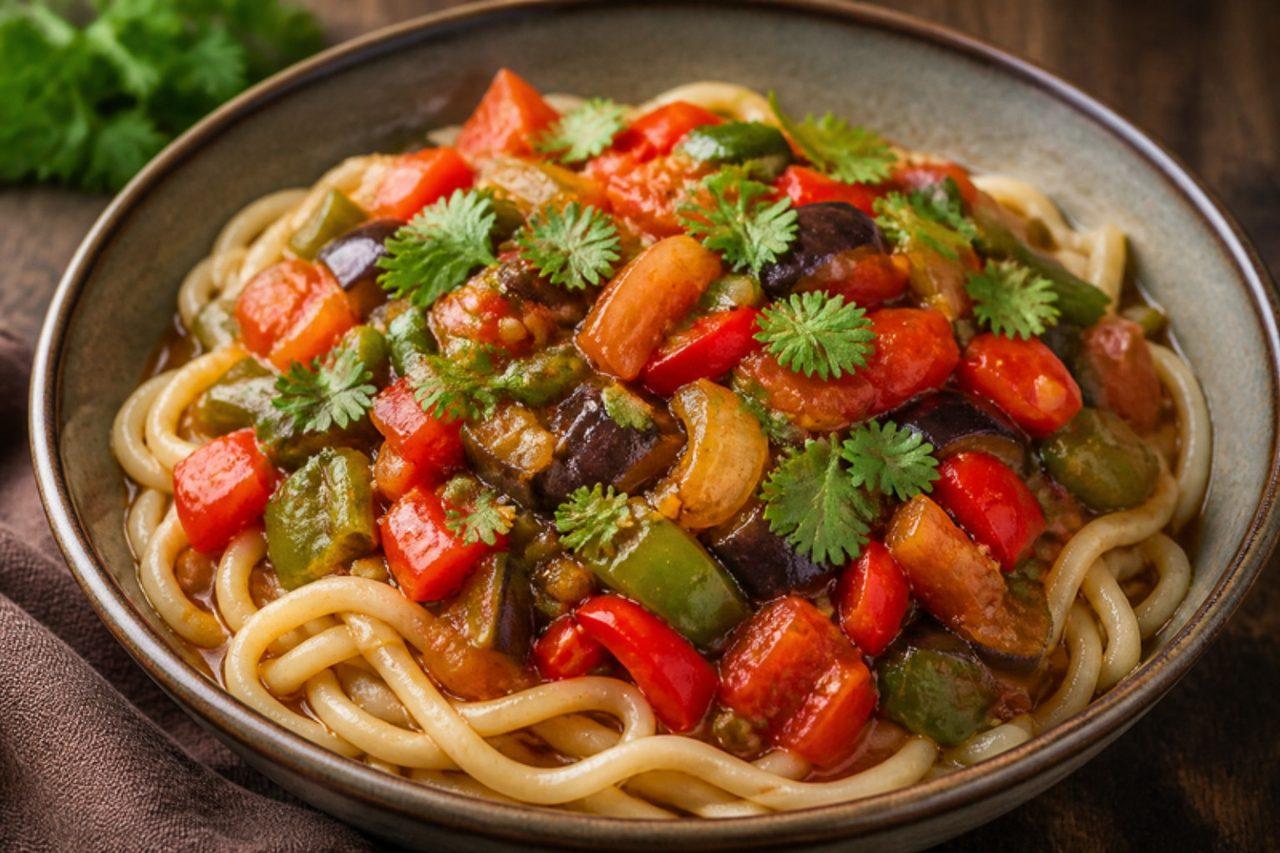
Vegetable lagmanHand-pulled noodles with vegetables

Lagman came to the Ferghana Valley with Uyghur and Dungan cooks, and in Andijan and Namangan it is still made the old way: a soft dough oiled, rested and pulled by hand into long, springy noodles, then topped with a stew of peppers, radish, green beans and tomato called vadja. Ferghana lagman is usually 'dry' (quwurma), the sauce thick enough to cling, rather than a soup. Locals eat it at lunchtime from noodle houses near the bazaar, with a dash of vinegar and chilli oil at the table. This version uses only vegetables. Chef's tip: oil the dough ropes generously and let them rest a full 30 minutes; well-rested dough stretches to arm's length without snapping.

by KrazyBadal 0 views

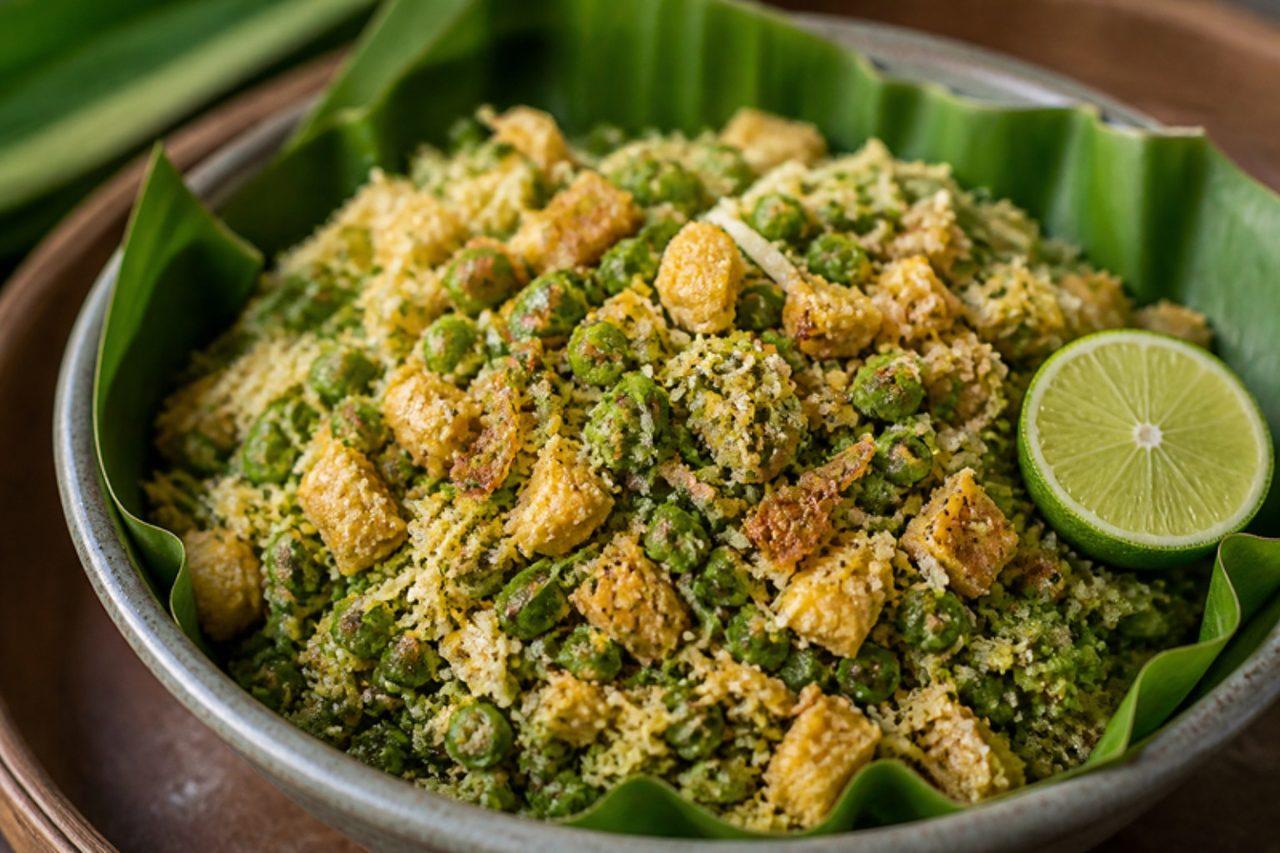
Vegetable lawarBean and toasted coconut salad

Lawar is the dish of Balinese ceremonies: before a temple festival or a family rite, the men of the banjar gather at dawn to chop and mix it by hand in huge quantities. Many versions include meat, but lawar kacang, made with long beans, is common at home and at Balinese warungs, and it shows off base genep, the island's master spice paste of shallot, garlic, galangal, kencur, turmeric and chilli. Mixed with toasted grated coconut, it's crunchy, fragrant, sour and hot, and is eaten with rice the day it's made. Chef's tip: mix the lawar just before serving and with your hands, squeezing gently, so the spice paste works into the beans; made too early, it goes watery and dull.

by KrazyBadal 0 views

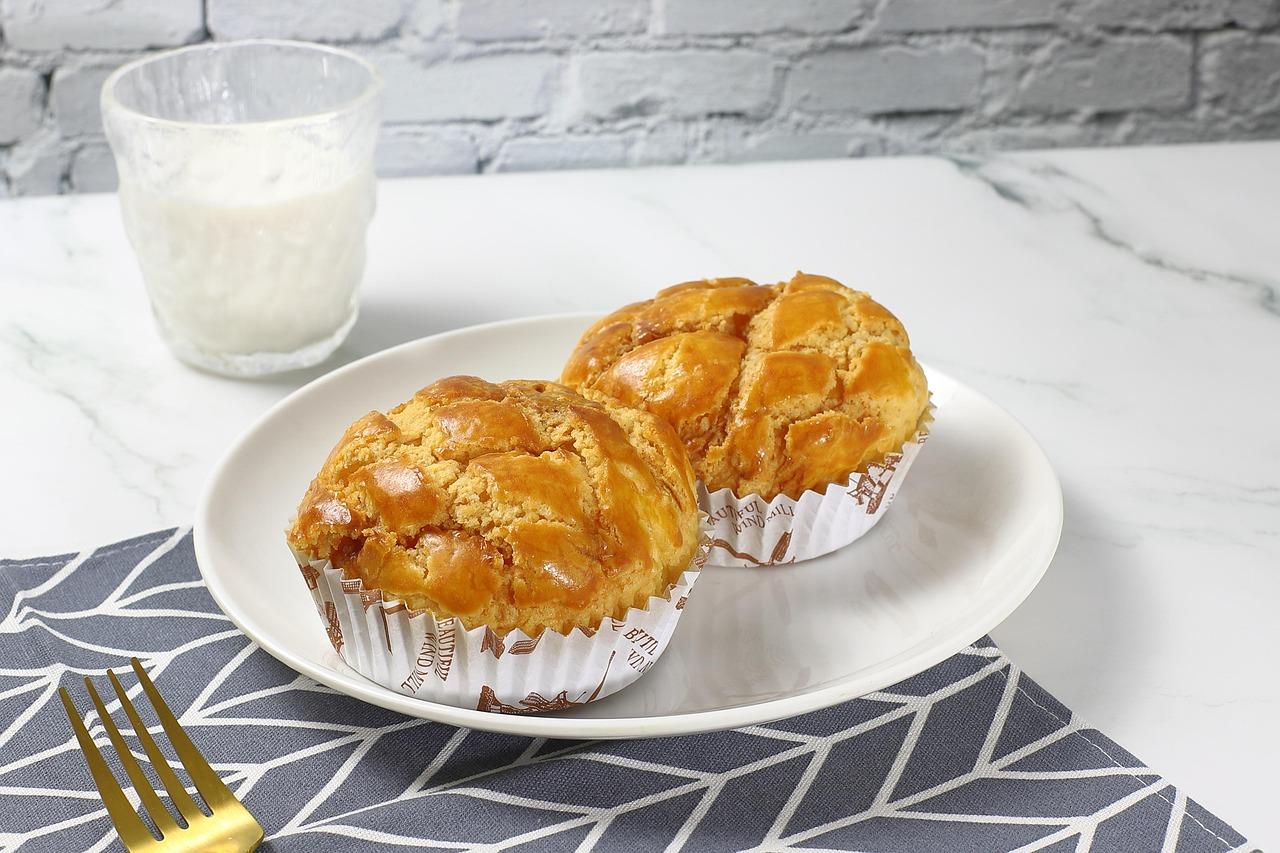
Hong Kong pineapple bun

Despite the name, there is no pineapple in a bolo bao; the crackled, golden sugar crust on top just looks like the fruit's skin. It is the best-selling bun in Hong Kong bakeries and cha chaan teng cafés, eaten warm at breakfast or tea time with milk tea, and many people order it as bo lo yau, split open with a thick, cold slice of butter melting into it. Chef's tip: roll the topping between two sheets of baking paper rather than on a floured board; the soft dough is fragile and paper lets you lift it on in one piece.

by KrazyBadal 0 views

Taiwanese pineapple cakes

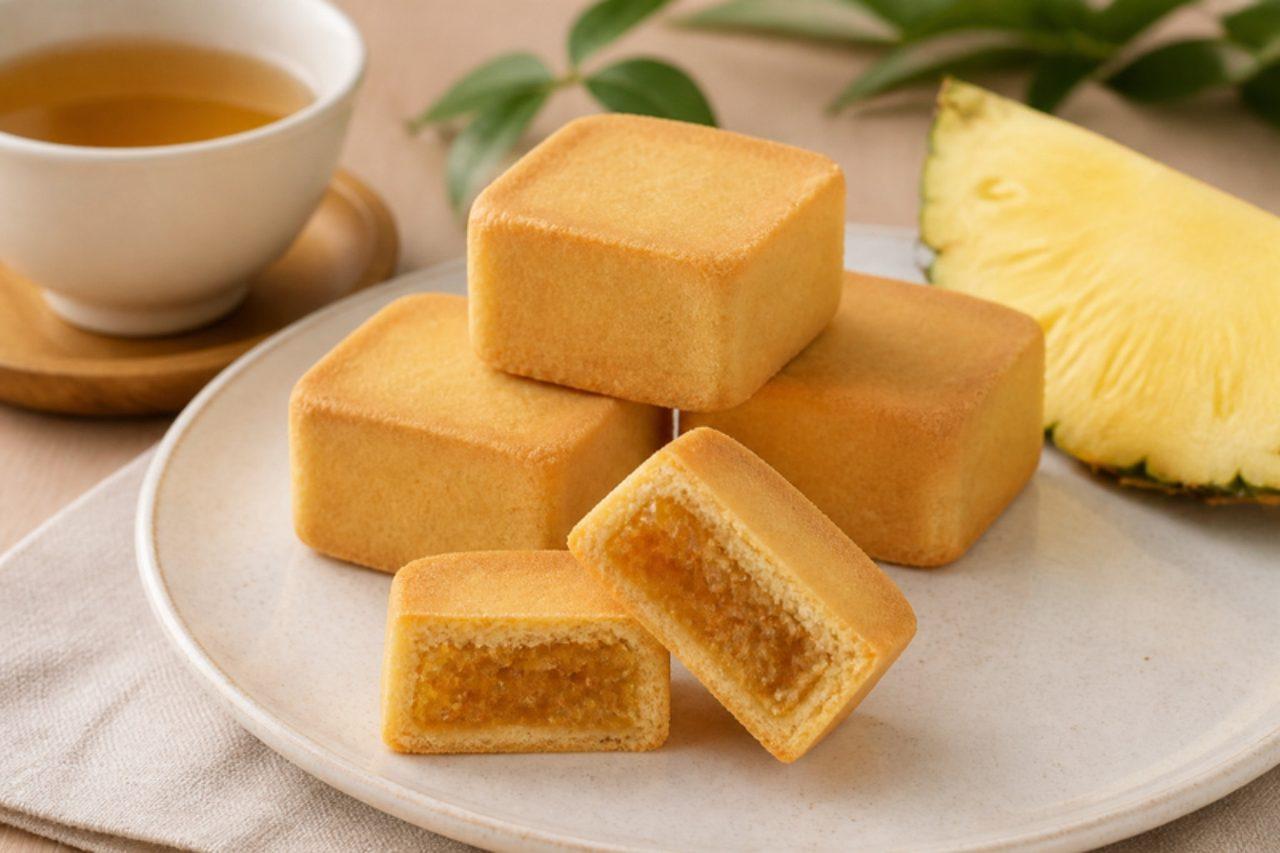
Feng li su are the gift-box sweet of Taiwan: little golden squares of crumbly, milky shortbread wrapped round a chewy pineapple jam. Bakeries in Taichung and Taipei pack them in tins for Lunar New Year, weddings and visiting relatives, and the name sounds like 'prosperity arriving' in Taiwanese Hokkien. Older bakeries bulk the filling with winter melon for a softer, sweeter jam; this home version uses fresh pineapple only, cooked down until thick and tangy. Chef's tip: chill the dough and the jam balls before wrapping; cold, firm pieces are far easier to seal without the jam breaking through.

by KrazyBadal 0 views

Gua bao with braised tofu and mushroom

Gua bao are the folded, clam-shaped buns sold at night markets from Tainan to Keelung, traditionally stuffed with a slab of soy-braised pork belly and eaten as a 'tiger bites pig' snack at year-end company dinners. Here the filling is thick slices of tofu and king oyster mushroom simmered in the same sweet soy braise, then layered with sour mustard greens, a spoon of ground peanut and sugar, and fresh coriander. The soft bun, salty filling and sweet peanut crumble are what make it. Chef's tip: brush the half-moons with oil before folding and lay a strip of baking paper inside, so the buns open cleanly after steaming.

by KrazyBadal 0 views

AvakayaRaw mango pickle

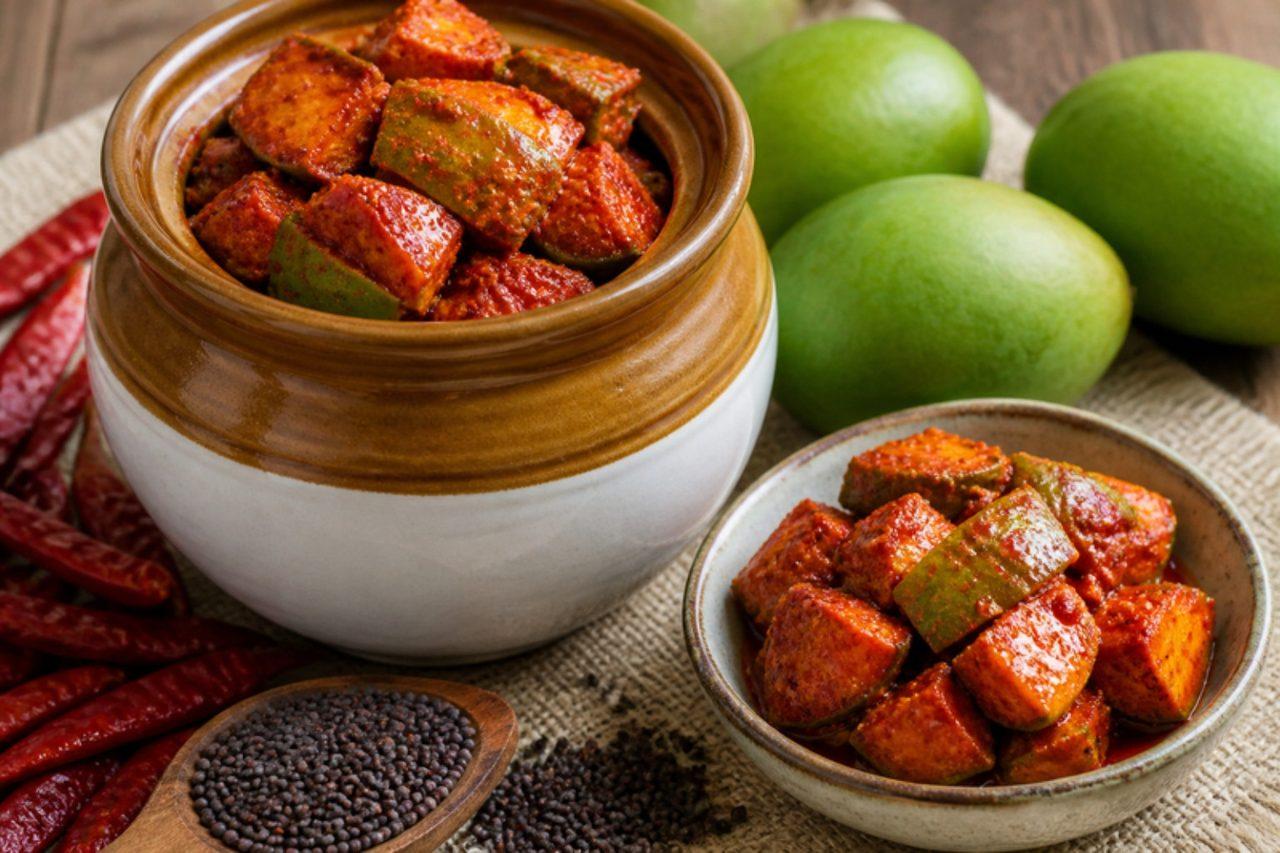
Every April and May, when the hard, sour green mangoes arrive, Andhra homes turn into pickle factories. The mangoes are cut, stone and all, with a heavy cleaver, then mixed with freshly ground mustard, fiery red chilli powder, salt and a flood of sesame oil, and packed into ceramic jars to mature. Avakaya is fierce, pungent, salty and sour, and a tiny piece mashed into hot rice with ghee and dal is many Telugu people's idea of perfect lunch. A jar lasts the whole year. Chef's tip: every piece of mango, every knife and the jar must be bone dry; a single drop of water can turn a whole batch mouldy.

by KrazyBadal 0 views

Taipei sesame noodles

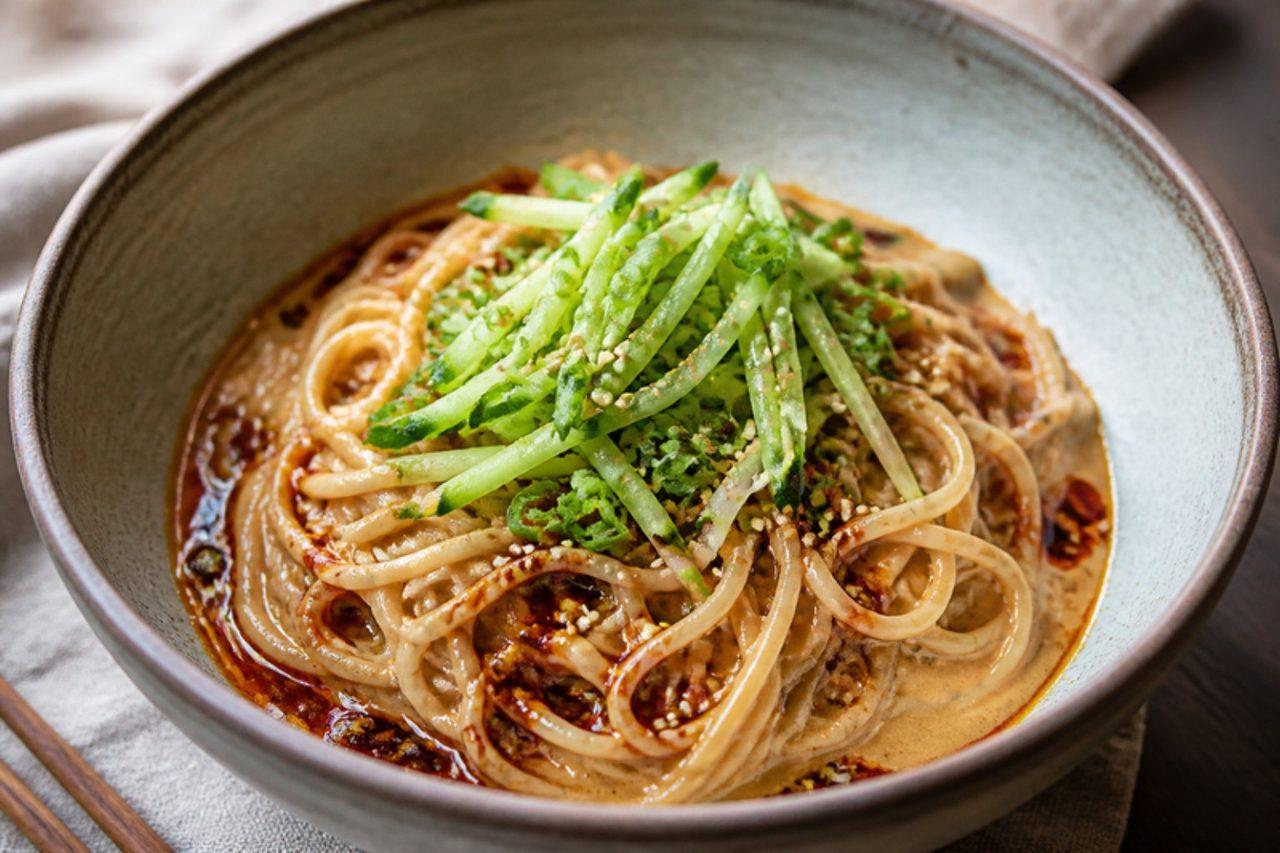
Ma jiang mian is the first thing many Taipei students order at the corner noodle shop, with a bowl of soup on the side and a plate of sliced cucumber. The noodles are tossed, never drowned, in a thick sauce of toasted sesame paste loosened with soy sauce, black vinegar and a little of the cooking water, then splashed with chilli oil. It works hot in winter and cold from the fridge in the sticky Taipei summer. Chef's tip: use Chinese toasted sesame paste rather than tahini if you can; it's made from roasted seeds and gives a much nuttier, darker sauce.

by KrazyBadal 0 views

Three-cup tofu

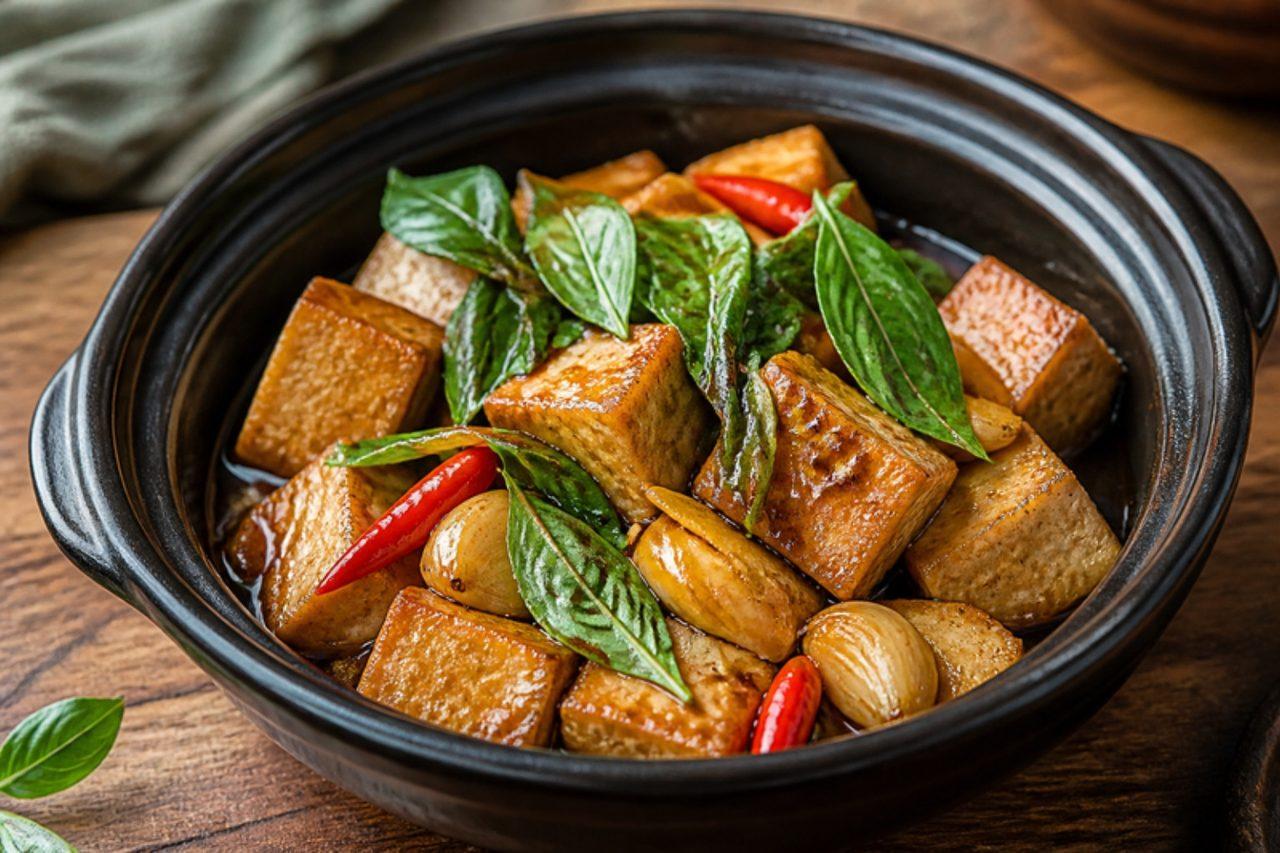
Three-cup dishes (san bei) are cooked in every Taiwanese home and in the rè chǎo stir-fry beer halls, where they arrive at the table still crackling in a clay pot. The name comes from the old equal measures of sesame oil, soy sauce and rice wine; today cooks use less, but the result is the same sticky, garlicky glaze lifted at the last second by a fistful of Taiwanese basil. Chicken is the most famous version; tofu soaks up the sauce even better and is just as popular in vegetarian restaurants around Taipei. Serve with plain rice. Chef's tip: fry the ginger slices in the sesame oil until they curl and frill at the edges before anything else goes in; that is where the dish's warm, toasty smell comes from.

by KrazyBadal 0 views

AvialMixed vegetables in coconut yogurt

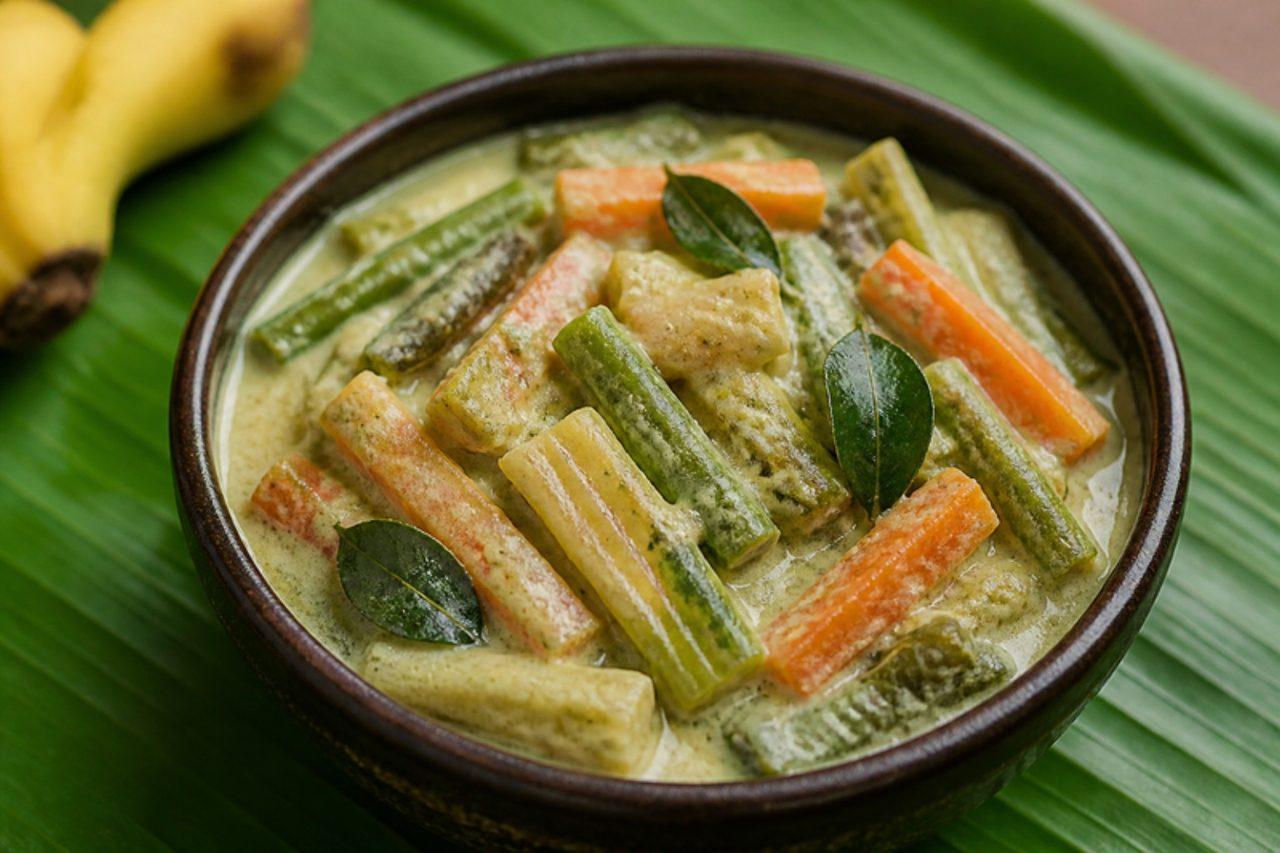
Avial is a mainstay of the Kerala sadya, the vegetarian feast served on a banana leaf at Onam and weddings. Batons of vegetables (raw banana, drumstick, yam, carrot, beans, ash gourd) are cooked just tender, then coated in a coarse paste of fresh coconut, cumin and green chilli, soured with curd and finished with raw coconut oil and curry leaves. It's thick rather than saucy, mild, tangy and fragrant. Serve with rice and sambar, or with adai. Chef's tip: cut every vegetable into the same 5 cm batons and add them in order of hardness, so they're all tender together and nothing turns to mush.

by KrazyBadal 0 views

Hong Kong egg waffles

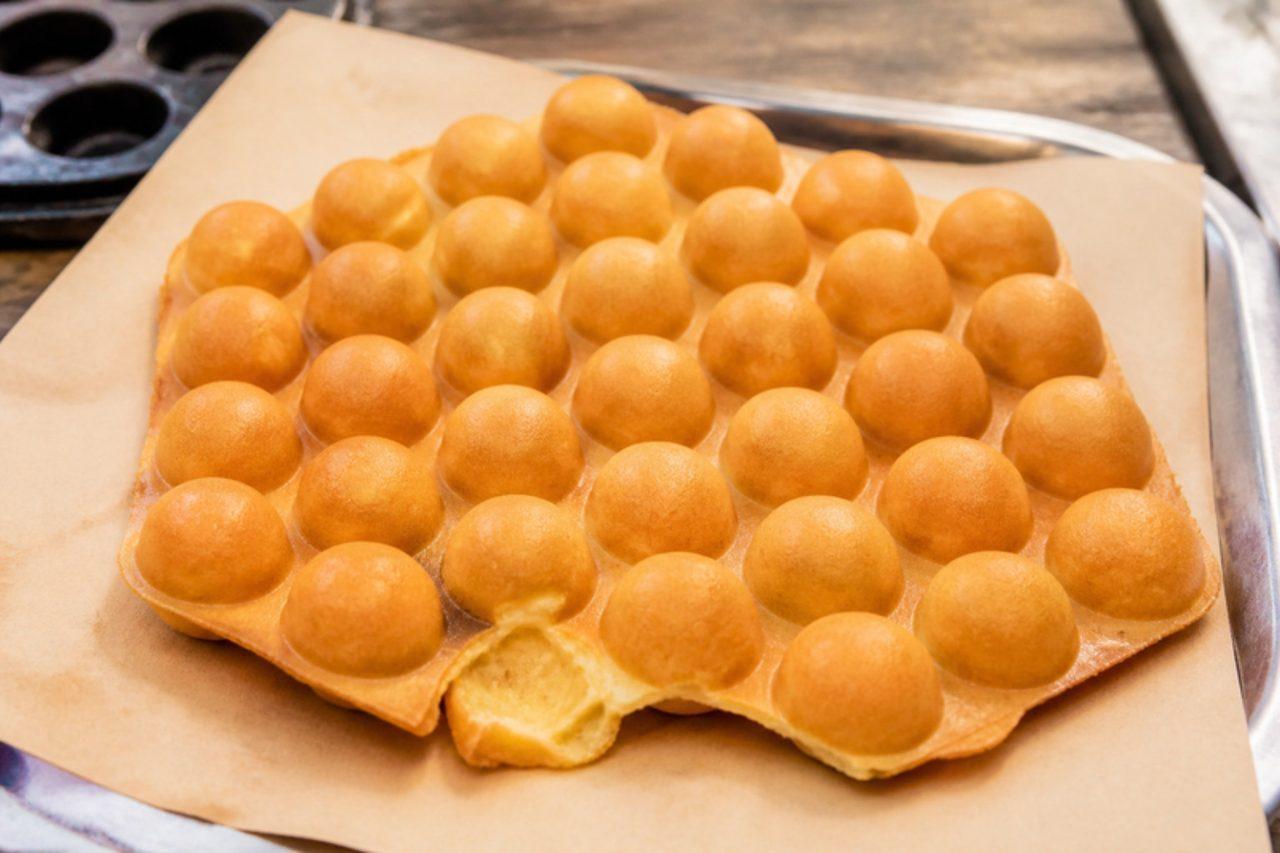
Gai daan jai, 'little eggs', are the honeycomb sheets of puffed bubbles sold from street carts in Mong Kok and Sham Shui Po since the 1950s, handed over in a paper bag to be pulled apart bubble by bubble while you walk. A good one is crisp and thin on the outside and soft, almost hollow, in the middle, with the smell of egg, vanilla and evaporated milk. You need the special egg waffle pan with round cups. Chef's tip: rest the batter for at least 30 minutes; it bakes up lighter and the bubbles fill evenly.

by KrazyBadal 0 views

Axone porkPork with fermented soybean

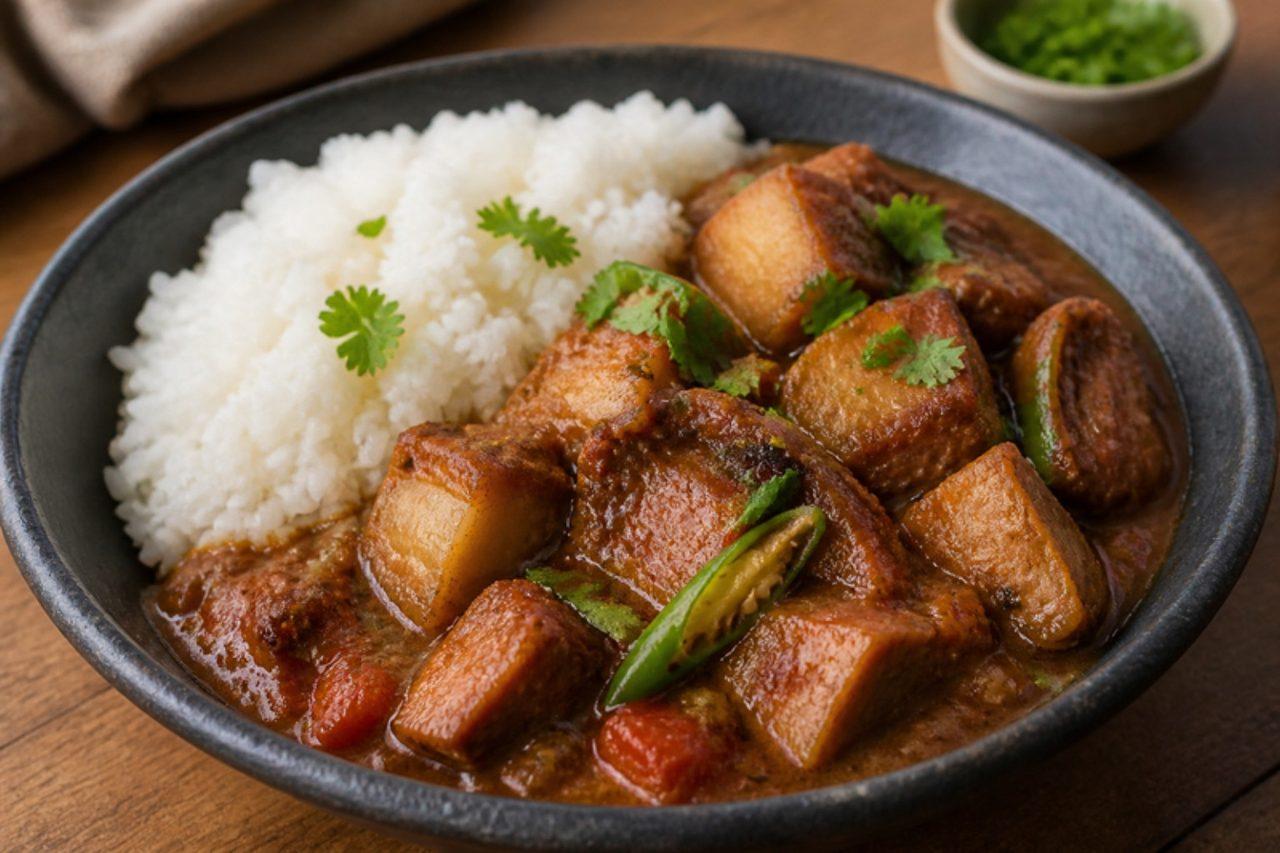
Axone, called akhuni in the Sumi Naga language, is soybean fermented in banana leaves until it is pungent and deeply savoury, and pork cooked with it is a signature of the Sumi people of Zunheboto in Nagaland. The smell is strong while it cooks, but the finished curry tastes rich, earthy and meaty, sharpened by tomato and chilli. Serve with rice and a green vegetable. Chef's tip: open a window and warn the household; axone is famously smelly in the pan and wonderful on the plate.

75 minIndianMeatGluten freeSpicy
by KrazyBadal 0 views

Ayam betutuSpiced slow-braised chicken

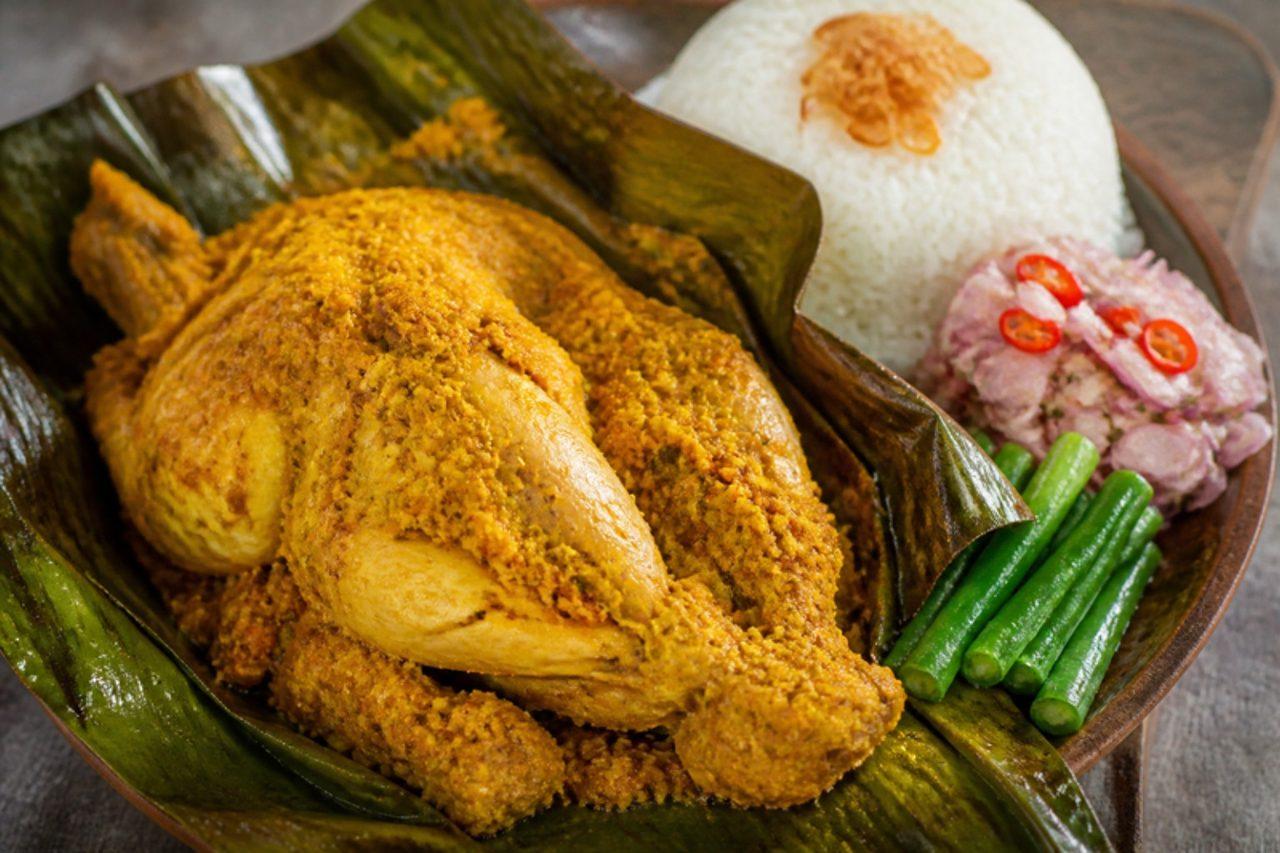
Drive through west Bali to the ferry port of Gilimanuk and the roadside warungs all sell the same thing: ayam betutu, chicken cooked so long in spice paste that it slumps off the bone into a fiery, turmeric-orange gravy. The paste is base genep, Bali's master seasoning of shallots, garlic, galangal, aromatic ginger, turmeric, chillies, candlenuts and shrimp paste, and it is rubbed inside and out before the bird braises gently in a covered pot. Expect deep heat, a little bitterness from the greens tucked inside and a rich, almost buttery sauce. Pile it on steamed rice with water spinach or a raw sambal matah to cut through. Chef's tip: braise it the day before; the paste mellows overnight and the chicken reheats beautifully.

by KrazyBadal 0 views

Shiitake and tofu lu rou fan

In Taipei, a bowl of lu rou fan costs little more than a bus fare, and night-market stalls ladle it from pots that have simmered since afternoon. The original is chopped pork belly stewed in soy sauce, rice wine and fried shallots; this meat-free version gets the same glossy, sticky richness from diced shiitake, browned firm tofu and plenty of shallot oil. It is a weekday lunch for office workers and a late snack after the markets, served with a heap of yellow pickled radish and a few blanched greens. Chef's tip: brown the tofu cubes hard before they go into the braise; a crust soaks up the sauce and chews almost like the meat it replaces.

by KrazyBadal 0 views

Ayam masak merahChicken in tomato chilli sauce

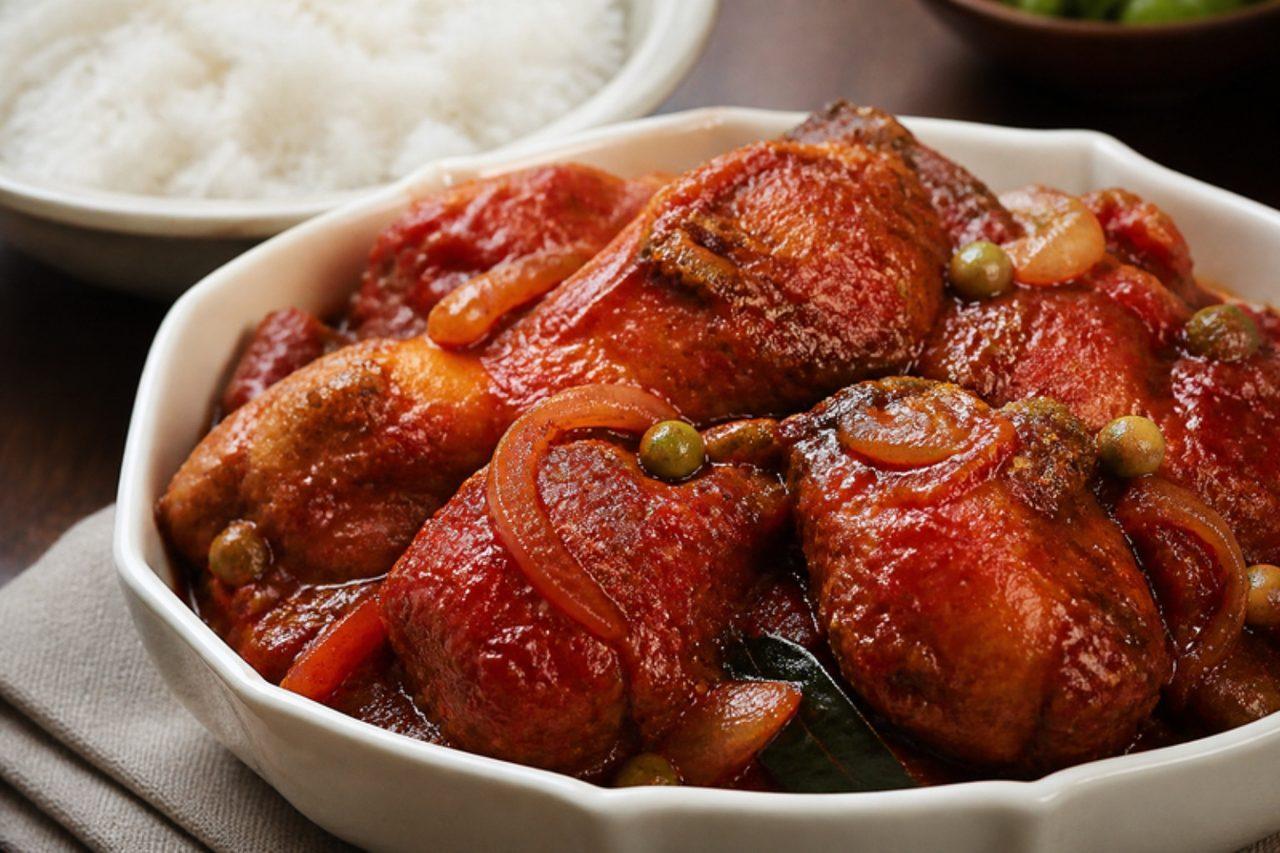
Red-cooked chicken turns up at almost every Malay kenduri (wedding feast) and Hari Raya open house across Malaysia, ladled out of huge pots beside nasi minyak or plain rice. The chicken pieces are fried first so the skin firms up, then simmered in a brick-red sauce of blended dried chillies, tomato and onion that tastes sweet first, then hot, then tangy. Cinnamon, star anise and cloves give it a warm, almost festive smell, and a splash of coconut milk at the end rounds off the edges. Serve it with steamed rice, cucumber slices and a spoon of acar (pickled vegetables). Chef's tip: fry the chilli paste until it darkens and the oil seeps out (pecah minyak) before any tomato goes in; raw paste makes the sauce taste harsh and bitter.

by KrazyBadal 0 views

Ayam pongtehChicken and potato braise

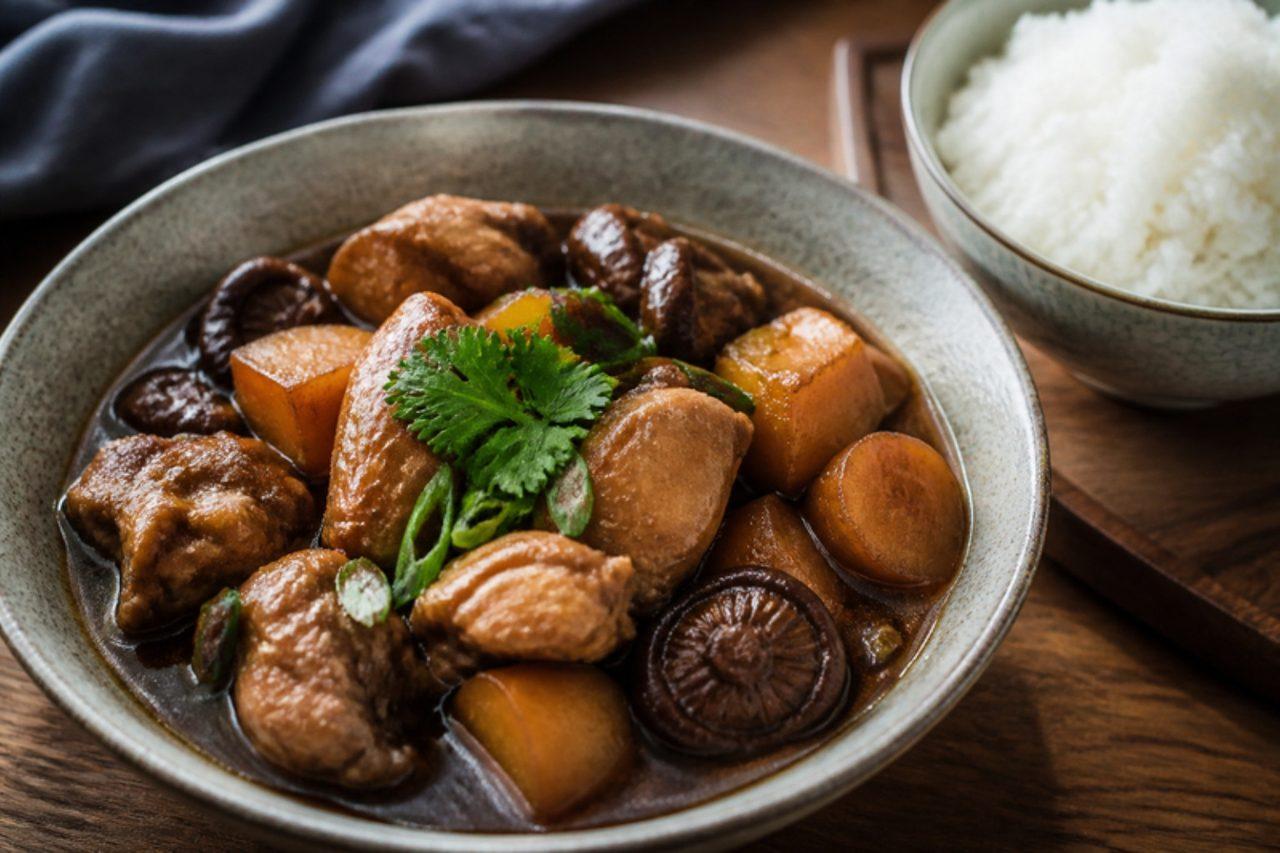
Melaka's Peranakan (Nyonya) kitchens cook ayam pongteh for family dinners and for the Chinese New Year reunion table: a dark, gentle braise of chicken and potatoes that has no chilli at all. Its savour comes from taucheo, salted fermented soybeans, fried with a lot of shallots and garlic, sweetened with palm sugar and coloured with dark soy. The gravy is thin, glossy and moreish, and the potatoes drink it up until they are soft enough to crush with a spoon. Spoon it over plain rice with sambal belacan on the side for anyone who wants heat. Chef's tip: pound the shallots rather than blending them to a purée; slightly coarse shallots melt into the gravy and give it body.

by KrazyBadal 0 views

Ayam rica-ricaChicken in fresh chilli paste

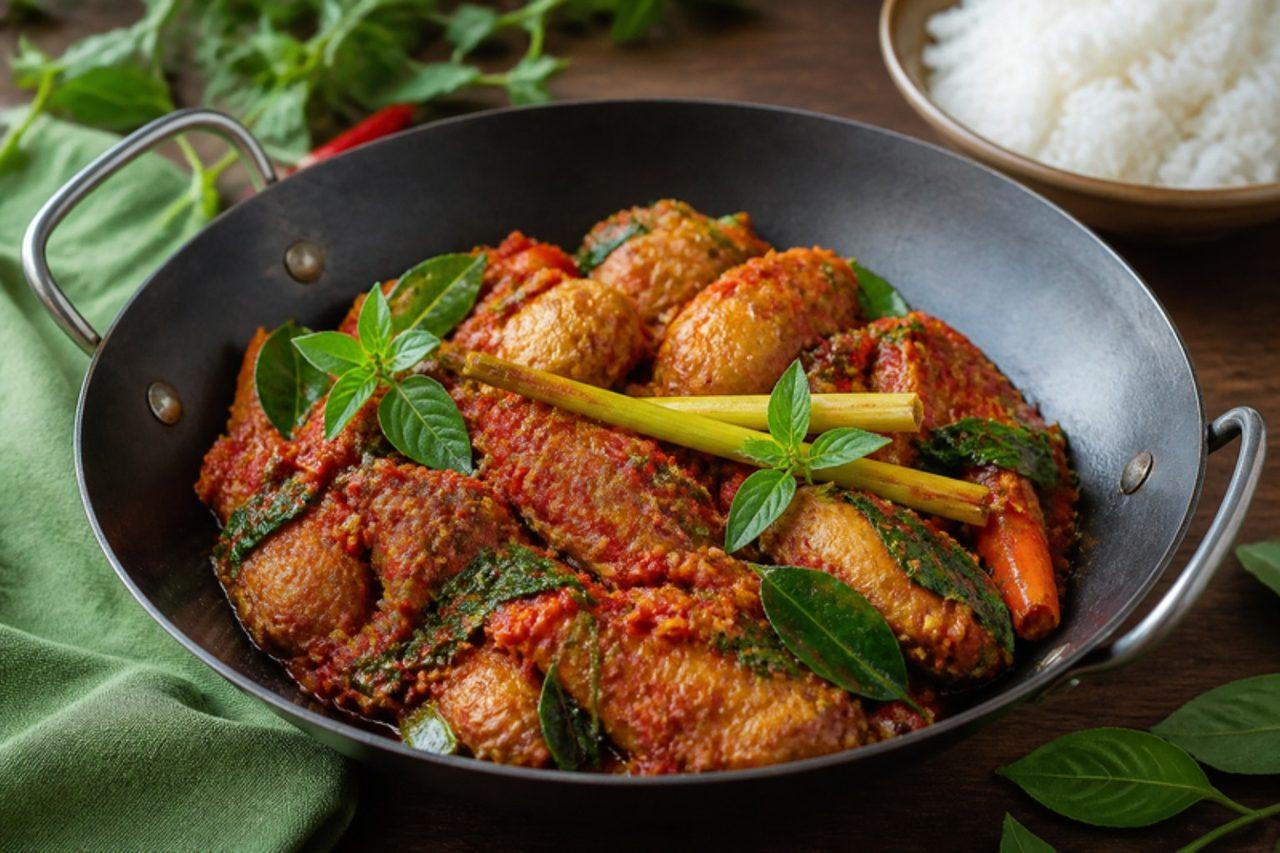
Rica means chilli in the Manado dialect, and North Sulawesi cooks are not shy with it. Ayam rica-rica turns up at Minahasa family parties and church gatherings, a heap of chicken pieces coated in a coarse, scarlet paste of fresh chillies, shallots and ginger, finished with tomato, spring onion and a fistful of lemon basil. It's hot, bright and fresh rather than deep and stewed, with a sticky sauce that clings to the meat. Serve it with lots of steamed rice and a cooling cucumber salad. Chef's tip: blend the paste coarse, with as little water as possible; a wet, smooth paste steams instead of frying and never gets that glossy, toasty edge.

by KrazyBadal 0 views

Hong Kong milk tea

Hong Kong milk tea is the daily fuel of the city's cha chaan teng, poured hot in thick cups at breakfast and over ice in the humid afternoons. Tea masters brew a blend of strong black teas, strain it again and again through a long cotton bag (the stained 'silk stocking'), and mix it with evaporated milk for a smooth, almost velvety drink. Chef's tip: let the tea simmer for a few minutes rather than just steeping it; Hong Kong milk tea is meant to be strong and slightly astringent, or the milk drowns it.

by KrazyBadal 0 views

AyibFresh curd cheese

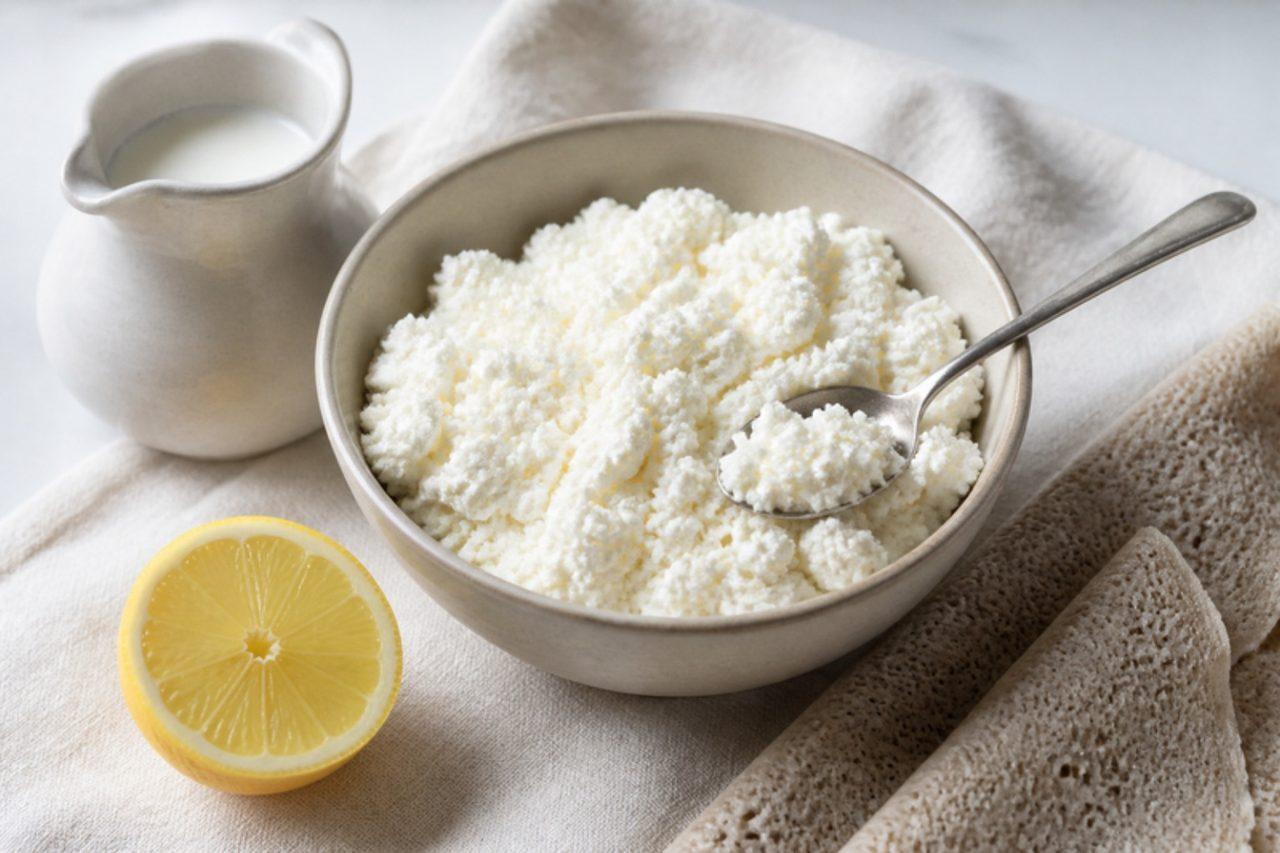
Ayib is the soft, crumbly fresh cheese that Ethiopians serve alongside spicy food to cool the mouth, especially with kitfo and gomen in the Gurage country south of Addis Ababa, where it is made from the buttermilk left after churning butter. It tastes very mild and slightly tangy, a little like ricotta or cottage cheese, and is often mixed with herbs or a pinch of mitmita. This home version uses milk and buttermilk, heated until they separate. Chef's tip: once the curds form, take it off the heat; boiling makes them tough and rubbery.

by KrazyBadal 0 views

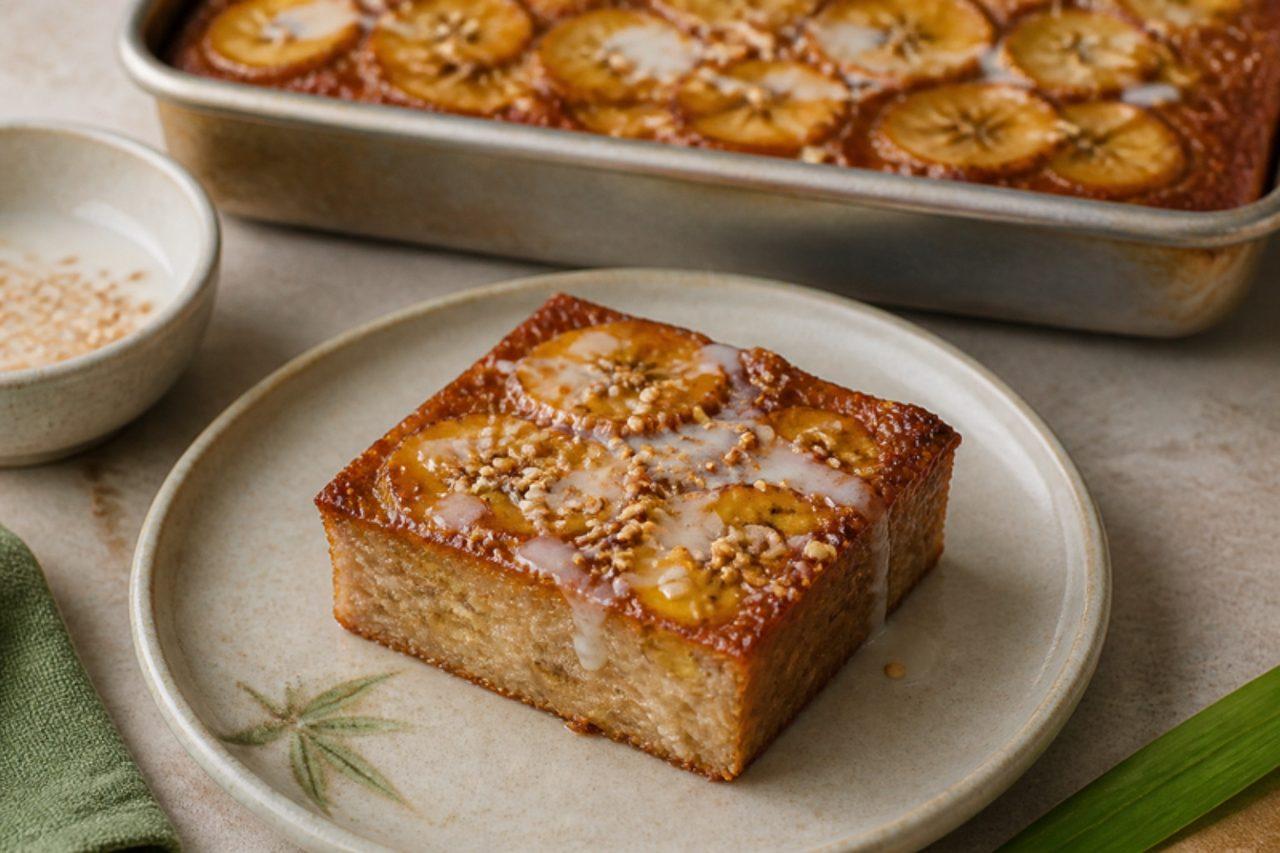
Vietnamese baked banana cake

Bánh chuối nướng is sold by the slab from glass-fronted carts and bakeries in Saigon, a soft, heavy cake made from overripe bananas, day-old bread and coconut milk, baked until the top turns deep amber and the bananas go sticky and jammy. It sits somewhere between a bread pudding and a custard cake, and Saigon people eat it as an afternoon snack, often with a little warm coconut sauce poured over. Home cooks make it to use up blackened bananas and stale baguette. Chef's tip: use the ripest bananas you can find, with brown-spotted skins; they give the cake its colour and sweetness.

by KrazyBadal 0 views

AyranSalted yogurt drink

Ayran is what Turks drink with lunch: a chilled, foamy blend of yogurt, water and a pinch of salt, poured from copper jugs alongside cheese pide, börek, lentil soup and bean stews. In the Susurluk area of Balıkesir it is whisked so hard that it arrives under a thick head of foam, and roadside cafés all over Anatolia serve it in tin cups on hot summer days. It is tangy, refreshing and cooling with spicy food. Make it just before you sit down and drink it ice-cold. Chef's tip: whisk the yogurt alone with the salt until smooth before adding any water, and you'll get a silky drink with no lumps.

by KrazyBadal 0 views

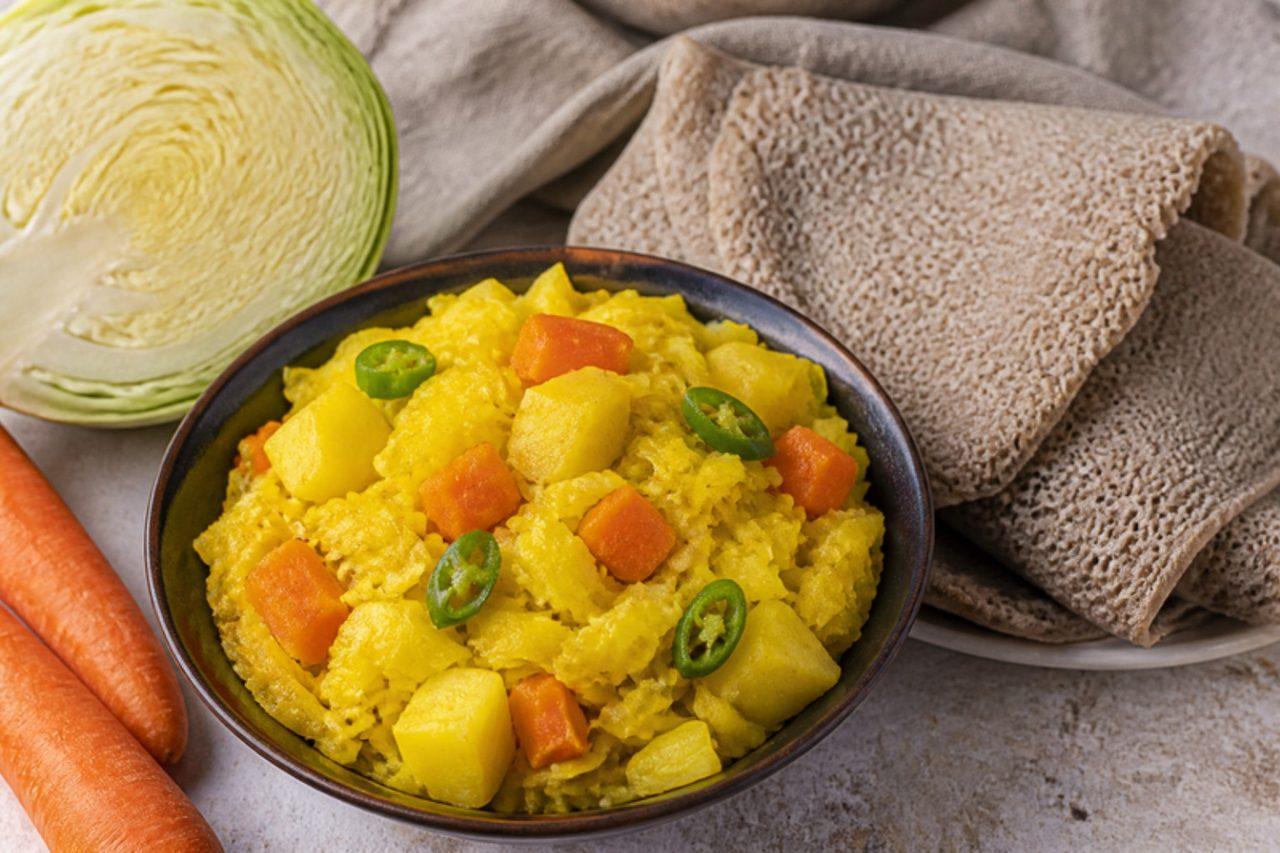
Tikil gomenCabbage, carrot and potato stew

Tikil gomen means 'cabbage stew', and it is the mild, golden side on almost every beyaynetu fasting platter in Addis Ababa and Bahir Dar. White cabbage, carrots and potatoes are cooked slowly with onion, garlic, ginger and turmeric until soft and sweet, with no chilli heat apart from a few strips of green pepper. Children love it, and it balances the spicy red wats beautifully. Chef's tip: let the cabbage cook down until it is sweet and slightly caramelised at the edges; that is where all the flavour comes from.

by KrazyBadal 0 views

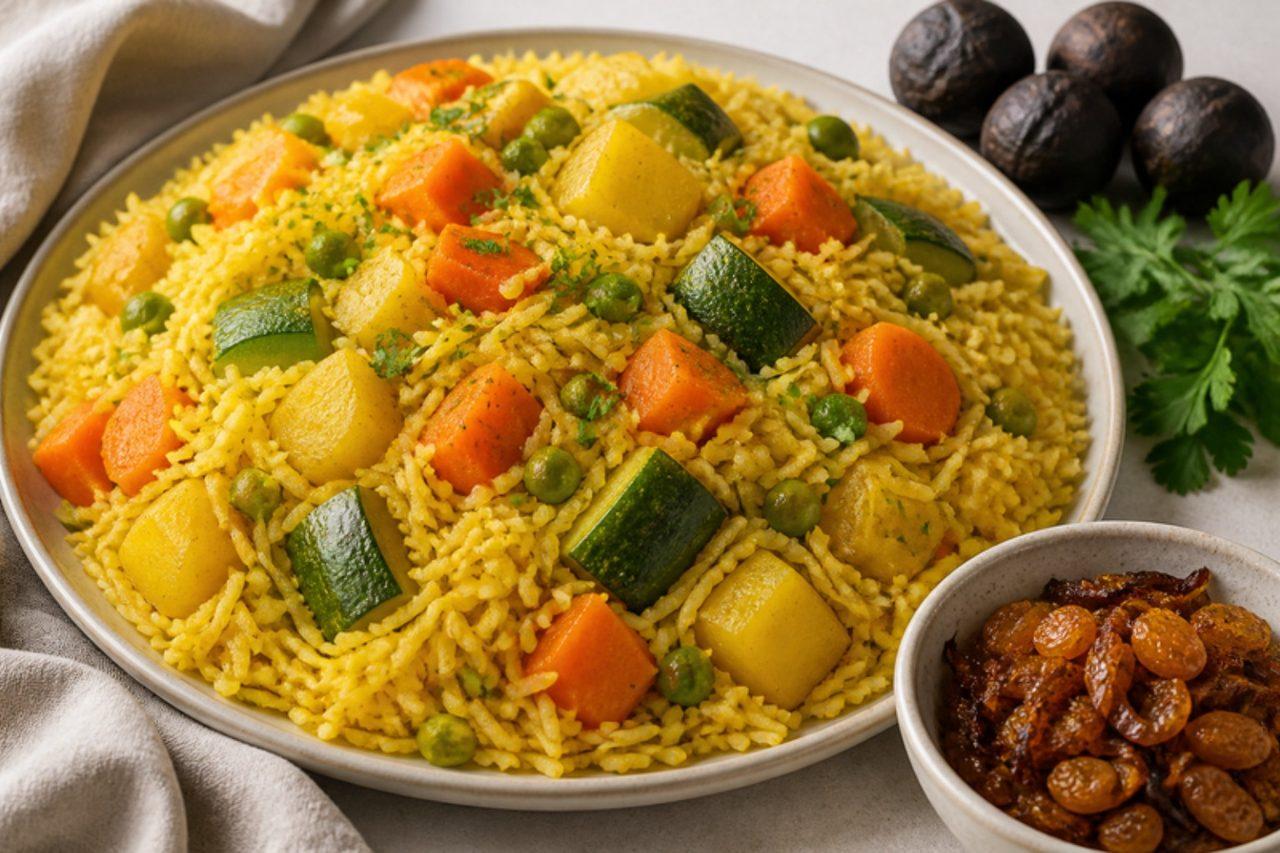
Vegetable machboosSpiced rice with vegetables

In Bahrain and Kuwait machboos is the rice dish of the home kitchen: deeper yellow than Saudi kabsa, with more turmeric, more dried lime and a last splash of rose water that perfumes the whole pot. Families cook it for the big midday meal, especially on Fridays and through Ramadan, and pile it high on a round metal tray. Here potatoes, cauliflower and peppers take the place of chicken, and the rice is crowned with hashu, soft caramelised onions with raisins and a pinch of black lime powder. Chef's tip: brown the potatoes and cauliflower before the rice goes in; their golden edges give the meaty depth the chicken usually brings.

by KrazyBadal 0 views

Roasted red pepper & fennel

Big pieces of sweet red pepper and fennel tossed with lemon, black pepper and olive oil and roasted until soft and just starting to brown, then topped with black olives, toasted pine nuts and fresh herbs. It works as a side or a light starter, warm or cold. The vegetables can also be roasted on the barbecue jiko.

by KrazyBadal 0 views

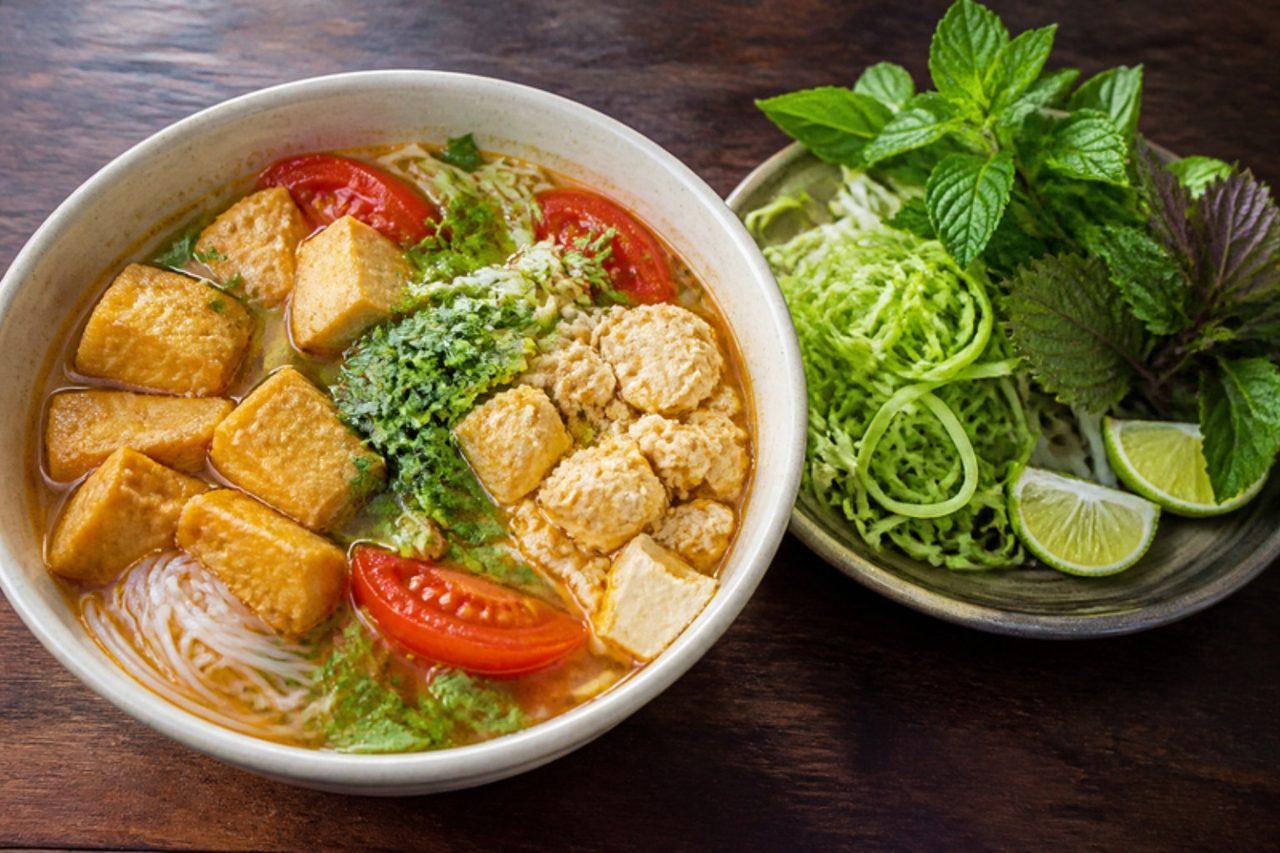
Vegetarian bun rieu

In Hanoi, bún riêu is a mid-morning bowl bought from street sellers who set up on low plastic stools: a tangy red tomato broth with rice vermicelli and soft, floating curds that are normally made from pounded paddy crab. Vegetarian cooks and Buddhist temple kitchens make bún riêu chay instead, folding crumbled tofu, egg and chopped shiitake into the same loose, spongy curds, and seasoning the broth with fermented tofu rather than shrimp paste. It arrives with fried tofu, lime, chilli, shredded water spinach and perilla, so each spoonful is sour, savoury and fresh at once. Chef's tip: let the tomatoes fry in the annatto oil until they collapse into a jammy paste before any stock goes in; that is where the broth gets its colour and depth.

by KrazyBadal 0 views

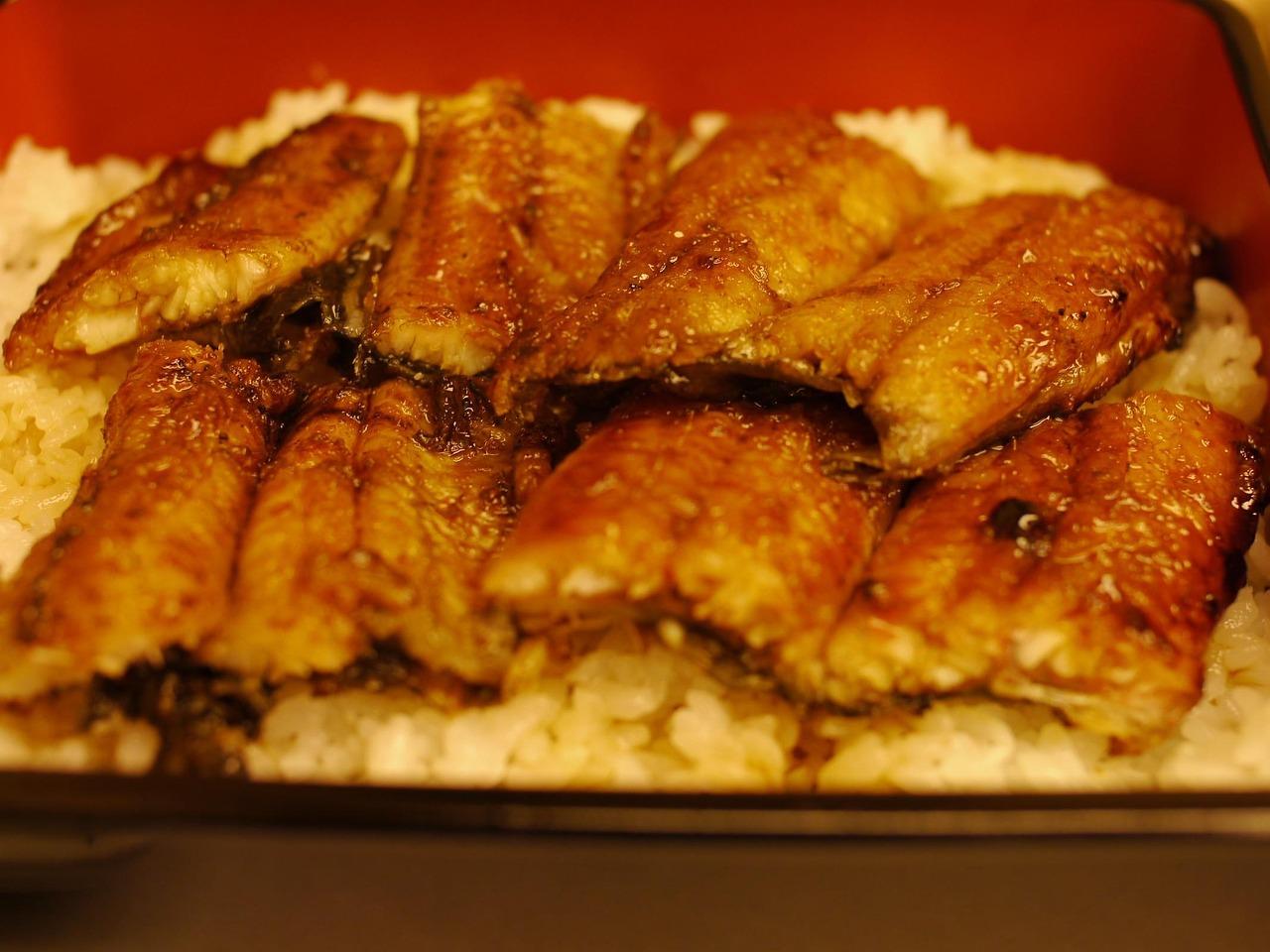
Hitsumabushi (Nagoya grilled eel rice)

Order hitsumabushi in a Nagoya eel restaurant and it arrives in a round wooden tub, often with a small card explaining how to eat it. You divide the rice into quarters: eat the first plain, the second with spring onion, wasabi and nori, the third drowned in hot dashi or green tea, and the last whichever way you liked best. Nagoya cooks grill the eel until the skin is crisp, then chop it into strips. At home, ready-grilled eel fillets (unagi kabayaki, sold frozen in Japanese shops) work very well once reheated properly. Chef's tip: spoon a little of the sweet sauce through the rice before the eel goes on, so every mouthful is seasoned, not just the top layer.

by KrazyBadal 0 views

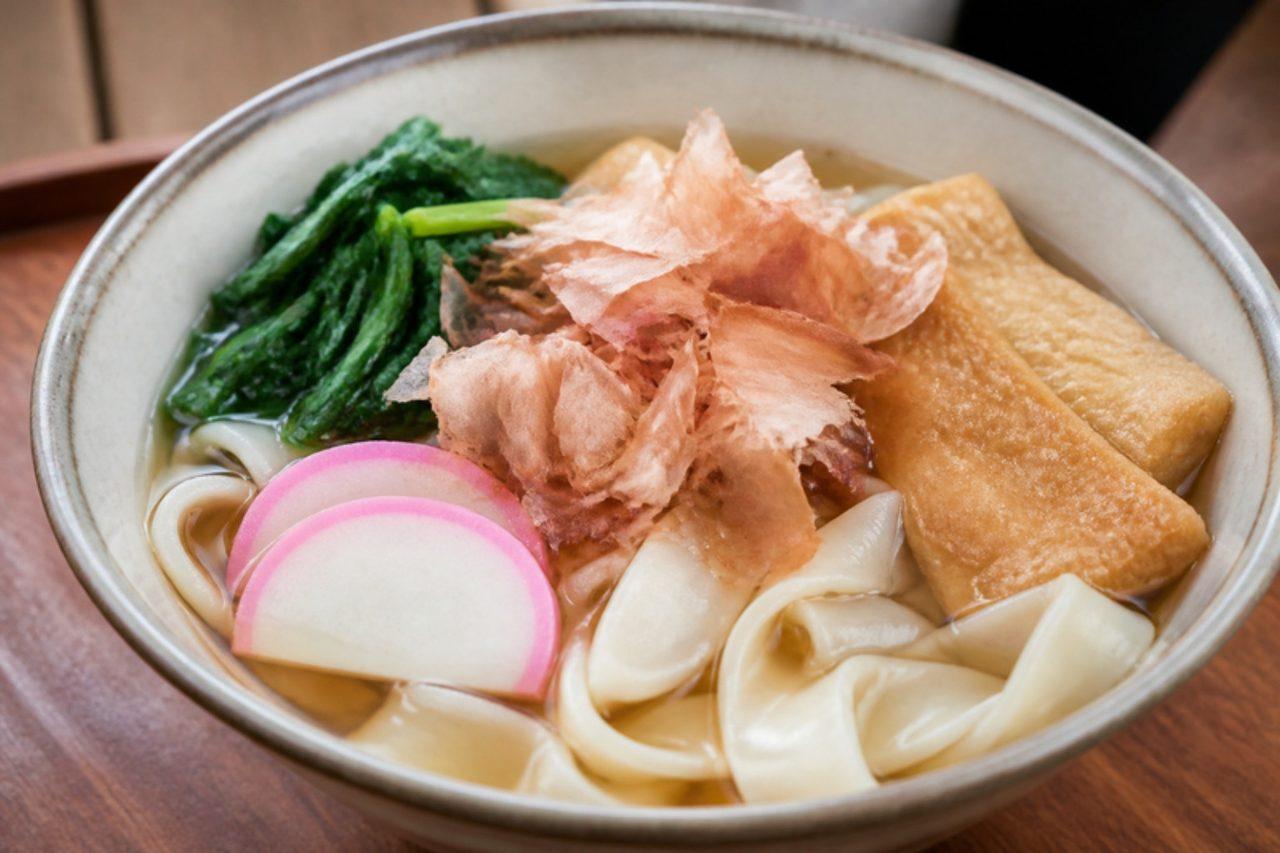
Kishimen (Nagoya flat noodle soup)

Travellers changing trains at Nagoya Station often grab a bowl of kishimen standing up at one of the platform noodle counters, and the dish is eaten all year in noodle shops across the city. The noodles are wide, thin and slippery, so they pick up a lot of broth with every mouthful. A typical bowl has a light, golden dashi, sweet fried tofu, a little green vegetable, a slice of fish cake and a big pile of bonito flakes that wave in the steam. It takes about 20 minutes from start to finish. Chef's tip: add the bonito topping right at the table, not in the kitchen; it softens and sinks within a minute, and the fresh smoky smell is half the pleasure.

by KrazyBadal 0 views

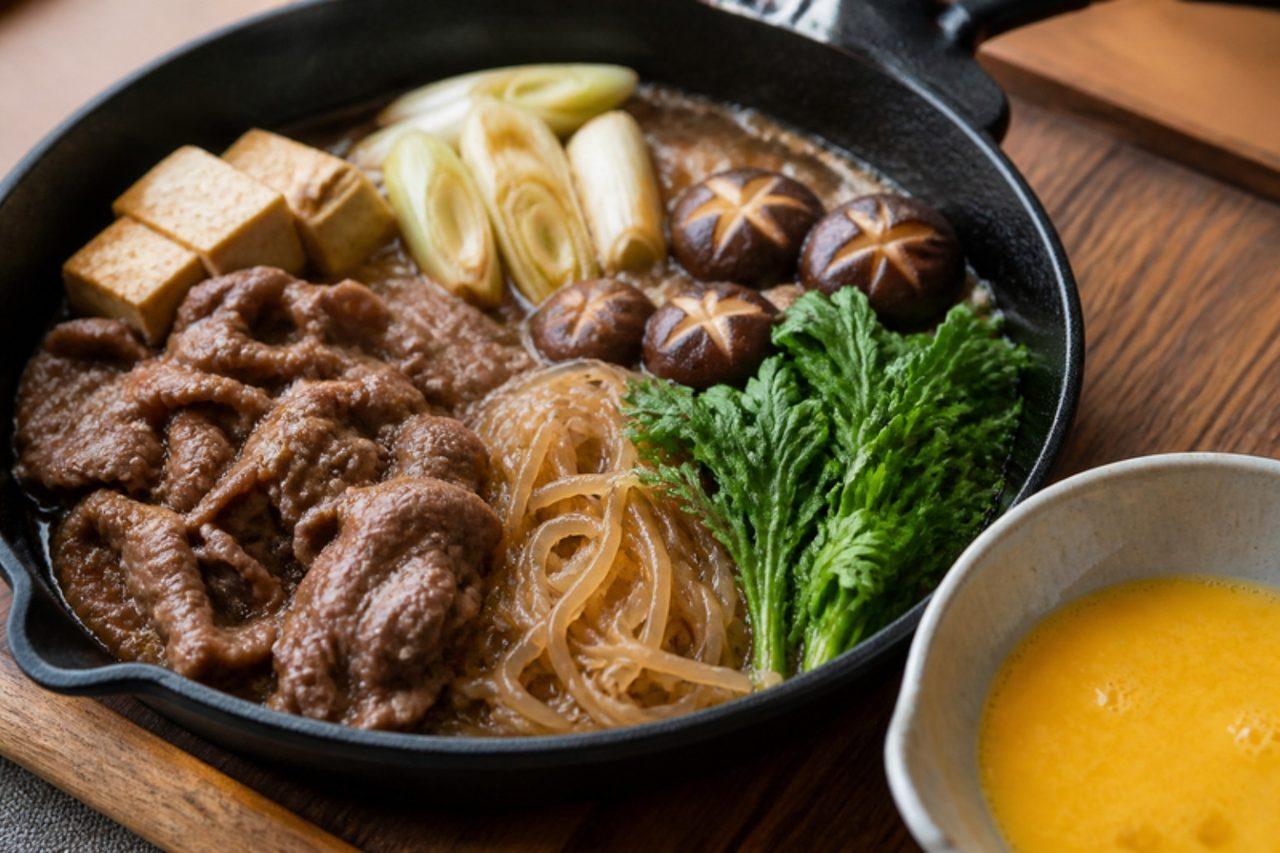
Sukiyaki (Kanto style)

Beef was rarely eaten in Japan until the Meiji era, when Tokyo's new beef-pot restaurants made it fashionable, and sukiyaki grew out of those pots. Today it is a dish for New Year, birthdays and family gatherings, cooked in a shallow iron pan on a burner in the middle of the table. In the Kanto style of Tokyo, the cook pours in a ready-mixed sauce called warishita, whereas Kansai cooks sear the beef with sugar and add soy sauce afterwards. Each piece is dipped in beaten raw egg, which cools it and softens the sweet, salty sauce. Use very fresh eggs, ideally pasteurised; not for pregnant women, young children or anyone with a weakened immune system. If you prefer, skip the egg or poach it in the pan. Chef's tip: keep the shirataki noodles away from the beef in the pan; they can make the meat firm up and toughen where they touch.

by KrazyBadal 0 views

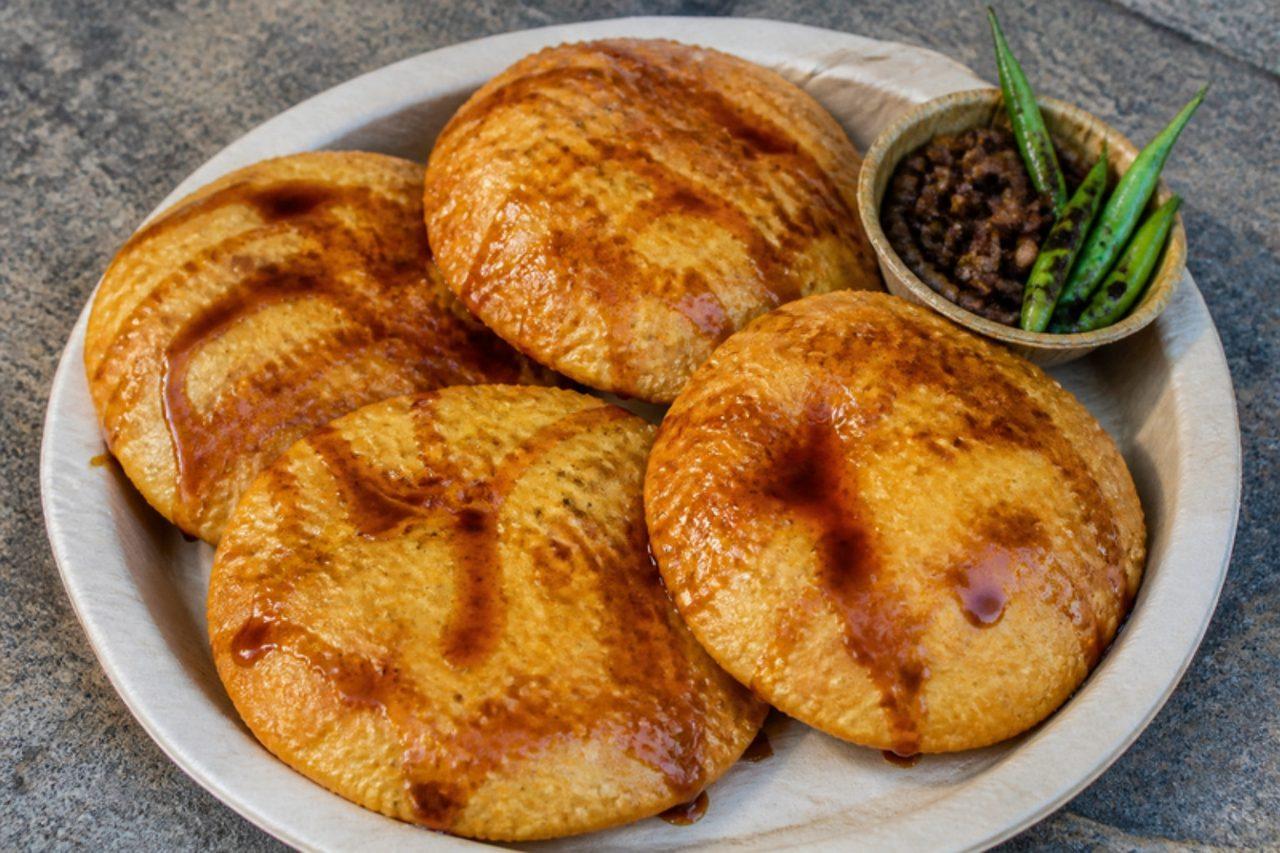
BabruBlack gram stuffed fried bread

Ask anyone who grew up in Shimla about babru and they will mention a paper plate of them in the Lower Bazaar, still puffing from the oil, with a ladle of dark tamarind chutney poured over. Unlike Uttar Pradesh's flaky urad kachori, babru is made from a soft, yeasted wheat dough, so it fries up light and bready, and it is pressed flat and wide rather than shaped into a ball. The filling is whole black gram, soaked and ground with ginger and green chilli. In Himachal homes it is a tea-time and festival snack, and it travels well in a tiffin. Chef's tip: grind the dal coarse and thick, like hummus; a runny paste leaks and makes the babru greasy.

by KrazyBadal 0 views

Til pithaSesame rice rolls

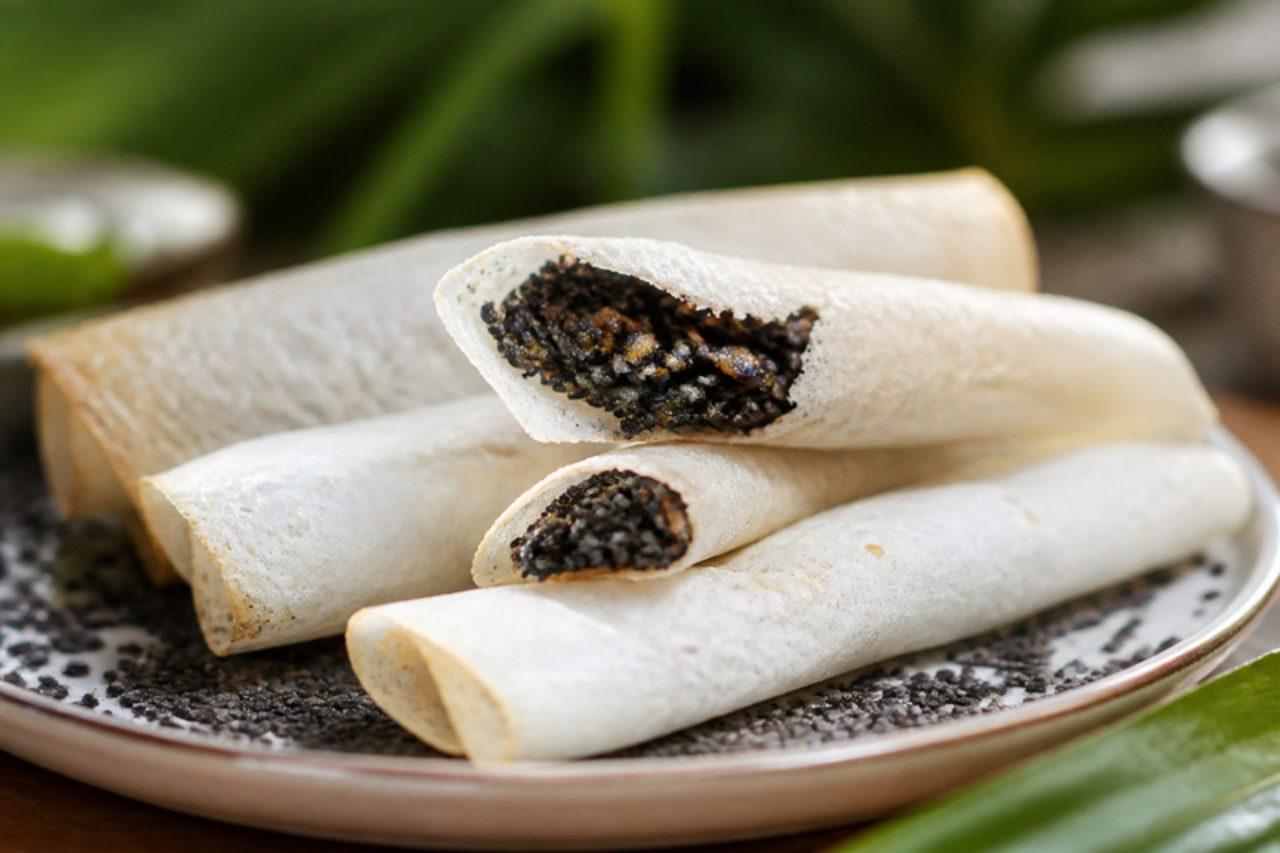
Til pitha is the essential sweet of Magh Bihu, the January harvest festival, when Assamese homes stay up late around the fire, frying and toasting. Fresh flour of soaked bora (sticky) rice is spread thin on a hot pan into a round, filled with roasted black sesame and jaggery and rolled into a cigar while still soft; it crisps as it cools. Tins of til pitha are carried to every house visited during Bihu. Chef's tip: the flour must be freshly ground from soaked sticky rice and still slightly damp; dry shop rice flour won't fuse into a sheet.

by KrazyBadal 0 views

Bacalao al pil pilSalt cod in garlic oil sauce

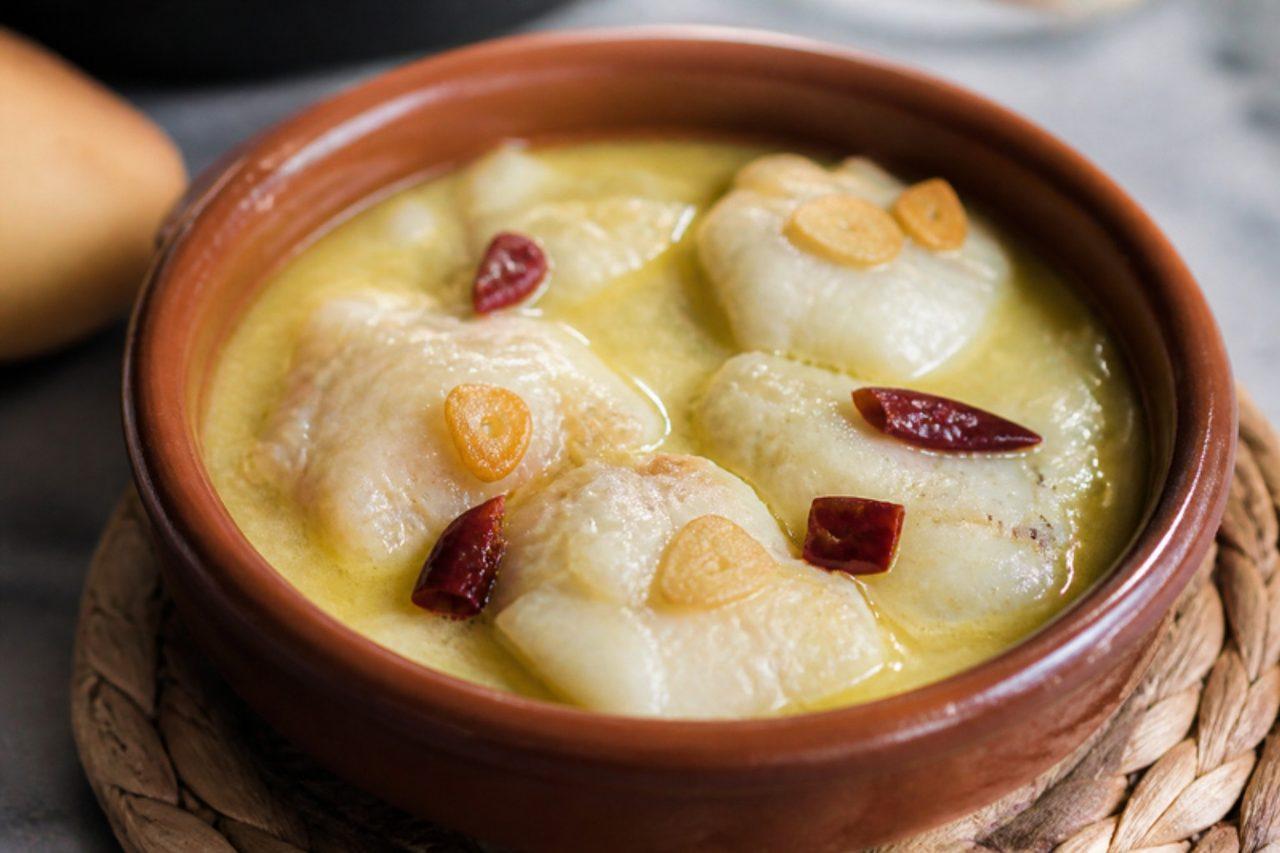
Bacalao al pil pil belongs to Bilbao and the rest of Bizkaia, where it fills restaurant menus in Lent and Holy Week and reappears on Christmas Eve tables. It is made from just four things: desalted salt cod, olive oil, garlic and a dried chilli. The trick is the sauce. The cod gives off gelatine as it cooks gently in warm oil, and swirling the clay dish round and round turns that oil into a thick, pale, mayonnaise-like emulsion; the name comes from the 'pil pil' sound of it bubbling. Plan ahead, because thick salt cod needs 24–48 hours of soaking in the fridge. Chef's tip: buy thick, skin-on loins (lomos); the gelatine that makes the sauce comes from the skin.

by KrazyBadal 0 views

Bacalhau à BrásSalt cod with egg and potatoes

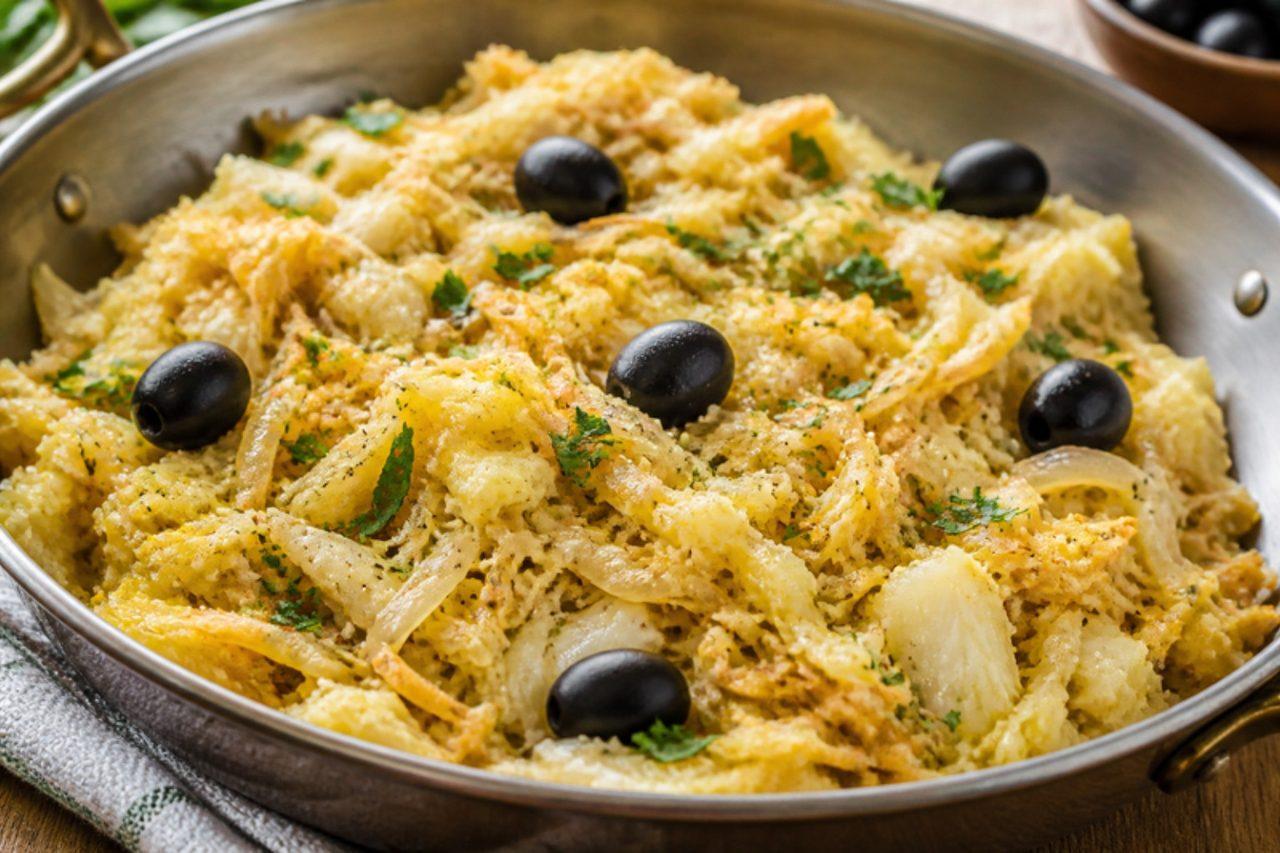
Lisbon's Bairro Alto taverns claim this dish, said to be named after a tasca owner called Brás, and it is still a weeknight favourite in homes all over the city. Flaked salt cod is softened with slowly cooked onion, tossed with a heap of fine straw-cut fried potatoes, then bound at the last second with beaten egg so everything stays creamy and loose. Black olives and parsley go on top. A green salad is all it needs. Chef's tip: take the pan off the heat the moment you add the eggs; they should finish cooking from the warmth of the potatoes, like a soft scramble.

by KrazyBadal 0 views

Fresh hot soy milk

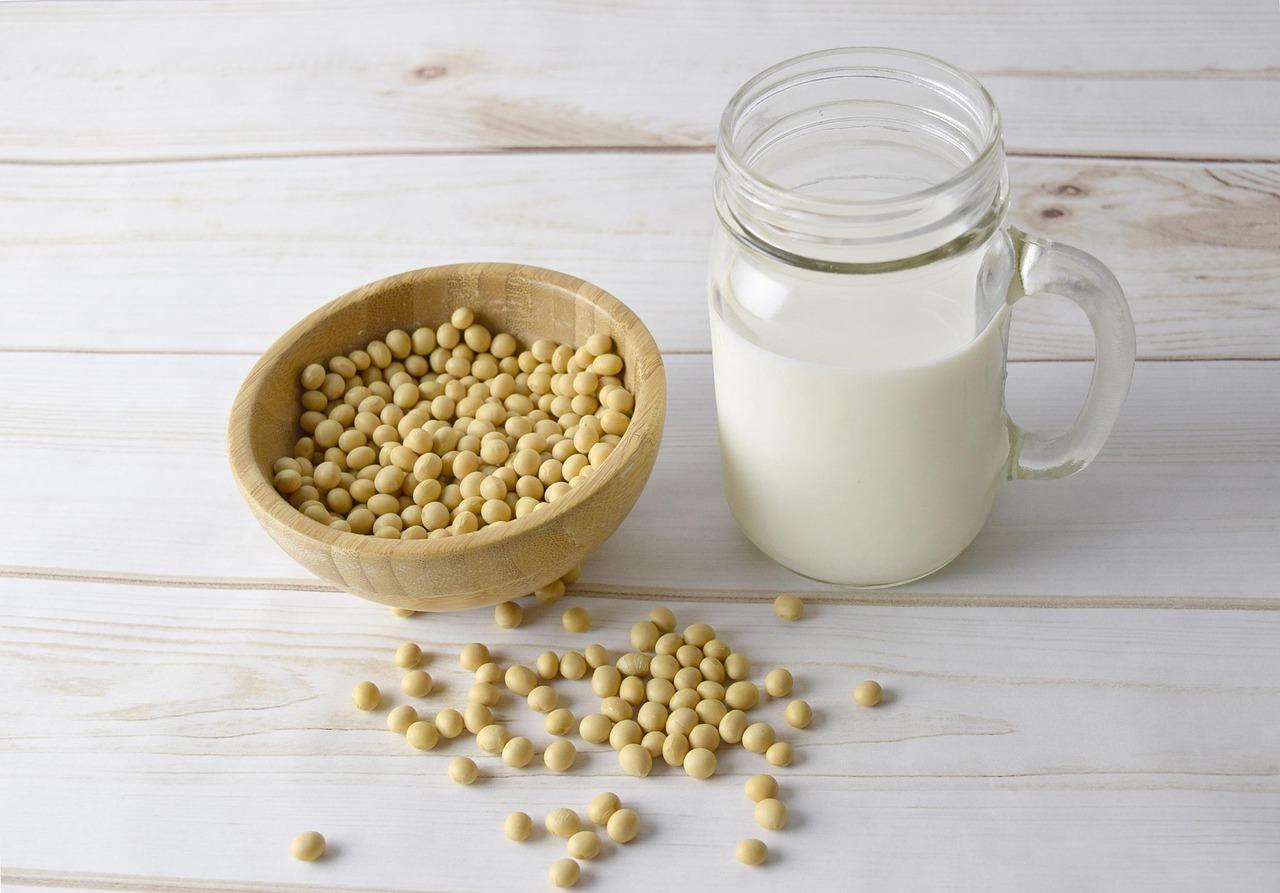
On cold Da Lat nights, the steam rising from soy milk stalls is part of the scenery around the central market: big pots of freshly made sữa đậu nành, ladled hot into glasses and sipped with grilled rice paper or a warm bánh bao. Made at home, it tastes nutty and clean, nothing like the cartons, and a knot of pandan leaf gives it the gentle vanilla-like scent that Vietnamese sellers favour. Chef's tip: rub the soaked beans between your palms and float off the skins; peeled beans give a smoother, sweeter milk.

by KrazyBadal 0 views

Roti mataba (potato-stuffed roti)

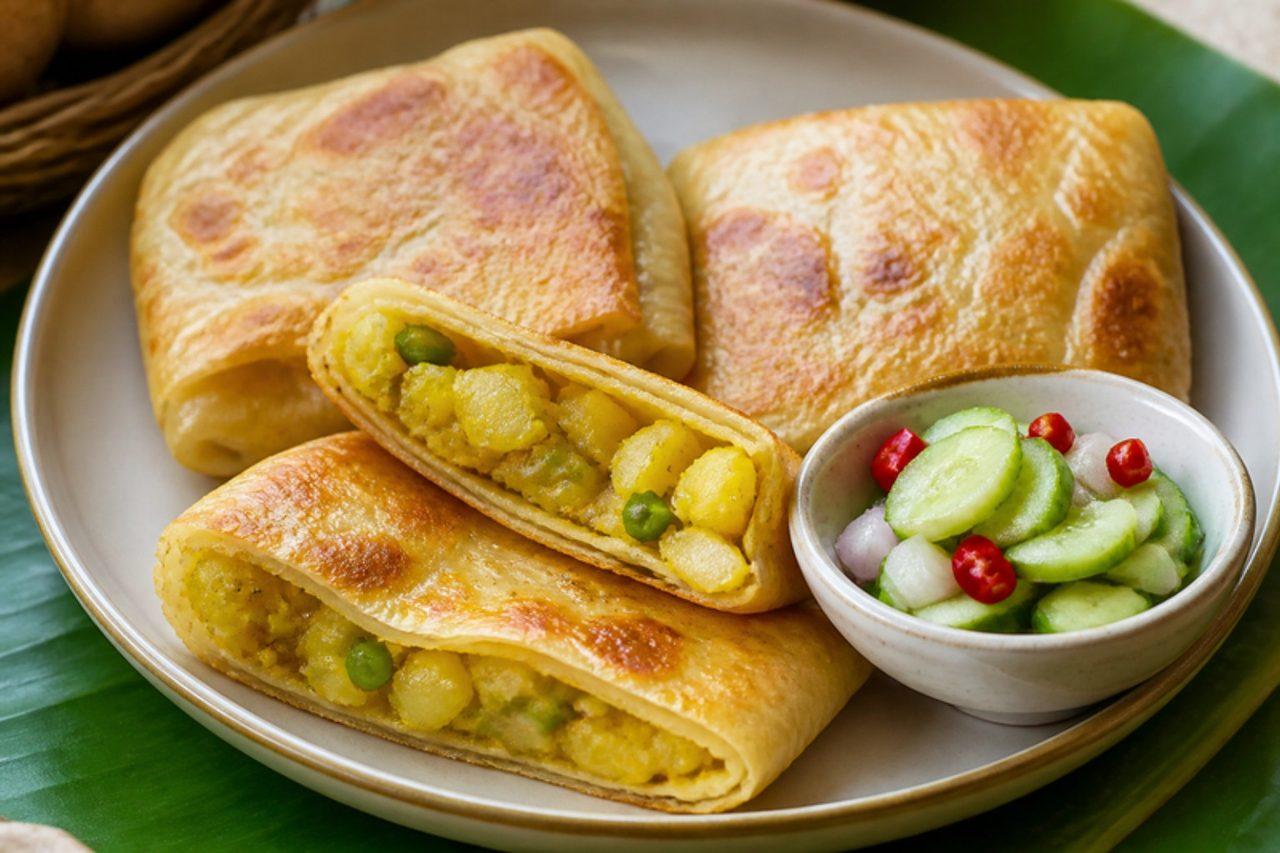
Roti mataba came to southern Thailand with Indian-Muslim traders, and today the roti stalls of Hat Yai, Satun and Pattani, and the old Muslim quarter around Bangkok's Phra Athit Road, serve it from morning till late. A thin stretched roti is wrapped around a spiced filling, folded into a square and fried until crisp and blistered. Chicken or beef is the usual filling; the potato and onion version made here is also common and is the one sold to vegetarian customers. It comes cut into squares with a sweet-sour cucumber relish (ajad) on the side. Chef's tip: oil the dough balls and leave them to rest for at least two hours; rested dough stretches paper-thin without tearing.

by KrazyBadal 0 views

Kaeng tai pla jay (southern vegetable curry)

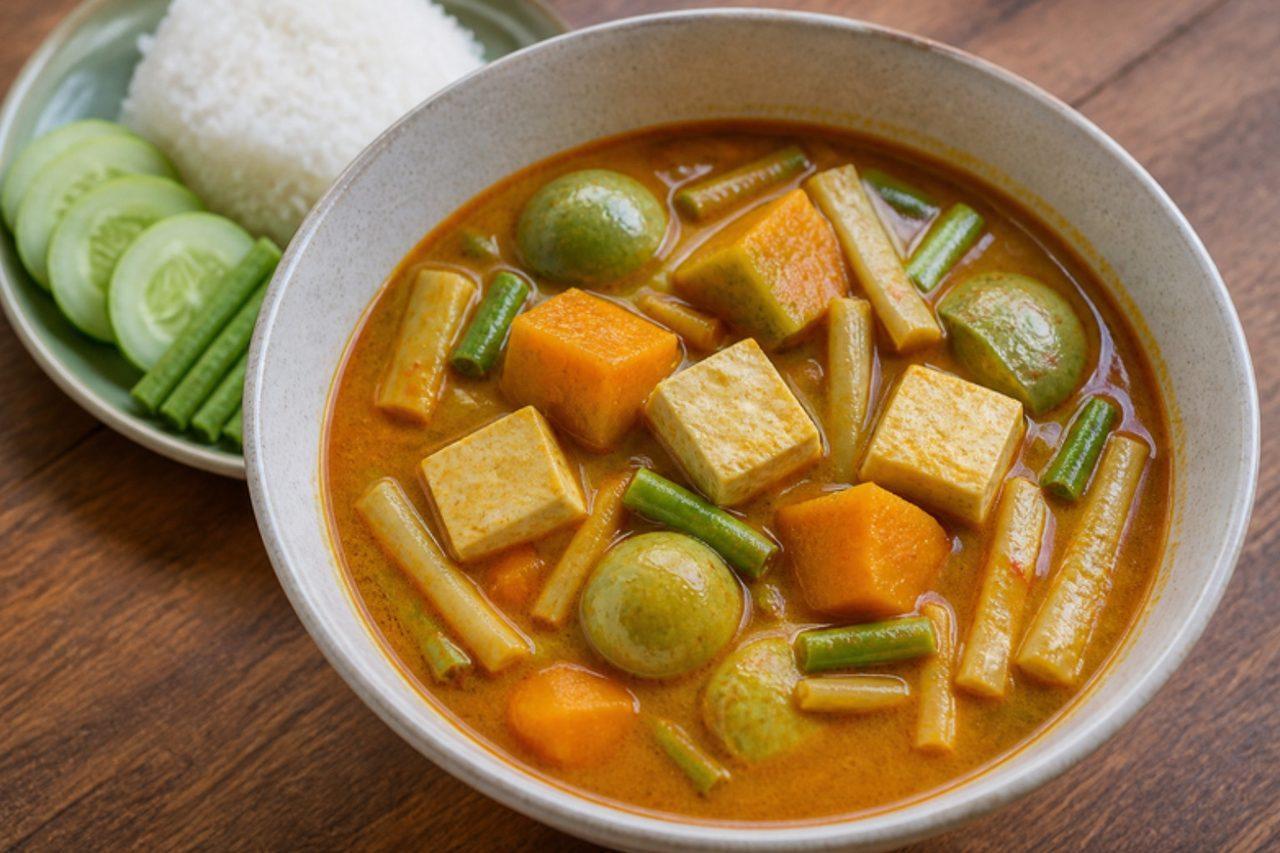
Kaeng tai pla is the boldest curry of southern Thailand, eaten from Surat Thani down to Hat Yai: a dark, pungent, fiercely hot broth of turmeric-heavy southern curry paste, pumpkin, bamboo shoots, aubergine and long beans, normally flavoured with fermented fish innards. During the Vegetarian Festival (thetsakan kin jay), held every autumn in Phuket and Trang, cooks make a 'jay' version with fermented soybean paste and roasted peanut, and that is the curry here. It is thinner than a coconut curry and served with rice and plenty of raw vegetables to cool the heat. Chef's tip: this curry is meant to be very hot. If you want less heat, add fewer bird's eye chillies to the paste but keep the black pepper and turmeric, which give it its character.

by KrazyBadal 0 views

Vegetable mandu-gukVegetable dumpling soup

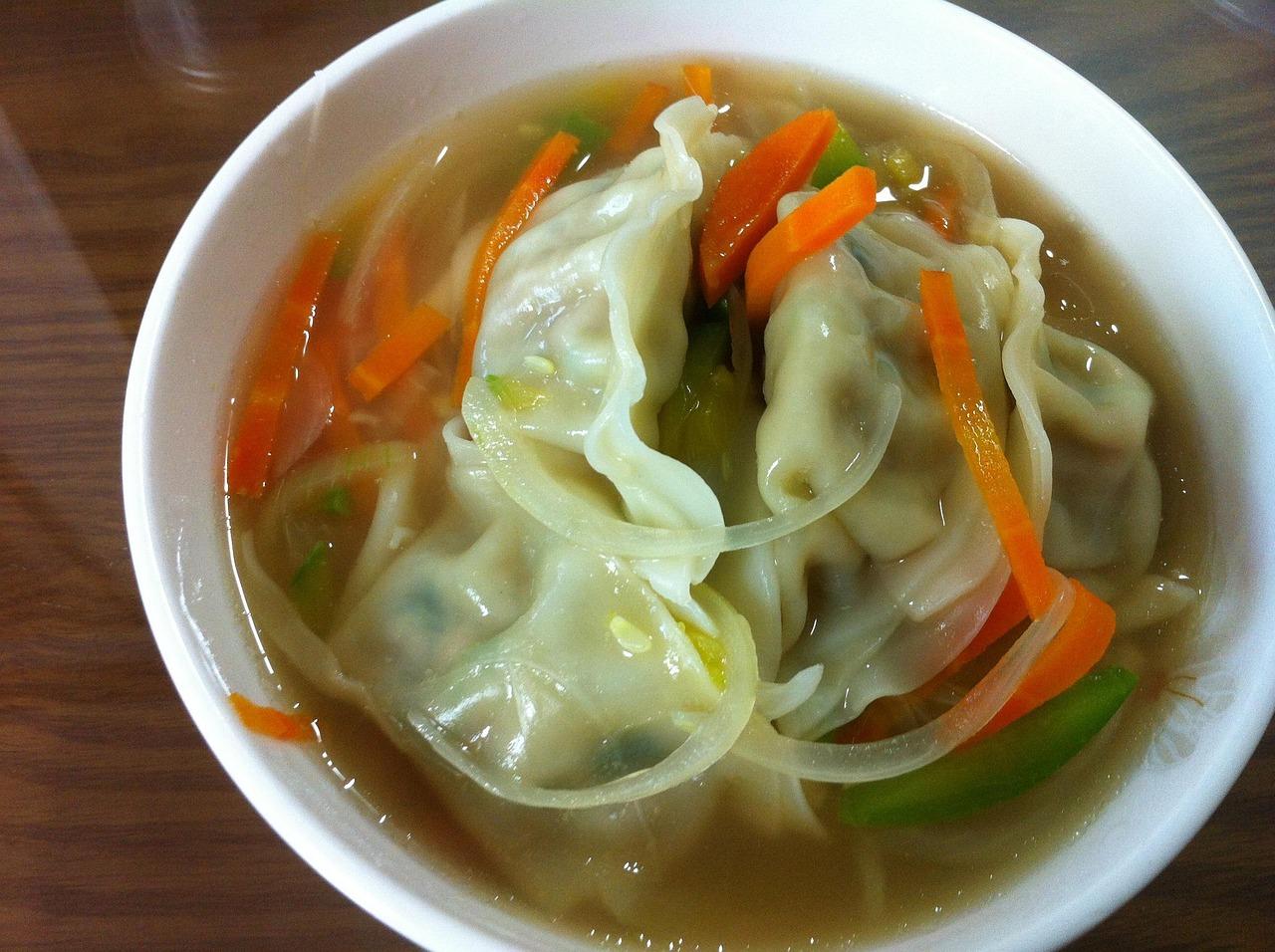
In Seoul and the surrounding Gyeonggi province, the first meal of Seollal (Lunar New Year) is often mandu-guk (만두국): plump dumplings and coin-shaped rice cakes floating in clear broth, finished with ribbons of yellow and white egg and strips of toasted laver. The northern half of the peninsula has always favoured dumplings over rice cake soup, and Seoul families tend to combine the two. These mandu are filled with tofu, glass noodles, cabbage, mushrooms and chives, and the broth is a kelp and shiitake stock instead of beef. Fold the dumplings a day ahead and the soup comes together in 15 minutes. Chef's tip: squeeze the tofu and cabbage hard in a cloth; a wet filling turns the wrappers soggy and the dumplings split in the pot.

by KrazyBadal 0 views

TinutuanRice porridge with pumpkin and greens

Tinutuan, also called bubur Manado, is what North Sulawesi eats for breakfast: rice simmered with pumpkin until the pumpkin melts and turns the porridge golden, then loaded with sweetcorn, cassava and a big handful of greens and lemon basil at the end. In Manado it comes with small fried fish and a fiery tomato dabu-dabu; this version skips the fish and pairs it with fried tofu. It is filling, gentle and naturally vegan. Chef's tip: add the leafy greens only in the last 3 minutes so they stay green and fresh.

by KrazyBadal 0 views

Badrijani nigvzitAubergine rolls with walnut paste

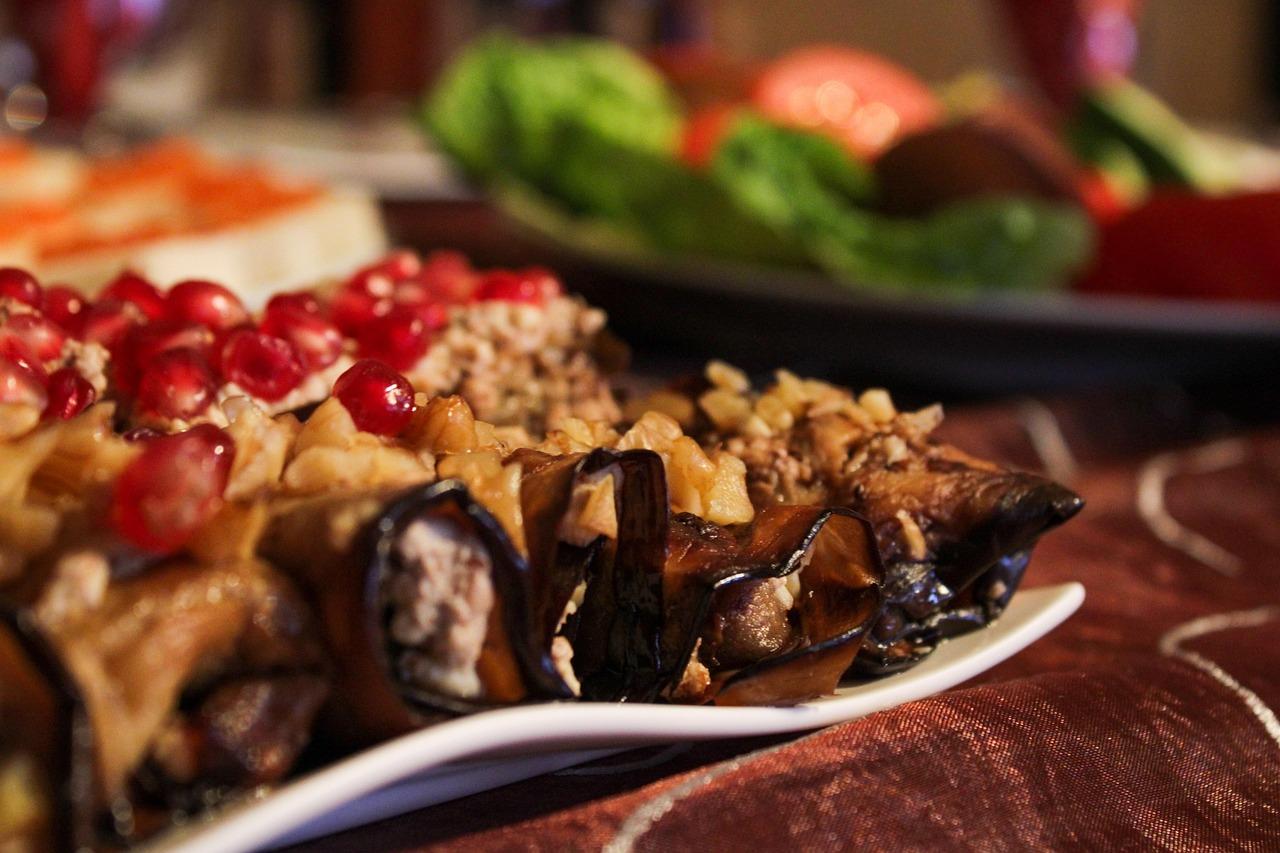
Badrijani nigvzit, aubergine with walnuts, is the summer starter of Tbilisi and Kakheti: thin slices of aubergine fried until silky, spread with a garlicky, spiced walnut paste and rolled up, then scattered with pomegranate seeds. They sit on every supra table between the cheeses and pkhali, and on restaurant menus from June until the frosts. Served cold, they are rich and soft, with sour pops of pomegranate. The common mistake is undercooking the aubergine: if it is still firm it cracks when you roll it and tastes raw, so fry each slice until it is limp and golden. Chef's tip: dry the fried slices on kitchen paper and press them gently; you lose surplus oil, and the paste spreads and sticks better.

by KrazyBadal 0 views

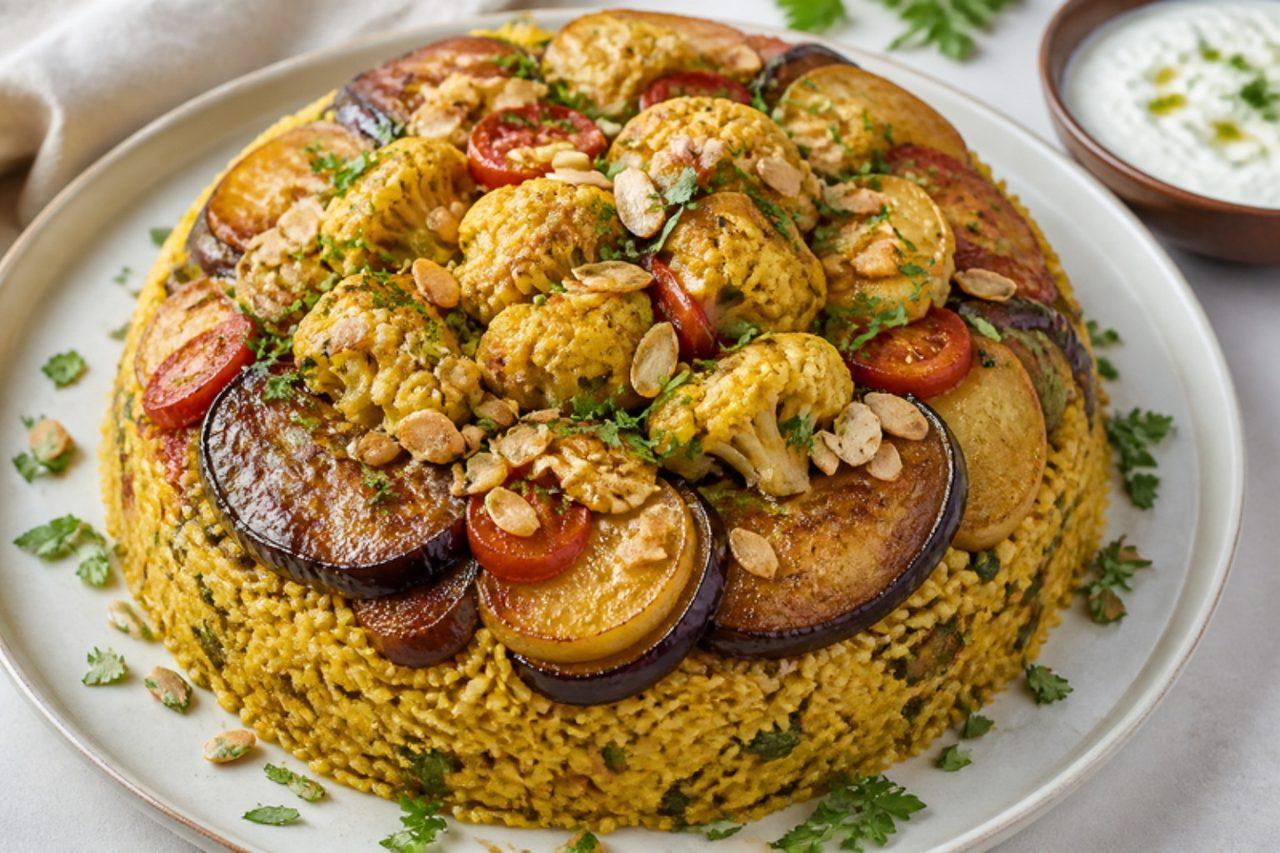
Vegetable maqlubaUpside-down rice and vegetables

Maqluba means 'upside down', and in Palestinian homes from Jerusalem to Nablus the moment the big pot is flipped onto a tray at a Friday family lunch is greeted with clapping. Under the pot comes a golden cake of fried aubergine, cauliflower and potato with spiced rice packed between them. It is also cooked across Lebanon, Jordan and Syria. This meat-free version uses vegetable stock and is served with a cucumber and tomato salad or a bowl of yogurt for those who eat dairy. Chef's tip: once the pot is turned over, wait five minutes before lifting it so the layers settle and the tower holds.

by KrazyBadal 0 views

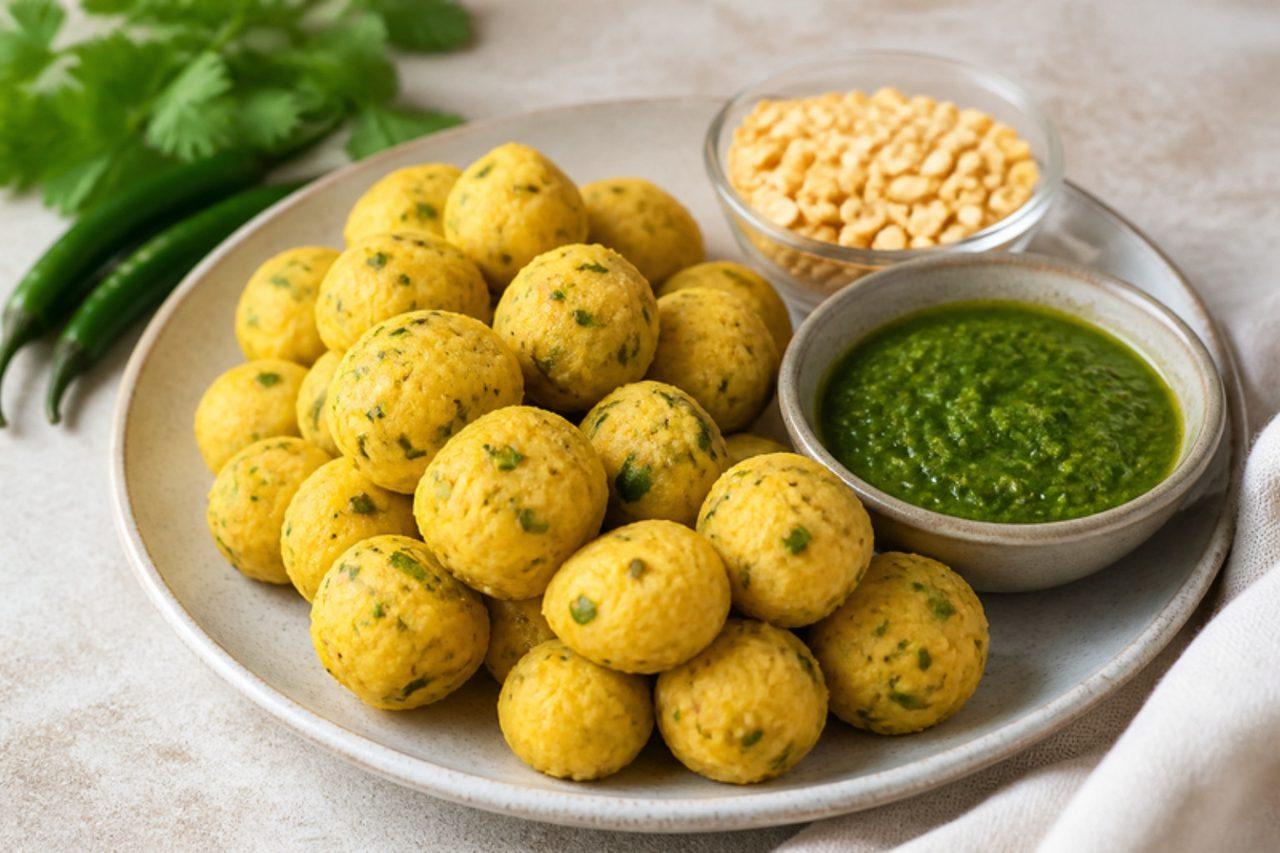
BafauriSteamed chana dal dumplings

Bafauri comes from the same Chhattisgarhi home kitchens that make fara and chila, and it is the region's answer to a fried pakora without the frying. Soaked chana dal is ground coarse with ginger, garlic and chilli, mixed with onion and herbs, then steamed into little dumplings that are firm, nubbly and high in protein. They are eaten hot at teatime with tomato chutney, and many families also toss them in a quick mustard-seed tadka. Chef's tip: grind the dal with only 2–3 tablespoons of water; a wet paste spreads flat in the steamer and loses the rough texture that makes bafauri good.

by KrazyBadal 0 views

Bagara bainganBaby aubergines in peanut sesame sauce

Bagara baingan is a Hyderabadi wedding dish of small aubergines cooked whole in a dark, tangy gravy of roasted peanuts, sesame, dried coconut and tamarind. Unlike a Gujarati stuffed brinjal, the aubergines here are only quartered at the base and fried until silky, then left to soak up a thin-but-rich sauce that is finished with a tempering, the 'baghar' that gives the dish its name. It's sour, nutty and gently spiced, and is served with biryani, bagara rice or plain rice. Chef's tip: choose small, glossy purple aubergines that feel heavy for their size; soft, light ones are full of seeds and turn mushy before the gravy has a chance to cling.

by KrazyBadal 2 views

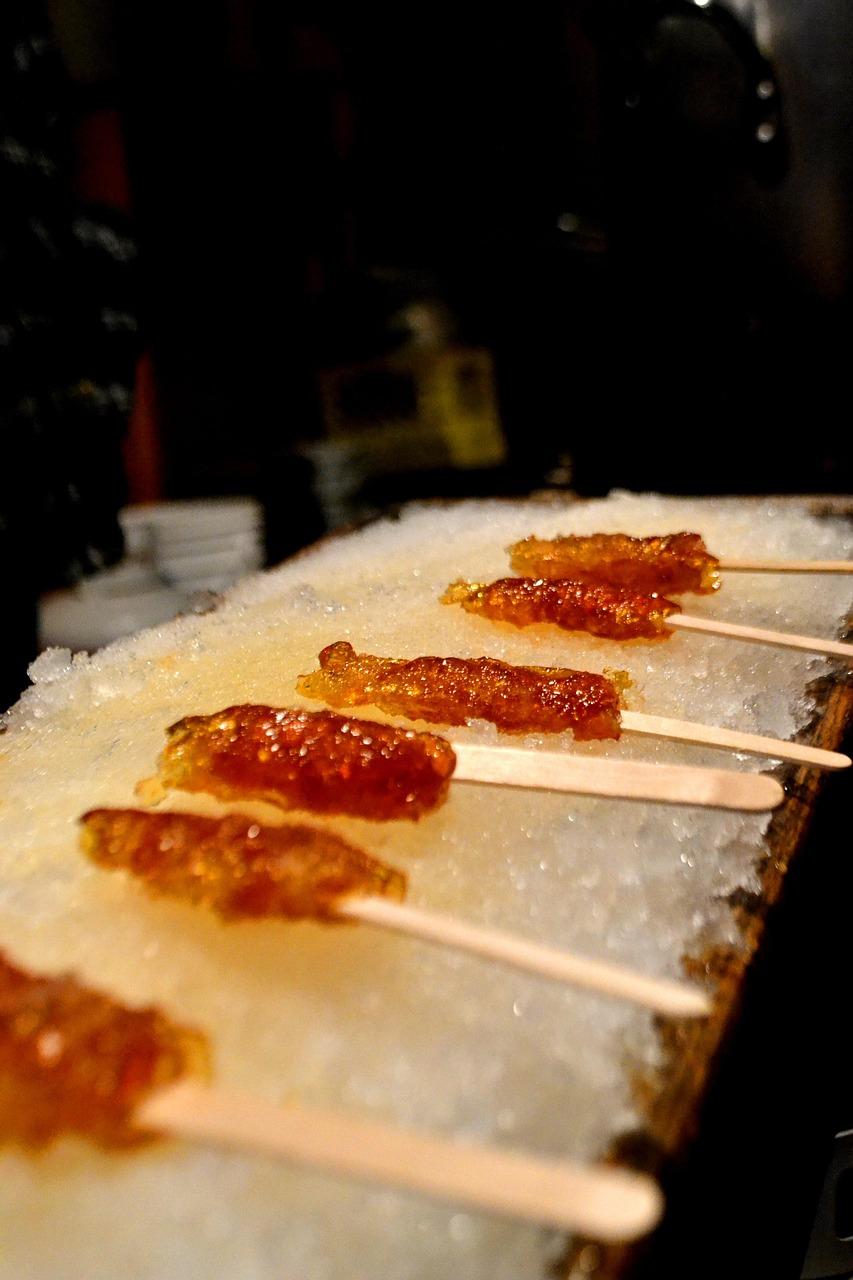
Tire d'érableMaple taffy

Tire d'érable (maple taffy, or 'tire sur la neige') is the highlight of a spring visit to a Québec or eastern Ontario sugar shack: hot boiled maple syrup is poured in ribbons over clean packed snow, where it firms into a chewy, amber toffee that you roll up onto a wooden stick. It's sold at winter carnivals in Québec City and made at home on a tray of snow or crushed ice. Chef's tip: use a sugar thermometer and stop at 112–114 °C; a few degrees under and it stays runny, a few over and it turns hard as candy.

by KrazyBadal 0 views

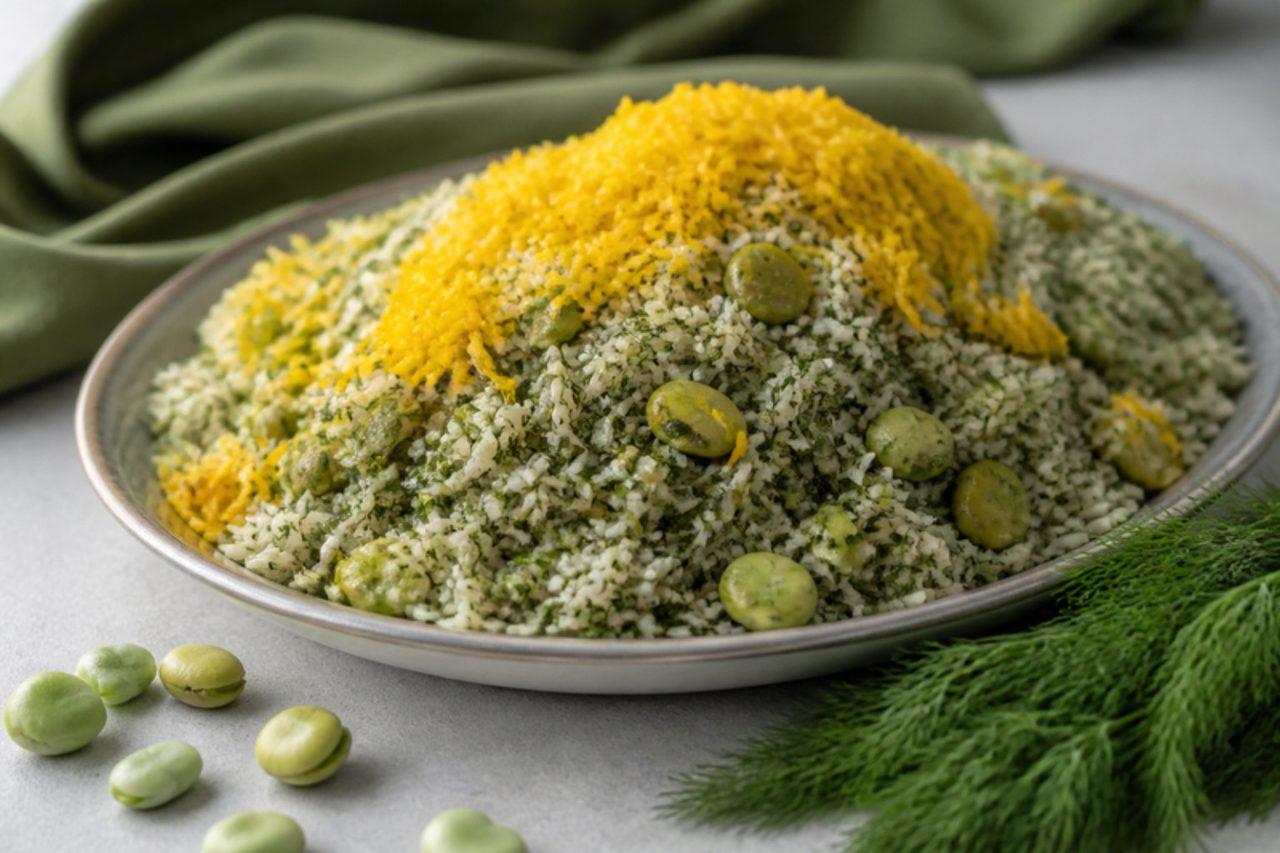
Baghali poloDill and broad bean rice

Baghali polo is the rice Iranians cook when fresh broad beans appear in the markets of Tehran and Shiraz in late spring, though frozen beans keep it on the table all year and it turns up at parties and weddings across the country. Bright green beans and plenty of dill are folded through steamed saffron rice, giving a soft, buttery, herb-heavy dish with sweet nuggets of bean in every mouthful. It is often served with lamb; at a vegetarian table pair it with a fried egg, mast-o khiar and a sharp salad. Chef's tip: peel the inner skins off the broad beans; the bright green centres are tender and sweet, the skins tough.

by KrazyBadal 0 views

BaghrirThousand-hole semolina pancakes

Baghrir are the spongy, lacy pancakes that Moroccan families make for breakfast on weekends and at Ramadan, when they are piled high at the iftar table. A smooth semolina batter is blended until thin, rested so the yeast and baking powder can work, then cooked on one side only: as it heats, hundreds of tiny holes open across the surface. The holes soak up the warm butter and honey poured over before serving. Chef's tip: the batter must be as thin as single cream; too thick and the holes won't break through to the top.

by KrazyBadal 0 views

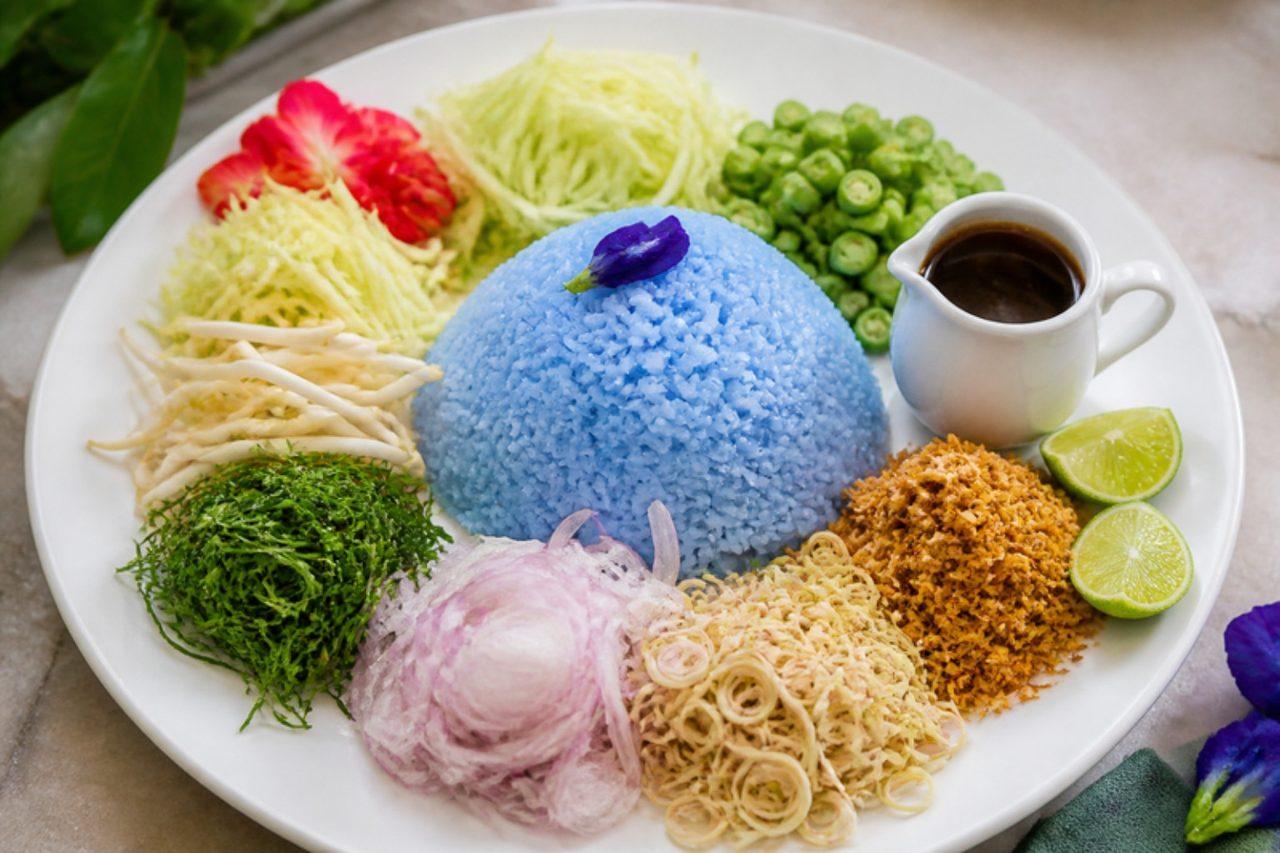
Khao yam (southern Thai rice salad)

Khao yam is breakfast in the south: in Nakhon Si Thammarat, Pattani and Songkhla, morning stalls set out trays of tightly shredded lemongrass, pomelo, long beans, bean sprouts, makrut lime leaves and toasted coconut, and you build your plate around a mound of rice, often tinted blue with butterfly pea flowers. The dressing is normally budu, a sweet fermented fish sauce from the Malay borderlands. This version makes a vegetarian 'budu' by simmering soy sauce, tamarind, palm sugar, lemongrass and shallot into a dark syrup. The result is crunchy, fragrant, sweet, salty and sour in every mouthful. Chef's tip: shred everything as finely as you can; thin slivers of lemongrass and lime leaf are pleasant, thick ones are woody.

45 minThaiSaladsVeganGluten free
by KrazyBadal 0 views

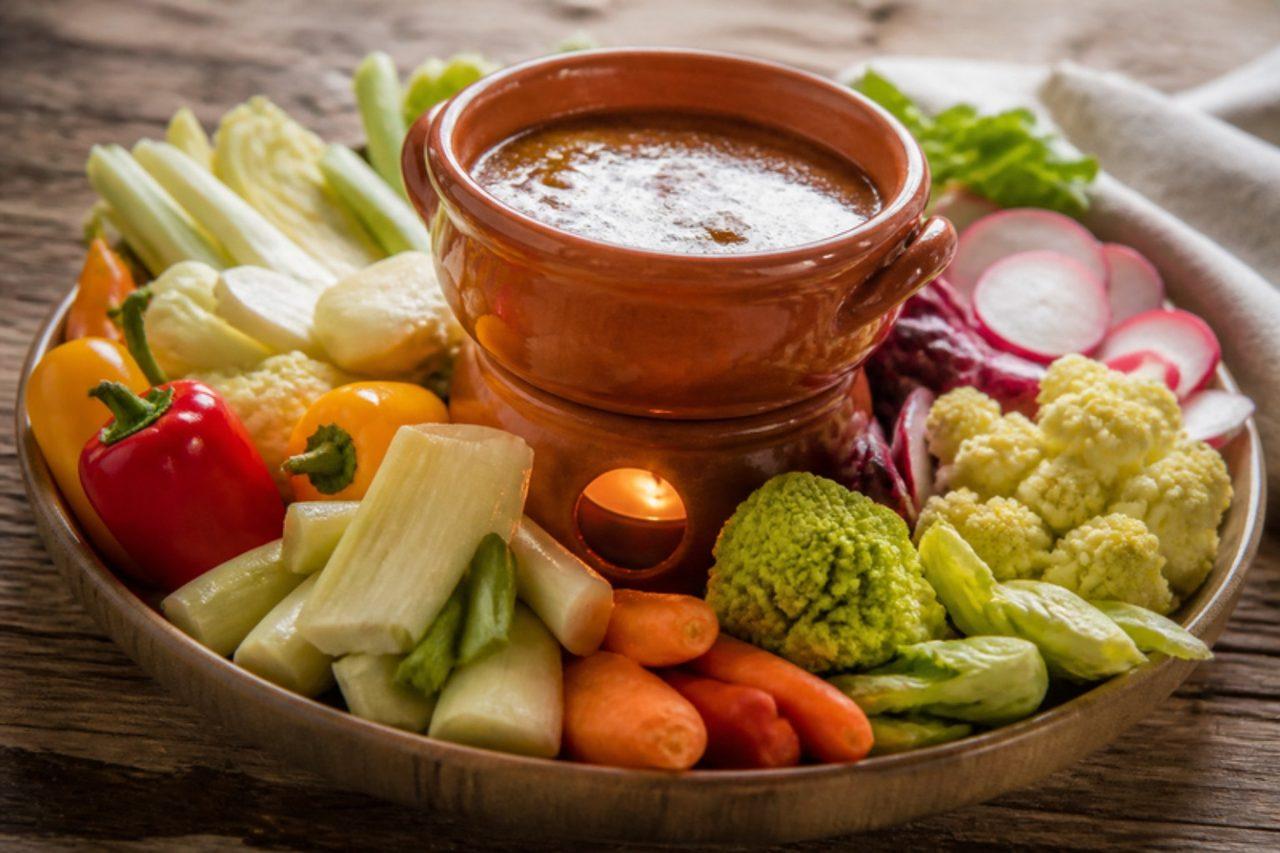
Bagna càudaWarm garlic and anchovy dip

When the grape harvest is over in the Langhe and Monferrato, Piedmontese friends gather round a terracotta pot of bagna càuda, the 'hot bath', kept warm over a little flame in the middle of the table. Everyone dips raw and cooked vegetables into it: peppers, cardoons, fennel, cabbage leaves, Jerusalem artichokes, boiled potatoes and beetroot. The sauce is mellow rather than fierce, because the garlic is poached in milk before it melts with anchovies into olive oil and a little butter, giving a rich, salty, nutty bath. Hunks of bread catch the drips, and a young red wine is the usual partner. Chef's tip: keep it hot but never bubbling, on a fondue burner or tea-light warmer; if it fries, the garlic turns bitter and the anchovies harsh.

by KrazyBadal 0 views

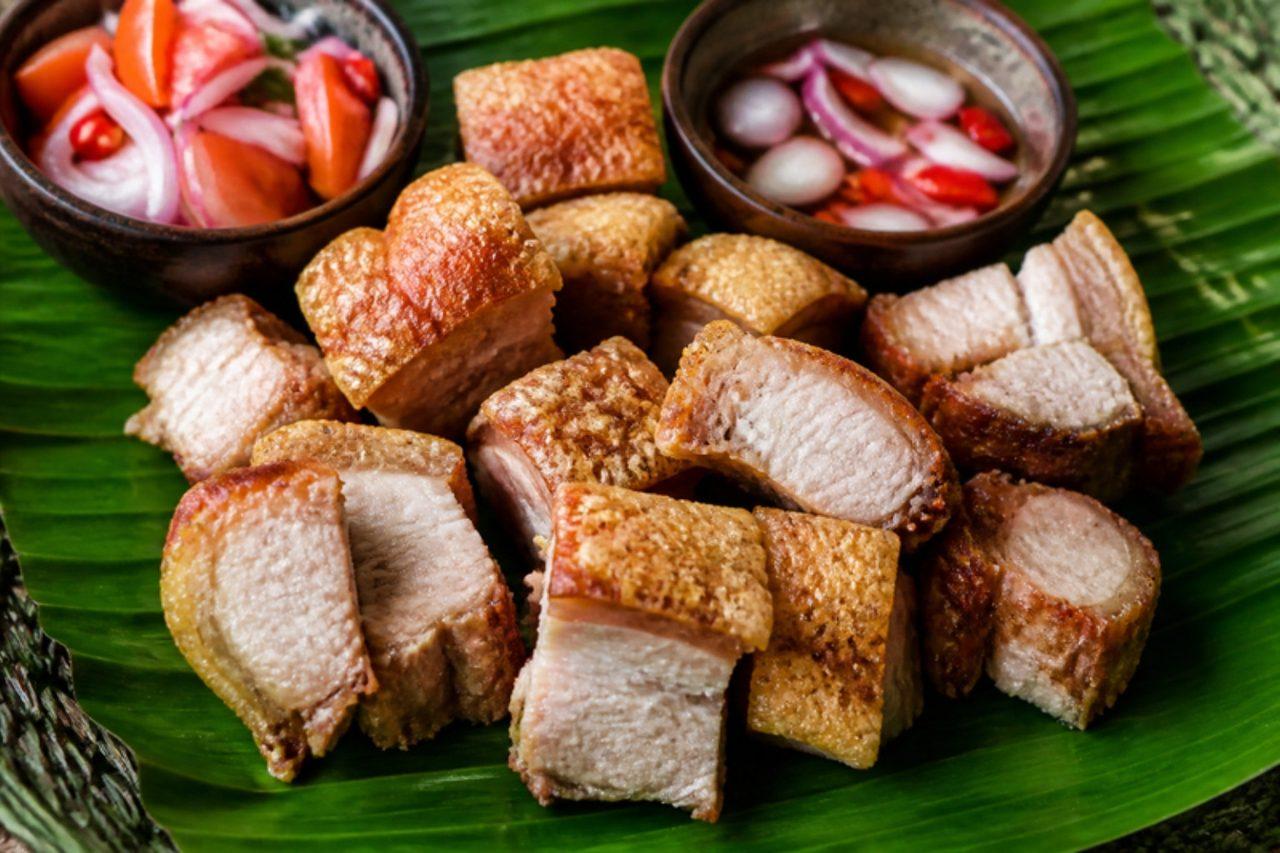
BagnetCrispy fried pork belly

Up in Ilocos Norte and Ilocos Sur, in towns like Vigan and Batac, bagnet hangs in market stalls in golden slabs: pork belly that has been boiled, dried and deep-fried so the rind is puffed and crunchy all the way through. Ilocanos chop it into rice bowls, add it to pinakbet and dinengdeng, or eat it with sukang Iloco, the region's dark sugarcane vinegar. It is richer and crunchier than lechon kawali because it is fried twice. A tomato and onion salad with a little shrimp paste cuts the fat. Chef's tip: the second fry, in hotter oil after a rest, is what makes the rind bubble; skip it and you get chewy skin.

150 minFilipinoMeatGluten free
by KrazyBadal 0 views

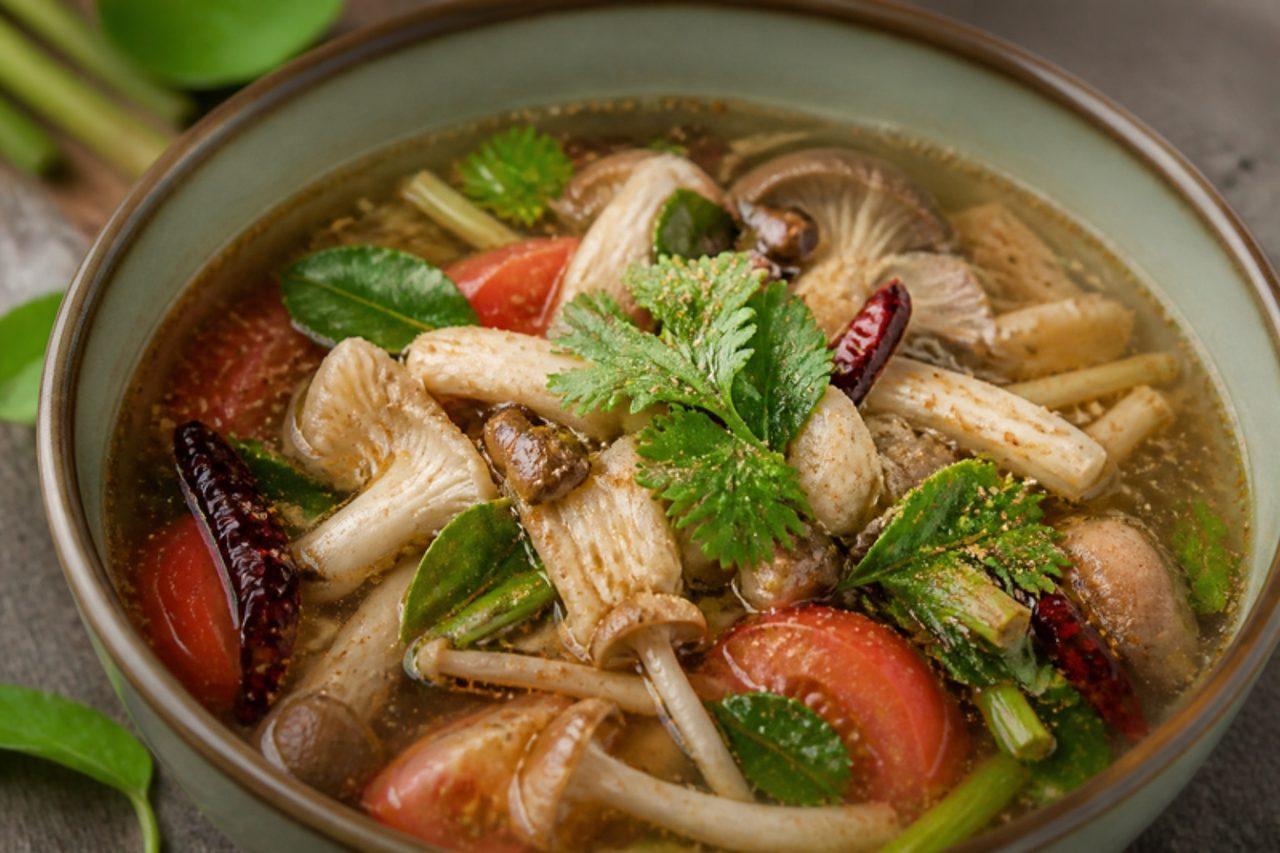
Tom saep het (Isan hot and sour mushroom soup)

'Saep' is the Isan word for delicious, and in the northeast it means hot, sour and herby all at once. Tom saep is the soup sold from big pots at Isan restaurants and roadside grill shops from Nakhon Ratchasima to Ubon, usually with pork bones or offal; mushroom versions are just as common during the rainy season, when wild mushrooms fill the markets. It has no coconut milk: the broth is clear and sharp with lemongrass, galangal, makrut lime leaves and handfuls of dried chilli, thickened slightly with roasted rice powder. Eat it with sticky rice and grilled vegetables. Chef's tip: add the lime juice off the heat; boiled lime turns bitter and loses its fresh sourness.

35 minThaiSoupsVeganGluten freeSpicy
by KrazyBadal 0 views

Tam taeng (Isan pounded cucumber salad)

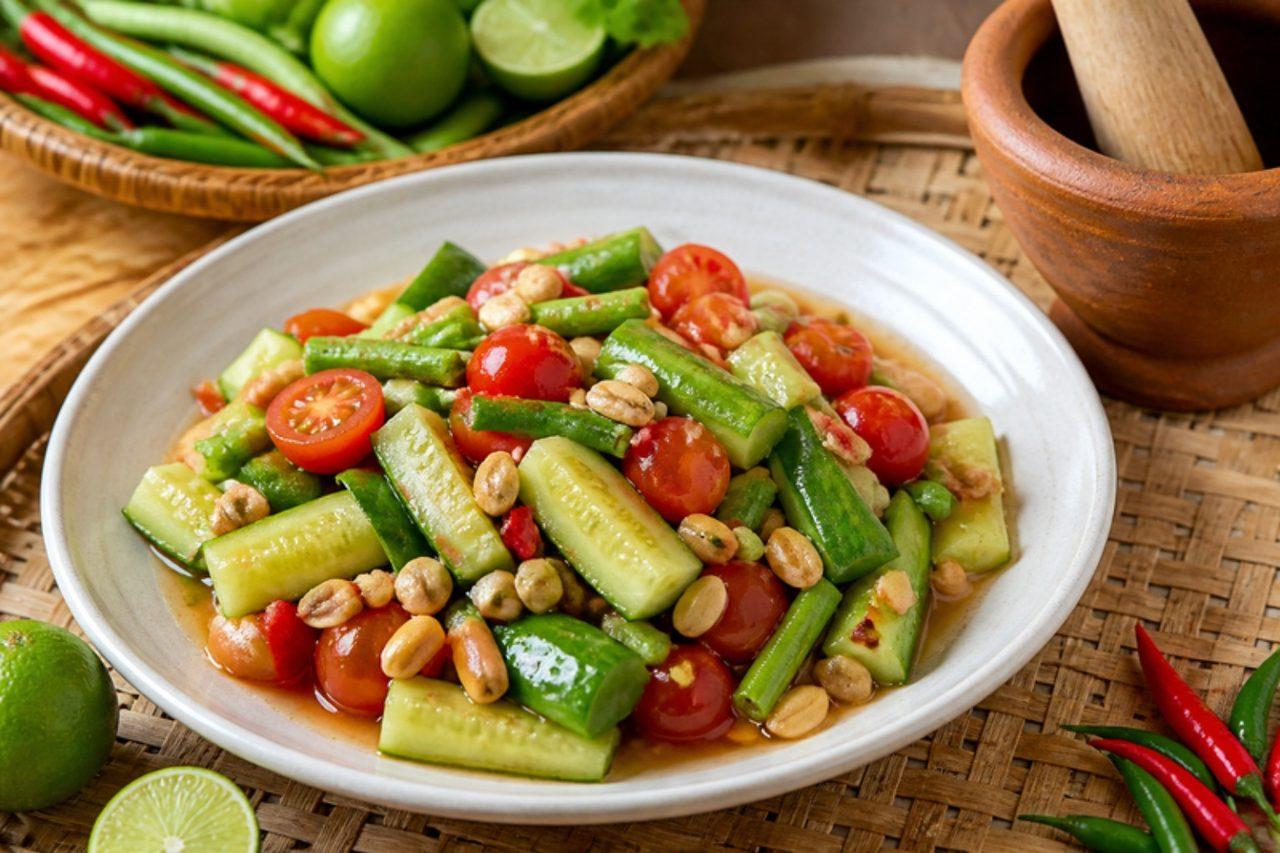
In Khon Kaen, Udon Thani and the rest of Isan, the somtam stall always offers a cucumber version alongside the papaya one, and many locals prefer it on hot afternoons: tam taeng is juicier, cooler and crunchier. Thick batons of cucumber are bruised, not smashed, with garlic, chillies, lime and palm sugar, so they soak up the dressing but keep their snap. Sellers add fermented fish or dried shrimp; this vegan bowl leans on soy and toasted peanuts for depth instead. It is eaten with sticky rice and grilled food, picked up with your fingers. Chef's tip: use firm cucumbers with small seeds and scoop out a watery core, or the salad floods within minutes.

15 minThaiSaladsVeganGluten freeSpicy
by KrazyBadal 0 views

Khanom bueang (Thai crispy crêpes)

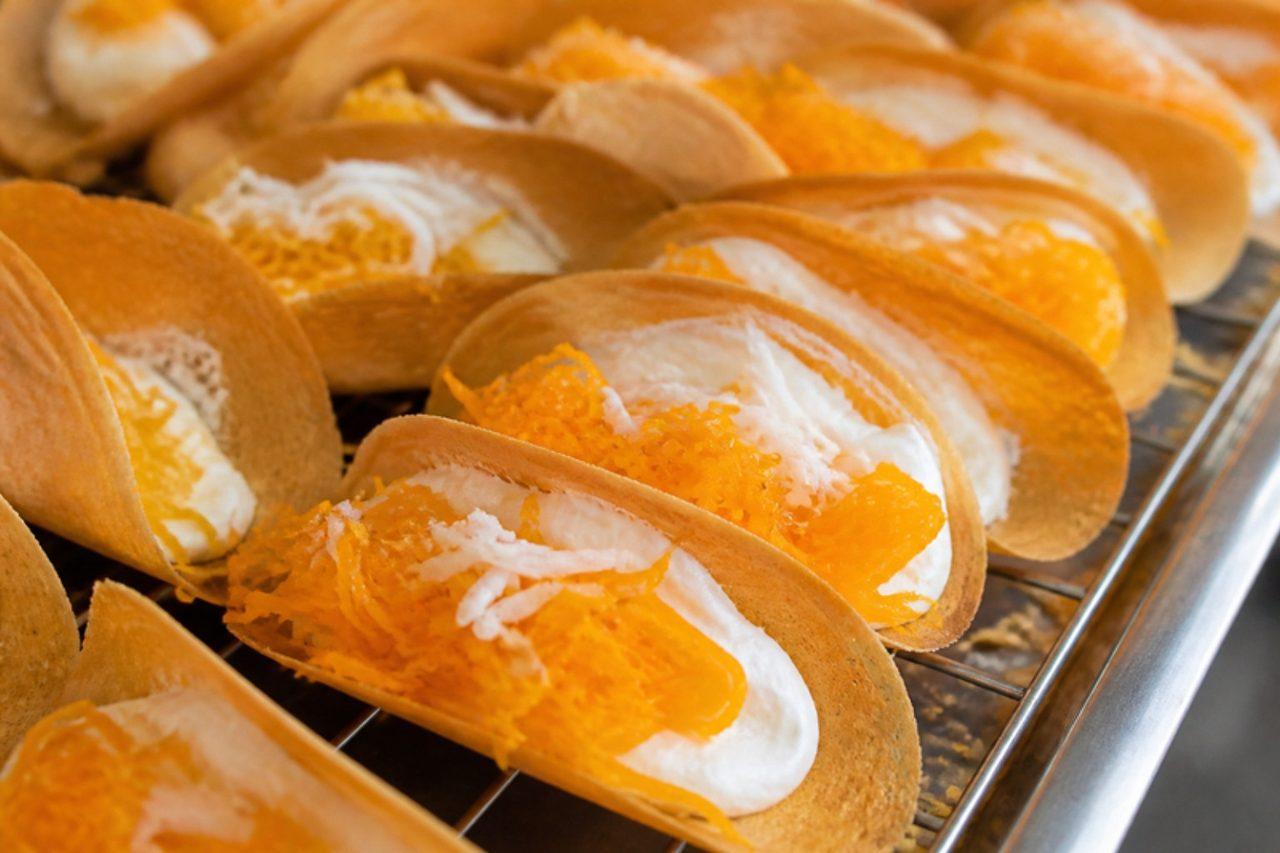
Khanom bueang are little taco-shaped crêpes made on hot round griddles at markets and outside temples all over Bangkok, especially around the old town near the Grand Palace. A vendor spreads a whisper-thin batter with the back of a spoon, swirls on a fluffy meringue cream, then tops it with shredded coconut or sweet egg yolk threads before folding it while still hot. The sweet version, made here, crackles like a wafer and melts on the tongue. A savoury one with coconut and spring onion also exists. They are eaten as an afternoon snack, a few at a time, as soon as they are made. Chef's tip: the batter must go on very thinly. Thick shells stay chewy and never crisp up.

by KrazyBadal 0 views

BakabanaFried plantain fritters

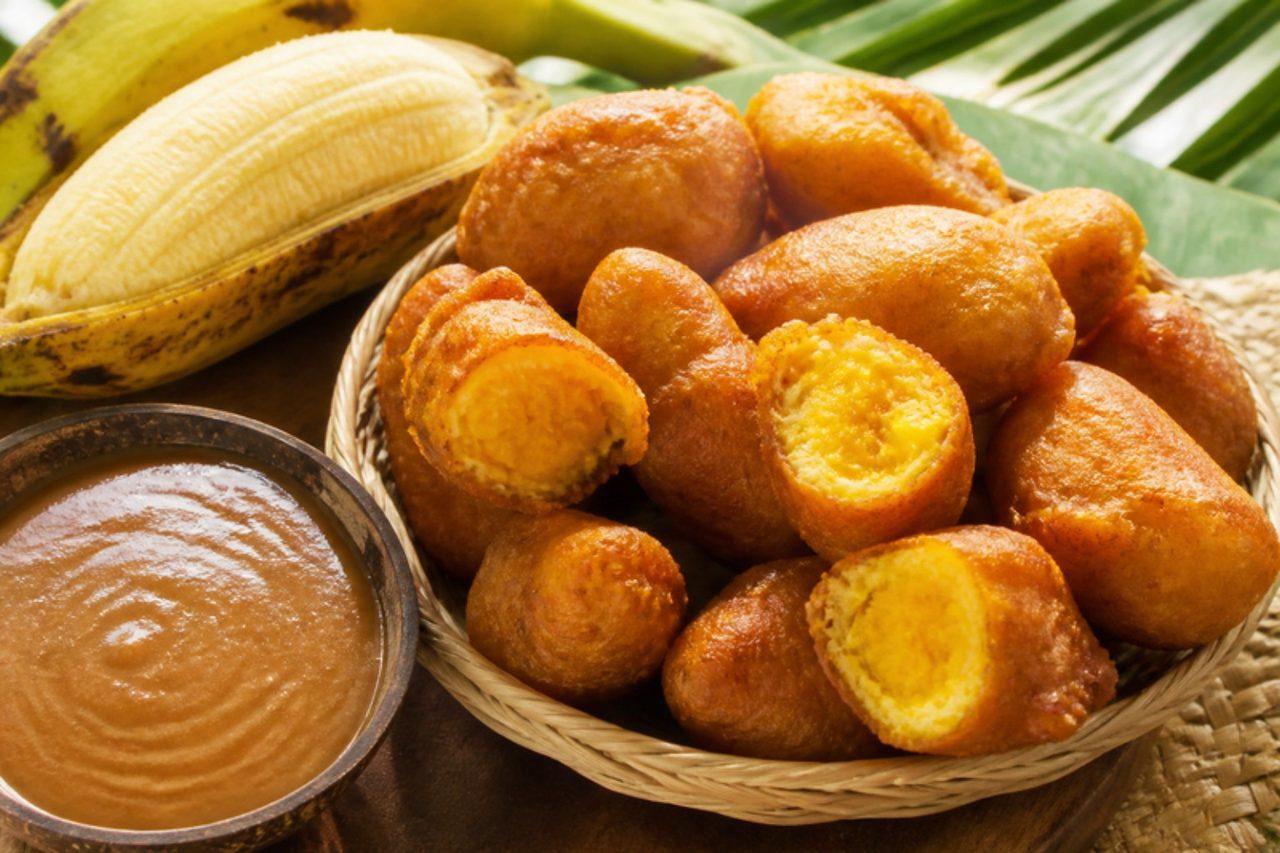
Bakabana are Suriname's favourite snack: long slices of ripe plantain dipped in a light batter and fried until crisp outside and custard-soft within. In Paramaribo they're sold from warung stalls (the Javanese-Surinamese snack bars), and in Dutch cities with Surinamese communities, always with a spicy peanut sauce on the side for dipping. The sweet fruit, crisp shell and salty-hot sauce make them hard to stop eating. Chef's tip: pick plantains that are yellow with lots of black spots but still firm; fully black and soft ones fall apart in the batter.

by KrazyBadal 0 views

Kluay tod (Thai fried bananas)

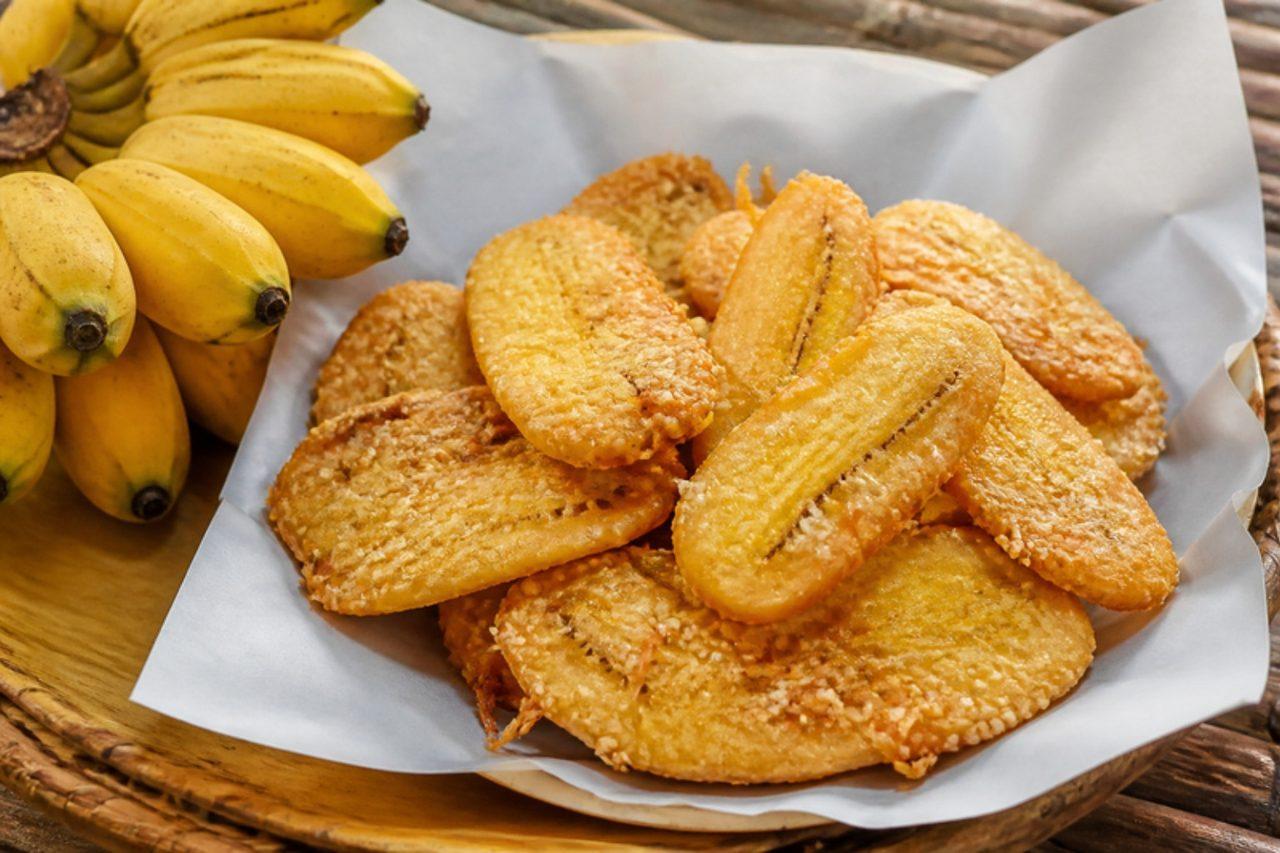
In the afternoons, Bangkok's street-corner woks switch from noodles to snacks, and kluay tod is the one you smell from down the soi: wedges of small, firm bananas in a coconut and sesame batter, fried until bronze and sold in paper bags. The batter is made with rice flour and a little lime water, so it shatters rather than turning bready, while the banana inside goes soft and jammy. Thais use kluay nam wa, a short, tart banana; firm, just-ripe ordinary bananas work too. Eat them warm, on their own or with a scoop of coconut ice cream. Chef's tip: overripe bananas fall apart and soak up oil; choose ones that are yellow with no brown spots.

by KrazyBadal 0 views

Khao tom (vegetable rice soup)

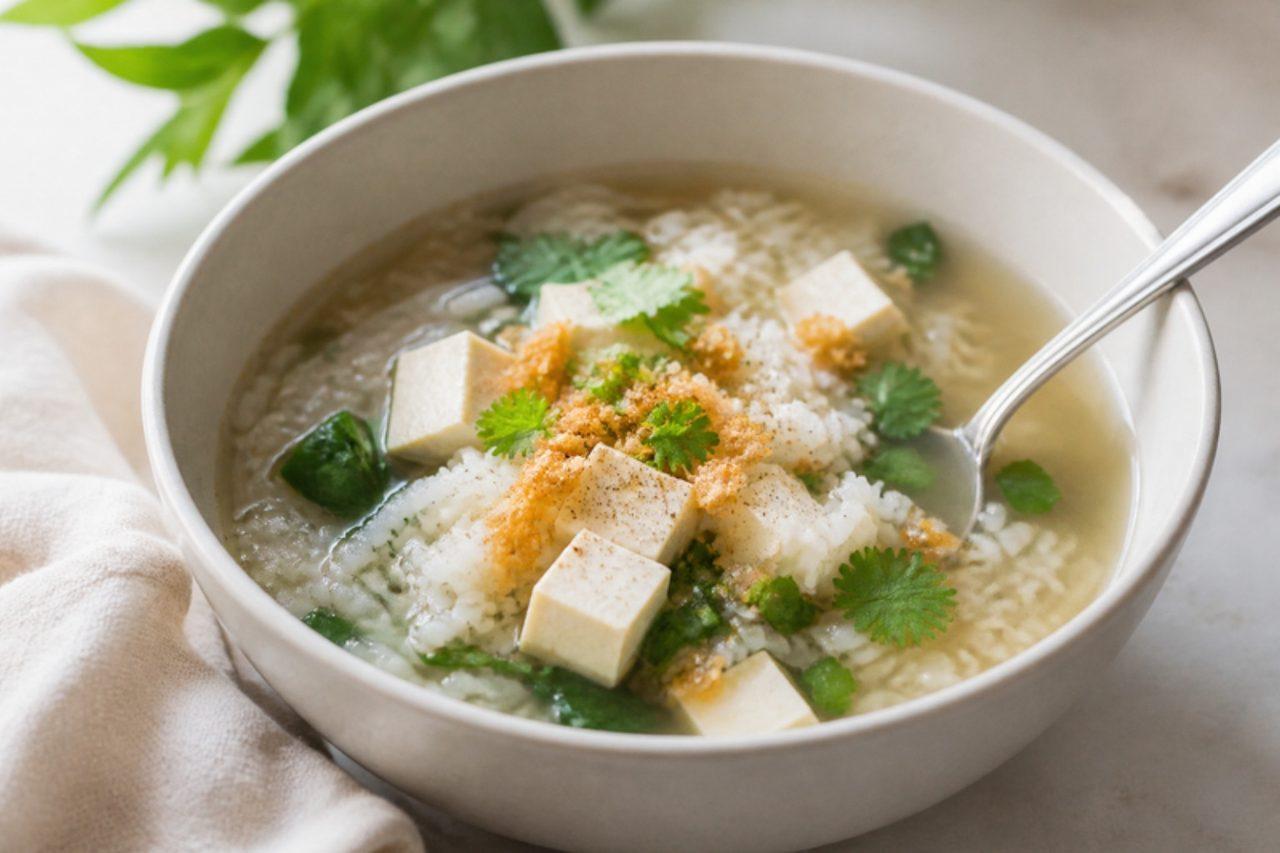
Khao tom is what Thais eat at the start of the day and, just as often, at two in the morning, when the 'khao tom kui' shops of Bangkok's Yaowarat and night-market stalls stay open for hungry people heading home. Unlike rice porridge (jok), the grains stay whole and separate in a light, clear broth, so it feels more like a soup than a congee. This vegan bowl uses a ginger and white pepper stock with soft tofu, Chinese cabbage and a spoon of golden garlic oil on top. It is gentle food, also what Thai families cook when someone is unwell. Chef's tip: use leftover cooked jasmine rice, rinsed under the tap; fresh rice turns the broth cloudy and starchy.

by KrazyBadal 0 views

Yam woon sen (vegetarian glass noodle salad)

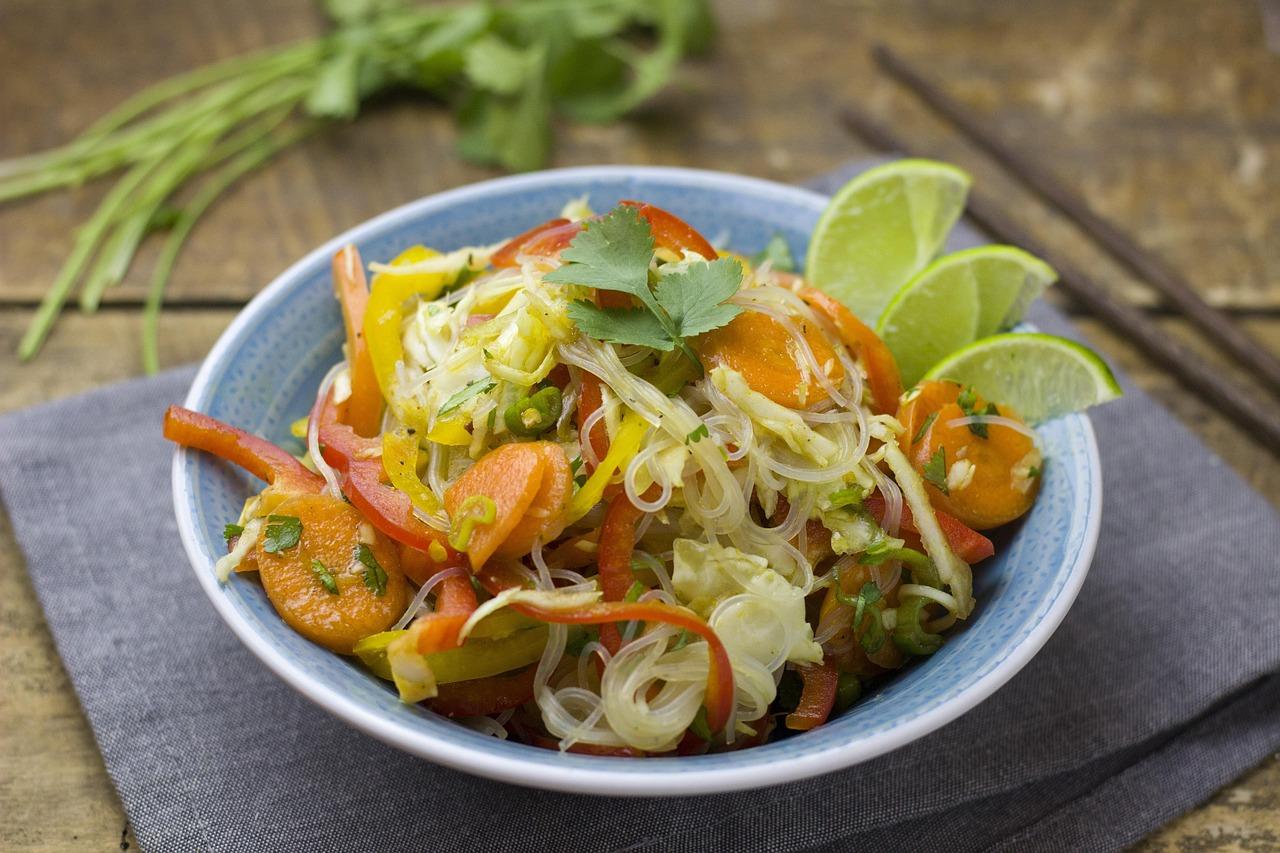
Yam woon sen is the glass-noodle salad sold from the trays of 'yam' vendors in Bangkok's evening markets and served alongside beer at Central Thai gatherings. The street version is tossed with minced pork and prawns; this vegetarian one swaps them for crumbled firm tofu and crunchy wood ear mushrooms, which give the same mix of soft and bite. The noodles are dressed while still warm so they drink up the sour, salty, sweet and hot dressing, then finished with celery leaves, coriander and peanuts. Eat it at room temperature as a light lunch or as one dish in a shared spread. Chef's tip: celery leaves are not a garnish here; Thai cooks use Chinese celery as a main herb, so be generous.

25 minThaiSaladsVeganGluten free
by KrazyBadal 0 views

Kaeng pa (jungle curry)

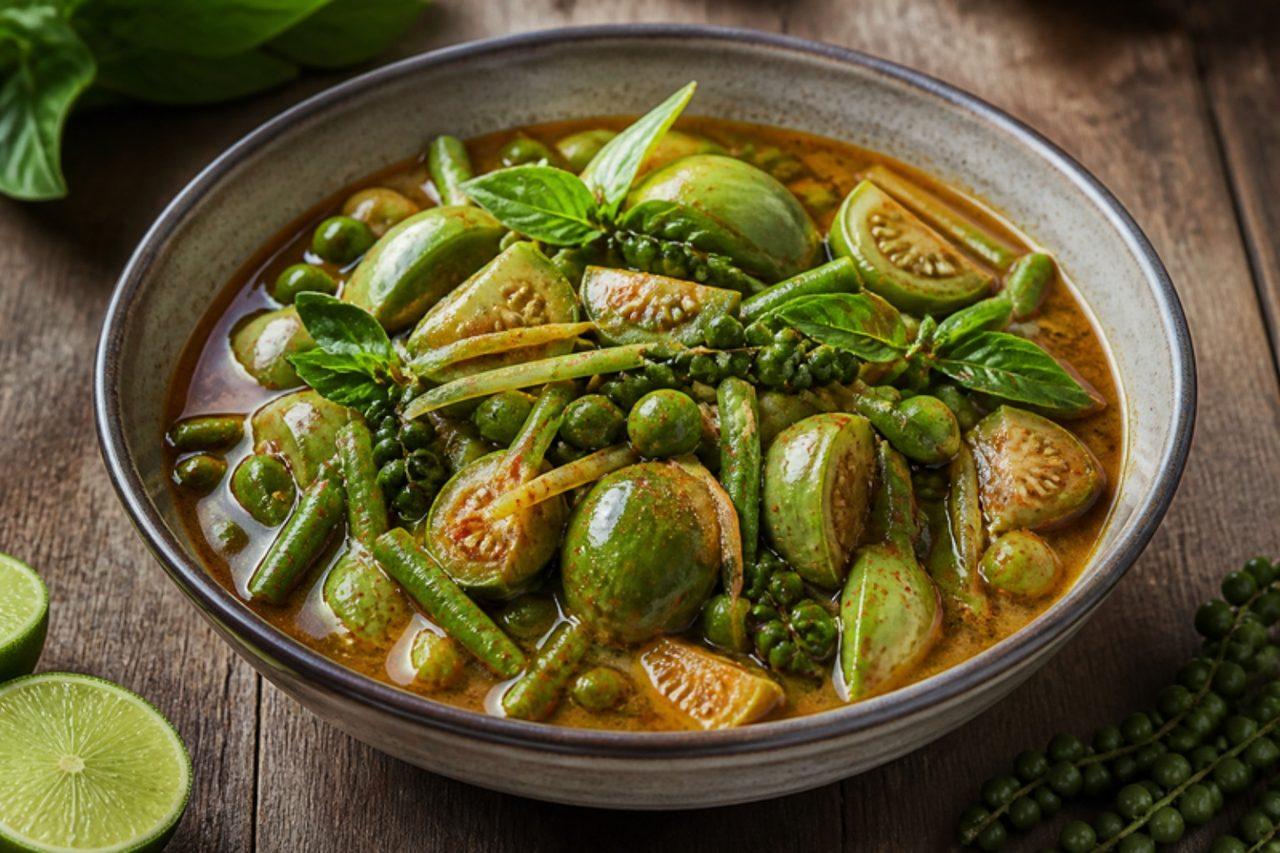
Kaeng pa means 'forest curry', and around Ayutthaya, Suphan Buri and the rice-farming plains north of Bangkok it is the curry cooked when there is no coconut to hand: a thin, fiery, herb-scented broth packed with whatever vegetables grew nearby. It turns up at roadside curry-and-rice shops in the Central region, ladled over jasmine rice at lunchtime. Without coconut milk the flavour is sharp and clean, carried by wild ginger (krachai), fresh green peppercorns and holy basil. This version uses a home-pounded red paste with no shrimp paste and seasons with soy sauce instead of fish sauce. Chef's tip: fry the paste in a little oil until it smells toasty before any water goes in; raw paste makes a curry that tastes flat and grassy.

by KrazyBadal 0 views

Bai sach chroukGrilled pork over rice

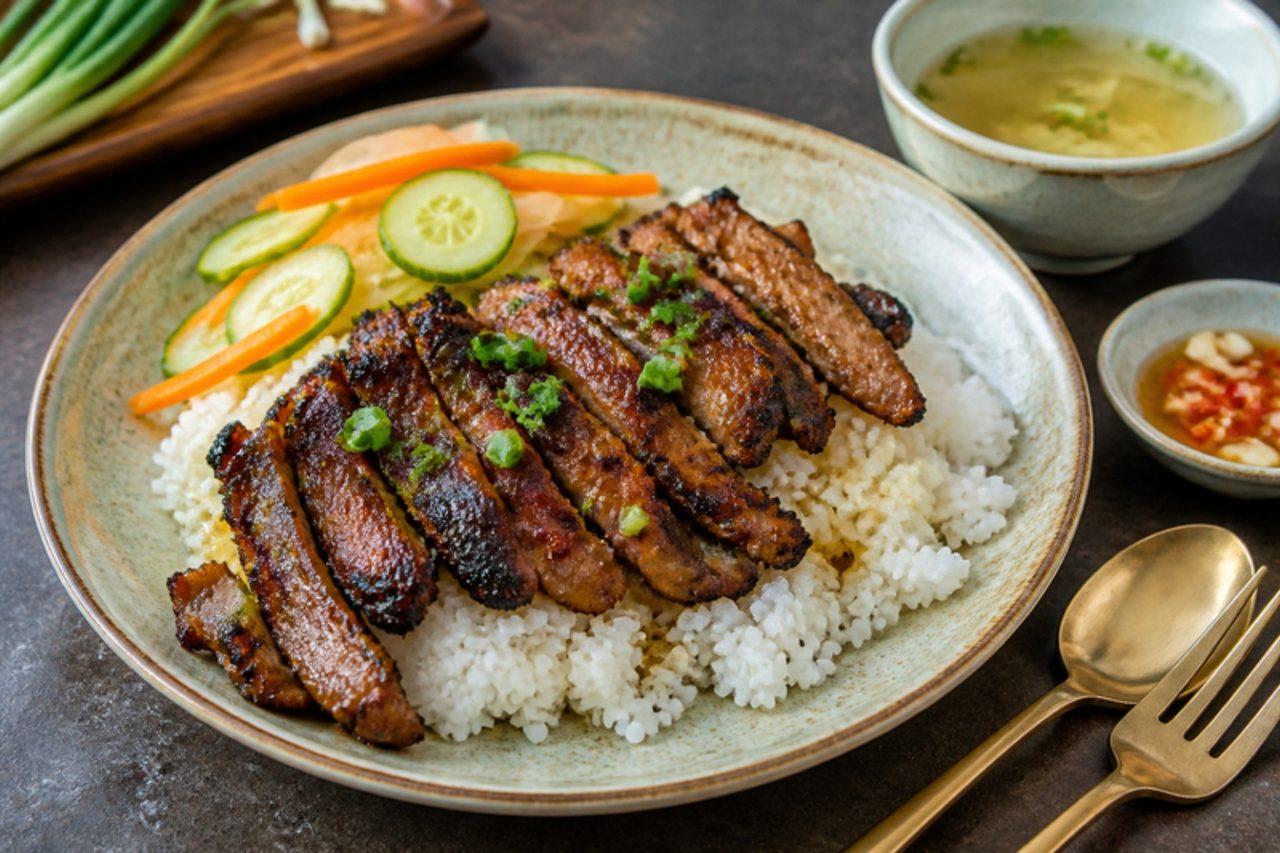
Bai sach chrouk, 'rice with pork', is the classic Cambodian street breakfast, grilled over charcoal on pavements in Phnom Penh and Siem Reap in the early morning and eaten before work and school. It is a pork dish: thin slices of pork are marinated overnight in coconut milk, garlic and palm sugar, then grilled until caramelised and smoky and served on broken rice with quick-pickled cucumber and carrot and a small bowl of clear broth. Chef's tip: slice the pork thinly, about 5 mm; it marinates faster and chars before it dries out.

by KrazyBadal 0 views

Okinawan taco rice (vegetarian)

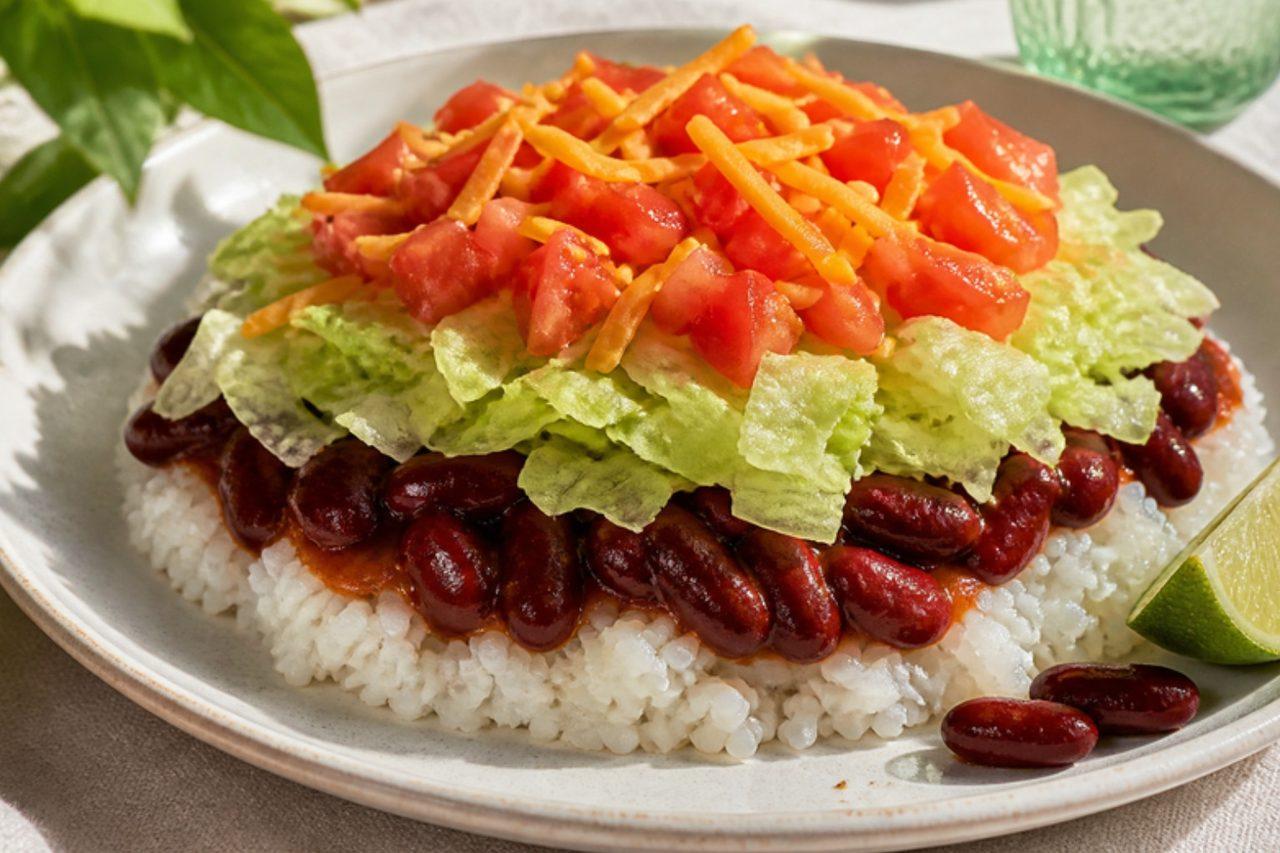
Taco rice was invented in 1984 in the town of Kin, Okinawa, next to a large US Marine base, by a café owner who put taco fillings on rice to make a cheap, filling plate for young soldiers. It became one of Okinawa's best-loved comfort foods and now turns up in school lunches, convenience stores and beach cafés across the islands. The usual filling is spiced minced beef; Okinawan cafés also offer bean versions, and ours uses kidney beans and walnuts for the same crumbly bite. Serve it with hot sauce and eat it from one bowl, mixing as you go. Chef's tip: cook the filling until it's almost dry. A juicy filling soaks the rice and the cheese won't melt into it properly.

by KrazyBadal 0 views

Bajan fish cakesSalt cod fritters

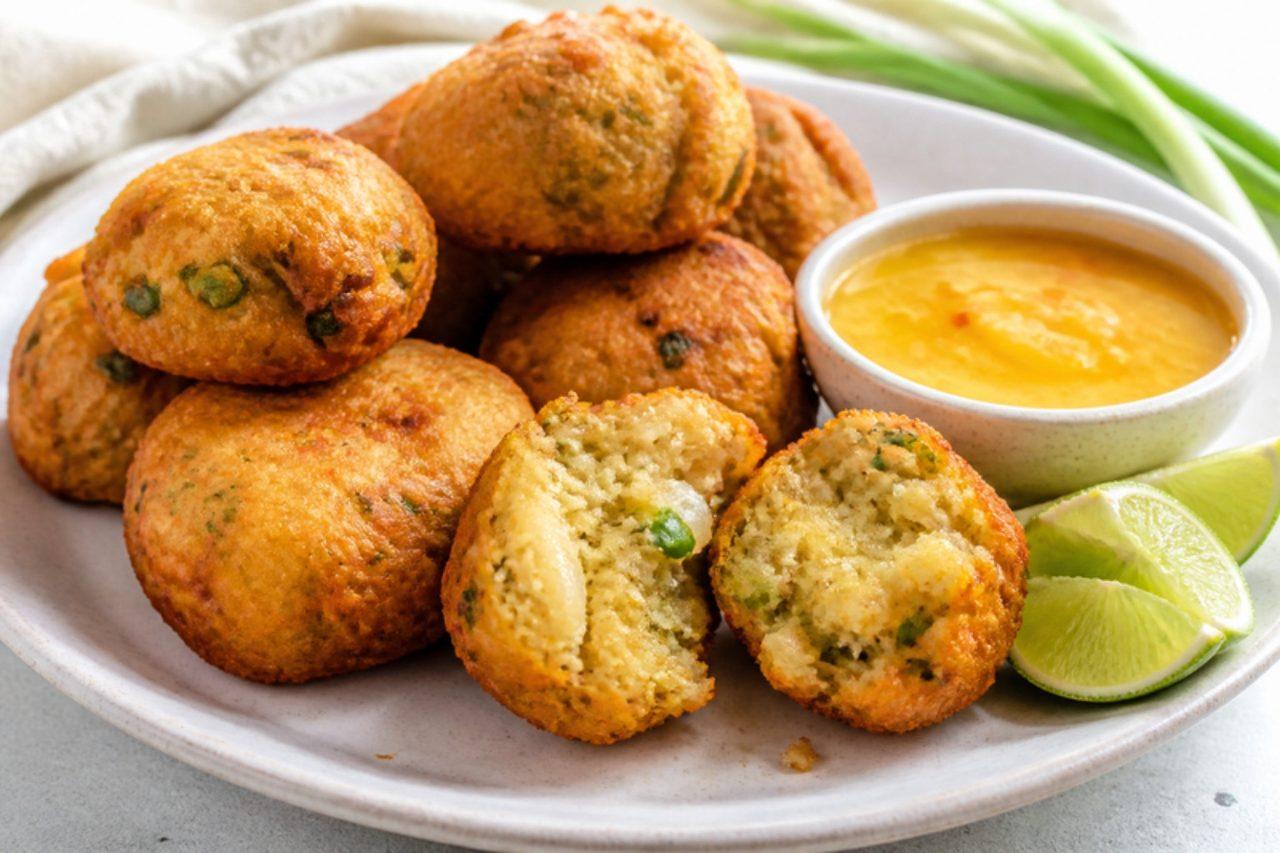
Fish cakes are on every Bajan party table and in every rum-shop snack box, and on Friday nights at Oistins Fish Fry they are tucked into a split salt bread roll as 'bread and two'. These are not potato patties but spoonfuls of light, herby batter full of flaked salt cod, spring onion, thyme and Scotch bonnet, fried until puffed and golden. Serve them hot with Bajan pepper sauce or a squeeze of lime. The mistake that gives flat, greasy fish cakes is a thin batter; it should drop from the spoon in a soft blob, not pour. Chef's tip: taste a flake of the cooked cod before mixing; if it is still salty, don't add any more salt to the batter.

by KrazyBadal 0 views

Hoba misoMiso grilled on magnolia leaf

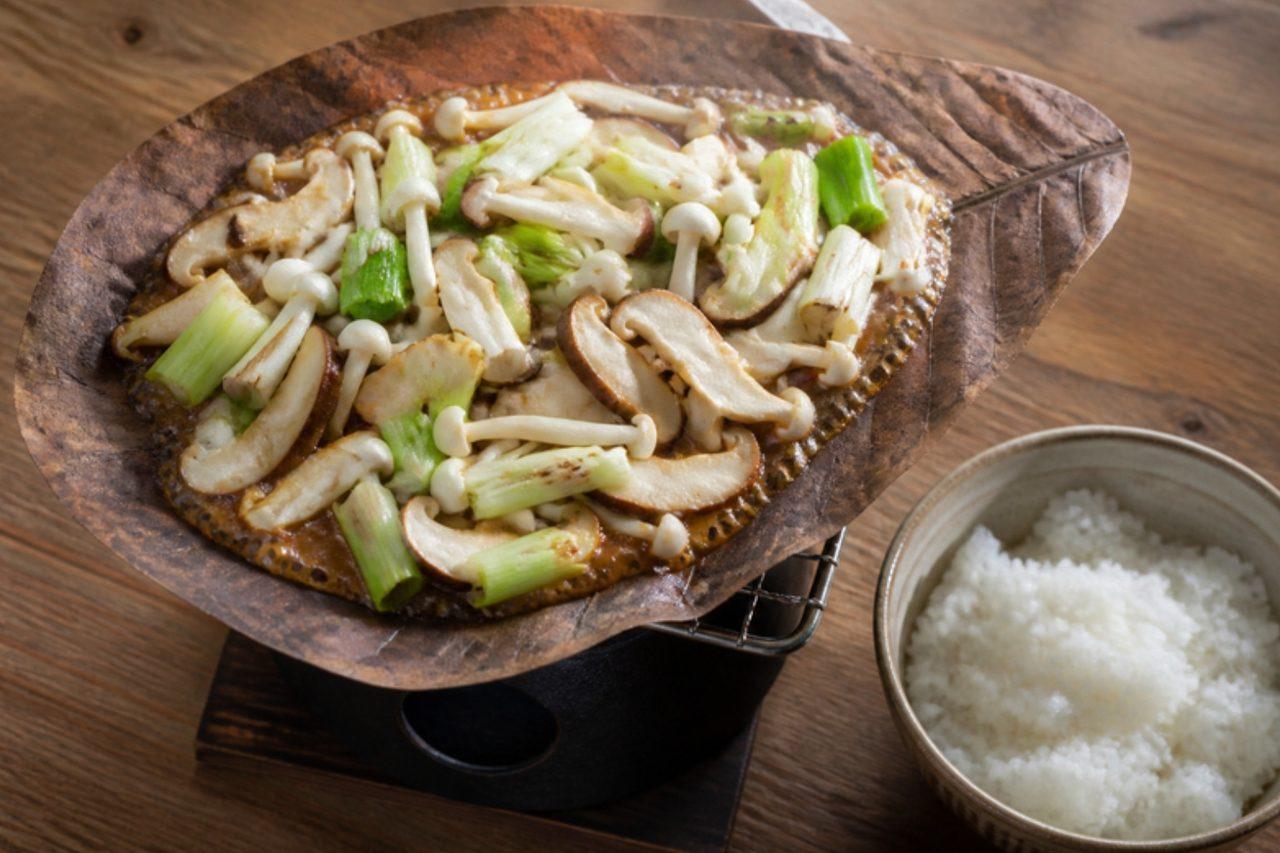
In the old mountain town of Takayama, in Gifu's Hida region, inns serve breakfast with a small charcoal brazier on the table and a dried magnolia leaf, hoba, resting on its grill. On it sits a mound of miso mixed with leek and mushrooms. As the leaf warms, the miso bubbles and gives off a smoky, woodsy smell, and you scoop it up with rice. It started as farmhouse winter food, when people toasted frozen pickles on leaves to thaw them. Dried hoba leaves are sold in Japanese shops and online; a sheet of baking paper works too, without the scent. Chef's tip: soak the leaf in water first. A damp leaf scorches slowly and perfumes the miso instead of catching fire.

by KrazyBadal 0 views

Shinshu soba with spicy daikon dip

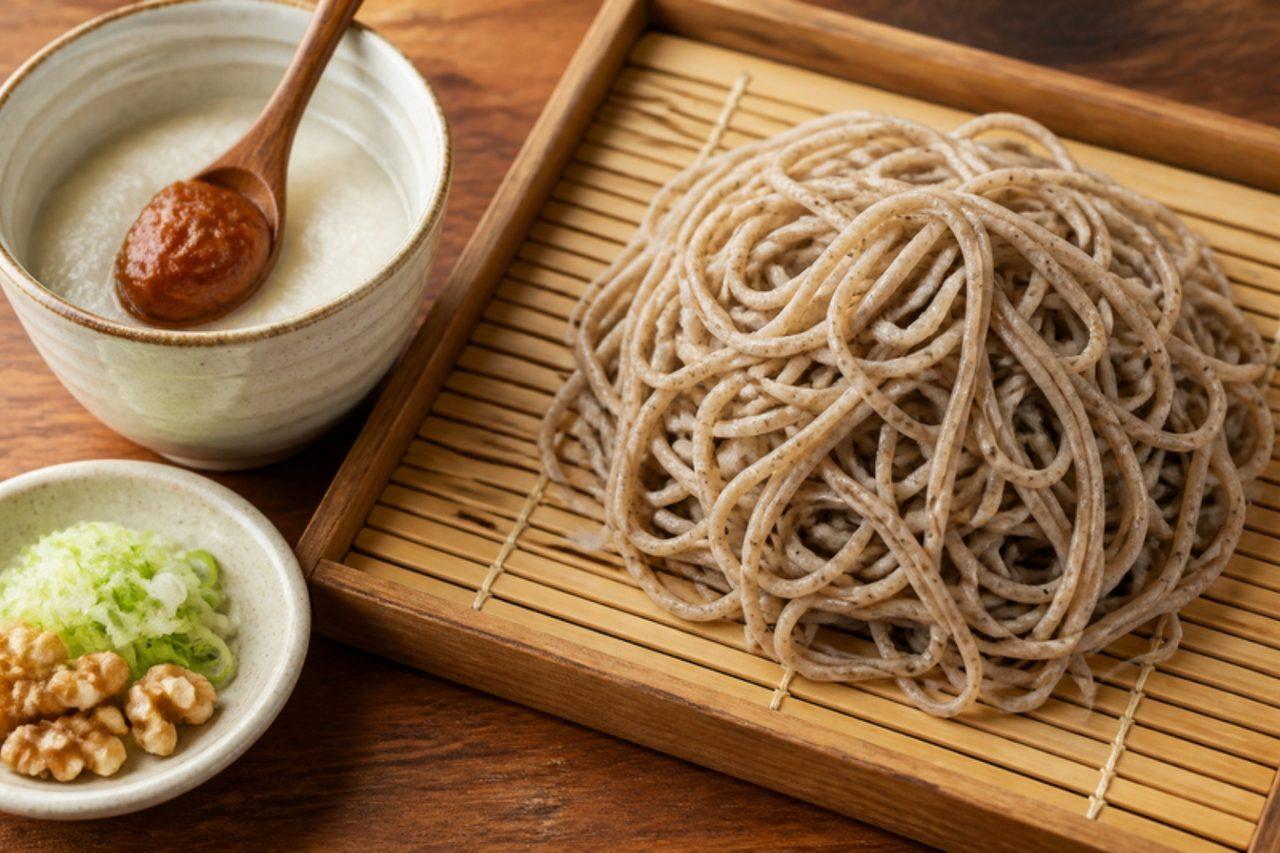
Nagano, the old province of Shinshu, grows buckwheat on cool mountain plateaux, and its soba is famous across Japan. In the castle town of Takato, and in the Aizu villages that took the custom with them, the noodles are not dipped in sweet soy sauce at all. Instead each diner gets a cup of juice squeezed from grated, eye-wateringly hot daikon, stirred with toasted miso. The result is sharp, clean and peppery, and it wakes up the earthy buckwheat. It's a summer lunch, eaten cold with a sprinkle of spring onion. Chef's tip: grate the daikon only just before serving. Its heat fades within 20 minutes, and the dish depends on that fresh bite.

by KrazyBadal 0 views

Showing 72 of 7,762 recipes

Show more recipes

Page 651 of 863