


Skip to content
Mango faluda delight
Featured recipe

Mango faluda delight

Mango and almond milk pudding

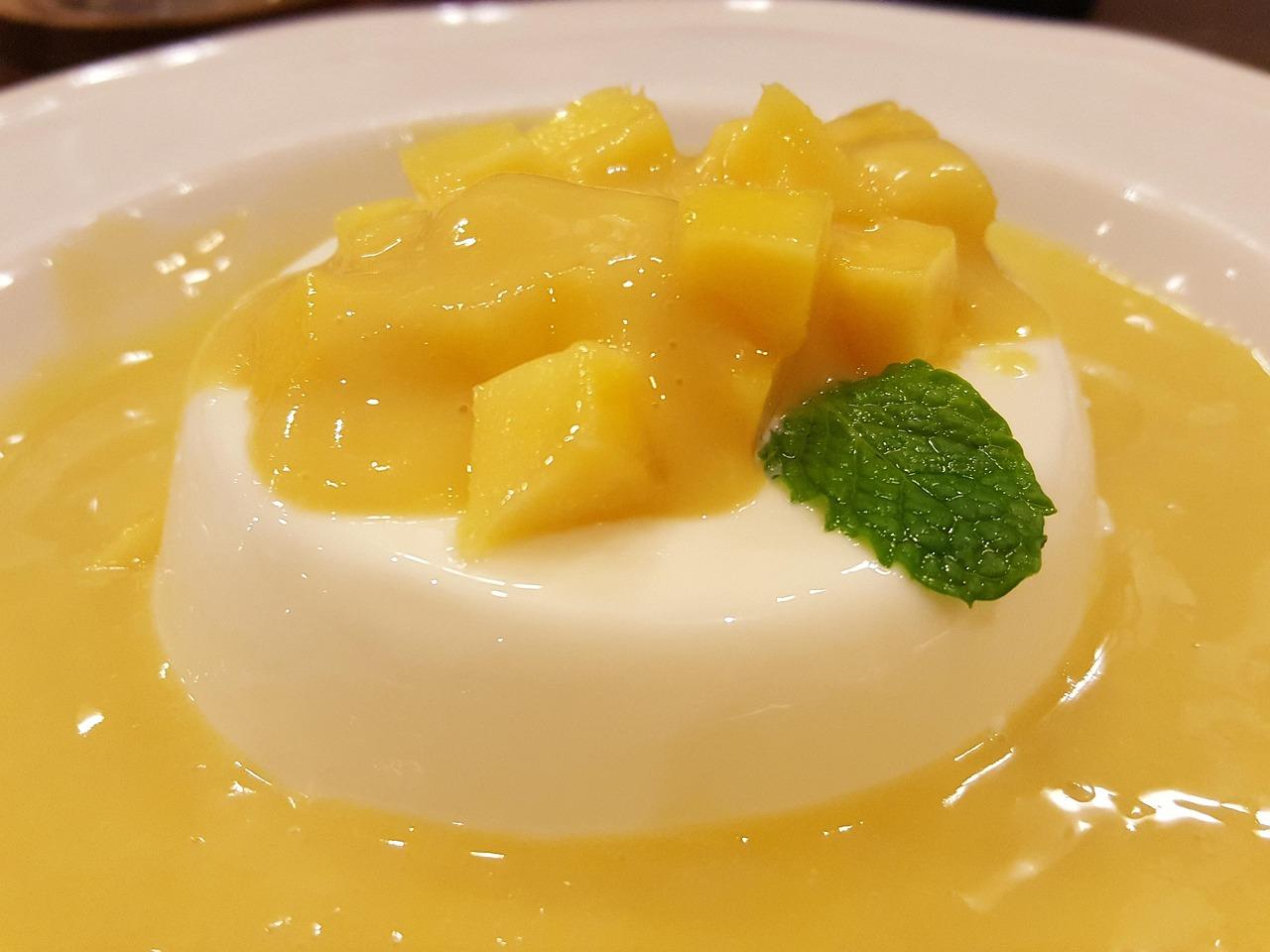
A cool layered pudding of ripe mango with cardamom and almonds, covered with a vanilla milk 'faluda' set with agar-agar. It's fruity, creamy and lightly spiced, and fully vegetarian. Make it in a glass dish so the layers show, and serve chilled with mango slices, cherries and almonds.

Read more 0 views

What to eat today?

Around the world

Today's trip: Persian

A new country every day, from every cuisine on the site.

Persian

Dizi

Lamb and chickpea stew 245 minMore from Persian (131) →

This week's collection

Kid-friendly dinners
578 recipes · a new collection every Monday

Latest recipes

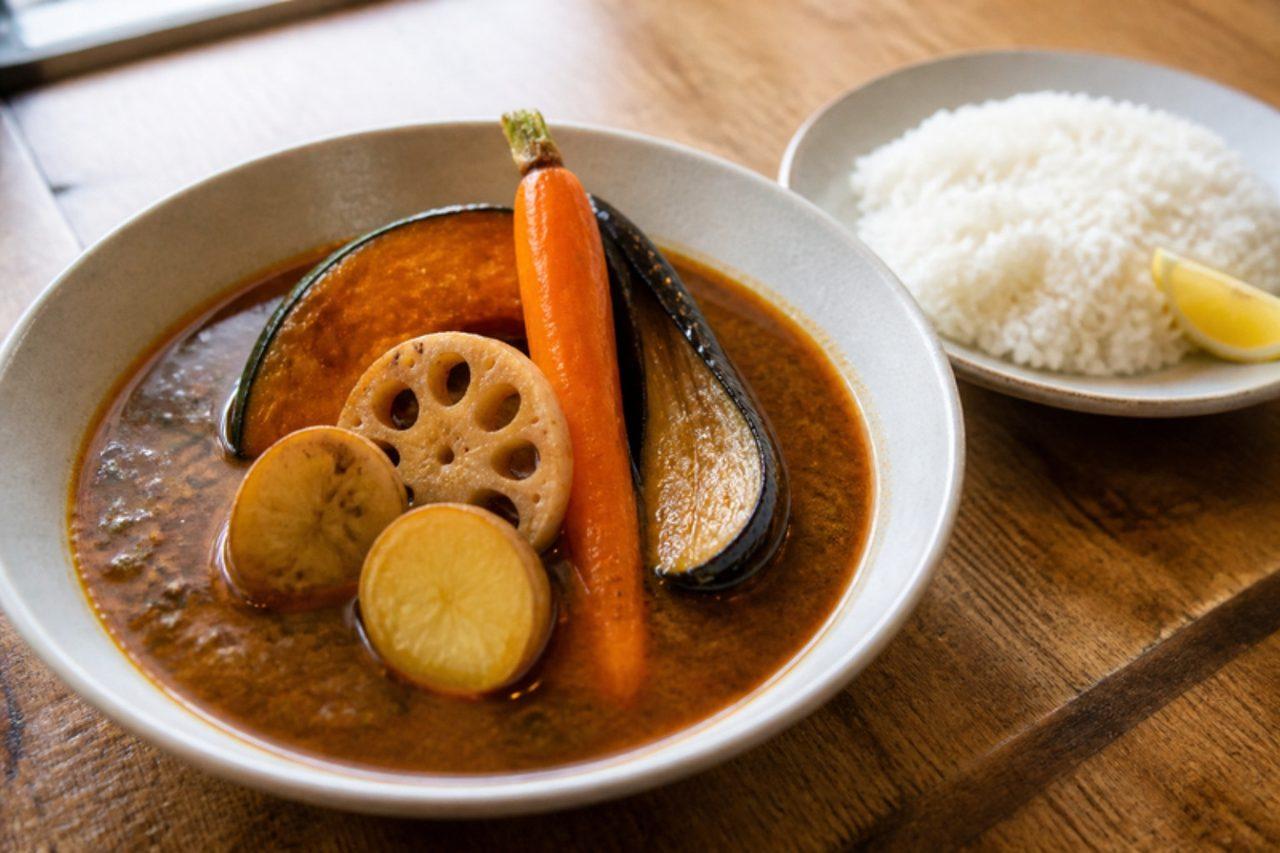
Sapporo soup curry

Sapporo's soup curry was born in the city's cafés in the 1970s and became a craze in the 2000s, when hundreds of small shops opened across Hokkaido's capital, each letting you pick a heat level from 1 to 30. It is nothing like the thick roux curry most of Japan knows: the broth is as thin as soup, aromatic with cumin, cardamom and garlic, and the vegetables arrive large and separately roasted, so each keeps its own colour and bite. Locals eat it in the long Hokkaido winter with a plate of rice on the side, taking a spoonful of rice and dunking it into the broth. Chef's tip: roast or fry the vegetables apart from the broth and only meet them in the bowl. The contrast of crisp-edged vegetables and hot, loose broth is the whole point.

by KrazyBadal 0 views
Ojingeo sundaeRice-stuffed squid

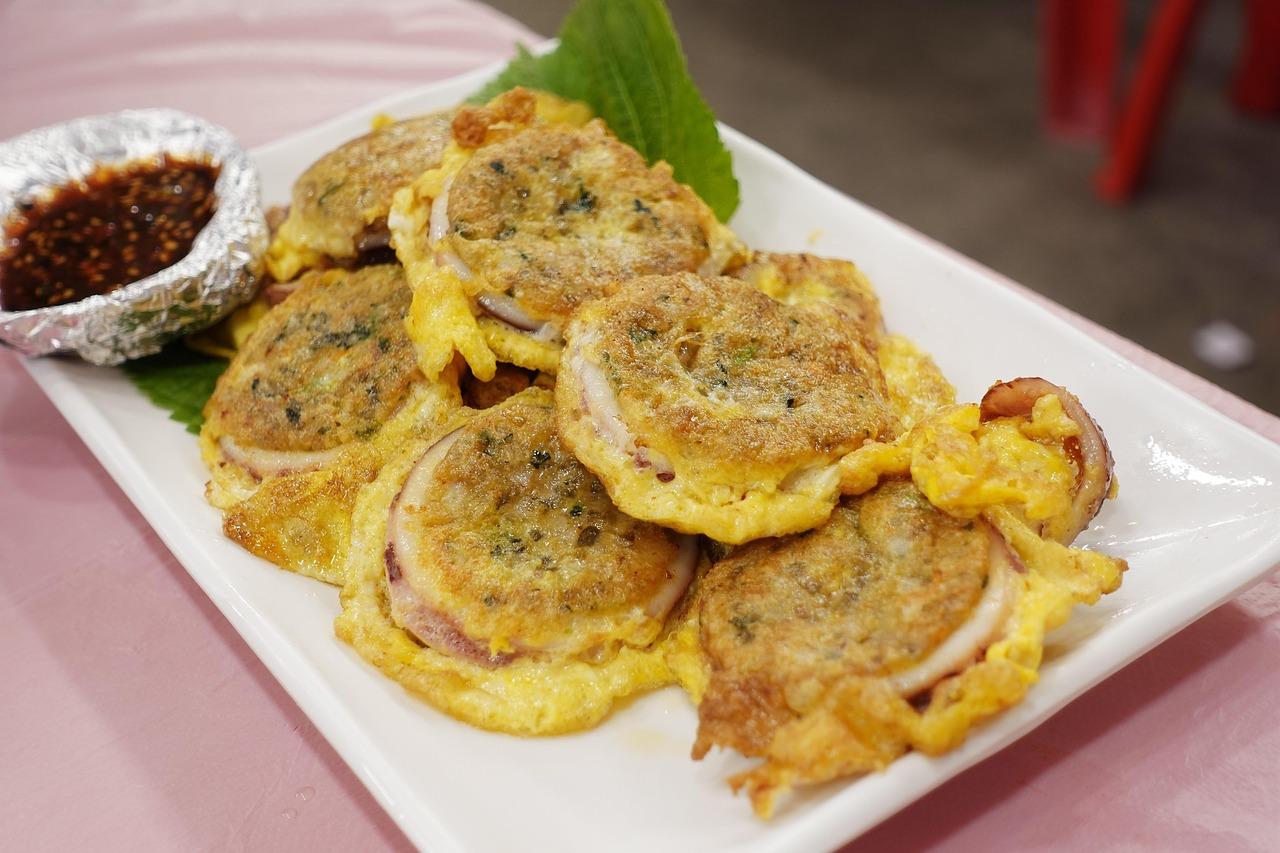
Abai Village in Sokcho, on Gangwon's east coast, was settled by people from Hamgyeong province in the north who could not go home after the Korean War. With squid plentiful in the East Sea, they stuffed it the way they had once stuffed pork casings for sundae, and the dish is now sold in the village's small restaurants and at Sokcho's Jungang market. The squid is filled with sticky rice, tofu and vegetables, steamed, cut into rounds and fried in beaten egg until golden. It makes a good sharing plate with a soy and vinegar dip. Chef's tip: mix a little glutinous rice into the filling; it binds the slices so they don't fall apart in the pan.

90 minKoreanFish
by KrazyBadal 0 views

Shanxi cat's ear noodles

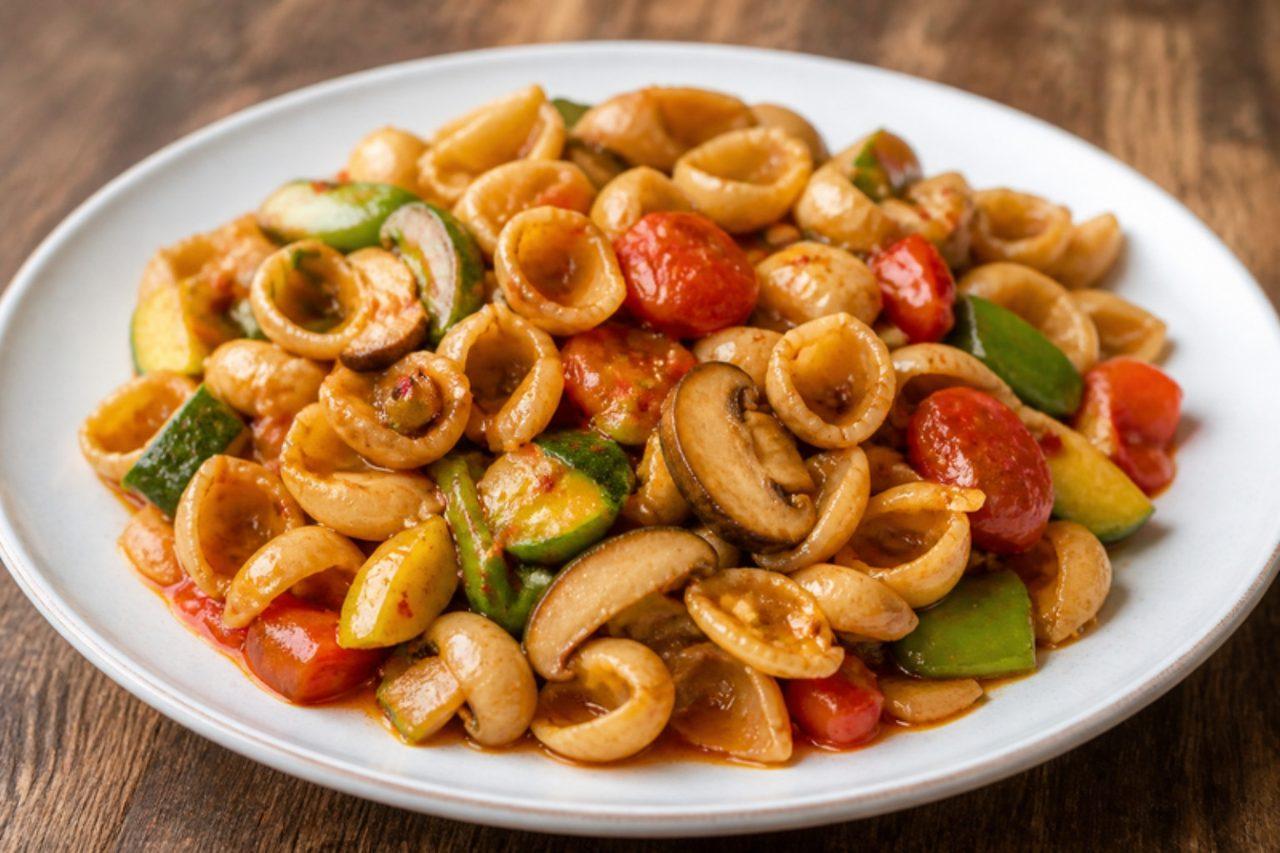
Shanxi has more pasta shapes than almost anywhere in China, and these are among the easiest to make by hand: small pieces of dough pressed and rolled with the thumb so they curl up like a cat's ear. Families in Taiyuan and Pingyao boil them and then stir-fry them with vegetables, or serve them in broth. The cupped shape catches the sauce. Children enjoy shaping them. Chef's tip: dust the board lightly with flour; too much and the dough slides instead of curling.

by KrazyBadal 0 views

Agra pethaCandied ash gourd sweets

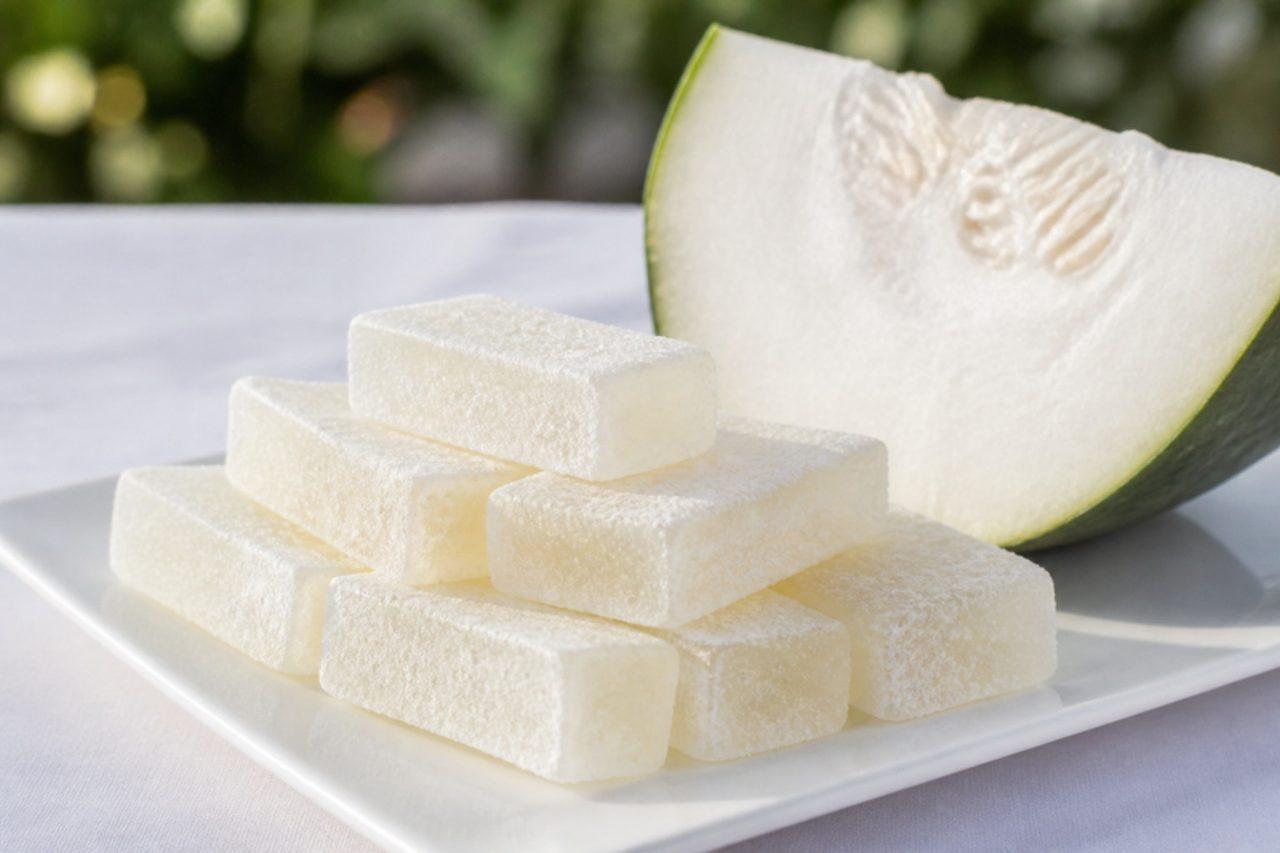
Every train pulling out of Agra carries boxes of petha. The city's halwais have been candying ash gourd for generations, and the plain white kind remains the classic: firm, crystal-clear cubes with a sugar crust and a juicy centre, lightly scented with rose or kewra. At home it makes a good festival sweet for Diwali gifting because it keeps for two weeks. The firmness comes from soaking the gourd in food-grade slaked lime (chuna, sold as pickling lime) or, as some cooks prefer, in alum water. Leaving out the soak, or rushing it, is the most common mistake: the cubes fall apart in the syrup. Chef's tip: prick each cube deeply all over with a fork before soaking, so the lime water and later the syrup reach the centre.

by KrazyBadal 0 views

Shanxi knife-shaved noodles with tomato and egg

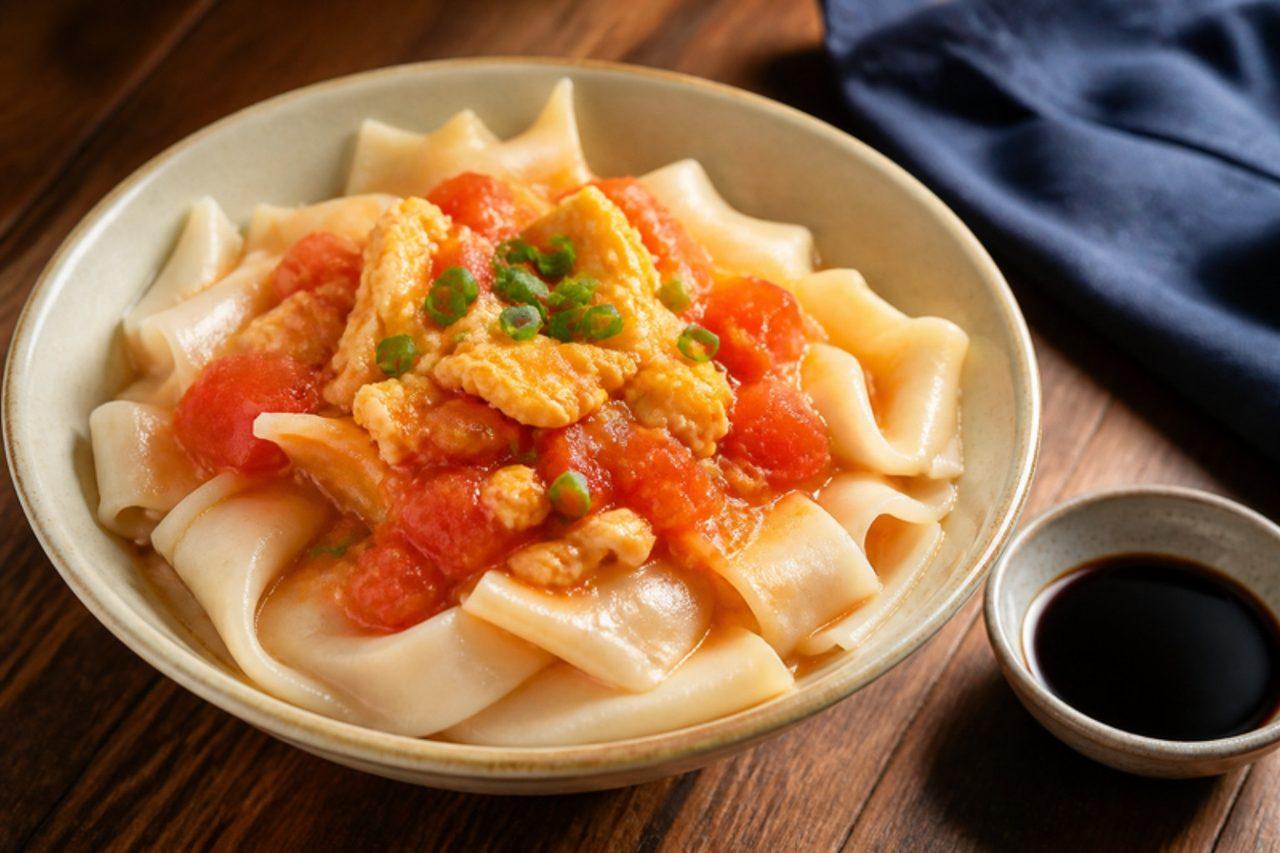
In Taiyuan, noodle cooks hold a block of stiff dough on one arm and shave strips off it straight into a boiling cauldron, so fast they look like falling leaves. Each noodle comes out thick in the middle and thin at the edges, chewy and slightly uneven, which is the whole charm. The most common topping in Shanxi homes is a soft tomato and egg sauce, with a splash of aged vinegar at the table. Chef's tip: a firm dough is essential; a soft one sticks to the blade and tears.

by KrazyBadal 0 views

Agua de jamaicaHibiscus iced drink

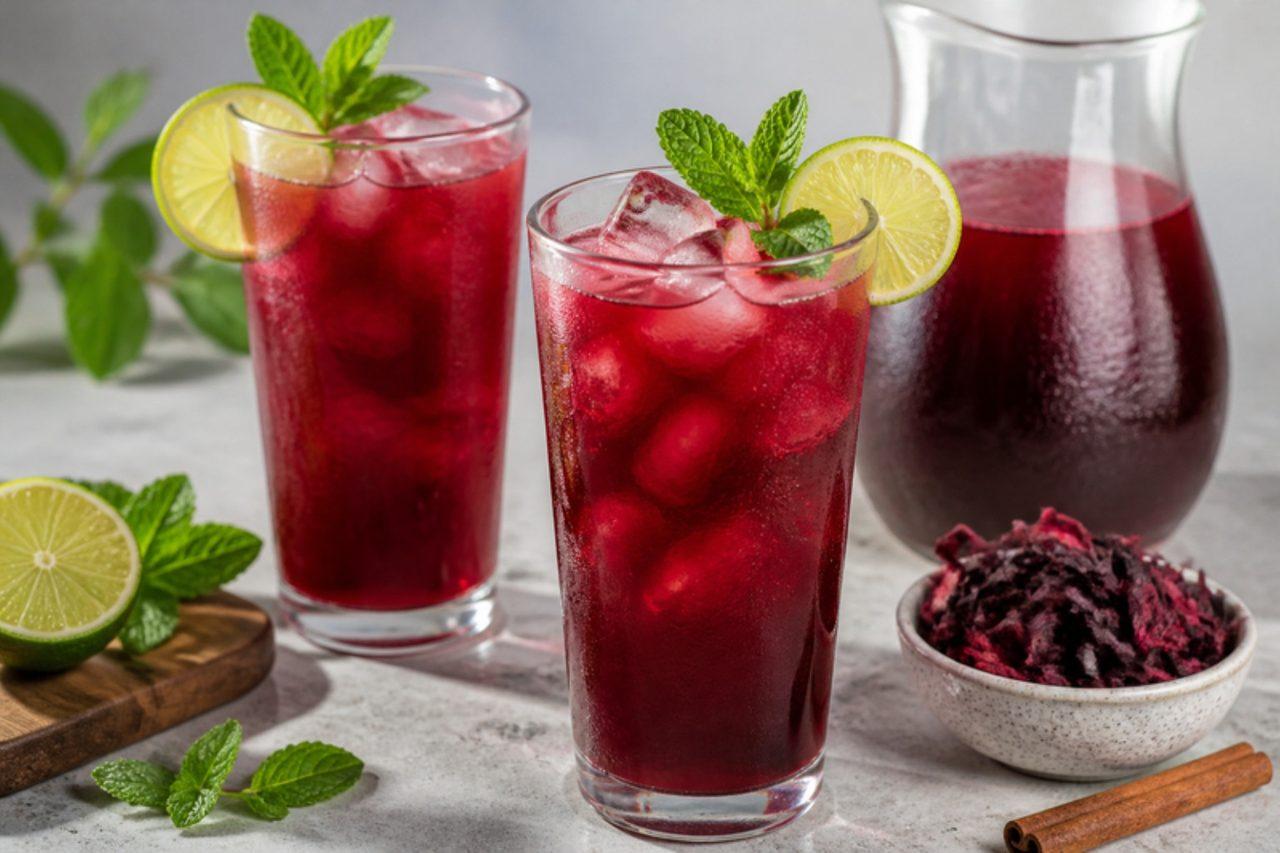
Agua de jamaica is one of the aguas frescas, the cooling fruit and flower drinks ladled from huge glass barrels at markets and taquerías all over Mexico. It is made by steeping dried hibiscus calyces (flor de jamaica) in hot water, giving a deep crimson drink that tastes tart like cranberry, lightly floral and very refreshing over ice. It is naturally vegan and keeps for days in the fridge. Use the concentrate as the base and sweeten to taste. Chef's tip: don't boil the flowers for long or leave them steeping for hours; too much extraction makes the drink tannic and harsh.

by KrazyBadal 0 views

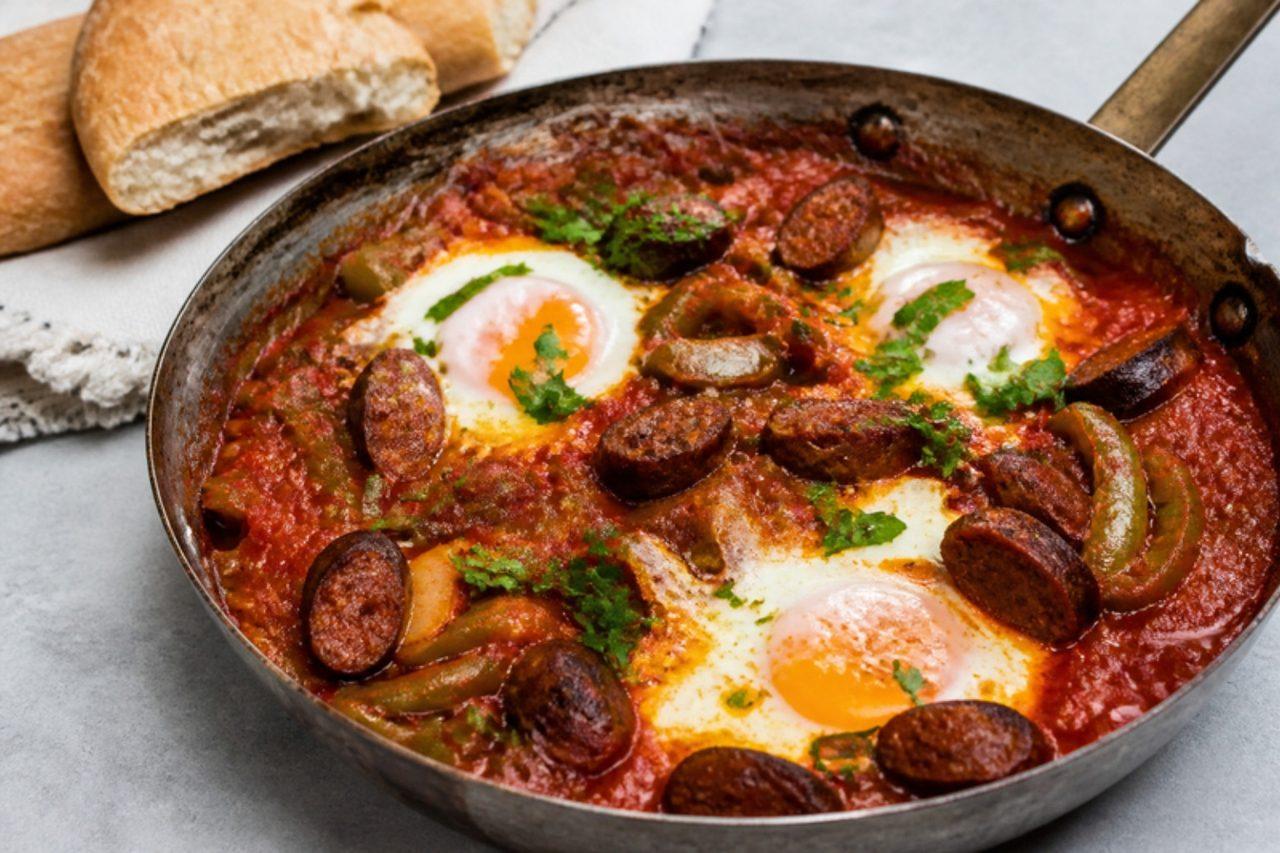
Ojja with merguezSpicy tomato sauce with sausage

Ojja is the quick supper of Tunis cafés and home kitchens: a pan of tomato, peppers, garlic and harissa, cooked down until thick, with slices of spicy lamb merguez and eggs set softly on top. It is scooped up with crusty bread straight from the pan. The mistake is stirring the eggs in too early; they should go in once the sauce is thick and be left alone to just set. Chef's tip: brown the merguez first so its spiced fat flavours the sauce. If you can't get merguez, use any spicy lamb or beef sausage.

by KrazyBadal 0 views

Tianjin fried sticky rice cakes

These are one of Tianjin's three famous snacks, named after Erduoyan ('ear hole') Lane, where the original shop opened over a hundred years ago. The dough is soft, slightly fermented glutinous rice, filled with dark, sweet red bean paste and fried until the shell is crisp and blistered while the inside stays chewy. Locals buy them for festivals and as a winter treat. Chef's tip: seal the edges thoroughly and fry at a moderate heat; hot oil makes them burst and spit.

by KrazyBadal 0 views

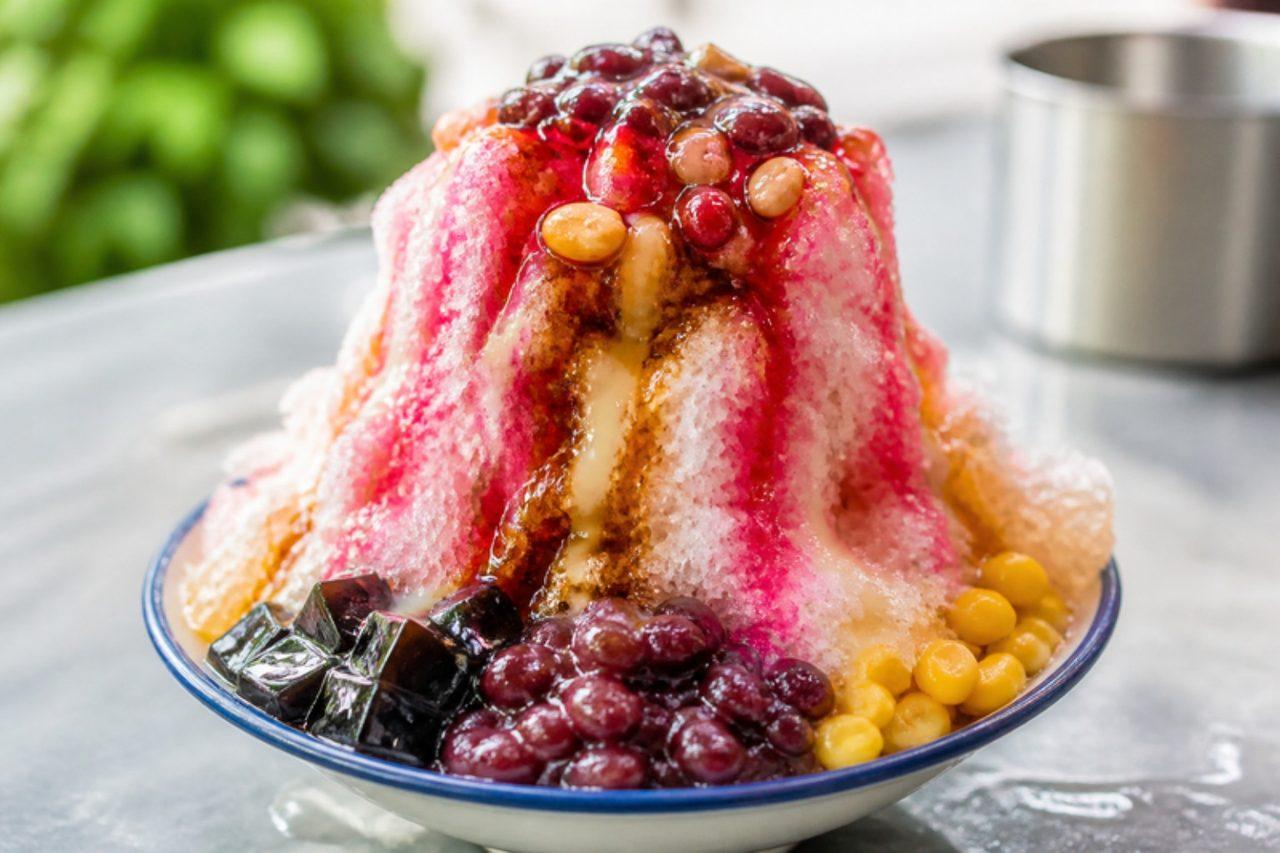
Ais kacangShaved ice with red beans

Ais kacang ('bean ice'), also called ABC for air batu campur ('mixed ice'), is the towering, rainbow-coloured treat Malaysian kids beg for at food courts and hawker centres on hot afternoons. Underneath a snowy dome of shaved ice hide red beans, sweetcorn, cubes of black grass jelly and chopped peanuts; on top go streaks of pink rose syrup, dark palm-sugar syrup and a drizzle of condensed milk. Everyone digs in from the top and mixes it into a sweet, icy slush. Chef's tip: chill the bowls in the freezer for 15 minutes first, so the ice holds its peak long enough to get it to the table.

by KrazyBadal 0 views

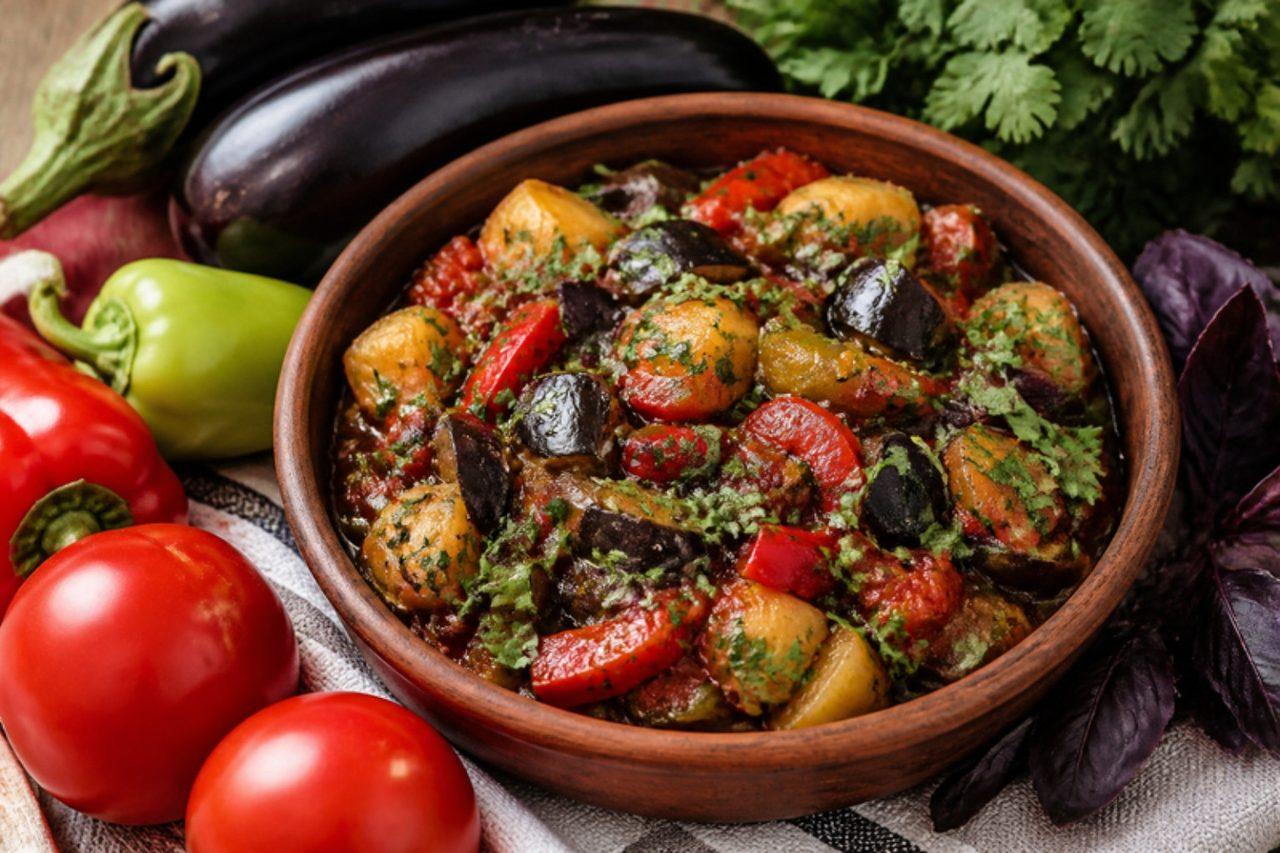
AjapsandaliAubergine and pepper stew

Ajapsandali is what Georgian kitchens make in late summer, when the markets of Tbilisi and the gardens of Kakheti are heaped with aubergines, peppers and tomatoes. The vegetables are fried briefly, layered in a pot and left to stew gently until soft and sweet, then finished with a whole handful of coriander, basil and garlic. It is eaten warm with bread as a main dish during Lent, or cold the next day as a side at a feast. The common mistake is stirring it too often, which breaks everything into mush; shake the pan instead and let the layers keep their shape. Chef's tip: fry the aubergine on its own first until golden; this one step gives the whole stew its deep, rounded flavour.

by KrazyBadal 0 views

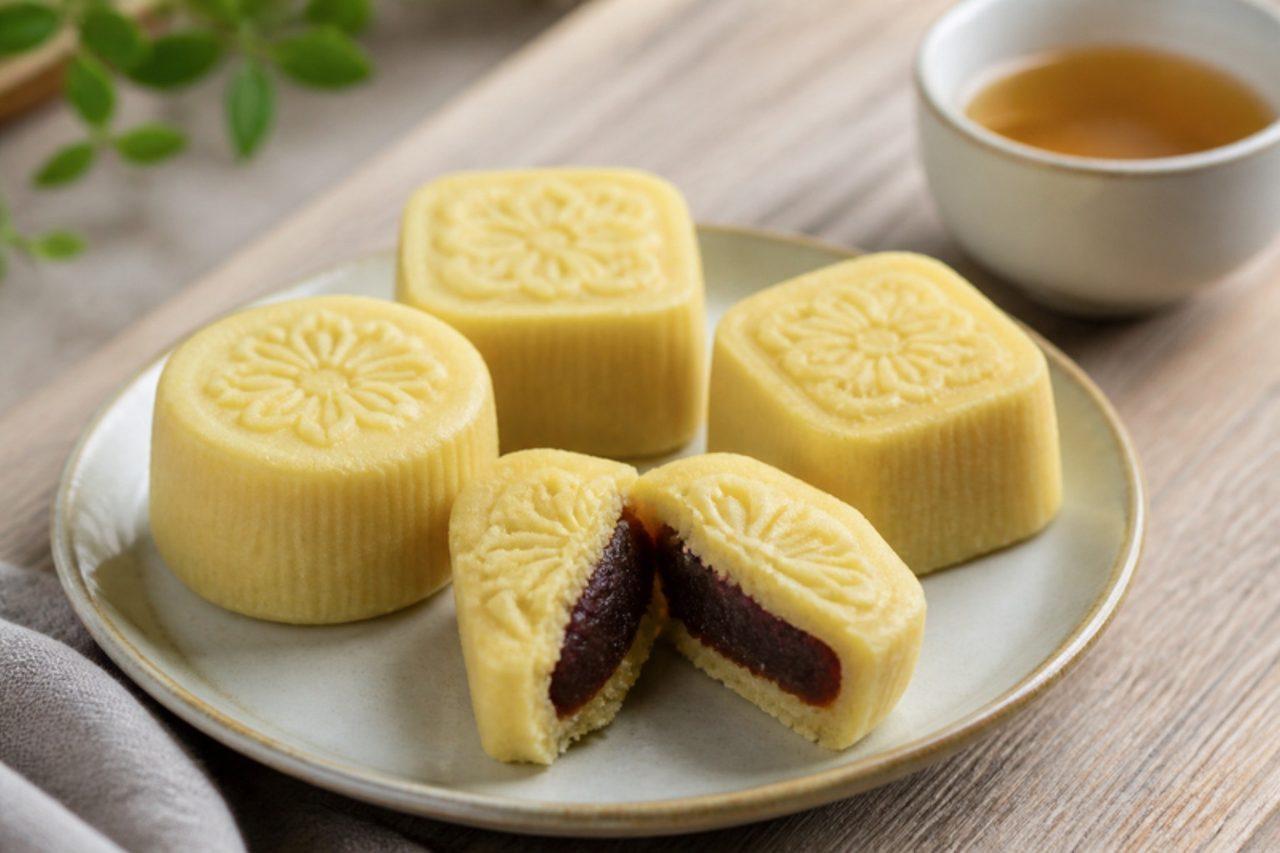
Beijing mung bean cakes

Beijing pastry shops stack these pale yellow cakes high in early summer, when they're eaten for the Dragon Boat Festival and as a cooling sweet on hot afternoons. Peeled mung beans are steamed, mashed with sugar and oil, then pressed in wooden moulds, so each cake comes out with a pattern. Northern versions are dry and crumbly; Suzhou ones further south are oilier. You need a mooncake press or small mould. Chef's tip: cook the paste until it pulls away from the pan in one ball; if it's too wet the cakes slump.

by KrazyBadal 0 views

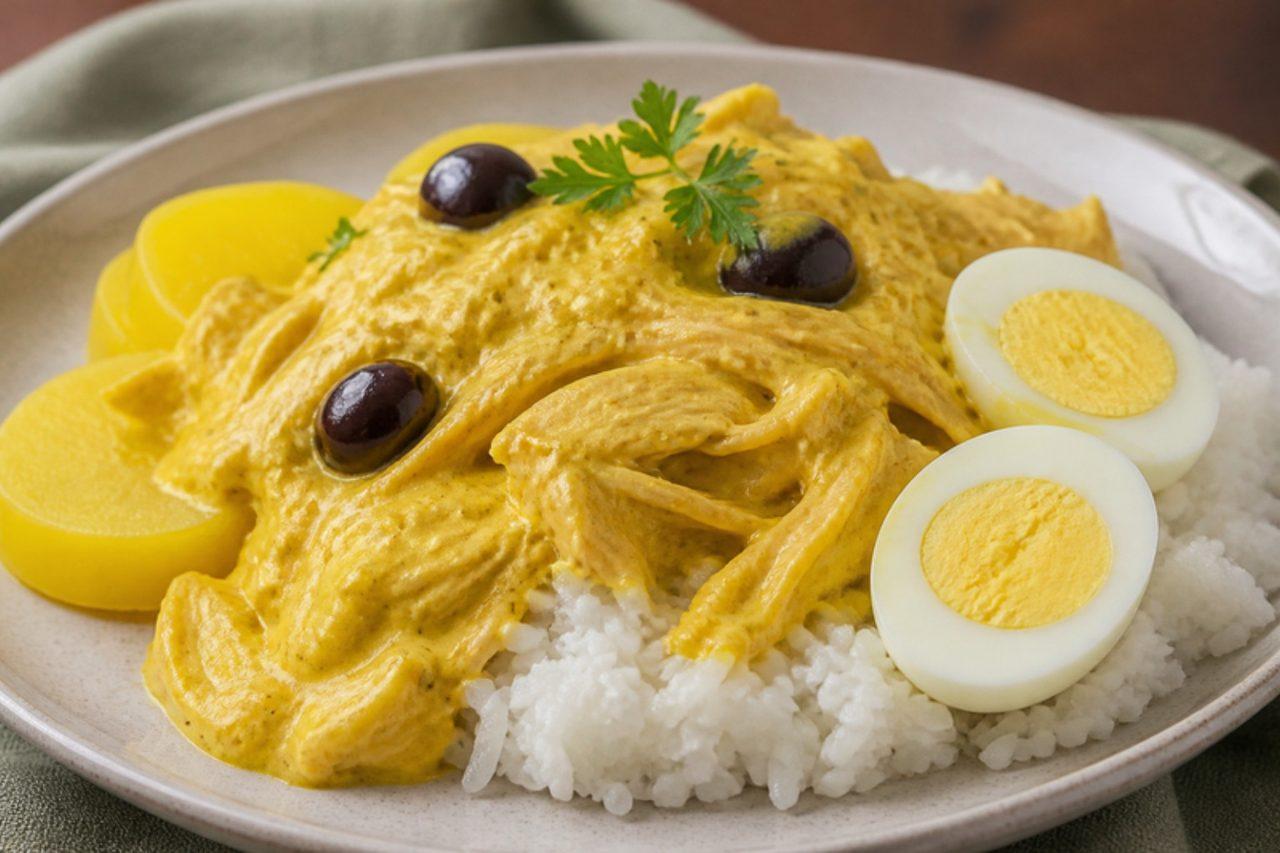
Ají de gallinaChicken in creamy chilli sauce

Lima's old criollo kitchens turned leftover hens into this golden, velvety stew, and it still turns up at family lunches, office canteens and menú del día stalls all over the capital. Poached chicken is pulled into threads and folded into a sauce thickened with milk-soaked bread, ground walnuts and parmesan, coloured by ají amarillo, Peru's fruity yellow chilli. It is served over white rice with boiled potatoes, a halved egg and a black olive. Chef's tip: keep the poaching broth; loosening the sauce with it instead of more milk gives a deeper, more chickeny flavour.

by KrazyBadal 0 views

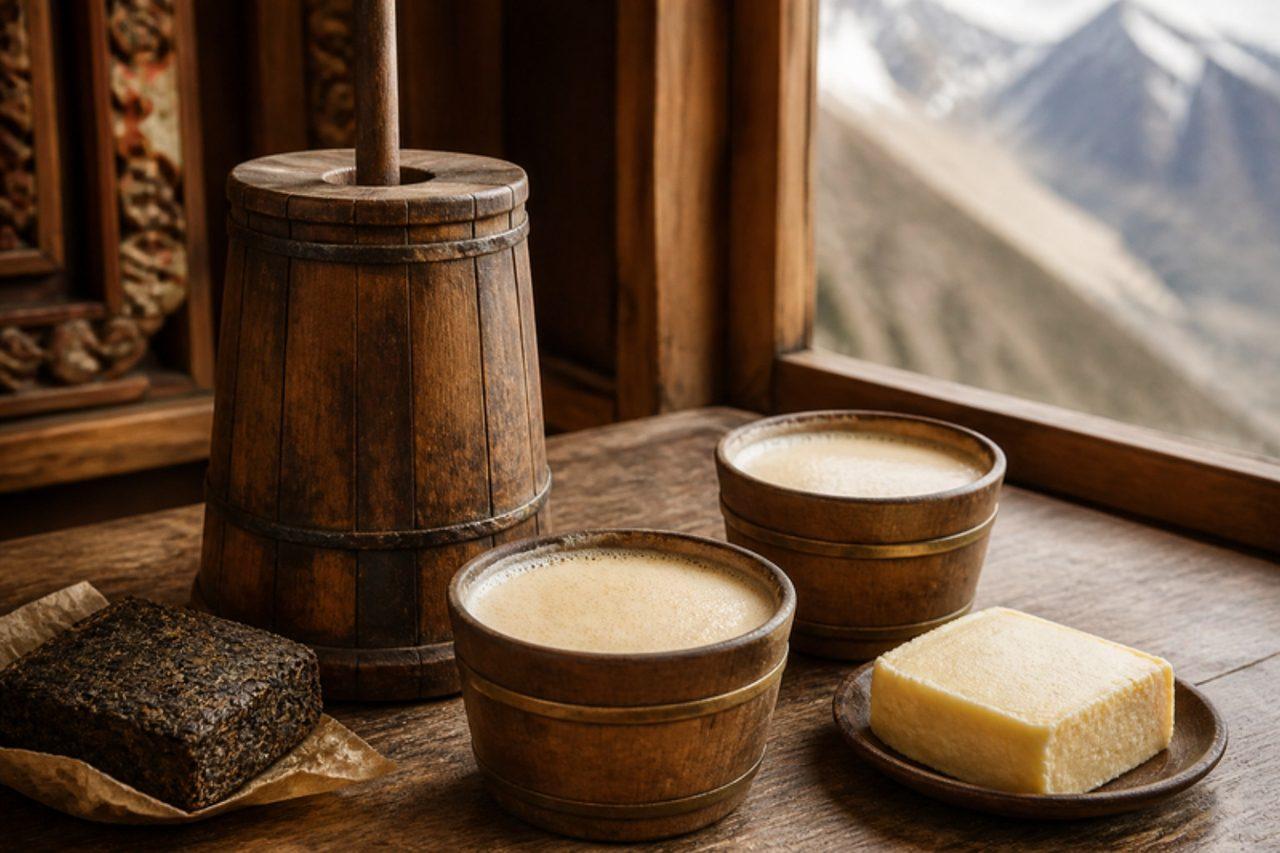
Tibetan butter tea

On the cold Tibetan plateau, people drink many cups a day of this salty, buttery tea, and a host keeps topping up a guest's bowl as soon as a sip is taken. Traditionally, brick tea is boiled for a long time, then churned with yak butter and salt in a tall wooden cylinder called a chandong. At home, a blender gives the same creamy, frothy result. It tastes more like a light broth than a sweet tea. Chef's tip: boil the tea hard and long; it needs to be very strong to stand up to the butter.

by KrazyBadal 0 views

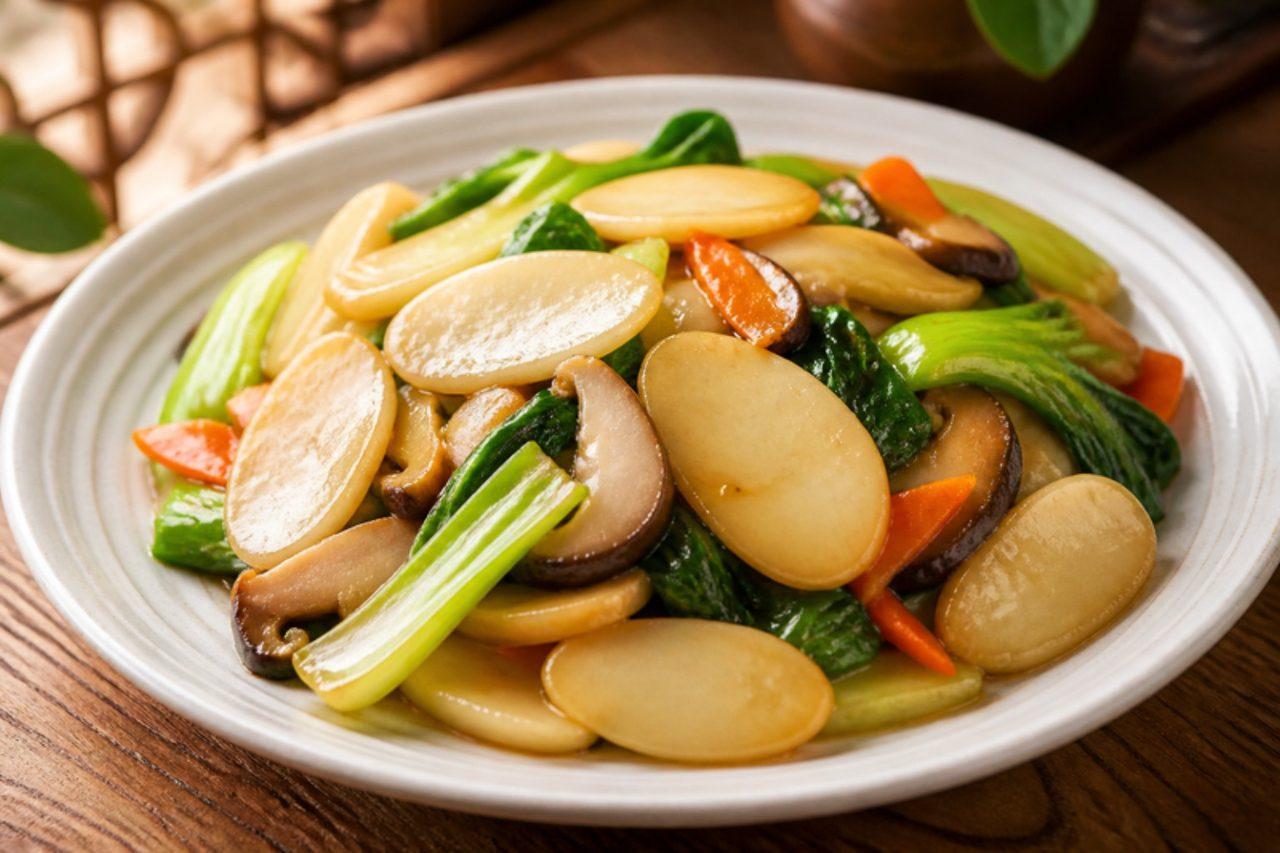
Shanghai stir-fried rice cakes

Every Shanghai noodle shop has this on the menu: oval slices of rice cake, made from pounded rice, tossed in a wok with Shanghai pak choi and mushrooms until chewy and glossy brown. At New Year it's eaten for luck, because niángāo sounds like 'higher every year'. The usual version adds shredded pork, but it's often made with vegetables alone. Look for packs of sliced rice cakes in the fridge or freezer of Chinese supermarkets. Chef's tip: soak the slices in cold water first, so they cook evenly and don't stick together.

by KrazyBadal 0 views

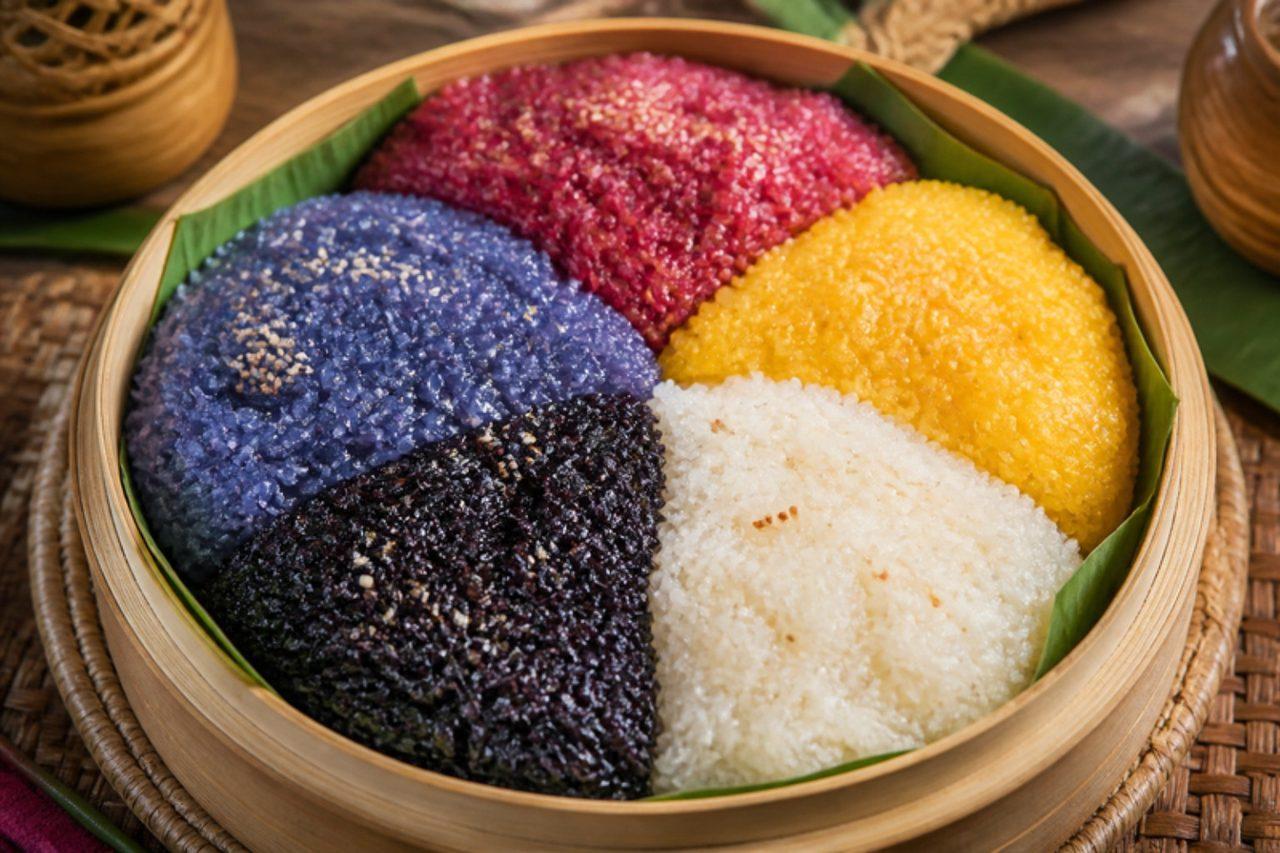
Guangxi five-colour sticky rice

The Zhuang people of Guangxi steam this rainbow rice for Sānyuèsān, the festival on the third day of the third lunar month, and for weddings and tomb-sweeping. In the villages the colours come from local leaves and flowers; at home, turmeric, beetroot, blue pea flowers and black rice give the same effect without any artificial dye. It's eaten plain, sprinkled with sugar or with savoury dishes. Soak the rice for 6 hours or overnight. Chef's tip: soak each colour in its own bowl and keep them apart in the steamer, so the colours stay clear.

by KrazyBadal 0 views

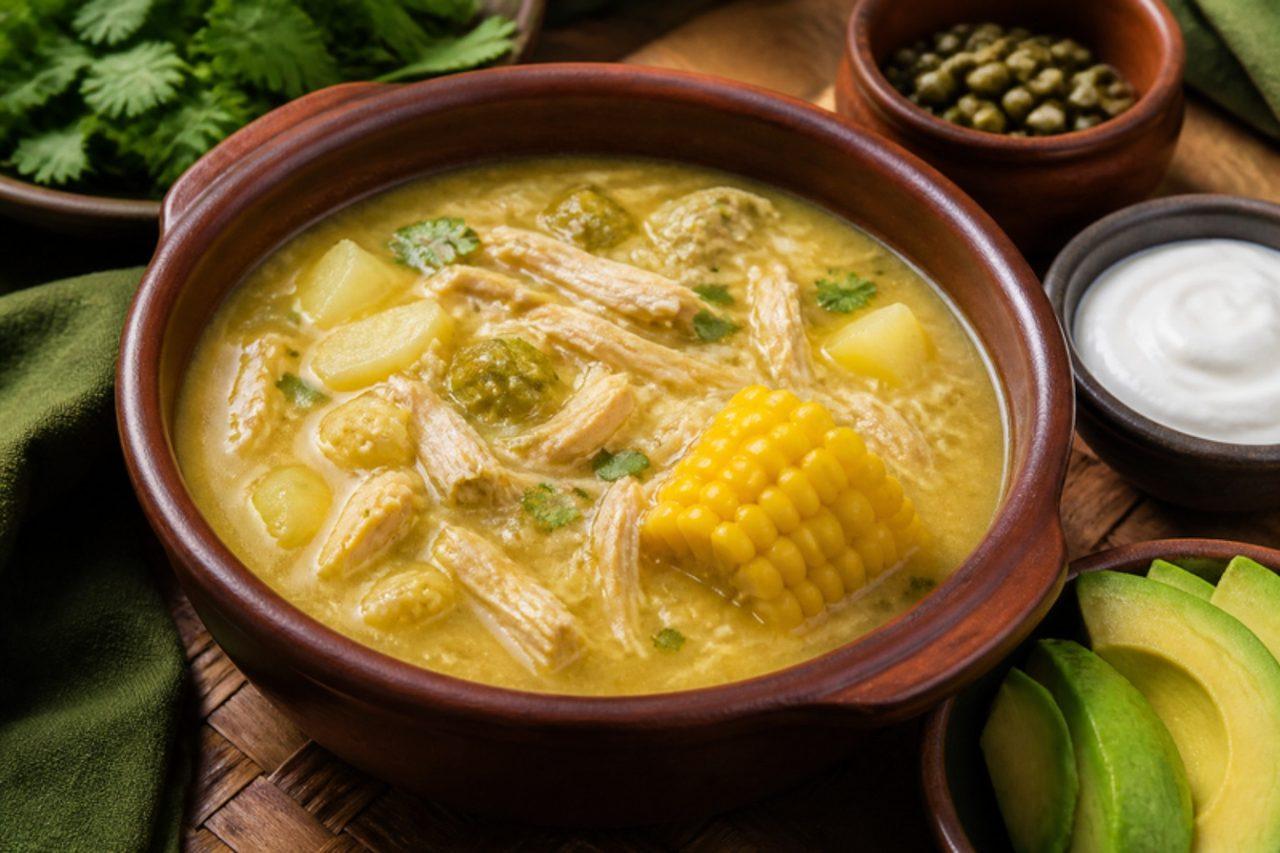
Ajiaco santafereñoChicken and potato soup

On cold, drizzly afternoons in Bogotá, high up in the Andes, families sit down to ajiaco: a thick chicken soup made with three kinds of potato. Small yellow papas criollas melt away and thicken the broth, while waxy and floury potatoes keep some bite. Guascas, a dried herb with a grassy, artichoke-like taste, gives the soup its unmistakable flavour, and each bowl comes with corn on the cob, a spoon of cream, capers and slices of avocado to add at the table. A frequent mistake is adding all the potatoes at once; the papas criollas go in first so they can dissolve, the firmer ones later. Chef's tip: if you can't find guascas in a Latin shop, use a mix of dried oregano and a little dried thyme; the soup will still be good, just less Bogotá.

by KrazyBadal 0 views

Oka i'aRaw fish in coconut cream

Oka i'a is the raw fish salad served at every Samoan to'ona'i, the big Sunday lunch after church in Apia and the villages of Upolu and Savai'i, and in Samoan homes in Auckland. It is close to Fiji's kokoda but usually uses tuna, a shorter citrus soak and more vegetables, with a finish of spring onion. As a raw fish dish it is written here as a safer version: buy very fresh, previously frozen sashimi-grade tuna, keep it cold and eat within 2 hours. Raw or citrus-cured fish is not for pregnant women, young children or anyone with a weakened immune system; for them, sear the tuna as described in the steps. The mistake is cutting the fish too small, so it goes mushy; keep the cubes about 1.5 cm. Chef's tip: chill the coconut cream and the bowl, so the salad is cold and refreshing.

by KrazyBadal 0 views

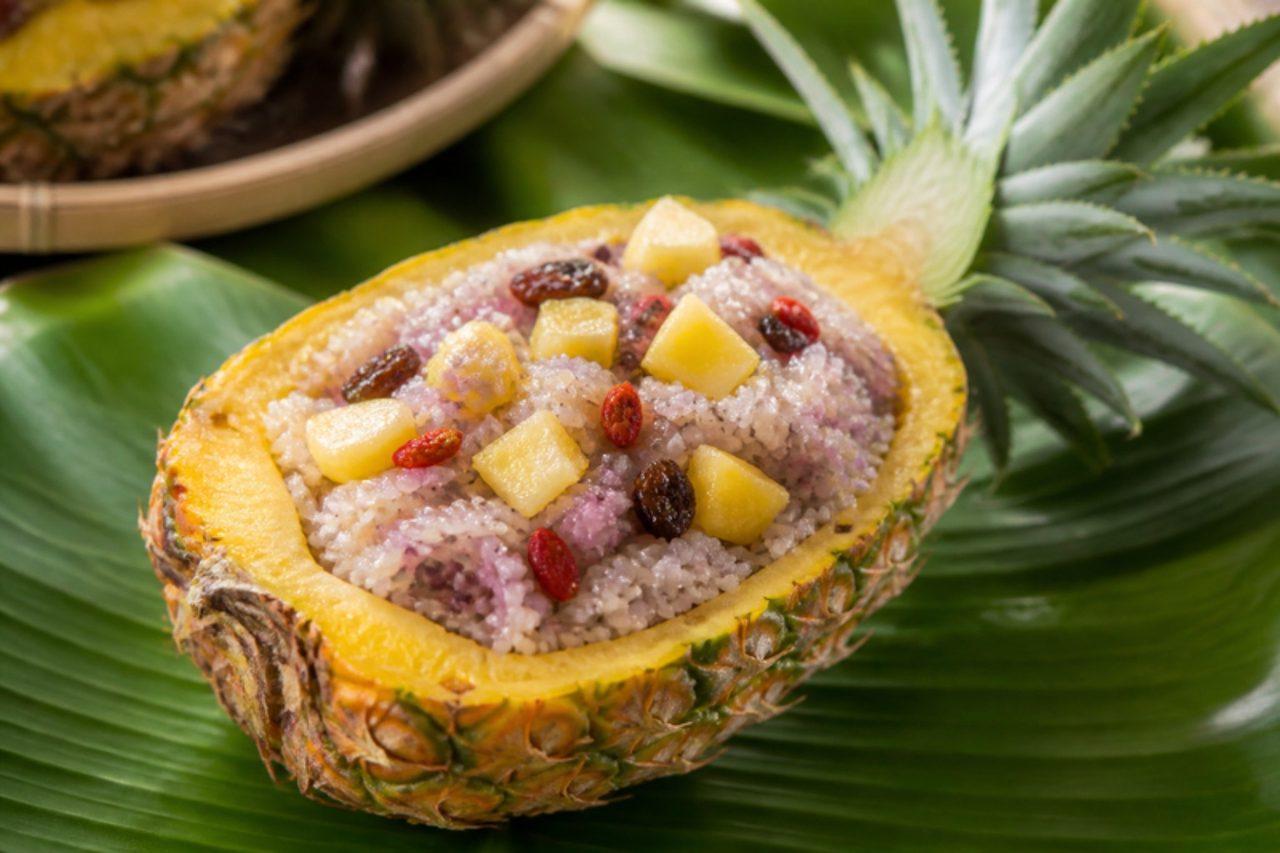
Dai pineapple sticky rice

In Xishuangbanna, the tropical south of Yunnan, the Dai people cook sticky rice inside hollowed-out pineapples, so the fruit's juice soaks in while it steams. It turns up at festivals and on every Dai restaurant table, a sweet and tangy side next to grilled and sour dishes, and children love it. Soak the rice for at least 4 hours before you start. Chef's tip: use a ripe pineapple that smells sweet at the base; an under-ripe one makes the rice sour.

by KrazyBadal 0 views

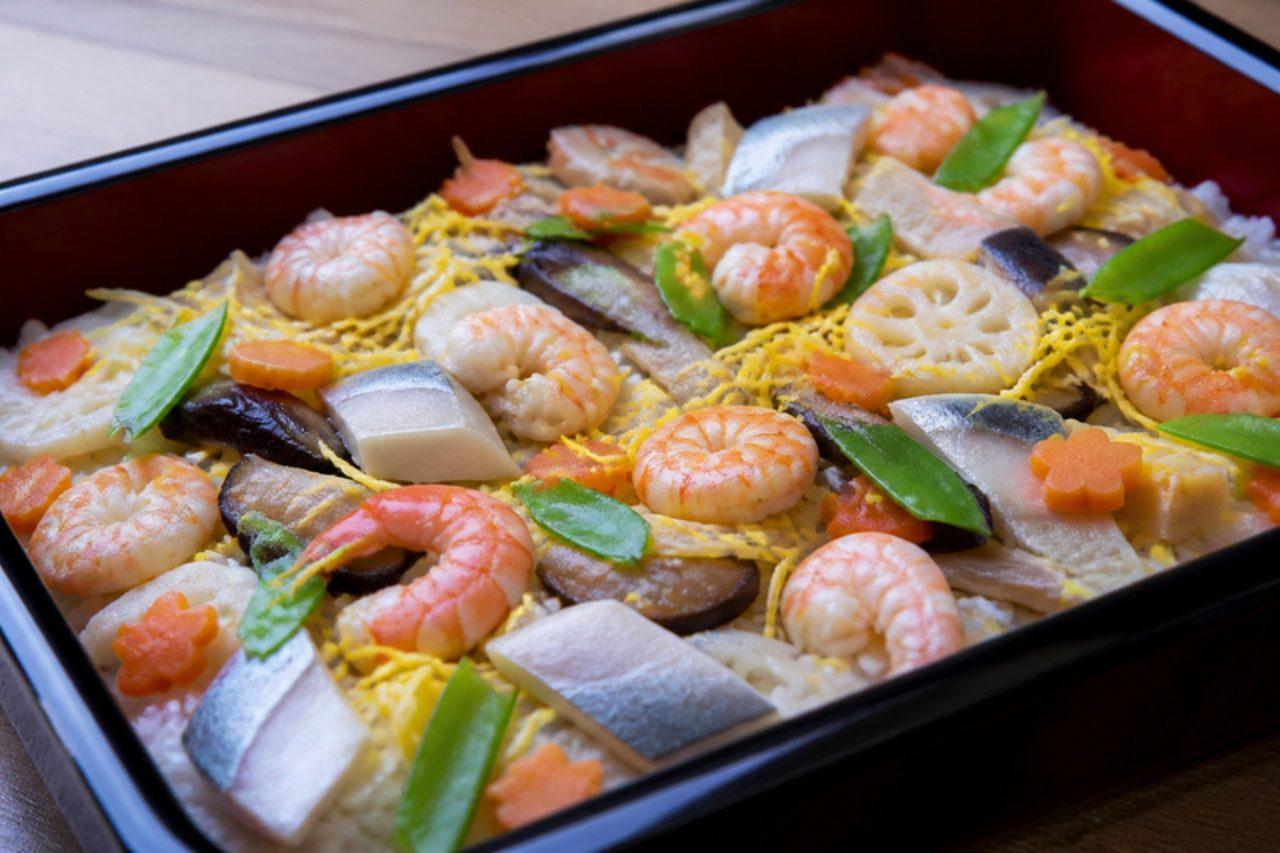
Okayama barazushiScattered sushi with vegetables

Okayama families make a big shallow platter of barazushi for the autumn shrine festivals, Girls' Day in March and other celebrations, and it is sold in station lunch boxes all year. A local story says it began when a lord ordered people to eat only one side dish, so cooks hid everything in the rice instead. The seasoned rice is mixed with simmered vegetables and topped with seafood from the Seto Inland Sea. This version uses cooked prawns, gently simmered squid and egg threads, plus ready-made vinegared mackerel, which is cured but not cooked. Use very fresh, sushi-grade fish from a trusted fishmonger; not for pregnant women, young children or anyone with a weakened immune system. Leave the mackerel out, or add extra prawns, to make it fully cooked. Chef's tip: fold the vinegar into the rice while it is hot and fan it as you go; the rice soaks up the seasoning and turns glossy instead of wet.

by KrazyBadal 0 views

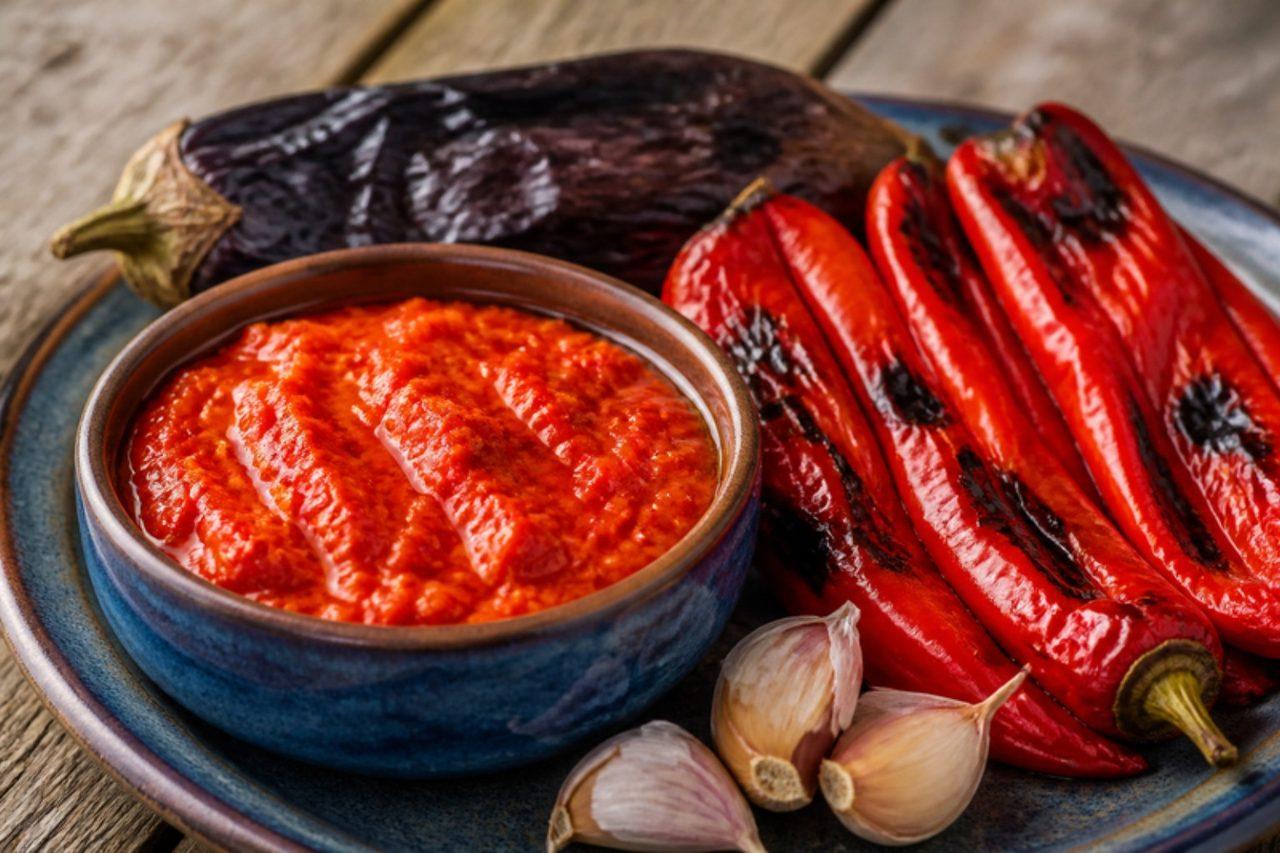
AjvarRoasted pepper and aubergine relish

Every September the smell of charring peppers drifts over courtyards from Leskovac in southern Serbia to Strumica in North Macedonia, as families roast crates of long red babura peppers on wood stoves and spend a whole Sunday stirring the pulp into ajvar for the winter shelves. A little roasted aubergine softens the flavour, and long cooking with sunflower oil turns it into a glossy, sweet-smoky spread that is eaten on bread with white cheese, beside beans or potatoes, and with almost every winter meal. This is a home-sized batch for two medium jars rather than a cellar full. Chef's tip: do not rinse the roasted peppers under the tap to get the skins off; it washes away the smoky juices that make ajvar taste of autumn, so peel them with oiled fingers and a paper towel instead.

by KrazyBadal 0 views

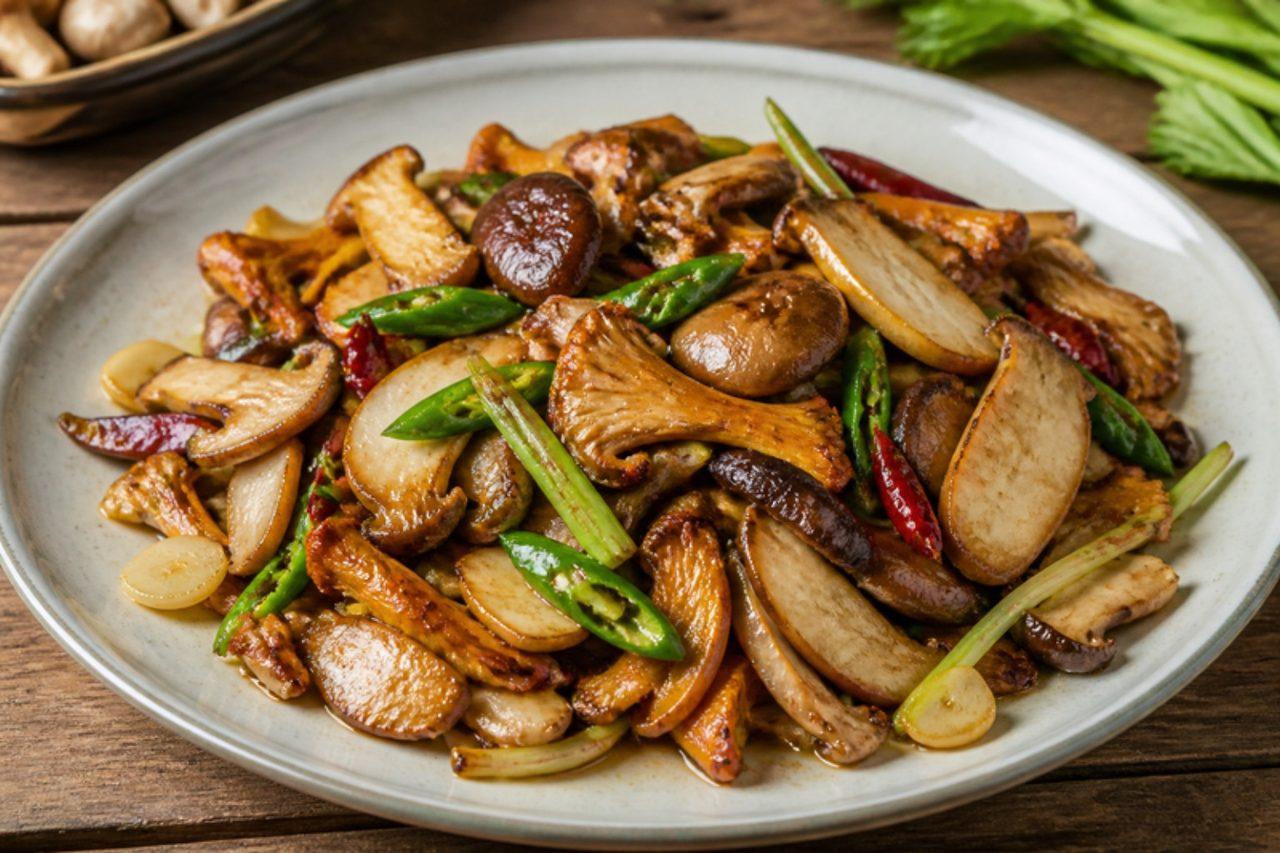
Yunnan wild mushroom stir-fry

From June to September, the markets of Kunming fill up with wild mushrooms from the mountains: porcini, chanterelles, termite mushrooms and dozens more, and restaurants fry them with a lot of garlic and chilli. Wild mushrooms there are always cooked thoroughly, and some kinds are dangerous, so at home use only shop-bought mushrooms. A mix of oyster, king oyster, shiitake and any chanterelles or porcini you can find works well. Chef's tip: cook the mushrooms in a hot, uncrowded pan so they sear; crowded mushrooms sweat and go rubbery.

by KrazyBadal 0 views

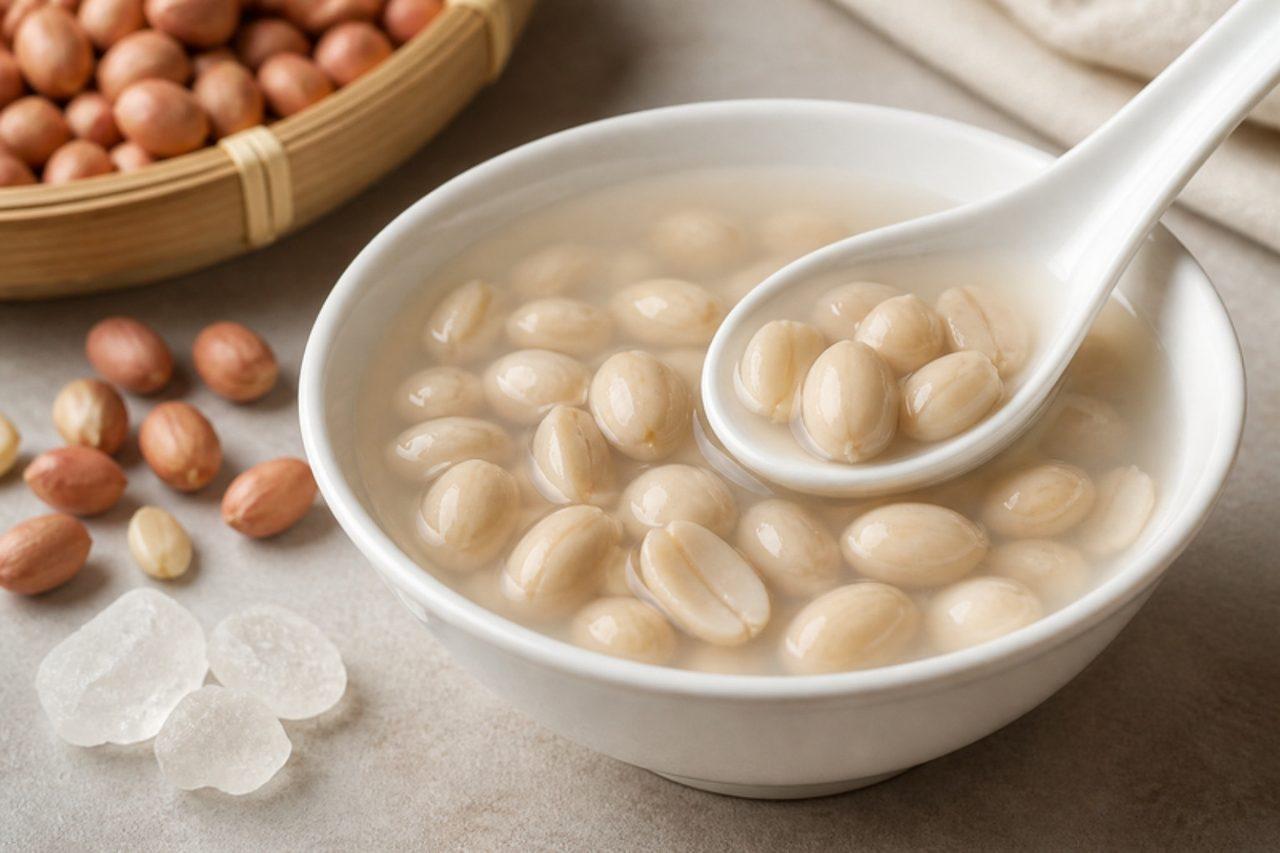
Xiamen sweet peanut soup

In Xiamen on the Fujian coast, peanut soup is breakfast, mid-morning snack and late-night treat, sold from steaming pots in the old arcades along Zhongshan Road. The peanuts are cooked so slowly that they become soft and creamy while keeping their shape, and the broth turns milky and lightly sweet. Locals often dunk a fried dough stick into it. Chef's tip: soak the peanuts, then freeze them overnight; the ice crystals break down the cell walls and the peanuts cook to that melting texture much faster.

by KrazyBadal 0 views

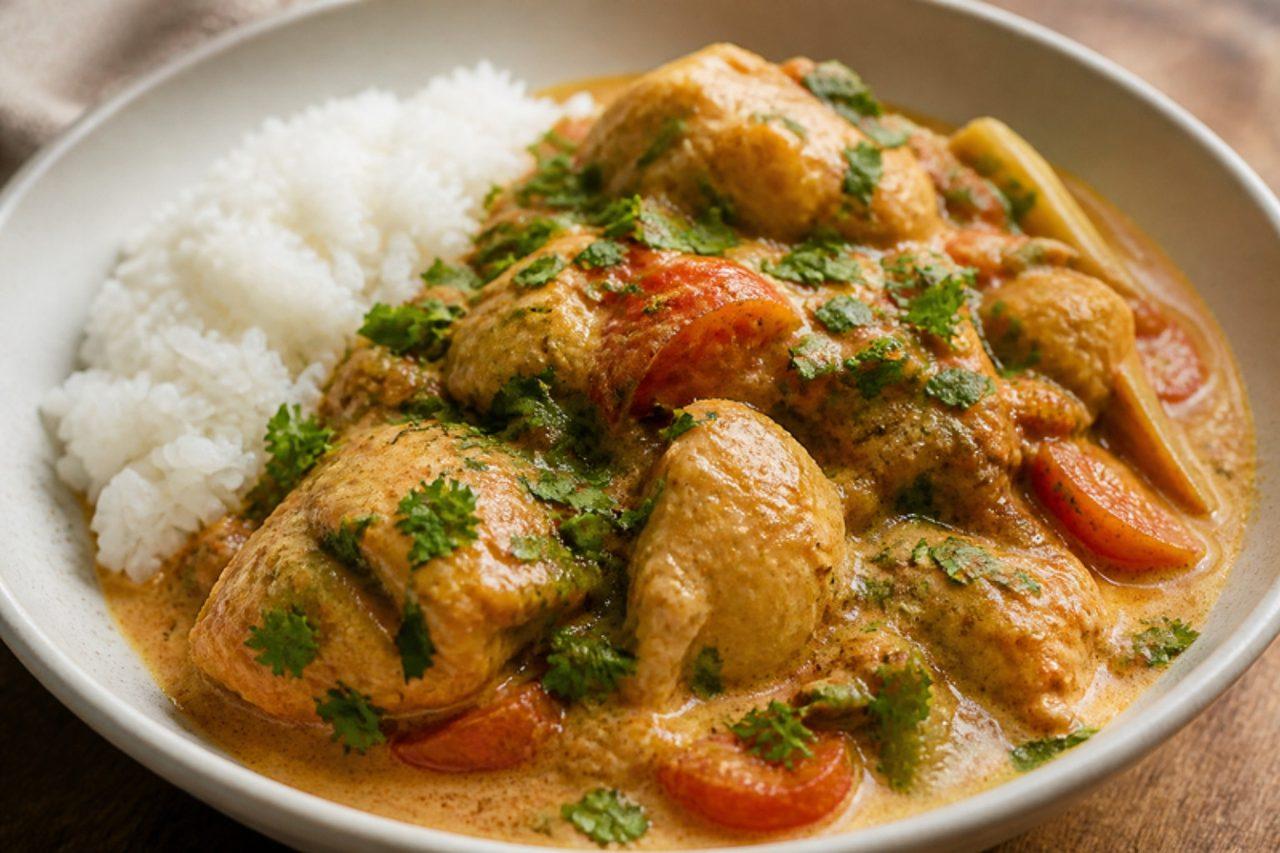
Akoho sy voanioChicken in coconut milk

Akoho sy voanio, chicken with coconut, is a dish of Madagascar's east coast around Toamasina, where coconuts are everywhere, and it has become a favourite all over the island. Chicken is browned with onion, garlic, ginger and tomato, then simmered gently in coconut milk with a pinch of curry until the sauce is creamy and mild. It is eaten with plenty of white rice and a little achard (vegetable pickle). The mistake is boiling the coconut milk hard so it splits; keep it at a gentle bubble. Chef's tip: brown the chicken well first; the coconut sauce needs that savoury depth.

by KrazyBadal 0 views

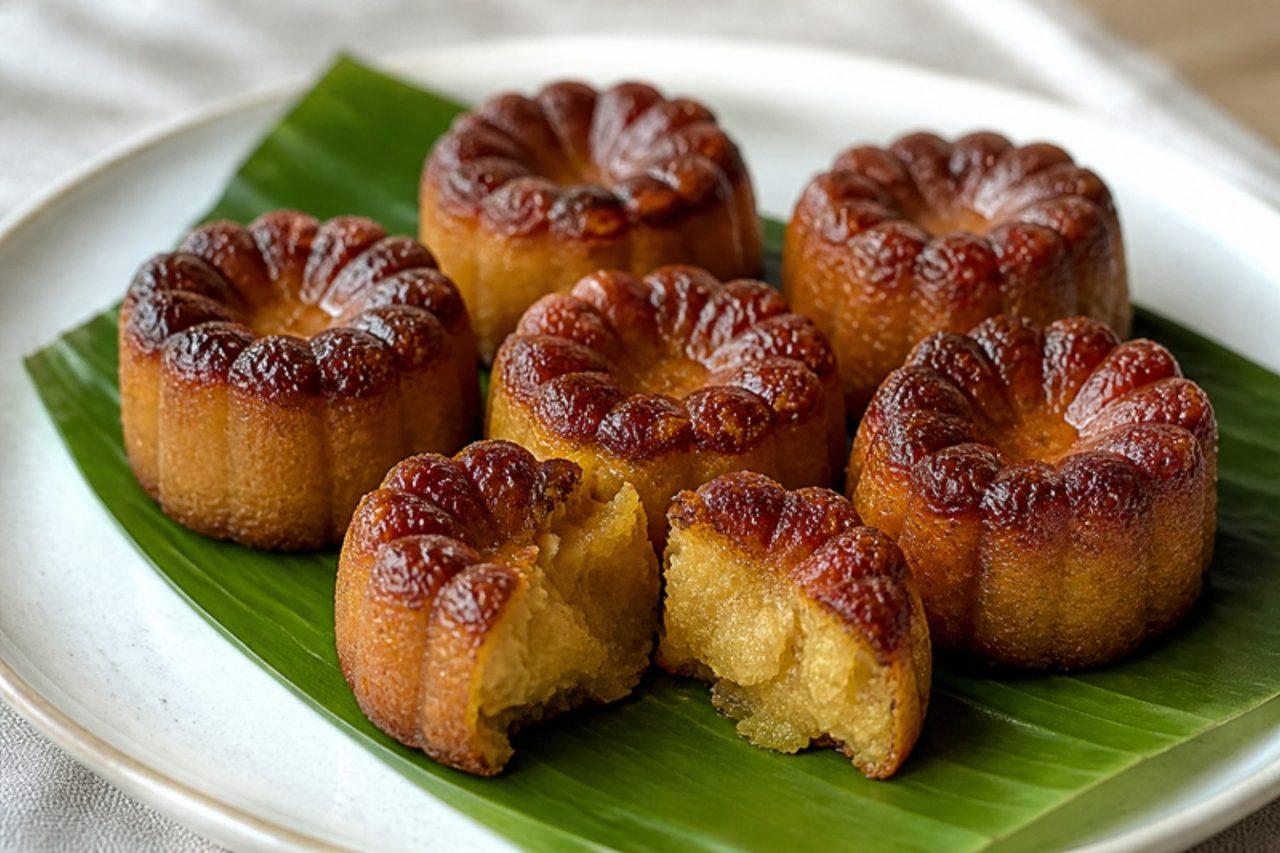
AkokCaramelised egg and coconut cakes

Akok is a Kelantanese kuih traditionally baked in small brass moulds over coals, with more coals laid on the lid, and it is a classic for breaking the fast in Kota Bharu during Ramadan. The batter is mostly eggs, coconut milk and dark gula melaka, so the little cakes come out custardy in the middle with a dark, caramelised, almost sticky crust. A mini-muffin tin in a hot oven gives a very close result. Chef's tip: heat the greased tin in the oven before filling it, which is how the base caramelises.

by KrazyBadal 0 views

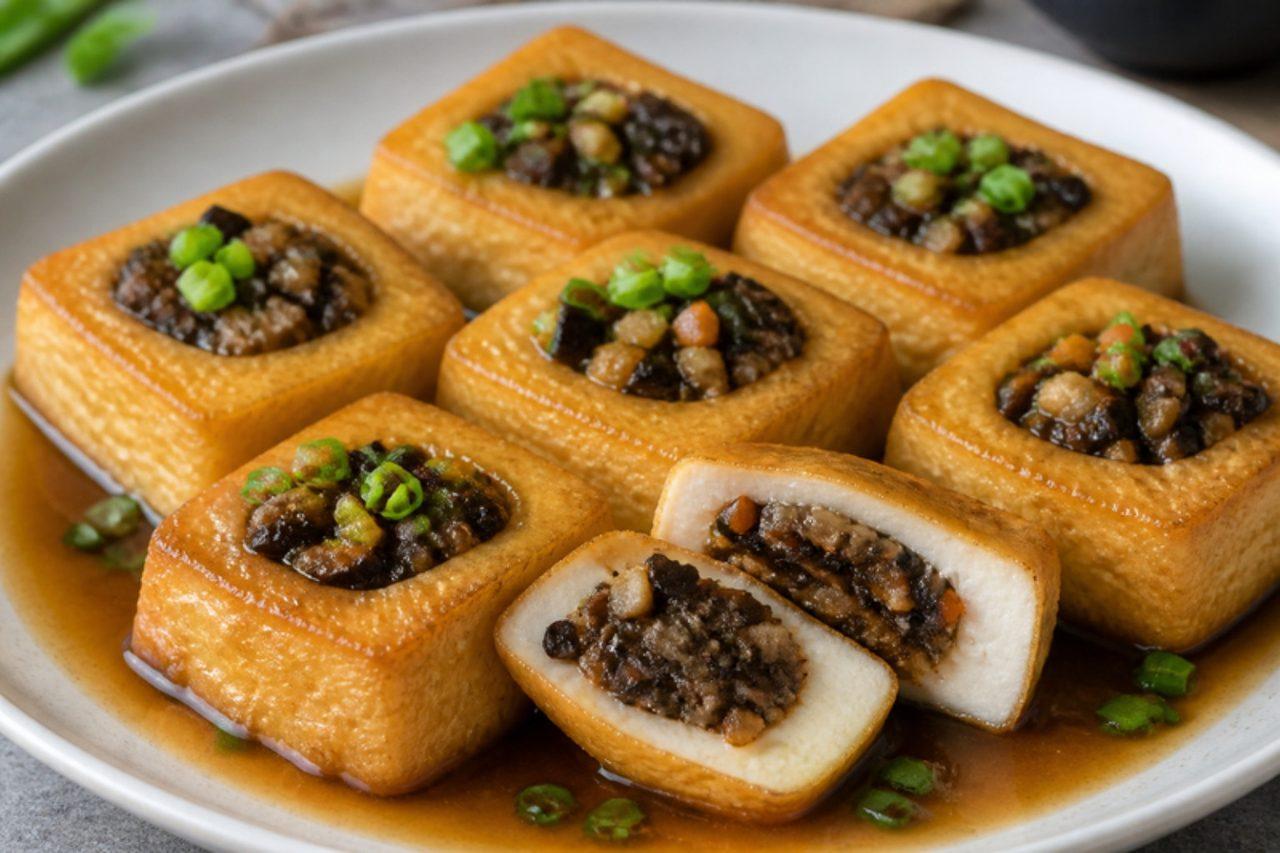
Hakka stuffed tofu with mushroom filling

In Meizhou, the heart of Hakka country in east Guangdong, tofu stuffed with a meat filling is one of the dishes everyone expects at a family meal or a New Year table. Buddhist Hakka cooks fill it with mushroom, water chestnut and tofu instead, and that vegetarian version is given here. The squares are fried stuffed side down until crisp, then braised briefly so they soak up the sauce. Serve with rice and a plate of greens. Chef's tip: dust each hollow with cornflour before filling; it works like glue and stops the filling falling out.

by KrazyBadal 0 views

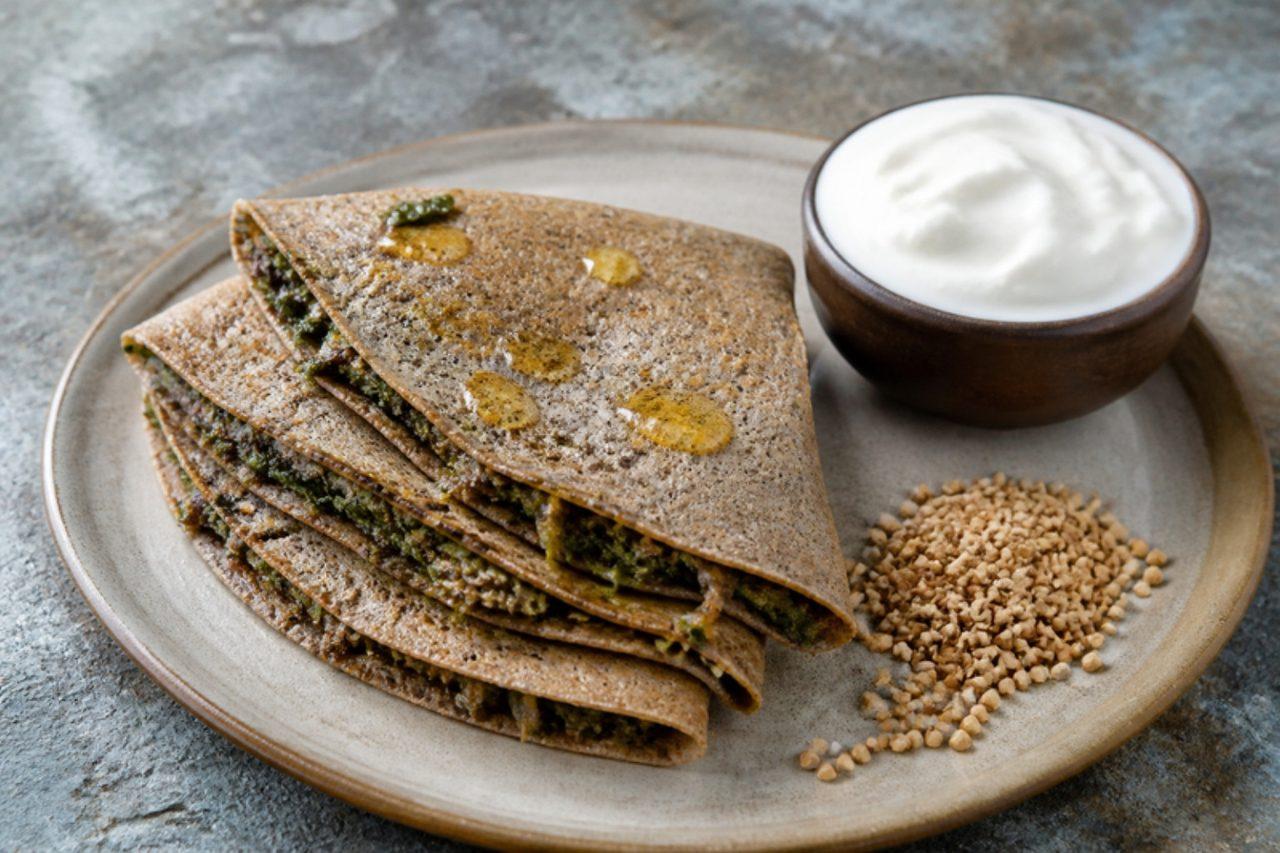
AktoriBuckwheat pancakes with greens

High in the Spiti and Lahaul valleys of Himachal Pradesh, where wheat struggles, buckwheat (kathu) grows in short summer fields and its leaves are eaten as a vegetable too. Aktori are thin buckwheat pancakes cooked with a layer of those greens inside, dotted with ghee and eaten warm with yogurt or salty butter tea. Families make them on festival mornings and through the long winter. Outside the valleys, spinach or young chard stands in well for buckwheat leaves. Chef's tip: keep the batter as thin as pouring cream; buckwheat has no gluten, so a thick batter cooks up gummy instead of tender.

by KrazyBadal 0 views

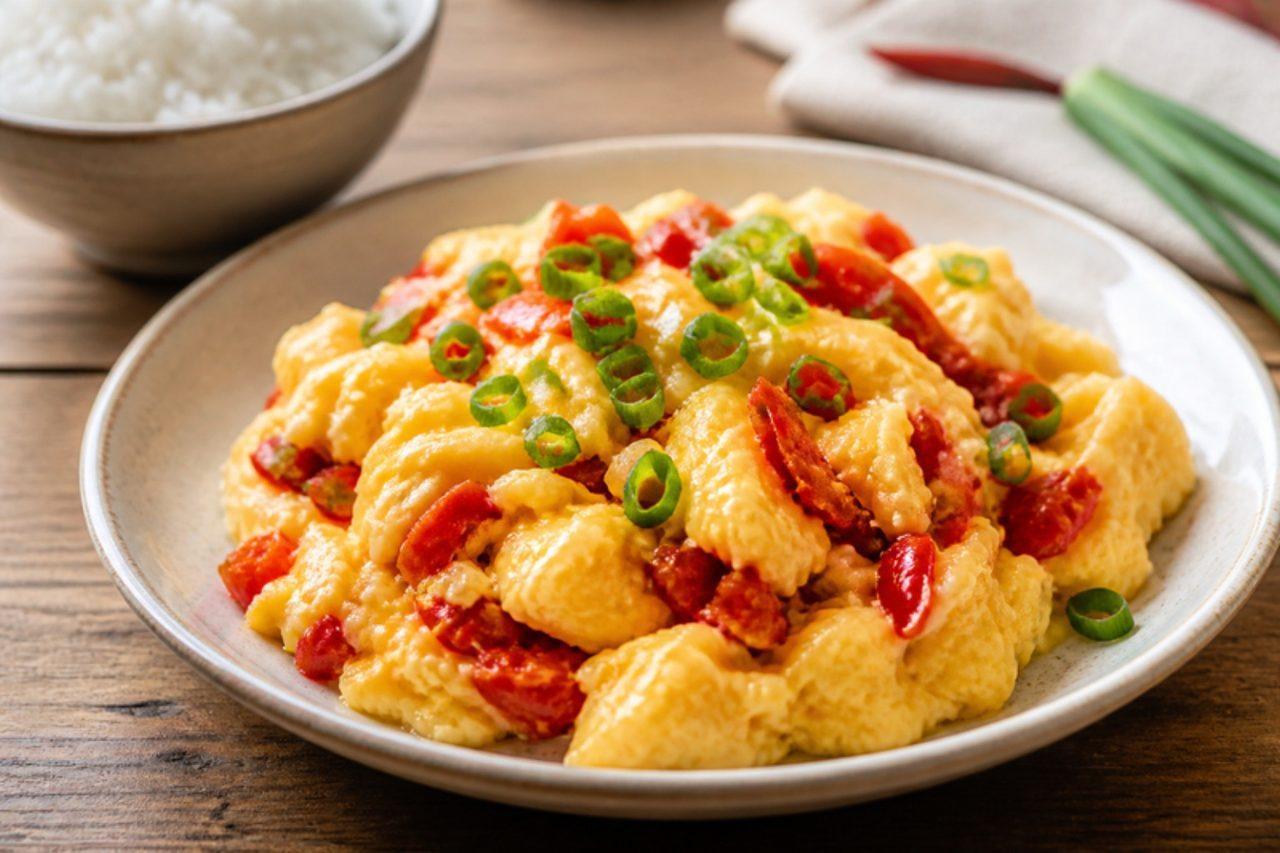
Hunan scrambled eggs with chopped chillies

Duò jiāo, salted chopped red chillies left to ferment in jars, is the backbone of Hunan home cooking, and this ten-minute dish is how many families use it on a weeknight. The eggs are cooked in hot oil until they puff into big soft curds, then tossed back through the bright red chillies, which are salty, sour and very hot. Serve with rice and a green vegetable. Chef's tip: get the oil properly hot before the eggs go in, so they puff and set at once instead of soaking up oil.

by KrazyBadal 0 views

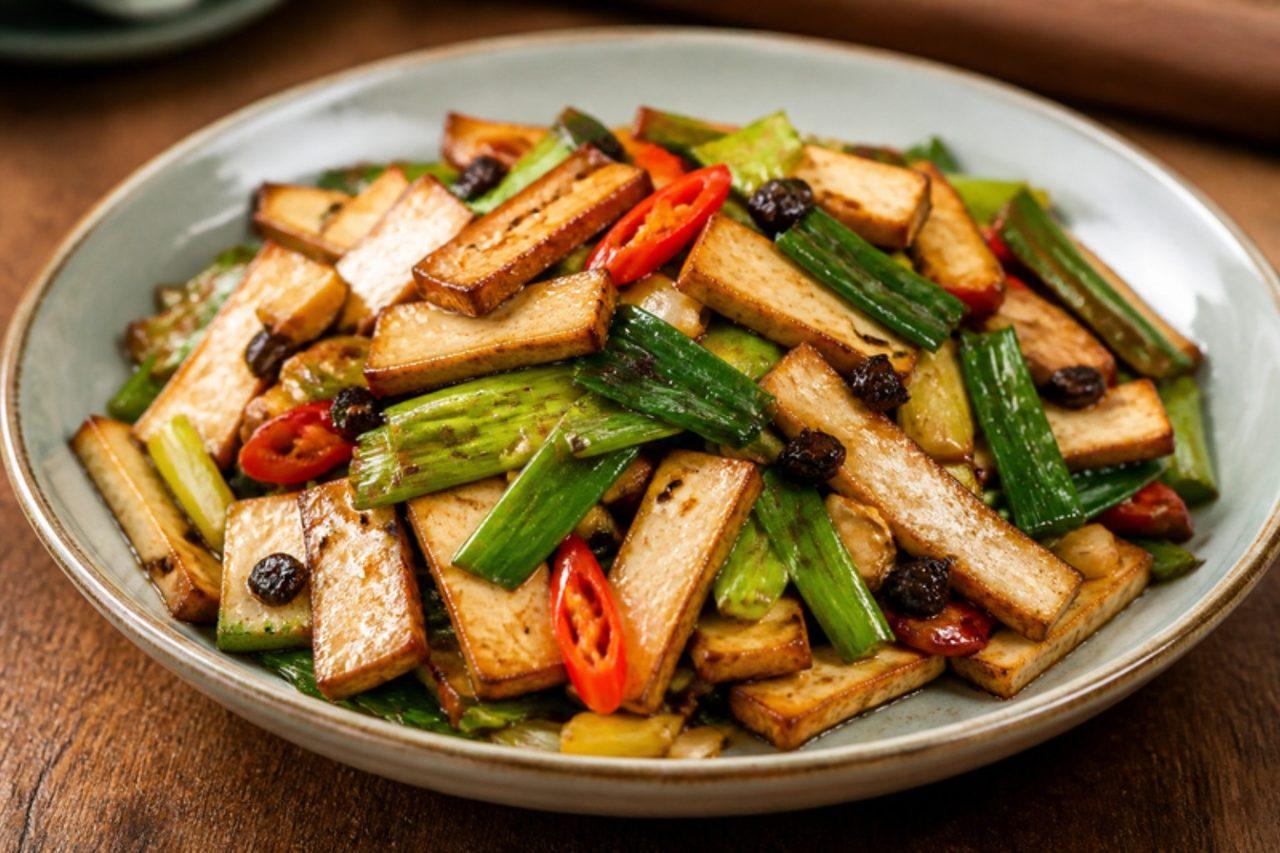
Hunan smoked tofu with leeks and chilli

Smoked tofu (xiāng gān) hangs in strings in Hunan markets, firm and brown from wood smoke. Restaurants in Changsha usually toss it with a little pork, but leaving the meat out is common at home and in Buddhist eateries. The tofu soaks up the black beans and chillies, and the leeks go sweet and soft. Serve it with plenty of rice. Chef's tip: cut the tofu about 5 mm thick; thinner slices break apart in the wok.

by KrazyBadal 0 views

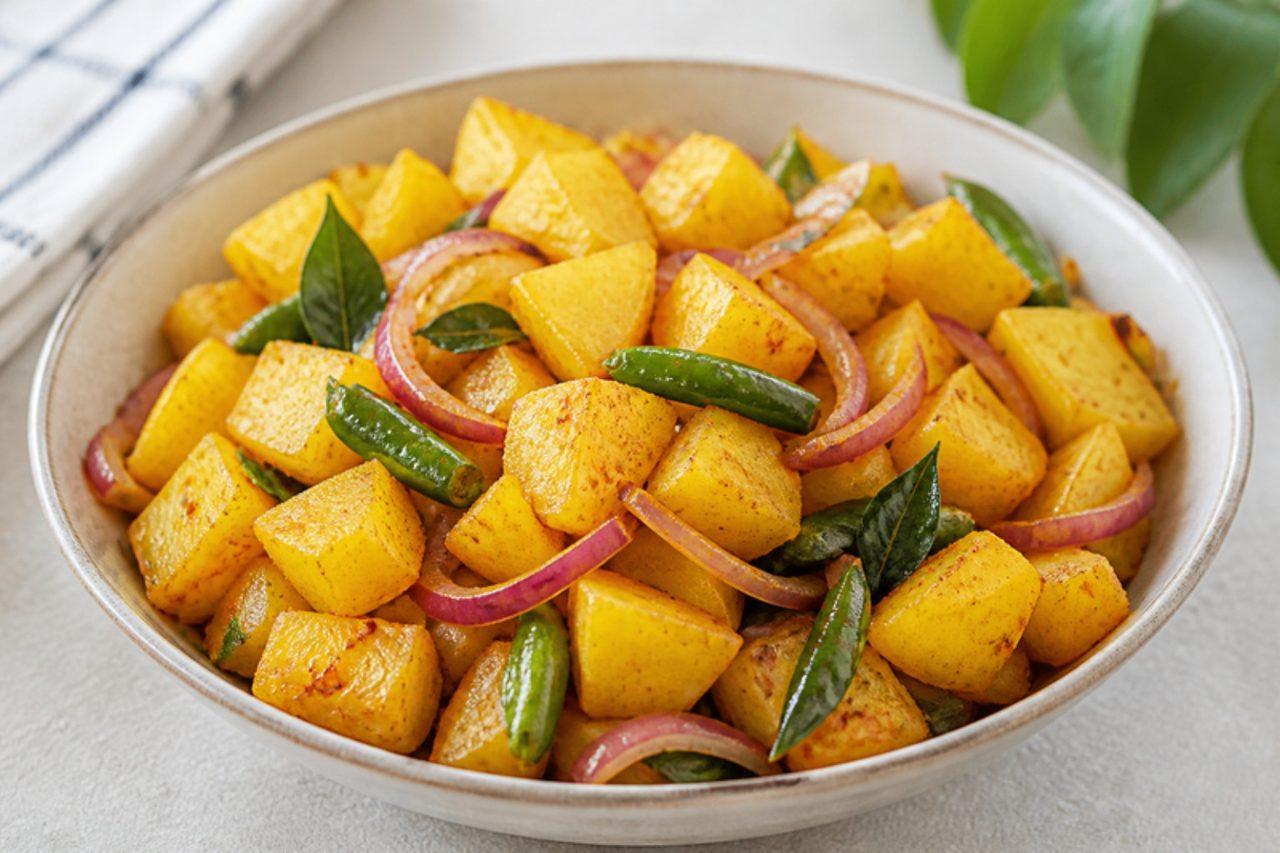
Ala thel dalaDevilled potatoes

Ala thel dala means 'potato tempered in oil', and it's the quick, fiery potato fry that Sri Lankan mothers make when there's no time for a full curry, served with rice, packed into a lunch box with parippu, or eaten with bread at breakfast. Boiled potato cubes are tossed in hot oil with mustard seeds, plenty of red onion, curry leaves, turmeric and roughly crushed dried chilli until the edges turn golden and the onion goes soft and sweet. Unlike an Indian aloo sabzi there are no ground cumin or coriander, just chilli heat, onion and curry leaf. The usual mistake is boiling the potatoes until they're soft right through; they then break up in the pan. Chef's tip: stop boiling when a knife still meets a little resistance in the middle; the potatoes finish cooking in the pan and keep their shape.

by KrazyBadal 0 views

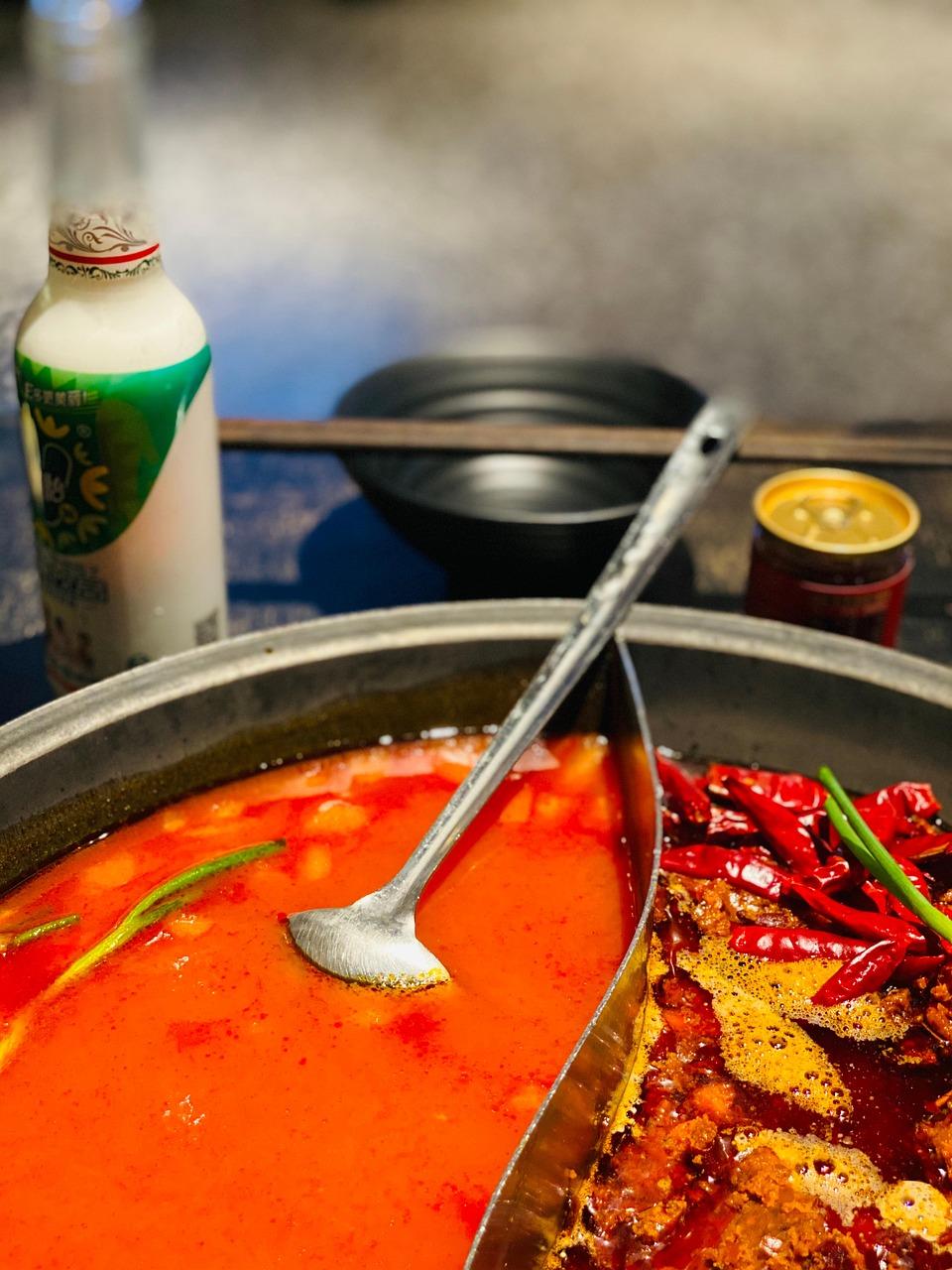
Sichuan vegetable hot pot

Across Chengdu and Chongqing, friends spend whole evenings round a bubbling pot of red broth, dipping in mushrooms, tofu and greens a few at a time and fishing them out with chopsticks. The best-known bases are cooked in beef tallow; the clear-oil style (qīngyóu huǒguō) uses rapeseed oil instead, which keeps it vegetarian without losing the heat and tingle. You need a portable burner or electric hot pot on the table. Chef's tip: give each person a bowl of sesame oil with crushed garlic for dipping; it cools each mouthful just enough to keep going.

by KrazyBadal 0 views

OkroshkaCold vegetable and kvass soup

When Moscow swelters in July, okroshka replaces every hot soup: a bowl of finely chopped radishes, cucumber, potato, egg and a forest of green onion and dill, with ice-cold kvass poured over at the table. It is the lunch of dacha weekends and of hot afternoons on the Volga, and families argue over whether kvass or kefir is the right base (kefir works well and is less sweet). The name comes from kroshit, to crumble, since everything is chopped small. Chef's tip: rub the spring onions and dill with salt first until they give off juice; it releases a green, pungent flavour that tastes of summer.

by KrazyBadal 0 views

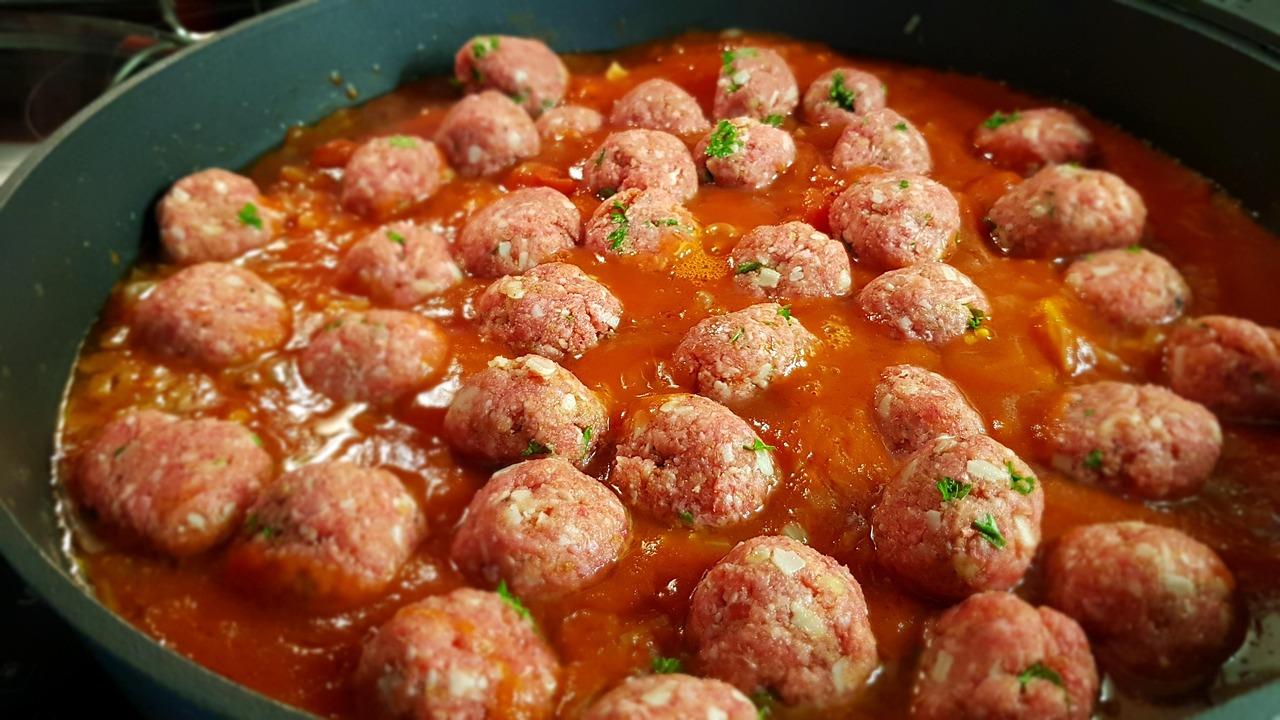
Albóndigas en salsaMeatballs in tomato almond sauce

Albóndigas turn up all over Spain: in a cazuelita on a tapas bar counter, as the second course of a weekday menú del día, and in home kitchens on a Sunday when there is time to roll them. These are made with pork and beef, softened with milk-soaked bread, browned and then simmered in a tomato sauce thickened the old Spanish way with ground fried almonds, which gives it body and a gentle nutty sweetness. Serve them with chips, rice or plenty of bread. They taste even better the next day. Chef's tip: wet your hands with cold water before rolling each meatball; the mixture won't stick and the balls come out smooth and round.

by KrazyBadal 0 views

OlanAsh gourd and cowpea stew

Olan is the quietest dish on a Travancore sadya leaf, the banana-leaf feast served in southern Kerala for Onam, weddings and temple festivals. Thin, glassy slices of ash gourd and soft red cowpeas sit in coconut milk with nothing louder than green chilli and curry leaves, and its job is to cool the palate between the tangy, fiery curries around it. The flavour comes from coconut milk added in two stages and a spoonful of raw coconut oil poured over at the end. Eat it with plain rice, or ladle it beside appam on an ordinary weekday. Chef's tip: slice the ash gourd as thin as a coin so it turns translucent in the time the coconut milk takes to thicken.

by KrazyBadal 0 views

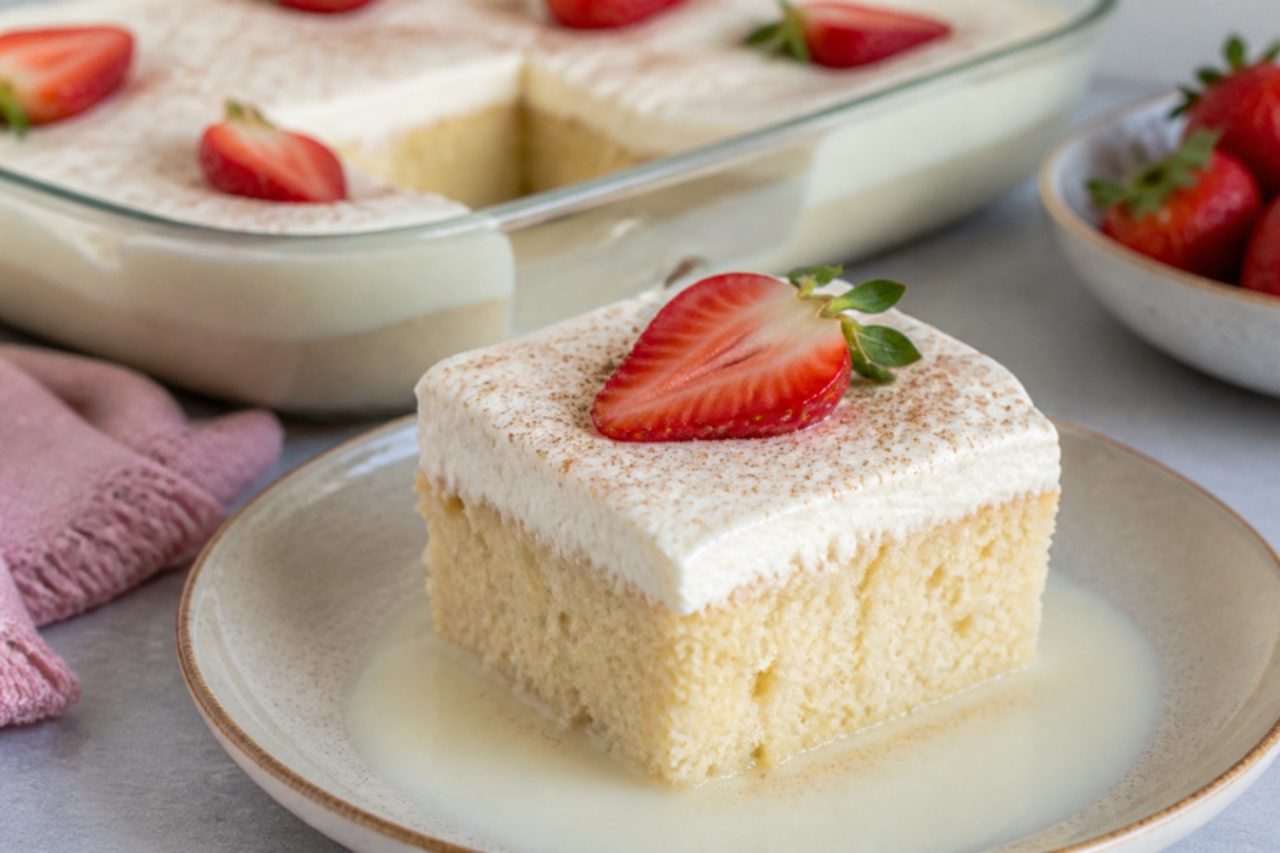
Pastel tres lechesThree milks cake

Pastel de tres leches is the birthday and celebration cake of Mexico and much of Latin America: a light, airy sponge drenched in a mixture of three milks (evaporated milk, sweetened condensed milk and cream) until it is soaked through but still holds its shape, then topped with whipped cream. It is cold, milky and sweet, and every bakery from Mexico City to Guadalajara sells it by the slice. The sponge is made with whisked eggs for lightness, so it drinks up the milk without collapsing. Chef's tip: let the cake soak in the fridge for at least 4 hours, ideally overnight; the milk needs time to work its way into the centre and the cake slices far more neatly when cold.

by KrazyBadal 0 views

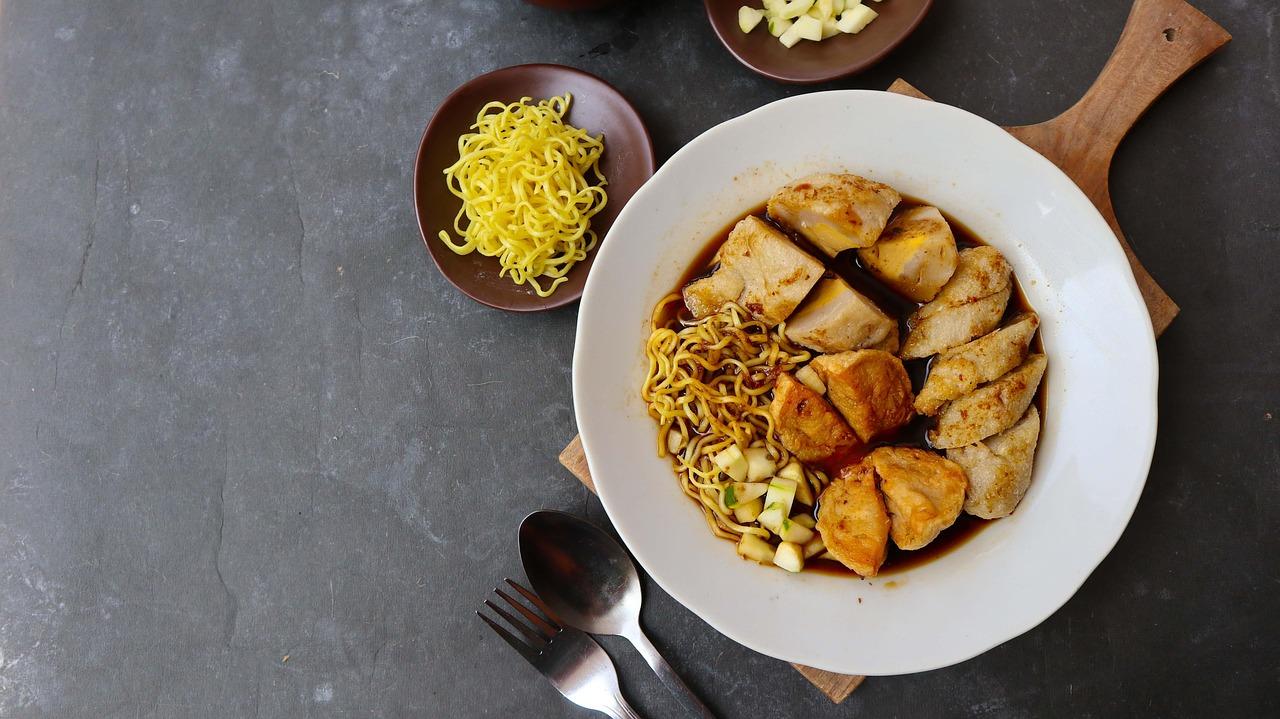
PempekFish and tapioca cakes

Palembang in South Sumatra is pempek country: shops line the streets selling these chewy fish cakes by the dozen, and visitors fly home with boxes of them in their luggage. Fresh fish is worked with tapioca starch into a dough, shaped into logs, poached, then sliced and fried until blistered and golden outside while staying springy within. The real star is cuko, a thin, dark, sweet-sour-hot sauce of palm sugar, tamarind, garlic and chilli that is poured over everything, ideally with diced cucumber and a few yellow noodles. People eat it any time of day as a snack, often sipping the cuko straight from the bowl. Chef's tip: make the cuko first; it tastes best after resting for an hour or more.

by KrazyBadal 0 views

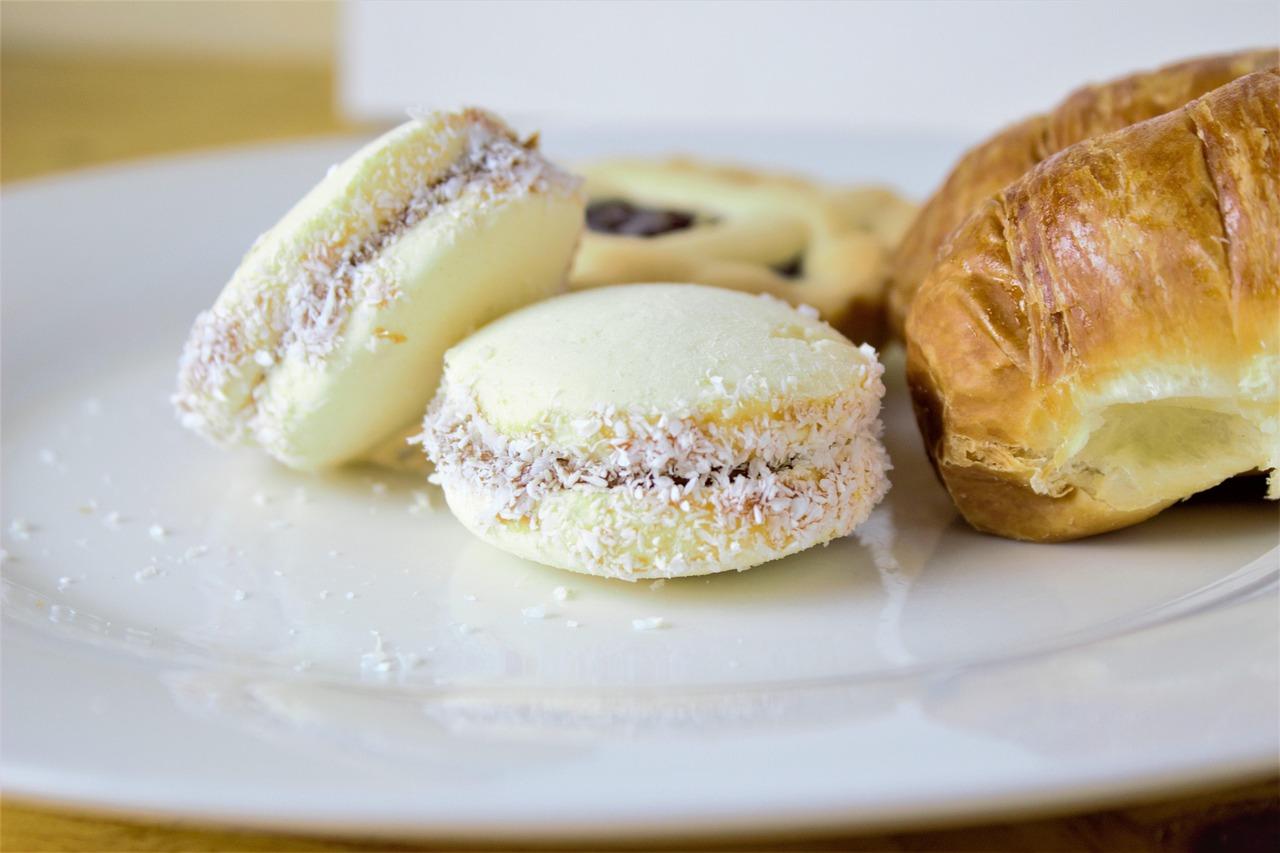
Alfajores de maicenaCornflour dulce de leche sandwich cookies

Alfajores de maicena are the homemade alfajor of Argentina and Uruguay, baked for birthdays, school fairs and merienda (afternoon tea) with mate. Two pale, melt-in-the-mouth biscuits made mostly with cornflour are sandwiched with a thick layer of dulce de leche and rolled in desiccated coconut around the edge. They should crumble at the first bite. Chef's tip: take them out of the oven while still pale; if they colour they lose their tender, sandy texture.

by KrazyBadal 0 views

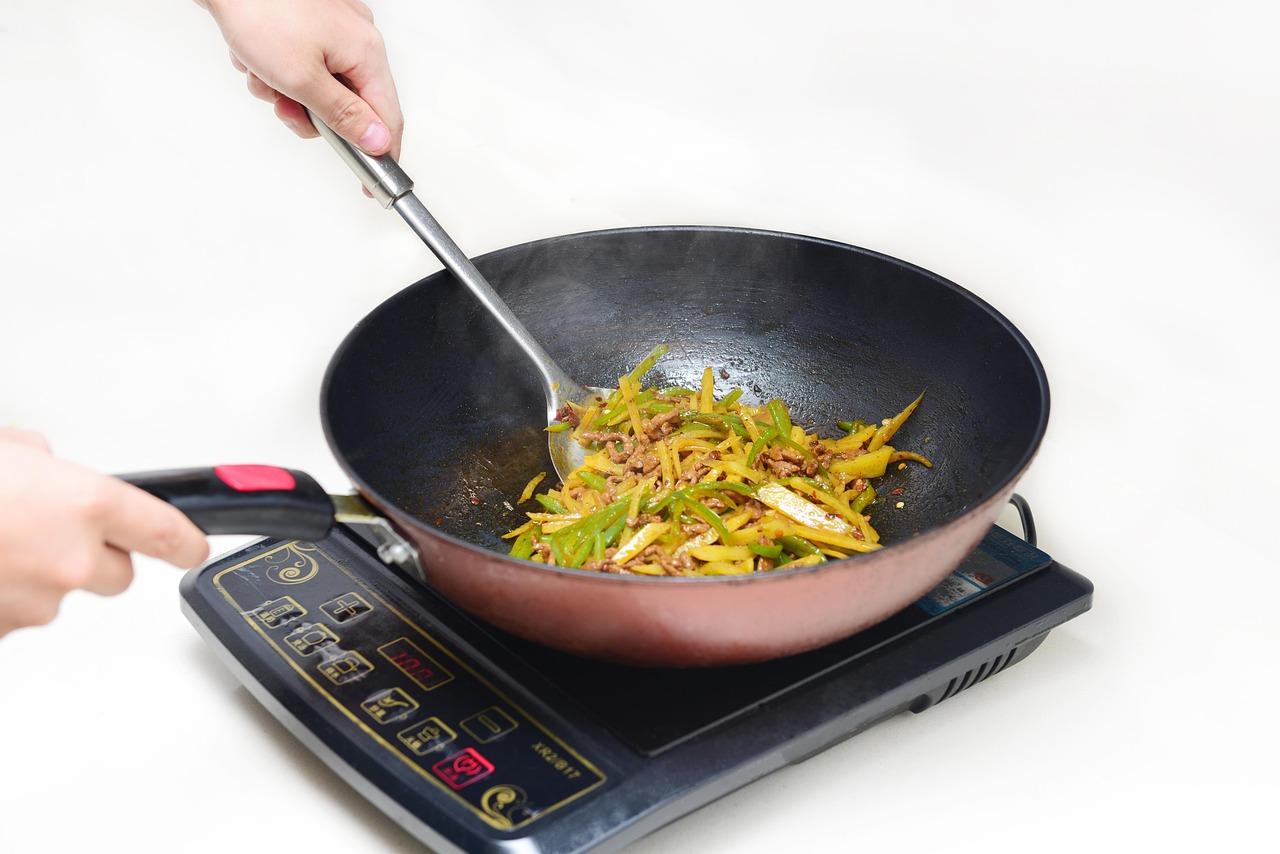
Hot and sour potato shreds

In Chengdu this is the dish a family orders when the table already has something rich: a heap of potato cut as fine as matchsticks, cooked for barely two minutes so it stays crunchy, sharp with vinegar and warm with dried chilli. Over the border in Shanxi the same dish is made with the province's dark aged vinegar (lǎo chéncù) and less chilli, and it tastes deeper and slightly sweet; both versions are given here. It goes with plain rice and any braised tofu or bean dish. Chef's tip: rinse the cut potato until the water runs clear, because that washed-off starch is what turns the shreds gluey in the wok.

by KrazyBadal 0 views

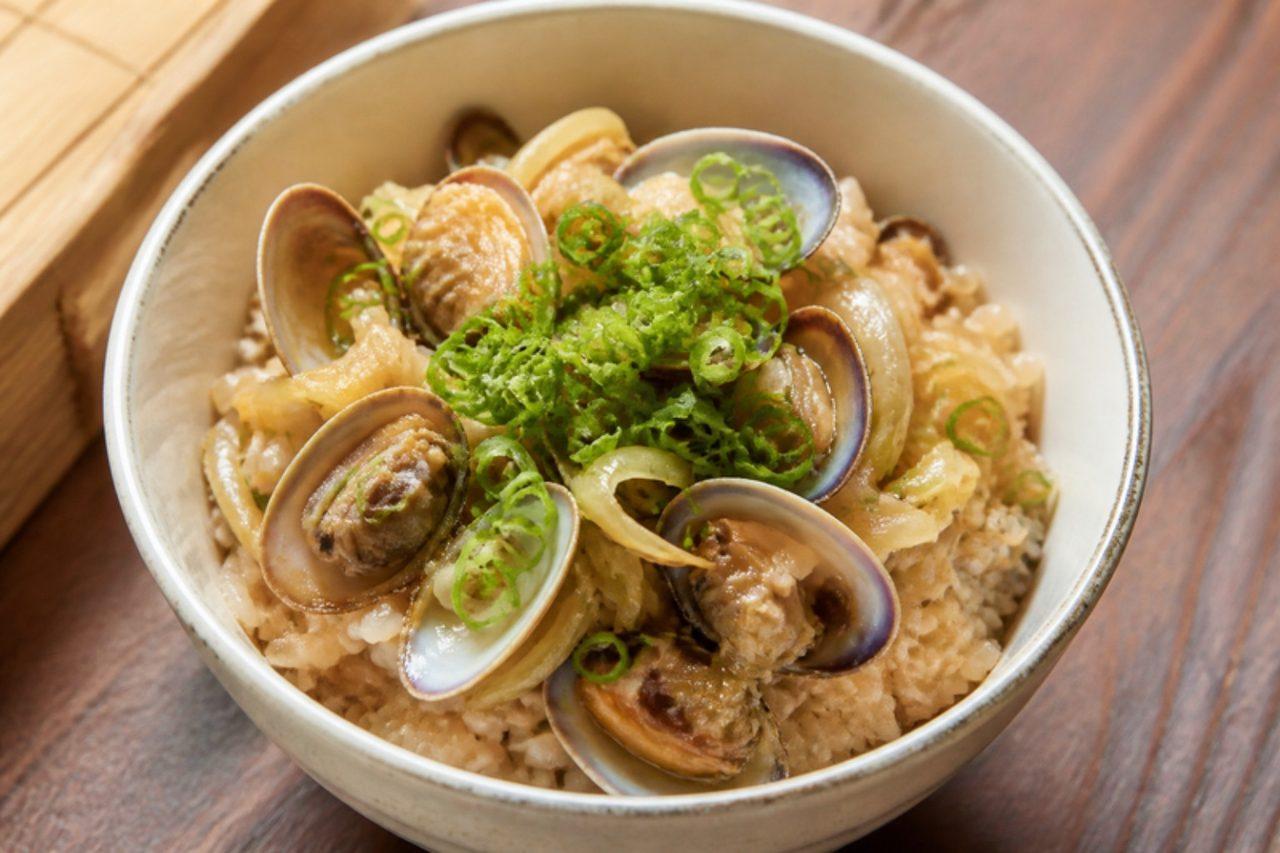
Fukagawa-meshi (Tokyo clam and miso rice)

Clam diggers on the shallow shores of Fukagawa, in what is now Koto ward in eastern Tokyo, used to make a fast meal by simmering fresh asari clams with leek in miso soup and tipping it over rice. The bay has long since been built over, but small restaurants near Monzen-Nakacho and Kiyosumi-Shirakawa still serve it in bowls or lacquered boxes, and it is a well-known station lunch box. Some cooks steam the clams into the rice instead; this is the older poured-over style. It is savoury, briny and very quick. Chef's tip: steam the clams open first and take them out of the pot, then return them only for the last 30 seconds, so they stay plump instead of shrinking into rubbery nubs.

by KrazyBadal 0 views

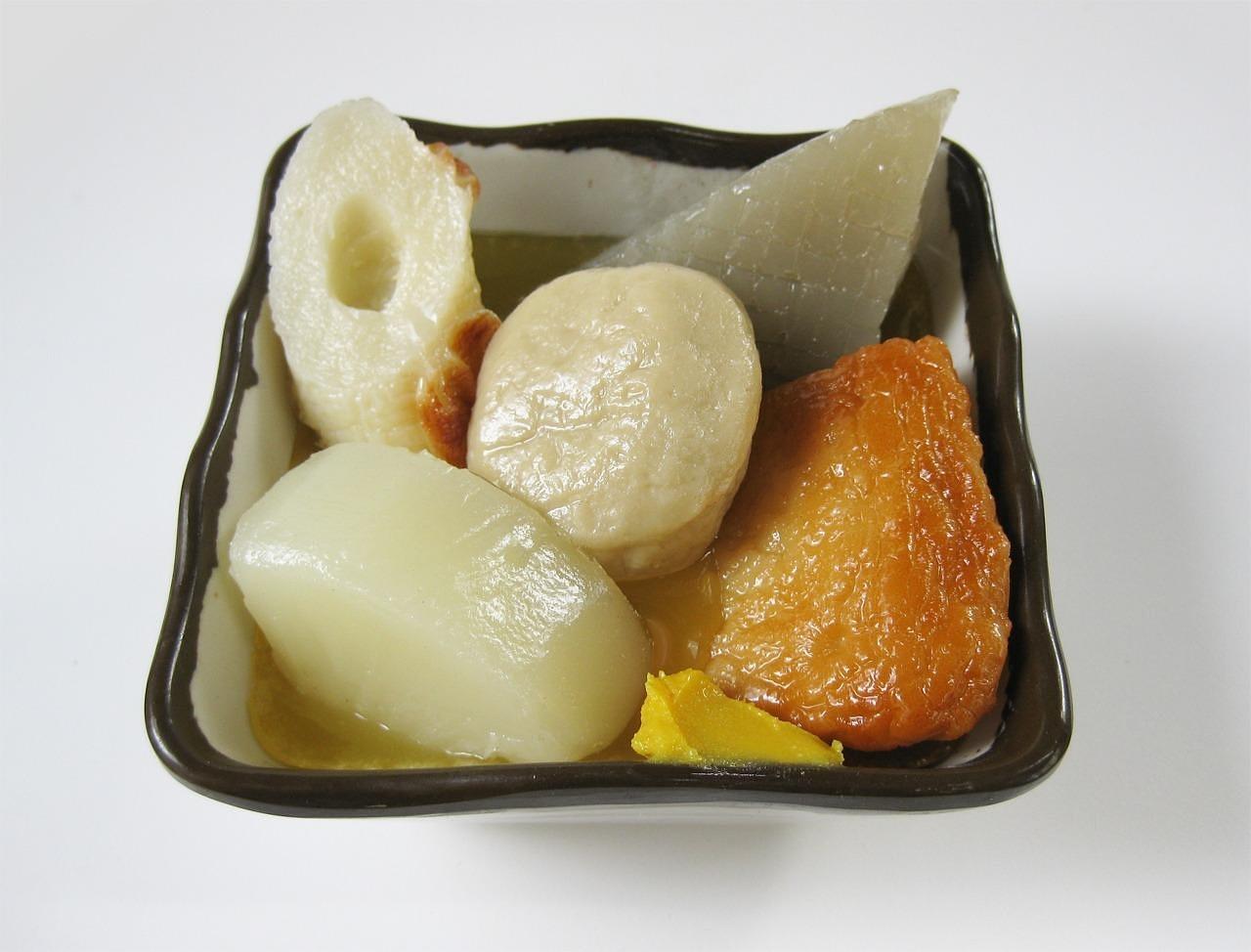
Oden (Tokyo style)

When the evenings turn cold, Tokyo's convenience stores set out steaming trays of oden by the till, and small oden bars and street stalls fill up with office workers. Tokyo's style uses a darker, soy-seasoned dashi than the paler Kansai one, and it includes chikuwabu, a chewy tube of wheat dough that is rarely seen outside the Kanto region. Everything simmers gently for a long time, so the daikon turns translucent and soaks up the broth. Serve it straight from the pot with a dab of hot Japanese mustard. Chef's tip: make oden a day ahead and let it cool in the broth overnight; the daikon and eggs take on far more flavour as they cool than while they boil.

by KrazyBadal 0 views

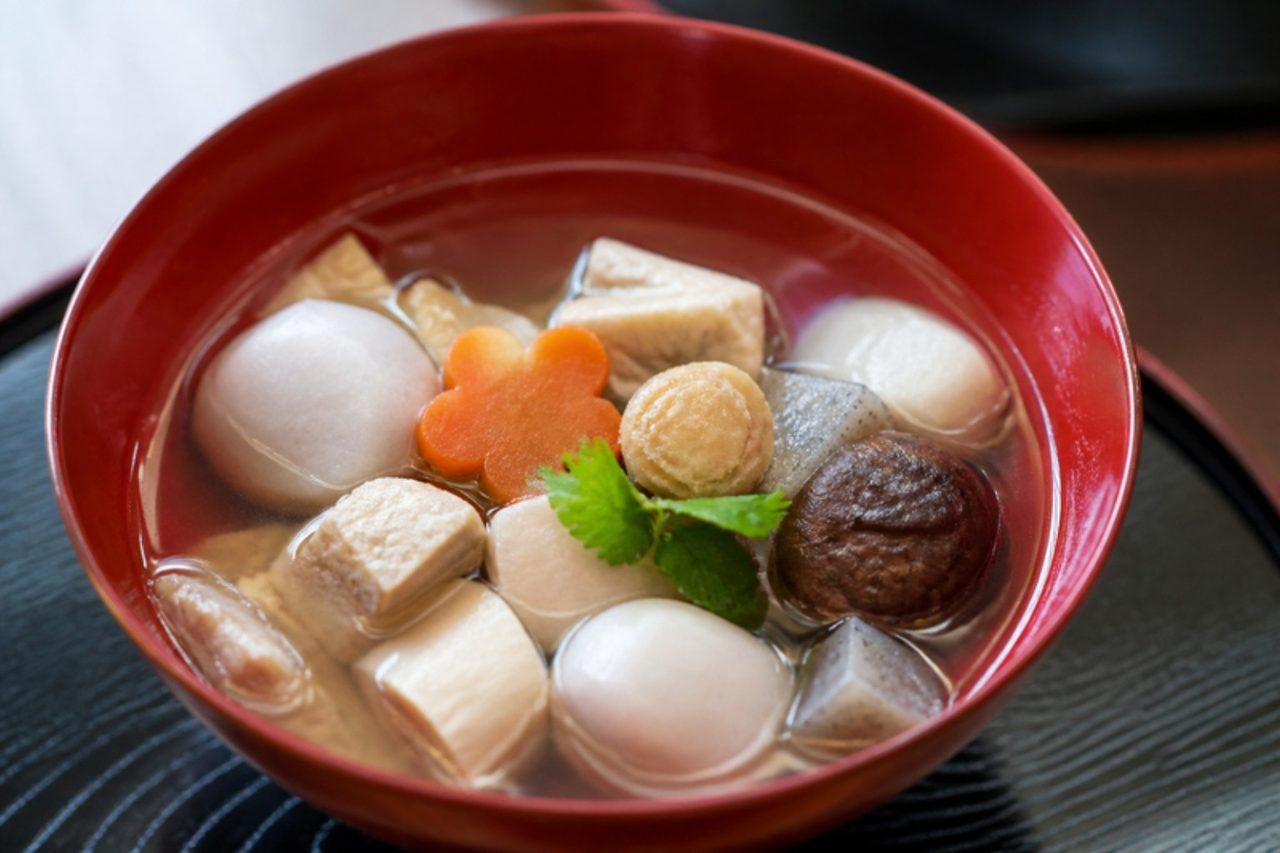
Kozuyu (Aizu dried scallop soup)

Far inland in the Aizu basin of Fukushima, the old castle town of Aizu-Wakamatsu builds its festive soup on dried scallops, which reached these mountains by trade from the northern coast. Kozuyu is served at New Year, weddings and other celebrations in shallow red lacquer bowls, and it is polite to accept a second or third helping. The stock is clear and lightly salted, full of small cubes of taro, carrot, mushroom, konjac noodles and tiny wheat gluten balls. Expect a delicate, sweet sea flavour rather than anything strong. Chef's tip: keep every drop of the scallop soaking water; it is the whole stock, and the scallops themselves shred into soft threads in the soup.

by KrazyBadal 0 views

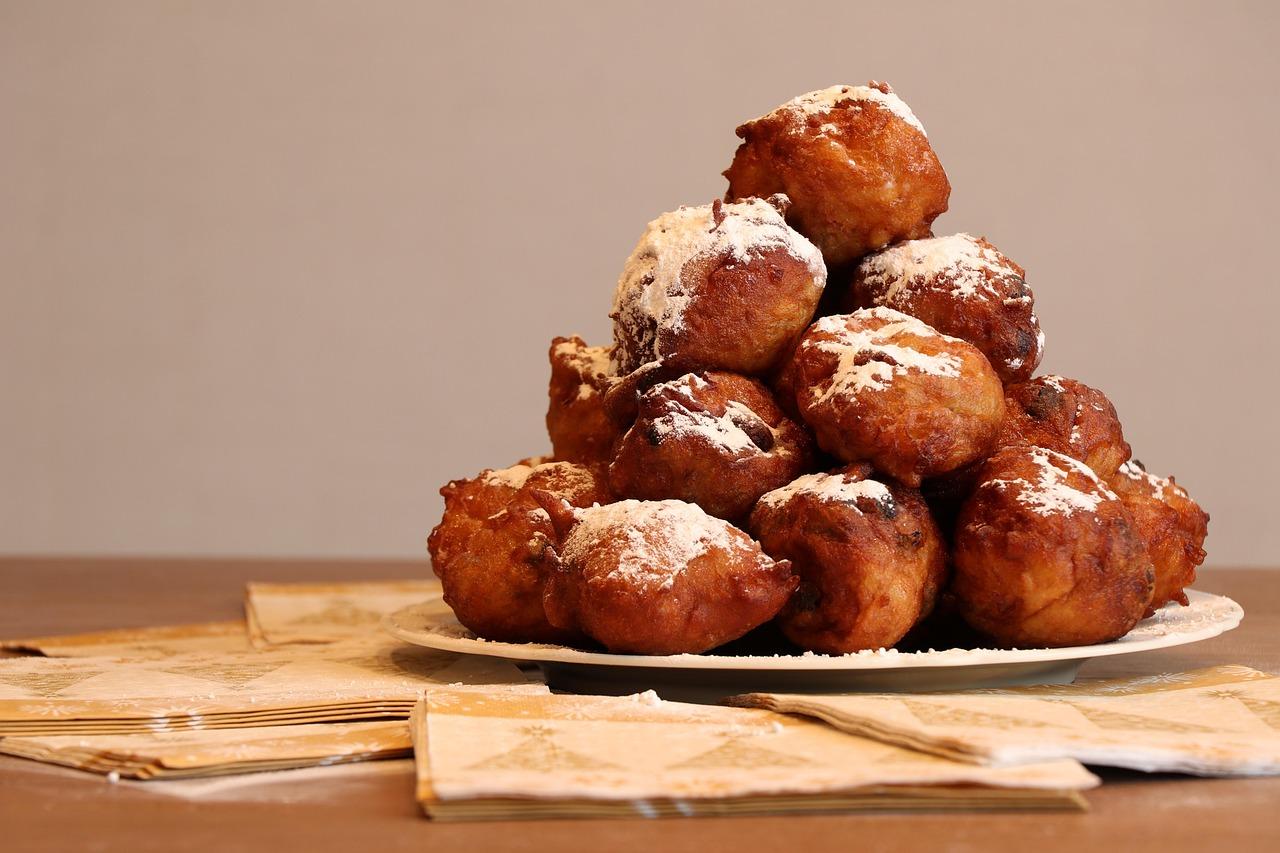
OliebollenRaisin fritters

On the last day of December the queues outside the oliebollenkraam, the caravan-like stalls that pop up in every Dutch town, stretch round the block. Oliebollen ('oil balls') are the food of Oudejaarsavond, New Year's Eve: round, yeasted fritters full of raisins, currants and apple, deep-fried and buried in icing sugar. Families fry big batches at home in the afternoon and eat them with champagne at midnight. They are best within a few hours. Chef's tip: dip your two scooping spoons in the hot oil before each ball; the sticky dough slides off cleanly and the balls come out round instead of ragged.

by KrazyBadal 0 views

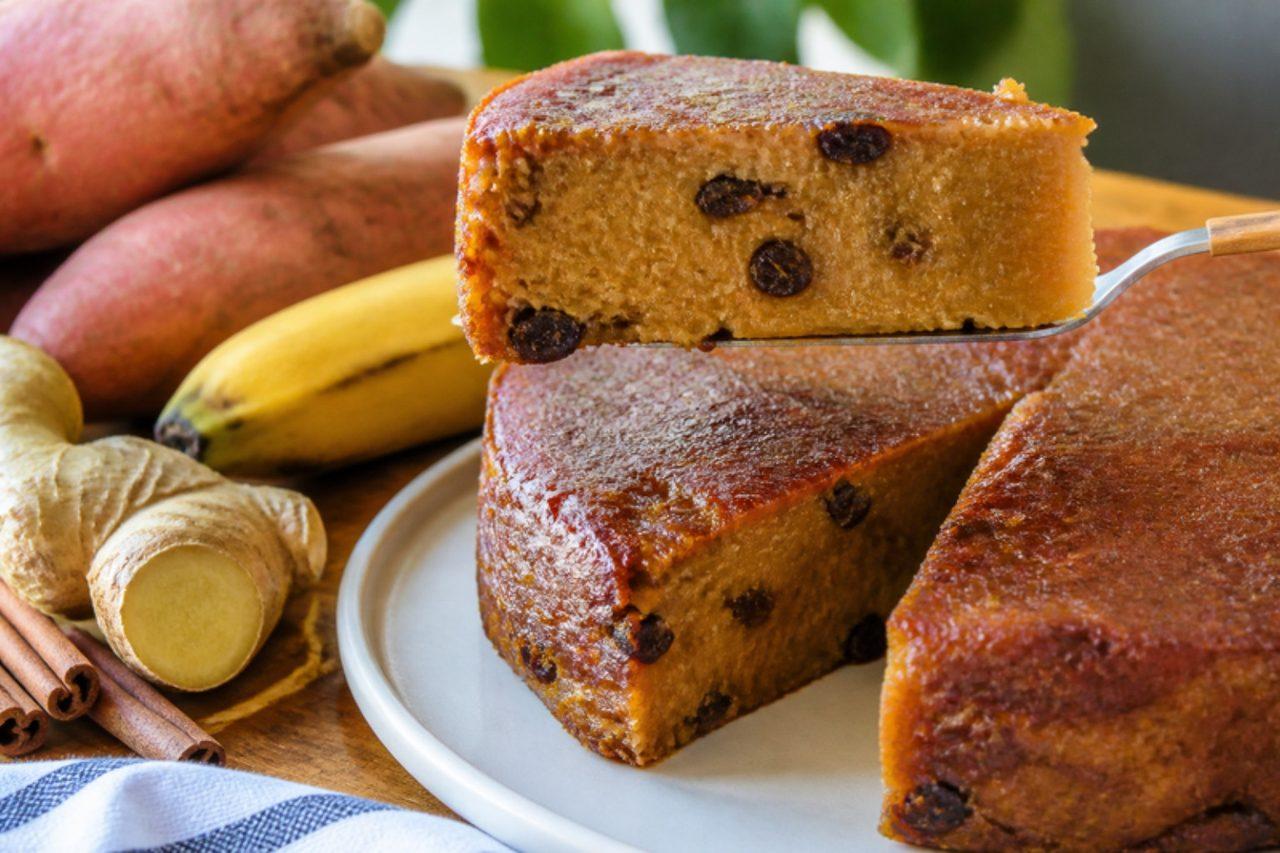
Pen patatSweet potato pudding

Pen patat, sweet potato 'bread', is the Haitian pudding sold in squares by street vendors and baked at home for Sunday afternoons and holidays, from the hills above Pétion-Ville to Haitian bakeries abroad. Grated white sweet potato (patat) and ripe banana are baked with coconut milk, evaporated milk, fresh ginger and warm spices until set and caramel-brown on top. It is dense, moist and fudgy, a little like a spiced cake and a little like a custard, and it's eaten warm or cold with coffee. Chef's tip: grate the sweet potato finely on the small holes; coarse shreds stay stringy, fine ones melt into a smooth pudding.

by KrazyBadal 0 views

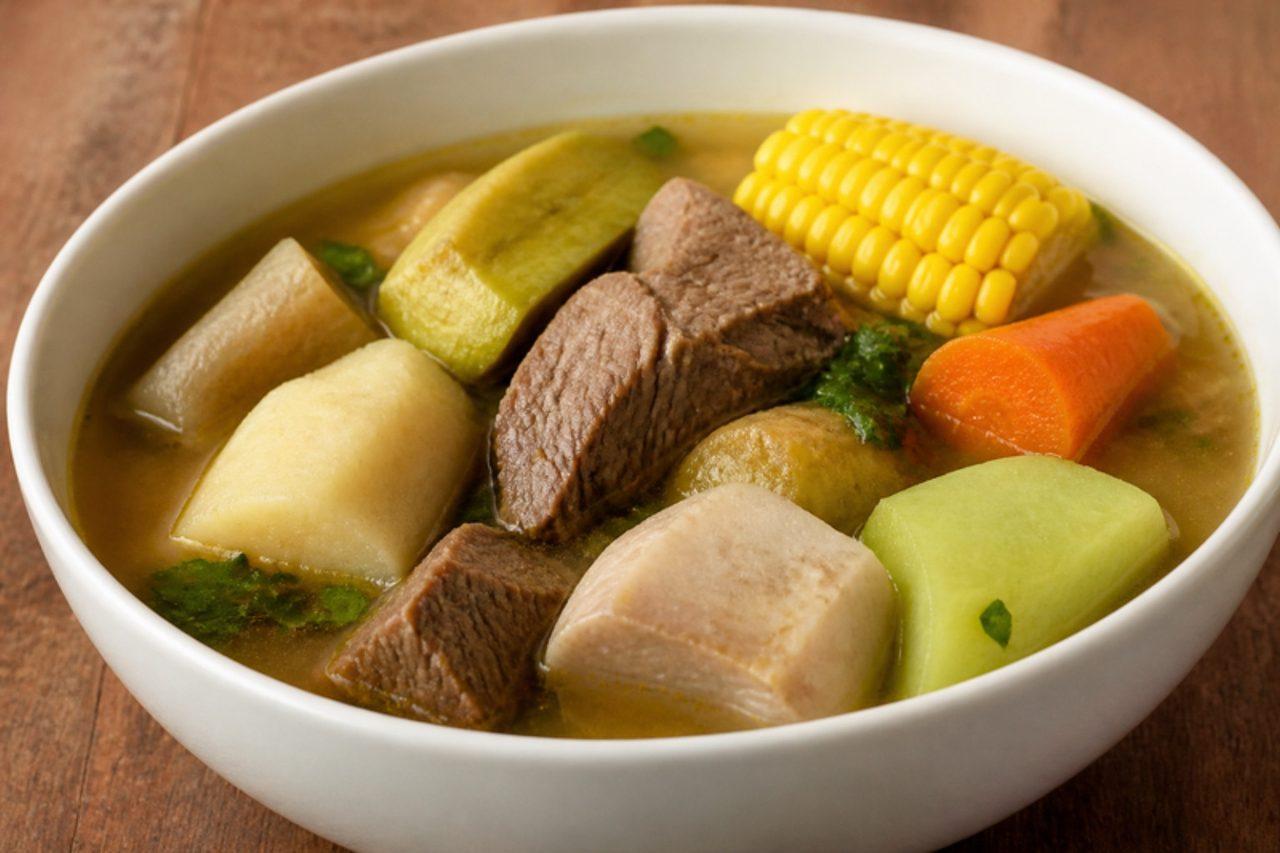
Olla de carneBeef and vegetable pot

Olla de carne, "pot of meat", is the Costa Rican Sunday soup, cooked slowly in the Central Valley around San José and in country homes: beef shin and short ribs simmered for hours in a clear broth with big pieces of yuca, chayote, green plantain, corn, carrot and taro. The broth is served first, then the meat and vegetables, with rice on the side. The mistake is putting all the vegetables in together; add the hard ones first and the soft chayote and corn last. Chef's tip: use a little bone with the beef; it gives the broth body without any stock cube.

by KrazyBadal 0 views

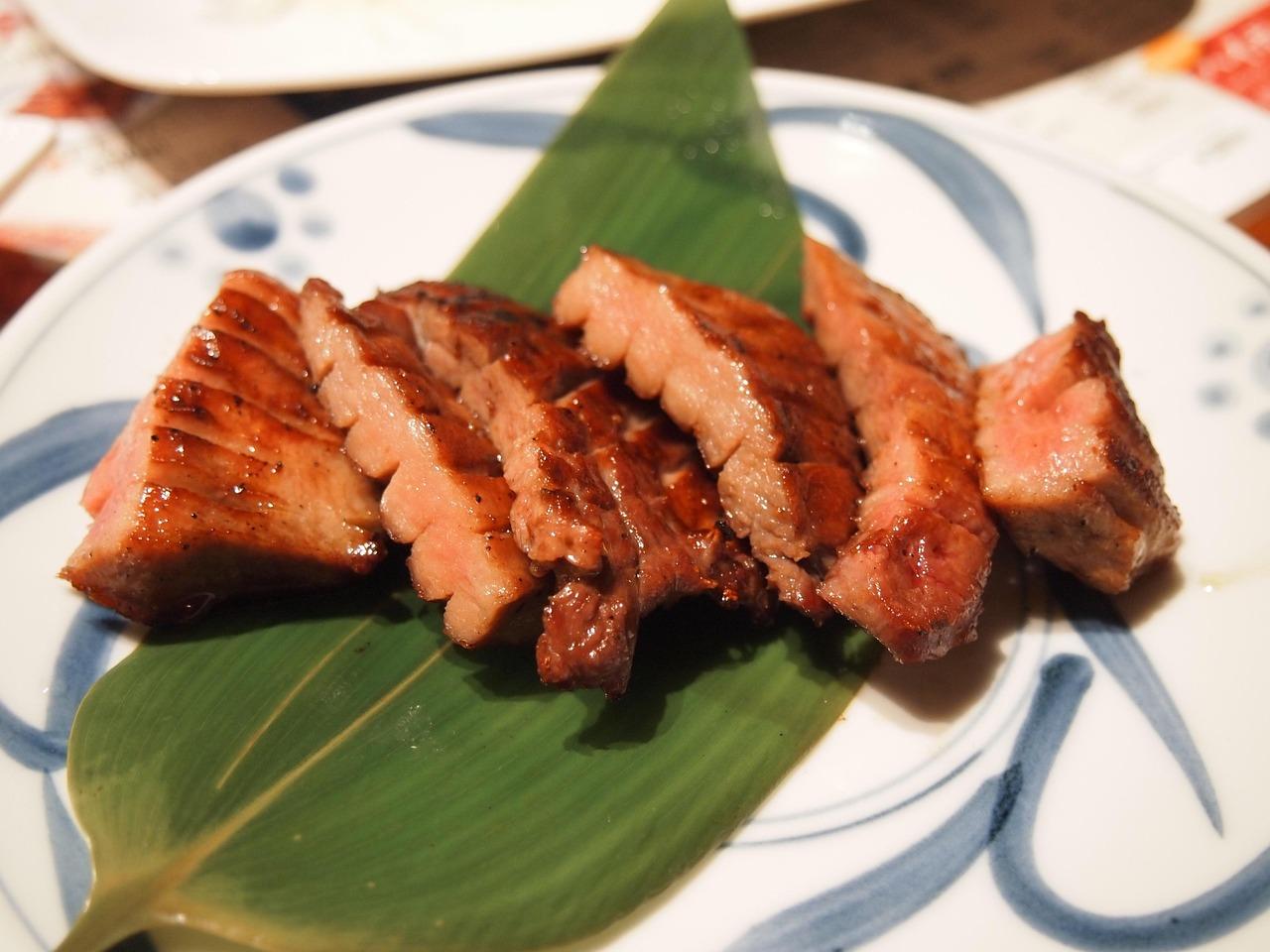
Gyutan (Sendai grilled beef tongue)

Sendai, the biggest city in Miyagi prefecture, turned beef tongue into its signature dish in the years after the Second World War. Specialist gyutan restaurants line the streets around Sendai Station, and the classic set is always the same: grilled tongue, a bowl of rice cooked with barley, a clear oxtail soup and a few pickles with a green chilli miso. This home version uses tongue sliced by a butcher, a short salt cure and a very hot pan, with a quick clear beef soup in place of the long-simmered oxtail. The meat should be chewy in a pleasant, bouncy way, with a smoky crust. Chef's tip: ask the butcher to peel the tongue and cut it into 1 cm slices; thick slices with shallow cuts on both sides stay juicy, while thin ones dry out in seconds.

by KrazyBadal 0 views

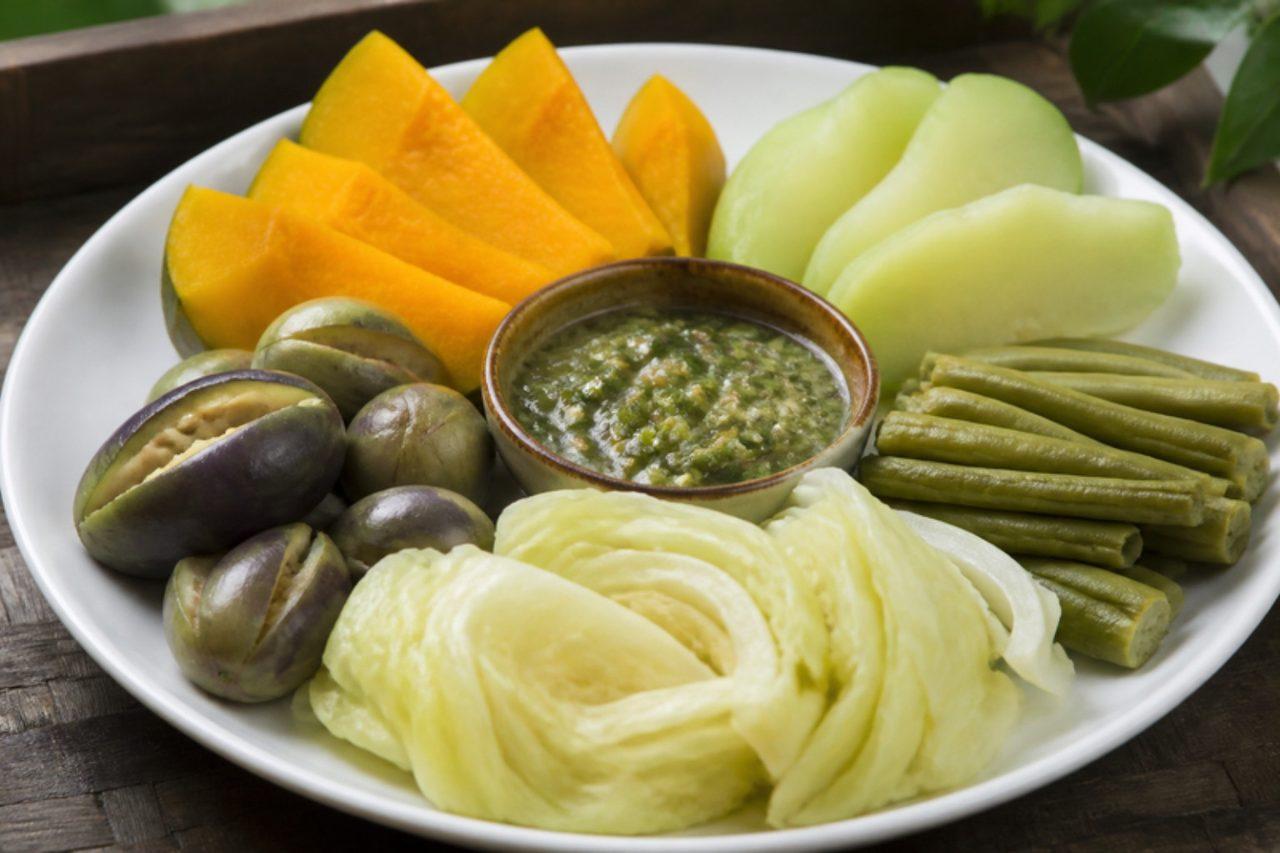
Chhum hanSteamed vegetables with chilli dip

Chhum han is how Mizo families eat vegetables at their simplest: whatever is in the garden (pumpkin, chayote, beans, aubergine, cabbage, potato) steamed or boiled until just tender and served on a plate with a sharp dip of crushed chilli, garlic, salt and herbs. In Aizawl it is part of almost every home meal, eaten with rice and bai. The vegetables taste of themselves, and the dip does the work. Chef's tip: steam each vegetable for its own time and take it off when a knife slides in; overcooked chhum han is watery and dull.

by KrazyBadal 0 views

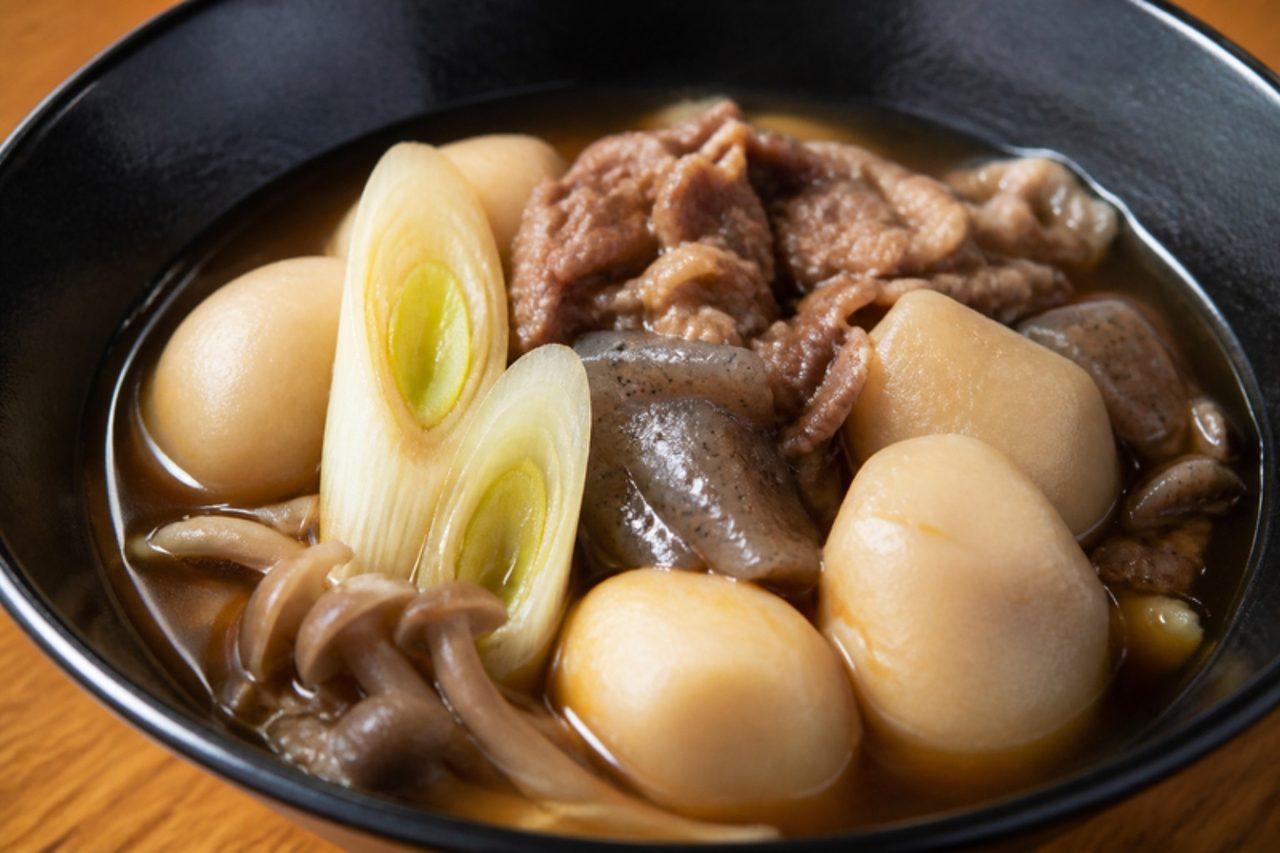
Imoni (Yamagata taro and beef stew)

On autumn weekends in Yamagata, friends, families and workmates carry big pots, firewood and bags of taro down to the riverbanks and cook imoni outdoors; the gathering is called an imoni-kai. Yamagata city even holds a festival on the Mamigasaki River where the stew is made in a giant pot and ladled out with a mechanical digger. The Yamagata version uses beef and a soy broth, while neighbouring Miyagi makes it with pork and miso. Taro gives the soup a soft, slightly thick body, konjac adds bite and the leeks go in last so they stay sweet. Chef's tip: rub the peeled taro with salt and rinse it before cooking; this removes most of the slippery coating, so the broth stays clean rather than gluey.

by KrazyBadal 0 views

Darjeeling first flush tea

Darjeeling's first flush is picked in March and April on estates clinging to the hills above the town, and in Darjeeling's tea rooms it is served plain: pale gold, flowery and slightly astringent, with a 'muscatel' note in the later second flush. It is the opposite of a strong breakfast tea, so it is never boiled, stewed or given milk. Hill families drink it from morning till dusk, and it is a souvenir every visitor buys from Chowrasta. Chef's tip: use water just off the boil (about 90°C) and time the brew; overheated or overbrewed first flush turns bitter and loses its scent.

by KrazyBadal 0 views

Penang asam laksaSour fish noodle soup

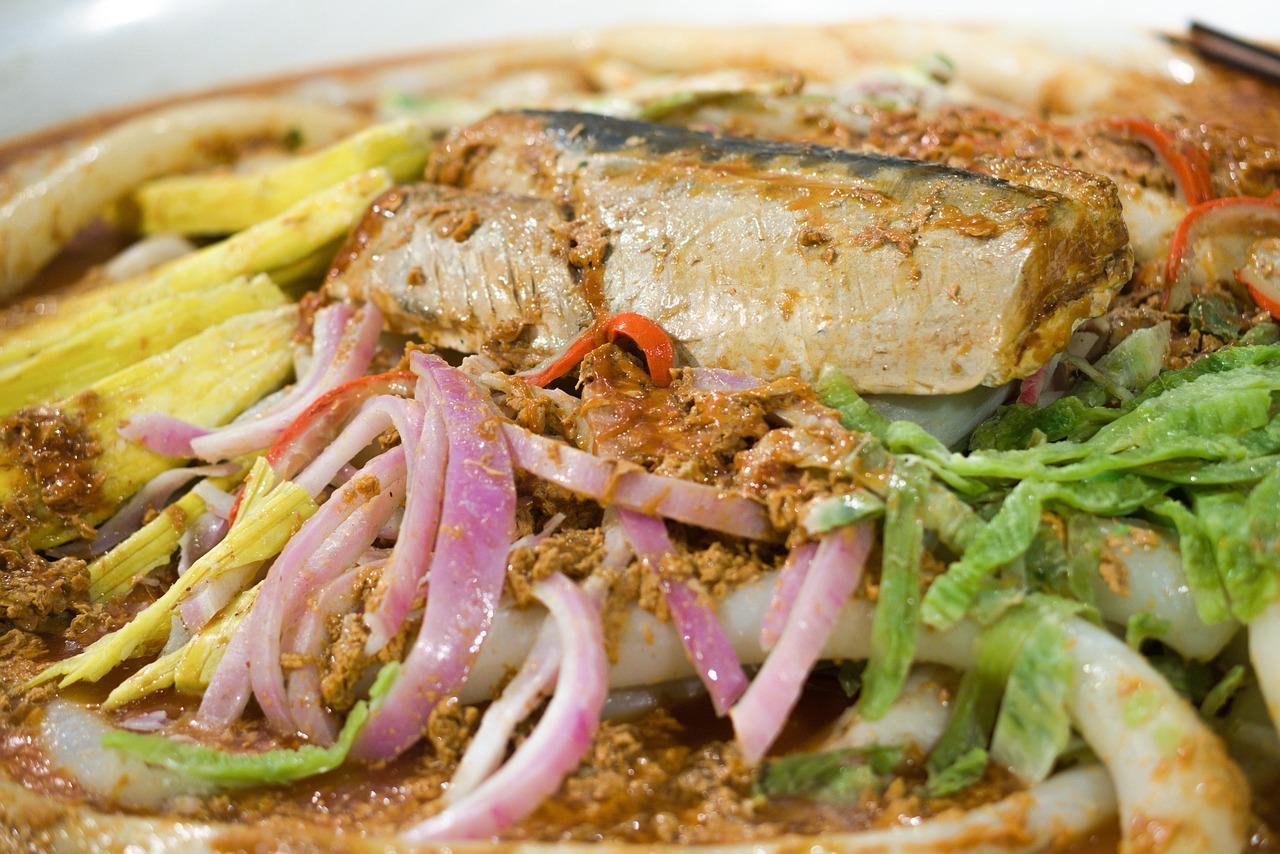
Forget coconut and cream: Penang's asam laksa is all sour, hot and herbal, a dark tamarind broth thickened with flaked mackerel and poured over thick, slippery rice noodles. Hawkers at Air Itam market and along Gurney Drive pile the bowl with shredded pineapple, cucumber, red onion, lettuce, torn mint and a spoon of sticky, sweet prawn paste (hae ko) that you stir in as you eat. Torch ginger flower and Vietnamese mint (daun kesum) give it a smell that is wholly its own. It is a hot-afternoon dish, eaten fast while the herbs are still crisp. Chef's tip: poach the mackerel in the broth whole, then flake it back in; the bones and skin give the soup much of its body.

by KrazyBadal 0 views

Olluquito con charquiOlluco and dried beef stew

Olluco is a glossy yellow-and-pink tuber grown high in the Andes, crunchy when raw and silky when cooked, and in Lima's market eateries it is cut into fine matchsticks and stewed with charqui, sun-dried meat that was the travel food of Inca messengers. The dish is gently spiced with ají panca and finished with fresh parsley, and it is always served with white rice. Latin shops sell olluco in jars; if you can't find it, firm new potatoes or courgette give a similar texture, and beef brisket stands in well for charqui. Chef's tip: cut the olluco and rinse it well; the slippery sap washes off and the stew won't turn slimy.

by KrazyBadal 0 views

AllocoFried plantain with chilli sauce

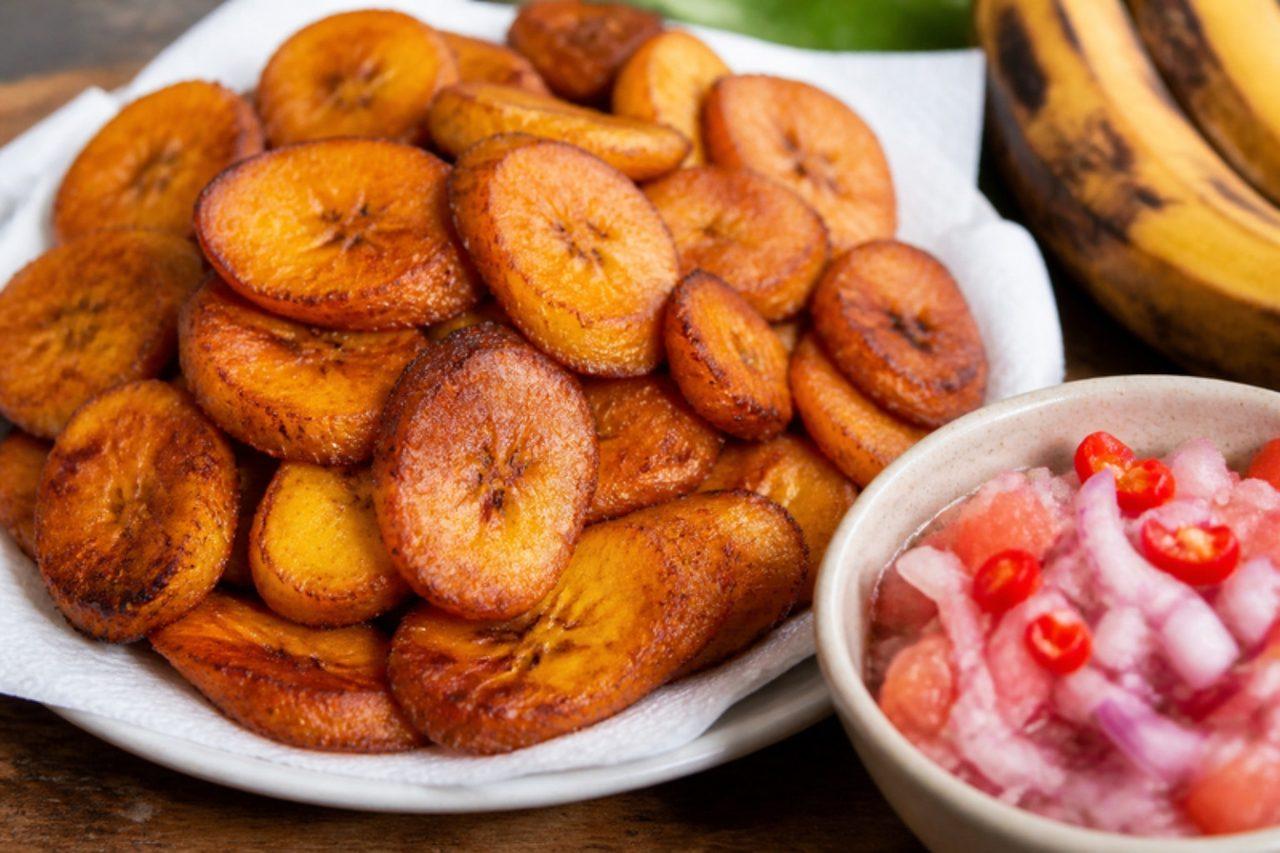
Alloco is the evening street food of Abidjan, fried in palm or vegetable oil in big pans by vendors around the Allocodrome in Cocody and in every neighbourhood. Very ripe plantain is cut into thick slices or cubes, fried until caramelised at the edges, and eaten with a fiery raw sauce of onion, tomato and chilli. Unlike Ghanaian kelewele it is not marinated in spices: the sweetness of the fruit against the sharp sauce is the whole point. Chef's tip: wait until the plantain skins are mostly black; yellow plantain fries up dry and starchy.

by KrazyBadal 0 views

Omegi tteokMillet rice cakes with red bean

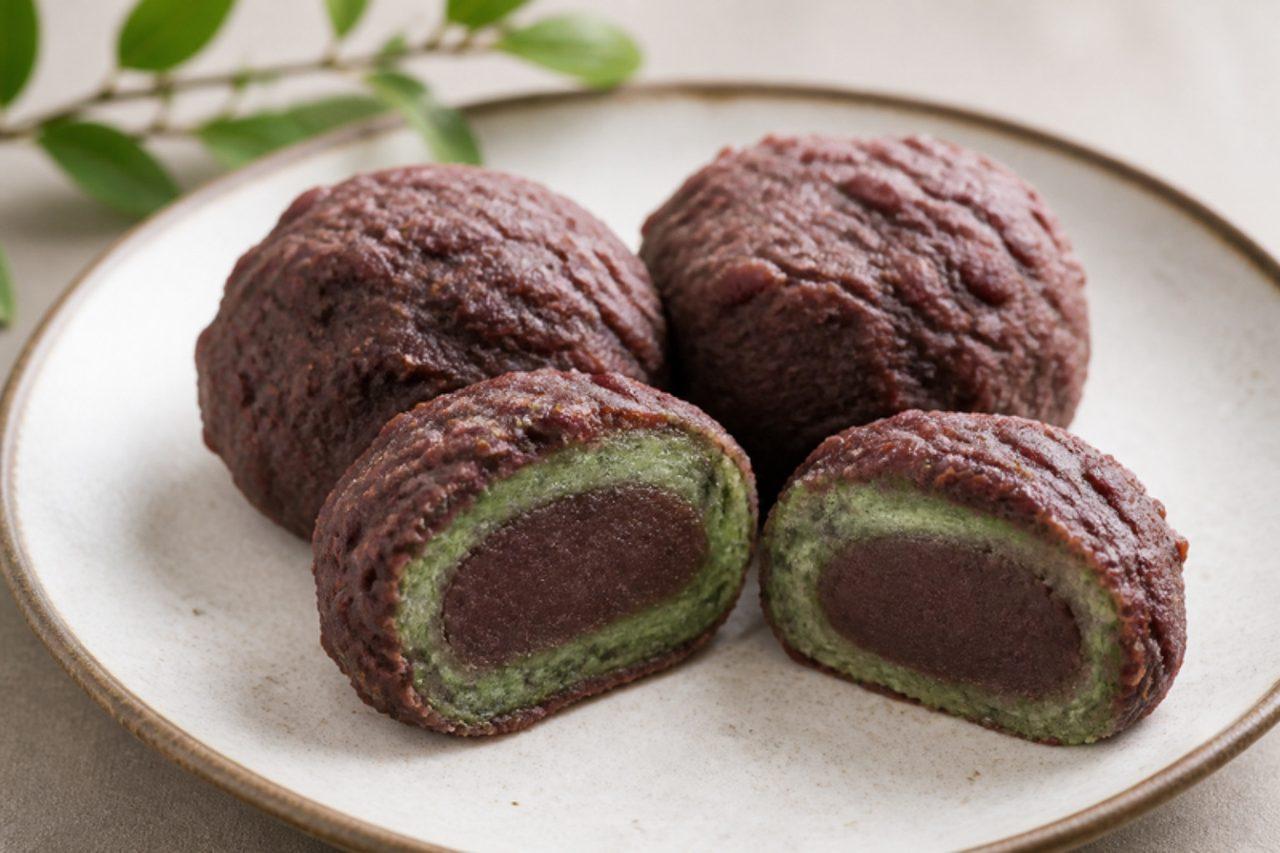
Omegi tteok (오메기떡) are Jeju's best-known rice cakes: small dark-green rounds of glutinous millet and rice dough flavoured with mugwort, filled with sweet red bean, and rolled in a coat of mashed red beans or toasted nuts. Jeju farmers grew millet on fields too stony for rice, and the dough was once fermented into omegi-sul, the island's rice wine. Now they are bought in boxes at Seogwipo's Olle market as the island's favourite gift, kept in the freezer and thawed for tea time. Chef's tip: knead the dough with boiling water while it is still hot; mugwort and millet need the heat to bind into a smooth, stretchy dough.

by KrazyBadal 0 views

Pastelitos de guayabaGuava and cream cheese pastries

Pastelitos de guayaba are the flaky puff pastry squares sold warm from the glass cases of Cuban bakeries, eaten standing up with a café cubano mid-morning. Havana bakers fill them with dense guava paste, often with a layer of cream cheese (de guayaba y queso), and brush the tops with sugar syrup so they shine. Shop-bought all-butter puff pastry makes them easy at home. Chef's tip: chill the filled tray for 15 minutes before baking; cold pastry rises higher and the filling is less likely to leak.

by KrazyBadal 0 views

Almond ghribaChewy almond cookies

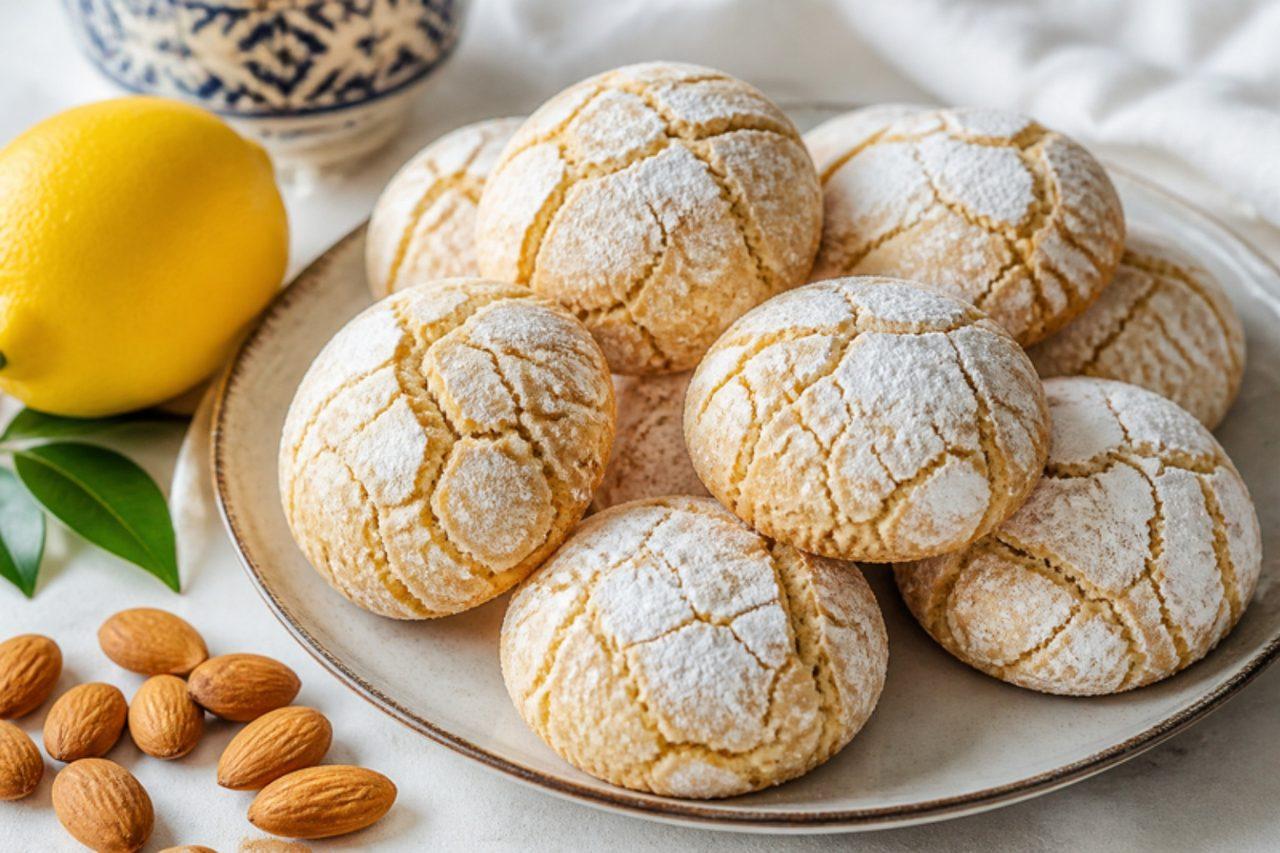
Ghriba are the crinkle-topped cookies that fill Moroccan biscuit trays for Eid, weddings and guests dropping by for tea; the almond version, ghriba bel louz, is especially loved in Fez and Tétouan. The dough is just ground almonds, sugar, egg and lemon zest, rolled in icing sugar so the top cracks into white rivers as it bakes. They are naturally gluten free, crisp at the edge and soft and chewy inside. Chef's tip: take them out when the cracks have formed but the centres still feel soft; they firm up as they cool, and overbaked ghriba turn hard.

by KrazyBadal 0 views

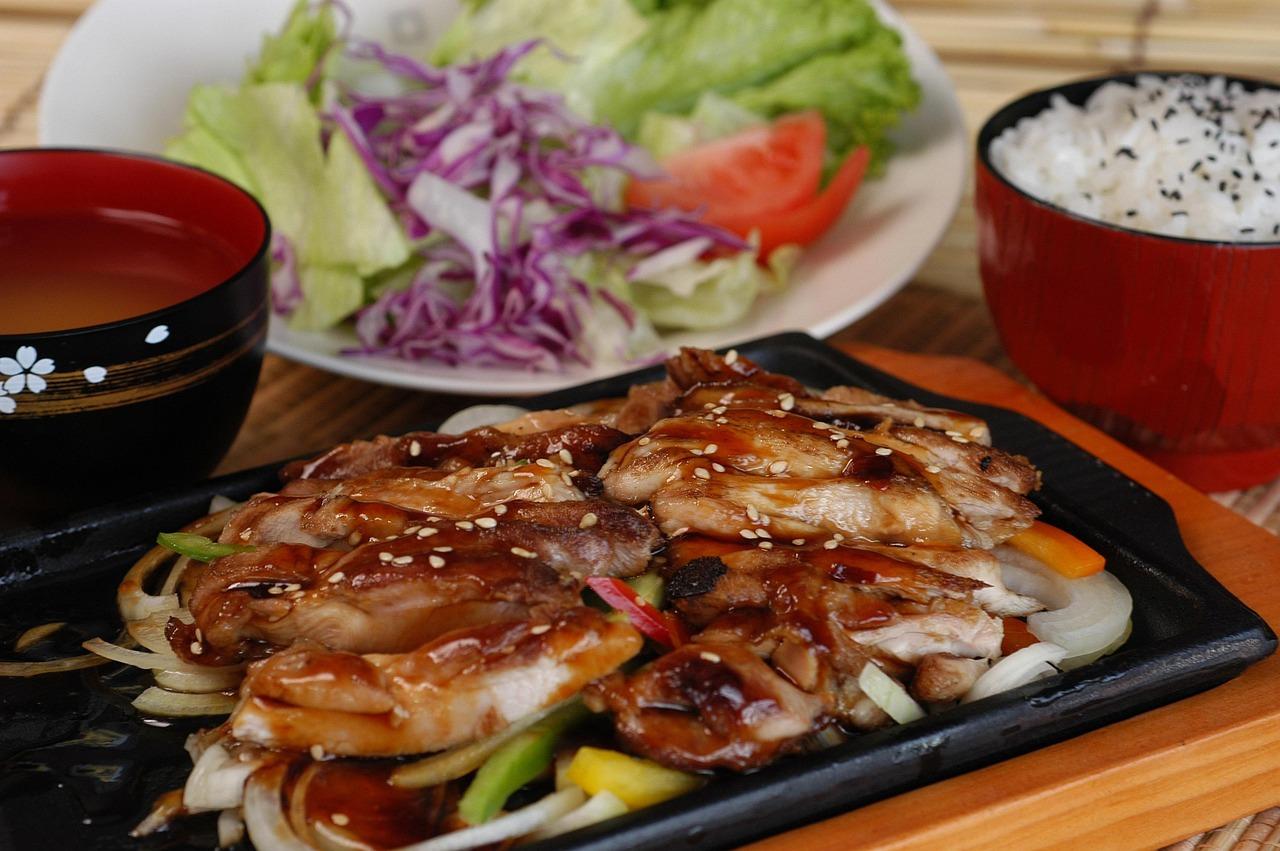
Chicken teriyaki

Teri means shine and yaki means grilled, which sums up the glossy, lacquered finish of this weeknight favourite. Japanese restaurants often save the teriyaki treatment for yellowtail in winter, but at home it is usually chicken thighs, cooked in one frying pan and sliced over rice or packed into a lunchbox. The sauce is just soy sauce, mirin, sake and sugar, bubbled down in the pan until it clings. Serve it with shredded cabbage and a bowl of miso soup. Chef's tip: wipe the fat out of the pan with kitchen paper before the sauce goes in, so the glaze thickens and shines instead of sitting in a greasy pool.

by KrazyBadal 0 views

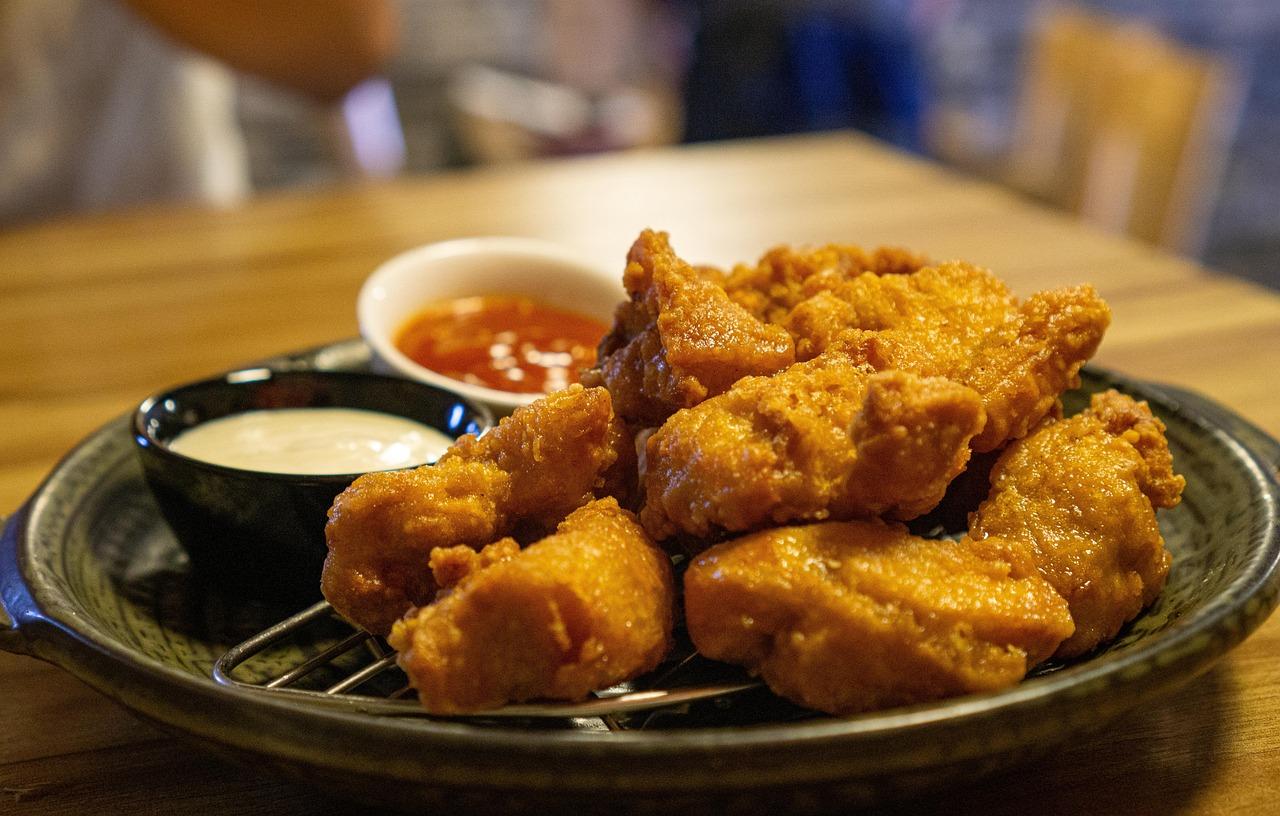
Chicken karaage

Nakatsu, a city in Oita prefecture on Kyushu, calls itself the capital of karaage and has dozens of takeaway shops selling it by weight. Across Japan, these bite-size nuggets fill school bento boxes, sit in the hot cabinet of every convenience store and arrive with a squeeze of lemon at izakaya bars. Boneless thigh soaks briefly in soy, ginger and garlic, then a dusting of potato starch fries into a thin, glassy crust. Frying twice keeps the meat juicy and the outside crisp for longer. Chef's tip: once you have tossed the chicken in starch, wait 5 minutes until the coating looks damp in patches, which is what gives that craggy, crunchy finish.

by KrazyBadal 0 views

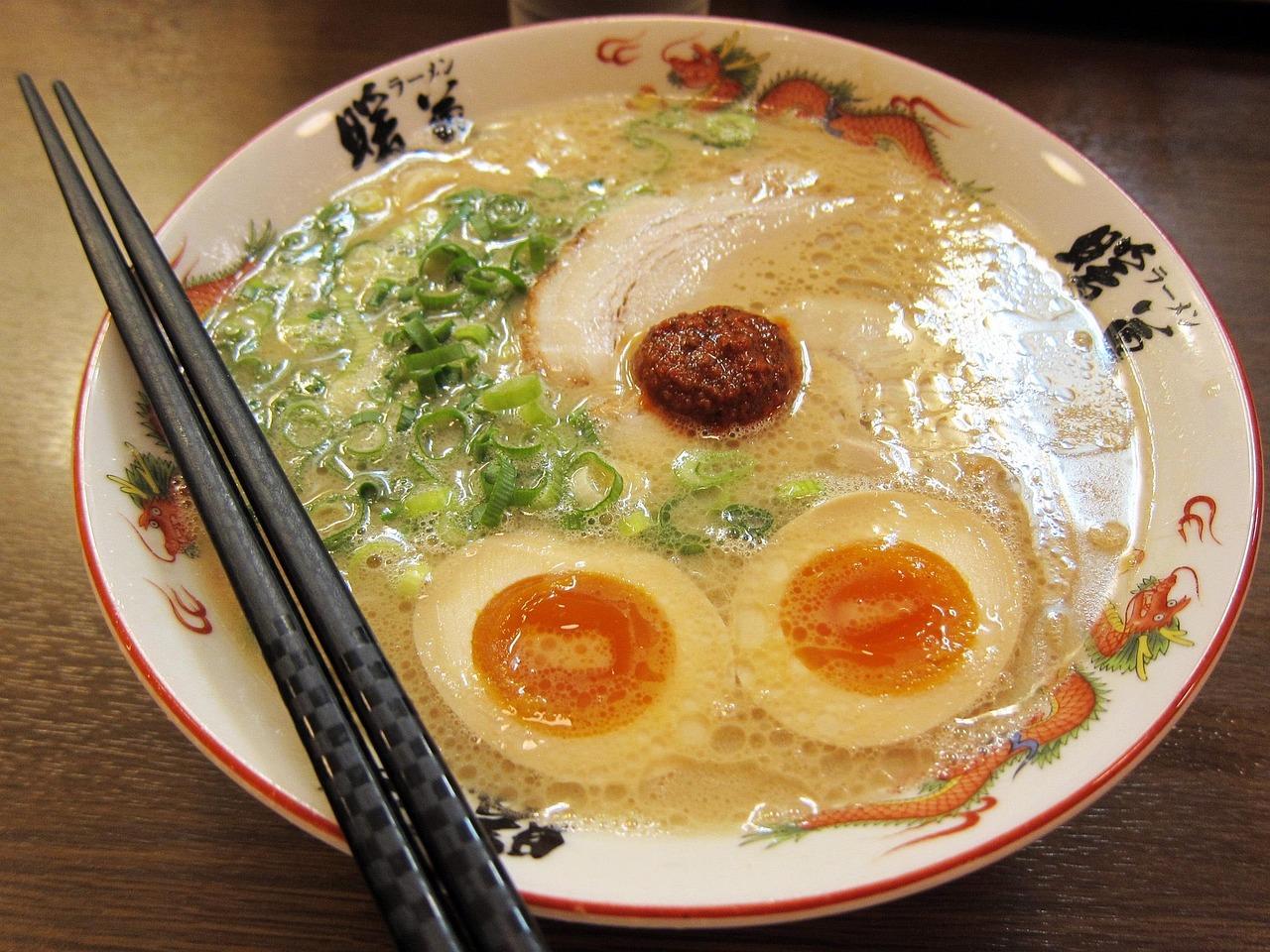
Tonkotsu ramen

Late at night along the river in Nakasu, Fukuoka, the yatai street stalls ladle out bowls of creamy, opaque pork-bone soup to people heading home. Hakata noodles are thin and straight and cooked very firm, and regulars order a second ball of noodles, called kaedama, into the same soup. Making it at home is a weekend project: the bones need about 10 hours at a fierce boil to break down into that milky broth, while rolled pork belly braises on the side. Red pickled ginger, sesame and spring onion cut through the richness. Chef's tip: ask your butcher to split the trotters and saw the bones in half, as the exposed marrow and collagen are what make the soup turn white and silky.

by KrazyBadal 0 views

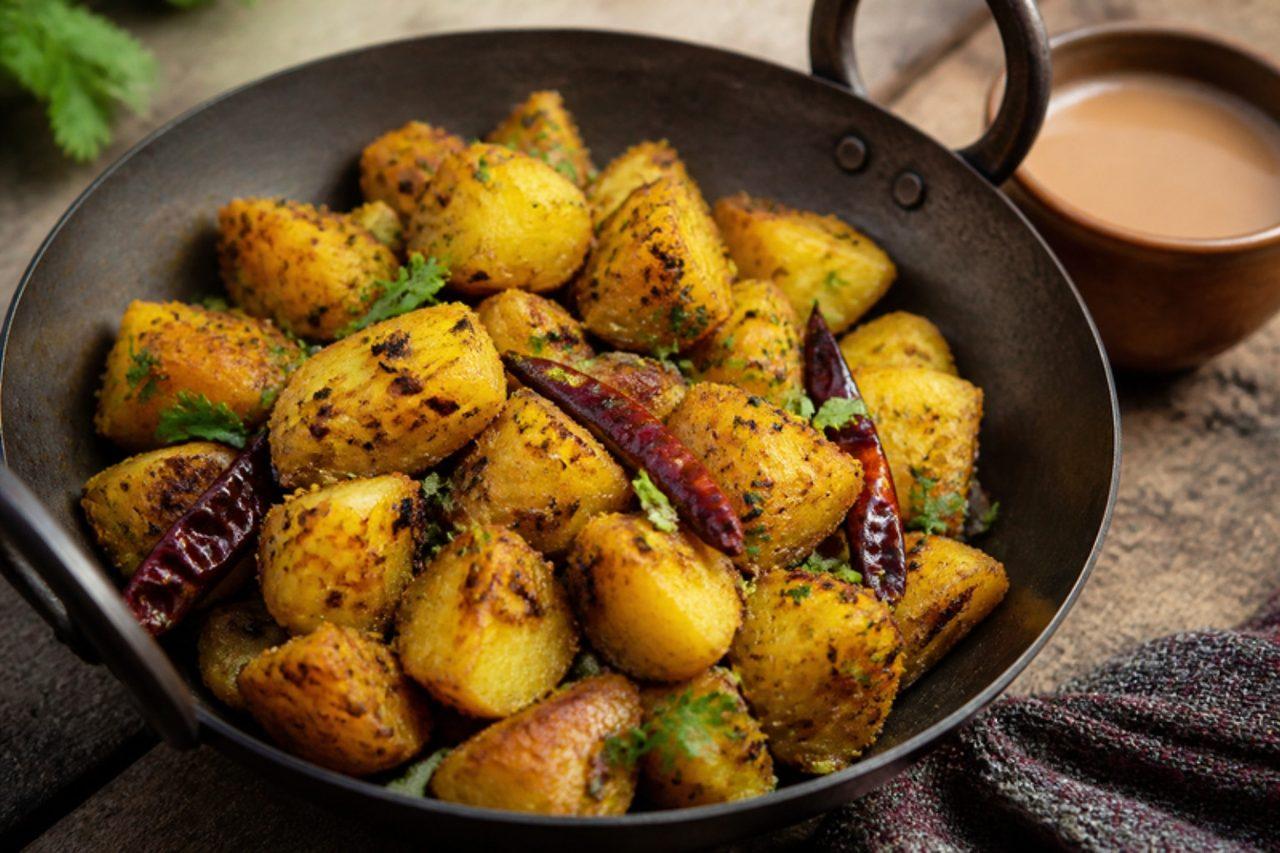
Aloo ke gutkePotato cubes with mountain spices

Ask anyone from Kumaon what they miss most from home and aloo ke gutke comes up quickly. Hill potatoes are boiled, cut into rough chunks and tossed in smoking mustard oil with jakhiya, a tiny wild seed that pops and crunches like mustard but tastes more like toasted cumin. It's served at tea time with a mug of chai, on festival plates next to puri, and in local dhabas with cucumber raita. Outside Uttarakhand jakhiya is hard to find, so use cumin seeds with a few black mustard seeds instead; the dish will still taste right. Chef's tip: boil the potatoes a few hours ahead, or the night before, so they firm up and fry into crisp-edged cubes instead of crumbling.

by KrazyBadal 0 views

Aloo keemaMinced meat with potatoes

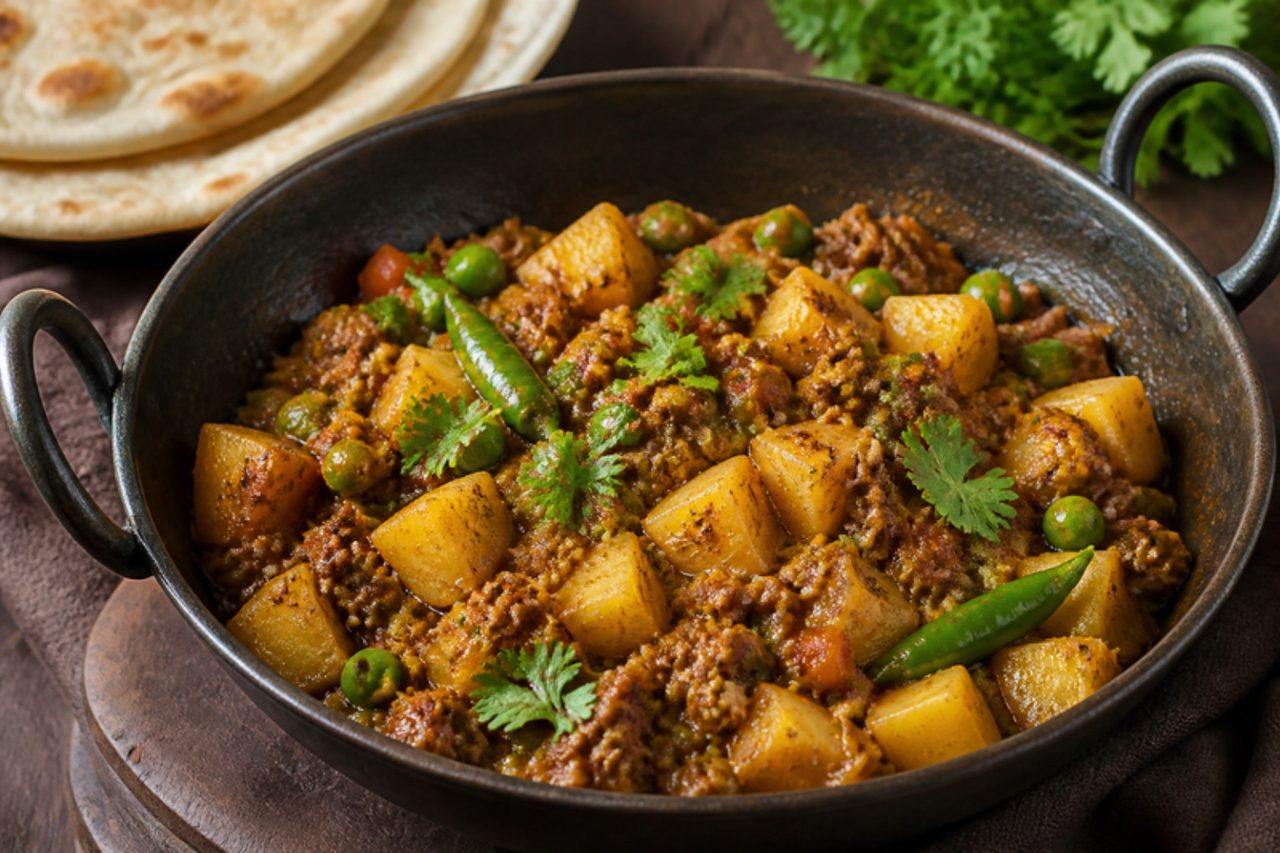
Aloo keema is the dinner that turns up in Pakistani homes from Karachi to Peshawar several times a month: quick, cheap, and loved by children and grandparents alike. Mince is browned with onion, tomato and whole spices, then simmered with potato cubes and peas until the potatoes soak up the masala. It is usually eaten with hot chapati or paratha, and leftovers become a filling for sandwiches and samosas the next day. Chef's tip: keep frying the mince until all the water it releases has gone and it starts to sizzle; that's where the browned, meaty flavour comes from.

by KrazyBadal 0 views

Aloo acharPotato and sesame salad

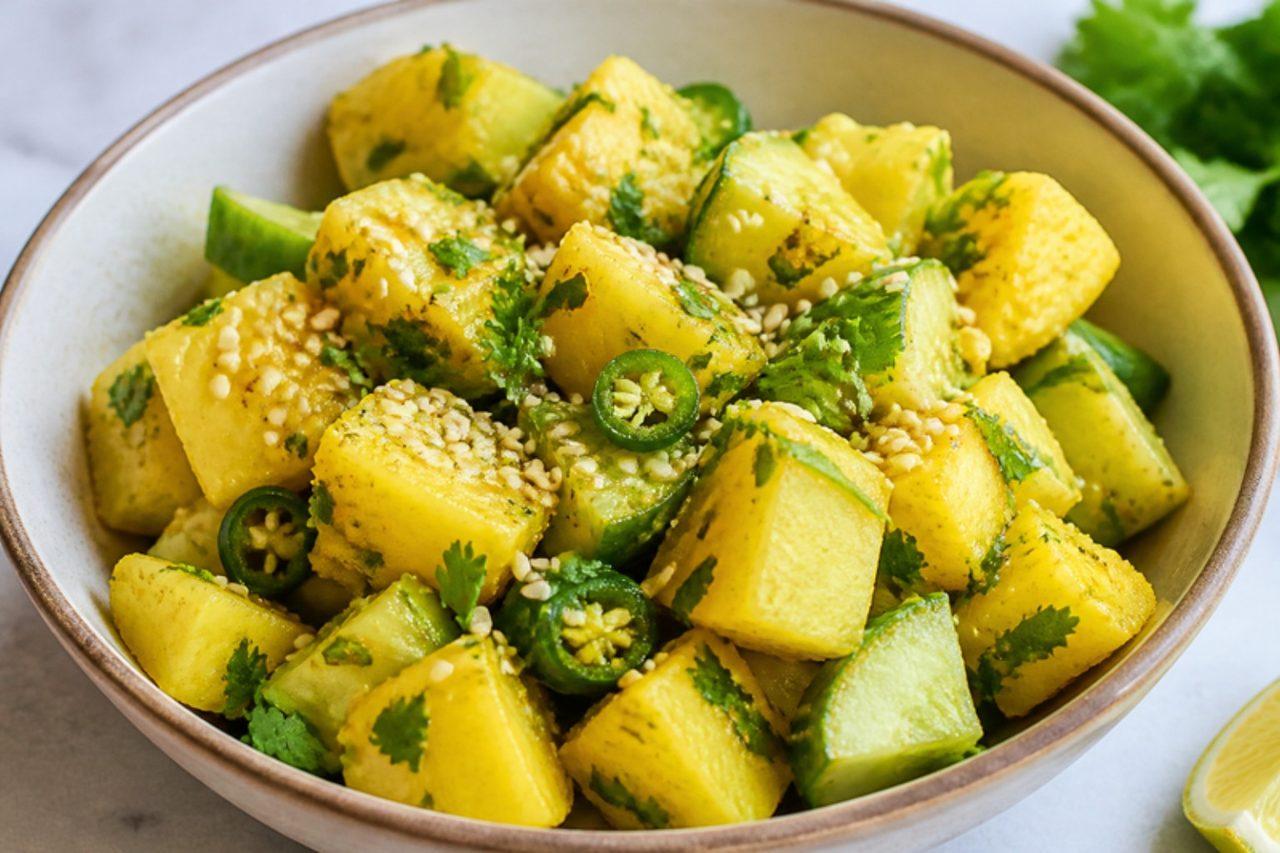
Aloo ko achar is the potato salad of Nepal, but tangy, nutty and hot rather than creamy. Boiled potatoes are tossed with ground toasted sesame, lemon juice, green chilli and timur, then finished with mustard oil in which fenugreek seeds have been fried dark. You find it everywhere: in tiffin boxes on the way to school, at picnics and on the long leaf plates of Newar feasts, alongside beaten rice and spicy beans, and it is a fixture at Dashain and Tihar gatherings when food has to sit out for hours. It keeps well, and the flavour improves after a rest. Dressing the potatoes while still hot is the usual mistake: they soak it up and turn mushy, so let them cool first. Chef's tip: toast the sesame until it just starts to pop and smells like popcorn, then grind it to a coarse sandy powder; it thickens the dressing and gives the salad its nuttiness.

by KrazyBadal 0 views

Shoyu ramen

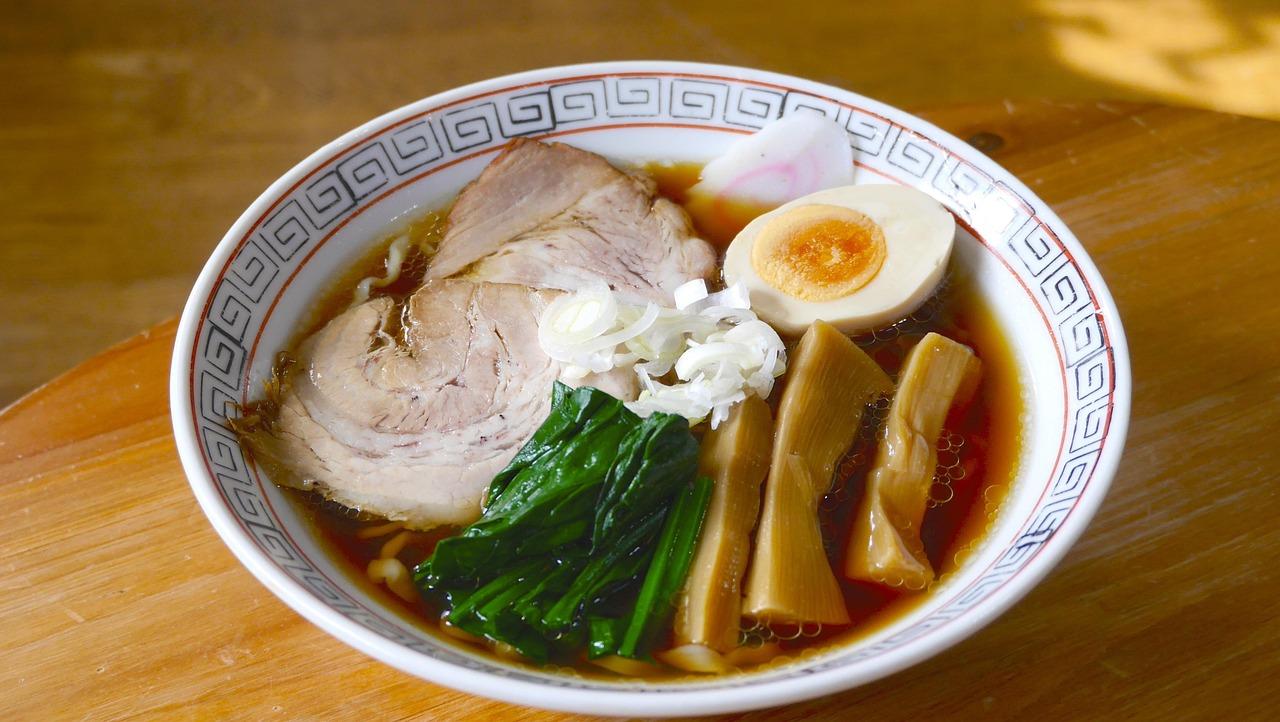
Tokyo's earliest ramen counters, starting with one in Asakusa in 1910, served a clear brown soup seasoned with soy sauce, and that style still defines a Tokyo bowl. You'll find it in old-fashioned shops with a ticket machine by the door and a short lunchtime queue outside. This home version simmers chicken wings for under an hour, so the broth tastes clean and light, a world away from the milky pork soup of Kyushu. Wavy noodles catch the soup, and poached chicken, a jammy egg, nori and spring onion go on top. Chef's tip: float a spoonful of the yellow chicken fat you skim off the broth on each bowl, as it carries the aroma of the soy to your nose with every slurp.

by KrazyBadal 0 views

Aloo postoPotatoes in poppy seed paste

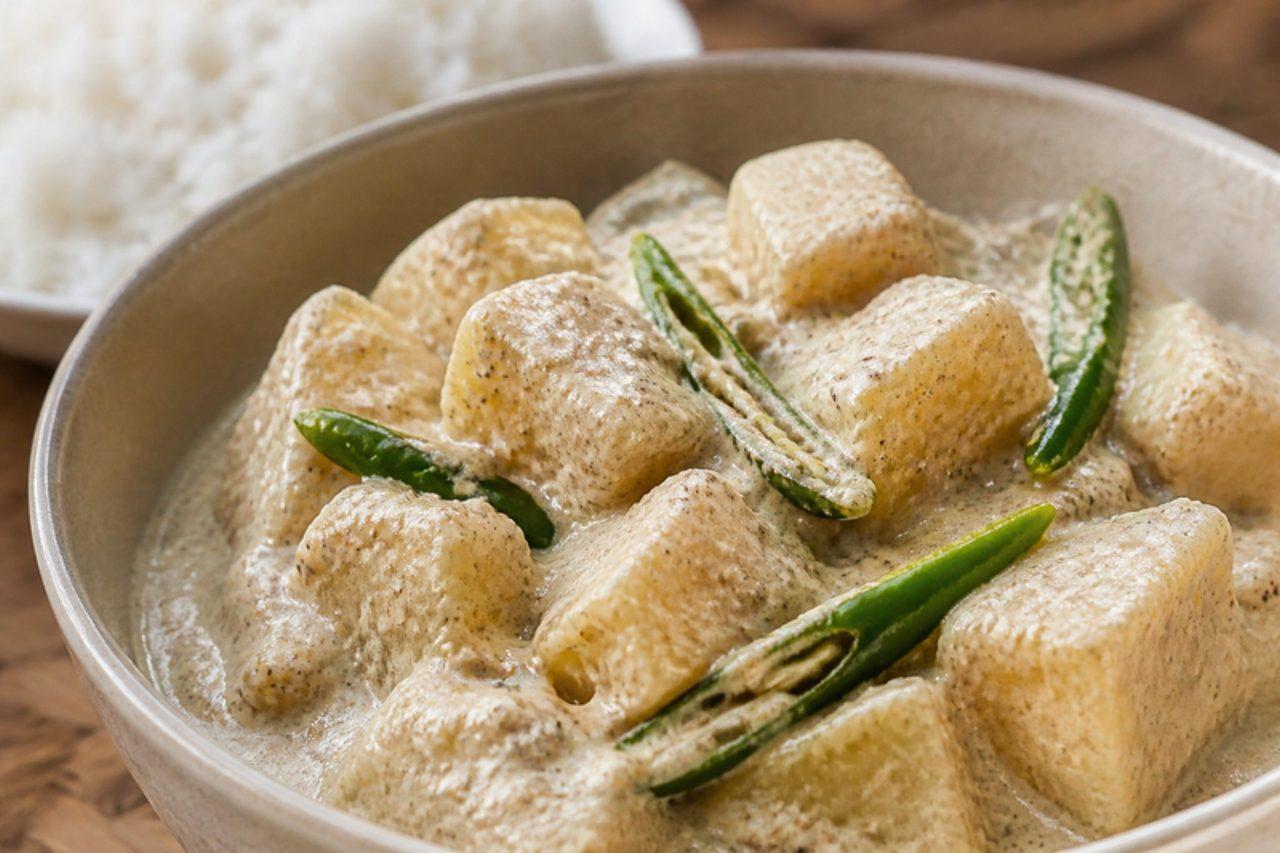
Aloo posto is one of West Bengal's best-loved everyday dishes: cubes of potato cooked gently in a thick paste of ground white poppy seeds, green chilli and mustard oil. The poppy seeds give a nutty, creamy coating without any dairy, and the nigella seeds and raw mustard oil add a sharp, fragrant edge. It's simple, mild and comforting, eaten with plain rice and dal in Kolkata homes. Chef's tip: grind the soaked poppy seeds with the green chillies and a splash of water until truly smooth; a gritty paste never turns creamy.

by KrazyBadal 0 views

Aloo potala rasaPointed gourd and potato curry

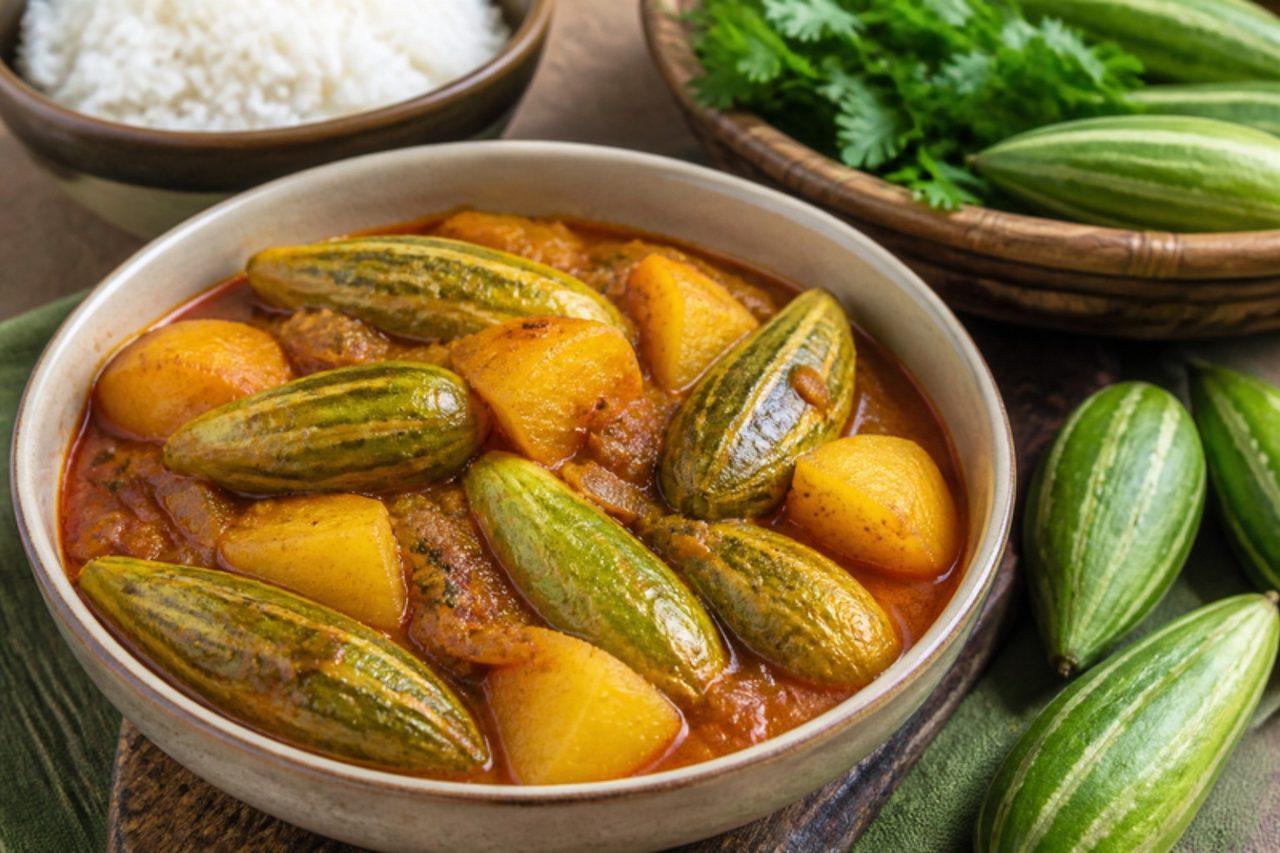
Aloo potala rasa is Odisha's favourite party curry: you will find it on the menu of every Odia wedding and thread ceremony, ladled over rice or eaten with puri. Pointed gourds (potala, parwal) are scraped, fried until blistered, and simmered with potatoes in a thick onion, tomato and ginger-garlic gravy perfumed with whole garam masala. Unlike the light everyday dishes of the state, this one is rich and slow-cooked. Chef's tip: scrape the potala lightly rather than peeling; the green streaks look pretty and hold the shape.

by KrazyBadal 0 views

Saskatoon berry pie

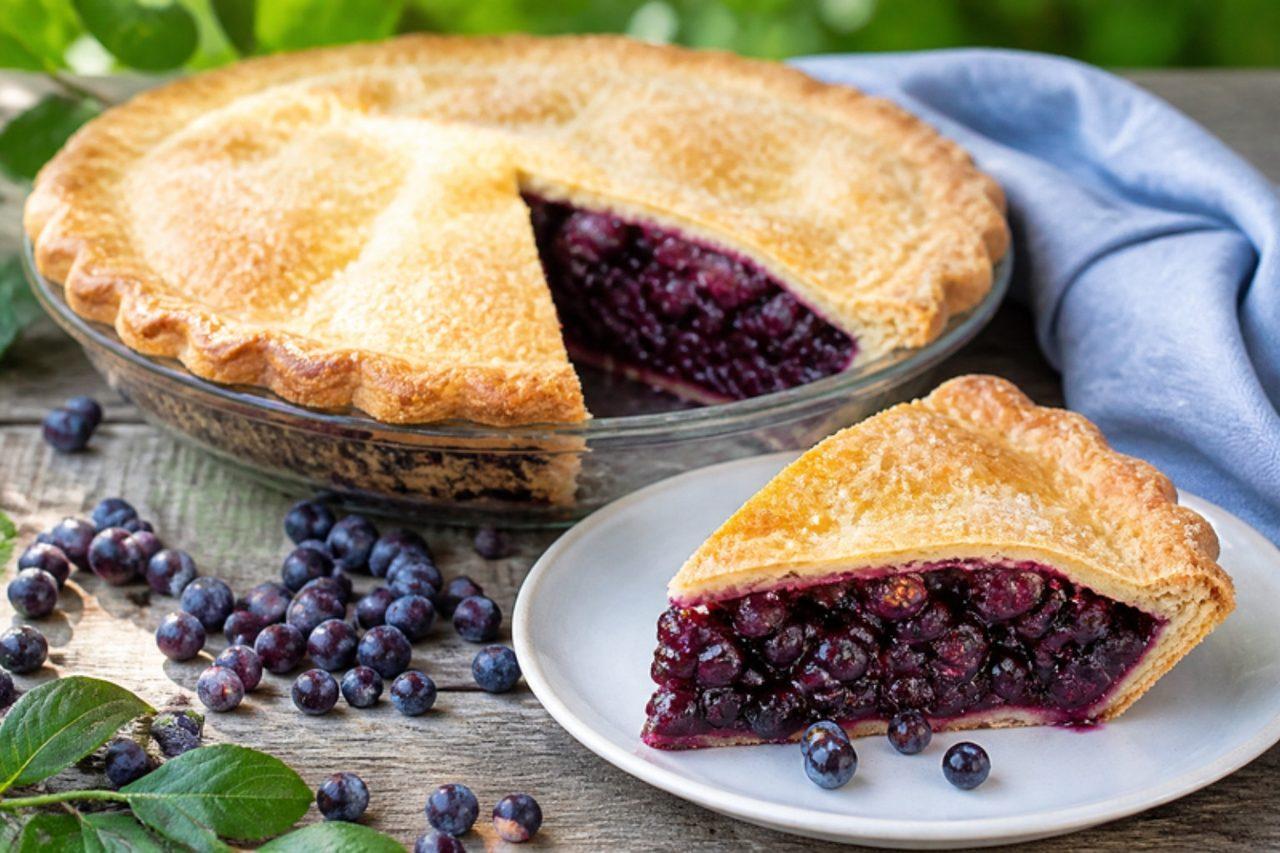
Saskatoon berries grow wild across the Canadian prairies, and in July families in Saskatchewan, Alberta and Manitoba pick them by the pail for pie. They look like blueberries but taste sweeter and nuttier, almost like a cross with cherry and almond, with soft seeds. The city of Saskatoon takes its name from the Cree word for the berry, misâskwatômina. A double-crust saskatoon pie with ice cream is classic prairie summer dessert. Chef's tip: saskatoons are low in acid, so lemon juice is essential to wake up the flavour; outside Canada, use blueberries with a few drops of almond extract.

by KrazyBadal 0 views

Butter tarts

Butter tarts are fiercely loved in Ontario, where towns along the 'Butter Tart Trail' near Midland and Wellington County hold contests, and where Canadians argue about whether raisins belong in them. Small, flaky pastry cups hold a filling of brown sugar, butter, egg and syrup that bakes into a gooey, caramel-like centre with a crackled top. This version adds a little maple syrup and leaves raisins optional. Chef's tip: bake only until the filling bubbles and the edges are set but the centre still jiggles; runny is the goal, but overbaked tarts turn sugary and hard.

by KrazyBadal 0 views

Aloo tamaPotato and bamboo shoot curry

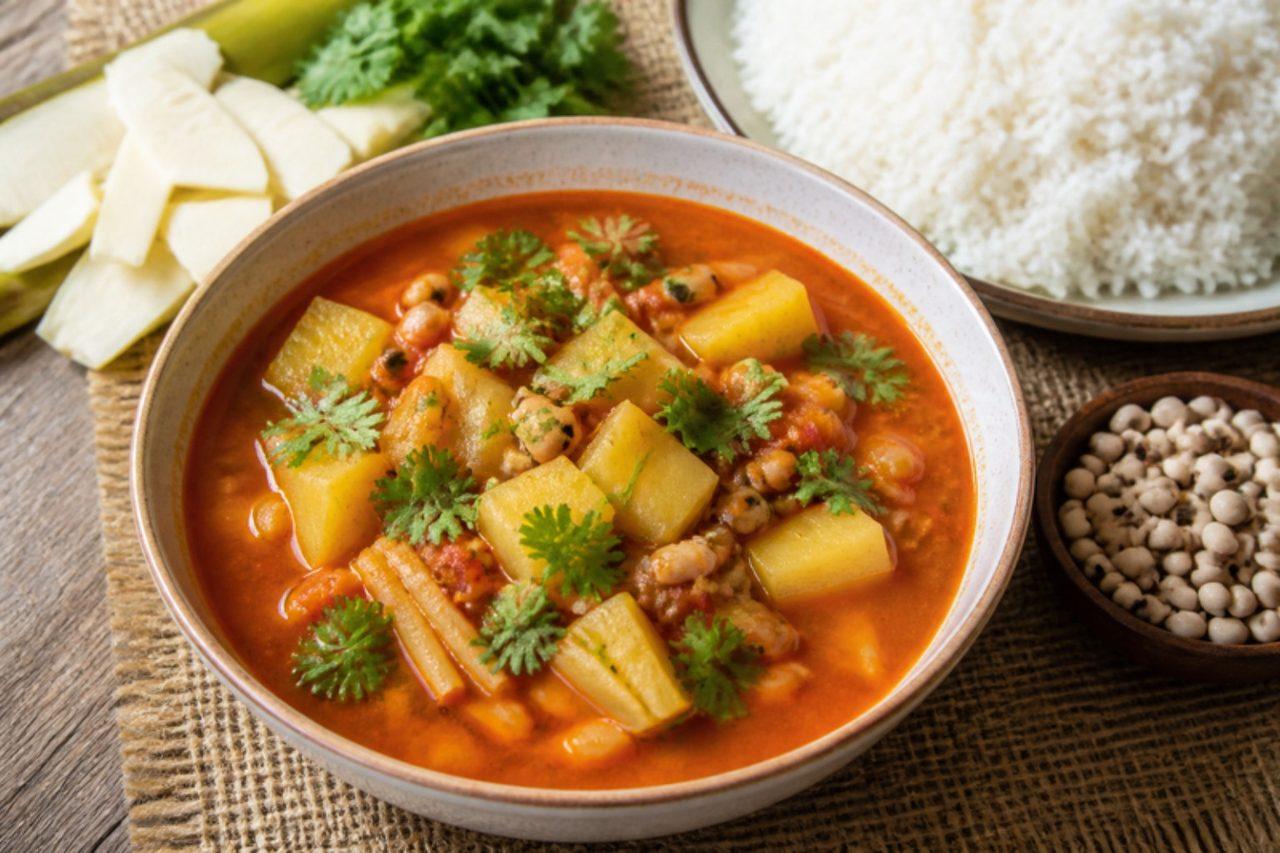
Aloo tama is the curry that tells you you are in Nepal: potatoes (aloo) and black-eyed beans (bodi) simmered with tama, slivers of bamboo shoot that have been fermented until they are pleasantly sour and funky. It is a Newar dish at heart, cooked all over the Kathmandu Valley for weddings, feasts and cold winter evenings, and every Nepali restaurant abroad keeps a pot of it. The sourness comes from the bamboo, sharpened with tomato, and the warmth from fenugreek seeds burnt nearly black in mustard oil and a dusting of timur, the Nepali Sichuan pepper that numbs the lips. Eat it with rice or beaten rice (chiura). Don't skip rinsing the bamboo: straight from the jar it can be so sharp that it takes over the whole pot. Chef's tip: let the fenugreek seeds turn a deep reddish brown before anything else goes in; that bitter-sweet, almost maple smell is the backbone of the curry.

by KrazyBadal 0 views

Gâteau patateSweet potato turnovers

Gâteau patate are little half-moon pastries made from mashed sweet potato dough and filled with sweetened grated coconut and cardamom, then fried until golden. They are a teatime treat in Mauritian homes and are sold at markets and fairs, especially around Divali and the end of the year. Chef's tip: use the sweet potatoes while still warm to make the dough; cold mash needs more flour and the gâteaux turn heavy.

by KrazyBadal 0 views

Kūmara and feta saladRoasted sweet potato and feta salad

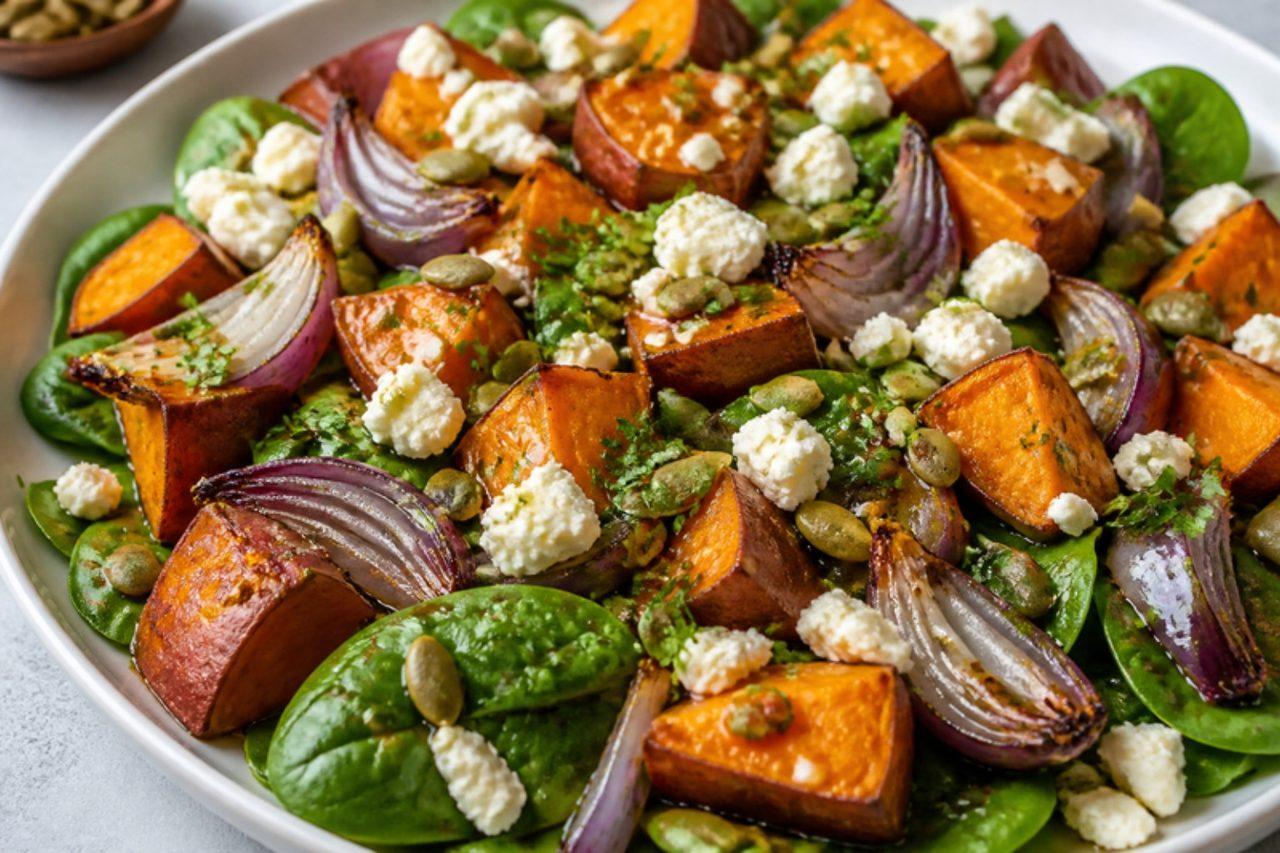
Kūmara, the sweet potato the Māori brought to Aotearoa centuries ago, is grown mostly around Dargaville in Northland, and a big bowl of roasted kūmara salad turns up at just about every New Zealand barbecue, 'bring a plate' gathering and Christmas lunch. Chunks of red-skinned kūmara roast until sticky and caramelised, then get tossed while warm with red onion, baby spinach, salty feta and toasted pumpkin seeds in a sweet-sharp honey and mustard dressing. Chef's tip: give the kūmara plenty of room on the tray and a hot oven; crowded pieces steam and go soft instead of browning at the edges.

by KrazyBadal 0 views

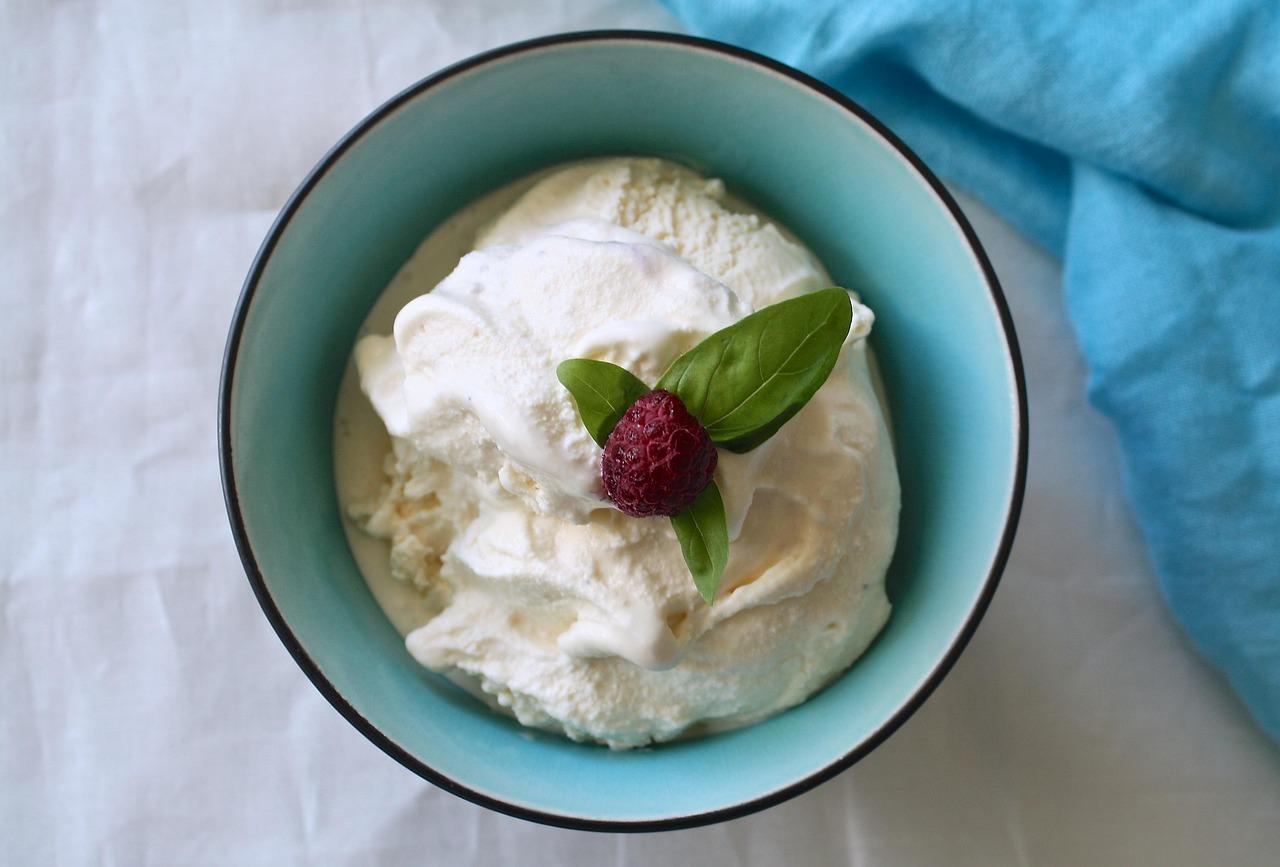
Coconut ice cream (ice-cream ya nazi)

An easy no-churn ice cream of coconut milk, sweetened condensed milk and evaporated milk, scented with nutmeg or cardamom and a little rose. Whisking it once while it freezes keeps it smooth and fluffy. Garnish with shredded coconut and a sprig of mint.

by KrazyBadal 0 views

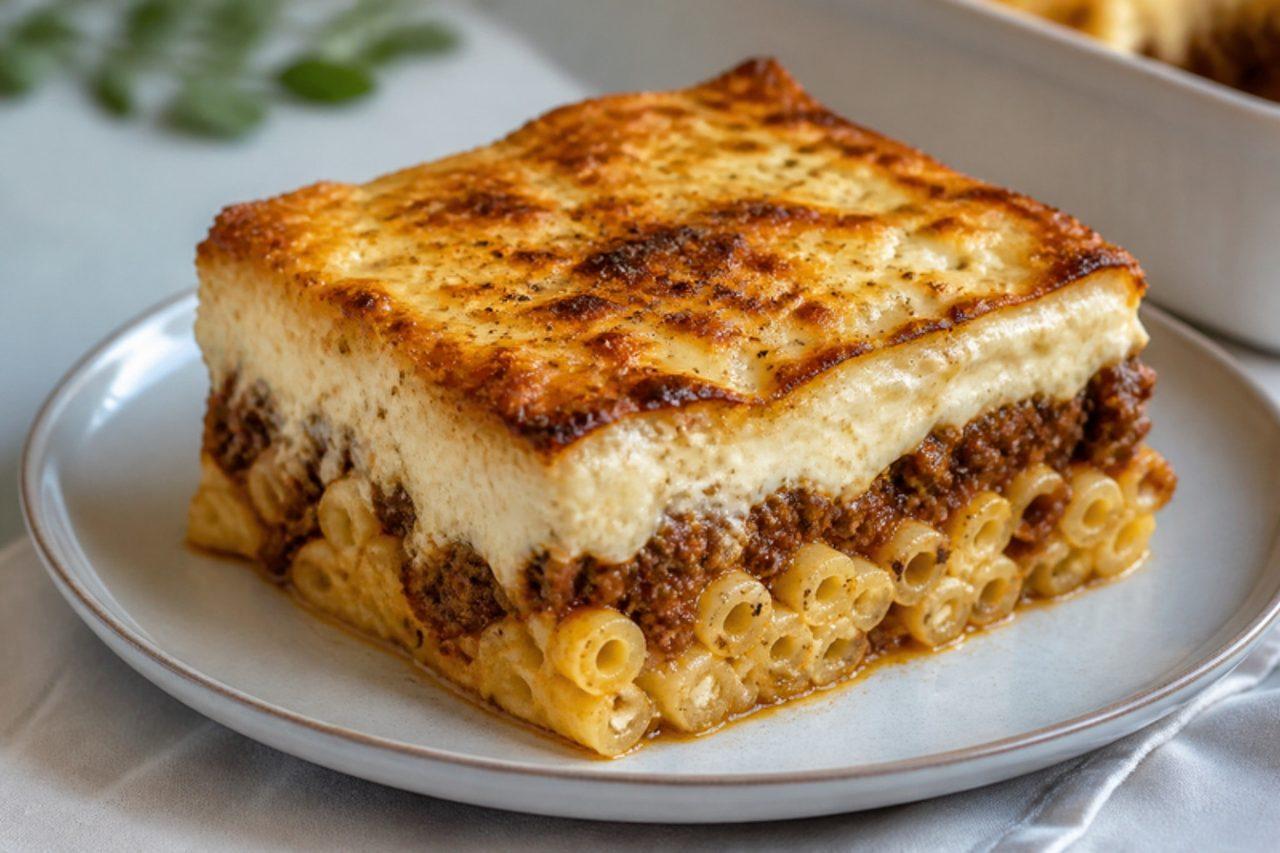
PastitsioBaked pasta with spiced beef

Pastitsio is the dish Greek mothers make for big Sunday lunches and christenings, and the one every Athens taverna keeps warm in a deep tray at lunchtime. Long tubular pasta is layered with a beef and tomato sauce scented with cinnamon and allspice, then topped with a deep, wobbly béchamel that bakes to a golden crust. Cut it into neat squares once it has rested and serve with a green salad. Chef's tip: let it rest for at least 30 minutes after baking; cut hot, it slumps, but rested it slices into clean layers.

by KrazyBadal 0 views

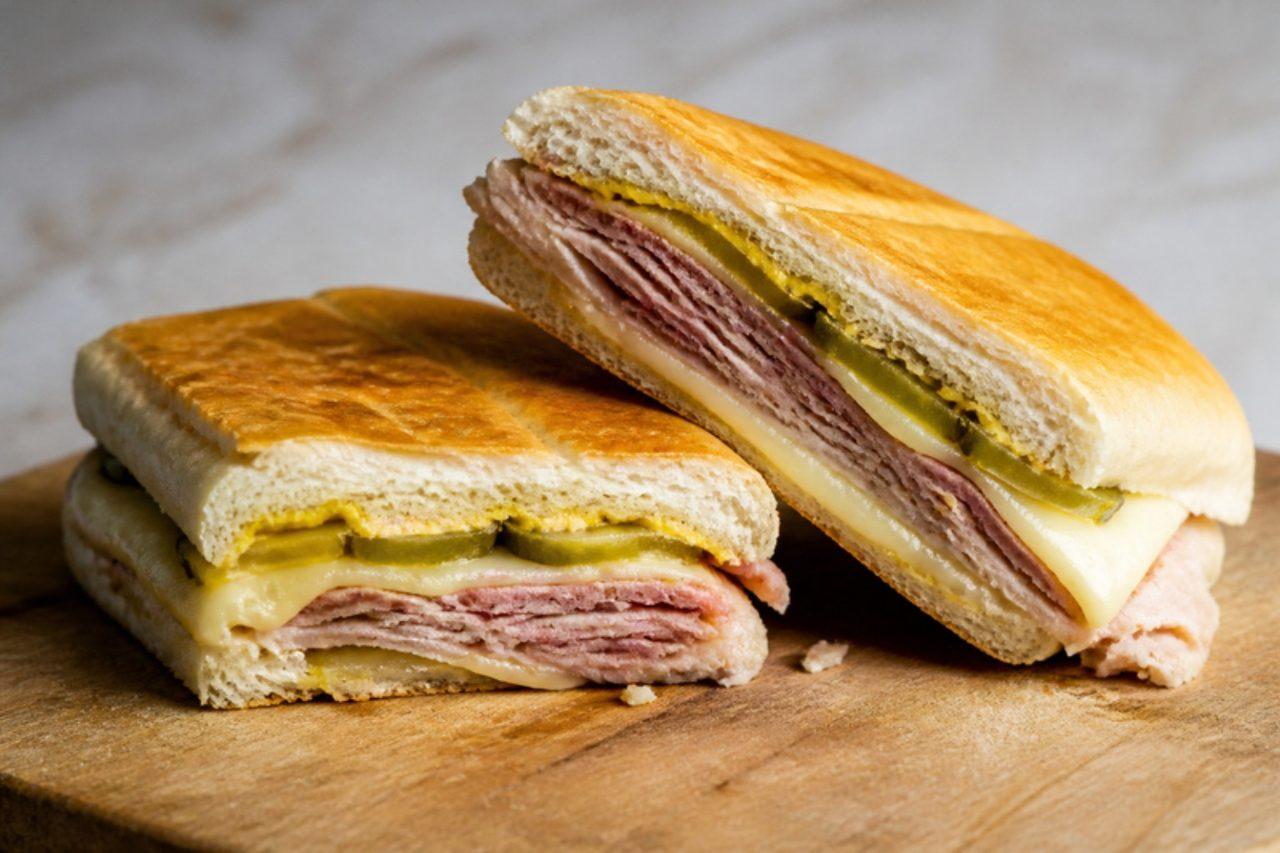
Sándwich cubanoPressed pork and ham sandwich

This is a pork sandwich. The Cubano was the lunch of cigar workers going between Havana and Tampa, and Miami's Little Havana cafés still press it to order on a hot plancha. Soft Cuban bread is layered with mojo roast pork, boiled ham, Swiss cheese, dill pickles and yellow mustard, then flattened and toasted until the cheese melts and the crust shatters. It is the best use of leftover lechón asado. Drink it with a café cubano. The usual mistake is pressing on too high a heat, which burns the bread before the middle is hot. Chef's tip: butter the outside of the bread, not the inside, and weigh it down with a heavy pan so it crisps evenly.

by KrazyBadal 0 views

PączkiRose jam doughnuts

Pączki are the rich, yeasted doughnuts Poland eats by the dozen on Tłusty Czwartek, Fat Thursday, the last Thursday before Lent, when Warsaw bakeries such as the old ones on Nowy Świat have queues round the block from dawn. A good pączek is round and heavy for its size, with a pale ring around its middle, a fine, yolk-rich crumb and a filling of rose-petal jam (konfitura z róży) or plum butter, finished with icing and candied orange peel. A spoon of vodka or spirytus in the dough is an old trick: it evaporates in the hot oil and stops the dough soaking up fat. Chef's tip: keep the oil between 165 and 175°C with a thermometer; hotter and they burn outside while raw in the middle, cooler and they turn greasy.

by KrazyBadal 0 views

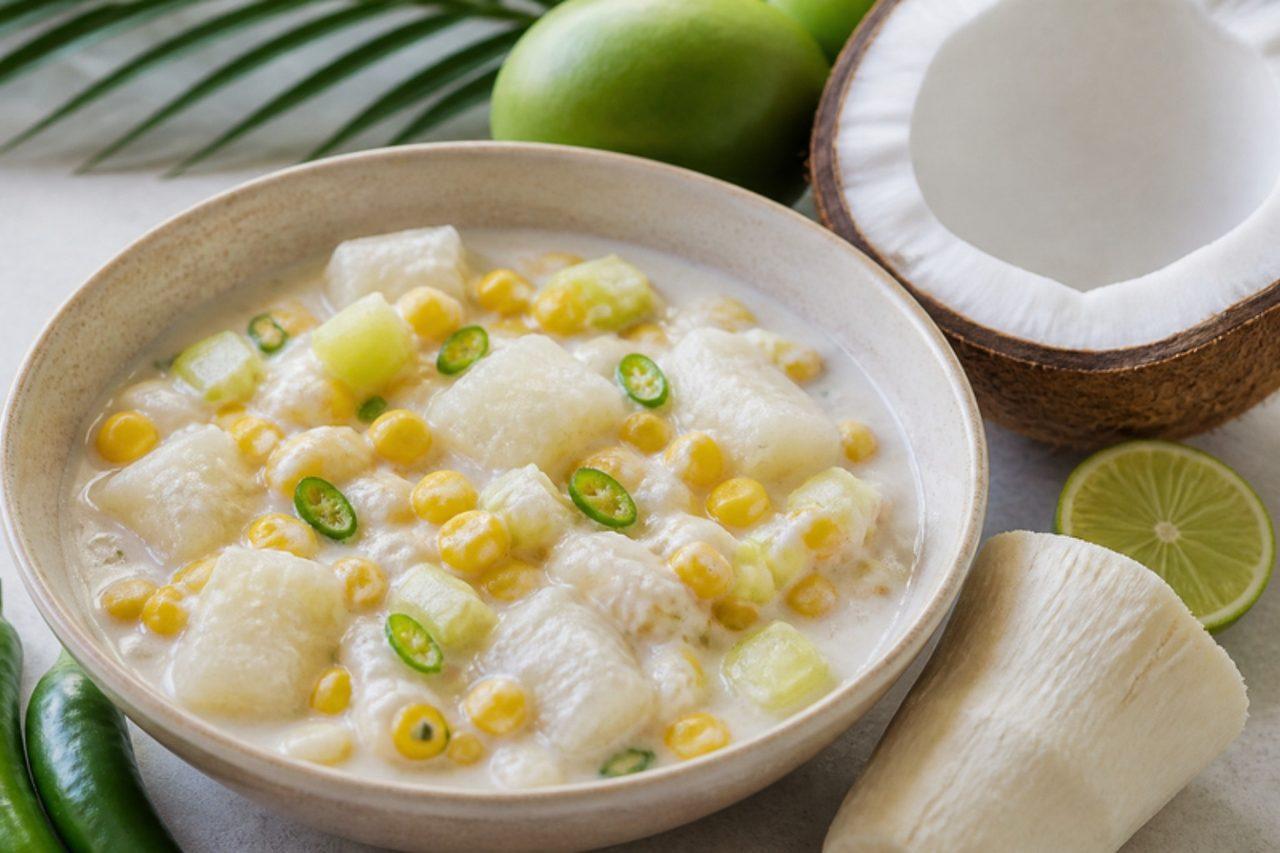
Corn & cassava in coconut milk

A simple Swahili dish of tender cassava and sweetcorn simmered in thick coconut milk with green chillies, a little raw mango and lemon. It's creamy, mild and filling. Serve hot as a side or a light meal.

by KrazyBadal 0 views

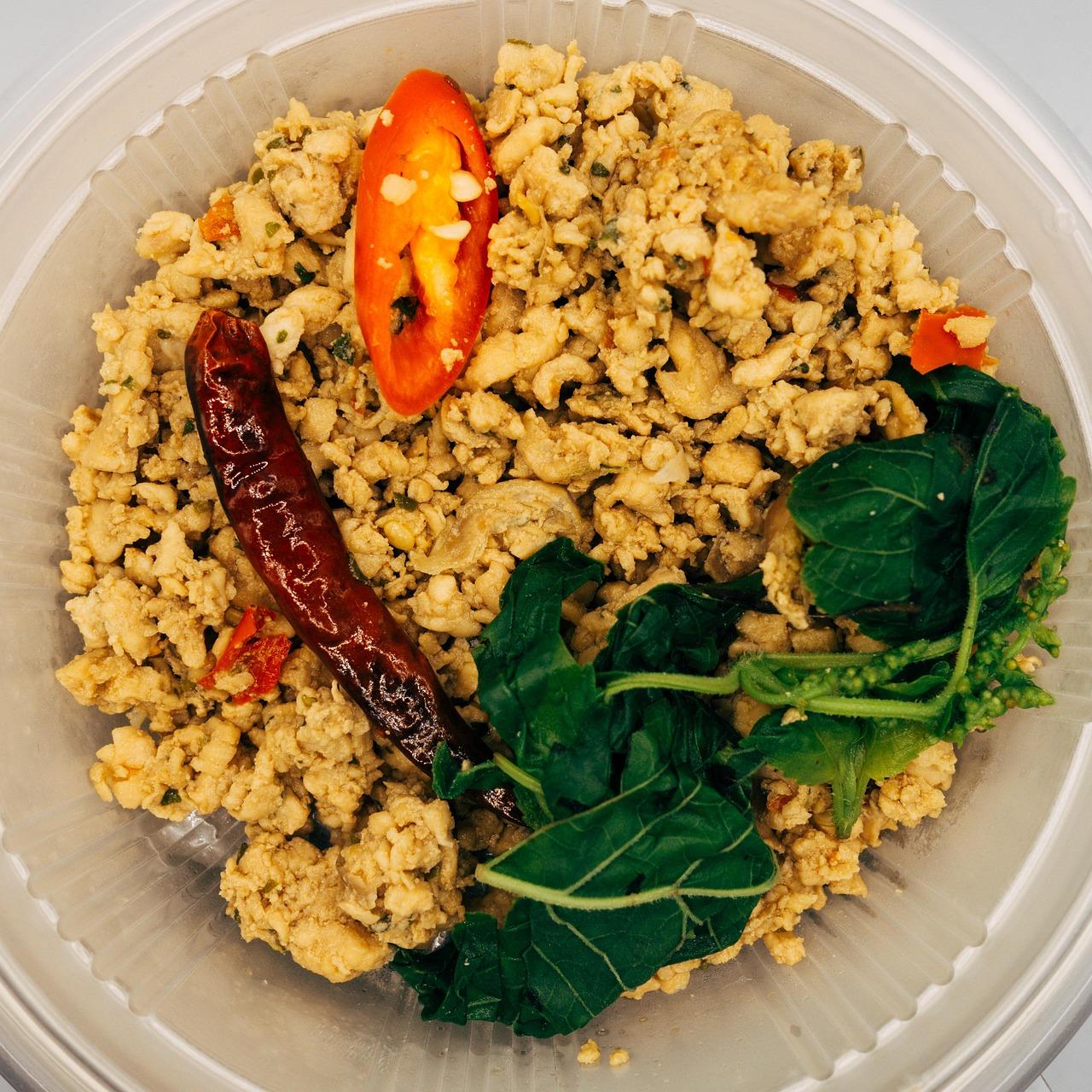
Pad kra pao gaiChicken and holy basil stir-fry

Ask a Bangkok office worker what they had for lunch and the answer is very often 'kra pao gai, khai dao': chopped chicken flash-fried with garlic, chillies and holy basil, spooned over rice and crowned with a fried egg whose edges have blistered into brown lace. Street stalls and food courts across the city cook it to order in a roaring wok in about three minutes. The chicken should be slightly sticky and salty-sweet, the basil peppery with a hint of clove, and the runny yolk becomes a sauce for the rice. A saucer of prik nam pla (sliced chillies in fish sauce) on the side is all it needs. Chef's tip: chop the chicken by hand with a heavy knife instead of buying fine mince; the coarse, uneven bits catch the sauce and stay juicy.

by KrazyBadal 0 views

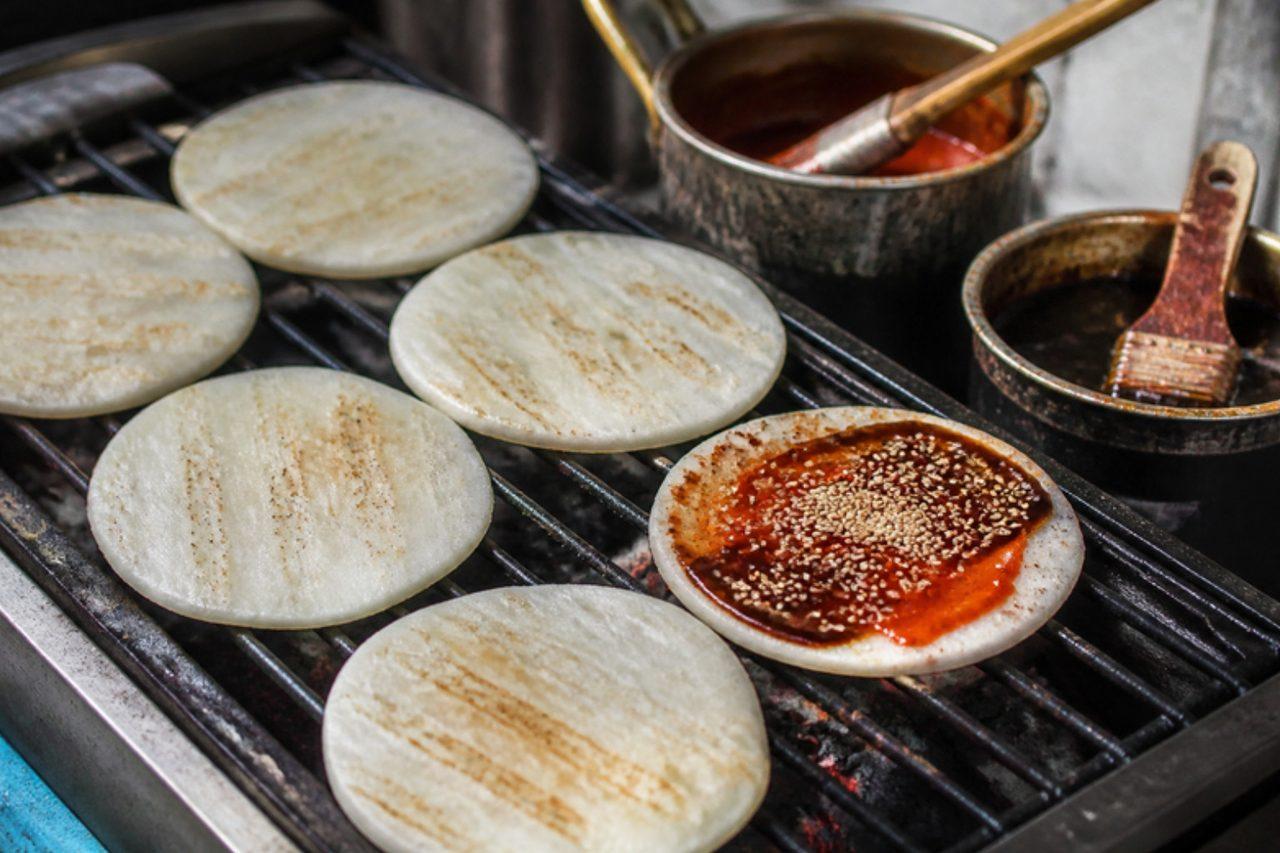
Kunming grilled erkuaiGrilled rice cakes

Erkuai is Yunnan's everyday rice cake, made by steaming and pounding rice into a dense, chewy dough. In Kunming and Tengchong, morning vendors grill thin rounds of it over charcoal until they blister, brush on sweet bean sauce, chilli and sesame, and fold it round fried dough or spicy potato shreds. Real erkuai is hard to find abroad, so the rounds here are made from rice flour and steamed, which comes close. Chef's tip: keep the rounds covered while you work, because the surface dries out and cracks quickly.

by KrazyBadal 0 views

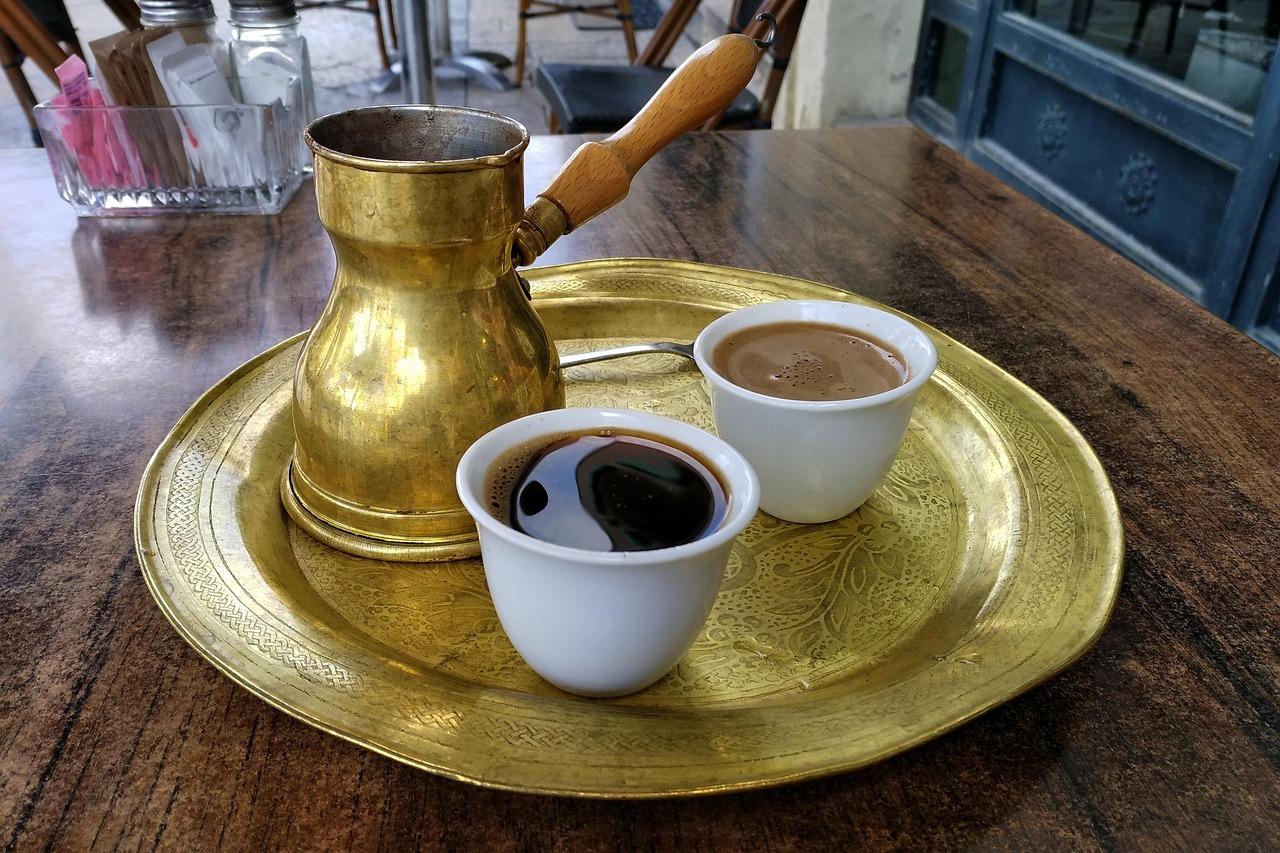
Zanzibar coffee (kahawa)

Kahawa is the strong, spiced black coffee poured from brass pots on the streets of Stone Town: freshly ground coffee boiled with cardamom pods and finished with ginger and ground cardamom. It's bitter-sweet and aromatic. Serve hot in small kahawa cups.

by KrazyBadal 0 views

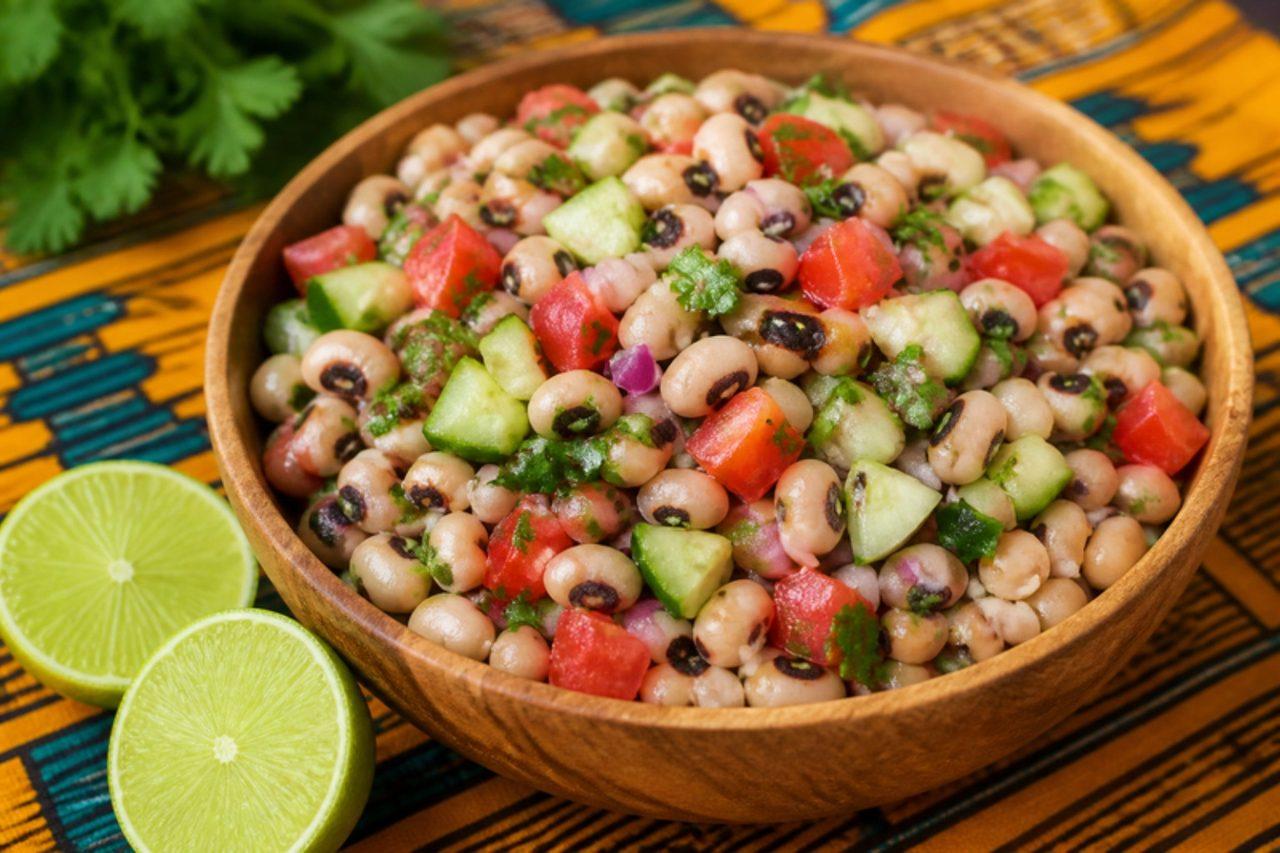
Salade de niébéBlack-eyed bean salad

Niébé is the Wolof and French name for black-eyed beans, and this bright salad turns up at Senegalese family lunches, baptism feasts and Ramadan break-fast tables next to grilled dishes and rice. The beans are dressed while warm with lime, mustard and onion, then mixed with crunchy raw vegetables and a little hot pepper. It travels well and tastes better after an hour. Chef's tip: dress the beans while they are still warm so they drink in the lime; cold beans stay bland however much dressing you pour over.

by KrazyBadal 0 views

Zanzibar pillau

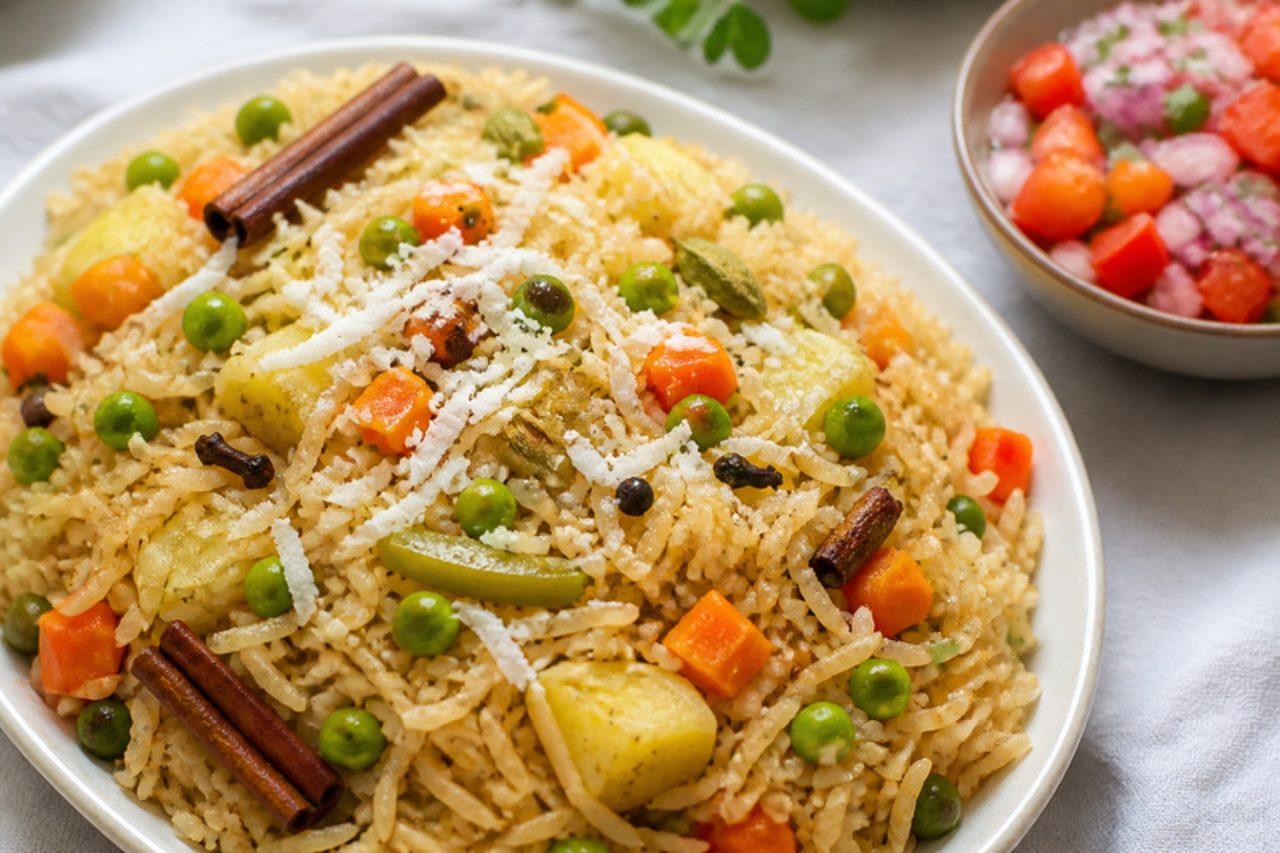
Zanzibar's spiced pilau: rice cooked with onions, garlic, whole cinnamon, cloves, cardamom, peppercorns, cumin and nutmeg and plenty of vegetables, then finished with coconut milk and baked until fluffy. It's fragrant rather than hot. Garnish with grated coconut and serve hot with kachumbari or a curry.

by KrazyBadal 0 views

Zanzibar spiced tea (chai ya viungo)

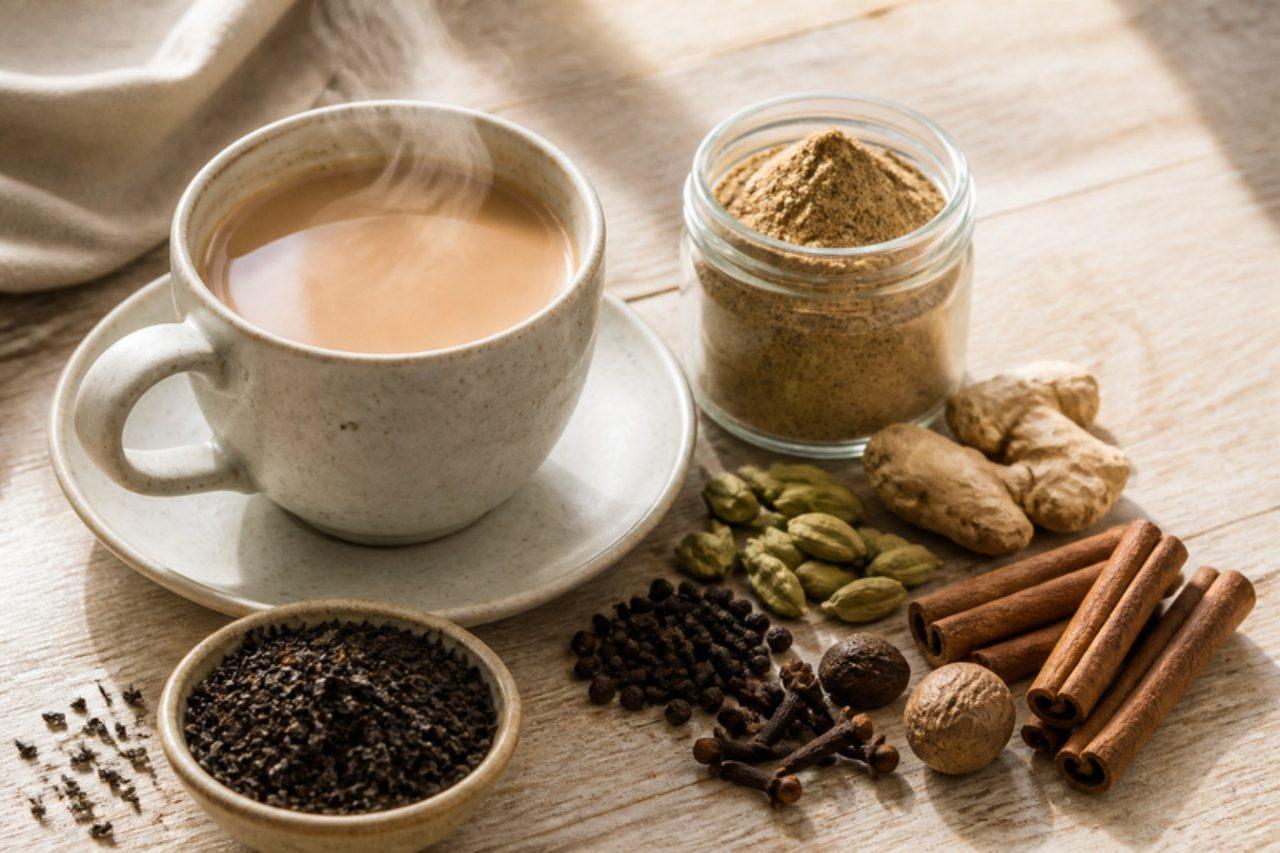
Zanzibar is the spice island, and chai ya viungo is its everyday tea: black tea boiled with a home-roasted masala of cardamom, dry ginger, black pepper, cloves, cinnamon and nutmeg. The masala keeps for months in an airtight jar. Milk is optional; serve the tea hot.

by KrazyBadal 0 views

KurtDried salted yogurt balls

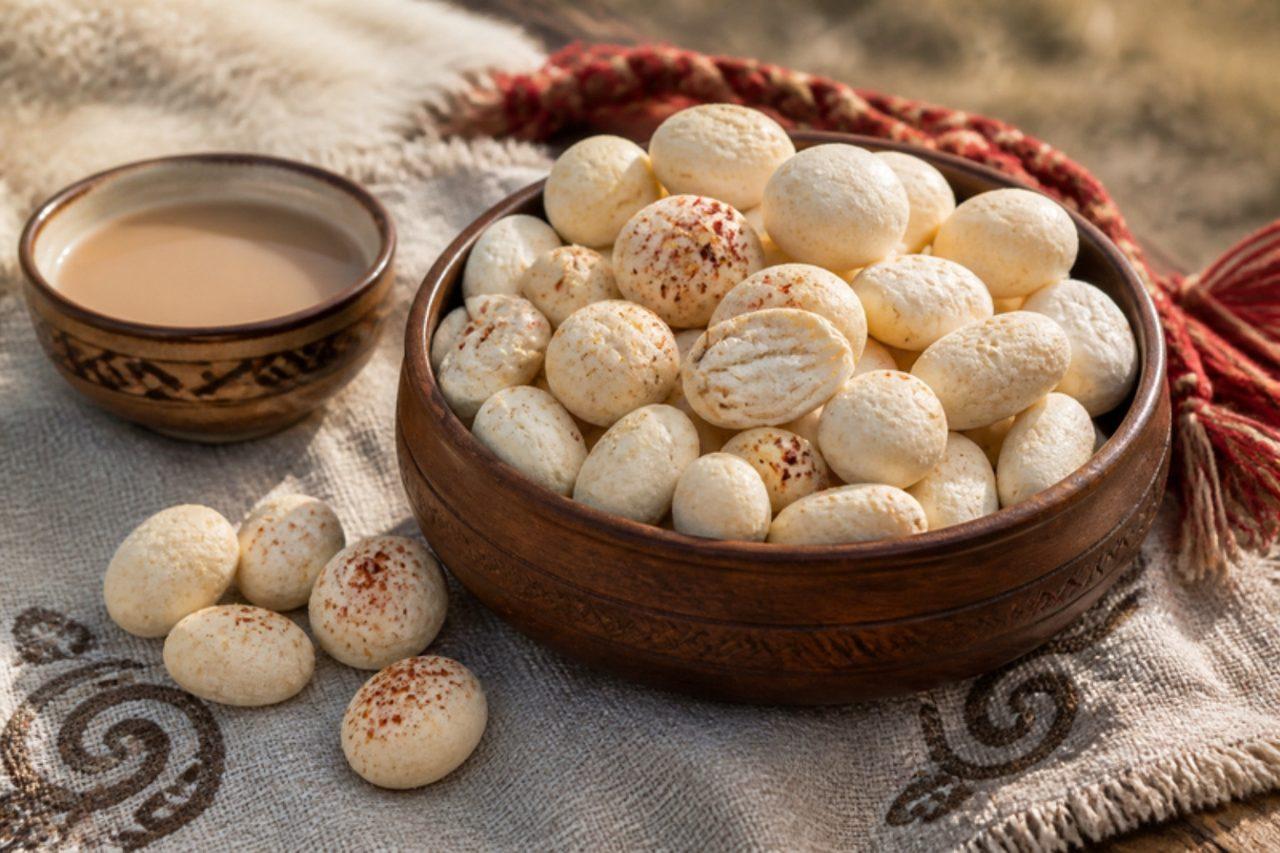
Kurt is the snack of the steppe: thick, salted yogurt pressed into balls and dried until rock-hard, so it keeps for months in a saddlebag. Herders in Kazakhstan and Kyrgyzstan make it in summer, when the animals give the most milk, and dry it on reed mats in the sun. Children suck on it like a sweet, adults crumble it into soups, or dissolve it in hot water to make a sour drink. Bazaars from Shymkent to Bishkek sell it in white, smoked and red-pepper versions. Chef's tip: drain the yogurt until it's as firm as cream cheese; if it's still wet the balls crack and turn mouldy before they dry.

by KrazyBadal 0 views

Kurthi dalHorse gram dal

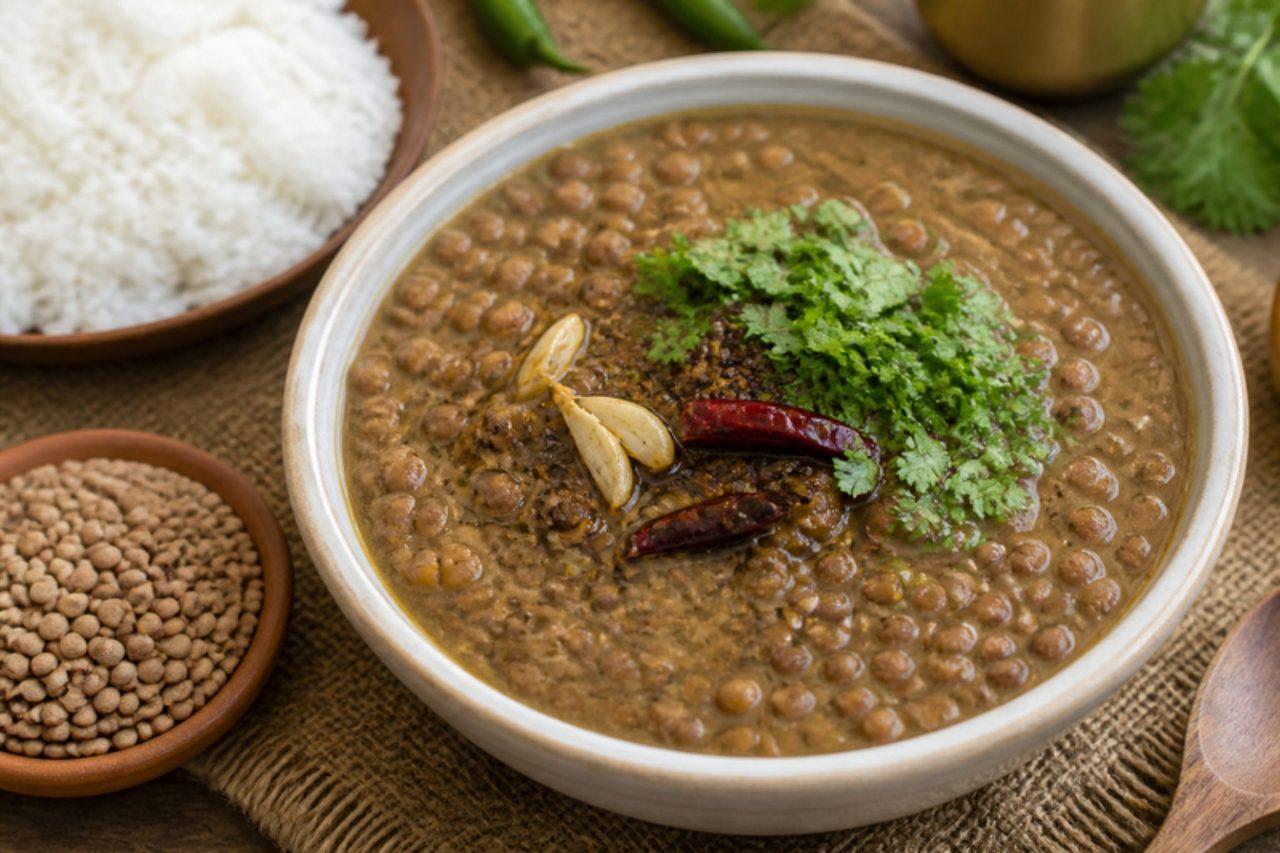
Kurthi, as horse gram is called in Jharkhand, grows on poor, dry upland soil where little else will, and it has fed the plateau's Adivasi and farming families for centuries. Cooked slowly into dal, it is dark, earthy and filling, with a slightly smoky taste, and it is eaten through the cold months with rice and a dry vegetable, as it is believed to warm the body. The tempering of garlic, dried chilli and smoking mustard oil is what makes it Jharkhandi. Chef's tip: mash a ladle of the cooked gram against the side of the pot; it thickens the dal without any flour.

by KrazyBadal 0 views

KürtőskalácsChimney cake

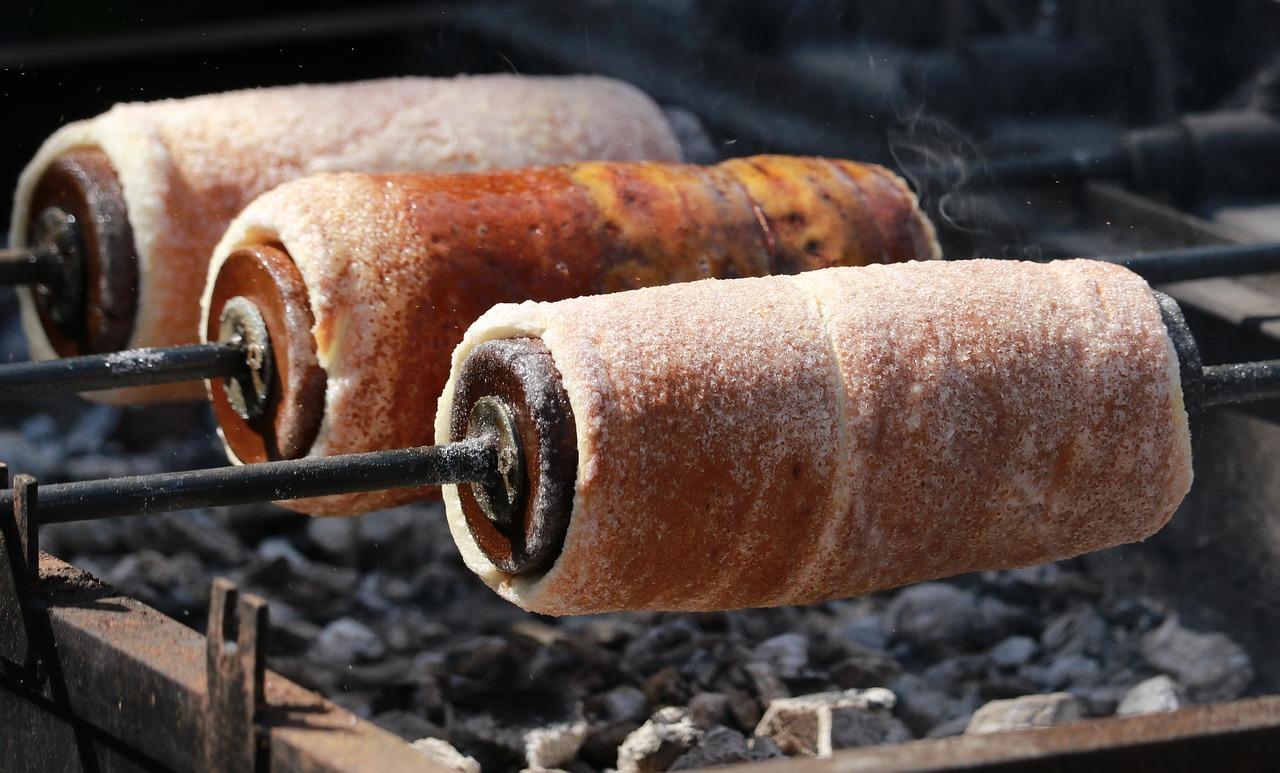
Kürtőskalács, or chimney cake, comes from the Székely Hungarian villages of Transylvania and is now sold at every Budapest Christmas market and summer festival, turning on spits over glowing coals. A strip of sweet yeast dough is wound around a wooden roller, rolled in sugar and baked until the sugar caramelises into a thin, crackling shell; you unwind the soft, steaming spiral as you eat it. At home you can bake it in the oven on foil-wrapped rolling pins or tins. Chef's tip: press the dough spiral firmly into the sugar before baking; loose sugar falls off, but pressed sugar melts into the glassy crust. A common mistake is leaving gaps between the strips, which makes the cake tear apart when you slide it off.

by KrazyBadal 0 views

Kuru fasulyeWhite bean stew

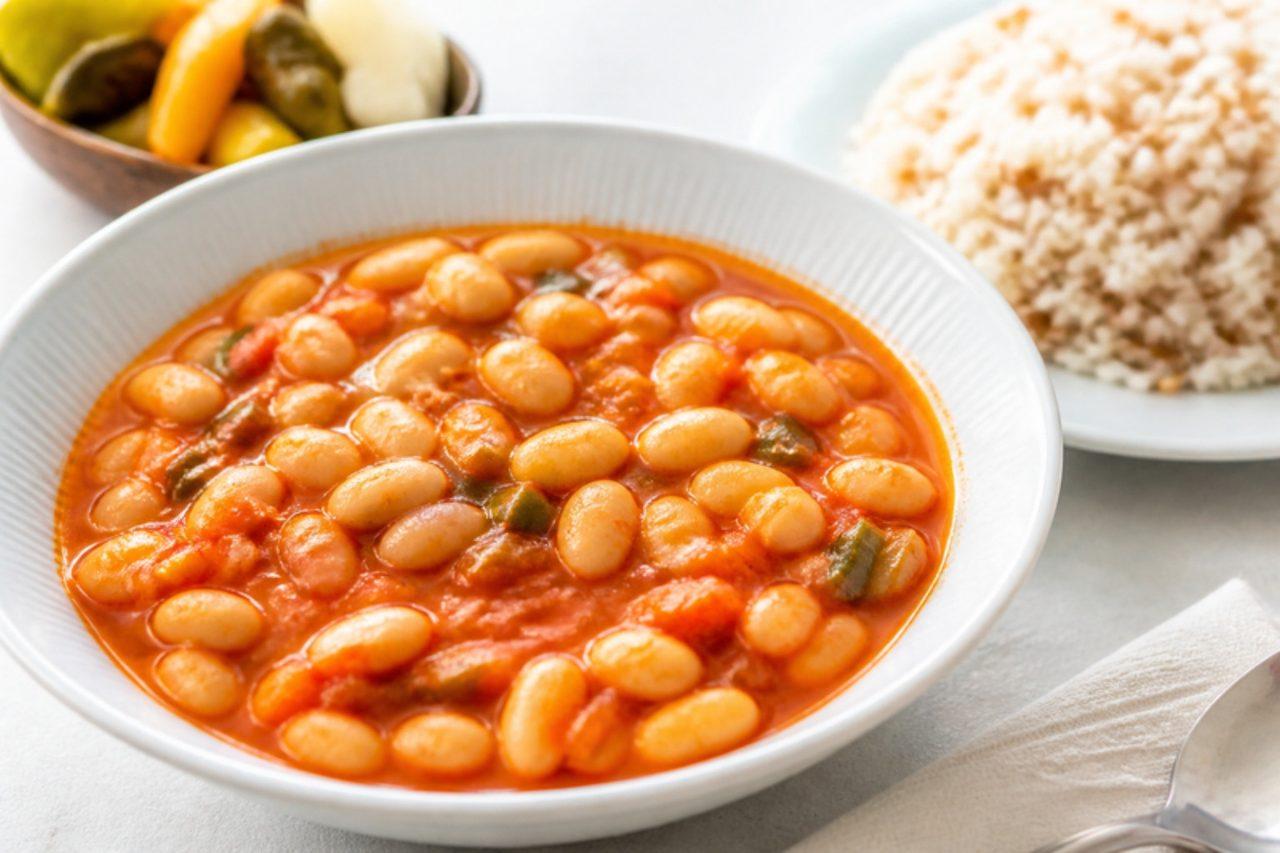
Kuru fasulye is close to a national dish in Turkey: a pot of white beans stewed in a red, paprika-scented sauce, eaten with rice pilaf, pickles (turşu) and raw onion at home and in the bean restaurants of Istanbul's Süleymaniye district. Many versions start with lamb or sucuk; this one leans on good olive oil, sweet and hot pepper paste and slow cooking, so the beans become creamy inside and the sauce silky and rich. It is a winter Friday-night staple for lots of families and tastes even better reheated the next day. Serve with domatesli bulgur pilavı or plain rice, a wedge of onion and crusty bread. Chef's tip: add the salt only once the beans are almost tender; salting at the start keeps the skins tough however long you cook them.

by KrazyBadal 0 views

Pad pak ruamStir-fried mixed vegetables

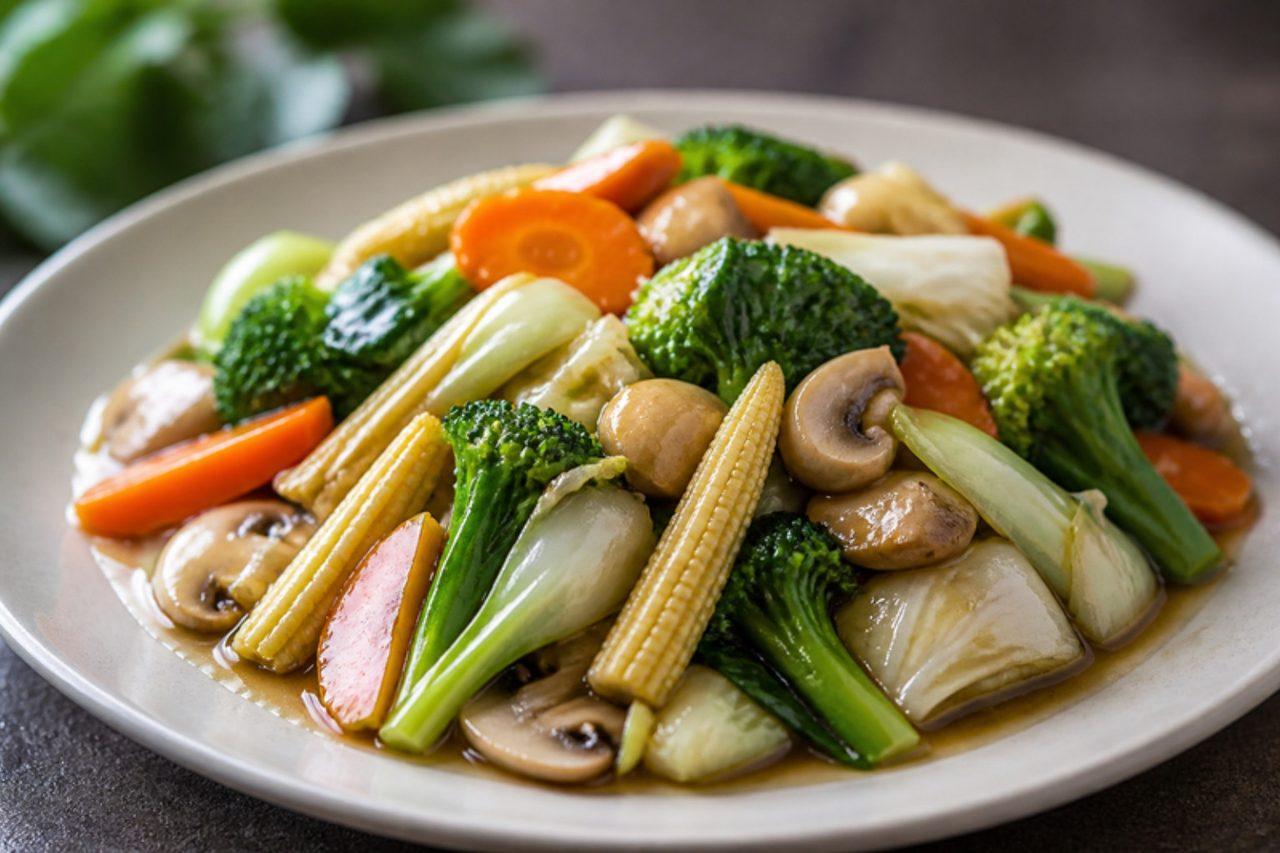
Pad pak ruam, 'stir-fried mixed vegetables', is the dish every Bangkok made-to-order (aharn tam sang) cook can make in ninety seconds over a roaring flame, and the one Thai office workers add to a lunch order so there is something green on the table. The vegetables stay crisp and bright, coated in a thin, glossy sauce of garlic, soy and mushroom stir-fry sauce. Restaurants use oyster sauce; the vegetarian mushroom version tastes almost the same. Serve it with jasmine rice and a fried egg, or as a side to curry. Chef's tip: cut everything before you light the stove, and add the vegetables in order of hardness, so the carrots soften while the greens stay snappy.

16 minThaiSidesVegan
by KrazyBadal 0 views

Rice pancakes (mukari)

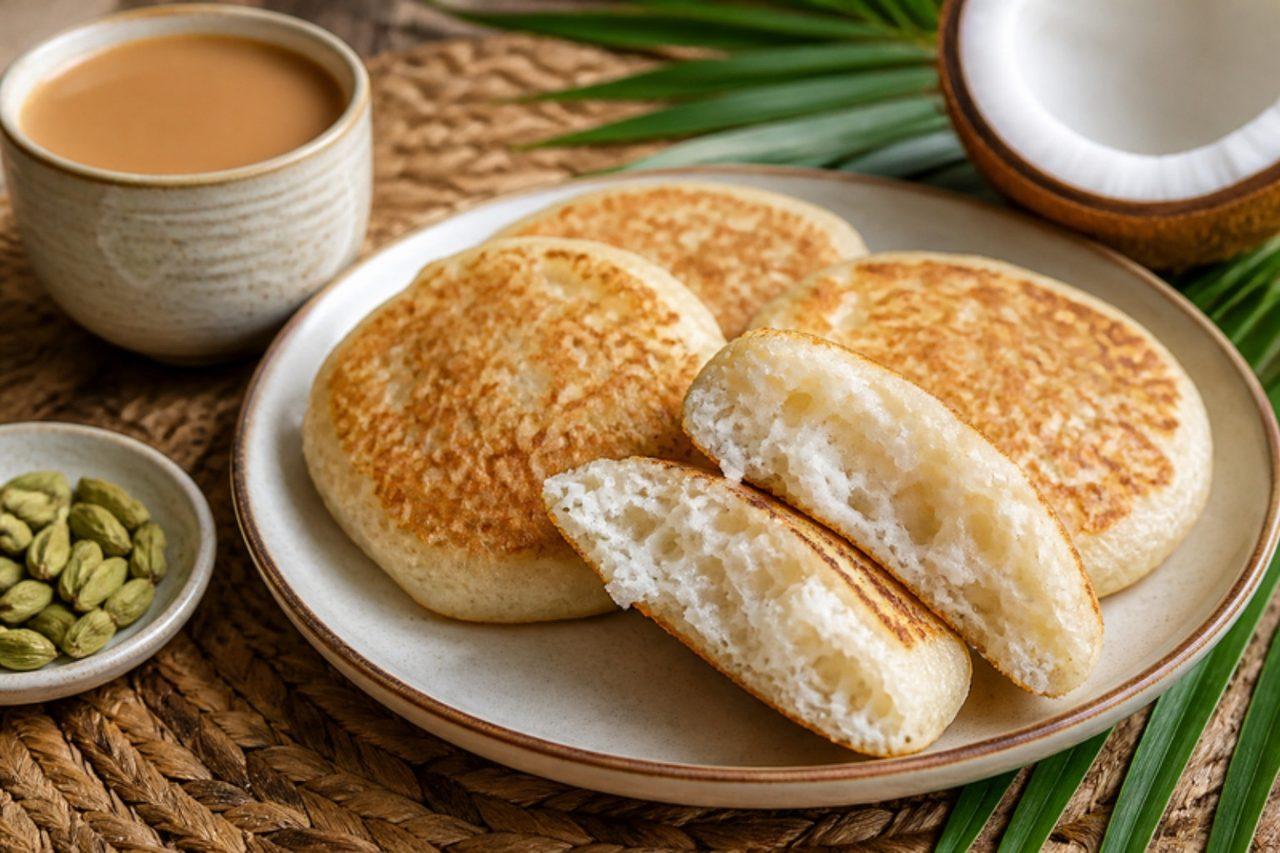
Mukari are soft, lightly sweet Zanzibari pancakes made from a yeasted rice flour and coconut milk batter scented with cardamom. They're cooked covered over a low heat so they puff up and stay spongy. Serve warm with tea.

by KrazyBadal 0 views

Baked bananas (ndizi ya kuoka)

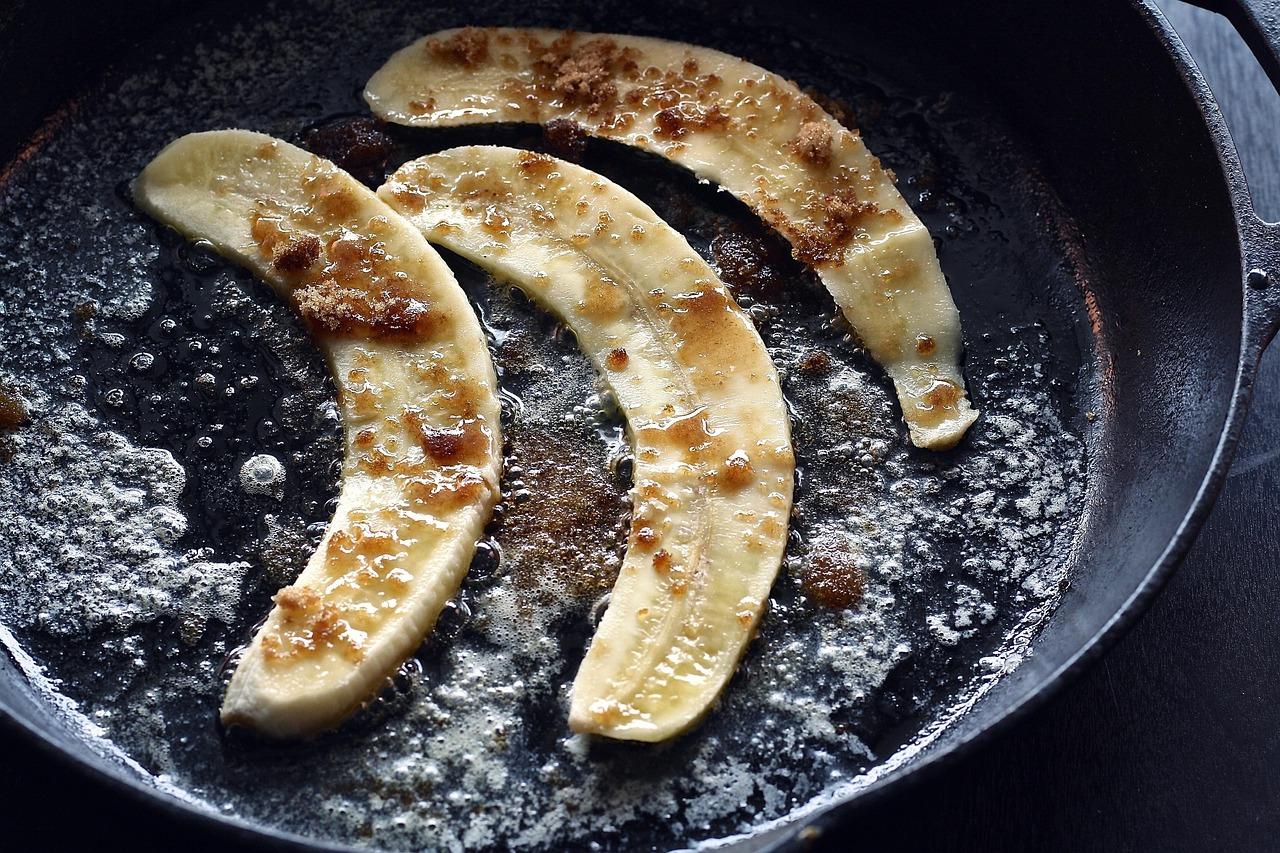
Ndizi ya kuoka: small bananas halved and baked with lemon juice, brown sugar and cinnamon until soft and syrupy, then served with lightly sweetened cream and a grating of nutmeg. It's a quick, warm pudding. The book's Handy Hints say bananas are good for the heart.

by KrazyBadal 0 views

Kutchi dabeliSpiced potato buns

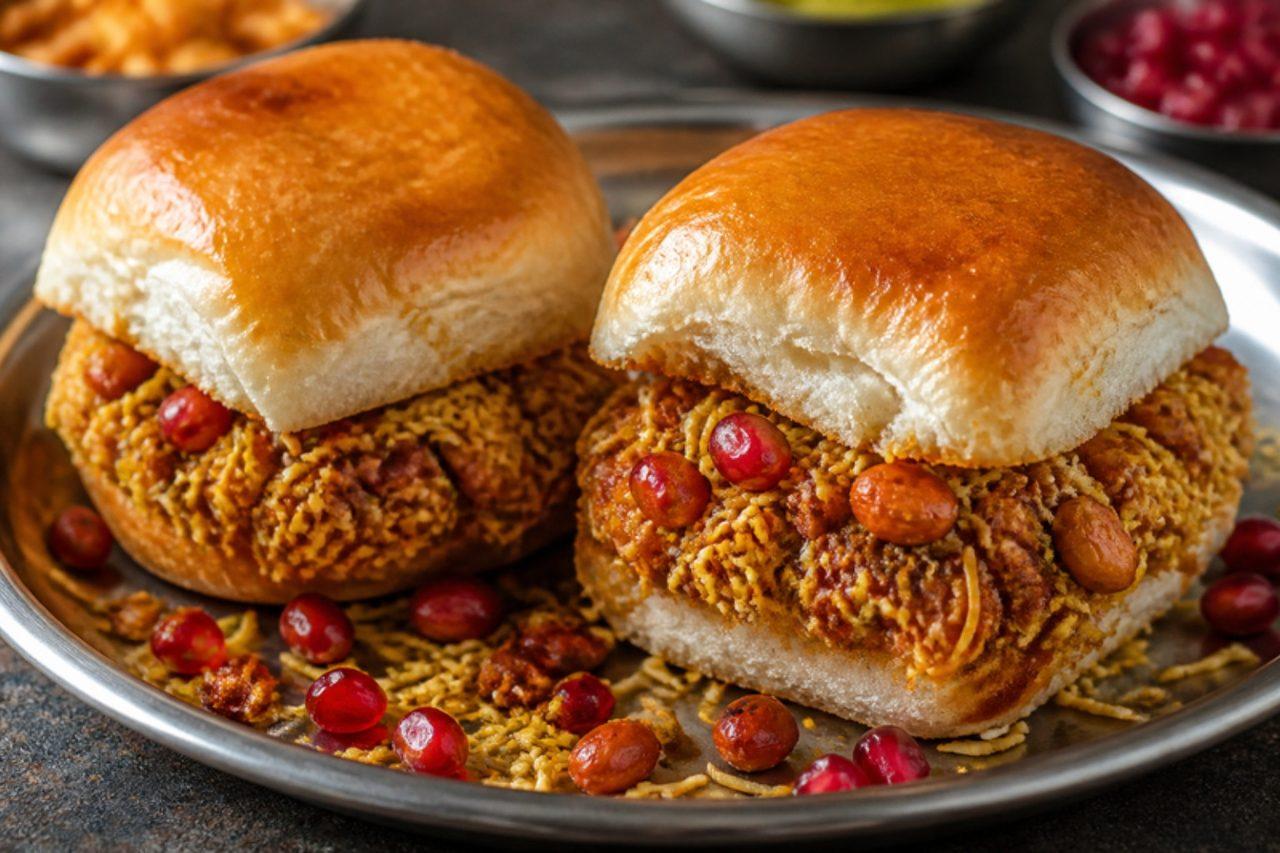
Dabeli was born in Mandvi, a port town in Kutch, Gujarat, and spread from there to every street corner in Mumbai. Soft pav are split, spread with sweet tamarind and fiery garlic chutneys, and stuffed with a potato filling spiced with dabeli masala, a warming blend of roasted coriander, cumin, cinnamon, clove and dried chilli. Masala peanuts, pomegranate seeds, onion and sev add crunch and sparkle, and the buns are toasted in butter until crisp at the edges. Children love them for the sweetness, adults for the heat. Chef's tip: make the dabeli masala yourself and toast the whole spices until they just smell warm; shop-bought powders lack that fresh, smoky sweetness, and a jar keeps for a month.

by KrazyBadal 0 views

KutiaWheat berries with poppy seeds

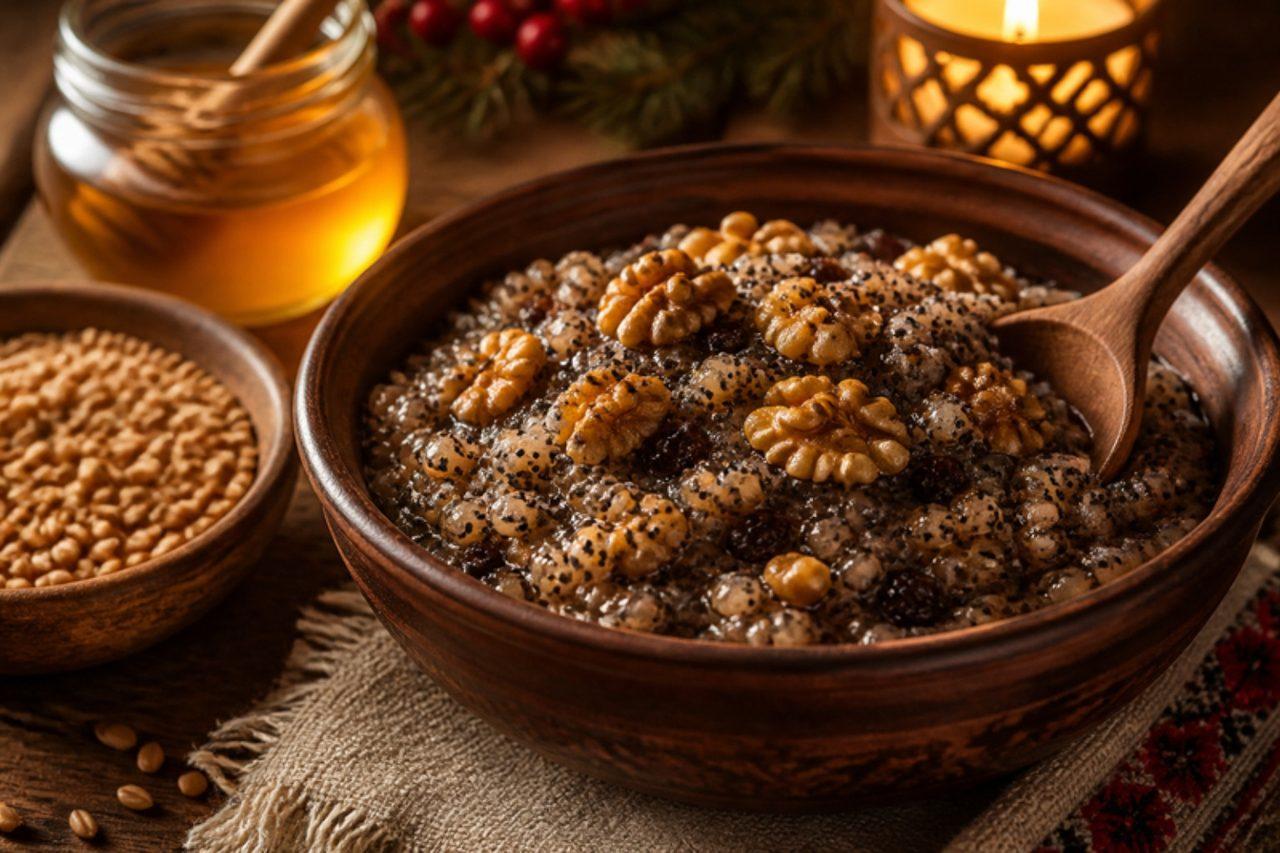
Kutia is the first dish tasted on Ukrainian Christmas Eve, once the first star appears in the sky: a bowl of whole wheat berries mixed with ground poppy seed 'milk', honey, walnuts and raisins. Families in Lviv, Ternopil and the villages of the west traditionally throw a spoonful at the ceiling for luck and set a bowl aside for departed relatives, and the head of the house greets the evening with it. It is eaten at room temperature, sweet, nutty and chewy, and the spoon must touch every guest's plate. Chef's tip: soak and grind the poppy seed until it turns white and milky; common mistake is using it whole, which leaves kutia gritty and grey instead of creamy.

by KrazyBadal 0 views

Ginger drink (tangawizi)

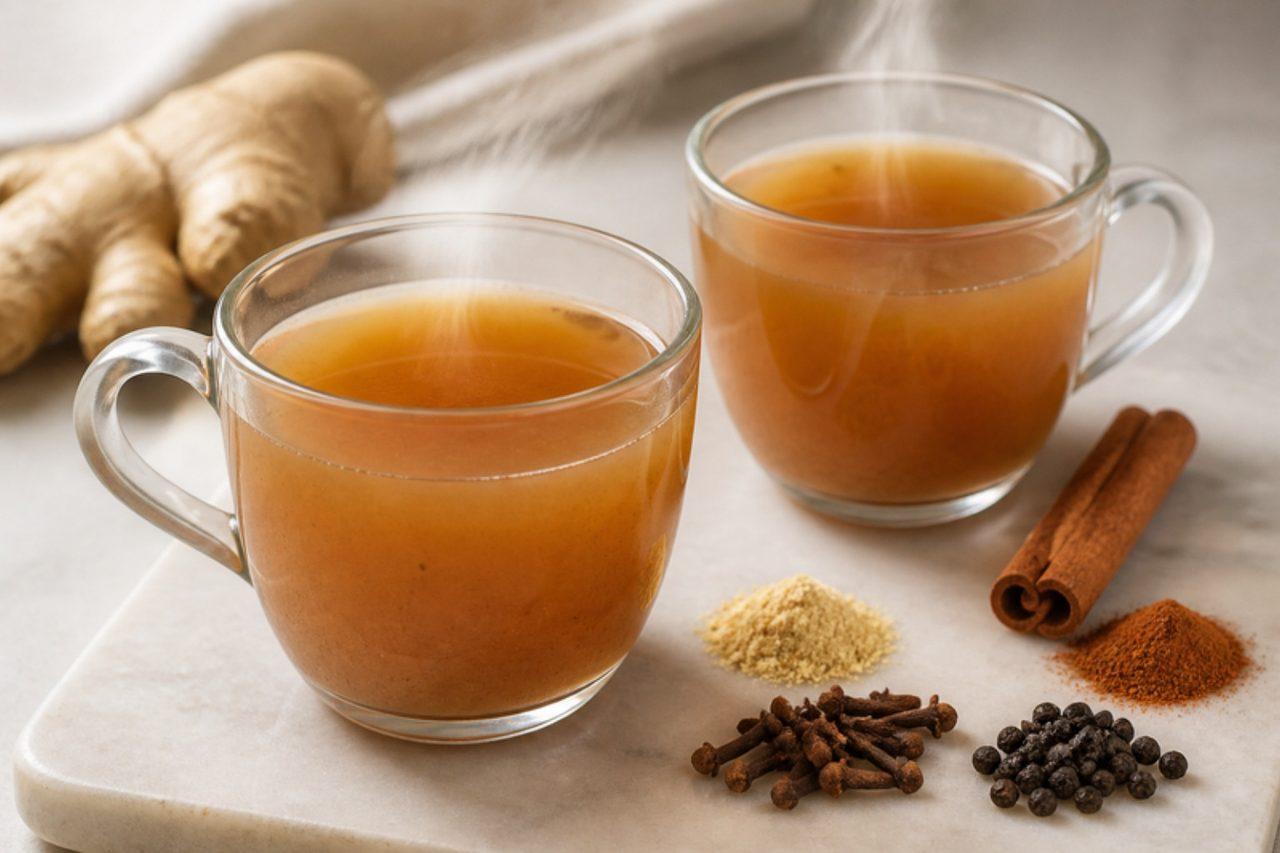
Tangawizi is a warming Swahili drink of ginger boiled with cinnamon, clove and black pepper and sweetened to taste. It's hot, peppery and soothing on a cool evening or when you have a cold. Serve hot in small kahawa cups.

by KrazyBadal 0 views

Kuy teavPork bone rice noodle soup

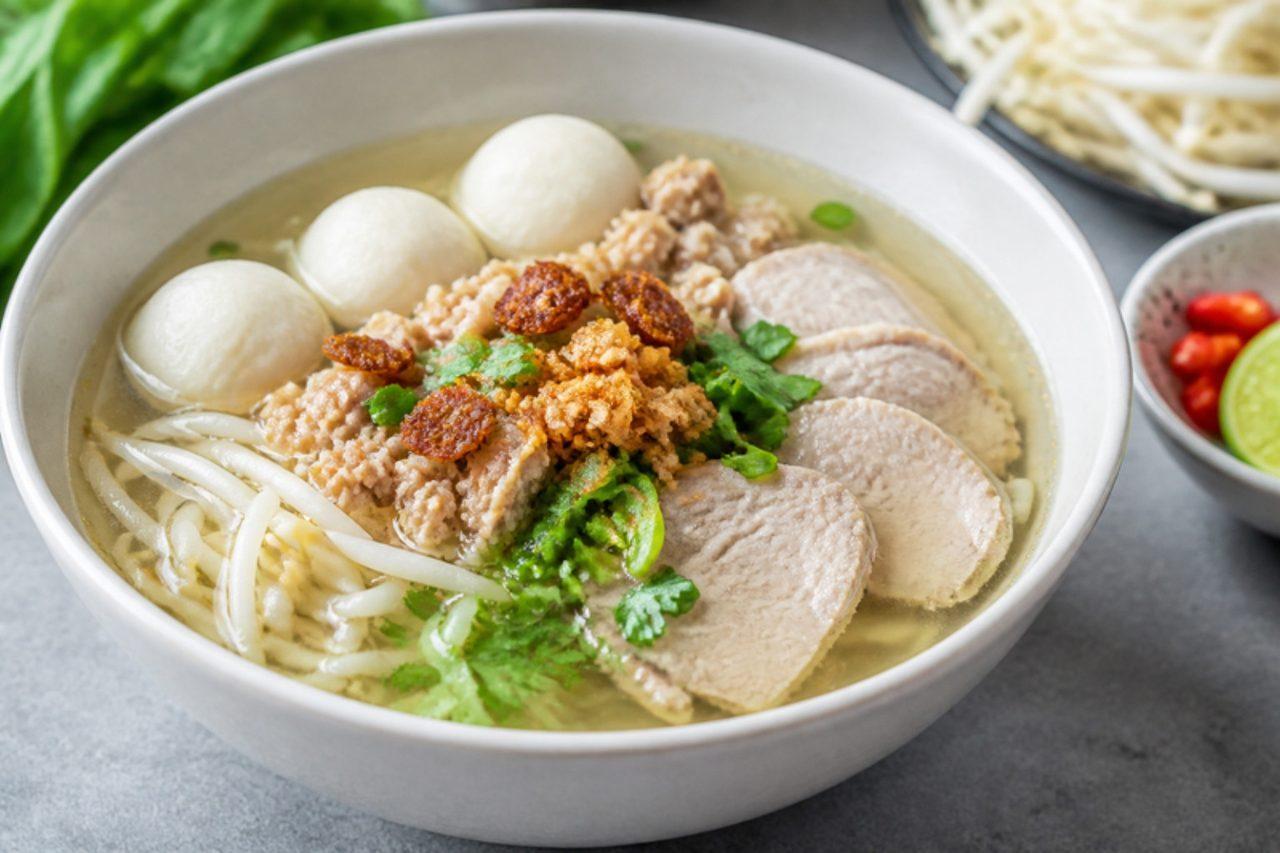
Kuy teav is what Phnom Penh eats for breakfast: before 8 am the city's street stalls and markets are busy with people bent over bowls of it. It is a pork soup: a clear, slightly sweet broth simmered from pork bones with dried squid or shrimp and charred onion is poured over rice noodles, sliced pork, minced pork and prawns, and everyone finishes their bowl with lime, chilli, bean sprouts and fried garlic. Chef's tip: never boil the broth hard; keep it barely trembling so it stays crystal clear.

by KrazyBadal 0 views

KuyrdakFried lamb with offal

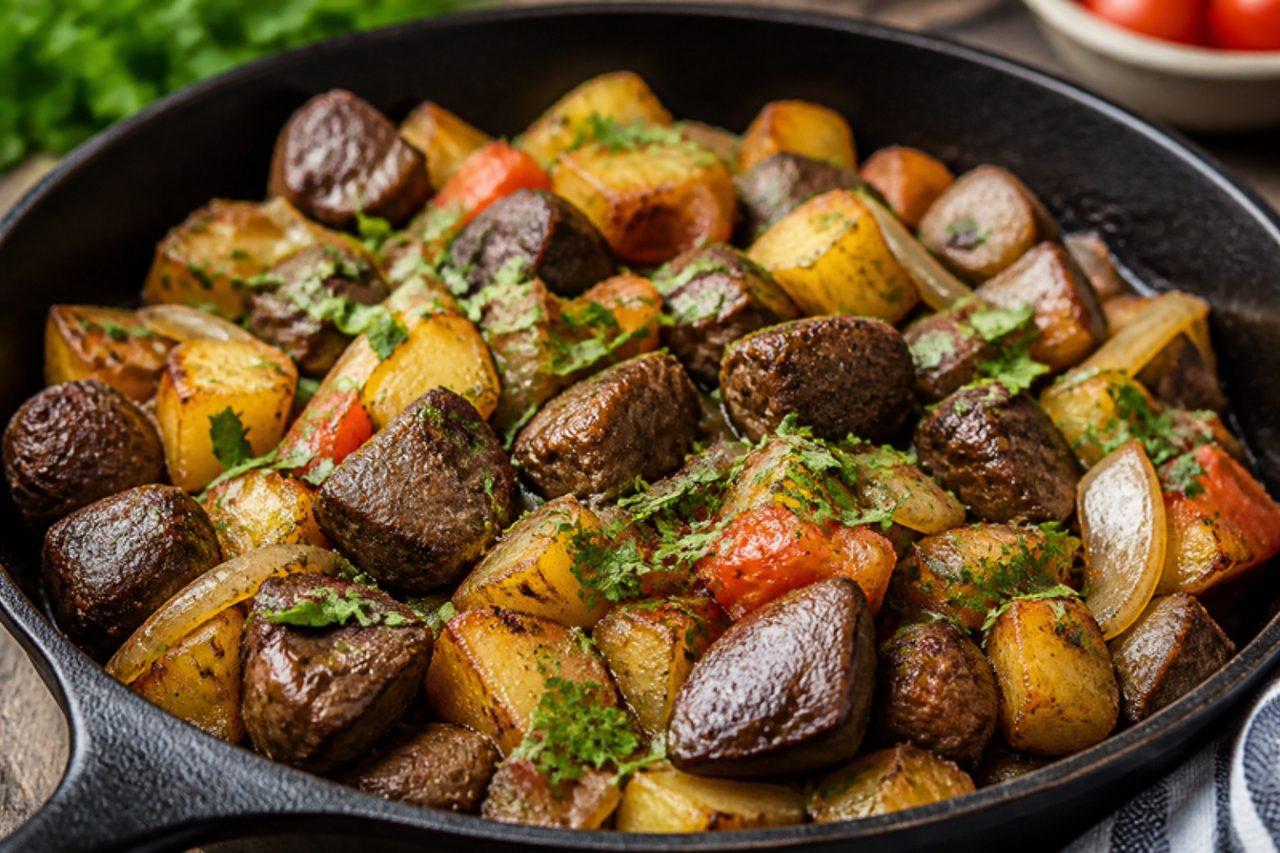
Kuyrdak is the first meal cooked when a sheep is slaughtered on a Kazakh farm, made quickly from the freshest cuts and the offal: lamb meat, liver, heart and kidneys fried in a kazan with onion and potatoes. Today it is an everyday dish in Almaty and the steppe villages, eaten hot from the pan with bread and strong tea. Every part is cut to the same size so it all cooks evenly. Overcooking the liver is the most common fault; it goes in last and should be just cooked through and still soft, not grainy. Chef's tip: soak the kidneys in salted cold water for 30 minutes to remove any strong smell.

80 minKazakhMeatGluten free
by KrazyBadal 0 views

Showing 90 of 8,120 recipes

Page 690 of 903