


Skip to content
Cranberry orange relish
Featured recipe

Cranberry orange relish

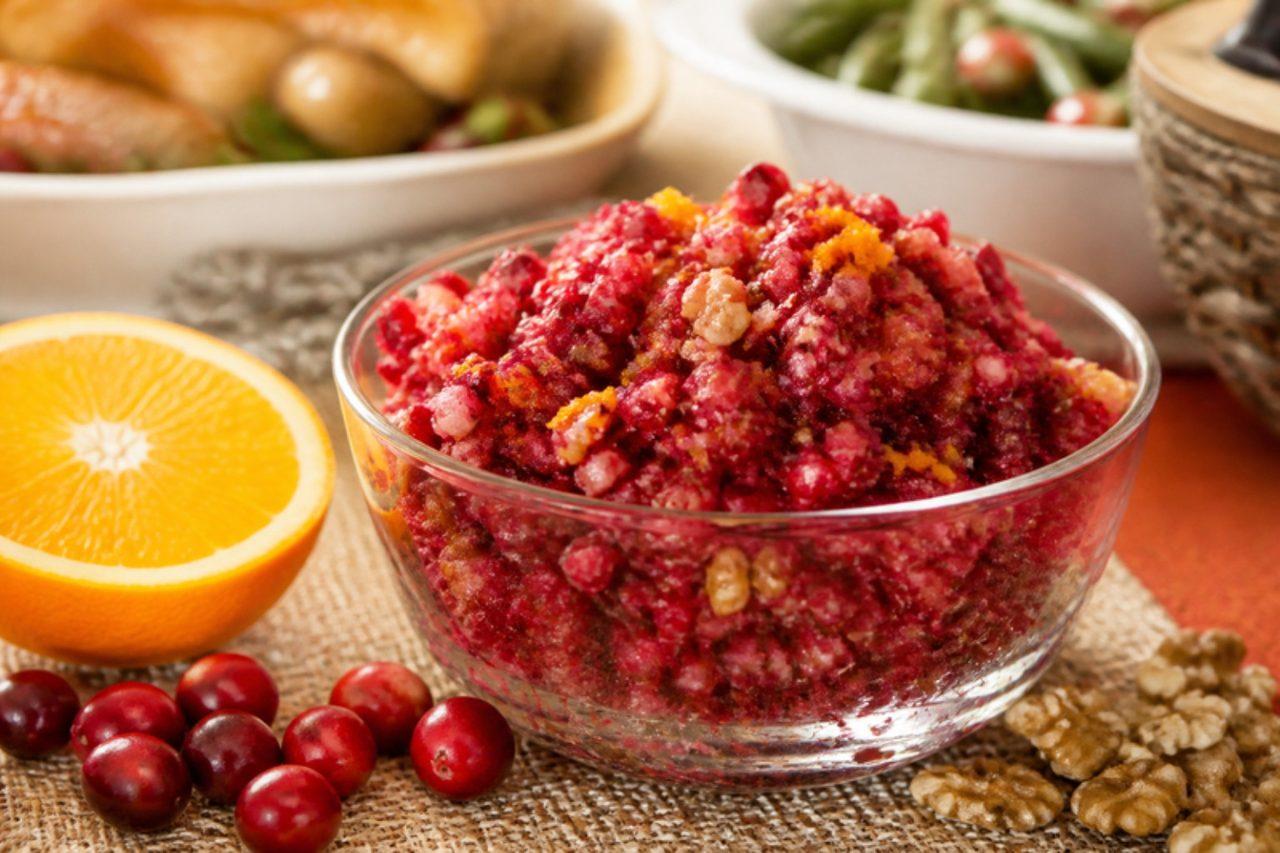
Cape Cod and the bogs of south-eastern Massachusetts grow much of America's cranberry crop, and this uncooked relish is the sharp, bright alternative to cooked cranberry sauce on many New England Thanksgiving tables. Fresh cranberries are chopped with a whole orange, peel and all, then sweetened, so it is crunchy, tart and fragrant, lovely with roast vegetables, nut roasts or cheese. Chef's tip: make it a day ahead; the sugar draws out the juices and softens the bitterness of the peel overnight.

Read more 0 views

What to eat today?

Around the world

Today's trip: Paraguayan

A new country every day, from every cuisine on the site.

Paraguayan

Cocido quemado

Burnt sugar mate drink 14 minMore from Paraguayan (27) →

This week's collection

Kid-friendly dinners
537 recipes · a new collection every Monday

Latest recipes

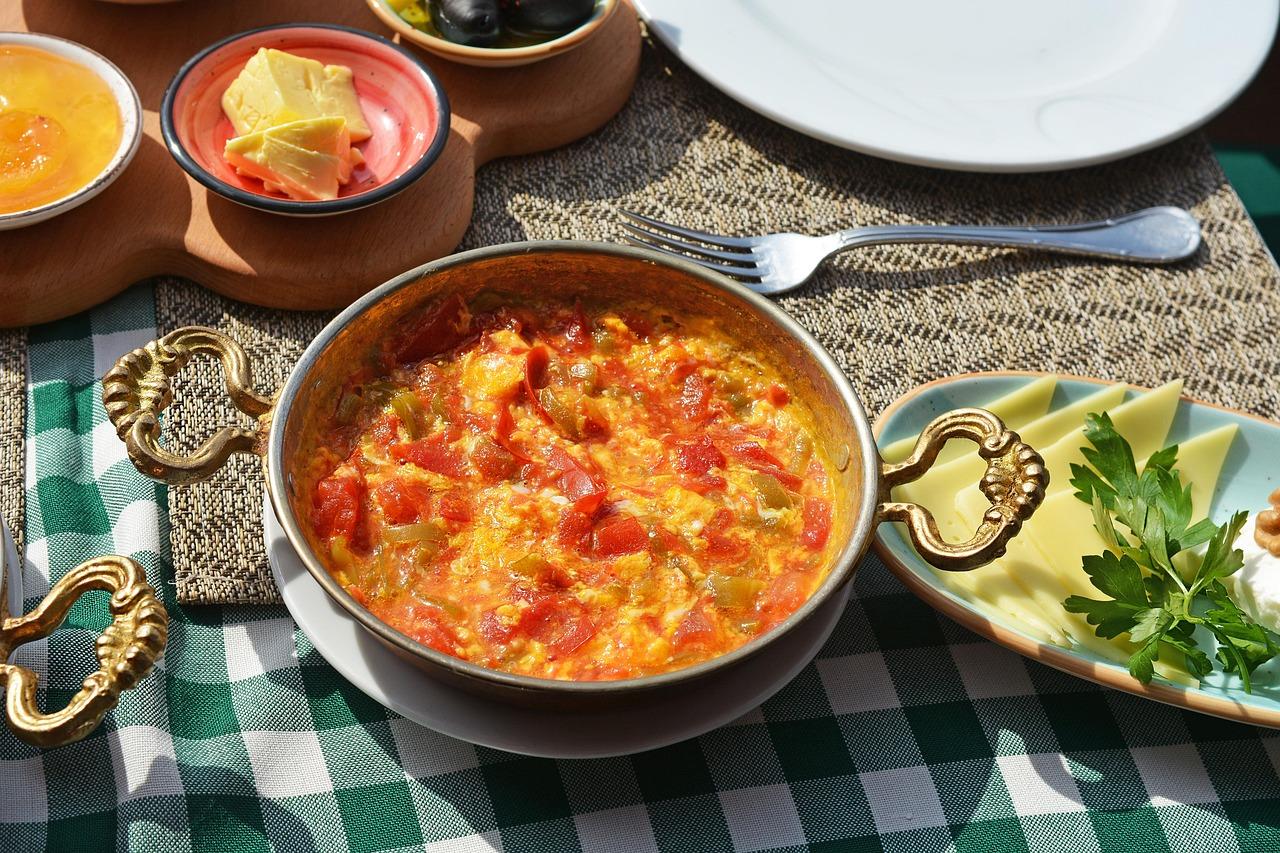
MenemenScrambled eggs with peppers and tomato

Sunday breakfast in Turkey rarely passes without a sizzling pan of menemen set in the middle of the table, crowded by olives, cheese, cucumber and glasses of tea. Mild green peppers are softened in olive oil, ripe tomatoes are cooked down to a jammy sauce, and then the eggs are broken in and gently stirred so they set into soft, juicy ribbons streaked with red. Everyone eats from the pan, tearing bread to scoop it up. Whether onion belongs in it is a national argument; here it is optional. Chef's tip: let the tomatoes bubble until almost all their liquid has gone before the eggs go in, or the menemen will be watery.

by KrazyBadal 0 views

MbejúCassava starch cheese cake

Mbejú (say 'mbeh-JOO') is a Guaraní breakfast and merienda: cassava starch rubbed with butter, cheese and a little milk into damp crumbs, then pressed into a hot pan where it fuses into a thick, chewy, crisp-edged cake. It's eaten in the countryside with cocido (sweet toasted yerba tea with milk) on cool mornings, cut into wedges. It's naturally gluten free and very quick. Chef's tip: the mix should look like damp sand, not a dough; if you can squeeze a handful and it just holds, it's right.

by KrazyBadal 0 views

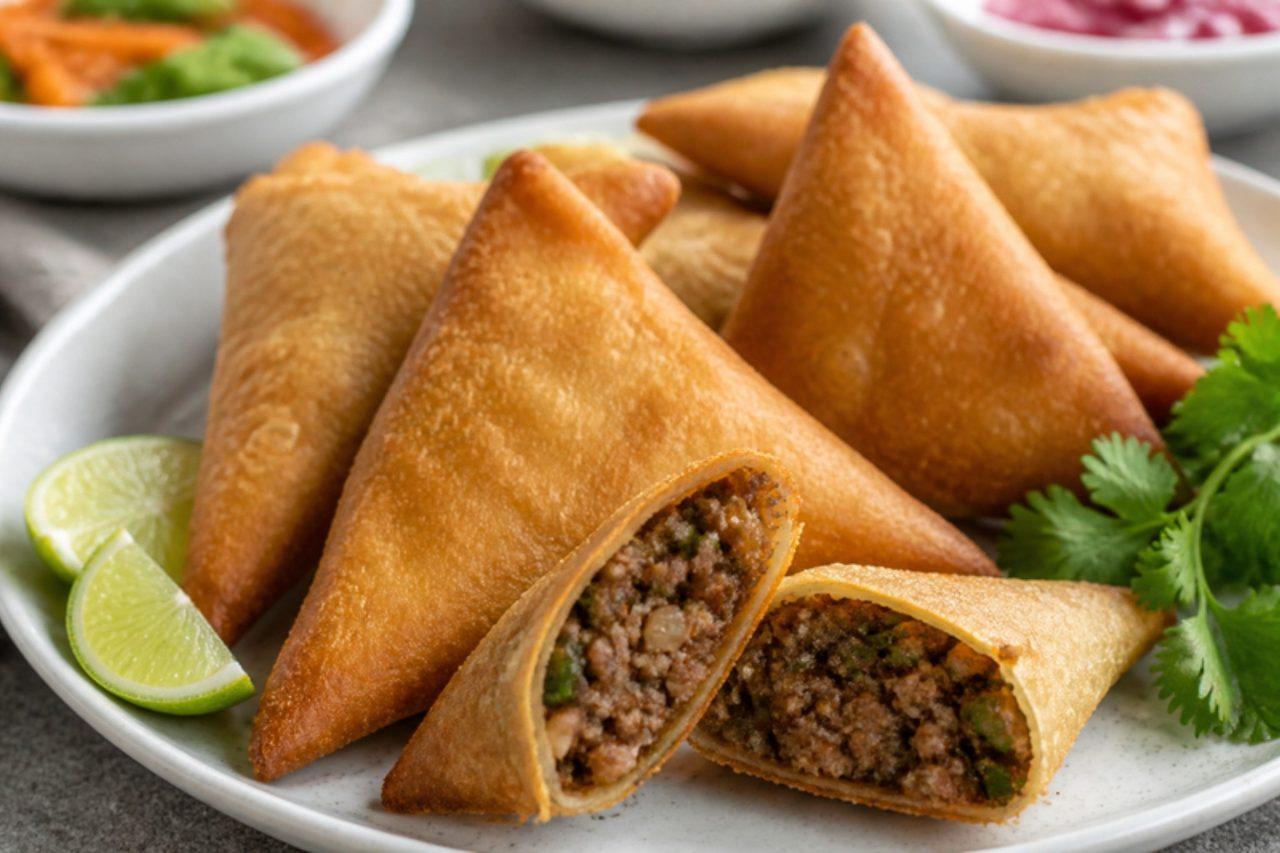
SambuusCrisp beef pastries

Sambuus are the triangles of crisp pastry Somali families fry by the hundred during Ramadan, filling them with minced beef, onion, green chilli, coriander and xawaash; trays of them sit on every iftar table from Hargeisa to Toronto. The filling must be dry, and the pastry thin. The mistake is a wet filling, which steams the pastry from the inside and makes it soggy; cook the mince until all the liquid has gone. Chef's tip: shop-bought spring roll pastry, cut into strips, makes good thin sambuus at home.

by KrazyBadal 0 views

Vegetarian pastel de chocloMushroom and corn bake

In Chile pastel de choclo is the taste of January and February, when choclo (big-kernelled starchy corn) is in every market from Santiago to Talca and families bake it in individual clay dishes called pailas. Underneath is the pino, a slow-cooked onion filling with olives, raisins and hard-boiled egg; on top, fresh corn blended with basil and a little milk, scattered with sugar so it browns into a crackly crust. This version makes the pino with mushrooms instead of beef. Chef's tip: cook the corn topping on the hob until it thickens like polenta before it goes in the oven, or it will stay runny.

by KrazyBadal 0 views

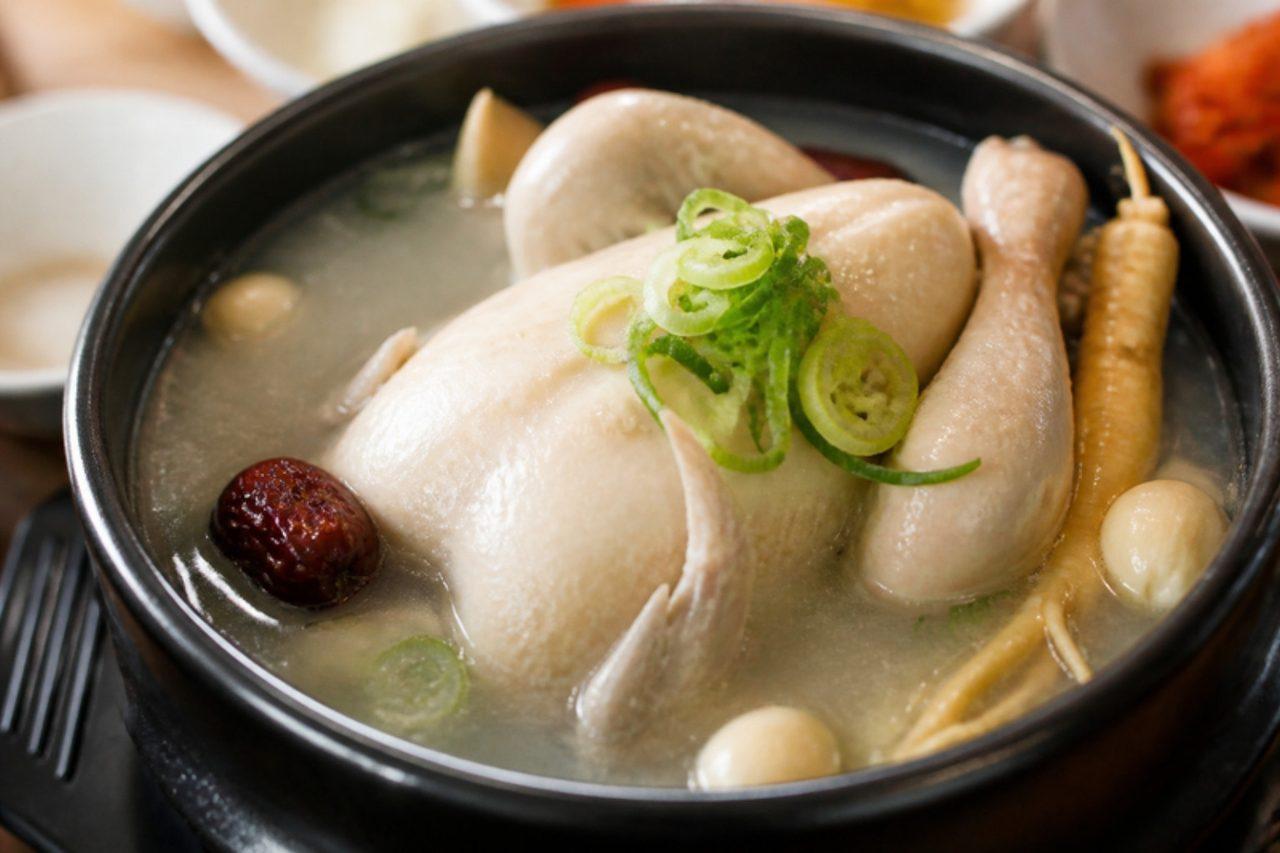
SamgyetangGinseng chicken soup

On the three hottest days of the Korean summer, called boknal, queues form outside samgyetang restaurants all over the country. The idea is to fight heat with heat: a small whole chicken is stuffed with glutinous rice, ginseng, jujubes and garlic, then simmered until the meat falls off the bone. Each person gets their own bird in its own bowl, with salt and pepper for dipping. Ginseng is not advised in pregnancy, so leave it out if unsure. Chef's tip: cut a small slit in the skin of one thigh and tuck the other leg through it, so the stuffing stays inside without string.

by KrazyBadal 0 views

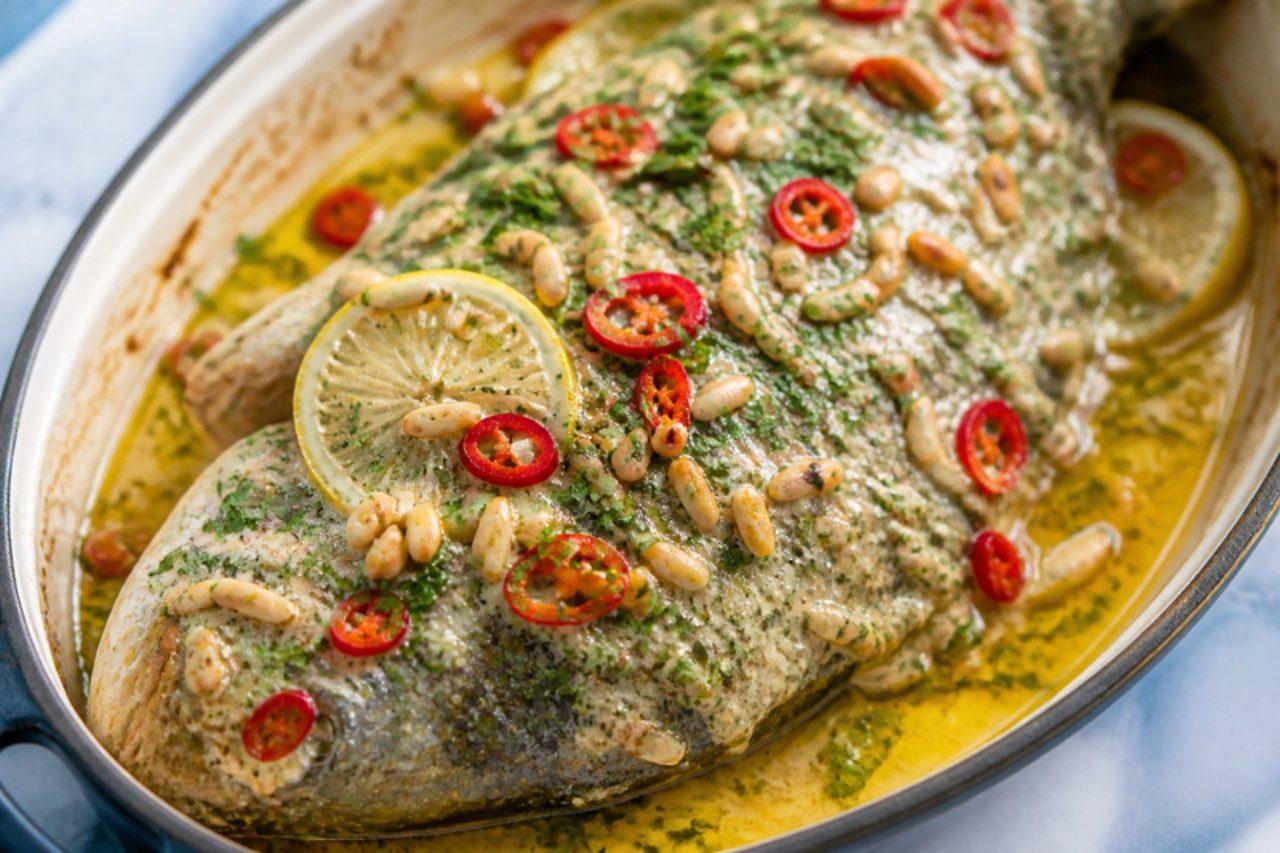
Samkeh harraBaked fish with spicy tahini

Samkeh harra, 'hot fish', is the pride of Tripoli and the fishing towns of northern Lebanon, where it is made with a whole sea bream or sea bass on Fridays and for summer lunches by the sea. The fish is baked, then covered with a fiery sauce of tahini, lemon, garlic, chilli and lots of coriander and returned to the oven until bubbling. Walnuts on top are a Tripoli touch. It is eaten warm or at room temperature with bread and a green salad. Chef's tip: loosen the tahini with lemon juice first, then water; it will seize and turn thick before it turns smooth, so keep whisking.

by KrazyBadal 0 views

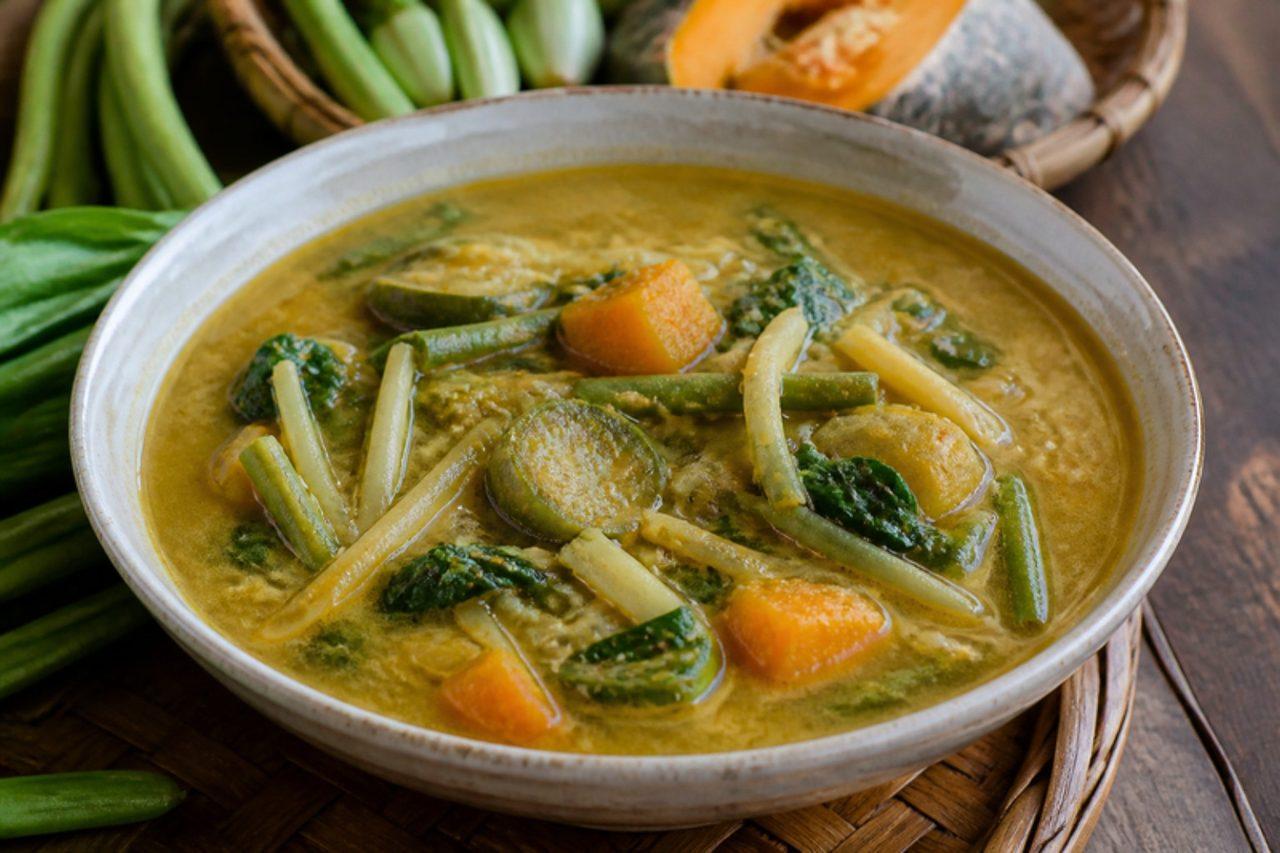
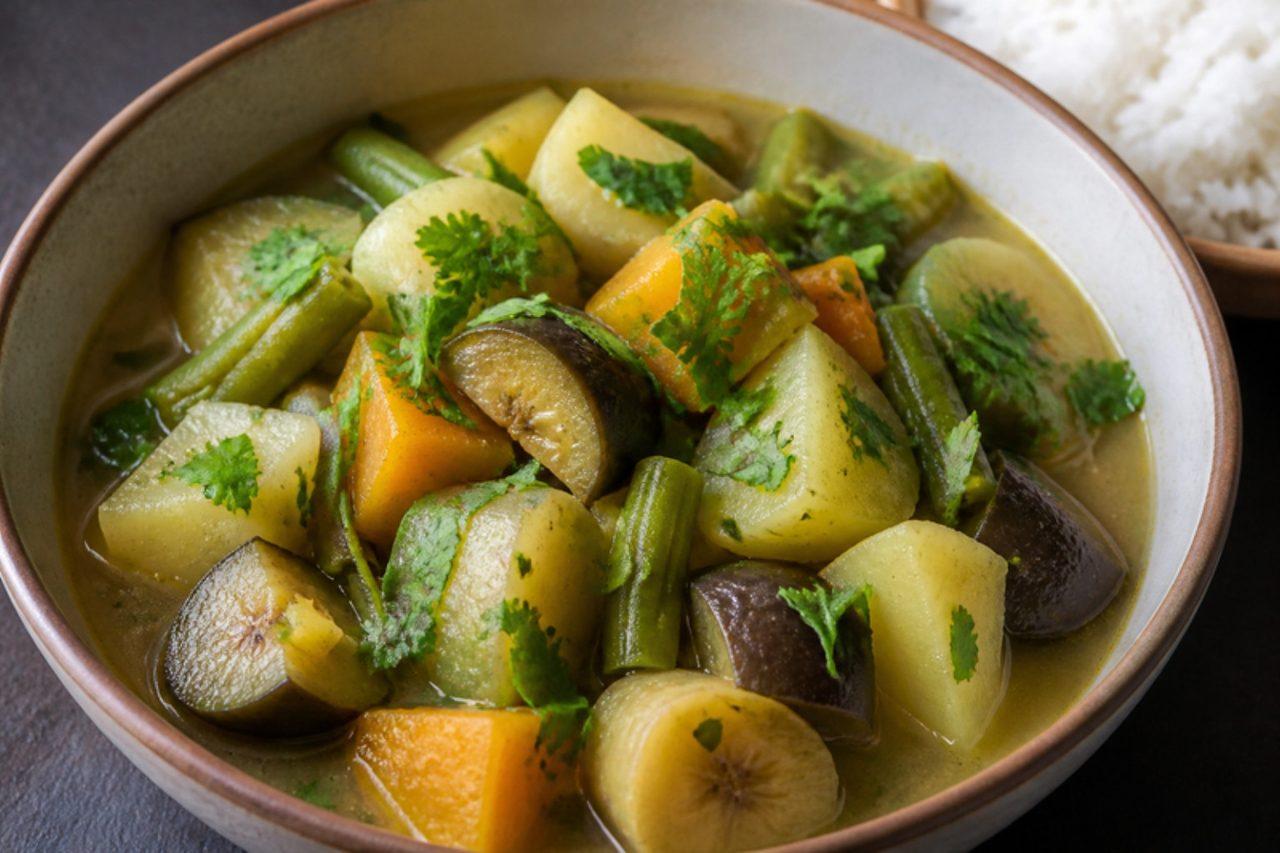
Vegetable samlor korkoVegetable and green papaya soup

Samlor korko is called the national soup of Cambodia, cooked in villages from Battambang to Kampot and eaten at lunch with a bowl of rice. Its name means 'stirring soup', because the cook stands over the pot moving the vegetables as they go in one by one: green papaya, pumpkin, aubergine, long beans and leafy greens, all in a thin, herb-scented broth thickened with a spoonful of ground toasted rice. Prahok usually gives it its funk; fermented soybean paste and a little soy give depth here, and the soup stays light and full of vegetables. Chef's tip: toast the rice slowly until it is the colour of a hazelnut shell; that nutty smell is the backbone of the soup.

by KrazyBadal 0 views

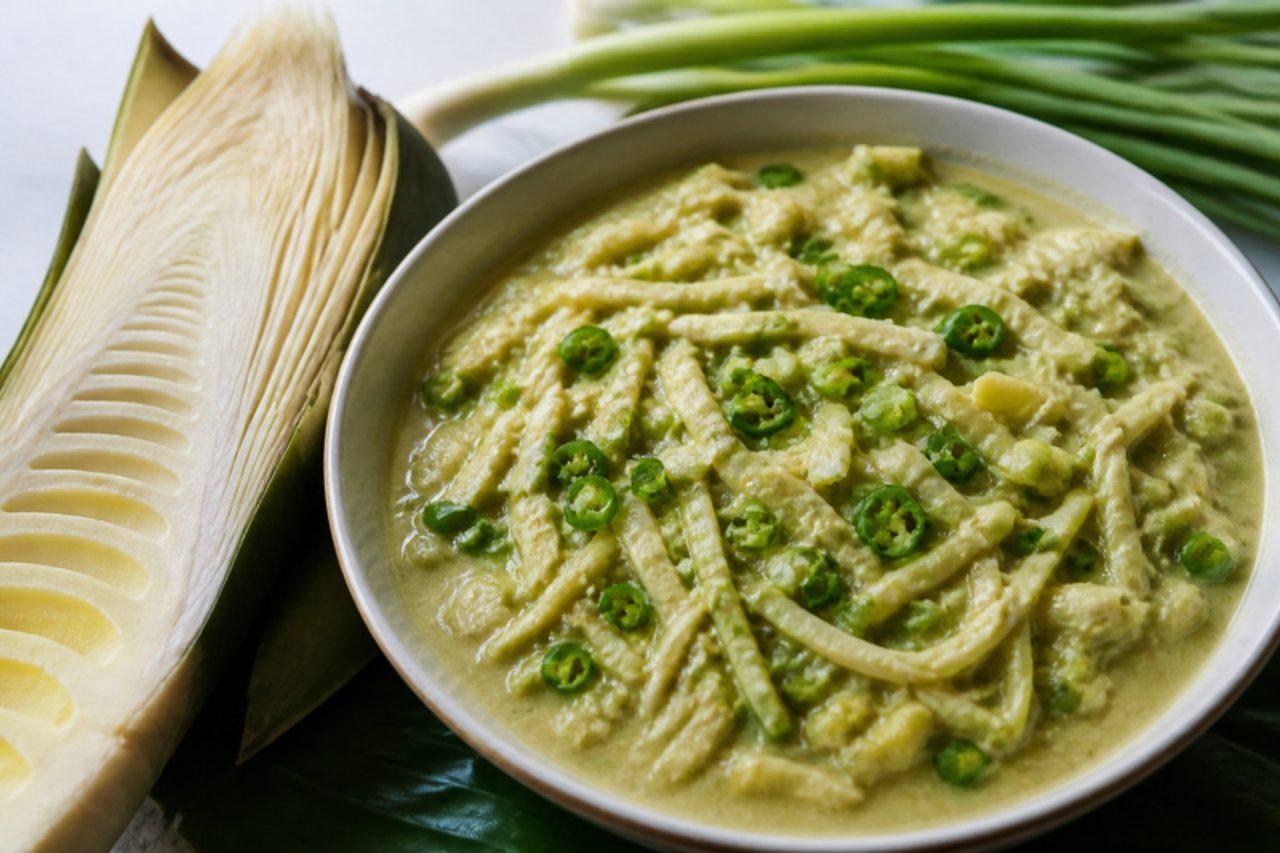
Muya awandruBamboo shoot with rice paste

Muya awandru is a classic of the Tripuri (Kokborok-speaking) kitchen around Agartala: tender bamboo shoot is cooked with green chilli and a rice-flour paste (awandru) until it thickens into a soft, savoury mass, a little like a porridge. Traditionally a piece of berma (fermented dried fish) goes in; this vegetarian version drops it and adds roasted garlic and a little fermented soybean for depth, as vegetarian Tripuri cooks do. It is eaten with rice, often at village feasts. Chef's tip: mix the rice flour with cold water before adding it, or it lumps.

by KrazyBadal 0 views

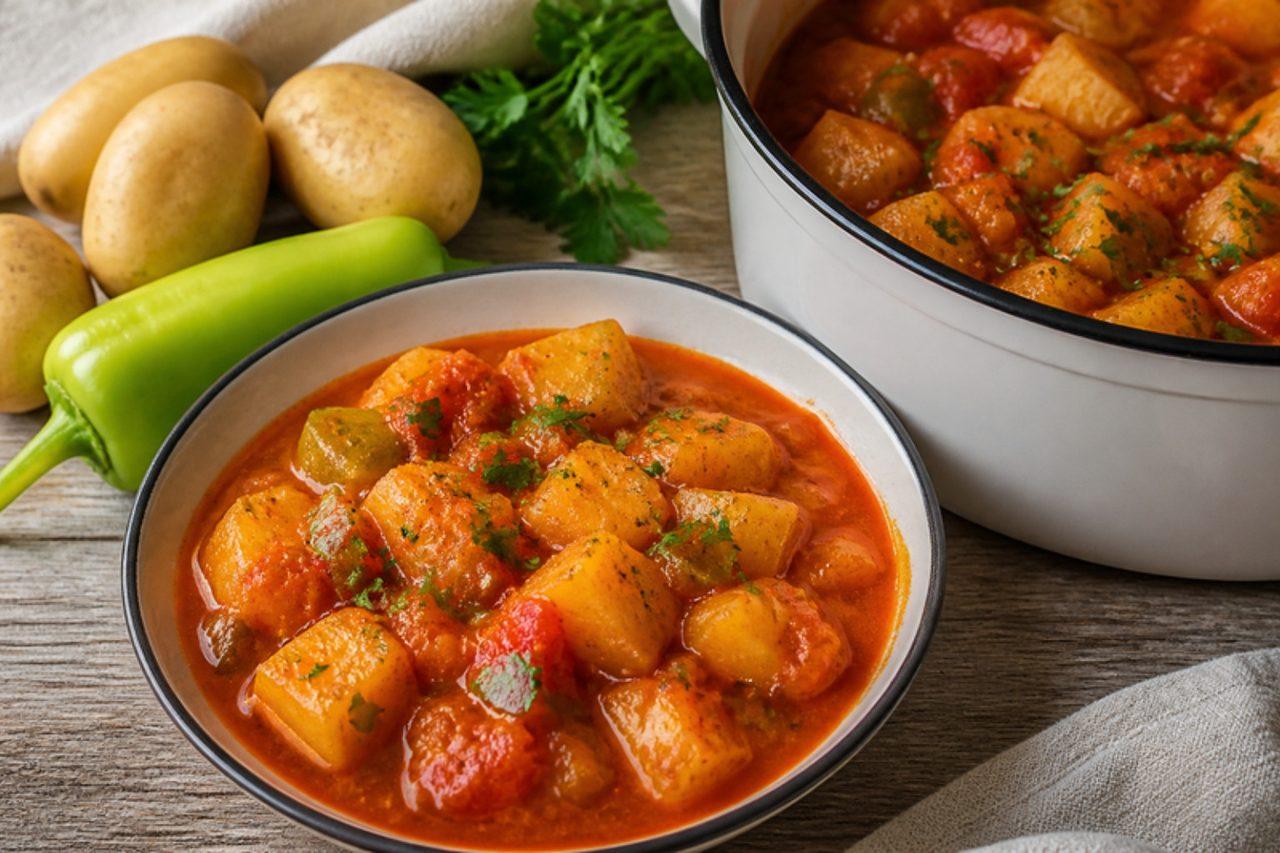
Paprikás krumpliPaprika potato stew

Paprikás krumpli is a thrifty potato stew that every Hungarian student learns to cook, and it turns up at school dinners, on autumn weekdays and in cauldrons at village harvest festivals. Potatoes simmer in an onion and paprika base with pepper and tomato until they start to break and thicken their own sauce. Most versions add sliced smoked sausage; this vegan one swaps it for a pinch of smoked paprika and caraway, which give the same savoury depth. Serve in bowls with crusty bread and a pickled cucumber or a spoon of pickled peppers on the side. Chef's tip: cut the potatoes unevenly on purpose; the smaller pieces melt and thicken the sauce while the bigger ones stay whole.

by KrazyBadal 0 views

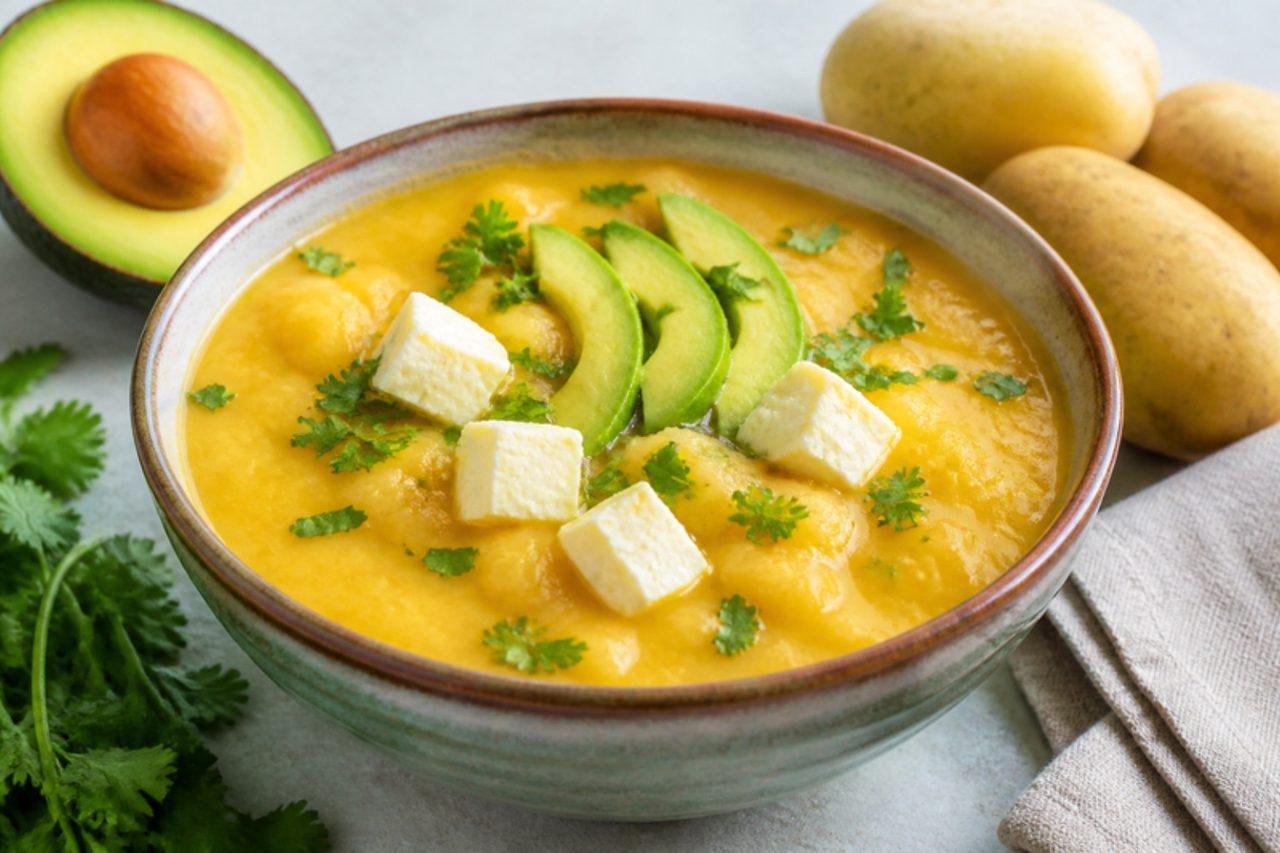
Locro de papaPotato and cheese soup

Locro de papa is Quito's comfort soup, eaten on cold afternoons in the Andean highlands where nights drop near freezing. Potatoes are cooked until half of them dissolve into a thick, achiote-tinted broth, then finished with milk and cubes of fresh cheese that soften into strings. Bowls are crowned with avocado slices and served with ají (chilli sauce) on the side. Ecuador uses two potatoes, a floury one to thicken and a waxy one to hold its shape. Chef's tip: add the cheese off the heat; it should soften and go stretchy, not melt into an oily layer.

by KrazyBadal 0 views

Locro argentinoCorn, bean and meat stew

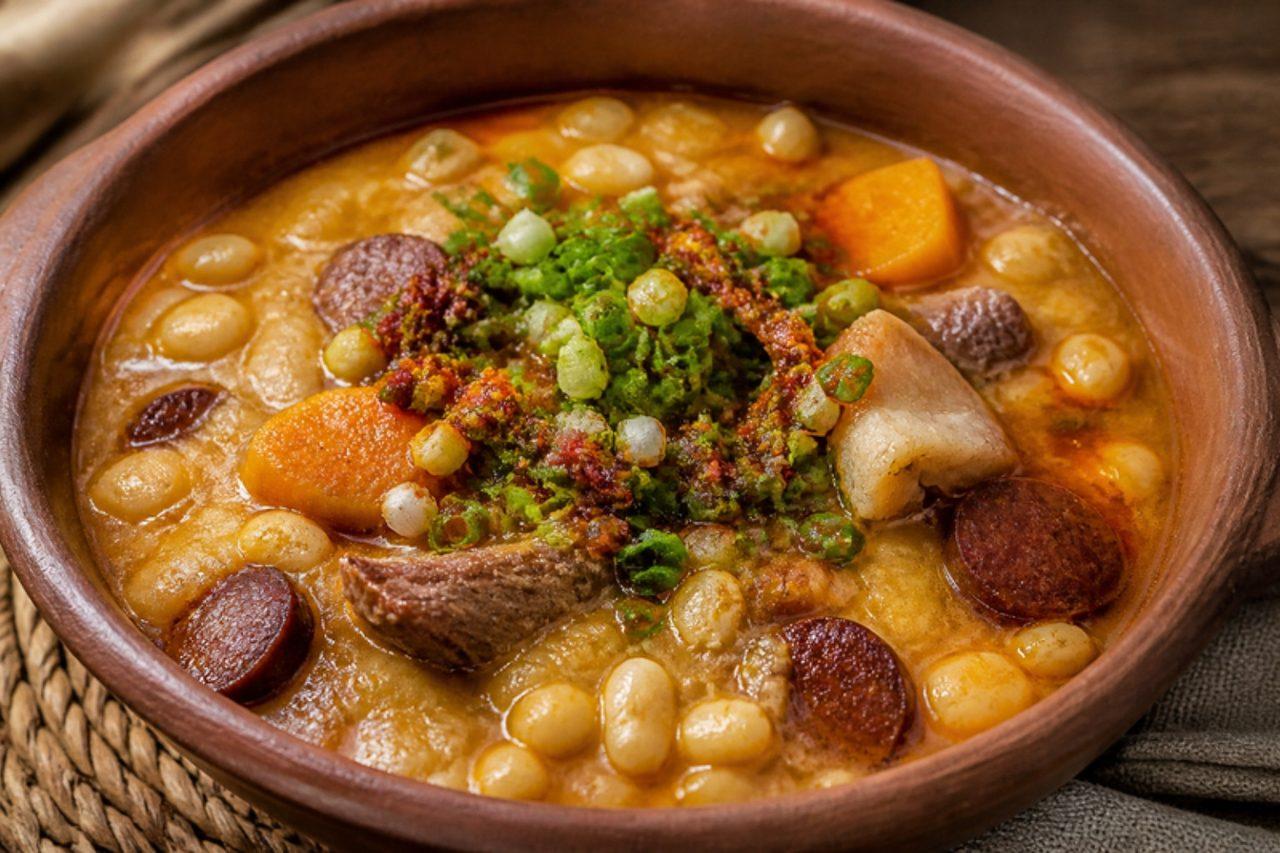
Locro comes from the Andean northwest, from Salta, Jujuy and Tucumán, and today the whole country eats it on 25 May and 9 July, the two national holidays, when it simmers in huge pots at clubs and church halls. Dried white corn, white beans and squash cook down with beef, pork belly and chorizo into a stew so thick a spoon stands up in it. This is a pork dish. It is topped with quiquirimichi, a red oil of paprika, chilli and spring onion. The classic mistake is not soaking the corn and beans overnight; without it they never soften. Chef's tip: stir often in the last hour, scraping the bottom, as the squash breaks down and the locro catches easily.

by KrazyBadal 0 views

LobioRed bean stew

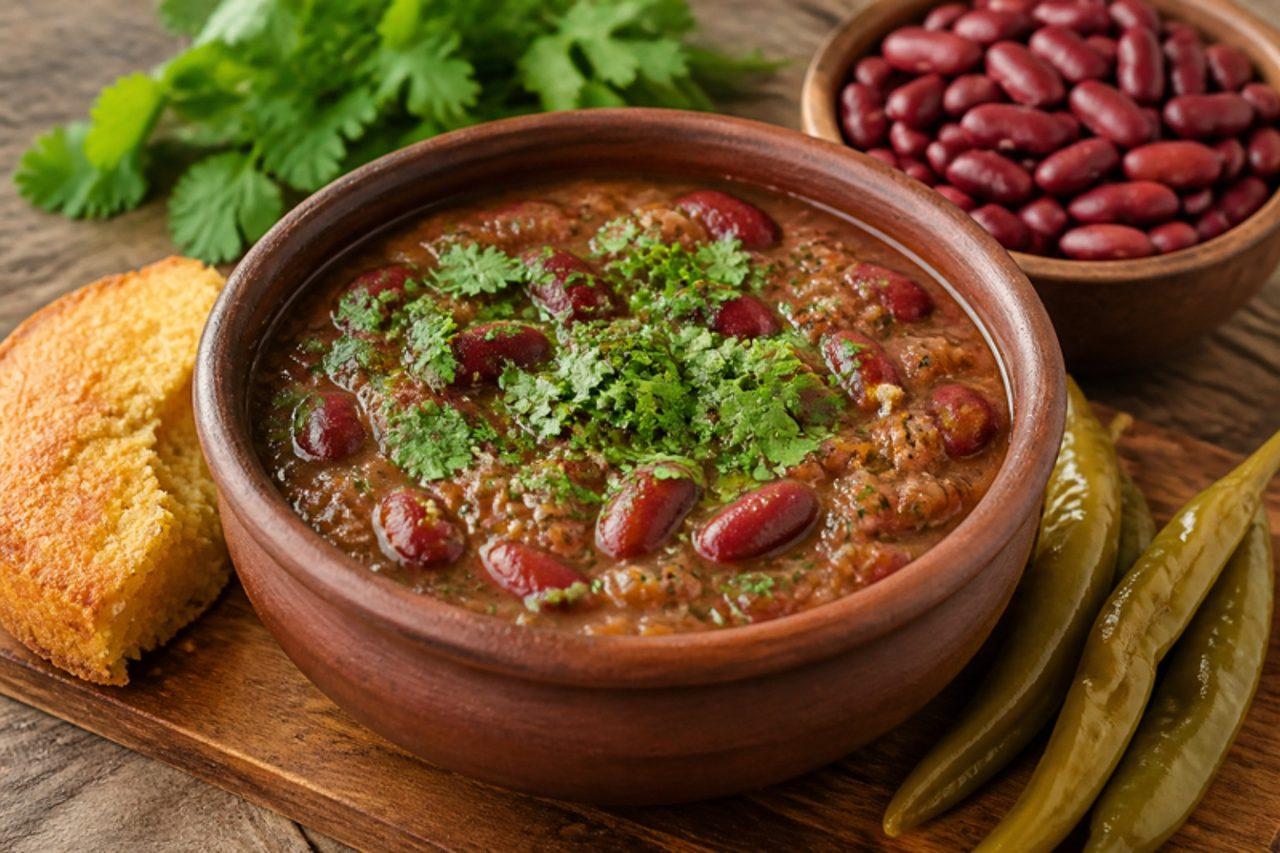
Lobio simply means beans, and in Georgia it means this thick, herb-scented stew of red kidney beans, cooked and served in a clay pot (a ketsi or kotani). In Imereti and Racha it is everyday winter food and a mainstay of the Lenten table, eaten with hot mchadi, pickled cabbage or green chillies and a spoon of tkemali. Some of the beans are crushed so the stew turns creamy while the rest stay whole. A common mistake is mashing everything to a purée; crush only about a third. Raw kidney beans must also boil hard for 10 minutes before simmering, or they can make you ill. Chef's tip: stir in the fresh coriander and garlic only at the end, off the heat, so they stay bright and sharp against the soft beans.

by KrazyBadal 0 views

LobianiBean-filled bread

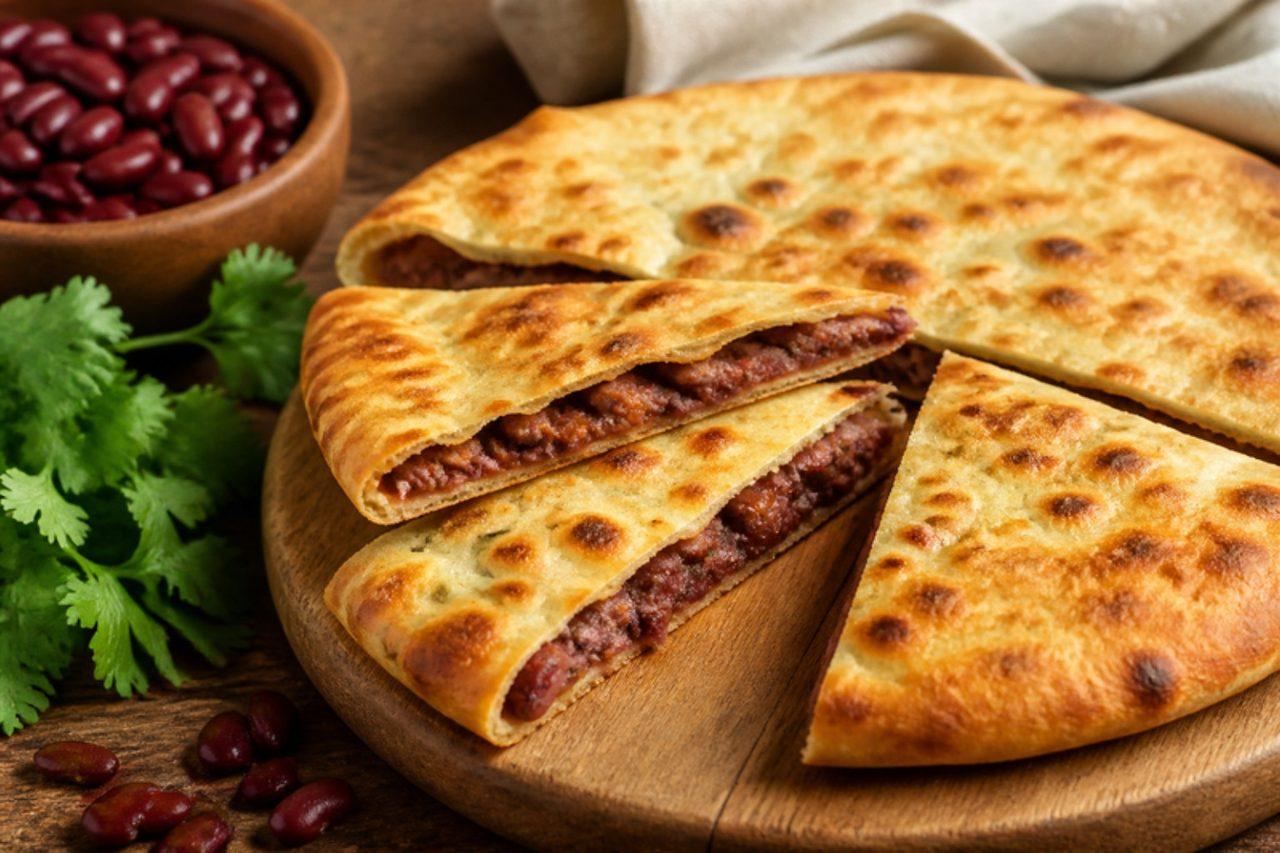
Lobiani is a round bread stuffed with spiced mashed kidney beans, and in Georgia it belongs above all to Barbaroba, St Barbara's Day on 17 December, when households across the country bake it for neighbours and guests. In the highland region of Racha it is often made with ham; this is the plain bean version that is also baked through Orthodox Lent, so the dough here is made with water and oil and the whole bread is vegan. The filling is soft and peppery with coriander and blue fenugreek, and the crust is thin and chewy. A common mistake is making the bean filling too wet, which turns the dough soggy and makes it burst: the mash should hold its shape on a spoon. Chef's tip: fry the onion for the filling until properly golden, not just soft; its sweetness is what makes the beans taste of something.

by KrazyBadal 0 views

Samosa thokeSamosa salad

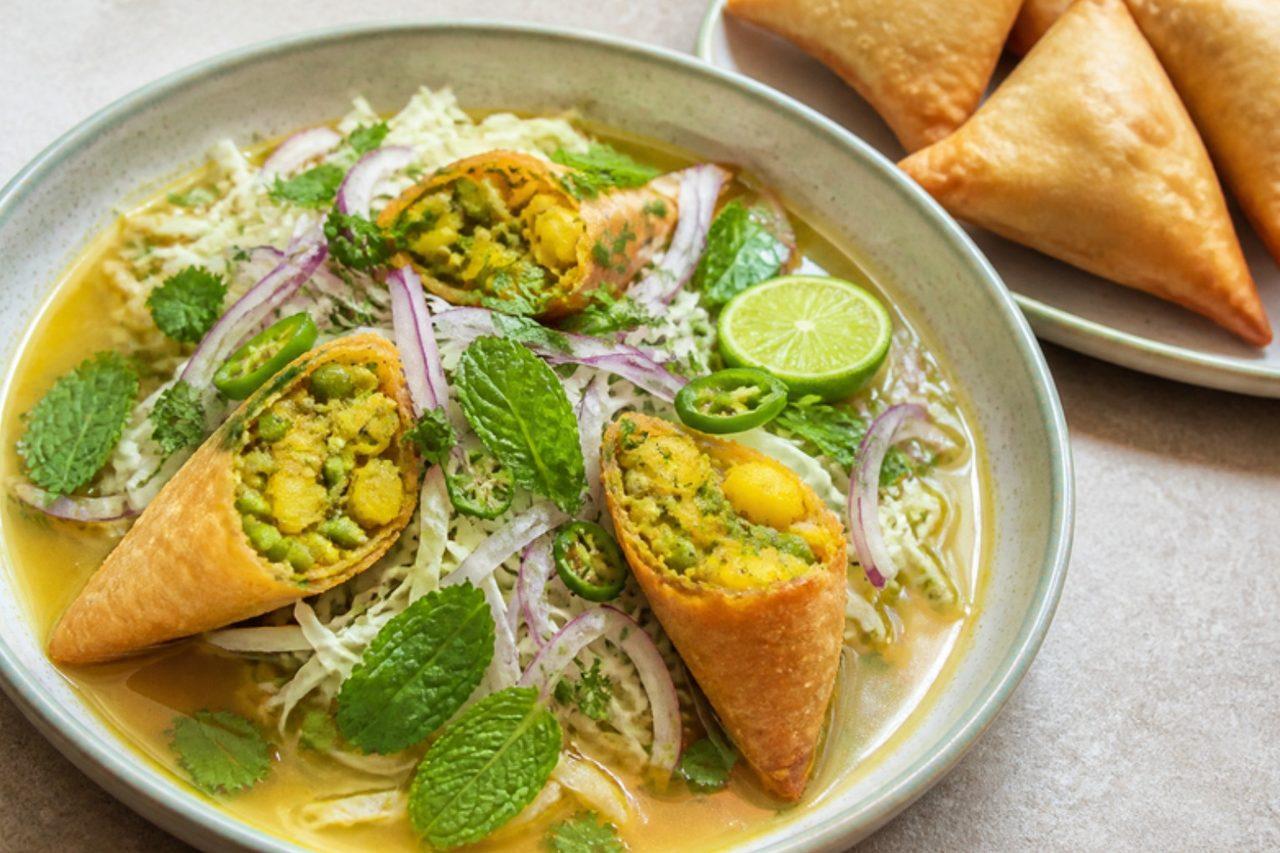
Samosa thoke is pure Yangon street food, born from the city's Indian-Burmese communities: vendors on Mahabandoola Road chop crisp samosas into a bowl with cabbage, onion and mint, ladle over a thin, spiced lentil broth (pe hin ye), and finish it with tamarind, chilli and a squeeze of lime. The samosas soften at the edges while the middle stays crunchy, and the whole bowl is hot, sour and savoury. Use vegan samosas made without ghee. Chef's tip: ladle the broth over at the very last moment and eat straight away; samosa thoke left to sit turns soggy fast.

by KrazyBadal 0 views

LlapingachosPotato cheese patties

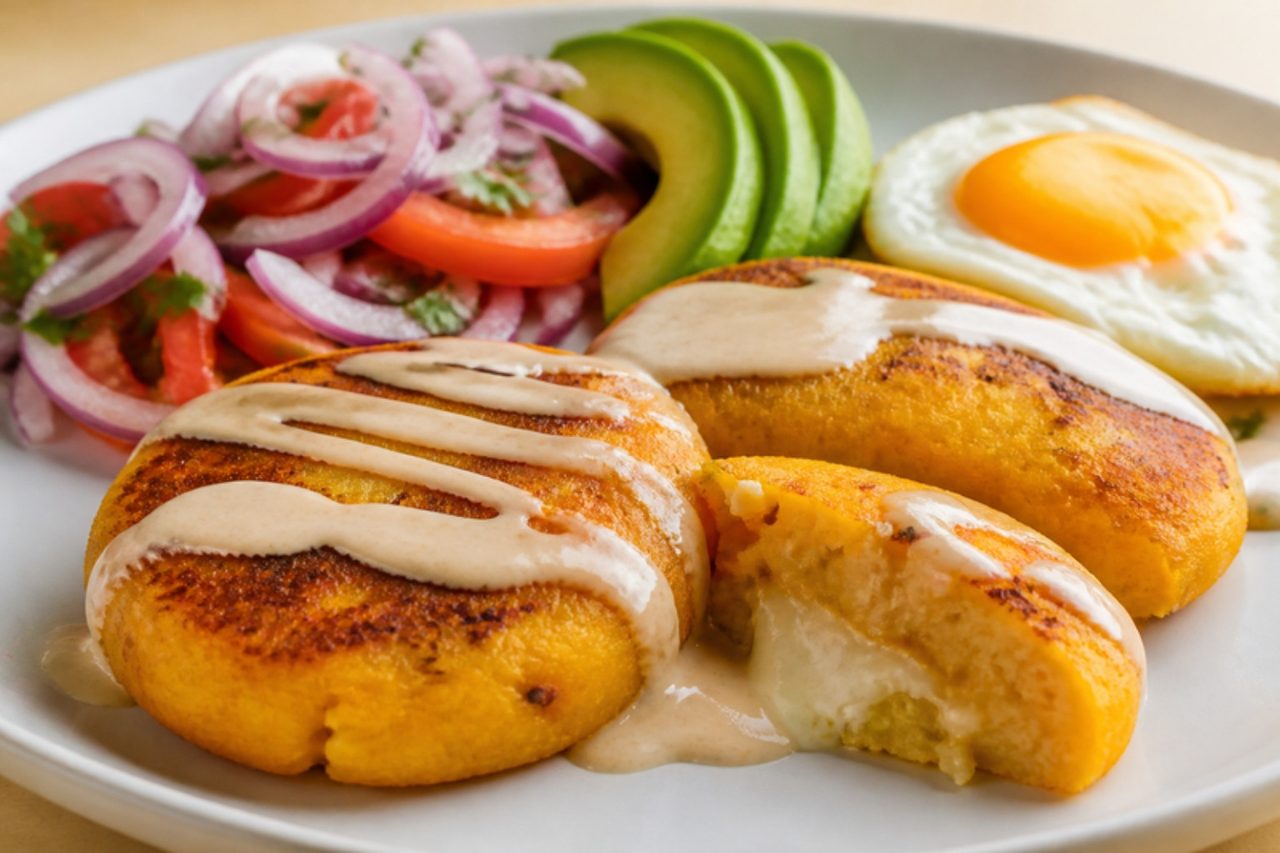
Llapingachos come from the central highlands of Ecuador, especially Ambato and the markets of Riobamba, where women fry them by the dozen on huge round griddles. The patties are mashed potato coloured with achiote, stuffed with cheese and spring onion, and browned until crisp. A full plate adds peanut sauce, a lime-dressed onion and tomato salad, avocado and a fried egg (the market version also includes chorizo, left out here). Chef's tip: chill the shaped patties for 30 minutes; cold patties hold their shape and get a better crust.

by KrazyBadal 0 views

MizeriaCucumber salad with soured cream

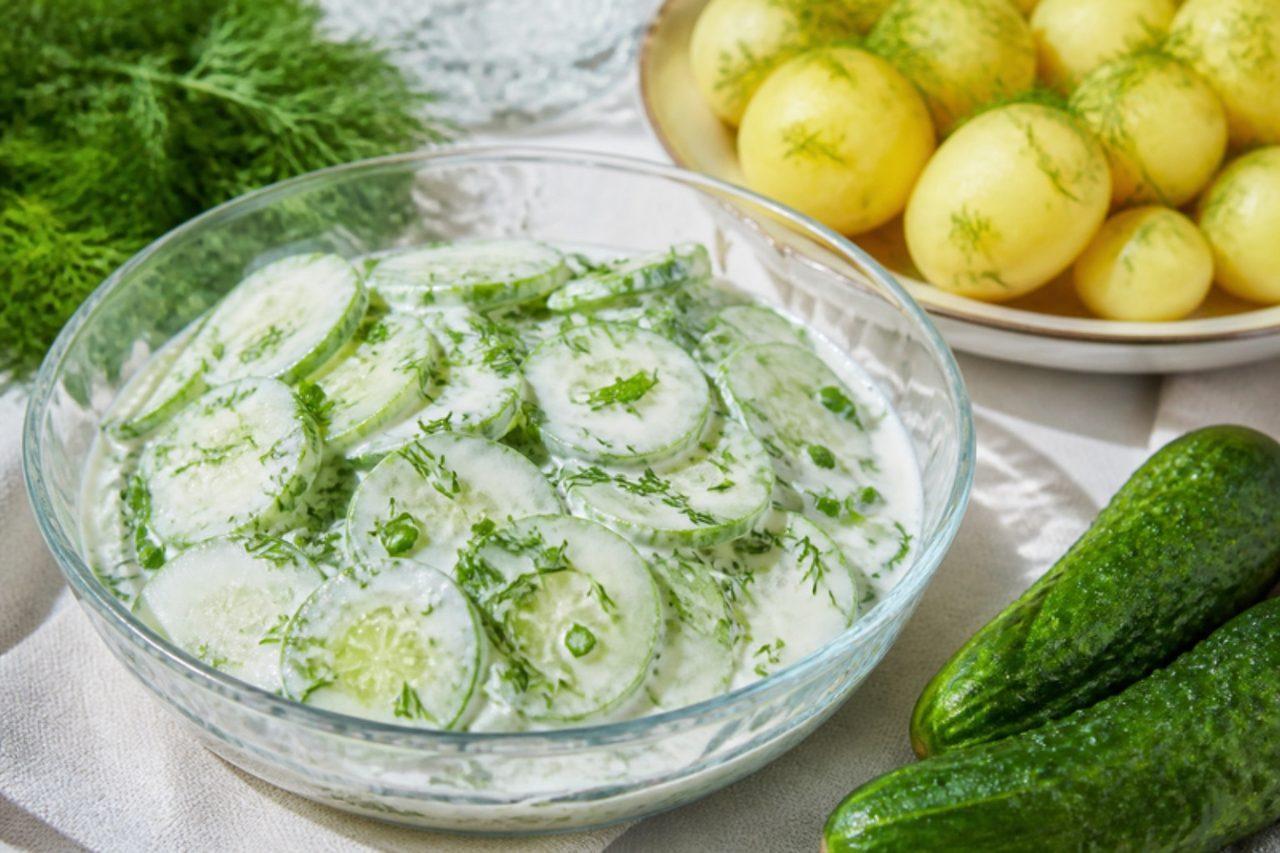
Mizeria is the cool, creamy cucumber salad that sits beside Sunday dinner in Polish homes from May to September, especially next to young potatoes sprinkled with dill. Thin slices of cucumber are dressed in soured cream with dill, a pinch of sugar and a little lemon or vinegar, so it is fresh, tangy and slightly sweet. Legend links the name to Queen Bona Sforza longing for Italy, but in practice it is simply summer on a plate. Chef's tip: slice the cucumbers paper-thin on a mandoline or the slicing side of a box grater; thick slices never soak up the dressing.

by KrazyBadal 0 views

Sancocho de verdurasVegetable and plantain stew

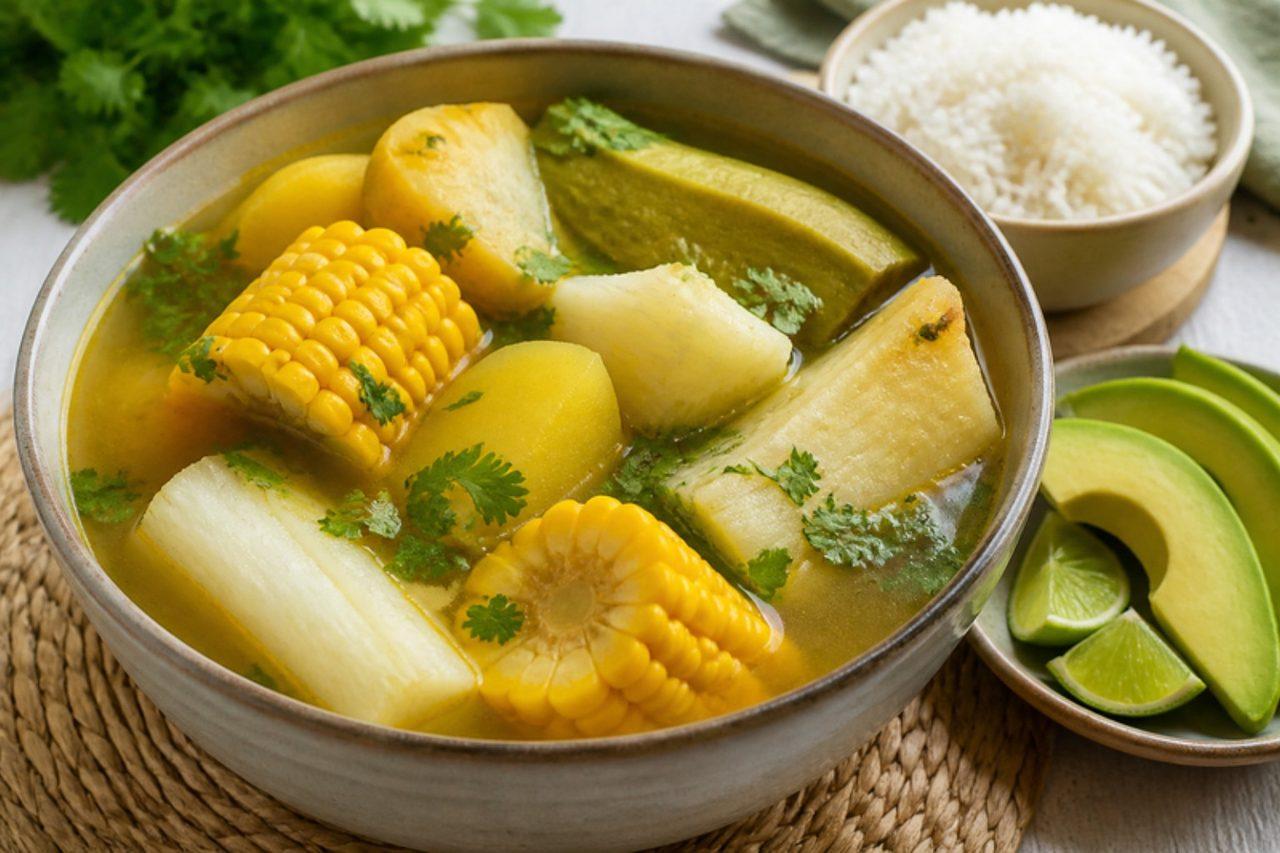
Sancocho is the big Sunday soup Colombian families cook outdoors on riverbanks and fincas (country houses), with every region from Antioquia to the Valle having its own version. This vegetarian sancocho keeps the essentials: green plantain broken by hand, cassava, potatoes and corn on the cob simmered in a broth seasoned with spring onion, garlic, cumin and plenty of coriander, until the starches thicken it. Serve each bowl with white rice, avocado and lime on the side. Chef's tip: break the plantain into pieces with your hands rather than cutting it; the rough edges release starch and thicken the broth.

by KrazyBadal 0 views

Sancocho panameñoChicken and yam soup

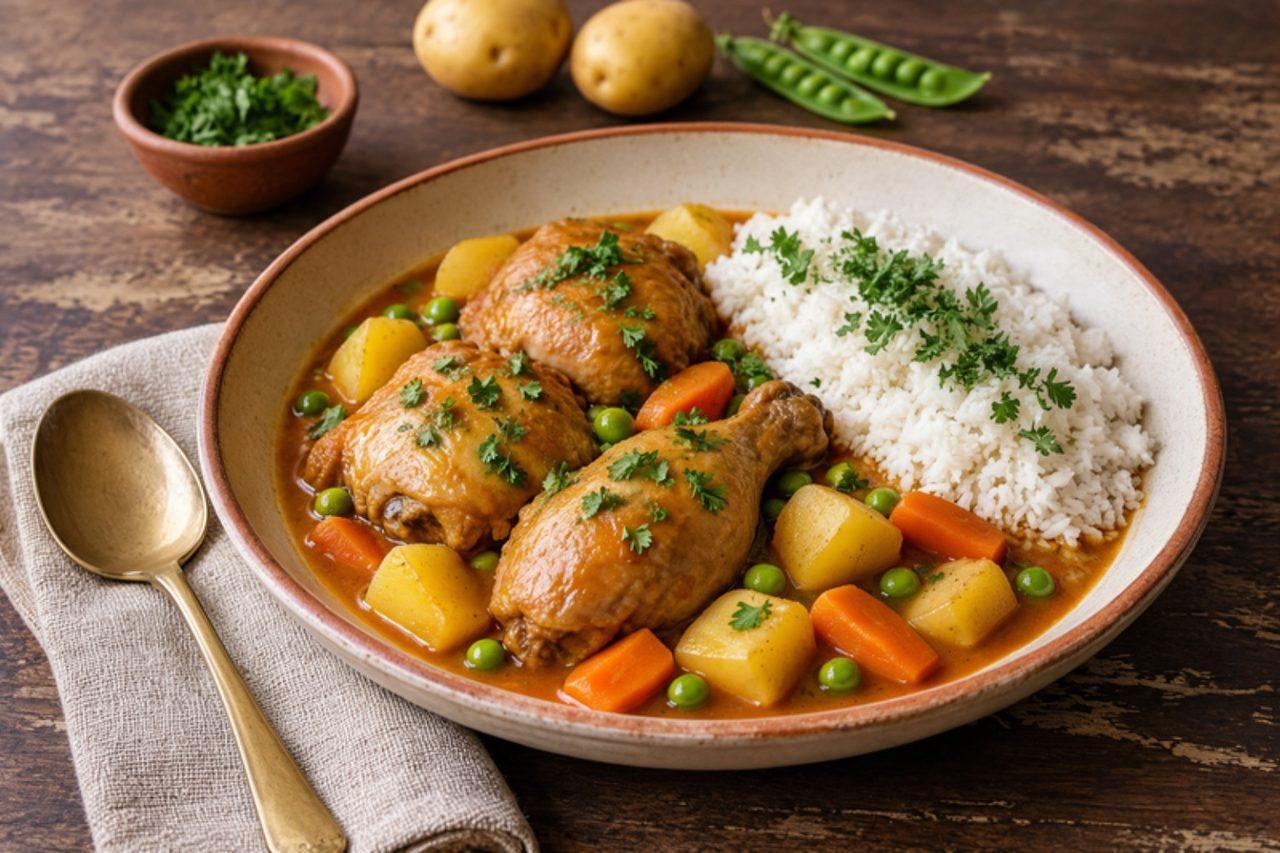
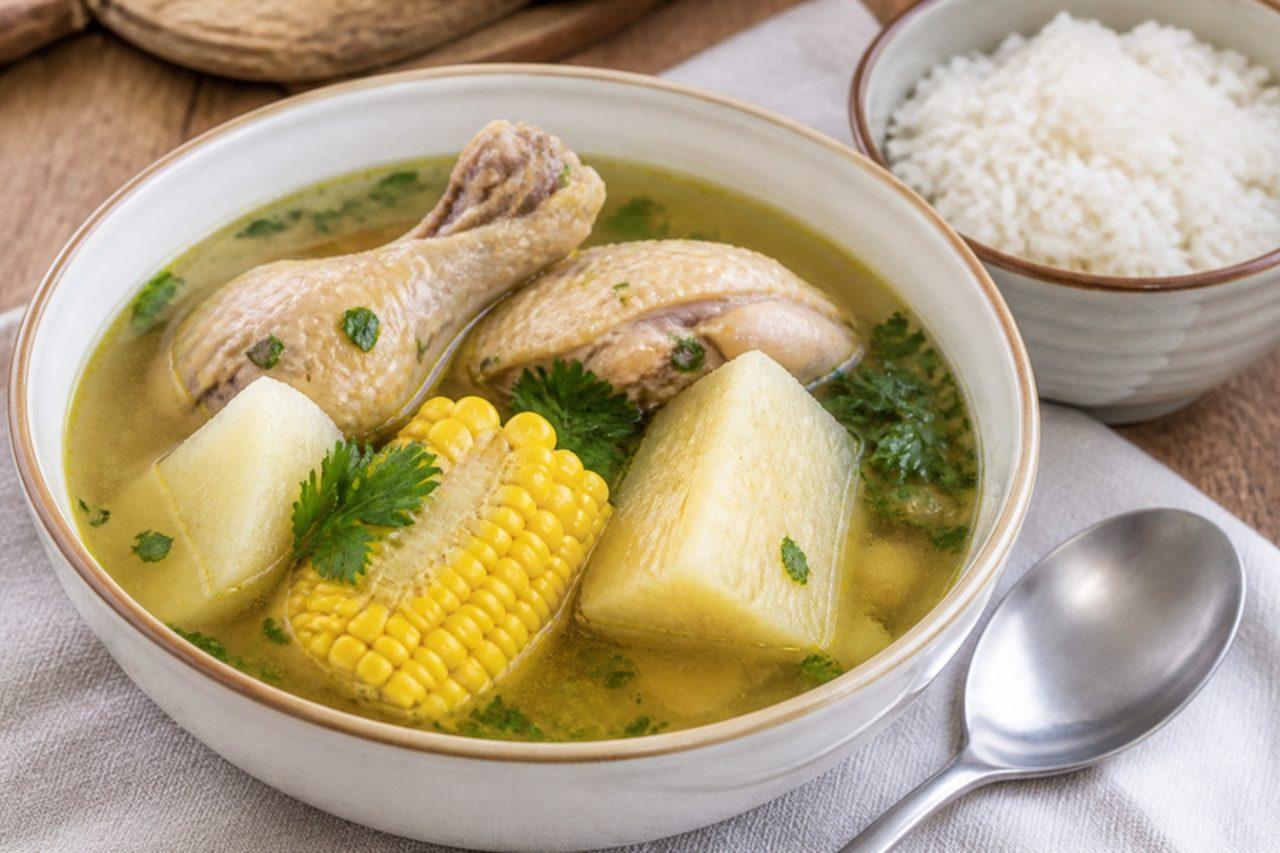
Sancocho is Panama's national dish, a golden chicken soup thickened with ñame (white yam), seasoned with culantro (a strong, saw-edged cousin of coriander), oregano and onion; families make it on Sundays, after a long night out and whenever someone is unwell, and the soup from the town of Chitré in the Azuero peninsula is said to be the best. It is served with white rice on the side, which people spoon into the bowl. The mistake is adding the yam too early; it dissolves and the broth turns gluey, so add it after the chicken has simmered. Chef's tip: some of the yam should break down to thicken the broth, so let it cook until the edges soften.

by KrazyBadal 0 views

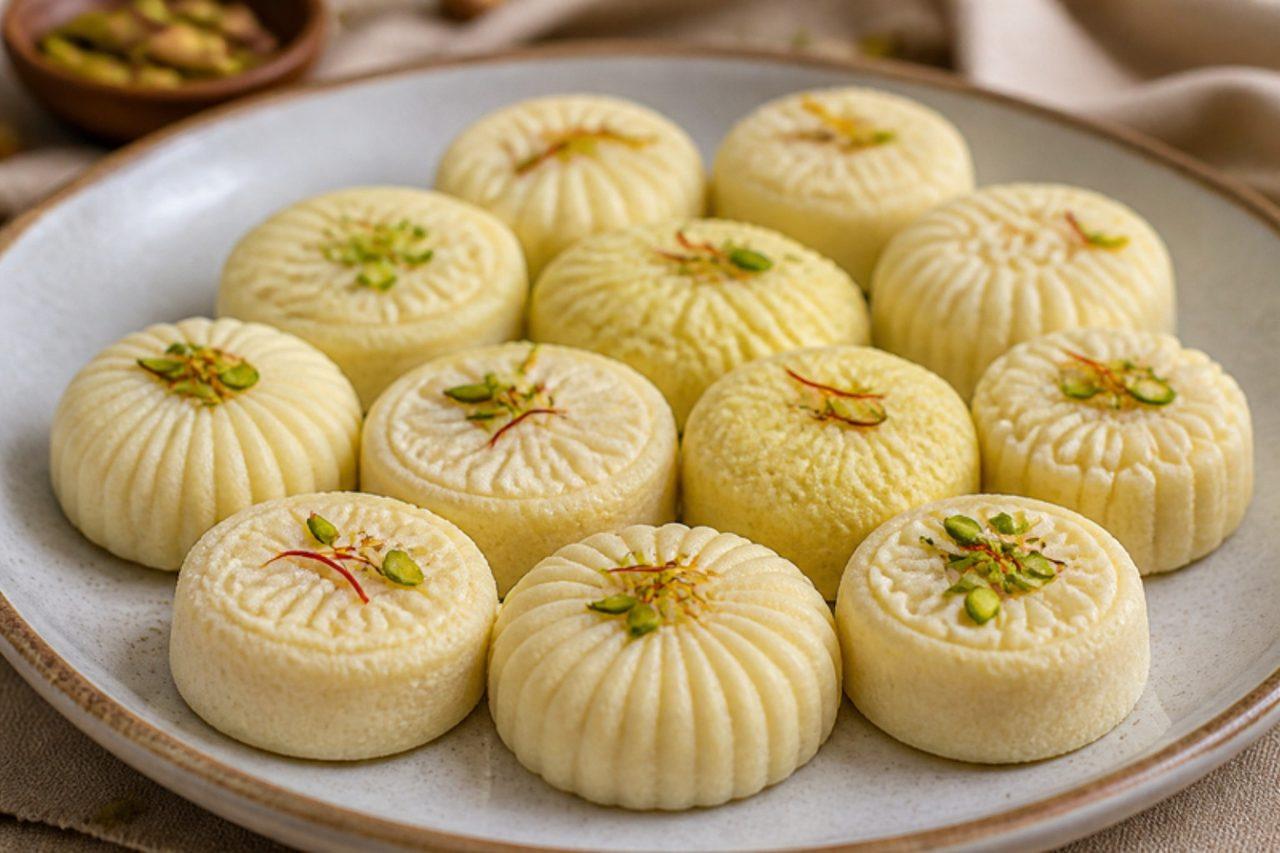
SandeshSoft fresh cheese sweets

Sandesh is the most delicate of Bengal's sweets, made in Kolkata's sweet shops every morning from chhena, fresh milk curds. The chhena is kneaded until silky, cooked briefly with sugar and pressed into little rounds or moulds. It's soft, fine-textured and milky, sweet but light, often scented with cardamom or saffron. This is the soft 'norom pak' style. Serve at room temperature as a sweet with tea or after a meal. Chef's tip: hang the chhena only until it stops dripping; if it's too dry, the sandesh turn crumbly, and if too wet they won't hold a shape.

by KrazyBadal 0 views

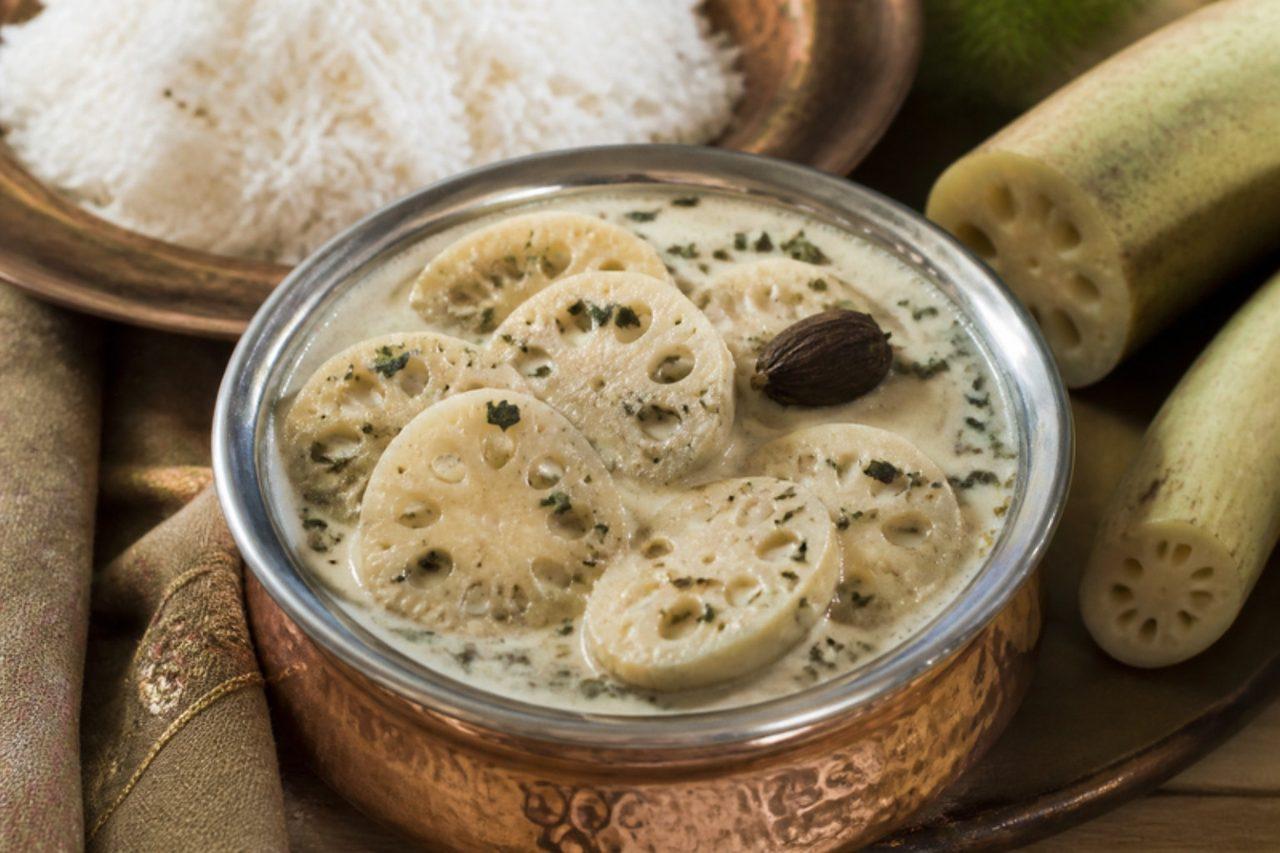
Nadru yakhniLotus stem in yogurt gravy

Lotus stem, called nadru in Kashmiri, is pulled from the shallow waters of the Dal and Anchar lakes around Srinagar, and Kashmiri Pandit families treat it as something close to a festive vegetable. Yakhni is their pale, onion-free yogurt gravy, scented with fennel, dry ginger and black cardamom instead of tomato or chilli. The lotus slices stay faintly crunchy and show their lacy holes in a creamy, ivory sauce. It turns up at Herath (Shivratri) meals and at Sunday lunches, always with a mound of plain steamed rice. Chef's tip: pick firm, pale stems with closed ends; the ends keep mud out of the hollow channels, so you rinse far less.

by KrazyBadal 0 views

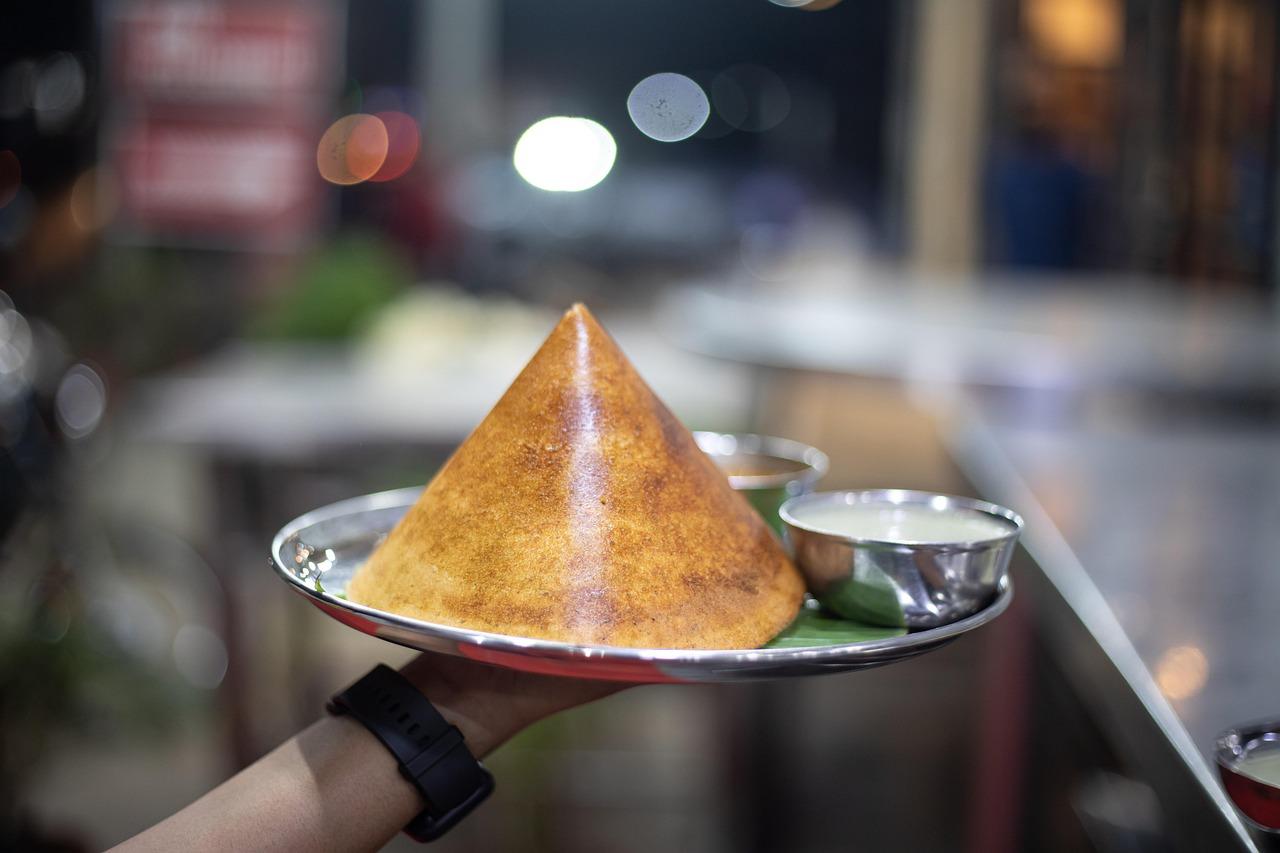
Mysore masala dosaGarlic chutney dosa with potato

Mysuru in Karnataka gave its name to this bolder dosa: a slightly thicker, golden crêpe that is crisp outside and soft inside, painted with a hot red chutney of dried chillies, garlic and roasted chana dal before the potato palya goes in. The chutney melts into the dosa as it cooks, so every bite has a sweet-spicy, garlicky kick. In Mysuru's old cafés it's served flat and folded, with coconut chutney to cool things down. Chef's tip: use Byadagi or Kashmiri chillies for the chutney; they give a deep red colour without blowing your head off, so you can spread it generously.

by KrazyBadal 1 views

LlajwaTomato and chilli salsa

No Bolivian table is set without llajwa, the fiery, bright salsa that goes on soups, potatoes, cheese empanadas and anything grilled. In La Paz and Cochabamba it's ground on a batán, a flat grinding stone with a rocking stone on top, which crushes tomatoes and locoto (a fleshy, very hot chilli) into a rough, juicy sauce. The signature herb is quirquiña, with a smell somewhere between coriander and rocket. Chef's tip: no stone? Pound in a mortar or pulse briefly; a blender whips in air and turns llajwa pink and foamy.

by KrazyBadal 0 views

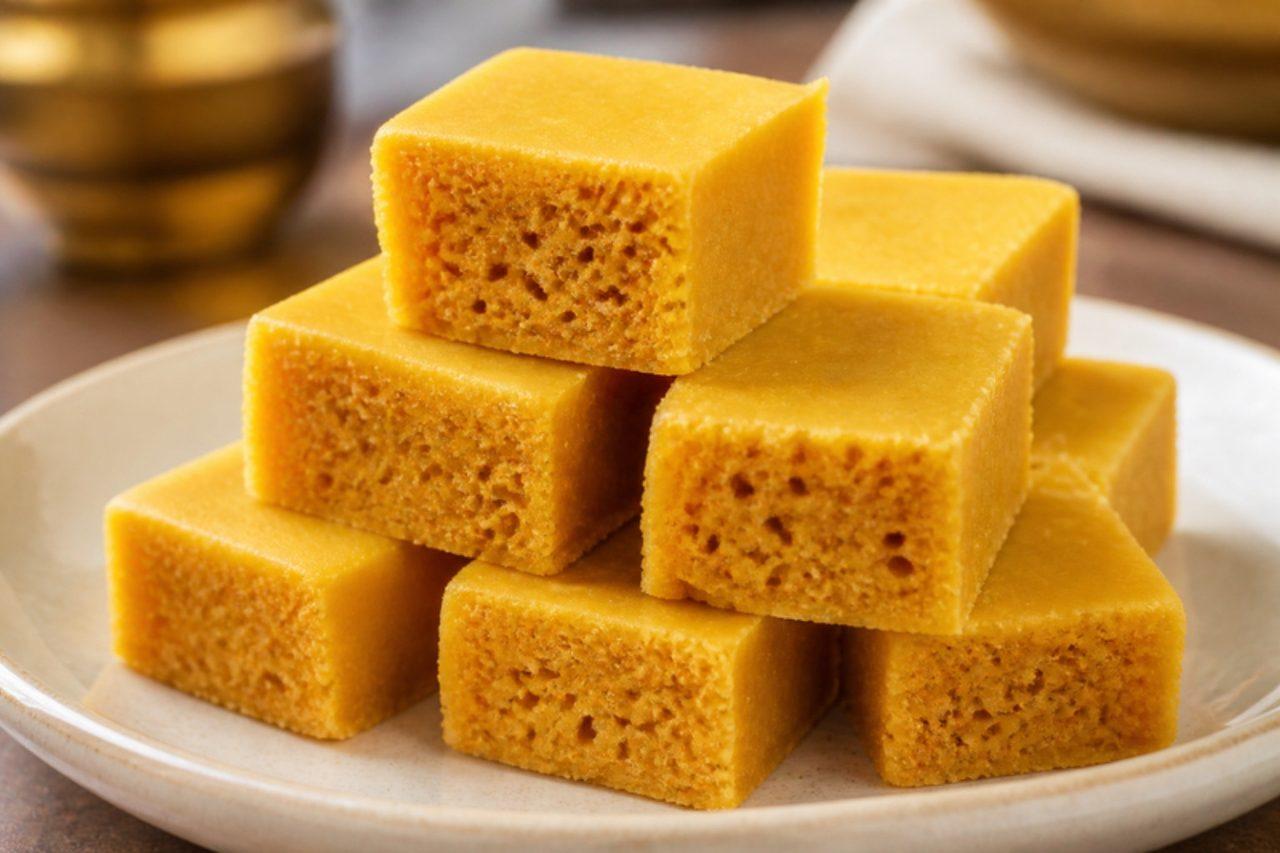
Mysore pakGram flour and ghee fudge

Mysore pak was first made in the kitchens of the Mysuru palace in Karnataka, and it's still the sweet that every Mysuru sweet shop is judged by. Roasted gram flour is cooked in a sugar syrup while hot ghee is poured in a spoonful at a time, until the mixture froths up and sets into a golden, honeycombed block. This home version is the softer, melt-in-the-mouth style, with a fine porous crumb; cook it a minute or two longer for the harder, crunchier traditional slab. It keeps for a week and is made for Diwali, weddings and Dasara. Chef's tip: keep the ghee hot on a second burner the whole time; hot ghee hitting the batter is what makes it froth and form those little air holes, and cold ghee gives a dense, greasy fudge.

by KrazyBadal 0 views

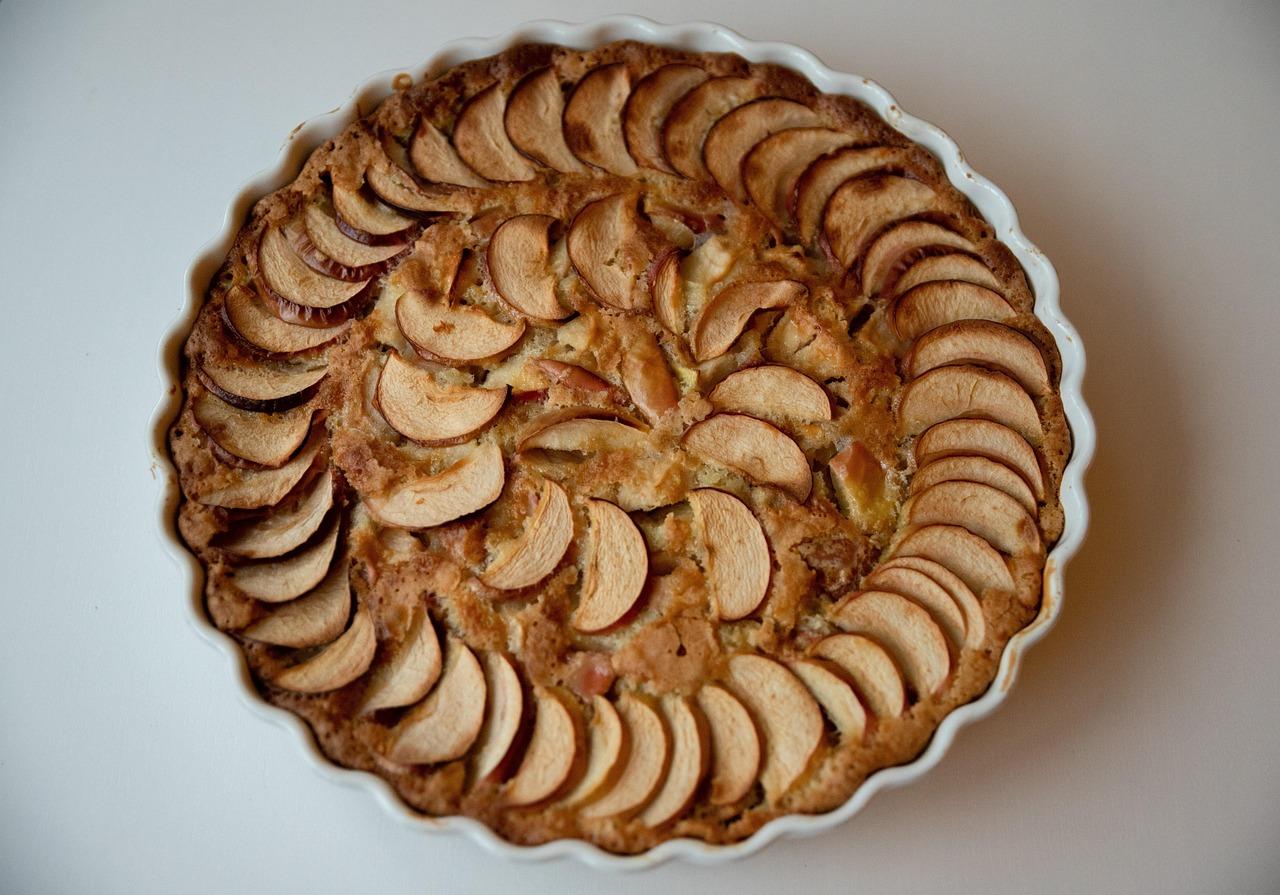
Tarte normandeApple tart with custard

Normandy is the land of orchards and dairy cows, and its apple tart uses both: sliced apples baked in a buttery pastry case, then covered with a custard of eggs, crème fraîche and sugar that sets around the fruit, golden and slightly puffed. Some cooks add a splash of Calvados, the local apple brandy. It's served for Sunday lunch, at village fêtes in autumn, and with a glass of cider. The apples stay soft but hold their slices, and the custard tastes like baked cream. Chef's tip: pre-bake the pastry case before adding the custard; skipping it is the common mistake that leaves a pale, soggy base.

by KrazyBadal 0 views

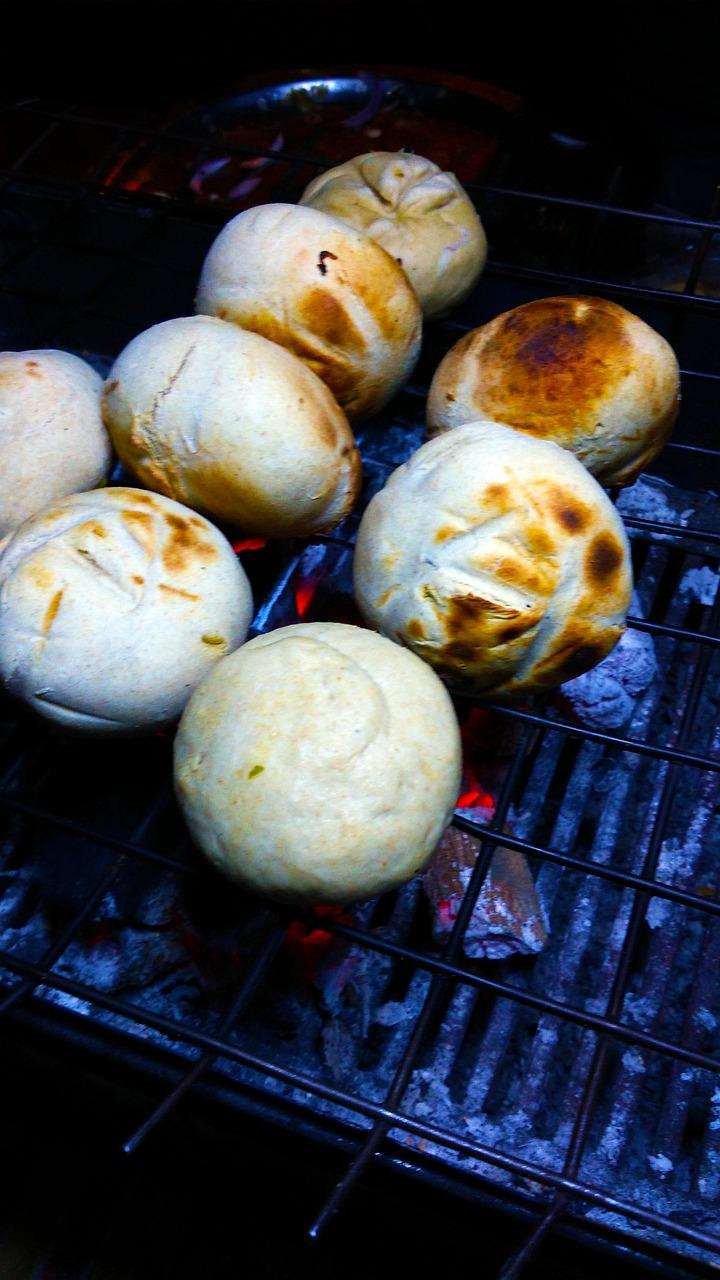
Litti chokhaStuffed wheat balls with mashed vegetables

Litti chokha is Bihar's signature meal, cooked on street corners and at village gatherings over smouldering embers. Litti are rustic wheat balls stuffed with sattu (roasted gram flour) sharpened with garlic, ginger, mustard oil and pickle masala; they bake until crusty outside and crumbly inside. Chokha is a smoky mash of fire-roasted aubergine, potato and tomato with raw mustard oil and green chilli. Together they are filling, protein-rich and deeply savoury. Many Biharis dunk hot litti in melted ghee; for a vegan plate, brush them with mustard oil instead. Chef's tip: roast the aubergine and tomatoes right on a gas flame until the skins are black all over; that charring is the whole flavour of chokha.

by KrazyBadal 0 views

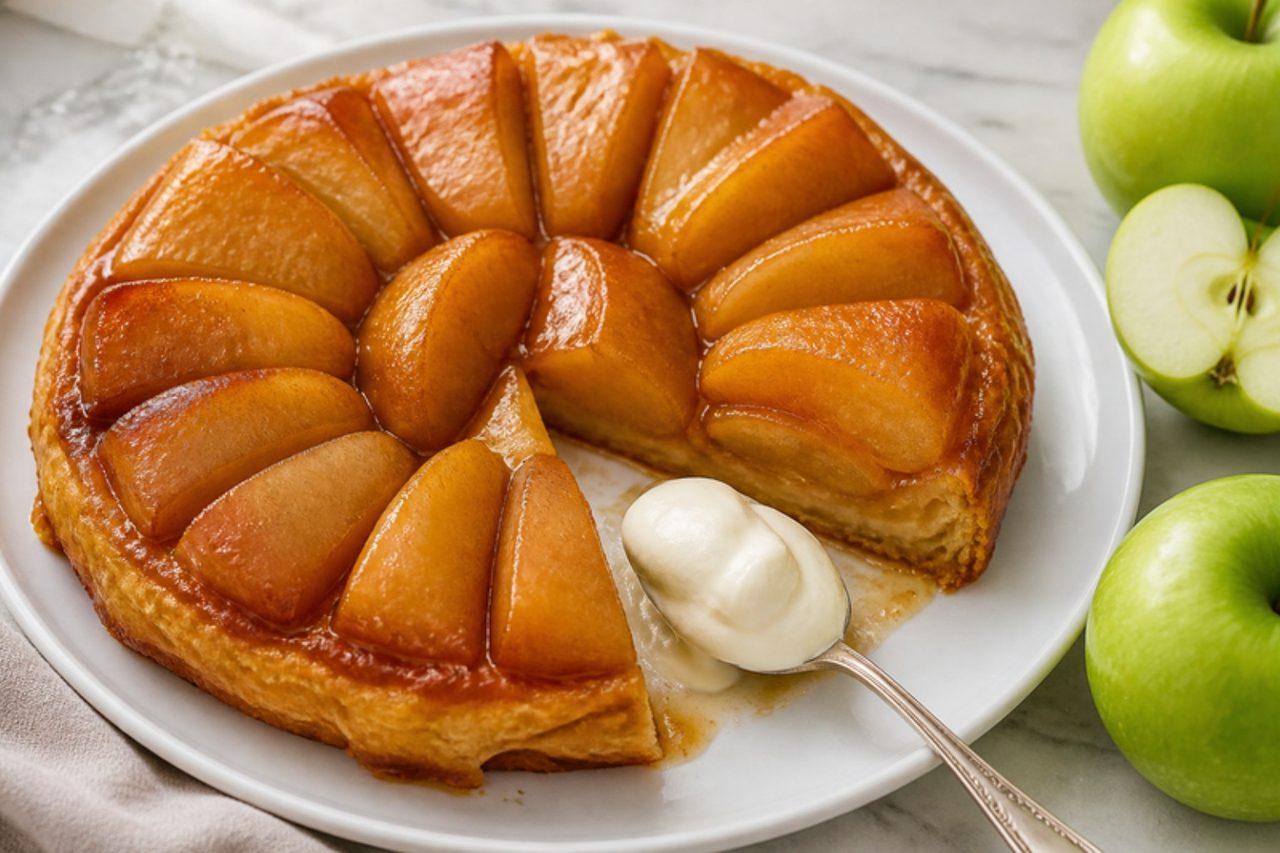
Tarte tatinUpside-down apple tart

Tarte tatin is said to have been created at the Hôtel Tatin in Lamotte-Beuvron, in the Sologne, south of Orléans, where the Tatin sisters cooked for hunting parties in the 1880s. The apples are cooked in butter and sugar until they turn amber, covered with pastry, baked, then turned out so the glossy caramelised fruit sits on top of a crisp base. It is the French family dessert of autumn and winter, served warm with crème fraîche. This version uses an all-butter shortcrust made without egg. Chef's tip: pack in more apples than seem possible, as they shrink; using too few is the common mistake and leaves a flat tart with gaps.

by KrazyBadal 0 views

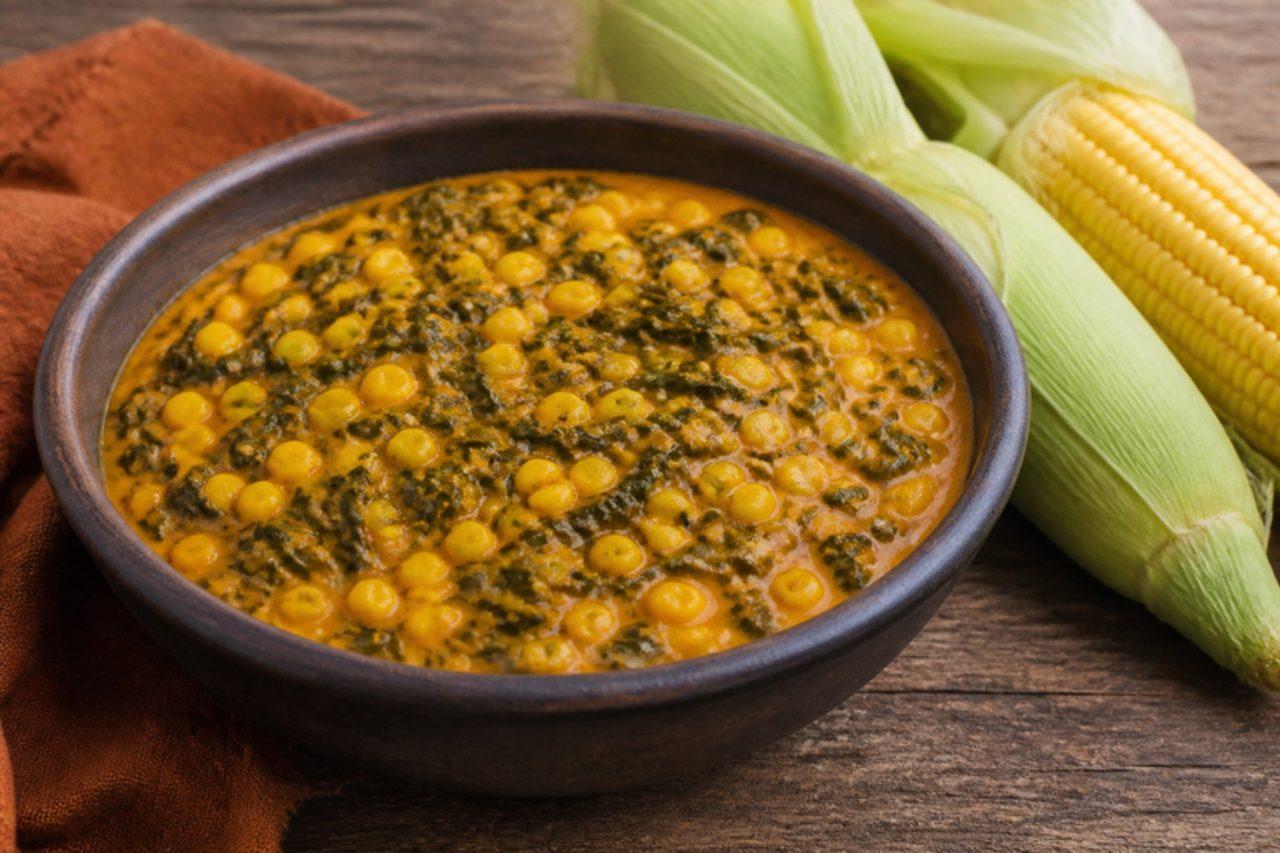
SangaCorn and greens in palm cream

Sanga is a home dish of the Beti people around Yaoundé in the Centre region of Cameroon, made in the maize season: young corn is grated off the cob and cooked with finely shredded njama njama (huckleberry leaves) and the orange pulp pressed from palm nuts. It is eaten warm from a bowl, sometimes with a little sugar stirred in. Spinach and tinned palm nut concentrate make a good version abroad. Chef's tip: grate the kernels off the cob rather than slicing them; the milky pulp is what thickens sanga.

by KrazyBadal 0 views

Sangkhya lapovCustard-filled steamed pumpkin

Sangkhya lapov is the showpiece of a Cambodian dessert stall: a squat green pumpkin, hollowed out, filled with an egg, coconut and palm sugar custard and steamed whole, then cut into wedges so every slice shows a band of orange flesh around a creamy caramel-coloured centre. In Phnom Penh it is sold by the slice at night markets and made at home for weddings and Pchum Ben. A small kabocha of about 1 kg is ideal. Chef's tip: cool it completely, ideally overnight in the fridge, before slicing; warm custard is soft and slumps out of the pumpkin.

by KrazyBadal 0 views

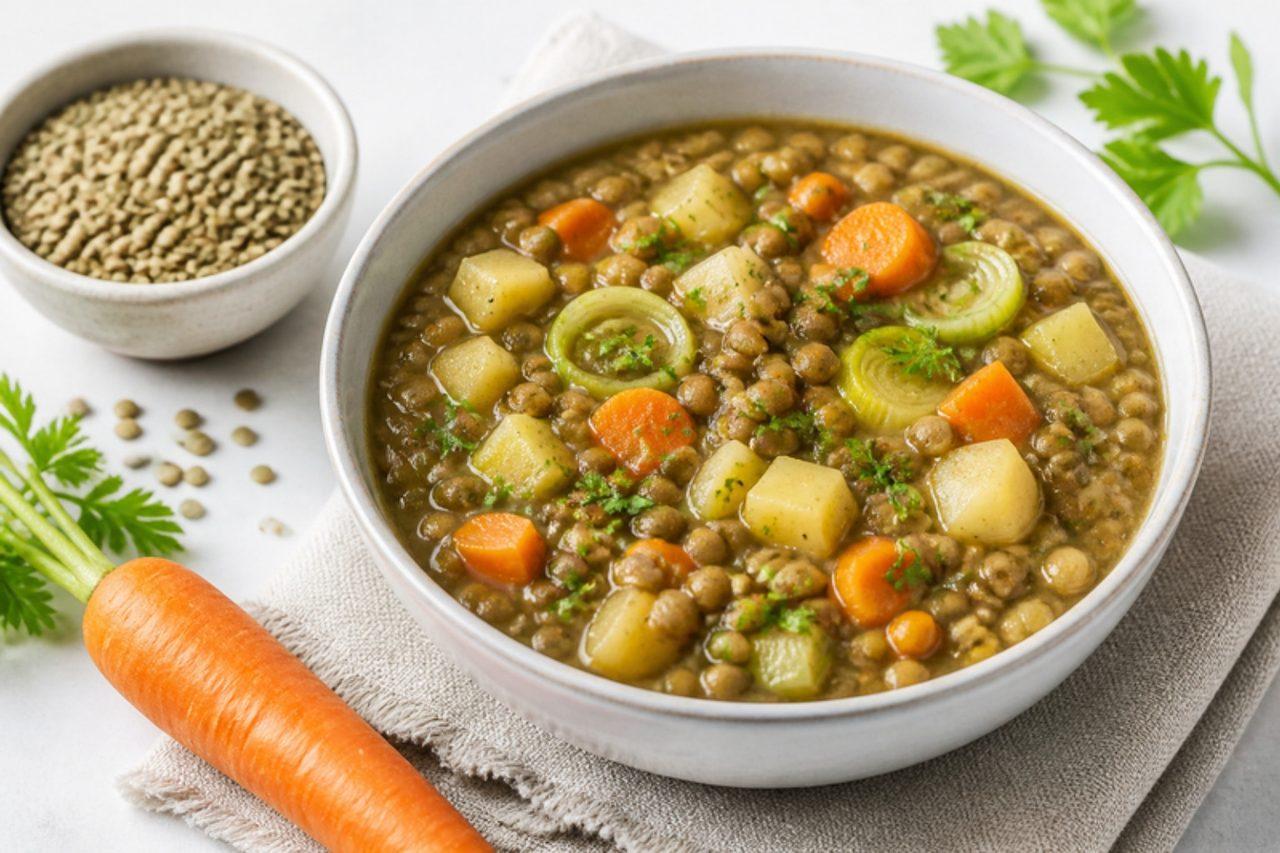
LinseneintopfLentil stew

Linseneintopf is the one-pot lentil stew that German families cook on cold weekdays, and in many school and works canteens it's still the Thursday or Saturday lunch. Brown lentils simmer with potatoes, carrots, celeriac and leek until thick and soft; the finishing touch, all over Germany, is a good splash of vinegar at the table, which wakes the whole bowl up. It's usually made with smoked sausage or bacon; here smoked paprika and vegetable stock give the smoky depth instead. Chef's tip: add the vinegar only at the end, because acid added early keeps the lentils hard.

by KrazyBadal 0 views

SantulaMildly spiced mixed vegetables

Santula is everyday Odia comfort food, the dish cooks in Bhubaneswar and Cuttack make when someone is unwell or when the family wants something light after festival meals. Papaya, potato, aubergine, pumpkin and raw banana are boiled with turmeric, then given a quick tempering of panch phoron, garlic and dried chilli in a little oil, and finished, in many homes, with a spoon of milk. It is soft, mild and slightly soupy, and eaten with rice and dal. Chef's tip: boil the vegetables only until just tender; santula should look like separate pieces, not a mash.

by KrazyBadal 0 views

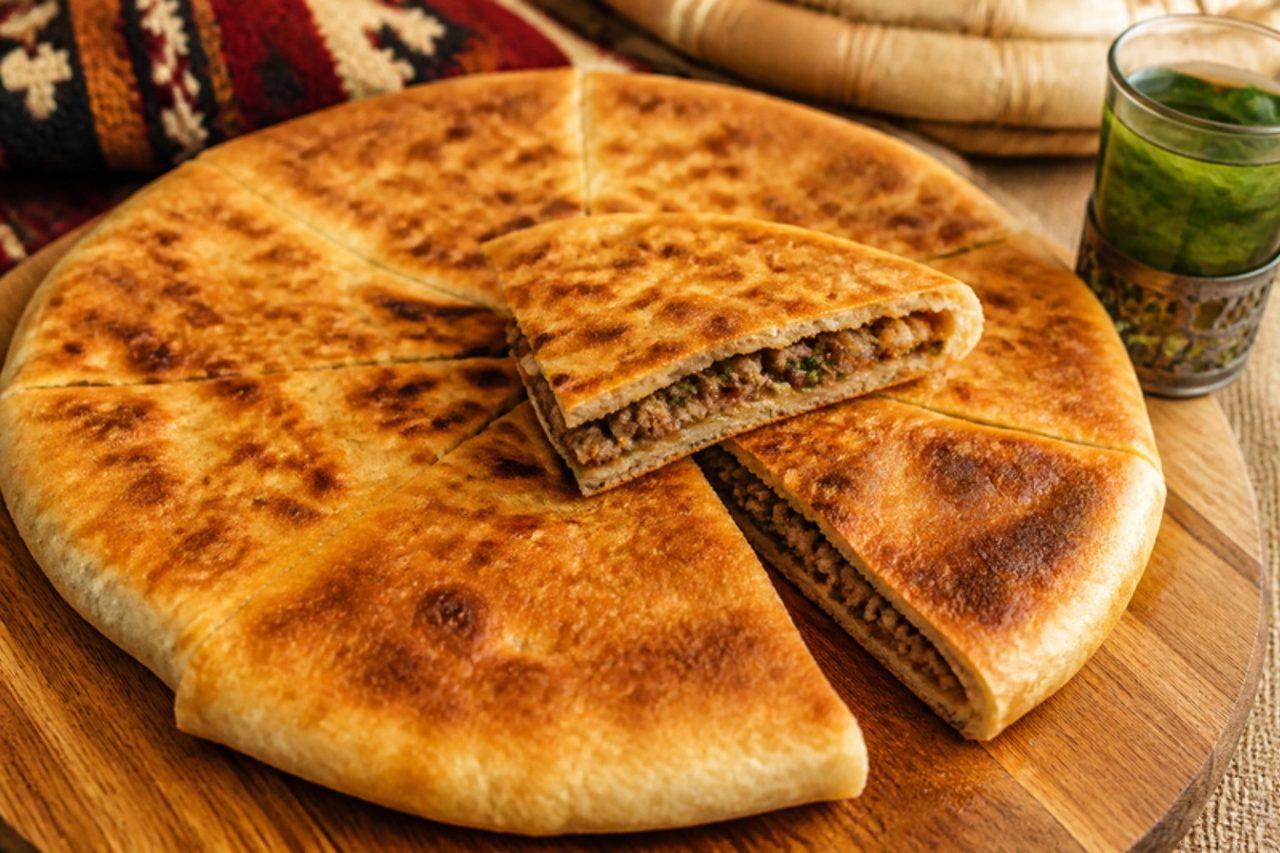
MedfounaSpiced meat stuffed bread

Out on the edge of the Sahara around Rissani and Merzouga, medfouna means 'buried', because the stuffed bread was traditionally baked in hot sand next to a fire. Two rounds of soft yeast dough enclose a filling of spiced beef, lots of onion, parsley and a little fat, and the whole thing bakes into a golden, crusty pie that is cut into wedges like a pizza. It is road-trip food, market-day food and the meal desert guides cook for travellers, eaten hot with mint tea. Chef's tip: squeeze the chopped onion and drain the cooked filling well; dry filling means a crisp base instead of a soggy one.

by KrazyBadal 0 views

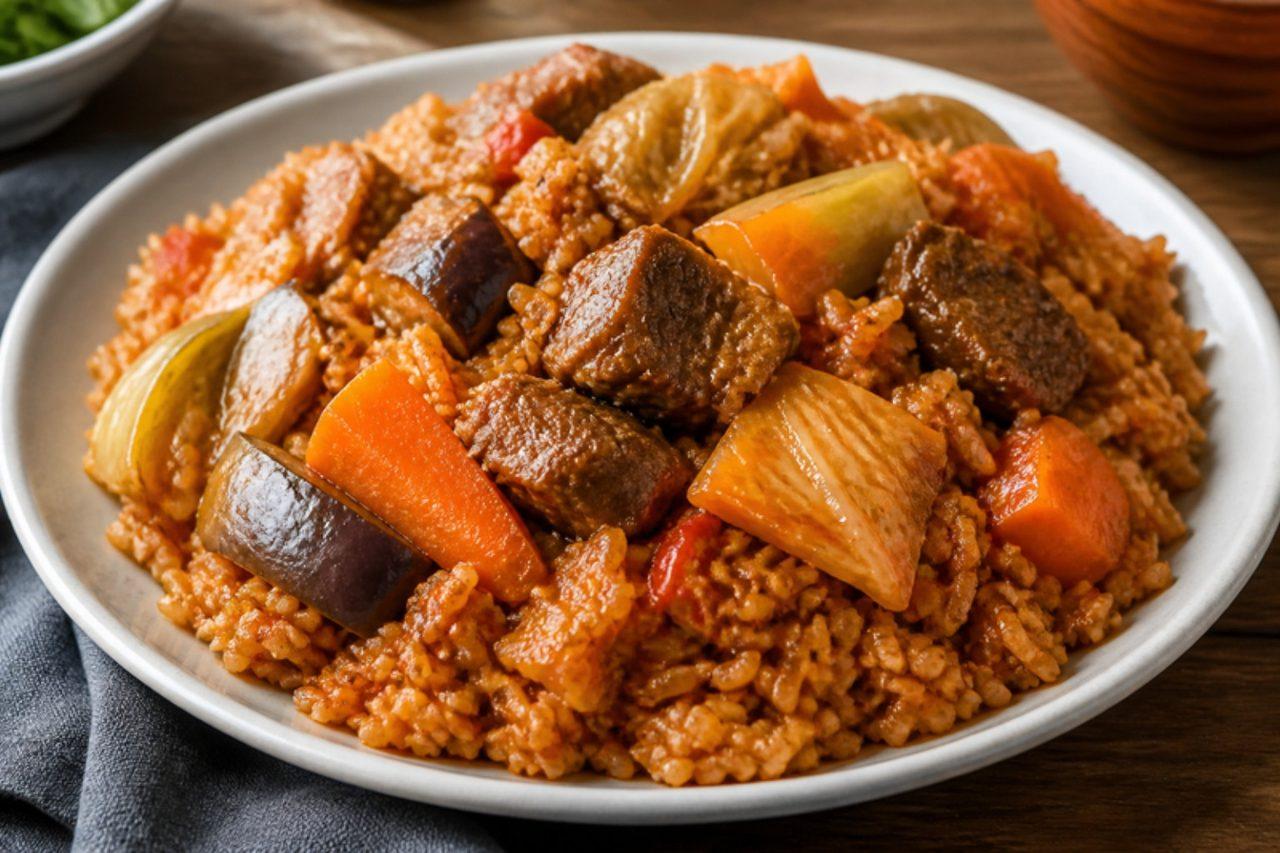
Riz grasRice cooked in beef stew

Riz gras is the celebration rice of Bamako and Ouagadougou, cooked in big pots for weddings, Tabaski and family Sundays. Beef is simmered with onion, tomato and garlic into a rich stew, and the rice is cooked in that broth until every grain is orange and glossy, with the meat and vegetables piled on top. The mistake is adding too much liquid, which turns the rice soggy; measure it. Chef's tip: fry the rice in the stew's oil for a minute before adding the broth, so the grains stay separate.

by KrazyBadal 0 views

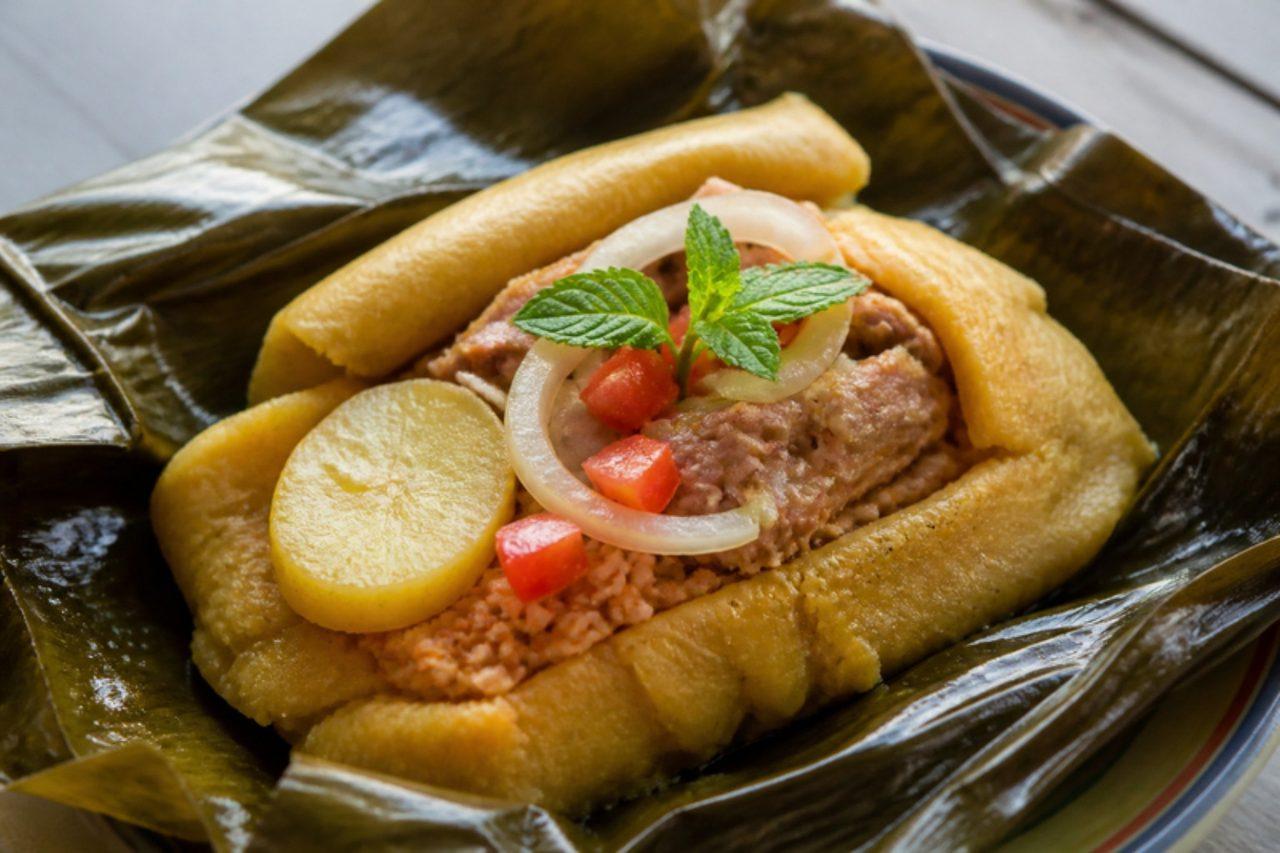
NacatamalLarge pork tamal in banana leaf

Nacatamales are the Saturday and Sunday breakfast of Nicaragua, bought from neighbours who make them on Friday nights or steamed at home for Christmas: a large, soft masa dough enriched with lard and sour orange, wrapped round marinated pork, rice, potato, tomato, onion, sweet pepper and mint, then tied in banana leaves and steamed for hours. This dish contains pork. They are eaten with bread and black coffee. The mistake is a dry masa: it should be soft and spreadable, almost like thick mashed potato, or the tamal turns hard. Chef's tip: wipe the banana leaves and pass them briefly over a flame so they become supple and don't split.

by KrazyBadal 0 views

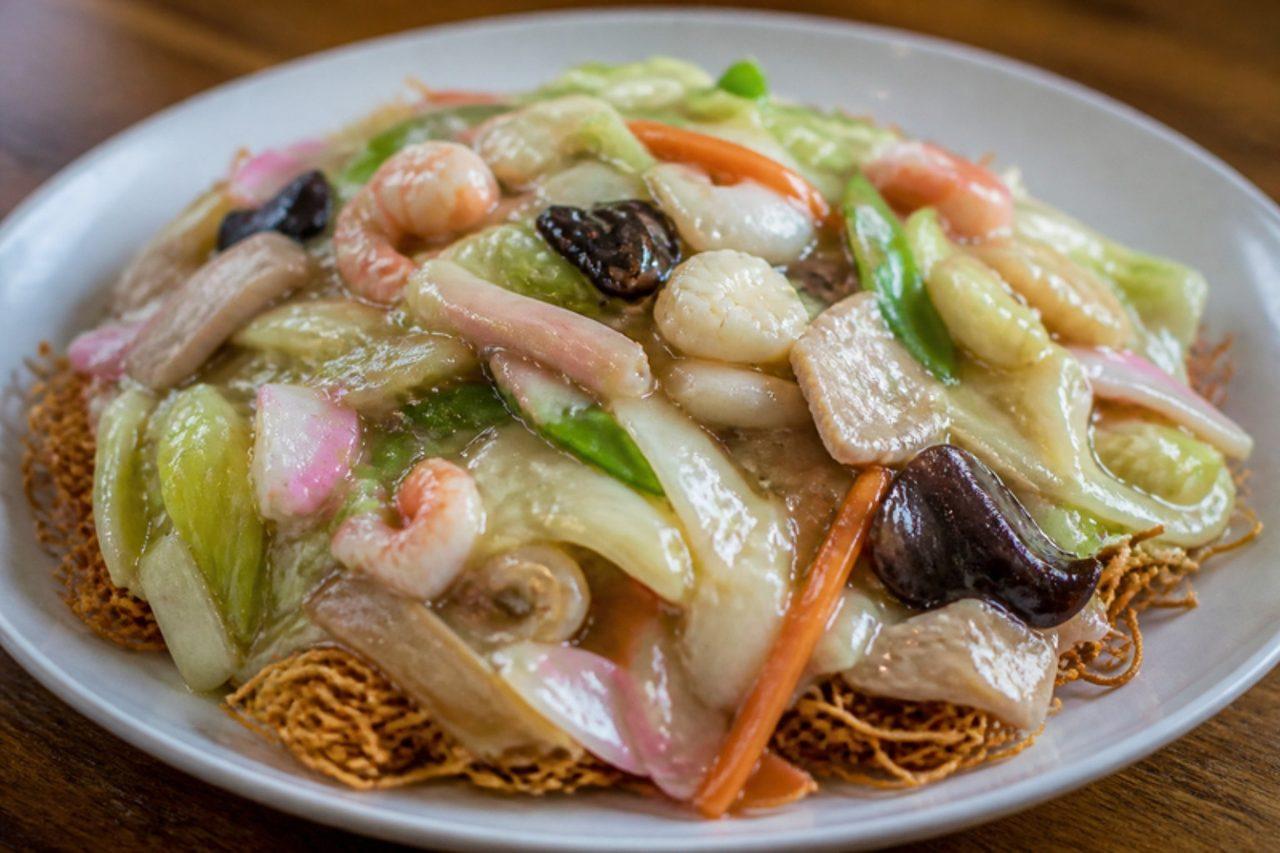
Sara udonCrispy noodles with seafood sauce

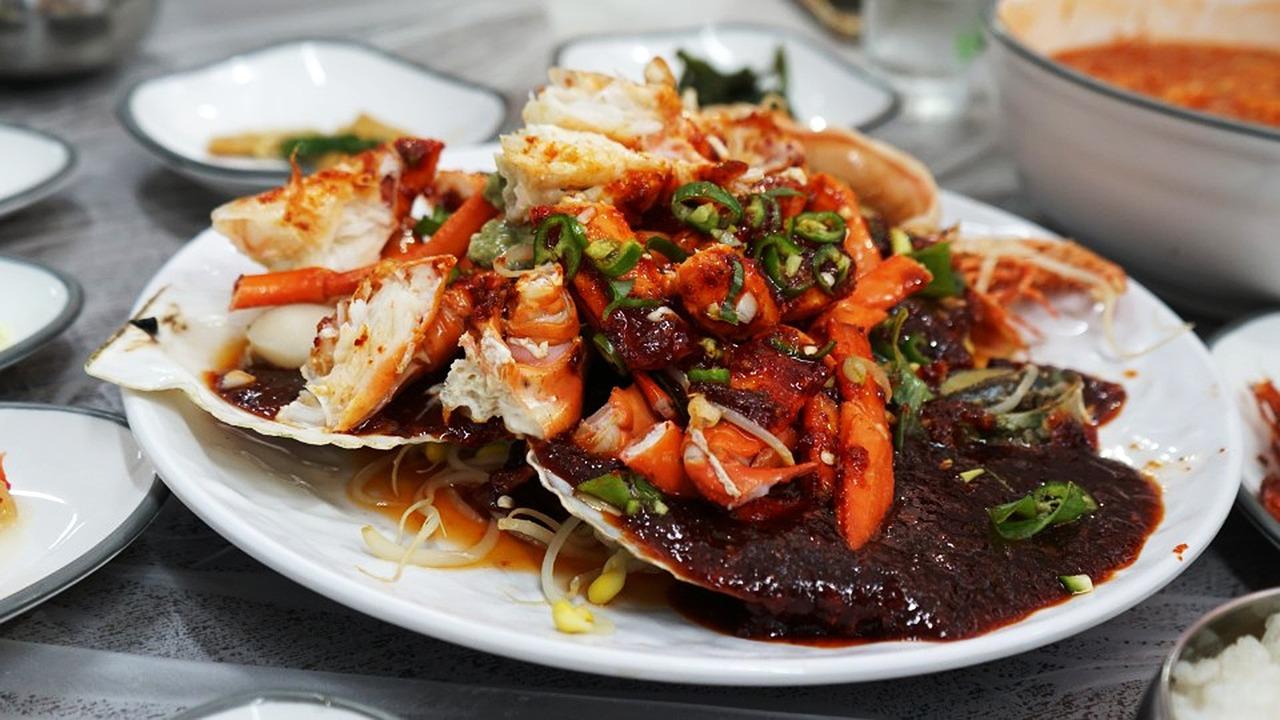
Nagasaki's second famous noodle dish uses the same toppings as champon but turns them into a thick sauce poured over a plate of crunchy fried noodles. The name means plate udon, though the classic noodles are very thin and fried crisp. In Nagasaki homes it is a quick weekend lunch and a standard dish at family gatherings, and supermarkets there sell the fried noodle nests ready to use. People splash it with Worcestershire sauce at the table, and a dab of hot mustard is common too. Chef's tip: pour the sauce over at the very last moment and let the noodles soften slowly as you eat, so you get crisp and soft in every mouthful.

by KrazyBadal 0 views

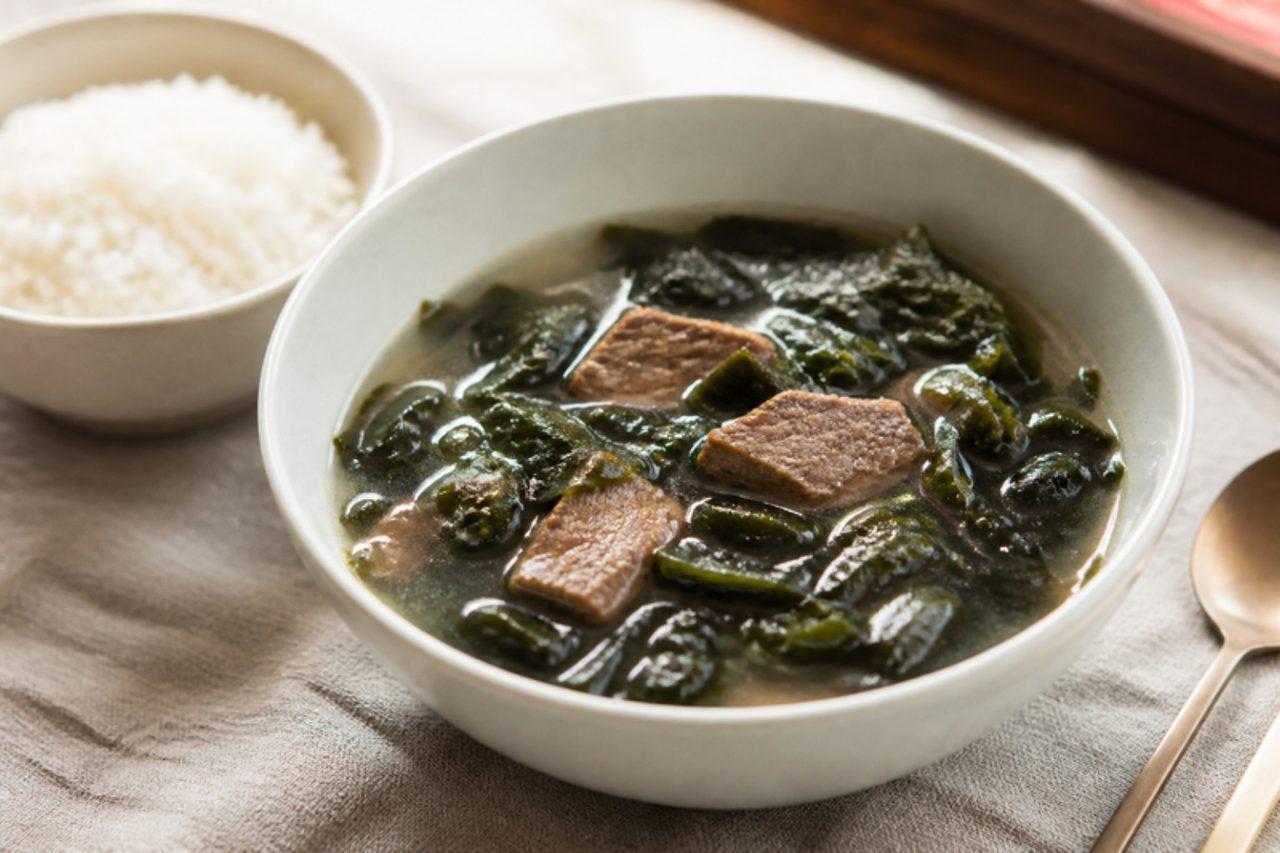
Miyeok guk with beefSeaweed soup with beef

Ask someone in Korea what they ate on their birthday morning and the answer is usually miyeok guk. The same soup is given to new mothers for weeks after a birth, as the seaweed is rich in iodine, calcium and iron. Some students avoid it on exam days, because slippery seaweed is said to make you 'slip' in the test. The broth is clear and mild, made with brisket fried in sesame oil and seasoned with soup soy sauce. Chef's tip: squeeze the soaked seaweed hard and fry it with the beef for a few minutes; it gives the broth a rounder, nutty taste.

by KrazyBadal 0 views

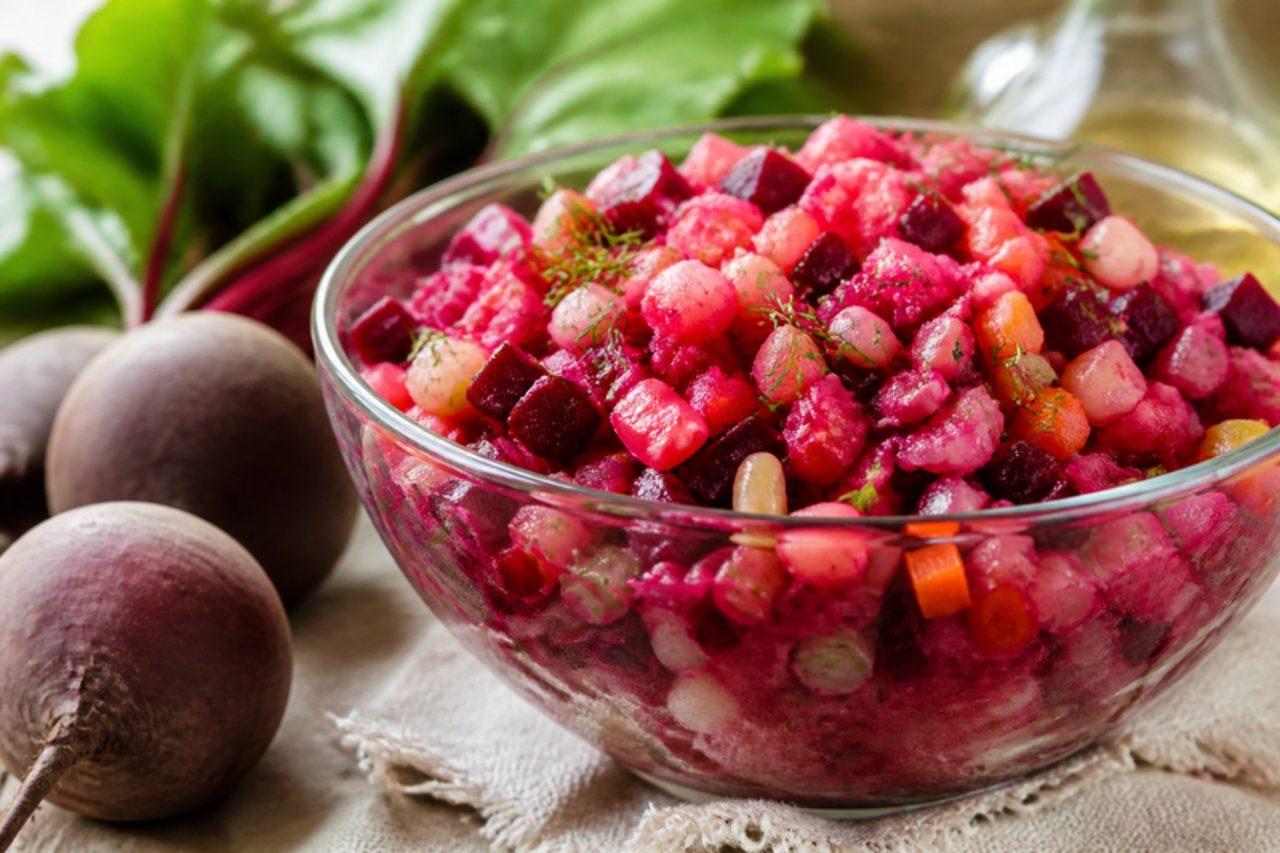
VinegretBeetroot and potato salad

Vinegret is the ruby-coloured salad that sits on almost every Ukrainian New Year and Christmas table, alongside olivier, and fills lunch boxes through the winter. Cooked beetroot, potato and carrot are diced small and tossed with sauerkraut, pickled cucumbers and beans, then dressed with fragrant unrefined sunflower oil, the kind sold by the bottle at markets in Poltava and Kherson. Despite the name there is often no vinegar at all; the sourness comes from the pickles. It is vegan, cheap and keeps for days. Chef's tip: dress the diced beetroot with oil on its own first, then mix in everything else; the oil coats it so the potatoes stay pale and the salad looks like a mosaic rather than all pink.

by KrazyBadal 0 views

MaubySpiced bark drink

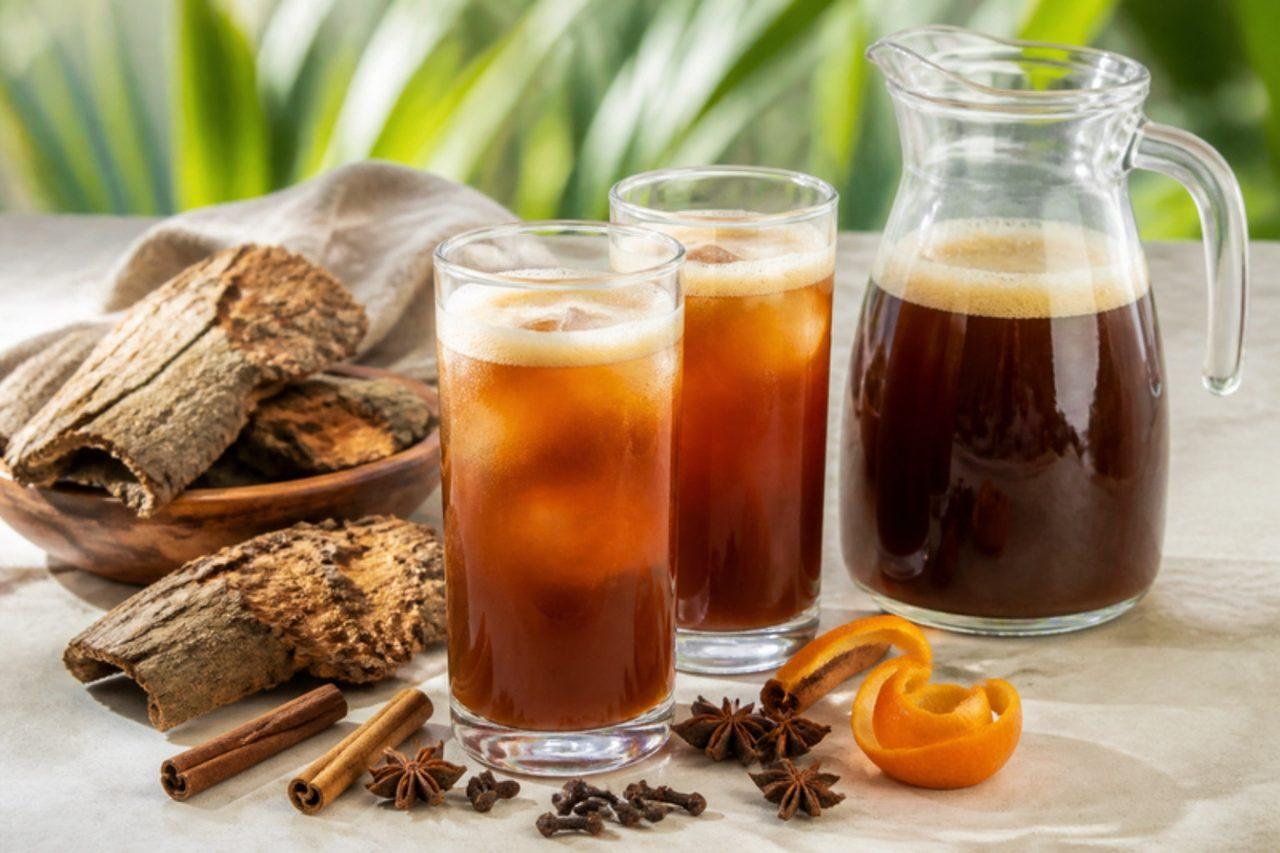
Mauby is one of the oldest drinks of the Eastern Caribbean, and in Barbados it's sold ice-cold from vendors in Bridgetown and made at home on hot afternoons. It's brewed from the bark of the mauby tree, simmered with cinnamon, clove, star anise, bay and orange peel, then sweetened and diluted. The first sip is surprising: bitter like strong tea or tonic, then sweet, spicy and refreshing, with a liquorice note. Bark is sold in Caribbean shops and online. Chef's tip: brew a strong concentrate and dilute it to taste; mauby lovers like it bitter, newcomers should start with more water and more sugar.

by KrazyBadal 0 views

Sarawak laksaSpicy coconut noodle soup

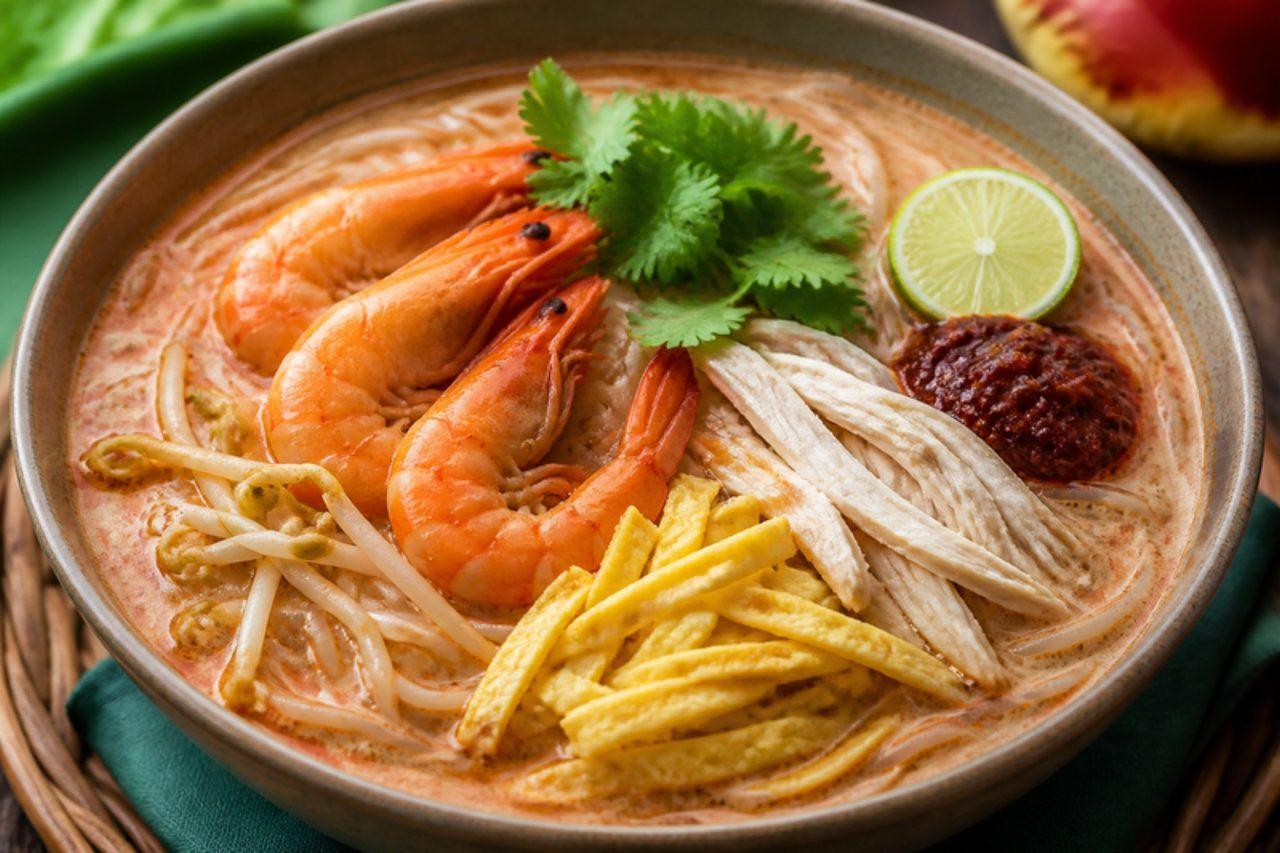
Kuching wakes up to laksa Sarawak, ordered at coffee shops before work and reaching its peak on a lazy Sunday morning. It looks nothing like curry laksa: the broth is a russet, gently creamy soup built on a complex paste of chillies, shallots, galangal, toasted sesame, peanuts and warm whole spices, cooked into a chicken and prawn-shell stock with tamarind and a little coconut milk. Thin rice vermicelli is topped with shredded chicken, whole prawns, ribbons of omelette and bean sprouts, and every bowl comes with lime and a dab of sambal belacan. The work is in the paste, which keeps well and makes several batches. Chef's tip: toast the spices, sesame seeds and peanuts separately in a dry pan before grinding; it gives the broth its deep, roasted aroma.

by KrazyBadal 0 views

TartiflettePotato, bacon and Reblochon bake

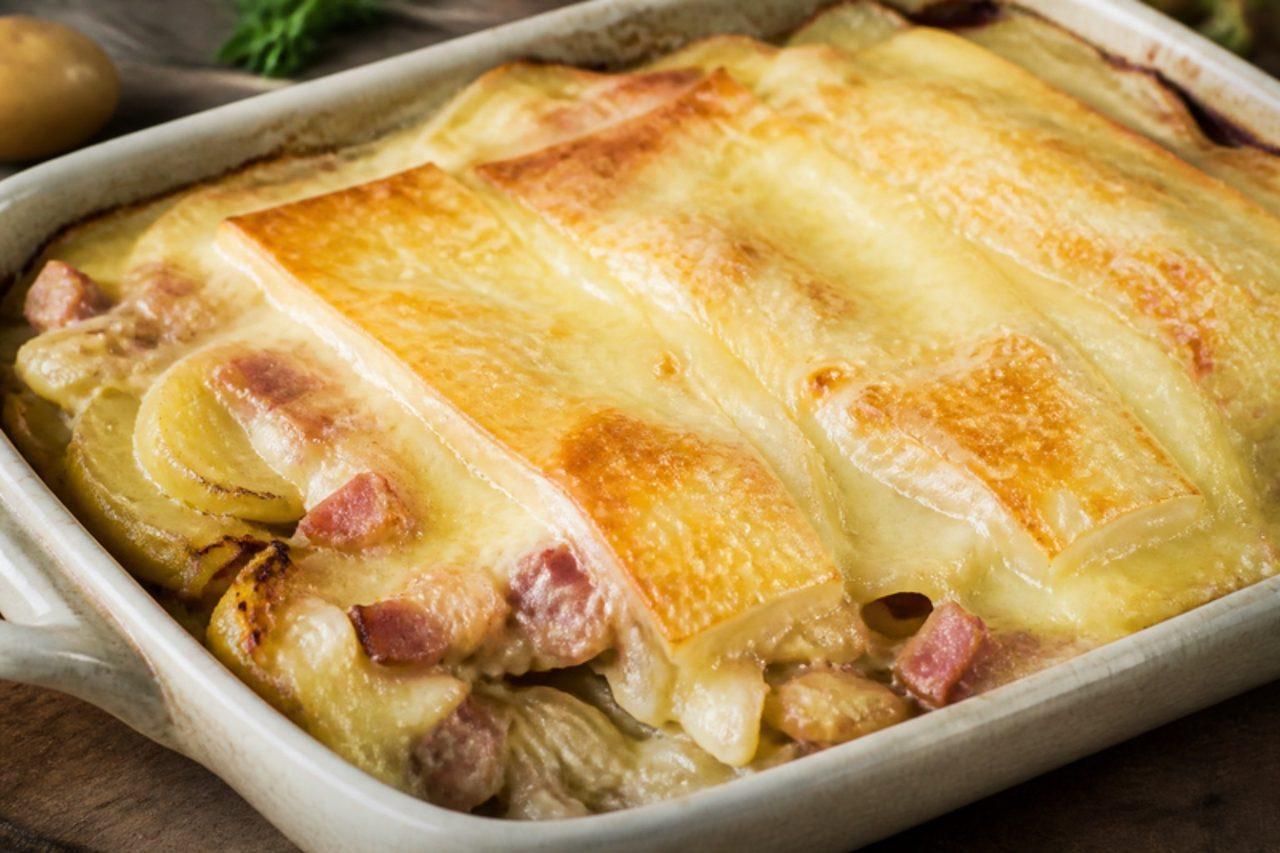
Tartiflette is the dish skiers dream about on the last run of the day in the Savoie Alps, served bubbling in its dish in mountain restaurants from Annecy to Val d'Isère. It contains pork: sliced potatoes are layered with onion, smoky lardons and a splash of cream, then a whole Reblochon cheese is halved and laid rind-side up on top so it melts down through everything in the oven. Many cooks add a splash of white wine to the onions; this recipe leaves it out, so it is alcohol-free. Eat it with a sharp green salad and cornichons. Chef's tip: keep the rind on the Reblochon; it bakes to a golden, nutty crust.

75 minFrenchMeatGluten free
by KrazyBadal 0 views

Nagasaki castellaHoney sponge cake

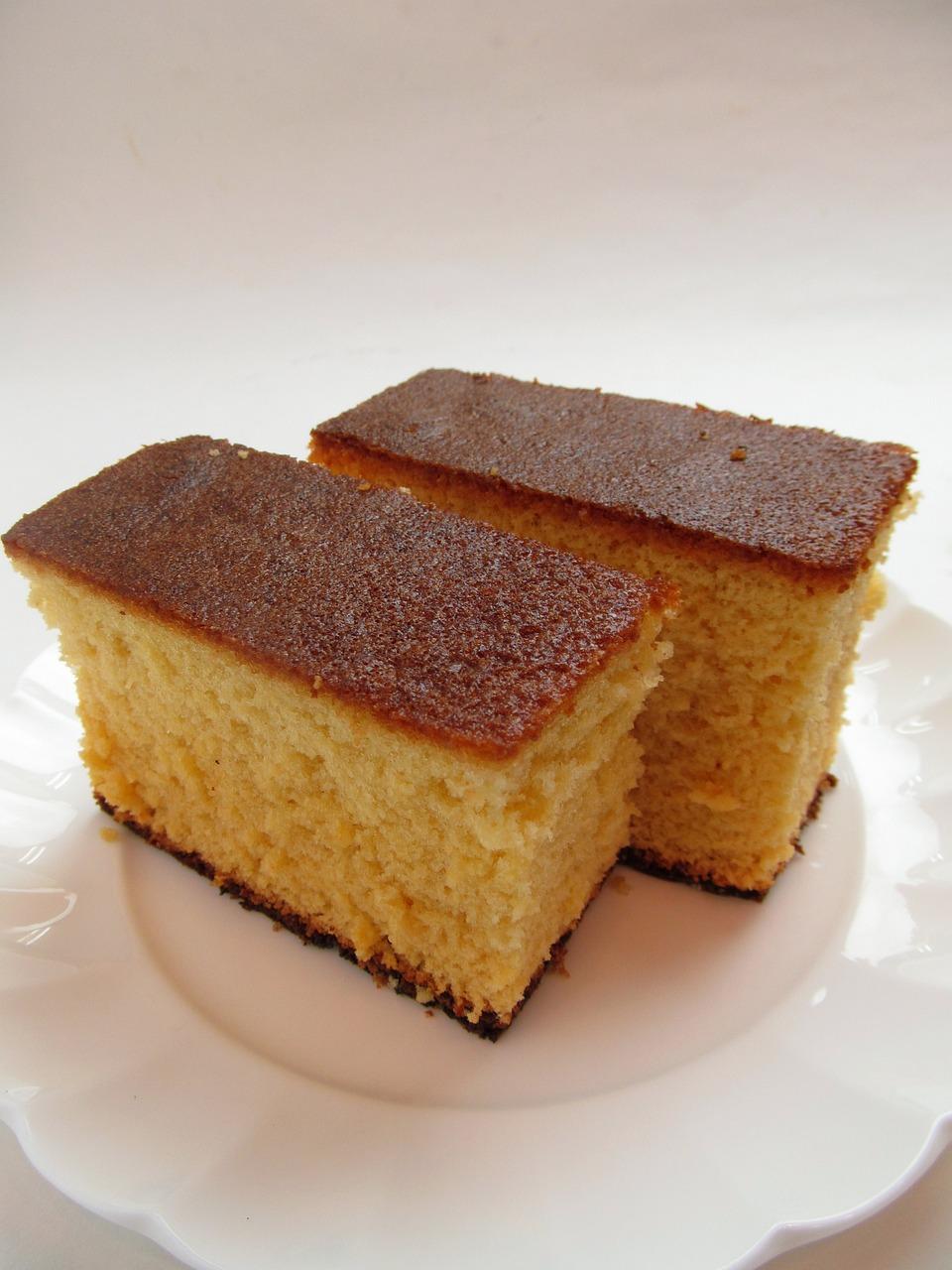
Castella arrived in Nagasaki with Portuguese traders in the 16th century, when the port was Japan's only window to Europe, and the name probably comes from 'pão de Castela', bread from Castile. Over 400 years Nagasaki's bakers turned it into something their own: a tall, fine-crumbed sponge made only of eggs, sugar, flour and honey, with a dark, sticky top and a layer of crunchy zarame sugar crystals at the bottom. It's still sold in long wooden boxes at old shops near the harbour and given as a formal gift. Cut it into neat slices and serve with green tea. Chef's tip: wrap the cake in cling film while still warm and rest it overnight. Its moist, springy texture develops as it rests.

by KrazyBadal 0 views

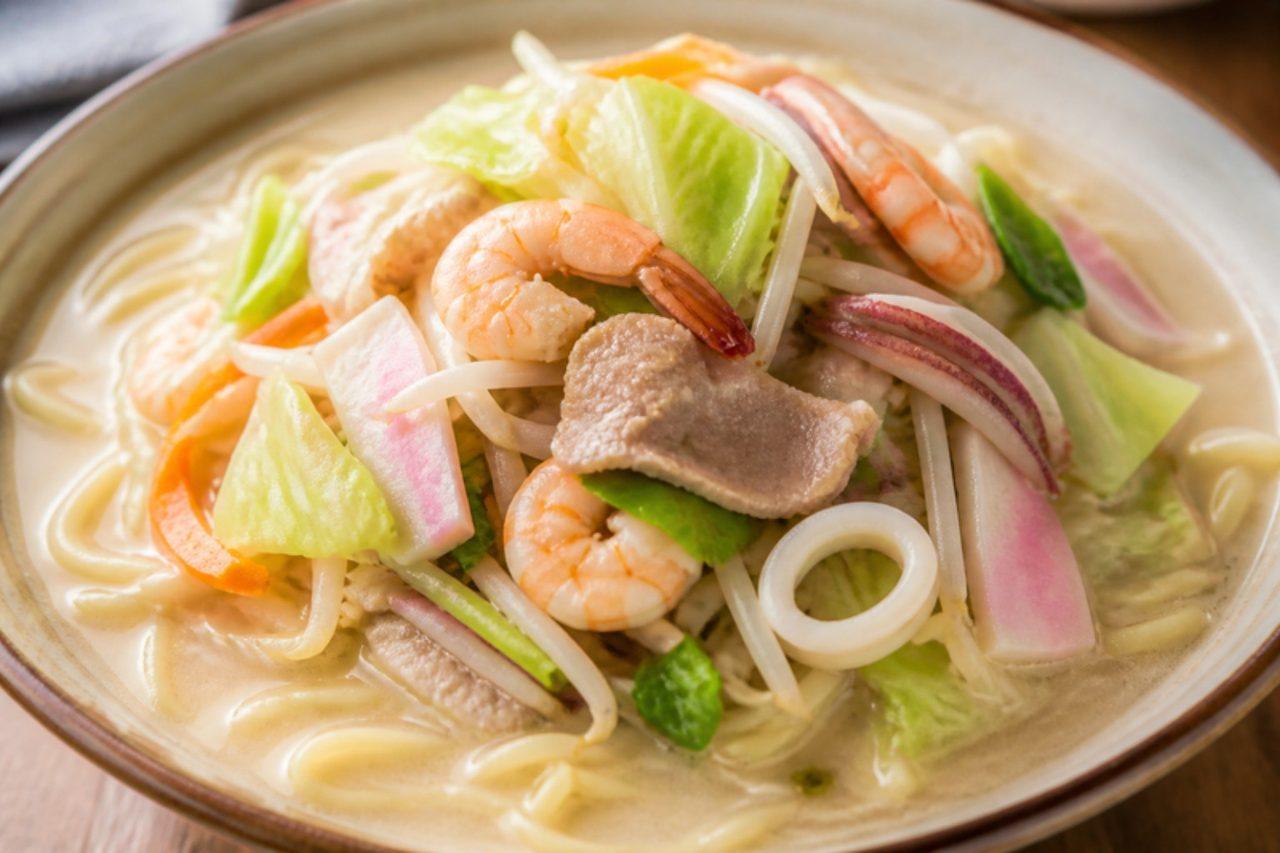
ChamponSeafood noodle soup

Champon belongs to Nagasaki, the port that stayed open to Chinese and Dutch traders for centuries. It was created there at the end of the 19th century by a Chinese restaurant owner who wanted a cheap, filling meal for Chinese students, and the city's Chinatown still serves it in huge bowls. Pork, squid, prawns, fishcake and a pile of cabbage are fried in one wok, then the stock goes in and the thick noodles cook right in the soup. Restaurants make the cloudy broth from long-boiled pork and chicken bones; at home a little milk gives the same mellow, creamy look. Chef's tip: fry everything over the highest heat in small batches; the slight scorch on the cabbage and pork is what flavours the soup.

by KrazyBadal 0 views

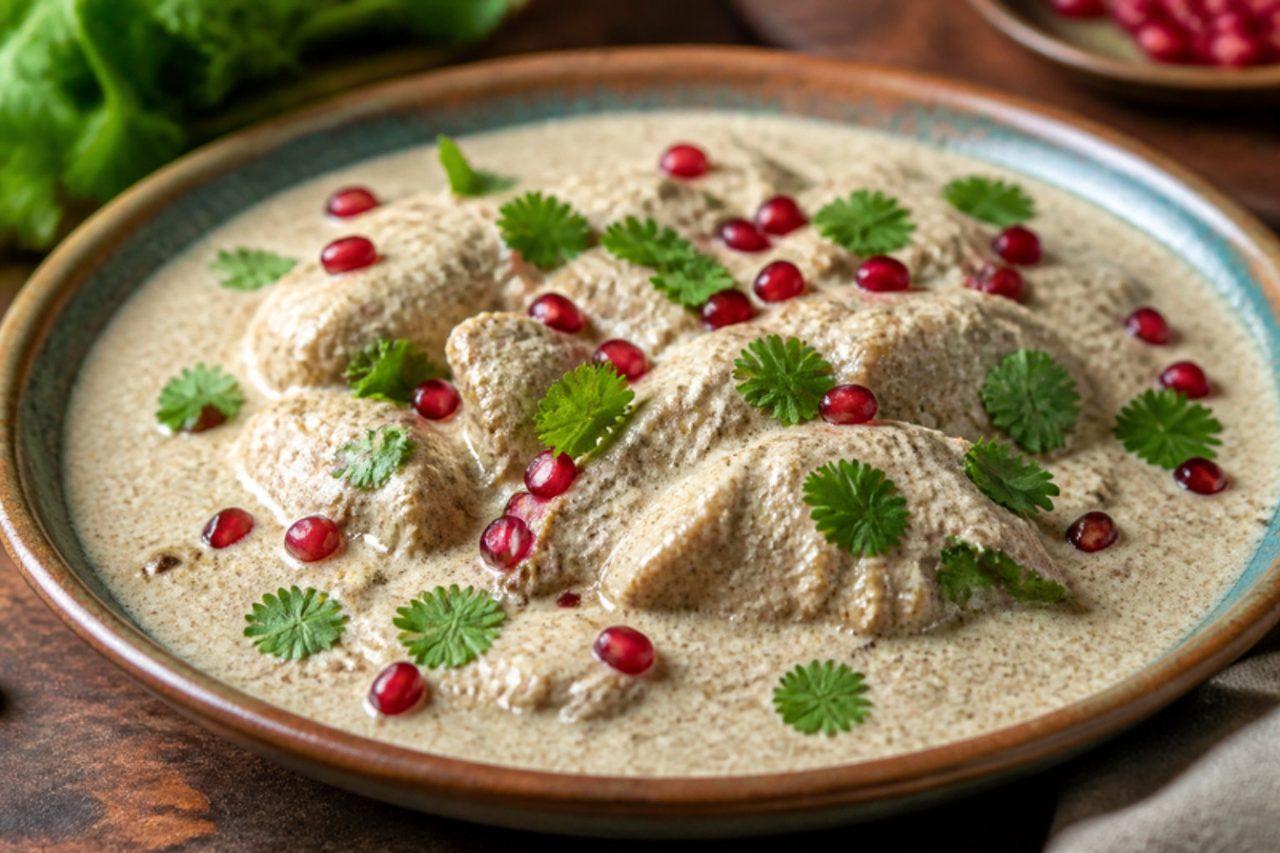
SatsiviChicken in cold walnut sauce

Satsivi is a dish of the Georgian New Year table, prepared in homes across western Georgia, Imereti and Samegrelo, a day ahead so it can be served cold at the long supra feast on 1 January. Poached chicken is covered in a thick, ivory walnut sauce scented with garlic, fenugreek, coriander and marigold petals and sharpened with vinegar. It is rich and fragrant, eaten with cornbread (mchadi) or fresh bread. Chef's tip: blend the walnuts with a little warm stock until they release their oil; this gives the sauce its silky texture.

by KrazyBadal 0 views

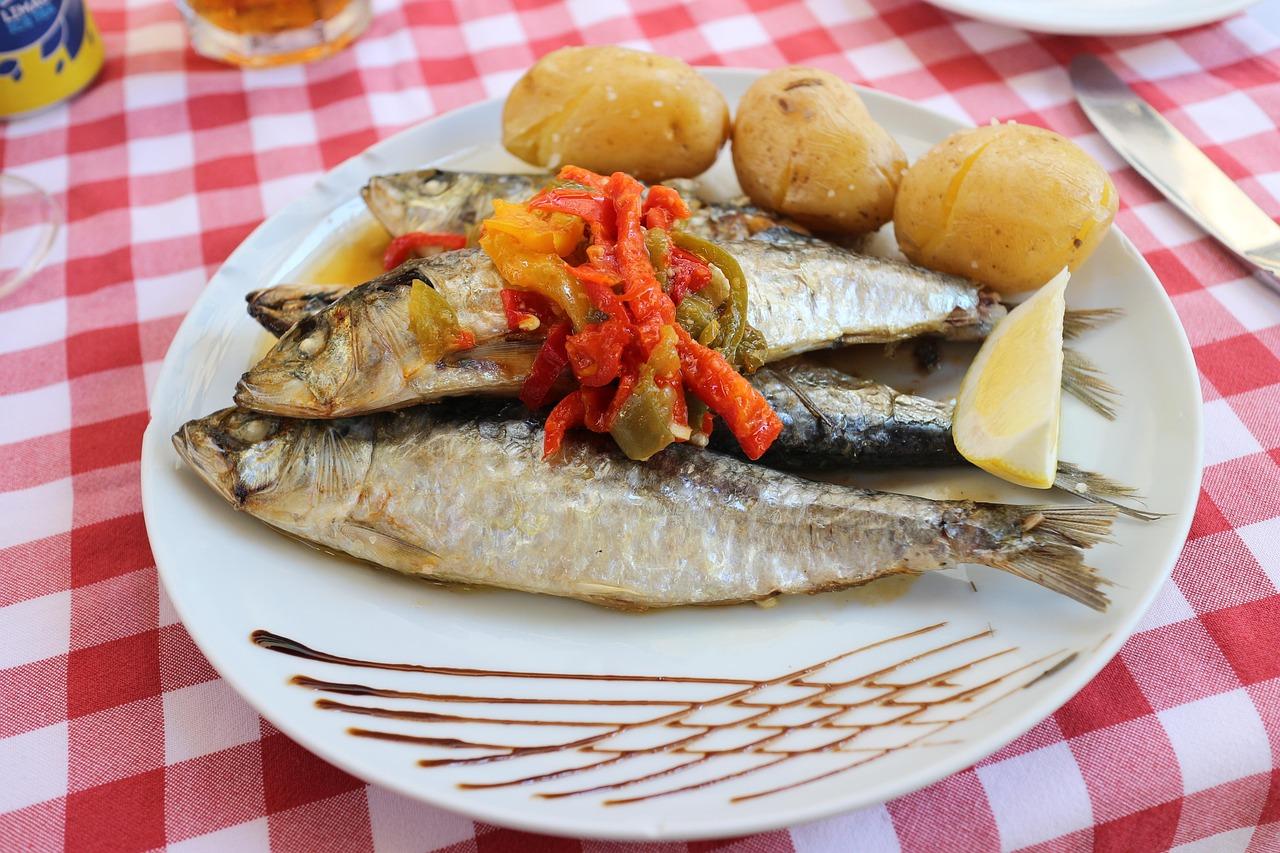
Sardinhas assadasGrilled sardines

In June the steep lanes of Alfama and Mouraria fill with smoke during the Santos Populares, Lisbon's street festivals for Saint Anthony, and almost every grill is loaded with sardines. They are salted, grilled whole over charcoal until the skin blisters, and laid on a thick slice of country bread that soaks up their juices. Add roasted green peppers and a salad of tomato and onion, and that is the whole feast. Chef's tip: salt the sardines with coarse salt 30 minutes before grilling and keep them chilled; the salt firms the skin so it doesn't stick to the grill.

by KrazyBadal 0 views

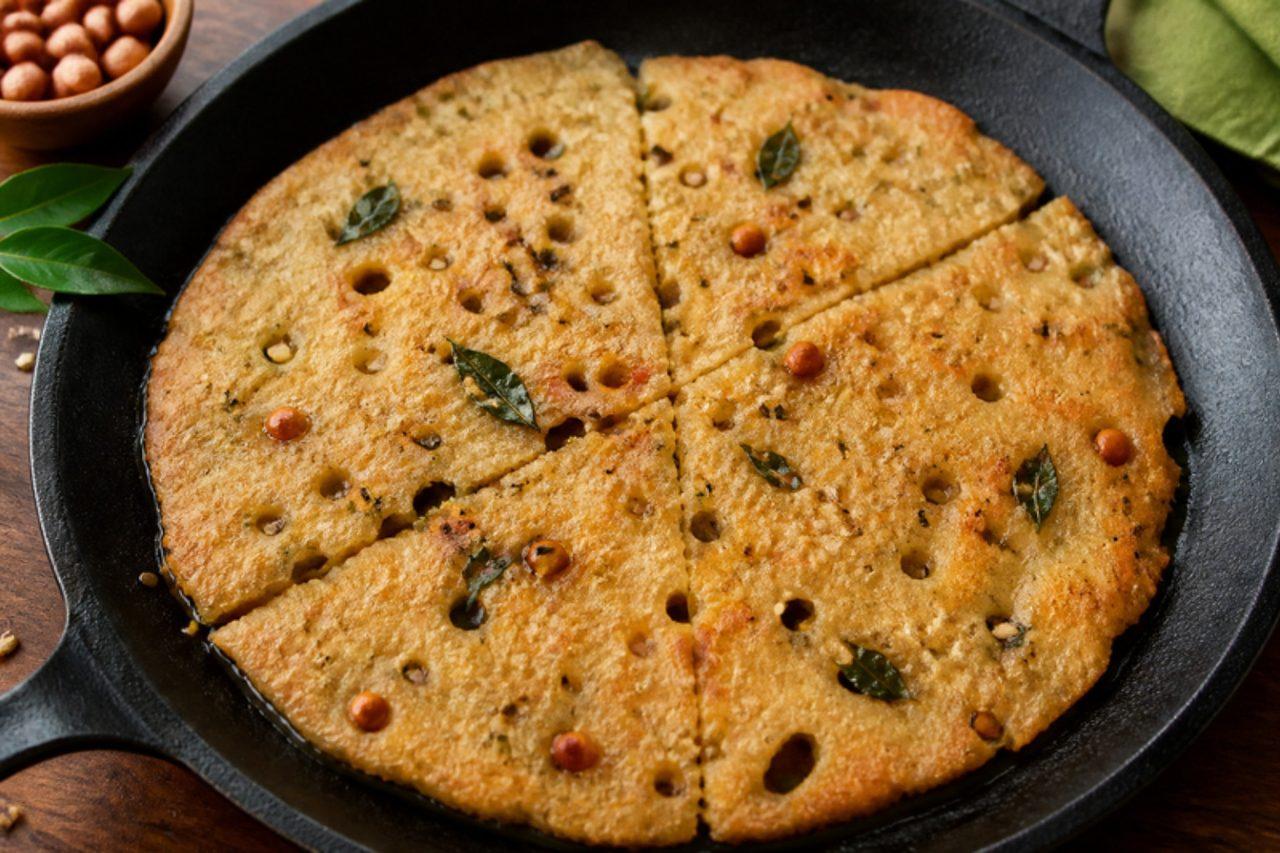
Sarva pindiRice flour and peanut flatbread

Sarva pindi, also called ginne appa or tapala chekka, is a thick, crisp rice-flour bread from rural Telangana, pressed by hand into a heavy pan, studded with holes and baked slowly in oil until the base is golden and crunchy. The dough is full of soaked chana dal, peanuts, sesame, green chilli, curry leaves and coriander, so every bite is savoury and nutty. It is the snack that waits on the stove when children come home from school, and a favourite for Sankranti and long train journeys because it keeps well. Chef's tip: press the dough into a cold pan, not a hot one; it spreads evenly and the holes stay open as it heats.

by KrazyBadal 0 views

Sata andagiOkinawan doughnuts

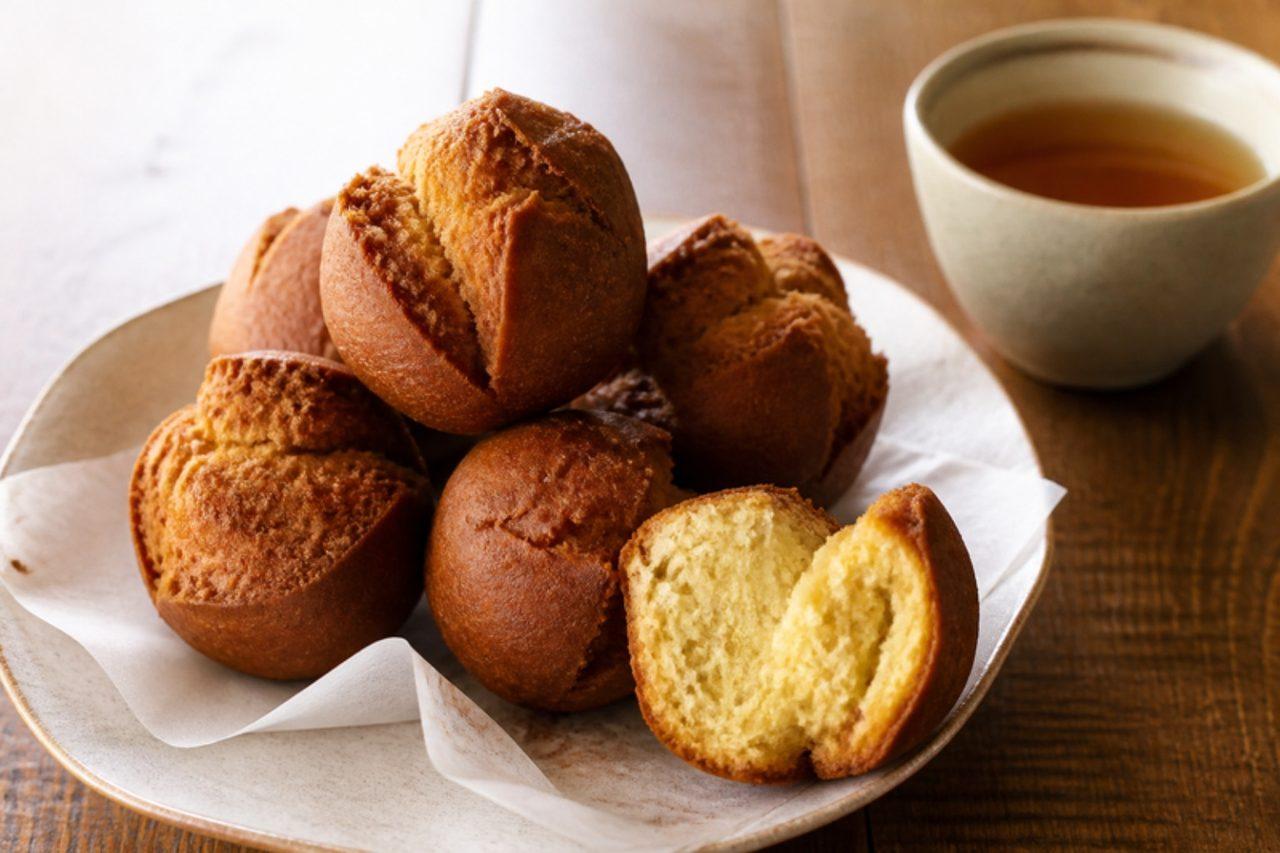
In the Okinawan language, sata andagi simply means 'sugar deep-fried'. These round doughnuts came from Chinese sweets brought to the old Ryukyu kingdom and have been a family treat on the islands for centuries, made for celebrations and sold warm in paper bags at Naha's Makishi market. They are dense and cakey inside with a thick, crunchy crust, and as they fry they split open into a shape Okinawans call a smile, a sign of good luck. Okinawa's dark kokuto sugar gives them a caramel flavour; brown sugar works too. Chef's tip: fry in oil that is only warm, about 150°C. Slow frying lets the balls cook through and crack open, while hot oil seals them shut and leaves the middle raw.

by KrazyBadal 0 views

Showing 45 of 7,762 recipes

Show more recipes

Page 724 of 863