


Skip to content
Cañoncitos de dulce de leche
Featured recipe

Cañoncitos de dulce de leche

Dulce de leche puff pastry tubes

Look at the tray of facturas in any Argentine panadería and the little cannons are easy to spot: flaky tubes of puff pastry, baked around metal moulds and filled from both ends with dulce de leche, then finished with a snowfall of icing sugar. They come from the Italian cannoncini, but here the filling is almost always dulce de leche. Each bite is crisp, buttery and shattering on the outside with a dense, caramel middle, and they sit on the Sunday table next to medialunas and bolas de fraile. Undercooking is the problem to avoid: pale pastry goes soft as soon as the filling goes in, so bake until it is a deep gold all over. Use all-butter puff pastry, and metal cannoli or cream-horn tubes (or rolls of foil). Chef's tip: wrap the strips without stretching them, overlapping each turn by a third; stretched pastry shrinks in the oven and the tubes split.

Read more 0 views

What to eat today?

Around the world

Today's trip: Paraguayan

A new country every day, from every cuisine on the site.

Paraguayan

Cocido quemado

Burnt sugar mate drink 14 minMore from Paraguayan (27) →

This week's collection

Kid-friendly dinners
537 recipes · a new collection every Monday

Latest recipes

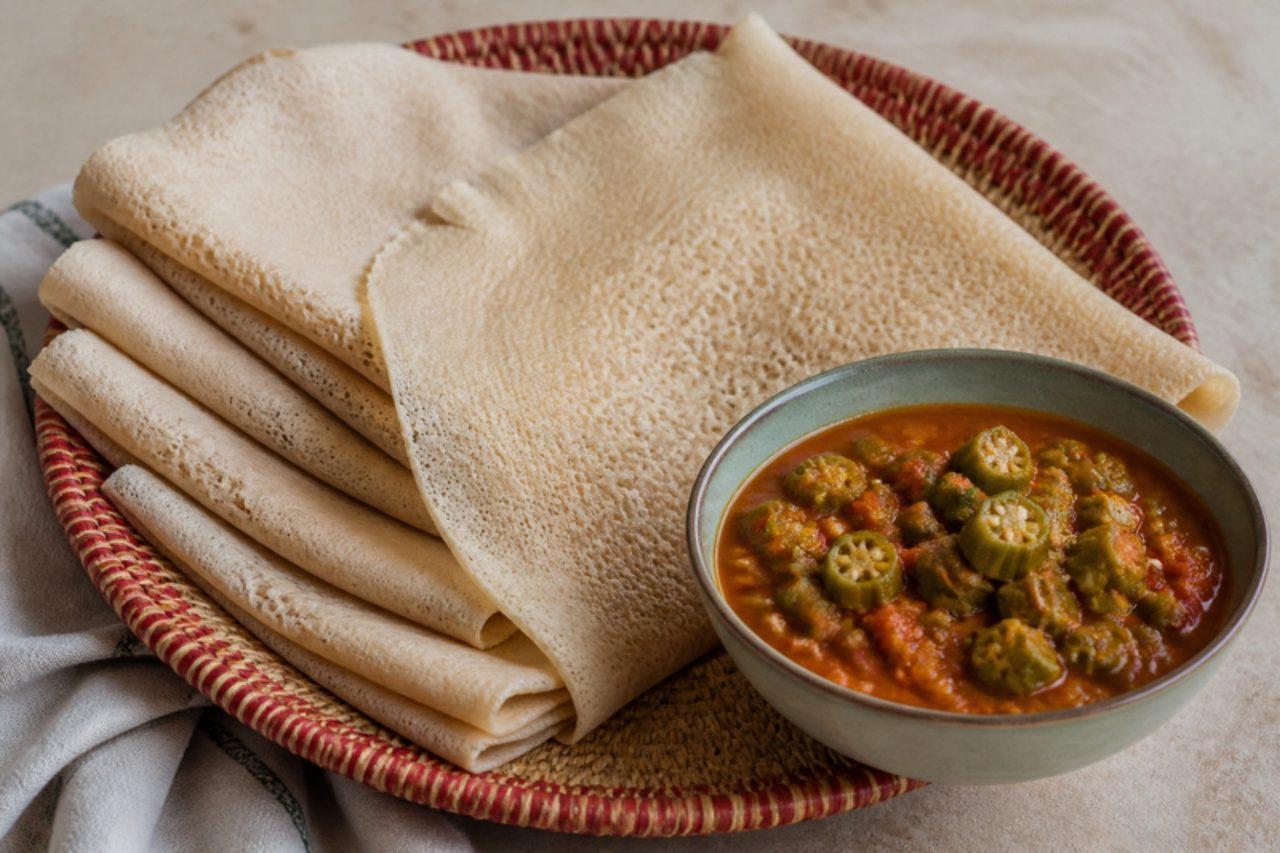
KisraFermented sorghum flatbread

Kisra (kisra rahifa) is the daily bread of northern and central Sudan: a sorghum batter left to sour for a day, then wiped across a very hot iron plate in a single sweep so it cooks into a lacy sheet as thin as paper. In homes it is made early each morning and stacked in folded layers to eat with mullah stews, especially during Ramadan. A wide crêpe pan and a plastic scraper or spatula work at home. Chef's tip: the pan must be hot enough that the batter sets the moment it touches; if it is too cool the sheet sticks and tears.

by KrazyBadal 0 views

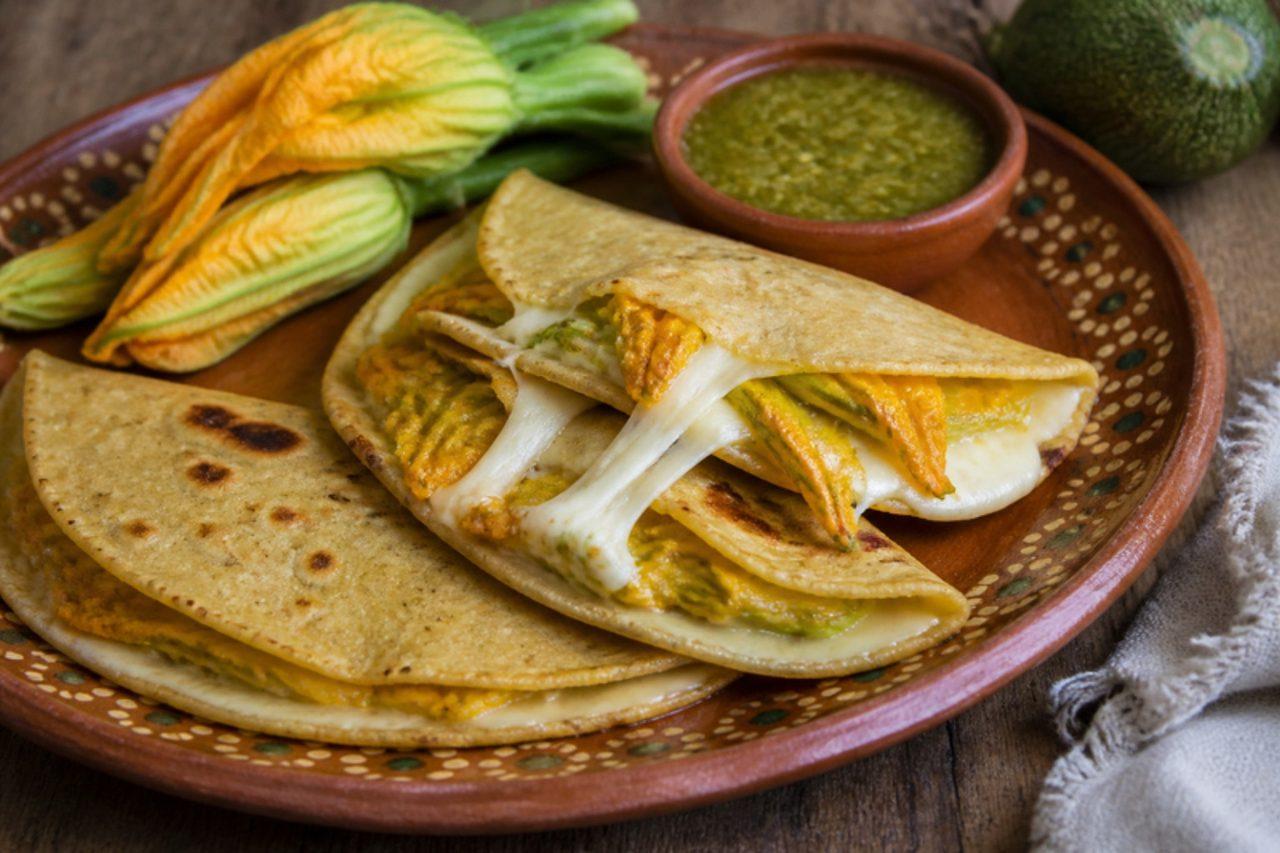
Quesadillas de flor de calabazaCourgette flower quesadillas

In Mexico City markets, squash blossoms (flor de calabaza) are sold by the armful in the rainy season and end up in quesadillas: soft corn tortillas folded around the flowers cooked with onion, green chilli and epazote, with stringy Oaxaca cheese. A famous Chilango joke is that a quesadilla there does not automatically come with cheese, so ask for it! The blossoms taste delicately of young courgette and wilt into a silky filling against the toasty corn. Serve them straight off the pan with salsa verde. Choose a cheese made with vegetarian rennet; if you can't find Oaxaca cheese, low-moisture mozzarella melts the same way. Chef's tip: cook the blossoms only until they collapse; any longer and they turn to mush and lose their colour.

by KrazyBadal 0 views

QuesitosCream cheese pastry rolls

Every panadería in Puerto Rico has a tray of quesitos by the till, and a warm one with a café con leche is a standard island breakfast, from Old San Juan to small-town bakeries in the mountains. Puff pastry is rolled around a log of sweet vanilla cream cheese and baked until it shatters, then brushed with sugar syrup so the top turns glossy and sticky. The filling stays soft and slightly tangy inside the crisp layers. Chef's tip: chill the filling before you roll, so it holds its shape and doesn't squeeze out of the ends in the oven.

by KrazyBadal 0 views

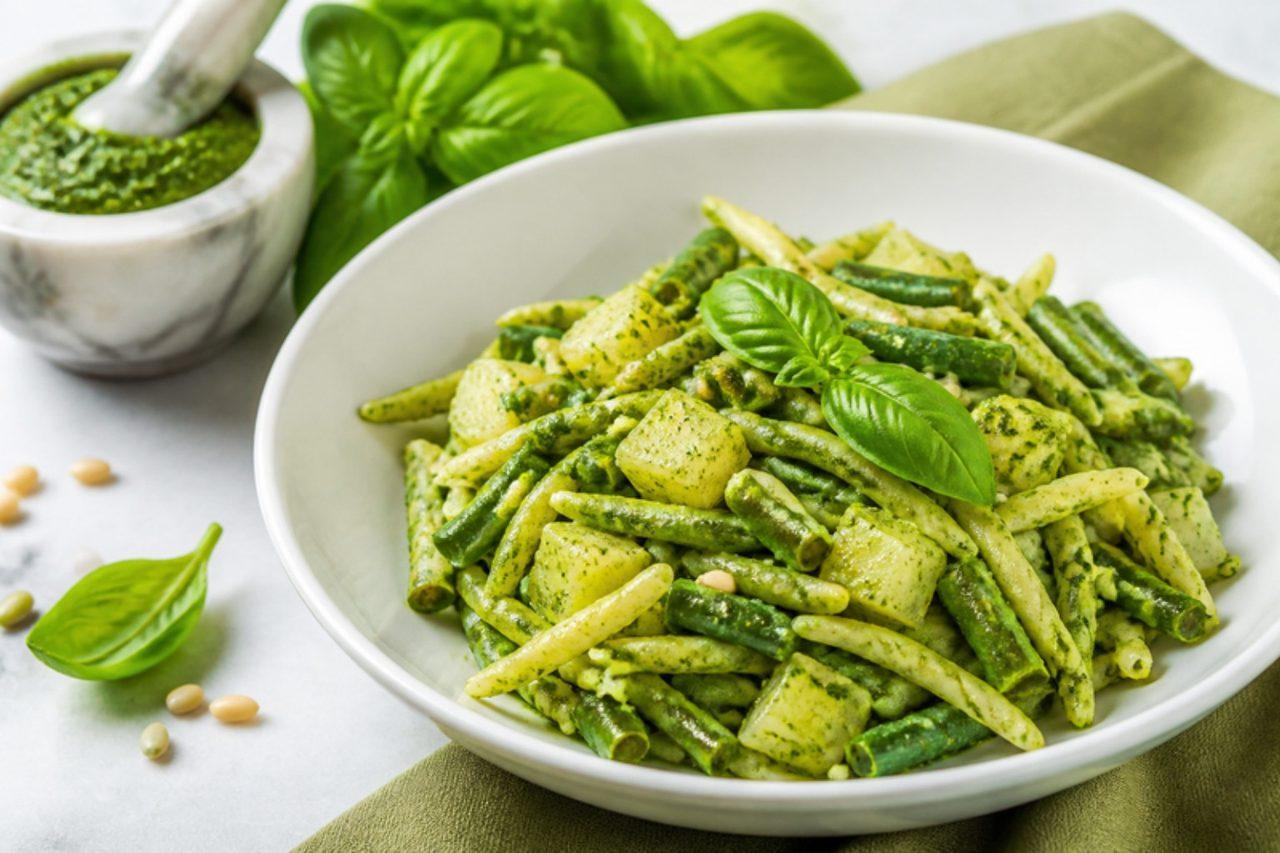
Trofie al pesto genoveseTwisted pasta with basil pesto

In Genoa and along the Ligurian coast, pesto is pounded from small-leaved basil, pine nuts, garlic, hard cheese and local olive oil, and served on trofie, short twisted pasta, cooked in the same pot as diced potato and green beans. The starch from the potato helps the pesto cling, and the beans add sweetness. It is the dish of a summer lunch in the Cinque Terre. Chef's tip: never heat the pesto; loosen it with a spoon of pasta water in a bowl and toss the pasta off the heat so the basil stays bright green.

by KrazyBadal 0 views

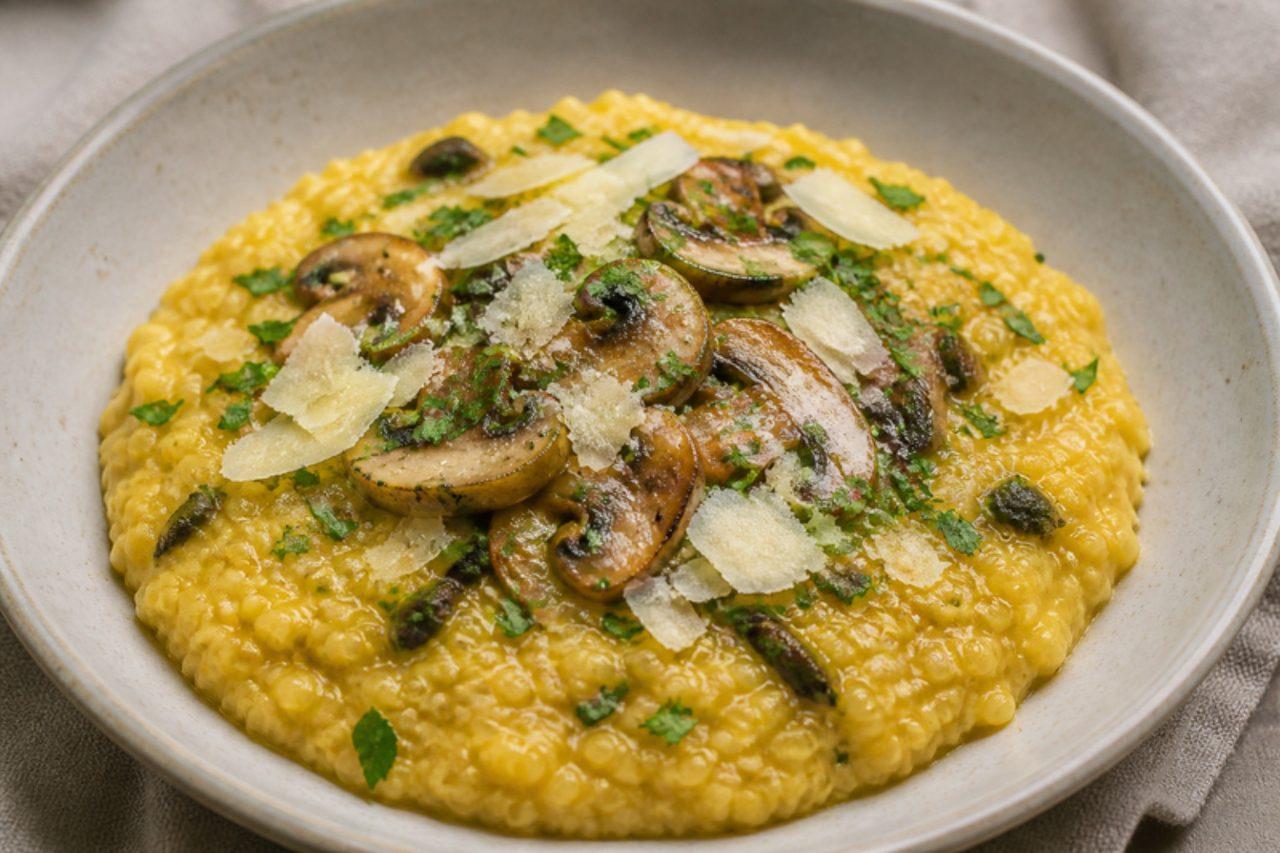
QuinottoCreamy quinoa with mushrooms

Quinotto is quinoa cooked like a risotto, a dish from the new Andean cooking of Cusco and Lima that marries Italian technique with the grain of the high Andes. Quinoa is toasted with onion and garlic, simmered in stock with white wine, then finished with mushrooms, butter, cream and grated cheese until creamy and loose. It has a pleasant pop and nutty flavour that rice never has, and a gentle warmth from ají amarillo. Serve it as a main with a green salad. Use a hard cheese made with vegetarian rennet. Chef's tip: quinoa has little starch, so the creaminess comes at the end; stir in the butter, cheese and cream off the heat and serve straight away while it still flows.

by KrazyBadal 0 views

Tavče gravčeBaked white beans

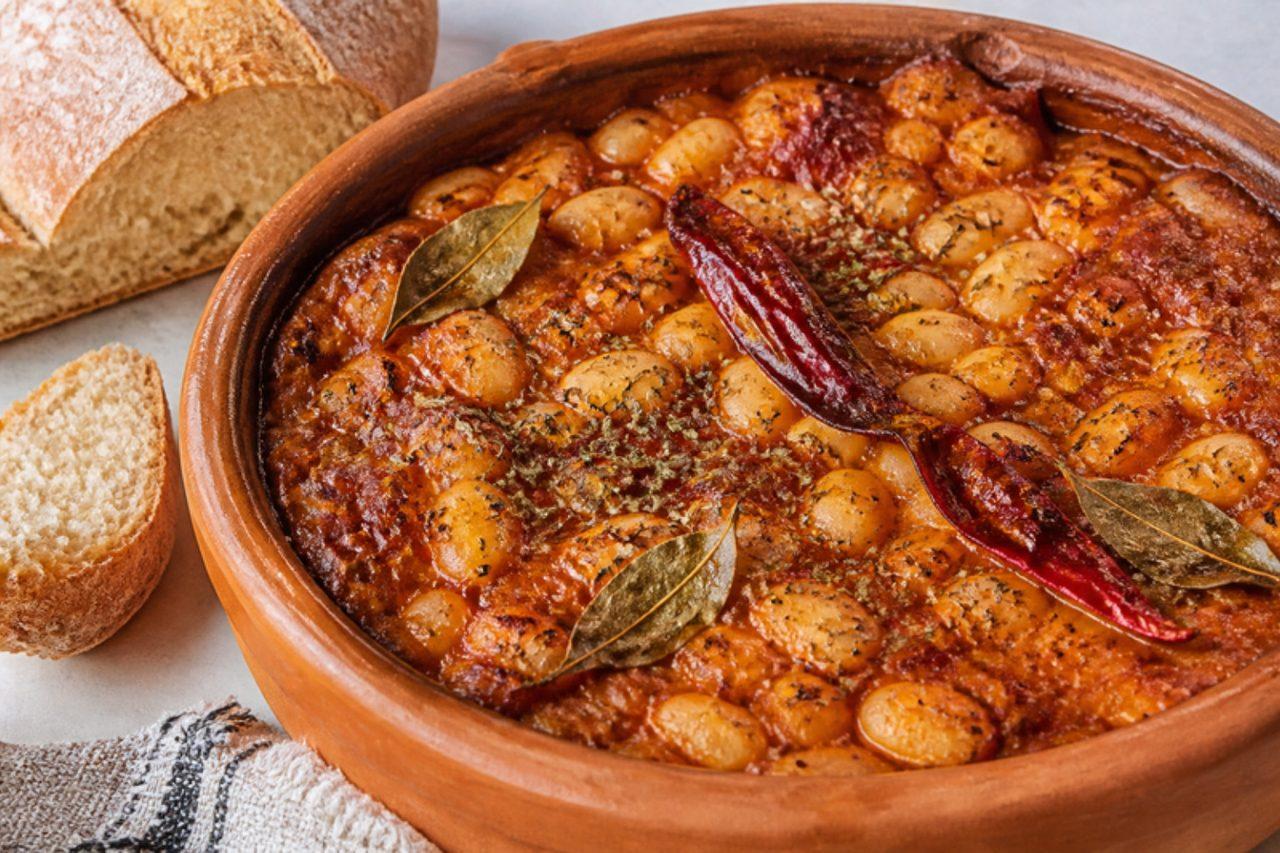
Tavče gravče, 'beans in a pan', is the dish North Macedonians call their own: large white beans, ideally the Tetovo variety, cooked soft, then baked in a shallow earthenware tava with onions fried in paprika until the top forms a crust. In Skopje it is a Friday staple and a Christmas Eve fast-day dish, served in the same clay dish it baked in, with bread, pickled peppers and a cabbage salad. This version keeps to the meat-free fasting style, with a paprika-and-onion roux for depth. Chef's tip: let the paprika sizzle in the oil for only a few seconds off the heat; scorched paprika turns brown and bitter and spoils the whole dish, which is the most common slip.

by KrazyBadal 0 views

Tavë kosiBaked lamb and rice in yogurt

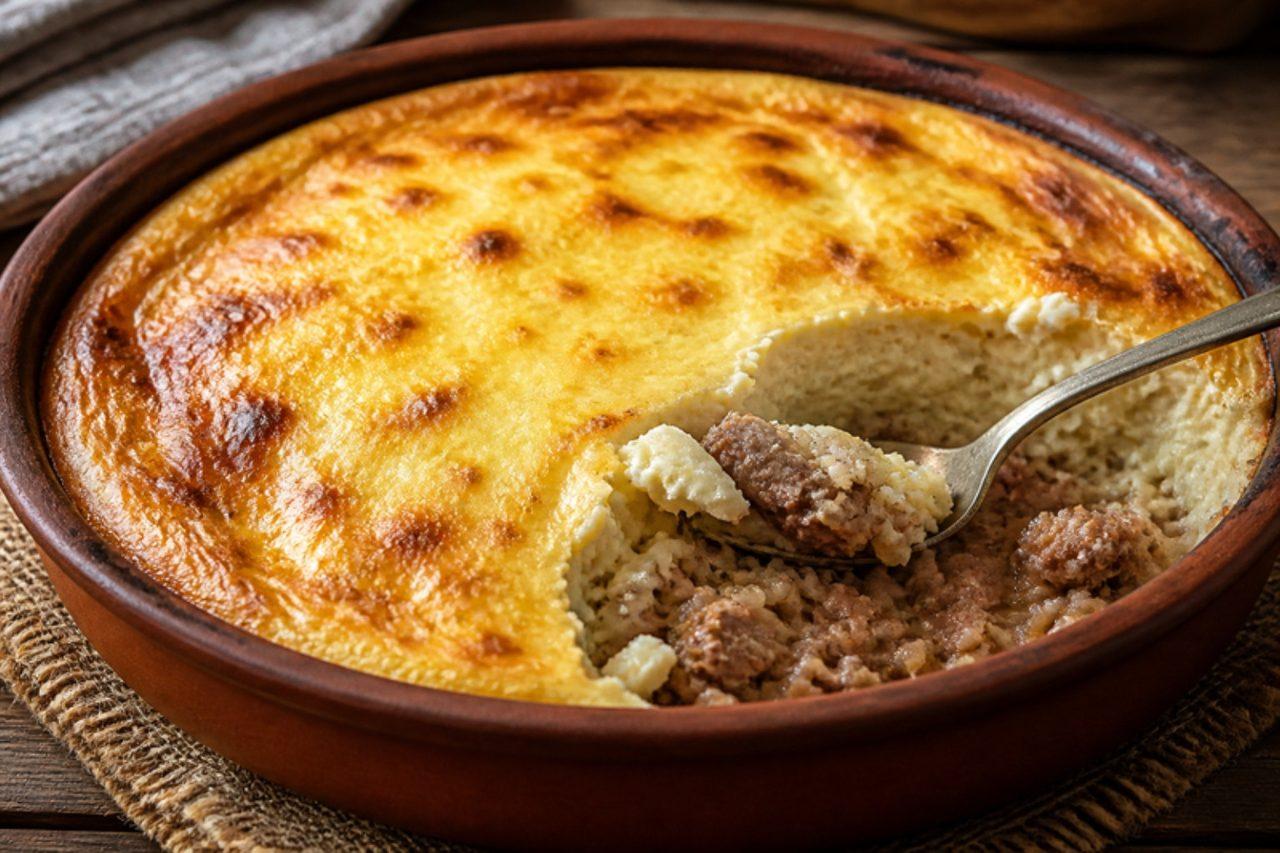
Elbasan, in central Albania, claims tavë kosi as its own and serves it on Dita e Verës, the spring festival in March, though families across Albania and Kosovo bake it all year. Pieces of lamb on the bone are browned with garlic and a little rice, then covered with a thick custard of tangy yogurt, eggs and a butter-flour roux and baked until puffed and golden on top. Inside, the custard stays soft and slightly sour against the rich meat. A classic slip is using thin, low-fat yogurt, which splits in the oven; use full-fat strained yogurt. Chef's tip: let the yogurt come to room temperature and whisk the warm roux in slowly, so the custard stays smooth.

135 minBalkanMeat
by KrazyBadal 0 views

KısırBulgur salad with pepper paste

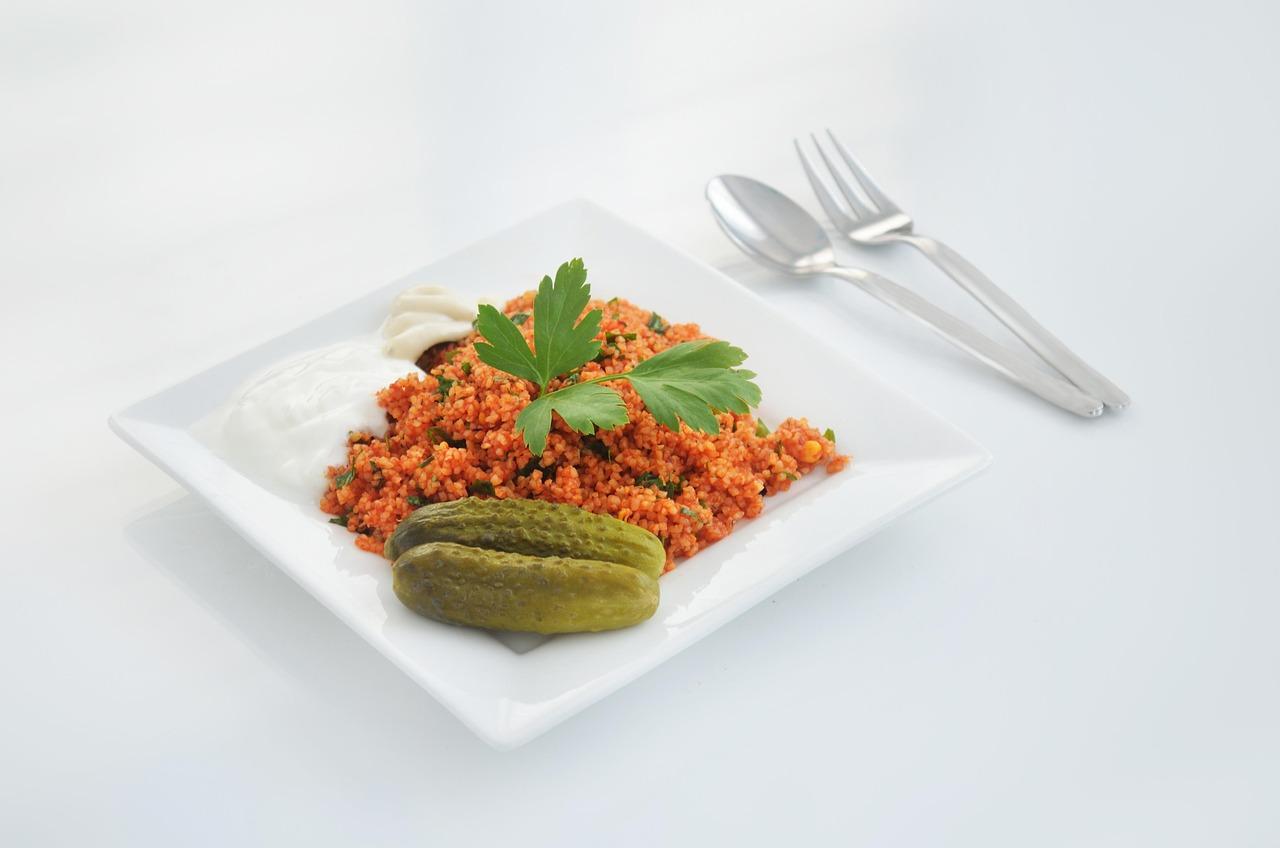
Kısır comes from southeastern Turkey but is now the dish women across the country bring to 'altın günü', the afternoon gatherings where friends meet at each other's homes over tea. Fine bulgur is softened with hot water and kneaded with tomato and pepper paste until rosy, then mixed with spring onion, parsley, mint, lemon and pomegranate molasses. It is served at room temperature, often wrapped in crisp lettuce leaves. The typical mistake is pouring in too much water, which turns the bulgur mushy; use just enough to cover. Chef's tip: knead the pastes into the warm bulgur with your hands for a full minute so every grain turns red and the flavour goes right through.

by KrazyBadal 0 views

Ragi mudde with bassaruFinger millet balls with dal broth

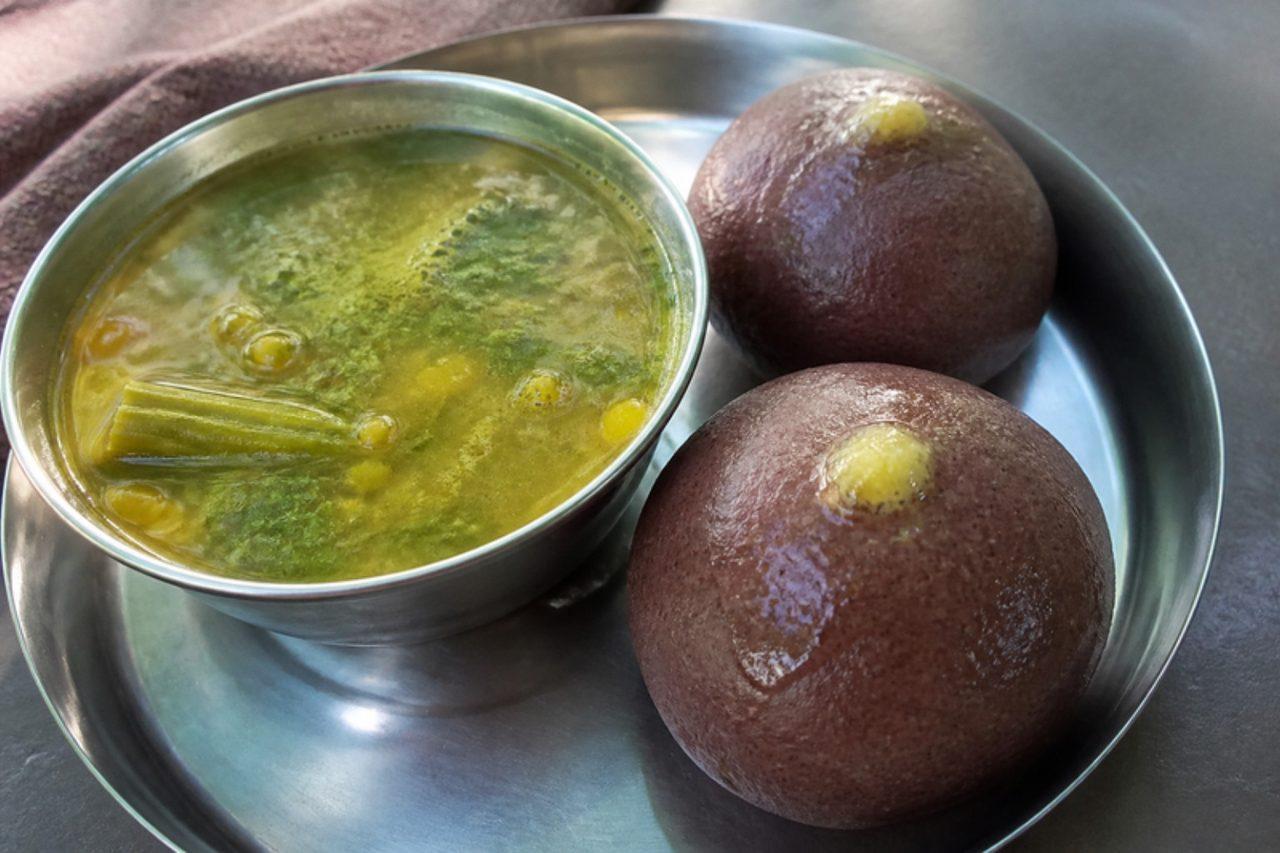
In the villages around Mandya, Mysuru and Hassan, the farmers' lunch is ragi mudde: steaming balls of finger millet cooked into a firm, smooth dough, eaten with a thin, spicy bassaru. Bassaru literally means 'drained water': greens and dal are cooked together, the liquid is poured off and spiced into a peppery broth (the saaru), and the solids become a dry palya on the side. You pinch off a piece of mudde, roll it in the saaru and swallow it without chewing. It is filling, very nourishing and naturally gluten-free. Chef's tip: the wooden stick (mudde kolu) matters; stirring with the handle of a wooden spoon pushes the flour into the water and gets rid of lumps far better than a whisk.

by KrazyBadal 0 views

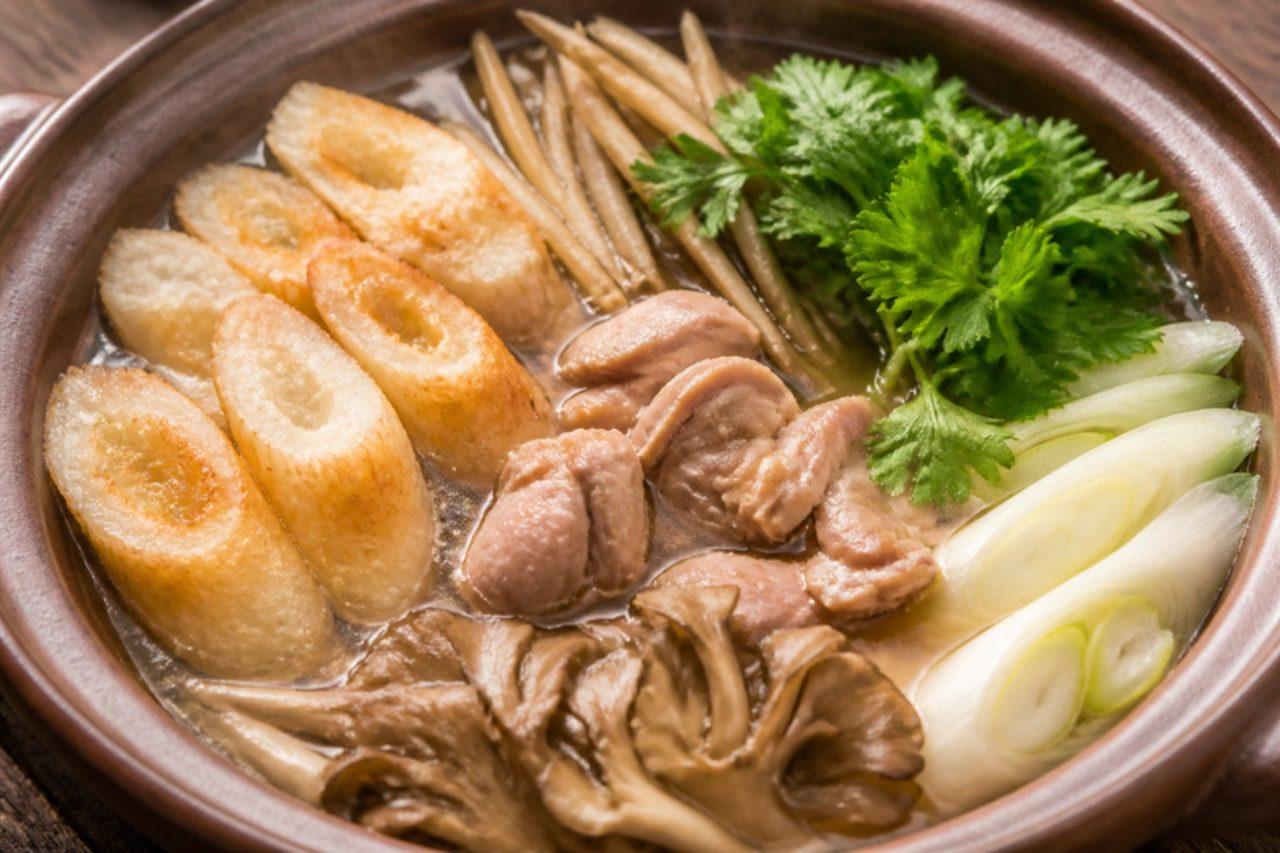
Kiritanpo nabeRice stick and chicken hot pot

In Akita, in Japan's snowy north-west, the new rice harvest in October marks the start of kiritanpo season, and the town of Odate holds a festival for it every autumn. Freshly cooked rice is half-pounded, pressed around sticks and toasted, then cut up and dropped into a soy-seasoned chicken broth with burdock, maitake mushrooms and crunchy Japanese parsley called seri. Locals use the region's Hinai-jidori chicken; any good free-range bird works. The toasted rice soaks up the broth but keeps a little chew. Chef's tip: toast the rice sticks until dry and golden in patches all over, as a crisp outer skin keeps them from dissolving in the pot.

by KrazyBadal 0 views

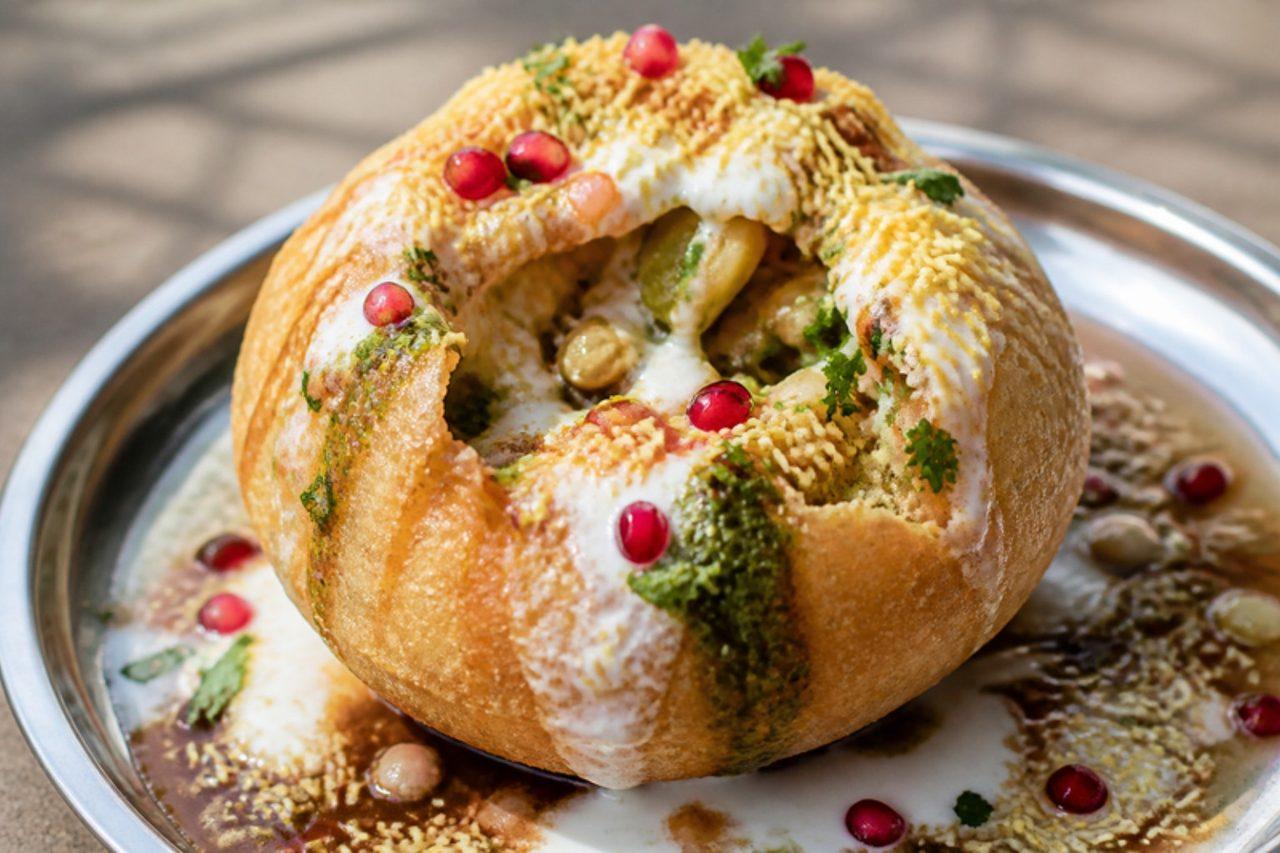
Raj kachoriGiant puri chaat

Raj kachori is the showpiece at Delhi's sweet-and-chaat shops: a fist-sized puri, fried until it balloons and turns crisp as a biscuit, then cracked open and stuffed with potato, chickpeas, sprouted moong, sweet yogurt, two chutneys and a snowfall of sev. It arrives on a steel plate at weddings and family outings, and it's eaten with a spoon because there's no other way. Every bite is crunchy, cold, sweet, sour and spicy at once. The puris can be fried a day ahead and kept in a tin. Chef's tip: roll the dough thin and even, and keep the oil properly hot; a puri rolled thicker on one side won't puff into a full ball.

by KrazyBadal 0 views

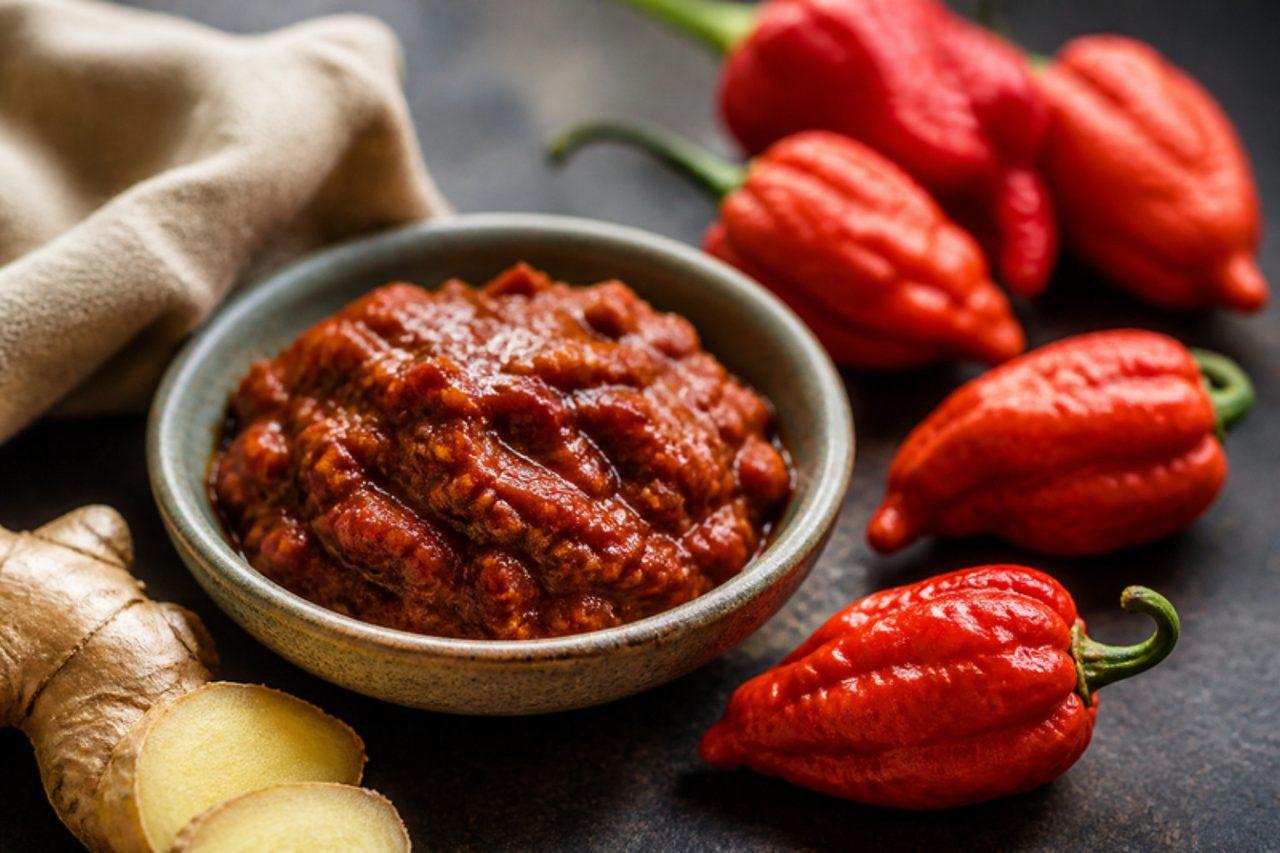
Raja mircha chutneyGhost pepper chutney

Raja mircha, the king chilli or bhut jolokia, is grown in the hills around Kohima and Dimapur and was once ranked the hottest chilli in the world. Naga households pound it with tomatoes smoked in the embers, ginger, garlic and salt into a thick red chutney that is fruity, smoky and ferociously hot. It is eaten in tiny amounts with rice and boiled vegetables, and at the Hornbill Festival there are eating contests. Chef's tip: one king chilli is plenty for this amount; wear gloves, open the window when roasting, and keep the seeds if you are brave.

by KrazyBadal 0 views

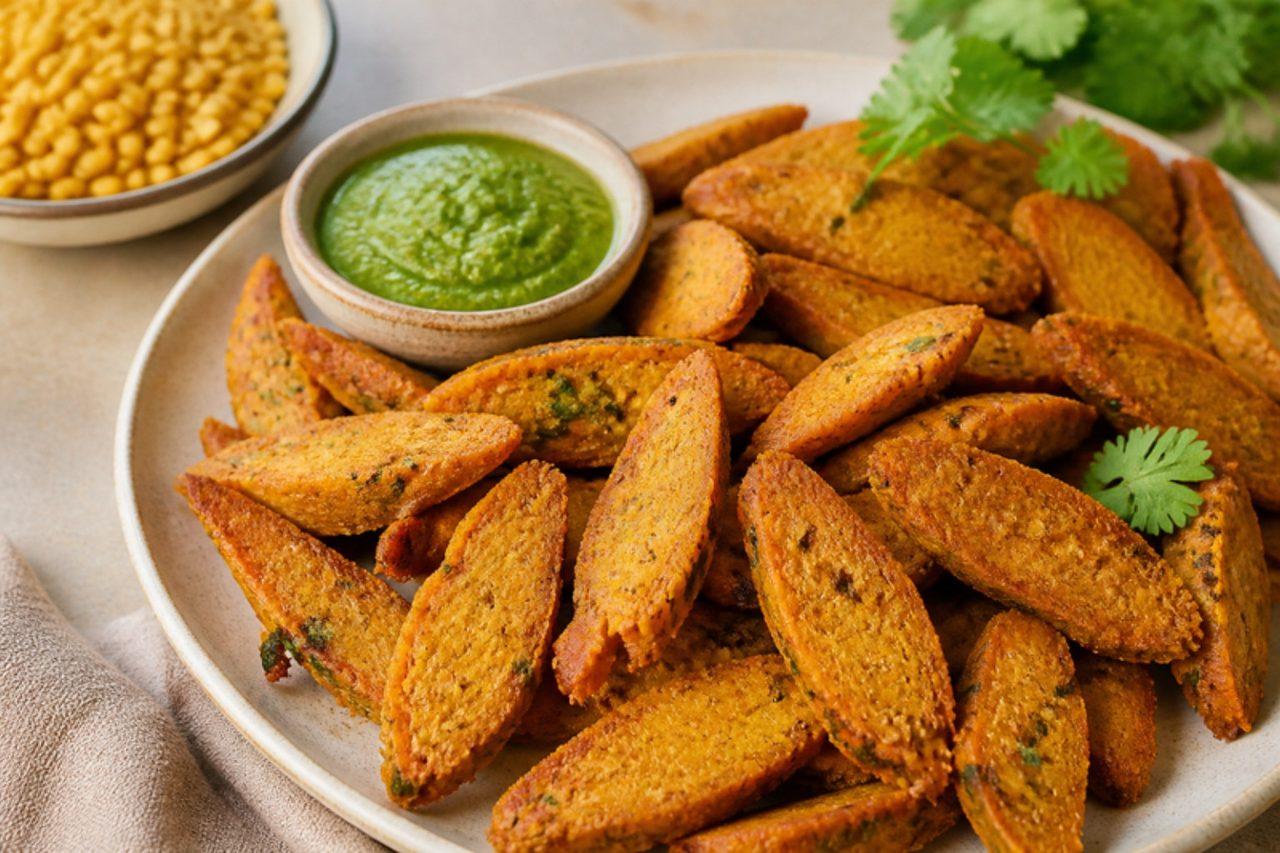
Rajasthani kalmi vadaChana dal fritters

Kalmi vada gets its name from kalam, the Hindi word for pen: the fried chana-dal log is sliced into thin, slanted pieces that resemble pen nibs, then fried again until the slices are crunchy right through. In Jaipur and Ajmer, kalmi vadas are sold by weight from big trays, especially during the monsoon, and served with mint chutney and hot tea. The dal is ground coarse and spiced with whole coriander, fennel and chilli, so every bite crackles. The mistake to avoid is adding water when grinding; a wet mix won't hold its shape and absorbs oil. Chef's tip: let the first-fried logs cool completely before slicing, or they'll crumble under the knife.

by KrazyBadal 0 views

Kiri bathCoconut milk rice

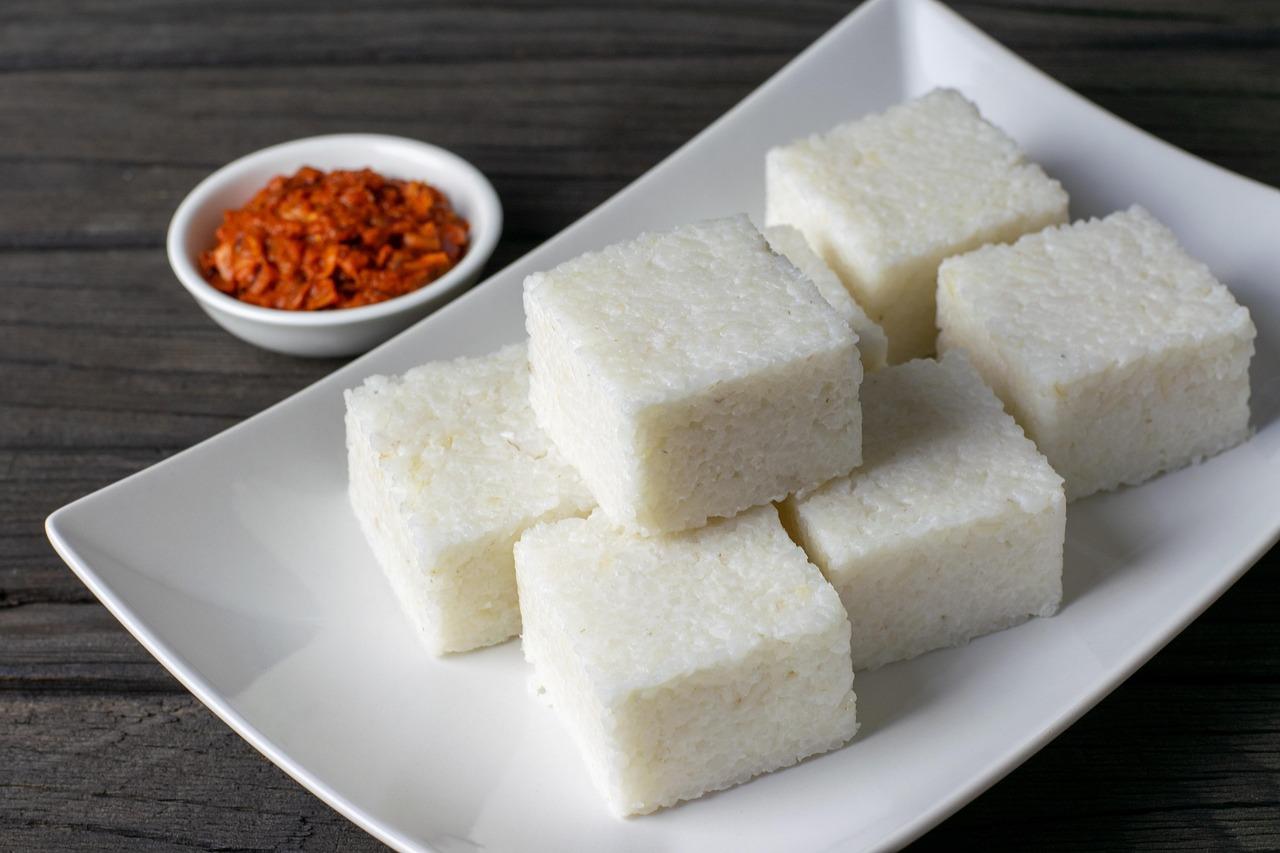
Kiri bath is the first food eaten at Sinhala and Tamil New Year (Aluth Avurudu) in mid-April, cooked at the exact auspicious time the astrologers announce, and it also starts the first day of each month, birthdays and new jobs across Sri Lanka. White rice is boiled until very soft, then cooked again with thick coconut milk and salt until it sets into a creamy slab that is cut into diamonds. It's eaten with lunu miris, a fierce red onion and chilli paste, or with jaggery and bananas for the sweet-toothed. Lunu miris often contains Maldive fish; ours doesn't. The common mistake is adding the coconut milk before the rice is completely soft: the grains stay hard. Chef's tip: press the hot rice flat with a banana leaf or the back of a spoon dipped in coconut milk; it stops sticking and gives the classic glossy top.

by KrazyBadal 0 views

TehriYellow rice with vegetables

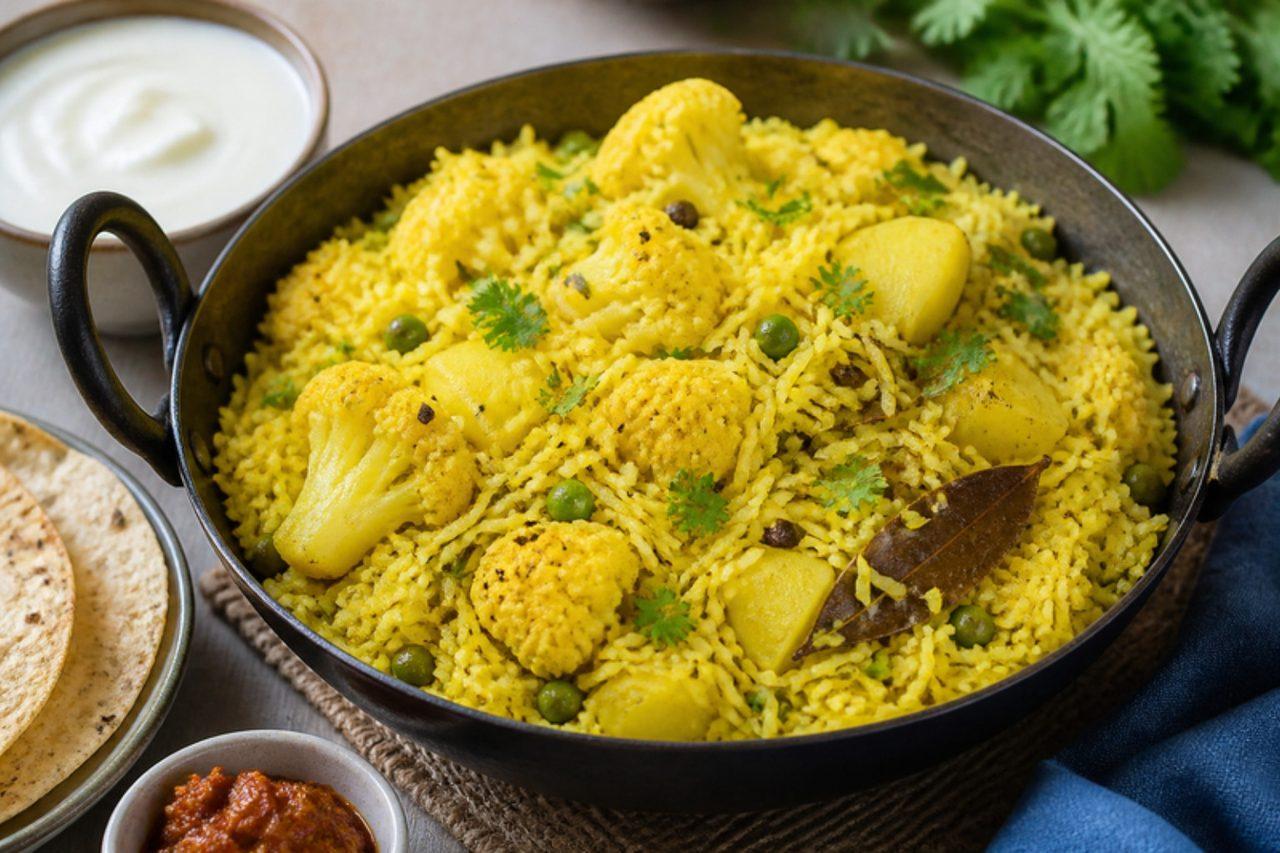
In many Uttar Pradesh homes, tehri is what happens on a cold evening when nobody wants to cook three dishes. Rice, potatoes, cauliflower and peas go into one pot with mustard oil, turmeric and whole spices, and come out yellow, fluffy and lightly spiced. Families in Kanpur, Allahabad and Varanasi eat it with plain yogurt, a spoon of mango pickle and roasted papad, and it is also cooked for winter picnics. It differs from pulao in its turmeric colour and the sharp warmth of smoked mustard oil. A frequent mistake is stirring after the water goes in, which breaks the grains and makes the rice gluey. Chef's tip: heat the mustard oil until it just smokes, then let it cool for a few seconds before adding spices; this mellows its bite without losing the flavour.

by KrazyBadal 0 views

Rakott krumpliLayered potato and egg bake

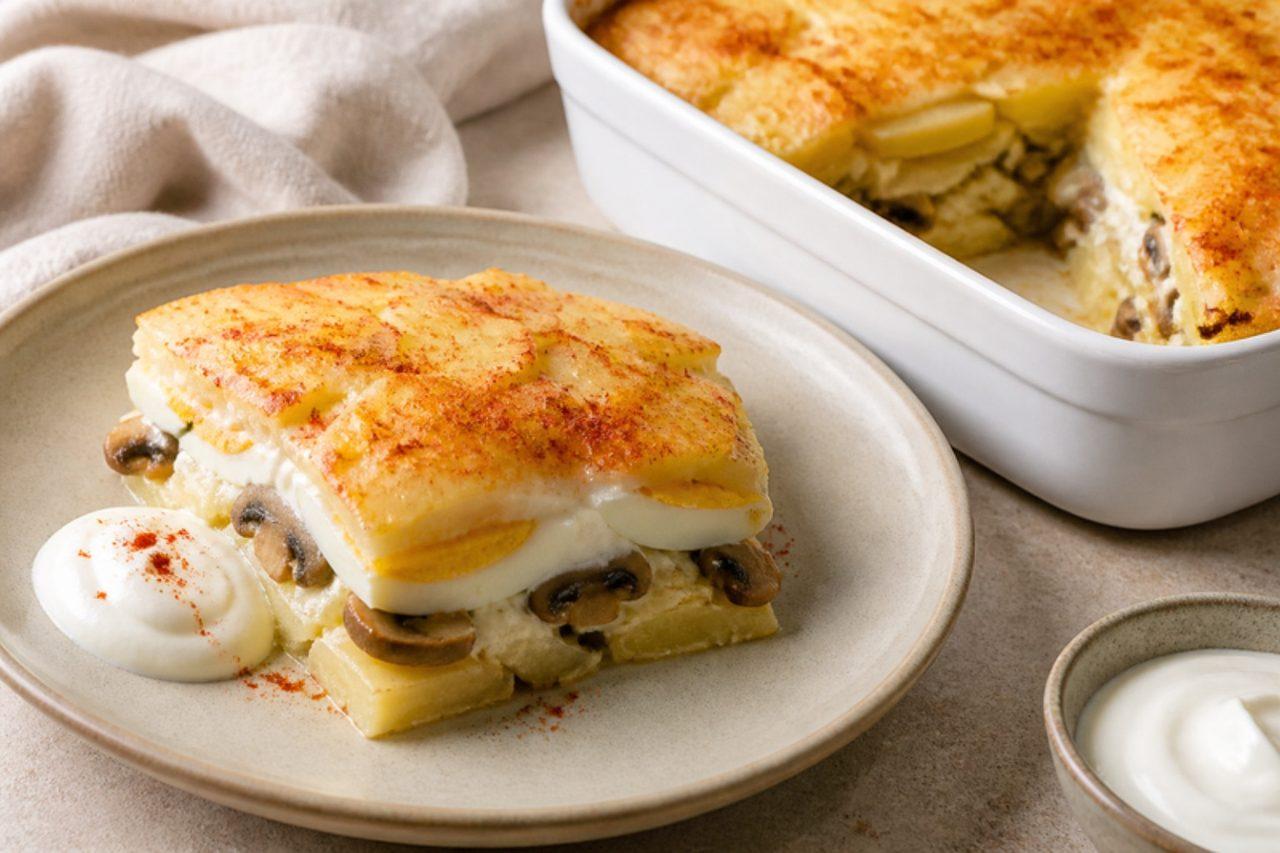
Rakott krumpli means 'layered potatoes', and it is a family supper baked all over Hungary, especially in winter in the north-east around Miskolc and Eger, where every household layers it slightly differently. Slices of boiled potato are stacked with hard-boiled eggs and plenty of sour cream, then baked until bubbling and golden. Many versions add smoked sausage; this vegetarian one uses sautéed mushrooms and a dusting of smoked paprika for depth. It is rich, creamy and needs only a sharp cucumber salad or pickles alongside. Chef's tip: boil the potatoes in their skins and peel them while warm; they slice cleanly and don't soak up water.

by KrazyBadal 0 views

Kinema curryFermented soybean curry

Kinema is the Limbu and Nepali fermented soybean of Sikkim and the Darjeeling hills: boiled soybeans wrapped in leaves and left by the hearth for a couple of days until sticky and pungent. Cooked with onion, tomato, turmeric and fiery dalle or green chilli, it becomes a thick, savoury curry eaten with rice in Gangtok and Kalimpong homes, especially in winter. It is rich in protein and has a deep, almost meaty savour. Chef's tip: dry-fry the kinema before adding the masala; it tames the smell and brings out a toasted flavour. Outside the hills, Japanese natto is the closest substitute.

by KrazyBadal 0 views

Ram ladooMoong dal fritters with chutney

Despite the name, ram ladoo aren't sweet. They're small, crisp moong and chana dal fritters, sold from carts across Delhi in winter, when white radish is at its best. The vendor splits a few hot ones, smears them with a sharp coriander chutney and buries them under a heap of grated mooli and its leaves, with lemon and chaat masala over the top. Hot, crunchy fritters against cold, peppery radish is the whole appeal; it's a light snack for a foggy evening. Chef's tip: grind the soaked dal with as little water as possible, then beat the batter by hand for 3–4 minutes; air whipped into it is what makes the ladoos puff up and stay light.

by KrazyBadal 0 views

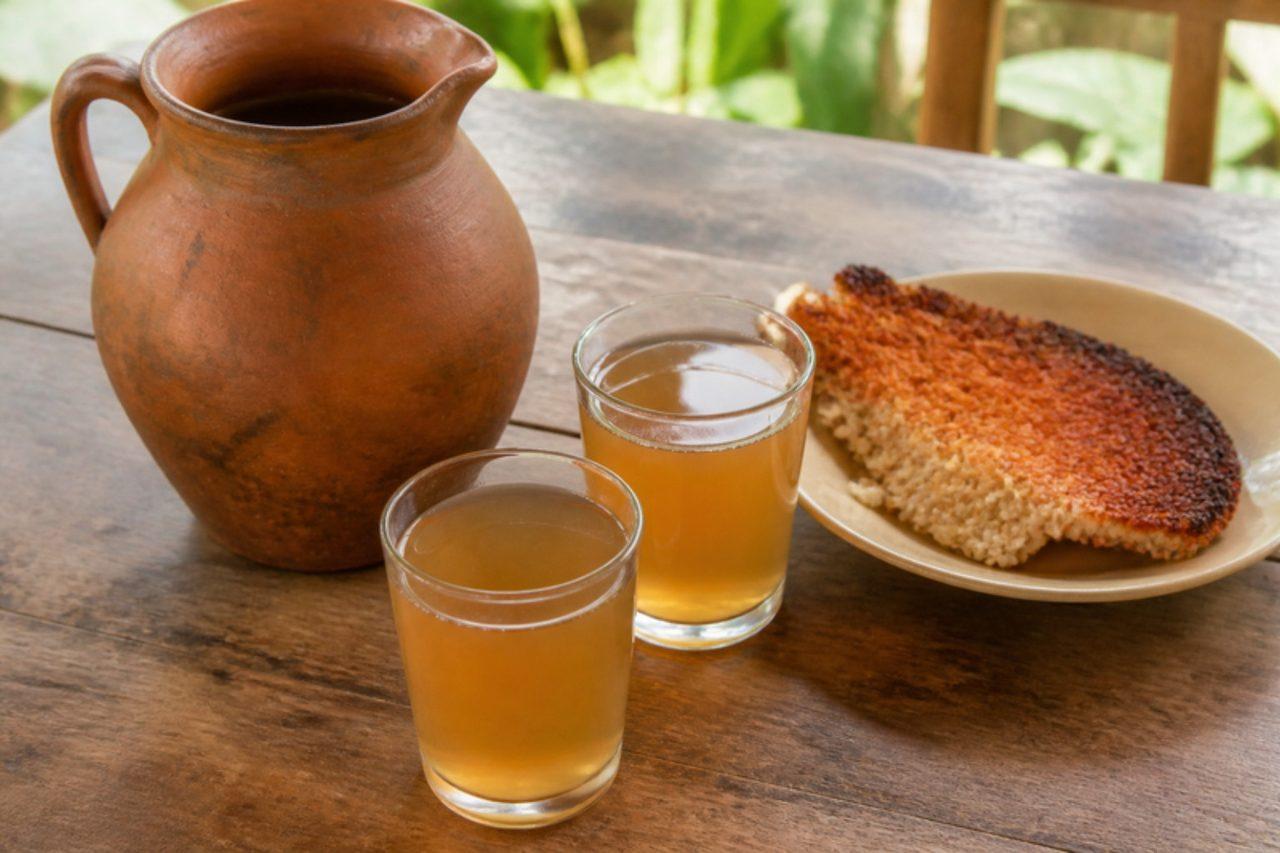
Ranon'apangoToasted rice water

Ranon'apango is the everyday drink of Madagascar: after rice is cooked, the crust at the bottom of the pot is left to toast until golden, then water is boiled with it to make a pale amber, nutty, slightly smoky drink. It is served warm or cold in jugs alongside meals in homes and hotelys, and is a safe way to drink boiled water. Chef's tip: toast the crust until golden-brown, not black; burnt rice makes the drink bitter.

by KrazyBadal 0 views

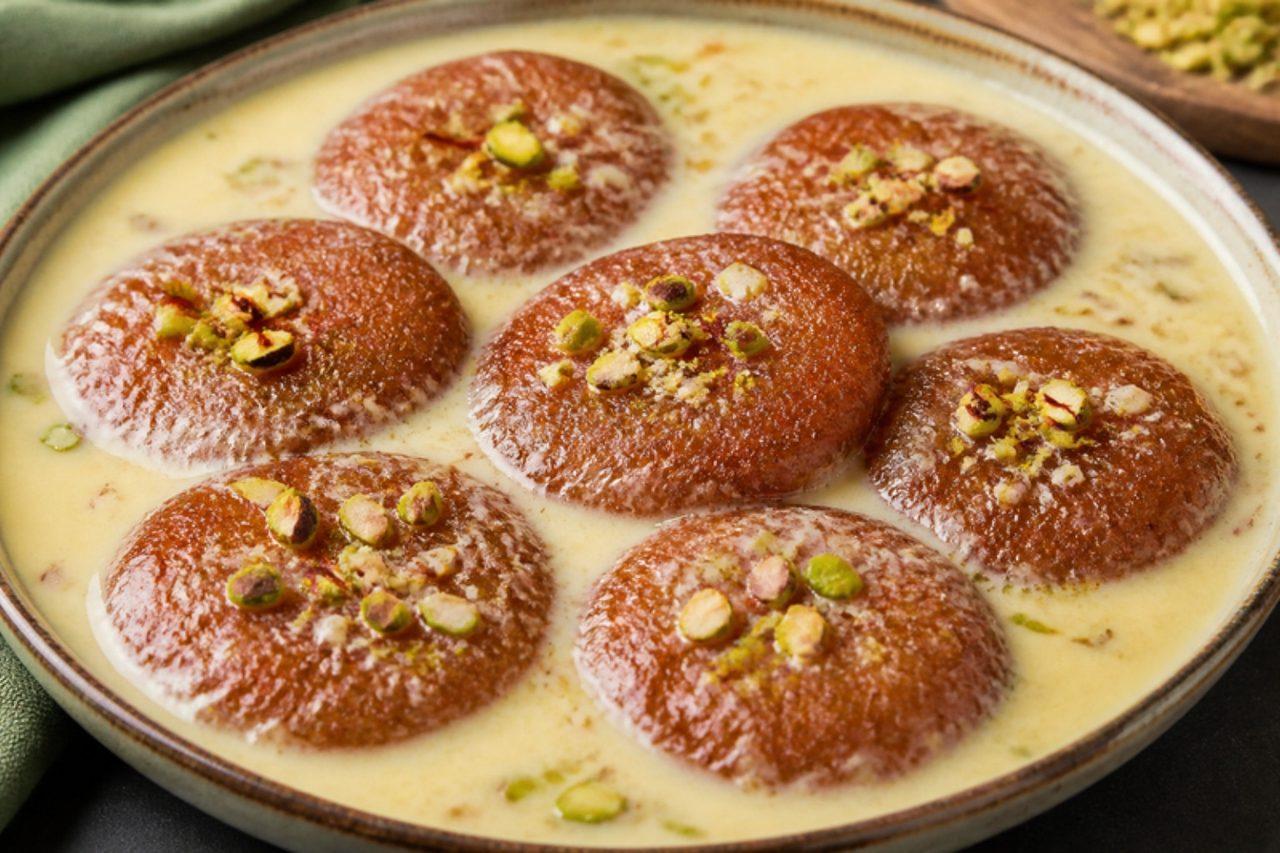
RasabaliFried cheese discs in milk

Rasabali comes from the Baladevjew temple in Kendrapara and is one of the 56 offerings of Puri's Jagannath temple. Flattened discs of chhena are deep-fried until reddish-brown, then soaked in milk that has been simmered down until thick and sweet with cardamom. Unlike rasmalai, whose discs are poached in syrup, rasabali's are fried, so they keep a chewy, slightly caramelised skin under the milk. It is eaten chilled at festivals and weddings in Odisha. Chef's tip: press a dimple into the centre of each disc before frying, so it fries evenly and holds more milk.

by KrazyBadal 0 views

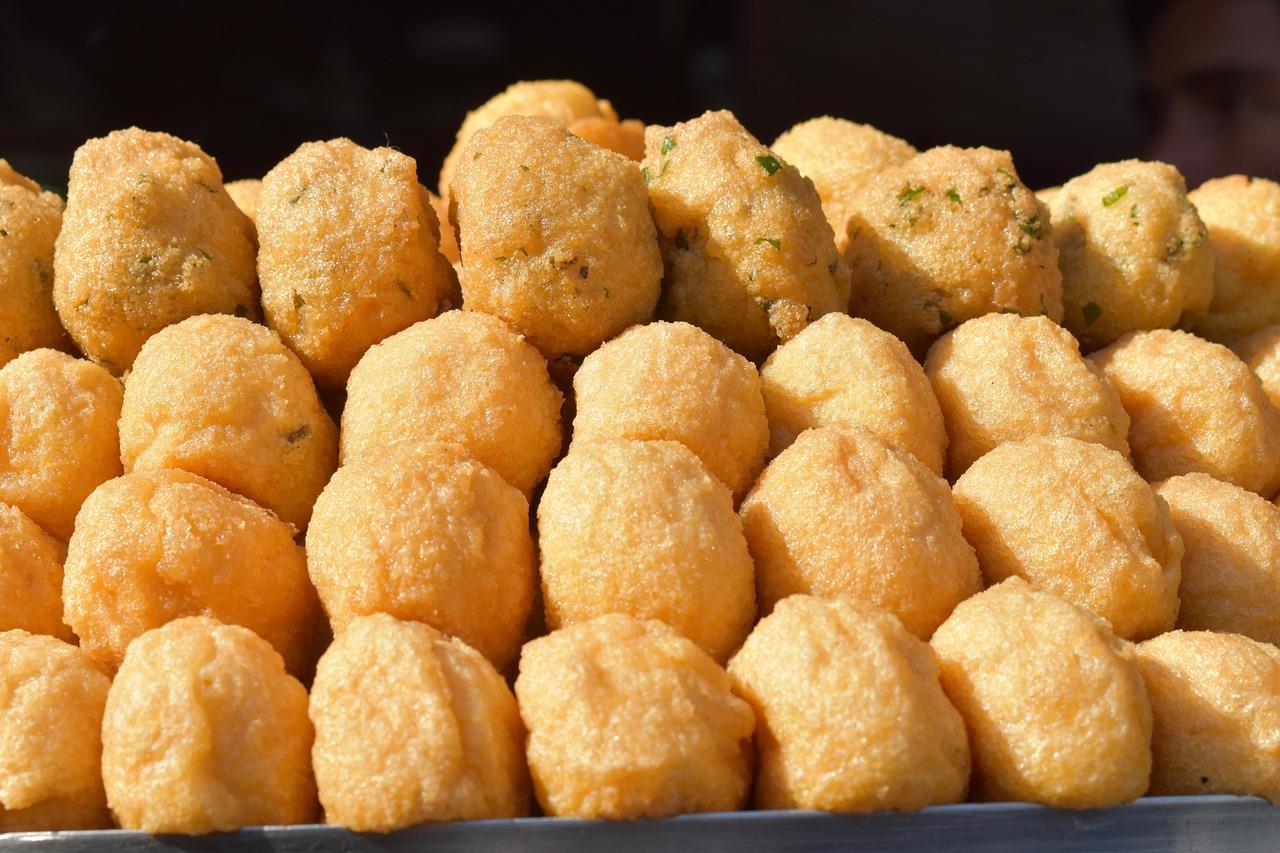
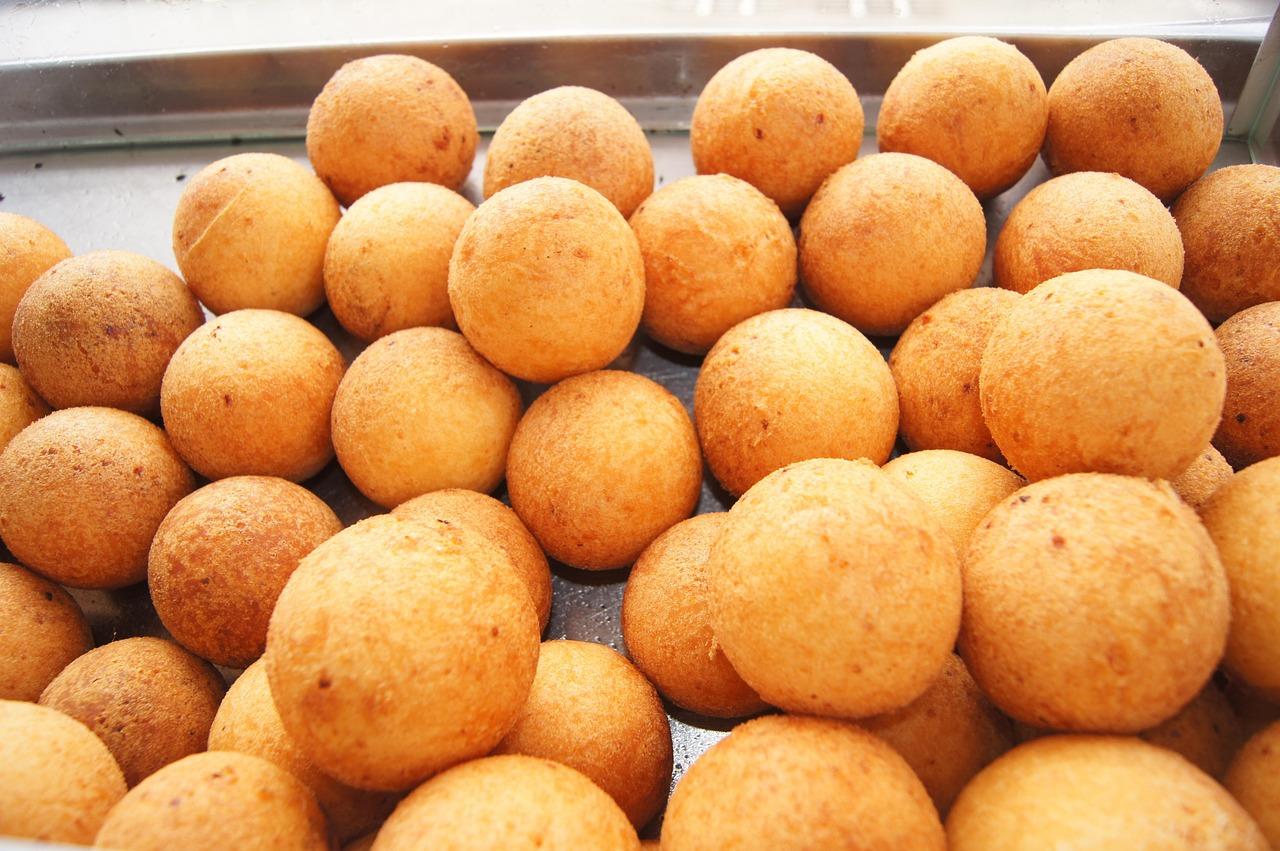
Buñuelos colombianosCheese and cassava fritters

In December, Colombian families gather for the novena de aguinaldos, nine evenings of prayers and carols before Christmas, and the reward afterwards is a plate of hot buñuelos with a bowl of natilla. These little golden balls are made from crumbly cheese, cassava starch and cornflour, fried until they puff and roll themselves over in the oil. They are crisp outside, airy and cheesy inside. Chef's tip: start the oil only warm, around 150 °C; buñuelos fried too hot crack open and stay raw in the centre.

by KrazyBadal 0 views

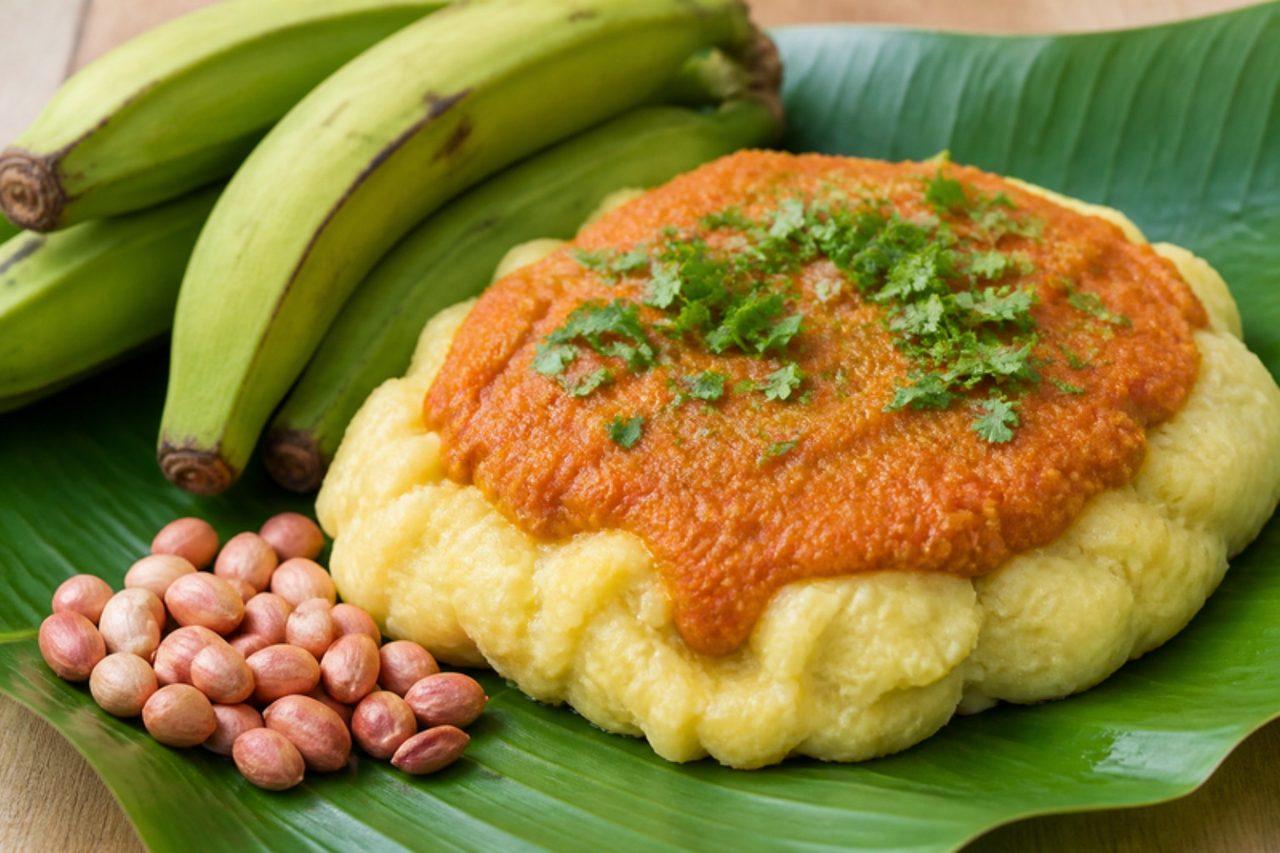
Uganda matokeMashed green bananas

Uganda's national dish: green matoke bananas steamed in banana leaves, mashed and kept warm in the leaves, then topped with a thick, gently spiced tomato and ground peanut sauce. It's soft, savoury and very filling. The book's Handy Hints add that bananas and peanuts are both good for the heart.

by KrazyBadal 0 views

Armenian coffee

Armenian coffee, soorj, is boiled in a small long-handled pot called a jazzve and poured unfiltered into tiny cups. It is offered the moment a guest sits down in any Yerevan home and lingers after meals while the grounds settle; when the cup is empty, it is turned upside down on its saucer so someone can read the patterns left in the grounds. The coffee is powder-fine, often scented with a pinch of cardamom, with a velvety foam (kaymak) on top that is a point of pride for the host. Serve with a glass of water and a little gata or dried fruit. Chef's tip: start with cold water and a low flame; the slower the coffee heats, the thicker and longer-lasting the foam.

by KrazyBadal 1 views

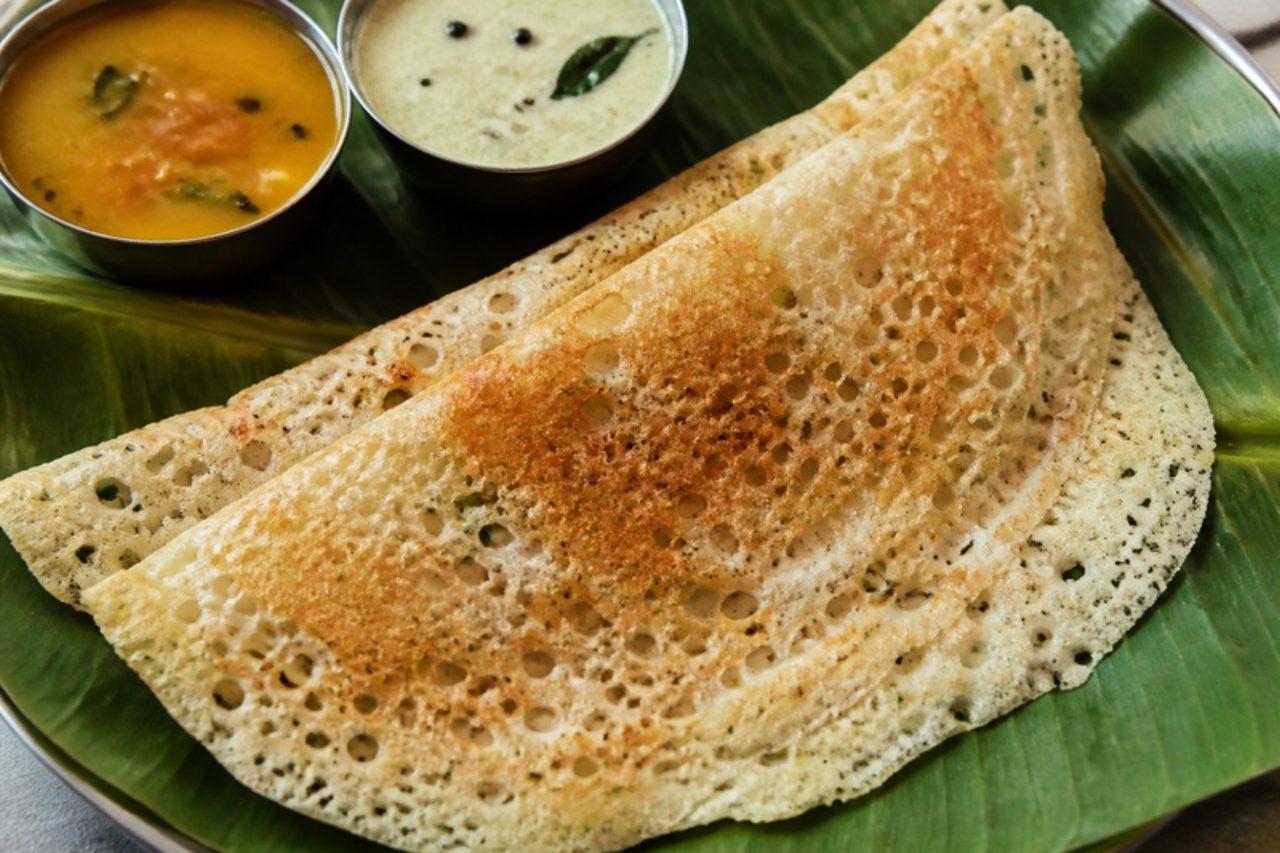
Rava dosaCrisp semolina crêpes

Rava dosa is the instant dosa of Karnataka's Udupi restaurants: a thin, pourable batter of semolina and rice flour, studded with cumin, cracked pepper, ginger and curry leaves, poured onto a very hot griddle so it sets into a crisp, holey lace. There's no soaking or fermenting, so it's the dosa to make when the craving strikes. Serve straight from the pan with coconut chutney and sambar. Because it contains semolina it's not gluten free. Chef's tip: the batter must be watery, thinner than single cream; pour it from a height onto the pan instead of spreading it, and stir the bowl before every dosa because the semolina sinks.

by KrazyBadal 0 views

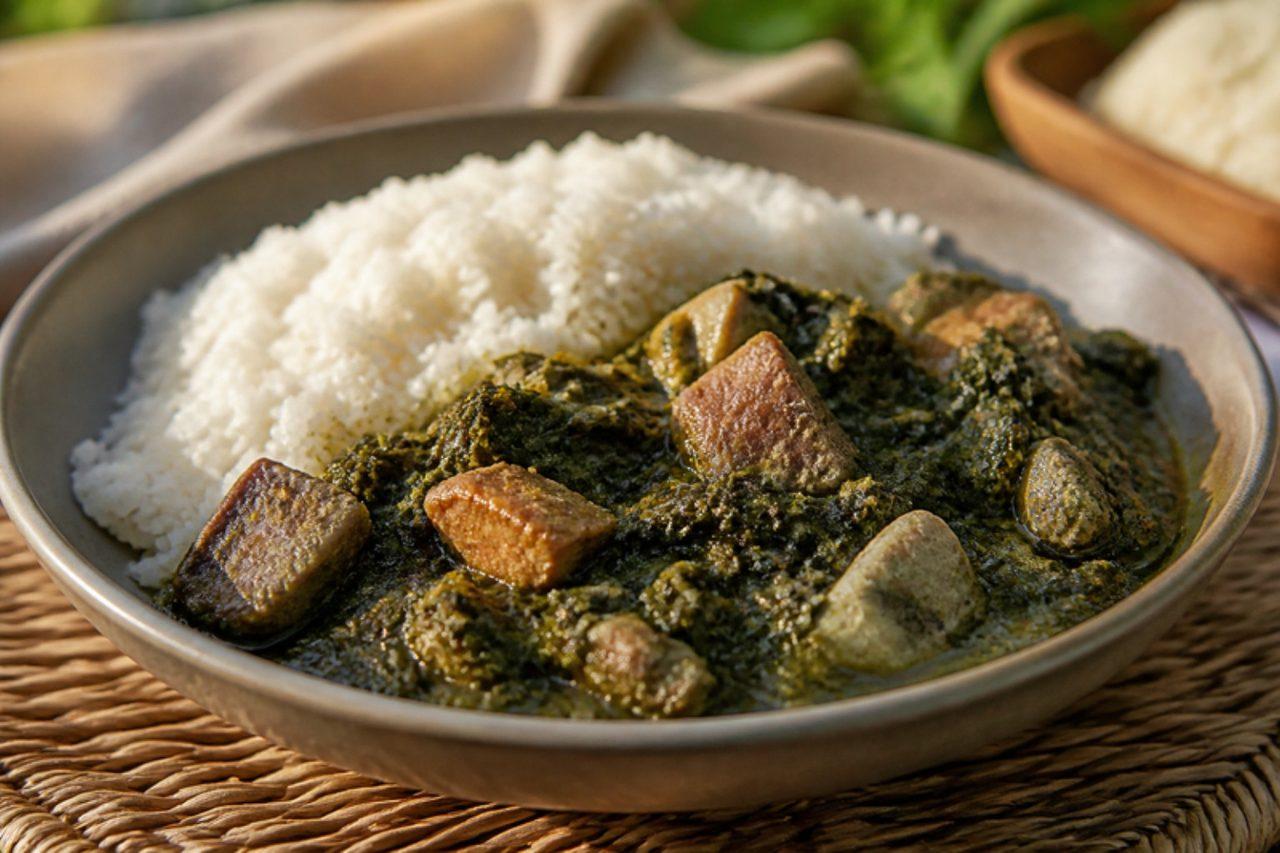
Ravitoto with porkPounded cassava leaves with pork

Ravitoto sy henakisoa, cassava leaves with pork, is a favourite of the Malagasy highlands around Antananarivo and is served at family Sunday lunches with a mound of white rice. This dish contains pork. The cassava leaves are pounded to a dark green paste and simmered for a long time with fatty pork, garlic and ginger until rich and soft, often finished with coconut milk. The mistake is undercooking the cassava leaves: they must cook for at least an hour to be safe and lose their bitterness, so don't cut it short. Chef's tip: frozen pounded cassava leaves (sold as ravitoto, pondu or saka saka) save a lot of work.

120 minMalagasyMeatGluten free
by KrazyBadal 0 views

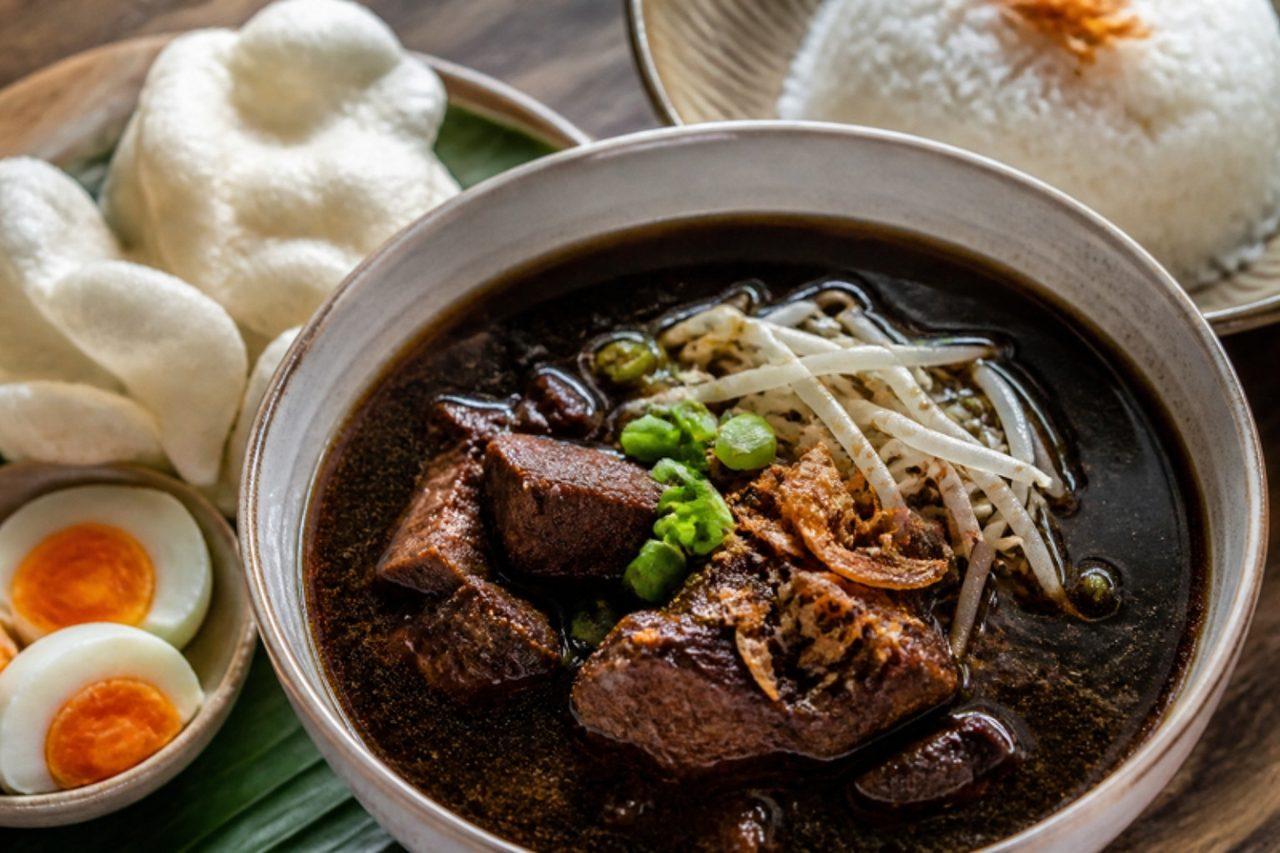
RawonBlack beef soup

Nothing else on the table looks like rawon: a beef soup as dark as strong coffee, served in Surabaya from breakfast through to the late-night warungs that stay open after the football. Its colour and flavour come from keluak (kluwek), the fermented kernel of a tropical tree nut, which tastes earthy and faintly bitter, somewhere between black olive, cocoa and mushroom. Tender beef cubes swim in the broth, and it's served with rice, short crunchy bean sprouts, a salted duck egg and prawn crackers for crunch. Raw keluak contains a natural poison and is only safe after long processing, so always buy ready-prepared kluwek nuts from an Asian grocer. Chef's tip: crack one nut first and taste a crumb; good flesh is moist, black and smells chocolatey, while sour or dry, pale flesh should be thrown away.

by KrazyBadal 0 views

Saag (rayo ko saag)Mustard greens stir-fry

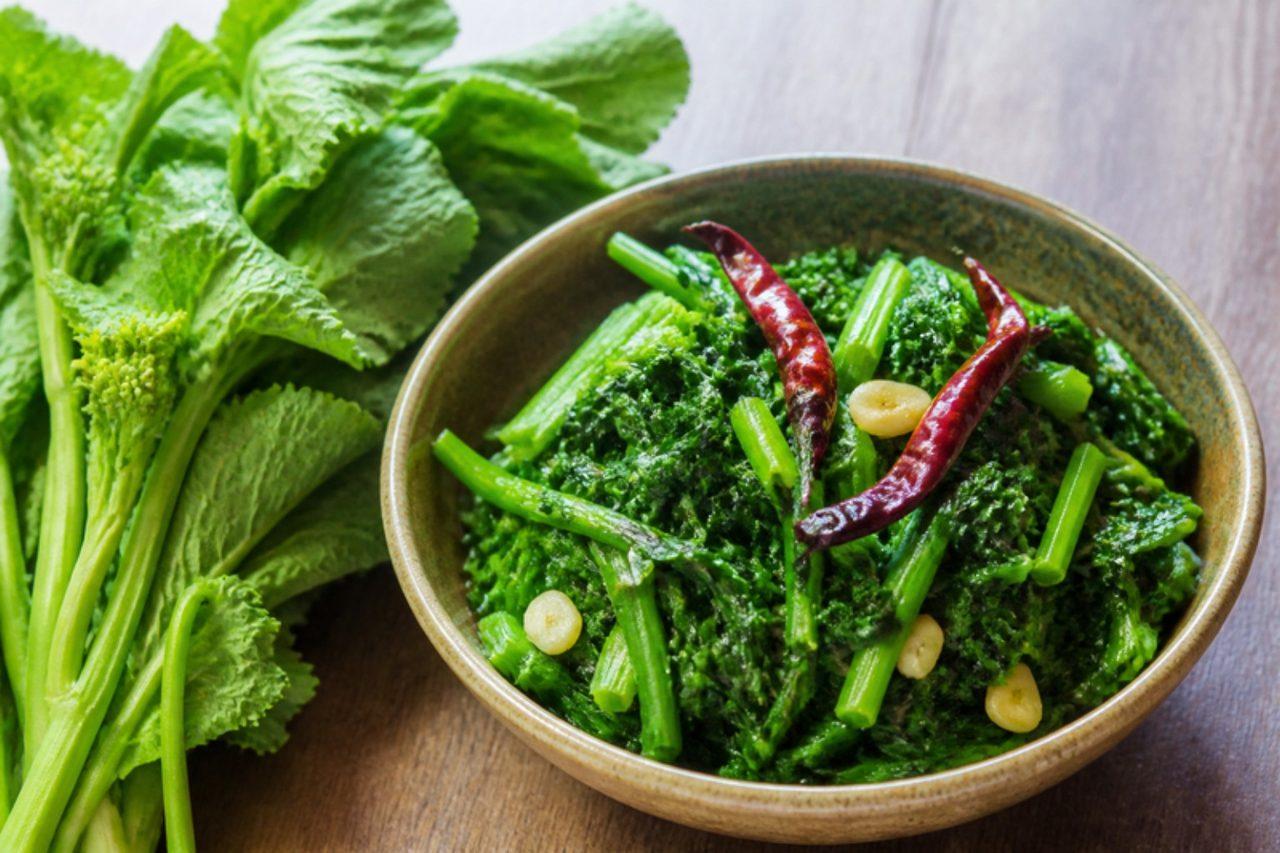
Ask for saag anywhere in Nepal and you will get the leafy part of the dal bhat plate: a tangle of greens, most often rayo (a broad-leafed mustard green), fried fast in mustard oil with garlic and a dried chilli until just wilted. It is nothing like the slow-cooked, puréed sarson ka saag of Punjab. Nepali saag keeps its bright colour, a little bite in the stems and a pleasant bitterness. It grows in every kitchen garden from the Terai to the hills and is on the table most days from autumn to spring. Spinach, chard or Chinese mustard greens all work the same way. The common mistake is to cover the pan, which stews the leaves to a grey mush; keep the heat high and the lid off. Chef's tip: add the stems a minute before the leaves so both are done at the same moment.

by KrazyBadal 0 views

Rechta with vegetable sauceNoodles in turnip and chickpea broth

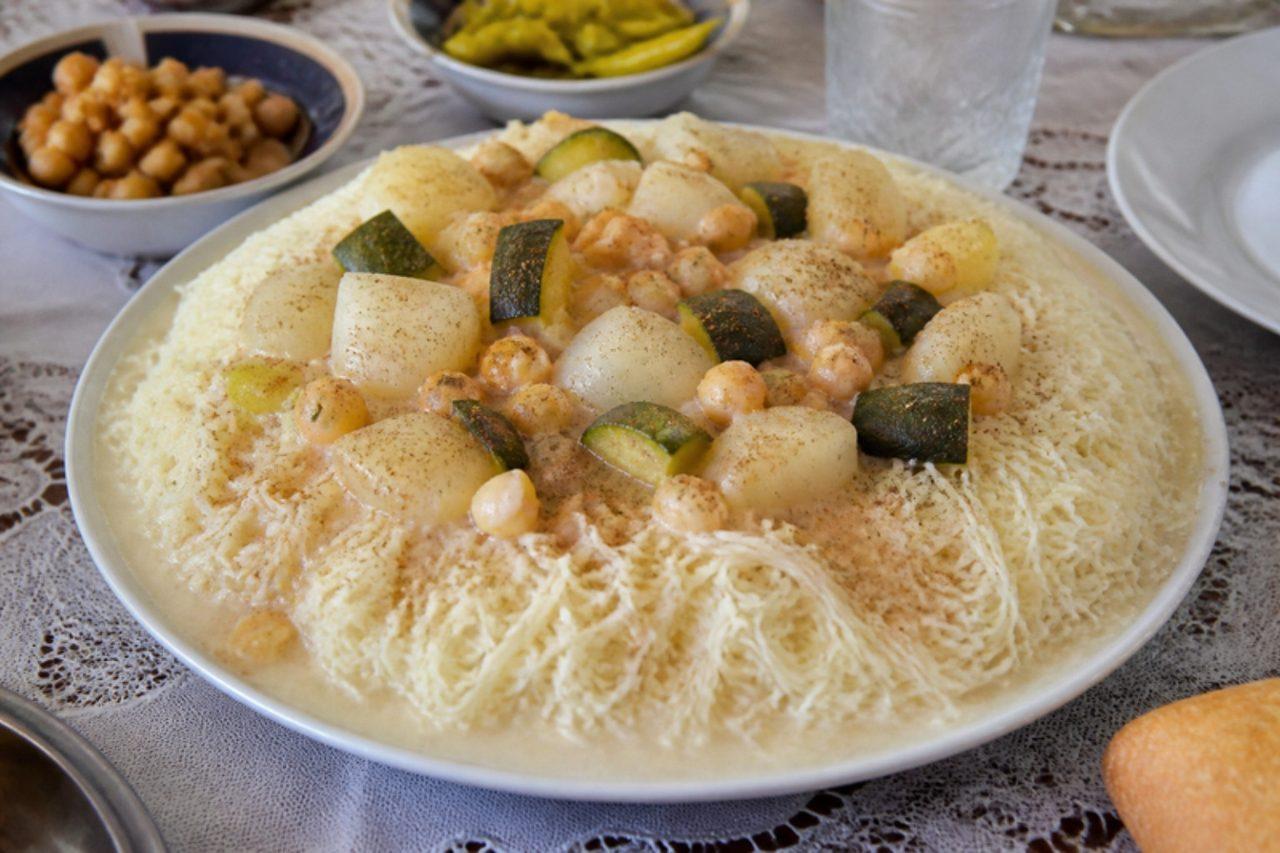
Rechta is the dish of Algiers and Blida for Mouloud, Ashura and the first day of the new year: thin, square-cut fresh noodles steamed in a couscoussier like couscous, then drenched in a pale, cinnamon-scented white sauce of turnips, courgette and chickpeas. It is usually made with chicken; this vegetable version keeps the gentle, peppery broth. Dried rechta is sold in North African shops; very thin dried egg-free noodles work too. Chef's tip: steam the noodles twice and rub them with oil in between, so they stay separate and silky.

by KrazyBadal 0 views

Red redBean stew in palm oil

Red red is Ghanaian chop-bar comfort food, eaten at lunchtime from Kumasi to Cape Coast, and it gets its name from its two reds: the bean stew glowing with palm oil and the fried ripe plantain served alongside. Black-eyed beans simmer in a tomato and onion sauce until creamy, then a sprinkle of gari on top adds crunch. It is often made with smoked fish or momoni; this meat-free version uses smoked paprika for the same savoury edge. Chef's tip: choose plantains with mostly black skins; they fry up sweet and caramelised, the perfect partner for the salty stew.

by KrazyBadal 0 views

Rellenitos de plátanoPlantain dumplings with sweet beans

Rellenitos surprise everyone who hasn't grown up in Guatemala: soft, sweet plantain dough wrapped around a filling of black beans cooked down with chocolate, cinnamon and sugar, then fried and rolled in sugar. They're sold in panaderías and at fairs, and made at home for afternoon coffee and Christmas. The beans taste nothing like a savoury dish; think of a fudgy chocolate paste. Chef's tip: mash the plantains while hot and chill the dough for 20 minutes; cold dough wraps cleanly without sticking to your hands.

by KrazyBadal 0 views

Telur baladoFried eggs in chilli sambal

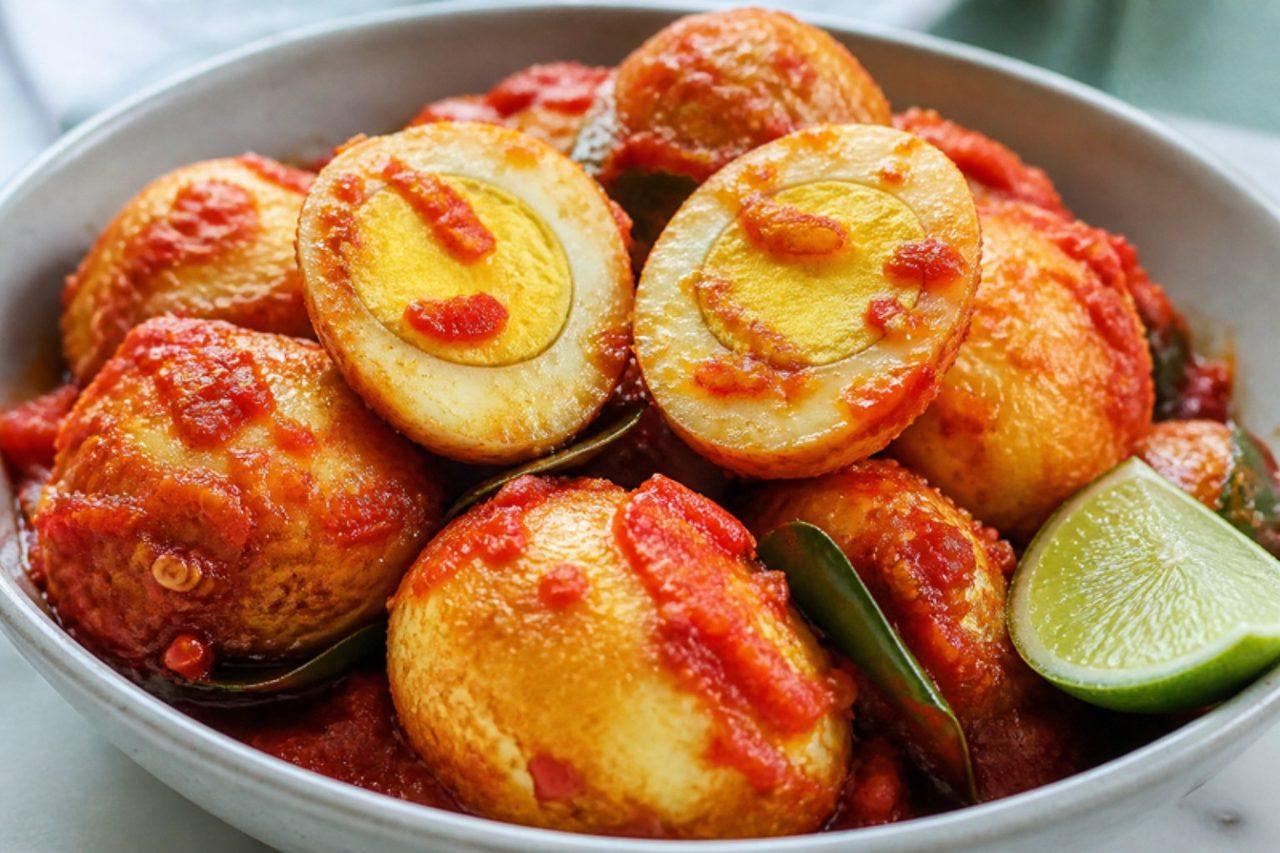
Telur balado is a fixture of the nasi Padang counter and of West Sumatran home cooking: hard-boiled eggs fried until their whites blister and turn golden, then smothered in balado, the coarse red sambal of chilli, shallot and tomato that the Minangkabau cook with almost everything. The fried skin of the eggs grips the sauce, and the sambal is bright and fresh rather than long-cooked. It's a cheap, quick weekday lunch with rice and greens, and it travels well in lunch boxes. Chef's tip: grind the balado coarse, not smooth — the Padang version should look rough and glossy, with visible flecks of chilli skin.

by KrazyBadal 0 views

RevaniSemolina cake in lemon syrup

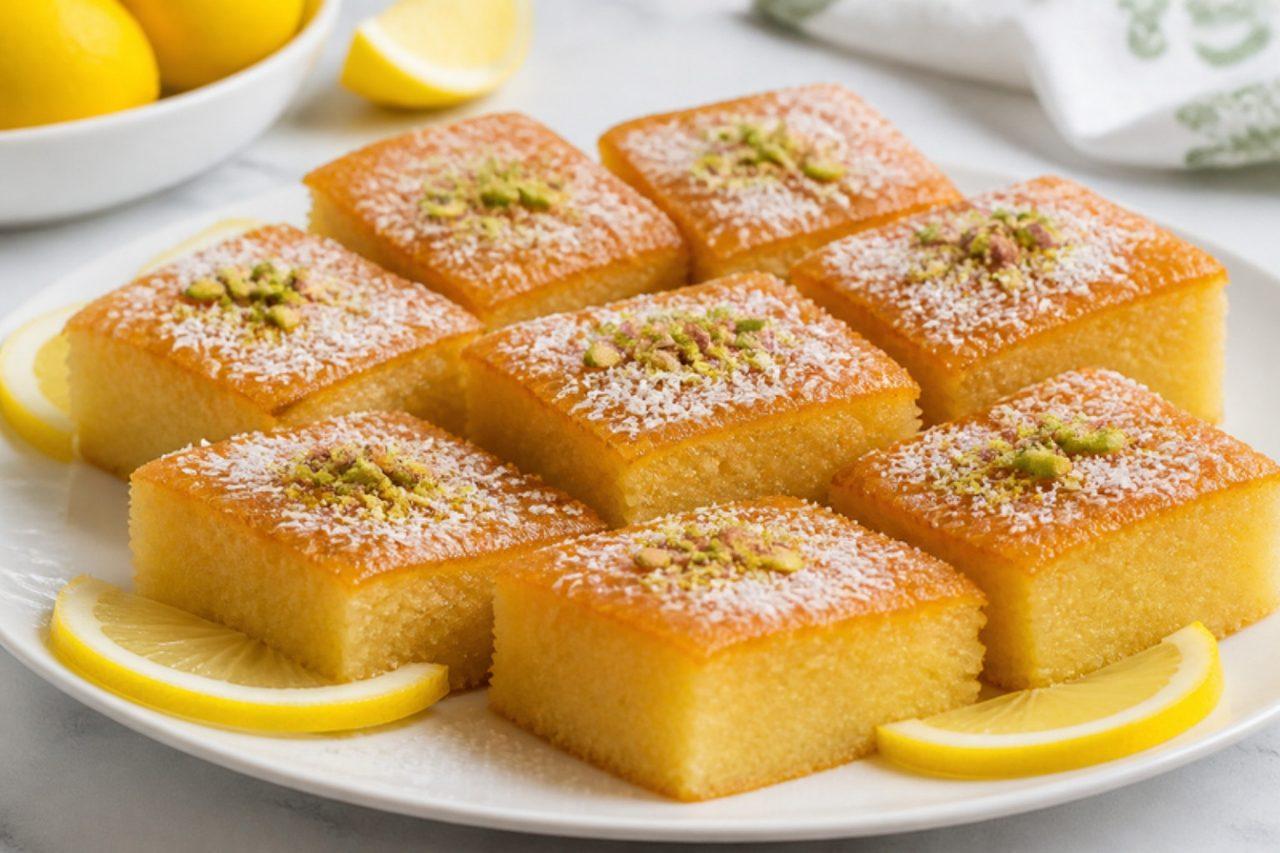
Revani is the syrup cake you meet in Turkish pastry shops and on home tea tables, especially at bayram visits, when trays of it are cut into diamonds and handed round with çay. Unlike a dense eggless semolina bake, it is a light, airy sponge of whisked eggs, semolina and a little flour, which drinks in cold lemon syrup straight from the oven until it is moist right through yet still holds a clean cut. It sweetens with sugar syrup rather than icing and is often finished with desiccated coconut or crushed pistachios. Serve it at room temperature or chilled, with tea or a spoon of kaymak or thick cream. Chef's tip: pour cool syrup over the hot cake (or hot over cool), never hot on hot; that contrast lets the sponge soak up syrup without collapsing into mush.

by KrazyBadal 0 views

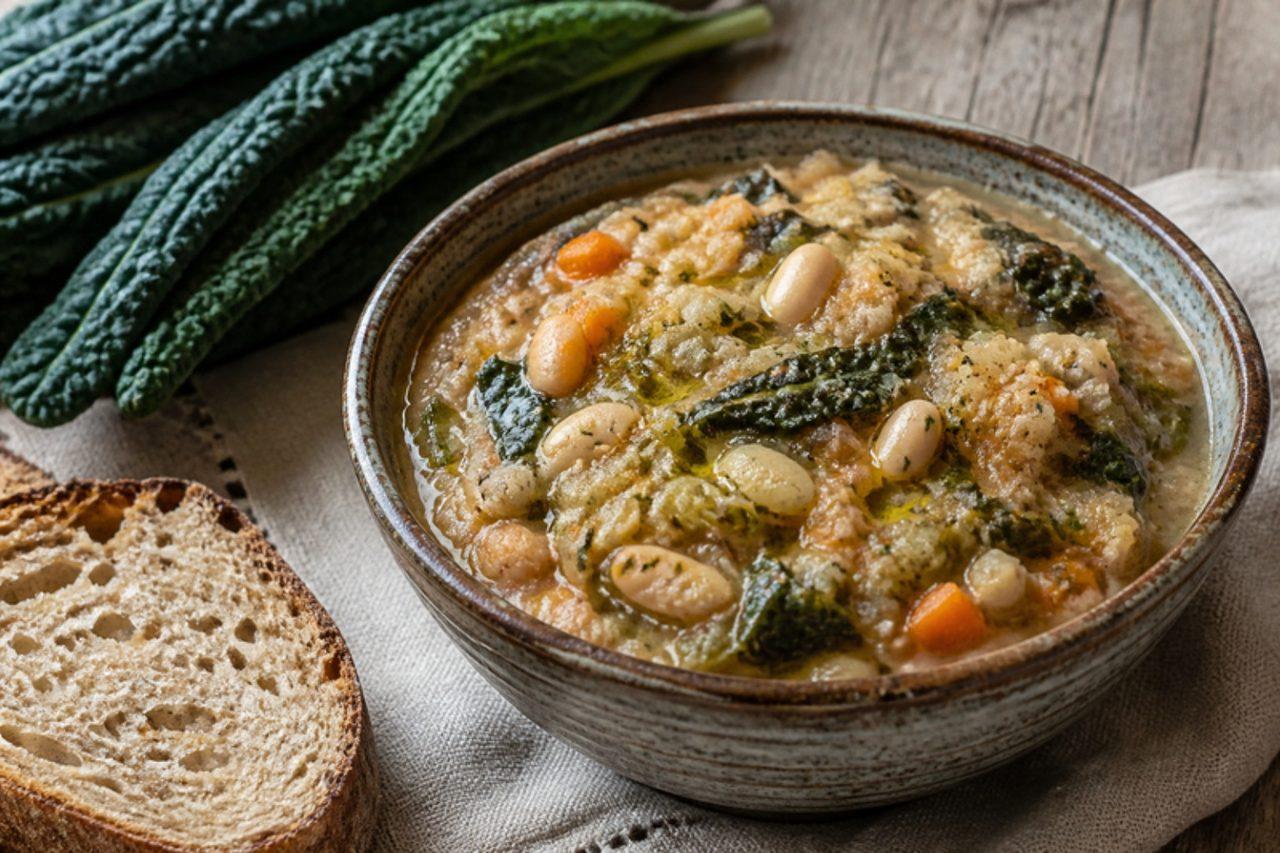
RibollitaBread and bean soup

Ribollita means 'reboiled': a Tuscan peasant soup of cannellini beans, cavolo nero and other vegetables, layered with stale bread and heated again the next day until thick enough to eat with a fork. Florentines eat it through the cold months, when cavolo nero is sweetest after the first frosts, finished with a green thread of new-season olive oil. Make it a day ahead, because the reboil is the point. Chef's tip: when reheating, let the bottom catch very slightly before stirring; that toasty edge is what Tuscans love about day-two ribollita.

by KrazyBadal 0 views

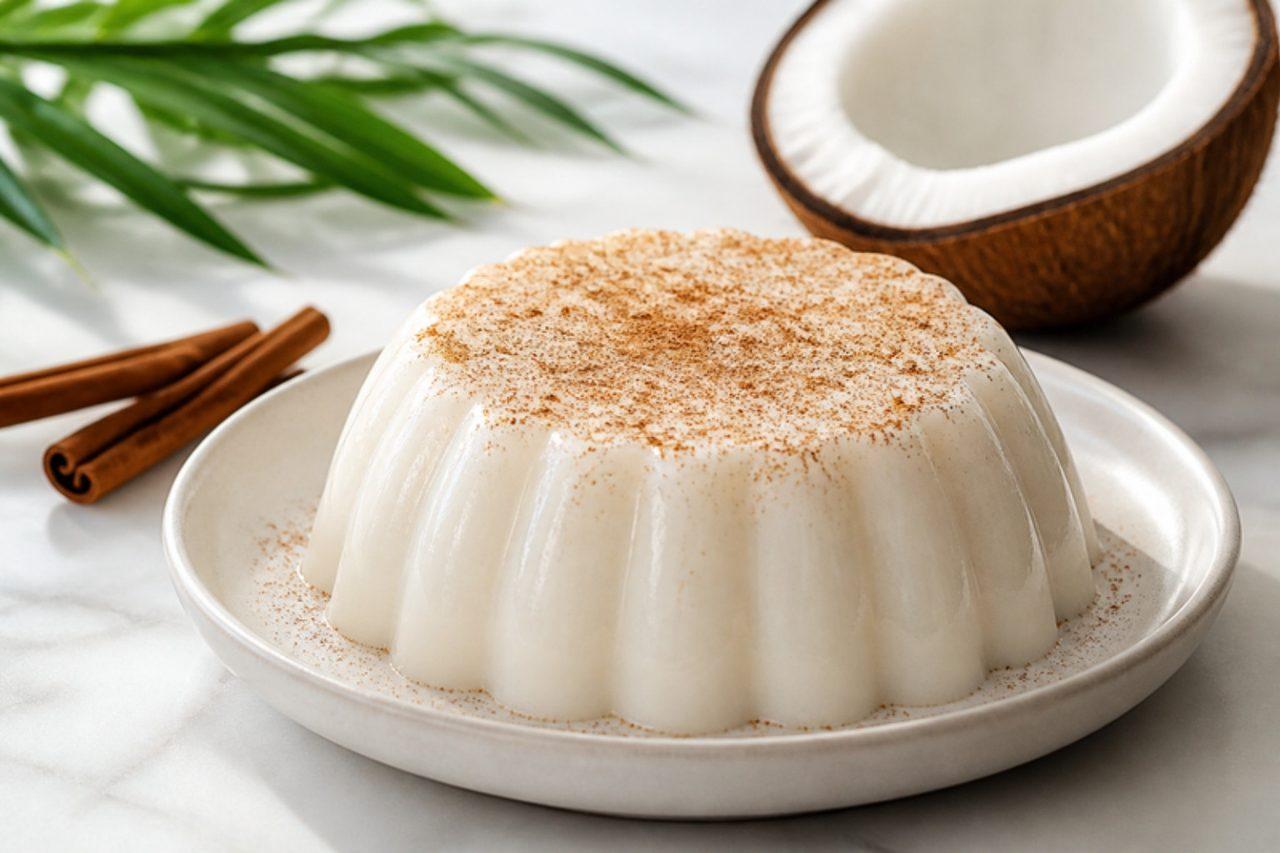
TemblequeCoconut milk pudding

Tembleque gets its name from the way it shivers (tiembla) when you set it on the table, and in Puerto Rico it is the dessert of the Christmas season, from the parrandas of December through to the Three Kings in January. It's nothing more than coconut milk, sugar and cornflour cooked into a silky custard, poured into a mould and chilled until it holds its shape. It is cool, pure white, lightly sweet and tastes completely of coconut, with a blush of cinnamon on top. Chef's tip: use full-fat tinned coconut milk; light coconut milk sets thin and tastes watery.

by KrazyBadal 0 views

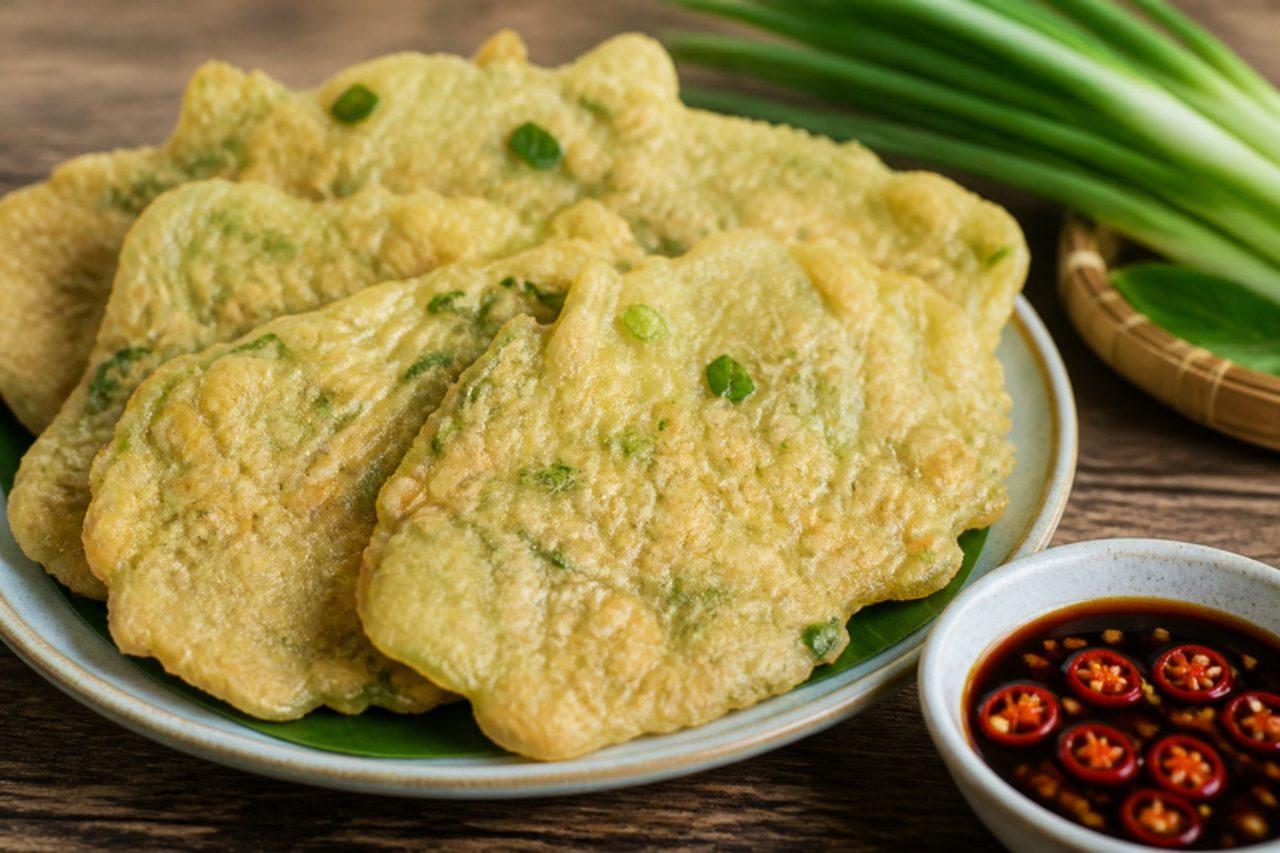
Tempe mendoanBattered fried tempeh

Mendoan comes from Banyumas in Central Java, and in Purwokerto it's sold by the stack at every roadside stall, eaten warm with a raw bird's eye chilli bitten between mouthfuls or dunked in sweet soy. The name comes from the Banyumas word mendo, meaning half-cooked: the batter is deliberately fried only until set and pale, so it stays soft and bendy rather than crisp. Make it with thin, wide tempeh slices so each one is mostly batter and herbs. Chef's tip: fry for barely a minute a side in very hot oil and pull the slices out while they're still pale gold and floppy — that limp, tender texture is the whole point.

by KrazyBadal 0 views

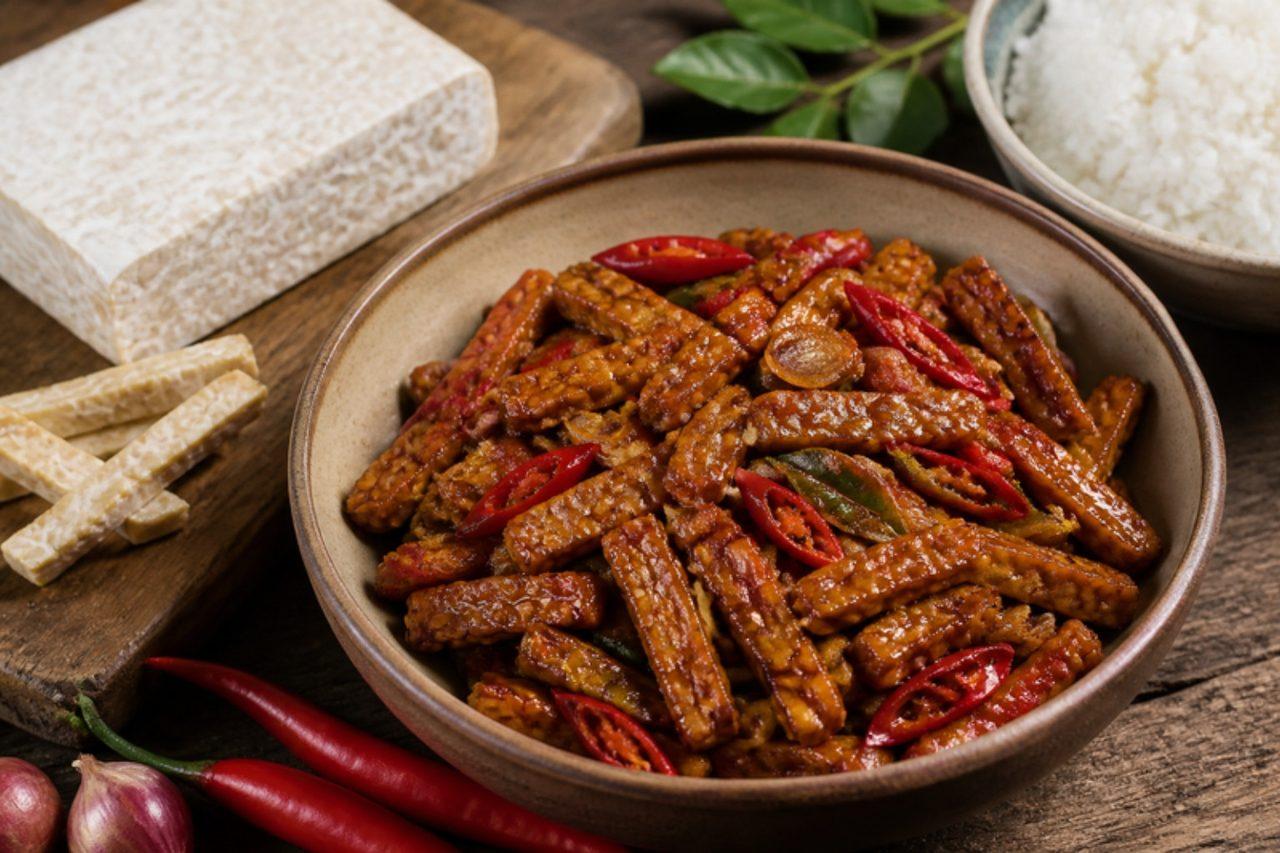
Tempe orekSweet crisp tempeh

Across Java, tempe orek is the side dish every household keeps in a tub: crisp sticks of tempeh fried and then tossed in a sweet-salty glaze of kecap manis, palm sugar, garlic and chilli. It goes into lunch boxes with plain rice, onto nasi campur plates, and lasts several days without losing its chew, which is why student boarding houses and office canteens rely on it. Some cooks add peanuts or green beans; this version stays classic. Chef's tip: fry the tempeh sticks properly crisp before glazing and keep the glaze to a thick syrup, so the tempeh stays crunchy rather than going soft.

by KrazyBadal 0 views

RisalamandeRice pudding with cherry sauce

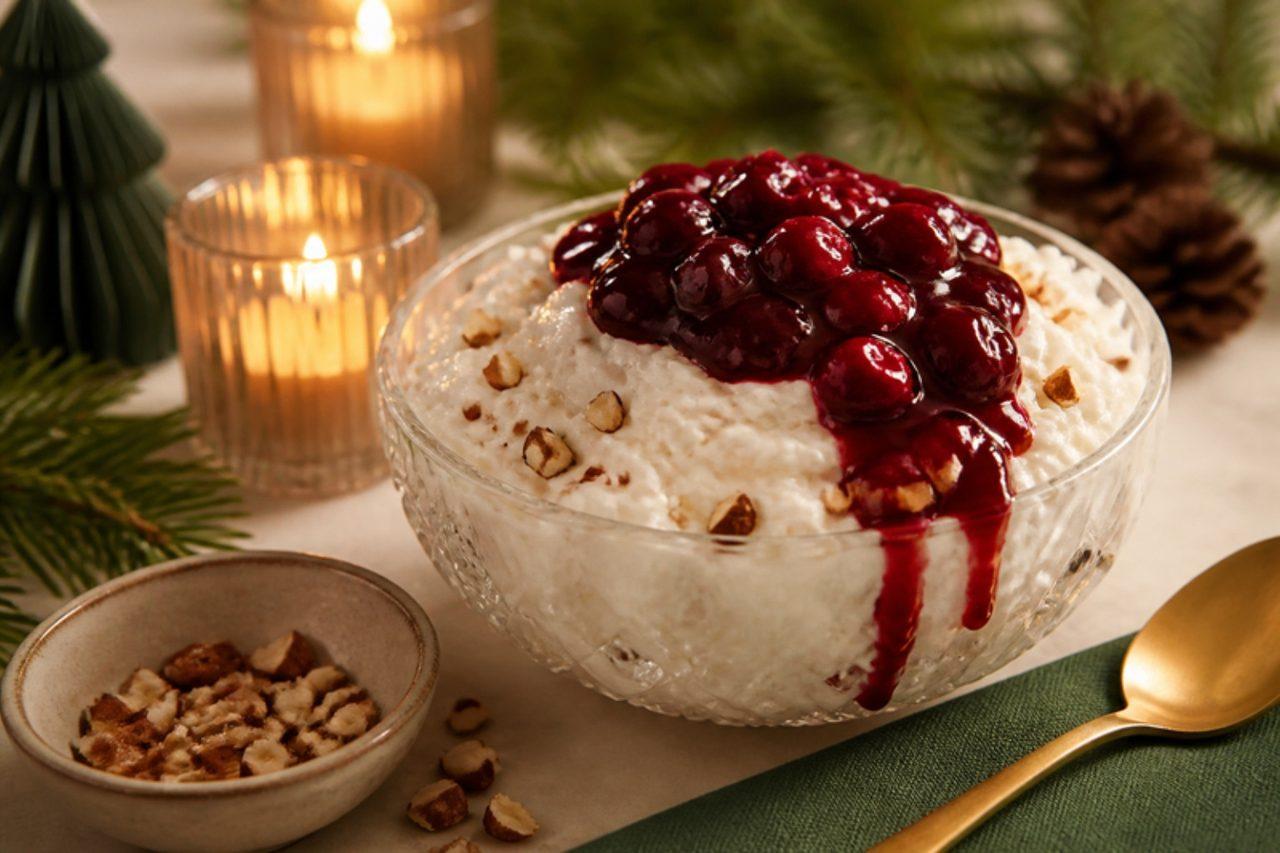
On Christmas Eve, almost every Danish family ends dinner with risalamande, a cold vanilla rice pudding lightened with whipped cream and chopped almonds and served with a hot cherry sauce poured over the top. Hidden somewhere in the bowl is one whole almond, and whoever finds it wins the mandelgave, the almond prize, usually a marzipan pig. Some finders keep the almond in their cheek until everyone has eaten far too much. The rice base, risengrød, is often cooked on 23 December, eaten warm with butter and cinnamon, and the leftovers become risalamande the next night. Chef's tip: let the rice pudding cool completely before folding in the cream; warm rice melts the whipped cream and the pudding turns heavy instead of airy.

by KrazyBadal 0 views

Risi e bisiRice and peas

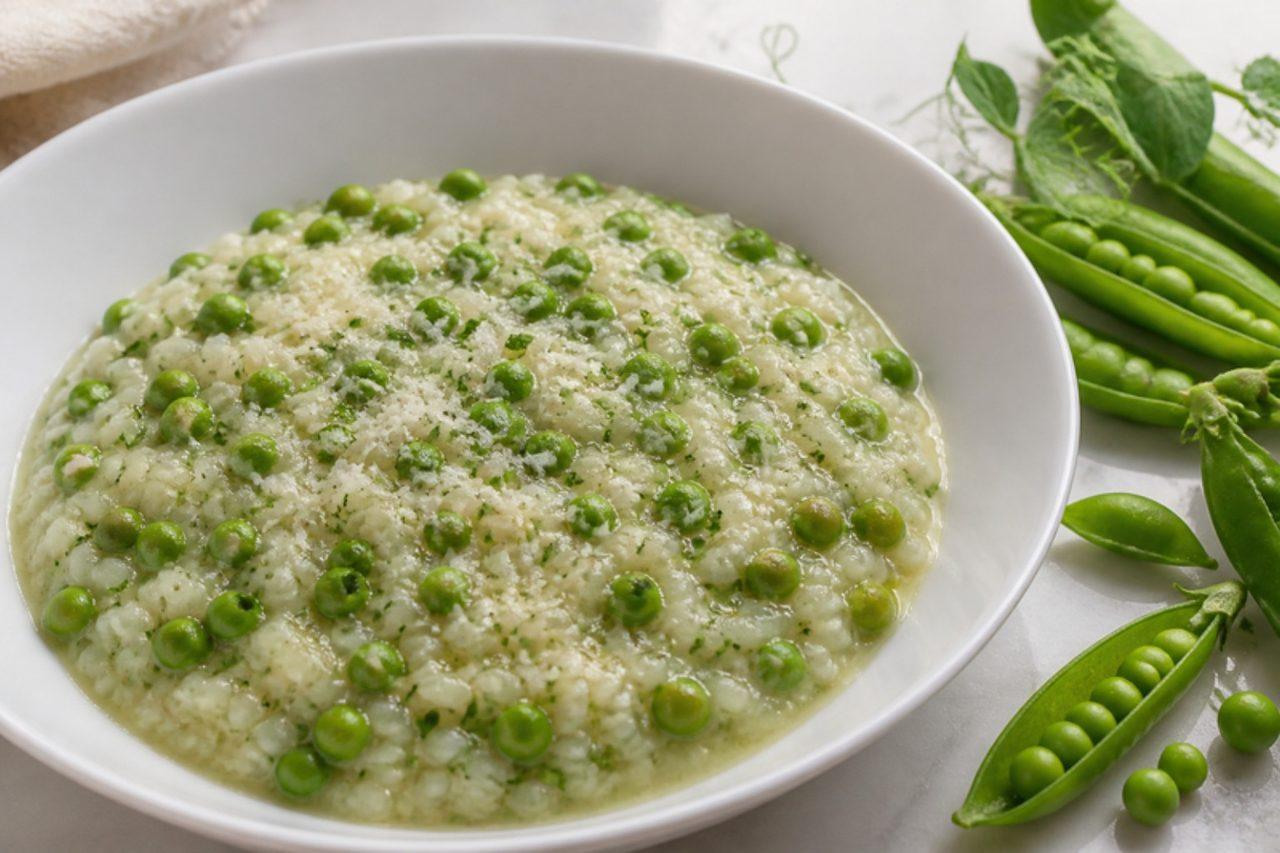
Risi e bisi was once served to the Doge of Venice every 25 April, the feast of Saint Mark, when the first tender peas arrived from the lagoon islands. It sits between a soup and a risotto: thicker than a minestra, looser than risotto, eaten with a spoon. Venetians make a quick broth from the empty pods, which gives a sweet, grassy flavour no stock cube can match; pancetta often goes in, but this version keeps it vegetarian with parsley and butter. Chef's tip: when podding fresh peas, keep the pods; simmered for 20 minutes they make the whole dish taste of spring.

by KrazyBadal 0 views

Risotto alla milaneseSaffron risotto

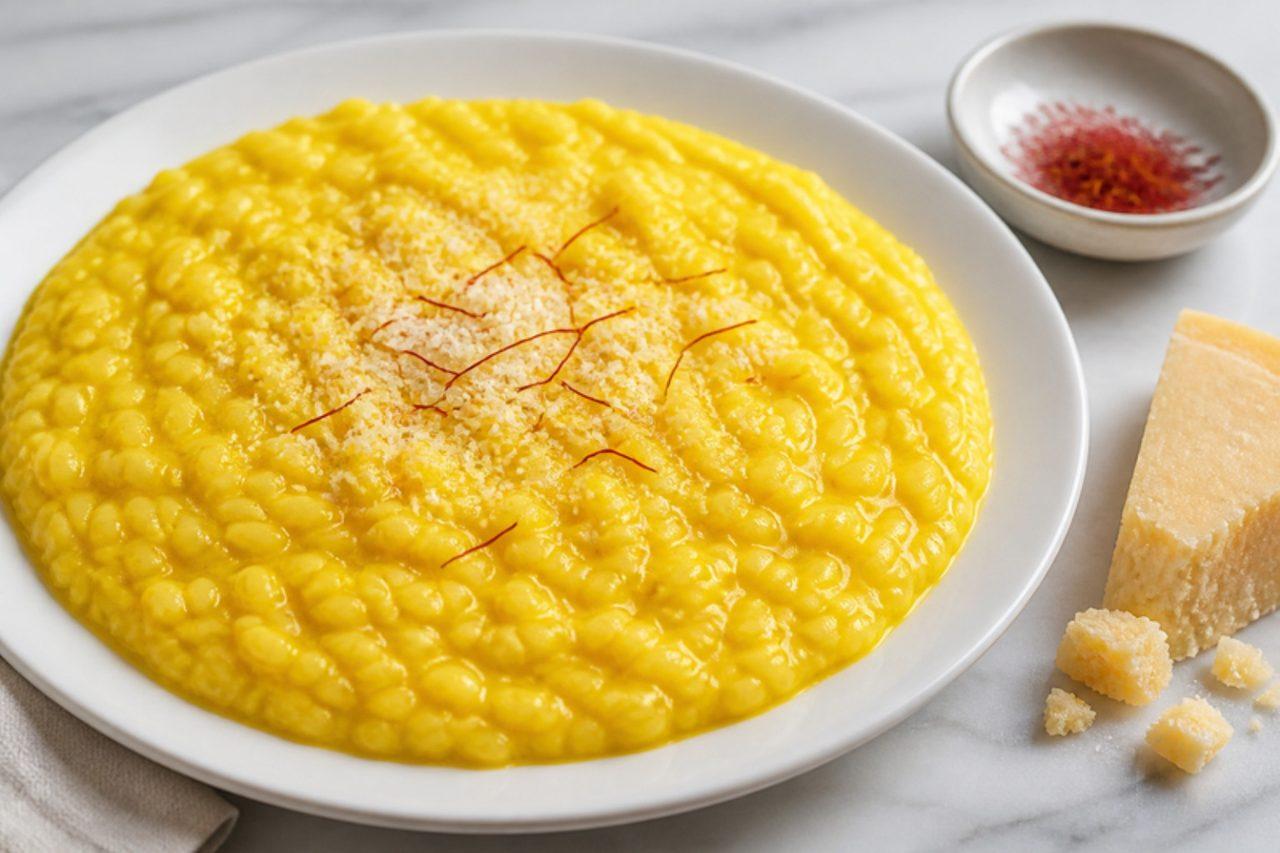
Risotto alla milanese is the saffron risotto of Milan, served on its own as a first course or beside ossobuco on Sunday tables, and a legend says it was first made in 1574 by a glass-painter's apprentice working on the Duomo who coloured rice with saffron. Milanese cooks use beef marrow and meat broth; here a well-flavoured vegetable stock keeps it vegetarian, with butter and hard cheese for richness. It should be all'onda: loose enough to ripple like a wave when you shake the plate. Chef's tip: keep the stock at a bare simmer beside the rice; cold stock stops the cooking and makes the grains chalky.

by KrazyBadal 0 views

TequeñosFried cheese sticks

Tequeños are said to come from Los Teques, the town in the hills outside Caracas, and they are the party food of Venezuela: no birthday, wedding or office celebration is without a tray of these crisp pastry fingers wrapped around salty white cheese. The dough is spiralled around the cheese, then fried so the pastry is crunchy and the cheese just starts to melt. Serve with guasacaca (avocado sauce) or a sweet chilli dip. Use a cheese made with vegetarian rennet. Chef's tip: overlap each spiral of dough slightly and seal the ends well, or the cheese escapes into the oil.

by KrazyBadal 0 views

Rocoto rellenoStuffed rocoto peppers

Rocoto relleno is the pride of Arequipa's picanterías: fiery rocoto peppers stuffed with a sweet-savoury filling, topped with cheese and baked over sliced potato in an egg and milk custard. The traditional filling is minced beef; this vegetarian version uses mushrooms and lentils fried with ají panca, cumin, peanuts, raisins, olives and boiled egg, which gives the same rich, spiced, slightly sweet bite. The peppers are first blanched several times in fresh water with sugar and vinegar to tame their heat, which is the real skill of the dish. If you can't find rocotos, use small red bell peppers and add a little habanero to the filling. Chef's tip: taste a sliver of rocoto after the second blanching; stop when it is hot but pleasant, and blanch once more if it still burns.

by KrazyBadal 0 views

ThiakryMillet couscous with sweet yogurt

Thiakry, called dégué in Mali and Burkina Faso, is the creamy dessert of Senegalese weddings, naming ceremonies and Tabaski: pellets of steamed millet stirred into sweetened yoghurt and soft fromage frais, scented with vanilla and nutmeg and served cold. Ready-made millet granules (arraw or sankhal) are sold in African grocers, which makes it a 15-minute job. Raisins and a little coconut are common in Dakar. Chef's tip: steam or soak the millet fully before it meets the yoghurt; undercooked grains stay hard and gritty in the cold.

by KrazyBadal 0 views

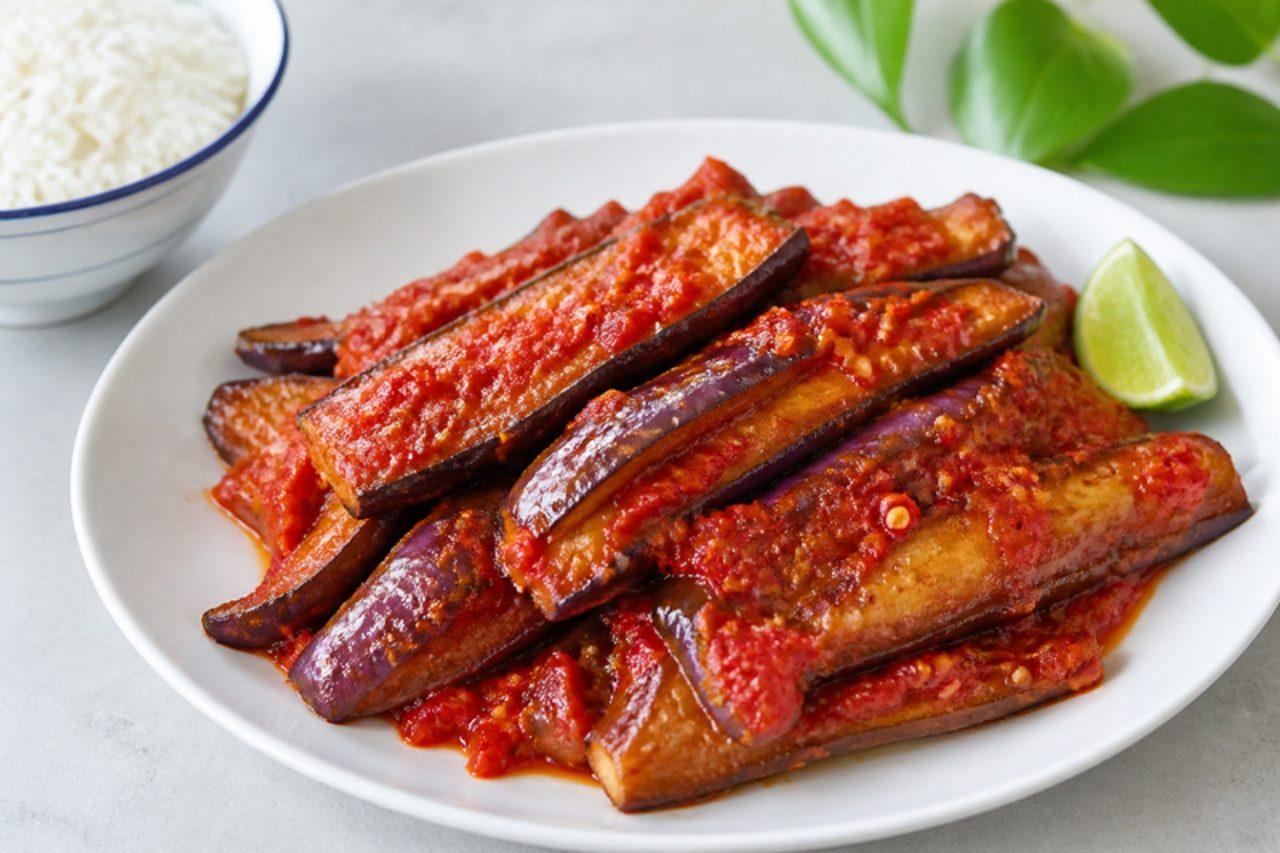
Terong baladoFried aubergine in chilli sambal

Balado is the Minangkabau way of smothering fried food in a coarse, shiny red chilli sambal, and in West Sumatra the aubergine version is a daily home dish as much as a restaurant one. The aubergine is fried until soft and creamy inside, then folded into a sambal of red chillies, shallots and tomato cooked down until sweet. Serve it at room temperature with rice and fried tofu. Chef's tip: grind the chillies coarsely rather than to a purée; Padang cooks want flecks of skin and seed in a balado.

by KrazyBadal 0 views

Rooh Afza sherbetRose syrup drink

During Ramadan almost every household in Pakistan breaks the fast at sunset with a jug of this bright red sherbet on the table, from Karachi apartments to village courtyards in Punjab. It is made with the herbal rose syrup sold as Rooh Afza (any rose sherbet syrup works), stirred into ice-cold water with a squeeze of lemon and a spoonful of swollen basil seeds (tukh malanga) that are said to cool the body after a long, hot day without water. Some families make it with cold milk instead, which turns it pink and creamy. The mistake people make is adding the basil seeds dry; they clump into hard lumps, so soak them first. Chef's tip: chill the water and syrup well before mixing so you need less ice and the sherbet does not taste watered down.

by KrazyBadal 0 views

Ropa viejaShredded beef stew

Ropa vieja means 'old clothes', after the ragged strands the beef falls into, and it is the dish Cubans name first when asked about home cooking. Families in Havana and Camagüey make a big pot on a weekend: flank steak is simmered until soft, pulled into threads and then stewed again in a sofrito of peppers, onion, tomato, cumin and green olives. It is eaten with white rice, black beans and fried ripe plantain, and it tastes even better reheated the next day. The common mistake is cutting the beef across the grain before cooking; leave it whole so it shreds into long strands. Chef's tip: keep the cooking liquid from the first simmer and use it instead of water in the sauce, because it carries most of the beefy flavour.

190 minCubanMeatGluten free
by KrazyBadal 0 views

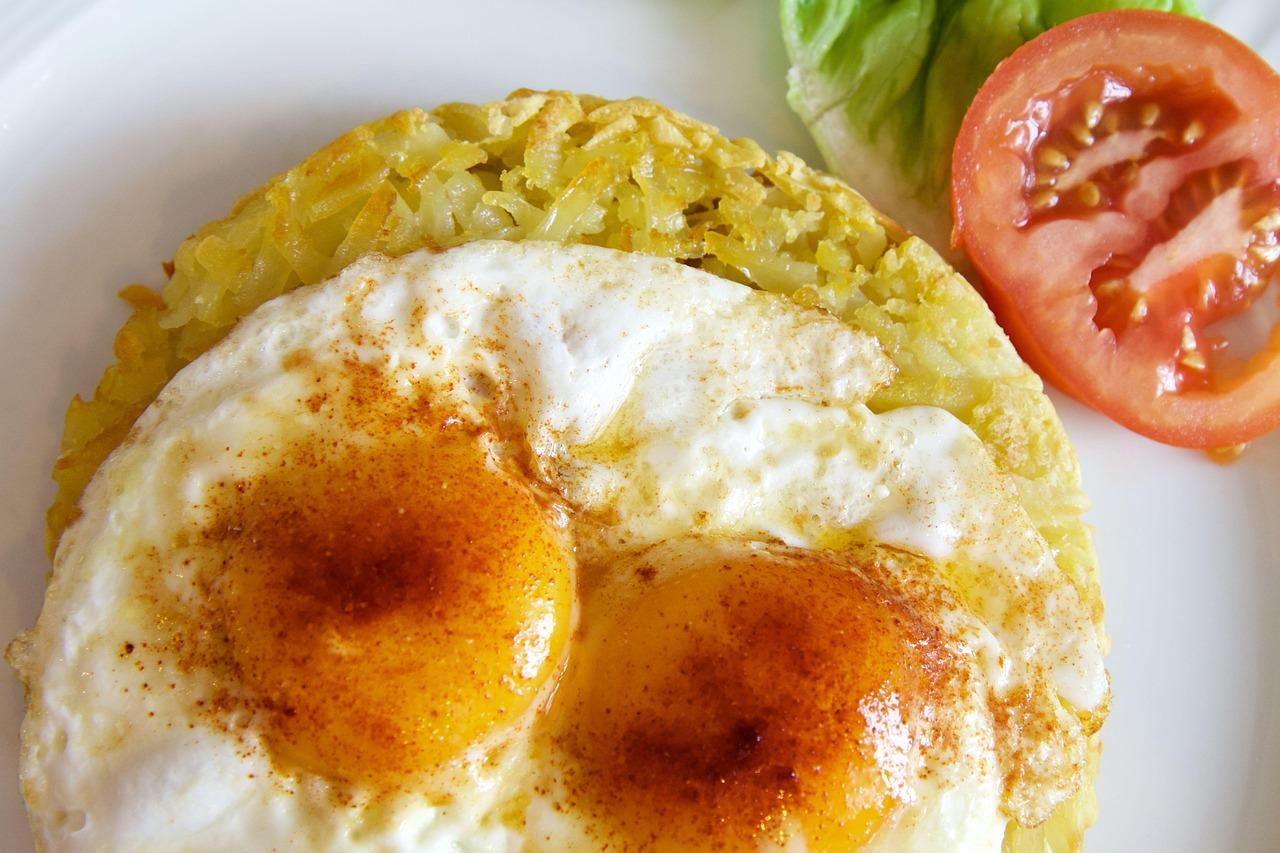
RöstiPotato cake

Rösti was once the farmer's breakfast in the canton of Bern, fried in the morning from potatoes boiled the night before, and it is still the plate Bernese families make on a Sunday or eat with a fried egg for supper. It is so tied to German-speaking Switzerland that the language border with the French-speaking west is jokingly called the Röstigraben, the rösti ditch. Coarsely grated, cold, parboiled potato is pressed into a hot pan of butter and left alone until the underside turns a deep, crunchy gold, while the inside stays soft. Serve it with fried eggs and a tomato salad, with melted cheese on top, or next to mushrooms in cream. Chef's tip: parboil the potatoes a day ahead and chill them overnight; cold, firm potato grates into clean strands that stay separate and crisp.

60 minSwissSidesGluten free
by KrazyBadal 0 views

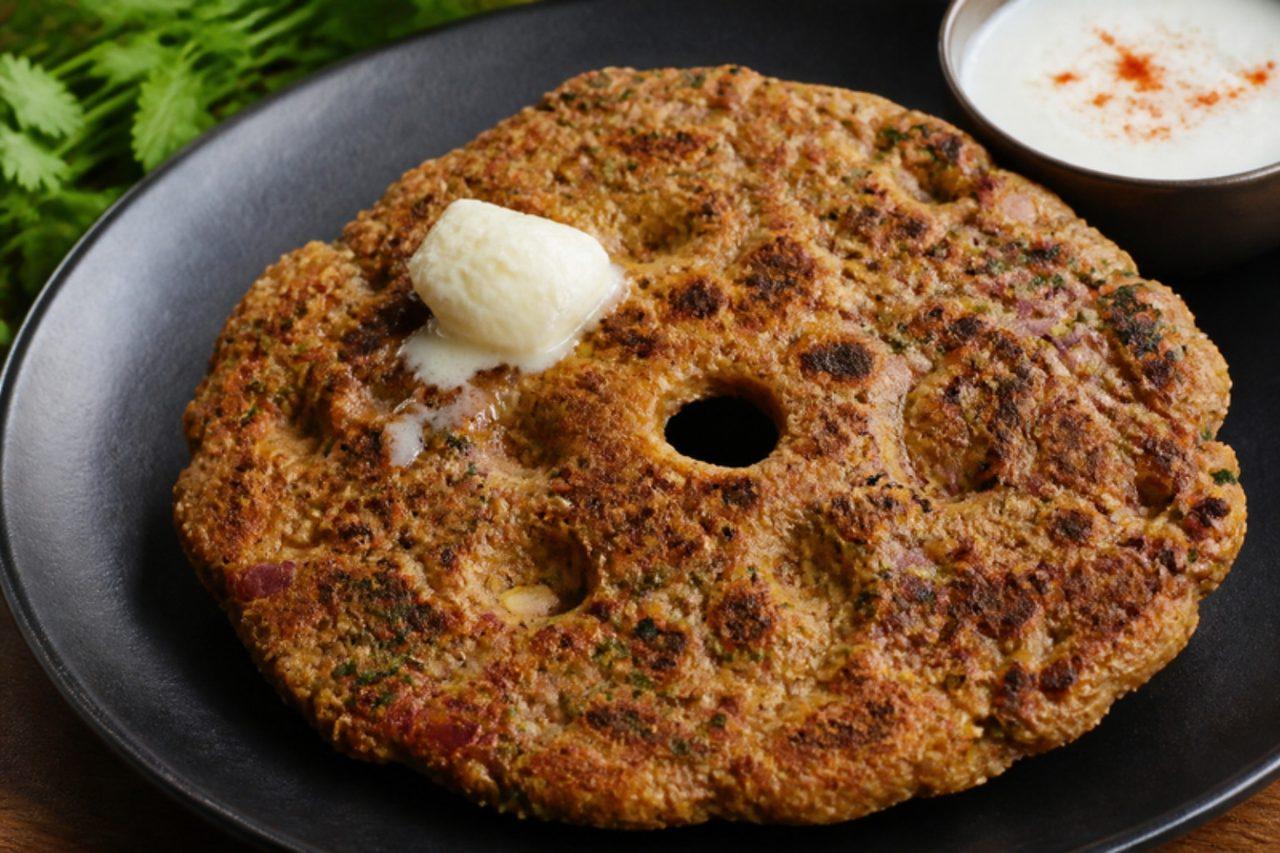
ThalipeethMultigrain flatbread

Thalipeeth is a rustic Maharashtrian flatbread made from bhajani, a flour of roasted grains and lentils. The dough is soft and sticky with onion, green chilli and coriander, and is patted out by hand straight onto the pan, with holes poked in it so the oil can crisp it from both sides. It comes off the tawa crunchy at the edges and soft in the middle, smoky with cumin and coriander seed. Eat it hot for breakfast with thick yogurt, white butter or a garlic and peanut chutney, or with lemon pickle. Chef's tip: pat the dough out on a damp cloth or wet baking paper and flip it straight onto the pan; it's too soft to roll, and wet hands keep it from sticking.

by KrazyBadal 0 views

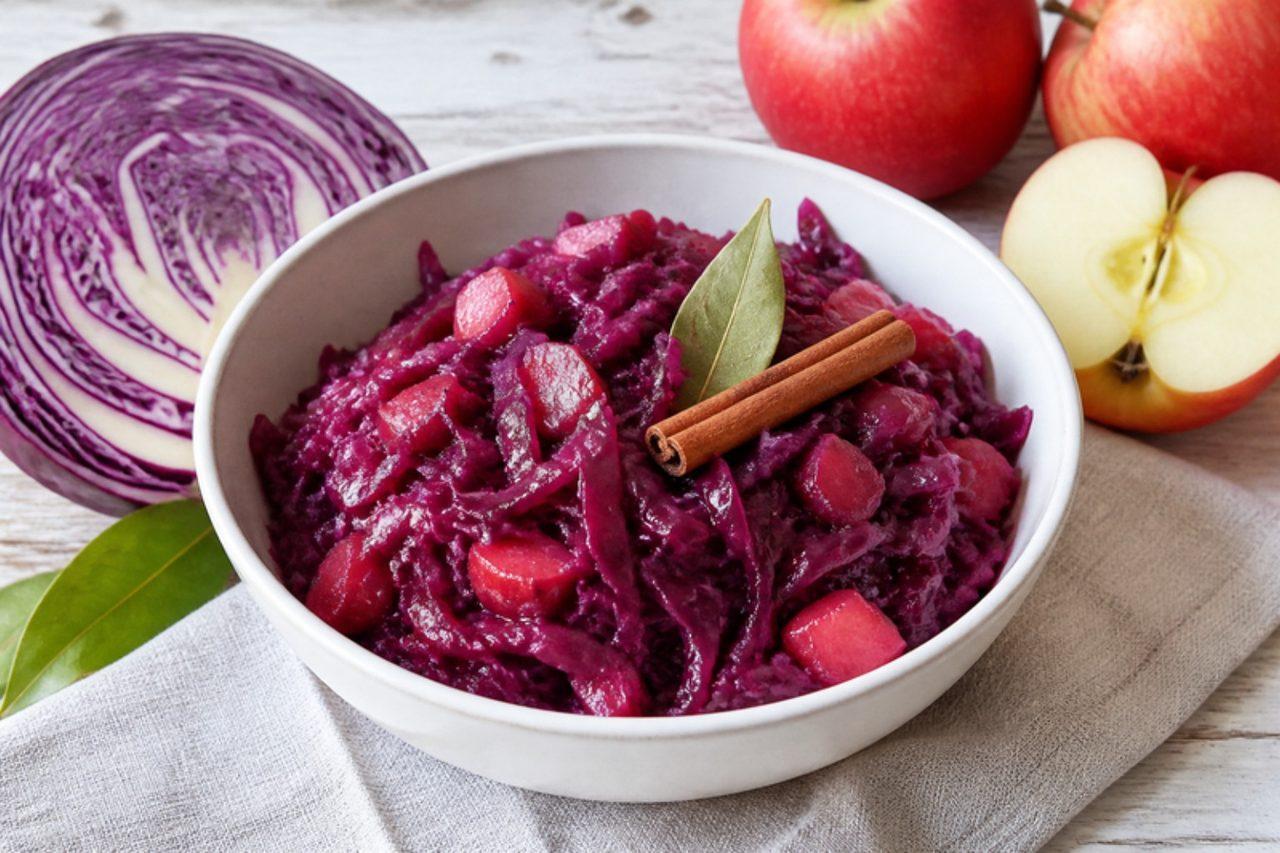
RotkohlBraised red cabbage

Rotkohl, called Blaukraut in Bavaria and Austria, is the purple braised cabbage that sits next to dumplings and potatoes on German plates from autumn to Christmas. Red cabbage is cooked slowly with apple, onion, vinegar, bay and clove until meltingly soft, sweet-sour and glossy, a deep wine-red because the acid keeps the colour bright. Traditionally it's started in goose fat or lard; oil works perfectly and keeps it vegan. It's one of those dishes that is better the next day, so families make a big pot before Christmas. Chef's tip: add the vinegar at the start, not the end; without acid the cabbage turns an unappetising blue-grey as it cooks.

by KrazyBadal 0 views

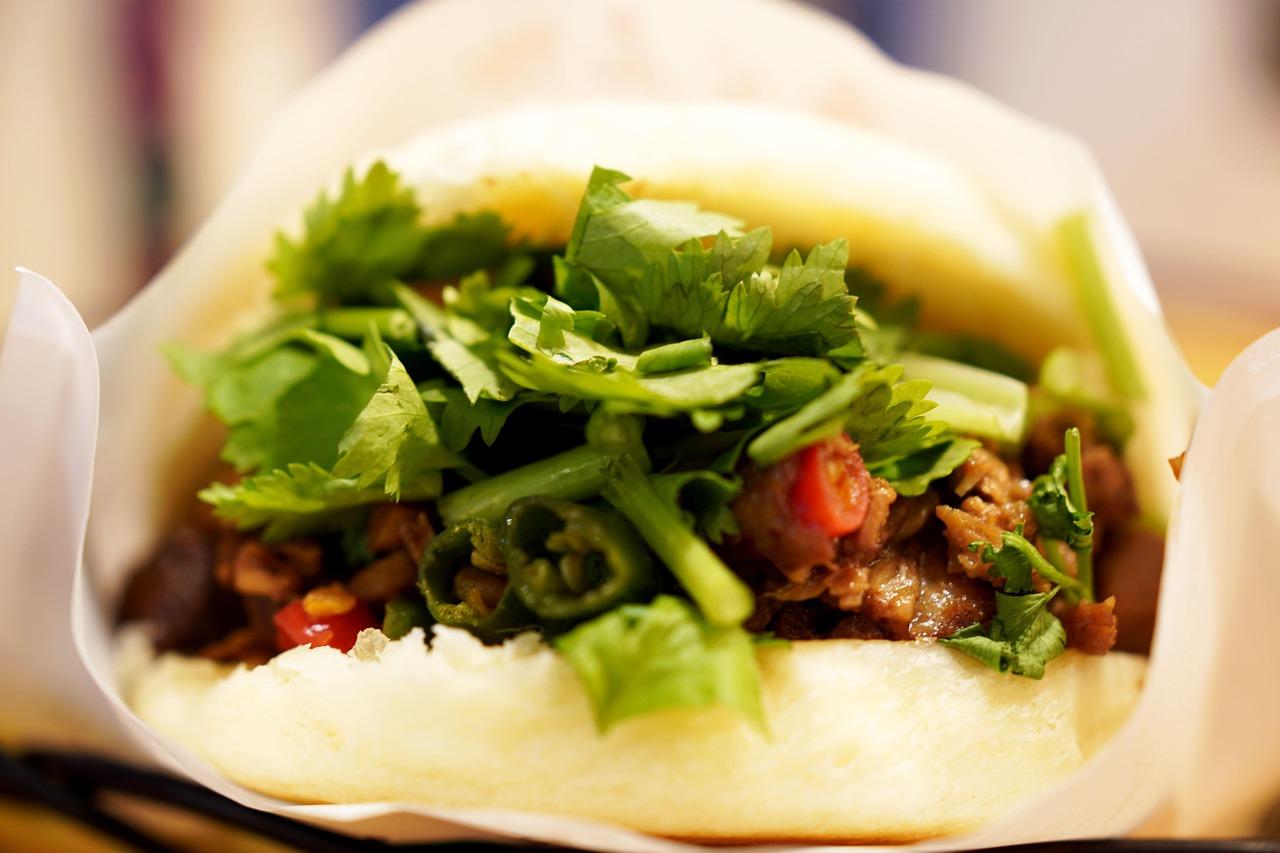
Rou jia moSpiced pork flatbread sandwich

Walk through Xi'an's Muslim Quarter or any Shaanxi bus station and you will see cooks chopping steaming braised pork on thick wooden blocks and stuffing it into split, griddle-crisped buns. The bread, called baijimo, has a crackly shell with an 'iron ring' edge, a 'tiger-back' top and a spiral 'chrysanthemum heart' inside; the pork is slow-cooked in a soy broth with a dozen warm spices until it falls apart. Chopped with green chilli and coriander and moistened with the braising juices, it makes one of the world's oldest sandwiches. Eat it hot in the hand, with cold liangpi noodles or a bowl of soup alongside. Chef's tip: keep the braising liquid as a master stock in the freezer; the next batch of pork tastes even better.

by KrazyBadal 0 views

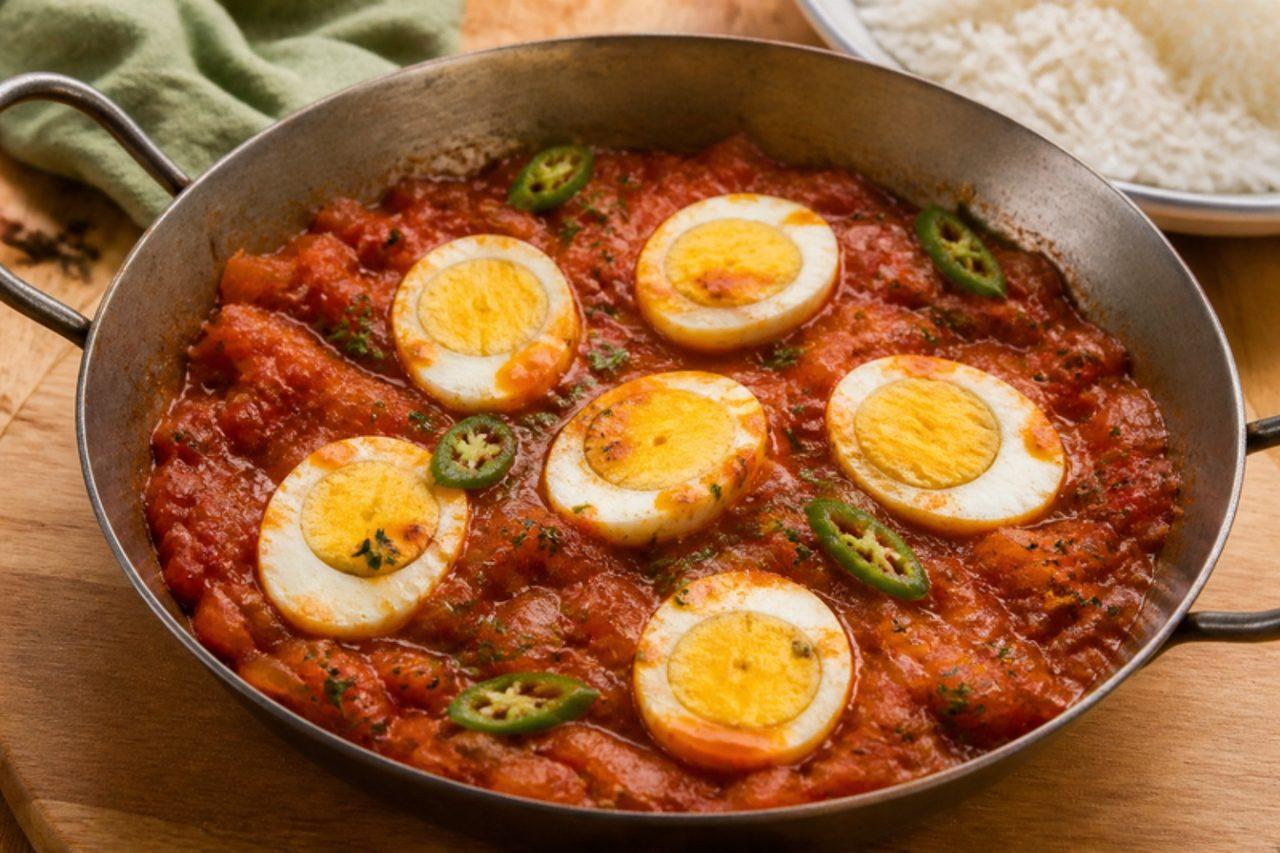
RougailleSpiced tomato sauce with eggs

Rougaille is the Creole tomato sauce at the heart of Mauritian home cooking, made in every kitchen from Port Louis to Mahébourg and also in the Seychelles and Réunion. Tomatoes are cooked down with onion, garlic, ginger, thyme and chilli until thick, and then something is simmered in it: sausages, salted fish, or, in many homes on a weeknight, hard-boiled eggs. Serve with rice, lentils (dholl) and chatini. Chef's tip: cook the tomatoes until the oil separates at the edges; watery rougaille tastes thin.

by KrazyBadal 0 views

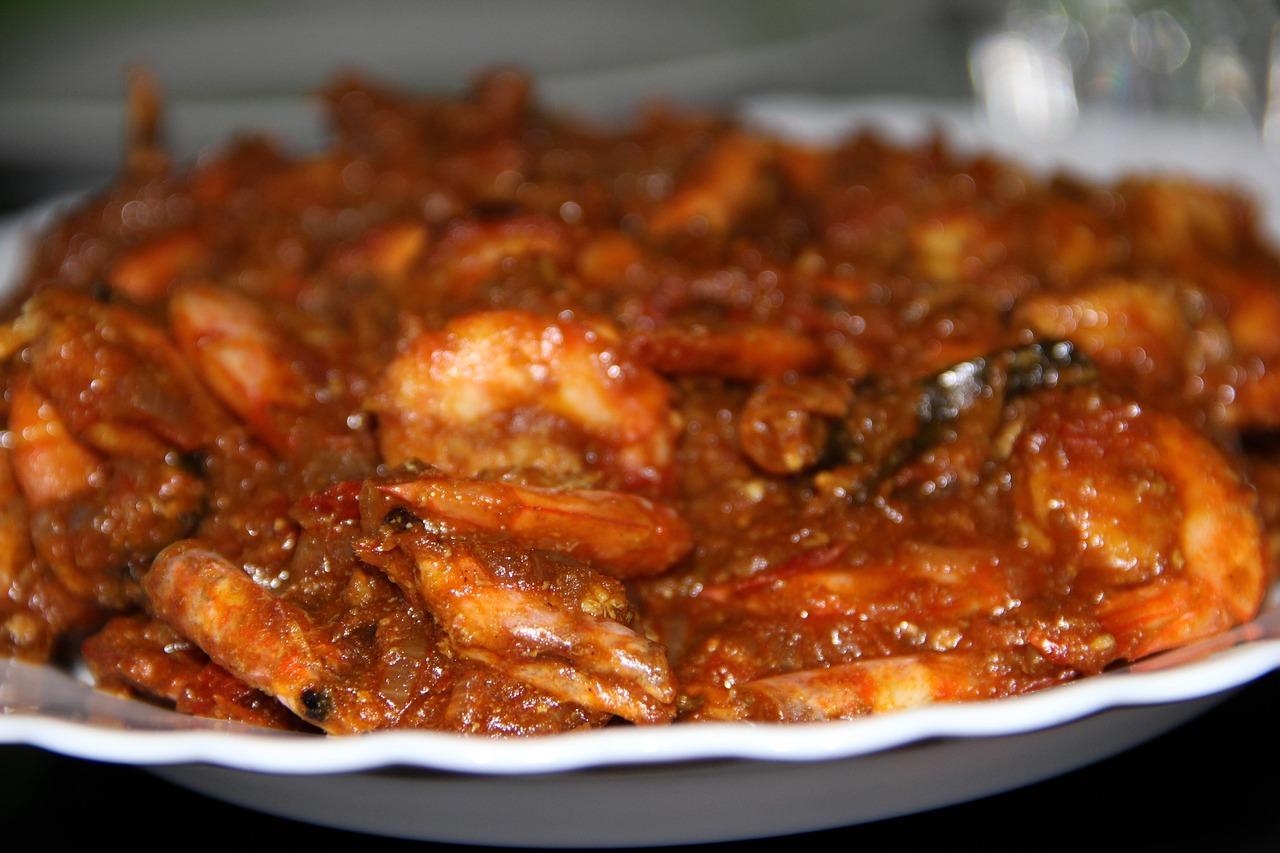
Royyala iguruThick prawn curry

Along the coastal Andhra delta, where the Godavari meets the sea near Kakinada and Bhimavaram, prawns come in fresh every morning and often end up as iguru. The word means cooked down: the onion-chilli masala is reduced until it clings to the prawns, with only a spoonful of sauce left in the pan. It goes onto hot rice with ghee, alongside sambar or pappu, and is a favourite in Telugu homes on weekends. Chef's tip: cook the masala fully first and add the prawns only for the last few minutes, so they stay plump.

40 minIndianFishGluten freeSpicy
by KrazyBadal 0 views

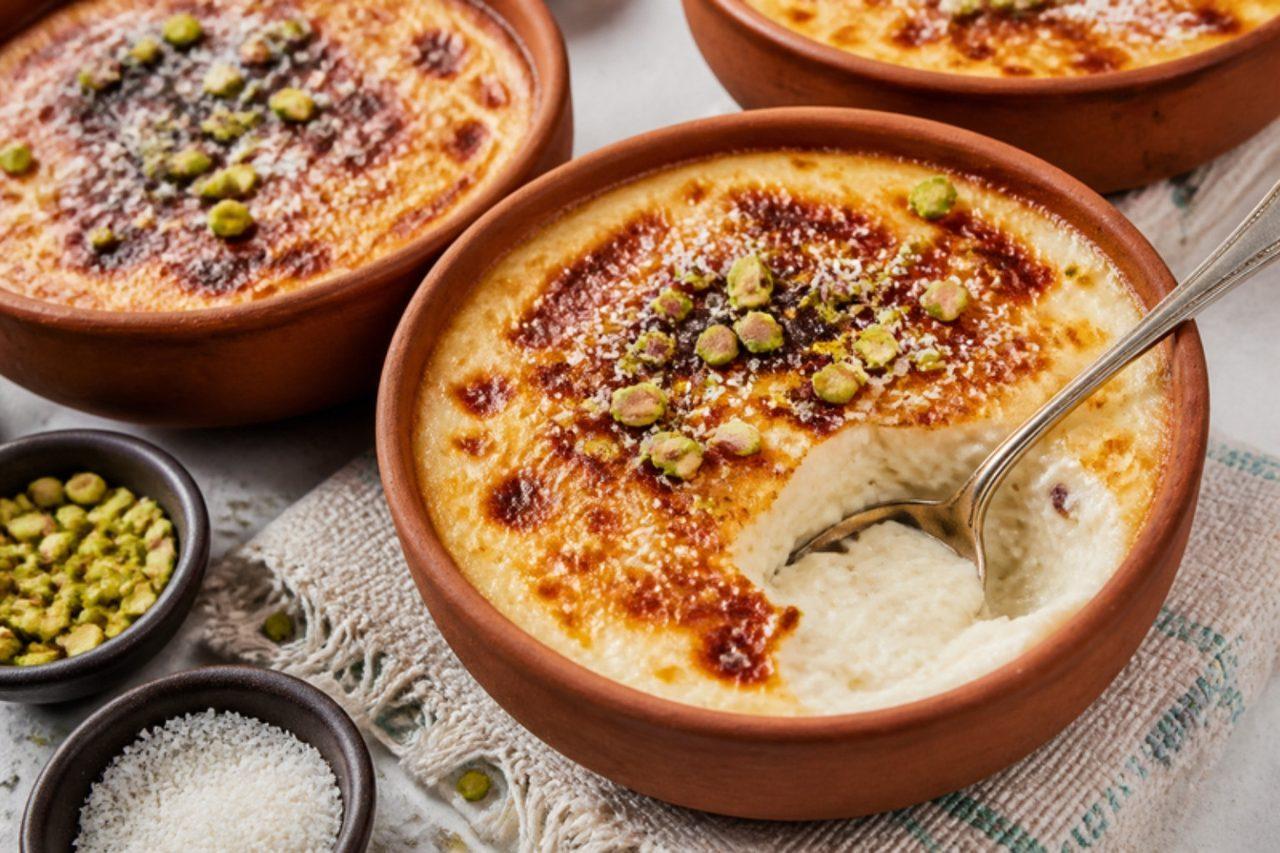
Roz bel labanRice pudding

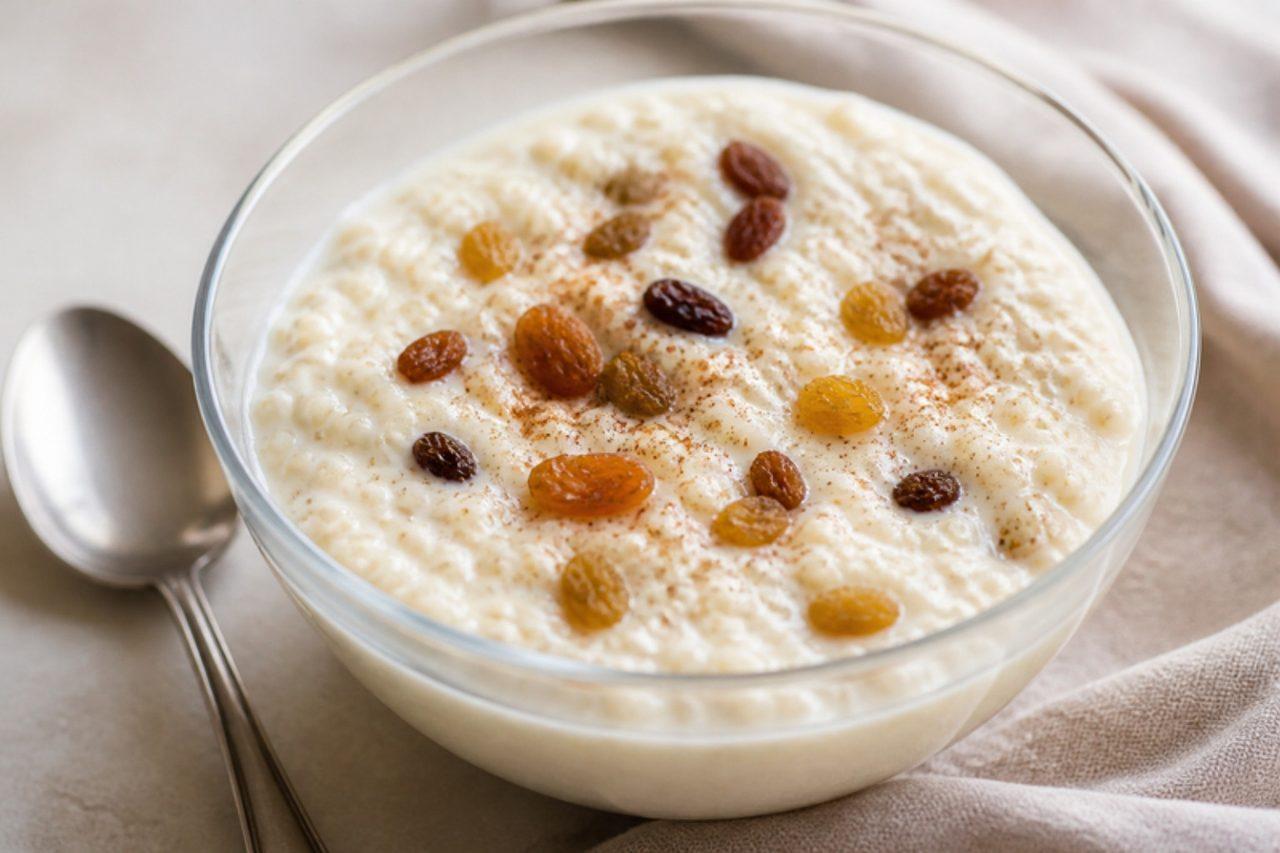
Roz bel laban (rice with milk) is the pudding of Egyptian homes and dessert shops alike, sold in clay pots and little foil cups across Cairo and eaten all year, especially in the evenings of Ramadan. It is made with short Egyptian rice cooked slowly in milk, thickened with a little cornflour so it sets creamy and spoonable, and scented with vanilla or orange blossom water. This is the roz bel laban fel forn version, finished in a very hot oven so the top blisters with brown spots, the way the Cairo dessert shops sell it. Serve it cold, scattered with pistachios or coconut. Chef's tip: stir the cornflour into cold milk before adding it; dropped straight into the hot pot it turns into lumps you can't whisk out.

by KrazyBadal 0 views

RugbrødDark rye loaf

In Denmark rugbrød is not a speciality but the daily bread: a dark, dense, slightly sour loaf of rye flour, cracked rye kernels and seeds, baked in a tin and sliced thin for every smørrebrød lunch. Bakeries in Aarhus and Copenhagen sell it by the brick, and many households keep a jar of rye sourdough starter in the fridge just for it. The dough is more of a thick porridge than a dough; you spoon it into the tin rather than shape it. It needs patience: a long sour, a long bake and a full day of resting before it is cut. Chef's tip: wait at least 12 hours, ideally 24, before slicing; the crumb is still setting as it cools and cut early it will be gummy.

by KrazyBadal 0 views

RugelachCream cheese cinnamon crescents

Rugelach came from the Jewish bakeries of Eastern Europe, and today they are piled high on trays in Jerusalem's Machane Yehuda market and in every New York deli bakery, eaten with coffee on Friday or packed for a Hanukkah visit. The American-style dough made with cream cheese and butter bakes up tender and flaky, and each wedge is rolled up around a filling of brown sugar, cinnamon, chopped walnuts and raisins into a small crescent. Chef's tip: chop the walnuts and raisins finely; big pieces tear the thin dough as you roll it.

by KrazyBadal 0 views

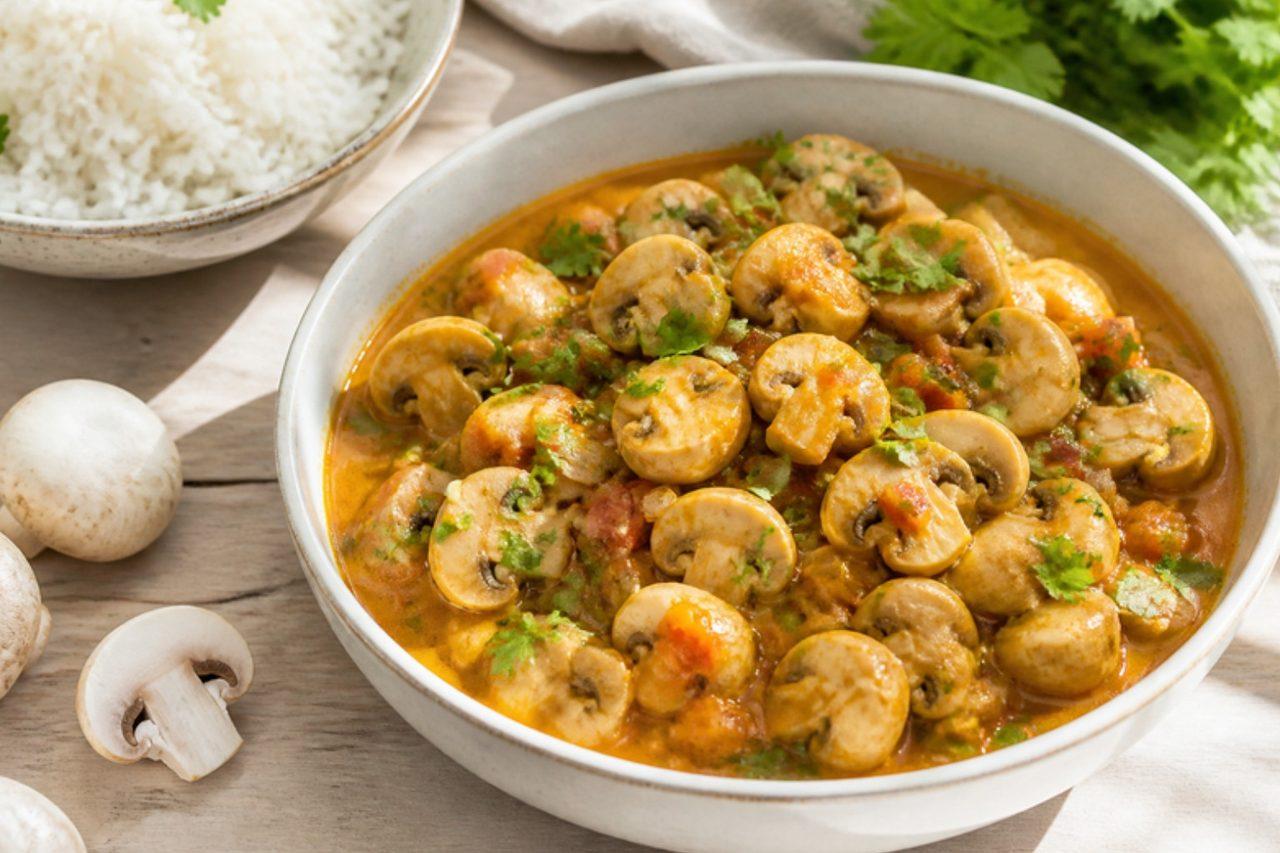
Rugra curryPuffball mushroom curry

Rugra are small, round underground mushrooms that push up under sal trees in Jharkhand's forests after the first monsoon rains. Tribal villagers dig them out and sell them by the basket in Ranchi markets for a few short weeks, and families cook them into a dark, spicy curry with onion, tomato and mustard oil. They have a firm skin and a meaty, earthy bite. Outside Jharkhand, small whole button or chestnut mushrooms make a fine version. Chef's tip: rugra come caked in soil, so soak and scrub them several times, then halve one to check the inside is white; grey or black ones are past their best.

by KrazyBadal 0 views

Rujak buahFruit salad with tamarind dip

Across Java, rujak buah is the afternoon snack that office workers share from a paper cone: crisp green mango, jicama, pineapple and cucumber dragged through a dark, sticky sauce of palm sugar, tamarind and crushed chilli. Hawkers usually add shrimp paste; many make a version without, which is what this is, with a few roasted peanuts for body. The mix of sour fruit and hot, sweet sauce wakes you up on a humid day. Chef's tip: chill the fruit but keep the sauce at room temperature, so it stays loose enough to cling.

by KrazyBadal 0 views

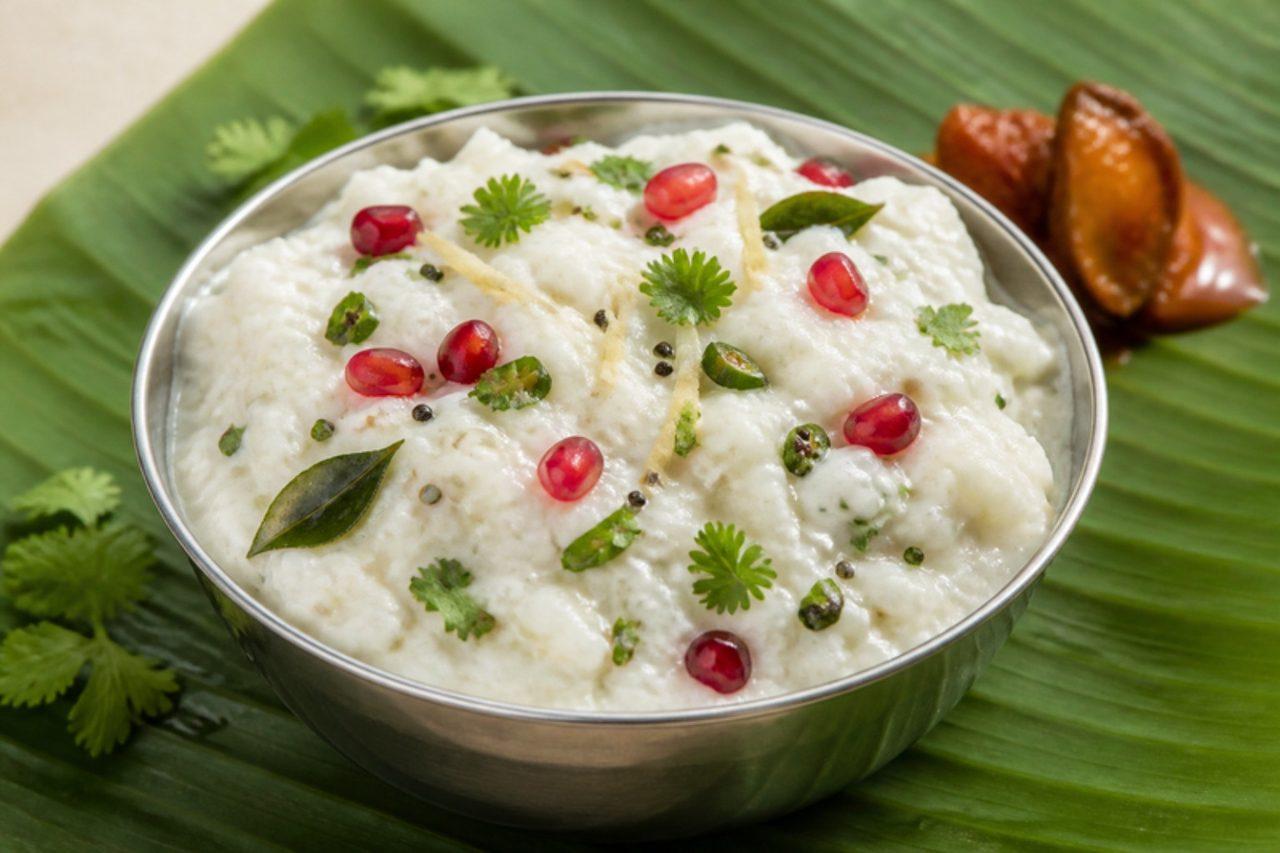
Thayir sadamCurd rice

No Tamil meal is really finished without thayir sadam. It's the last course on a banana-leaf lunch, the comfort food packed for train journeys and school tiffins, and the prasadam handed out in some Tamil Nadu temples. Soft, mashed rice is mixed with cool yogurt and a splash of milk, seasoned with ginger, green chilli and curry leaves popped in hot oil, then dotted with pomegranate, grated carrot or green grapes. It's eaten slightly cool with a spoonful of pickle or a fried vathal on the side. Chef's tip: mix a little milk in with the yogurt; it keeps the rice creamy and stops it turning sour if you pack it for lunch several hours ahead.

by KrazyBadal 0 views

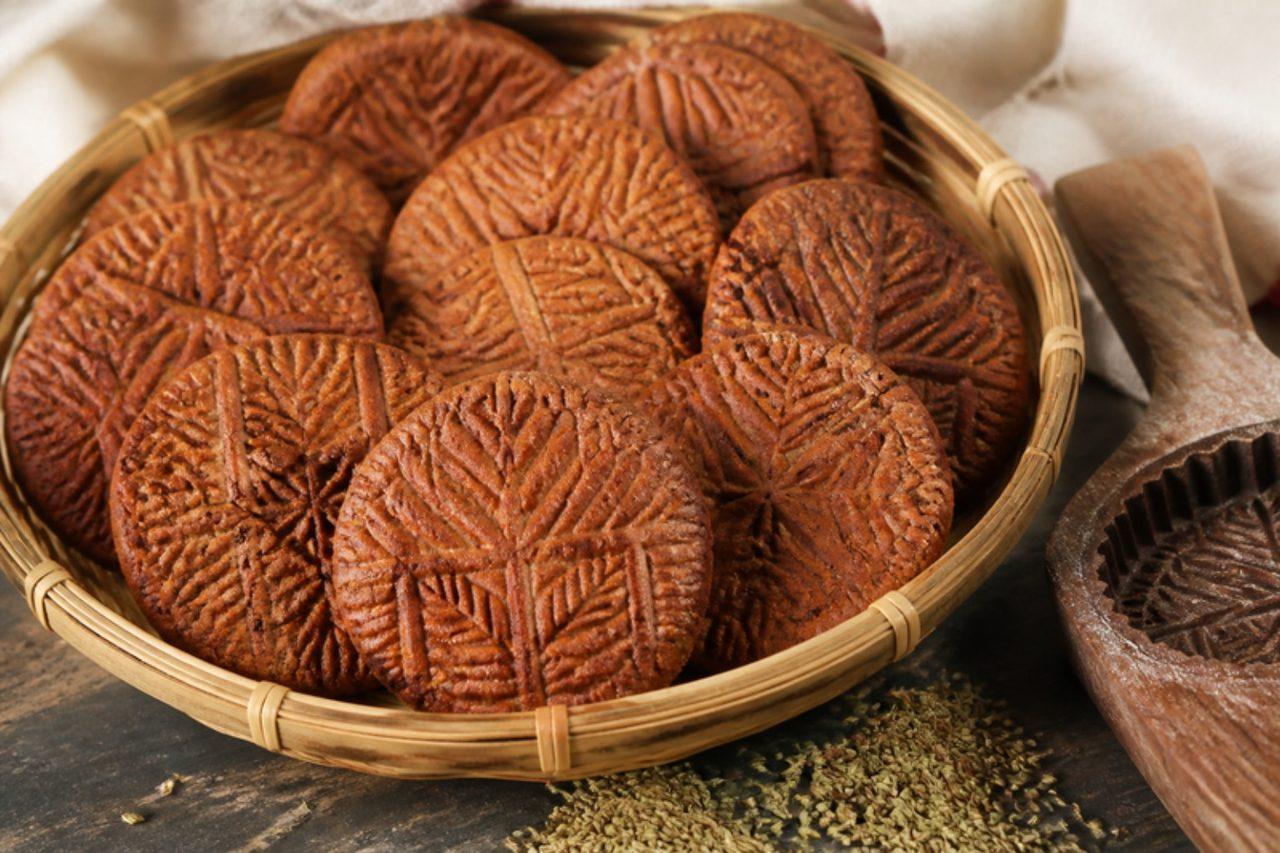
ThekuaWheat and jaggery cookies

During Chhath Puja, when families across Bihar stand in rivers and ponds to make offerings to the setting and rising sun, thekua fill the bamboo baskets carried to the ghats. Women make them at home in the days before, pressing jaggery-sweetened wheat dough into carved wooden moulds (sancha) and frying them in ghee until dark and crunchy. Outside the festival they are the snack Bihari students take back to hostels in the city, because they keep for weeks. Chef's tip: the dough must be stiff, and the frying slow; soft dough loses the pattern and hot oil leaves them pale and soft inside.

by KrazyBadal 0 views

ThethriGram flour twists

No Teeja in Chhattisgarh passes without a tin of thethri: knotted and twisted pieces of gram-flour dough, seasoned with ajwain and chilli and fried slowly until they shatter when you bite. Married daughters coming home for the festival are sent back with them, alongside the sweet khurmi, and they keep for weeks. Each family has its favourite shape, from simple knots to little spirals and braided rings. Chef's tip: fry on a medium-low flame and be patient; thethri fried hot puff up and brown outside but stay soft and chewy inside.

by KrazyBadal 0 views

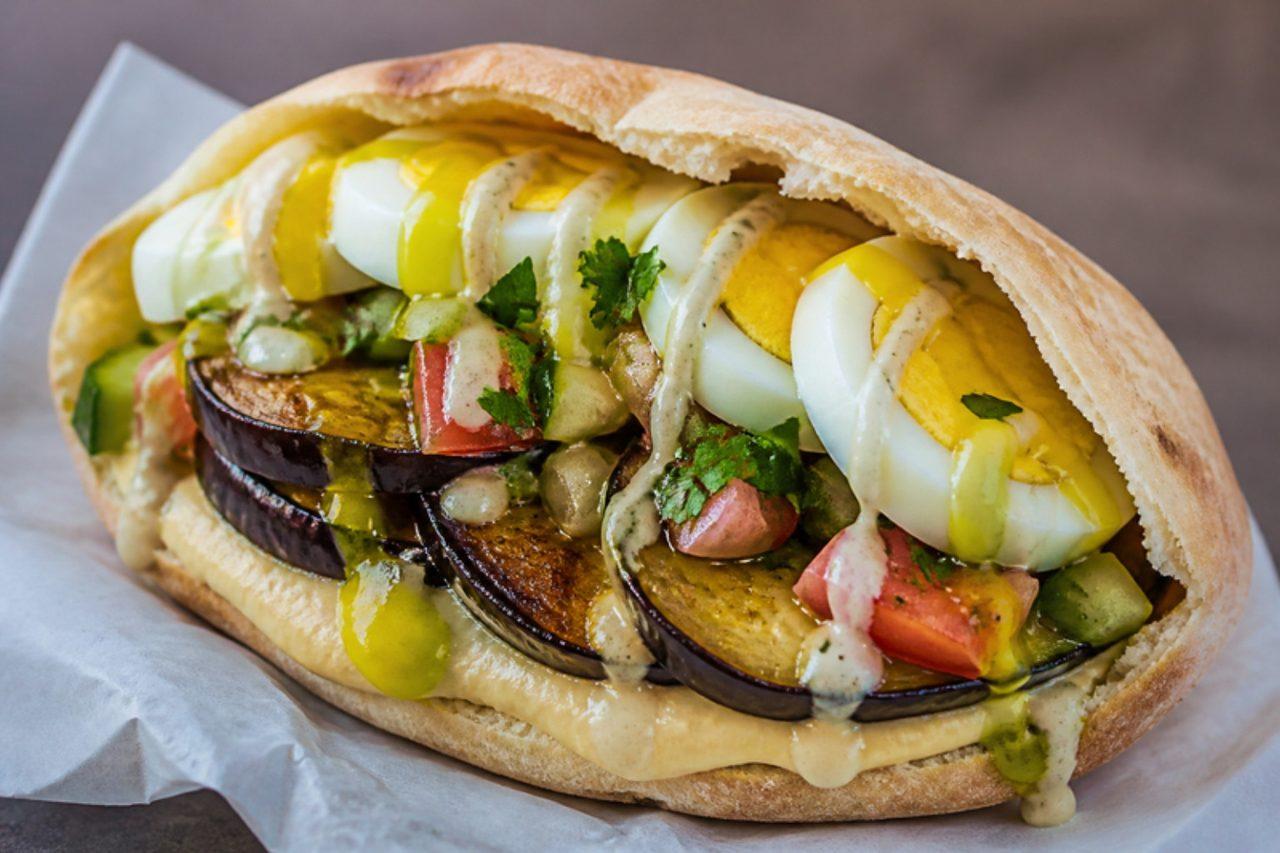
SabichAubergine and egg pita

Sabich came to Israel with Iraqi Jews, who ate fried aubergine and hard-boiled eggs on Saturday mornings when no cooking was allowed. In Ramat Gan in the 1950s someone stuffed it all into a pita, and today it is street food all over Tel Aviv: crisp-edged aubergine, sliced egg, hummus, tahini, chopped salad and a spoonful of tangy amba mango pickle, with zhug for heat. It is messy, rich and best eaten standing up with a paper napkin. Chef's tip: salt the aubergine and dry it well before frying; it soaks up far less oil and comes out creamy instead of greasy.

by KrazyBadal 0 views

Sabzi poloGreen herb rice

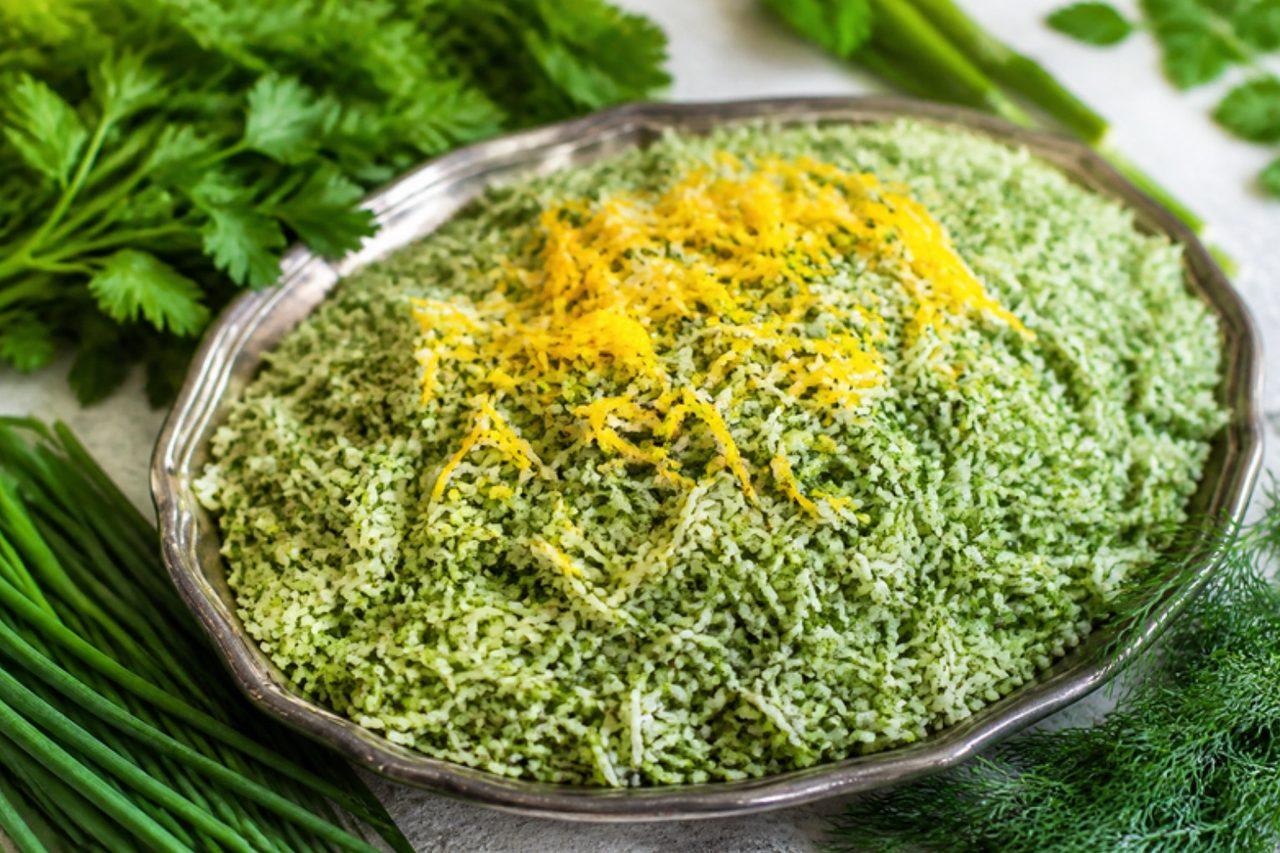
Sabzi polo is the rice of Nowruz, the Persian New Year on the spring equinox, when families across Iran sit down on the first evening to a mound of rice speckled green with dill, parsley, coriander and chives. Fresh green herbs stand for renewal, and the dish is traditionally paired with fish on the New Year table; a vegetarian house serves it with kuku sabzi, the herb omelette, fried eggs or a bowl of yogurt. The rice tastes bright and grassy, with a gentle garlic note and a golden lavash crust underneath. Chef's tip: chop the herbs the day before and spread them on a tray to dry slightly; damp herbs make the rice heavy and clumpy.

by KrazyBadal 0 views

Sabzi qovurmaLamb with fresh herbs

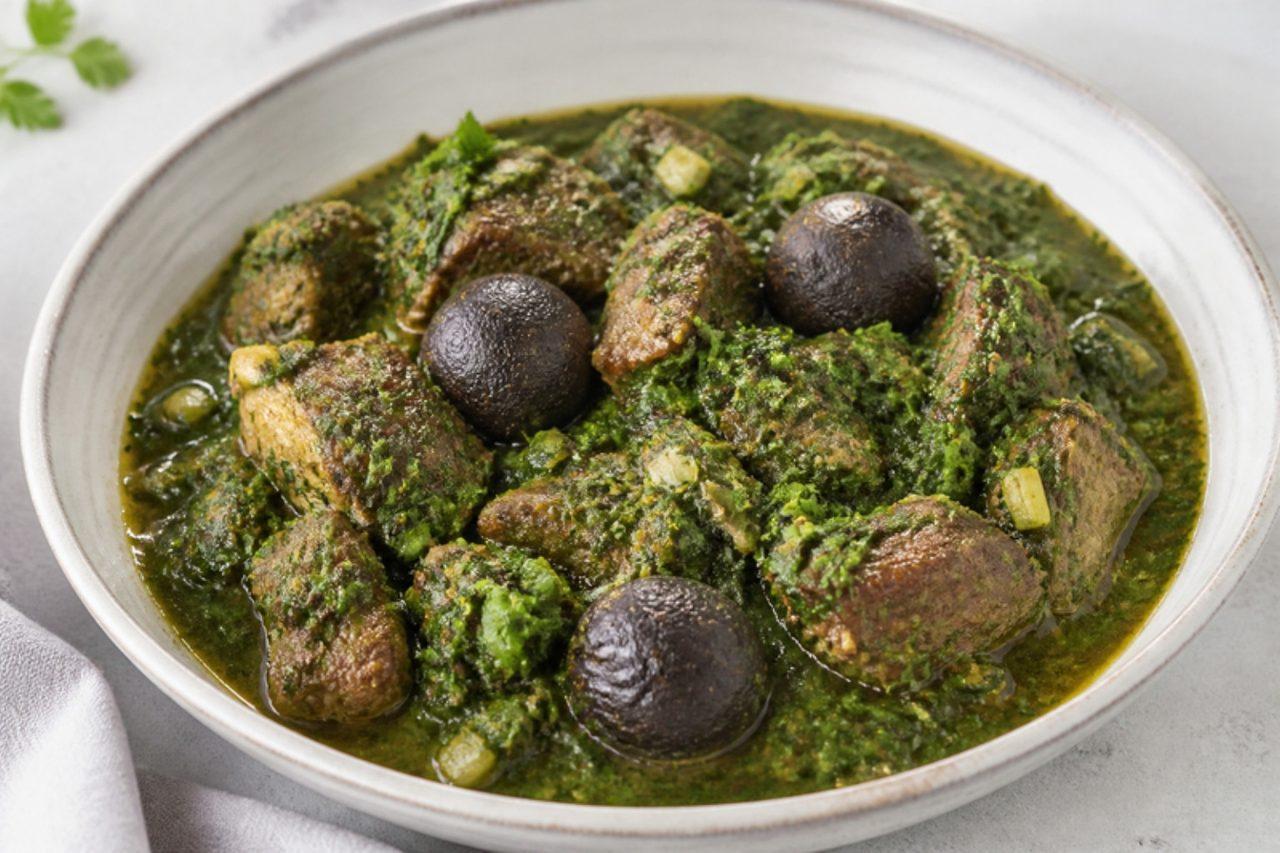
Sabzi qovurma is a home dish across Azerbaijan, made especially in spring when the markets of Ganja and Baku are full of bundles of green herbs. Pieces of lamb are fried until golden, then cooked with masses of chopped coriander, dill, spinach, spring onion and leek, sharpened by dried black lime or sour plums. It is served with plain plov rice or bread and a bowl of yogurt. The trap is adding wet herbs straight to the pan; they stew rather than fry and the dish goes flat and grassy. Chef's tip: dry the herbs well and fry them on their own until they darken before they join the meat.

by KrazyBadal 0 views

ThieboudienneFish and rice in tomato broth

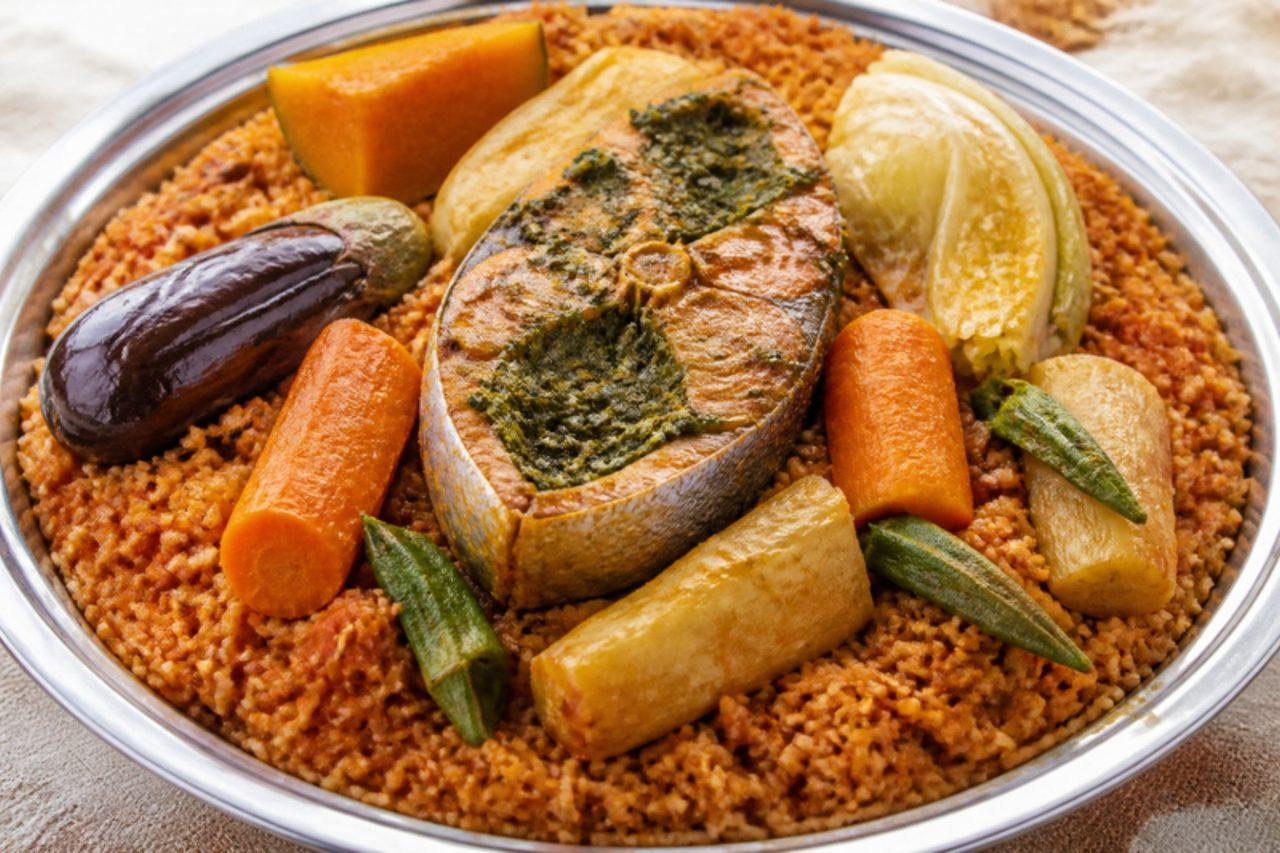
Ceebu jën, "rice and fish" in Wolof, is the dish Saint-Louis claims as its own and the whole of Senegal cooks for the big Friday or Sunday lunch, served on one wide platter that the family eats from together. Thick fish steaks are stuffed with a green paste of parsley, garlic and chilli, browned, then simmered in a deep tomato broth with whole cassava, carrot, cabbage and aubergine; the broken rice then soaks up that same broth until it turns orange and fragrant. The prized part is the xoon, the crust that forms at the bottom of the pot, which is shared out at the end. The usual mistake is leaving the fish in the pot while the rice cooks, so it falls apart; lift it out with the vegetables and keep it warm. Chef's tip: rinse the broken rice three times and steam it briefly before it goes into the broth, so the grains stay separate instead of turning to porridge.

by KrazyBadal 0 views

Showing 63 of 7,762 recipes

Show more recipes

Page 736 of 863