


Skip to content
Mitraillette
Featured recipe

Mitraillette

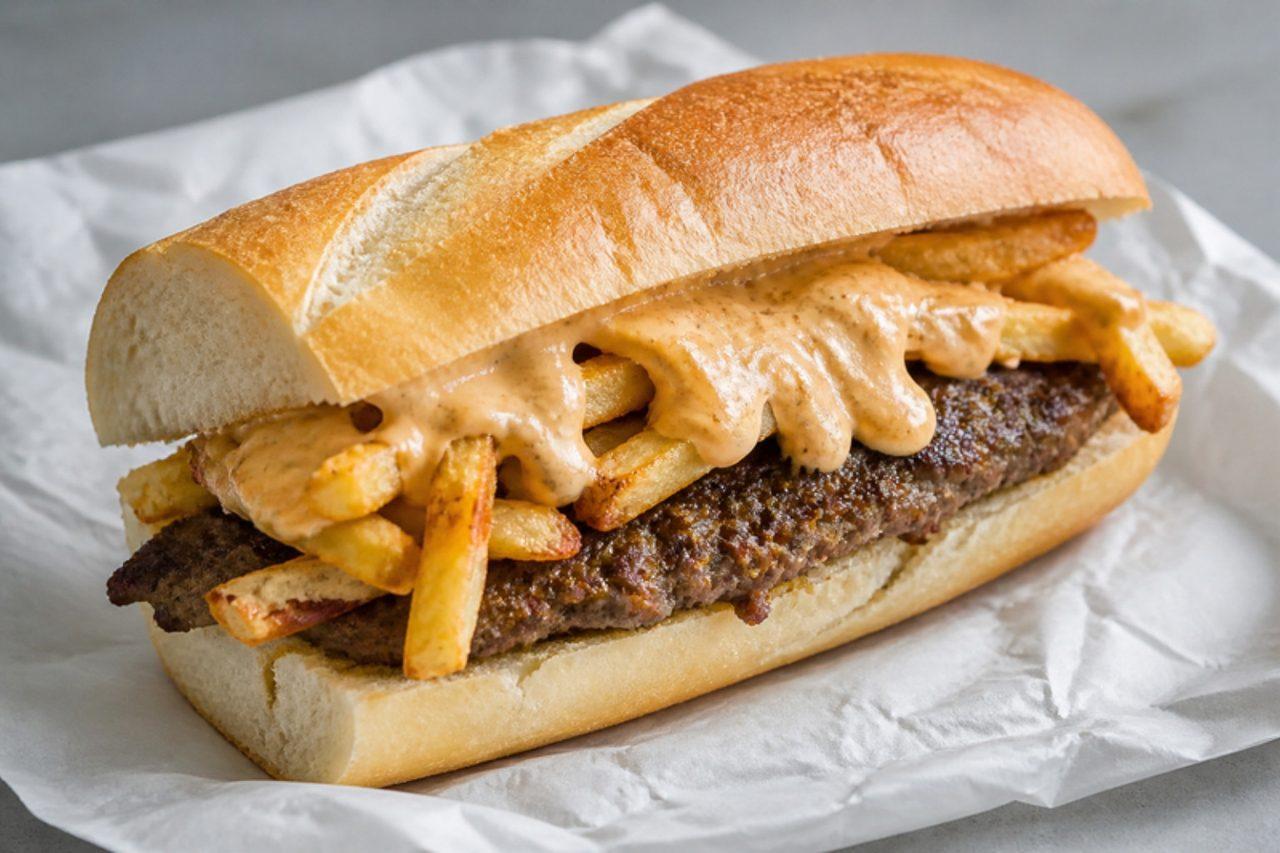
Baguette with burger and fries

The mitraillette, 'submachine gun', is the overloaded sandwich of Brussels friteries, eaten after football or a night out: half a baguette split and stuffed with a hot meat patty or sausage, a heap of double-fried Belgian fries, lettuce and tomato, and a generous squeeze of sauce, usually andalouse, samurai or mayonnaise. It is messy and huge. This version uses a homemade beef burger. A common mistake is fries that are not crisp, which go soggy in the bread. Chef's tip: fry the chips twice, first at 160 °C until soft, then at 180 °C until golden, the Belgian way. Beef burgers must reach 71 °C in the middle.

Read more 0 views

What to eat today?

Around the world

Today's trip: Persian

A new country every day, from every cuisine on the site.

Persian

Persian halva

Saffron rose flour halva 40 minMore from Persian (181) →

This week's collection

Kid-friendly dinners
772 recipes · a new collection every Monday

Coming up

All occasions →

Latest recipes

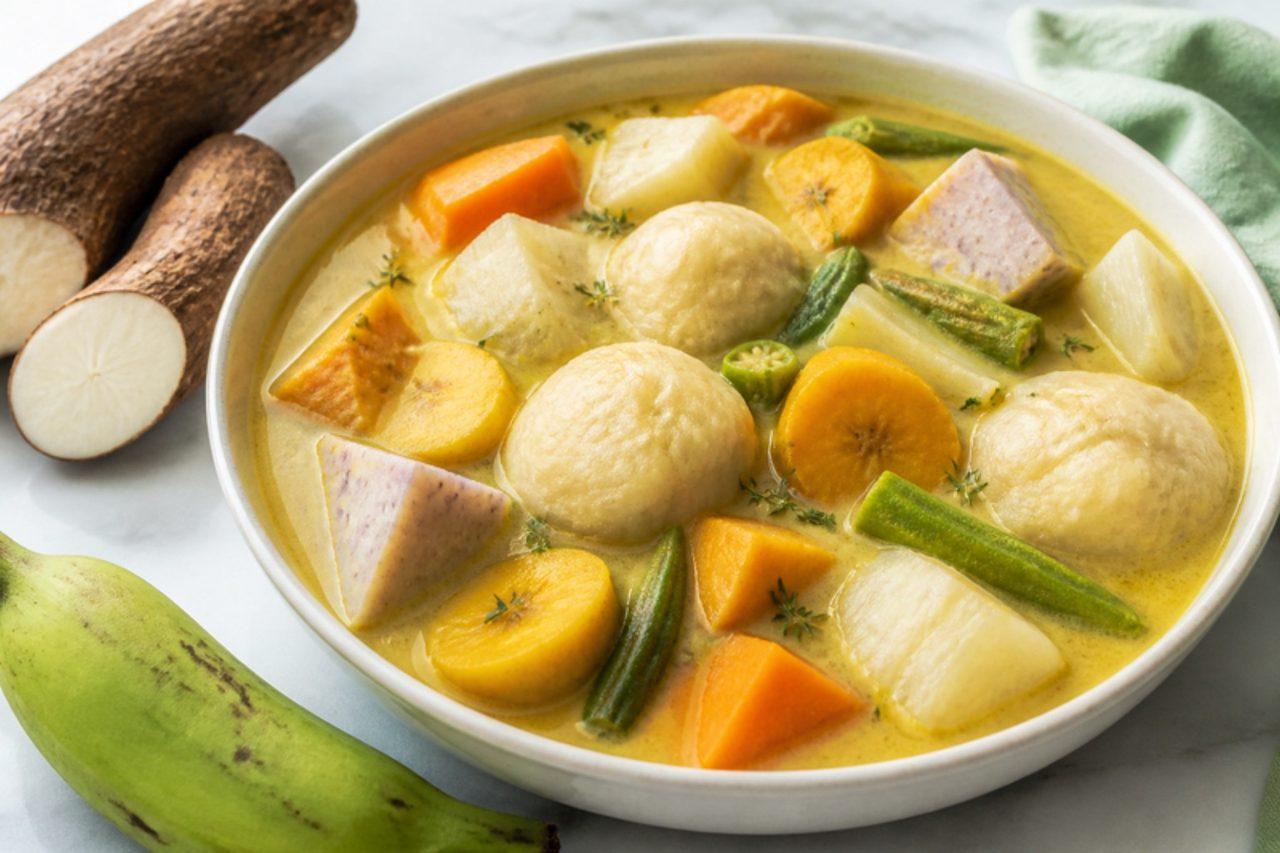
MetemgeeRoot vegetable and dumpling stew

Metemgee (also mettagee or 'mettem') is Guyanese country food from the coastal villages: ground provisions, cassava, eddoes, sweet potato, yam and plantain, layered in a pot and cooked in coconut milk until soft, with duff (dumplings) steamed on top. The broth thickens from the starch into a creamy, thyme-and-pepper gravy. It's usually served with fried salt fish; here it's all vegetables, with okra added. Chef's tip: layer the hardest vegetables at the bottom and the softest on top, then don't stir; everything ends up cooked at the same moment.

by KrazyBadal 0 views

Mesaqa'aBaked aubergine and pepper

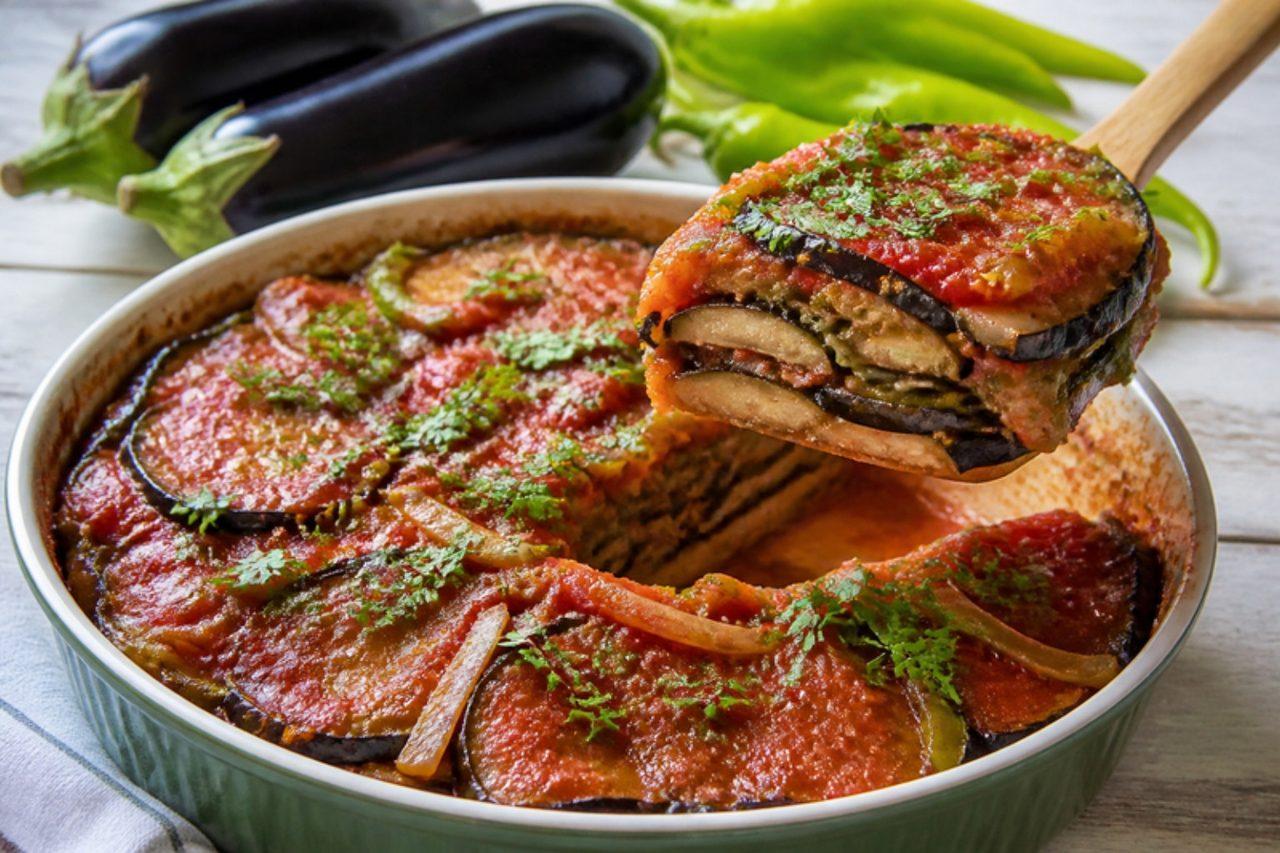
Mesaqa'a shares a name with Greek moussaka but is a different dish: there's no béchamel and no cheese, just fried aubergine slices baked in a garlicky tomato sauce with green peppers and chilli until soft and jammy. In Cairo it is a weekday family dish and a favourite during the summer heat and in the Coptic fasting seasons, when many families eat no animal products; it tastes even better the next day at room temperature, scooped up with baladi bread. Chef's tip: salt the aubergine and press it dry, then roast or shallow-fry it until truly golden; pale aubergine makes a watery, grey mesaqa'a.

by KrazyBadal 0 views

Mercimek çorbasıRed lentil soup

If one soup feeds Turkey, it is this. Mercimek çorbası is on the counter of every lokanta (tradesmen's restaurant), in factory and hospital canteens, and it is often what Turks eat for breakfast on a cold morning or to break the fast in Ramadan. Red lentils simmered with onion, carrot and potato are blended until velvety, then each bowl gets a squeeze of lemon and a swirl of butter sizzled with Aleppo pepper and dried mint. It is warming, cheap and filling. Chef's tip: rinse the lentils in several changes of water until it runs clear; it washes off the starch that makes the soup foam and taste dusty.

by KrazyBadal 0 views

Mentaiko pastaSpaghetti with pollock roe

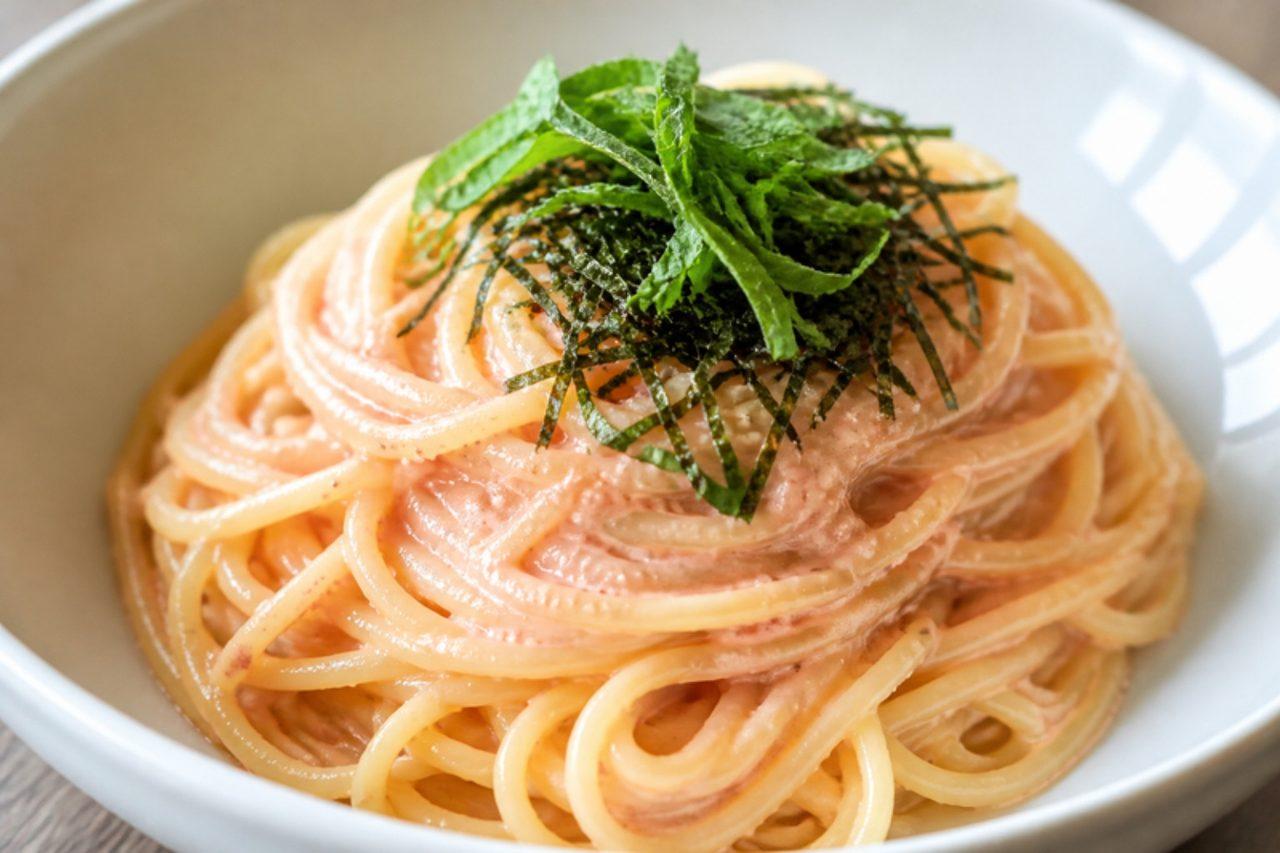
Mentaiko, pollock roe cured with salt and chilli, is the food gift everyone brings back from Hakata in Fukuoka, where shops near the station sell it in rows of red sacs. The pasta came from the Japanese-style spaghetti cafés of Tokyo in the 1960s and is now on menus right across Japan, Fukuoka included. The roe is not really cooked: the heat of the drained spaghetti and the melting butter turn it into a pink, salty-spicy coating. Mentaiko is a raw cured product. Use very fresh, sushi-grade fish from a trusted fishmonger; not for pregnant women, young children or anyone with a weakened immune system. For mentaiko, that means a chilled, sealed pack well within its date. Chef's tip: save a ladle of the pasta water; a spoonful loosens the roe so it clings to every strand instead of clumping.

by KrazyBadal 0 views

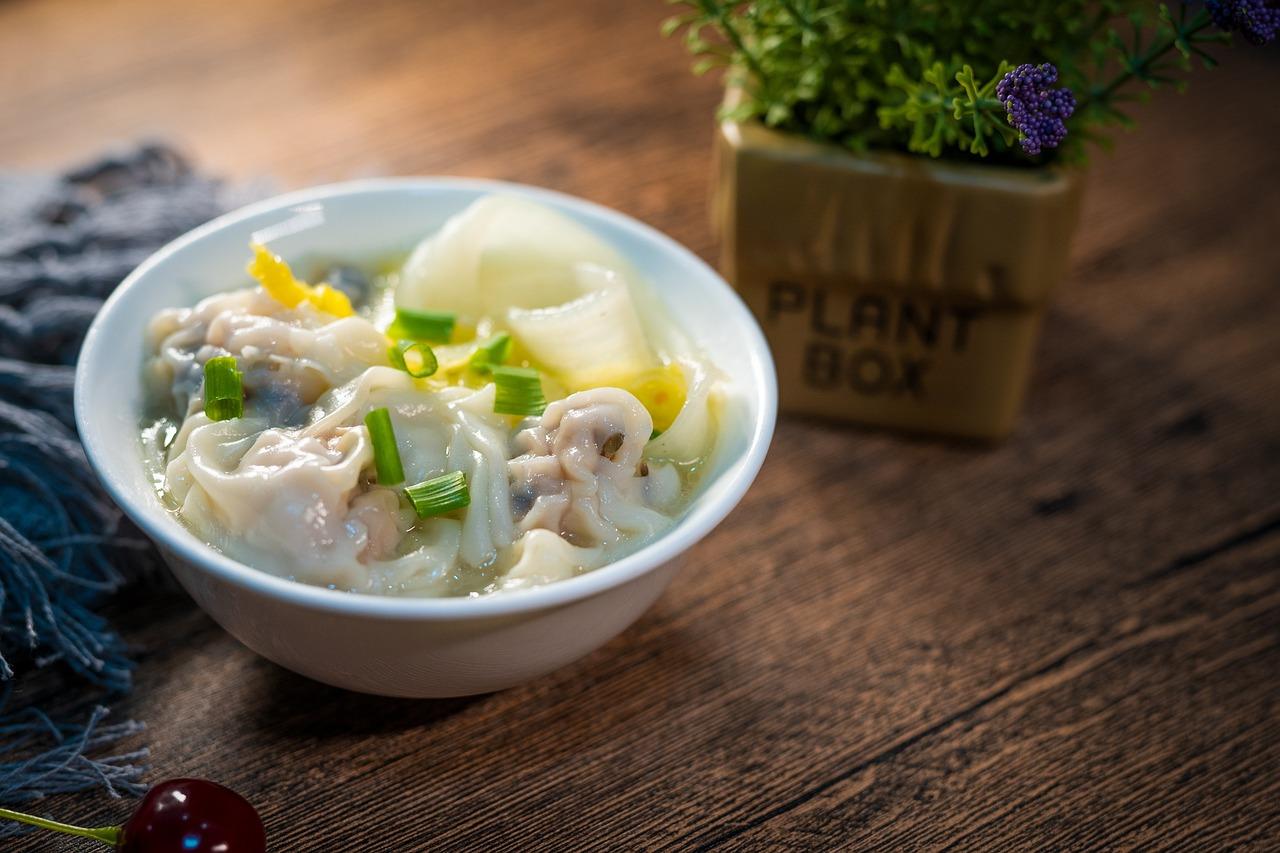
Vegetable mandu-gukVegetable dumpling soup

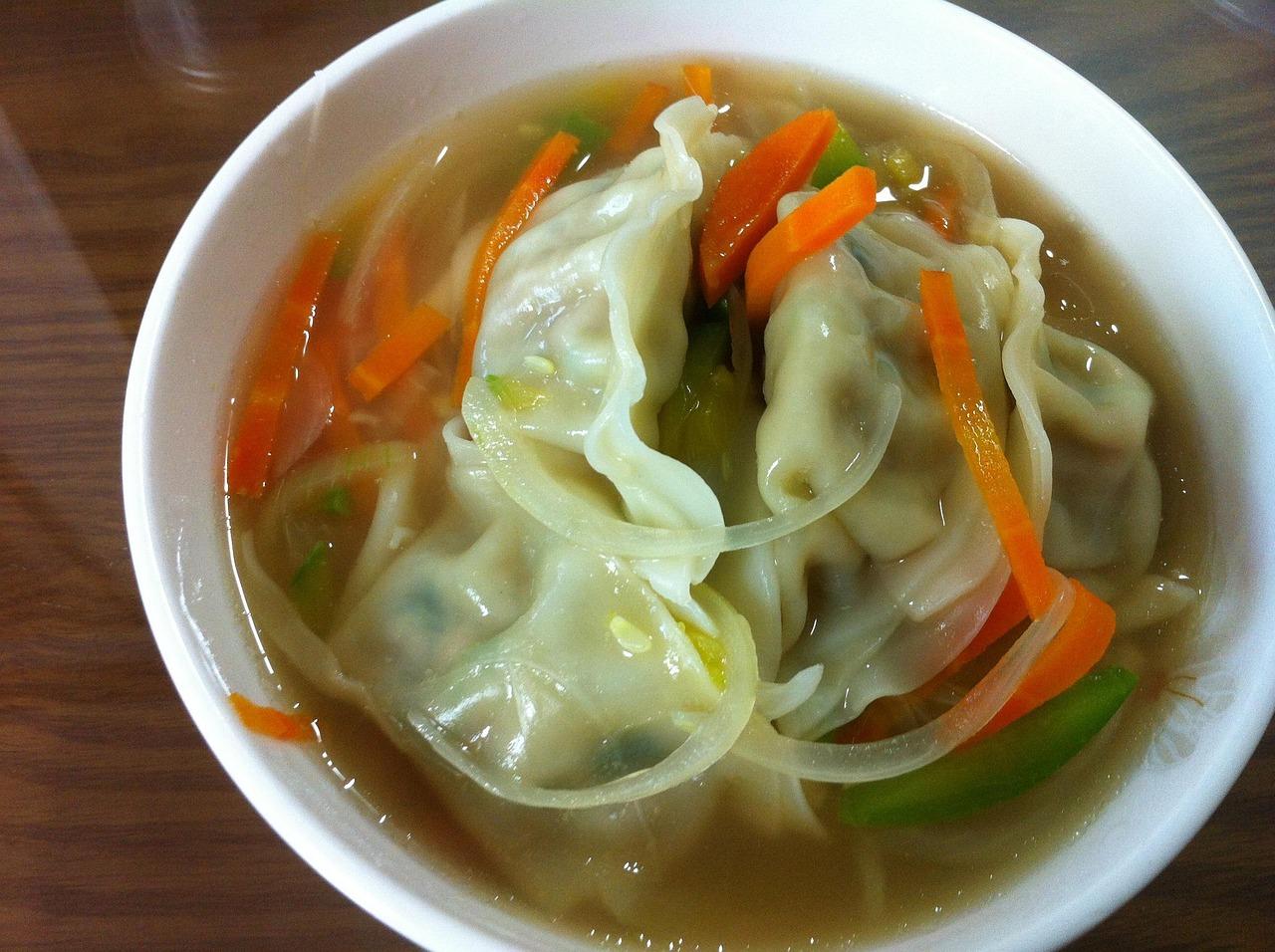
In Seoul and the surrounding Gyeonggi province, the first meal of Seollal (Lunar New Year) is often mandu-guk (만두국): plump dumplings and coin-shaped rice cakes floating in clear broth, finished with ribbons of yellow and white egg and strips of toasted laver. The northern half of the peninsula has always favoured dumplings over rice cake soup, and Seoul families tend to combine the two. These mandu are filled with tofu, glass noodles, cabbage, mushrooms and chives, and the broth is a kelp and shiitake stock instead of beef. Fold the dumplings a day ahead and the soup comes together in 15 minutes. Chef's tip: squeeze the tofu and cabbage hard in a cloth; a wet filling turns the wrappers soggy and the dumplings split in the pot.

by KrazyBadal 0 views

Menestra de lentejasCumin lentil stew

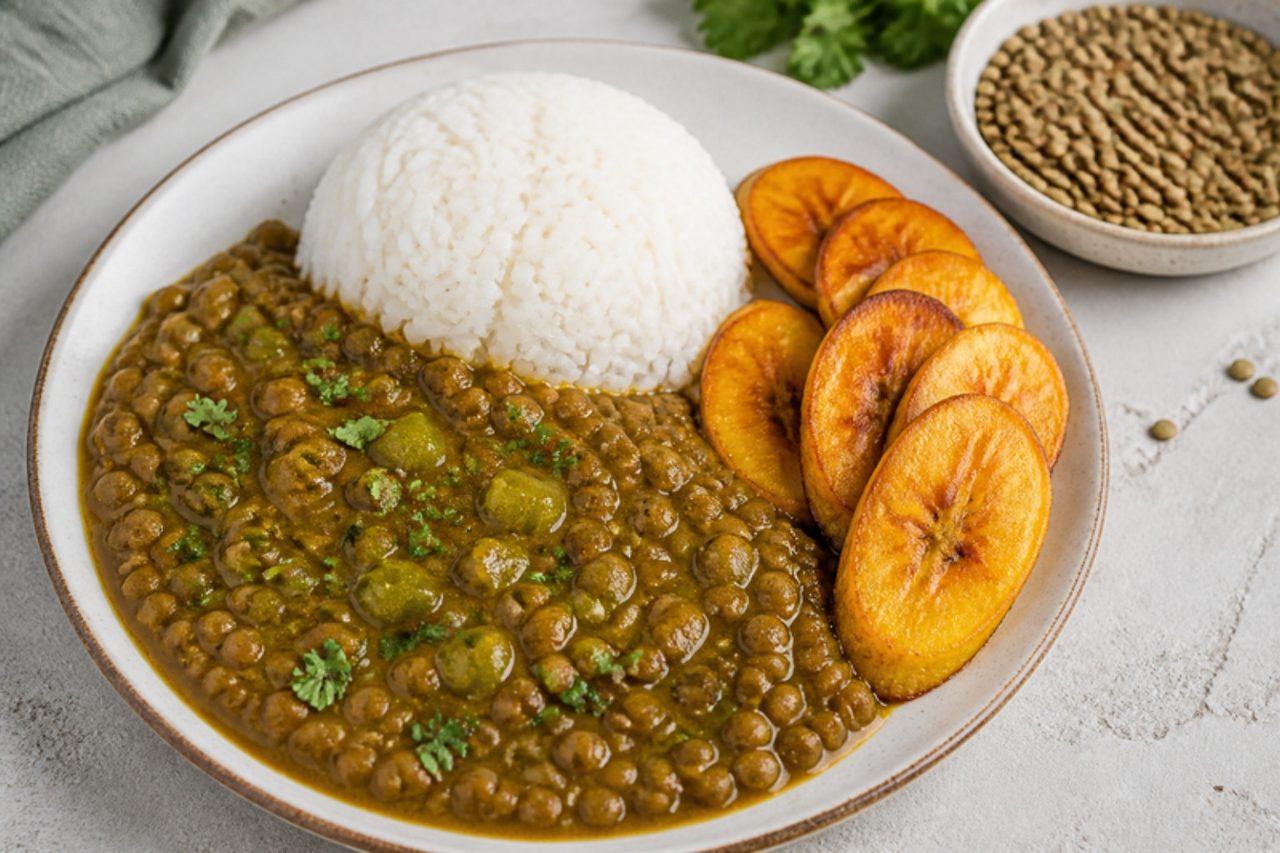
Menestra is the backbone of Ecuador's set lunches: in Guayaquil's almuerzo cafés, plates arrive with white rice, a ladle of thick menestra, fried plantain (patacones or maduros) and a little salad, usually beside grilled meat. On its own it makes a complete meatless meal. Lentils are cooked down with a refrito of onion, pepper, garlic, cumin and achiote until thick enough to hold a mound. Chef's tip: stir in a handful of chopped coriander right at the end; it's the fresh lift that makes menestra taste Ecuadorian.

by KrazyBadal 0 views

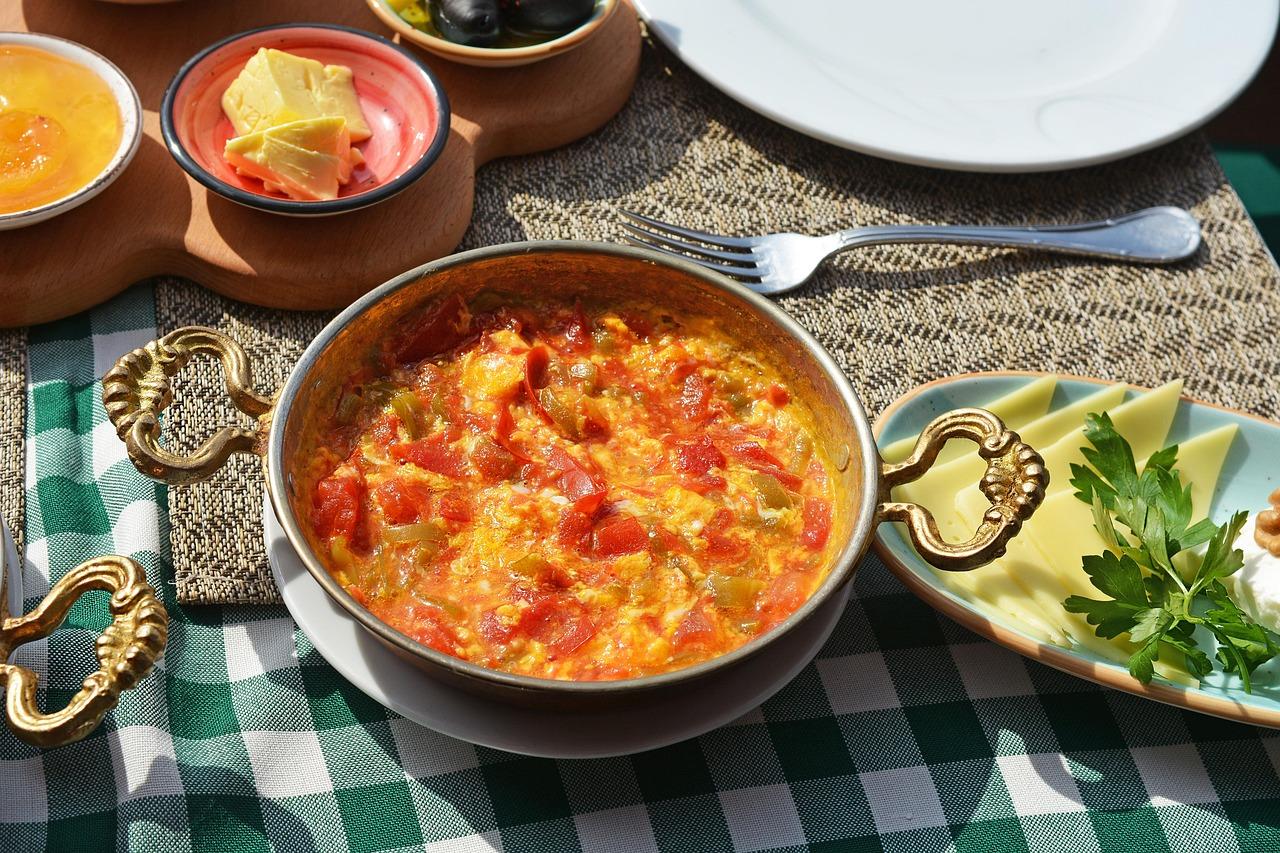
MenemenScrambled eggs with peppers and tomato

Sunday breakfast in Turkey rarely passes without a sizzling pan of menemen set in the middle of the table, crowded by olives, cheese, cucumber and glasses of tea. Mild green peppers are softened in olive oil, ripe tomatoes are cooked down to a jammy sauce, and then the eggs are broken in and gently stirred so they set into soft, juicy ribbons streaked with red. Everyone eats from the pan, tearing bread to scoop it up. Whether onion belongs in it is a national argument; here it is optional. Chef's tip: let the tomatoes bubble until almost all their liquid has gone before the eggs go in, or the menemen will be watery.

by KrazyBadal 0 views

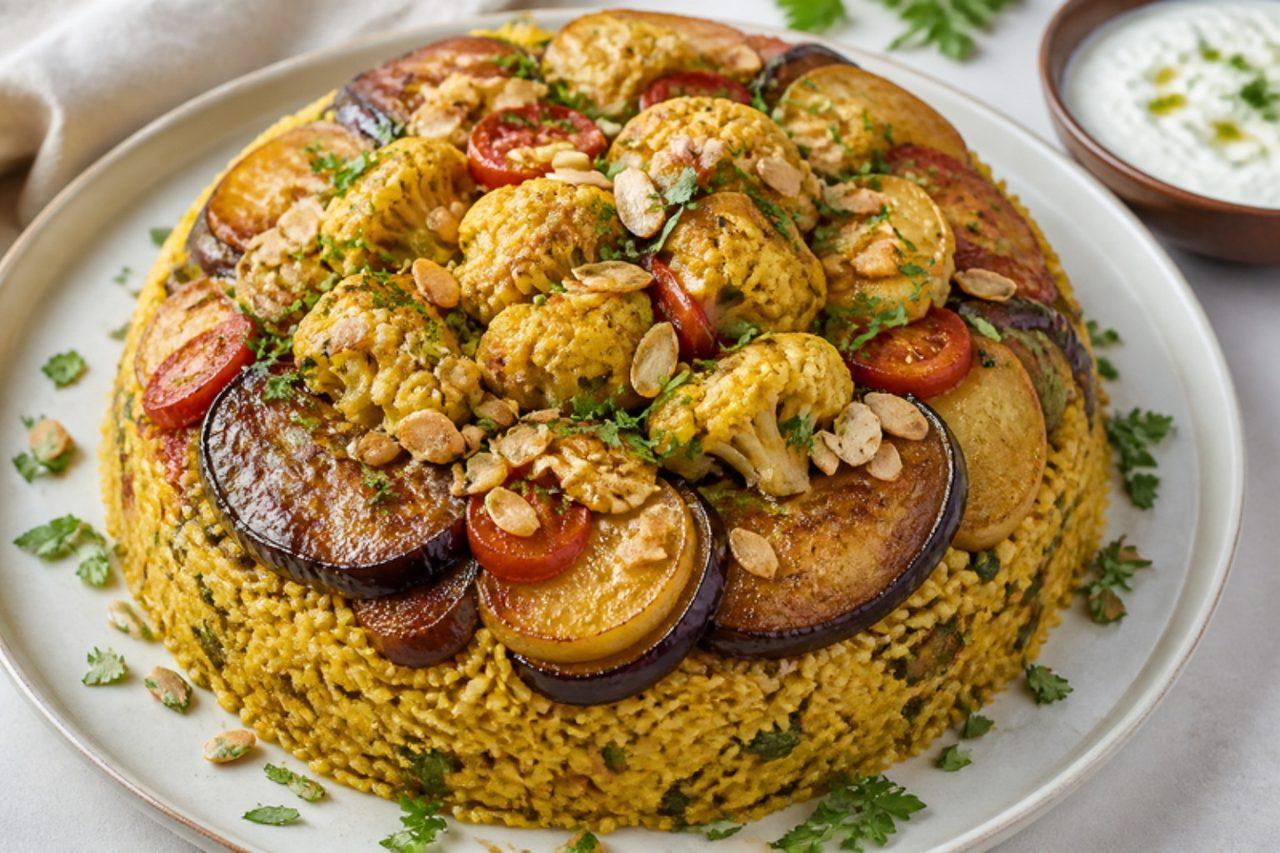
Vegetable maqlubaUpside-down rice and vegetables

Maqluba means 'upside down', and in Palestinian homes from Jerusalem to Nablus the moment the big pot is flipped onto a tray at a Friday family lunch is greeted with clapping. Under the pot comes a golden cake of fried aubergine, cauliflower and potato with spiced rice packed between them. It is also cooked across Lebanon, Jordan and Syria. This meat-free version uses vegetable stock and is served with a cucumber and tomato salad or a bowl of yogurt for those who eat dairy. Chef's tip: once the pot is turned over, wait five minutes before lifting it so the layers settle and the tower holds.

by KrazyBadal 0 views

KajaikDried fish stew

Kajaik is a stew from the Nile towns of northern Sudan, where fish from the river is salted and sun-dried to keep through the year; it is cooked with plenty of onion, tomato and a spoonful of peanut butter and eaten with aseeda (thick porridge) or kisra. The flavour is deep and savoury, a little like a rich fish curry without the heat. The mistake is not soaking the dried fish long enough, which makes the stew far too salty and the fish tough; soak it overnight and change the water twice. Chef's tip: if you can't find dried Nile fish, salted dried cod (bacalao) works well.

by KrazyBadal 0 views

MekitsiFried yogurt dough puffs

Mekitsi are the Sunday morning treat of Bulgarian childhoods: in towns like Veliko Tarnovo and Gabrovo they are fried at home or bought from stalls by the dozen, puffy, uneven rounds of yogurt dough that come out of the oil crisp outside and soft and airy inside. They are eaten hot, dusted with icing sugar or spread with jam, honey or sirene, with a cup of tea or ayran. Chef's tip: stretch the dough with oiled hands rather than flour, and keep the oil at a steady medium heat; oil that's too hot is the usual mistake and leaves them dark outside and doughy in the middle.

by KrazyBadal 0 views

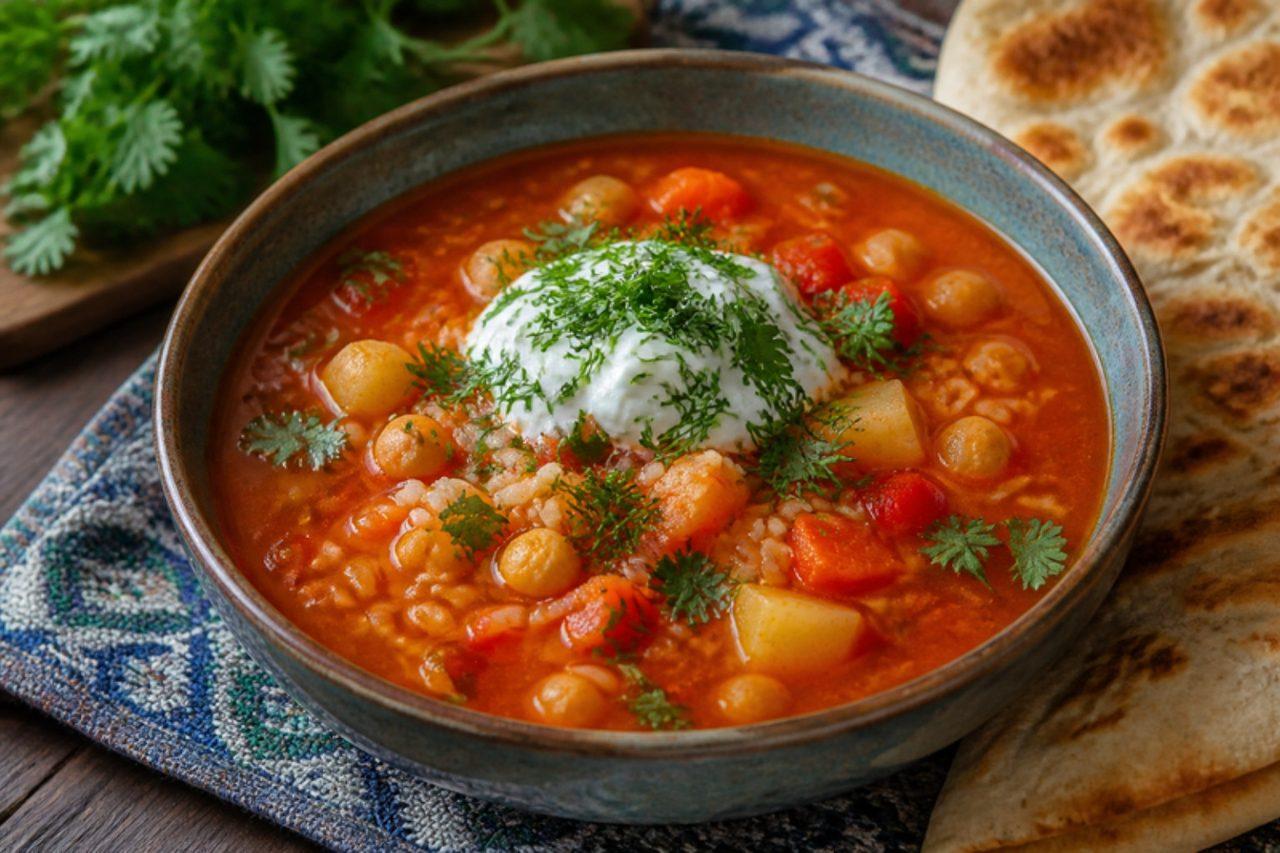
Vegetable mastavaVegetable and rice soup

Mastava is the soup Uzbek mothers make on a cold weeknight: rice simmered in a tomato-red broth with carrot, potato, pepper and chickpeas, finished at the table with a spoon of thick suzma or sour cream and a handful of herbs. It is eaten all over the country but is especially loved in Tashkent households in late autumn. The base is fried first, like plov, so the soup tastes rich even without meat; this version uses vegetables and chickpeas only. Chef's tip: fry the tomato paste in the oil until it turns brick-red before adding water — that is where the depth comes from.

55 minUzbekSoupsGluten free
by KrazyBadal 0 views

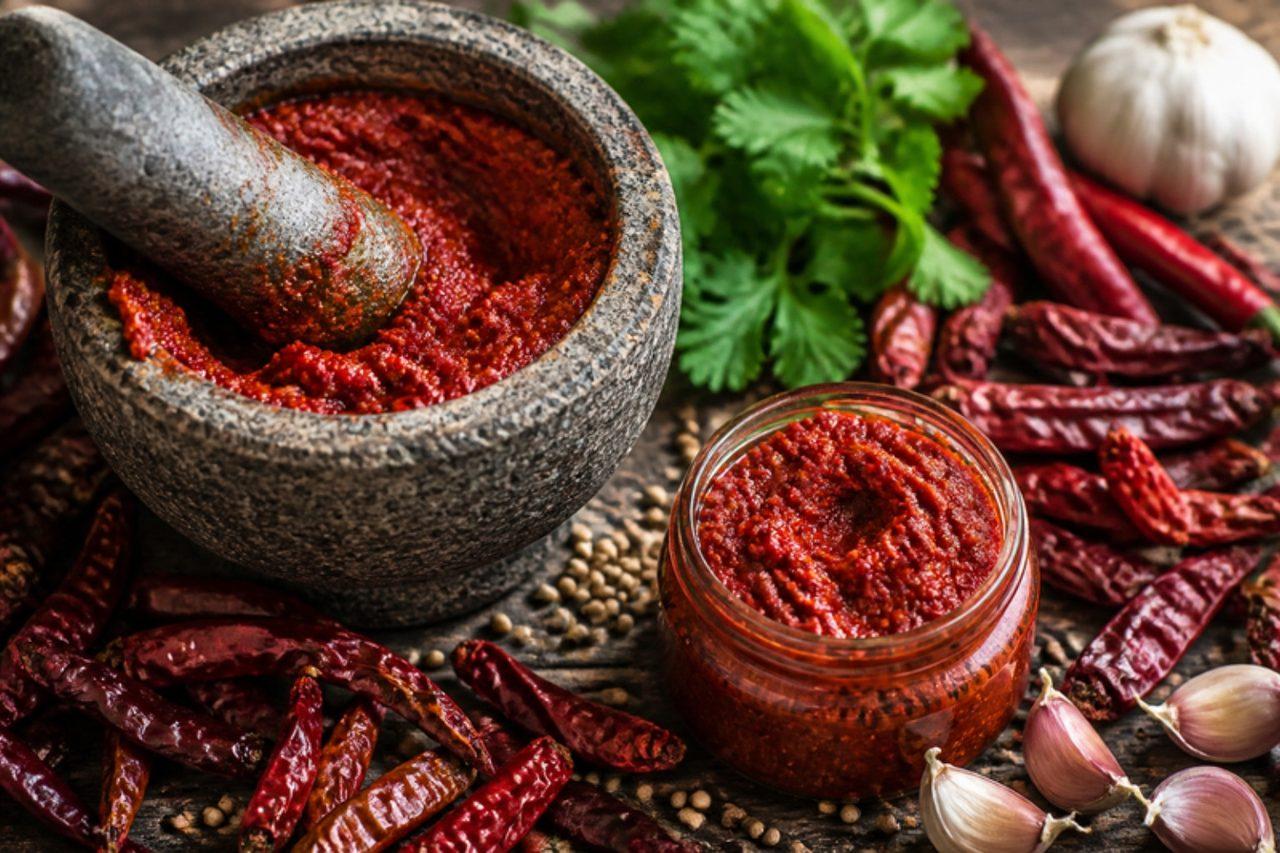
AdjikaRed pepper and garlic paste

Adjika comes from Samegrelo and neighbouring Abkhazia in western Georgia, where it is a thick, fiery paste of dried red peppers, garlic and seeds, pounded in a stone mortar and stored in jars for the year. It is nothing like the tomato relishes sold as adjika in some shops: a little goes a very long way, stirred into beans, rubbed into vegetables before roasting, or spread thinly on mchadi with cheese. It needs no cooking, just patience while the peppers soak. A common mistake is skipping the soaking, which leaves the paste gritty with hard flakes of skin. Chef's tip: wear gloves while handling the peppers, and use a mix of mild and hot ones so you get colour and fruitiness, not just heat.

by KrazyBadal 0 views

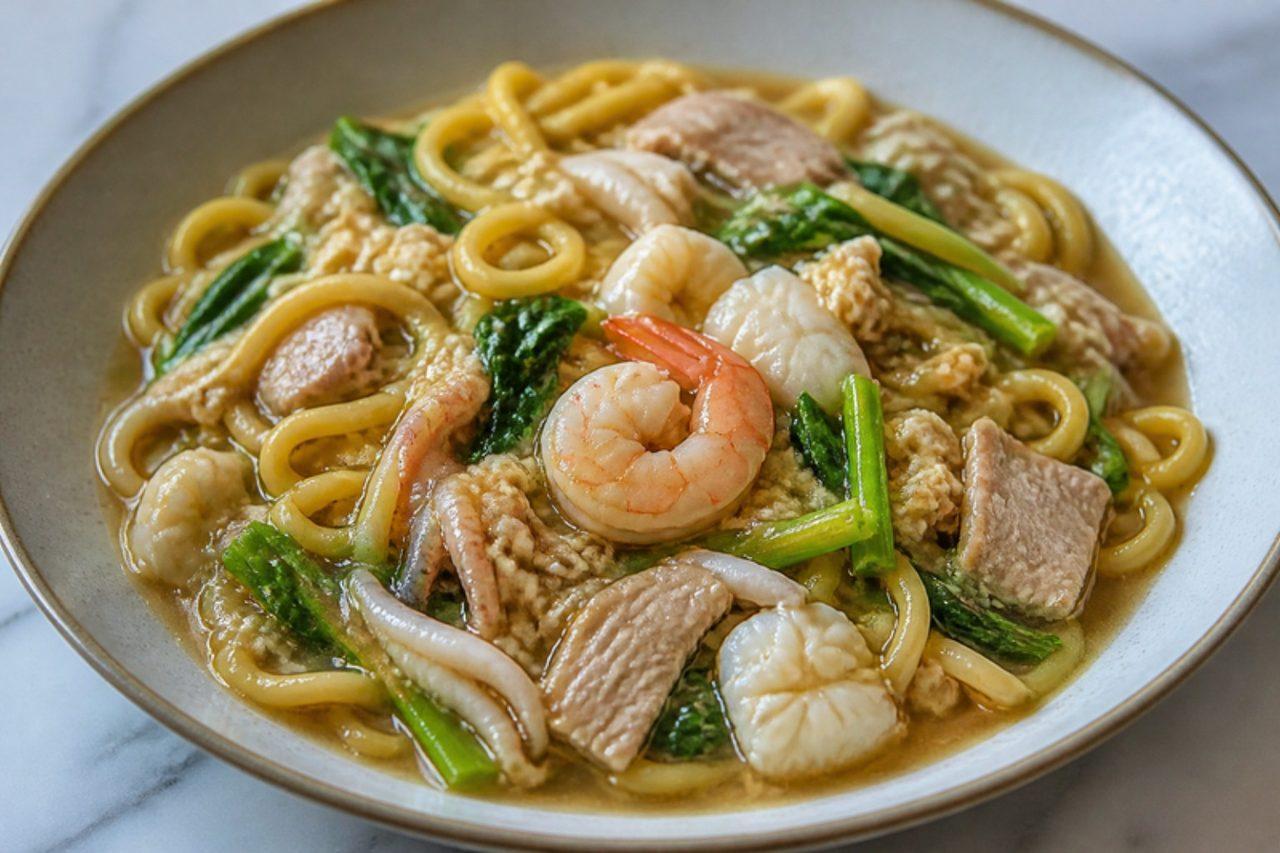
Mee hokkien PhuketThick yellow noodle stir-fry

In the Sino-Portuguese shophouses of Phuket Town, descendants of Hokkien tin miners still begin the day with this: fat, chewy yellow egg noodles fried with pork, prawns and squid, then simmered in a little stock until the sauce becomes a savoury gravy that coats every strand, with an egg stirred through at the end. It is the island's signature noodle, ordered in old coffee shops with a glass of strong local coffee or a bowl of clear pork soup. The texture is slippery and thick, the flavour mellow and peppery rather than hot, so chilli vinegar goes on the table. Chef's tip: loosen the fresh noodles under hot water before they go in the wok; cold, stuck-together noodles snap into short pieces when tossed.

by KrazyBadal 0 views

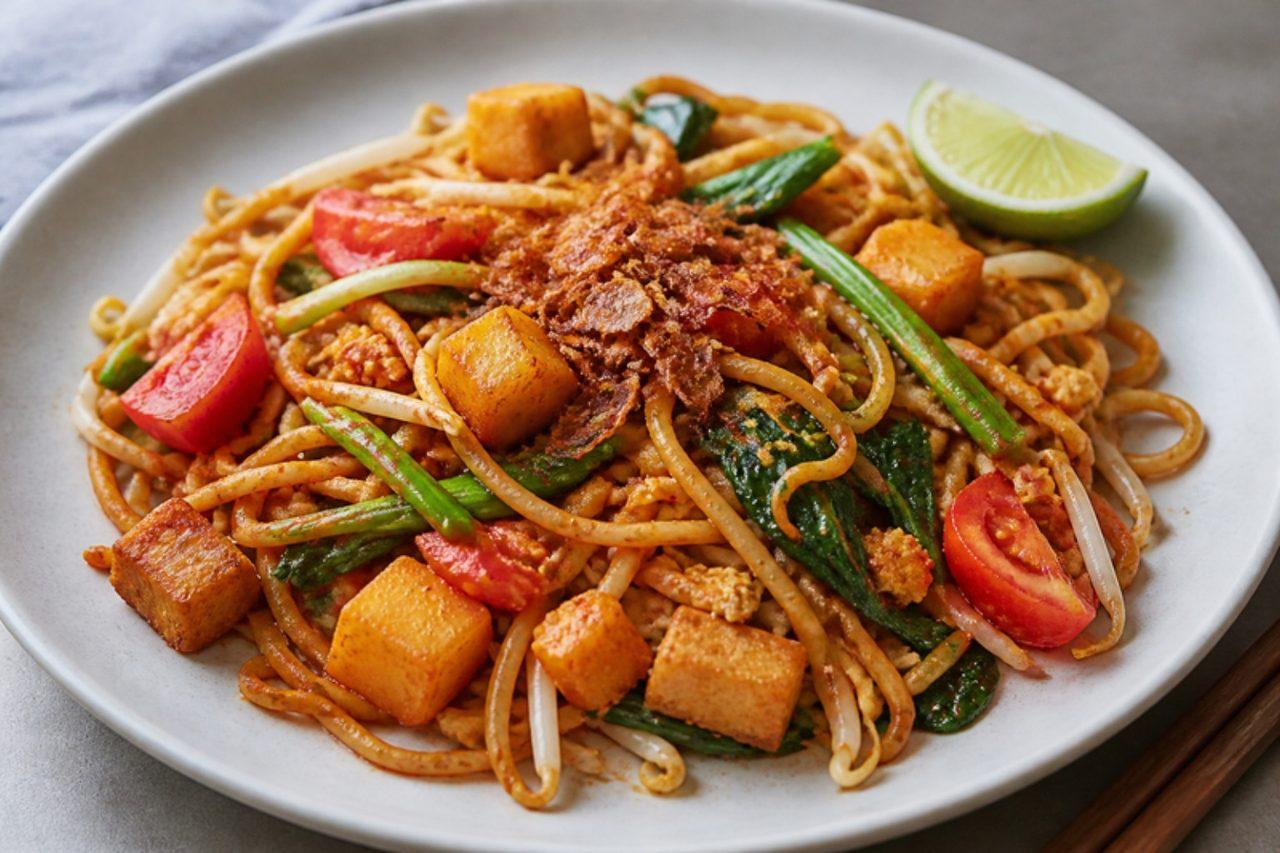
Mee goreng mamakFried yellow noodles

Mamak stalls, the round-the-clock cafés run by Malaysia's Tamil Muslim families, are where friends meet after a football match or a late film, and mee goreng mamak is the plate everyone orders with a glass of pulled tea. It's yellow noodles tossed hard in a wok with tomato sauce, chilli, soy, a pinch of curry powder, soft potato that breaks into the sauce, tofu, egg and bean sprouts, finished with a squeeze of lime. Stalls often add squid or prawns; here the tofu does that job. It's sweet, smoky, tangy and a little messy, as it should be. Chef's tip: get the wok really hot and let the noodles sit untouched for 20 seconds between tosses so they char in spots.

by KrazyBadal 0 views

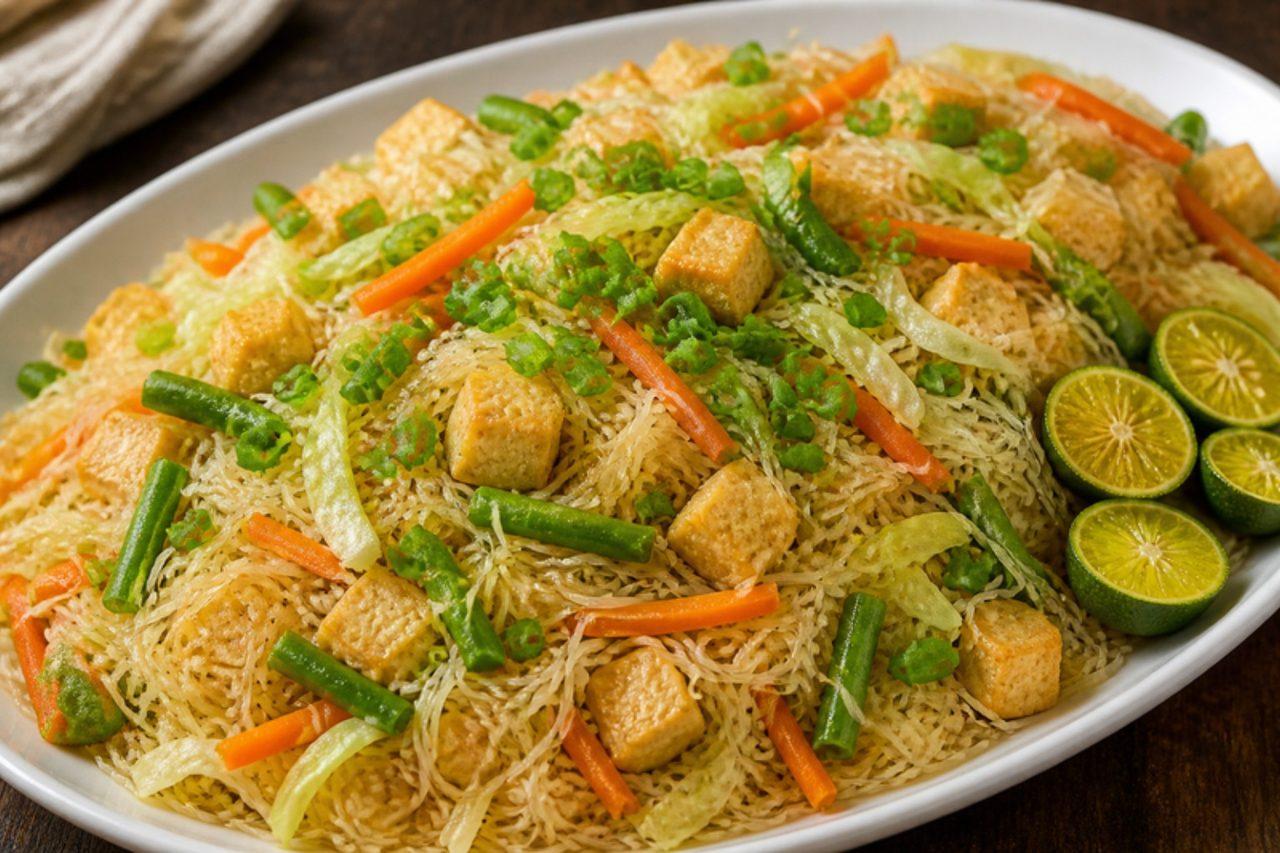
Vegetable pancit bihonRice noodles with vegetables

No Filipino birthday is complete without a big tray of pancit, because long noodles stand for a long life; aunts arrive at the party carrying it in foil trays, and it sits on the table next to the cake. Pancit bihon uses thin rice vermicelli tossed with sautéed vegetables and a soy-seasoned stock until the noodles drink up every drop and turn light brown and glossy. This version is vegetarian, with fried tofu standing in for the usual chicken, shrimp and sausage, and vegetable stock in the pan. Squeeze calamansi (or lime) over each plate; the sharp citrus is what lifts it. Chef's tip: never cut the noodles before serving, for luck, and cook them in the stock rather than boiling them first.

by KrazyBadal 0 views

Pancit MoloPork dumpling soup

Pancit Molo is named after the Molo district of Iloilo City, where Chinese traders settled centuries ago. Despite the word pancit, there are no noodles: the wonton wrappers are the 'noodle', folded around a filling of pork and prawns and simmered in a clear chicken broth with plenty of fried garlic. Ilonggo families serve it on rainy days, at fiestas and at Christmas gatherings, often as a starter before the main feast. The broth should be light, the dumplings silky. Chef's tip: let the wrappers trail a loose 'tail' when you fold them; those soft, frilly edges are what make molo different from a tight Chinese wonton.

by KrazyBadal 0 views

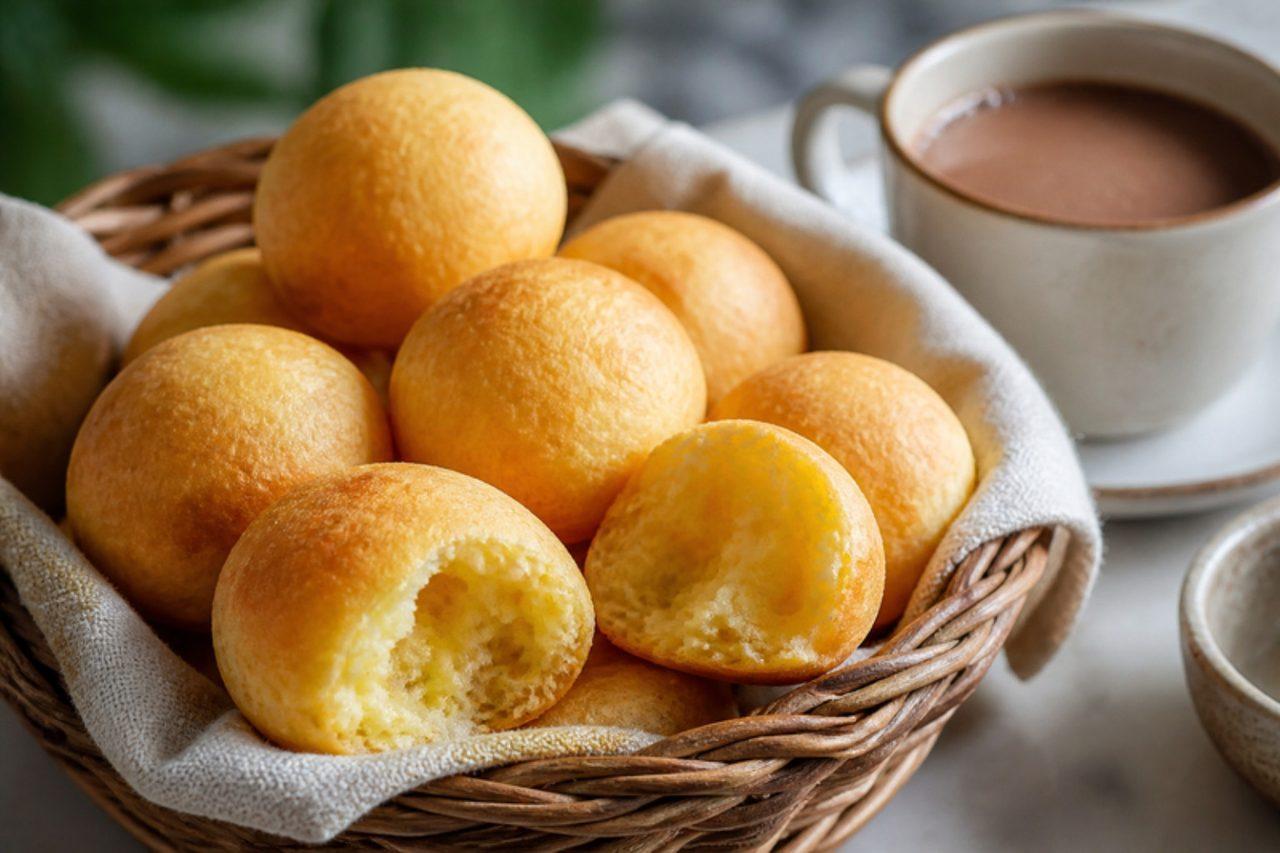
PandebonoCassava starch cheese bread

Pandebono is the warm cheese bread of the Valle del Cauca, the region around Cali, eaten for breakfast or as an afternoon snack (onces) with hot chocolate or a coffee. It looks like Brazilian pão de queijo but tastes different: the dough is cassava starch and a little precooked cornmeal kneaded with lots of crumbly fresh cheese, with no milk or cooking, so the rings bake up with a slightly crisp skin and a soft, stretchy, tangy middle. Chef's tip: shape them into rings or balls and bake them straight away; the dough dries out if it sits.

by KrazyBadal 0 views

PandesalSoft bread rolls

Pandesal is the bread of the Filipino morning: small, soft, slightly sweet rolls with a fine breadcrumb coating, bought hot at dawn in brown paper bags from the neighbourhood panaderia (bakery) and eaten before school or work. They are torn open and filled with butter, cheese or peanut butter, or dunked straight into a cup of coffee, and at night the leftovers are toasted. Despite the name ('salt bread'), they are gently sweet, with a pillowy crumb and a thin crust. Home-made ones are best eaten within hours of baking. Chef's tip: the classic shape comes from rolling the dough into a log, coating it in crumbs and cutting slices, which bake into those familiar oval rolls with cut sides up.

by KrazyBadal 0 views

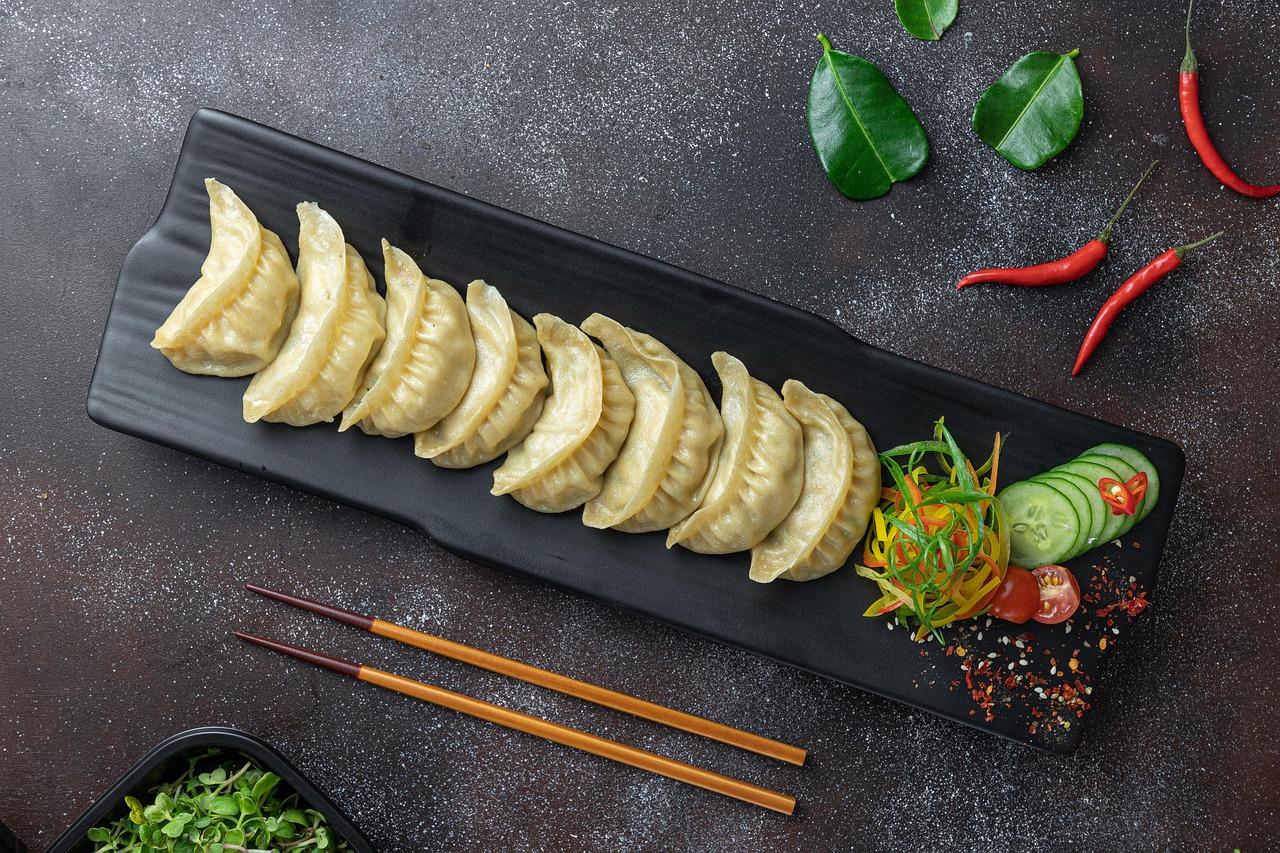
Vegetable momosSteamed vegetable dumplings

Momos came to Sikkim and the Darjeeling hills with Tibetan settlers and are now the snack of the whole Himalayan Northeast, steamed in tall stacked steamers at every street corner. Thin, soft wrappers hold a juicy filling of cabbage, carrot, onion and tofu with plenty of ginger, garlic and spring onion. They are dipped in a hot, garlicky tomato and red chilli achar. Serve straight from the steamer, with a bowl of clear soup if you like. Chef's tip: salt the chopped cabbage and squeeze out its water before mixing the filling; it keeps the wrappers from turning soggy and tearing.

by KrazyBadal 0 views

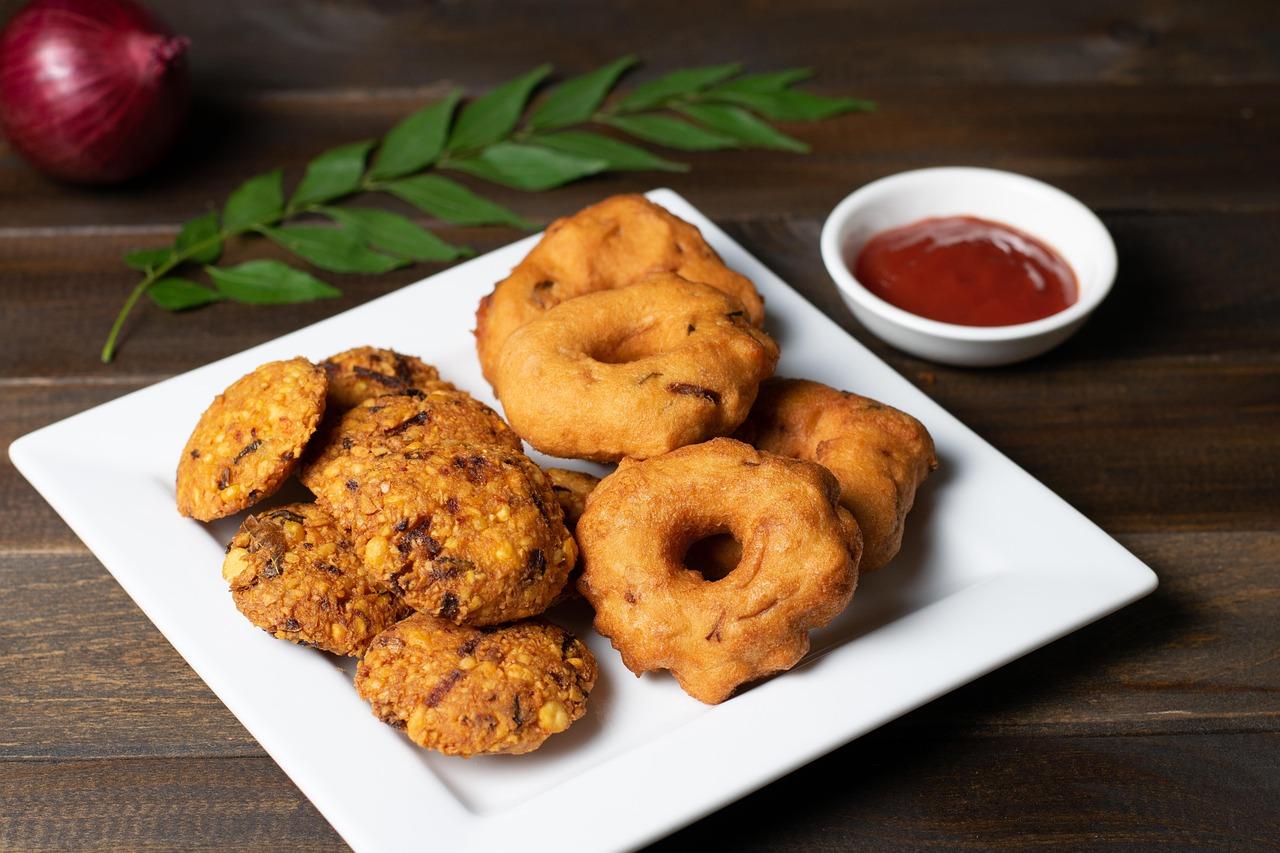
Medu vadaUrad dal doughnuts

Medu vada are the ring-shaped lentil fritters eaten all over Tamil Nadu and the rest of the south for breakfast, with idli, sambar and coconut chutney. A good one has a thin, crisp, golden shell and an inside as light and airy as a cloud, flecked with black pepper, ginger, green chilli and curry leaves. The secret is a very thick batter ground with as little water as possible and then whipped full of air. Serve them hot, dunked in sambar, or soaked in rasam as 'rasa vada'. Chef's tip: drop a little batter into a bowl of water before you shape them; if it floats, it's airy enough, and if it sinks, beat it by hand for another few minutes.

by KrazyBadal 0 views

MedovikHoney layer cake

Medovik, the honey cake, is the birthday and name-day cake of countless Ukrainian homes, from Dnipro to Zaporizhzhia, and is shared with kitchens across the former Soviet Union. Eight thin layers of honey-caramel dough are baked like biscuits, then stacked with a tangy sour-cream frosting and left overnight, when they soften into a tender, moist cake. The crumbs from trimming coat the outside. Because it is made with honey and eggs, it is vegetarian but not vegan. Chef's tip: cook the honey, sugar and butter until it turns a deep amber before the bicarbonate goes in; that caramel is the whole flavour of the cake. Common mistake: cutting it the same day, before the layers have soaked up the cream, when it is still dry and hard.

by KrazyBadal 0 views

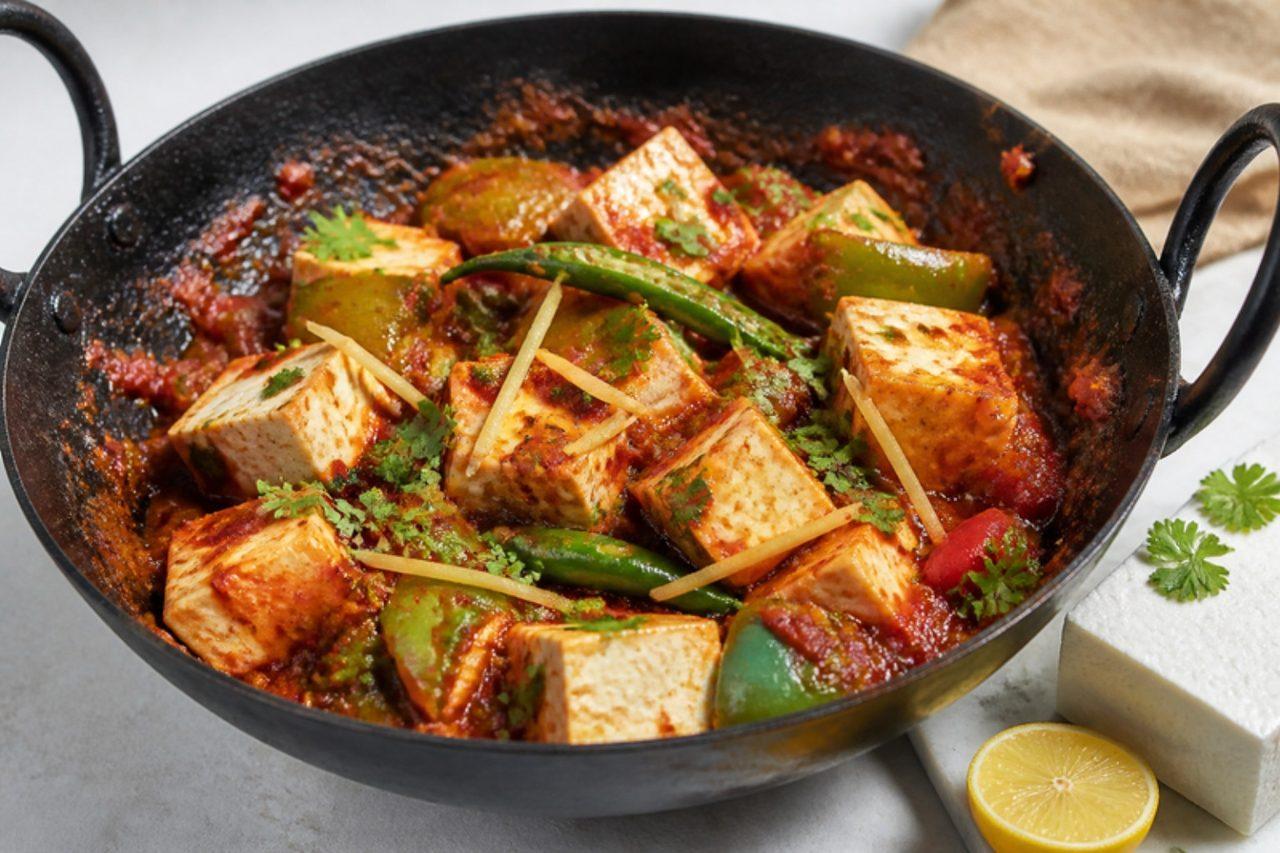
Paneer karahiPaneer in tomato and chilli gravy

Karahi is named after the heavy round-bottomed wok it is cooked and served in, and the roadside dhabas of Lahore and the Grand Trunk Road through Punjab are where it is at its loudest: a cook working three pans at once over a roaring flame, late at night, for tables of friends tearing naan. The Pakistani style is lean on spice and big on tomato, garlic, ginger, green chilli and crushed black pepper, with no onion and no cream, so the masala tastes bright and sharp rather than rich. Paneer takes the place of meat here and only needs warming through. The usual mistake is pouring in water to make more gravy; a karahi gets its sauce only from tomatoes cooked down until the oil comes back out. Chef's tip: crush the coriander seeds and black pepper yourself just before cooking; the coarse, fresh crunch is what makes it taste like a dhaba karahi.

by KrazyBadal 0 views

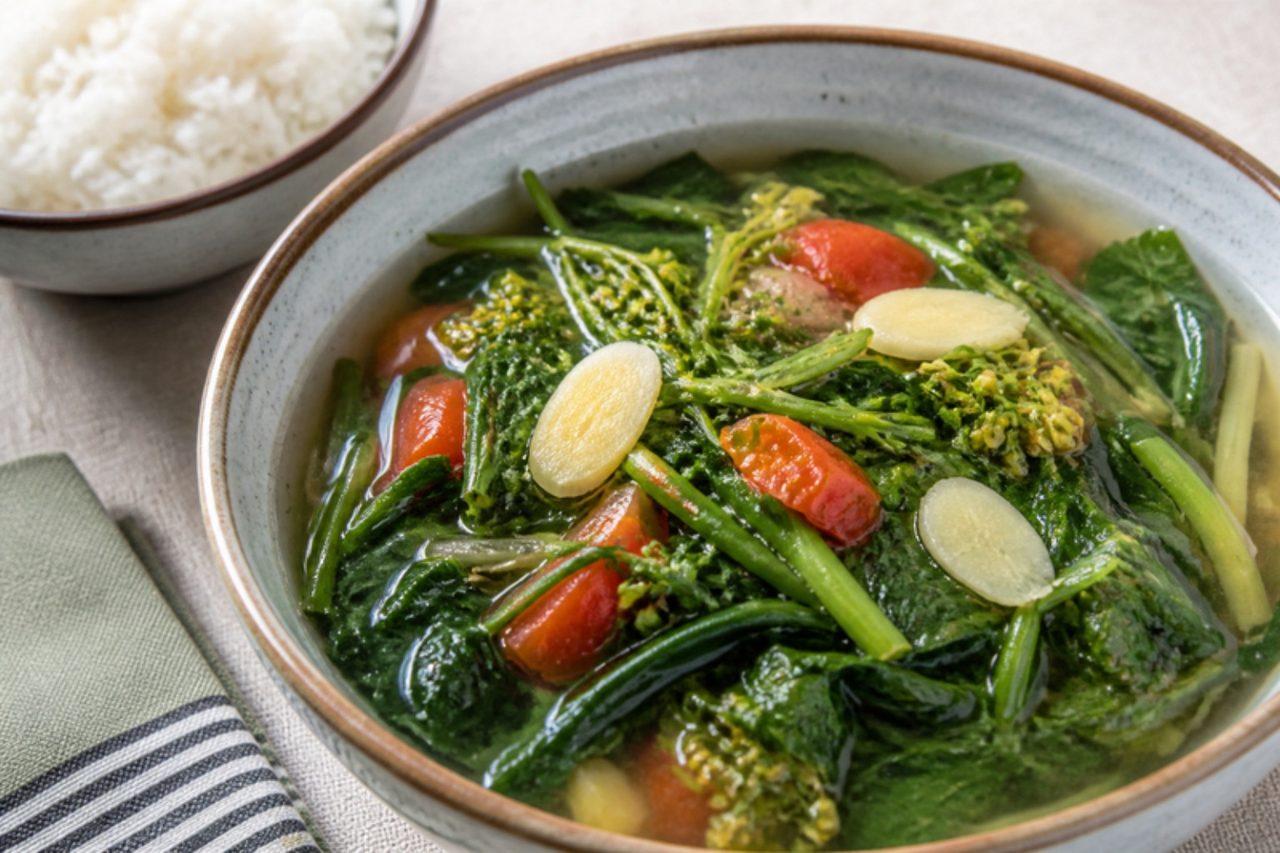
Vegetable romazavaMixed greens and ginger broth

Romazava is often called the national dish of Madagascar: a light, gingery broth of several kinds of leafy greens (brèdes) and tomato, ladled over a big plate of rice. In Antananarivo it usually includes zebu beef; this vegetable version keeps the essential leaves, especially brèdes mafana (paracress), whose flowers and leaves make the mouth tingle. Spinach, watercress and mustard greens work well outside Madagascar. Chef's tip: add the greens in order of toughness and stop as soon as they are tender; romazava should taste fresh and green, not stewed.

by KrazyBadal 0 views

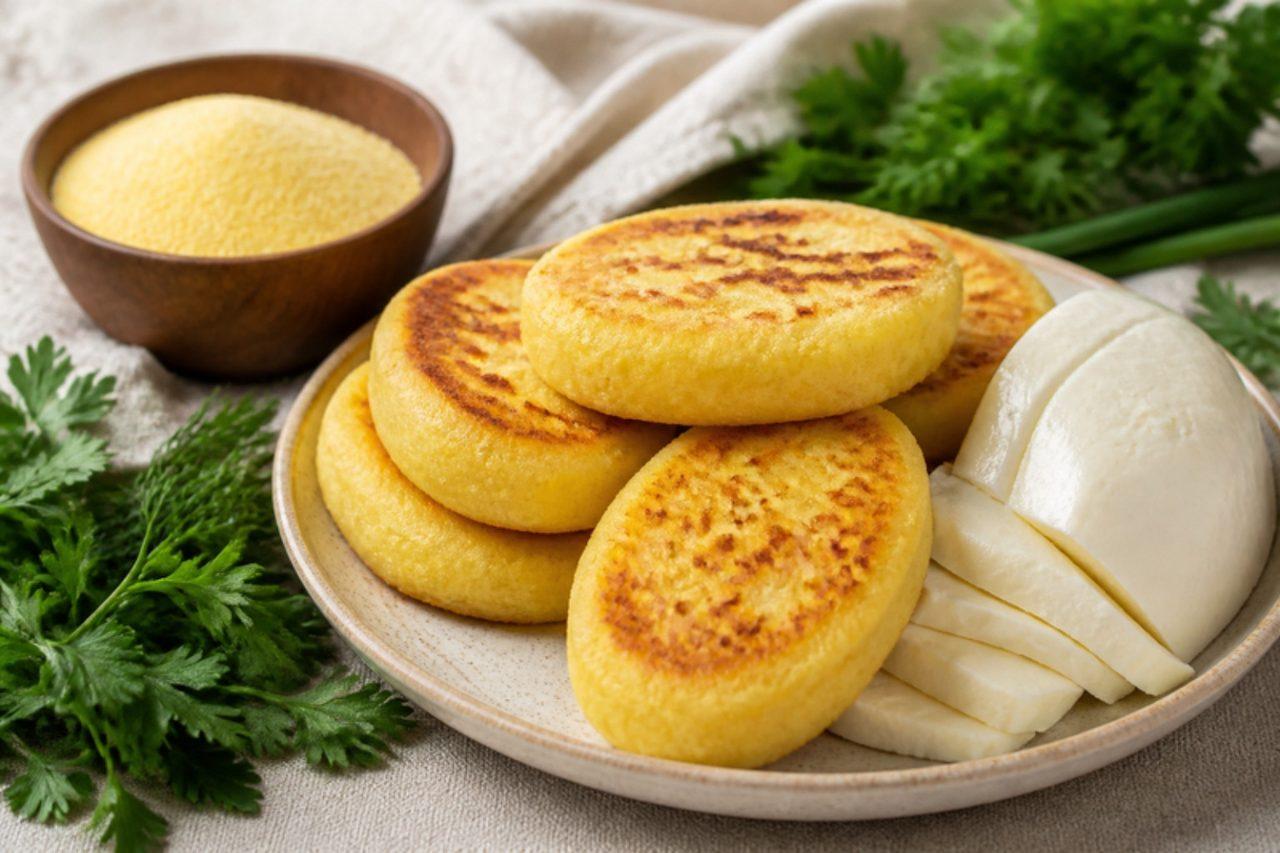
MchadiPan-fried cornbread cakes

Mchadi are the everyday cornbread of western Georgia, from Samegrelo and Guria down to the Black Sea coast, where maize has been grown since the 1700s. They are nothing more than cornmeal, water and salt, shaped by hand into thick ovals and fried or baked on a clay disc until crusty outside and soft and steaming inside. Families eat them hot with a wedge of cheese, a bowl of lobio, pickled vegetables or a spoon of adjika, and they are naturally gluten-free and vegan. The common mistake is using a dough that is too dry, so the cakes crack and crumble in the pan: it should feel like soft, wet clay. Chef's tip: wet your hands in a bowl of water between every cake; the cornmeal will not stick and the surface comes out smooth and crisp.

by KrazyBadal 0 views

MbejúCassava starch cheese cake

Mbejú (say 'mbeh-JOO') is a Guaraní breakfast and merienda: cassava starch rubbed with butter, cheese and a little milk into damp crumbs, then pressed into a hot pan where it fuses into a thick, chewy, crisp-edged cake. It's eaten in the countryside with cocido (sweet toasted yerba tea with milk) on cool mornings, cut into wedges. It's naturally gluten free and very quick. Chef's tip: the mix should look like damp sand, not a dough; if you can squeeze a handful and it just holds, it's right.

by KrazyBadal 0 views

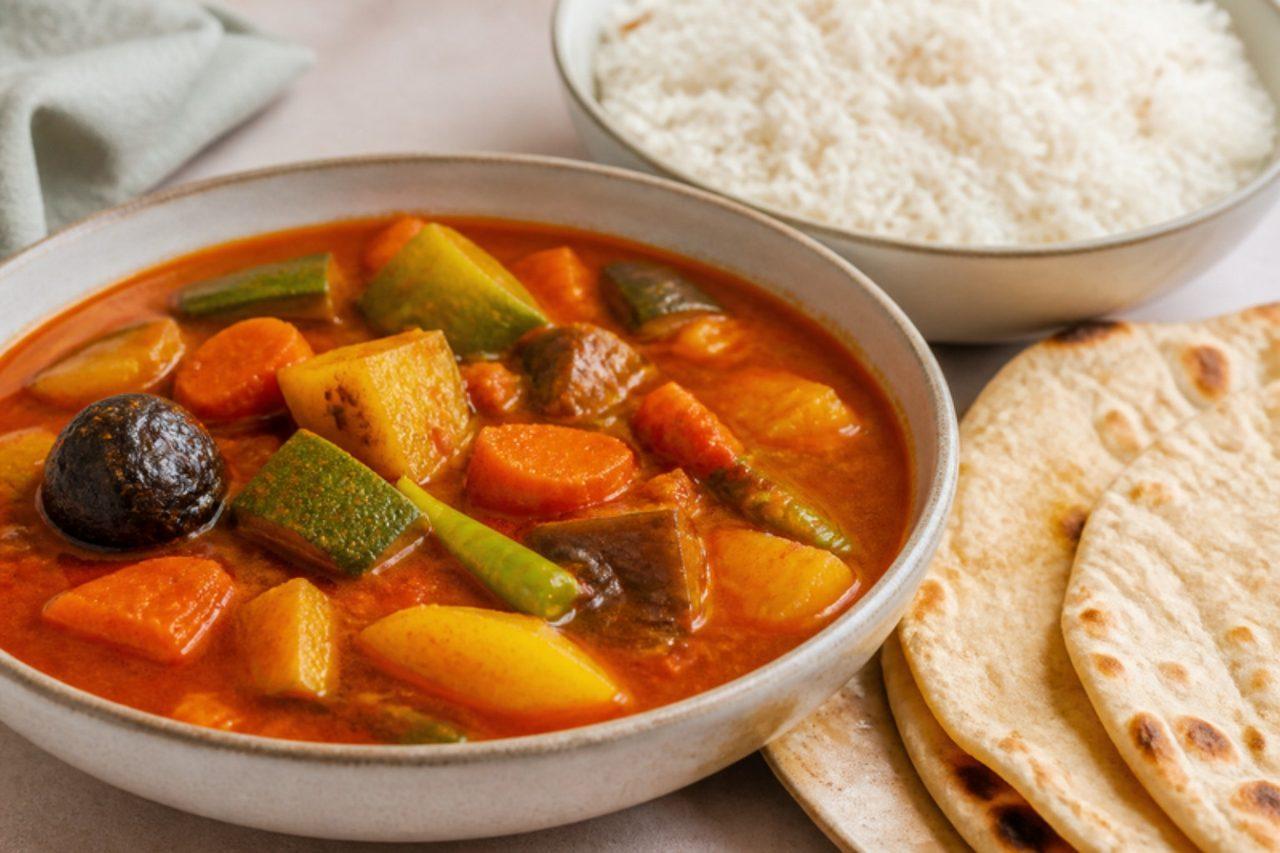
Vegetable saloonaVegetable and tomato stew

Saloona is the stew Emirati families make on an ordinary weekday, ladled over white rice for lunch in Abu Dhabi, Al Ain and every town between. Each household has its own mix, but the base is always the same: tomatoes, onions and the local bezar spice blend, sharpened with dried lime and simmered with whatever vegetables are in the fridge. This meat-free pot uses potato, courgette, aubergine, carrot and okra with chickpeas for body, and it tastes even better the next day. Chef's tip: add the okra in the last 10 minutes and leave it whole; cut okra goes slimy in a long simmer.

by KrazyBadal 0 views

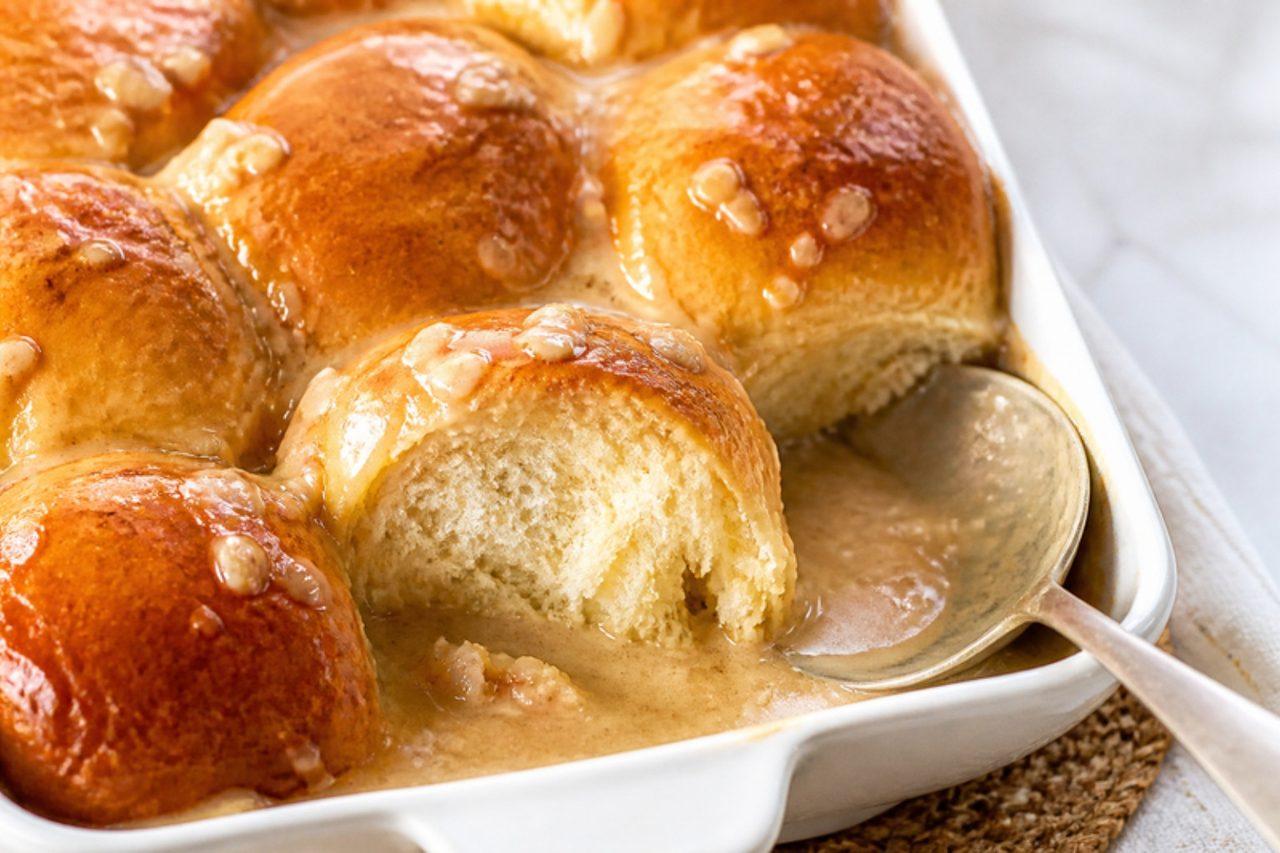
PanipopoSweet rolls in coconut sauce

Panipopo (from 'pani', bun, and 'popo', coconut) are soft, sweet bread rolls baked sitting in a pool of coconut milk and sugar, which bubbles into a sticky, caramel-coloured sauce around them. Samoan families bake them for Sunday lunch, fundraisers and church gatherings, and they've spread to Samoan communities in Auckland and Hawaii. Served warm with the sauce spooned over, they're somewhere between a cinnamon roll and a pudding. Chef's tip: pour the coconut sauce around the rolls just before baking, not hours ahead, or the bottoms go soggy instead of sticky.

by KrazyBadal 0 views

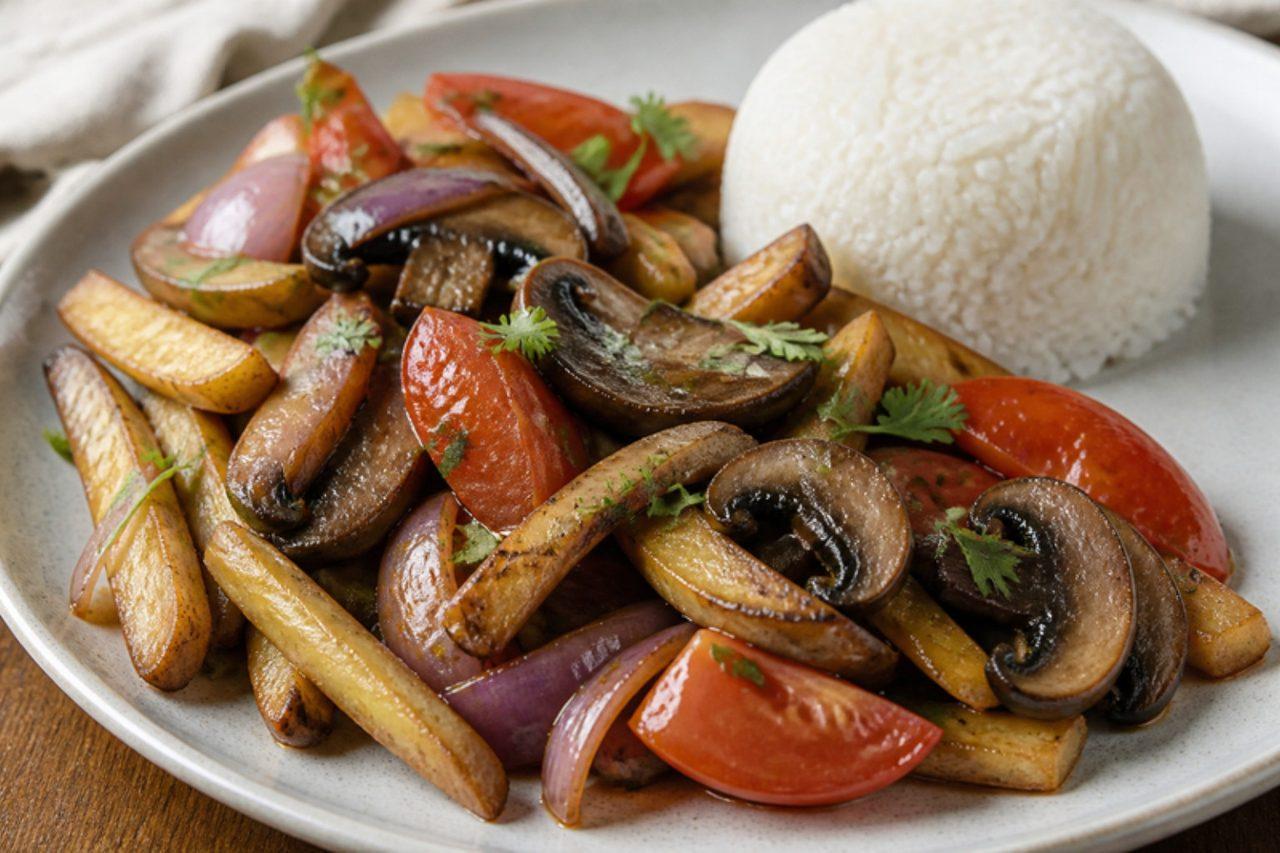
Vegetable saltadoWok-fried vegetables

Saltado comes from Lima's chifa tradition, the cooking of Chinese-Peruvian families who brought the wok to Peru in the nineteenth century. The famous version is lomo saltado with beef; this saltado de verduras uses meaty mushrooms in its place. Thick wedges of red onion and tomato are tossed over a fierce flame with garlic, ají amarillo, soy sauce and a splash of vinegar until just wilted, so the vegetables keep their shape and the pan juices turn smoky and savoury. It is always served with both chips and white rice, which soak up those juices. Chef's tip: cook in two batches if your pan is small; a crowded wok steams the vegetables instead of searing them, and the tomatoes collapse into soup.

by KrazyBadal 0 views

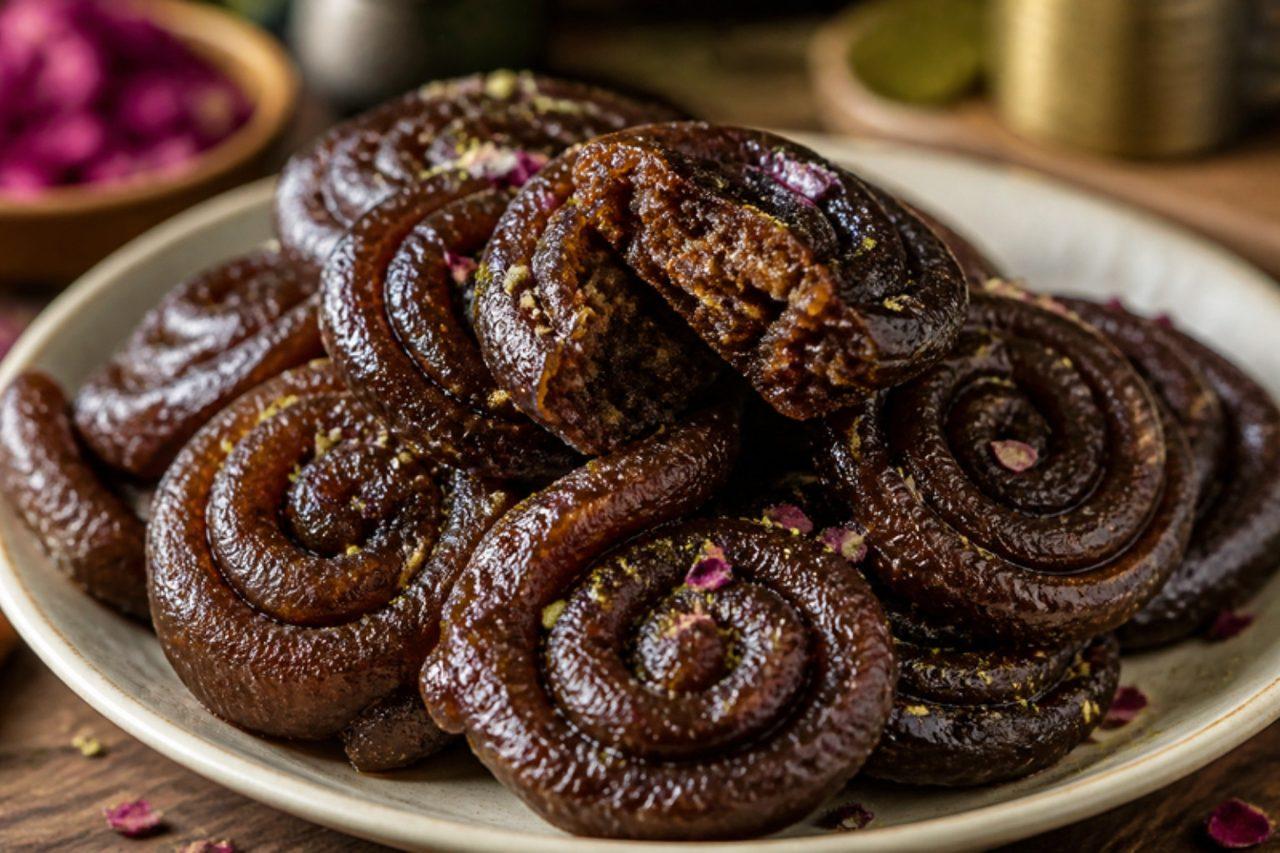
Mawa jalebiMilk solid jalebi

Mawa jalebi, sometimes called khoya jalebi, belongs to Jabalpur and the towns of the Mahakoshal region of Madhya Pradesh, where sweet shops sell them stacked like dark brown coils. Unlike the crisp batter jalebi piped into hot oil, these are rolled from a soft khoya dough into ropes, coiled by hand and fried slowly, so they come out tender and almost fudgy inside a thin caramelised skin. They are eaten warm on winter mornings and bought by the kilo for weddings. Chef's tip: roll the ropes no thicker than a pencil; thicker coils look generous but stay doughy at the core.

by KrazyBadal 0 views

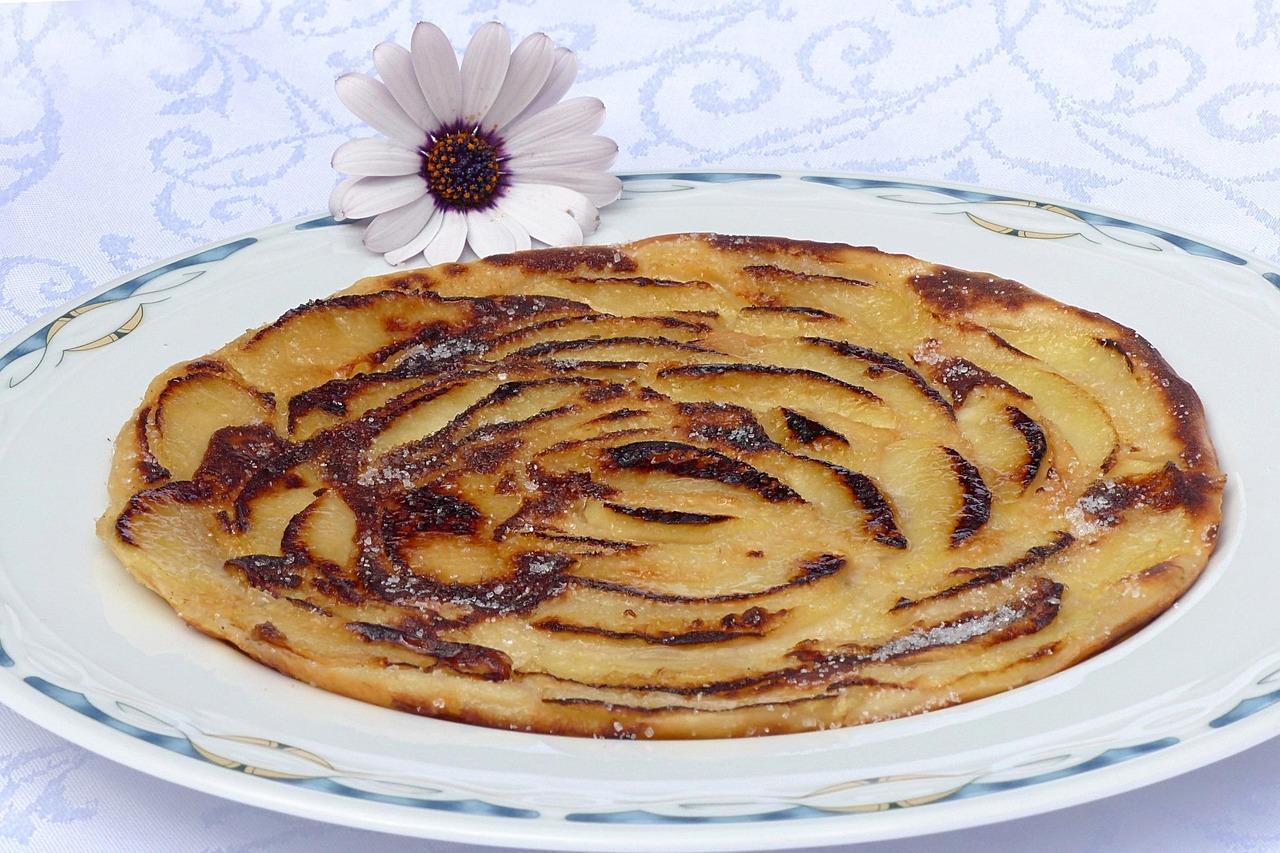
PannenkoekenDutch dinner pancakes

Dutch pannenkoeken are a meal, not a dessert: plate-sized, thicker than a French crêpe, and eaten for dinner with whatever has been baked straight into the batter. A pannenkoekenhuis in Amsterdam or by the dunes in Zeeland will offer dozens of fillings, but at home the favourites are apple (appel), young Gouda (kaas), or the two together, all finished with a thread of dark syrup (stroop). Kids eat them rolled up by hand. Chef's tip: lay the apple slices or cheese in the pan first and pour the batter over them, not the other way round; the fruit caramelises against the hot pan and the cheese becomes a crisp golden lace.

by KrazyBadal 0 views

Panqueques con dulce de lecheCrêpes with dulce de leche

In Argentina and Uruguay, panqueques are not fluffy American pancakes but thin crêpes, and the classic way to eat them is rolled around dulce de leche, often as the dessert at a neighbourhood parrilla or on a rainy Sunday afternoon at home. Some restaurants sprinkle them with sugar and caramelise the top with a hot iron; at home a dusting of sugar is enough. Chef's tip: rest the batter for 20 minutes so the flour relaxes and the crêpes come out thin and tender rather than rubbery.

by KrazyBadal 0 views

Mawa batiMilk solid dumplings

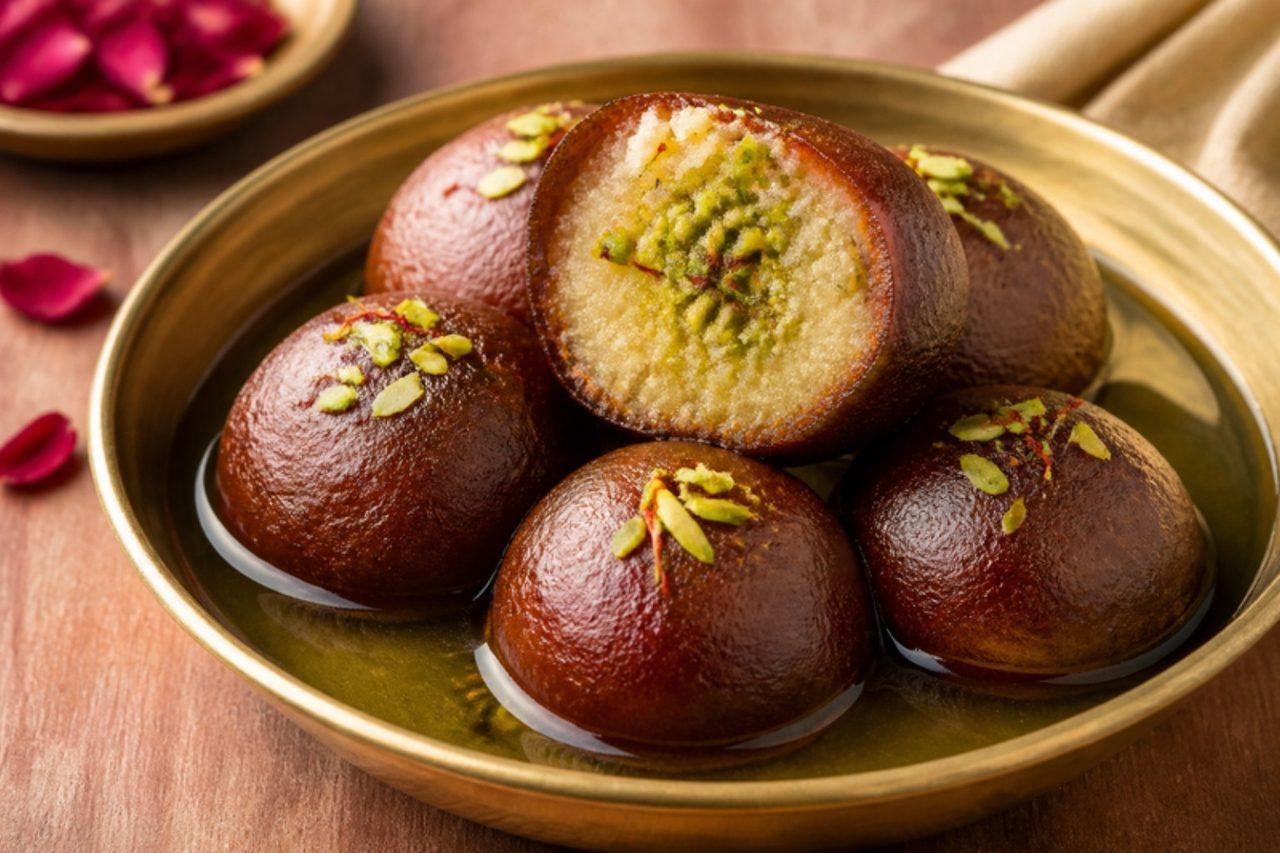
Ask a halwai in Ujjain, Indore or Ratlam for something festive and they will point to mawa bati: a fist-sized cousin of gulab jamun, made richer with more khoya, fried slowly to a near-mahogany shell and stuffed with nuts, saffron and cardamom. It turns up on wedding menus across Malwa and in sweet-shop boxes at Diwali, usually served warm with a spoonful of its own syrup. Cutting one open to find the green-gold filling is half the pleasure. Chef's tip: fry on a really gentle heat, with the oil barely shimmering; the bati should take a full 12–15 minutes to darken, which is how the middle cooks through.

by KrazyBadal 0 views

MedfounaSpiced meat stuffed bread

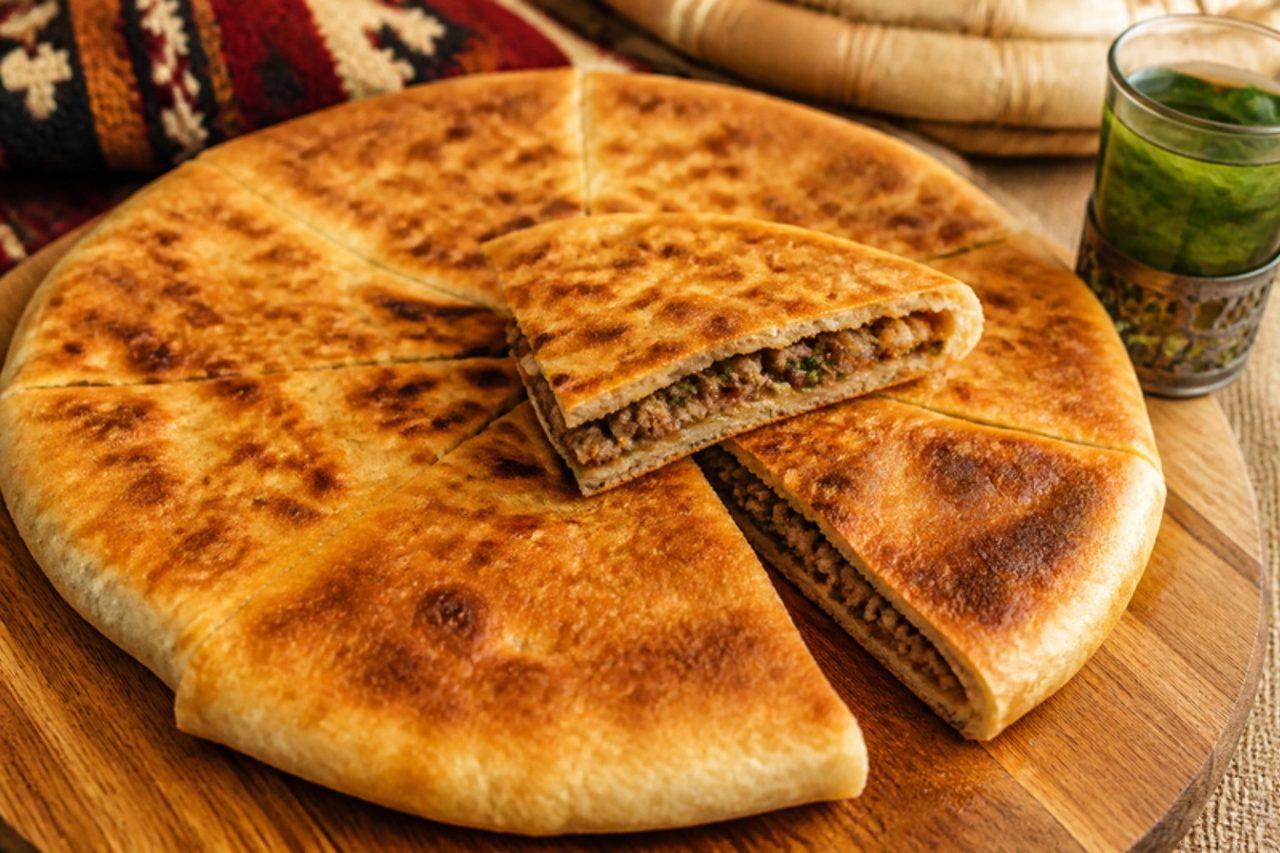
Out on the edge of the Sahara around Rissani and Merzouga, medfouna means 'buried', because the stuffed bread was traditionally baked in hot sand next to a fire. Two rounds of soft yeast dough enclose a filling of spiced beef, lots of onion, parsley and a little fat, and the whole thing bakes into a golden, crusty pie that is cut into wedges like a pizza. It is road-trip food, market-day food and the meal desert guides cook for travellers, eaten hot with mint tea. Chef's tip: squeeze the chopped onion and drain the cooked filling well; dry filling means a crisp base instead of a soggy one.

by KrazyBadal 0 views

MaubySpiced bark drink

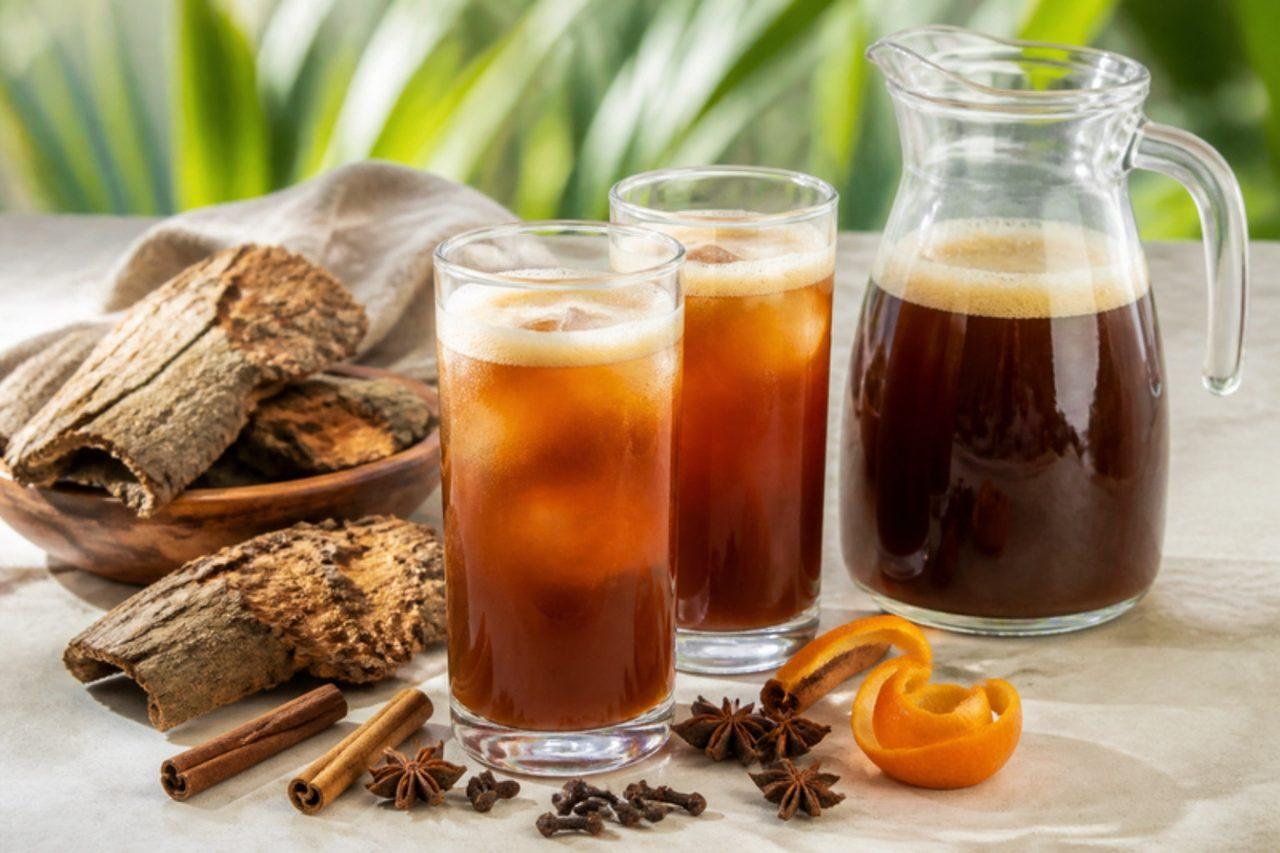
Mauby is one of the oldest drinks of the Eastern Caribbean, and in Barbados it's sold ice-cold from vendors in Bridgetown and made at home on hot afternoons. It's brewed from the bark of the mauby tree, simmered with cinnamon, clove, star anise, bay and orange peel, then sweetened and diluted. The first sip is surprising: bitter like strong tea or tonic, then sweet, spicy and refreshing, with a liquorice note. Bark is sold in Caribbean shops and online. Chef's tip: brew a strong concentrate and dilute it to taste; mauby lovers like it bitter, newcomers should start with more water and more sugar.

by KrazyBadal 0 views

Mathura pedaMilk fudge discs

Mathura in Uttar Pradesh, Krishna's birthplace, has a peda all its own: not the pale milky kind found elsewhere, but a dusty-brown disc with a deep, toffee-like flavour from milk solids slowly roasted until they caramelise. Pilgrims buy boxes after visiting the temples, and they are made in huge batches around Janmashtami as an offering. The texture should be dense yet slightly grainy, rolled in fine boora sugar so the outside sparkles. The usual mistake is rushing the roasting over high heat, which scorches the khoya in spots and makes it bitter and greasy. Chef's tip: keep the heat low and scrape the bottom of the pan constantly; the colour should change gradually from cream to light brown, then to the shade of milky coffee.

by KrazyBadal 0 views

Vegetable Shan noodlesRice noodles with tomato sauce

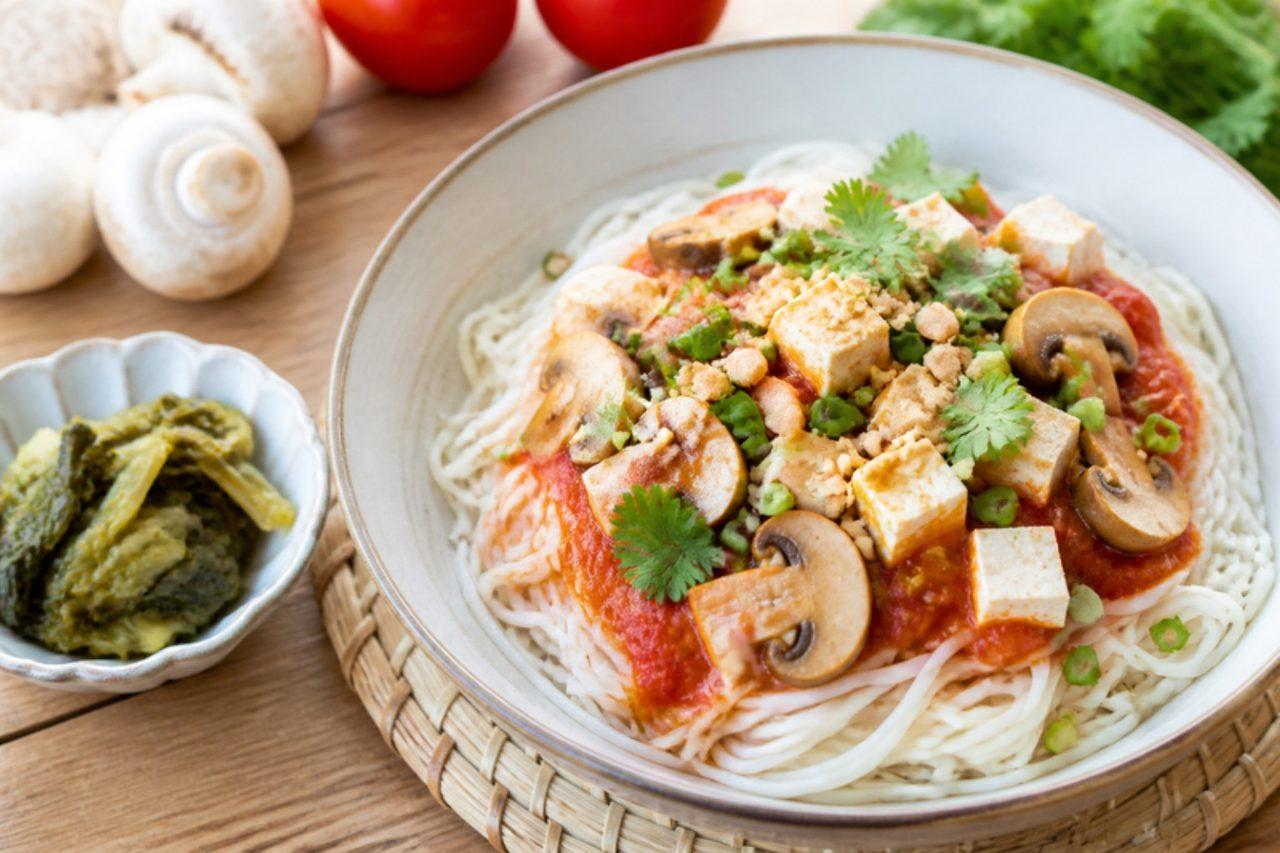
Shan khao swe comes from the hills of Shan State in eastern Myanmar, where it's eaten for breakfast at markets around Inle Lake and Taunggyi before the day's work begins. Sticky rice noodles are tossed with a garlicky tomato sauce, sesame oil and crushed peanuts, then served with pickled mustard greens and a small bowl of clear broth on the side. Markets usually make the sauce with chicken or pork; here mushrooms and tofu give it the same savoury depth. Chef's tip: cook the tomatoes down until the oil separates and the sauce turns jammy; a watery sauce slides off the noodles and tastes flat.

by KrazyBadal 0 views

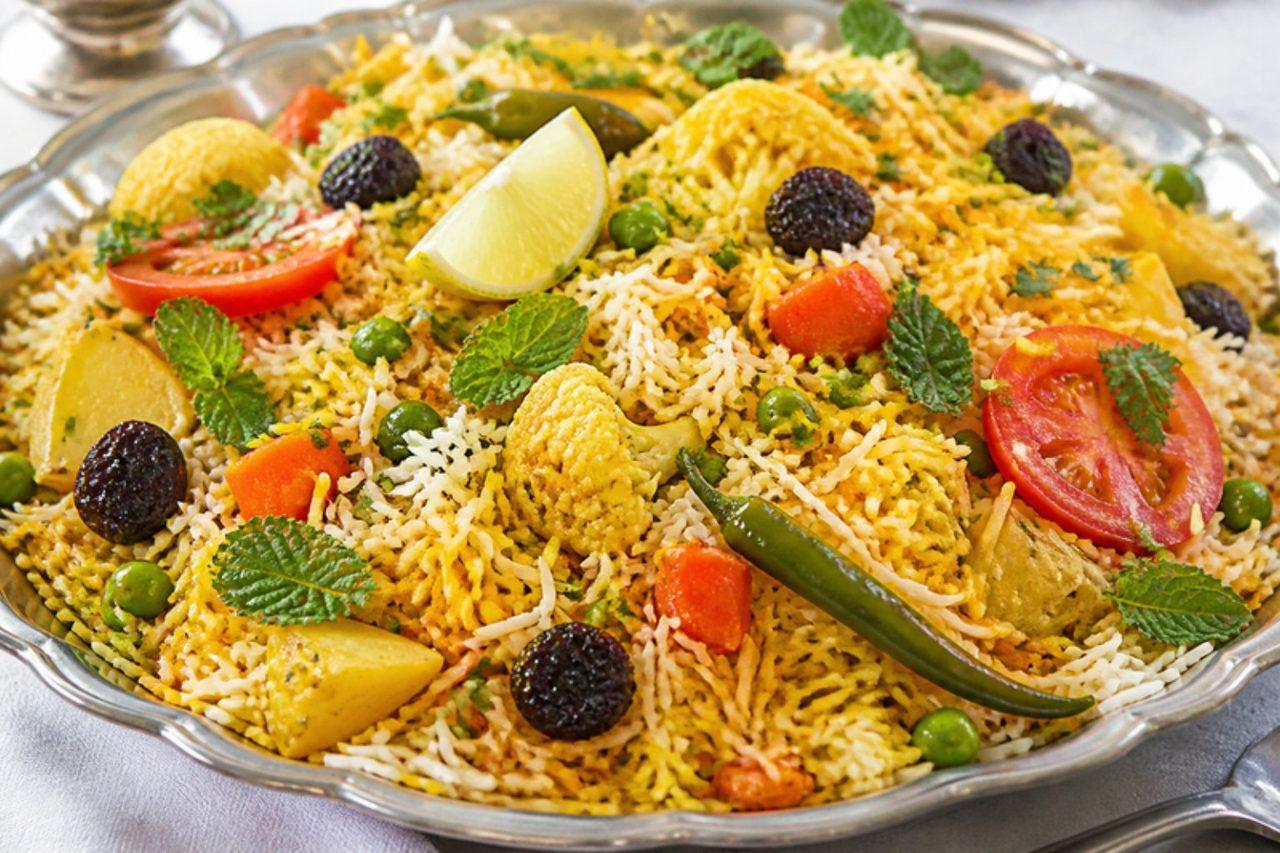
Vegetable Sindhi biryaniLayered vegetable biryani

Sindhi biryani is the biryani of Karachi, Hyderabad and the rest of Sindh, and it is the one people order by the deg (a huge pot) for weddings, Eid lunches and every big family gathering. What makes it Sindhi is the tang and the heat: plenty of tomatoes, yogurt, whole green chillies and sour dried plums (aloo bukhara) in the masala, with chunks of potato that soak up all of it. This vegetable version keeps all of that and swaps the meat for potato, carrot, cauliflower and peas, layered with half-cooked basmati, fried onions, mint and saffron milk, then steamed shut. A common mistake is boiling the rice until soft before layering; take it out when a grain still has a firm white core, because it finishes in the steam. Chef's tip: fry the onions until deep brown but not black, and keep the oil they fried in; it carries their flavour into every layer.

by KrazyBadal 0 views

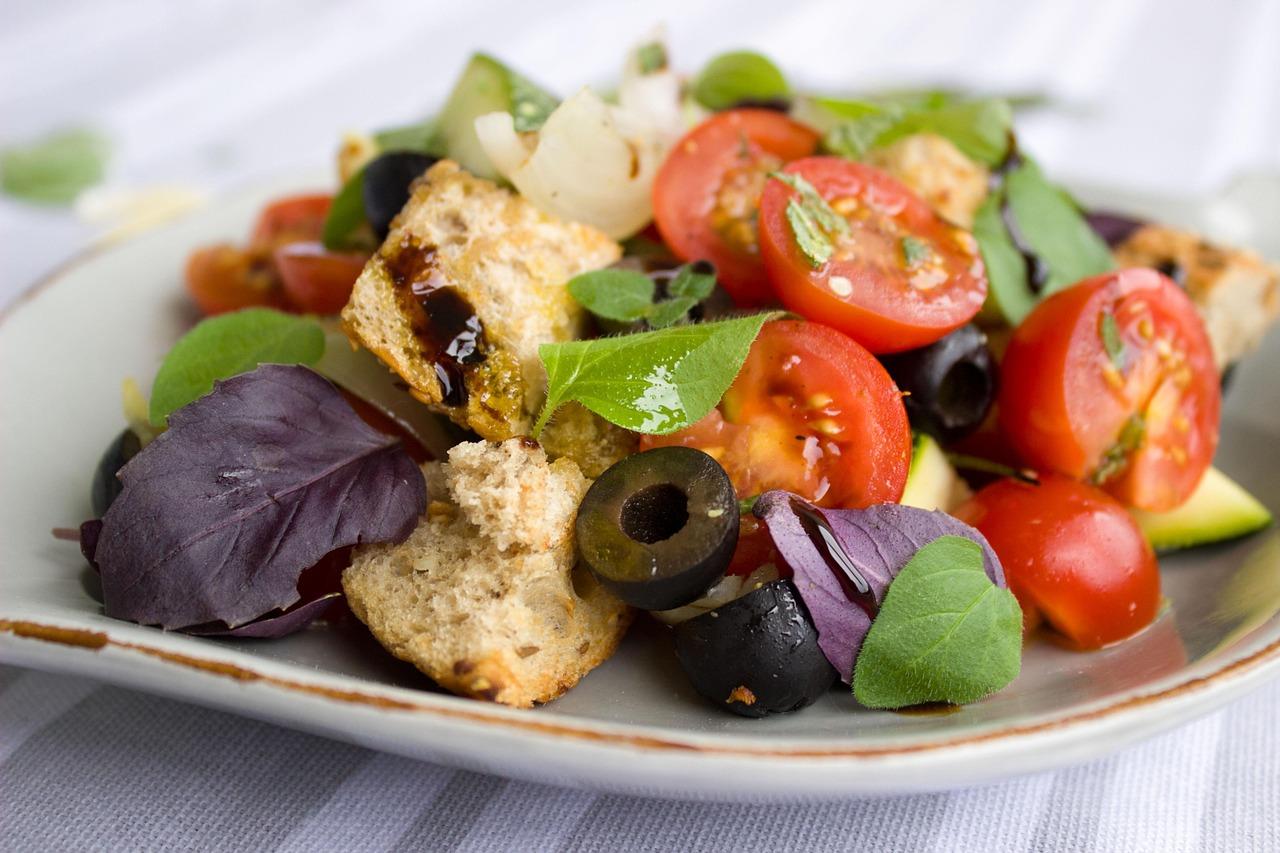
PanzanellaTomato and bread salad

Panzanella is how Tuscans eat old bread in summer: hard, unsalted loaf soaked in water, squeezed and crumbled with juicy tomatoes, cucumber, red onion and basil, then dressed with vinegar and plenty of olive oil. In Florence and the Maremma it is a cool lunch for the hottest days, and every family argues about cucumber. Make it 30 minutes before eating so the bread drinks the tomato juice but keeps some bite. Chef's tip: salt the tomatoes first and let them weep in a bowl; that juice becomes the dressing.

by KrazyBadal 0 views

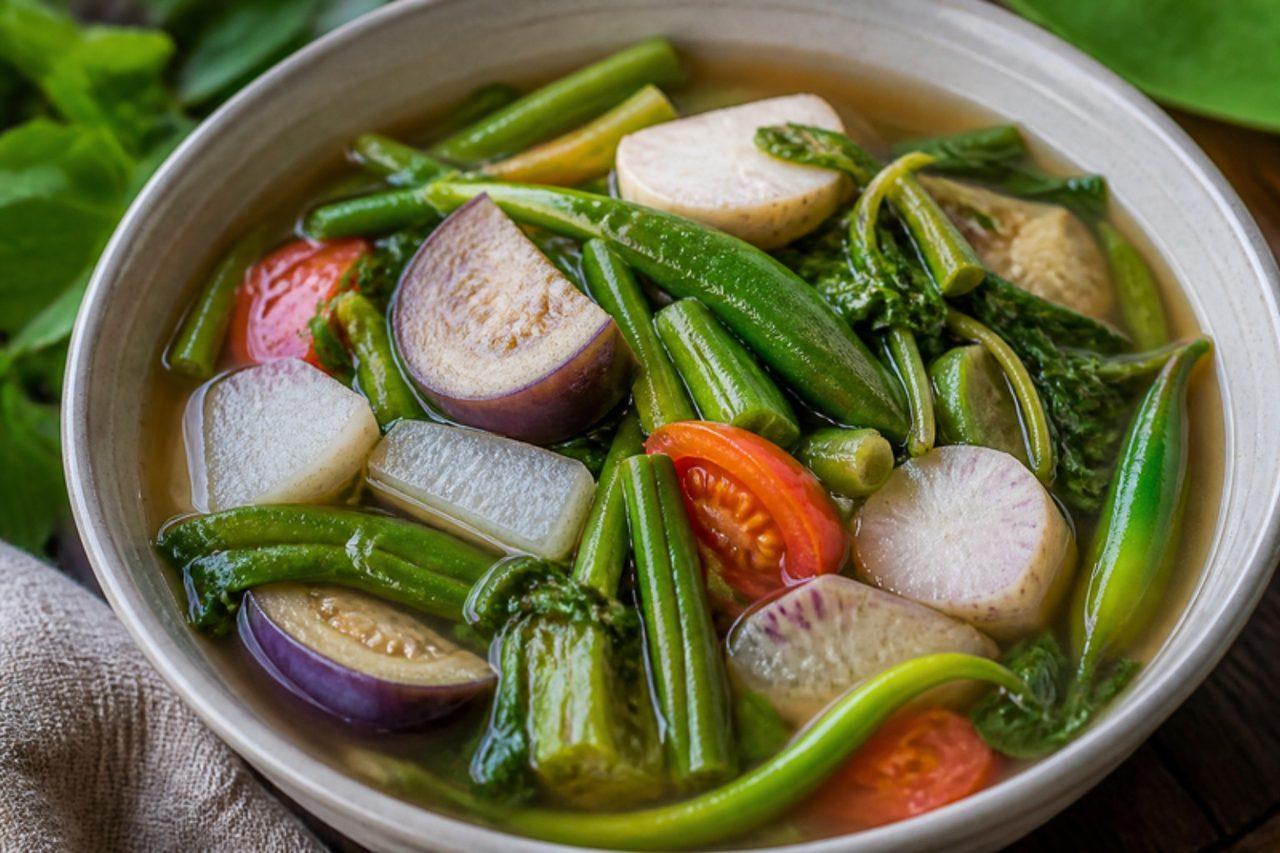
Vegetable sinigangSour tamarind vegetable soup

Sinigang is the sour soup that Tagalog families crave when the monsoon arrives between June and October, when rain hammers the tin roofs and a steaming bowl next to rice feels like the only sensible lunch. The sourness traditionally comes from young tamarind (sampalok) boiled and mashed into the broth, and the vegetables are whatever the market has: white radish, taro to thicken the soup slightly, okra, yard-long beans, aubergine and a final handful of water spinach. This vegetarian sinigang na gulay skips the pork or fish and relies on the tamarind, tomato and onion for flavour. The broth should make you pucker a little on the first sip. Chef's tip: add the tamarind in stages and taste between each, since blocks of tamarind vary a lot in sourness.

by KrazyBadal 0 views

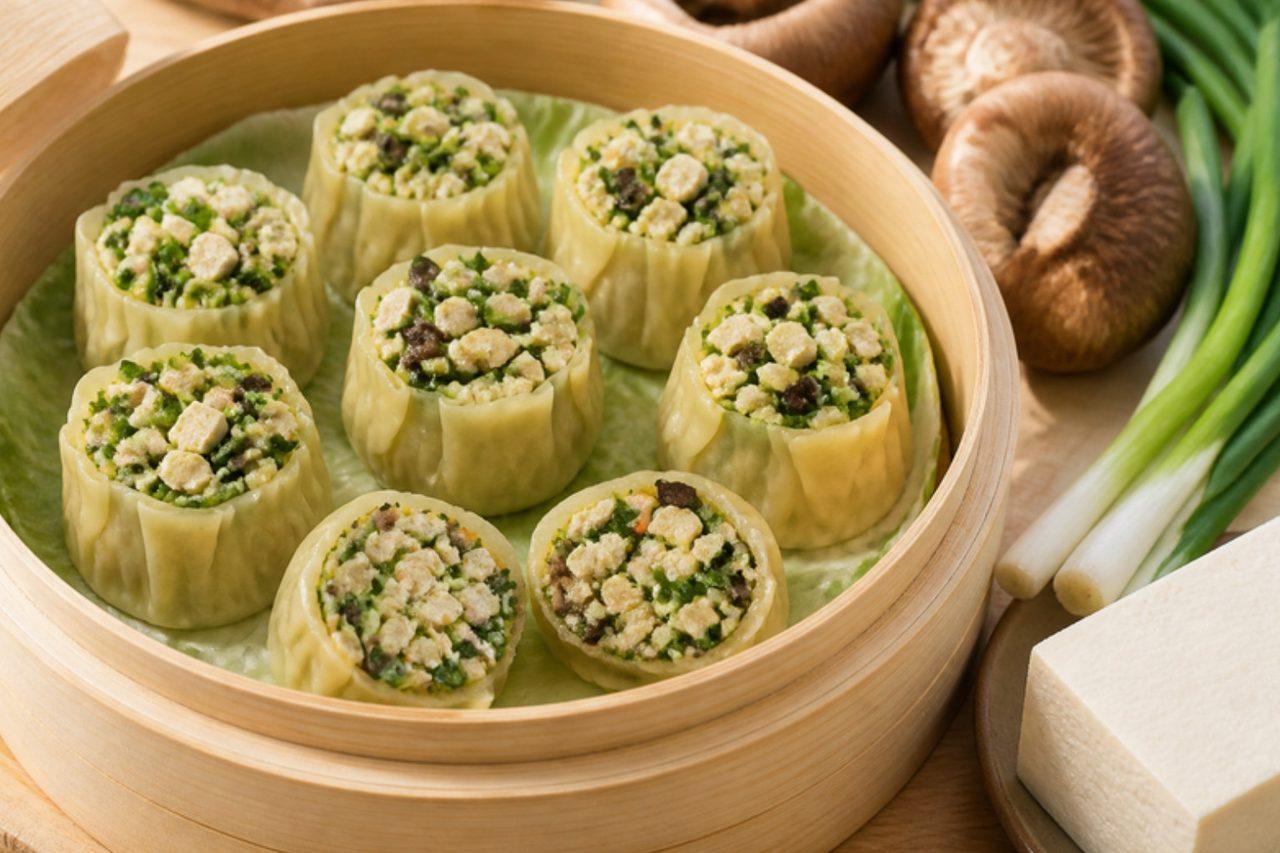
Vegetable siu maiOpen-topped vegetable dumplings

Siu mai are among the first baskets wheeled past at Cantonese dim sum in Guangzhou's tea houses, where people meet over yum cha on weekend mornings. The classic is pork and prawn; this one is packed with shiitake, tofu, crunchy water chestnut and carrot, with a dot of diced carrot on top in place of fish roe. Steam them in a bamboo basket and serve with chilli oil and soy. Chef's tip: squeeze the wrapper into a 'waist' with your thumb and finger and flatten the base on the board, so they stand up straight in the steamer.

by KrazyBadal 0 views

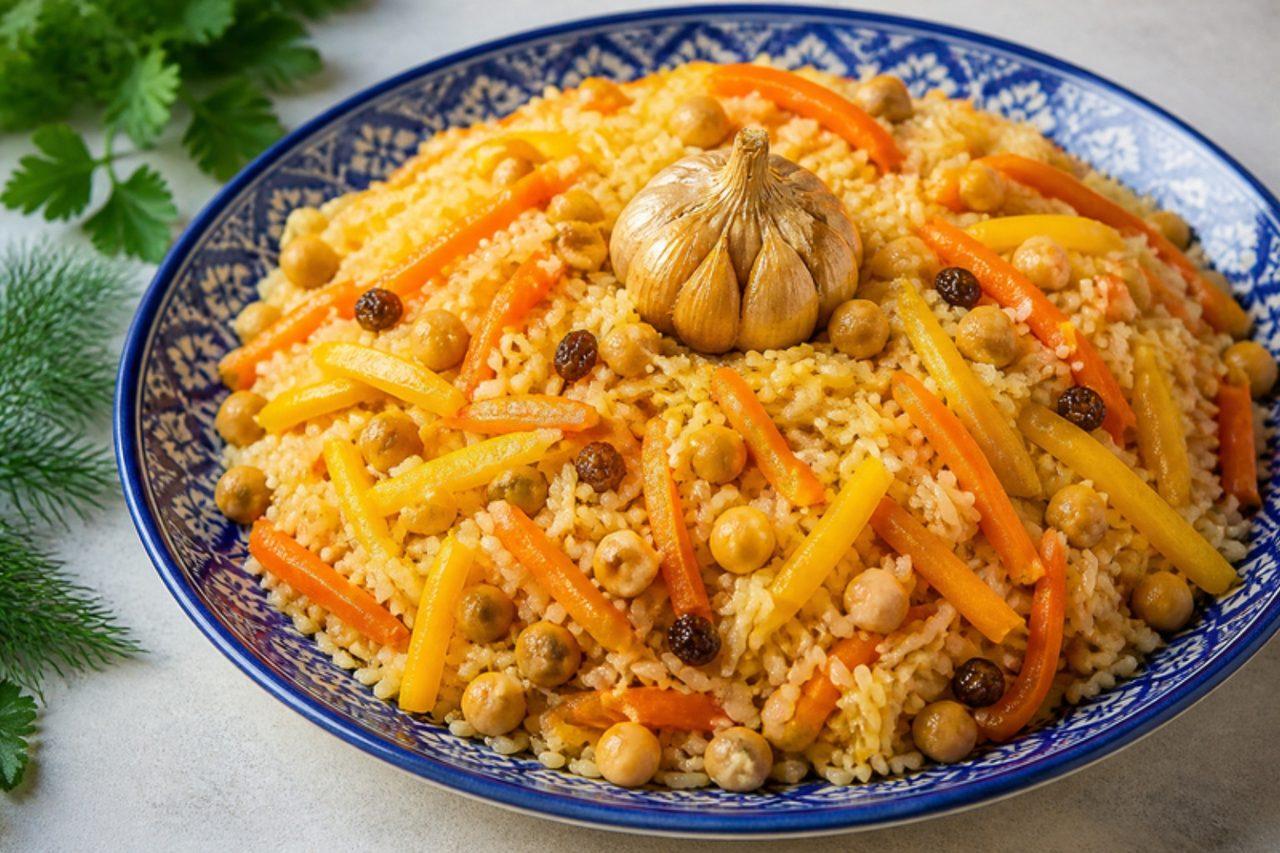
Vegetable Uzbek plovVegetable pilaf

Plov (osh) is the dish Uzbeks cook for weddings, for Friday lunch and for guests, traditionally by men over a fire in a wide cast-iron kazan. Tashkent, Samarkand and Bukhara each have their own style, but all are built the same way: a zirvak (base) of onions and long strips of carrot fried in oil, rice laid on top and steamed until every grain is separate and glossy. This vegetarian version keeps the zirvak and swaps the meat for chickpeas (nohat), whole heads of garlic and barberries, as in Samarkand's chickpea plov. For the classic meat version, lamb or beef is browned in the oil before the onions and simmered in the zirvak for 40 minutes. Serve with achichuk. Chef's tip: hunt out yellow carrots from Central Asian or Turkish grocers; they are sweeter and less watery than orange ones and give plov its honeyed colour.

by KrazyBadal 0 views

Pão de ló de OvarMolten-centred sponge cake

Pão de ló is Portugal's oldest sponge cake, made with nothing but eggs, sugar and a little flour, and every region claims its own. In Ovar, a town on the lagoon coast south of Porto, it is baked only briefly, so a thin golden crust hides a centre of barely set, glossy egg cream that oozes when cut. It is the cake for Easter, when godparents give it to their godchildren, and it is sold all year at the town's bakeries wrapped in the paper it was baked in. Eat it at room temperature with a spoon, on its own or with a glass of port. Chef's tip: whisk the eggs and sugar for a full 12–15 minutes until the mixture is very thick and white; that air is the only thing that lifts the cake.

by KrazyBadal 0 views

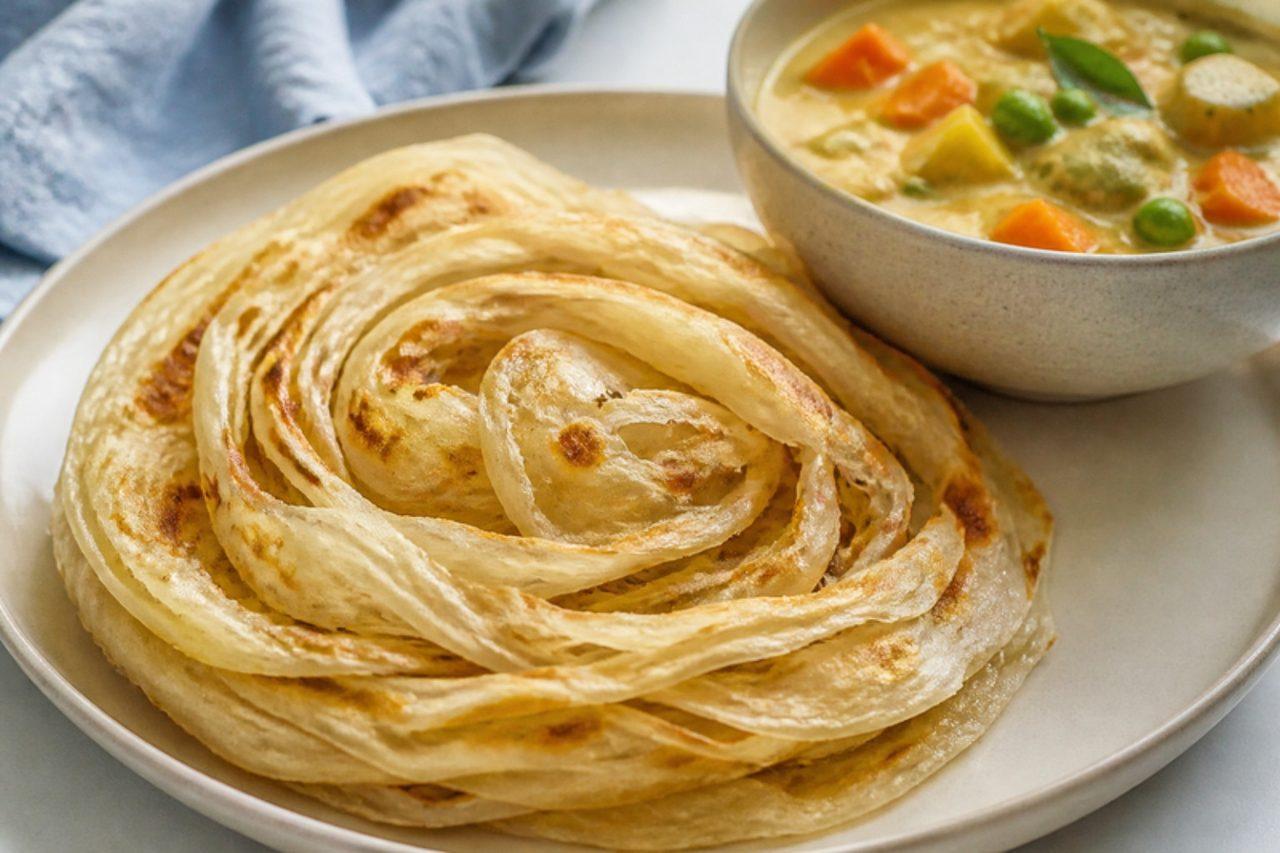
Malabar parottaLayered flatbread

Malabar parotta came from the hotels and tea stalls of Malabar in north Kerala and is now made all over the state, where parotta men slap and stretch dough on oiled marble counters late into the night. The soft dough is stretched paper-thin, pleated, coiled like a snail and griddled, then clapped between the hands so the layers pull apart into flaky ribbons. Eat it torn into vegetable kurma or a spicy black chickpea curry. Chef's tip: give the dough its full rest; well-rested dough stretches thin without tearing, which makes the layers.

by KrazyBadal 0 views

Makrout el louzIced almond diamonds

Makrout el louz are the elegant almond sweets of Algiers and Constantine, piled on silver trays for weddings, Eid and engagement visits. Unlike fried, date-filled makroudh, they are baked: a paste of ground almonds, sugar, egg and lemon zest is cut into diamonds, baked pale, then dipped in a light syrup and rolled in icing sugar so they look frosted. Chef's tip: bake them only until firm and barely coloured underneath; brown edges harden and stop the syrup soaking in.

by KrazyBadal 0 views

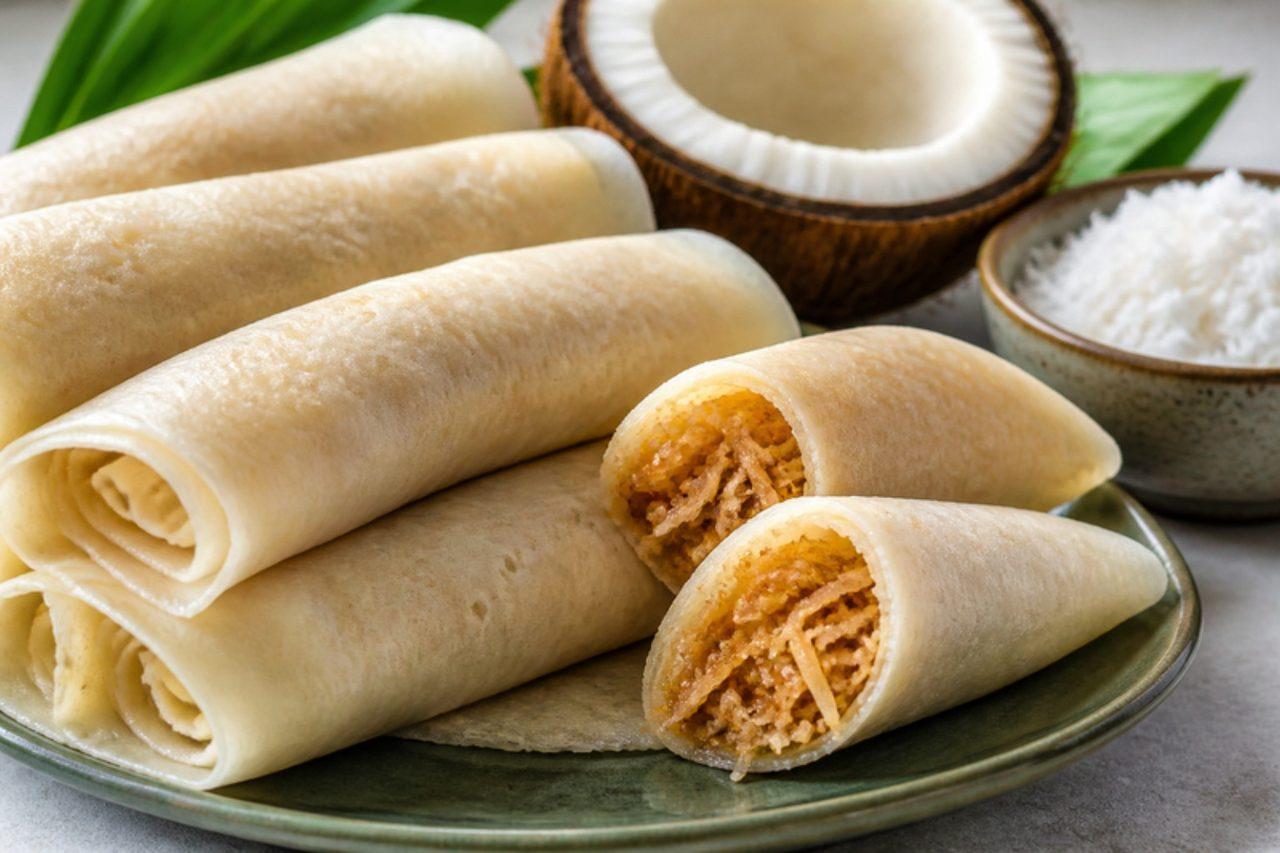
PatishaptaCoconut-filled rice crepes

Patishapta is the star of Poush Sankranti in mid-January, when Bengali homes make pithe-puli, sweets of new rice, coconut and the season's nolen gur (date-palm jaggery). A loose batter of rice flour, semolina, plain flour and milk is swirled thin on a hot pan and rolled round a sticky filling of coconut cooked with jaggery and cardamom. The crêpe should be soft and pale, never crisp. Chef's tip: keep the heat low and grease the pan only lightly with a cut potato dipped in ghee, which spreads a film rather than a pool.

by KrazyBadal 0 views

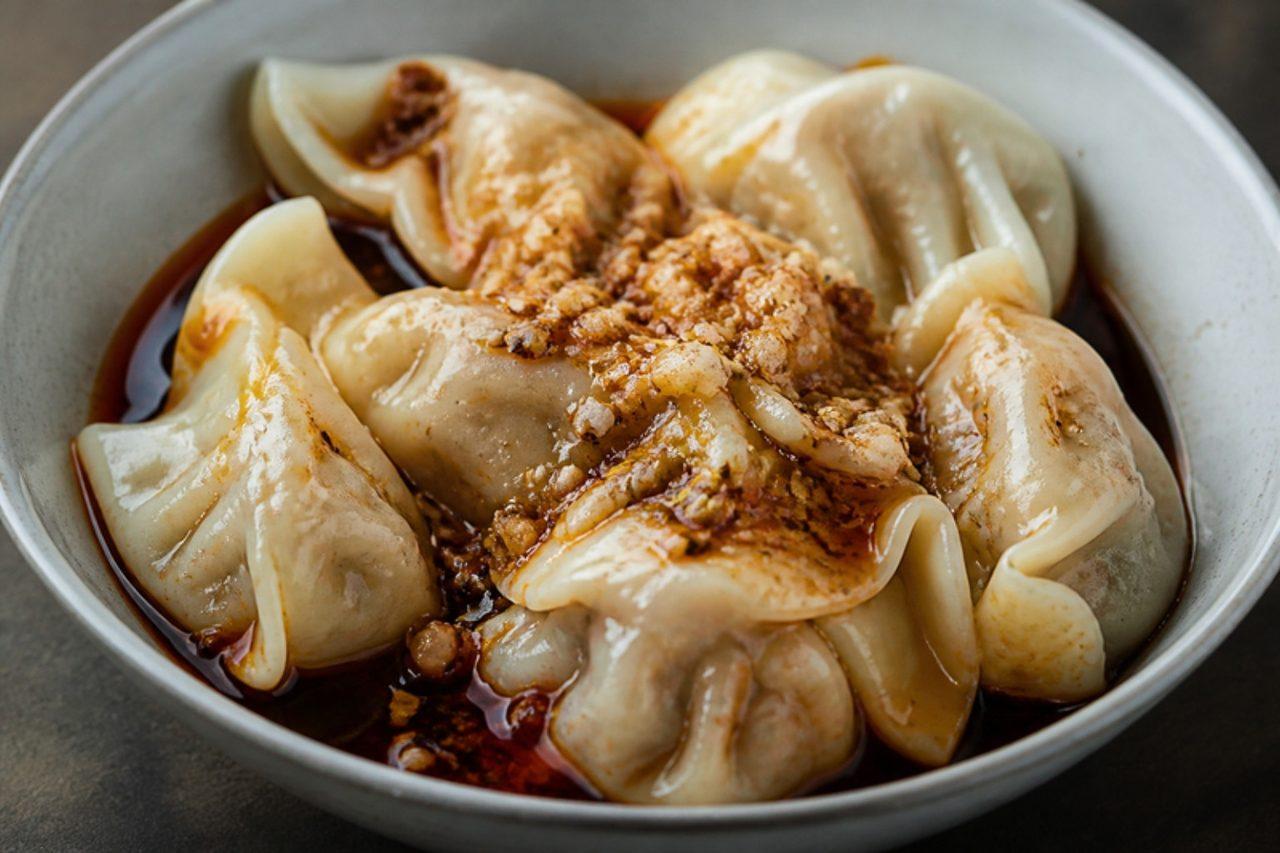
Zhong dumplingsPork dumplings in chilli oil

A snack shop opened by a Mr Zhong in Chengdu in the 1890s still serves these little half-moon dumplings, and every teahouse snack menu in the city has a version. Unlike northern dumplings, they hold only pork, no cabbage or chives, so the filling is soft, juicy and gingery. The magic is the sauce: a spiced, syrupy soy sauce simmered with brown sugar, star anise and cinnamon, spooned over with fiery chilli oil and a punch of raw garlic, so each bite is sweet, salty, hot and pungent at once. Eat them as an afternoon snack or a starter before noodles. Chef's tip: make the sweet soy sauce first; it keeps in the fridge for a month and is just as good on noodles or a plate of greens.

by KrazyBadal 0 views

ZhugGreen chilli and coriander sauce

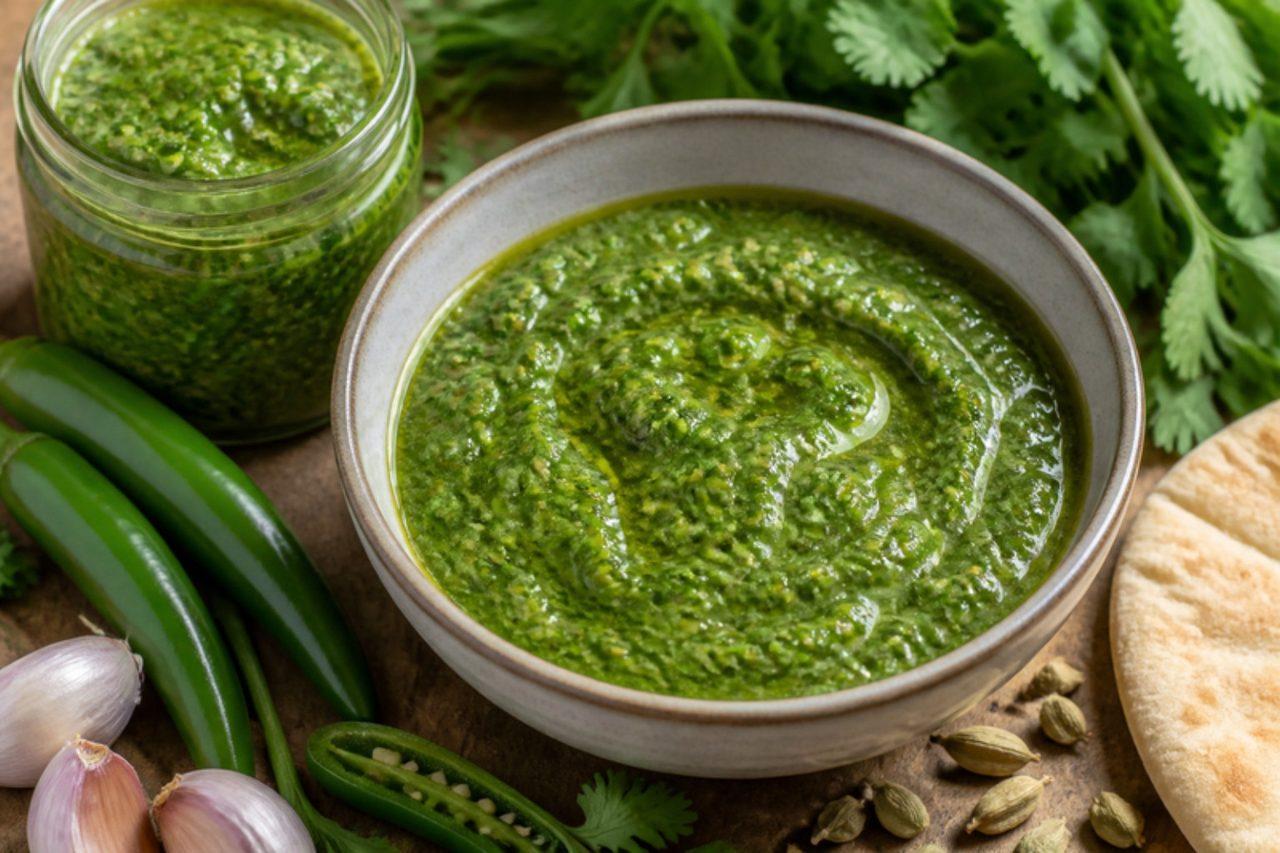
Zhug is the sauce Yemenite Jews brought to Israel, and now it sits beside the tahini and amba at every falafel and sabich stand in Tel Aviv and Jerusalem. Fresh green chillies are ground with a big bunch of coriander, garlic, cumin and cardamom into a bright green, punchy relish with a slow, warming heat. Spoon a little into soup, onto eggs, over jachnun or into a pita. Chef's tip: dry the herbs thoroughly after washing; wet leaves make a watery zhug that goes brown in the fridge.

by KrazyBadal 0 views

Patodi rassaGram flour squares in spicy gravy

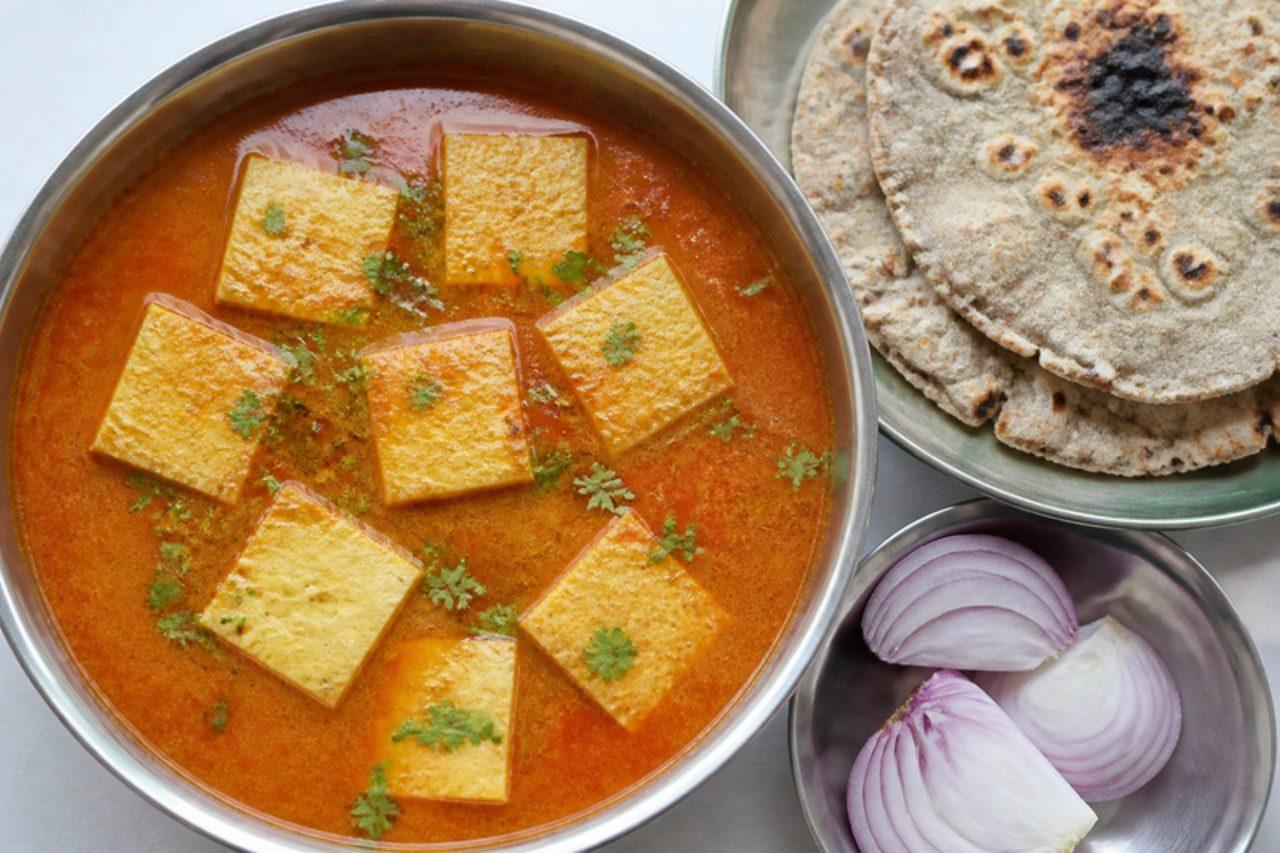
Patodi rassa (also called patwadi rassa) comes from the dry, hot districts of Vidarbha around Nagpur and Amravati, where gram flour often takes the place of vegetables. Gram flour is cooked thick like a polenta, spread on a plate, scattered with coconut, sesame and poppy seeds and cut into squares. Just before eating, the squares go into bowls and a spicy, thin rassa of roasted onion and dry coconut is poured over them so they soak it up. It's a dish for a Sunday lunch or a wedding feast in the region, served with jowar bhakri or chapatis and rice. Chef's tip: pour the rassa over the patodi at the table, not in the pot; simmered together, the squares fall apart.

by KrazyBadal 0 views

PatoleoRice dumplings in turmeric leaves

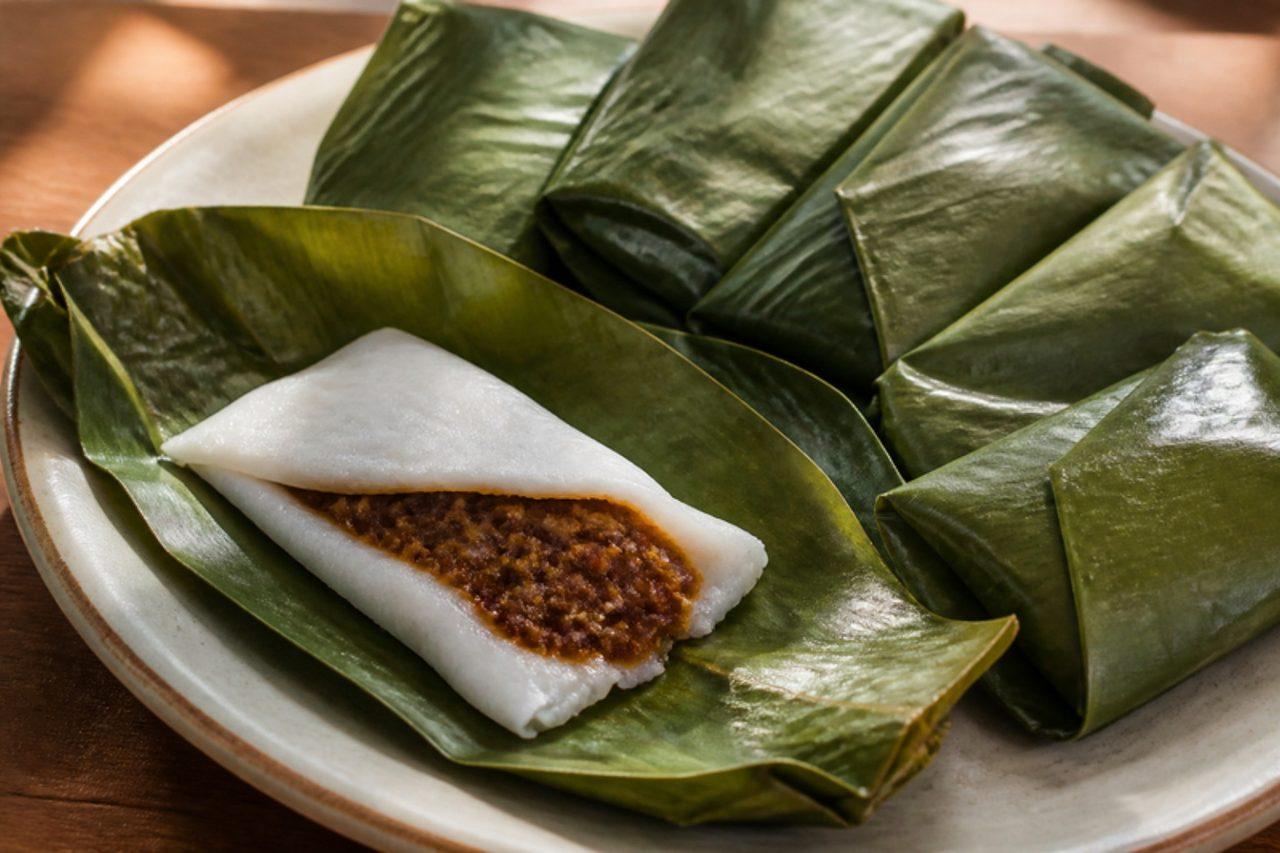
In August, when the monsoon makes turmeric leaves grow tall in Goan backyards, families make patoleo. Catholic households steam them for the Feast of the Assumption on 15 August, and Hindu families make the same sweet, called patoli, for Nag Panchami and Ganesh Chaturthi. A thin layer of rice paste is spread on a turmeric leaf, filled with fresh coconut and dark Goan jaggery, folded and steamed. The leaf leaves a sweet, gingery perfume on the rice that nothing else can copy, so look for fresh turmeric leaves in Indian grocers; banana leaves are a fair substitute. Chef's tip: spread the rice paste as thin as you can while still covering the leaf; thick patoleo are stodgy and the filling gets lost.

by KrazyBadal 0 views

MakroudhDate-filled semolina pastries

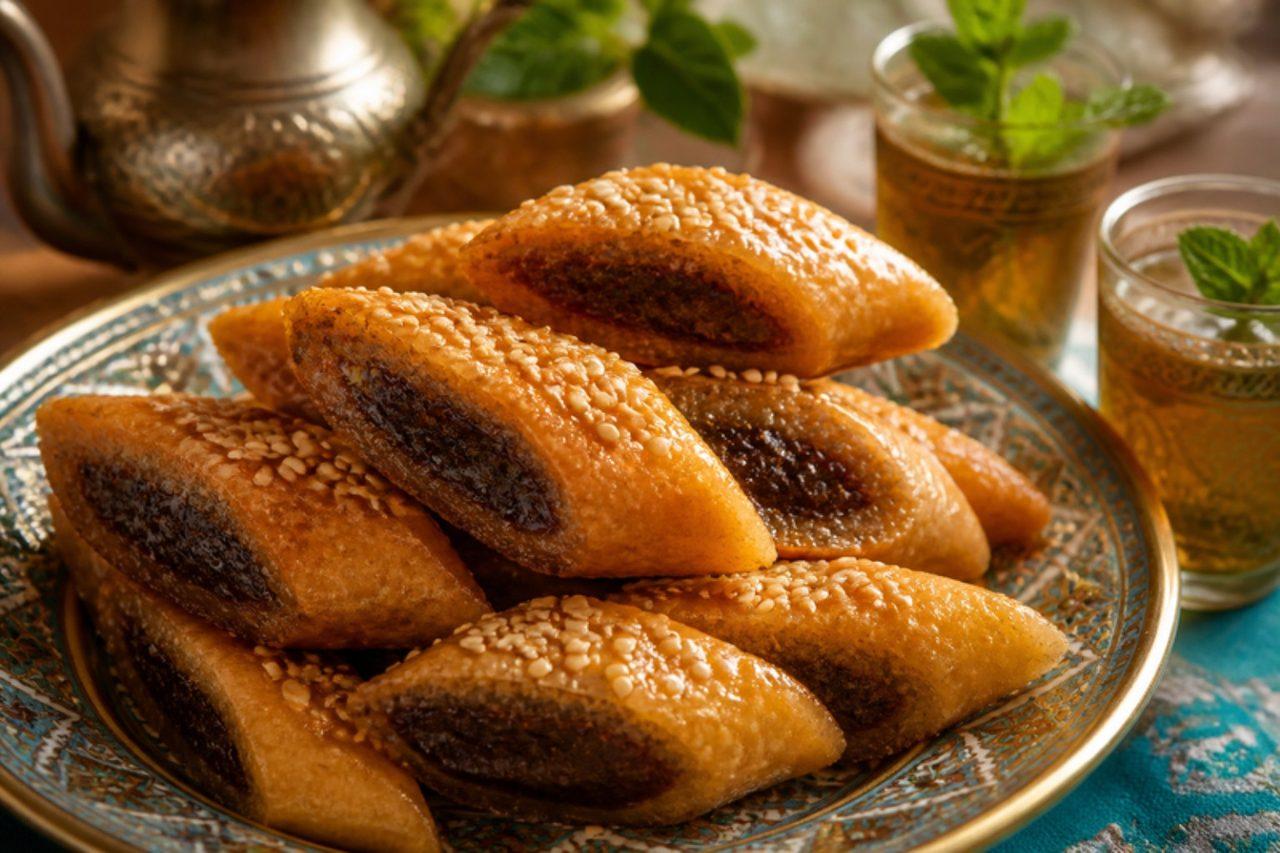
Makroudh is the sweet that Kairouan is famous for; the old holy city in central Tunisia sells it in boxes from shops around the medina, and it is made at home for Eid and weddings across the country. A soft dough of semolina and olive oil is wrapped around a roll of date paste scented with cinnamon and orange blossom, cut into diamonds, fried and dipped in syrup. Chef's tip: rest the semolina dough for an hour after mixing; the grains need time to drink the oil and water, or the makroudh cracks in the oil.

by KrazyBadal 0 views

MakowiecPoppy seed roll

Makowiec is the poppy seed roll that sits on almost every Polish Christmas Eve and Easter table; in Silesia and Lesser Poland poppy seeds stand for plenty in the year ahead. A soft, buttery yeast dough is rolled around a thick, black, honey-sweet filling of ground poppy seeds with raisins, walnuts and candied orange peel, then baked and glazed so each slice shows a tight spiral. It takes time, but the process is calm and the roll keeps for days. Chef's tip: grind the soaked poppy seeds two or three times, until they look grey and pasty; whole or once-ground seeds give a gritty filling that falls out of the slices.

135 minPolishBaking
by KrazyBadal 0 views

WaakyeRice and black-eyed beans

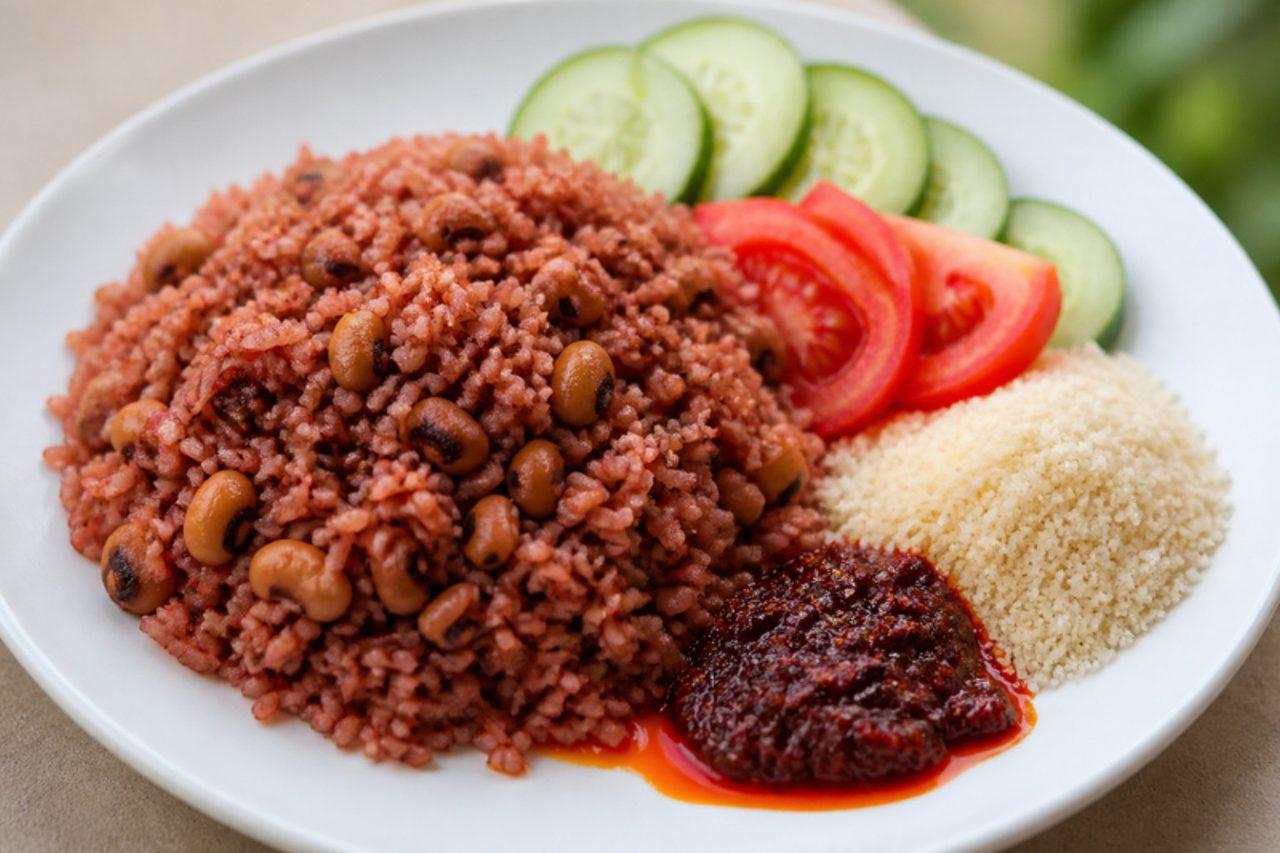
Waakye (say 'waa-chay') came south from the Hausa communities of northern Ghana and is now Accra's favourite breakfast and lunch, sold from big pots wrapped in leaves at roadside stalls before most offices open. Rice and black-eyed beans are cooked together with dried sorghum leaf stalks (waakye leaves), which dye the pot a deep reddish brown and add a faint earthy note. A full plate comes loaded with shito, gari, spaghetti (talia), salad and fried plantain. Chef's tip: cook the beans almost soft before the rice goes in; beans and rice finishing together is the whole trick.

by KrazyBadal 0 views

Pazham poriBanana fritters

Pazham pori is what the glass cases of Kerala's roadside tea shops are full of at four in the afternoon: long slices of ripe nendran banana dipped in a sweet batter and fried in coconut oil until puffed and golden. Bite through the crisp, slightly chewy coat and the banana inside is soft, hot and honeyed. People eat them standing at the counter with a glass of frothy, milky chaya, or carry a paper parcel home for the family. Chef's tip: wait until the nendran skins are mostly black; the banana must be fully ripe to turn creamy when fried.

by KrazyBadal 0 views

Kacchi biryaniRaw-marinated mutton biryani

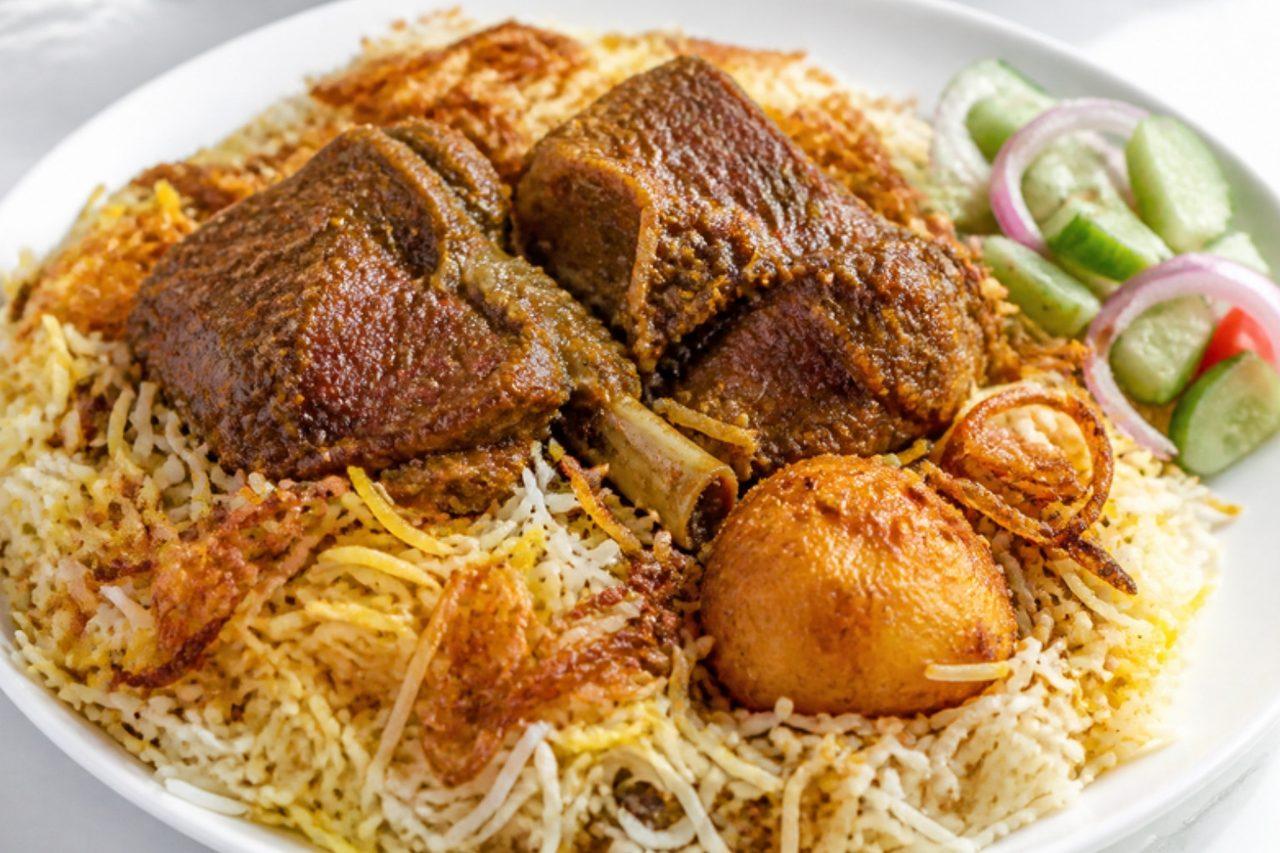
Kacchi biryani is the wedding dish of Old Dhaka: at every Bangladeshi biye the huge copper pots come out, and the lanes around Nazira Bazar are famous for it. 'Kacchi' means raw: the mutton goes into the pot uncooked, marinated in yogurt and spices, under a layer of half-cooked aromatic rice and fried potatoes, and everything steams together for over an hour so the meat juices cook the rice. Serve it with borhani, the spiced yogurt drink, and a salad of sliced cucumber and onion. The common mistake is under-marinating or using lean meat cut too large; small pieces of shoulder with some fat, marinated overnight in the fridge, cook through in time. Chef's tip: seal the lid with a rope of dough; if no steam escapes, the meat at the bottom becomes tender without you ever opening the pot.

by KrazyBadal 0 views

PebreCoriander and tomato relish

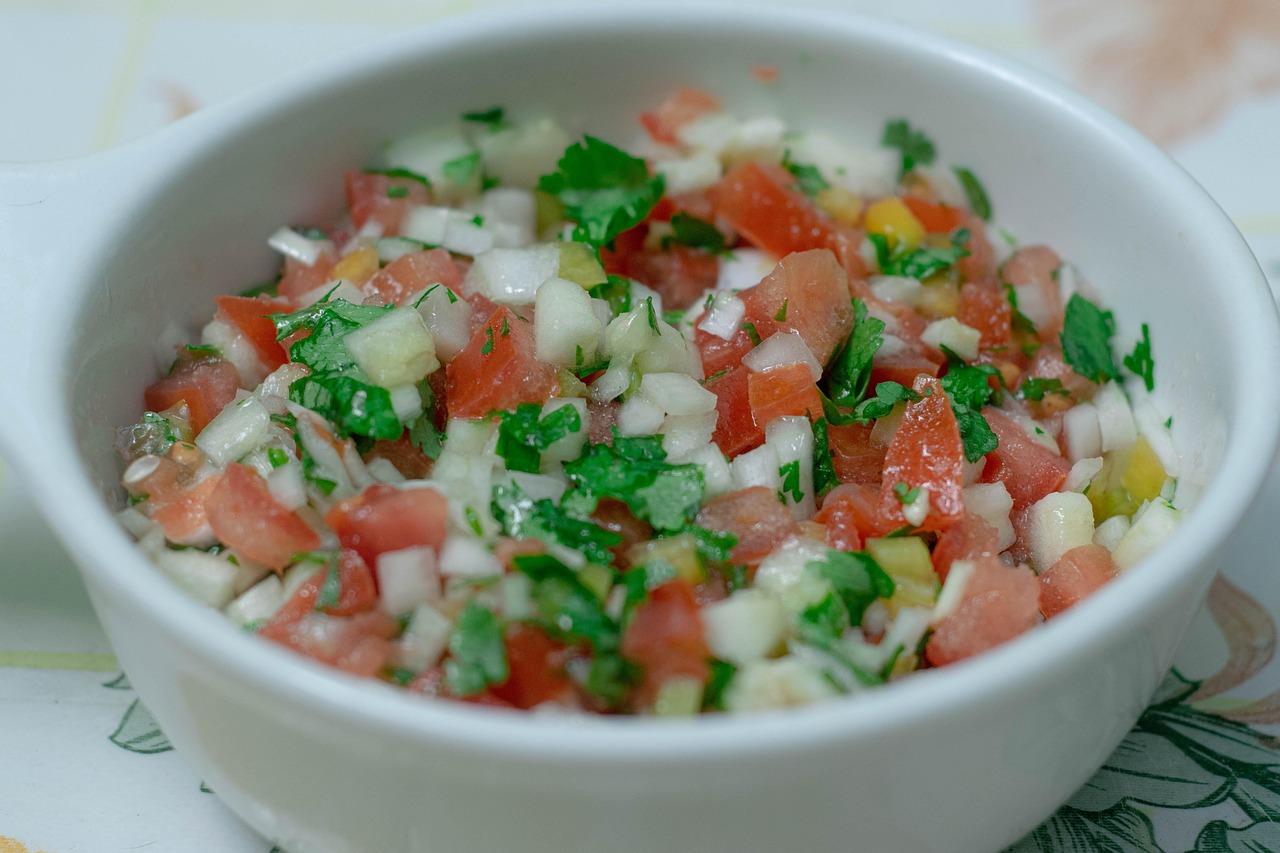
Every Chilean asado and every basket of warm bread in a picada (simple eatery) comes with pebre: a fresh relish of finely chopped coriander, onion, tomato and ají verde (green chilli) loosened with oil and a splash of vinegar. In Santiago it's spooned on marraqueta bread while waiting for the grill, and on sopaipillas in winter. It's more herb-heavy and oilier than Mexican pico de gallo. Chef's tip: rinse the chopped onion in cold water and drain it well; it takes away the harsh bite without losing crunch.

by KrazyBadal 0 views

PecelBlanched greens in peanut sauce

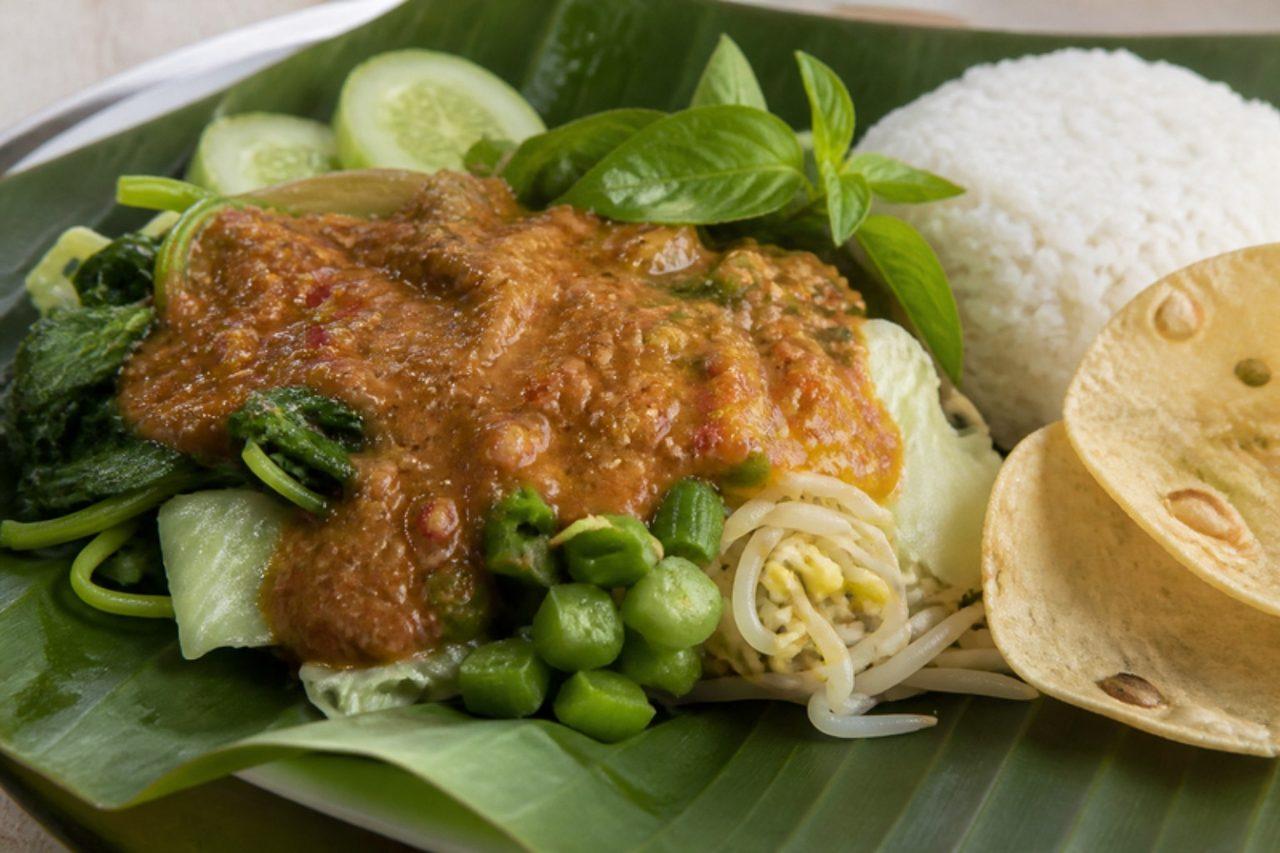
Madiun, in East Java, calls itself the home of nasi pecel, and its stalls serve it from early morning on banana leaf: rice under a heap of blanched spinach, bean sprouts, long beans and cabbage, drowned in a peanut sauce that's thinner, hotter and more herbal than gado-gado's. The difference is kencur, an earthy, camphor-scented root that gives pecel its signature smell, and lime leaf pounded into the paste. A crisp peanut rempeyek cracker is broken on top. Chef's tip: make a block of pecel paste ahead and dissolve just what you need in hot water each time — that's how East Javanese households do it, and it keeps for weeks in the fridge.

by KrazyBadal 0 views

MakguksuCold buckwheat noodles

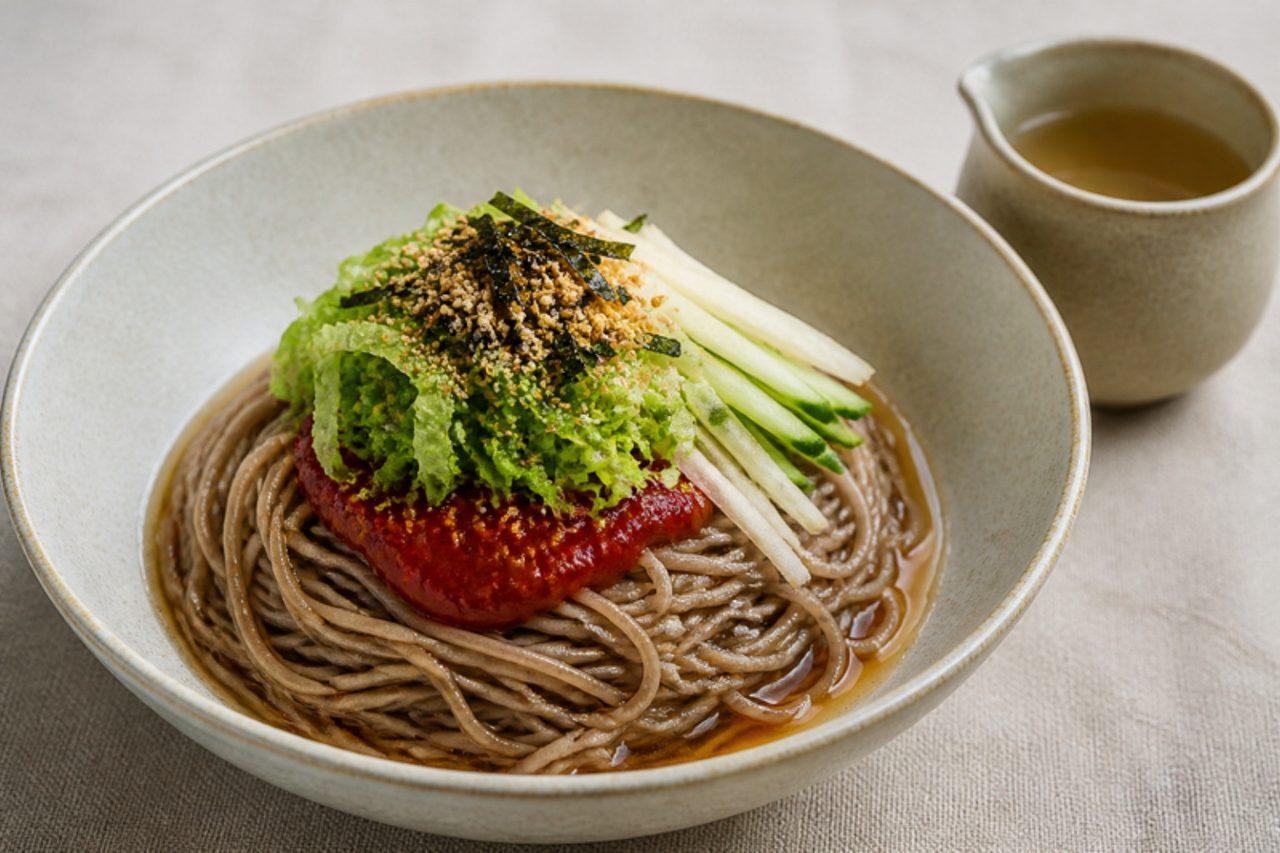
Chuncheon, the lake city in Gangwon, is famous for two things: spicy grilled chicken and makguksu (막국수), coarse buckwheat noodles served icy cold. The name roughly means 'roughly made noodles', and the dish started as simple farm food in a region where buckwheat grew better than rice. In summer, makguksu houses serve it in a sweet, sour and spicy dressing with crunchy cucumber, sweet pear and sesame, often with a jug of chilled broth on the side to pour in halfway. This one is dressed with gochujang, vinegar and pear, and a cold kelp broth. Chef's tip: rinse the cooked noodles under cold running water and rub them between your hands until the water runs clear, then chill them in iced water; that washes off the starch and gives them their springy bite.

by KrazyBadal 0 views

PehakFermented soybean and chilli chutney

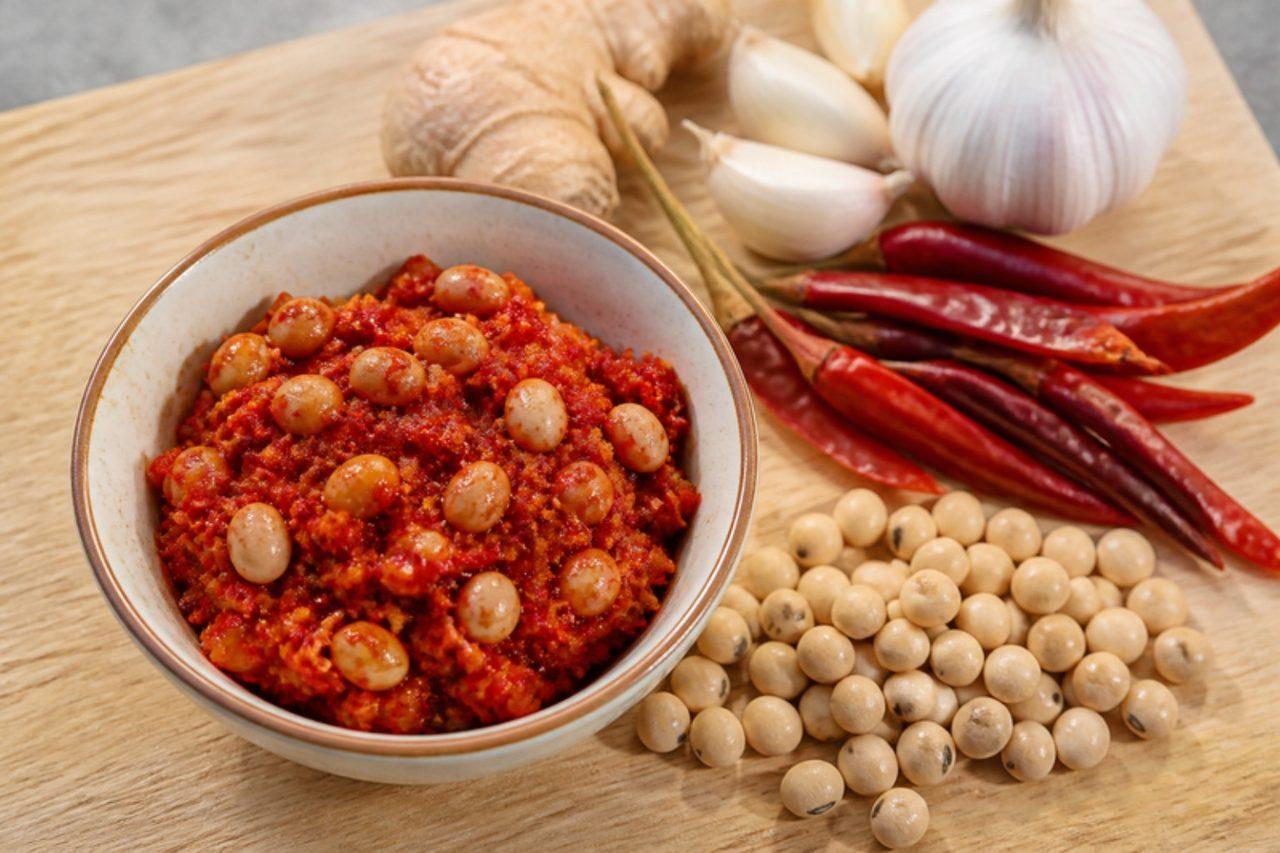
Pehak is the Apatani chutney of the Ziro valley in Arunachal Pradesh: fermented soybean pounded with roasted chillies, ginger and salt into a thick, pungent paste. It goes with nearly every meal, a little at a time, with rice, boiled vegetables or millet. It is savoury, salty and very hot, and it keeps for weeks. Chef's tip: dry-roast the fermented soybean briefly before pounding; it mellows the sharp smell and brings out a toasty depth. Natto or Naga axone work if you can't get local soybean.

by KrazyBadal 0 views

Wahan mosdengGrilled pork salad

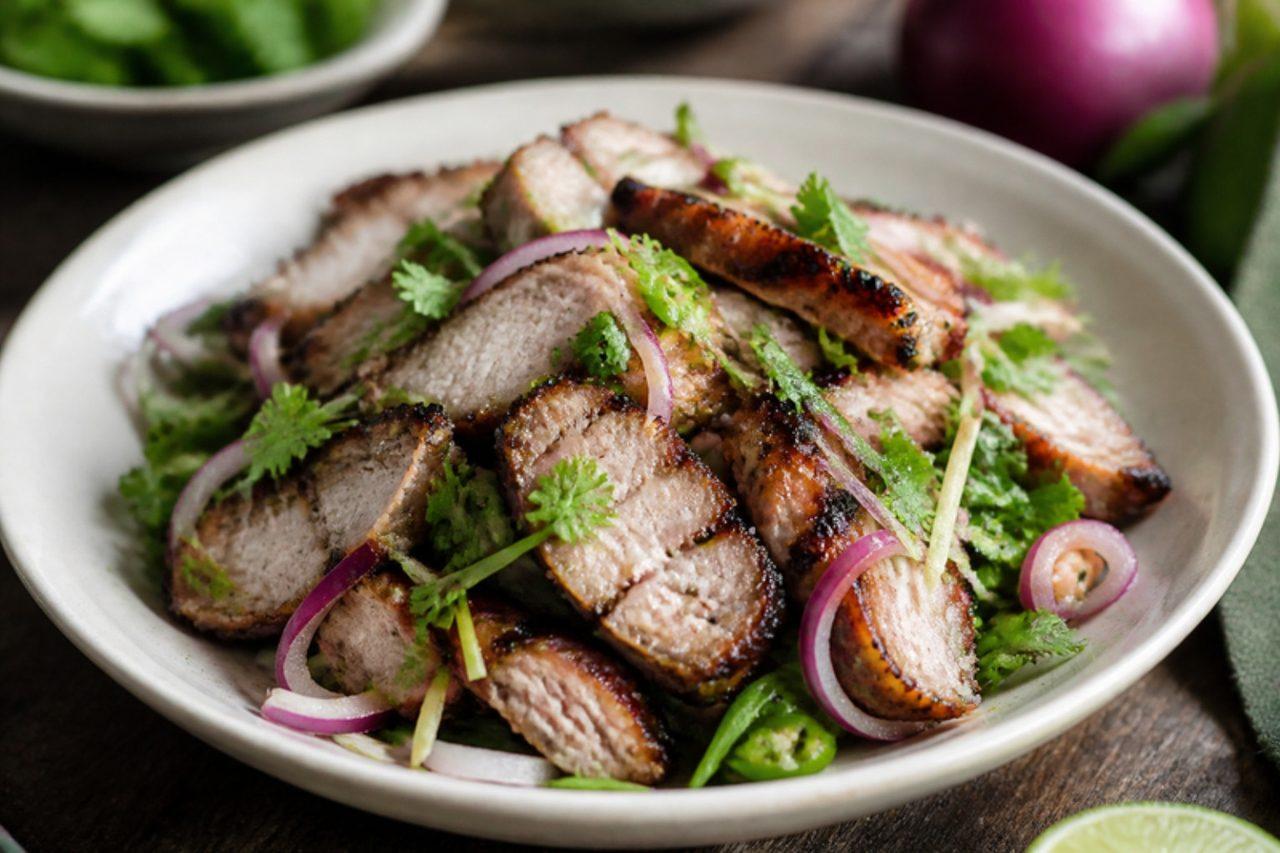
Wahan means pork and mosdeng a fiery mashed relish in Kokborok, the language of the Tripuri people of Tripura. Pork is boiled until tender, grilled over charcoal for a smoky crust, then tossed with raw onion, green chilli, ginger and coriander. In Agartala and the villages it is party and festival food, eaten during Garia Puja in April with rice beer or rice. Chef's tip: grill the boiled pork really hot and fast; you want charred edges without drying the meat.

by KrazyBadal 0 views

Majjiga pulusuButtermilk curry with ash gourd

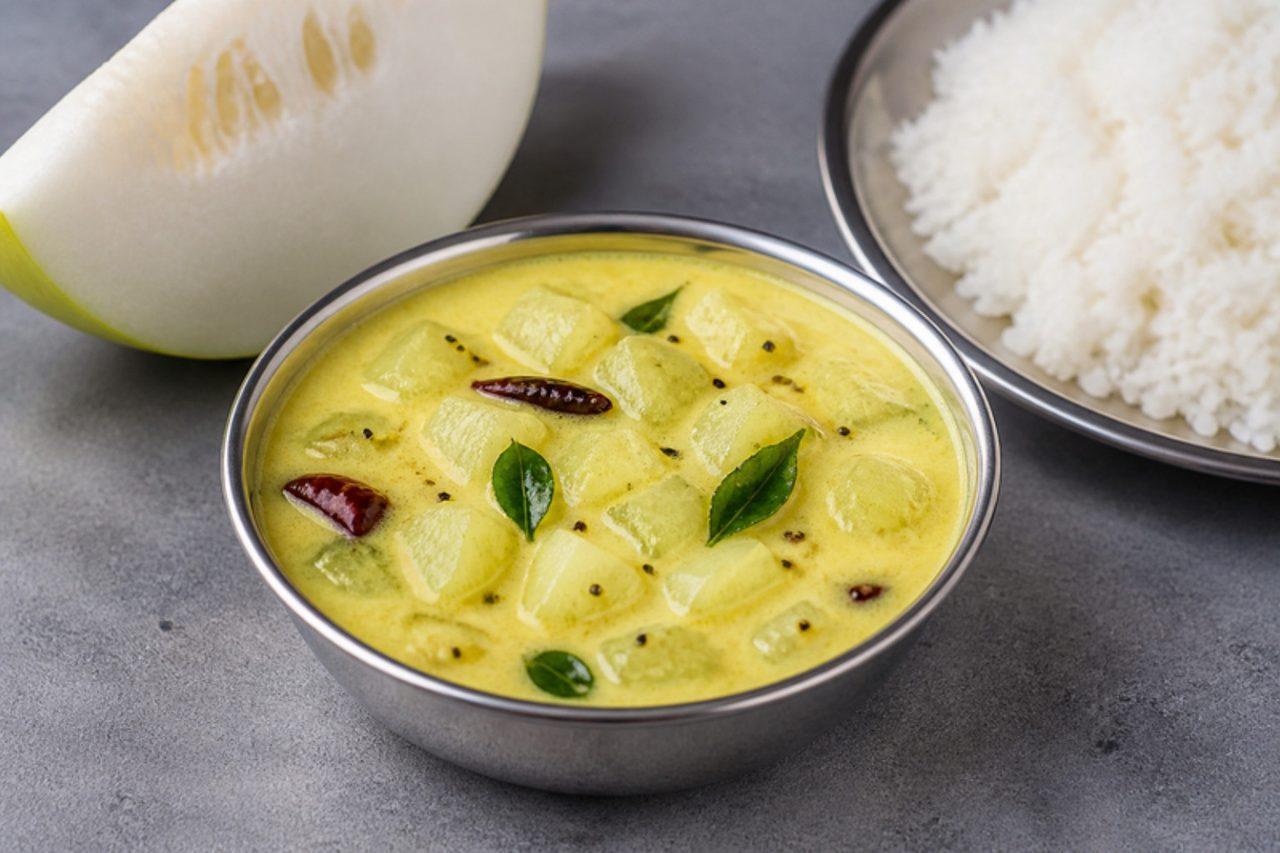
Majjiga pulusu is the cooling yogurt curry of Andhra Pradesh, cooked in summer when the buttermilk at home turns a little sour. Unlike Gujarati kadhi, it isn't thickened with gram flour: soaked chana dal is ground with coconut, ginger, green chillies and cumin, stirred into the curd, and simmered gently with soft pieces of ash gourd (or okra, or chayote). It's mild, tangy and creamy, and eaten mixed into rice with a fried vegetable or fritter on the side, especially at Telugu wedding meals. Chef's tip: whisk the yogurt until completely smooth before it goes near the heat; lumpy yogurt splits much more easily.

by KrazyBadal 0 views

Kabuli pulaoLamb pilaf with carrots and raisins

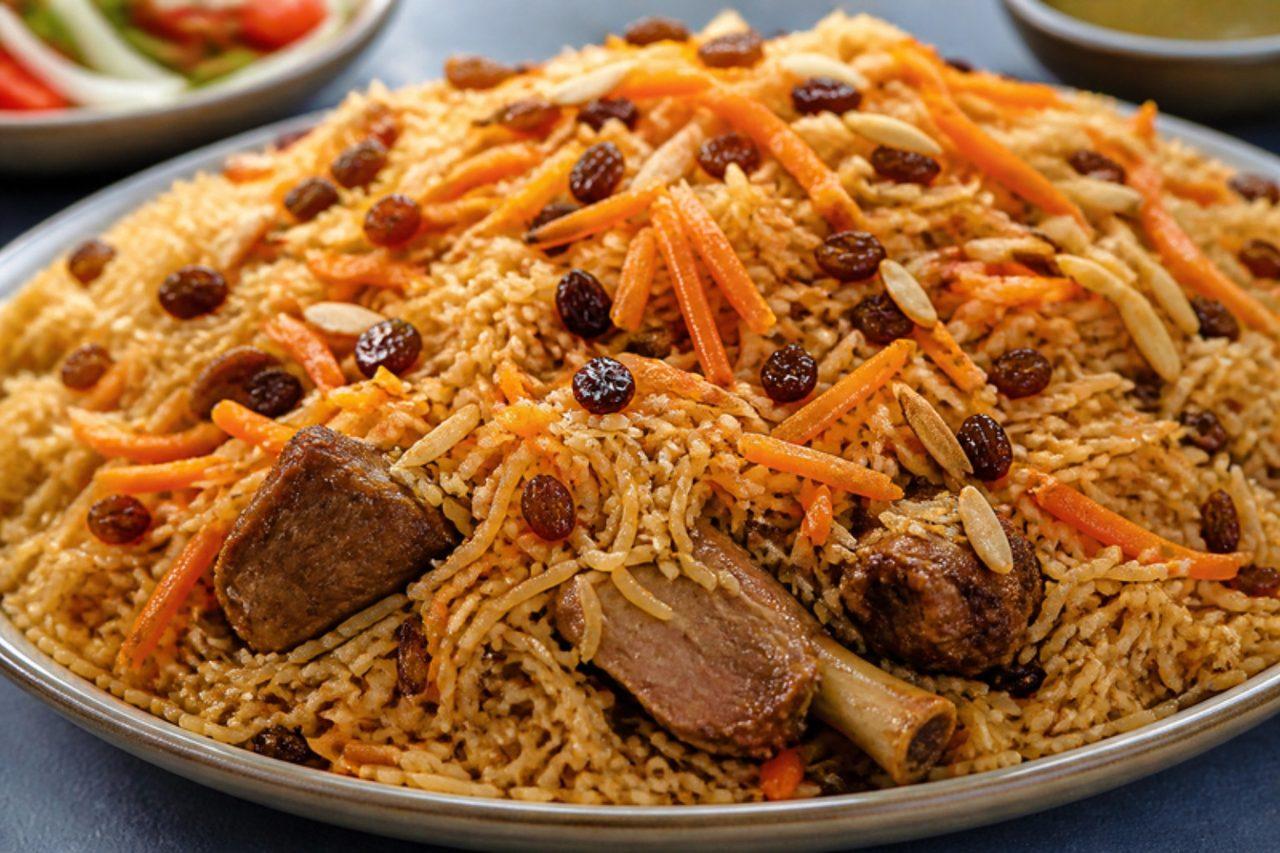
Kabuli pulao crossed the Khyber Pass from Afghanistan and is now part of everyday cooking in Peshawar and across Khyber Pakhtunkhwa, where it is the dish of honour for guests and the centre of Eid tables. Lamb on the bone is simmered into a rich stock, then rice is cooked in that stock and the meat is buried in the middle so it stays soft. On top go strips of carrot and raisins, glazed in a little sugar, and toasted almonds. It isn't spicy, just warm with cumin and cardamom. Chef's tip: caramelise a spoon of sugar in the oil before adding the stock; it gives the rice its traditional golden-brown colour.

by KrazyBadal 0 views

Kabab koobidehMinced lamb kebabs

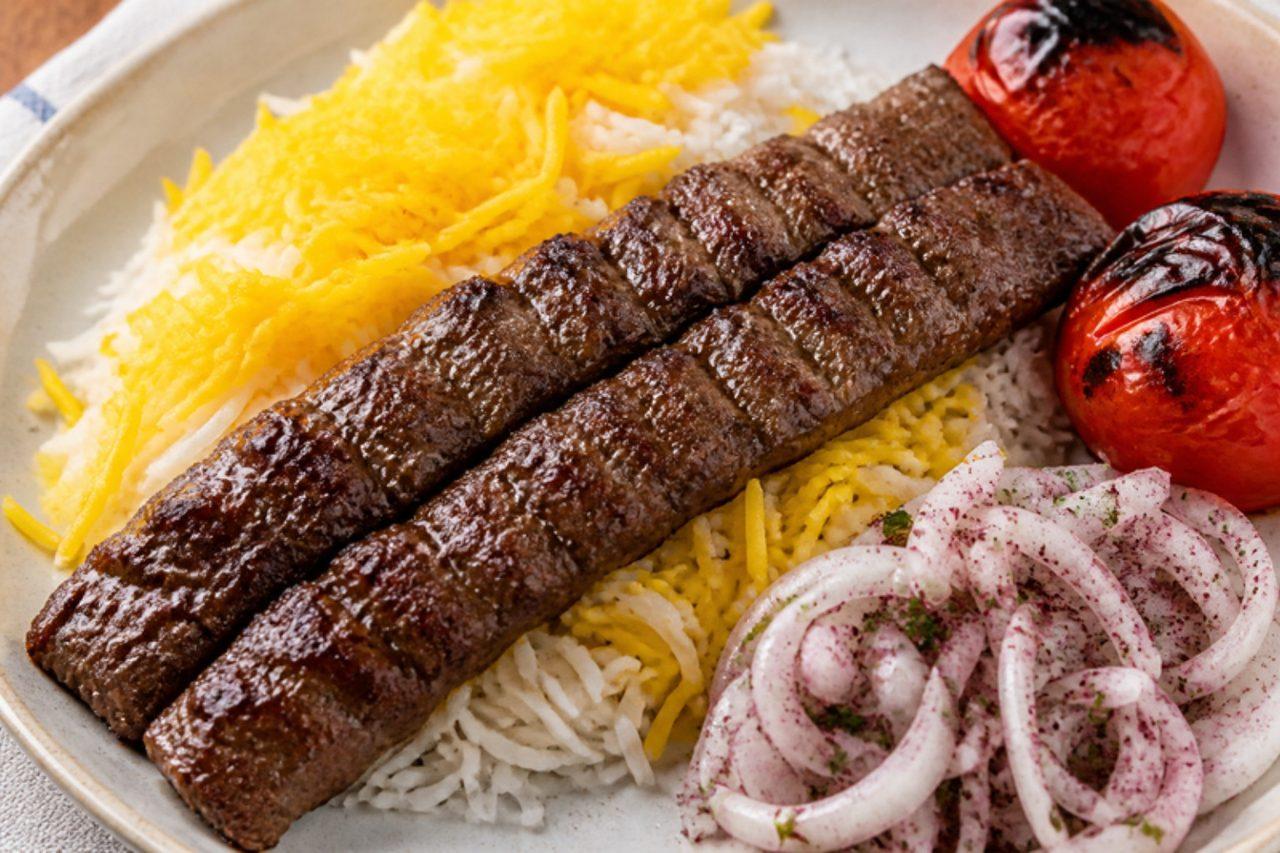
Koobideh is the kebab of Tehran's bazaar lunch houses and roadside chelo-kababis, laid on a hill of buttered rice with a raw egg yolk or a slab of butter melting into the grains. The name means 'pounded': minced lamb is kneaded with grated onion until it turns sticky and pale, then pressed by hand along wide, flat skewers and grilled hard over coals. It comes out juicy and onion-sweet, with little ridges from your fingers. Eat it with charred tomatoes, raw onion, fresh herbs and lavash on the side. Chef's tip: squeeze every drop of juice out of the grated onion; wet mince slips straight off the skewer.

by KrazyBadal 0 views

KaassouffléFried Gouda in breadcrumbs

Despite the French-sounding name, a Dutch kaassoufflé has nothing to do with a baked soufflé. It is a snack-bar classic, fried in the frituur of every cafetaria from Groningen to Maastricht: a rectangle of thin pastry wrapped around a slab of young Gouda, coated in breadcrumbs and deep-fried until the cheese inside goes molten. It is the vegetarian's answer to the kroket, eaten at lunch or on the way home from football, with a squeeze of mayonnaise or sweet chilli sauce. Chef's tip: chill the filled, breaded pockets for at least 30 minutes before frying; cold pastry and cheese stay sealed in the hot oil, while warm ones burst and leak.

by KrazyBadal 0 views

PelamushiGrape juice pudding

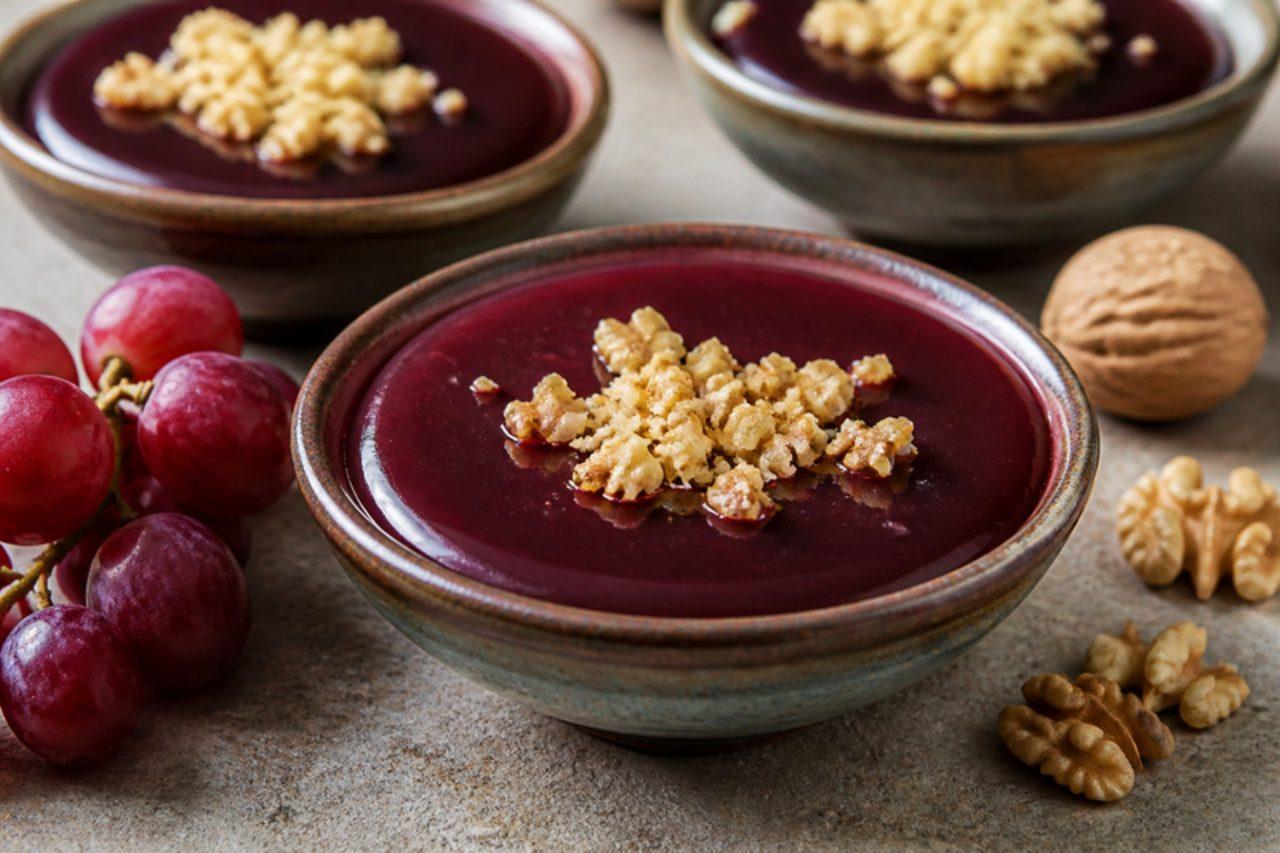
Pelamushi is the spoonable cousin of churchkhela: the same thickened grape must, tatara, poured into bowls instead of over walnuts and left to set into a soft, wobbly pudding. In Kakheti it is made in harvest season with fresh must straight from the press, and in Imereti it is often thickened with cornmeal instead of wheat flour. It is served chilled with chopped walnuts, and it is a favourite Lenten dessert because it needs no egg or dairy. A common mistake is adding the flour straight to hot juice, which makes lumps that never cook out; always mix it with cold juice first. Chef's tip: stop cooking when the pudding plops thickly from the spoon; it firms up a lot as it cools.

by KrazyBadal 0 views

Mahua ladduMahua flower balls

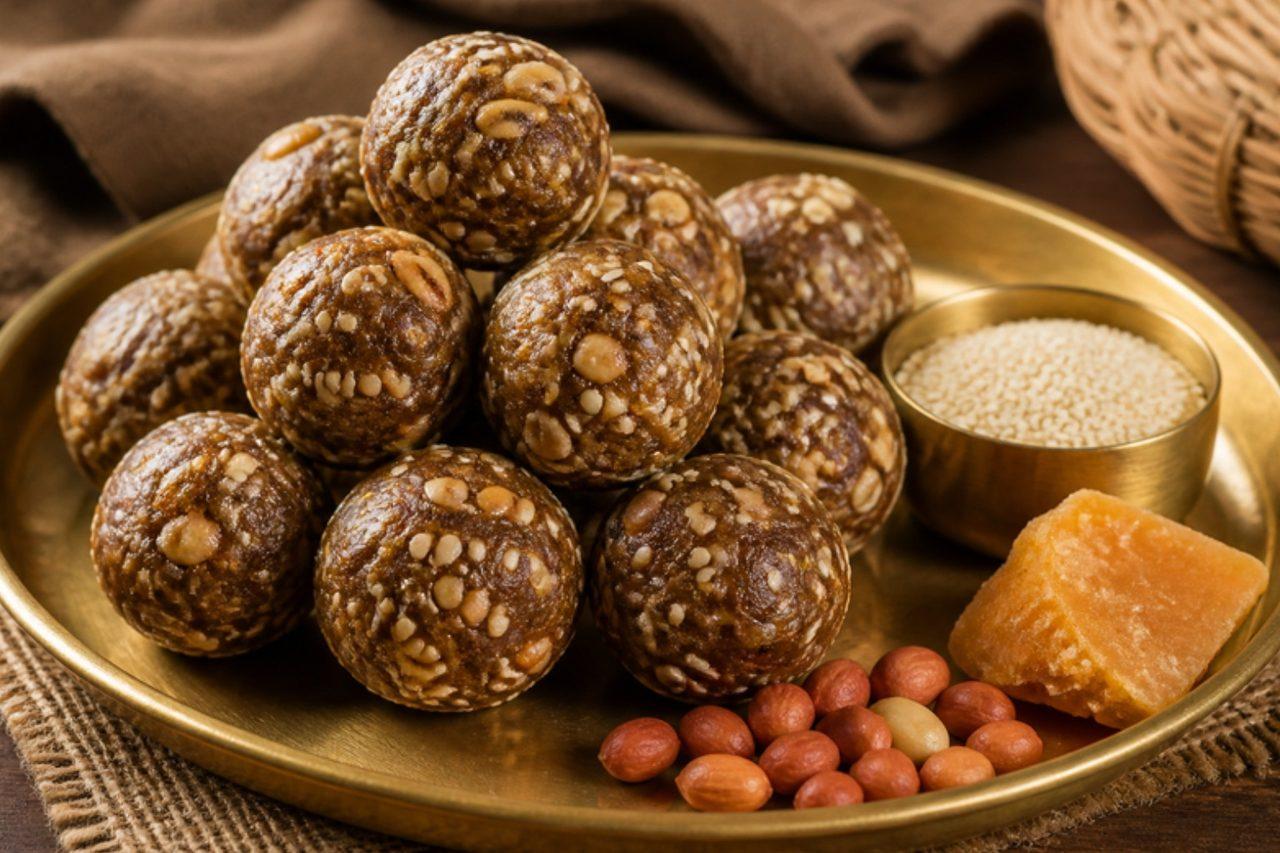
Mahua trees flower across Jharkhand in March and April, and before dawn whole families gather the fallen, creamy, honey-scented flowers from the forest floor and dry them in the sun. In Santhal, Munda and Oraon homes, the dried flowers are roasted and pounded with sesame and peanuts into laddus that need almost no added sugar, a store-cupboard sweet for the lean months and for festivals like Sarhul. They taste of raisins, caramel and toasted nuts. Chef's tip: roast the flowers until they puff slightly and smell like caramel; underroasted mahua tastes raw and slightly bitter.

by KrazyBadal 0 views

MahshiStuffed vegetables

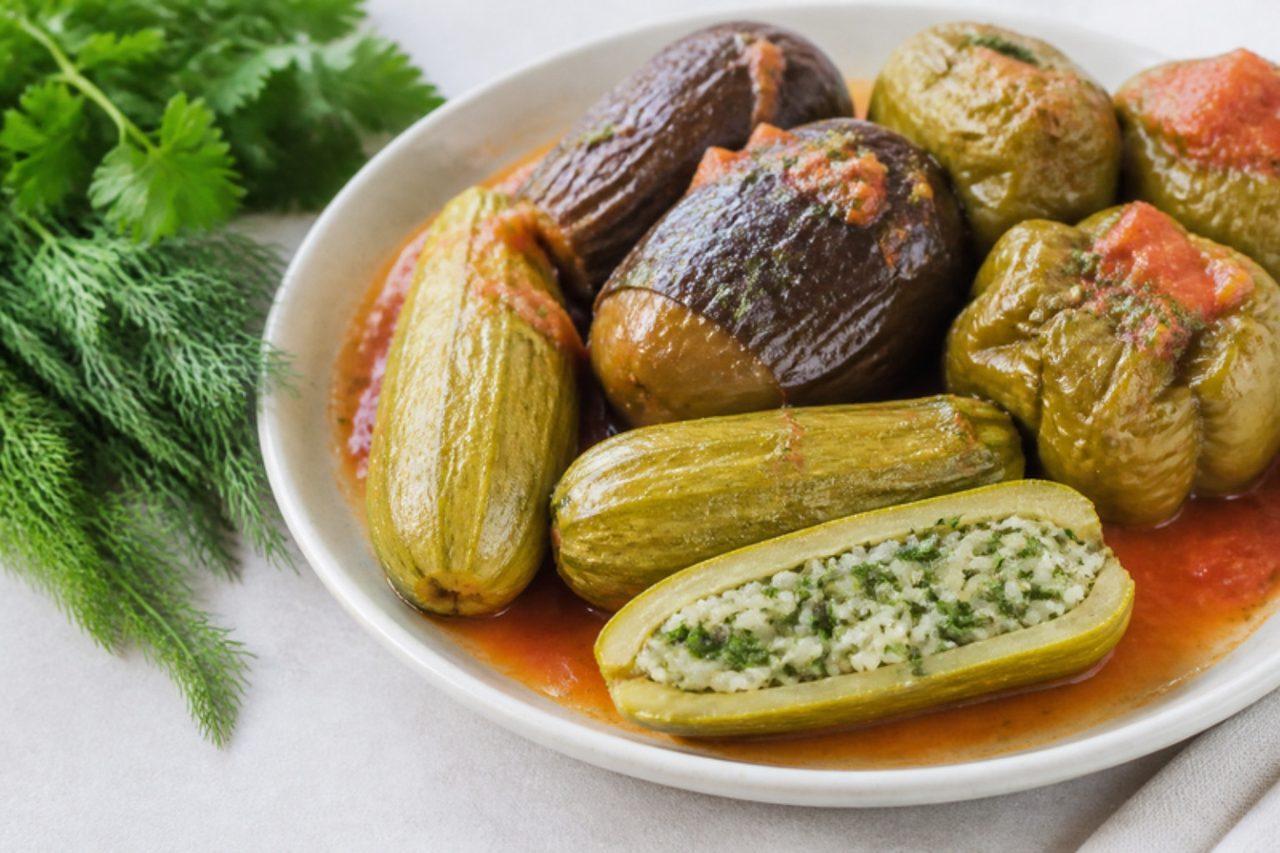
Mahshi is the pride of the Egyptian home kitchen: a big pot of courgettes, small aubergines, peppers and tomatoes, hollowed out and stuffed with short-grain rice, tomato, onion and a fistful of dill, parsley and coriander, then packed tightly and simmered in tomato broth. It turns up for Friday family lunches and on feast days, and making it is often a shared afternoon job around the kitchen table. Some families add minced meat to the stuffing; this version is the everyday vegetable-and-rice one. Chef's tip: fill each vegetable only three-quarters full; the rice swells as it cooks, and overstuffed vegetables burst and leave hard, undercooked rice in the middle.

by KrazyBadal 0 views

Jus de bouyeBaobab fruit drink

Bouye is the Wolof name for the powdery white pulp of the baobab fruit, and jus de bouye is the thick, creamy-tart drink sold in reused bottles from coolers all over Dakar and served at every family celebration. It tastes like sherbet with a hint of pear. Most cooks now use baobab powder, which is sold in health shops as well as African grocers. Sweetened condensed milk is optional but common. Chef's tip: whisk the powder into a little water first to make a smooth paste; poured straight into a jug it forms lumps that never dissolve.

by KrazyBadal 0 views

PelmeniMeat dumplings

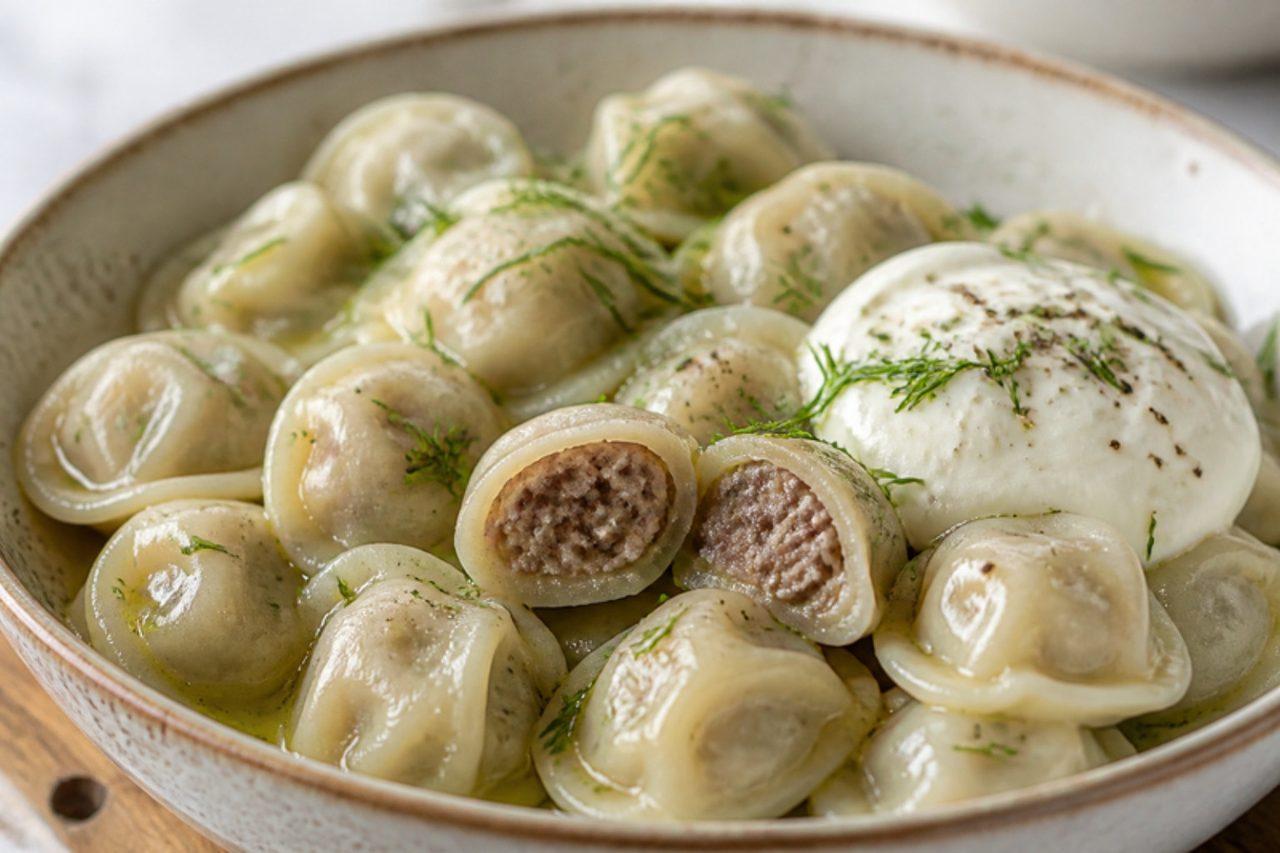
In Siberian villages whole families sat round the table before the long winter to fold hundreds of pelmeni, then froze them in sacks outside where the frost kept them for months. Today every Russian freezer holds a bag, and a bowl with butter and sour cream is a quick supper from Novosibirsk to Moscow. The little ear-shaped dumplings have a thin, springy dough wrapped round a juicy filling of pork and beef with onion; it contains pork. Unlike Ukrainian varenyky, they are always meat-filled and boiled in seasoned water or broth. The classic mistake is rolling the dough too thick, which leaves you chewing flour instead of tasting the filling; aim for 1–2 mm. Chef's tip: work a few spoons of ice-cold water into the mince; it turns to juice inside the dumpling as it cooks.

by KrazyBadal 0 views

Maharagwe ya naziRed beans in coconut milk

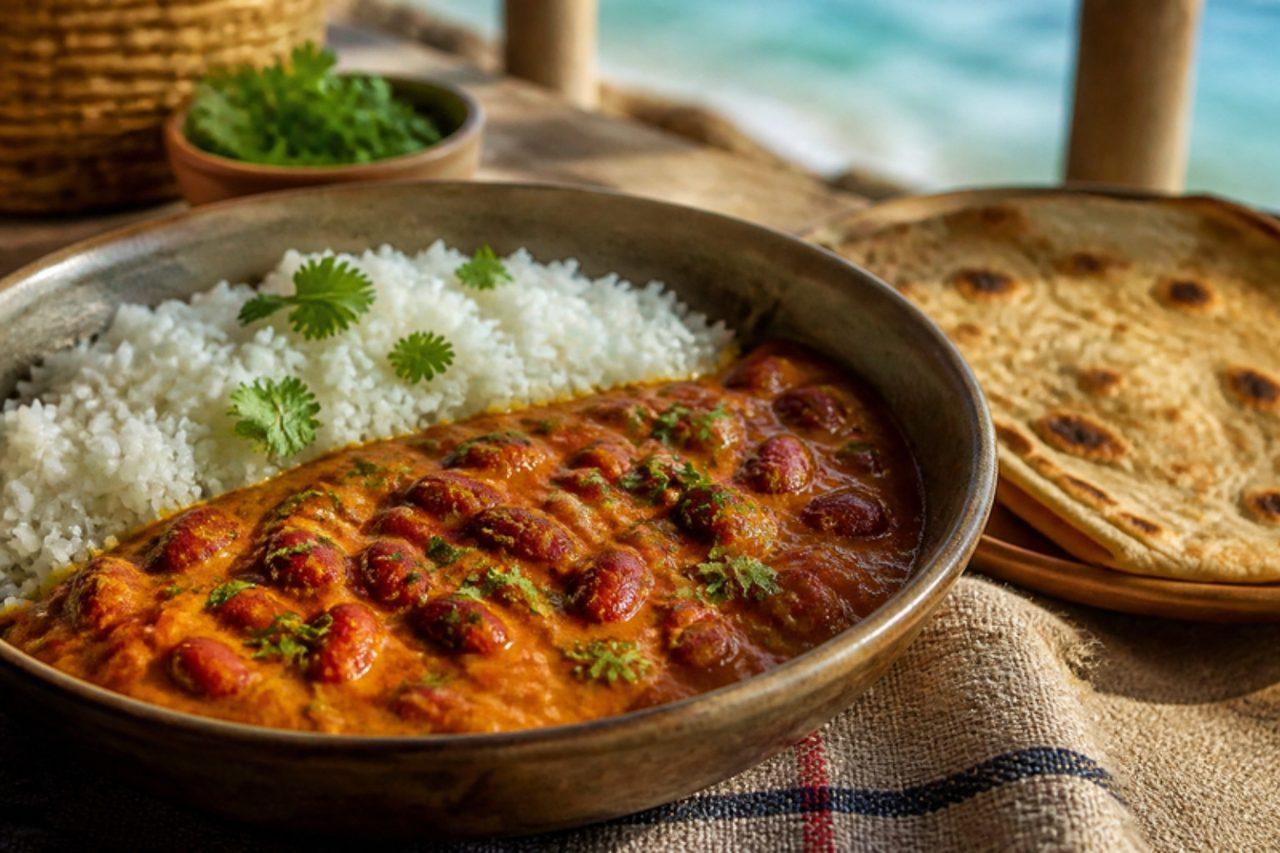
Maharagwe ya nazi, red beans in coconut, is a weekday staple along the Swahili coast from Mombasa to Dar es Salaam and on Zanzibar, eaten with chapati, rice or mandazi. The beans are cooked until creamy, then simmered in a gently spiced tomato and coconut sauce. It differs from mbaazi wa nazi (pigeon peas) in its red kidney beans and its tomato-based, curry-spiced sauce. Chef's tip: add the coconut milk at the end and keep it at a bare simmer; boiled hard, it splits and turns oily.

by KrazyBadal 0 views

PempekFish and tapioca cakes

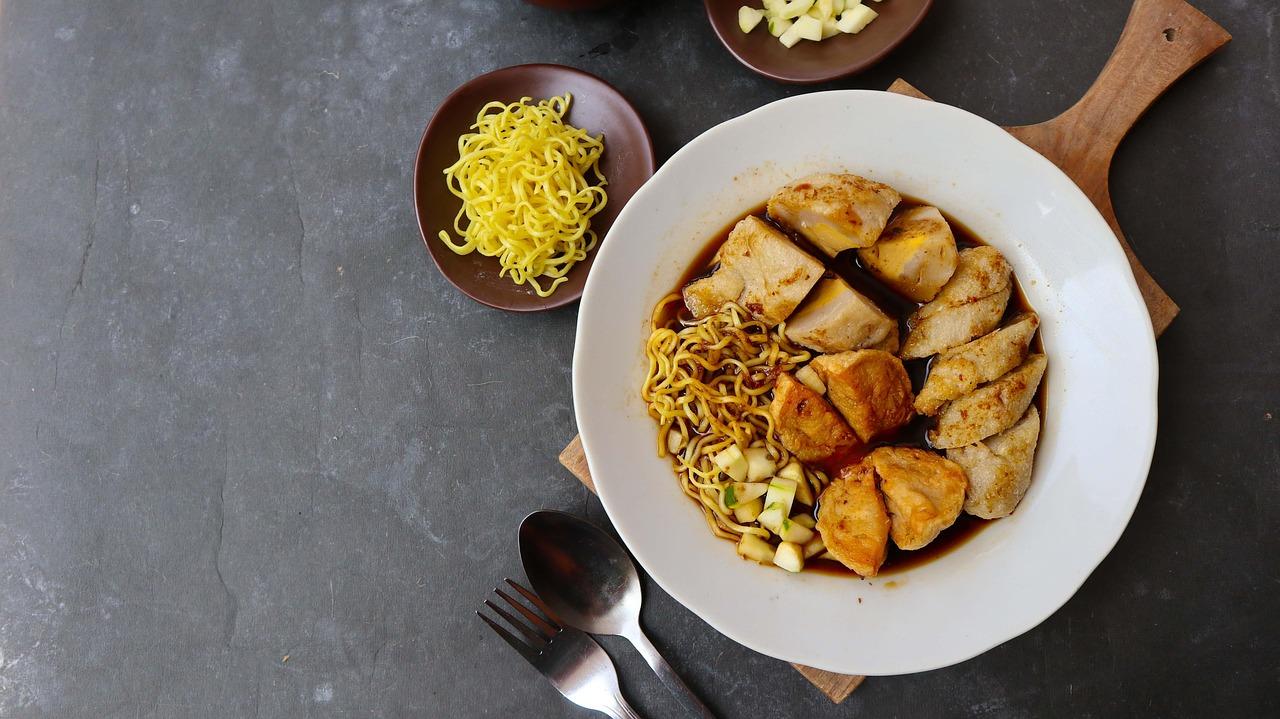
Palembang in South Sumatra is pempek country: shops line the streets selling these chewy fish cakes by the dozen, and visitors fly home with boxes of them in their luggage. Fresh fish is worked with tapioca starch into a dough, shaped into logs, poached, then sliced and fried until blistered and golden outside while staying springy within. The real star is cuko, a thin, dark, sweet-sour-hot sauce of palm sugar, tamarind, garlic and chilli that is poured over everything, ideally with diced cucumber and a few yellow noodles. People eat it any time of day as a snack, often sipping the cuko straight from the bowl. Chef's tip: make the cuko first; it tastes best after resting for an hour or more.

by KrazyBadal 0 views

Pen patatSweet potato pudding

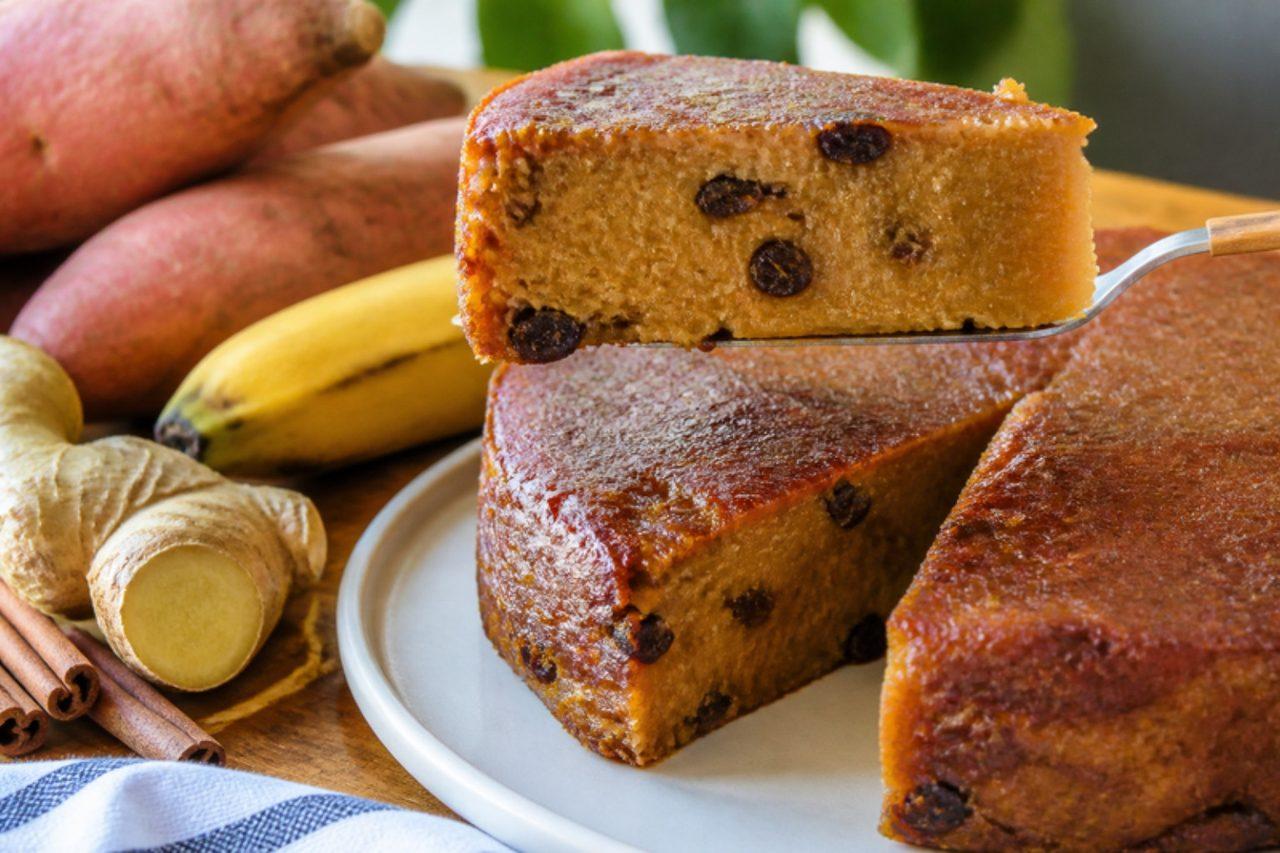
Pen patat, sweet potato 'bread', is the Haitian pudding sold in squares by street vendors and baked at home for Sunday afternoons and holidays, from the hills above Pétion-Ville to Haitian bakeries abroad. Grated white sweet potato (patat) and ripe banana are baked with coconut milk, evaporated milk, fresh ginger and warm spices until set and caramel-brown on top. It is dense, moist and fudgy, a little like a spiced cake and a little like a custard, and it's eaten warm or cold with coffee. Chef's tip: grate the sweet potato finely on the small holes; coarse shreds stay stringy, fine ones melt into a smooth pudding.

by KrazyBadal 0 views

Penang asam laksaSour fish noodle soup

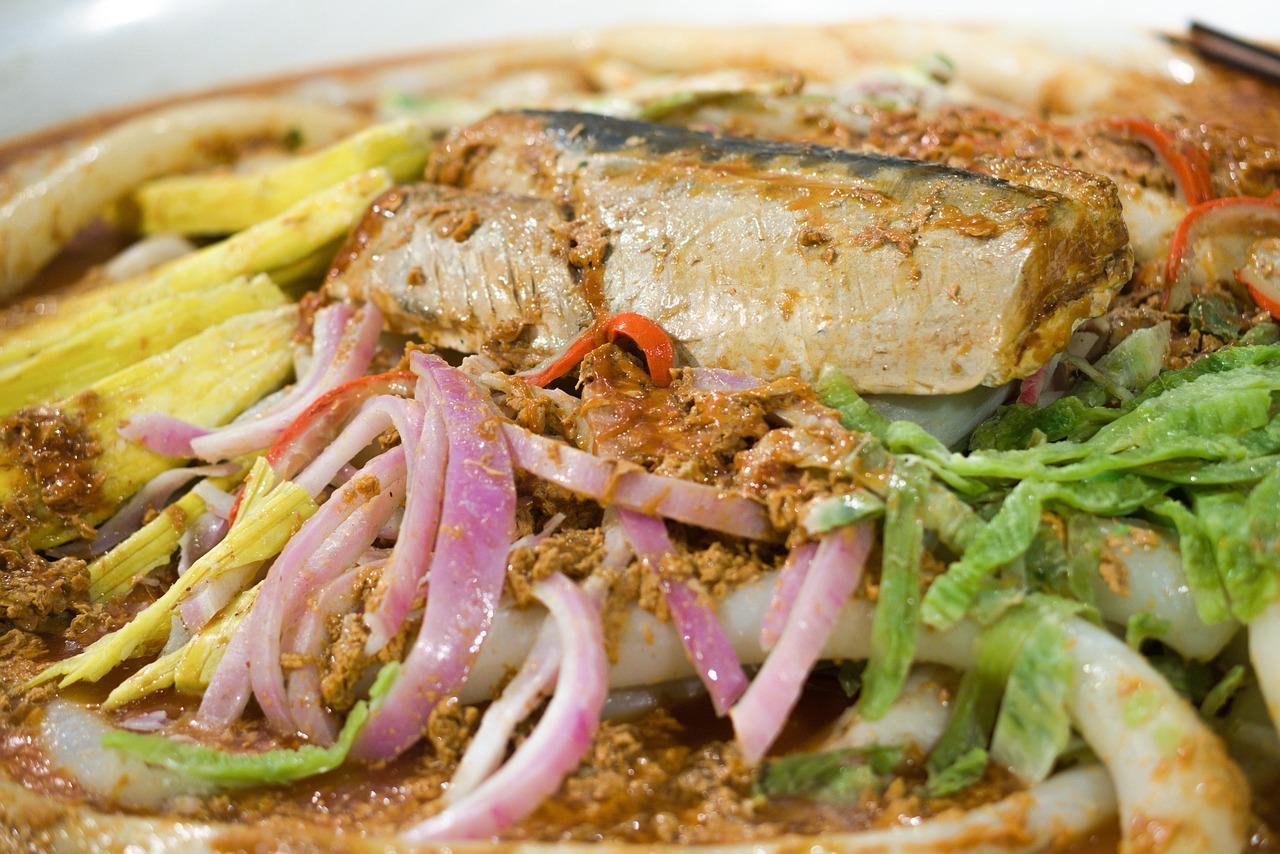
Forget coconut and cream: Penang's asam laksa is all sour, hot and herbal, a dark tamarind broth thickened with flaked mackerel and poured over thick, slippery rice noodles. Hawkers at Air Itam market and along Gurney Drive pile the bowl with shredded pineapple, cucumber, red onion, lettuce, torn mint and a spoon of sticky, sweet prawn paste (hae ko) that you stir in as you eat. Torch ginger flower and Vietnamese mint (daun kesum) give it a smell that is wholly its own. It is a hot-afternoon dish, eaten fast while the herbs are still crisp. Chef's tip: poach the mackerel in the broth whole, then flake it back in; the bones and skin give the soup much of its body.

by KrazyBadal 0 views

Showing 72 of 10,569 recipes

Show more recipes

Page 946 of 1,175