


Skip to content
Mursik
Featured recipe

Mursik

Smoky fermented milk

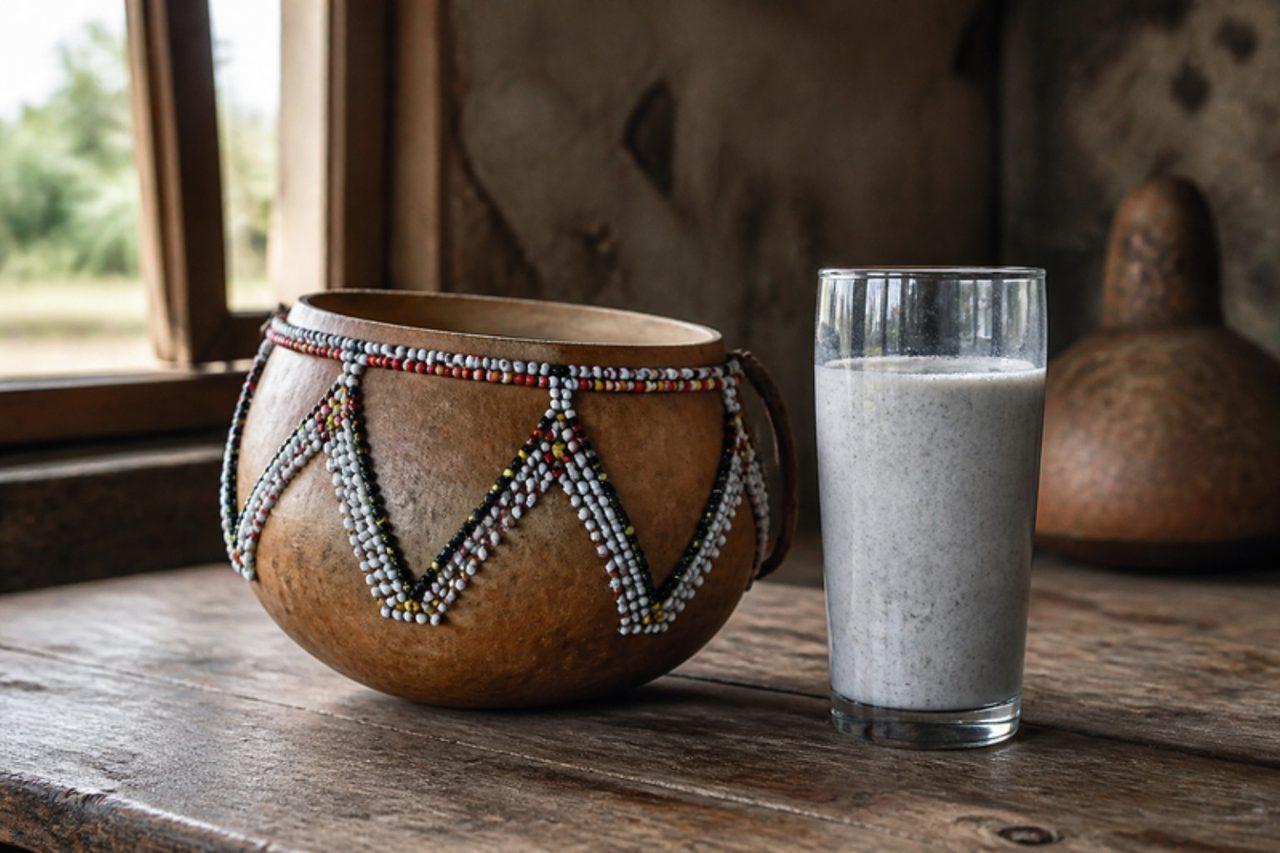
When Kenyan marathon runners land back in Eldoret, relatives greet them with a gourd of mursik, the soured milk of Kalenjin homesteads across the Rift Valley highlands. Traditionally, milk sits for several days in a sotet, a long calabash whose inside has been scraped with a smouldering stick of senetwet (the tree often called the cromwell tree) so a lining of fine charcoal coats it; that charcoal gives mursik its smoky taste, grey flecks and long keeping. At home we skip raw milk and a wild ferment: pasteurised milk is soured with a live cultured buttermilk, and a jar smoked inside with untreated hardwood, or a pinch of food-grade activated charcoal, brings the flavour. Thick, sharp and smoky, it is drunk with ugali, sweet potatoes or after a long run, and the usual mistake is fermenting it somewhere too hot, where it splits into whey and tastes yeasty. Chef's tip: shake the jar hard before pouring, as herders shake the gourd, to make it smooth and drinkable.

Read more 0 views

What to eat today?

Around the world

Today's trip: Peruvian

A new country every day, from every cuisine on the site.

Peruvian

Tacacho

Mashed roasted green plantain balls 35 minMore from Peruvian (111) →

This week's collection

Kid-friendly dinners
772 recipes · a new collection every Monday

Coming up

All occasions →

Latest recipes

TostonesTwice-fried green plantain

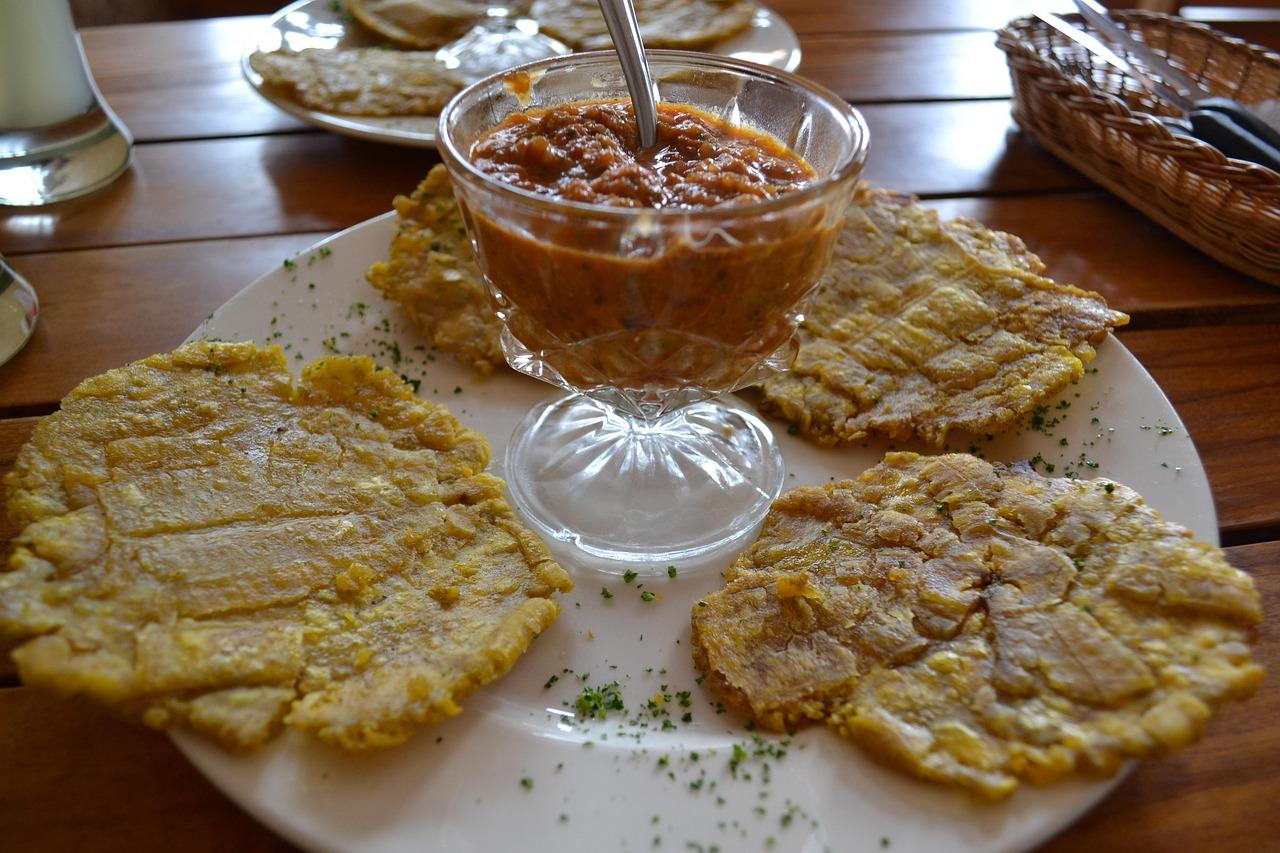
Tostones are the crisp golden discs of green plantain sold at every Cuban cafeteria and fried at home to go with rice, beans and mojo; along Colombia's coast and in Cali the same thing is called patacones and comes with hogao or ají on top. The plantain is fried once to soften, smashed flat, then fried again until the edges shatter while the middle stays starchy and tender. Eat them hot as a side or a snack. Chef's tip: use truly green, hard plantains; yellow ones turn sweet and soft and will never go crisp.

25 minCubanSidesVeganGluten free
by KrazyBadal 0 views

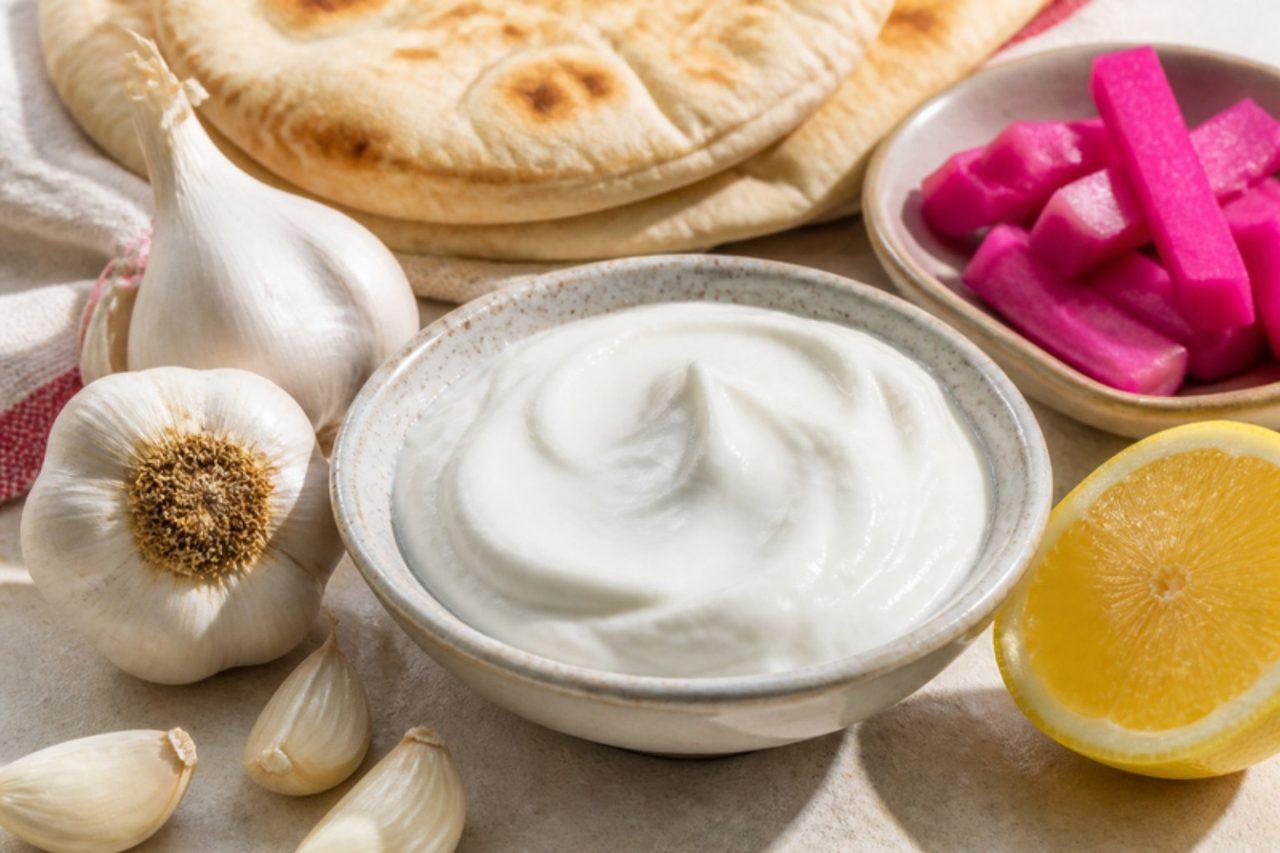
ToumWhipped garlic sauce

Every shawarma and grill shop in Lebanon has a tub of toum, a fluffy, snow-white emulsion of garlic, lemon and neutral oil that tastes fiercely of fresh garlic. At home it is spread on roast potatoes, stirred into grilled vegetables, dabbed on falafel wraps and served with batata harra. It contains no egg: the garlic itself holds the emulsion, so the only trick is patience while the oil goes in. Chef's tip: halve each garlic clove and pull out any green shoot; the germ makes toum bitter and harsh.

by KrazyBadal 0 views

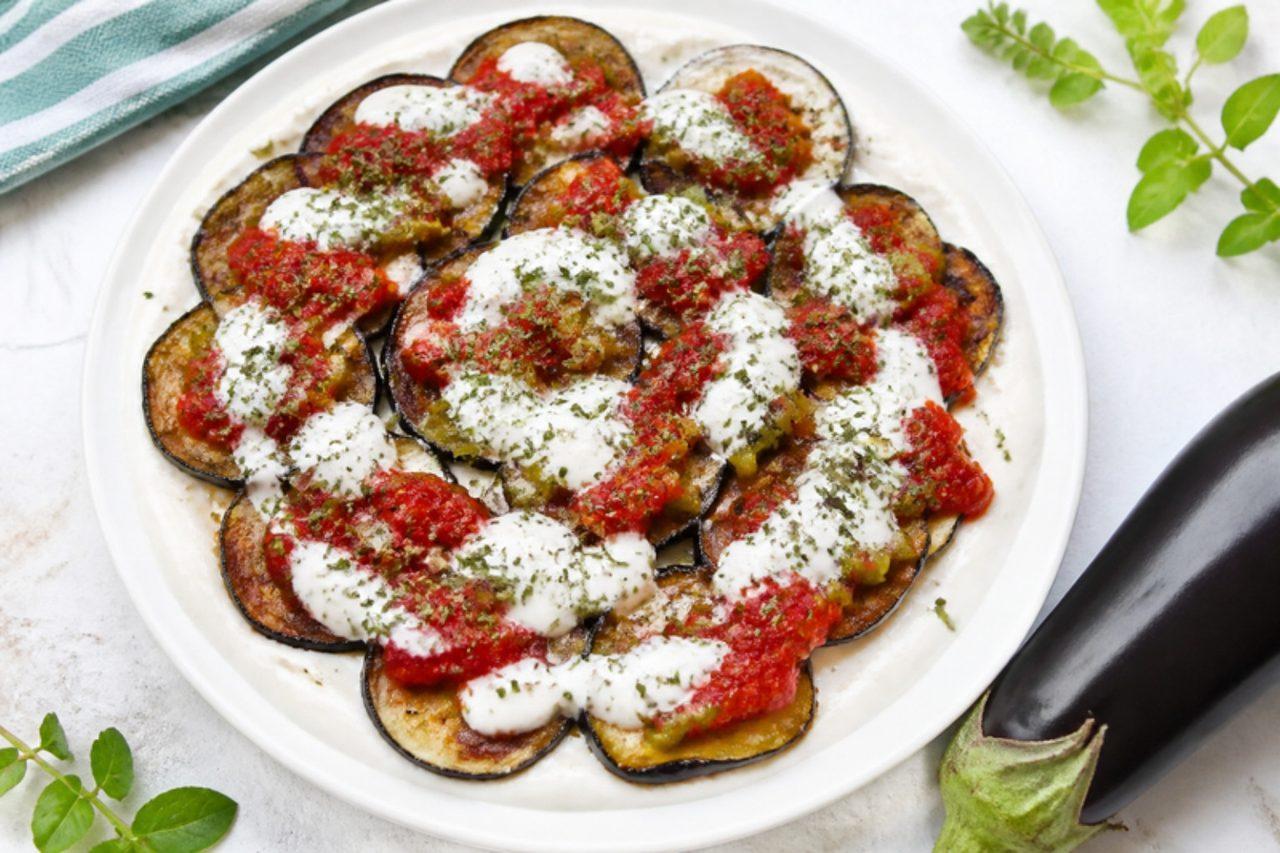
Borani banjanFried aubergine in tomato sauce

Borani banjan is the aubergine dish Afghan hosts set out at almost every dinner party and Eid meal, from Herat to Mazar-i-Sharif. Thick slices of aubergine are fried until golden, then simmered in a tomato and pepper sauce until meltingly soft and laid over a bed of garlic yoghurt, with dried mint on top. It's eaten warm with naan, or as a side to rice. Chef's tip: fry the aubergine slices in a hot pan and let them drain well before they go into the sauce; well-browned slices hold their shape and give the dish its deep, almost sweet flavour.

by KrazyBadal 0 views

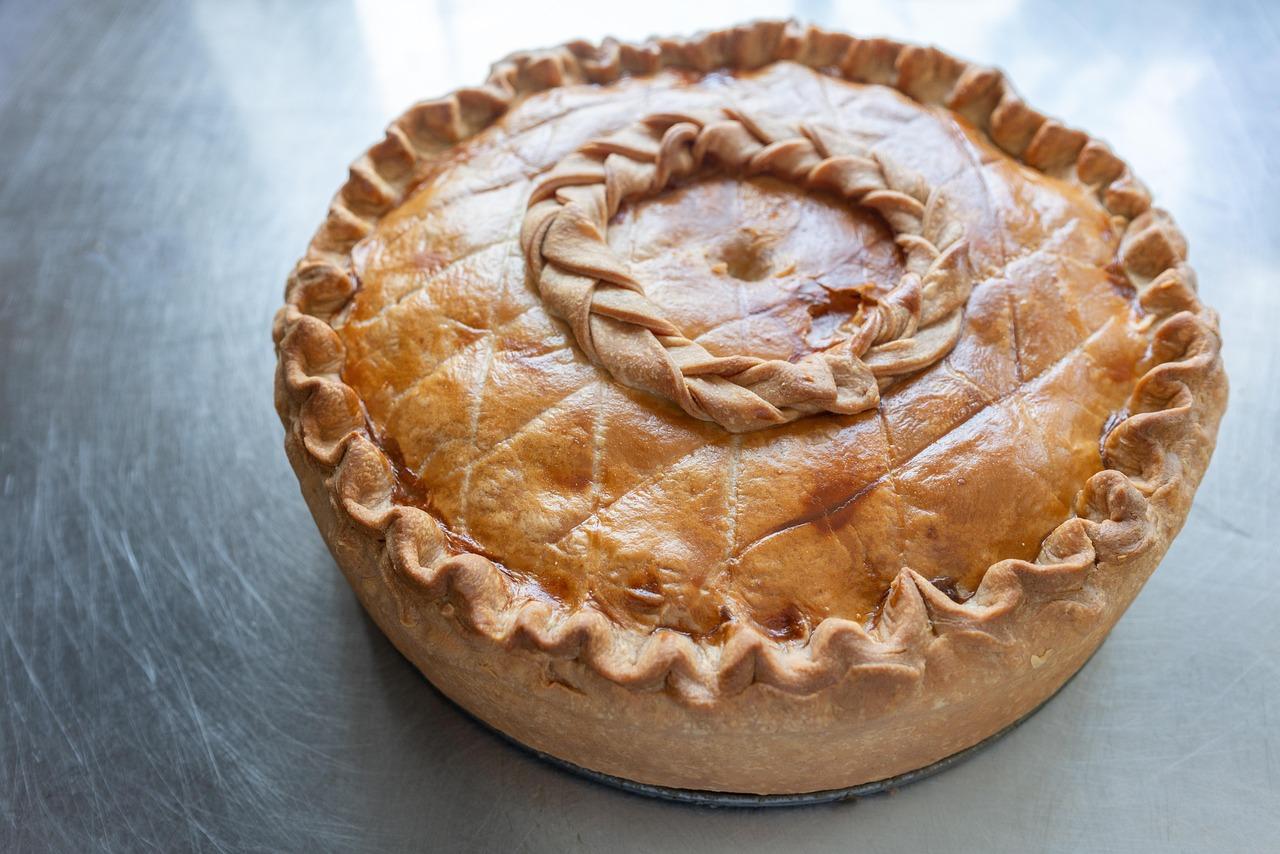
TourtièreSpiced pork and beef pie

Tourtière is the meat pie of Quebec, served after midnight mass at the Christmas Eve réveillon and through the holidays, from Montreal to the Saguenay–Lac-Saint-Jean region (where a deep, layered version is also called tourtière). This dish contains pork. Minced pork and beef cook slowly with onion, a little potato and warm spices — cinnamon, cloves, allspice and savory — then are baked in a flaky double crust and served with ketchup or fruit chutney. The mistake is a wet filling that makes the bottom crust soggy; cook it until the liquid has almost gone and cool it before filling. Chef's tip: a grated potato in the filling soaks up the juices and holds the slices together.

by KrazyBadal 0 views

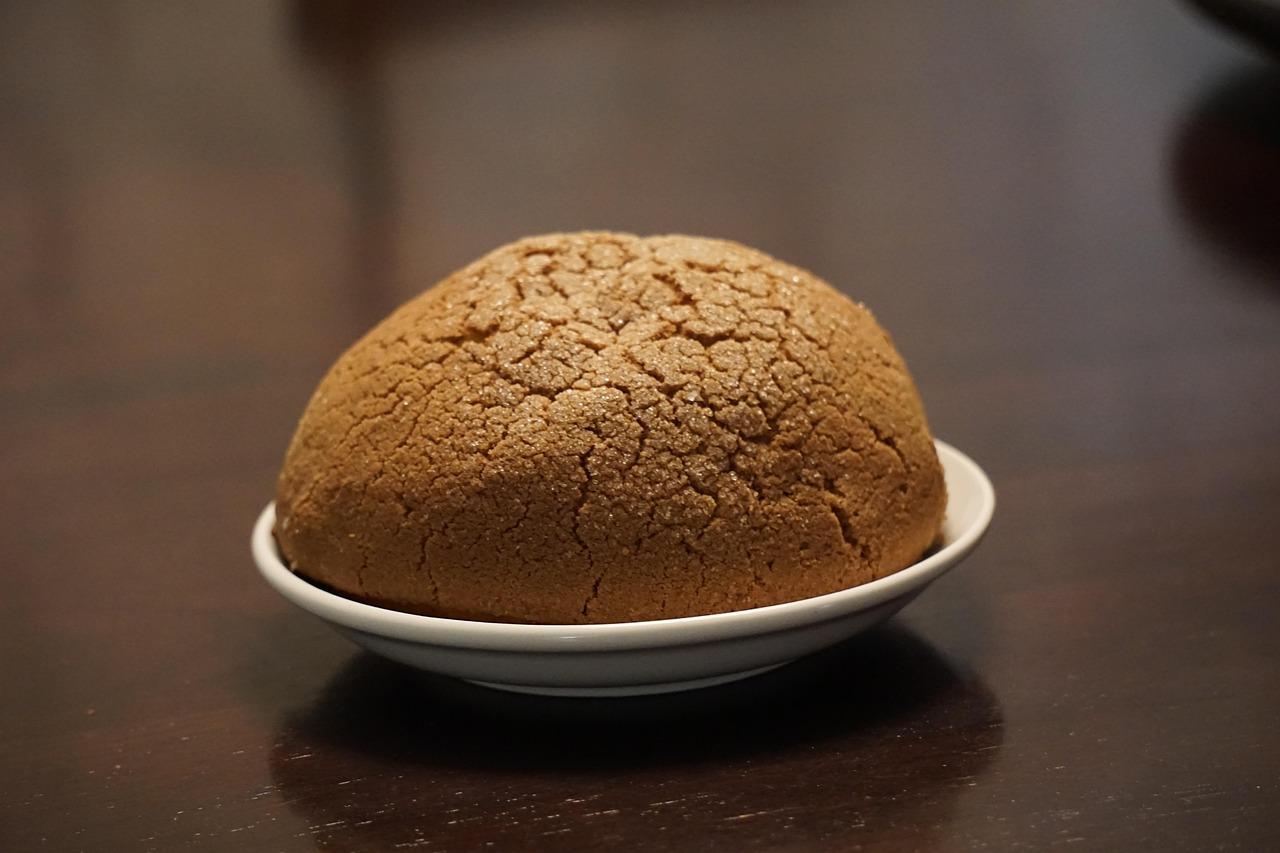
ConchasSweet bread buns

Conchas are the most famous pan dulce (sweet bread) in Mexico, piled high in every panadería and eaten for breakfast or merienda with hot chocolate or coffee. The bun is soft, slightly sweet and enriched with egg and butter, and it wears a crunchy, crumbly topping of sugar, fat and flour scored into the seashell pattern that gives it its name. Make some vanilla and some chocolate topping for the classic mix. Chef's tip: shape the dough into very tight balls before adding the topping; the tension makes them rise up instead of spreading out, so the shell cracks into neat stripes.

by KrazyBadal 0 views

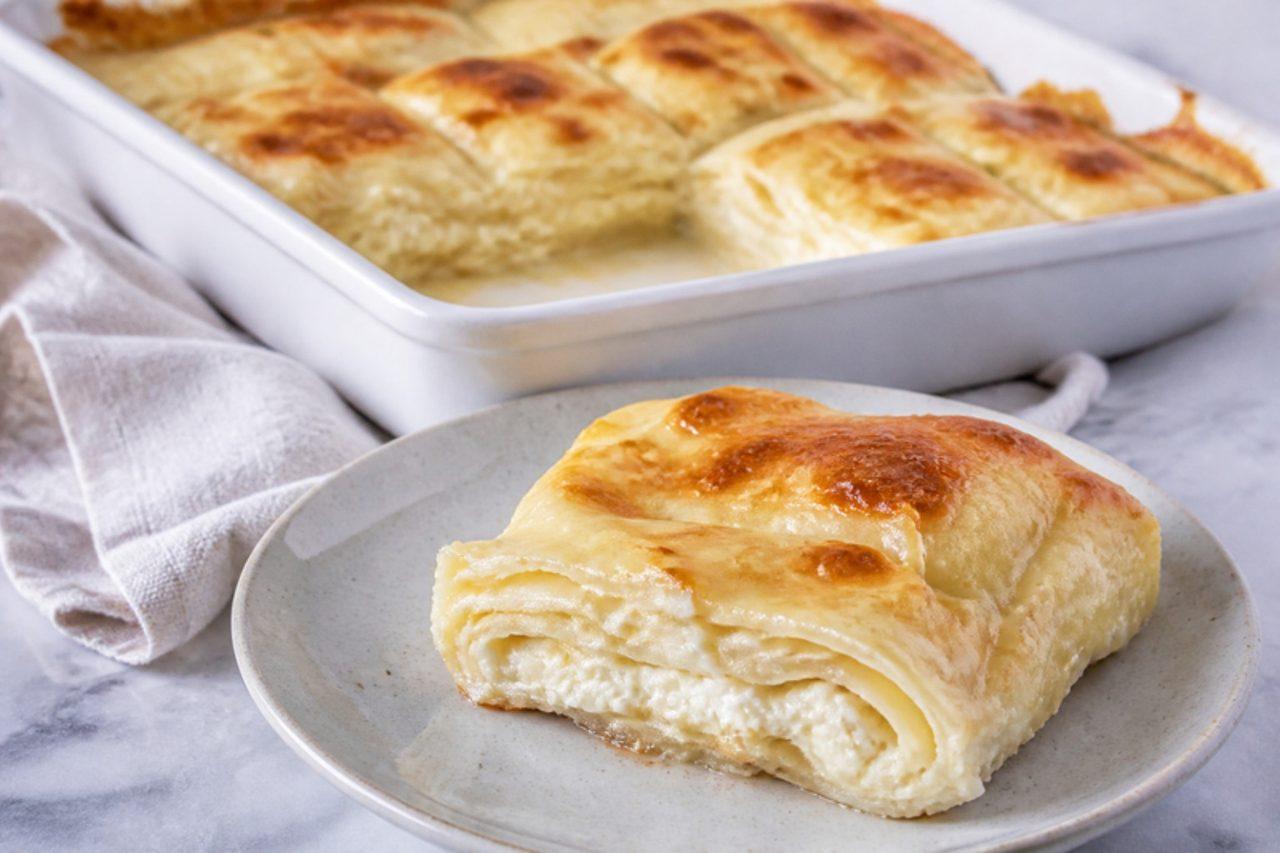
Zagorski štrukliBaked cheese dough rolls

In Hrvatsko Zagorje, the green hill country north of Zagreb, štrukli are Sunday food: paper-thin dough is spread with fresh cow's cheese, rolled up, pinched into pieces with the edge of a plate, then boiled and finished in the oven under a blanket of cream. Zagreb restaurants serve them as a starter or a main, blistered golden on top and soft and custardy inside. The dough is stretched by hand over a tablecloth, which is easier than it sounds once it has rested. Chef's tip: squeeze the cheese if it is wet; a runny filling soaks the thin dough and makes the rolls tear when they boil.

by KrazyBadal 0 views

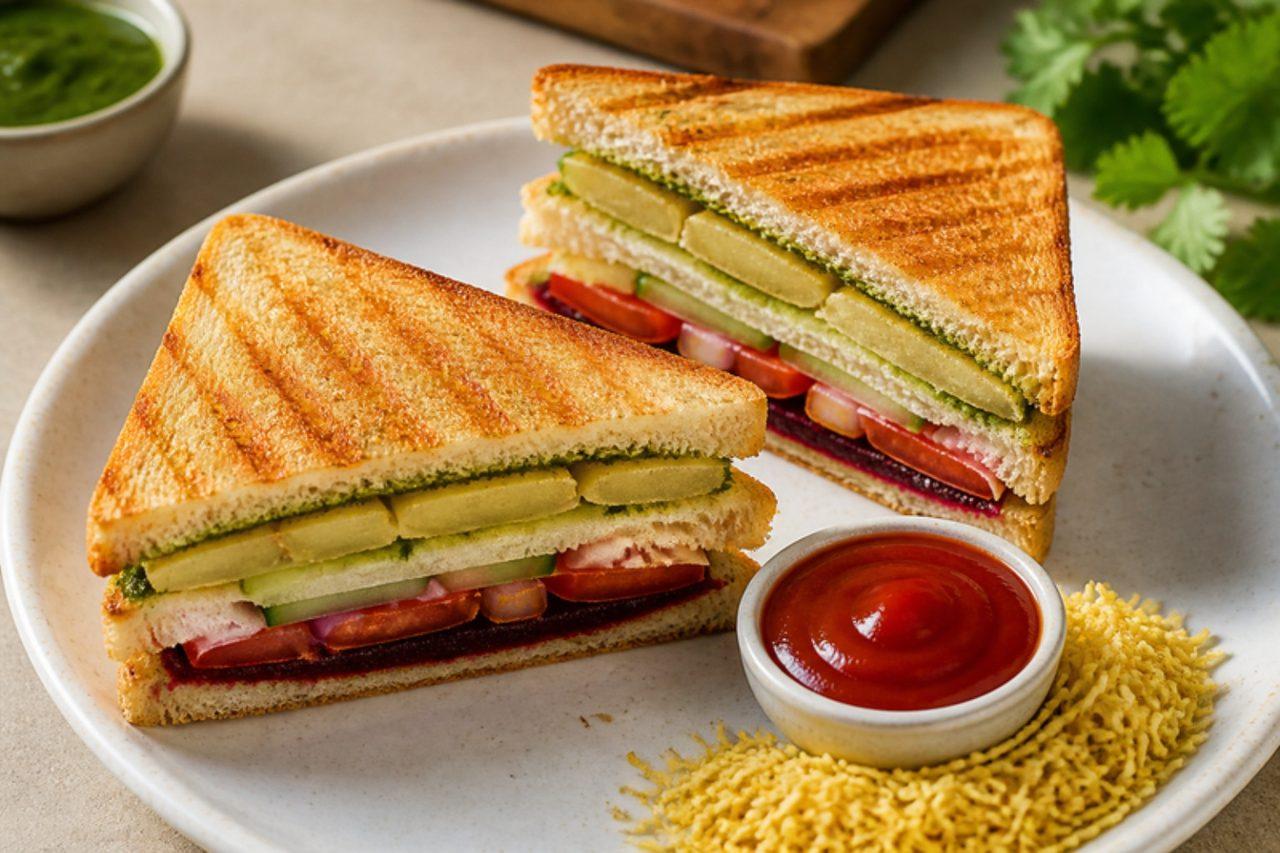
Bombay sandwichToasted vegetable sandwich

Every busy corner in Mumbai, from Churchgate station to the lanes of Dadar, has a sandwich-wallah with a stack of white bread, a tub of butter, a bowl of green chutney and a cast-iron toaster held over a flame. The Bombay sandwich is built in thin layers of boiled potato, beetroot, cucumber, tomato, onion and green pepper, each layer dusted with a peppery sandwich masala, then toasted until crisp and cut into neat squares. Cheese is grated over the top if you ask. It's a commuter's breakfast, a school snack and a late-night bite after the cinema. Serve with ketchup and more chutney. Chef's tip: slice every vegetable as thin as a coin; thick slices slide out when you bite and stop the sandwich toasting evenly.

by KrazyBadal 0 views

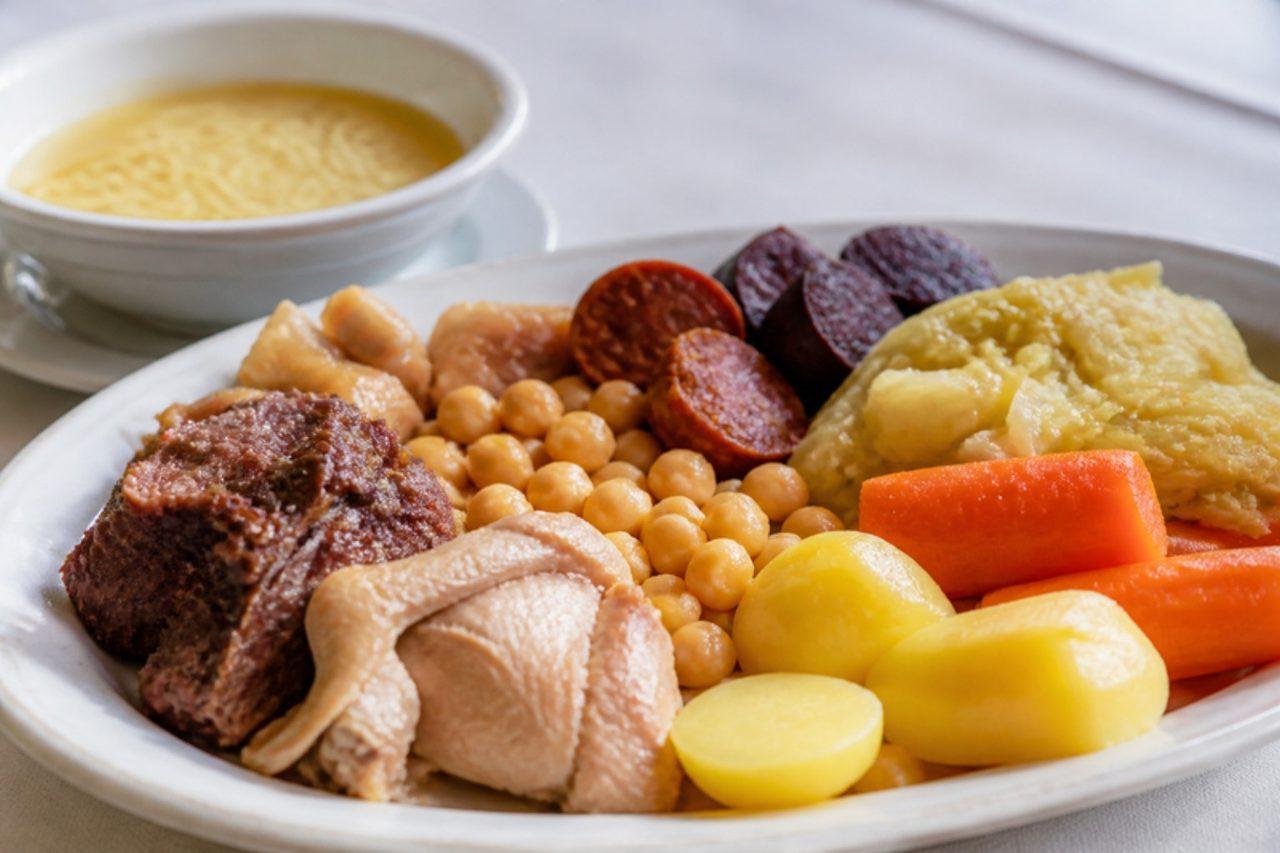
Cocido madrileñoChickpea and meat stew

Cocido madrileño is the slow pot of the capital's winter, served at lunch in old Madrid taverns and at home on cold weekends. Everything simmers together for hours (chickpeas, beef shin, chicken, pork belly, ham bone, chorizo, carrots and potatoes) and then it comes to the table in three vuelcos, or 'tippings out': first the broth as a soup with thin noodles, then the chickpeas and vegetables, then the platter of meats. Cabbage and chorizo are cooked in a separate pan so they don't cloud or redden the broth. It is a big project, but most of the time the pot looks after itself. Chef's tip: put the soaked chickpeas into a mesh bag or a loose muslin bundle; they're easy to lift out whole at the end and don't break up in the long simmer.

180 minSpanishMeat
by KrazyBadal 0 views

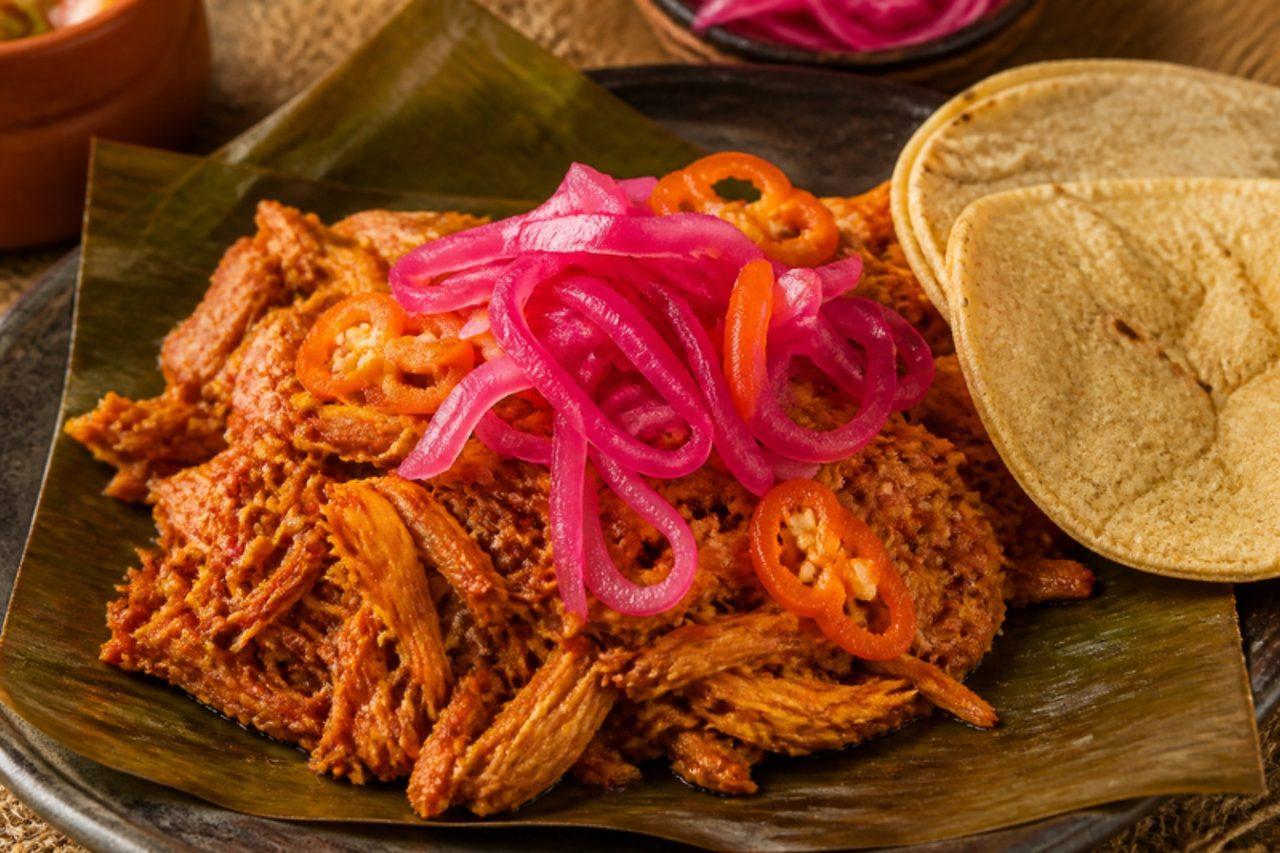
Cochinita pibilAchiote slow-roast pork

The Maya of the Yucatán peninsula cooked pork in a pib, a pit lined with hot stones, and in Mérida cochinita pibil is still sold at dawn from market stalls, piled into tacos and tortas for breakfast. Pork shoulder sits overnight in a brick-red paste of achiote and sour orange juice, then roasts slowly wrapped in banana leaves until it pulls apart, soaking in its own tangy juices. It goes into warm tortillas with bright pink pickled onions and, for the brave, a habanero salsa. Chef's tip: if you can't find bitter Seville oranges, mix sweet orange juice with lime juice; the sourness is what tenderises and balances the pork.

270 minMexicanMeatGluten free
by KrazyBadal 0 views

Çoban salatasıChopped tomato and cucumber salad

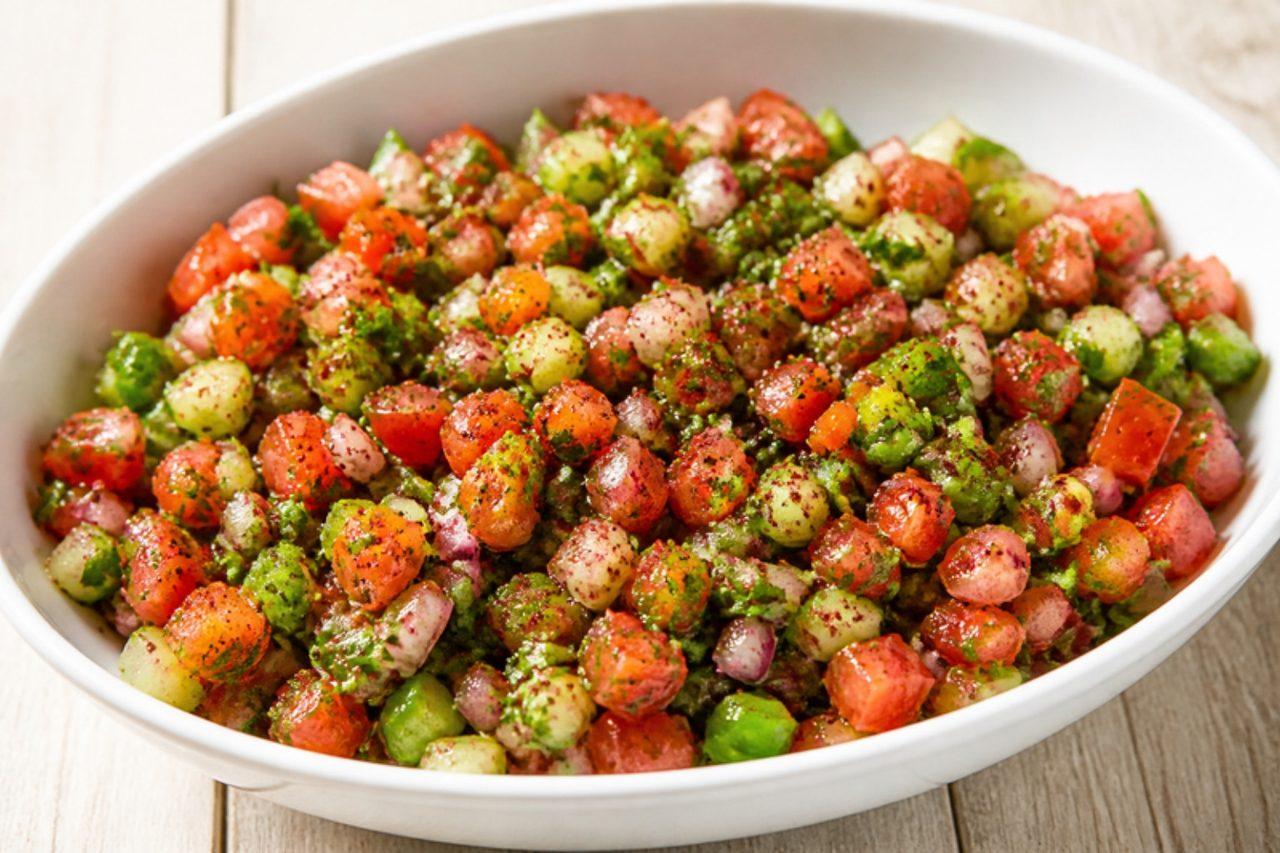
Çoban salatası, the shepherd's salad, is on the table at almost every Turkish meal from Edirne to Van, whether that is a home dinner, a lokanta lunch or a summer barbecue. It is simple by design: small dice of tomato, cucumber, green pepper and onion with parsley, dressed with lemon juice, olive oil and a little sumac. It is eaten alongside pilaf, beans, börek or anything grilled. The common mistake is salting it too early, which draws the water out of the tomatoes and leaves it swimming. Chef's tip: rub the onion slices with salt and sumac and rinse them before adding; the onion stays crunchy but loses its harsh bite.

by KrazyBadal 0 views

Coastal Mombasa mixChickpea and potato coconut-mango broth

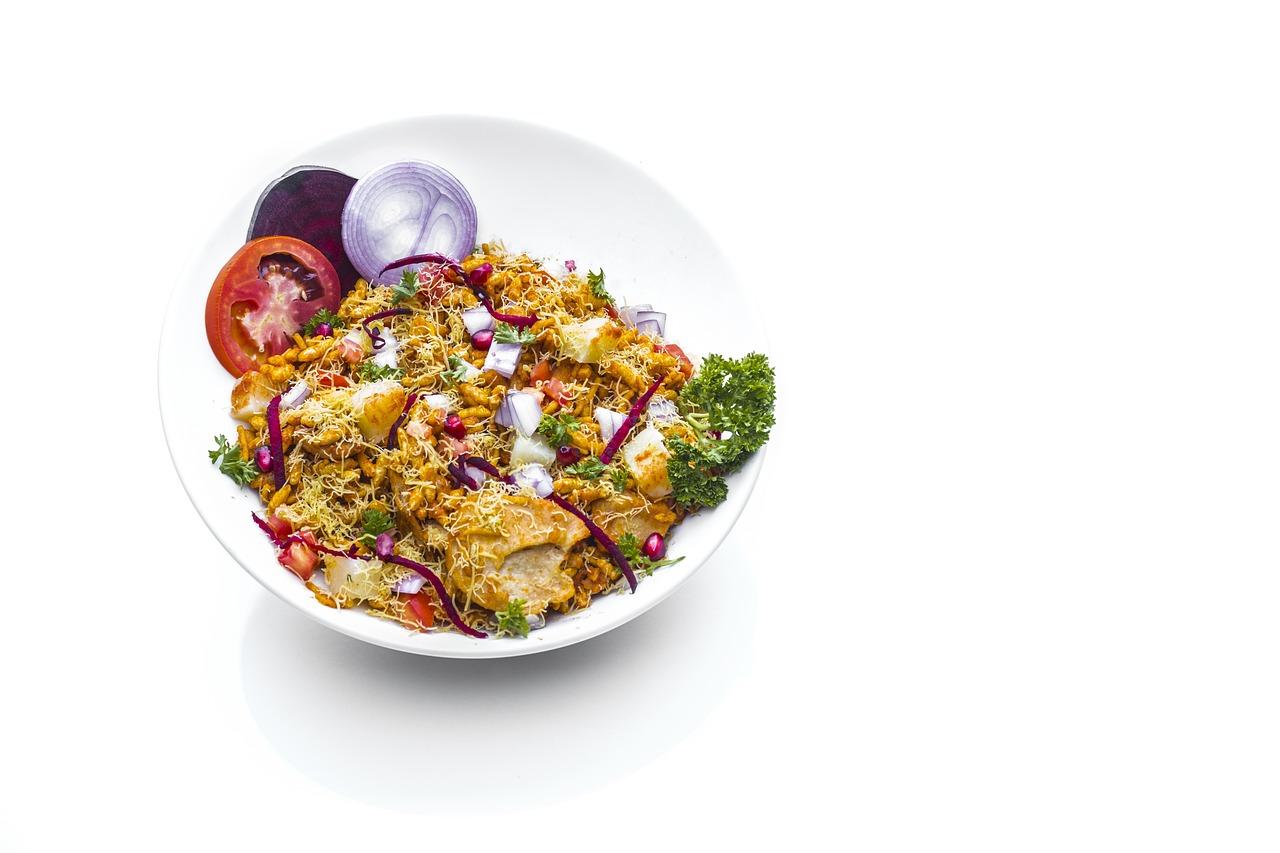
A Mombasa street-food bowl: chickpeas and potato simmered in coconut milk with raw mango and chilli, ladled into small bowls and topped with crisp lentil fritters, crunchy chevdo and red, green and tamarind chutneys. Make the fritters and chevdo ahead and assemble at the table. It's sweet, sour, hot and crunchy all at once.

by KrazyBadal 1 views

Clafoutis aux cerisesCherry batter pudding

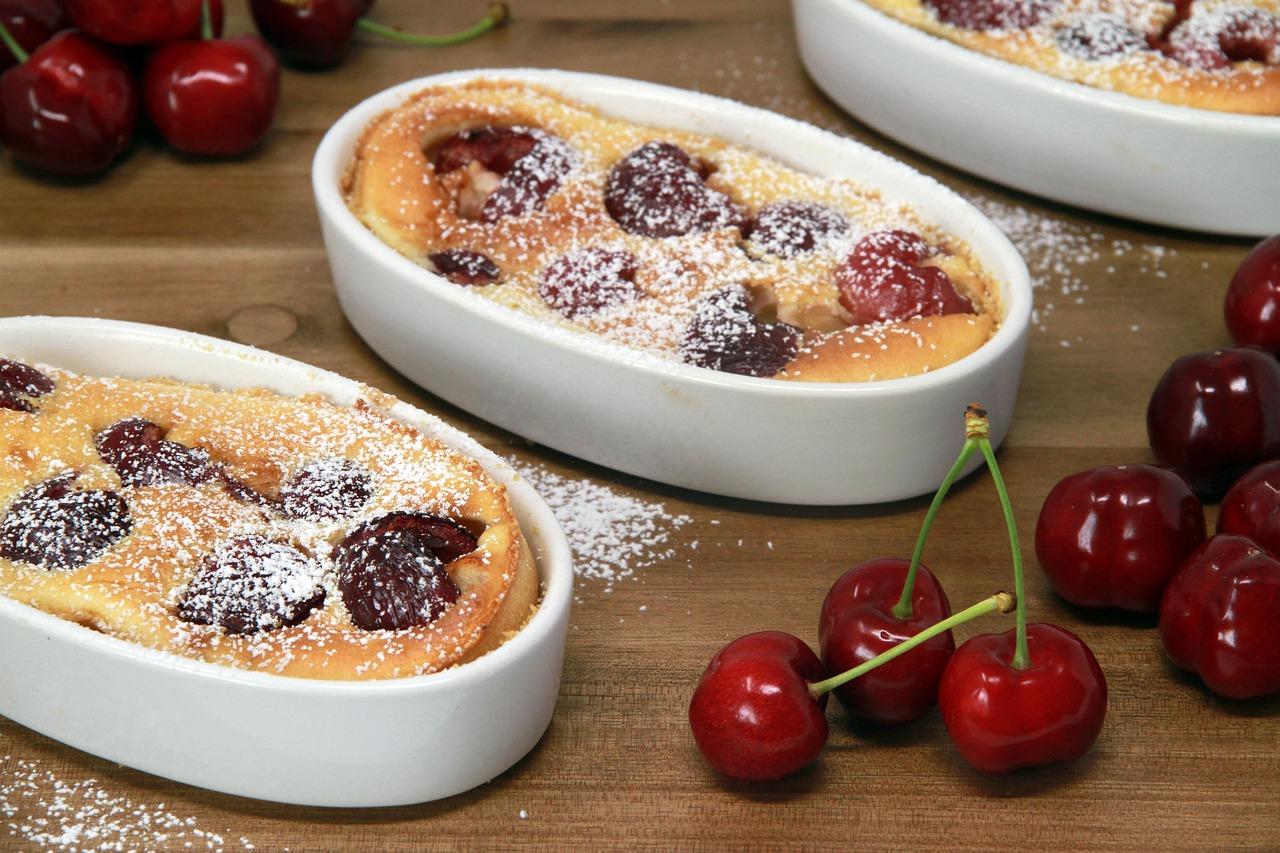
Clafoutis comes from the Limousin in central France, where black cherries ripen in early summer and families make this simple pudding for Sunday lunch. Whole cherries are scattered in a buttered dish and covered with a sweet, eggy batter, like a cross between a pancake and a custard, then baked until puffed and golden. In the Limousin the cherries are left unstoned, which cooks say gives a faint almond flavour; stone them if you are serving children. It's best warm, dusted with icing sugar. Chef's tip: don't overmix the batter once the flour is in; beating it hard is the common mistake and makes the clafoutis tough and rubbery.

by KrazyBadal 0 views

Ciorbă de perișoareSour soup with meatballs

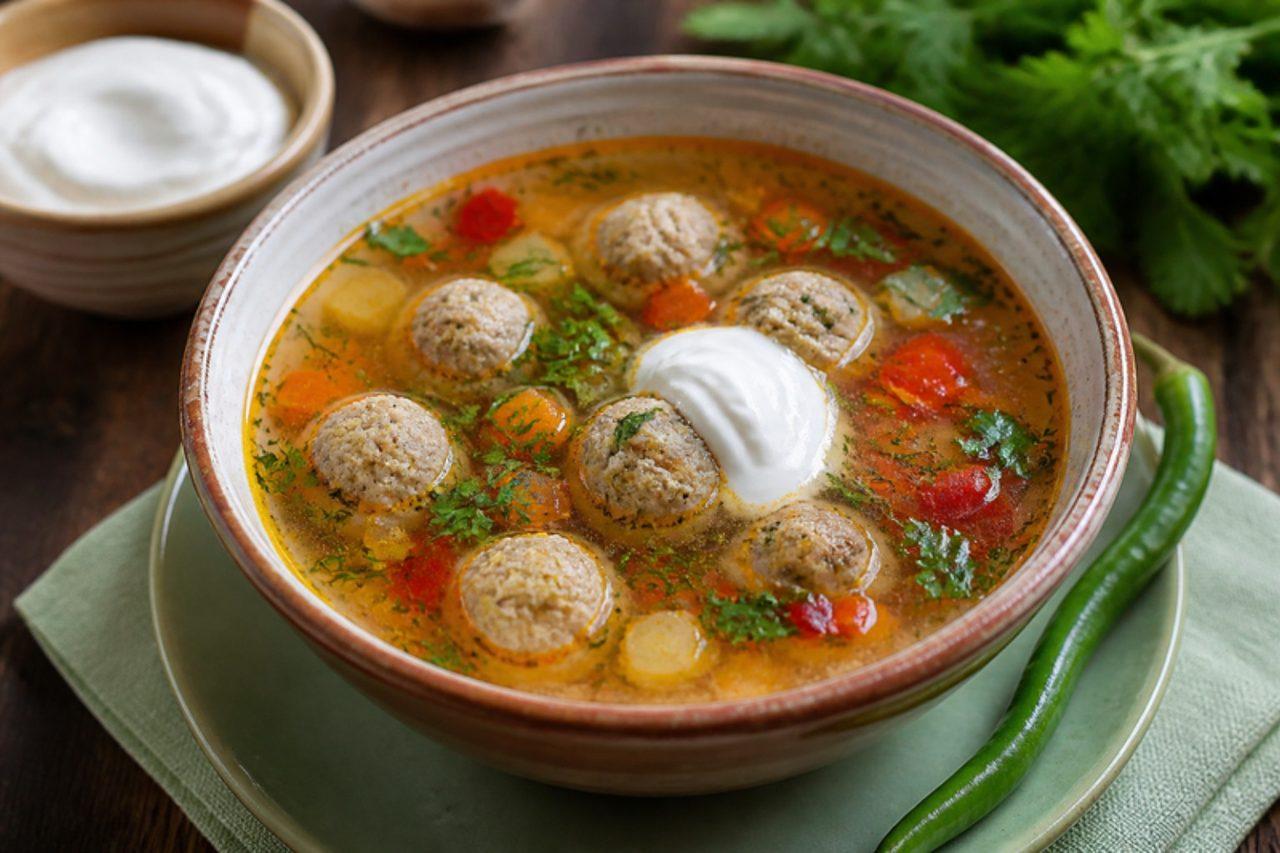
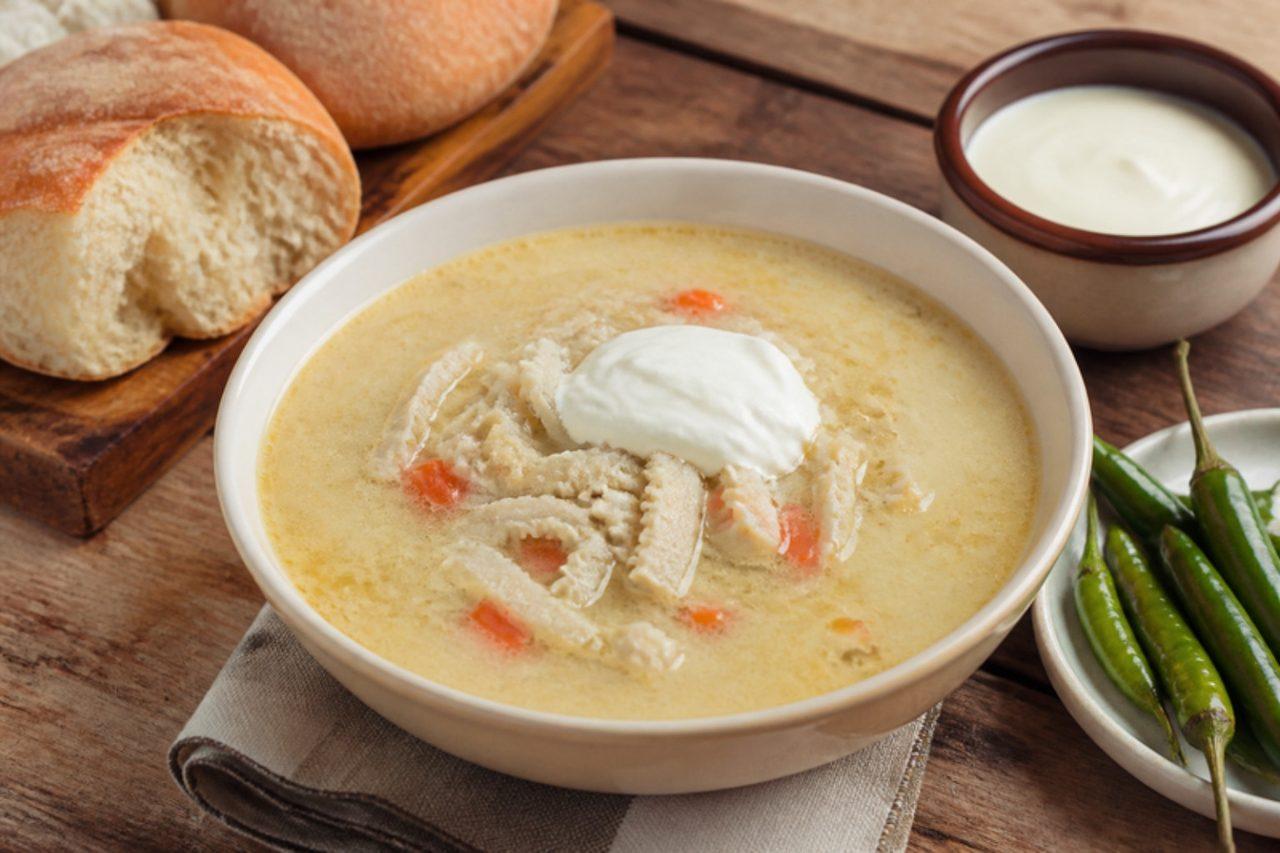
Across Romania, from Bucharest canteens to Moldavian grandmothers' kitchens, a pot of ciorbă de perișoare turns up on the Sunday table and again on Monday, when it tastes even better. This version contains pork: soft meatballs of minced pork and rice simmer in a clear vegetable broth that is soured at the end with borș (fermented wheat-bran liquid) or lemon juice, then finished with a handful of lovage. It is eaten very hot with a spoon of sour cream and a fresh green chilli to bite between spoonfuls. A frequent slip is boiling the soup hard once the meatballs are in, which breaks them apart and clouds the broth. Chef's tip: wet your hands in cold water before rolling each meatball; the mixture will not stick and the balls stay smooth and round.

by KrazyBadal 0 views

Ciorbă de legumeSoured vegetable soup

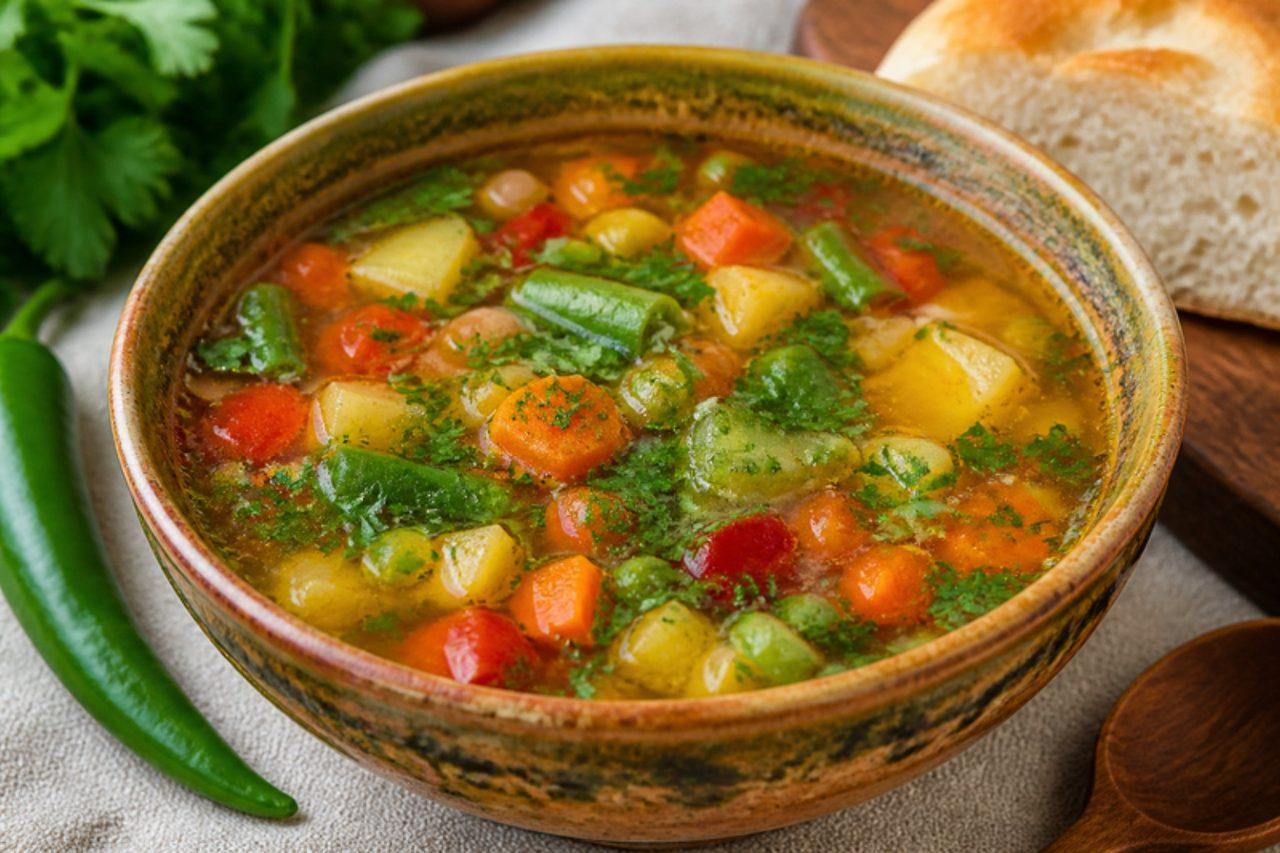
Ciorbă is the sour soup that opens a Romanian lunch, from canteens in Cluj to Sunday tables in Moldavia, and the vegetable version is cooked all through the fasting weeks before Easter and Christmas. Root vegetables, beans and peppers simmer in a light broth that is soured at the end with borș, the fermented wheat-bran liquid sold in bottles at Romanian shops, or with lemon juice. Fresh lovage (leuștean) gives its unmistakable celery-like perfume. It is eaten piping hot with bread and a fresh green chilli on the side. Chef's tip: add the borș only at the end and let it come back just to a simmer; boiling it hard dulls the sour tang.

by KrazyBadal 0 views

Ciorbă de burtăCreamy sour tripe soup

Romanians swear by ciorbă de burtă the morning after a wedding or a long night out, and in Bucharest there are restaurants that serve little else from breakfast onwards. Strips of beef tripe sit in a silky broth thickened with egg yolk and sour cream, sharpened with vinegar and served with mujdei, a raw garlic sauce, and a hot pepper on the side. It takes time, because tripe only turns tender after a long, slow simmer. The mistake most people make is boiling the soup after the yolks go in, which scrambles them into flecks. Chef's tip: buy cleaned, blanched (white, 'dressed') tripe from the butcher; it saves an hour of scrubbing and is much milder.

by KrazyBadal 0 views

Chushki byurekFried cheese-stuffed peppers

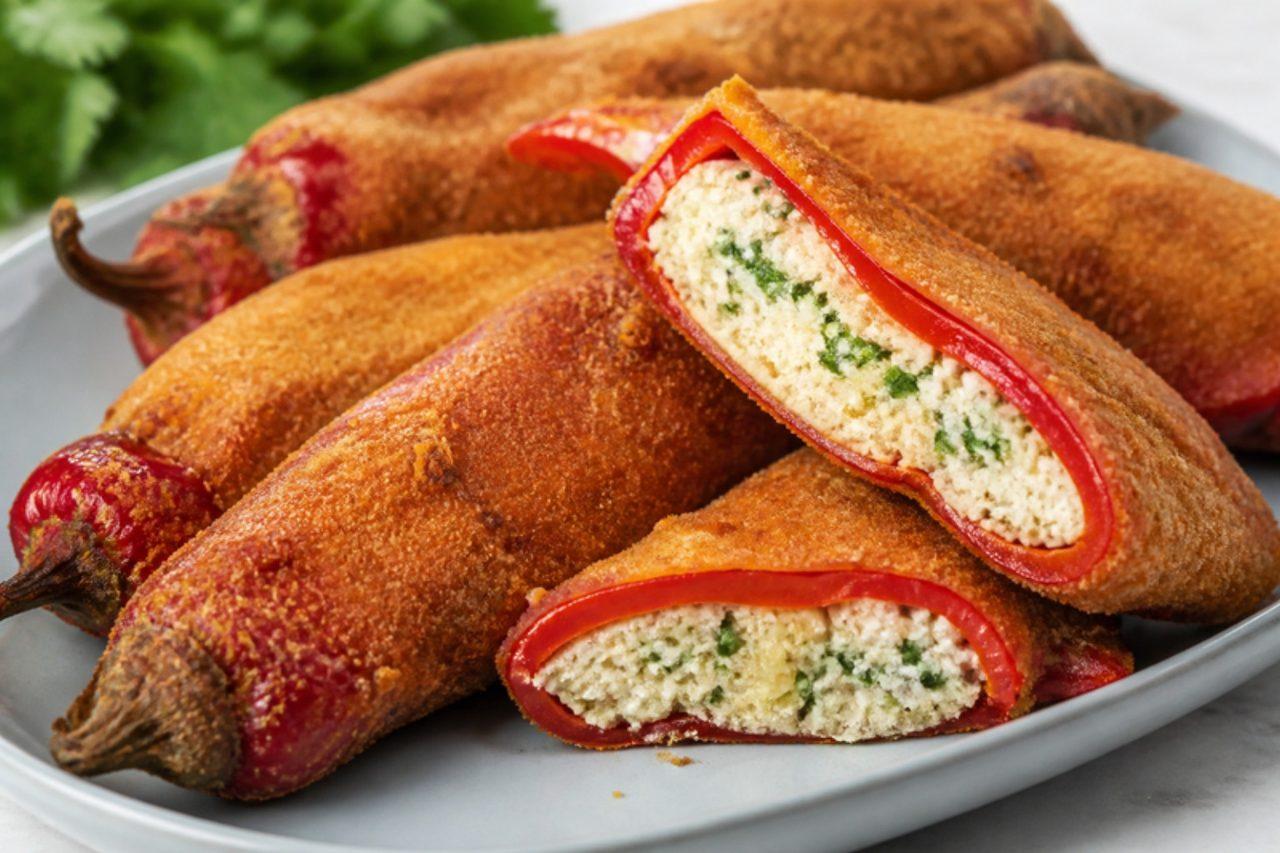
Chushki byurek are one of the great autumn dishes of Bulgaria: in September, when the long red peppers ripen around Plovdiv and Pazardzhik, they are roasted, peeled, filled with sirene and egg, then dipped in flour, egg and breadcrumbs and fried. The outside crunches, the pepper is silky and sweet, and the salty cheese melts inside. They are served hot as a main course with a tomato salad, or cold the next day. Chef's tip: dry the peeled peppers well before filling; a wet pepper is the usual mistake, and the batter slides off and the oil spits.

by KrazyBadal 0 views

Churpi ningroFiddlehead fern curry

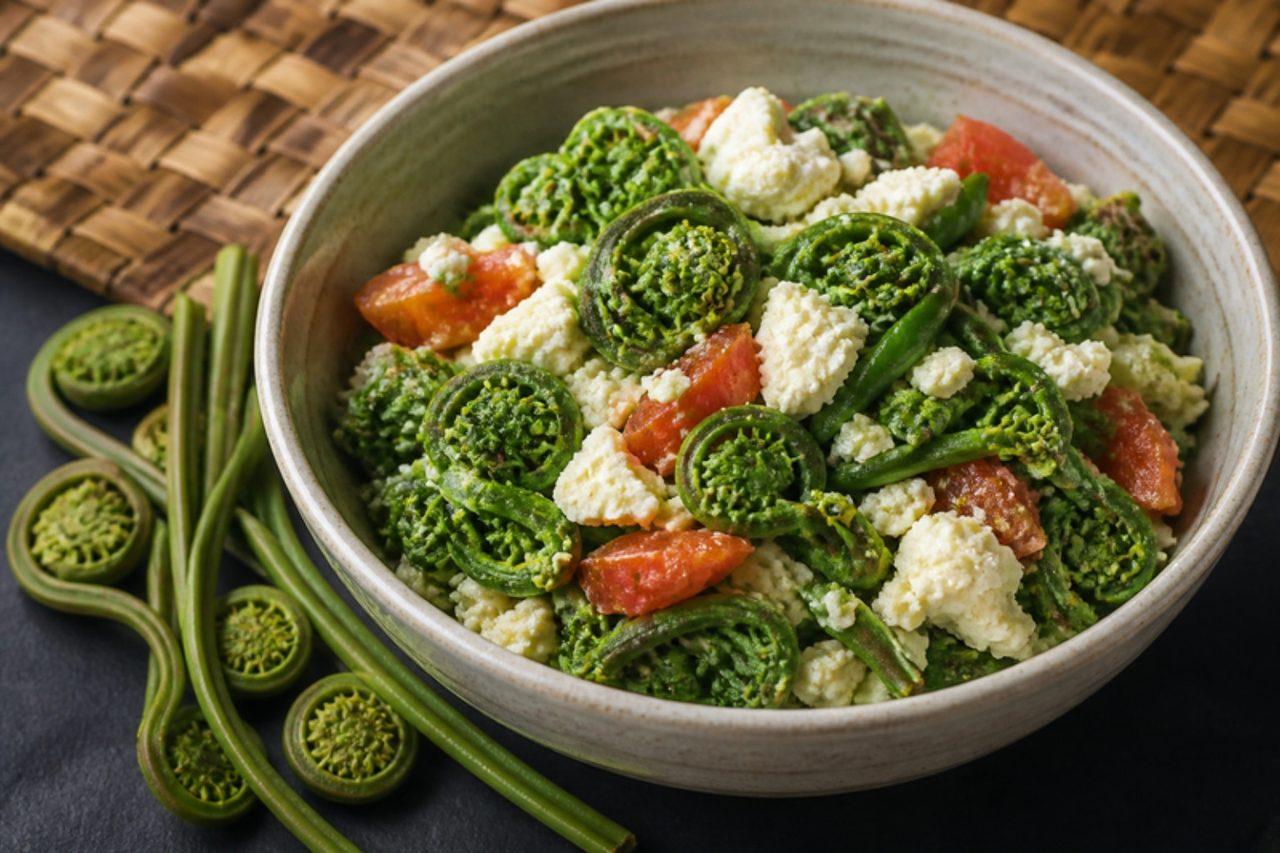
In the monsoon, ningro (fiddlehead fern) shoots appear in the hill markets of Gangtok, Namchi and Darjeeling, curled like violin scrolls. Sikkimese homes cook them quickly with onion, tomato and green chilli, then stir in crumbled soft churpi, a fresh, tangy cheese made from yak or cow's milk, which melts into a creamy, slightly sour sauce. It is a side dish for rice and dal, and tastes green and grassy, a little like asparagus. Chef's tip: always boil ferns for a few minutes and drain before cooking; it removes bitterness. Ricotta or crumbled feta is a fair stand-in for churpi.

by KrazyBadal 0 views

Bolón de verde con quesoPlantain and cheese balls

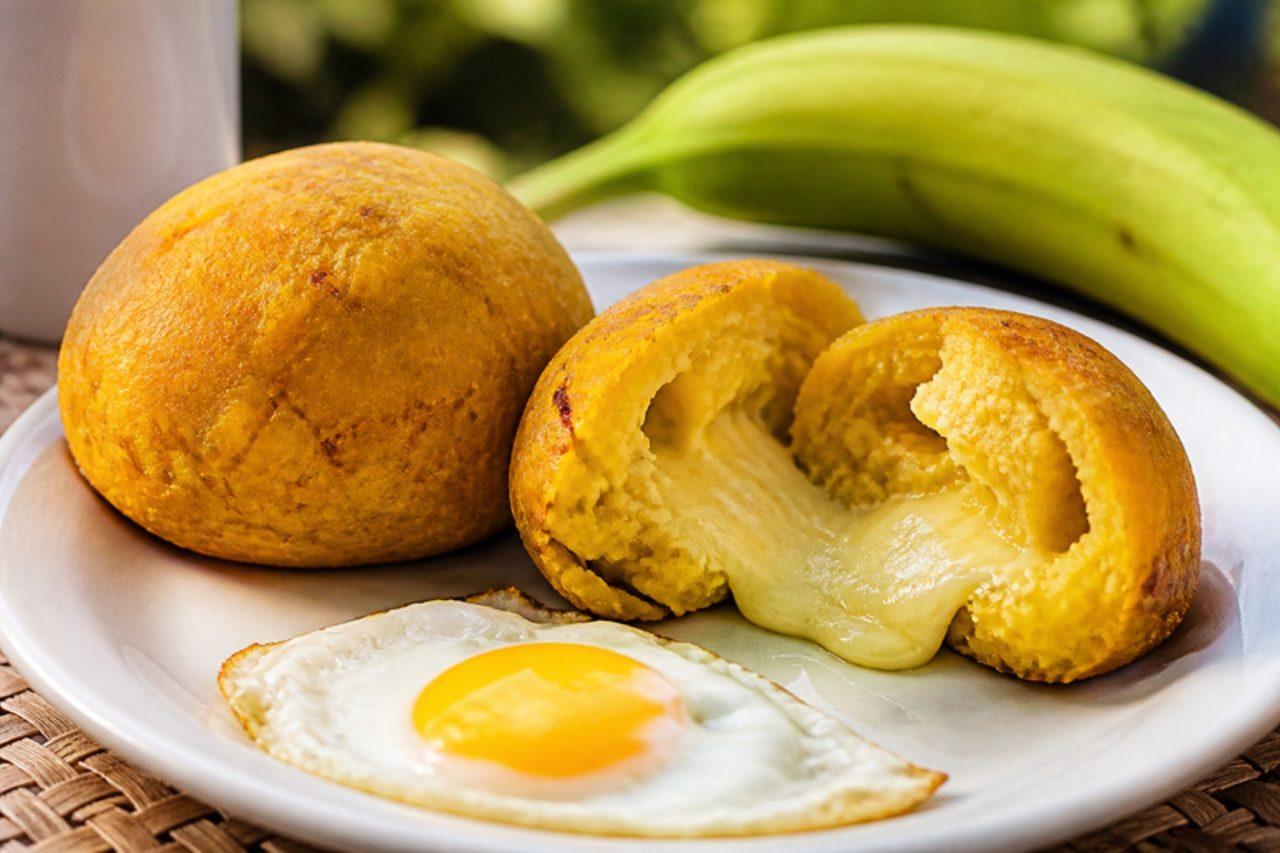
On Ecuador's coast, in Guayaquil and Manabí, breakfast is often a bolón: green plantain fried, pounded while hot with butter and salty cheese, shaped into a fist-sized ball and fried again until crusty. It comes with a cup of strong black coffee and a fried egg, and a little ají on the side; the other classic version uses pork crackling, but cheese bolón is just as common. Chef's tip: shape them while the plantain is still hot; once cold the starch sets and won't stick together.

by KrazyBadal 0 views

Trofie al pesto genoveseTwisted pasta with basil pesto

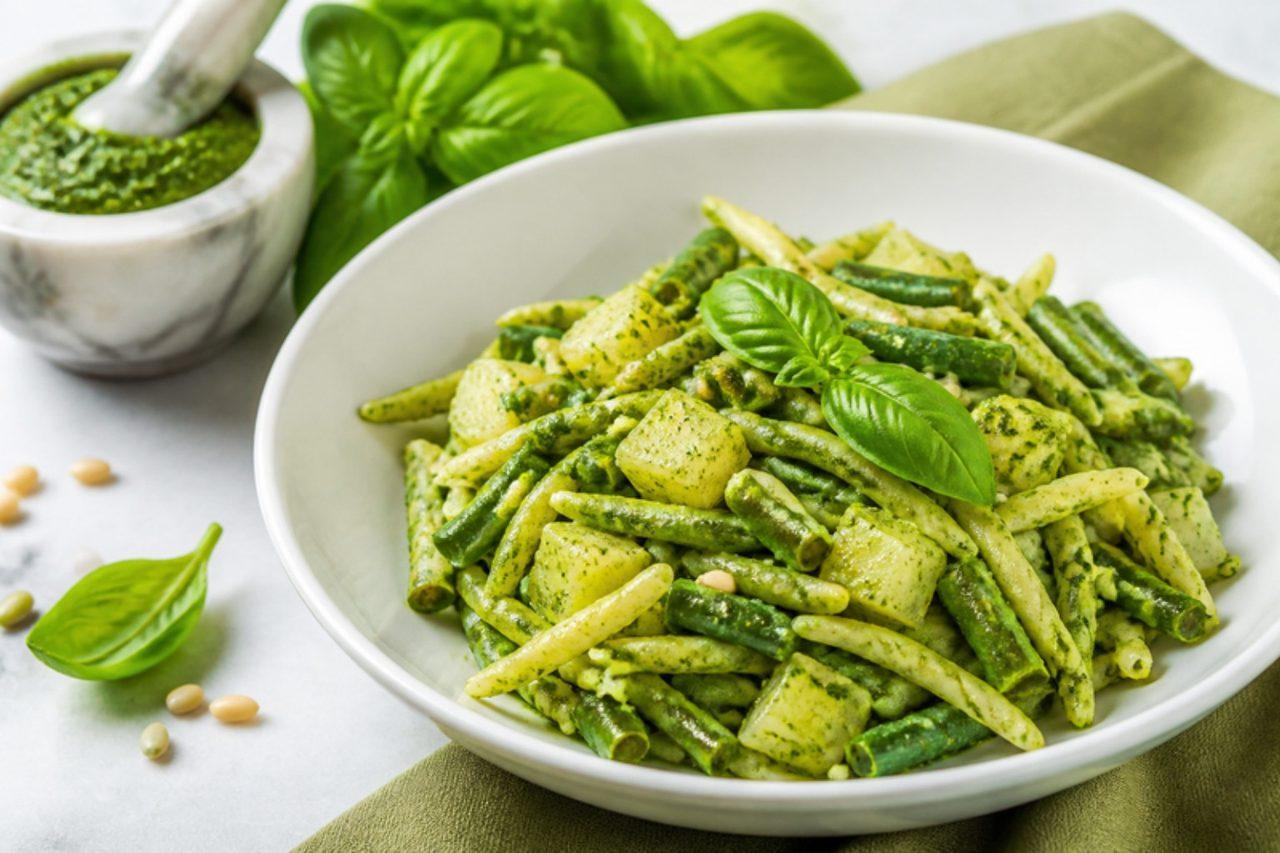
In Genoa and along the Ligurian coast, pesto is pounded from small-leaved basil, pine nuts, garlic, hard cheese and local olive oil, and served on trofie, short twisted pasta, cooked in the same pot as diced potato and green beans. The starch from the potato helps the pesto cling, and the beans add sweetness. It is the dish of a summer lunch in the Cinque Terre. Chef's tip: never heat the pesto; loosen it with a spoon of pasta water in a bowl and toss the pasta off the heat so the basil stays bright green.

by KrazyBadal 0 views

Bolo polanaCashew and potato cake

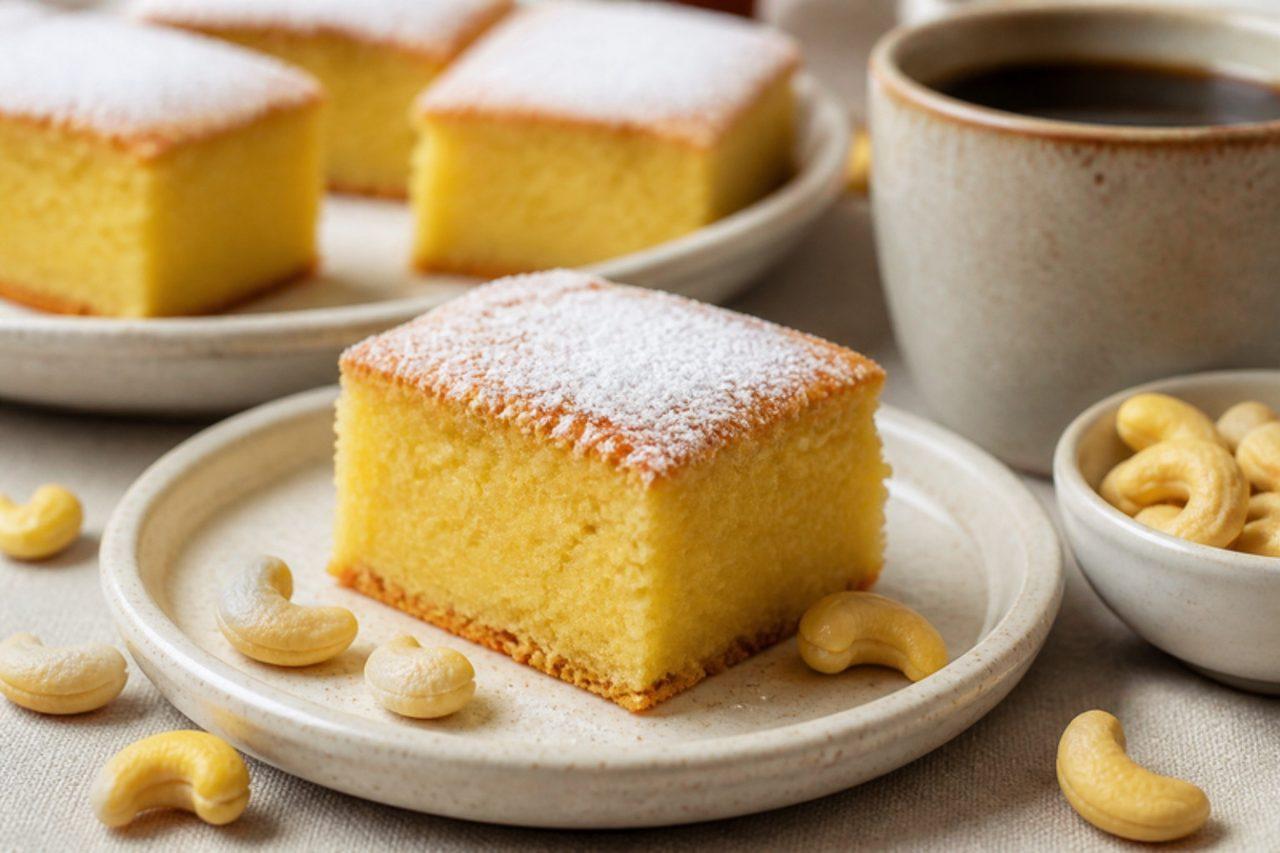
Bolo polana takes its name from the old Polana district of Maputo and is a celebration cake in Mozambique, made for birthdays and Christmas, built on two of the country's great crops: cashew nuts and potatoes. Ground cashews and mashed potato make it dense, fragrant and very moist, with orange zest to lift it. It shows the Portuguese baking tradition meeting local ingredients. Chef's tip: grind the cashews in short pulses with a spoon of the sugar; ground alone, they turn to cashew butter.

by KrazyBadal 0 views

Bolas de BerlimCustard-filled doughnuts

On Portuguese beaches in summer, from Praia da Rocha in the Algarve to Nazaré and Figueira da Foz, vendors walk the sand with a glass box on their shoulder calling 'Olha a bola!': soft fried doughnuts rolled in sugar, split along one side and stuffed with thick yellow creme pasteleiro. Though named after the Berliner, the Portuguese version is cut open rather than injected, so the custard shows like a smile. They are eaten in swimsuits, sticky-fingered, mid-afternoon, and in cafés the rest of the year. Chef's tip: let the shaped balls rise until they look puffy and a gentle finger press springs back slowly; under-proved dough fries dense and over-proved dough collapses and soaks up oil.

by KrazyBadal 0 views

BolaniStuffed flatbread

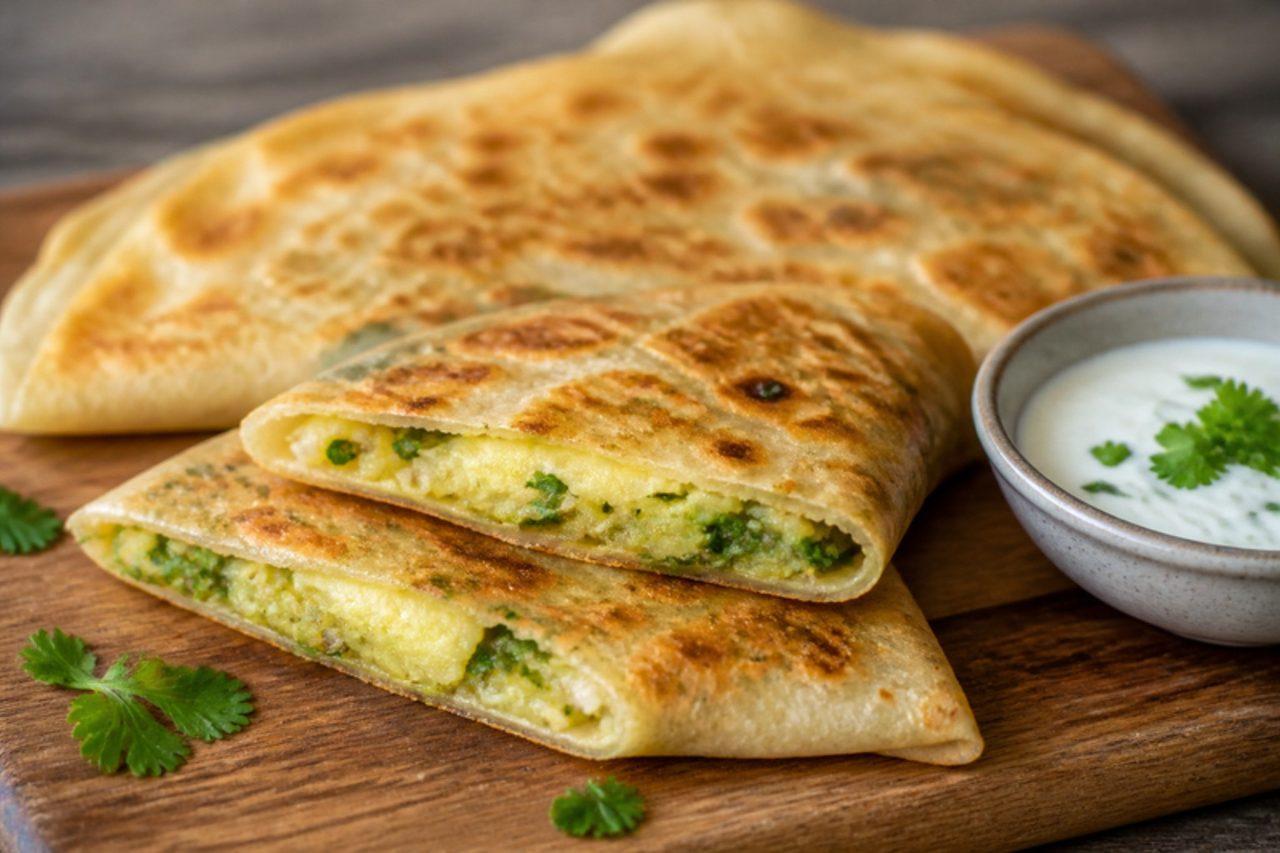
Bolani are thin, crisp half-moon flatbreads sold hot from griddles in Kabul's bazaars and made at home for Ramadan iftar, picnics and guests who drop in unannounced. The dough is rolled paper-thin, filled with mashed potato and spring onion (or with leeks or pumpkin), folded and fried in a little oil until blistered and golden. Cut them into wedges and serve with plain yoghurt or a green chutney. Chef's tip: spread the filling in a thin, even layer right to the edges; bolani should be flat and crackly, not puffy and doughy.

by KrazyBadal 0 views

ChurchkhelaWalnuts in grape juice coating

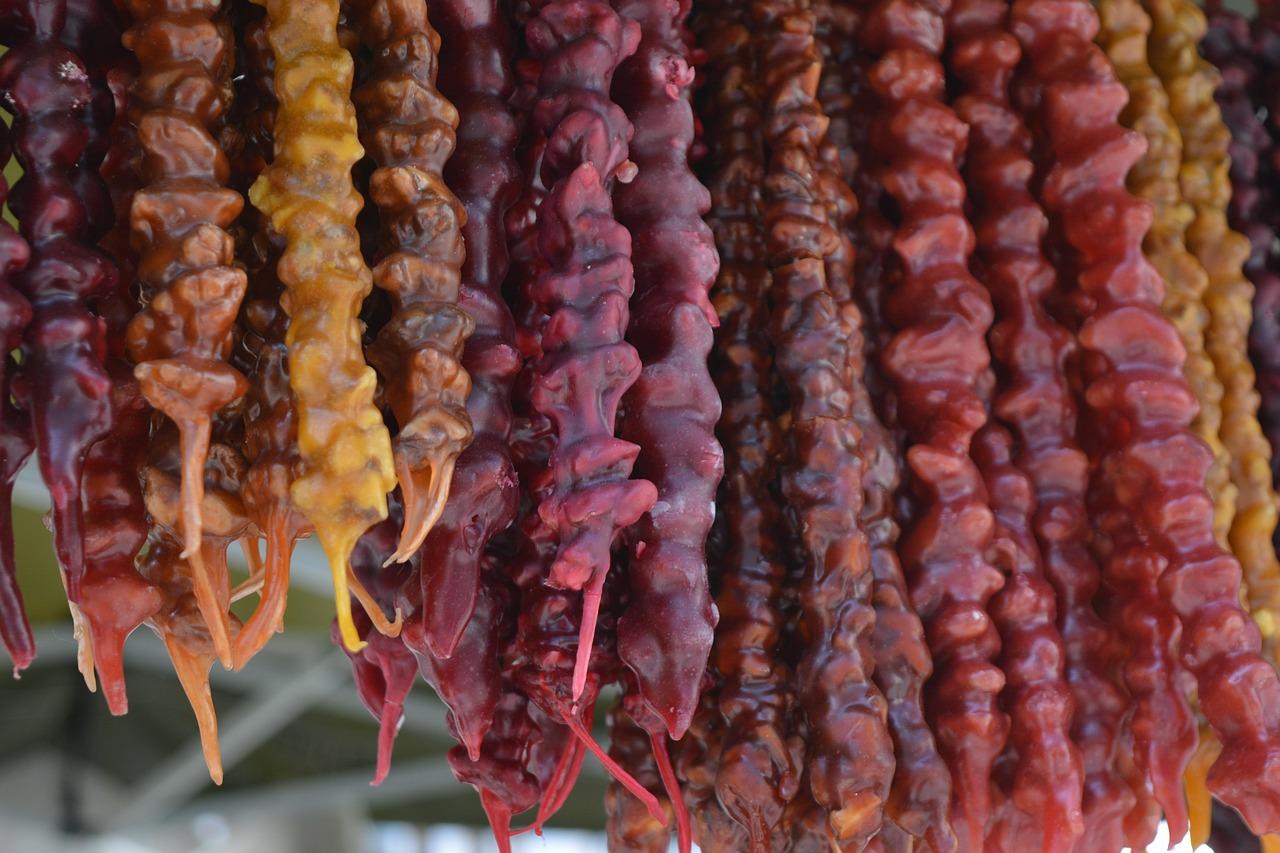
Churchkhela are the candle-shaped sweets you see hanging in bunches at every Georgian market, but they are made at home during rtveli, the grape harvest in Kakheti in September and October. Walnuts are threaded on a string and dipped again and again in tatara, fresh grape must thickened with flour, then hung up to dry for a week, until firm and chewy outside and tender within. They are eaten at New Year and kept for months. A common mistake is a tatara that is too thin, which slides off the nuts; it should coat the back of a spoon thickly and fall in ribbons. Chef's tip: let each coat set for 10–15 minutes before the next dip; three or four thin coats look and keep better than one thick one.

by KrazyBadal 0 views

ZanMillet porridge with vegetables

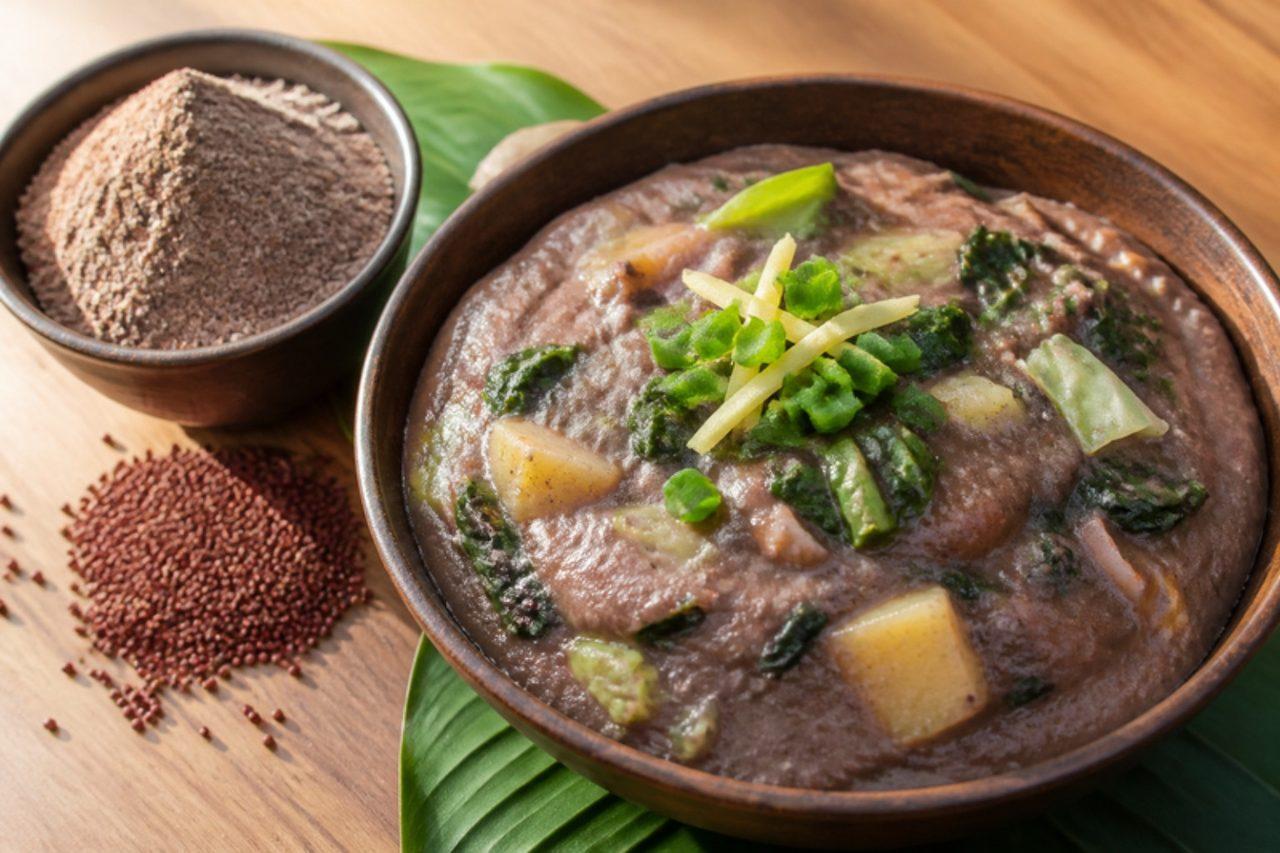
Zan is the millet porridge of Arunachal Pradesh, eaten by the Monpa, Sherdukpen and other hill communities for breakfast or dinner on cold days. Finger millet (ragi) flour is stirred into boiling water with vegetables, ginger and chilli until thick and smooth, then served with a chilli chutney or butter. Some families cook it with meat; this is the vegetable version. It is warming, filling and earthy-tasting, a little like a savoury polenta. Chef's tip: sprinkle the millet flour in with one hand while whisking with the other, or it forms lumps that never cook out.

by KrazyBadal 0 views

Chuchitos de verdurasSmall vegetable tamales

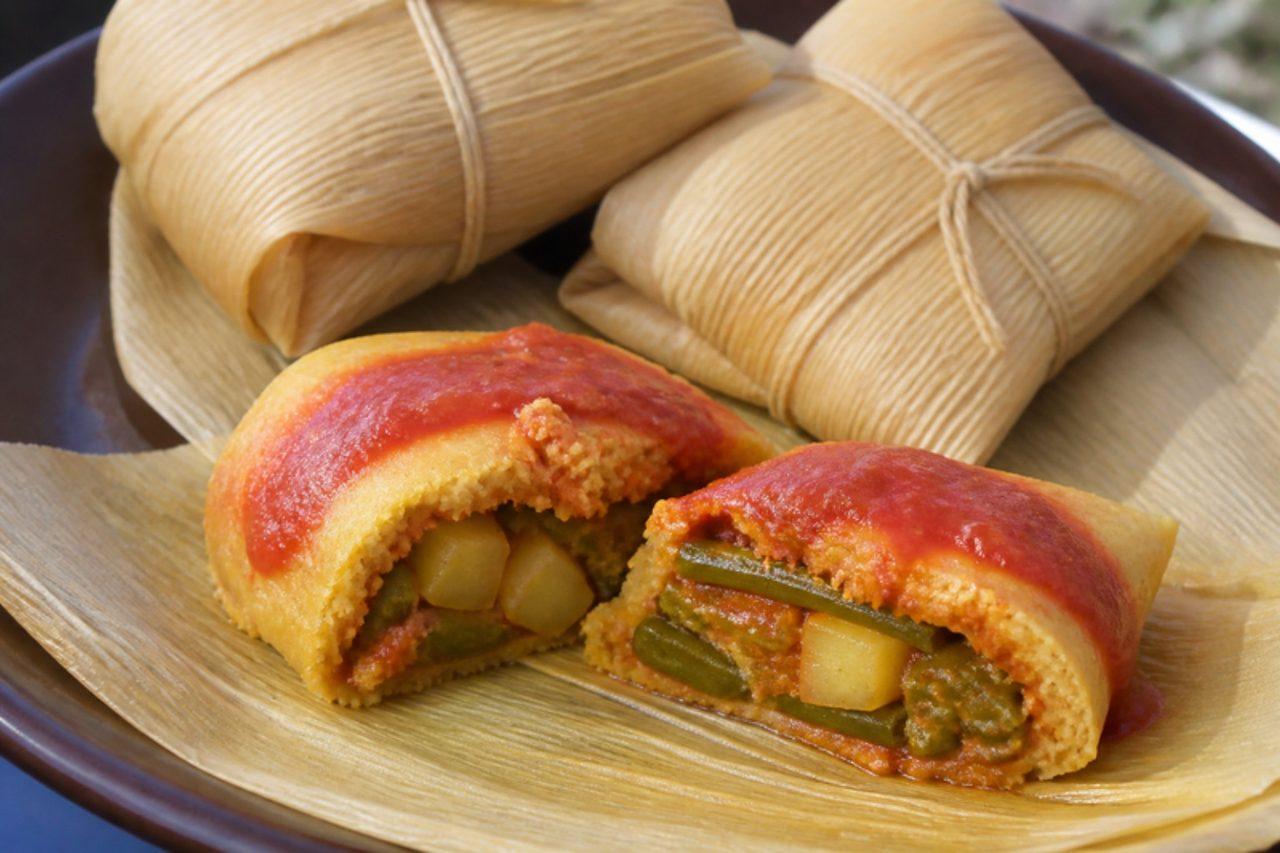
Chuchitos are Guatemala's everyday tamal: small, firm parcels of masa tied in corn husks, sold from steaming pots at markets in Antigua and Guatemala City and eaten on Saturdays with a spoon of tomato sauce and crumbled dry cheese. They're denser than Mexican tamales, with the masa itself tinted by the red recado. Here they're filled with potato, green beans and sweet pepper instead of chicken. Chef's tip: beat the masa until a pinch floats in a glass of water; that air makes them tender rather than stodgy.

by KrazyBadal 0 views

Chuanbei liangfenMung bean jelly in chilli oil

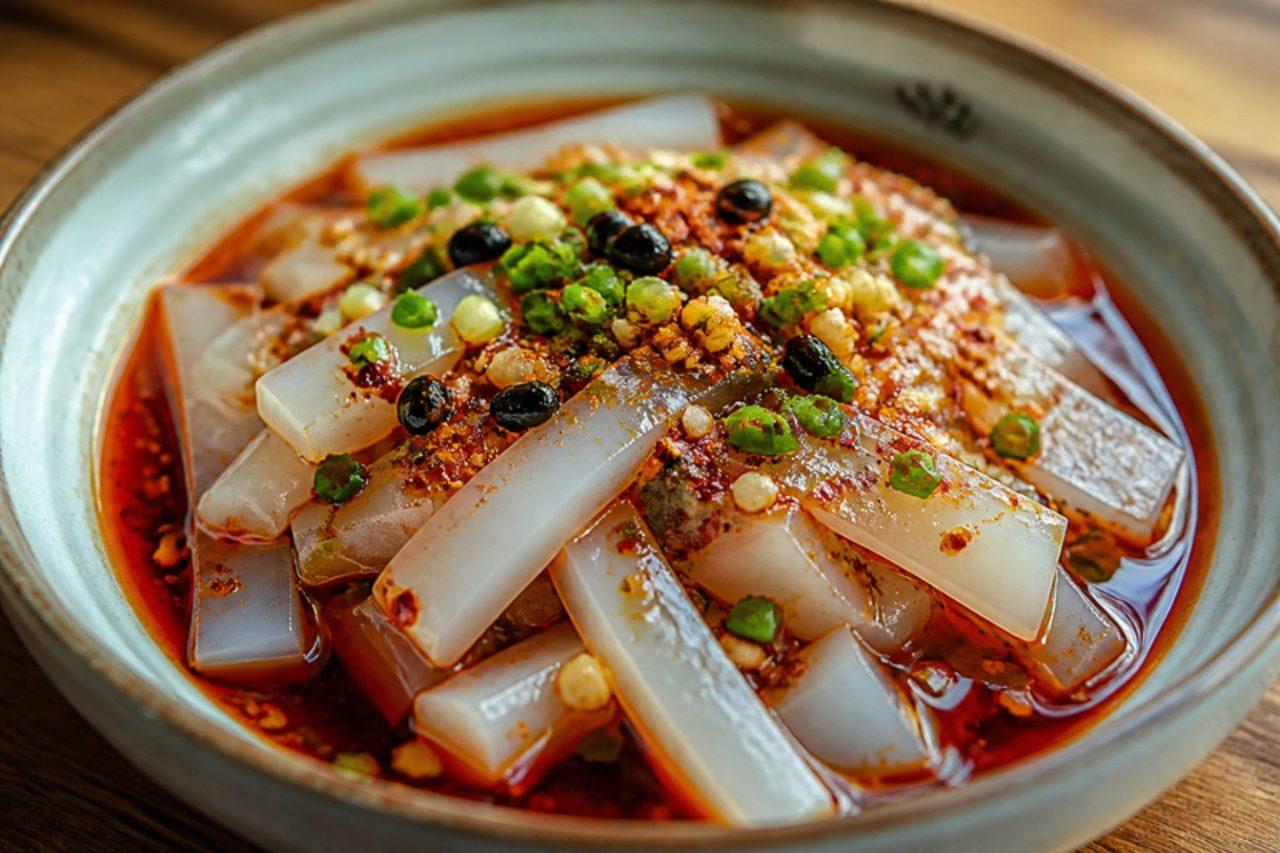
Nanchong, in the hills of north Sichuan, is famous for this snack: a soft, wobbly jelly set from bean starch, cut into thick ribbons and drowned in a red, glossy dressing. Street sellers keep it in big blocks and slice it to order, and people eat it as a mid-afternoon snack or a cold starter on hot days. The jelly itself tastes of almost nothing; the slippery texture and the punchy dressing are the point. Chef's tip: let the jelly set fully in the fridge, ideally overnight, so it is firm enough to cut cleanly but still trembles.

by KrazyBadal 0 views

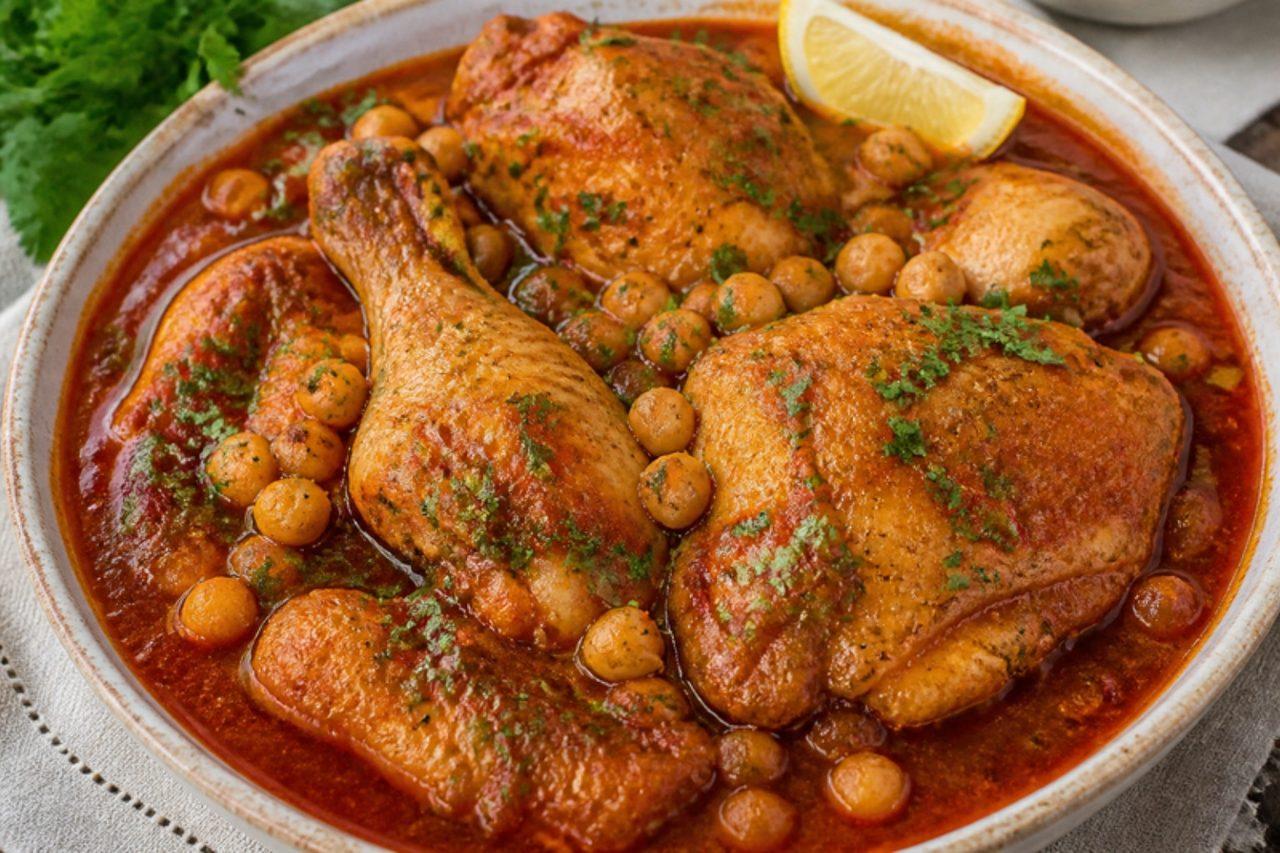
Chtitha djejChicken in paprika sauce with chickpeas

Chtitha djej is the everyday chicken of Algerian homes from Algiers to Constantine: chicken pieces simmered in a red sauce of paprika, cayenne, garlic and caraway with chickpeas, reduced until thick and clinging. It is mopped up with khobz or matlouh flatbread. The mistake is burning the garlic and paprika when they go into the oil, which turns the sauce bitter; keep the heat moderate and add water as soon as they smell toasted. Chef's tip: add a squeeze of lemon right at the end to brighten the spices.

by KrazyBadal 0 views

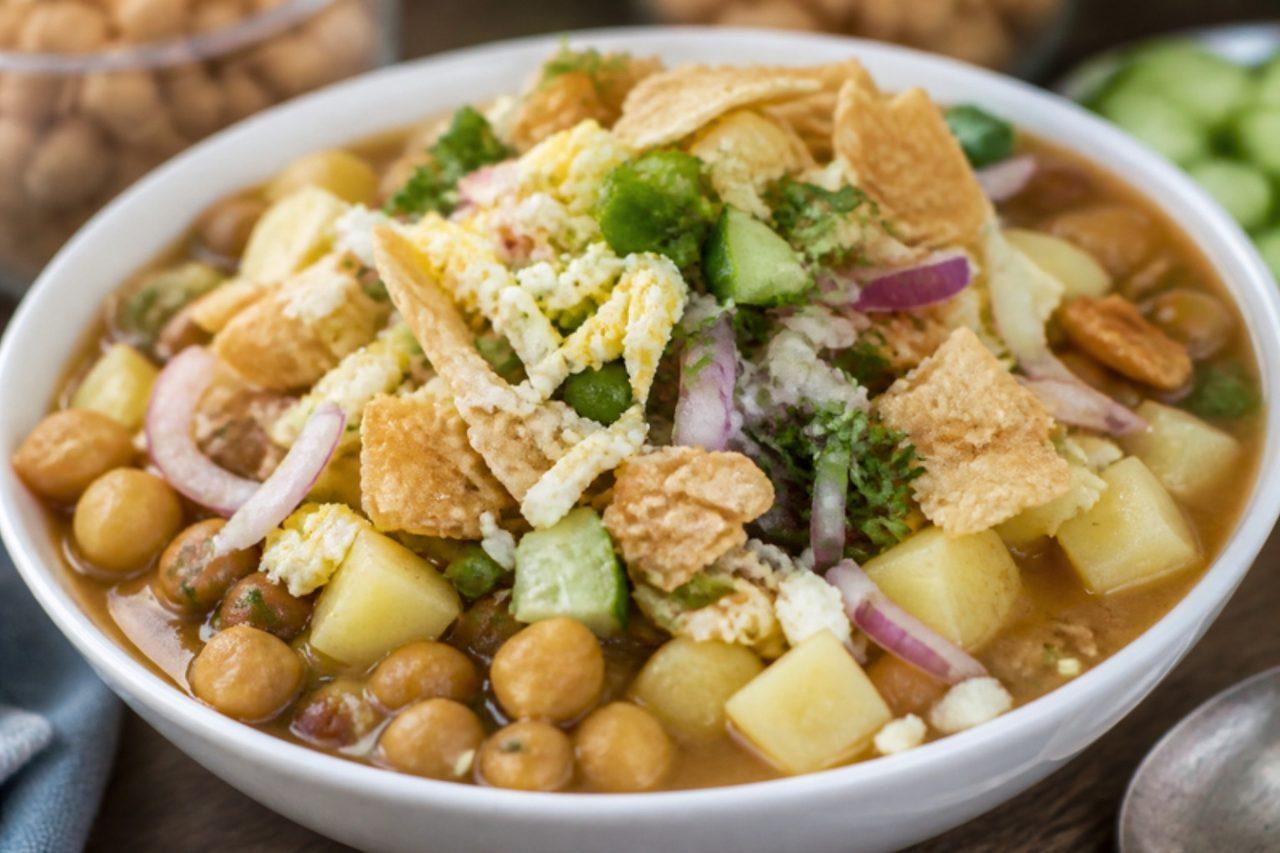
ChotpotiSpiced yellow pea snack

Chotpoti is what Dhaka eats at dusk: vendors ladle it from great brass pots at Dhanmondi Lake and outside every university gate, and during Ramadan it is a fixture of the iftar spread. Dried yellow peas (motor) are simmered with potato until soft and slightly soupy, then served warm under a shower of raw onion, green chilli, grated boiled egg, crushed fuchka shells, roasted cumin and plenty of sour tamarind water. Chef's tip: soak the peas overnight and cook them until some burst and thicken the liquid; chotpoti should be spoonable, halfway between a stew and a salad.

by KrazyBadal 0 views

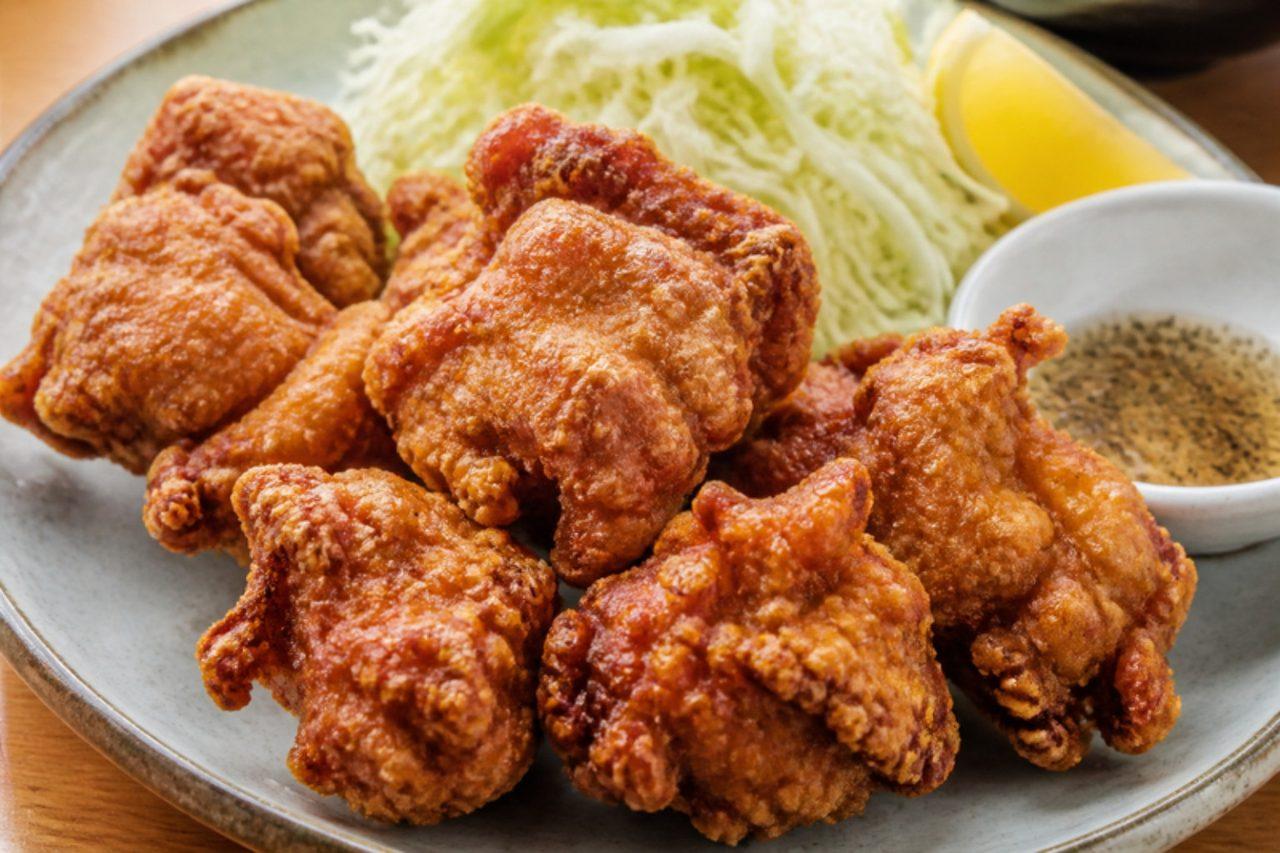
ZangiFried marinated chicken

Ask for fried chicken in Kushiro or Sapporo and you'll be handed zangi, which locals insist is not the same as karaage. A Kushiro restaurant says it coined the name around 1960, and today zangi shops, ski-lodge canteens and supermarket delis across Hokkaido sell it in big, bone-in pieces. The chicken soaks for hours in a punchy mix of soy, sake, garlic, ginger and oyster sauce with an egg beaten in, so the flavour runs right through the meat, and it often comes with a sharp dipping sauce of vinegar, soy and black pepper. The coating is a mix of flour and starch, so it fries darker and more savoury than karaage. Chef's tip: marinate it overnight in the fridge for the full Hokkaido flavour; 30 minutes works, but the difference is clear.

by KrazyBadal 0 views

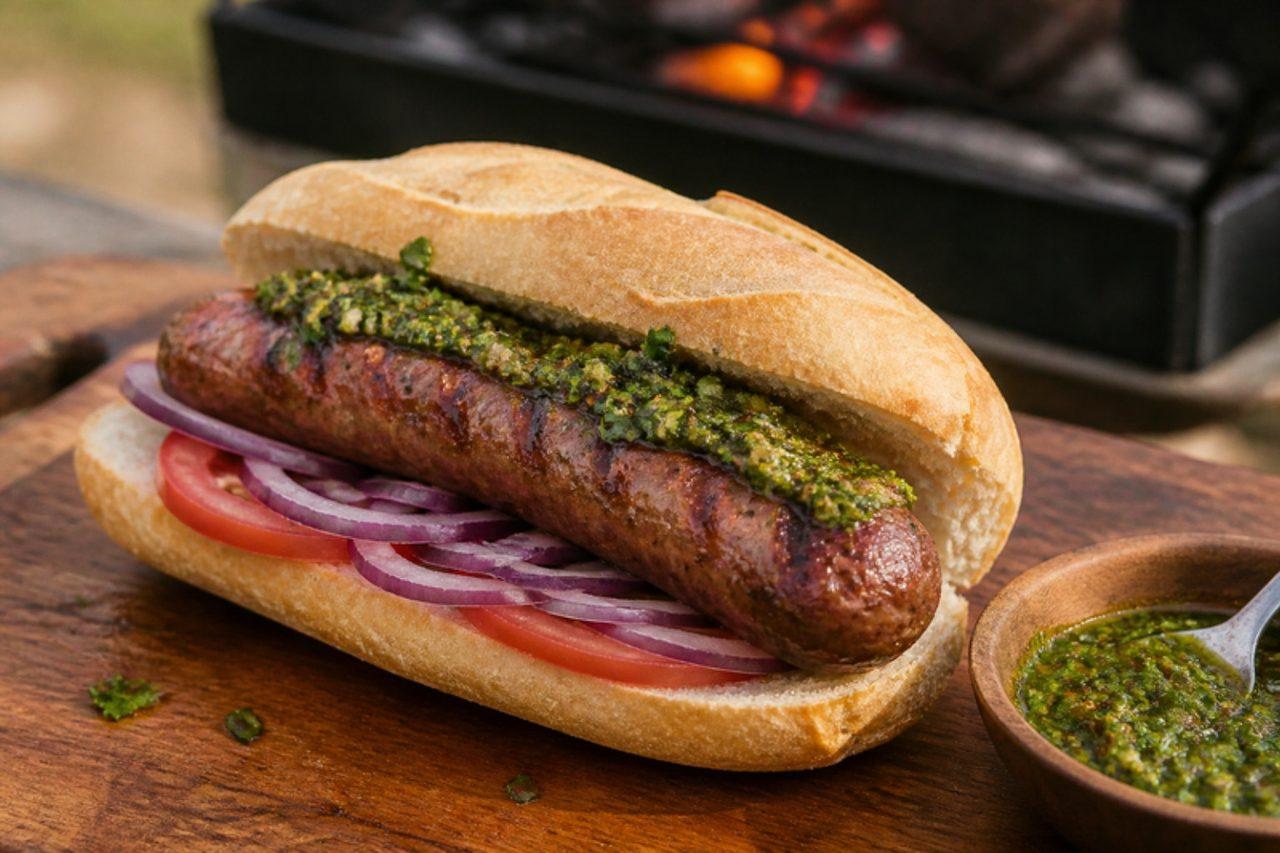
ChoripánChorizo sandwich

Choripán is what fans buy outside football stadiums in Buenos Aires, what the asador hands round while the beef is still cooking, and what stalls sell along Costanera Sur on a Sunday afternoon. This is a pork dish: a fat Argentine-style fresh chorizo (pork, sometimes mixed with beef) is grilled slowly, split open (a mariposa) and tucked into a crusty roll with chimichurri or salsa criolla. That's it, and it doesn't need more. The common mistake is grilling the chorizos too hot, so the skins burst and the centre stays raw; low and slow is the rule. Chef's tip: once cooked, split each chorizo lengthways and give the cut sides 1 minute on the grill so they char a little.

by KrazyBadal 0 views

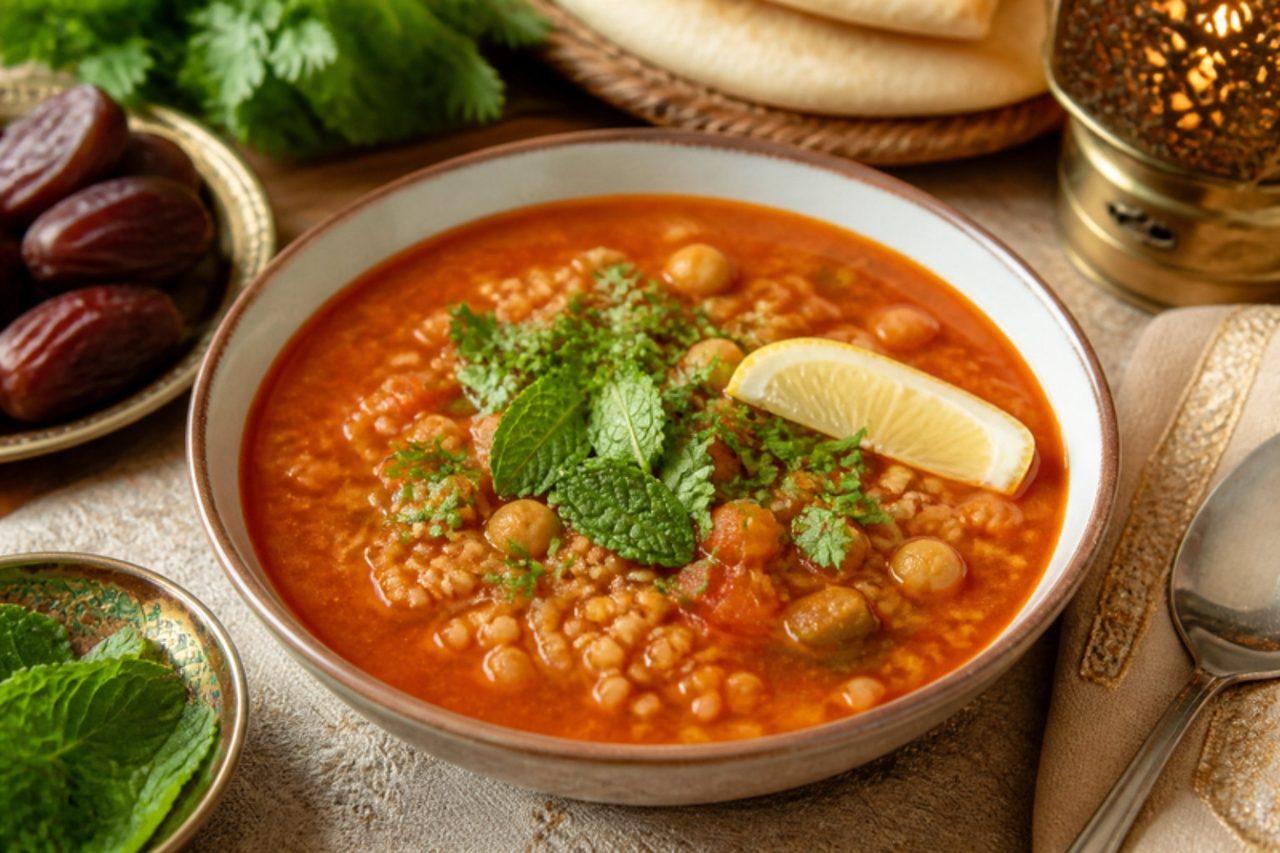
Vegetable chorba frikTomato soup with green wheat

Chorba frik is the soup that breaks the fast in Algerian homes every evening of Ramadan, from Algiers to Constantine, and it is just as common in Libya as shorba. Frik is young green wheat, roasted and cracked, which gives the tomato broth a smoky, nutty depth. It usually cooks with lamb; here chickpeas, celery and courgette carry it. Serve with lemon wedges and bread. Chef's tip: add the frik only once the broth is boiling and stir for the first minute, or it sinks and sticks.

by KrazyBadal 0 views

BoereworsCoriander-spiced coiled sausage

This sausage contains pork. Boerewors, 'farmer's sausage', is the centre of every South African braai, from a Pretoria back garden to a Durban beach on Heritage Day. A thick coil of coarsely minced beef and pork, perfumed with toasted coriander, nutmeg and cloves and sharpened with vinegar, is grilled over coals and eaten with pap and chakalaka or in a roll as a boerie. Making it takes a sausage stuffer and natural casings, but the spicing is what matters. The classic mistake is pricking the sausage, which lets the juices run out and dries it; never pierce boerewors. Chef's tip: toast the whole coriander seeds until they crackle and grind them coarsely; the bits of seed are the signature of good boerewors.

by KrazyBadal 0 views

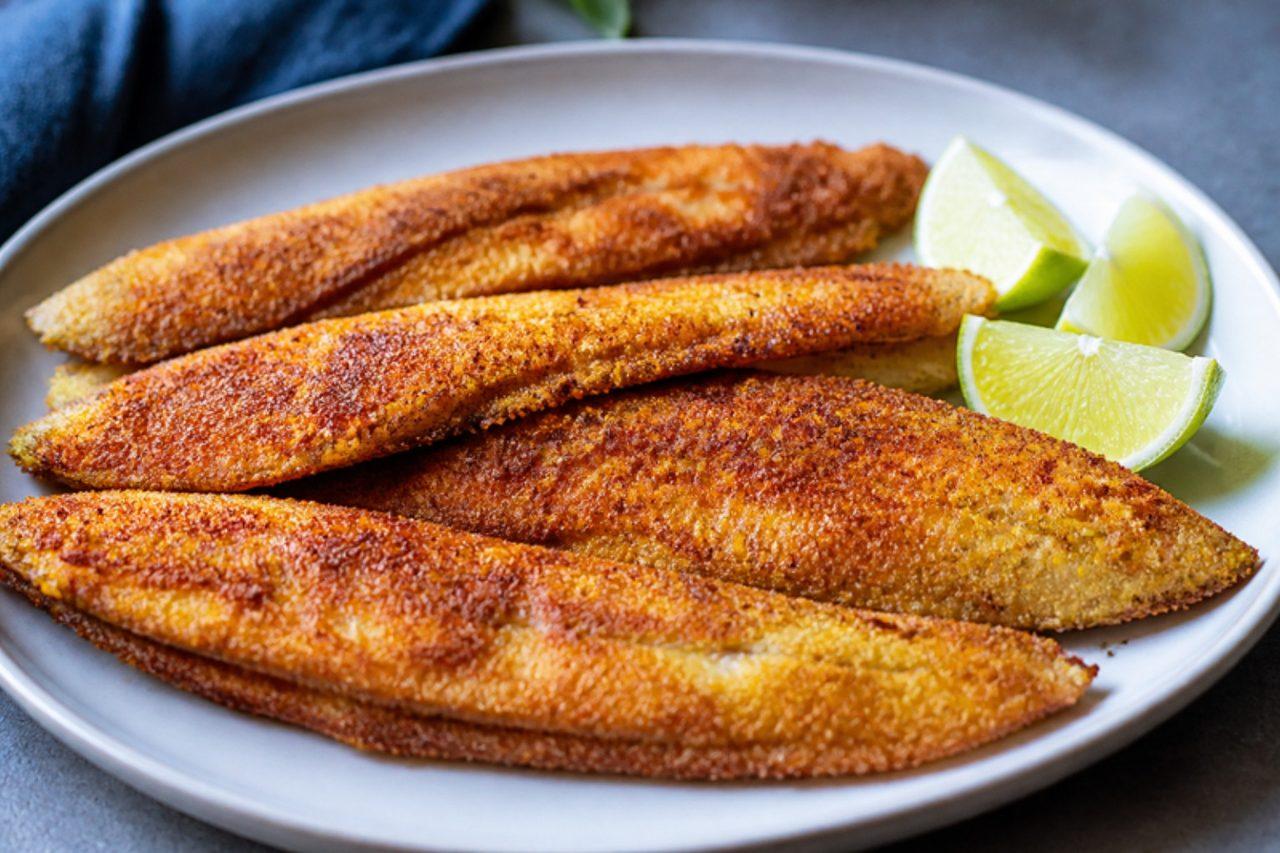
Bombil fryCrisp fried Bombay duck

Bombay duck is not a duck at all but bombil, a soft, almost jelly-like fish landed in huge numbers at Sassoon Dock and the Koli fishing villages around Mumbai. Pressed flat, rubbed with chilli and rolled in semolina, it fries up with a shattering crust and a melting middle, and it turns up at Malvani restaurants and Koli homes as a starter or beside dal and rice. Chef's tip: press the opened fish under a weighted plate for 10 minutes before marinating; it squeezes out water so the crust stays crisp.

30 minIndianFish
by KrazyBadal 0 views

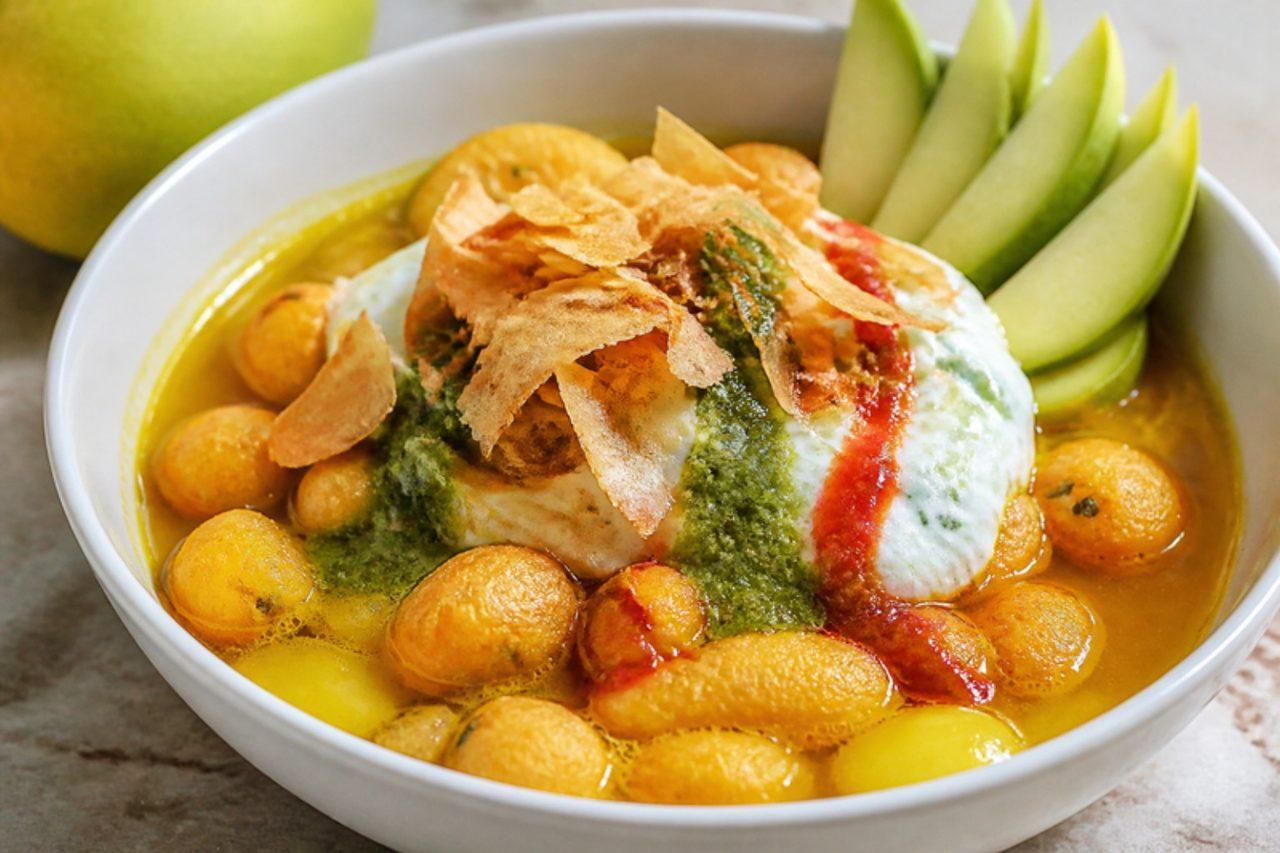
Zanzibar mixMango and gram flour soup with fritters

Zanzibar's famous street bowl (urojo): a thin, tangy, golden soup of gram flour, raw mango, coconut and chilli, filled with little lentil fritters and potato balls and topped with crushed cassava crisps and coconut, green and red chutneys. It's sour, spicy and crunchy all at once. Make the fritters, potato balls and chutney ahead, then assemble the bowls at the table.

by KrazyBadal 0 views

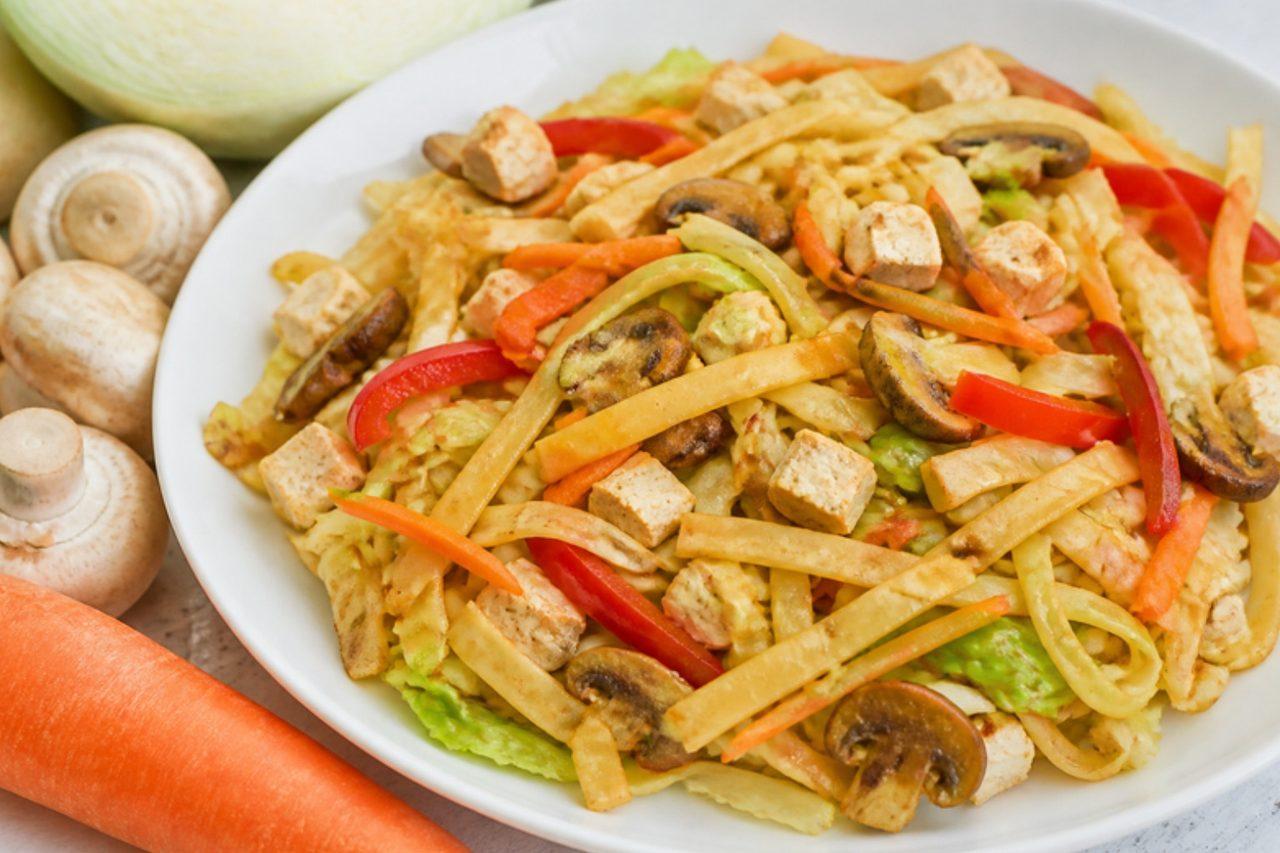
Vegetable tsuivanSteamed noodles with vegetables

Tsuivan is one of the most-cooked dinners in Mongolia, from Ulaanbaatar apartments to gers on the steppe: homemade noodles laid over a stir-fry and steamed under a lid until they soak up all the juices, then tossed together. It's normally made with mutton; meaty mushrooms and firm tofu stand in here, with carrot, cabbage and onion. Simple and filling, it's often eaten with a pot of salty milk tea. Chef's tip: lay the noodles on top and don't stir until the end; they cook in the steam, not in the liquid.

by KrazyBadal 0 views

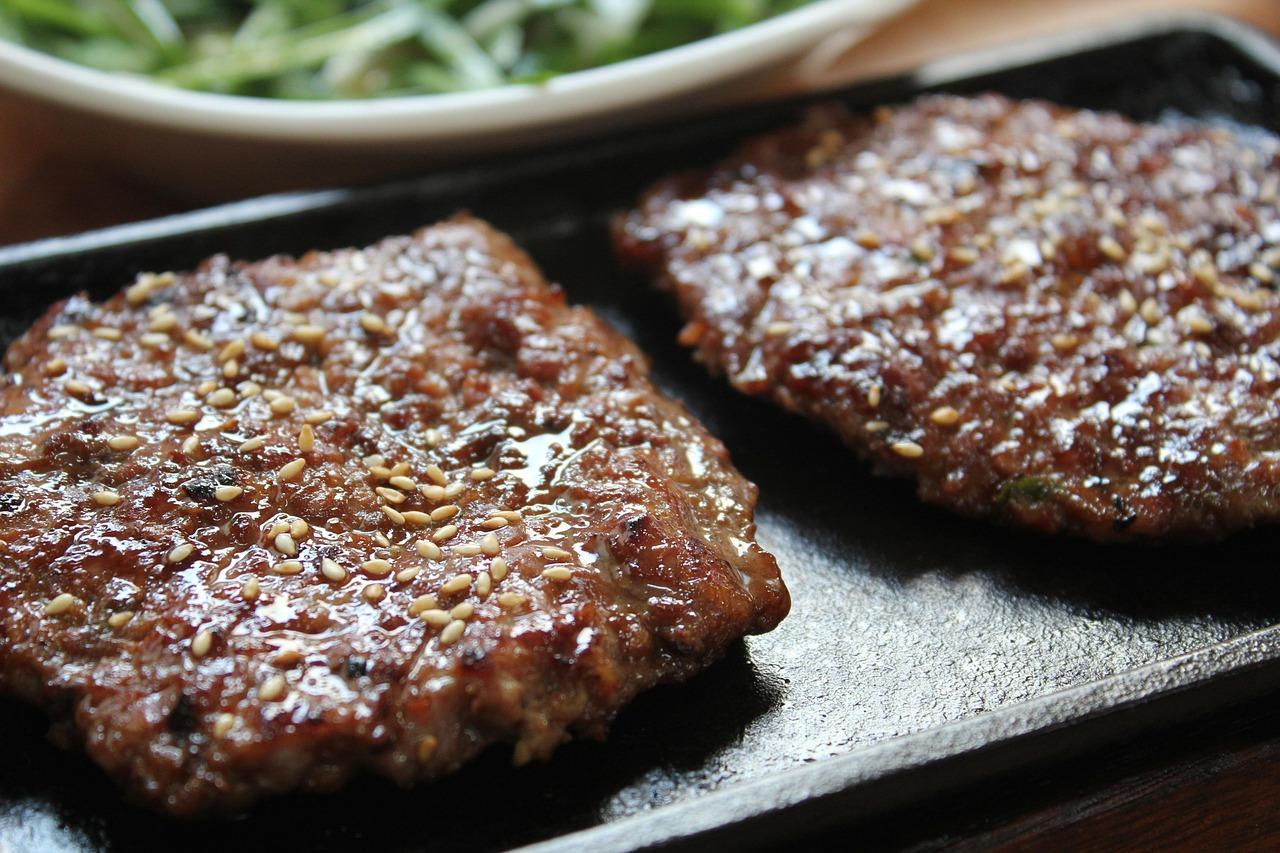
TteokgalbiGrilled short rib patties

Tteokgalbi is rib meat chopped finely, pressed back into neat slabs and grilled, so it's soft enough to eat without struggling with a bone. Two places in South Jeolla claim it: Damyang, the bamboo county, where all-beef patties come with rice steamed in bamboo tubes, and Gwangju's Songjeong district, whose restaurant street near the railway station mixes beef with pork. This home version uses minced beef and pork, seasoned with soy, garlic and pear, then brushed with a soy and honey glaze as it cooks. Serve with rice, lettuce and a few banchan; leftovers are good cold in a lunchbox. Chef's tip: slap the mince against the bowl for a few minutes; it turns sticky and the patties hold together on the grill without any breadcrumbs.

60 minKoreanMeat
by KrazyBadal 1 views

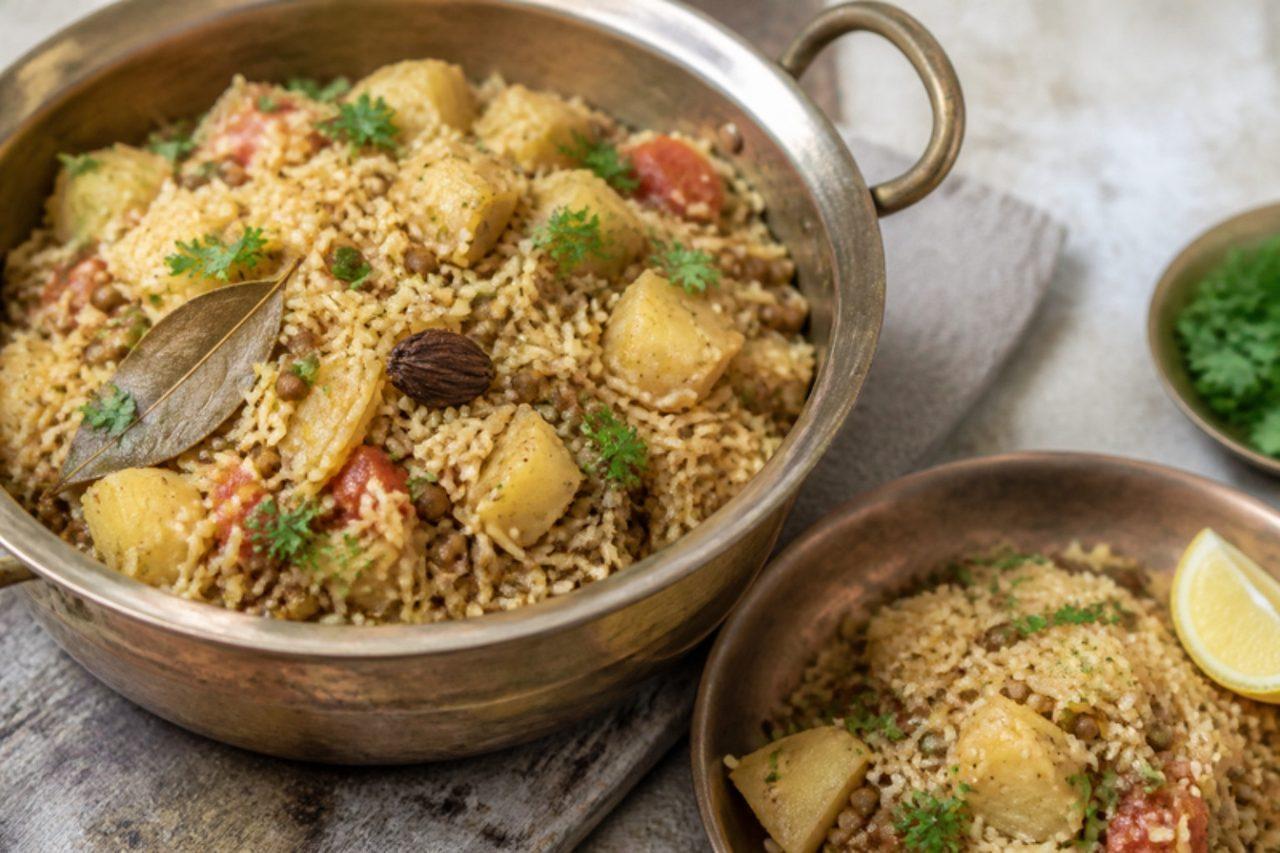
Tudkiya bhathSpiced rice with lentils and potatoes

Tudkiya bhath comes from Chamba in western Himachal Pradesh, where it is the dish cooks make when a crowd turns up: rice, whole lentils and potato cooked in one big pot with fried onions, tomato and a tangy splash of yogurt. Tudka means tempering, and the name hints at the generous mustard-oil base of whole spices that flavours every grain. It is heartier and spicier than a pulao, a little wetter than a biryani, and is usually eaten with a bowl of plain yogurt or a sour pickle. Chef's tip: fry the onions properly to a deep golden brown; they give the rice its colour and its sweetness.

by KrazyBadal 0 views

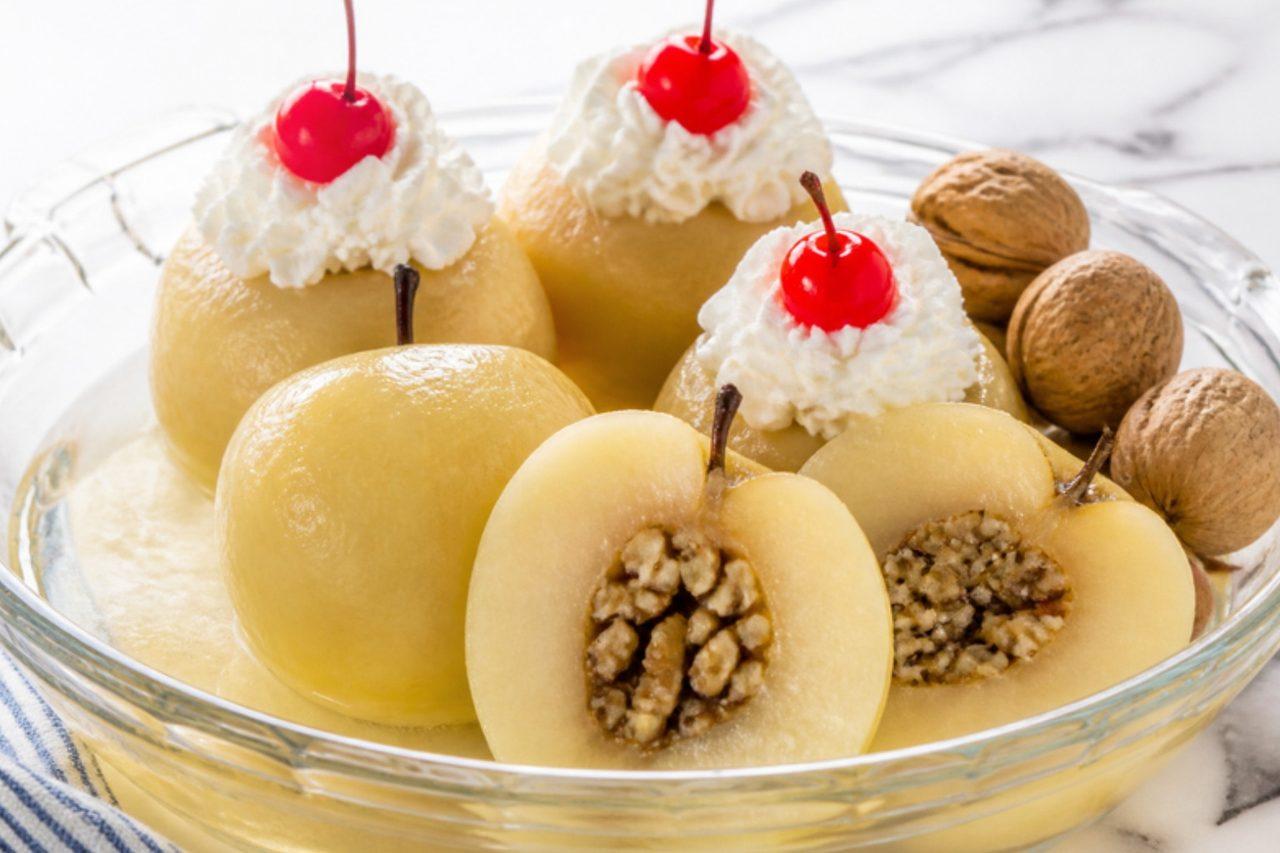
TufahijeWalnut-stuffed poached apples

Tufahije came to Bosnia with the Ottomans, and the name comes from the Persian and Arabic word for apple. In Sarajevo's old Baščaršija quarter they sit in the windows of slastičarne (sweet shops), whole apples poached pale in lemon syrup, filled with sweet walnuts and capped with whipped cream; at home they are a favourite after the iftar meal during Ramadan and at Bajram. They are soft, juicy and only moderately sweet. Chef's tip: choose firm, slightly tart apples and poach them gently; boiling them hard is the classic mistake and leaves you with split, mushy apples.

by KrazyBadal 0 views

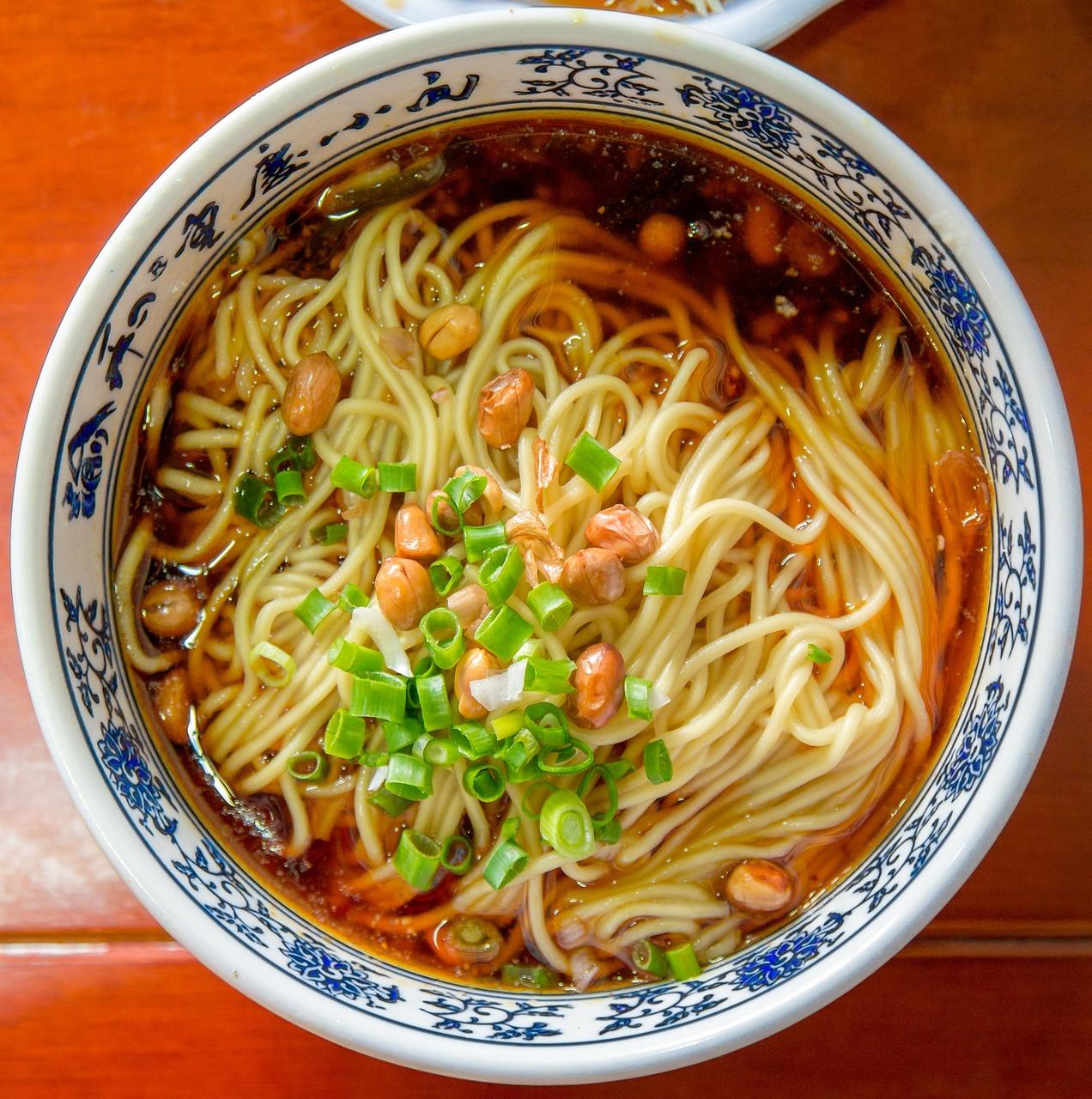
Chongqing xiao mianChilli oil noodles

Chongqing wakes up to these: thin wheat noodles in a small bowl of red, numbing sauce, eaten standing up at street stalls before work. The noodles are plain; everything happens in the bowl, where chilli oil, Sichuan pepper, garlic water, preserved mustard greens and crushed peanuts are stacked up before the noodles go in. The vegetable version on this page is how most locals order it day to day. Chef's tip: some bought chilli oils are made with beef fat, so check the label or use your own vegetable-oil chilli oil.

by KrazyBadal 0 views

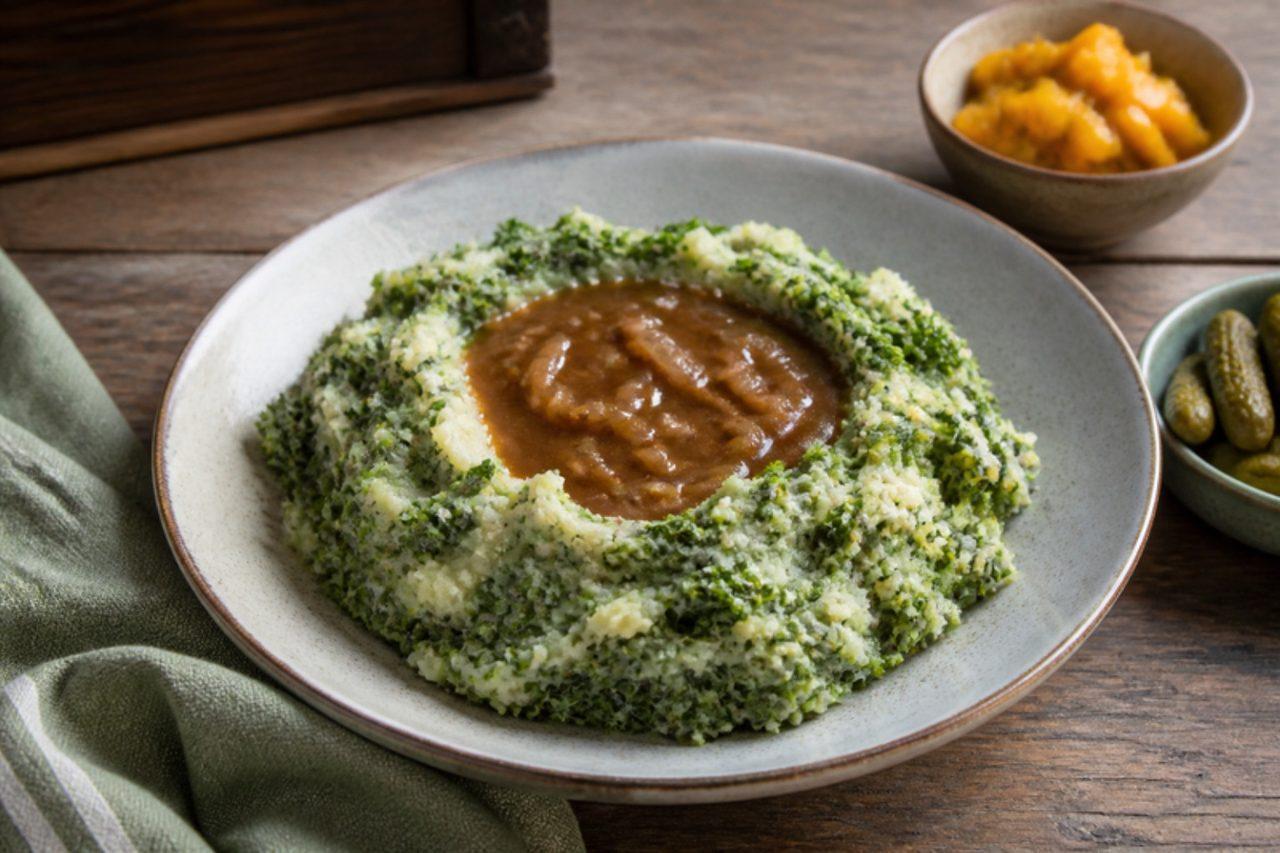
BoerenkoolstamppotKale and potato mash

When the first frost hits the Dutch polders, farmers say the kale (boerenkool) finally turns sweet, and that is the signal for boerenkoolstamppot: floury potatoes mashed with finely shredded raw kale until the green is just wilted by the heat of the mash. Across the Netherlands it is the dinner of dark December evenings and the meal people want after skating on a frozen canal. Every plate gets a kuiltje, a little well pressed into the mash and filled with gravy. The classic partner is a smoked rookworst sausage; this vegetarian version keeps the smoky note with pan-fried smoked tofu and a slow-cooked onion gravy, and a spoon of mustard on the side. Chef's tip: shred the kale as fine as you can and stir it in raw at the very end, so it stays bright green with a little bite instead of turning grey and soggy.

by KrazyBadal 0 views

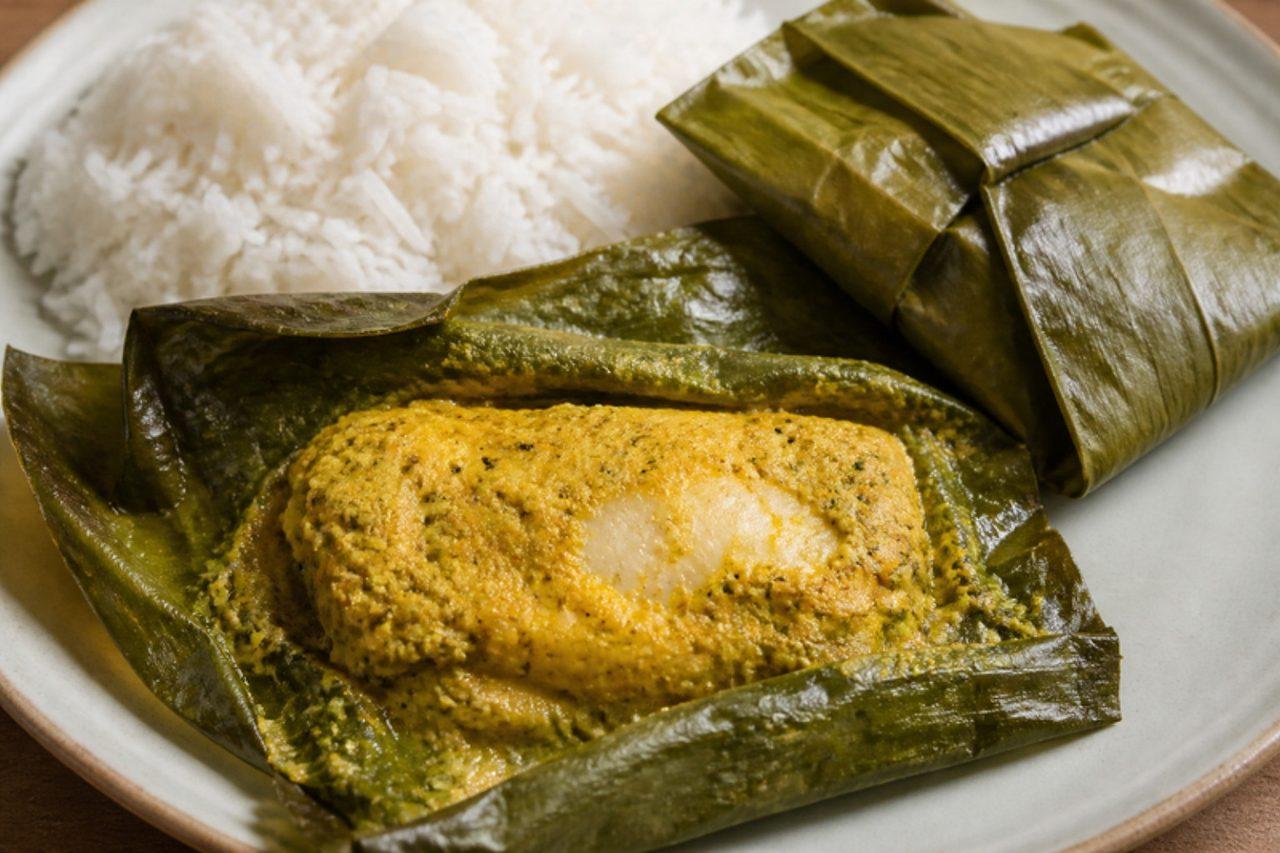
Bhetki paturiFish steamed in banana leaf

Paturi means 'wrapped in a leaf', and in Bengal the favourite fish for it is bhetki, the meaty barramundi of the Sundarbans estuaries. Fillets are coated in a sharp paste of mustard, coconut and green chilli, tied up in banana leaf and steamed or cooked on a griddle, so they come out moist and fragrant. It is a dish for celebration lunches in Kolkata and is unwrapped at the table over hot rice. Chef's tip: no banana leaves? Use baking paper inside foil; you lose a little aroma but none of the texture.

55 minIndianFishGluten free
by KrazyBadal 0 views

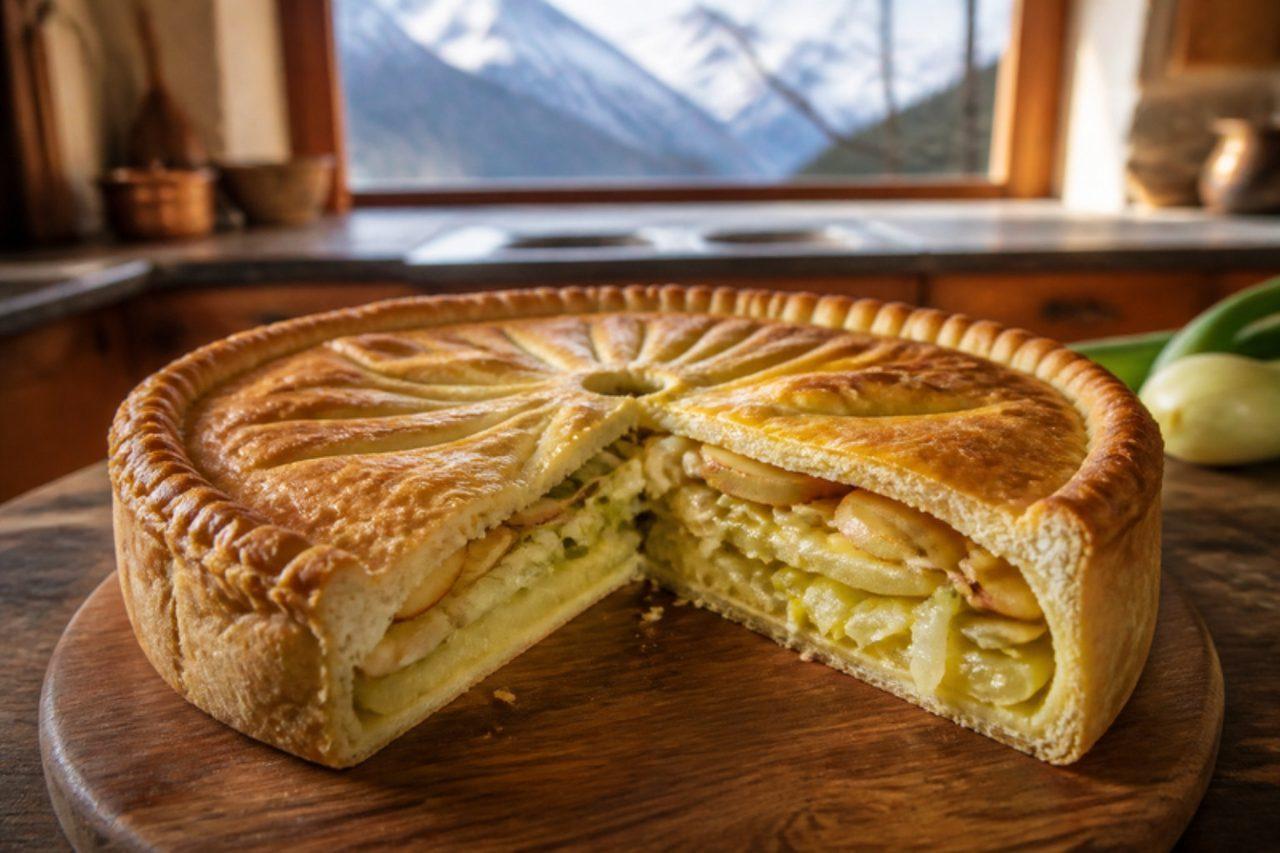
CholeraPotato, leek and apple pie

Cholera is a Valais pie from the upper Rhône valley, especially the Goms district, filled with layers of potato, leek, apple, pear and mountain cheese under a pastry lid. One story ties the name to the 1830s cholera outbreak, when people stayed home and baked whatever was in the cellar; another to the old Valais word for a coal stove, chola. It is eaten warm or cold, as a Sunday lunch, picnic food or a slice with a green salad, and the sweet fruit against salty cheese and soft leek is the whole point. Some Valais cooks add bacon; this vegetarian version doesn't need it. Use cheese made with vegetarian rennet. Chef's tip: slice the potatoes, apples and pear thinly and evenly (3 mm) so everything cooks through in the time the pastry takes to brown.

by KrazyBadal 0 views

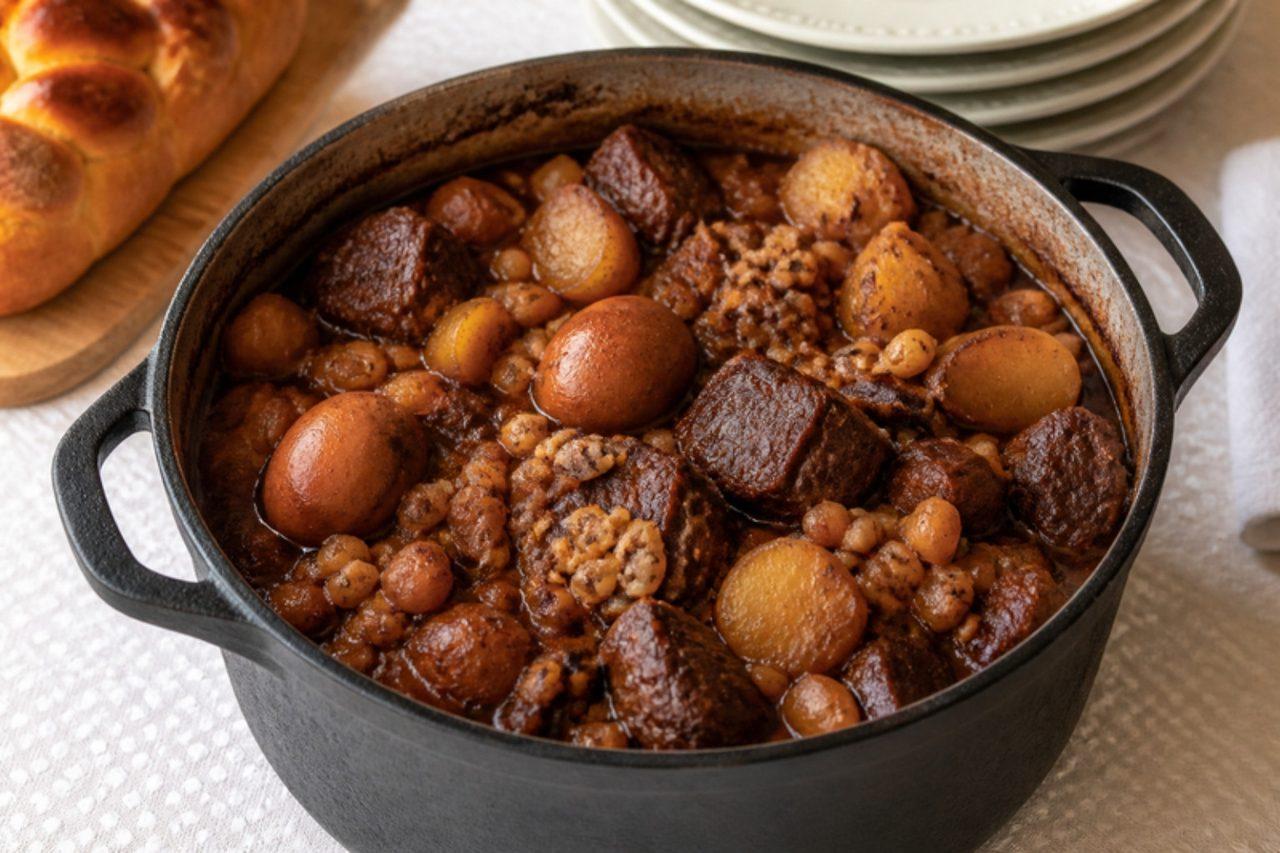
CholentOvernight beef and bean stew

Cholent, called hamin by Sephardic families, is the slow stew that Jewish homes in Jerusalem, Tel Aviv and Bnei Brak put on before Shabbat begins on Friday afternoon, so it can cook gently overnight without anyone touching the stove and be eaten hot at Saturday lunch. Beef, dried beans, pearl barley, potatoes and onions cook for 12 hours or more in a paprika-scented broth, often with whole eggs in their shells that turn brown and creamy. Chef's tip: add enough water to just cover everything; too little and it dries out overnight, too much and it is soup.

750 minIsraeliMeat
by KrazyBadal 0 views

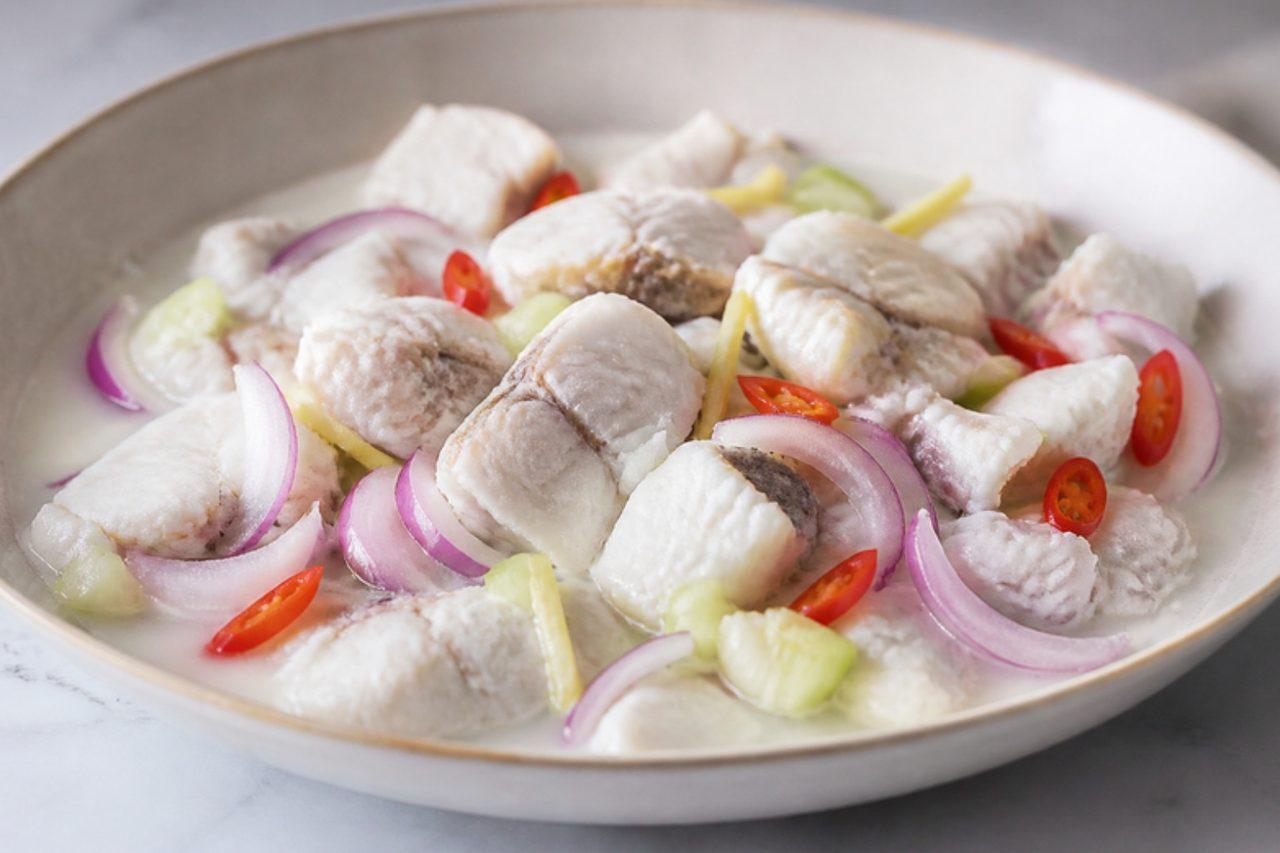
Tuna kinilawRaw tuna in vinegar

Kinilaw is the Visayas and Mindanao way with very fresh fish: raw cubes of tuna or Spanish mackerel (tanigue) cured briefly in coconut or palm vinegar with ginger, red onion, chilli and calamansi. In General Santos, the tuna capital, and on the beaches of Cebu and Siargao, it is made minutes after the catch and eaten as pulutan or a starter on hot afternoons. Please note: the fish is not cooked by heat; the vinegar only firms it and turns it opaque, and it does not kill all bacteria or parasites. Use only sashimi-grade fish that has been frozen to kill parasites, and pregnant women, young children, older people and anyone with a weakened immune system should not eat it. Chef's tip: pour a first splash of vinegar over the fish and drain it off, then dress it; this 'washing' firms the surface and keeps the flavour clean.

by KrazyBadal 0 views

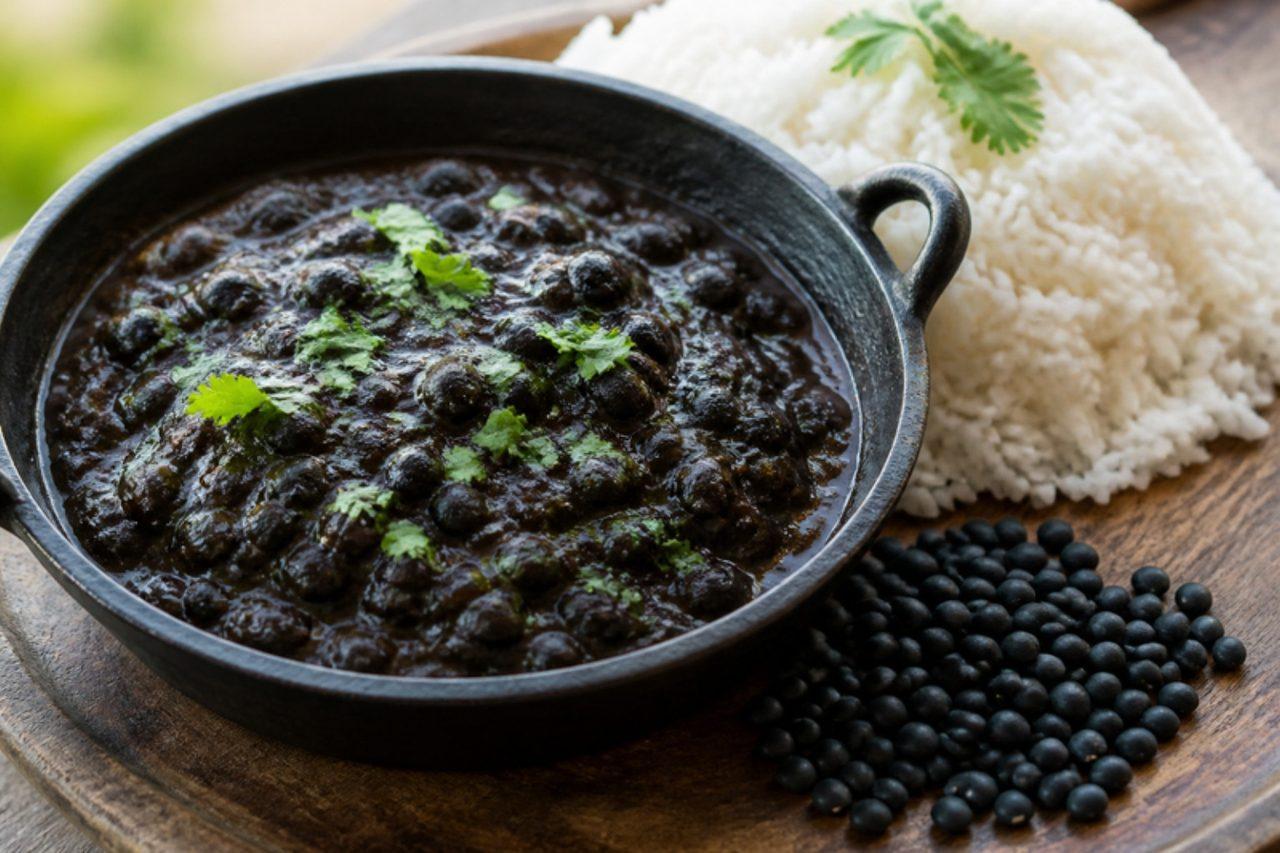
Bhatt ki churkaniBlack soybean curry

Black soybeans, called bhatt, grow on the slopes around Almora and Pithoragarh, and churkani is the everyday Kumaoni way of eating them: roasted in a dry iron pan until they crack, then simmered with garlic, ginger and a little rice flour into a thick, nearly black gravy. It's the kind of food that keeps people warm through a hill winter, eaten with steamed rice, a spoonful of ghee and a sharp radish raita. The roasting gives a nutty, almost smoky taste you won't get from boiling the beans. Chef's tip: cook it in an iron kadhai if you have one; the metal reacts with the beans and gives churkani its traditional dark colour.

by KrazyBadal 0 views

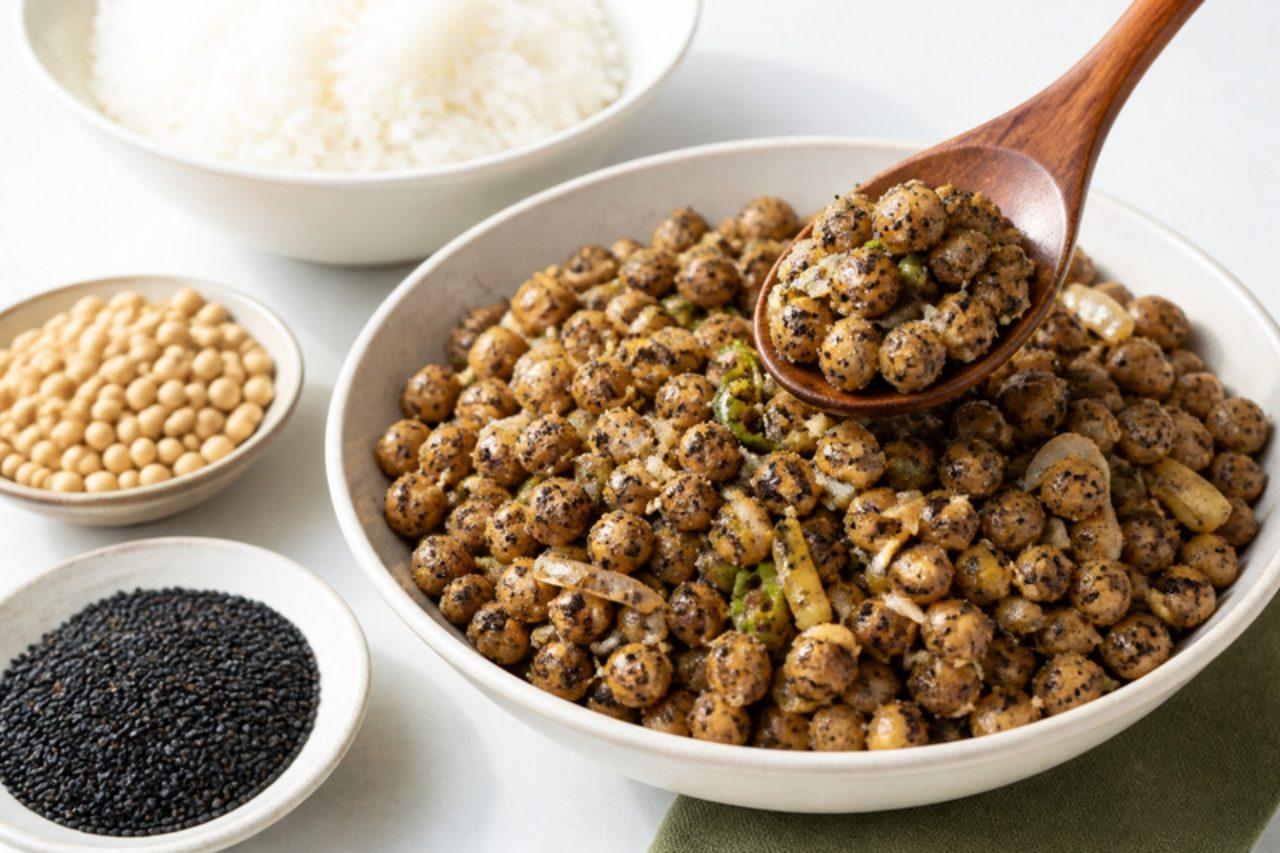
TungrymbaiFermented soybean with sesame and ginger

Tungrymbai is the Khasi Hills' great fermented food: soybeans boiled, wrapped in leaves and left by the hearth until sticky and pungent, then cooked with onion, ginger, garlic, turmeric and a generous paste of roasted black sesame. In Shillong's markets and local eateries (jadoh stalls), it is often cooked with pork, but many Khasi homes make it with soybeans alone, which is the version here. It is dark, nutty and savoury, eaten in small spoonfuls with rice. Chef's tip: roast the black sesame until it just begins to pop; underroasted it tastes grassy, overroasted it turns bitter. Natto works if you can't get tungrymbai.

by KrazyBadal 0 views

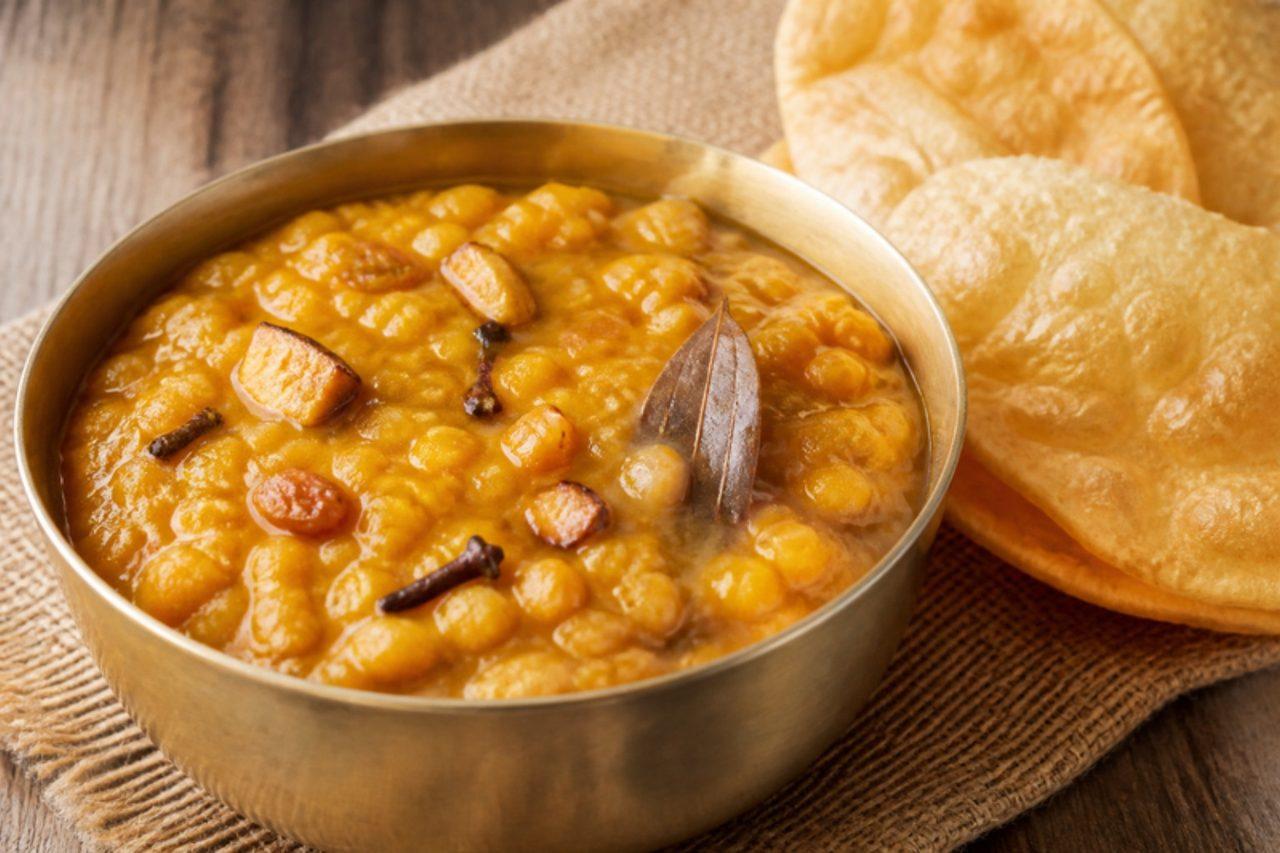
Cholar dalChana dal with coconut

Cholar dal is the festive dal of Bengal, cooked for Durga Puja and weddings and always paired with luchi. Split bengal gram is simmered until soft but whole, then finished with a fragrant tempering of ghee, bay leaf, cinnamon, cardamom and cloves, little fried coconut pieces and plump raisins. It is thick, mildly sweet and warmly spiced rather than hot. Serve with luchi, puri or steamed rice. Chef's tip: fry the coconut slivers until golden before anything else goes in the pan; they stay crisp-chewy and add a toasty sweetness to every spoonful.

by KrazyBadal 0 views

Chodang sundubuSoft silken tofu

In Chodang village on the edge of Gangneung, tofu houses have curdled soy milk with clean seawater from the East Sea for generations, and the result, chodang sundubu (초당순두부), is served warm in a bowl before it has been pressed: soft, quivering curds in their own pale whey, with a soy dressing to spoon over. It is breakfast and lunch there, eaten with rice, kimchi and a few banchan, and tastes sweet and clean in a way packaged tofu never does. At home, nigari (the mineral salt left from seawater) gives the same effect. Use plain, unsweetened soy milk with at least 7% soy or make your own. Chef's tip: add the nigari off the heat and stir only once or twice; stirring after the curds start to form breaks them into grains.

by KrazyBadal 0 views

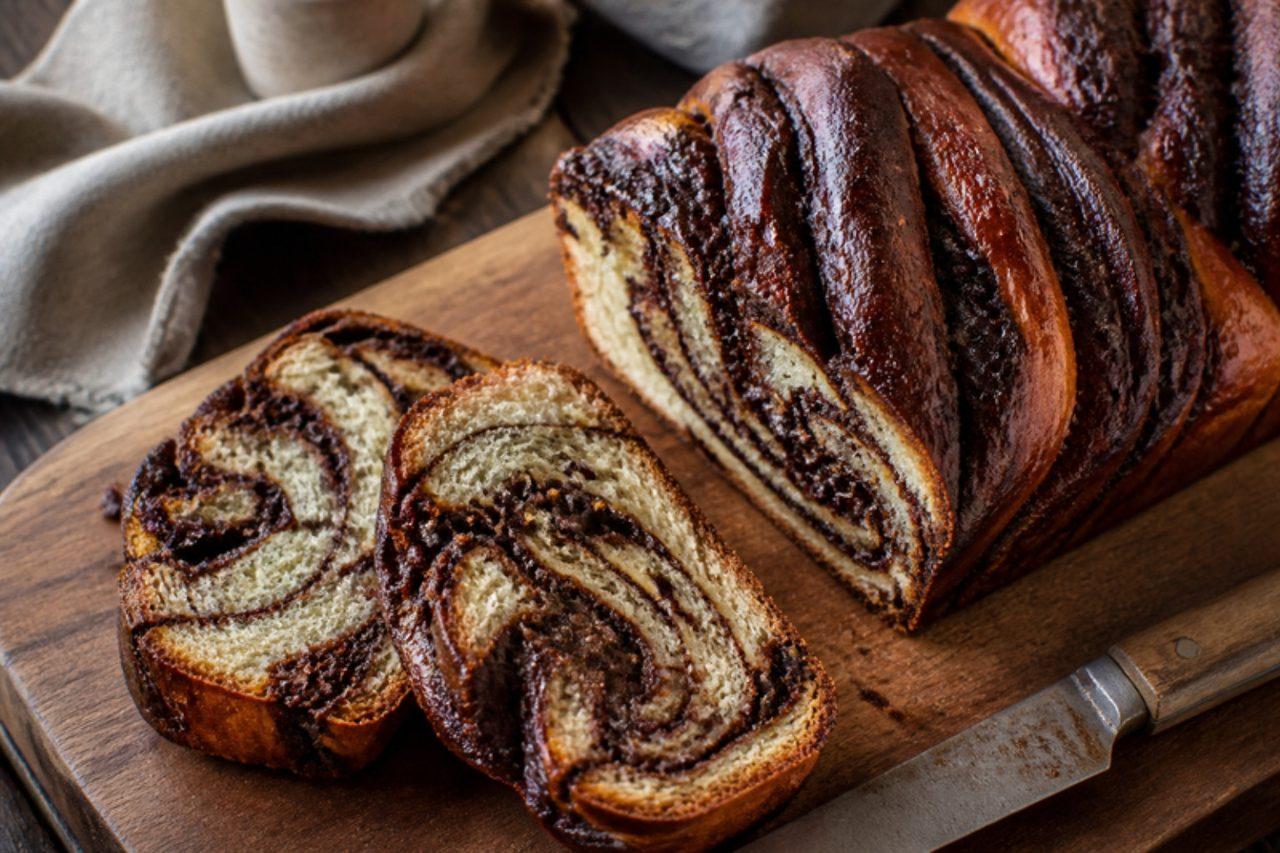
Chocolate babkaChocolate swirl loaf

Babka grew from the sweet yeasted breads of Polish and Ukrainian Jewish kitchens, and Tel Aviv and New York bakeries turned it into today's showpiece: a rich, buttery dough rolled around dark chocolate, cut open lengthways and twisted so the layers show, then soaked in syrup as it leaves the oven. Israelis buy it for Shabbat afternoon coffee, and a slice keeps its gooey layers for days. It takes time but little skill: an overnight chill makes the soft dough easy to roll. Chef's tip: chill the dough overnight; cold, firm dough rolls thin and twists cleanly instead of smearing the chocolate.

by KrazyBadal 0 views

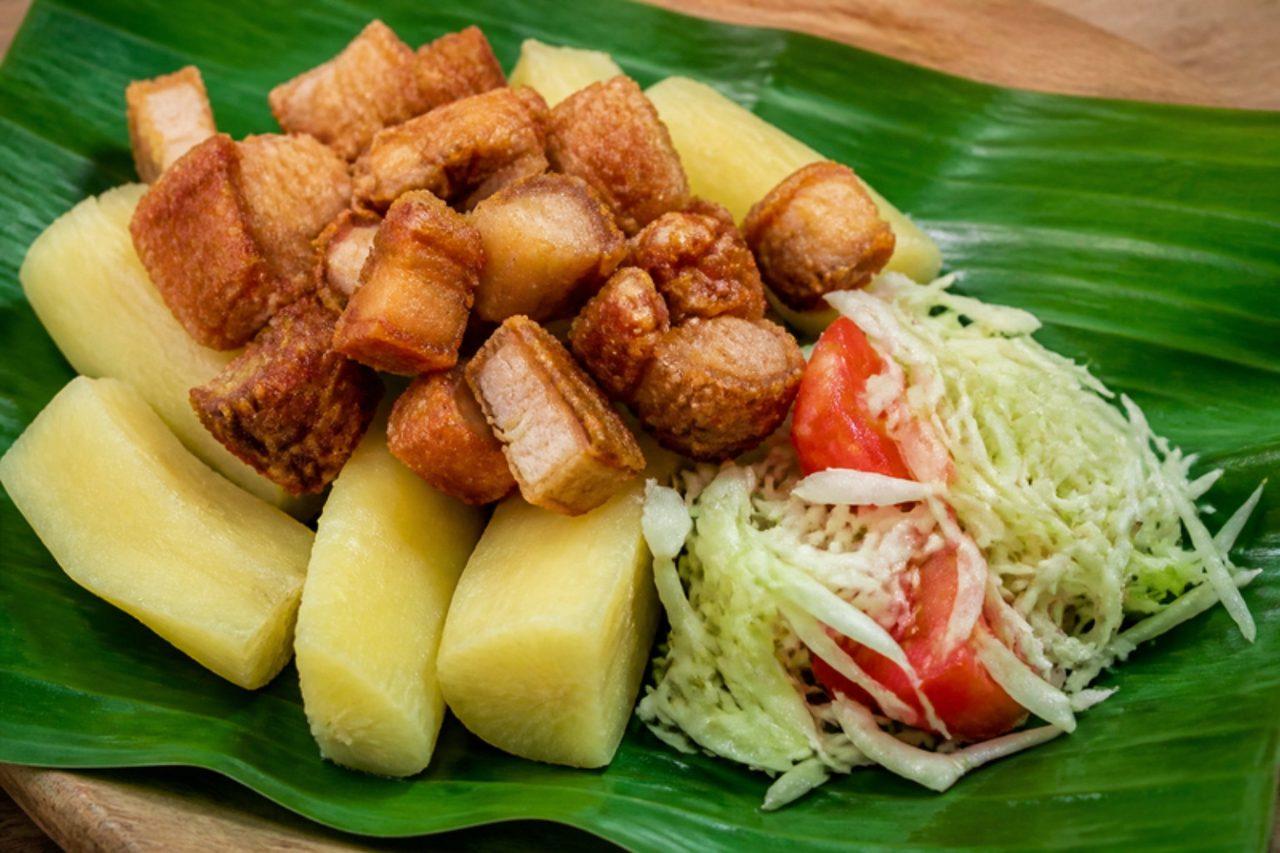
VigorónYuca, pork crackling and cabbage salad

Vigorón was born in the 1910s in the colonial city of Granada, Nicaragua, where it is still sold from stalls around the Parque Central, wrapped in banana leaf: boiled yuca topped with crisp pork crackling (chicharrón) and a tangy cabbage and tomato salad. This dish contains pork. It is street food, eaten at any hour with your fingers. The mistake is serving dry yuca; boil it until tender and slightly split, then keep it in its warm water until serving. Chef's tip: make the cabbage salad an hour ahead so the vinegar softens it.

by KrazyBadal 0 views

Chocolat chaudThick hot chocolate

Paris's grand tearooms have served chocolat chaud since the 1800s, and it is nothing like a powdered cocoa drink: dark chocolate is melted into hot milk and cream until it is thick, glossy and rich enough to coat the cup. Parisians drink it in small cups on cold afternoons, often with a pot of whipped cream on the side and a pastry. It is also a winter treat at home after a walk. Use chocolate you'd enjoy eating. Chef's tip: keep the heat low and whisk; letting it boil is the common mistake and the chocolate can turn grainy and catch on the bottom.

by KrazyBadal 0 views

ChivitoSteak sandwich with ham and egg

The chivito was created in the 1940s at a restaurant in Punta del Este, Uruguay, and became the national sandwich: a soft roll filled with thin, tender steak, ham, melted mozzarella, a fried egg, bacon, lettuce, tomato, olives and mayonnaise. It is eaten in Montevideo's parrillas and corner bars with chips on the side. This sandwich contains pork. The mistake is a thick, chewy steak: use thinly sliced sirloin and sear it fast. Chef's tip: toast the cut sides of the rolls so they stand up to all the juices.

by KrazyBadal 0 views

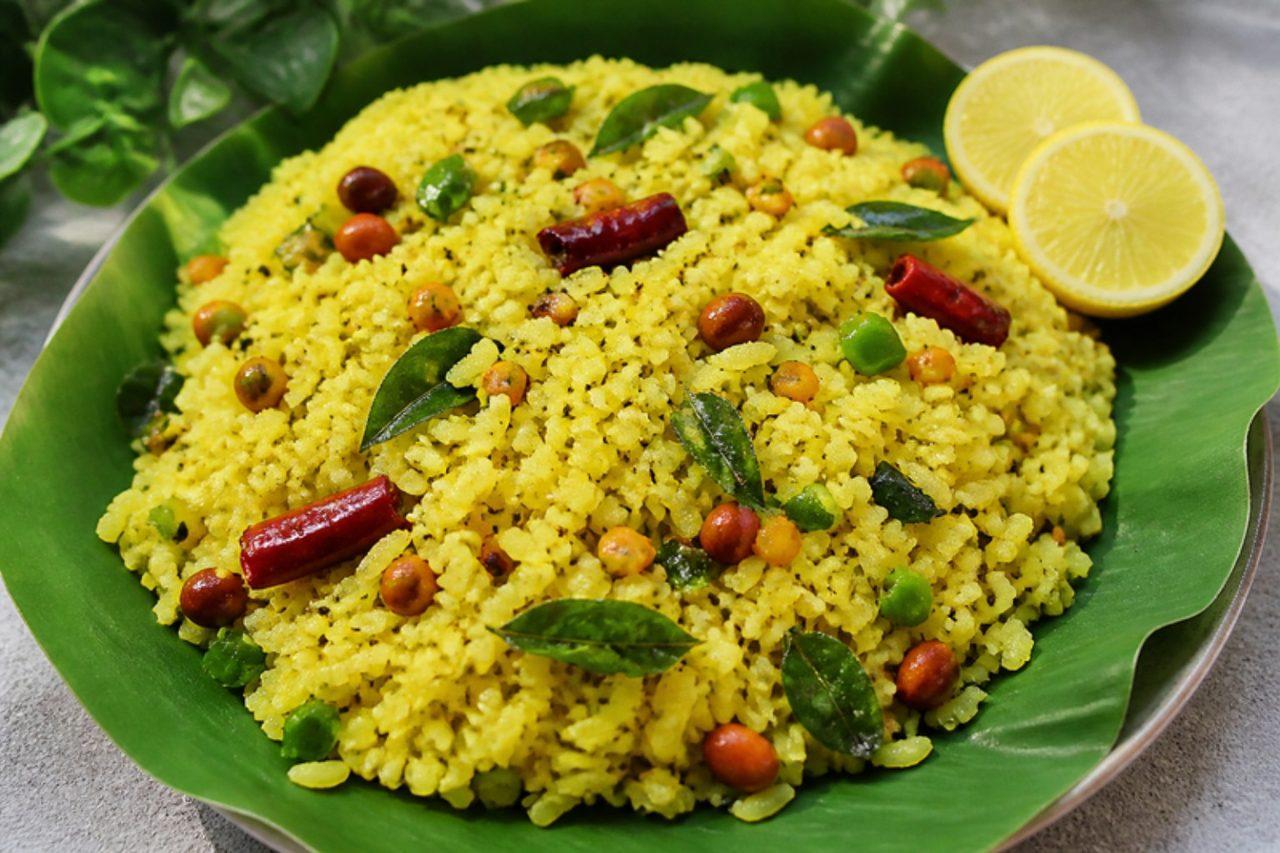
ChitrannaLemon rice

Chitranna, 'colourful rice', is the dish Karnataka mothers make when there is leftover rice and a school tiffin box to fill: cooked rice tossed in a yellow turmeric tempering with roasted peanuts, crunchy dals, green chilli, curry leaves and plenty of lemon. It appears at temple festivals as prasada, on train journeys wrapped in banana leaf, and on every Bengaluru darshini breakfast counter. It tastes even better an hour after it's made, when the lemon has soaked in. Tamil Nadu's elumichai sadam is a close cousin. Chef's tip: spread the rice out on a plate to cool before mixing; warm, steamy rice turns sticky and breaks when you toss it.

by KrazyBadal 0 views

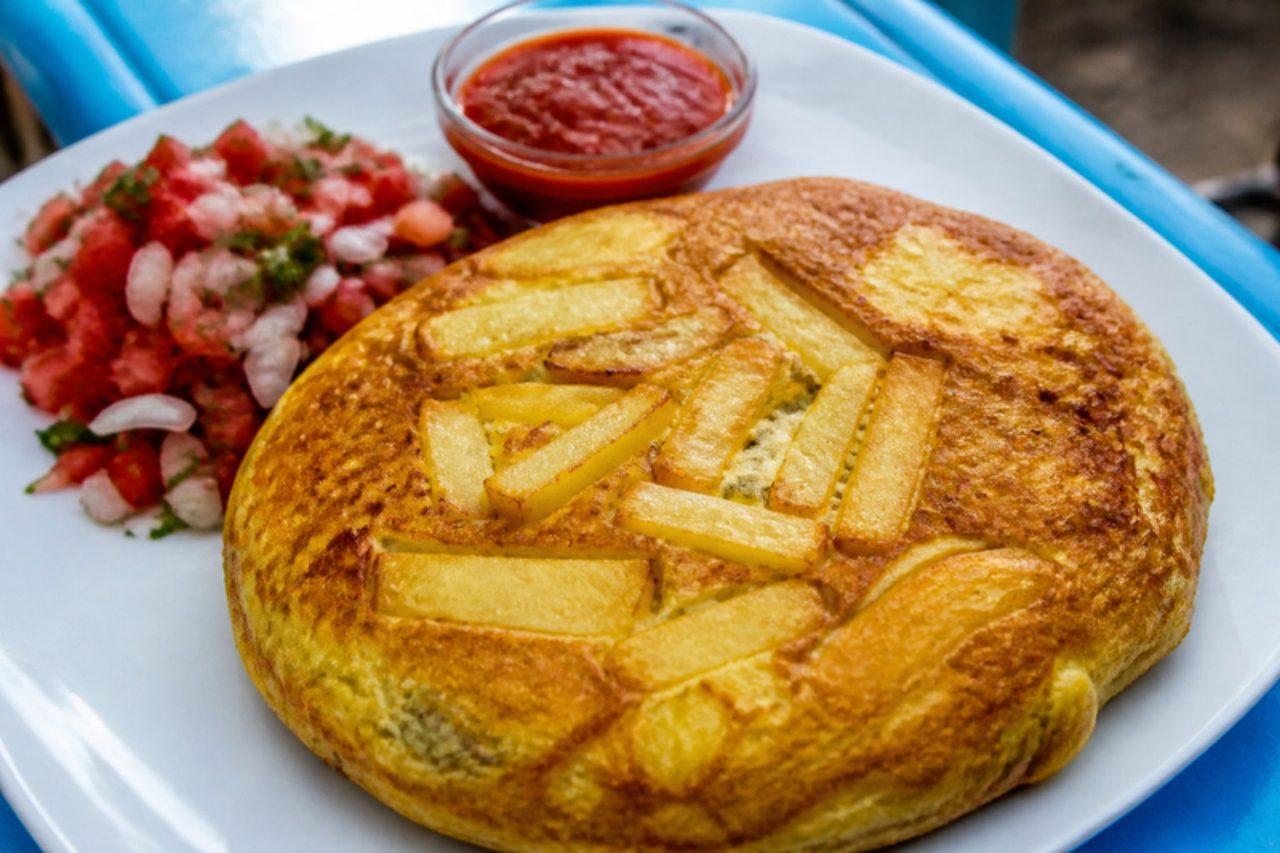
Chips mayaiChip omelette

Chips mayai ('chips and eggs') is Tanzania's best-loved street food, fried to order in Dar es Salaam and Zanzibar at evening stalls with big flat pans: fresh chips are bound into a thick omelette and served with kachumbari and chilli sauce or ketchup. Children and students live on it. Chef's tip: let the chips go crisp before pouring in the egg; soft chips make a soggy omelette.

by KrazyBadal 0 views

Chipa guasuFresh corn and cheese bake

Chipa guasu (Guaraní for 'big chipa') is sopa paraguaya's softer cousin, made from fresh corn instead of cornmeal. The kernels are grated or blended into a milky purée and baked with onion, cheese and whipped eggs into a tender, gently sweet bake that rises and wobbles. It's a summer dish at Paraguayan asados and fiestas patronales (saints' days), eaten beside grilled meat or simply with a tomato salad. Chef's tip: fold in the whisked egg whites last; it's what makes chipa guasu light and puffed rather than dense.

by KrazyBadal 0 views

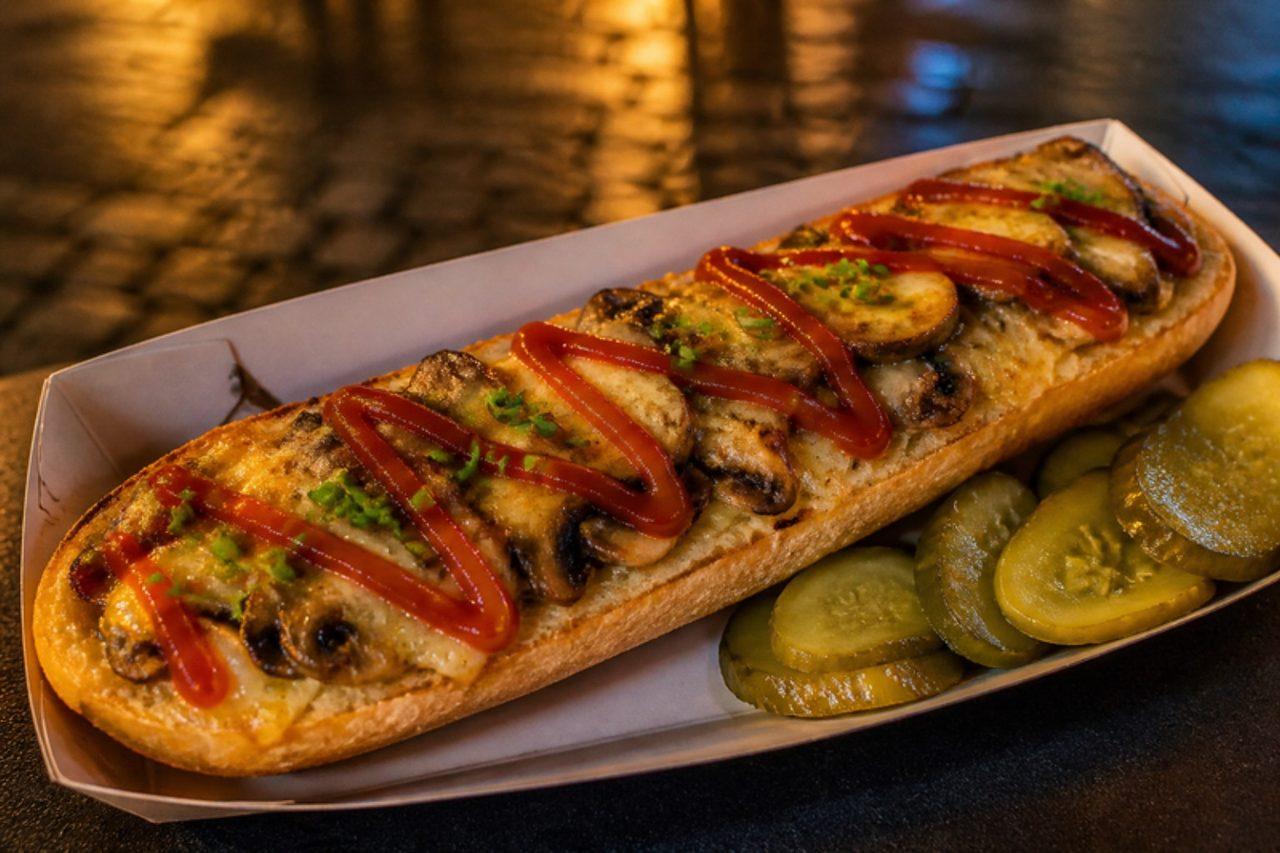
ZapiekankaOpen baguette with mushrooms and cheese

Zapiekanka is Polish street food born in the 1970s and perfected at the hatch windows around Plac Nowy in Kraków's Kazimierz district, where students and night owls queue for one at midnight. Half a long baguette is topped with mushrooms fried with onion, covered in grated cheese and baked until crisp at the edges and bubbling, then finished with a zigzag of ketchup and chives. The classic version has no meat at all. Use a hard cheese made with vegetarian rennet (many supermarket mild Cheddars and Goudas are). Chef's tip: fry the mushrooms until completely dry before they go on the bread; wet mushrooms make the baguette soggy instead of crisp.

by KrazyBadal 1 views

Turkish tea (çay)Strong black tea

Nowhere in Turkey is far from a glass of çay. Tea from the slopes of Rize on the Black Sea coast is brewed in a stacked double teapot, the çaydanlık, and poured into small tulip-shaped glasses all day long: at breakfast with simit and cheese, in shops when you haggle, after every meal. The strong brew sits in the top pot and each glass is diluted to taste with hot water from the bottom, so one person drinks it dark (koyu) and another light (açık). It should be clear, the colour of a ruby or rabbit's blood (tavşan kanı), never cloudy. Serve it with sugar cubes on the side, not milk. Chef's tip: steam the dry leaves in the top pot for a few minutes before adding any water; the warm leaves open up and give a rounder, deeper colour.

by KrazyBadal 0 views

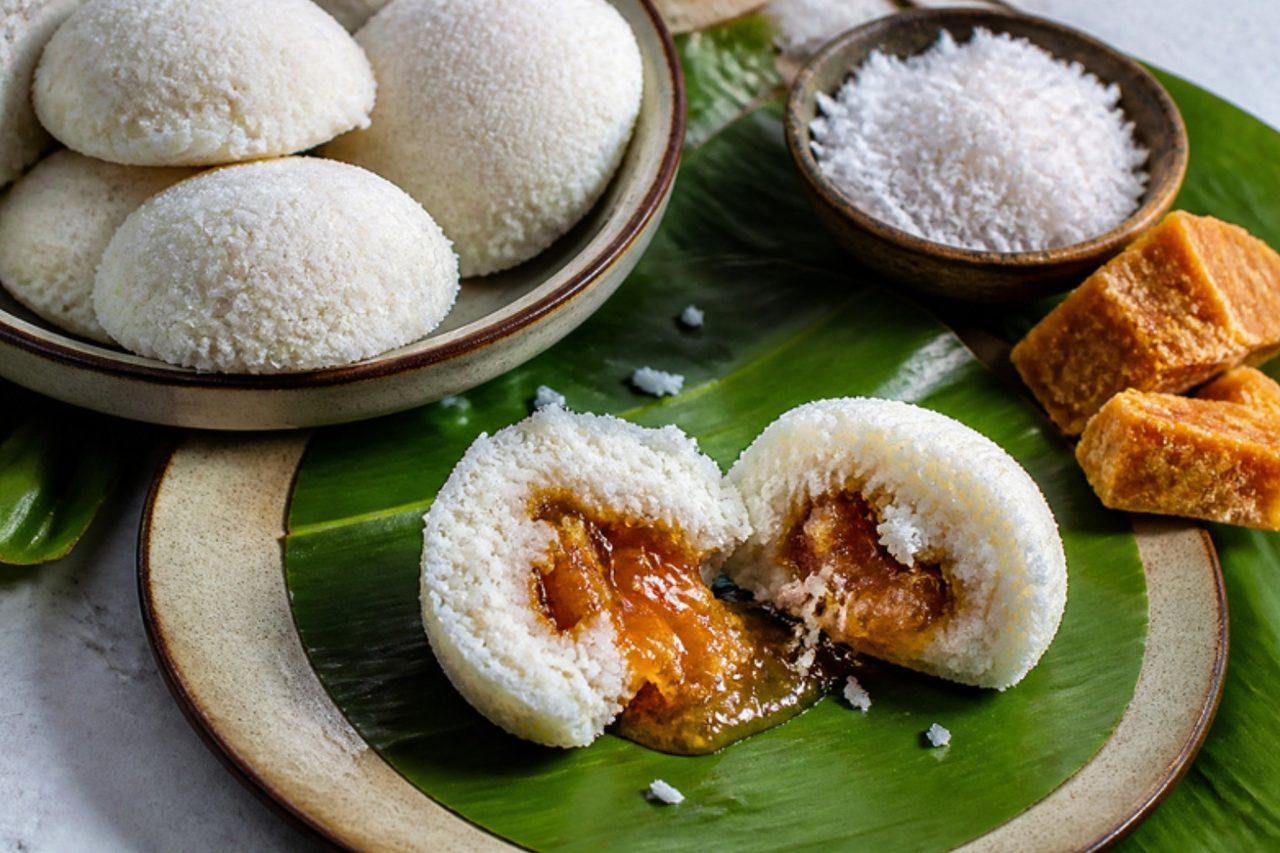
Bhapa pithaSteamed rice flour cakes

When the date palm sap starts flowing in early winter, small steaming pots appear on street corners all over Bangladesh, from Rajshahi to Dhaka's Karwan Bazar, selling bhapa pitha in the dark mornings. Damp, lightly salted rice flour is packed into a small bowl around a layer of grated coconut and khejur gur (date jaggery), wrapped in cloth and steamed over a narrow-necked pot until soft, fluffy and fragrant. Eat them warm, straight from the cloth. Chef's tip: the rice flour should feel like damp sand that just holds when squeezed; too wet and the cake turns gummy, too dry and it crumbles.

by KrazyBadal 0 views

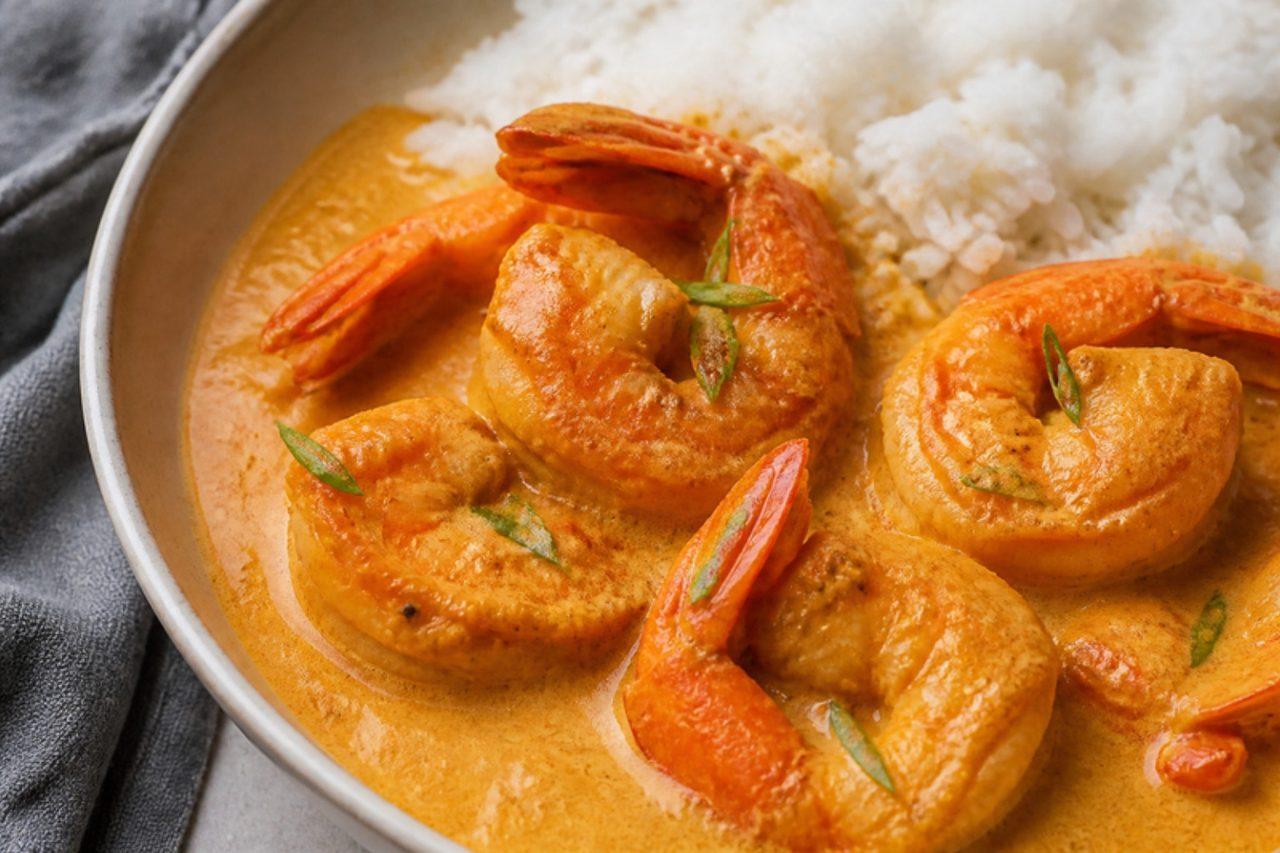
Chingri malaikariPrawns in coconut milk curry

Big prawns in a pale, silky coconut gravy are what a Bengali family cooks for guests, for a new son-in-law at Jamai Sasthi, or for a wedding lunch. The dish is gently spiced, a little sweet, and leans on the head fat of the prawns for richness, so it tastes of the sea rather than of chilli. Serve it with steamed gobindobhog or basmati rice. Chef's tip: if you can find shell-on prawns with heads, leave the heads on; squeeze them into the gravy as you eat for the full flavour.

45 minIndianFishGluten free
by KrazyBadal 0 views

TuronFried banana spring rolls

Turon is the afternoon snack sold by vendors on every Filipino street corner, school gate and jeepney stop around three o'clock, often next to banana cue on bamboo skewers. A slice of saba banana and a strip of ripe jackfruit are rolled in a thin spring roll wrapper with brown sugar, then fried in oil that has more brown sugar sprinkled in it, so each roll comes out wrapped in a crackly, glassy caramel shell. It is eaten hot with your fingers, when the banana inside has turned soft and sticky. Saba is a short, firm cooking banana; ripe plantain is the closest substitute. Chef's tip: roll them tightly with no air pockets, or the caramel blows holes in the wrapper.

by KrazyBadal 0 views

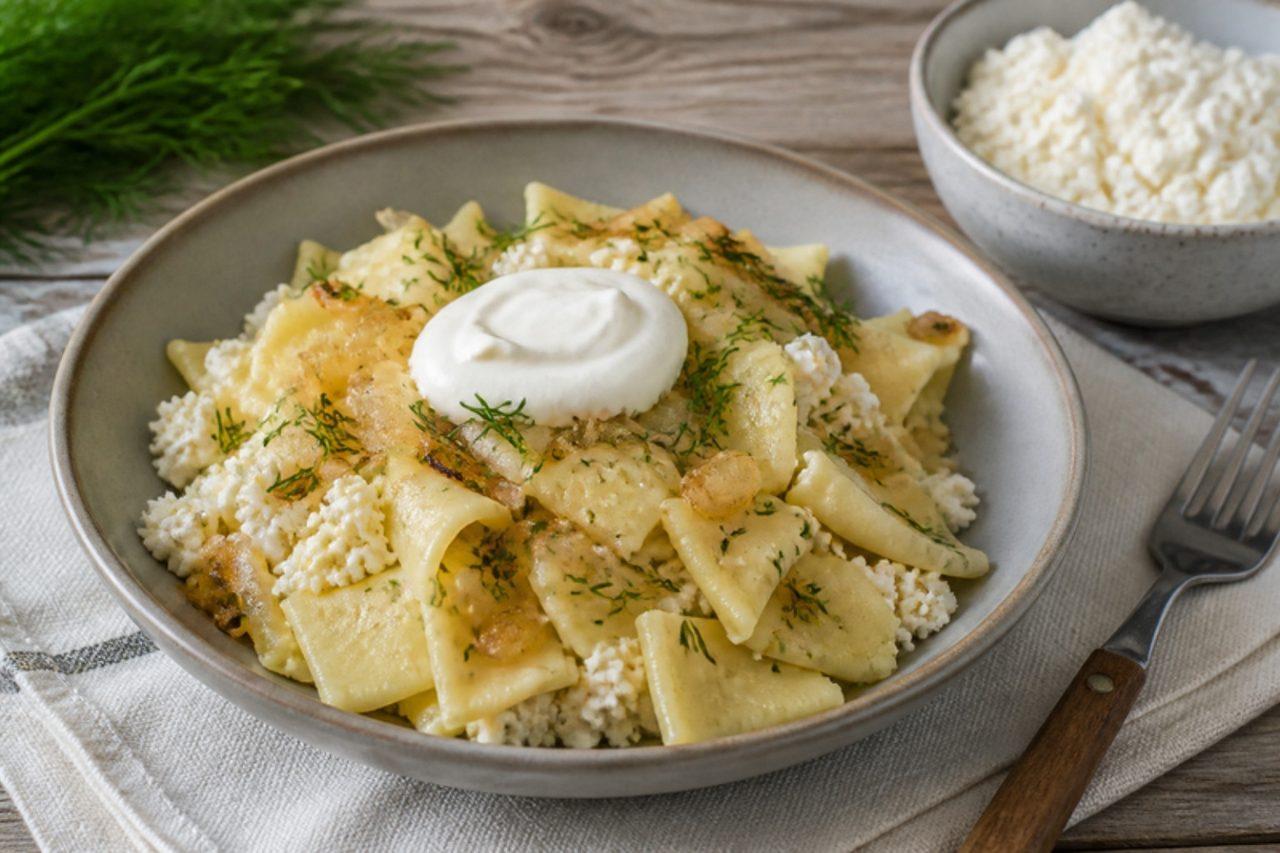
Túrós csuszaPasta with curd cheese

Túrós csusza is a simple dish of wide pasta squares tossed with crumbly túró curd cheese and sour cream, loved across Hungary and especially in the Danube villages, where it is served as a filling main after a bowl of fish soup. At home it is a Friday or end-of-the-month supper made from what is in the fridge. Traditionally it is topped with crisp pork crackling; here, fried onions and a little smoked paprika give the same crunch and savouriness. The flavour is mild, tangy and comforting. Chef's tip: toss the cheese into the pasta while it is still steaming so the túró warms through, but serve the sour cream cold on top for contrast.

by KrazyBadal 0 views

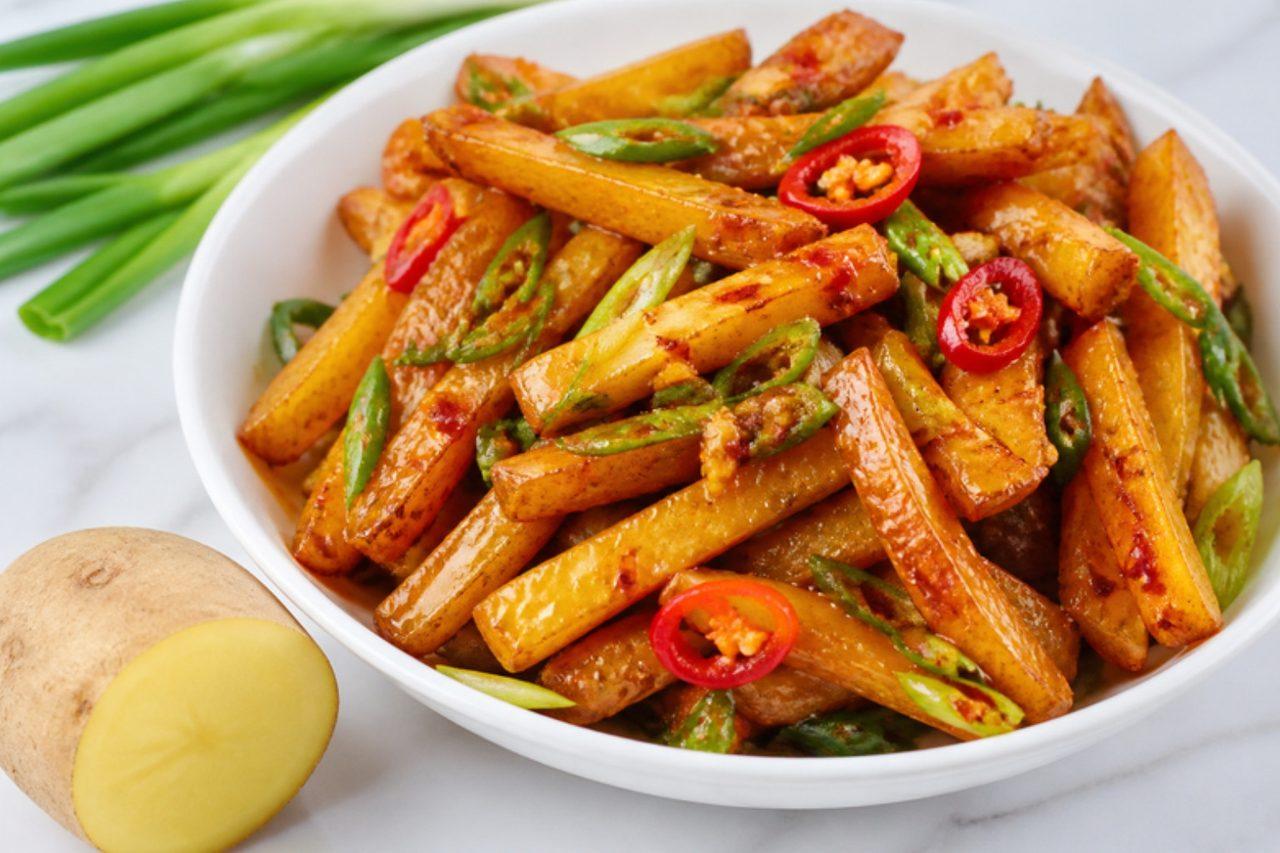
Chinese tawa potatoesSoy and chilli potato chips

An Indo-Chinese favourite from the barbecue tawa: crisp fried potato chips tossed with garlic, ginger, soy sauce, ketchup and plenty of chillies and spring onion, then glazed with a little cornflour sauce. Sticky, salty and hot. Serve straight away as a starter.

by KrazyBadal 0 views

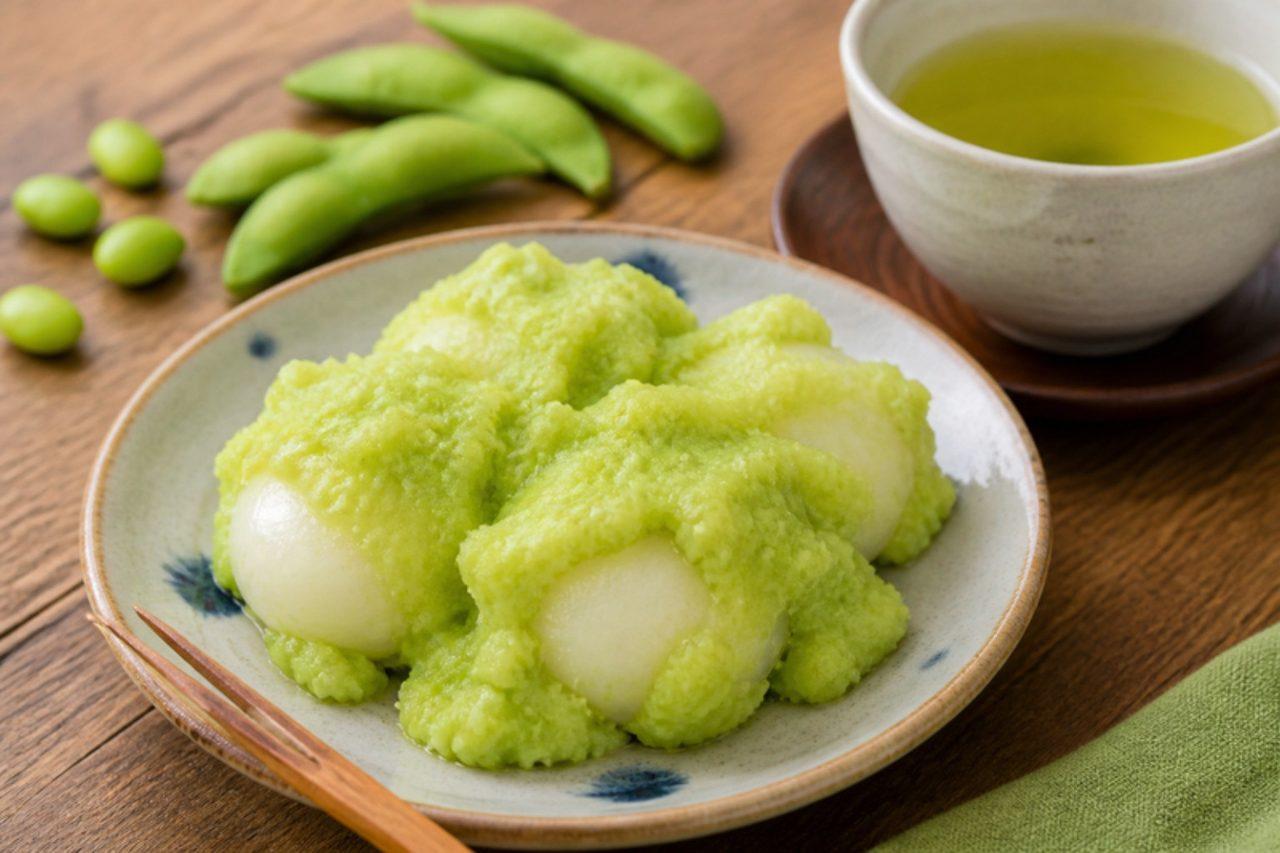
Zunda mochiRice dumplings with edamame paste

Zunda is Sendai's signature sweet: young green soybeans mashed with sugar into a coarse, pale-green paste. Farmers in Miyagi made it at the end of summer, when edamame were at their best, and it is still sold everywhere from Sendai station's souvenir halls to small tea shops, now also as zunda shakes and rolls. The flavour is gentle, beany and fresh, closer to sweet peas than to red bean paste. Spoon it over warm, chewy rice dumplings and serve with green tea. Chef's tip: rub the skins off the cooked beans. It takes ten minutes but turns the paste from dull khaki to a vivid jade colour.

by KrazyBadal 0 views

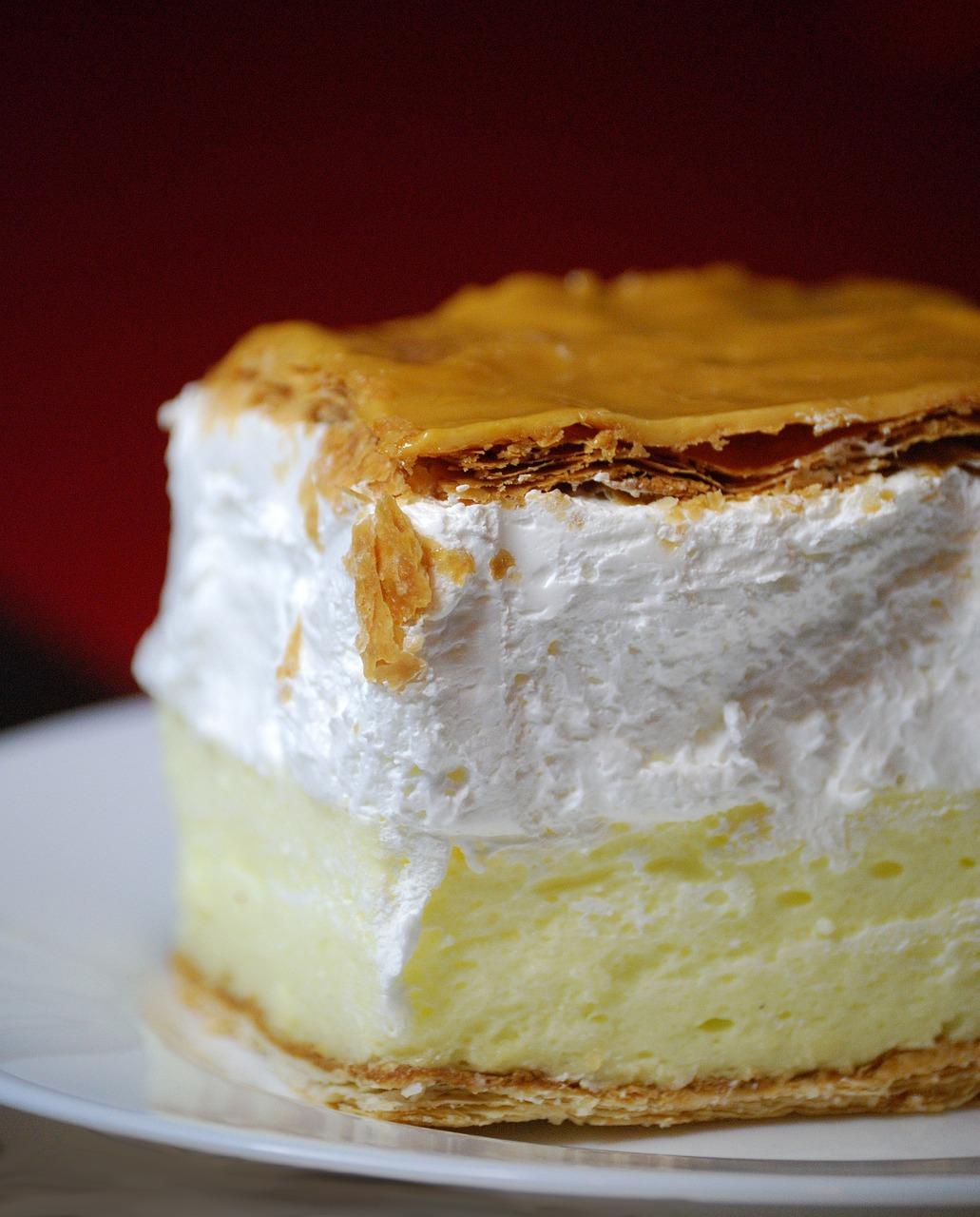
Bled kremšnitaVanilla custard and cream slice

Kremšnita has been served in the cafés on the shore of Lake Bled since the 1950s, and a tall, wobbling square of it with a coffee and a view of the island church is still the reason many people stop in the town. It is a thick layer of vanilla custard, lightened with whipped egg whites, topped with whipped cream and sandwiched between thin sheets of crisp puff pastry. The custard holds its shape with egg yolks, cornflour and meringue alone; there is no gelatine. Chef's tip: fold the meringue into the custard while it is still boiling hot and keep stirring on a low heat for a minute, so the whites cook and set the cream.

by KrazyBadal 0 views

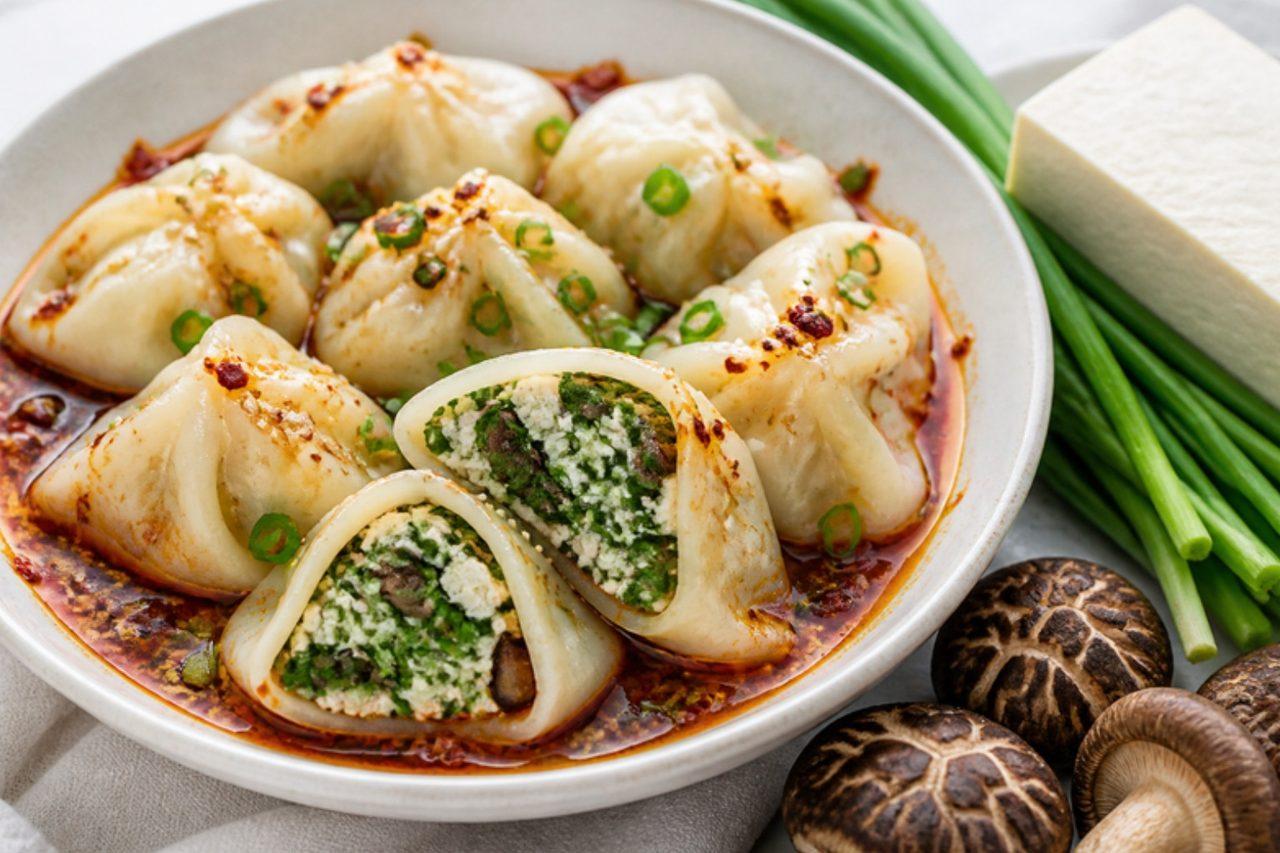
Sichuan chilli oil wontonsTofu and mushroom wontons in chilli oil

In Chengdu these are called hong you chao shou, 'red oil folded hands', after the way the wrappers are crossed over like arms. Little noodle shops serve them morning to night, slick with chilli oil, black vinegar and garlic. Our filling is firm tofu, shiitake and Chinese chives, so it's juicy without meat. Make a double batch: they freeze well uncooked. Chef's tip: squeeze the tofu hard in a cloth before mixing; dry filling seals better and the wontons won't burst in the water.

by KrazyBadal 0 views

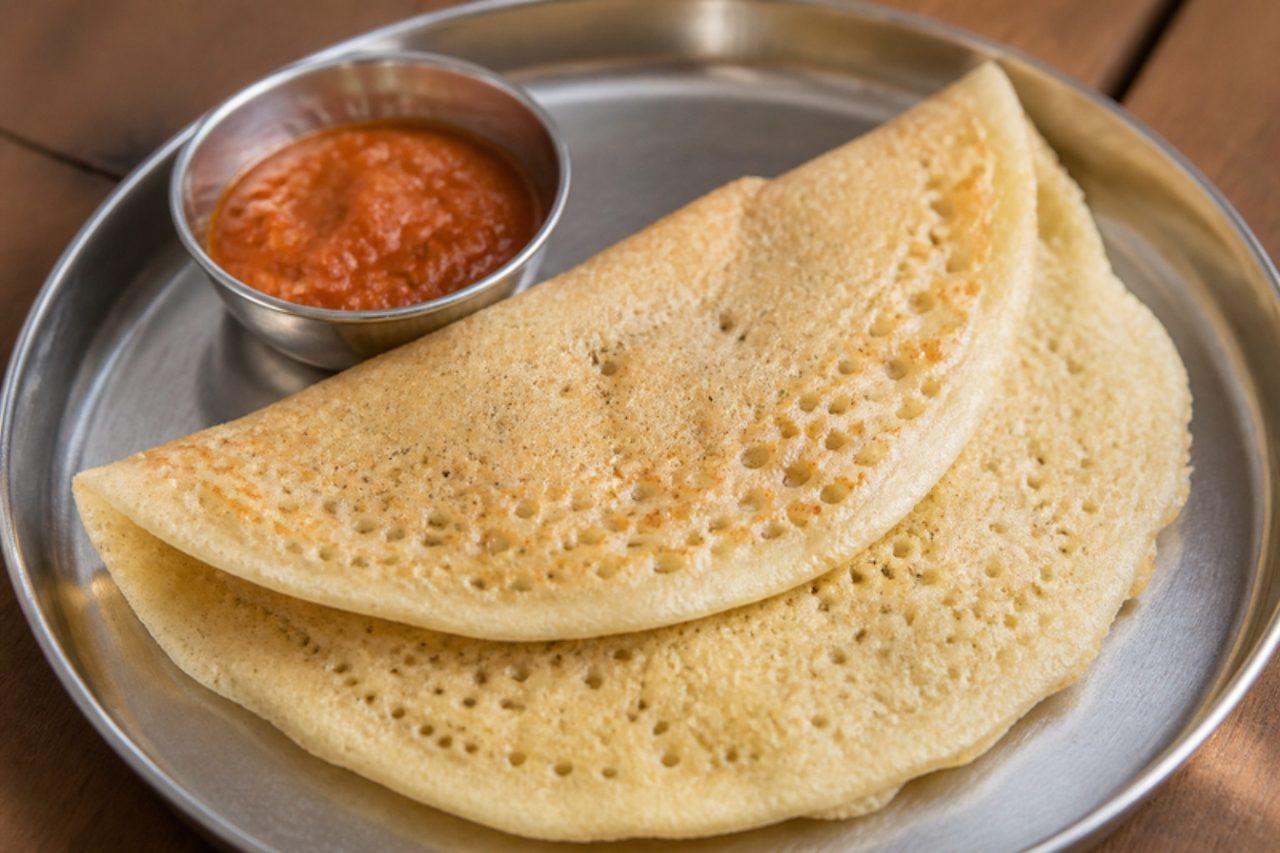
Chilka rotiRice and chana dal pancakes

Chilka roti is an everyday breakfast and evening snack in Jharkhand's villages, and a favourite offering at Sarhul, the spring festival of the sal trees. Rice and chana dal are soaked and ground into a batter that is poured onto a hot tawa and cooked with a lid, so the roti comes out thick, soft and spongy with a lightly crisp base, much heartier than a thin rice-flour chila. It is eaten hot with a tomato or coriander chutney or with ghugni. Chef's tip: grease the tawa with a cut onion dipped in oil; it keeps the roti from sticking and adds a little flavour.

by KrazyBadal 0 views

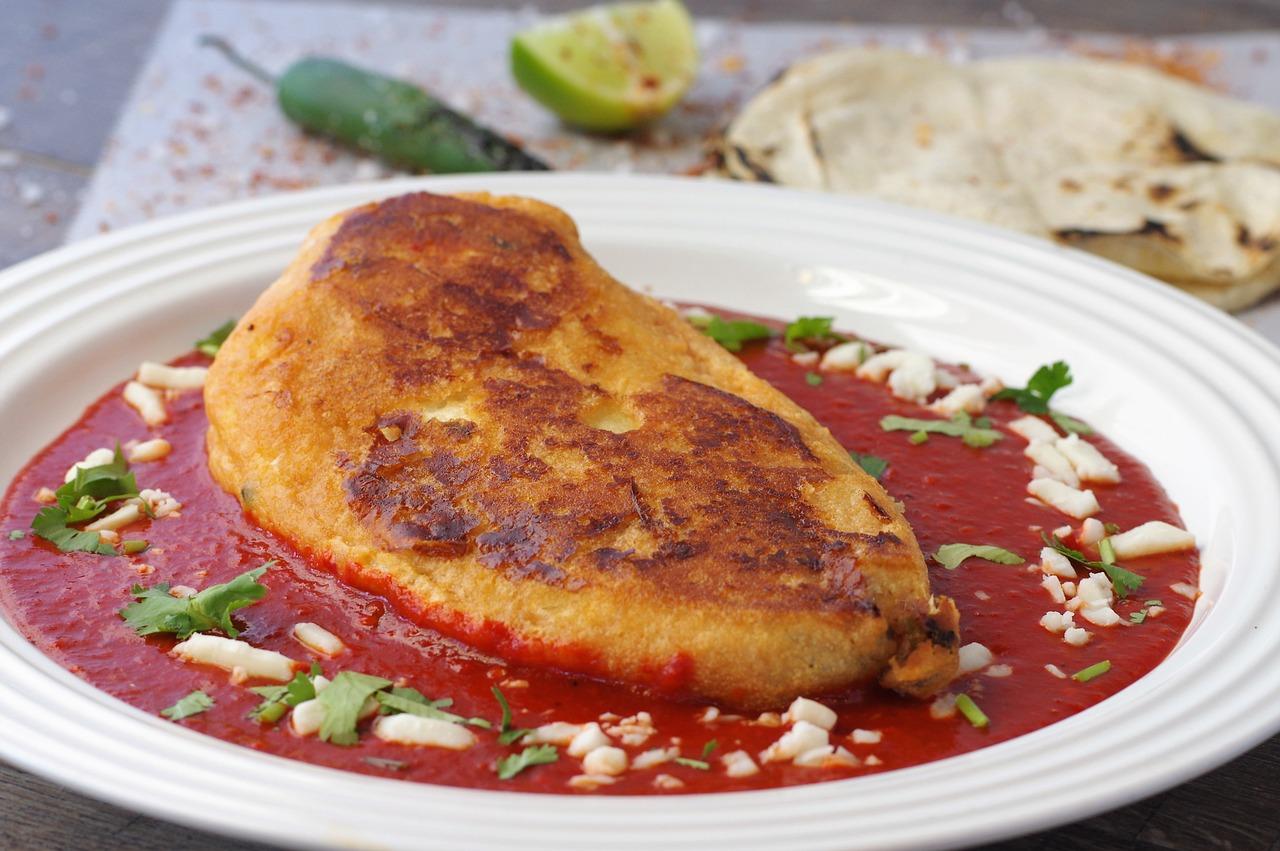
Chiles rellenosCheese-stuffed poblano peppers

Chiles rellenos de queso are a Puebla classic and a fixture of Mexican home cooking: roasted poblano peppers filled with melting cheese, coated in an airy egg batter called capeado, fried until golden and served swimming in a thin, mildly spiced tomato broth (caldillo). The batter is like a soufflé omelette that hugs the chilli, and the cheese inside stretches in long strings. Serve with arroz rojo and warm tortillas. Choose an Oaxaca cheese or mozzarella made with vegetarian rennet. Chef's tip: the chillies must be completely dry and dusted with rice flour before they go into the batter; any moisture makes the egg slide off in the pan.

by KrazyBadal 0 views

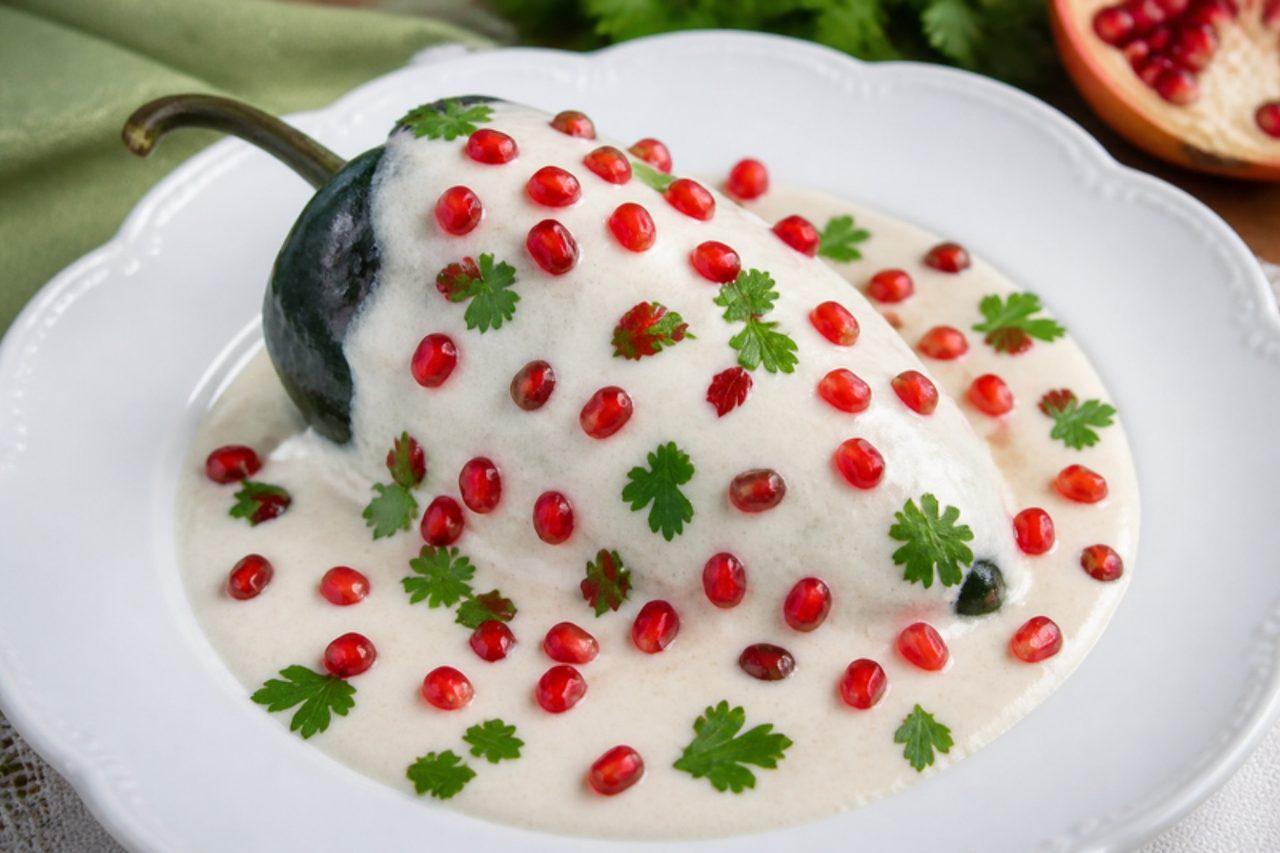
Chiles en nogadaStuffed poblanos in walnut sauce

Chiles en nogada belong to Puebla and to September, when fresh walnuts, peaches, pears and pomegranates are all in season and Mexico celebrates its independence: the green chilli, white walnut sauce and red pomegranate are the colours of the flag. Roasted poblano peppers are stuffed with picadillo, a sweet-savoury hash of fruit, nuts and spices, then cloaked in nogada, a cool sauce of fresh walnuts, milk and fresh cheese. Our vegetarian picadillo uses mushrooms for the savoury depth that minced meat usually gives. It is served at room temperature, never hot, as a centrepiece for a celebration lunch. Chef's tip: soak the walnuts in milk overnight and rub off as much of the papery skin as you can; the skins make the nogada bitter and grey. Use a fresh cheese made with vegetarian rennet.

by KrazyBadal 0 views

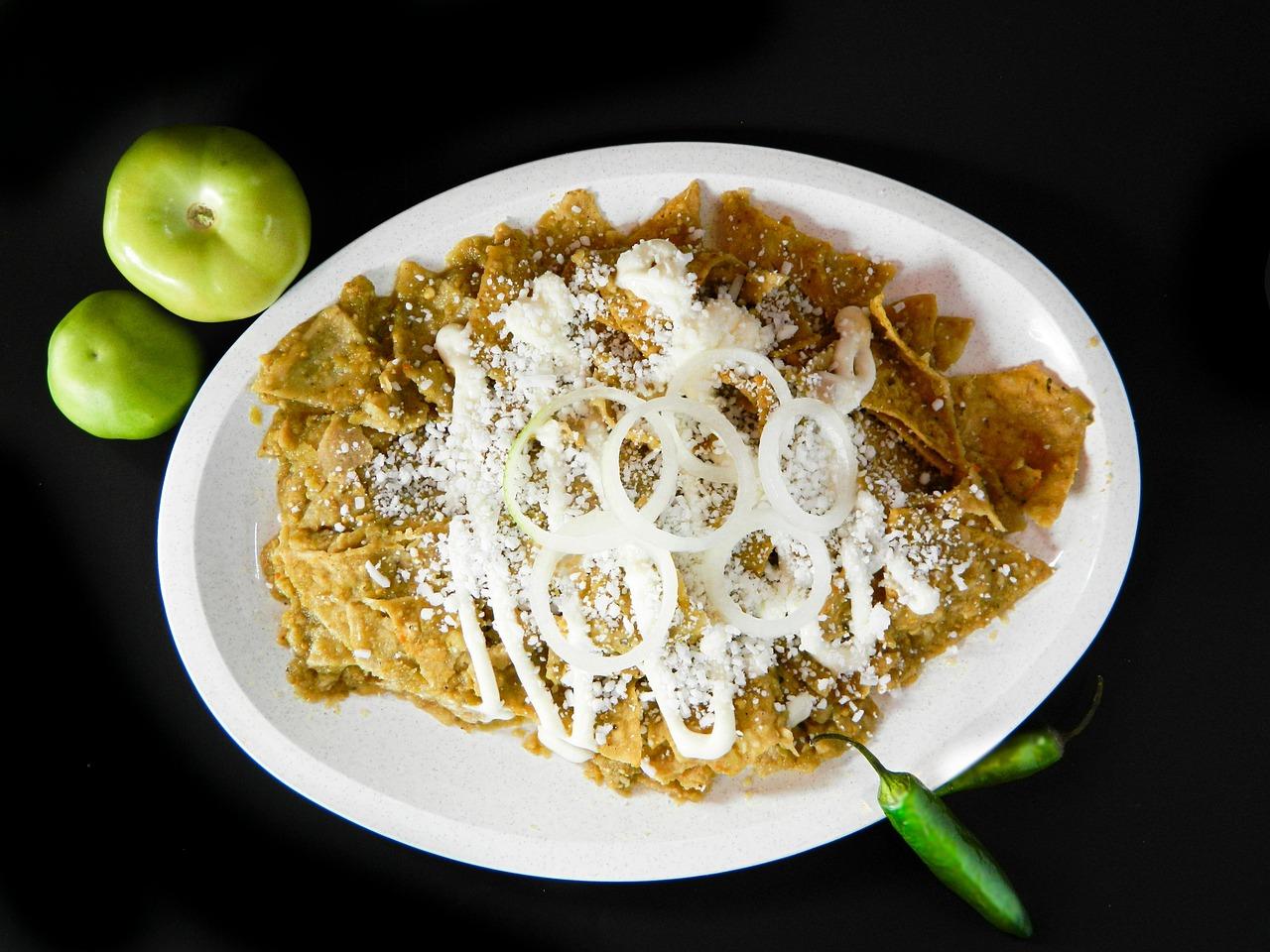
Chilaquiles verdesTortilla chips in green salsa

Chilaquiles are Mexico City's favourite breakfast and hangover cure: day-old corn tortillas cut into wedges, fried into crisp totopos, then tossed in hot salsa just long enough to soften at the edges. Chilaquiles verdes use a bright, tangy salsa of tomatillos, serrano chillies and coriander, and come topped with a fried egg, crema, crumbled cheese and raw onion. The best ones keep a little crunch in the middle. Tomatillos are sold fresh or tinned; if you can't find them, use green tomatoes with an extra squeeze of lime. Choose queso fresco made with vegetarian rennet. Chef's tip: toss the chips into the salsa right before serving and take them to the table immediately; chilaquiles wait for nobody.

by KrazyBadal 0 views

Chilaquiles rojosTortilla chips in red salsa

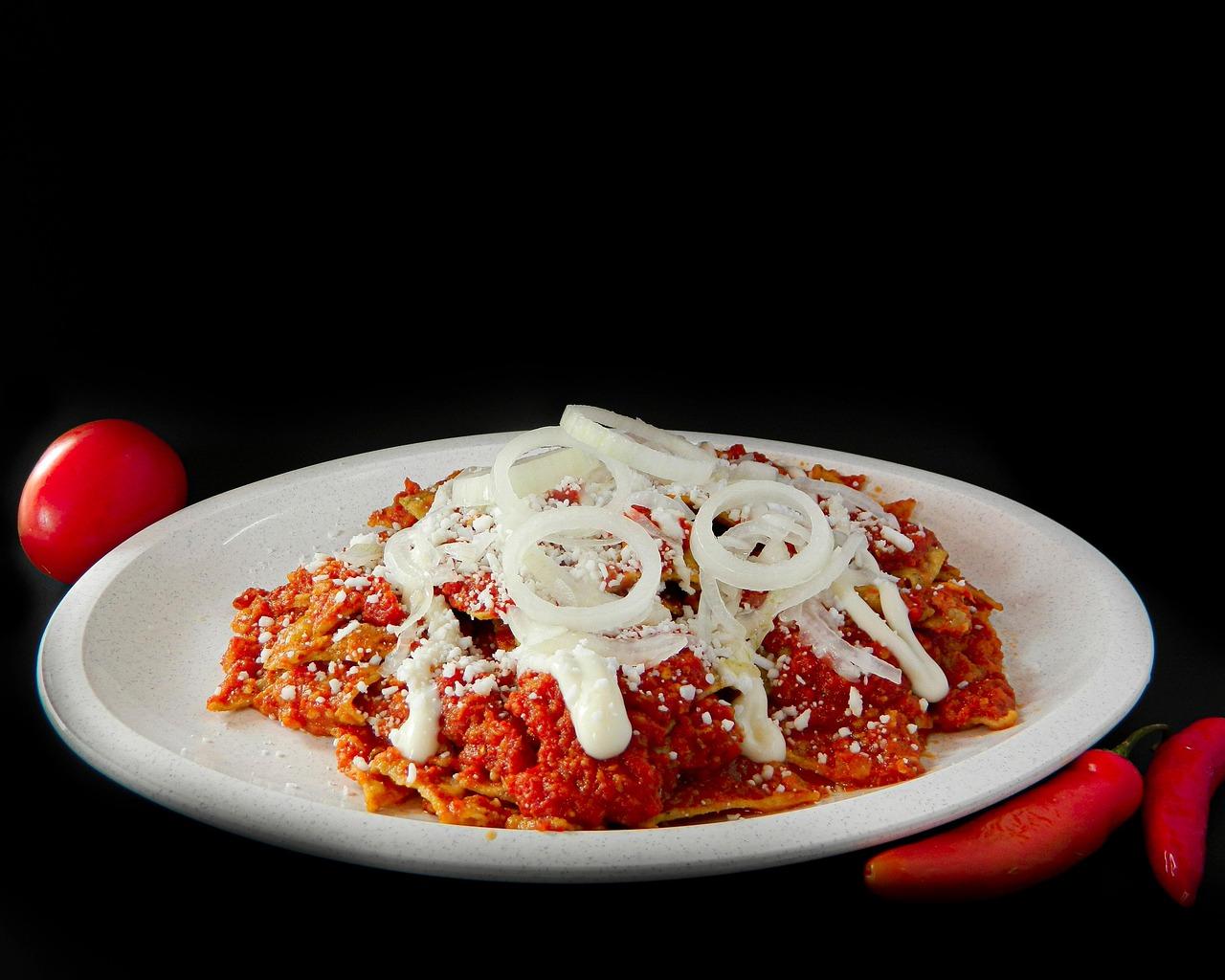
Chilaquiles rojos are eaten for breakfast all over Mexico: fried corn tortilla wedges (totopos) tossed in a red salsa of dried guajillo and árbol chillies blended with roasted tomato. The salsa is earthy, slightly smoky and properly hot, and it clings to the chips so every bite is crisp, soft and saucy at once. They are finished with crema, cheese, onion and coriander, and often served with refried beans on the side. If you can't find guajillo, use ancho chillies or 2 tbsp mild chilli powder; for árbol, use a pinch of cayenne. Choose queso fresco made with vegetarian rennet. Chef's tip: toast the dried chillies for seconds, not minutes; the moment they smell nutty and darken slightly, they are done.

by KrazyBadal 0 views

Bolo de arrozRice flour muffin cakes

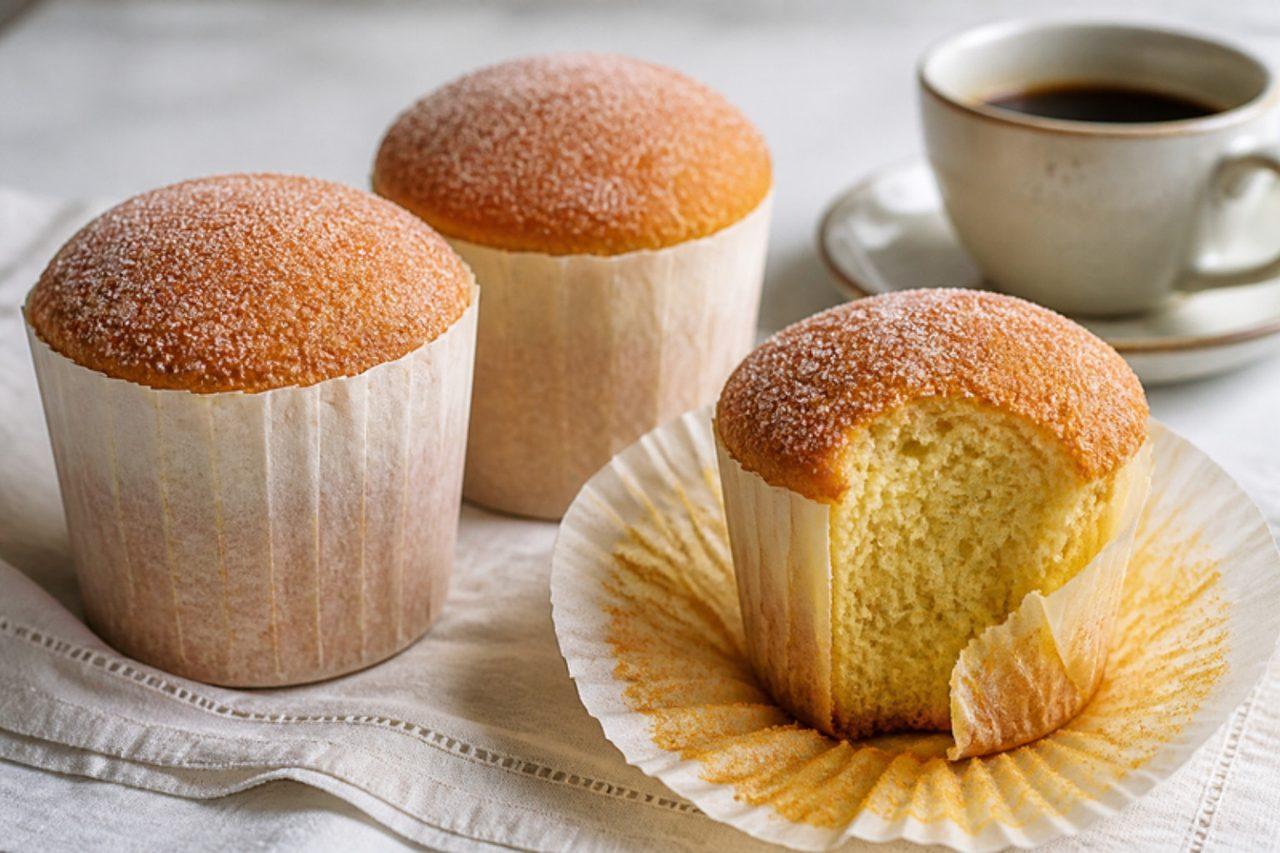
Bolos de arroz are the tall, sugar-crusted cakes standing in their paper wrappers in every Portuguese café cabinet, from Porto's breakfast counters to the pastelarias of Lisbon's neighbourhoods. Despite the name they are mostly wheat flour, with a share of rice flour that gives a fine, slightly sandy, springy crumb, perfumed with lemon zest. People have one with a galão mid-morning or for lanche, the afternoon snack, peeling the paper down as they go. Chef's tip: wrap a strip of baking paper around the inside of each muffin hole so it stands 3 cm above the rim; the batter climbs up it and you get the tall, straight-sided shape.

by KrazyBadal 0 views

Chicons au gratinBaked endive in cheese sauce

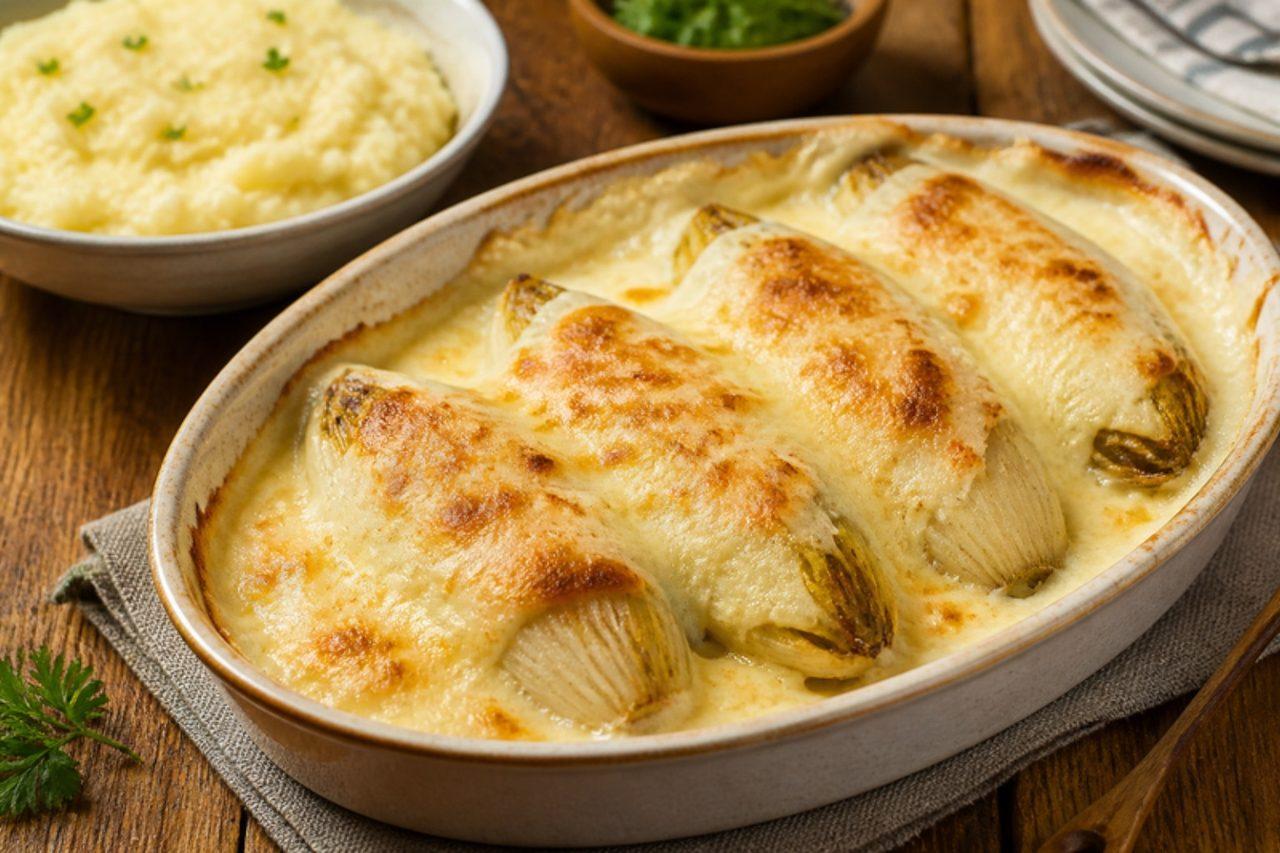
Chicons au gratin, or witloof in de oven in Flemish, is the winter Sunday dish of Belgian grandmothers: whole heads of Belgian endive braised until silky, then baked in a nutmeg-scented cheese sauce until bubbling and brown. Endive was first forced in the dark cellars around Brussels in the 1800s, and it is still grown in the fields of Flemish Brabant. Traditionally each chicon is rolled in a slice of cooked ham; this vegetarian version leaves the ham out and lets the gentle bitterness of the endive meet the sweetness of the cheese. Serve it with mashed potato or crusty bread. Chef's tip: squeeze the braised endives firmly in a clean towel before they go in the dish; they hold a lot of water, and skipping this turns the sauce thin and watery in the oven.

by KrazyBadal 0 views

Showing 72 of 10,569 recipes

Show more recipes

Page 985 of 1,175