Skip to content
WhatToEat.Today

Jain recipes: no onion, garlic or root vegetables

2,799

2799 Jain recipes with no onion, garlic, potato, carrot, fresh ginger or other root vegetables, and no mushrooms, eggs or honey. Hing, dry ginger and turmeric powder are fine. Each has photos, step-by-step instructions and cook times. The quickest, Apfelschorle, takes 2 minutes. Most take around 40 minutes.

Filter these by time, diet or cuisine · Make Jain your diet to see only these recipes everywhere on the site.

SongpyeonStuffed rice cakes

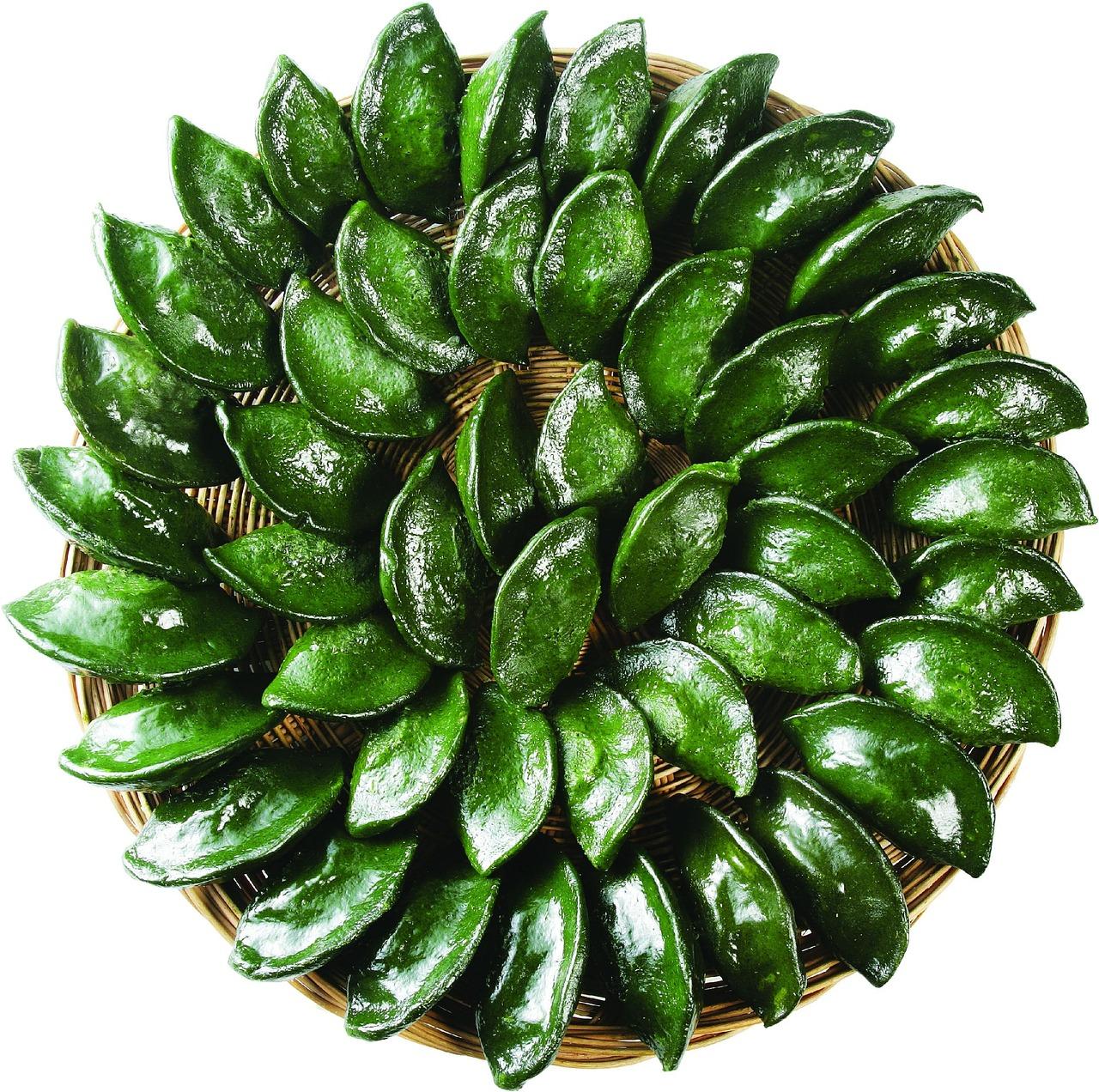
On the eve of Chuseok, the harvest moon festival, families all over Korea sit around one table pinching songpyeon, and the old saying goes that whoever shapes the prettiest ones will have pretty children. The chewy rice-flour shells are filled with crunchy toasted sesame and sugar that melts into a syrup as they steam, and the batch is laid on fresh pine needles so the cakes pick up a faint forest scent. They go to the ancestral table first, then out to everyone with a cup of tea. The common mistake is a dough that is too dry: it cracks while you shape it and splits in the steamer, so it should feel as soft as an earlobe. Rice cakes are dense and sticky, so cut them small for young children and older people and make sure they eat sitting down: they are a known choking risk. Chef's tip: brush the steamed cakes with sesame oil while they are still hot; it stops them sticking together and gives that glossy finish you see at the market.

by KrazyBadal 0 views

Zuccotto fiorentinoChilled sponge dome with cream

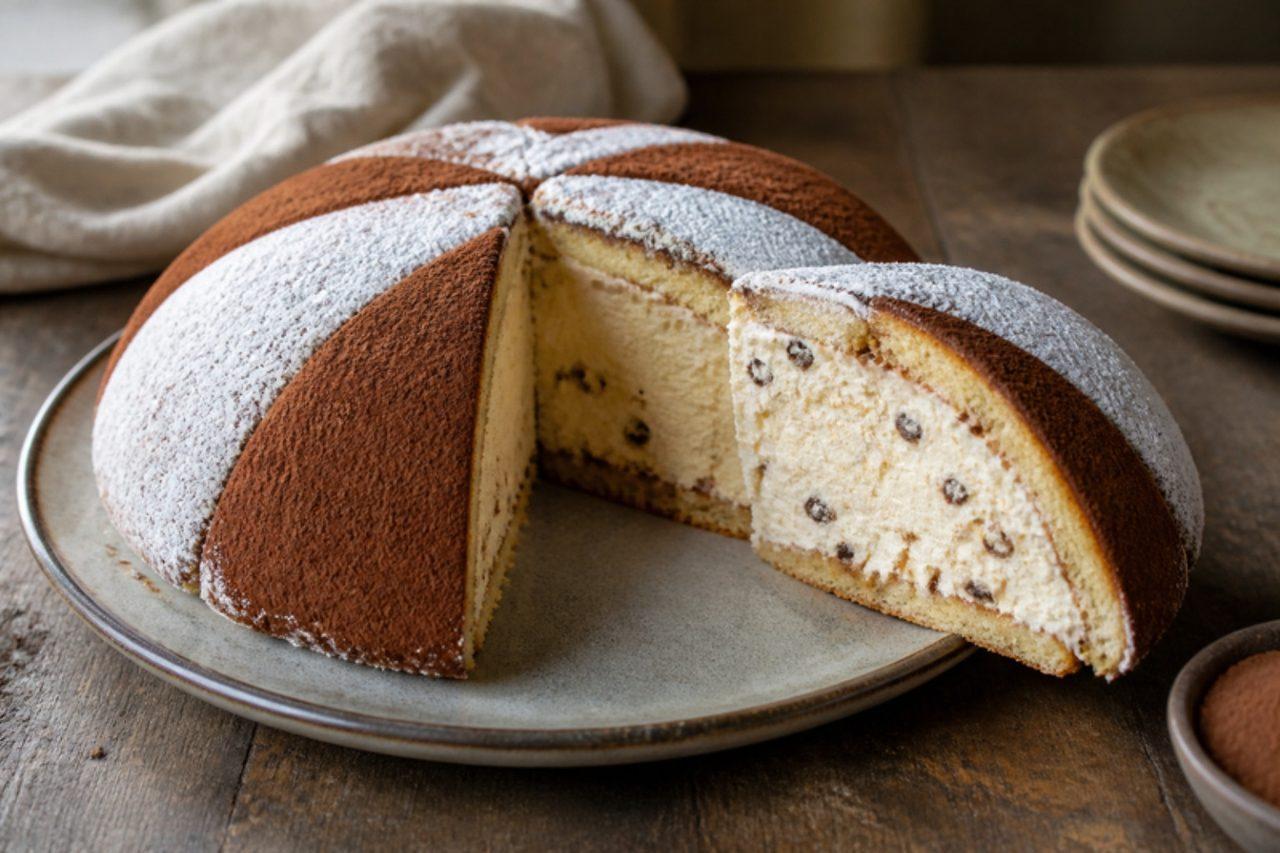
Zuccotto is said to have been inspired by the dome of Florence Cathedral, or by the shape of a cardinal's skullcap (zucchetto). It is a dome of sponge or savoiardi soaked in syrup, filled with whipped cream studded with chocolate, toasted nuts and candied fruit, half of it flavoured with cocoa, and chilled until set. Florentine families make it for summer Sunday lunch or a birthday. The traditional soak uses alchermes or brandy; this version uses an orange syrup so it is alcohol free. Contains nuts. Chef's tip: line the bowl with cling film first and leave the sponge to set overnight; it turns out cleanly with a neat dome.

by KrazyBadal 0 views

Bresaola, rucola e granaCured beef with rocket and cheese

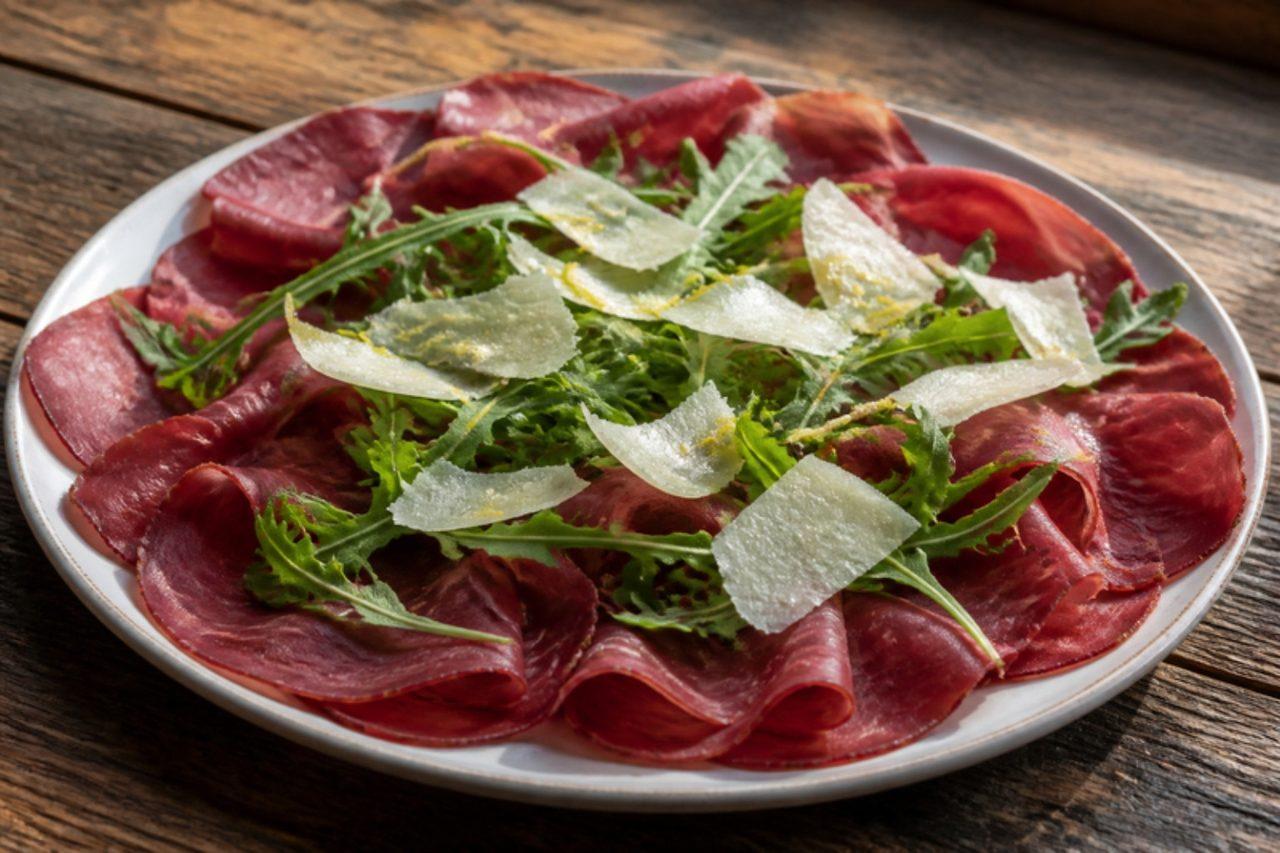
Bresaola is beef cured with salt and spices and air-dried in the cool mountain valleys of the Valtellina, near Sondrio in Lombardy. Locals serve it as a light lunch or an antipasto before pizzoccheri: thin dark-red slices dressed with lemon and olive oil, topped with peppery rocket and flakes of Grana Padano. It takes five minutes and needs nothing else but bread. Chef's tip: dress the bresaola with lemon 5 minutes before serving; the acid softens the edges of the slices and brings out the meat's sweetness, but much longer and it turns grey.

by KrazyBadal 0 views

YokanRed bean jelly

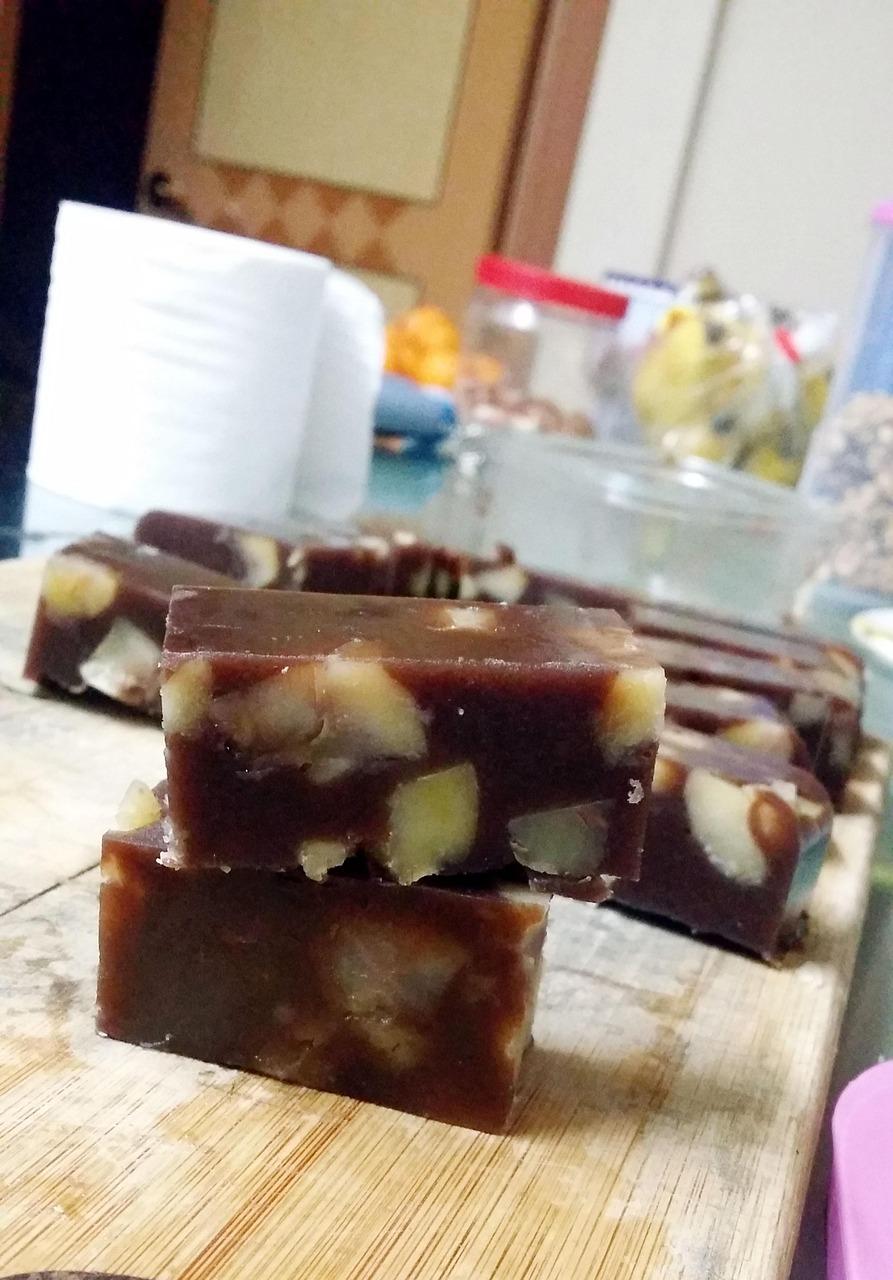
Yōkan is one of Japan's oldest sweets, brought by Zen monks and refined in Edo-period Tokyo into dense, dark blocks that were carried by samurai and are still given as gifts in long wooden boxes. Red bean paste, sugar and agar are cooked down until thick and set into a smooth, firm jelly that slices cleanly, served in thin pieces with bitter green tea. The common mistake is undercooking the agar: it must boil for two full minutes or the yōkan won't set firmly. Chef's tip: cook the paste until a trail drawn across the bottom of the pan holds for a second before closing, which gives the classic firm, glossy neri yōkan.

by KrazyBadal 0 views

Umeboshi (salted dried ume plums)Salted pickled plums

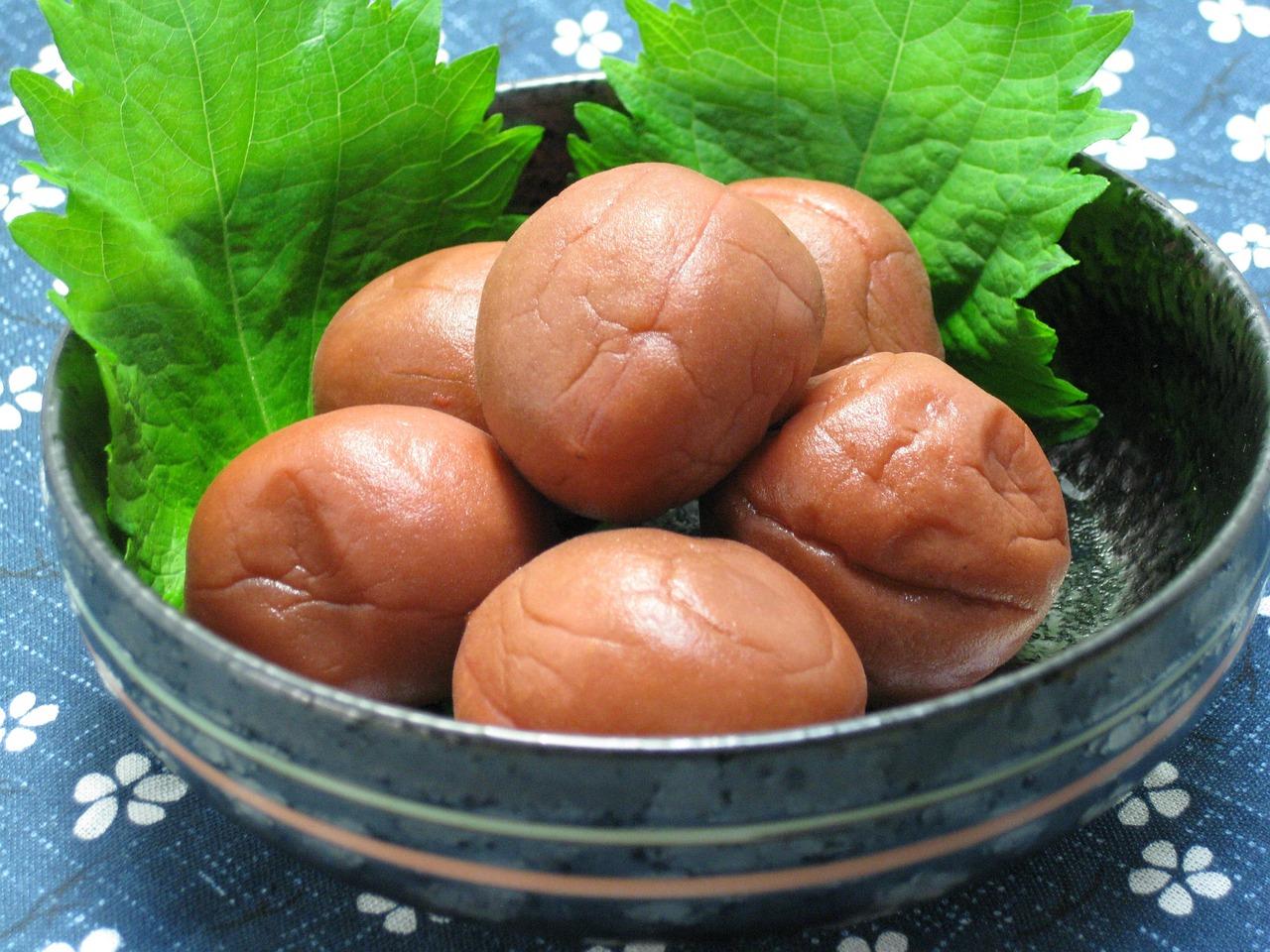
In the ume orchards of Minabe, in Wakayama's old Kishu province, families salt the June harvest of ripe yellow ume in crocks and then spread them on bamboo mats under the hottest days of late July, the doyo-boshi, before the plums go back into their brine. The result is wrinkled, intensely salty-sour fruit, the classic filling for onigiri and the red sun in the middle of a lunchbox of rice. This is a once-a-year project spread over about two months; the active work is about two hours. Do not cut the salt: below about 15 % of the fruit's weight the plums go mouldy, which is the most common failure at home. Chef's tip: use only fully ripe, yellow, fragrant ume; hard green ones turn tough and bitter.

by KrazyBadal 0 views

YaksikSweet rice with chestnuts

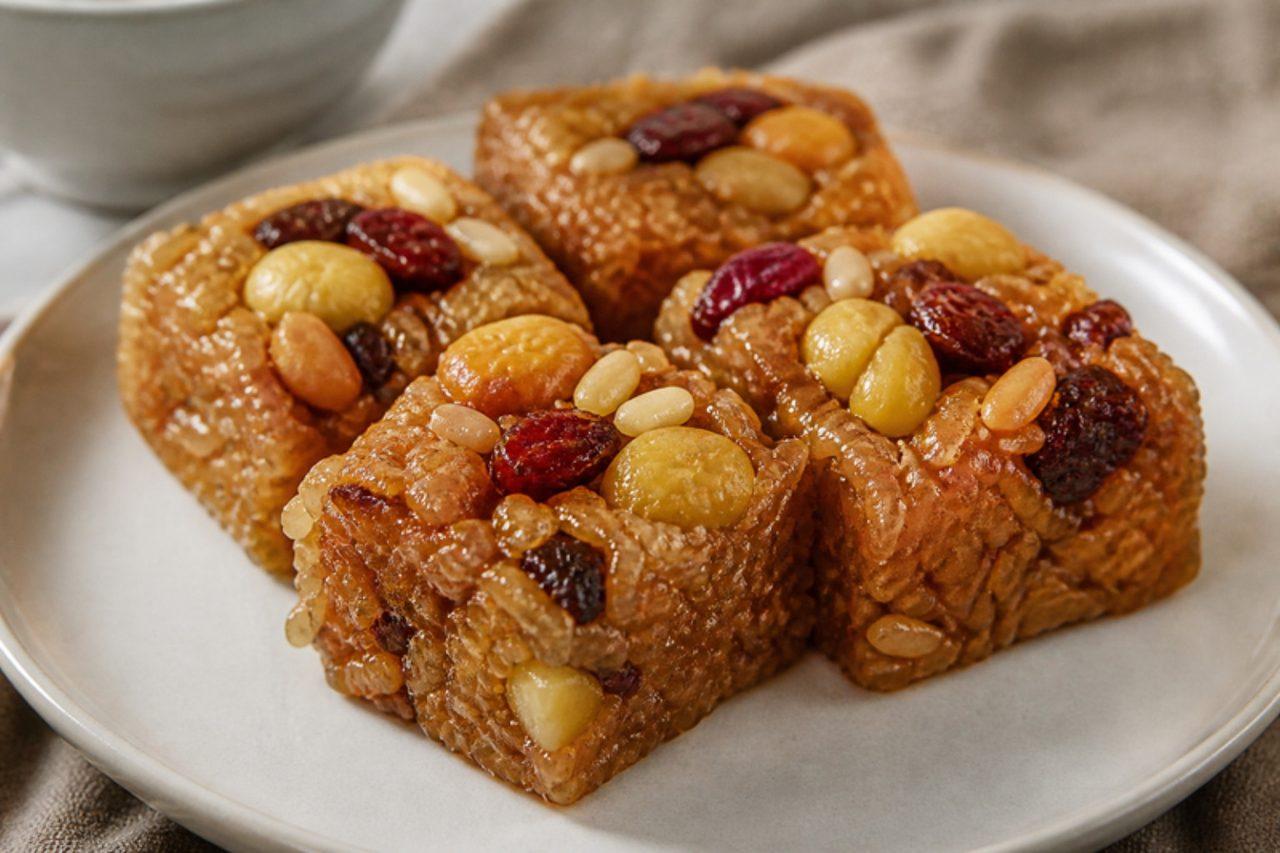
Yaksik began as a dish for Daeboreum, the first full moon of the lunar year, and is now a standard of Chuseok and Seollal tables and of birthday gifts, cut into neat squares and wrapped in cling film. Glutinous rice is steamed, tossed with dark sugar, soy sauce, sesame oil and cinnamon, then steamed a second time with chestnuts, jujubes and pine nuts until it turns a deep caramel brown and holds together like a soft, chewy cake. The usual mistake is skipping the soak: unsoaked rice stays hard in the centre however long you steam it. Contains soy, sesame and pine nuts. Rice cakes are dense and sticky, so cut them small for young children and older people and make sure they eat sitting down: they are a known choking risk. Chef's tip: caramelise a spoonful of the sugar in a dry pan before adding it; that dark caramel gives the traditional colour without needing extra soy sauce.

by KrazyBadal 0 views

Ichigo daifukuStrawberry mochi

Ichigo daifuku appeared in Tokyo sweet shops in the 1980s and quickly became the treat everyone queues for from January to April, when Japanese strawberries are at their best. A whole berry is wrapped in smooth sweet bean paste, then in a thin skin of soft, stretchy mochi, so you get juicy fruit, earthy sweetness and a pillowy chew in one bite. Mochi is very sticky: cut it into small pieces for young children and older people, and make sure they chew well and eat sitting down. The common mistake is wrapping a damp strawberry, which makes the bean paste slide and the mochi split; dry the berries completely. Chef's tip: microwave the mochi dough in short bursts and stir hard between them, until it turns translucent and elastic, rather than in one long blast.
by KrazyBadal 0 views

Kashiwa mochiOak leaf rice cakes

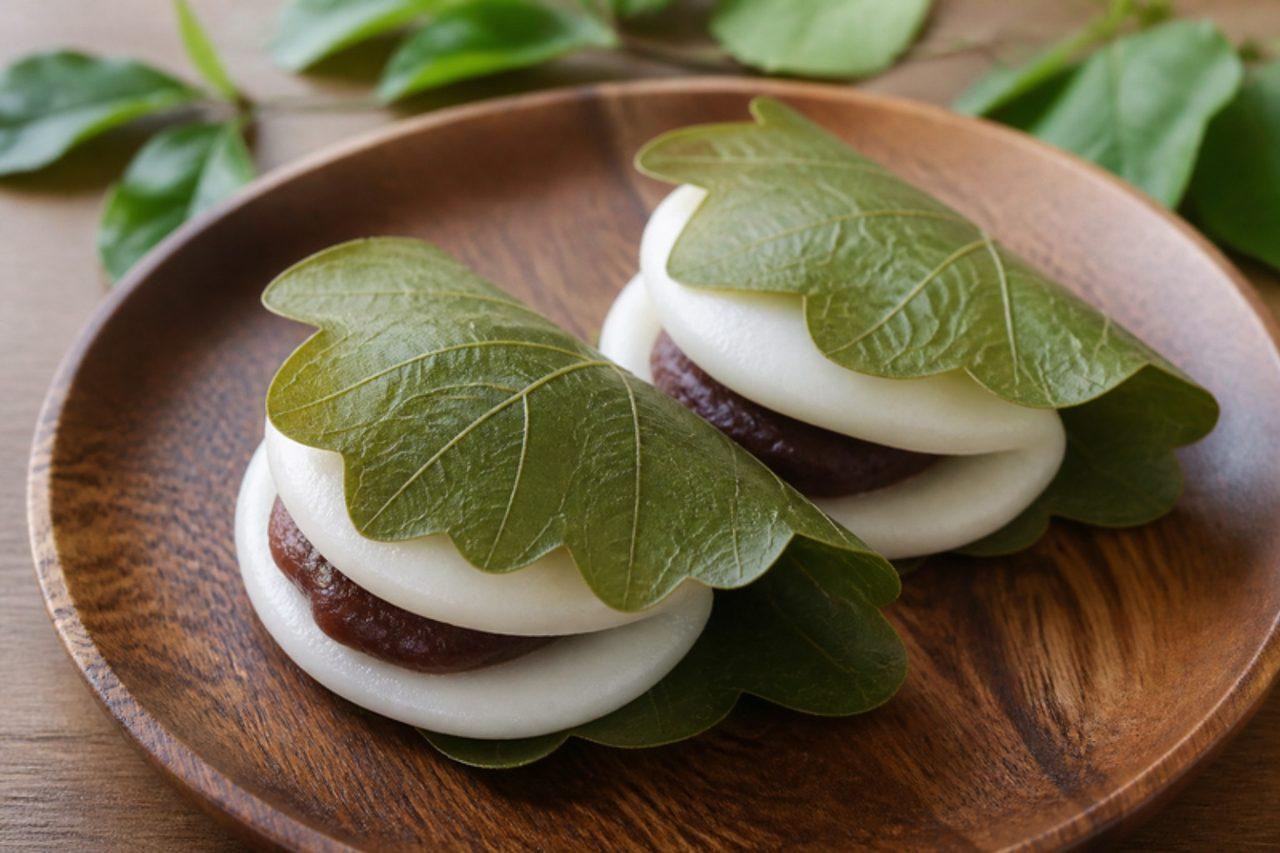
On 5 May, Children's Day, families in Tokyo and across eastern Japan eat kashiwa mochi: soft, flat rice cakes folded over sweet bean paste and wrapped in an oak leaf. Oak trees keep their old leaves until new ones bud, so the leaf stands for a family line carrying on. The leaf isn't eaten; it adds a faint woody scent and keeps the mochi moist. Mochi is very sticky: cut it into small pieces for young children and older people, and make sure they chew well and eat sitting down. The common mistake is steaming the dough too briefly, which leaves it pasty; steam until it turns slightly translucent, then knead. Chef's tip: dried oak leaves from Japanese grocers need a 10-minute simmer and a rinse before use; if you can't find them, wrap in cherry or bamboo leaves or baking paper.

by KrazyBadal 0 views

AnmitsuAgar jelly with red bean

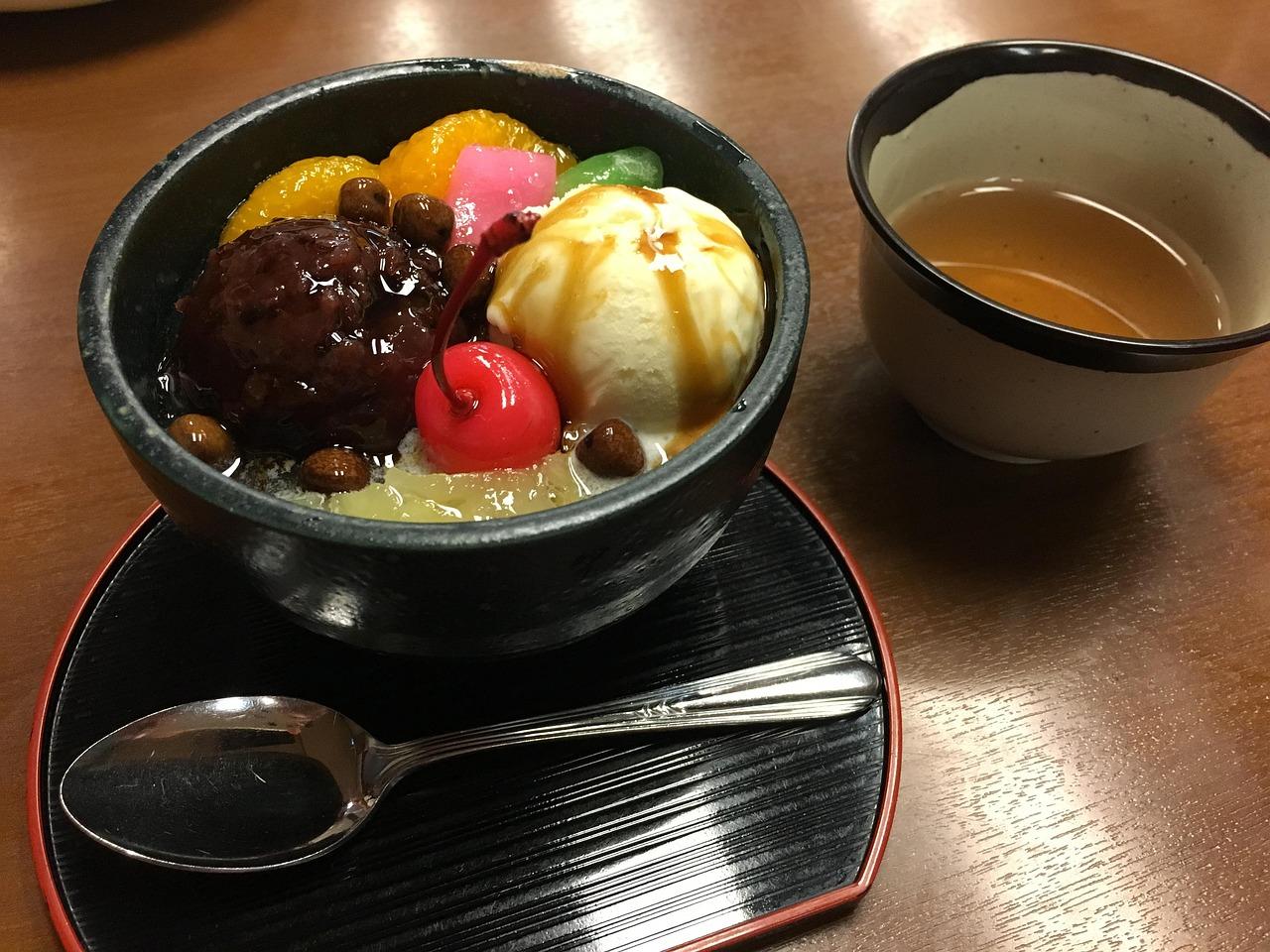
Anmitsu became a craze in Tokyo's Ginza and Asakusa tea rooms in the 1930s and is still the classic summer order in kanmidokoro, the sweet cafés of old Tokyo. Clear, firm cubes of agar jelly are piled into a bowl with seasonal fruit, a scoop of sweet bean paste and boiled red peas, then drenched in dark, smoky kuromitsu syrup. The common mistake is using gelatin, which melts; agar jelly stays firm and refreshing at room temperature. Chef's tip: make the kuromitsu with Okinawan kokuto black sugar if you can; it gives a deep, almost liquorice-like flavour that muscovado only gets close to.

by KrazyBadal 0 views

Pizza ai quattro formaggiFour-cheese pizza

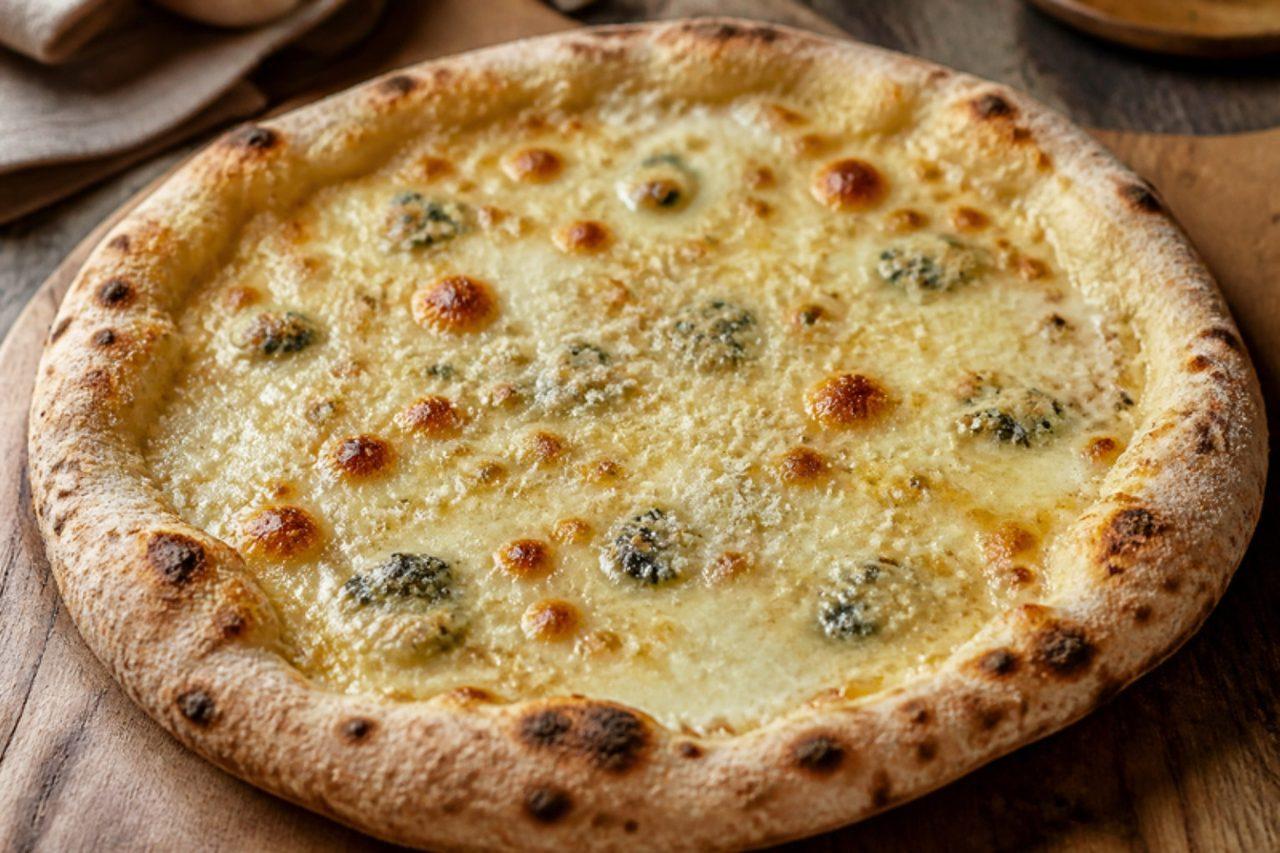
Four-cheese pizza is a pizzeria classic from Milan to Palermo, a pizza bianca (no tomato) where each cheese does a different job: mozzarella for stretch, gorgonzola for a blue tang, fontina from the Aosta Valley for creaminess and Parmigiano for a salty crust. It is the order for winter evenings, often with a drizzle of honey or a few walnuts on top. Most of these cheeses are made with animal rennet; choose vegetarian versions of each if you need to. Chef's tip: cut the cheeses into small cubes rather than slices and scatter them unevenly; they melt at different speeds and give pockets of flavour.

by KrazyBadal 0 views

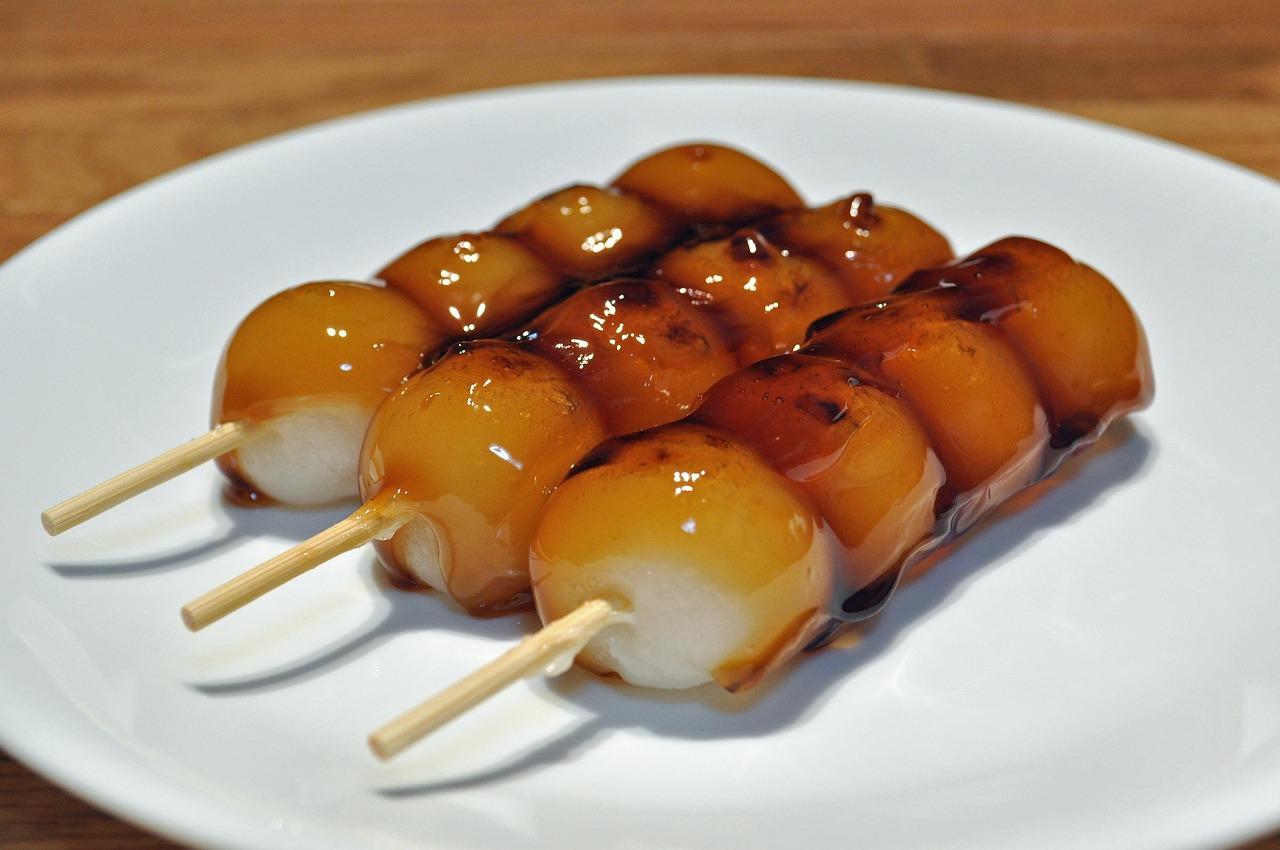
Mitarashi dangoSoy-glazed rice dumplings

Mitarashi dango are said to come from Shimogamo Shrine in Kyoto, where they were sold at the midsummer purification festival; today they are the snack of shrine fairs, flower-viewing picnics and station kiosks all over Japan. Chewy little rice-flour balls are threaded on skewers, toasted until speckled, and coated in a translucent, sweet-salty soy glaze that tastes a little like caramel. Mochi is very sticky: cut it into small pieces for young children and older people, and make sure they chew well and eat sitting down. The common mistake is a runny glaze: it must simmer until it turns clear and thick, or it slides off. Chef's tip: mix silken tofu into the rice flour instead of some of the water; the dumplings stay soft for hours instead of hardening as they cool.

by KrazyBadal 0 views

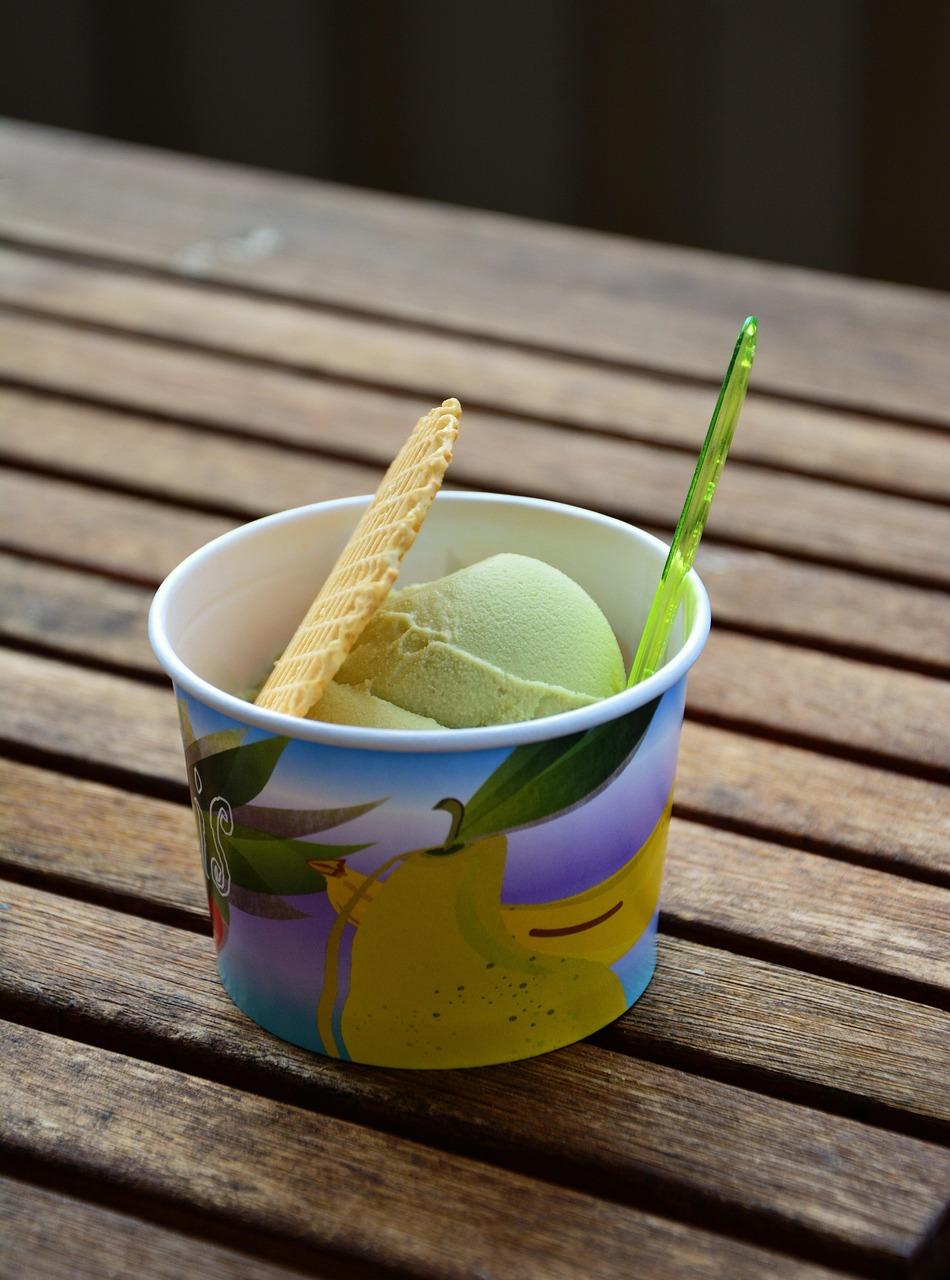
Gelato al pistacchioPistachio gelato

Real Sicilian pistachio gelato is not bright green; it is a dull, olive-brown colour and tastes intensely of roasted nuts, especially when made with pistachios from Bronte on the slopes of Mount Etna. In Palermo and Catania it is eaten in a brioche for breakfast or as a cone after dinner. The secret is pure pistachio paste, with no added colour or flavourings. Contains nuts. Chef's tip: if you can't find pistachio paste, blend roasted pistachios with a spoon of oil for 5 minutes until it runs smooth; any graininess shows up in the gelato.

by KrazyBadal 0 views

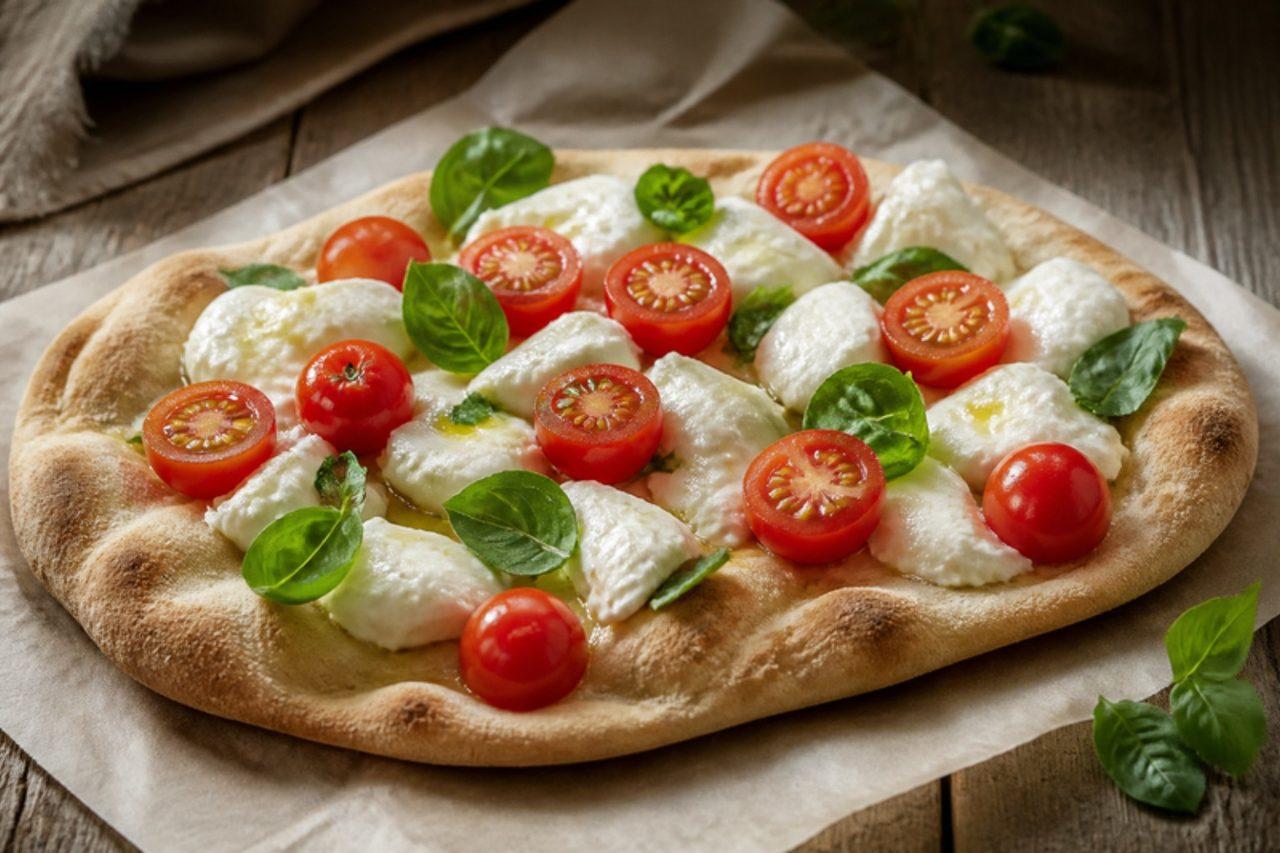
Pinsa romanaOval Roman flatbread

Pinsa is a modern Roman creation inspired by the flatbreads of ancient Rome: an oval base made from a mix of wheat, rice and soy flour (or in this home version, wheat and rice), with a lot of water and a long rest in the fridge. The result is crisp outside, light as a cloud inside and easy to digest. Pinserie in Rome top it with everything from buffalo mozzarella to courgette flowers; this version uses cherry tomatoes, mozzarella and basil. Mozzarella is usually made with calf rennet; vegetarian versions are easy to find. Chef's tip: shape the pinsa by pressing with your fingertips on a floured board, never stretching it; you want to keep all the bubbles.

by KrazyBadal 0 views

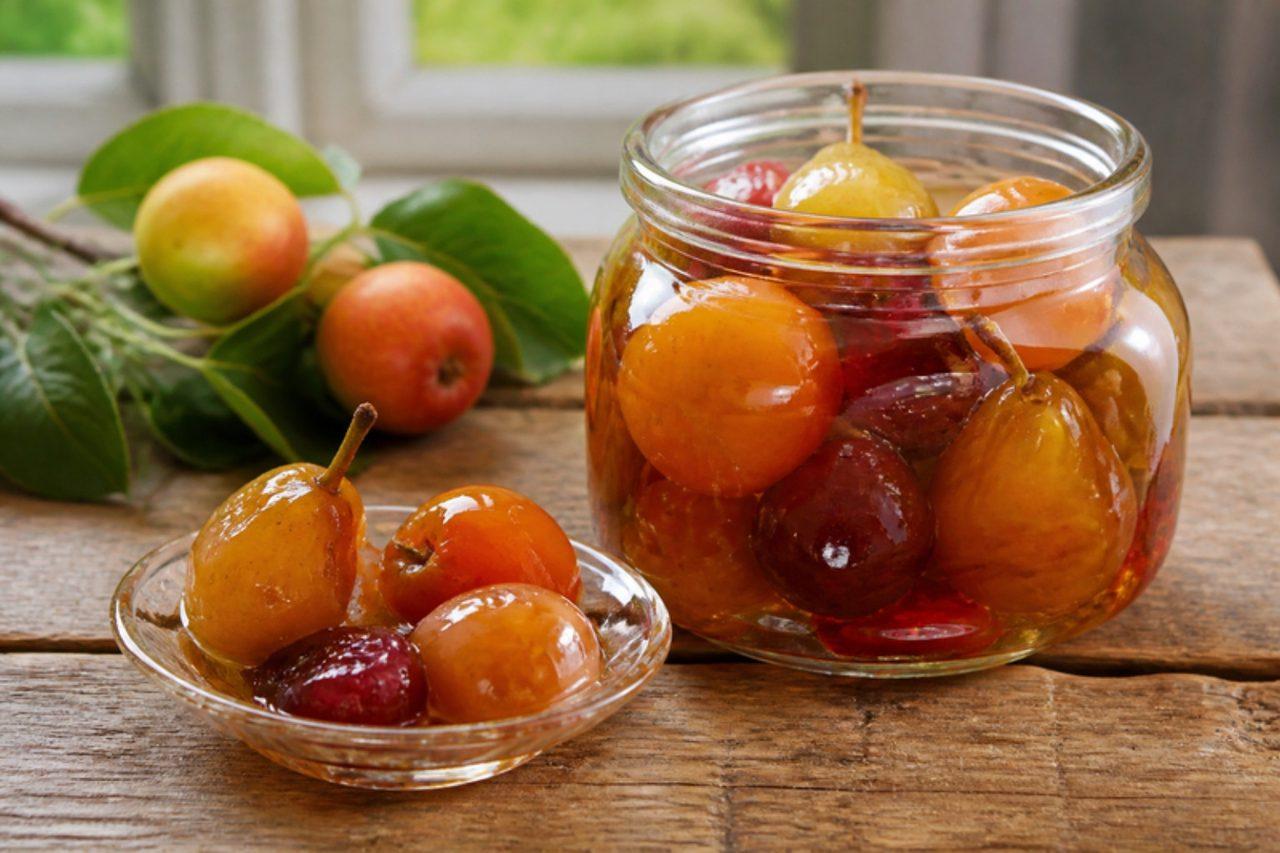
Mostarda di CremonaCandied fruit in mustard syrup

Mostarda di Cremona is a jar of jewel-like whole fruits, pears, cherries, figs, clementines and apricots, candied slowly in sugar syrup and then spiked with mustard oil so that each sweet mouthful ends with a sharp, nose-tingling heat. In Cremona and across Lombardy it is served at Christmas with bollito misto (boiled meats) and with cheese, and it fills the tortelli of Cremona and Mantua. Pure mustard essence is hard to buy, so this home version uses strong mustard powder. Chef's tip: candy the fruit over three days, bringing the syrup to the boil each day; slow candying keeps the fruit whole and glossy.

by KrazyBadal 0 views

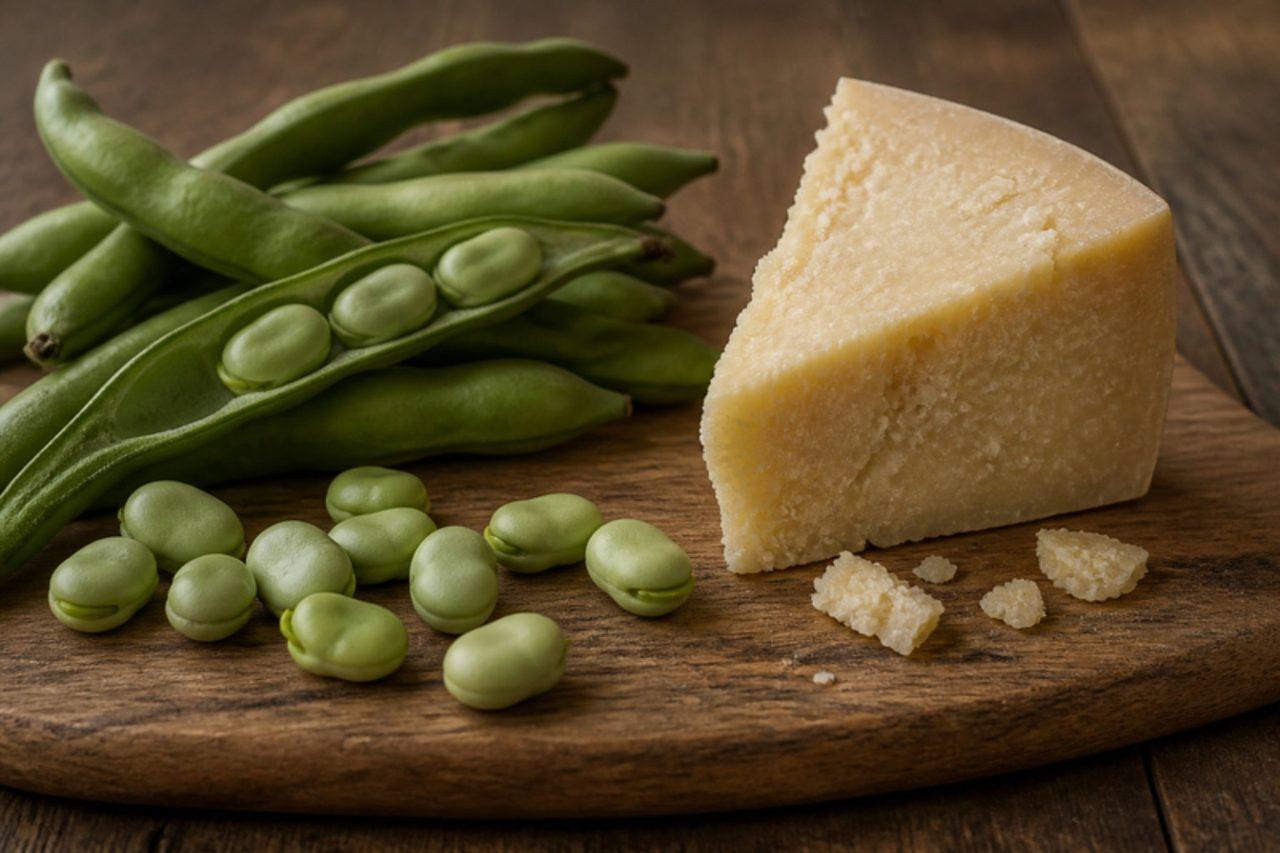
Fave e pecorinoRaw broad beans with pecorino

On 1 May, Romans head out to the parks and the Castelli Romani hills with a sack of fresh broad beans still in their pods and a hunk of young Pecorino Romano, and spend the afternoon shelling, nibbling and talking. The pairing is simple and very Roman: sweet, grassy raw beans against salty, sharp cheese, often with a glass of something cold and a hunk of bread. Only the youngest, smallest beans work raw, so this is a dish for a few weeks of spring. Traditional pecorino uses animal rennet; choose a vegetarian sheep's cheese if you need to. Chef's tip: taste a bean before you buy; if it is starchy or bitter rather than sweet, braise those beans instead.

by KrazyBadal 0 views

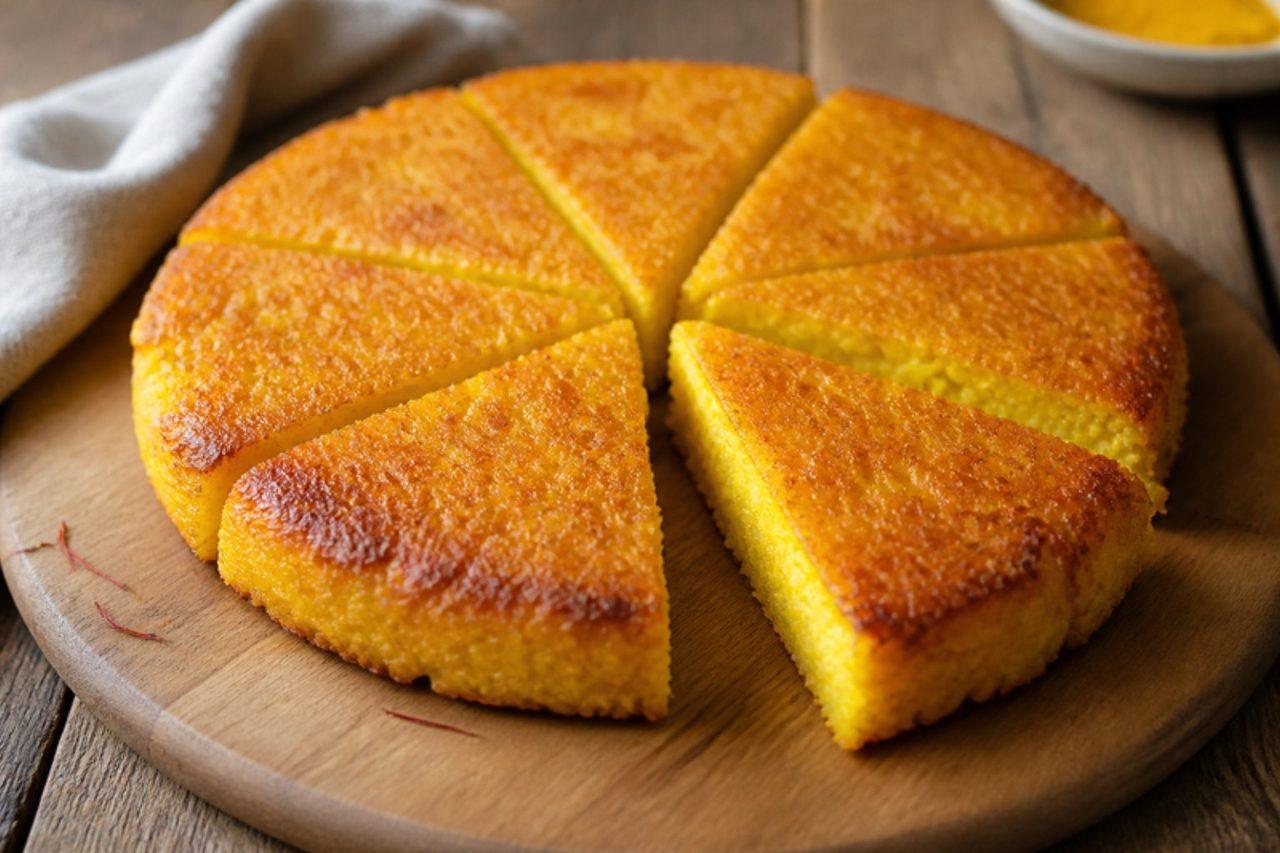
Riso al saltoCrisp fried saffron risotto cake

In Milan, nobody throws away risotto alla milanese. The next day it is pressed into a hot buttered pan and fried until it forms a thin, crackling golden disc, flipped "al salto" (with a jump) like a pancake. Old Milanese trattorie near the Brera district served it late at night after the theatre, and it is still a favourite way to use up saffron risotto. The cheese in the leftover risotto is usually made with animal rennet. Chef's tip: use cold risotto straight from the fridge and press it thin; warm or thick risotto won't crisp and falls apart when you flip it.

by KrazyBadal 0 views

DalgonaHoneycomb toffee

Dalgona, or ppopgi, was the 1970s and 80s snack of Seoul alleyways, where an old man with a little stove melted sugar in a ladle and stamped a star or umbrella into it; if you could break the shape out without cracking it you won a free one. It is just sugar and a pinch of baking soda, puffed into a crisp, toffee-brown honeycomb that tastes faintly bitter-sweet. The common mistake is adding too much baking soda, which leaves the candy bitter and soapy; a tiny pinch on the tip of a chopstick is all it needs. Melted sugar reaches about 160 °C and burns badly, so children should watch while an adult does the melting, and should only press shapes once the candy has set a little. Chef's tip: use a stainless-steel ladle or small pan, not non-stick, and keep the flame low; the moment the sugar is clear and amber, take it off.

by KrazyBadal 0 views

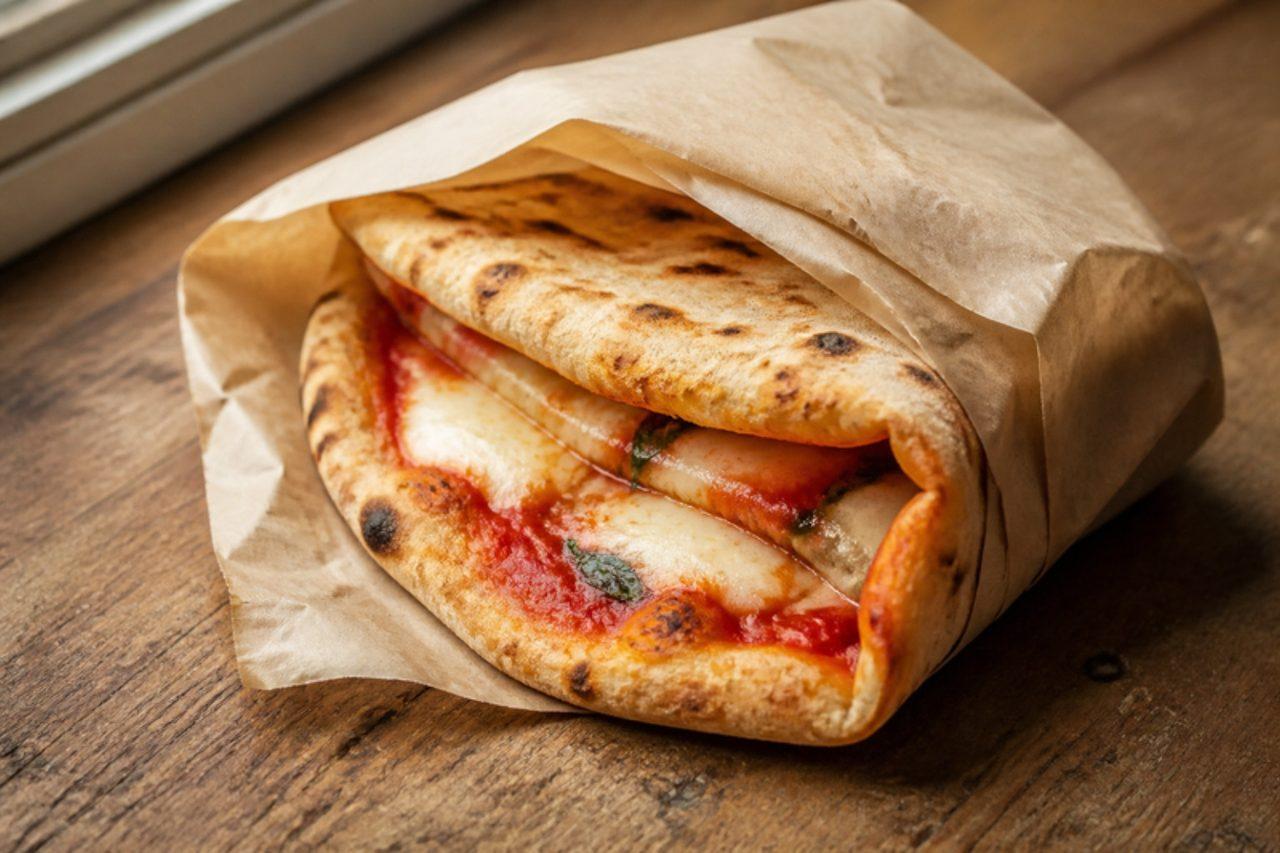
Pizza a portafoglioFolded street pizza

In the narrow streets of Naples's historic centre, pizzerie sell a small margherita folded in four like a wallet, wrapped in paper and eaten while walking, for a couple of euros. It is the city's original fast food and still a lunch for students and workers around Via dei Tribunali and the Spanish Quarter. The pizza is small and soft so it folds without cracking. Mozzarella is usually made with calf rennet; vegetarian versions are easy to find. Chef's tip: take the pizza out while the crust is still soft and a little pale; a crisp pizza snaps when you fold it.

by KrazyBadal 0 views

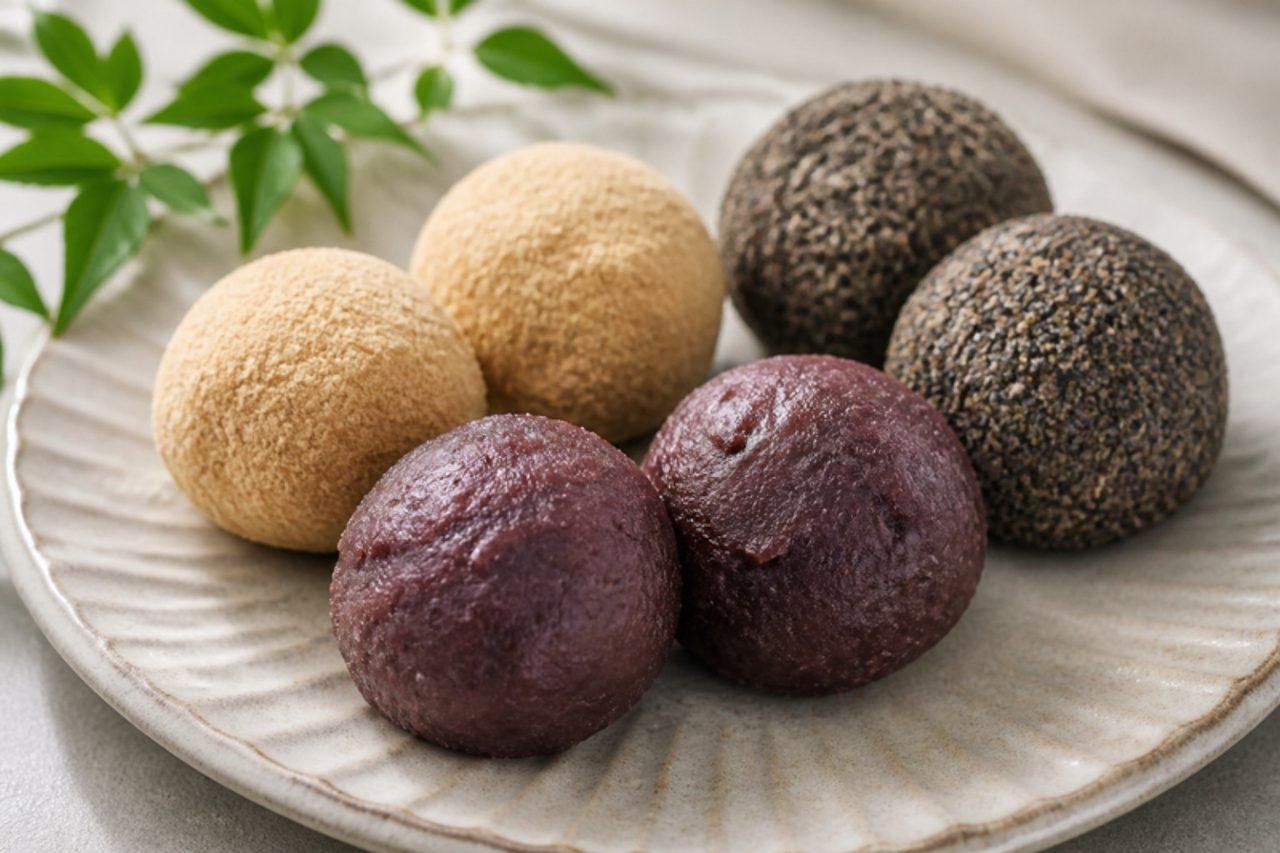
OhagiSweet red bean rice balls

Ohagi are made twice a year, at the spring and autumn equinoxes (higan), when Japanese families visit ancestors' graves and leave these rice balls as offerings; in spring they are called botamochi. Sticky rice is cooked and only half-pounded, so you can still see the grains, then shaped into ovals and coated in chunky red bean paste, roasted soybean flour (kinako) or black sesame. Mochi is very sticky: cut it into small pieces for young children and older people, and make sure they chew well and eat sitting down. The common mistake is pounding the rice smooth like mochi; ohagi should keep a rustic, grainy texture. Chef's tip: wet your hands and squeeze out cling film between shaping, so the rice never sticks.
by KrazyBadal 0 views

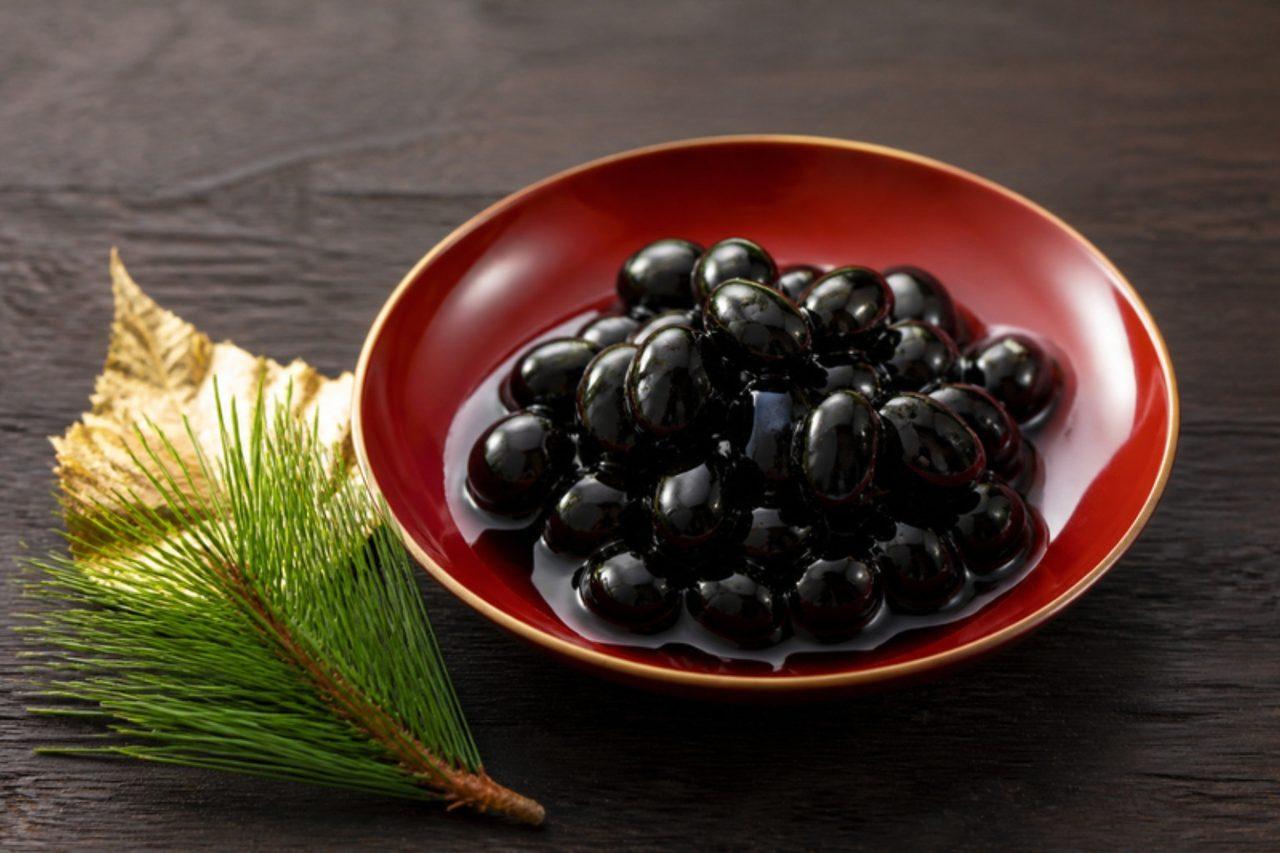
KuromameSweet black soybeans

No osechi box, the lacquered stack of cold dishes Japanese families share over the first three days of January, is complete without kuromame: plump black soybeans simmered so slowly in syrup that they stay whole, wrinkle-free and shining like jet. The word 'mame' also means hard work and good health, so eating them wishes for a diligent year. They are soft, sweet and gently savoury, with a deep bean flavour. The common mistake is letting the beans touch the air while cooking, which wrinkles their skins; keep them submerged under a drop-lid the whole time and top up with water. Chef's tip: soak the dry beans directly in the hot seasoned syrup overnight rather than in plain water, which seasons them from the inside and keeps the skins smooth.
by KrazyBadal 0 views

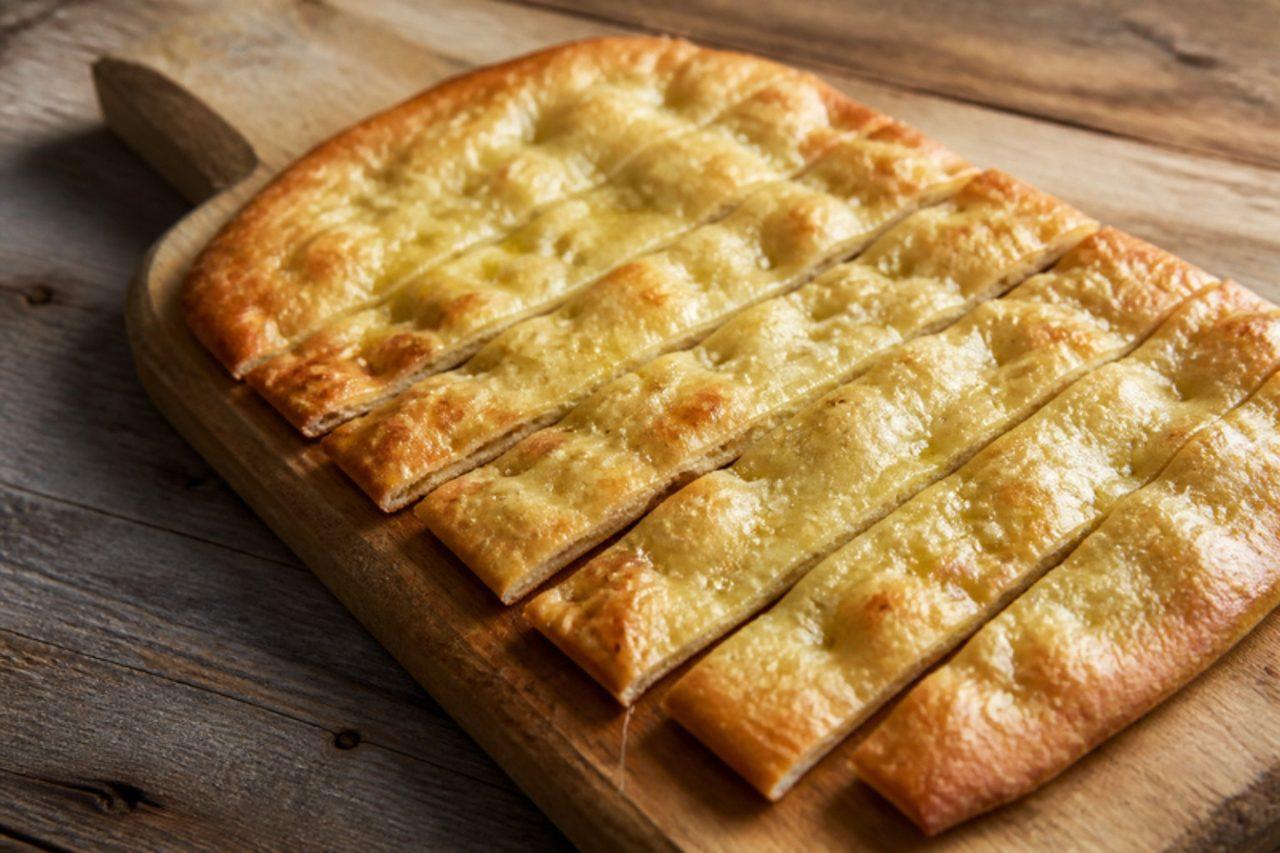
Pizza bianca romanaRoman olive oil flatbread

Walk past any Roman forno at eleven in the morning and you'll see pizza bianca coming out of the oven in planks a metre long: crisp on top, chewy and full of holes inside, brushed with olive oil and scattered with salt. Romans buy it by the slice for children's snacks after school, or split it open and fill it with mortadella or fresh figs in late summer. The dough is very wet and needs only folding, not kneading. Chef's tip: stretch the dough with oily fingertips straight onto the tray; dimpling it presses big bubbles into the dough that puff up in the oven.

by KrazyBadal 0 views

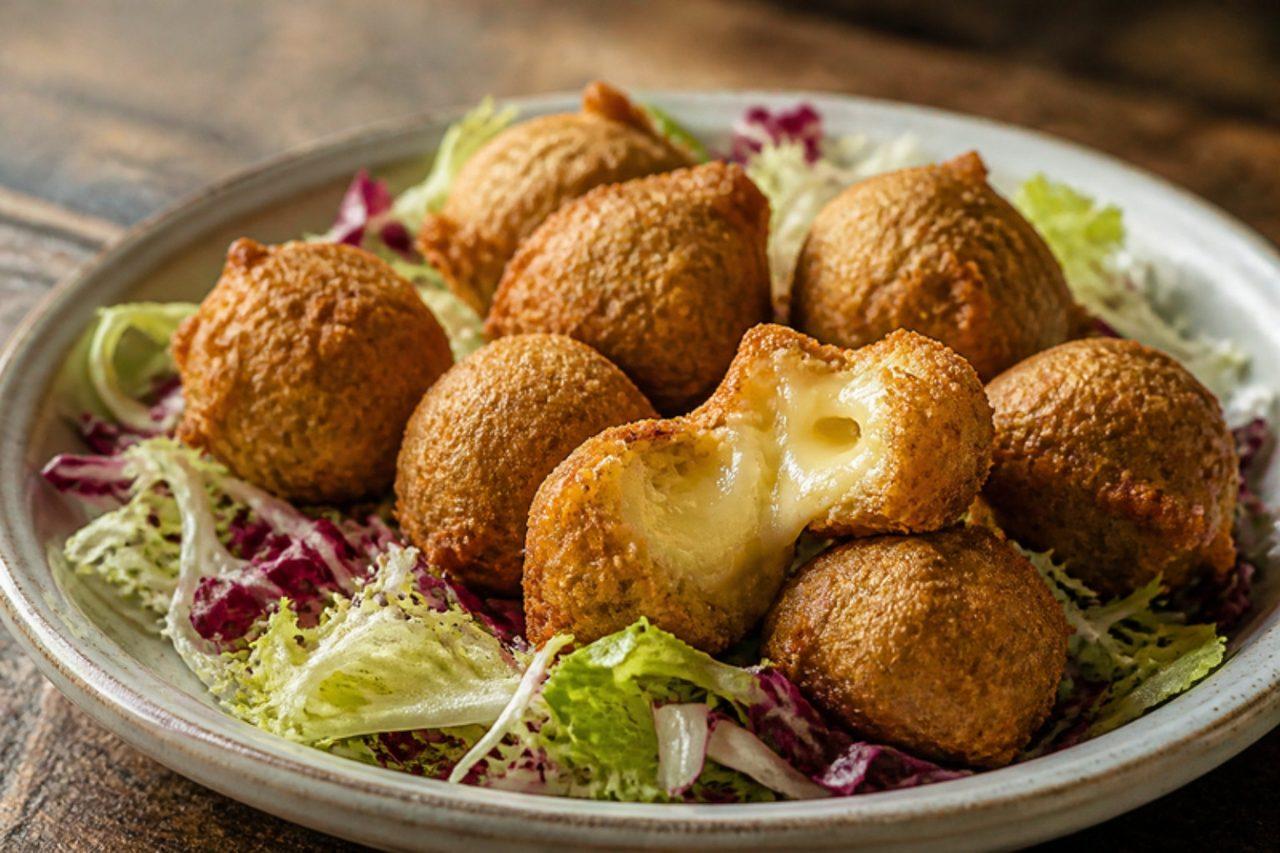
SciattBuckwheat cheese fritters

Sciatt means "toads" in the dialect of Valtellina, the Alpine valley near Sondrio, because of their lumpy shape. They are buckwheat batter fritters, each hiding a cube of Valtellina Casera cheese that melts as they fry, served on a bed of chicory salad. Mountain huts and village festivals serve them hot from the pan in autumn and winter. Local cheeses are usually made with animal rennet; choose a vegetarian melting cheese if you need to. Chef's tip: make the batter with very cold sparkling water and a splash of grappa, as locals do; the bubbles and alcohol make a lighter, crispier crust. The alcohol mostly cooks off in the frying; leave it out for an alcohol-free version.

by KrazyBadal 0 views

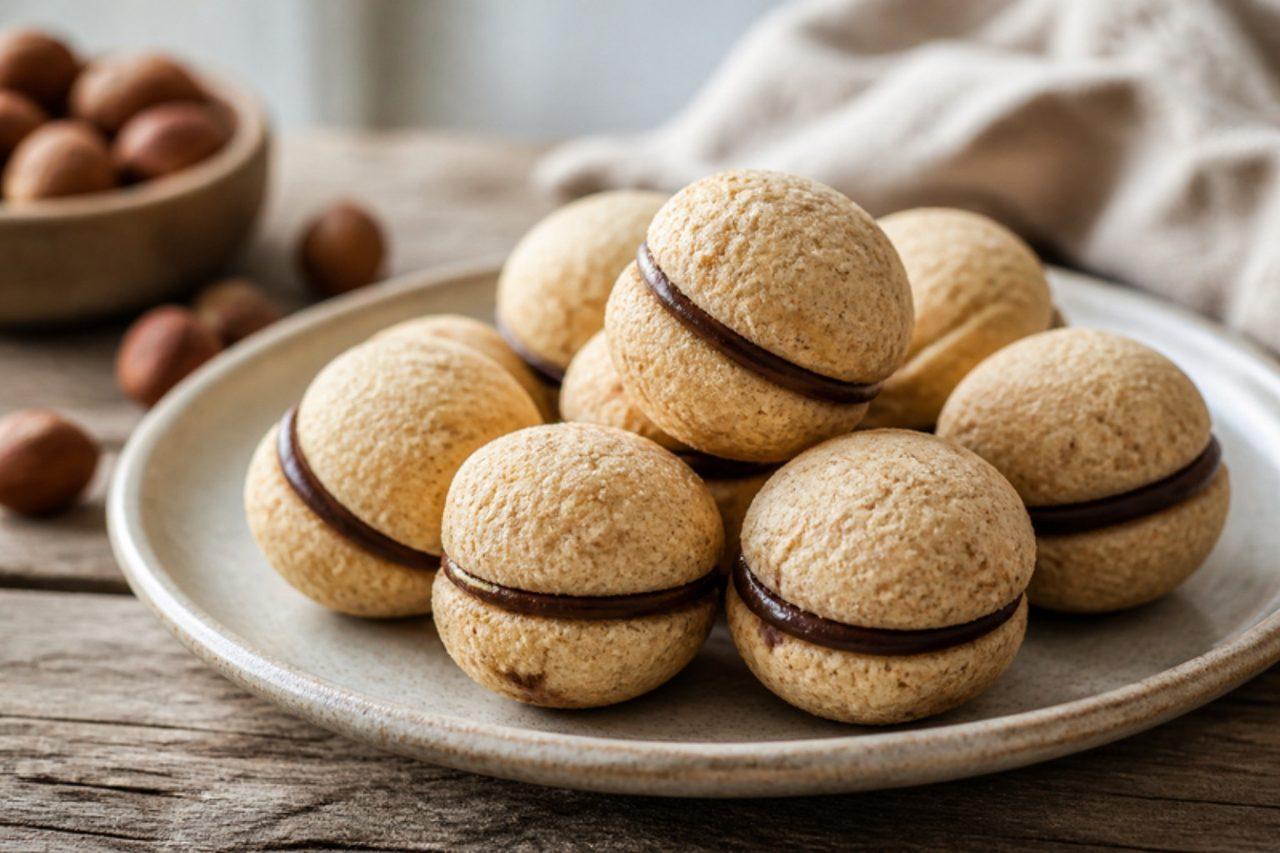
Baci di damaHazelnut shortbread sandwiches

Baci di dama, "lady's kisses", were born in Tortona in Piedmont in the 1800s: two small domes of buttery hazelnut shortbread pressed together with dark chocolate, like two lips meeting in a kiss. They are sold in every pastry shop in Piedmont and eaten with coffee or as a gift at Christmas. The local Piedmont hazelnuts are some of the best in the world. Contains nuts. Chef's tip: weigh each ball of dough so they're all the same size; matching domes make neat kisses.

by KrazyBadal 0 views

Passata di pomodoroBottled tomato purée

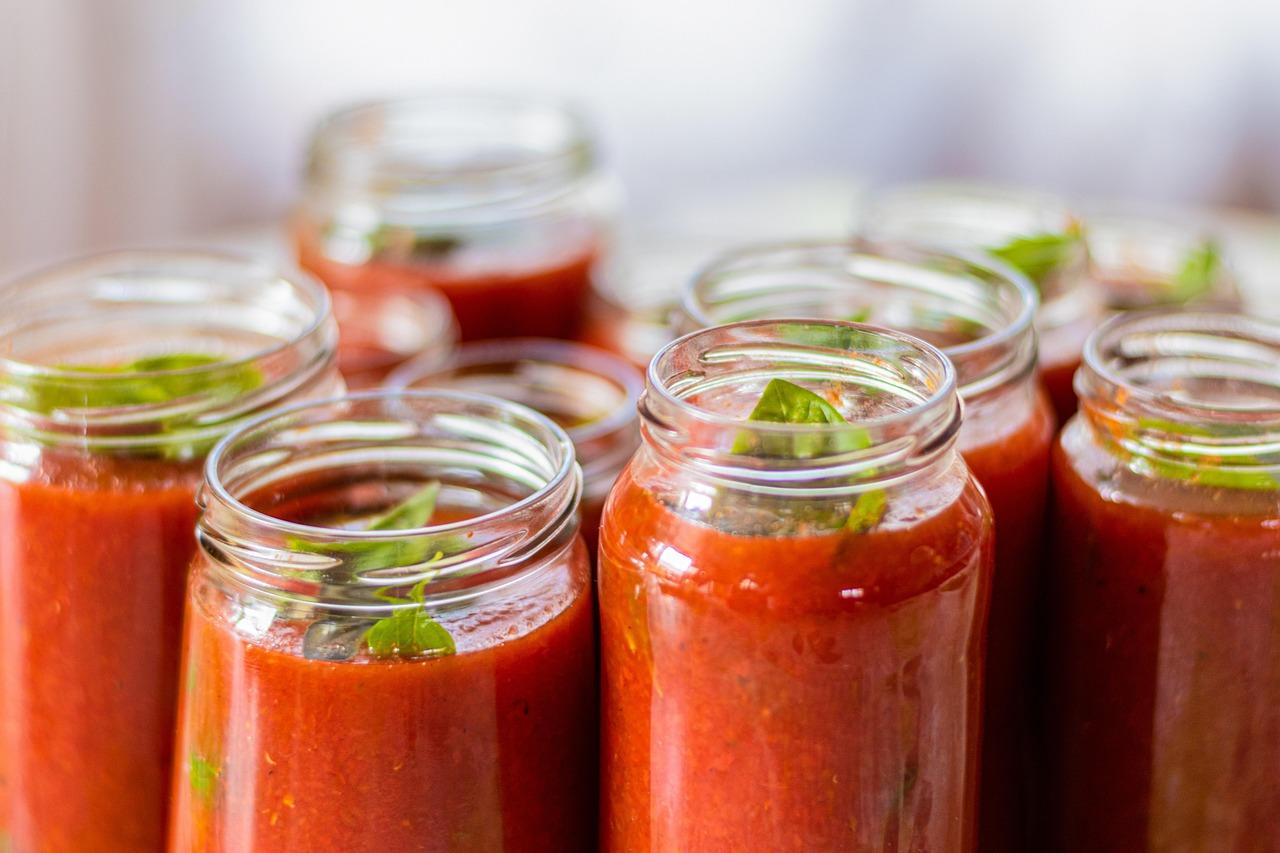
At the end of August, all over southern and central Italy, families gather for the "giornata della salsa", the day of the sauce: crates of ripe plum tomatoes are washed, cooked, passed through a hand-cranked mill and bottled in hundreds, with a basil leaf in each bottle. The passata lasts until the next summer and is used for every ragù and pizza. For home bottling, add lemon juice to each jar and process in a water bath, as tomatoes alone are not acidic enough to be safe at room temperature. Chef's tip: use only fully ripe, deep red plum tomatoes; underripe tomatoes give a pale, sour passata.

by KrazyBadal 0 views

Polenta taragnaBuckwheat polenta with cheese

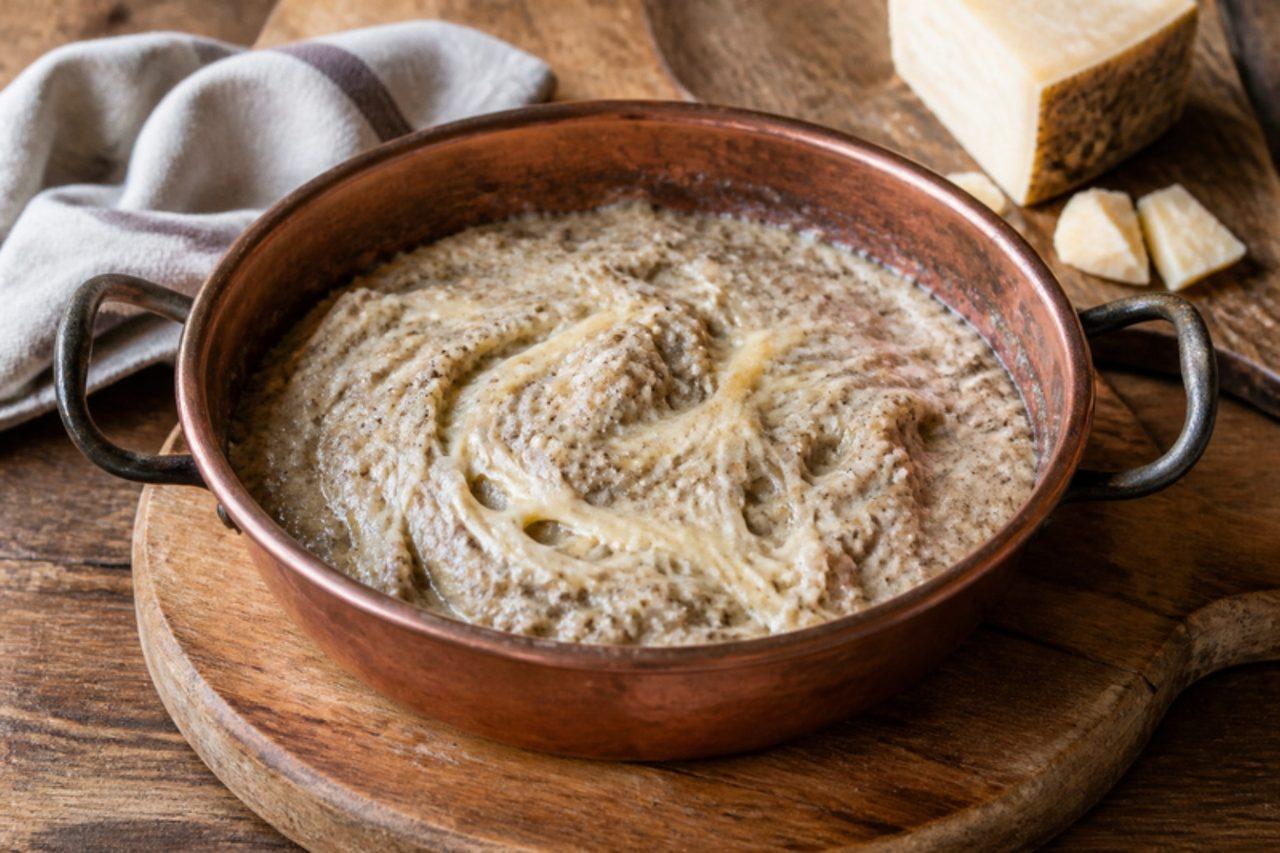
High in the Valtellina valley near Sondrio, where wheat struggles but buckwheat grows well, polenta is made grey-brown and nutty with a mix of buckwheat and cornmeal. Taragna gets its name from the tarell, the long wooden stick used to stir it in a copper pot over the fire. At the end, butter and cubes of the local Valtellina Casera or Bitto cheese are stirred in until they melt into strings. It is winter food for cold mountain evenings, eaten with mushrooms or sausages on the side. Local cheeses are usually made with animal rennet; a vegetarian melting cheese works. Chef's tip: stir the flour into the boiling water in a slow rain with a whisk; once it is all in, switch to a wooden spoon and keep stirring.

by KrazyBadal 0 views

Carciofi alla giudiaCrisp fried artichokes

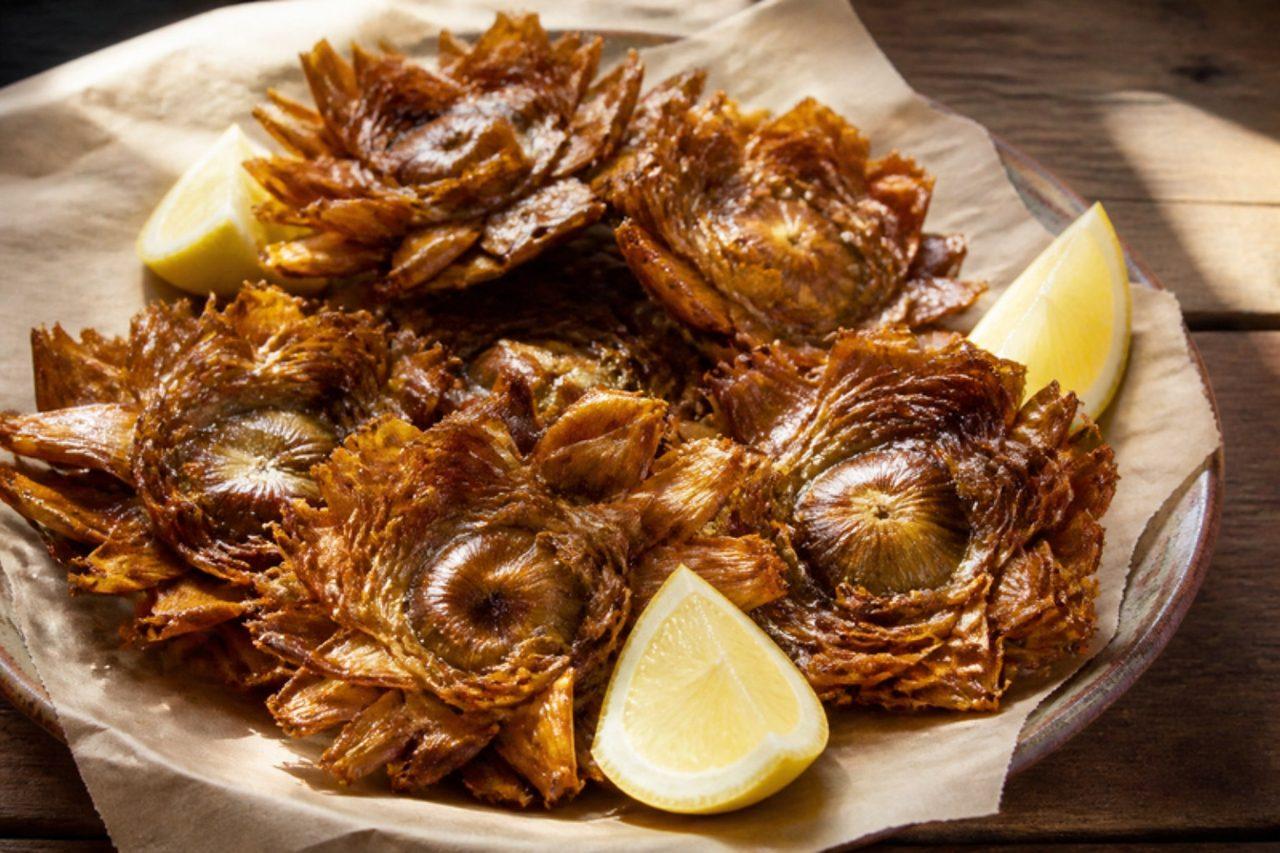
Carciofi alla giudia come from Rome's old Jewish Ghetto, where for centuries the restaurants along Via del Portico d'Ottavia have fried them from February to April, when the round Roman romanesco artichokes are in season. The artichokes are trimmed, fried once slowly until tender, then opened like flowers and fried again in hotter oil until the leaves are bronze and crunchy like crisps, while the heart stays soft. Chef's tip: before the second fry, flick a few drops of cold water into the oil from your fingers, standing well back; Roman cooks say the spatter is what makes the leaves extra crisp. Do this carefully.

by KrazyBadal 0 views

Granita al caffè con pannaCoffee granita with cream

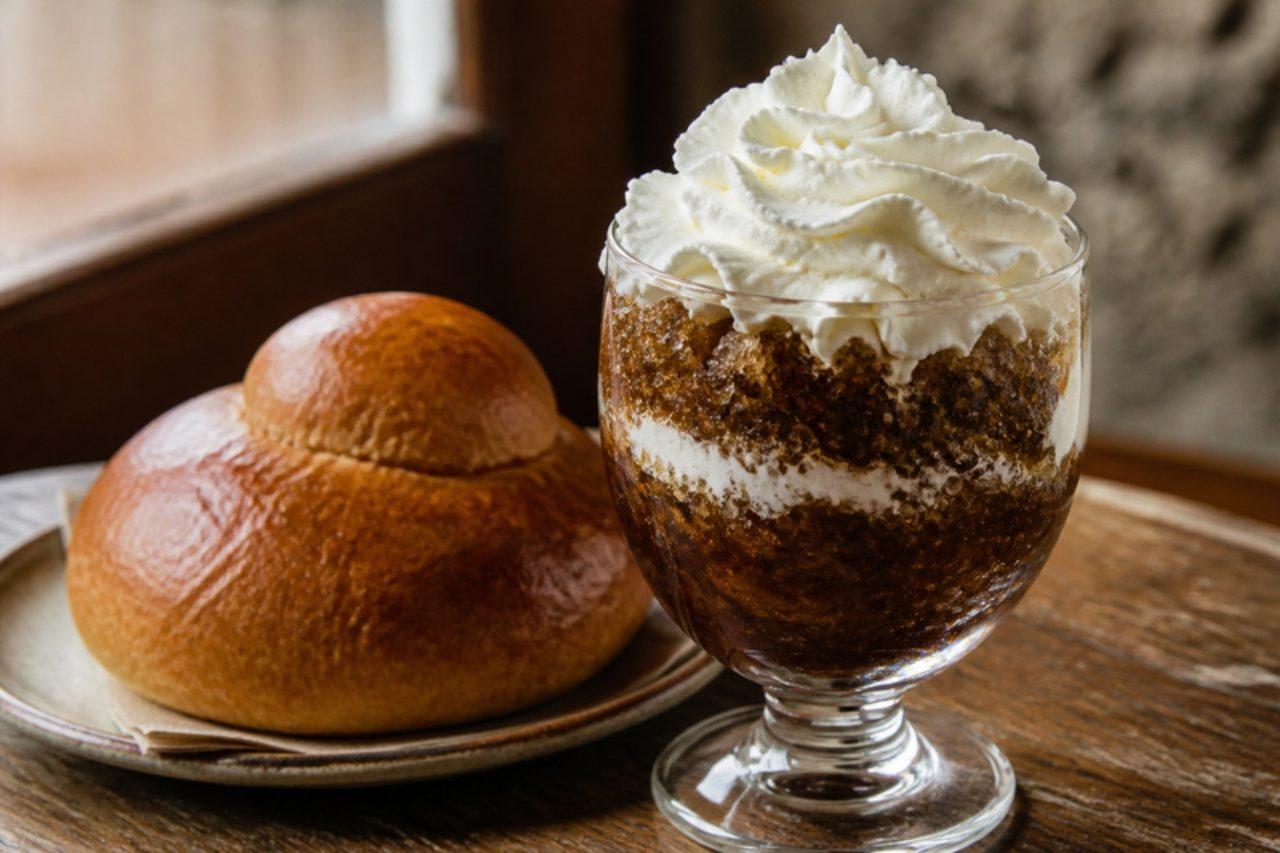
In Sicily, and in Rome at the famous Tazza d'Oro café near the Pantheon, coffee granita is served in a glass layered with unsweetened whipped cream: cream at the bottom, coffee ice in the middle and more cream on top. It is a summer breakfast or afternoon pick-me-up, eaten with a long spoon or a brioche. It contains caffeine, so it isn't for children. Chef's tip: make the coffee strong and sweet; flavours fade when frozen, so it should taste almost too sweet before it goes in the freezer.

by KrazyBadal 0 views

Granita di mandorlaAlmond granita

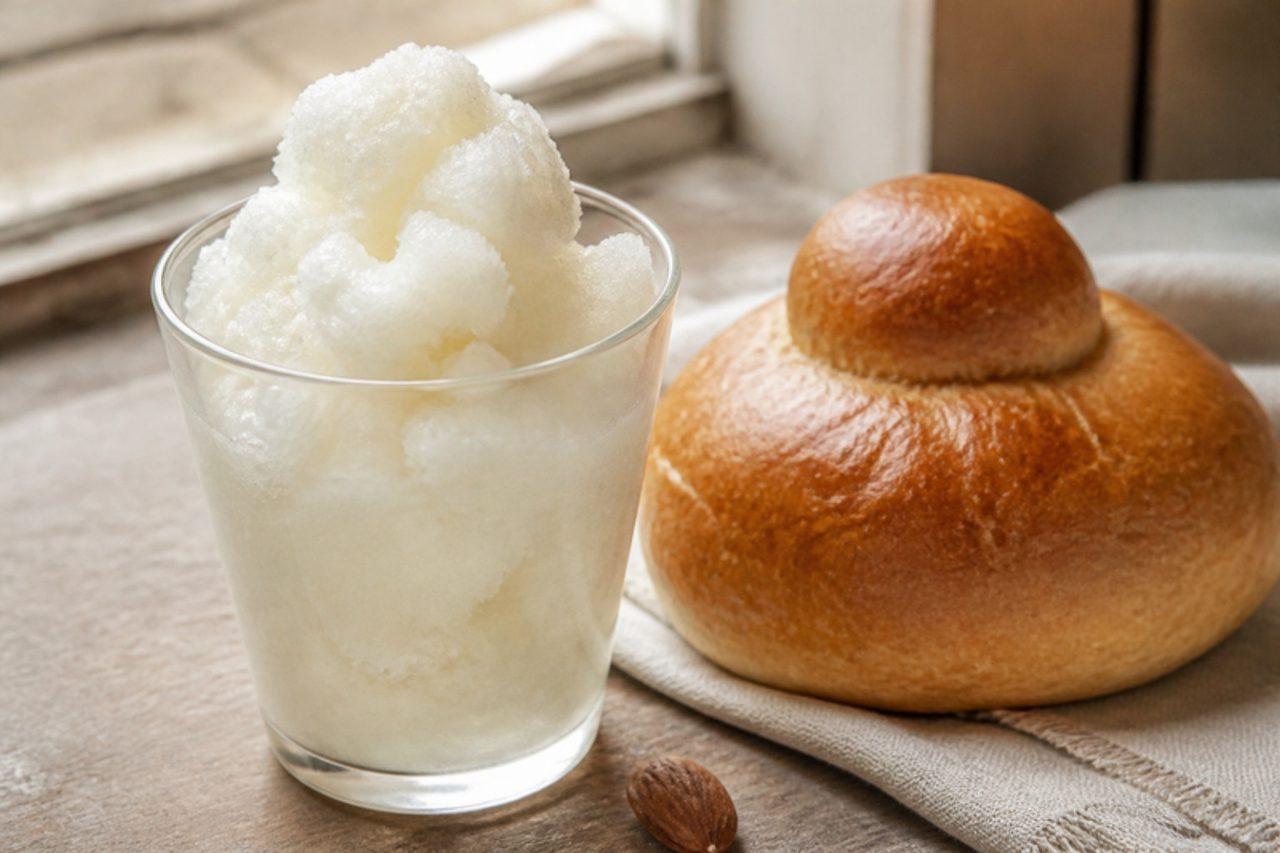
On summer mornings in Catania, Messina and the towns around Mount Etna, Sicilians have granita for breakfast: a glass of soft, flaky ice made from almond milk and sugar, eaten with a warm brioche col tuppo (with a little bun on top) for dunking. The almond granita is the most traditional flavour, white, sweet and fragrant. It is made without a machine, just scraped with a fork as it freezes. Contains nuts. Chef's tip: stir the granita every 30 minutes without fail; that's what gives it the soft, creamy flakes instead of a solid block.

by KrazyBadal 0 views

Granita di gelsi neriBlack mulberry granita

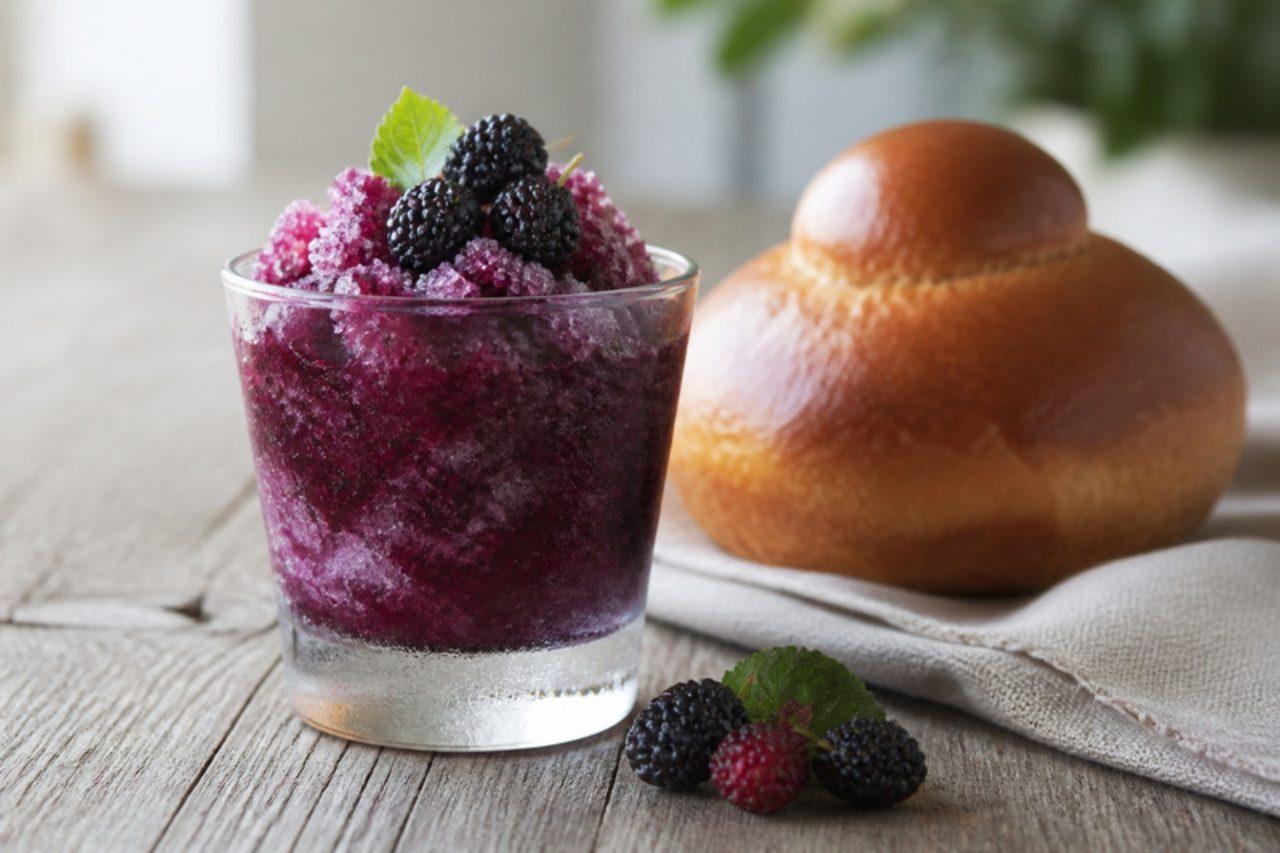
In late June and July the black mulberry trees of Sicily, especially around Messina and Acireale, drop their dark, juicy fruit, and the bars turn them into a granita the colour of ink, sweet and tangy, served in a glass with a warm brioche. Mulberries stain everything, so locals eat it carefully. If you can't find black mulberries, blackberries make a very similar granita. Chef's tip: add a squeeze of lemon; it brightens the berry flavour and keeps the colour vivid.

by KrazyBadal 0 views

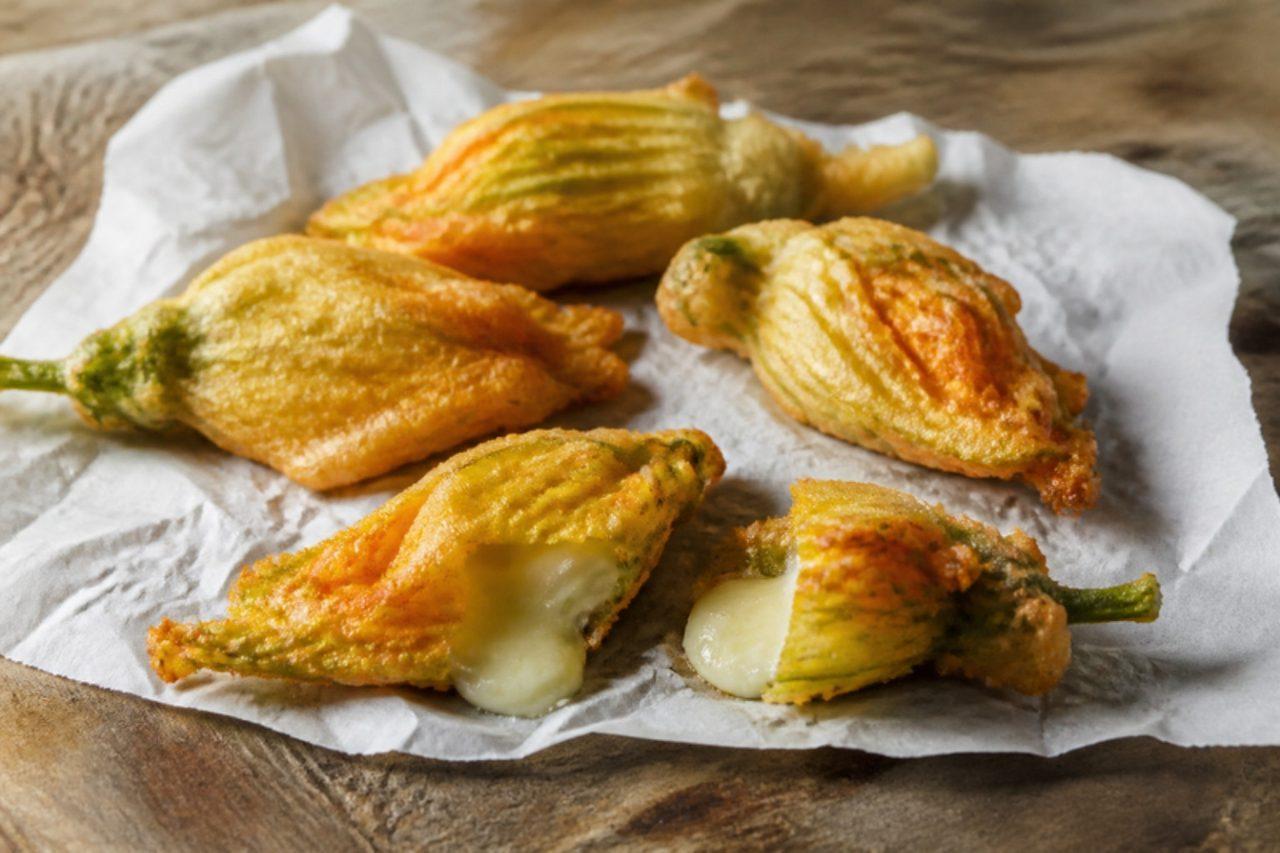
Fiori di zucca ripieni frittiFried stuffed courgette flowers

Every Roman pizzeria a taglio and friggitoria has a tray of fiori di zucca in summer: courgette flowers stuffed with a stick of mozzarella, dipped in a thin cold batter and fried until they shatter. Romans usually tuck in an anchovy fillet, but this vegetarian version swaps it for a little lemon zest and a caper, which gives the same salty spark. They are eaten as an antipasto before pizza or as a snack standing at the counter. Mozzarella is usually made with calf rennet; vegetarian versions are easy to find. Chef's tip: make the batter with ice-cold sparkling water and leave a few lumps; a smooth, warm batter fries heavy and soft.

by KrazyBadal 0 views

Gelato alla stracciatellaChocolate chip gelato

Stracciatella was invented in 1961 at the Gelateria La Marianna in Bergamo's upper town, inspired by stracciatella soup, where egg is stirred into broth in little rags (stracci). The gelato maker drizzled melted dark chocolate into churning fior di latte, where it froze instantly into thin, crisp shards. It became one of the best-loved flavours in Italy, a favourite with children. Chef's tip: drizzle the chocolate in a thin stream right at the end of churning; it must hit the cold gelato and set at once, or it forms hard lumps.

by KrazyBadal 0 views

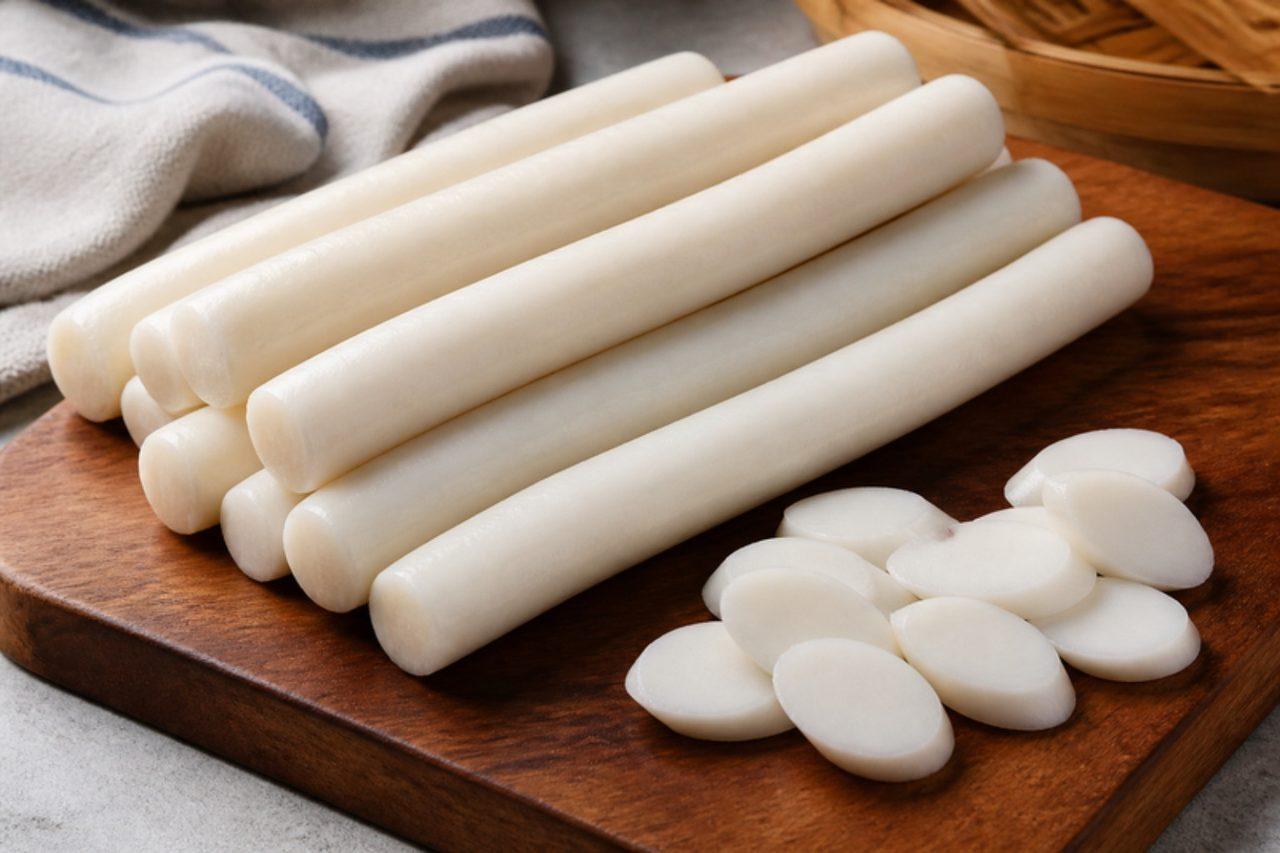
GaraetteokLong cylinder rice cakes

Garaetteok are the long white rice-cake logs that Korean mills churn out before Seollal, when families queue with their own rice to have them pressed and then slice them into ovals for tteokguk, the New Year soup. The length is meant to wish for a long life. Freshly made, they are soft and chewy and eaten warm, dipped in honey or toasted over a grill; once they firm up they are sliced for soup or cut into sticks for tteokbokki. Making them at home is simple, though the logs come out a little less glossy than machine-pressed ones. The usual mistake is rolling the dough when it has cooled: it must be hot to stay smooth. Rice cakes are chewy and sticky, a known choking risk: cut them into small pieces for young children and older people and eat them sitting down. Chef's tip: leave the logs to firm overnight before slicing on the diagonal; they cut cleanly instead of squashing.

by KrazyBadal 0 views

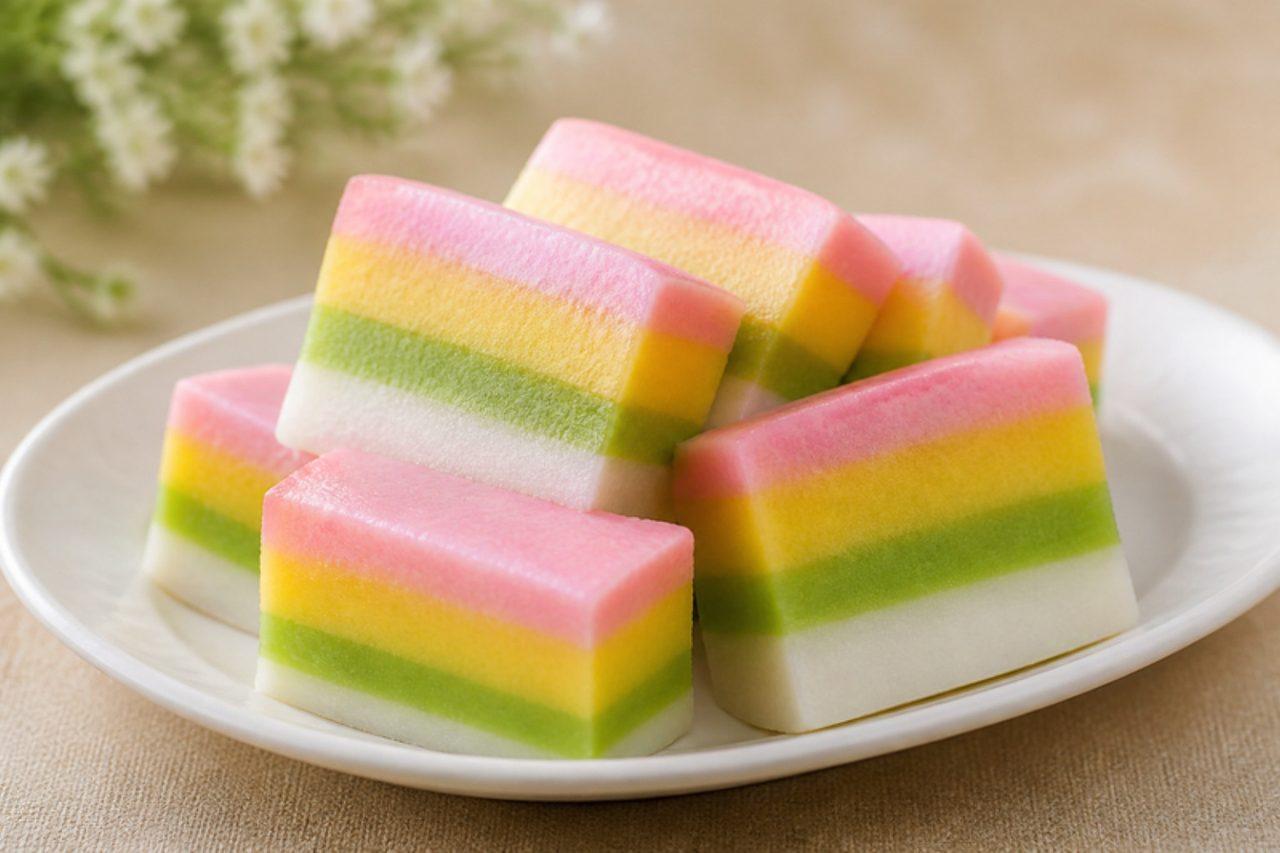
Mujigae tteokRainbow rice cake

Mujigae tteok is the rice cake of children's birthdays and school picnics in Korea, with soft stripes of pink, yellow, green and white that stand for harmony and happiness; it is also a fixture on the doljanchi first-birthday table. Each layer is the same lightly sweet, fluffy steamed rice flour, coloured naturally. The common mistake is packing the layers down: press too hard and the cake turns dense and the colours bleed, so spread each layer and just level it with a scraper. Rice cakes are chewy and sticky, a known choking risk: cut them into small pieces for young children and older people and eat them sitting down. Chef's tip: colour each portion of flour before sieving it, so the colour is even with no streaks.

by KrazyBadal 0 views

BaekseolgiWhite steamed rice cake

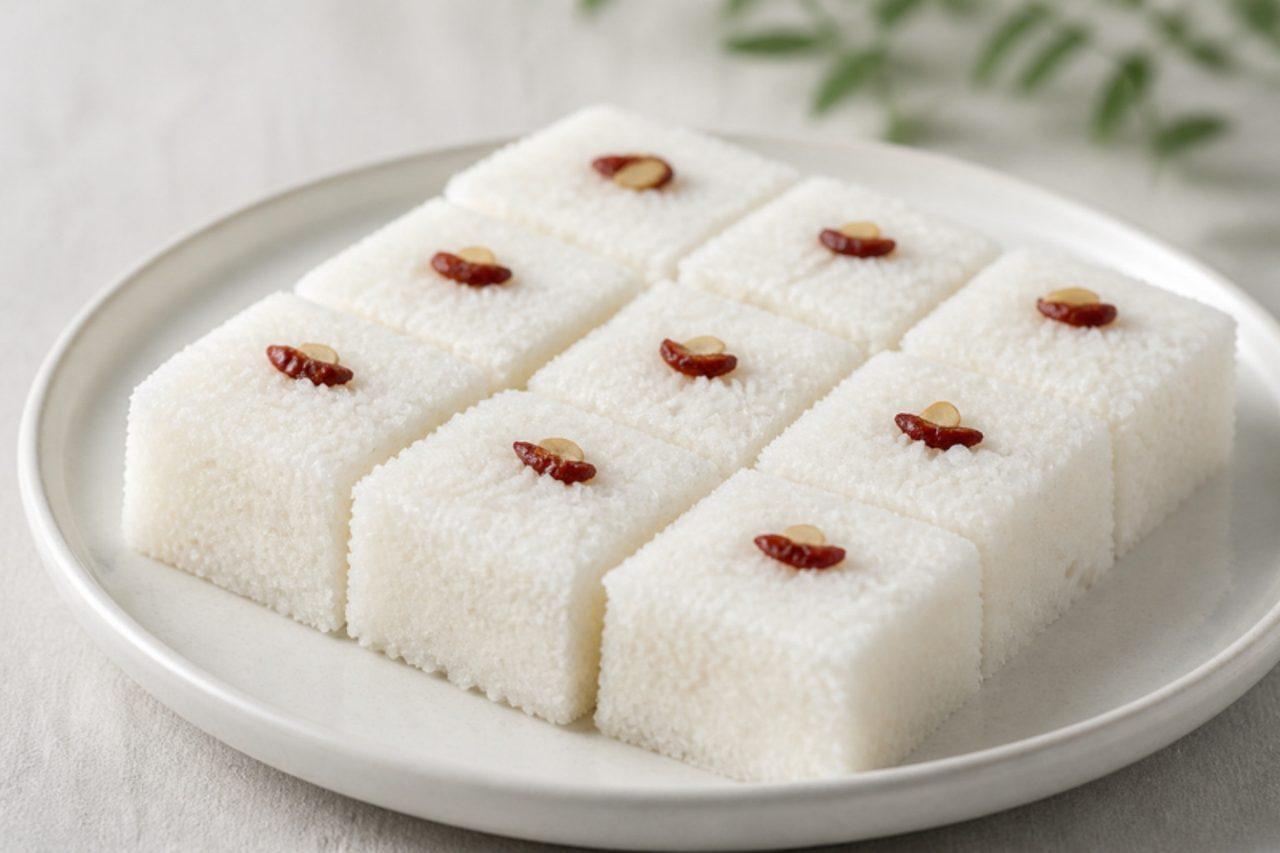
Baekseolgi, 'white snow cake', is the plain steamed rice cake that Korean families share out on a baby's baek-il, the 100th day, and at the doljanchi first-birthday party, where its pure white colour stands for a clean, long life. Custom says it should go to a hundred neighbours. It has a fine, crumbly-soft, cake-like texture and a mild, milky rice sweetness, best eaten the day it is made with a cup of barley tea. The usual mistake is skipping the sieving: unsieved flour steams into a heavy, patchy cake, so push it through twice. Rice cakes are chewy and sticky, a known choking risk: cut them into small pieces for young children and older people and eat them sitting down. Chef's tip: score the raw cake into portions before steaming; it cooks more evenly and you can lift pieces out cleanly.

by KrazyBadal 0 views

InjeolmiSoybean-coated rice cake

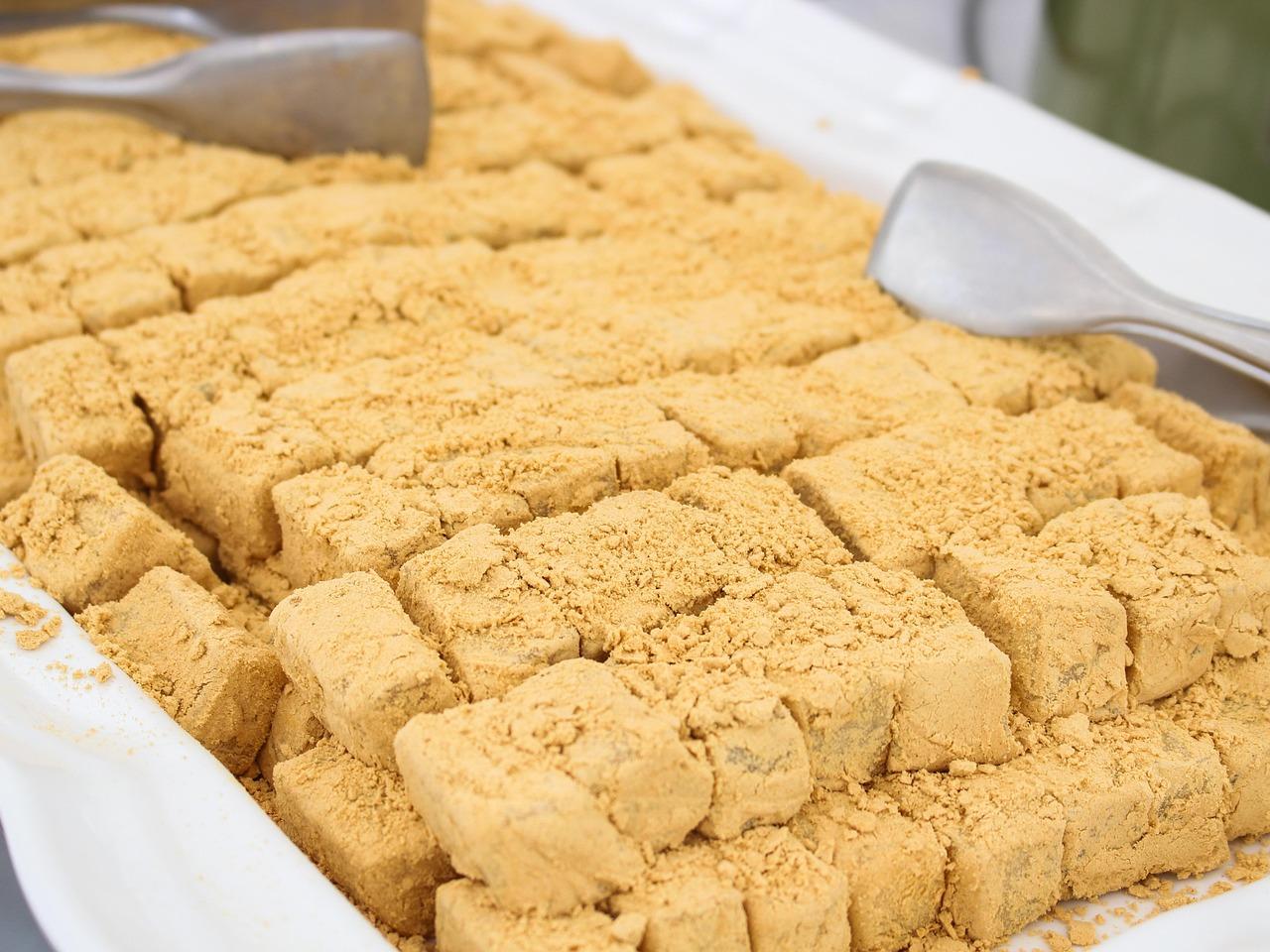
Injeolmi is the rice cake you meet everywhere in Korea, from the tteok shop by a Seoul subway exit to the trays handed round at weddings, Chuseok and housewarmings. Glutinous rice is steamed, pounded until it stretches like soft taffy, then cut into pillows and rolled in nutty, sweet roasted soybean powder. Bingsu cafés now pile it on shaved ice too. The common mistake is under-steaming the dough, which leaves powdery white specks that never turn chewy; keep cooking until it is evenly translucent. Rice cakes are chewy and sticky, a known choking risk: cut them into small pieces for young children and older people and eat them sitting down. Chef's tip: oil the knife and your hands, and cut the warm slab with a dough scraper pressed straight down rather than a sawing knife.

by KrazyBadal 0 views

SirutteokRed bean steamed rice cake

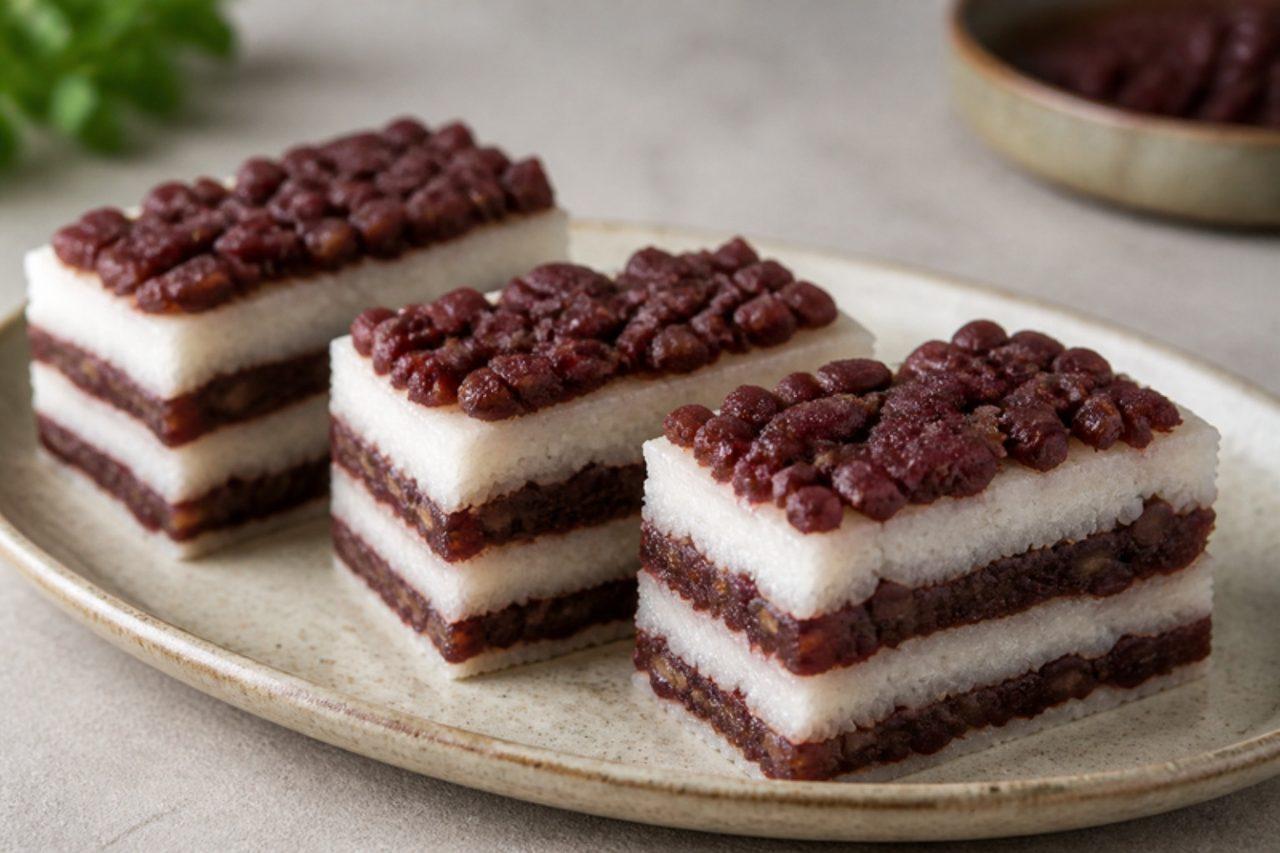
Sirutteok, named after the earthenware siru steamer, is the rice cake Koreans make to bless a new home, open a shop or mark the autumn harvest at a village gosa ceremony; the red adzuki beans were believed to chase away bad luck, and a slice is often left at the door. Layers of fluffy rice flour are steamed between layers of coarse, salted red bean crumble, so every bite is soft, a little sweet and earthy. The common mistake is mashing the beans to paste: the crumble should stay dry and grainy or the layers turn soggy. Rice cakes are chewy and sticky, a known choking risk: cut them into small pieces for young children and older people and eat them sitting down. Chef's tip: cook the beans until just tender, drain them, then dry them out in the pan over a low heat until the crumble falls apart.

by KrazyBadal 0 views

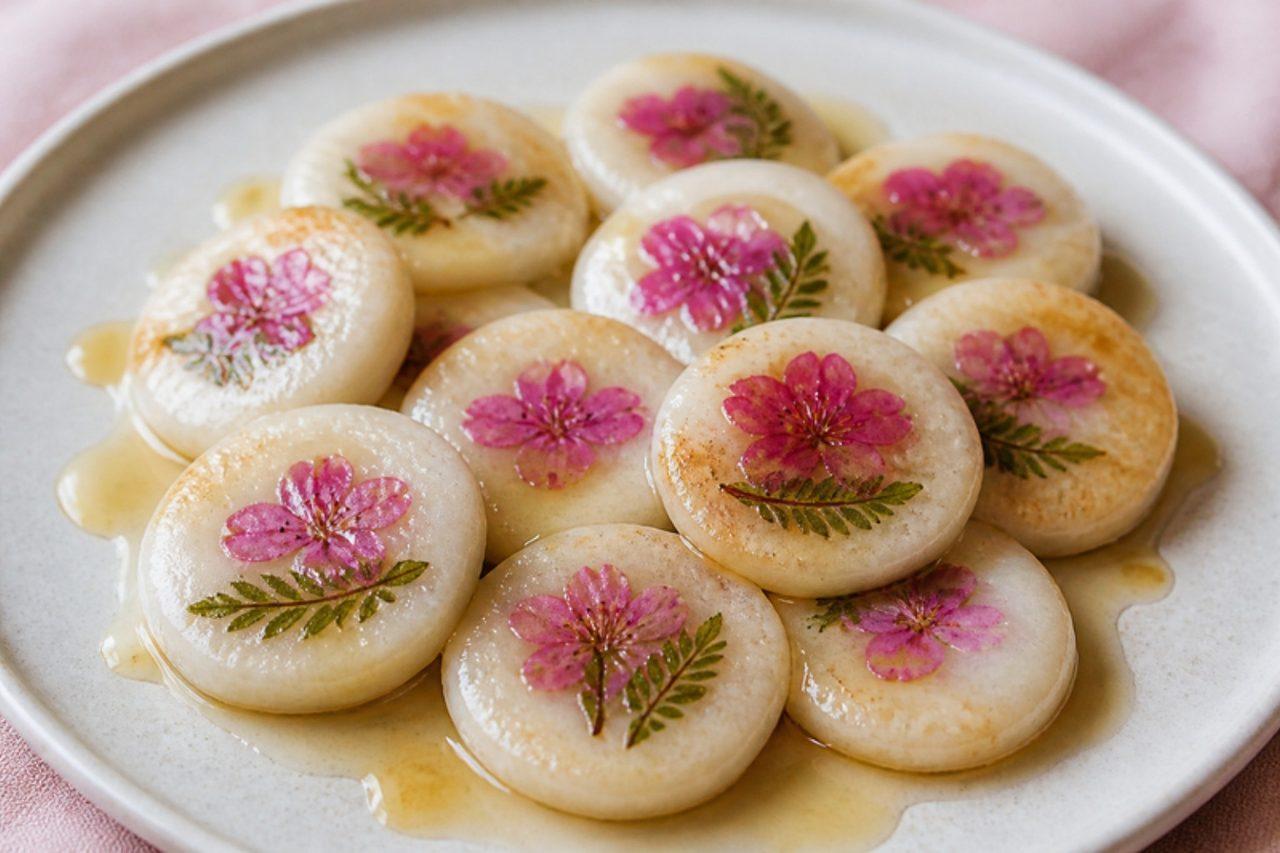
HwajeonFlower rice cake pancakes

In April, when the azaleas bloom on Korean hillsides, women in Joseon times climbed to picnic spots for hwajeonnori, the flower-cake party, frying little rice cakes with fresh petals pressed into them on the spot. Hwajeon are still made for spring festivals and Samjinnal, the third day of the third lunar month. The cakes are soft and chewy, barely crisp at the edges, and brushed with syrup. The common mistake is frying over too high a heat: the cakes should stay white with the flower bright, so keep the pan low and turn only once. Use only flowers you know are edible and unsprayed, such as pansies, violas or azalea (jindallae) petals; never ornamental shop flowers. Rice cakes are chewy and sticky, a known choking risk: cut them into small pieces for young children and older people and eat them sitting down. Chef's tip: press the flower on after you flip the cake, so it warms through and sticks without browning.

by KrazyBadal 0 views

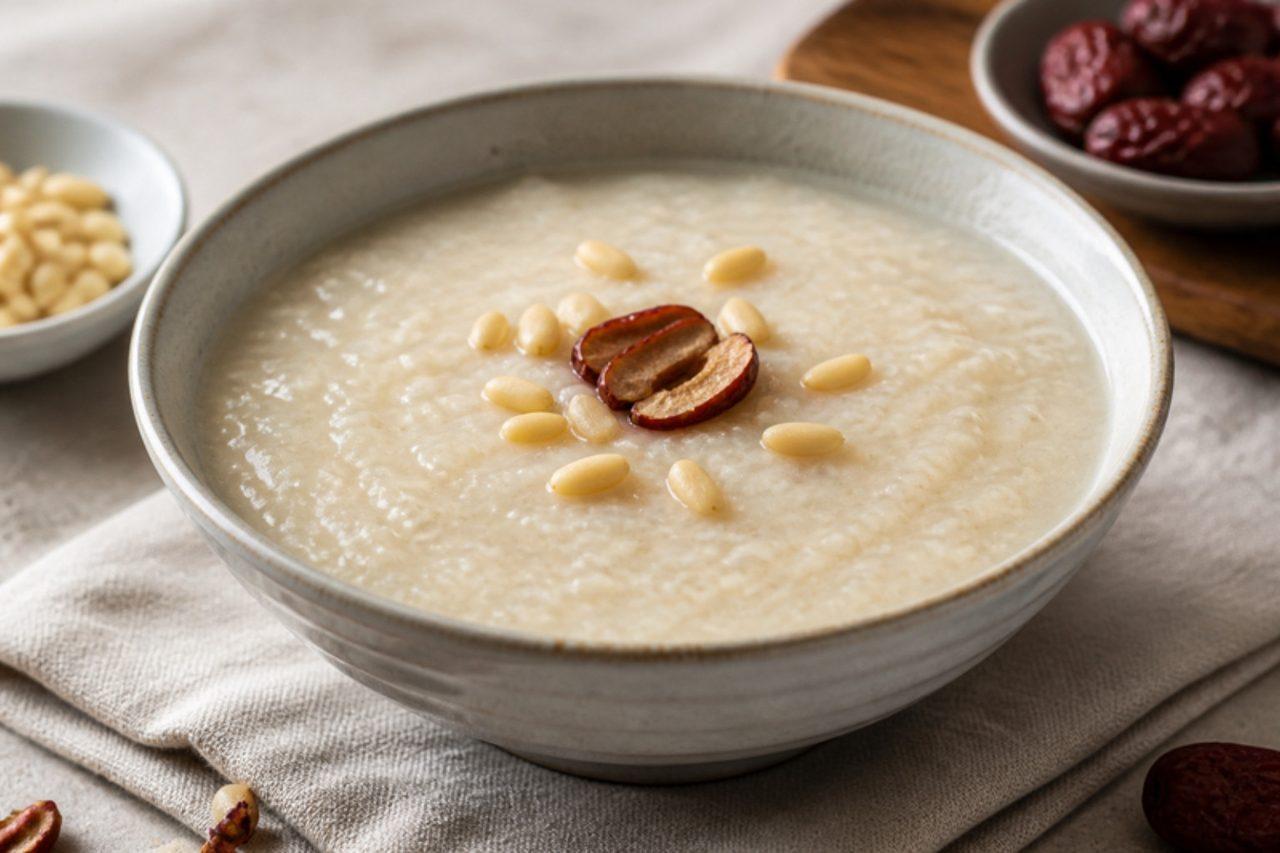
Jat jukPine nut porridge

Jat juk is a pale, silky porridge of ground rice and pine nuts, once served to the royal household in Seoul and still made by Korean families for anyone recovering from illness, for elderly parents and as a gentle breakfast. Pine nuts from Gapyeong, Korea's pine nut capital, give it a rich, buttery taste with nothing more than salt. Pine nuts are a tree-nut allergen. The common mistake is adding the pine nut milk too early; its oil makes the rice starch thin out, so the porridge turns watery. Chef's tip: thicken the ground rice first and stir in the pine nut purée only for the last few minutes.

by KrazyBadal 0 views

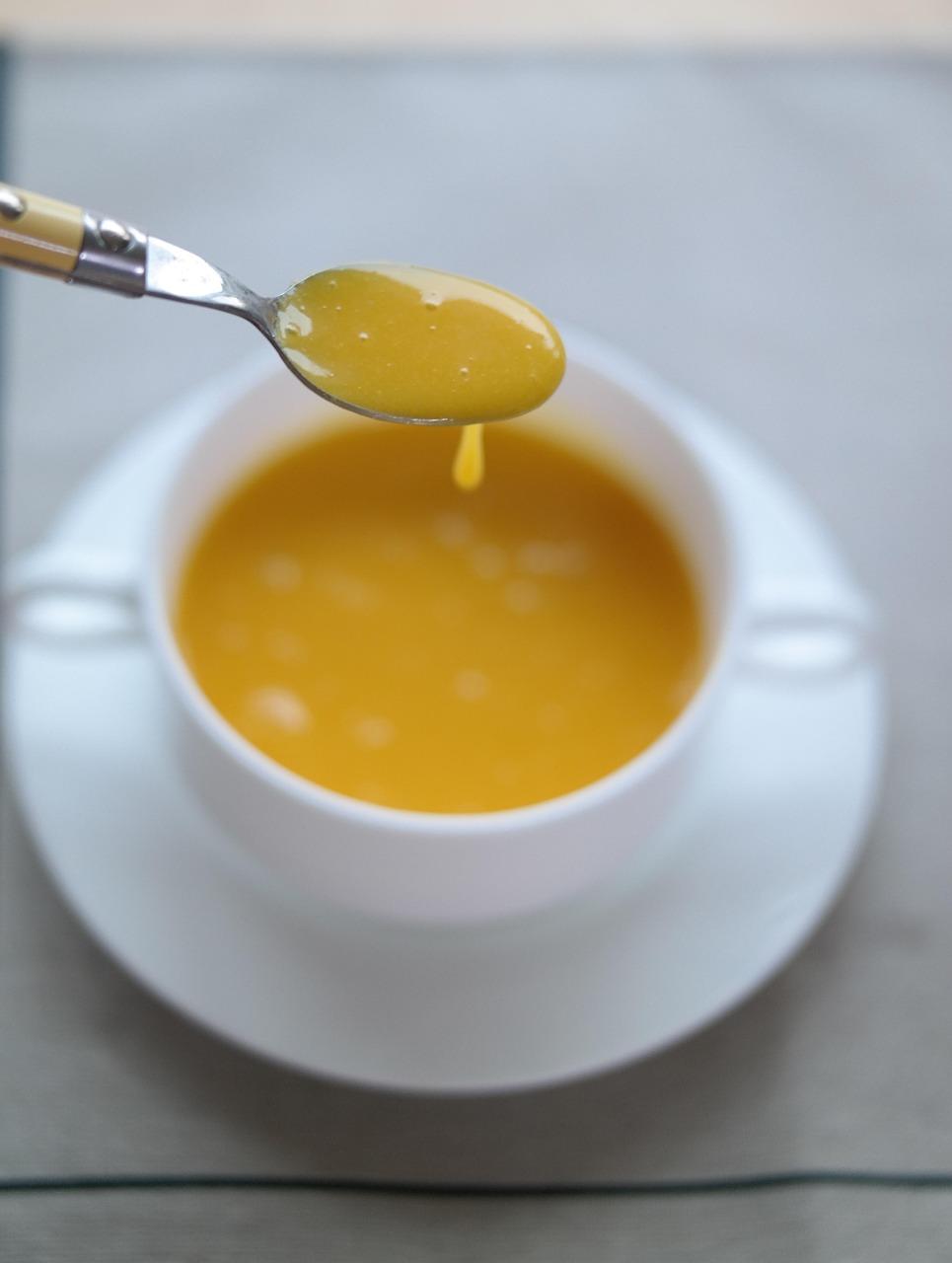
Hobak jukPumpkin porridge

Hobak juk is the golden pumpkin porridge sold in thermos-sized portions at Seoul's Gwangjang market and cooked in temple kitchens through the cold months, when stored pumpkins are at their sweetest. Steamed pumpkin is blended smooth, thickened with glutinous rice flour and dotted with chewy little rice-cake balls, giving a velvety, naturally sweet bowl that is soothing for convalescents and children alike. The rice balls are soft and sticky, so cut them small for young children to avoid choking. The common mistake is adding the rice-flour slurry in one go to boiling porridge, which makes lumps. The optional pine-nut topping is a tree-nut allergen; leave it off for anyone with a nut allergy. Chef's tip: roast or steam the pumpkin rather than boiling it in water; less water means a deeper colour and sweeter taste.

by KrazyBadal 0 views

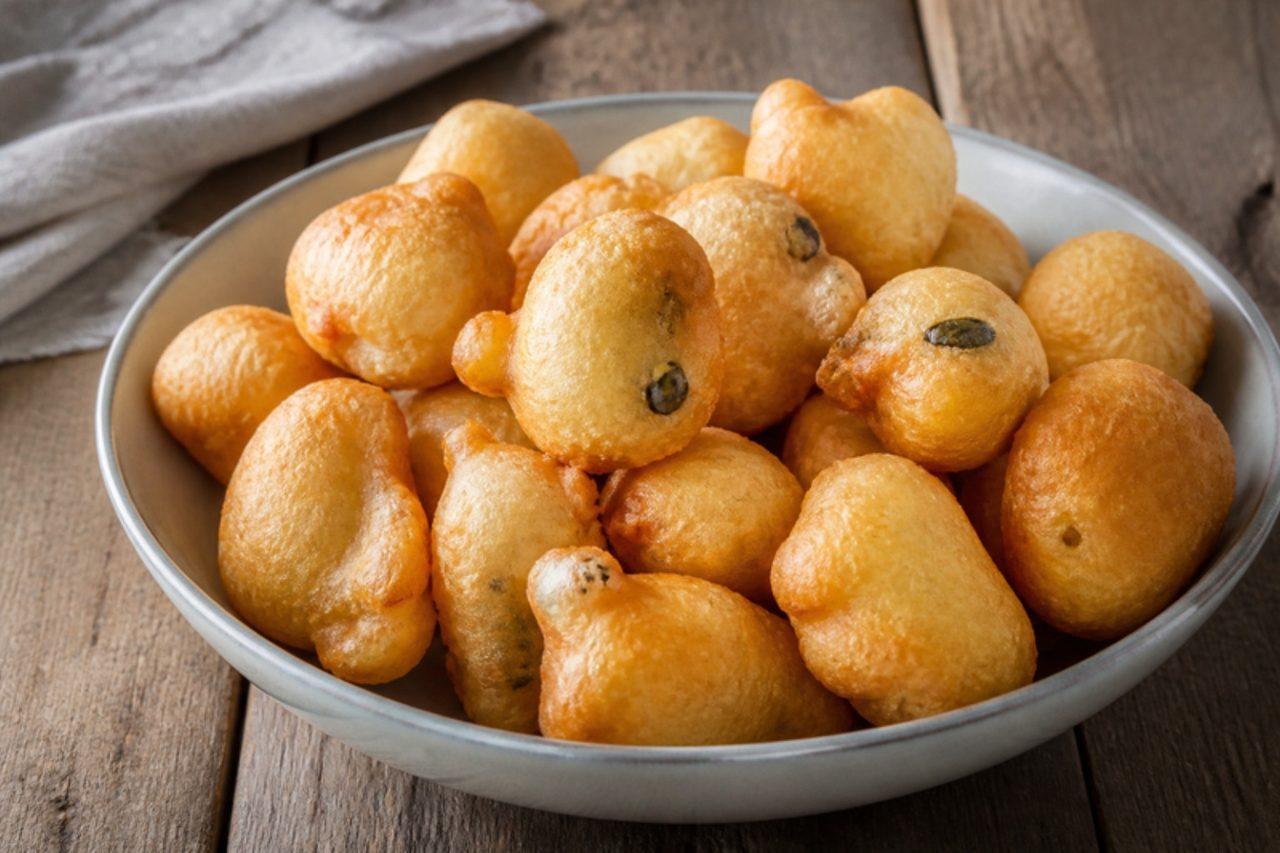
PittuleFried dough balls

In the Salento, the heel of Puglia, pittule are fried on the night of 7 December, the eve of the Immaculate Conception, to open the Christmas season, and again on St Martin's Day in November when the new wine is tasted. The dough is so wet it can't be shaped; it is dropped from a spoon or a wet hand into hot olive oil, puffing into soft, irregular golden balls. Plain ones are dusted with sugar; savoury ones hide olives, capers or cherry tomatoes. Chef's tip: dip your hand or spoon in water before each scoop so the sticky dough slides off into the oil.

by KrazyBadal 0 views

KongjabanSoy-braised black soybeans

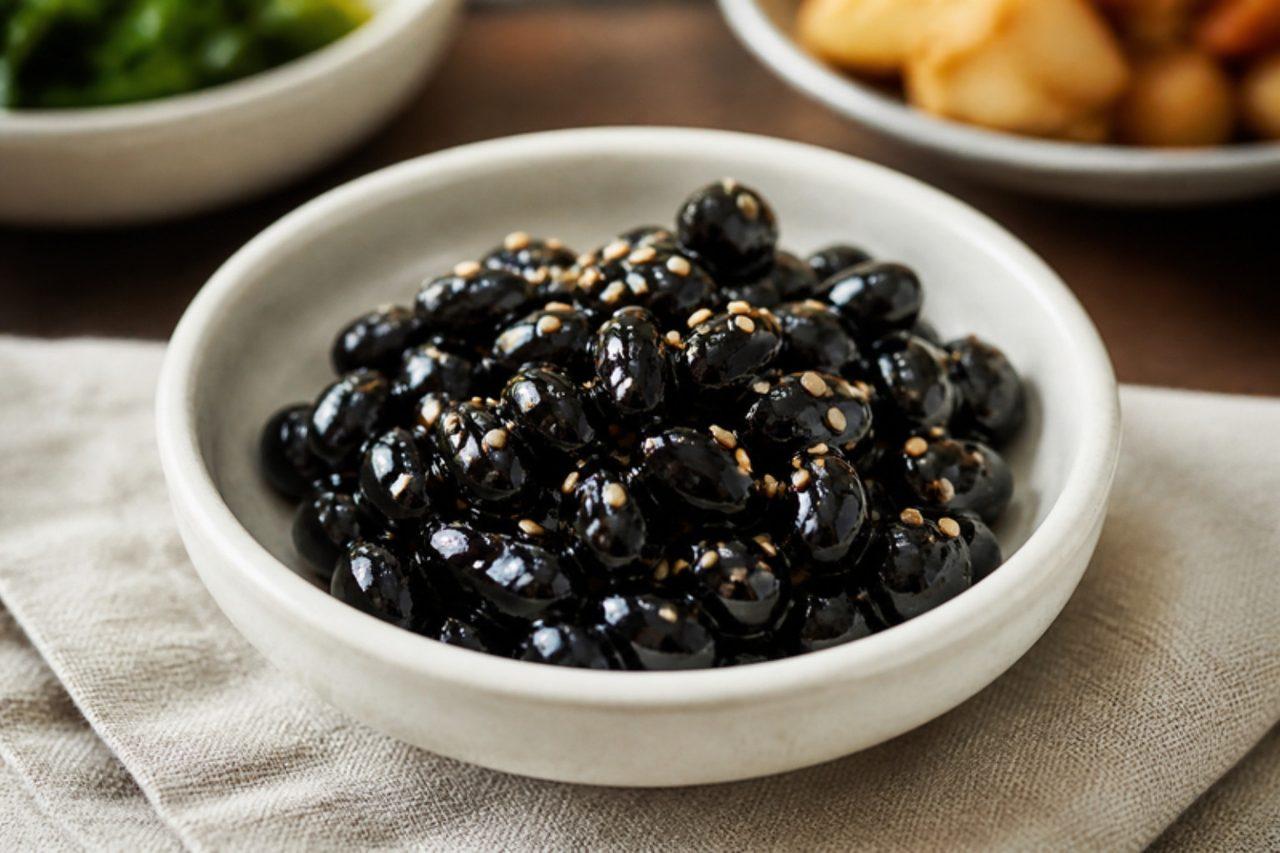
Kongjaban is the shiny black bean banchan that sits in a small dish on Korean tables from Gwangju to Seoul and fills countless lunchboxes, because one batch keeps for a week. Dried black soybeans are soaked, simmered in soy and sugar and finished with rice syrup until each bean is chewy, sweet-salty and gleaming. It is a good source of plant protein and children usually love it. The common mistake is adding the syrup too early: it scorches before the beans are tender and makes them hard. Chef's tip: keep the lid off while the beans cook; the steam escaping helps the skins stay intact and wrinkled rather than bursting.

by KrazyBadal 0 views

Gim bugakCrisp fried seaweed

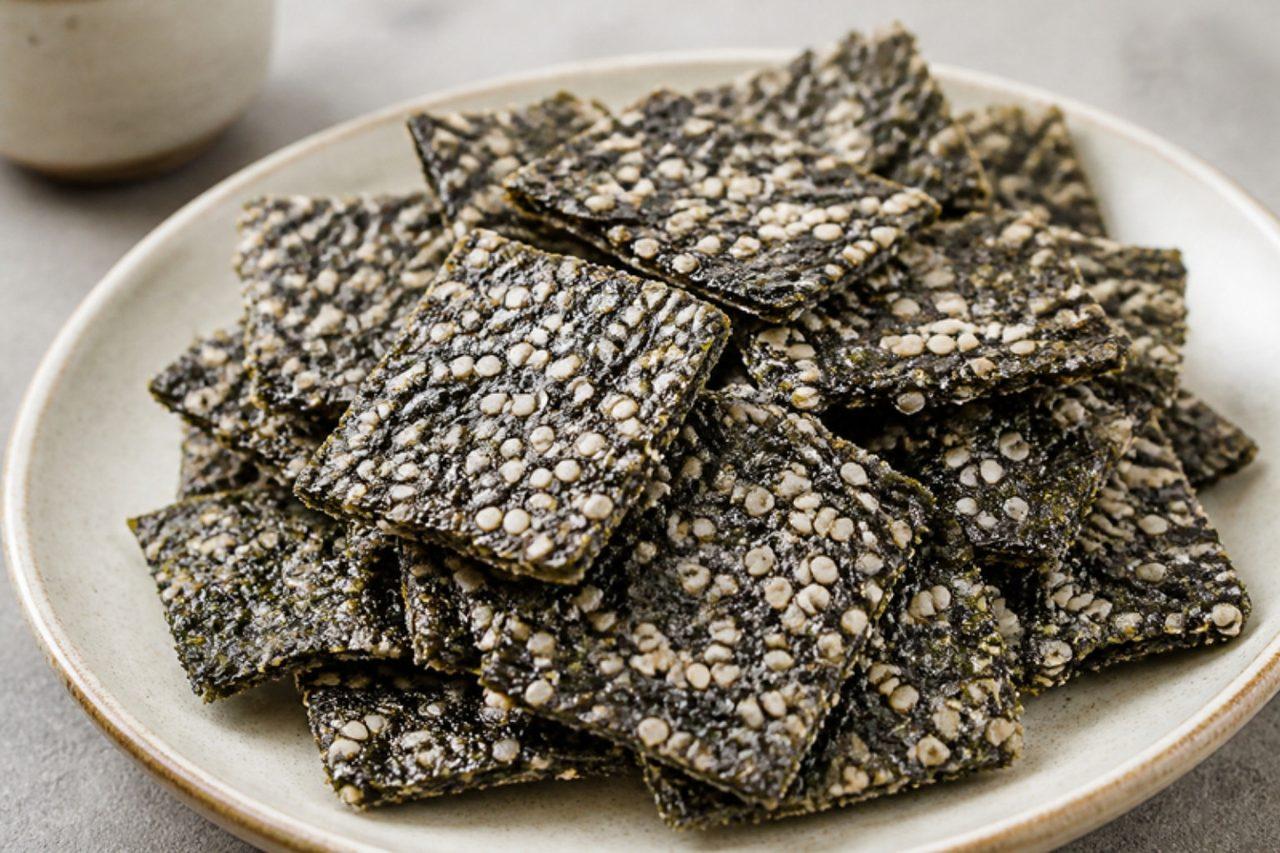
Gim bugak is a temple snack that Buddhist nuns and village cooks in South Jeolla, especially around Damyang and Namwon, still make in large batches in autumn: sheets of laver are painted with glutinous rice porridge, scattered with sesame, dried in the sun and fried until they puff into crackling, savoury chips. It is eaten as a banchan with rice or as a snack with tea. The common mistake is frying it before it is completely dry; any damp patches stay chewy and spit in the oil. Chef's tip: cut the dried sheets with scissors before frying; once fried they shatter if you try to cut them.

by KrazyBadal 0 views

Gelato al fiordilatteMilk gelato

In every gelateria from Turin to Palermo, fior di latte ("flower of milk") is the plainest flavour in the case and the one gelato makers judge each other by: just fresh milk, cream and sugar, with no eggs and no vanilla, so it tastes clean and milky. It is the base for stracciatella and the perfect partner for fruit sorbets in a cone. Italian children often choose it on summer evenings during the passeggiata. Chef's tip: chill the base overnight before churning; a fully cold base freezes faster into smaller ice crystals, which makes it smoother.

by KrazyBadal 0 views

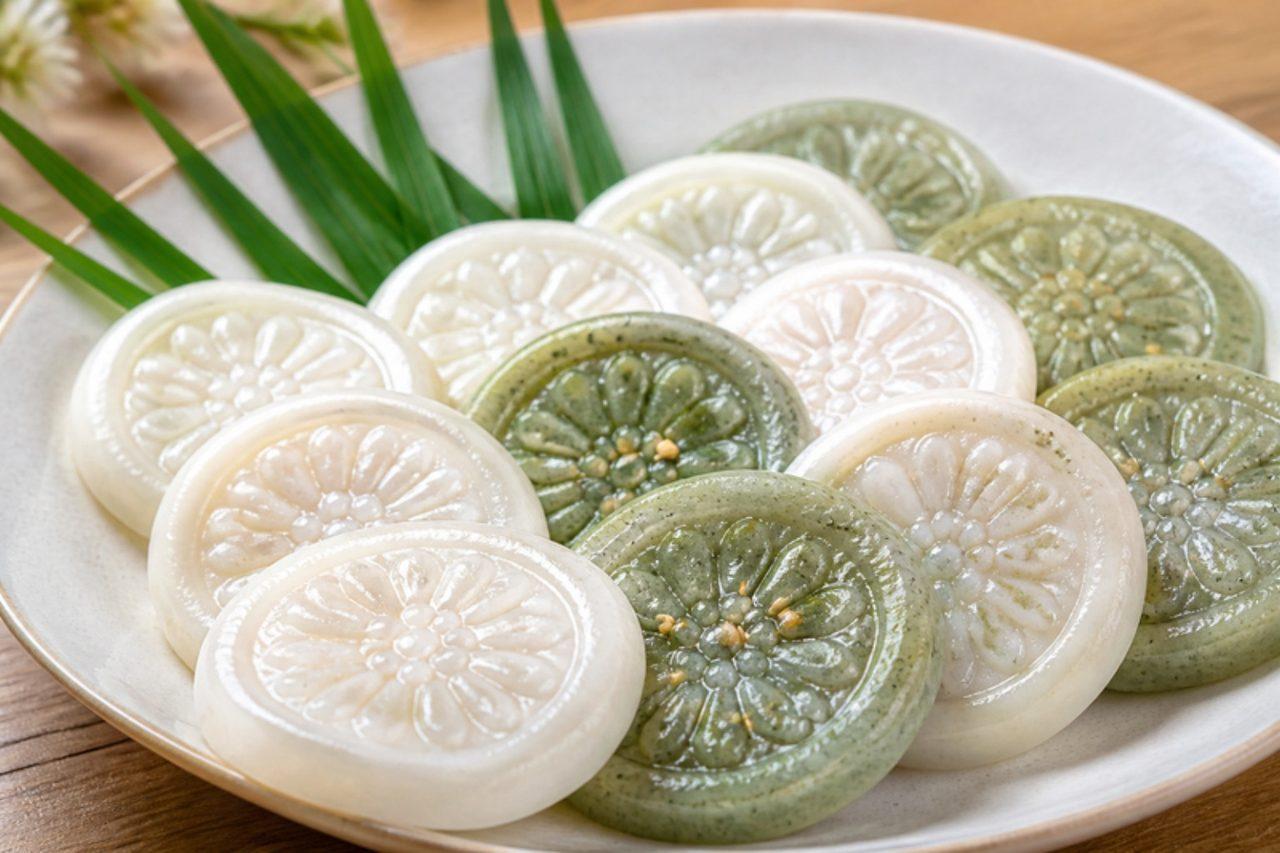
JeolpyeonStamped rice cakes

Jeolpyeon are the patterned rice cakes Korean tteok shops press with carved wooden stamps called tteoksal, so each piece carries a flower or a wish for long life; they appear at weddings, 60th birthdays and Dano, the early-summer festival, when they were made green with mugwort or Korean ox-eye daisy. The cakes are plain and only lightly salted, firm yet chewy, and glossy with sesame oil. The common mistake is pounding too little: the dough must be kneaded until completely smooth, or the stamp won't leave a clean pattern and the cakes crack. Rice cakes are chewy and sticky, a known choking risk: cut them into small pieces for young children and older people and eat them sitting down. Chef's tip: no stamp? Press the base of a decorative glass or a clean biscuit mould into each piece.

by KrazyBadal 0 views

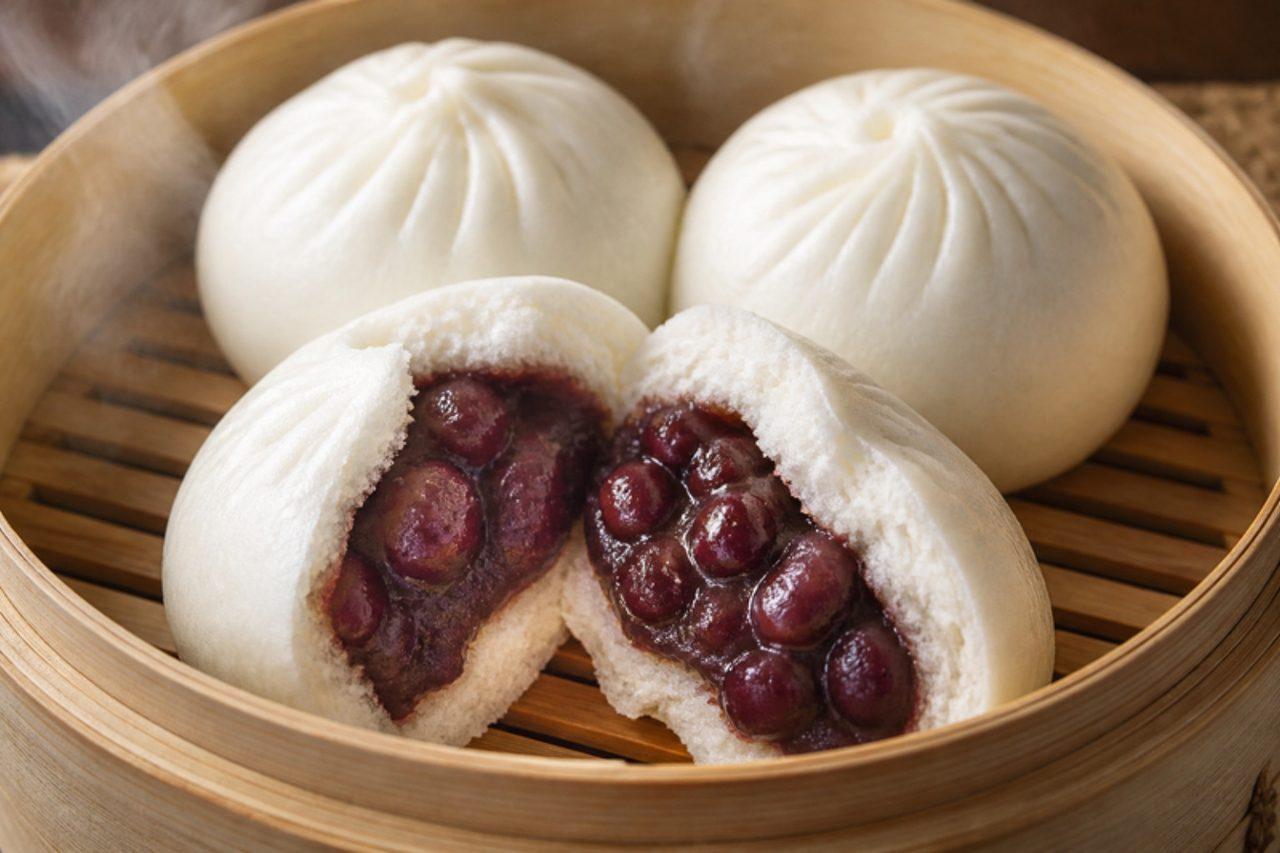
HoppangRed bean steamed buns

When the first cold snap hits, Korean convenience stores bring out glass steamer cabinets full of hoppang, and office workers grab one for breakfast on the way to the subway. The bun is soft, slightly sweet yeasted dough wrapped around a thick, smooth red bean paste, steamed until pillowy and eaten piping hot. Making them at home takes a morning but they freeze perfectly. The usual mistake is opening the lid too early or steaming over too fierce a heat: the buns collapse and wrinkle, so keep a steady medium heat and leave them to rest 5 minutes before lifting the lid. Contains wheat. Chef's tip: let the shaped buns rise on squares of baking paper; you can move them into the steamer without squashing them.

120 minKoreanBakingVegan
by KrazyBadal 0 views

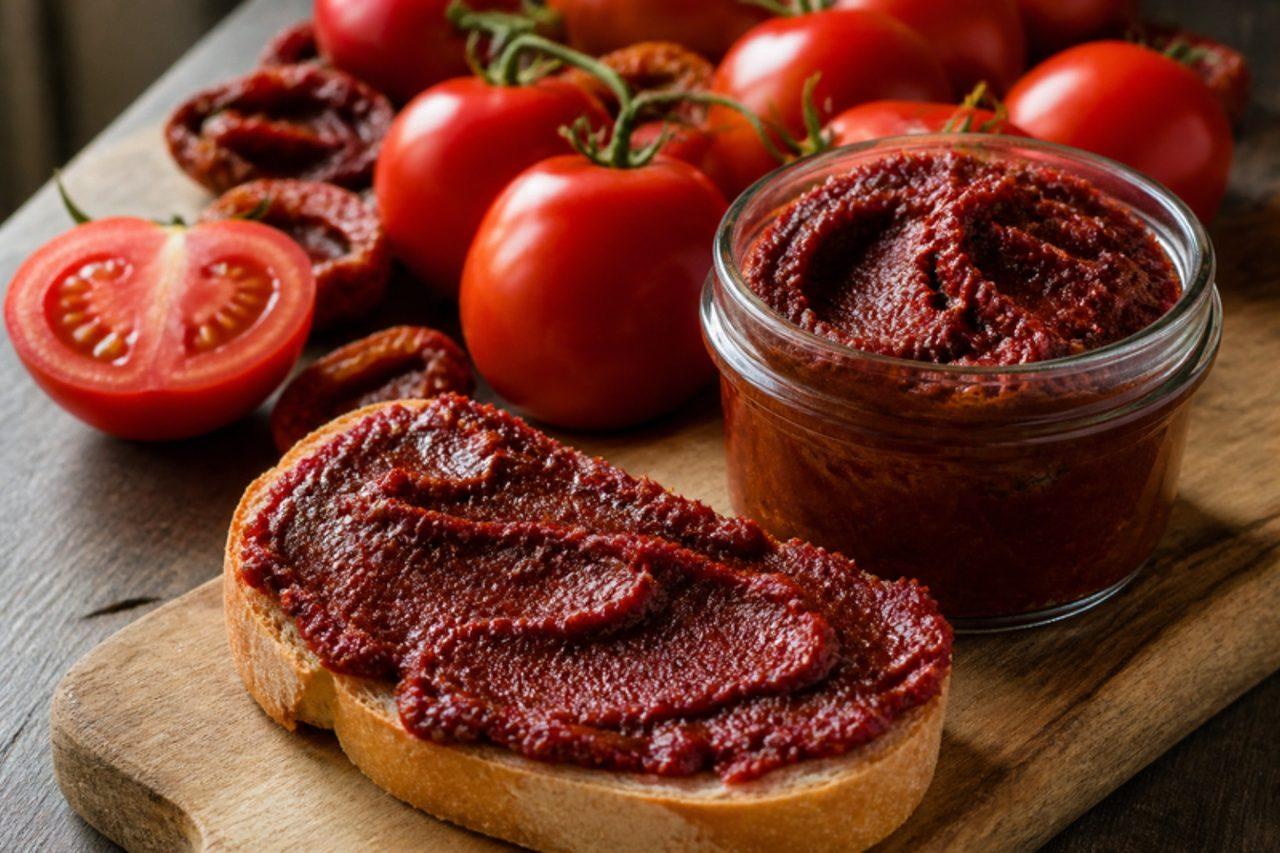
StrattuSun-dried tomato paste

In late August in western Sicily, around Trapani and Palermo, tomato purée is spread on large wooden boards and left in the hot sun for several days, stirred by hand until it turns into a thick, dark-red paste that smells of sun and sweet tomatoes. Strattu, short for "estratto", is used a spoonful at a time to give depth to sauces and stews. This home version dries the passata slowly in a low oven over a day. Chef's tip: spread the purée thin, no more than 1 cm, and stir it every hour; thick layers dry on top and stay wet underneath.

by KrazyBadal 0 views

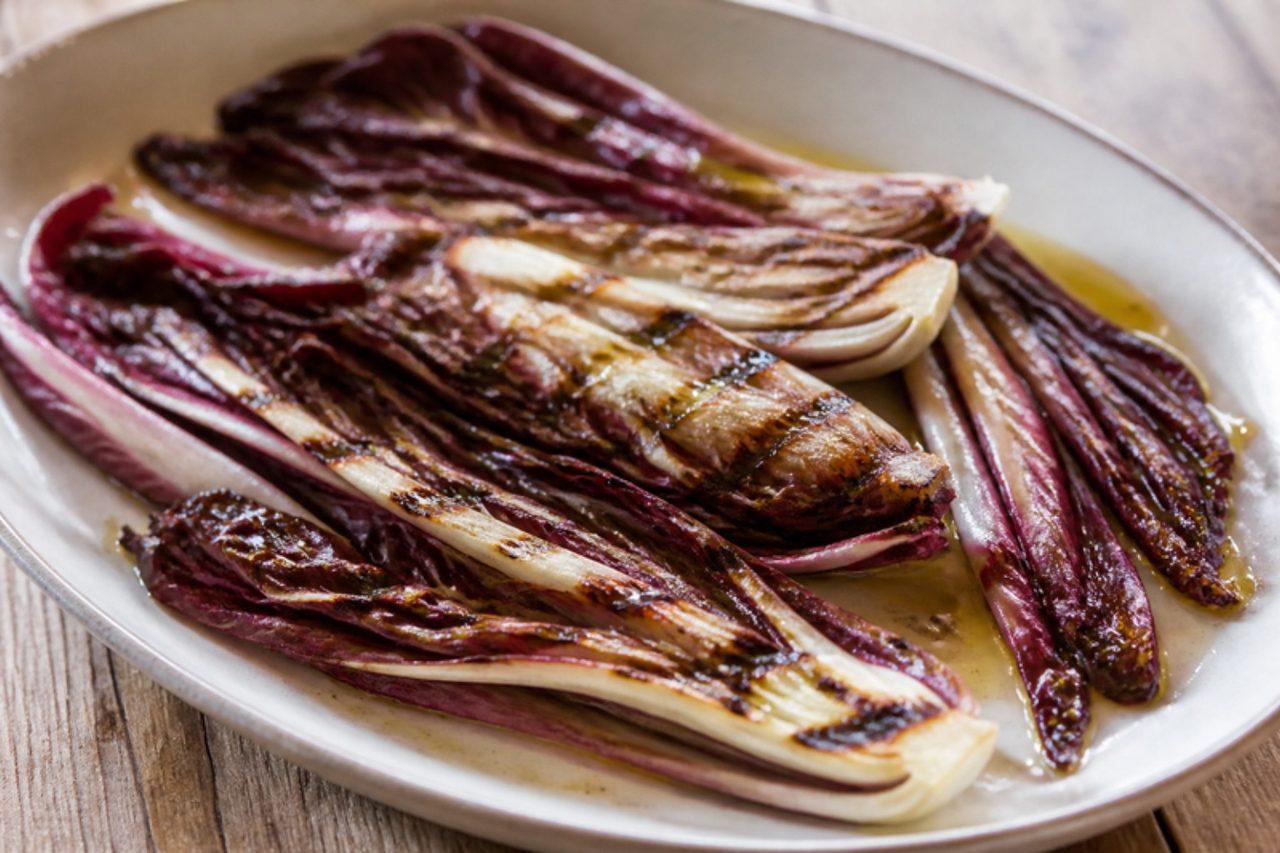
Radicchio trevigiano ai ferriGrilled radicchio

Treviso, north of Venice, is famous for its radicchio tardivo, long crimson leaves with white ribs that are harvested in December and forced in cold spring water until they are crisp and only gently bitter. In the Veneto it is often grilled on a griddle over the fire, dressed with olive oil, salt and a few drops of vinegar, and served next to grilled meat or polenta. The heat softens the bitterness and adds a smoky sweetness. Chef's tip: cut the heads lengthways through the root so the leaves stay joined and don't fall through the grill.

by KrazyBadal 0 views

Gelo di melloneWatermelon jelly pudding

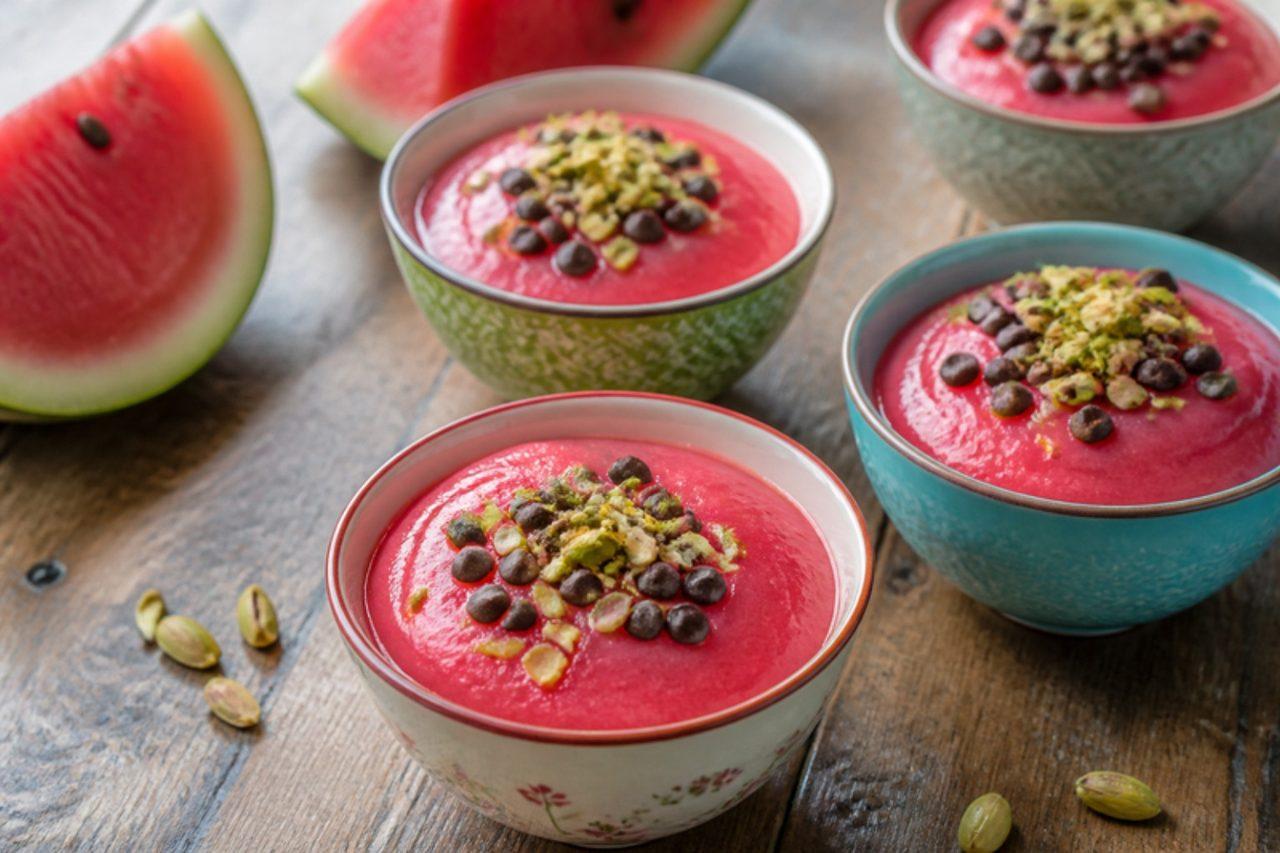
Gelo di mellone is the summer dessert of Palermo, eaten above all on 15 July for the feast of Santa Rosalia, the city's patron saint. Fresh watermelon juice is set with starch into a soft, wobbly pink pudding, scented with cinnamon and sometimes jasmine flowers, and topped with chocolate chips and chopped pistachios that look like watermelon seeds. It is served chilled in small bowls or as a tart filling. Contains nuts in the topping. Chef's tip: strain the watermelon juice through a fine sieve; any pulp clouds the jelly and stops it from setting smoothly.

by KrazyBadal 0 views

Gelato alla nocciolaHazelnut gelato

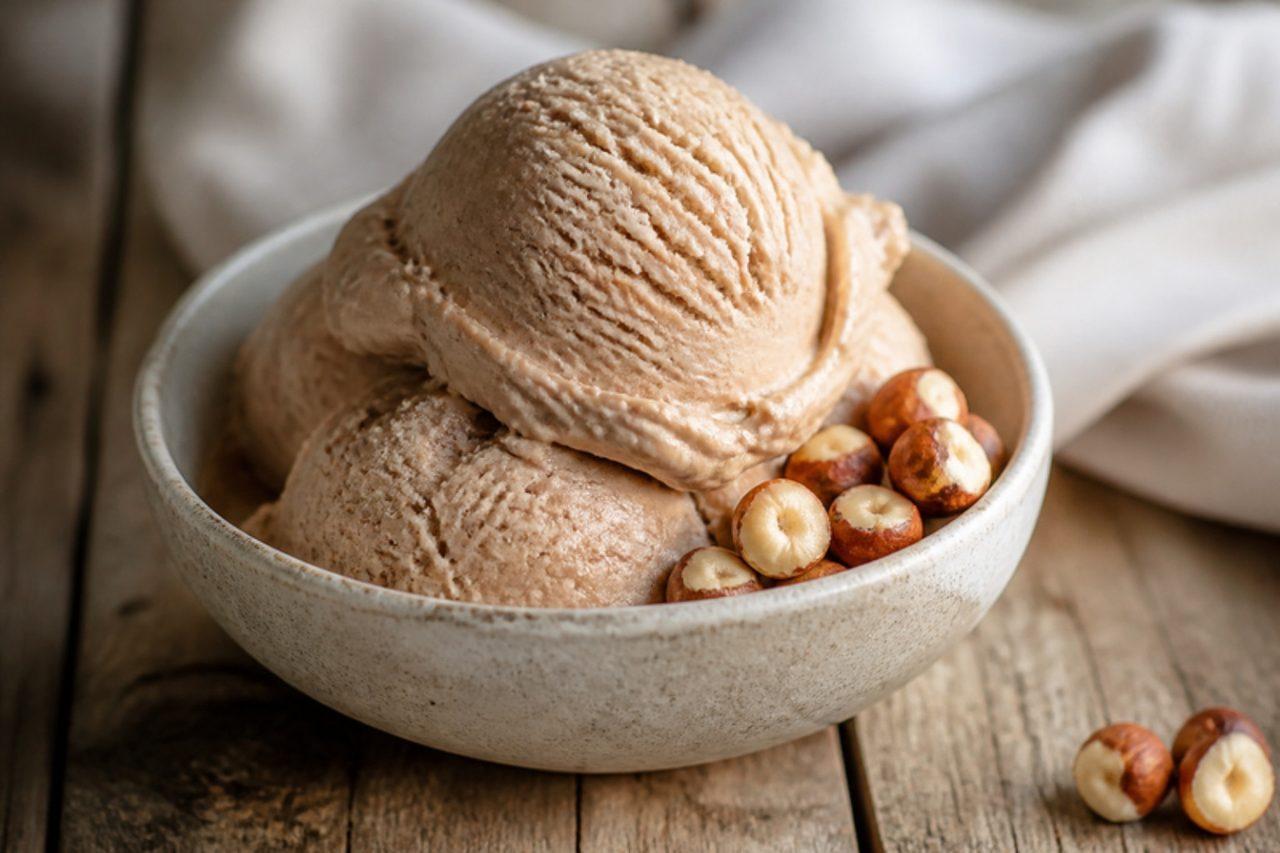
Piedmont's Langhe hills grow the Tonda Gentile hazelnut, prized for its sweet, toasty flavour, and the region's gelaterie turn it into a deep, nutty, caramel-coloured gelato that many Italians consider the king of flavours. Turin is also where hazelnut and chocolate were first combined, in gianduja. In winter the same paste goes into cakes and biscuits. Contains nuts. Chef's tip: toast the hazelnuts until dark golden right through; under-toasted nuts give a flat, green flavour.

by KrazyBadal 0 views

Tartufo di PizzoChocolate hazelnut gelato ball

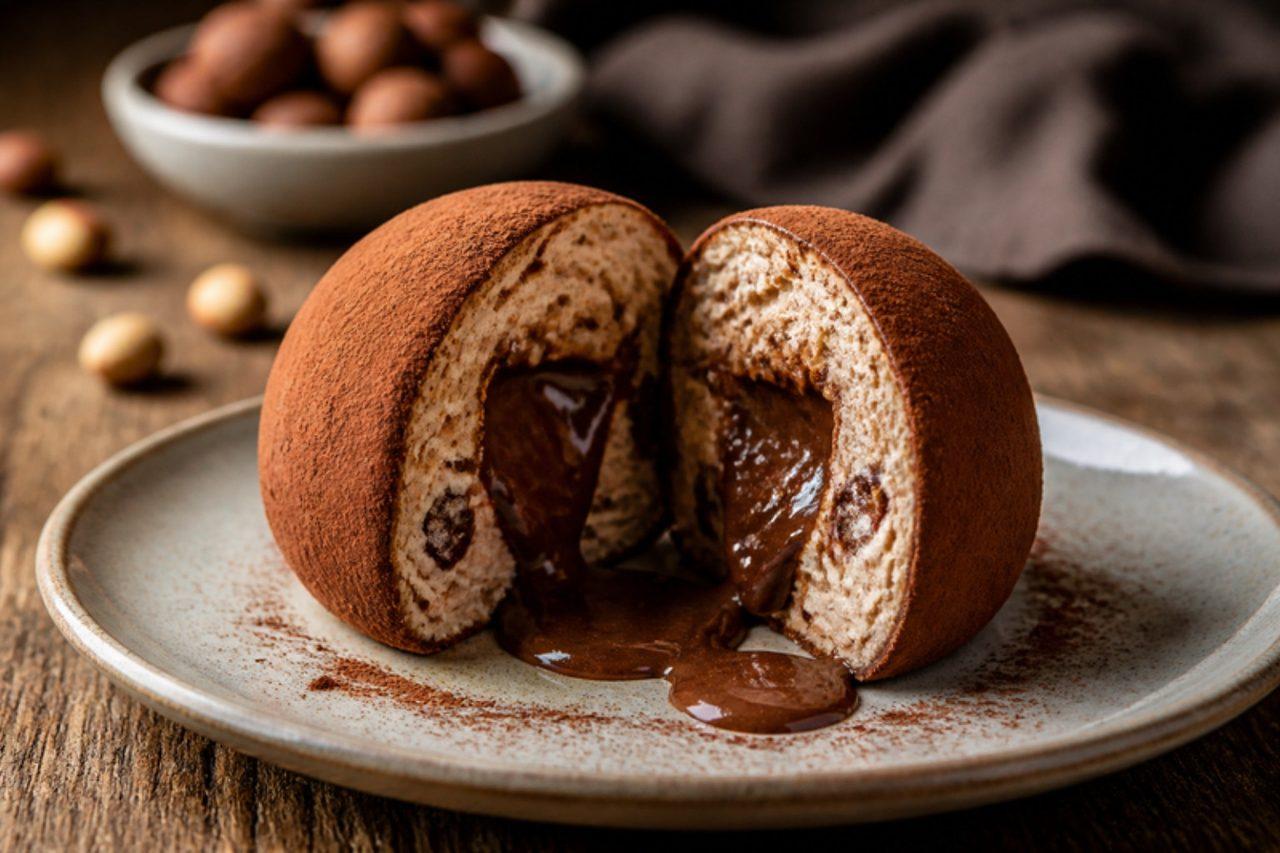
In 1952, in the seaside town of Pizzo in Calabria, a gelato maker ran out of moulds for a wedding banquet and shaped gelato by hand in his palm, around a centre of molten chocolate, then rolled it in cocoa. The tartufo, named for its resemblance to a truffle, is now protected as a local speciality, and the cafés on Pizzo's main piazza serve it in summer to crowds of visitors. Contains nuts. Chef's tip: work in a cold kitchen with chilled cling film and refreeze between each step; the gelato must stay firm enough to hold its ball shape.

by KrazyBadal 0 views

Burrata con pomodoriniBurrata with cherry tomatoes

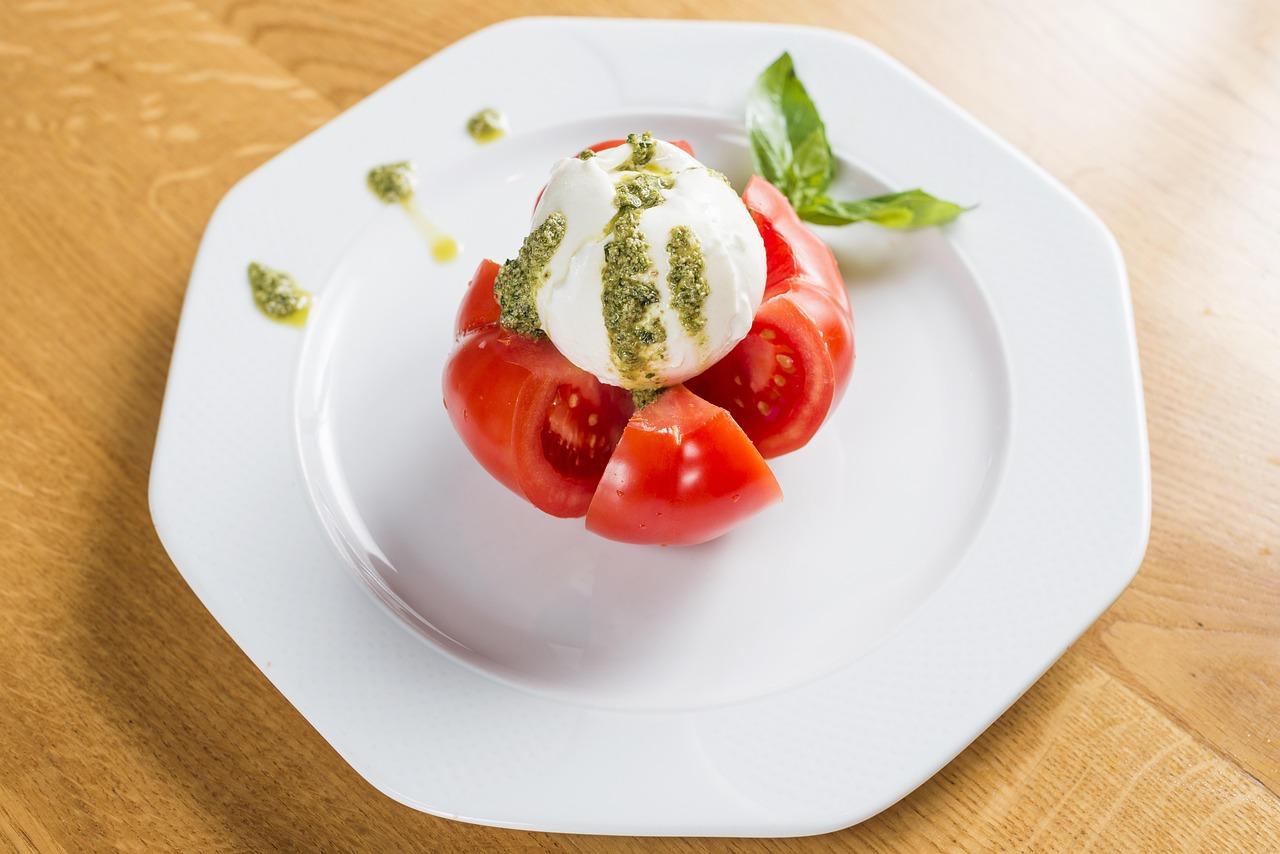
Burrata was born in the dairies around Andria in northern Puglia as a way to use the scraps of mozzarella curd, wrapped in a pouch of stretched curd and filled with cream. In Bari and the towns of the Murge it is eaten the day it is made, often as the first thing on the table at Sunday lunch, torn open over the sweetest summer tomatoes. The outside is soft and springy; the inside, called stracciatella, spills out like thick cream. Mozzarella and burrata are usually made with calf rennet, so look for a vegetarian-rennet burrata if that matters to you. Chef's tip: take the burrata out of the fridge 30 minutes before serving; straight from the cold it tastes of very little.

by KrazyBadal 0 views

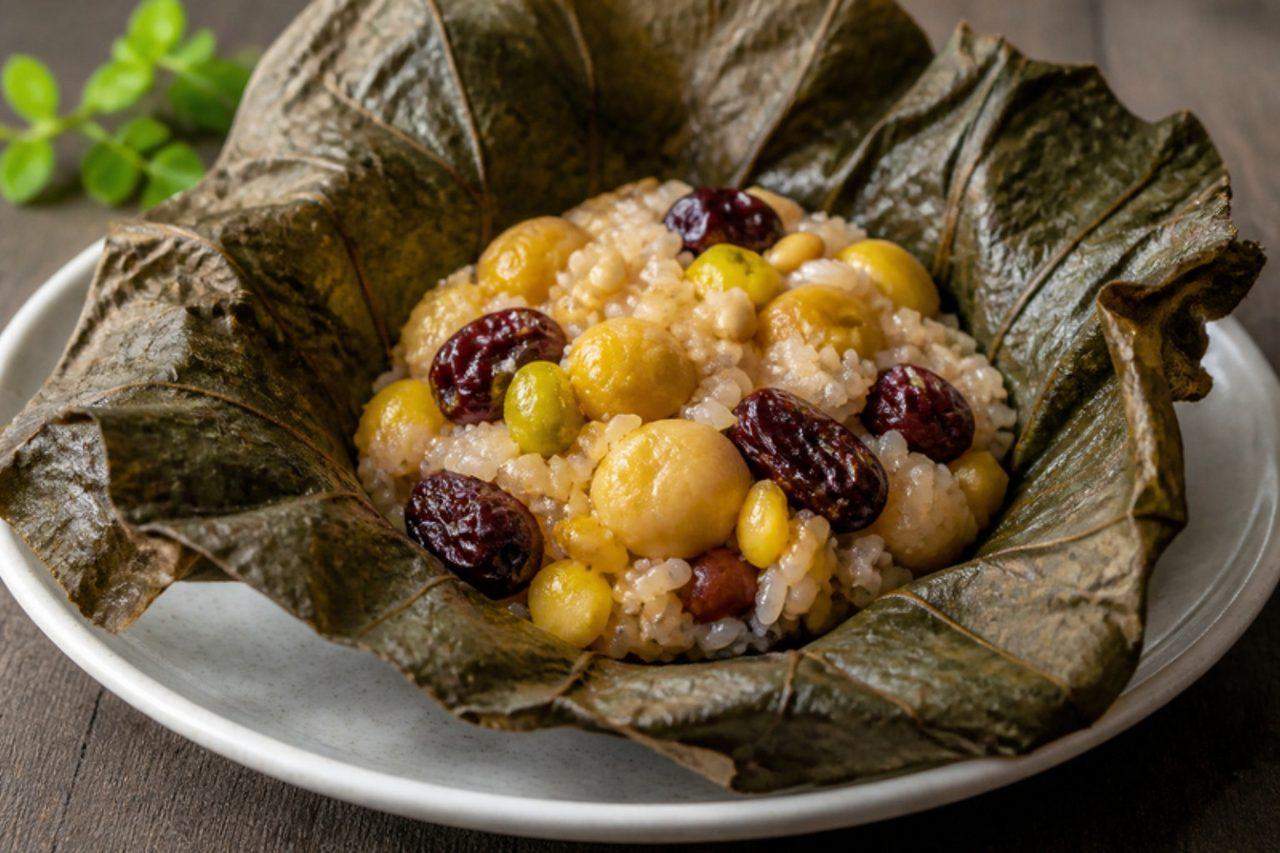
Yeonnip bapLotus leaf sticky rice

Yeonnip bap is a Buddhist temple dish from South Jeolla, where monasteries near the lotus ponds of Muan and the old temples of Jangseong wrap sticky rice in lotus leaves for festival days and visiting guests. Glutinous rice studded with chestnuts, jujubes, black beans and pine nuts is folded into a leaf parcel and steamed, so it comes out chewy, faintly sweet and scented with the green, tea-like aroma of lotus. Like all temple cooking, it uses no garlic, onion or other pungent alliums. Pine nuts are a tree-nut allergen. The common mistake is under-soaking the rice: it steams up hard in the middle however long you cook it. Chef's tip: sprinkle the rice with salted water halfway through steaming; it seasons every grain evenly and keeps the top layer from drying out.

by KrazyBadal 0 views

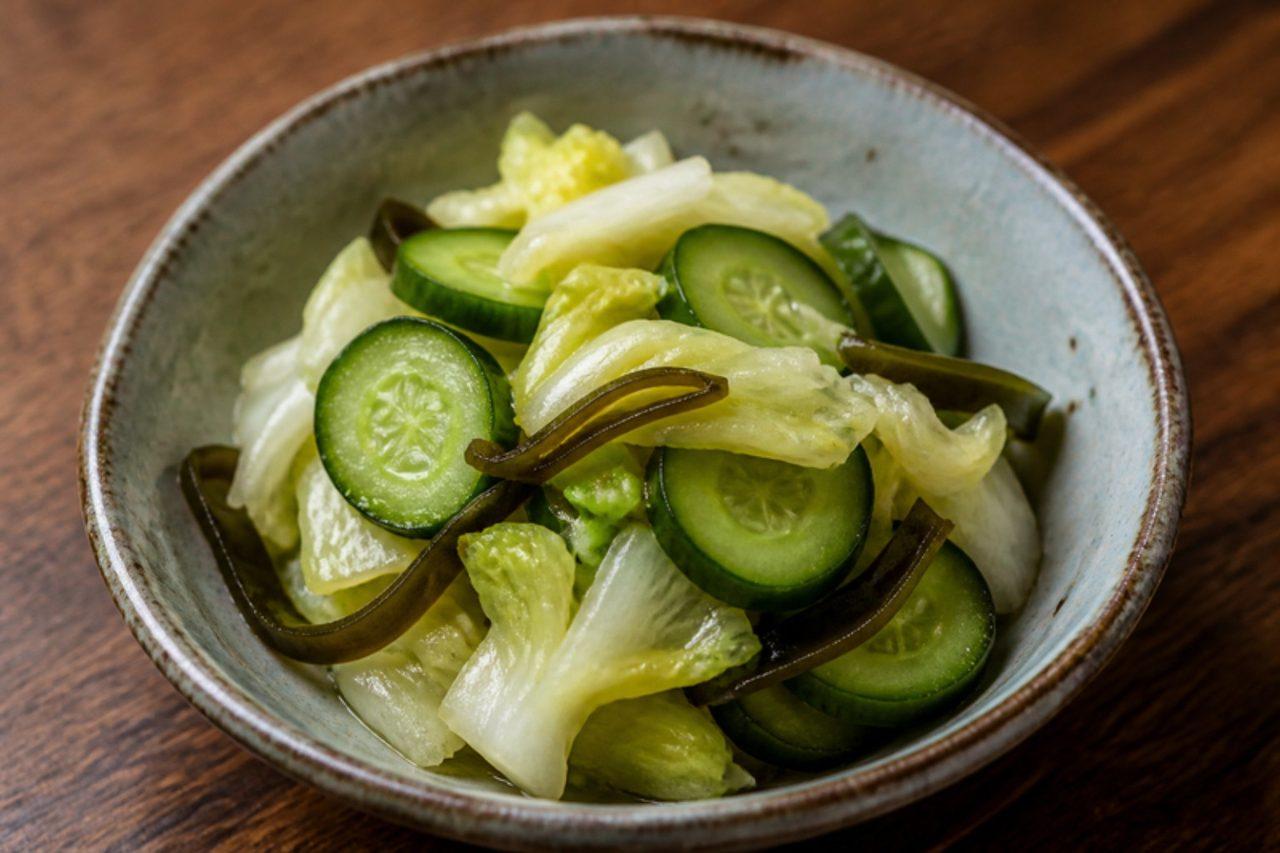
Asazuke (overnight cucumber and cabbage pickle)Quick cucumber and cabbage pickle

Asazuke means shallow pickle, and it is the quick, fresh pickle that Japanese home cooks make the night before, tucked in a plastic bag in the fridge door and served with breakfast rice and miso soup. Cucumber and cabbage are rubbed with salt and pressed with kombu, a few slivers of chilli and yuzu or lemon peel, so they stay crunchy, juicy and only gently seasoned. It takes 15 minutes to make. The common mistake is not squeezing out the liquid before serving, which leaves the pickle watery and salty. Chef's tip: rub the salt in firmly with your hands for a full minute; bruising the vegetables a little is what lets them season through in a few hours.
by KrazyBadal 0 views

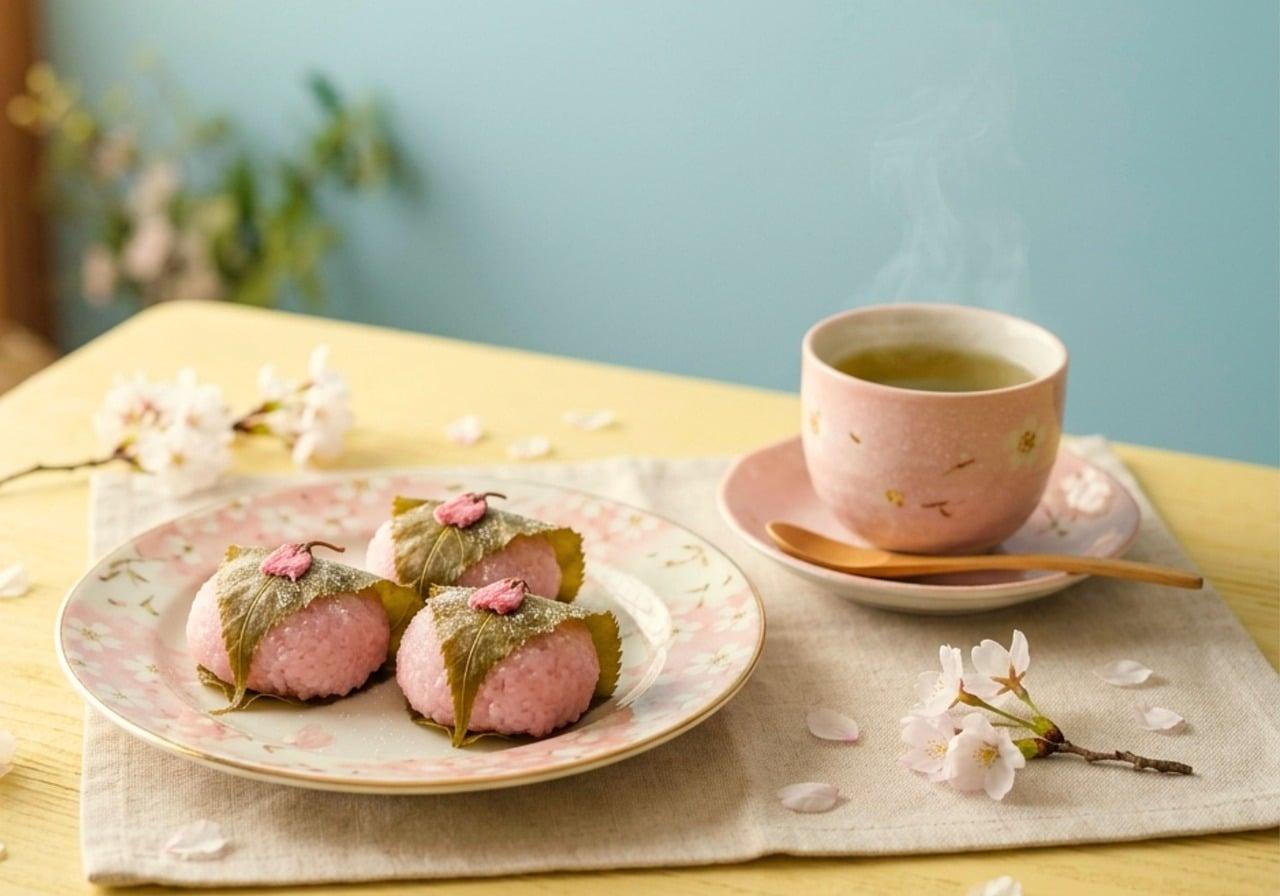
Sakura mochiCherry leaf rice cakes

When the cherry trees bloom in late March, every wagashi shop in Japan fills its window with sakura mochi. In the Kansai region around Osaka and Kyoto they are made from coarse dōmyōji-ko, steamed and crushed glutinous rice, tinted soft pink and wrapped around bean paste, then tucked into a salted cherry leaf that perfumes it with an almond-like, floral scent; Tokyo's version is a thin pink crêpe instead. Mochi is very sticky: cut it into small pieces for young children and older people, and make sure they chew well and eat sitting down. The common mistake is not soaking the salted leaves, so the mochi tastes too salty; rinse and soak them for 15 minutes. Chef's tip: the leaf is edible, and eating it with the mochi gives the sweet-salty balance the dish is famous for.

by KrazyBadal 0 views

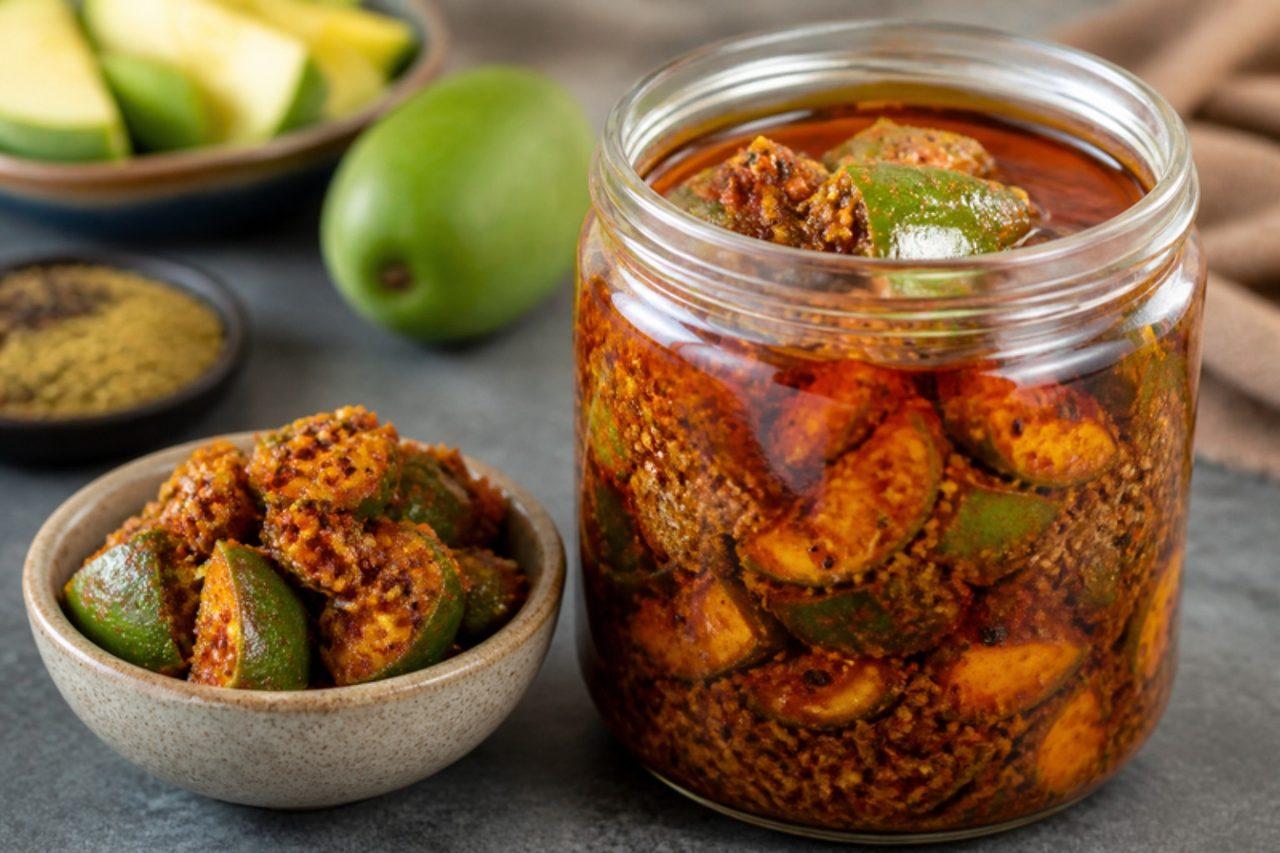
Punjabi aam ka acharRaw mango pickle

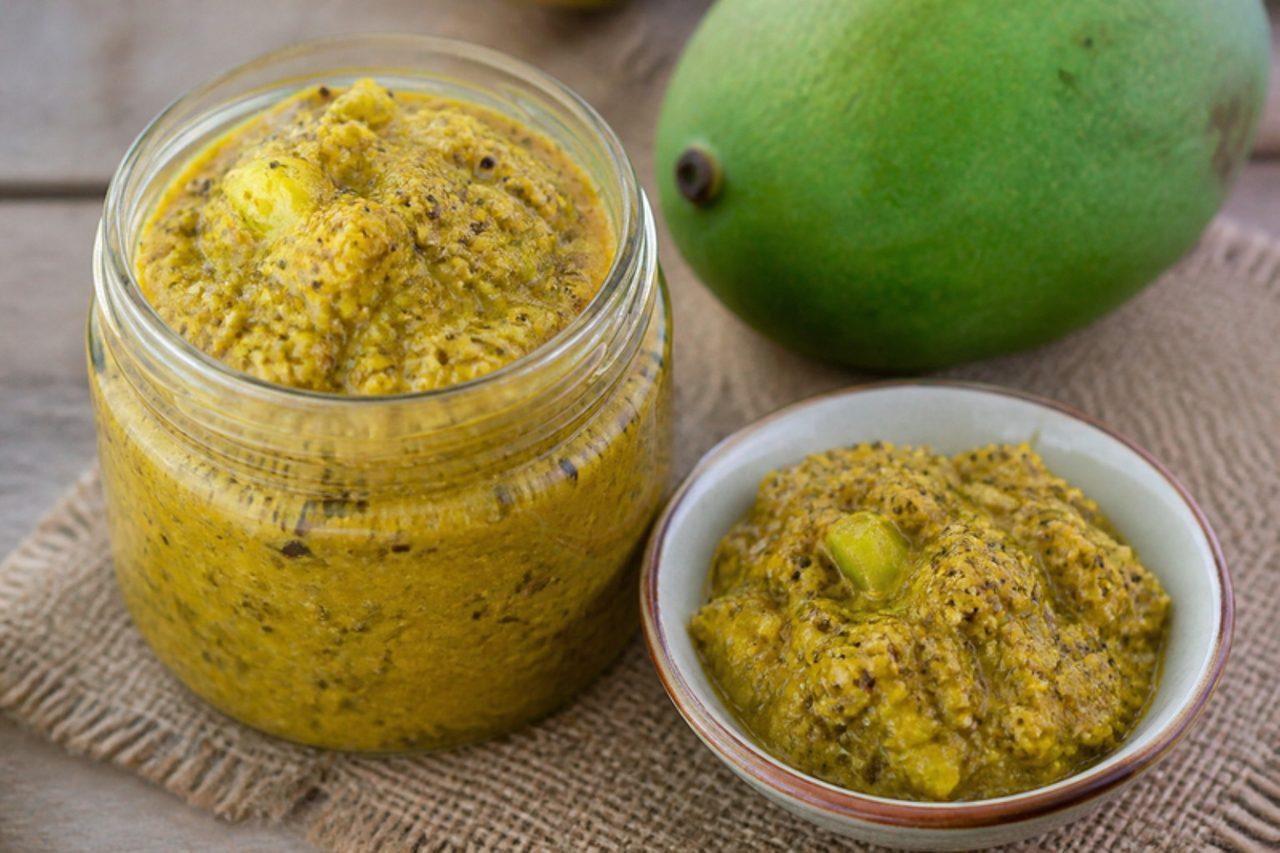
Drive through Punjab in June and you will see rooftops lined with glass barnis of mango pickle warming in the sun. The Punjabi style is bold and oily: firm raw mango is chopped with its stone, dried until leathery at the edges, then tossed with coarse saunf (fennel), kalonji (nigella), methi dana, yellow mustard, turmeric and red chilli, all bound by mustard oil heated until it smokes. A week of sun mellows the oil's bite and softens the mango, giving a pungent, fennel-sweet pickle with a strong mustard-oil kick, quite different from the sesame-oil avakaya of Andhra or a Gujarati methia keri. It is the pickle for aloo paratha with white butter, dal-chawal and rajma. Common mistake: using mustard oil straight from the bottle; it must be heated to smoking and cooled, or the pickle tastes harsh. Keep all the pieces under oil, use a dry spoon and discard the jar if mould forms. Chef's tip: cut the mango with a heavy cleaver so each piece keeps a sliver of the soft stone; families fight over those bits.

by KrazyBadal 0 views

Gunda nu athanuGum berry pickle

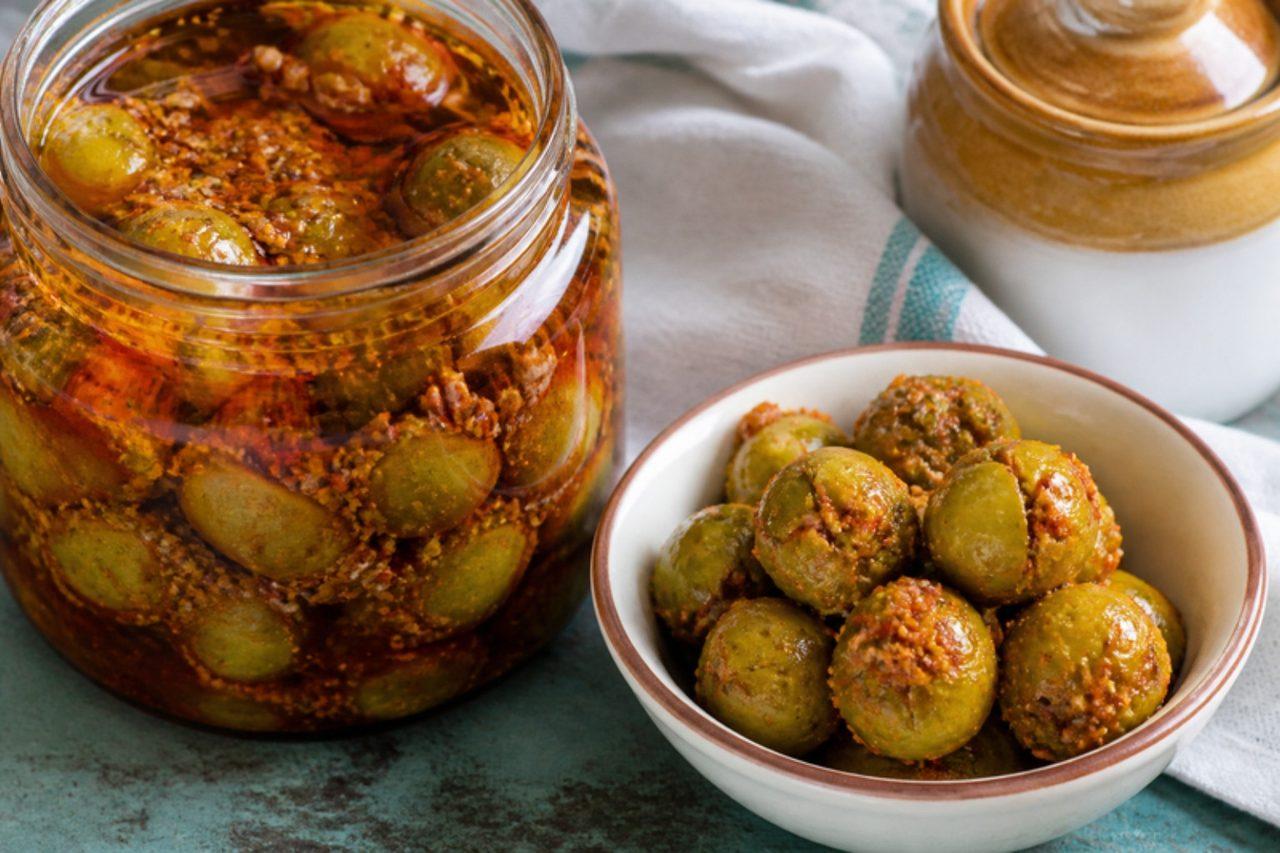
Gunda (lasoda or Indian cherry, Cordia myxa) appear in Gujarati markets for only a few weeks in early summer, and a jar of gunda nu athanu is the reward for catching them. Each green berry is slit and its sticky seed pulled out, then stuffed with the same kuria-based masala used for methia keri, along with small pieces of raw mango for sourness. Under groundnut oil the berries soften in a few days into a tender, slightly chewy pickle with a mild sweetness of their own and plenty of chilli heat. It is loved alongside bhakhri, thepla, khichdi and kadhi, and many families make it as keri-gunda, half mango, half berries. Getting the seed out is the only tricky part, because the flesh is gluey: dip your knife and fingertips in salt and the seed slips out cleanly. Pick firm, fully green berries with no brown patches. Common mistake: washing and stuffing straight away; any water left inside the berry will spoil the jar, so dry them completely first. Keep everything submerged under oil, always use a dry spoon, and discard if you see mould. Chef's tip: gunda soften faster than mango, so make a smaller jar and eat it within three months.

by KrazyBadal 0 views

Aam kasundiMango mustard relish

Kasundi was once made in Bengali homes only by women of the household on a particular day in spring, with elaborate rules; today most families make this quicker aam (mango) version and keep it in the fridge through summer. Soaked black and yellow mustard seeds are ground with sour raw mango, green chilli, turmeric and salt, then loosened with mustard oil and left in the sun for a few days so the flavours mellow and sharpen at the same time. It is nose-tingling, sour, salty and a little bitter, the dip for beguni, alur chop, fish fry, mochar chop and the snack plates of a Kolkata evening, and a spoon in jhalmuri lifts it straight away. Common mistake: grinding the mustard too long or in a hot blender jar, which makes it bitter; grind in short bursts with cold water and something sour. Keep the jar under a thin film of mustard oil, use a clean dry spoon and discard if mould appears. Chef's tip: soak the mustard in water with a pinch of salt and turmeric; it tames the bitterness and gives a brighter yellow.

by KrazyBadal 0 views

KalakandMilk cake

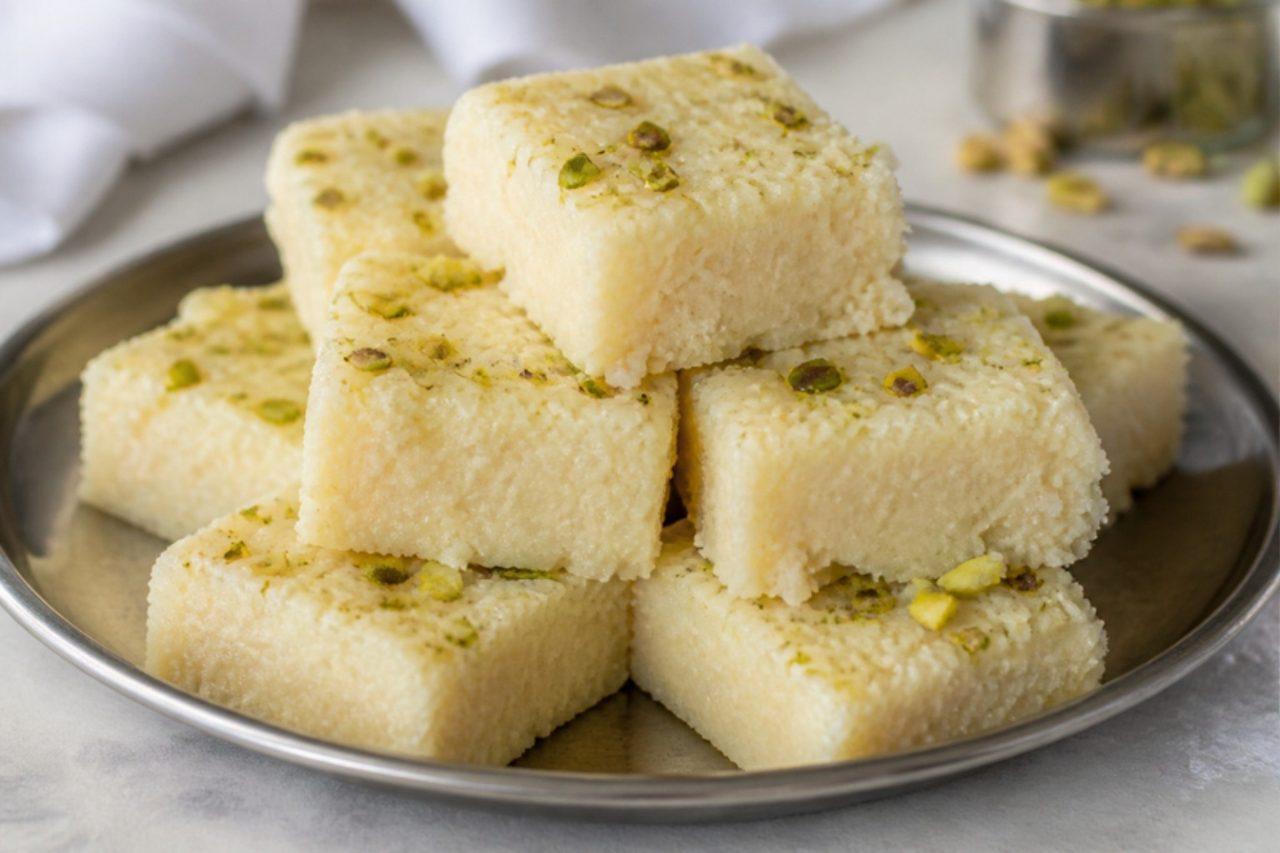
Alwar in Rajasthan built its reputation on kalakand, and the town's sweet shops still sell it by the slab, moist and crumbly, somewhere between fudge and fresh cheese. The texture comes from two dairy elements cooked together: fresh chhena, curdled with lemon so it stays in fine, soft crumbs, and full-fat milk reduced to a thick cream. Sugar loosens it, then it is cooked down until it just holds together and spread to set. It tastes of sweet milk and cardamom, with tiny grains that melt as you chew. It is a favourite for Diwali, Raksha Bandhan and any good news. Serve it at room temperature, cut into squares. Chef's tip: stop cooking while it still looks a little moist; kalakand firms up a lot as it cools, and overcooking turns it dry and chewy.

by KrazyBadal 0 views

Tilgul ladooSesame and jaggery balls

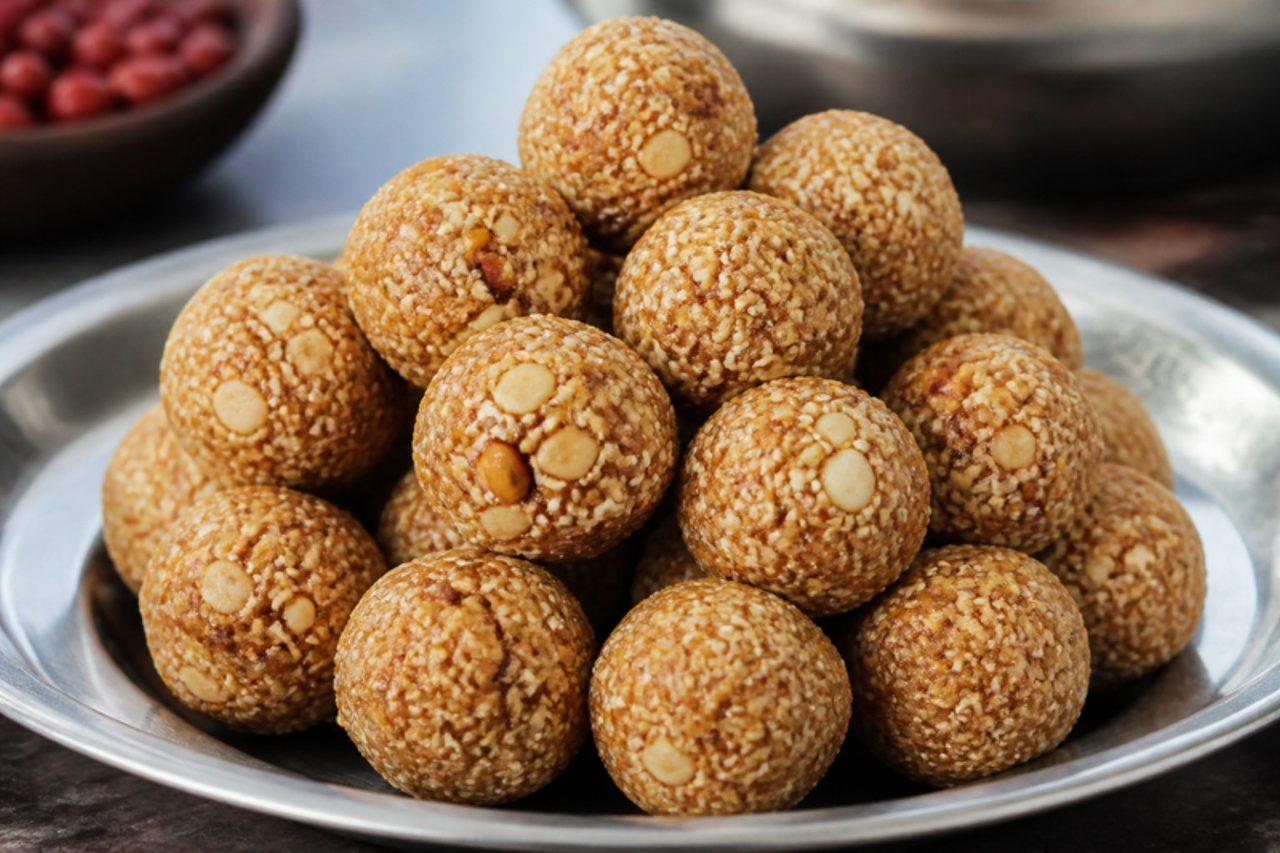
On Makar Sankranti in Maharashtra, neighbours, colleagues and old rivals swap tilgul and say 'tilgul ghya, goad goad bola': take this sesame and jaggery, and speak sweetly. Sesame and jaggery both warm the body in the coldest weeks of January, which is why the ladoo appears in every Pune and Mumbai home, often next to halwa sugar beads. These are the softer, chewy kind: sesame and peanuts are roasted separately, then bound with jaggery cooked just to the soft-ball stage and rolled quickly while warm. They taste nutty and toffee-like with a hint of cardamom. Hand them out in small bags or eat one after lunch. The common mistake is overcooking the jaggery: it sets rock hard and the ladoos can crack a tooth. Grease your hands with a little oil rather than ghee to keep them vegan. Chef's tip: test the jaggery by dropping a little into cold water; it should gather into a soft ball you can squash between your fingers.

by KrazyBadal 0 views

Karuveppilai podiCurry leaf powder

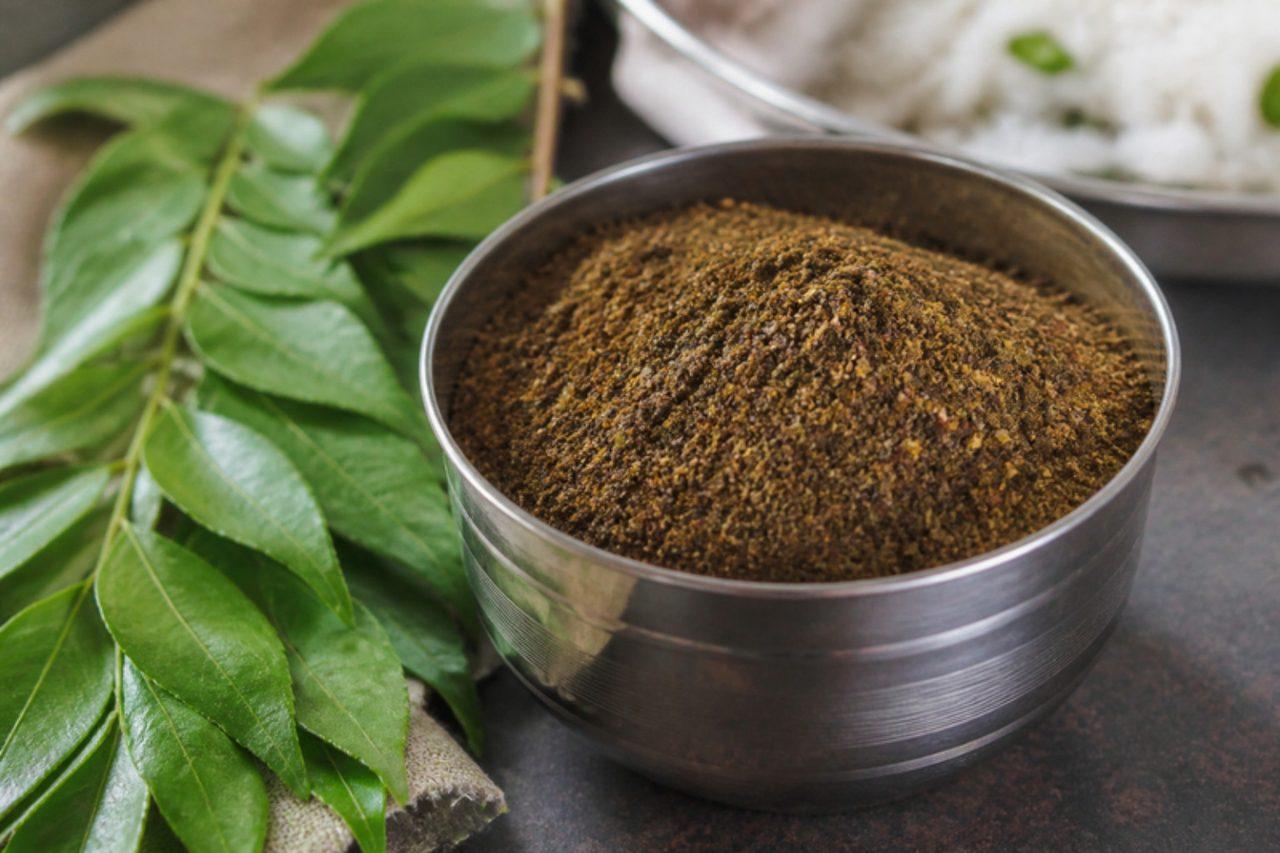
Grandmothers in Tamil Nadu make karuveppilai podi as much for health as for taste; curry leaves are said to be good for the hair and the blood, and this is the most delicious way to eat a whole bunch at once. Big handfuls of leaves are roasted until crisp and crumbly, then ground with roasted urad and chana dal, red chillies, a little tamarind for sourness and pepper. The powder is dark, fragrant, savoury and slightly tart. Mix it into hot rice with sesame oil or ghee for a quick lunch with a vegetable poriyal, or sprinkle it over idli and dosa. Common mistake: using leaves that are still damp after washing. The podi then traps moisture, loses its colour and can turn mouldy in the jar. Chef's tip: wash the leaves a few hours ahead and spread them on a cloth to air-dry until they feel papery, then roast them on the lowest heat until they crack between your fingers.

by KrazyBadal 0 views

SuvaliSweet milk and sesame puris

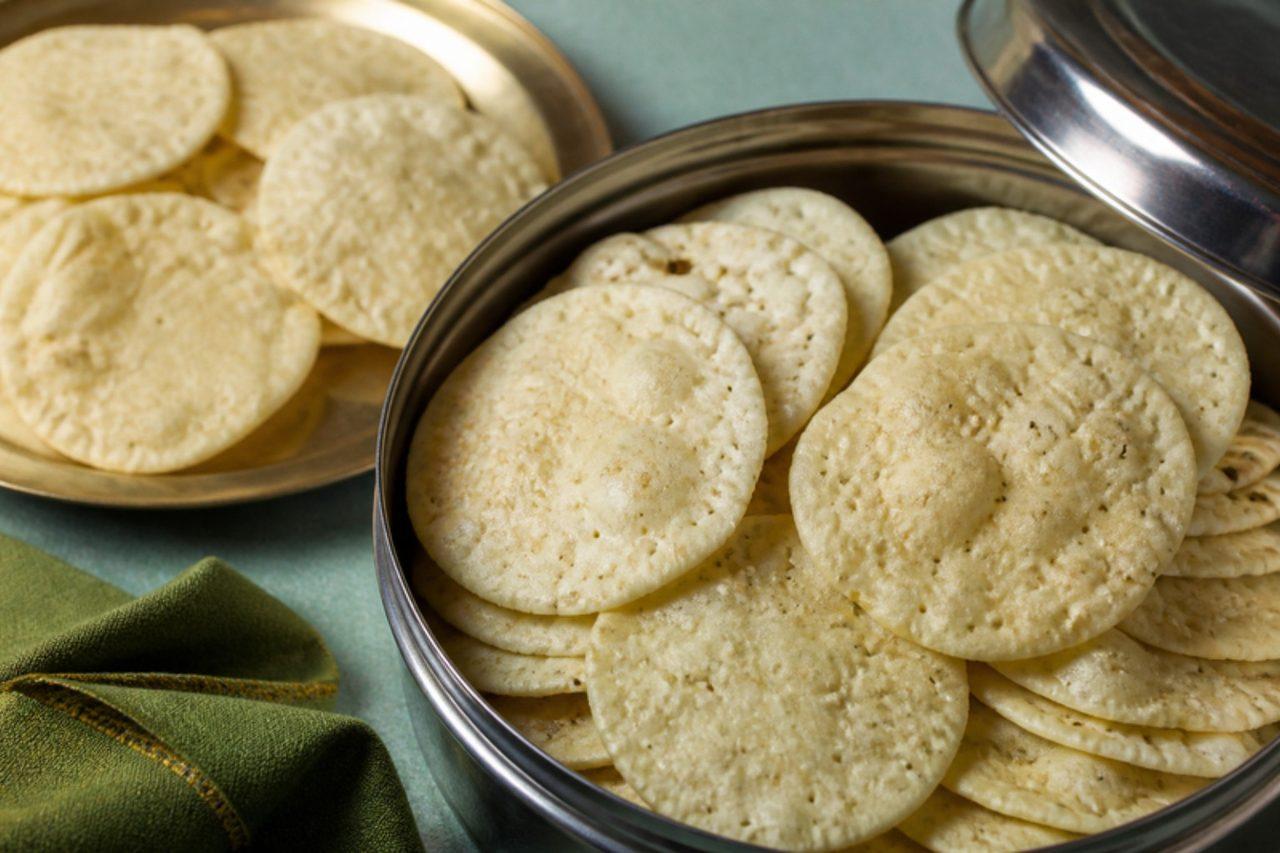
Open any Gujarati steel dabba in Diwali week and suvali will be near the top, stacked between chorafali and mathiya. Families fry them on the days around Dhanteras and Kali Chaudas, then hand them to every guest who drops by on Bestu Varas, the Gujarati New Year, with a cup of masala tea. The dough is short with ghee and sweetened by sugar dissolved in milk, so the puris snap cleanly and melt into a gentle sweetness rather than tasting like a biscuit. Sesame gives a nutty crunch, cardamom the festive smell. They should stay ivory with only the faintest blush of colour. Eat them with tea, or the way many grandparents do, with a spoonful of chhundo or sweet mango pickle. Chef's tip: roll every suvali before you start frying and keep them under a damp cloth, so you can give the pan your full attention and keep the heat low and steady.

by KrazyBadal 0 views

ChorafaliCrisp besan and urad strips

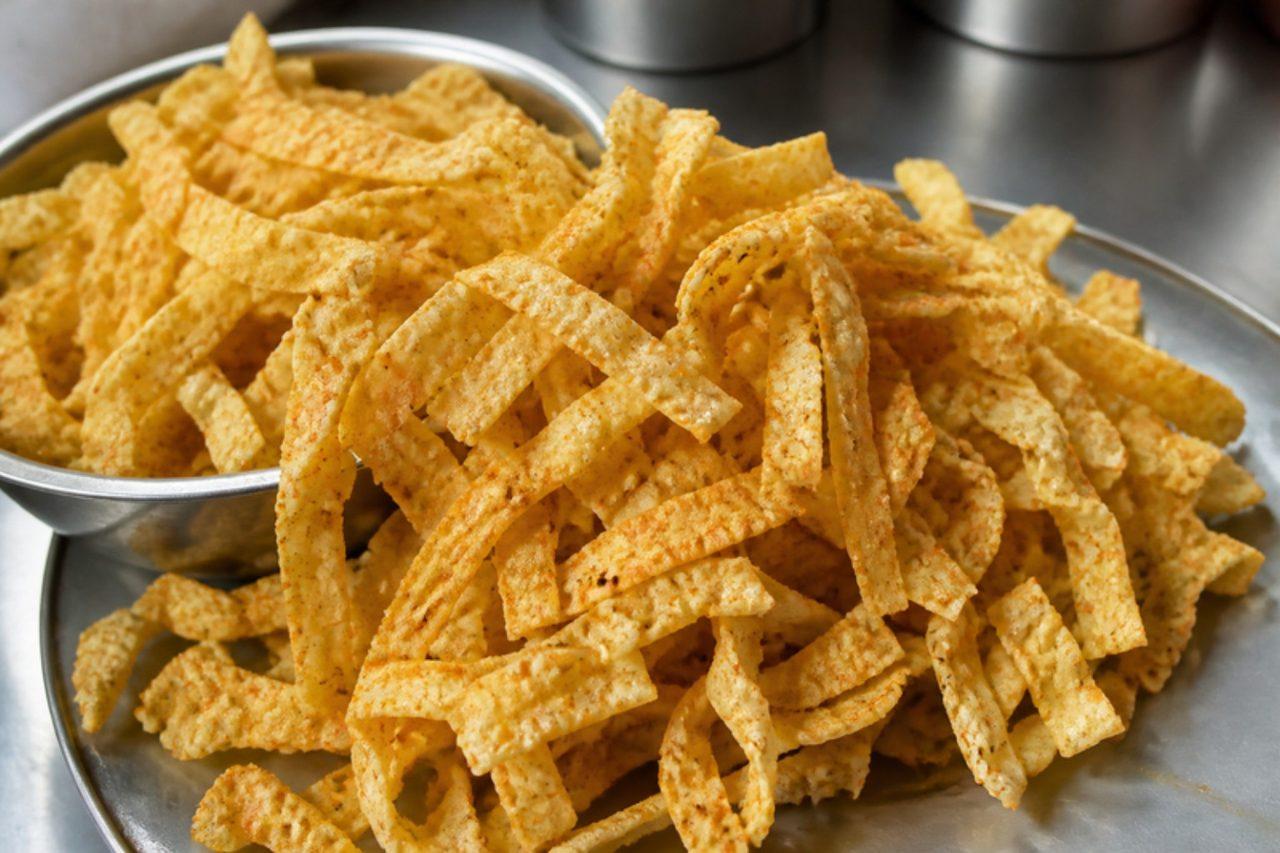
Chorafali is the snack Gujarati children wait for in Diwali week, because it is made in the last days and vanishes first. The dough of gram flour and white urad flour is kneaded, then pounded with a pestle until it turns pale and elastic, rolled out almost transparent and cut into strips. In hot oil the strips swell into crunchy, bubbled ribbons in under a minute, and a shower of red chilli, dry mango powder and kala namak while they are hot makes them tangy, salty and sharp. It is a Surat and Saurashtra favourite and comes out alongside suvali, mathiya and ghughra for guests on the New Year. Eat it on its own or with tea. Chef's tip: roll with oil on the board and pin, never dry flour; loose besan burns in the oil and leaves bitter brown flecks on the strips.

by KrazyBadal 0 views

Rava ladooSemolina and coconut sweet balls

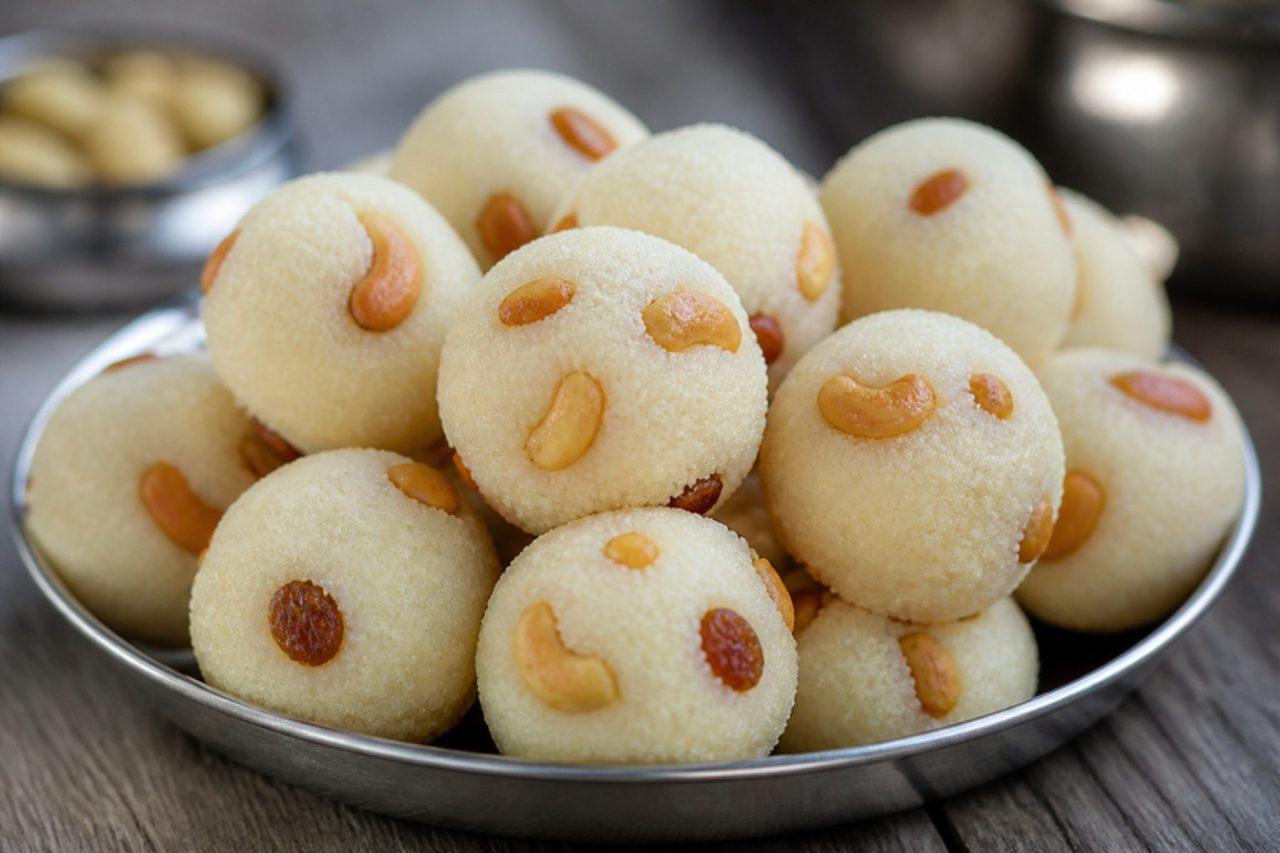
Ask a Maharashtrian or South Indian family which Diwali sweet goes first and rava ladoo is a strong answer. It needs no khoya and no special flour, just semolina toasted gently in ghee with coconut until it smells biscuity, then soaked with a hot cardamom sugar syrup. After a short rest the rava drinks up the syrup and can be rolled into soft, slightly grainy balls that firm up as they cool, studded with golden cashews and plump raisins. In Mumbai they sit in the faral platter next to chakli and karanji; in Tamil homes they are a quick Deepavali or Krishna Jayanthi offering. They keep for about a week, less if you use fresh coconut. Chef's tip: shape them while the mixture is still warm; if it cools and crumbles, sprinkle over a tablespoon of warm milk and it will bind again.

by KrazyBadal 0 views

Sakkare acchuMoulded sugar figures

Every Sankranti plate in Karnataka carries a few of these little sugar figures beside the ellu bella: an elephant, a temple gopuram, a parrot, a coconut. The wooden moulds, two halves tied with string, are soaked in water overnight so the sugar does not stick, and the syrup is clarified with a splash of milk until it is crystal clear. It is cooked to a thick stage, then stirred until it turns cloudy and pours like thin cream, and poured fast before it sets. Children love making them almost as much as eating them; they melt on the tongue like a soft fondant. The milk makes them vegetarian rather than vegan. The common mistake is pouring before the syrup has been beaten enough: it stays clear and sets like brittle glass that sticks in the mould. Chef's tip: work in small batches of about 150 g sugar so the syrup does not set in the pan while you are still pouring.

by KrazyBadal 0 views

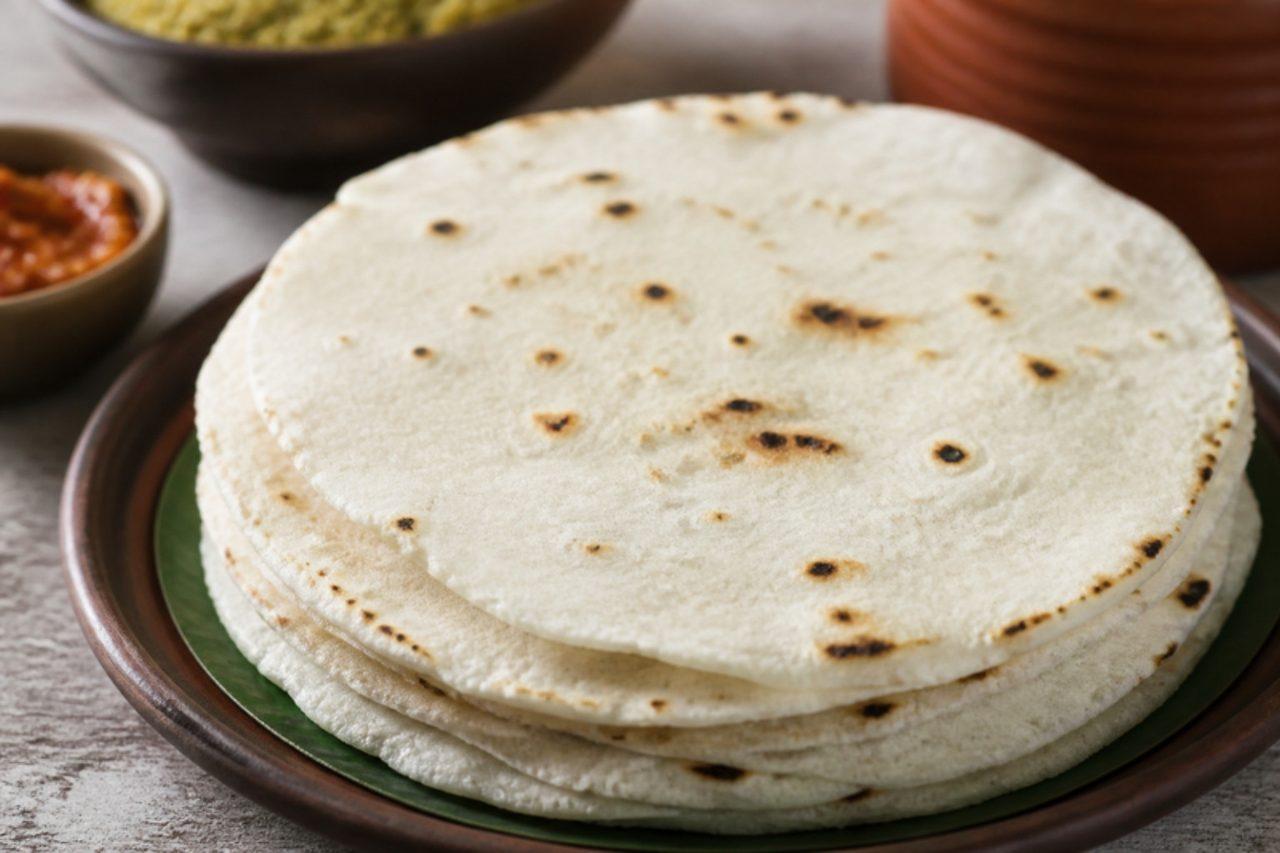
PathiriThin rice flatbreads

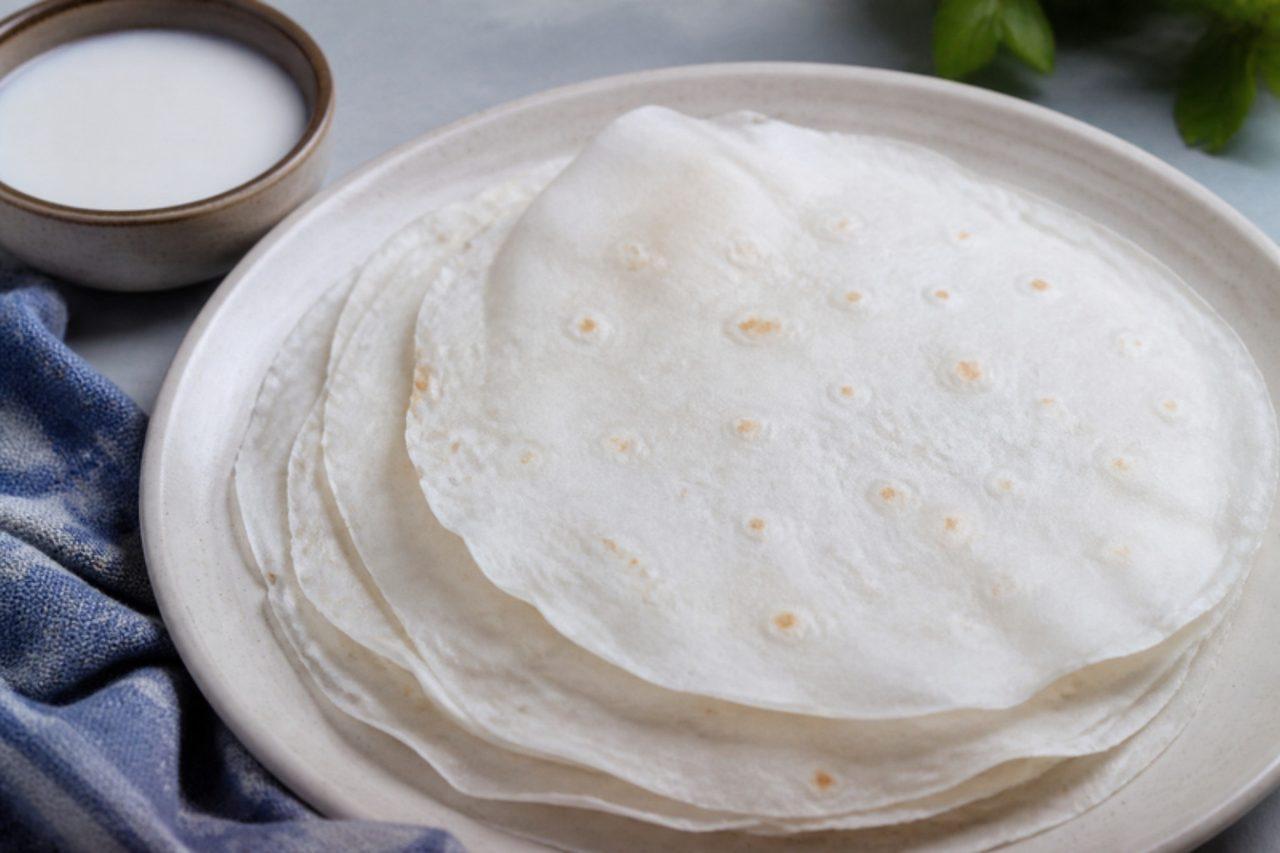
When the call for maghrib rings out in Kozhikode and Malappuram during Ramadan, families break the fast with dates and juice and then sit down to a stack of pathiri with chicken curry or mutton stew. Also called nice pathiri, these are the thinnest breads in Kerala: a dough of fine rice flour scalded with boiling water, rolled almost see-through, cooked on a dry tawa until they puff, and then dipped in thin coconut milk so they turn soft and silky. They taste mild and slightly sweet, made only to soak up gravy. The usual mistake is adding the flour to water that has stopped boiling; the dough stays crumbly and the pathiri crack. Rice flour has no gluten, so these suit anyone avoiding wheat. Serve them warm, folded into quarters, with any curry (they are vegan as made here; the curry is up to you). Chef's tip: knead the scalded dough while it is still hot, using the heel of your hand and a little oil, until it is as smooth as a baby's cheek.

by KrazyBadal 0 views

Chakka pradhamanJackfruit coconut milk pudding

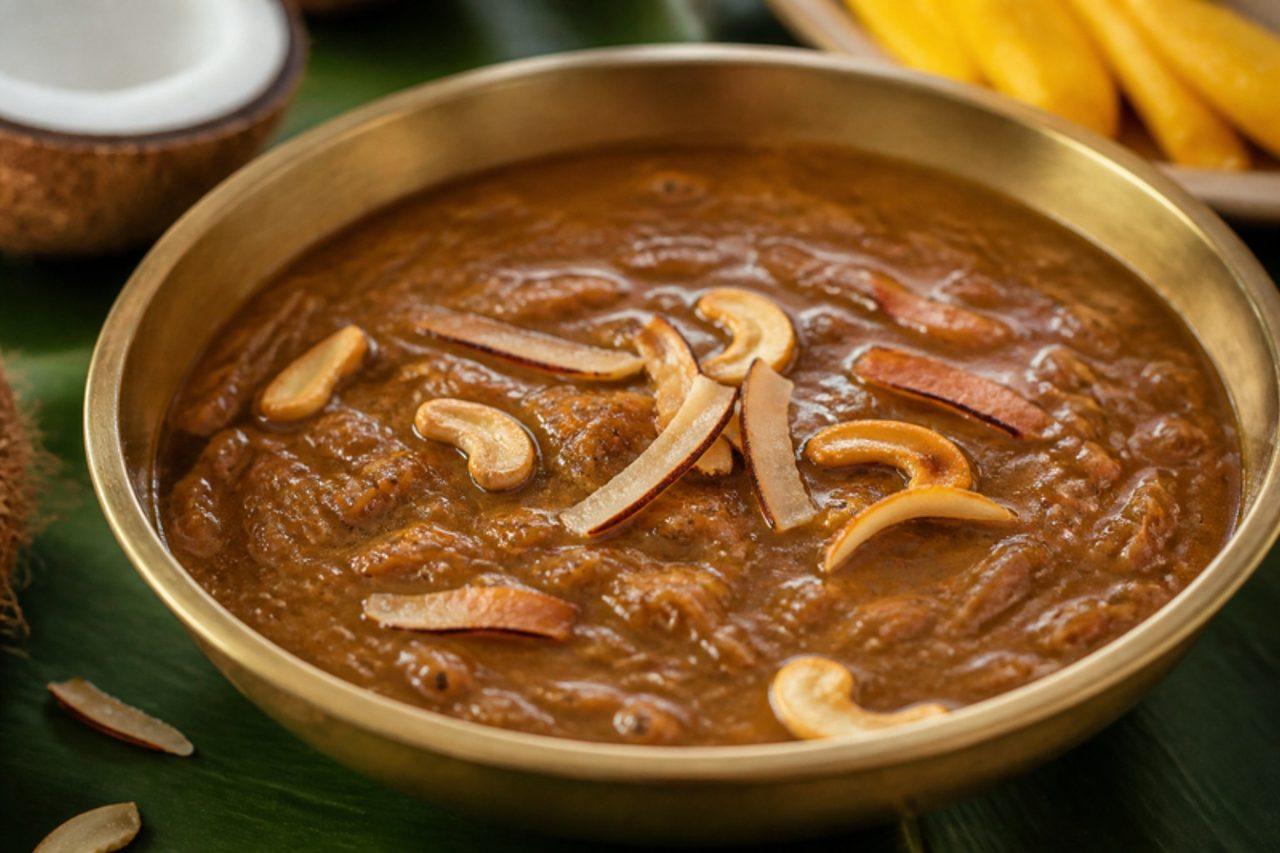
When the jackfruit trees of Kerala hang heavy in summer, families cook the ripe bulbs with jaggery and ghee into chakka varatti, a dark, sticky preserve that keeps for months. Come Onam in August or September, a jar of varatti is all that stands between them and chakka pradhaman, the richest payasam on the sadya leaf. The preserve is melted into thin coconut milk, simmered, then finished with the thick first pressing, dry ginger, cardamom and coconut slivers fried in ghee. It tastes of caramelised fruit and toffee, smooth and heavy, with crunchy bits of coconut. Serve it warm in small cups or on the leaf with a crushed pappadam and a slice of banana, as Malabar families do. Do not let the pot boil once the thick coconut milk goes in: it splits and turns oily. Chef's tip: if you have ready varatti, use 250 g and skip the first stage; the slow-cooked jackfruit is what gives the deep colour, so do not rush it.

by KrazyBadal 0 views

Arisi vadamSun-dried rice crisps

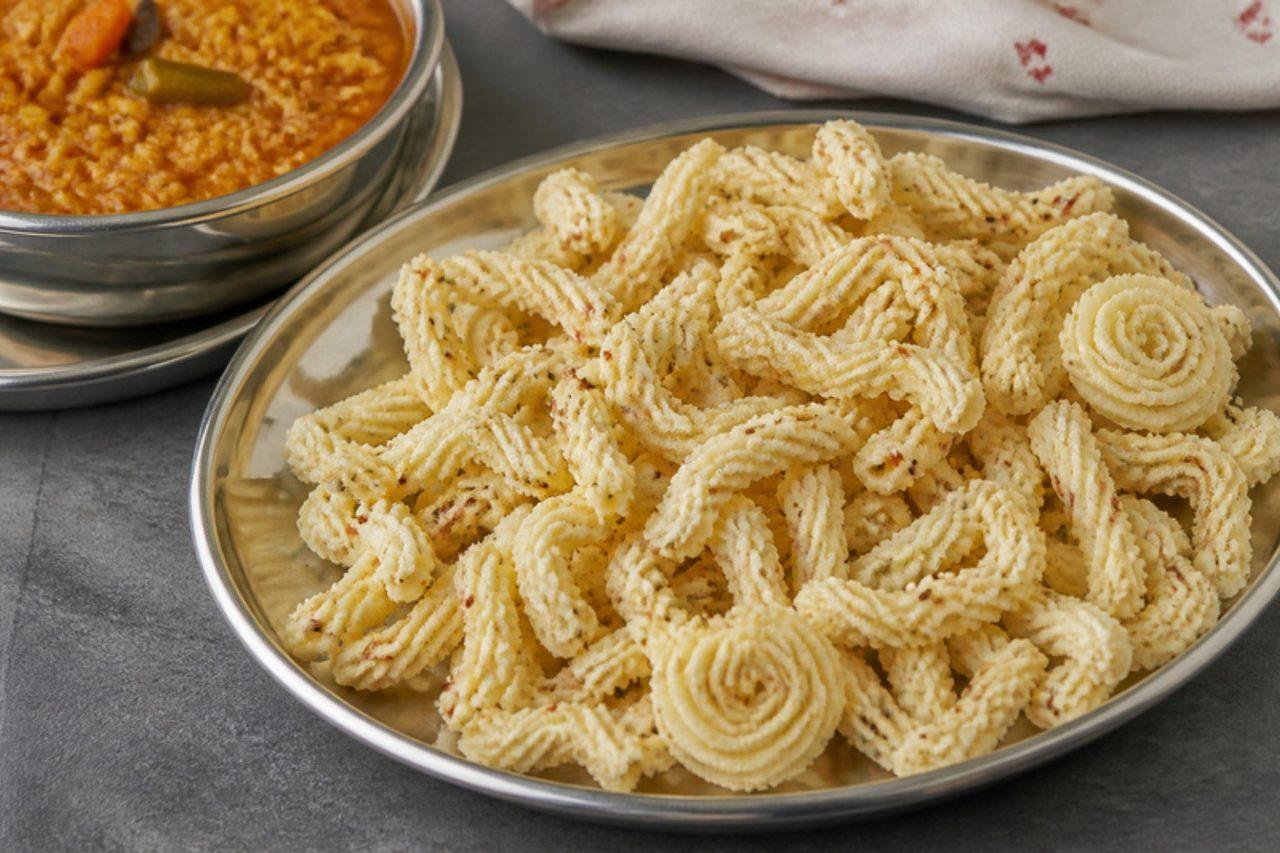
Chithirai and Vaikasi, the blazing months of a Tamil summer, are vadam season. In Madurai and the older Chennai neighbourhoods, terraces are covered with white sheets and rows of pressed rice-dough spirals, ribbons and stars, guarded from crows by whoever is on duty. Fried, the vadams puff into light, crunchy curls with a hint of chilli, cumin and lime. They come out on the side of a lunch of vatha kuzhambu, mor kuzhambu or rasam with rice, where they do the job a papad does in the north. The dough is a cooked rice-flour koozh, and it has to be pressed through the vadam (murukku) press while warm. Common mistake: making the koozh too thick; the press becomes impossible to turn and the strands break. It should feel like soft, sticky mashed potato. Chef's tip: lime juice is not just for flavour, it keeps the vadams bright white as they dry.

by KrazyBadal 0 views

Choddo shaakFourteen leafy greens stir-fry

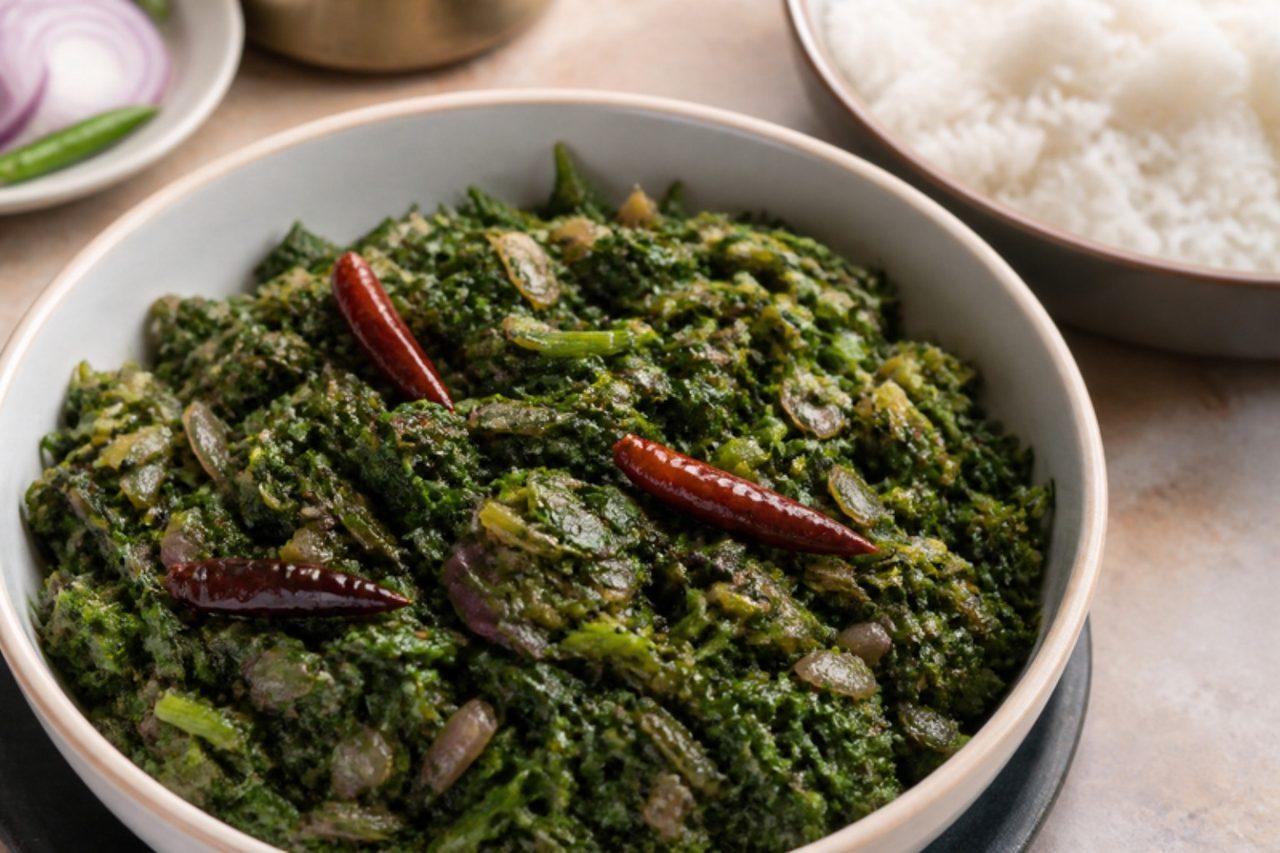
On Bhoot Chaturdashi, the night before Kali Puja and Diwali, Bengali homes light fourteen lamps for their ancestors and eat a dish of fourteen greens at lunch to keep illness and restless spirits away. Markets in Kolkata sell bundles already mixed for the day: spinach, red and green amaranth, Malabar spinach, water spinach, fenugreek, mustard and radish greens, bathua, jute leaves, pumpkin leaves, helencha and a few neem leaves for bitterness. Fried briefly in mustard oil with nigella and dried chilli, they cook down to an earthy, slightly bitter, faintly sweet tangle. It is eaten as the first course with hot rice and a drizzle of ghee for those who want it. If you can't find all fourteen, use what your grocer has; the mix matters more than the exact list. Chef's tip: cook it uncovered after the first wilt so the water evaporates; choddo shaak should be dry and glossy, not stewed.

by KrazyBadal 0 views

Tandalachi bhakriRice flour flatbread

Along the Konkan coast, from Alibag down to Sindhudurg, the everyday bread isn't wheat at all but tandalachi bhakri, a soft round of rice flour and water, the natural partner to a coconut-rich Malvani fish curry, kombdi rassa, a bowl of usal or plain pithla with sol kadhi. Unlike Karnataka's akki rotti, it has no onion, coconut or chilli in the dough: just rice flour, salt and hot water, kneaded smooth and patted out thin by hand. Cooked on a hot iron tawa and finished over an open flame, it puffs up like a balloon and stays soft and pliable, with a faint sweetness and toasty spots. Common mistake: mixing the flour with cold or warm water. Rice flour has no gluten, so it needs boiling water to gelatinise and bind; otherwise the bhakri cracks all round the edges. Chef's tip: knead each portion again just before patting; a dough that sat still dries on the surface and cracks.

by KrazyBadal 0 views

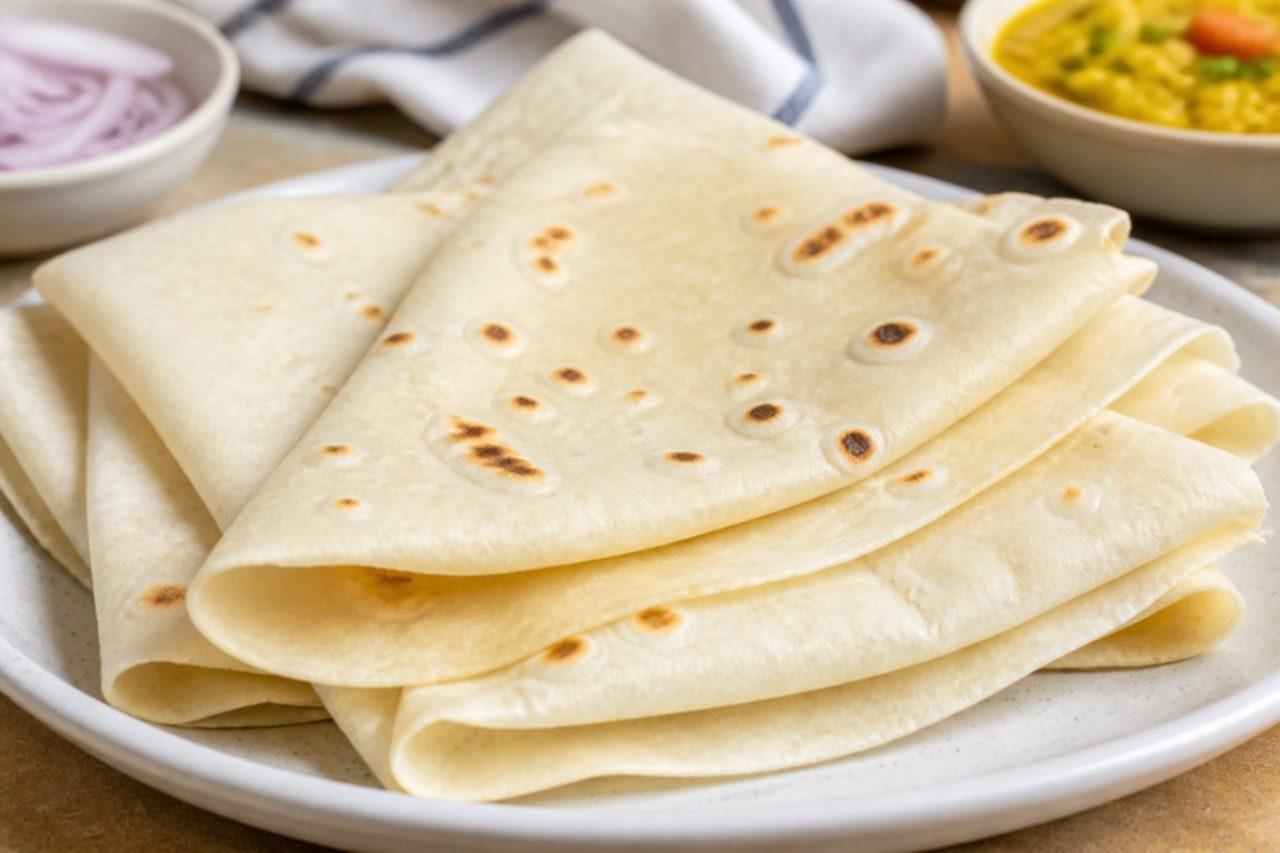
Rumali rotiHandkerchief-thin flatbread

Watch a rumali roti maker at a Mughlai stall in Old Delhi's Jama Masjid lanes or Lucknow's Aminabad and it looks like a magic trick: a ball of dough is flattened, tossed and stretched over the backs of the hands until it is translucent and almost a metre wide, then laid over a huge domed iron griddle for a few seconds. Rumal means handkerchief, and the finished bread is folded into quarters like one: silky, soft, slightly chewy and very thin. It is the bread for kebabs, korma, nihari and shahi paneer. At home, an upturned wok over a high flame does the job, and you can roll most of the way and stretch the last bit by hand. The dough is mainly maida with some atta, kept very soft and well rested. Common mistake: a firm or under-rested dough tears the moment you start stretching. Chef's tip: wipe the hot kadai with salted water before each roti; the hiss means it's hot enough, and the salt film stops the roti from sticking or blistering.

by KrazyBadal 0 views

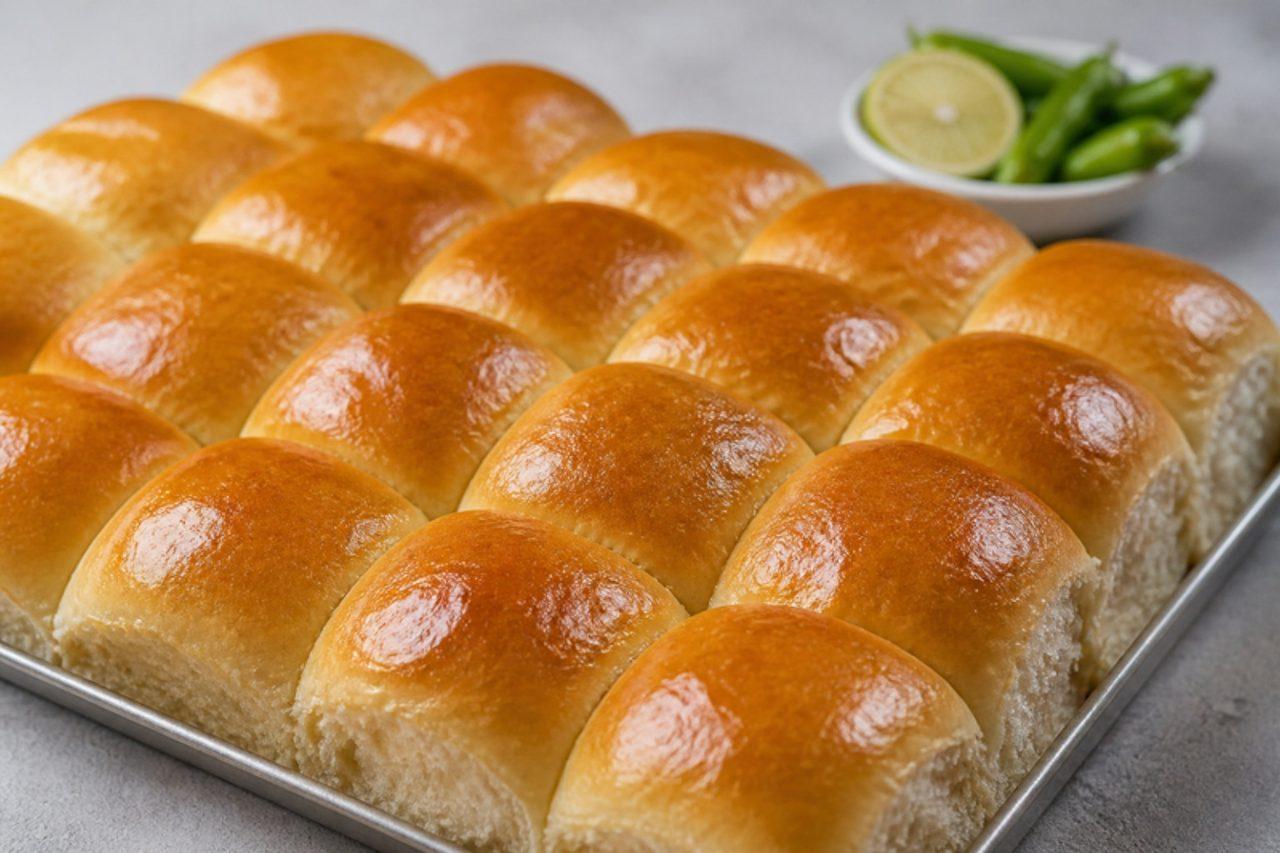
Ladi pavSoft pull-apart bread rolls

Pav came to Mumbai with the Portuguese and was taken up by the city's Goan and Irani bakeries, and today it is the bread every street snack depends on: vada pav, misal pav, bhurji pav, dabeli and pav bhaji. A ladi is a slab of rolls baked touching each other, so their sides stay pale and fluffy and they tear apart with soft white edges and a thin golden top. This home version uses milk and a little butter for a tender, slightly sweet crumb that holds up to a buttery tawa toast. It bakes in an ordinary oven at 190 °C (170 °C fan). Common mistake: baking the pav too long or too hot, so the crust turns hard and brown; take it out the moment the tops are golden and brush with butter at once. Chef's tip: cover the hot ladi with a clean cloth as it cools; the trapped steam is what gives that typical bakery softness.

by KrazyBadal 0 views

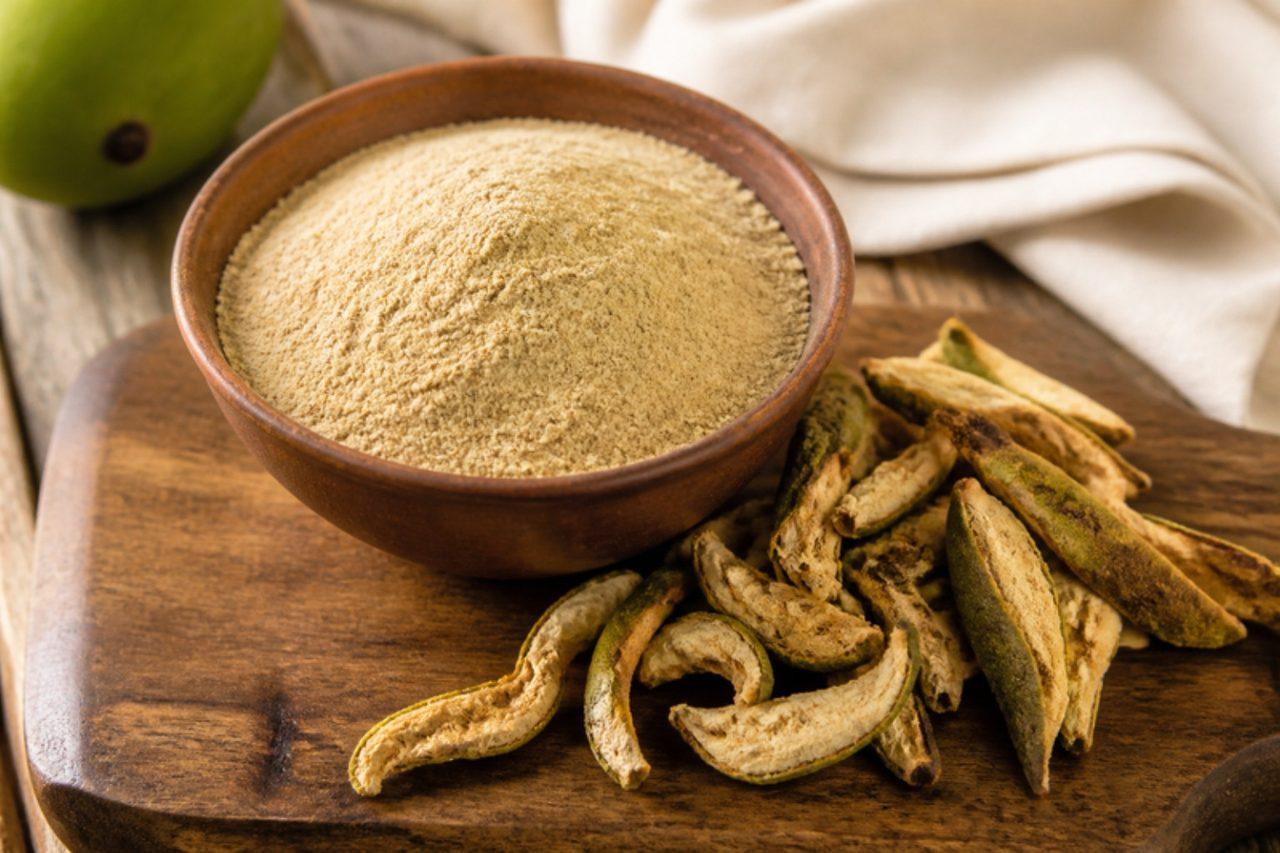
AmchurDry mango powder

Every Punjabi and UP kitchen keeps a jar of amchur next to the jeera and haldi, and the homemade version smells far fresher and sourer than most shop powder. In villages around Saharanpur and Malihabad, the raw mangoes that fall in early-summer storms are peeled, sliced and spread out to dry, and the brittle slices (amchur khatai) are either stored whole or ground. Amchur gives a fruity, mouth-puckering sourness without any liquid, which is why it goes into dry dishes where tomato or tamarind would make things soggy: bhindi masala, stuffed karela, samosa and kachori fillings, chole, chaat masala and pav bhaji masala. A kilo of mangoes gives roughly 100 g of powder. Common mistake: grinding slices that still bend; even slight moisture makes the powder clump into hard lumps in the jar. Chef's tip: choose small, rock-hard, very sour green mangoes with white flesh, not ones starting to turn yellow; riper fruit dries into a brown, sweetish powder.

by KrazyBadal 0 views

Showing 72 of 2,799 recipes

Show more recipes

Page 37 of 117

More Jain ideas

Other diets