 Japanese · Drinks
Hojicha
Roasted green tea
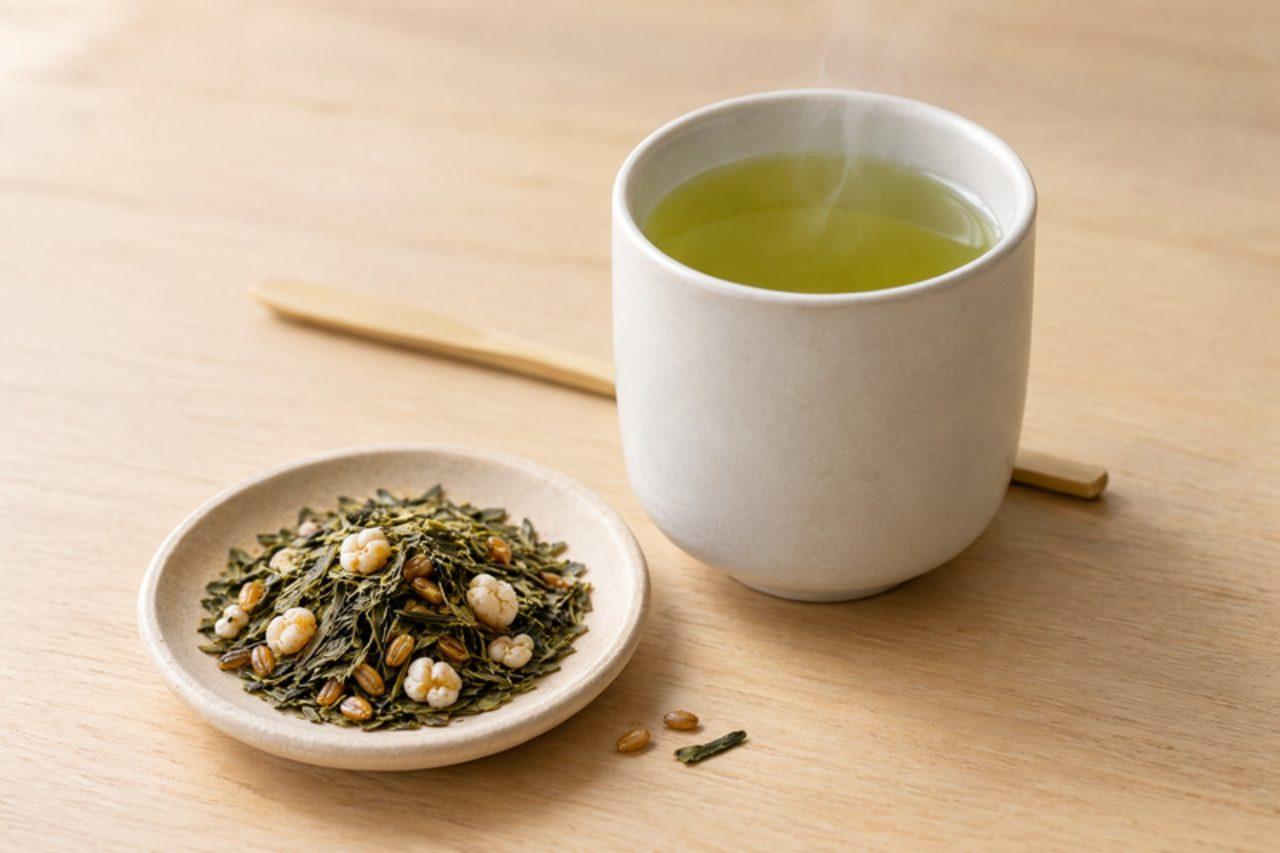
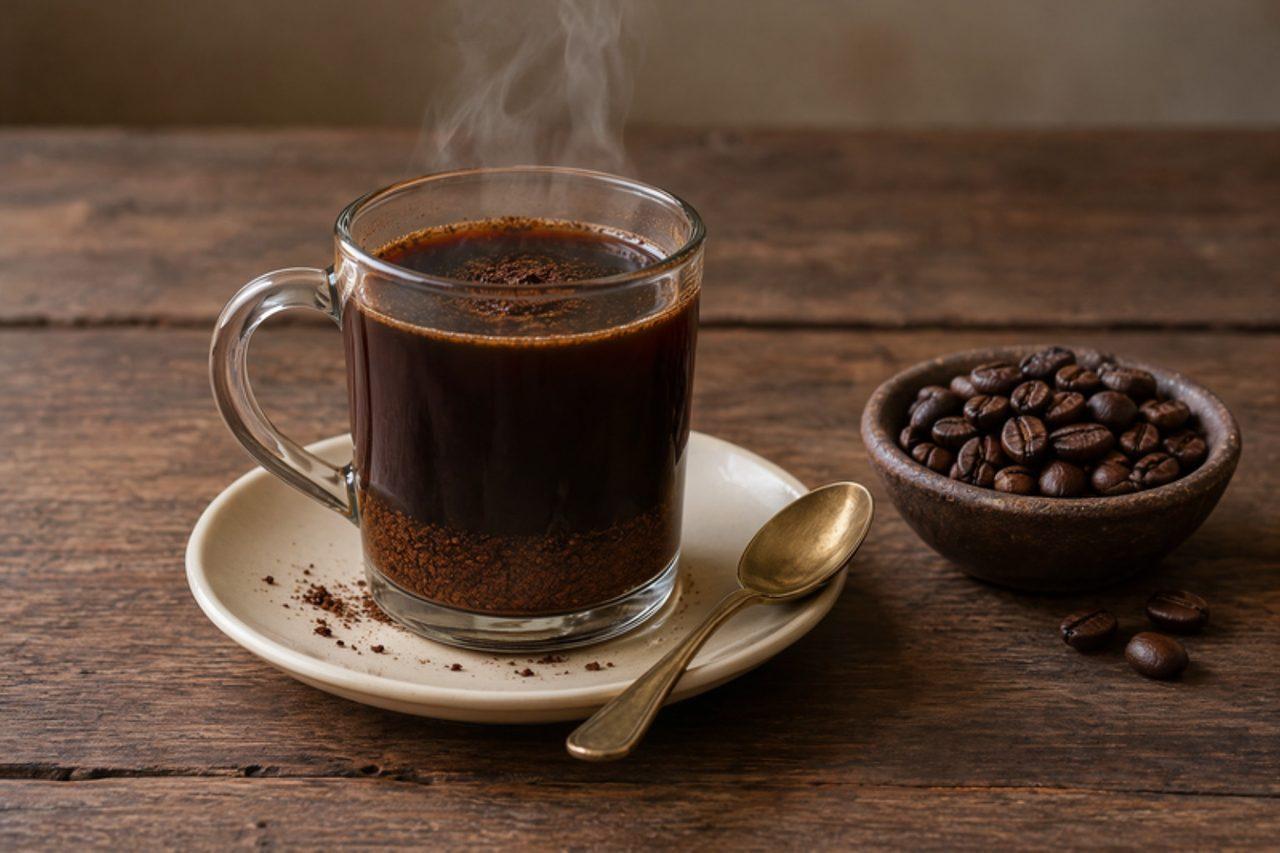
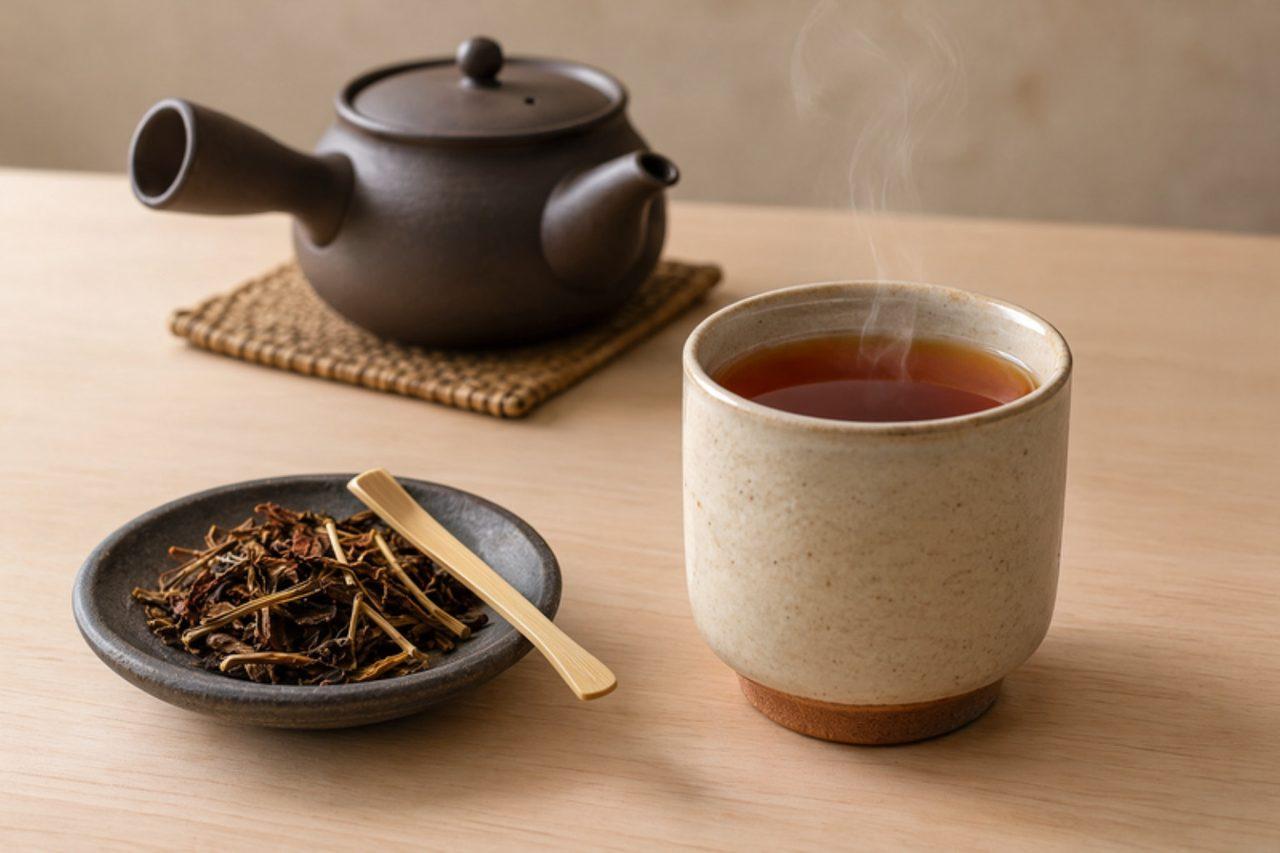
Hojicha was born in Kyoto in the 1920s, when tea merchants started roasting the coarse late-season bancha leaves and stems over charcoal to sell what would not keep. Today the smell of tea roasting in a shop doorway is part of walking down Teramachi or past the Nishiki market. Roasting drives off much of the caffeine and all the grassy bitterness, so hojicha is the pot that comes out after an evening meal, with rice crackers, or for children and older relatives who avoid stronger tea. The cup is reddish brown, smells of caramel and roasted nuts, and tastes soft and slightly sweet with almost no astringency. Unlike sencha, it likes really hot water and a very short steep. The common mistake is treating it like black tea and leaving the leaves in for several minutes, which makes it flat and woody; 30 seconds is enough for the first pour, and the leaves give a good second pot. It is ready when the liquor is clear russet and the steam smells of toasted sugar. Chef's tip: if your packet has lost its perfume, warm the leaves in a dry pan for 30 seconds until they smoke very faintly before brewing.