Skip to content
WhatToEat.Today

Jain recipes: no onion, garlic or root vegetables

2,805

2805 Jain recipes with no onion, garlic, potato, carrot, fresh ginger or other root vegetables, and no mushrooms, eggs or honey. Hing, dry ginger and turmeric powder are fine. Each has photos, step-by-step instructions and cook times. The quickest, Apfelschorle, takes 2 minutes. Most take around 40 minutes.

Filter these by time, diet or cuisine · Make Jain your diet to see only these recipes everywhere on the site.

Sorbete de curubaBanana passionfruit milk drink

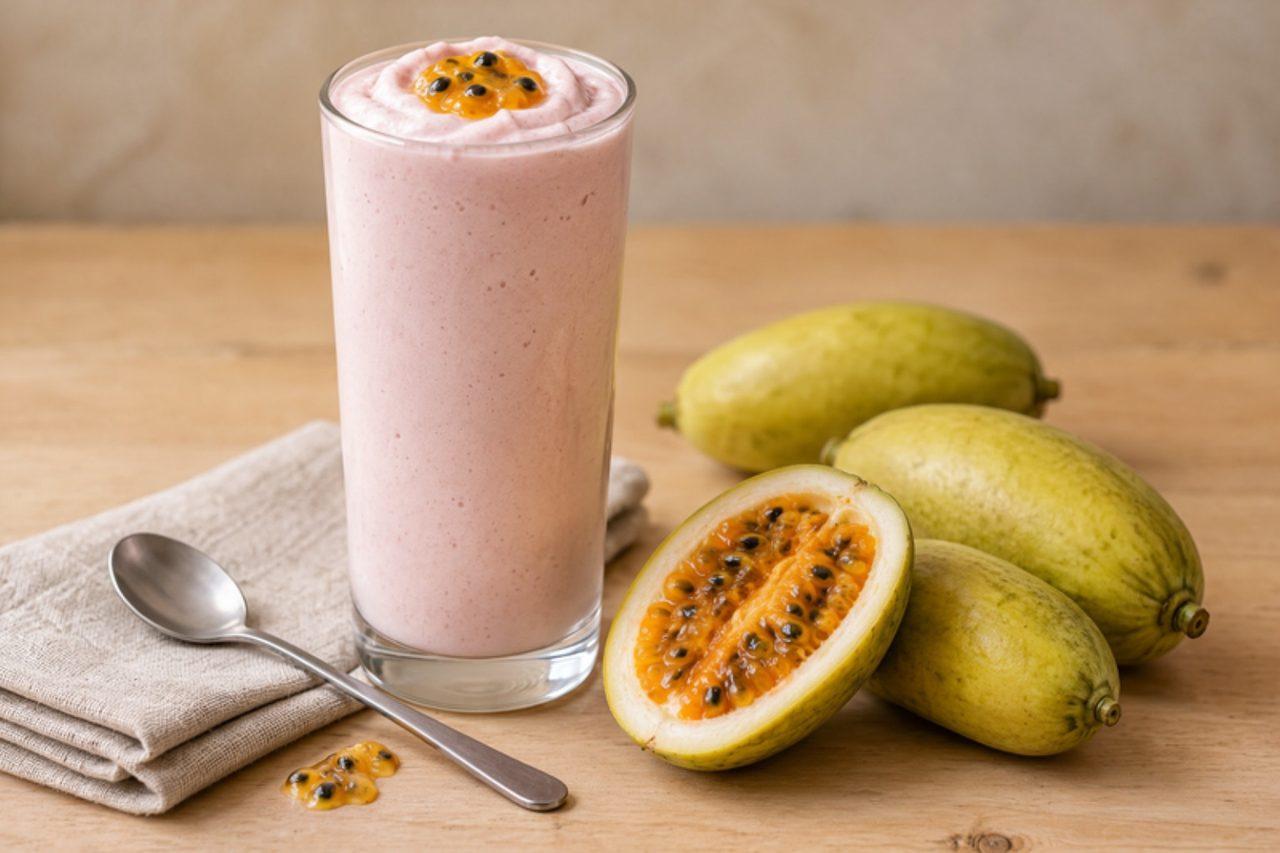
In Colombia a sorbete is not an ice but a fruit milkshake, and around Bogotá and the cold highlands of Boyacá and Cundinamarca the classic is made with curuba, the long, soft-skinned banana passionfruit that grows on vines at 2,500 metres. Bakeries and corrientazo lunch spots serve it with almuerzo or with a slice of cake at onces, the late-afternoon snack. It is pale salmon-pink, creamy and sweet-tart, more delicate than passionfruit, with a fragrance like guava and lemon. The common mistake is blending the pulp with its black seeds on high speed: the seeds break up and the sorbete turns bitter and grey-flecked. Pulse just enough to loosen the pulp from the seeds, strain, and only then blend with milk. Serve it at once, because the acid in curuba thickens the milk the longer it stands. It is ready when it is smooth, frothy and pink with no gritty specks. Outside Colombia look for frozen curuba pulp in Latin shops; passionfruit pulp works too, but use about two thirds of the amount as it is stronger. Chef's tip: dissolve the sugar in the strained juice before the milk goes in, so you can blend for less time.

by KrazyBadal 0 views

Prú orientalSpiced root drink

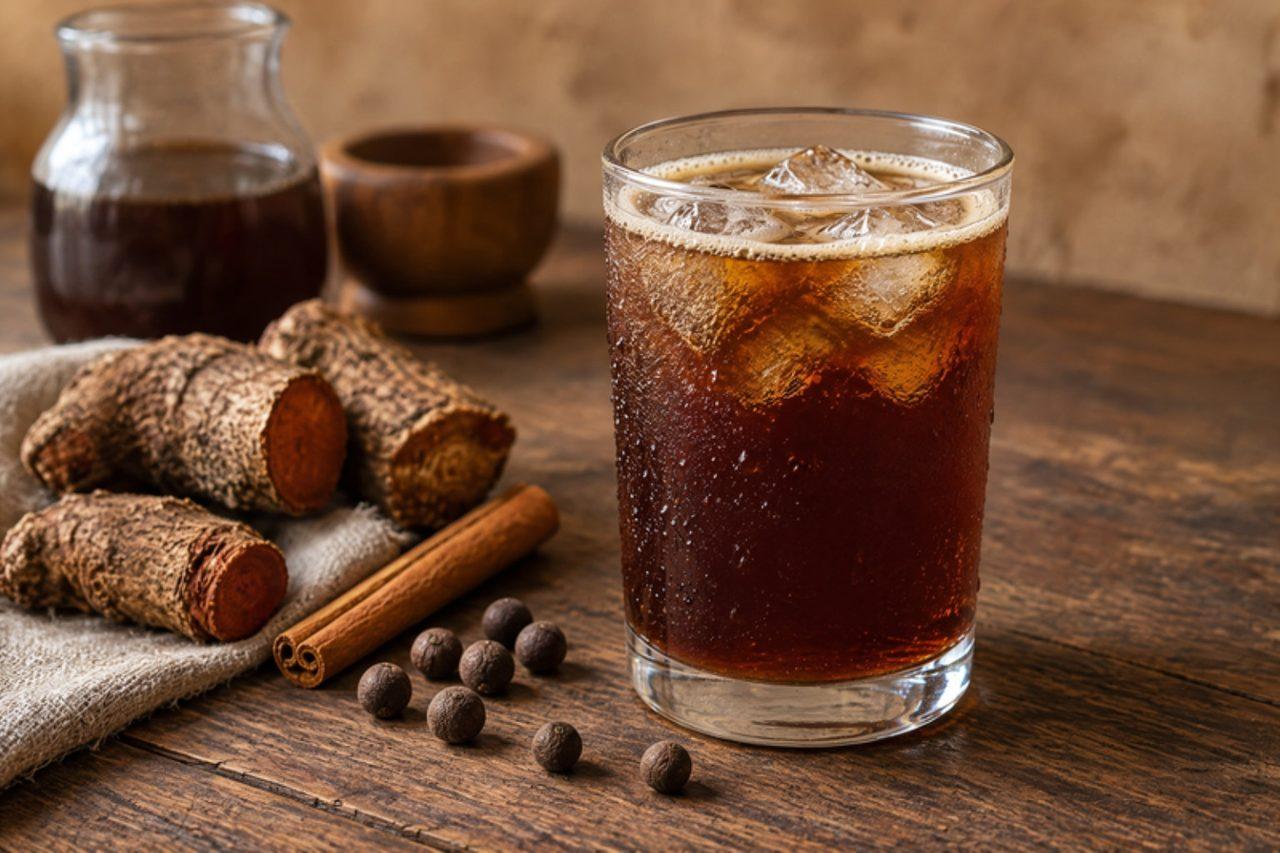
In Santiago de Cuba, Guantánamo and Baracoa, prú is sold from plastic bottles at the kitchen door and poured at every birthday, often next to a slab of cake. The recipe came from Haitian and French-Caribbean coffee planters who settled in the east, and families still keep a "madre", a starter jar from the last batch. Roots of raíz de China and bejuco ubí are boiled with pine, cinnamon and allspice, sweetened and left to ferment for a few days. It tastes like a wild, earthy root beer: woody, spiced, a little bitter, with a soft prickle. Fermentation makes a trace of alcohol, well under 1% if drunk young. Outside Cuba use dried sarsaparilla root, a close relative of China root. The common mistake is sealing bottles too early and leaving them warm, which builds dangerous pressure; use a plastic test bottle and chill once it is firm. It is ready when tiny bubbles rise and it smells sweet-sour, not yeasty. Throw it out if it grows fuzzy mould, turns slimy or smells rotten. Pregnant people should skip the pine needles, and anyone on medication should check with a doctor about herbal roots. Chef's tip: keep 250 ml back as the madre for your next batch.

by KrazyBadal 0 views

ZhaliangRice noodle roll with fried dough

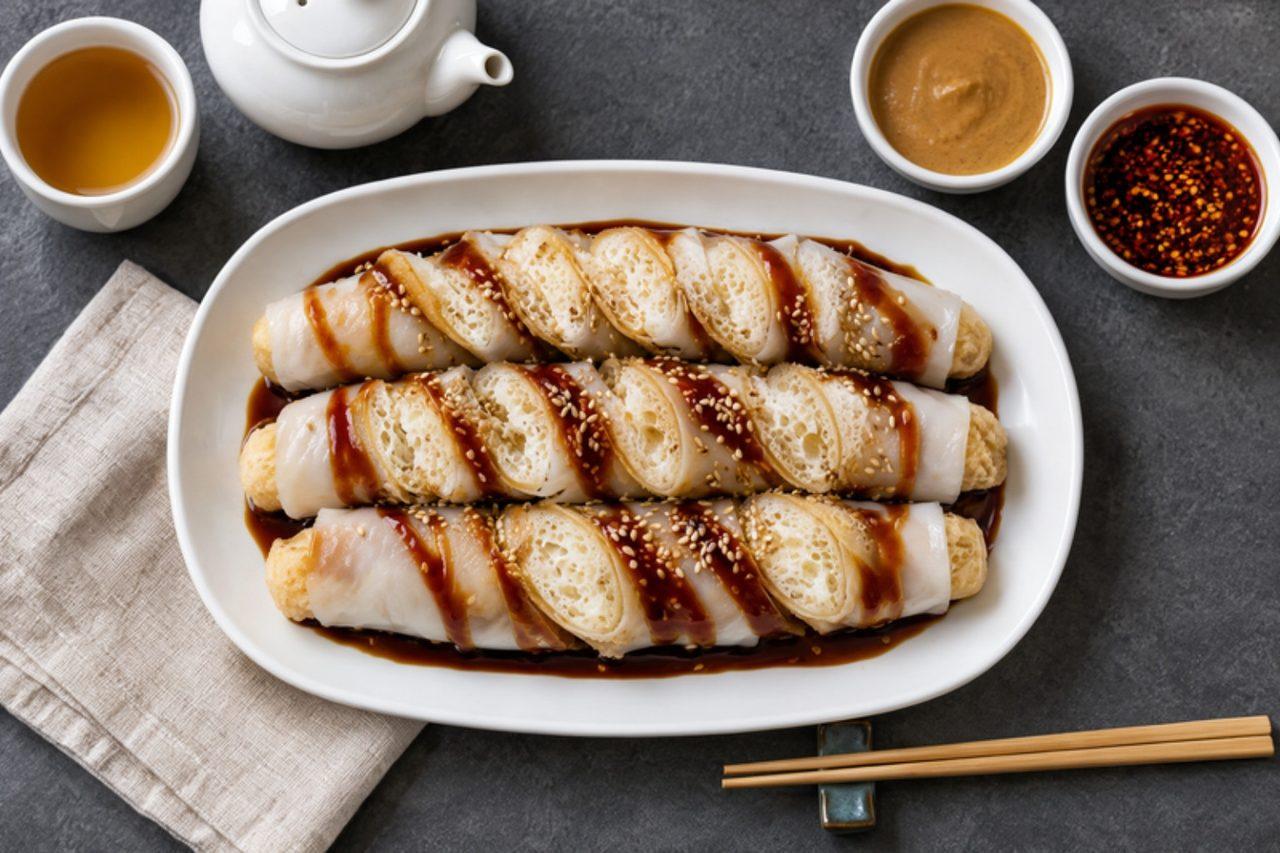
In Hong Kong dim sum halls and congee shops, zhaliang is a morning favourite: a fried dough stick wrapped in a slippery steamed rice noodle sheet, cut into pieces and doused in sweet soy, with hoisin and sesame paste or seeds on the side. The joy is the contrast between soft and crisp. The mistake is wrapping a stale dough stick; re-crisp it in the oven first, or it turns leathery inside the sheet. Store-bought dough sticks sometimes contain egg or milk, so check the label for a vegan plate. Chef's tip: steam the rice sheets in a lightly oiled tin no thicker than 2 mm, and roll them round the dough stick while still hot so they cling.

by KrazyBadal 0 views

Bhang ki chutneyRoasted hemp seed chutney

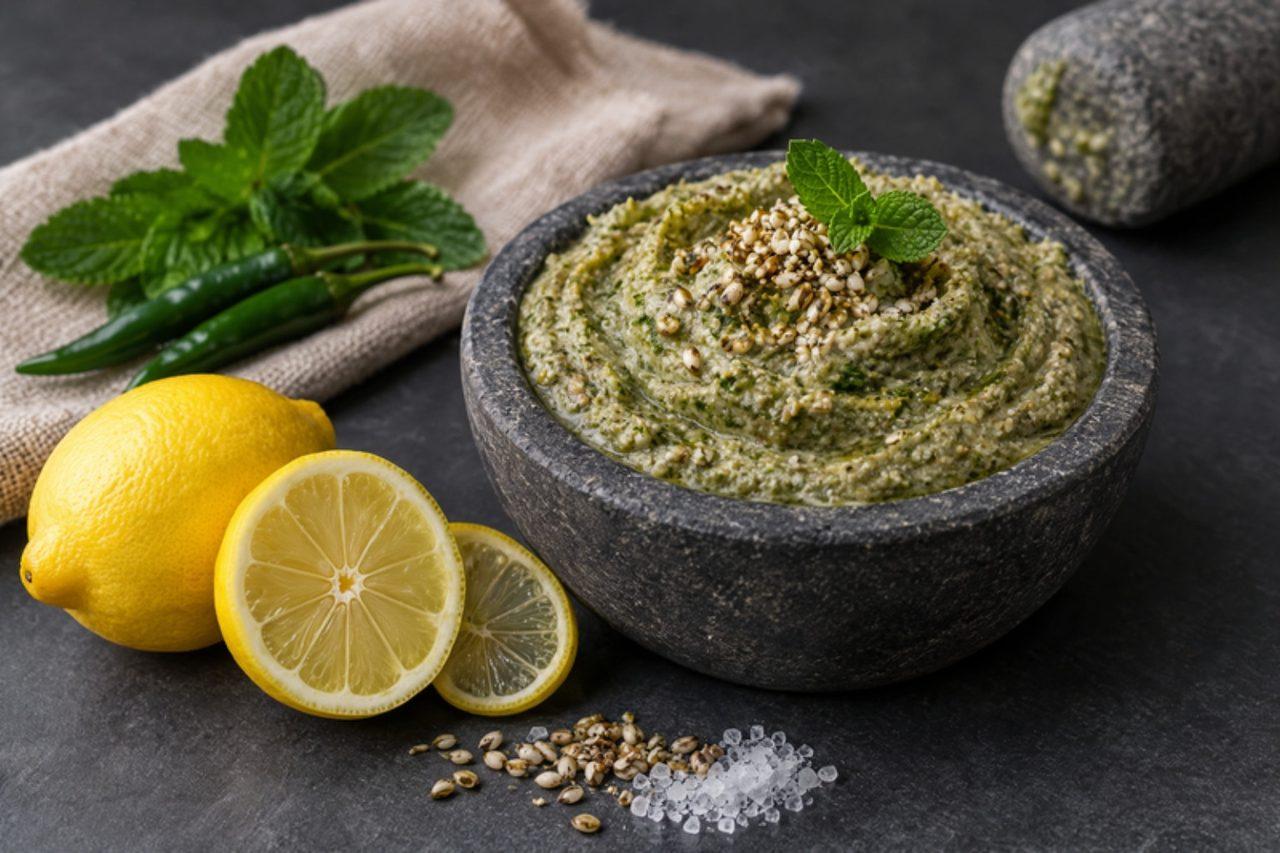
In Kumaon every kitchen keeps a jar of hemp seeds, and this tangy chutney is ground fresh to go with rotis, aloo ke gutke and festive pakodas all through the year. It uses hulled, food-grade hemp seeds sold for cooking, which are not psychoactive at all; they simply taste like a cross between sesame and toasted pine nuts. The seeds are dry-roasted, ground with mint, chilli and the juice of the big hill lemon, and loosened with a little water. The usual mistake is roasting the seeds too dark, which turns the chutney bitter and grey. Chef's tip: grind in a mortar or with short pulses and stop while it still has some texture; a perfectly smooth paste loses the pleasant crunch.

by KrazyBadal 0 views

MursikSmoky fermented milk

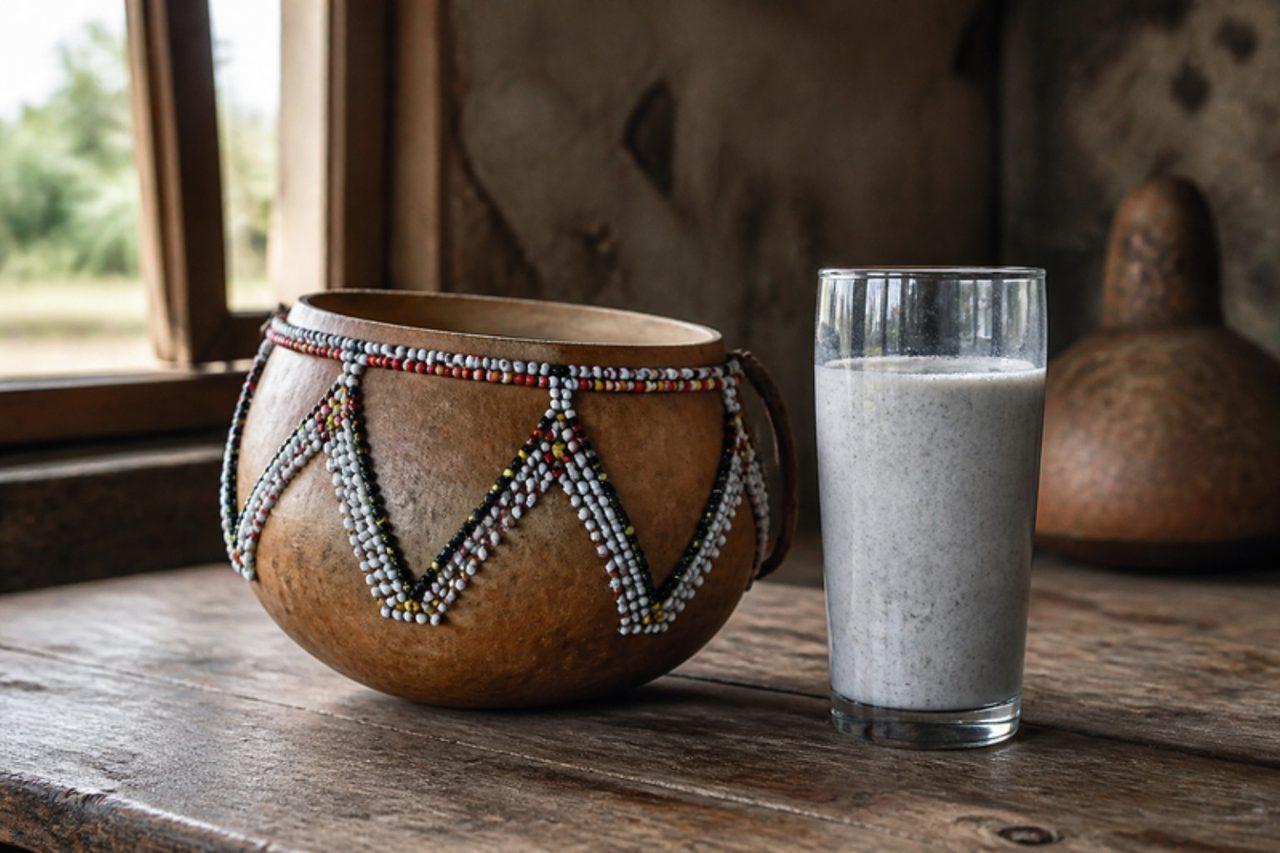
When Kenyan marathon runners land back in Eldoret, relatives greet them with a gourd of mursik, the soured milk of Kalenjin homesteads across the Rift Valley highlands. Traditionally, milk sits for several days in a sotet, a long calabash whose inside has been scraped with a smouldering stick of senetwet (the tree often called the cromwell tree) so a lining of fine charcoal coats it; that charcoal gives mursik its smoky taste, grey flecks and long keeping. At home we skip raw milk and a wild ferment: pasteurised milk is soured with a live cultured buttermilk, and a jar smoked inside with untreated hardwood, or a pinch of food-grade activated charcoal, brings the flavour. Thick, sharp and smoky, it is drunk with ugali, sweet potatoes or after a long run, and the usual mistake is fermenting it somewhere too hot, where it splits into whey and tastes yeasty. Chef's tip: shake the jar hard before pouring, as herders shake the gourd, to make it smooth and drinkable.

by KrazyBadal 0 views

Socată (elderflower fizz)

In late May and early June, when elder bushes bloom white along every Romanian village lane and riverbank, grandmothers fill big glass jars with water, sugar, lemon slices and elderflower heads and set them on a sunny windowsill or balcony. Three or four days later the jar is fizzing gently and socată, the most beloved summer drink of rural Romania, is bottled and chilled for haymaking days, family lunches and long evenings in the courtyard. It is sweet and floral, like honeyed lemonade with the scent of muscat grapes, with a light natural sparkle. Like all young ferments it makes a trace of alcohol, well under 1% if drunk within a week. The common mistake is washing the flowers or picking them after rain: the pollen and wild yeast that start the fermentation are rinsed away and nothing happens. Pick dry, fully open heads on a sunny morning and just shake off insects. It is ready to strain when fine bubbles rise steadily and it smells floral and slightly tangy. Use only the flowers: elder stems, leaves and unripe berries are toxic. Chef's tip: a few raisins in the jar give the yeast a boost if your flowers are slow.

by KrazyBadal 0 views

TizanaFruit in orange juice

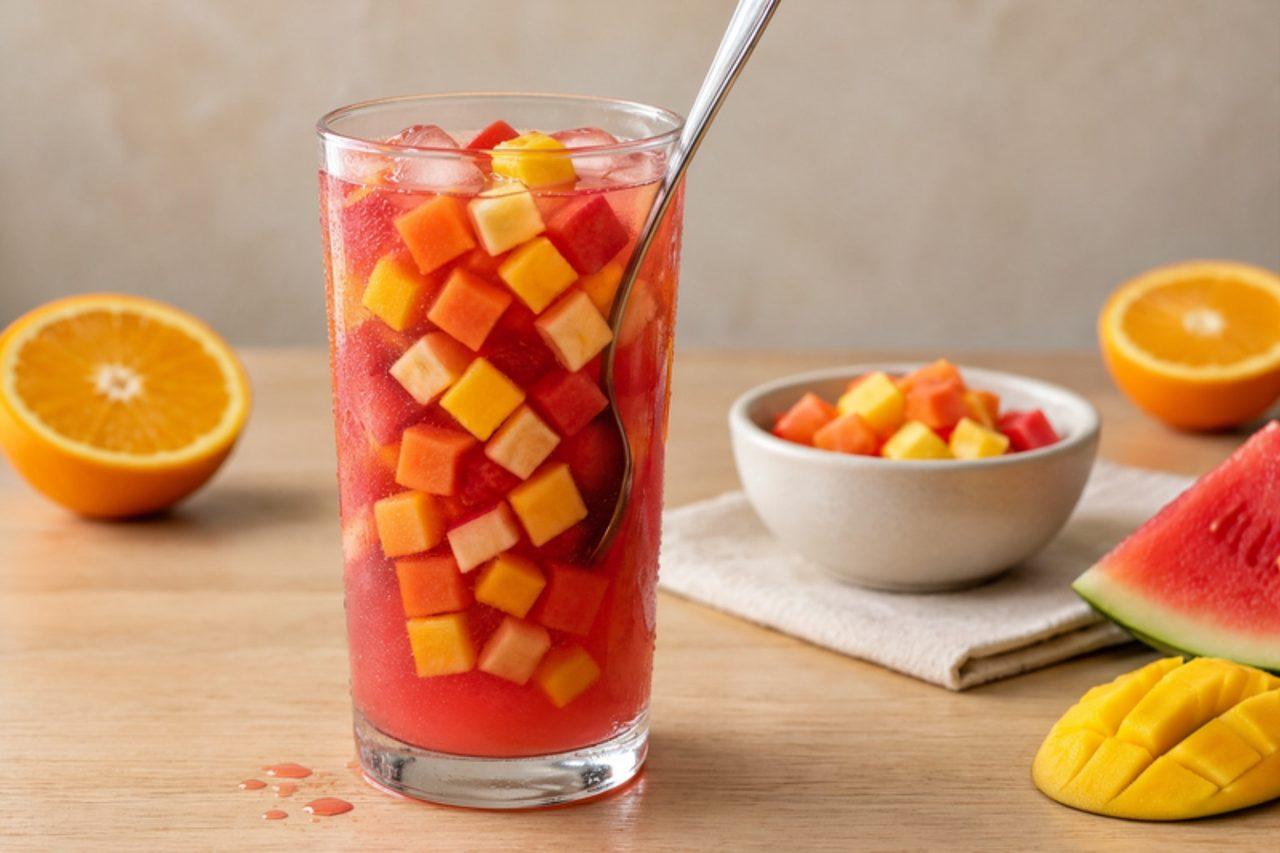
On Sunday afternoons in Caracas, juice stands along the boulevards of Sabana Grande and the Plaza Altamira, and street carts outside beaches and parks, sell tizana in tall plastic cups with a straw and a long spoon. It is half drink, half fruit salad: papaya, pineapple, melon, watermelon, apple, mango and banana cut into tiny dice and soaked in orange juice tinted ruby with grenadine. At home it is made by the jug for birthday parties and hot holidays. It tastes juicy, sweet and bright, and every sip brings a different fruit up the straw. The common mistake is adding the banana and apple with everything else an hour early: they turn brown and mushy and cloud the juice. Cut them last and stir them in just before serving. The tizana is ready when the fruit has soaked for about 30 minutes in the fridge, the juice has turned a clear coral-pink and the pieces are cold right through. Make the dice no bigger than 1 cm so they pass up a wide straw. Grenadine here means pomegranate syrup; a red fruit syrup works too. Chef's tip: squeeze a little lime over the cut apple and banana to keep them pale and add a tang that lifts the whole jug.

by KrazyBadal 0 views

Ivan-chai (fireweed tea)

Long before Chinese tea reached ordinary villages, peasants around Koporye near St Petersburg, and on through Karelia and the Arkhangelsk forests, were rolling and fermenting the leaves of fireweed, the tall pink-flowered plant that floods clearings every July. Ivan-chai is having a revival now, sold in paper bags at markets and drunk at the dacha in the evening from the samovar, because it has no caffeine and will not keep anyone awake. It brews to a clear amber with a soft, slightly fruity, honey-and-dried-apple taste and almost no bitterness. Granular kinds taste deeper, leaf kinds more floral. The common mistake is brewing it for two or three minutes like black tea; it needs a full 10 minutes in a warmed pot to open up, and it never turns bitter if you leave it longer. It is ready when the liquid is a deep golden-amber and smells of honey and dried fruit. It is traditionally drunk as a calming evening tea; if you are pregnant or on regular medication, check with a doctor before drinking it daily. Chef's tip: the same leaves give a second, lighter pot; just top up with fresh hot water and wait another 10 minutes.

by KrazyBadal 0 views

LavasaThin leavened flatbread

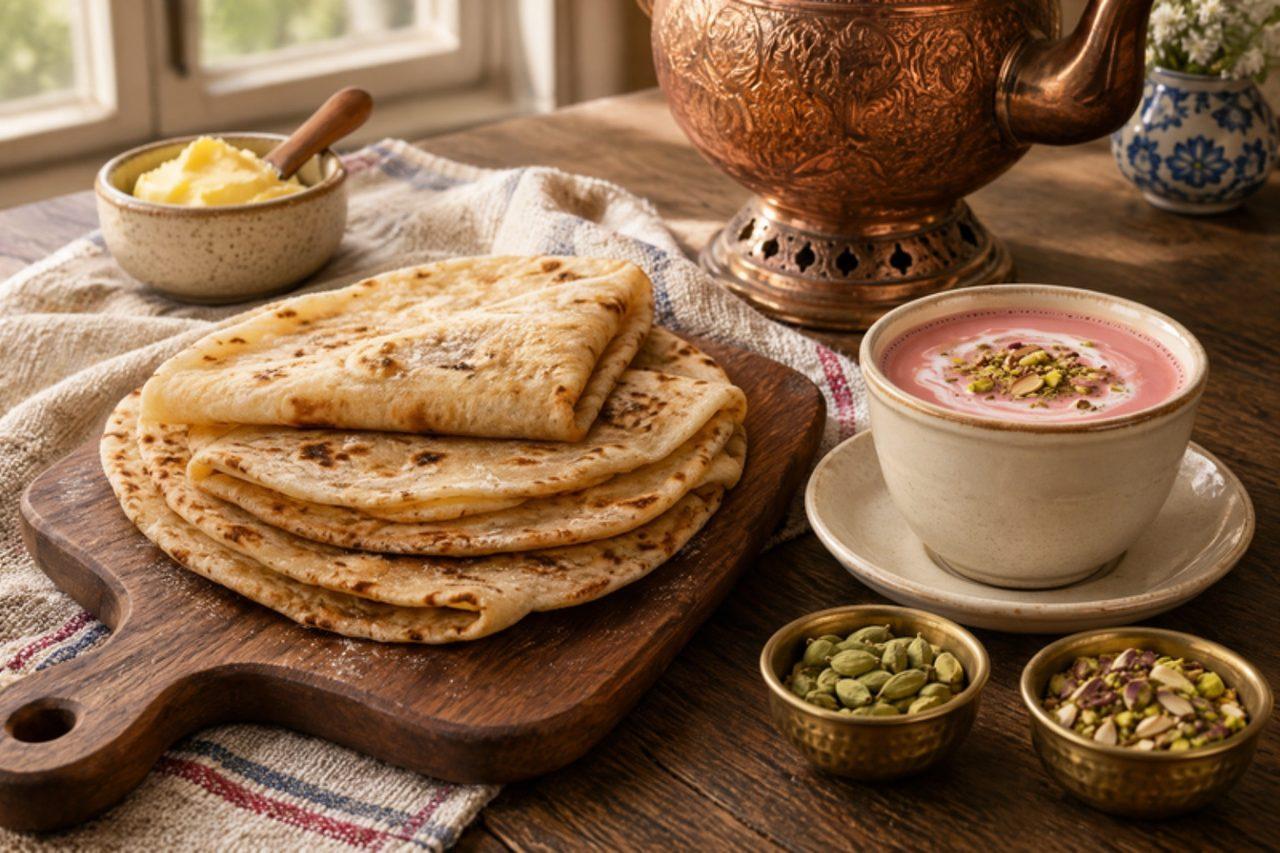
Every Kashmiri neighbourhood has its kandur, the baker who slaps breads onto the walls of a clay tandoor before dawn, and lavasa is the thin, soft, bubbly sheet bought for the afternoon or for wrapping hot seekh kebabs at weddings. It is lightly leavened, a little chewy and faintly smoky, and is eaten with noon chai or with harissa in winter. At home a very hot heavy pan or a pizza stone does a fine job. The common mistake is rolling it too thick; lavasa should be thin enough to see light through at the edges. Chef's tip: stack the breads under a clean cloth as they come off the heat, so the steam keeps them soft and foldable.

by KrazyBadal 0 views

AmbalSweet and sour pumpkin

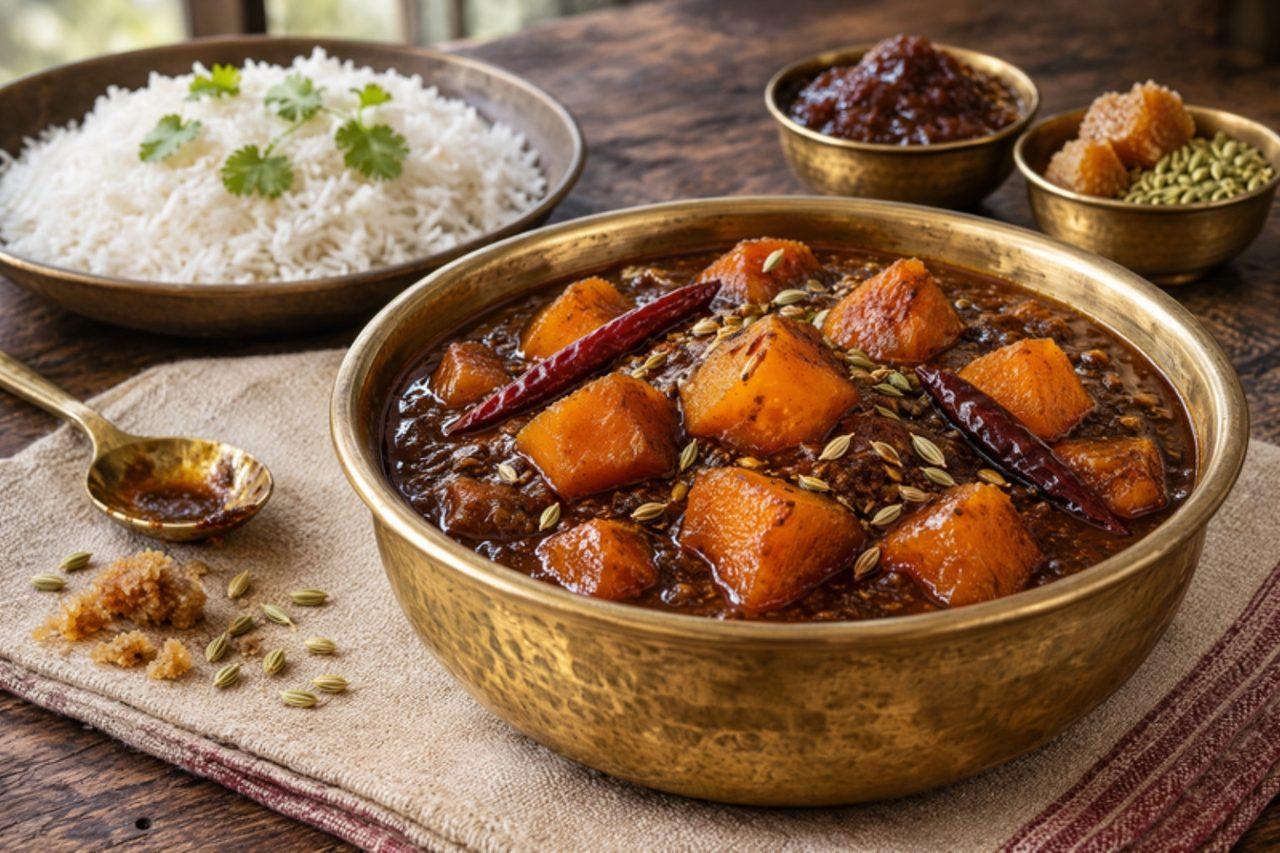
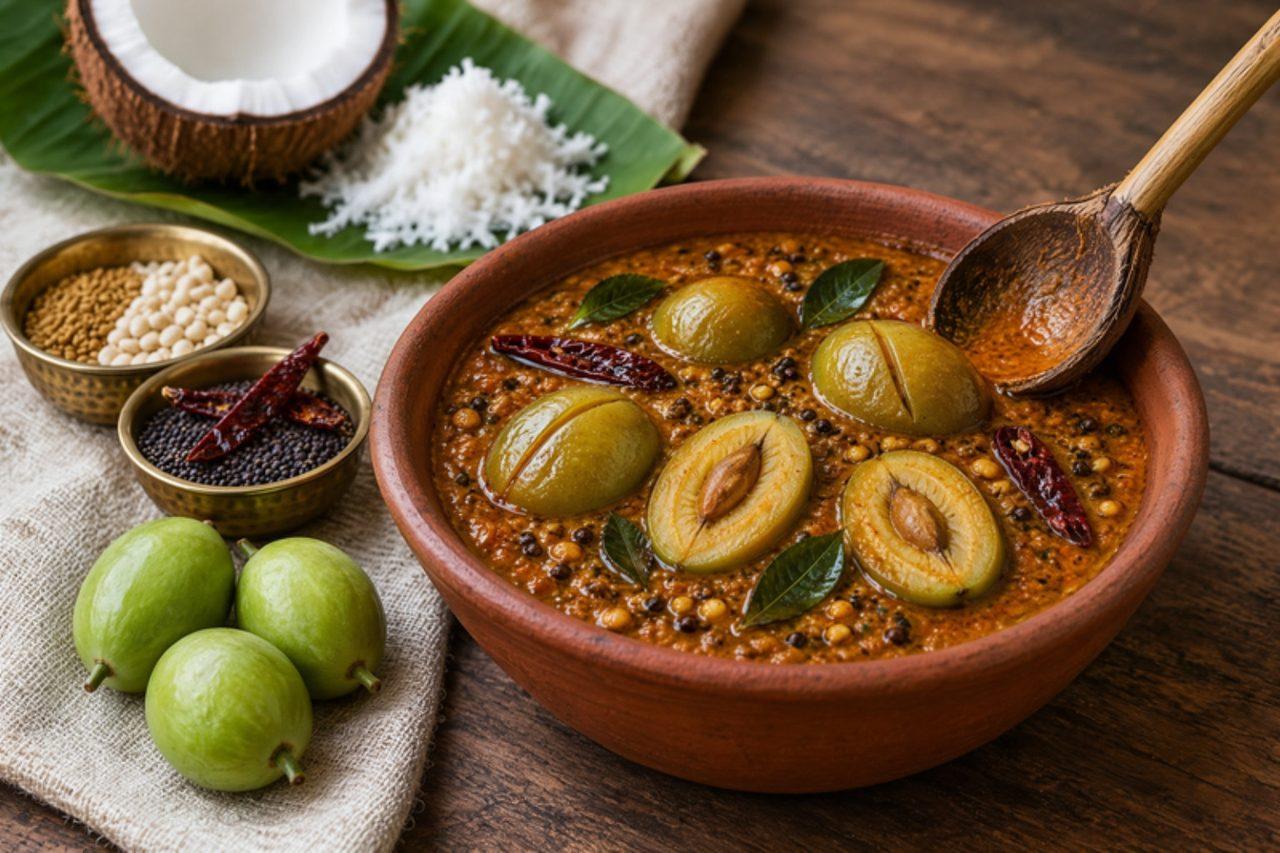
Ambal belongs to the Dogra dham of Jammu, the feast cooked by the hereditary siyan cooks for weddings and festivals and served on leaf plates in a fixed order. Yellow pumpkin is softened with fenugreek seeds and fennel, then simmered in a dark tamarind and jaggery sauce until it is sticky, sour and sweet at once, which is what the name, from 'amla' for sour, promises. It is eaten with rice alongside the dham's dals and madra. The common mistake is stirring hard once the pumpkin is soft, which turns it to mush; shake the pan instead. Chef's tip: let it rest an hour before serving, as the tamarind settles and the flavour deepens.

by KrazyBadal 0 views

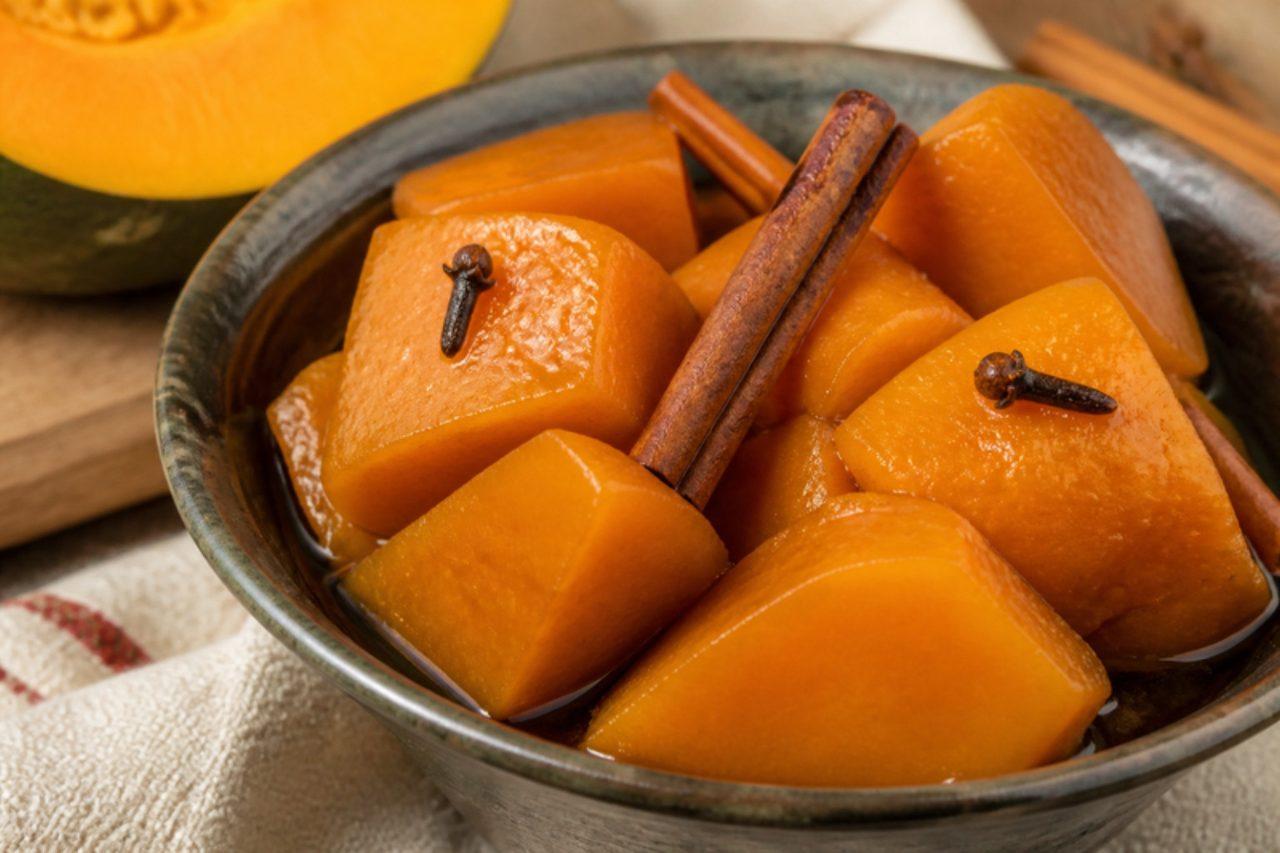
Papayas en almíbarPapayas in clove syrup

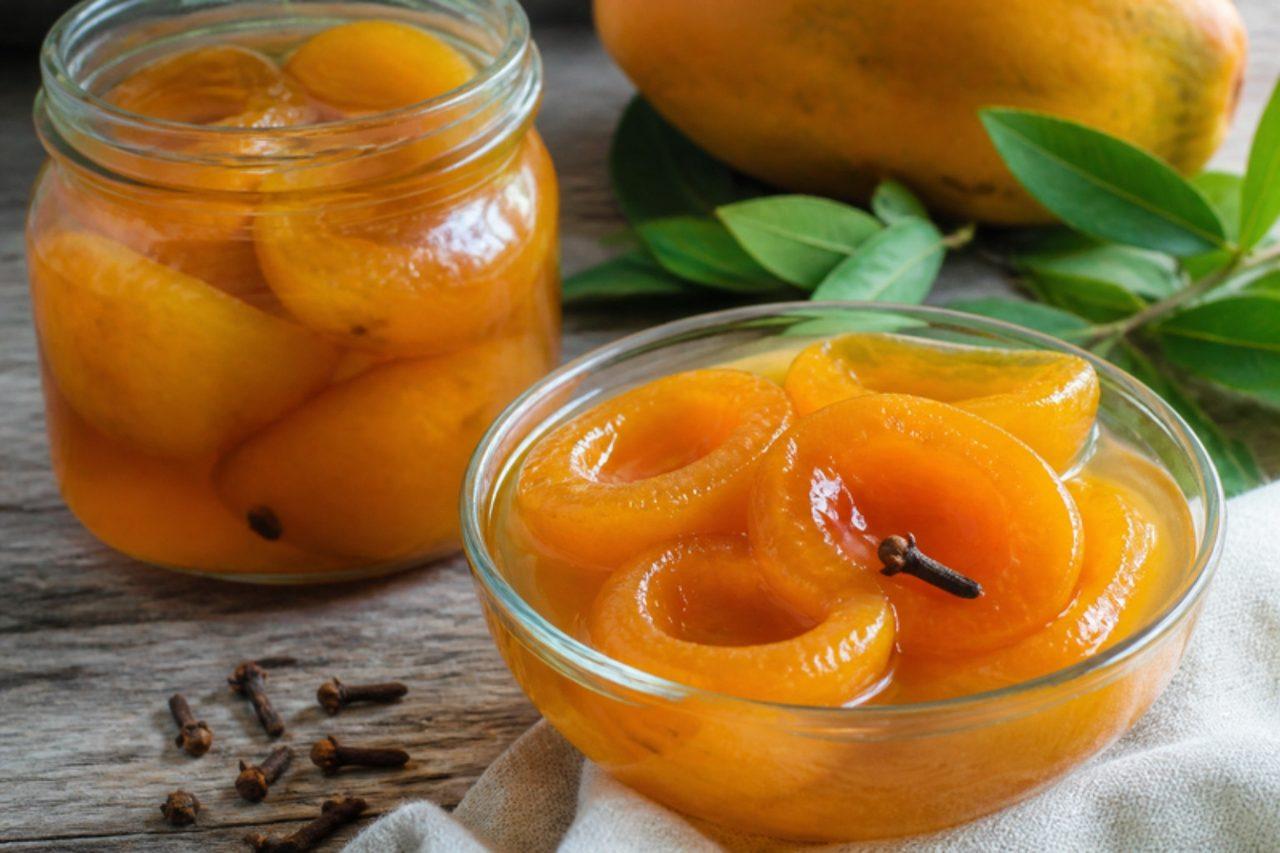
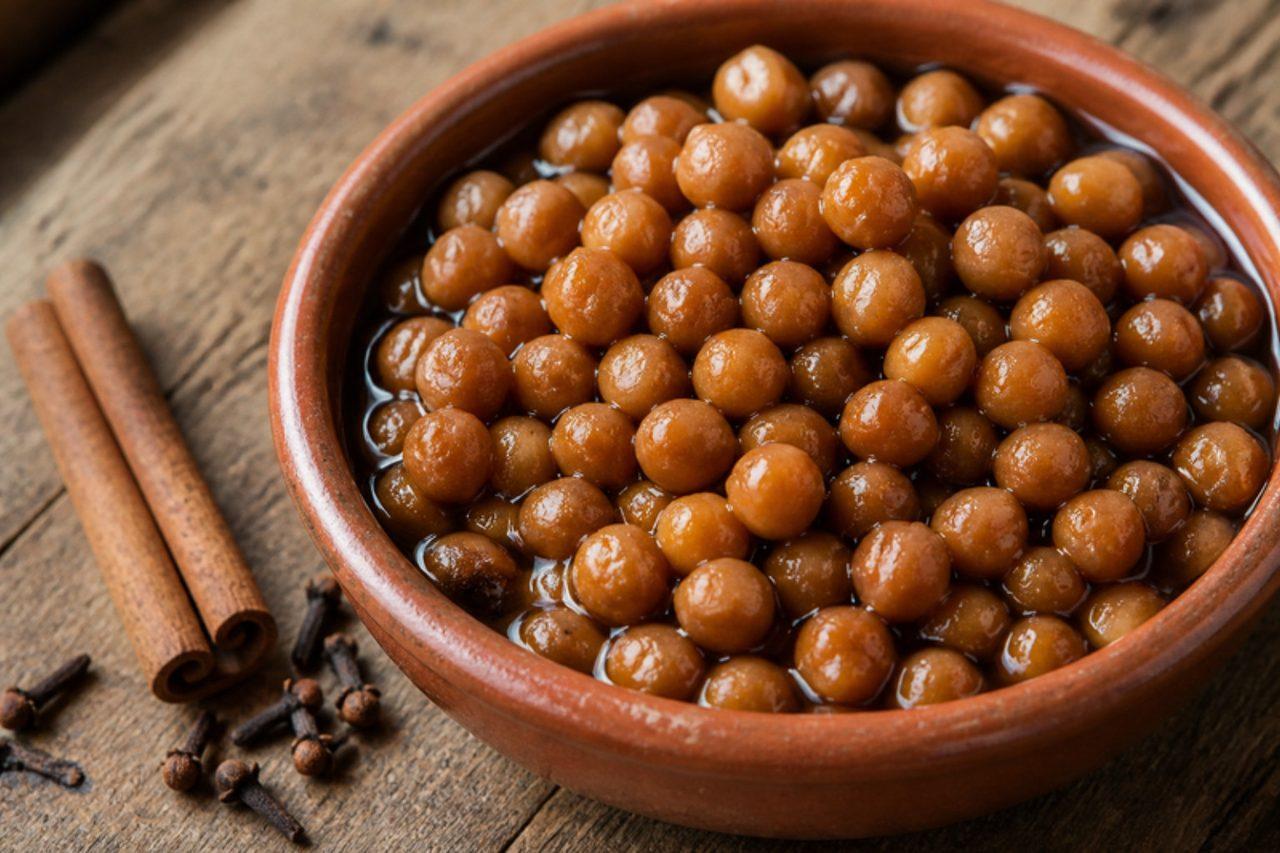
Drive up the Elqui Valley from La Serena and every roadside stall sells jars of these: small, intensely fragrant mountain papayas (papaya chilena) poached until they turn amber and translucent. Families spoon them over vanilla ice cream, eat them with a slice of fresh cheese, or simply serve them chilled after Sunday lunch. Outside Chile, tinned Chilean papayas are easy to find, or use firm, under-ripe ordinary papaya, which holds its shape in the syrup. The usual mistake is boiling the fruit hard: it breaks up and clouds the syrup, so keep it at a lazy simmer. Chef's tip: once the fruit is cooked, lift it out and boil the syrup alone for 5 minutes, so it is thick enough to cling and keeps longer in the jar.

by KrazyBadal 0 views

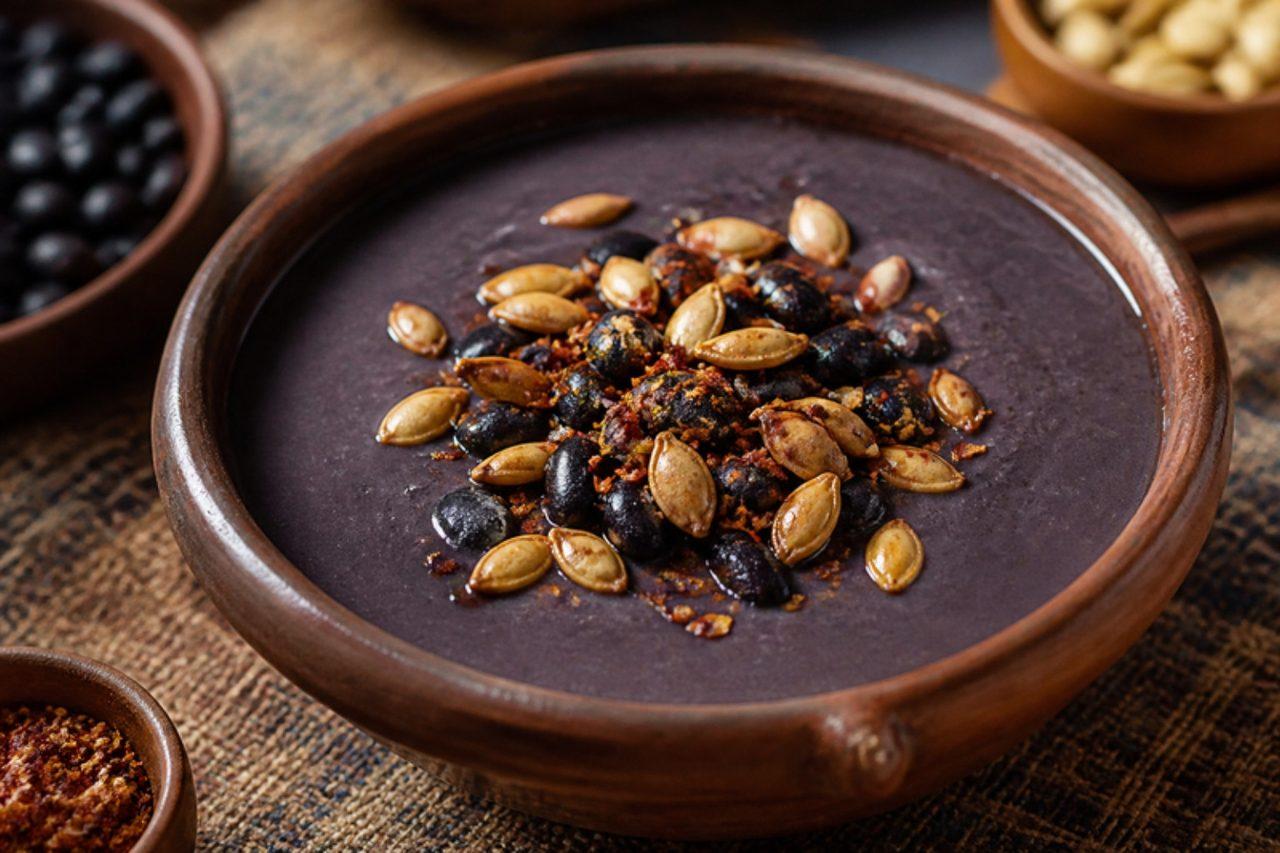
Atol shucoSour black corn drink

In San Salvador's Plaza Libertad and outside churches on cool mornings, atol shuco is ladled from steaming clay pots into gourd bowls. Shuco means 'dirty', for its dusky purple-grey colour: it is made from fermented black corn, so it tastes slightly sour and earthy, topped with ground toasted pumpkin seeds, a few whole black beans and a pinch of chilli salt. It is savoury and filling rather than sweet. The usual mistake is leaving the masa to ferment too long in a hot kitchen; check it after a day and use it as soon as it smells pleasantly tangy. Throw it away if you see mould or it smells unpleasant. Chef's tip: if you can't wait for fermentation, a squeeze of lime at the end gives a similar tang.

by KrazyBadal 0 views

Ensalada salvadoreñaChopped fruit apple drink

Order an ensalada at a pupusería in El Salvador and a tall glass arrives: apple juice crowded with tiny cubes of apple, mango and marañón (cashew fruit), drunk through a straw and finished with a spoon. It is the country's favourite cooler for hot afternoons and Sunday lunches. Outside Central America cashew fruit is rare, so pineapple stands in well. Cutting the fruit too big is the mistake people make; pieces should be small enough to come up a wide straw. Chef's tip: chop the apple last and drop it straight into the juice so it stays white.

by KrazyBadal 0 views

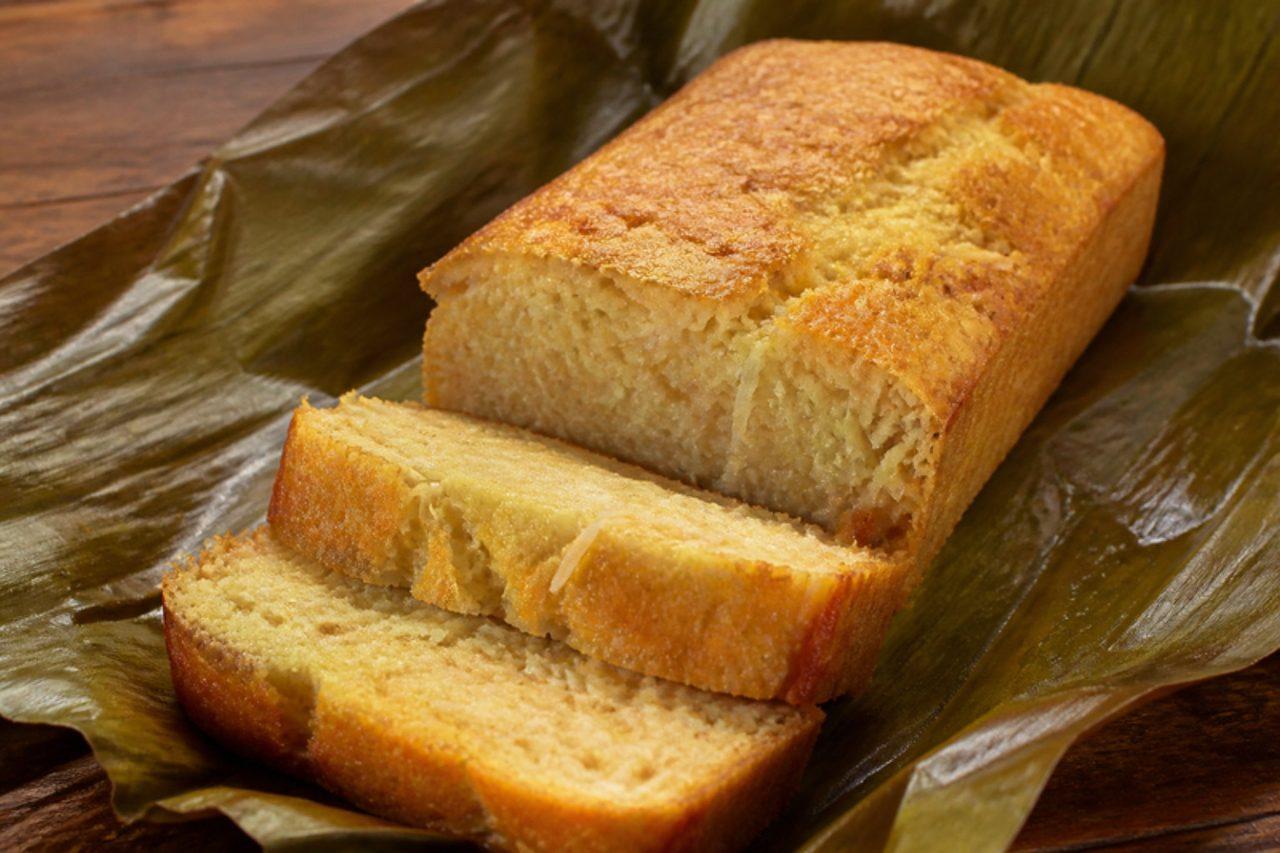
CafungaBanana coconut cake in leaves

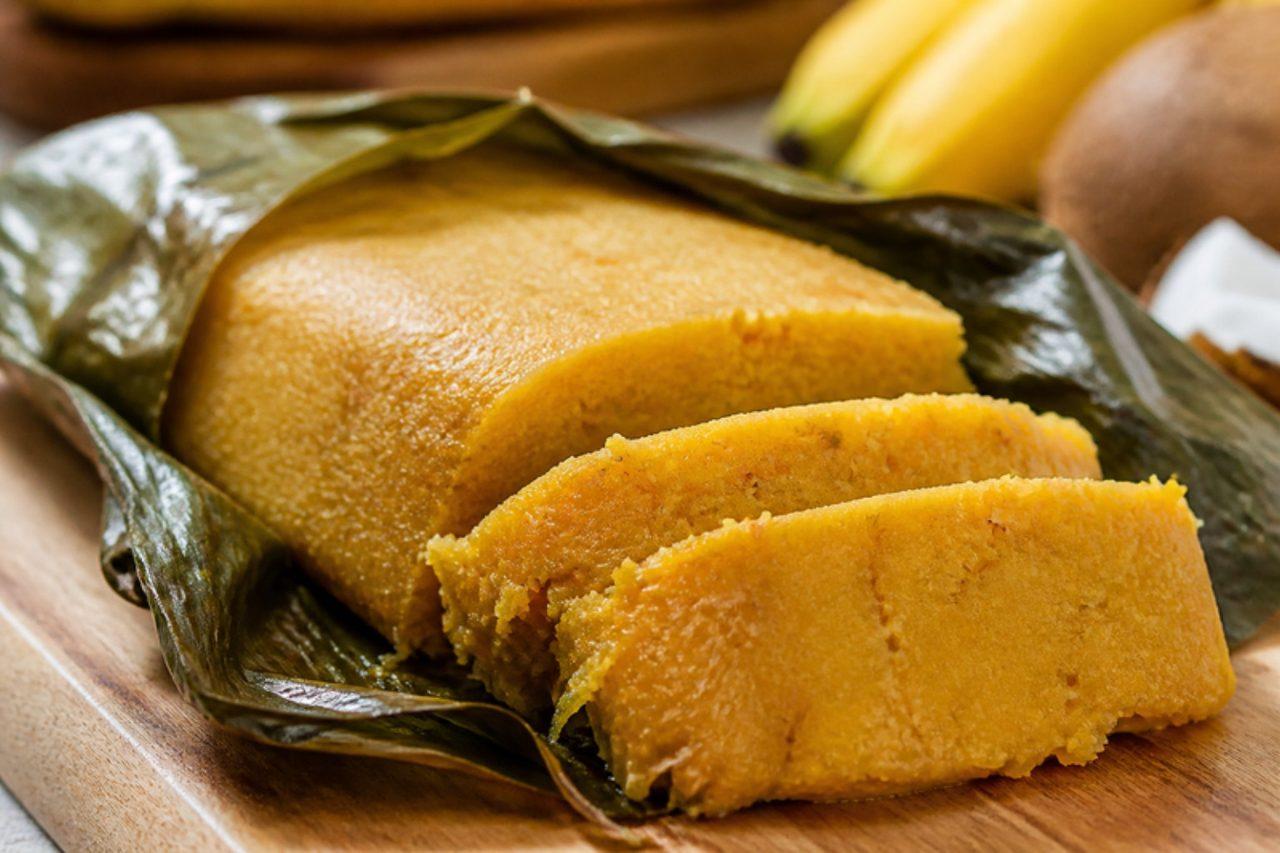
Cafunga belongs to Venezuela's eastern coast, in Sucre and the Afro-Venezuelan villages of Barlovento, where ripe bananas, coconut and panela are wrapped in banana leaves and baked until fragrant. It comes out dense and moist, somewhere between a pudding and a cake, and is sold in its leaf at fiestas and village markets. The common mistake is not softening the leaves first, so they crack and leak. Chef's tip: pass each leaf over a gas flame or dip it in boiling water until it turns glossy and pliable.

by KrazyBadal 0 views

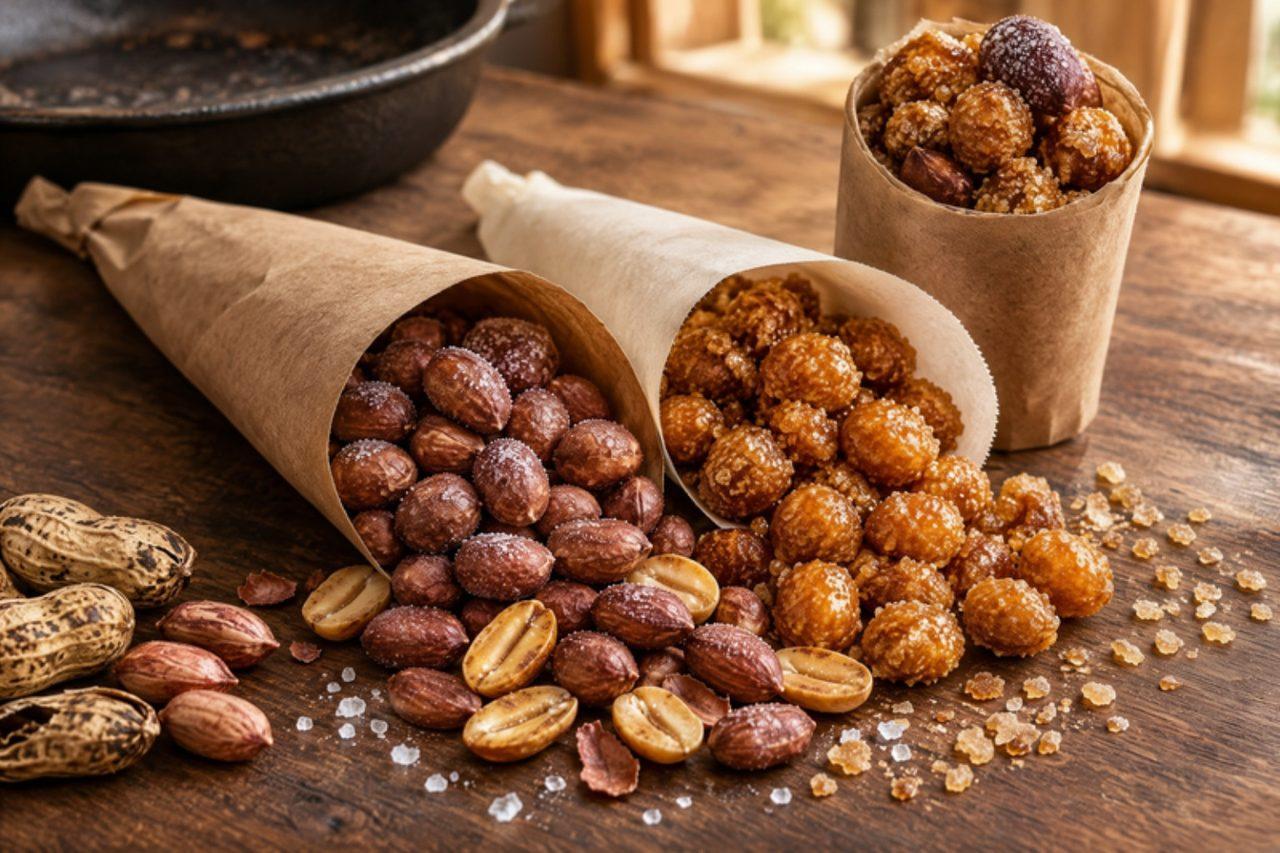
ThiafCaramelised peanuts

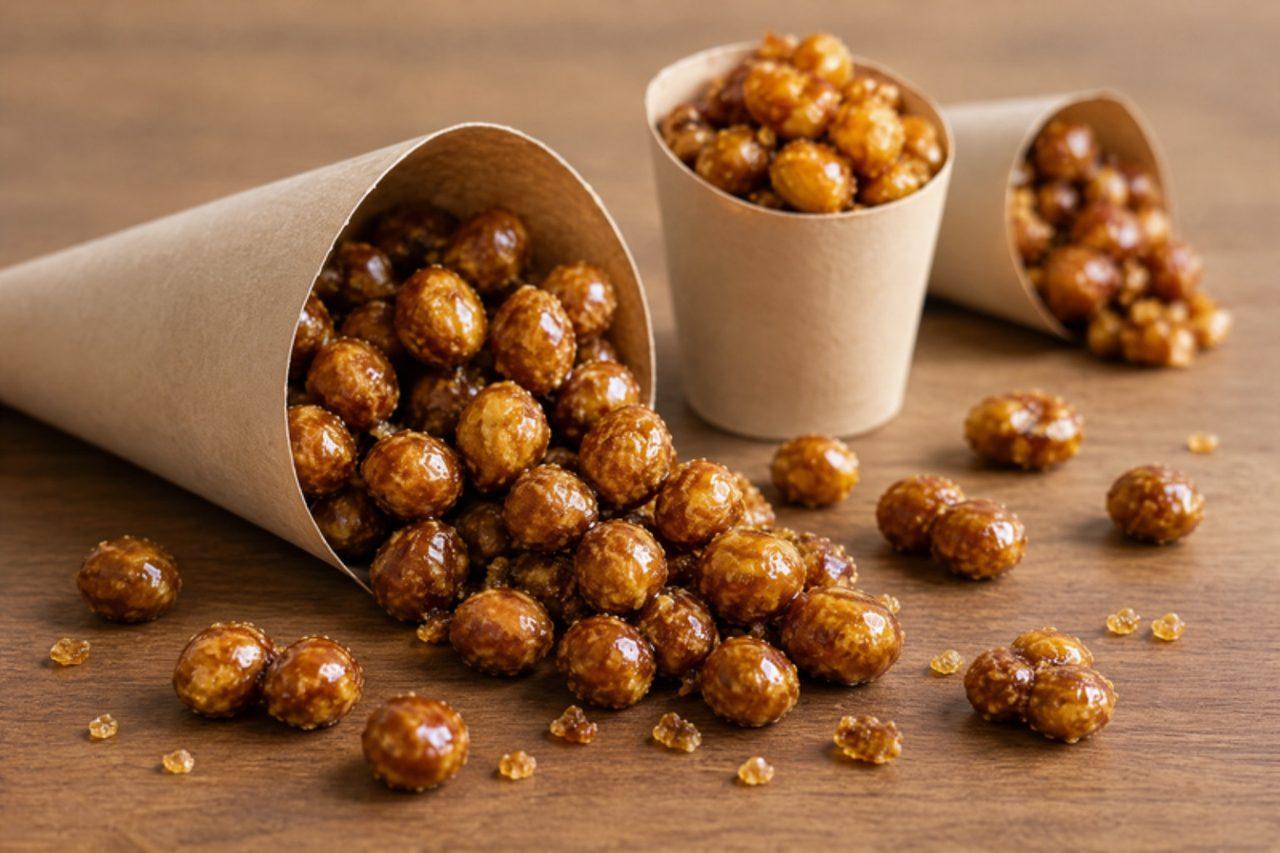
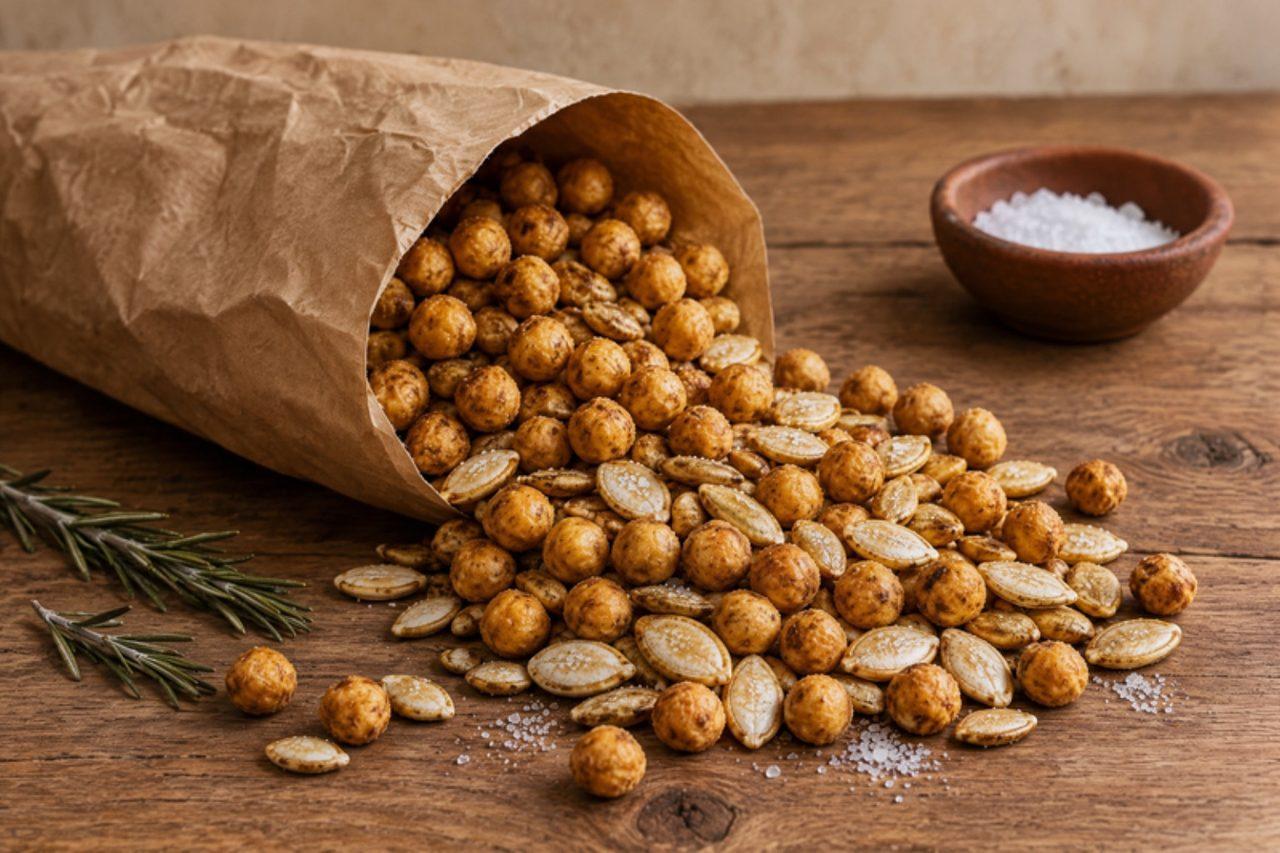
In Dakar, thiaf sellers sit beside big blackened pans of hot sand outside Sandaga market, near Place de l'Indépendance and on the quay for the Gorée ferry, stirring peanuts through the sand until they roast evenly. Some are sold plain and salted; the sweet ones, thiaf sucré, are tumbled in boiling sugar until they wear a crunchy, glassy shell. This home version dry-roasts the nuts in a heavy pan instead of sand, then caramelises them with a pinch of salt. It is an afternoon snack bought in a twist of paper and nibbled on the walk home. It contains peanuts, and whole nuts are a choking risk for children under five. Chef's tip: keep stirring after the sugar turns sandy; a few minutes more melts it into glossy amber patches.

by KrazyBadal 0 views

JiaoquanCrisp fried dough rings

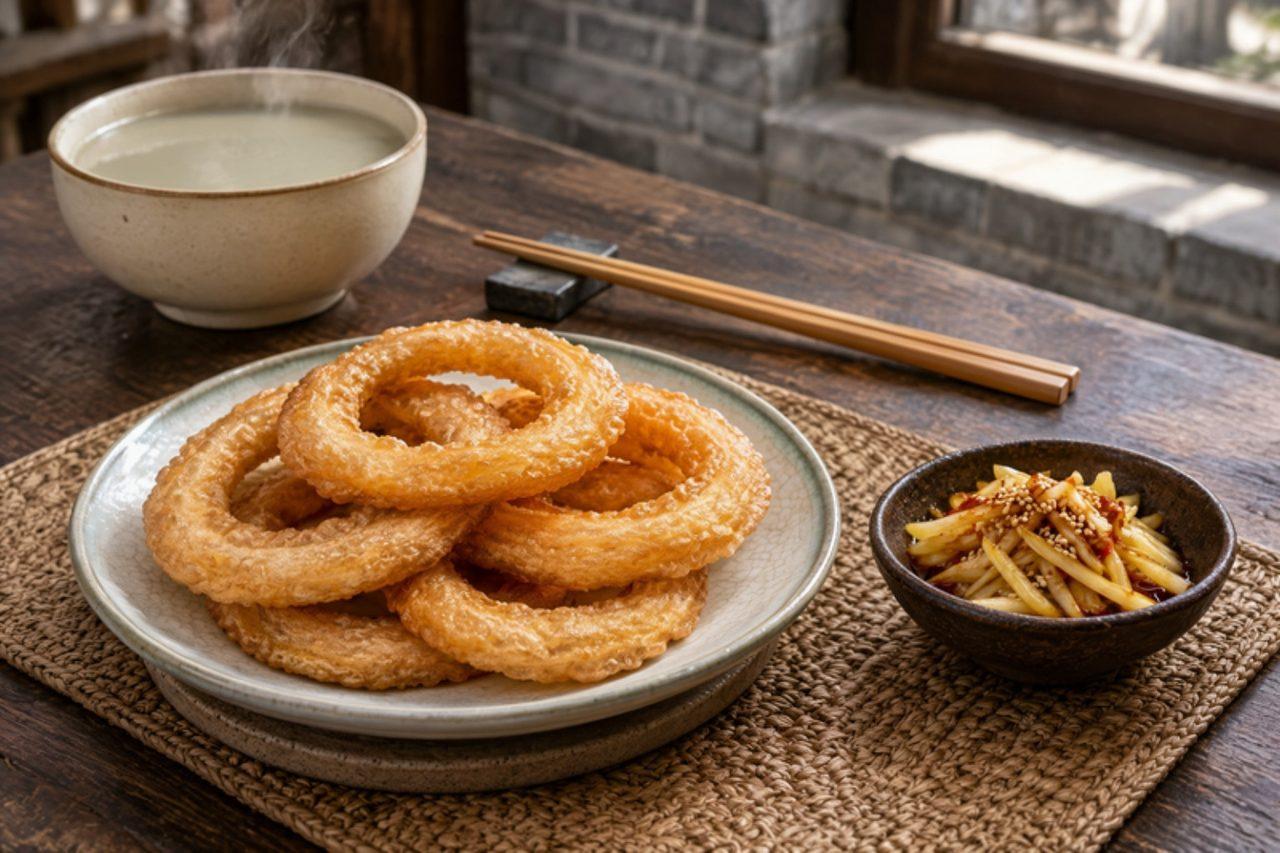
Jiaoquan are the thin, shatteringly crisp fried rings that old Beijingers dunk into a bowl of sour douzhi, or tuck inside a sesame shaobing for breakfast. Street cooks use alum to make them puff; this home version uses baking powder and soda, with a long rest so the dough becomes stretchy. The mistake is cutting the rest short: tight dough will not stretch thin and the rings come out chewy. The dough needs about 3 hours in total, most of it hands-off. Chef's tip: keep the oil steady at about 170 °C and turn the rings constantly with chopsticks; they should stay pale gold, not brown, and sound hollow when tapped.

by KrazyBadal 0 views

PutharoSteamed rice flour cakes

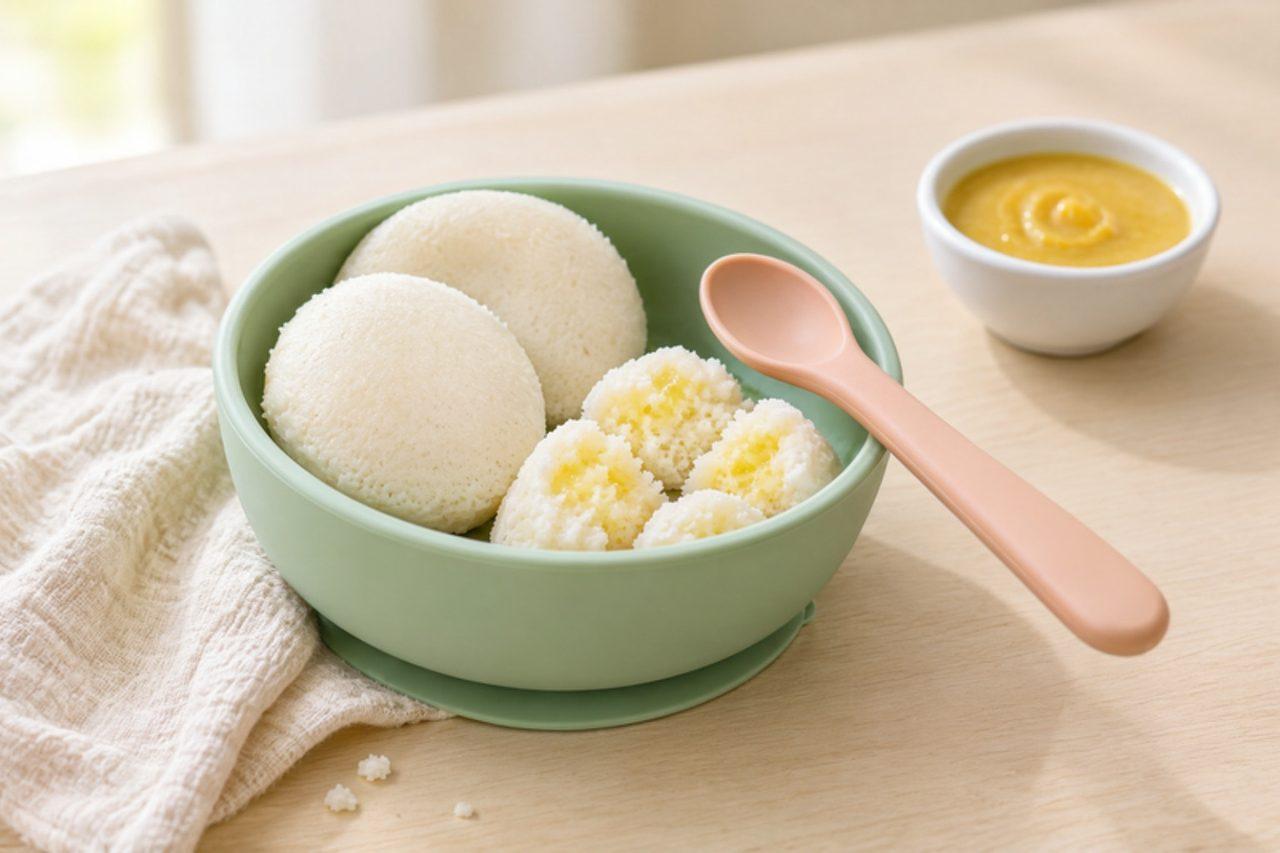
In Shillong and the Khasi Hills, putharo are plain steamed rice-flour cakes eaten at breakfast with red tea or with a bowl of curry. Freshly milled, slightly damp rice flour is what makes them soft. The common mistake is using dry supermarket flour without moistening it, which gives crumbly, dusty cakes; sprinkle the flour with water and rub until it holds when squeezed. Chef's tip: steam on a cloth so the bottoms don't turn soggy.

by KrazyBadal 0 views

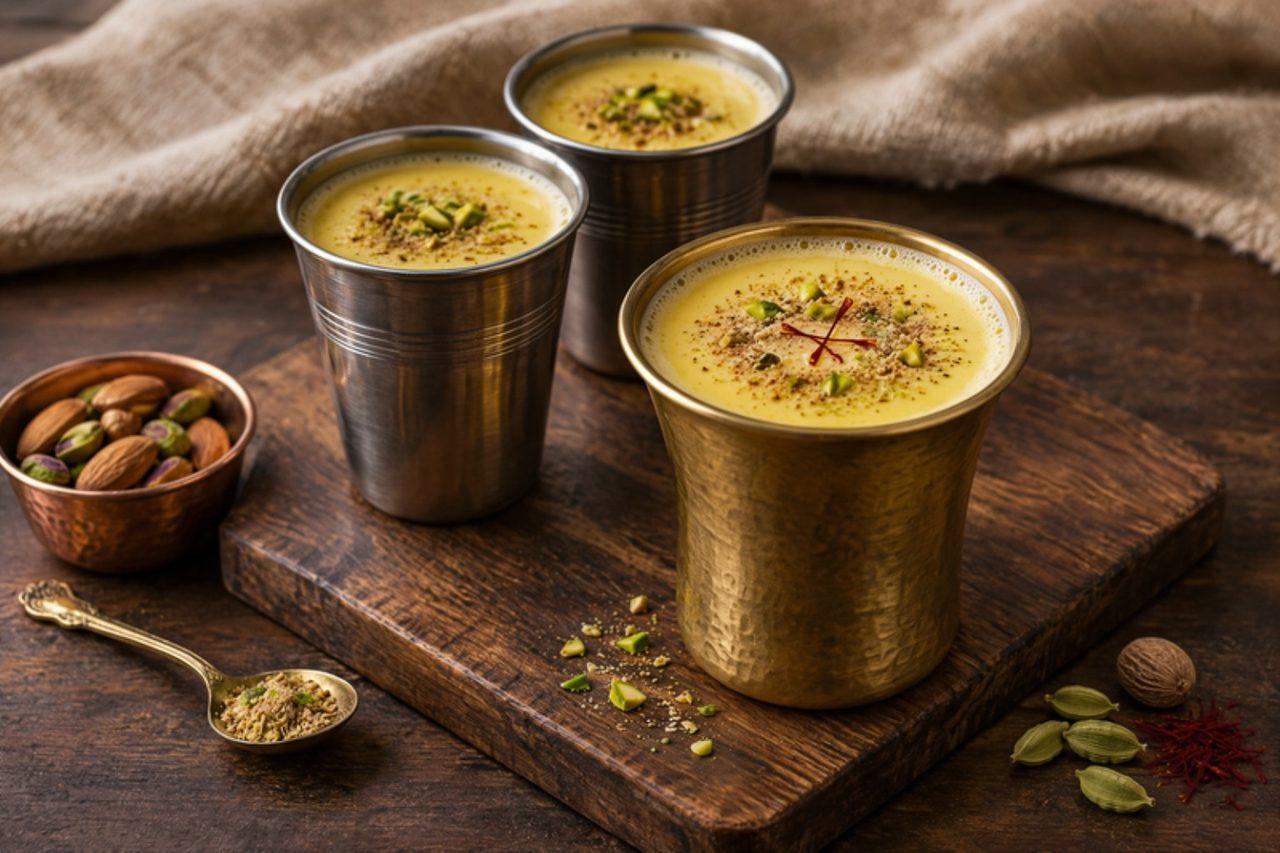
Sharbat-e zaferan (saffron sherbet)

Big steel urns of golden saffron sherbet are poured for guests at Iranian weddings and engagement parties, and the same drink is handed out on the street as nazri during Muharram and at memorial gatherings, when families offer something sweet and cool in the name of the departed. Saffron from Khorasan is ground with a sugar cube, bloomed in a little water and stirred into syrup with rose water and lemon. The result is honey-sweet and floral, with saffron's faint bitterness and hay-like perfume at the end, and a colour that should be a clear, sunny orange-gold. The usual mistake is dropping whole threads straight into cold water, which gives a pale, patchy drink and wastes expensive saffron; grind it first and let it bloom for at least 10 minutes. You know the bloom is ready when the water is a deep red-orange and smells strongly of saffron. Taste before serving: it should be sweet but finish clean, with the lemon just noticeable. Chef's tip: an ice cube placed on the ground saffron and left to melt slowly gives the deepest colour of all, an old Iranian trick.

by KrazyBadal 0 views

Sharbat-e rivas (rhubarb sherbet)

For a few weeks in spring, after Nowruz, sellers come down from the Alborz foothills, the mountains of Khorasan and Kurdistan with bundles of rivas, the thick-stalked wild rhubarb. People peel and eat the stalks raw with salt, cook them into khoresh, and boil the rest into syrup to keep the taste of the season into summer. Sharbat-e rivas is pink, sharp and refreshing, like sour cherry and green apple together, softened by sugar and lifted by mint. The common mistake is boiling the rhubarb hard and pressing it through the sieve, which makes the syrup cloudy, brownish and stringy; simmer gently and let it drip on its own. Use only the stalks, never the leaves, which are poisonous. The syrup is ready when it is clear, rose-coloured and coats a spoon in a thin film; it keeps for two weeks in a clean bottle in the fridge, and should be thrown away if it fizzes, smells of alcohol or grows mould. Garden rhubarb is a good substitute for rivas; the reddest stalks give the prettiest colour. Chef's tip: a strip of lemon peel in the pot brightens the colour and stops the syrup tasting flat.

by KrazyBadal 0 views

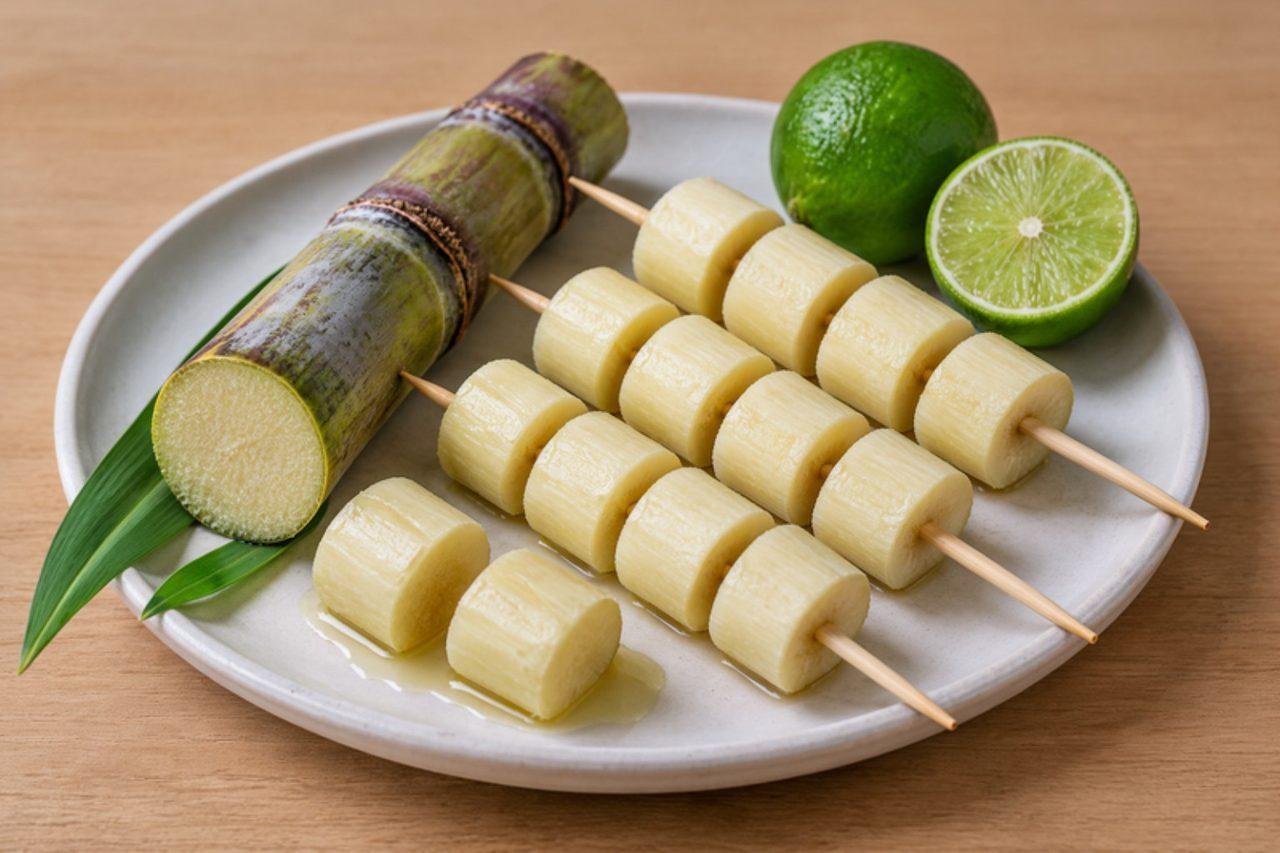
Rolete de cana (sugarcane on a stick)

On the sand at Porto da Barra in Salvador, and in the crowds of the Festa de Iemanjá in Rio Vermelho every February, vendors walk with buckets of ice and bundles of skewers threaded with pale sugarcane discs. You chew each piece to squeeze out the cold, grassy-sweet juice, then spit out the fibre. It is the simplest snack there is and very refreshing in the heat. Not for small children, as the fibres are a choking risk. Chef's tip: cut between the knobbly joints, not through them; the nodes are hard as wood.

by KrazyBadal 0 views

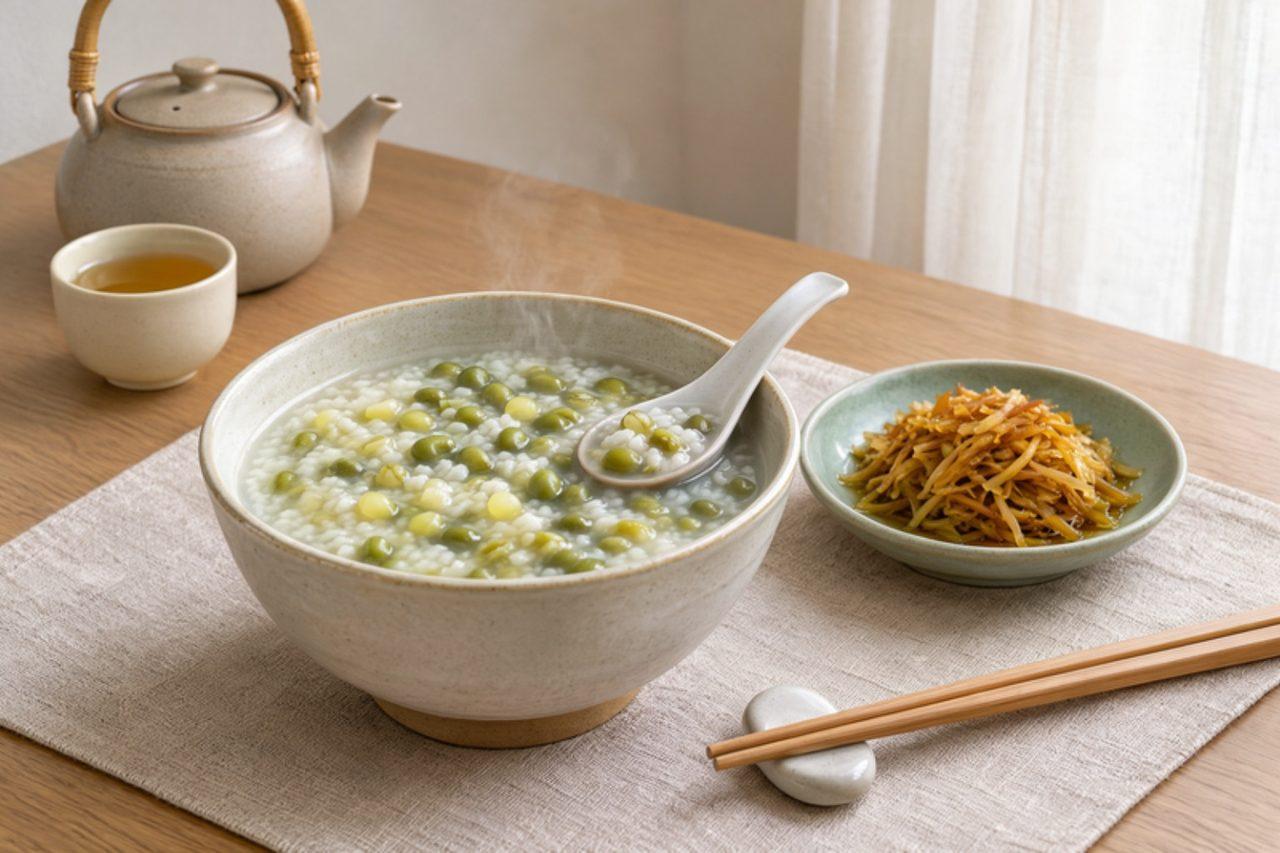
Lüdou zhouRice and mung bean congee

In Beijing and across the north, a pot of lüdou zhou is what families cook on hot summer mornings: plain rice and mung beans simmered until the beans split and the rice turns creamy, believed to cool the body. It is eaten with salty pickled vegetables, a fried dough stick or a spoon of sugar for children. The mistake is putting the rice and beans in together; mung beans need a head start or you get mushy rice with hard beans. Chef's tip: once it is cooked, leave it to stand off the heat with the lid on for 10 minutes; it thickens into a silky congee without extra stirring.

by KrazyBadal 0 views

Maní tostadoRoasted peanuts

Walk along the Malecón or through Parque Central in Havana at dusk and you will hear the manisero before you see him, calling out "¡Maní!" with a basket of warm peanuts rolled into little paper cones. They are the snack for an evening stroll by the sea wall and for long nights in the stands at the Estadio Latinoamericano. Some vendors sell them simply salted, others glazed in a crunchy coat of sugar, so this recipe gives both. The nuts are toasty and crisp with papery skins that flake off as you eat. They contain peanuts, and whole nuts are a choking risk for children under five. Chef's tip: take the tray out when the nuts look a shade too pale; they keep colouring for a few minutes as they cool.

by KrazyBadal 0 views

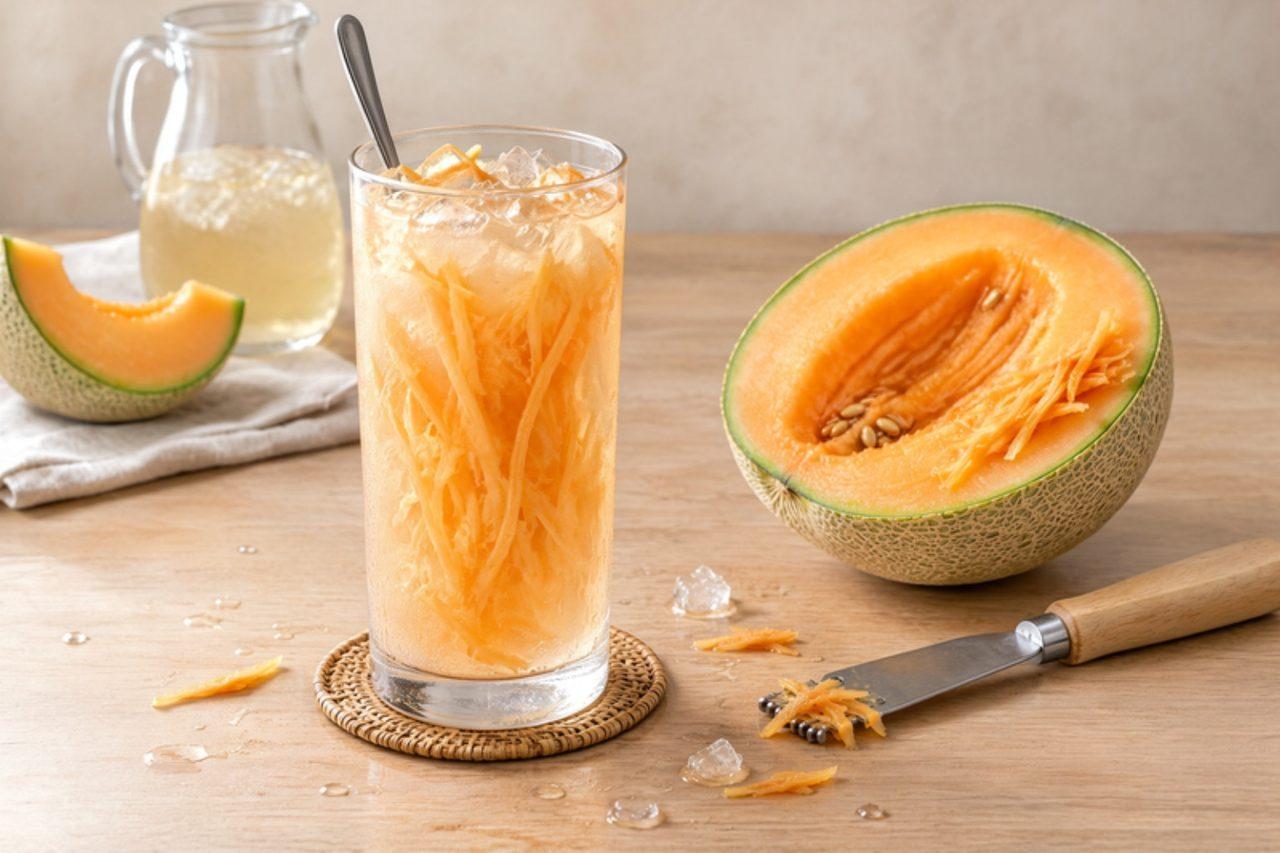
Melon juice (cantaloupe drink)

Afternoon merienda across the Philippines means something cold from a plastic cooler at the school gate, a jeepney stop or a carinderia: sago't gulaman, buko juice or this melon drink, with ribbons of orange cantaloupe suspended in sweet water. Vendors scrape the melon with a special spiral shredder, a kayod ng melon, so you get thin strands to chew through a fat straw. It tastes fresh, sweet and gently musky, more refreshing than a smoothie because the water stays clear and light; some stalls add evaporated milk, but the plain version is the classic. The common mistake is using a melon that is not fully ripe, which gives pale, crunchy strands and a flat drink; choose one that smells sweet at the stem end and gives slightly when pressed there. Shred straight into the jug so the juice from the melon is not lost. It is ready when the strands are soft and floating, the water has turned faintly orange and it tastes of melon rather than plain syrup. Chef's tip: a box grater's coarse side or a fork scraped along the flesh both work if you don't own a melon shredder.

by KrazyBadal 0 views

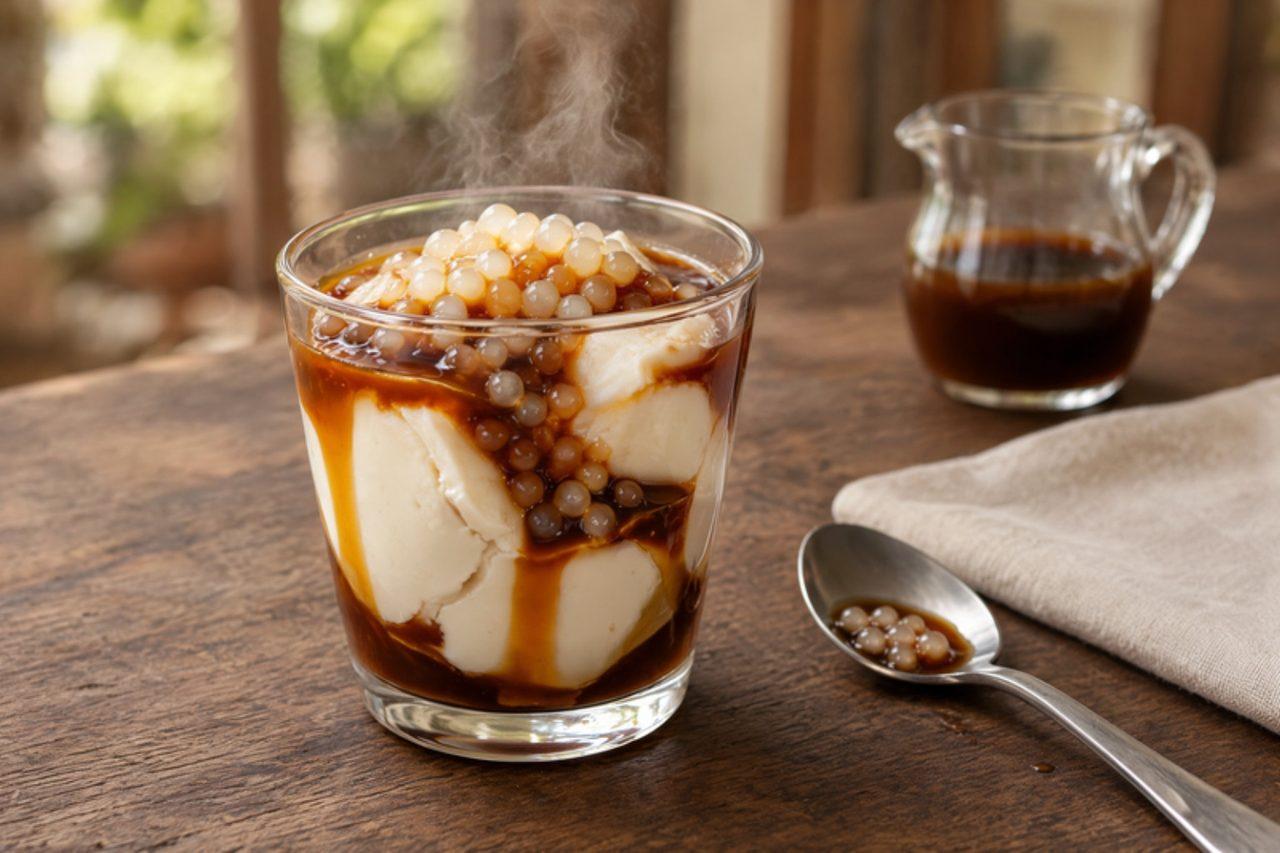
TahoWarm tofu with syrup and sago

Before eight in the morning in any Philippine barangay you hear the call "Tahooo!" as the magtataho walks past with two aluminium buckets balanced on a shoulder pole: one holds warm, wobbly silken tofu, the other dark arnibal syrup and sago. He scoops paper-thin layers of tofu into a plastic cup with a flat ladle, pours syrup over and adds the pearls, and children eat it standing at the gate with a spoon or slurp it through a wide straw. The taste is caramel and soy milk; the texture is custard-soft tofu against chewy pearls. Baguio has its own pink strawberry version. The common mistake is cooking the sago in too little water or not stirring at the start, so the pearls glue into a lump; use plenty of boiling water and stir for the first two minutes. The sago is ready when the pearls are translucent with only a tiny white dot left in the centre, and the arnibal is right when it coats a spoon like thin maple syrup. Chef's tip: steam the tofu in its box or bowl rather than boiling it, so it stays in one silky piece. Small sago pearls are a choking risk for babies and toddlers, so serve them only to older children.

by KrazyBadal 0 views

Chai nabat (saffron rock candy tea)

Pilgrims leaving Mashhad carry home boxes of saffron nabat, crystals of rock candy grown on a string and tinted gold with Khorasani saffron. Across Iran a glass of chai nabat is what you are handed when you feel unwell, after a shock, after an exam, or late at night when the evening meal sits heavy; it is traditionally drunk to settle the stomach and warm you up. The tea is brewed strong in a teapot that sits on top of the kettle, then poured clear and amber into small glasses, and the nabat stick is stirred until it softens the tea with a gentle, honeyed sweetness and a faint saffron aroma. Black tea has a moderate amount of caffeine, so give children a weaker glass. A common mistake is boiling the leaves or letting them steep on direct heat, which turns the tea bitter and murky; Persian tea is "dam" — brewed gently on steam. It is ready when the leaves have sunk, the tea is clear and reddish-amber and it smells of bergamot or cardamom. Chef's tip: hold the glass up to the light; if you can't see through it, top it up with hot water, as Iranians do.

by KrazyBadal 0 views

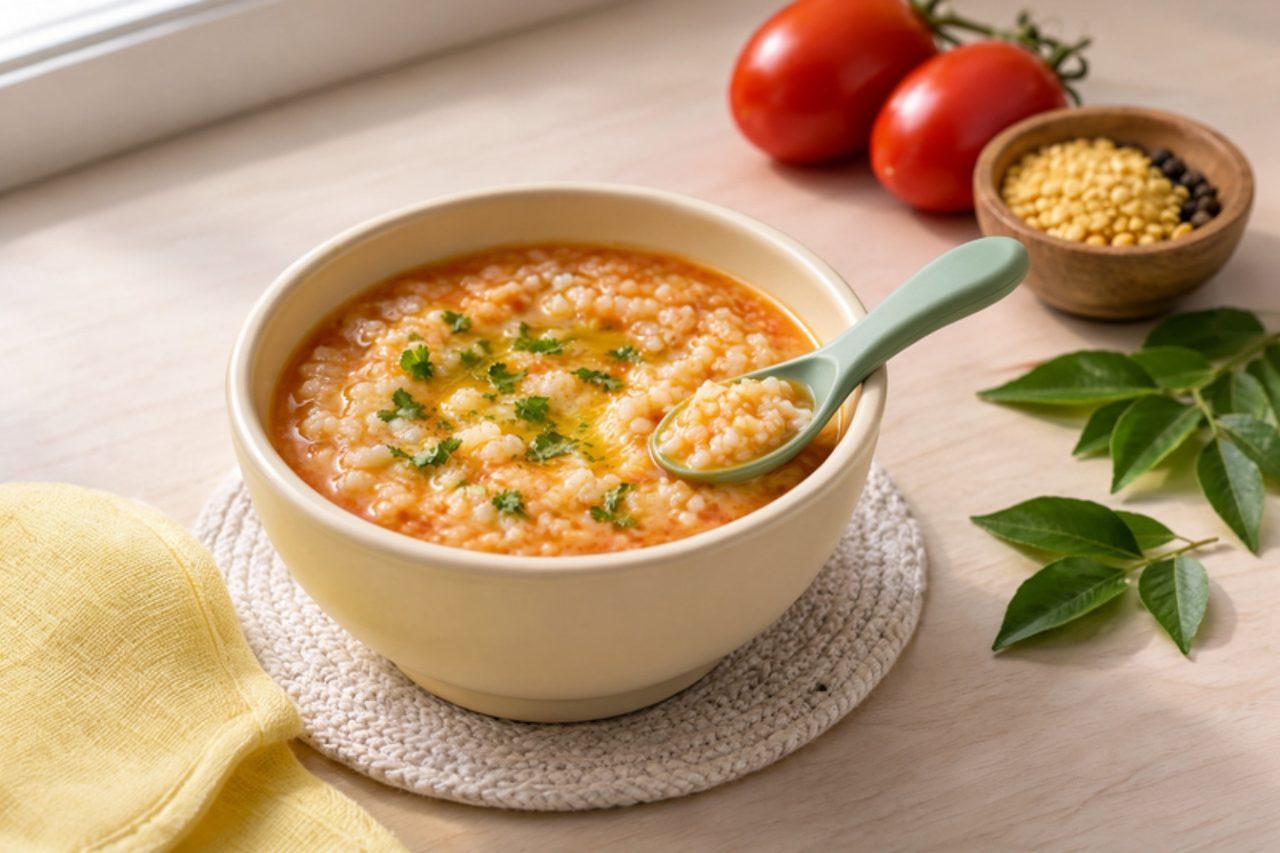
Rasam sadam for babiesRasam rice for babies

Rasam sadam, hot rice with a thin, tangy tomato and lentil broth, is everyday lunch in Tamil homes from Chennai to Madurai. When a baby joins the meal at around nine months, many mothers ladle off a mild rasam for the little one before the pepper, chilli and salt go into the family pot. Mashed into soft rice with a spoon of ghee, it is tangy, warm and gently fragrant with cumin and coriander leaf. It contains milk (ghee). We leave out asafoetida, which is often cut with wheat flour, so it is gluten free, and it has no egg, nuts, soya or sesame. Chef's tip: use the ripest, reddest tomato you can find; its natural sweetness replaces the tamarind and jaggery of the grown-up rasam.

by KrazyBadal 0 views

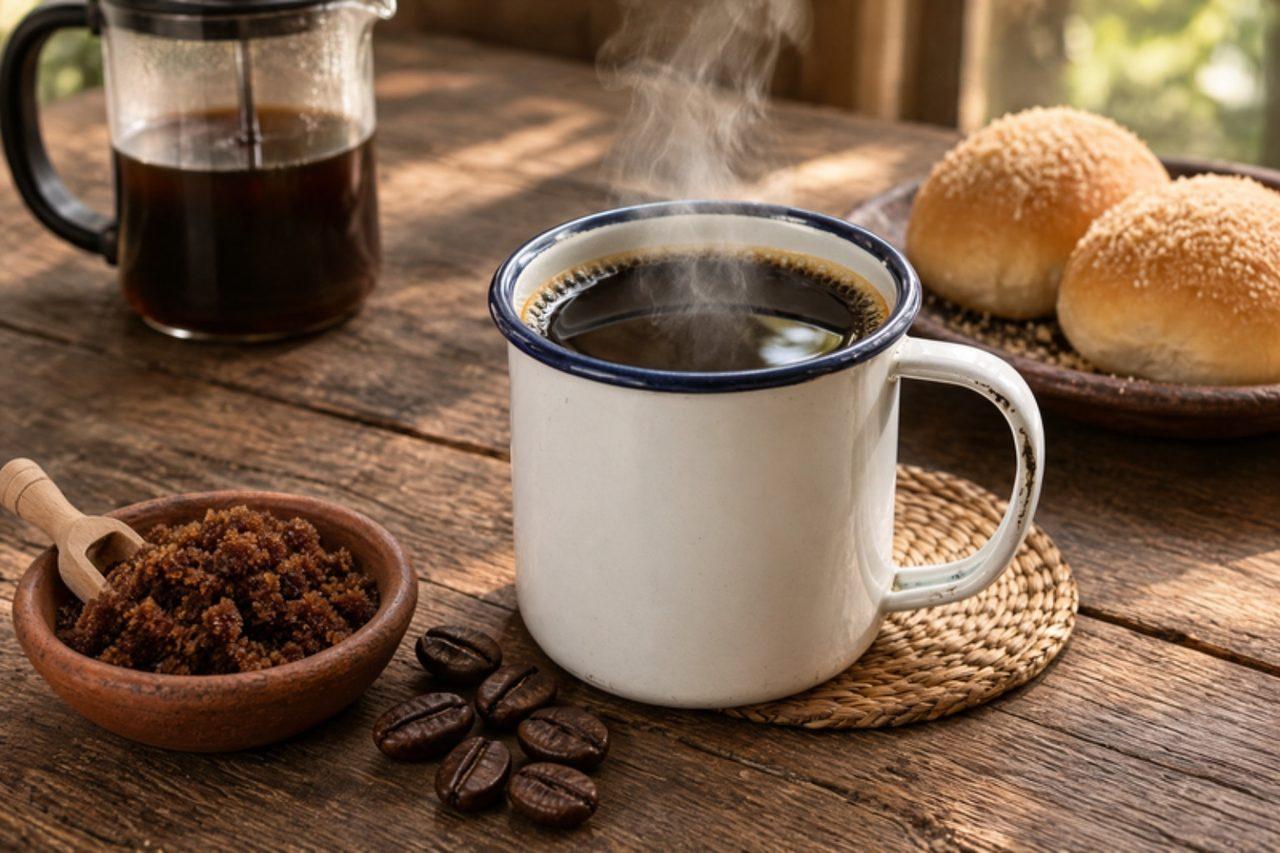
Kapeng barakoStrong Liberica coffee

In Lipa and the hill towns of Batangas, mornings start with kapeng barako boiled in a dented aluminium kaldero and poured into enamel mugs, often next to pandesal, a slab of tapang Taal or a plate of suman. Barako is Liberica, a large-beaned coffee that grows on tall trees around Mount Malarayat, and the word itself means a strong, rough-mannered man. The cup is heavy and earthy with notes of jackfruit, dark chocolate and smoke, and it is sweetened with sticky muscovado from Negros or Antique, never with white sugar. It carries plenty of caffeine, so go easy if you are sensitive and keep it away from children. The usual mistake is keeping the pot at a rolling boil once the coffee is in: the grounds stew and the drink turns sour and harsh. Bring the water to the boil, then take it off the heat before adding the coffee. The brew is ready when the crust of grounds sinks after the splash of cold water and the liquid underneath is a clear, deep mahogany. Chef's tip: grind it coarse, like raw sugar, so it settles cleanly in the pot.

by KrazyBadal 0 views

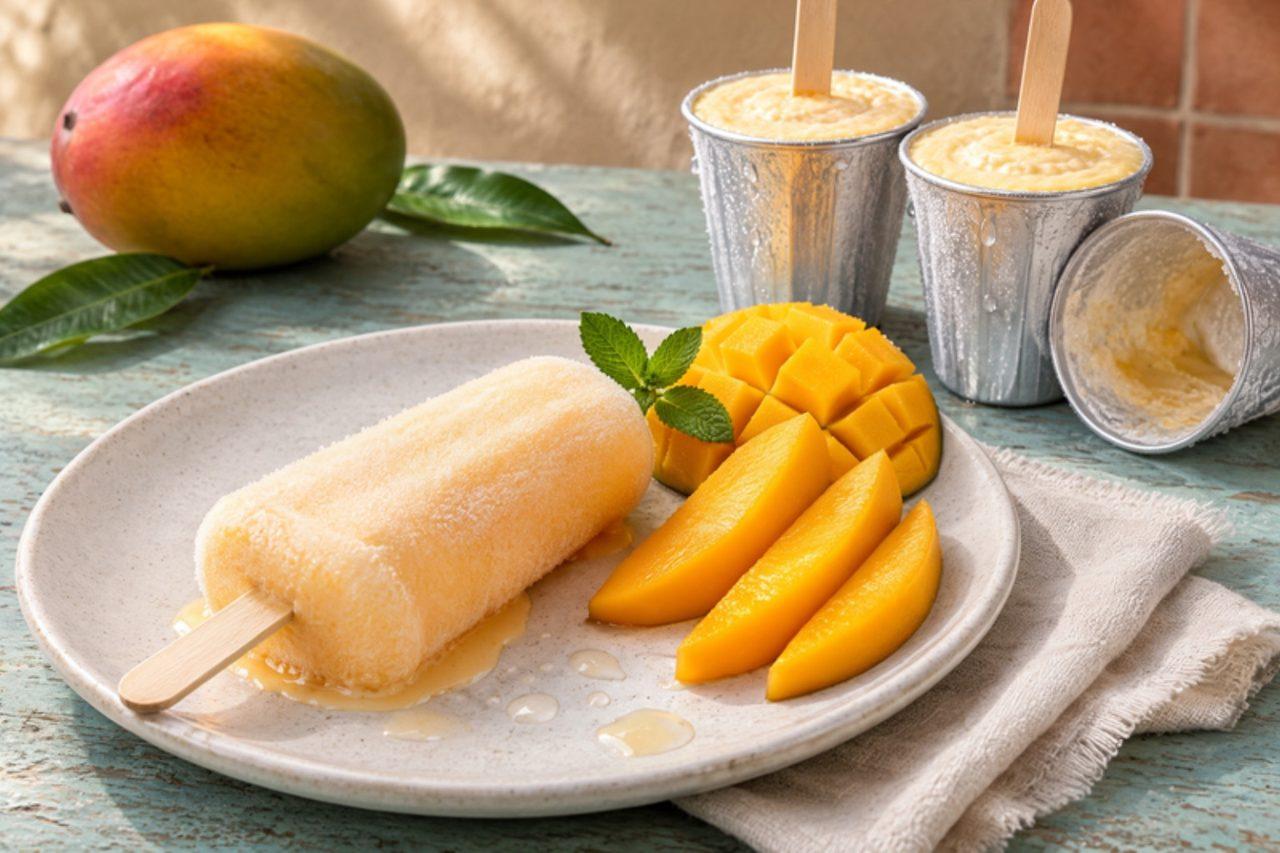
Durofrío de mangoFrozen mango milk pops

In the hot streets of Centro Habana, durofríos are sold straight from the front windows of family homes: a few pesos buys a frozen cup of fruit juice or fruit and milk, popped out and eaten on a stick or straight from its paper cup. Children queue for them after school in the long summer afternoons, when the sea breeze has dropped. This version blends ripe mango with milk and lime into a creamy, fruity ice that is firm, as the name says ("hard-cold"), rather than soft like ice cream. Swap the milk for water or guava juice for a dairy-free fruit ice. It contains milk. Chef's tip: make the mix taste a little too sweet before freezing; cold dulls sweetness.

by KrazyBadal 0 views

Beijing douzhiFermented mung bean drink

Douzhi is the most famous acquired taste in Beijing: a hot, grey-green, sour drink made from the liquid left when mung beans are ground for starch, then fermented. Old Beijingers sip it at breakfast with crisp jiaoquan rings and shredded salted mustard pickles, and visitors either love it or never try it twice. At home you make a small batch by blending mung beans, settling out the starch and fermenting the cloudy water for a day. The mistake is letting it boil hard: it separates into watery and thick layers, so keep it at a gentle bubble. It must smell cleanly sour like yogurt; throw it away if it smells rotten, has mould, or turns pink or slimy. Chef's tip: stir it continuously as it heats and add a splash of the thinner liquid at the end, which keeps the classic smooth, slightly thick texture.

1440 minChineseDrinksVeganGluten free
by KrazyBadal 0 views

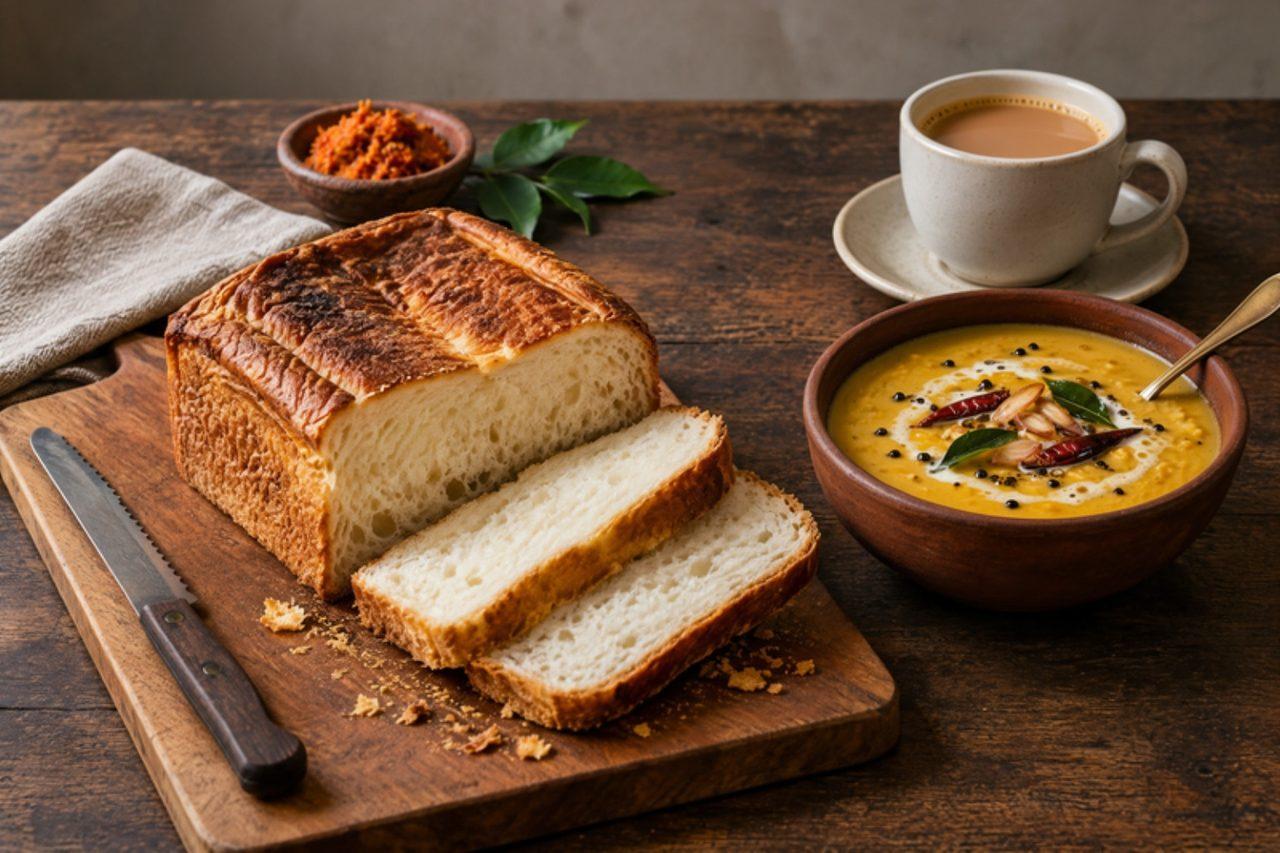
Roast paanCrusty bakery loaf

Every Sri Lankan neighbourhood bakery turns out roast paan before dawn: square loaves baked close together in a wood-fired oven until the tops are dark and crusty while the sides stay soft and pull apart. Bought warm, it is torn and eaten with dhal curry, pol sambol, or kiri hodi, the mild coconut milk gravy. The mistake is baking at too low a temperature, which gives a pale, sandwich-style loaf; it needs a really hot oven and a final blast to blister the top. Allow about 2½ hours with rising. Chef's tip: bake the dough as four balls snug in one square tin so they rise into each other; pulling the soft sides apart is half the pleasure.

by KrazyBadal 0 views

CuchuflíFilled wafer tubes

Cuchuflí are the thin, crisp wafer tubes filled with manjar that vendors sell from baskets on Chilean beaches and outside football stadiums, and that children beg for at the Fiestas Patrias fondas. At home you can bake the wafers yourself and roll them round a wooden spoon handle. The usual mistake is waiting too long to roll them: the wafers set within seconds and crack. Bake only three at a time. Chef's tip: fill them with a piping bag just before serving, or the manjar softens the wafer; dip the ends in melted chocolate if you like.

by KrazyBadal 0 views

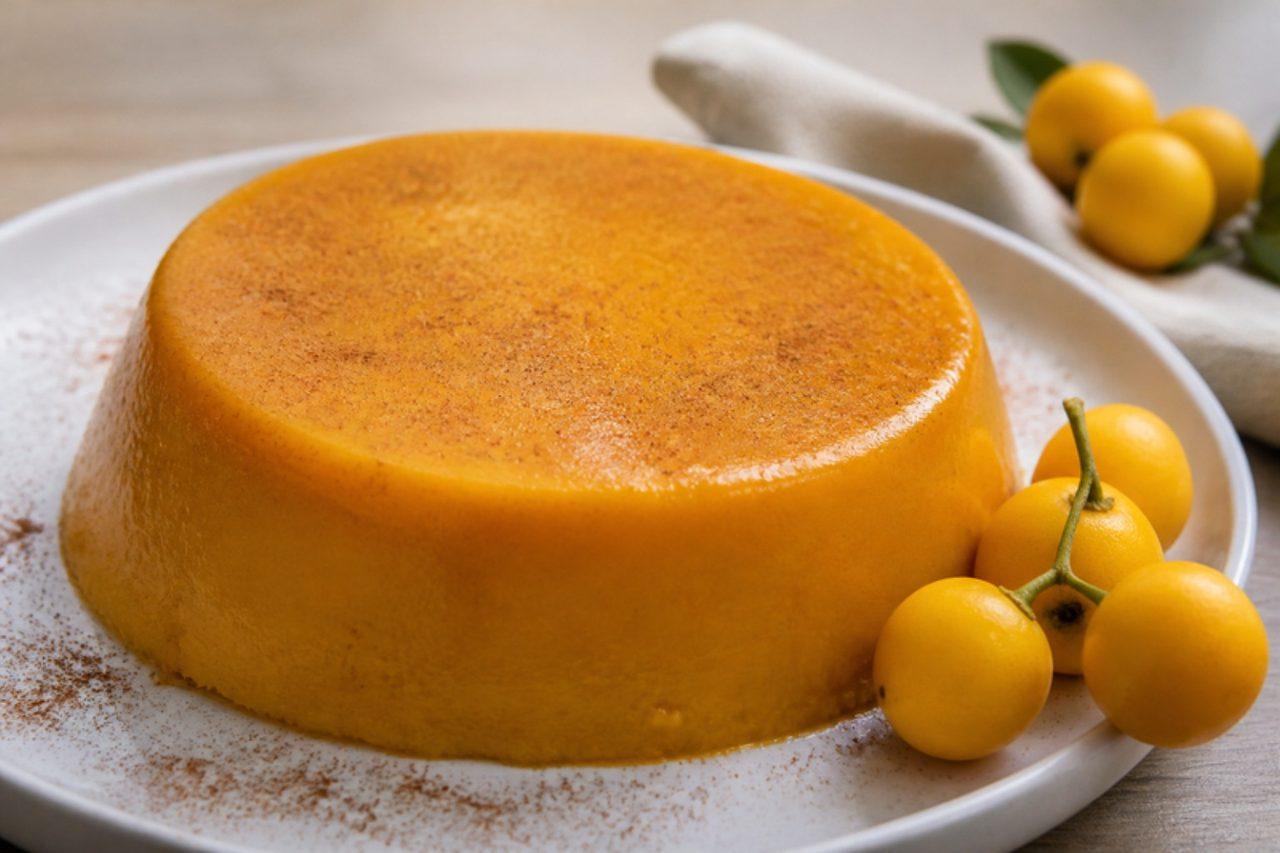
Pesada de nanceNance fruit pudding

Nance are small yellow fruits with a sharp, almost cheesy aroma, gathered from trees across Panama's countryside in the dry season and sold in bags at roadside stands near Penonomé. Cooked with sugar and thickened with cornflour, they become pesada, a thick, wobbly, sweet-sour pudding eaten cold, sometimes with a slice of white cheese. Look for frozen or jarred nance in Latin American shops. Skipping the sieve is the most common mistake; the stones and skins make it grainy. Chef's tip: dissolve the cornflour in cold juice, never hot, or it forms lumps you can't whisk out.

by KrazyBadal 0 views

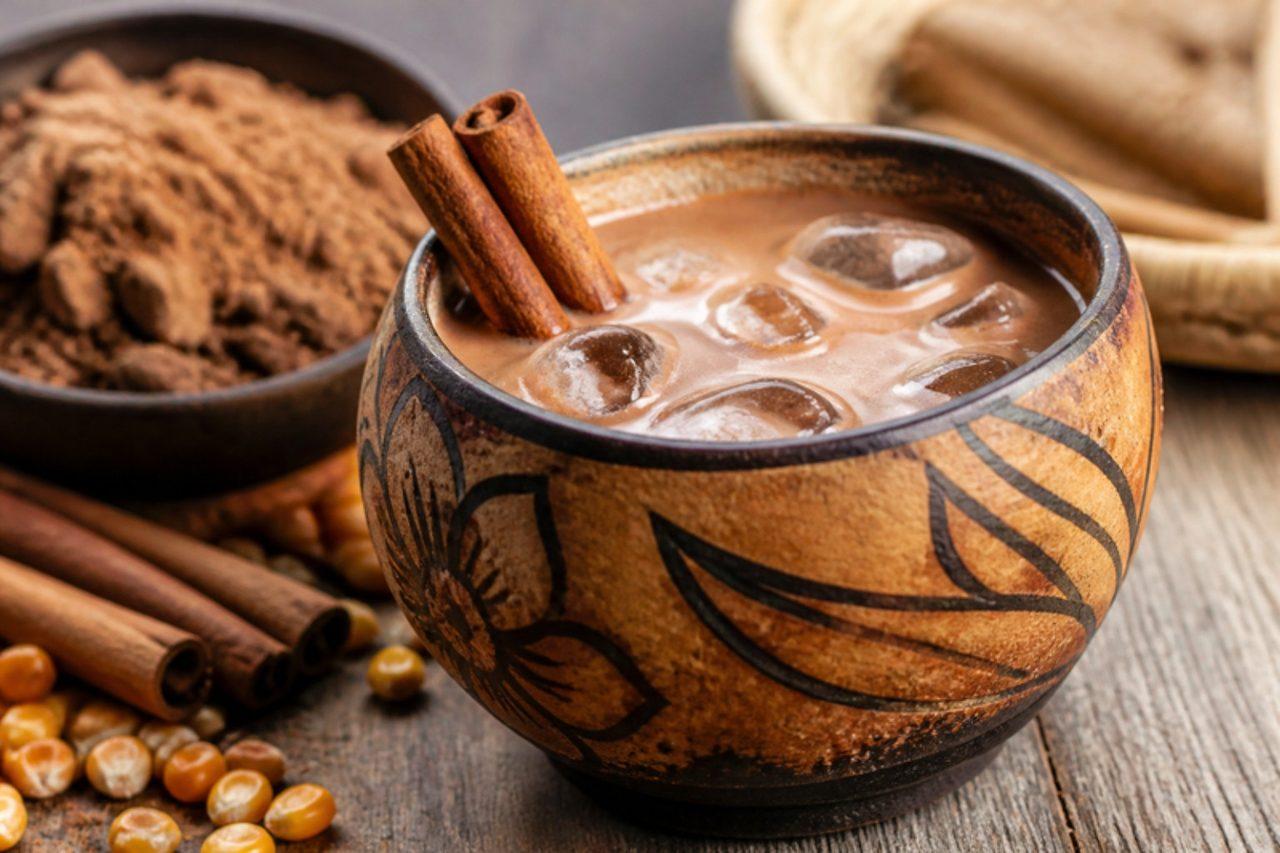
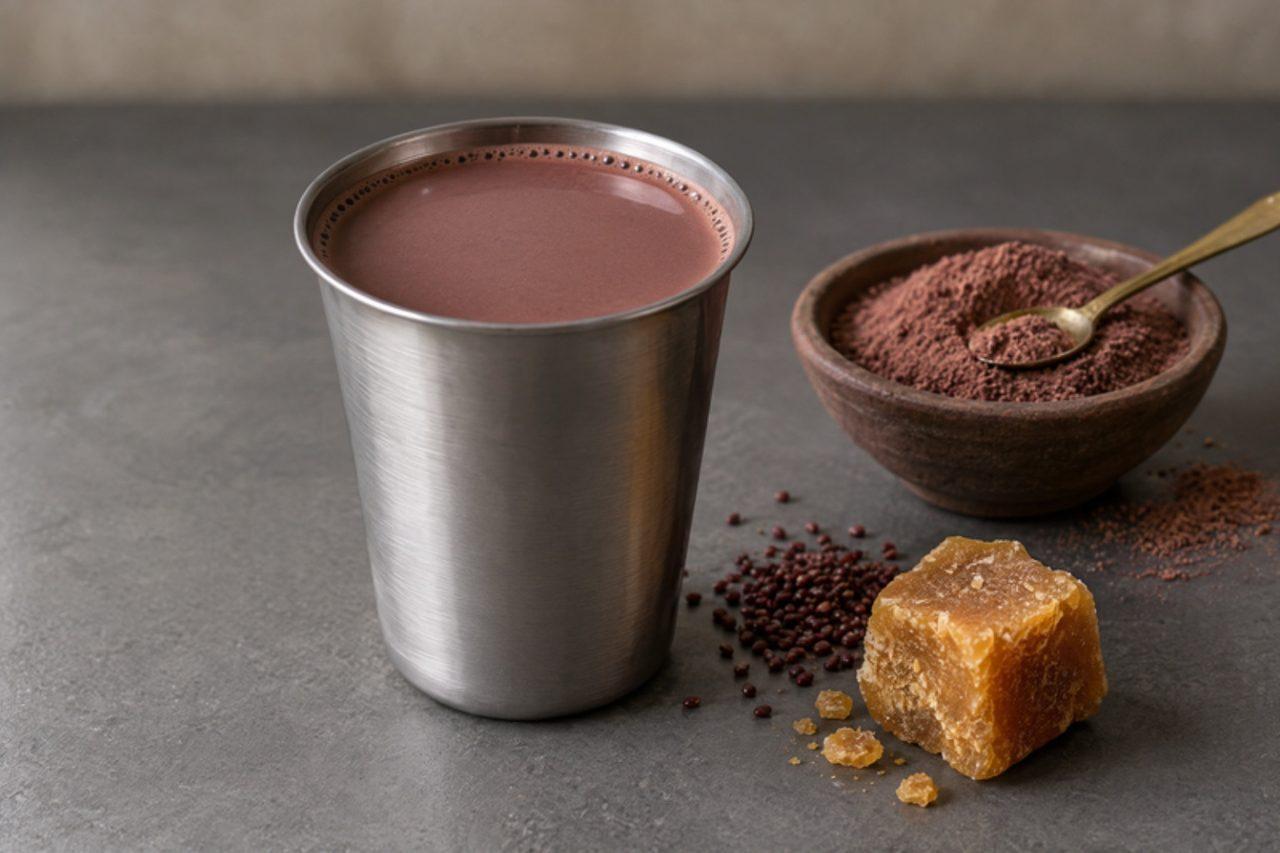
PinolilloToasted corn and cacao drink

Nicaraguans call themselves pinoleros after this drink, sold cold from plastic jugs at markets in Masaya and León and stirred up at home in gourd cups called jícaras. Toasted ground corn, cacao and a little cinnamon and clove are whisked into water or milk, giving a nutty, gently chocolatey drink with a soft, grainy body that settles if you leave it. Made with water or a plant milk it is vegan. Burning the corn while toasting is the mistake to avoid: it only needs to turn biscuit-coloured, and anything darker tastes bitter. Chef's tip: shake the powder and liquid in a lidded jar with ice instead of stirring, and there will be no lumps.

by KrazyBadal 0 views

Ayote en mielSquash in spiced syrup

Nicaraguan grandmothers set a pot of ayote en miel on the stove on Holy Wednesday, so there is something sweet to share with neighbours right through Easter week, often alongside sweet green mango and coconut. Chunks of squash simmer in dark panela syrup with cinnamon, cloves and allspice until they are glossy and tender and the syrup tastes of caramel and spice. Stirring is the common mistake: a spoon breaks the soft squash into mush, so shake the pot instead. Chef's tip: leave the skin on the squash; it holds each piece together and turns soft enough to eat.

by KrazyBadal 0 views

Sharbat-e bidmeshk (willow blossom sherbet)

Kashan and the villages of Qamsar and Niasar are famous for distilling flowers in spring: rose water in May, and before that araq-e bidmeshk, the distillate of the fuzzy catkins of the musk willow. In summer, when the desert heat settles over the old houses, the same bottles go into sharbat-e bidmeshk, a pale syrup diluted with icy water and served to guests in tall glasses, sometimes with swollen basil seeds. It is traditionally drunk to calm the nerves and cool the body. The taste is delicate, sweet and haunting, somewhere between honeysuckle, musk and fresh hay. The common mistake is adding the distillate to hot syrup; the heat drives the scent away within minutes, so cool the syrup completely first. The syrup is ready when it is clear and pours like thin honey, and the finished sherbet should smell floral the moment you lift the glass. Look for the distillate in Iranian shops; there is no true substitute, though rose water with a few drops of orange-blossom water makes a pleasant but different drink. Chef's tip: a squeeze of lemon in the syrup stops it crystallising in the fridge, where it keeps for a month.

by KrazyBadal 0 views

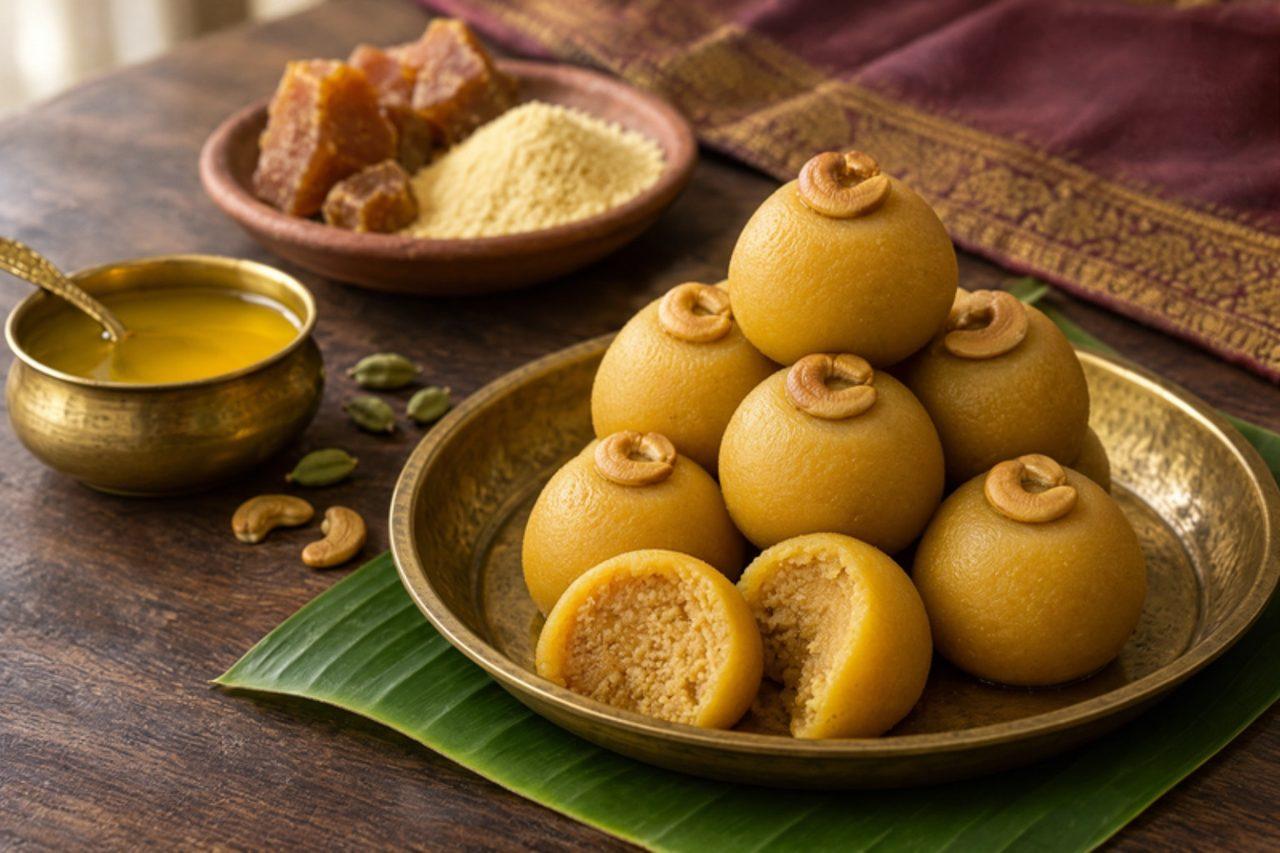
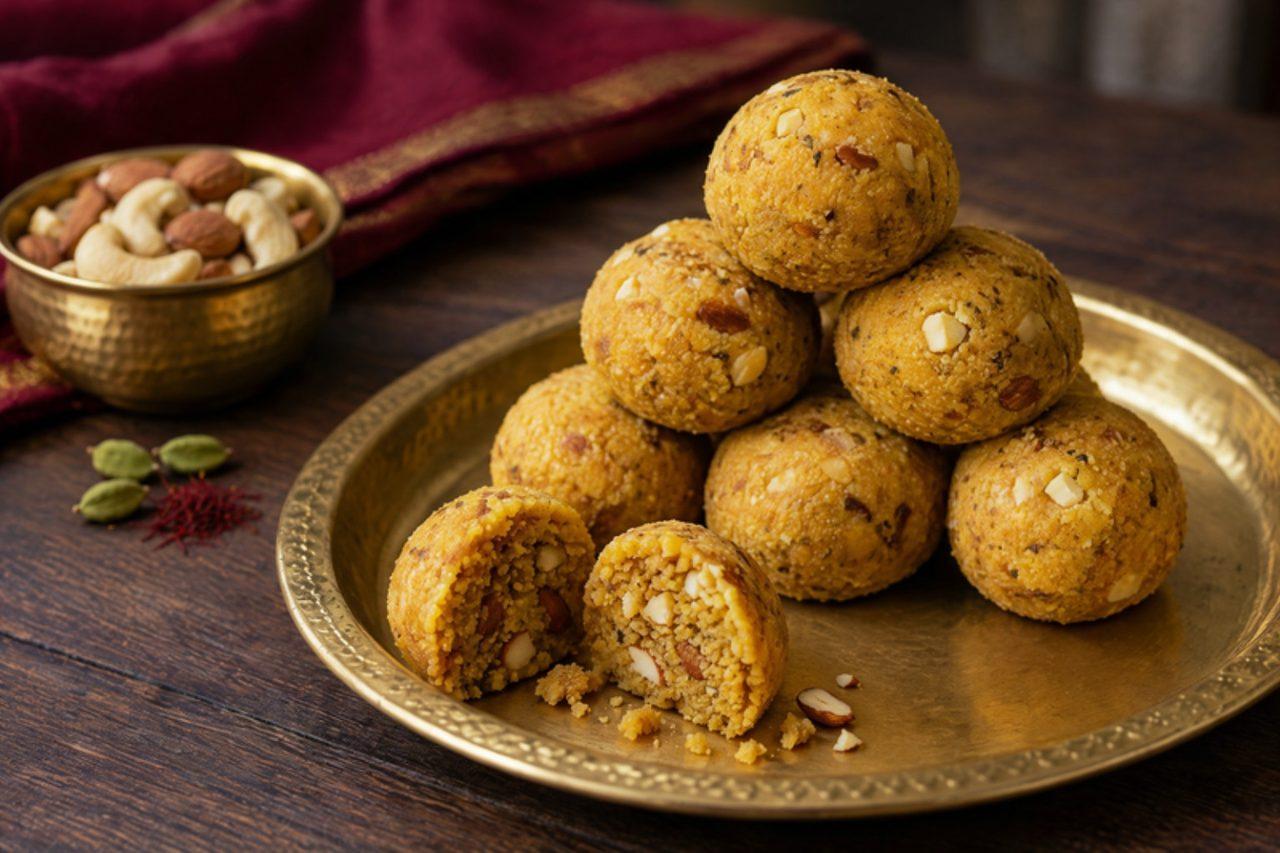
Bandar ladduGram flour and jaggery balls

Bandar laddu is named after Bandar, the old name of Machilipatnam on the Andhra coast, and it is the sweet families carry home after a trip there, offer at Sankranti and give at weddings. Gram-flour pearls are fried, then pounded with jaggery syrup and ghee until the mixture turns dense, smooth and fudgy, unlike the grainy besan laddu of the north. The common mistake is not cooking the jaggery syrup far enough: it needs to reach the soft-ball stage, or the laddus slump and turn sticky. Chef's tip: pound the mix while it is still warm, in batches, in a heavy mortar or food processor, until it clumps when pressed.

by KrazyBadal 0 views

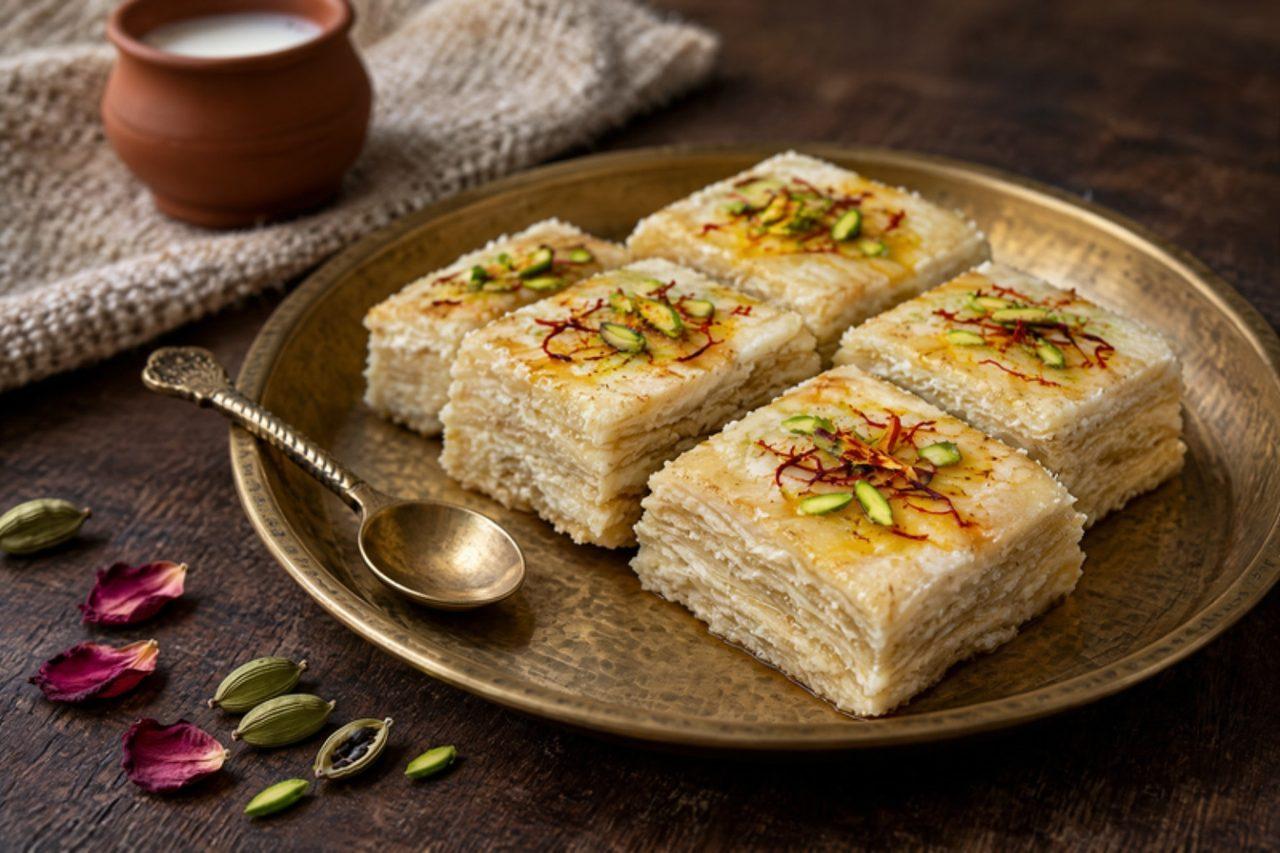
KhurchanScraped milk skin sweet

Khurchan means 'scrapings', and in Mathura and the sweet lanes of Old Delhi it is made by simmering milk in a wide iron kadhai and lifting off the skin that forms, layer after layer, then stacking the sheets with a sprinkle of sugar and cardamom. It is a winter sweet, sold in small squares, and offered at Janmashtami in Krishna's town. It takes patience, not skill. The common mistake is letting the milk boil, which breaks the skin; keep it just steaming, never bubbling. Chef's tip: fan the surface of the milk gently with a paper plate between layers; the cooler air makes the skin form faster and thicker.

by KrazyBadal 0 views

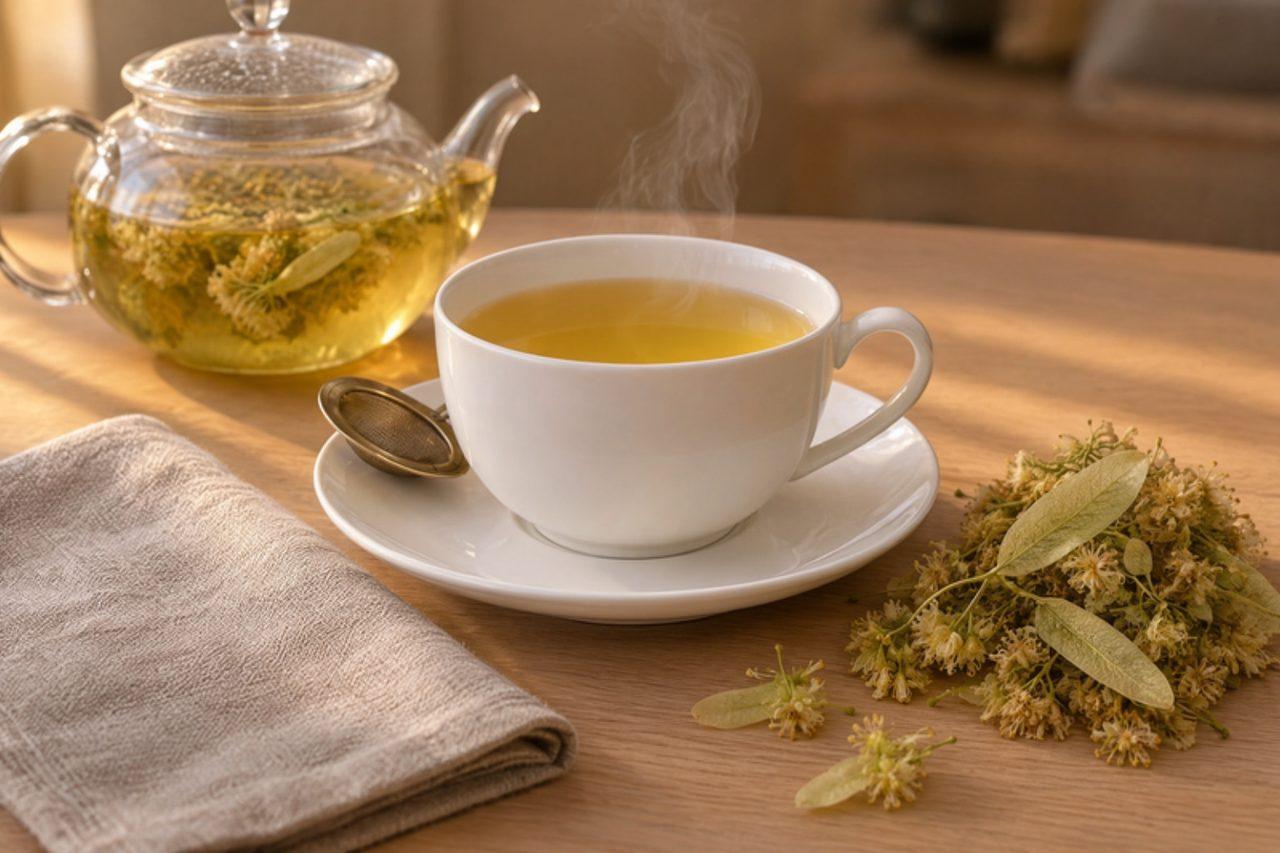
Tisane de tilleul (linden tea)

Carpentras, at the foot of Mont Ventoux, has been France's linden capital for over a century. In late June the flowering lime trees are harvested by hand, the blossoms and their pale papery bracts dried in the shade, and in July the town's linden market sells them by the sack. In French homes a tisane de tilleul is what you drink after dinner, at the end of a long day or before bed, often with a slice of lemon or a little honey; Proust's famous madeleine was dipped in one. It tastes softly floral and sweet, a little like honey and fresh hay, with a smooth, almost silky feel. The common mistake is using fully boiling water and steeping for fifteen minutes: the tea turns dull brown and slightly astringent. Let the kettle settle to about 90 °C and steep for 5–7 minutes, covered. It is ready when the infusion is pale gold and smells of a summer garden. It is traditionally drunk to unwind; if you take regular medication, have a heart condition, or want to give it to young children, check with a doctor first. Chef's tip: keep the pot covered while it steeps so the scented oils stay in the tea instead of the kitchen.

by KrazyBadal 0 views

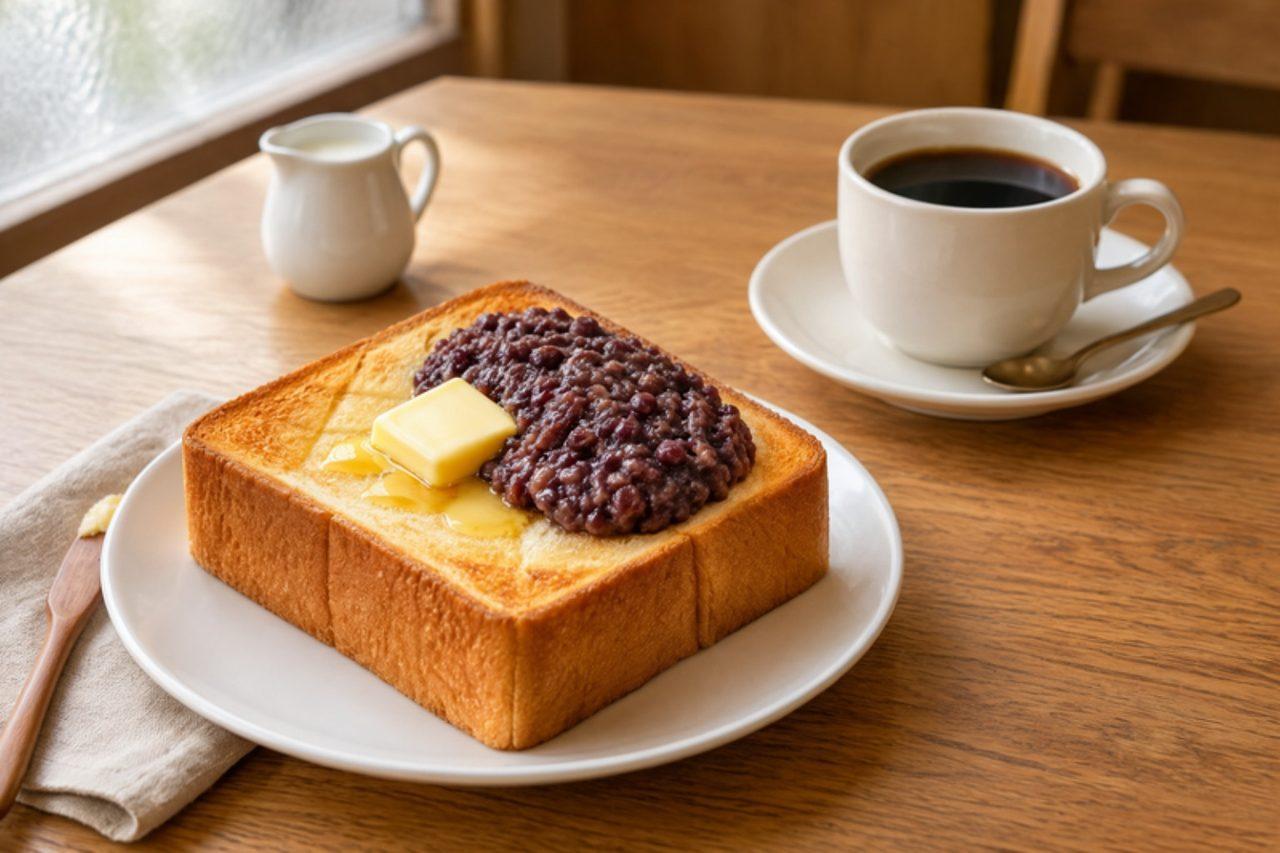
Ogura toastToast with sweet red bean

Walk into a kissaten coffee shop in Nagoya before 11 am, order a coffee, and the "morning service" brings a thick slab of toast spread with butter and a mound of ogura-an, coarse sweet azuki bean paste. The hot, salty butter melting into the cool, grainy beans is the whole point. The common mistake is thin sandwich bread: it goes limp under the paste, so use a 3–4 cm slice of shokupan or soft white bloomer. Chef's tip: butter the toast the second it comes out, then spread the bean paste only on half of each slice so every bite gets a different balance of salt and sweet.

by KrazyBadal 0 views

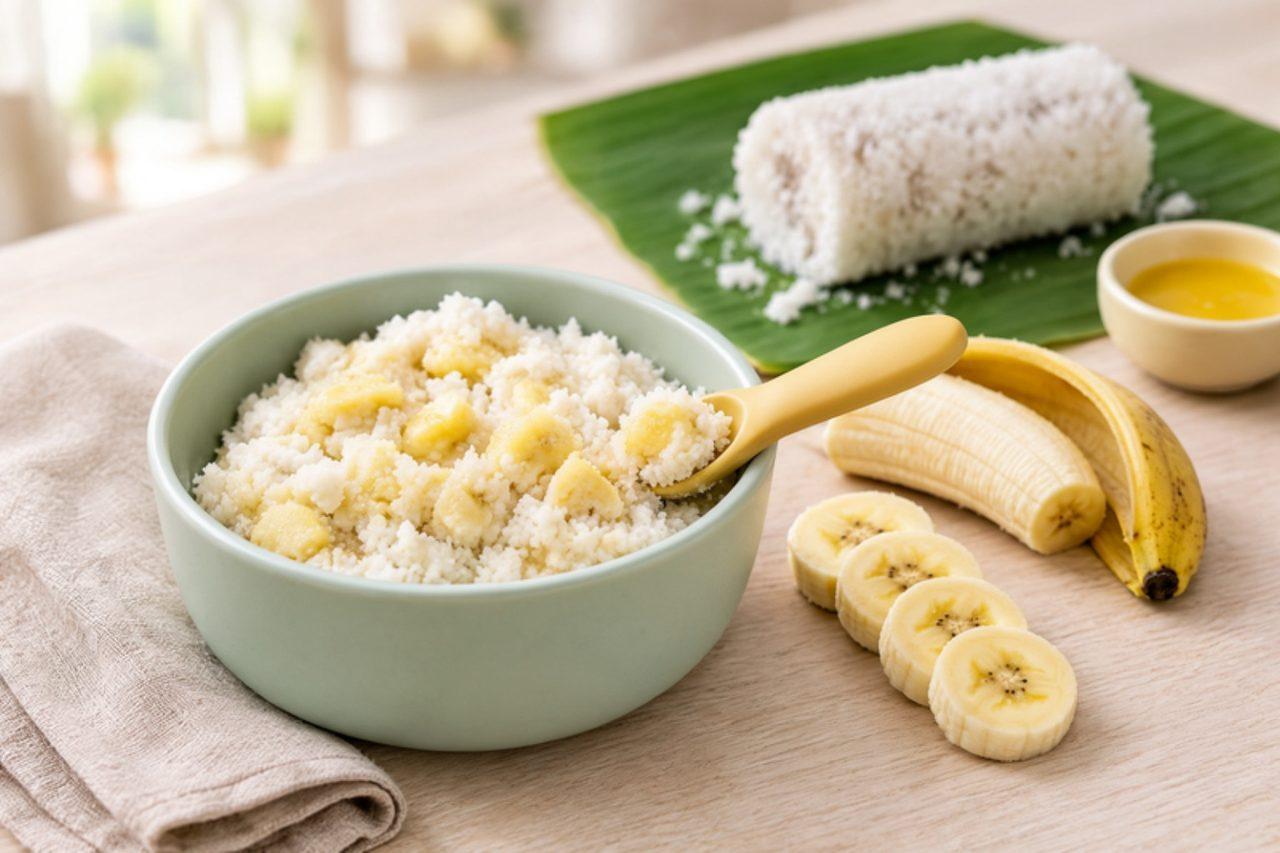
Puttu and banana for toddlersRice cake and banana for toddlers

In Kerala homes from Thrissur to Thiruvananthapuram, breakfast often arrives as a steaming log of puttu pushed out of its tall metal mould, and the little ones get theirs crumbled into a bowl and mashed with a sweet, ripe poovan banana. The rice flour and fresh coconut steam into soft, fluffy crumbs that soak up the banana, and a splash of warm milk makes it spoonable for toddlers from 12 months. There is no added salt or sugar: the banana does the sweetening. It contains coconut, and milk if you add it; there is no gluten, egg, nuts or soya. Chef's tip: dampen the flour until a squeezed handful just holds its shape, then crumbles when you poke it.

by KrazyBadal 0 views

Diabolo mentheMint syrup and lemonade

Ask anyone who grew up in France about diabolo menthe and they will remember sitting on a café terrace after school, or on holiday in Brittany or the Vendée, with a tall glass of startling green fizz and a straw. It is simply sirop de menthe, the sweet mint syrup sold in every French supermarket, topped up with limonade, which in France means a clear, lightly sweet, lemony fizzy drink. Grenadine makes a diabolo grenadine, lemon syrup a diabolo citron. It tastes cool, minty and sweet, like a liquid mint sweet, with a sharp sparkle. The common mistake is pouring the syrup on top of the lemonade: it sinks in a dense layer and you drink plain fizz followed by pure syrup. Put the syrup in the glass first and pour the lemonade down the side so it mixes as it rises. It is ready when the glass is an even mint-green from bottom to top and still fizzing hard. Café ratio is about one part syrup to seven parts lemonade. Chef's tip: for a homemade syrup, steep a big handful of fresh mint in hot sugar syrup for 30 minutes and strain; it will be pale gold-green rather than emerald, and tastes fresher.

by KrazyBadal 0 views

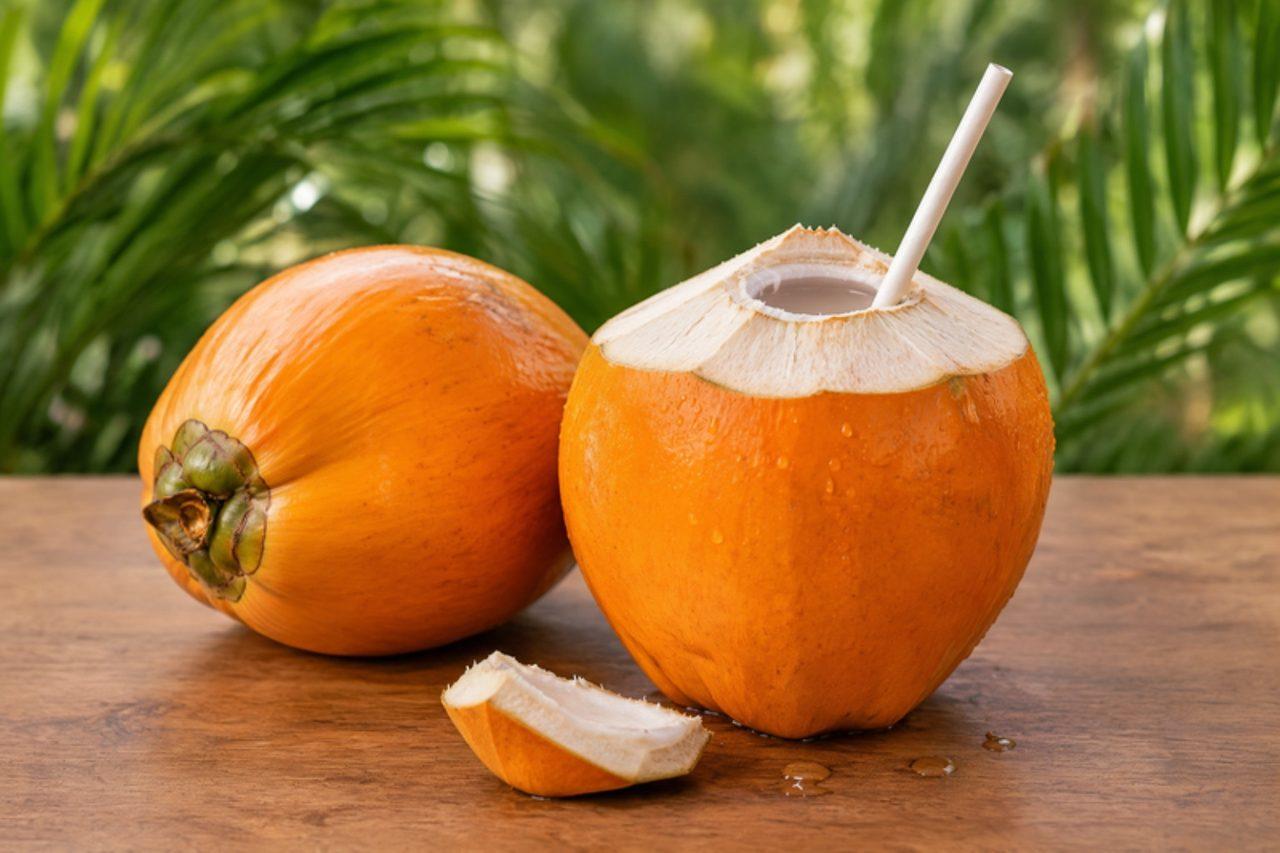
Thambili (king coconut water)

All along Sri Lanka's roads, from Galle Road in Colombo to the highways into Kandy and the beaches of the south coast, vendors stack bright orange king coconuts in pyramids under umbrellas. The thambili is a variety grown on the island for drinking: smaller than a green coconut and sweeter, with a faint saltiness that makes it more refreshing than any bottled drink. It is drunk any time of day in the heat, after a long bus ride, after a cricket match, and given to people recovering from a fever because it is gentle on the stomach. The water is clear, lightly sweet and nutty, and the soft jelly inside is eaten with a spoon made from a slice of the husk. The common mistake is hacking at the side of the nut; the blade glances off and the water spills. Trim the pointed top with downward strokes until a pale circle shows, then pierce it. It is ready to drink when a small hole opens straight into the water without husk fibres. Outside Sri Lanka, young green or Thai coconuts are the nearest substitute. Chef's tip: chill the coconuts for a few hours before opening; the water tastes sweeter cold, and use a heavy knife and a towel, keeping fingers well clear.

by KrazyBadal 0 views

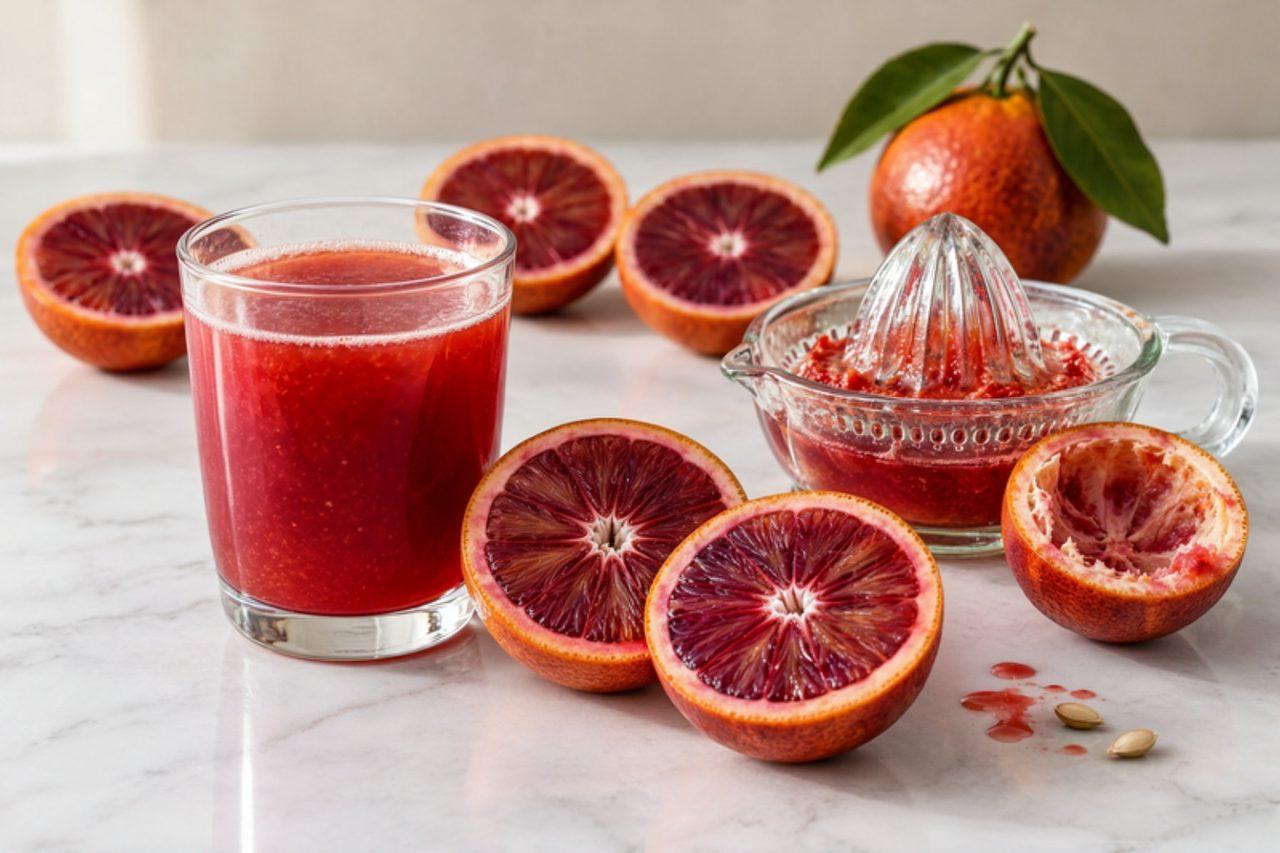
Spremuta di arance rosseFresh blood orange juice

From December to April the orchards on the plain below Etna, around Catania, Lentini and Paternò, are heavy with Tarocco, Moro and Sanguinello blood oranges. The cold Etna nights turn their flesh red, and in Catania bars the barista squeezes them to order on a lever press, serving the spremuta beside a cornetto or a granita at breakfast. It is sweet, juicy and tart, tasting of orange with hints of raspberry and cherry, and the colour runs from streaky pink to deep garnet depending on the variety. The common mistake is squeezing the oranges hours ahead or pressing the white pith too hard: the juice turns bitter and the colour goes brown. Squeeze just before drinking, press gently and stop before you grind into the skin. It is ready when the juice is bright and frothy on top and tastes balanced, with no bitter aftertaste. Moro oranges give the darkest juice; Tarocco is sweetest. Outside Sicily, any blood orange works, or mix half ordinary oranges with half blood oranges. Chef's tip: roll each orange firmly on the counter before cutting; it softens the segments so you get more juice with less pressing.

by KrazyBadal 0 views

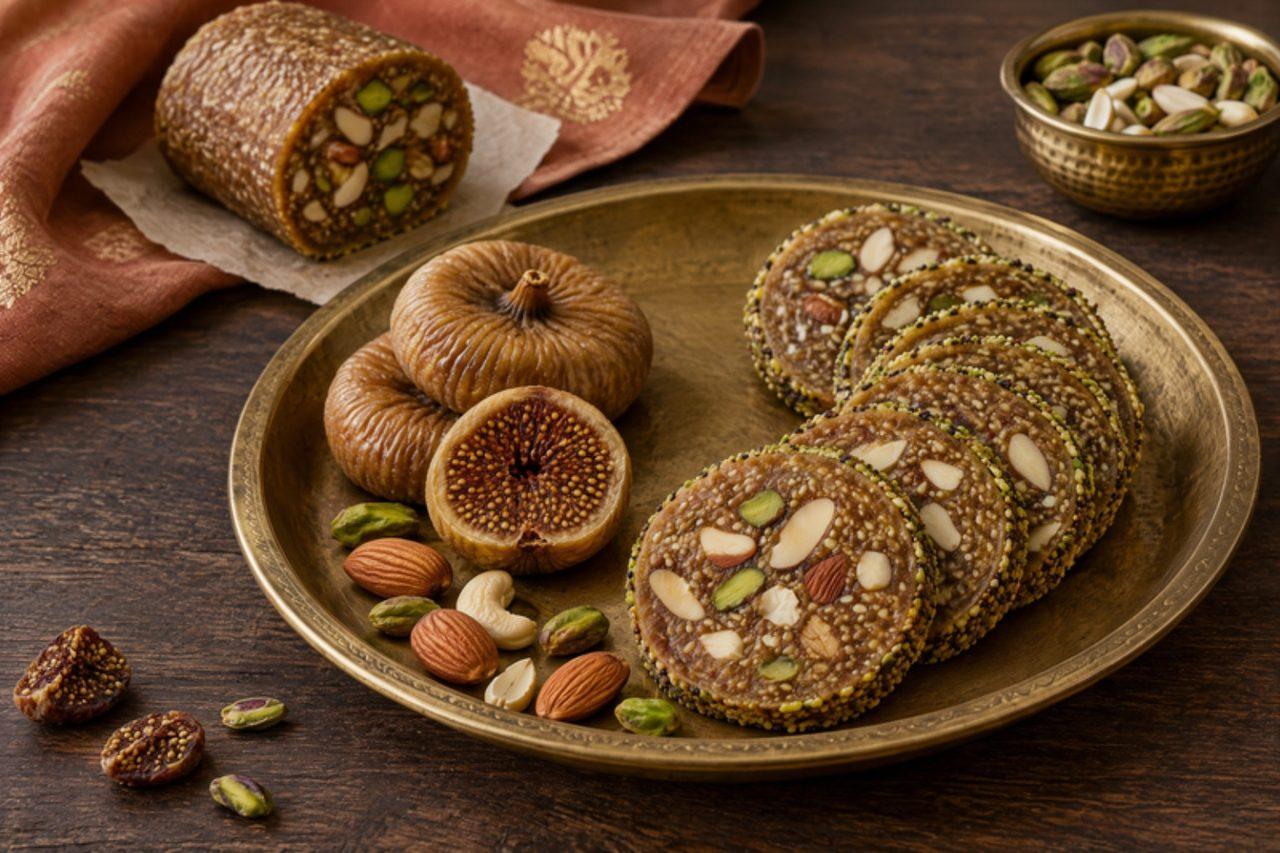
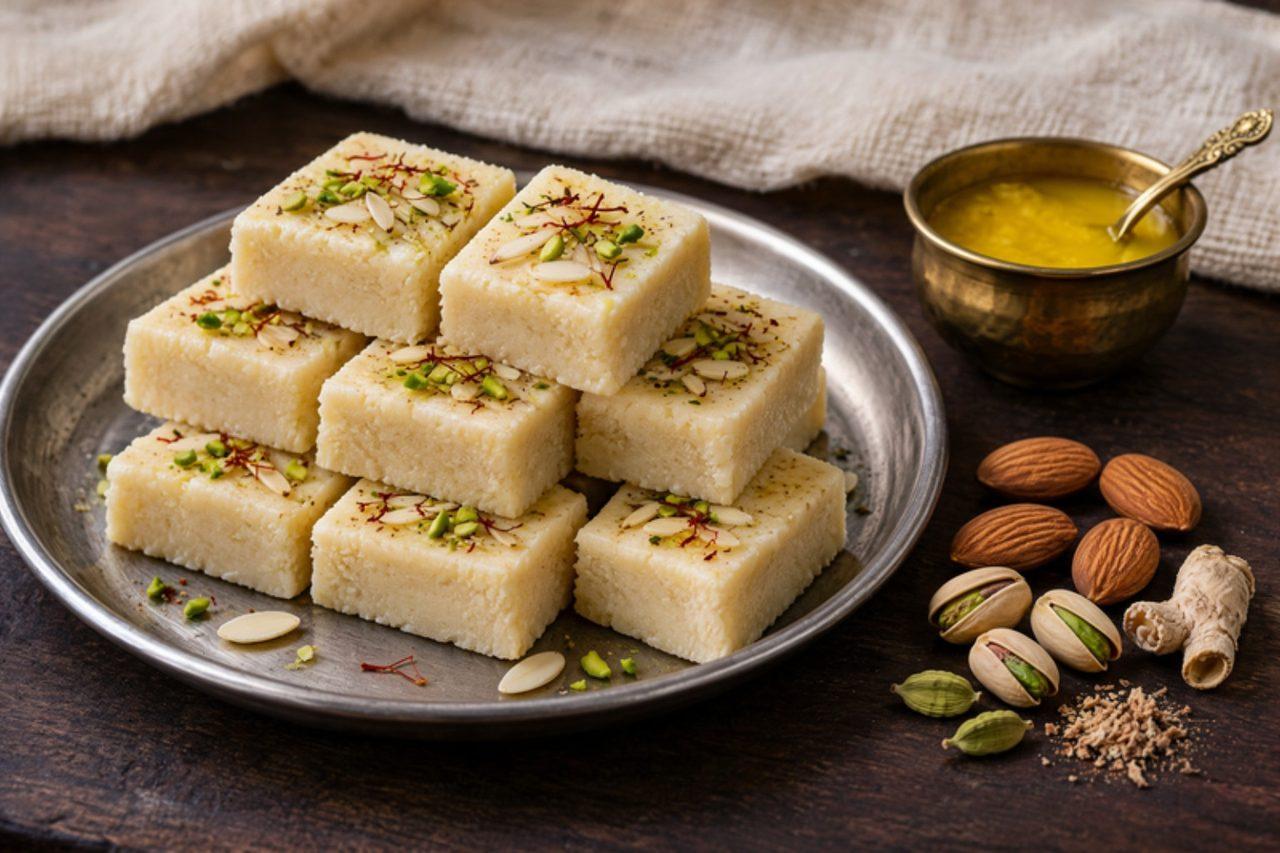
Anjeer pakFig and nut fudge

Gujarati families make anjeer pak for Diwali boxes and for fast days, when it gives quick energy without any grain or refined sugar. Soaked dried figs are cooked down in ghee into a thick jammy paste, mixed with toasted almonds, cashews and pistachios, and rolled into logs that slice into pretty pink-and-green rounds. It keeps for two weeks in the fridge. The common mistake is under-cooking the fig paste, which leaves the logs soft and sticky so they never slice cleanly. Chef's tip: keep stirring until the paste rolls into a ball that no longer sticks to the pan or your greased palm.

by KrazyBadal 0 views

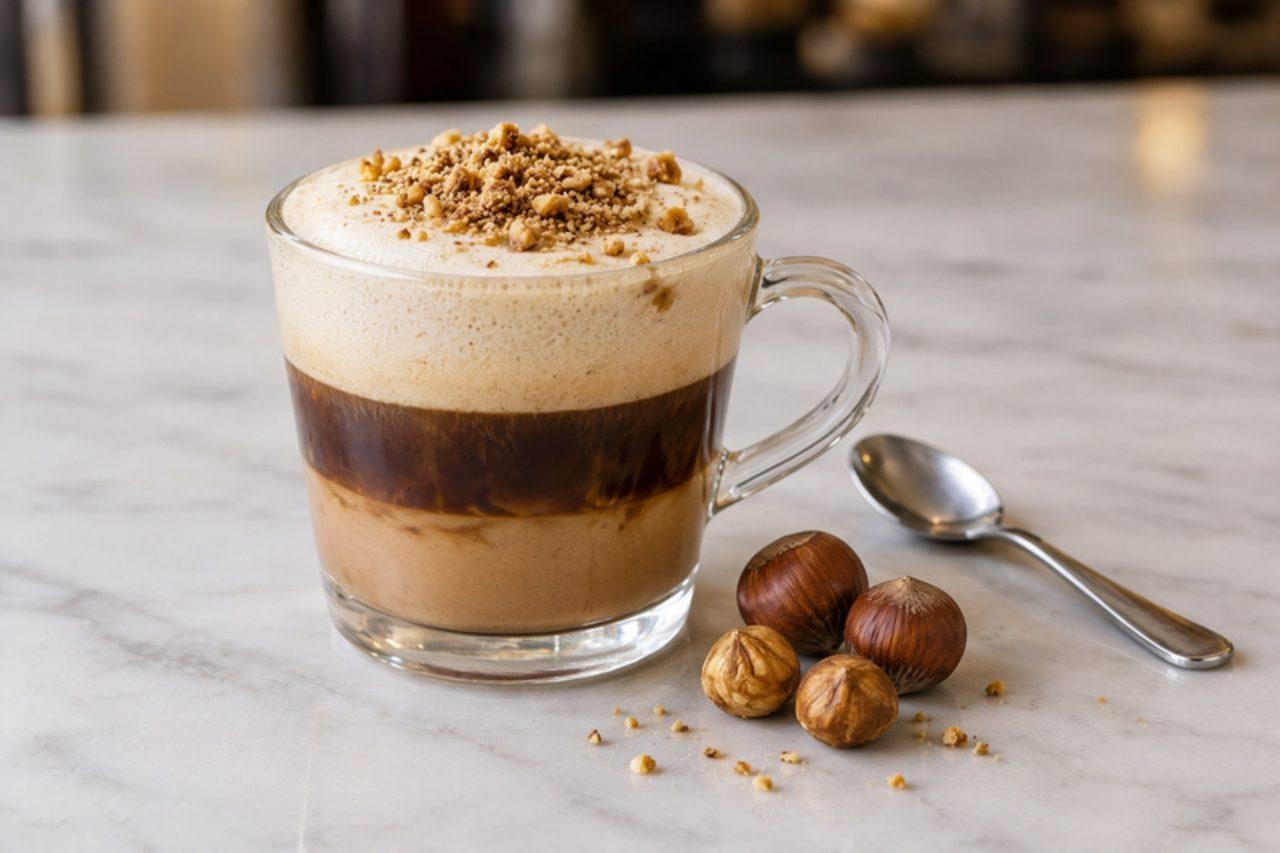
Caffè alla nocciolaEspresso with hazelnut cream

Naples takes its espresso seriously, and its bars along Via Toledo and the Lungomare also serve this richer cousin: a small glass cup smeared with hazelnut cream, a hot ristretto poured in, and a cap of cremina, the pale foam Neapolitans make by beating the first drops of coffee with sugar. It is drunk standing at the counter at mid-morning or after lunch as a little treat, and in summer the same flavours come as a cold crema al caffè. It tastes of roasted hazelnut and dark coffee, sweet and nutty, with a soft, airy foam that melts into the cup. The common mistake is whisking the cremina with too much coffee: it stays liquid and never turns pale. Use just a teaspoon of the first, thick drops and beat hard. It is ready when the foam is light beige, thick and falls from the spoon in ribbons. Espresso means a fair amount of caffeine, so keep this one for grown-ups. Chef's tip: warm the glass under hot water first and swirl the hazelnut cream up the sides; the hot coffee melts it into stripes as it goes in.

by KrazyBadal 0 views

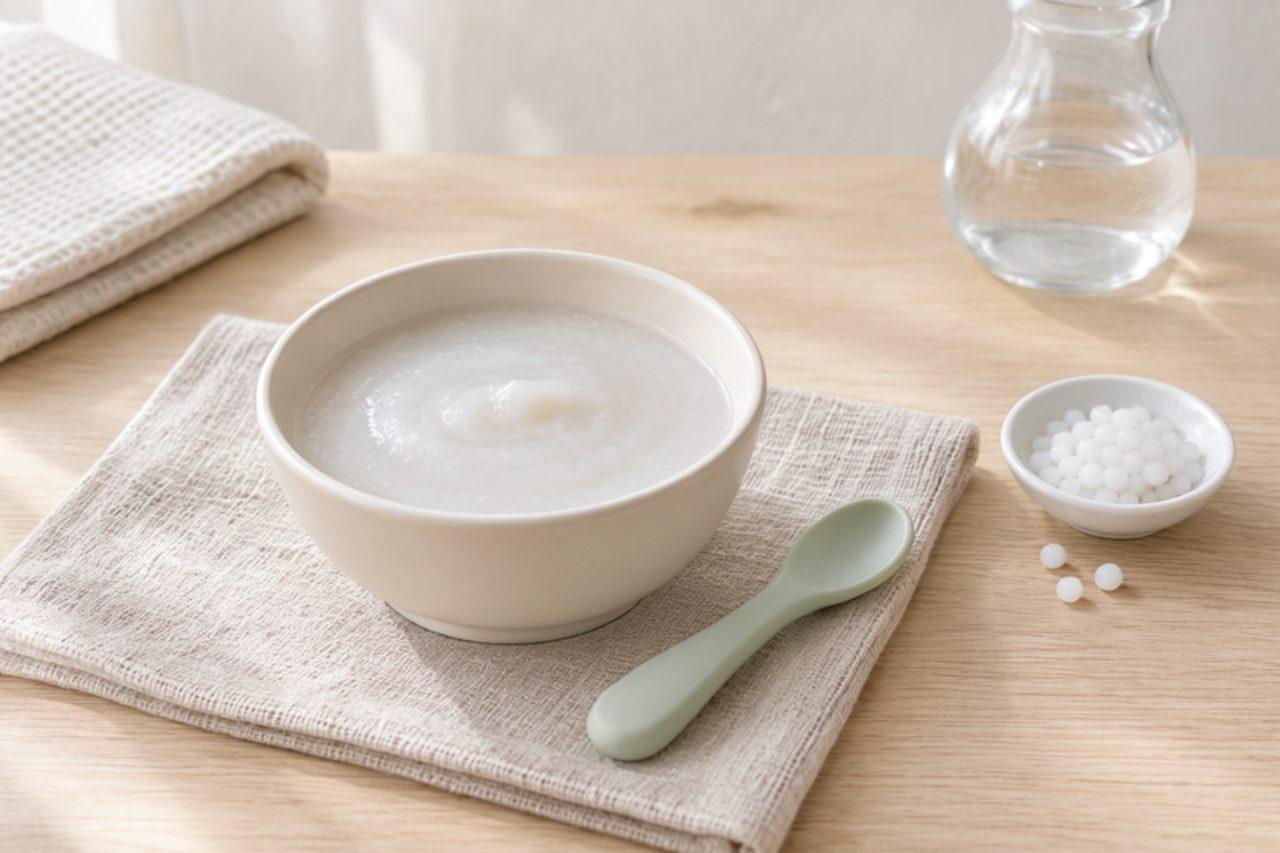
Sabudana kanji for babiesSago porridge for babies

Sabudana (sago) is pantry food in Pune and Ahmedabad homes, best known for fasting khichdi, but mothers in Maharashtra and Gujarat also cook the pearls into a thin, soothing kanji for babies, especially in the hot weeks before the monsoon. The pearls are soaked, simmered until every one is glassy and clear, then blended so there is nothing for a baby to choke on. It tastes very mild and is mostly energy, so offer it alongside iron-rich foods rather than instead of them. No salt, sugar, jaggery or honey for babies; it is free of the major allergens. Chef's tip: a white dot in the middle of a pearl means it is still raw; simmer until none are left.

by KrazyBadal 0 views

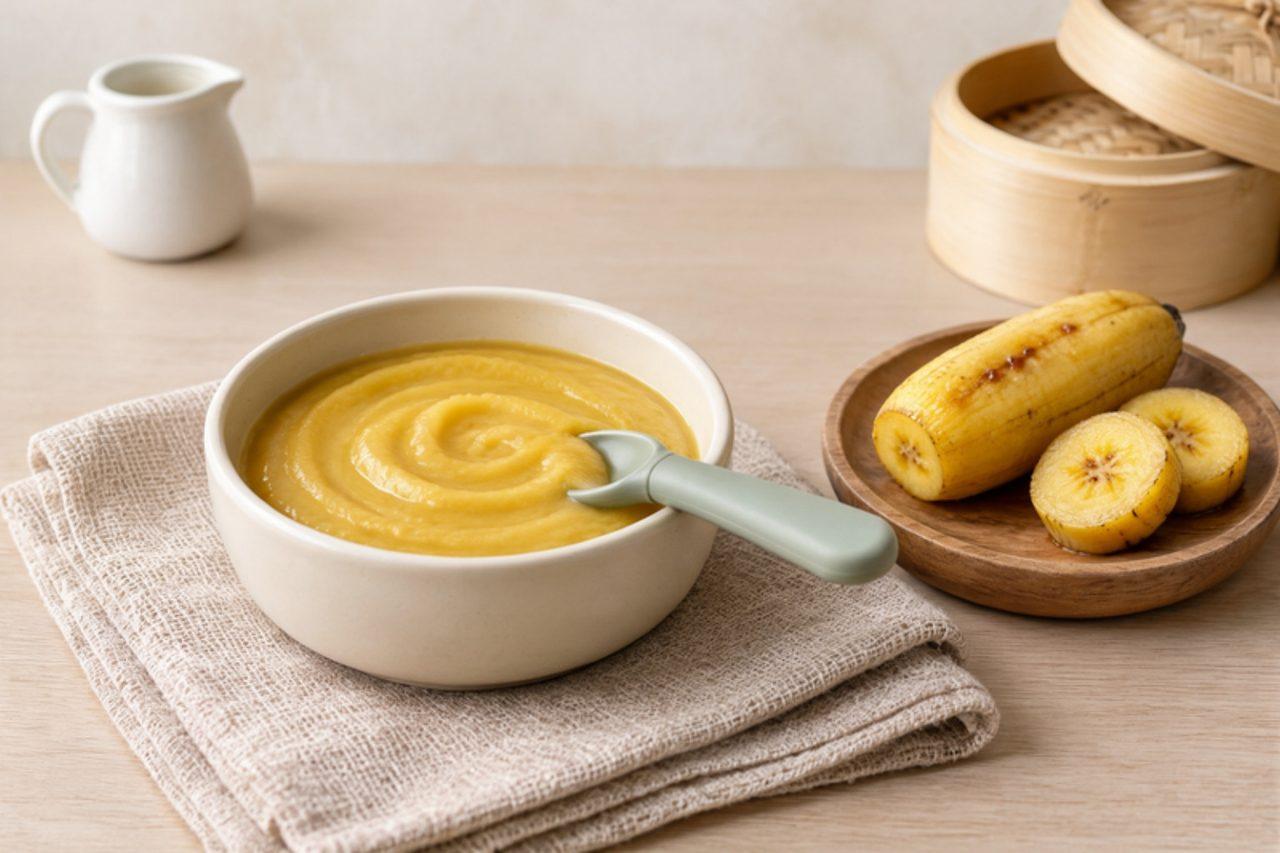
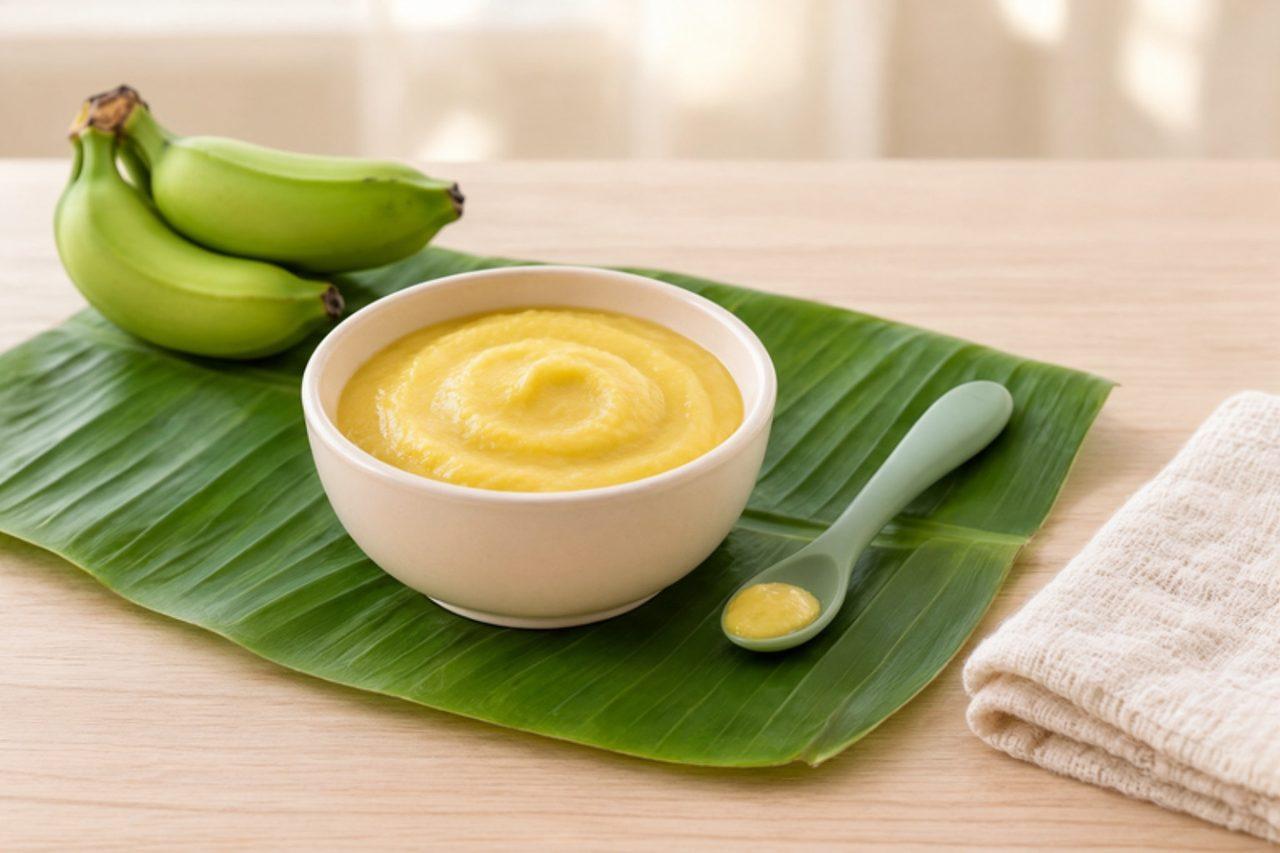
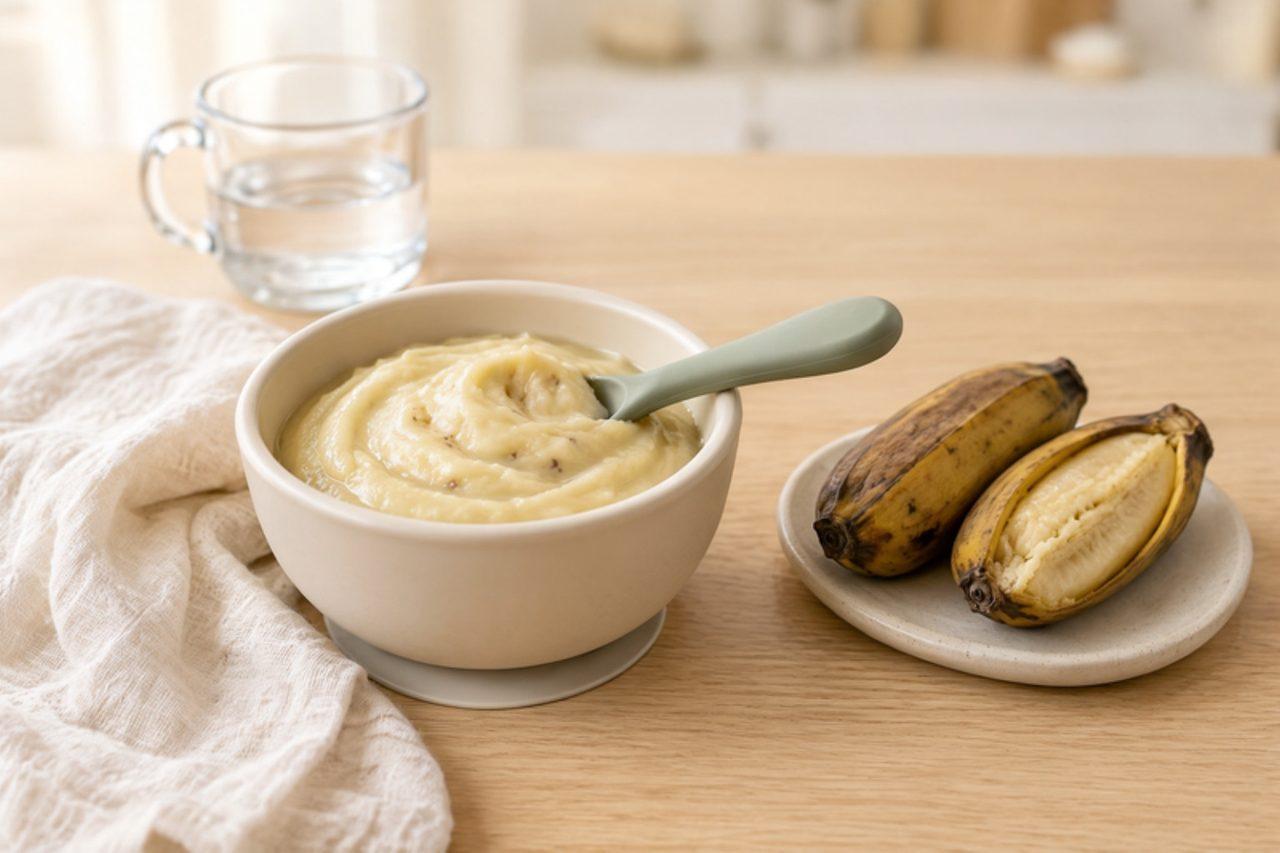
Steamed Nendran banana mash

Nendran is the long, golden plantain of Kerala, sold in hands at every market from Palakkad to Thiruvananthapuram, and a steamed ripe Nendran is one of the first fruits a Malayali baby tastes. Raw, it is too firm and starchy for a six-month-old, so it is steamed in its skin until the flesh turns soft and orange-gold, the dark string of seeds in the centre is pulled out, and the rest is mashed smooth. It is naturally sweet, so nothing is added: no sugar, jaggery, honey or salt. It is free of the major allergens. Chef's tip: wait until the skin is fully yellow with black freckles; a green Nendran stays chalky however long you steam it.

by KrazyBadal 0 views

Citron presséFresh lemon drink

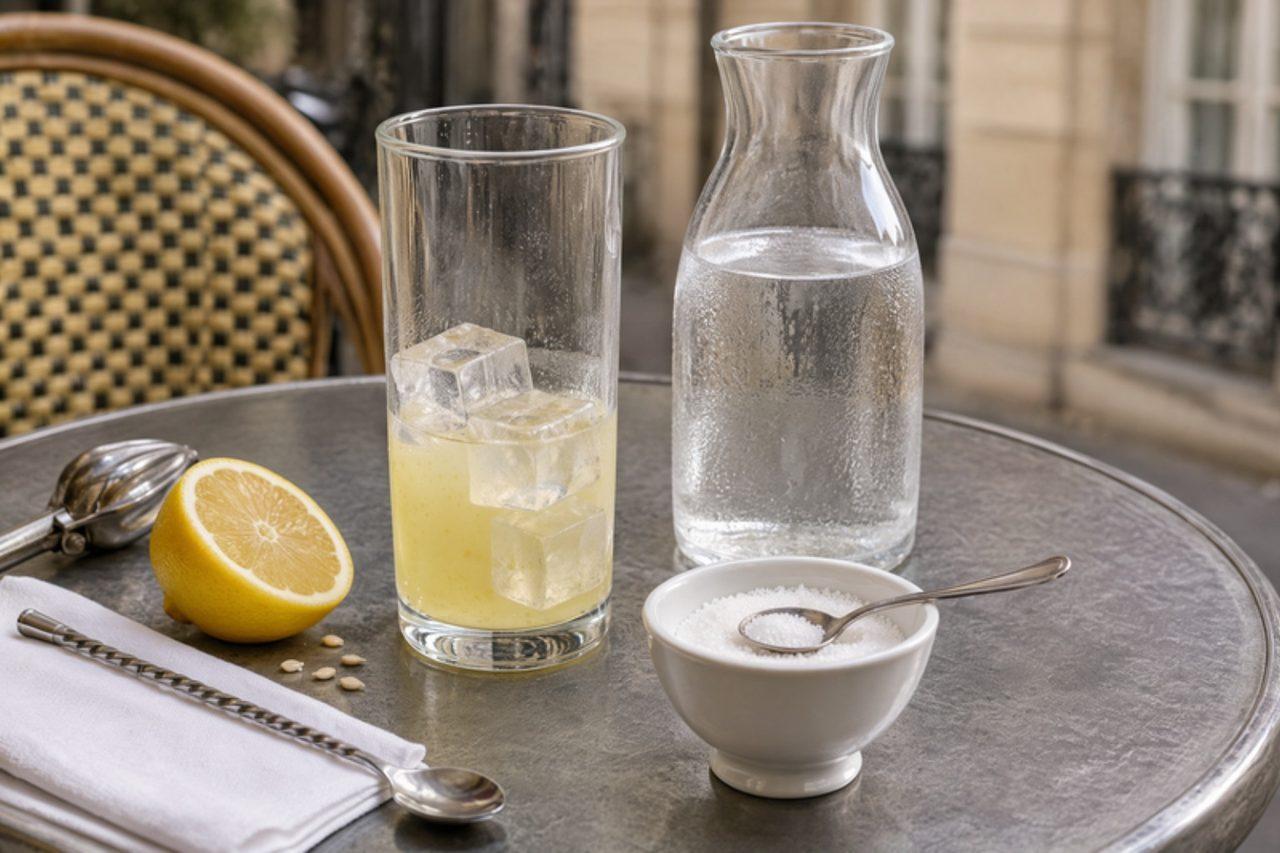
Order a citron pressé on a Paris terrace in July, or at a café in Nice after the beach, and the waiter brings a tall glass with an inch of freshly squeezed lemon juice, a carafe of iced water, a sugar bowl or a little jug of syrup and a long spoon. You build the drink yourself, as sharp or as sweet as you like, which is half the pleasure; French children learn to drink it with plenty of sugar, grown-ups often with almost none. It is bright, sour and cleansing, nothing like bottled lemonade, and best in the late afternoon heat. The common mistake is stirring granulated sugar straight into cold lemon water: it sinks and never dissolves, so the first sips are sour and the last a sludge. Dissolve the sugar in the juice first, or use a quick syrup. It is ready when the sugar has vanished, the drink tastes balanced to you and the glass is beaded with cold. Unwaxed lemons matter if you add a twist of peel. Chef's tip: pour the water over ice slowly and taste after half the carafe; most people find they need less water than they expect.

by KrazyBadal 0 views

Nurungji porridgeScorched rice porridge

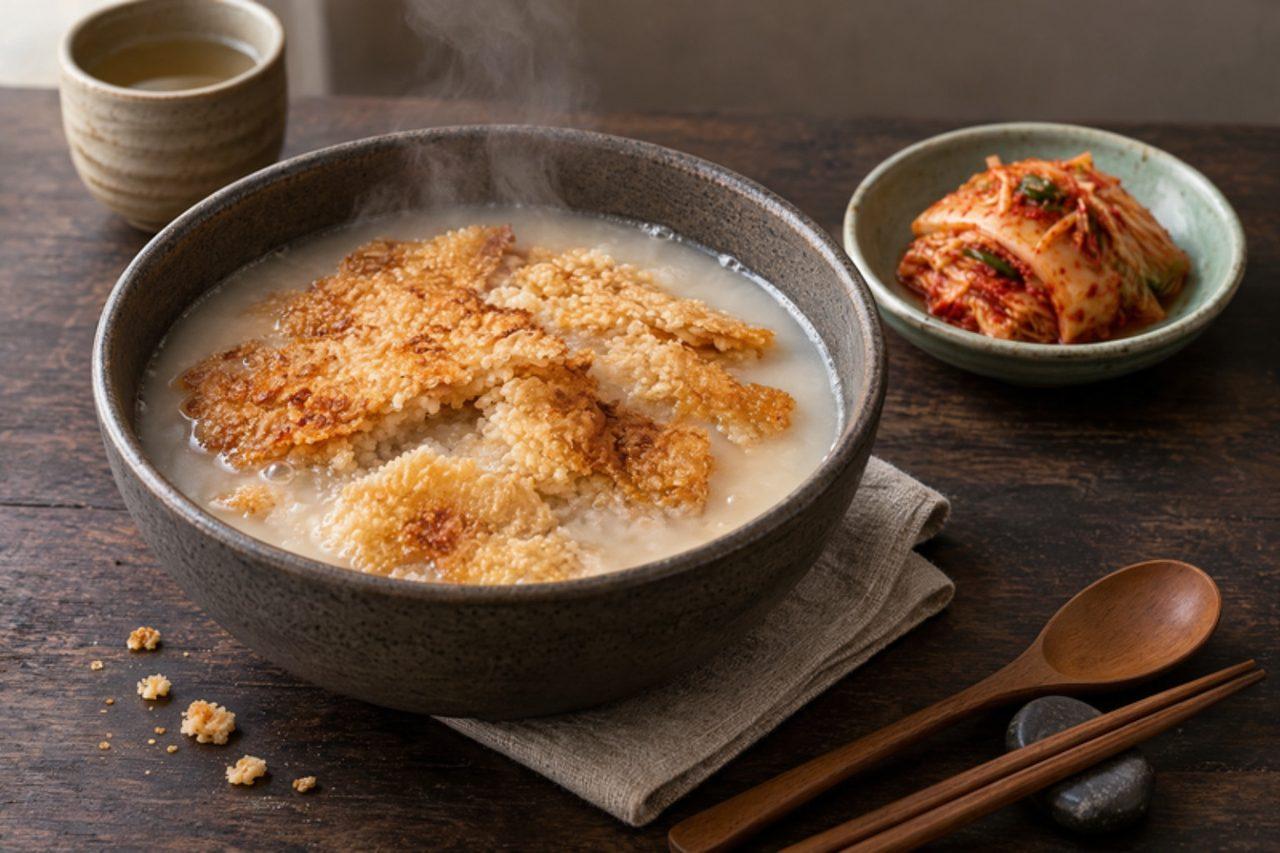
Every Korean home knows the golden crust that sticks to the bottom of the rice pot, and on cold mornings it is simmered in water into nurungji, a nutty, soothing porridge that tastes faintly of toast. Grandmothers serve it with kimchi and a few banchan for breakfast, or as a gentle meal after a heavy night. You can buy dried nurungji sheets in Korean shops, but it is easy to make your own from leftover rice. The common mistake is pulling the crust too soon: pale rice gives a flat, starchy porridge, so wait until it is deep gold. Chef's tip: break the crust into pieces before simmering but keep a few larger shards back and add them in the last minute, so the bowl has soft and slightly crunchy bits.

by KrazyBadal 0 views

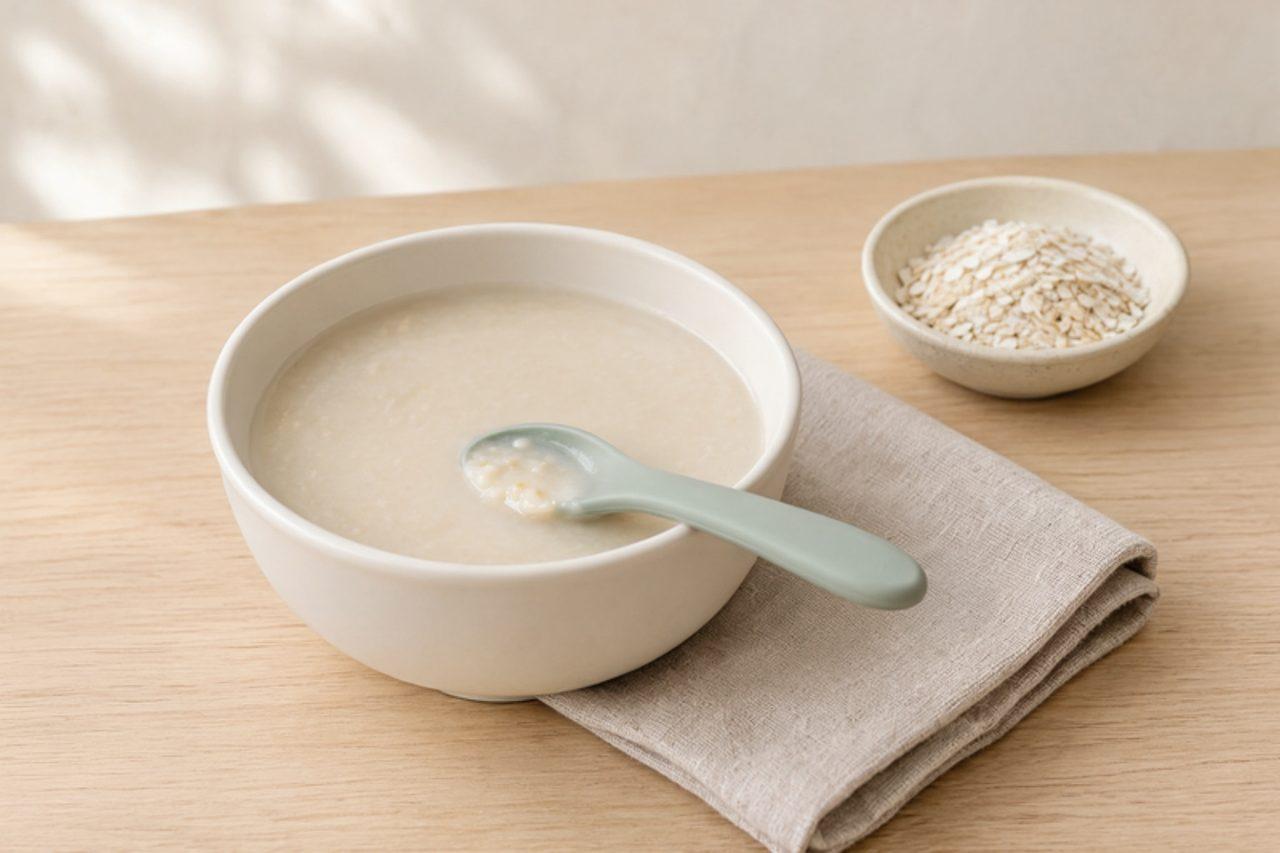
KongjukSoybean and rice porridge

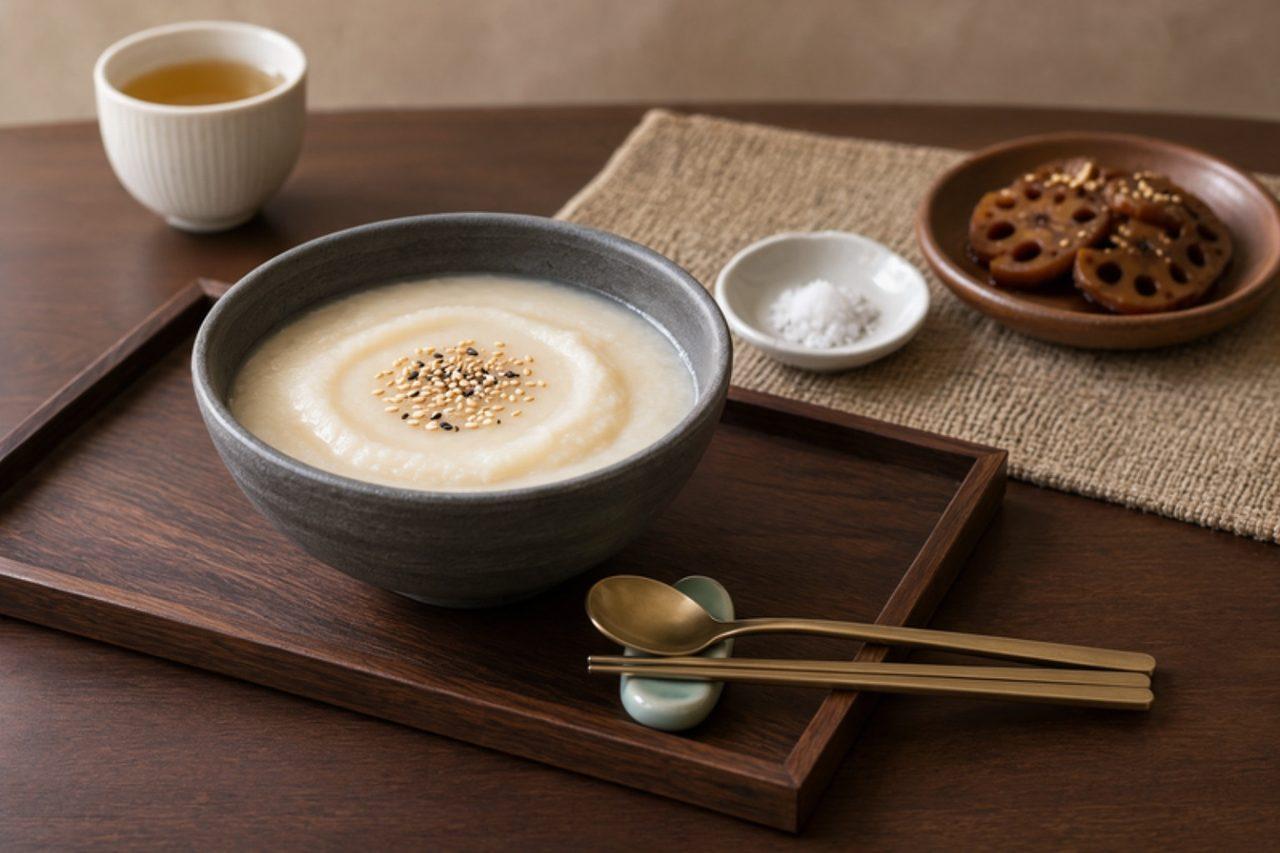
Kongjuk is the porridge Korean families make when they want something filling but plain: soaked soybeans ground into a milk with rice and cooked until it is thick, pale and creamy. It is a breakfast and a summer staple in the countryside, eaten with a little salt and some kimchi or radish on the side. The mistake to avoid is under-blending the beans: gritty bean skins make the porridge grainy, so blend long and fine, or sieve it. Stir often too, because soy milk catches on the bottom quickly. Chef's tip: skim off the loose skins after soaking by rubbing the beans between your palms under water; the porridge comes out silkier and whiter.

by KrazyBadal 0 views

ChigumuBanana maize cake

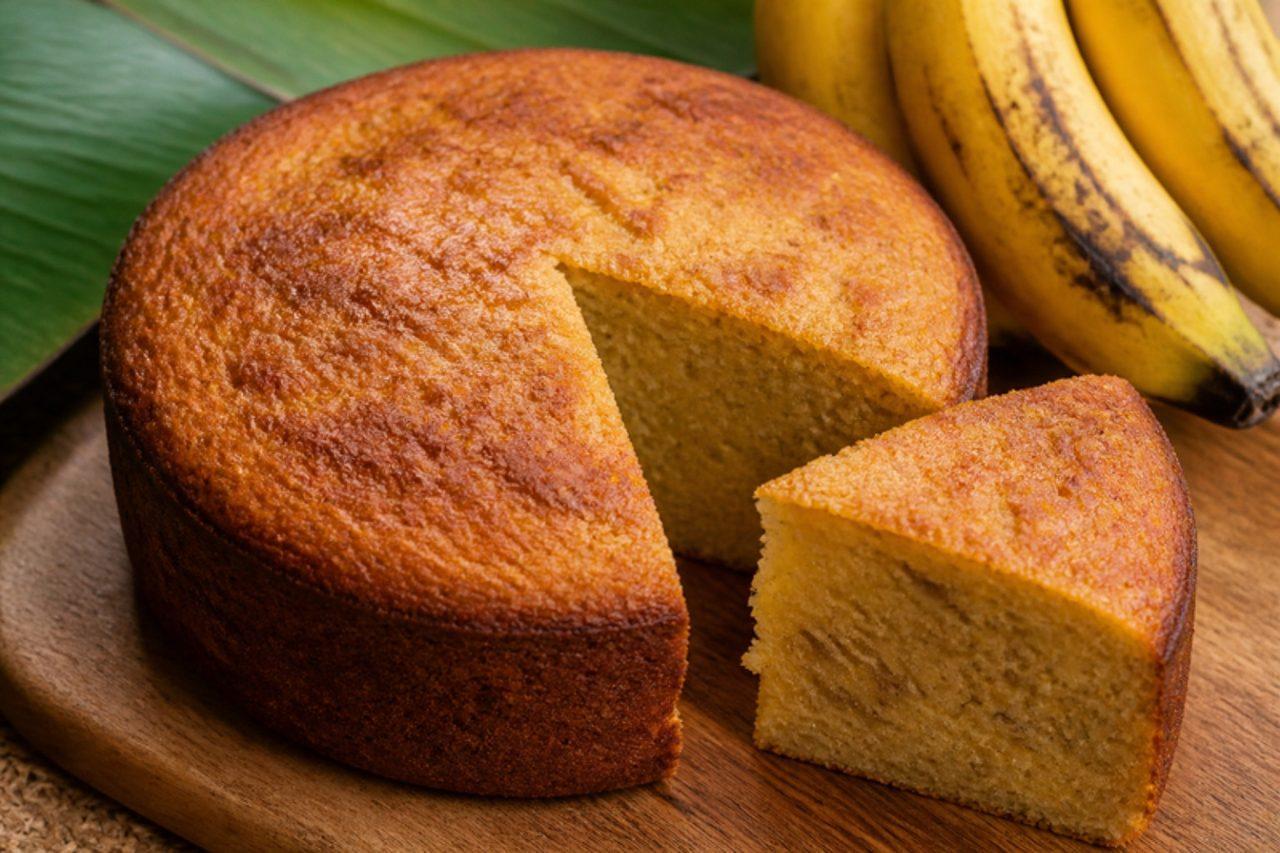
Chigumu is village baking from the Shire Highlands and the lakeshore near Mangochi: a thick batter of maize flour, overripe bananas and sugar poured into a greased pot, set on embers with more coals heaped on the lid, and left to bake slowly. The result is a dense, moist, golden loaf with a slightly gritty, cornbread-like crumb and a deep banana sweetness, cut into wedges for children after school or carried on journeys. An oven and a loaf tin give the same result at home. The usual mistake is using under-ripe bananas, which leave the cake dry and bland. Chef's tip: pick bananas with skins more black than yellow, and mash them to a liquid before adding the maize flour.

by KrazyBadal 0 views

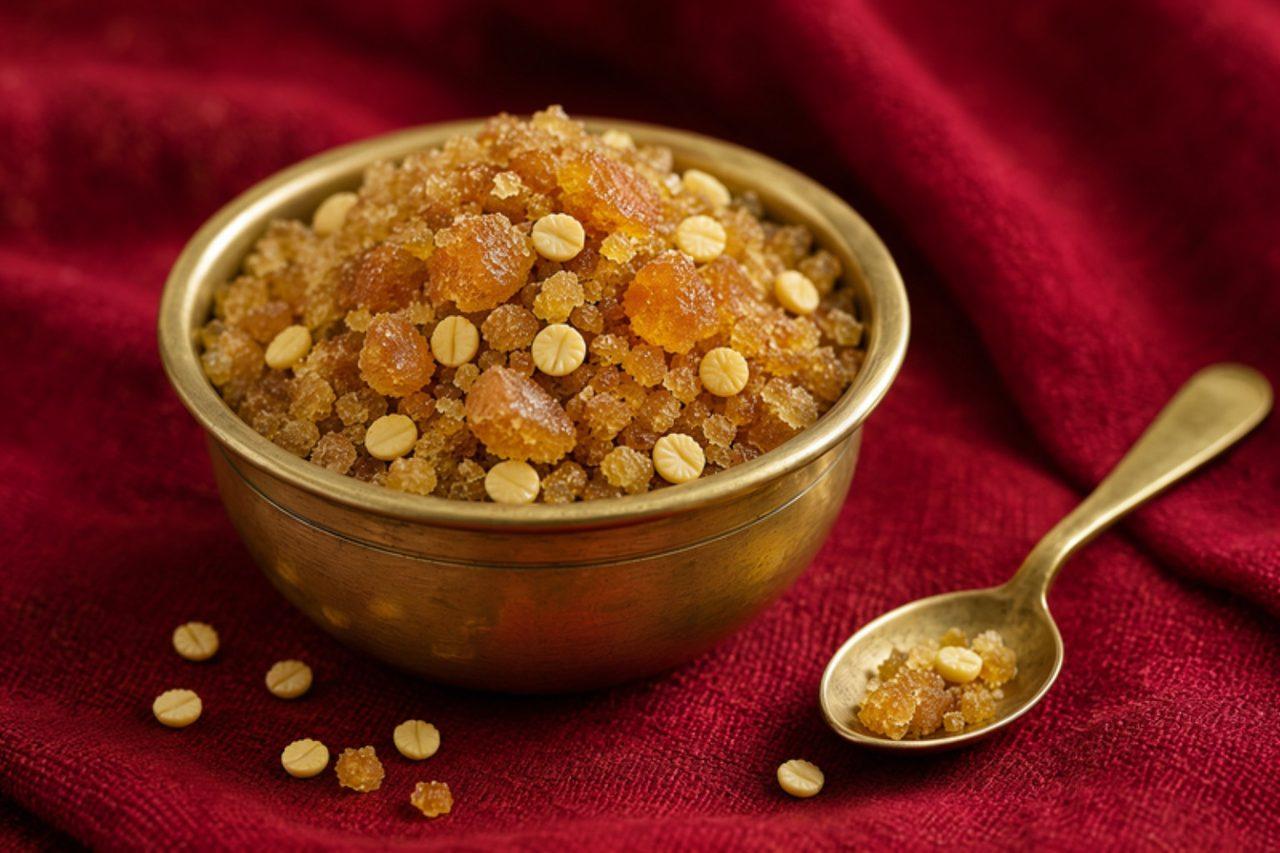
Gol dhanaJaggery and coriander seed sweet

In Gujarat, when two families agree on a match, a plate of gol dhana is passed around before anything else, and the engagement itself is often simply called 'gol dhana'. The same mix appears on auspicious days, at a griha pravesh and at the start of a new venture: soft jaggery rubbed together with dhana dal, the split, lightly roasted coriander seeds sold in every Gujarati grocery. It takes five minutes and needs no cooking. The common mistake is using whole coriander seeds, which are hard and bitter; buy dhana dal, or split and toast the seeds yourself. Chef's tip: choose a soft, golden Kolhapuri-style jaggery that crumbles between your fingers, so it coats the seeds instead of staying in lumps.

by KrazyBadal 0 views

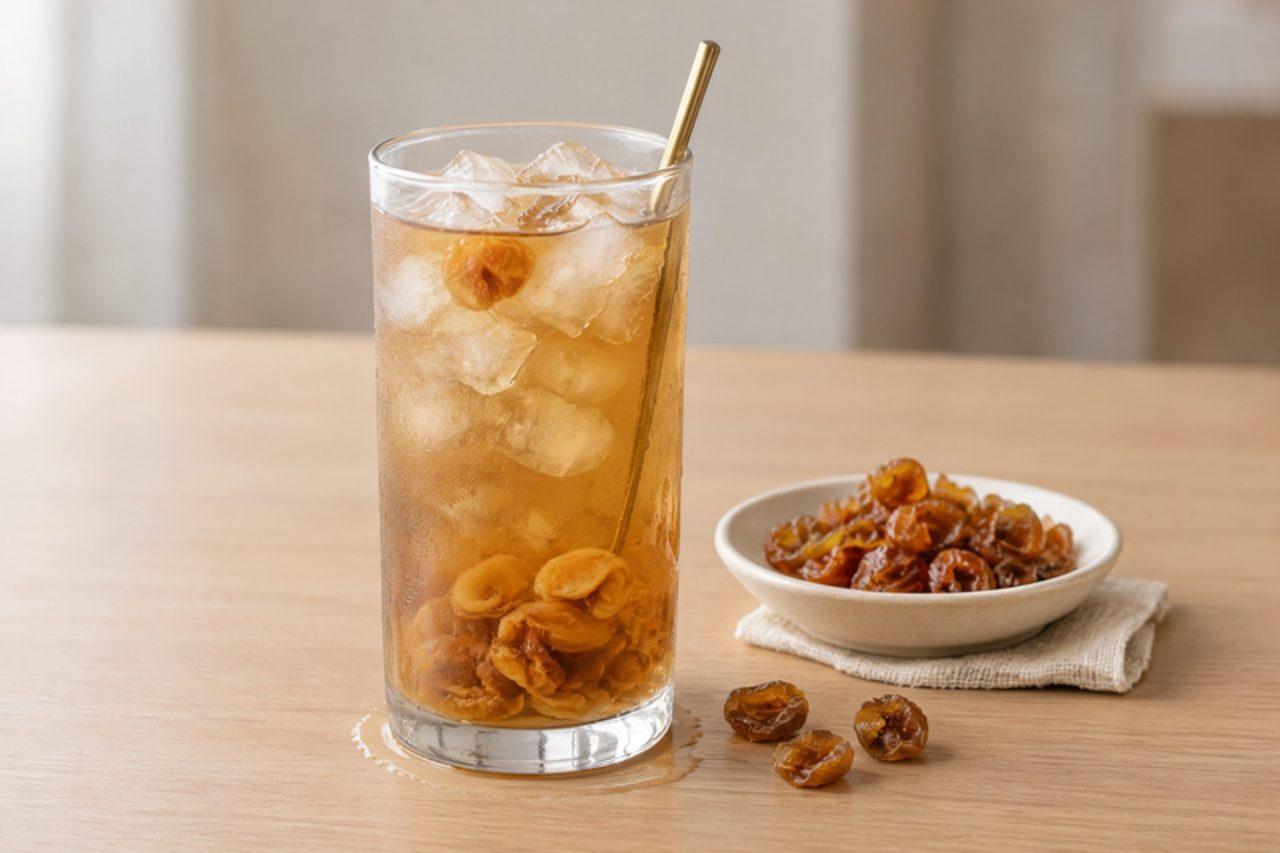
Nam lamyai (longan drink)

Longan orchards cover the valleys of Chiang Mai and Lamphun, and every August the harvest is smoked and dried in big brick ovens so the fruit lasts all year. That dried lamyai is the base of nam lamyai, sold in plastic bags with a straw at Warorot Market, at roadside stalls on the way to Doi Suthep and in school canteens across the north, especially in the hot season from March to May. It tastes like toffee and smoked honey with a light floral note, and each glass comes with a few plump, chewy longans at the bottom to fish out. The common mistake is boiling the fruit too long with all the sugar at the start: the drink turns syrupy and the longans go mushy. Simmer the fruit first, sweeten at the end and taste before adding everything. It is ready when the liquid is clear amber-brown, the longans have swollen back to roughly their fresh size and the kitchen smells of caramel. It keeps 4 days in a closed jug in the fridge. Chef's tip: a tiny pinch of salt is the street-vendor trick that makes the sweetness taste rounder and brings out the smoky edge.

30 minThaiDrinksVeganGluten free
by KrazyBadal 0 views

NapolitainesJam shortbread sandwiches with pink icing

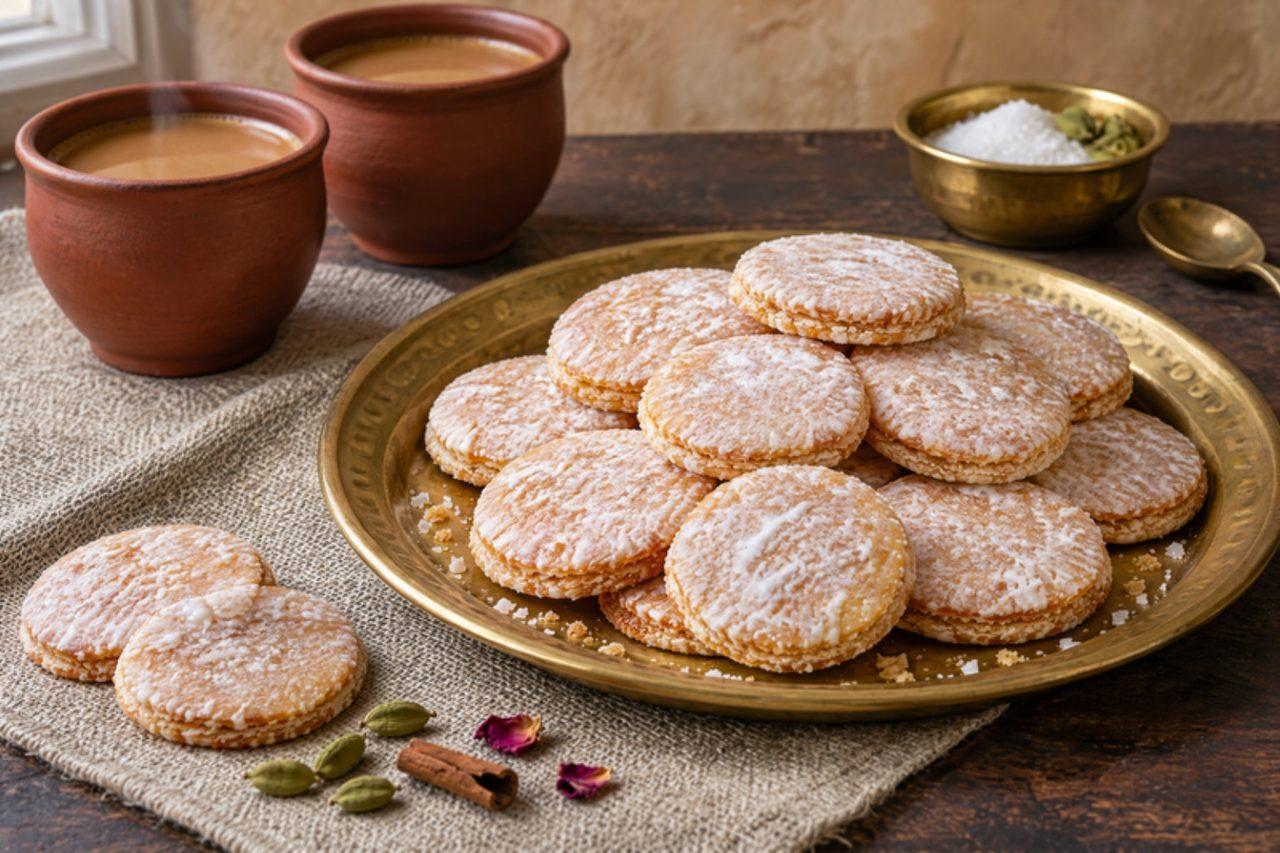
Pink, round and glossy, napolitaines sit in the front window of every pâtisserie in Port Louis and Quatre Bornes, and they come out at birthday teas, christenings and school fêtes. Two discs of tender, barely sweet butter shortbread are glued together with strawberry jam and dipped in a thin pink icing that sets to a crisp shell; the biscuit should crumble against the sweet glaze, not snap. The common mistake is baking them until golden: they must stay pale, or the shortbread turns hard and tastes toasted. Look for a vegetarian red food colouring, as many red colourings are made from cochineal insects. Chef's tip: chill the cut rounds for 15 minutes before baking so they keep their sharp edges and do not spread.

by KrazyBadal 0 views

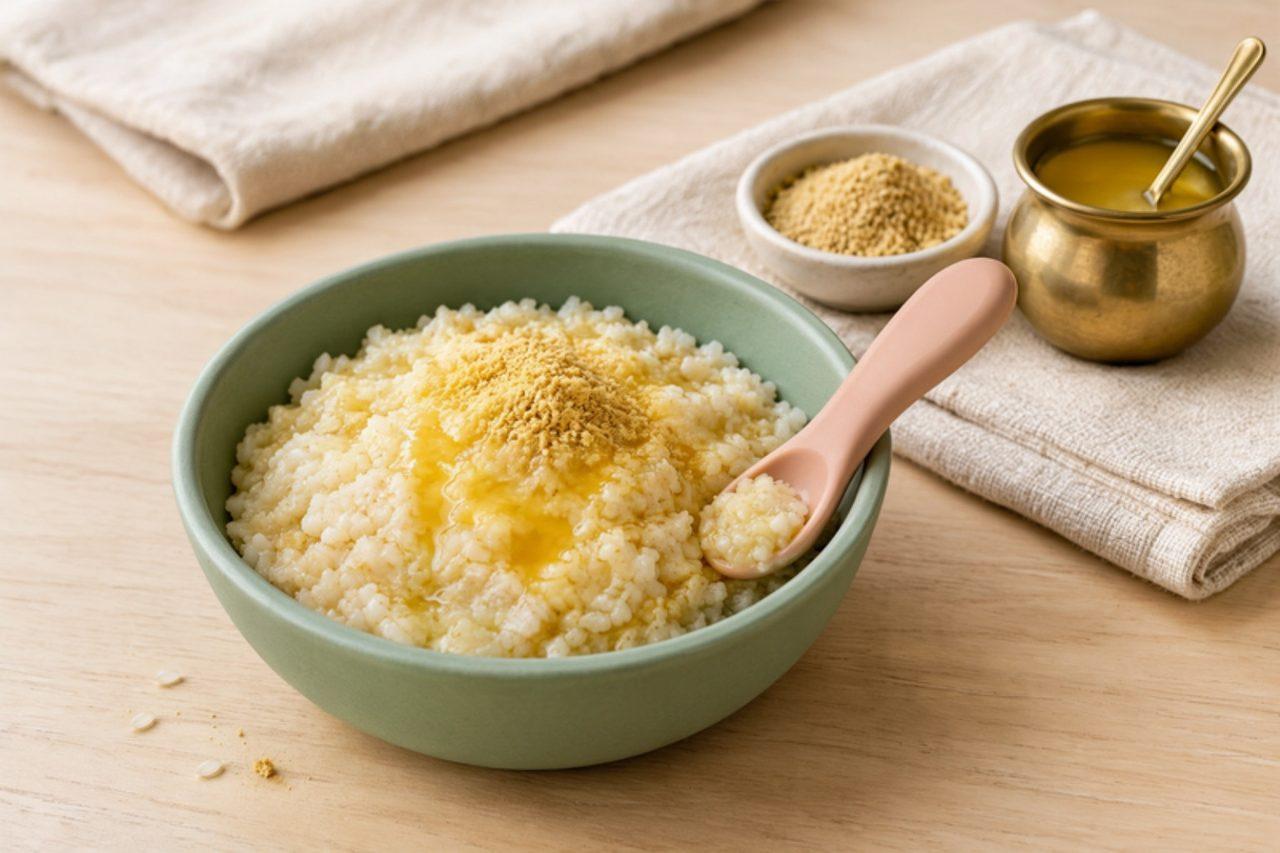
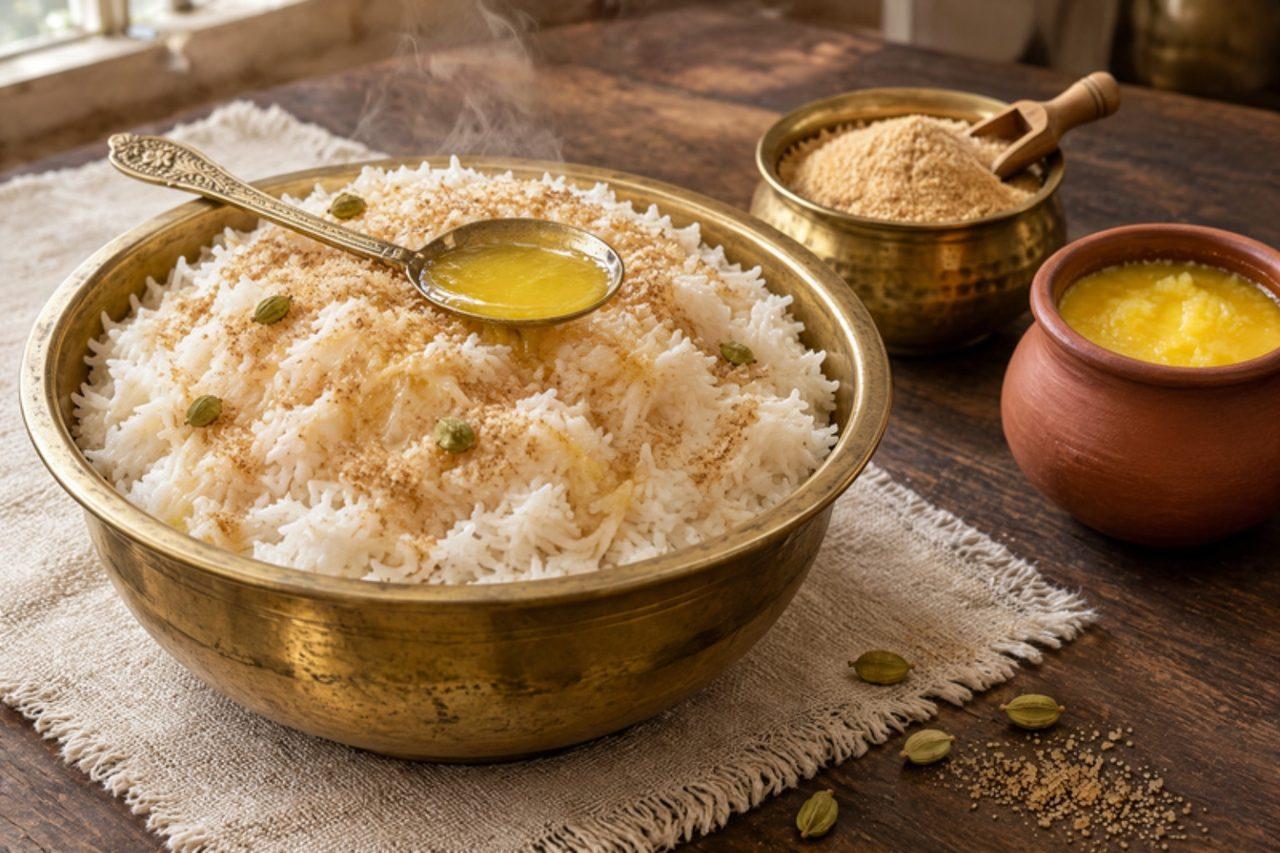
Metkut bhaatRice with lentil powder and ghee

Ask anyone who grew up in Pune or Mumbai's Dadar about their first proper meal and many will say metkut bhaat: soft hot rice, a spoon of melted ghee and a sprinkle of metkut, a roasted powder of chana dal, urad dal and rice with turmeric and cumin. It is the bowl grandmothers make on lazy evenings and for toddlers from 12 months, nutty, savoury and gentle without any chilli. Shop metkut usually contains salt and asafoetida (which often has wheat), so this recipe roasts a small salt-free batch at home. It contains milk (ghee); the home-made powder has no gluten, egg, nuts or soya. Chef's tip: roast the dals slowly until they smell like popcorn; pale dal gives a raw, floury powder.

by KrazyBadal 0 views

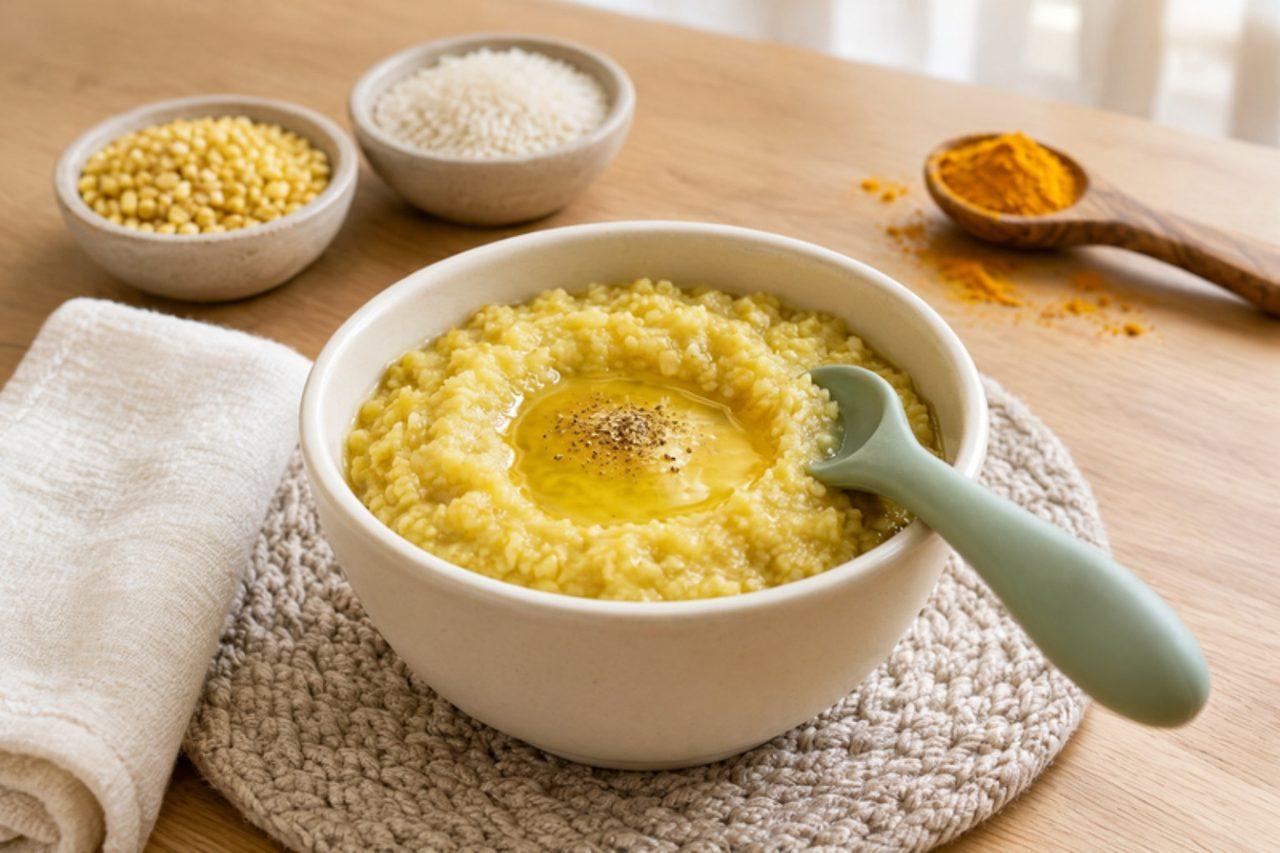
Jaulo for babiesRice porridge for babies

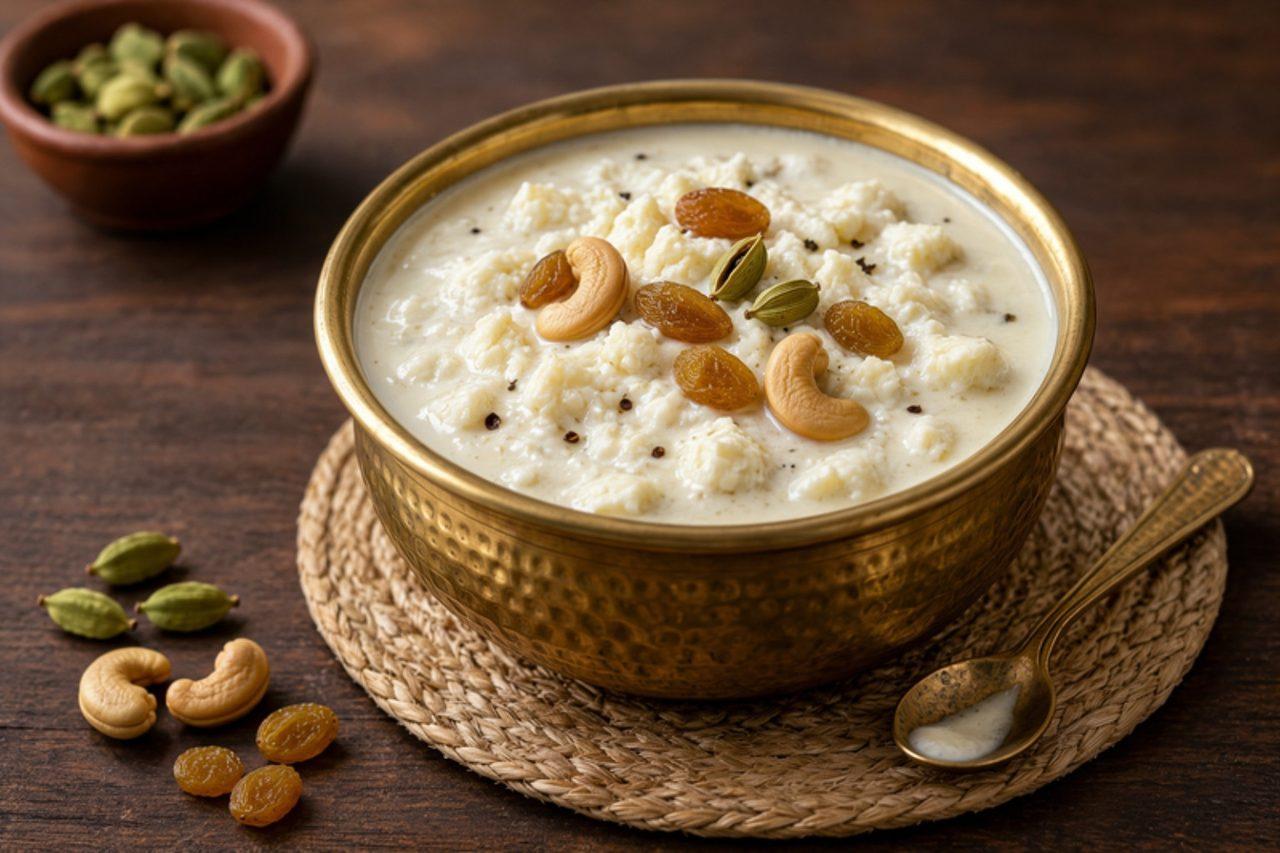
Jaulo is the soft rice and lentil porridge Nepali families in Kathmandu and the hills turn to for anyone small, tired or getting over a cold. After a baby's pasni, the rice-feeding ceremony held at five or six months, it soon becomes a regular lunch, and from about nine months it is mashed lumpy rather than smooth. This version keeps the ghee, cumin and turmeric for gentle flavour but leaves out the usual salt, garlic and ginger. It is warm, buttery and comforting. It contains milk (ghee) and is free of gluten, egg, nuts, soya and sesame. Chef's tip: fry the cumin only until it smells toasty and is a shade darker; burnt cumin turns the whole pot bitter.
by KrazyBadal 0 views

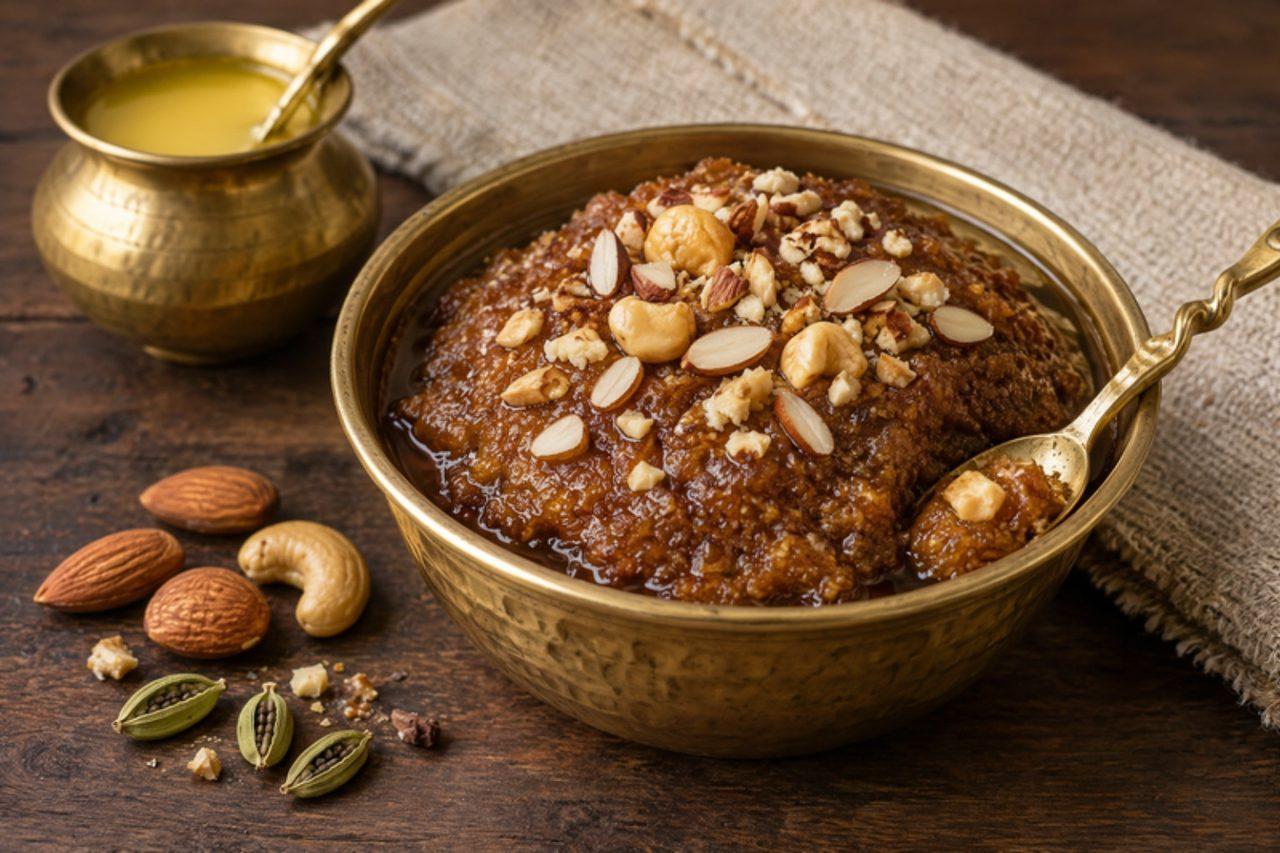
Aate ka halwaWholewheat flour halwa

Across Marwar, this simple halwa is the one cooked for temple prasad, for Satyanarayan katha and for women in the weeks after giving birth, when ghee and jaggery are thought to build strength. Wholewheat flour is roasted slowly in plenty of ghee until it turns a deep nutty brown, then cooked with hot water and sugar or jaggery until soft and glossy. The whole thing takes 30 minutes. The common mistake is rushing the roast on high heat, which leaves the flour raw-tasting inside and scorched outside. Chef's tip: roast on low heat until the colour is like milky tea and the ghee starts to separate and bubble around the flour.

by KrazyBadal 0 views

Caffè shakeratoShaken iced espresso

When July heat settles over Italian piazzas, bar regulars from Rome to Bologna switch their morning or after-lunch espresso for a shakerato. The barista pulls a fresh shot, tips it into a cocktail shaker with ice and sugar, shakes hard for fifteen seconds and strains it into a chilled martini or wine glass, where it settles into a dark body under a thick, beige, mousse-like crema. It tastes intense and bittersweet, colder and smoother than iced coffee, with a texture almost like a light cream. The common mistake is using too little ice or shaking half-heartedly: the coffee stays warm and the foam collapses within seconds. Fill the shaker at least half full with ice and shake until the metal is too cold to hold comfortably. It is ready when you hear the ice rattle softly and the shaker frosts over, and the pour has a thick foam on top. One shaker holds one double espresso, so it is fairly strong in caffeine. Chef's tip: dissolve the sugar in the hot espresso before adding ice; granulated sugar barely melts once the coffee is cold.

by KrazyBadal 0 views

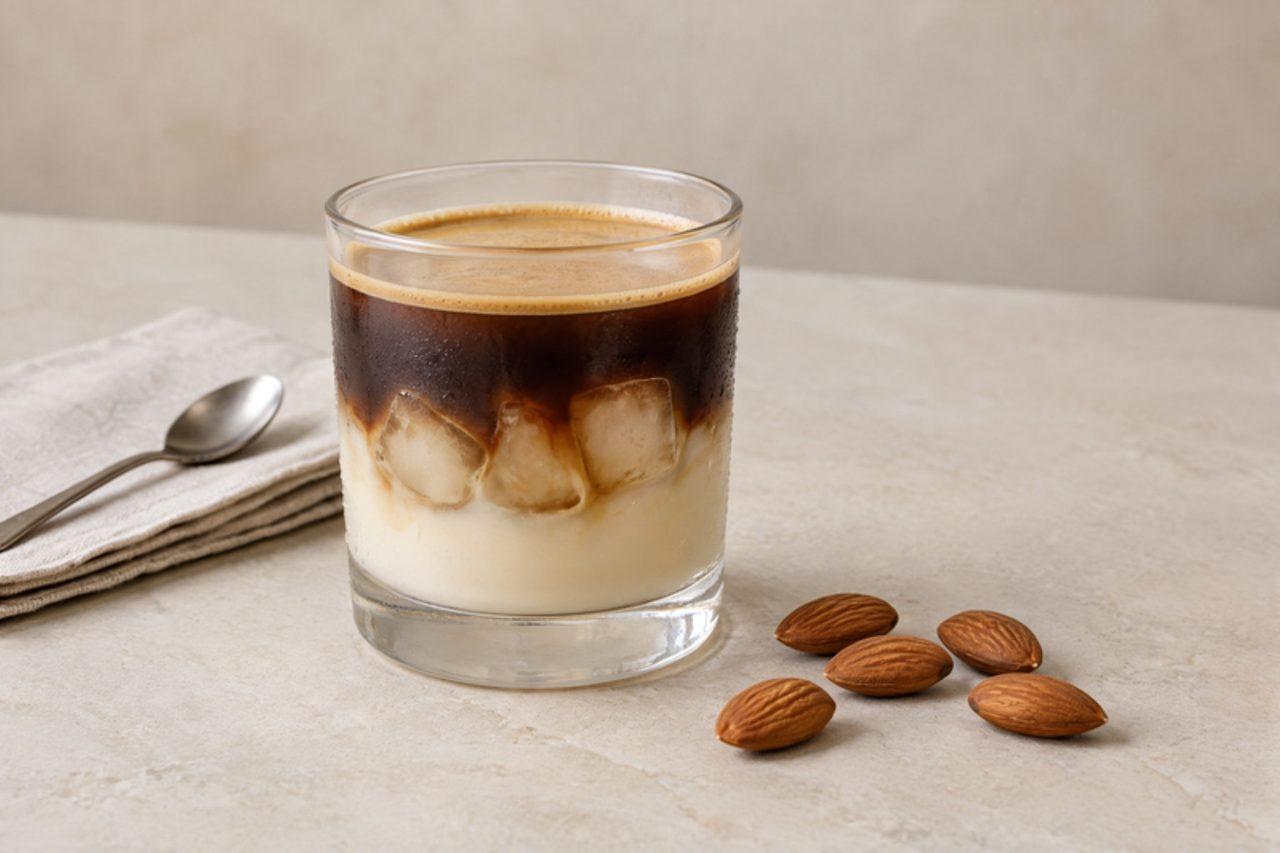
Caffè lecceseEspresso with almond milk over ice

In Lecce and the towns of Salento, summer mornings start at the bar with a caffè in ghiaccio, and the local version, a fairly recent invention now poured everywhere from Otranto to Gallipoli, adds a pour of latte di mandorla: the sweet almond-milk syrup Puglian bakers have made for generations from local almonds. A short glass is filled with ice, the almond syrup goes in, and a hot espresso is poured straight over so it cracks the ice and blends into a pale, cold, nutty coffee. It is sweet without being sticky, with a marzipan aroma and a clean bitter finish. The common mistake is letting the espresso cool before pouring: it no longer melts and mixes with the dense syrup, which then sits at the bottom. Pull the shot and pour it at once, then stir. It is ready when the drink is evenly caramel-coloured and the glass feels icy. Lecce bars serve it from about May to late September, often with a pasticciotto. Espresso means a fair hit of caffeine. Chef's tip: if you can only find unsweetened almond drink, stir 1 tsp of sugar into it first, but real Puglian almond syrup gives the true taste.

by KrazyBadal 0 views

Aval kanji for babiesRice flake porridge for babies

In Tamil homes from Madurai to Chennai, aval (flattened rice, the same poha sold in every kirana shop) is one of the first grains a grandmother reaches for when a baby turns six months. The flakes are dry-roasted until they smell like puffed rice, ground to a fine powder and simmered with water into a thin, pale porridge with a gentle toasted flavour, usually given as a mid-morning feed. For babies it is made with no salt, sugar, jaggery or honey. It is free of the major allergens: no milk, egg, gluten, nuts, soya, sesame or fish. Chef's tip: roast a whole cup of aval at once, grind it and keep the powder in a dry jar for up to two weeks, so each feed takes five minutes.

by KrazyBadal 0 views

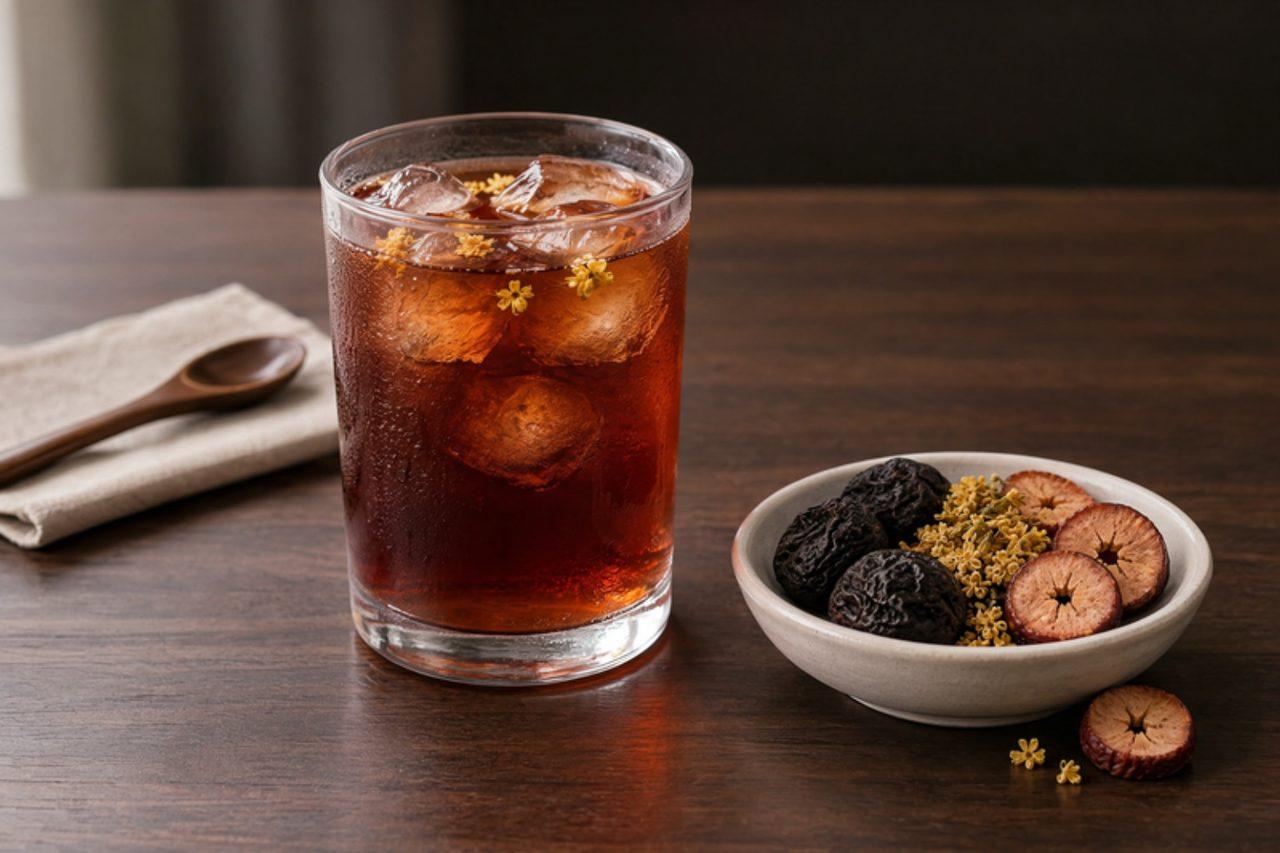
Suanmeitang (sour plum drink)

Old Beijing sold suanmeitang from brass bowls at street corners in summer, chilled with blocks of river ice, and the Qing court drank a version as a cooler. Today it comes in big jugs at copper-pot hotpot restaurants, where its sourness cuts through mutton and sesame sauce; families brew a pot every few days all summer. Smoked wumei plums give a deep, almost bacon-like smokiness, hawthorn adds fruity acid, licorice softens the edges and rock sugar rounds everything off, with dried osmanthus on top for a honeyed scent. It should be dark ruby, clear and refreshing, tart first and sweet after. The common mistake is boiling it hard for hours: the plum stones and hawthorn seeds release bitterness and the brew turns muddy. Simmer gently, strain early and chill fast. It is ready when the plums have collapsed and the liquid tastes clearly sour-sweet with a smoky finish. Licorice root is traditionally used in small amounts; people with high blood pressure, heart or kidney problems, or who are pregnant should keep the licorice out or check with a doctor. Chef's tip: add the osmanthus only after the heat is off, or its perfume vanishes.

by KrazyBadal 0 views

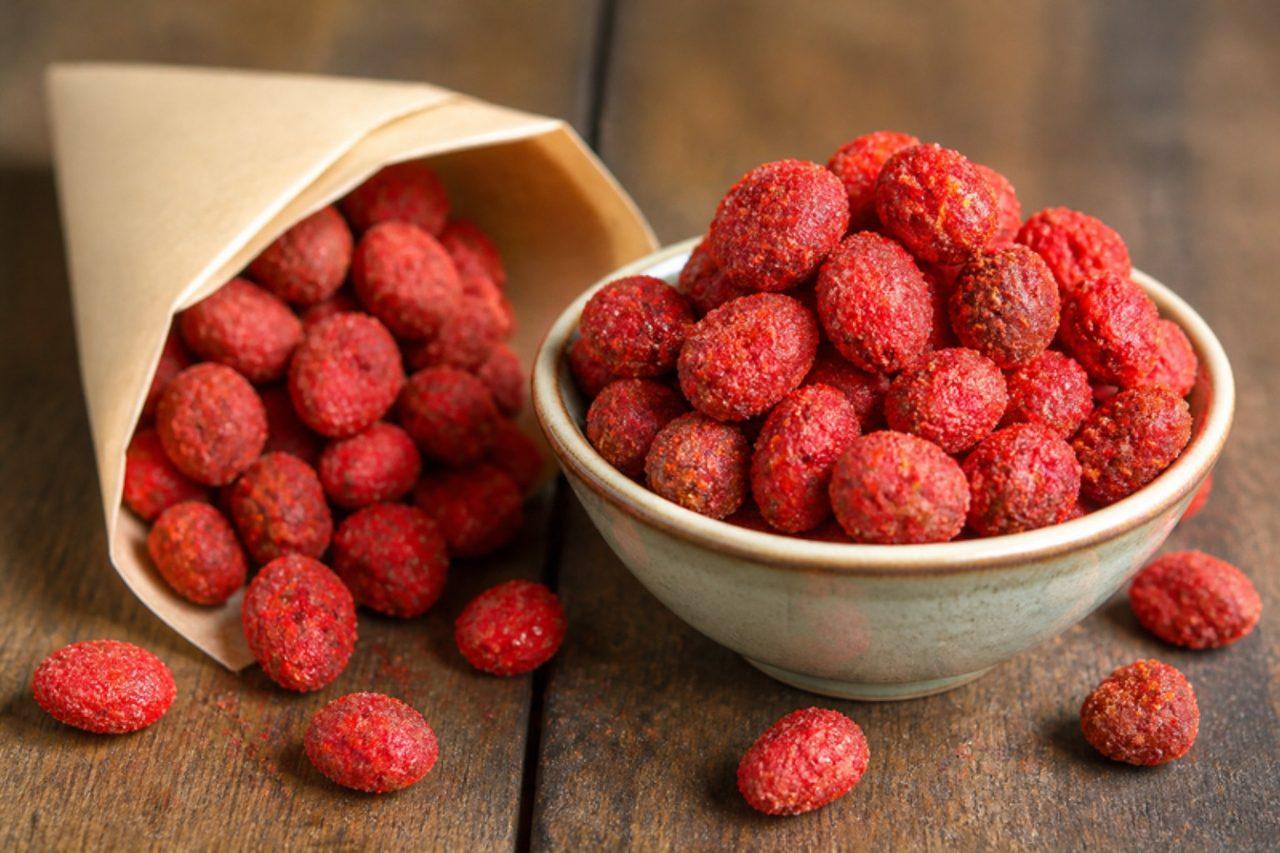
MabuyuCandied baobab seeds

Twist-tied plastic packets of bright red mabuyu hang in every kiosk in Mombasa and Zanzibar, and school children suck on them for hours. Each baobab seed keeps a coat of its own chalky, lemony pulp, and boiling it in sugar syrup with chilli, cardamom and a touch of salt turns that coat into a crunchy, sweet, sour and hot shell. Buy dried baobab seeds with the pulp still on (sold as ubuyu or baobab seed pods at African grocers or online); powder or plain seeds won't work. Suck off the coating and pulp; the hard seed inside is not meant to be chewed and is not safe for small children. Chef's tip: once the seeds are in, keep stirring off the heat until the syrup suddenly turns cloudy and sandy; that is the moment the crust forms.

by KrazyBadal 0 views

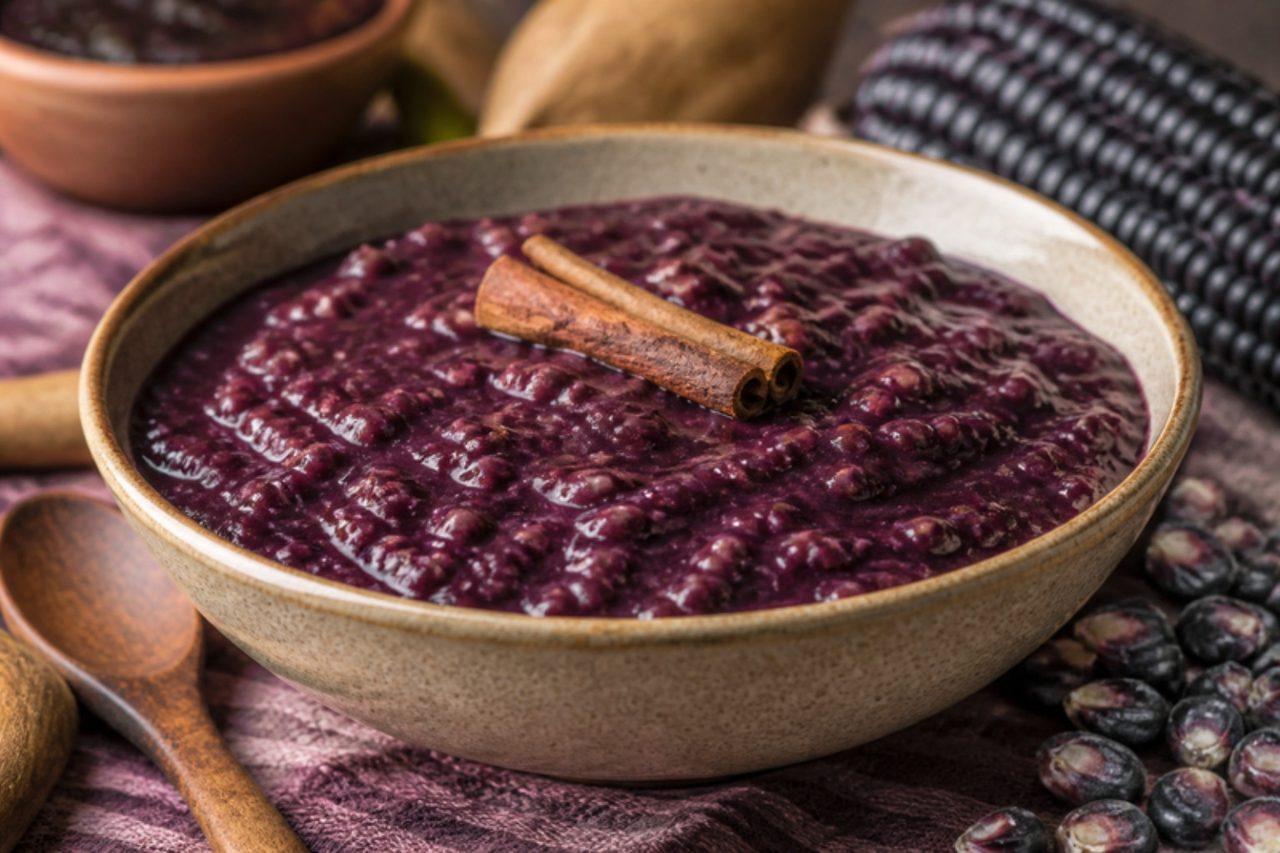
TojoríPurple corn porridge

Before dawn in Potosí and Sucre, vendors ladle steaming tojorí from big pots into glasses for miners, students and market workers. It is a pourable porridge of ground corn cooked with cinnamon, cloves and sugar; the purple-corn version is mildly fruity and turns a deep violet. It is drunk with buñuelos or a bread roll. Don't stop stirring in the first ten minutes, which is when it sticks and scorches. Chef's tip: toast the corn flour in a dry pan for a couple of minutes before you start; it brings out a roasted, nutty taste.

by KrazyBadal 0 views

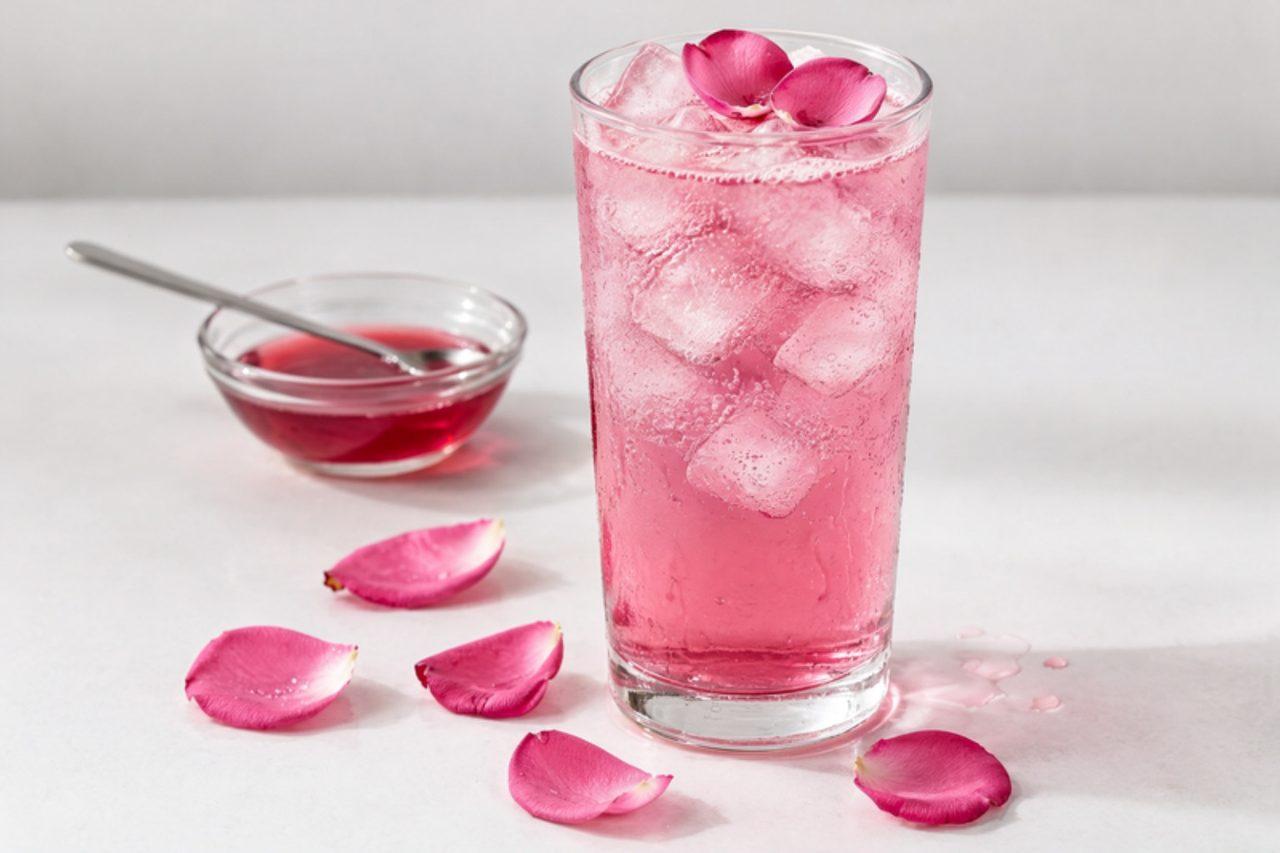
Paneer soda (rose soda)

Every Tamil town once had a soda shop with crates of Codd-neck bottles sealed by a glass marble, and the pop of the marble being pushed down was the sound of a hot afternoon. Paneer here means rose water, not cheese, and paneer soda is rose syrup topped with that sharp local fizz, sold in Madurai, Tiruchi and Coimbatore by the bus stand and at temple festival stalls in Chithirai and Vaikasi, the hottest months. It is sweet and floral at first, then the bubbles and a touch of lime cut through and leave the mouth clean. The mistake most people make is boiling the rose water with the sugar: the scent cooks away and you are left with plain syrup. Make the syrup first, let it cool, and only then stir in the rose water. The syrup is ready when it is clear and slightly thickened, like thin honey, and the finished drink should be rosy pink and still foaming as you hand it over. Chef's tip: chill the syrup, the soda and the glasses well; warm soda loses its fizz the moment it meets the syrup.

by KrazyBadal 0 views

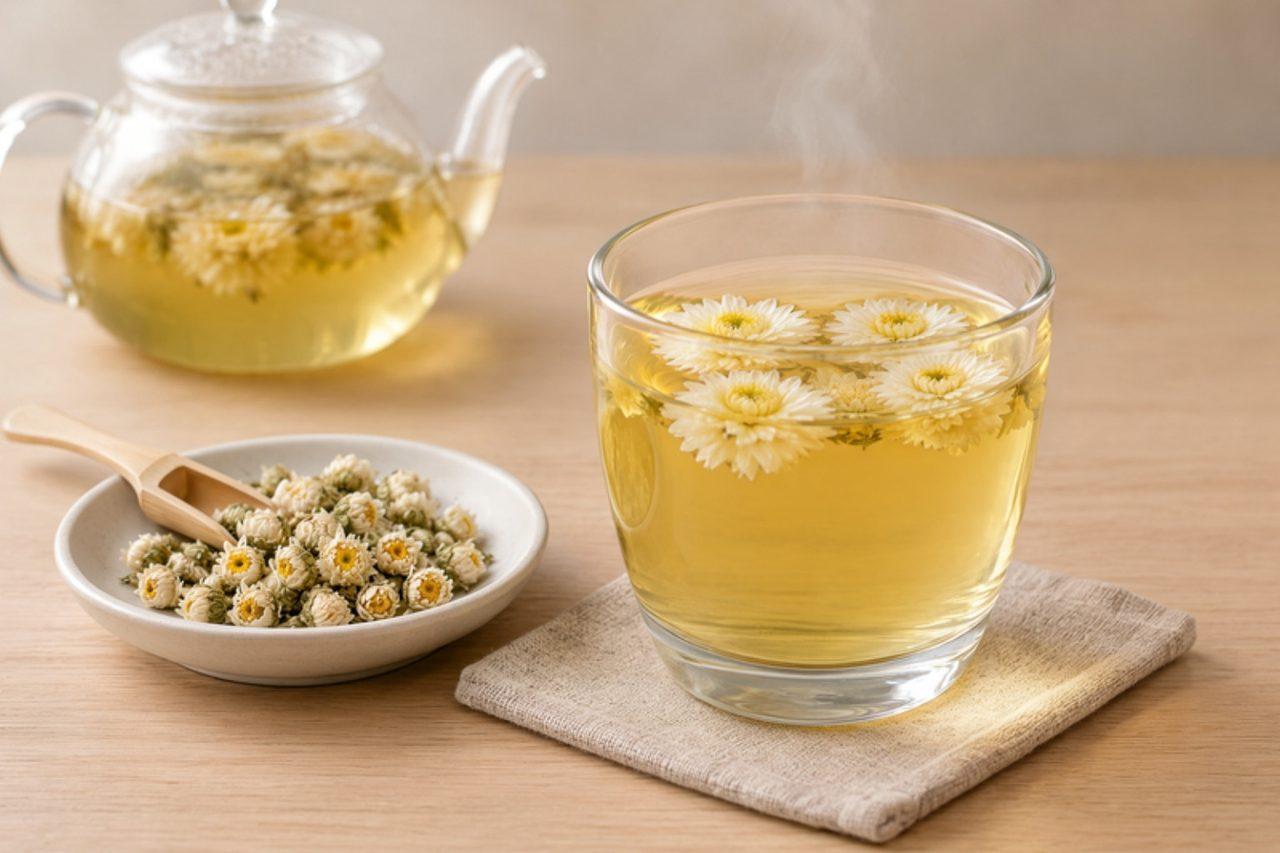
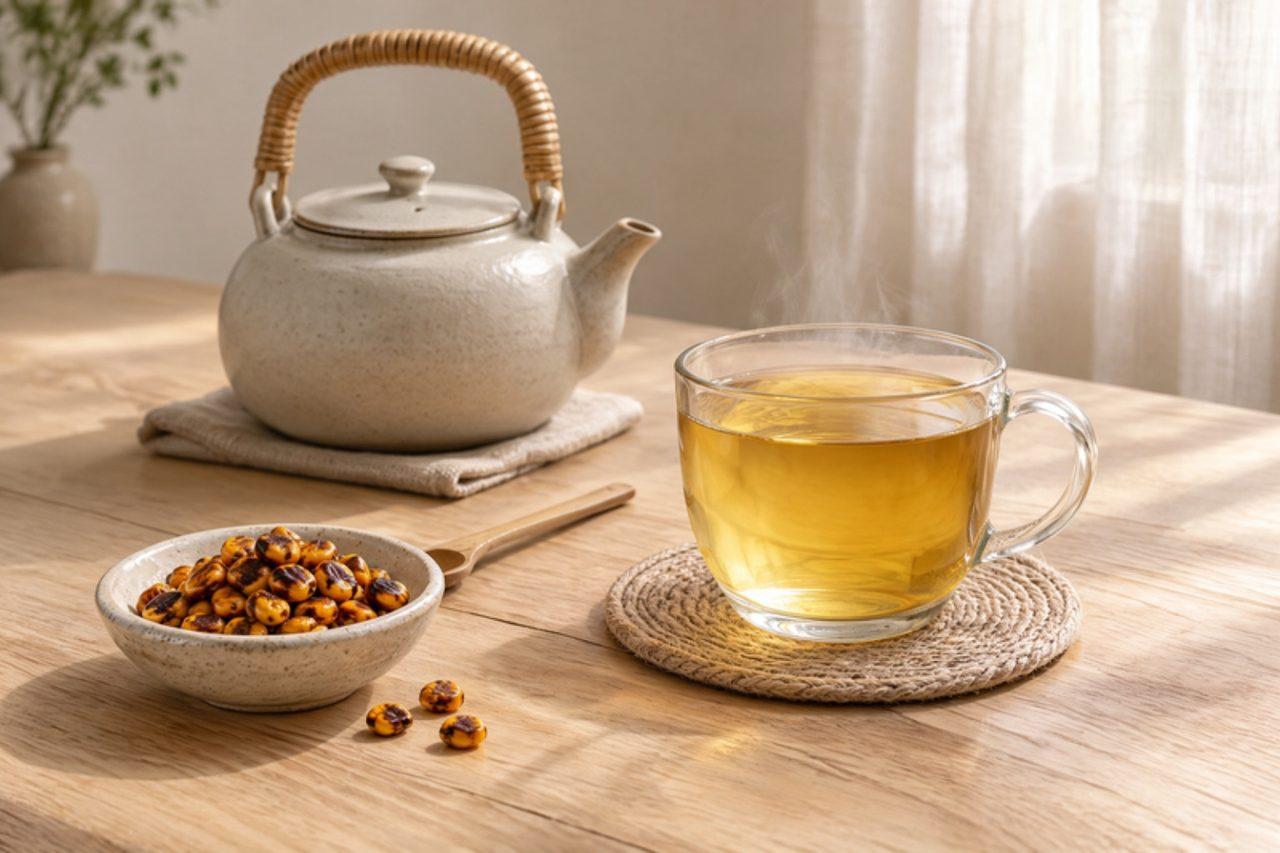
Juhua cha (chrysanthemum tea)

The small white hangbaiju flowers grown around Tongxiang, near Hangzhou, are picked in November, steamed and dried, and they end up in teapots all over China. Families brew them after a rich dinner, through the dry autumn, and iced in summer; dim sum houses in the south offer them as a caffeine-free choice, often mixed with pu-erh. The tea is pale gold, lightly floral with a faint bitterness like chamomile, softened by a little rock sugar and a few goji berries that turn plump and red in the pot. The common mistake is pouring boiling water straight onto the flowers and leaving them for twenty minutes; the tea turns brownish and bitter. Water just off the boil, around 90 °C, and a short steep keep it clear and sweet. It is ready when the flowers have opened like little daisies, the colour is light amber and the smell is honey-like. You can top up the pot two or three times. If you are allergic to ragweed, daisies or marigolds, try a small cup first or skip it, as chrysanthemum belongs to the same family. Chef's tip: for iced juhua cha, brew it double strength and pour it straight over a glass full of ice so it does not taste watery.

by KrazyBadal 0 views

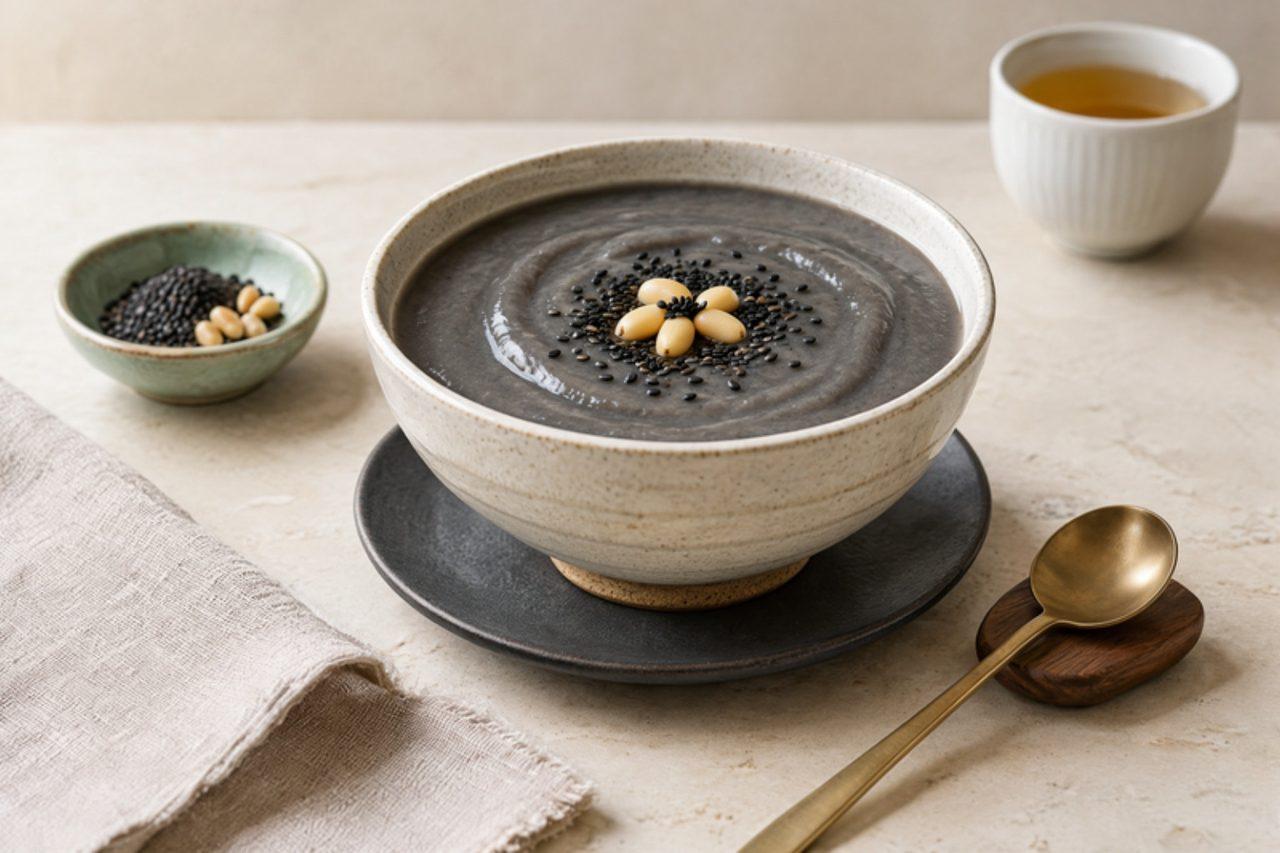
Heukimja-jukBlack sesame rice porridge

This charcoal-grey porridge of roasted black sesame and rice is one of Korea's gentlest breakfasts, often made for elders, for people getting over a cold, or simply on a slow weekend morning. It is nutty, lightly sweet and smooth as cream. The mistake is burning the sesame: the seeds are already black, so you cannot judge by colour; toast them only until they crackle and smell nutty, or the porridge turns bitter. Chef's tip: grind the toasted seeds with a little of the soaked rice and water rather than on their own, which turns them into a smooth paste instead of an oily clump.

by KrazyBadal 0 views

Makhaniya lassiSaffron lassi with butter

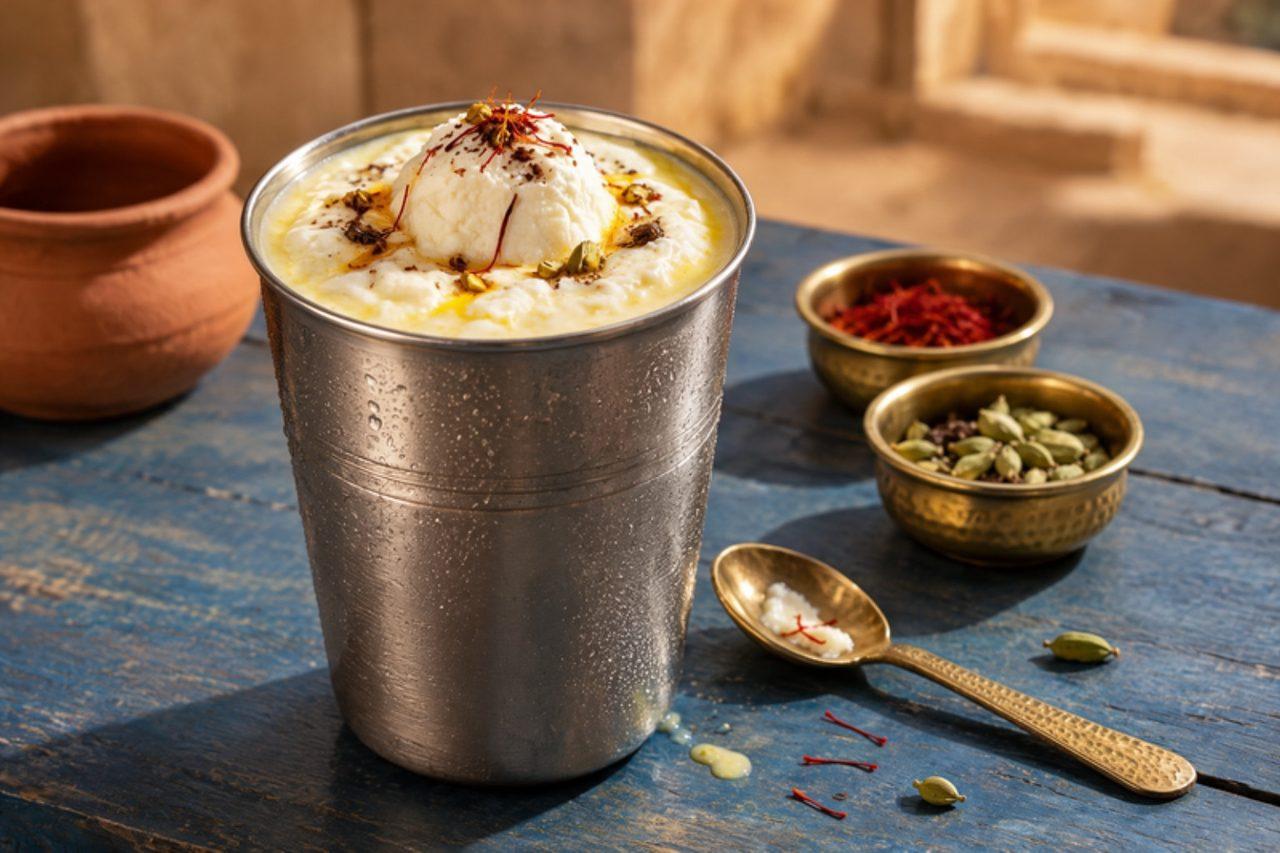
Around the clock tower and old city of Jodhpur, lassi shops churn this rich drink all day in summer: chilled set curd whisked with sugar, saffron and cardamom, poured into tall glasses and crowned with a spoon of fresh white butter (makhan) and a layer of malai. You drink the cool lassi and eat the butter and cream with a spoon. It is a meal in itself. The common mistake is thinning it with too much water or ice, which loses the thick, almost spoonable texture that makes it Jodhpuri. Chef's tip: use curd set from full-fat milk the night before and whisk it by hand or with a few pulses only.

by KrazyBadal 0 views

Tibetan fried breadPuffed fried bread

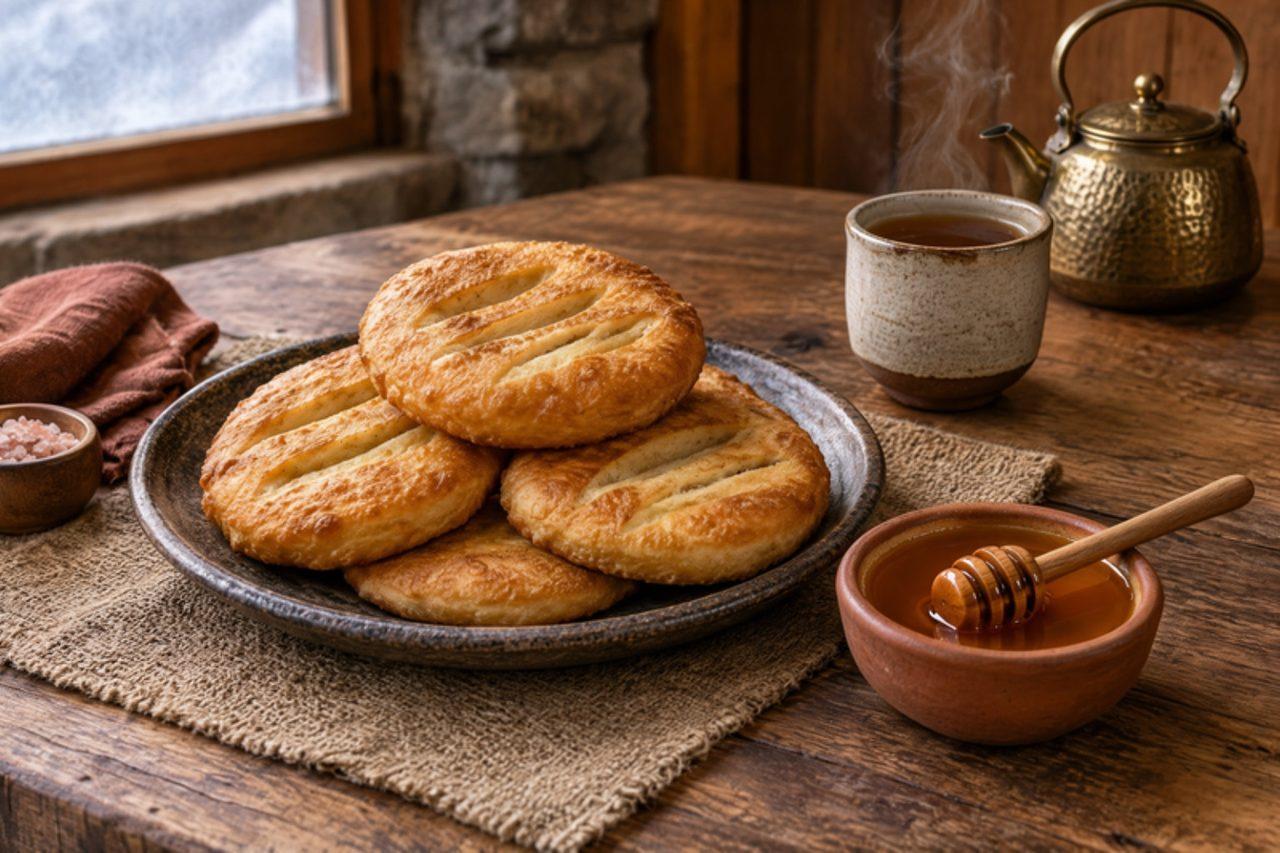
Trekkers in the Everest and Annapurna regions, and early risers in Kathmandu's Boudha neighbourhood, know this bread: rounds of dough slashed down the middle and fried until they puff, golden outside and soft inside. Tibetan families eat it with honey or jam, with a bowl of potato or chickpea curry, and with salty butter tea. The mistake is rolling the dough too thin; at about 1 cm thick it stays tender, while thin dough fries into a hard cracker. Chef's tip: let the shaped rounds rest for 10 minutes before frying so the gluten relaxes and the bread balloons evenly.

by KrazyBadal 0 views

OdiiRoasted peanut paste

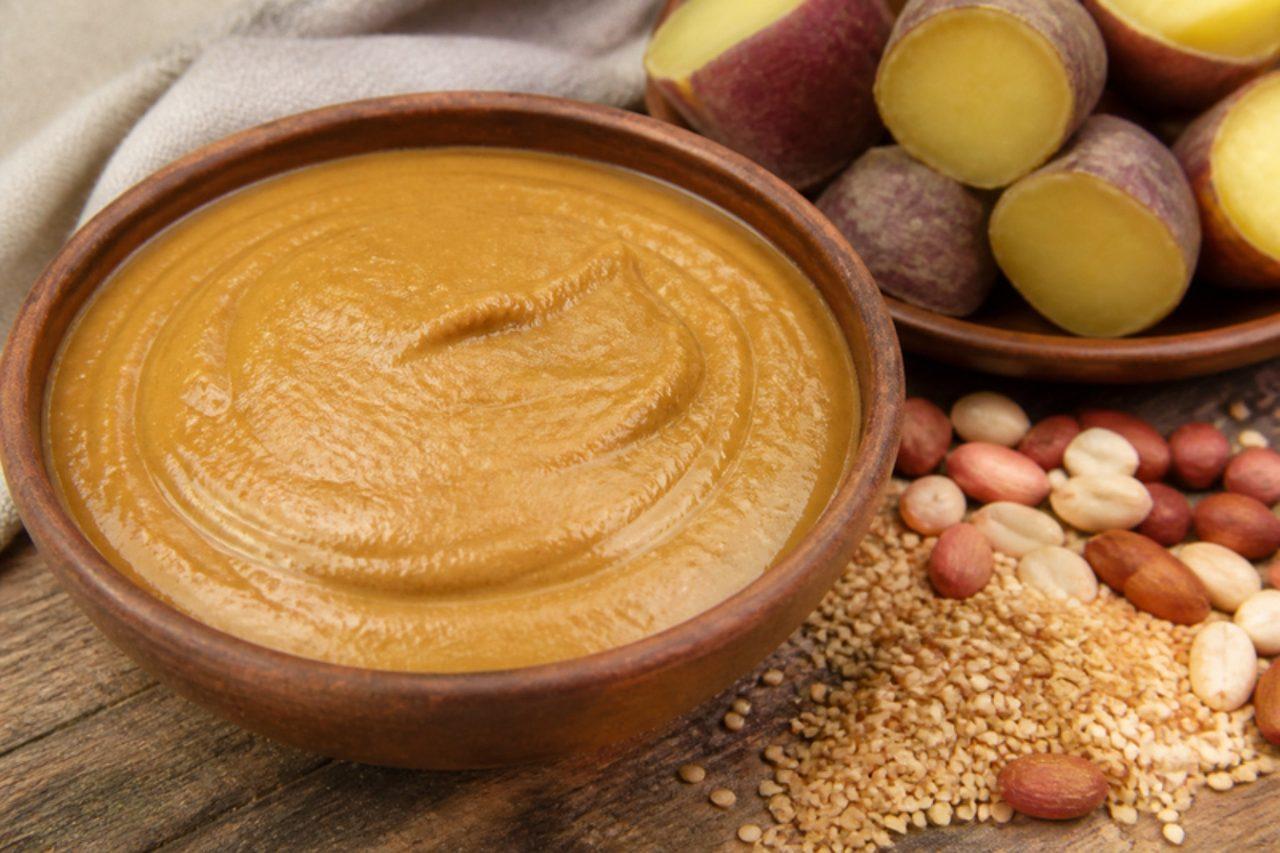
A jar of odii sits in almost every northern Ugandan kitchen, made by roasting groundnuts, often with a handful of sesame, and grinding them to a paste. Thinned with a little salted water, it becomes a smooth, toasty, savoury spread for bread and roasted cassava, a dip for boiled sweet potatoes, or the starting point for malakwang and boo. Freshly made, it tastes far deeper than shop peanut butter. The error to avoid is under-roasting: pale nuts give a flat, beany paste, so take them to an even mid-brown. Chef's tip: add the water a teaspoon at a time while stirring; the paste will first seize and thicken, then turn silky, so keep going past that point.

by KrazyBadal 0 views

Rajgira no sheeroAmaranth flour pudding

On Ekadashi, Navratri and other fast days, Gujarati homes make this quick sheero from rajgira (amaranth) flour, which is allowed when grains are not. It is roasted in ghee until nutty, then cooked with milk and sugar into a soft, spoonable pudding with cardamom and a few nuts. It is ready in 20 minutes and is often offered to the Mataji before the family eats. The common mistake is adding cold milk to the roasted flour, which seizes into lumps. Chef's tip: heat the milk and sugar together first and pour it in slowly while you whisk.

by KrazyBadal 0 views

Kesar pendaSaffron milk pendas

In Ahmedabad, any good news, from exam results to a new home or a newborn, means a box of kesar penda passed around the office and the street. These are soft, creamy pendas of fresh mawa cooked briefly with sugar and plenty of saffron, so they stay pale gold and fudgy, quite unlike the browned pedas of Mathura or Dharwad. The common mistake is overcooking the mawa once the sugar goes in, which turns the pendas dry and cracked at the edges. Chef's tip: stop cooking as soon as a small piece rolls into a smooth ball between your palms; they firm up as they cool.

by KrazyBadal 0 views

NeureosCoconut and jaggery pastries

No Goan Catholic kuswar, the tray of Christmas sweets sent to neighbours, is complete without neureos, little crimped half-moons of crisp pastry stuffed with fresh coconut cooked down with jaggery, cardamom and a few raisins or cashews. Families gather in the week before Christmas to roll, fill and pinch them by the hundred, and they keep well in a tin until New Year. The common mistake is a wet filling: if the coconut mix is still moist when sealed the pastries burst in the oil, so cook it until it leaves the pan and cool it fully. Chef's tip: use a fluted pastry wheel to trim the edge after crimping, which gives the classic frilly finish and a tighter seal.

by KrazyBadal 0 views

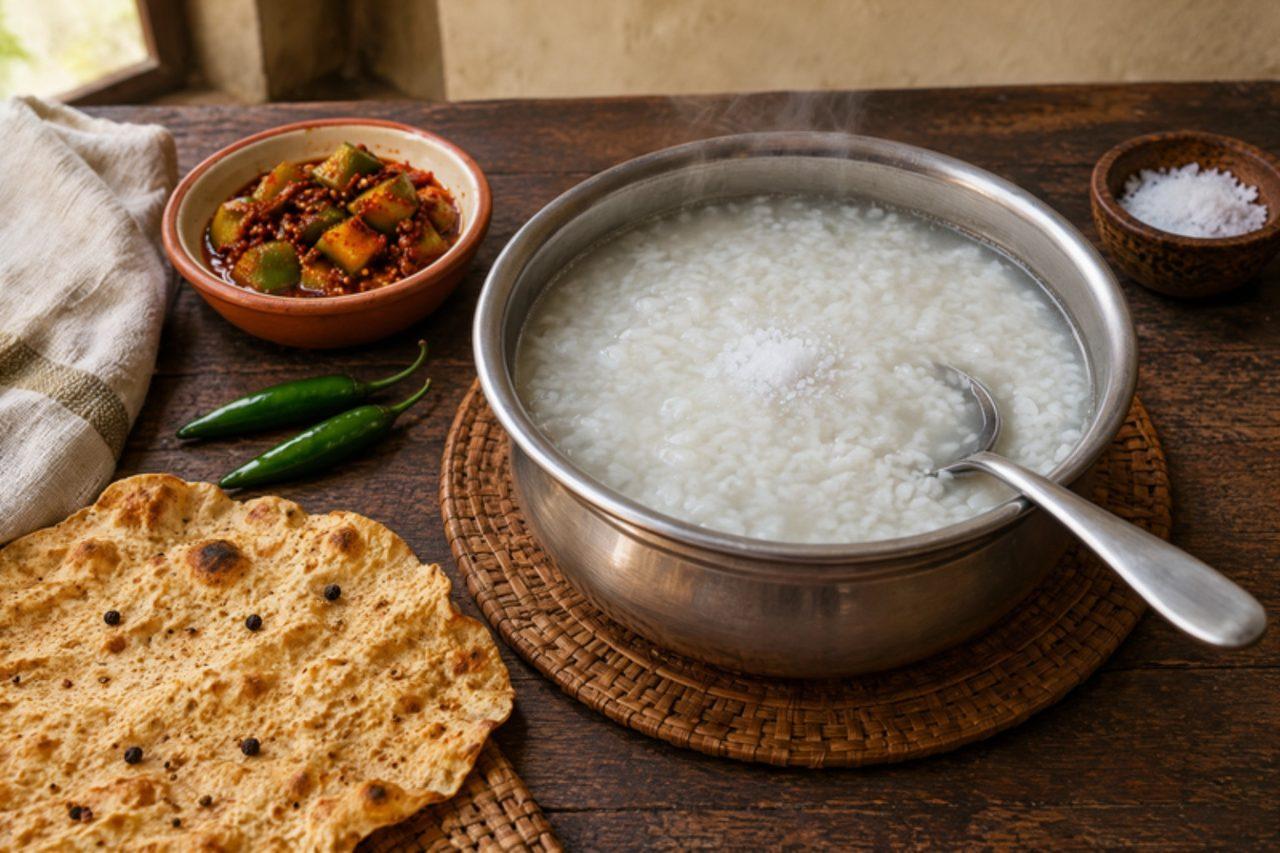
Goan pezRice porridge with pickle and papad

Pez is the plainest food in a Goan kitchen and one of the most loved: red parboiled rice simmered in plenty of water until the grains burst and the liquid turns milky. Fishermen and farmers ate it before a day's work, mothers serve it to anyone who feels unwell, and on heavy monsoon evenings it comes with a spoon of mango or lime pickle, a roasted papad and sometimes a dry fish or vegetable on the side. The mistake is cooking it in too little water so it becomes a sticky porridge; good pez has whole soft grains floating in thin, starchy broth. Chef's tip: stir in a little salt only at the end and let everyone add buttermilk or coconut milk to their own bowl.

by KrazyBadal 0 views

Hongzao guiyuan cha (red date and longan tea)

Across southern China, from Fujian to Guangdong, a pot of red dates and dried longan is what mothers and grandmothers put on the stove when the weather turns cold, and it is the classic drink brought to new mothers during zuo yuezi, the month of rest after childbirth. It is also sipped through the winter in the afternoon, or offered to visitors at Lunar New Year because the red dates promise sweetness ahead. The tea is amber-brown, naturally sweet and fruity, with a caramel, smoky depth from the longan and a gentle warmth if you add ginger. The common mistake is simmering whole dates: their skins stay tight and the tea tastes thin. Slit or tear each date so the flesh can give up its sweetness, then simmer slowly. It is ready when the dates are puffed and soft, the longan has swollen and the liquid is the colour of weak tea and tastes of toffee. It is traditionally drunk for comfort and warmth, not as a medicine; it is high in natural sugar, so go easy if you watch your blood sugar, and goji can interact with blood-thinning medicines, so check with a doctor if you take them. Chef's tip: eat the softened fruit from the bottom of the cup with a spoon; nothing is wasted.

by KrazyBadal 0 views

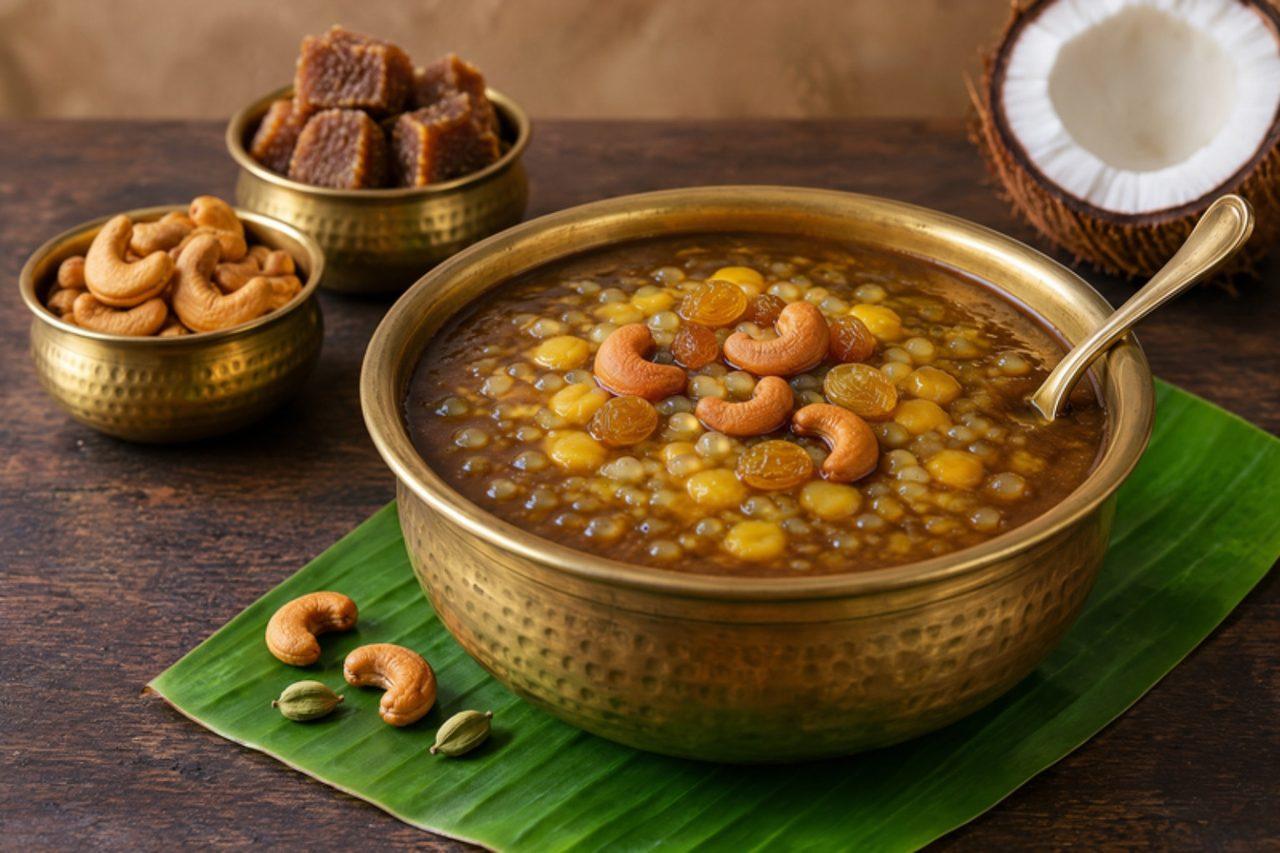
ManganeChana dal and sago pudding

In Goan Hindu homes, especially around Ganesh Chaturthi, a pot of mangane is cooked for the naivedya and handed round warm after the aarti. Soft chana dal and glassy sago pearls sit in a thick, caramel-coloured sauce of coconut jaggery and fresh coconut milk, scented with cardamom and studded with cashews. The common mistake is boiling the dal hard after the thick coconut milk goes in, which splits it into oily curds; once the first milk is added the pot should only steam gently. Serve it warm in small bowls, or cool so it sets a little and spoon it up like a soft pudding. Chef's tip: soak the sago only until the pearls just give when pressed, or they melt into glue in the pot.

by KrazyBadal 0 views

Moong thalMoong dal flour fudge

Moong thal is a Diwali tray sweet of Bikaner and Marwari homes, made by roasting coarsely ground moong dal in a generous amount of ghee, then setting it with sugar syrup and mawa and topping with nuts. It is richer and grainier than besan barfi, with a deep, toasty flavour. Marwari families in Kolkata and Mumbai still make it for Diwali boxes. The common mistake is under-roasting the moong, which leaves a raw, beany taste. Chef's tip: roast until the mixture turns light and frothy and the ghee releases from it; that is your sign it is cooked through.

by KrazyBadal 0 views

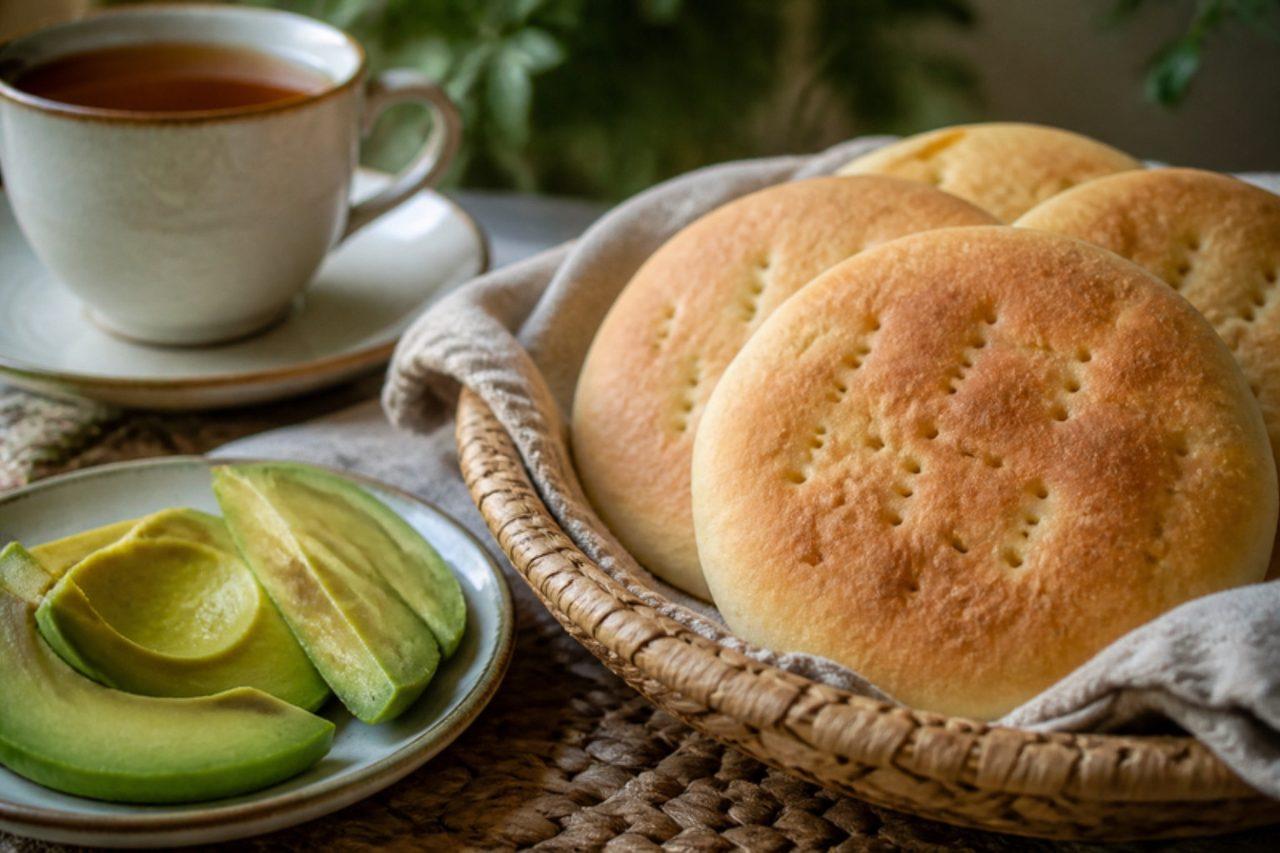
HallullaFlat round bread

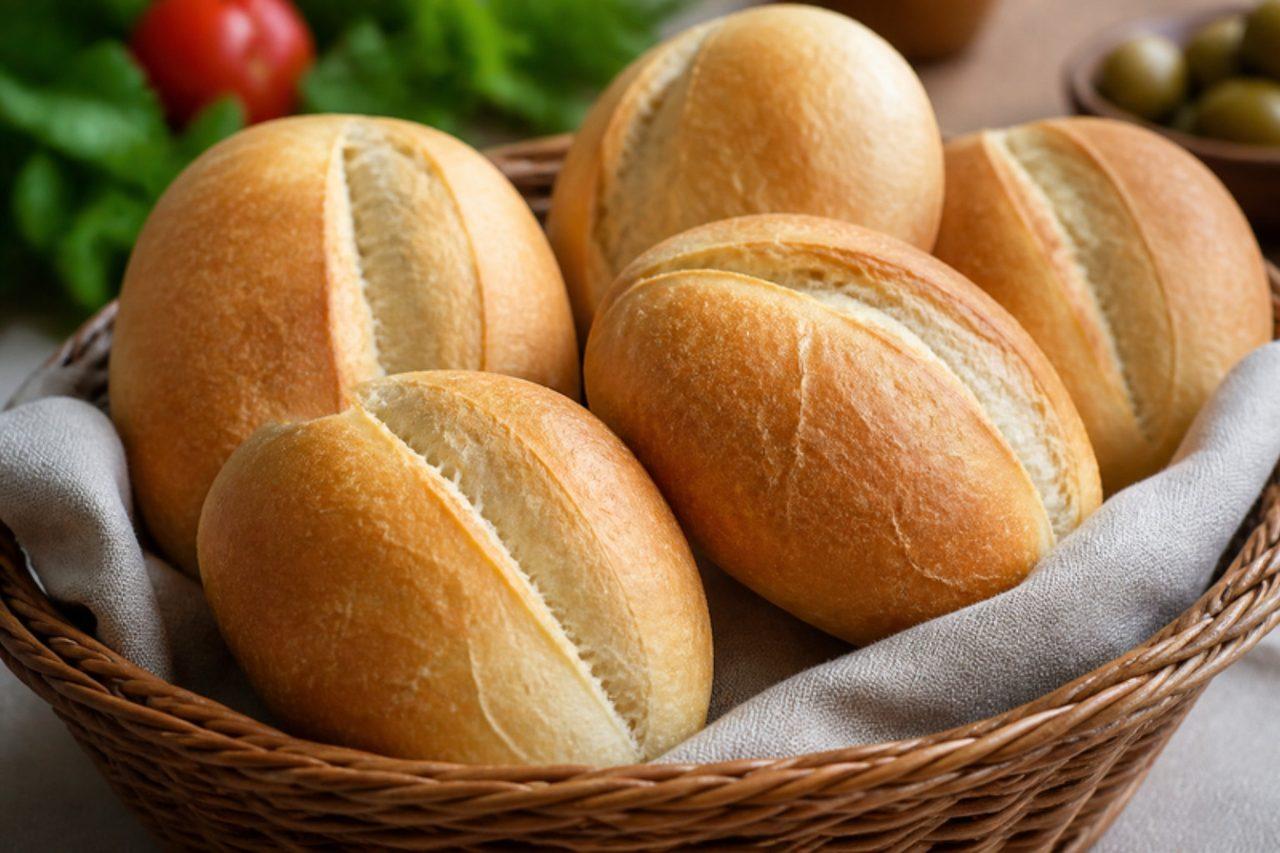
If marraqueta is Santiago's crusty roll, hallulla is its soft, flat partner: a pale round about the size of a saucer, enriched with a little fat and pricked all over, with a fine, tight crumb that is perfect split and toasted with butter or filled with cheese and avocado at once. Bakeries traditionally use lard; this vegetarian version uses vegetable shortening or butter. Many home bakers let the rounds over-prove and get puffy buns; give them a short rise only. Chef's tip: fold and roll the dough several times before cutting, as bakery rollers do, to get the fine, layered crumb.

by KrazyBadal 0 views

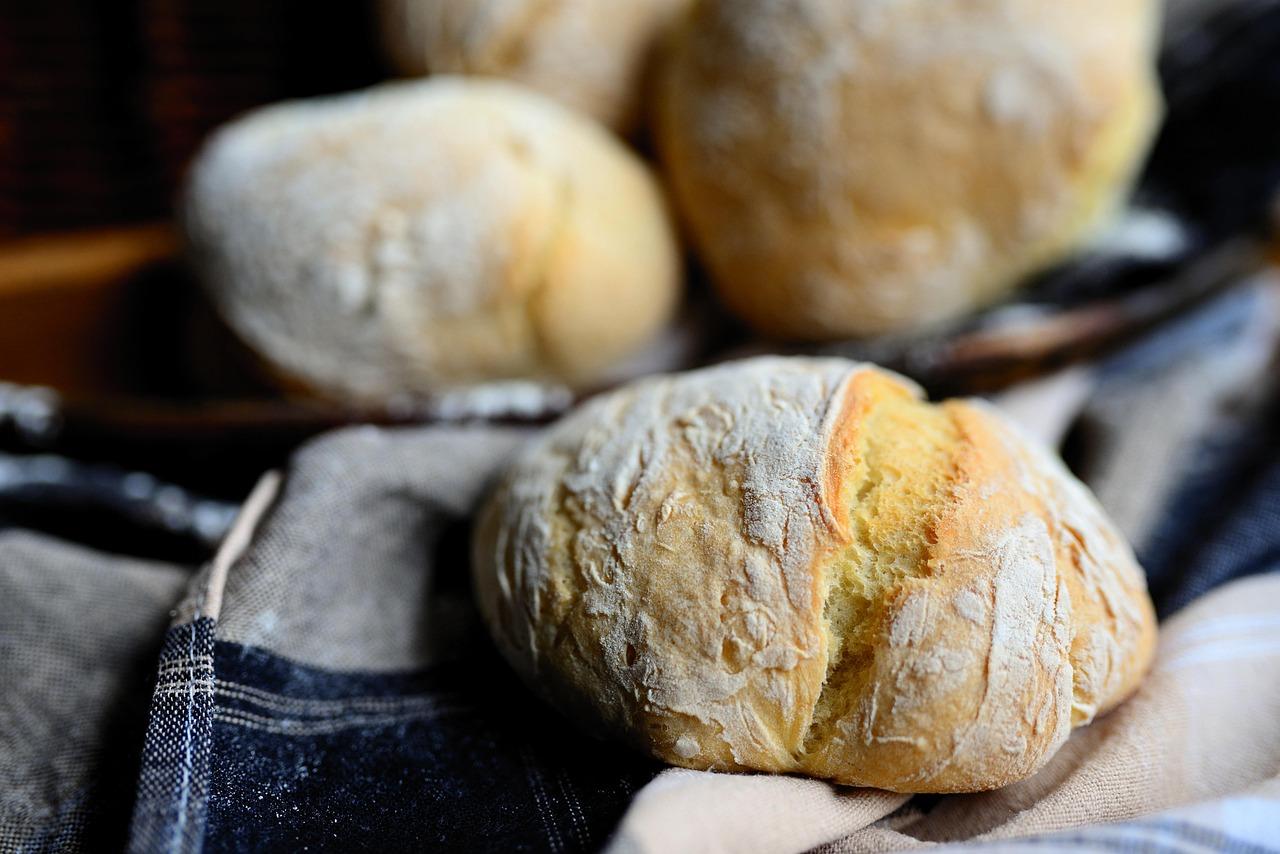
Pan amasadoHand-kneaded country rolls

Pan amasado means simply 'kneaded bread', and in the countryside of the Central Valley and the south it is still made at home, in big batches, often baked in a mud-brick wood oven and sold by the side of the road in a basket under a cloth. The rolls are round, slightly flattened and pricked, with a thin crust and a dense, tender crumb, best warm with butter and jam or with pebre. Traditionally they are made with lard; this vegetarian version uses butter or vegetable shortening. Under-kneading is the usual mistake: the crumb stays heavy. Chef's tip: knead for a full 15 minutes, the way the name says, until the dough is smooth and springs back when poked.

by KrazyBadal 0 views

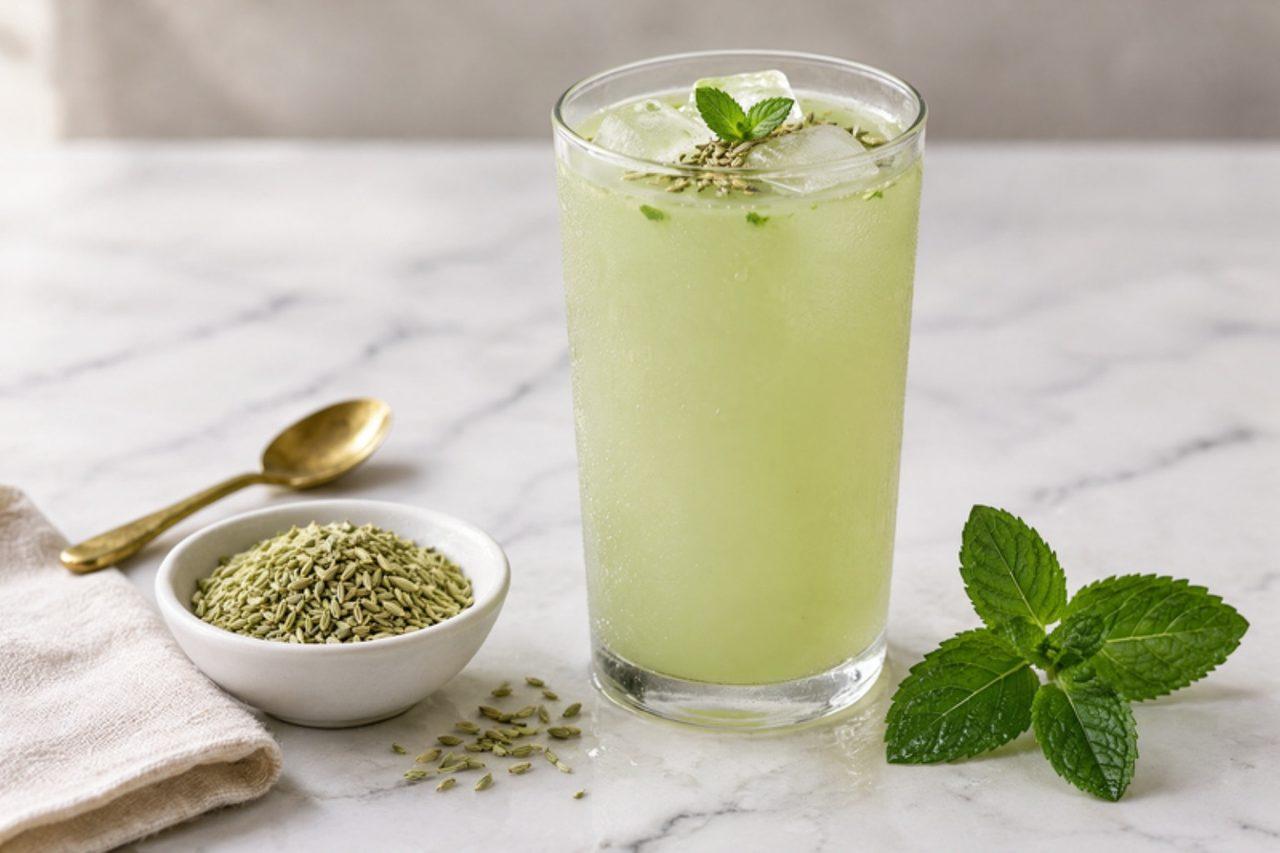
Variyali sharbat (fennel cooler)
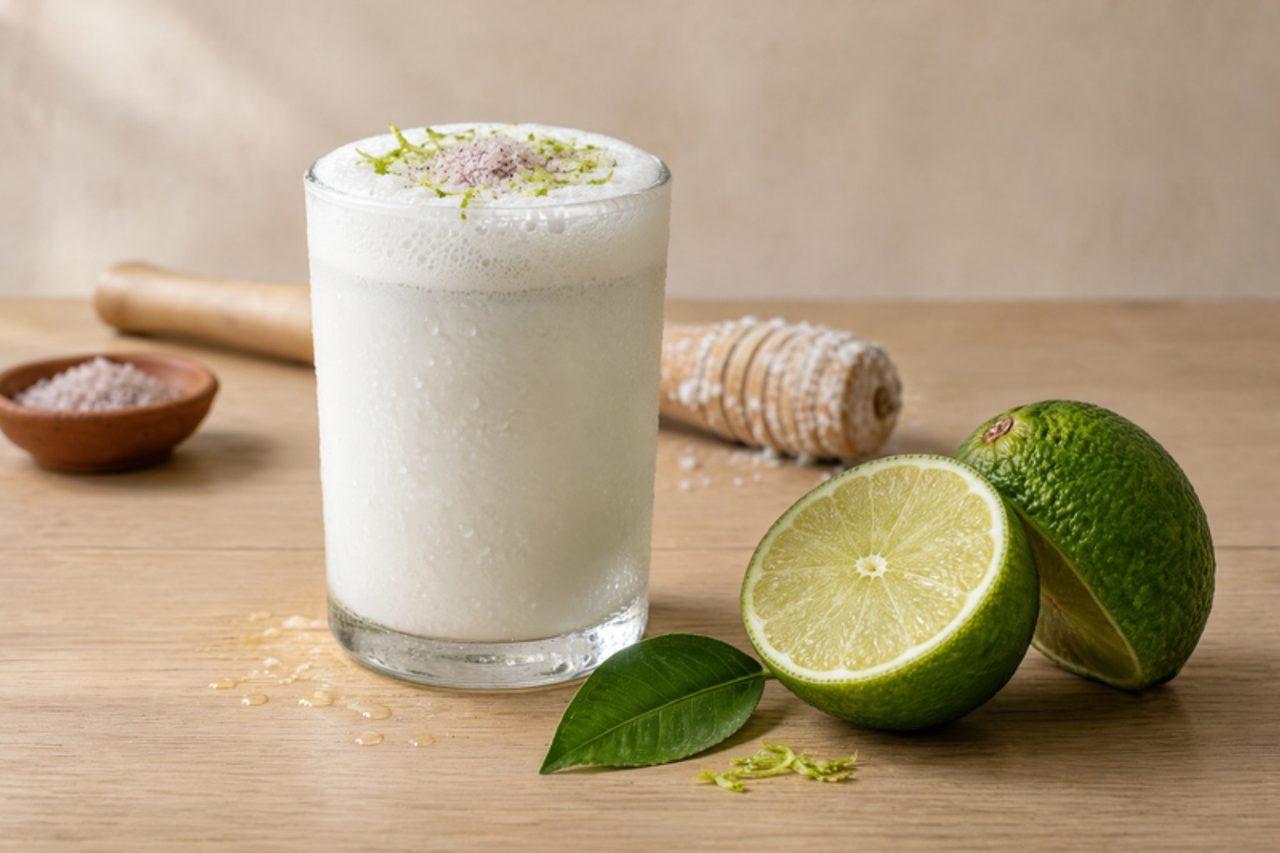
On May afternoons in Ahmedabad and Surat, when the loo wind blows and nobody wants a hot drink, Gujarati homes keep a bottle of variyali sharbat concentrate in the fridge. Fennel seeds are soaked, ground with rock sugar, strained and mixed with lemon and a little black pepper, then diluted with iced water for guests, after lunch, or to break a fast, since nothing in it is off-limits on upvas days if you use rock salt. It is pale green and cloudy, with a sweet aniseed taste, a sharp lemon finish and a faint peppery tingle. The common mistake is grinding dry fennel straight away: it stays gritty and the flavour is harsh. Soak the seeds for at least two hours so they swell and grind into a smooth paste. It is ready when the strained concentrate is silky, smells clearly of fennel and tastes very sweet, as it will be diluted three or four times. The concentrate keeps 5 days in the fridge in a clean bottle. Chef's tip: add a few mint leaves or a pinch of cardamom when grinding for a more rounded cooler.

by KrazyBadal 0 views

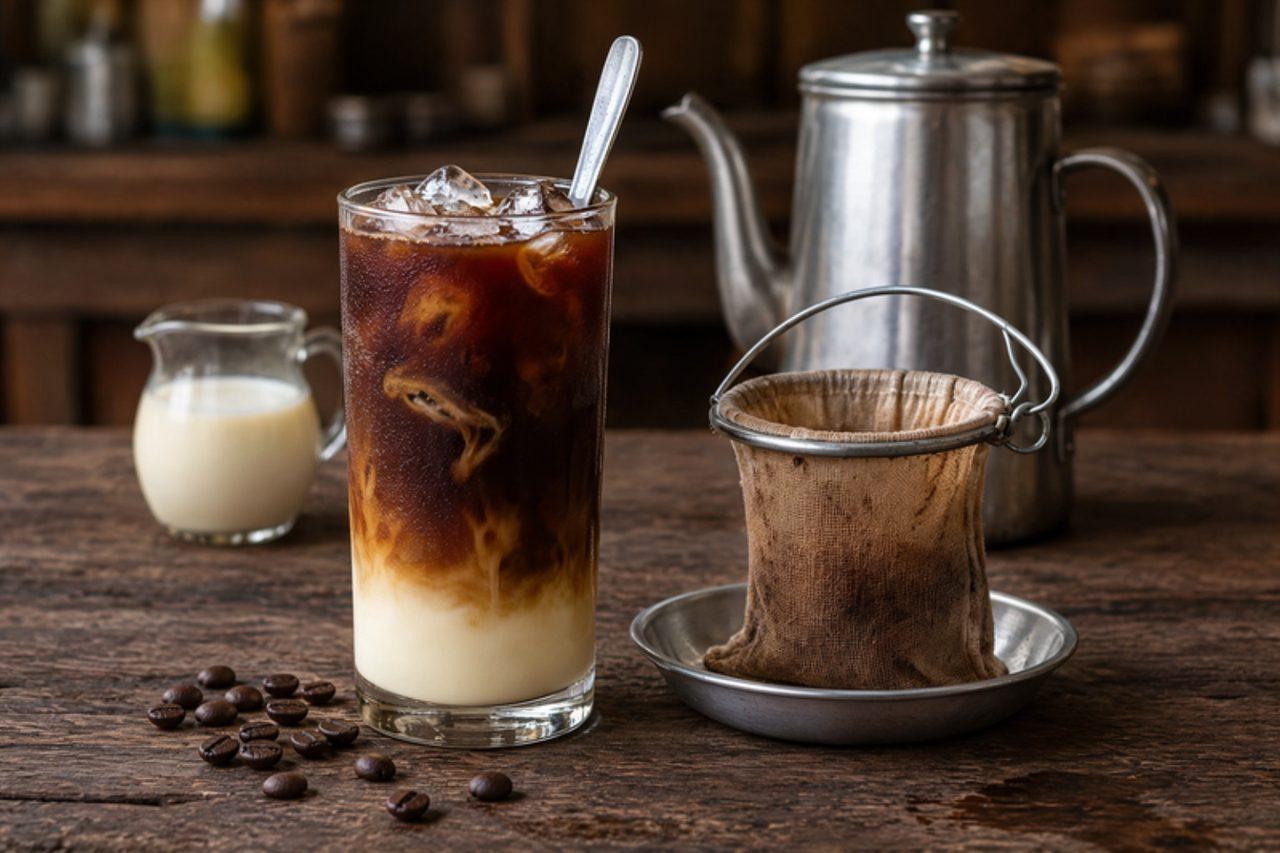
Kafae boran (old-style Thai coffee)

Before espresso bars reached Bangkok, coffee in Thailand meant kafae boran from Hainanese-Chinese shophouses and market carts: a dark robusta roast mixed with toasted grains, poured through a long cotton sock called a tung tom and stirred into thick sweetened condensed milk. Uncles still order it hot at 6 am with patongko dough sticks, and in the afternoon heat the same brew is poured over crushed ice and topped with evaporated milk as oliang or kafae yen. The taste is strong, roasty and slightly smoky, sweet and creamy, with a faint caramel-cereal edge from the grains; the iced version is silky and cold. The common mistake is brewing it like filter coffee with too little grounds: once milk and ice go in, it tastes thin. Use plenty, steep it in the sock and pour it through twice. The brew is ready when it is opaque, nearly black and leaves a brown film on a white spoon. It is high in caffeine, so not one for children or late evenings. Chef's tip: rinse the cloth sock in hot water only, never soap, and keep it in a jar of clean water in the fridge between uses so the coffee oils season it.

10 minThaiDrinksGluten free
by KrazyBadal 0 views

Ragi maltFinger millet malt drink

Across Karnataka, from Bengaluru flats to farmhouses round Mandya and Mysuru, a mug of ragi malt is how many mornings start, especially for schoolchildren, older relatives and anyone heading out to work in the fields. Finger millet powder is whisked into water and cooked until it thickens, then loosened with hot milk and sweetened with jaggery and cardamom; the savoury version, beaten into buttermilk with salt, is drunk cold at lunch in summer. The sweet version is smooth, malty and nutty, mauve-brown, thicker than milk but still drinkable. The commonest mistake is tipping ragi powder straight into hot liquid: it seizes into stubborn lumps. Always whisk it into cold water first. It is ready when the raw, grassy smell has gone, the mixture turns glossy and darker, and it coats the back of a spoon. Add jaggery only off the heat, or the milk can split. For babies, skip the jaggery and ask your health visitor about introducing ragi. Chef's tip: sprouted ragi powder (the true 'malt') tastes sweeter and cooks faster; look for it in Indian shops.

by KrazyBadal 0 views

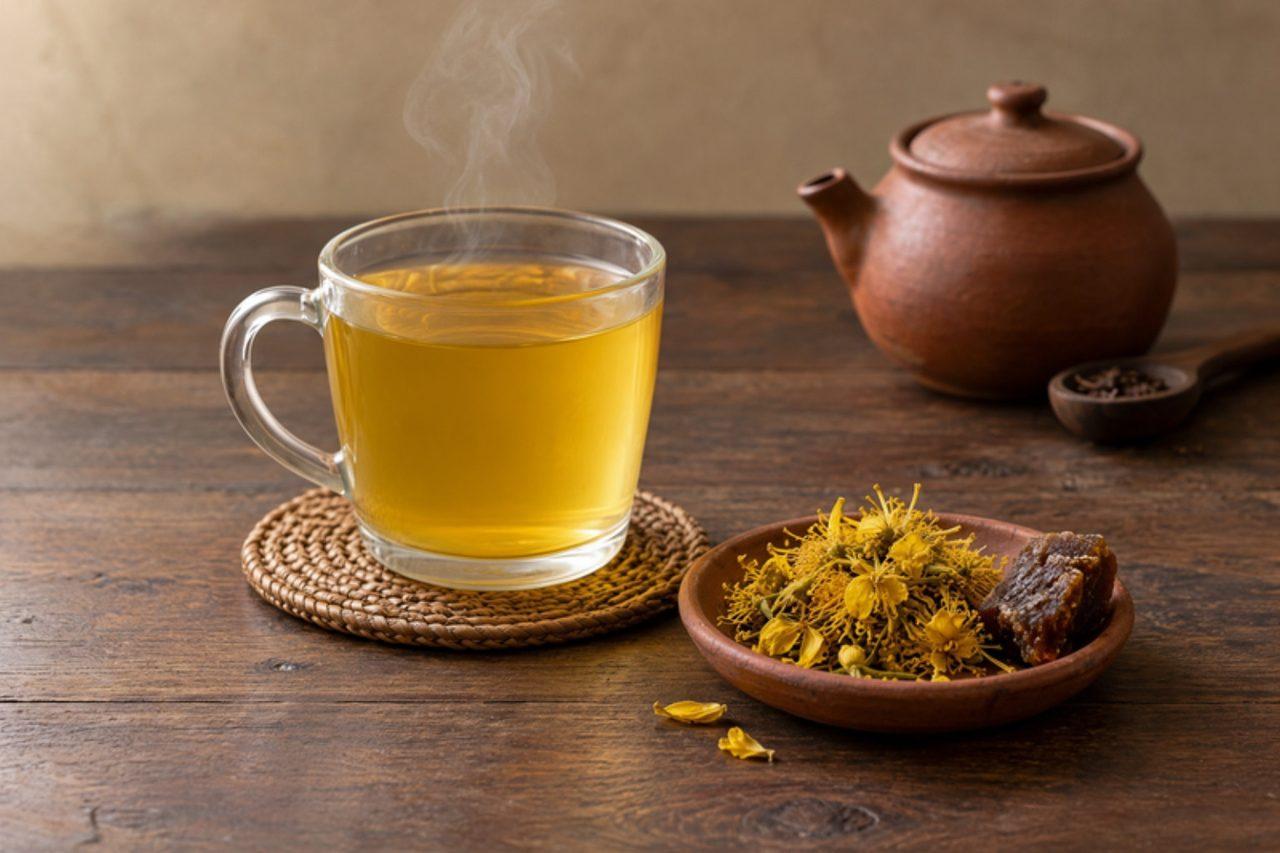
Ranawara teaTanner's cassia flower tea

Ranawara, tanner's cassia, is a scrubby shrub with bright golden flowers that grows wild along dry-zone roadsides and in gardens from Kurunegala to Jaffna. The flowers are picked, dried in the shade and sold in packets at every Sri Lankan supermarket and ayurvedic shop, and many households drink a cup each morning instead of plantain tea, traditionally believing it helps balance blood sugar and cool the body during the hot season. It brews into a pale golden-yellow tea with a mild, grassy, slightly beany taste and a gentle bitterness, which is why it is drunk with a piece of jaggery or a spoon of kithul treacle. The common mistake is brewing the flowers with too little water or for too long: the bitterness takes over. A good pinch per cup, a short simmer and a few minutes' steep is enough. It is ready when it is clear and bright yellow and smells like dried hay. Ranawara is a senna-family plant: do not drink it if you are pregnant or breastfeeding, do not give it to young children, and check with a doctor if you take diabetes or other regular medication. Chef's tip: add a few dried flowers to the cup when serving; they float and turn the colour even more golden.

by KrazyBadal 0 views

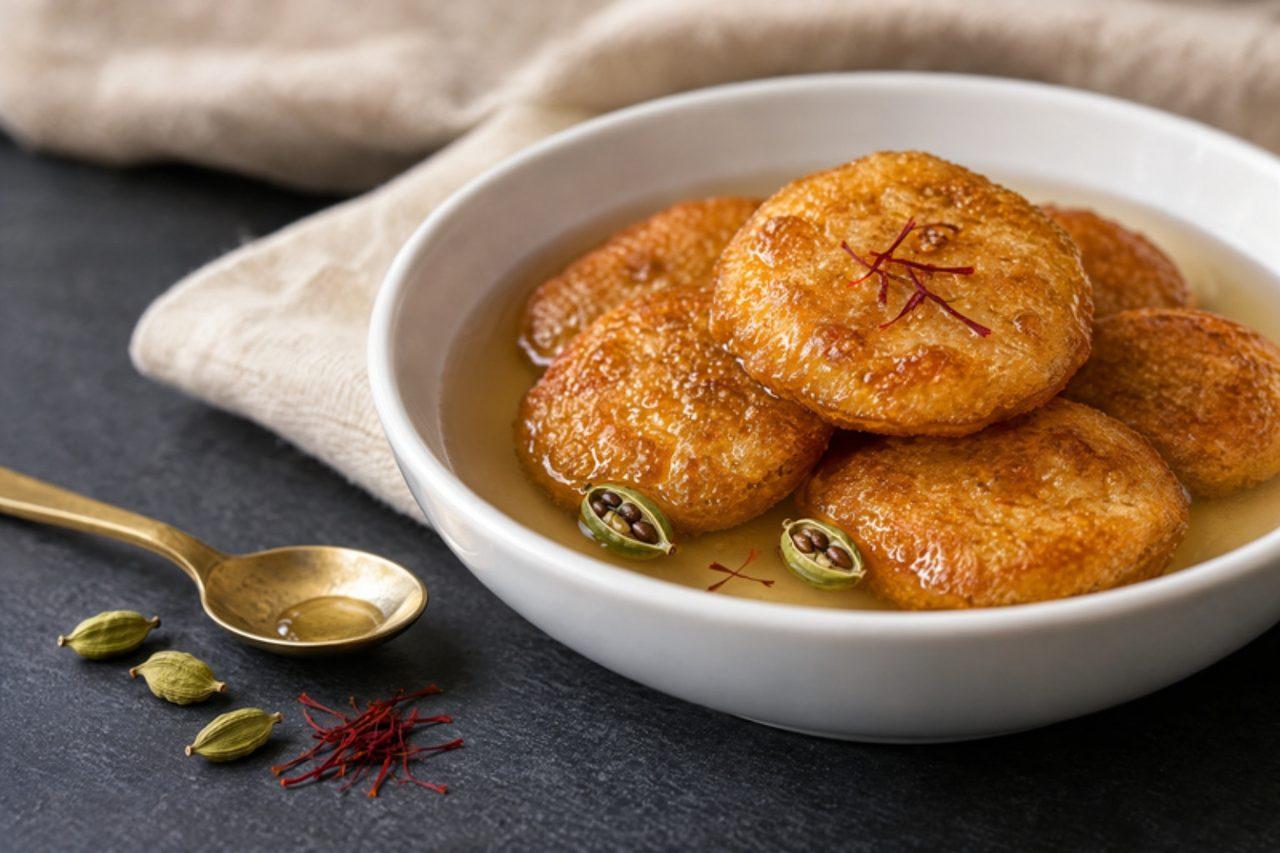
Chhena jhiliFried cheese patties in syrup

Chhena jhili comes from Nimapara near Puri in Odisha, where sweet shops fry these flat, oval chhena patties all day for pilgrims heading to and from the Jagannath temple. They are soft and spongy, golden-brown outside and creamy within, soaked in a thin syrup scented with cardamom, and are eaten at Rath Yatra, weddings and any good-news visit. The common mistake is using dry, crumbly chhena; it should be moist enough to press into a smooth patty without cracks, so hang it for no more than 30 minutes. Chef's tip: fry in ghee rather than oil for the true Odia flavour, keeping the heat gentle so the outside stays golden, not dark.

by KrazyBadal 0 views

BotaMaize porridge with peanut butter

Before school buses leave Bulawayo and Gweru, pots of bota are already ticking on the stove: a thin, pourable porridge of white maize meal, much looser than the stiff sadza eaten later in the day. A good spoonful of peanut butter turns it pale gold and gives it a toasty, slightly savoury richness, and a little sugar makes it a favourite with children. Some families stir in lacto, the Zimbabwean sour milk, or squeeze in lemon for tang; this version keeps it plant-based. Lumps are the classic fault, and they come from tipping dry meal into boiling water. Chef's tip: always whisk the maize meal into cold water first, then heat it, and the porridge stays velvet-smooth.

by KrazyBadal 0 views

Manda pithaSteamed rice dumplings with coconut

Manda pitha is the soft white dumpling of Odisha's Raja festival in mid-June, when girls swing on rope swings, wear new clothes and eat pitha for three days; it is also made for Prathamastami and other family feasts. A smooth dough of rice flour cooked in water is wrapped around a filling of coconut, jaggery, chhena, black pepper and cardamom, then steamed. The common mistake is mixing raw rice flour with cold water: the dough must be cooked with boiling water and kneaded hot, or it cracks when shaped. Chef's tip: grease your palms with a drop of ghee while shaping so the dough stays silky and the edges seal cleanly.

by KrazyBadal 0 views

Chhena kheeriFresh cheese in sweet milk

Chhena kheeri is one of the dishes of the Jagannath temple's chhappan bhog in Puri, and Odia households make it for festivals, birthdays and the evening Rath Yatra meal. Soft, freshly made chhena is crumbled into milk that has been simmered down until creamy and sweet, then scented with cardamom and a little camphor in temple style, or simply nutmeg at home. The common mistake is adding the chhena too early and boiling it hard, which makes it rubbery; it should go in at the end and simmer only briefly. Chef's tip: crumble the chhena by hand into pieces the size of rice grains, so every spoonful has some.

by KrazyBadal 0 views

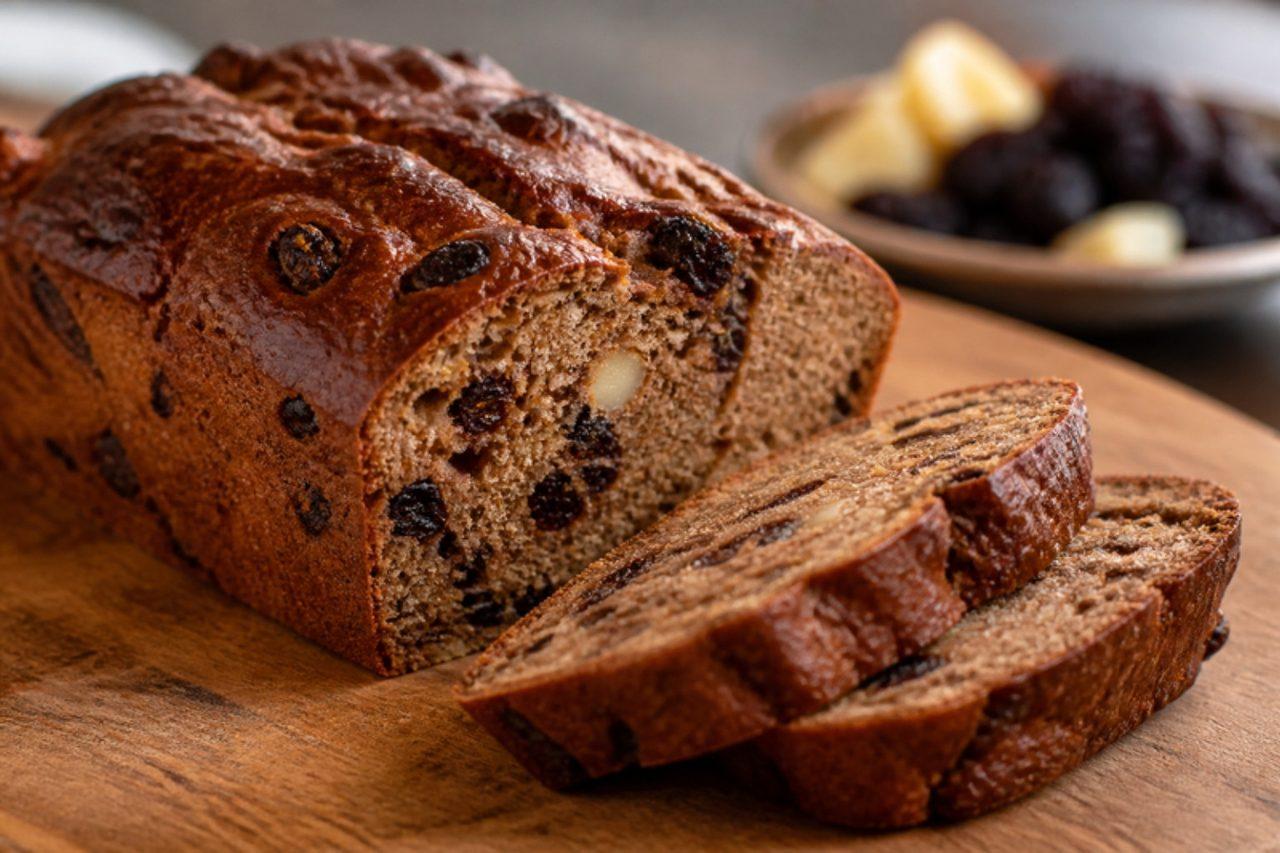
Pan bonDark spiced fruit and cheese bread

On Costa Rica's Caribbean coast, the Afro-Caribbean families of Limón and Cahuita bake pan bon for Easter, Christmas and any big gathering, a recipe brought by Jamaican railway workers in the late 1800s. The loaf is dark and fragrant with molasses and burnt-sugar syrup, studded with raisins, candied peel and little cubes of salty cheese that melt into pockets. It is sliced thick and eaten with coffee. Dense, heavy loaves usually come from adding the fruit and cheese too early; knead them in only after the dough is smooth. Hard cheese is often made with animal rennet, so pick a vegetarian one if needed. Chef's tip: brush the warm loaf with the burnt-sugar syrup straight from the oven for its signature sticky, shining crust.

by KrazyBadal 0 views

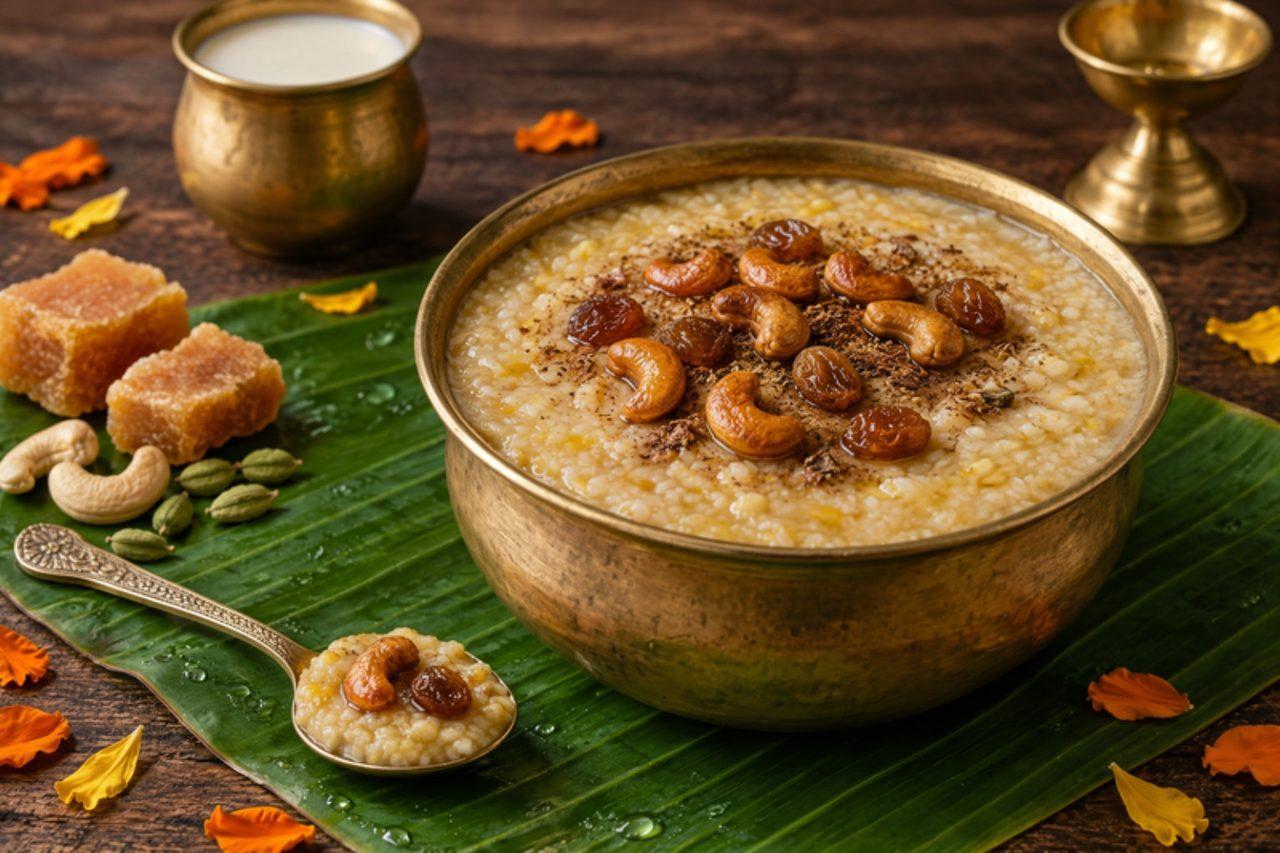
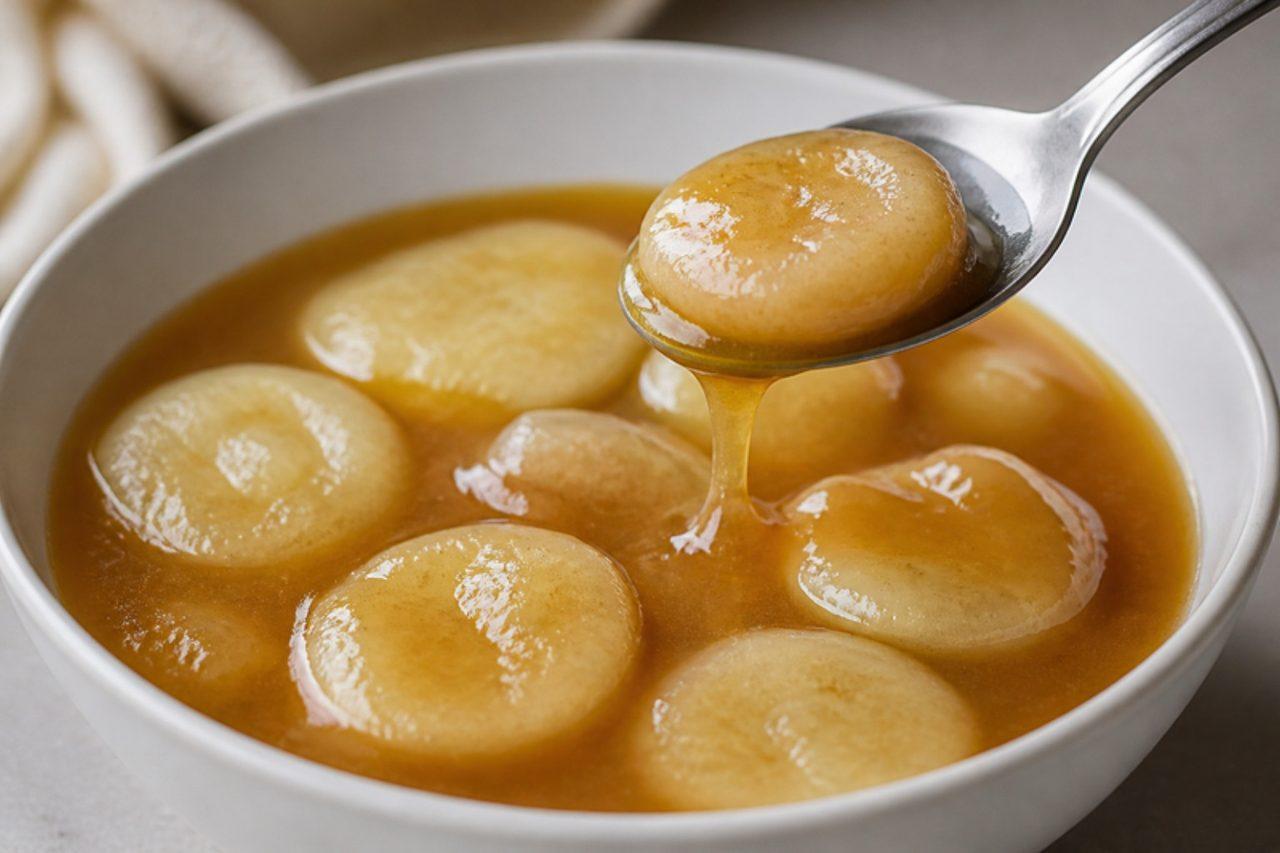
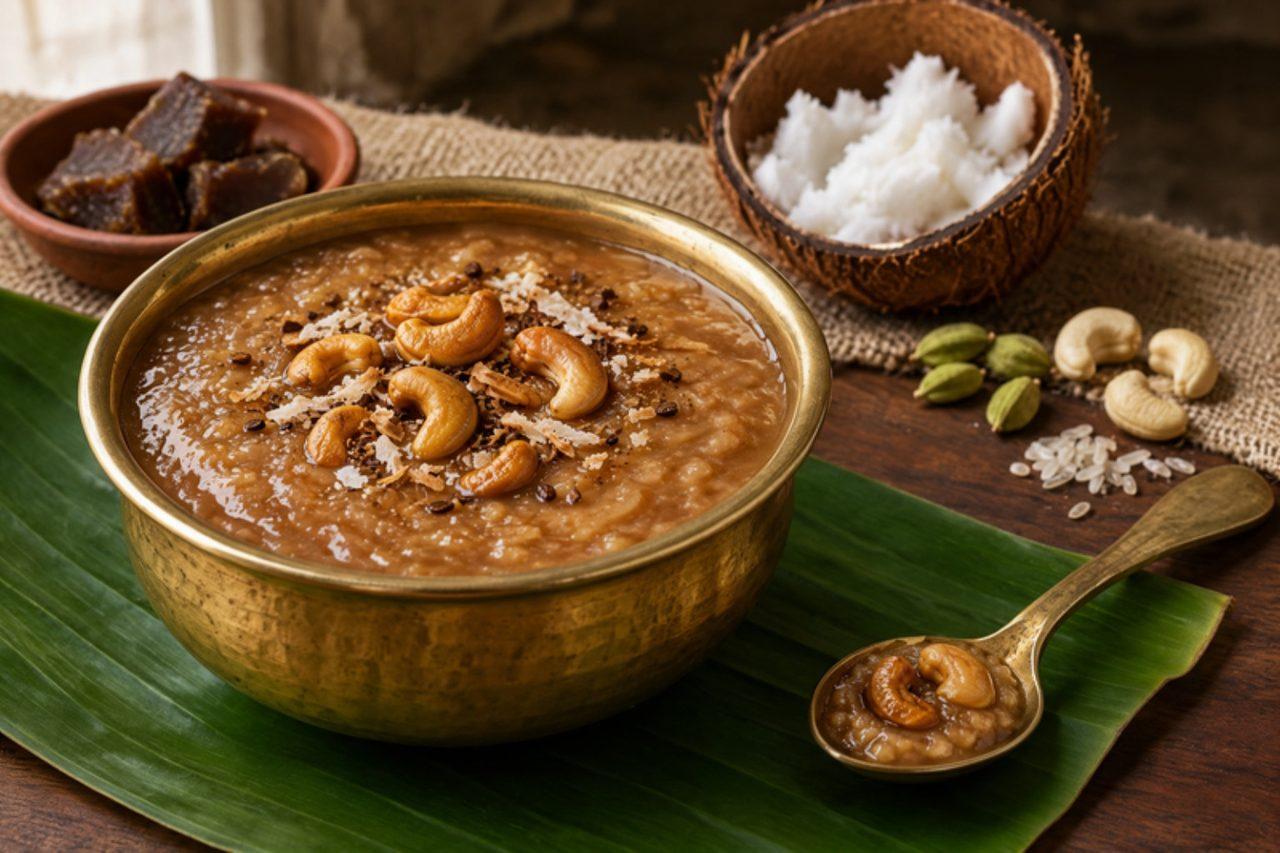
Bellam paramannamRice and moong dal jaggery pudding

Bellam paramannam is the naivedyam of Telangana and Andhra homes, cooked for Sankranti, Ugadi, Varalakshmi Vratam and almost any puja, a soft rice-and-moong pudding sweetened with jaggery and glossed with ghee. Its colour is a warm caramel and its taste deeper than a sugar kheer. The classic mistake is adding jaggery to milk that is still on a high boil, which can split it; take the pot off the heat, let it stop bubbling, then stir the jaggery in. Chef's tip: roast the moong dal in a spoon of ghee until it smells toasty before cooking; it gives the paramannam its homely flavour.

by KrazyBadal 0 views

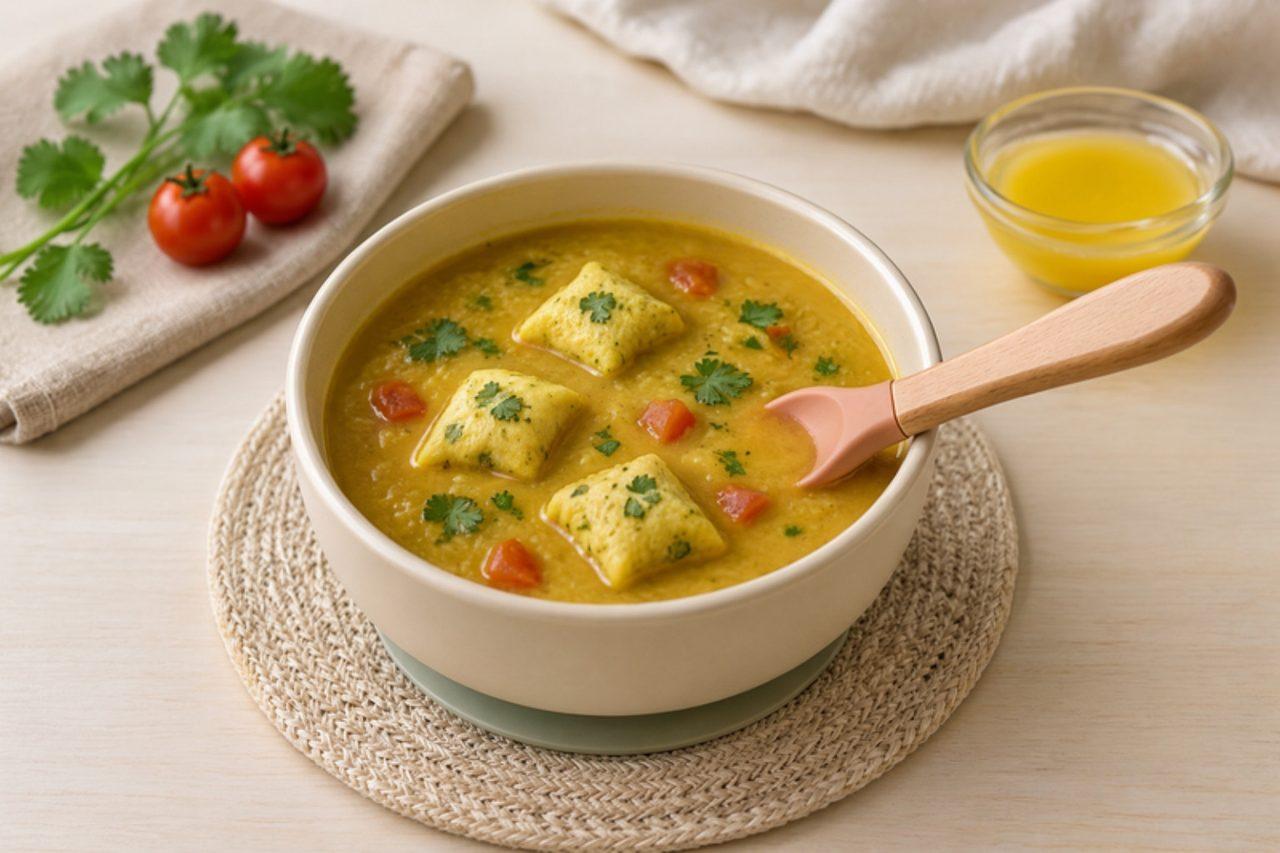
Dal dhokli for toddlersWheat dumplings in dal for toddlers

In Ahmedabad pols and Surat kitchens dal dhokli is the Sunday one-pot lunch: diamonds of spiced wheat dough cooked straight in tangy toor dal. This toddler version, for children from 12 months, keeps the soft pasta-like pieces small, leaves out the chilli, peanuts and cloves, and uses only a pinch of jaggery so the dal stays sweet-sour the way Gujarati families like it. It is cooked in oil, so it is dairy free and vegan. It contains wheat (gluten); there is no milk, egg, nuts or soya. Chef's tip: roll the dough thin, about 2 mm; thick dhokli stay chewy in the middle.

by KrazyBadal 0 views

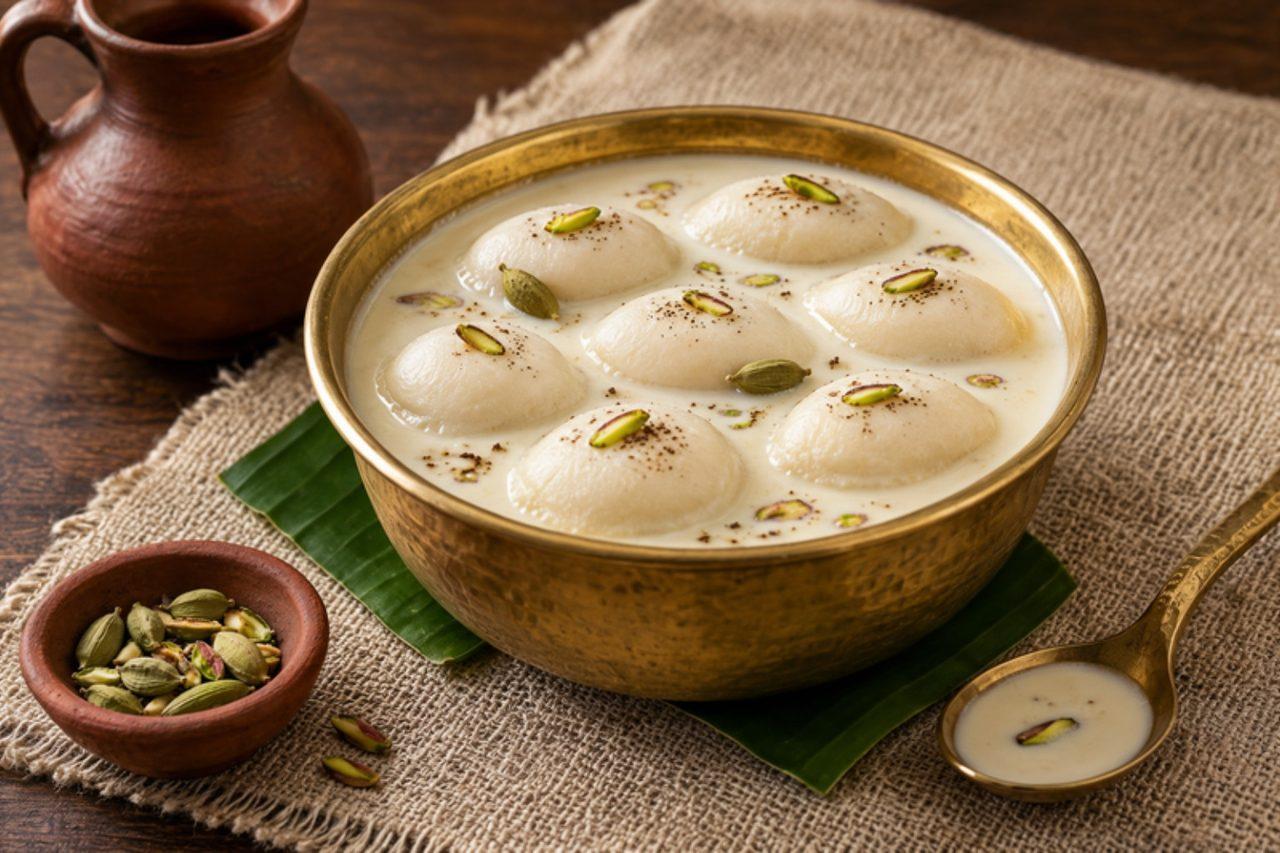
Dudh pithaRice dumplings in milk

Dudh pitha is made in Jharkhand and Bihar for Makar Sankranti, Sohrai and winter evenings, when the new rice is milled: small rice-flour dumplings are stuffed with coconut and jaggery (some families use spiced chana dal instead) and simmered in milk until it thickens around them. It is eaten warm from a bowl with a spoon. The common mistake is adding jaggery straight to boiling milk, which can curdle it; sweeten the milk with sugar and keep the jaggery inside the dumplings. Chef's tip: shape the dumplings while the dough is warm and keep your palms greased, so the edges seal without cracking.

by KrazyBadal 0 views

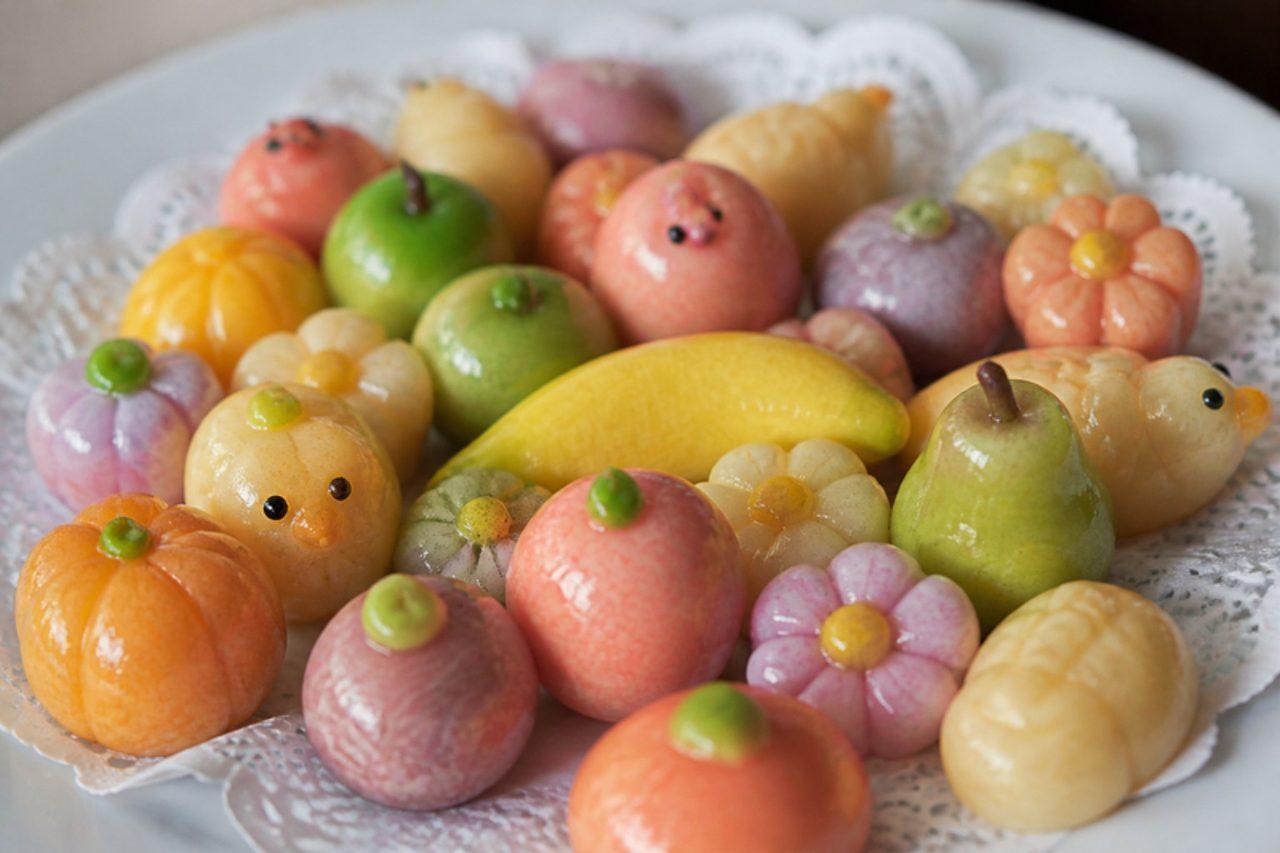
Dulces abrillantadosGlazed milk fudge figures

Walk through the old centre of Mérida and you'll pass windows full of tiny shiny sweets shaped like fruit, flowers and animals: dulces abrillantados, made from milk and sugar cooked down to a fudge, hand-moulded and dipped in syrup that dries to a glassy crust. Families buy boxes to take home from the Andes. They need patience: the shaping is fun, but the milk must be cooked until it truly pulls away from the pan. The common mistake is stopping too early, so the figures flatten. Chef's tip: dust your hands with icing sugar while shaping, and dry the figures overnight before glazing.

by KrazyBadal 0 views

PappchiFried wheat and rice biscuits

Pappchi are little scalloped discs that Chhattisgarhi families fry in large batches for Teeja, Diwali and weddings, made from wheat flour and rice flour, fried slowly and then turned in sticky sugar syrup until they wear a thin white glaze. They snap cleanly and keep for weeks in a steel tin. A common mistake is taking the syrup too far, so it crystallises into lumps; you want a one-string syrup that dries to a matt coat as it cools. Chef's tip: press the edge of each disc with a thimble or bottle cap to make the frilled pattern, which also helps them fry crisp.

by KrazyBadal 0 views

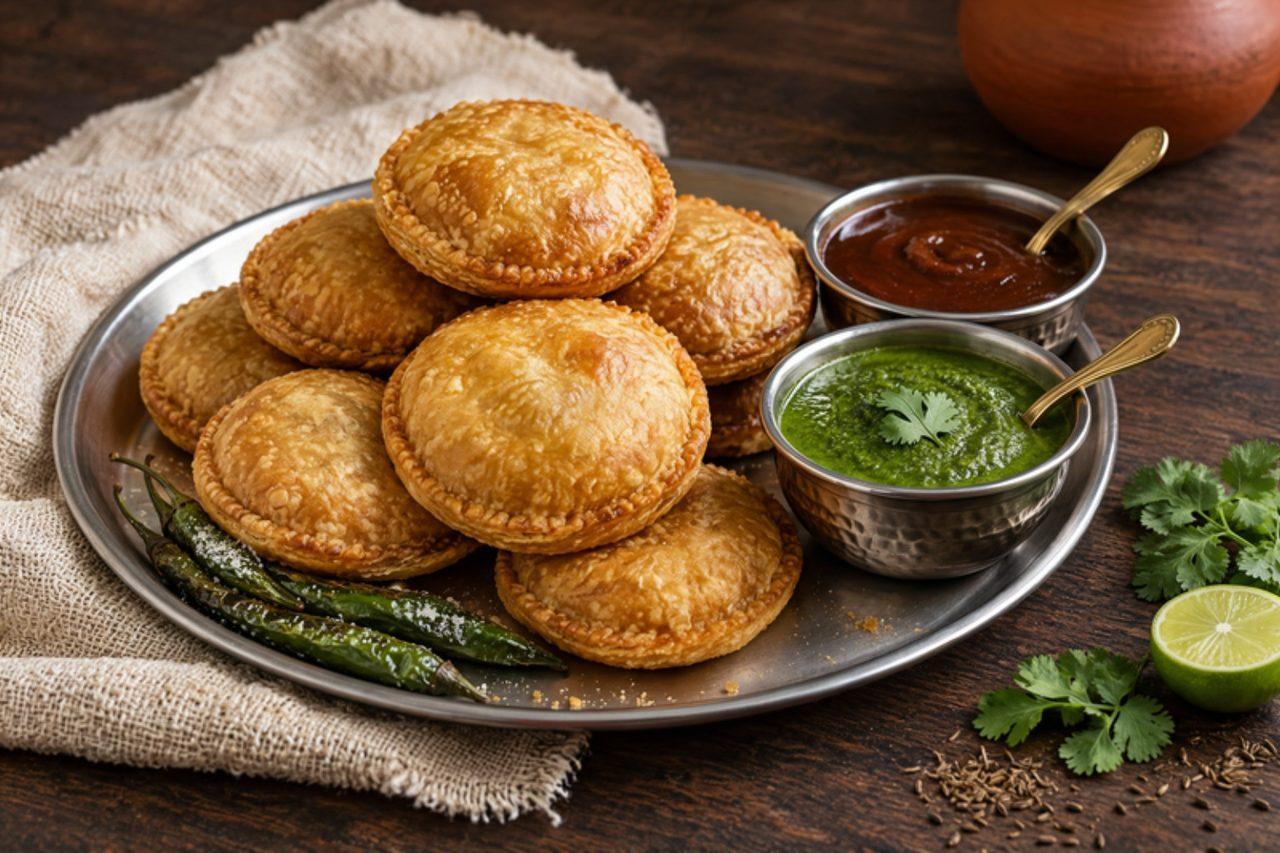
KusliSemolina-filled Diwali pastries

Kusli are the crimped half-moon pastries that fill tins in Chhattisgarhi homes before Diwali and Chhath, close cousins of the gujiya and karanji but filled with semolina roasted in ghee, dry coconut and sugar rather than mawa. They keep for a fortnight and are handed to visitors with thethri and khurmi. The common mistake is frying them in very hot oil; they blister and brown outside while the pastry stays raw within. Chef's tip: seal the edges with a dab of milk and a firm pinch-and-fold twist so not a crumb of filling leaks into the oil.

by KrazyBadal 0 views

MarraquetaCrusty split bread rolls

Chileans eat more bread than almost anyone, and in Santiago the bread is marraqueta (called pan batido or pan francés in other cities): a crackling, airy roll made of two twin halves, each scored deep so the whole thing breaks into four pieces. It is bought warm from the corner bakery for breakfast and for once, the evening tea, and filled with avocado, cheese or butter. The most common mistake at home is baking without steam: the crust comes out pale and leathery instead of thin and shattering. Chef's tip: press the oiled handle of a wooden spoon right down into each pair of balls, almost to the work surface; a shallow groove disappears as the roll rises.

by KrazyBadal 0 views

Gondhoraj gholLime-scented yogurt drink

In Kolkata the gondhoraj lime arrives with the monsoon heat, a knobbly green fruit whose peel smells of flowers and pine more than of sour citrus. Bengali households use it to lift dal and fish, but in the sticky months from Boishakh into Srabon it goes into ghol: dahi churned with cold water until frothy, sweetened lightly and scented with the zest, a squeeze of juice and a torn leaf. Cafés along Gariahat and old sweet shops serve it in clay bhaar cups after lunch, and it is just as good mid-afternoon with a plate of muri. It drinks thin, cool and silky, with a soft tang and a perfume that hits the nose before the first sip. The usual mistake is grating too deep or leaving the zest to sit for an hour: the white pith and the oils turn bitter. Take only the green outer layer, add it just before serving, and stop when the ghol smells floral rather than sharp. It is ready when the top is covered in fine foam and a spoon comes out lightly coated. Chef's tip: for the salted version, swap the sugar for black salt and a pinch of roasted cumin, as many Kolkata homes do on the hottest days.

by KrazyBadal 0 views

BozaFermented millet drink

In Bulgaria boza is a breakfast habit: a plastic bottle of it from the corner pastry shop and a slice of hot, flaky banitsa, bought on the way to work or school, especially from autumn through to spring. Towns such as Radomir, Plovdiv and Sofia argue over whose is best. It is the colour of milky coffee, thick enough to coat the glass, sweet up front with a sour, bready finish and a faint prickle. Like every fermented grain drink it makes a trace of alcohol, well under 1% when drunk young. The base is millet flour, toasted for flavour, cooked into a thin porridge, then fermented for about a day before being strained and sweetened. The common mistake is adding the yeast while the porridge is still hot, which kills it and leaves you with sweet gruel; wait until it feels only just warm on your wrist. It is ready when the surface is covered in small bubbles, it smells like fresh bread with a sour edge and tastes pleasantly tangy. Chef's tip: keep back a glass of each batch in the fridge and use it instead of yeast next time; boza made from an old starter is rounder and more sour.

by KrazyBadal 0 views

Calia e simenzaRoasted chickpeas and pumpkin seeds

Calia (toasted chickpeas) and simenza (salted pumpkin seeds) are sold together in twisted paper bags by the old caliari of Palermo, at the Festino of Santa Rosalia in July, along the Foro Italico seafront and outside the Teatro Massimo after a show. You crack the seeds with your teeth and chase them with the crunchy, nutty chickpeas, a habit that can last a whole evening. This home version roasts soaked dried chickpeas and salted seeds in the oven. Chef's tip: dry the soaked chickpeas really well; any surface water steams them instead of making them crunchy.

by KrazyBadal 0 views

Kakinada kajaSyrup-soaked layered pastries

Kakinada kaja is the famous sweet of Kakinada in Andhra's East Godavari, a long, golden pastry made of layered dough that is fried and soaked in syrup until the hollow centre fills with sweetness and bursts when bitten. Telugu families buy it for weddings, Sankranti and housewarmings. The common mistake is syrup that is too thick: Kakinada kaja is soaked in a thin, just-sticky syrup so it seeps inside, while the outside stays crisp. Fry slowly so the layers open. Chef's tip: roll the dough sheet tightly into a log after spreading the ghee paste, and seal the ends, so each piece puffs into distinct layers.

by KrazyBadal 0 views

Parwal ki mithaiStuffed candied pointed gourd

Parwal ki mithai surprises anyone who knows pointed gourd only as a curry vegetable: in Bihar and eastern Uttar Pradesh sweet makers peel the gourds, candy them in syrup until translucent, then fill them with sweetened mawa and nuts. They sit in shop windows at Diwali, Chhath and weddings, often glinting with silver leaf. The common mistake is undercooking the gourds before candying, which leaves them crunchy and vegetal; blanch until a knife slides in easily. Silver leaf (vark) is optional; choose one certified vegetarian. Chef's tip: scrape out every seed carefully, because even a few hard seeds spoil the soft bite.

by KrazyBadal 0 views

BelgramiChewy fresh cheese sweet

Belgrami belongs to Udwantnagar in Bihar's Bhojpur district, where sweet makers have cooked it for generations and travellers buy boxes on the way through. Fresh chhena is cooked down with sugar until it firms into a dense, slightly chewy, pale cream block with a gentle caramel note, then cut into pieces. It keeps for days, which makes it a favourite gift at weddings and Chhath. The common mistake is stopping too early: it must cook until the mass pulls into one lump and no longer sticks to the pan, or the pieces stay soft and weep. Chef's tip: use chhena from full-fat cow's milk and hang it for an hour, so it is dry enough to cook down quickly.

by KrazyBadal 0 views

PantuaFried milk balls in syrup

Pantua is the Bengali answer to gulab jamun, but made with fresh chhena and a little semolina instead of only khoya, which gives a lighter, slightly grainy inside under a deep brown skin. It is the sweet of Jamai Sasthi, Bijoya visits and Sunday afternoons in Kolkata, often with a hidden cardamom seed or nugget of sugar at the centre. The common mistake is under-kneading the chhena: if the dough is crumbly the balls crack and drink oil. Knead until it feels smooth and leaves a film of fat on your palm. Chef's tip: let the syrup and the fried pantua both be warm, not boiling, when they meet, so the balls soak up syrup without collapsing.

by KrazyBadal 0 views

Lavang latikaClove-sealed syrup pastries

Lavang latika is a festive sweet of Bengal and Bihar, shaped like a tiny sealed envelope with a single clove pinned through the flap; it fills sweet-shop trays at Bijoya Dashami, Diwali and Bhai Phonta. Inside is mawa with coconut, nuts and cardamom, and after slow frying the parcels are soaked in syrup, so the outside is crisp and sweet and the clove gives a warm, peppery bite. The common mistake is folding the pastry loosely; the flaps must overlap well and be pressed shut before the clove goes in, or the parcels unfold in the ghee. Remove the clove before eating if you prefer. Chef's tip: soak the cloves in hot water for 5 minutes so they push through the pastry without cracking it.

by KrazyBadal 0 views

Firi firiCoconut doughnuts

Firi firi are the twisted figure-eight doughnuts of Tahiti, sold every morning at the Papeete market and roadside stands, and eaten with a coffee or dipped in hot chocolate on Sunday mornings. The dough is made with coconut milk instead of dairy, so they're lightly sweet and coconut-scented with a soft, chewy inside. A common mistake is twisting the dough too tightly, which makes it spring back; let it rest first. Chef's tip: give them a short second rise after shaping so they fry up light.

by KrazyBadal 0 views

ChandrakalaSyrup-soaked milk pastries

Chandrakala is the round, moon-shaped sweet of Bihar and eastern Uttar Pradesh, made for Holi, Diwali and Chhath and sold by sweet shops in Patna and Varanasi. Two circles of flaky pastry enclose a filling of mawa, nuts and cardamom; the edge is pleated into a rope, then the pastry is fried slowly and dipped in sugar syrup. Its sister suryakala is the same sweet shaped like a sun. The common mistake is syrup that is too thin, which makes the crust soggy within hours; it should reach one-string consistency. Chef's tip: pleat the edge firmly with damp fingertips, because a loose seal is where the filling leaks out in the hot ghee.

by KrazyBadal 0 views

Dal baflaBaked wheat balls with dal

Dal bafla is Malwa's answer to Rajasthan's dal baati: the dough balls are first boiled until they float, then baked until crusty, so they turn out softer inside and lighter than baati. In Indore and Ujjain it is the meal for Sunday lunches, picnics and big family gatherings, broken open and drowned in ghee next to a bowl of tadka dal and garlic chutney. The common mistake is skipping the rest after boiling; wet baflas go straight into the oven and stay pale and leathery. Chef's tip: let the boiled baflas dry for 10 minutes and score a cross on top before baking, so they crack open and soak up the ghee.

by KrazyBadal 0 views

Bajre ki raabdiFermented pearl millet buttermilk porridge

In the villages of Haryana and the Rajasthan border, raabdi is drunk at midday in May and June to keep cool in the fields. Pearl-millet flour is stirred into buttermilk and left to ferment for a few hours, then cooked slowly until thick, cooled in a clay pot and thinned with more buttermilk and salt. It tastes tangy and earthy, a little like a savoury porridge you can drink. Ferment at warm room temperature (25–32 °C) for 4–6 hours: it should smell pleasantly sour with a few bubbles. Throw it away if you see pink, black or furry mould or it smells rotten or of nail varnish. The common mistake is cooking on high heat, which scorches the millet and leaves raw lumps. Chef's tip: keep the cooked raabdi in the fridge and drink it within 2 days, thinning each glass to taste.

by KrazyBadal 0 views

Lito (sarbottam pitho porridge)

Ask a mother in Kathmandu, Pokhara or a hill village what her baby eats after the pasni rice-feeding ceremony, and the answer is often lito: porridge made from sarbottam pitho, a 'super flour' that families roast and grind themselves from two parts soybean to one part each of maize and wheat. Cooked with water it becomes a smooth, nutty, toast-coloured porridge with more protein than plain rice. For babies there is no salt, sugar, jaggery, honey or ghee needed. It contains soya and wheat (gluten). Chef's tip: roast the grains separately, each until it smells nutty and cracks between your teeth, then grind and sieve; the beans need longest.

by KrazyBadal 0 views

Bhure chawalRice with ghee and sugar

Bhure chawal is about as simple as Haryanvi village cooking gets: steaming rice tossed with plenty of desi ghee and bura, the fine, fluffy sugar sold in Haryana, and sometimes a few chopped nuts. It is the treat grandmothers make after the evening milking, at a new daughter-in-law's first meal, or on cold nights when something sweet is needed fast. Use fragrant, well-cooked rice and good ghee, as there is nothing to hide behind. The common mistake is adding the sugar to lukewarm rice, so it stays gritty instead of melting into the ghee. Chef's tip: no bura? Blitz ordinary sugar to a powder and add a pinch of cardamom.

by KrazyBadal 0 views

Mashed matooke for babiesMashed green banana for babies

Matooke, the green cooking banana trucked into Kampala's Owino and Nakasero markets in great bunches, is Uganda's everyday staple, and the first food most Ugandan babies eat. The fingers are peeled, wrapped in banana leaves and steamed until they turn soft and golden, then mashed with a little of the steaming water into a smooth, mild, slightly earthy purée. Families feed it at the midday meal, on its own at first and later with groundnut sauce. Nothing is added for babies: no salt, sugar or honey. It is free of the major allergens. Chef's tip: oil your hands and knife before peeling; green matooke oozes a sticky sap that stains skin and boards.

by KrazyBadal 0 views

Papilla de quinua for babiesQuinoa and pumpkin puree for babies

In the high Andes around Cusco, Puno and La Paz, quinoa is the grain families have fed babies for centuries, and papilla de quinua is the first porridge many Andean mothers make at six months. The seeds are washed hard to remove their bitter saponin coating, simmered until they burst and show a little white tail, then blended with sweet zapallo (pumpkin) or apple into a smooth, nutty porridge. It is rich in protein and iron for a plant food. For babies there is no salt, sugar, panela or honey. It is free of the major allergens. Chef's tip: rub the quinoa between your palms under running water until the water no longer foams; that foam is what tastes bitter.

by KrazyBadal 0 views

SingalFried semolina and banana spirals

Singal (also called singhal) are sweet, spongy spirals from Kumaon, fried for Diwali, weddings and the Harela festival and offered at the temple before the family eats them. A thick batter of semolina, ripe banana, curd and sugar rests until the semolina swells, then it is piped or poured in a spiral into hot ghee or oil. The outside turns crisp and the inside stays soft like a doughnut. The common mistake is frying straight away; unrested batter spreads into flat, greasy shapes. Chef's tip: the batter is right when it falls from a spoon in a thick ribbon that holds its shape for a second.

by KrazyBadal 0 views

PabaRoasted barley and pea dough

Paba is the plain, sustaining staple of Ladakhi farm kitchens, especially in Zanskar and the Nubra valley, where roasted barley, dried peas and wheat are ground together and stirred into hot water with a little butter. It is eaten at lunch with tangtur, the cool curd-and-greens side, or with a thin vegetable soup, pinched off by hand. The texture is dense and earthy, with a nutty taste from the roasting. The most common mistake is adding the flour all at once, which leaves dry lumps in the middle; sprinkle it in while stirring hard. Chef's tip: toast the flours in a dry pan until they smell like biscuits before you start, even if the bag says roasted, because fresh toasting makes all the difference.

by KrazyBadal 0 views

KilanjiRice crepes with coconut banana sauce

On the coral islands of Lakshadweep, kilanji is the treat for weddings, Eid mornings and a welcome guest. Thin, soft crepes of soaked rice and egg, or rice alone as here, are folded and drenched in a warm sauce of coconut milk sweetened with coconut jaggery and full of mashed ripe banana and cardamom. The islanders often add egg to the batter; this version keeps it vegan with a touch of cooked rice for softness. The common mistake is a gritty batter: the rice needs a full four hours' soak and a long, fine grind, or the crepes tear. Chef's tip: keep the sauce barely warm, never boiling, so the coconut milk stays silky.

by KrazyBadal 0 views

Agra dalmothFried lentil snack mix

Agra is famous for two sweets and one namkeen, and dalmoth is the namkeen: soaked masoor and chana dal fried until crunchy and tossed with chilli, black salt, dry mango and a little sugar, sold in big tins near the Taj and packed for every train journey. It is eaten with tea in the afternoon and handed round to guests at Diwali. The dal is fried dry, without any batter coating. The common mistake is frying the dal straight from soaking water; any moisture makes the oil spit dangerously and the dal chewy, so dry it on a cloth for at least an hour. Chef's tip: fry the masoor and chana separately, as they need different times to turn crisp.

by KrazyBadal 0 views

Kumaoni kheere ka raitaCucumber raita

This yellow raita is the famous one of Kumaon, made from the fat, pale hill cucumbers of late summer and served at every wedding and Holi gathering. It gets its nose-tingling kick from freshly ground raw mustard seed, which is left to mellow in the curd for an hour, and its sunny colour from turmeric. It is eaten with rice, puris and pakodas. The common mistake is not squeezing the grated cucumber, which floods the raita and dulls the mustard. Chef's tip: make it at least an hour ahead and chill it; the mustard grows sharper and rounder as it rests.

by KrazyBadal 0 views

ShankarpaliFried sweet diamond biscuits

Every Maharashtrian Diwali faral box has a pile of shankarpali: small diamond-shaped biscuits, flaky and crisp, sweet with sugar dissolved in warm milk and ghee. Families make large batches in the week before Diwali alongside chakli and karanji, and the tin is raided until Tulsi Vivah. The common mistake is frying too hot, which browns them outside before the layers crisp, so they soften within a day; fry slowly until pale golden. Chef's tip: dissolve the sugar fully in the warm milk and ghee before adding flour, or sugar crystals burn in the oil as dark specks.

by KrazyBadal 0 views

SobachaRoasted buckwheat tea

Sobacha is roasted buckwheat tea, drunk all over Japan and especially in the soba country of Nagano and Hokkaido, where it is poured free in noodle shops and kept in jugs in the fridge through summer. Toasted buckwheat groats are steeped in hot water to make a golden, caffeine-free tea with a nutty, almost popcorn aroma, and the softened groats can be eaten too, stirred into rice or salads. Nothing is added: no salt, no sugar, so about 0.0 g salt per cup. The usual mistake is burning the groats when roasting your own; keep the heat at medium and keep the pan moving. Use Tartary buckwheat (dattan soba) for a deeper yellow tea. Anyone with a buckwheat allergy should avoid it, as reactions can be serious. Chef's tip: steep a second time with slightly hotter water; the second cup is often the sweetest.

by KrazyBadal 0 views

Kozhikode halwaCoconut oil halwa with cashews

Walk down SM Street, 'Mittai Theruvu', in Kozhikode and you pass shop after shop stacked with jewel-coloured slabs of halwa, which Malabar families have bought for Eid, weddings and visits since the Arab trading days. The classic is made from wheat-flour milk (or plain flour) cooked for a long time with sugar and coconut oil or ghee until glossy, chewy and translucent, studded with cashews. The common mistake is rushing the cooking: the halwa must be stirred until it stops sticking, turns transparent and the fat seeps out at the edges, or it sets soft and cloudy. Chef's tip: add the oil a spoonful at a time only after the mixture thickens, so it is absorbed rather than floating.

by KrazyBadal 0 views

Kombu dashi for babiesKelp broth for babies

Kombu dashi is where Japanese weaning starts: the gentle, savoury water that thins jūbai-gayu (rice porridge) and vegetable purées, so babies learn umami instead of salt. Japanese parents make a jug every few days, and baby-food counters in Osaka department stores sell frozen cubes of it. Kombu is very high in iodine, so this broth is used a spoonful or two at a time to flavour a meal, a few times a week, never as a drink. Nothing else goes in: no salt, soy sauce, bonito or stock powder. It is free of the major allergens. Chef's tip: lift the kombu out just before the water simmers; boiled kombu turns slimy and gives a bitter, sea-weedy taste.

by KrazyBadal 0 views

Pan-gayu (bread porridge)

Pan-gayu is a staple of the early rinyushoku (weaning) stage in Japan, the second grain after rice porridge, and it fills the 'first foods' pages of every baby magazine sold in Tokyo convenience stores. Crustless white bread is torn into a pan of water, breast milk or formula and simmered until it collapses, then mashed smooth for a soft, milky, faintly sweet porridge. Bread already contains a little salt, so this is an occasional porridge rather than an everyday one, and no extra salt, sugar or honey goes in. It contains wheat (gluten) and milk if made with milk. Chef's tip: choose the softest, plainest white sandwich loaf with the lowest salt on the label, and cut away every bit of crust.

by KrazyBadal 0 views

Fa'apapaDense coconut bread

Fa'apapa is a dense, chewy Samoan coconut bread, once baked wrapped in banana leaves in the umu (earth oven) for Sunday lunch, and now often made in a tin in home ovens in Apia and Pacific Auckland. It is made from flour and freshly grated coconut with coconut cream, so it is rich, slightly sweet and very filling, best eaten warm in thick slices. A common mistake is expecting it to rise like bread; it's meant to be heavy and moist. Chef's tip: wrap the dough in banana leaf before putting it in the tin for a gentle, smoky aroma.

by KrazyBadal 0 views

Koova kurukku (arrowroot porridge)

Koova, the arrowroot that grows in Kerala's backyards, is dug, washed, grated and dried into a snow-white powder that many families in Thrissur and Kottayam still make themselves. Stirred with water over a low flame, it turns from chalky to clear and glossy in a few minutes, and this kurukku is a classic first spoonful at six months, often given in the hot months because it is thought to be cooling. It is very mild and smooth. No salt, sugar, jaggery or honey goes in for babies. It is free of the major allergens. Chef's tip: buy pure koova or arrowroot powder, not a cornflour blend, and stop cooking the moment the whole pan turns translucent.

by KrazyBadal 0 views

AppelflapApple puff pastry

An appelflap is the snack Amsterdammers pick up at the bakery counter or the Albert Cuyp market on a grey afternoon: a triangle of flaky puff pastry, packed with soft cinnamon apple and plump raisins, its top crackling with sugar. You eat it from a paper bag on a bench by the canal, or with a coffee at about four o'clock, and the filling is always hotter than you expect. Chef's tip: cook the apple filling first and let it cool completely; warm filling melts the butter in the pastry and you lose the layers.

by KrazyBadal 0 views

ChichemeCold cracked corn drink

Chicheme comes from La Chorrera, just west of Panama City, where it is sold by the glass at the town's fairs alongside bollos and chorizo, and it is now drunk all over the country on hot afternoons. Cracked white corn is cooked until soft and swollen, then mixed with sweetened milk, cinnamon and vanilla and served very cold, so every sip has chewy grains in it. Undercooked corn is the classic mistake; the kernels must be soft right through or the drink feels gritty. Chef's tip: soak the corn overnight, and it cooks in under an hour instead of two.

by KrazyBadal 0 views

Limonata a cosce aperteFizzy lemonade

On hot afternoons along the Lungomare and in Piazza Sannazaro, the old acquafrescai kiosks squeeze half a lemon into a glass of sparkling water, then add a pinch of bicarbonate of soda. The drink foams up and over the rim, so you have to lean forward with your legs apart to drink it without soaking your shoes, which is where the cheeky name comes from. It tastes sharp, salty-fresh and very fizzy, and Neapolitans swear by it after a heavy lunch. Chef's tip: have the glass at your lips before you stir in the bicarbonate; the foam rises in seconds.

by KrazyBadal 0 views

Nilagang saba mash for babiesBoiled banana mash for babies

Saba, the short, square-edged cooking banana piled in every palengke from Quezon City to Davao, is boiled in its skin for nilagang saging, a merienda (afternoon snack) eaten with a cup of coffee. For babies, the same boiled saba is peeled and mashed into a soft, peachy, honey-sweet purée, and it is one of the most common first foods in Filipino homes. Saba is firmer and starchier than an eating banana, which is why it is always cooked. Nothing is added: no salt, sugar or condensed milk under one. It is free of the major allergens. Chef's tip: pick saba whose skins are yellow with black spots; green ones are too starchy and can upset small tummies.

by KrazyBadal 0 views

Pasta cresciutaPuffy yeast fritters

Pasta cresciuta means "risen dough", and that is all it is: a loose, sticky yeast batter dropped by the spoonful into hot oil, where it swells into airy, irregular puffs. In Naples the friggitorie around Piazza Mercato and the Quartieri Spagnoli sell them by the paper cone, plain or with a little seaweed (alghe) folded in, and at Christmas they appear as zeppoline on every table. They are best eaten within minutes, while crisp outside and chewy-soft within. Chef's tip: wet your spoon in a glass of water between each blob, so the sticky batter slides off cleanly into the oil.

by KrazyBadal 0 views

Soft idli for babies

Idli is breakfast across Tamil Nadu, from Chennai's Mylapore tiffin rooms to village kitchens, and a fluffy, plain idli is one of the first finger foods many South Indian babies hold. Since family batter is salted, parents make a separate salt-free batch for babies under one, or steam a few from it before the salt goes in. The cakes are pillowy, faintly sour and melt under the gums, torn into pieces or mashed with ghee or thin dal. They contain no gluten, egg, nuts, soya or sesame; they contain milk only if served with ghee. Chef's tip: grind the urad dal with ice-cold water until it is light and foamy; air in the batter, not salt, is what makes idli soft.

by KrazyBadal 0 views

ScagliuozziFried polenta triangles

Scagliuozzi are triangles of firm polenta fried until blistered and golden, and in Naples they are rarely eaten alone: the friggitorie of Via dei Tribunali and the Pignasecca market tuck them into a cuoppo, a cone of brown paper, with zeppoline and potato croquettes. People buy them mid-morning or on the evening passeggiata and eat them walking, still too hot to hold. The outside shatters, the inside stays soft and sweet with corn. Make the polenta the day before so it sets firm. Chef's tip: cook the polenta thick enough that a spoon stands up in it; soft polenta spits and falls apart in the oil.

by KrazyBadal 0 views

MocochinchiDried peach and cinnamon drink

Walk through any Bolivian plaza on a warm afternoon and someone will be selling mocochinchi from a big glass jar: a cool, amber drink of sun-dried peaches simmered with cinnamon and cloves, served with a whole wrinkled peach at the bottom of the glass to eat at the end. It is the classic drink with lunch from Cochabamba to Tarija. People often skip the overnight soak, and then the peaches stay leathery and the drink tastes thin. Chef's tip: rub the soaked peaches between your hands under water to clean off dust and loosen the skins, which also releases more flavour.

by KrazyBadal 0 views

Martín FierroCheese with quince paste

Ask for dessert in a Montevideo bodegón or a country parador and you may be offered a Martín Fierro: a thick slice of fresh, mild cheese laid with an equal slice of dense quince or sweet-potato paste, named after the gaucho of the epic poem. It's salty against sweet, soft against firm, and takes two minutes to assemble. Uruguayan fresh cheese is usually made with animal rennet, so choose one with vegetarian rennet if that matters to you. The mistake is serving it fridge-cold, which dulls both flavours. Chef's tip: cut the cheese and paste to exactly the same thickness, about 1 cm, so every bite has both.

by KrazyBadal 0 views

Faikakai topaiDumplings in caramel coconut syrup

Faikakai topai is a much-loved Tongan pudding, served at Sunday feasts and family celebrations in Nuku'alofa and in Tongan communities from Auckland to Utah. Simple flour dumplings are boiled, then smothered in a thick, toffee-like syrup of caramelised sugar and coconut cream called lolo. It is very sweet and best eaten warm. A common mistake is pulling the caramel off the heat too pale; let it turn a deep amber before adding the coconut cream. Chef's tip: roll the dumplings thin and flat so they cook quickly and soak up more syrup.

by KrazyBadal 0 views

Oksusu-chaRoasted corn tea

Oksusu-cha is the tea Korean households boil by the kettleful and keep in the fridge in old glass bottles, drunk instead of water with meals from Seoul apartments to Gangwon farmhouses, chilled in summer and hot in winter. Dried corn kernels are roasted until dark golden, then simmered to make a pale amber tea that tastes gently sweet and toasty, though nothing is added at all. About 0.0 g salt per glass. The usual mistake is boiling the kernels too long, which makes the tea cloudy and starchy; 15 minutes is plenty. Ready-roasted corn kernels are sold in Korean shops; if roasting your own, use dried corn, not fresh or tinned. Chef's tip: mix in a spoon of roasted barley for the classic boricha blend, rounder and more nutty, though no longer gluten free.

by KrazyBadal 0 views

Shegaon kachoriDal-stuffed fried pastries

Shegaon, a temple town in Vidarbha, is known across Maharashtra for its small, round, crisp kachoris, sold by the boxful at the railway station and carried home by pilgrims and travellers. The stuffing is dry and spicy, made of roasted gram flour, crushed dal, fennel, coriander and a good pinch of hing, and the pastry is short and flaky. They are eaten with sweet tamarind chutney, or broken into hot kadhi. The common mistake is frying on high heat, which browns the pastry before it turns flaky; these need a slow fry. Chef's tip: the stuffing must be cold and crumbly when you fill the dough; warm stuffing turns pasty and bursts the kachoris.

by KrazyBadal 0 views

Salam pakSalep root and milk fudge

Salam pak is the grandest of the Gujarati winter paks, made in Kathiawadi and Ahmedabad homes in the cold months and handed out to family as a strengthening sweet. Salam (salep) is the dried, powdered root of a wild orchid sold by Gujarati grocers and Ayurvedic shops; cooked in milk it thickens into a silky, slightly chewy body that mawa, ghee and nuts make luxurious. A frequent mistake is adding the salam straight into hot milk, where it seizes into rubbery lumps that never cook out. Chef's tip: buy salam powder from a busy shop and smell it; it should be clean and faintly sweet, never musty.

by KrazyBadal 0 views

Mag na ladvaMoong dal laddus

Mag na ladva are a Central Gujarat favourite for Diwali and for lunchbox treats, rich with ghee yet light in texture because the moong dal is dry-roasted and ground before it ever meets fat. Cooked slowly in ghee, the ground dal turns sandy and smells of toasted nuts, then powdered sugar, cardamom and chopped nuts bind it into soft, crumbly laddus. The mistake many make is grinding the dal too fine and roasting it too fast, which gives a pasty laddu with a raw, beany aftertaste. Chef's tip: grind the dal to the texture of fine semolina, not flour, for the classic melt-in-the-mouth crumb.

by KrazyBadal 0 views

Rau sốngFresh herb and vegetable plate

Rau sống, literally 'raw vegetables', is the heaped plate of lettuce, herbs and cucumber that sits in the middle of the table at almost every Vietnamese meal, from Hanoi bún chả to a Saigon family dinner. Everyone tears leaves to wrap grilled food, drops herbs into soup or eats them alongside rice. Nothing is added: no salt, no dressing. About 0.1 g salt per portion, naturally present in the greens. Seasoning comes from whatever dipping sauce is on the table, so a light hand there keeps the whole meal low in salt. The usual mistake is leaving the herbs wet; water dilutes the flavour and makes them wilt fast. Use whatever mix you can find: Thai basil, perilla (tía tô), Vietnamese balm (kinh giới), mint and coriander are classics. Chef's tip: soak the herbs in very cold water for 10 minutes, then spin dry; they become crisp and glossy and last through the whole meal.

by KrazyBadal 0 views

Masala doodhSaffron nut milk

Late evening at Ahmedabad's Manek Chowk, milk sellers pour masala doodh from a height between two brass pots to cool and froth it, and on Sharad Purnima families set a pot of it under the full moon before drinking it chilled. It is richer and more fragrant than plain badam milk: a home-ground masala of almonds, pistachios, cardamom, nutmeg and a little black pepper is stirred into milk reduced with saffron and sugar. The common mistake is boiling it hard after the nut masala goes in, which makes it catch and taste scorched. Chef's tip: grind a jar of the masala in one go and keep it in the fridge; two teaspoons turn any glass of milk into a treat.

by KrazyBadal 0 views

GodsheBroken rice and jaggery pudding

Godshe is the quiet sweet of Goan Saraswat and Gaud Saraswat kitchens, made on festival mornings, for a family puja, or simply when there is fresh coconut and good jaggery in the house. Broken rice is cooked until soft and creamy, then sweetened with dark coconut jaggery and loosened with first-press coconut milk, giving a pudding thicker than payasam and deeply caramel in flavour. Many families make the same dish with chana dal instead of rice. The usual mistake is adding jaggery while the rice is still firm, because the sugar stops the grains from softening any further. Chef's tip: a few slivers of fresh coconut and a pinch of nutmeg on top make it taste like a temple offering.

by KrazyBadal 0 views

Mela grattugiata (grated apple)

Ask any Italian nonna what a baby has for merenda, the mid-afternoon snack, and she will mime grating an apple: in homes from Turin to Bari, a sweet apple is grated very finely on the small holes of a grater and spooned up at once, before it turns brown. Paediatricians in Italy suggest it from six months, and for the first few times many parents steam the apple briefly so it is softer still. It tastes fresh and naturally sweet; the old habit of crumbling in a biscuit or a spoon of sugar is not for babies under one, and honey never. It is free of the major allergens. Chef's tip: a squeeze of lemon is often added to stop browning, but for babies simply grate it right before serving.

by KrazyBadal 0 views

Gohan oyaki (rice finger patties)

Oyaki means a little pan-cooked cake, and Japanese parents make gohan oyaki from leftover rice when babies around nine months start wanting to feed themselves. Mashed rice is mixed with steamed kabocha squash (or grated carrot) and a spoon of potato starch, shaped into finger-sized patties and cooked gently until lightly golden. They are soft and sweet inside, hold together in a small fist and squash easily against the gums. They are free of the major allergens: no milk, egg, gluten, nuts, soya, sesame or fish. Chef's tip: mash the rice while it is warm; cold rice will not stick together and the patties crumble.

by KrazyBadal 0 views

ChhangbanPounded sticky rice cakes

Chhangban are soft, chewy cakes that Mizo families make from steamed sticky rice pounded in a wooden mortar, traditionally for Christmas, Chapchar Kut and visits from relatives. They are eaten warm, dipped in sugar, or toasted the next day with a mug of black tea. The mistake people make is pounding cold rice: it will not come together, so work while it is steaming hot. Chef's tip: wet the pestle or your hands with salted water so the rice does not stick.

by KrazyBadal 0 views

Ambadyachi udda methiHog plum coconut gravy

Udda methi is a Goan Saraswat curry named for its two roasted seasonings, urad dal and fenugreek seeds, and in the monsoon months the best version is made with tart green hog plums, ambade. The plums simmer whole in a coconut gravy that is sour, a little bitter, hot and faintly sweet from jaggery, and it is eaten with plain rice on rainy days or at a Shravan meal. The common mistake is burning the fenugreek: it should be roasted only until reddish, because dark seeds make the whole pot bitter. Raw mango works in place of ambade outside the season. Chef's tip: crush each hog plum lightly with a pestle before cooking so the gravy can soak into the flesh around the stone.

by KrazyBadal 0 views

Garbanzos en dulceChickpeas in spiced syrup

In Antigua Guatemala, where the Semana Santa processions walk over carpets of coloured sawdust, the kitchens fill with sweets in dark panela syrup, and chickpeas are among the first to be made. The peeled garbanzos are cooked tender and then simmered slowly in syrup with cinnamon, allspice and cloves until they turn mahogany and glossy, sweet right through but still holding their shape. They are eaten cold from small bowls, often beside sweet mango or fig preserves. Hurrying the syrup is the usual mistake: boil it hard and the chickpeas stay pale inside and the syrup tastes burnt. Chef's tip: rub off the chickpea skins after the first cooking; it takes ten minutes but lets the syrup soak in and gives a silky bite.

by KrazyBadal 0 views

Showing 144 of 2,805 recipes

Show more recipes

Page 57 of 117

More Jain ideas

Other diets