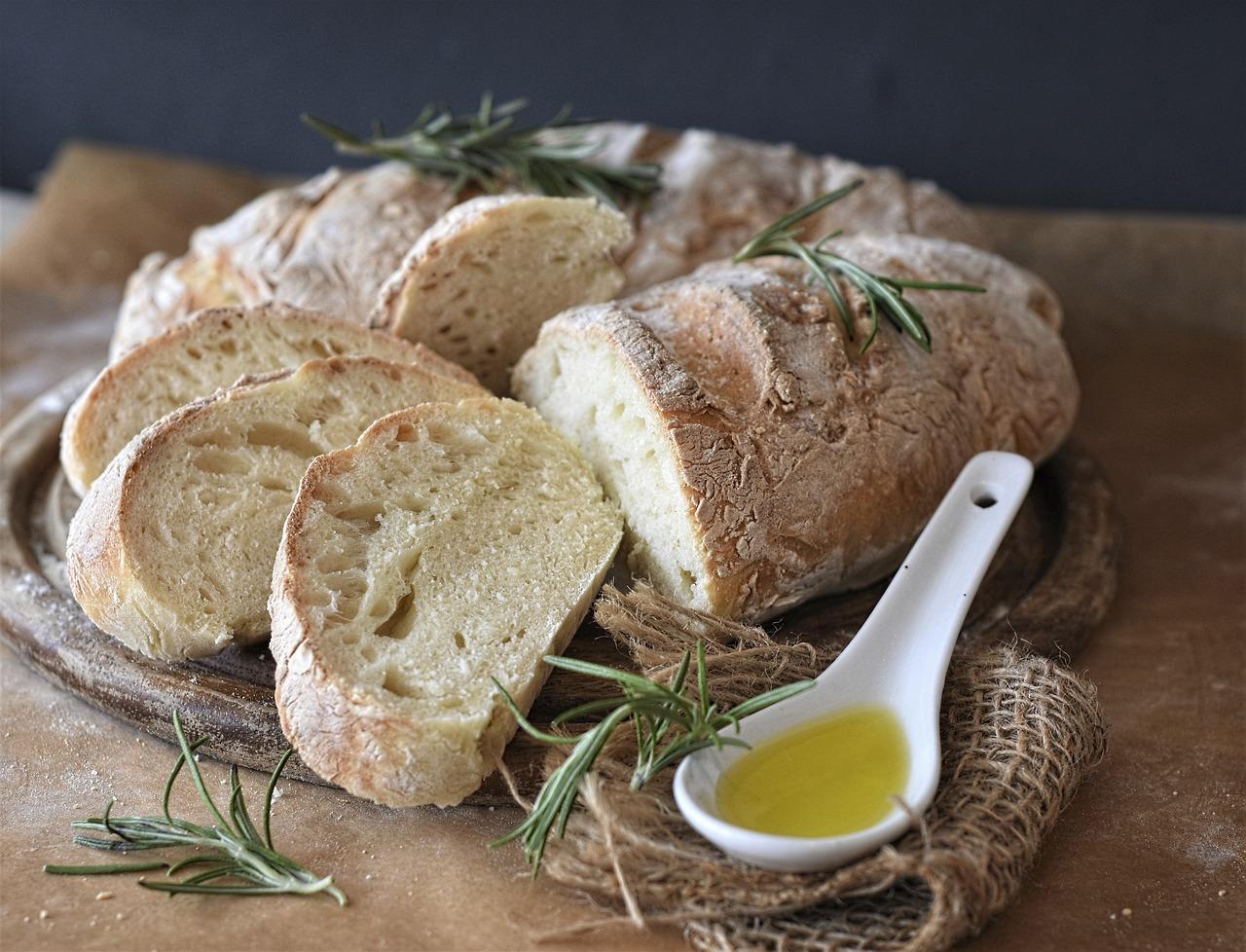
Ciabatta
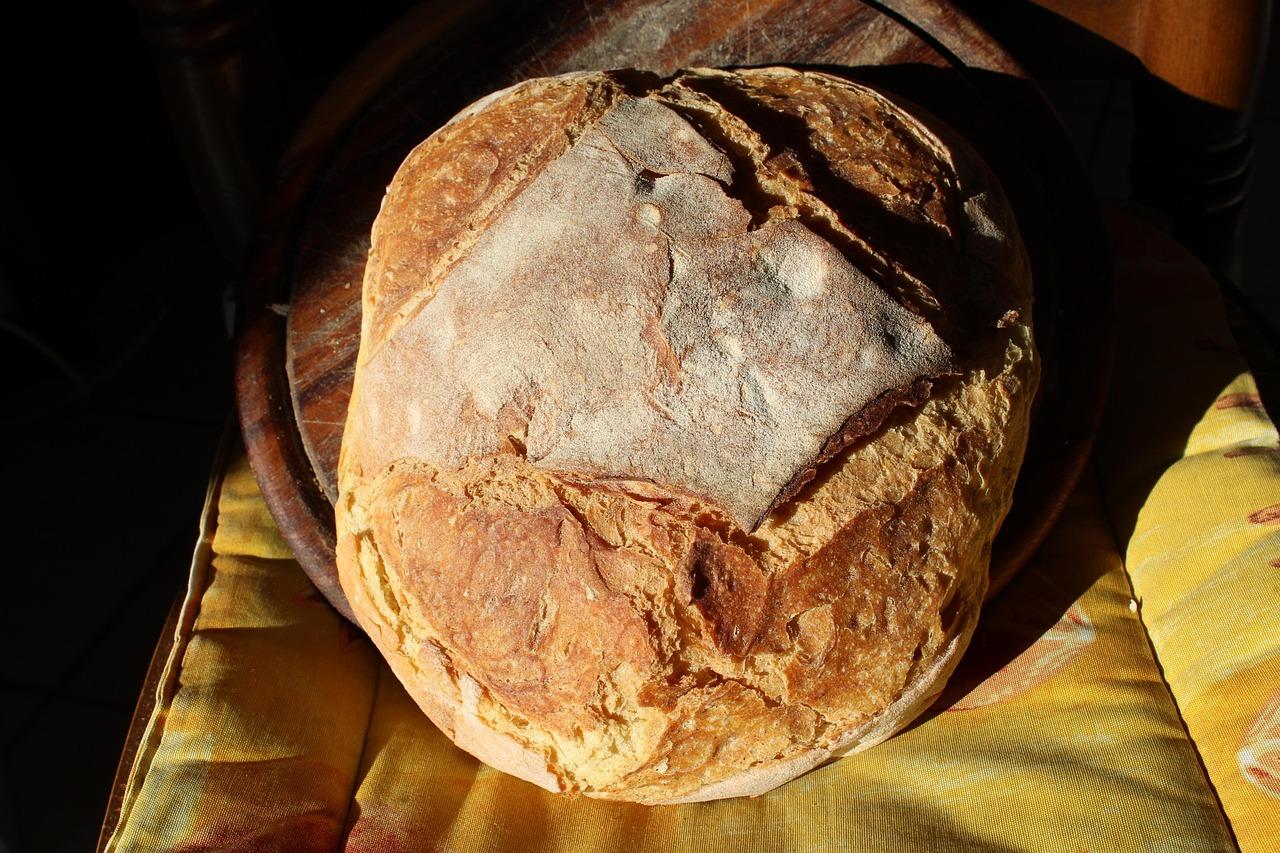
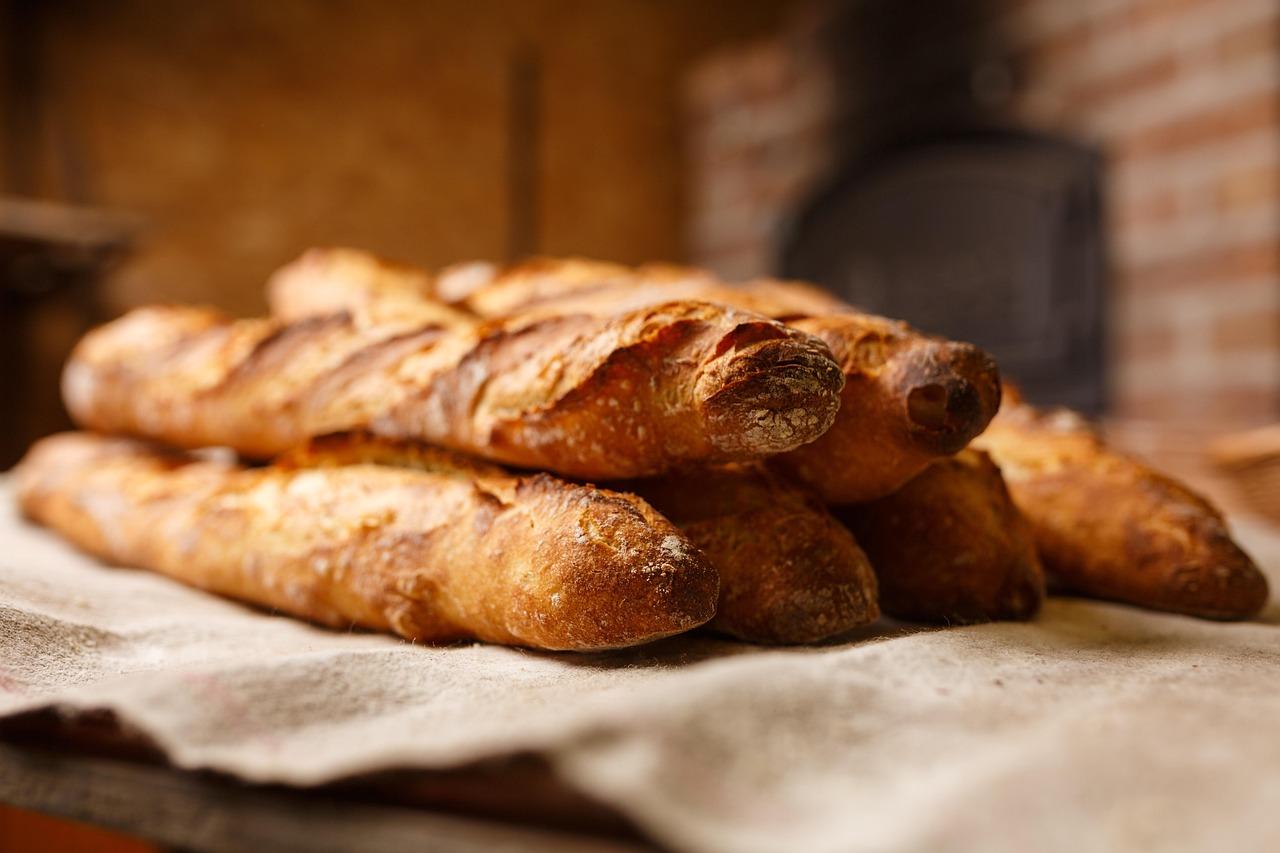
Surprisingly young for an Italian classic, ciabatta was created in 1982 by a baker near Adria, in the Veneto, as Italy's answer to the French baguettes that were filling sandwich shops. Its name means 'slipper', after its flat, floury, oblong shape. The dough is so wet it is barely shaped at all, which gives a thin, crisp crust and a chewy, glossy crumb full of irregular holes, with a wheaty, slightly tangy flavour from an overnight biga. Split it for panini with grilled vegetables and mozzarella, dip it in good olive oil, or serve it with soup and antipasti. The commonest error is panicking at the sticky dough and working in extra flour; that closes up the crumb, so use wet hands and a scraper instead. Chef's tip: once the dough has risen, don't shape it, just cut it into strips with a floured scraper and flip each one over onto its cloth, so the bubbled underside becomes the top.
 Italian

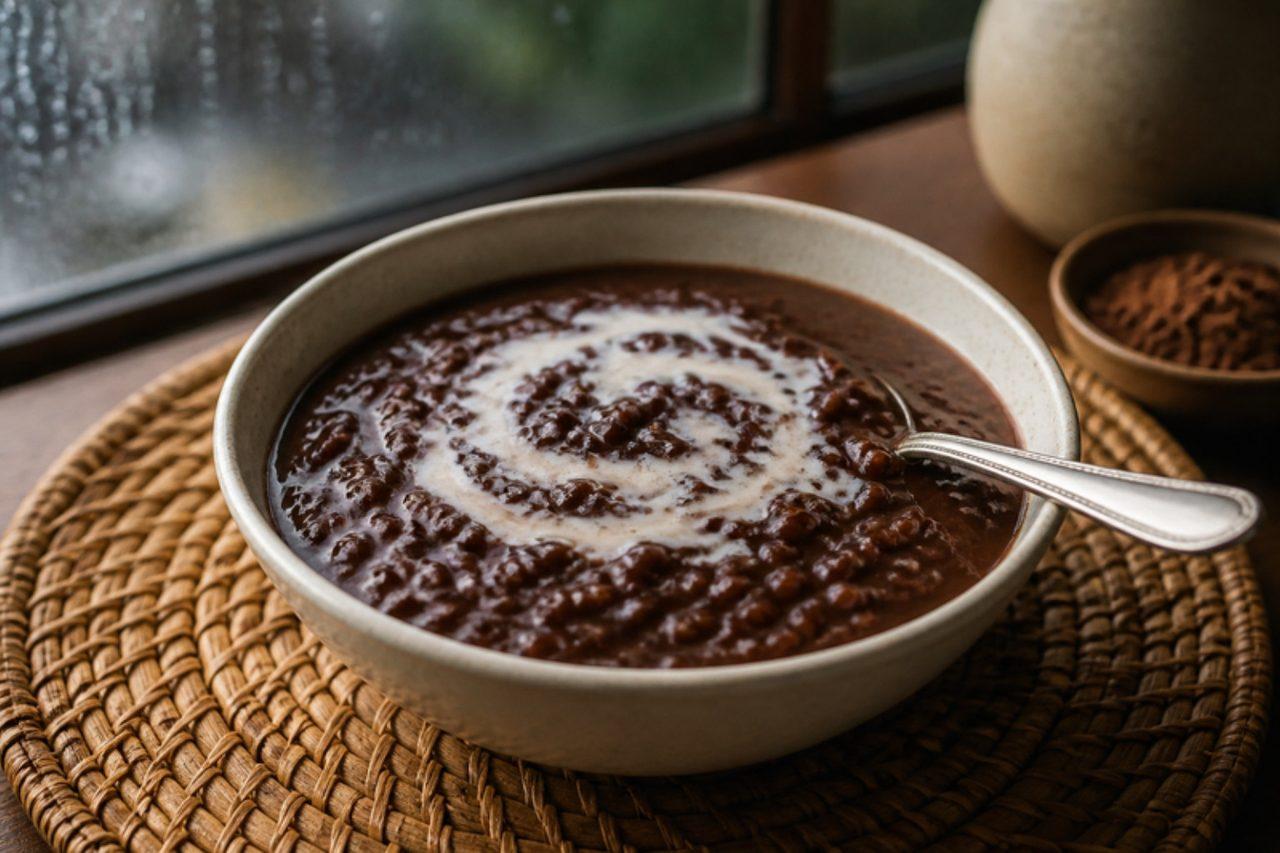
 Filipino

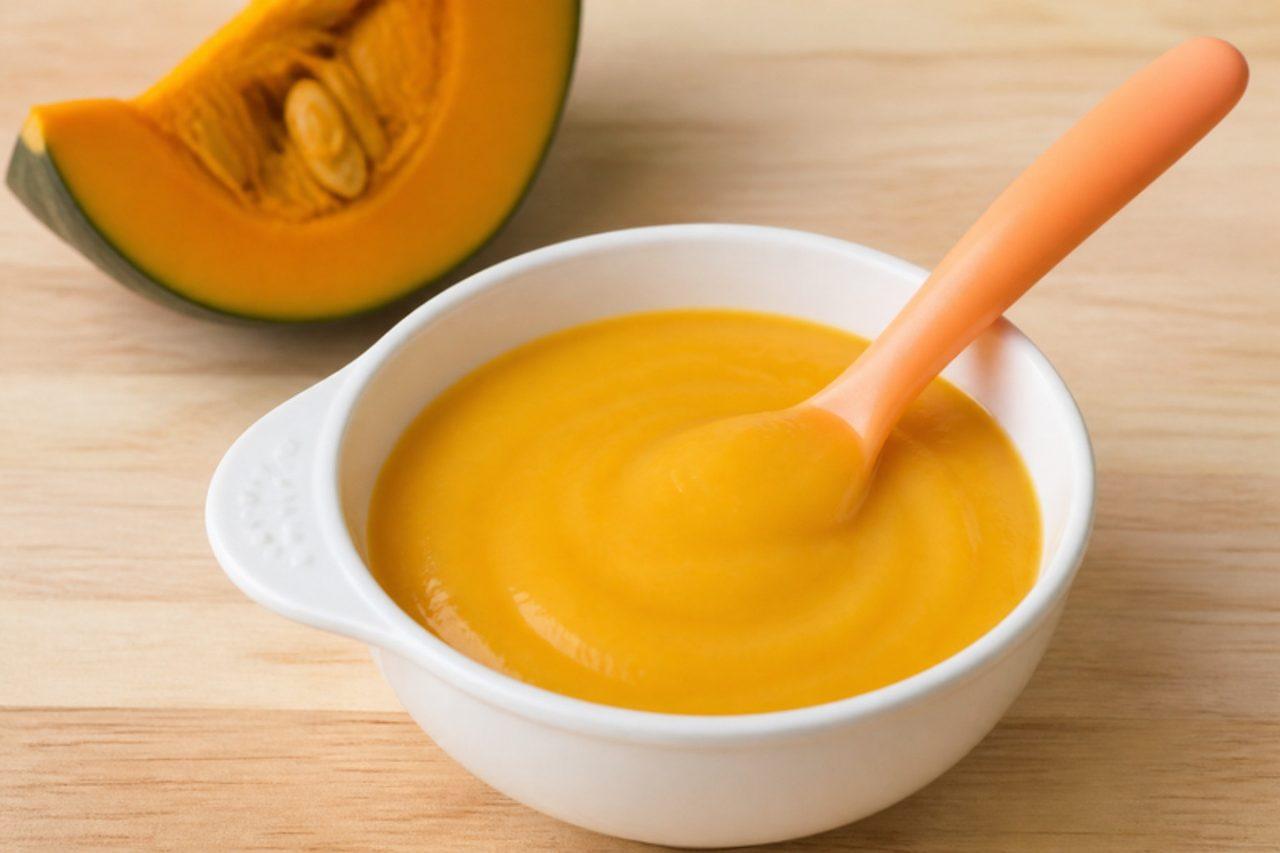
 Vietnamese
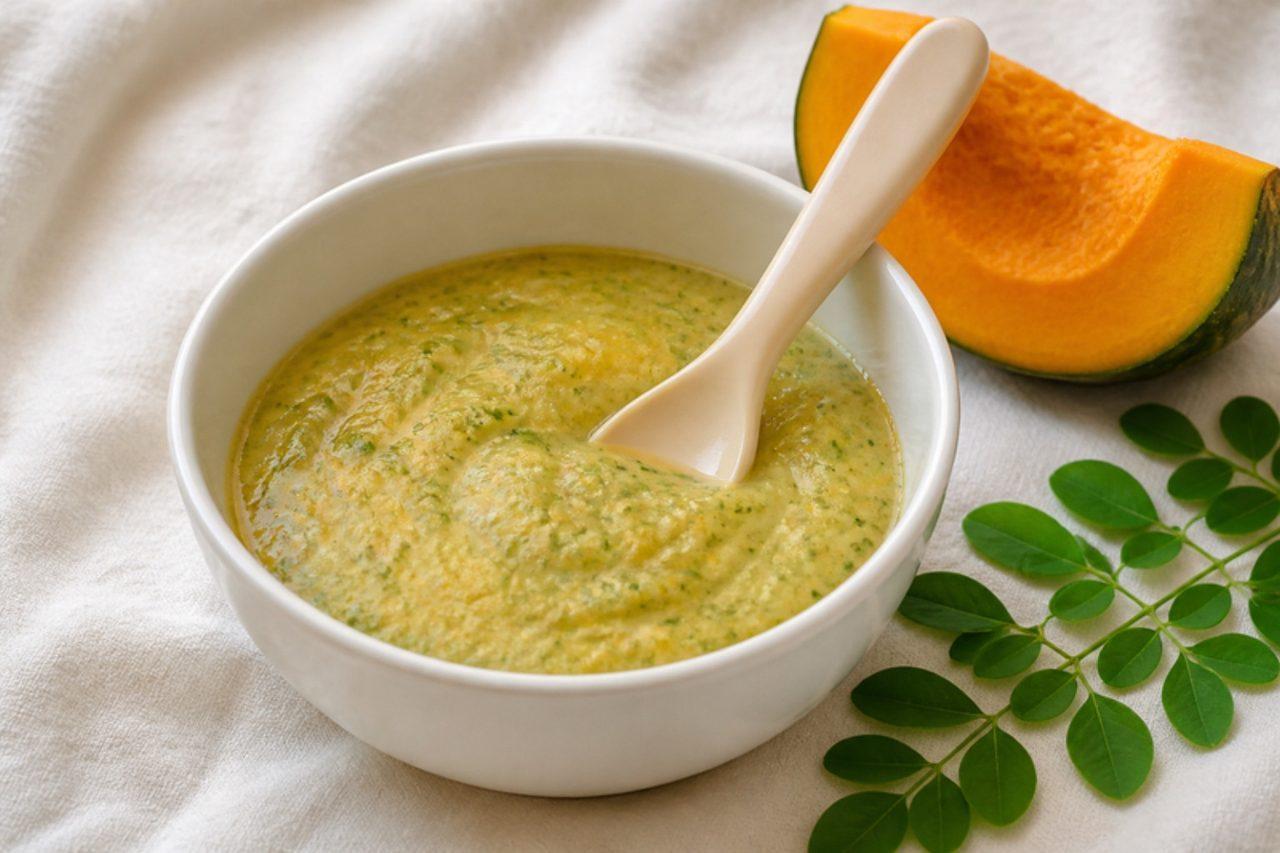
 Indian
 Dutch
 Russian
 Japanese
 Brazilian
 French
 South African