Skip to content
WhatToEat.Today

No onion, no garlic recipes (Swaminarayan and sattvic)

3,470

3470 vegetarian recipes cooked without onion or garlic, as in Swaminarayan and sattvic kitchens, with no meat, fish, eggs or alcohol. Each has photos, step-by-step instructions and cook times. The quickest, Apfelschorle, takes 2 minutes. Most take around 45 minutes.

Filter these by time, diet or cuisine · Make No onion & garlic your diet to see only these recipes everywhere on the site.

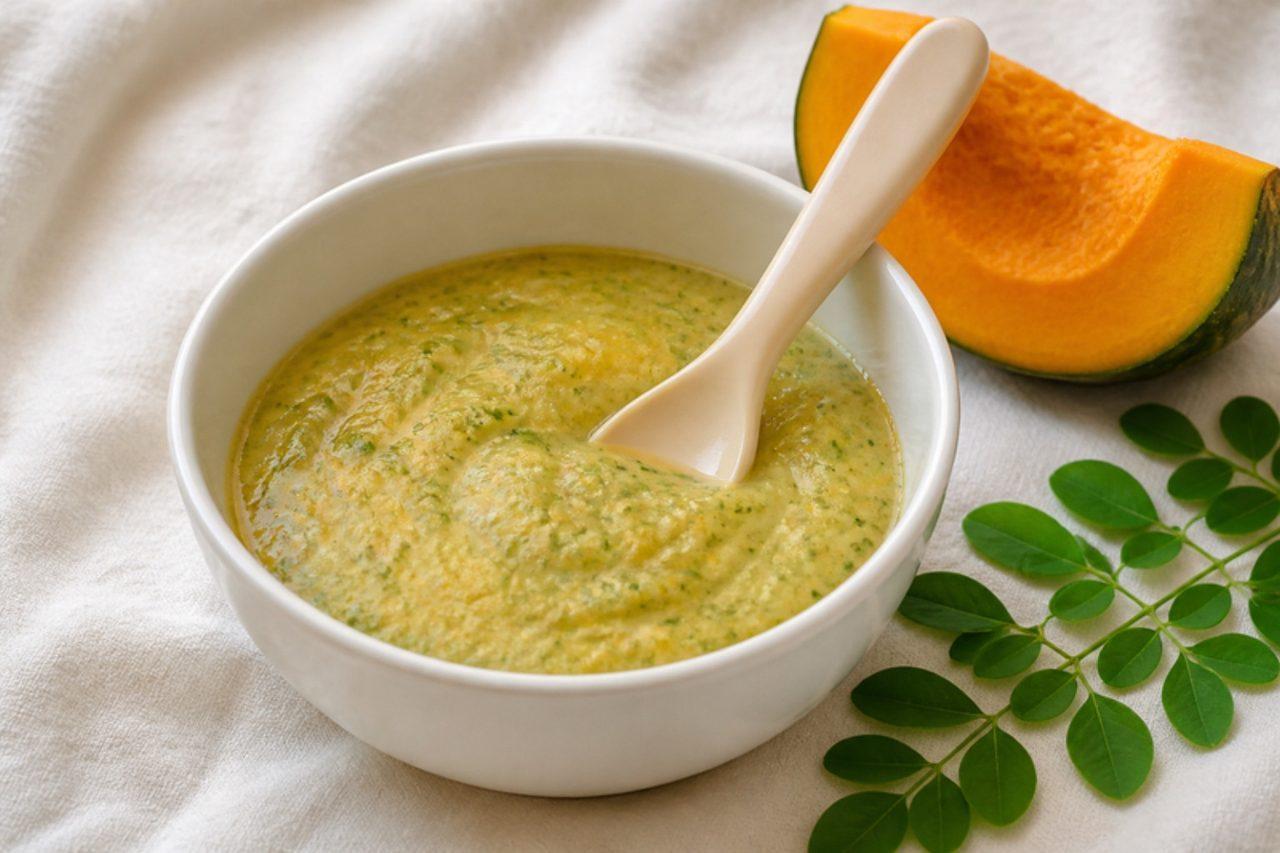
Lugaw for babies with squash and malunggay

In the Philippines, lugaw is the porridge every household turns to, and for babies it is cooked plain and extra soft, without the patis (fish sauce) or salt the family adds. Mothers often stir in mashed kalabasa, the orange squash from the market, and a few malunggay (moringa) leaves picked from the backyard tree, giving a sweet, gently green bowl for lunch or merienda. A slice of ginger in the pot is traditional and adds warmth. It has none of the common allergens (milk, egg, gluten, peanut, tree nuts, soya, sesame, fish). Chef's tip: strip malunggay leaves from their stalks completely; the little stems stay tough even after long cooking.

by KrazyBadal 0 views

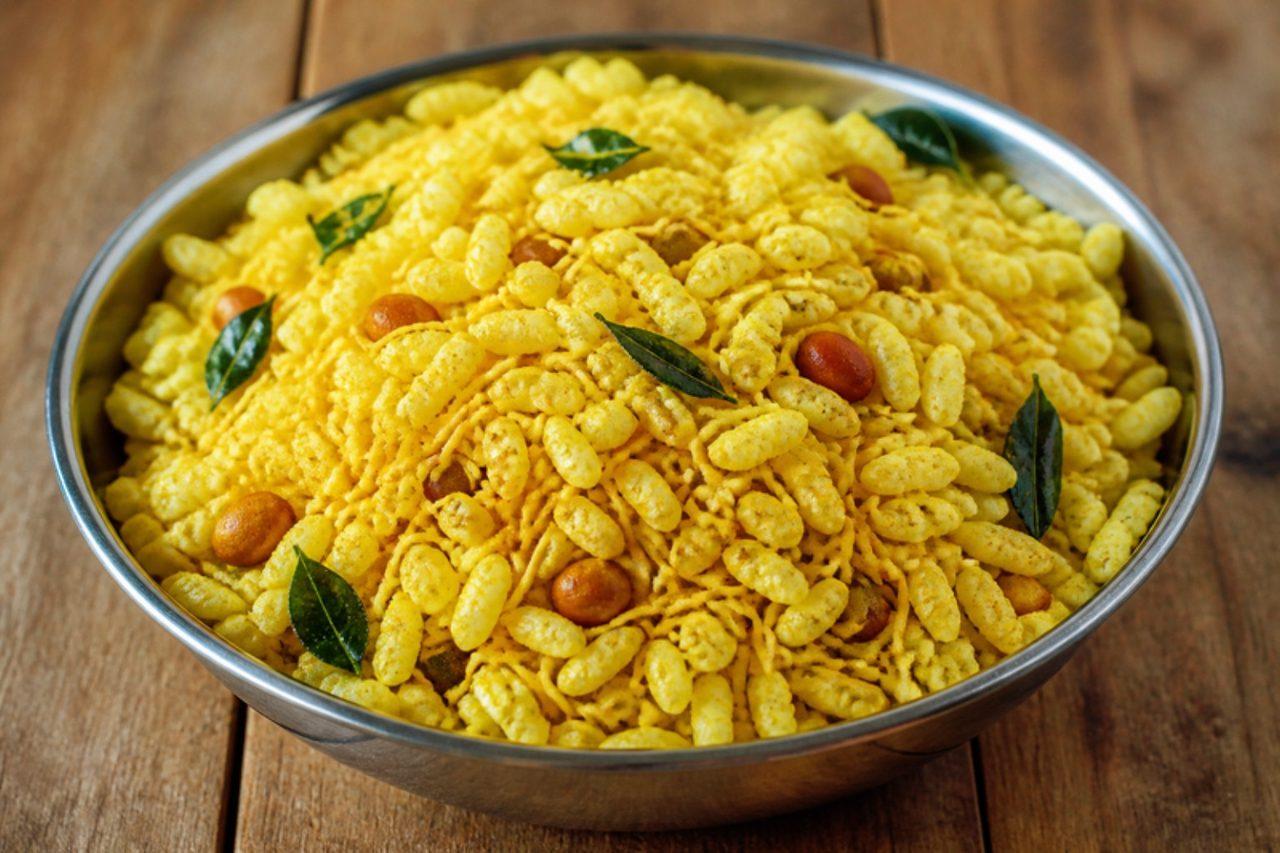
Sev mamraPuffed rice snack mix

In Gujarati homes from Ahmedabad to Surat, a big steel tin of sev mamra is always ready for children coming home from school, unexpected guests and train journeys. Puffed rice is tossed in a little hot oil with turmeric, curry leaves and peanuts until crisp, then mixed with fine gram-flour sev for a savoury, mildly tangy crunch. A pinch of sugar is traditional; it is optional here. It contains peanuts. Whole peanuts are a choking risk for under-5s, so leave them out or crush them for little ones. Chef's tip: warm the puffed rice in the pan for a few minutes first; even slightly stale mamra turns crisp again.

by KrazyBadal 0 views

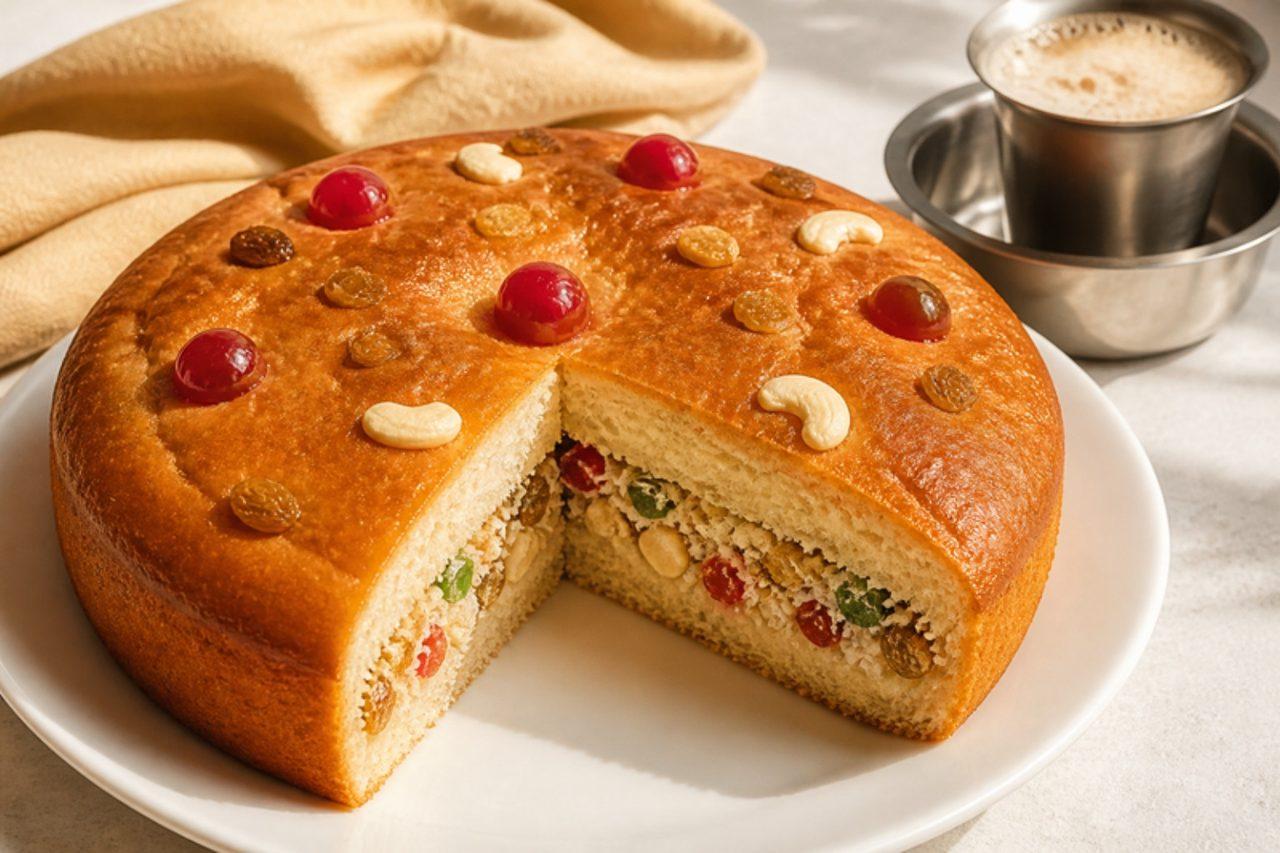
DilkhushCoconut and candied fruit stuffed bread

Teatime at an Iyengar bakery in Bengaluru or Mangaluru means dilkhush ("happy heart") stacked in wedges beside the khara buns: a soft, sweet bread round with a thick layer of grated coconut, sugar, tutti-frutti and cashews baked inside it. The dough in these bakeries is usually eggless, so the crumb is light and milky rather than rich, and the filling stays moist and chewy. Eat a wedge with a small glass of filter coffee or masala chai, or pack it for a school snack. The usual mistake is to pile the filling to the very edge; leave a clear 2 cm rim or the seal splits and the coconut toasts black on the tray. Chef's tip: squeeze a little milk into dry desiccated coconut before mixing the filling, so it tastes closer to fresh coconut and does not steal moisture from the bread.

by KrazyBadal 0 views

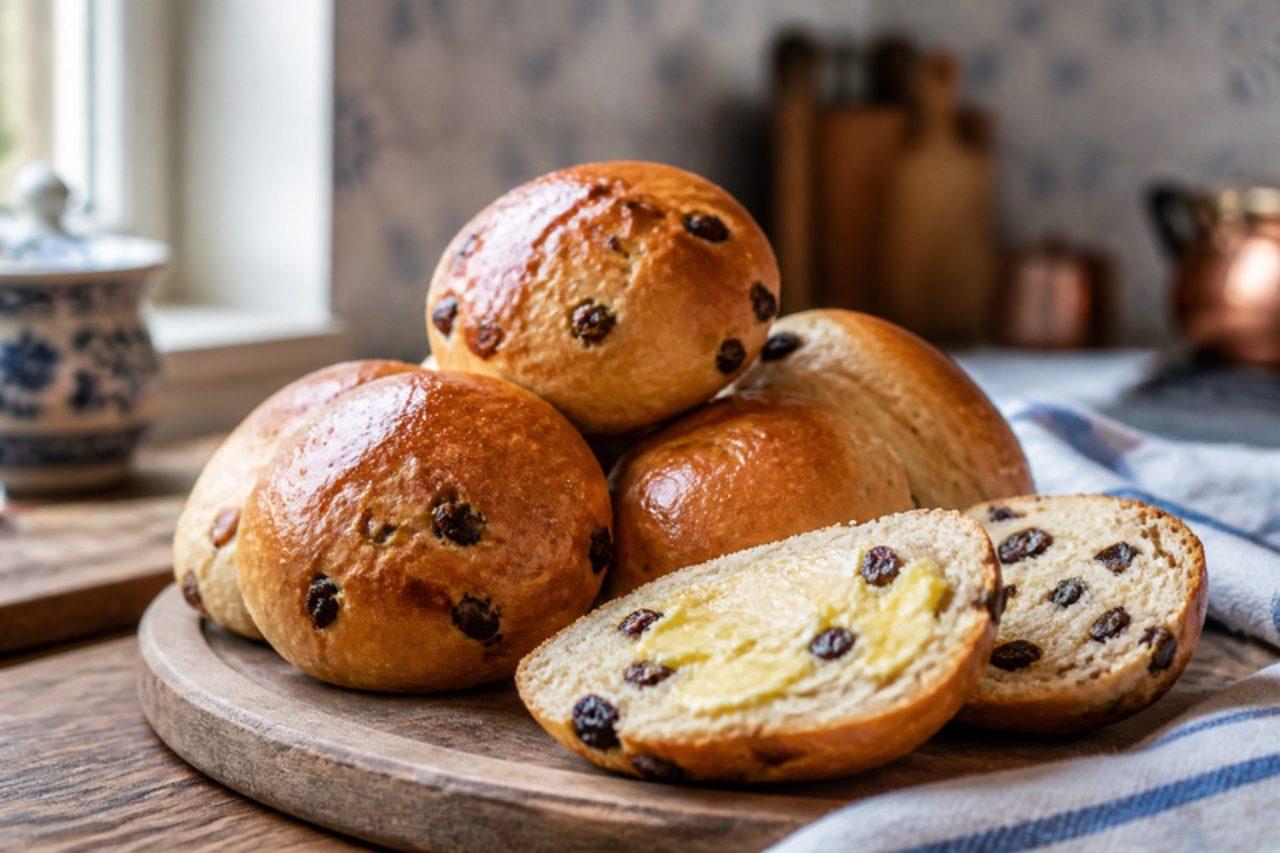
Krentenbollen (Dutch currant buns)

In the Netherlands a krentenbol, buttered and sometimes topped with a slice of Gouda, is packed in schoolbags for the morning break and eaten with milk after school. The buns are soft, slightly sweet and so full of currants and raisins that there is barely room for the bread. This version adds little sugar, letting the dried fruit sweeten it. It contains gluten and milk. Chef's tip: soak the dried fruit in hot water before kneading it in; dry fruit pulls moisture from the dough and burns on the surface.

by KrazyBadal 0 views

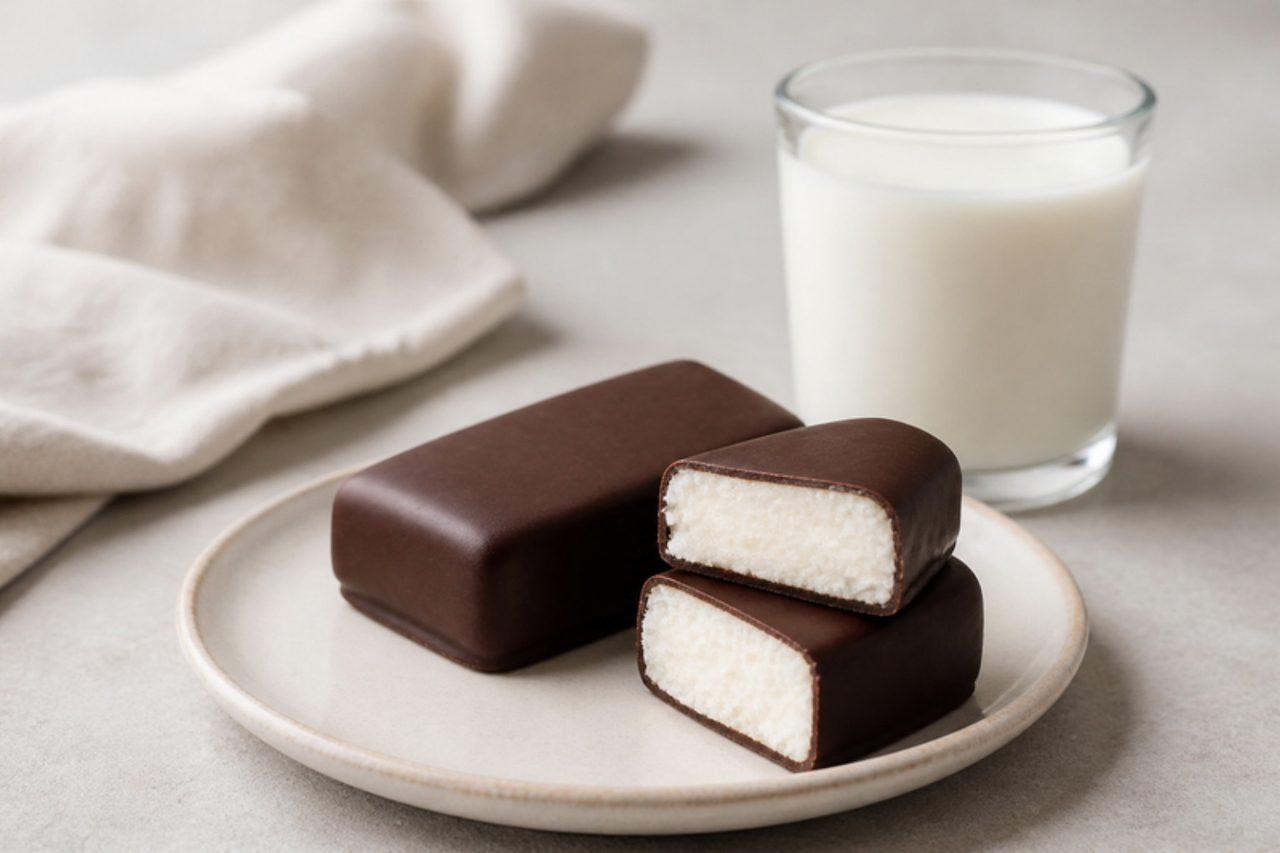
Glazirovanny syrok (chocolate-glazed curd bars)

Glazirovanny syrok, the chocolate-coated curd cheese bar, has been sold in Russian dairy aisles since Soviet times and is still what children across Russia, Ukraine and the Baltics grab after school. Made at home, it is a firm, creamy, gently sweet vanilla tvorog filling under a thin snap of dark chocolate, like a tiny cheesecake bar. This version uses less sugar than shop bars. It contains milk (and may contain soya in the chocolate). Chef's tip: press the tvorog through a sieve first; it is the only way to get the smooth, dense texture of a real syrok.

by KrazyBadal 0 views

Buko saladYoung coconut fruit salad

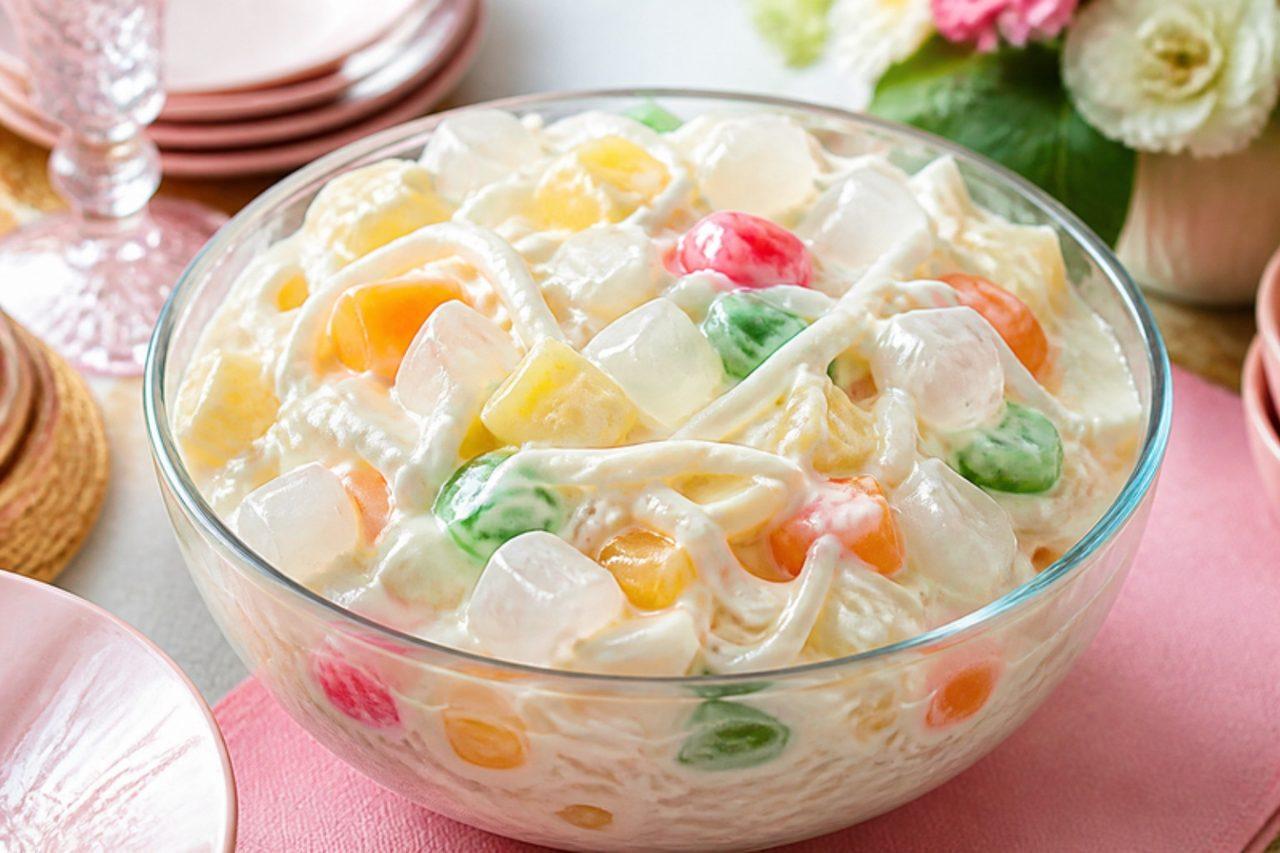
Buko salad is the dessert Filipino families bring to every birthday, christening and Christmas Noche Buena: strips of soft young coconut, mixed fruit, chewy nata de coco and sweet cream, chilled until icy cold. Children fish out the cherries first. It is quick to make the day before and is gluten free; it contains milk. Grapes in tinned fruit are already halved, but quarter any whole grapes lengthwise for younger children. Chef's tip: drain the fruit and nata de coco really well in a sieve for 15 minutes, or the salad turns watery overnight.

by KrazyBadal 0 views

Ciabatta

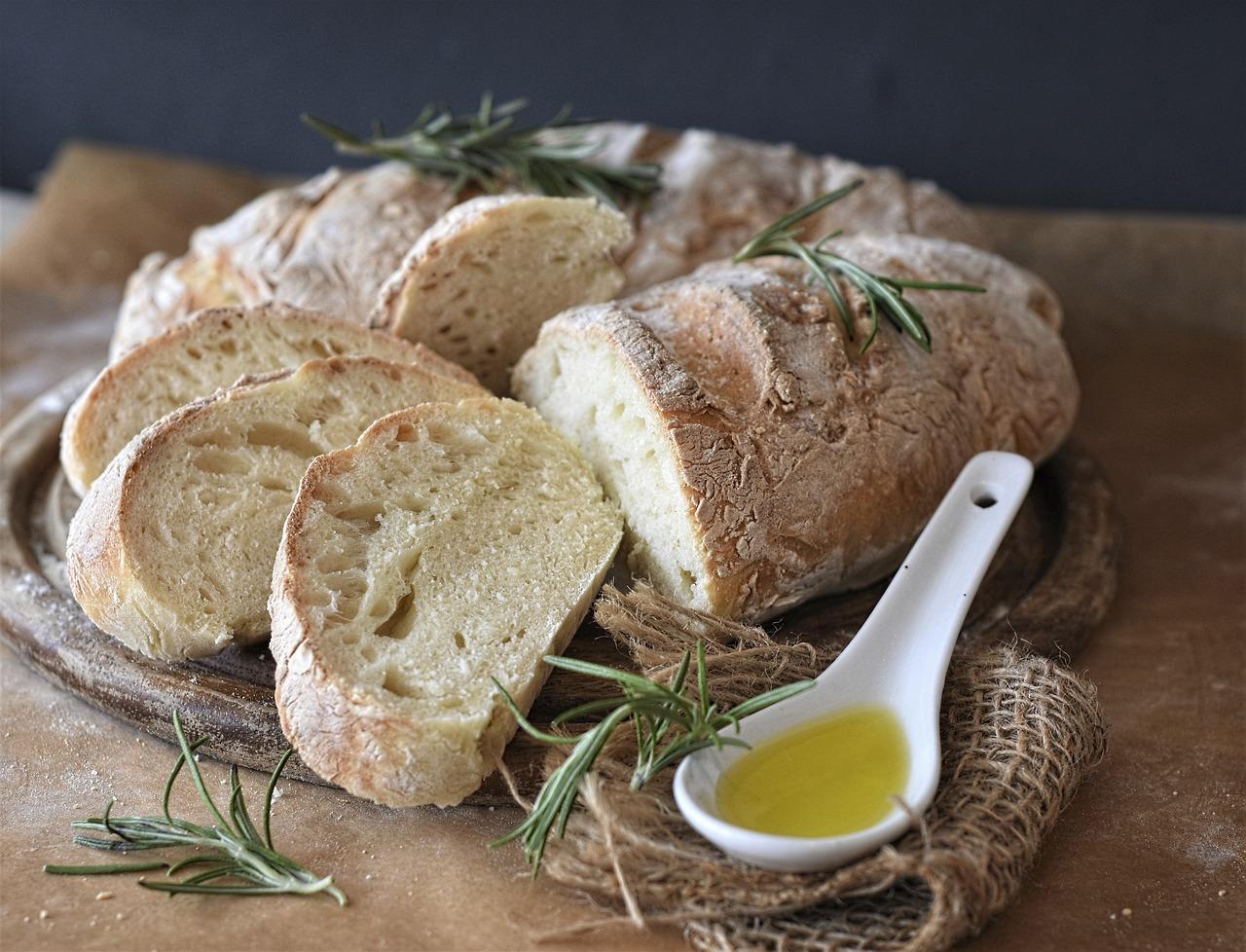
Surprisingly young for an Italian classic, ciabatta was created in 1982 by a baker near Adria, in the Veneto, as Italy's answer to the French baguettes that were filling sandwich shops. Its name means 'slipper', after its flat, floury, oblong shape. The dough is so wet it is barely shaped at all, which gives a thin, crisp crust and a chewy, glossy crumb full of irregular holes, with a wheaty, slightly tangy flavour from an overnight biga. Split it for panini with grilled vegetables and mozzarella, dip it in good olive oil, or serve it with soup and antipasti. The commonest error is panicking at the sticky dough and working in extra flour; that closes up the crumb, so use wet hands and a scraper instead. Chef's tip: once the dough has risen, don't shape it, just cut it into strips with a floured scraper and flip each one over onto its cloth, so the bubbled underside becomes the top.

by KrazyBadal 0 views

OntbijtkoekSpiced rye breakfast cake

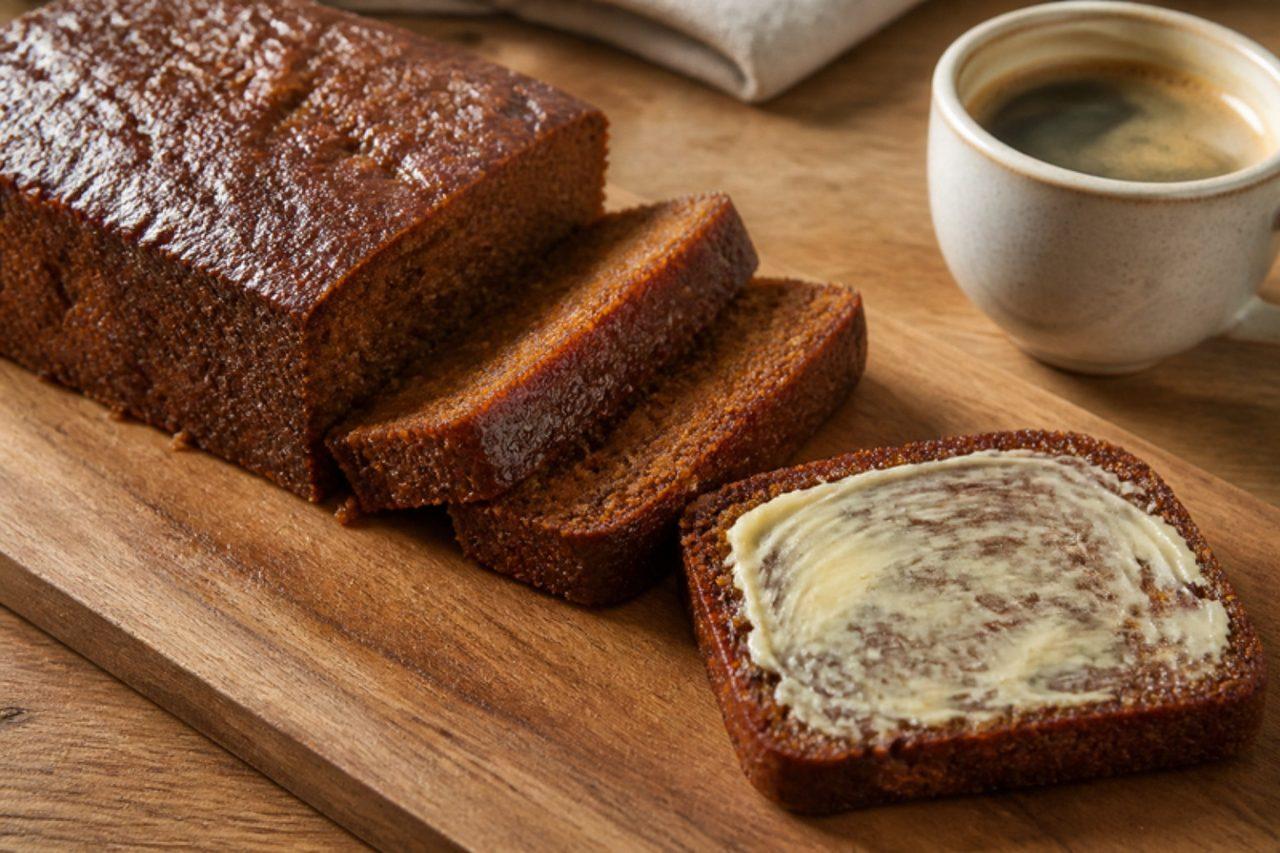
Ontbijtkoek means 'breakfast cake', and in Friesland and Groningen, where the best-loved versions come from, a thick slice spread with butter is still a normal start to the day or a mid-morning snack with coffee. The loaf is dark, sticky and springy, made with rye flour and syrup and scented with the Dutch spice mix koekkruiden: cinnamon, cloves, ginger, nutmeg and cardamom. It contains no egg and no butter in the batter, and it gets better after a day or two wrapped up. Baking it too hot is the usual mistake; the outside goes bitter before the middle sets, so bake it low and slow. Chef's tip: wrap the loaf in cling film while it is still slightly warm and leave it overnight; it softens into the classic tacky, chewy crust.

by KrazyBadal 0 views

Coppia ferrareseTwisted olive oil bread

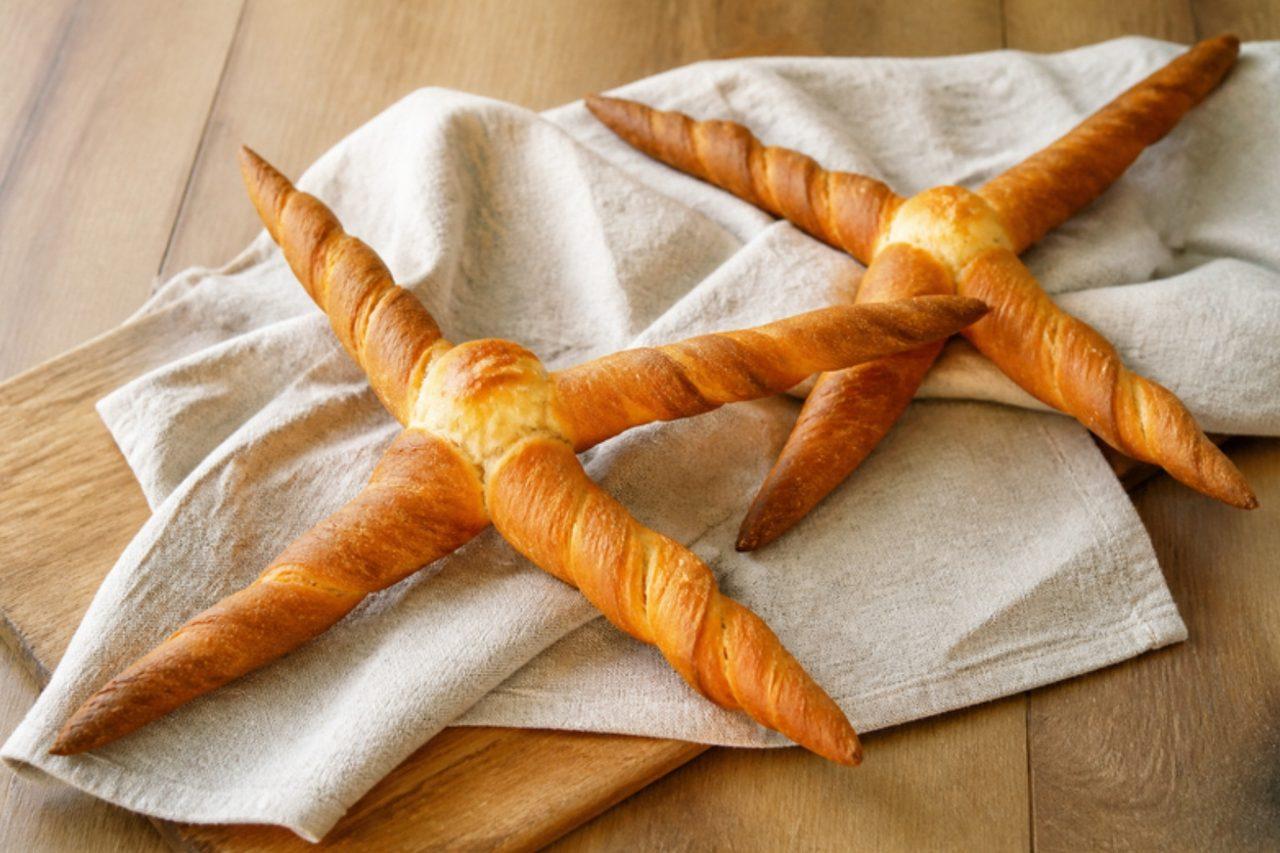
Four crunchy horns joined at a soft central knot make the coppia ferrarese the most recognisable bread in Emilia-Romagna; Ferrara's bakers have shaped it since at least the Renaissance, and it has had IGP status since 2001. The dough is stiff and very smooth, rolled thin and twisted into spirals, so the ends bake shatteringly crisp while the 'belly' in the middle stays tender. Ferrarese eat it with salumi for meat-eaters, with cheese, grilled vegetables or a bowl of pumpkin cappellacci. It is traditionally made with lard; this version uses olive oil instead, which keeps it vegan and still gives the light, crumbly crunch. Rolling the strips too thick is the usual slip, because thick horns stay bready instead of crisp. Chef's tip: a pasta machine makes the dough as smooth and thin as a Ferrara baker's rollers, and the barley malt gives the horns their honey-brown colour.

by KrazyBadal 0 views

Mkate wa siniaCoconut and rice tray cake

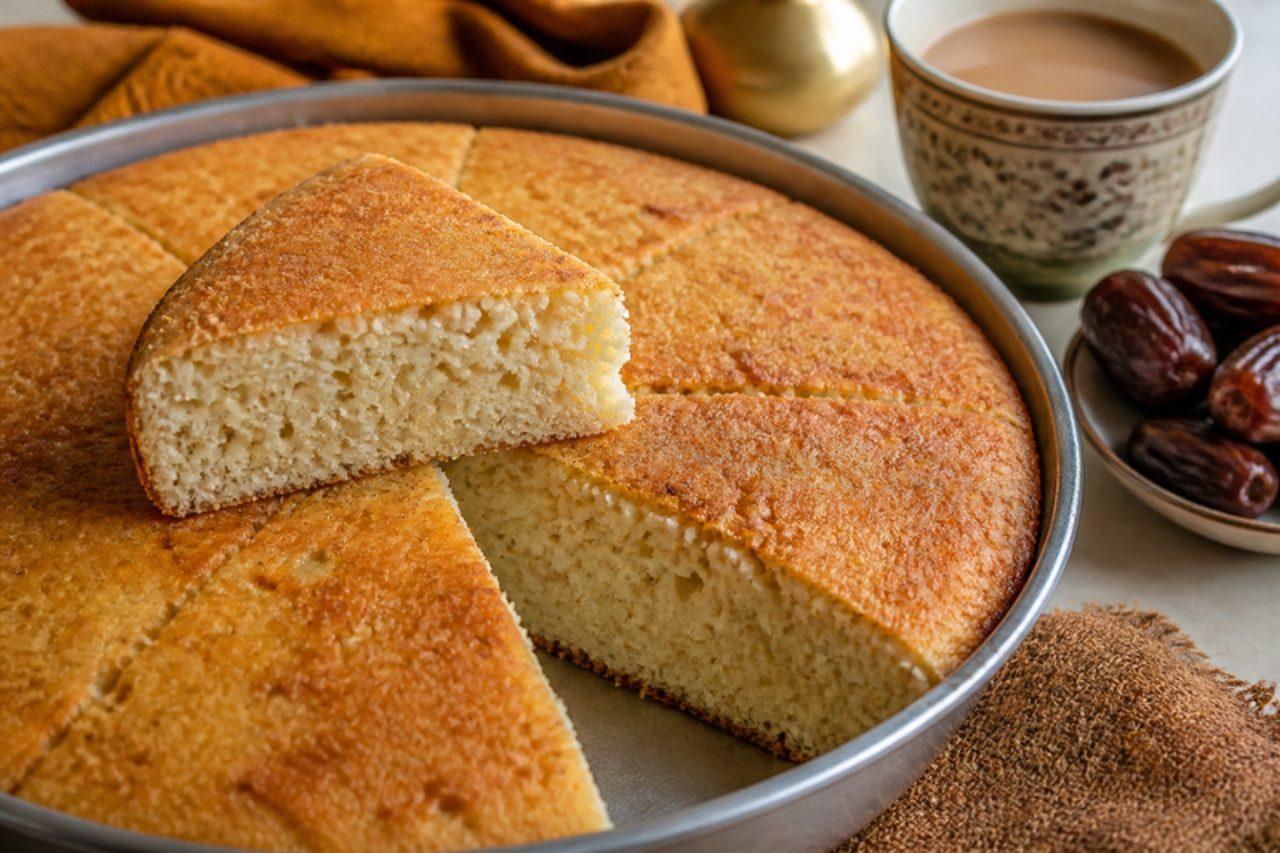
Ramadan evenings in Stone Town and Mombasa bring out trays of mkate wa sinia, cut into wedges and set out for iftar beside spiced chai and dates. Soaked rice is blended with coconut milk, sugar, cardamom and yeast into a pourable batter (hence its other name, mkate wa kumimina, 'poured bread'), left to bubble, then baked in a round metal tray called a sinia. Inside it is spongy and full of holes like a crumpet; the top and base turn golden and slightly chewy. It contains no egg, dairy or wheat. Under-blending is what ruins it: a gritty batter bakes into a sandy cake, so blend until a drop rubbed between your fingers feels completely smooth. Chef's tip: add a couple of spoonfuls of cooked rice to the blender, the way coastal cooks do; it makes the crumb softer and more springy.

by KrazyBadal 0 views

Pane di AltamuraDurum wheat sourdough loaf

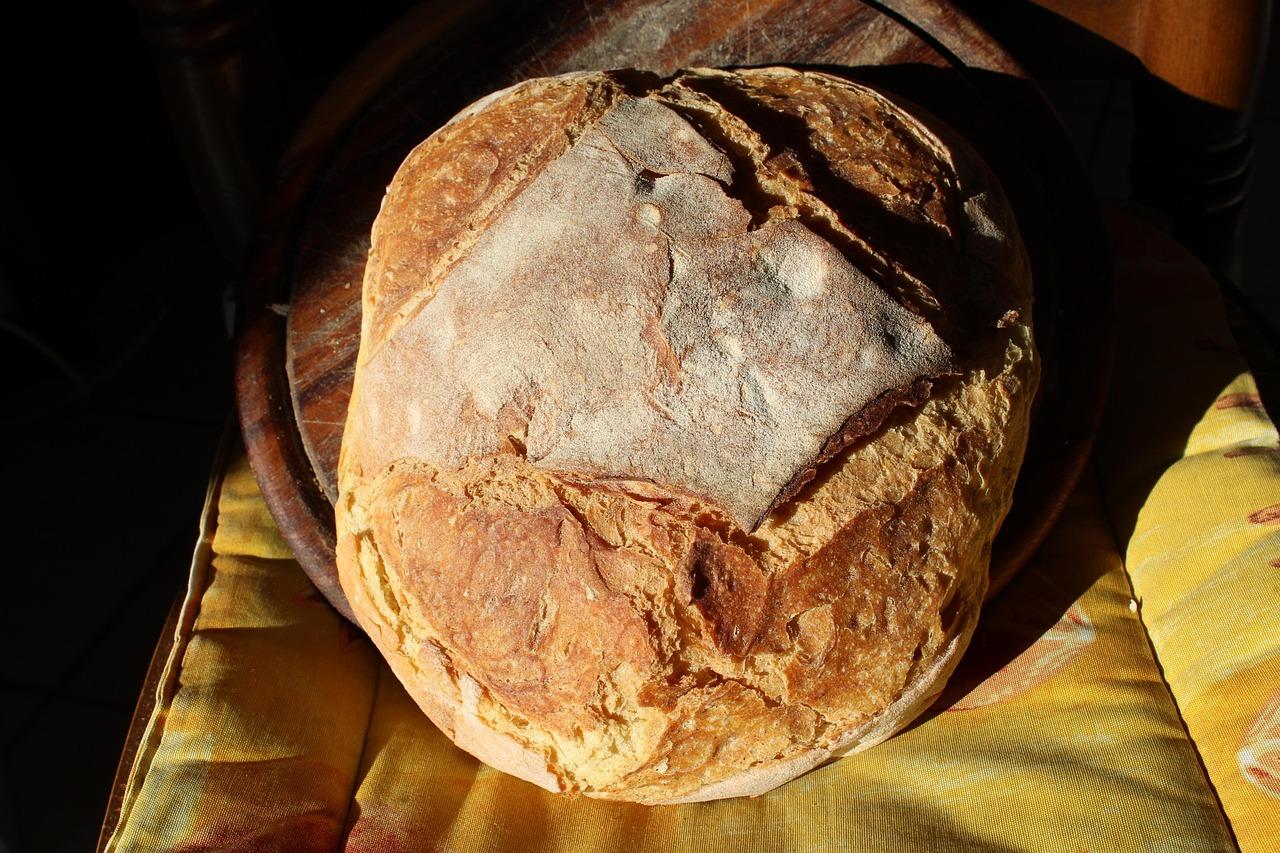
Locals in Altamura like to quote Horace, who praised the bread of this corner of Apulia two thousand years ago; in 2003 it became the first bread in Europe to receive DOP protection. Pane di Altamura is made only from twice-milled durum semolina grown on the Murgia plateau, sourdough, salt and water, and it is famous for keeping fresh for a week. The crust is thick and crunchy, the crumb is sunflower-yellow, springy and faintly sweet. Its classic shapes are the folded 'accavallato' and the tall 'cappello da prete', or priest's hat, made by folding the loaf over itself before baking. Eat it with olive oil and tomatoes, with burrata and grilled vegetables, or in thick slices beside a bean soup. Plain durum flour or coarse pasta semolina are the wrong substitutes: you need the fine, flour-like semola rimacinata, or the dough stays gritty and won't rise. Chef's tip: durum dough is extensible rather than springy, so knead it well and give it a stiff hydration; a wet durum dough spreads flat instead of standing tall.

by KrazyBadal 0 views

Sweet potato simmered with lemon (satsumaimo no lemon-ni)

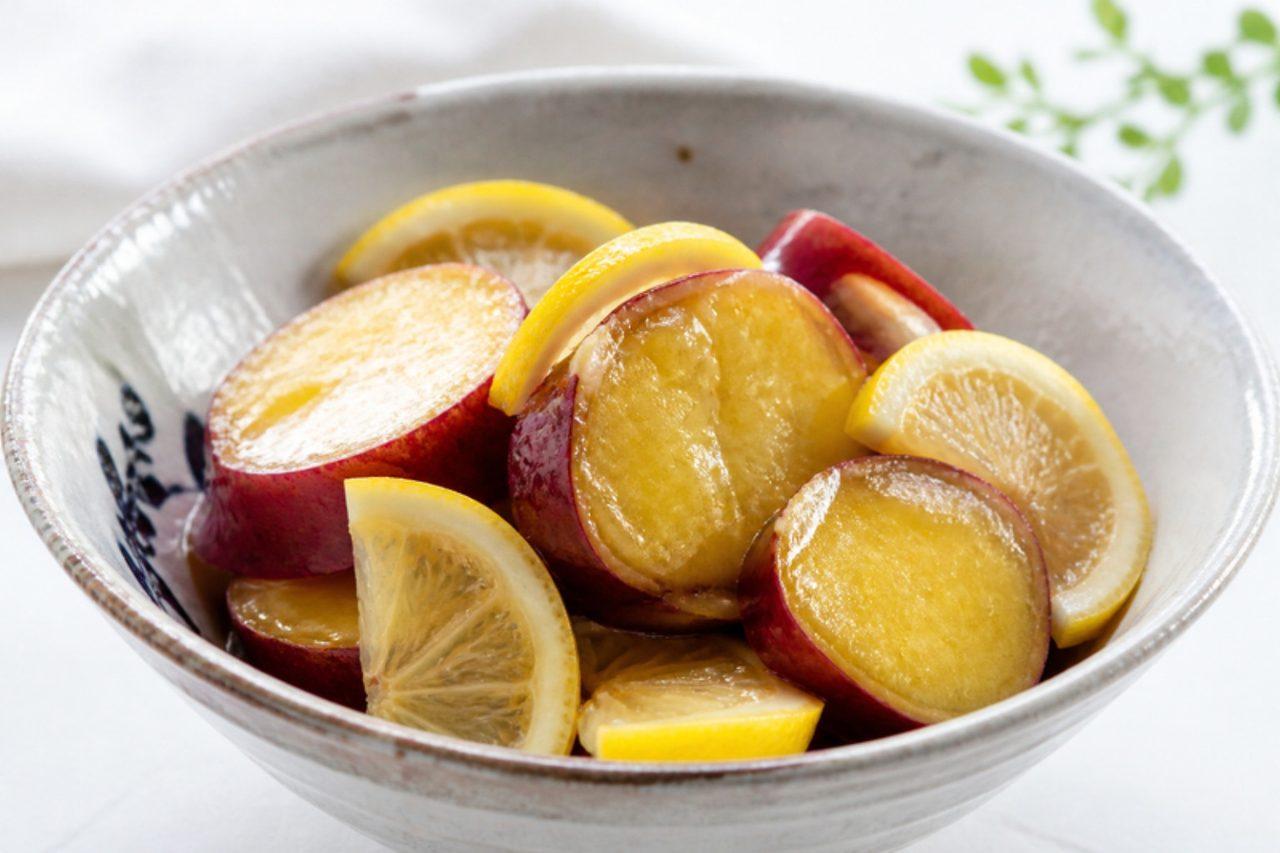
Satsumaimo no lemon-ni is an autumn favourite in Japanese homes, when sweet potatoes are at their best and bento boxes need a splash of colour. Rounds of purple-skinned sweet potato are gently poached with lemon slices and just a spoonful of sugar until tender and glossy, tasting of honeyed potato with a fresh citrus edge. It is eaten cold, so it is a natural make-ahead for packed lunches, and it contains none of the common allergens. Chef's tip: keep the skins on; the purple ring against the yellow flesh is what makes it look so pretty in a box.

by KrazyBadal 0 views

Pain de campagneCountry sourdough loaf

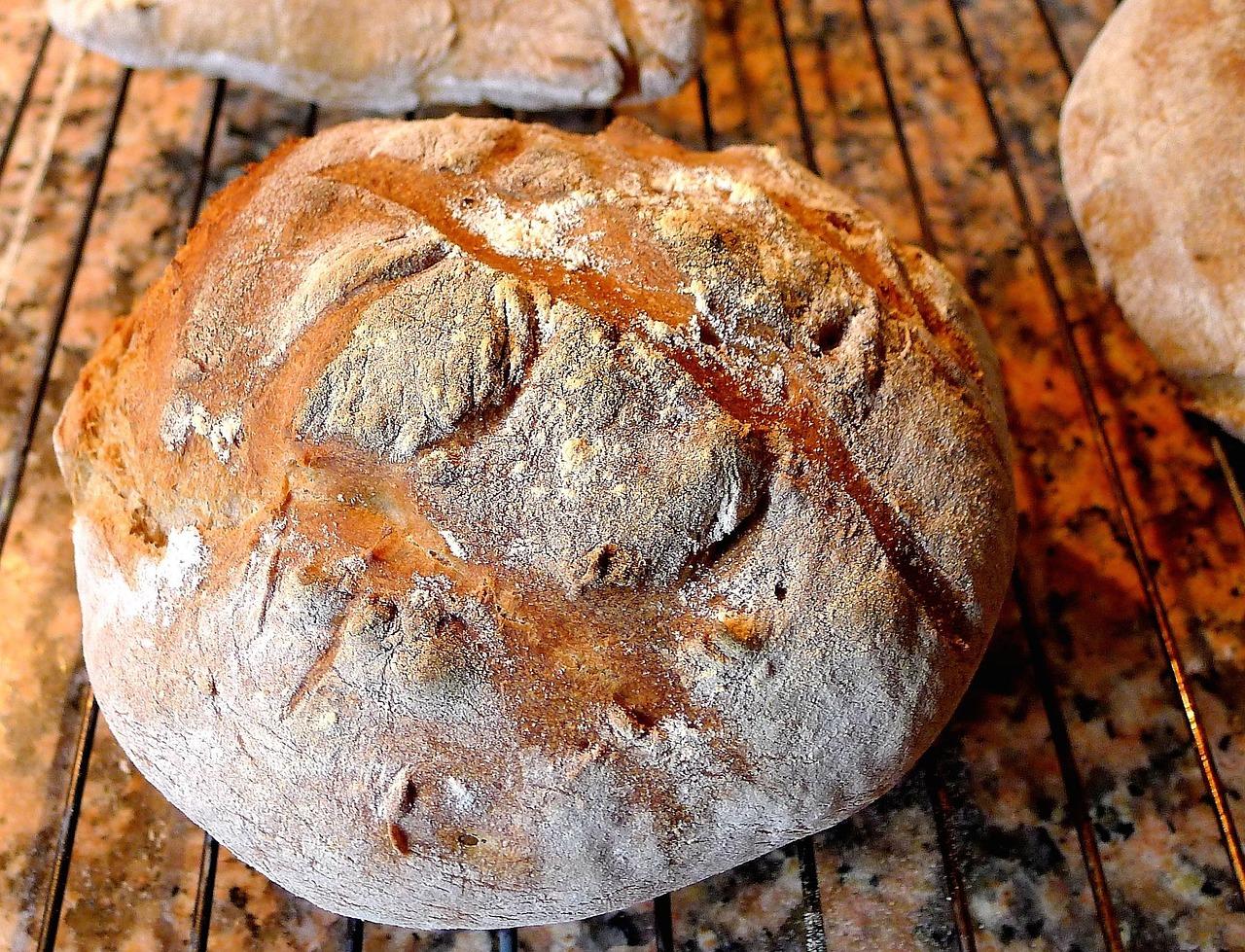
Picture a round, flour-dusted boule on the counter of a village bakery in Burgundy or the Auvergne: that is pain de campagne, the 'country loaf' French families once baked weekly in a shared oven and kept in a cloth for days. A little wholemeal rye in the dough gives a greyish crumb, an earthy, gently sour flavour and a thick, crackling crust that stays good for four or five days. Slice it for tartines with butter and honey, toast it for soup, or serve it with a cheese board, onion soup or a slow vegetable stew. This version builds a fresh leaven in the morning and rests the shaped loaf in the fridge overnight, so you bake first thing the next day. Many home loaves come out pale and soft because they are pulled too early; French bakers call the dark finish 'bien cuit', and that colour is where the flavour lives. Chef's tip: bake straight from the fridge into a screaming-hot lidded casserole; the cold, firm dough is easier to score and springs up higher.

by KrazyBadal 0 views

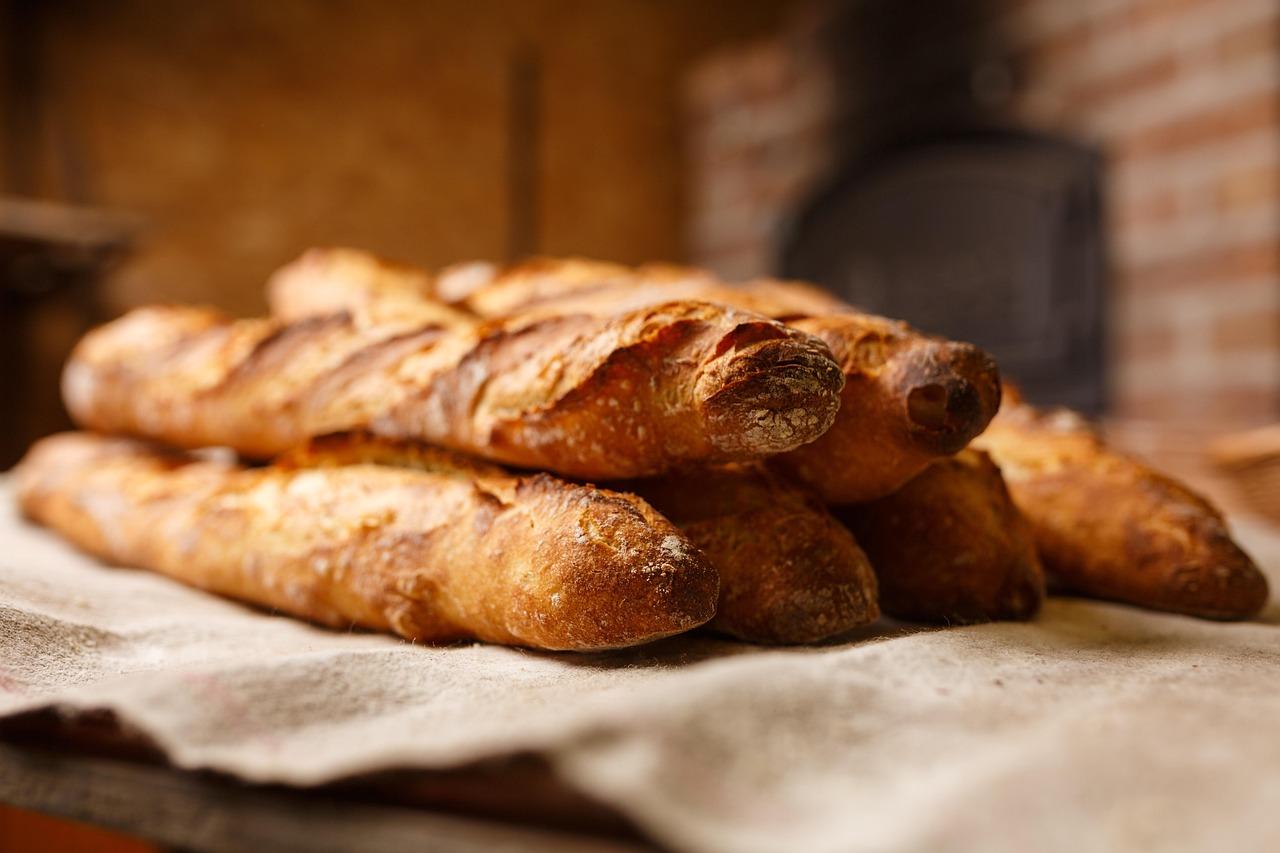
Baguette

Four ingredients and nothing else: since a 1993 decree, a loaf sold in France as a baguette de tradition may contain only flour, water, salt and leavening. Parisians buy one or two a day, warm from the boulangerie, and the end of the loaf rarely makes it home uneaten. A good one has a thin, shattering, deep golden crust, an open, creamy crumb and a faint nutty sweetness from a long, slow rise. Tear it for butter and jam at breakfast, split it for a jambon-beurre or a cheese sandwich, or put it on the table with soup, salad and a cheese board. Shaping is where most home bakers go wrong: pressing all the air out while rolling the dough long gives a tight, cottony crumb, so handle it lightly and let the bench rest do the work. Chef's tip: cut the slashes almost lengthways, at a shallow angle with the blade nearly flat, and overlap each one by a third; straight-down, crosswise cuts just open into flat scars instead of the raised 'ears' you want.

by KrazyBadal 0 views

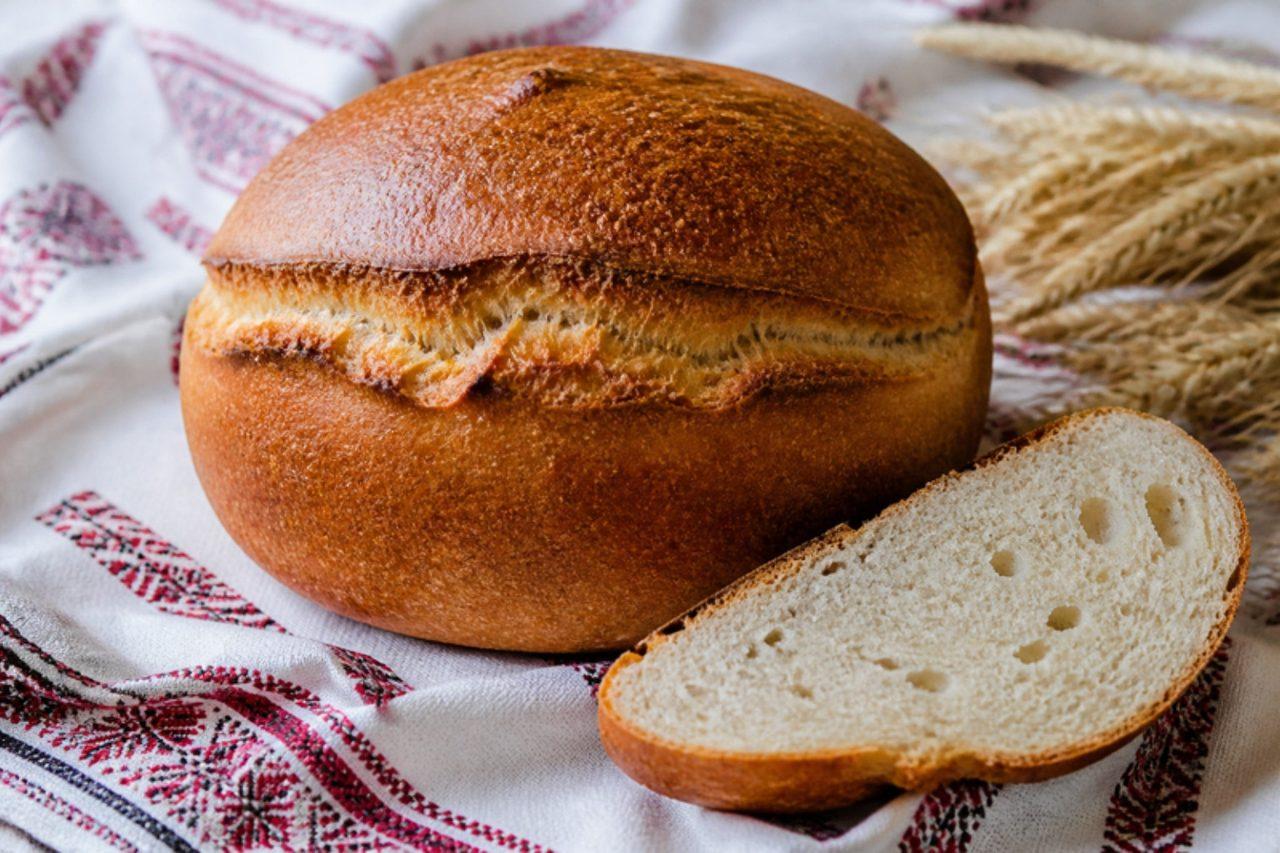
PalianytsiaRound hearth loaf

Its name is famously hard to pronounce for anyone who did not grow up speaking Ukrainian, and the loaf itself is just as recognisable: a tall, round wheat hearth bread with one deep cut along its side, which opens in the oven into a raised, crunchy crest. Ukrainian families have long baked palianytsia for everyday meals and for welcoming guests. The crust is thick and well browned, the crumb white, open and slightly chewy. It belongs next to a bowl of borscht with garlic, or sliced with sunflower oil, salt and spring onions. A slow rise gives it flavour, so it uses little yeast. A shallow, timid cut is the commonest mistake: the side bursts in a random place instead of lifting into the crest. Chef's tip: cut at a low angle, about 2 cm deep, a third of the way up the side, and cool the loaf fully before slicing.

by KrazyBadal 0 views

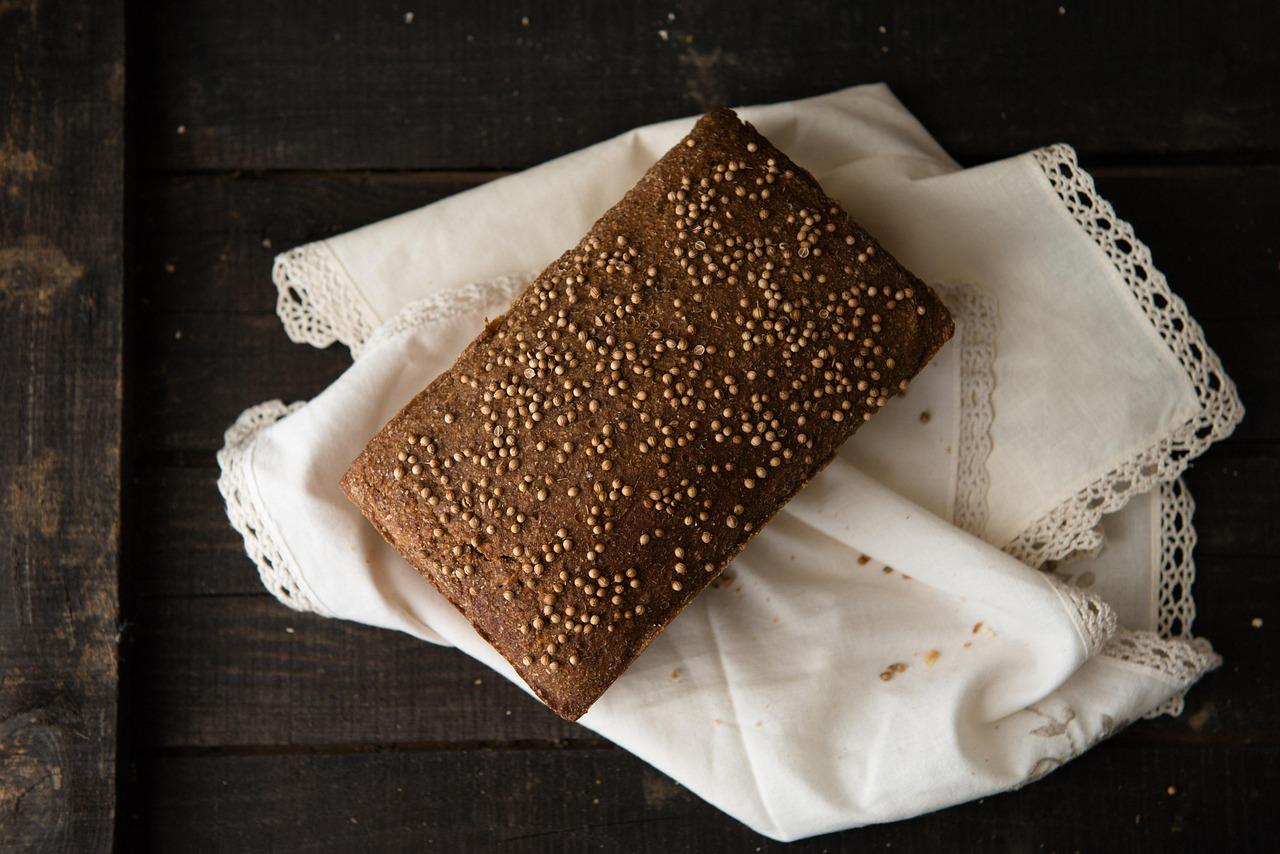
Borodinsky breadDark sourdough rye with coriander

Moscow's darkest everyday loaf is said to be named after the 1812 Battle of Borodino, though the recipe bakers follow today was fixed by the city's bread trust in 1933. Borodinsky (Бородинский хлеб) is a dense, moist sourdough rye, sweet-sour from molasses and red fermented rye malt, with whole coriander seeds crackling on the crust. Russians slice it thin for breakfast with butter and salted cucumbers, alongside borscht or herring for meat-eaters, or under a slice of cheese with strong tea. The method looks long, but most of it is the starter and the scald quietly working on their own. The usual mistake is cutting it on baking day: rye crumb needs a full day wrapped in a cloth to set, and a warm loaf is gummy right through. Chef's tip: red fermented rye malt gives the colour and the deep flavour; plain diastatic malt will not do the same job, so look for the reddish-brown 'fermented' kind in Eastern European shops.

by KrazyBadal 0 views

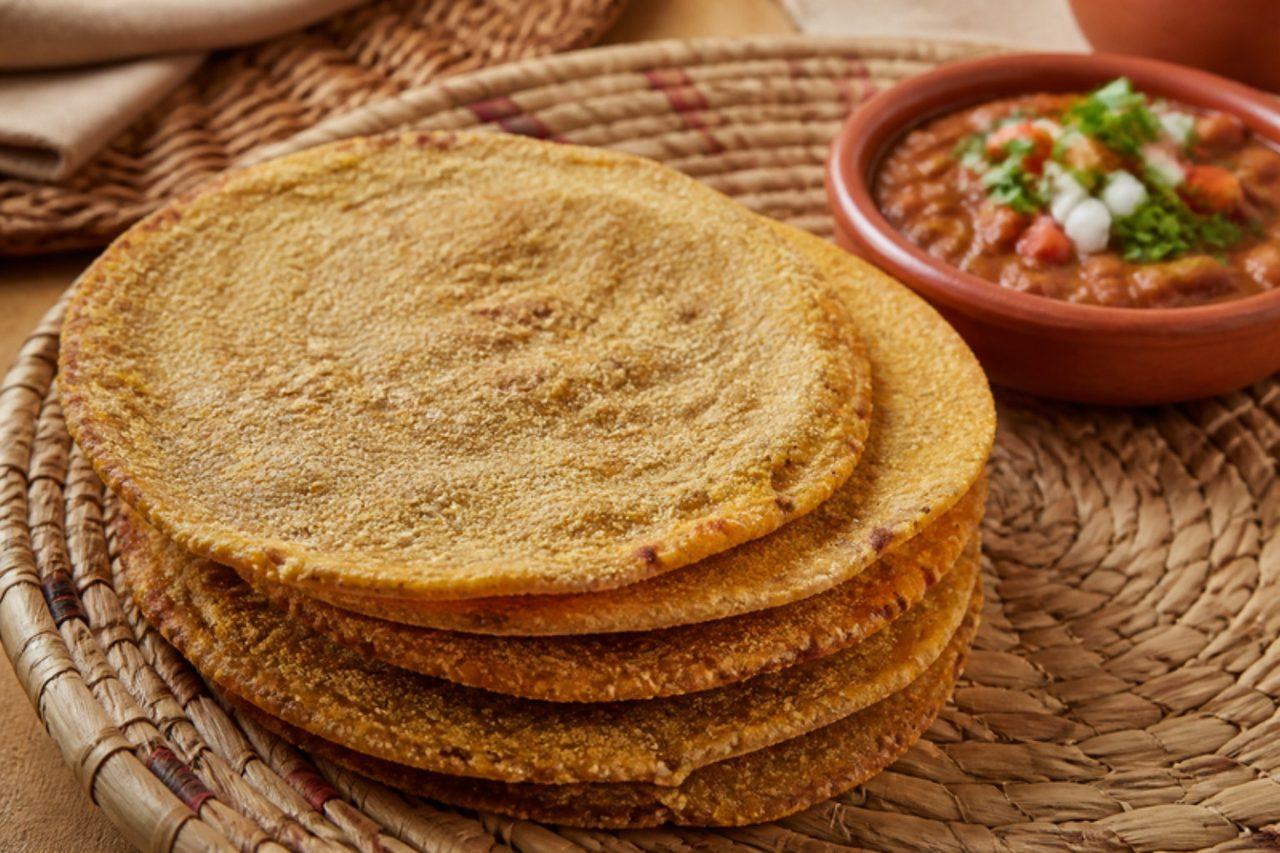
Aish merahrahCorn and fenugreek flatbread

Village women in Sohag, Qena and the countryside around Luxor still bake aish merahrah in mud-brick ovens, a whole week's supply at a time. Made mostly from maize flour with ground fenugreek seeds, it is thin, rough-textured and crisp at the edges, with a gently bitter, maple-like fenugreek aroma and a faint sourness from fermentation. Fresh, it is folded around ful medames, salty mish cheese or a dab of molokhia; dried, it keeps for weeks and is crumbled into soups and stews. A little wholemeal wheat flour holds the dough together, so it is not gluten free. Maize has almost no stretch, and trying to roll it like wheat dough is the classic mistake: it cracks and tears, so pat it out with wet hands instead. Chef's tip: toast the fenugreek seeds in a dry pan for a minute before grinding; it softens their bitterness and deepens the nutty flavour.

by KrazyBadal 0 views

RohlíkSalt and caraway breakfast roll

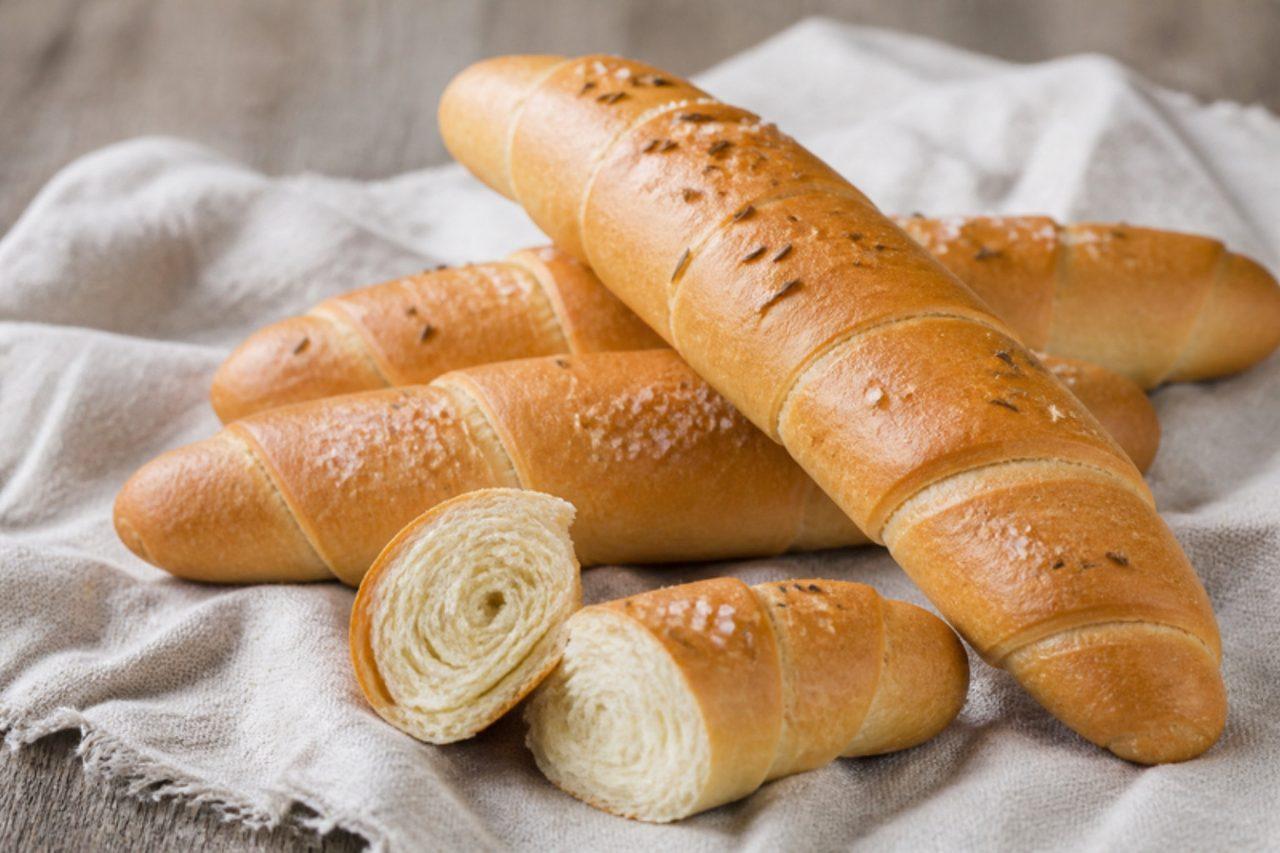
Ask a Czech or Slovak what they ate for breakfast as a child and the answer is usually a rohlík: a long, slim roll rolled up from a triangle of dough, sold for a few crowns at every bakery and supermarket from Prague to Bratislava. It has a thin, crisp golden crust scattered with coarse salt and caraway, and a soft, tight spiral inside. People eat it with butter and jam, with a spread such as egg or bean pomazánka, with a cup of white coffee, or simply dunked in a mug of cocoa. This version uses sunflower oil, so it is vegan. Rolling the triangles loosely is the usual mistake; the spiral opens in the oven and the roll splits. Chef's tip: stretch each triangle gently by its point as you roll it up, which keeps the coil tight and gives the long, even shape.

by KrazyBadal 0 views

Mabele porridge for babies

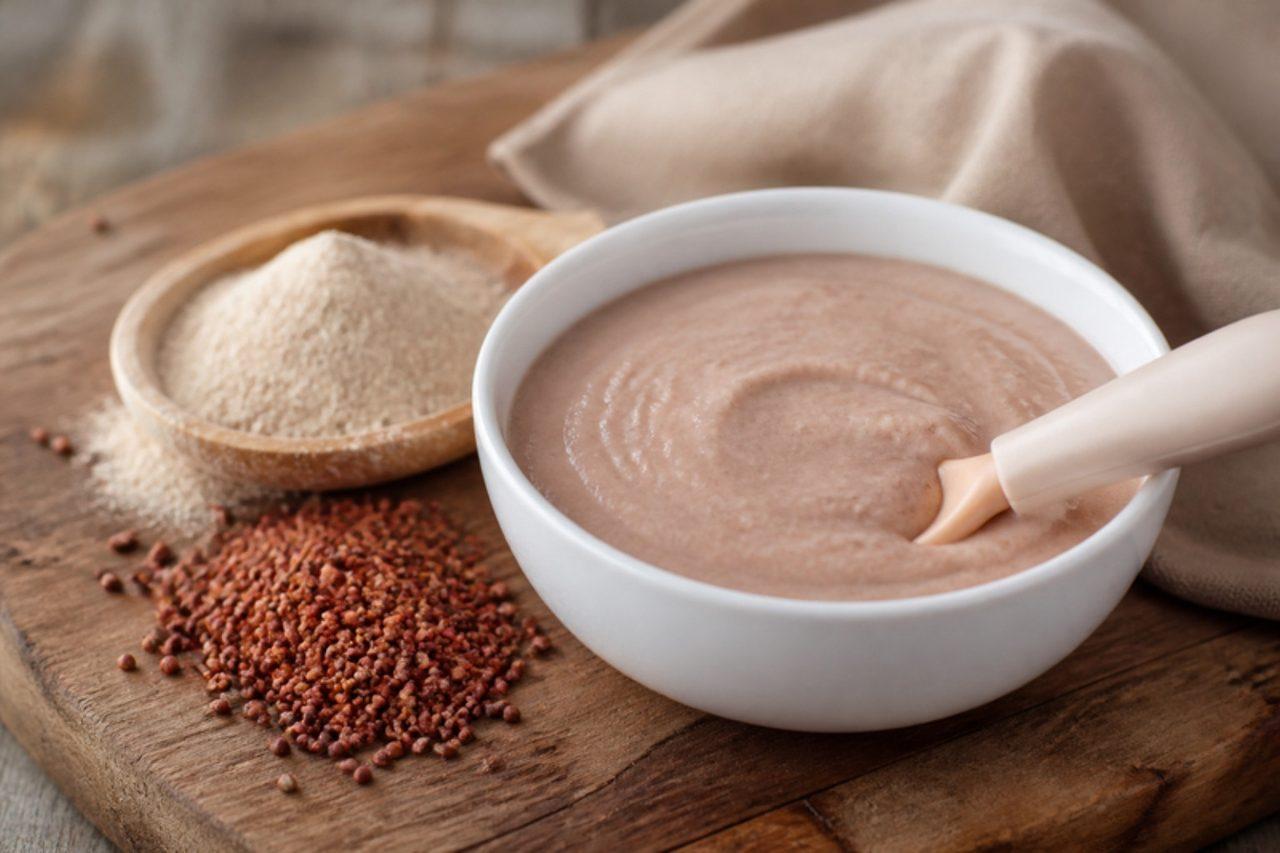
Mabele, sorghum meal, has fed families across South Africa, Botswana and Lesotho for centuries, and a smooth, soft version is a traditional first porridge for babies, especially in Sotho and Tswana homes where the grown-ups eat it for breakfast. It is a warm pinkish-brown, with a faintly nutty, slightly sour taste. For under-ones it is cooked plain, without the sugar older children like. Sorghum is naturally gluten free, and the porridge contains none of the common allergens (milk, egg, gluten, peanut, tree nuts, soya, sesame, fish). Chef's tip: mix the meal into cold water first; poured straight into boiling water, it forms lumps that never cook through.

by KrazyBadal 0 views

Pain de mieSoft square sandwich loaf

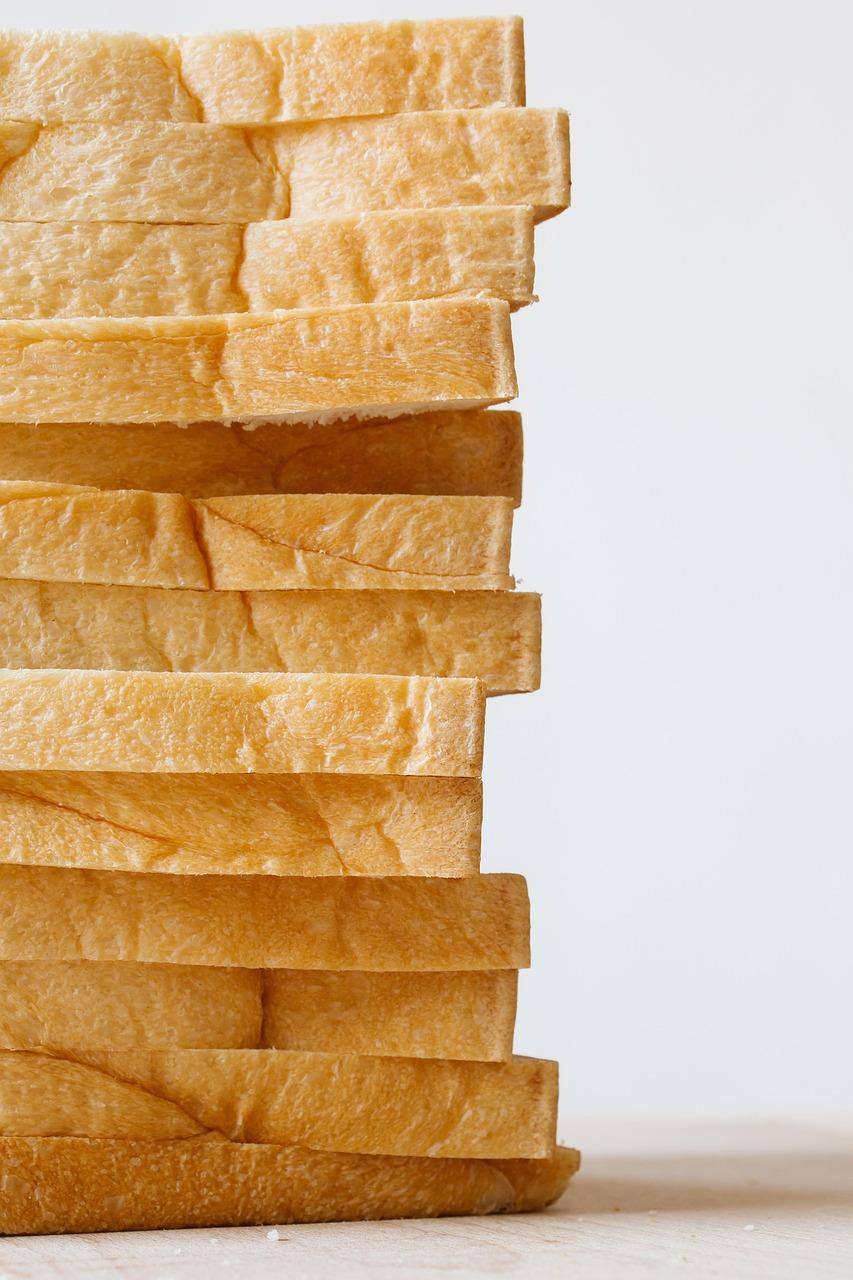
Ask a Paris café what goes into a croque-monsieur and the answer is pain de mie, the 'crumb bread' baked in a lidded tin so it comes out as a neat square block. Shut away from the oven's heat, the dough rises against the lid into a fine, soft, close crumb with a thin, pale golden crust that barely needs trimming. French children take it to school as tartines with butter and chocolate spread, it makes the best croques, French toast and canapés, and it is the loaf to choose for neat cucumber sandwiches. Milk and butter keep it tender for several days. The tricky moment is the final rise: if the dough reaches the rim before the lid goes on, it squeezes out of the seams and bakes with a dense band; too little rise and the corners come out rounded. Chef's tip: put the lid on when the dough is about 1 cm below the rim, and grease the underside of the lid as well as the tin so the block turns out cleanly.

by KrazyBadal 0 views

Cream of rice in vegetable broth (crema di riso)

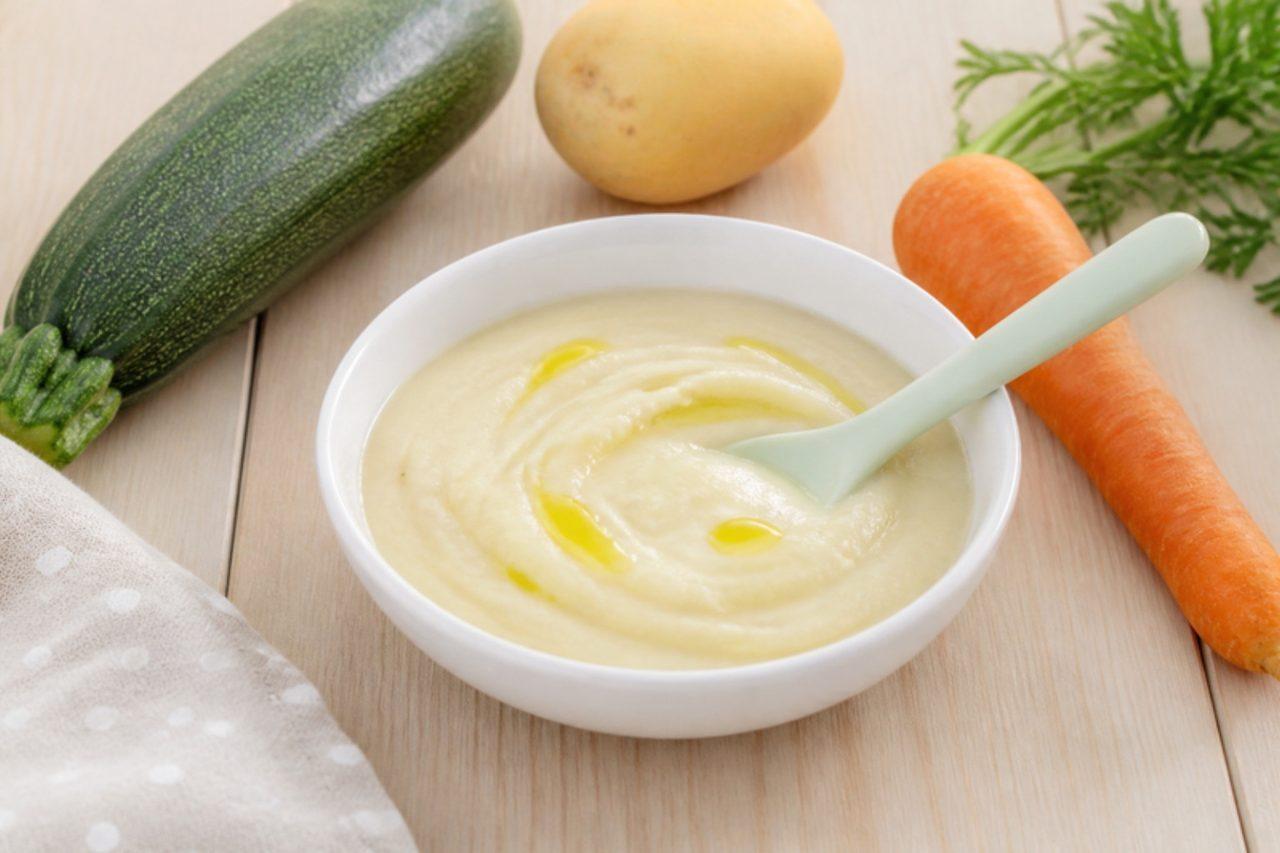
The Italian weaning ritual, lo svezzamento, traditionally starts at midday with a bowl of pappa: home-made brodo vegetale thickened with crema di riso, fine rice flour, and finished with a drop of extra-virgin olive oil. Paediatric habits in Italy favour a fresh broth of carrot, potato and courgette made without salt, and the cooked vegetables are often mashed in as the weeks go by. It is pale, light and gently savoury. It contains none of the common allergens (milk, egg, gluten, peanut, tree nuts, soya, sesame, fish), as long as the rice flour is pure rice. Chef's tip: freeze the spare broth in ice-cube trays, so each pappa takes only five minutes.

by KrazyBadal 0 views

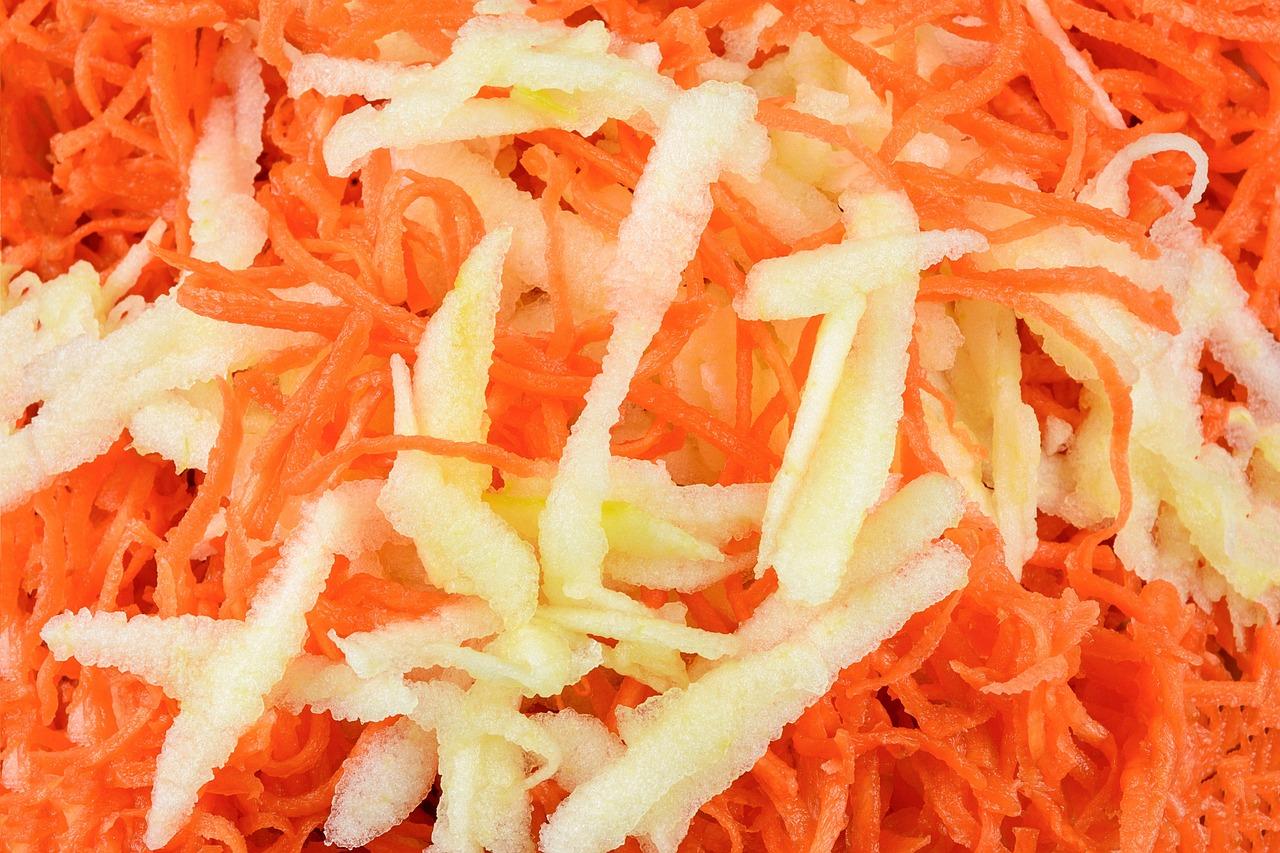
Surówka z marchewkiCarrot and apple salad

That little mound of orange on the side of every milk-bar plate in Łódź or Wrocław is surówka z marchewki, raw carrot and apple grated together and sharpened with lemon. Polish families make it beside Sunday chops, Friday fish and plain potatoes all year round, because carrots and apples keep through the winter. It takes ten minutes and is crisp, sweet and tart. A common mistake is grating the apple long before serving, so it browns and the salad turns watery. Chef's tip: grate the carrots on the fine side of the grater and the apple on the coarse side, so the apple stays juicy and the carrot soaks up the dressing.

by KrazyBadal 0 views

ParadiesäpfelCandy apples

Paradiesäpfel shine from the sugar stalls at German fairs and Christmas markets, from the Cannstatter Wasen to the Hamburg Dom: small tart apples on wooden sticks, dipped in a glassy red sugar glaze that cracks when you bite it. Children often get them on the way home from the rides in autumn. The glaze is just sugar, water and a drop of vinegar boiled to the hard-crack stage, so a sugar thermometer helps. The most common mistake is using wet or waxed apples, which makes the glaze slide off. Chef's tip: scrub the apples in hot water and dry them completely first, then dip quickly and twist so the excess drips back into the pan.

by KrazyBadal 0 views

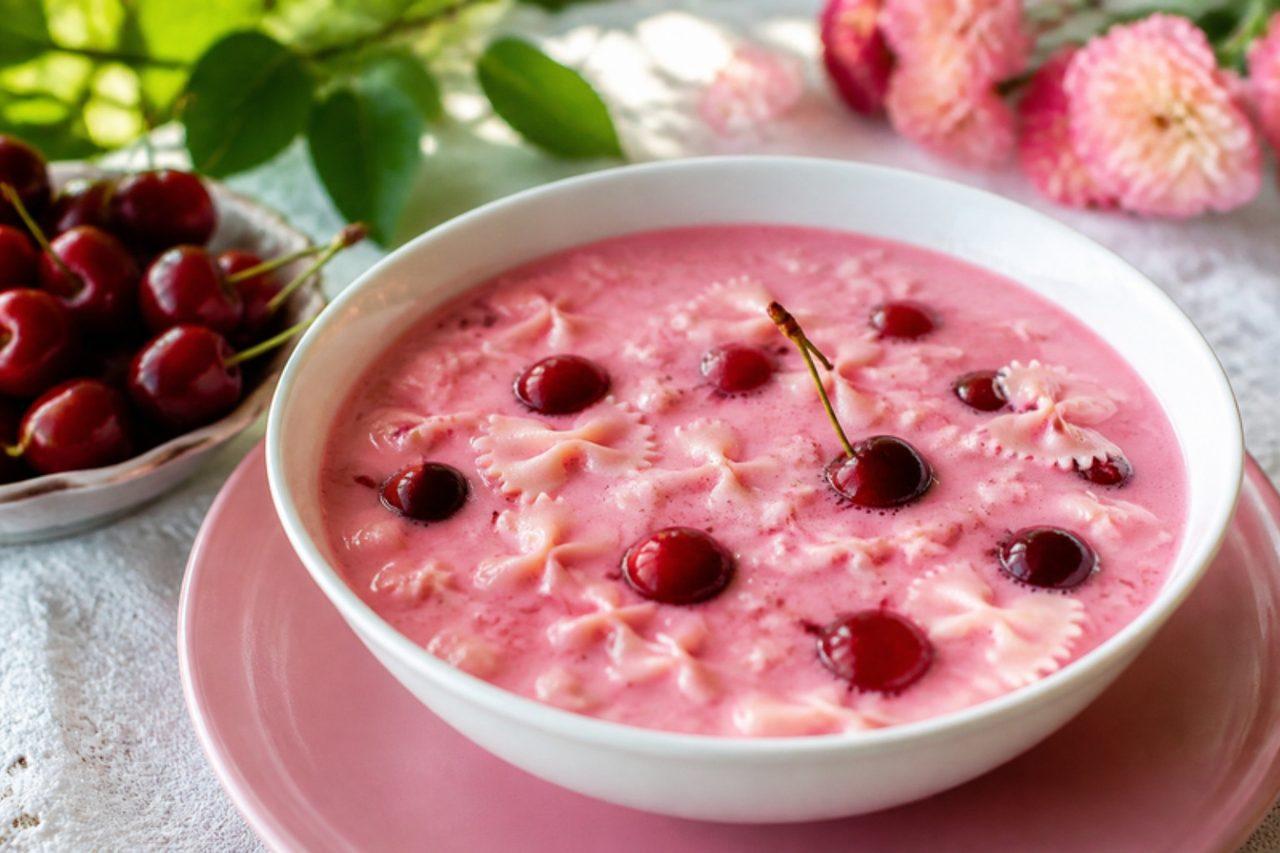
Zupa owocowaFruit soup with pasta

On a hot July afternoon in a Mazurian village or a Warsaw allotment, a pot of zupa owocowa sits cooling on the windowsill: sour cherries or strawberries simmered with sugar, lightly thickened, and served cold over little pasta shells or bow ties. Polish children often get it as the first course of a summer lunch, and it tastes like a drinkable fruit compote. A common mistake is thickening it too much, so it sets into jelly in the fridge; it should stay pourable. Chef's tip: stir a spoon of soured cream into each bowl, not the pot, so the colour stays bright.

by KrazyBadal 0 views

Showing 24 of 3,470 recipes

Show more recipes

Page 30 of 145

More No onion & garlic ideas

Other diets