Skip to content
WhatToEat.Today

No onion, no garlic recipes (Swaminarayan and sattvic)

3,468

3468 vegetarian recipes cooked without onion or garlic, as in Swaminarayan and sattvic kitchens, with no meat, fish, eggs or alcohol. Each has photos, step-by-step instructions and cook times. The quickest, Apfelschorle, takes 2 minutes. Most take around 45 minutes.

Filter these by time, diet or cuisine · Make No onion & garlic your diet to see only these recipes everywhere on the site.

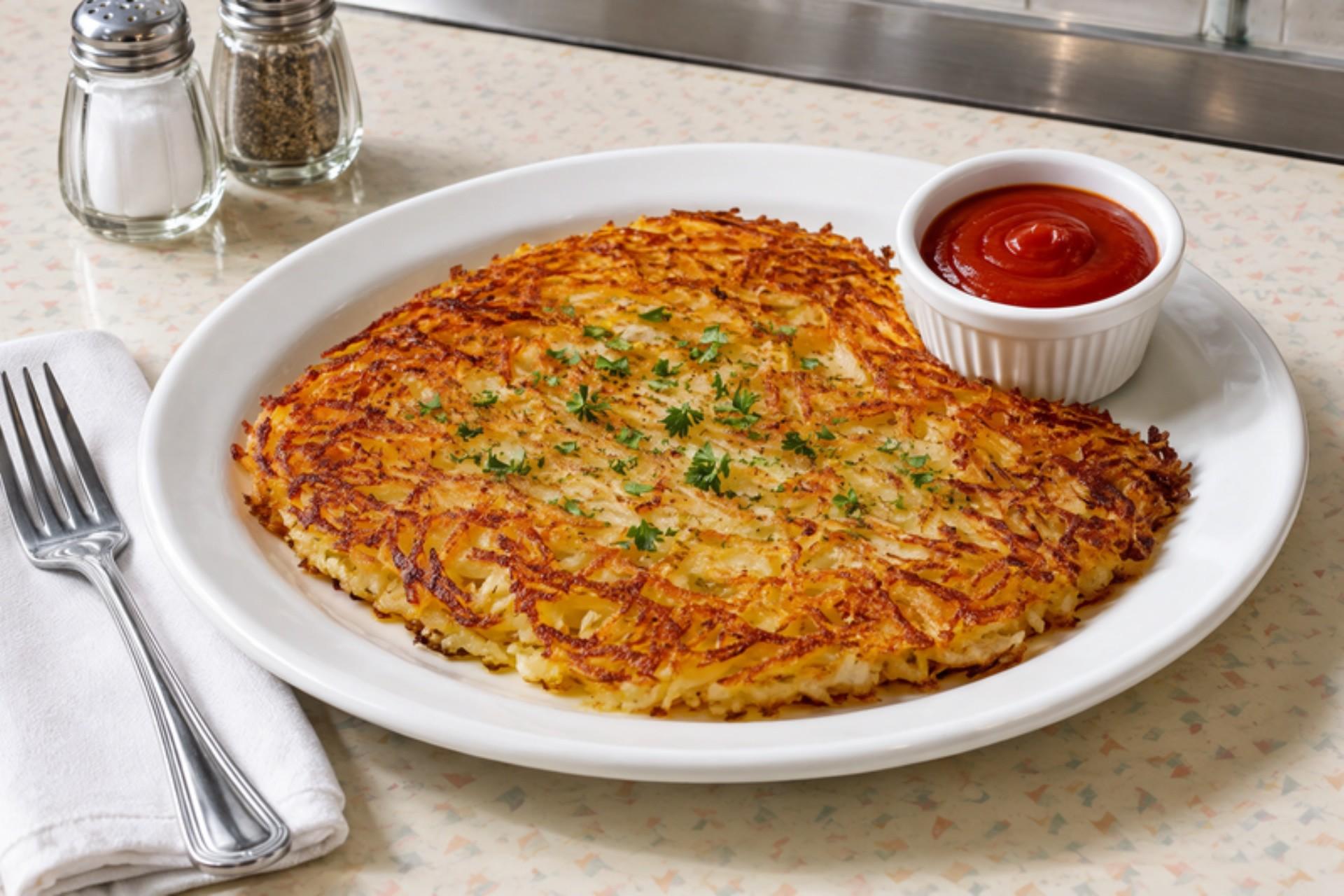
Diner hash browns

Order breakfast anywhere from a Brooklyn diner to a Nevada truck stop and the plate comes with hash browns: a thin, wide cake of shredded potato fried on the griddle until the outside is shatteringly crisp and the inside is soft. They are made from just potato, oil, salt and pepper, so they are naturally vegan and gluten free. Serve with pancakes, fried eggs or beans, and a bottle of hot sauce on the side. The mistake nearly everyone makes is skipping the squeeze: wet potato steams, sticks and turns grey and soggy. Wring the shreds hard in a clean tea towel until no more water drips out. Leave the cake alone in the pan, too; it only crisps if you do not keep stirring it. Chef's tip: rinse the shredded potato in cold water before squeezing; washing off the surface starch stops the shreds clumping into a gluey mass.

by KrazyBadal 0 views

Penne al gorgonzolaPenne with blue cheese sauce

Penne al gorgonzola is the weeknight dinner of Milan and the Piedmontese towns around Novara, where gorgonzola is made: the soft, sweet dolce kind melted with a little butter and milk into a pale, tangy sauce that coats every tube of pasta. It needs only a green salad alongside. Gorgonzola is traditionally made with animal rennet; for a vegetarian dinner choose a soft blue cheese labelled vegetarian. The most common mistake is letting the sauce boil, which splits the cheese into oil and grainy curds. Chef's tip: drain the penne a minute early and let it finish cooking in the sauce, so it drinks up the flavour instead of sitting under it.

by KrazyBadal 0 views

Diós tésztaWalnut and sugar pasta

Diós tészta, walnut noodles, is a sweet main course that Hungarians eat for lunch or a quick dinner, often after a bowl of bean or vegetable soup, and it is a fixture of Budapest school canteens. Hot ribbon pasta is tossed with melted butter, then with ground walnuts and sugar, so the nuts cling in a sweet, toasty coat. Children adore it; it contains nuts, so mind allergies. The common mistake is using old walnuts, which taste bitter and spoil the dish; taste one before you start. Chef's tip: toast the ground walnuts in the dry pan for a minute until they smell rich, and a little lemon zest keeps the sweetness lively.

by KrazyBadal 0 views

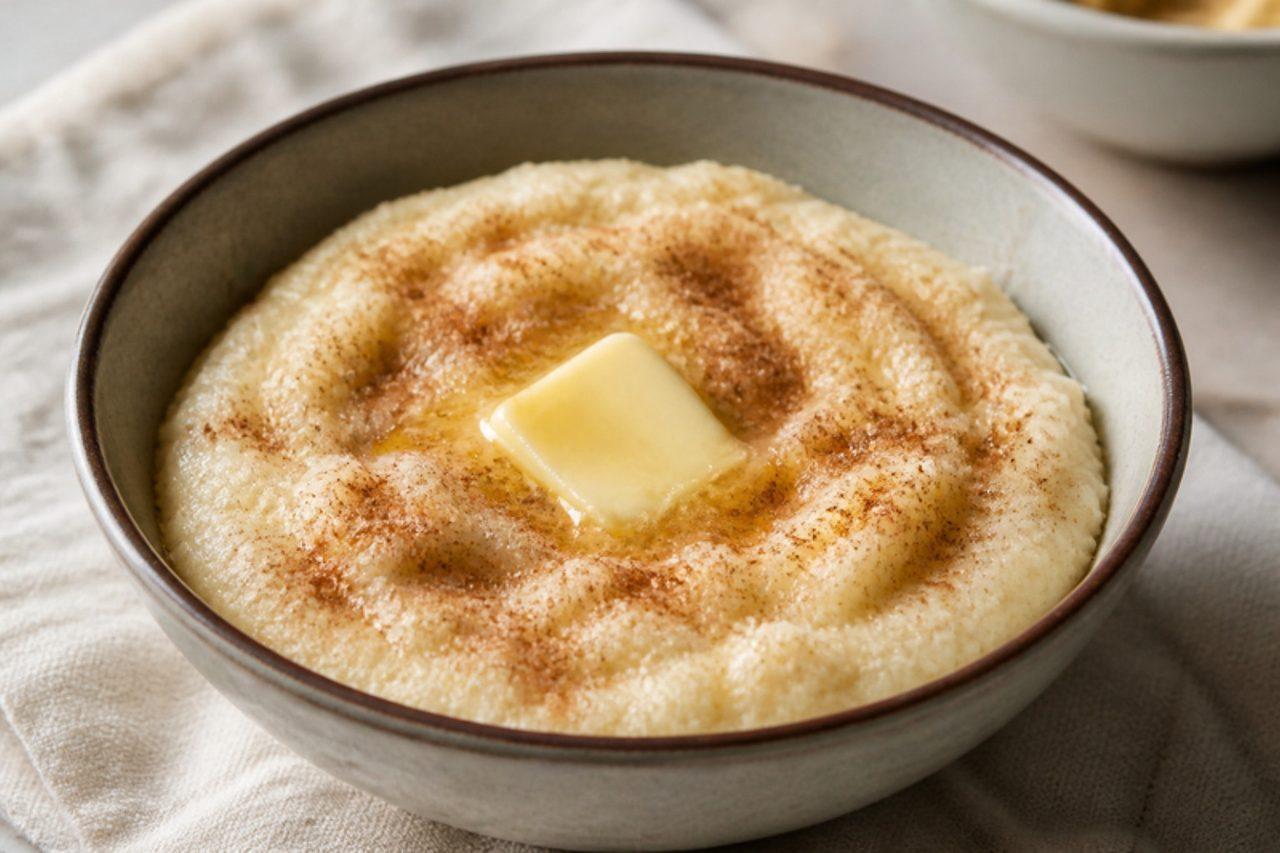
GrießbreiSemolina porridge

Grießbrei is the soft, sweet semolina pudding that German and Austrian families from Bavaria to Vienna eat warm as a light supper on cold evenings, especially when children are tired or someone is under the weather. Semolina is rained into hot milk and stirred until thick and velvety, then topped with cinnamon sugar, a knob of butter or stewed fruit. The classic mistake is tipping the semolina in all at once, which makes lumps that never smooth out. Chef's tip: take it off the heat while it still looks a little runny, because it keeps thickening on the plate.

by KrazyBadal 0 views

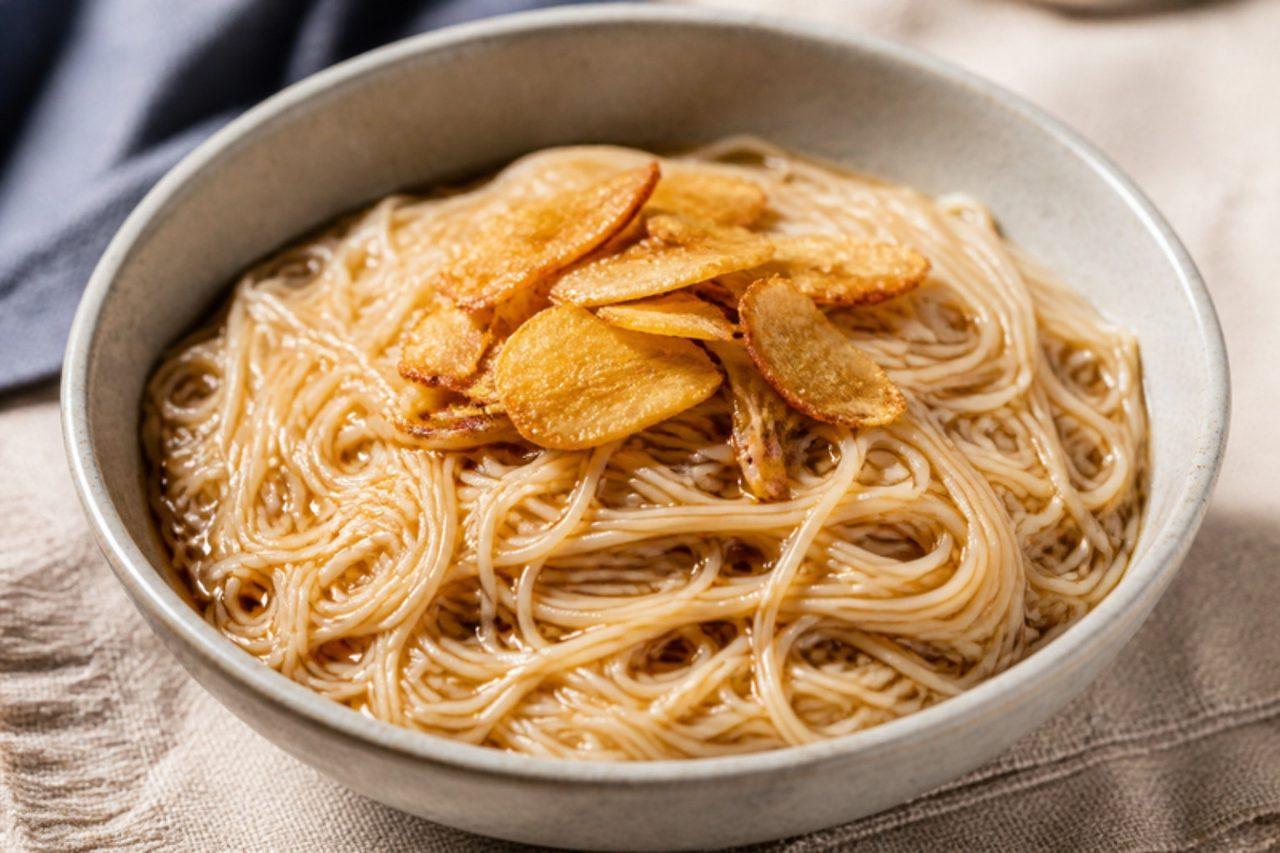
Ma you mian xianSesame oil ginger vermicelli

Ma you mian xian is a warming Taiwanese home bowl, cooked on chilly evenings across the island and famously fed to new mothers to restore their strength. Fine wheat noodles called mian xian (misua) are tossed with plenty of ginger fried slowly in dark, nutty black sesame oil and seasoned with a little soy. Many families add a splash of rice wine; this version leaves it out. The common mistake is frying the ginger in hot sesame oil, which turns bitter fast; keep the heat low and let the ginger curl and brown gently. Chef's tip: misua is salty already, so rinse it briefly after boiling and taste before adding any extra soy.

by KrazyBadal 0 views

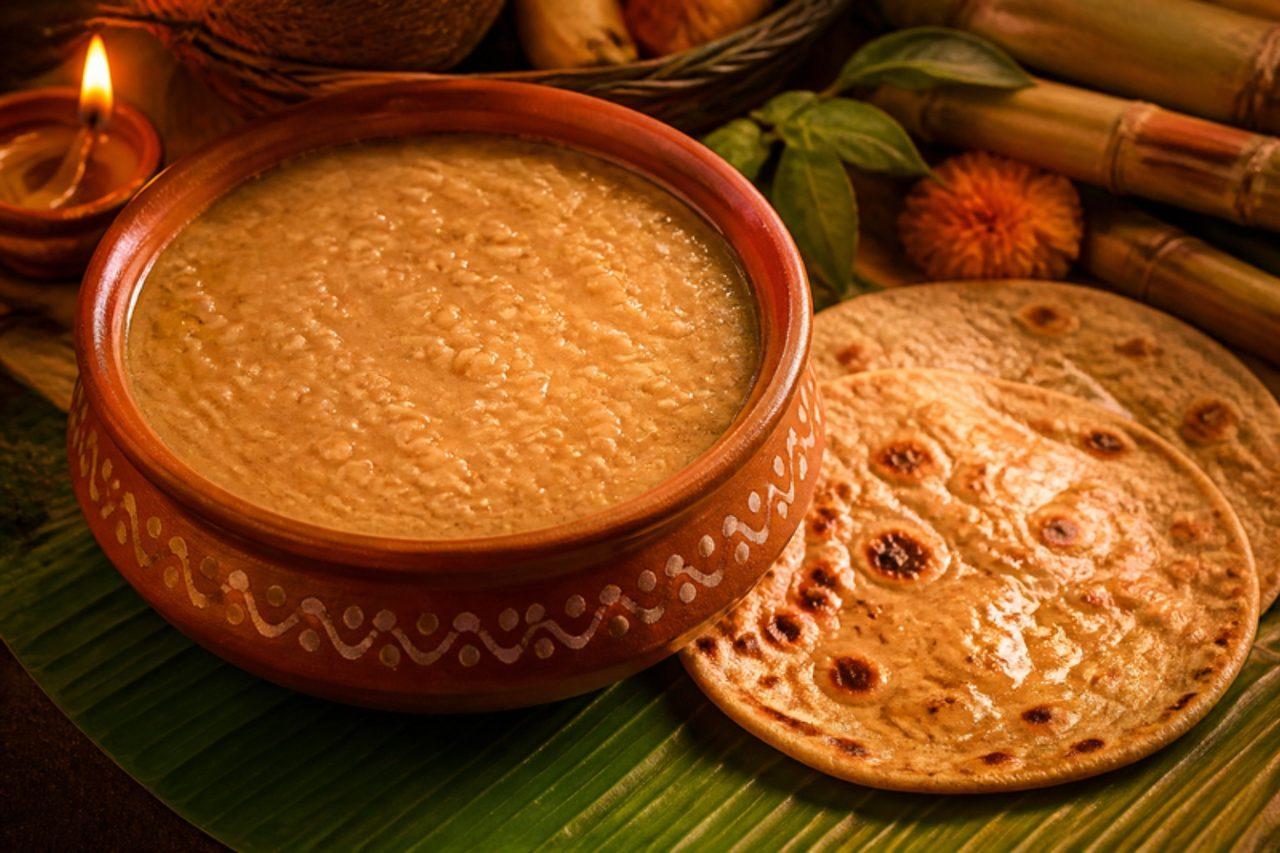
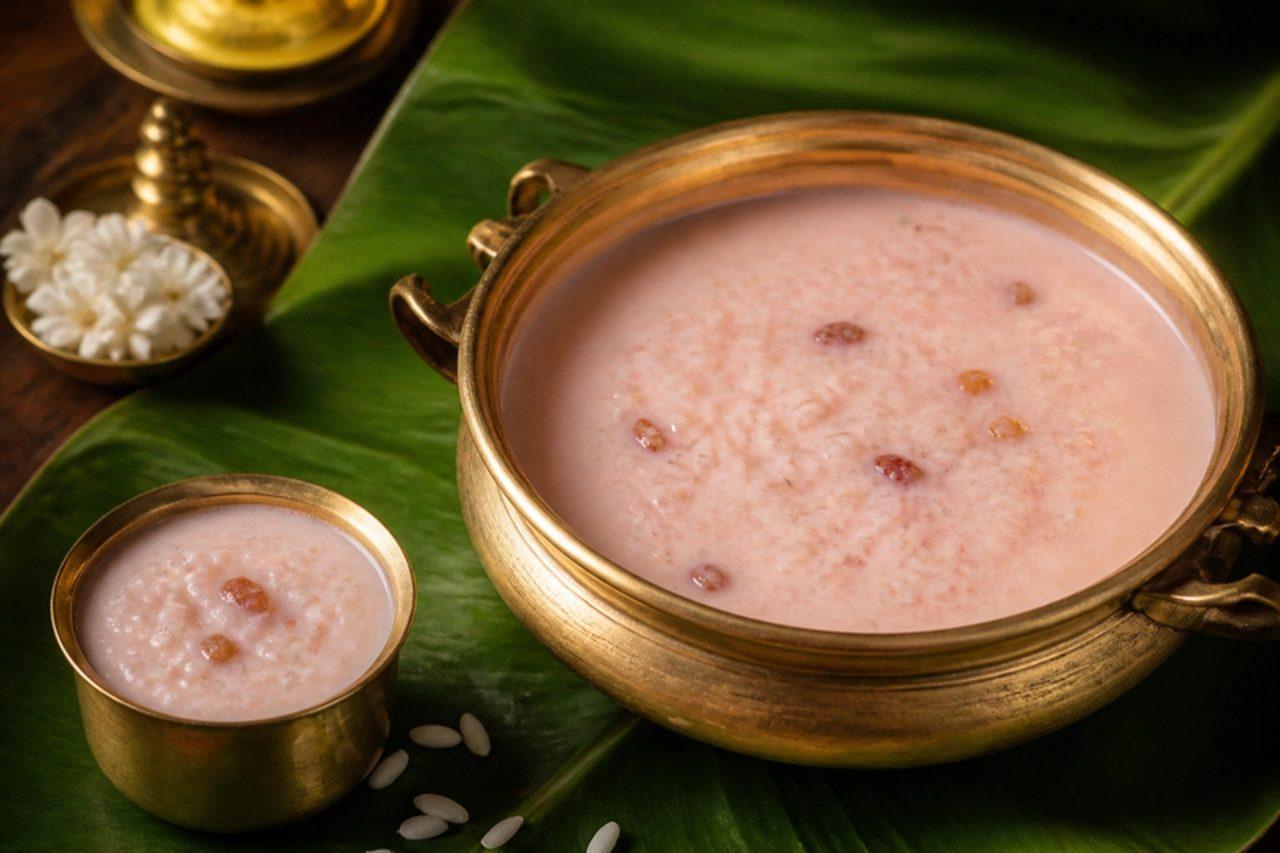
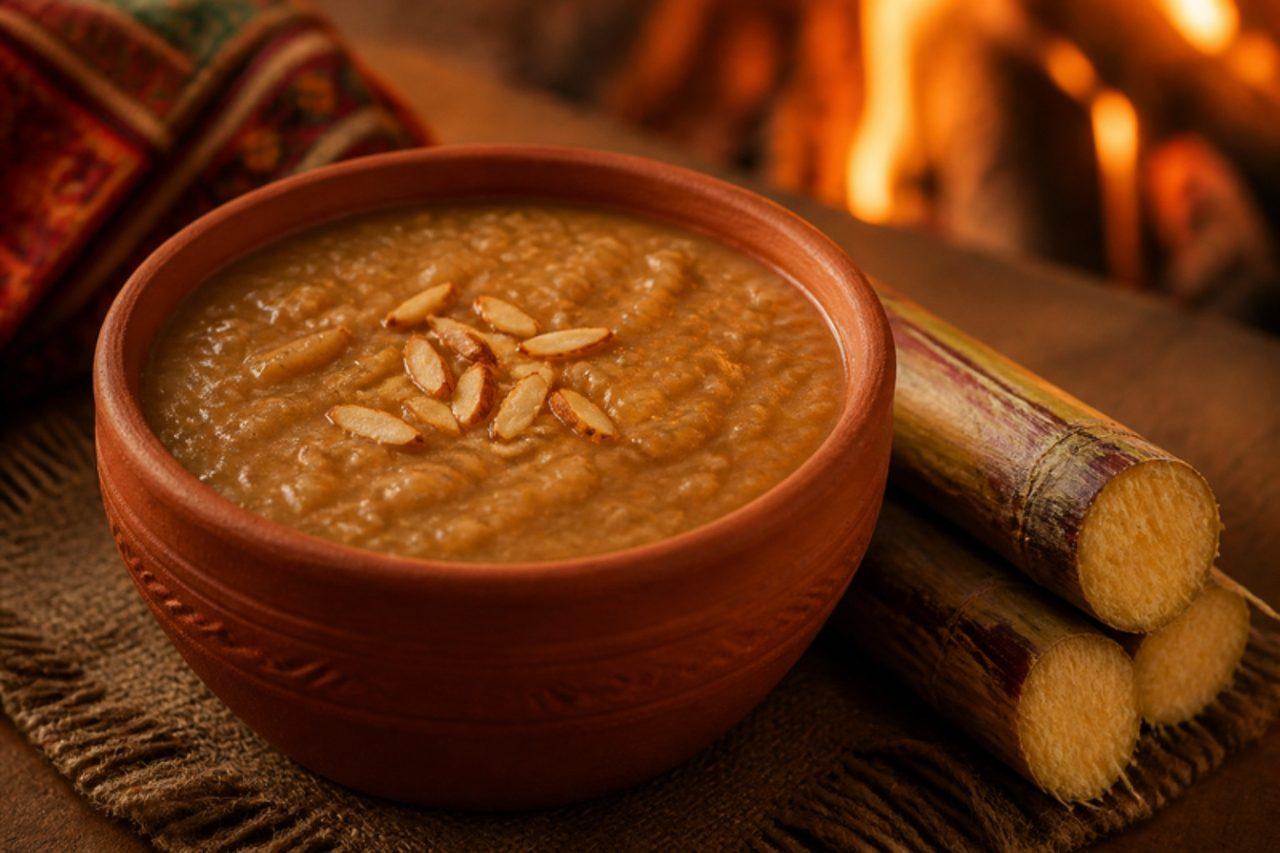
RasiyaJaggery rice kheer

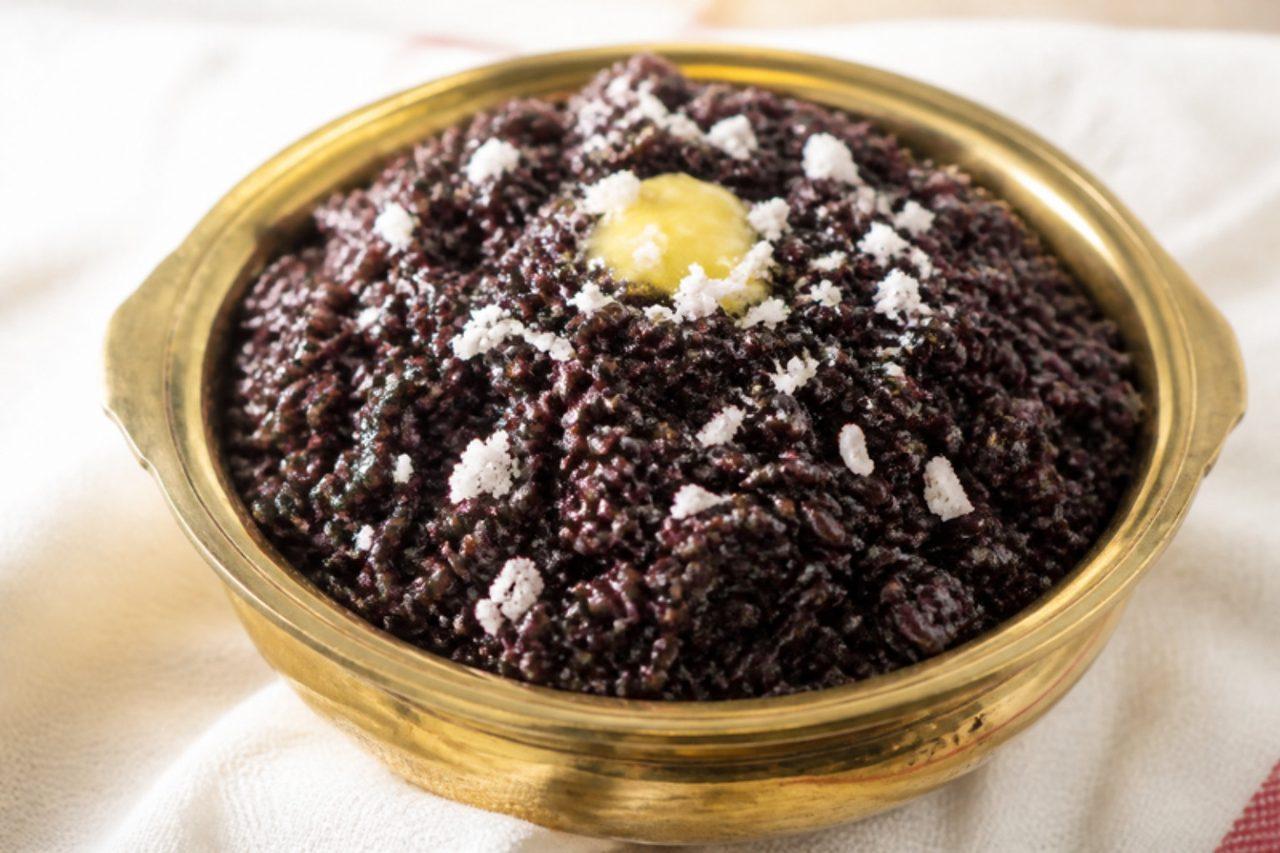
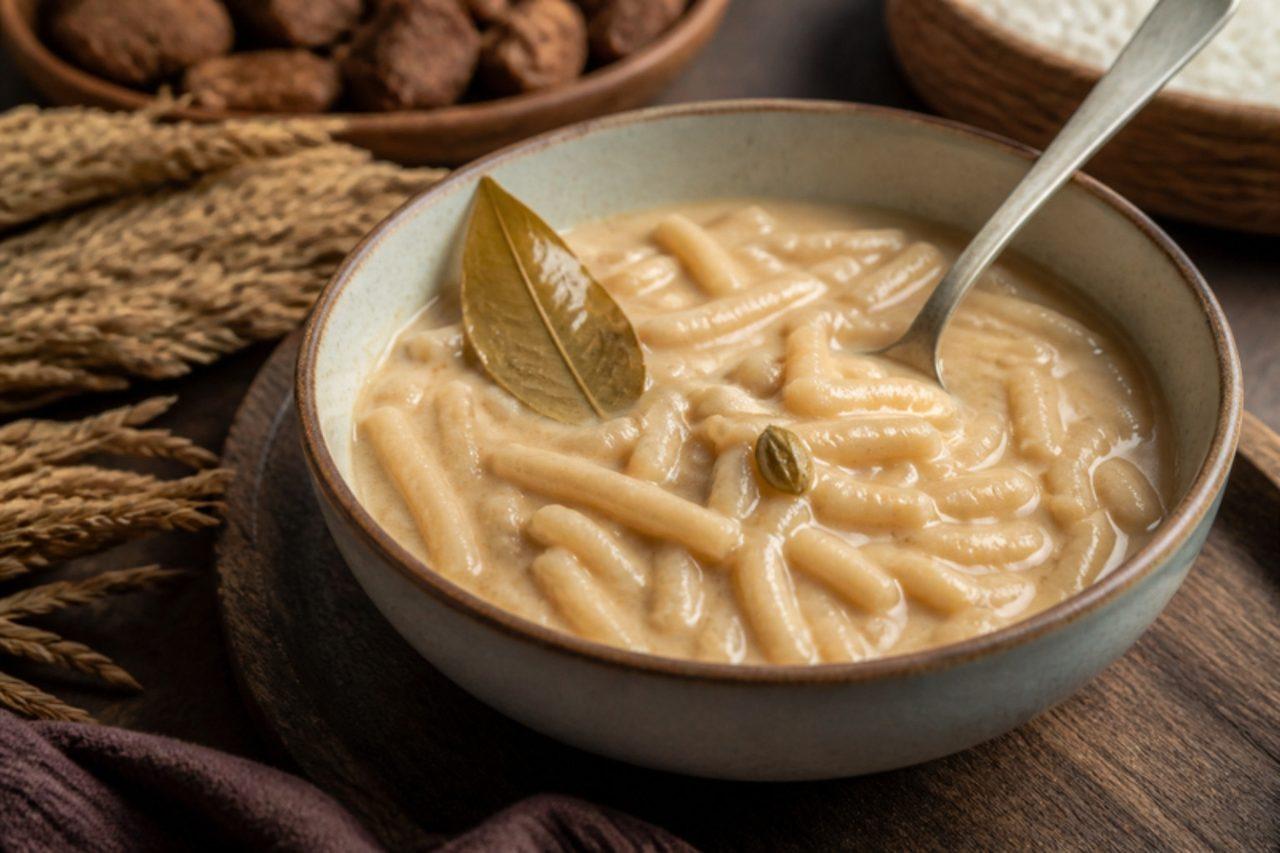
On the evening of Kharna, the second day of Chhath in Bihar and eastern Uttar Pradesh, the vrati who has fasted since dawn cooks rasiya on a new clay chulha over mango wood: arwa rice simmered in milk with jaggery, offered to Chhathi Maiya and eaten with ghee-smeared roti before the 36-hour waterless fast begins. It is pale brown, creamy and tastes of caramel and milk. Common mistake: adding jaggery while the milk is boiling hard, which curdles it; take the pan off the heat, let it calm, then stir in the jaggery, and the kheer is ready when the rice is completely soft and it coats the spoon. Chef's tip: many families cook it with no salt and in a separate pan from everyday cooking; do the same if you are making it for the puja.

by KrazyBadal 0 views

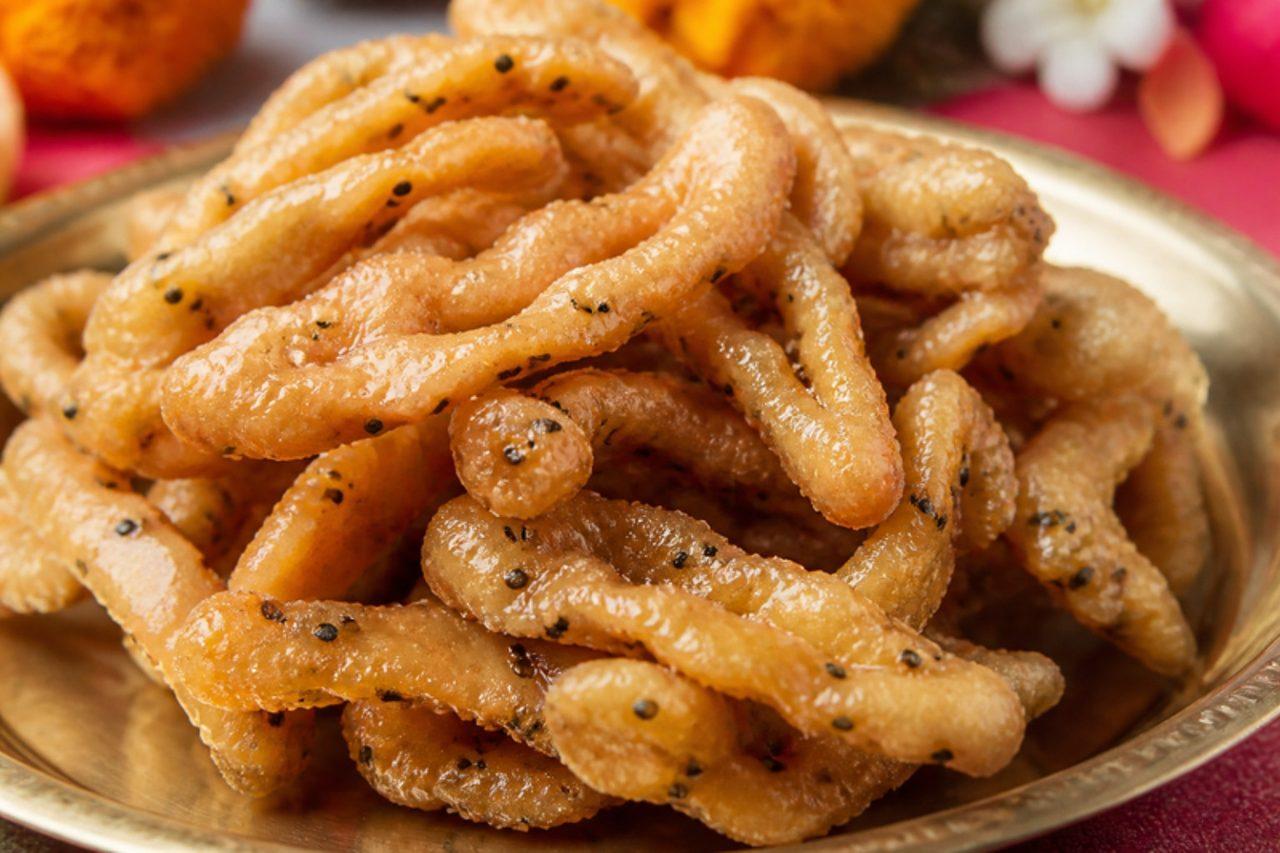
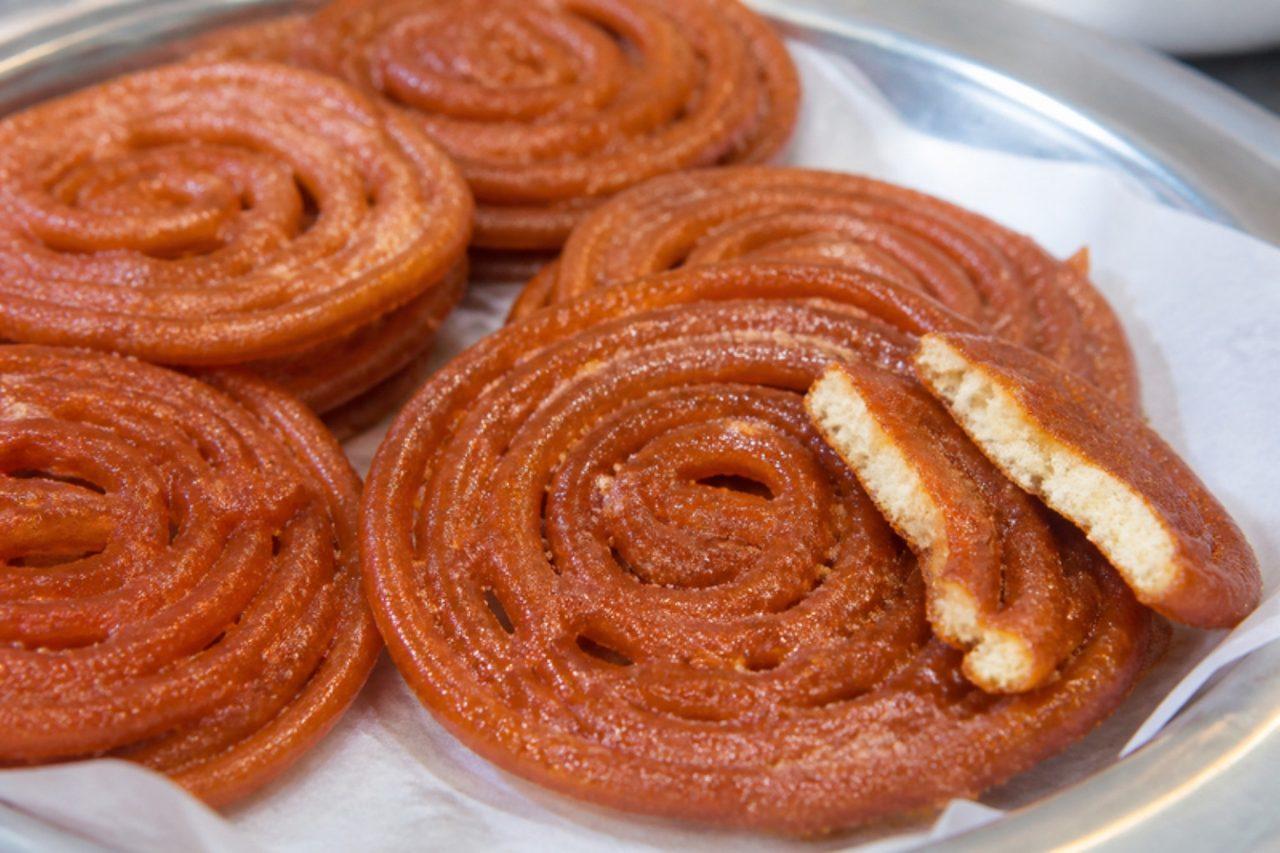
Elo jheloFried dough strips in sugar syrup

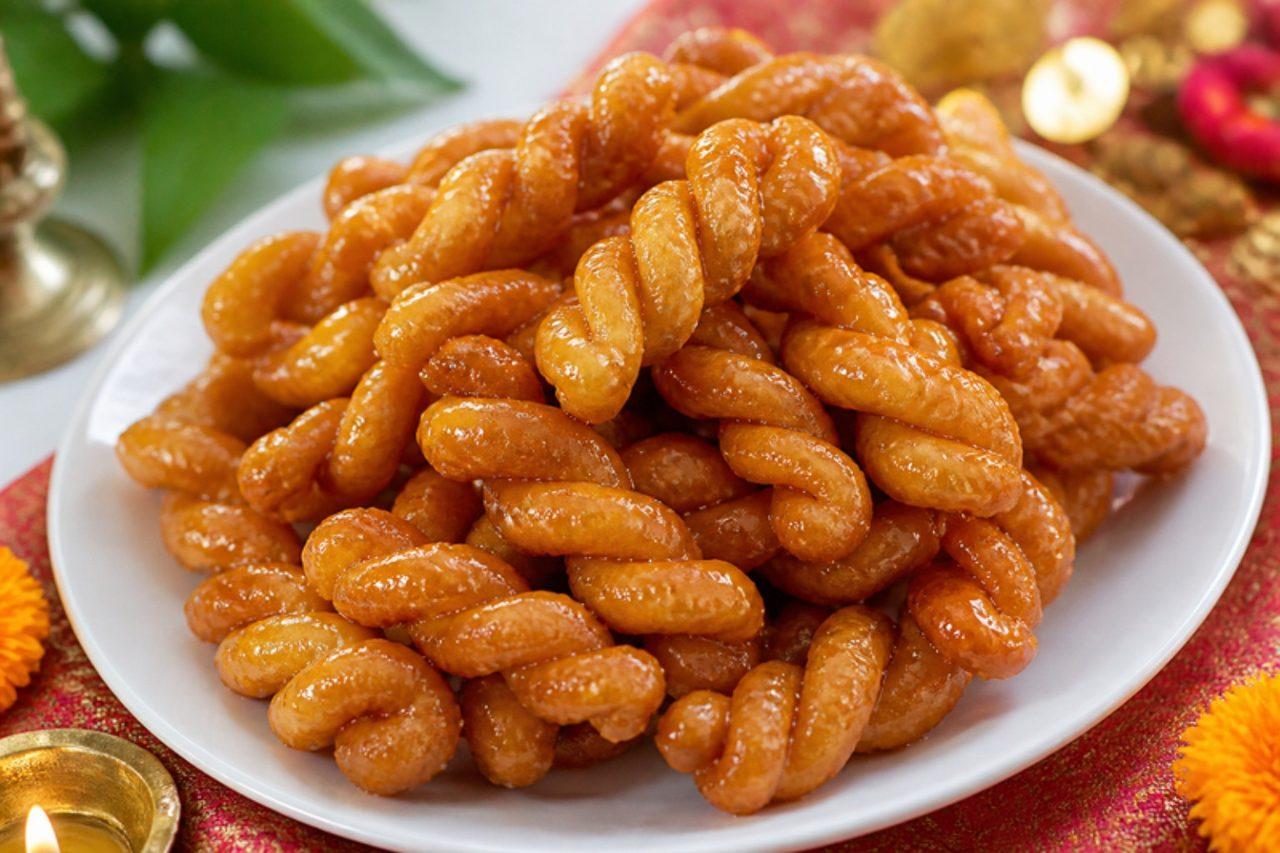
Elo jhelo means something like 'messy-tangled', and it describes these knotted, twisted strips of fried dough that Bengali grandmothers make for Bijoya Dashami, when the goddess leaves and everyone shares sweets. The strips are cut, slit and pulled through themselves into a twist, fried slowly until crisp, then dipped in a one-string sugar syrup that sets to a thin, crackly glaze. They keep for weeks in a tin. Common mistake: dipping the strips in syrup that is too thin; it soaks in and makes them soggy. Cook the syrup until a drop pulled between finger and thumb forms one thread. Chef's tip: add a teaspoon of semolina to the dough; it makes elo jhelo crunchier and less likely to soften once glazed.

by KrazyBadal 0 views

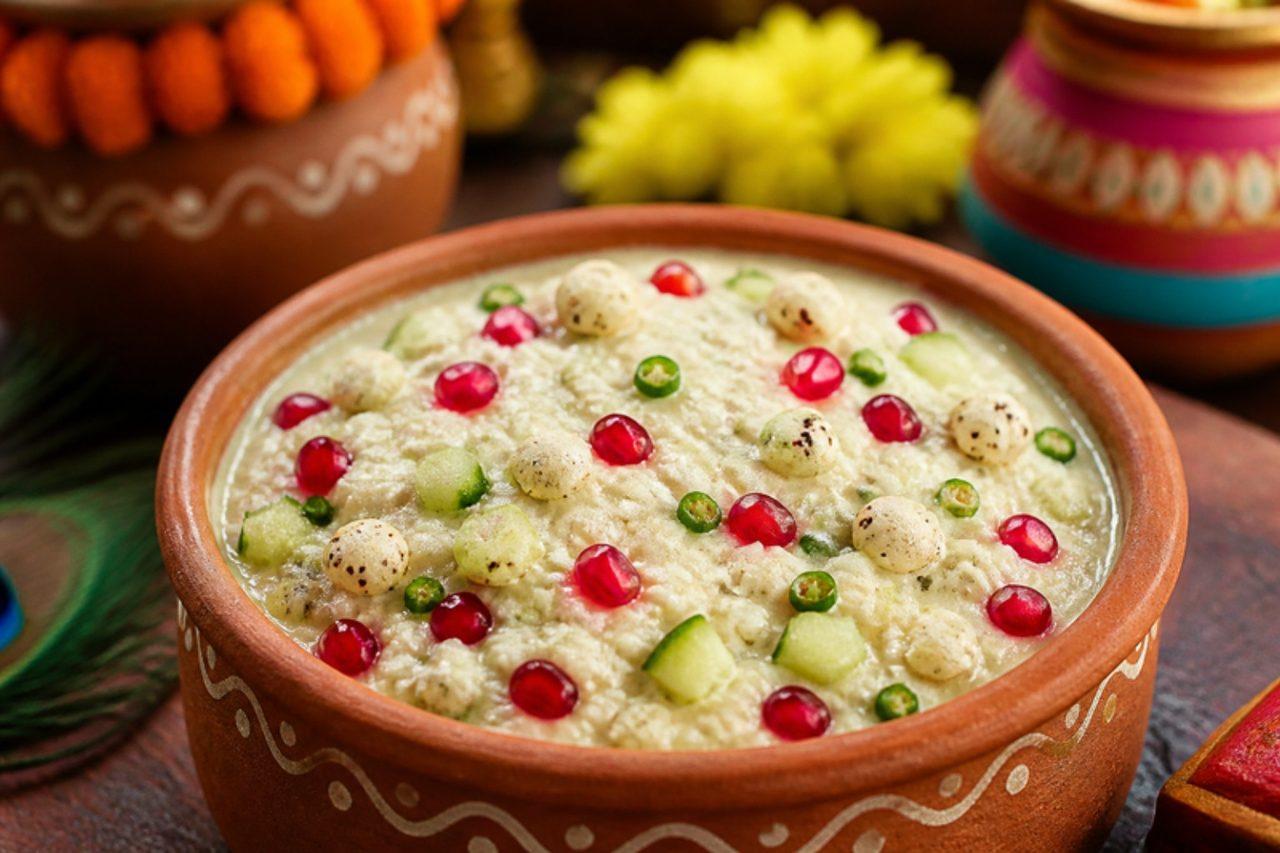
GopalkalaCurd and flattened rice mix

When the human pyramid of a Mumbai or Pune govinda pathak cracks the Dahi Handi pot on the day after Janmashtami, the prasad that follows is gopalkala, a cool mix of poha, curd, cucumber, puffed jowar and pomegranate, recalling the cowherd boys who pooled their lunches with Krishna. It is crunchy, tangy, lightly hot from green chilli and very refreshing after hours in the monsoon crowds. Common mistake: soaking the poha until it is mushy; thick poha only needs a quick rinse, and it is right when a flake squashes softly but still holds its shape. Chef's tip: mix in the puffed jowar and pomegranate just before serving so the crunch survives.

by KrazyBadal 0 views

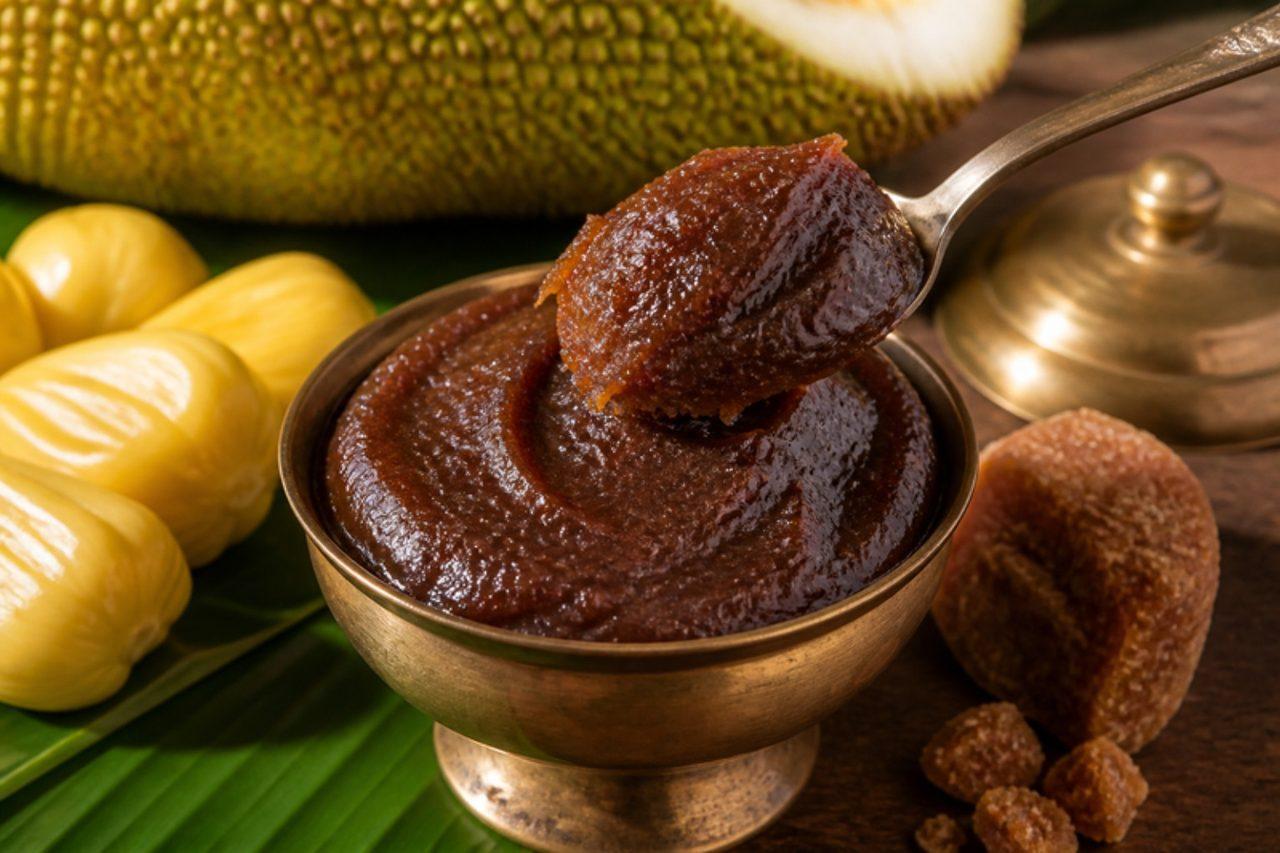
Chakka varattiJackfruit jaggery preserve

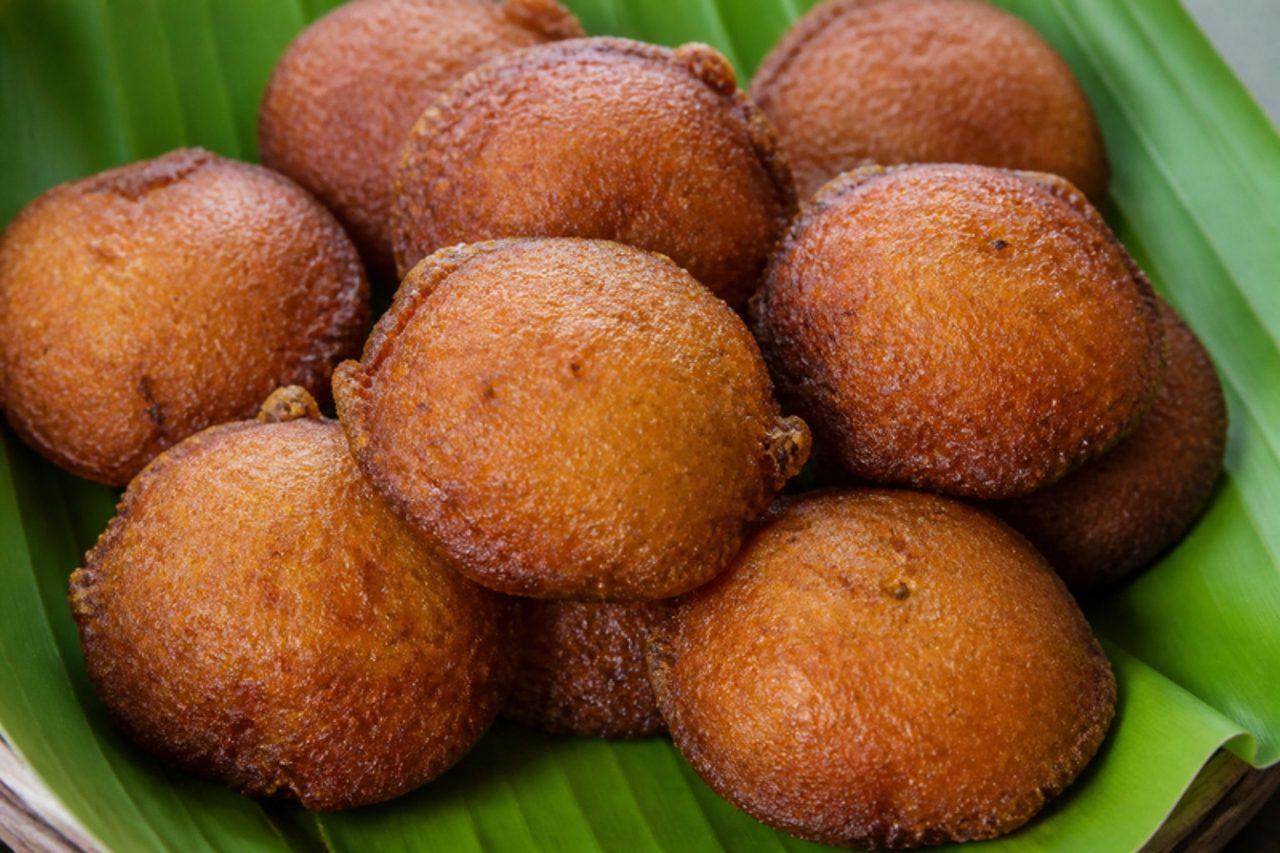
Vishu arrives in April when Kerala's jackfruit trees are heavy, and homes turn the glut into chakka varatti, a dark, glossy jam stirred for well over an hour in a wide uruli. It is eaten by the spoon, spread on dosa, and kept in jars for the payasam and ada made at festivals through the year. The taste is deep and caramel-like, with the floral sweetness of ripe jackfruit. The common mistake is cooking it on a high heat to save time: jaggery burns quickly and turns the whole batch bitter. It is done when the ghee starts to separate and shine at the edges, the colour is a dark mahogany brown, and the mass rolls round the pan as one lump. Chef's tip: use only very ripe, fragrant jackfruit bulbs, and if your jackfruit is the firm varikka type, steam it first so it purées smoothly.

by KrazyBadal 0 views

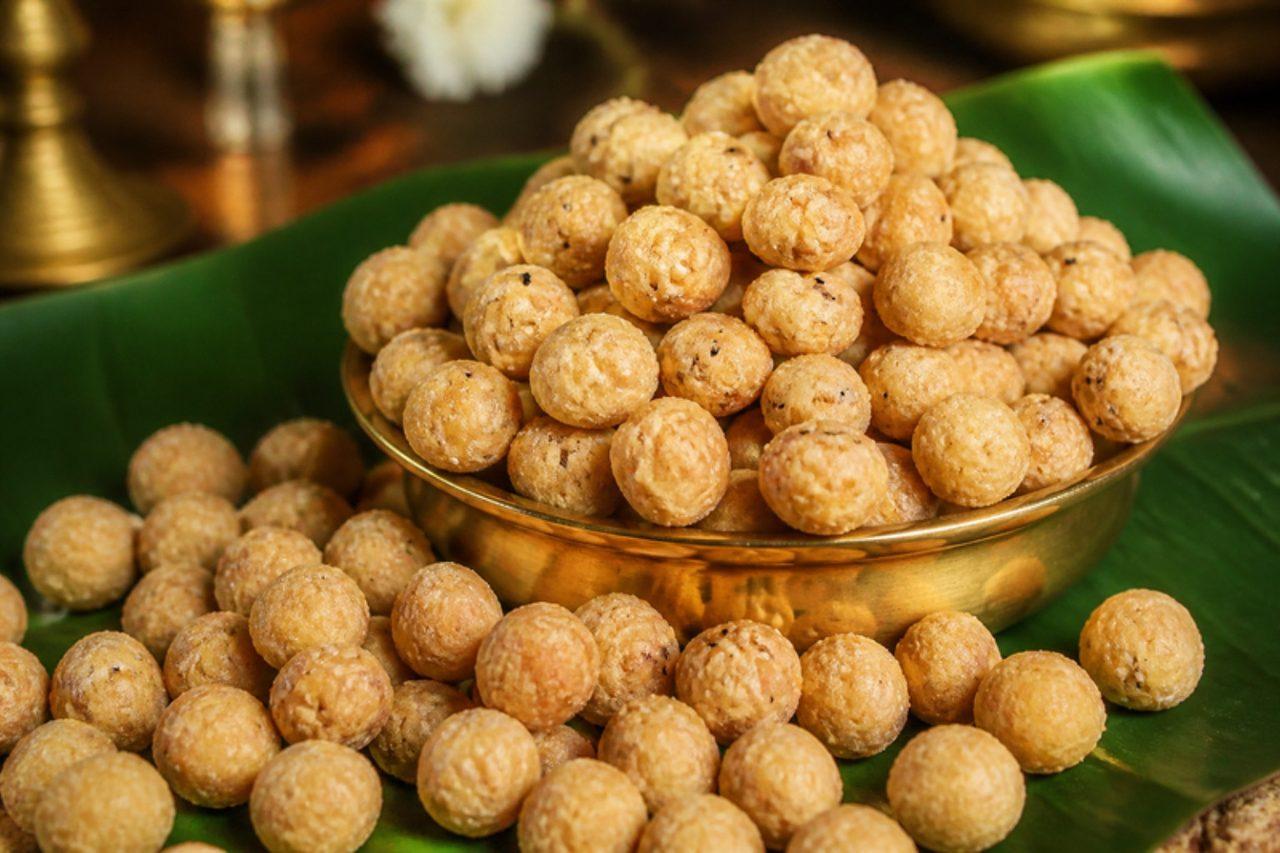
Uppu seedaiCrunchy fried rice flour balls

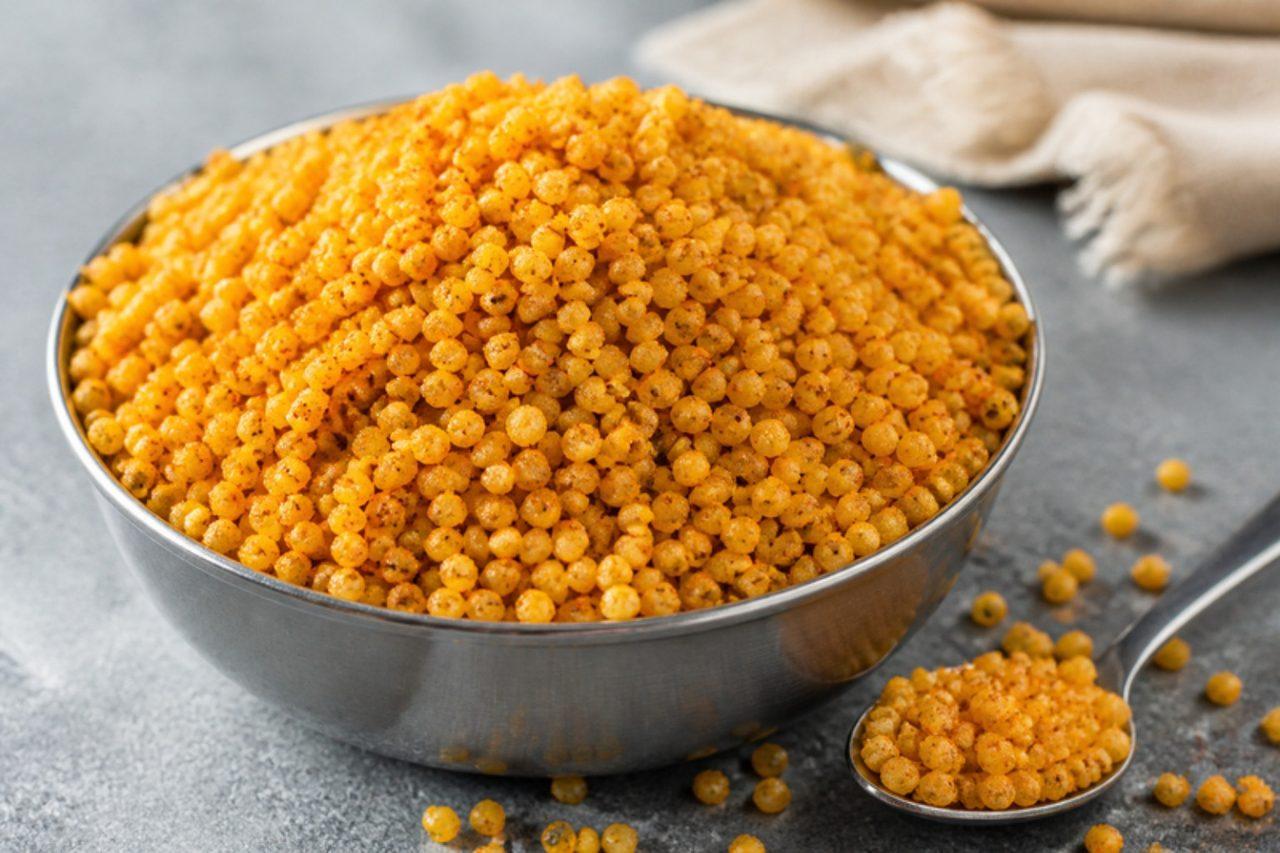
For Gokulashtami, Tamil households draw tiny rice-flour footprints from the doorway to the puja room as if baby Krishna had walked in, and the trays set before him always hold uppu seedai, marble-sized balls of rice and urad flour with coconut, sesame and butter, fried until hard and crunchy. They keep for weeks in a tin. Common mistake, and a famous one: damp flour or trapped air makes seedai burst in the oil, so the rice flour is dried, the coconut squeezed, and each ball rolled smooth without cracks; they are done when the bubbling almost stops and they sound hollow when stirred. Chef's tip: prick each ball once with a needle before frying, and fry the first two alone as a test.

by KrazyBadal 0 views

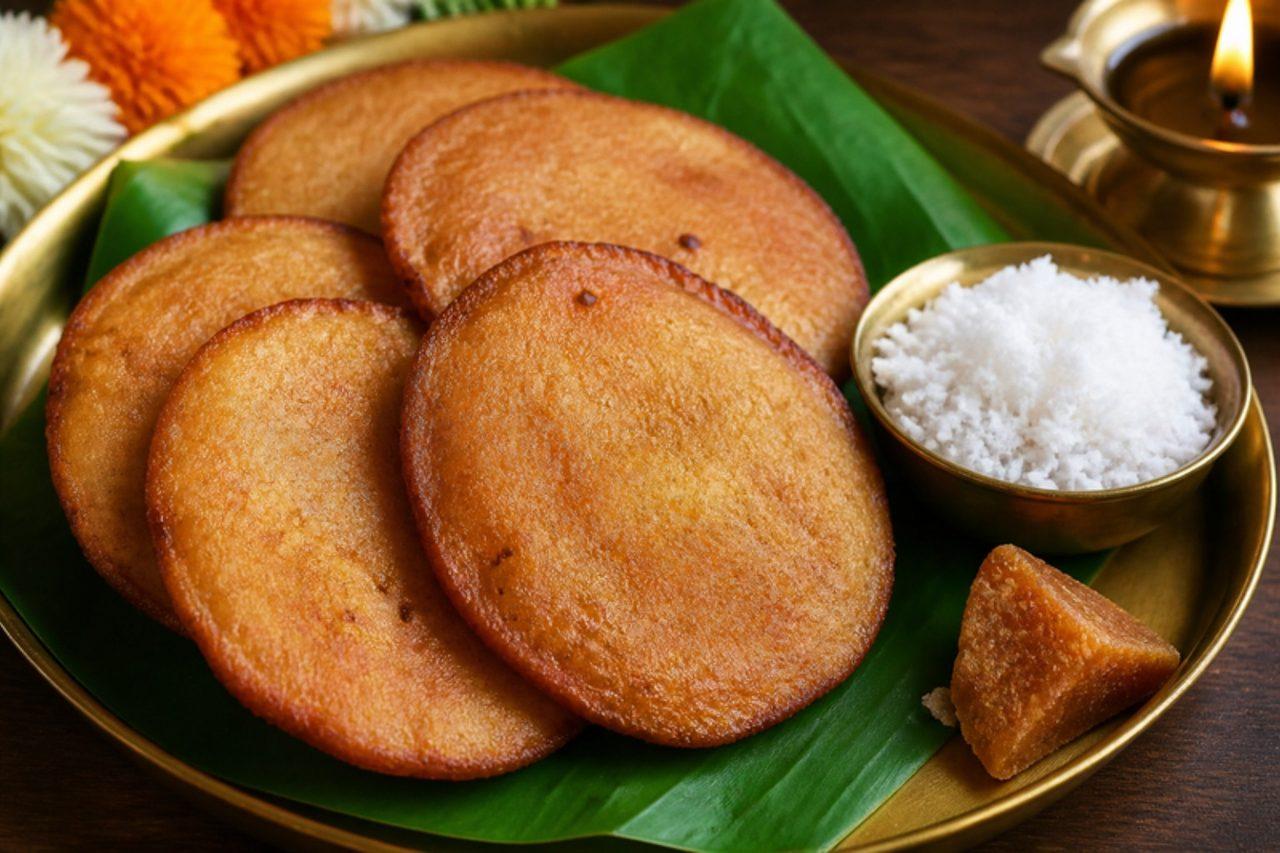
Meethe pudeJaggery fennel pancakes

Teeyan, Punjab's monsoon festival of Teej, is when married daughters visit their parents, girls swing from neem trees and dance giddha, and the food that comes out on rainy afternoons is kheer with meethe pude: thin wheat-flour pancakes sweetened with jaggery and fennel, shallow-fried in ghee until lacy at the edges. They are soft in the middle and crisp round the rim. Common mistake: a thick batter, which gives heavy, doughy pude; it should pour like single cream, and each pancake is ready to flip when the edges brown and lift from the pan. Chef's tip: rest the batter for 20 minutes so the flour hydrates; the pude spread thinner and crisp better.

by KrazyBadal 0 views

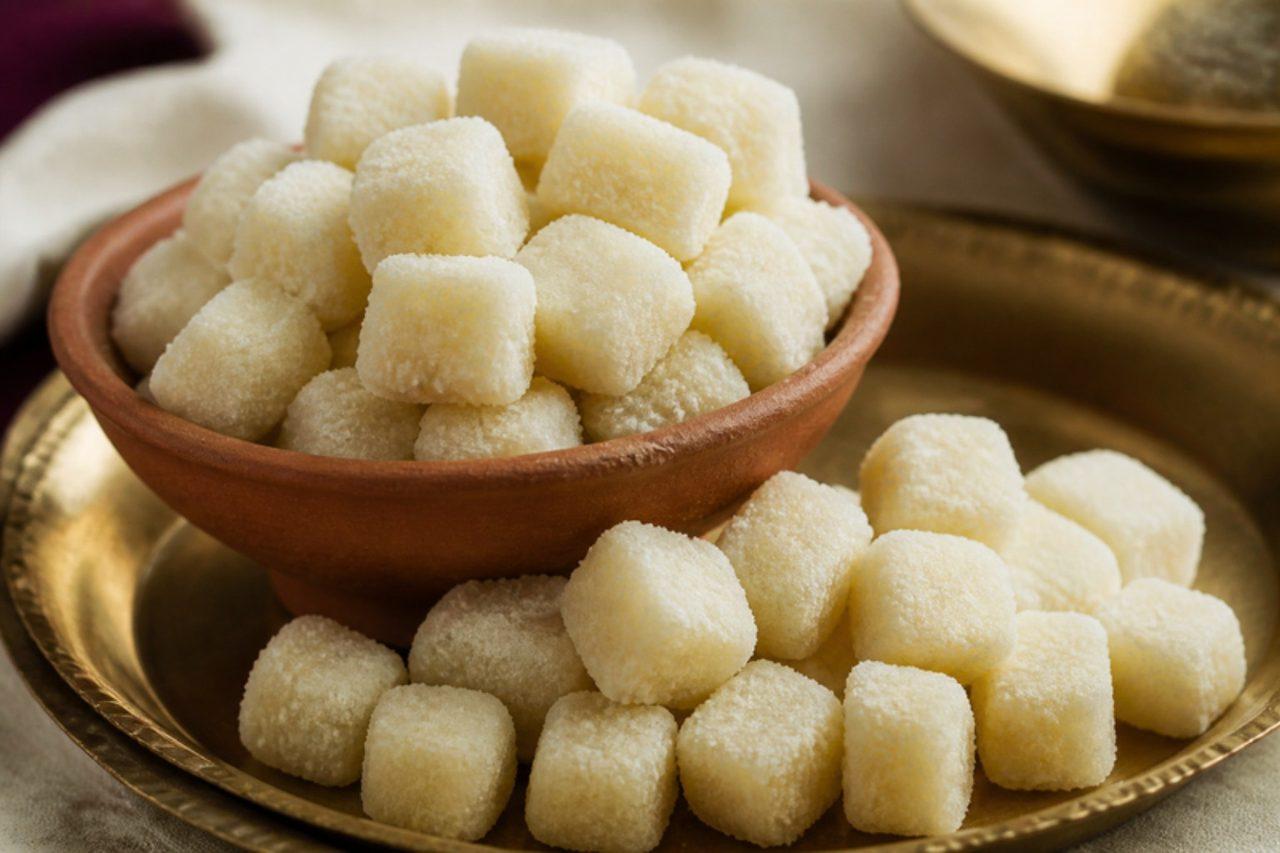
Chhanar murkiSugar-coated chhena cubes

In Bangladesh and West Bengal, Hindu families mark Bijoya Dashami at the end of Durga Puja by visiting neighbours with plates of sweets, and chhanar murki is one of the simplest to make at home. Fresh chhena is pressed firm, cut into tiny cubes and cooked in sugar syrup, which is then boiled down until it crystallises and clings to each cube as a white, crunchy coat; inside they stay soft and milky. Common mistake: using soft, wet chhena, which dissolves in the syrup. Press it under a weight until it is firm enough to slice cleanly. When the syrup turns cloudy and grainy, it is about to crystallise onto the cubes, so lower the heat and keep tossing. Chef's tip: toss the cubes off the heat for a full minute as the syrup dries; constant gentle movement gives an even, snowy coating instead of clumps.

by KrazyBadal 0 views

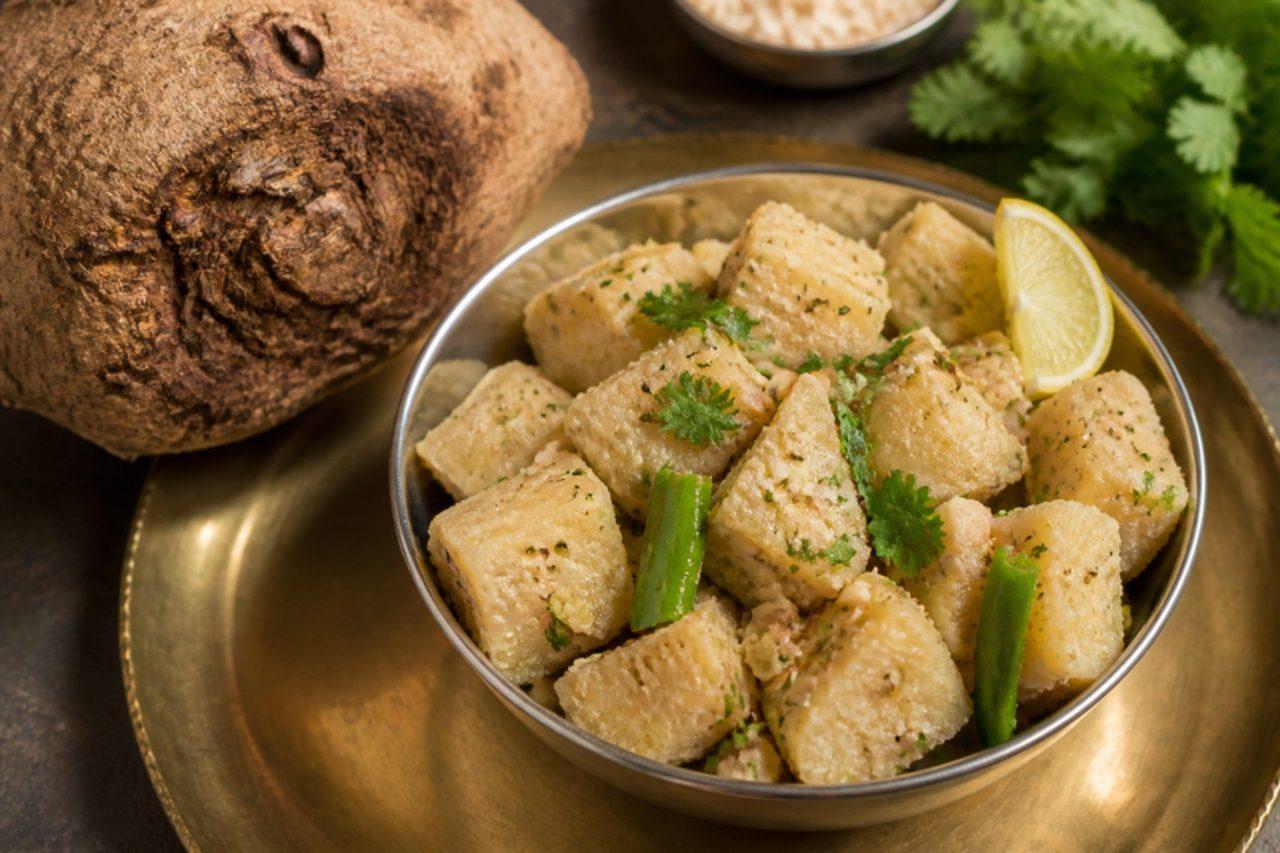
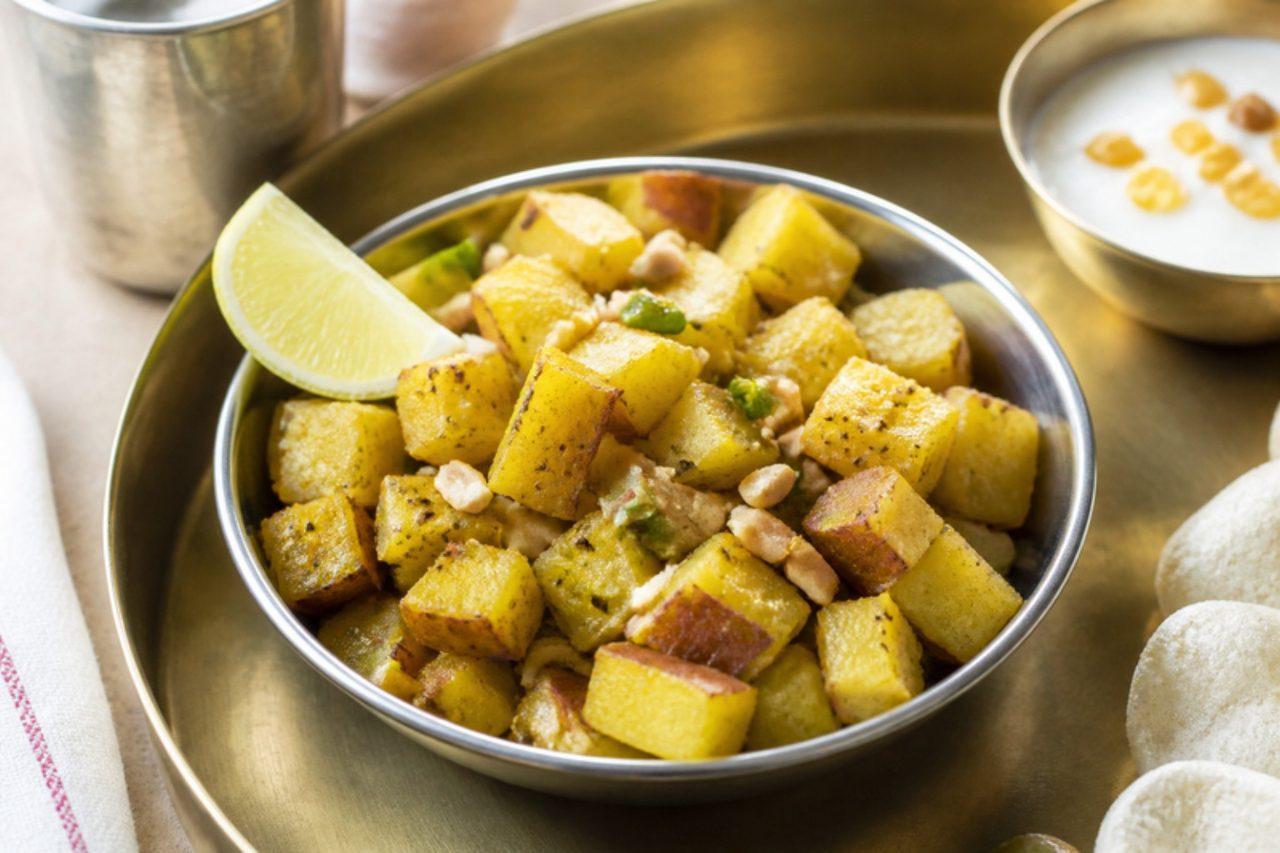
Suran nu shaakYam with cumin and peanuts

Suran, the knobbly elephant-foot yam, is a favourite of the Gujarati farali table on Mahashivratri and Ekadashi: boiled until tender, then stir-fried with cumin, green chilli and crushed peanuts and sharpened with lemon. It is filling and earthy, a little like a dense potato, and goes well with rajgira thepla or farali kadhi. Because suran is a root vegetable it is not eaten by Jains, so this is a Hindu fasting dish only; some families also skip cumin on a fast. Raw suran contains crystals that make the hands and throat itch, so wear gloves when peeling and always boil it with something sour. Common mistake: under-boiling to keep the cubes firm; undercooked suran scratches the throat. Boil until a cube is soft right through when pierced. Chef's tip: a few pieces of kokum in the boiling water work as well as lemon and give a pleasant blush to the yam.

by KrazyBadal 0 views

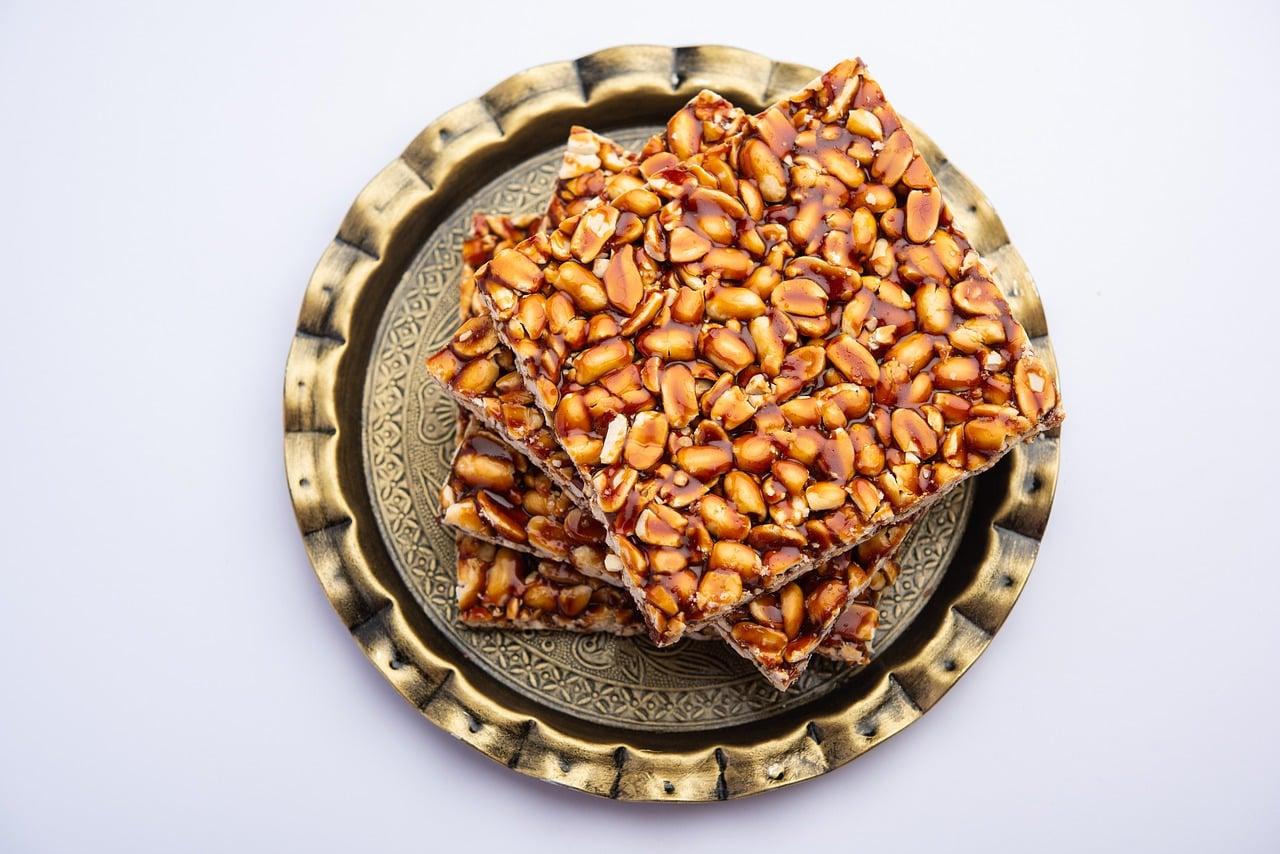
Sing ni chikkiPeanut jaggery brittle

Peanut chikki is the sweet every Gujarati child grows up with, and in the week of Uttarayan, when the sky over Ahmedabad is crowded with kites, households make it by the tray to hand round on the terrace. Halved roasted peanuts are bound in dark jaggery and cut into neat slabs that snap cleanly and taste of caramel and toasted nuts. Common mistake: undercooking the jaggery; it is ready only when a drop in cold water hardens into a ball that cracks when pressed, and when the syrup is foaming and has darkened by a shade. Undercooked syrup gives chikki that bends and pulls out fillings. Chef's tip: rub the skins off the roasted peanuts and split them in half; halves pack together far better than whole nuts and the slabs don't crumble.

by KrazyBadal 0 views

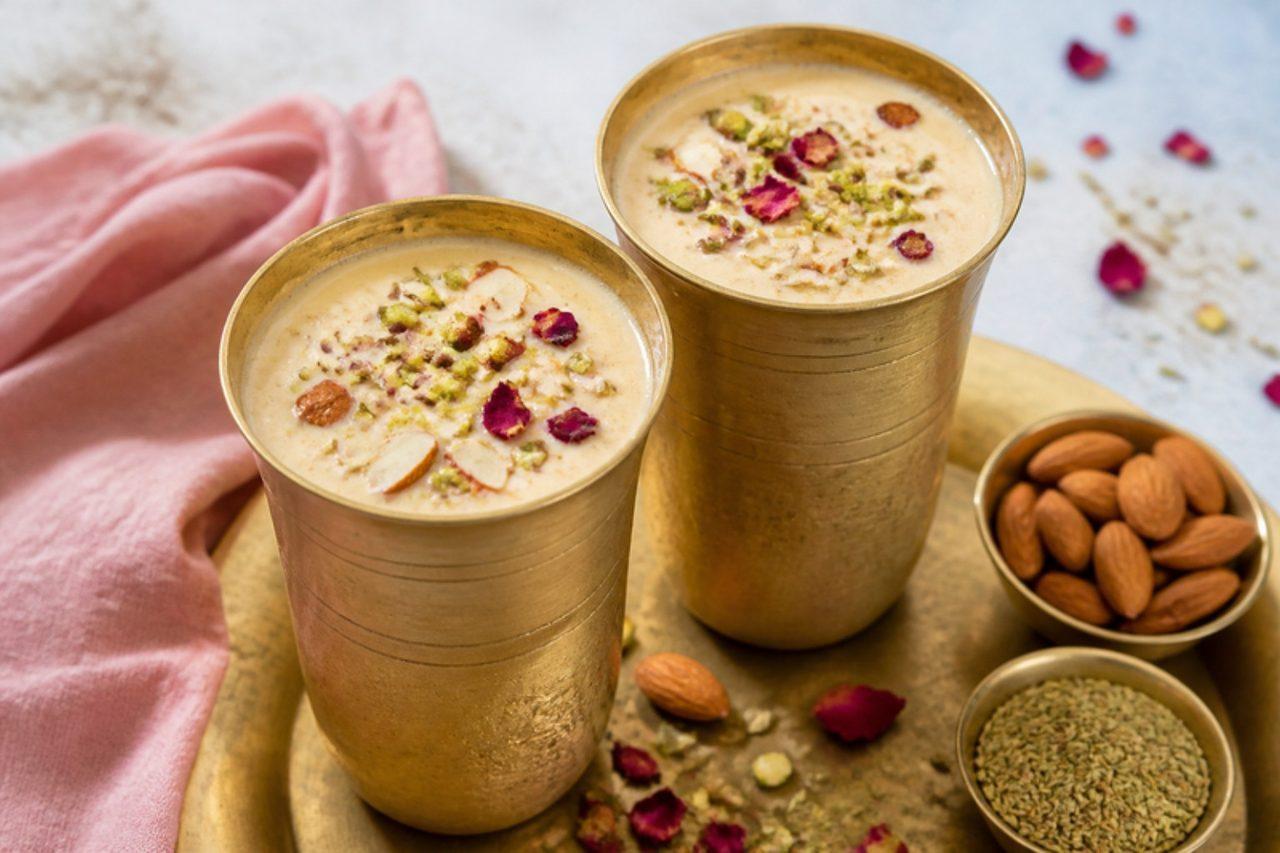
ThandaiAlmond, fennel and rose milk

On Mahashivratri the ghats and temples of Varanasi fill with brass pots of thandai, a cooling milk ground with almonds, melon seeds, fennel, poppy seeds, black pepper and rose, poured as an offering to Shiva and then shared with everyone queuing for darshan. In the city's lanes it is sometimes made with bhang (cannabis); this version is made entirely without it and contains no alcohol, so the whole family can drink it. It tastes nutty, floral and gently peppery, and is thick enough to coat the glass. Most people who keep the Shivratri fast take it, since it holds only milk, nuts, seeds and spices, but check your own family's rules: some leave out poppy seeds, and poppy seeds are restricted in a few countries, so skip them if you need to. Common mistake: grinding the soaked nuts and seeds with too little water, which leaves a gritty paste; keep blending until it feels smooth between your fingertips, then strain. Chef's tip: make the paste the night before and keep it in the fridge; the flavour deepens and you only need to whisk it into cold milk on the day.

by KrazyBadal 0 views

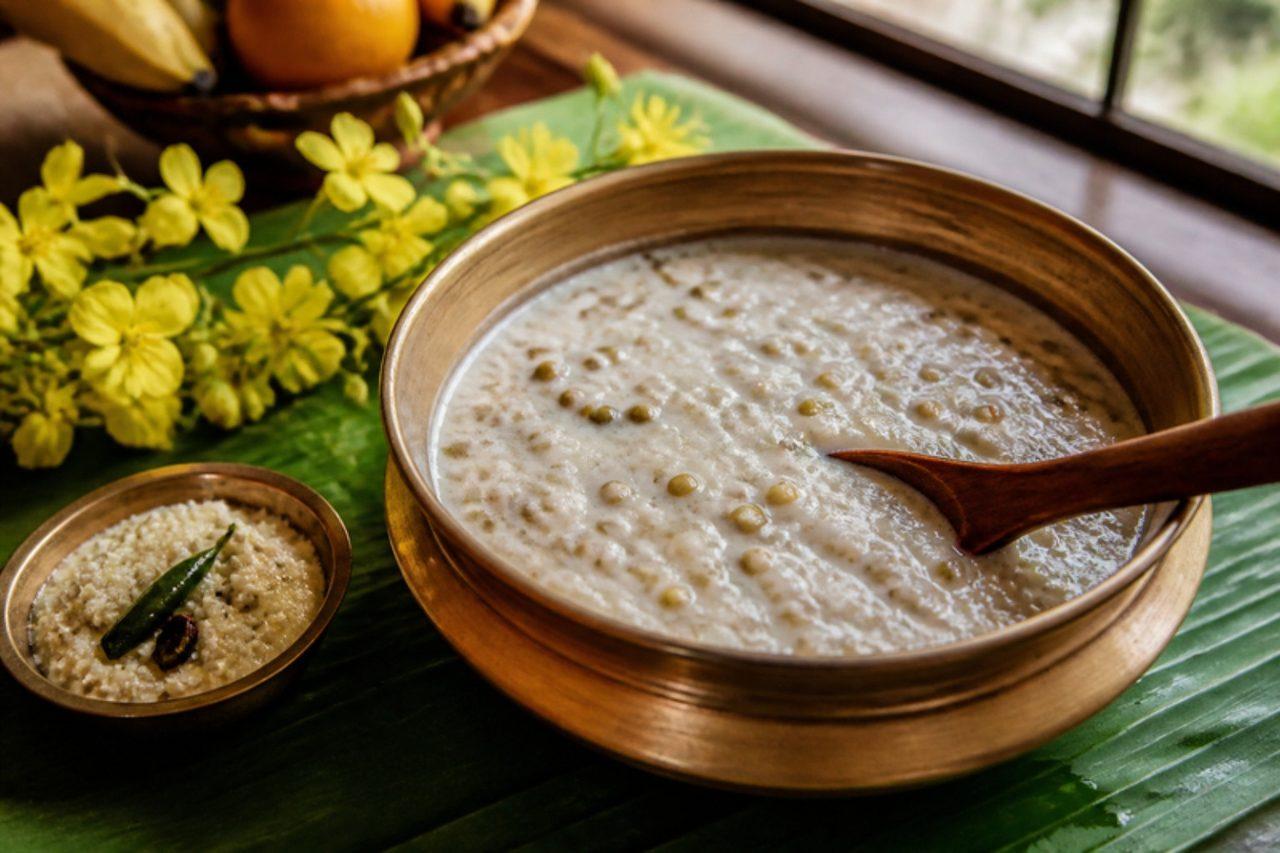
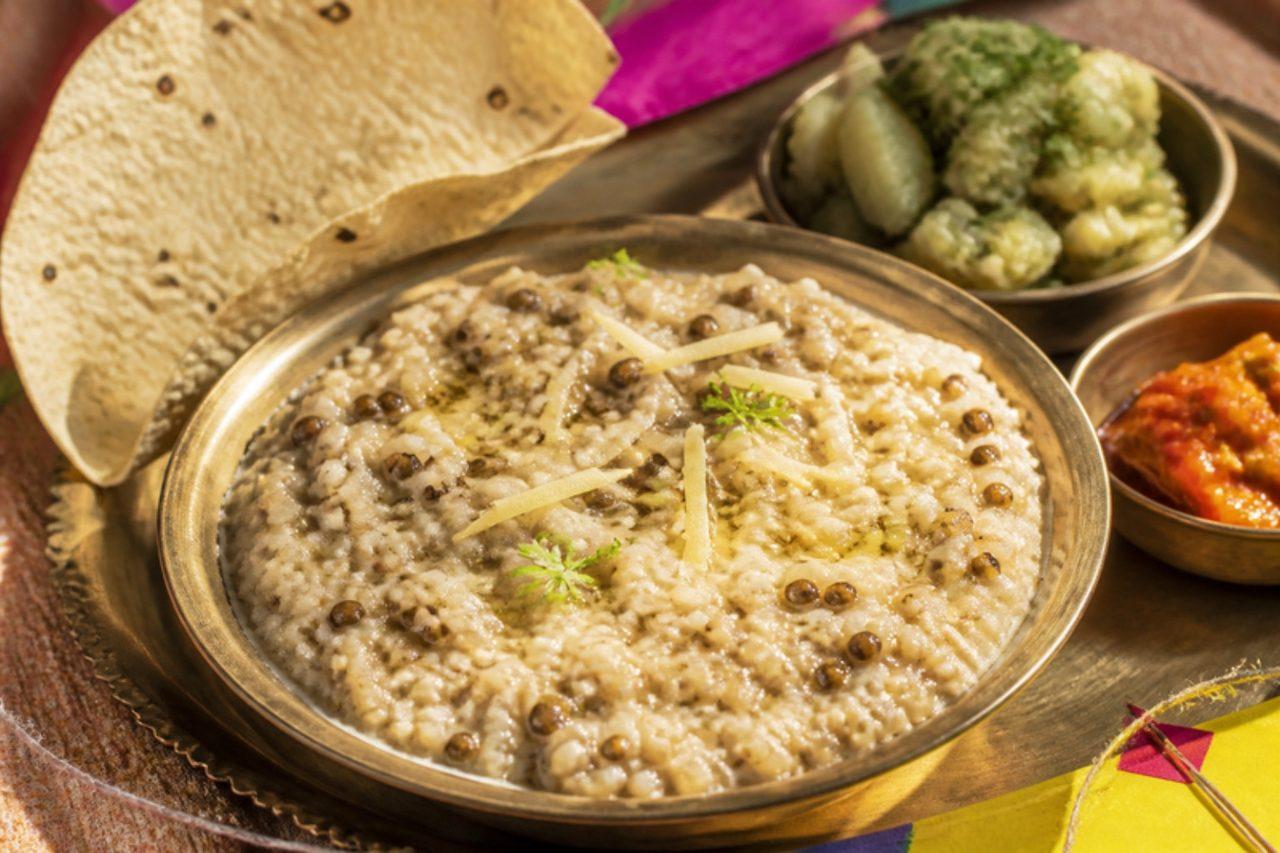
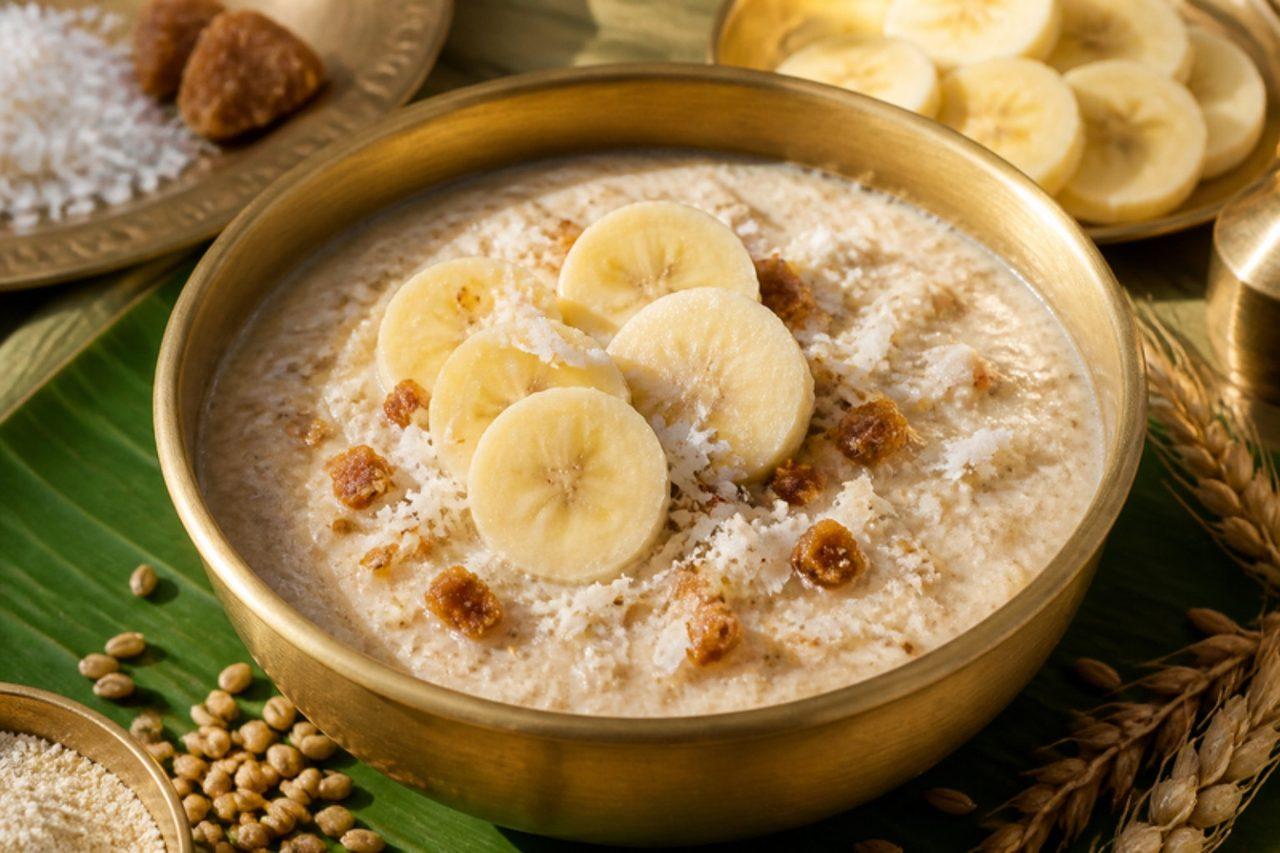
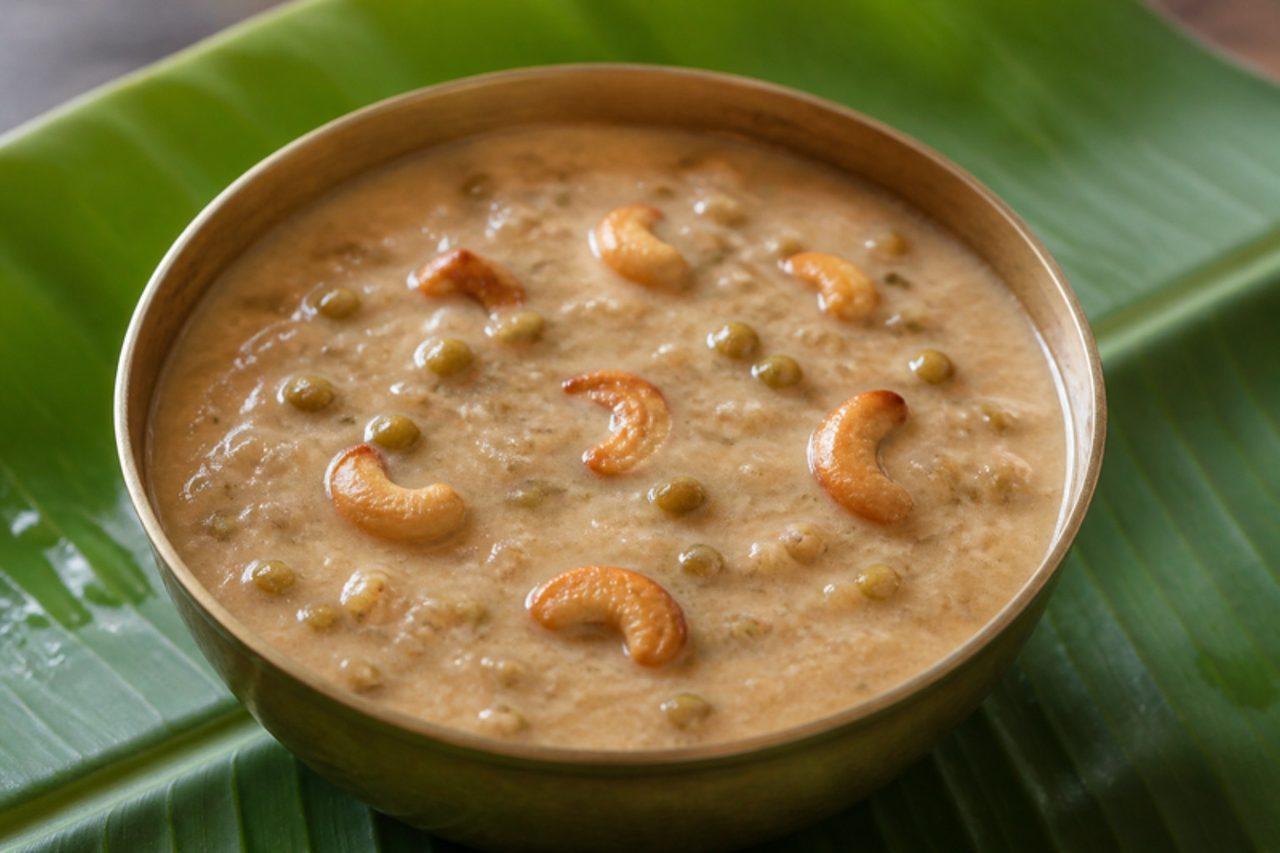
Vishu kanjiRice and green gram porridge

In Kerala, Vishu starts before sunrise with the kani, when each member of the family is led with closed eyes to see a tray of rice, gold-yellow konna flowers, fruit, a mirror and a lamp, so the year begins with something lucky. Breakfast afterwards, in many central Kerala homes, is this kanji: rice and lightly roasted whole green gram cooked soft and finished with coconut milk, eaten with a dry chakka or pumpkin side and pappadam. It is mild, creamy and nourishing, nothing like a plain rice gruel. The common mistake is boiling the thick coconut milk, which splits it and turns the kanji grainy; it goes in at the end, off the boil. It is ready when the gram has burst and the rice falls apart when stirred. Chef's tip: a few crushed cumin seeds and a shallot fried in coconut oil spooned over each bowl make it taste festive.

by KrazyBadal 0 views

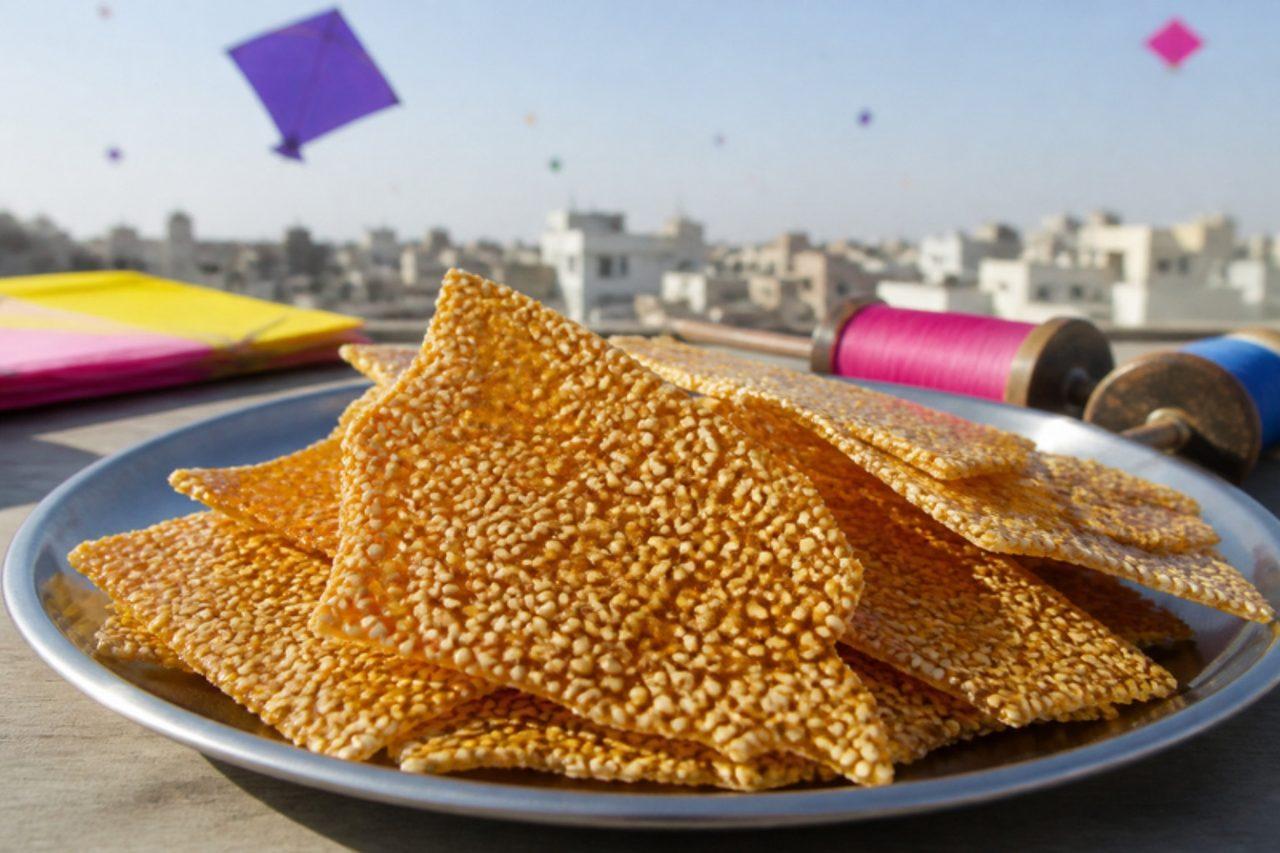
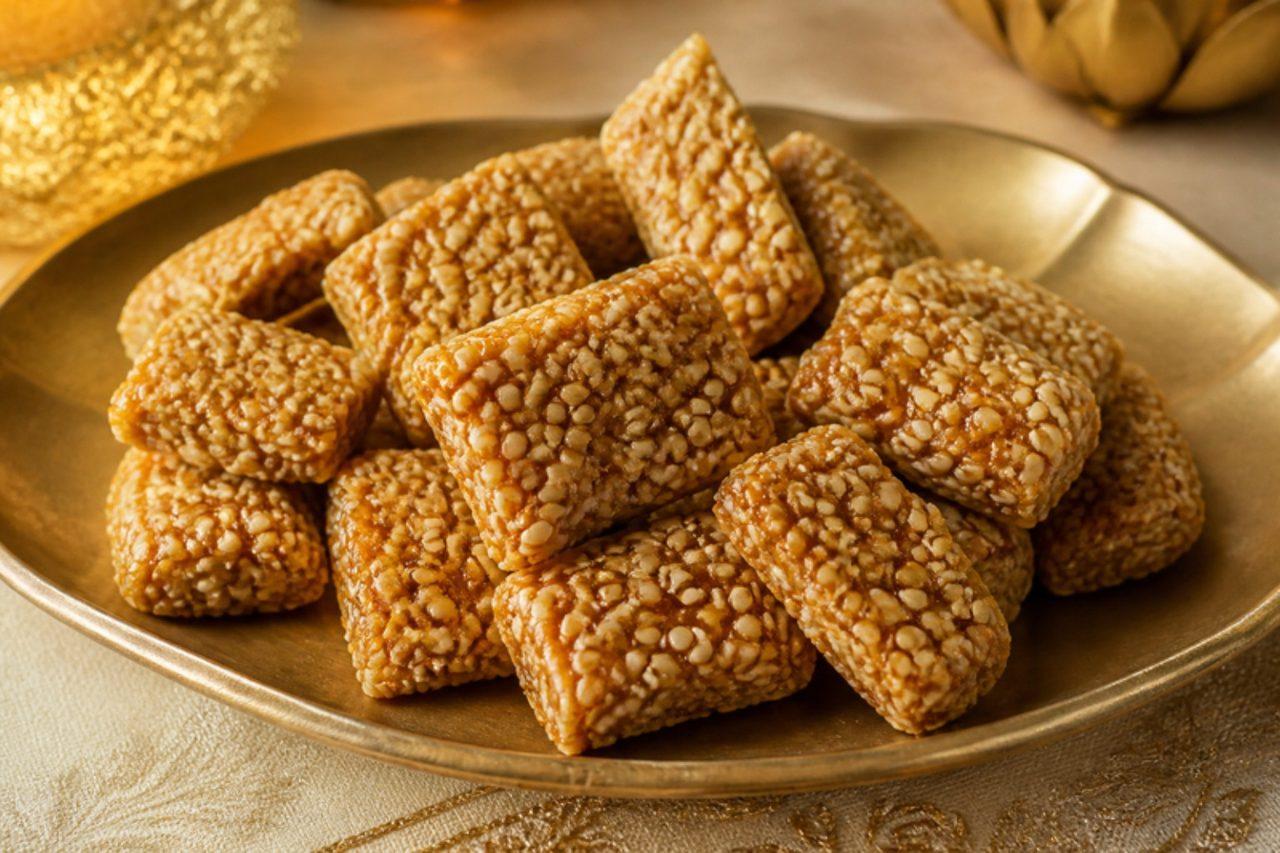
Tal ni chikkiSesame jaggery brittle

On 14 January every Gujarati rooftop fills with kite-flyers, and somewhere between the manja reels there is always a tin of tal ni chikki, broken into shards. The thinnest kind, tal sankli, is rolled out so fine you can almost see through it; it shatters with a snap and tastes of toasted sesame and dark caramel. It is a two-ingredient sweet where everything depends on the jaggery. Common mistake: pulling the jaggery off the heat too soon; it must reach the hard-crack stage, when a drop in cold water sets instantly and snaps cleanly, or the chikki stays chewy and sticks to the teeth. Chef's tip: work fast and roll on the greased back of a steel thali; if it hardens before you finish, warm it in the pan for a few seconds.

by KrazyBadal 0 views

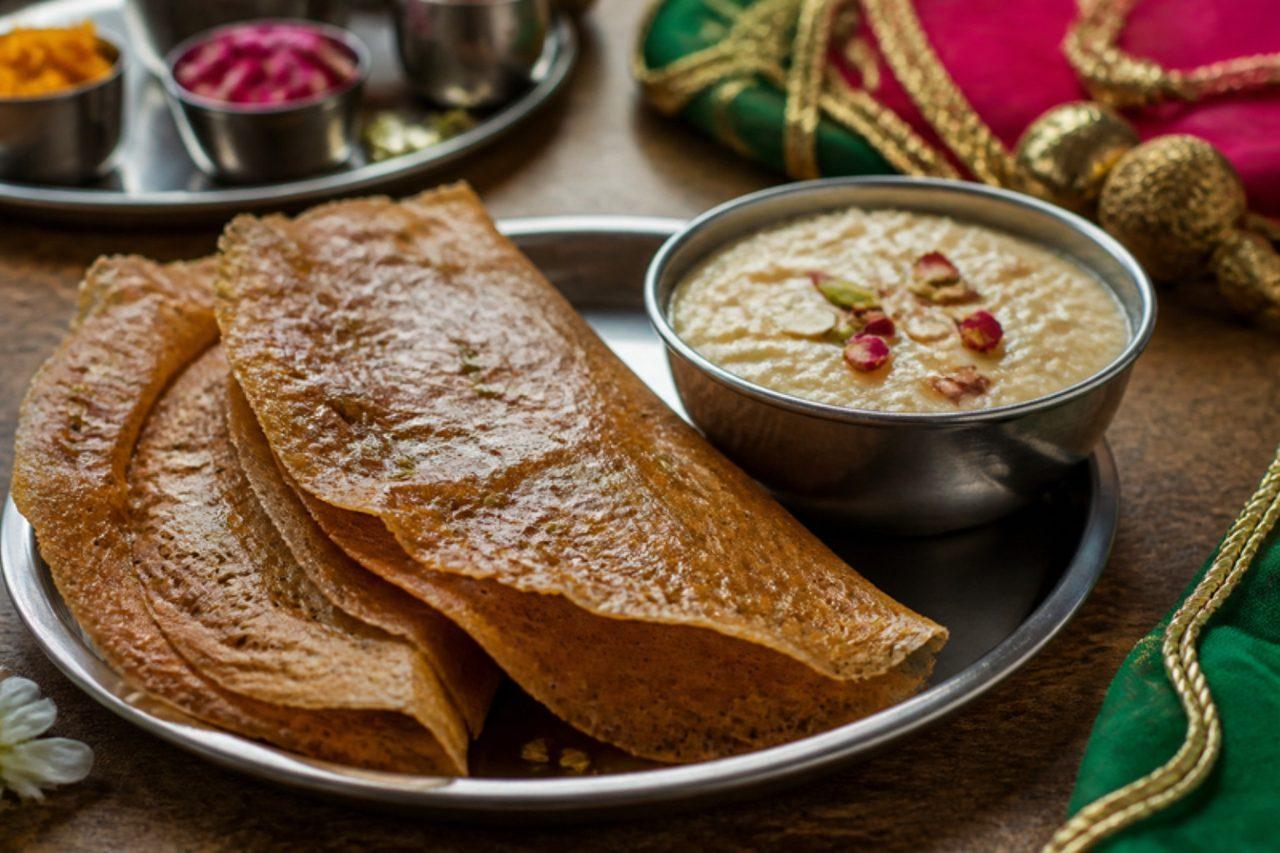
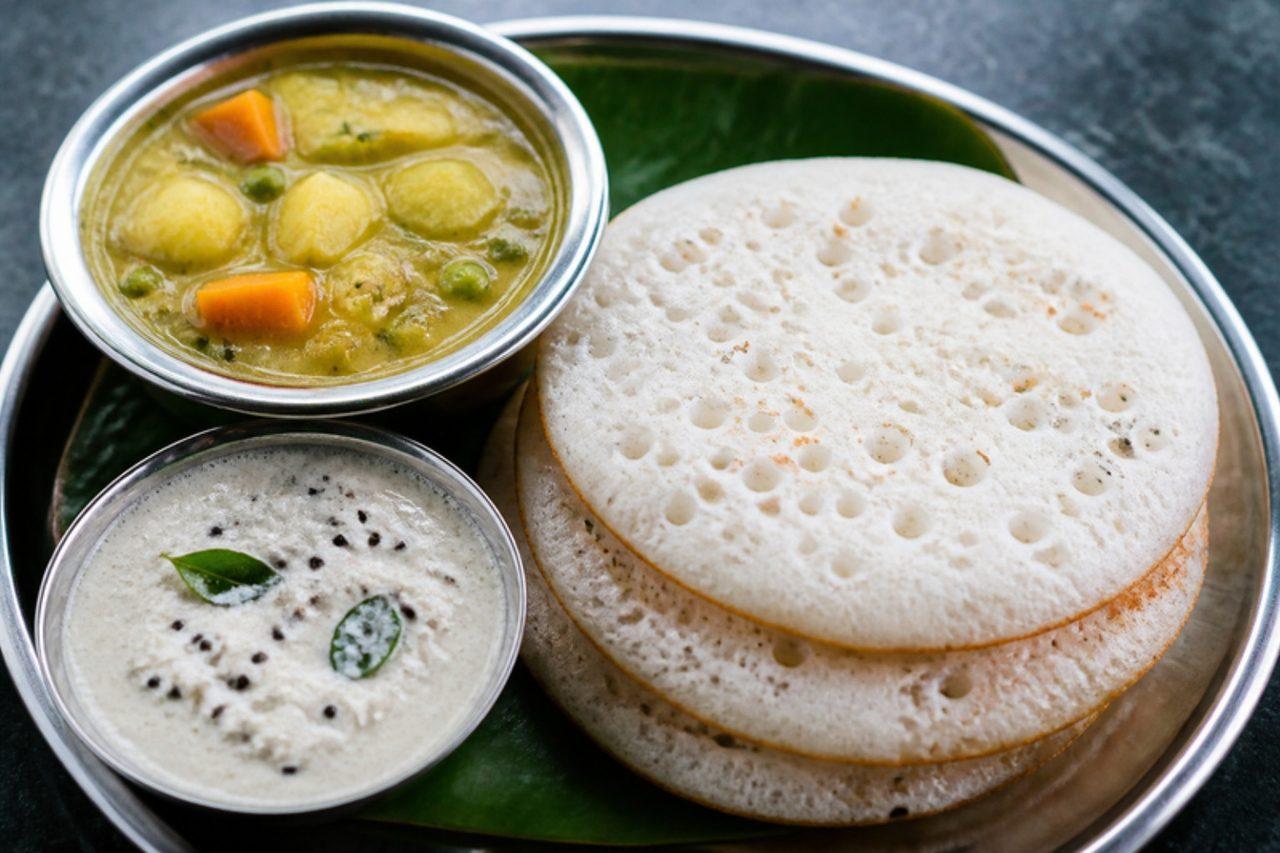
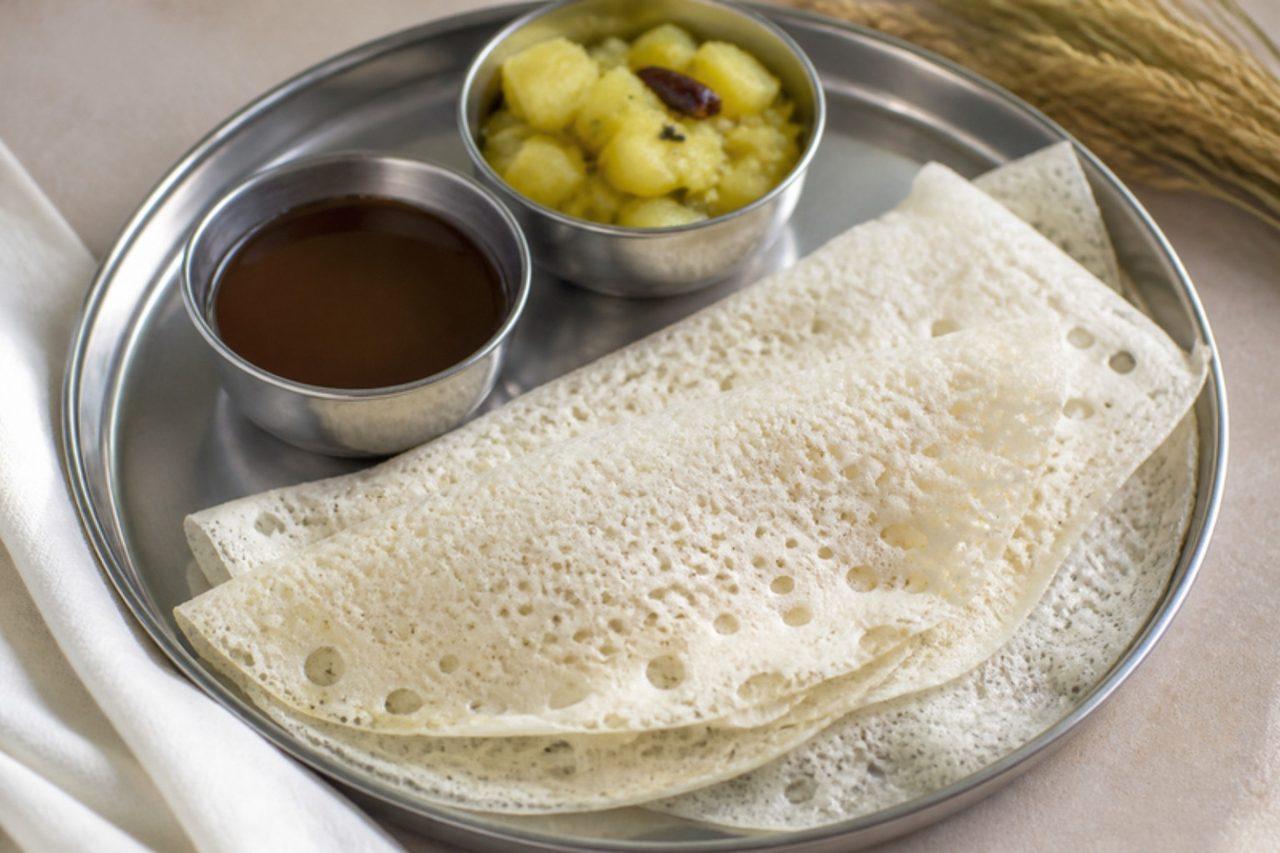
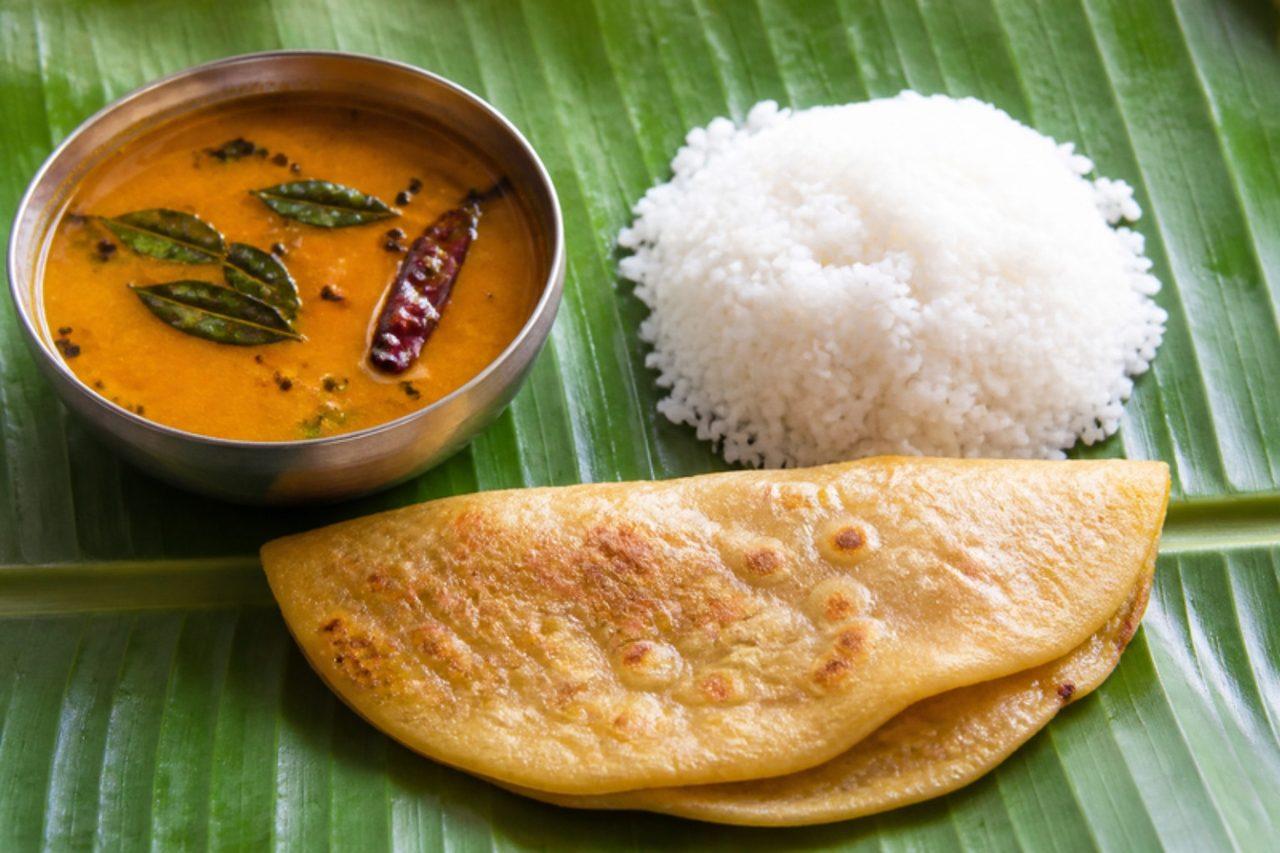
Set dosaThick spongy dosas

Set dosa is a Bengaluru darshini breakfast, ordered as a 'set' of three small, thick, pancake-soft dosas served with vegetable sagu and coconut chutney, often before the office rush or at a lazy Sunday table. Poha and a high share of rice make the batter rise into a holey, spongy dosa that's cooked on one side only. A common mistake is spreading it thin like a crisp dosa; pour it and just nudge it into a thick round so it stays soft. Chef's tip: cover the dosa for a minute while it cooks so the steam sets the top and the holes stay open.

by KrazyBadal 0 views

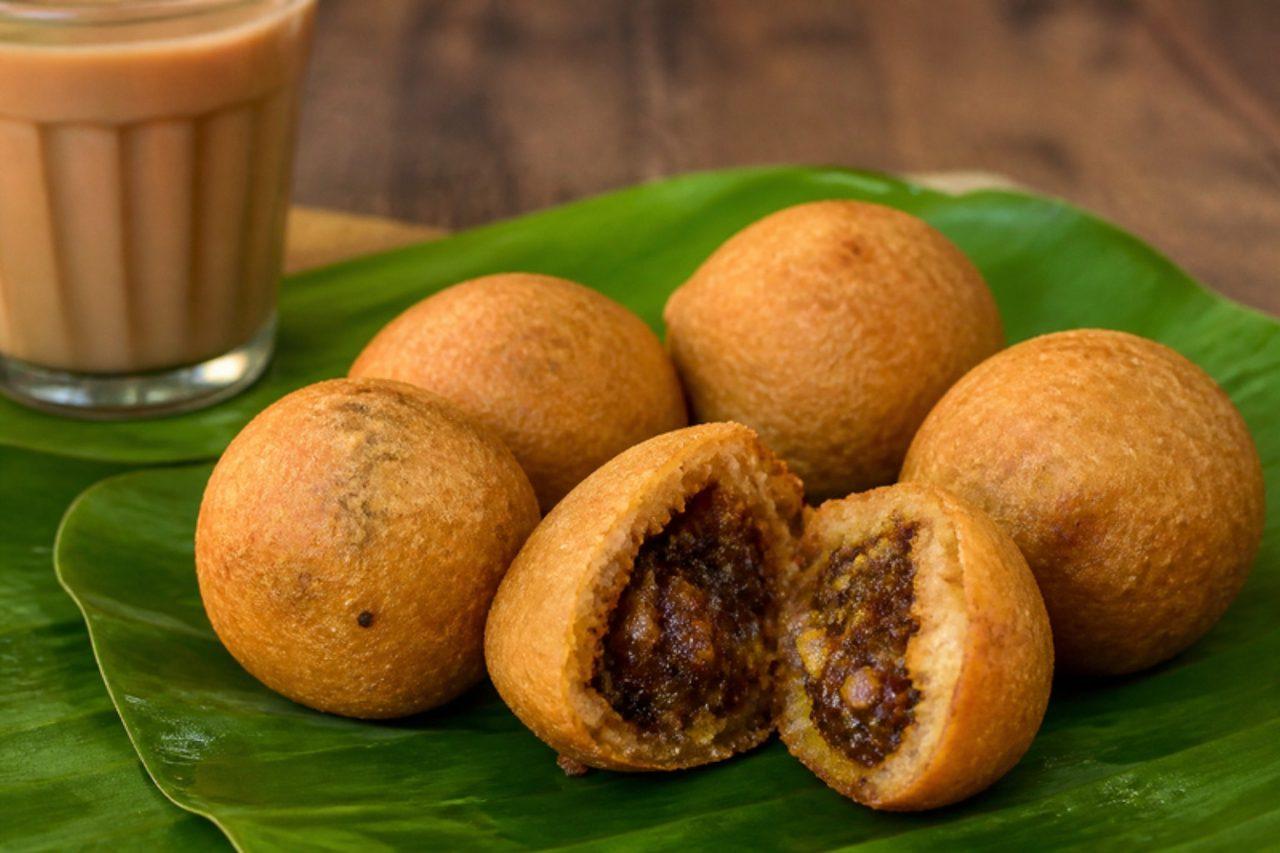
SukhiyanGreen gram jaggery fritters

Sukhiyan is one of the old nalumani palaharam, the 'four o'clock' snacks of central Kerala, sold in glass cases in Kottayam and Ernakulam tea shops next to unniyappam and banana fritters. Whole green gram is cooked soft and mashed with melted jaggery, coconut and cardamom, then rolled into balls, dipped in a light batter and fried. The outside is thin and slightly crisp, the inside soft and earthy-sweet, lovely with strong black tea. A common mistake is a wet filling; if the jaggery mix is not cooked until it leaves the pan, the balls crack and leak in the oil. Chef's tip: a pinch of salt and a little turmeric in the batter give the classic golden colour and balance the sweetness.

by KrazyBadal 0 views

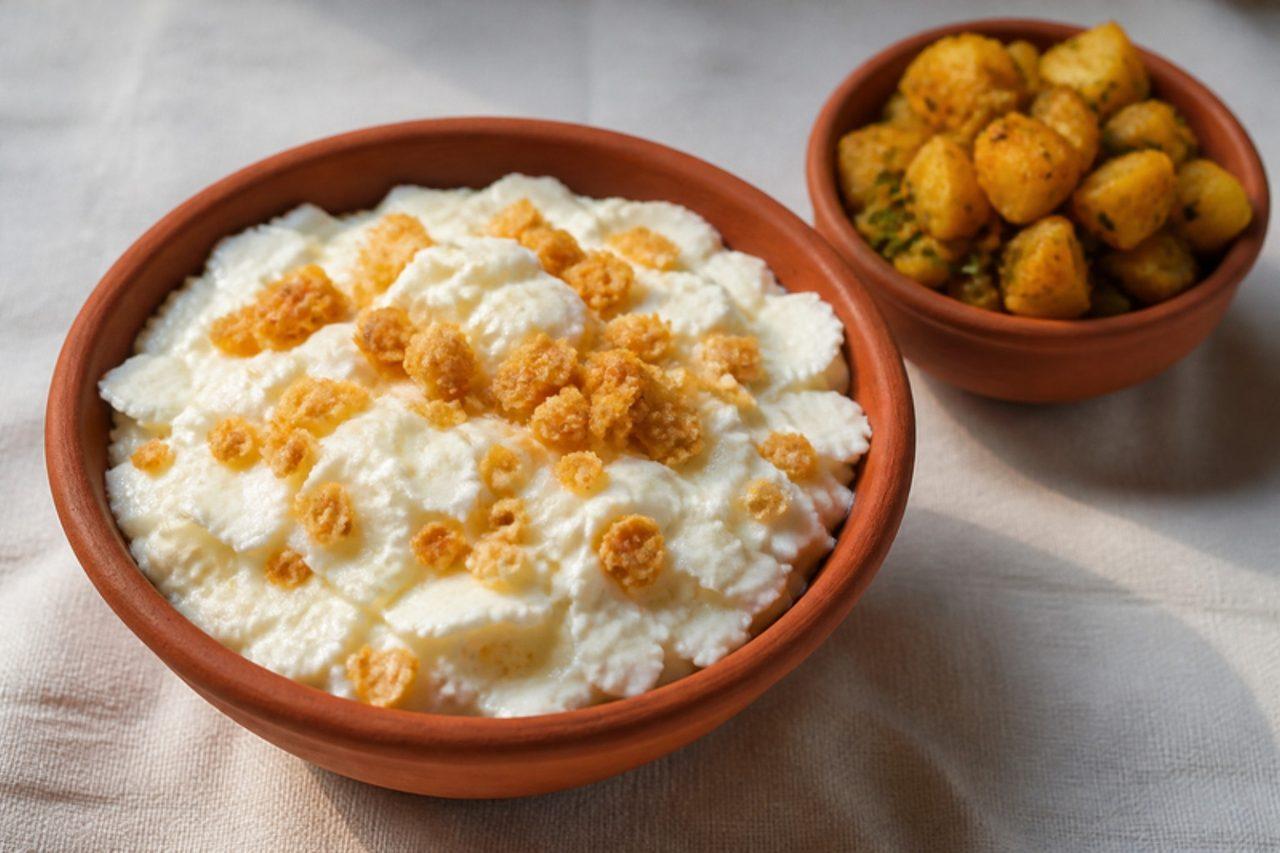
Dahi churaFlattened rice with curd and jaggery

Dahi chura belongs to Bihar and eastern Uttar Pradesh: it is the traditional Makar Sankranti breakfast, but on summer nights in Patna and Gaya it is also the supper that needs no stove at all. Thick chura (flattened rice) is rinsed, mixed with creamy set curd and sweetened with jaggery, then eaten with a spicy potato sabzi or a pinch of pickle alongside. It is cool, mildly sweet and gently chewy. The usual mistake is soaking the chura in water, which leaves it soggy and dilutes the curd. Chef's tip: rinse the chura and let it drain for two minutes so the flakes swell from the water clinging to them, then add the curd.

by KrazyBadal 0 views

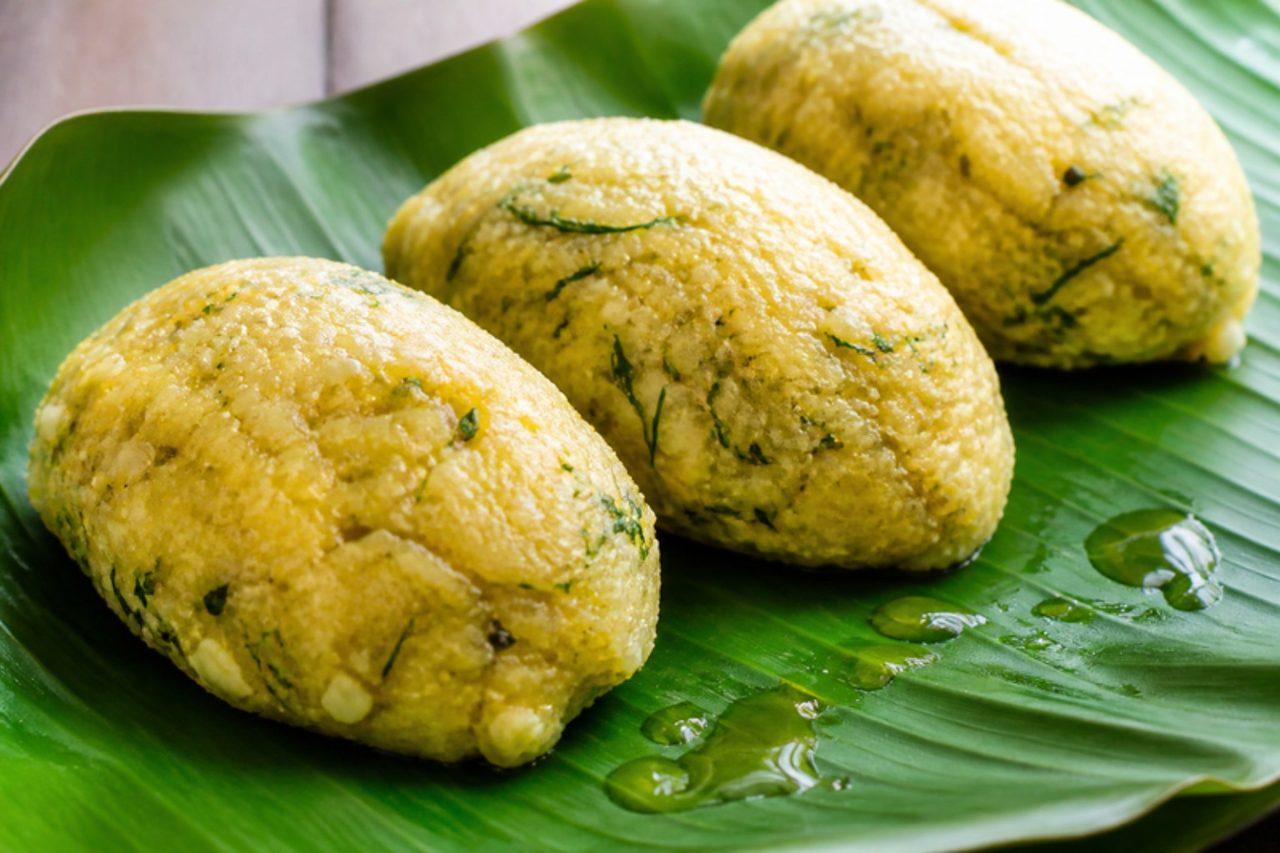
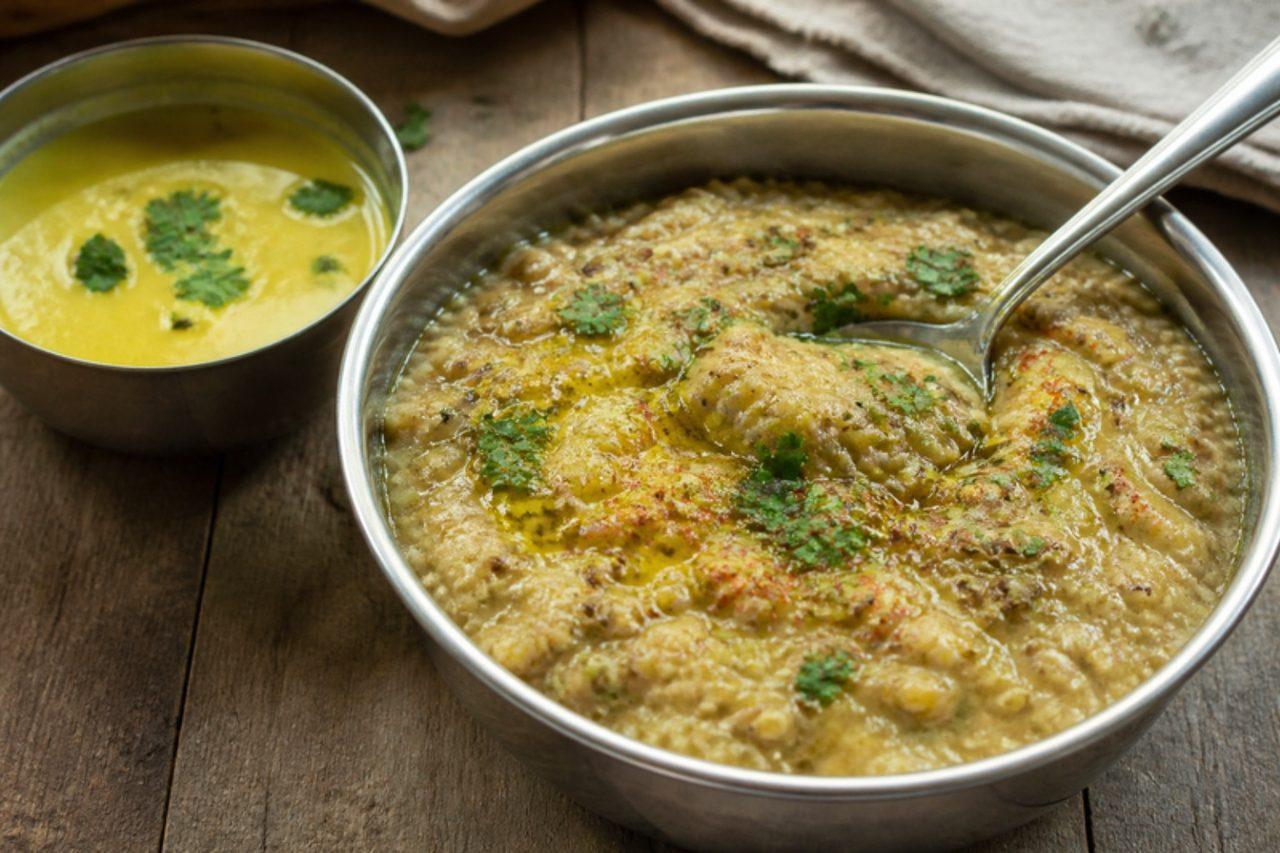
NuchinundeSteamed dal and dill dumplings

Nuchinunde are steamed lentil dumplings from old Mysuru and Bengaluru homes, made for breakfast or an evening tiffin and often offered for Ganesha Chaturthi. Toor and chana dal are ground coarse with green chilli and ginger, mixed with fresh dill (sabsige soppu), coconut and curry leaves, shaped into ovals and steamed, so they come out soft but crumbly, herby and protein-rich with no oil. A common mistake is grinding the dal to a paste; it should stay grainy like coarse semolina or the dumplings turn rubbery. Chef's tip: drain the soaked dal for a full 15 minutes; extra water makes the mix too loose to hold its shape.

by KrazyBadal 0 views

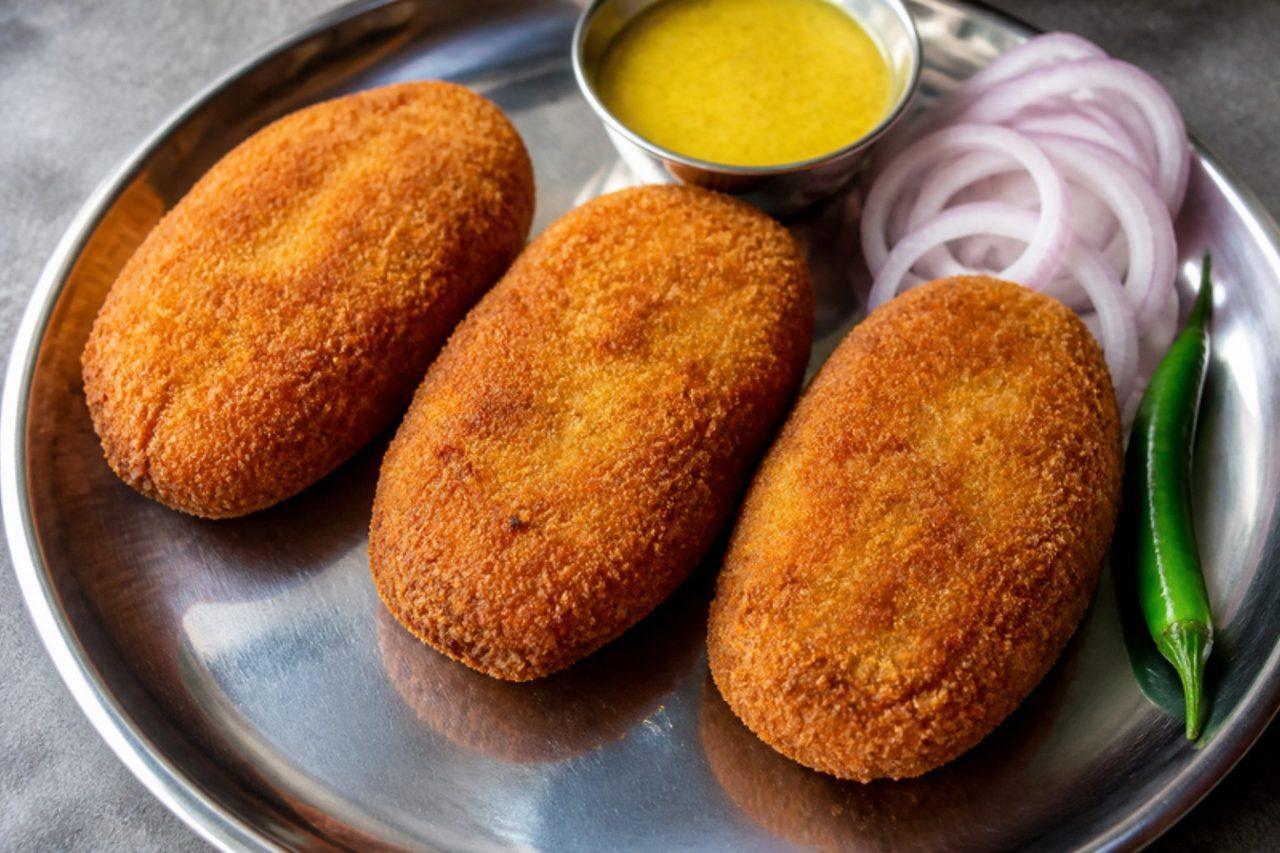
Kolkata vegetable chopCrumbed vegetable croquettes

Walk between Kolkata's Durga Puja pandals in the evening and the smell that follows you is of telebhaja stalls frying vegetable chop. These are oval croquettes of mashed potato with grated beetroot, carrot and roasted peanuts, spiced with ginger, chilli and bhaja moshla, coated in a flour-water batter and breadcrumbs and fried until shatteringly crisp; inside they are soft, sweet and a vivid pink. They are eaten hot with kasundi, ketchup or sliced cucumber and onion. Common mistake: leaving the filling wet, which makes the chops split in the oil; cook the beetroot mix until it is dry enough to roll without sticking. Chef's tip: coat the chops twice (batter, crumbs, batter, crumbs) and chill them for 20 minutes before frying; the double coat is what gives the pandal crunch.

by KrazyBadal 0 views

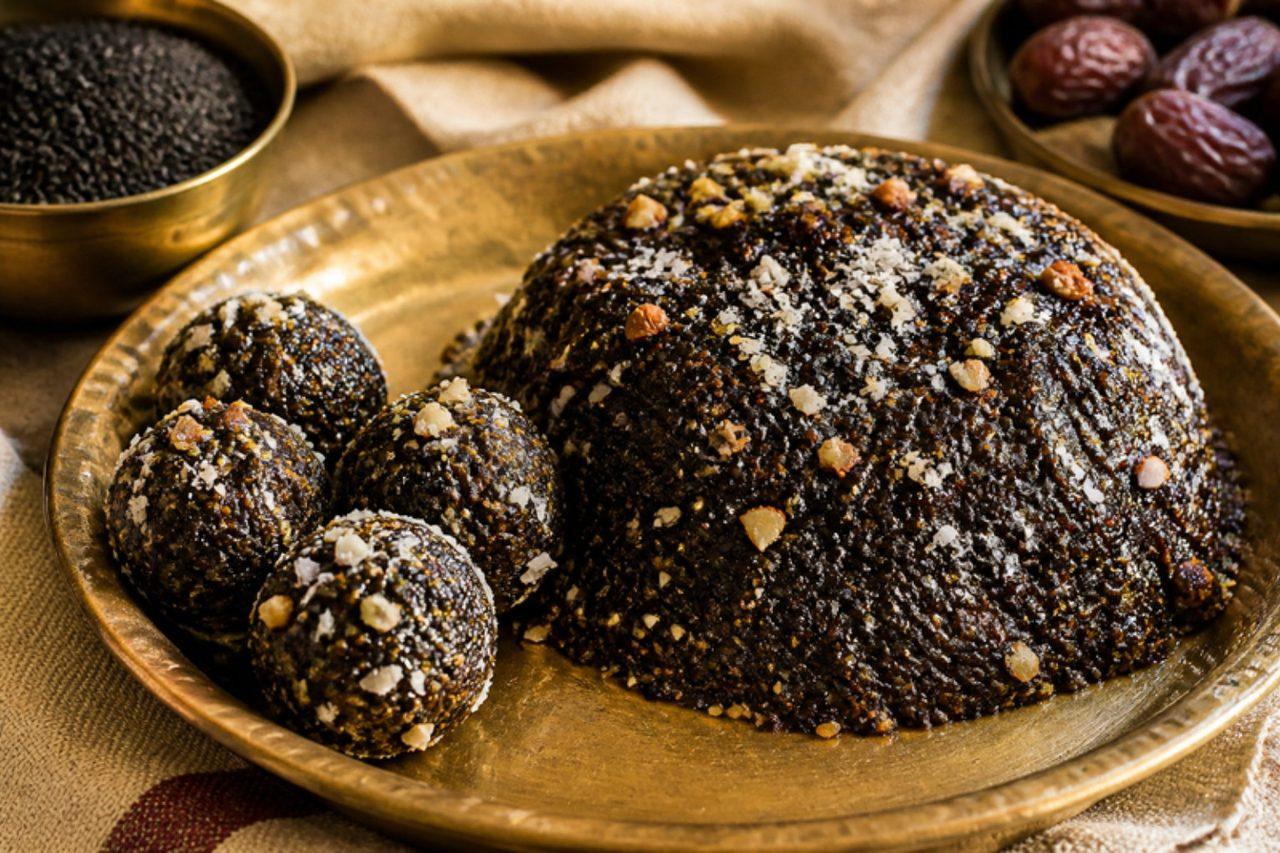
KachariyuBlack sesame and date sweet

In Saurashtra the oil mills (ghani) run day and night through the Uttarayan season, and the first sesame pressed is mixed with dates and jaggery and sold as kachariyu, a dark, sticky, crumbly sweet that tastes of toasted seeds and spice. Families make it at home too and eat a spoonful every winter morning, and a bowl is always out on kite-flying day. The sesame is crushed until it releases its own oil, so it is rich but not greasy. Common mistake: grinding the sesame to a smooth paste; pulse it only until it turns damp and clumps, which keeps the texture grainy. The seeds are toasted enough when they crackle and a few start to jump out of the pan. Chef's tip: add a little ganthoda (pipli root) powder if you can find it, the traditional warming spice in Kathiawadi kachariyu.

by KrazyBadal 0 views

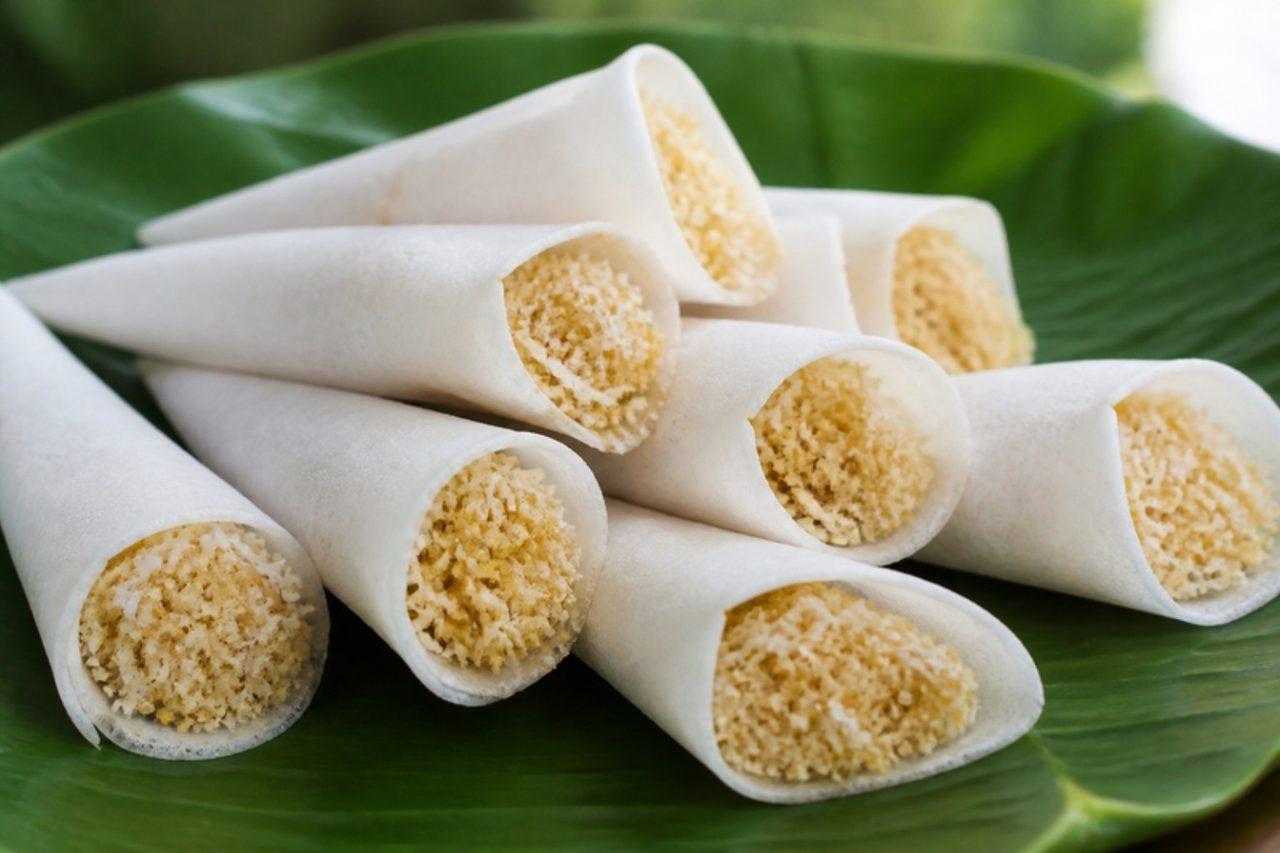
ChuruttuRice wafer cones with coconut filling

Churuttu, 'the roll', is a wedding sweet of the Syrian Christian families of central Kerala, around Kottayam, Pala and Changanassery, where aunts sit together for a day before the wedding shaping hundreds of these cones for the guests to take home. Paper-thin rice wafers are rolled into cones, filled with a sweet crumble of roasted rice flour, coconut and cardamom, sealed and dried until crisp. They shatter at the first bite and melt to a sweet, toasty dust. The mistake is a wet filling; damp coconut softens the cones within a day, so the filling must be roasted dry. Chef's tip: work with one wafer at a time and keep the rest under a damp cloth; they crack if they dry before rolling.

by KrazyBadal 0 views

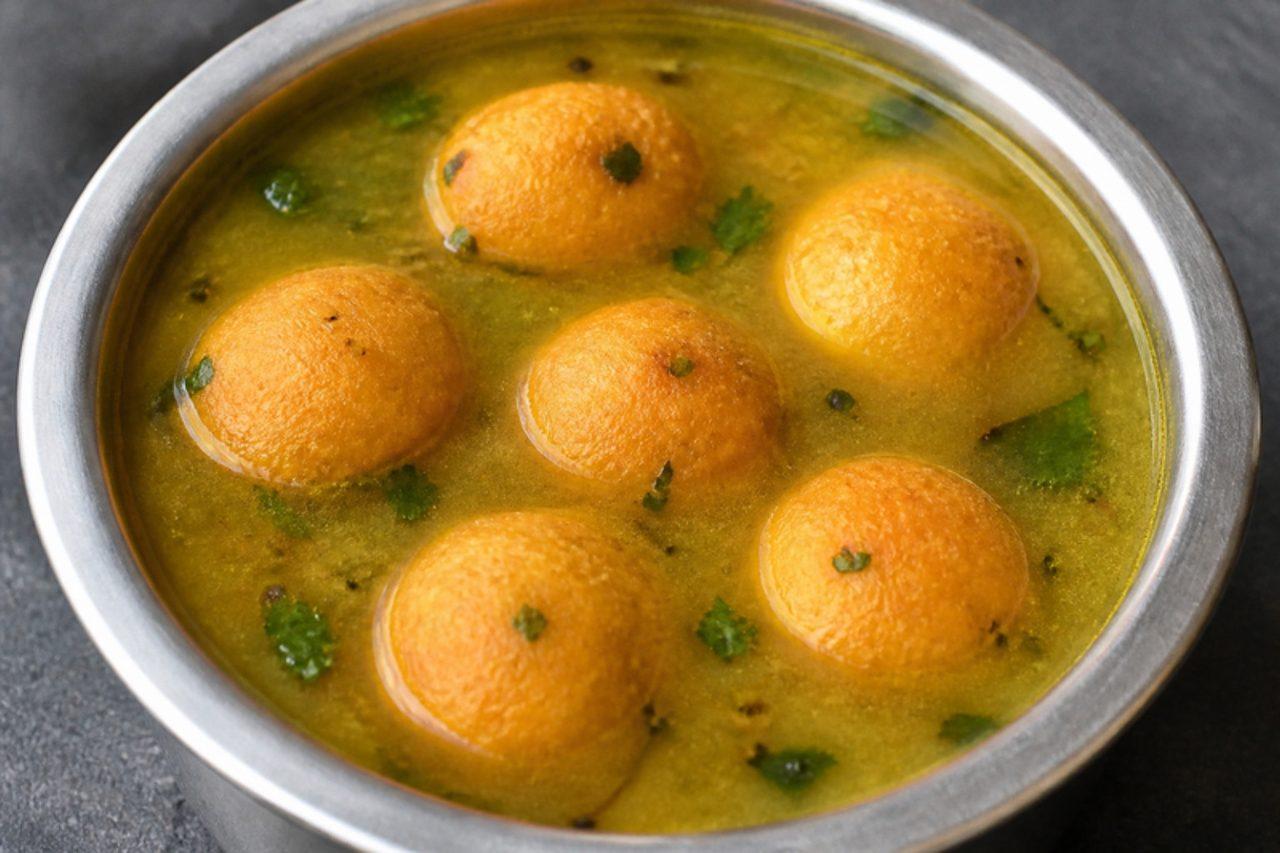
Bonda soupUrad dal fritters in moong soup

Bonda soup is a Bengaluru original, served in the old vegetarian hotels of Basavanagudi and Malleshwaram as a mid-morning or rainy-evening snack. Fluffy urad dal bondas are fried and dropped into a bowl of thin, tempered moong dal soup with pepper and lemon, so they soak up some of it and stay crisp in places. It's comforting, peppery and filling. A common mistake is a runny batter; it should hold a peak, or the bondas soak oil and fall apart in the soup. Chef's tip: pour the soup only when serving, not before, so the bondas still crunch at the first spoonful.

by KrazyBadal 0 views

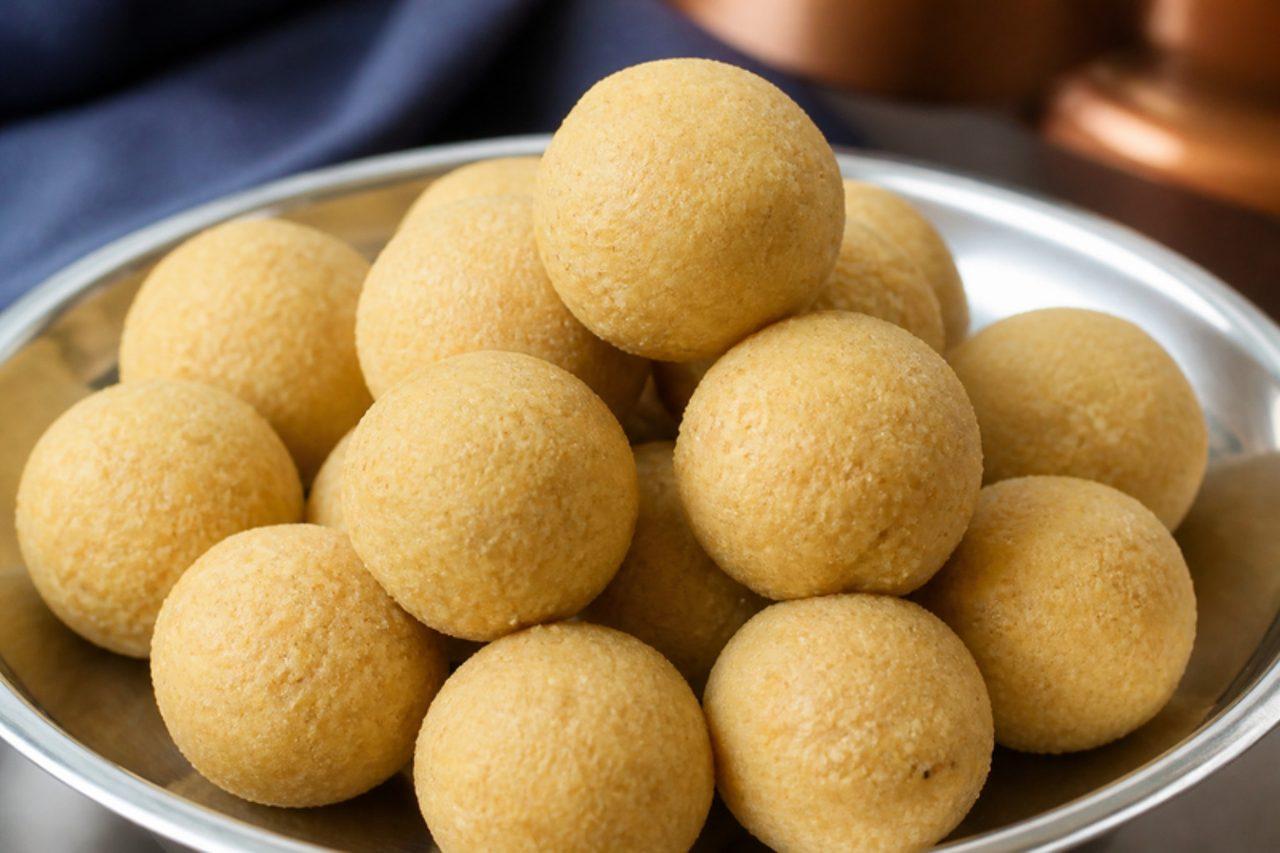
Maa ladduRoasted gram flour laddus

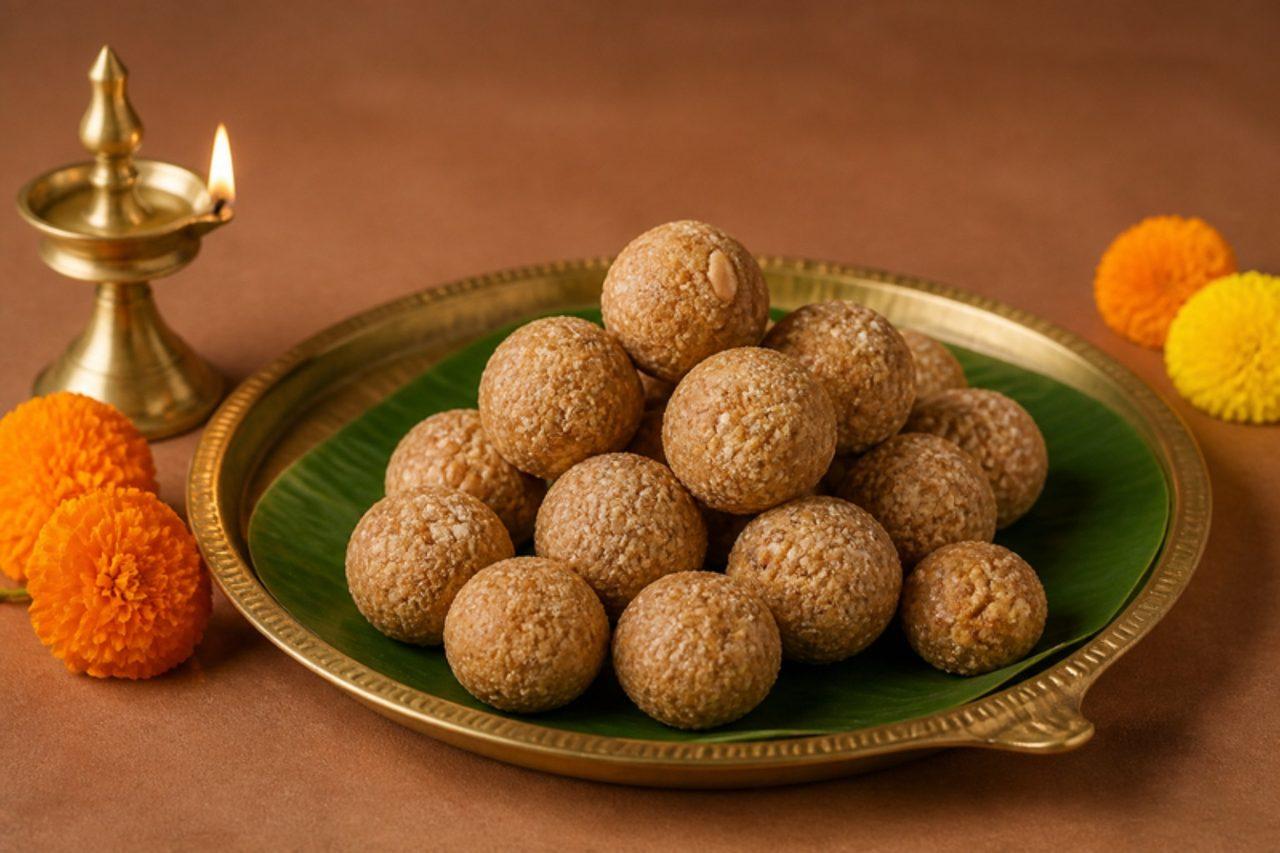
Maa laddu (maladu) is the simplest of the Tamil Deepavali sweets, made in a quarter of an hour from pottukadalai, the roasted split gram sold in every Tamil grocery. Ground with sugar and bound with hot ghee, it melts on the tongue, nutty and cardamom-scented, and it's the laddu grandmothers teach children to roll. The mistake is pouring cold or too little ghee: the powder won't bind and the balls crumble, so add it smoking hot and in stages. Chef's tip: warm the pottukadalai in a dry pan for two minutes before grinding; it brings out the toasty flavour and grinds finer.

by KrazyBadal 0 views

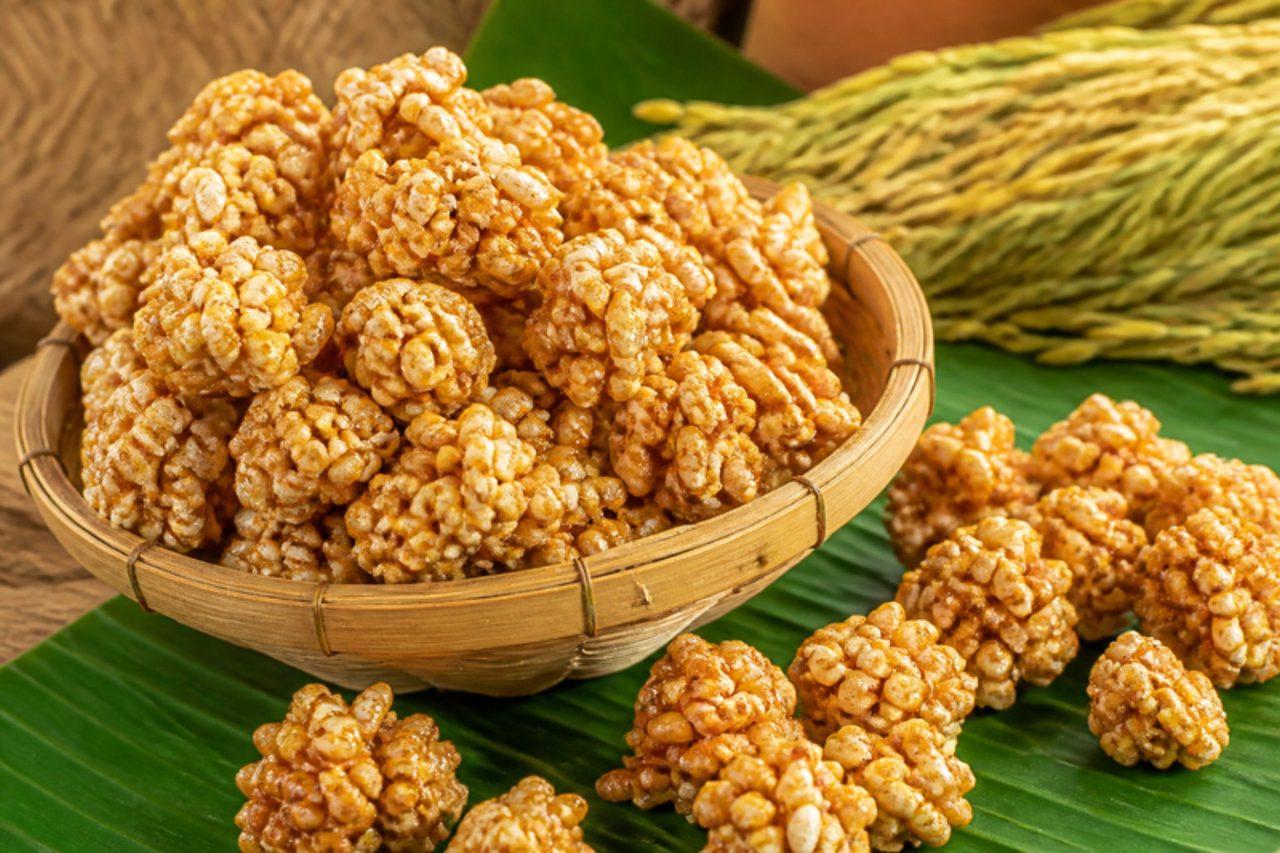
MurkiPuffed rice in jaggery

Nabanna, the 'new rice' festival of late autumn in Bangladesh and West Bengal, celebrates the first harvest of aman paddy, and the season's first date-palm jaggery arrives just in time. Murki is the treat every village makes for it: crisp puffed rice tossed in a pan of thick, boiling khejur gur until each grain is coated in a thin, crackly glaze, with a hint of dry ginger. It is offered to guests on Nabanna and on Bijoya and Lakshmi Puja, and children eat it by the handful. The common mistake is undercooking the syrup, which leaves the murki chewy and clumped; overcook it and it tastes burnt. The syrup is ready when large, slow bubbles cover the surface and a drop in cold water sets into a ball you can roll. Chef's tip: toss with two spatulas, lifting from the bottom, and keep going until the grains separate and stop sticking.

by KrazyBadal 0 views

SaruchakliThin rice and urad dal crêpes

In Bengal, Poush Sankranti in mid-January is pithe-puli day, when the new rice and the first nolen gur (date-palm jaggery) of winter turn into a table of pithas, and saruchakli is the plain, savoury-leaning one that starts the meal. A thin batter of soaked rice and urad dal is spread on a hot pan to make delicate, lacy crêpes with crisp edges and a soft centre, eaten rolled with nolen gur or with a light potato curry. Common mistake: a batter that is too thick; it should pour like single cream so it spreads thin, and the crêpe is ready when the edges lift and turn golden and the top looks dry. Chef's tip: brush the pan with a cut half potato dipped in oil between each saruchakli; it greases evenly and stops sticking.

by KrazyBadal 0 views

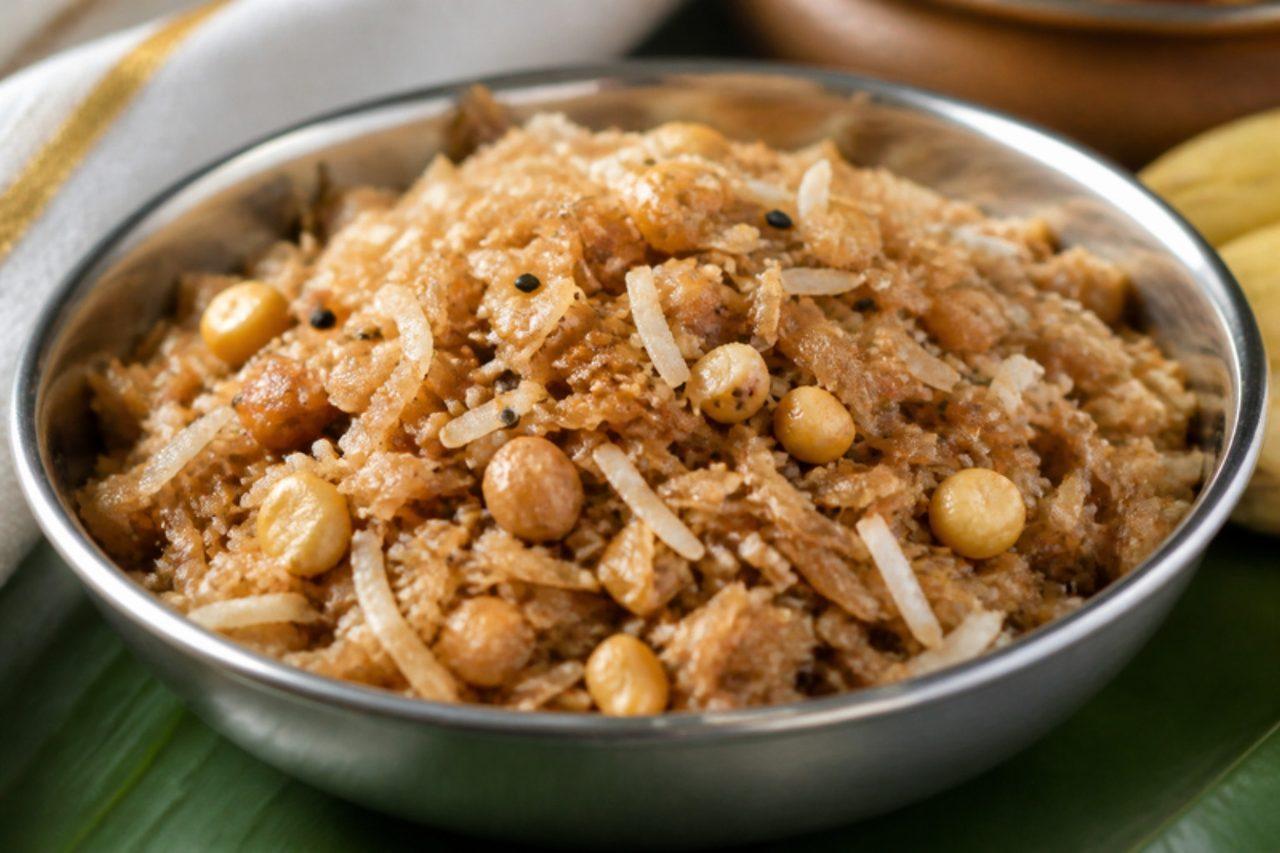
UkkaraiSteamed dal and jaggery sweet

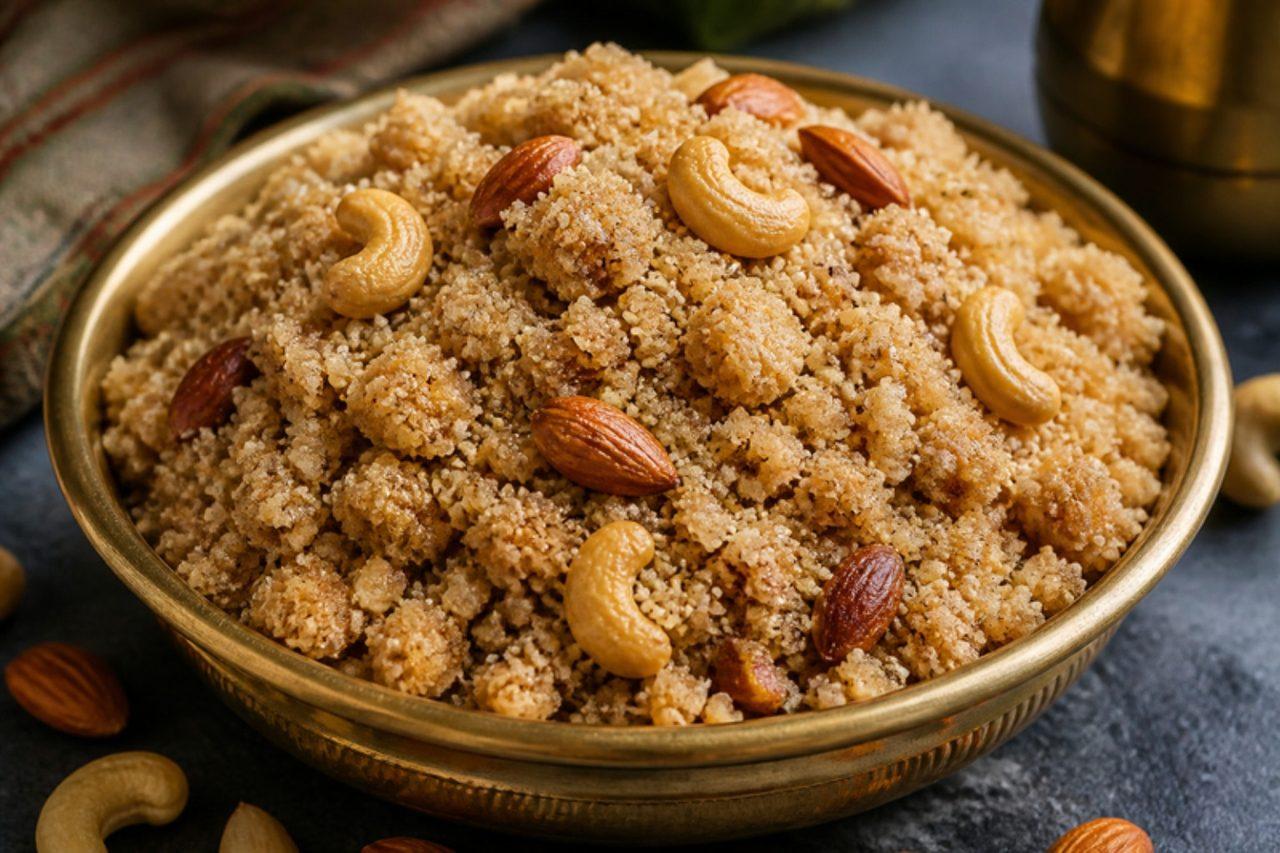
Ukkarai is the Chettinad Deepavali sweet that sits on the tray beside adhirasam: moong and chana dal are soaked, ground coarse, steamed like an idli, crumbled and fried in ghee, then tossed in jaggery syrup with coconut and cashews. The result is loose, granular and fudgy at once, tasting of roasted lentils, ghee and molasses. It is eaten warm with a spoon or pressed into small lumps. The common mistake is grinding the dal to a fine paste, which turns it into a gummy cake rather than crumbs; keep it as coarse as rava. Chef's tip: crumble the steamed dal while it is still warm and rub it through your fingers; cold dal sets hard and won't separate.

by KrazyBadal 0 views

SunnundaluRoasted urad dal laddus

Sunnundalu are the protein-rich laddus of Andhra Pradesh, made in every Telugu home for Sankranti and Diwali and given to new mothers and growing children for strength. Whole skinned urad dal is dry-roasted until it smells nutty, ground fine with jaggery, and bound with warm ghee into balls that are sandy at first bite and then melt. They are a tea-time sweet that keeps for weeks. The common mistake is under-roasting the dal; raw urad tastes beany and sticks to the teeth, so roast until golden right through. Chef's tip: shape the laddus while the ghee is still warm, pressing firmly; once the mix cools it will not hold together.

by KrazyBadal 0 views

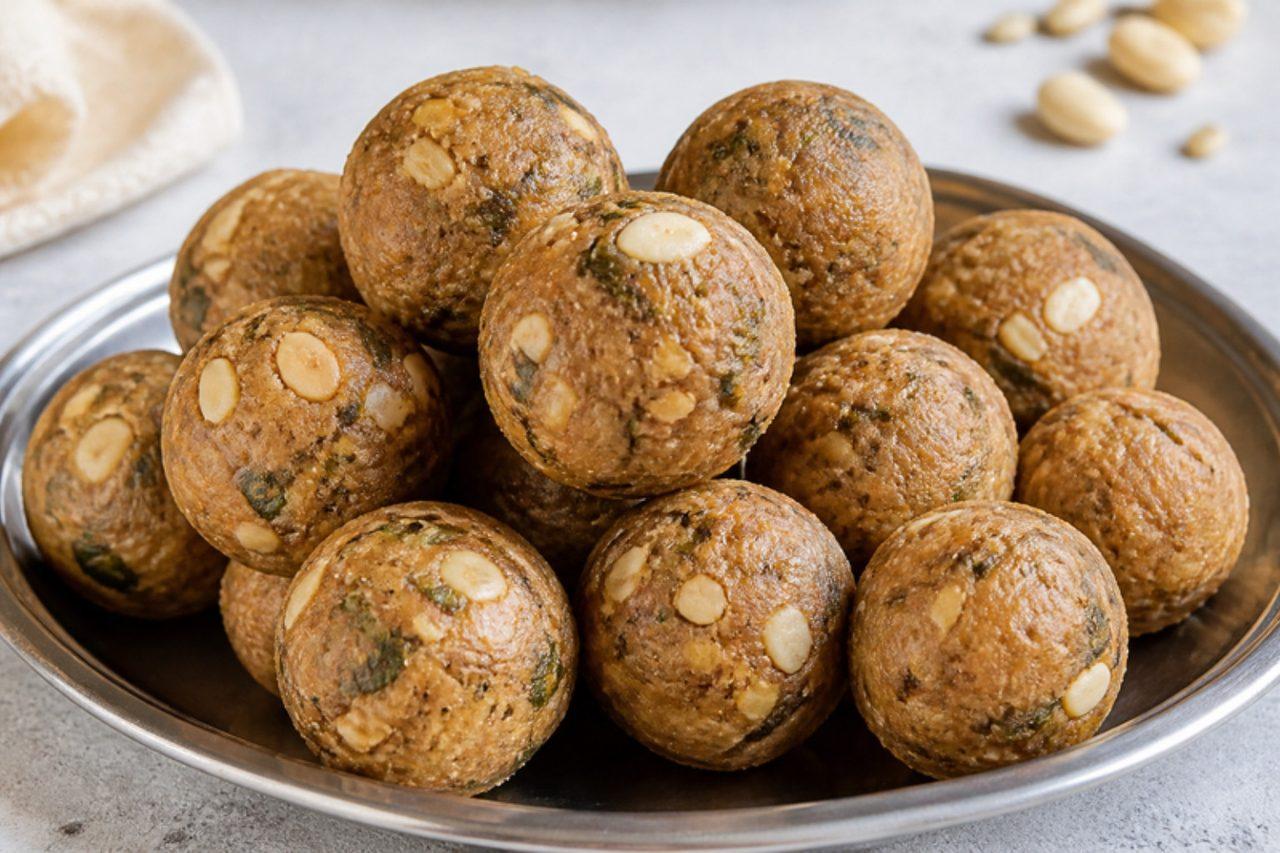
Methi laddooFenugreek and jaggery laddoos

Every Punjabi winter, mothers and grandmothers roast a big batch of methi laddoos and hand out one a day with morning tea or warm milk, for strength and to keep the cold out of the joints. Fenugreek gives a gentle bitterness that the jaggery, ghee and roasted wheat balance into something nutty and warming, with crunch from puffed gond and almonds. The mistake people make is roasting the atta on high heat: it browns outside, stays raw inside and the laddoos taste floury. Keep it low and patient until it smells of biscuits. Chef's tip: soak the fenugreek powder in milk overnight; it softens the bitterness so even children will eat them.

by KrazyBadal 0 views

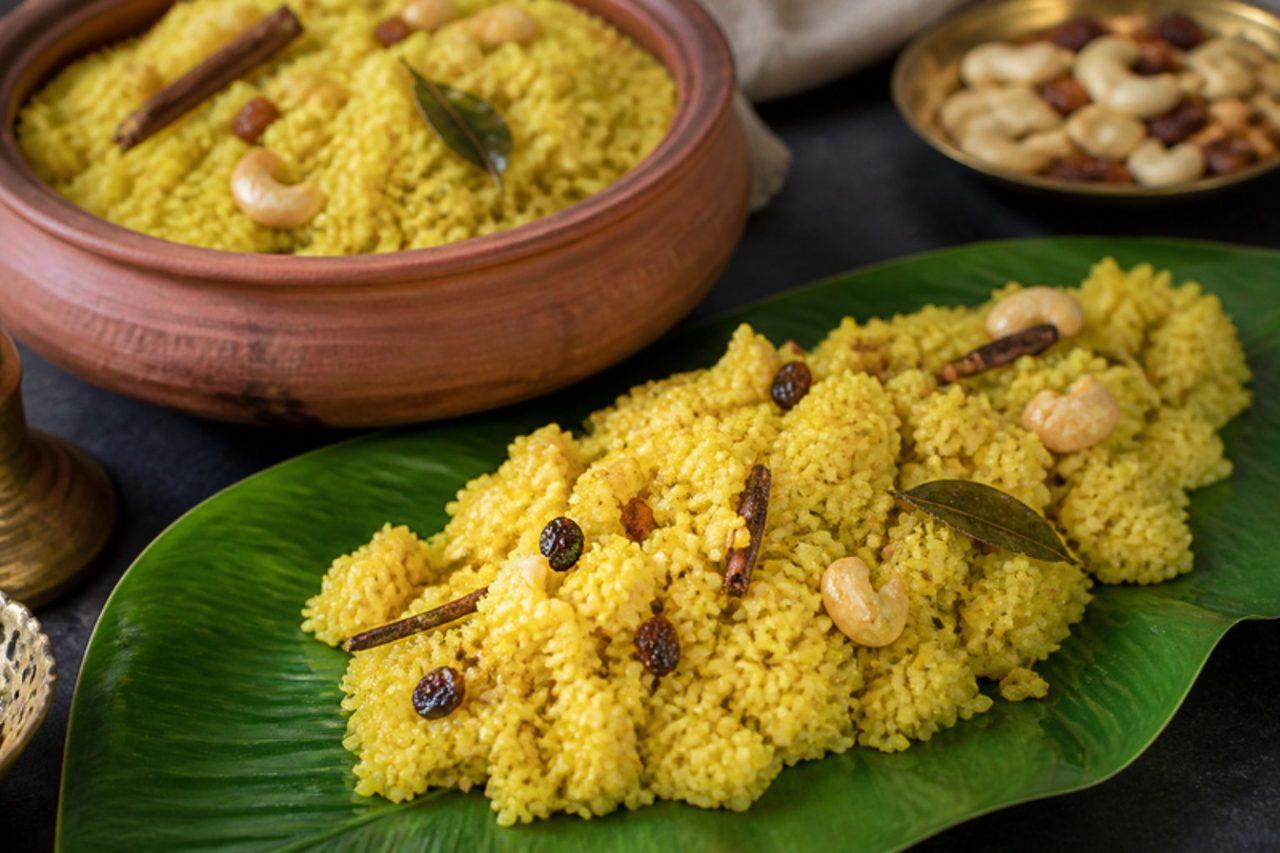
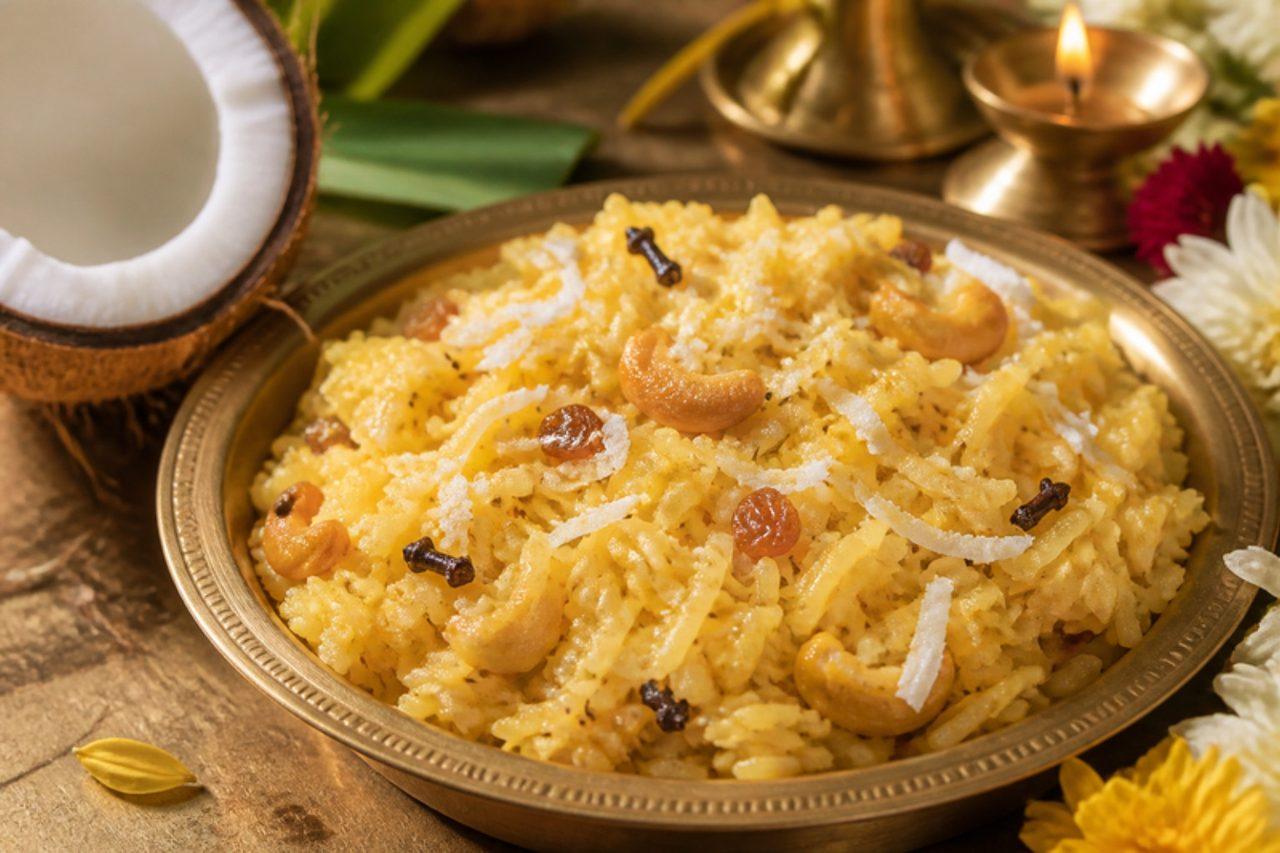
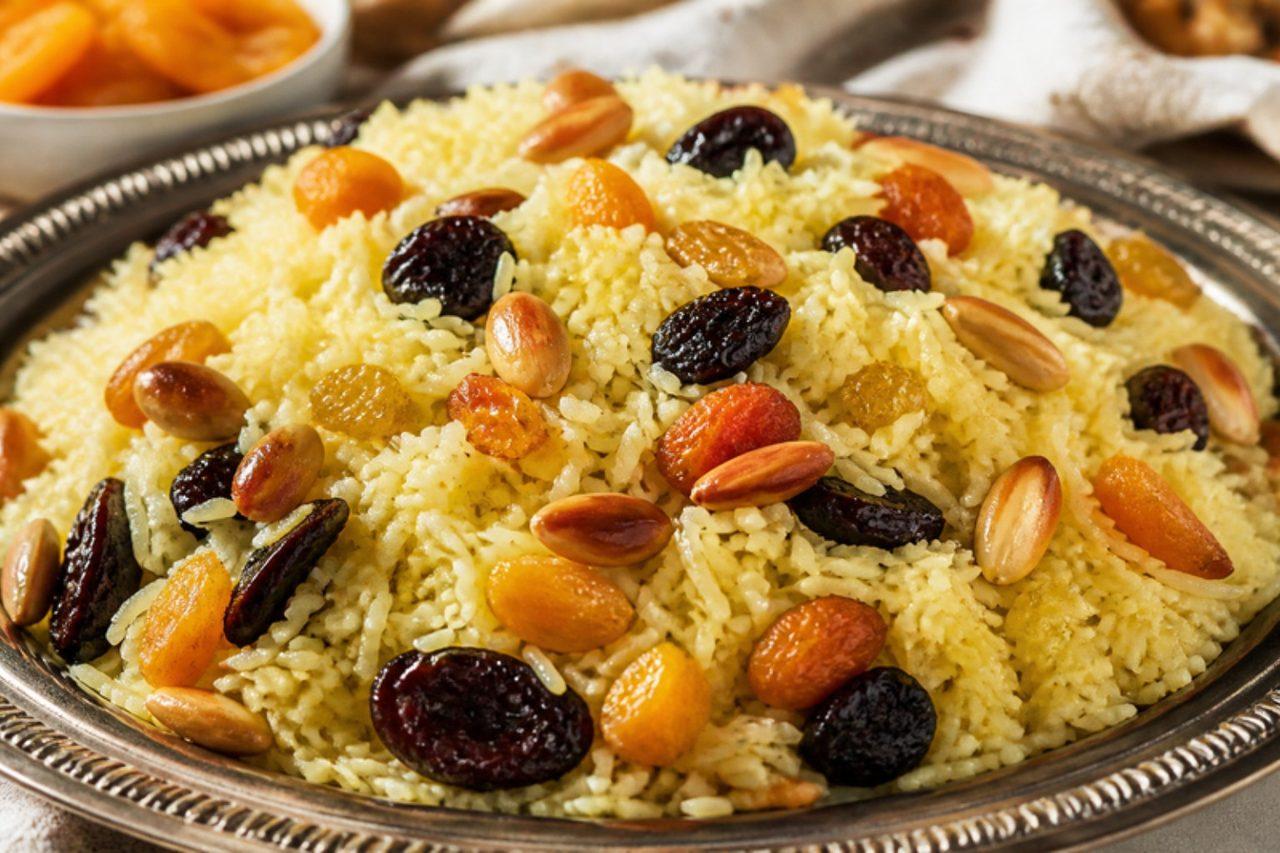
KanikaSweet ghee rice

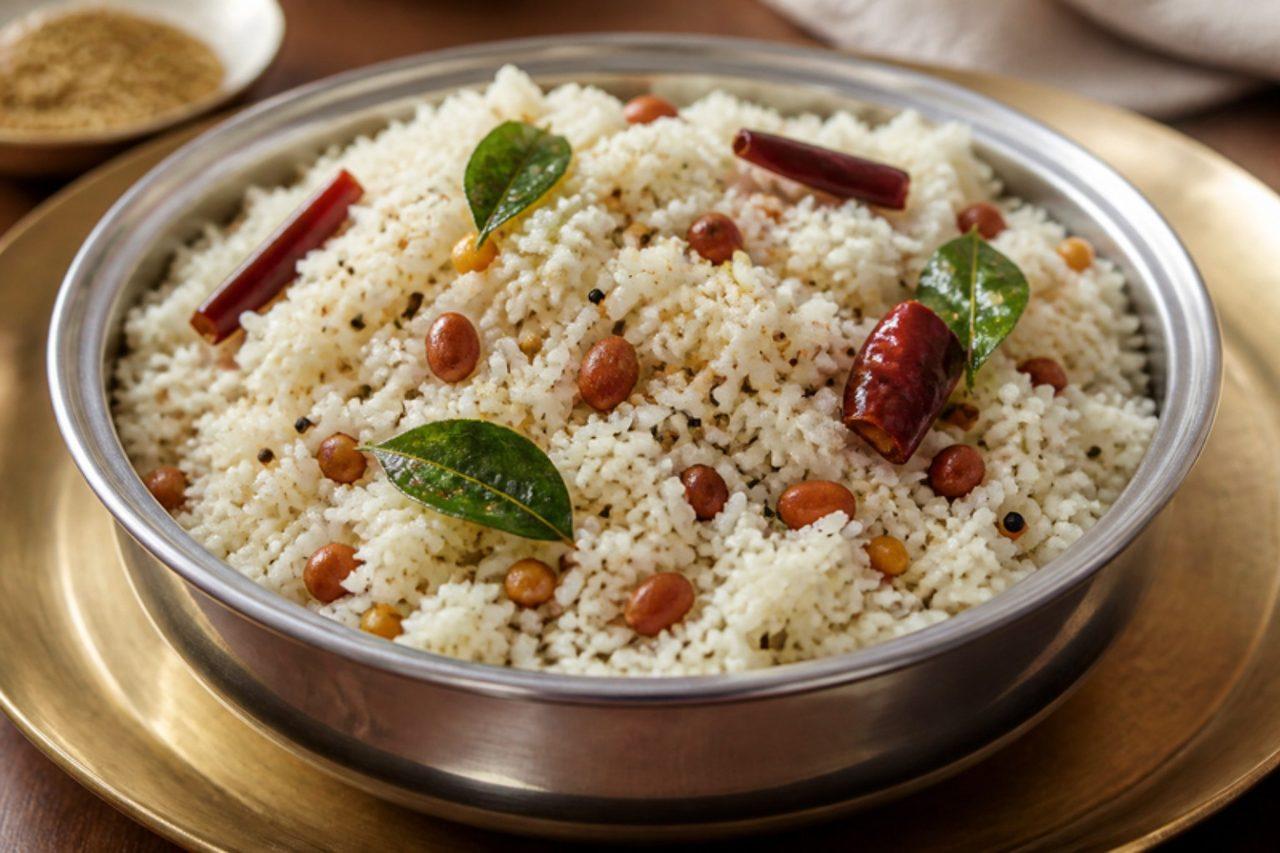
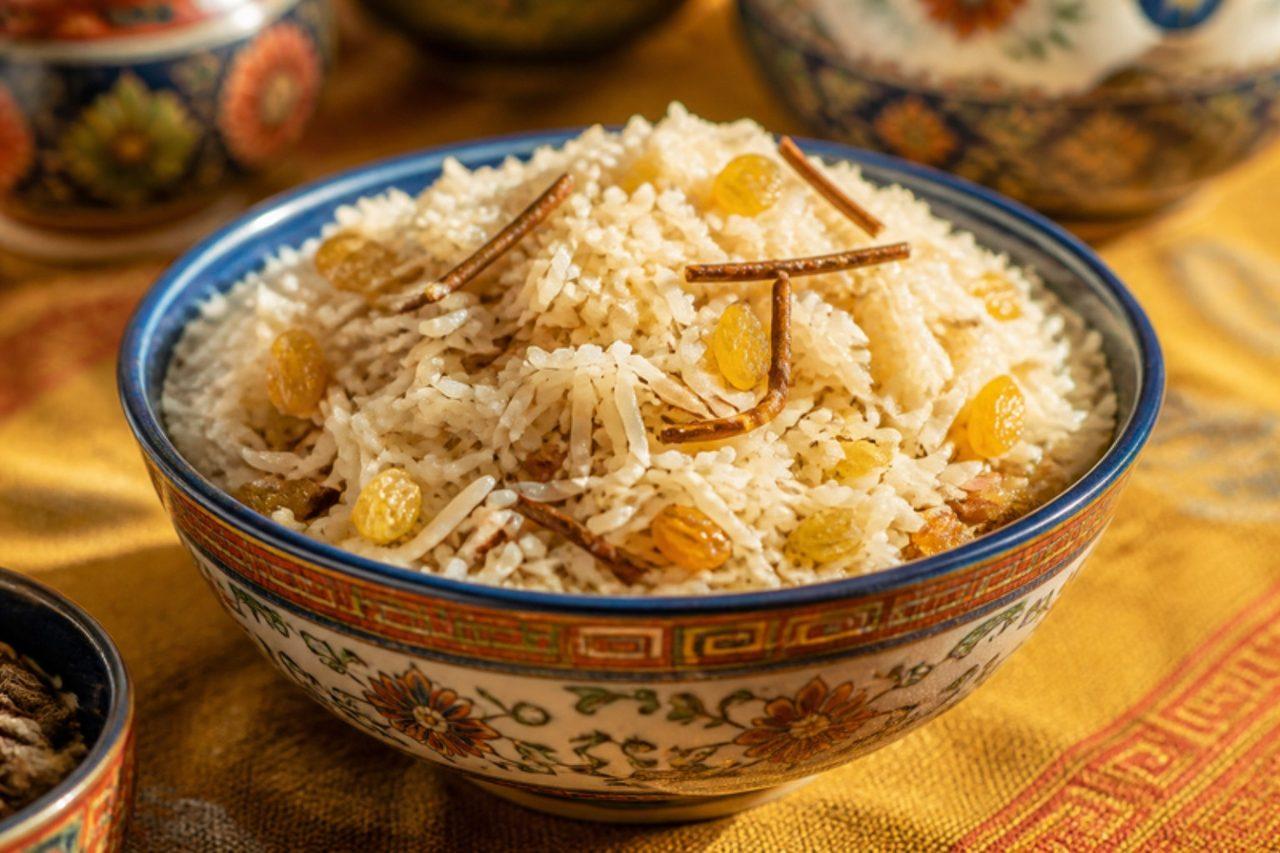
Kanika is one of the dishes of the Jagannath temple's mahaprasad in Puri, cooked in clay pots over wood fires and sold at the Ananda Bazaar to pilgrims, and Odia homes make it for Rath Yatra, when the deities ride their chariots through the town. It is a fragrant, glossy rice sweetened with sugar and perfumed with cinnamon, bay leaf and cloves in plenty of ghee, studded with fried cashews and raisins. It sits halfway between a pulao and a dessert and is eaten with dalma or a temple-style mahura. Common mistake: adding the sugar at the start, which hardens the grains; cook the rice almost through first, then add the sugar, and it is done when the syrup is absorbed and the ghee shines on the surface. Chef's tip: use a short-grain aromatic rice such as gobindobhog or the Odia arua rice for the true temple texture; basmati works but gives separate, longer grains.

by KrazyBadal 0 views

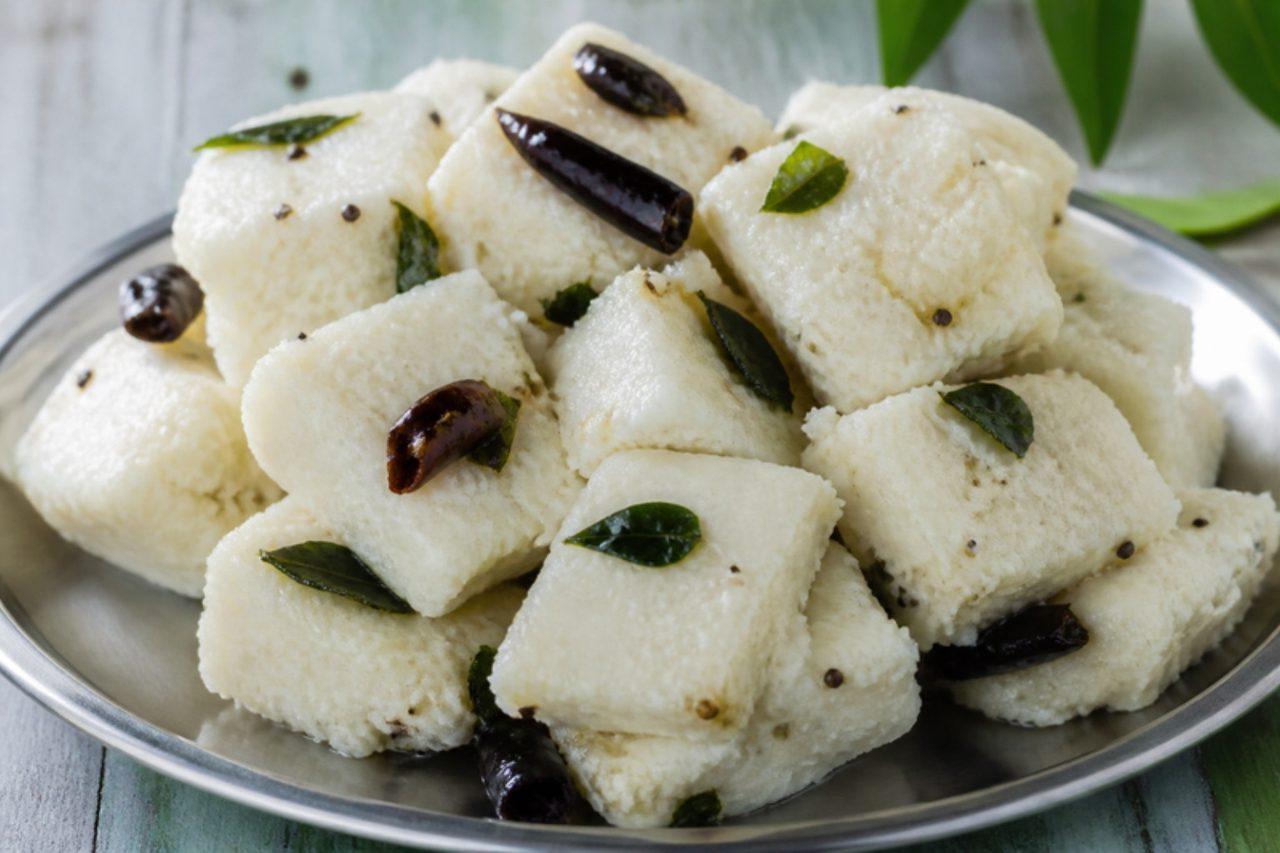
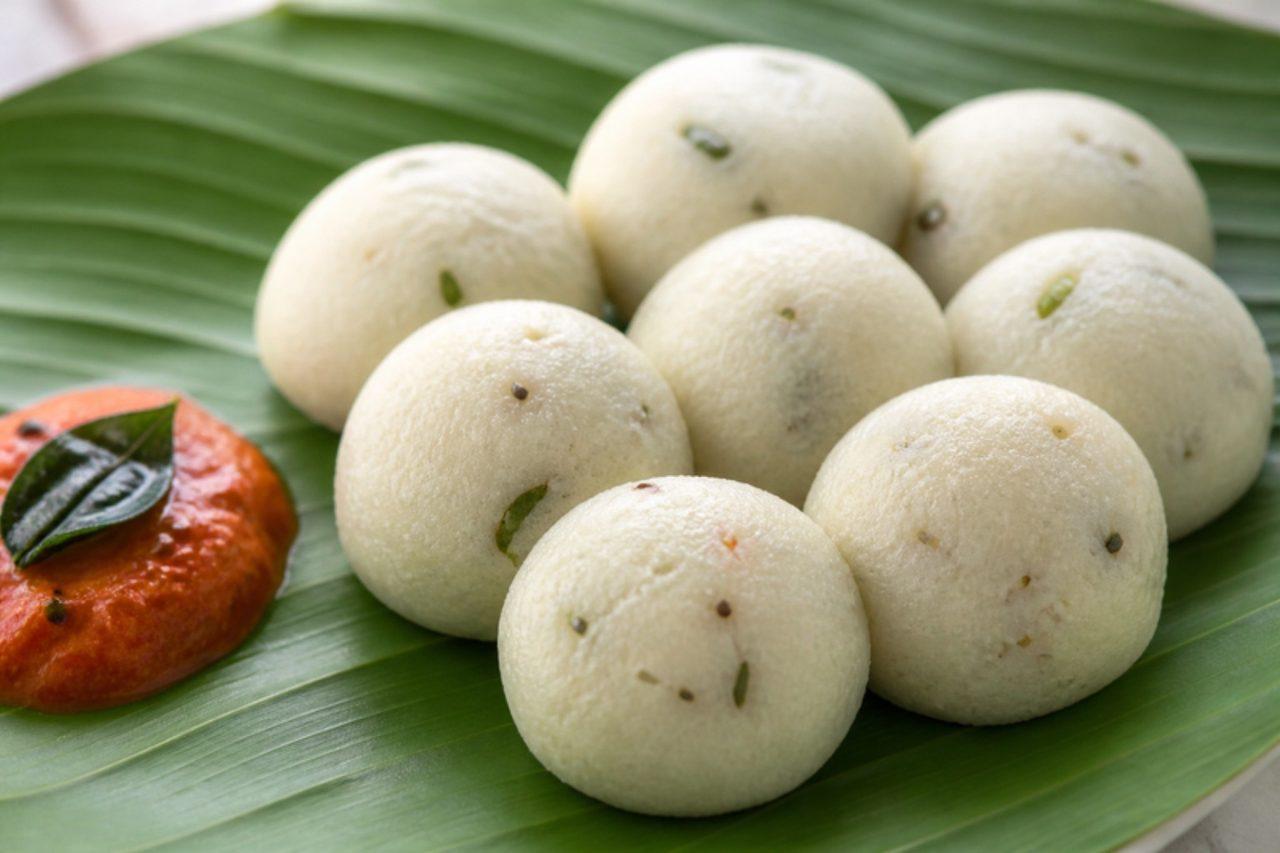
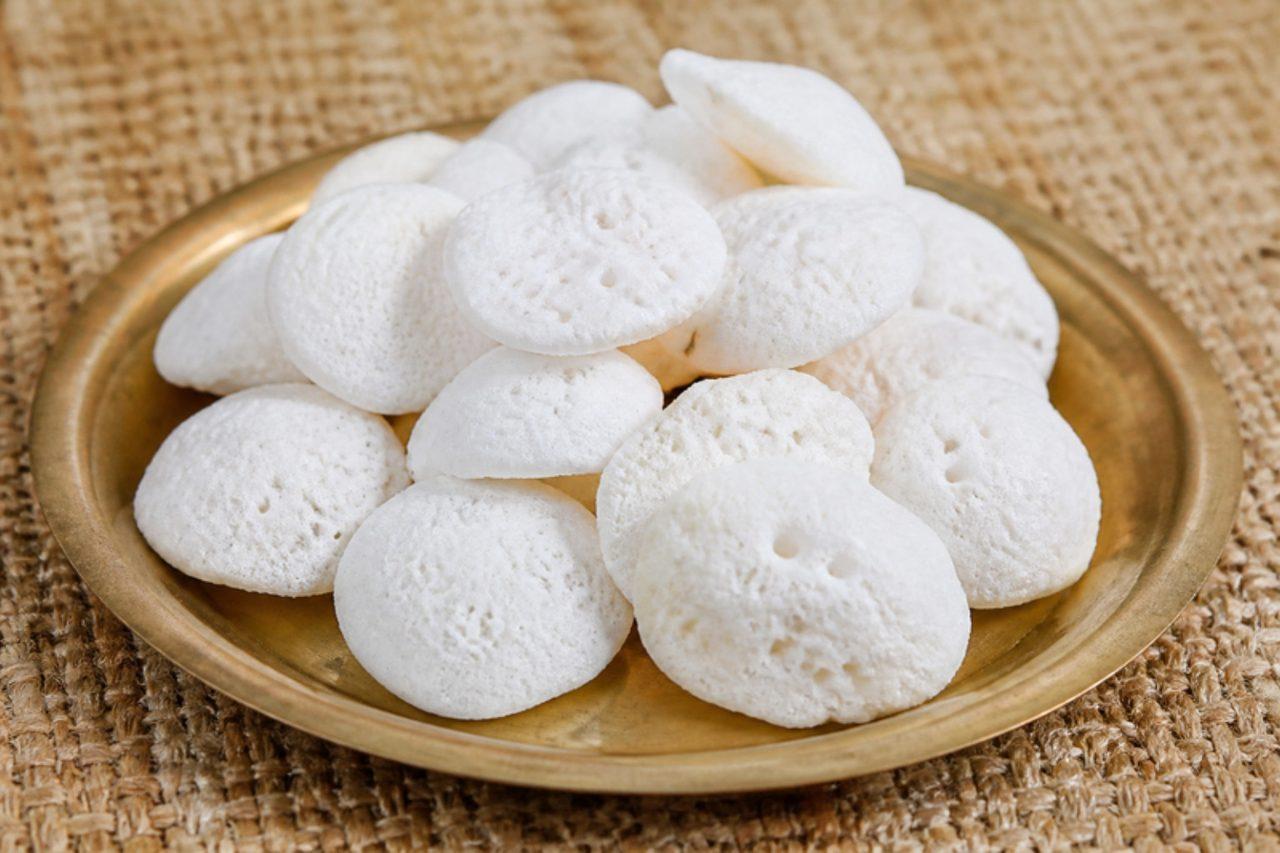
Thatte idliLarge flat plate idli

Thatte idli comes from Bidadi, on the old highway from Bengaluru to Mysuru, where roadside hotels steam plate-sized idlis on round thatte trays from dawn for travellers' breakfast. Poha in the batter makes them soft and spongy, and they are served with a knob of butter melting on top, coconut chutney and a thin sambar or podi. A common mistake is a stiff batter: thatte idlis need a looser, pourable batter than ordinary idli or they turn dense in the wide plate. Chef's tip: grind the urad dal with ice-cold water until it is light and almost doubled; that air carries the whole idli.

by KrazyBadal 0 views

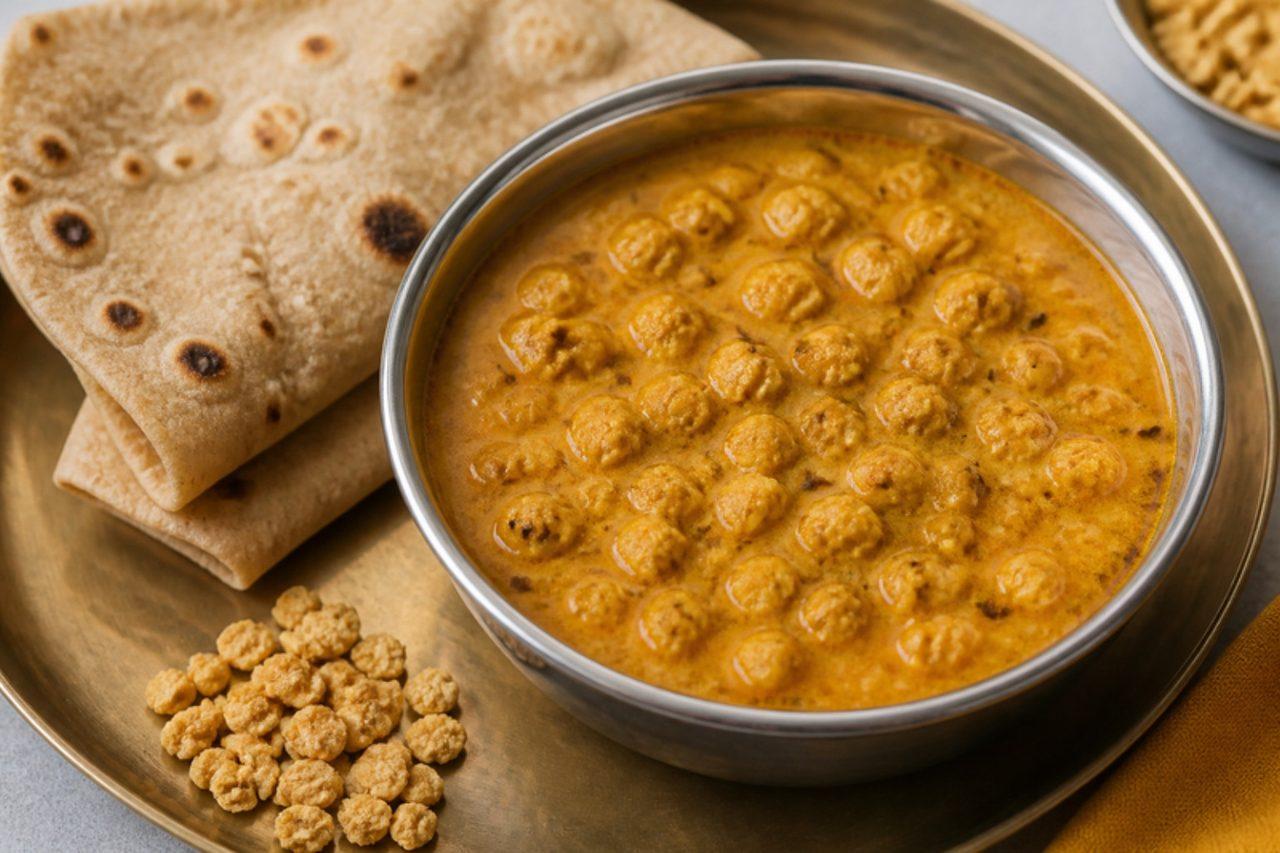
Mangodi ki sabziMoong dal nuggets in yogurt gravy

Mangodi are little sun-dried nuggets of ground moong dal that Rajasthani women make in summer and store for months; during Paryushan, when Marwari Jain homes give up green vegetables, they become the sabzi itself. Here they are fried golden, then simmered in a spiced yoghurt gravy with no onion, garlic, fresh ginger or tomato, so the dish is fully Jain. The nuggets soak up the tangy gravy and turn soft but still a little chewy; serve with phulka or bajra roti. Use freshly set curd, as many Jains avoid curd kept overnight. Common mistake: pouring yoghurt straight into a hot pan, which makes it split into grainy curds; whisk it with gram flour first and keep stirring until it comes to the boil. Chef's tip: fry the mangodi until deep golden; pale ones stay hard in the middle however long they simmer.

by KrazyBadal 0 views

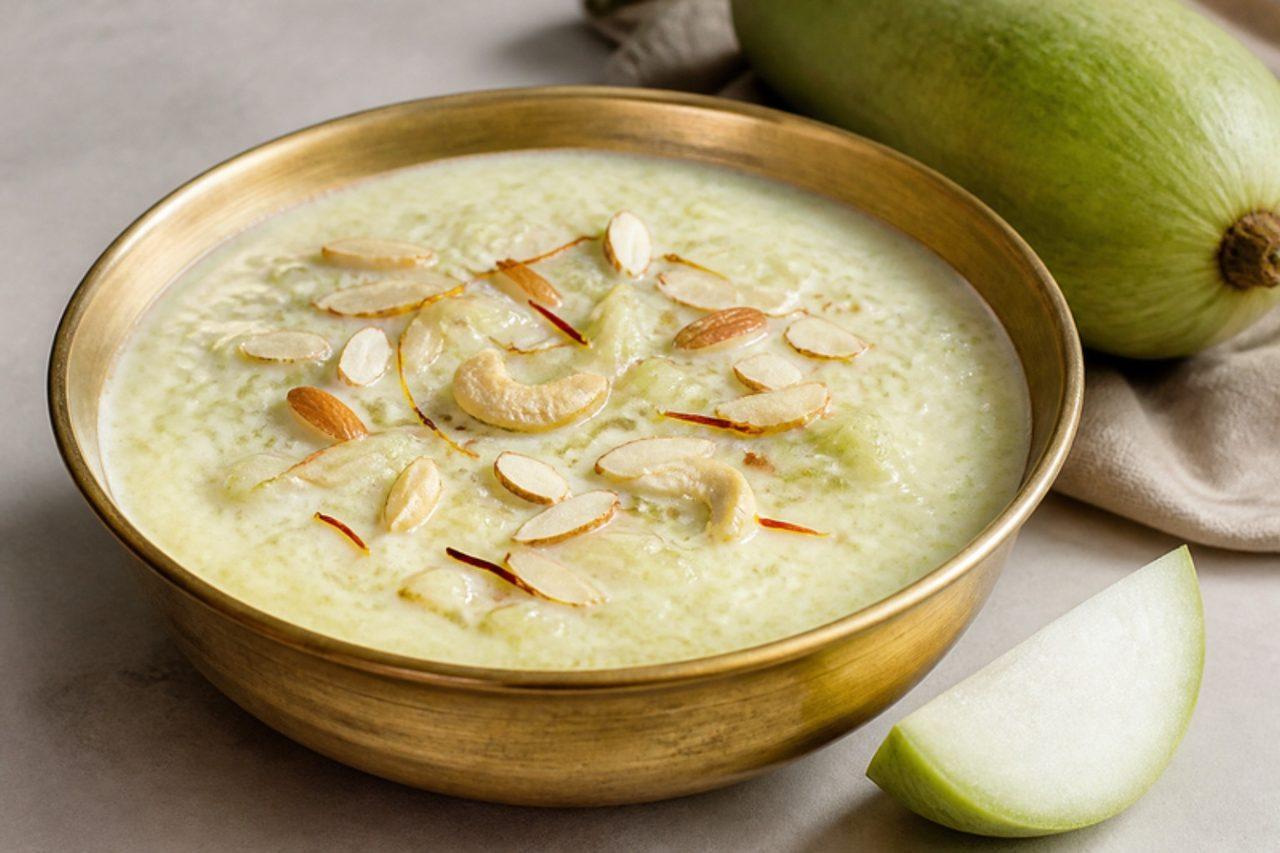
Lauki ki kheerBottle gourd milk pudding

Lauki ki kheer is the light pudding many North Indian families make on Mahashivratri, Navratri and Ekadashi, when rice is off the menu: grated bottle gourd stands in for the grain, softens in ghee and then simmers in milk until it turns pale, creamy and almost translucent. It tastes delicate and milky, with cardamom and a crunch of nuts, and is eaten warm after the evening puja or chilled the next day. Taste a sliver of the raw gourd first; a bitter one can make you ill and must be thrown away. Common mistake: adding the sugar too early, which stops the gourd softening and can make the milk split; add it only once the milk has reduced by about a third and the lauki is tender. Chef's tip: squeeze the grated lauki lightly before cooking, but keep the juice and add it to the milk, so none of the flavour is lost.

by KrazyBadal 0 views

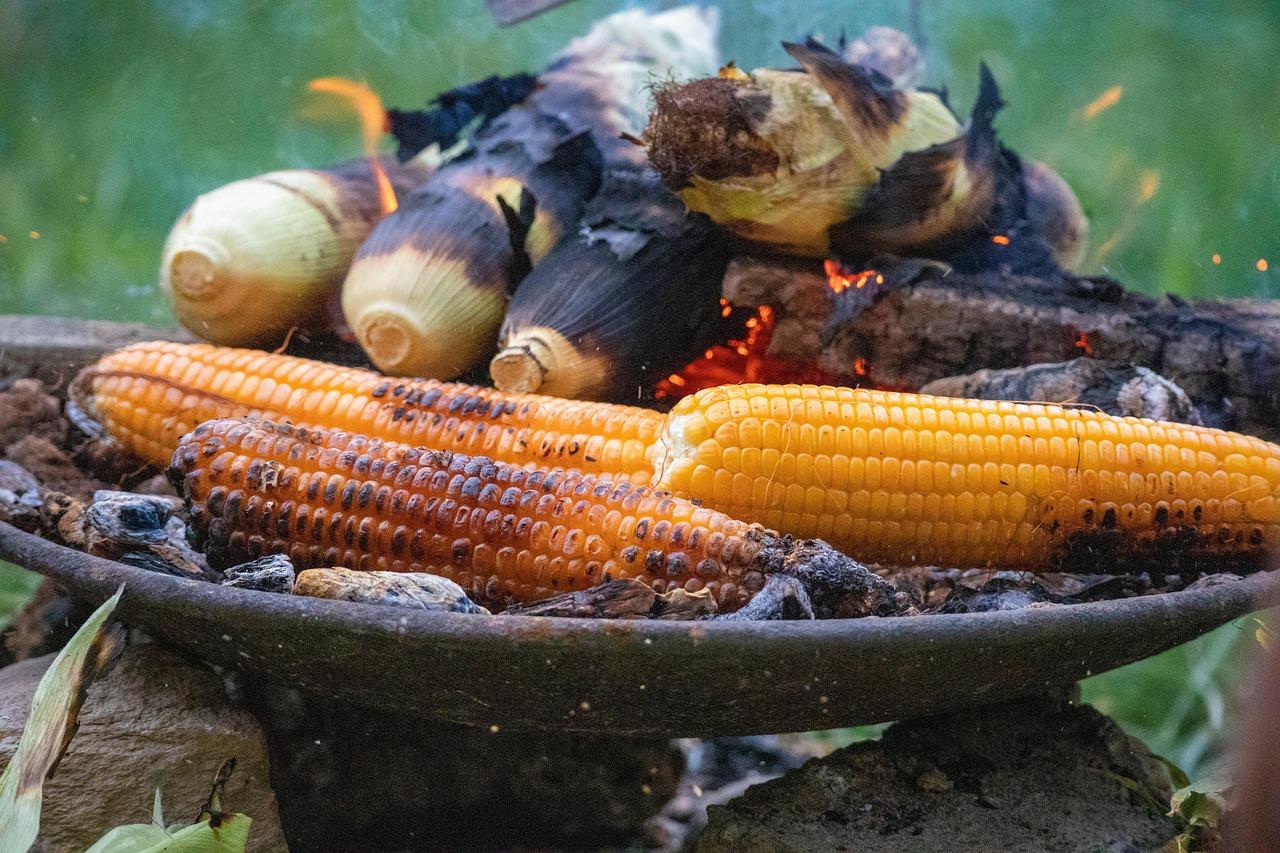
Bhuni chhalliRoasted corn on the cob

When the first rains cool Punjab in July, the smell of chhalli roasting over coal braziers drifts across every busy road, and the vendor fans the embers with a straw mat until the kernels pop and blacken. The cob is then rubbed with half a lemon dipped in salt and red chilli, so you get smoke, sour, salt and heat in one bite. Desi field corn is chewy and starchy rather than sweet, which is exactly why it chars so well. The common mistake is roasting on a low flame, which steams the kernels soft without colour; you want high, direct heat and constant turning. Chef's tip: keep a few husks on as a handle and dip the lemon in the masala fresh for every cob.

by KrazyBadal 0 views

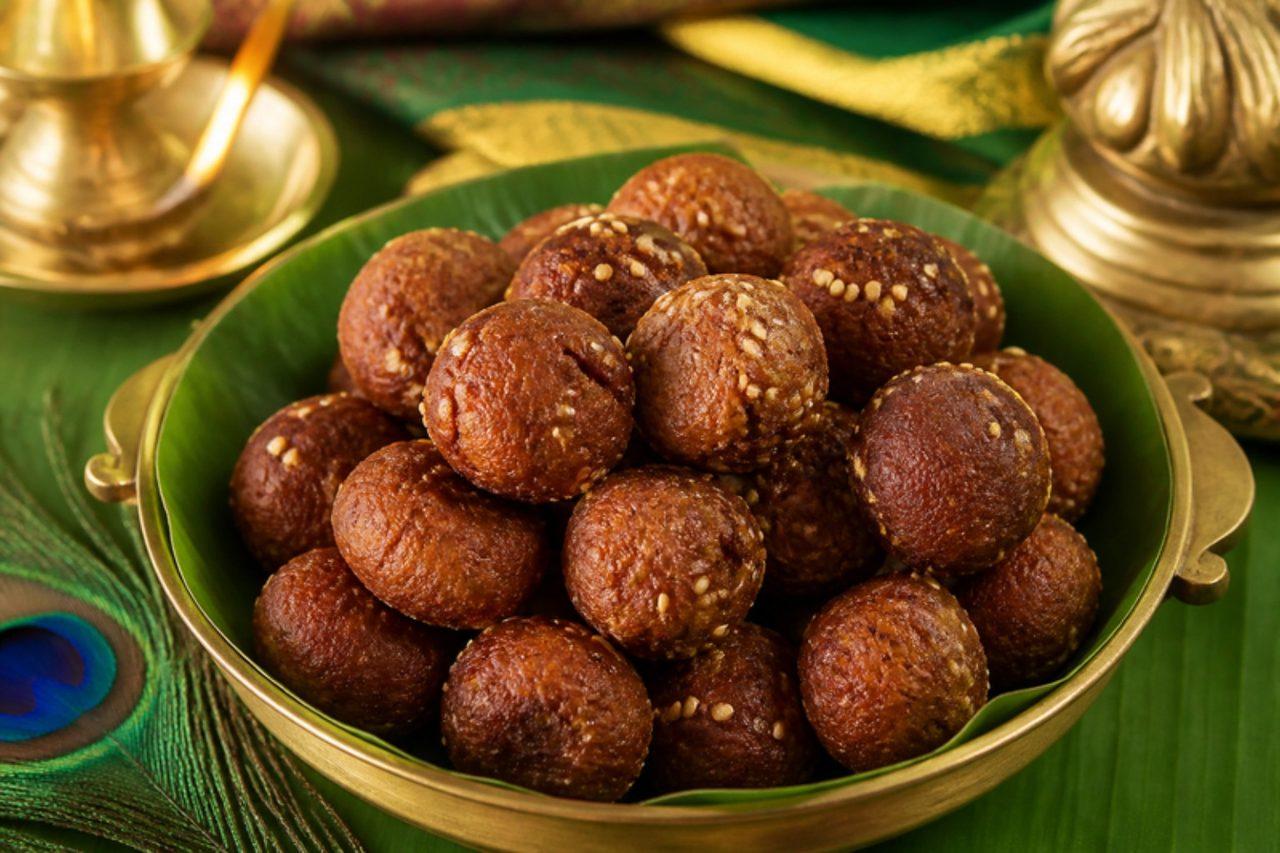
Vella seedaiJaggery-glazed rice flour balls

Next to the salty seedai on the Gokulashtami tray in Tamil Nadu sit vella seedai, the sweet twin: rice and urad flour kneaded with jaggery syrup, sesame and cardamom, rolled into slightly larger balls and fried to a deep brown crunch. They are offered to Krishna with butter, aval and fruit, then shared with neighbours. Common mistake: using hot syrup, which cooks the flour into a sticky mass and makes the balls burst; the syrup should be strained, cooled to warm and only cooked to a thin, sticky stage, not to a string. They are fried when the oil goes quiet and they turn deep golden-brown. Chef's tip: let the dough rest covered for 30 minutes before rolling; it firms up and the balls hold their shape.

by KrazyBadal 0 views

Ulundu kozhukattaiUrad dal-filled rice dumplings

On Vinayaka Chaturthi, Tamil kitchens make two kinds of kozhukattai side by side: sweet ones with coconut and jaggery, and these savoury ulundu kozhukattai, filled with a crumbly, peppery urad dal 'usili'. The thin rice-flour shell turns translucent when steamed, and the filling is soft, savoury and fragrant with curry leaves. The mistake is a wet filling: if the ground dal isn't steamed and then crumbled dry in the pan, it leaks and the shells split. Chef's tip: make the shells as thin as you can while still holding the filling; thick shells taste stodgy.

by KrazyBadal 0 views

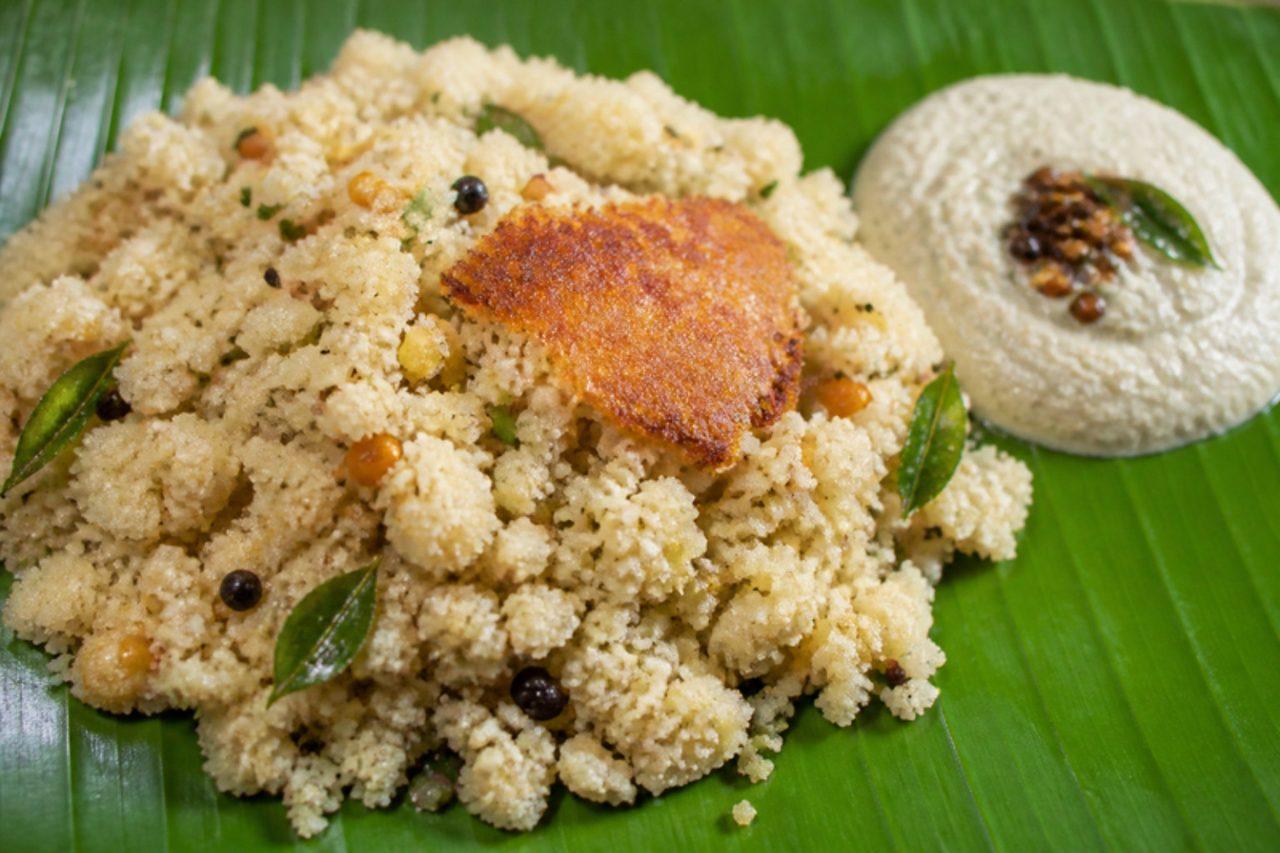
Arisi upmaBroken rice and dal upma

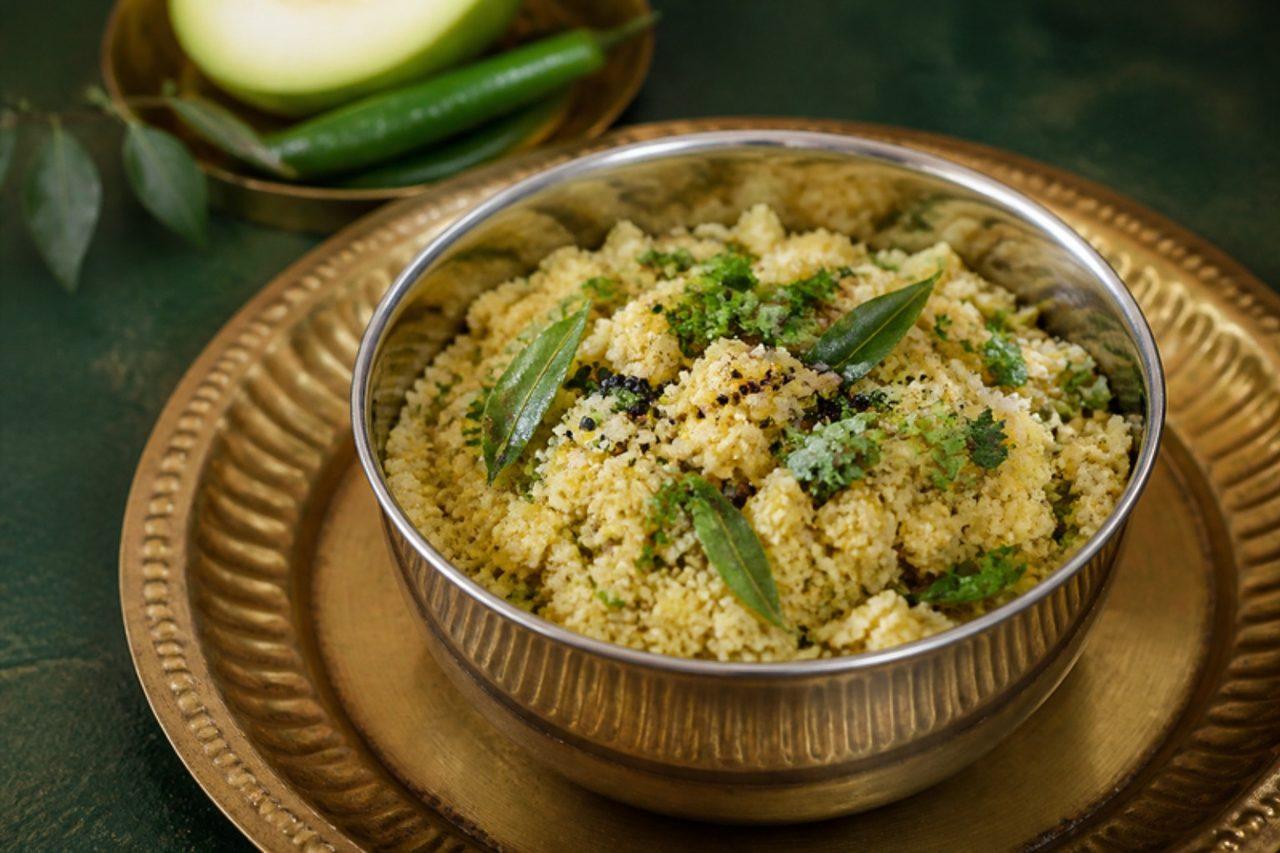
Arisi upma is the old Tamil country breakfast and evening dinner, especially in Tirunelveli and Madurai homes, made from rice and toor dal coarsely broken at home and cooked in a heavy pot. The best part is the 'kaanthal', the crisp golden crust that forms on the bottom, which families fight over. The mistake is too much water, which gives a sticky porridge; use about two and a half times the volume of the broken rice. Chef's tip: once cooked, leave it on the lowest heat with a lid for ten minutes, undisturbed, to build that crust.

by KrazyBadal 0 views

Shakkariya nu shaakSweet potato with peanuts

Gujarati families keeping the Mahashivratri upvas often fill the thali with shakkariya nu shaak, a quick dry curry of sweet potato cubes tempered with cumin and green chilli, finished with crushed roasted peanuts, a little sugar and a squeeze of lemon. It is sweet, tangy and gently hot, and is eaten with rajgira puri, sabudana khichdi or a bowl of farali kadhi. Only rock salt and green chilli are used here; many households avoid turmeric and red chilli powder on fasting days, and some do not eat cumin either, so adjust to your own family's custom. Common mistake: stirring too hard once the cubes soften, which turns the shaak into mash; turn gently, and stop cooking when a cube gives way when pressed but still holds its shape. Chef's tip: soak the cubes in water while you prepare the rest; it rinses off surface starch so they brown instead of sticking.

by KrazyBadal 0 views

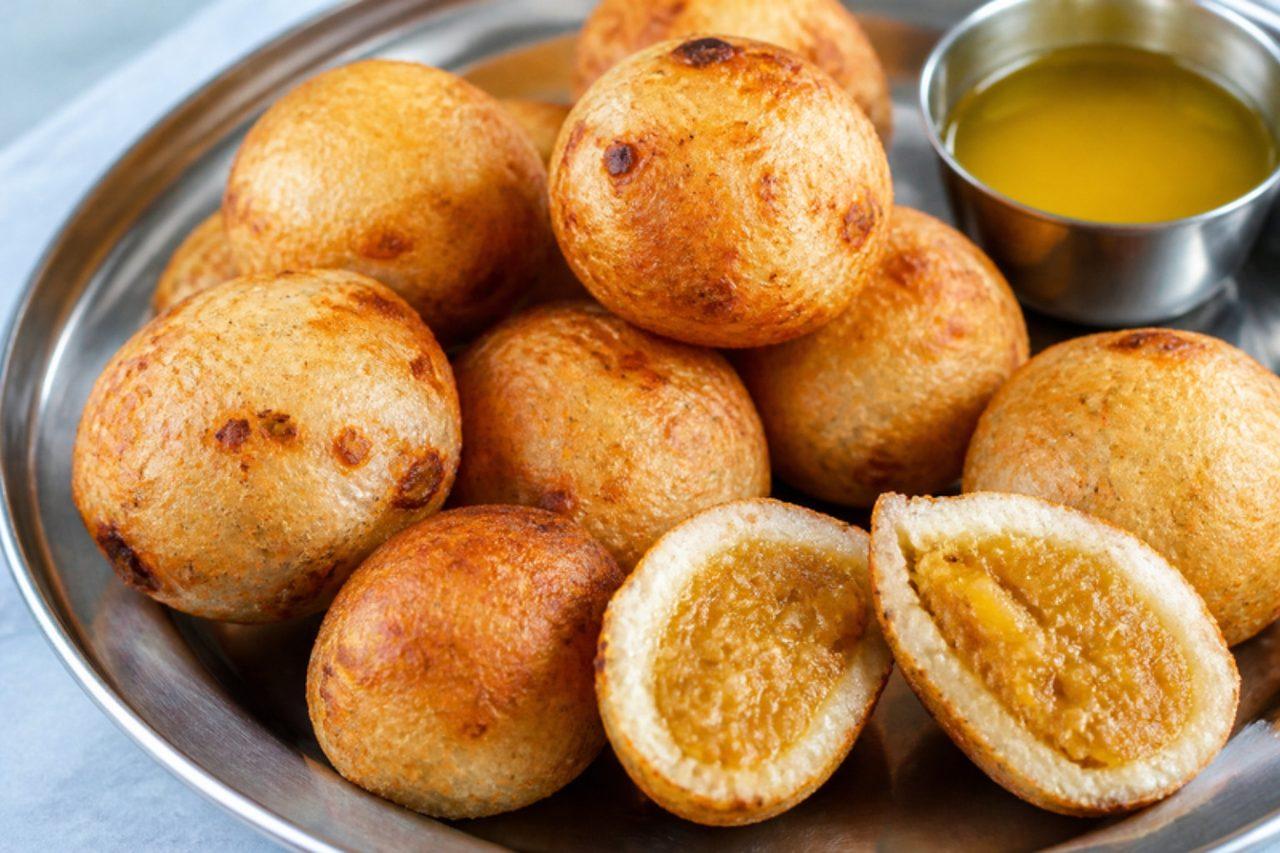
BooreluChana dal and jaggery dumplings

Boorelu, also called poornalu, are the sweet that Telugu homes fry for Sankranti, Varalakshmi Vratam and weddings, and that a bride's family traditionally sends to her in-laws by the basketful. A soft ball of cooked chana dal, jaggery, coconut and cardamom is dipped in a thick batter of urad dal and rice and fried until the shell is crisp and blistered while the filling stays fudgy. They are eaten warm, split open with a spoon of ghee for those who take dairy. The usual mistake is a filling that is too wet: it bursts through the batter in the oil and splatters, so cook the dal and jaggery until it holds a firm ball. Chef's tip: grind the batter thick like idli batter and add salt; the slight saltiness of the shell is what makes the sweet filling sing.

by KrazyBadal 0 views

Bellam gavvaluShell-shaped dough in jaggery syrup

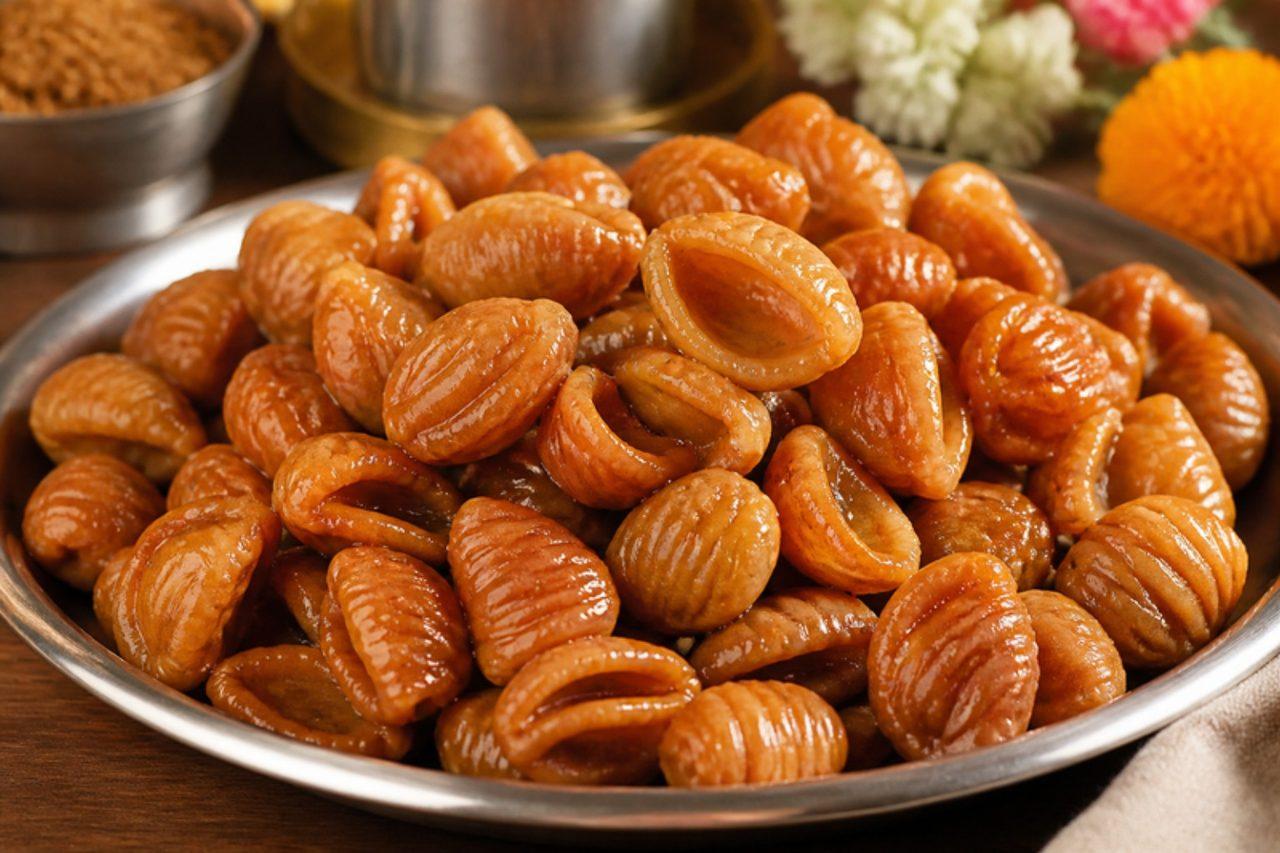
In Andhra Pradesh and Telangana, Sankranti is a three-day harvest festival of muggulu (rangoli) in front of every door, haridasu singers in the lanes and tins of fried sweets, and gavvalu are among the first to be made. Small pieces of dough are rolled over a ridged gavvala board or the back of a fork so they curl into little shells (gavvalu means cowrie shells), fried crisp, then tossed in jaggery syrup until each one is glazed with a dry, sugary crust. Common mistake: syrup that is not cooked far enough; it must reach the hard-ball stage, when a drop in water rolls into a firm ball, or the shells turn sticky instead of crisp-coated. Chef's tip: keep tossing after adding the shells until the syrup turns opaque and dry; that is the moment to tip them out.

by KrazyBadal 0 views

Mochar chopBanana flower croquettes

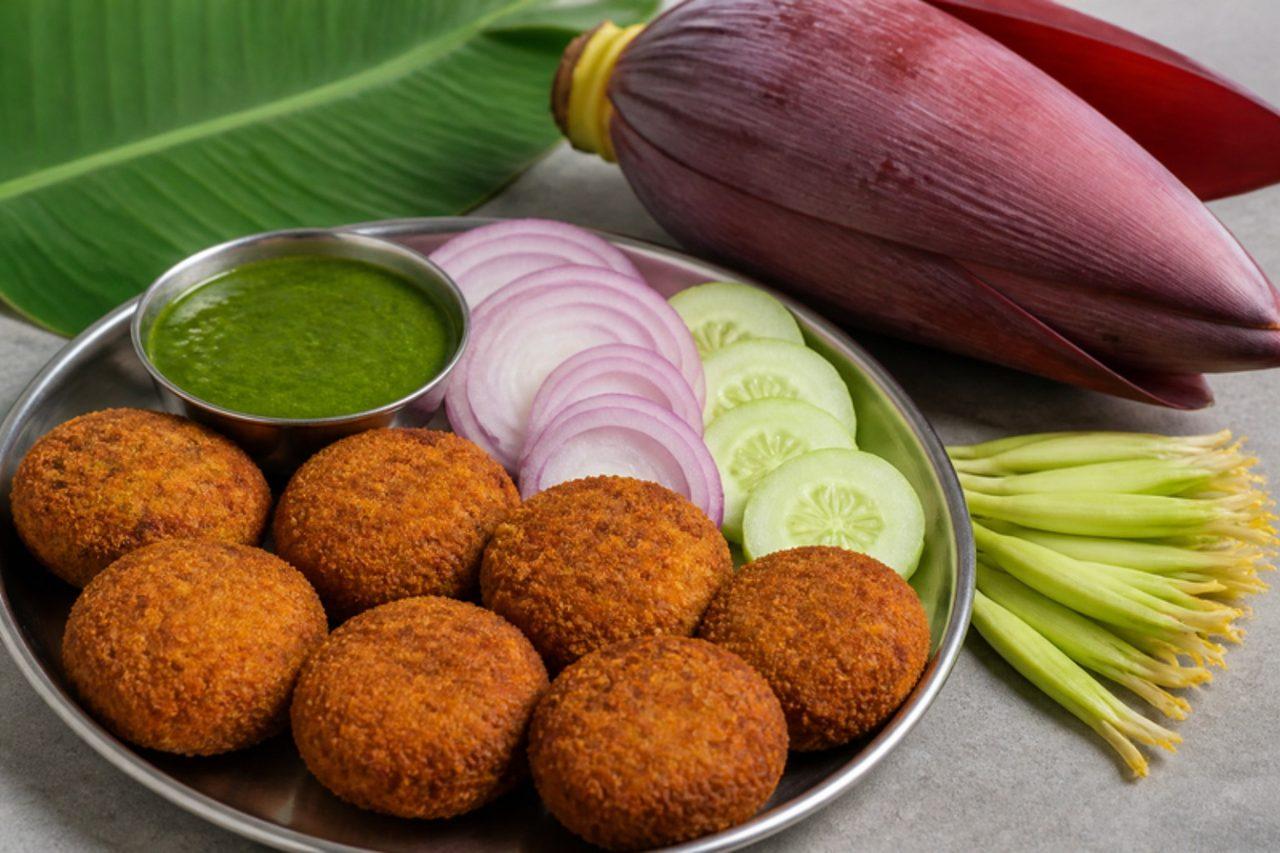
Mochar chop is the more patient cousin of the vegetable chop: croquettes of finely chopped banana flower cooked with potato, coconut and Bengali spices, crumbed and fried. Bengali families make them at home for Durga Puja evenings and Bijoya visits, when a plate of chops goes round with tea, and the best telebhaja shops in north Kolkata sell them through the festival. The filling is earthy, slightly sweet and nutty, under a very crisp crust. Common mistake: not removing the hard stamen and the papery hood from each floret, which stay tough and bitter however long you cook them. Chef's tip: oil your hands and drop the chopped flower straight into water with turmeric and a little salt; it stops the florets turning black and keeps your hands from staining.

by KrazyBadal 0 views

HaalbaiRice, coconut and jaggery fudge

Haalbai is a home sweet of Malnad and coastal Karnataka, from Shivamogga to Udupi, made for festivals like Ganesha Chaturthi and Deepavali or simply when there's fresh coconut in the house. Soaked rice is ground with coconut, then cooked with jaggery and cardamom until it thickens into a glossy mass that sets soft and slightly chewy, almost like a firm halwa. A common mistake is stopping too early; if it isn't cooked until it leaves the sides and a drop rolls into a ball, it never sets for cutting. Chef's tip: stir with a long wooden spoon and wear an oven glove, because the thick mix bubbles and spits towards the end.

by KrazyBadal 0 views

NippattuPeanut rice crackers

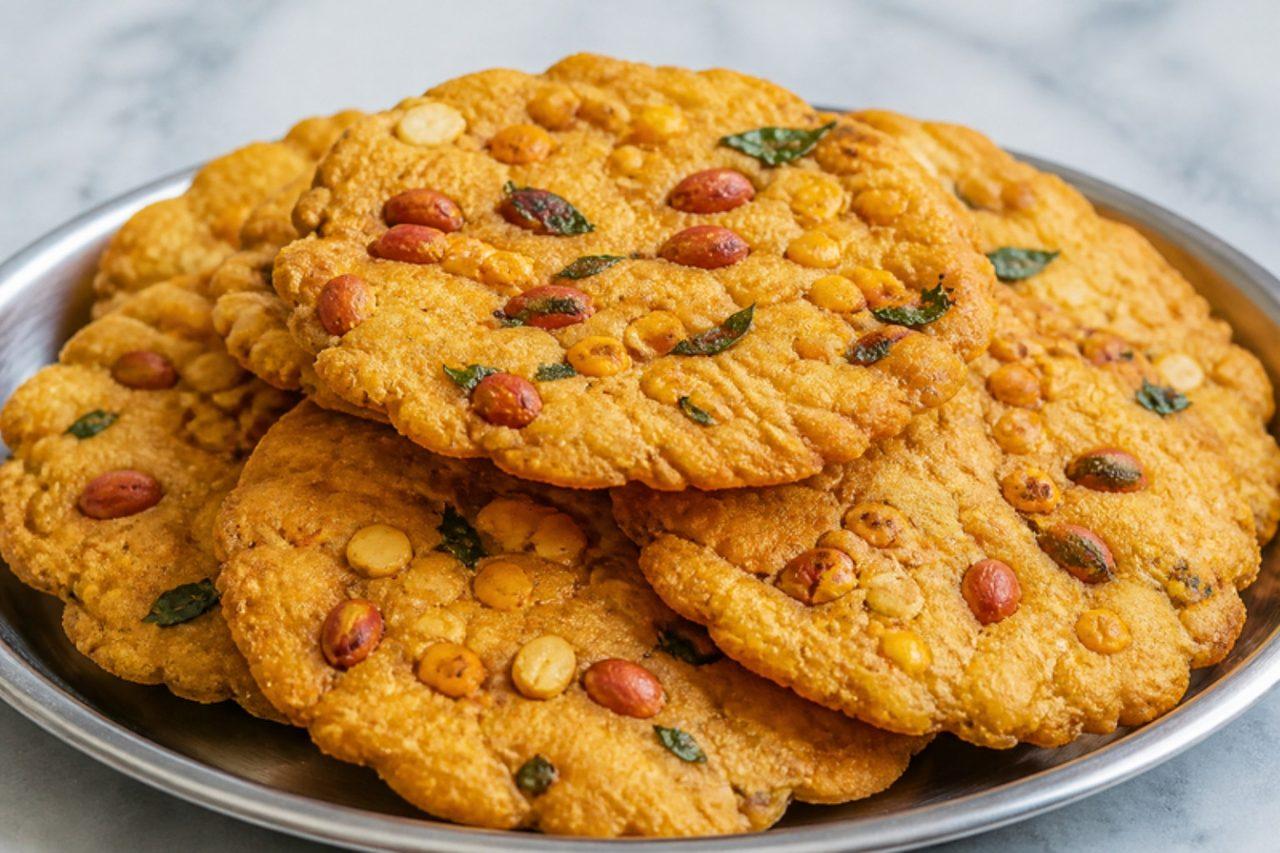
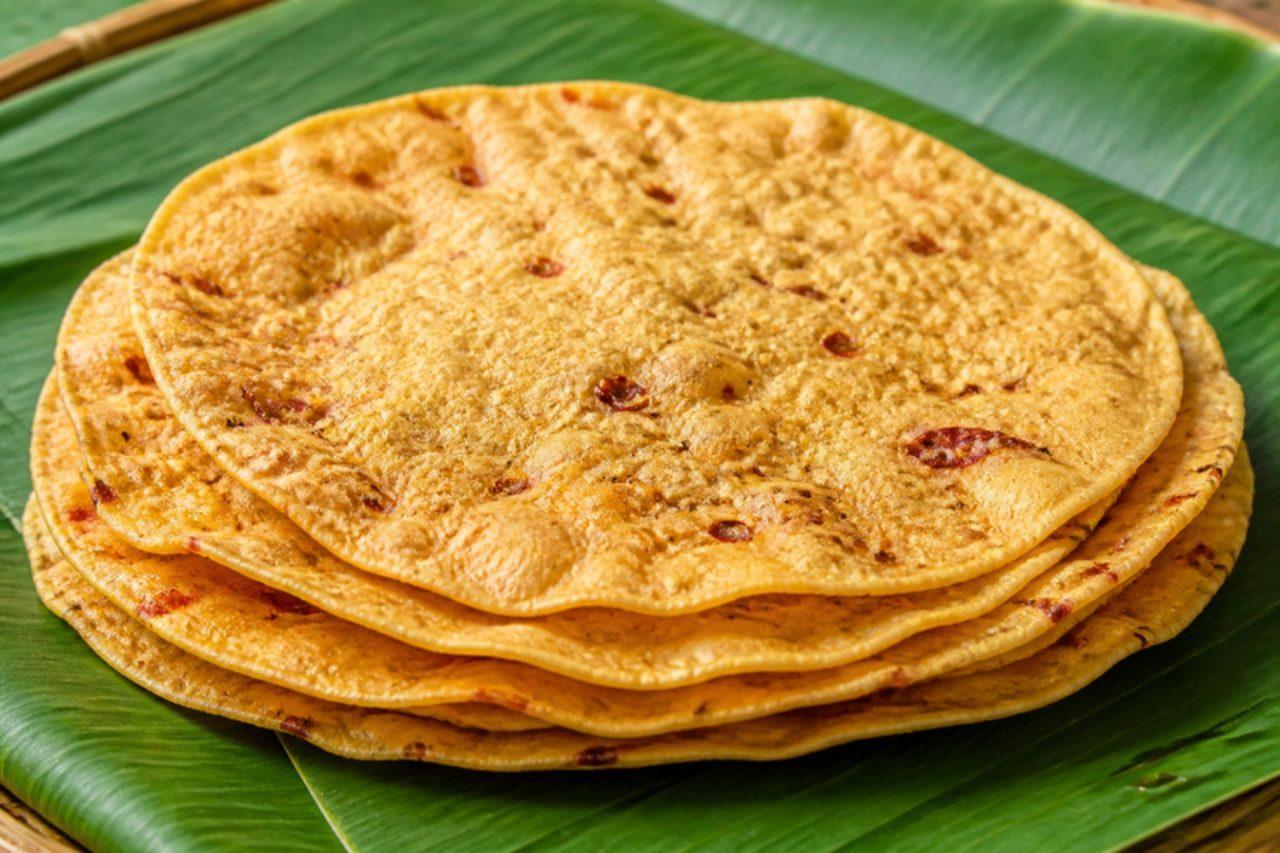
Nippattu is the Karnataka tea-time cracker, sold in Iyengar bakeries from Bengaluru to Mysuru and fried at home for Gowri-Ganesha and Deepavali. Unlike the thin, delicate Tamil thattai, nippattu is thicker and chunkier, packed with crushed peanuts and roasted gram (hurigadale) so every bite crunches with nuts. It's spiced with chilli, hing and curry leaves and keeps for weeks. A common mistake is skipping the hot oil rubbed into the flour; without it the crackers turn hard instead of short and crisp. Chef's tip: prick each disc a few times with a fork so it fries flat and crisp right through instead of puffing.

by KrazyBadal 0 views

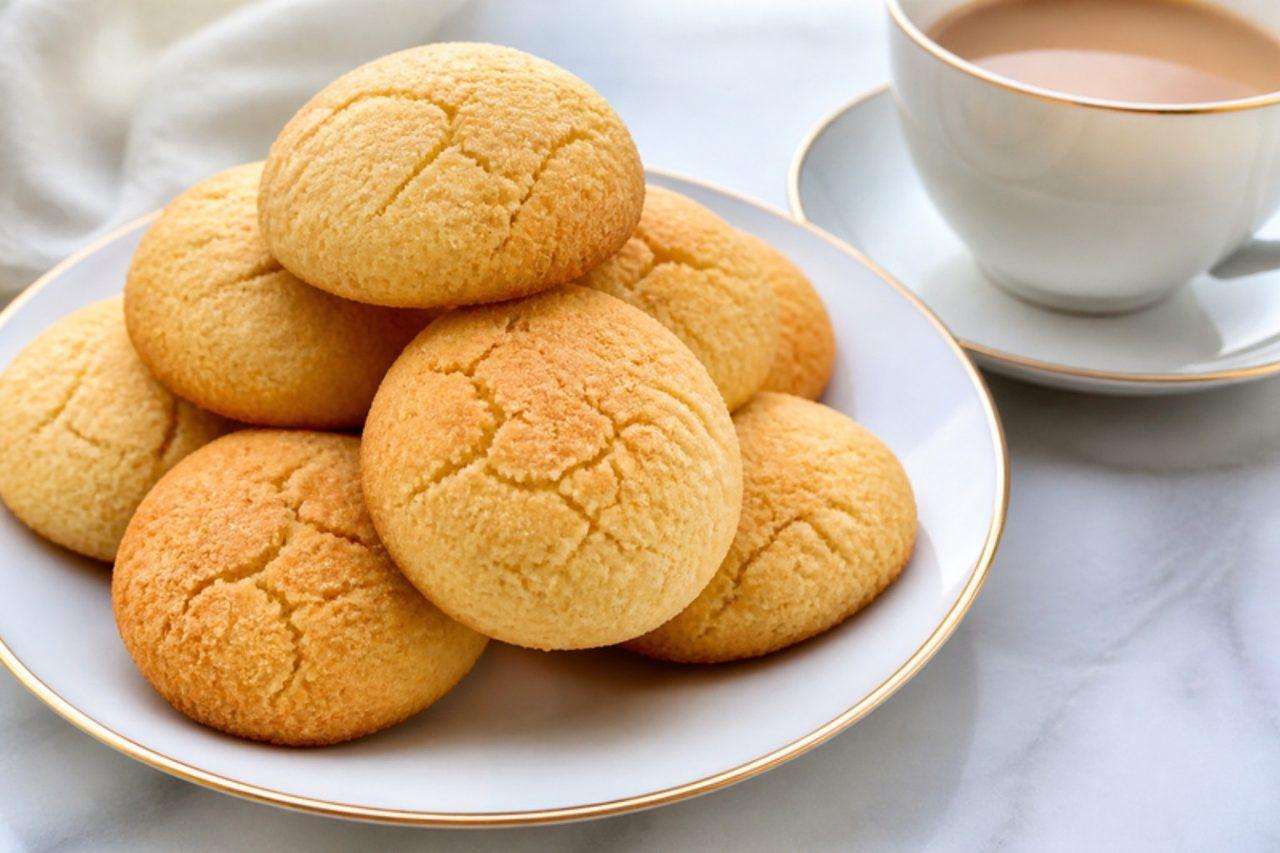
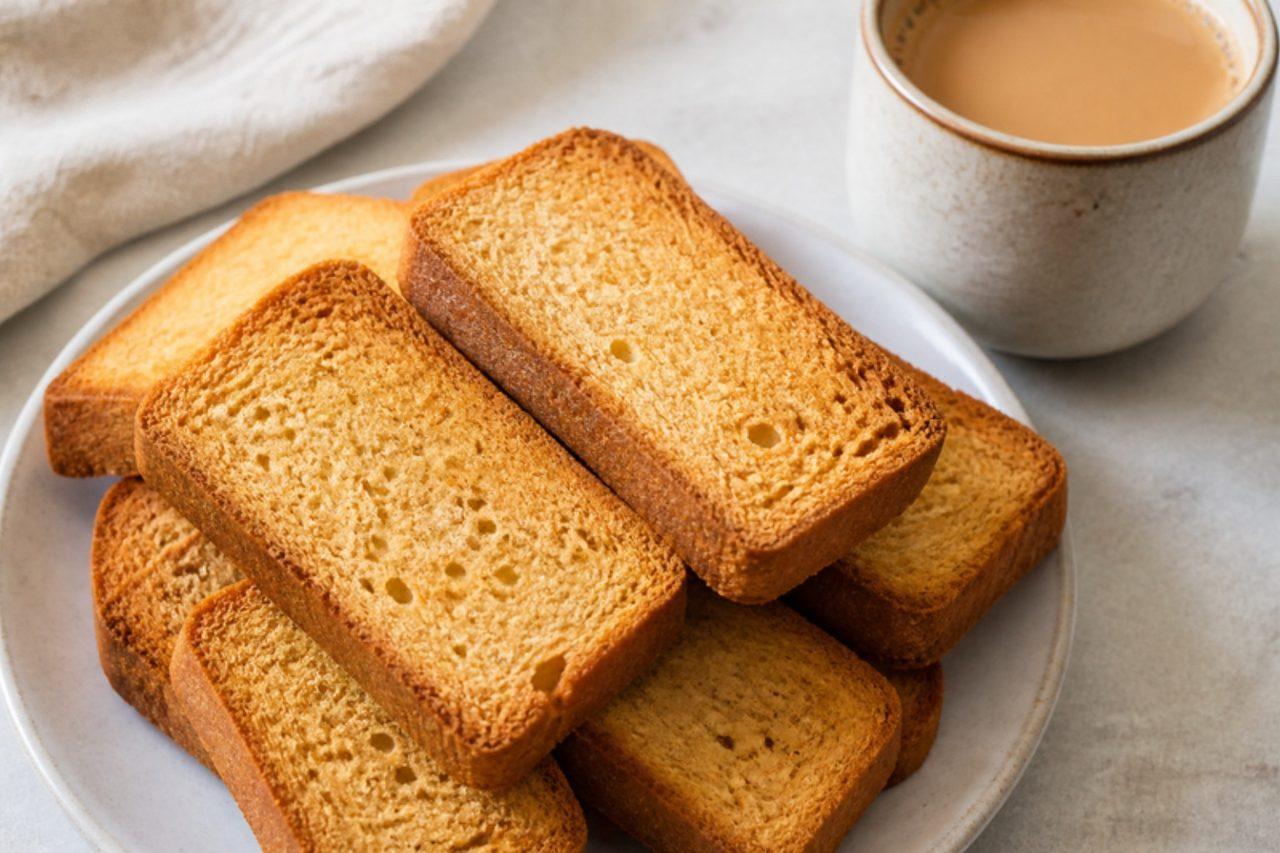
Parsi batasaSalted butter tea biscuits

Batasa come from the wood-fired Parsi bakeries of Navsari, Udvada and Surat, where they are baked low and slow until dry and pale gold, then sold by the tin for morning chai. They are domed, flaky-crumbly and buttery, with just a whisper of salt and sugar, and they are made to be dunked. Bakeries traditionally raise the dough with toddy; this home version uses yogurt and a little baking powder for the same light, short crumb. The usual mistake is baking them hot and fast, which browns the outside while the inside stays soft; batasa need a long, gentle bake to dry right through. Chef's tip: switch the oven off at the end and leave the biscuits inside with the door ajar for 20 minutes so they crisp completely.

100 minIndianBaking
by KrazyBadal 0 views

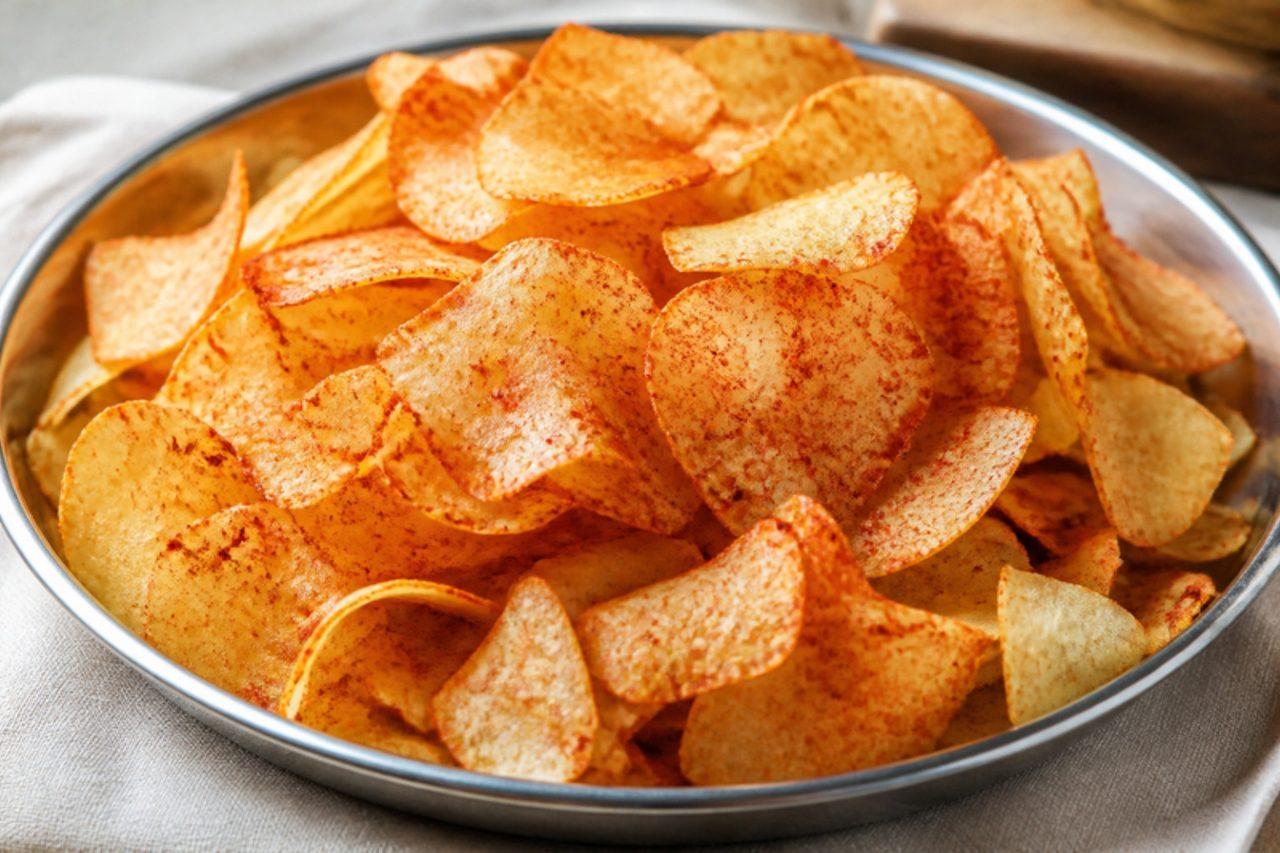
Kappa varuthathuTapioca chips

Kappa varuthathu, crisp tapioca chips, are sold by weight in Kerala bakeries from Thiruvananthapuram to Kozhikode and fried at home whenever fresh tapioca is cheap after the monsoon. Peeled roots are shaved very thin, fried in coconut oil with a splash of salt water, and dusted with chilli powder while still hot. They are lighter and crunchier than banana chips, with a faint sweetness under the heat. A common mistake is crowding the pan: the slices stick together and steam instead of crisping, so fry a single handful at a time. Chef's tip: soak the slices in cold water for 10 minutes and dry them thoroughly; it washes off surface starch so the chips stay pale and separate.

by KrazyBadal 0 views

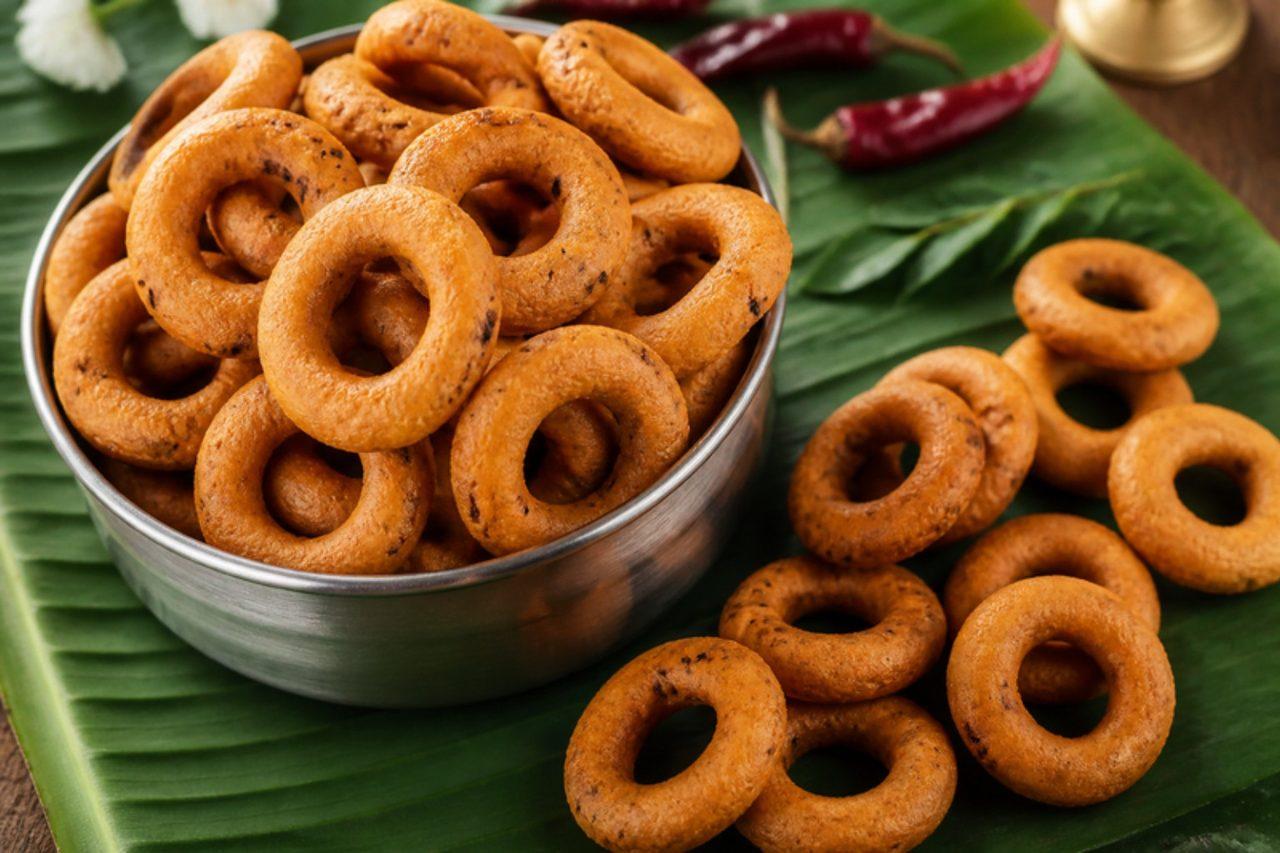
ChegodiluCrunchy rice flour rings

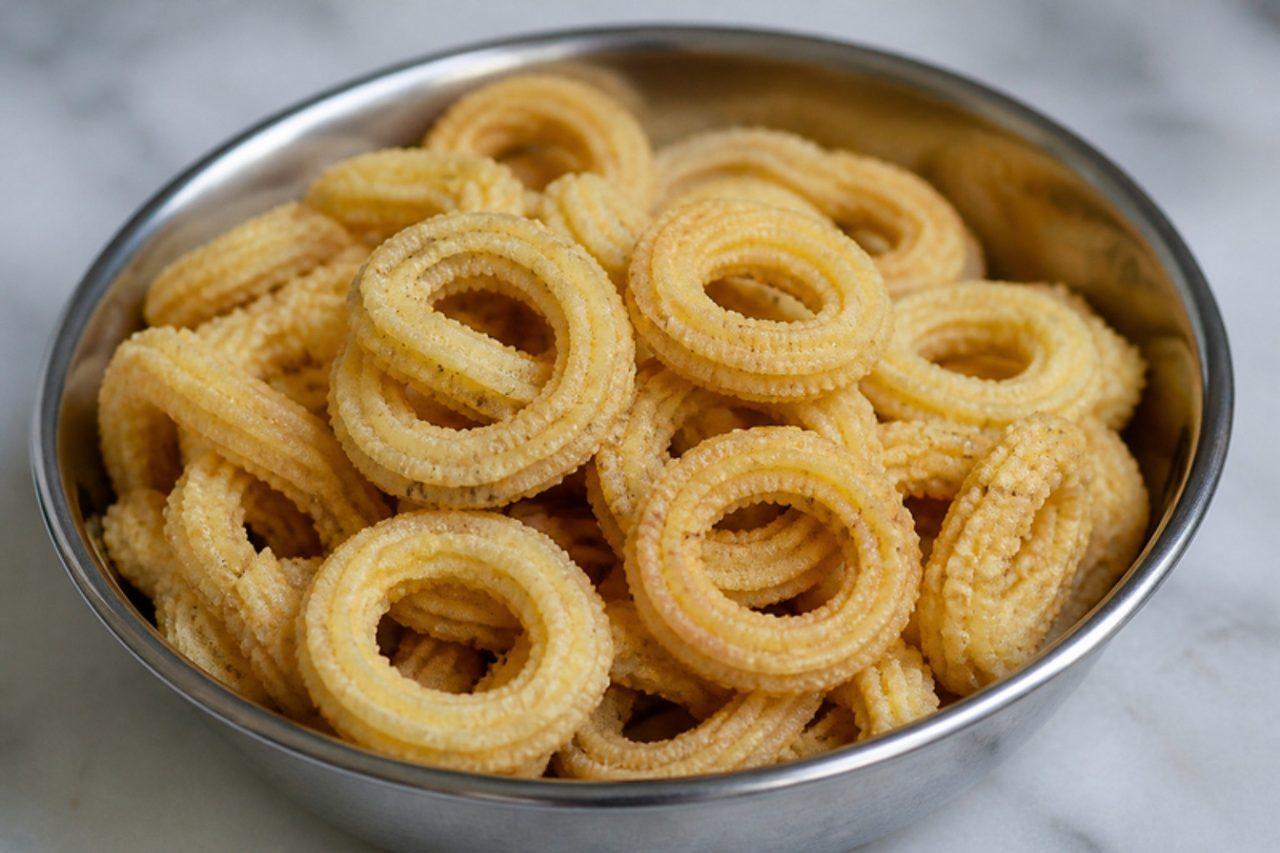
Chegodilu are the little hollow rings sold by weight in every sweet-and-savoury shop from Hyderabad to Warangal, and Telangana homes fry a big tin of them for Sankranti and for the long evenings of the monsoon. Unlike Karnataka's kodubale, which is a raw flour dough rolled into thin ropes, chegodilu start with rice flour cooked in boiling water with oil, cumin, sesame and soaked moong dal, so they puff slightly and fry up with a blistered, shattering crust and bits of nutty dal inside. They are eaten with tea or a cup of filter coffee, a handful at a time. The most common mistake is frying in oil that is too hot: the outside browns in seconds and the inside stays raw and chewy, so keep the heat medium and be patient. Chef's tip: after shaping, let the rings dry uncovered on a cloth for 15 minutes; a dry skin is what gives that brittle snap.

by KrazyBadal 0 views

Pattani sundalSpiced white pea salad

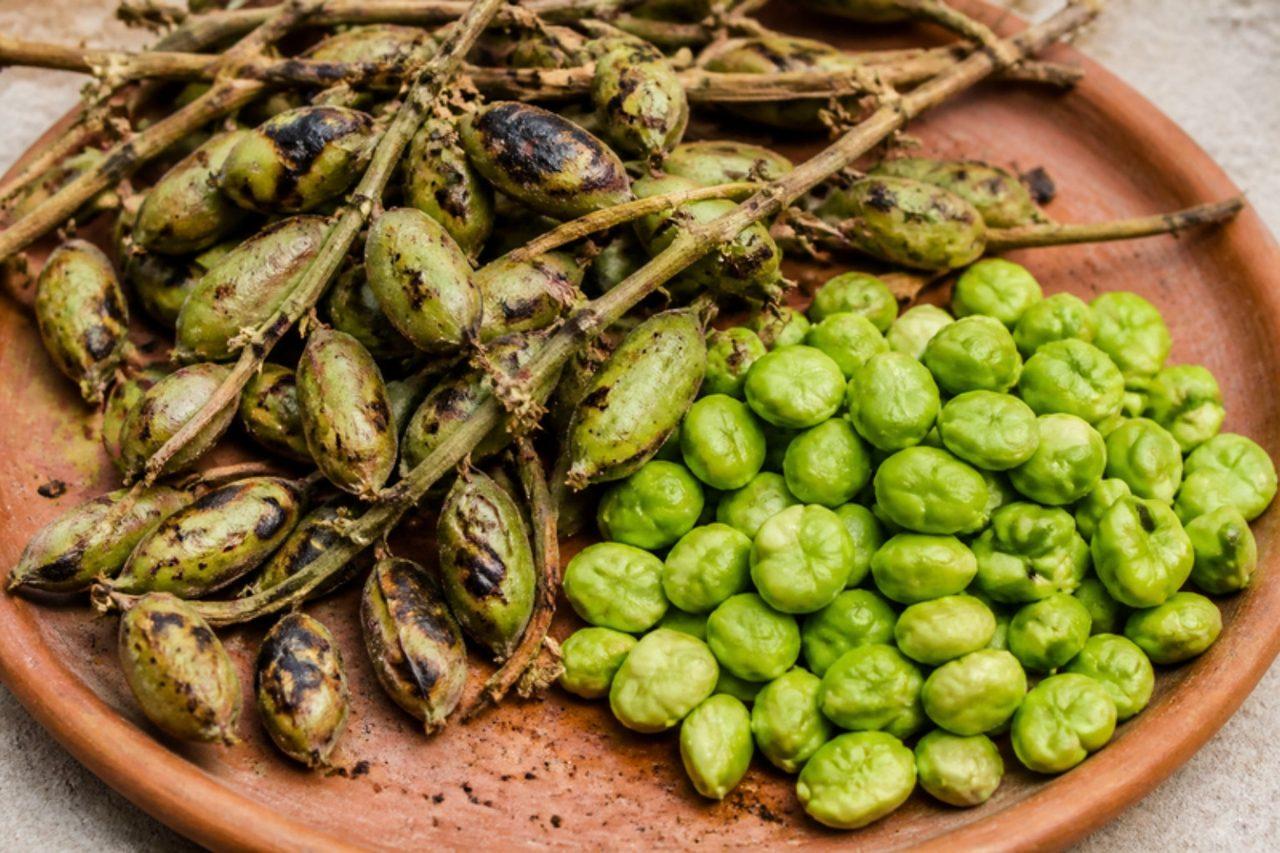
Walk along Marina Beach in Chennai at sunset and boys with brass pots sell pattani sundal in paper cones, warm, tangy with raw mango and bright with grated carrot. At home it is also made for Navaratri, when a different sundal is offered and shared each evening. The mistake is overcooking the peas to mush: they should be tender but keep their shape, so pressure-cook for only two to three whistles. Chef's tip: add the coconut, mango and carrot off the heat, so they stay fresh and crunchy against the warm peas.

by KrazyBadal 0 views

Bhinda ni kadhiYogurt kadhi with fried okra

Bhinda ni kadhi is a summer and monsoon favourite in Gujarati homes from Ahmedabad to Surat, when okra is cheap: the familiar sweet, tangy yogurt kadhi gets a handful of okra rounds fried until crisp at the edges, which soak up the sauce and add body. It is poured over steamed rice or khichdi for a light lunch. Frying the okra first keeps it from going slimy. The common mistake is boiling the kadhi fast before it has thickened, which curdles the yogurt; keep stirring and keep the heat low until it reaches a simmer. Chef's tip: add the okra only in the last few minutes so the rounds stay whole and a little crisp.

by KrazyBadal 0 views

KulerBajra ghee jaggery balls

On Nag Pancham, Gujarati women draw a snake in kumkum on the wall or visit a nag temple and offer kuler with milk and cotton: a raw sweet of fine bajra flour rubbed with ghee and jaggery, rolled into soft balls. Since the day is a cold-food day in many homes, nothing is cooked; the bajra simply soaks up the ghee. It is soft, earthy, sweet and slightly sandy. Common mistake: using coarse or stale bajra flour, which tastes bitter and gritty; use fresh, finely ground flour, and the mix is ready when a handful holds together when squeezed. If you prefer, you can lightly roast the flour first, though that is not the traditional way. Chef's tip: grate the jaggery very finely, or melt it with the ghee and cool slightly, so it blends evenly.

by KrazyBadal 0 views

Pidi kozhukattaiSavoury rice flour dumplings

Pidi kozhukattai, literally 'fist dumplings', is a Tamil evening tiffin and a Vinayaka Chaturthi offering in homes that make both sweet and savoury kozhukattai. The rice flour is cooked in tempered, spiced water until it forms a dough, then squeezed in your fist so each piece carries the print of your fingers, and steamed to a soft, light bite. The mistake is adding all the flour at once to cold water; it lumps and never cooks evenly, so stir it into boiling water in a stream. Chef's tip: shape them while the dough is still warm, with oiled palms; cold dough cracks.

by KrazyBadal 0 views

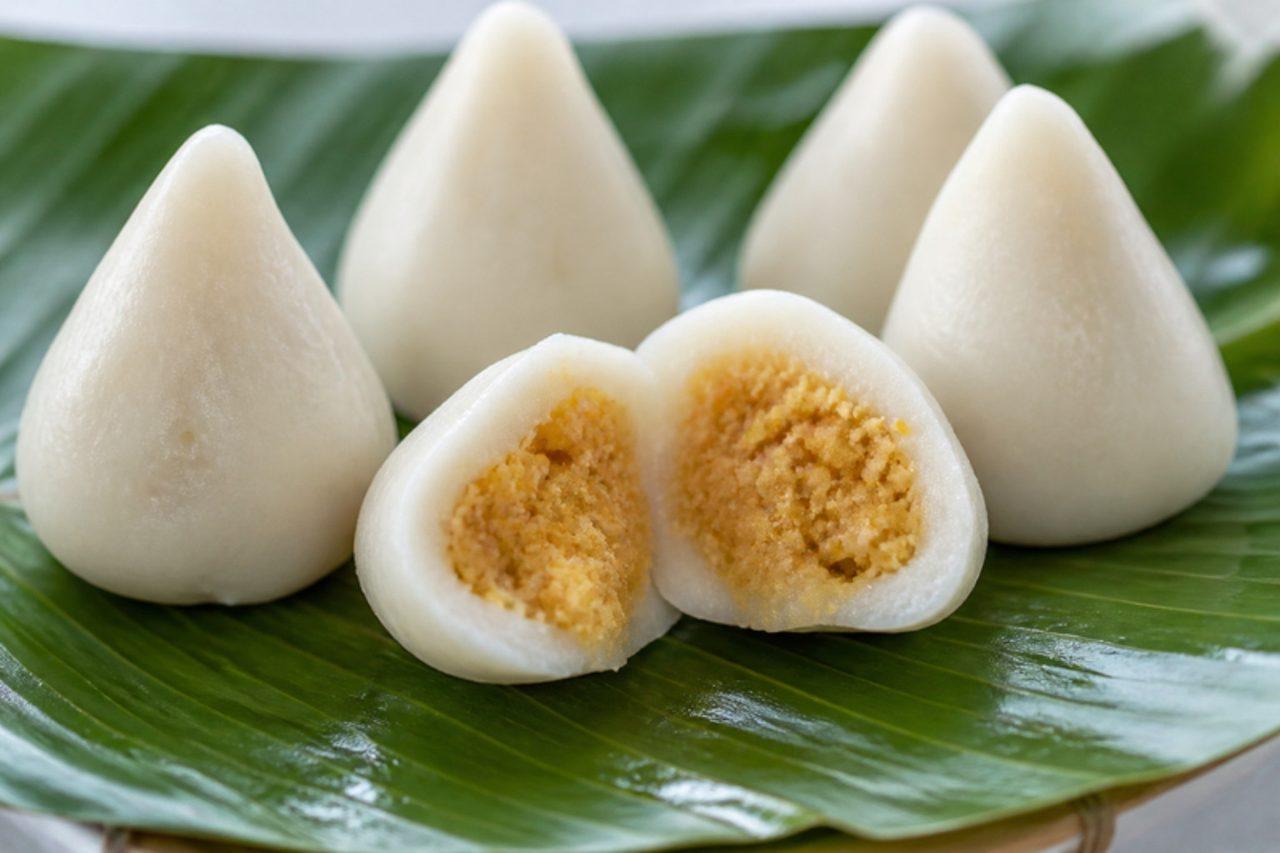
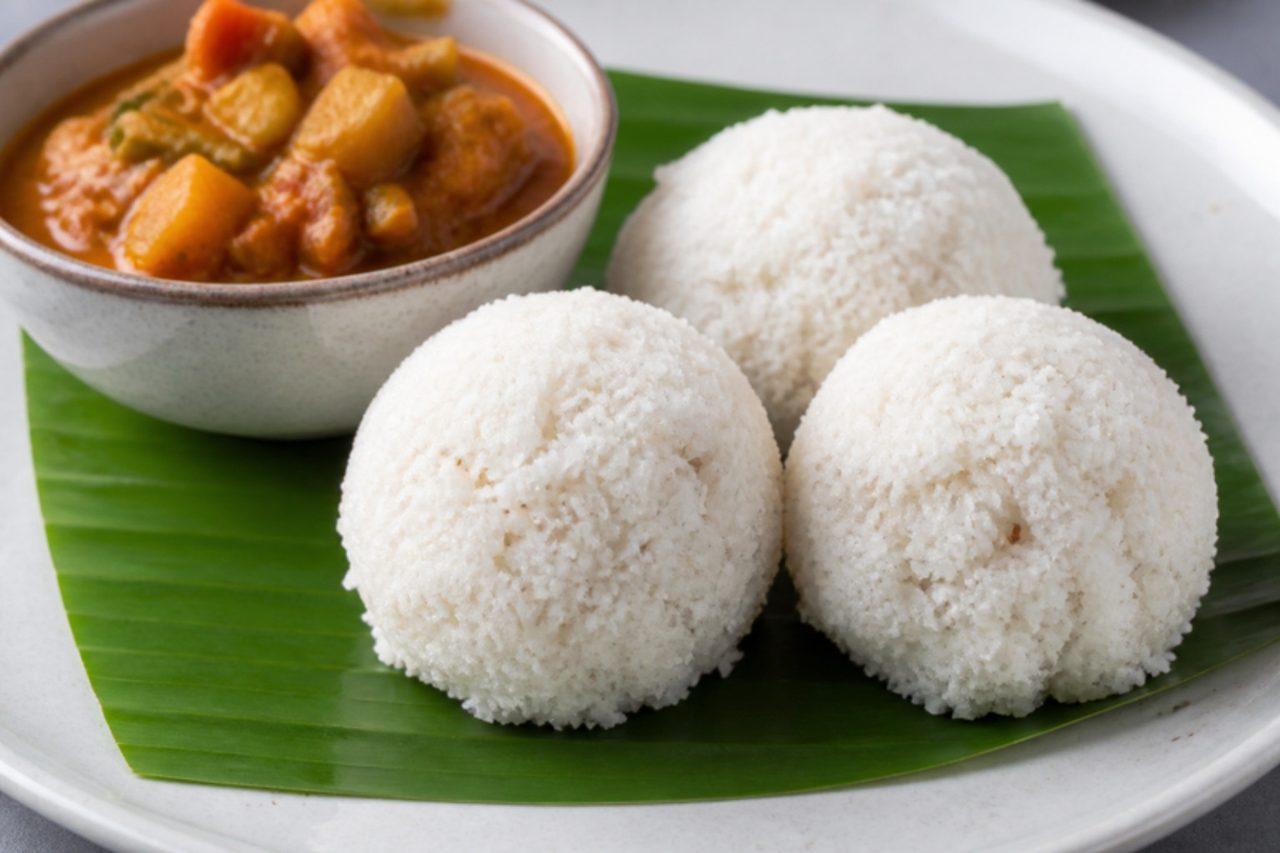
KadambuttuSteamed rice and coconut balls

Kadambuttu are the steamed rice balls of Kodagu (Coorg), made in every Kodava home for breakfast and in great heaps for Puttari, the rice harvest festival in late November or early December. Broken rice is cooked to a thick porridge with coconut, rolled into balls and steamed, so they're dense, slightly sticky and mild, the perfect sponge for a fiery curry; at home they go with pandi curry, but a spicy kadala or mushroom curry works beautifully too. A common mistake is using whole rice flour or fine semolina; you need coarse broken rice, or the balls turn gluey. Chef's tip: wet your palms between each ball so the dough stays smooth and doesn't crack.

by KrazyBadal 0 views

Aval vilayichathuFlattened rice with jaggery and coconut

Aval vilayichathu is the quickest sweet in a Kerala kitchen, made in Palakkad and Thrissur homes for evening tea, for children back from school, or as an offering for Krishna on Janmashtami. Thick beaten rice is stirred into hot jaggery syrup with coconut, then finished with toasted sesame, roasted chana and coconut slivers so it turns chewy, dry and fragrant. A common mistake is adding the aval while the syrup is too thin; the flakes go mushy instead of glazing, so cook the jaggery and coconut until thick first. Chef's tip: use thick red aval if you can find it; it keeps a bite and has a gentle nutty taste.

by KrazyBadal 0 views

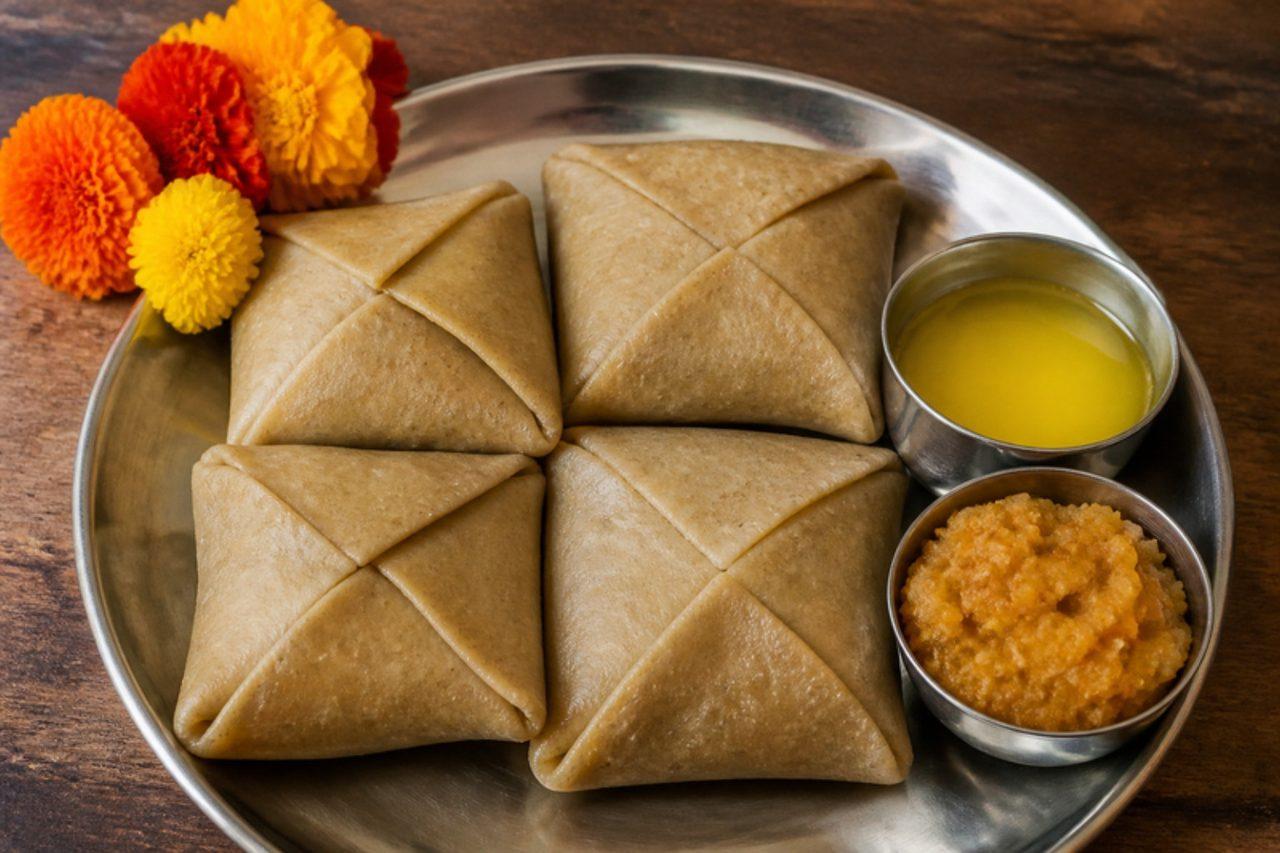
DindeSteamed chana jaggery parcels

On Nag Panchami in Maharashtra, women draw snakes in turmeric, offer milk and lahya at anthills, and by custom nothing is cut, chopped or fried on the tava that day, so the festival sweet is dinde: wheat-dough squares folded around puran (chana dal and jaggery) and steamed. They are soft, a little chewy and fragrant with nutmeg and cardamom, eaten warm with ghee. Common mistake: wet puran that leaks; cook the dal and jaggery until the mixture is thick and a spoon stands upright in it, then cool before filling. Chef's tip: steam the dinde on a greased banana leaf or plate and keep the seams down, so they keep their square shape.

by KrazyBadal 0 views

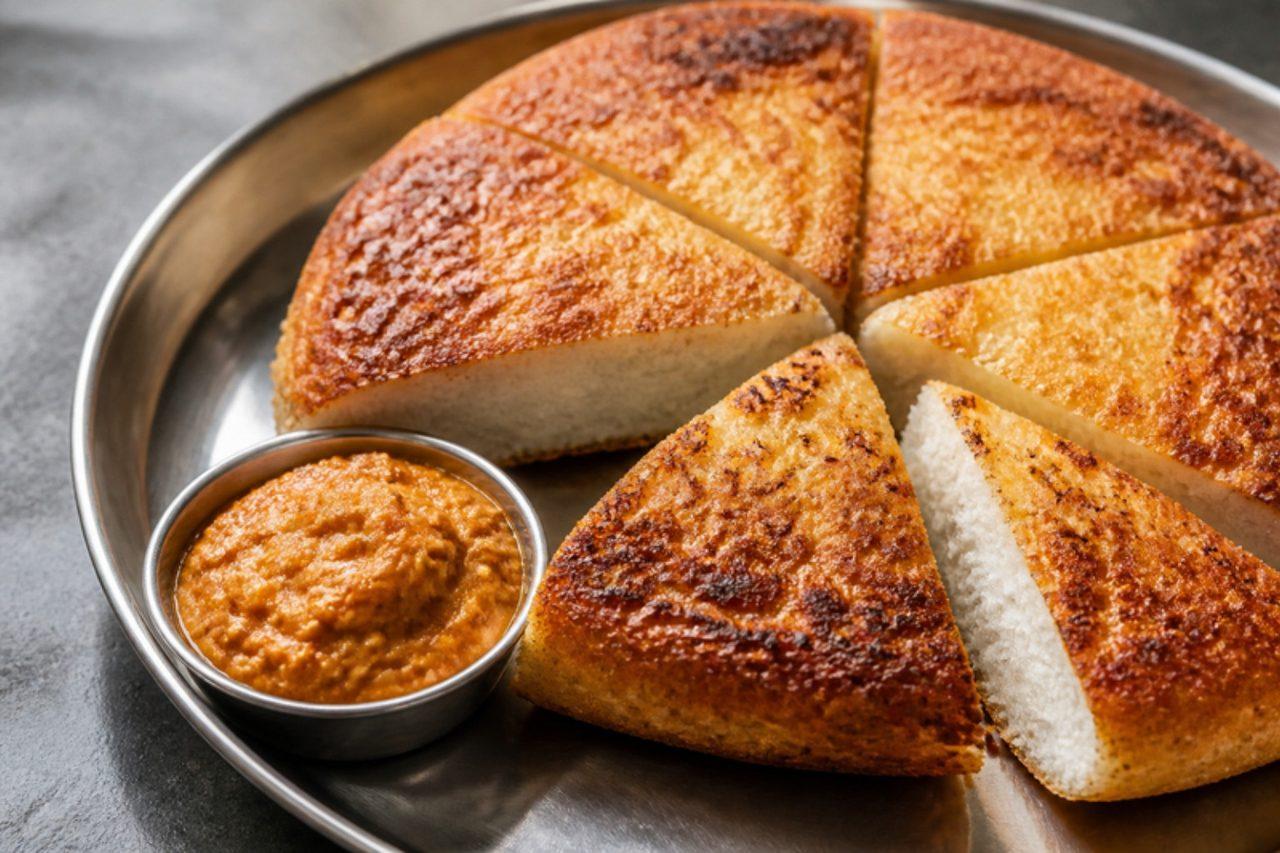
Dibba rottiUrad dal and rice semolina cake

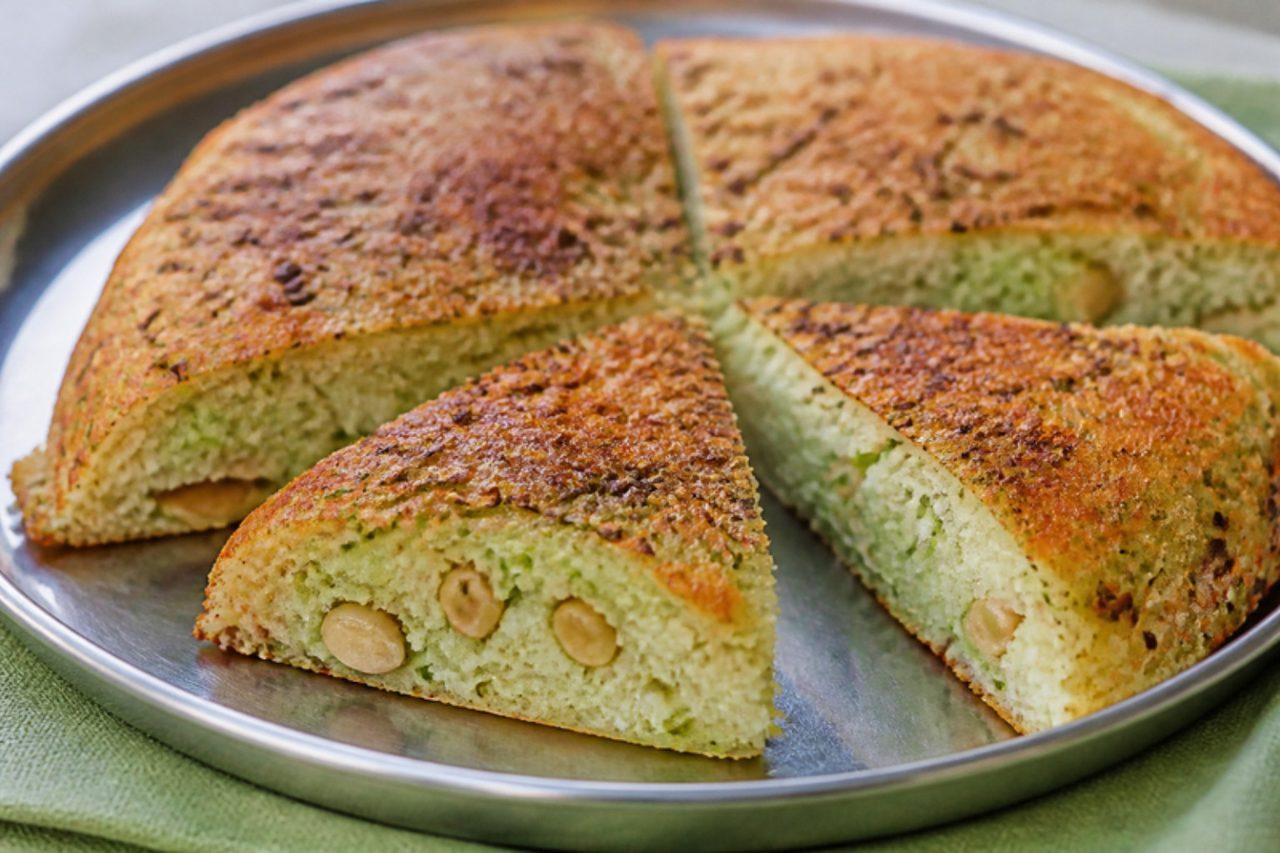
Dibba rotti, also called minapa rotti, is the thick breakfast cake of the Godavari and Krishna districts, cooked low and slow in a heavy iron pan until the top and bottom are crackling brown and the middle is soft like an idli. It is made from the same urad dal and idli rava that go into idli, but the batter is used fresh and very thick, so there is no fermenting to wait for. Families serve it hot in wedges with allam pachadi (ginger chutney), coconut chutney or a spoon of podi and sesame oil. A common mistake is cooking on high heat: the crust burns before the inside sets, so keep the flame at its lowest and give it time. Chef's tip: the batter must be stiff enough to hold a spoon upright; a runny batter gives a flat, gummy rotti.

by KrazyBadal 0 views

Gobhi pakoraCauliflower fritters

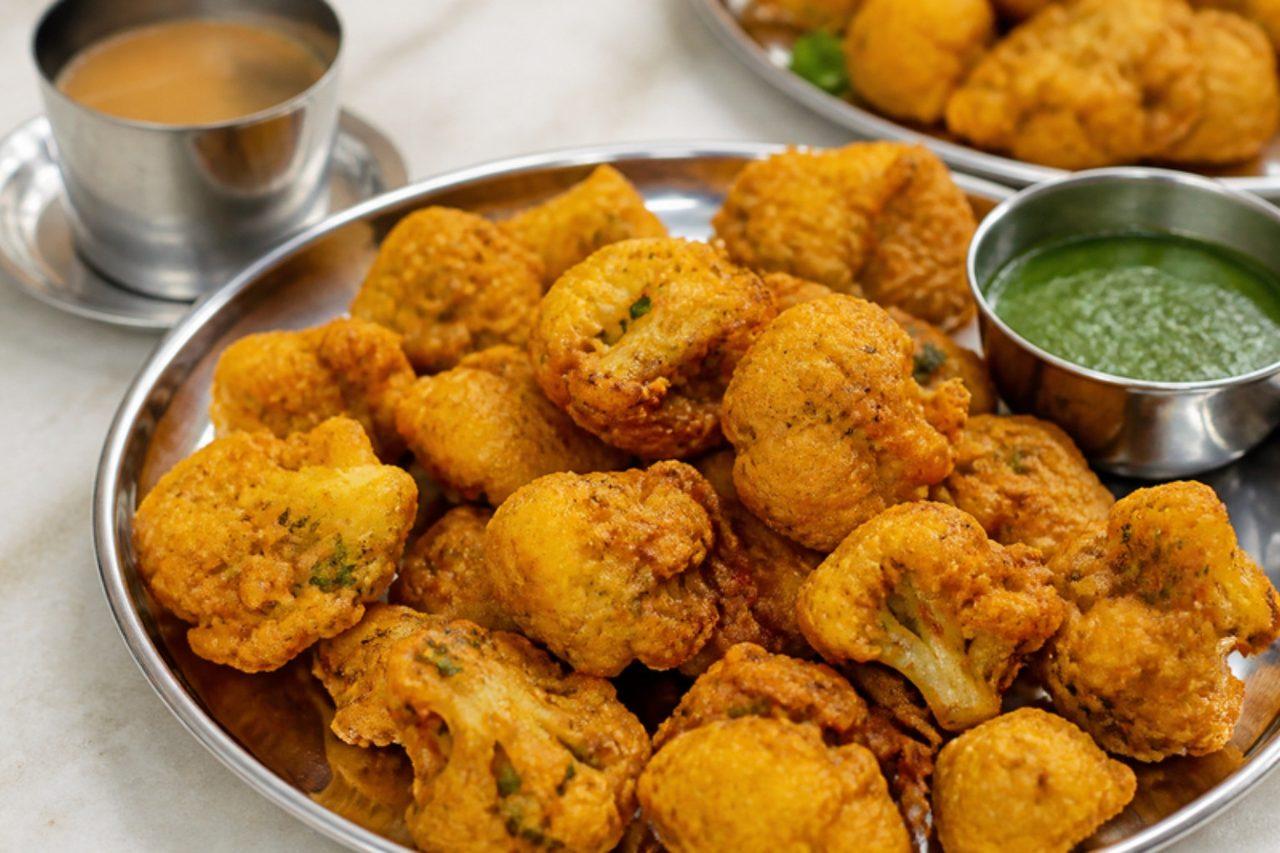
When the first winter cauliflowers arrive in the Punjab sabzi mandi, half of them end up as gobhi pakore, fried on a rainy afternoon or on a cold Sunday evening and eaten straight from the kadai with mint chutney and a steaming glass of tea. The batter is thick and rough with ajwain, chilli and a spoon of rice flour, so it fries into a craggy, crunchy shell around a soft, sweet floret. The usual mistake is dropping raw, thick florets into the oil: the batter is brown long before the stalk is cooked, so give the florets a two-minute dip in boiling salted water first and dry them well. Chef's tip: fry them once until pale gold, rest for five minutes, then fry again for a minute just before serving; the second fry keeps them crisp for much longer.

by KrazyBadal 0 views

Lilo chevdoPotato straw snack mix

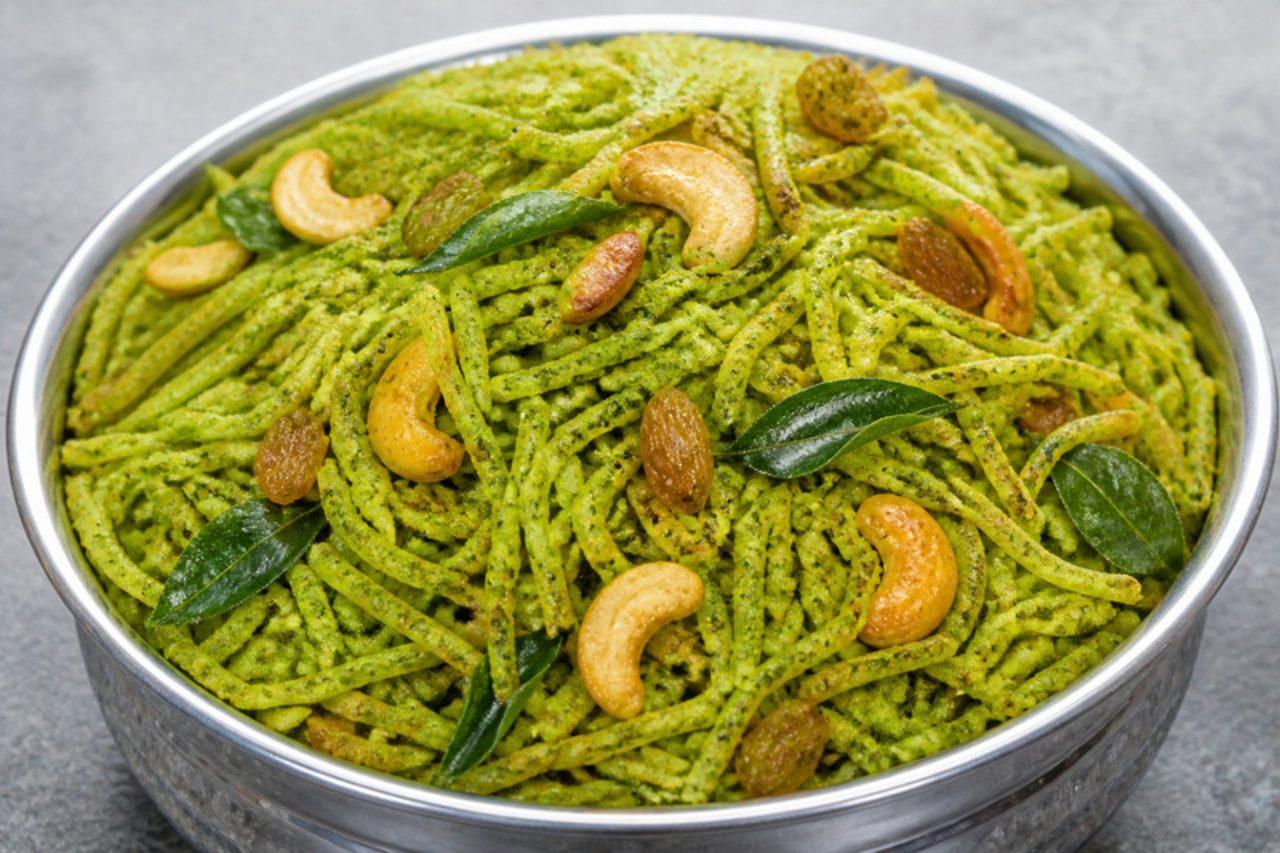
Lilo chevdo is a speciality of Vadodara and Surat farsan shops, bought in big bags for Diwali guests and long journeys: fine potato straws fried crisp, then coated in a green paste of chilli and coriander with sugar, raisins, cashews and sesame. It is sweet first, then hot, then salty and tangy, and is quite different from the yellow, turmeric-tinted chevdo. The common mistake is adding the wet chilli paste to the potato straws: it makes them soggy within a day, so fry the paste in oil until completely dry and crumbly before tossing. Chef's tip: rinse the cut potato straws in cold water until the water runs clear and dry them well; the starch rinsed away is what lets them fry crisp and pale.

by KrazyBadal 0 views

Ajma na pan na bhajiyaBorage leaf fritters

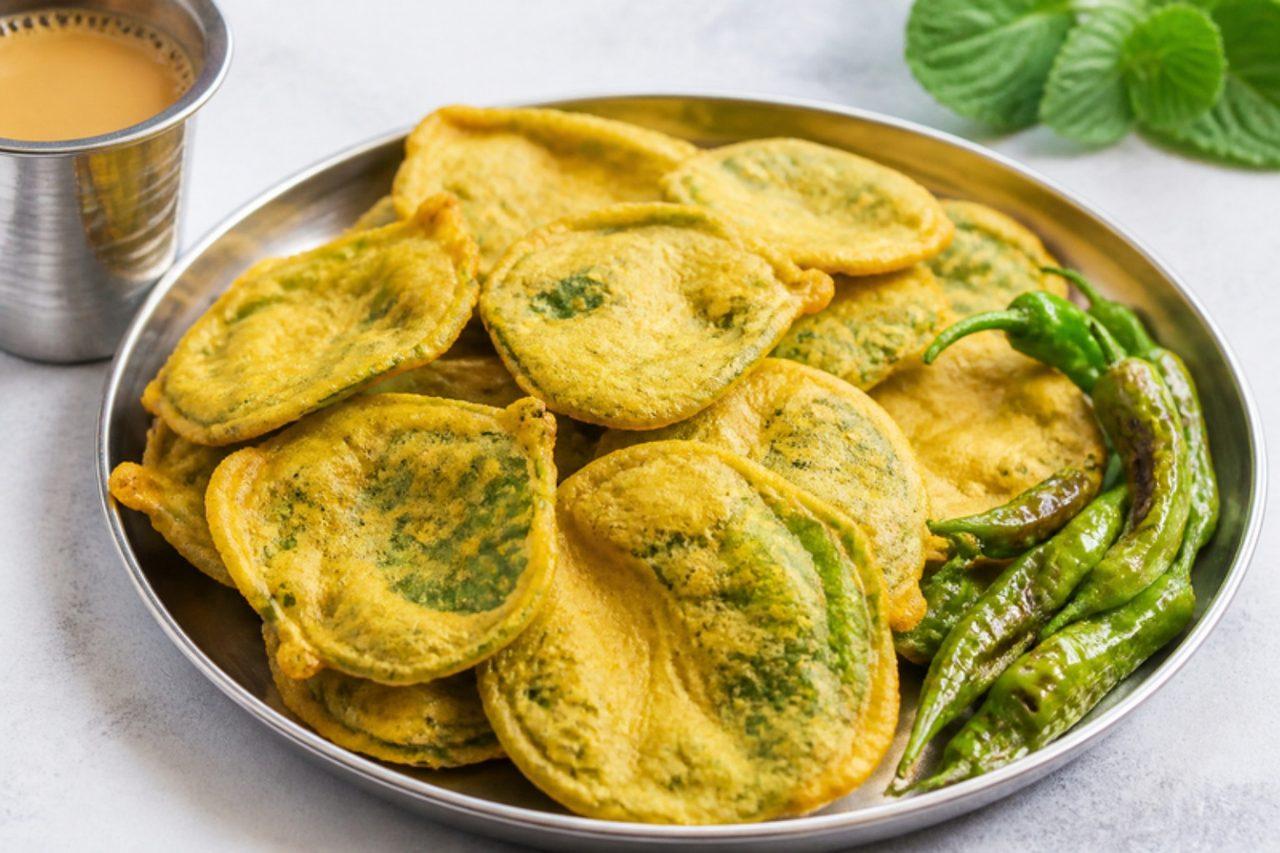
Ajma na pan, the thick, fuzzy, thyme-scented leaves of the Indian borage plant (also called karpooravalli or Mexican mint), grow in pots on balconies all over Gujarat, and on rainy evenings they are picked straight into the bhajiya batter. Each leaf is dipped whole in thin spiced besan and fried into a crisp, lacy fritter with a soft, herbal centre that tastes of ajwain and pepper. The usual mistake is a thick batter: it hides the leaf and fries doughy, so keep it like pouring cream and let excess drip off. Chef's tip: pat the leaves completely dry after washing, or the batter will slide off in the oil.

by KrazyBadal 0 views

Kadhi chutneyGram flour buttermilk dip

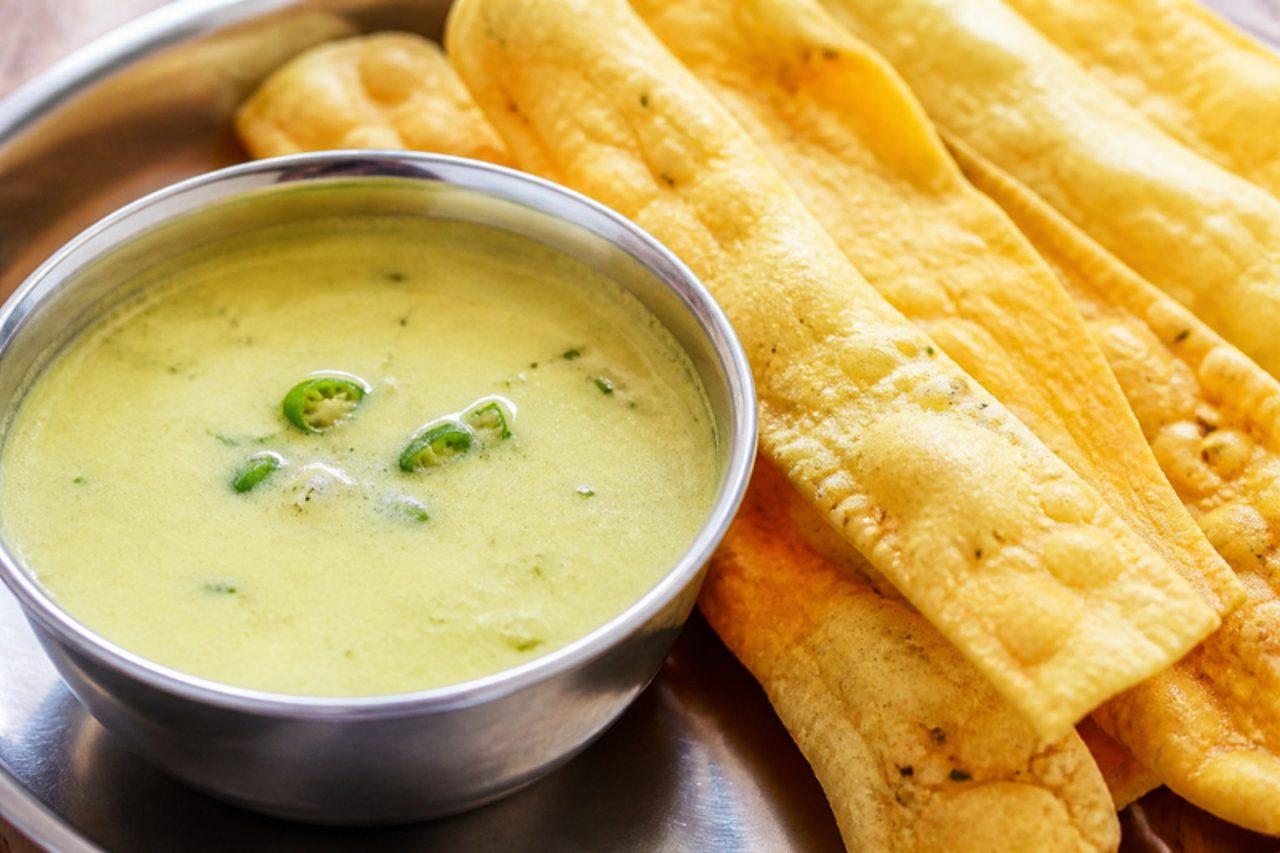
Order fafda-jalebi on a Sunday morning in Ahmedabad or Rajkot and alongside it comes a small bowl of pale yellow kadhi chutney, a thin, sweet-sour dip of gram flour and buttermilk simmered with green chilli and ginger. It is runnier than a kadhi you would eat with rice, so the crisp farsan can be dunked and dragged through it. The flavour is gentle, a little tangy and a little sweet, which balances salty, peppery snacks. The common mistake is letting it boil hard right after adding the buttermilk, which makes it grainy and split. Chef's tip: it thickens as it cools; loosen it with a splash of water to a pouring, single-cream consistency before serving.

by KrazyBadal 0 views

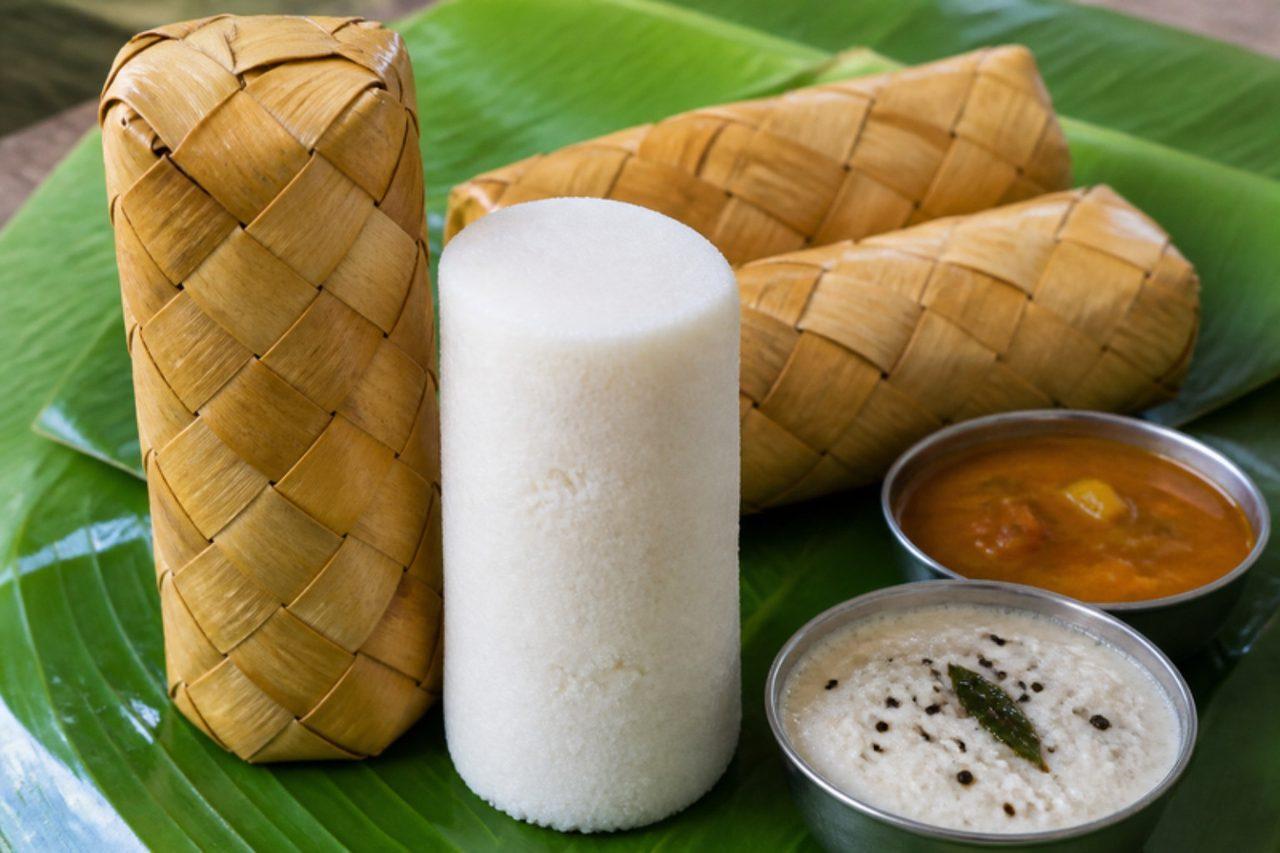
MoodeSteamed idli in leaf cylinders

Moode is the festive idli of Mangaluru and Udupi, made for Krishna Janmashtami, Ganesh Chaturthi and big family breakfasts. The batter goes into tall cylinders woven from kedige (screwpine) leaves, which perfume the soft, spongy rice cake with a floral scent you can't get any other way; markets on the coast sell the woven moulds ready to fill. Slice it into thick rounds and serve with coconut chutney, sambar or a spicy chana gassi. The common mistake is filling the leaf moulds to the brim: the batter rises as it steams and spills out, leaving a dense cake. Fill them only two-thirds full. Chef's tip: if you can't find screwpine leaves, roll banana leaves into tight cones and tie them with string; the shape and steaming are the same, only the scent is milder.

by KrazyBadal 0 views

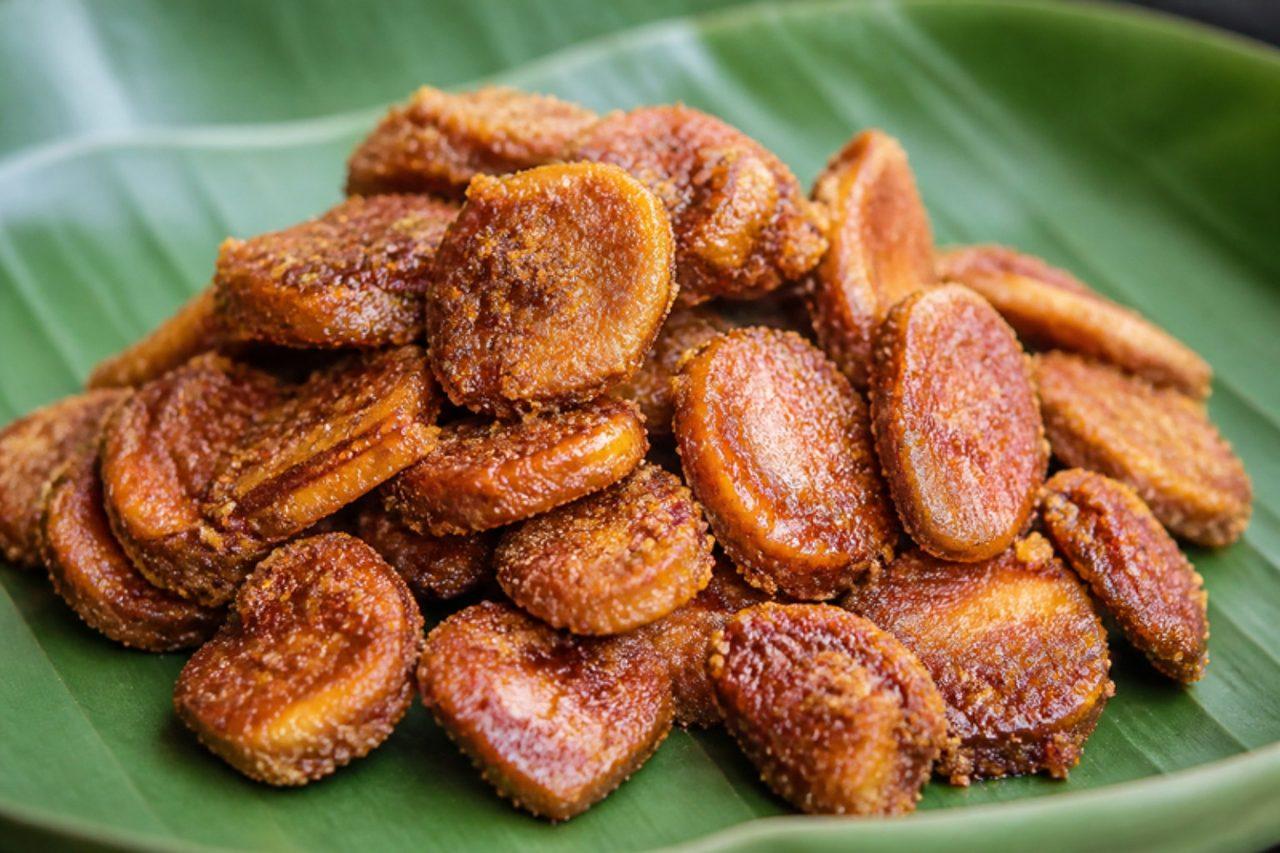
Sharkara varattiJaggery-glazed banana chips

Sharkara varatti sits at the top left of every Onam sadya leaf in Kerala, next to the salty banana chips, and boxes of it travel to relatives abroad every August. Raw nendran bananas are cut into thick half-moons, fried until crisp, then tossed in jaggery syrup cooked to the thread stage with dry ginger, cardamom and cumin, so each piece wears a thin, crackly brown coat. A common mistake is pulling the syrup too early: if it isn't at a firm one-thread stage the coating stays sticky and the chips go soft in a day. Chef's tip: once you add the chips keep stirring off the heat until the syrup turns dry and sandy; that's when it sets crisp.

by KrazyBadal 0 views

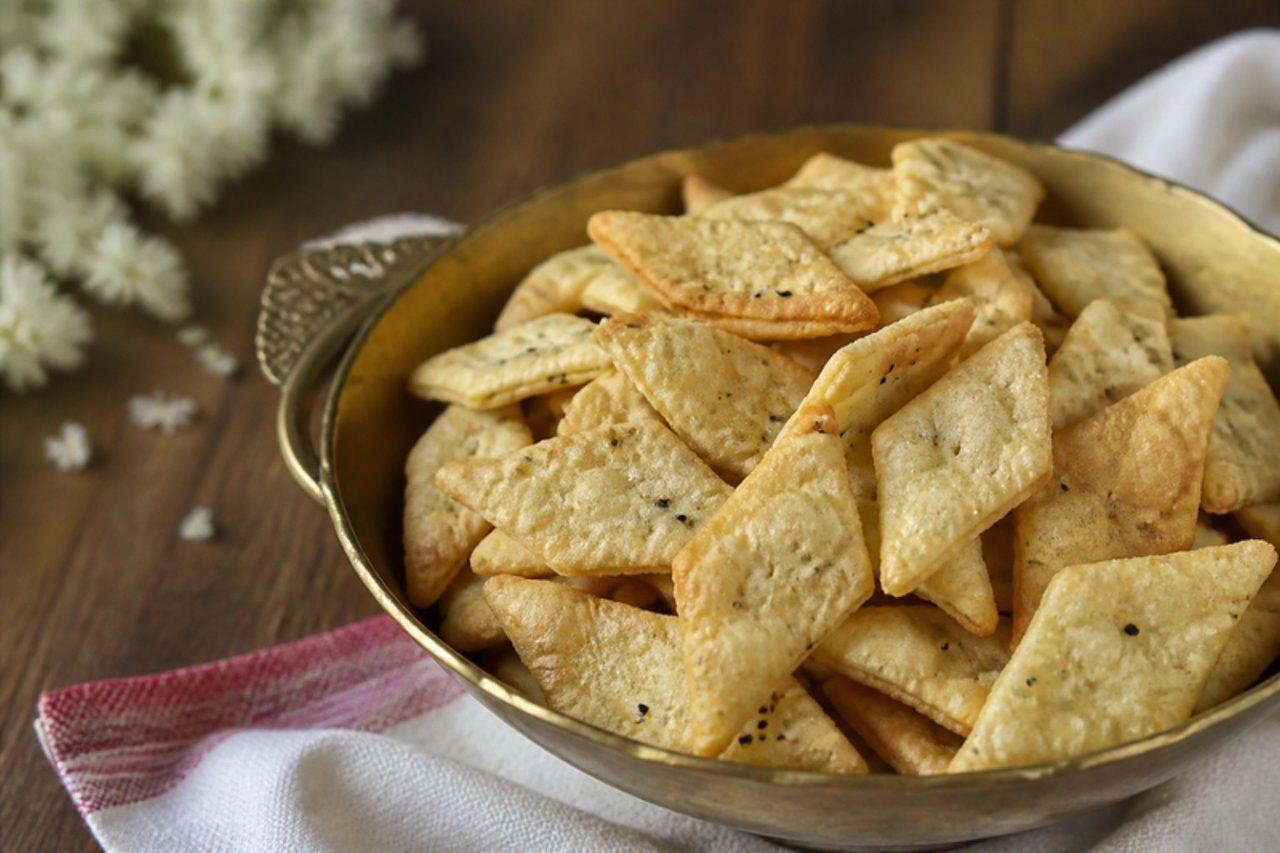
NimkiFlaky fried nigella pastry

On Bijoya Dashami, the last day of Durga Puja, Bengali families visit elders, touch their feet and are fed sweets, and the tin of nimki is always opened alongside the narkel naru and mishti. Nimki are small diamonds of short pastry flavoured with kalonji (nigella seeds), fried slowly until they blister into flaky layers. They are salty, crunchy and very moreish with a cup of tea. Common mistake: frying in oil that is too hot; the outside browns while the inside stays raw and hard. Fry on a low-medium flame until the pieces float, sound hollow and are a pale golden colour. Chef's tip: the dough is ready when a handful pressed in your fist holds its shape (the 'moyan' test); too little ghee gives hard nimki, too much makes them crumble in the oil.

by KrazyBadal 0 views

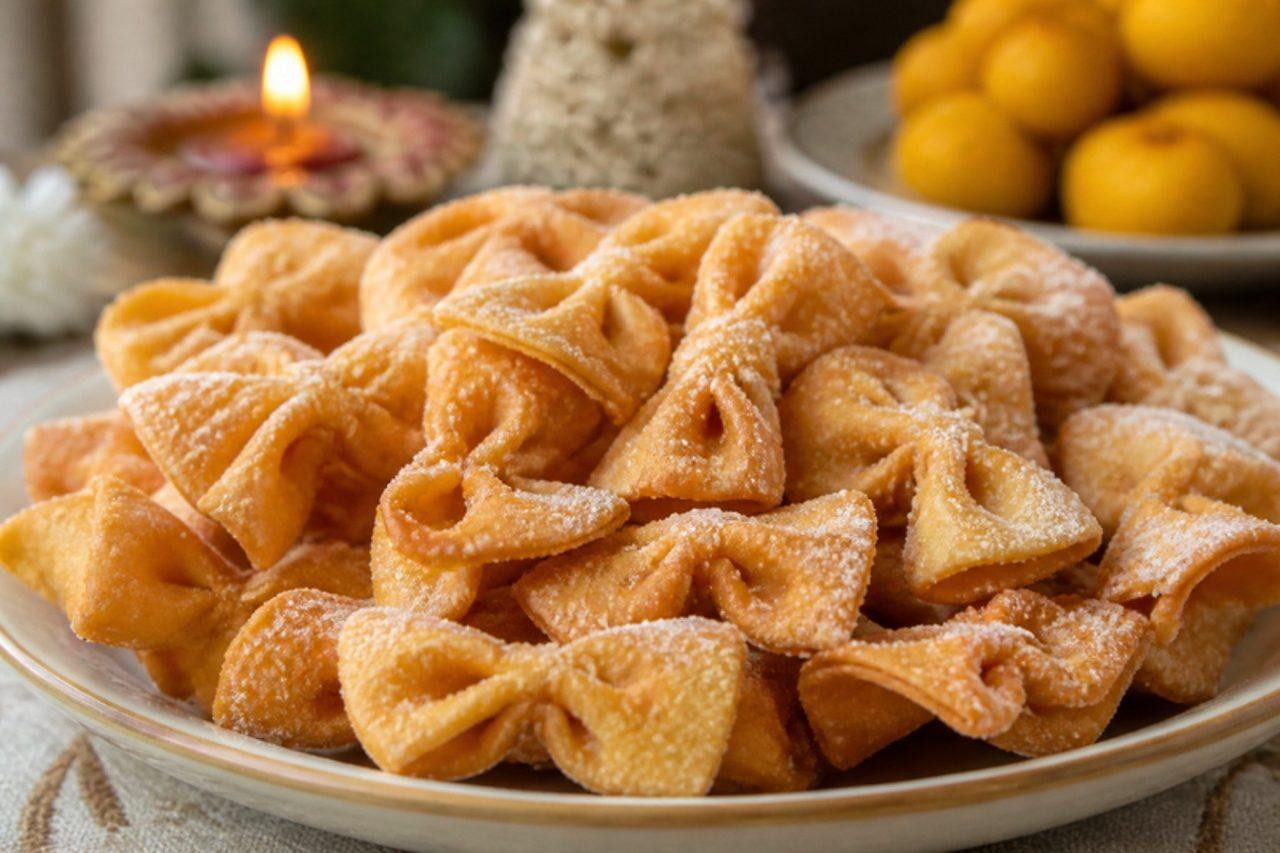
Gato cravateBow-tie pastries

Gato cravate, 'tie cakes', are named for their shape: little strips of sweet dough slit down the middle and pulled through themselves into a twisted bow. In Mauritius they are fried by the tin in the week before Divali and packed with other sweets onto the plates that neighbours exchange on the night of the lamps; they also turn up at weddings and tea time. The pastry is lightly sweetened with sugar and vanilla, fried until blistered and crisp, then tossed in cinnamon sugar. Common mistake: rolling the dough thick, which gives a hard, bready bow; roll it as thin as a coin and fry until pale gold and the bubbling has nearly stopped, a sign the moisture has cooked out. Chef's tip: toss them in sugar while still warm so it sticks, and let them cool on a rack so they stay crisp.

by KrazyBadal 0 views

Sing ni chutneyPeanut yogurt chutney

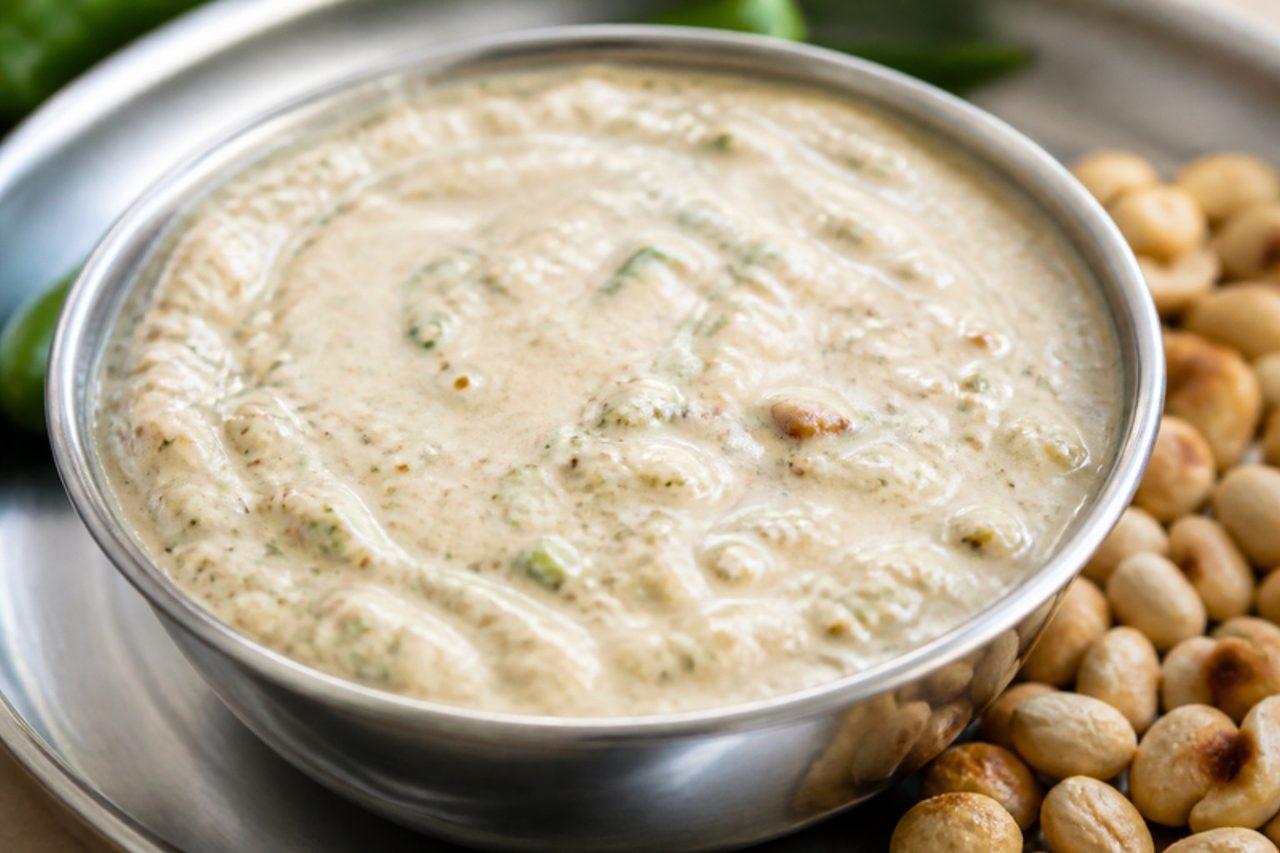
On ekadashi, Shivratri and Navratri fasts, Gujarati homes serve farari pattice, sabudana vada and sweet potato chips with this thick, creamy peanut chutney, and it is just as good the rest of the year with thepla. Roasted peanuts are ground with green chilli, cumin and lemon, then loosened with yogurt into a nutty, tangy dip with a slow chilli warmth. For fasting it is seasoned with rock salt, and it has no onion, garlic or grain. The common mistake is grinding the peanuts with the yogurt from the start; they never break down properly. Chef's tip: grind the peanuts dry first, then add the yogurt and pulse just to mix.

by KrazyBadal 0 views

Ezhu kari kootuSeven vegetable and dal curry

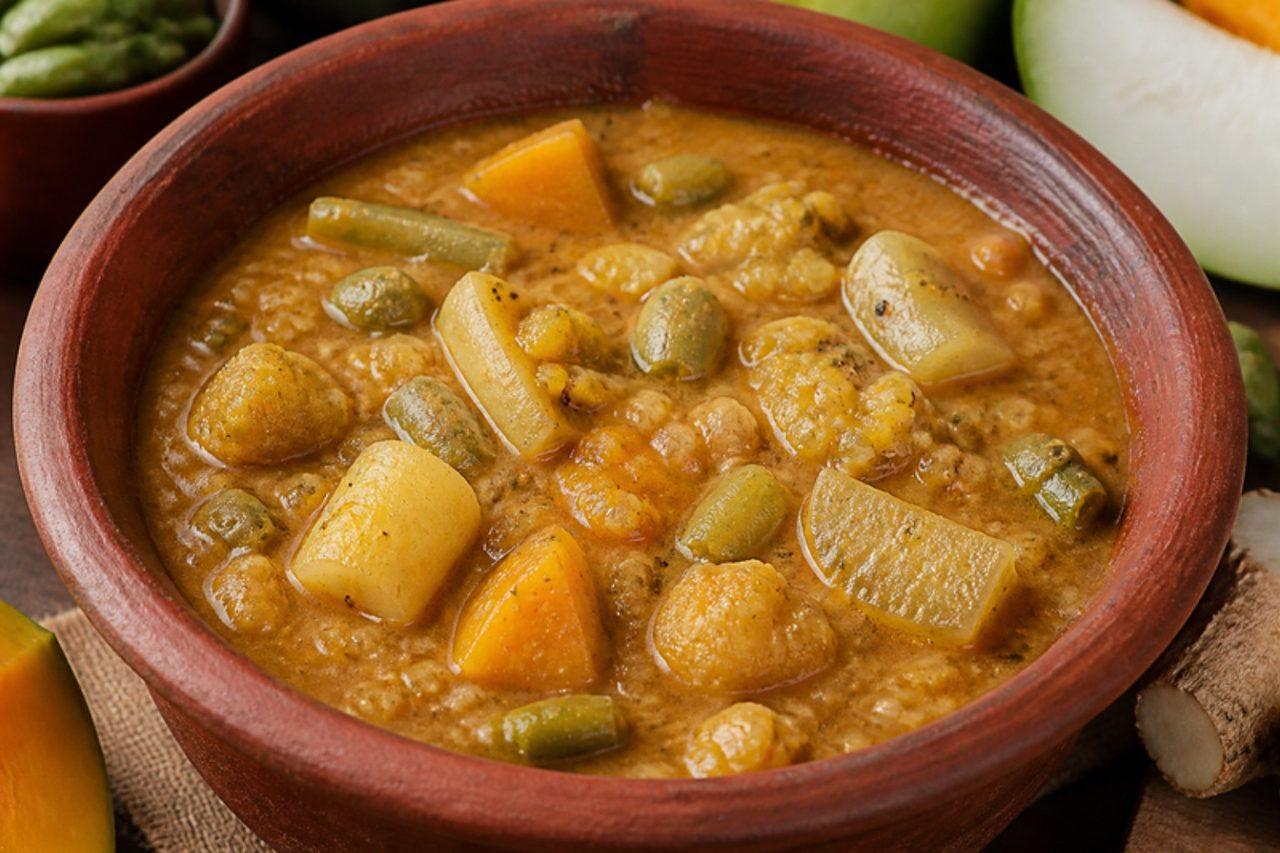
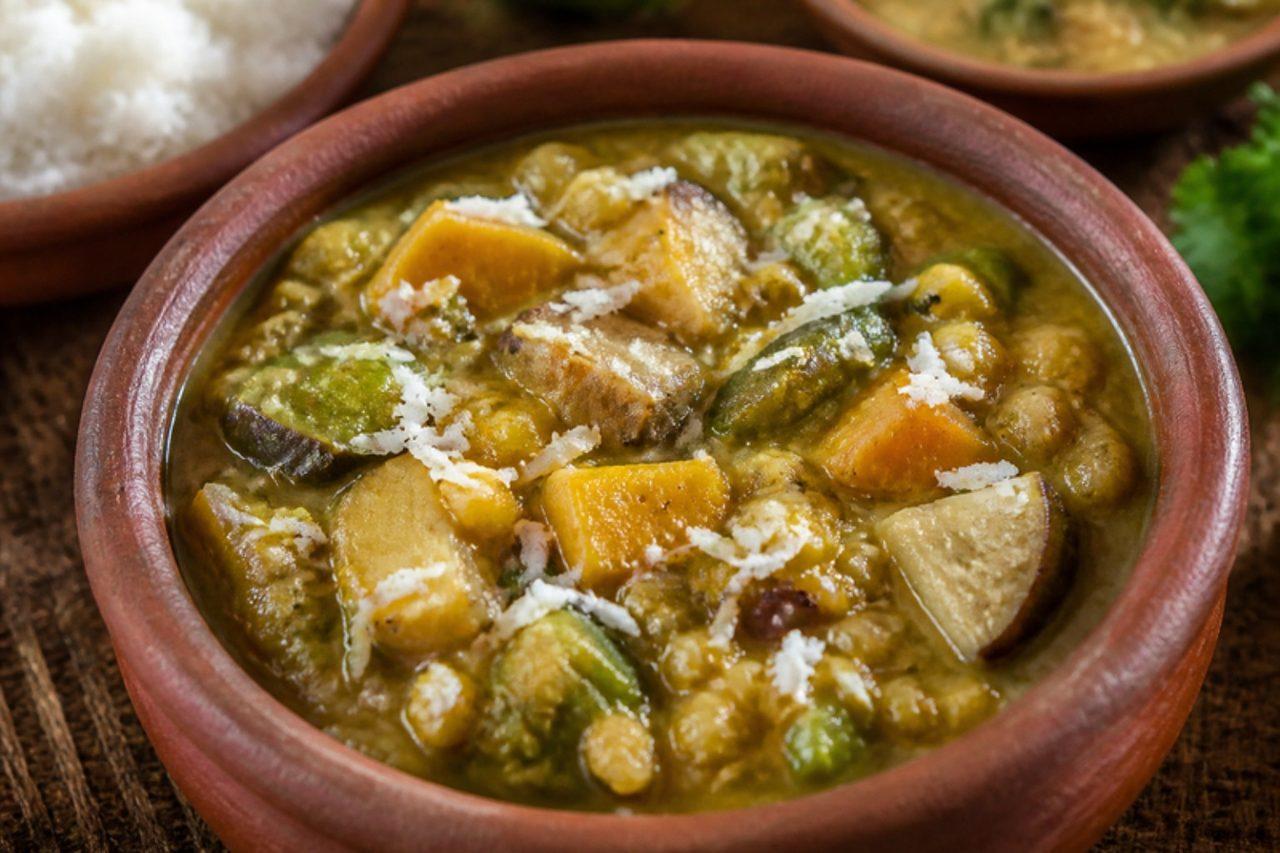
The partner to kali on Arudra Darshan morning is a kootu of seven (ezhu) vegetables, an old Tamil Brahmin custom that uses whatever native winter produce is at the market: pumpkin, ash gourd, raw plantain, sweet potato, broad beans, colocasia and chow-chow are a typical set, and no onion, garlic, tomato or 'English' vegetables go in. They simmer in tamarind water with soft toor dal and a paste of roasted coriander, chana dal, red chillies and coconut, giving a thick, tangy, gently hot stew that cuts the sweetness of the kali. Common mistake: adding tamarind before the vegetables are cooked, which keeps them hard; cook them first in plain water until a knife goes in easily, then add the tamarind and boil until its raw smell has gone. Chef's tip: roast the paste spices until the chana dal turns golden-red, which gives the kootu its depth.

by KrazyBadal 0 views

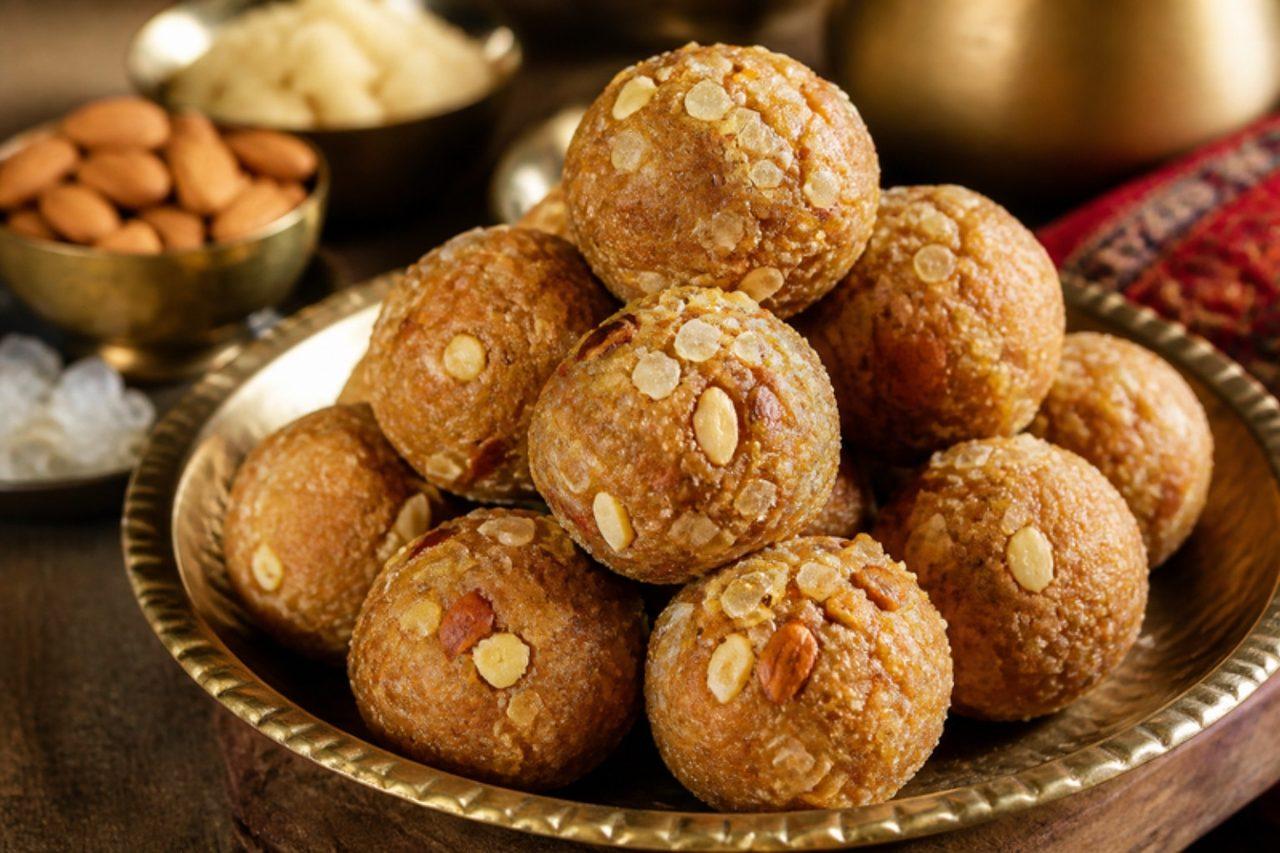
Gond ke ladduEdible gum and flour laddus

When the January cold sets in around Lohri, Punjabi and Marwari kitchens make a tin of gond ke laddu, one of which is eaten each morning with hot milk to keep warm through winter. Edible gum (gond, from the acacia tree) is fried in ghee until it puffs into light crunchy nuggets, then crushed and mixed with ghee-roasted wheat flour, jaggery, dry ginger and plenty of nuts, so the laddus are rich, crumbly and crackle as you bite. Common mistake: frying the gum in oil that is too hot; it browns outside and stays glassy and chewy in the middle, so fry it on a medium heat until each piece swells to twice its size and turns opaque white. The flour is done when it smells nutty, turns golden and the ghee loosens at the edges. Chef's tip: roll the laddus while the mixture is still warm; once it cools it will not bind.

by KrazyBadal 0 views

Kobi na muthiaCabbage steamed dumplings

When the dudhi runs out, Gujarati cooks reach for a head of cabbage, and kobi na muthia appear for breakfast in Vadodara and Rajkot homes. Finely shredded cabbage is bound with wheat and gram flour, ginger, green chilli and a touch of sugar, steamed into logs, sliced and crisped in a sesame and mustard tempering. Cabbage gives a sweeter, more delicate flavour and a slightly lacy texture. The mistake to avoid is shredding the cabbage coarsely; thick shreds poke out of the logs and the slices fall apart, so chop it as fine as you can or pulse it briefly in a food processor. Chef's tip: let the salted cabbage sit for 10 minutes before adding flour so it softens and gives up enough water to make the dough.

by KrazyBadal 0 views

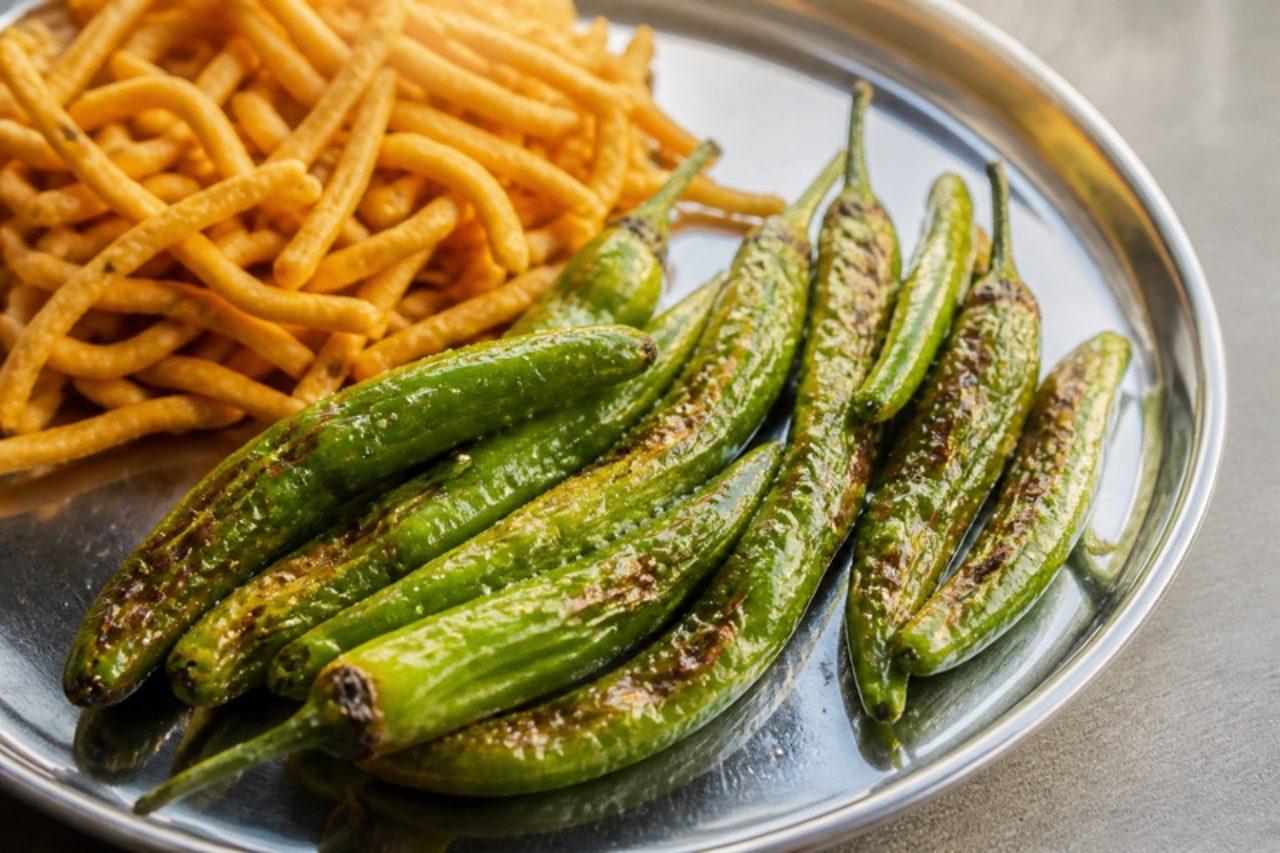
Talela marchaFried green chillies

Every plate of gathiya, dalvada or bhajiya sold in Gujarat comes with a little heap of talela marcha, green chillies dropped into the farsan seller's kadai for a few seconds until they blister and turn olive green, then shaken with salt and a squeeze of lemon. Bitten between mouthfuls of farsan they give a fresh, smoky hit of heat. Use thick, fairly mild chillies if you can find them. The common mistake is frying wet chillies: water on the skin makes the oil spit violently. Chef's tip: slit them lengthways first so steam escapes and they don't burst in the oil.

by KrazyBadal 0 views

Khari bundiSalted gram flour pearls

Khari bundi is the salted boondi that Gujarati cooks keep in a jar for raita, bhel, dahi puri and Diwali farsan mixes, and that farsan shops in Ahmedabad sell by the kilo. A pourable gram flour batter is tapped through a perforated ladle into hot oil, where it puffs into crunchy little pearls, then tossed while warm with salt, red chilli and black pepper. The common mistake is getting the batter consistency wrong: too thick and the drops grow tails, too thin and they spread flat, so test a few drops before frying the whole lot. Chef's tip: hold the ladle about 10 cm above the oil and tap its edge, never press the batter through.

by KrazyBadal 0 views

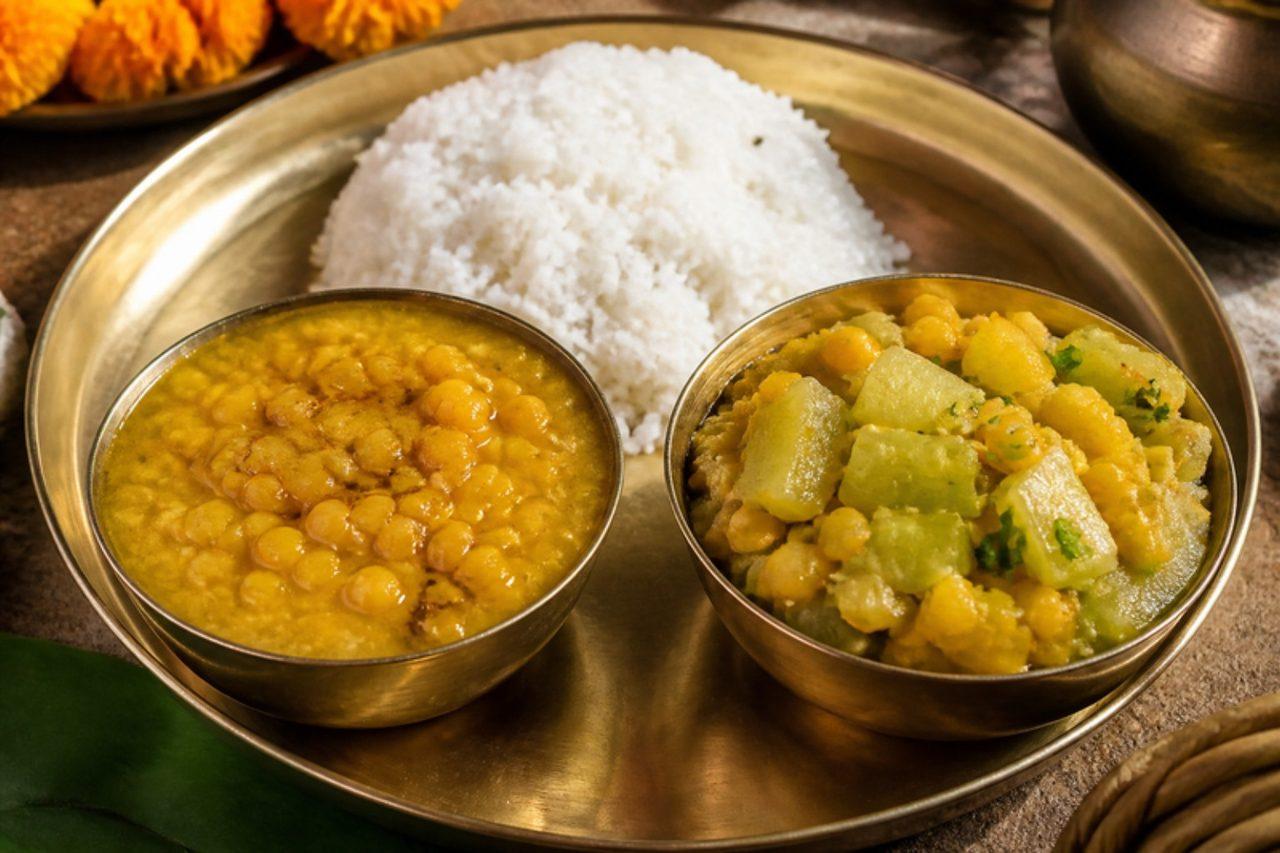
Kaddu bhaatBottle gourd dal with rice

Chhath begins with Nahay-khay: after a holy bath in the Ganga or a pond, the women and men keeping the fast in Bihar and Jharkhand eat one pure, simple meal, and it is always kaddu (bottle gourd) cooked with chana dal, plain rice and a ghee-fried sabzi, seasoned only with sendha namak (rock salt) and no onion or garlic. The dal is mild, soft and sweet from the gourd, with cumin, ginger and green chilli. Common mistake: adding the gourd at the start, so it collapses to mush; cook the chana dal soft first, then simmer the gourd until just translucent. Chef's tip: grate a spoon of fresh ginger into the ghee tadka at the end; it is the main flavour since there is no garlic.

by KrazyBadal 0 views

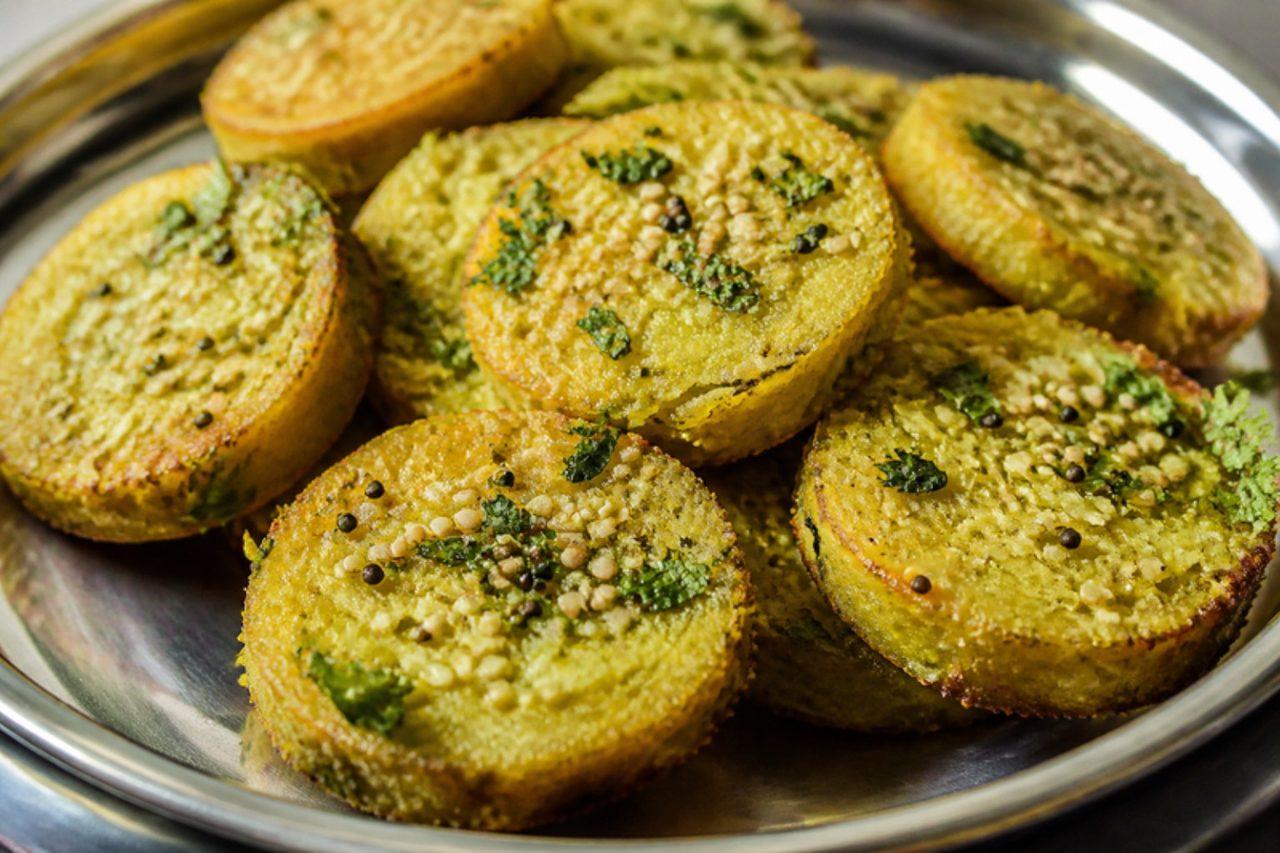
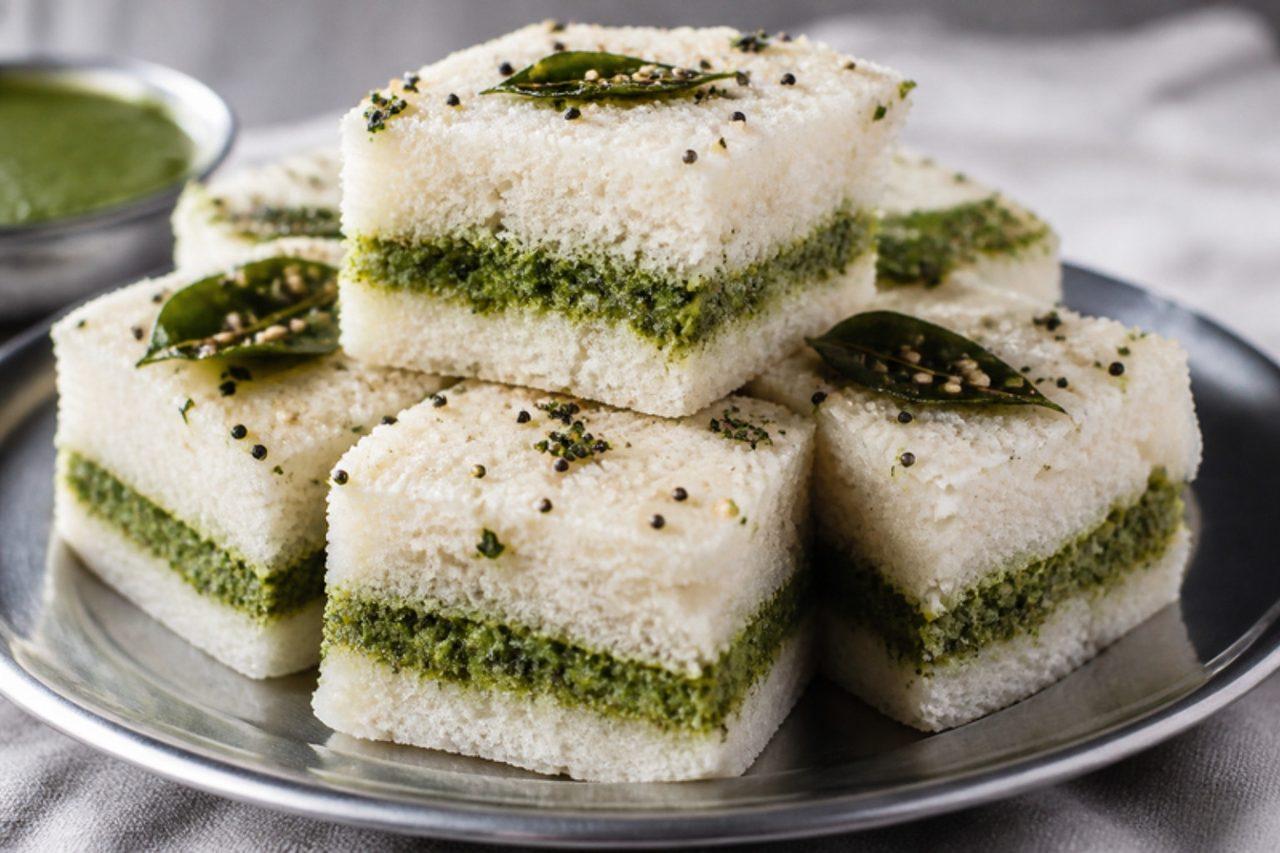
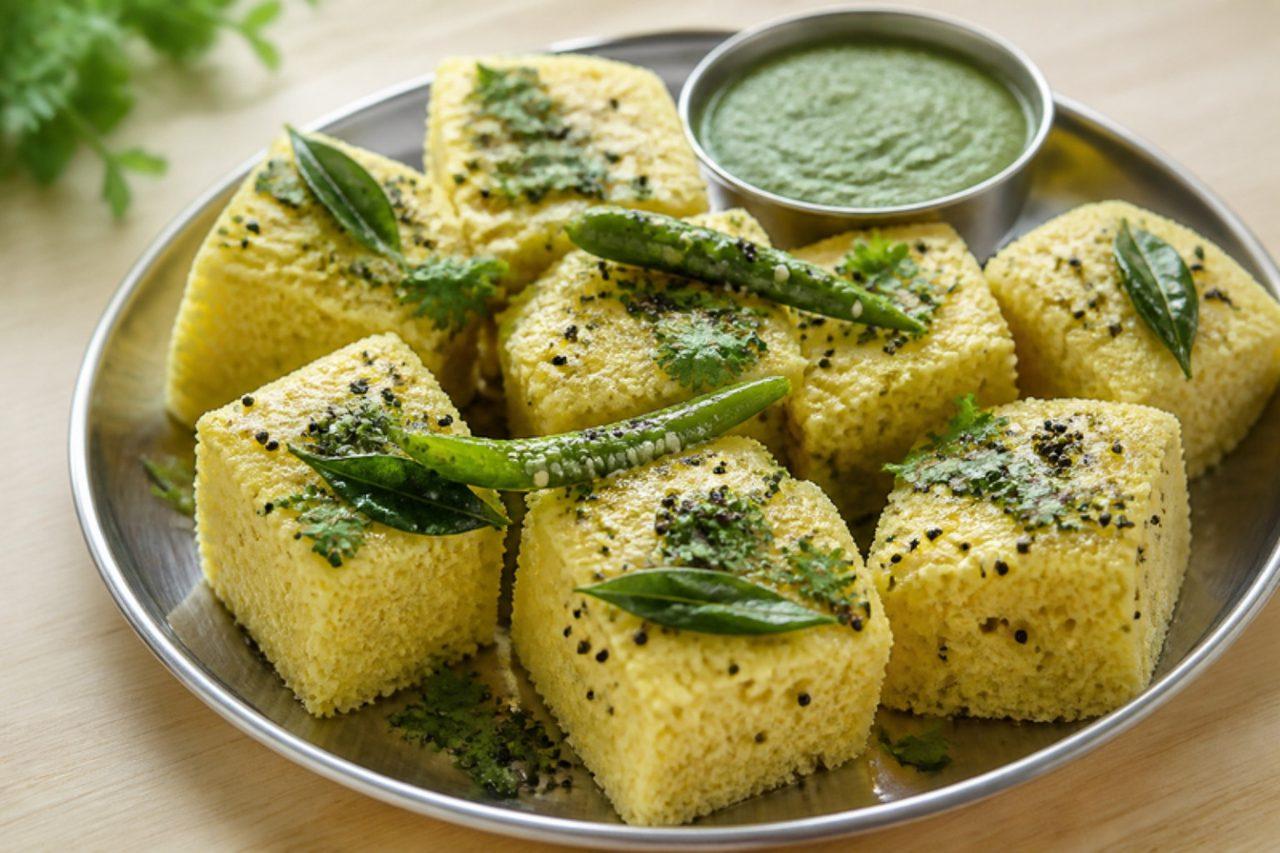
Sandwich dhoklaLayered dhokla with green chutney

Sandwich dhokla is the party showpiece of Ahmedabad farsan shops and Gujarati wedding counters: white, fermented rice and urad dal dhokla steamed in two layers with a thin band of coriander chutney in between, so every square shows a bright green stripe. It is soft, tangy from the ferment and a little peppery, and is cut into neat squares for parties and evening tea. The usual mistake is pouring the top layer while the first is still raw; the chutney sinks and the stripe smudges, so steam the bottom layer until just set before adding the rest. Chef's tip: make the chutney thick, almost like a paste, and spread it with the back of a spoon wetted in water.

by KrazyBadal 0 views

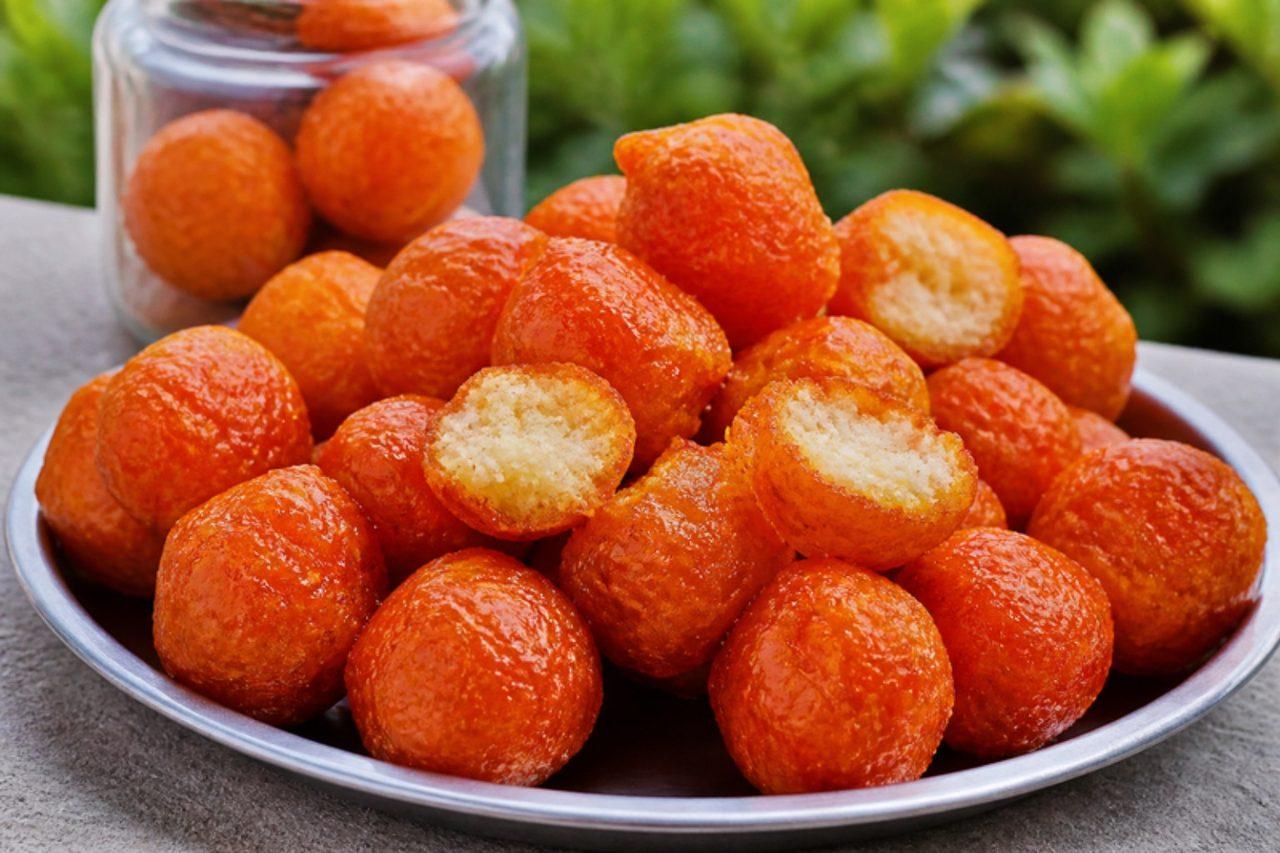
Then mittaiSyrup-soaked rice and urad balls

Then mittai, 'honey sweets', were sold from glass jars at the petti kadai outside every Tamil village school in the 1980s and 90s, glossy red balls that crunch and then squirt sweet syrup. They're nostalgic now and great fun to make at home for children's parties. The mistake is frying too hot, which browns the outside before the centre cooks; they should fry slowly to a crisp shell. Chef's tip: let the fried balls cool for a minute before dropping them into warm, not hot, syrup so they stay crisp instead of going soggy.

by KrazyBadal 0 views

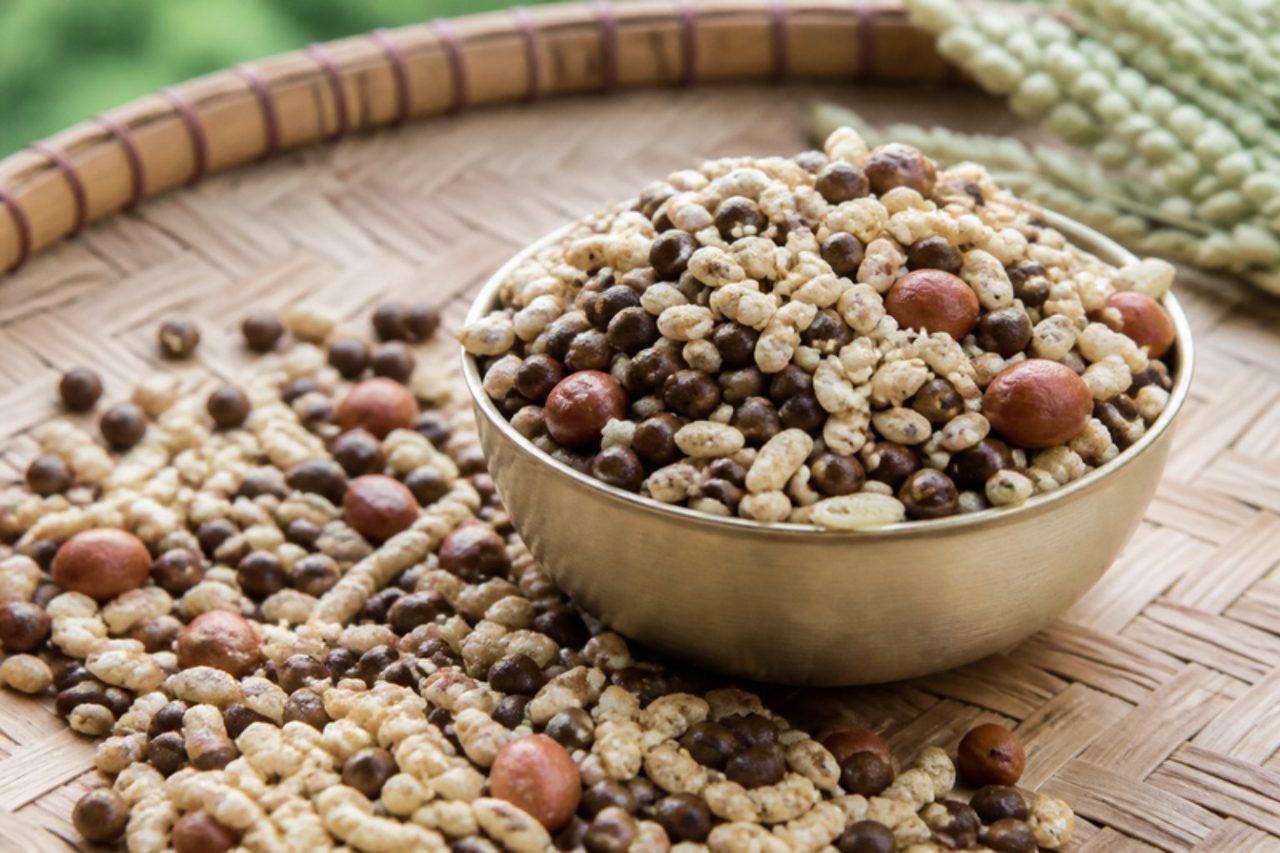
Mah-karaiRoasted rice and sesame mix

On Goru Bihu, the first day of Bohag Bihu in mid-April, Assamese families bathe the cattle in the river and then sit down to a handful of mah-karai, a crunchy mix of separately roasted grains and seeds that is said to keep the body strong for the year ahead. It is nutty, dry and gently salty, with the odd sharp slice of fresh ginger, and is passed round in a small bowl alongside jolpan and pitha. Common mistake: roasting everything in one pan; each item browns at its own pace, so roast them one by one until they smell toasted and crackle when shaken. Chef's tip: roast the black gram first and longest, until it splits and turns deep brown, because undercooked gram stays hard as gravel.

by KrazyBadal 0 views

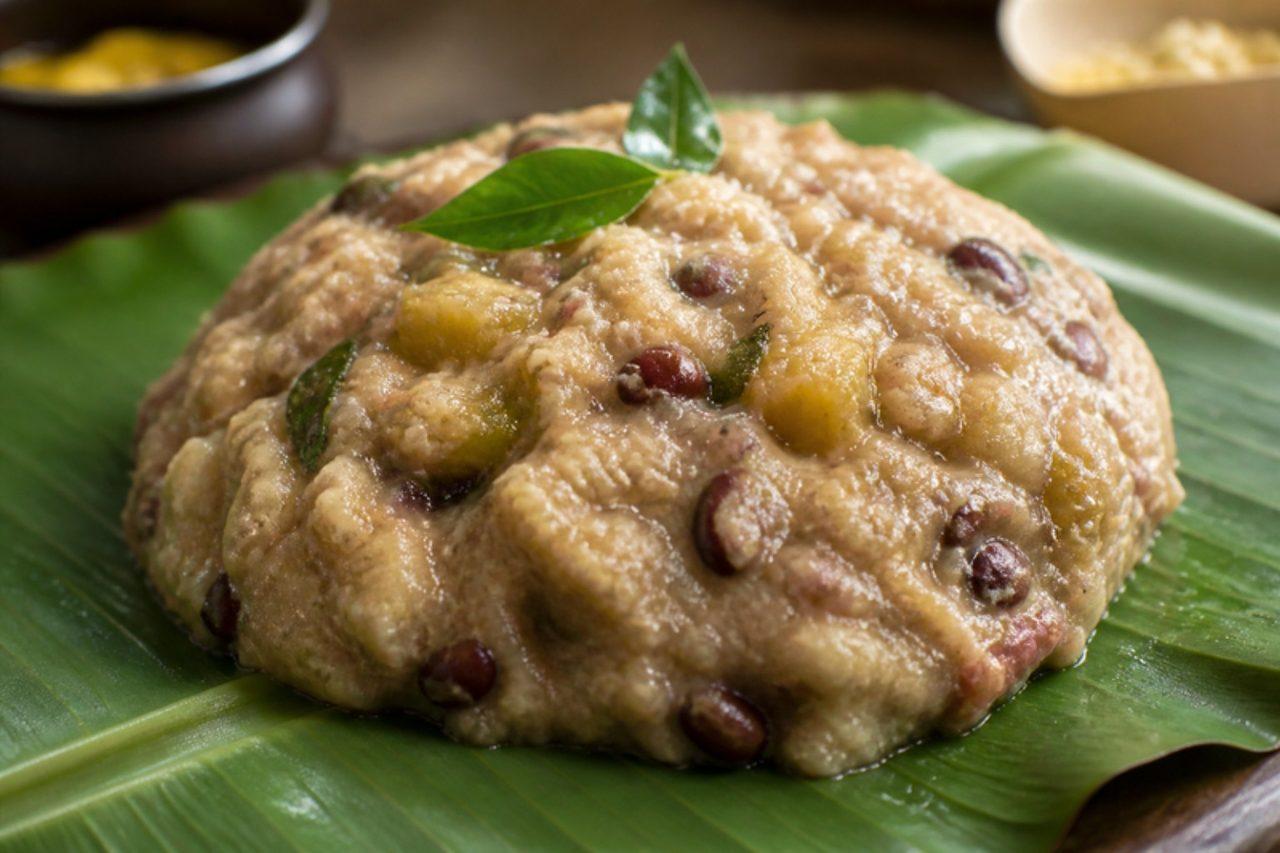
Thiruvathira puzhukkuTubers and plantain with coconut

On Thiruvathira, in the Malayalam month of Dhanu, Kerala women keep a vow for Shiva and Parvati: they stay off rice, dance the thiruvathirakali in a circle at night and eat a plate built from the earth's tubers instead. Puzhukku is the heart of that plate, a thick, gently spiced mash of elephant-foot yam, colocasia, sweet potato, raw plantain and red cowpeas folded through a coarse paste of coconut, green chilli and cumin, then finished with raw coconut oil and curry leaves. Each tuber goes in at its own time so the pieces end up tender but still recognisable. Common mistake: stirring hard once everything is soft, which turns it into glue; it is done when a piece of yam crushes easily against the side of the pot and the water has almost gone, then you only fold. Eat it warm with koova payasam or a glass of buttermilk. Chef's tip: undercooked yam and colocasia can make the throat itch, so taste a piece before adding the coconut and keep cooking if it is still firm in the centre.

by KrazyBadal 0 views

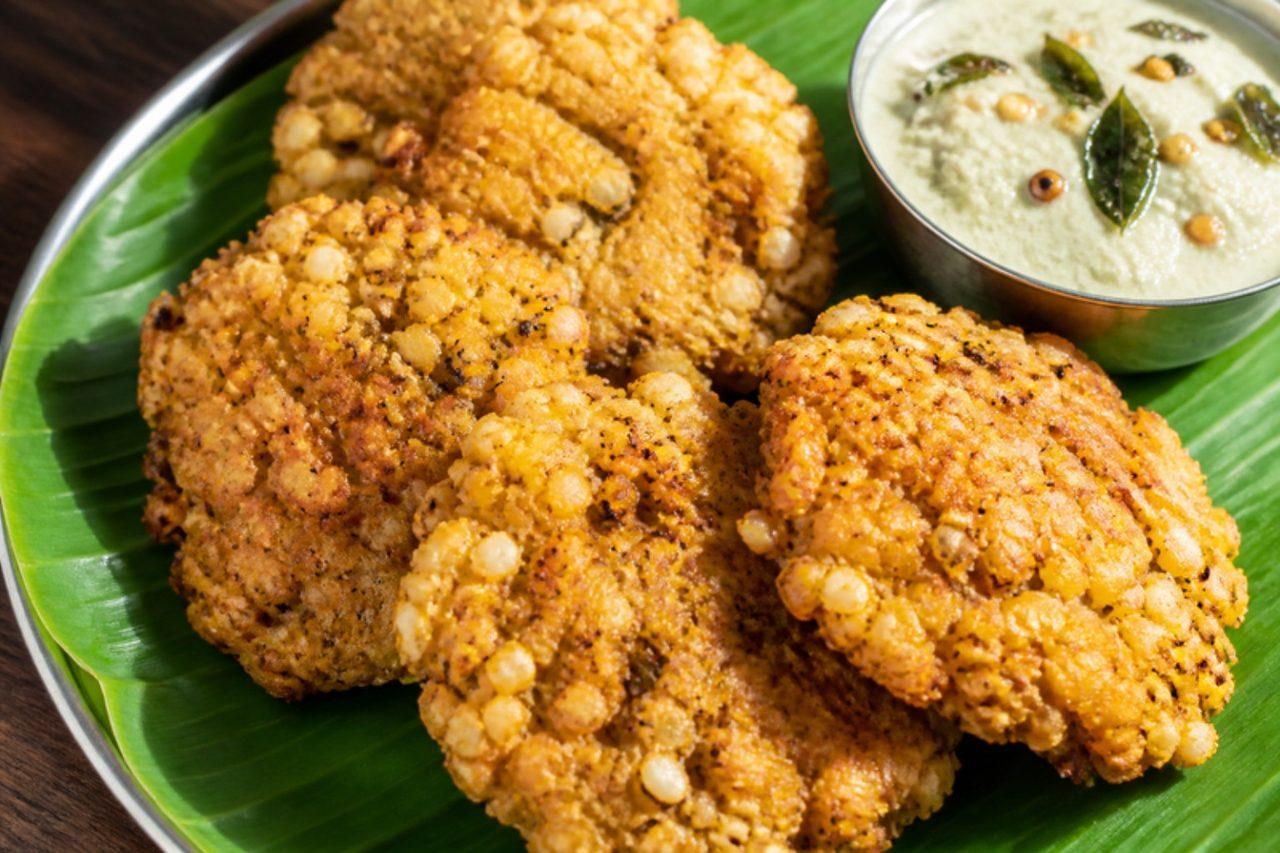
Thavala vadaiMixed dal and rice fritters

Thavala vadai belongs to the old Brahmin kitchens of Thanjavur and Kumbakonam, where it is fried for the afternoon 'tiffin' or for guests on festival days. Four dals and a little rice are ground coarse with pepper, then studded with tiny coconut cubes, so each vadai is rough and pebbly outside and soft and nutty within. The usual mistake is grinding it as smooth as medu vada batter; thavala vadai wants a gritty, semolina-like texture, so keep the grinder on pulse. Chef's tip: shape them small and thick with a dent in the middle using your thumb, so the centre cooks through before the outside darkens.

by KrazyBadal 0 views

GojhaSweet coconut half-moon pastries

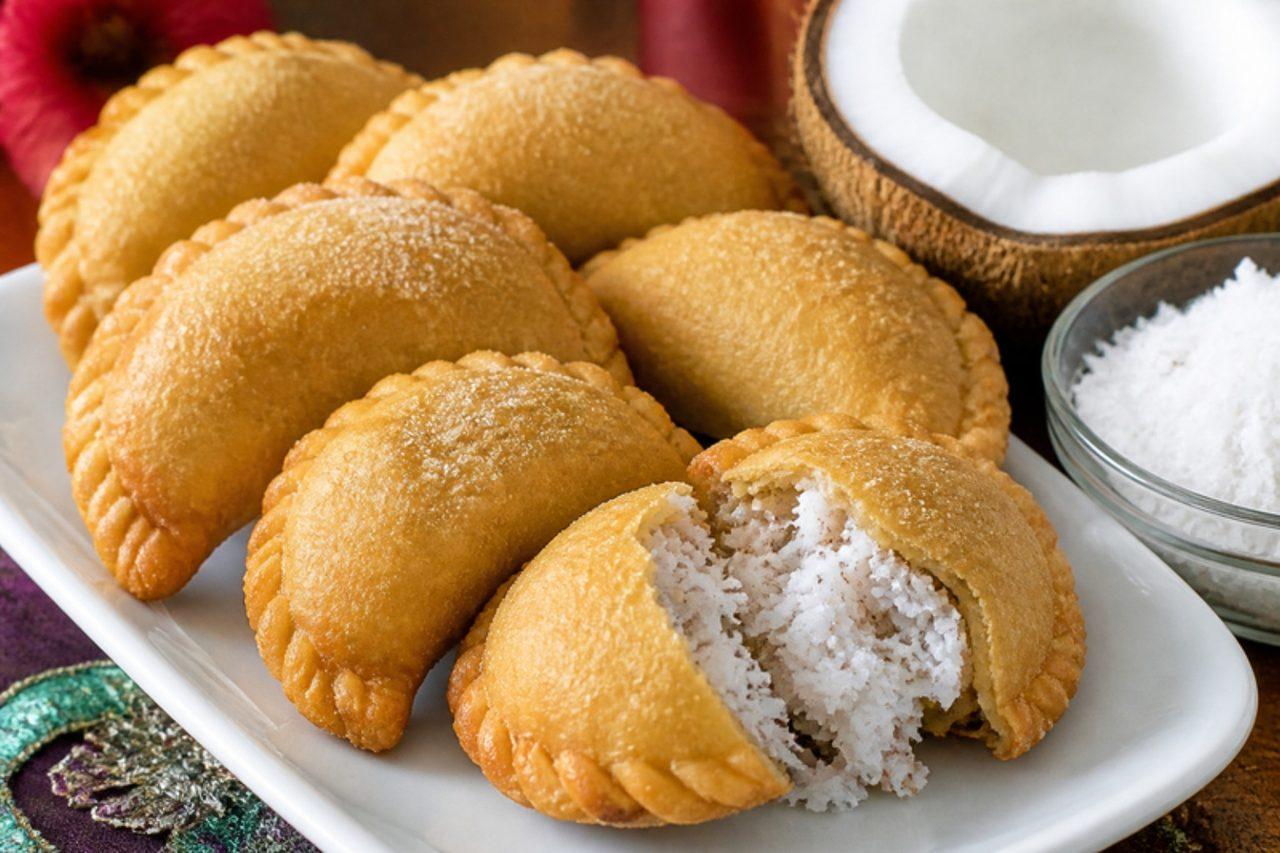
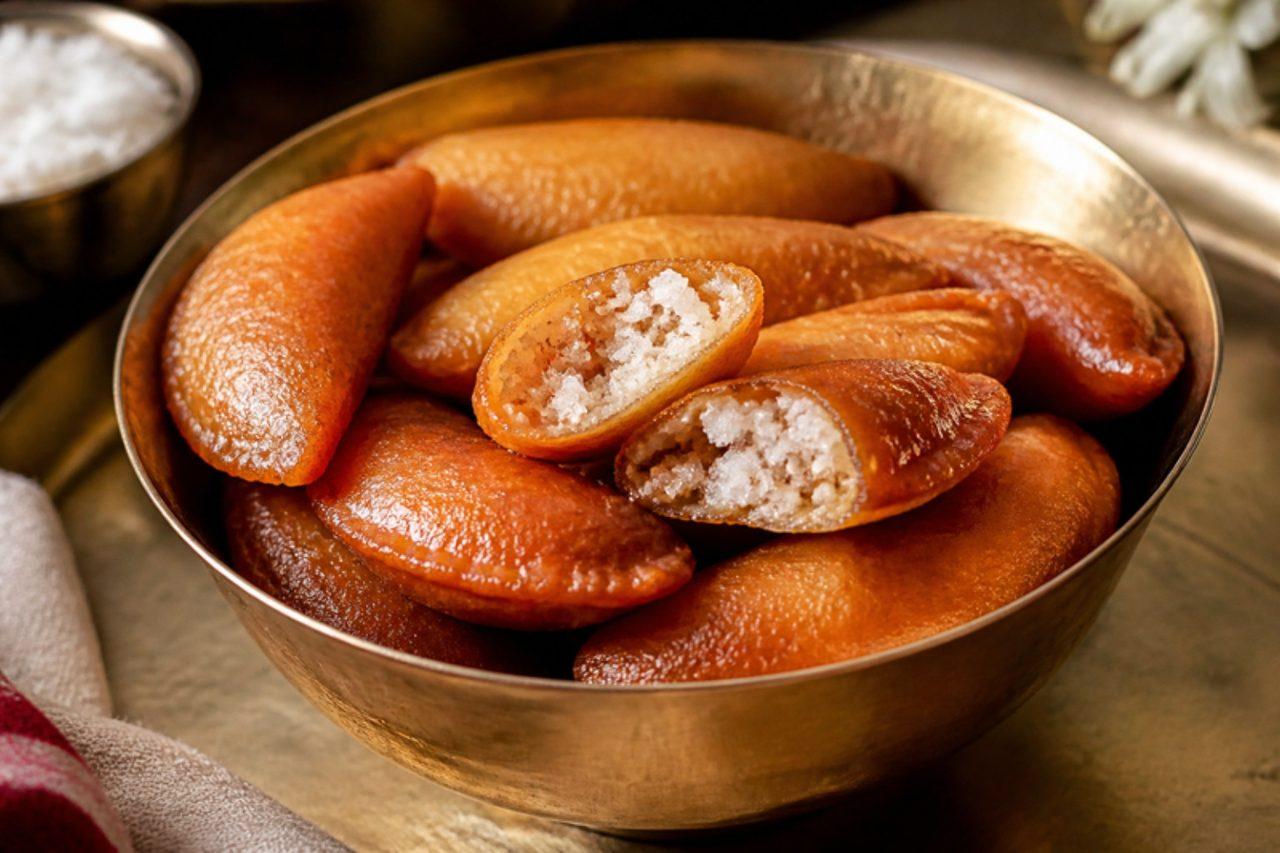
When Divali comes to Trinidad, Hindu families light rows of clay deyas along bamboo frames, and the kitchen fills up with sweets to share with neighbours of every faith: kurma, parsad, barfi and gojha. Gojha are the Caribbean cousin of the North Indian gujiya: a short dough rolled thin, filled with grated coconut cooked with brown sugar, cinnamon, nutmeg and ginger, folded into half-moons, crimped and fried golden; the same tray reappears at Phagwah, the spring colour festival. Common mistake: frying in oil that is too hot, which browns the outside while the pastry stays raw; keep the oil at about 170 °C and fry until the bubbles slow and the gojha are evenly golden. Chef's tip: seal the edges with a dab of water and crimp them tightly, or the filling leaks and spits in the oil.

by KrazyBadal 0 views

Bhavnagari gathiyaCrunchy gram flour sticks

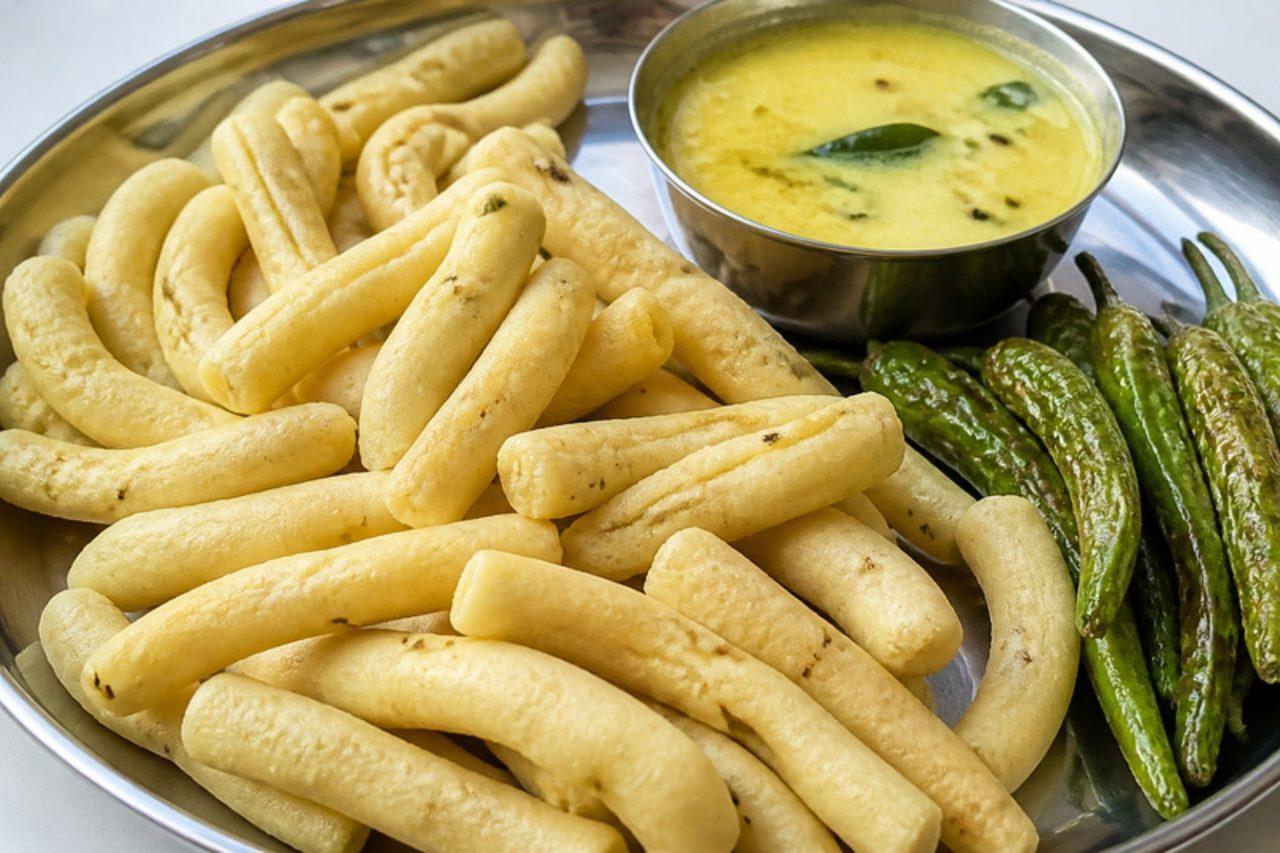
Bhavnagar is Gujarat's gathiya town, and its namkeen shops sell these thick, knobbly sticks by the kilo, warm in the morning with fried chillies and papaya sambharo, and boxed up for relatives abroad. They are thicker than any sev, with a rough, bubbly surface from being rubbed through a flat perforated gathiya jharo (or pressed through the largest disc of a sev press), and the dough is beaten with oil and soda so they stay light and crunchy rather than hard. Ajwain and coarse black pepper give them their warmth. The common mistake is a stiff dough: it will not pass through the holes and the gathiya come out dense. Chef's tip: beat the oil, water and soda together until white and frothy before adding the flour; that is what makes them airy.

by KrazyBadal 0 views

Kai murukkuHand-twisted rice flour spirals

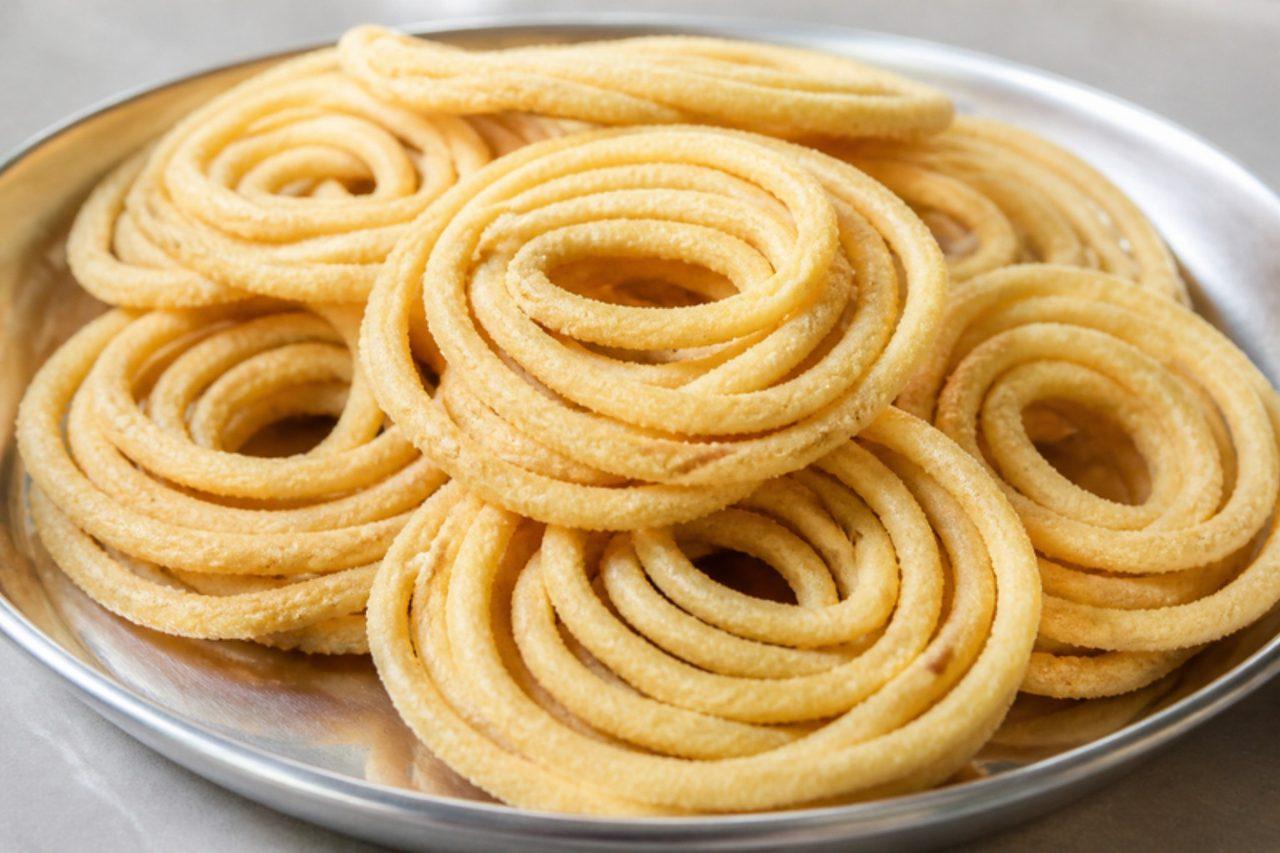
Manapparai near Tiruchirappalli is famous for kai murukku, hand-twisted spirals made by women who can loop the dough between thumb and finger faster than you can watch. They are fried for Deepavali, weddings and seemantham baskets, and the good ones shatter with a clean crunch and taste lightly of cumin and sesame. The usual mistake is using flour that isn't sifted and roasted dry, which leaves raw-tasting murukku that bubble and burst. Twisting takes practice, so start with a simple three-loop ring. Chef's tip: shape them on a damp cloth and fry from the cloth, so the rings don't stick or tear.

by KrazyBadal 0 views

Makhan mishriFresh butter with rock sugar

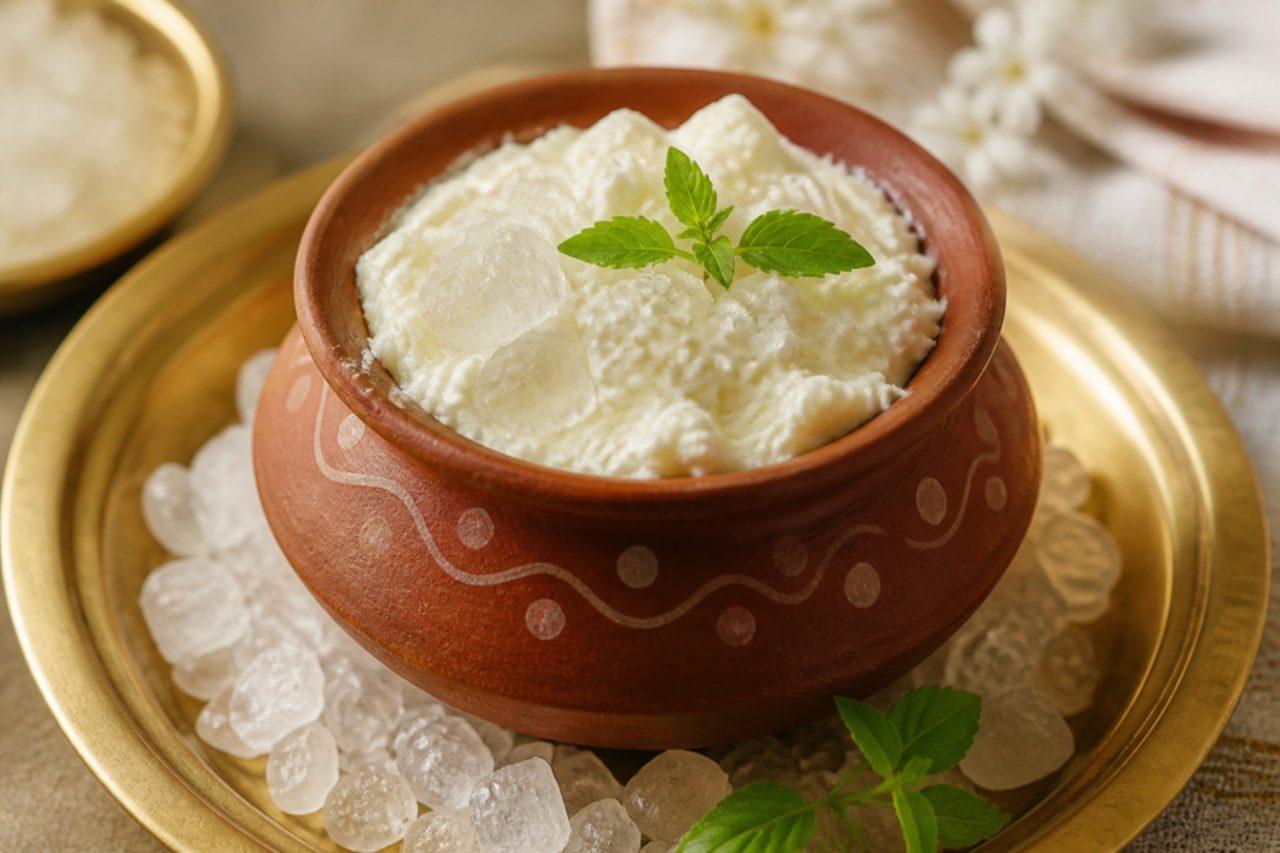
Stories from Mathura and Vrindavan tell of the child Krishna stealing butter from the pots of the cowherd women, so at midnight on Janmashtami the first offering in the temples and at home is a bowl of fresh white butter mixed with mishri, the rock-sugar crystals. The butter is churned from cream at home, so it is soft, cool and lightly tangy, and the sugar crunches against it. It is eaten as prasad in tiny spoonfuls, often with a tulsi leaf on top. Common mistake: churning warm cream, which turns greasy instead of breaking; the cream must be fridge-cold, and the butter is ready when yellow-white clumps separate cleanly from thin buttermilk. Chef's tip: rinse the butter in iced water two or three times and press it with a spoon; washing out the buttermilk keeps it fresh for a day.

by KrazyBadal 0 views

Kul er chutneyJujube chutney

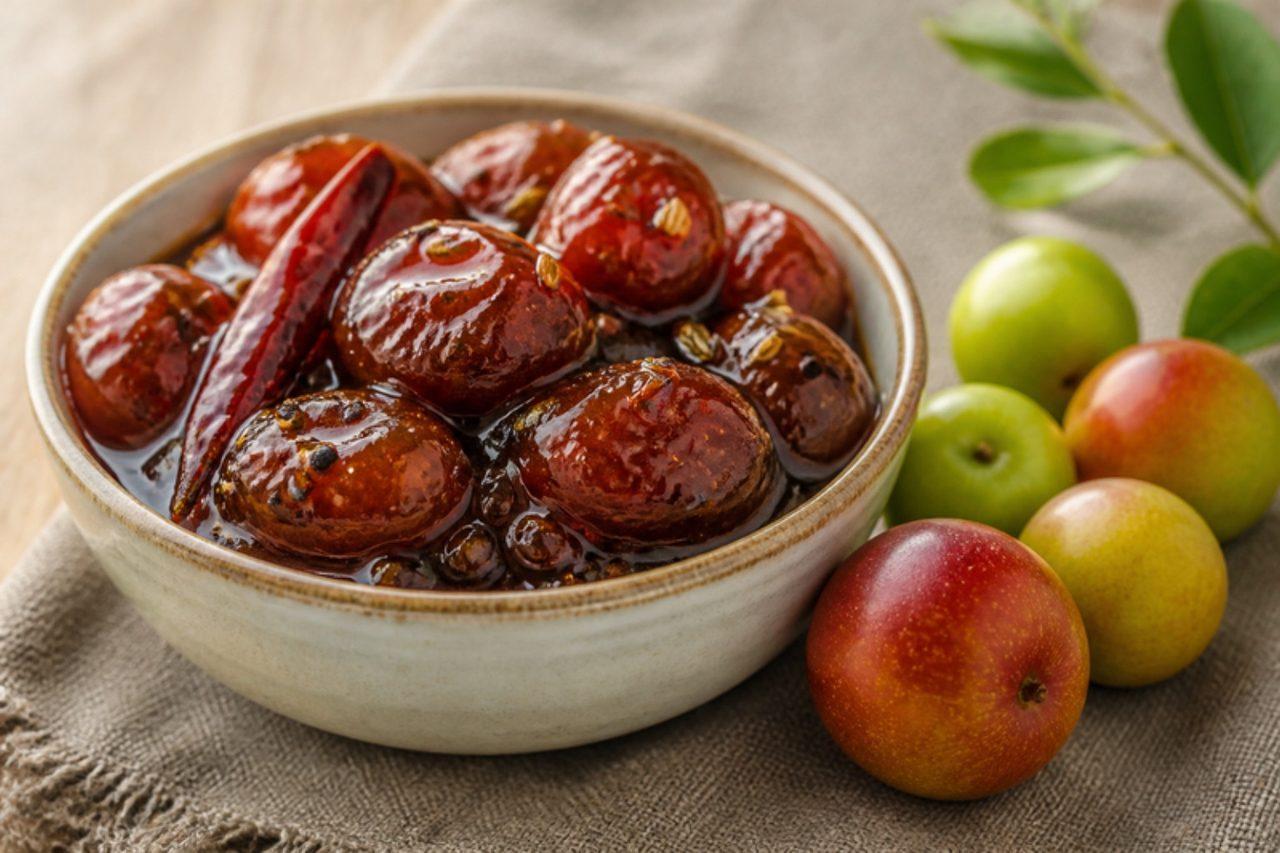
Many Bengali families do not eat kul (Indian jujube, or ber) all winter until it has been offered to Goddess Saraswati, so on Saraswati Puja the first taste usually comes as this glossy chutney at the end of the khichuri bhog. Fresh or dried kul is simmered with jaggery, a tempering of panch phoron and dried red chilli in mustard oil, and finished with a touch of roasted spice powder, giving a sticky, sweet, sour and mildly hot relish. Dried kul gives a darker, chewier chutney; fresh kul is brighter and tangier. Common mistake: cooking it too thick on the stove; the chutney sets firmer as it cools, so stop when the syrup coats a spoon and runs off slowly. Chef's tip: prick each fresh kul with a fork before cooking so the syrup gets inside instead of the fruit bursting.

by KrazyBadal 0 views

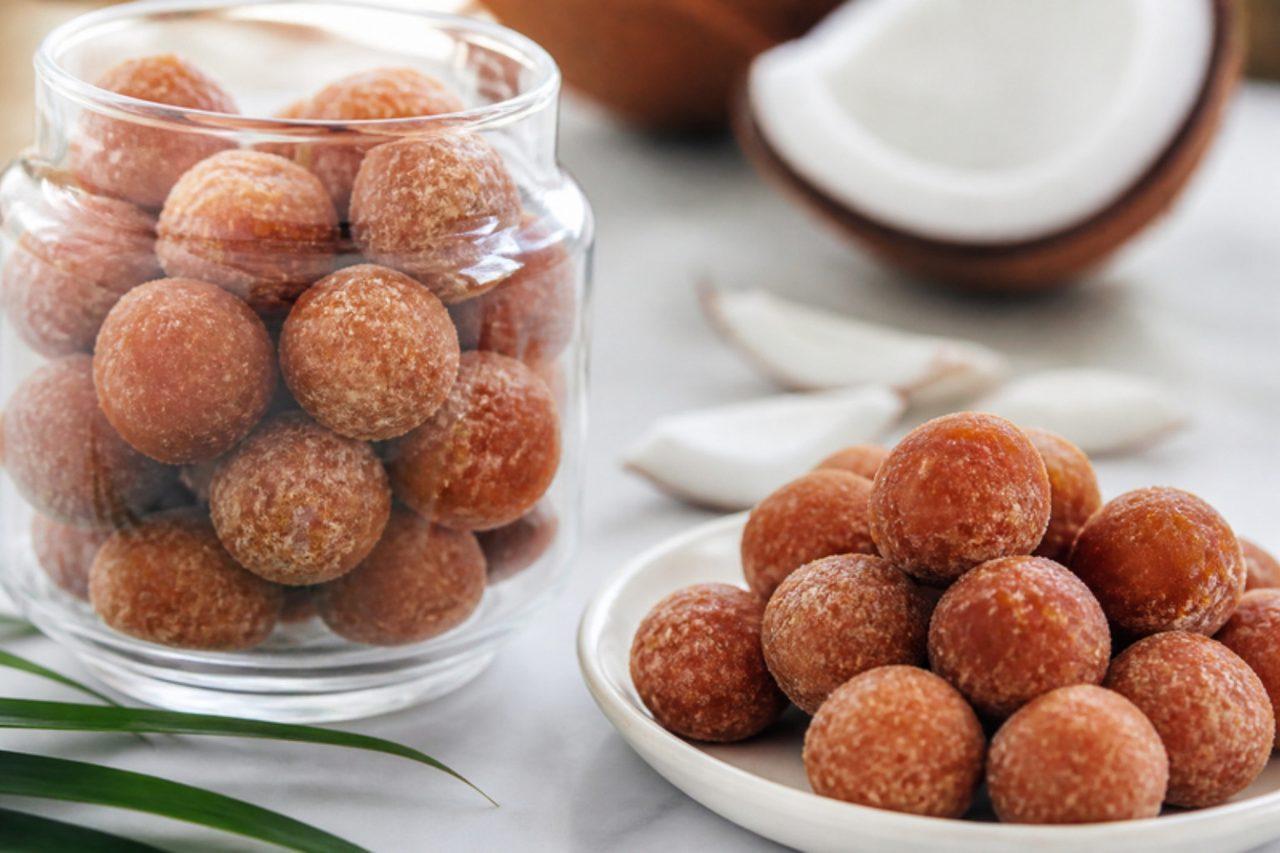
KamarkattuCoconut jaggery candy balls

Kamarkattu is the toffee of Tamil village shops, dark, chewy, caramel-scented balls of coconut and jaggery that cost a few paise in the days when children bought sweets one at a time. It's quick to make at home and keeps for a couple of weeks. The mistake is taking the jaggery too far: if the syrup hardens past the soft-ball stage, kamarkattu turns rock hard and pulls fillings. Chef's tip: test a drop in cold water; when it forms a soft ball you can squash, switch off and shape immediately.

by KrazyBadal 0 views

PalkovaMilk fudge

Srivilliputhur, the temple town of Andal near Virudhunagar, is so famous for its palkova that it has a protected geographical name. Local cows' milk is reduced in wide iron pans over a wood fire with sugar until it becomes a soft, grainy, pale caramel-coloured fudge, sold on banana-leaf squares and eaten as a sweet with tea or after meals. The mistake is turning the heat up to save time; the milk scorches, tastes burnt and the texture turns tough. Chef's tip: use full-fat milk and a wide, heavy pan, and stir the bottom and sides constantly in the last twenty minutes.

by KrazyBadal 0 views

Tala methi na muthiaFried fenugreek dumplings

In Surat and the towns of South Gujarat, winter means undhiyu, and undhiyu means a big batch of fried methi muthia. These little finger-shaped dumplings of fresh fenugreek, gram flour and coarse wheat flour are crisp outside and soft inside, sweet-sour from sugar and lemon, with the pleasant bitterness of methi. Many families fry extra to eat as a snack with tea or with green chutney. The common mistake is frying in oil that is too hot; the outside browns while the centre stays raw and pasty, so fry them at a steady medium heat. Chef's tip: a little hot oil rubbed into the flour (moyan) is what makes them crumbly-crisp rather than hard.

by KrazyBadal 0 views

Kacha kela na vadaRaw banana fritters

In Jain homes in Ahmedabad, Palanpur and Mumbai's Gujarati neighbourhoods, raw green banana takes the place of potato, so these vada are the Jain answer to batata vada, made for paryushan-season tea and for guests. The bananas are boiled, mashed and spiced with dry ginger, green chilli, lemon and a little sugar, rolled into balls, dipped in gram flour batter and fried. They taste much like batata vada but are slightly firmer, sweeter and fruity. There is no onion, garlic, potato or fresh ginger in this version. The common mistake is overboiling the bananas until they are waterlogged; the filling then goes sticky and the vada split in the oil, so cook them only until a knife slides in. Chef's tip: mash the bananas while warm with a potato masher, not a blender, so the filling stays light.

by KrazyBadal 0 views

SunthavadaDry ginger, coconut and sugar mix

At exactly noon on Ram Navami, when Maharashtrian temples and homes rock a decorated cradle to mark Rama's birth, each person is handed a spoonful of sunthavada: dry ginger powder, toasted dry coconut, poppy seeds and sugar pounded together into a fragrant, warming powder. The same mix is given at Janmashtami midnight. It is sweet, nutty and gently fiery from the ginger. Common mistake: burning the coconut; it should be toasted on a low heat only until it turns pale gold and smells sweet, then cooled before grinding so it does not turn oily. Chef's tip: grind in short pulses; long grinding releases the coconut oil and the powder clumps.

by KrazyBadal 0 views

GhughuteFried jaggery dough shapes

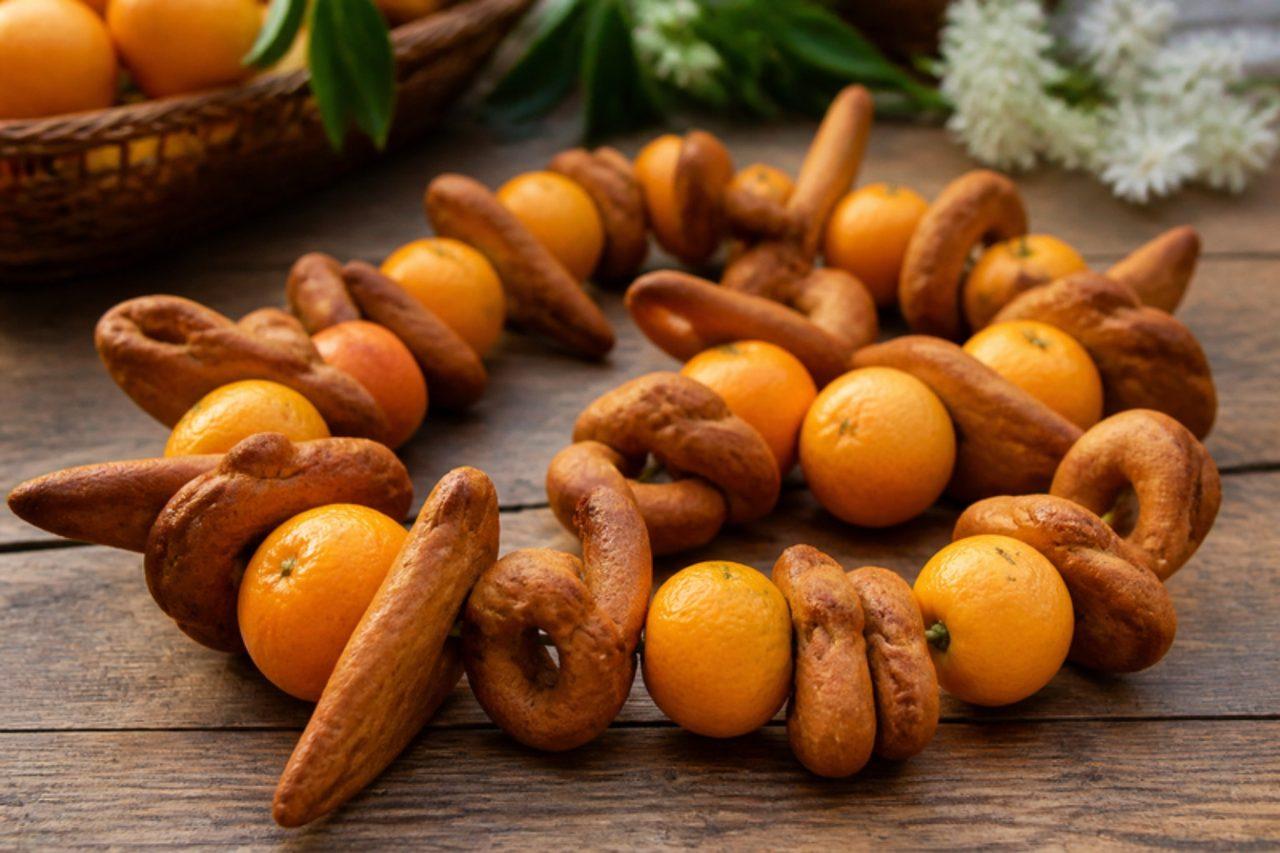
In Kumaon, Makar Sankranti is Ghughutiya, and the evening before, families knead wheat flour with jaggery and shape it into little drums (damru), swords, knots and flowers, fry them and thread them into necklaces with an orange in the middle. The next morning children wear the garlands and call the crows: 'kale kale, ghughuti mala khale', offering them the first bites before eating the rest themselves. The ghughute are crisp outside and slightly chewy within, gently sweet with fennel. Common mistake: oil that is too hot; they darken in seconds but stay doughy inside, so fry on a medium heat until they are an even deep gold and sound hollow when tapped. Chef's tip: keep the dough quite stiff, like for mathri; soft dough loses its shapes in the oil.

by KrazyBadal 0 views

Gota sheddhoBoiled whole moong and winter vegetables

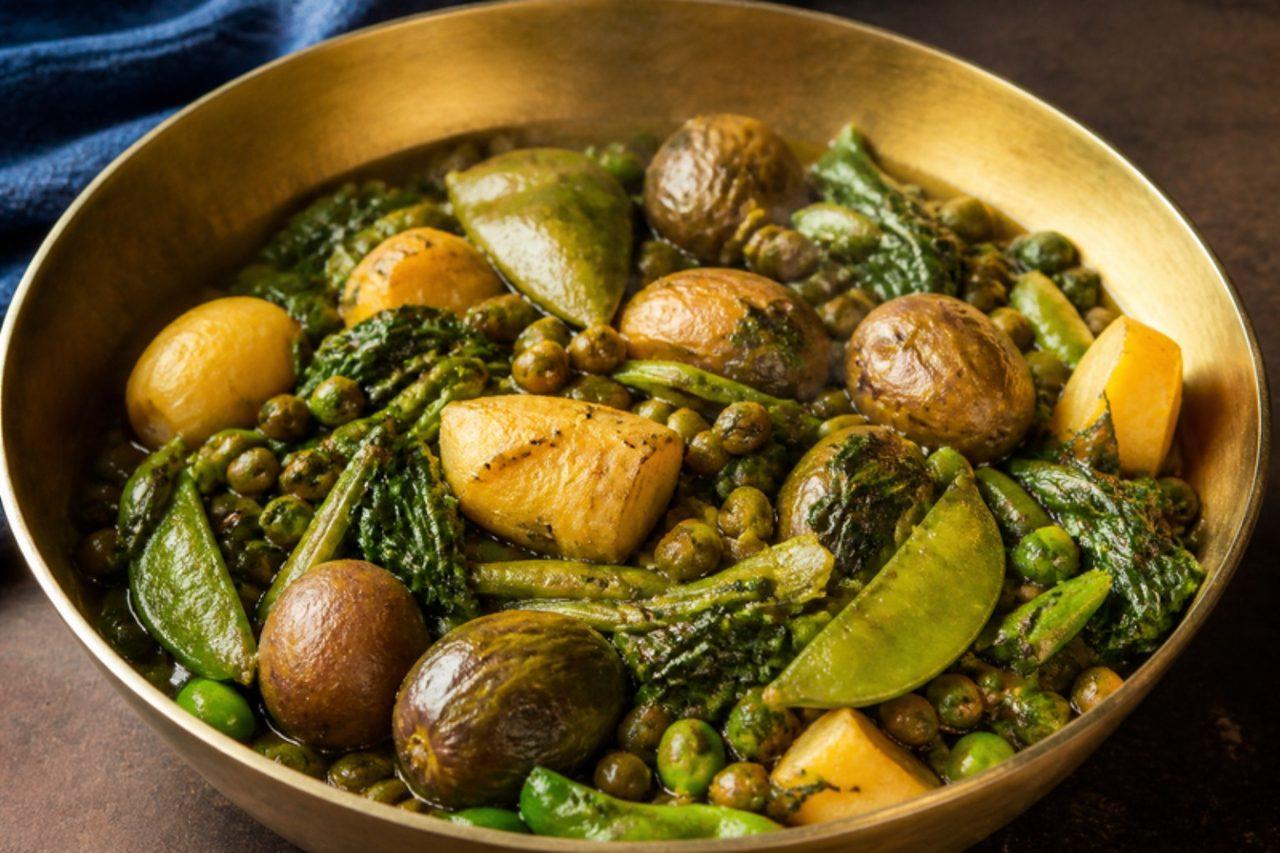
Gota sheddho is cooked by West Bengali families on the night of Saraswati Puja and eaten cold the next morning, on Sheetal Shashthi, a day when the stove is left to rest. Everything goes into the pot whole, which is what gota means: roasted green moong, small potatoes, sweet potatoes, flat beans, peas, baby aubergines and a handful of spinach, boiled with green chillies and salt and finished with raw mustard oil. It is simple, mild and surprisingly good, with the pungent oil lifting the soft vegetables and creamy moong. Common mistake: cutting the vegetables; they must stay whole so they hold their shape overnight. Cook until the moong is tender and a potato is soft when pierced, but the aubergines still hold together. Chef's tip: dry-roast the moong until it smells nutty before boiling; it gives the whole pot a toasty depth.

by KrazyBadal 0 views

Sattu ke ladduRoasted gram laddus

Kajli Teej in Bundi, Rajasthan, falls in the dark fortnight of Bhadrapad, when women fast for their husbands and break the fast in the evening by moonrise with sattu: roasted gram flour mixed with ghee, sugar and nuts and pressed into laddus or one large decorated cake called a sattu pinda. The laddus are nutty, soft, powdery and very filling. Common mistake: using plain besan instead of sattu, or under-roasting the sattu, which tastes raw; roast gently in ghee until it smells biscuity and the ghee starts to separate at the edges. Chef's tip: shape while the mix is warm but cool enough to hold, and press each laddu firmly in your palm so it does not crumble.

by KrazyBadal 0 views

Bharela marchaStuffed green chillies

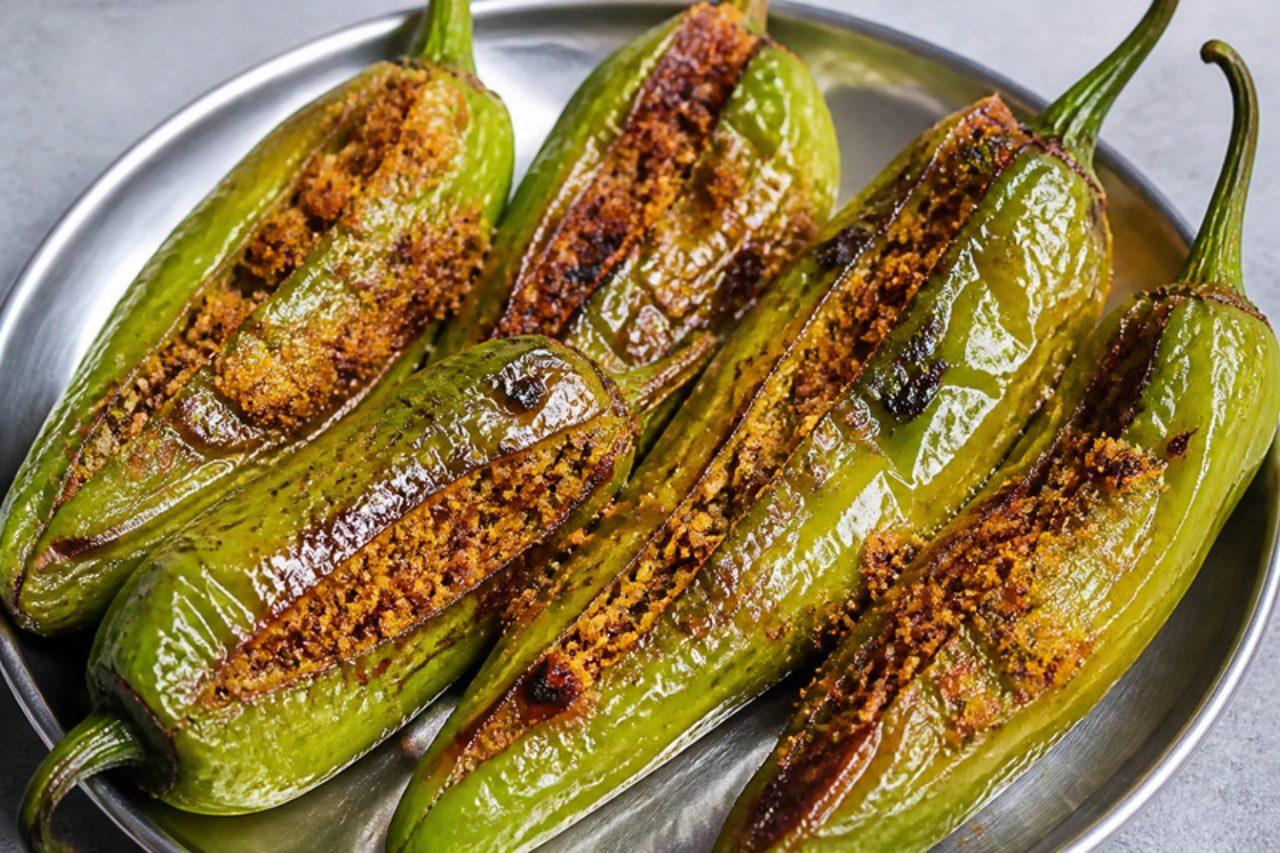
In Kathiawad, bharela marcha are made with the long, fat and fairly mild bhavnagri chillies that come in every winter, and they sit beside a thali of rotla, kadhi and khichdi as a sweet-sour-hot side. The filling is besan roasted in oil until nutty, mixed with sugar, lemon, turmeric and dhana-jiru, and the chillies are cooked covered on low heat until soft and blistered in patches. A common mistake is using small, very hot chillies; choose large mild ones, or the dish is too fierce to eat. Chef's tip: slit the chillies only on one side and scrape out the seeds and ribs; the heat drops right down and the filling stays inside.

by KrazyBadal 0 views

ChooriCrumbled roti with ghee and sugar

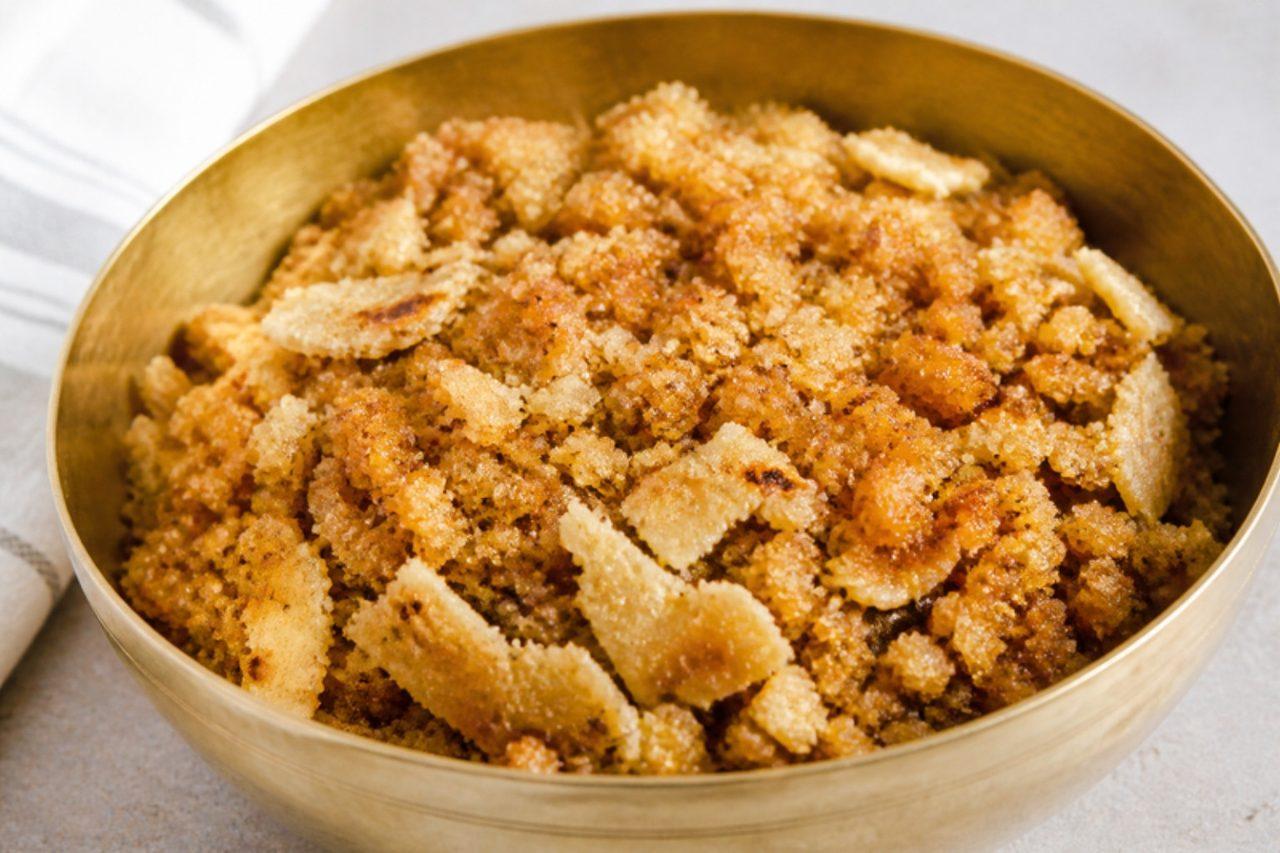
In Punjabi villages choori is what a grandmother makes when a child comes home hungry before dinner: a warm roti or leftover paratha crumbled by hand into ghee and shakkar until it turns into soft, sweet, buttery crumbs. It is eaten with a glass of tea or milk in the late afternoon, and in many homes a bowl is set aside as an offering on Sankranti and at the gurdwara. The common mistake is using cold, leathery rotis straight from the box: the ghee won't soak in and the sugar stays gritty. Warm them on the tawa first until they are soft and just crisp at the edges. Chef's tip: a pinch of crushed fennel and some chopped almonds turn it into a little treat for guests.

by KrazyBadal 0 views

MahuraMixed vegetables with dal

Mahura is the vegetable curry of the Jagannath temple tradition in Odisha and a fixture on Rath Yatra lunches at home: pumpkin, raw banana, yam, aubergine and sweet potato cooked soft with a little dal and a paste of roasted cumin, ginger, coconut and a touch of jaggery. Like all temple food it uses no onion, garlic, tomato, chilli powder or New World vegetables, so it tastes gentle, earthy and faintly sweet. It is thicker and more vegetable-heavy than dalma, with the dal only binding the vegetables. Common mistake: stirring too much once the pumpkin softens, which melts it into the gravy; the mahura is done when the yam is tender, the vegetables hold their shape and the gravy coats them. Serve with kanika or plain rice. Chef's tip: finish with a pinch of roasted cumin and dry red chilli powder ground together (bhaja masala), which Odia cooks add right at the end.

by KrazyBadal 0 views

Halasina happalaJackfruit papads

In Udupi and the rainy Malnad hills, families turn the glut of summer jackfruit into happala: raw bulbs cooked soft, ground with chilli and cumin, pressed into thin rounds and dried on the terrace for the monsoon months. Fried in coconut oil they puff into a crisp, earthy papad with a gentle chilli heat, eaten with rice and saaru or on their own with tea. The common mistake is pressing them too thick; they stay leathery and won't puff. Aim for about 2 mm, thin enough to see light through the edges. Chef's tip: oil your hands, the plastic sheets and the press, because raw jackfruit latex is very sticky and will glue everything together.

by KrazyBadal 0 views

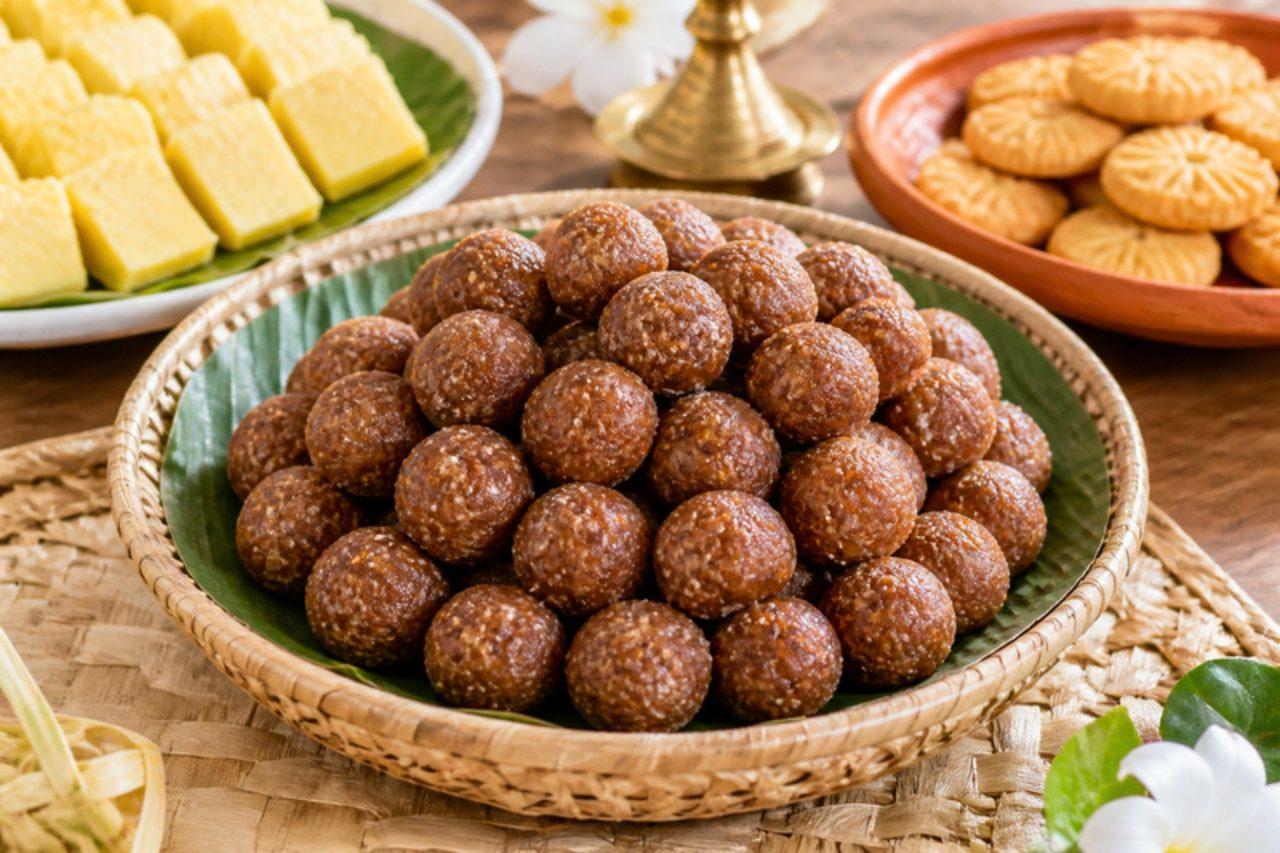
AggalaRice flour and coconut balls

When the astrologers' auspicious hour for Aluth Avurudu, the Sinhala and Tamil New Year, arrives in April, Sri Lankan families light the hearth, boil kiribath and lay out a table of sweets, and small dark aggala balls are one of the easiest to make. Roasted rice flour and toasted coconut are bound with hot kithul treacle and a surprising amount of black pepper, which gives a warm bite after the sweetness. They are dense, soft and slightly crumbly. The common mistake is under-roasting the flour, which leaves a raw, pasty taste; roast it until it smells like biscuits and flows loosely off the spoon. The treacle is ready when it bubbles all over and thickens slightly. Chef's tip: shape them while the mixture is still warm, with lightly oiled palms, because they harden and crack as they cool.

by KrazyBadal 0 views

Koova payasamArrowroot pudding

In central Kerala, the morning of Thiruvathira begins with a bath before dawn and a bowl of koova, arrowroot starch that many families still pound and wash out from their own garden roots. Cooked with jaggery and coconut milk, it turns into a glossy, wobbly pudding that is light on the stomach for a day without rice. The texture should be silky and pourable while hot, thickening as it cools. Common mistake: tipping the powder straight into hot liquid, which gives lumps you can never whisk out; slake it in cold coconut milk first and stir all the time, and it is ready when it turns from cloudy white to clear and coats the back of a spoon. It is fasting-safe as written (arrowroot, jaggery, coconut and cardamom only), and Gujarati farari cooks use the same starch; check your own family's fasting rules if you add anything else. Chef's tip: melt and strain the jaggery separately and let it cool a little before adding, so the coconut milk does not split.

by KrazyBadal 0 views

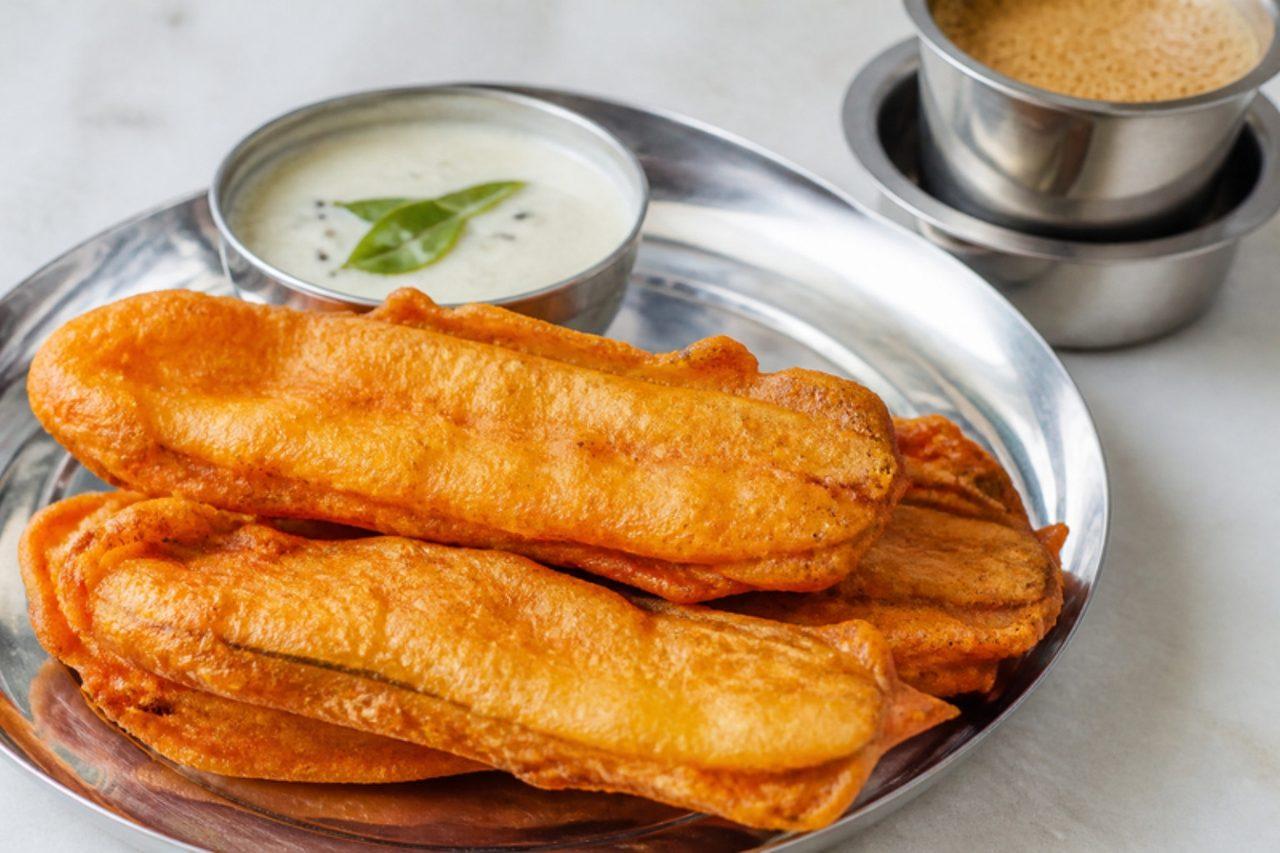
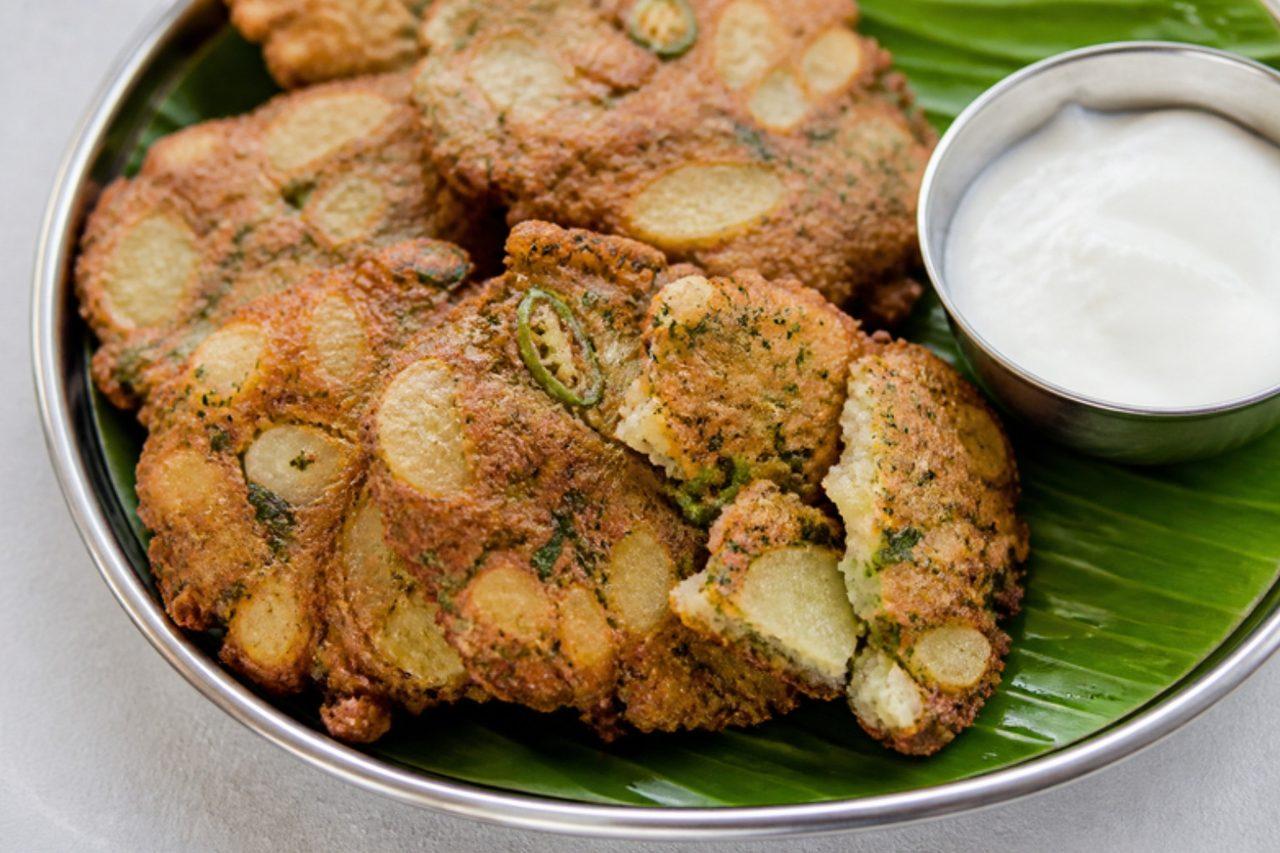
Vazhakkai bajjiRaw banana fritters

Every Chennai beach stall and every Tamil wedding tiffin has a tray of vazhakkai bajji, long thin slices of raw plantain in a soft, puffy, red-tinged coat. They are best eaten minutes out of the oil around 5 pm, with coconut chutney and a tumbler of coffee. The mistake is slicing too thick: the banana stays starchy and hard while the batter overbrowns, so cut slices 2–3 mm thin, ideally on a mandoline, lengthways. Chef's tip: a spoonful of rice flour and a pinch of hot oil whisked into the batter makes the coating crisp outside and keeps it from going soggy.

by KrazyBadal 0 views

Avalose podiRoasted rice flour and coconut powder

Avalose podi is a keeping snack from central Kerala, especially Syrian Christian homes around Kottayam and Thrissur, made in big batches before Christmas or long journeys. Coconut is rubbed into rice flour and roasted for close to an hour until the mix turns sandy, golden and smells like toasted biscuits. It is eaten by the spoonful with a little sugar and a ripe banana, or with black coffee, and can be bound with jaggery into avalose unda. The mistake is high heat; the coconut browns before the flour is cooked through and the podi tastes raw and bitter. Chef's tip: keep stirring over low heat until a pinch, cooled, falls apart like sand between your fingers.

by KrazyBadal 0 views

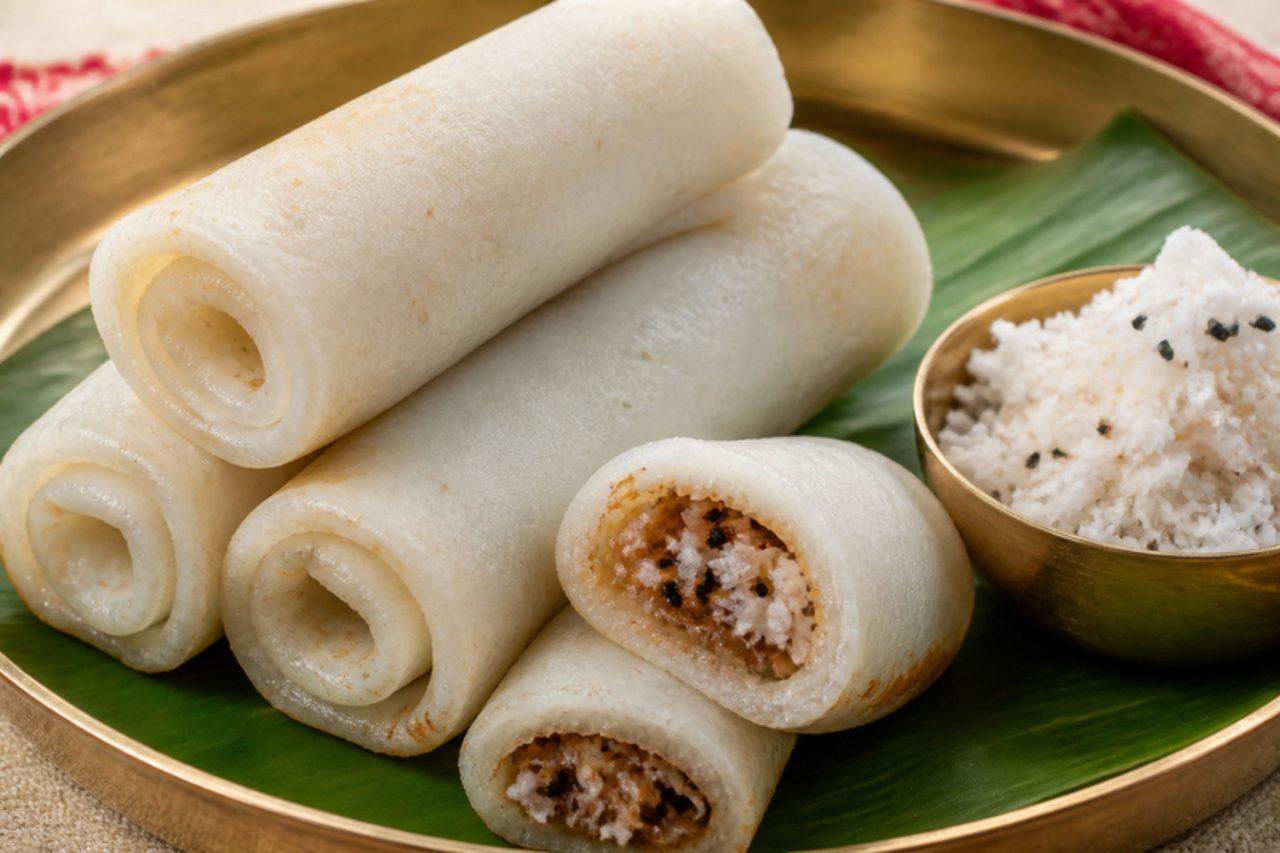
Tekeli pithaSteamed coconut jaggery rice cake

In Assamese homes the nights before Magh Bihu are spent making pitha, and tekeli pitha is the one named after the pot it is cooked on: a cloth is tied over the mouth of a tekeli (a small clay water pot), and damp rice flour, coconut and jaggery are piled on top and steamed by the water boiling underneath. It comes off as a soft, crumbly cake, sweet in the middle and plain at the edges, eaten warm with tea on Bihu morning or packed into the bhogali spread. Any narrow-necked pot or saucepan works at home. Common mistake: using dry shop rice flour straight from the packet; it needs to be just damp enough to clump when pressed, or the cake falls apart, and it is done when the top looks matt and a skewer comes out clean, about 10–12 minutes. Chef's tip: soak and grind your own rice flour if you can; flour from soaked rice, dried for an hour, gives the softest pitha.

by KrazyBadal 0 views

Nombu adaiSweet rice flour and cowpea cakes

Karadaiyan Nombu falls on the day the Tamil month of Maasi turns into Panguni, and married women in Tamil Nadu fast for their husbands' long life in memory of Savitri, who won her husband back from Yama. The fast is broken at an auspicious minute with these adai, offered with a lump of unmelted butter and tied on with a yellow thread. The rice flour is roasted, cooked into a dough with jaggery, coconut and boiled cowpeas, shaped into small discs with a hole in the middle and steamed. A savoury batch with green chilli, ginger and curry leaves is usually made alongside. Common mistake: using raw rice flour, which makes the adai sticky; roast it until it is warm and flows like sand, and the adai are done when they turn glossy and no longer stick to a wet finger. Chef's tip: for the savoury version, swap the jaggery for 2 chopped green chillies, a little grated ginger and a mustard-seed tempering.

by KrazyBadal 0 views

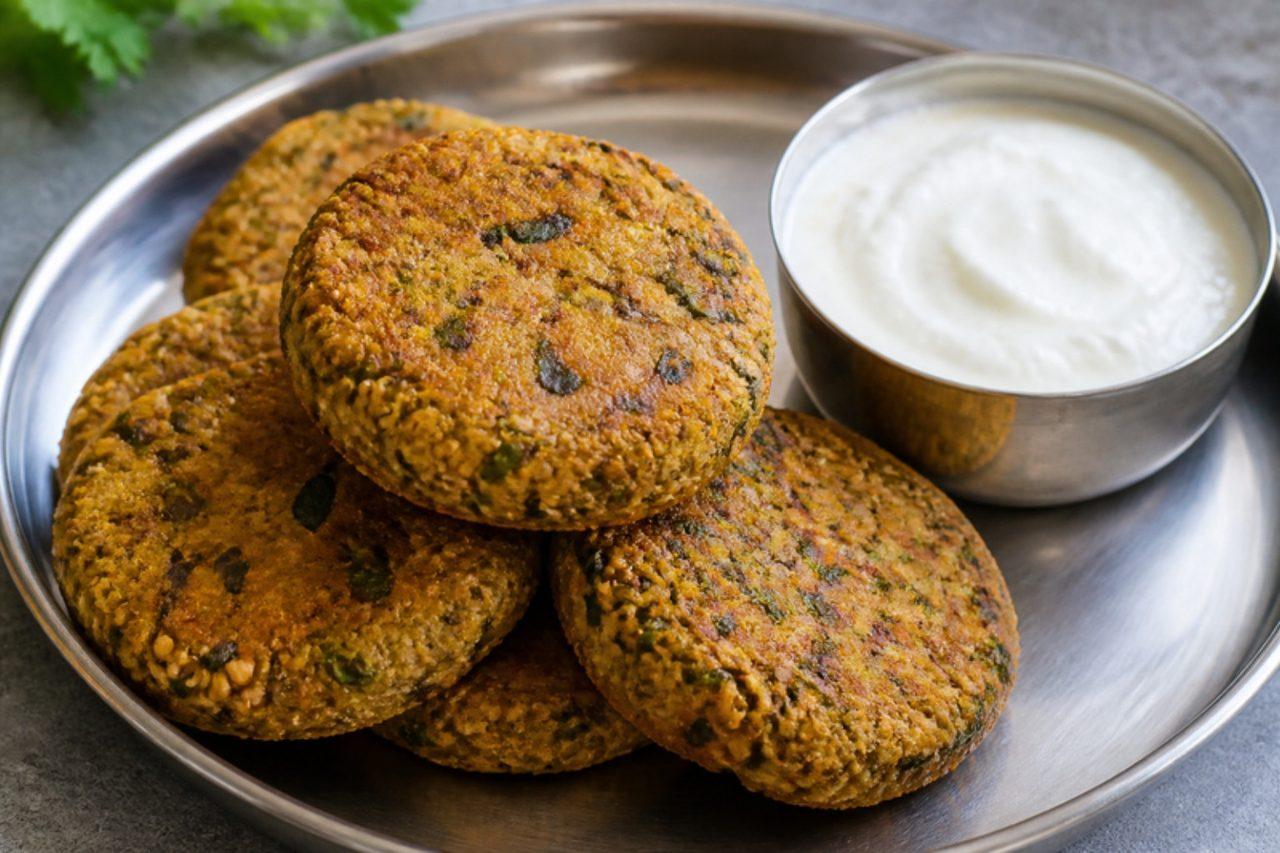
Hara bhara kebabSpinach and pea patties

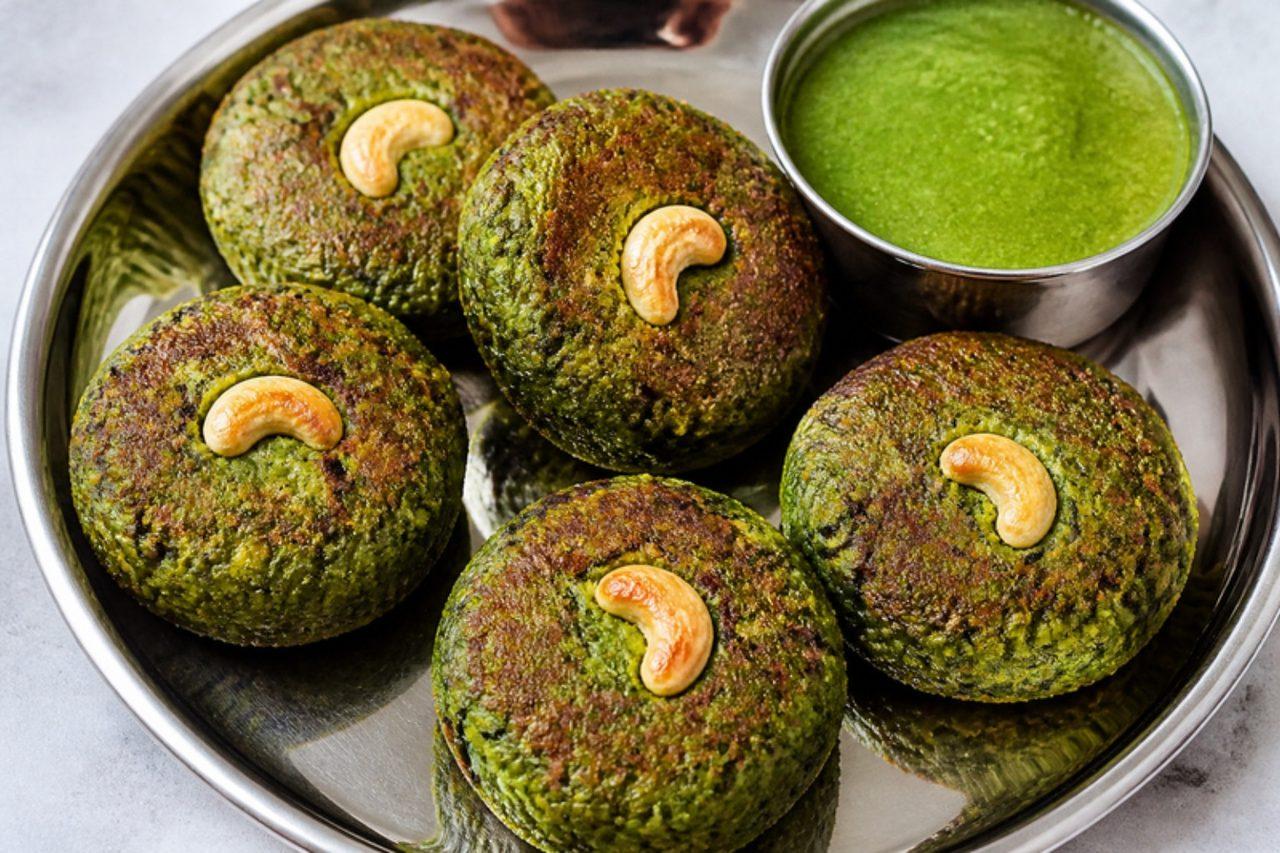
Hara bhara kebab is the vegetarian starter of Delhi's Punjabi restaurants and every wedding cocktail hour, a bright green patty of spinach, peas and potato with ginger and green chilli, pan-fried until crusty and topped with a single cashew. It is soft inside, crisp outside and mild enough for children, served with mint chutney before a big meal. The usual mistake is not squeezing the blanched spinach dry: the mix turns wet, the patties won't hold and they fall apart in the pan. Wring it out in your fist until no more water comes. Chef's tip: dip the spinach in iced water right after blanching; it keeps the patties a vivid green instead of khaki.

by KrazyBadal 0 views

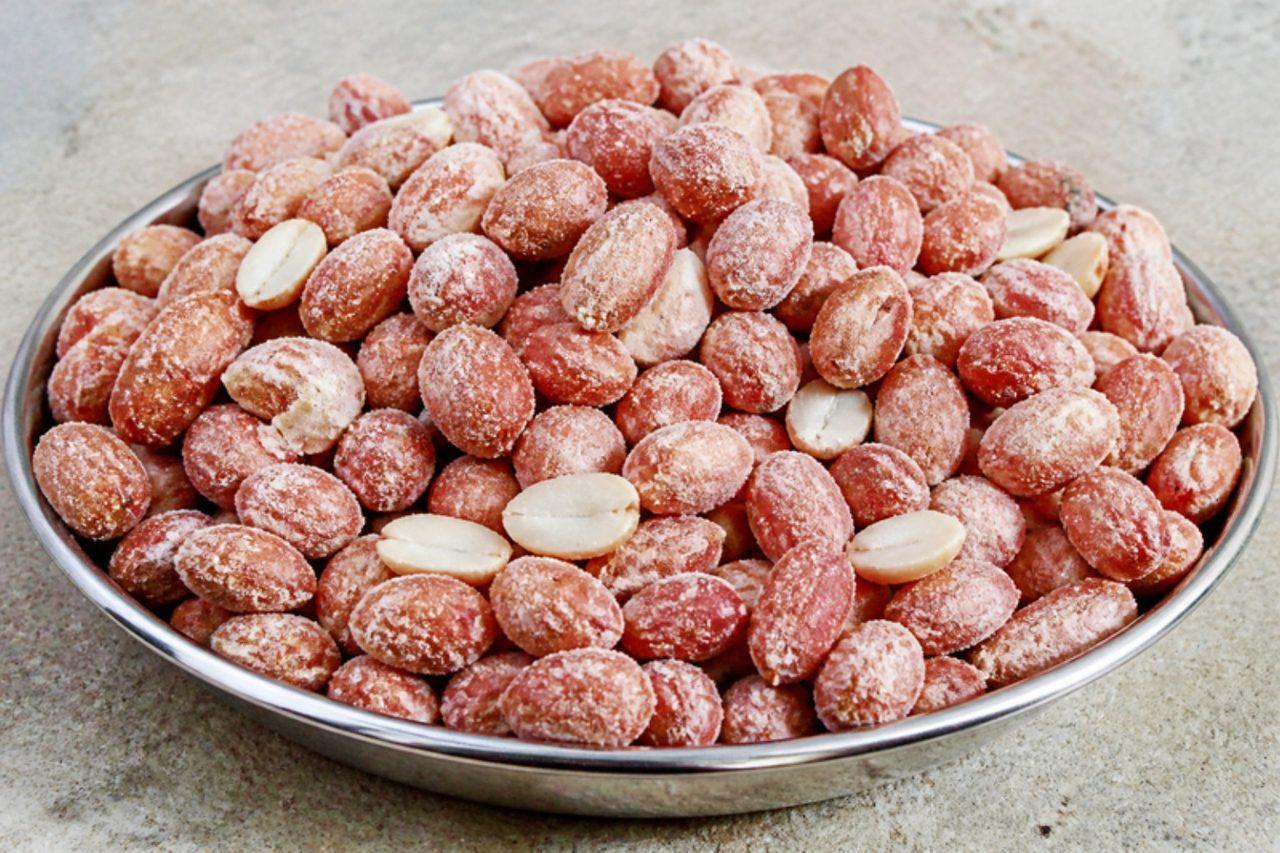
Congress kadlekaiSpiced roasted peanuts

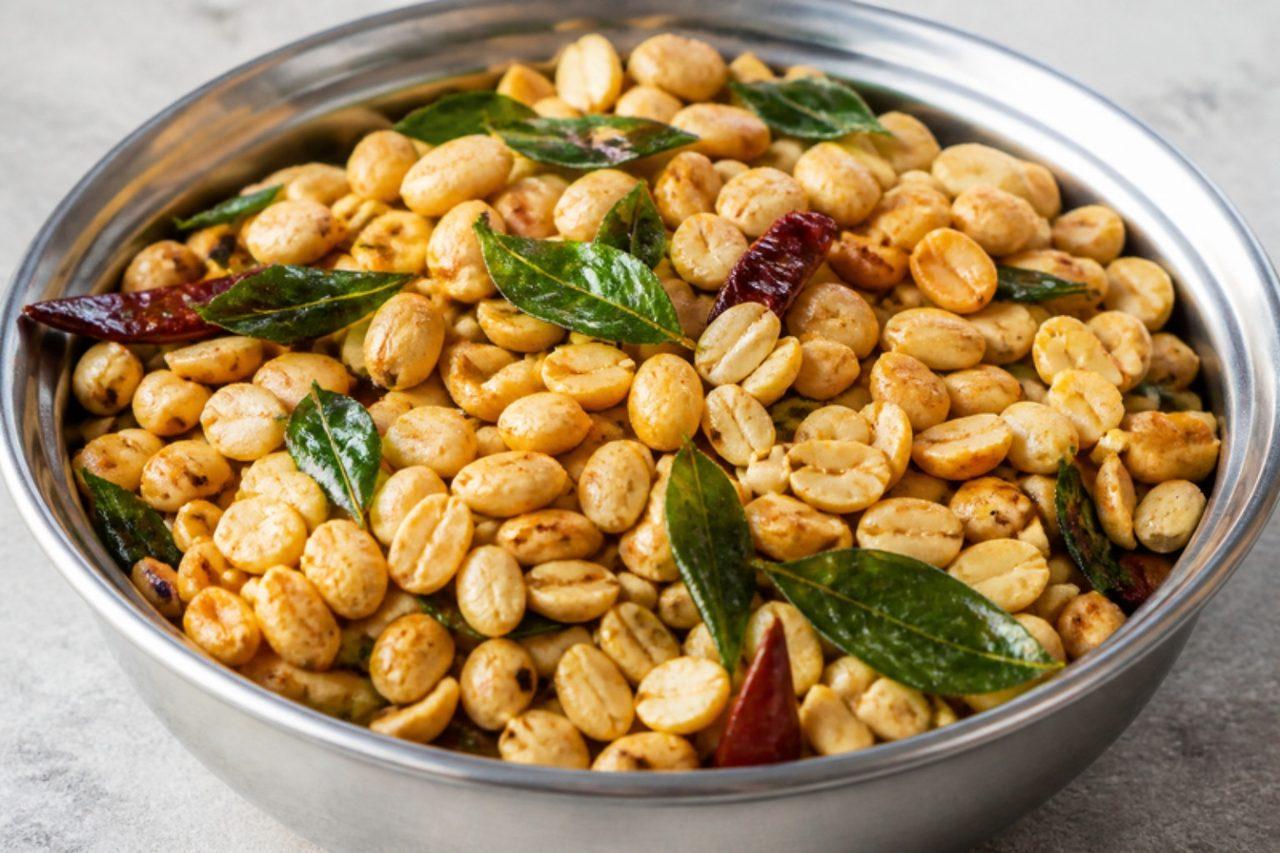
Congress kadlekai is a fixture of Bengaluru's Iyengar bakeries and the Basavanagudi Kadlekai Parishe, the peanut fair held each November. Roasted peanuts are split in half, which is said to be where the name comes from, and tossed in a little hot oil with curry leaves, hing and chilli so the spices cling to the flat sides. It's salty, crunchy and very hard to stop eating with evening coffee. A common mistake is frying the peanuts in the tempering: they're already roasted and burn quickly, so add them off the heat. Chef's tip: rub the warm roasted peanuts in a cloth and blow away the skins; skinless halves take the masala much better.

by KrazyBadal 0 views

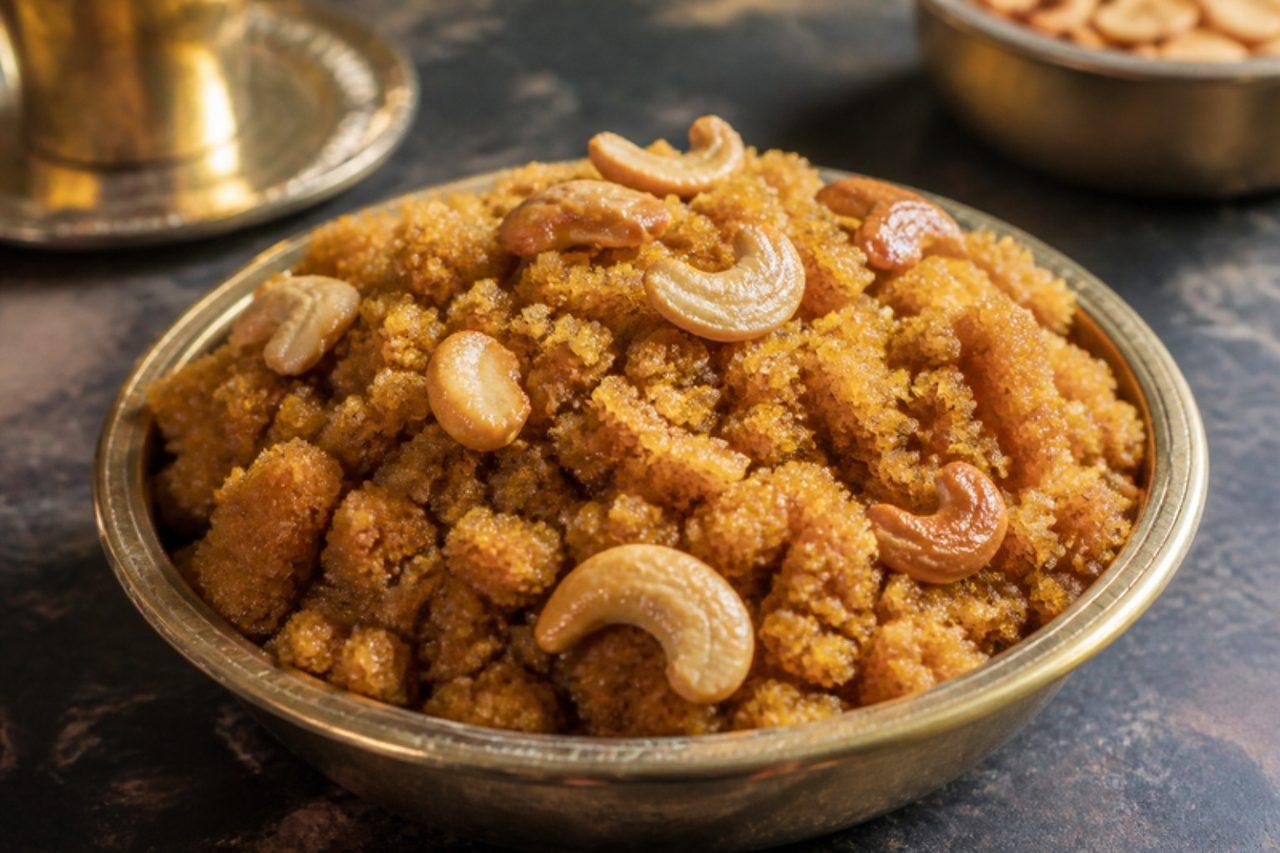
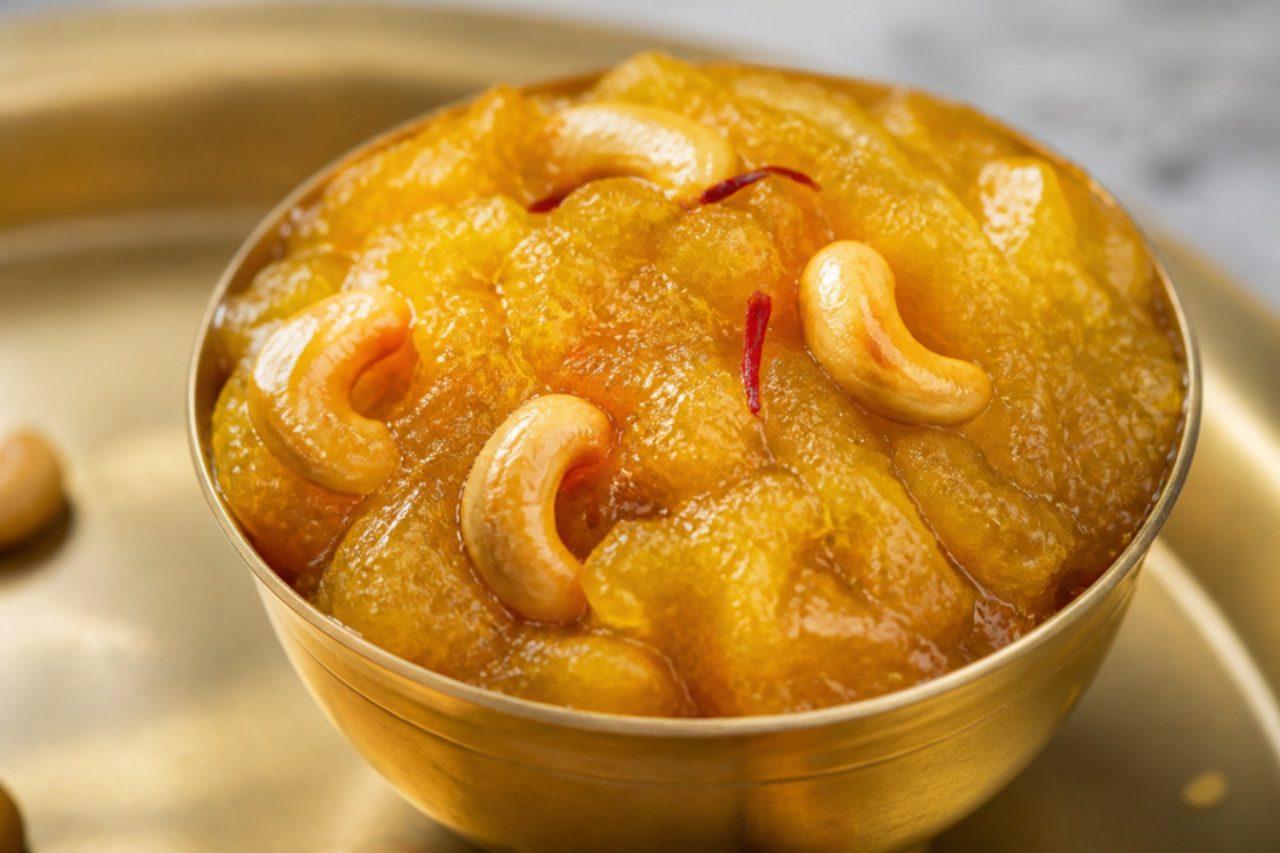
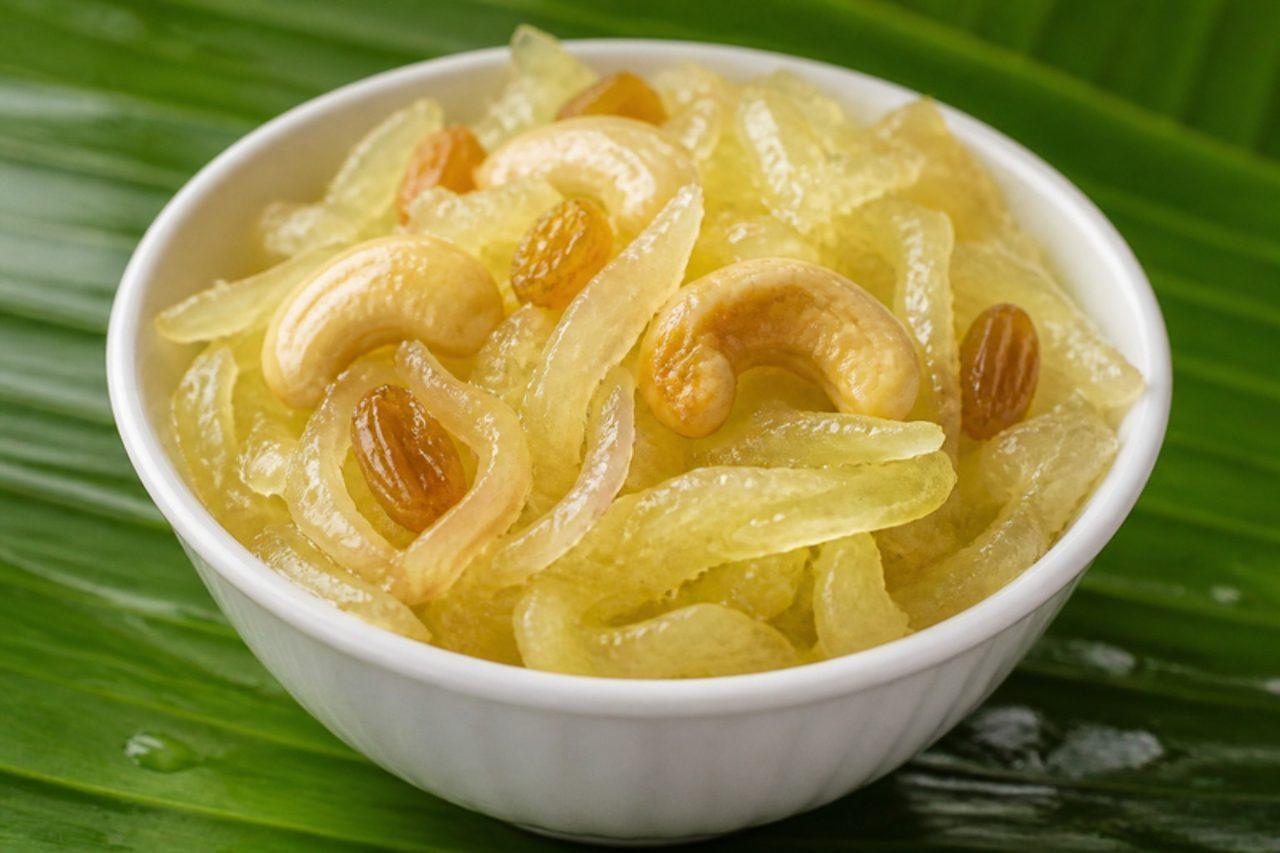
Kashi halwaAsh gourd halwa

Kashi halwa, also called dumrot, is the sweet that ends Udupi and Karnataka wedding feasts, spooned onto the banana leaf next to payasa. Grated white ash gourd cooks down in its own juice with sugar and ghee until it turns glassy and golden, with saffron for colour and cashews for crunch; it tastes delicate and buttery, not vegetal. The mistake most people make is skipping the squeeze: grate the gourd and leave the water in, and the halwa takes an hour to thicken and goes mushy. Squeeze it well, then cook the gourd in that juice. Chef's tip: add the sugar only after the gourd is soft and translucent; sugar added early firms the shreds and they never turn tender.

by KrazyBadal 0 views

Ugadi pachadiSix-taste new year relish

On Ugadi morning in Andhra Pradesh, Telangana and Karnataka, the first thing anyone eats after the oil bath and prayers is a spoonful of this pachadi, handed round in a small steel cup. Each ingredient stands for a feeling the coming year will bring: jaggery for joy, bitter neem flowers for sorrow, sour tamarind for disgust, raw mango for surprise, pepper for anger and salt for fear, so tasting them together is a quiet promise to accept whatever comes. In Maharashtra, Gudi Padwa begins with a close cousin, tender neem leaves ground with jaggery, cumin and tamarind. The finished pachadi is thin, sweet first, then sharp and faintly bitter. The common mistake is a heavy hand with neem: half a spoon too much and bitterness drowns every other taste. Stir until the jaggery has dissolved completely and no grains crunch against the spoon. Chef's tip: make it on the morning itself, as the cut mango softens and the neem turns muddy if it sits overnight.

by KrazyBadal 0 views

Lakri mithaiSugar-coated spiced dough sticks

Diwali is a public holiday in Fiji, and Indo-Fijian families spend the week before it frying sweets by the tin to share with friends and neighbours; lakri, 'wooden sticks', is the one children reach for first. Short sticks of dough flavoured with ginger and cardamom are fried until hard and crisp, then tossed in a sugar syrup cooked until it seizes, so each stick is coated in a dry, frosty white crust. Common mistake: tossing too early or too late; cook the syrup to the soft-ball stage, when a drop in cold water forms a soft ball, then keep stirring the sticks off the heat until the syrup turns white and grainy and clings. Chef's tip: let the fried sticks cool completely before coating, so they stay crunchy under the sugar.

by KrazyBadal 0 views

Thunka puriGiant puffed puris

Every Kartik Purnima, Cuttack holds Bali Jatra on the banks of the Mahanadi, a huge open-air fair that remembers the Odia sailors who once set off for Bali and Java; families float little paper and banana-bark boats at dawn and spend the day eating at the stalls. Thunka puri is the fair's famous snack: puris rolled as big as a plate, which balloon into hollow golden domes in the oil and are torn open over a bowl of hot ghugni (yellow pea curry), onion and tamarind chutney. Common mistake: oil that is not hot enough or dough that is too soft; the puri then drinks oil and stays flat. Get the oil to about 190 °C, so a pinch of dough rises at once, and it is done when it is puffed and pale gold on both sides. Chef's tip: slide the puri in, then gently press the centre with a slotted spoon and splash hot oil over the top; it will puff fully within seconds.

by KrazyBadal 0 views

HolanRoasted green chickpeas

In late winter, around the time of Holi, village children in rural Punjab pull up bunches of green chickpea plants from the edge of the field and throw them onto a small fire of dry stalks. Once the pods blacken they rake them out and shell them hot, blowing on their fingers, and the bright green peas inside taste smoky, sweet and nutty. At home you can do the same in a heavy iron kadai. The mistake is leaving them on until the pods are fully burnt; by then the peas inside are dry and hard. Stop when the pods are blistered black in patches and the peas are just tender. Chef's tip: a pinch of salt and chilli with a squeeze of lemon on the shelled peas turns them into a quick chaat.

by KrazyBadal 0 views

Seepu seedaiFried rice flour coconut curls

Seepu seedai is one of the small crunchy snacks Tamil families fry for Krishna Jayanthi, laid out on the puja plank with uppu seedai, murukku and butter. The dough is enriched with coconut milk and pressed through the 'comb' (seepu) disc, then each ridged strip is curled into a ring, giving a delicate, mildly sweet crunch. A common mistake is skipping the roasting of the rice flour: damp flour makes seedai that burst in the oil. Chef's tip: press several strips at once onto a plate, then curl them quickly before they dry and crack.

by KrazyBadal 0 views

ManoharamRice flour sticks in jaggery syrup

Manoharam is a Chettinad sweet made for weddings and the sweet trays of Deepavali, often shaped into a tall cone for the bridal seer. Short, crisp sticks of rice and moong flour are pressed and fried, then tossed in a jaggery syrup cooked to the hard-ball stage, so the syrup sets around them into a crunchy, molasses-sweet cluster. It is eaten in small pieces with coffee and keeps for weeks. The usual mistake is undercooked syrup, which never sets and leaves the sticks soggy; test it in cold water until it snaps. Chef's tip: have the fried sticks warm and ready in a wide greased bowl before the syrup reaches the right stage, as it starts setting within a minute.

by KrazyBadal 0 views

Kalkandu vadaiSweet urad dal rock sugar vadai

Kalkandu vadai is the sweet cousin of medu vadai, made in Chettinad homes for festivals and for the trays that go to a bride's house. Soaked urad dal and a little rice are ground fluffy and mixed with crushed kalkandu (rock sugar) and coconut, then fried into small golden rounds that are crisp outside, soft inside, with pockets of melted crystal sugar. They are eaten warm with coffee. A common mistake is grinding the rock sugar in with the batter, which turns the batter runny; crush it coarsely and fold it in just before frying. Chef's tip: fry these on slightly lower heat than savoury vadai, because sugar browns fast and burns before the centre cooks.

by KrazyBadal 0 views

KaradantuEdible gum and jaggery slab

Karadantu is the famous sweet of Gokak in Belagavi district, sold in sweet shops near the Gokak falls and carried home as a gift, and also made in north Karnataka homes for new mothers and in winter. Edible gum is fried in ghee until it puffs like popcorn, then bound with jaggery syrup, dry coconut, poppy seeds and plenty of dry fruit and pressed into slabs. It's dense, chewy-crisp and deeply caramel-tasting. A common mistake is frying the gum on high heat; it browns outside and stays hard and glassy inside. Chef's tip: fry the gum a few pieces at a time in warm ghee and wait for each to swell to three times its size before lifting.

by KrazyBadal 0 views

ThenkuzhalRice and urad flour spirals

Thenkuzhal is the plain, pale murukku of Tamil Nadu, especially in Chettinad and Thanjavur kitchens, pressed through a single-hole plate into neat spirals for Deepavali and Krishna Jayanthi. Unlike butter murukku, it relies on roasted urad flour and a spoon of hot oil for its crunch, with cumin and a little sesame for flavour, and it should be cream-coloured, smooth and light. It is eaten with coffee and kept in tins for weeks. The common mistake is a dough that is too stiff, which breaks while pressing and gives a rough, cracked surface; it should be soft enough to pipe smoothly. Chef's tip: press the spirals onto the back of an oiled slotted spoon or a square of parchment and slide them into the oil, so they keep their shape.

by KrazyBadal 0 views

Puli avalTamarind flattened rice

Puli aval is the quick cousin of tamarind rice from Tamil Nadu, cooked in Kumbakonam and Tirunelveli homes as an evening tiffin or a light supper when there's no rice left in the pot. Thick flattened rice is soaked in tamarind water, then tossed into a crackling tempering of mustard seeds, dals, red chilli and peanuts. It tastes tangy, a little sweet and nutty, with soft flakes and crunchy bits. The common mistake is drowning the aval in tamarind water so it turns to porridge; it only needs to be moistened, not soaked. Chef's tip: let the tempered aval sit, covered and off the heat, for 2 minutes before serving so the flakes soften evenly and drink in the tamarind.

by KrazyBadal 0 views

Kanchipuram idliSpiced temple idli

Kanchipuram idli is the temple prasadam of the Varadharaja Perumal temple, where it was traditionally steamed in tall bamboo baskets lined with mandarai leaves. It is coarser and richer than everyday idli, with cracked pepper, cumin, dry ginger and cashews fried in ghee folded through, and it's eaten for breakfast or festival tiffin with coconut chutney and sambar. The mistake is grinding the rice as fine as for plain idli; it should feel like fine semolina so the idli has a crumbly, open bite. Chef's tip: steam in tumblers or small bowls lined with banana leaf for the tall shape and a gentle leaf aroma.

by KrazyBadal 0 views

Mor kaliButtermilk rice flour cake

Mor kali is a quick Tamil tiffin of the old style, made in Tirunelveli and Chennai Brahmin homes when there's sour buttermilk to use up. Rice flour is stirred into tempered buttermilk until it turns glossy and leaves the pan, then cut into squares, soft and wobbly with the salty, smoky crunch of fried mor milagai (curd chillies). The mistake is stopping too early: undercooked kali tastes raw and sticks to the teeth, so cook until it rolls into a ball that doesn't stick to a wet finger. Chef's tip: use buttermilk that is properly sour, a day or two old; fresh buttermilk tastes flat here.

by KrazyBadal 0 views

Urad dal khichdiRice and black lentil khichdi

Across Uttar Pradesh and Bihar, Makar Sankranti is simply called Khichdi: after a dip in the Ganga, raw rice and black urad dal are given away as alms, and the same two are cooked at home into this khichdi for lunch. Its four companions are part of the custom: 'khichdi ke chaar yaar, dahi, papad, ghee, achaar', so it comes to the table with curd, roasted papad, a spoon of ghee and pickle, often with aloo or baingan chokha too. The split urad with its black skin gives a creamy, earthy khichdi that is grey-brown and flecked with black. Common mistake: cooking it too dry; urad drinks up water, so it should be soft and loose enough to settle on the plate, and it is done when the dal grains crush easily. Chef's tip: let the cooker release naturally and rest 5 minutes before opening; the khichdi finishes softening in the steam.

by KrazyBadal 0 views

ChalimidiRice flour and jaggery sweet

Chalimidi is a no-cook-flour sweet from Andhra and Telangana, offered to the goddess at Navaratri and Nagula Chavithi and handed out at naming ceremonies and baby showers. Soaked rice is dried, pounded into fresh flour and stirred into a thick jaggery syrup with coconut, so it sets into a soft, damp, slightly crumbly dough that is shaped into small balls. It tastes of molasses and cardamom and is eaten as it is, at room temperature. The most common mistake is undercooking the syrup: a thin syrup leaves the chalimidi sticky and pasty, so cook it to a firm soft-ball stage. Chef's tip: use freshly ground soaked rice, not shop rice flour; the slightly damp flour is what gives chalimidi its tender bite.

by KrazyBadal 0 views

Bun butter jamGriddled bun with butter and jam

Bun butter jam is the most-ordered thing at a Tamil Nadu tea kadai after the tea itself: a soft, sweet bun split, griddled in butter until crisp at the edges, then spread with more butter and red fruit jam, eaten mid-morning or after school with a glass of milky tea. It is buttery, crunchy outside and pillowy inside, with sweet jam soaking into the crumb. The mistake is toasting on high heat; the sugary bun scorches before the butter has a chance to crisp it. Keep the tawa on medium-low. Chef's tip: press the bun down gently with a flat spatula as it toasts, the way the tea-shop masters do, for a wider, crunchier golden face.

by KrazyBadal 0 views

Vellai paniyaramWhite rice and urad puffs

Vellai paniyaram, 'white paniyaram', is the tiffin of Chettinad that surprises outsiders: a rice and urad batter thinned with a little milk-free water is spooned into hot oil and pulled out while it is still pale and pillowy, crisp only at the very edge. In Karaikudi homes it comes to the table at evening tiffin with spicy kara chutney, a tomato kosamalli or kathirikai gothsu. The key mistake is overheating the oil: the paniyaram browns and loses its signature white colour, so keep the heat at medium and fry quickly. Chef's tip: a teaspoon of sugar in the batter helps the puffs rise without colouring, and spooning oil over the top makes them balloon.

by KrazyBadal 0 views

Paal paniyaramFried dumplings in sweet coconut milk

Paal paniyaram is the Chettinad wedding dessert served on the banana leaf at the end of a Karaikudi feast: small marble-sized dumplings of rice and urad are fried pale, dipped briefly in hot water to soften them, then left to soak in sweetened, cardamom-scented coconut milk. They are soft, spongy and cool, eaten with a spoon, chilled or at room temperature. A common mistake is frying until brown and crusty: the dumplings then refuse to soak up the milk. Fry them only until set and barely coloured. Chef's tip: the quick dip in hot water after frying washes off surface oil and opens them up to drink the coconut milk.

by KrazyBadal 0 views

Gato zinzliSesame caramel sweets

Zinzli is the Mauritian Creole word for sesame, and gato zinzli are the little amber squares or drops of toasted sesame set in caramelised sugar that crowd the edge of every Divali plate on the island, next to moutaille and cravate. They are close to the til chikki of India but made with white sugar, a squeeze of lime and a little vanilla, so they are glassy, crunchy and nutty. Common mistake: taking the caramel off too early, which gives chewy sweets that stick to your teeth; cook the sugar to a light amber, about the hard-crack stage, when a drop in cold water snaps cleanly. Chef's tip: have everything oiled and ready before you start, because once the sesame goes in you have only a minute or two to shape it.

by KrazyBadal 0 views

Veppampoo rasamNeem flower rasam

Puthandu, the Tamil New Year in mid-April, falls when neem trees across Tamil Nadu are in flower, and the festive lunch has a little bitterness on purpose, to remind everyone that the year will bring both sweet and bitter. Veppampoo rasam does it gently: dried neem flowers are fried in ghee until crisp and stirred into a light tamarind rasam with pepper and cumin. It is thin, warming and sour, with a toasty bitter finish, and it is poured over rice or sipped from a tumbler. The common mistake is burning the flowers; they turn from golden to black in seconds and taste acrid, so have the rasam ready before you heat the ghee. The rasam is ready when it froths up to the top of the pan; take it off before it reaches a rolling boil. Chef's tip: fry a few extra flowers and scatter them over each serving for crunch.

by KrazyBadal 0 views

Shakarkandi ka halwaSweet potato halwa

When winter sweet potatoes arrive in North Indian markets, they go straight into the Mahashivratri and Ekadashi fasting kitchen: boiled, mashed and slowly roasted in ghee with sugar and cardamom, they make a soft, fudgy halwa with a natural caramel sweetness. It is offered after the puja and eaten in small bowls, warm, often as the first thing that breaks a day without grains. A few communities do not eat sweet potato on a fast, so check your own tradition. Common mistake: hurrying the roasting; the halwa is ready only when the ghee starts to separate and glisten at the edges and the mixture rolls away from the sides of the pan as one soft mass. Chef's tip: steam or bake the sweet potatoes rather than boiling them in water; drier flesh roasts faster and gives a deeper flavour.

by KrazyBadal 0 views

Farari dhoklaFasting dhokla with sago

On Ekadashi, Shravan Mondays and Navratri fasts, Gujarati homes swap the usual rice and dal dhokla for this farari version made from samo (barnyard millet) and sabudana. Both are ground to a coarse flour, soaked briefly in sour yogurt and steamed into soft, slightly chewy squares with a nutty flavour, finished with a cumin and green chilli tempering. Rock salt replaces table salt and there is no turmeric or hing, as many fasting households avoid them. The common mistake is steaming straight after mixing: the samo needs at least 30 minutes to drink up the yogurt, or the dhokla turns gritty. Chef's tip: grind the sago to a fine powder first, then add the samo, so no hard pearls survive.

by KrazyBadal 0 views

Mithi puriJaggery sesame puris

Mithi puri are the sweet half of the Randhan Chhath frying session in Gujarat: small, crisp puris of wheat flour kneaded with jaggery water, sesame and ghee, made the day before Shitala Satam so the family has cold food to eat while the stove rests. They keep for days, so they also go into travel tins and school lunchboxes. Common mistake: a soft dough, which makes the puris puff and turn soft; it should be stiff, and the puris are fried on a medium heat until golden brown and crisp right through, without puffing much. Chef's tip: prick each rolled puri with a fork so it stays flat and crunchy.

by KrazyBadal 0 views

SitabhogChhena strands in syrup

Sitabhog belongs to Bardhaman in West Bengal, and families there and across Bengal like to serve it for Bhai Phonta and at Bijoya: it looks like a bowl of fine white rice, but every grain is a strand of chhena and rice flour pressed into ghee, fried pale and soaked in syrup, then tossed with tiny saffron-tinted nikuti dumplings. It is light, soft and fragrant, best eaten with a spoon at room temperature. Common mistake: frying too hot, which colours the strands; sitabhog should stay ivory, so keep the ghee gentle and lift the strands out as soon as they are firm. The syrup should be at the one-thread stage, so a drop pulled between thumb and finger forms a single short thread. Chef's tip: gobindobhog or any short-grain rice ground to a fine flour gives the most authentic, fragrant strands; sieve it twice.

by KrazyBadal 0 views

Thiruvathirai kaliRice and moong dal with jaggery

On Arudra Darshan in the Tamil month of Margazhi, temples across Tamil Nadu, Chidambaram above all, celebrate Shiva as Nataraja, and homes offer him kali with ezhu kari kootu at dawn. The rice and a little moong dal are dry-roasted until fragrant, ground to a coarse rava and then cooked in jaggery water until soft and set, a loose, grainy sweet rather than a smooth halwa. Grated coconut, cardamom and plenty of ghee finish it. Common mistake: grinding the roasted rice to a fine flour, which cooks into a sticky paste; you want grains like fine semolina, and the kali is done when it leaves the sides of the pan and the ghee glistens on top. Chef's tip: roast the rice only until it smells like popcorn and turns faintly golden; any darker and the kali tastes bitter.

by KrazyBadal 0 views

Rajkoti lili chutneyGreen chilli and peanut chutney

Rajkot is known across Gujarat for its green chutney, sold in little pouches by farsan shops and carried home by every visitor: a hot, smooth paste of green chillies and roasted peanuts with lemon, sugar and a pinch of turmeric, and no coriander at all, which is why it keeps a week in the fridge without turning dark. It is spread in sandwiches, spooned over khichiya papad and served with gathiya, dhokla and bhajiya. The common mistake is adding too much water, which dilutes the heat and makes it spoil faster. Chef's tip: grind it in short bursts so the blender doesn't heat the peanuts and turn the chutney oily.

by KrazyBadal 0 views

Kheer kadamKhoya-coated chhena balls

Kheer kadam, named after the round kadam flower, is a sweet-shop showpiece that Bengali families buy, or proudly make, for Bhai Phonta: a small rasgulla-like chhena ball is soaked in syrup, squeezed, wrapped in a layer of sweetened khoya and rolled in more grated khoya so it looks fuzzy like the flower. You bite through dense, milky fudge into a juicy centre. Common mistake: wrapping the balls while they are still full of syrup; the khoya slides off and goes sticky. Squeeze them gently until they feel damp, not wet. The centres are cooked when they have doubled in size and sink in cool water. Chef's tip: cook the khoya only until it stops sticking to the pan and holds together; overcooked khoya cracks when you shape it.

by KrazyBadal 0 views

Bharwan tandoori alooPaneer-stuffed roasted potatoes

Bharwan tandoori aloo is a party piece from the kebab houses of Delhi and Punjab: large potatoes par-boiled, hollowed and filled with a sweet-spicy stuffing of paneer, scooped potato, raisins and cashews, then coated in a tandoori marinade and roasted until charred. It is served as a starter at weddings and festive dinners, and at home it makes a vegetarian centrepiece for a Diwali or Lohri spread. The common mistake is boiling the potatoes until soft, so they split when you scoop them; take them out while a skewer still meets a little resistance in the centre. Chef's tip: keep the hollowed-out potato for the filling, which makes it creamy without needing extra paneer.

by KrazyBadal 0 views

Jamnagari kachoriDry sweet-spicy kachori

Jamnagari kachori are the little dry kachori that travel: Gujarati families buy them by the box in Jamnagar and carry them abroad, because the filling has no water in it and they keep for a month. The pastry is short and crisp, and the filling is a crumbly mix of roasted besan, dry coconut, sesame, fennel, coriander seed, sugar, raisins and a hit of chilli and dry mango, sweet, sour and hot at once. They are a tea-time snack and part of every Diwali tray. The common mistake is frying them fast; they need a long, slow fry on low heat so the pastry cooks crisp all the way through. Chef's tip: roast the besan for the filling until it smells nutty and just darkens, or the kachori taste raw and floury.

by KrazyBadal 0 views

PaapeTwice-baked tea rusks

No Punjabi kitchen is without a tin of paape. They are dunked in the first cup of tea at dawn and again at four o'clock, carried to the fields, and offered to every guest who drops in. Bakeries across Punjab bake a sweet, light loaf, slice it and dry it slowly until it snaps, and this home version does exactly the same. The common mistake is slicing the loaf while it is still warm: it squashes, and the rusks dry out dense and gummy. Let it cool completely, ideally overnight. Chef's tip: dry the slices at a low temperature until the centre snaps cleanly; any softness in the middle and they go stale within days.

by KrazyBadal 0 views

Makai pauva no chevdoCorn flake snack mix

Makai pauva no chevdo is the quickest chevdo in a Gujarati farsan shop, and the one that disappears first from Diwali trays. Raw, unsweetened corn flakes (makai pauva) are fried in batches until they puff and blister, then tossed with fried peanuts, roasted chana, curry leaves, raisins, a little sugar and chilli. It is light, crunchy and sweet-salty, perfect with afternoon tea. The common mistake is using breakfast cereal flakes, which are sugared and burn at once; buy the plain makai pauva sold in Indian grocers. Chef's tip: fry a small handful at a time; they puff and turn crisp in seconds and need to come out before they darken.

by KrazyBadal 0 views

Dudhi na muthiaBottle gourd steamed dumplings

Dudhi na muthia are the everyday steamed farsan of Gujarati kitchens, made on a weekday afternoon for evening tea or packed for the next morning's breakfast. Grated bottle gourd is kneaded with coarse wheat flour, gram flour and spices, shaped by fist (muthi) into logs, steamed, sliced and then crisped in a tempering of mustard and sesame. The slices are soft inside with golden edges, savoury, gently sweet and sharp with lemon. The classic mistake is squeezing out the dudhi juice and then adding water: the juice is the only liquid you need, so add the flours little by little to the undrained gourd. Chef's tip: steam the logs a day ahead and chill them; cold muthia slice cleanly and crisp much better.

by KrazyBadal 0 views

Narali bhaatCoconut jaggery rice

On the full moon of Shravan, Konkan fishing families offer a coconut to the sea to mark the end of the monsoon, and the same day in most Maharashtrian homes is Raksha Bandhan, so sisters and brothers sit down to a plate of narali bhaat. It is basmati or ambemohar rice cooked with fresh grated coconut, jaggery, ghee, clove and cardamom until each grain is glossy, golden-brown and separate, with cashews and raisins through it. It tastes of caramel and coconut, warm and only gently spiced. Common mistake: adding the jaggery to rice that is not fully cooked; jaggery stops rice softening, so the grains must be tender before it goes in, then the mixture is cooked until the syrup is absorbed and the rice looks dry and shiny. Chef's tip: keep the rice slightly undercooked when you first boil it and spread it on a plate to cool; firm, cool grains stay whole when they meet the hot jaggery.

by KrazyBadal 0 views

BhakraFried yogurt semolina cakes

Bhakra are the thick, sweet fried cakes that Parsi families of Navsari and Udvada make for the Navjote and wedding days, for Jamshedi Navroz and to pack for long journeys, because they keep for a couple of weeks. The old recipe rises with toddy; this alcohol-free version uses sour yogurt and a little baking soda, which gives the same faint tang and a close, cakey crumb. Outside they fry to a deep mahogany crust, inside they are firm, buttery and fragrant with cardamom and nutmeg. The most common mistake is frying in oil that is too hot: the outside browns in a minute while the centre stays raw and doughy. Chef's tip: fry them low and slow, and break one open before you do the rest of the batch.

by KrazyBadal 0 views

KandarappamPuffed rice, urad and jaggery cakes

Kandarappam is one of the grand sweets of the Chettiar houses of Karaikudi and Kanadukathan, fried by the dozen for weddings and for Deepavali and kept in big brass tins. A ground batter of raw rice, urad dal and chana dal is sweetened with jaggery and cardamom and ladled into hot oil, where each cake puffs up, turns dark golden and gets a crisp, lacy edge around a spongy middle. They are eaten at room temperature with coffee, often the day after frying, when the flavour has settled. A common mistake is grinding the batter too thin; it spreads into flat discs that soak up oil, so keep it like a thick pancake batter. Chef's tip: fry one test cake first, and if it doesn't puff, add another spoon of rice flour to the batter.

by KrazyBadal 0 views

Kavuni arisiBlack rice sweet

Kavuni arisi is the deep purple-black sweet that every Chettiar wedding feast in Karaikudi begins with, a nod to the trading families' old links with Burma, where the black rice came from. The rice is soaked overnight, cooked until soft but still chewy, then mixed with sugar, plenty of fresh grated coconut and a spoon of ghee, so it is nutty, gently sweet and pleasantly sticky. It is eaten warm or at room temperature in small portions. The usual mistake is cooking black rice like white rice; it needs a long soak and a long cook, or the grains stay hard at the centre. Chef's tip: mash a quarter of the cooked rice lightly with the back of a spoon before adding sugar, which makes it hold together the way it does in Chettinad.

by KrazyBadal 0 views

Vanela gathiyaSoft hand-rolled gram flour ropes

Walk into any farsan stall in Rajkot, Junagadh or Jamnagar before nine in the morning and you will see a man rolling vanela gathiya on a wooden plank with the heel of his hand, sliding each rope straight into the kadai. They are soft and puffy inside rather than crunchy, salty with ajwain and pepper, and are eaten hot with sweet-sour papaya sambharo, fried green chillies and kadhi chutney, with a glass of tea. The hard part is the rolling: the dough is very soft and needs a confident, quick push and drag. The common mistake is under-beating the dough, which leaves the gathiya flat and heavy. Chef's tip: keep a bowl of water with a spoon of oil beside you and wet the board and your palm before every rope.

by KrazyBadal 0 views

Ranga alur pitheSweet potato coconut parcels

Poush Sankranti in Bengal is the day for pithe, and ranga alur pithe uses the sweet potatoes that come in with the winter harvest. Boiled sweet potato is kneaded with a little flour into a soft dough, wrapped round a coconut and jaggery filling, fried and then dipped in syrup, so you get a crisp shell, a melting orange layer and a sweet, nutty centre. They are eaten warm on the festival evening or the next day once they have soaked up more syrup. Common mistake: watery sweet potato; boil it whole in its skin and let it steam dry, or the dough gets sticky and the pithe burst in the oil. They are fried enough when they are deep golden and float. Chef's tip: the syrup should be warm and at one-string stage, a thread forming between finger and thumb; too thick and it won't soak in.

by KrazyBadal 0 views

Bharuchi khari singSalt-roasted peanuts

Bharuch on the Narmada is famous across Gujarat for khari sing, salted peanuts sold in paper packets at the station and on the highway, and carried home by every traveller. Whole peanuts are soaked in strong salt water, then roasted in a big iron pan of hot salt (or sand) until the skins crackle and dry to a thin, white, salty crust over a deeply roasted, crunchy nut. They are a travel snack, a tea-time nibble and a fasting-friendly protein. The common mistake is roasting too fast over high heat: the shells char outside while the nut stays chewy inside, so roast steadily over medium-low and taste a nut before you stop. Chef's tip: the roasting salt can be sieved, cooled and kept in a jar for the next batch.

by KrazyBadal 0 views

Poda pithaBaked rice and urad cake

Raja is Odisha's three-day festival in mid-June when the earth is said to rest before the monsoon: farming stops, girls wear new clothes, swing on rope swings under the trees and eat pitha instead of cooking rice. Poda pitha, literally 'burnt cake', is the star. A fermented batter of rice and black gram is mixed with jaggery, coconut, pepper and cardamom and baked very slowly, traditionally in a pot buried in embers, until the outside is dark and crusty and the inside sets moist and springy. This is not chhena poda: there is no cheese, only rice and dal. Common mistake: cutting it hot; it needs to cool fully to set, and it is done when a skewer comes out clean and the top is deep brown. Allow an overnight soak and an 8–10 hour ferment before you start. Chef's tip: line the tin with banana leaf if you can get it; the leaf scorches and gives the cake its smoky, village flavour.

by KrazyBadal 0 views

Vaal nu shaakDried field beans with ajwain

During the eight days of Paryushan many Gujarati Jain families stop eating green, leafy and fresh vegetables, so the kitchen turns to dried pulses, and vaal (dried field beans) cooked soft with ajwain and hing is a regular on the thali. This recipe is fully Jain: no onion, no garlic, no fresh ginger and no root vegetables, with dry ginger powder for warmth and amchur instead of tomato for sourness. The beans are creamy and a little bitter-sweet, balanced by jaggery, and are eaten with rotli, rice and kadhi, finished before sunset in strict homes. Common mistake: using beans that have not soaked long enough; they stay hard and split unevenly. Cook them until one squashes easily between your thumb and finger, but not so long that they burst. Chef's tip: ajwain and hing make vaal much easier to digest, so do not skip the tempering; for a gluten-free dish use a gluten-free hing.

by KrazyBadal 0 views

PankiRice flour pancakes in banana leaf

Panki is a delicate Gujarati breakfast and tea-time farsan from old Ahmedabad and Surat homes, now a speciality of a few farsan restaurants. A thin, lightly soured batter of rice flour and yogurt with green chilli, ginger and cumin is spread between two oiled squares of banana leaf and cooked on a griddle until the leaves blister and the panki peels away whole, printed with the veins of the leaf. It is soft, thin and smoky-fragrant, served in its leaf with green chutney. The common mistake is spreading the batter too thick: the panki stays gummy and sticks, so smear a single thin layer that you can almost see through. Chef's tip: warm the banana leaves over a flame first so they turn glossy and pliable and do not split.

by KrazyBadal 0 views

Chhanar jilipiSyrupy fried chhena coils

On Bhai Phonta, the Bengali Bhai Dooj, sisters mark their brothers' foreheads with sandalwood and kajal and then pile a plate with sweets, and chhanar jilipi is one of the favourites: fresh chhena kneaded with a little flour, rolled into ropes, coiled and fried slowly until almost mahogany, then soaked in syrup. Unlike crisp jalebi, it is soft and juicy inside with a chewy, caramelised skin, and it appears again on Bijoya Dashami. Common mistake: chhena that is too wet or under-kneaded, which cracks or falls apart in the oil; knead until the dough is completely smooth and your palm feels greasy. Fry on a low heat so the inside cooks before the outside darkens. Chef's tip: keep the syrup warm and only lightly sticky, about the thickness of single cream rather than a one-string syrup, so it can soak right into the coils.

by KrazyBadal 0 views

Bajri na vadaPearl millet and fenugreek fritters

On Randhan Chhath, the 'cooking sixth' in Gujarat, kitchens work all day frying food for the next day, Shitala Satam, when the stove is cleaned, worshipped and left cold out of respect for the goddess Shitala. Bajri na vada are always in that tin: bajra flour, fresh methi, yoghurt, jaggery, ginger and chilli patted into thick discs and fried, soft inside and crisp-edged, and even better cold with curd and pickle. Common mistake: oil that is too hot, which browns them before the thick middle cooks; fry on a medium heat until they puff, stop bubbling hard and turn deep brown. Chef's tip: wet your palms and pat the discs on a damp cloth or plastic sheet; bajra dough has no gluten and cracks if handled dry.

by KrazyBadal 0 views

KodubaleSpicy rice flour rings

In Karnataka homes the Krishna Janmashtami spread of chakkuli, unde and avalakki always has a tin of kodubale beside it: little rings of rice flour, semolina and coconut ground with dried red chilli and cumin, rolled by hand and fried until they snap. They are spicy, nutty and very crunchy, and also go into Diwali and Gowri festival tins. Common mistake: making the ropes too thick, so the rings stay soft inside; roll them pencil-thin and fry on a medium heat until the sizzling dies down and they feel light. Chef's tip: grind the coconut with the chillies to a dry paste with no water; extra moisture makes the rings oily.

by KrazyBadal 0 views

Ambalappuzha paal payasamSlow-cooked rice milk pudding

The Krishna temple at Ambalappuzha in Alappuzha is famous for one offering: a paal payasam of rice, milk and sugar boiled in huge bronze vessels until it turns a soft pink. Kerala families make a smaller pot at home for Vishu and Onam, and it is the simplest payasam there is, with no nuts, raisins or spice in the temple style. The colour comes only from long, patient simmering, as the milk sugars slowly caramelise. The common mistake is adding the sugar too early; the rice stays firm and the milk sticks to the base, so wait until a grain crushes to nothing between your fingers. It is ready when it has reduced by about half, coats the spoon thickly and has turned from white to a light rosy beige. Chef's tip: keep it at a steady, lively simmer rather than a low murmur, and stir right across the base every few minutes; the movement is what gives the creamy texture.

by KrazyBadal 0 views

ChhatuaRoasted gram flour with curd

Pana Sankranti, in mid-April, is Odisha's new year and its own version of Baisakhi, and the day is kept with two cooling things: a jug of pana, the sweet bel-fruit drink, and a bowl of chhatua. The chhatua is a mix of roasted flours, usually chana, barley and rice, stirred with curd, ripe banana, jaggery and fresh coconut into a soft, sustaining mash that needs no cooking on a hot day. It is mild, sweet and nutty, and many families offer it first at the household shrine. Common mistake: making it watery; add the curd a little at a time and stop when it is like thick porridge that just holds a spoon. Chef's tip: roast your own flours in a dry pan until they smell of toast; ready-made sattu works, but freshly roasted flour has a far deeper flavour.

by KrazyBadal 0 views

Bread pakoraStuffed bread fritters

Every tea stall from Ludhiana to Delhi's Kamla Nagar has a tray of bread pakoras by ten in the morning, and school children and office clerks eat them standing up, squashed into a paper plate with ketchup and fried green chillies. Two slices of soft white bread hold a layer of green chutney and spicy aloo, and the whole sandwich is cut into triangles, dunked in a thick besan batter and fried until it puffs and crisps. The common mistake is a thin, watery batter: it soaks straight into the bread and the pakora comes out heavy and oily. Keep the batter as thick as idli batter and dip quickly. Chef's tip: use bread that is a day old, which holds its shape in the batter far better than fresh.

by KrazyBadal 0 views

Kakara pithaFried semolina coconut cakes

In Odisha no festival plate is complete without kakara pitha, and during Durga Puja (and on Prathamastami and Dussehra) Odia homes fry them by the dozen to offer and share. A soft semolina dough cooked in sweetened milk-water is wrapped around a filling of fresh coconut, jaggery, cardamom and a surprising pinch of crushed black pepper, flattened into discs and fried in ghee until golden. They are crisp outside, soft and chewy within, with a gently spicy sweet centre. Common mistake: letting the jaggery filling stay wet, which makes it leak and burst in the hot fat; cook it until it gathers into a ball that leaves the pan clean. Chef's tip: knead the cooked semolina while it is still warm with a little ghee on your palms; it turns smooth and pliable and will not crack as you shape the pitha.

by KrazyBadal 0 views

BatashaPuffy sugar drops

On Pohela Boishakh, the Bengali New Year in mid-April, the fairs that spring up in Dhaka, across Bangladesh and in West Bengal sell batasha by the basket, and shopkeepers hand them out with sweets as they open their new account books for halkhata. Temples receive them as offerings, and children crunch them on the way home. They are simply sugar boiled hot, then foamed with a pinch of soda and dropped in coins that set airy, crisp and melt-in-the-mouth. The common mistake is pulling the syrup off too early: below the hard-ball stage the drops spread flat and stay sticky. The syrup is ready at about 125 °C, when a drop in cold water forms a firm ball that keeps its shape. Chef's tip: work fast once the soda goes in, because the syrup sets within a minute; ask someone to help you drop them.

by KrazyBadal 0 views

Malida (Telangana)Crumbled roti with jaggery and ghee

Bathukamma is Telangana's nine-day flower festival before Dasara, when women stack marigold, celosia and tangedu flowers into towering cones, sing around them in the evening and float them on a lake. On the final day, Saddula Bathukamma, everyone carries a little bundle of saddulu (flavoured rice) and sweet malida to share by the water. Malida is the simplest sweet there is: soft wheat rotis cooked fresh, torn and blitzed while still warm, then rubbed with jaggery, ghee, cardamom and nuts until it clumps like soft crumble, sometimes pressed into balls. Common mistake: letting the rotis go cold and crisp, which gives a dry, dusty powder; they should still be warm and pliable, and the malida is right when a handful squeezed together holds its shape. Chef's tip: a teaspoon of roasted poppy seeds or dry coconut gives the Telangana village touch.

by KrazyBadal 0 views

Chushi pithaRice flour strands in milk

When the new rice is in and the date palms start giving their winter sap, Bangladeshi families make pitha for Nabanna and through the cold months, and chushi pitha is the one grandmothers roll by hand, an evening of small grain-shaped strands rubbed out between the palms. The strands are cooked in reduced milk with bay leaf and cardamom, then sweetened with fresh khejur gur, giving a pale caramel pudding with soft, slightly chewy pieces. The common mistake is adding the jaggery while the milk is still boiling: it can curdle it, so take the pan off the heat and let it cool for a few minutes first. The strands are done when they float, turn translucent at the edges and are soft right through. Chef's tip: let the rolled strands dry on a tray for 15 minutes before cooking; they hold their shape instead of dissolving into the milk.
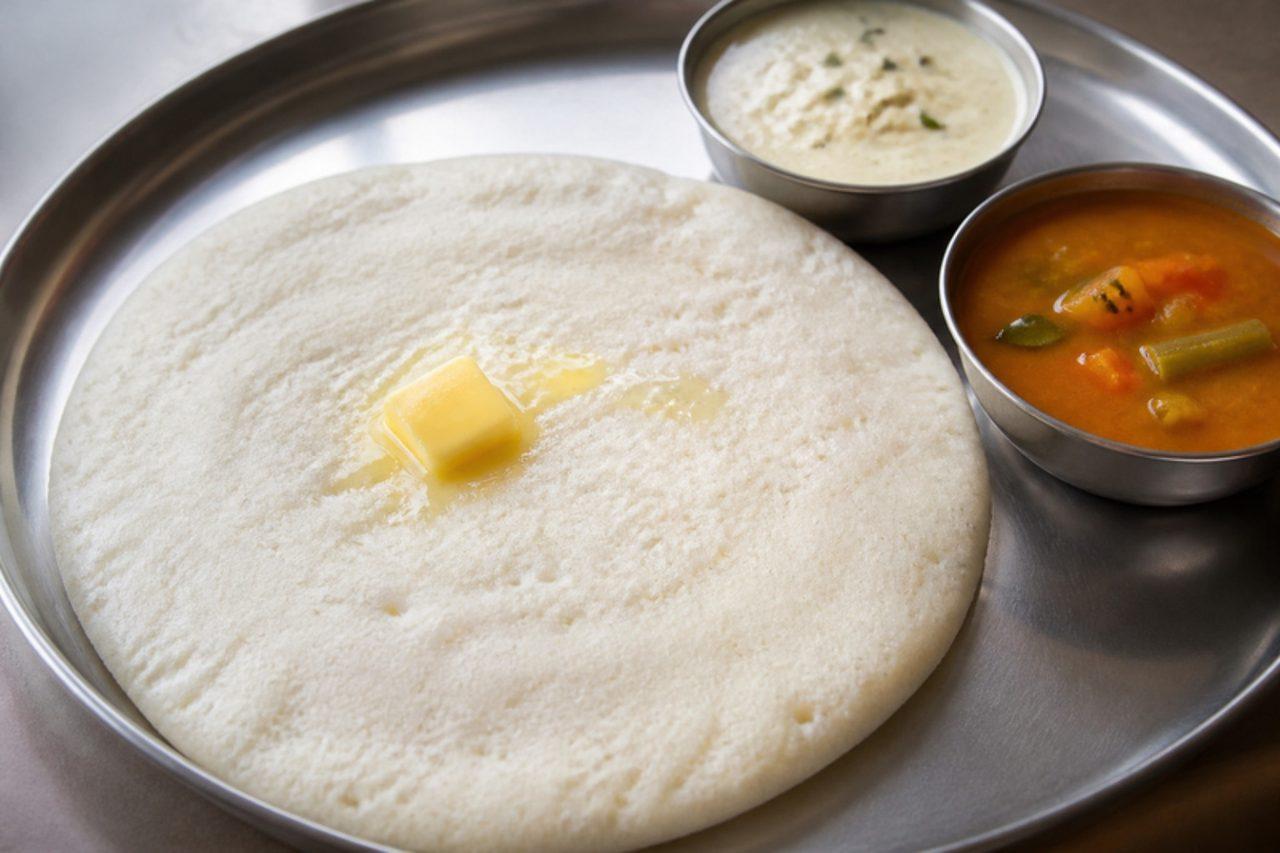
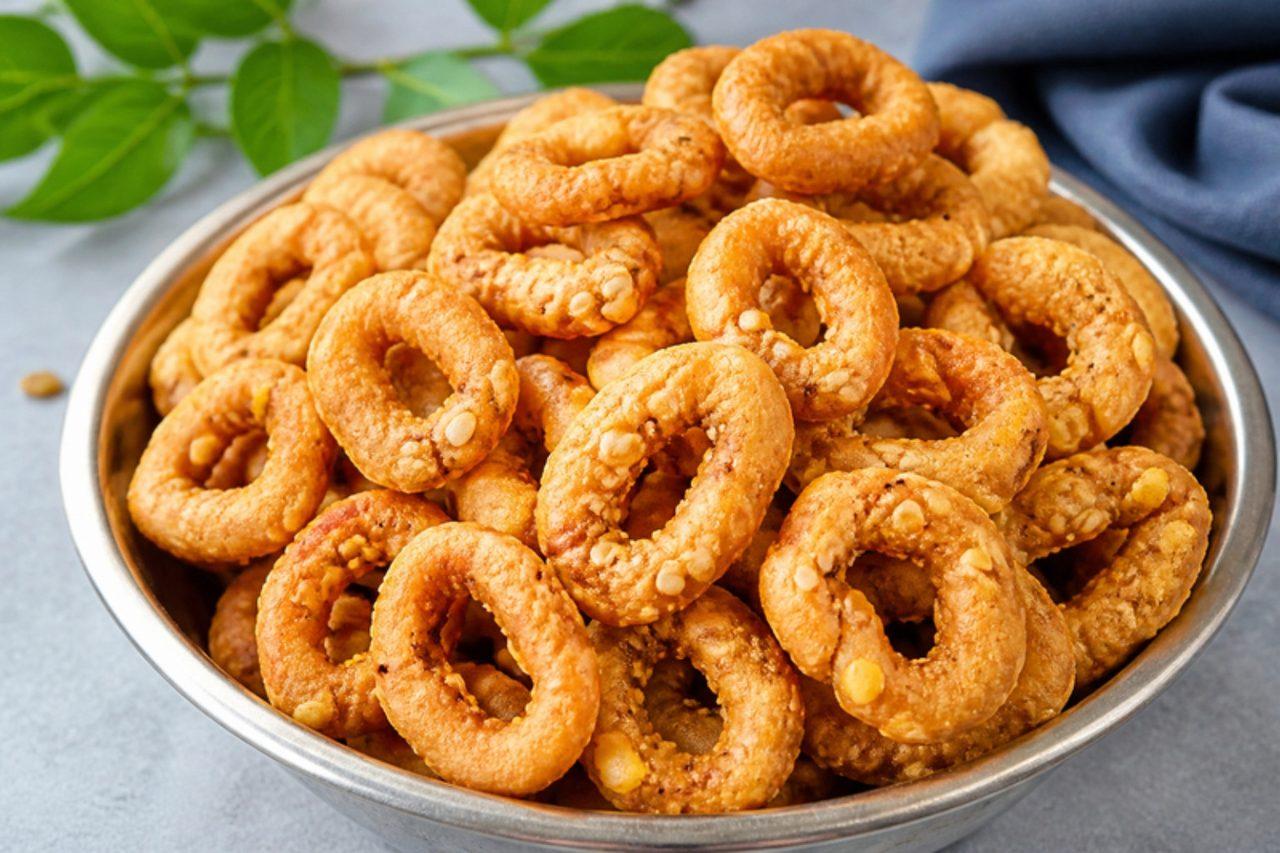
by KrazyBadal 0 views

Mangai pachadiRaw mango and jaggery relish

Every Tamil New Year plate in April has a small heap of mangai pachadi, sweet, sour, hot and bitter at once, so that the first meal of the year tastes of everything life will bring. Chunks of raw mango are cooked soft, simmered in jaggery and finished with a mustard tempering and a pinch of fried neem flowers. It is glossy and thick, eaten in small spoonfuls with rice, sambar and payasam. The common mistake is cooking it down too far: it thickens a lot as it cools, so stop when the syrup coats the spoon but still drips off slowly. Cook the mango first until a piece mashes easily; jaggery added to hard mango stops it softening. Chef's tip: choose firm, very sour mangoes; sweet, half-ripe ones go mushy and lose the sharp contrast.

by KrazyBadal 0 views

Nuvvula saddiRice with roasted sesame powder

Each family takes several saddulu, flavoured rice dishes, to the lake on Saddula Bathukamma, the last evening of Telangana's flower festival, and swaps them with neighbours after the songs; sesame rice, lemon rice, peanut rice and coconut rice are the usual set. Nuvvula saddi is the nuttiest of them: freshly roasted sesame ground with dried red chilli, tossed through cooked rice with a tempering of mustard seeds, dals, peanuts and curry leaves. It is eaten at room temperature, so the grains must stay separate. Common mistake: grinding the sesame for too long, which turns it to oily paste; pulse only until it looks like coarse sand. The sesame is roasted enough when it crackles, turns light gold and one seed crushes easily between your fingers. Chef's tip: cook the rice a little firm and spread it on a plate to cool before mixing, so it does not break up.

by KrazyBadal 0 views

Kholasapori pithaRice pancakes with coconut and jaggery

Kholasapori means 'pressed in the khola', the shallow clay pan that every Assamese kitchen brings out for Magh Bihu, when guests are offered a plate of pitha before anything else. These are thicker and softer than the crisp til pitha: a loose batter of sticky rice flour is spread on the hot pan, filled with coconut and jaggery and folded over, so the outside is lightly speckled and the inside chewy and sweet. A heavy cast-iron pan stands in well for the khola. Common mistake: a pan that is too hot; the batter should set slowly with no browning in the first minute, and it is ready to fold when the edges lift and the top no longer looks wet. Chef's tip: wipe the pan with a cloth dipped in oil between each pitha rather than pouring oil in, so they stay pale and even.

by KrazyBadal 0 views

Kurkuri bhindiCrispy fried okra strips

Kurkuri bhindi is the dhaba and wedding-buffet side that disappears first: thin, slivered okra tossed in a dry coat of besan, chilli and amchur and fried until it shatters. In Punjabi and Delhi homes it is served as a tea-time snack, scattered over dal-chawal or eaten by the handful while the rest of dinner cooks. The mistake almost everyone makes once is washing the okra and slicing it while still damp: the coating turns into gluey lumps and the strips go limp. Wash it an hour ahead and dry it completely. Chef's tip: toss the slivers with the spices first and add the flours only just before frying, so the okra cannot release liquid into the coating.
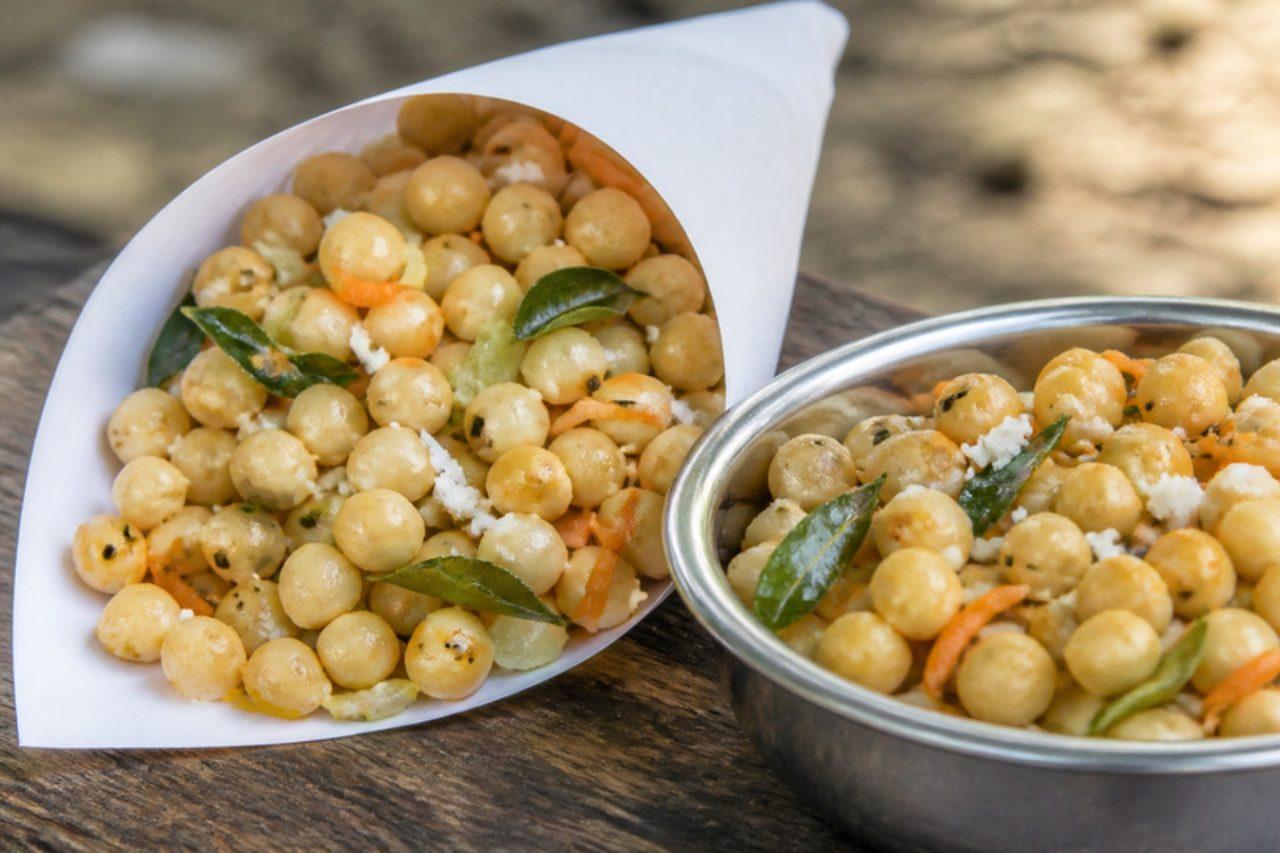
by KrazyBadal 0 views

Rauh di kheerRice in sugarcane juice
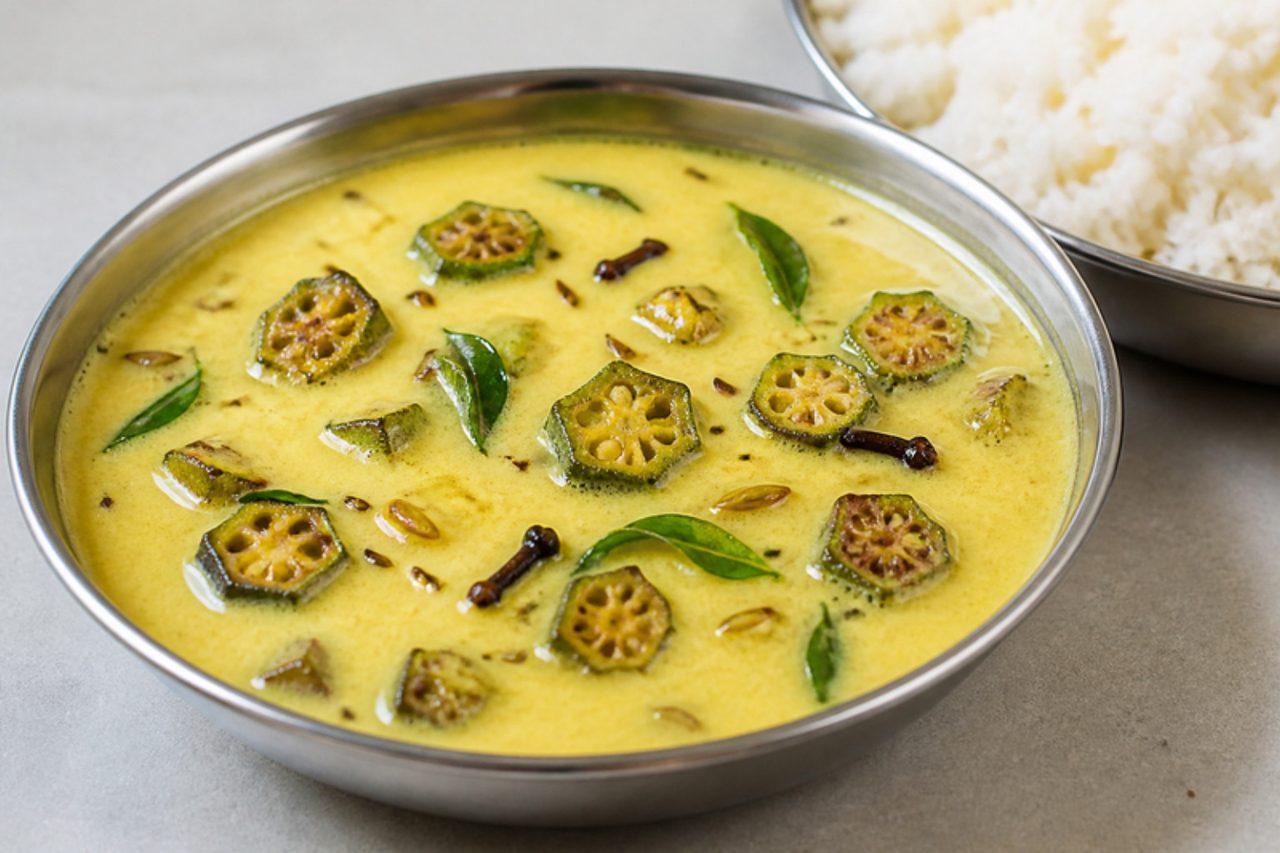
In Punjabi villages the cane harvest is in by Lohri, and on the night of the bonfire a pot of rice is set to cook slowly in fresh sugarcane juice (rauh) with no milk and no added sugar. The custom is to leave it to cool overnight and eat it cold the next morning, on Maghi, so you will often hear 'poh rinni, magh khaadi': cooked in Poh, eaten in Magh. It sets into a soft, brown, gently caramel pudding that tastes of cane. Common mistake: cooking on a high heat; the juice catches and turns bitter, so simmer it low and stir from the bottom, and it is done when the rice is very soft and the kheer coats the back of a spoon thickly. Chef's tip: skim off all the grey scum as the juice first comes to the boil, or the kheer tastes earthy.

by KrazyBadal 0 views

Obbattu saaruSpiced dal water rasam

Gowri Habba, Karnataka's version of Hartalika, comes the day before Ganesha Chaturthi, and the feast centres on obbattu (holige), flatbreads stuffed with chana dal and jaggery. Nothing goes to waste: the water the dal was boiled in, plus a spoon of the sweet filling, becomes obbattu saaru, a thin, sweet-sour-spicy rasam with tamarind, a coconut-spice paste and a mustard tadka, poured over rice beside the holige. Common mistake: boiling it hard after the coconut paste goes in, which dulls the flavour and makes it split; bring it just to a froth on top and switch off. Chef's tip: if you are not making holige, boil 50 g chana dal in 700 ml water, keep the water and mash a spoon of the dal with a little jaggery as the 'filling'.

by KrazyBadal 0 views

Vishu kattaCoconut milk rice squares

Around Thrissur and Palakkad the Vishu breakfast table is not complete without katta, rice cooked slowly in coconut milk until it can be spread on a plate, set and cut like a cake. Families eat the squares two ways: with a pour of dark jaggery syrup for sweetness, or with a hot, sour curry for those who prefer savoury on a festival morning. Set, it is soft, rich and faintly salty, with the scent of cumin. The common mistake is rushing it on a high flame; the coconut milk splits and the rice catches before it turns creamy. It is ready when the whole mass comes away from the sides of the pan and holds a ridge when you draw a spoon through it. Chef's tip: smooth the top with a piece of banana leaf or the back of a wet spoon, and cut the katta only once it is fully cool, or the squares will tear.

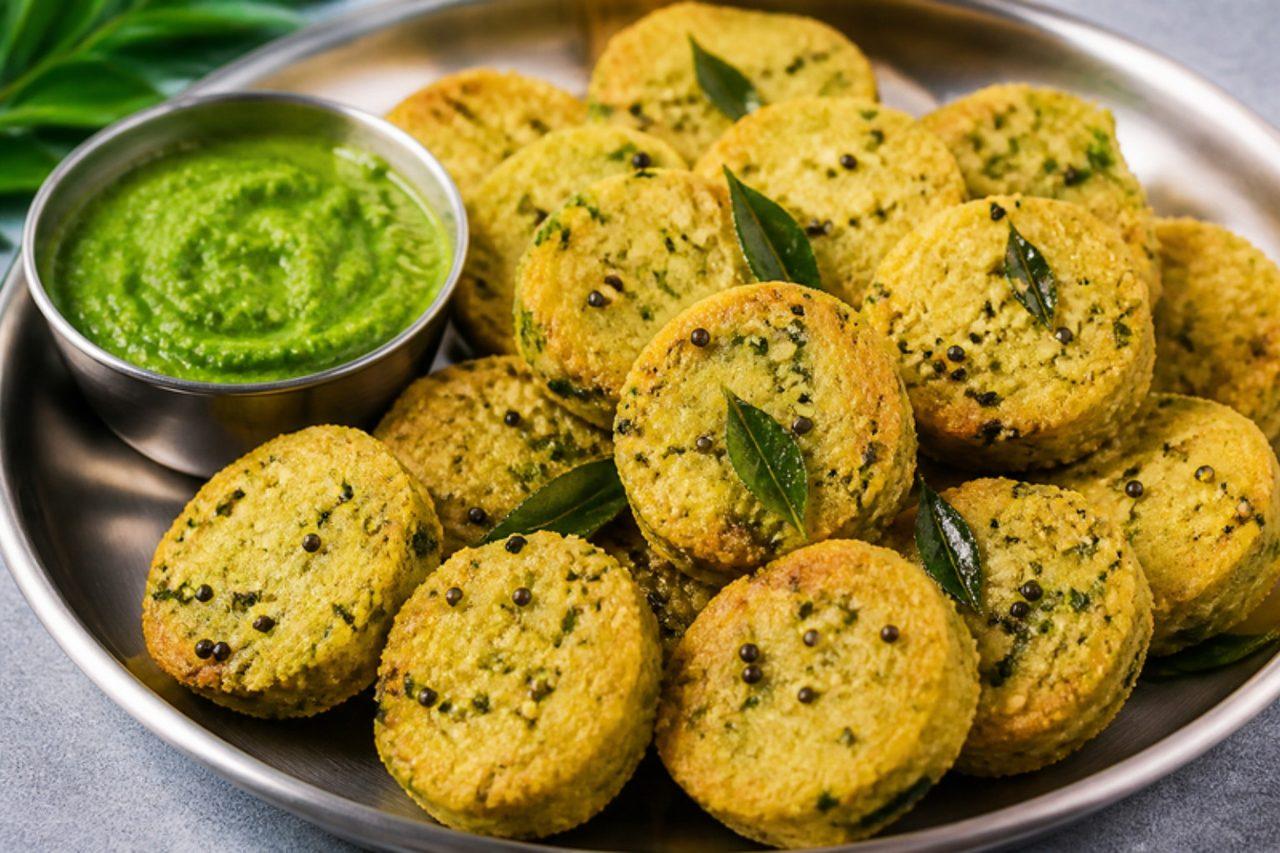
by KrazyBadal 0 views

Mosaru avalakkiCurd flattened rice

On hot evenings in Mysuru and Bengaluru, mosaru avalakki is the cooling no-fuss dinner: thin poha folded into thick curd loosened with a little milk, sharpened with ginger and green chilli and finished with a sizzling mustard and curry leaf tempering. It is soft, tangy and refreshing, and often comes with pomegranate seeds or grated cucumber. The common mistake is mixing it too early; thin poha keeps soaking up curd and turns into a stiff paste if it sits. Chef's tip: stir in the milk last, just before serving, so the curd stays creamy and the poha keeps a little bite.

by KrazyBadal 0 views

Pappada vadaFried pappadam fritters

Pappada vada is a Kerala tea-shop snack from the stretch between Thrissur and Palakkad, where a jar of them sits on the counter beside the banana fritters for the four o'clock chai break. Plain urad pappadams are dunked in a thin, chilli-red rice-flour batter with sesame and hing, then fried until the coating turns into a glassy, bubbly crust around the crisp pappadam inside. They are salty, peppery and loud to eat, and they keep in a tin for a week. The usual mistake is a thick batter: it fries into a hard, oily shell, so it should coat the back of a spoon thinly, like single cream. Chef's tip: use the small Kerala pappadams, not the big spiced Punjabi ones, and fry two at a time so the oil stays hot.

by KrazyBadal 0 views

Bataka sevFasting potato sev

Bataka sev is the sev that Gujarati households can eat on upvas days, from Ekadashi and Shivratri to the Navratri fasts: there is no gram flour, only boiled potato bound with arrowroot, seasoned with rock salt, green chilli and crushed pepper. It fries into pale gold, delicate threads that melt quickly in the mouth, and is eaten on its own, over farari chevdo or on fasting bhel. The common mistake is using warm or watery potatoes, which make a sticky dough that will not pass through the press; boil, peel and cool the potatoes completely, and grate them rather than mashing. Chef's tip: fry in small spirals in moderately hot oil and lift them out while still pale, as they keep colouring for a minute after draining.

by KrazyBadal 0 views

Farari handvoFasting savoury cake with sago

Farari handvo is what Gujarati families bake in a heavy pan on Janmashtami, Ekadashi and Navratri fast days, when rice, lentils and wheat are off the menu. A batter of ground samo (barnyard millet) and sabudana soured with yogurt is loaded with grated bottle gourd, crushed peanuts, ginger and green chilli, then cooked slowly over a cumin and sesame tempering until a golden crust forms on both sides. Cut into wedges, it is soft and moist inside, nutty and crunchy outside. The common mistake is cooking over high heat: the crust burns before the thick centre sets, so keep the flame low and the pan covered. Chef's tip: squeeze nothing from the dudhi; its juice is what hydrates the samo during the rest.

by KrazyBadal 0 views

DresilSweet rice with butter and raisins

On the first morning of Losar, Tibetan and Sherpa households in the Himalaya and in Kathmandu greet the year with a bowl of dresil: rice tossed with melted butter, sugar, raisins and droma, the small sweet roots of a wild silverweed gathered on the high pastures. It is eaten with butter tea before visits begin, and a little is offered at the family shrine first. The rice is fluffy and glossy, gently sweet and buttery, with chewy bursts of fruit. The common mistake is cooking the sugar in with the rice, which makes it sticky and likely to catch; cook the rice plain, then fold everything in. It is ready when every grain is coated and separate and the raisins have plumped. Chef's tip: droma is hard to find outside Tibetan shops; chopped dried dates and a few toasted cashews give a similar sweet, earthy chew.

by KrazyBadal 0 views

Kuttu ki pakodiBuckwheat and potato fritters

Across North India, homes keeping the Mahashivratri vrat give up grains for the day, so the evening snack is made with kuttu (buckwheat) flour instead of gram flour, bound with mashed potato and seasoned only with green chilli and sendha namak (rock salt). The fritters come out dark, crunchy and nutty, and are eaten hot with yoghurt or a green chutney made with rock salt once the evening puja is done. Rules differ: some families also avoid coriander leaves or black pepper while fasting, so leave out anything your household does not use. Common mistake: making the batter too thin; buckwheat has no gluten, so a runny batter breaks apart in the oil. It should be thick enough to drop from a spoon in a soft lump. Chef's tip: fry at about 175 °C; the pakodi should rise to the surface within 20 seconds and turn deep brown in 3–4 minutes, so they cook through without soaking up oil.

by KrazyBadal 0 views

PanchamritMilk, curd, ghee and honey offering

Panchamrit, the 'five nectars', is poured over the image of baby Krishna at the midnight abhishek on Janmashtami and then given out to everyone in the room in a spoonful cupped in the palm. It is made across India for pujas, from Gujarat to Bengal, with five fixed parts: milk, curd, ghee, honey and sugar, plus tulsi leaves and sometimes a few makhana or chopped banana in the north. It tastes sweet, creamy and a little tangy. Common mistake: using hot milk or sour curd, which makes it split and thin; everything should be cool and the curd fresh, and it is ready when it is smooth and pourable like thin custard. Many families treat it as fasting food for the day, but traditions differ on honey and cooked milk, so follow your own household. Chef's tip: stir the honey into a little of the milk first so it loosens before it goes into the cold curd, otherwise it sets in sticky lumps.

by KrazyBadal 0 views

Ambe dalChana dal with raw mango

Through the month of Chaitra, which opens with Gudi Padwa, Maharashtrian women invite each other home for haldi-kunku, and the plate they send guests away with nearly always holds ambe dal with a glass of kairi panha. It is not a cooked dal at all but a cool, crunchy salad: chana dal soaked for hours, pulsed coarse with green chilli, then tossed with grated raw mango, coconut and a hot mustard tadka. It tastes sour, fresh and gently hot, and it is filling enough for an afternoon visit. The common mistake is grinding it with water into a paste; the dal must stay in tiny separate grains, like coarse couscous, and feel just tender when you bite one. The long time on this recipe is almost all soaking. Chef's tip: grate the mango only just before mixing and add the salt at the end, or the dal turns watery as it stands.

250 minIndianSaladsVeganGluten free
by KrazyBadal 0 views

Gato moutailleFried dough ropes in cardamom syrup

On Divali evening in Mauritius, Hindu households set out clay lamps and then walk plates of sweets round to their neighbours, Hindu, Muslim, Creole and Chinese alike; gato moutaille, gato cravate and gato zinzli are almost always on the plate. Moutaille (from the Bhojpuri mithai) are short ropes of soft dough twisted into knots or spirals, fried until crisp and soaked in a cardamom syrup so the outside is sticky and the inside stays slightly chewy. Common mistake: syrup that is too thick, which crystallises into a white crust; cook it only to one-string consistency, when a drop pulled between finger and thumb makes a single thread. Chef's tip: dip the moutaille while they are hot and the syrup is warm, then lift them out after a minute so they stay crisp.

by KrazyBadal 0 views

TambittuRoasted rice flour jaggery laddus

Nagara Panchami in Karnataka is a festival of sisters and brothers as much as of snakes: women offer milk to the stone naga images under peepal trees, and the sweets made at home are tambittu, laddus of roasted rice flour, roasted gram, coconut and sesame bound with jaggery syrup and ghee. They are crumbly-soft and earthy, and a few are also offered at Varamahalakshmi. Common mistake: binding with thin syrup, which leaves the laddus wet and collapsing; boil the jaggery only to a soft-ball stage, when a drop in cold water forms a soft ball you can pick up. Chef's tip: roast the rice flour until it just smells toasty and is barely cream-coloured; too dark and the laddus taste bitter.

by KrazyBadal 0 views

Alwar milk cakeGrainy reduced-milk sweet

Sweet boxes swapped on Raksha Bandhan in Rajasthan very often hold Alwar milk cake: a dense slab of full-fat milk reduced for hours with sugar, then left to set slowly in its own heat so the middle caramelises dark brown while the edges stay pale and grainy. Unlike kalakand, it uses no chhena at all; the grain comes from souring the milk just a little as it reduces, and the colour from long, patient cooking. It is fudgy, milky and toffee-like. Common mistake: hurrying the last stage on a high flame, which scorches the base instead of browning it; the mass is ready when it leaves the sides of the pan as one sticky lump and the ghee starts to show at the edges. Chef's tip: wrap the filled tin in a thick towel and leave it overnight; that slow cooling is what browns the centre.

by KrazyBadal 0 views

KhichdoWheat, rice and dal porridge

Khichdo is Gujarat's Uttarayan dish of giving: on the morning of the festival big pots of it are cooked and shared with neighbours, cows and anyone in need, because charity on Makar Sankranti is thought to bring blessings. It is a slow, hearty porridge of pounded whole wheat cooked with rice and several dals until everything melts together, finished with a ghee tadka of whole spices, ginger and chilli. Some families make it sweet with jaggery instead. Common mistake: skipping the soaking; the wheat needs a night in water or it never softens, and the khichdo is ready when the grains are bursting and it falls thickly from the ladle. Chef's tip: pounded khichda wheat is sold in Indian shops; cracked whole wheat (not bulgur) also works.

by KrazyBadal 0 views

Moong dal dhoklaSteamed moong dal squares

Across Gujarat, moong dal dhokla is the lighter cousin of khaman: the breakfast plate in Ahmedabad homes, the tiffin snack that travels well, and a regular on the table when someone in the house is eating light. Split yellow moong is soaked, ground with ginger and green chilli and steamed into pale, springy squares, then splashed with a hot tempering of mustard seeds, sesame and curry leaves. It is mild, savoury and slightly sweet from the dal itself, and best with green chutney. A common mistake is grinding the dal to a thin, watery paste; the dhokla then steams flat and dense, so keep the batter thick enough to drop slowly from a spoon. Chef's tip: stir in the fruit salt only when the steamer is already boiling and the tray is greased, because its fizz fades within a couple of minutes.

by KrazyBadal 0 views

Doodh pauvaChilled saffron milk with flattened rice

Sharad Poonam, the brightest full moon of the year, ends the Navratri season in Gujarat; families sing garba late into the night and leave a bowl of doodh pauva out under the moon, believing its rays make it healing, before eating it cold together. It is thin poha soaked in reduced, sweetened milk with cardamom, saffron and nuts, cooling, soft and lightly creamy, the Gujarati cousin of Maharashtra's Kojagiri masala doodh. Common mistake: adding poha to hot milk or too early, so it turns to porridge; chill the milk first and stir the poha in only 10–15 minutes before eating, when the flakes are soft but still separate. Chef's tip: simmer the milk down by a quarter before chilling; a little reduction gives body without needing cream.

by KrazyBadal 0 views

KummayamRoasted urad and moong halwa

Kummayam, also called aadi kummayam, is the sweet Chettinad homes make in the Tamil month of Aadi (July to August), when it is offered at the temple and shared with family. Urad dal, moong dal and rice are dry-roasted and ground into a flour, then cooked in thin jaggery syrup with ghee until it becomes a soft, glossy, dark halwa that pulls away from the pan. It tastes of roasted lentils and molasses and is eaten warm. The most common mistake is adding the flour to hot syrup in one go, which makes stubborn lumps; whisk it into cool syrup first, then cook. Chef's tip: add the ghee a spoonful at a time towards the end and stop when the halwa turns glossy and comes together in one mass.

by KrazyBadal 0 views

KundaCaramelised milk sweet

Kunda is the pride of Belagavi, where sweet shops near the old market have made it for over a century, and boxes go to weddings and Diwali visits across north Karnataka and Goa. Milk is reduced with a little curd so it turns grainy, then cooked with sugar that has been partly caramelised, ending as a soft, crumbly, toffee-brown sweet that tastes of burnt milk and cardamom. A common mistake is caramelising all the sugar; only a third should be darkened, or the kunda turns bitter instead of rich. Chef's tip: use full-fat milk and a wide heavy pan, and scrape the browned bits from the sides back in; they carry most of the flavour.

by KrazyBadal 0 views

Ratalu puriFried purple yam slices

Ratalu puri belongs to Surat's evening snack trail, where farsan sellers on Chowk Bazaar fry purple yam slices to order and shake a tangy masala over them while they are still sizzling. Inside the crisp, golden coat the yam turns creamy and faintly sweet, and the masala of dry mango, black salt and chilli wakes everything up. They are eaten hot with green chutney, usually on cool winter evenings when ratalu is in season. A common mistake is cutting the yam too thick: slices thicker than 3 mm stay raw in the middle by the time the batter browns. Chef's tip: oil your hands before peeling ratalu, as the raw sap can make skin itch.

by KrazyBadal 0 views

Almíbar nicaragüenseFruit preserve in panela syrup

In Nicaragua, Semana Santa means almíbar: a big pot of mango, papaya, jocote (hog plum) and grosella (gooseberry) simmered for hours in a dark panela syrup with cinnamon, cloves and allspice. Families make it ahead and share it with neighbours, who return the bowl full of their own. It is served cool in small bowls, sometimes with a slice of cheese. Jocotes and grosellas are hard to find abroad; firm plums and cape gooseberries are good stand-ins. It is vegan and gluten free. Chef's tip: add the fruit in order of firmness so everything finishes tender but whole.

by KrazyBadal 0 views

TaloaMaize flatbread with ham and cheese

During the Fêtes de Bayonne in July, when the whole town dresses in white with red scarves, stalls in the Pays Basque sell taloa: thick flatbreads of maize and wheat flour cooked on a hot griddle and folded around fillings. The classic is with jambon de Bayonne (a cured pork ham), with sheep's cheese or with ventrèche (cured pork belly), and it's eaten hot in the street. Cheese alone makes a good vegetarian version. Chef's tip: cook the taloa on a dry, very hot pan; it should blister and puff in patches like a tortilla.

by KrazyBadal 0 views

Pan co' santiWalnut and raisin loaf

In Siena and the Tuscan countryside, pan co' santi ('bread with the saints') is baked for All Saints' Day on 1 November, when the new walnuts and the late grapes come in. It is a dark, lightly sweet bread dough rich with olive oil, walnuts, raisins and a surprising amount of black pepper, which gives a warm bite. It is eaten with the new wine by adults, or with roasted chestnuts. It is vegan. Chef's tip: fry the raisins and walnuts briefly in the olive oil before adding them, as Sienese bakers do; it brings out their flavour.

by KrazyBadal 0 views

Chirov plavRice pilaf with dried fruit

Chirov plav, rice pilaf with dried fruit ('chir'), is the Armenian Easter dish: after the long Lenten fast, families gather on Easter Sunday to eat this glossy, buttery pilaf, often served beside fried or baked fish and red-dyed eggs. The rice is cooked separately so every grain stays loose, then layered with dried apricots, raisins and prunes warmed in butter, with a golden crust (tahdig-style) at the bottom. Chef's tip: rinse the rice until the water runs clear, and parboil it in plenty of salted water, as that keeps the grains separate.

by KrazyBadal 0 views

VornGreen gram and coconut milk sweet

On 8 September, Mangalorean Catholics celebrate Monti Fest, the feast of Mary's Nativity, which is also a harvest festival: new ears of grain are blessed at church and shared at home, and the family eats a vegetarian feast of new-season vegetables. Vorn, a pudding of split green gram (moong) cooked with coconut milk, jaggery and cardamom, is the sweet that ends it. It is like a gentle payasam, vegan and gluten free. Chef's tip: dry-roast the moong dal until fragrant before cooking it, which gives vorn its nutty flavour.

by KrazyBadal 0 views

QuittengeleeQuince jelly

Quinces are too hard and sour to eat raw, so in Germany they are turned into Quittengelee, one of the jewel-coloured jars set out with the pumpkins and sheaves of wheat for Erntedank, the October harvest thanksgiving. The fruit is simmered whole in pieces, the juice drips through a cloth overnight, and then it is boiled with sugar until it sets into a clear jelly the colour of rosé, with a perfume like pear, honey and roses. Eat it on bread rolls, with cheese, or melted as a glaze for apple tart. Chef's tip: quince skin and cores are full of natural pectin, so cook them in with the flesh rather than peeling.

by KrazyBadal 0 views

MämmiRye and malt Easter pudding

Mämmi is Finland's Easter dessert, a dark, almost black pudding of rye flour and malted rye, sweetened slowly by the malt's own enzymes and by a little molasses, then baked for hours in birch-bark boxes or small dishes. It looks unusual but tastes mild, malty and gently sweet, and is eaten cold with cream and sugar on Easter Sunday. It is vegan, and it was once eaten through Lent. You need powdered rye malt from a baking supplier or Nordic shop. Chef's tip: keep the porridge warm (around 60 °C) for two hours before baking so the malt can sweeten it; skip this and mämmi tastes bitter.

by KrazyBadal 0 views

SkābputraSoured barley porridge drink

Skābputra, 'sour porridge', is one of the oldest Latvian foods, and at Jāņi, Midsummer on 23–24 June, it is served cold alongside caraway cheese, pīrāgi and wreaths of flowers. Pearl barley is cooked soft, then soured with buttermilk or kefir for a day or two until it is tangy and fresh-tasting, and it is thinned with milk into a thick, cooling drink sipped or eaten with a spoon on hot summer days. This home version uses bought live buttermilk to start the souring safely. Chef's tip: use clean jars and utensils, and taste it each day; once it is pleasantly sour, chill it so it stops souring.

by KrazyBadal 0 views

FunkasoFermented wheat pancakes

Funkaso is a Hausa pancake from northern Nigeria, made from a wheat batter left to ferment until bubbly and fried into soft, spongy rounds with crisp edges. Families cook stacks of it for the pre-dawn sahur and the evening meal during Ramadan, and again on Sallah morning for visitors. It is eaten simply, sprinkled with sugar, or dipped in a hot pepper sauce, with hot kunun or tea. Chef's tip: the batter should be as thick as double cream; too runny and the pancakes spread thin and lose their spongy middle.

by KrazyBadal 0 views

Tomato khejur chutneyTomato and date chutney

A Bengali festive meal ends with chutney, and during Durga Puja the bhog plate's last stop is often this glossy tomato and date chutney. Ripe tomatoes are cooked with a mustard-seed and dried-chilli tempering, then sweetened with sugar and stoned dates and studded with raisins until it turns jammy and sticky. It is eaten as its own course after the vegetables, to clean the palate before the sweets. Common mistake: taking it off the heat too early so it stays watery; it is ready when a spoon drawn through the pan leaves a clear line for a second and the chutney looks shiny. Chef's tip: add a few strips of aamsotto (dried mango leather) with the dates if you have it; it gives the deep, fruity sourness of the pandal chutney.

by KrazyBadal 0 views

MässmoggeHazelnut-filled striped sweets

Every autumn the Basler Herbstmesse, Switzerland's oldest fair, fills the old town with rides and stalls, and the smell of boiling sugar from the stands selling Mässmogge, glossy striped sweets in bright colours with a soft chocolate-hazelnut centre. They are made by pulling hot sugar until it turns satiny, wrapping it round a rope of filling and snipping it into little pillows. It takes practice and a sugar thermometer, and adults should do all the hot work; children can help once the sweets are cool. Chef's tip: work on an oiled silicone mat near a low oven, so the sugar stays pliable for longer.

by KrazyBadal 0 views

Plastic chutneyRaw papaya chutney

Plastic chutney gets its funny name from the way the thin slices of raw papaya turn clear and glassy, like cellophane, as they cook in syrup. It is the chutney of every Bengali wedding feast and of the Durga Puja bhog, served in a small heap at the end of the meal, sweet, sharp with lime, and dotted with raisins. No onion or garlic goes near it. Common mistake: cutting the papaya too thick or cooking it on high heat; thick slices stay opaque and chewy, while a fast boil caramelises the syrup before the papaya turns clear. The chutney is ready when every slice is see-through and the syrup coats a spoon. Chef's tip: soak the sliced papaya in water with a pinch of baking soda for 15 minutes, then rinse; this helps the slices stay crisp-tender and turn translucent evenly.

by KrazyBadal 0 views

Fulkopir dalnaCauliflower and potato in light gravy

Fulkopir dalna is the gravy dish of a niramish (no onion, no garlic) Bengali menu, and it appears on the Durga Puja bhog table and at home on Navami and Dashami, when many families keep the day's food vegetarian. Large cauliflower florets and potatoes are fried golden and then simmered in a thin, glossy gravy of ginger, cumin, tomato and a little yoghurt, finished with ghee and Bengali garam masala. It should taste mellow, warm and slightly sweet rather than hot. Serve it with luchi or khichuri. Common mistake: boiling the cauliflower in the gravy from raw; fry the florets first until browned in patches, or they turn mushy and taste watery. Chef's tip: whisk the yoghurt with the ground spices before it goes in, and keep the heat low, so the gravy stays smooth instead of splitting.

by KrazyBadal 0 views

LemangBamboo-cooked coconut sticky rice

On the eve of Hari Raya Aidilfitri, Malay villages across the peninsula fill with smoke as families cook lemang: glutinous rice and coconut milk packed into banana-leaf-lined bamboo poles and turned slowly beside an open fire for hours. The rice comes out rich, salty and faintly smoky, sliced into thick rounds and eaten with rendang or serunding on Raya morning. Few homes have bamboo and a fire pit, so this recipe gives a home oven method in a banana-leaf-lined tin, with the bamboo way described too. Chef's tip: let the cooked lemang cool before slicing, as warm rice is too soft to cut cleanly.

by KrazyBadal 0 views

FasaliLayered butter pastry with honey

Fasali is a festive breakfast in Azerbaijan, made on Novruz mornings and other holidays when the house is full: a thin dough is brushed with melted butter, folded again and again into many layers, then cooked slowly in a covered pan until crisp outside and flaky within. It comes to the table cut in wedges with honey, syrup or a glass of sweet tea. The common mistake is cooking over a high heat, which burns the outside before the inner layers have cooked through. Chef's tip: chill the folded parcel for 10 minutes between folds and the butter stays in clean layers.

by KrazyBadal 0 views

Showing 192 of 3,468 recipes

Show more recipes

Page 13 of 145

More No onion & garlic ideas

Other diets