Skip to content

Recipes with shallot

271 recipes that use shallot, with photos, step-by-step instructions and cook times. The quickest, Kangkung goreng, takes 10 minutes. It is most often cooked with garlic, sugar and turmeric.

Run out of shallot? Half an onion per 2 shallots.

Got a few things in the fridge? Search by everything you have

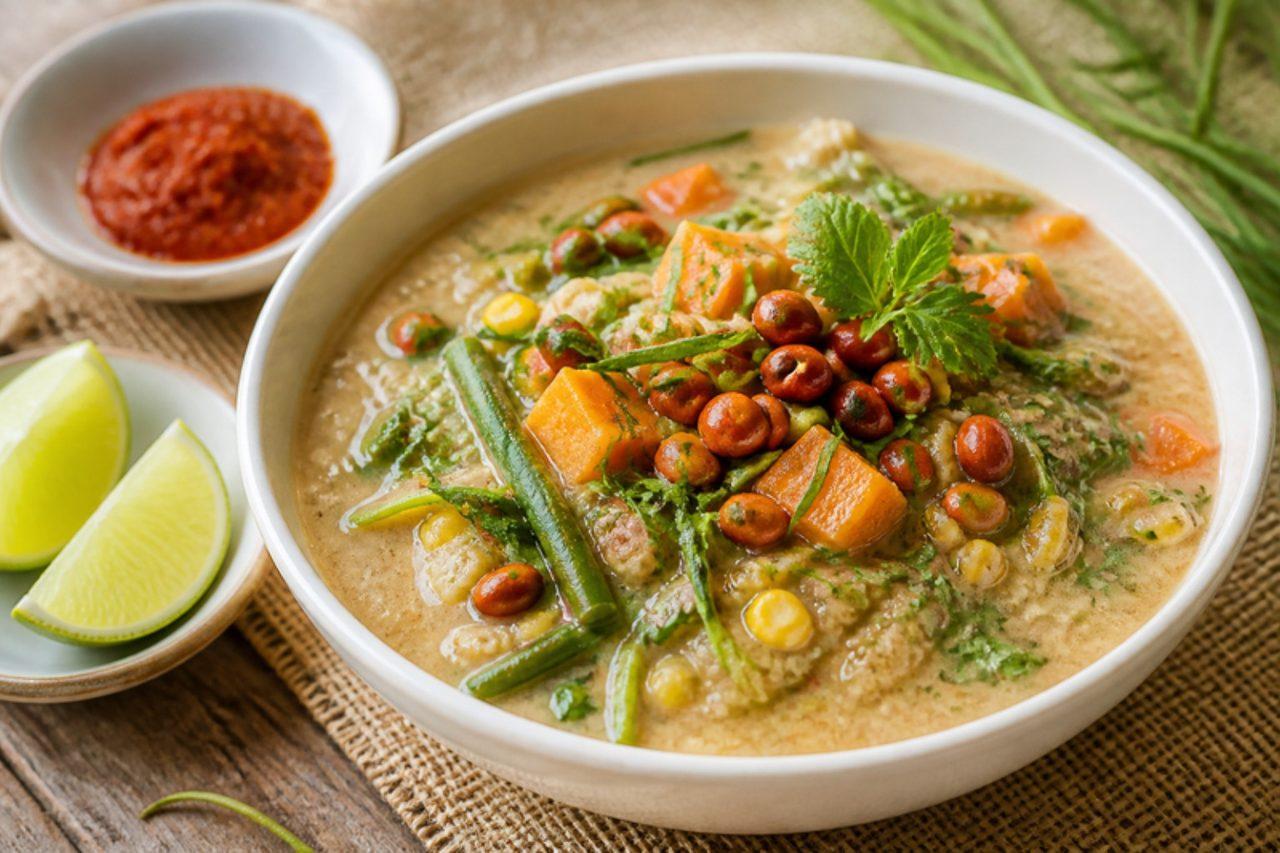
Sayur lodehVegetables in coconut milk

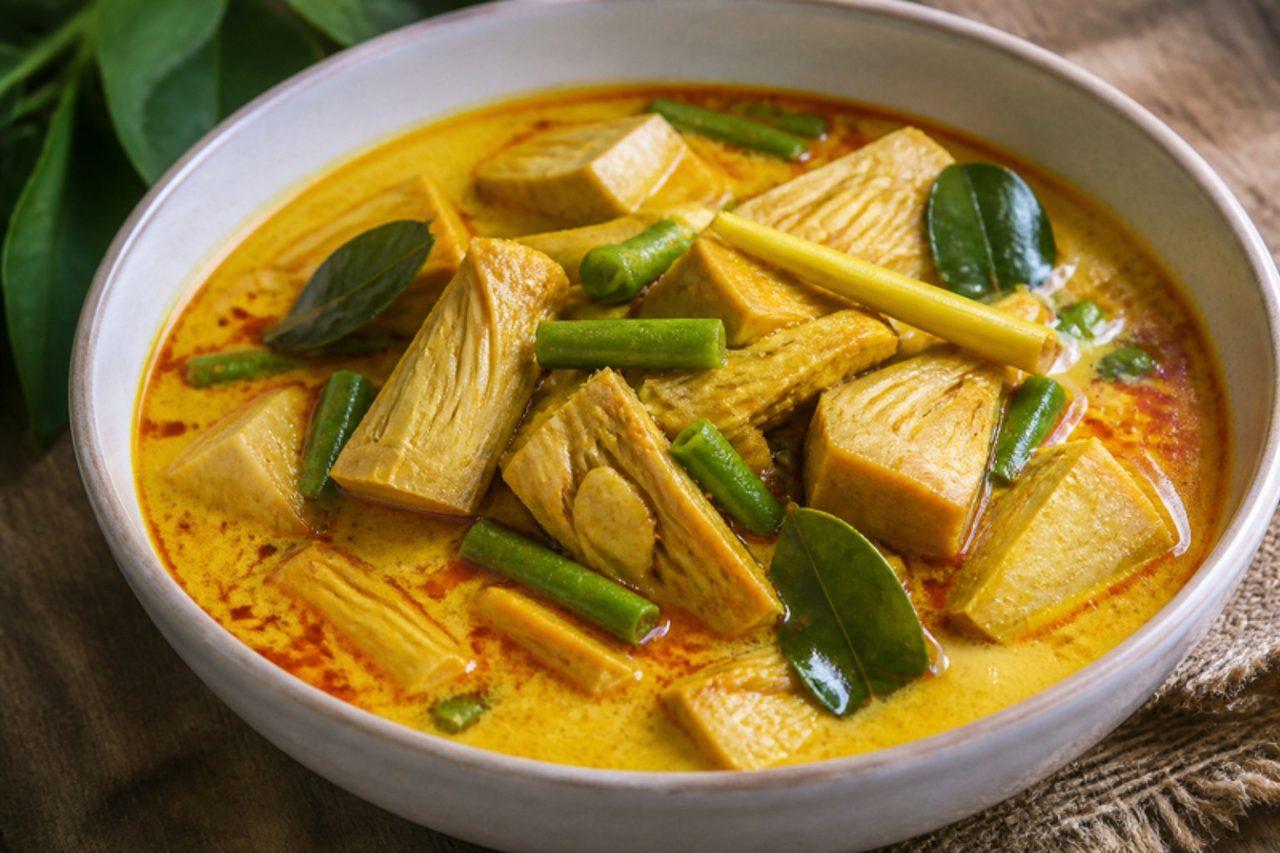
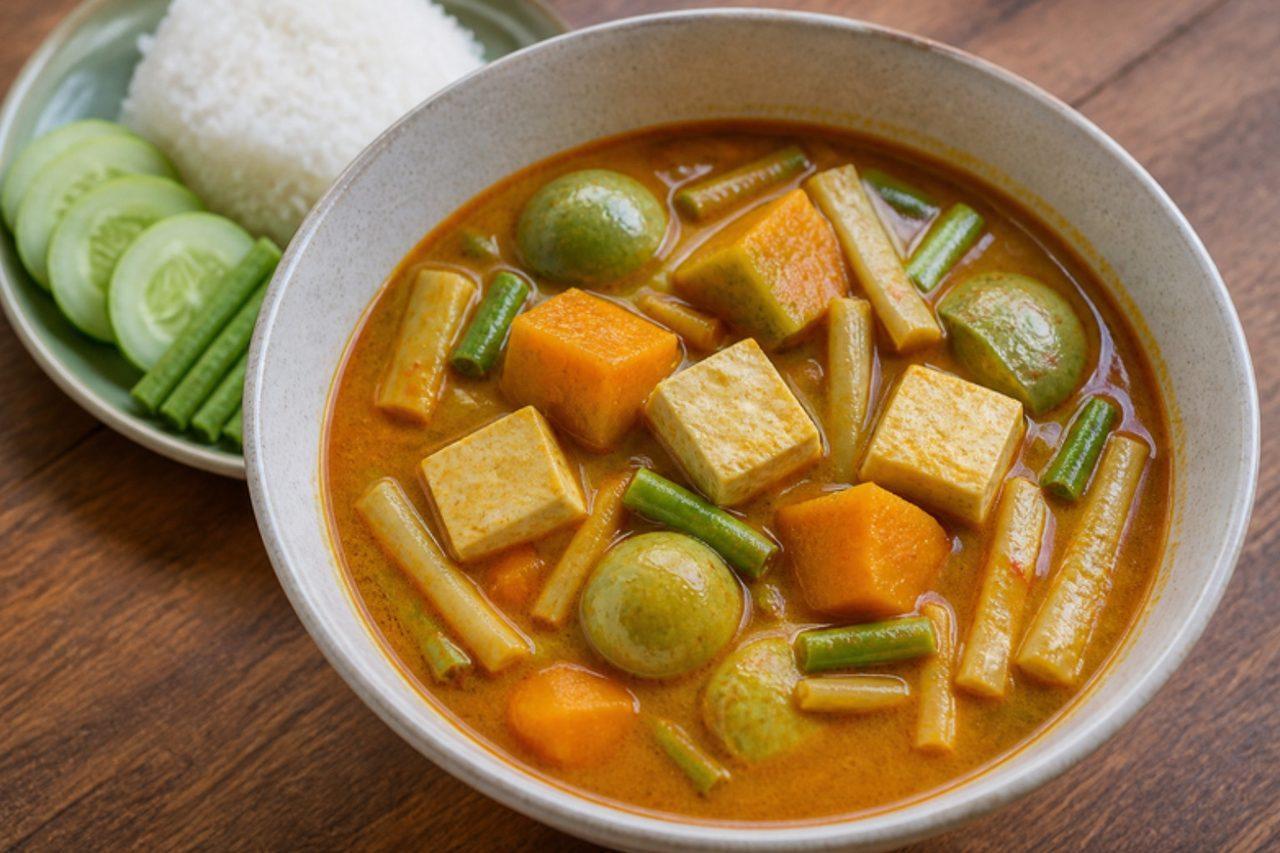
Sayur lodeh is everyday cooking in Central Java, made in big pots in Solo and Semarang kitchens and ladled over rice, with lontong rice cakes at Lebaran, or alongside opor and sambal goreng on festive tables. It's soupy rather than thick: a fragrant broth of coconut milk, galangal, lemongrass and lime leaf that carries chunks of aubergine, long beans, chayote and sweetcorn, plus tempeh and tofu to make it a meal. The flavour is mellow and slightly sweet, so the heat comes from sambal on the side. Chef's tip: keep the pot at a gentle simmer once the coconut milk goes in and stir now and then — a rolling boil splits the coconut milk into oily curds.

by KrazyBadal 3 views

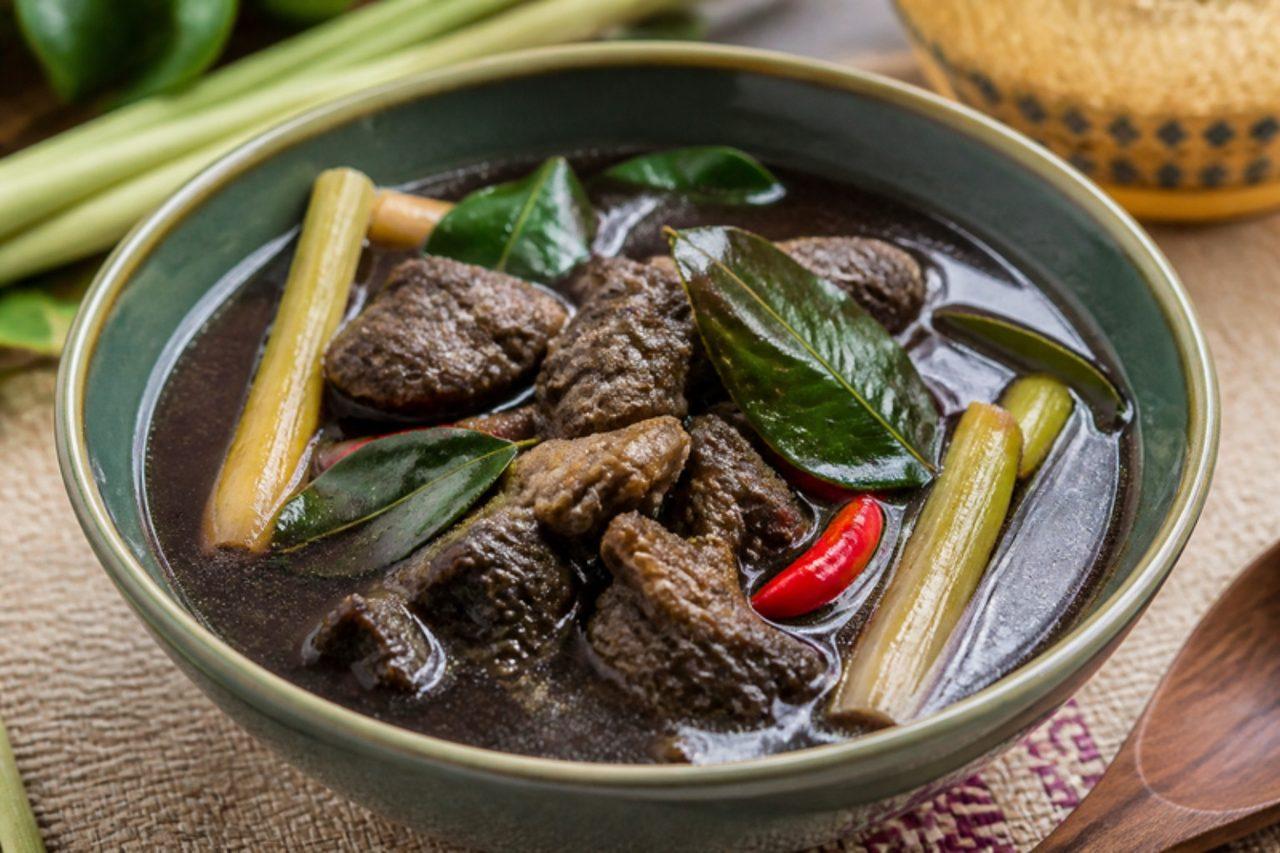
Tiyula itumBlack beef soup

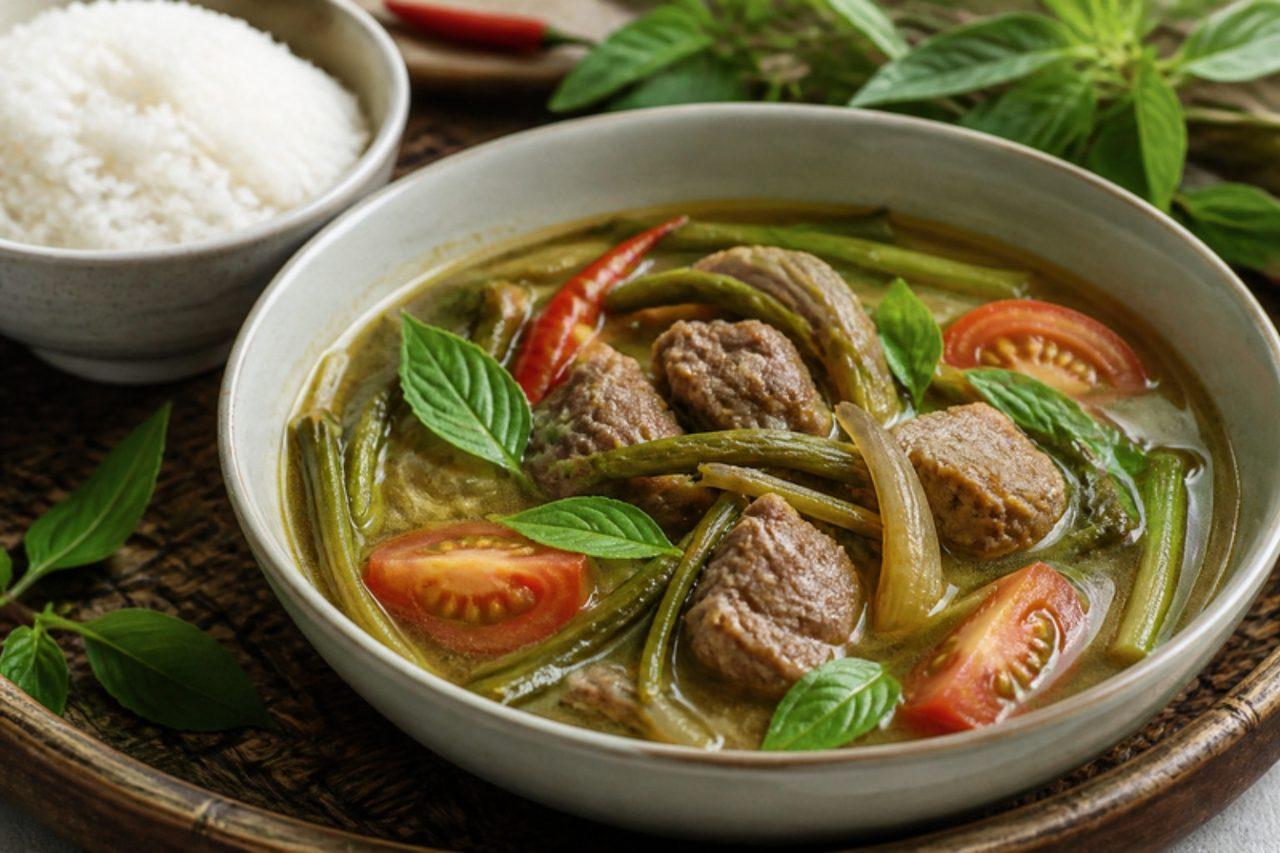
Tiyula itum, 'black soup', is the pride of the Tausug people of Sulu in the far south of the Philippines, cooked for weddings, Eid celebrations and when guests come home. Beef (it is a halal, pork-free dish) is simmered with ginger, lemongrass and turmeric, then darkened with pamapa itum, a paste of grated coconut toasted until almost black and pounded with spices. The broth looks dramatic but tastes smoky, earthy and gently peppery, with heat from chillies. Serve it with plain rice. Chef's tip: toast the coconut slowly, stirring all the time, until it is very dark brown but not ashy; burnt-to-ash coconut tastes bitter and ruins the soup.

by KrazyBadal 2 views

Caramelised clay-pot tofu and mushroomsBraised tofu and mushrooms

Kho is the slow braise of the Mekong Delta: food simmered in a little clay pot (nồi đất) with dark caramel and seasoning until the sauce is sticky and the flavours go deep. This vegetarian cousin of cá kho tộ (braised fish) uses golden tofu and meaty mushrooms in place of fish, cooked in coconut water, as cooks do in the south, and finished with plenty of black pepper. Serve it bubbling in its pot with steamed rice and a sour soup or plain boiled vegetables. Chef's tip: take the caramel (nước màu) to a deep mahogany, darker than you think, just before it smokes; pale caramel only tastes sweet, while dark caramel gives the bittersweet, smoky flavour of a real kho.

by KrazyBadal 2 views

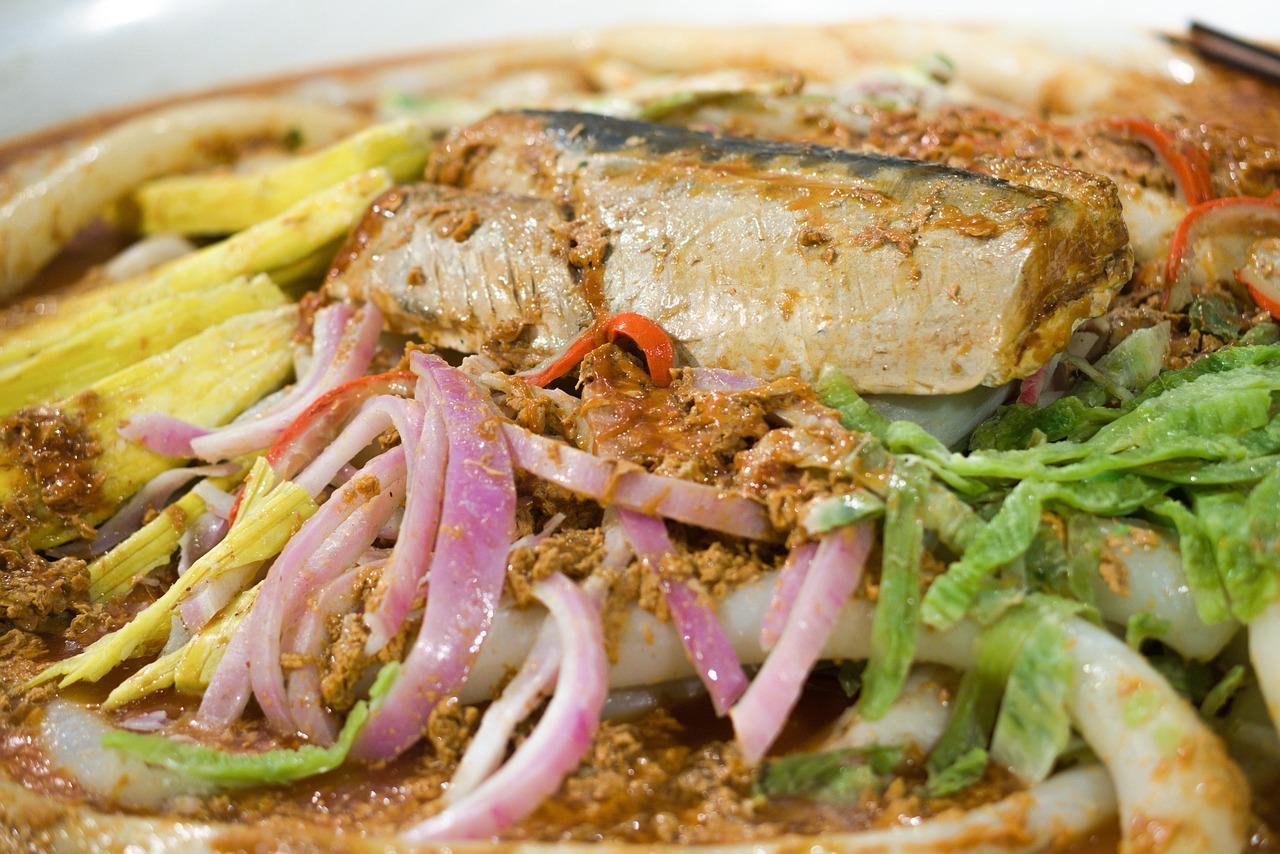
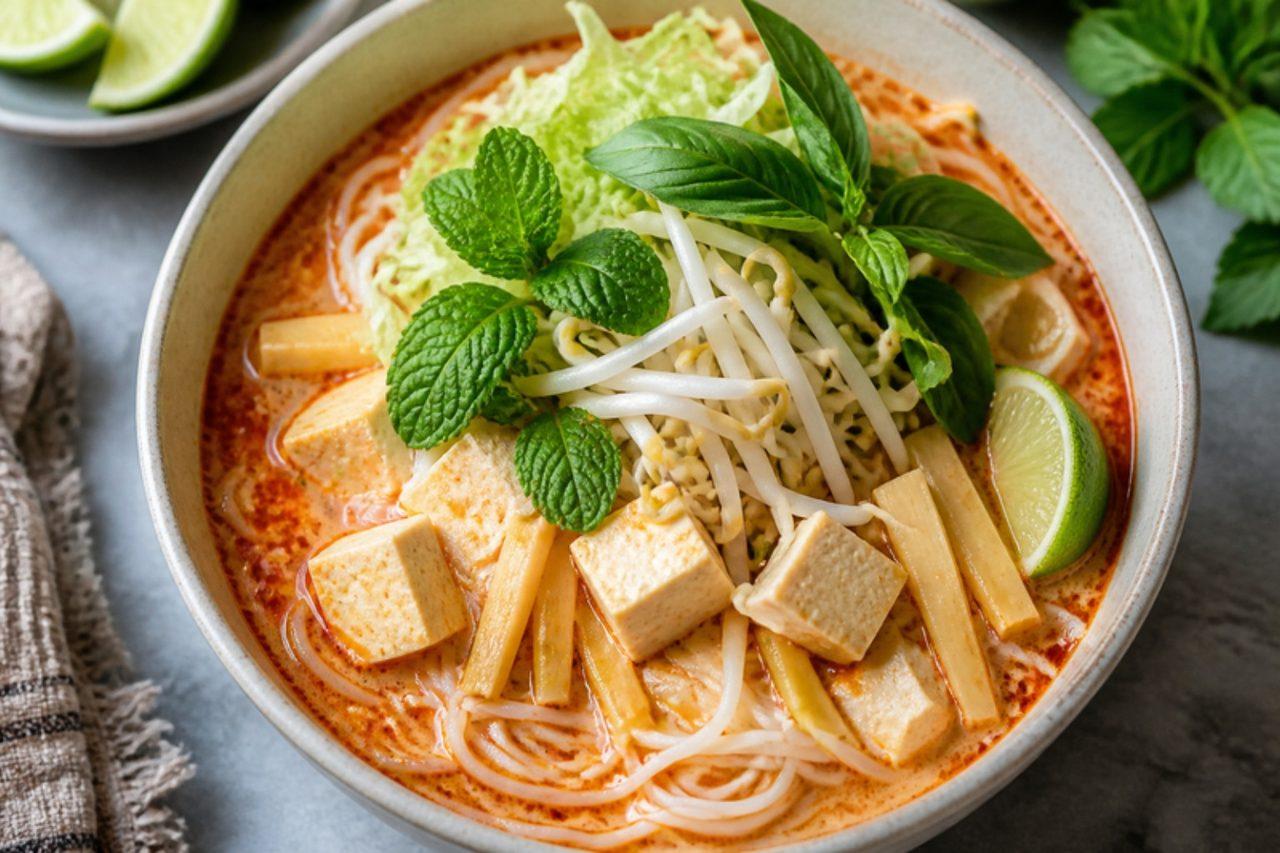
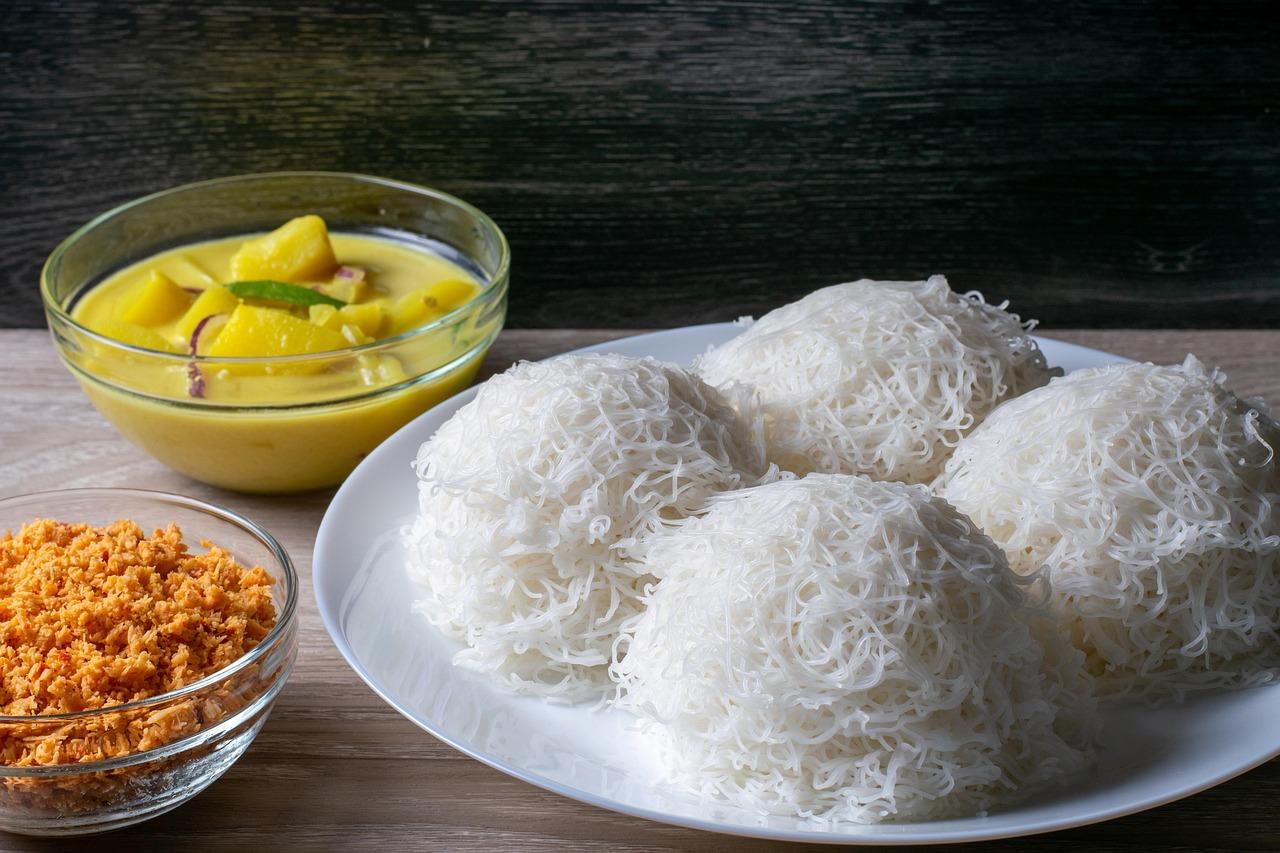
LaksamRice noodles in coconut fish gravy

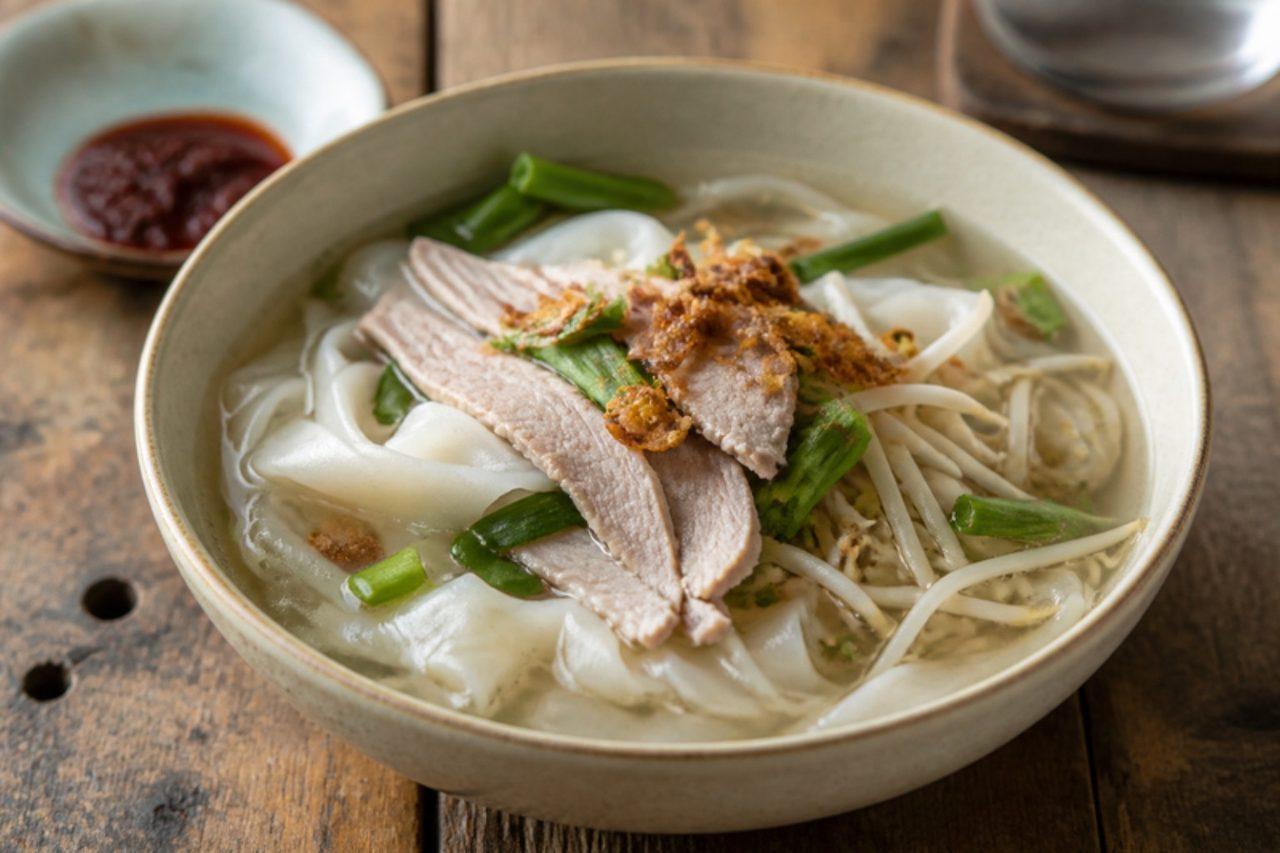
Kota Bharu's morning market has its own noodle: laksam, thick sheets of steamed rice batter rolled up like little carpets and sliced into wheels. They are drowned in a pale, creamy gravy of pounded fish and coconut milk, then heaped with raw herbs and vegetables (ulam): cucumber, long beans, bean sprouts, daun kesum and torch ginger flower, with a spoonful of fiery chilli and budu, the region's fermented anchovy sauce. The result is soft and slippery, rich and cool at the same time. Locals eat it for breakfast or as a mid-morning snack. Chef's tip: pound the cooked fish with the shallots instead of blending it smooth; the gravy should feel faintly textured, like a thin porridge.

by KrazyBadal 1 views

Soto BanjarSpiced chicken soup

Along the rivers of Banjarmasin in South Kalimantan, breakfast often means soto Banjar eaten at a wooden riverside warung, sometimes after a dawn trip to the floating market. Unlike the turmeric sotos of Java, this broth is pale and clear, perfumed with the sweet spices that traders brought up the river centuries ago: cinnamon, cloves, star anise, cardamom and nutmeg. Shredded chicken, glass noodles, carrot and a boiled egg go into the bowl with rice cakes, and lime and a little chilli sharpen it at the table. Chef's tip: toast the whole spices in the pan for a minute before the paste goes in; it brings out their sweetness without the dusty edge of ground spice.

by KrazyBadal 1 views

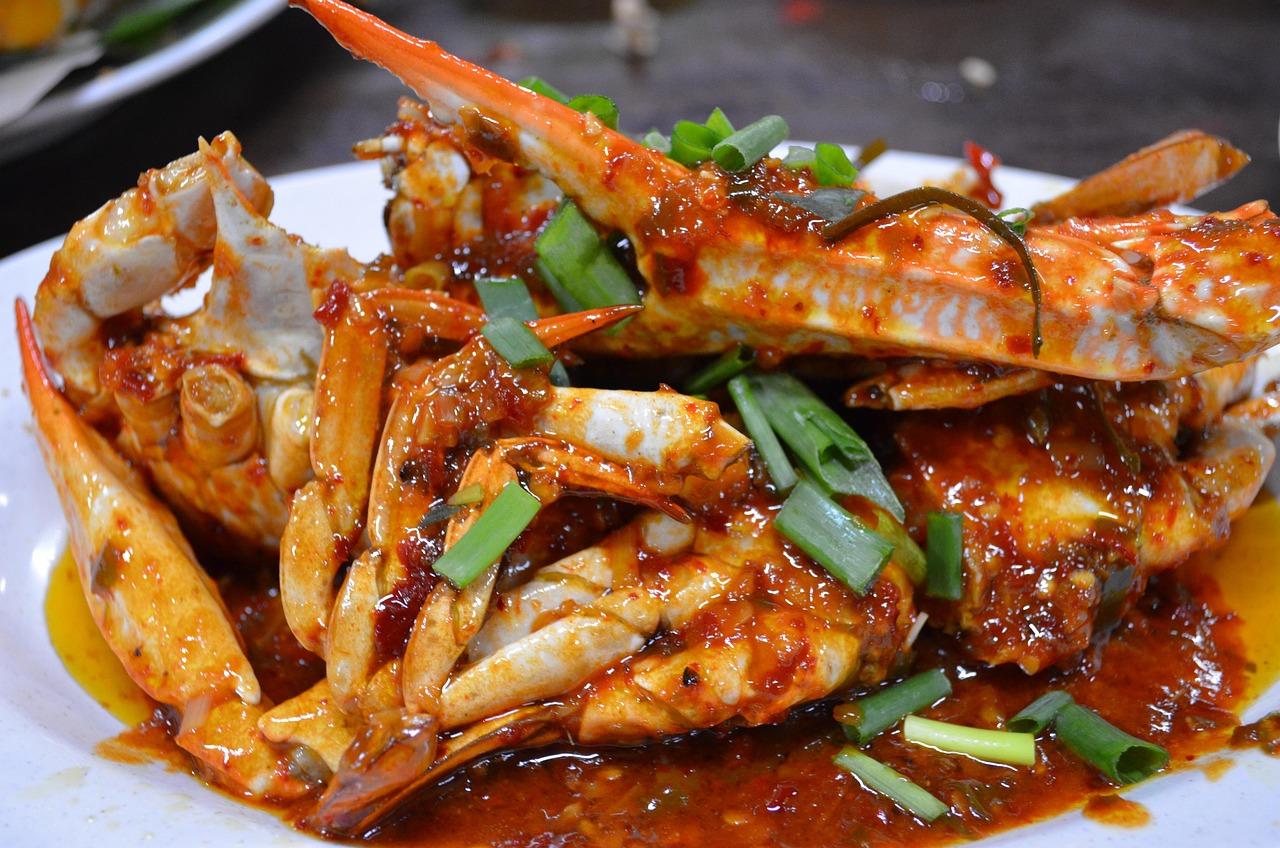
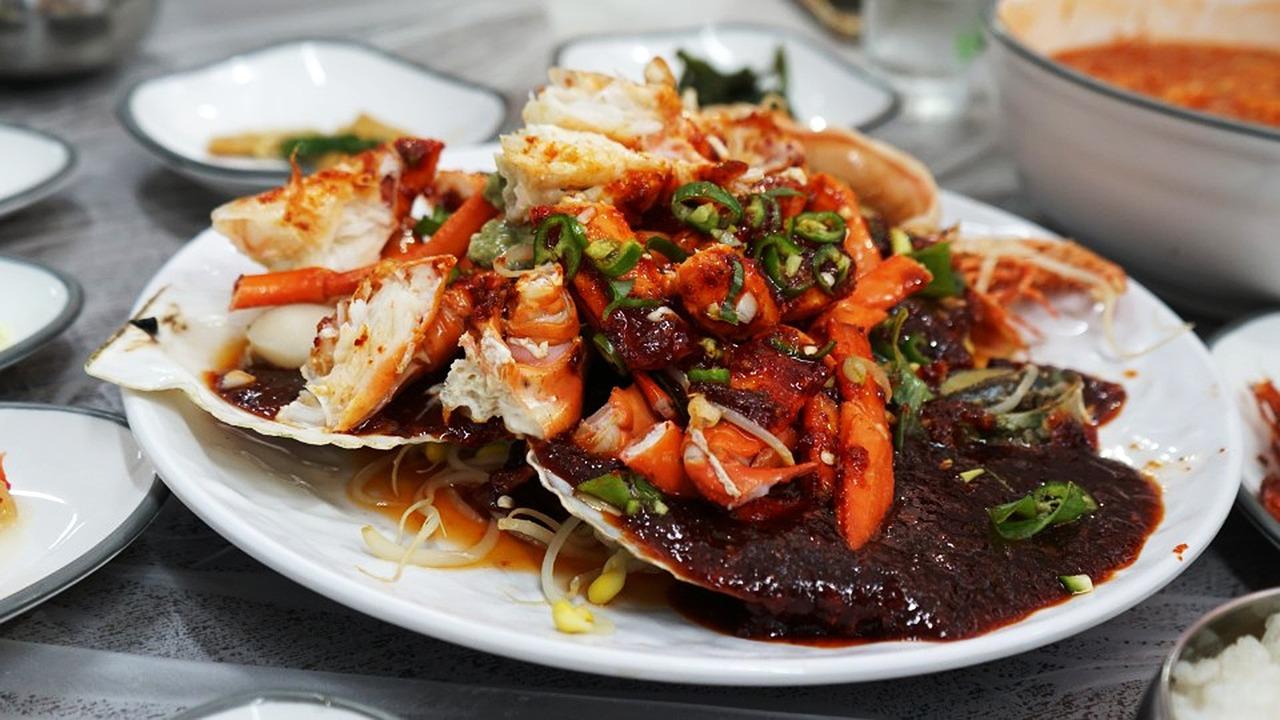
Singapore chilli crab

Chilli crab was first sold from a pushcart on the Kallang river in the 1950s and is now the dish visitors queue for along Singapore's East Coast seafood strip. Big mud crabs are cut up, wok-fried and simmered in a thick, sweet, tangy and gently hot sauce of chilli, tomato and garlic, which is then silked with beaten egg. Everyone eats with their hands and mops up the sauce with fried or steamed mantou buns. It is a weekend or celebration meal, messy and loud. Buy crabs live or freshly cooked the same day from a fishmonger you trust. Discard any live crab that doesn't move, smells of ammonia or has a cracked, leaking shell. The common mistake is boiling the sauce after adding the egg, which scrambles it into lumps; pour it in a thin stream over a low heat. Chef's tip: ask the fishmonger to clean and quarter the crab for you, and crack each claw lightly with the back of a cleaver so the sauce soaks in.

by KrazyBadal 1 views

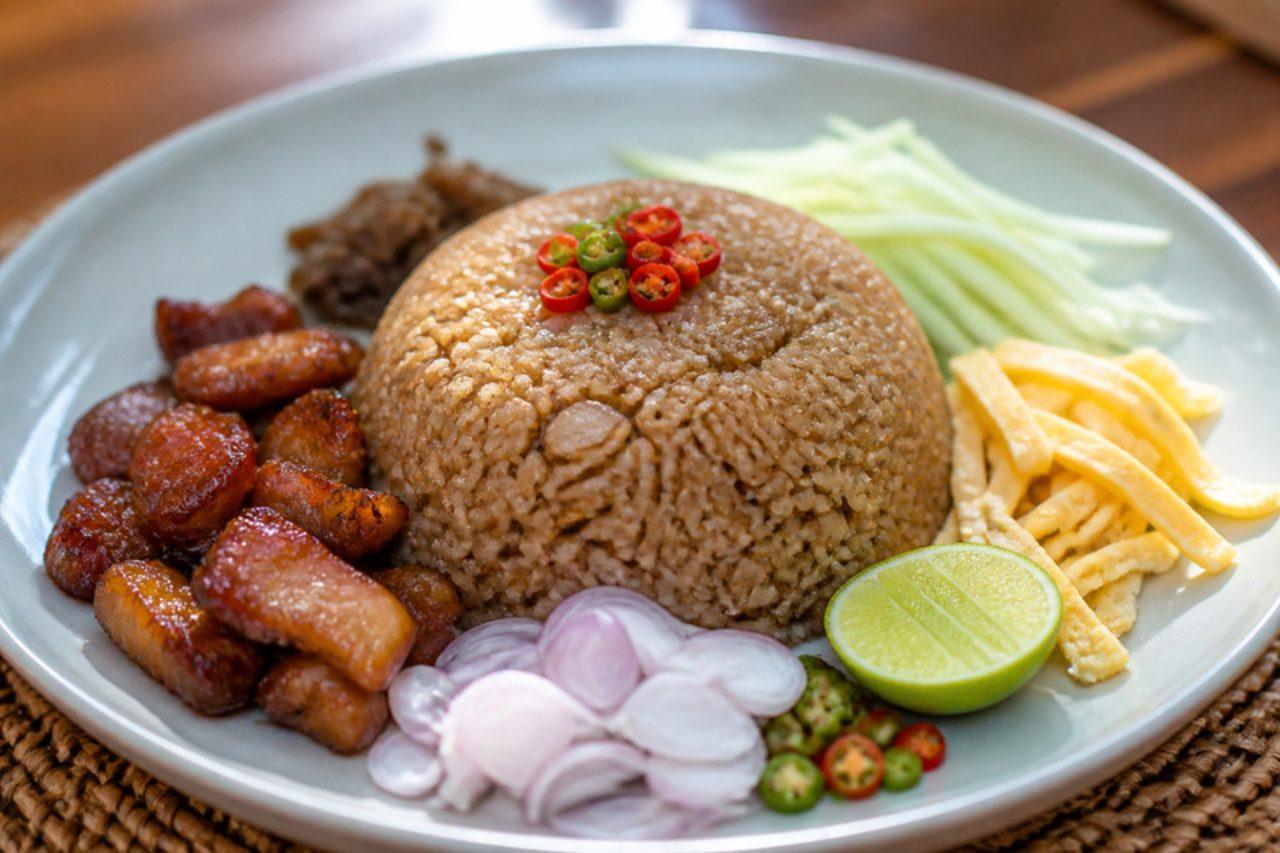
Khao kluk kapiShrimp paste rice

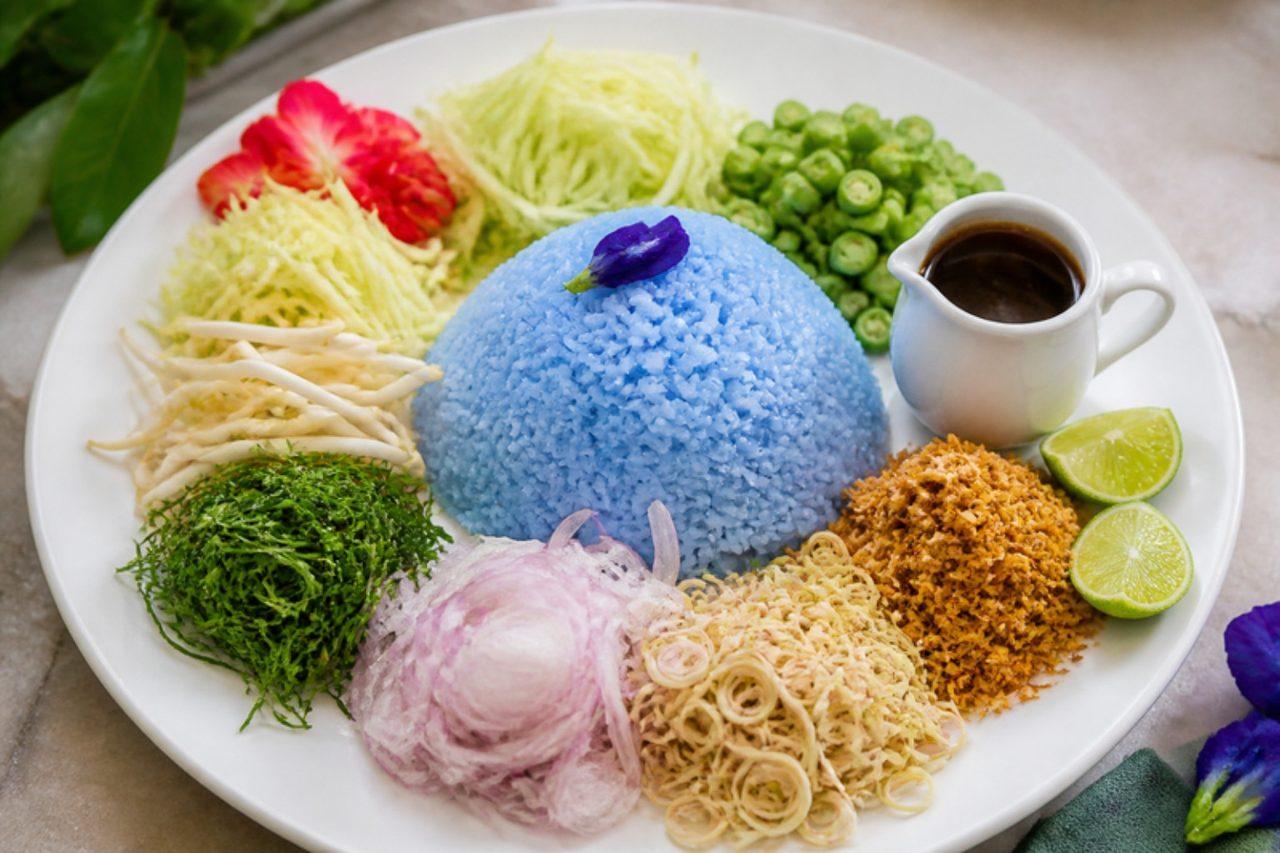
Everything on this central Thai plate is arranged in little heaps around a mound of rice tossed with garlic and fermented shrimp paste: sticky caramelised pork (moo wan), threads of sour green mango, shallots, chillies, sliced long beans, crisp dried shrimp and ribbons of thin omelette. You mix a bit of each into every spoonful, so salty, sweet, sour and hot arrive together. It's a favourite at Bangkok's curry-and-rice shops and a clever way to use up yesterday's rice at home; lime wedges and cucumber cool it down. Chef's tip: use day-old jasmine rice straight from the fridge, because freshly cooked rice clumps and smears the shrimp paste instead of coating each grain.

by KrazyBadal 1 views

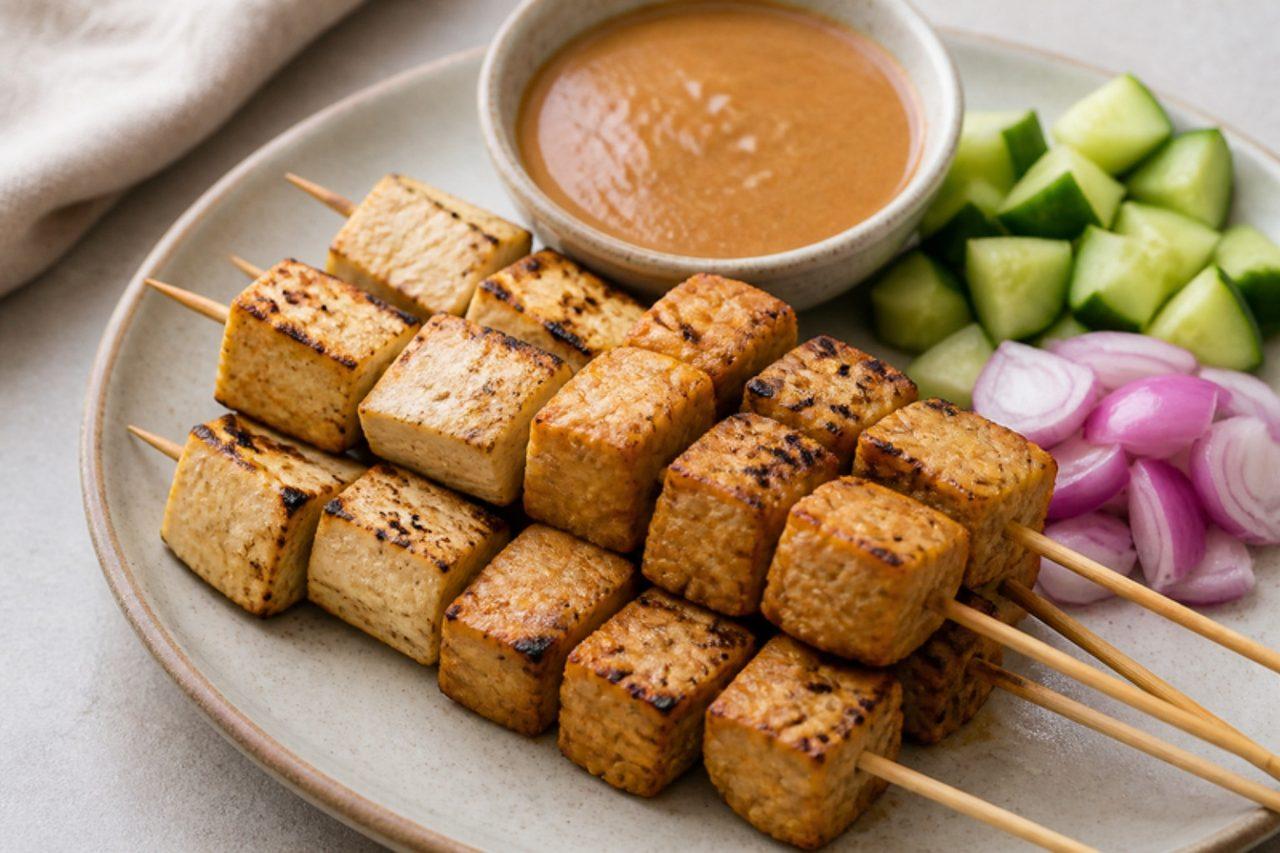
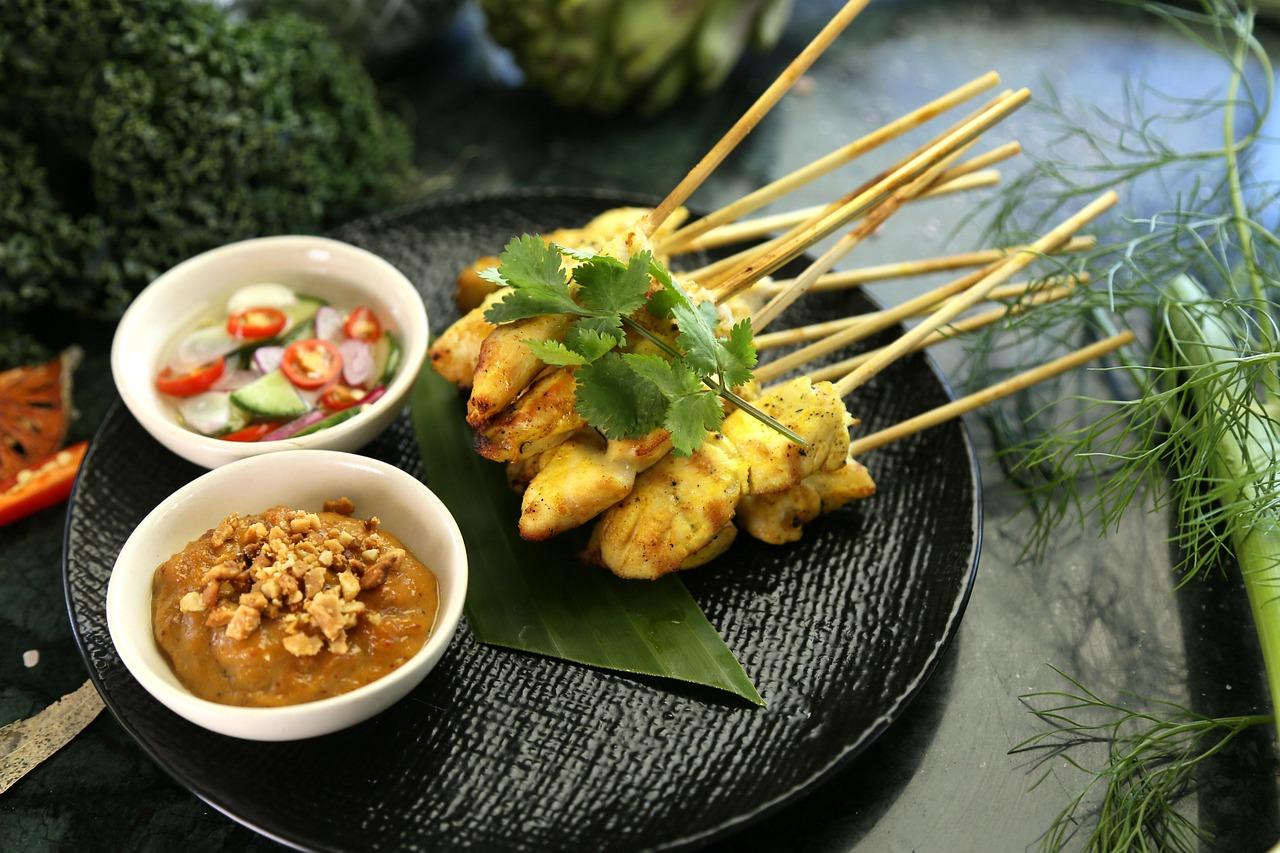
Tofu & tempeh satay with peanut sauce

Satay smoke drifts along Javanese streets every evening, where sellers fan charcoal grills set up on the pavement and serve skewers with peanut sauce, rice cakes and sliced shallot. Tofu and tempeh are naturals for it: they drink up a sweet-savoury marinade of palm sugar, tamari, coriander and garlic and pick up dark, sticky char at the edges. The sauce here is cooked until smooth and glossy, sweeter and milder than the grainy dressing on gado-gado, made for dipping. Chef's tip: soak the bamboo skewers for 30 minutes and brush the satay with marinade as it grills — the sugar caramelises into the dark, slightly burnt edges that make satay taste like satay.

by KrazyBadal 1 views

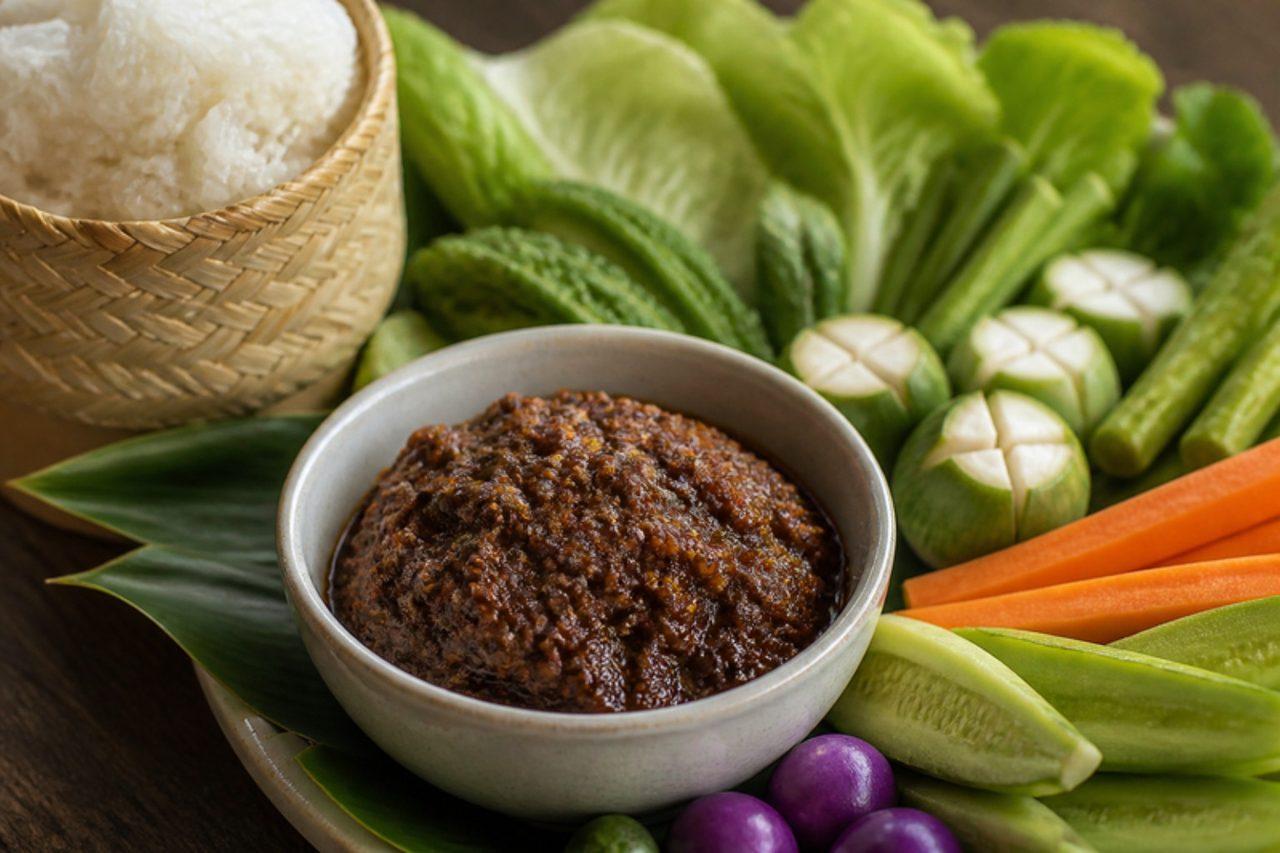
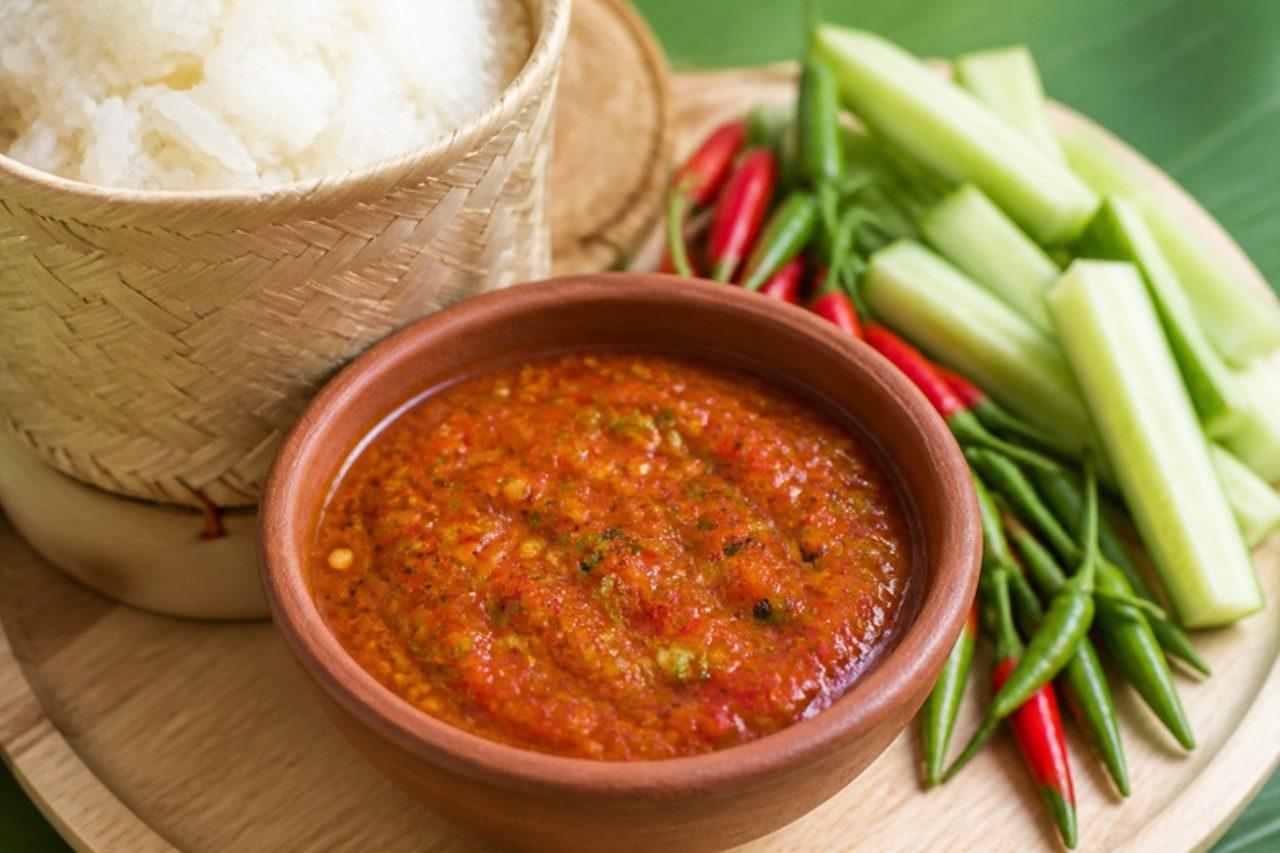
Jaew bongRoasted chilli paste

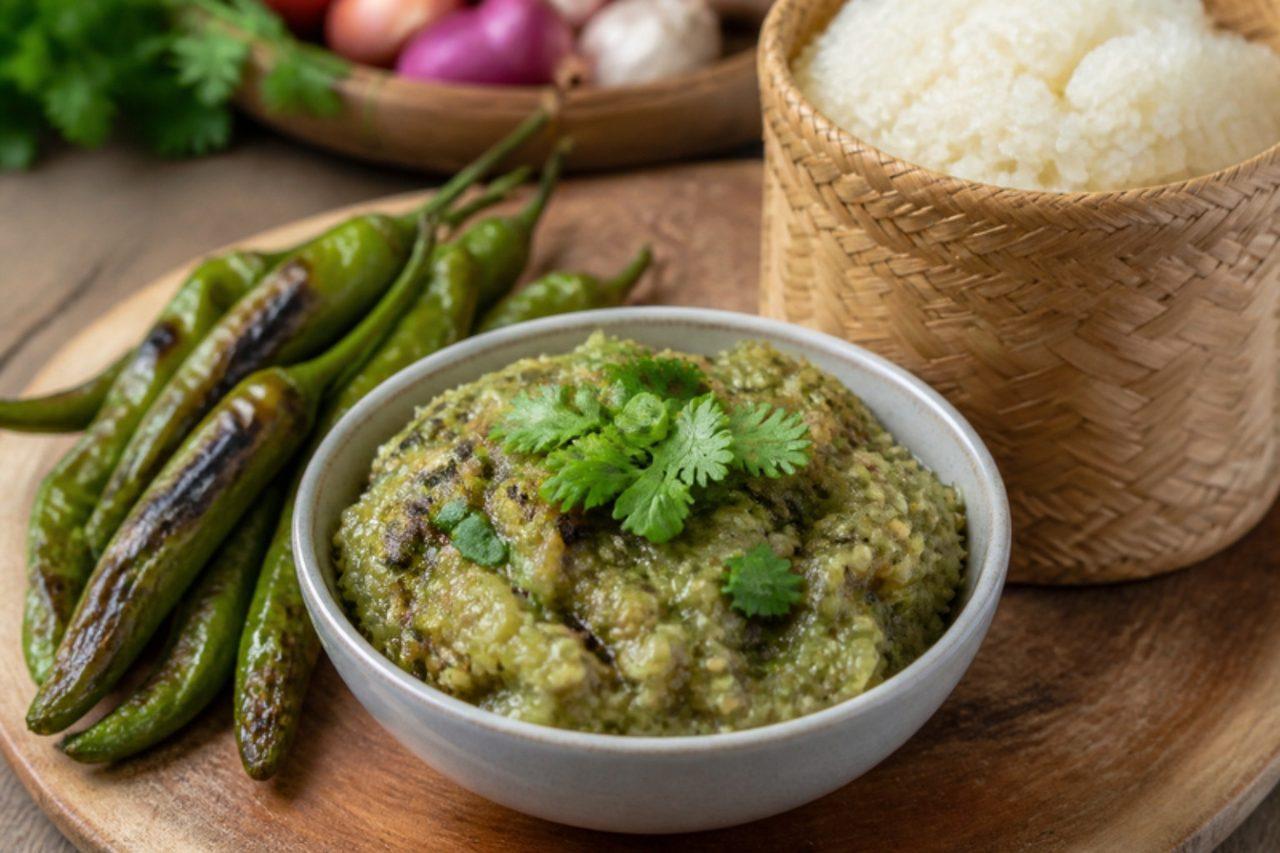
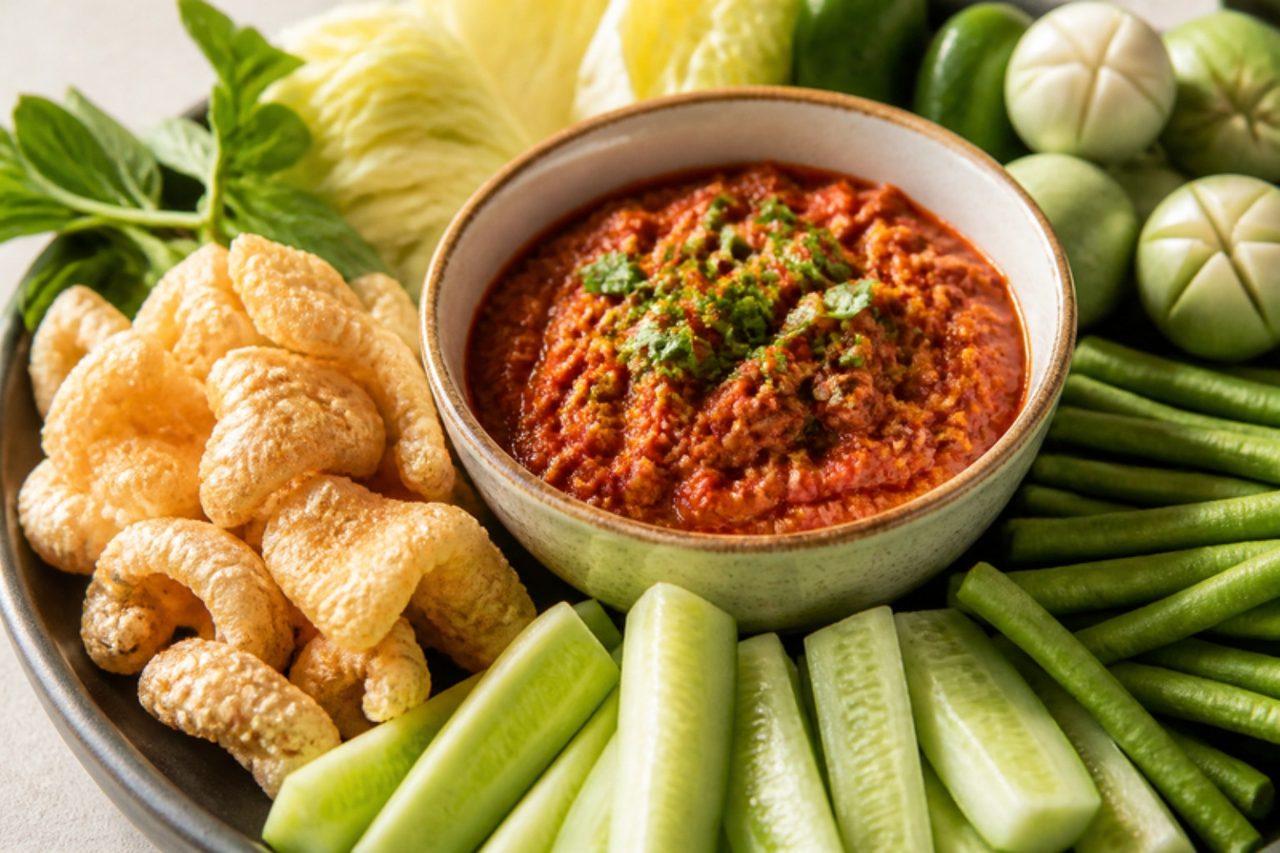
Isan and Lao households keep a jar of this thick, smoky relish in the kitchen the way other cooks keep mustard, scooping it onto sticky rice for a quick lunch or setting it out with steamed vegetables and crackling. Its backbone is pla ra, the funky fermented fish of the north-east, pounded with charred shallots, garlic, galangal and toasted chillies into a dark, rough-textured paste that is salty, sweet-smoky and fiery. For safety and ease this version uses bottled cooked pla ra (or anchovy sauce) and boils it before it goes in, since homemade raw pla ra can carry parasites. Serve with sticky rice, cucumber, cabbage and long beans. Chef's tip: roast the aromatics until properly blackened in patches; the char is the flavour, so don't stop when they are merely soft.

by KrazyBadal 1 views

Mysore masala dosaGarlic chutney dosa with potato

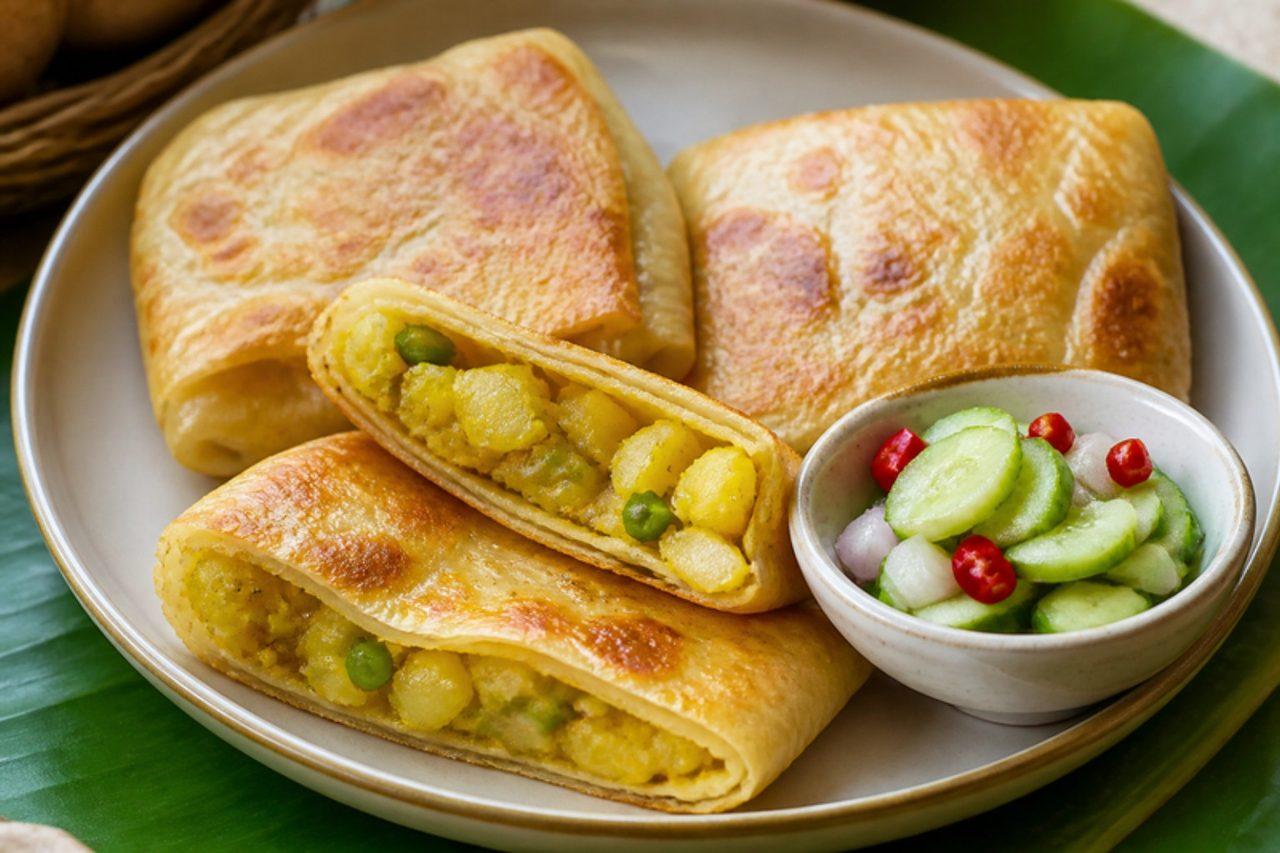
Mysuru in Karnataka gave its name to this bolder dosa: a slightly thicker, golden crêpe that is crisp outside and soft inside, painted with a hot red chutney of dried chillies, garlic and roasted chana dal before the potato palya goes in. The chutney melts into the dosa as it cooks, so every bite has a sweet-spicy, garlicky kick. In Mysuru's old cafés it's served flat and folded, with coconut chutney to cool things down. Chef's tip: use Byadagi or Kashmiri chillies for the chutney; they give a deep red colour without blowing your head off, so you can spread it generously.

by KrazyBadal 1 views

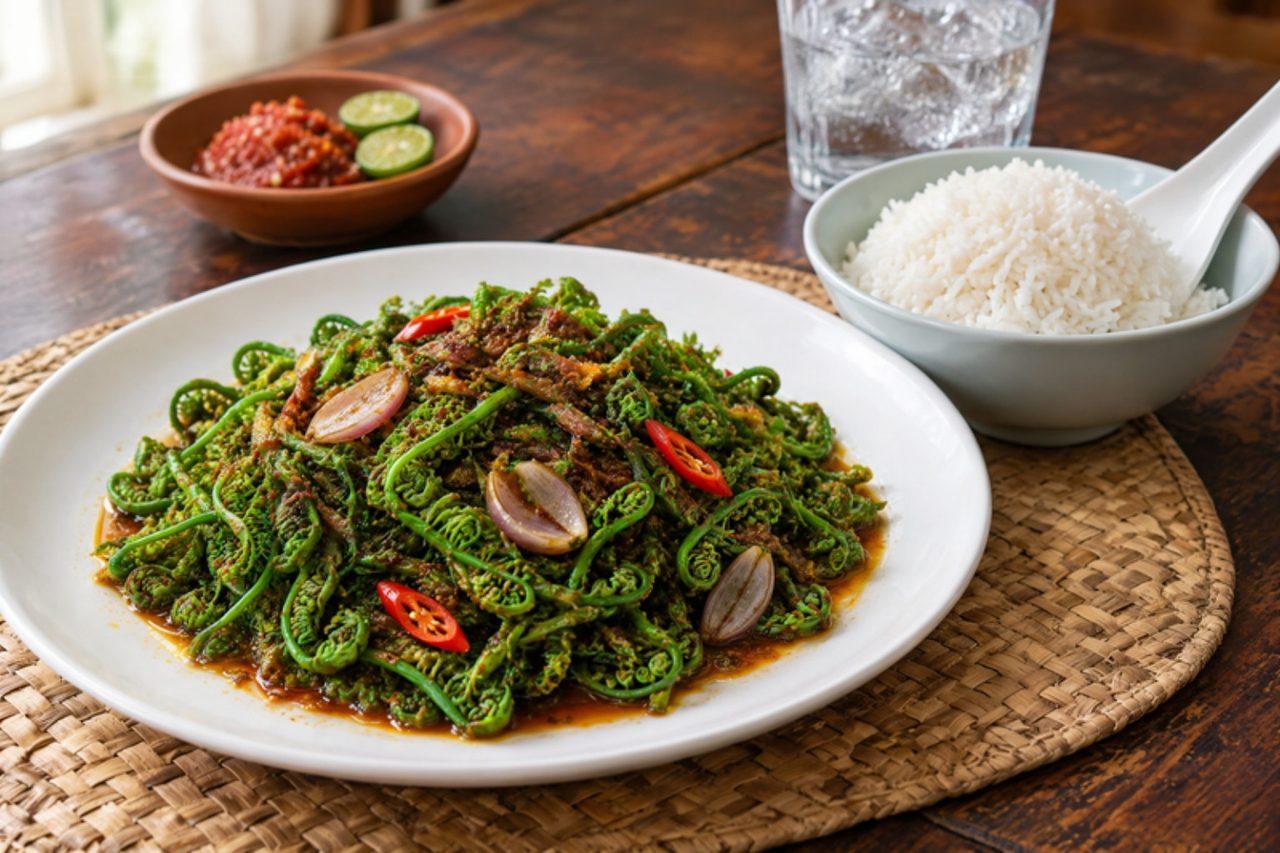
Pucuk paku goreng belacanStir-fried fern shoots with shrimp paste

In Sabah, Sarawak and the kampungs of the Malay Peninsula, curly young pucuk paku (vegetable fern) are picked from riverbanks and sold in bundles at every tamu and pasar, and this fiery stir-fry with belacan appears at lunch with rice and fish almost every day. The fronds stay crunchy and green, coated in a punchy paste of shallots, garlic, chilli and toasted shrimp paste. Suitable as part of a balanced diet: leafy greens with no starch. About 110 kcal and 8 g carbohydrate per portion. The usual mistake is undercooking: fern shoots should always be blanched or cooked through, never eaten raw. Fiddlehead ferns or water spinach can stand in. Chef's tip: toast the belacan in a dry pan until it crumbles and smells strongly, then open a window; this is what gives the dish its depth.

by KrazyBadal 0 views

Pâté en croûtePork and veal pie in pastry

Lyon's charcuteries display pâté en croûte like jewellery: a tall loaf of crisp, golden pastry wrapped around a coarse terrine of pork and veal. A slice wrapped in paper is a picnic and lunchbox luxury, and the whole loaf is a Sunday project eaten over several days. The common mistake is undercooking it for fear of drying it out: as it is made with minced pork, the centre must reach 71 °C, so use a probe thermometer. The classic farce has a splash of cognac; it's optional here, and apple juice or extra stock is the alcohol-free swap. Chef's tip: chill the filled, unbaked loaf for 30 minutes before baking so the pastry keeps its shape and pattern.

150 minFrenchMeat
by KrazyBadal 0 views

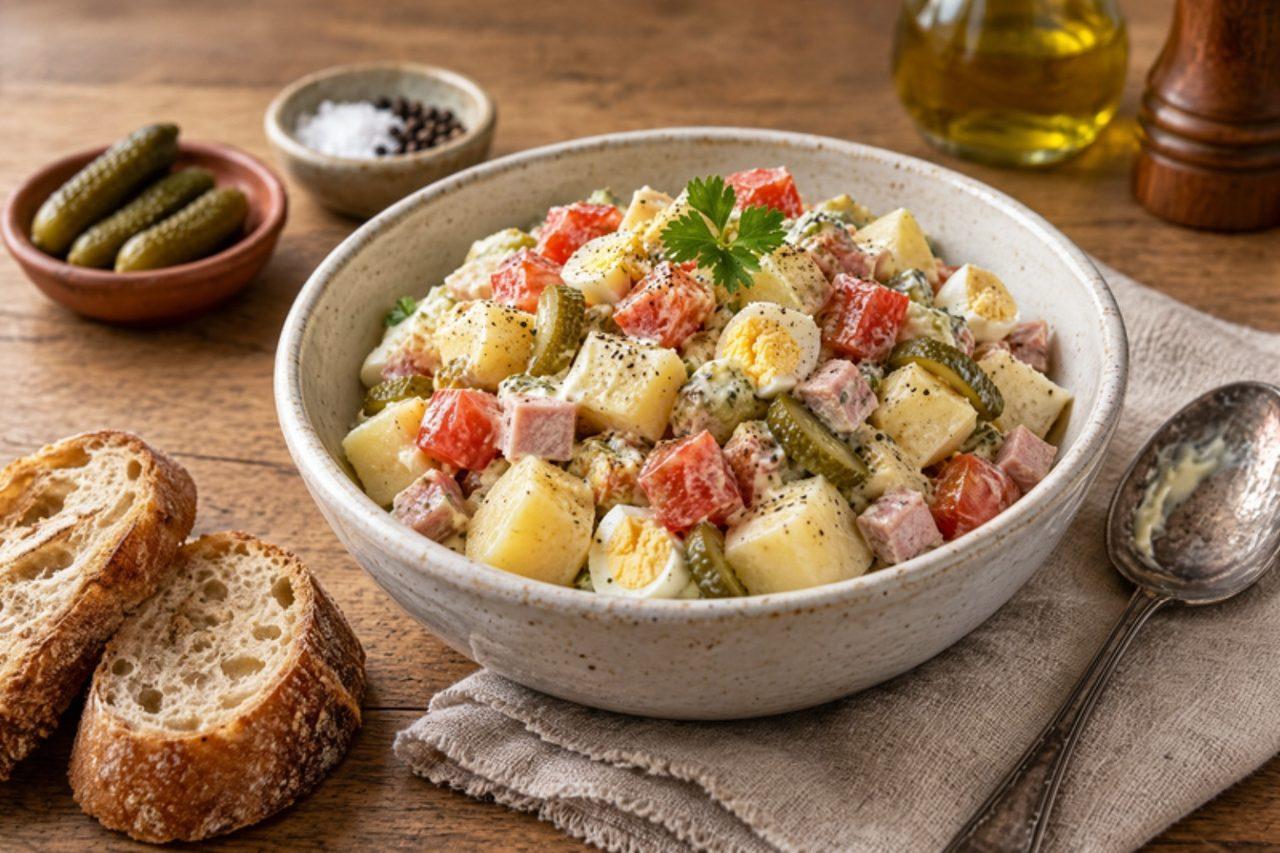
Salade piémontaisePotato salad with ham and egg

Salade piémontaise is a fixture of French school canteens, motorway delis and summer picnic boxes: waxy potatoes in a mustardy mayonnaise with chopped tomato, hard-boiled egg, gherkins and diced cooked ham (pork). Despite the name, it is thoroughly French. The common mistake is dressing hot potatoes with mayonnaise, which turns it oily and sloppy; instead, splash the warm potatoes with vinegar and dress them only once cold. For a vegetarian version, leave out the ham and add a handful of sweetcorn. Pack it cold with an ice pack. Chef's tip: cut the potatoes after cooking, not before, so they hold their shape and don't go waterlogged.

by KrazyBadal 0 views

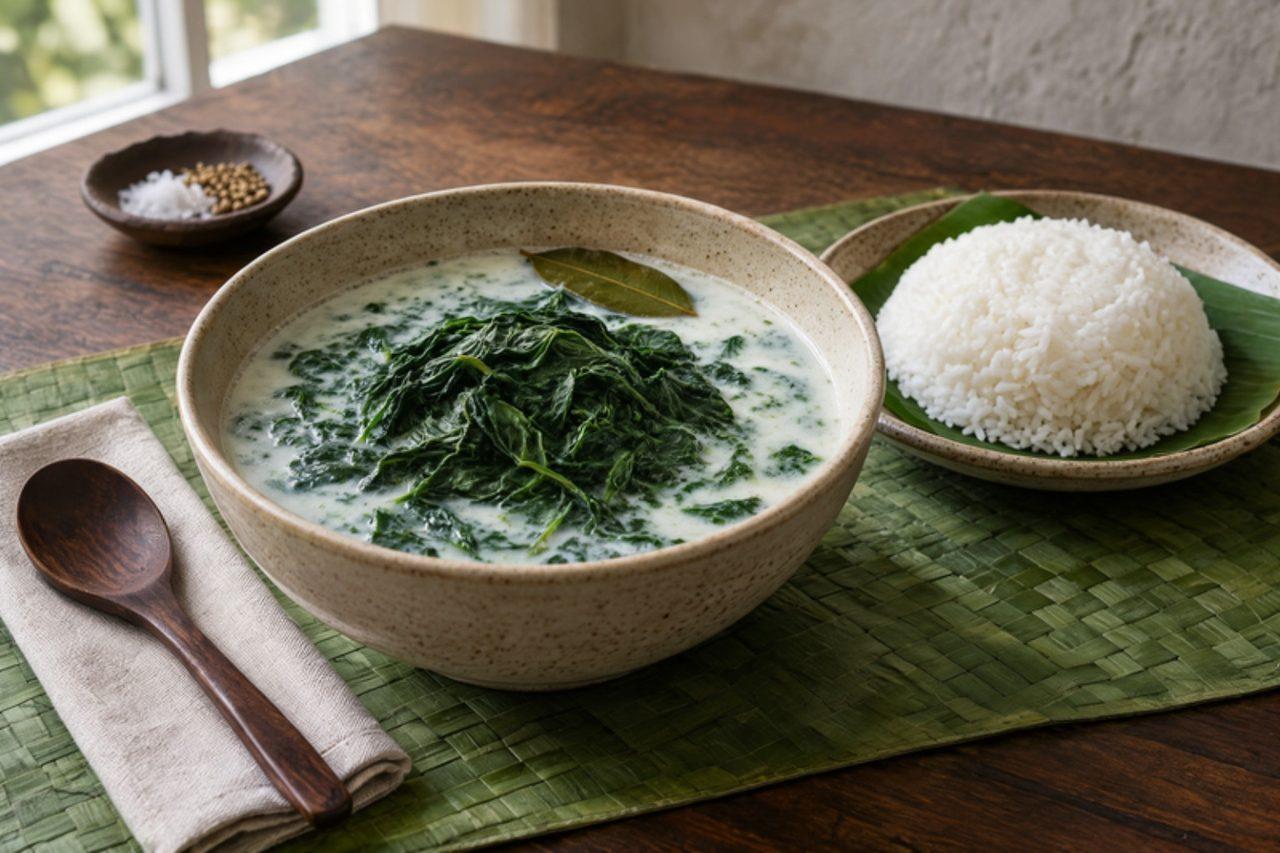
Sayur boborGreens in coconut milk broth

Sayur bobor is the gentle everyday soup of Central Javanese homes around Semarang and Solo, ladled over rice at lunch and often made for children, older relatives and anyone feeling poorly. Spinach, amaranth or moringa leaves are simmered for just a few minutes in a thin coconut broth scented with galangal, coriander seed and salam leaves, so it tastes creamy and mild with a hint of sweetness. Eat it with rice, fried tempeh and sambal. The usual mistake is boiling the greens too long, which turns them khaki and slimy; they need only 2–3 minutes. Chef's tip: add a few chayote or young corn pieces with the broth for a more filling bowl.

by KrazyBadal 0 views

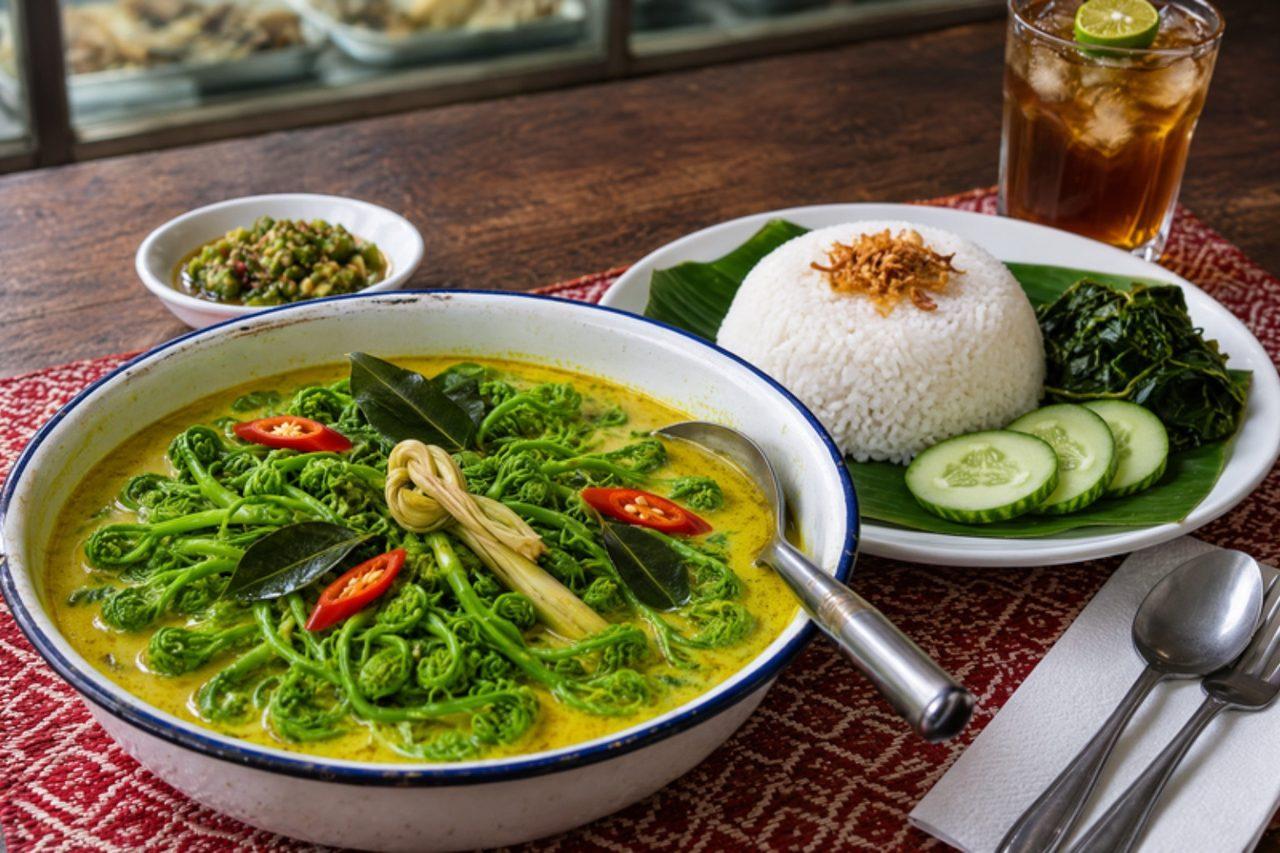
Gulai pakisFern tip coconut curry

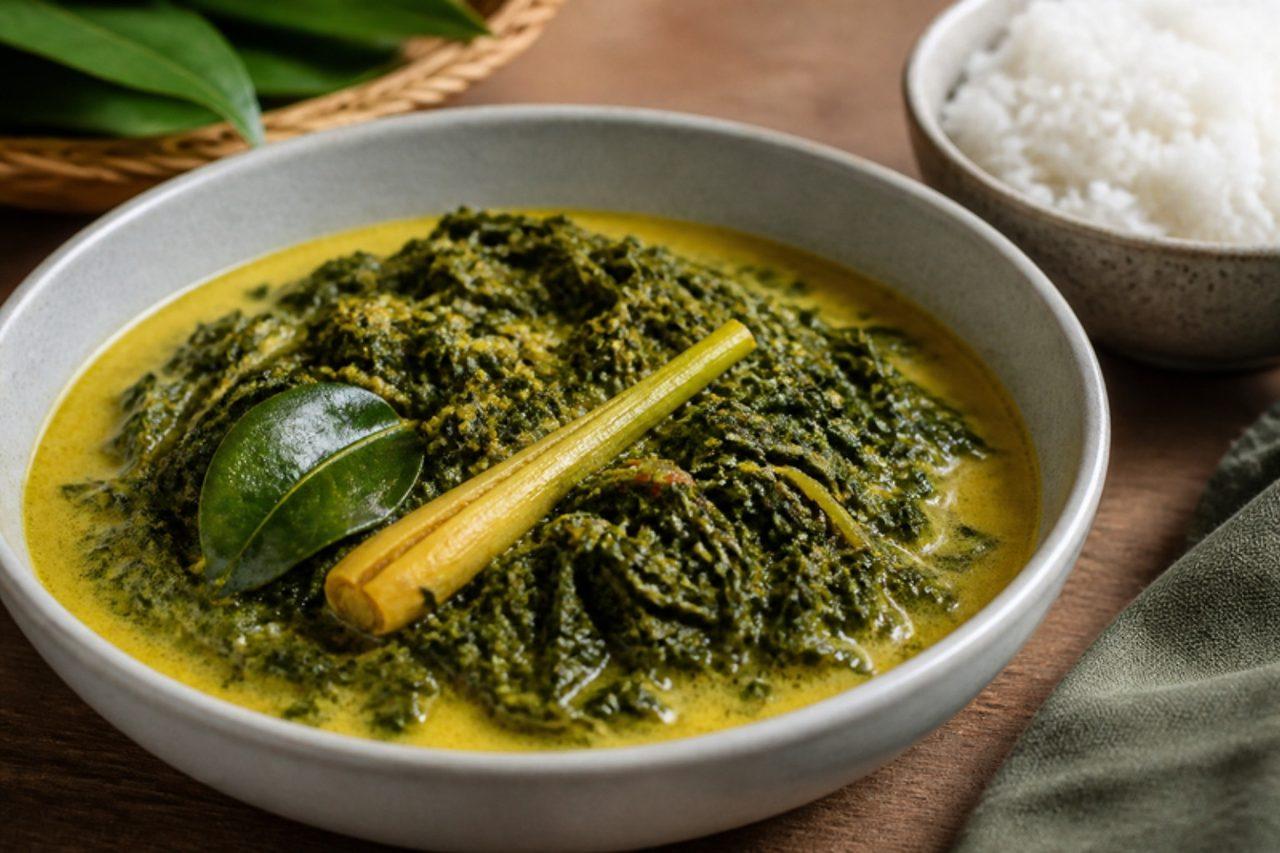
Gulai pakis is one of the green dishes on the counter of every Minangkabau rice shop (rumah makan Padang), from Bukittinggi to Jakarta, and it is cooked at home in West Sumatra whenever fern shoots are gathered from the riverbanks. Tender fern tips simmer in a yellow coconut milk sauce of turmeric, galangal, chilli and lime leaves until rich and gently spicy; many cooks add tiny dried shrimp, which this vegan version leaves out. Serve it with rice, sambal and fried tempeh. The usual mistake is boiling the coconut milk hard or covering the pan, which makes it split into curds; stir it often and keep it at a simmer. Chef's tip: always cook fern shoots thoroughly as below, as some ferns are not safe raw or lightly cooked; buy vegetable fern (paku) or fiddleheads sold for eating.

by KrazyBadal 0 views

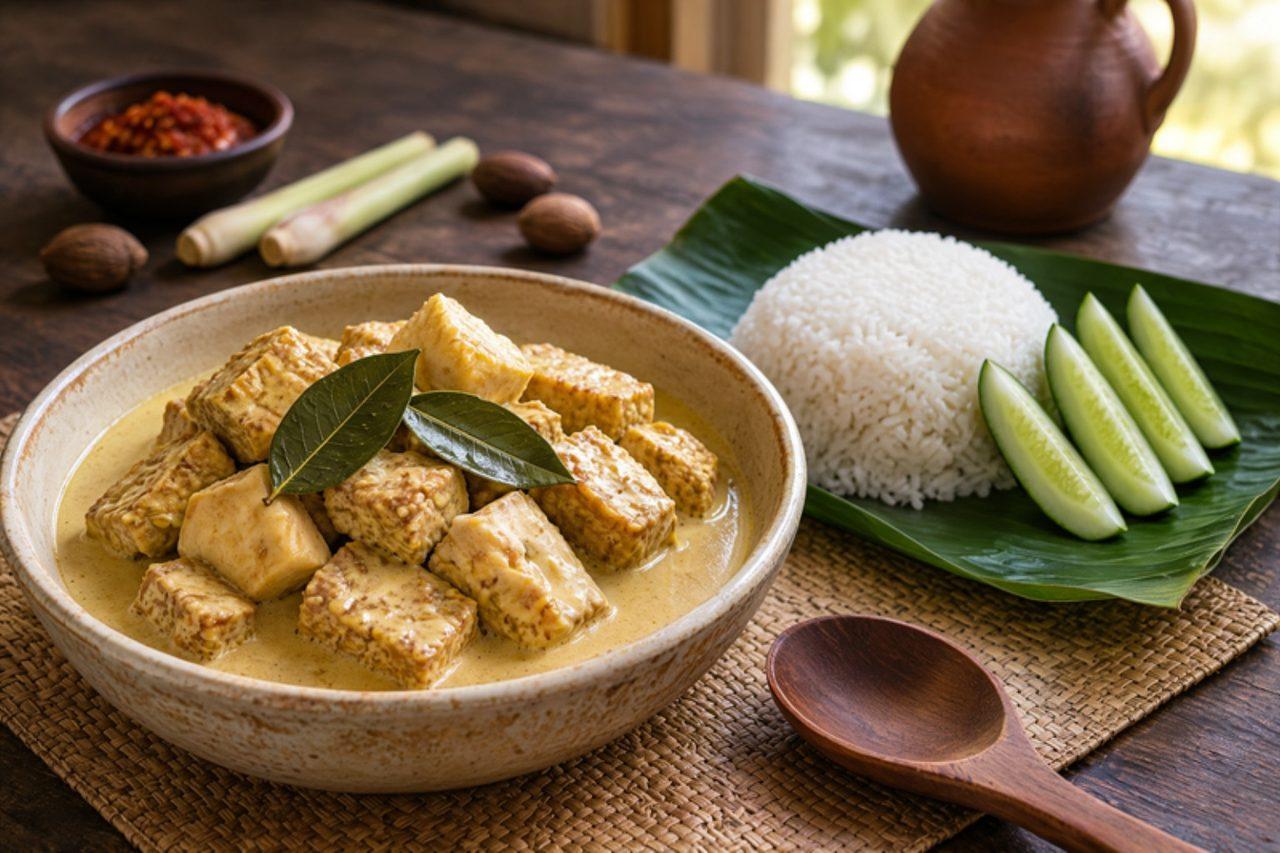
Terik tahu tempeTofu and tempeh in coconut milk

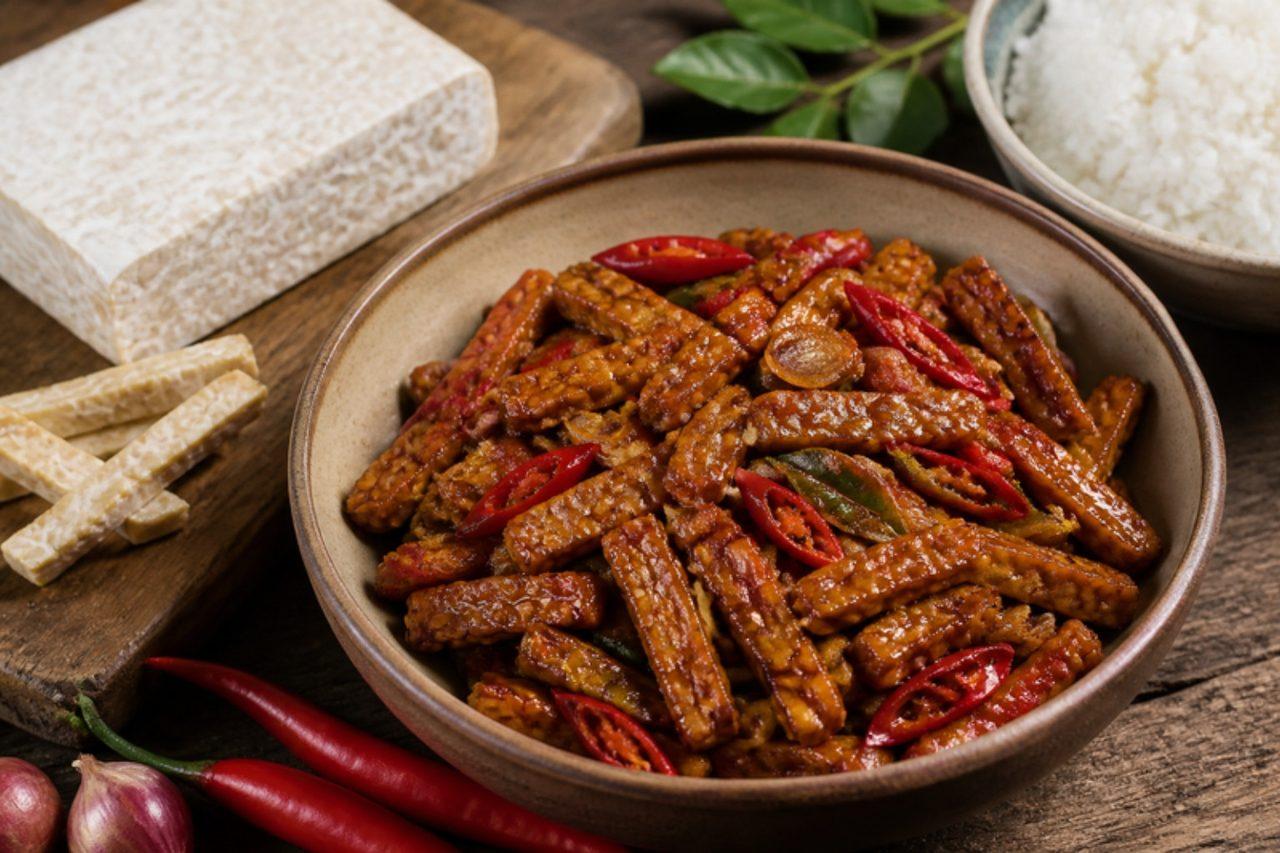
Terik is a Central Javanese way of cooking in coconut milk until almost all of it has gone, and around Solo and Yogyakarta terik tahu tempe is a staple of home lunches, Lebaran spreads and the warung nasi where you point at dishes to go on your rice. Tofu and tempeh soak up a sauce of shallots, candlenuts, coriander seed, galangal and palm sugar that reduces to a thick, oily, sweet-savoury coating. Serve with rice, sambal and something green. The usual mistake is stirring too vigorously as it reduces, which breaks the tofu into crumbs, so shake the pan or turn the pieces with a spatula. Chef's tip: steam the tempeh for 10 minutes before cutting it, which removes any bitterness and helps it absorb the sauce.

by KrazyBadal 0 views

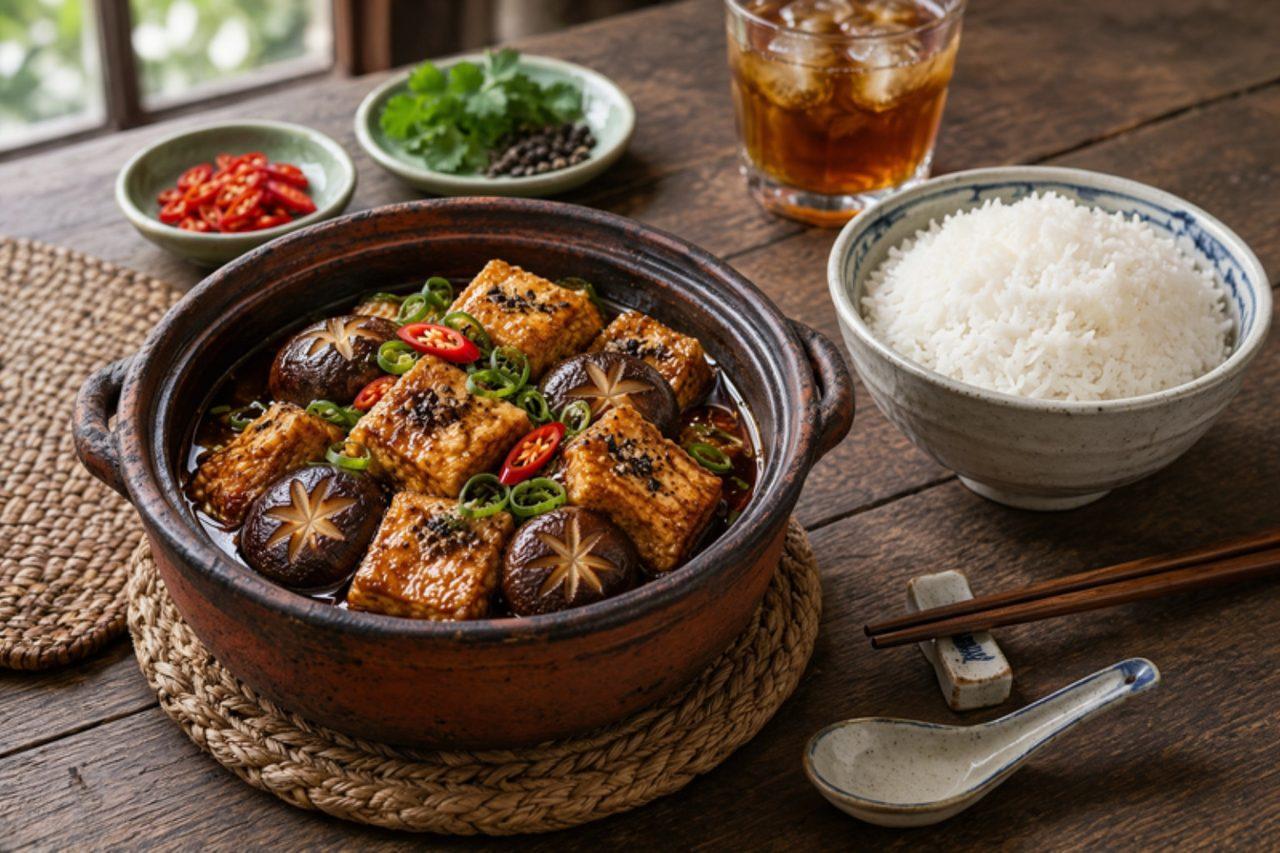
Đậu hũ khoBraised tofu with shiitake

Đậu hũ kho is the vegetarian cousin of the caramel braises (kho) cooked in clay pots all over Vietnam, and in the south it is a standard of Buddhist fasting days and a good companion for a pot of rice through the week. Golden fried tofu and chewy shiitake are braised in a dark caramel, soy sauce and coconut water until the sauce turns sticky, salty-sweet and peppery. Serve with steamed rice, a plate of fresh cucumber and a light soup. The usual mistake is letting the caramel go too dark, which makes the whole dish bitter; stop when it is the colour of strong tea. Chef's tip: coconut water gives a rounder sweetness than plain water, and the braise keeps for 3 days in the fridge.

by KrazyBadal 0 views

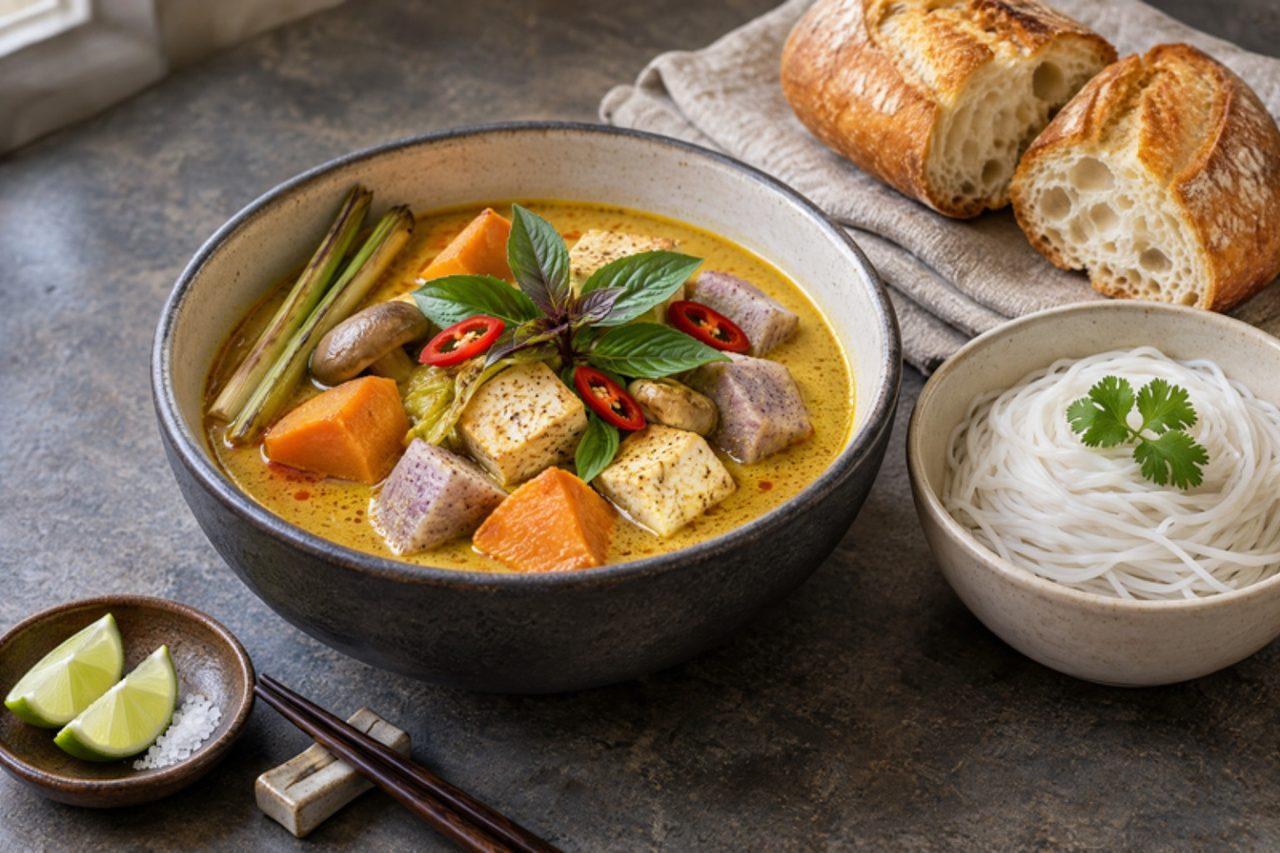
Cà ri chayVegetarian sweet potato curry

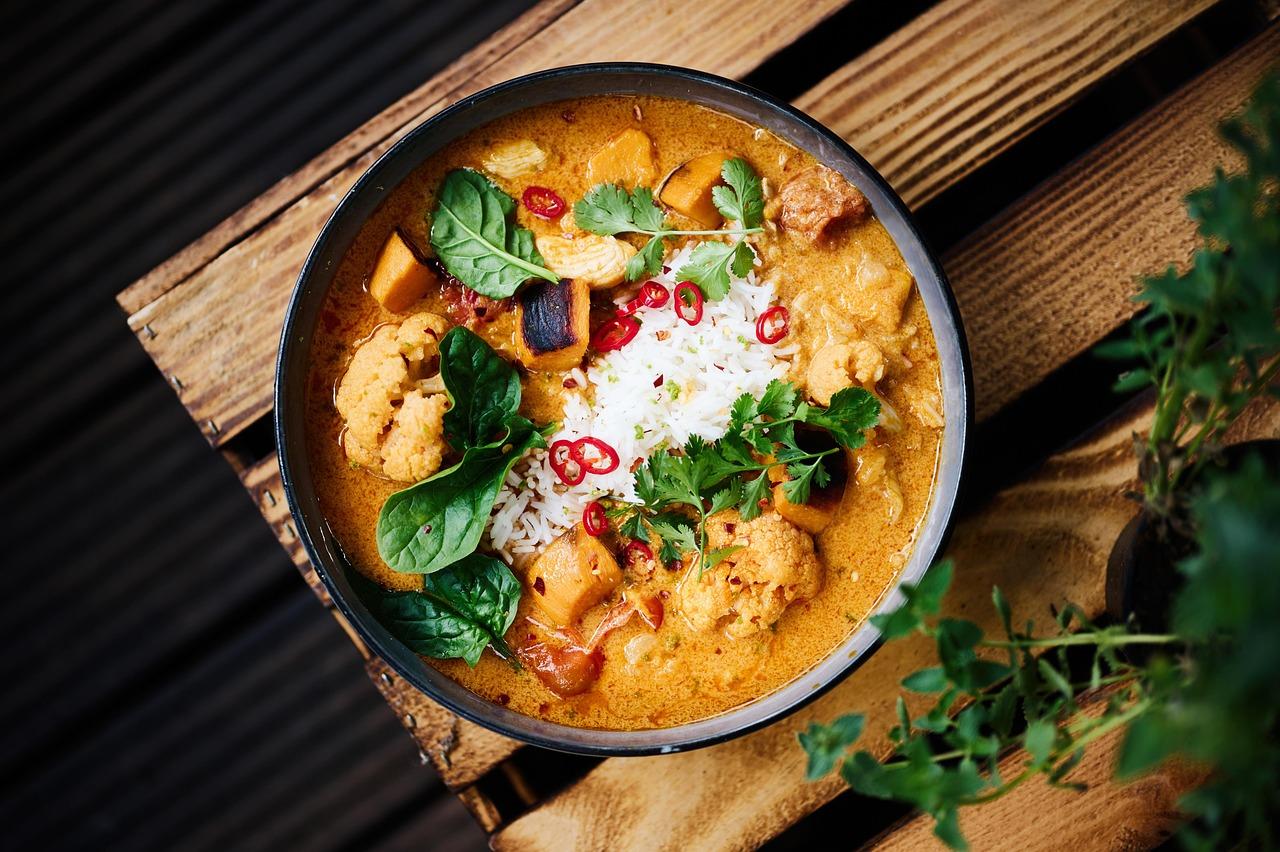
Cà ri chay is served at Buddhist temples and vegetarian restaurants across Saigon and the Mekong Delta, and many families cook it at home on rằm days, the first and fifteenth of the lunar month, when they eat no meat. Sweet potato and taro soften into a golden, lemongrass-scented coconut curry with fried tofu and meaty oyster mushrooms; it is mild and fragrant rather than fiery. Mop it up with a crusty baguette, or ladle it over rice vermicelli. The usual mistake is putting all the vegetables in at once: the sweet potato dissolves before the taro is cooked. Chef's tip: fry the taro and sweet potato briefly before simmering, which seals the outside so the chunks hold their shape in the sauce.

by KrazyBadal 0 views

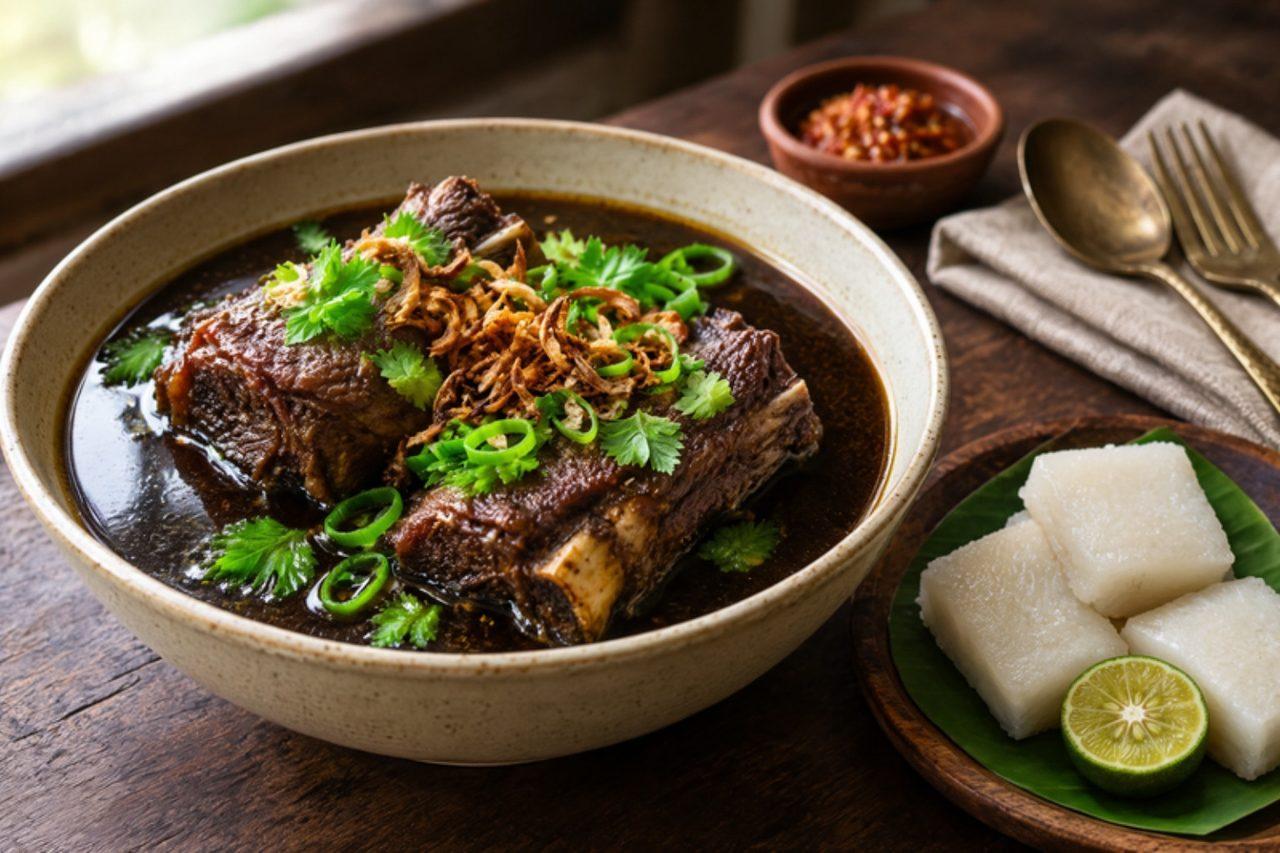
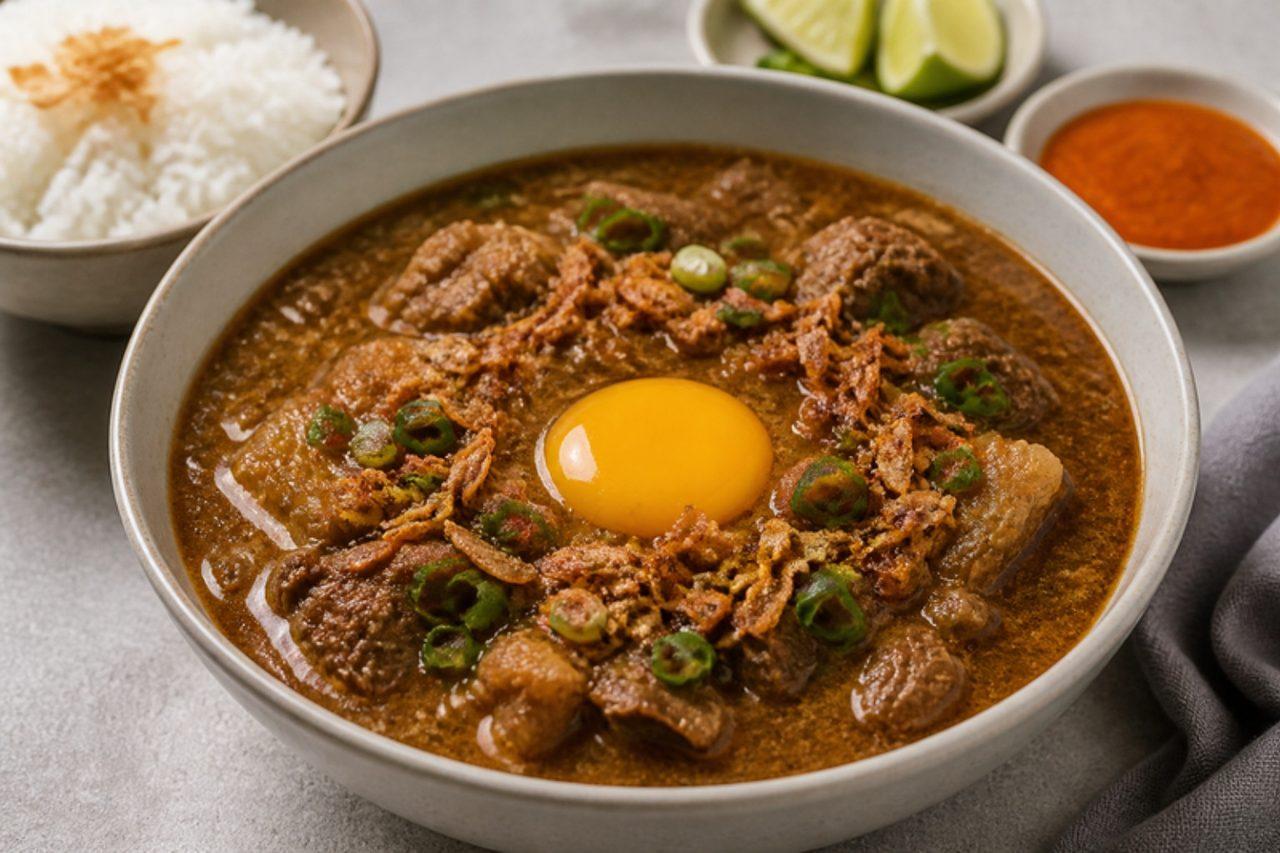
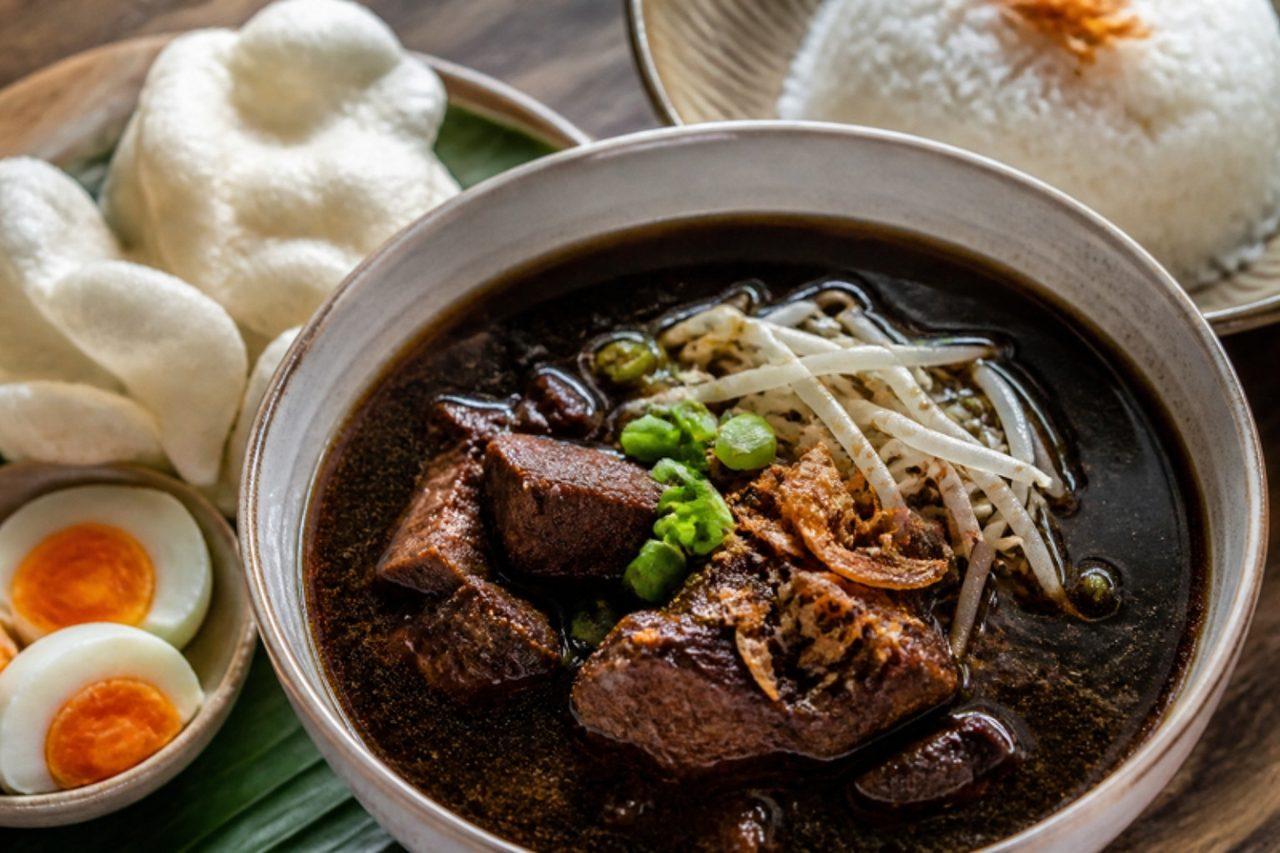
Sop konroBeef rib soup

Sop konro is the pride of Makassar in South Sulawesi, where warung near the harbour serve big bowls of beef ribs in an almost black broth from lunchtime into the night, often with burasa (rice cooked in coconut milk) or plain rice. The colour and earthy, chocolatey depth come from keluak (kluwek) nuts, simmered with a paste of shallots, garlic, ginger, galangal, toasted coriander seed and candlenut until the rib meat slides off the bone. The usual mistake is using raw keluak: the nuts are only safe after long fermentation, so buy them ready-prepared from an Indonesian shop, and discard any that smell sour or are dry inside. A pressure cooker gets the ribs tender in 50 minutes. Chef's tip: toast the coriander seeds until they crackle before grinding; they carry the whole soup.

by KrazyBadal 0 views

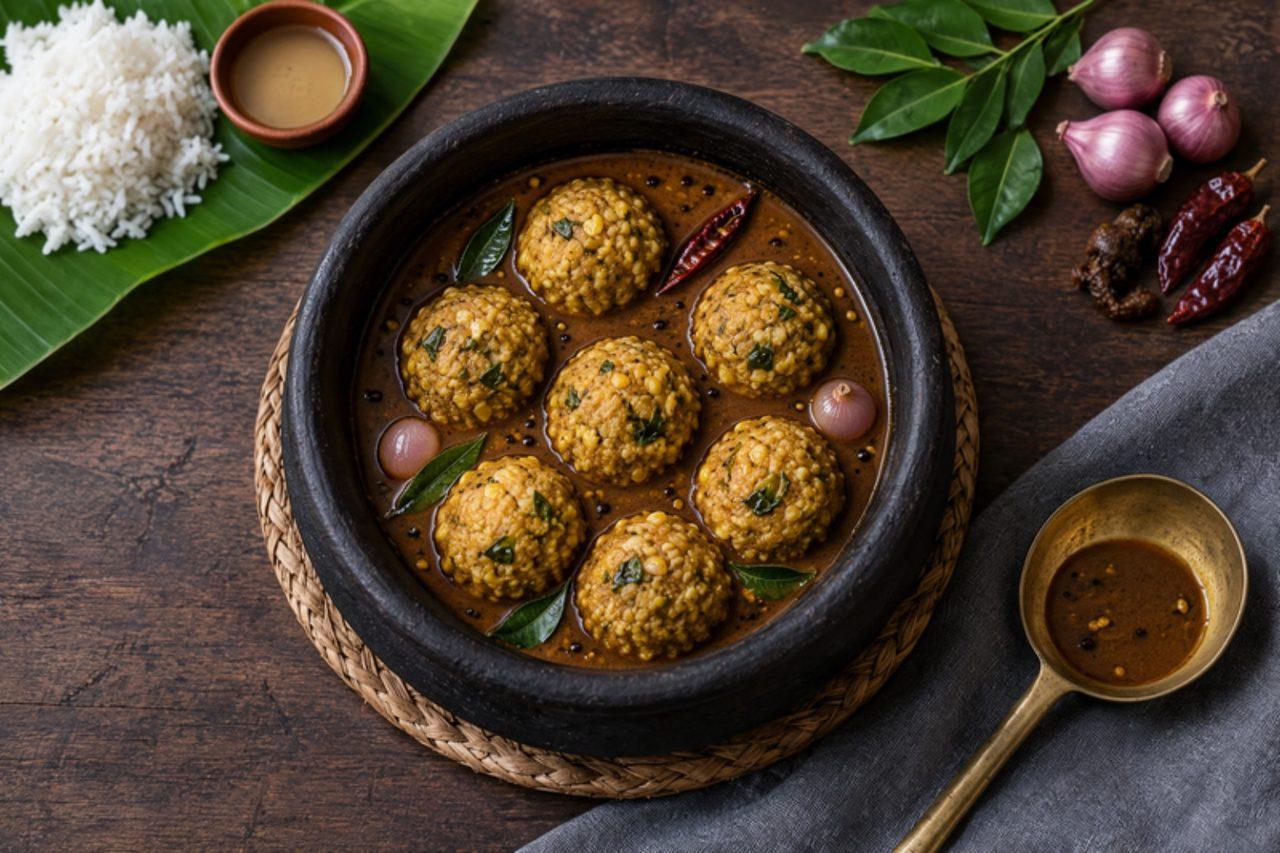
Paruppu urundai kuzhambuLentil dumpling gravy

Paruppu urundai kuzhambu is a Sunday-lunch treat in Tamil homes from Chennai to Coimbatore: coarse balls of soaked chana and toor dal, spiked with fennel, chilli and shallot, dropped raw into a bubbling tamarind gravy where they steam and firm up. The dumplings come out soft inside and soak up the sour, spicy sauce, and the crumbs that escape thicken the gravy. Serve it with plain rice, a spoon of sesame oil and a vegetable poriyal. The usual mistake is stirring as soon as the balls go in, which breaks them; leave them alone until they float and feel firm. Chef's tip: drop one test ball in first; if it cracks, knead a spoon of rice flour into the mixture before shaping the rest.

by KrazyBadal 0 views

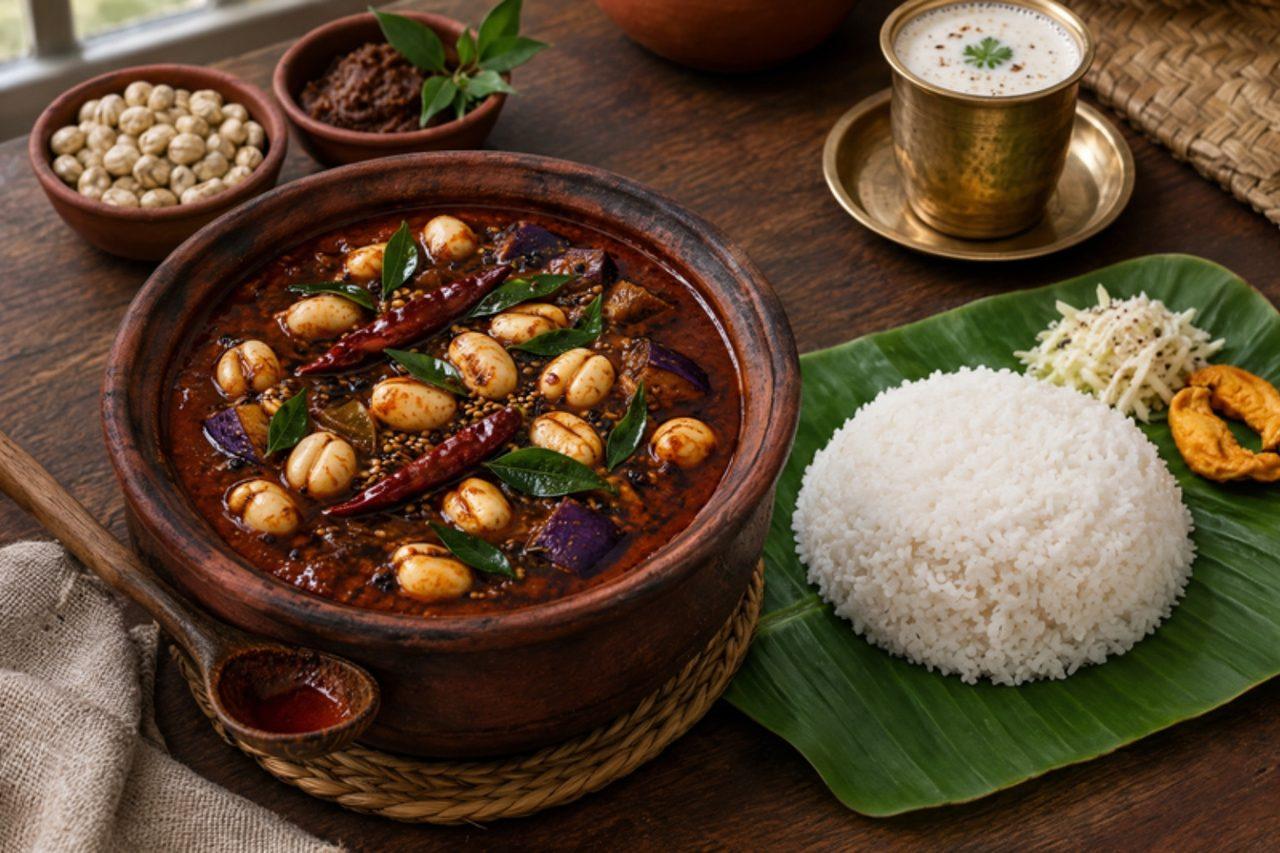
Mochai kottai kuzhambuField bean gravy

Across Tamil Nadu, from Madurai to Tirunelveli, mochai kottai kuzhambu is a winter and weekend curry: dried field beans and small brinjals stewed in a thick tamarind and sambar-powder gravy with shallots and garlic. It is cooked in a big batch, because everyone agrees it tastes better the next day, and eaten with rice, a spoon of sesame oil and appalam or a simple keerai. The beans turn creamy and the brinjal melts into the sauce. Dried field beans must be soaked and boiled until completely soft; never eat them undercooked. The usual mistake is adding the tamarind before the beans are tender, because acid stops them softening. Slow-cooker: boil the soaked beans hard on the hob for 10 minutes first, then cook everything on low for 6 hours. Chef's tip: fry the brinjal in the oil before the gravy goes in, so it holds its shape instead of dissolving.

by KrazyBadal 0 views

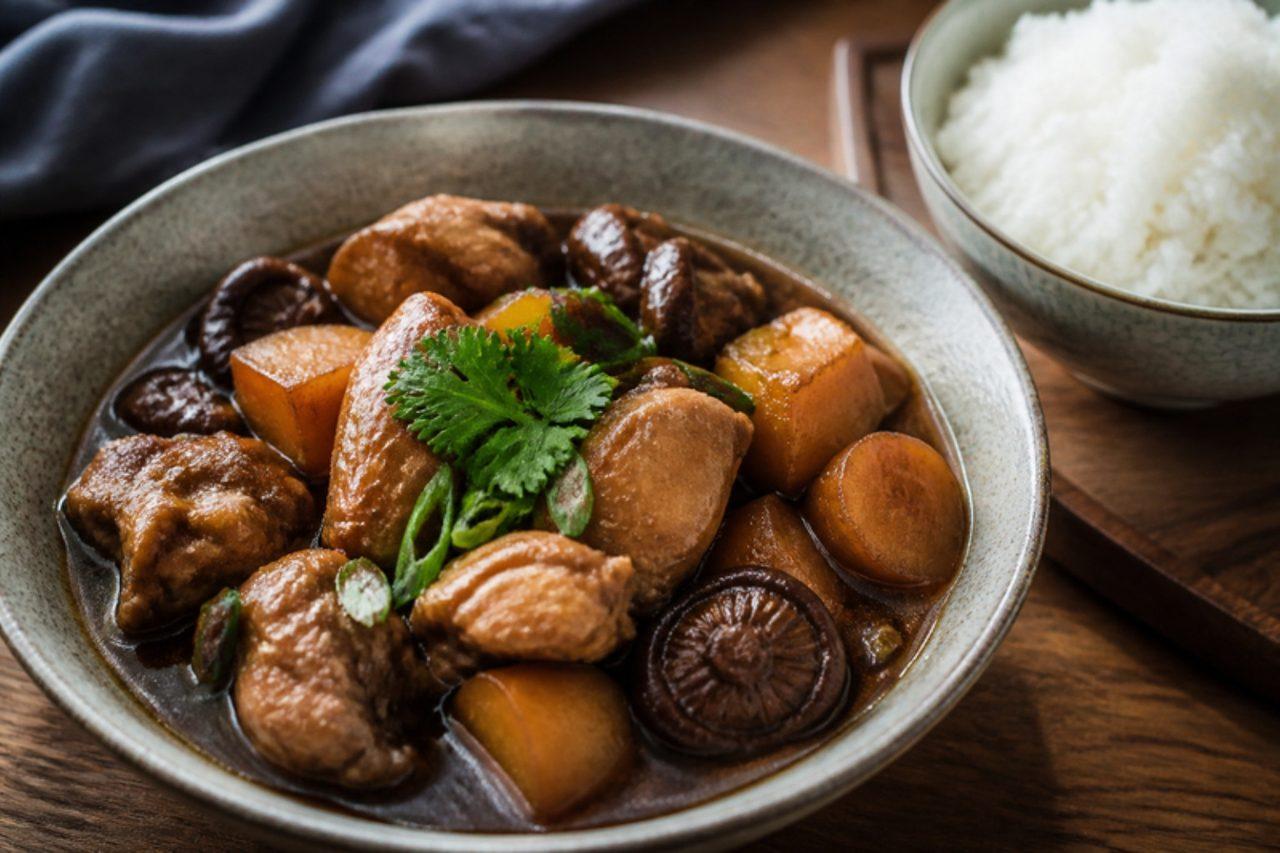
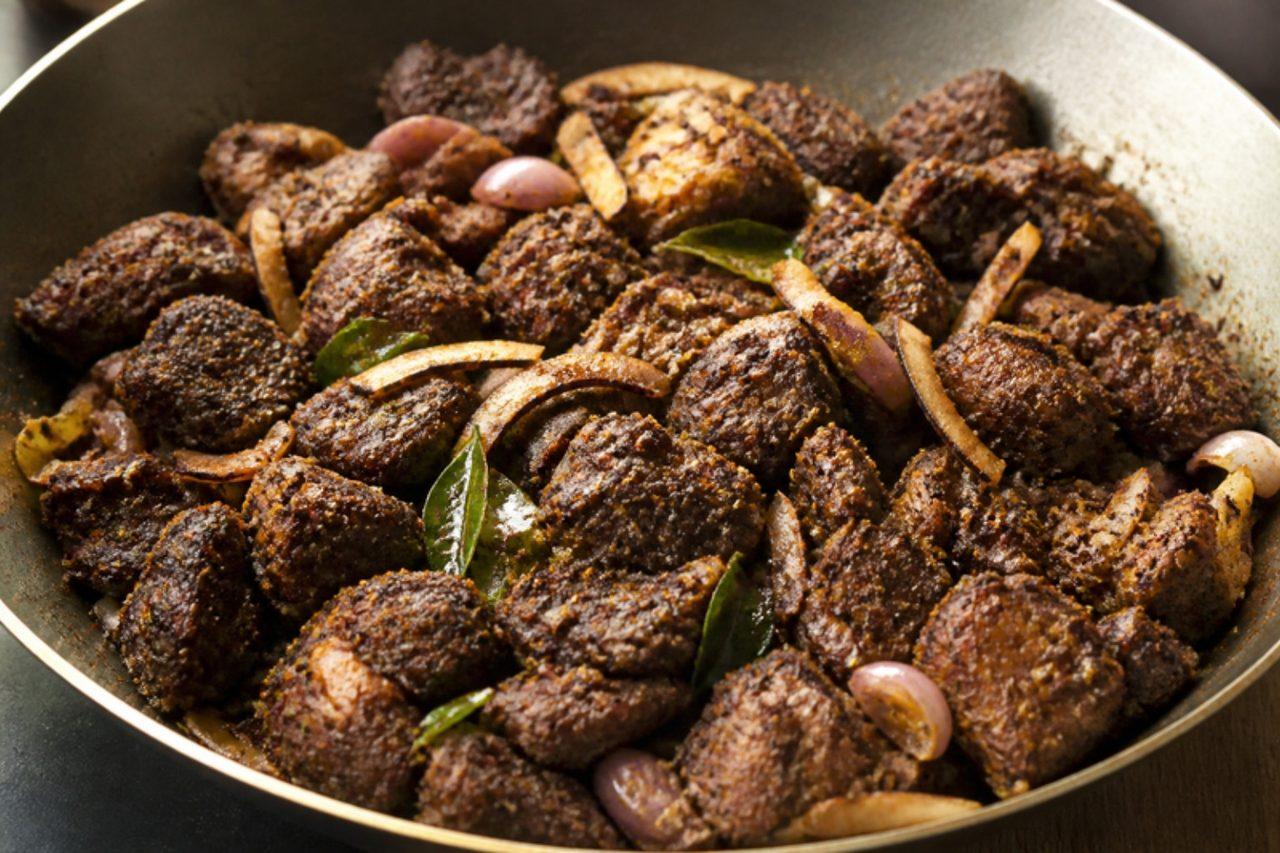
Daging masak hitamBlack braised beef

Daging masak hitam, 'black-cooked beef', is a centrepiece of Hari Raya open houses and kenduri feasts across Malaysia, and it is just as good on an ordinary weekday with rice and cucumber. Beef is braised slowly with blended shallots, garlic, ginger and dried chillies, whole spices, tamarind and both sweet and dark soy sauce until the gravy reduces to a sticky, almost black glaze. It tastes better the next day, which is why cooks make it ahead for festivals. The usual mistake is reducing too fast over a high heat: the sugar in the sweet soy scorches and turns bitter. Chef's tip: once the gravy starts to thicken, stir from the bottom every few minutes and lower the heat.

by KrazyBadal 0 views

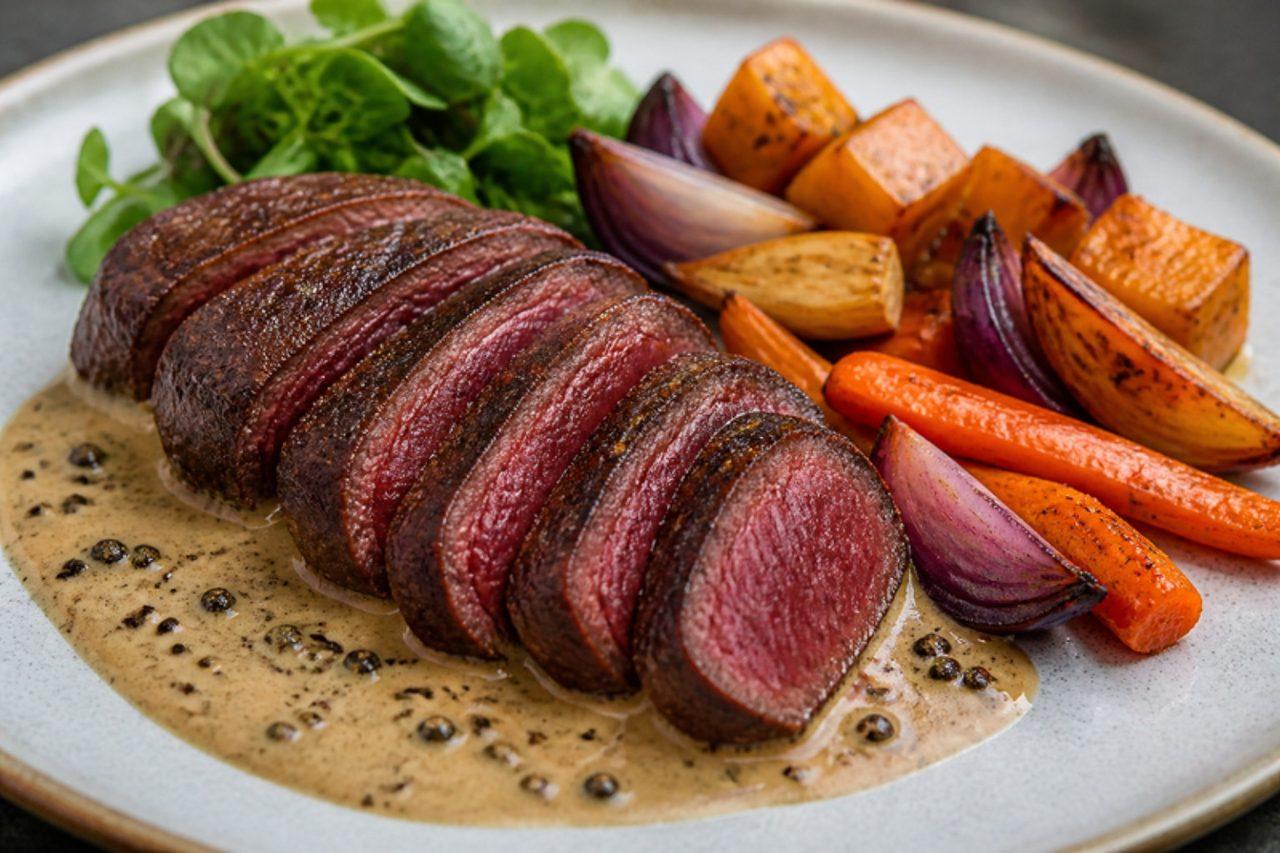
Kangaroo steak with pepperberry sauce

Kangaroo is a lean, everyday red meat in Australia, sold in supermarkets from Perth to Brisbane and loved by home cooks for its rich, slightly gamey flavour and very low fat. Here the fillets are seared hot and fast and served with a creamy sauce spiced with Tasmanian pepperberry, a native pepper with a warm, fruity heat. Because there's almost no fat, kangaroo dries out if cooked past medium. A common mistake is putting cold meat in a lukewarm pan; it stews instead of searing. Serve rare to medium-rare for best texture, but cook to at least 63 °C for pregnant women, young children and anyone with a weakened immune system. Chef's tip: rest it for as long as you cooked it.

by KrazyBadal 0 views

Crudités

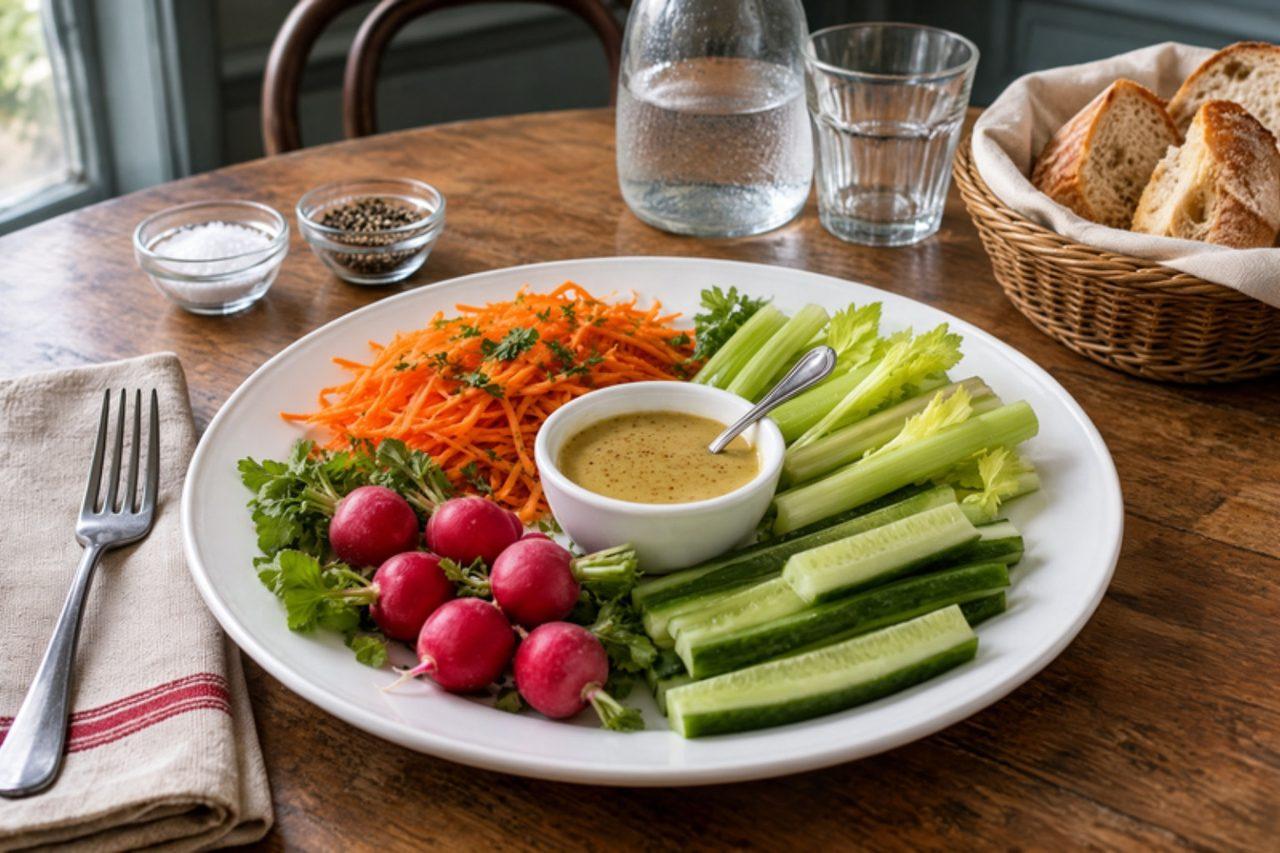
Crudités are how a French family lunch, a Paris bistro menu or a school canteen meal often begins: a plate of raw vegetables, each prepared on its own: grated carrot with lemon, crunchy radishes, cucumber slices and celery, dressed with a sharp mustardy vinaigrette. Crisp, cold vegetables taste so lively that very little salt is needed; with the small amount of mustard in the dressing this plate has about 0.3 g salt per portion. The usual mistake is dressing everything together in advance, which turns it watery and limp; dress each vegetable just before serving. Chef's tip: grate the carrots on the fine side of the grater and toss them with lemon first; they soften slightly and taste sweeter, the way French grandmothers make carottes râpées.

by KrazyBadal 0 views

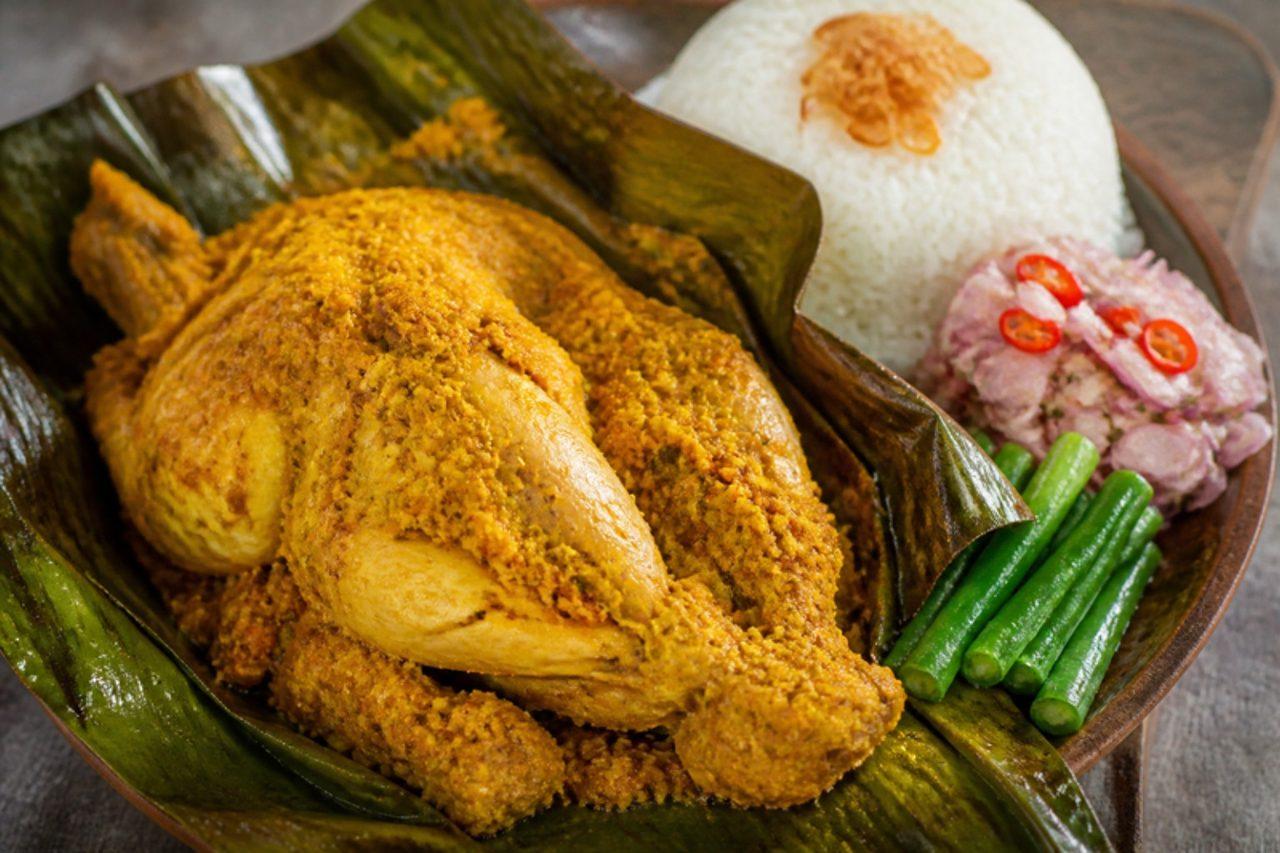
Nasi bakarGrilled banana-leaf rice with chicken

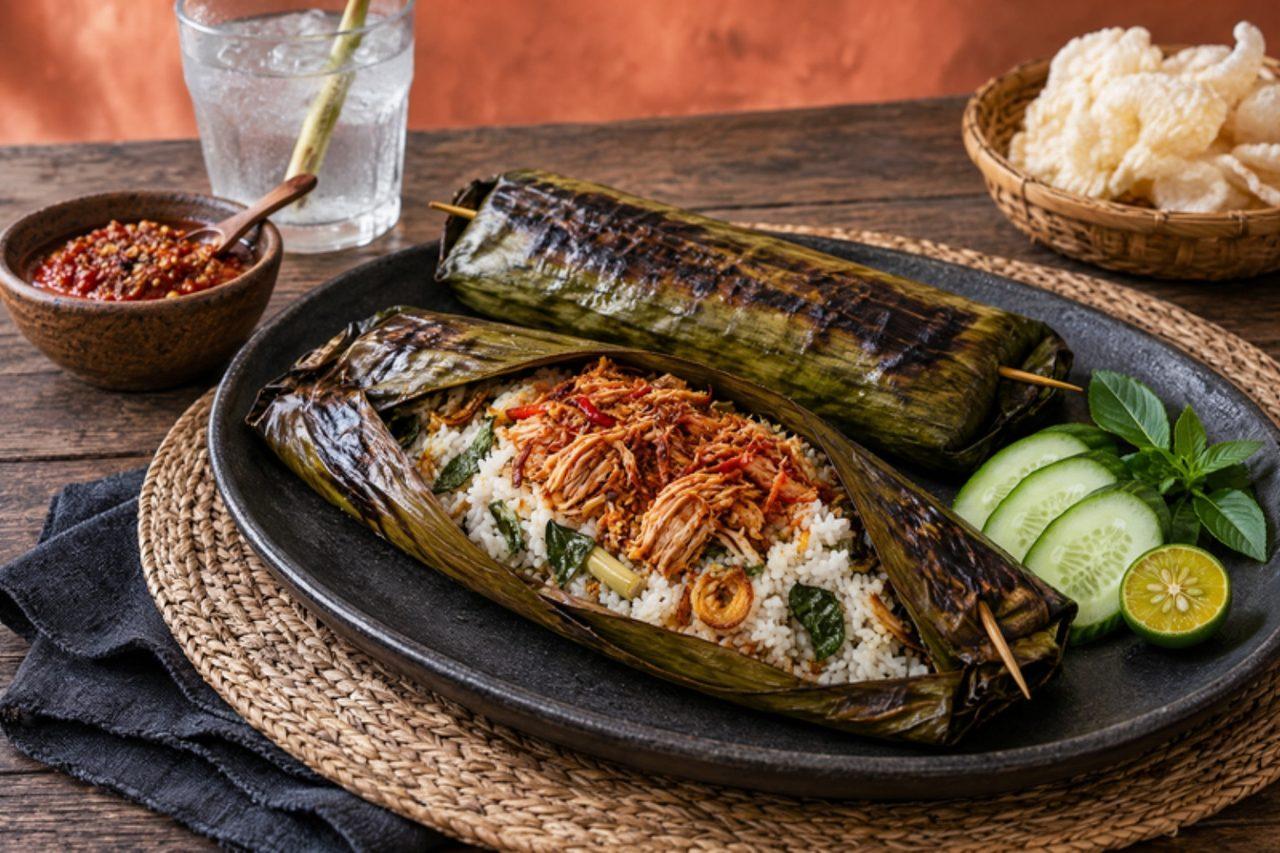
In Jakarta, nasi bakar parcels are sold from warung grills at lunchtime and in office canteens: rice cooked with coconut milk, lemongrass and salam leaves, filled with spicy shredded chicken (ayam suwir) and lemon basil, wrapped in banana leaf and grilled until the leaf chars and the rice crisps at the edges. Small dried anchovies (teri) are the other classic filling. The common mistake is wrapping the parcels loosely, so they fall open on the grill; fold them tight and pin with toothpicks. Chef's tip: grill until the leaf is blackened in patches; the smoke perfumes the rice inside.

by KrazyBadal 0 views

Nasi timbelRice with fried chicken and tofu

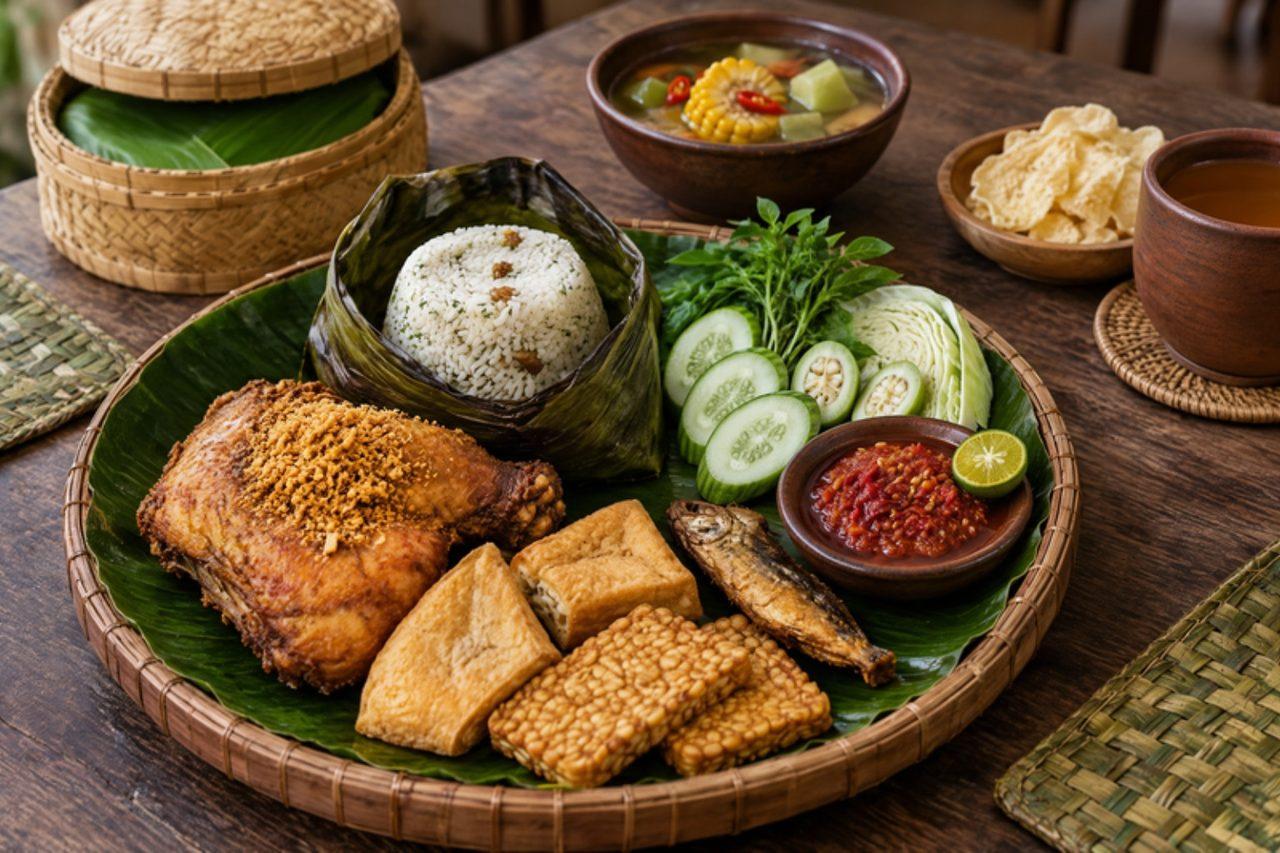
Nasi timbel is the packed lunch of West Java: rice pressed tight into a banana leaf, which keeps it warm and fragrant until noon, served with turmeric fried chicken, fried tofu and tempeh, crisp salted fish, raw vegetables (lalapan) and a fiery sambal terasi. Sundanese restaurants in Bandung and Jakarta serve it as a lunch platter. The usual mistake is frying the chicken straight from raw, which browns the outside long before the bone is cooked; simmer it in the spice paste first. Chef's tip: roll the rice in the leaf while it is very hot and wrap it tightly, then let it rest for 10 minutes so it sets firm.

by KrazyBadal 0 views

Empal gepukSweet spiced fried beef

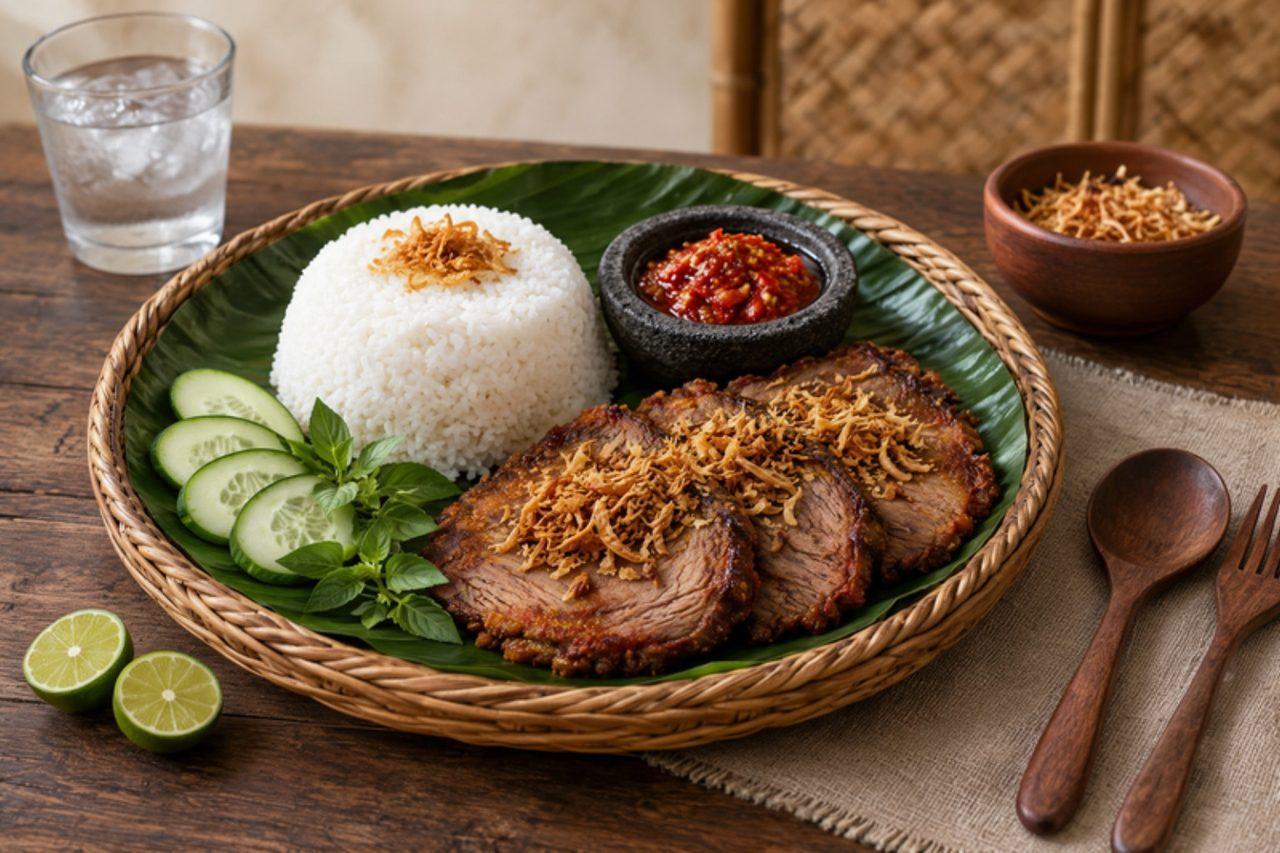
Empal gepuk is a Sundanese speciality from Bandung in West Java: beef simmered in coconut water and spices with palm sugar until the liquid is gone, pounded (gepuk) to loosen the fibres, then fried until the edges are crisp and sweet. Because it is dry and keeps for days, it is a classic in Indonesian bekal lunchboxes with rice, sambal and raw vegetables. The common mistake is cutting the beef with the grain, which makes it stringy; slice it across the grain before pounding. Chef's tip: pound gently with a pestle just until the slices fan out, then fry quickly; too long in the oil and they turn hard.

by KrazyBadal 0 views

PothichoruRice meal in banana leaf

Before steel tiffin carriers, Kerala's schoolchildren and office workers carried pothichoru, a parcel of hot rice, a dry vegetable thoran, coconut chammanthi and a dab of pickle, folded inside a banana leaf that had been passed over a flame. By lunchtime the leaf's aroma has seeped into the rice; the whole parcel is still sold on trains and at festivals. Fried egg or fish fry are often tucked in; this is the vegetarian version. The common mistake is wrapping the leaf without wilting it first, so it cracks and leaks. Chef's tip: pack the rice warm, not steaming, and eat within four hours, or cool everything and keep the parcel cold until lunch.

by KrazyBadal 0 views

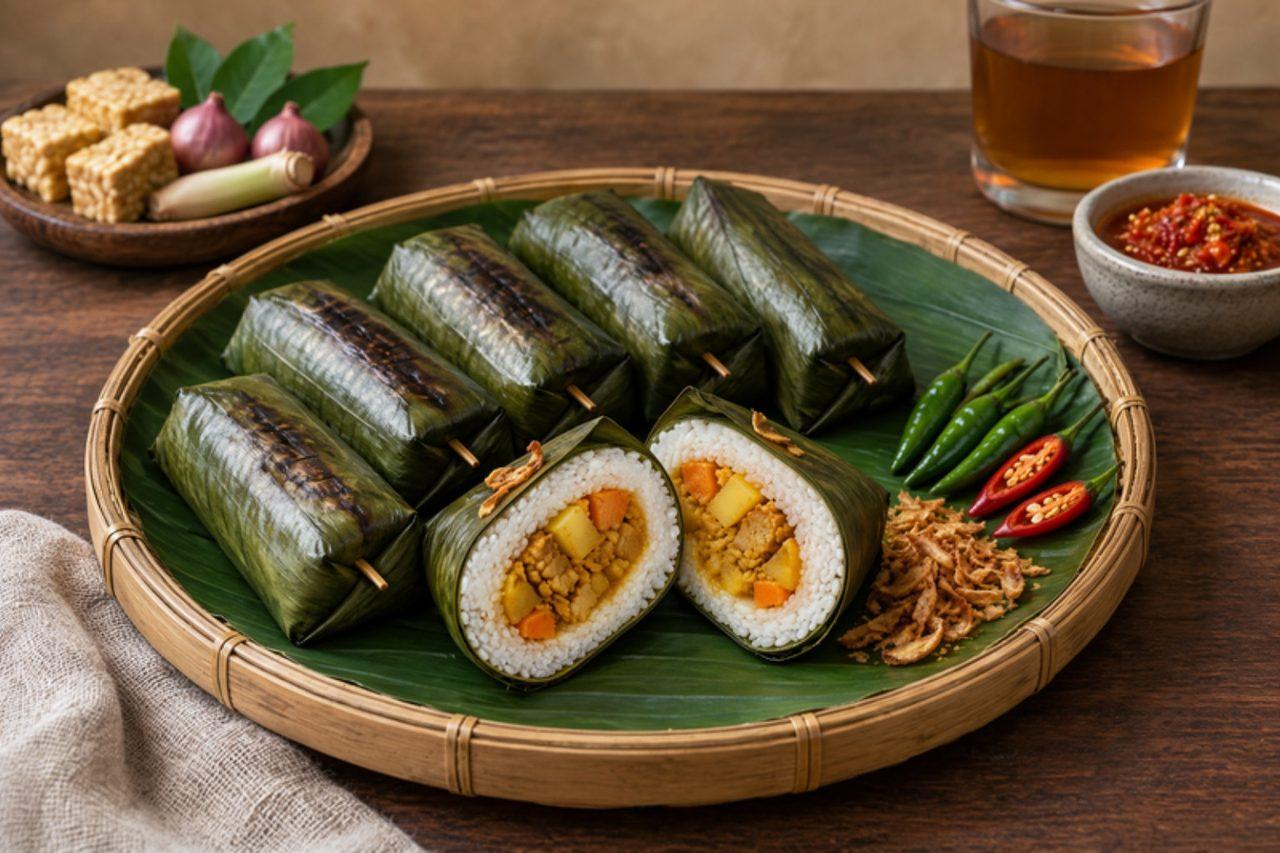
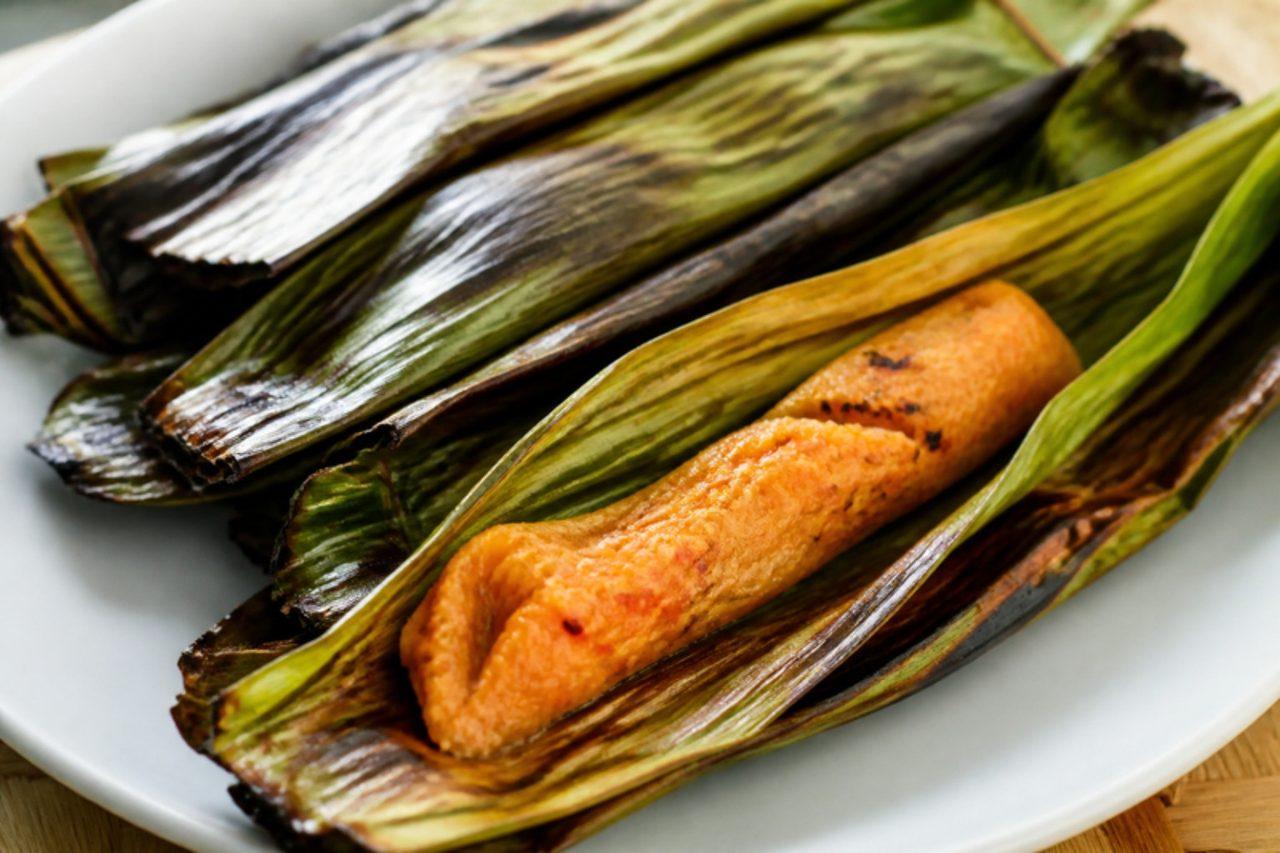
Arem-aremFilled rice rolls in banana leaf

Arem-arem are what Central Javanese cooks pack for meetings, trains and bekal lunchboxes: logs of coconut-scented rice wrapped round a spiced filling, rolled in banana leaf and steamed until firm, so they can be eaten in the hand, cold or warm. Chicken fillings are common in the city; this one uses tempeh, potato and carrot. The common mistake is cooking the rice fully before rolling, which makes the logs mushy; it should be only half-cooked, so it finishes in the leaf. Chef's tip: soften the banana leaves over a flame or in hot water first, or they will split as you roll.

by KrazyBadal 0 views

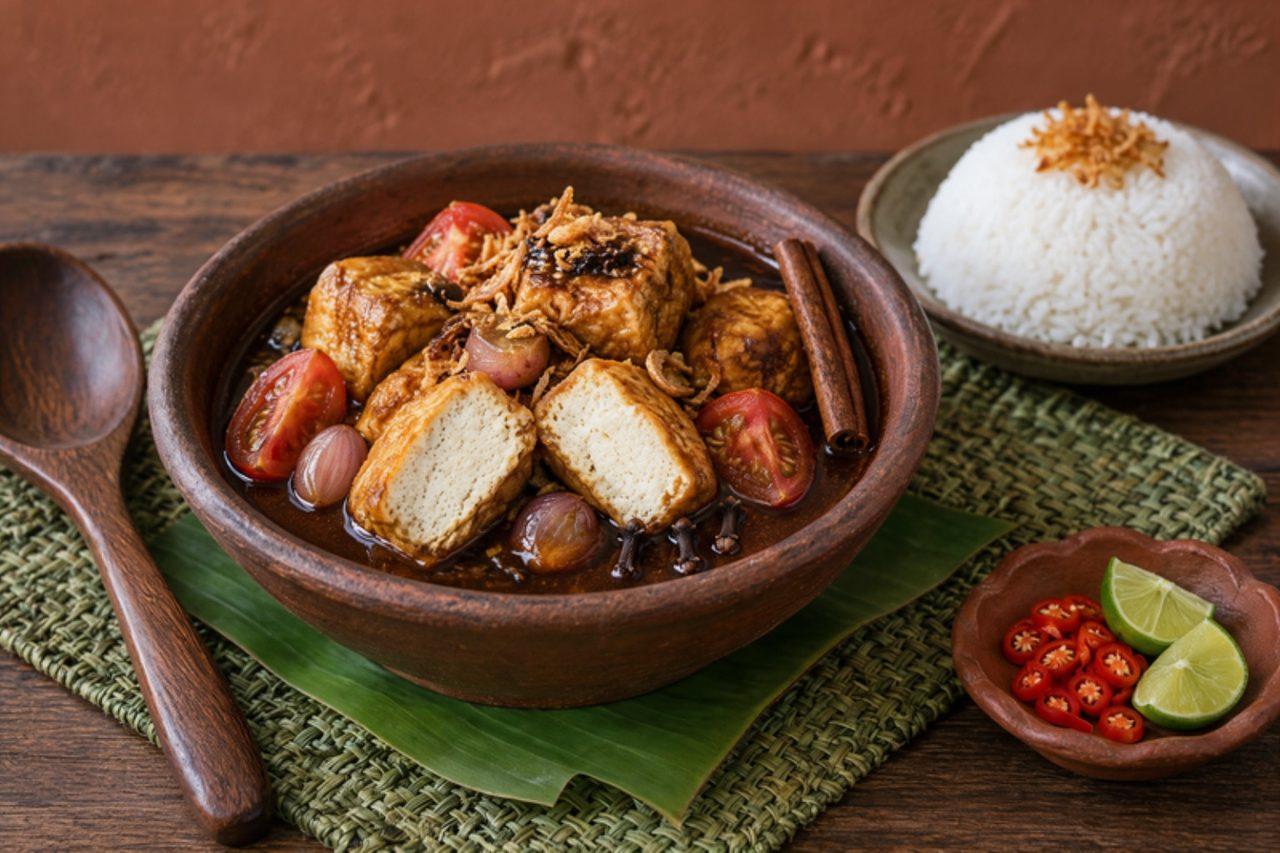
Semur tahuTofu in sweet soy

Semur is the dark, glossy sweet-soy stew of Java, shaped by Dutch spice traders' love of nutmeg and clove, and the tofu version is a thrifty bekal favourite that tastes better each day it sits. The tofu is fried first so it holds together and soaks up the sauce like a sponge. The common mistake is using silken or soft tofu, which crumbles; choose firm tofu and fry it until the skin is golden. Chef's tip: let the sauce reduce until it coats the back of a spoon, then rest the semur for an hour before eating so the spices go right into the tofu.

by KrazyBadal 0 views

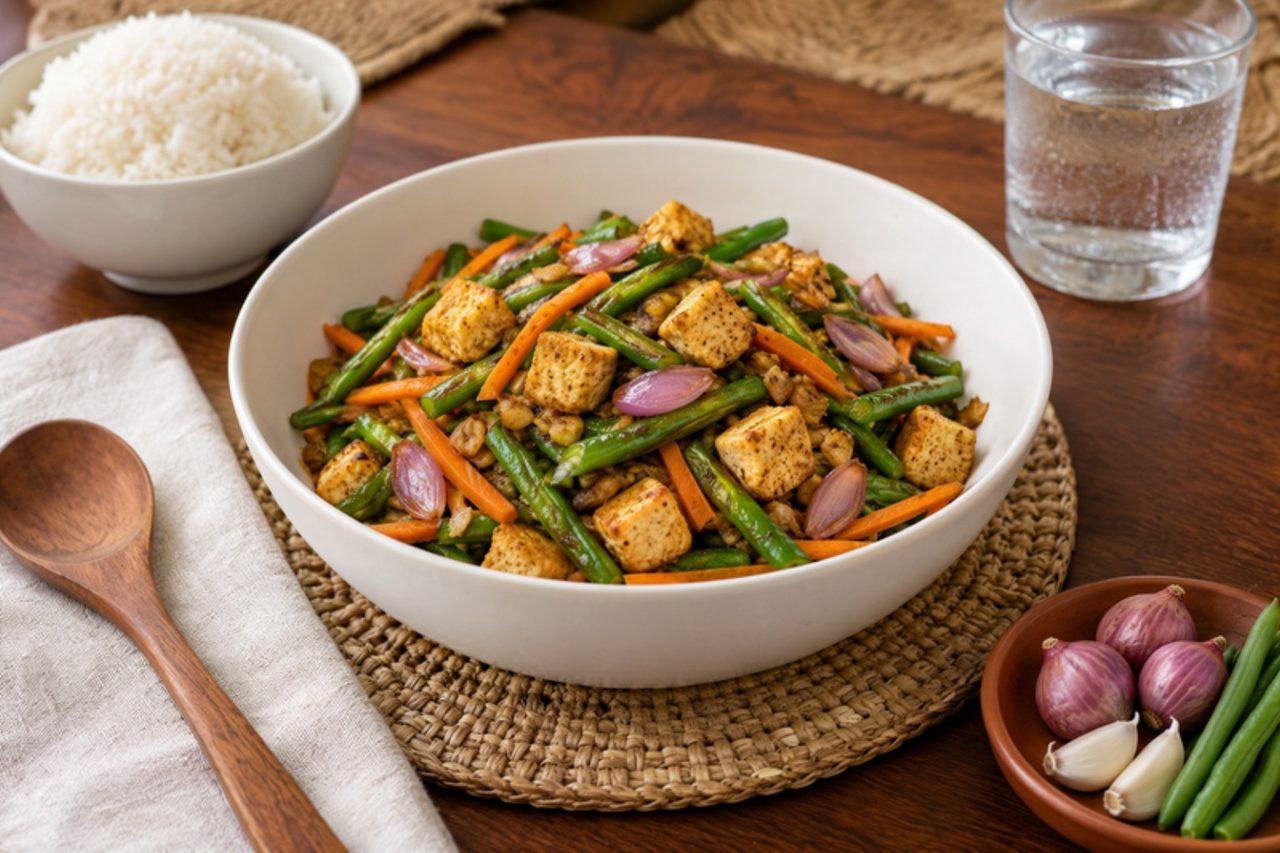
Tumis buncisStir-fried green beans

Every Indonesian warung and school bekal box has a vegetable tumis, a quick stir-fry, and green beans with carrot are the everyday favourite: crunchy, garlicky and slightly sweet, ready in a quarter of an hour. Cubes of tofu are often added to make it more filling. The common mistake is covering the wok, which steams the beans an army green; cook them uncovered with a splash of water so they stay bright. Chef's tip: slice the beans on a sharp diagonal so they cook in the same time as the thin carrot and pick up more of the seasoning.

by KrazyBadal 0 views

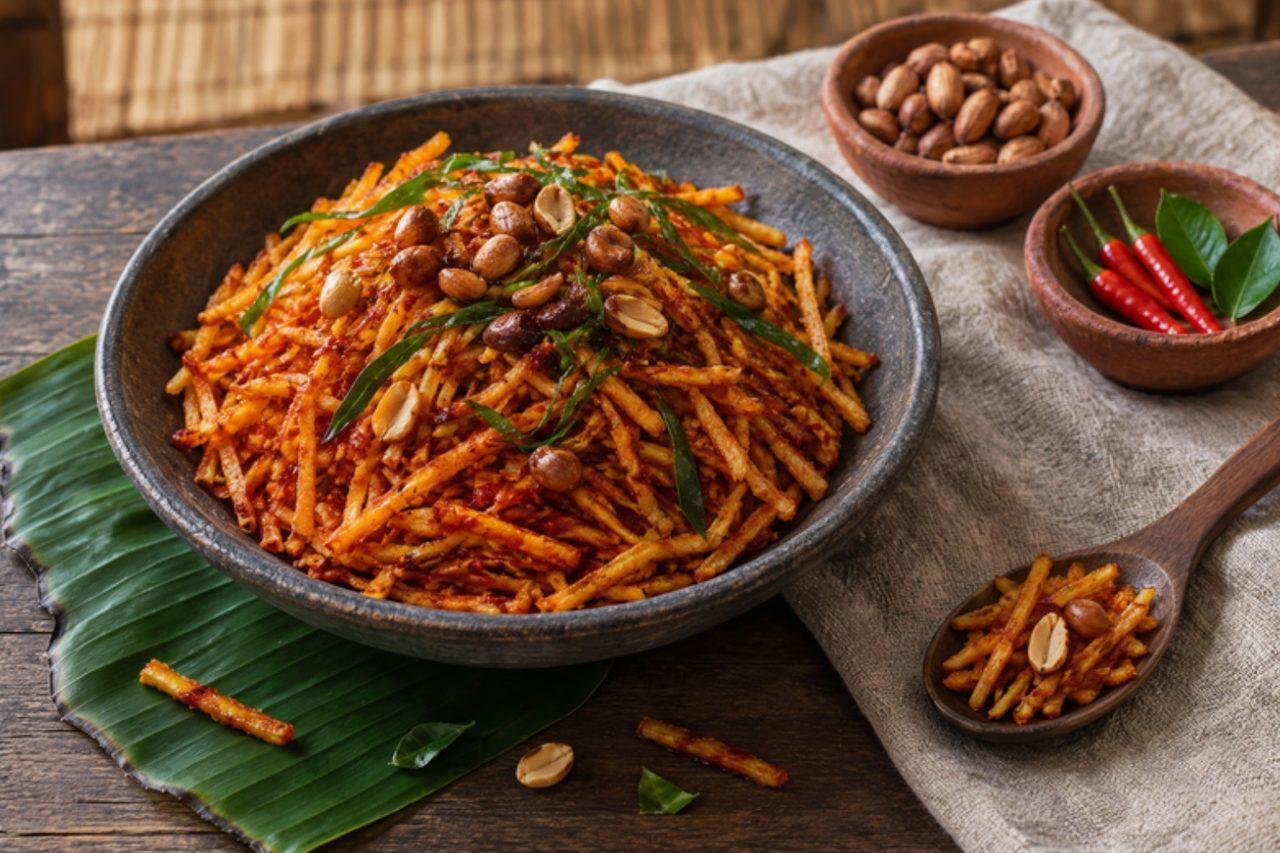
Kering kentangSweet and spicy potato matchsticks

Javanese households fry a big batch of kering kentang before Lebaran or a long journey, because these candied potato sticks stay crunchy in a jar for a week and make a plain bekal lunchbox of rice and egg feel special. They are sweet, hot and tangy all at once. The common mistake is frying wet potatoes all at once, which steams them; they must be soaked, dried thoroughly and fried in small batches until they rattle. Chef's tip: let the sugar glaze bubble until it threads from the spoon before adding the potatoes, so it coats them in a thin, glassy shell instead of making them soft.

by KrazyBadal 0 views

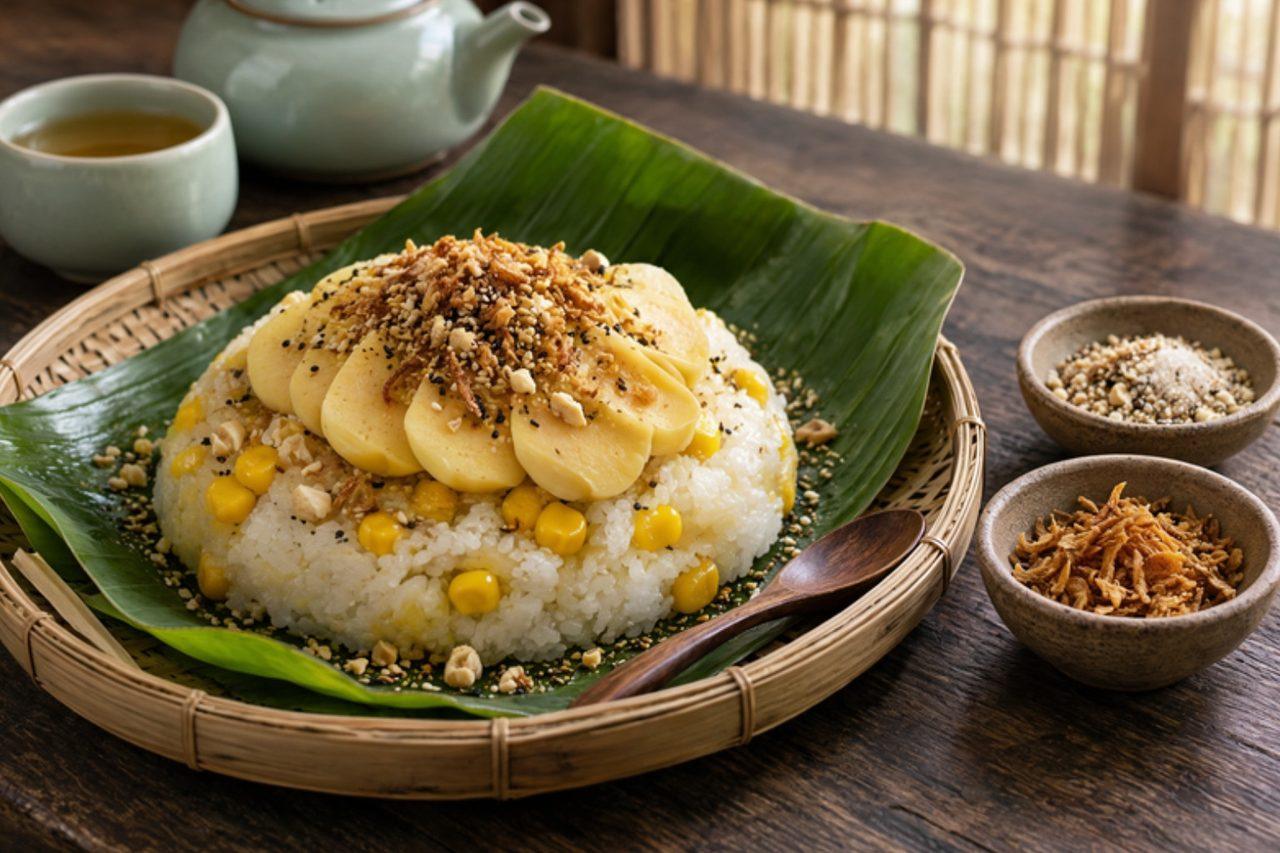
Xôi bắpSticky corn and rice

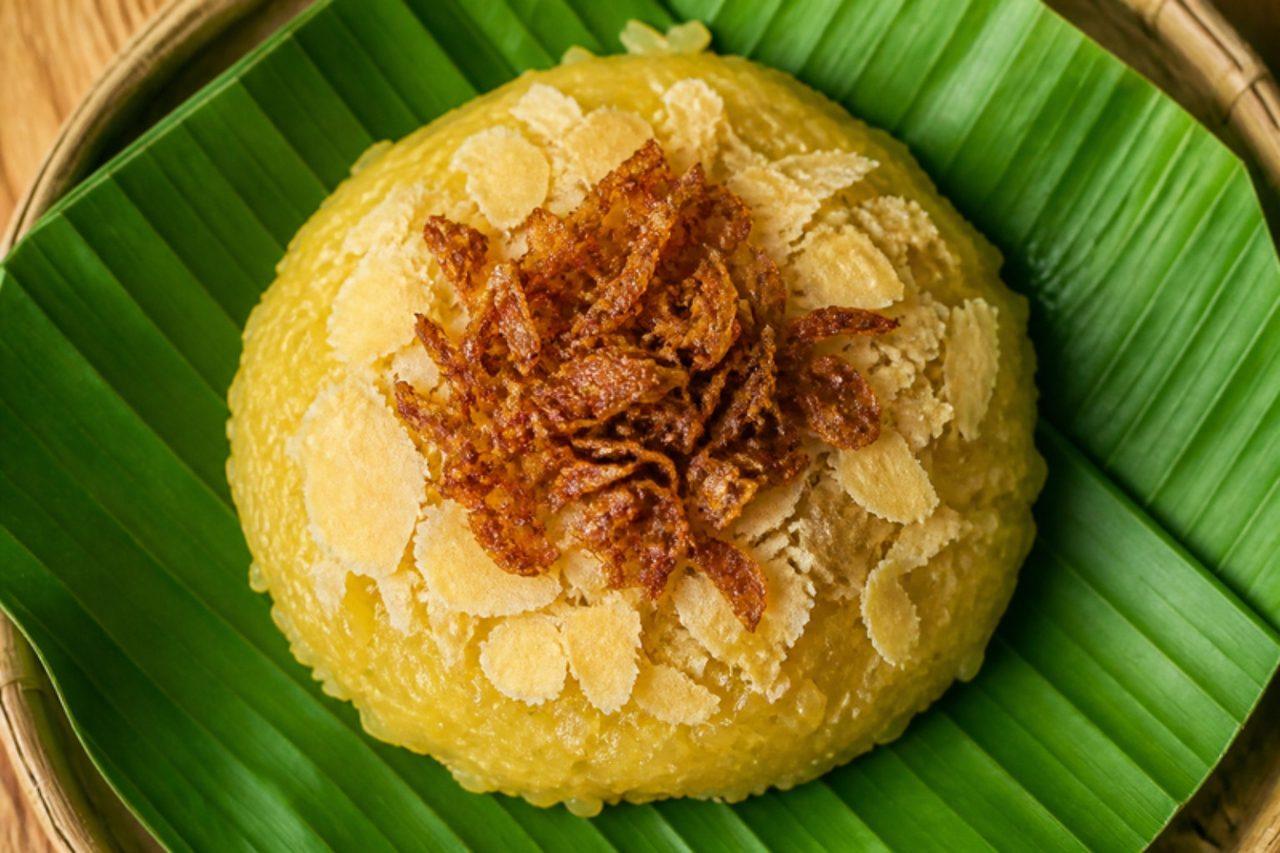
On Hanoi pavements at dawn, xôi sellers scoop warm sticky rice and corn into banana leaves, press a slab of yellow mung bean on top and finish it with crisp fried shallots, a pinch of sugar and salt; office workers carry it to their desks for breakfast or lunch. At home, fresh sweetcorn stands in for the waxy corn cooked with lime used on the street. The rice and beans need soaking overnight. The common mistake is boiling sticky rice like ordinary rice; it must be steamed, or it turns to paste. Chef's tip: toss the steamed rice with a spoon of the shallot oil halfway through, which keeps the grains separate and glossy.

by KrazyBadal 0 views

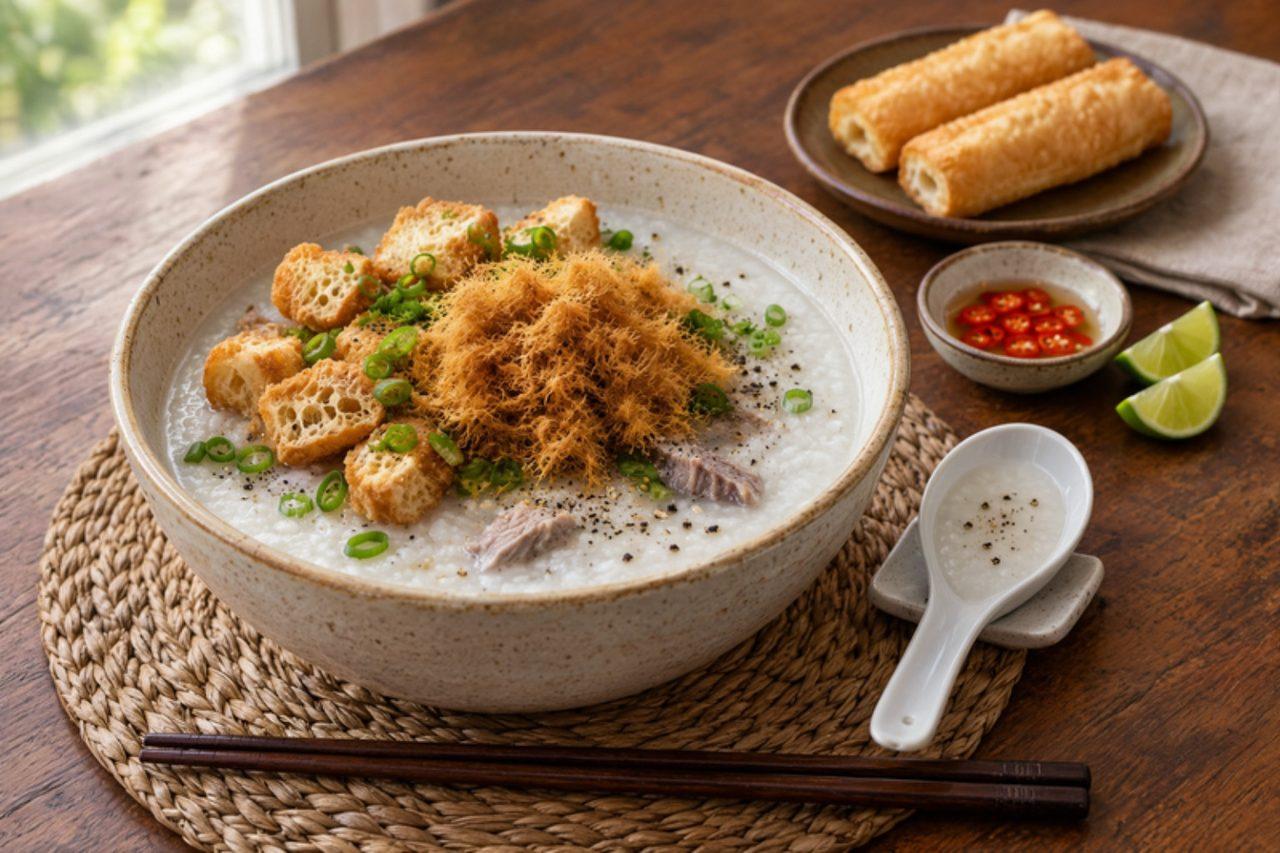
Cháo sườnRice porridge with pork ribs

On Hanoi street corners, cháo sườn sellers ladle out this porridge from first light, and children eat it before school with a heap of crisp quẩy (fried dough) and fluffy pork floss on top. Unlike whole-grain congee, the rice is ground first, so it cooks into a pale, silky cream flavoured by a long-simmered pork rib broth. The usual mistake is adding the ground rice to boiling broth all at once, which makes stubborn lumps; whisk it into a slurry first. Chef's tip: toast the rice in a dry pan until it smells like popcorn before you grind it, which gives the porridge its gentle nutty depth.

by KrazyBadal 0 views

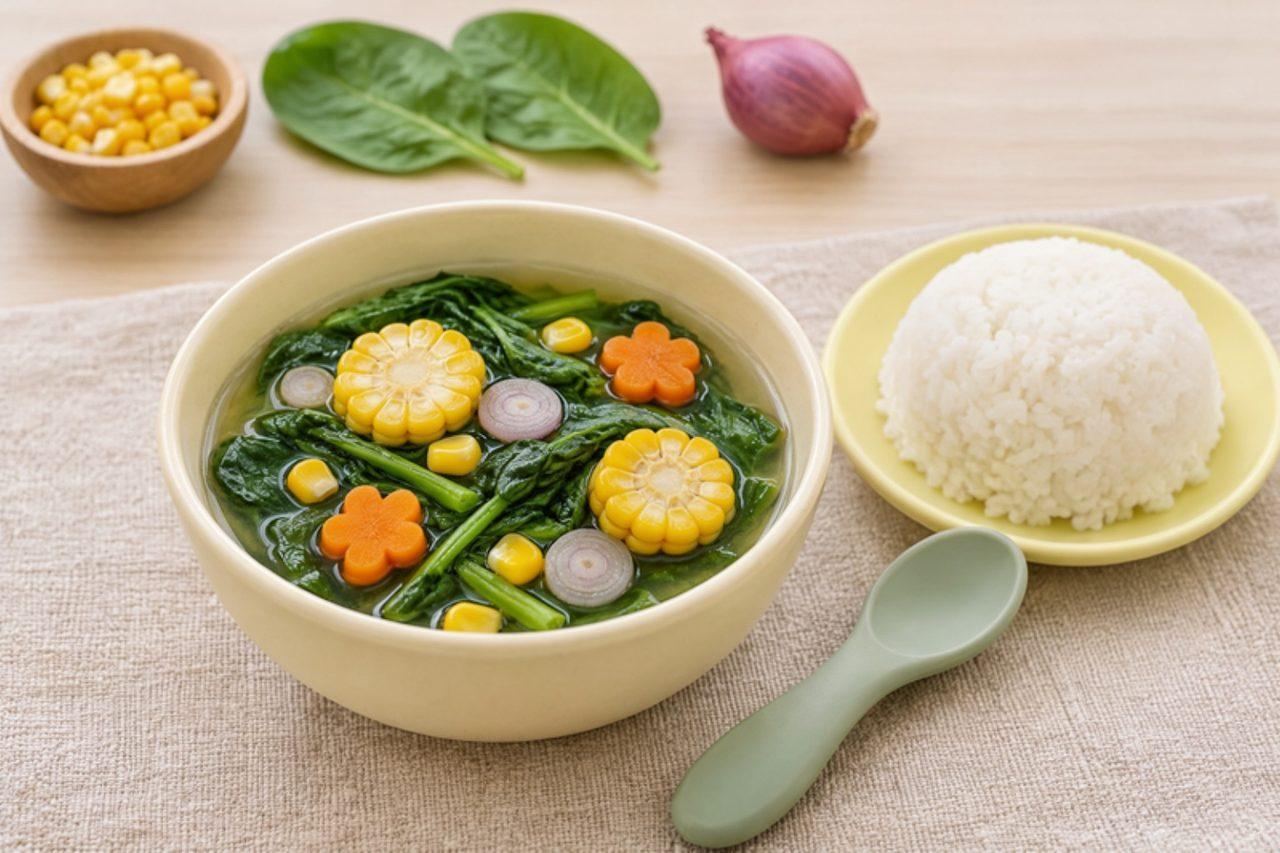
Sayur bening bayam for toddlersSpinach and corn soup for toddlers

Sayur bening, 'clear vegetables', is the light soup that turns up at nearly every Javanese family lunch in Yogyakarta and Solo, and it is one of the first family dishes Indonesian children share. Spinach and sweet corn are simmered for just a few minutes in water scented with shallot and temu kunci (fingerroot), giving a sweet, fresh broth to spoon over rice. For toddlers from 12 months it is made with no salt or sugar, and the corn is chopped. It is vegan and free of the major allergens. Chef's tip: add the spinach at the very end; overcooked bayam turns grey and bitter.

by KrazyBadal 0 views

Satay beef instant noodles

In Hong Kong's cha chaan teng diners, the morning set often means a bowl of instant noodles in clear broth topped with tender beef in a sweet, peanutty satay sauce, eaten with a buttered bun and a cup of milk tea. Restaurants use a jarred Chinese satay paste; this quick home sauce gets close with peanut butter and curry powder. The usual mistake is putting cold beef in a crowded pan, which makes it stew grey; fry it hot and fast in one layer. Chef's tip: a pinch of bicarbonate of soda in the marinade makes the beef silky and tender, the cha chaan teng way.

by KrazyBadal 0 views

Kanji payar for toddlersRed rice gruel for toddlers

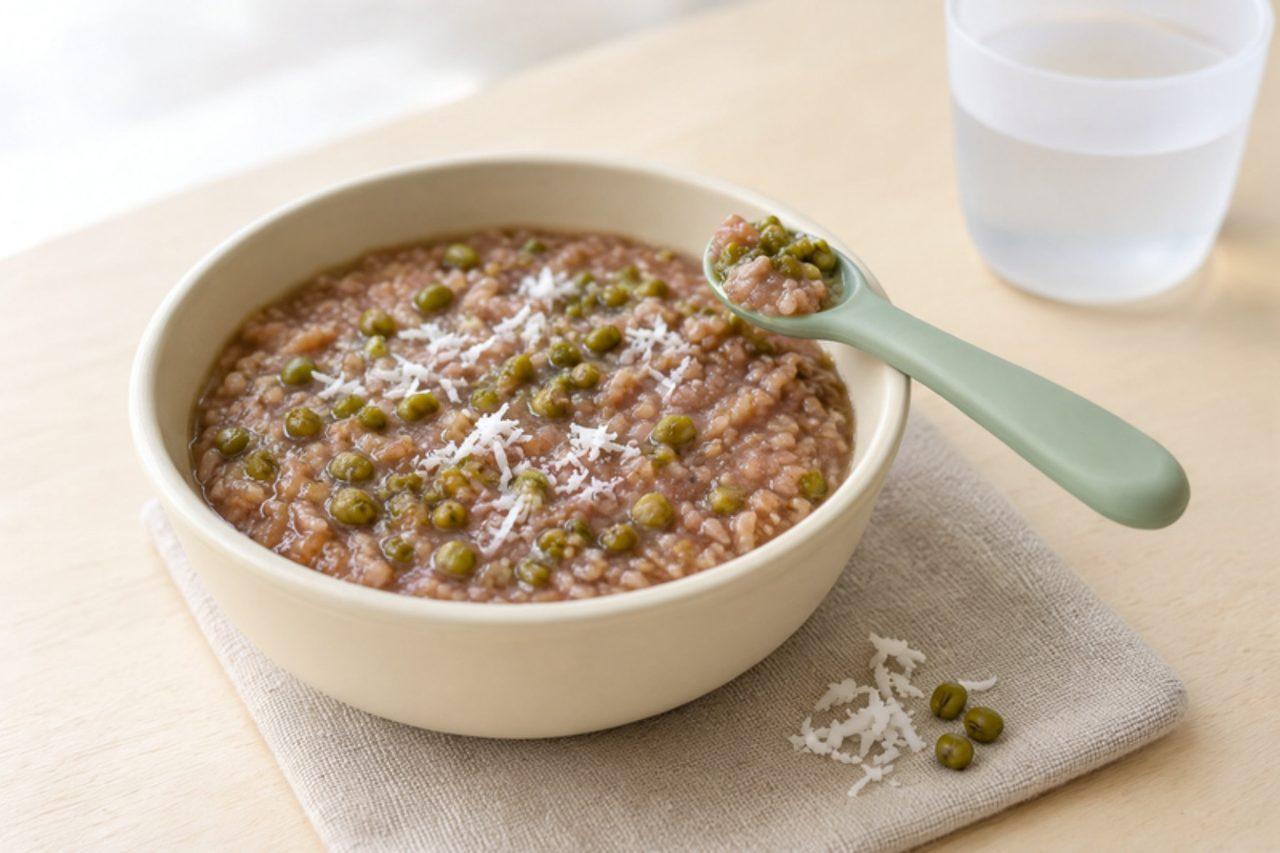
Kanji and payar, rice gruel with a dry dish of green gram, is Kerala's oldest comfort meal, eaten for dinner in homes across Kottayam and Palakkad and at simple roadside kanji kadas on rainy monsoon evenings. For toddlers from 12 months the matta rice is cooked until it bursts into a creamy porridge, and the cherupayar is steamed soft and finished with a little coconut and cumin instead of chilli, then the two are mashed together. Skip the usual pickle and pappadam. It contains coconut; there is no milk, gluten, egg, nuts or soya, and it is vegan. Chef's tip: soak both the rice and the gram overnight; it halves the cooking time and makes them far softer.

by KrazyBadal 0 views

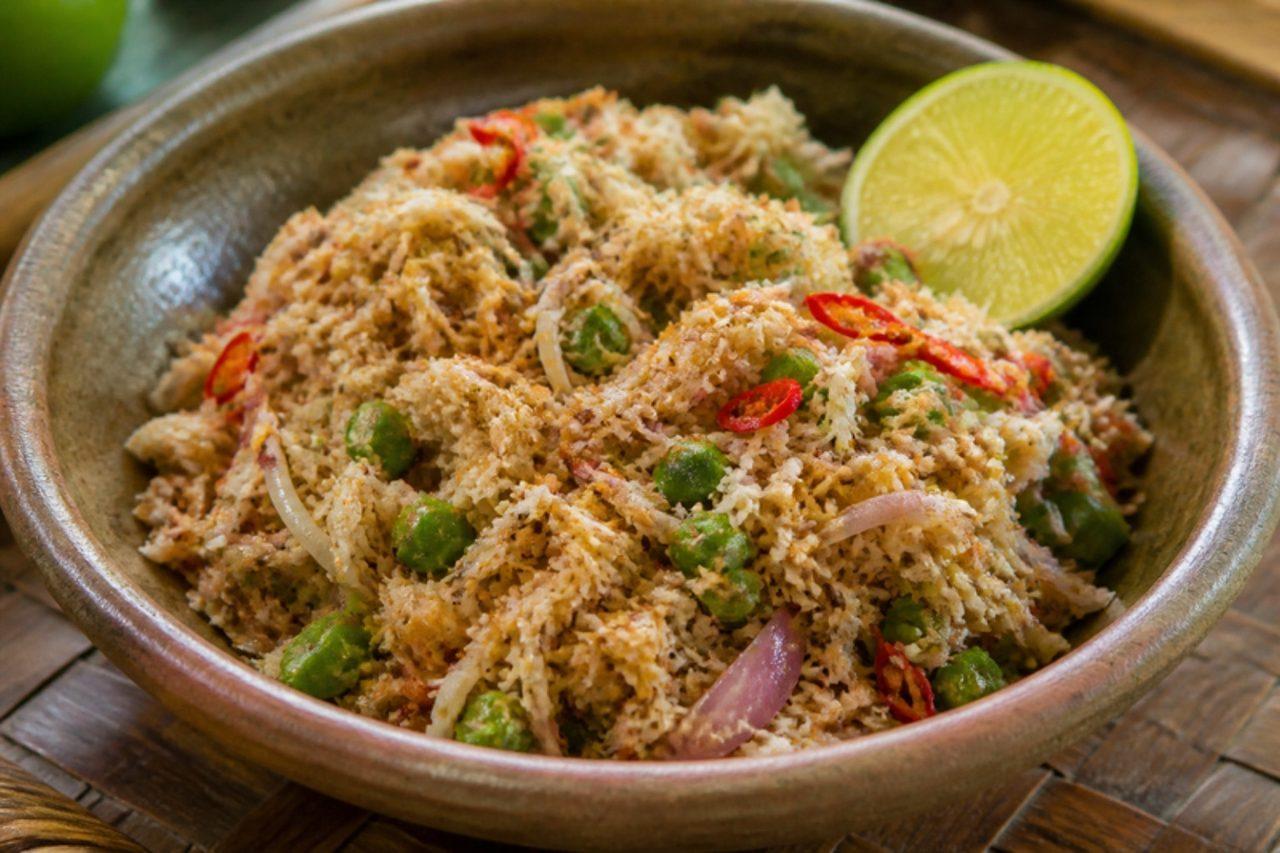
Mas podichathuDry-fried flaked tuna

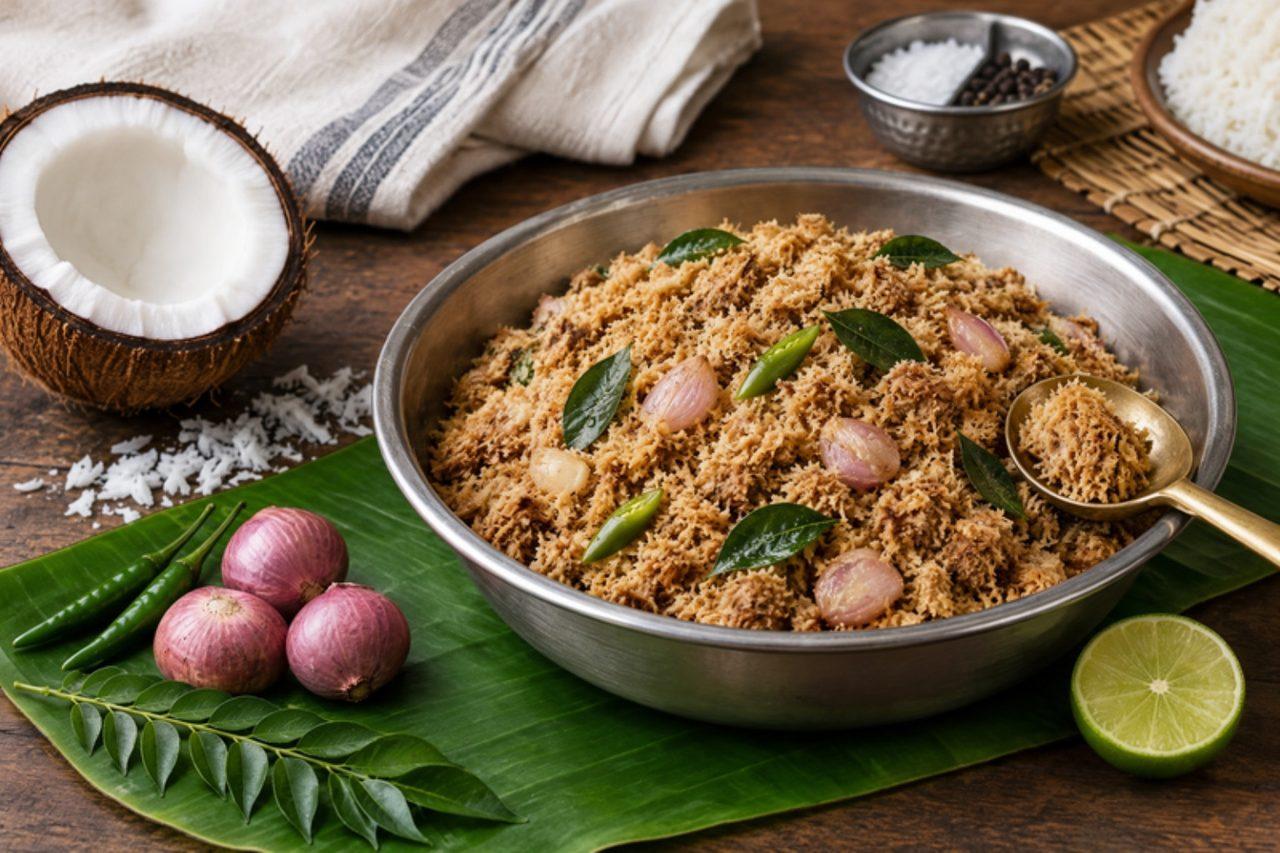
Tuna is the backbone of Lakshadweep cooking, and mas podichathu is how island families turn a piece of cooked tuna into a dry, fluffy side for rice, a filling for parotta, or a quick lunch with black tea. The fish is poached, flaked by hand and fried with shallots, green chilli, ginger, curry leaves and lots of grated coconut until each strand is separate and toasty. Traditionally it is made with mas, the islands' smoked and sun-dried tuna; fresh tuna is easier to find. The common mistake is mashing the fish into a paste; flake it with your fingers into long shreds. Fish is done when it is opaque and flakes easily before you start frying. Chef's tip: squeeze the poached fish gently in a cloth so it fries crisp instead of steaming.

40 minIndianFishGluten free
by KrazyBadal 0 views

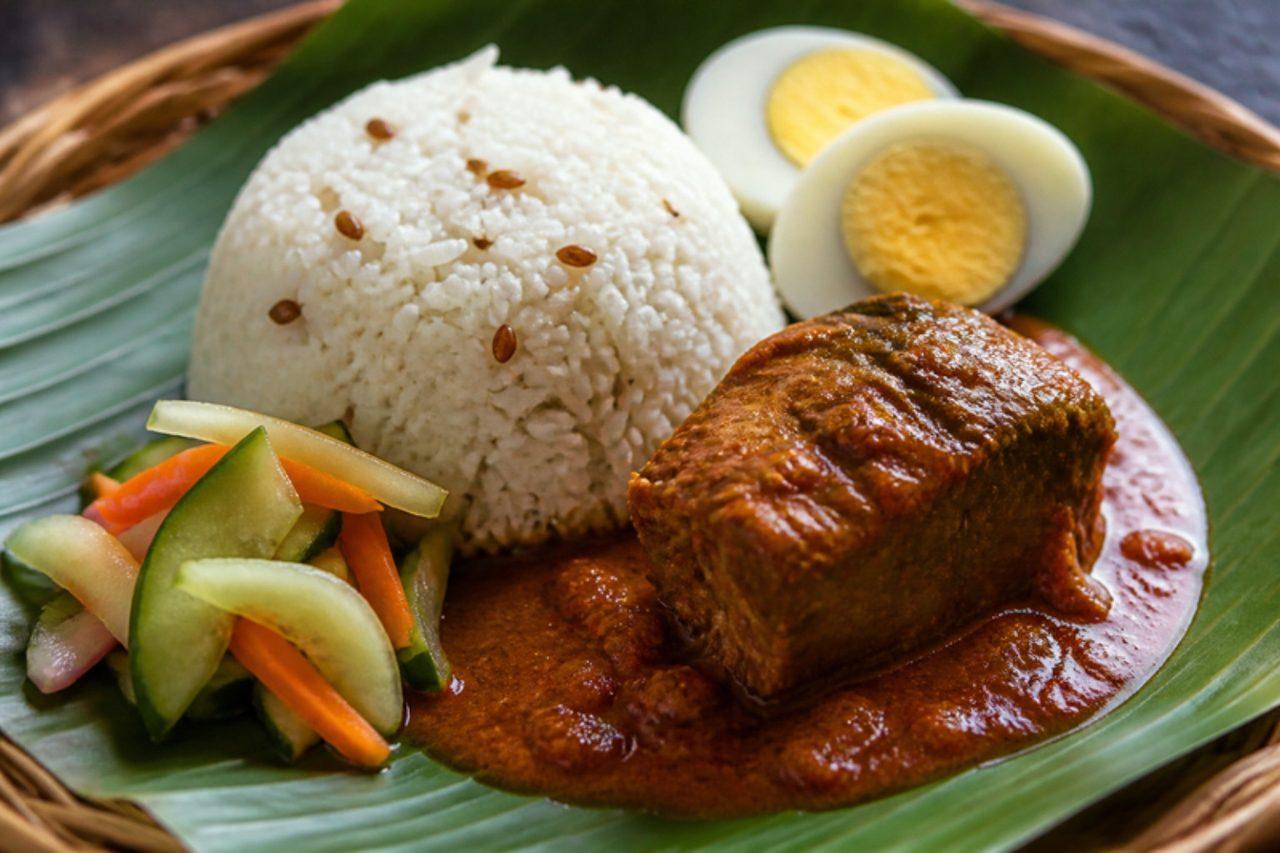
Nasi berlauk KelantanRice with tuna curry

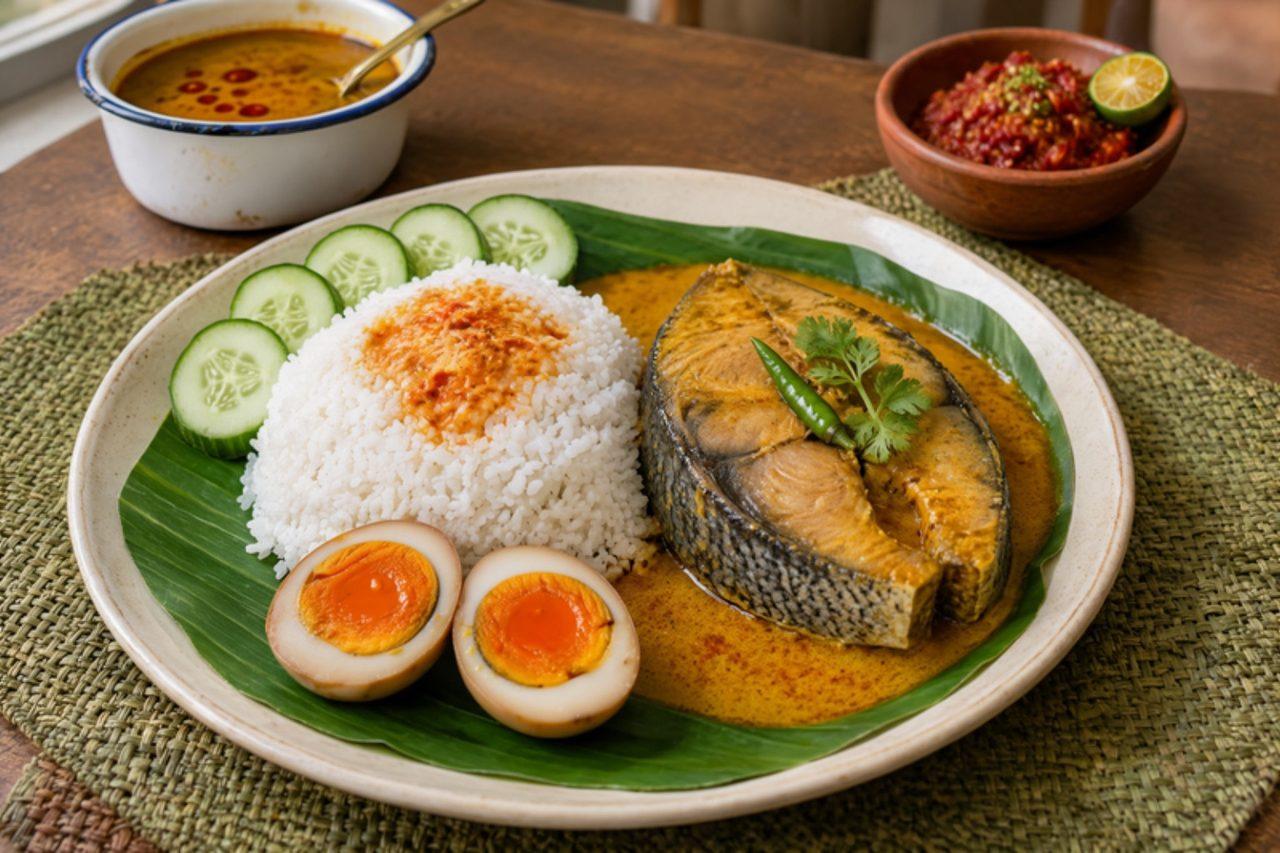
In Kota Bharu and the villages of Kelantan, breakfast stalls open early with trays of nasi berlauk: plain rice with lauk (side dishes) such as a spicy gulai of tuna, a salted duck egg, crisp cucumber and often solok lada, green chillies stuffed with fish and coconut. This home version keeps the heart of it, a rich, tangy fish curry with toasted coconut paste (kerisik). The usual mistake is stirring the fish once it is in the gravy, which breaks it into shreds. Chef's tip: toast the kerisik until it is the colour of milk chocolate; it thickens the gravy and gives the famous east-coast nuttiness.

by KrazyBadal 0 views

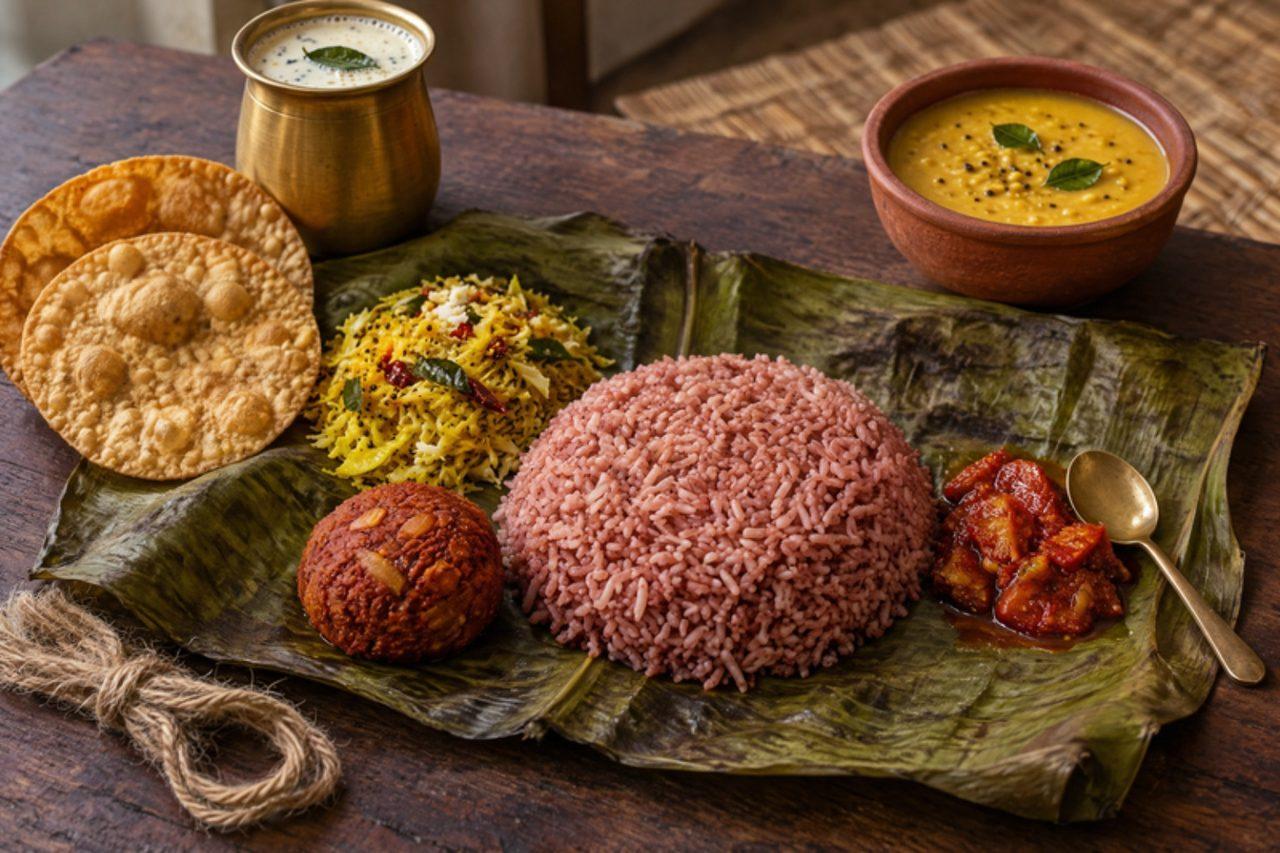
Sri Lankan rice and curry lunch packet

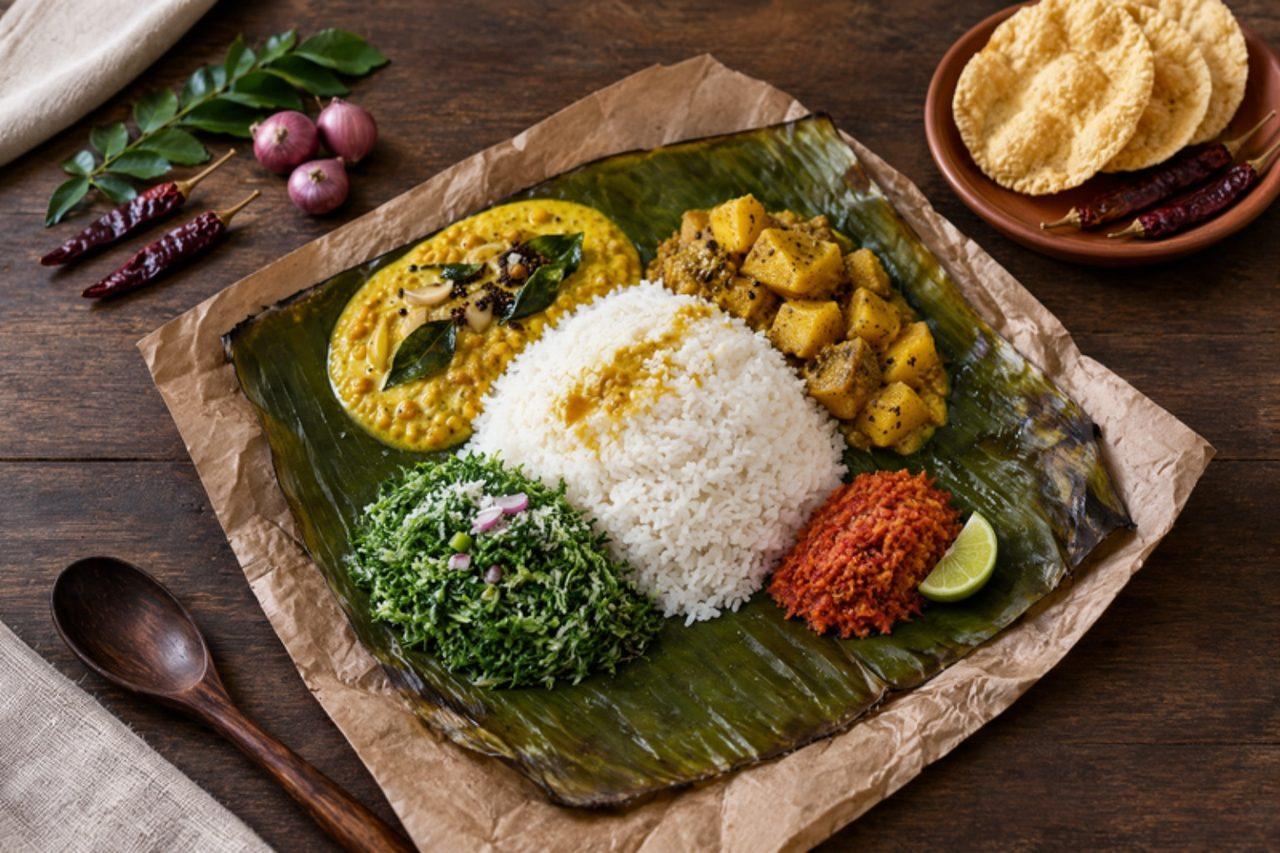
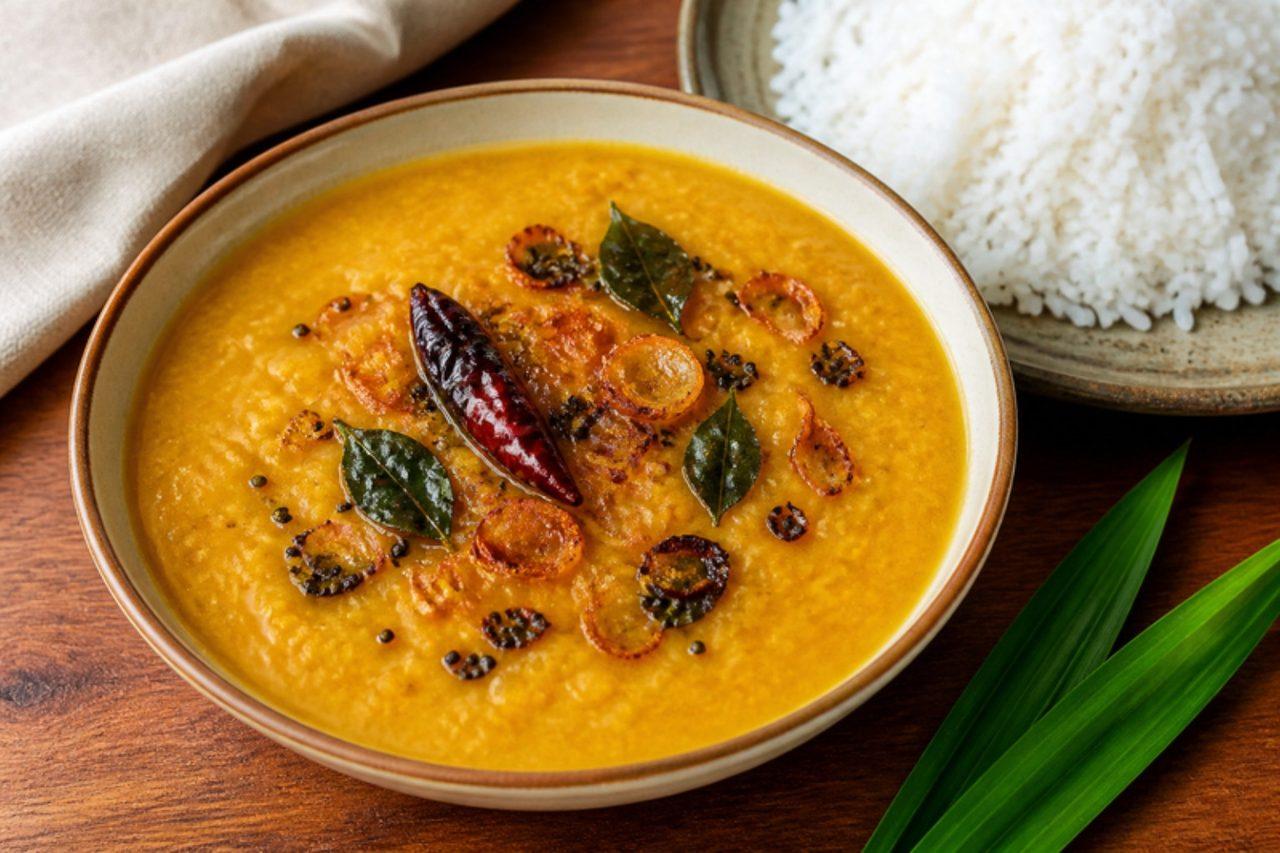
Across Colombo at midday, office workers unfold a lunch packet: rice wrapped in a banana leaf or waxed paper with a little of everything around it. This vegan version is the one the rice-and-curry shops call "veg packet": coconut-milk parippu (red lentil dhal), a dry potato curry, a crisp mallung of chopped greens and fiery pol sambol. Chicken or fish curry is often added, but the vegetables alone make a full meal. The mistake is packing the dhal runny, which soaks the whole parcel; cook it thick enough to hold on a spoon. Chef's tip: wilt the banana leaf over a flame for a few seconds so it folds without splitting and gives the rice its scent.

by KrazyBadal 0 views

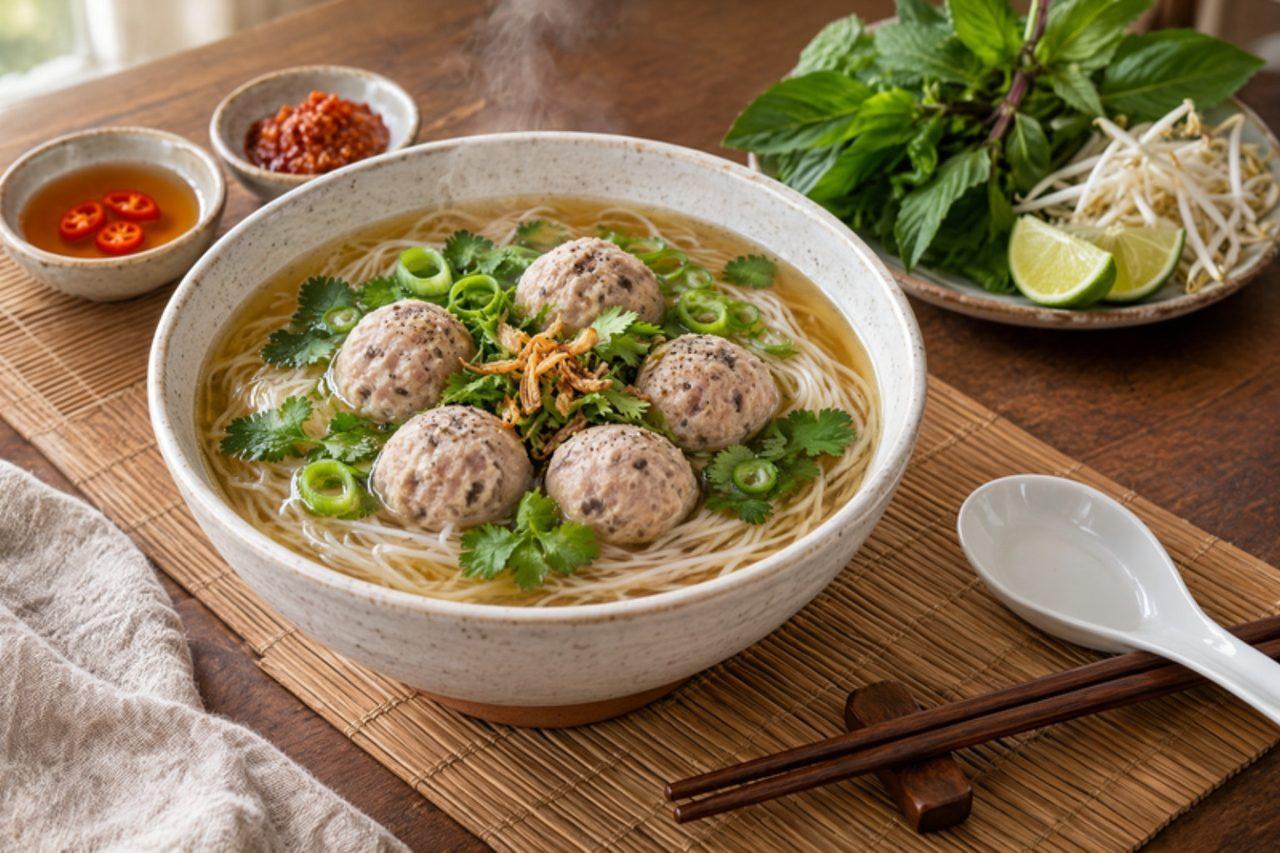
Bún mọcVermicelli with pork balls

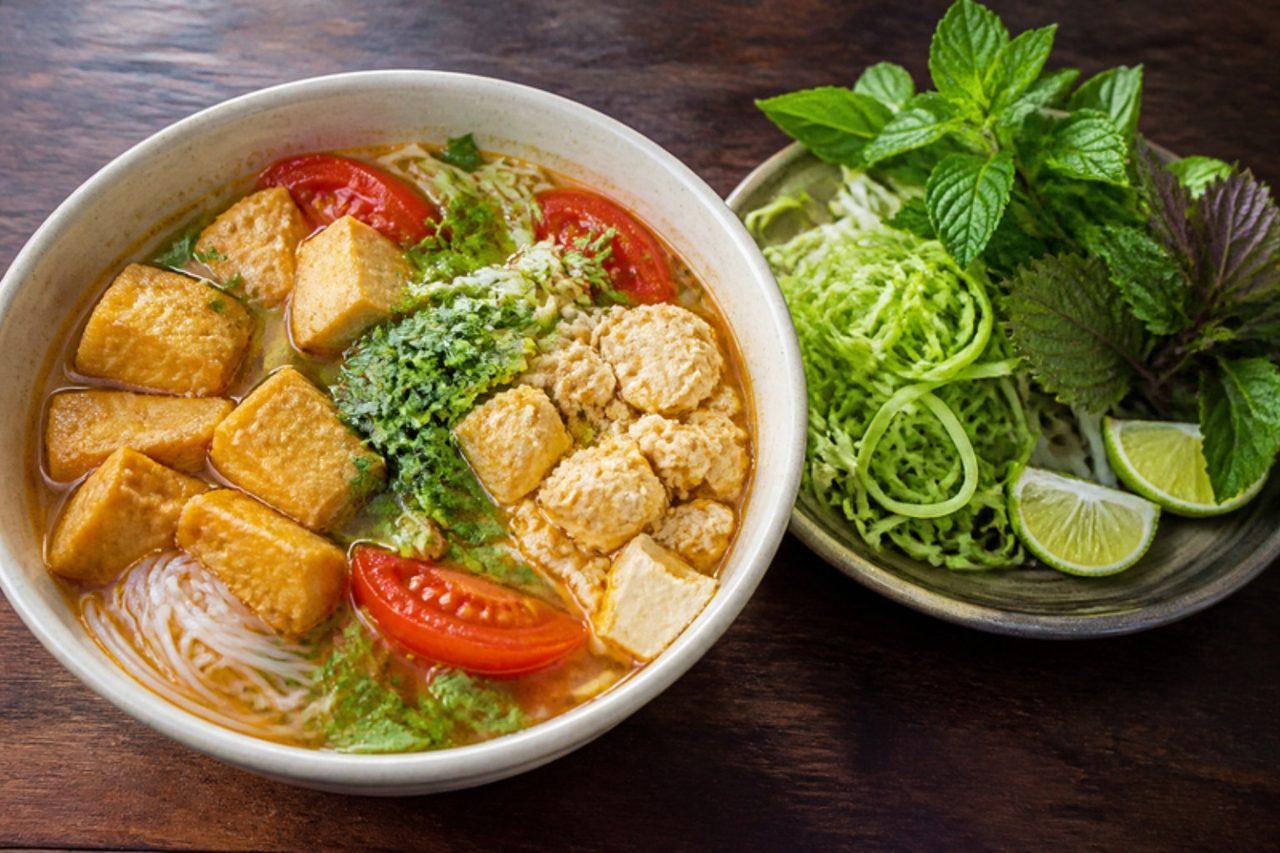
Bún mọc is a Hanoi breakfast from the old Mọc village, now swallowed by the city: a clear, gently sweet pork broth poured over soft rice vermicelli, with bouncy balls of pounded pork and wood ear mushroom, slices of pork and a fistful of herbs. Locals eat it early at low plastic stools before work. The common mistake is mixing the pork paste with a spoon; it needs a hard beating so the balls turn springy instead of crumbly. Chef's tip: wet your hands and slap the paste against the bowl twenty times, and chill it for 15 minutes before shaping.

by KrazyBadal 0 views

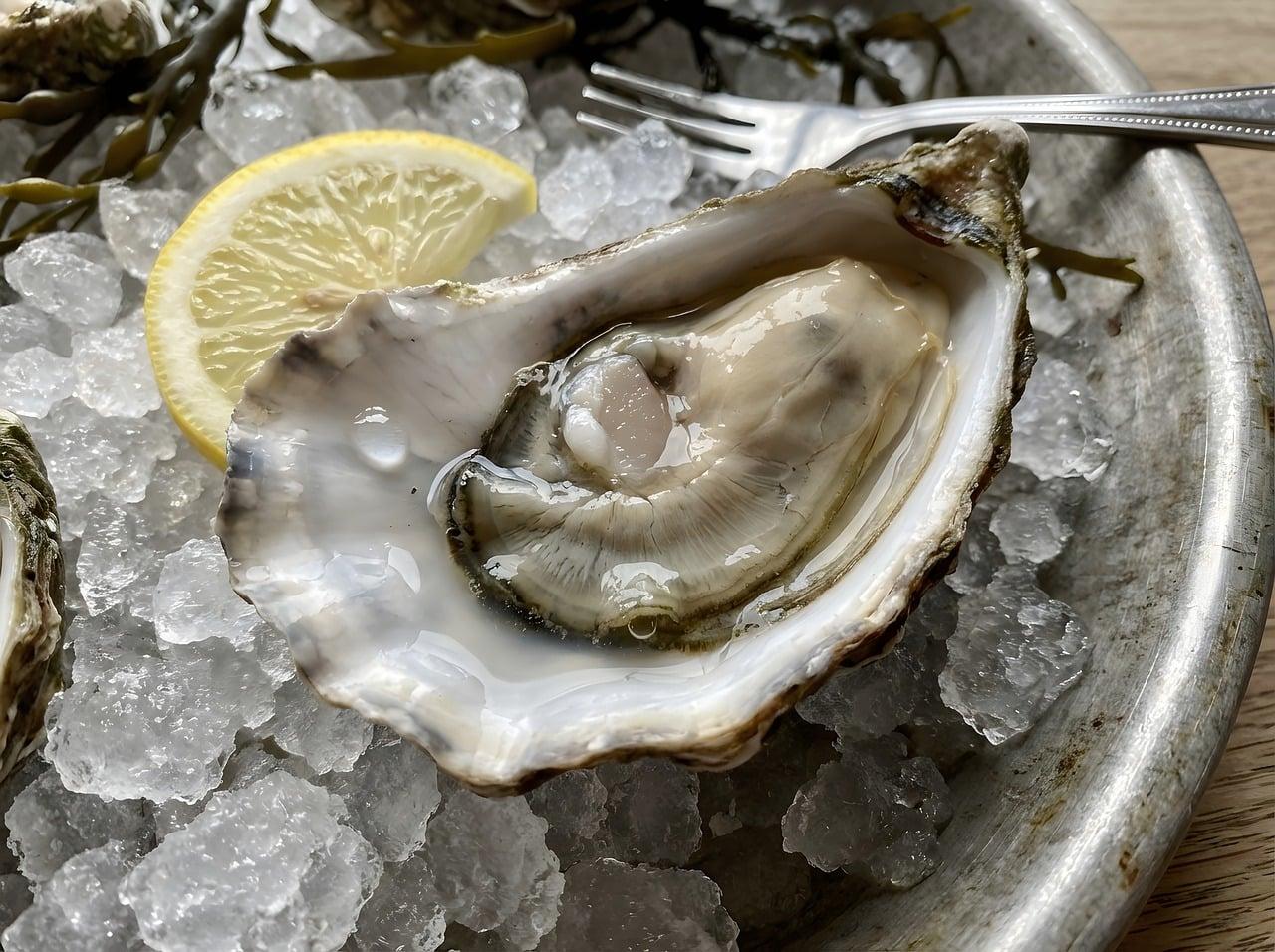
Sydney rock oysters with mignonette

Sydney rock oysters grow in the estuaries of the New South Wales coast, from the Hawkesbury River to Merimbula, and are the pride of the Sydney fish market, slurped by the dozen with a glass of something cold on summer afternoons. They are smaller and creamier than Pacific oysters, with a rich, mineral taste. A sharp shallot and vinegar mignonette is all they need. These oysters are eaten raw, so they are not for pregnant women, young children or anyone with a weakened immune system; for them, grill the oysters for 3–4 minutes until the edges curl. Buy from a trusted fishmonger and eat them the day you buy them. A common mistake is rinsing opened oysters under the tap, which washes away their flavourful juice. Chef's tip: shuck them just before serving and keep them on crushed ice.

by KrazyBadal 0 views

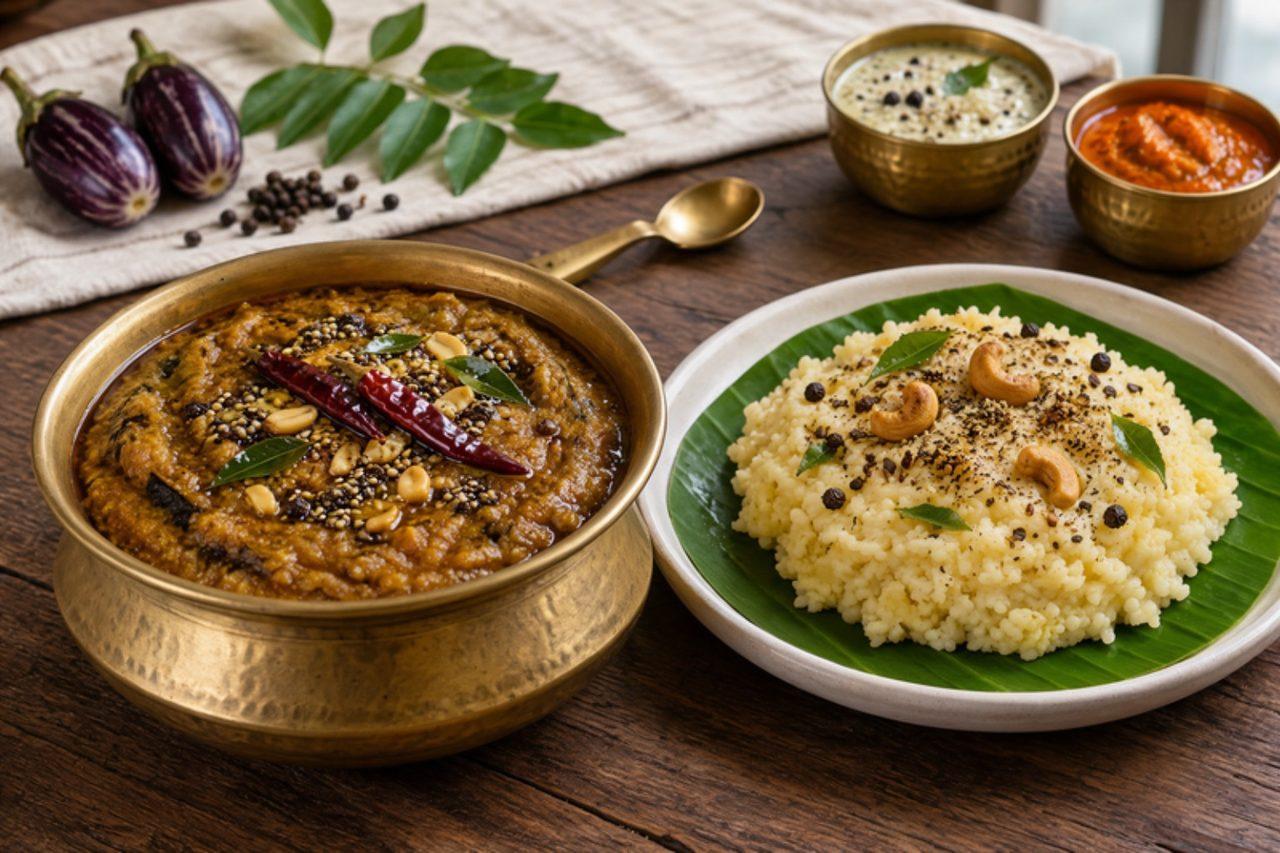
Kathirikai gothsuSmoky aubergine tamarind gravy

At the Nataraja temple in Chidambaram, ven pongal, the peppery rice and moong porridge, is always served with gothsu, and the pairing has spread to breakfast tables and wedding feasts all over Tamil Nadu. Brinjal is charred over the flame, mashed and simmered with a little moong dal, shallots and tamarind, then seasoned with a freshly roasted powder of coriander, chana dal and chilli. The result is smoky, tangy and spoonable, also good with idli or dosa. The usual mistake is using big, seedy aubergines: choose small, firm, glossy ones, which are sweeter. Chef's tip: char at least one brinjal right over the gas flame until the skin is black all over; that smoky note is what makes Chidambaram gothsu.

by KrazyBadal 0 views

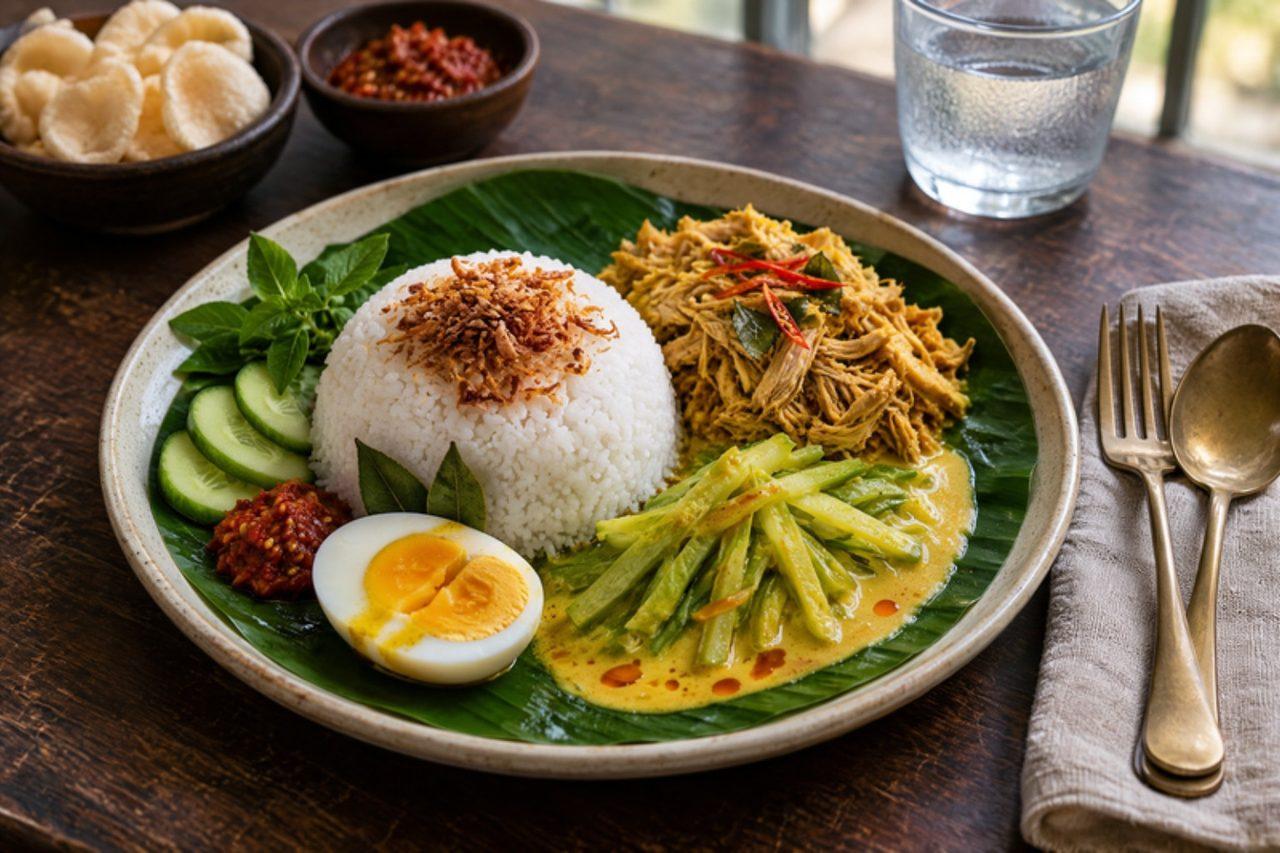
Nasi liwet SoloCoconut rice with shredded chicken

In Solo (Surakarta), Central Java, nasi liwet sellers set out at dawn with baskets of rice cooked in coconut milk and fragrant salam leaves, served on a banana leaf with shredded chicken, a mild chayote stew in coconut gravy (sayur labu siam) and a hard-boiled egg, all topped with a spoon of thick coconut cream called areh. It is a soft, gentle, savoury breakfast. The usual mistake is boiling the coconut rice too fast, which scorches the bottom before the grains are soft. Chef's tip: once the liquid is absorbed, finish the rice on the lowest heat with a clean tea towel under the lid so it steams fluffy, not wet.

by KrazyBadal 0 views

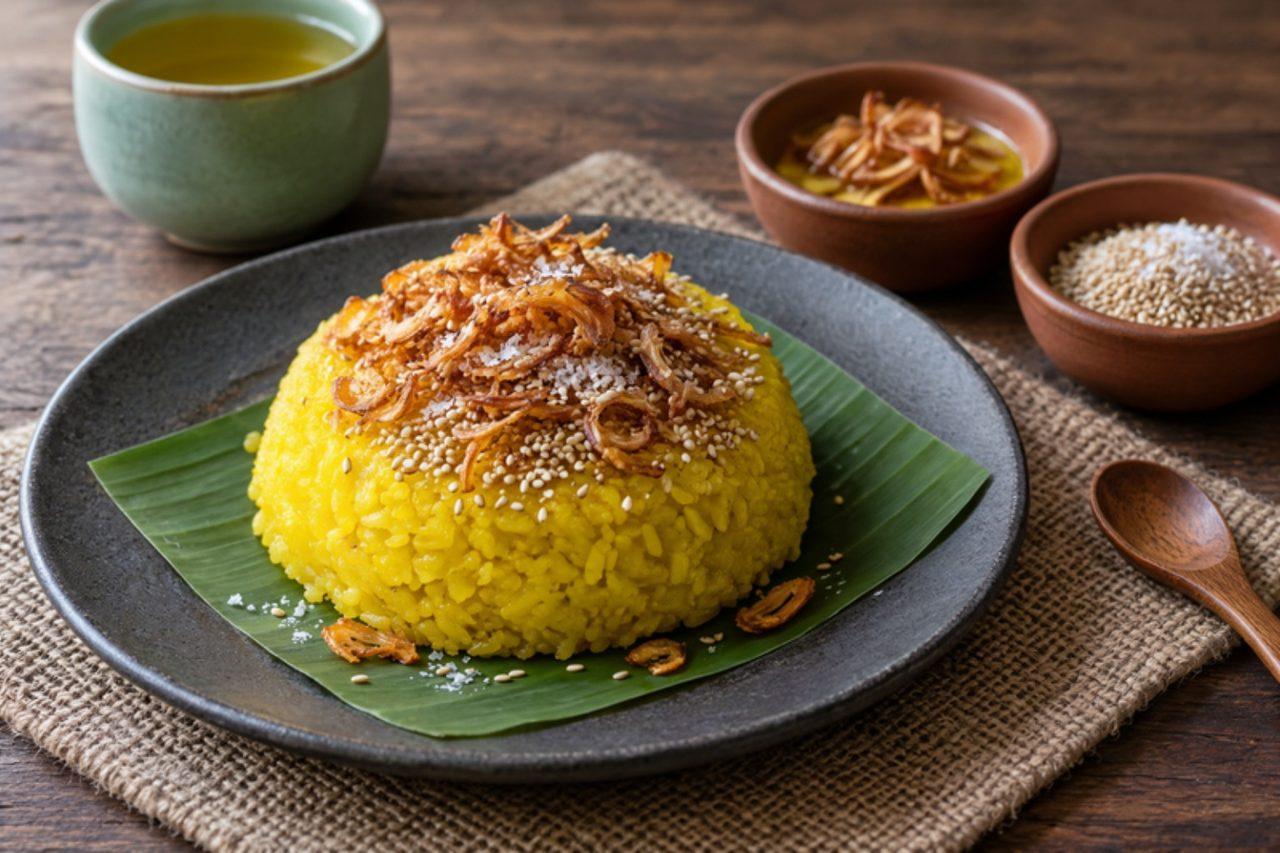
Hsi htaminTurmeric sticky rice with sesame

Hsi htamin, "oil rice", is a breakfast sold wrapped in banana leaf by morning vendors in Yangon and Mandalay: glutinous rice steamed golden with turmeric and oil, then topped with toasted sesame mixed with salt and a heap of crisp fried shallots. It is often paired with boiled yellow peas. The mistake is under-soaking the rice; it needs at least 4 hours, or overnight, to steam evenly. Chef's tip: fry the shallots first and use their fragrant oil in the rice; that oil is the soul of the dish.

by KrazyBadal 0 views

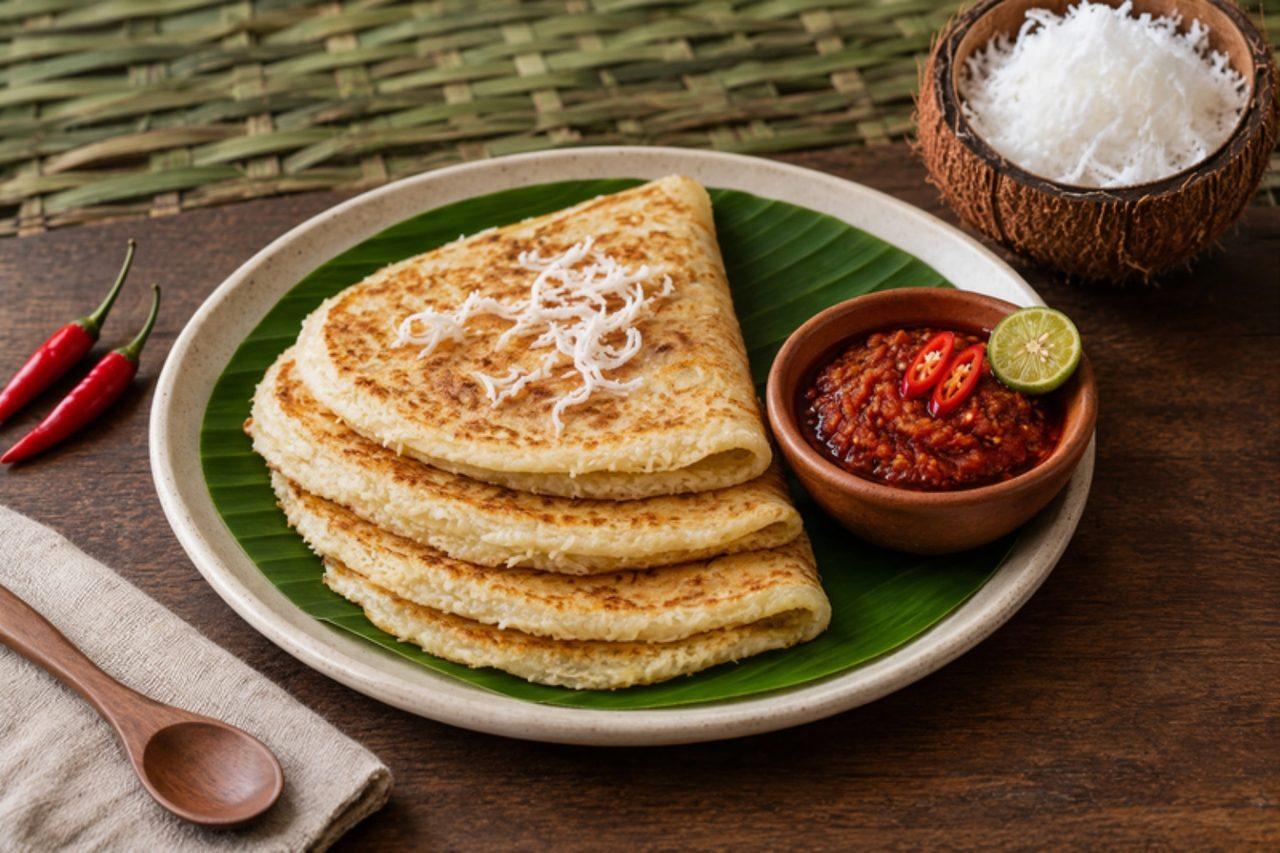
Lempeng kelapaThin coconut pancakes

On Malaysia's east coast, in Terengganu and Kelantan, lempeng is the morning flatbread nobody buys because every home can make it in minutes: flour, freshly grated coconut, salt and water, spread thin on a griddle. It is eaten warm, torn and dipped into sambal tumis or last night's fish or vegetable curry. The mistake is a thick batter; it should spread on its own into a thin round, or the middle stays doughy. Chef's tip: let the batter rest for 10 minutes so the coconut softens and the flour hydrates, which gives lempeng that bend without tearing.

by KrazyBadal 0 views

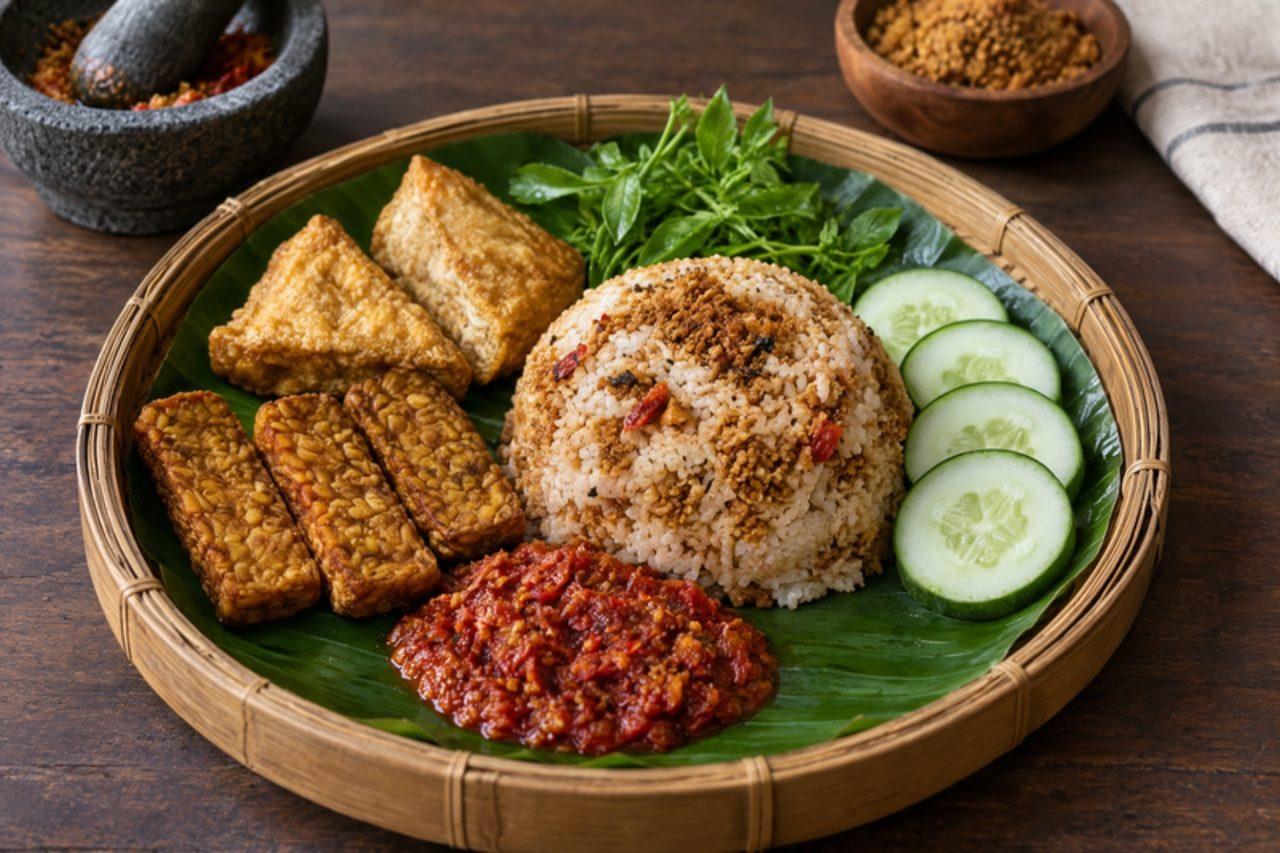
Nasi tutug oncomRice mashed with roasted oncom

In Tasikmalaya, West Java, warung serve nasi tutug oncom from early morning: steaming rice pounded together with toasted oncom, a fermented cake of peanut press-cake with a savoury, nutty, slightly funky taste, plus chilli and kencur. It comes with fried tempeh and tofu, sambal and a pile of raw greens called lalapan. Outside Indonesia oncom can be hard to find; fresh tempeh, crumbled and fried, gives a similar earthy result. The common mistake is mixing oncom into cold rice: the rice must be freshly cooked and hot so it absorbs the oil and aroma. Chef's tip: dry-roast the oncom until crisp at the edges before seasoning, which takes away its raw sourness.

by KrazyBadal 0 views

Chilli mud crab

Mud crabs are caught in the mangroves of Queensland and the Northern Territory, and in Cairns, Darwin and Brisbane the favourite way to eat them is Asian-Australian style, wok-tossed in a sticky sauce of chilli, garlic, ginger and tomato. It is messy, hands-on eating with crusty bread or rice to mop the sauce. Ask your fishmonger to clean and cut the crab into pieces for you, and cook it the same day. A common mistake is using too little sauce; the shells soak it up. Chef's tip: crack the claws with the back of a heavy knife before cooking so the sauce gets in.

by KrazyBadal 0 views

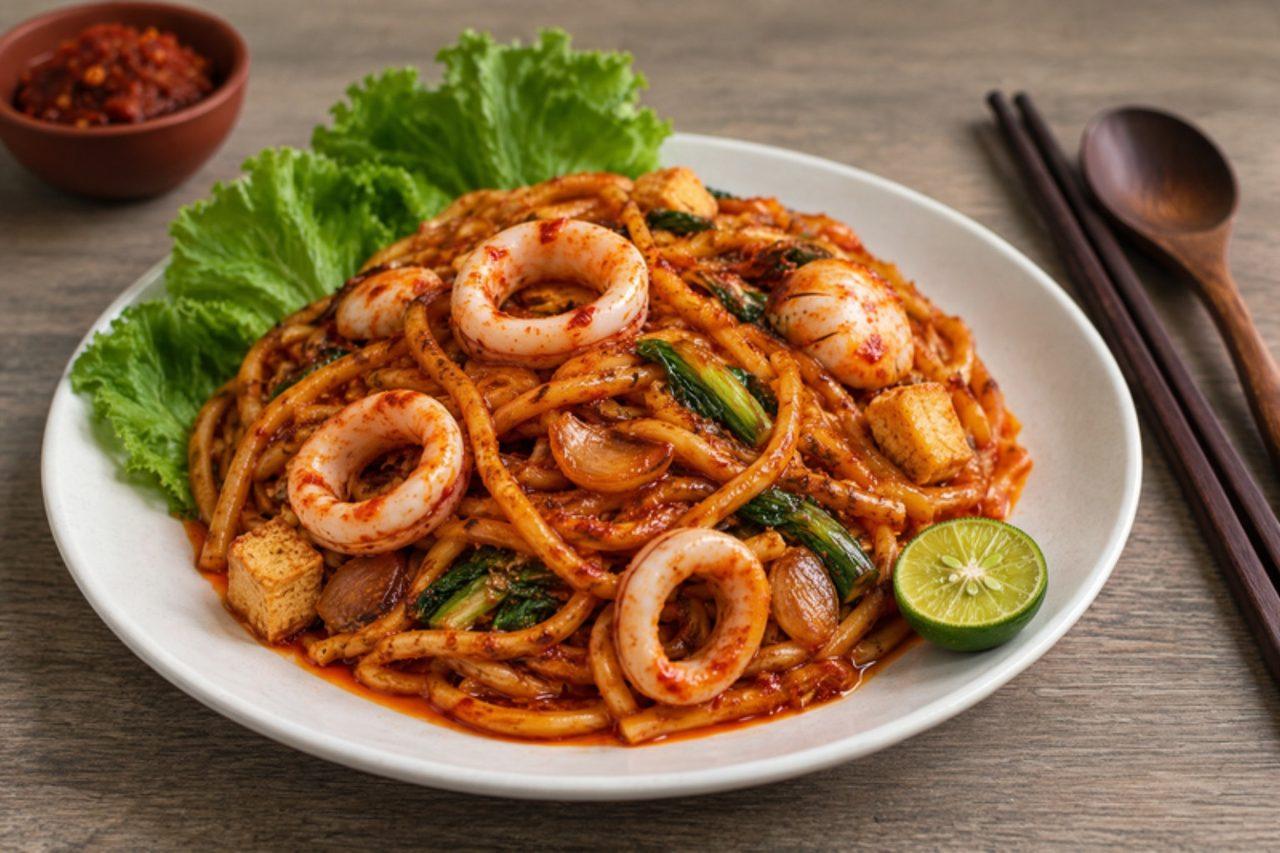
Mee sotongFried noodles with squid

Mee sotong is the dish people queue for at the Esplanade hawker stalls by Padang Kota in George Town, eaten in the evening breeze off the sea. Thick yellow noodles are fried in a deep red paste of dried chillies, shallots and garlic cooked down with tomato ketchup, sugar and tamarind until sweet, smoky and spicy, then tossed with tender squid in its own red sauce and a few bean sprouts. Chef's tip: fry the chilli paste patiently until the oil separates and it darkens; raw paste tastes harsh and flat.

by KrazyBadal 0 views

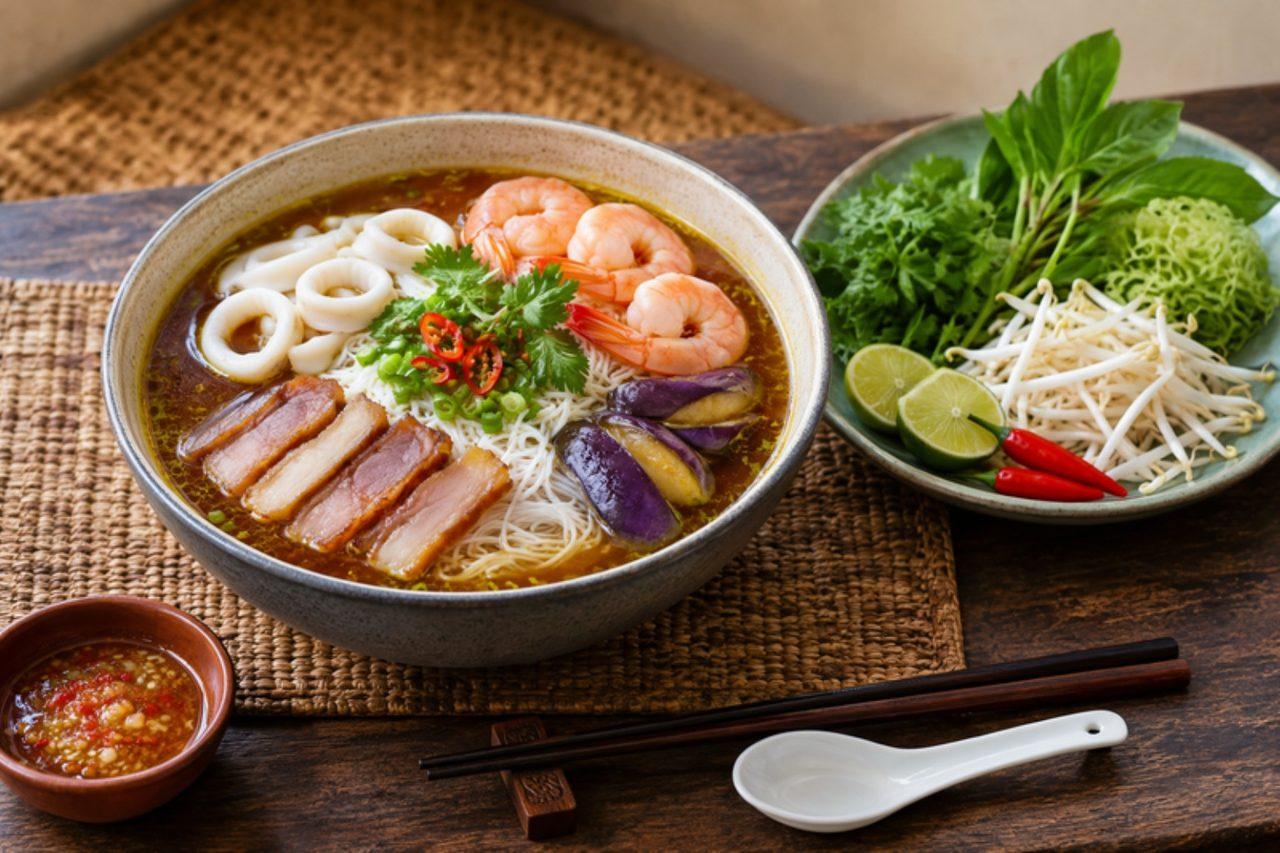
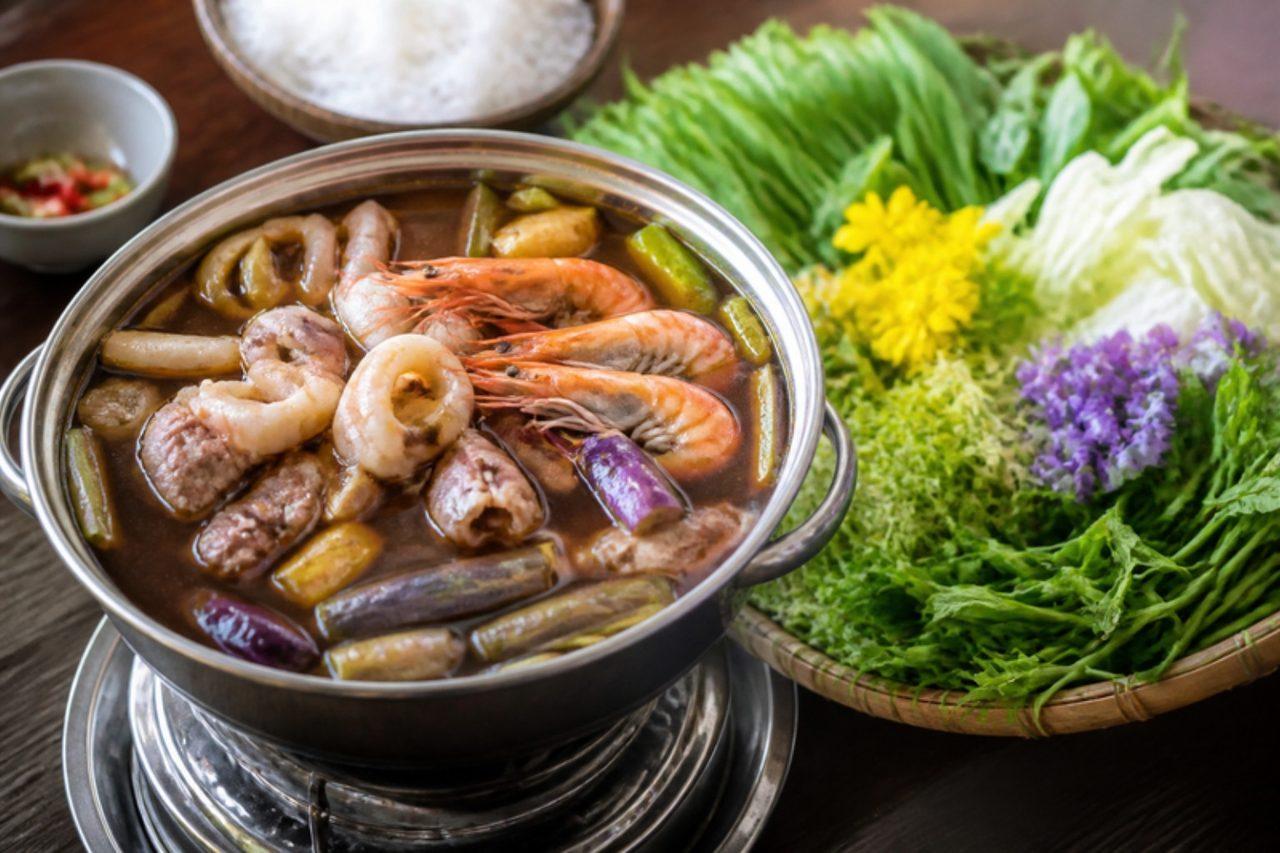
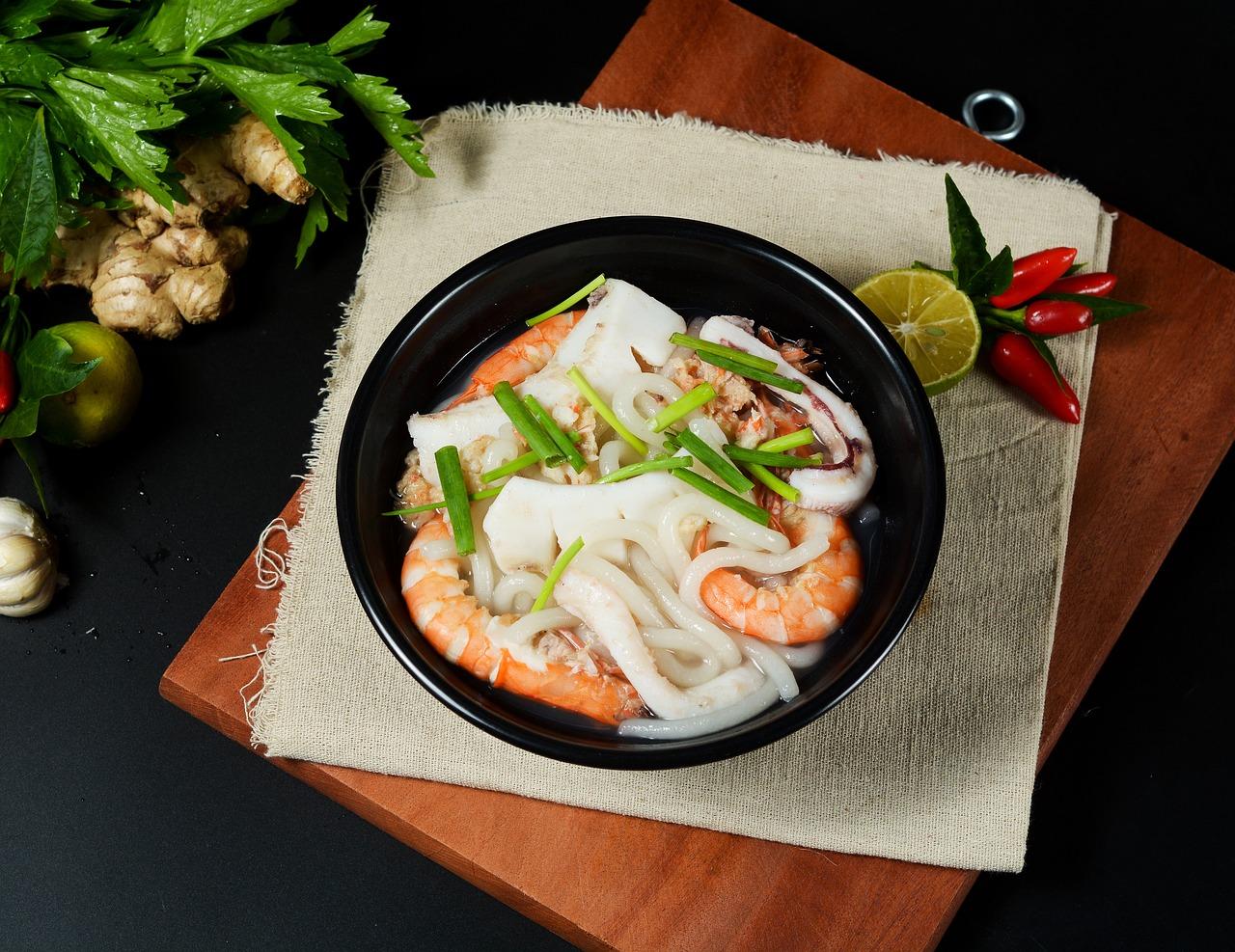
Bún mắmFermented fish noodle soup

Vạn Kiếp Street in Saigon's Bình Thạnh district is lined with stalls serving bún mắm, a noodle soup that came up the river from the Mekong Delta. The broth is built on mắm cá linh or mắm cá sặc, small river fish fermented with salt, simmered until the bones dissolve and strained into a dark, savoury, lemongrass-scented stock. It is loaded with prawns, squid, white fish, slices of boiled pork belly and soft aubergine, and eaten with a mountain of herbs and bean sprouts. Look for jars of mắm at Vietnamese grocers. Chef's tip: strain the fermented fish through a fine sieve, pressing hard; tiny bones make the broth gritty.

by KrazyBadal 0 views

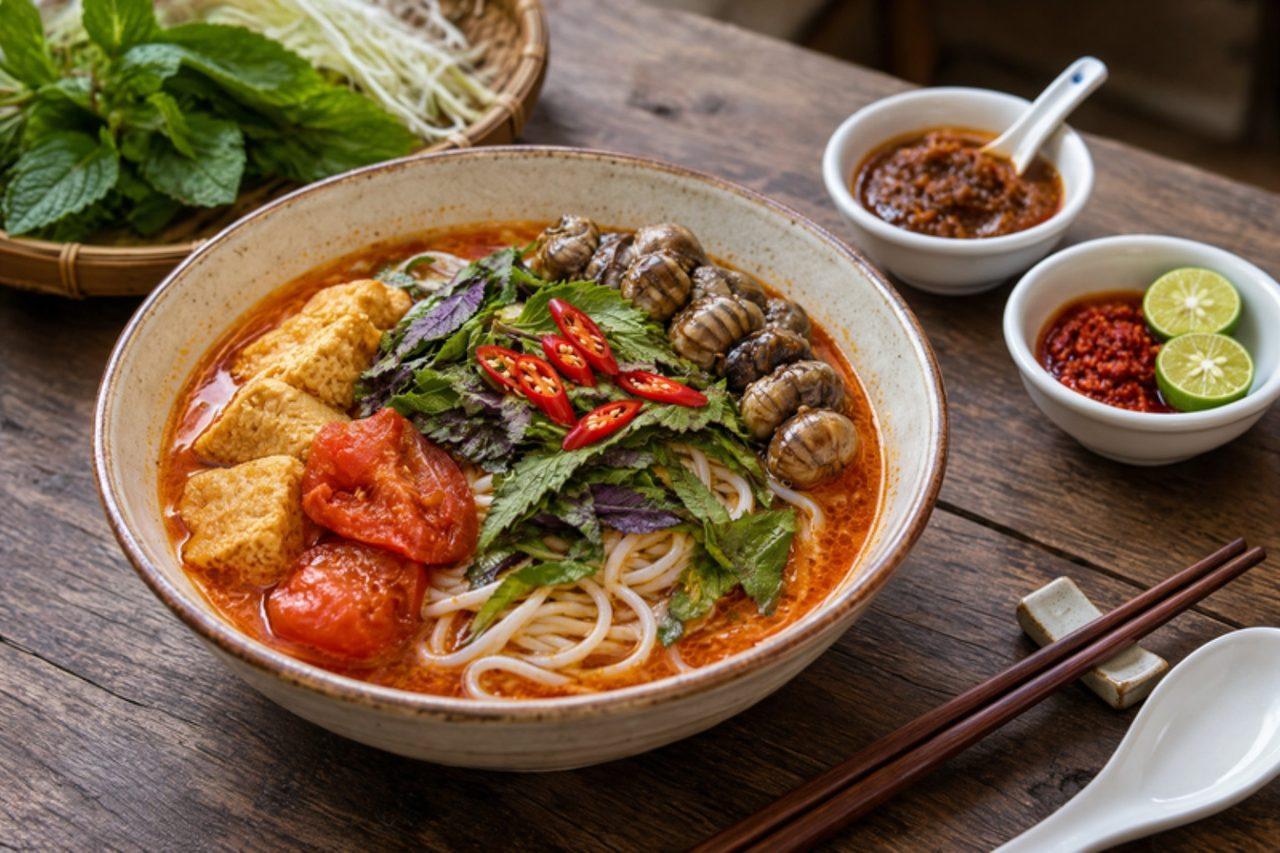
Bún ốcSnail noodle soup

In the lanes around Đồng Xuân Market in Hanoi, bún ốc is a cold-weather lunch for people who love a sharp, sour broth: tomatoes cooked down with the gently fermented rice vinegar called giấm bỗng, a pork-bone stock, golden fried tofu and plenty of tender river snails, served over soft rice noodles with perilla and a spoon of chilli. This home version uses cooked frozen snail meat from Vietnamese or Asian grocers and ordinary rice vinegar. The stock is made from pork bones. Chef's tip: add the snails at the end and just heat them through; long boiling makes them rubbery.

by KrazyBadal 0 views

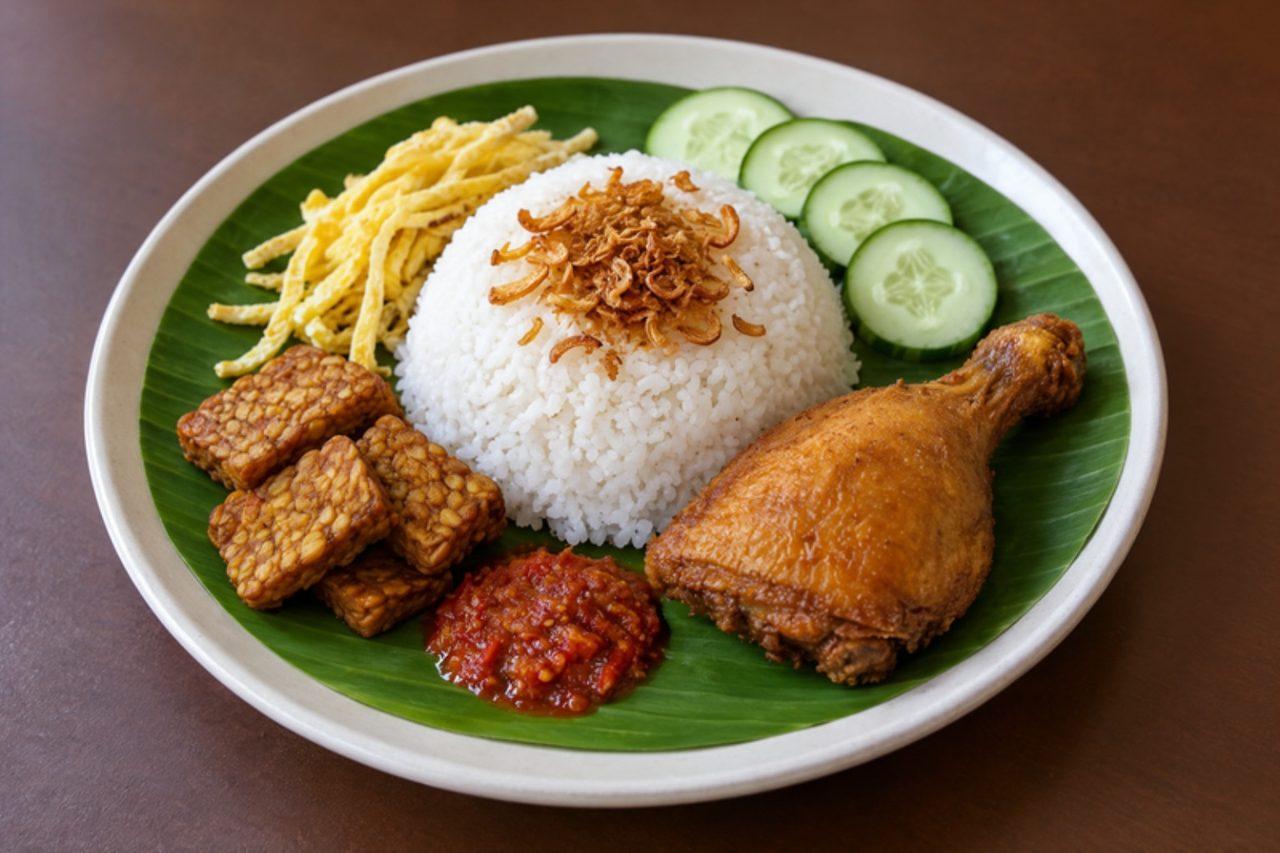
Nasi udukCoconut rice with fried chicken

Nasi uduk is the Betawi breakfast of Jakarta, sold from tents along Jalan Kebon Kacang near Tanah Abang from before dawn and again late at night after work. Rice is steamed with coconut milk, lemongrass, galangal and salam leaves until each grain is rich and fragrant, then plated with turmeric fried chicken, omelette strips, sweet fried tempeh, crisp shallots and a fiery sambal. It is filling, savoury and a little sweet. This home version cooks the chicken in its spices first and then fries it briefly, as the stalls do. Chef's tip: wash the rice until the water runs clear and steam it, not boil it, after the coconut milk is absorbed; it stays fluffy instead of turning sticky.

by KrazyBadal 0 views

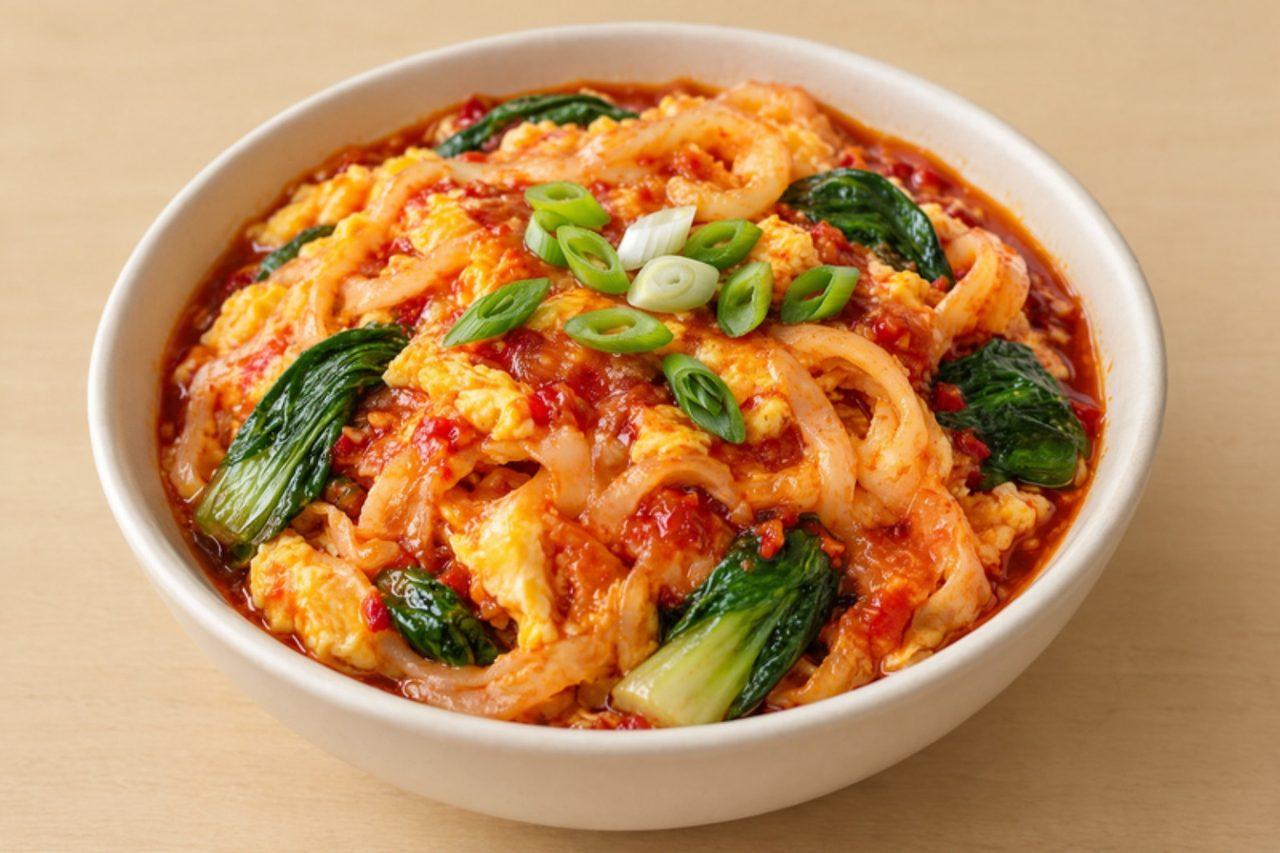
SeblakSoaked crackers in spicy broth

Seblak came from Bandung, but it now fills countless warung stalls in Jakarta, from the lanes behind Blok M to the campuses of Depok, where students order it in the evening by spice level. Raw, dried kerupuk crackers are soaked until bendy, then cooked in a fiery paste of garlic, shallot, chilli and kencur (aromatic ginger) with scrambled egg and greens, until they turn chewy, slurpy and saucy. This is the simple egg-and-vegetable version; stalls add meatballs or sausage on request. Choose plain garlic or tapioca kerupuk (kerupuk bawang or kerupuk aci) and check the packet, as many crackers contain shrimp or fish. Chef's tip: kencur gives seblak its sharp, camphor-like fragrance; use 2 cm of fresh root, or 1 tsp of kencur powder.

by KrazyBadal 0 views

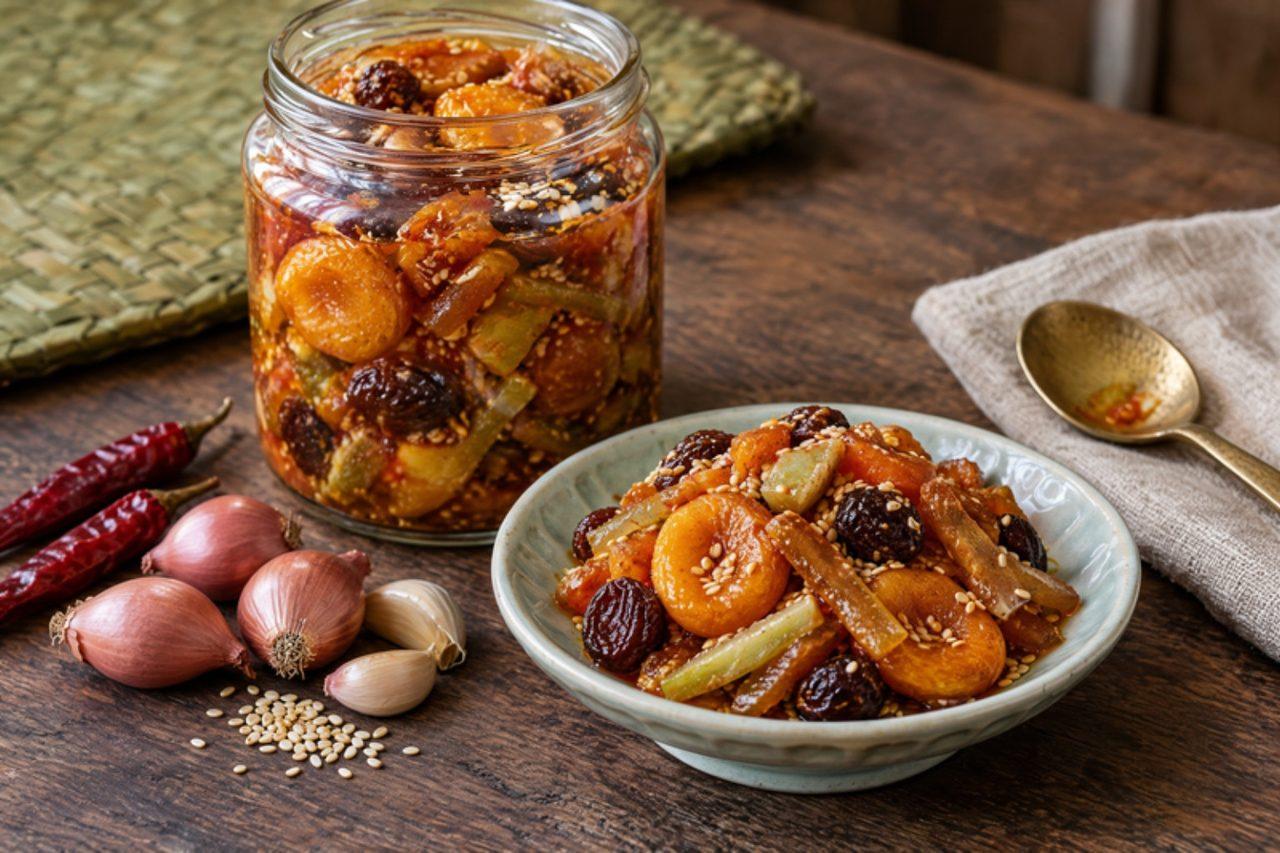
Acar buahFruit pickle

In Penang, Nyonya households start filling big glass jars with acar buah a week before Chinese New Year, so there is always a dish to set out for visitors with tea, and to eat beside nasi lemak or curry through the fifteen days. Penang is nutmeg country, and candied strips of nutmeg fruit (buah pala) from the Balik Pulau orchards go in with green papaya, dried apricots and raisins, all coated in a rempah of chillies, shallots, garlic, galangal and candlenuts fried until the oil splits, then cooked with vinegar and sugar. A shower of toasted sesame and crushed peanuts finishes it. It is sticky, jammy, sweet-hot and tangy, with crunchy papaya against chewy fruit. Many cooks add a little toasted belacan to the rempah; it is left out here to keep it vegan. Common mistake: frying the rempah too briefly, which leaves it harsh and makes the pickle spoil faster; cook it slowly until dark red and the oil separates. It tastes best after two days in the fridge. Chef's tip: squeeze the salted papaya as hard as you can, or the pickle turns watery.

by KrazyBadal 0 views

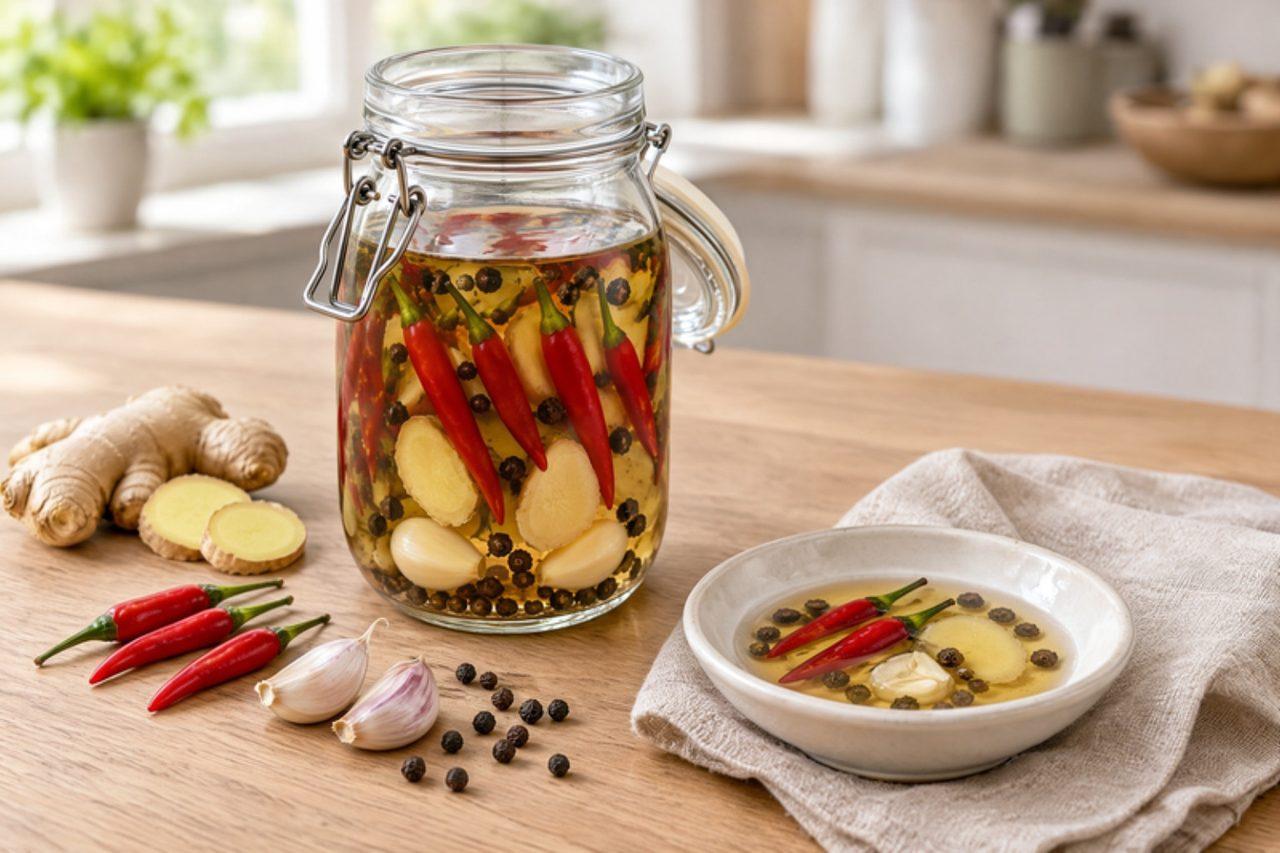
Sinamak

Iloilo is the home of La Paz batchoy and chicken inasal, and on every table there sits a tall bottle of sinamak, cane or coconut vinegar crowded with chillies, garlic and ginger. Visayan families keep a bottle going all year, and the dip turns up with grilled pork belly, crisp lechon kawali, fried fish and longganisa at breakfast. After a few days of steeping it is clean and sour, hot from siling labuyo, warm with ginger and peppery, with a faint sweetness from the cane vinegar. Common mistake: making a huge bottle and leaving it in a warm kitchen for months; fresh garlic and ginger are low-acid, so use full-strength vinegar, keep it in the fridge and make a fresh batch every couple of months. Toasting the garlic is not traditional and is not needed. It is ready when the vinegar has turned faintly golden and smells strongly of chilli and garlic, usually after 3 days. Chef's tip: bruise the chillies with the flat of a knife instead of slicing them; the heat comes out slowly and the vinegar stays clear. Cider vinegar can stand in for cane or coconut vinegar.

by KrazyBadal 0 views

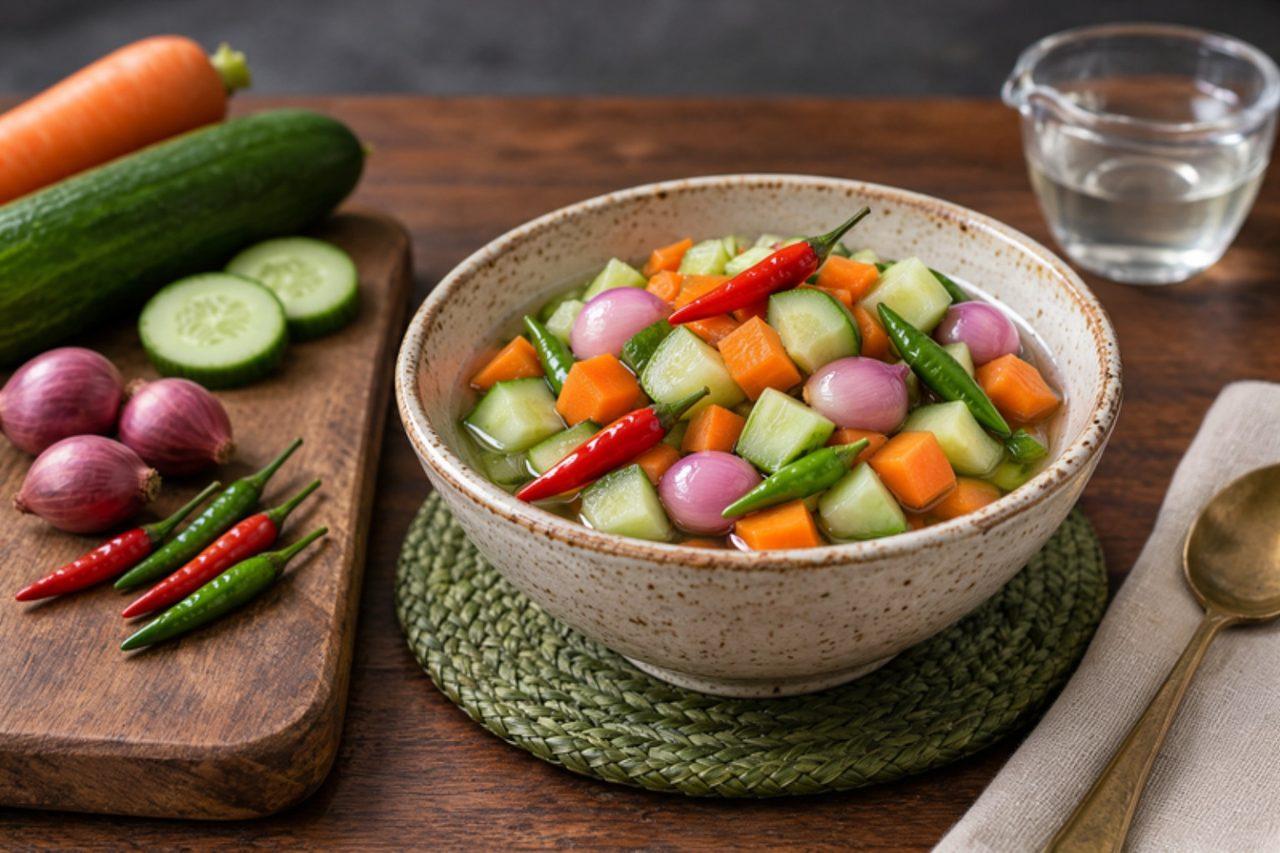
Acar timunPickled cucumber and carrot

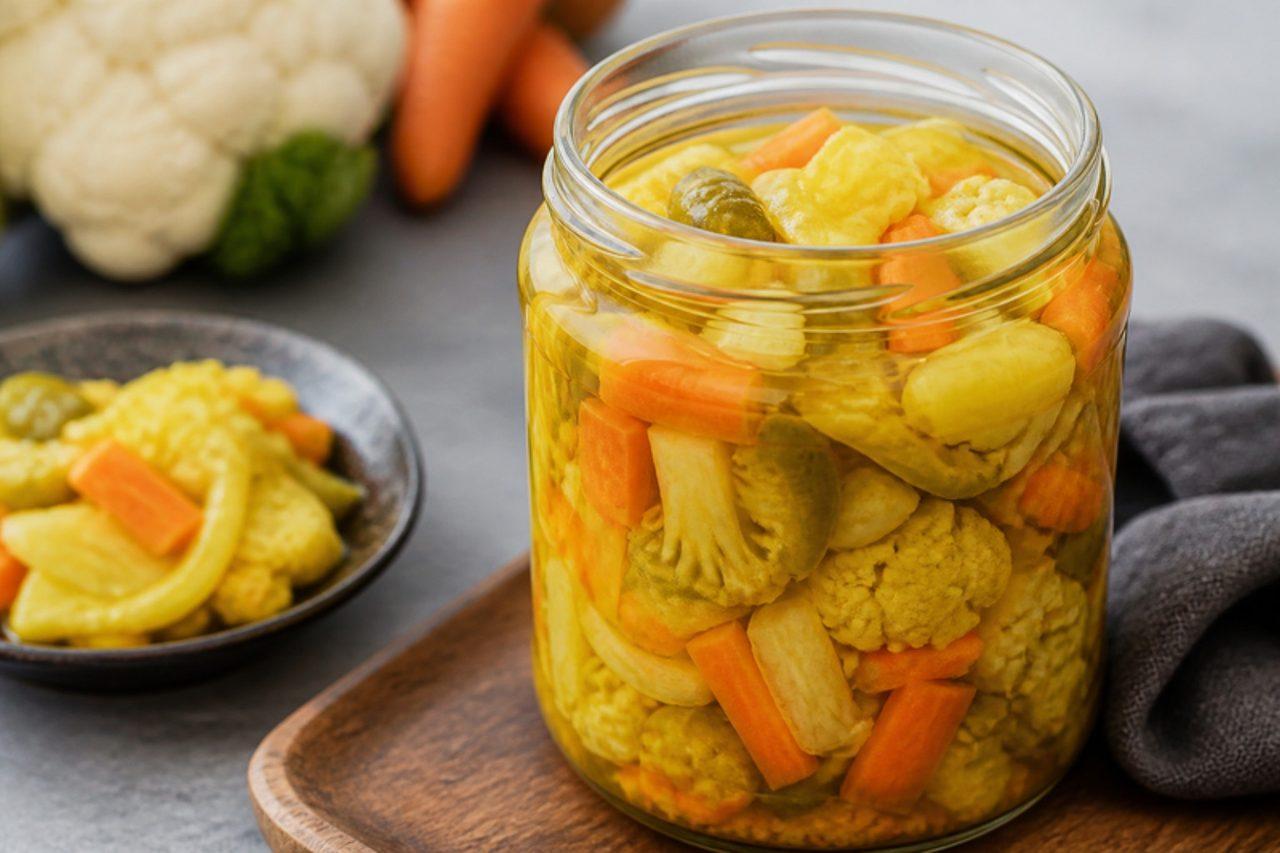
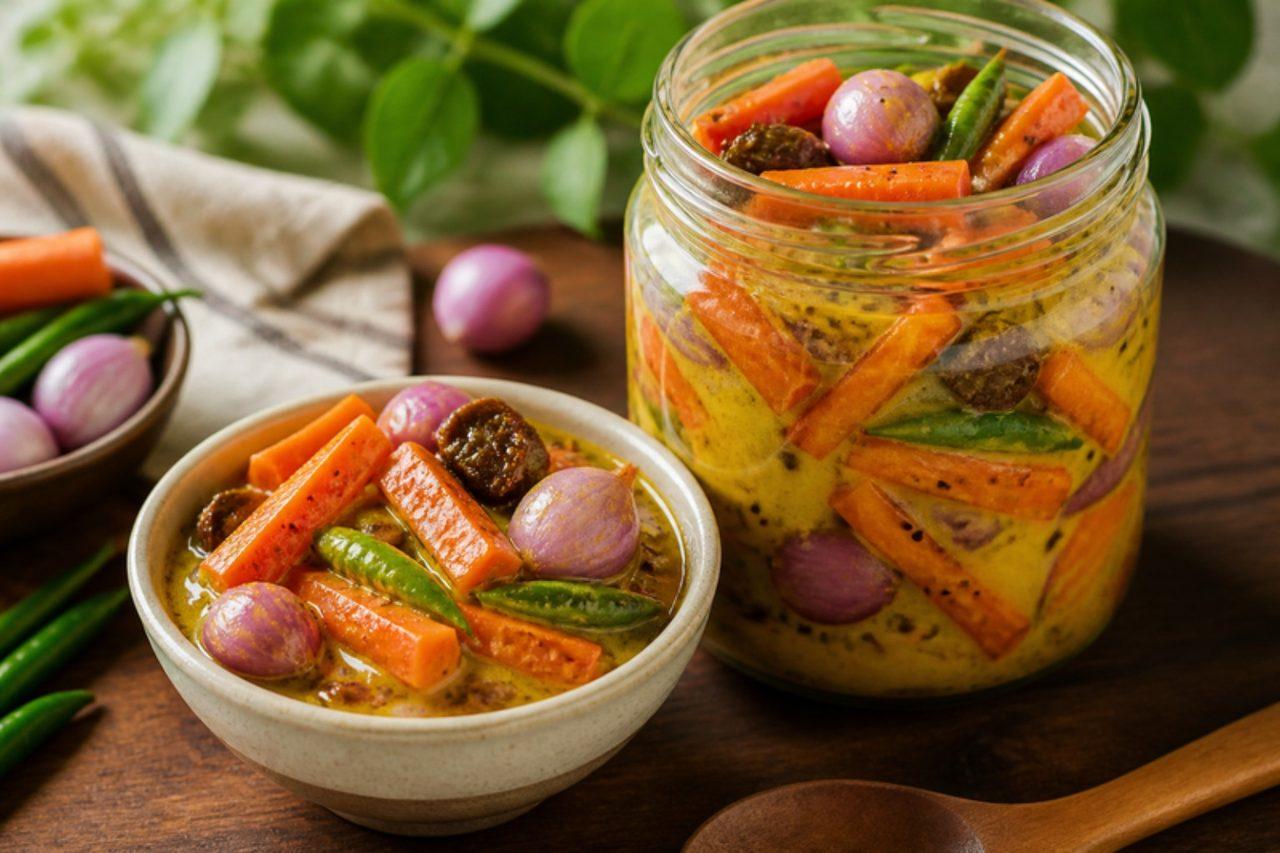
Order sate at a Madurese stall in Java, or nasi goreng from a night-time warung tenda, and a little saucer of acar timun comes with it: cubes of cucumber and carrot, whole small shallots and a few green or red bird's eye chillies in a sweet, sharp vinegar dressing. It is also spooned beside martabak telur and served at kenduri feasts and weddings. It is cold, crunchy and refreshing, sweet first, then sour, with a sudden bite when you hit a chilli, and it cuts the richness of peanut sauce and fried rice. Make it fresh: it is at its best the same day. Common mistake: pouring the dressing on warm or cutting the cucumber too thin, which turns everything limp and watery; dissolve the sugar in warm water, then let it cool before mixing. It is ready after 10–15 minutes, when the shallots have lost their raw edge and the cucumber is lightly seasoned but still snaps. Chef's tip: leave the bird's eye chillies whole so guests can choose whether to eat them; slit one or two if you want the dressing itself to carry heat.

by KrazyBadal 0 views

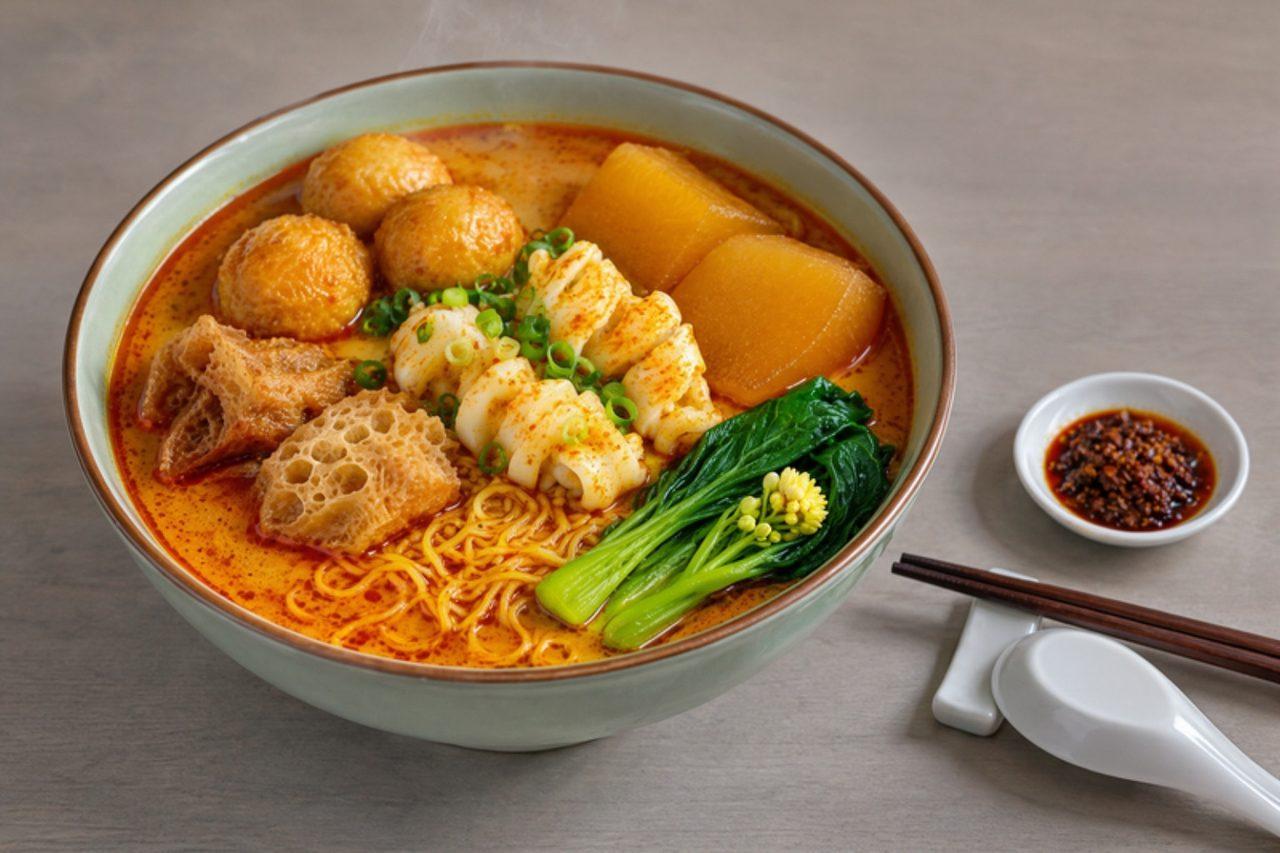
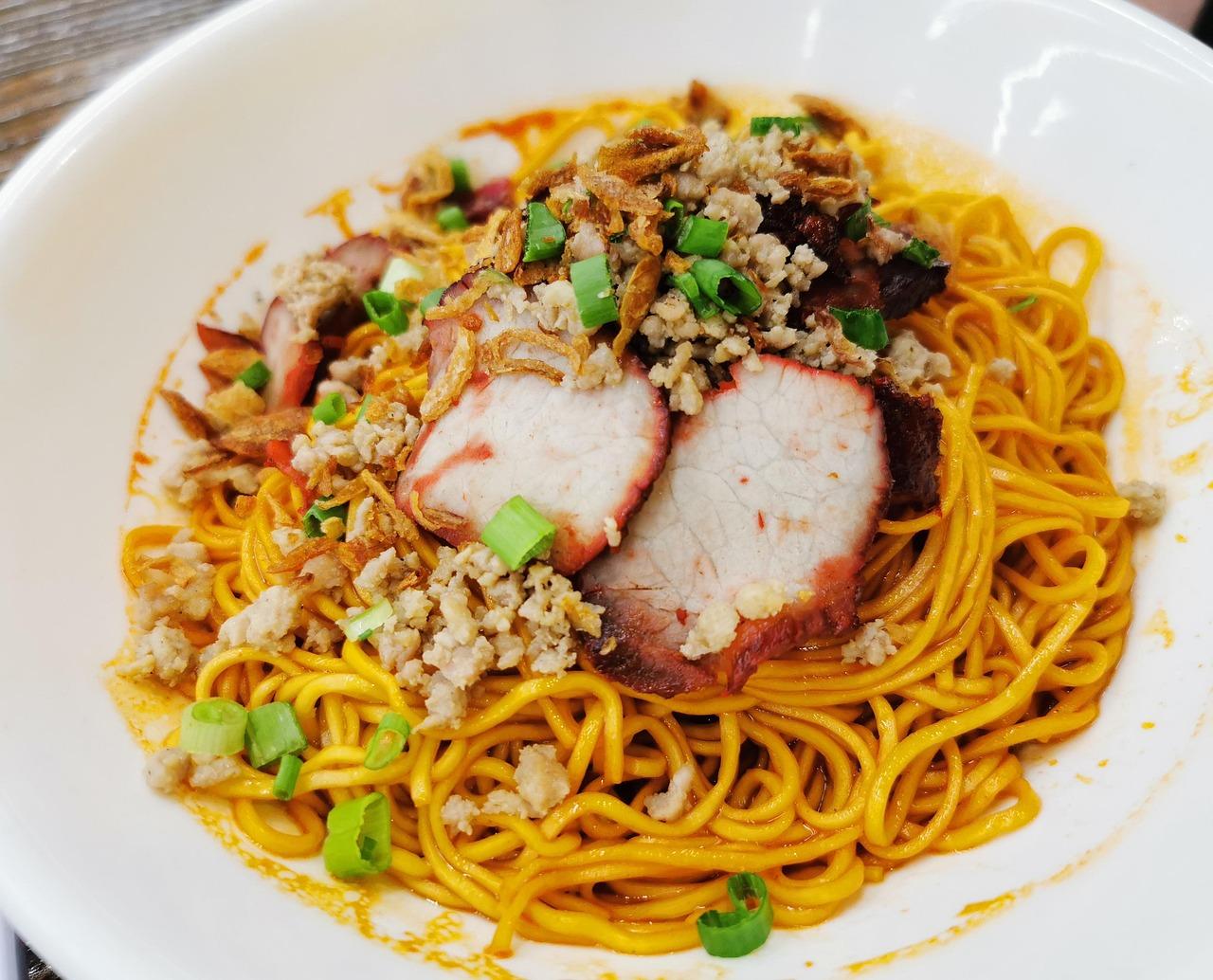
Cart noodles

Cart noodles began in the 1950s, when hawkers pushed carts of simmering pots through Sham Shui Po and Wong Tai Sin and let customers pick their own noodles and toppings. The carts are long gone, but the noodle shops of Mong Kok and Kowloon City keep the custom: tick off your choices on a slip, perhaps curry fish balls, soft braised daikon, chewy pork skin, pig's blood or squid, and choose your broth, here a spicy curry-satay one. It is a cheap, filling late-night meal. This version uses pork skin and pork stock. Contains fish, wheat, egg and soy. Chef's tip: give the pork skin time in the curry pot; it should be soft and jelly-like, soaking up the sauce.

by KrazyBadal 0 views

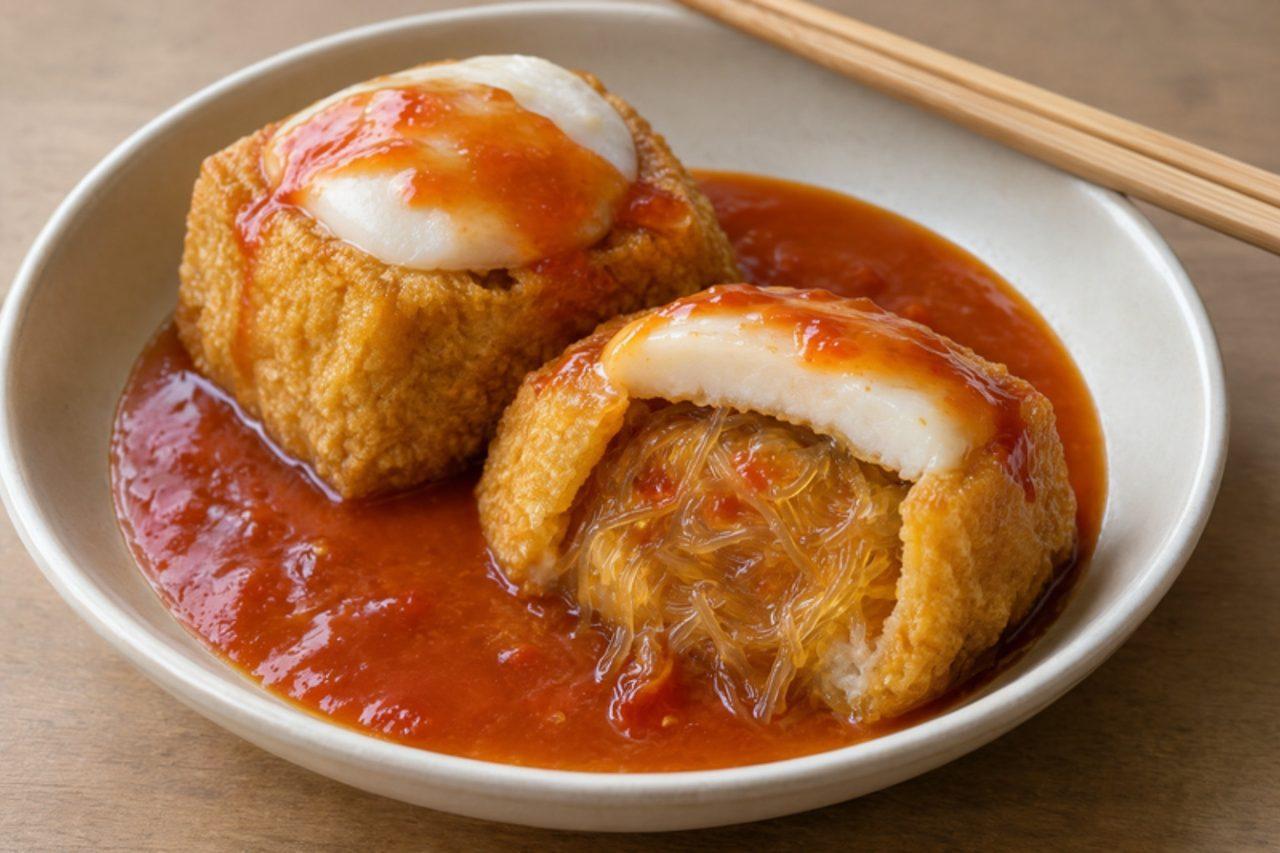
A-geiTofu pockets filled with glass noodles

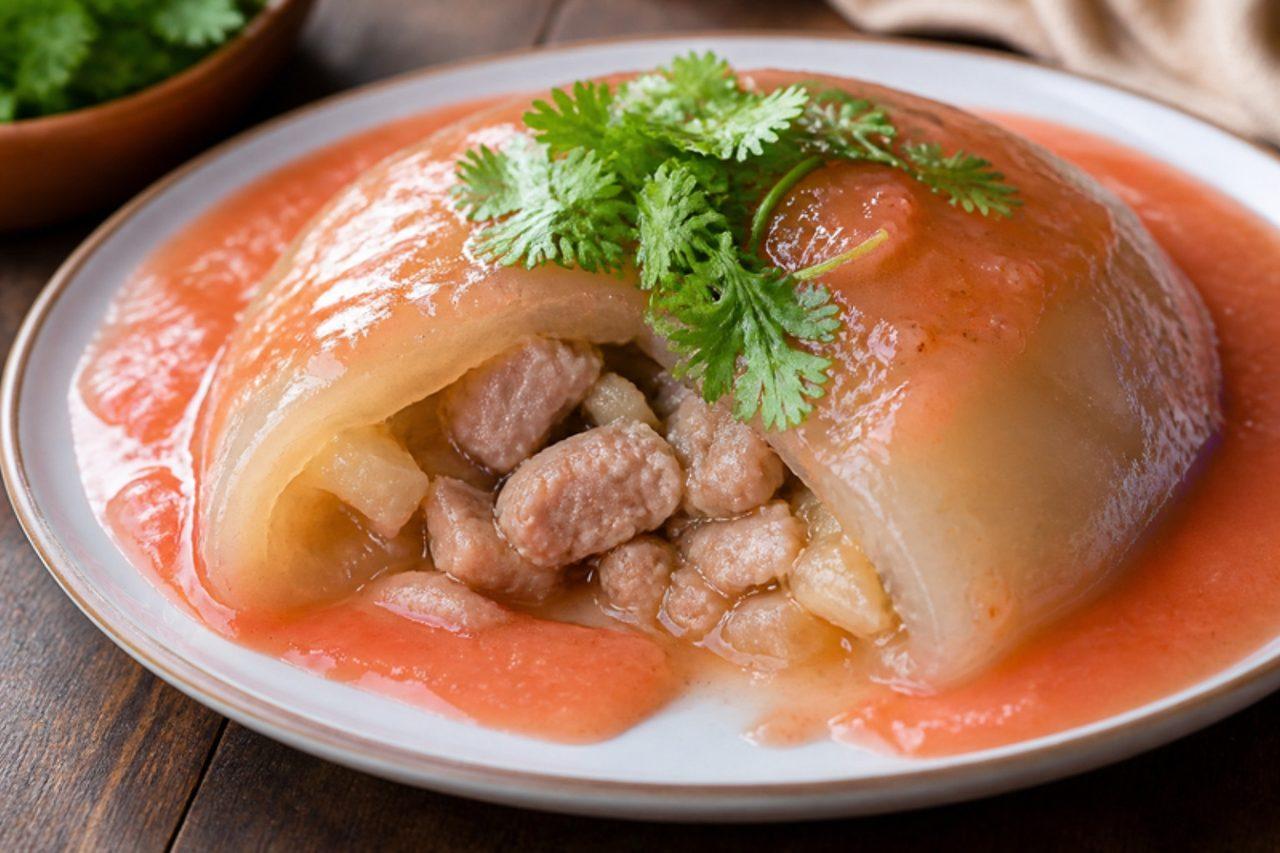
A-gei is the breakfast that people ride the MRT to Tamsui for. On Zhenli Street, below Aletheia University, small shops have been making it since the 1960s: a big square of fried tofu is cut open, stuffed with glass noodles simmered in soy and a light broth, sealed with a cap of fish paste, steamed until set, and served in a pool of sweet chilli sauce, often with a bowl of fish-ball soup. The name comes from the Japanese aburaage, fried tofu. It is soft, savoury and slurpy. Contains soy, fish and wheat. Chef's tip: pack the noodles in firmly; loose filling soaks up the sauce and the pocket collapses.

by KrazyBadal 0 views

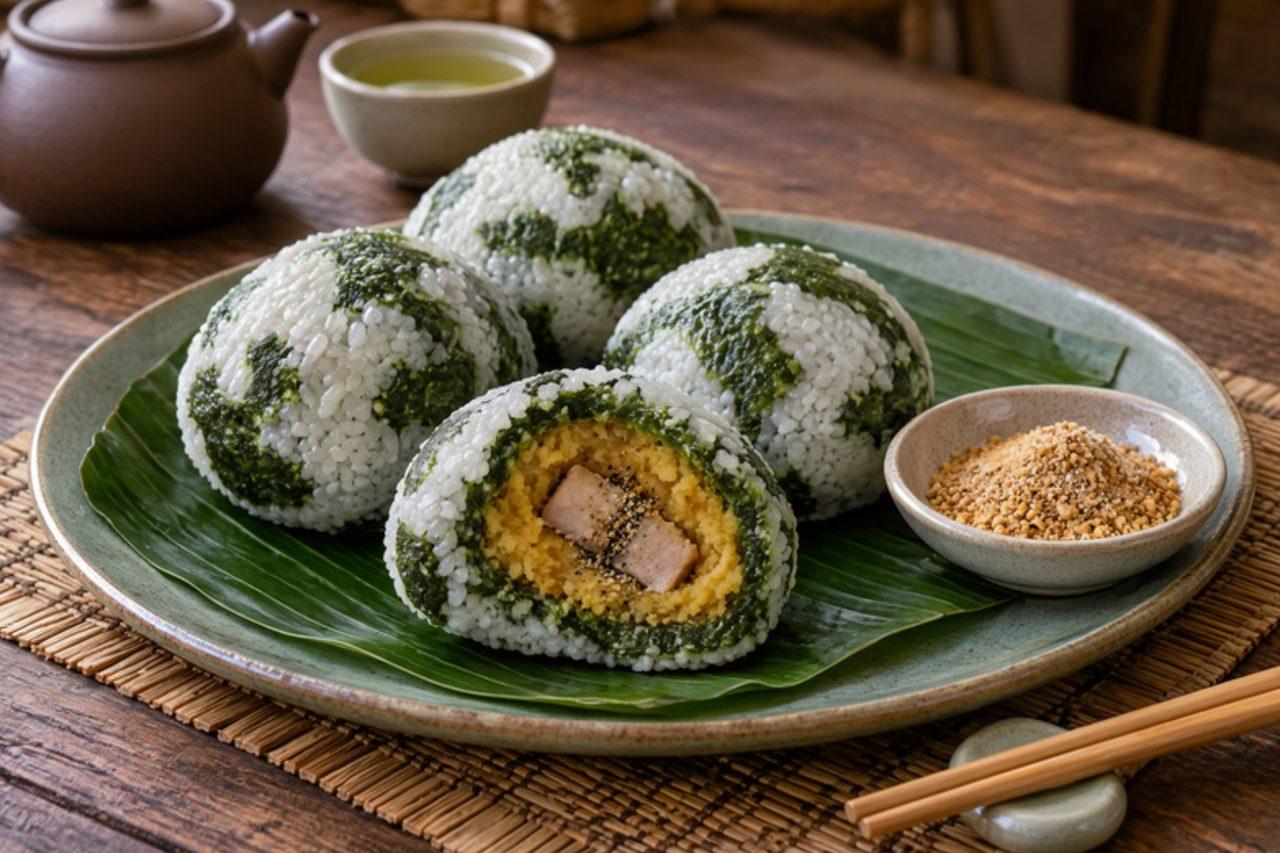
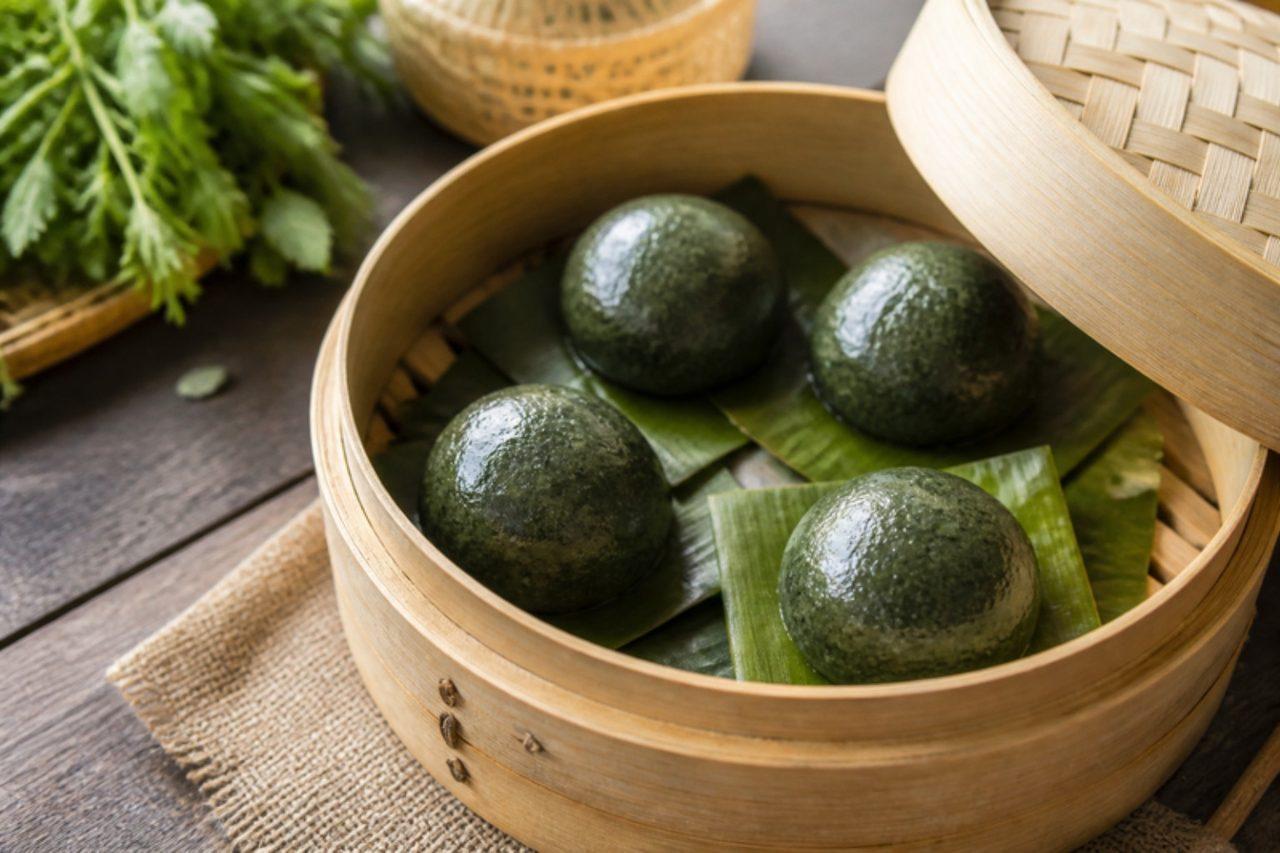
Bánh khúcCudweed sticky rice dumplings

Long before sunrise, vendors walk Hanoi's Old Quarter with steaming baskets, calling out for xôi xéo and bánh khúc. These are soft green dumplings coloured and scented with rau khúc, a grassy, herbal cudweed, wrapped around mung bean paste and peppery pork belly, then rolled in sticky rice grains and steamed until the grains turn glossy. They are eaten hot from a scrap of banana leaf with a pinch of sesame salt, often on a cold winter morning. Look for frozen or dried cudweed at Vietnamese grocers. Chef's tip: keep the green dough thin but even; thick dough cracks and lets the filling escape.

by KrazyBadal 0 views

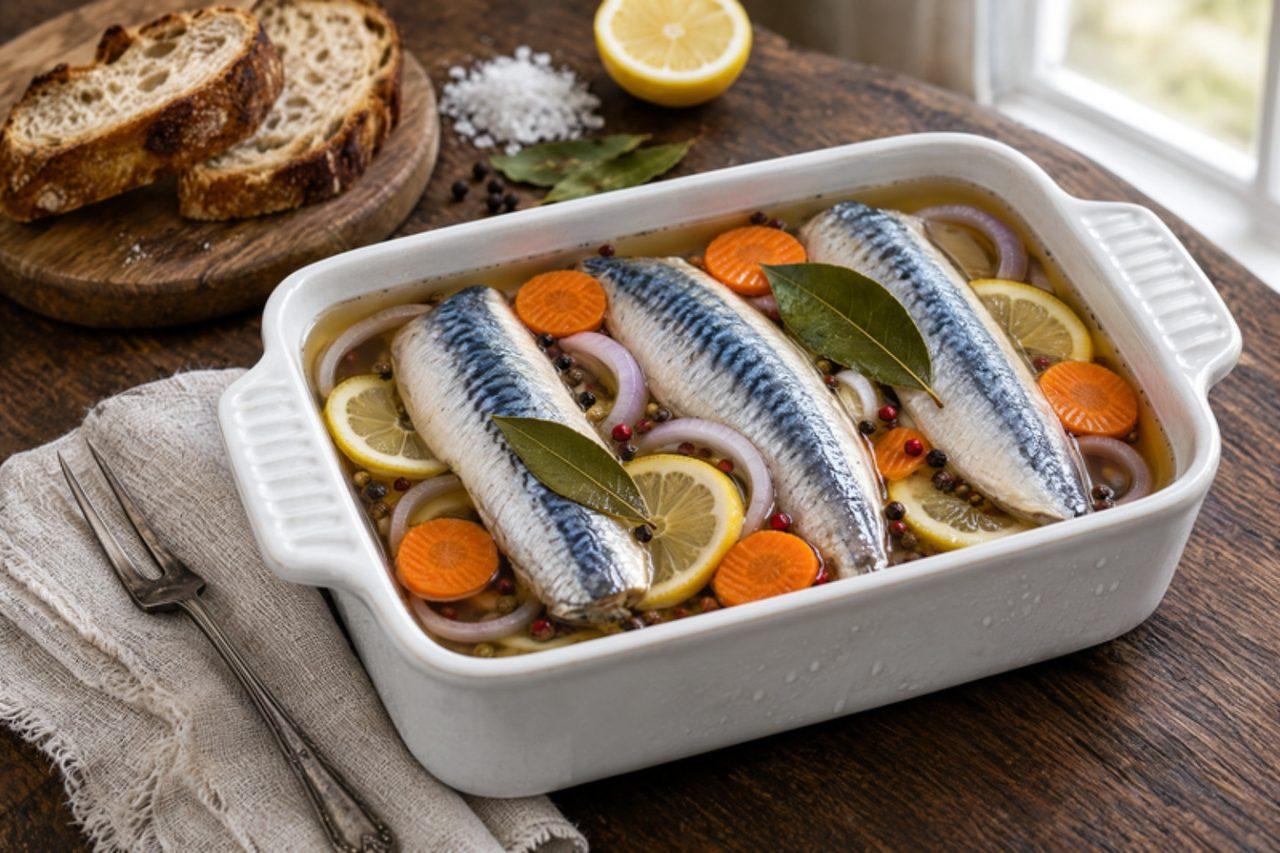
Maquereaux au vin blancMackerel in white wine

In Brittany and Normandy, mackerel in white wine is a summer starter and picnic dish, made when the boats come in heavy with silver fish in June and July; cafés serve it cold with bread and butter. Fillets are laid in a dish and a hot marinade of white wine, vinegar, carrot, onion, coriander seed and bay is poured over to cook them gently, then they chill for a day. Oily fish, high in protein and suitable as part of a balanced diet; serve with a green salad or a few boiled new potatoes. About 300 kcal and 4 g carbohydrate per portion. It cooks with wine, which boils for 5 minutes; for an alcohol-free version use vegetable stock and add 2 extra tablespoons of vinegar. The usual mistake is using fish that is not very fresh: the eyes should be bright and the flesh firm. Chef's tip: check the thickest fillet after the hot marinade; if it is not opaque, simmer the dish on the hob for 2 minutes.

30 minFrenchFishGluten free
by KrazyBadal 0 views

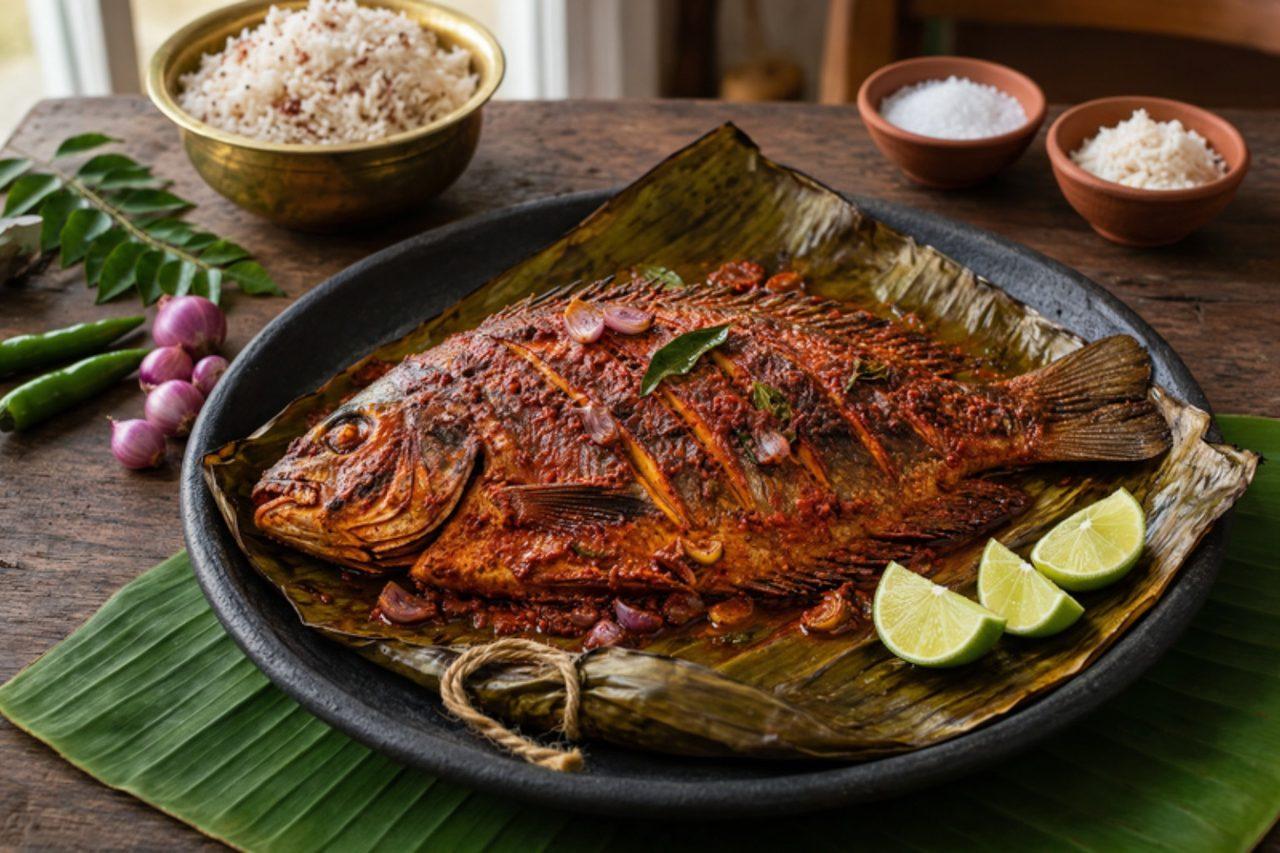
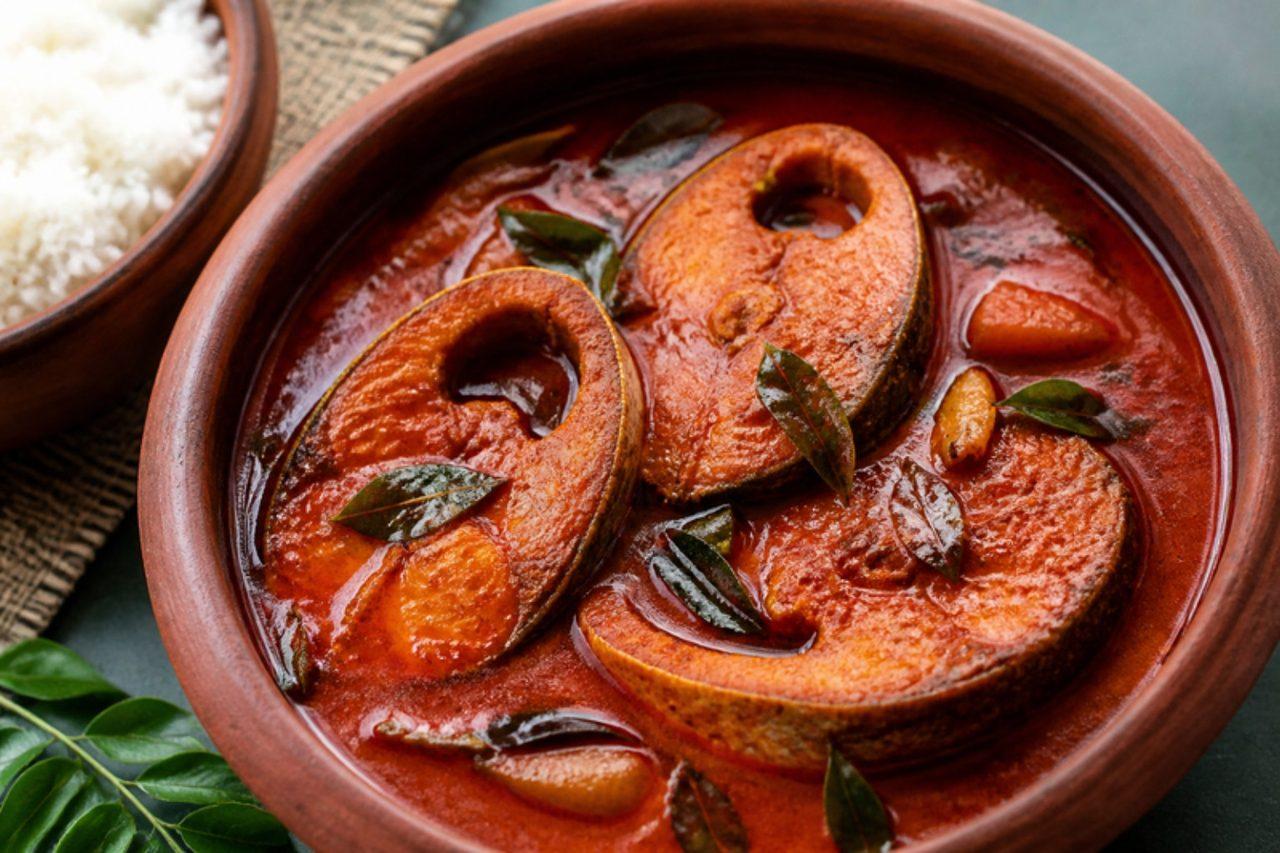
Meen pollichathuFish wrapped in banana leaf

Meen pollichathu belongs to the backwaters of Alappuzha and Kumarakom, where karimeen (pearl spot) is caught in the lagoons and served wrapped in banana leaf at toddy shops, houseboats and Syrian Christian Sunday lunches. The fish is rubbed with chilli and turmeric, briefly pan-fried, then wrapped with a thick masala of shallots, ginger, garlic, tomato, curry leaves and a little coconut milk and cooked on a pan until the leaf chars. Suitable as part of a balanced diet: high-protein fish with no flour. About 320 kcal and 9 g carbohydrate per portion; serve with a small portion of red matta rice or vegetables. The usual mistake is skipping the first light fry, which leaves the skin soft and lets the fish fall apart in the parcel. Sea bream or pomfret work well. Chef's tip: cook the masala until it is almost dry, or the parcel steams instead of roasting.

55 minIndianFishGluten free
by KrazyBadal 0 views

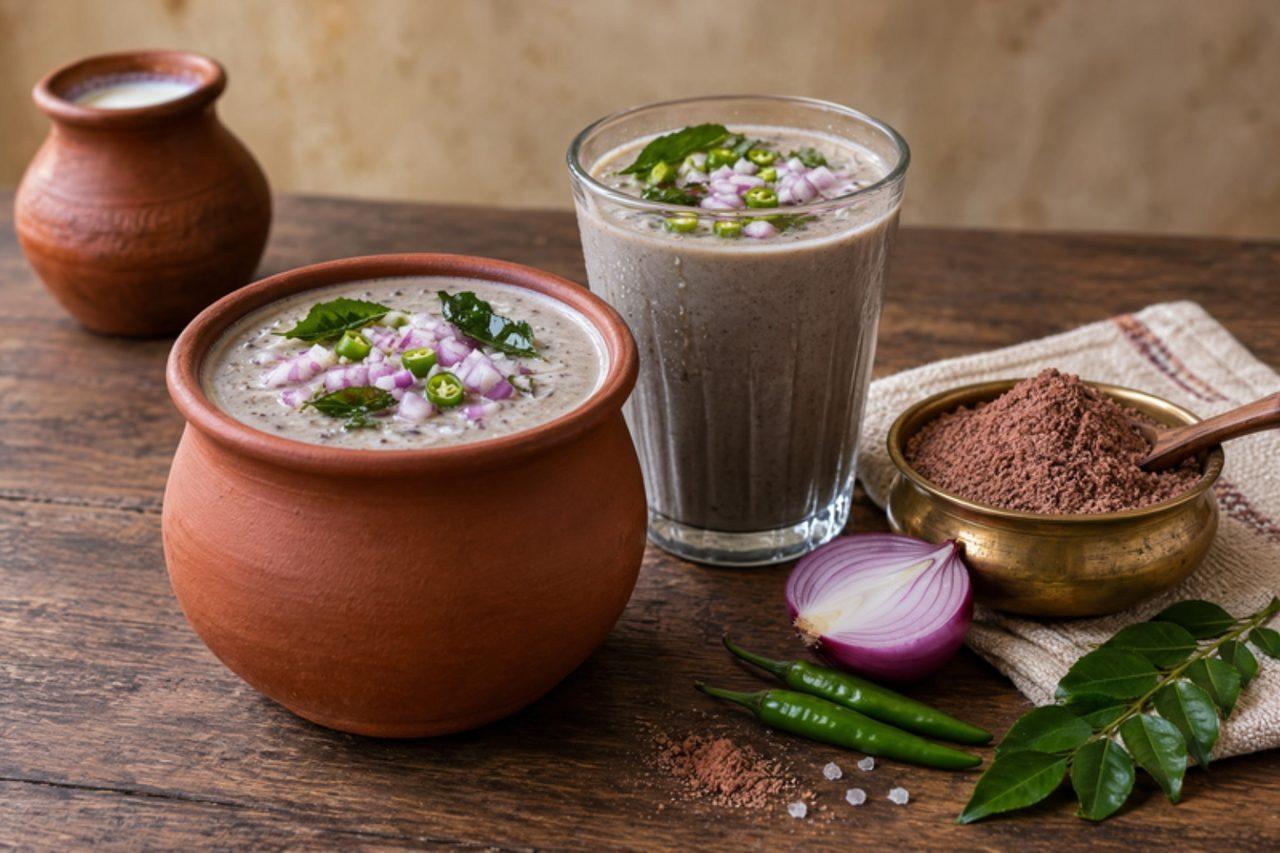
Ragi ambaliFinger millet porridge drink

Across rural Andhra Pradesh and Telangana, farm workers drink a big glass of ragi ambali in the early morning before the summer heat, and clay pots of it are sold at roadside stalls in April and May. Finger-millet flour is cooked into a thick paste, left overnight to ferment lightly, then thinned with buttermilk and stirred with raw onion, green chilli and curry leaves into a cool, tangy, savoury drink. It is suitable as part of a balanced diet. About 140 kcal and 22 g carbohydrate per portion. The usual mistake is pouring the ragi flour straight into boiling water, which makes lumps; mix it with cold water first. Chef's tip: cook the paste until it turns glossy and darker, about 8 minutes; undercooked ragi tastes raw and floury.

by KrazyBadal 0 views

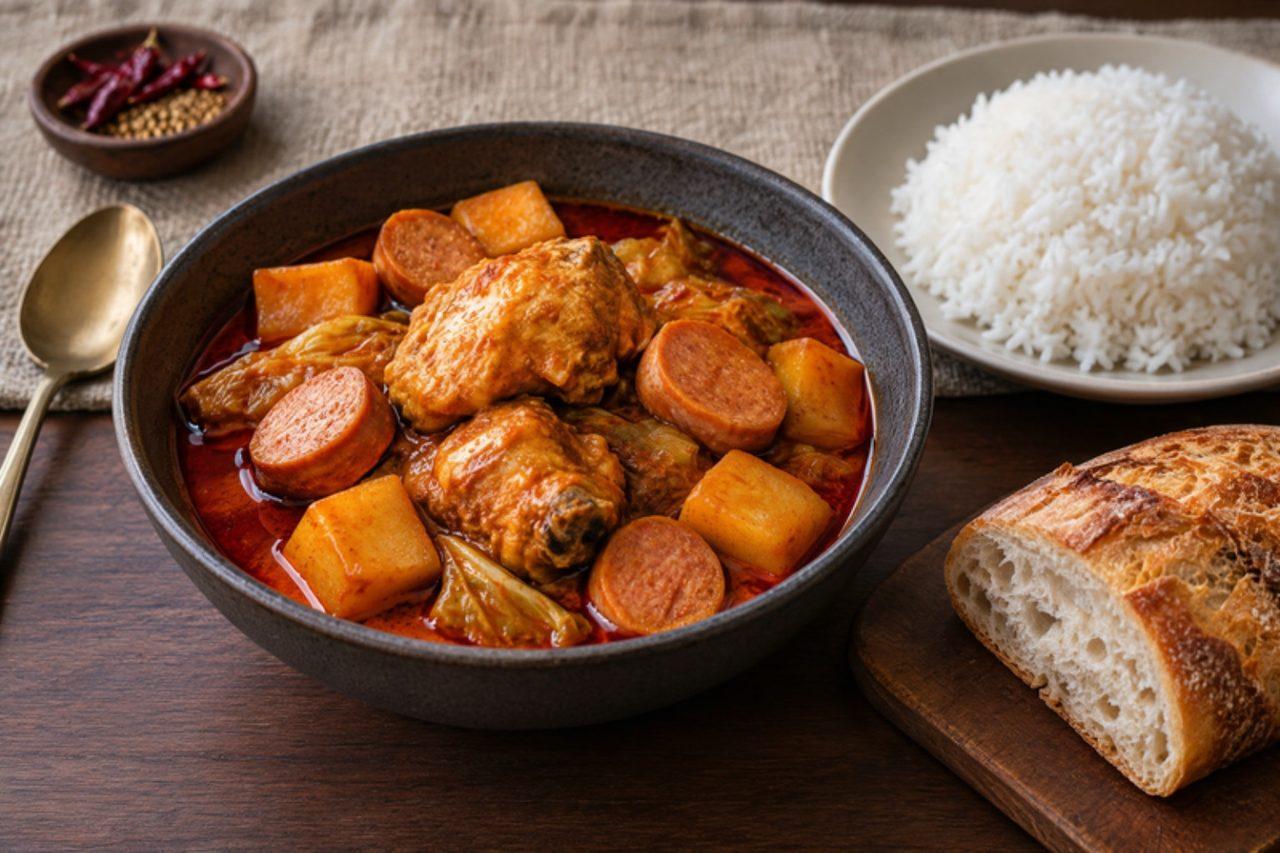
Kari debalDevil curry

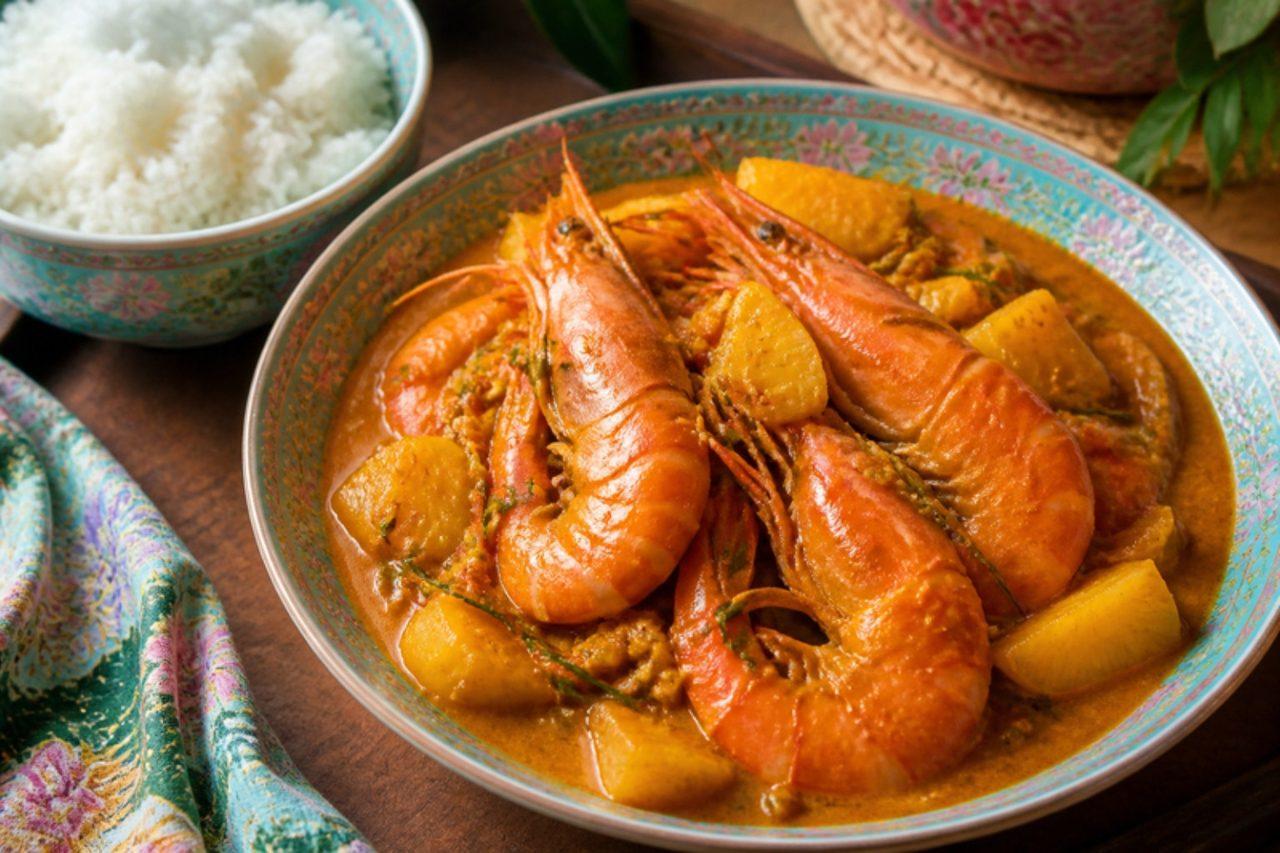
Kari debal, or curry devil, is the Christmas dish of Singapore's Eurasian (Kristang) community, traditionally cooked on Boxing Day to use up the roast chicken, ham and sausages from the feast. A fiery paste of dried chillies, shallots, galangal and candlenuts is fried until fragrant, then sharpened with ground mustard seed and vinegar and simmered with chicken, potatoes, cabbage and cocktail sausages (pork, or use chicken sausages). Like most curries it tastes better the next day. The usual mistake is not frying the spice paste long enough: it must cook until the oil separates or the curry tastes raw. Chef's tip: soak the dried chillies in hot water and snip out the seeds first if you want the flavour without the full fire.

by KrazyBadal 0 views

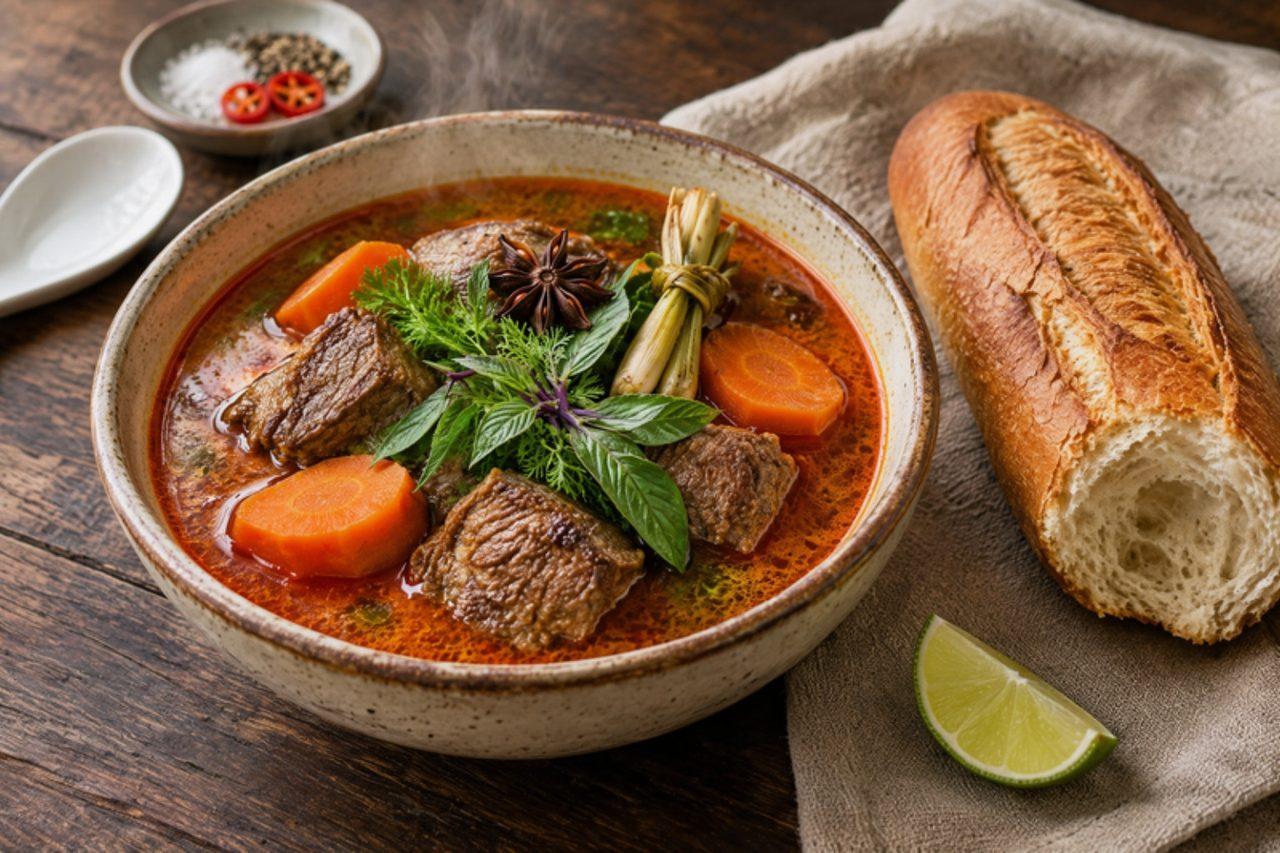
Bò khoLemongrass beef stew

Bò kho is a southern Vietnamese breakfast: in Saigon street stalls ladle this red, gently spiced beef stew over bánh mì torn for dunking, or over rice noodles, from first light. Chunks of beef shin marinate with lemongrass, ginger, garlic, five-spice and fish sauce, are browned in annatto oil, then simmered in coconut water with star anise and cinnamon until tender, with carrots added near the end. The broth should be glossy and aromatic, not thick. The usual mistake is adding the carrots at the start, so they turn to mush; they go in for the last 25 minutes. Slow-cooker option: brown the beef, then cook everything except the carrots on low for 8 hours, adding the carrots for the last hour. Chef's tip: bruise the lemongrass stalks with the back of a knife so they release oil without falling apart.

by KrazyBadal 0 views

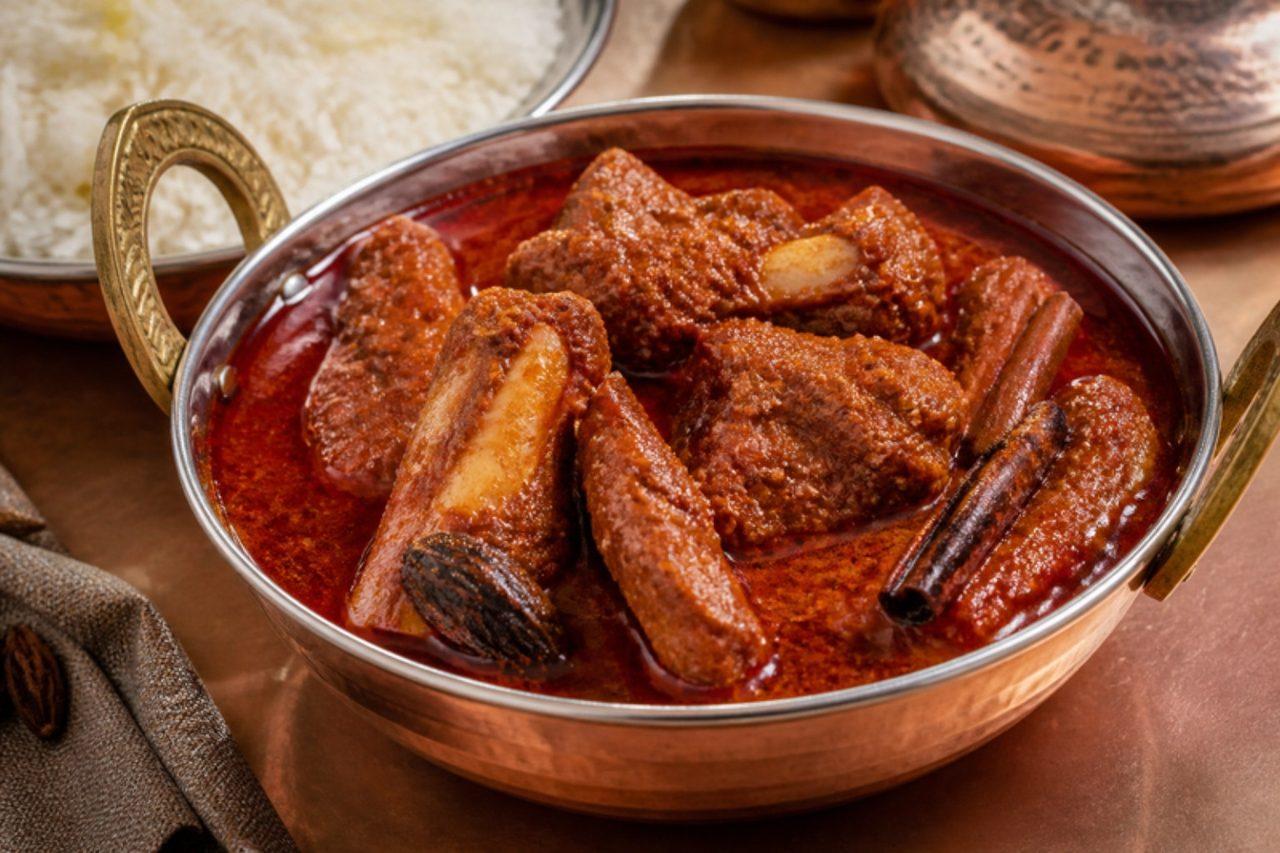
Marchwangan kormaFiery red mutton korma

The name says it all: marchwangan means chilli, and this is the wazwan's hottest course, mutton cooked in a deep crimson gravy of Kashmiri chillies, mustard oil, fennel, dry ginger and a breath of cinnamon, with a spoonful of tamarind for sharpness. Kashmiri chillies bring colour more than ferocity, so you need a lot of them, and a few hotter dried chillies give the real kick. It is served at weddings and family feasts in Azad Kashmir and by Kashmiri households in Lahore and Rawalpindi with plain rice, alongside milder dishes like gushtaba to cool the palate. Scorching the chilli paste is how it goes wrong; it turns bitter and brown, so fry it on a moderate heat with a splash of water. Chef's tip: soak the whole dried chillies in hot water and blend them rather than using only powder, for a smoother, glossier gravy.

by KrazyBadal 0 views

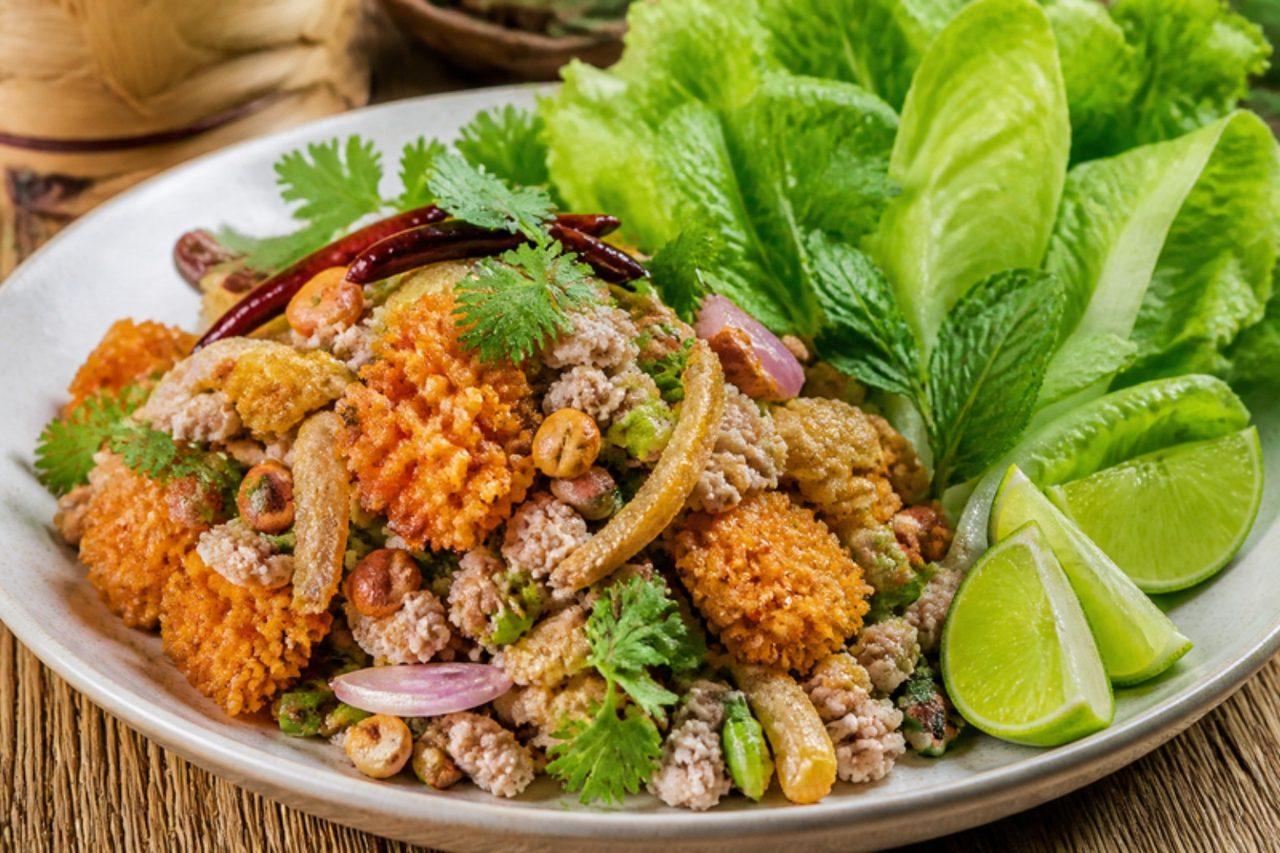
Nam khaoCrispy rice salad with pork

Party food in Vientiane often means a platter of nam khao: golden balls of curry-spiced rice deep-fried until crackling, then smashed and tossed with sour pork, peanuts, shallots, herbs and lime, and scooped into lettuce leaves with a fresh chilli on the side. Evening stalls near the city's markets sell it by the bag, and it's a fixture at weddings and New Year gatherings in April. Traditionally the sour pork is som moo, cured raw fermented pork with shredded skin, which is never cooked; that raw cured version is not for pregnant women, young children or anyone with a weakened immune system. This safer version uses minced pork cooked through and sharpened with lime and garlic, with cooked pork skin for chew if you like. Frying rice balls in oil that isn't hot enough is the usual mistake, as they soak up oil and fall apart. Chef's tip: use rice cooked the day before and chilled; it holds together and fries far crisper.

75 minLaoSaladsGluten free
by KrazyBadal 0 views

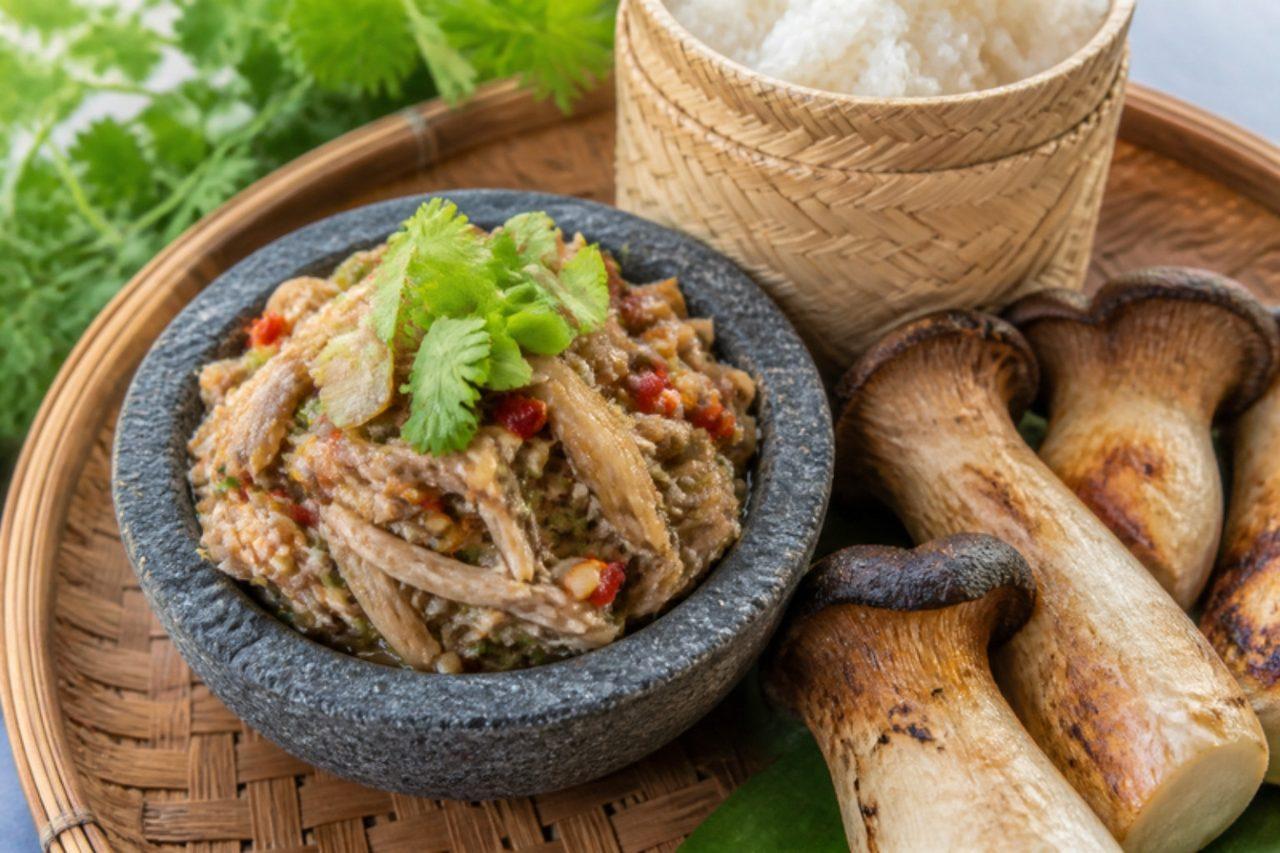
Jeow hetGrilled mushroom dip

Monsoon jeow, this one: once the rains bring mushrooms to every Lao market from July onwards, cooks grill a basket of them over charcoal and pound them with roasted chilli and garlic for a meaty, smoky dip that disappears with sticky rice at dinner. The texture is shaggy rather than smooth, juicy shreds of mushroom held together by a hot, garlicky paste, with fresh herbs stirred through at the end. It is just as good with steamed greens, cucumber and long beans, or spooned over grilled tofu. Oyster and king oyster mushrooms are the closest match to the wild ones. Many people blitz or pound it to a paste and lose the chew, and that's the thing to avoid. Chef's tip: tear the grilled mushrooms into strips by hand before they go into the mortar, then pound only to bruise them.

by KrazyBadal 0 views

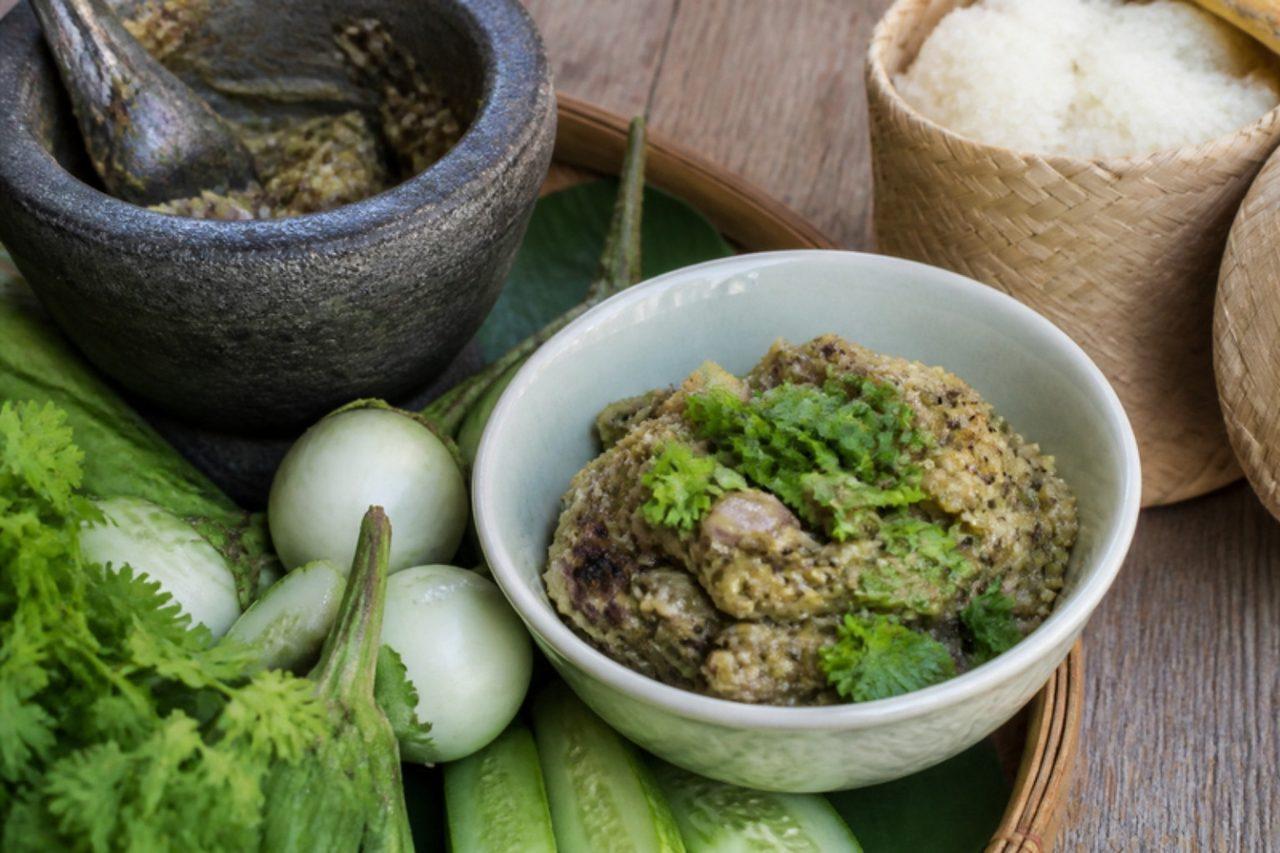
Jeow mak keuaSmoky aubergine dip

Long purple aubergines laid straight on the embers turn into one of the softest dips on a Lao dinner tray, eaten up and down the country in the hot season when aubergines are cheap and plentiful. The skins blacken and the flesh collapses into a smoky, silky pulp, which is pounded loosely with charred garlic, shallot and green chilli until it is spoonable but still a little stringy. Pinch a ball of sticky rice, press a hollow in it and scoop up the jeow, or dip in cucumber, long beans and cabbage. Families often add fish sauce; here it is seasoned with salt and a little tamari so it suits vegetarians. Rinsing the charred aubergine under the tap is a mistake, as it washes away the very smoke you worked for. Chef's tip: peel with damp fingertips and leave a few flecks of black skin in the dip.

by KrazyBadal 0 views

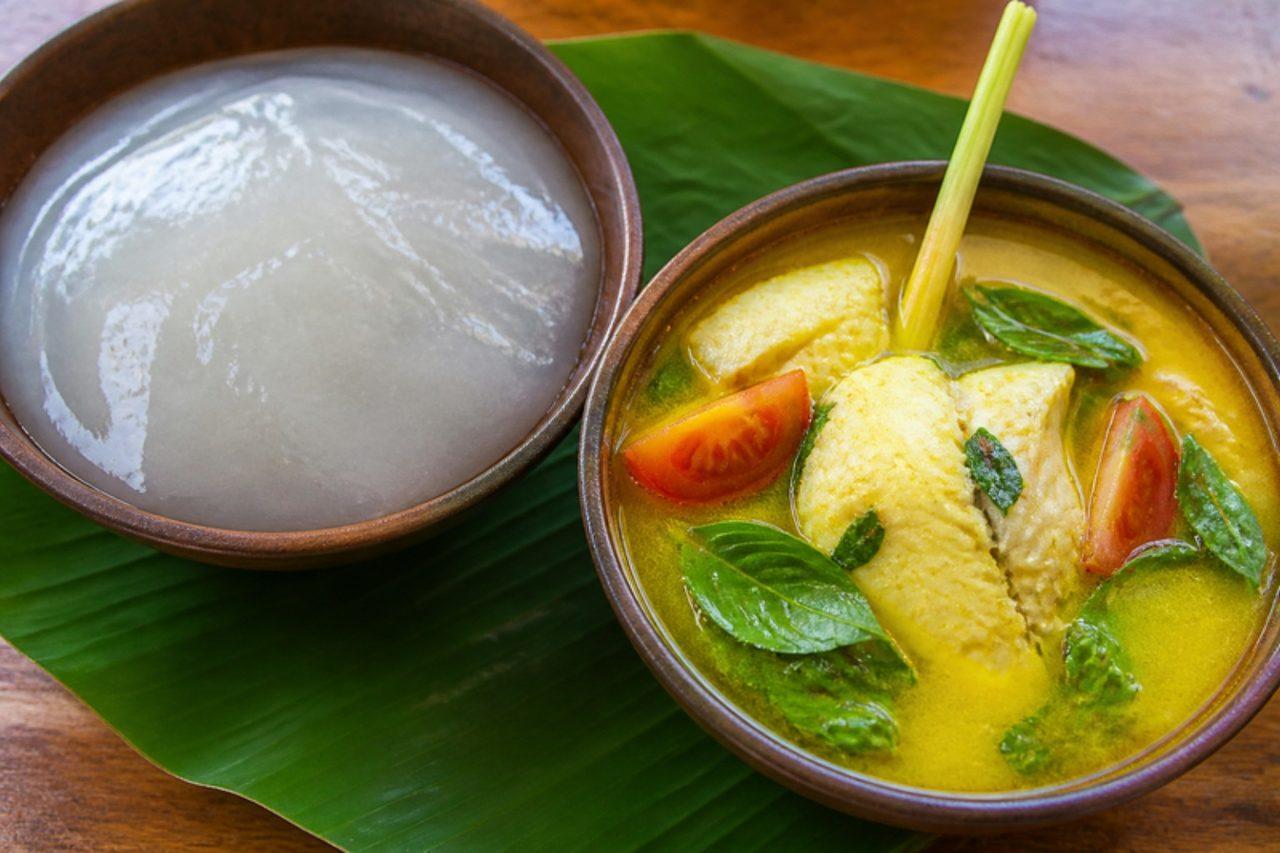
Lao fish soup with dill

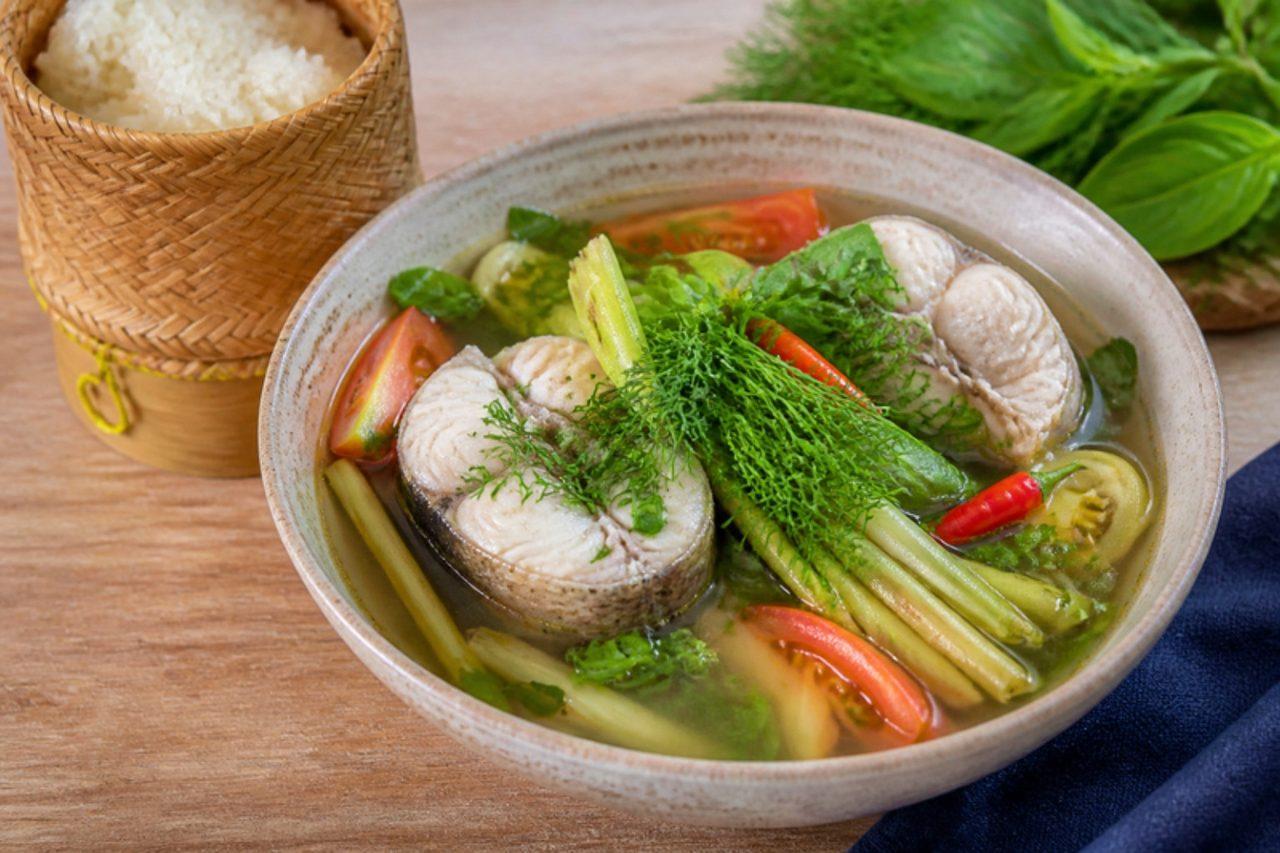
Restaurants on stilts over the Mekong at Pakse, where the Xe Don river joins it, serve tom pa at lunch in big communal bowls, and southern Lao families make it at home whenever the market has fresh river fish. Chunks of fish poach gently in a clear broth fragrant with lemongrass, galangal and lime leaf, soured with tomato and lime and finished with a generous fistful of dill, an herb Lao cooks use far more than their neighbours. The result is light, tangy and aromatic, with soft fish and a whisper of chilli heat; spoon it over sticky rice or sip it between mouthfuls of jeow. Boiling hard once the fish goes in is the mistake to watch, as the pieces break up and the broth turns cloudy. Chef's tip: add the dill only when the pot is off the heat, so it stays green and sweet.

30 minLaoSoupsGluten free
by KrazyBadal 0 views

Mok hetSteamed mushroom parcels

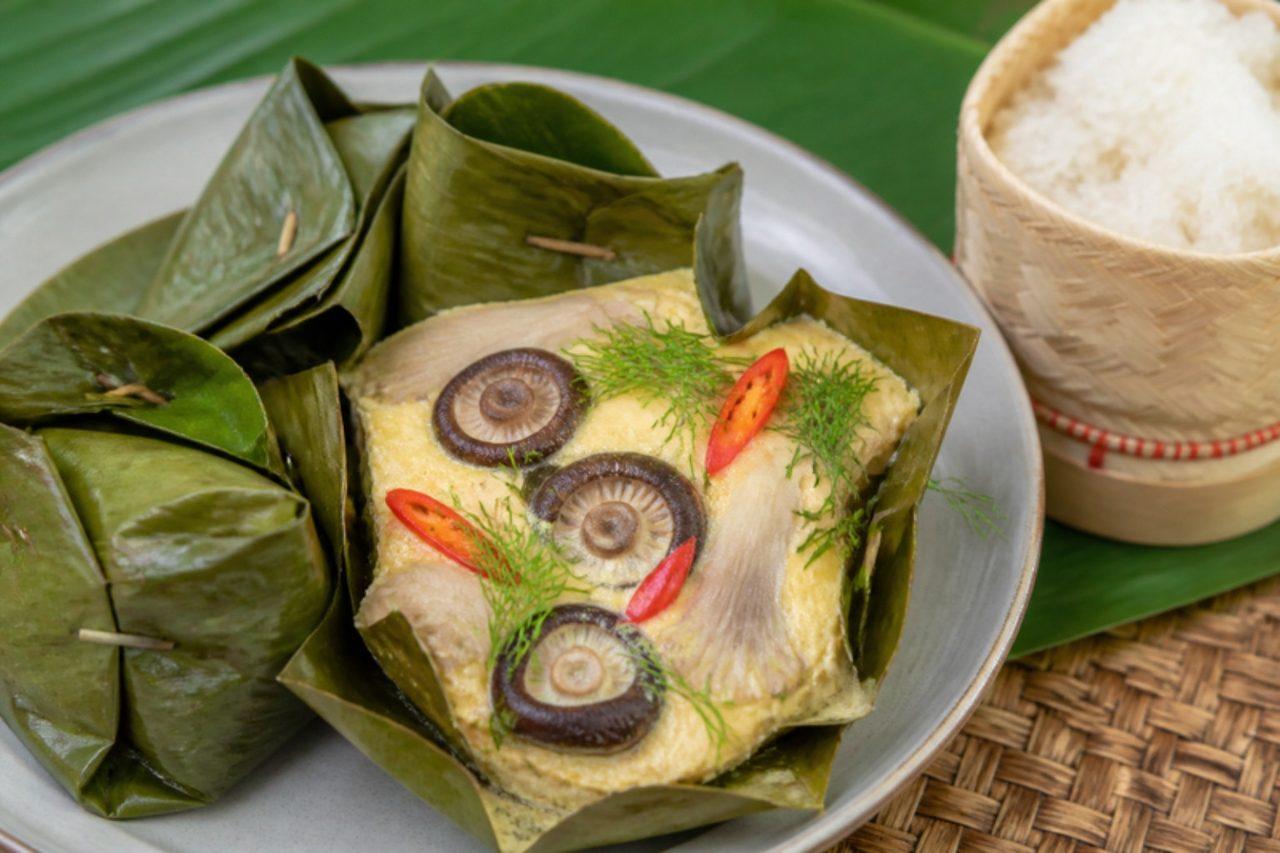
Wild mushrooms pile up at Luang Prabang's Phosy market as soon as the monsoon soaks the hills, from July into September, and families wrap them up as mok het for the evening meal. Mushrooms are bruised with lemongrass, shallot, chilli and a big handful of dill, bound with beaten egg, then folded into banana leaf and steamed until set, so each parcel opens into a soft, fragrant, slightly wobbly cake. It goes on the shared tray with sticky rice, a bowl of soup and some raw greens. Cultivated oyster, shiitake or chestnut mushrooms work beautifully. A watery filling is the common pitfall: mushrooms leak juice, so salt them and squeeze them first or the egg never sets. Chef's tip: grill the steamed parcels over a flame for a few minutes at the end; the charred leaf adds a lovely smoky edge.

by KrazyBadal 0 views

Koy paMinced fish salad

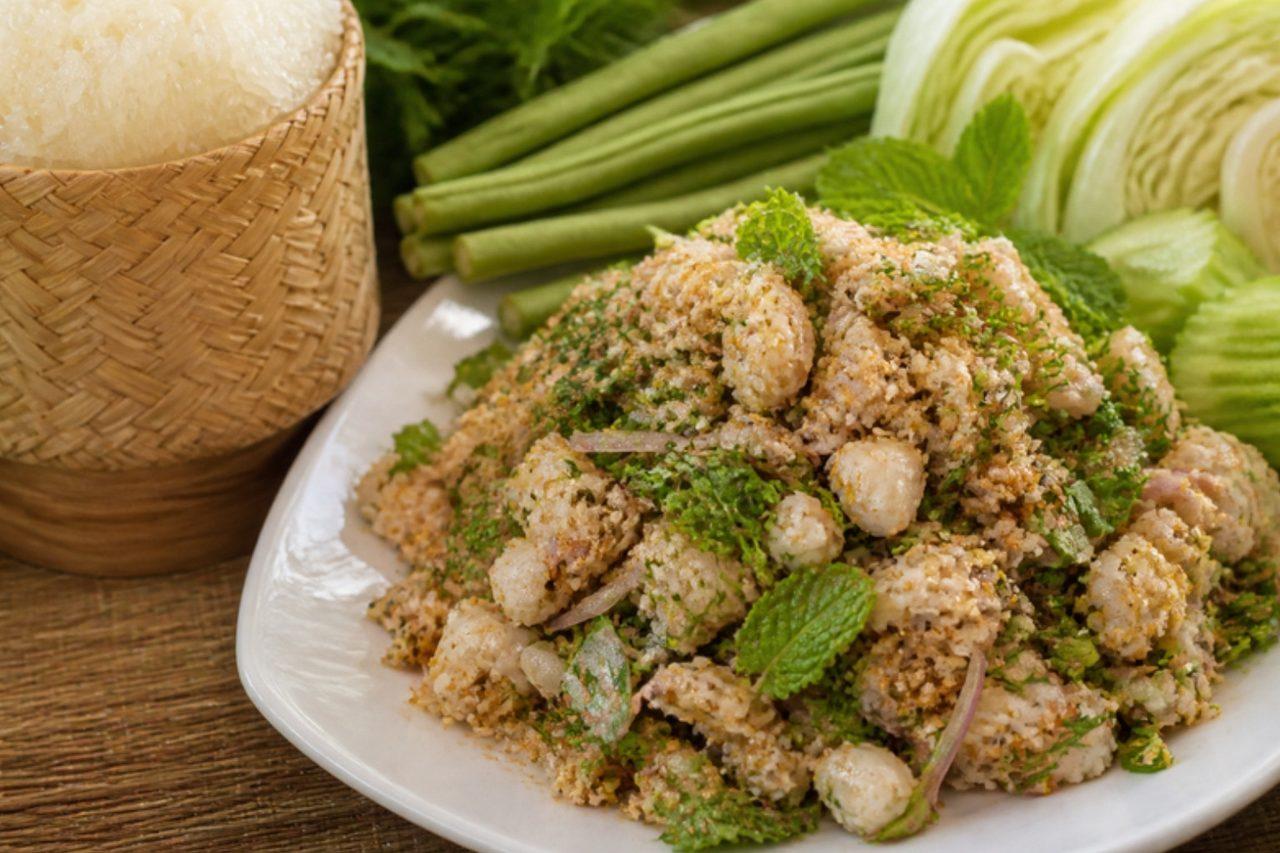
Fishing villages on the Mekong in Champasak, down towards the islands of Si Phan Don, make koy pa from the morning catch and eat it with sticky rice under the stilt houses at lunchtime. It is a fierce, fresh salad: finely chopped fish tossed with lime, roasted chilli, shallot, galangal and toasted rice powder, then buried in mint, dill and sawtooth herb. Traditionally the fish is raw and only 'cooked' by lime, and raw river fish in the region can carry parasites; that raw version is not for pregnant women, young children or anyone with a weakened immune system. Here the fish is poached until opaque and flaking, then chopped, keeping the texture and punch. Stirring the rice powder into hot fish is the mistake that ruins it, turning the salad gluey. Chef's tip: toast your own rice powder with a lemongrass stalk and lime leaf; the shop-bought kind has nothing like the same nutty perfume.

35 minLaoSaladsGluten freeSpicy
by KrazyBadal 0 views

Luang Prabang saladWatercress and egg salad

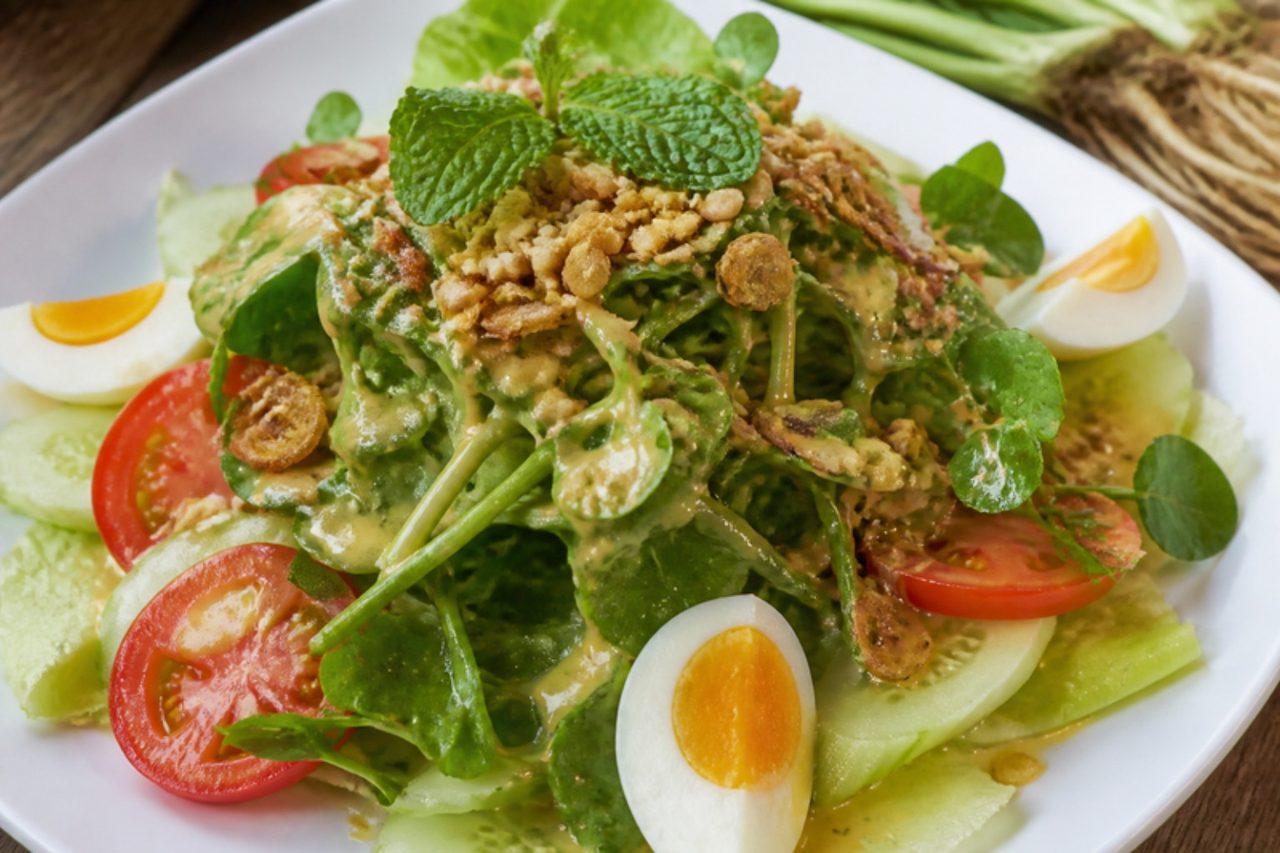
Clear spring-fed beds outside Luang Prabang grow some of the crispest watercress in Laos, and the old royal capital turned it into a salad that shows its French years: peppery cress, tomato and cucumber under a smooth dressing made from mashed hard-boiled yolks. Cafés along the Nam Khan serve it at lunch in the cool season, from November to February, often as the light plate beside grilled river fish or a bowl of sticky rice. It tastes fresh, gently sweet and garlicky, with crunch from fried garlic and peanuts on top. Restaurants sometimes add fish sauce or pork; this version is vegetarian and seasoned with salt. Dressing the cress too early is the mistake to avoid, because it wilts into a soggy heap in minutes. Chef's tip: dry the watercress properly in a salad spinner, or the dressing slides off instead of clinging.

30 minLaoSaladsGluten free
by KrazyBadal 0 views

Jeow mak phetRoasted chilli dip

Of all the jeows on a Lao table, this is the most basic and most loved, roasted fresh chillies, garlic and shallots pounded together and eaten with sticky rice at almost every meal, from farm lunches in the rice fields to Vientiane office canteens. Made with long green chillies, as here, it is bright, grassy and more fragrant than fierce, with sweetness from the softened shallot; swap some for bird's eye chillies if you want it hotter. Serve it with sticky rice, boiled pumpkin shoots, steamed vegetables, eggs or grilled tofu. Charring the chillies to carbon is the trap, and burnt skins turn the whole jeow bitter. Fish sauce is the usual seasoning; this version uses salt and a little tamari to stay vegetarian. Chef's tip: wear gloves when peeling hot roasted chillies, and keep your hands away from your eyes for the next hour.

by KrazyBadal 0 views

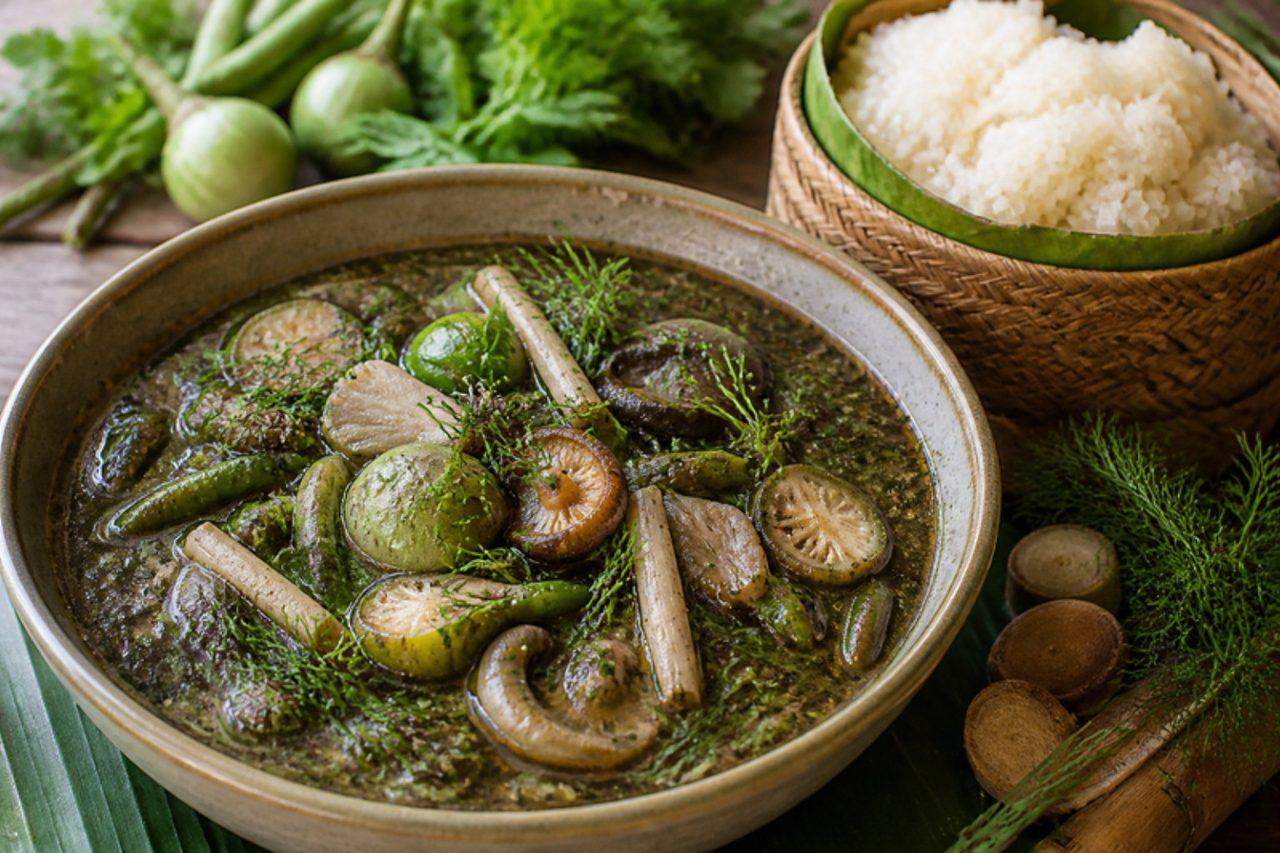
Lao bamboo shoot soup

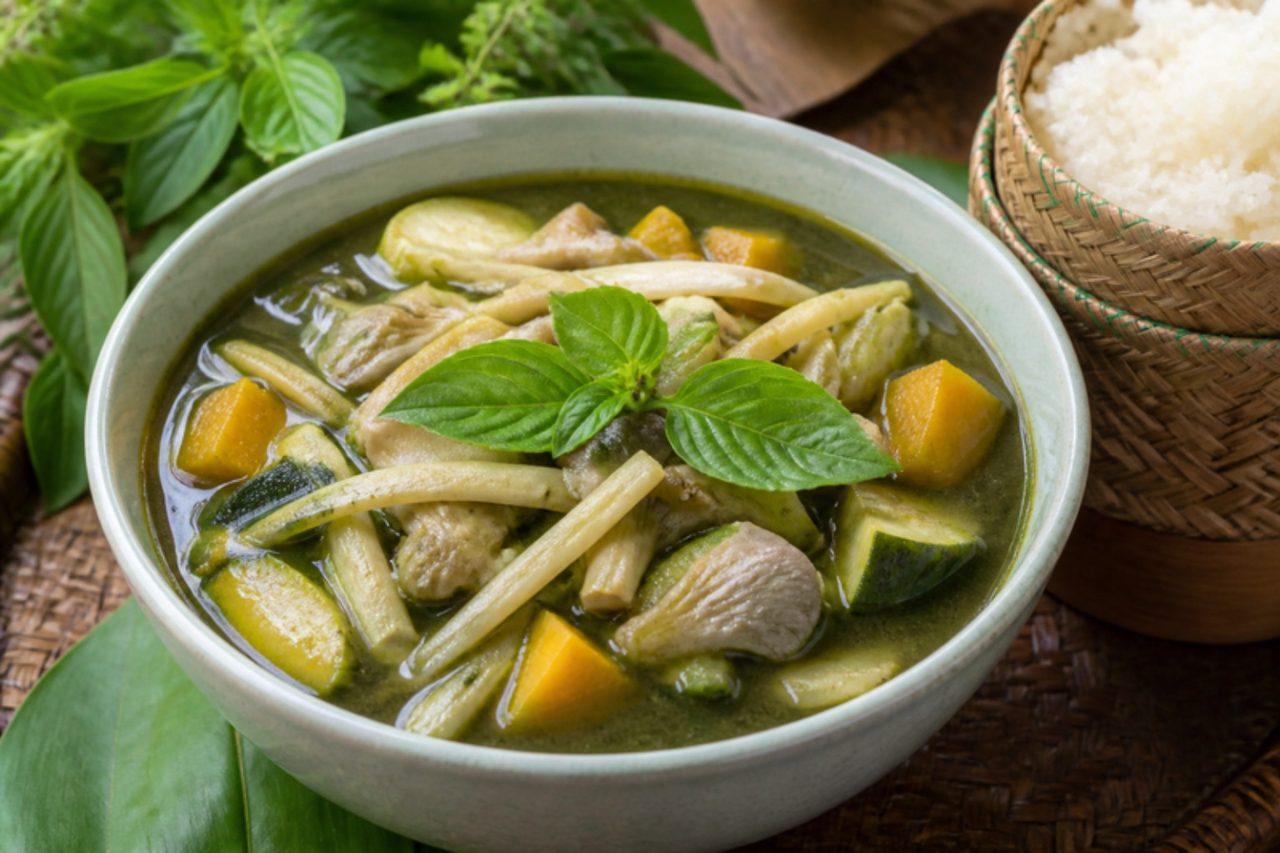
When the rains arrive in June, Vientiane's morning markets fill with pale, freshly dug bamboo shoots, and pots of kaeng nor mai start simmering in kitchens across the city for the family lunch. The broth is a deep olive green, tinted by the juice squeezed from yanang leaves, and thickened with a spoonful of pounded soaked sticky rice so it coats the spoon. Earthy bamboo, sweet pumpkin and slippery mushrooms float in it with lemon basil on top, and a basket of sticky rice and a dish of jeow sit alongside. Skipping the pre-boil of the bamboo is where most cooks go wrong: raw shoots taste bitter and need cooking through to be safe, so always blanch fresh ones and drain. This version leaves out the fermented fish of village kitchens and seasons with salt and tamari. Chef's tip: squeeze the yanang leaves in cold water, never hot, or the broth turns brown and loses its grassy freshness.

60 minLaoSoupsVeganGluten free
by KrazyBadal 0 views

Khmer green mango salad with crispy dried fish

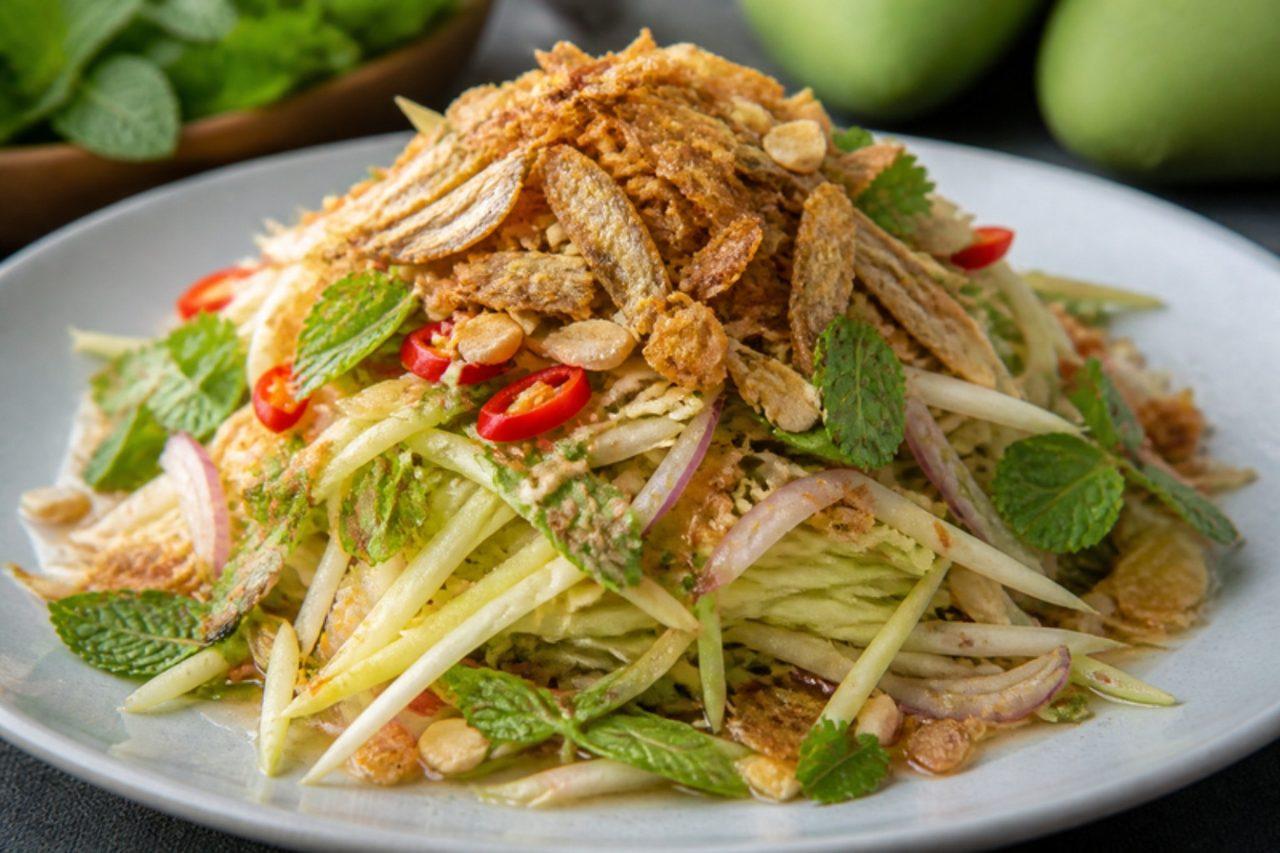
Sharp enough to make you wince and then reach for more, nhoam svay is the salad sold from glass-fronted carts around Siem Reap's Old Market and packed for weekend picnics at the West Baray reservoir. Hard green mango is cut into fine strands and tossed with shallots, mint and a dressing of lime, fish sauce and palm sugar, then topped with crunchy roasted peanuts and flakes of salty dried fish fried until crisp. It is eaten as a snack on its own or as a fresh, sour side to grilled meat and rice. Many people dress it too early, which draws water out of the mango and leaves a limp, watery salad. Chef's tip: fry the dried fish slowly until it shatters, then crumble it over at the very last moment; for a vegetarian version, leave it out and use soy sauce in place of the fish sauce.

by KrazyBadal 0 views

Samlor proherPumpkin and vegetable soup

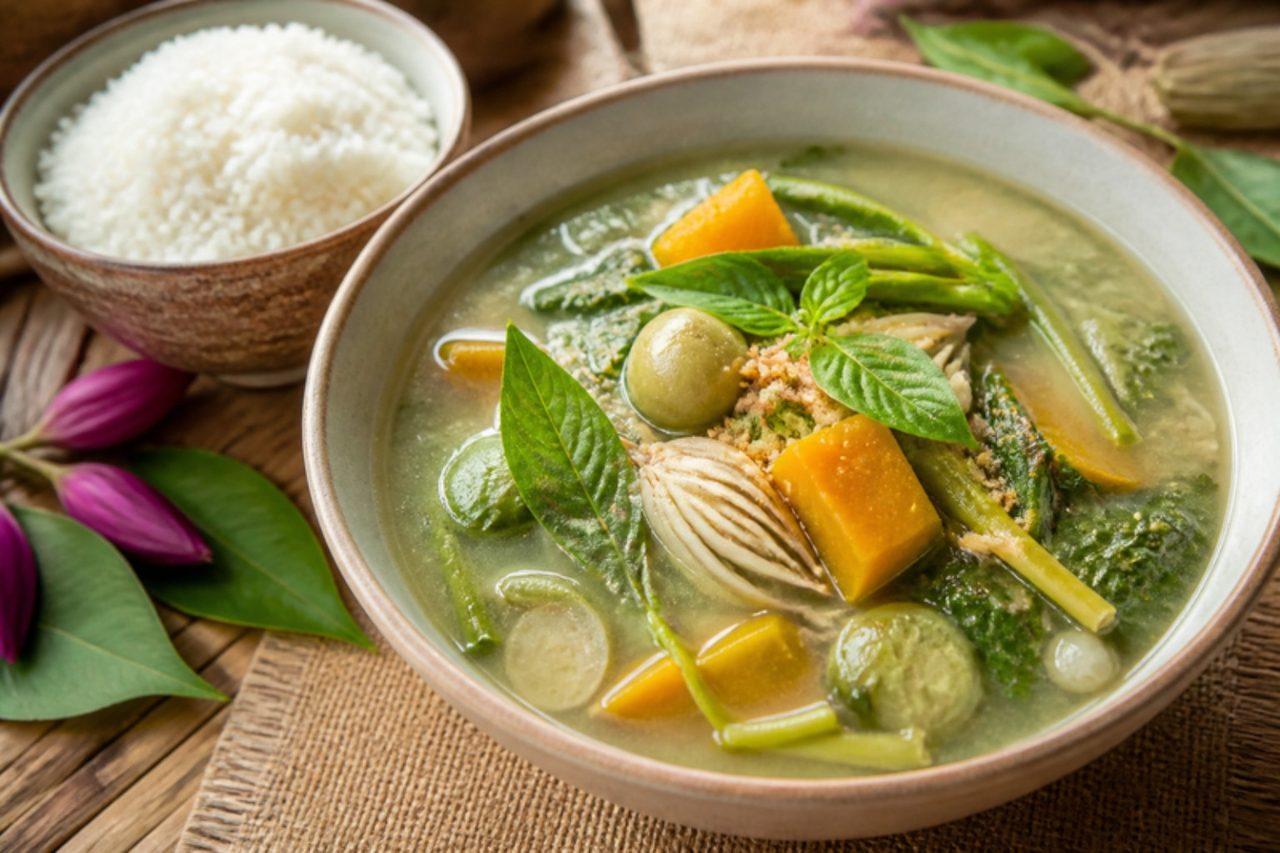
Home cooks in the villages around Siem Reap make samlor proher when the garden is full: a light, clear soup crowded with pumpkin, banana blossom, long beans, little aubergines and leafy greens, seasoned with a lemongrass kroeung and a spoonful of prahok. Toasted ground rice is stirred in near the end, giving the broth a faint body and a nutty, popcorn-like aroma. It is everyday lunch food, eaten with steamed rice and perhaps a piece of grilled fish, and it tastes savoury, sweet from the pumpkin and gently earthy. Leaving the prahok raw is the big no; it must be mashed and boiled in the broth for at least 10 minutes, so it cooks through and its sharpness rounds out. Chef's tip: slice the banana flower straight into lime-acidulated water, or it will turn black within minutes.

by KrazyBadal 0 views

Khmer red chicken curry

When a Cambodian family celebrates (a wedding, Khmer New Year, the Pchum Ben days in autumn), a big pot of red curry is usually on the stove, and in Phnom Penh it is just as likely to be eaten for breakfast from a street stall with a crusty baguette for mopping. It is a gentle, fragrant curry rather than a fiery one: chicken on the bone simmered in coconut milk with a red kroeung of dried chillies, lemongrass and galangal, plus chunks of sweet potato, aubergine and long beans that soak up the orange-tinged sauce. Dropping all the vegetables in at once is the error to avoid; the aubergine collapses before the sweet potato is cooked. Chef's tip: make it a few hours ahead or the day before, as the flavours deepen and the sauce settles into a silky, spoonable gravy.
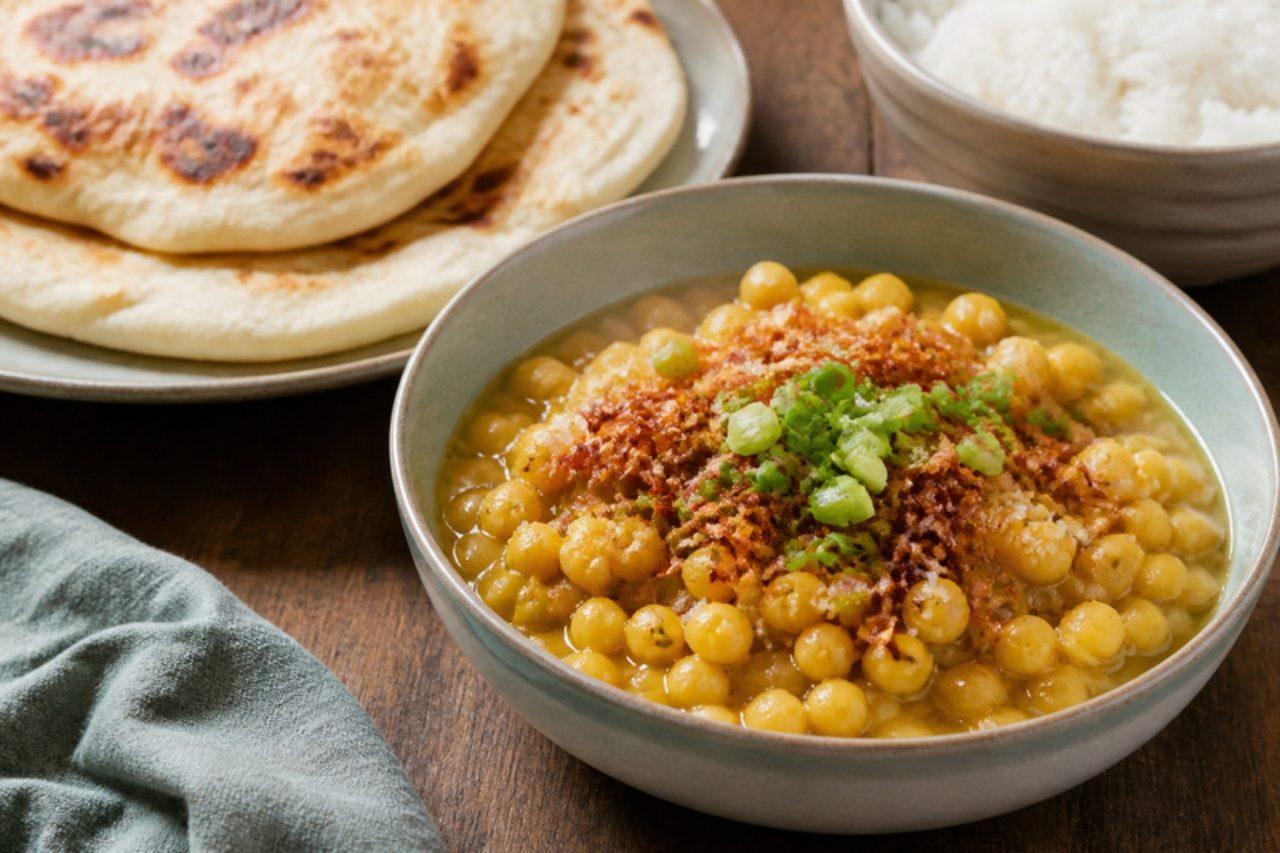
by KrazyBadal 0 views

Samlor machu kroeungSour beef and lemongrass soup

Sour, herbal and gently golden from turmeric, samlor machu kroeung is one of the soups Phnom Penh families put on the table at lunch, ladled over rice with a side of something fried or grilled. Its base is a fresh kroeung of lemongrass, galangal, turmeric and kaffir lime, fried and simmered with slow-cooked beef until the broth turns aromatic, then soured with tamarind and finished with armfuls of crunchy morning glory. Many cooks use beef tripe; here it is braising beef, which turns spoon-tender. A slip that ruins it is adding the morning glory too early, so it turns khaki and slimy. Chef's tip: toast the kroeung in the beef fat until it darkens a shade and smells sweet; that is where the soup's depth comes from.

by KrazyBadal 0 views

Prahok ktisFermented fish and pork dip

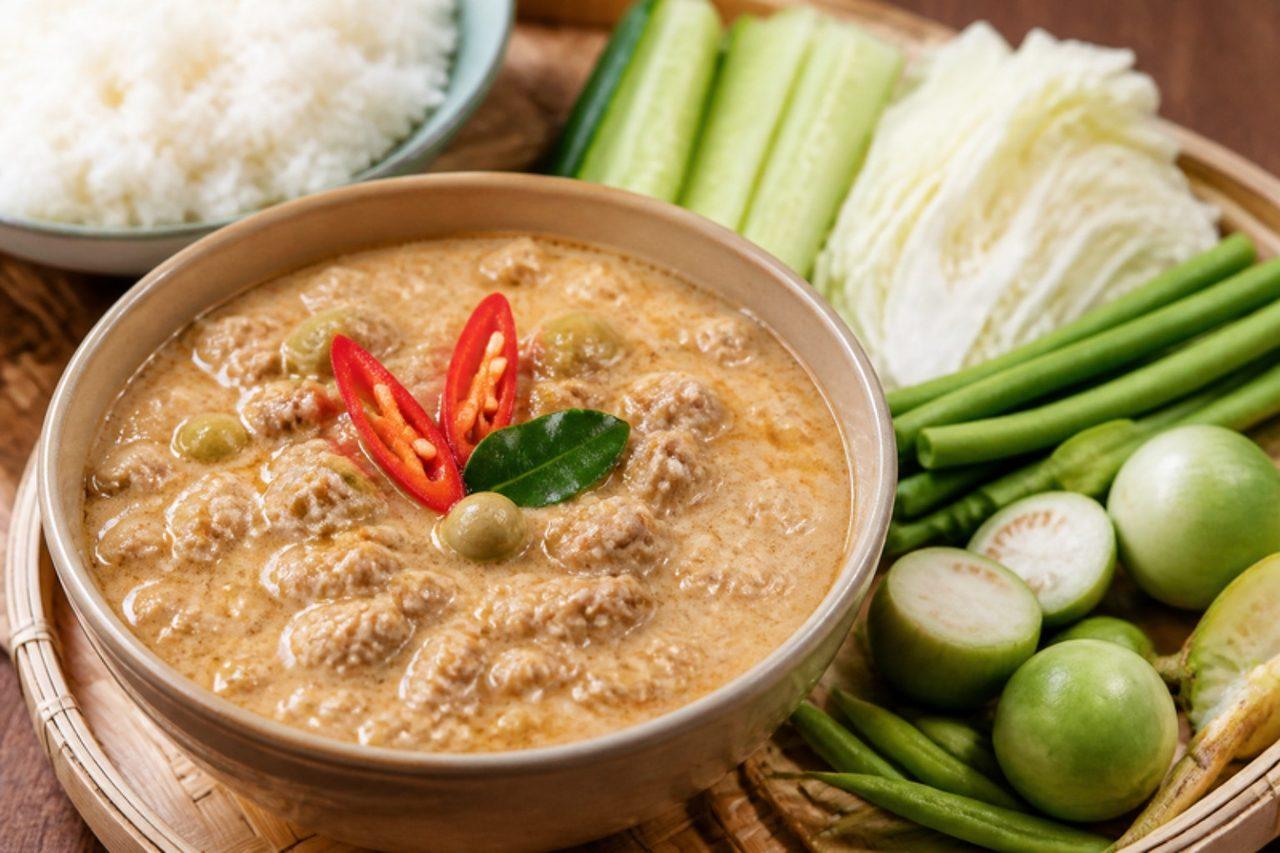
Prahok, the pungent fermented fish paste of the Tonlé Sap, is softened here into something mellow and moreish: it is simmered with coconut cream, minced pork, a fragrant lemongrass paste and pea aubergines until thick and orange-flecked. In Phnom Penh it is a family-table dish for lunch or a weekend feast, set in a bowl in the middle with a platter of crisp raw vegetables (cucumber, cabbage wedges, long beans, Thai aubergines) and steamed rice for everyone to scoop with. Salty, sweet, funky and creamy all at once, it tastes far gentler than the jar smells. Prahok tossed in at the end goes wrong: it stays harsh and is not cooked through, so it must simmer properly with the pork. Chef's tip: buy prahok in jars from an Asian grocer, mash it with a splash of hot water before adding, and let the dip simmer for a full 10 minutes after the pork is cooked.

by KrazyBadal 0 views

BalachaungDried shrimp relish

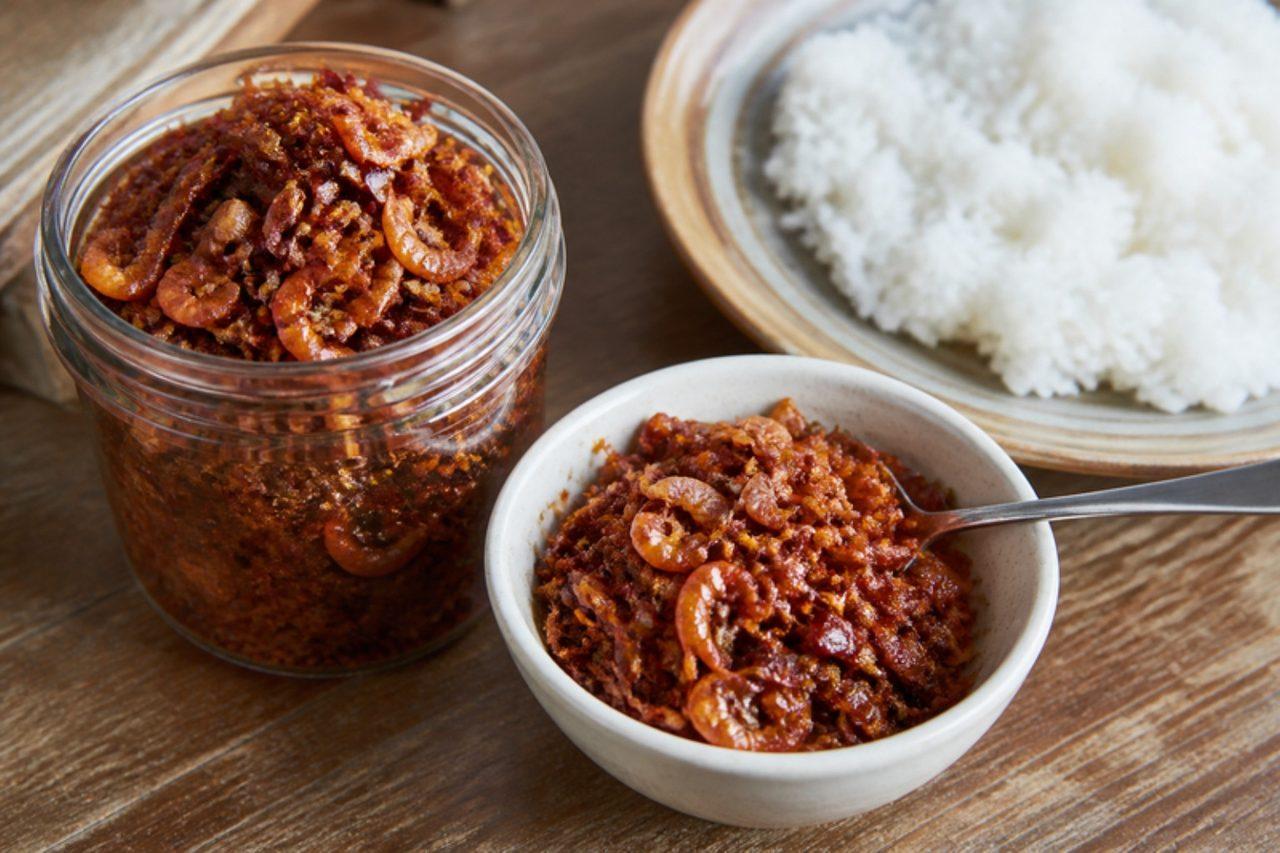
Every Burmese pantry keeps a jar of balachaung, and along the Rakhine coast, where the dried shrimp come from, families fry it in big batches after the dry-season catch. Pounded dried shrimp are fried slowly with crisp shallots, garlic, chilli and a dab of shrimp paste until the whole lot turns into a dry, golden, crackling floss that is salty, smoky, a little sweet and quite hot. A spoonful lifts plain rice, a fried egg, rice porridge or a bowl of noodles, and it travels well, so students and travellers pack a jar to take away from home. Rushing it over a high heat is where most batches go wrong: the shrimp scorch and turn bitter before they are crisp, so keep the heat at medium-low and stir patiently. Chef's tip: fry the shallots and garlic separately and stir them back in only when the shrimp are done, so they stay crunchy for weeks.

by KrazyBadal 0 views

Thingyan riceJasmine water rice with dried fish

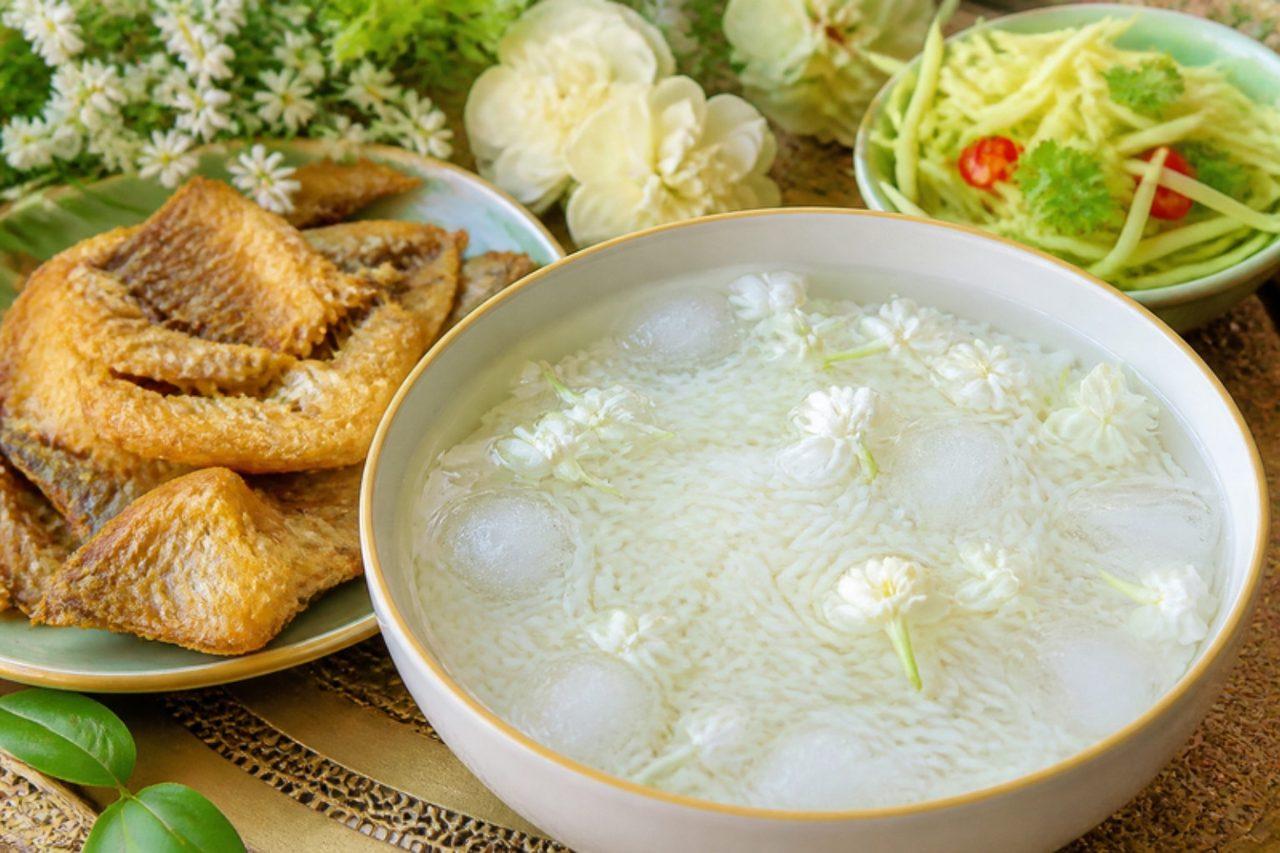
When the April water festival arrives and the heat is at its fiercest, Mon households in Mawlamyine and the villages around it prepare cool rice in jasmine-scented water, offer the first bowls to monks and elders, then share the rest with neighbours. The rice is cooked, rinsed until the grains are clean and separate, and served floating in chilled, flower-perfumed water; the same dish travelled to Thailand, where it became khao chae. Alongside go salty, crisp-fried dried fish, a sweet-sour green mango salad and fried shallots, and you take a little of each with every cold spoonful. Leaving the rice sitting warm on the counter before it is chilled is the mistake to avoid, both for safety and texture: cool it fast and keep it cold until serving. Chef's tip: use only unsprayed, edible jasmine flowers; if you can't find them, a few drops of food-grade jasmine water or a pandan leaf gives a gentle scent.

by KrazyBadal 0 views

Rakhine mont diRice noodles in sour fish broth

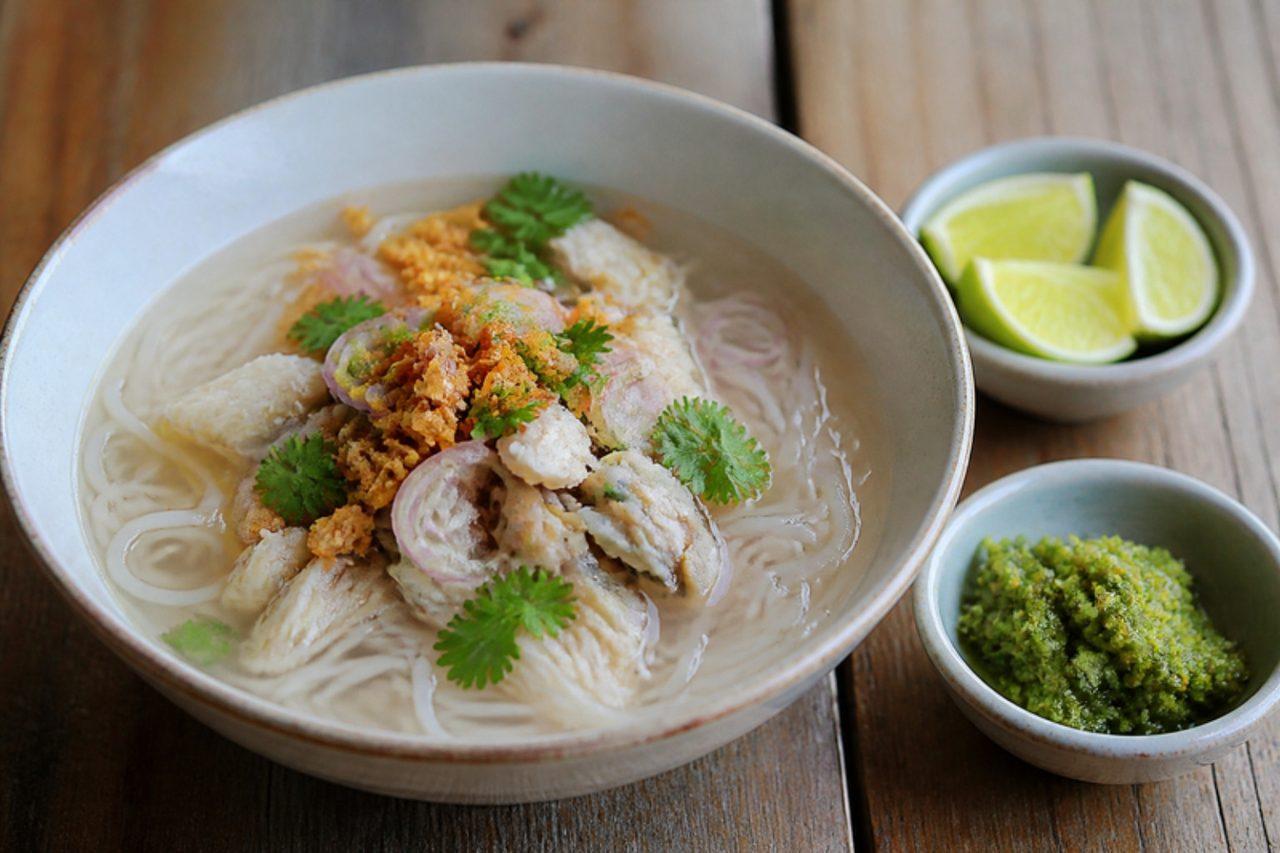
Sittwe wakes up hungry, and its answer is a bowl of Rakhine mont di from the breakfast shops near the jetty and market: thin rice noodles under a clear, tart broth made from sea fish, lemongrass and a whisper of fish paste. The fish is flaked over the top with sliced shallot, coriander and crisp garlic, and the real fire comes from a pounded paste of raw green chillies and garlic that everyone stirs in to taste. It is lean, bright and searingly hot, nothing like the creamy noodles of the north, and people eat it with fritters or nothing at all. A frequent mistake is boiling the fish hard so it falls apart into the broth; poach it gently and lift it out the moment it flakes. Chef's tip: make the green chilli paste first and let it sit for 15 minutes; the garlic mellows and the paste turns a brighter, fresher green.

by KrazyBadal 0 views

MeeshayRice noodles with pork sauce

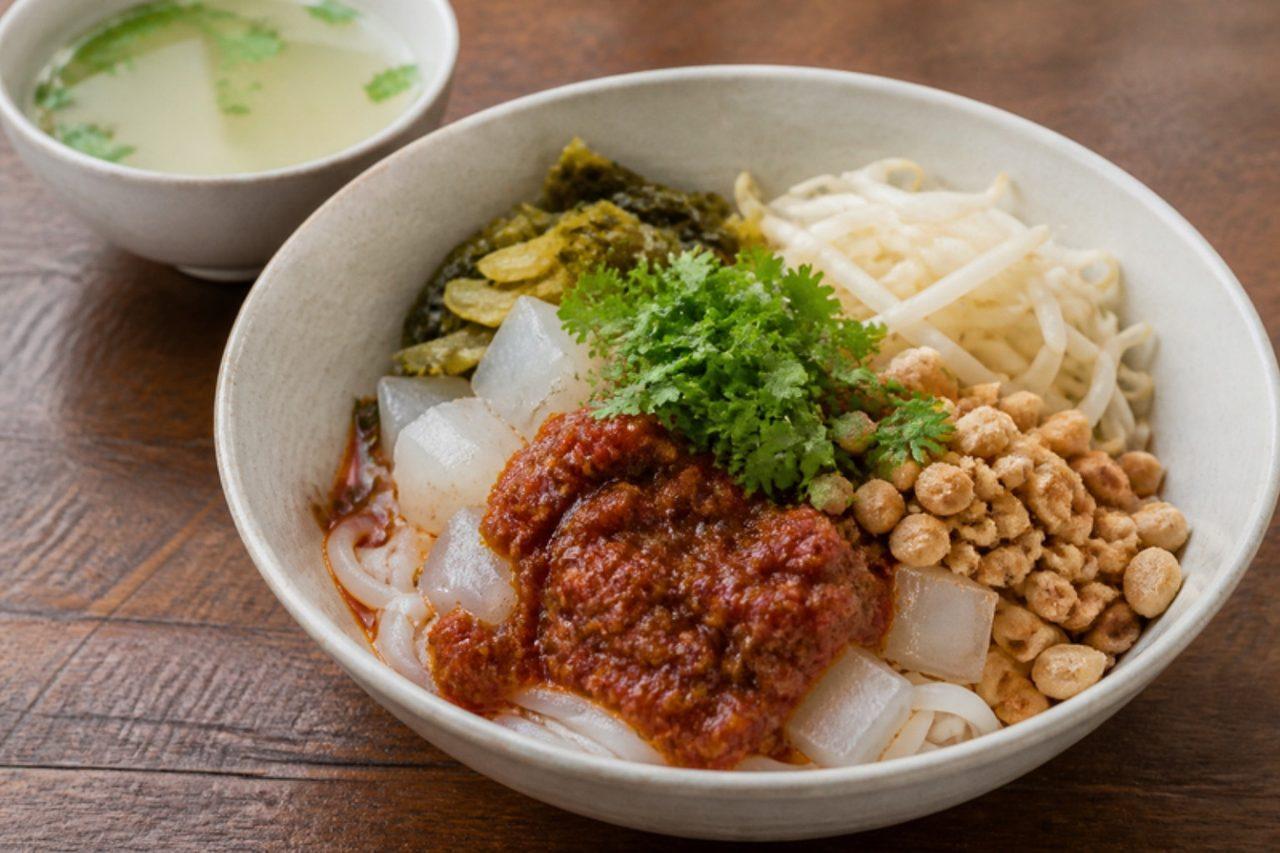
Two places claim meeshay: Mandalay, where it is a teatime and late-afternoon snack sold from carts near the moat, and the Shan hills, where markets serve it in the morning. Soft rice noodles are dressed with soy, a splash of vinegar and garlic oil, then topped with a savoury minced pork sauce, crunchy bean sprouts, pickled mustard greens and strips of wobbly rice jelly that soak up the dressing. It tastes tangy, garlicky and comforting, with chilli oil and a cup of clear broth on the side. The most common slip is cutting the rice jelly before it has set; give it a full 30 minutes to cool so it slices cleanly. Chef's tip: dress the noodles at the table, not ahead: vinegar and soy added too early make the noodles soft and the jelly slippery.

by KrazyBadal 0 views

Mandalay mont diRice noodles with chicken curry

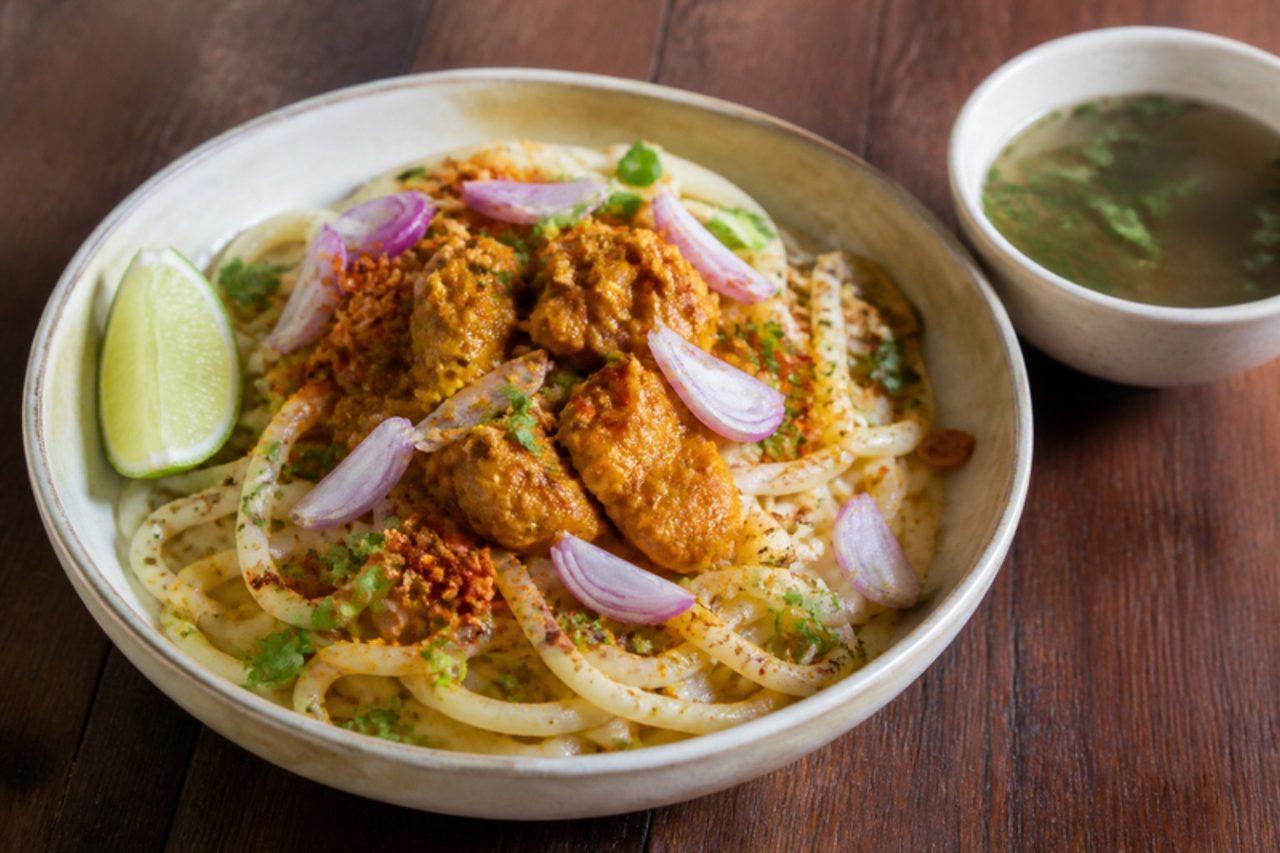
Mornings in Mandalay begin at low plastic tables near Zegyo market, where vendors toss mont di to order for students, monks' helpers and traders before the heat sets in. Round rice noodles, a little thicker than spaghetti, are mixed with a spoonful of lemongrass-scented chicken curry, toasted chickpea flour and a drizzle of 'fish oil': garlic fried in oil and sharpened with fish sauce. The result is slick, nutty and savoury, brightened by raw shallot, lime and coriander, with a small bowl of clear broth alongside. A common slip is dressing the noodles while they are wet; water dilutes the oil and the flavour slides off, so drain them really well first. Chef's tip: toast the chickpea flour slowly until it smells like roasted nuts; raw flour tastes chalky and clumps when you toss.

by KrazyBadal 0 views

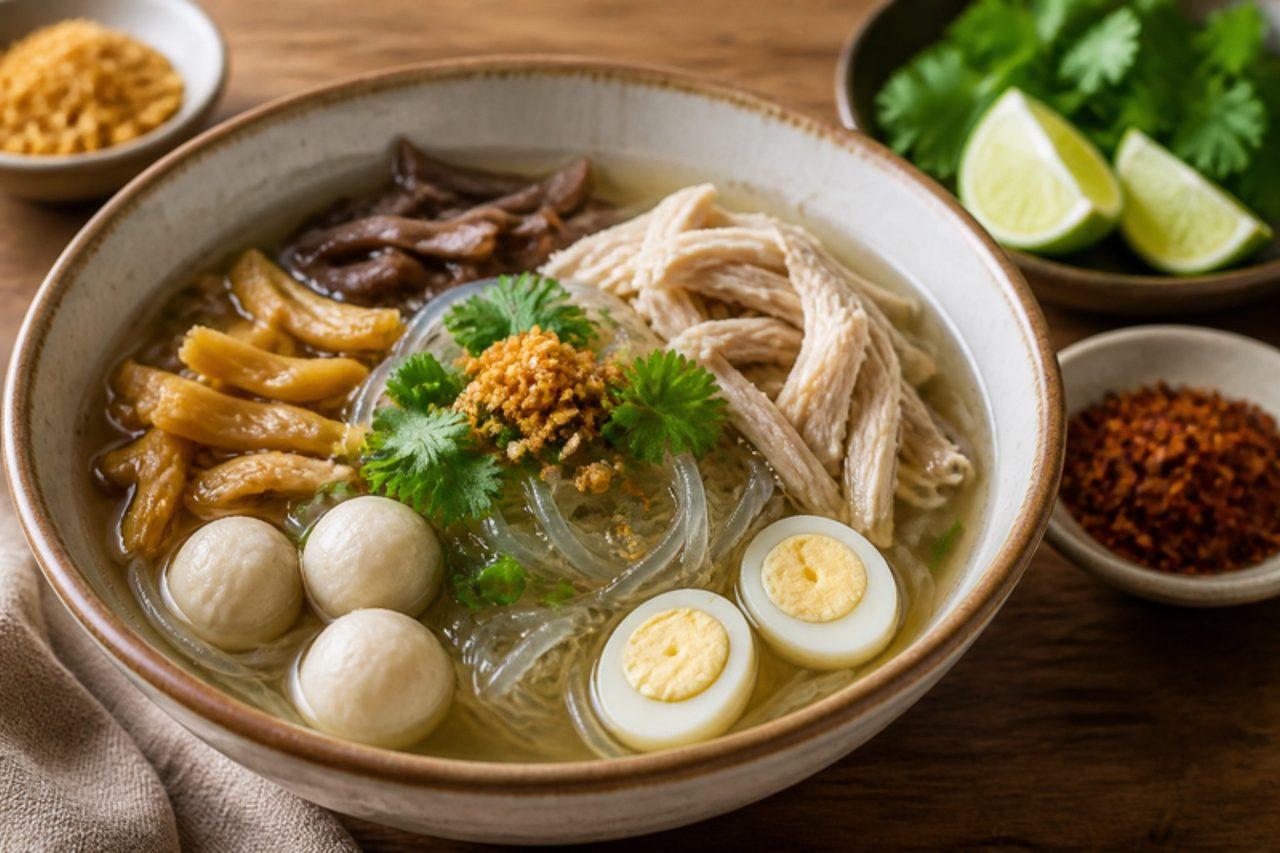
Kyar zan hingaGlass noodle soup with chicken

Lighter than mohinga and a favourite with children, kyar zan hinga turns up at Yangon donation feasts, at evening noodle stalls and on the family table when someone needs something soothing. Slippery glass noodles swim in a clear, peppery chicken broth with shredded chicken, crunchy wood-ear mushroom, chewy knots of dried lily buds, bouncy fish balls and whole quail eggs. Each bowl is finished at the table with lime, chilli flakes, fried garlic and coriander, and crisp split-pea fritters are often torn in on top. Simmering the glass noodles in the pot is the classic error: they swell, go soft and drink up the broth, so add them straight to the bowls instead. Chef's tip: knot each softened lily bud before it goes into the soup; it keeps them from shredding and gives every spoonful a little chewy bite.

by KrazyBadal 0 views

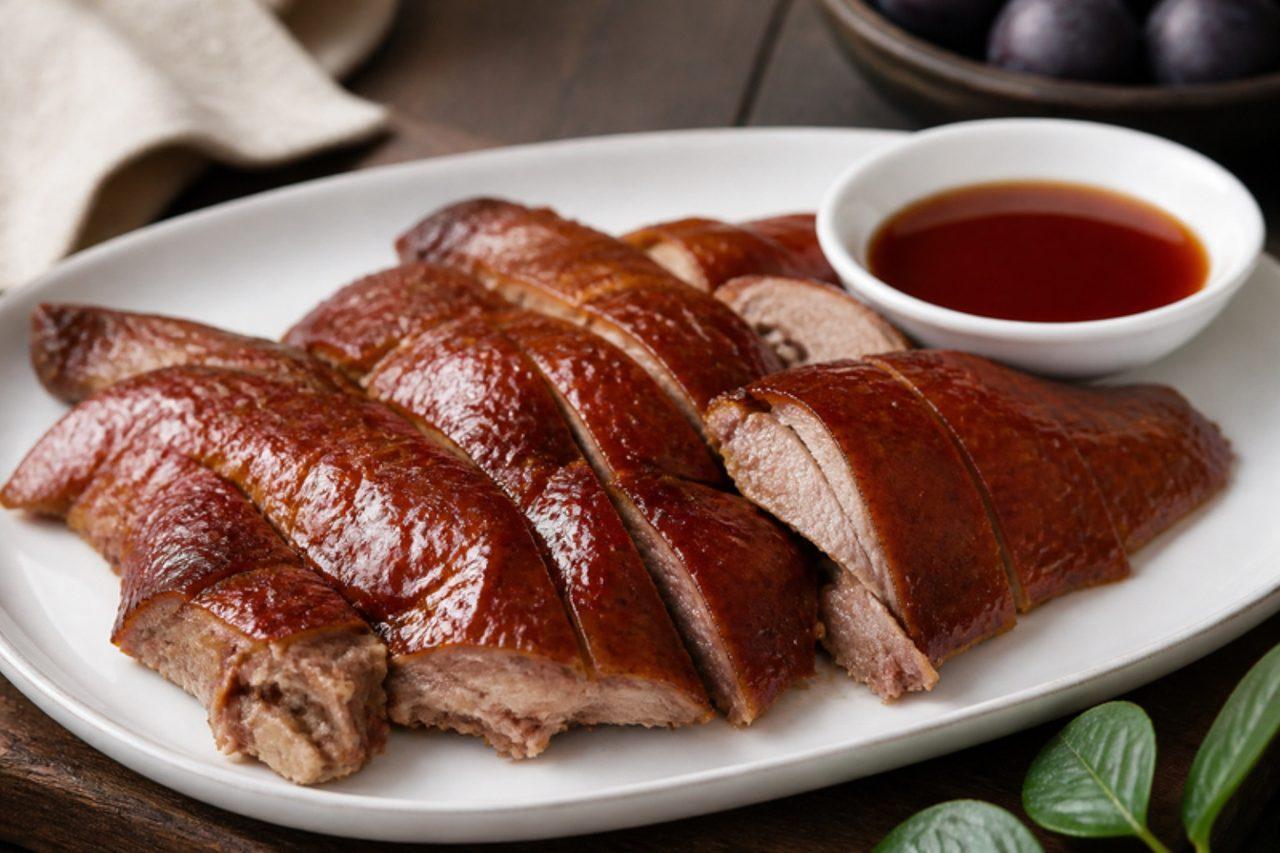
Cantonese roast goose

Drive out along the coast road to Sham Tseng in the New Territories and the restaurants there have been roasting geese for generations; Hong Kongers make the trip for a plate of it with lai fun noodles, or order a half goose for a family dinner. The skin is thin, crisp and deep mahogany, the meat dark, rich and juicy, scented from the inside with five-spice, bean paste and garlic. Sour plum sauce cuts through the fat. This home version uses an oven-ready goose (head already removed, as it is sold), dried overnight and roasted in a domestic oven. A frequent slip is roasting a goose straight from the wrapper: without its overnight drying and a glaze, the skin stays leathery. Chef's tip: pour off the rendered fat as it collects; it is superb for roasting potatoes or frying rice.

by KrazyBadal 0 views

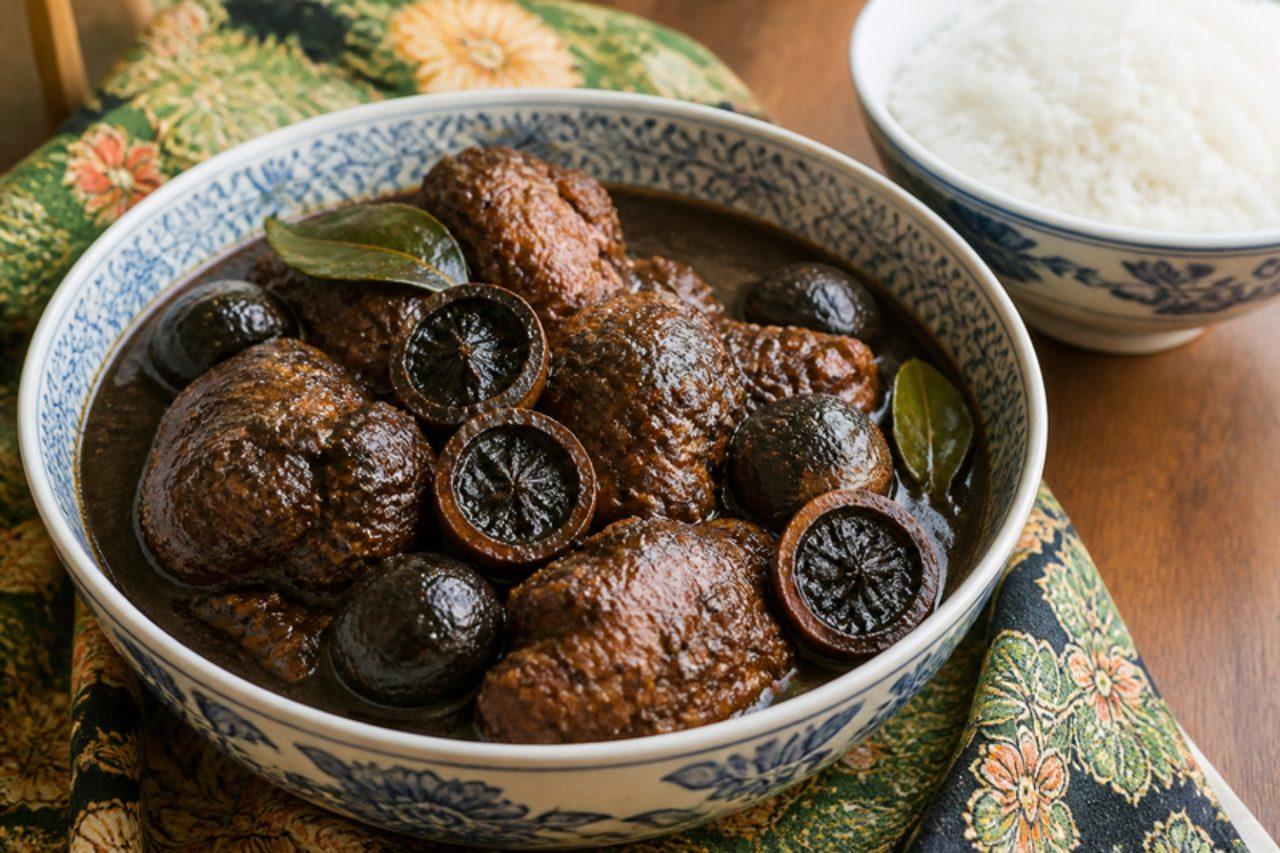
Ayam buah keluakChicken with black keluak nuts

Ask any Peranakan family in Singapore which dish defines the Nyonya table and most will name this one, cooked for Chinese New Year, ancestral offerings and big birthday lunches. Chicken is braised in a sour tamarind gravy built on a long-fried rempah of chillies, shallots, galangal, lemongrass and shrimp paste, together with buah keluak, the hard black nut of the kepayang tree, whose inky flesh tastes of dark chocolate, mushroom and olive. Diners dig the paste out with a teaspoon and stir it into rice. Raw keluak nuts contain hydrogen cyanide and are poisonous: use only cleaned, pre-soaked nuts sold ready to cook, and still soak them for several days, changing the water every day, as the seller's instructions say. The mistake people regret is skimping on that soak, which leaves the nuts bitter as well as unsafe. Chef's tip: cook it a day ahead; the gravy darkens and the flavours deepen overnight.
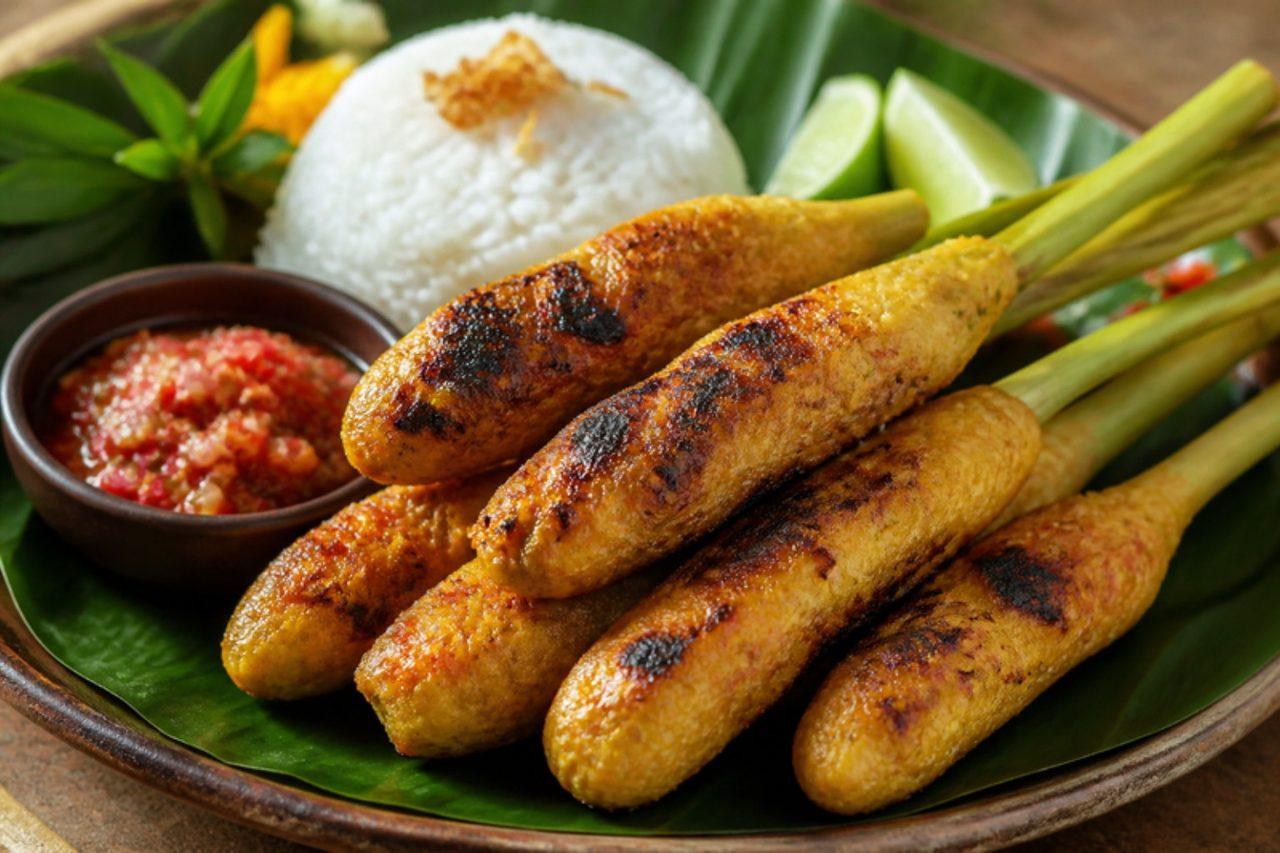
by KrazyBadal 0 views

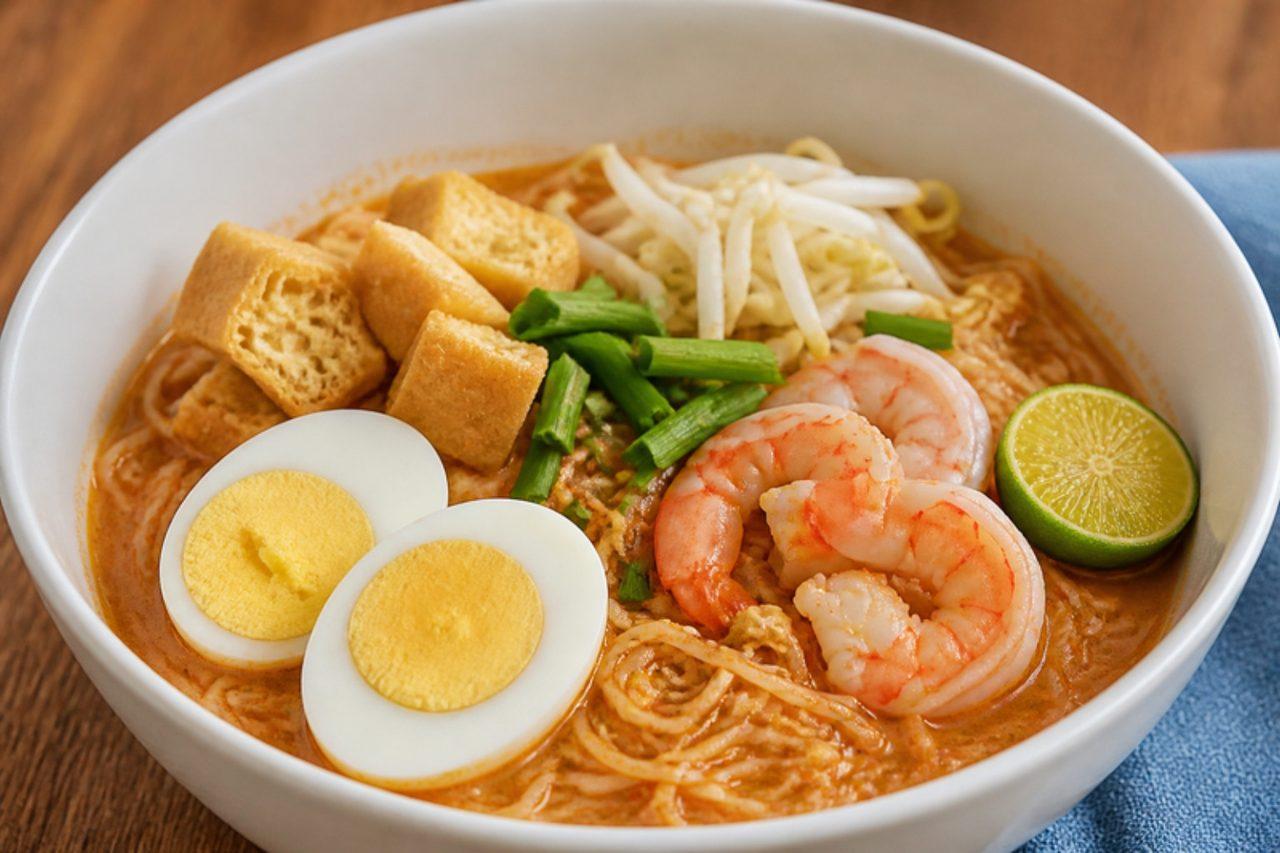
Mee siamTamarind rice vermicelli

Malay breakfast stalls and nasi padang counters across Singapore sell mee siam from early morning, often packed in brown paper for the journey to work, and Peranakan homes make it for birthdays and Hari Raya open houses. Thin rice vermicelli is fried with a chilli and dried shrimp rempah until pink, then drowned in a sweet-sour tamarind gravy flavoured with fermented soybean paste, and topped with halved boiled eggs, fried tofu puffs, garlic chives and a squeeze of calamansi. It is light, tangy and moreish rather than rich. Note this version contains dried shrimp and shrimp paste, so it is not vegetarian. The mistake to avoid is oversoaking the vermicelli, which then breaks into mush in the wok; soak it only until pliable. Chef's tip: make the gravy the day before; the tamarind and soybean flavours settle overnight and it tastes rounder.

by KrazyBadal 0 views

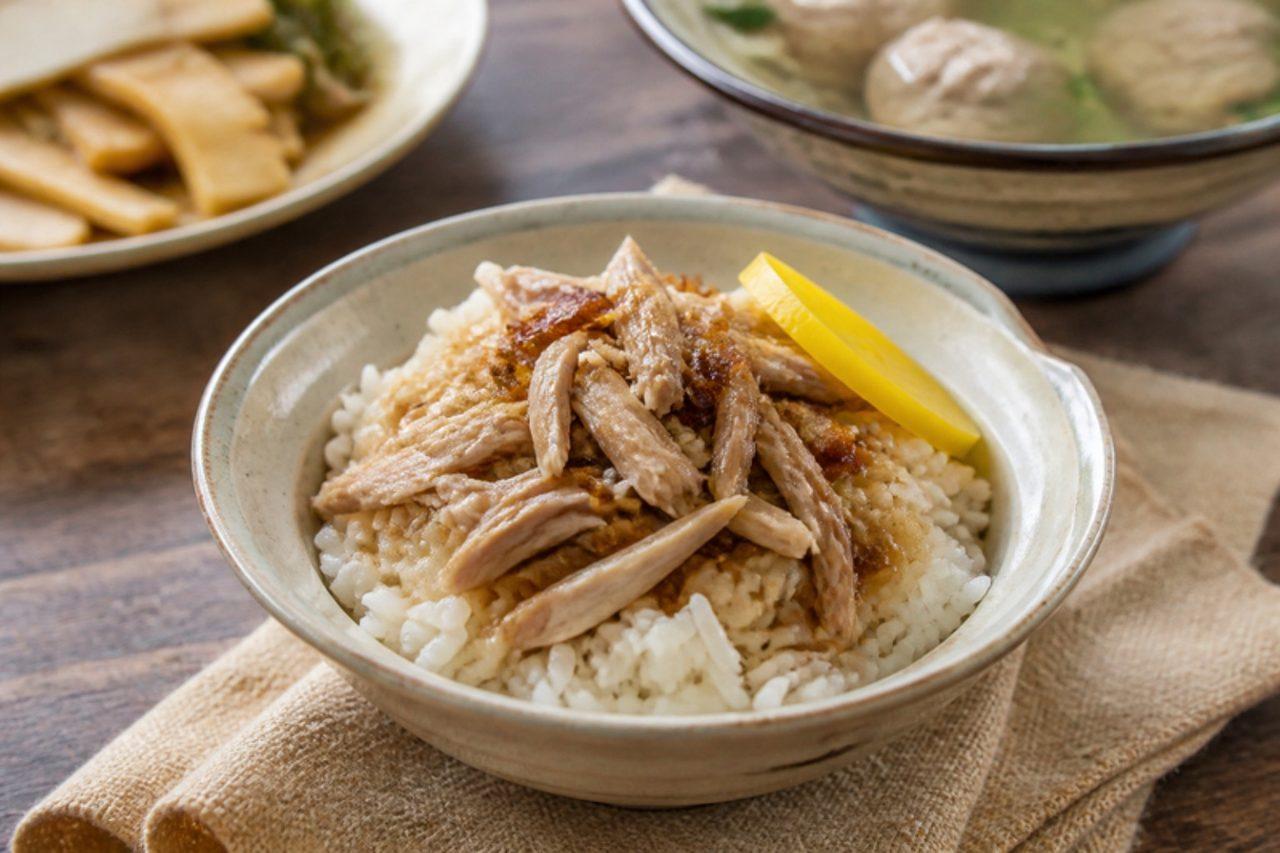
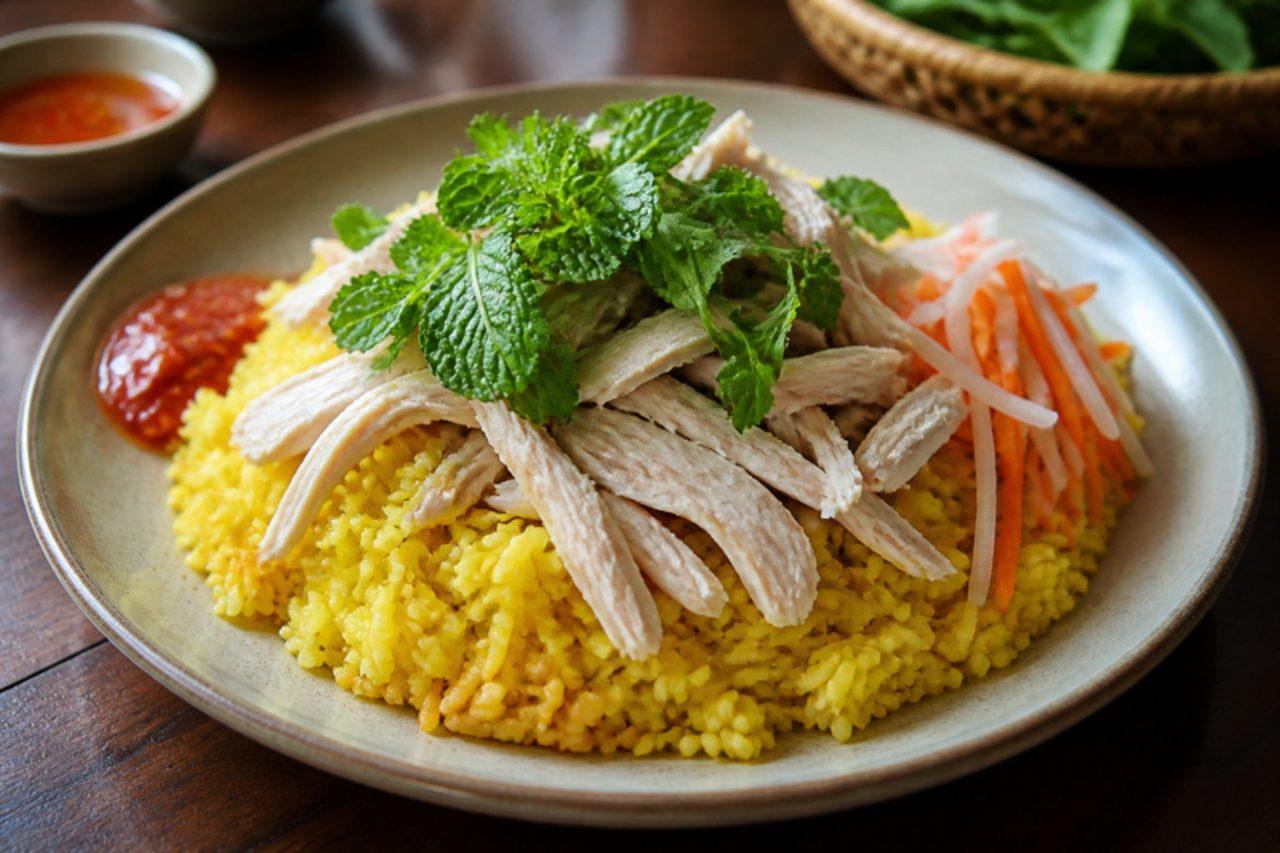
Chiayi turkey riceShredded turkey rice

Chiayi, in the south-central plains, is the town that put turkey on Taiwan's lunch tables: every few streets there is a shop selling small bowls of hot rice heaped with pulled turkey, drizzled with golden turkey-fat shallot oil and a sweet soy sauce, eaten with a yellow pickled radish and a bowl of clear soup. It is lunch, a late breakfast and a midnight bite. The meat should be moist and pull into soft strands, the rice glossy rather than wet. The usual error is boiling the turkey hard, which leaves it dry and stringy; poach it gently and let it cool in the liquid. Chef's tip: render the turkey skin and fat slowly to fry the shallots, so the oil tastes of the bird; use chicken fat or neutral oil if your turkey is lean.

by KrazyBadal 0 views

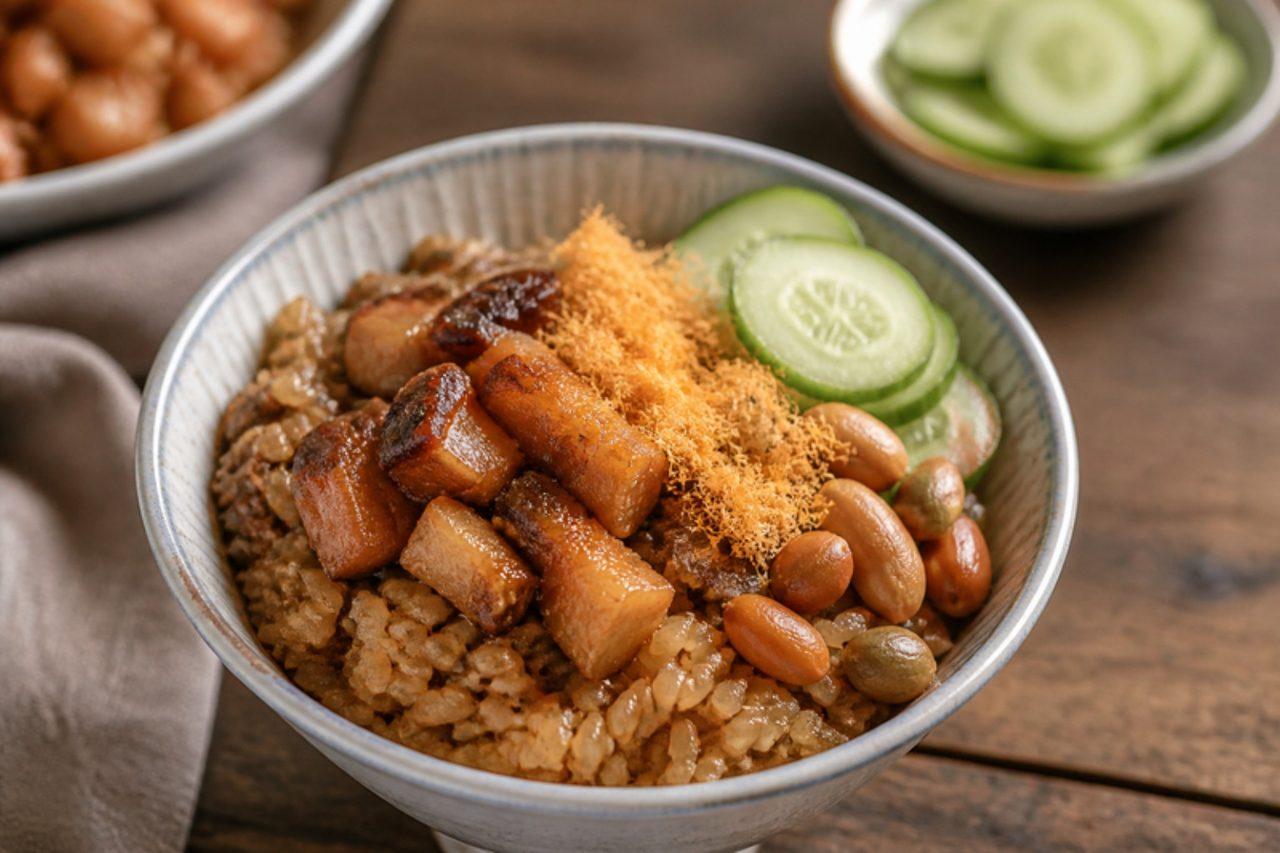
Tainan mi gaoSticky rice with braised pork

Order a bowl of this in Tainan, alongside a cup of fish ball soup, and you get a compact mound of glistening glutinous rice, chewy and seasoned with shallot oil and soy, topped with a spoonful of sticky braised pork, a tuft of sweet fish floss, soft boiled peanuts and a slice of cucumber pickle. Shops serve it from late morning into the night as a filling snack between meals. The rice must be soaked ahead, so start it the night before or in the morning. A frequent slip is boiling glutinous rice in water like ordinary rice, which turns it into paste; steam it instead. Chef's tip: sprinkle a few spoonfuls of the pork braising liquid over the rice halfway through steaming; the grains soak it up and turn glossy and amber.

by KrazyBadal 0 views

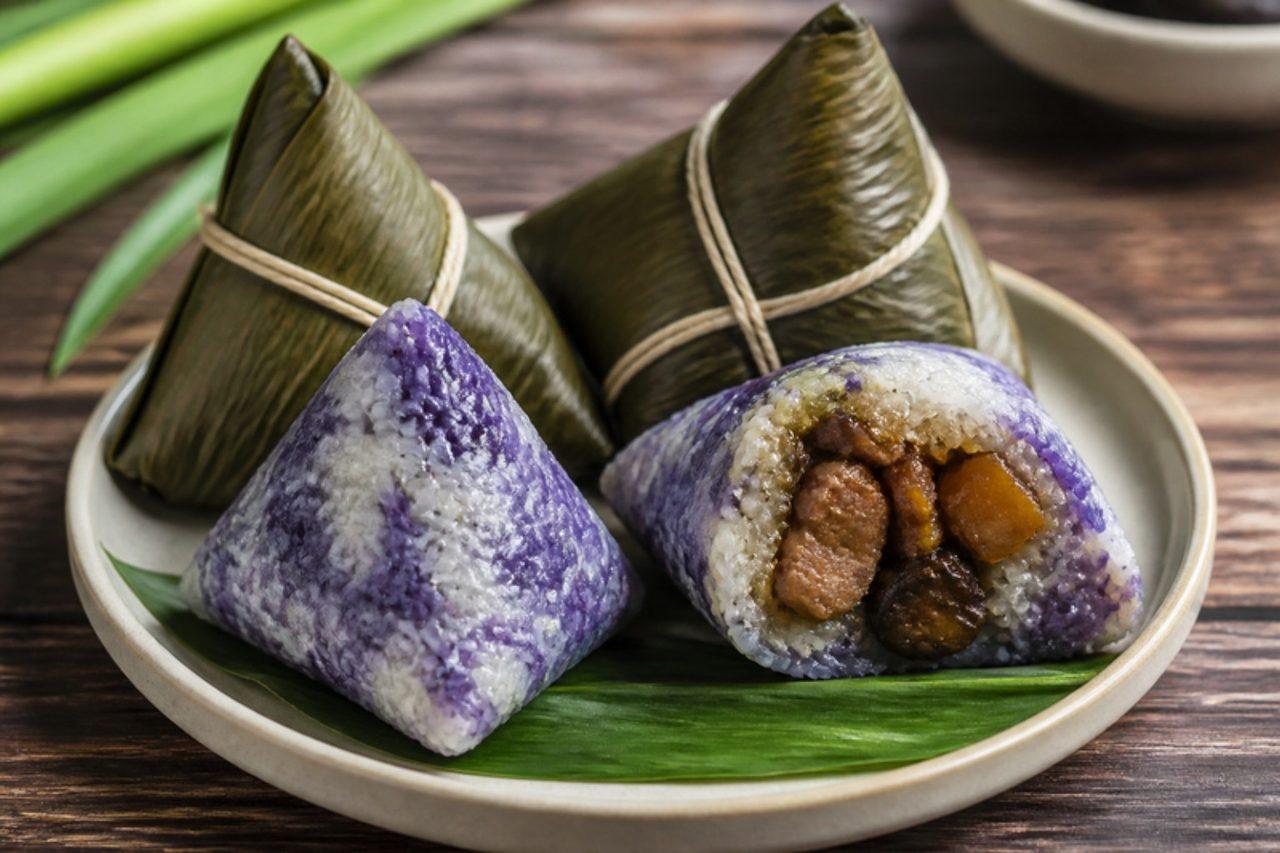
Nyonya bak changPork rice dumplings

Every year in the run-up to the Dragon Boat Festival, on the fifth day of the fifth lunar month, Peranakan aunties in Singapore's Katong set up long tables and start wrapping. Their chang differ from Hokkien rice dumplings: the glutinous rice is part-tinted a soft blue with butterfly pea flowers and scented with pandan, and the filling of diced pork is sweet with candied winter melon and warm with ground coriander and white pepper. Cut open, each pyramid is speckled blue and white, sticky and fragrant, and is eaten warm or at room temperature with a dab of sambal or simply on its own. A common mistake is tying the dumplings too loosely, so water seeps in and the rice turns mushy; wrap tight and tie firmly. Chef's tip: fry the filling until it is fairly dry before wrapping, as any excess liquid makes the rice around it soggy.

by KrazyBadal 0 views

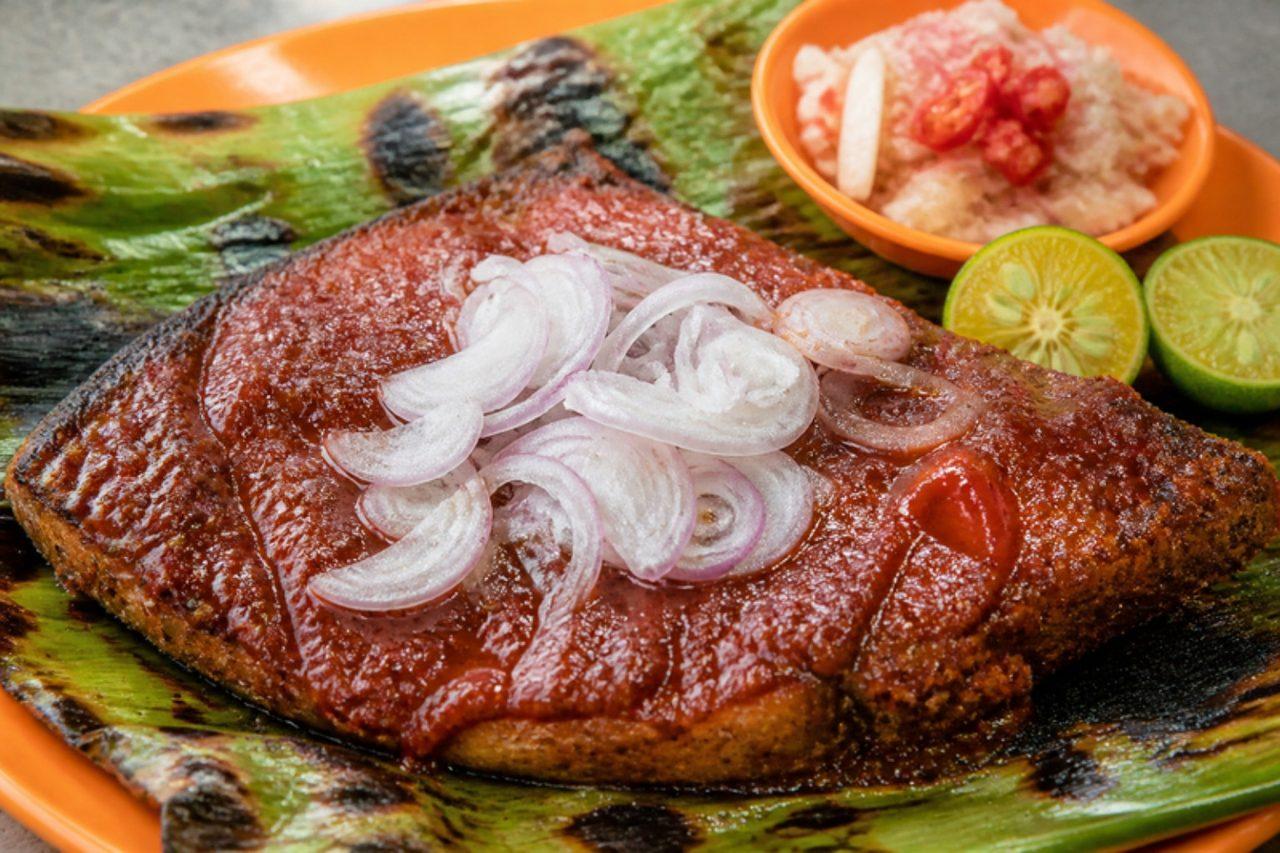
Sambal stingray

Weekend evenings at the seafood stalls of Newton, Chomp Chomp and East Coast Lagoon smell of charring banana leaf, and the dish sending up that smoke is usually sambal stingray. A fan-shaped stingray wing is spread thickly with a dark red, slow-fried sambal of chillies, shallots, candlenuts and toasted shrimp paste, laid on banana leaf and cooked over high heat until the sweet, delicate flesh pulls cleanly off the soft cartilage in strands. It comes with calamansi or lime, raw sliced shallots and a little dish of sour chinchalok, and a plate of steamed rice. Underfrying the sambal is the classic error: until the oil splits away and turns red, the paste tastes raw and harsh. If you can't find stingray, skate wing is the best substitute and cooks the same way. Chef's tip: score the thick end of the wing and push sambal into the cuts, so the flavour gets right into the flesh.

by KrazyBadal 0 views

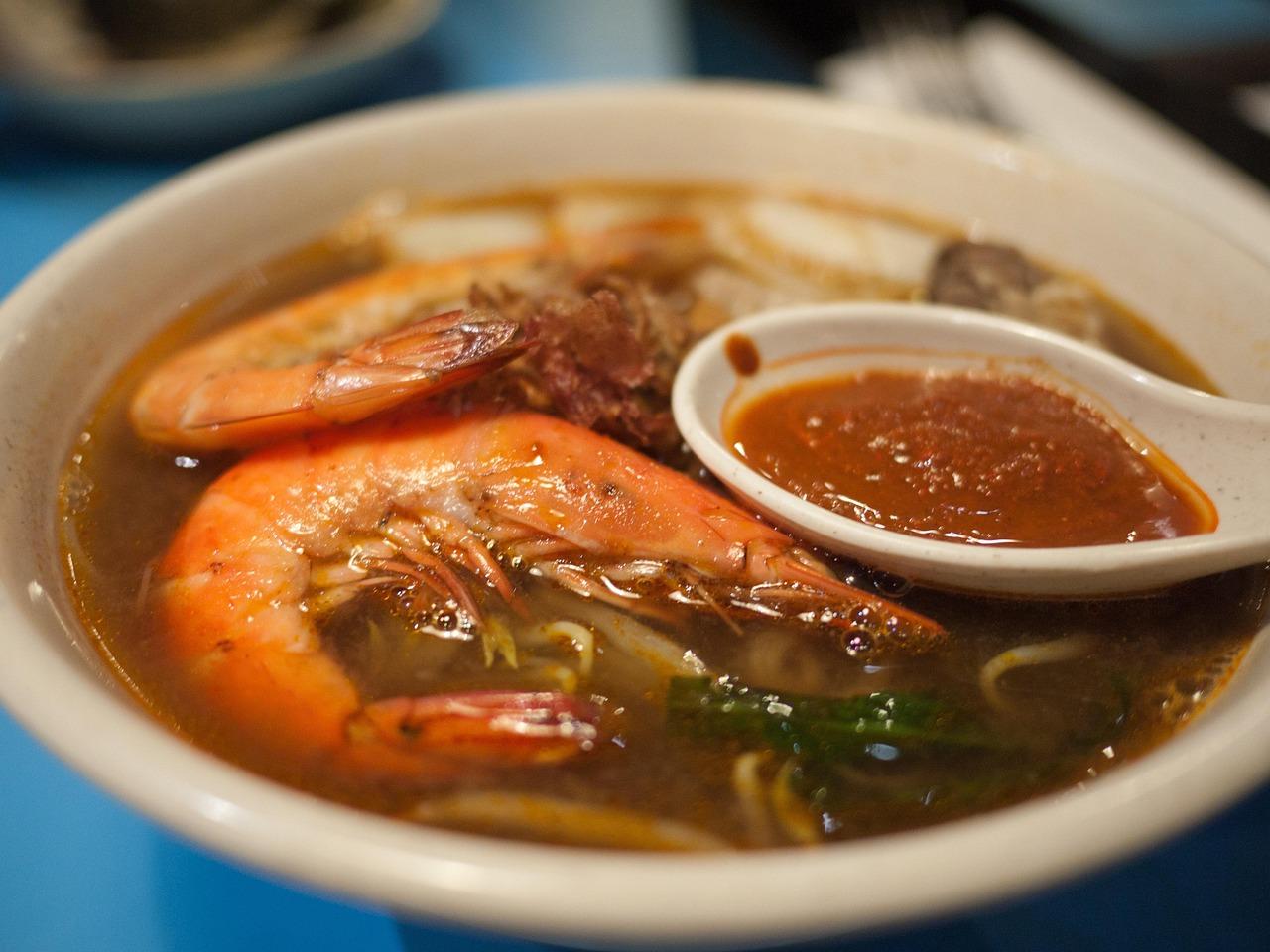
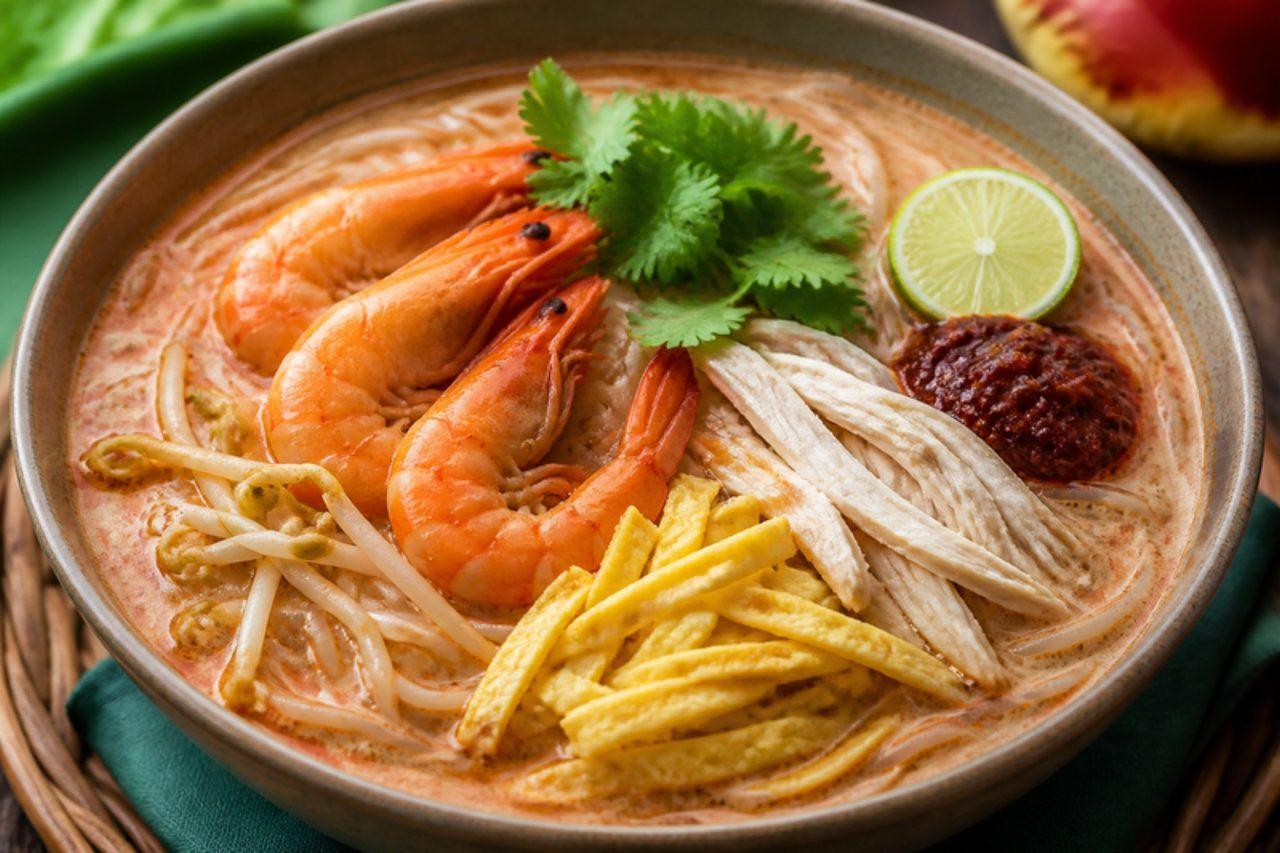
Singapore prawn noodle soup

Long before lunch, the big pots at Singapore's prawn mee stalls have been bubbling with fried prawn shells and pork bones, and the regulars from Zion Road to Tiong Bahru arrive with one question: soup or dry? This is the soup version, which is different from the stir-fried Hokkien prawn mee: a sweet, briny, rust-coloured broth poured over yellow noodles and rice vermicelli, topped with halved prawns, tender pork ribs, kangkong and bean sprouts, finished with fried shallots and a dusting of chilli powder. A dish of sliced red chilli in soy sauce sits alongside. The most common mistake is boiling the shells without frying them first, which gives a pale, thin broth; the depth comes from shells toasted in oil until they are deep red and smell like the sea. Chef's tip: freeze prawn shells and heads from other meals over a few weeks so you have a big bag ready for the stock.

by KrazyBadal 0 views

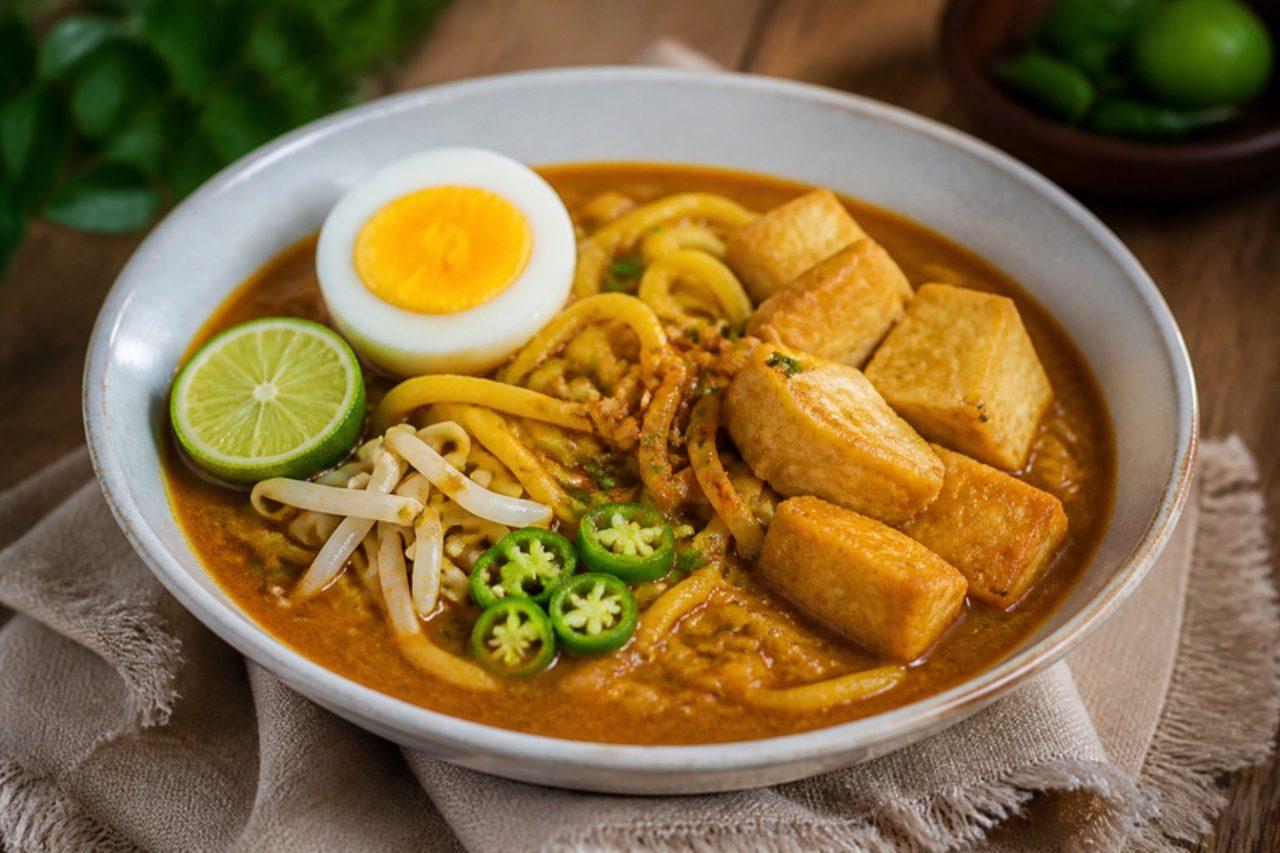
Vegetarian mee rebus

Malay hawker stalls at Geylang Serai and the old Adam Road food centre ladle mee rebus from a vat of thick, reddish-brown gravy that is sweet, gently spiced and earthy, poured over springy yellow noodles and heaped with halved boiled egg, fried tau kwa, bean sprouts, green chilli and a squeeze of calamansi. It is eaten any time, but especially on Hari Raya mornings and as a filling lunch. Many stalls build the gravy on dried shrimp and beef stock; this vegetarian version gets its body from mashed sweet potato, its savoury depth from fermented soybean paste (taucheo) and a well-fried spice paste, and uses vegetable stock. The usual mistake is under-frying the rempah, which leaves the gravy tasting raw and sharp; cook it until the oil separates and turns red. Chef's tip: the gravy thickens as it stands, so keep a kettle of hot stock nearby and loosen it to a pourable, velvety consistency just before serving.

by KrazyBadal 0 views

Pe pyot (boiled yellow peas)

Before the city wakes, pe pyot sellers pedal through Yangon's townships calling out from bicycle baskets of warm, steaming peas, scooping portions into leaf parcels for families to eat with fried rice, flatbreads or toasted naan. Dried yellow or white peas are soaked overnight and simmered until creamy inside but still whole, then seasoned simply with salt and a spoon of oil fried with shallots. The flavour is mellow, earthy and slightly sweet, and the texture is soft and fluffy, like a good baked potato. Too much bicarbonate of soda is the common slip: a pinch softens the skins, but more turns the peas to soapy mush. Chef's tip: make a double batch; pe pyot keeps for three days in the fridge and turns tomorrow's leftover rice into pea fried rice.

by KrazyBadal 0 views

Wu gok (crispy taro dumplings)

Few dim sum crack like wu gok: the shell of mashed taro puffs in the fryer into a golden, honeycomb lace so delicate it shatters at a touch, giving way to a soft, nutty taro layer and a juicy filling of diced pork, shiitake and oyster sauce. Hong Kong teahouses fry them to order through the morning and they are a must at Lunar New Year banquets. Eat them straight away, with a pot of jasmine tea to cut the richness. Lard is the traditional fat in the taro dough; vegetable shortening works too. The classic failure is oil that is too cool or too hot: below about 170 °C the dumplings fall apart, above 190 °C they brown before the lace forms. Chef's tip: chill the shaped dumplings for half an hour so the dough is firm and the lace blooms evenly.

by KrazyBadal 0 views

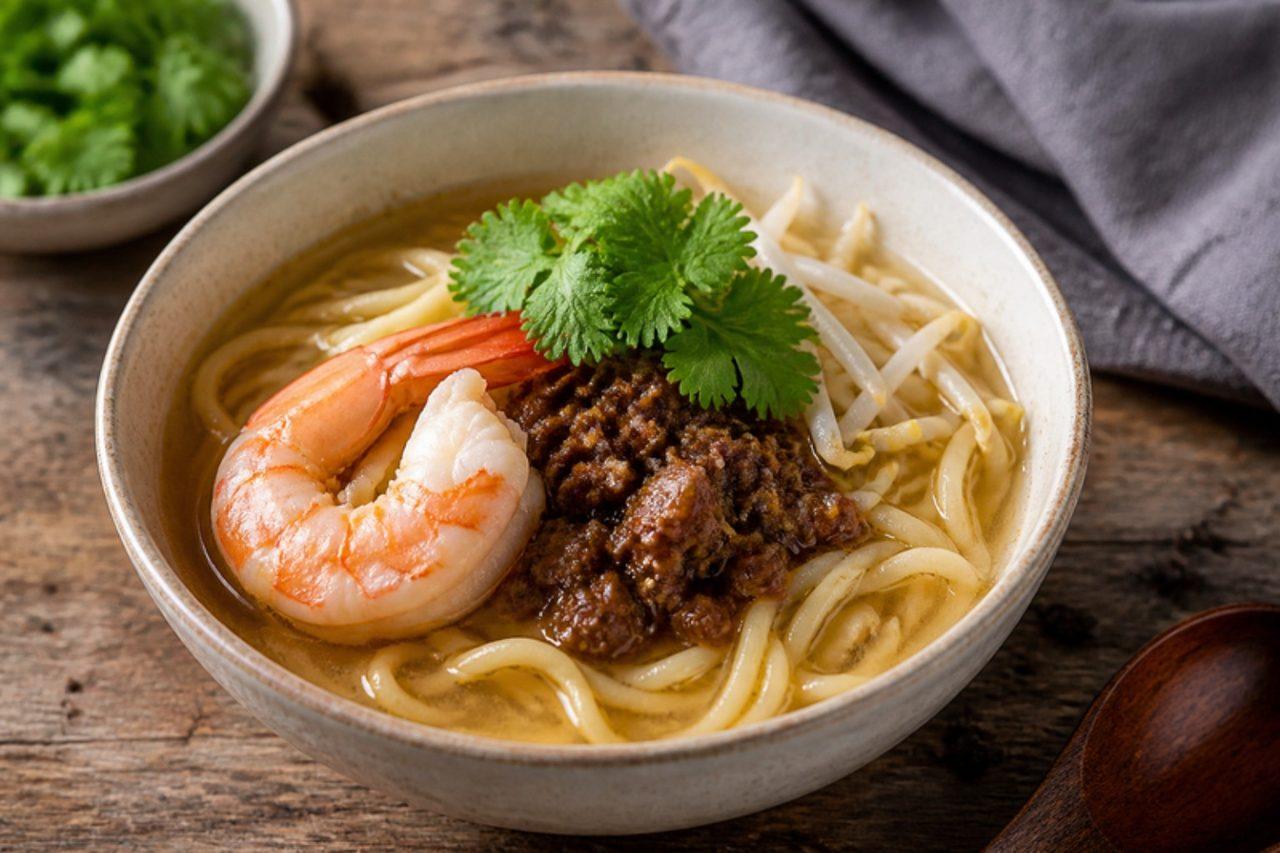
Danzai noodlesNoodles with prawn and minced pork

Tainan's most famous snack began with fishermen who, in the stormy months when boats stayed in harbour, carried noodles and broth through the streets on a shoulder pole. It is still served in deliberately small bowls, eaten as a between-meals bite rather than a dinner: springy yellow noodles and bean sprouts in a sweet, clear prawn-shell broth, crowned with a spoonful of slow-cooked minced pork, a single prawn, garlic paste and a dot of black vinegar. Pork is the heart of the topping, braised until sticky with shallots and five-spice. The mistake to avoid is drowning the bowl: use only enough broth to half-cover the noodles, so the meat sauce seasons it. Chef's tip: toast the prawn shells and heads in a dry pot until they turn bright red before adding water; it doubles the sweetness of the broth.

by KrazyBadal 0 views

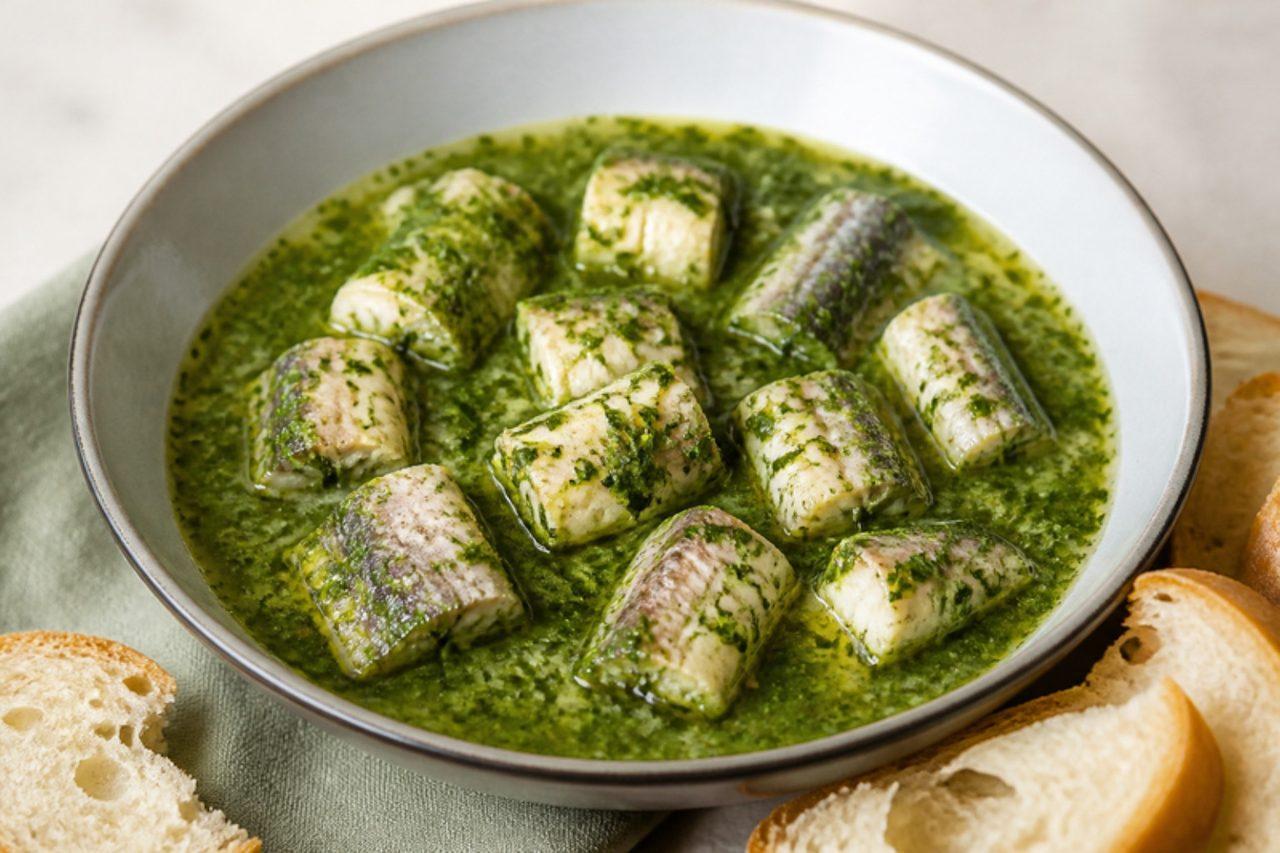
Paling in 't groenEel in green herb sauce

Paling in 't groen, 'eel in green', is the old riverside dish of the Scheldt valley between Antwerp and Ghent, served in summer in cafés along the river at places like Hamme and Lillo: pieces of eel cooked briefly in butter, then simmered in a vivid green sauce of sorrel, spinach, chervil, parsley, tarragon, mint and sage, thickened with egg yolk. It is eaten hot or cold with fries or bread. European eel is critically endangered, so buy only eel from a legal, responsibly managed source, cleaned and skinned by the fishmonger, or use thick pieces of another firm, oily fish such as mackerel. A common mistake is cooking the herbs for long, which turns the sauce khaki. Chef's tip: add the herbs only for the last 3 minutes, then bind with yolk off the heat. The fish is cooked when firm and opaque at the bone.

by KrazyBadal 0 views

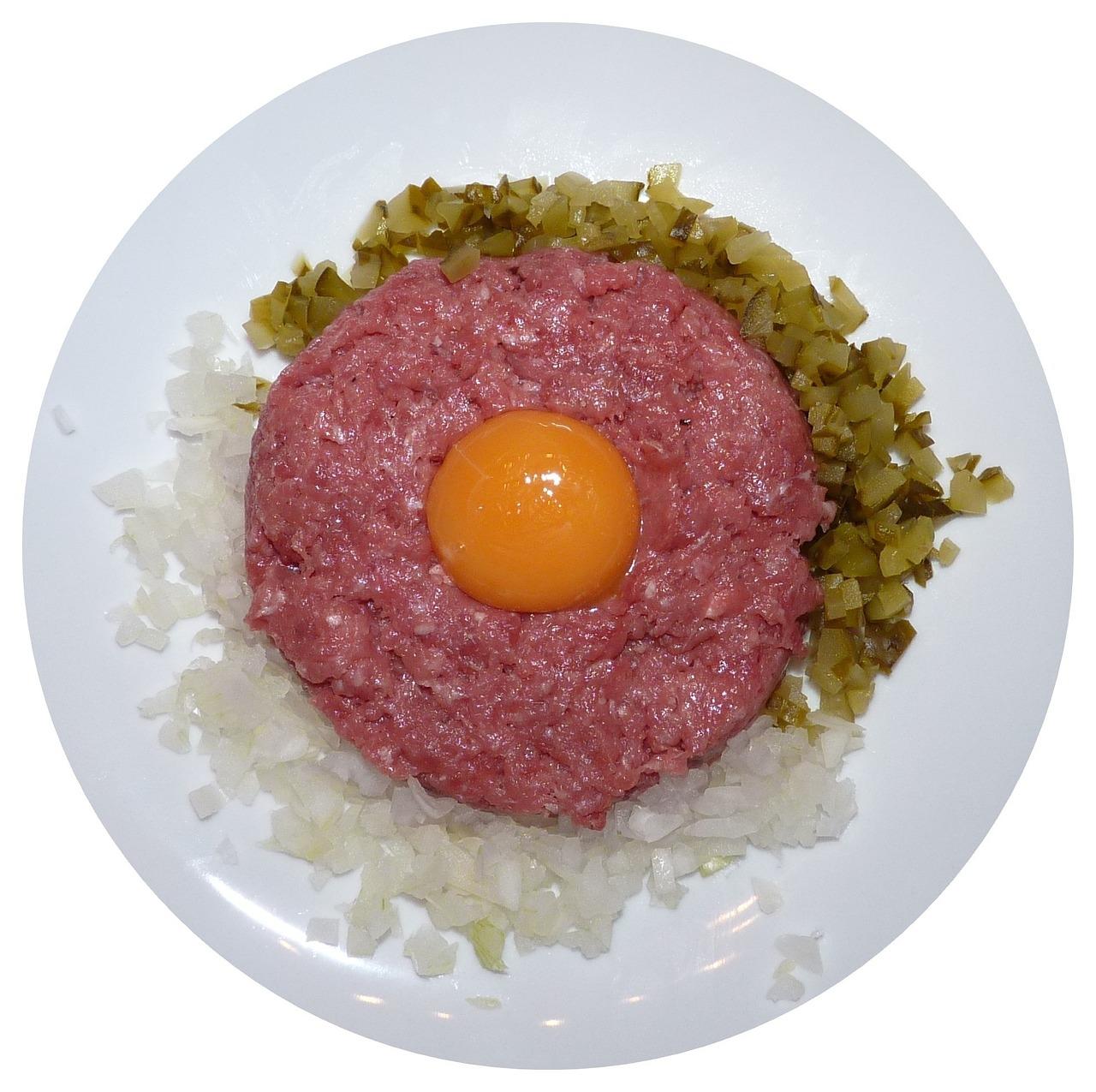
Filet américainRaw minced steak spread

Despite its name, filet américain is a Belgian classic, served in Brussels brasseries with a mound of fries, or spread on a baguette as the famous 'broodje américain': very fresh lean beef, finely minced and mixed with mayonnaise, mustard, capers, chopped onion, parsley and a dash of Worcestershire sauce and Tabasco, so it is creamy and tangy. The beef is eaten raw, so it is not for pregnant women, young children or anyone with a weakened immune system. Buy a whole piece of the freshest steak from a trusted butcher, trim it and mince it yourself just before serving; never use ready-minced beef. A common mistake is preparing it in advance; make it and eat it at once. Chef's tip: chill the meat and the bowl well and mix with a fork, not a processor, so it stays loose. Use shop-bought mayonnaise, which is made with pasteurised egg.

by KrazyBadal 0 views

SerundengToasted spiced coconut with peanuts

Serundeng is the crunchy, sweet-savoury sprinkle that comes in a little tub with every Indonesian takeaway in the Netherlands: grated coconut slowly toasted with a spice paste of shallot, garlic, coriander and cumin, palm sugar and tamarind until golden and dry, then mixed with fried peanuts. It is scattered over rice. Most versions use shrimp paste; this one is vegan. A common mistake is toasting over high heat, which burns the coconut in seconds. Chef's tip: keep stirring over a low heat for the full 20 minutes; the coconut turns golden slowly and evenly and stays crunchy for weeks.

by KrazyBadal 0 views

Orh neeSweet mashed taro paste

Teochew wedding banquets and Lunar New Year dinners in Singapore close with orh nee, a warm, dense, purple-grey taro paste that is smooth on the tongue and sweet with a savoury edge from fried shallot oil. Restaurants along Upper Thomson and in the old Teochew enclave at Boat Quay serve it in small bowls with candied gingko nuts and soft cubes of pumpkin on top, and some pour over a little coconut milk. The traditional fat is pork lard; this version uses shallot oil, which gives the same rich, toasty aroma and keeps it fully plant-based. The usual mistake is adding all the sugar and water at once and stirring briefly; orh nee needs long, patient stirring over a low heat until the paste turns glossy and pulls away from the pan. Chef's tip: mash the taro while it is still steaming hot and press it through a sieve if you want restaurant smoothness; cold taro goes gluey.

by KrazyBadal 0 views

Beef brisket noodles

Queues form outside the brisket shops of Central and Sham Shui Po at lunchtime for a bowl of ngau naam min: wobbly chunks of beef brisket, braised for hours with chu hou paste, star anise, cinnamon and dried tangerine peel until the fat and sinew melt, set over springy egg noodles in a separate, clear, peppery broth with daikon. The braise is dark, sticky and aromatic, the broth light and clean, and you dip between them. A slosh of Shaoxing rice wine goes in the braise; an alcohol-free swap is in the ingredient list. Many home cooks cut the brisket before cooking into small cubes, which then shrink and dry out; braise it in big pieces and cut it afterwards. Chef's tip: the braise is better the next day, so make it ahead, chill it and lift off the fat before reheating.

by KrazyBadal 0 views

Changhua ba-wanPork-filled starch dumplings

Changhua's old market streets are lined with shops whose woks are full of these dumplings sitting in warm oil, ready to be split open, sauced and eaten as a mid-morning or afternoon snack. The wobbly, translucent skin of sweet potato starch is chewy and slightly sticky, wrapped around a savoury filling of marinated pork, bamboo shoot and shiitake, and the whole thing is drenched in a sweet pink-brown sauce with garlic and coriander. The trickiest part is the wrapper: a dough made only of raw starch cracks and turns gluey, so cook part of it into a paste first. Make it gluten-free by using tamari or gluten-free soy sauce, as here. Chef's tip: oil the saucers well and keep your fingers wet when shaping; the starch dough is sticky, and water lets you smooth it into neat domes.

by KrazyBadal 0 views

Atjar tjampoerSweet-sour mixed vegetable pickle

Atjar tjampoer is the bright yellow pickle in every Dutch-Indonesian toko and on every rijsttafel: crisp cucumber, carrot, cabbage, cauliflower and shallot pickled in a sweet-sour vinegar brine coloured with turmeric, with a little chilli and ginger. It cuts through rich satay and rendang. A common mistake is cooking the vegetables, which makes them soft; they should only be blanched or simply covered with hot brine. Chef's tip: salt the cucumber first and squeeze it, so it stays crunchy for days.

by KrazyBadal 0 views

Udang masak nanasPrawns in pineapple gravy

Sweet, sour and gently hot, this Nyonya prawn and pineapple curry turns up on Peranakan family tables in Singapore and Melaka as one of several dishes shared at a weekend lunch, often next to a coconut-rich curry it is meant to balance. Prawns and chunks of half-ripe pineapple simmer briefly in a thin, golden gravy of tamarind and a lightly fried rempah of chillies, shallots, lemongrass, turmeric and shrimp paste, so the sauce tastes bright and fruity rather than heavy. Eat it with plenty of steamed rice. Overcooking the prawns is the common slip; they need only 3 minutes and turn tough and dry if left to stew with the pineapple. Chef's tip: choose a pineapple that is still a little firm and tart, as fully ripe fruit makes the gravy too sweet and falls apart.

by KrazyBadal 0 views

Hakka flat rice noodlesFlat rice noodle soup

Meinong, a Hakka farming town in the hills of Kaohsiung, is famous for its ban tiao: broad, slippery rice noodles steamed fresh each morning and sold in roadside shops for lunch, either swimming in a clear pork broth or stir-fried with chives and bean sprouts. This is the soup version, light and savoury, with tender slices of pork, crunchy sprouts, garlic chives and plenty of shallot oil floating on top; Hakka cooks put a side plate of boiled pork with a salty-sour sauce next to it. Overcooking is the classic error here: fresh ban tiao only needs a dip in boiling water, and it falls apart if left in. Chef's tip: separate the sheets of noodle by hand before cooking; cold noodles straight from the pack stick together in thick clumps.

by KrazyBadal 0 views

Tainan rice bowl cakeSteamed savoury rice bowl cakes

Small china bowls of this turn up at Tainan breakfast counters and temple-side stalls from early morning, each one turned out or eaten straight from the bowl with a bamboo spatula. The rice batter steams into a soft, slightly springy cake, tinted brown with shallot oil and soy, hiding a nugget of pork, shiitake and dried shrimp in its centre, and it is always doused in a thick, sweet soy sauce and a little garlic paste. People get it wrong by pouring raw, watery batter into the bowls, so the fillings sink and the cake turns out dense; cook it on the stove to a thin porridge first. For a truly gluten-free version, make the sauce with tamari or gluten-free soy sauce, as here. Chef's tip: steam on a steady medium heat and wrap the lid in a tea towel, so drips don't pit the smooth tops.

by KrazyBadal 0 views

Hakka caozai guoHerb rice dumplings with radish

Around Qingming, the spring tomb-sweeping festival, Hakka households across Taoyuan, Hsinchu and Miaoli steam trays of these deep-green dumplings to carry to the family graves and share afterwards. The colour and grassy, slightly bitter perfume come from cudweed or mugwort kneaded into glutinous rice dough, and the chewy skin wraps a savoury filling of chopped dried radish and shiitake. The festival version has long been meatless, so this one needs no changes to be vegan. Without a cooked piece of dough kneaded back in, the skin cracks as you shape it; that small step is what makes it supple. Chef's tip: look for frozen mugwort or cudweed purée in Asian grocers; if you can only find fresh mugwort, blanch it with a pinch of bicarbonate of soda to keep it bright green.

by KrazyBadal 0 views

Sambal goreng boontjesGreen beans in coconut sambal

Sambal goreng boontjes is one of the most loved dishes in Dutch-Indonesian homes and toko takeaways: green beans fried in a spice paste of shallot, garlic, chilli and galangal, then simmered in coconut milk with lime leaves until just tender and coated in a rich, spicy, slightly sweet sauce. It is a regular part of a rijsttafel. Traditional versions include shrimp paste (trassi); this one is vegan. A common mistake is overcooking the beans until khaki. Chef's tip: fry the spice paste until the oil separates and it smells sweet, which takes the raw edge off the chilli and garlic.

by KrazyBadal 0 views

Burmese tomato salad

Come the cool season, when tomatoes are at their sweetest in Mandalay and the dry towns of Upper Burma, this thoke (a salad 'mixed by hand') is the quick dish that appears beside rice and curry at almost every meal. Slices of ripe tomato and onion are squeezed together with toasted chickpea flour, crushed peanuts and fried shallots in their oil, so the juices and flour turn into a light, nutty dressing that clings to every piece. Lime and fresh chilli sharpen it, and coriander lifts it. Home cooks often add fish sauce; this vegetarian version uses salt and a pinch of sugar. Dressing it too early is the most common mistake: salt pulls water from the tomatoes and leaves a soupy plate. Chef's tip: mix with your fingertips just before serving, pressing lightly so some tomato juice blends into the flour.

by KrazyBadal 0 views

Malay achcharuSweet sour vegetable pickle

Sri Lanka's Malay community, whose ancestors came from Java and the Malay peninsula under Dutch rule, gave the island this vivid pickle, and today no Eid biryani in Colombo's Slave Island or Hambantota is served without a bowl of it beside the plate. Carrot sticks, whole shallots and green chillies are blanched in vinegar, then coated in a thick, mustard-yellow paste of ground mustard seed, garlic, ginger, chilli and sugar, with soft dates stirred through for sweetness. It is crunchy, sharp and sweet all at once, a perfect foil for rich rice dishes and fried food. Rushing it to the table is the error most people make; the pickle needs at least a day in the jar for the mustard to mellow and the dates to melt into the sauce. Chef's tip: soak the mustard seeds in vinegar for an hour before grinding, which softens them and gives a smoother, creamier paste.

by KrazyBadal 0 views

Wambatu mojuFried aubergine pickle

No wedding buffet or almsgiving lunch in the Colombo suburbs feels complete without a dish of wambatu moju, the dark, glossy aubergine pickle that people go back for long after the curries have run out. Strips of long purple aubergine are coloured with turmeric, fried until they shrink and turn deep gold, then tossed with whole shallots and green chillies in a hot, sweet-and-sour paste of ground mustard seed, vinegar and sugar. It is eaten in small spoonfuls with rice, and it tastes even better a day later, once the flavours have soaked in. The point that trips most cooks up is under-frying the aubergine: pale pieces soak up the vinegar like a sponge and go soggy, so fry until they are properly brown and slightly shrivelled. Chef's tip: grind the mustard seeds with some of the vinegar rather than buying ready-made mustard; the fresh paste gives the pickle its pleasant nose-tingling bite.

by KrazyBadal 0 views

Rosun bhortaFried garlic and chilli mash

Strong enough to make your eyes water, rosun bhorta is the bhorta that farm workers in northern Bangladesh traditionally carried with panta bhat, because a small ball of it flavours a whole bowl of rice. Whole garlic cloves are fried slowly in mustard oil until sweet and golden, then pounded with dried red chillies that have been fried crisp in the same oil, and nothing else but salt. The result is sticky, hot, sweet and deeply savoury, and it sits on the side of the plate next to dal, rice and gentler bhortas. Burnt garlic tastes bitter, so the risk is impatience: keep the heat low and pull the cloves as soon as they are evenly golden. Chef's tip: cut very large cloves in half so they all cook at the same speed.

by KrazyBadal 0 views

Kalo jeera bhortaNigella seed mash

A bhorta lunch spread in a Bangladeshi home always has one tiny, dark mound that people eat a pinch at a time, and that is kalo jeera bhorta. Nigella seeds are toasted until fragrant, then ground on the shil-pata, the stone slab and roller, with garlic, roasted dried chilli, onion and mustard oil into a coarse, almost black paste that is nutty, bitter and fiery all at once. Grandmothers serve it in winter, believing it wards off colds, and a little is mixed into the first handful of hot rice before moving on to fish or dal. Burnt seeds make it acrid, so the trap is toasting over too high a heat; stop as soon as they smell toasty and start to pop. Chef's tip: grind the seeds alone first, then add the garlic and oil, for a smoother paste in a small grinder.

by KrazyBadal 0 views

GushtabaMutton balls in yogurt gravy

No Kashmiri wedding feast ends without gushtaba. After hours of wazwan courses, the waza (master cook) brings out these large, pale balls of mutton pounded with fat until silky, swimming in a creamy yogurt gravy scented with fennel, dry ginger and cardamom, and its arrival tells guests the meal is over. Families of Kashmiri descent in Muzaffarabad, Mirpur and Rawalpindi still serve it at weddings and on special Fridays, with plain steamed rice. Good gushtaba is so smooth that it barely holds together on the spoon. Using lean meat is what lets people down: without about a quarter fat the balls turn grainy and hard. Chef's tip: traditionally the meat is pounded on a stone for an hour; at home, process it in short bursts with chilled fat and ice-cold water, stopping to scrape down, until it looks like a sticky, shiny paste.

by KrazyBadal 0 views

RistaMutton balls in red gravy

Rista is gushtaba's scarlet twin on the wazwan spread, smaller, softer meatballs of pounded mutton cooked in a thin, glowing red gravy instead of yogurt. The colour comes from Kashmiri chillies and mawal, dried cockscomb flower steeped in hot water, and the flavour from fennel, dry ginger and black cardamom fried in mustard oil; it is aromatic rather than brutally hot. Kashmiri families in Azad Kashmir and in Pakistani cities serve it at weddings and big lunches with mounds of steamed rice, and it is often the dish guests remember. Under-pounding is the classic mistake, because coarse meat gives chewy, grainy balls. Chef's tip: if you cannot find mawal, the gravy is still right without it; for extra colour, add one extra teaspoon of Kashmiri chilli rather than food colouring.

by KrazyBadal 0 views

Aab goshtMutton in spiced milk

Pale, gentle and fragrant with green cardamom, aab gosht is the Kashmiri kitchen's answer to anyone who thinks the cuisine is all chilli. Mutton on the bone is first boiled with whole spices, then finished in reduced milk with fennel and dry ginger until the sauce turns ivory and thick, almost like a savoury kheer. It is a wazwan dish and a family favourite for Sunday lunch among Kashmiri households in Muzaffarabad and Lahore, eaten over plain rice with a sharp green chutney on the side for contrast. Boiling the milk hard is what ruins it, since it catches on the base and leaves a scorched taste through the whole pot. Chef's tip: reduce the milk in a separate wide pan while the meat cooks, then combine them; it thickens faster and is far less likely to burn.

by KrazyBadal 0 views

Centolla gratinadaBaked king crab with cheese

Centolla, the southern king crab hauled from the cold waters of the Beagle Channel, is Ushuaia's pride, and seafood restaurants along the harbour serve it gratinada: sweet chunks of leg meat in a light white sauce, crowned with cheese and browned under a fierce grill. It is rich, so serve it in small dishes as a starter with lemon and a green salad, plus crusty bread for anyone who can eat gluten. Buy cooked, frozen king crab legs or meat and thaw them in the fridge overnight; if you ever cook crab yourself, it must be alive when it goes into the pot. A frequent mistake is a sauce so thick and cheesy that the delicate crab disappears; keep it pourable and the cheese thin. Chef's tip: fold the crab in gently at the end, in big pieces, and let the oven only heat it; it is already cooked and turns stringy if it boils.

by KrazyBadal 0 views

Quenelles lyonnaises natureBaked quenelles in mushroom sauce

Every charcuterie and traiteur in Lyon sells quenelles, the soft oval dumplings that the city's bouchons bake until they swell to twice their size in a bubbling dish. The famous version contains pike, but Lyonnais families also buy quenelles nature, plain ones made from a flour, milk, butter and egg panade, and bake them for a weeknight supper with a mushroom or tomato cream sauce and a green salad. Made at home they are light and wobbly, with a hint of nutmeg. Gruyère for the top is usually made with animal rennet; use a vegetarian alternative if you prefer. Chef's tip: chill the dough well and shape it with two wet spoons; cold dough holds a neat shape and puffs evenly.

by KrazyBadal 0 views

Cervelle de canutHerbed fresh cheese dip

The name means 'silk weaver's brain', a joke from the Croix-Rousse hill in Lyon, where nineteenth-century canuts worked the looms and could not afford the lamb's brains their bosses ate. Their version was fromage blanc whipped with shallot, garlic and herbs, and it is still served in every bouchon as a starter or after the main course, with bread, toast or boiled potatoes. Some cooks splash in white wine; this version uses a little white wine vinegar instead, so it is alcohol-free. Some fromage blanc is set with rennet, so pick a brand labelled vegetarian if that matters. Chef's tip: make it an hour ahead; the shallot softens and the herbs flavour the cheese right through.

by KrazyBadal 0 views

Escargots de BourgogneSnails in garlic parsley butter

Burgundy snails in green garlic butter are the festive starter of the Côte-d'Or, eaten at Christmas and New Year all over France and in Paris brasseries year round, served by the dozen in dimpled dishes. The snails themselves taste mild and earthy and have a pleasantly firm bite; the real attraction is the sizzling butter packed with garlic, shallot and parsley, mopped up with bread. Live snails need days of preparation, so this recipe uses ready-prepared tinned or jarred snails, with clean shells or snail dishes bought separately. Chef's tip: make the butter a day ahead so the garlic flavour deepens, and pack the shells well so the butter seals the snail in.

by KrazyBadal 0 views

Salade lyonnaiseFrisée, bacon and poached egg salad

Every bouchon in Lyon, the small checked-tablecloth restaurants of the old town and the Presqu'île, puts salade lyonnaise on its menu as a starter or light lunch. Bitter, crunchy frisée is tossed with a sharp mustard vinaigrette, then topped with hot smoked pork lardons, garlicky croutons and a poached egg whose yolk spills into the leaves and turns the dressing creamy. It's the meeting of hot and cold, soft and crisp that makes it work. The egg is served runny, so use pasteurised eggs for pregnant women, young children, older people or anyone with a weakened immune system, or cook the egg until set. Chef's tip: deglaze the lardon pan with the vinegar and pour it warm over the leaves so they wilt very slightly.

by KrazyBadal 0 views

Cèpes à la bordelaisePorcini with garlic and parsley

In autumn, when cèpes push up through the pine forests of the Landes and the oak woods of the Gironde, Bordeaux families fry them the local way: thick slices browned hard in a hot pan, then tossed with shallot, garlic and plenty of parsley. They come to the table as a side for Sunday lunch, piled on toast for a starter, or beside an omelette for supper. Many cooks use duck fat; this version uses olive oil, so it is vegan. Out of season, use chestnut mushrooms with a few soaked dried porcini for flavour. Chef's tip: wipe the cèpes with a damp cloth instead of washing them; wet mushrooms steam instead of browning.

by KrazyBadal 0 views

Poulet vallée d'AugeChicken in cider and cream sauce

The Pays d'Auge, the green orchard country around Lisieux and Pont-l'Évêque, puts its three great products into one pan here: apples, cider and thick Normandy cream. Chicken pieces are browned in butter, flamed with a splash of Calvados if you like, braised in dry cider with mushrooms and finished with crème fraîche, so the sauce is tangy, gently sweet and pale gold. It is a Sunday lunch dish, served with rice or steamed potatoes and wedges of apple caramelised in butter. The recipe uses cider and optional Calvados; alcohol-free swaps are in the ingredient notes. Chef's tip: choose a dry cider, because a sweet one makes the sauce cloying once it reduces.

by KrazyBadal 0 views

Sole normandeSole with mussels in cider cream

Sole normande was born in the fish restaurants of the Normandy coast, from Dieppe to Honfleur, where the catch, the local cream and cider met on one plate; Paris chefs later made it a grand-restaurant classic. Folded sole fillets are gently poached in cider and fish stock, then served under a silky, ivory cream sauce made from the poaching liquid and mussel juices, with mussels, pink prawns and button mushrooms around them. It is delicate and rich, best with plain boiled potatoes or rice to soak up the sauce. It uses dry cider or white wine; the notes give an alcohol-free option. Chef's tip: plaice or lemon sole fillets work perfectly well and cost far less than Dover sole.

55 minFrenchFishGluten free
by KrazyBadal 0 views

Kig ha farzBeef and pork with buckwheat pudding

Kig ha farz, "meat and stuffing" in Breton, belongs to the Léon country of north Finistère, where it is still the big shared dish of village fêtes, rugby-club dinners and family gatherings. Beef shin and salt pork belly simmer for hours with cabbage, carrots, leeks and turnips, and in the same pot sits a cotton bag of buckwheat batter that cooks into a dense, nutty pudding. The pudding is crumbled and served with the meats and vegetables, often with lipig, a sauce of shallots melted in butter. Chef's tip: tie the cloth bag loosely, leaving room for the batter to double, or the pudding turns heavy and rubbery.

250 minFrenchMeat
by KrazyBadal 0 views

CotriadeFish and potato soup

Cotriade is the Breton answer to bouillabaisse, plainer and kinder on the purse, made in the ports of the south coast from Concarneau to Quiberon with whatever the boats could not sell. Chunks of several fish, both firm and oily, are poached with potatoes and onions in a thyme-scented broth, then served in two parts: the broth poured over toasted bread, and the fish and potatoes moistened with a sharp mustardy vinaigrette. The contrast of the soft, buttery broth and the bright dressing is the whole point. Serve it with good bread and salted butter. Chef's tip: add the firm fish first and the delicate ones last, so nothing falls to pieces in the pot.

by KrazyBadal 0 views

Sandre au beurre blancPike-perch with butter sauce

Beurre blanc was first whisked up on the banks of the Loire near Nantes, and riverside restaurants from Anjou to the Muscadet vineyards still serve it with sandre, the firm, mild pike-perch of the river. The sauce is nothing but shallots reduced in white wine and vinegar, then mounted with cold butter into a pale, foamy emulsion that tastes sharp and creamy at once. The crisp-skinned fish sits on top, with steamed potatoes or leeks alongside. The reduction uses dry white wine; an alcohol-free option is in the notes. If you can't find pike-perch, sea bass or hake fillets are good substitutes. Chef's tip: keep the butter fridge-cold and add it a few cubes at a time, and the sauce will never split.

30 minFrenchFishGluten free
by KrazyBadal 0 views

Entrecôte bordelaiseRib steak in red wine sauce

Bordeaux's brasseries, from the quays of the Garonne to the old Chartrons wine-merchant quarter, still grill entrecôte over vine cuttings and serve it with sauce bordelaise: shallots, thyme and red wine reduced to a syrup, then enriched with stock and cold butter. Poached bone marrow, folded in at the end, is the old-school touch and well worth trying. The sauce is glossy, deep and a little sweet against the well-browned, juicy steak. The sauce uses red wine; the ingredient note gives an alcohol-free version. Serve with frites or sautéed potatoes and a crisp green salad. Chef's tip: let the steaks sit out of the fridge for 30 minutes before cooking so the centre cooks evenly.

50 minFrenchMeat
by KrazyBadal 0 views

Lamproie à la bordelaise (with eel)Eel and leek red wine stew

In the Gironde, the spring run of lampreys up the Garonne and Dordogne is celebrated in Sainte-Terre and the villages of the Entre-deux-Mers, where the fish is stewed slowly in red wine with masses of leeks. Lamprey is rare, seasonal and protected in many places, so this is a practical version made with eel (or firm monkfish), which gives the same rich, dark, glossy stew; traditionally the sauce is thickened with the lamprey's own blood, and here a little roux and a square of dark chocolate do that job. It tastes deep and winey, with sweet melting leeks. The dish uses red wine; the ingredient note gives an alcohol-free version. Serve with garlic croutons or boiled potatoes. Chef's tip: ask the fishmonger to skin and cut the eel, and keep it cold until the moment it goes into the sauce.

110 minFrenchFish
by KrazyBadal 0 views

Sauce chienHerb, lime and chilli sauce

No grill in Martinique or Guadeloupe is complete without a bowl of sauce chien: shallot, garlic, spring onion, parsley and Scotch bonnet chopped very fine, then 'cooked' with a splash of boiling water, lime juice and oil. Islanders spoon it over grilled vegetables, plantain, rice and beans, and accras, at beach picnics and family barbecues on Sunday afternoons. One story says it is named after the knife used to chop the herbs, whose handle bore a dog. Chef's tip: pour the water on just off the boil; it softens the raw onion and garlic and brightens the green of the herbs.

by KrazyBadal 0 views

Steak frites

Steak frites is the backbone of the Parisian bistro and brasserie menu, ordered at a zinc-topped table at lunchtime with a green salad and a dab of Dijon. A thick entrecôte or bavette is seared hard in a very hot pan, rested, then topped with a melting coin of shallot and parsley butter, while chips cooked twice come out crisp outside and fluffy within. In France the steak is usually served rare (saignant) or medium-rare (à point); because this is a whole-muscle cut, the inside can safely be pink as long as the outside is well seared, but cook it to your taste using the guide in the steps. Chef's tip: take the steak out of the fridge 30 minutes before cooking and salt it just before it goes in the pan, for an even, crusty sear.

65 minFrenchMeatGluten free
by KrazyBadal 0 views

Oeufs en meurettePoached eggs in red wine sauce

In Burgundy, between Dijon and Beaune, a meurette is any dish cooked in red wine sauce, and oeufs en meurette is the one served as a starter in village restaurants and at weekend lunches. Eggs are poached in a reduced, glossy sauce of red wine, shallots and stock, then served with crisp smoked pork lardons, button mushrooms and garlic-rubbed croutons to dip into the yolks. The sauce is deep, winey and savoury; the eggs make it rich. The dish uses red wine, and an alcohol-free version is in the notes. The yolks stay runny, so use pasteurised eggs for pregnant women, young children, older people or anyone with a weakened immune system, or poach the eggs until the yolks are set. Chef's tip: poach the eggs in water with a dash of vinegar rather than in the wine itself, so the whites stay white.

by KrazyBadal 0 views

Espárragos de Navarra con vinagretaWhite asparagus with vinaigrette

White asparagus grows under mounded earth in the sandy fields along the Ebro and its tributaries, and the Espárrago de Navarra label covers the spears picked there from April to June. In spring, restaurants from Pamplona to Tudela serve them freshly boiled, still warm or just cool, as a starter on their own or with a sharp vinaigrette full of finely diced peppers and egg. The rest of the year the jarred ones are a pantry staple. Chef's tip: add a teaspoon of sugar to the cooking water; it softens the faint bitterness of the stems.

by KrazyBadal 0 views

Perdiz al modo de AlcántaraStuffed partridge braised in port

This is the famous dish of the monastery of San Benito at Alcántara, near the Portuguese border. The story goes that French troops looted the library in 1807, and its recipe for partridges stuffed with liver and truffle, marinated for days in port, ended up in French cookbooks, which is why Escoffier listed it. Today it is a dish for autumn hunting-season dinners in Extremadura. Our home version uses chicken livers, mushrooms and an overnight marinade. The dish uses port; for an alcohol-free version, use red grape juice with 1 tbsp of red wine vinegar. Chef's tip: a few slices of black truffle in the stuffing make it truly special, but well-browned mushrooms are a fine everyday substitute.

110 minSpanishMeatGluten free
by KrazyBadal 0 views

Testi kebabıLamb and vegetable clay-jug stew

In the cave restaurants of Göreme and Avanos, testi kebabı arrives as a sealed clay jug, glowing from the oven, which the waiter cracks open at the table with a sharp tap of a knife. Inside is beef or lamb stewed with tomatoes, peppers, garlic and onion until tender in its own rich juices. A lidded casserole works perfectly at home, and you can still seal the lid with dough for the drama. Serve with plain rice pilaf. Common mistake: adding a lot of water; the vegetables give off plenty and the sealed pot should braise, not boil. Chef's tip: brown the meat in two batches first for a deeper, savoury sauce.

175 minTurkishMeat
by KrazyBadal 0 views

Kağıt kebabıLamb and vegetables baked in parchment

Malatya cooks wrap cubes of lamb with tomatoes, peppers, shallots and garlic in greaseproof paper and bake them slowly, so the meat steams in its own juices and the parcel puffs up like a pillow. At the table each person tears open their own package to a cloud of fragrant steam. It's a festive dish for guests, served with bulgur pilaf and a yoghurt salad. Common mistake: wrapping loosely so the juices leak and the meat dries; fold and crimp the edges tightly. Chef's tip: brown the lamb quickly before wrapping; it gives a deeper flavour than raw meat steamed alone.

120 minTurkishMeatGluten free
by KrazyBadal 0 views

Kouneli stifadoRabbit stew with shallots and wine

Rabbit is a favourite winter Sunday dish in Crete and across the Greek countryside, and stifado is the way most cooks prepare it: jointed rabbit simmered slowly with a mountain of small whole onions in a glossy, sweet-sour sauce of tomato, red wine and vinegar, scented with cinnamon, allspice and bay. The sauce reduces until the onions are soft and jammy, and it is served with fried potatoes or rice and bread to wipe the plate. This recipe uses red wine; for an alcohol-free version use red grape juice with an extra spoon of vinegar. Common mistake: stirring once the onions go in, which breaks them up; shake the pot instead. Chef's tip: peel the shallots more easily by soaking them in boiling water for 5 minutes first.

140 minGreekMeatGluten free
by KrazyBadal 0 views

Green bean casserole from scratch

Green bean casserole was invented in a test kitchen in the 1950s and spread across the Midwest via church cookbooks; today it is on most American Thanksgiving tables. This version skips the tins: fresh beans in a homemade mushroom cream sauce, topped with crisp shallots you fry yourself. Chef's tip: blanch the beans only until bright green and still squeaky, because they cook again in the oven.

by KrazyBadal 0 views

Piccalilli

Piccalilli is the bright yellow pickle of the English ploughman's lunch, the Boxing Day cold cuts and the cheese board, and it has been made in farmhouse kitchens since the 18th century, when Indian pickles inspired it. Crunchy cauliflower, beans and onions are salted, then folded into a sweet, sharp sauce of mustard, turmeric and vinegar. Chef's tip: salt the vegetables overnight; it draws out water and keeps them crunchy for months.

by KrazyBadal 0 views

Beef Wellington

Beef Wellington is the grand centrepiece of British Christmas and celebration dinners, a whole beef fillet coated in finely chopped mushroom duxelles, wrapped in thin pancakes or ham and golden puff pastry, then sliced at the table to show a pink middle. It is linked, without much proof, to the Duke of Wellington. This version wraps the fillet in crêpes instead of the usual Parma ham. The duxelles is deglazed with a splash of white wine, which contains alcohol; use a little stock for an alcohol-free version. Chef's tip: chill the wrapped fillet before it goes in the pastry so everything stays tight and the base doesn't go soggy.

105 minBritishMeat
by KrazyBadal 0 views

Dublin lawyerLobster in whiskey cream

Dublin lawyer is an old Dublin restaurant dish, said to be named because lawyers were rich and fond of drink: lobster meat is cooked in butter, flamed with Irish whiskey and finished with cream, then served back in the shell. It is a special-occasion dish for anniversaries and birthdays. This recipe contains alcohol; for an alcohol-free version replace the whiskey with 2 tablespoons of apple juice and a squeeze of lemon. Chef's tip: buy cooked lobster from a fishmonger if you are unsure about preparing a live one, and add it to the sauce only to heat through.

50 minIrishFishGluten free
by KrazyBadal 0 views

Poached Irish salmon with herb butter

A side of poached salmon is the centrepiece of Irish wedding buffets, First Communion lunches and summer gatherings along the Moy and the Blackwater, where wild salmon once ran thick. Poached gently in a court bouillon, it stays silky and moist, and here it is served warm with a simple chive and lemon butter sauce, new potatoes and peas. Chef's tip: never let the poaching liquid boil; it should barely shiver, or the salmon tightens and leaks white curds.

30 minIrishFishGluten free
by KrazyBadal 0 views

LiptauerPaprika curd cheese spread

No Heuriger, the wine tavern on the vineyard slopes at the edge of Vienna, is complete without a bowl of rust-red Liptauer next to the bread basket. Quark and soft butter are beaten with sweet paprika, ground caraway, mustard, onion and capers into a spread that is creamy, tangy and gently warm. Spread it thick on dark rye bread with radishes and chives, or pipe it onto halved peppers for a snack board. A common mistake is using wet quark straight from the tub, which makes the spread runny; drain it in a sieve first. Most quark is set without rennet, but some brands use a little animal rennet, so pick one labelled vegetarian. Chef's tip: make it a few hours ahead; the paprika colour deepens and the caraway softens as it sits.

by KrazyBadal 0 views

Garganelli con piselli e pannaEgg pasta with peas and cream

Garganelli come from the farmhouses between Imola and Lugo in Romagna, where egg-pasta squares are rolled around a thin stick on a little comb called a pettine, leaving ridged quills with a seam down one side. Their ridges grip sauce well, and the classic spring dressing is sweet peas in cream; the trattoria version adds prosciutto, which this one leaves out, with a little shallot and Parmigiano instead. The dish is silky and mild, a Sunday-lunch first course. Chef's tip: a clean gnocchi board and a pencil-thin wooden dowel make perfectly good garganelli if you don't own a pettine.

by KrazyBadal 0 views

SchlutzkrapfenSpinach and quark half-moon pasta

Schlutzkrapfen come from the farmhouse kitchens of South Tyrol, around Bressanone and the Val Pusteria, and are a fixture of autumn menus once the first snow dusts the Dolomites. A firm dough of rye and wheat flour wraps a soft filling of spinach and fresh quark, folded into half-moons and served in foaming brown butter with chives and cheese. The rye gives them an earthy, slightly sour bite that sets them apart from Italian ravioli further south. Chef's tip: roll the dough thinner than you think and keep the unused part covered, as rye dough dries out quickly.

by KrazyBadal 0 views

Risotto al radicchio di TrevisoRed chicory risotto

From December to February the farms around Treviso, in the Veneto, harvest radicchio tardivo, the late red chicory with long, curled, wine-coloured leaves, and towns across the province hold festivals in its honour. Cooked into a risotto, it softens and turns from crimson to a deep purple-brown, and its bitterness mellows into something sweet and nutty against the creamy rice. Local cooks splash in red wine, which adds depth and colour; for an alcohol-free risotto use an extra ladle of stock and a teaspoon of red wine vinegar. Chef's tip: keep back a handful of raw strips to scatter on top for crunch and colour.

by KrazyBadal 0 views

Nasi gorengIndonesian fried rice

Every warung and night stall from Medan to Makassar has its own nasi goreng, but the starting point is always yesterday's rice, a pounded paste of shallot, garlic and chilli, and a glug of kecap manis that turns the grains glossy and caramel-brown. Indonesians eat it for breakfast as readily as for a late supper, crowned with a fried egg and served with cucumber, tomato and a heap of crackers. This vegetarian version keeps all the smoky-sweet depth without the usual shrimp paste. Chef's tip: get the wok properly hot and add the kecap manis down the side of the pan, not onto the rice, so it sizzles and caramelises before you toss it through.

by KrazyBadal 0 views

QuinottoCreamy quinoa with mushrooms

Quinotto is quinoa cooked like a risotto, a dish from the new Andean cooking of Cusco and Lima that marries Italian technique with the grain of the high Andes. Quinoa is toasted with onion and garlic, simmered in stock with white wine, then finished with mushrooms, butter, cream and grated cheese until creamy and loose. It has a pleasant pop and nutty flavour that rice never has, and a gentle warmth from ají amarillo. Serve it as a main with a green salad. Use a hard cheese made with vegetarian rennet. Chef's tip: quinoa has little starch, so the creaminess comes at the end; stir in the butter, cheese and cream off the heat and serve straight away while it still flows.

by KrazyBadal 0 views

Bisi bele bathSpiced rice and lentil one-pot

Bisi bele bath means 'hot lentil rice' in Kannada, and it's Karnataka's great comfort dish, served in temples, weddings and Bengaluru tiffin rooms. Rice and toor dal are cooked soft with vegetables, then simmered with tamarind, jaggery and a freshly roasted spice powder of lentils, coriander seed, chilli, cinnamon and coconut until it's thick, glossy and spoonable. A generous ghee tempering with cashews and curry leaves goes over the top. Eat it piping hot with crisp potato chips or boondi raita. Chef's tip: make it looser than you think; it thickens fast as it stands, and the right texture is soft and flowing, like a thick porridge.

by KrazyBadal 0 views

GudegYoung jackfruit stew

Gudeg is the signature of Yogyakarta: whole streets around Wijilan are lined with stalls selling it from dawn, and visitors carry it home in clay pots or woven baskets. Unripe jackfruit is cooked for hours with palm sugar, coconut milk, galangal and salam leaves until it turns reddish-brown, soft as pulled meat, and deeply sweet and savoury. The classic plate adds chicken, egg and spicy cattle-skin stew; this vegan plate pairs it with sticky-sweet tempeh and tofu and a sharp sambal to cut the sweetness. Chef's tip: let the pot cook down slowly until almost all the liquid is gone — drier gudeg keeps for days and tastes better on the second.

by KrazyBadal 0 views

Tempe orekSweet crisp tempeh

Across Java, tempe orek is the side dish every household keeps in a tub: crisp sticks of tempeh fried and then tossed in a sweet-salty glaze of kecap manis, palm sugar, garlic and chilli. It goes into lunch boxes with plain rice, onto nasi campur plates, and lasts several days without losing its chew, which is why student boarding houses and office canteens rely on it. Some cooks add peanuts or green beans; this version stays classic. Chef's tip: fry the tempeh sticks properly crisp before glazing and keep the glaze to a thick syrup, so the tempeh stays crunchy rather than going soft.

by KrazyBadal 0 views

Mie gorengFried egg noodles

Mie goreng is what the gerobak noodle carts of Indonesian towns fry up after dark, each portion tossed in a blackened wok over a roaring flame, sweet and savoury from kecap manis and sharp with garlic. Unlike Malaysia's tomato-red mamak noodles, the Indonesian style is dark, glossy and dominated by sweet soy and white pepper, with plenty of greens and a scattering of fried shallots. This version swaps the usual chicken and prawns for tofu and mushrooms and is on the table in twenty minutes. Chef's tip: cook the noodles a minute short of the packet time and rinse them in cold water; they finish softening in the wok and stay springy instead of breaking.

by KrazyBadal 0 views

Sambal goreng kentangFried potatoes in sweet-hot sambal

Sambal goreng kentang turns up wherever there's a celebration in Java and Sumatra: on Lebaran tables next to ketupat and opor, in wedding buffets, and in boxes of nasi kotak handed out at gatherings. The potatoes are cut small, fried until crisp and golden, then tossed through a red chilli and shallot sambal sweetened with palm sugar and sharpened with tamarind, so each cube is coated and chewy at the edges. It keeps well and is eaten at room temperature with rice. Chef's tip: soak and dry the potato cubes thoroughly before frying; damp potatoes spit, steam and never crisp up.

by KrazyBadal 0 views

Gulai nangkaYoung jackfruit curry

In a nasi Padang restaurant, where dozens of dishes are stacked in the window and brought to the table on small plates, gulai nangka is the bright yellow one that gets spooned over rice to moisten everything else. Young jackfruit and long beans simmer in a thin, golden coconut sauce with turmeric, chilli and lemongrass until the jackfruit is tender and full of sauce. It's lighter and saucier than rendang and cooks in under an hour, so Padang households make it on ordinary weekdays. Chef's tip: stir the pot almost constantly for the first few minutes after the coconut milk goes in — Padang cooks say it keeps the gulai smooth and stops it splitting.

by KrazyBadal 0 views

Jackfruit rendangJackfruit and potato coconut curry

Rendang belongs to the Minangkabau people of West Sumatra, who cook it for weddings, Eid and every big family gathering, stirring a wide pan for hours until the coconut milk cooks right down and fries the spices in its own oil. Minang cooks also make vegetable rendangs, and young jackfruit suits the method perfectly: its stringy texture soaks up the chilli, galangal and toasted coconut until each piece is dark brown and almost chewy at the edges. It's drier than a curry, eaten with plain rice in small portions because it's so rich. Chef's tip: once the oil separates, keep stirring over a low heat and let the paste darken to the colour of strong coffee — stopping early leaves you with a red curry, not rendang.

by KrazyBadal 0 views

Tahu gejrotFried tofu in sweet-sour sauce

Tahu gejrot is street food from Cirebon on the north coast of West Java, where vendors carry their kit on a shoulder pole and serve it in little clay plates called cobek. Hollow fried tofu puffs are snipped into pieces and drenched in a runny palm sugar and tamarind sauce, poured over freshly crushed garlic, shallot and bird's eye chilli. It's a mid-afternoon snack: sweet, sour, garlicky and as hot as you can take it, with the puffy tofu soaking up every drop. Chef's tip: crush the garlic, shallot and chilli raw in the serving bowl and pour the sauce over while it's still warm, so the aromatics bloom without losing their bite.

by KrazyBadal 0 views

Vatha kuzhambuTamarind gravy with dried berries

Vatha kuzhambu is what a Tamil kitchen cooks when the vegetable basket is empty: tamarind, sambar powder and a handful of sun-dried sundakkai or manathakkali berries fried crisp in sesame oil. It simmers down to a glossy, almost black gravy that is sour, a little bitter, hot and faintly sweet, and it keeps for days, so it travels in tiffin carriers and turns up at Brahmin home lunches all over Thanjavur and Chennai. Mix a spoonful into hot rice with a little sesame oil, and eat it with a plain poriyal or appalam to calm the heat. Chef's tip: fry the dried berries in the oil first and lift them out the moment they puff and darken; added at the end they stay crisp and bitter-nutty instead of turning leathery.

by KrazyBadal 0 views

Kappa puzhukkuMashed cassava with coconut

Kappa puzhukku is the cassava dish of central Kerala, eaten in homes around Kottayam and Thrissur, and also served at the start of the Thiruvathira festival. Cassava is boiled twice, roughly mashed with coconut crushed with green chilli, shallots and garlic, then finished with a coconut-oil tempering. It's soft and starchy, with crunchy coconut and a lot of chilli heat, filling enough to be a meal with a fiery chammanthi or a ladle of moru curry. Chef's tip: when you peel the cassava, pull out the woody string that runs down the middle; it never softens.

by KrazyBadal 0 views

Cabbage thoranCabbage and coconut stir-fry

Thoran is the everyday dry vegetable of Kerala, on the lunch plate in nearly every home and in the steel tiffin boxes carried to offices from Thiruvananthapuram to Kannur. Cabbage is the classic choice: shredded fine, steamed in its own juices with mustard and curry leaves, then tossed with coconut that has been crushed (never ground smooth) with green chilli, garlic and cumin. It comes out sweet, fluffy and lightly crunchy. Serve it with rice, sambar or moru curry, or eat it with chapati. Chef's tip: shred the cabbage as finely as you can; thin shreds cook in their own steam in a few minutes and stay bright.

by KrazyBadal 0 views

Keerai masiyalMashed greens

Keerai masiyal is the plain, green, buttery-soft mash Tamil mothers make with whatever keerai the market has that morning: arai keerai, siru keerai, amaranth or plain spinach. The leaves are cooked with shallots, garlic and green chilli and then mashed, traditionally with a wooden mathu, until smooth but still a little textured, then finished with a cumin tempering. It's eaten mixed into hot rice with a spoon of ghee or sesame oil, next to sambar or rasam, and it's a favourite first food for toddlers. Chef's tip: cook the greens uncovered; covering them traps the gases that turn the leaves dull olive instead of bright green.

by KrazyBadal 0 views

Kuzhi paniyaramSavoury rice dumplings

In Chettinad, kuzhi paniyaram is what happens to the last of the idli and dosa batter: it's mixed with shallots, chilli and curry leaves and cooked in a cast-iron pan full of round hollows until each ball is crisp and golden outside and soft as idli inside. Karaikudi households make them for evening tiffin and they're sold hot from street griddles in Madurai. Eat them straight from the pan with coconut chutney or a red tomato-onion kara chutney. Chef's tip: use batter that's a day or two old and slightly sour; it gives lighter, puffier paniyarams than fresh batter.

by KrazyBadal 0 views

Semmelknödel with mushroom sauceBread dumplings with mushroom sauce

Semmelknödel are the bread dumplings of Bavaria and Austria, made to use up yesterday's rolls (Semmeln) soaked in warm milk and bound with egg, onion and parsley. With a creamy mushroom sauce, Semmelknödel mit Schwammerlsoße, they become a full meal and a favourite in Munich beer gardens and Alpine inns from late summer, when foraged chanterelles and ceps reach the markets. Chef's tip: simmer the dumplings in barely trembling water, never a rolling boil; hard boiling breaks them apart, which is the most common Knödel disaster.

by KrazyBadal 0 views

Sai ouaHerby grilled pork sausage

Walk through Chiang Mai's Warorot market and you will smell sai oua before you see it: long coils of sausage smoking over charcoal, flecked green with lime leaf and orange with chilli paste. The meat is coarse and juicy, the flavour loud with lemongrass, galangal and turmeric, and Northern Thais eat it in thick slices with sticky rice, raw cabbage, nam prik noom and a few slices of fresh ginger. If you have no casings or sausage stuffer, the same mixture makes excellent flat patties. Chef's tip: fry a teaspoon of the mixture before you stuff anything and taste it; this is your only chance to fix the salt and chilli.

90 minThaiMeatGluten freeSpicy
by KrazyBadal 0 views

Nam prik ongTomato and pork chilli dip

Every khantoke dinner in Chiang Mai sets out a bowl of this brick-red relish beside the sticky rice baskets, and morning markets sell it by the scoop in little plastic bags. It sits somewhere between a chunky meat sauce and a dip: sweet-sour from slow-cooked cherry tomatoes, savoury from shrimp paste and pork, with a gentle chilli warmth rather than a blast. Scoop it up with cucumber, blanched long beans, cabbage wedges and crisp pork crackling, or press a ball of sticky rice into it. Chef's tip: fry the pounded paste in the oil until it darkens and smells toasty before the pork goes in; that is where the deep, roasted flavour comes from.

by KrazyBadal 0 views

Gai tod Hat YaiSouthern fried chicken

Hat Yai, the busy trading city in Songkhla province near the Malaysian border, gave its name to Thailand's best-loved fried chicken: pieces marinated with coriander root, garlic and white pepper, fried in a thin rice-flour coat until deep bronze, then buried under a drift of crisp fried shallots. Stalls there sell it from early morning with sticky rice and sweet chilli sauce, and Bangkok vendors copy it on every soi. The skin is light and crackly rather than bready, the meat aromatic and well seasoned, and the shallots add sweetness and crunch. Children love it with the sauce on the side. Chef's tip: marinate overnight in the fridge so the coriander root and pepper reach right to the bone.

by KrazyBadal 0 views

Thai fish cakes

Bouncy, not fluffy, is how a good tod man pla should feel between the teeth: the fish is worked with red curry paste into a sticky, elastic paste, studded with slices of long bean and shredded lime leaf, then fried in small discs that puff and ruffle at the edges. Markets all over Thailand, from Chiang Mai to Hat Yai, sell them by the bagful, and at home they are a starter or part of a shared meal with a sweet-sour cucumber dip scattered with crushed peanuts. Featherback fish (pla grai) is the classic choice, but any firm white fish works. Chef's tip: rub your hands with a little oil before shaping and the sticky paste won't cling to your fingers.

by KrazyBadal 0 views

Thai chicken satay

Satay came to Thailand with Muslim cooks from the south and the Malay peninsula, and now its smoke drifts from Bangkok market lanes to the night stalls of Hua Hin: thin strips of chicken stained yellow with turmeric and coconut, grilled over charcoal until the edges char. Every order comes with two partners, a thick, gently spiced peanut sauce and ajad, a sweet-sour relish of cucumber, shallot and chilli that cuts the richness. Grilled bread or sticky rice turns it into a meal; on its own it is a party snack. Chef's tip: thread the meat in a flat, tight ribbon rather than bunched up, so it cooks evenly and quickly without drying out.

by KrazyBadal 0 views

Vegetable Shan noodlesRice noodles with tomato sauce

Shan khao swe comes from the hills of Shan State in eastern Myanmar, where it's eaten for breakfast at markets around Inle Lake and Taunggyi before the day's work begins. Sticky rice noodles are tossed with a garlicky tomato sauce, sesame oil and crushed peanuts, then served with pickled mustard greens and a small bowl of clear broth on the side. Markets usually make the sauce with chicken or pork; here mushrooms and tofu give it the same savoury depth. Chef's tip: cook the tomatoes down until the oil separates and the sauce turns jammy; a watery sauce slides off the noodles and tastes flat.

by KrazyBadal 0 views

Pla rad prikFried fish with chilli sauce

A whole fried fish blanketed in glossy red chilli sauce is the centrepiece of many family celebrations and riverside restaurant meals in central Thailand. The sauce is known as sam rot, 'three flavours', because palm sugar, tamarind and fish sauce are balanced against pounded chillies and garlic; spooned over a fish fried until its skin crackles and the fins crunch like crisps, it turns sticky and shiny. Sea bass (pla kapong) is the usual choice, though snapper or tilapia work well too. Bring it to the table with jasmine rice, a stir-fried green vegetable and a clear soup to share. Chef's tip: score the fish down to the bone on both sides and pat it bone-dry, so the heat reaches the thickest part and the oil doesn't spit.

45 minThaiFishSpicy
by KrazyBadal 0 views

Pad thai with prawns

On Mahachai Road near Bangkok's Golden Mount, pad thai cooks work charcoal-fired woks late into the night, and their style is the model here: chewy rice sticks tossed with a dark, sweet-sour tamarind sauce, scrambled egg, cubes of firm tofu, sweet preserved radish, garlic chives and plump fresh prawns. It should taste tangy first, then sweet and salty, never like ketchup. Everyone finishes their own plate at the table with crushed peanuts, chilli flakes, a squeeze of lime and a handful of raw bean sprouts and chives for crunch, and children usually love it with the chilli left off. Chef's tip: make the tamarind sauce a day ahead; it keeps for a week in the fridge and the noodles then take ten minutes.

by KrazyBadal 0 views

Tom yum goongHot and sour prawn soup

Steaming bowls of this prawn soup land on almost every table in central Thailand, from riverside shophouses in Ayutthaya to family dinners in Bangkok, where it sits in the middle to be shared with rice and two or three other dishes. The broth is thin but loud: sour from lime, salty from fish sauce, hot from crushed bird's eye chillies, and perfumed by bruised lemongrass, galangal and torn makrut lime leaf, which flavour the soup but are left in the bowl. This is the clear style (nam sai) with a spoonful of roasted chilli paste for colour and a gentle sweetness; the creamy nam khon style adds evaporated milk, which we leave out to keep it dairy free. Serve it piping hot with plain jasmine rice. Chef's tip: simmer the prawn heads and shells for five minutes before anything else goes in, and the soup tastes of the sea rather than of water.

25 minThaiSoupsGluten freeSpicy
by KrazyBadal 0 views

Chaozhou braised goose

Walk past a lou mei counter in Chaozhou or Shantou and the glossy brown geese hanging there are the first thing you notice; braised goose is offered at ancestral rites, weddings and New Year, then sliced for everyone at the table. The bird simmers slowly in a master stock of soy, rock sugar, galangal and whole spices until the meat is tender and deeply savoury with a gentle sweetness, while the skin stays smooth and the fat soft. Goose can be hard to find, so goose legs or plump duck legs work well at home. Slice it thinly and serve with plain rice or rice porridge, braised tofu and eggs from the same pot, and the sharp garlic vinegar Teochew people always put alongside. Chef's tip: strain and freeze the stock after use; each time you braise in it again the flavour gets deeper, which is how Chaozhou shops keep a 'master' stock for years.

150 minChineseMeat
by KrazyBadal 0 views

Kolo meeDry egg noodles with pork

Ask anyone from Kuching what they miss most and the answer is usually kolo mee, a bowl that looks almost too simple: curly, springy egg noodles tossed in fragrant shallot oil, a little soy and white pepper, then crowned with savoury minced pork and slices of char siu. There is no thick gravy and no chilli on top; the flavour is clean, porky and aromatic, and the texture is the whole point, each strand bouncy and separate. Stalls often add a dash of red char siu oil for the 'red' version. It is eaten at any hour with a small bowl of clear soup and pickled green chilli on the side. Chef's tip: cook the noodles in small portions in a big pot of fiercely boiling water and shake them really dry; any leftover water dilutes the shallot oil.

by KrazyBadal 0 views

Sarawak laksaSpicy coconut noodle soup

Kuching wakes up to laksa Sarawak, ordered at coffee shops before work and reaching its peak on a lazy Sunday morning. It looks nothing like curry laksa: the broth is a russet, gently creamy soup built on a complex paste of chillies, shallots, galangal, toasted sesame, peanuts and warm whole spices, cooked into a chicken and prawn-shell stock with tamarind and a little coconut milk. Thin rice vermicelli is topped with shredded chicken, whole prawns, ribbons of omelette and bean sprouts, and every bowl comes with lime and a dab of sambal belacan. The work is in the paste, which keeps well and makes several batches. Chef's tip: toast the spices, sesame seeds and peanuts separately in a dry pan before grinding; it gives the broth its deep, roasted aroma.

by KrazyBadal 0 views

HinavaRaw fish salad with lime

Hinava is the dish Kadazandusun families set out at Kaamatan, Sabah's harvest festival in May, and on weekend tables in Kota Kinabalu and Penampang. Strips of raw mackerel are soaked in sour lime juice, then tossed with sliced shallots, ginger, red chilli and grated seed of bambangan, a wild mango, which adds a musky tang. The result is sharp, clean and crunchy, with firm, pearly fish. Eat it as a starter or alongside rice and grilled meat. Chef's tip: slice the fish very thinly and evenly so the lime firms each strip the same way, and season with salt only at the end.

by KrazyBadal 0 views

Manok pansohBamboo-cooked chicken

Iban longhouses in Sarawak cook manok pansoh for Gawai, the harvest festival at the start of June: chicken pieces packed into lengths of fresh bamboo with lemongrass, ginger, shallots and tapioca leaves, plugged with leaves and leaned over an open fire. No stock or water goes in; the chicken steams in its own juices, which turn into a clear, herby broth that tastes faintly of green bamboo. At home a lidded casserole wrapped in banana leaf gets you very close. Serve it with plain rice, and with the broth spooned over. Chef's tip: bruise the lemongrass and ginger hard with a pestle before packing; with no added liquid, crushed aromatics are what flavour the juices.

by KrazyBadal 0 views

Solok ladaFish-stuffed green chillies

Bulky green chillies are the cases for this Kelantan festive dish, cooked for weddings and Raya tables in Kota Bharu. Each one is slit, scraped out and packed with a pale filling of fish, freshly grated coconut, shallots, ginger and black pepper, then simmered gently in coconut milk until the chillies slump and the gravy turns rich and faintly smoky. The filling is soft and sweet; the skins bring gentle heat and a green, grassy bite. Serve two or three per person with rice and a sambal, or with nasi kerabu. Chef's tip: choose large, mild chillies (or long sweet peppers for a gentler version) and tie each with a strip of pandan or a toothpick so the filling stays inside.

by KrazyBadal 0 views

Nasi dagangCoconut rice with tuna curry

Breakfast on the east coast, in Kuala Terengganu and Kota Bharu, very often means nasi dagang: soft, slightly sticky rice steamed twice with coconut milk, ginger and fenugreek seeds, wrapped in paper with a ladle of gulai ikan tongkol, a gentle tuna curry. The rice is fragrant and a little chewy from the glutinous grains mixed in, while the curry is mellow, coconutty and sour from dried tamarind slices. Stalls sell it from dawn, with hard-boiled eggs and cucumber pickle on the side. It also makes a fine weekend brunch at home. Chef's tip: soak the two kinds of rice overnight so the grains steam evenly and turn plump rather than chalky.

by KrazyBadal 0 views

Otak-otakGrilled spiced fish mousse

Drive through Muar in Johor and you will see roadside grills stacked with slim green parcels, sold by the dozen in paper bags for the journey home. Inside each is a soft, bright-orange custard of pounded mackerel, coconut milk and egg, flavoured with a chilli-lemongrass rempah and kaffir lime leaf, which turns smoky and slightly charred at the edges from the grill. Melaka's Nyonya cooks make a fatter, steamed version, but this one is grilled in banana leaf. Eat it warm, peeled straight out of the leaf, with white bread, rice or nasi lemak. Chef's tip: chill the fish mixture for 15 minutes before wrapping; it firms up and is far easier to spoon onto the leaves.

by KrazyBadal 0 views

Ayam pongtehChicken and potato braise

Melaka's Peranakan (Nyonya) kitchens cook ayam pongteh for family dinners and for the Chinese New Year reunion table: a dark, gentle braise of chicken and potatoes that has no chilli at all. Its savour comes from taucheo, salted fermented soybeans, fried with a lot of shallots and garlic, sweetened with palm sugar and coloured with dark soy. The gravy is thin, glossy and moreish, and the potatoes drink it up until they are soft enough to crush with a spoon. Spoon it over plain rice with sambal belacan on the side for anyone who wants heat. Chef's tip: pound the shallots rather than blending them to a purée; slightly coarse shallots melt into the gravy and give it body.
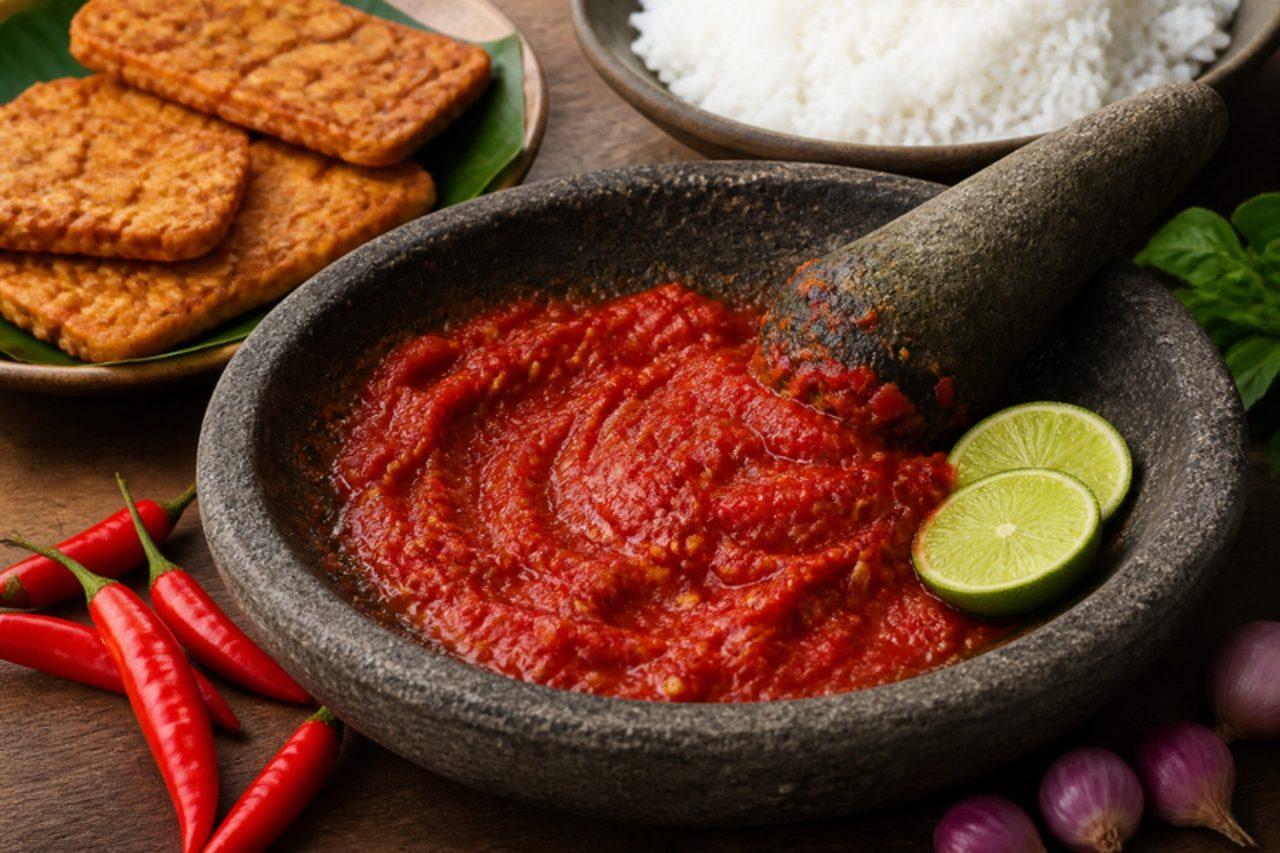
by KrazyBadal 0 views

Penang asam laksaSour fish noodle soup

Forget coconut and cream: Penang's asam laksa is all sour, hot and herbal, a dark tamarind broth thickened with flaked mackerel and poured over thick, slippery rice noodles. Hawkers at Air Itam market and along Gurney Drive pile the bowl with shredded pineapple, cucumber, red onion, lettuce, torn mint and a spoon of sticky, sweet prawn paste (hae ko) that you stir in as you eat. Torch ginger flower and Vietnamese mint (daun kesum) give it a smell that is wholly its own. It is a hot-afternoon dish, eaten fast while the herbs are still crisp. Chef's tip: poach the mackerel in the broth whole, then flake it back in; the bones and skin give the soup much of its body.

by KrazyBadal 0 views

Satay (Kajang)Chicken satay

The town of Kajang, just south of Kuala Lumpur, built its name on satay, and evenings there still smell of lemongrass smoke drifting from long charcoal troughs. Kajang skewers are cut in larger chunks than most, soaked in a yellow marinade of turmeric, lemongrass, cumin and fennel, and grilled while being basted with oil brushed on through a lemongrass stalk. They come with a chunky, sweet-spicy peanut sauce, cubes of compressed rice (nasi impit), raw onion and cucumber. Order them by the dozen with friends as a starter or a whole supper. Chef's tip: thread a small piece of chicken skin or fat between the meat on each skewer; it melts over the coals and keeps the satay juicy.

by KrazyBadal 0 views

Ikan bakarGrilled fish with sambal

Night markets and seaside stalls from Port Dickson to Kuantan announce ikan bakar by smell long before you see the charcoal: whole fish or stingray wings smeared with red sambal, laid on banana leaf and grilled until the leaf blackens and the paste caramelises onto the flesh. The leaf keeps the fish moist and lends a faint tea-like smokiness, while the sambal brings shrimp-paste depth, tamarind sourness and steady heat. It is eaten with the fingers, with plain rice, cucumber and a sharp dip called air asam made from tamarind, chillies and shallots. Chef's tip: score the fish right down to the bone so the sambal seeps into the cuts and the thickest part cooks at the same pace as the tail.

by KrazyBadal 0 views

Ayam masak merahChicken in tomato chilli sauce

Red-cooked chicken turns up at almost every Malay kenduri (wedding feast) and Hari Raya open house across Malaysia, ladled out of huge pots beside nasi minyak or plain rice. The chicken pieces are fried first so the skin firms up, then simmered in a brick-red sauce of blended dried chillies, tomato and onion that tastes sweet first, then hot, then tangy. Cinnamon, star anise and cloves give it a warm, almost festive smell, and a splash of coconut milk at the end rounds off the edges. Serve it with steamed rice, cucumber slices and a spoon of acar (pickled vegetables). Chef's tip: fry the chilli paste until it darkens and the oil seeps out (pecah minyak) before any tomato goes in; raw paste makes the sauce taste harsh and bitter.

by KrazyBadal 0 views

Kohu-kohuSmoked tuna salad

Ambon's fish markets sell ikan asar, tuna smoked over coconut husks, and one of the best things to do with it is kohu-kohu. Flakes of the smoky fish are tossed with crisp shredded long beans, bean sprouts, lightly toasted coconut, raw shallot, chilli and plenty of lime, making a salad that is crunchy, smoky, sour and hot all at once. It's a staple at Maluku family meals, often served next to papeda and fish soup or simply with rice. Chef's tip: mix it no more than an hour before eating; fresh coconut goes limp and sour if it sits around, and the salad loses its crunch.

by KrazyBadal 0 views

Papeda with ikan kuah kuningSago porridge with fish soup

In Ambon, Jayapura and the islands between, the everyday staple isn't rice but papeda: sago starch stirred with boiling water into a translucent, glue-like porridge. It has almost no taste of its own, which is the point; it's eaten with ikan kuah kuning, a sharp, yellow fish soup bright with turmeric, lime and lemon basil. Families twirl the papeda out of the pot on two sticks, drop it into a bowl and ladle the soup over, then slurp it down without chewing. The texture is surprising the first time: slippery, soft and soothing next to the hot, sour broth. Chef's tip: the water must be at a full rolling boil when it hits the sago, or the papeda stays white and lumpy instead of turning clear.

by KrazyBadal 0 views

Soto BetawiBeef and coconut milk soup

Jakarta's original Betawi community gave the capital this rich, pale-gold soup, and on a Sunday the soto Betawi stalls along the city's side streets are packed with families. Beef brisket (and, for many, tripe) simmers until tender, then goes into a gently spiced broth made creamy with coconut milk and a splash of fresh milk, scented with lemongrass, cinnamon and cloves. Each bowl is loaded with fried potato, raw tomato and spring onion and comes with rice, lime, sambal and bitter-crisp emping crackers. It's comforting and mellow rather than fiery. Chef's tip: for a dairy-free bowl, swap the milk for more coconut milk; the soup will be a little heavier but just as good.

by KrazyBadal 0 views

PallubasaBeef and coconut soup

Makassar's other great beef soup is darker, richer and more coconutty than coto, and locals argue about which is better over late lunches at pallubasa houses near the port. The secret is kelapa sangrai: grated coconut toasted slowly to a deep brown and pounded, which gives the broth a roasted, almost nutty sweetness and a slightly gritty, full body. It's eaten with a mound of plain rice rather than rice cakes, and for the full version you ask for 'alas', a raw egg yolk dropped in the bowl that you stir into the boiling soup until it turns silky. Offal is traditional but optional; tender beef alone is delicious. Chef's tip: the coconut must reach the colour of milk chocolate, not black, because burnt coconut makes the whole pot bitter.

by KrazyBadal 0 views

Ayam rica-ricaChicken in fresh chilli paste

Rica means chilli in the Manado dialect, and North Sulawesi cooks are not shy with it. Ayam rica-rica turns up at Minahasa family parties and church gatherings, a heap of chicken pieces coated in a coarse, scarlet paste of fresh chillies, shallots and ginger, finished with tomato, spring onion and a fistful of lemon basil. It's hot, bright and fresh rather than deep and stewed, with a sticky sauce that clings to the meat. Serve it with lots of steamed rice and a cooling cucumber salad. Chef's tip: blend the paste coarse, with as little water as possible; a wet, smooth paste steams instead of frying and never gets that glossy, toasty edge.

by KrazyBadal 0 views

Bebek betutuSpiced slow-roasted duck

For ceremonies in the villages around Gianyar in central Bali, a whole duck is stuffed and smothered with base genep, wrapped in banana leaves and areca-palm sheath, and buried overnight in smouldering rice husks. By morning the meat has turned meltingly soft, the fat has rendered into the spices and the parcel smells of turmeric, smoke and lime leaf. This home version keeps the stuffing and the leaf parcel but uses a low oven for three hours, then opens the parcel for a short blast to colour the skin. Serve it in its juices with rice, a sharp sambal matah and long beans or water spinach. Chef's tip: marinate the duck overnight in the fridge if you can; the paste needs time to get past the fat and into the meat.

by KrazyBadal 0 views

Sate PadangBeef skewers in spiced sauce

Night-time in Padang and Bukittinggi brings out the sate carts, fanning charcoal under skewers of beef that were already simmered tender in spices before they ever met the grill. That two-stage cooking is what sets West Sumatra's satay apart, and so is the sauce: no peanuts at all, but the spiced cooking broth thickened with rice flour into a smooth, glossy, turmeric-yellow gravy with plenty of chilli and ginger. It is ladled generously over the skewers and over slices of ketupat rice cake on a banana leaf, then finished with fried shallots and a crisp cracker. Chef's tip: keep the cooking broth; it's the base of the sauce, and the deeper it tastes, the better your sate.

by KrazyBadal 0 views

RawonBlack beef soup

Nothing else on the table looks like rawon: a beef soup as dark as strong coffee, served in Surabaya from breakfast through to the late-night warungs that stay open after the football. Its colour and flavour come from keluak (kluwek), the fermented kernel of a tropical tree nut, which tastes earthy and faintly bitter, somewhere between black olive, cocoa and mushroom. Tender beef cubes swim in the broth, and it's served with rice, short crunchy bean sprouts, a salted duck egg and prawn crackers for crunch. Raw keluak contains a natural poison and is only safe after long processing, so always buy ready-prepared kluwek nuts from an Asian grocer. Chef's tip: crack one nut first and taste a crumb; good flesh is moist, black and smells chocolatey, while sour or dry, pale flesh should be thrown away.

by KrazyBadal 0 views

Sate lilitMinced fish skewers

When a Balinese village gets ready for a temple festival, the men gather the night before to chop, pound and mix sate lilit, while the women prepare the offerings. 'Lilit' means to wrap: instead of threaded chunks, a soft mixture of minced fish, grated coconut and base genep spice paste is moulded around lemongrass stalks or flat bamboo sticks and grilled over coconut-husk embers. The result is tender and lightly springy inside, browned and smoky outside, with the lemongrass perfuming every bite. Eat them hot with rice, sambal matah and a wedge of lime. Chef's tip: knead the mixture firmly until it feels sticky and chill it before shaping, or it will slide off the sticks on the grill.
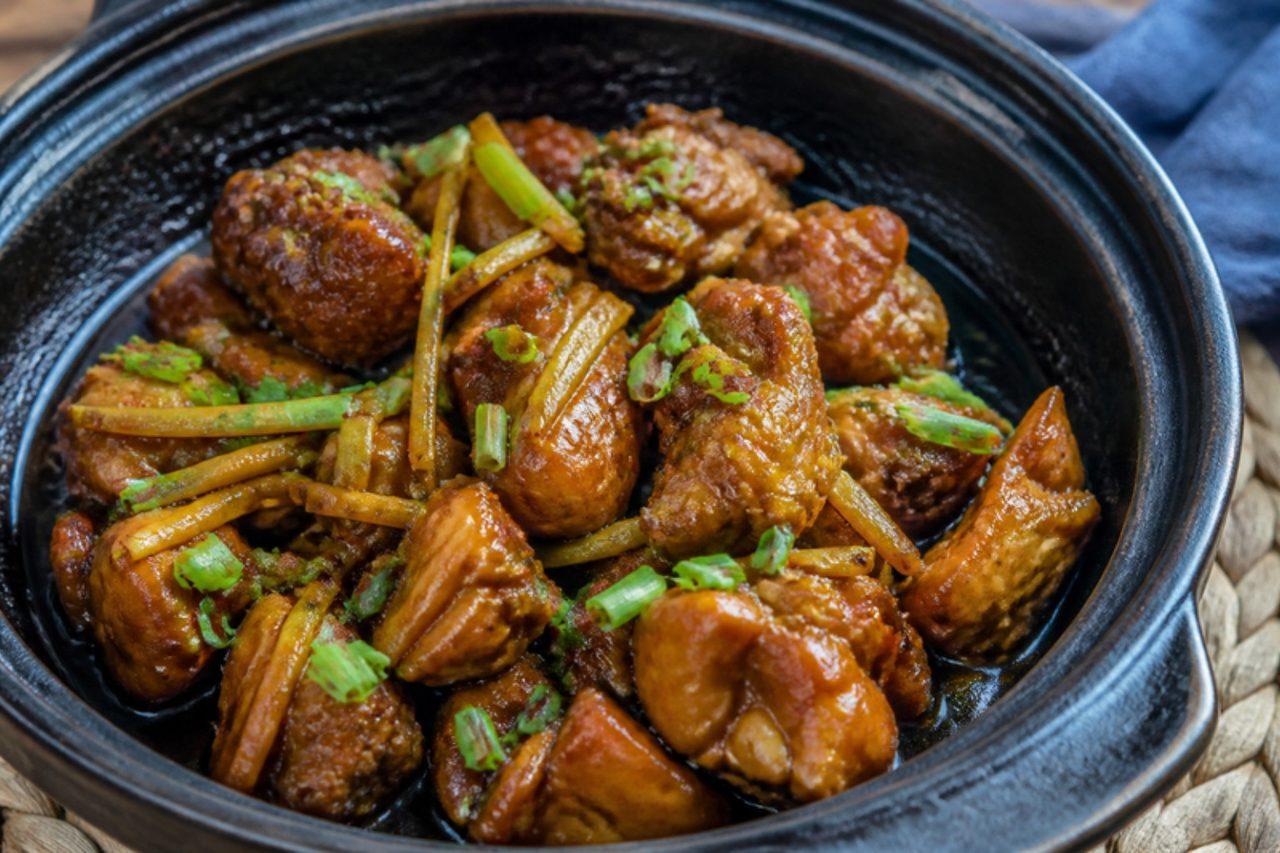
by KrazyBadal 0 views

Sambal terasiShrimp paste chilli sambal

Almost every Indonesian kitchen keeps a stone mortar, the cobek, and the sambal pounded in it most often is this one. Toasted shrimp paste gives it a deep, savoury funk, fried chillies and shallots add sweetness and heat, and a squeeze of lime at the end wakes everything up. Spoon it beside fried chicken, grilled fish, fried tempeh or a plate of raw lalapan vegetables, or stir a little into fried rice. Chef's tip: pound rather than blend if you can; a coarse, slightly juicy texture tastes fresher than a smooth purée.

by KrazyBadal 0 views

Coto MakassarBeef and peanut soup

Before the sun is fully up over Makassar's harbour, coto warungs are already serving dockers and office workers alike from huge clay-coloured pots. This South Sulawesi soup is thick, brown and opaque, its body coming from roasted peanuts ground almost to flour and simmered into a broth made with the cloudy water from rinsing rice. Diced beef (and traditionally offal) sits in a nutty, cumin-and-pepper broth that's eaten with diamond-shaped ketupat rice cakes broken into the bowl, plus lime and a spoon of chilli. Chef's tip: grind the cooled peanuts in short bursts and stop while they're still sandy; a few seconds too long and you get peanut butter that turns the soup claggy.

by KrazyBadal 0 views

Ayam betutuSpiced slow-braised chicken

Drive through west Bali to the ferry port of Gilimanuk and the roadside warungs all sell the same thing: ayam betutu, chicken cooked so long in spice paste that it slumps off the bone into a fiery, turmeric-orange gravy. The paste is base genep, Bali's master seasoning of shallots, garlic, galangal, aromatic ginger, turmeric, chillies, candlenuts and shrimp paste, and it is rubbed inside and out before the bird braises gently in a covered pot. Expect deep heat, a little bitterness from the greens tucked inside and a rich, almost buttery sauce. Pile it on steamed rice with water spinach or a raw sambal matah to cut through. Chef's tip: braise it the day before; the paste mellows overnight and the chicken reheats beautifully.

by KrazyBadal 0 views

Soto ayamTurmeric chicken soup

From Lamongan to Semarang, Java's soto carts start ladling before the morning commute, and a bowl of soto ayam is how many people begin a working day. The broth is light but bright yellow with fresh turmeric, scented with lemongrass and lime leaf, and poured over slippery glass noodles, shredded chicken, crunchy bean sprouts and half a boiled egg. Squeeze in lime, stir in as much sambal as you dare and eat it with plain rice or rice cakes on the side. In East Java vendors finish it with koya, a sandy powder of prawn crackers and fried garlic that thickens the broth as you eat. Chef's tip: keep the pot at a lazy simmer the whole time; a hard boil turns the golden broth cloudy and greasy.

by KrazyBadal 0 views

Beef ularthiyathuDry-fried spiced beef

Among the Syrian Christian families of central Kerala, from Kottayam to Pala, a pan of beef ularthiyathu sits on the table at Christmas and Easter, at weddings and with Sunday appam. The beef is first stewed soft in pepper, fennel and coriander, then roasted slowly in coconut oil with shallots, curry leaves and crunchy slivers of fresh coconut until it turns almost black and every piece is coated. It keeps well for days and is just as good with porotta, rice or a cold glass of something fizzy. Chef's tip: keep the final roast at medium-low and be patient; the dark colour should come from slow caramelising, not scorching.

140 minIndianMeatGluten freeSpicy
by KrazyBadal 0 views

Kerala meen currySour red fish curry

Down the southern backwater districts of Travancore, around Kottayam and Alappuzha, the everyday fish curry has no coconut at all: just a brick-red gravy of chilli, shallots and coconut oil, made sour and smoky with kudampuli (Malabar tamarind). It is traditionally made in a clay pot (manchatti) and left to sit, because it tastes better hours later or the next morning, when the fish has soaked up the sourness. Kingfish, sardines and mackerel are the usual choices; eat it with boiled red Kerala rice or tapioca. Chef's tip: once the fish is in, never use a spoon — hold the pot with a cloth and swirl it so the sauce coats the pieces without breaking them.

45 minIndianFishGluten freeSpicy
by KrazyBadal 0 views

Lau mam (Mekong fermented fish hotpot)

In Cần Thơ and Sóc Trăng, lẩu mắm is the hotpot friends gather round at weekends, and it is at its best in the flood season, when wild greens, water lily stems and yellow sesbania flowers fill the markets. The broth starts from mắm, fish fermented with salt and roasted rice, which is simmered and strained, then softened with coconut water, lemongrass and a little sugar. Everyone cooks their own slices of pork belly, fish, prawns and squid at the table and eats them with rice noodles and whatever vegetables are piled beside the pot. Buy mắm cá linh or mắm cá sặc in jars from a Vietnamese grocer. Chef's tip: add the strained mắm gradually and taste as you go, because jars vary a lot in saltiness.

by KrazyBadal 0 views

Banh canh cua (crab noodle soup)

Saigon's bánh canh cua is a late-afternoon and evening soup, sold from street stalls and small shops where the pots of red-orange broth sit beside trays of crab claws, prawns and quail eggs. The noodles are thick, round and bouncy, made with tapioca or a mix of tapioca and rice flour, and the broth is thickened slightly so it clings to them. Crab meat sautéed with shallots and annatto colours the soup and gives it its sweet, rich taste. Fresh bánh canh noodles are sold chilled in Asian shops; thick udon is a fair stand-in. Chef's tip: stir the crab meat in the annatto oil for only a minute so it stays in big, sweet lumps.

by KrazyBadal 0 views

White rose dumplings (banh bao banh vac)

Restaurants all over Hội An serve 'white rose' dumplings as a starter, and much of the town's supply is said to come from a single family workshop that has made them for decades. The wrapper is a thin, glassy rice-flour dough, pinched up around a pounded prawn filling so that each dumpling looks like an open flower, and the plate is finished with crisp fried shallots and a light, sweet chilli-fish-sauce dip. They are delicate and fiddly, but shaping becomes quick after the first dozen. This home version adds a little pork to the prawn for juiciness. Chef's tip: keep the dough under a damp cloth the whole time; even a few minutes in the air makes it crack when you pinch it.

by KrazyBadal 0 views

Com ga Hoi An (turmeric chicken rice)

Lunchtime in the old town of Hội An means cơm gà: small eateries near the river pile plates high with yellow rice and shredded chicken from late morning until it runs out. The rice is fried with garlic and chicken fat, coloured with turmeric and cooked in the poaching stock, so every grain tastes of chicken. On top goes chicken pulled into strips and tossed with sliced onion, Vietnamese coriander, lime and pepper, plus a spoon of chilli sauce and a little pickled papaya. A small bowl of the clear broth comes alongside. Chef's tip: plunge the poached chicken into iced water for 5 minutes; it stops the cooking and keeps the meat juicy and the skin firm.

by KrazyBadal 0 views

Banh nam (Hue rice cakes in banana leaf)

Market women at Đông Ba in Huế sell bánh nậm by the stack, still warm in their banana-leaf wrappers, as one of the city's many little afternoon cakes. A soft rice-flour paste is spread thin on a leaf, sprinkled with a savoury filling of prawn and pork, folded flat into a neat parcel and steamed. Unwrapped, the cake is silky, almost translucent, and you eat it straight off the leaf with a spoonful of sweet chilli fish sauce. It is often served on the same plate as bánh bột lọc and bánh ít for a mixed snack. Chef's tip: soften the banana leaves in hot water or over a flame first and brush them with oil; dry leaves split and the paste sticks.

by KrazyBadal 0 views

Com hen (Hue baby clam rice)

Cơm hến began as a cheap meal of the boat people around Cồn Hến, an islet in the Perfume River in Huế, and it is still sold for breakfast and as an afternoon snack from tiny stalls across the city. Room-temperature rice is topped with stir-fried baby clams, crunchy pork crackling, roasted peanuts, toasted rice cracker and a heap of raw herbs and greens, then splashed with hot clam broth and plenty of chilli. Huế cooks use tiny river clams; at home, choose the smallest clams you can find, such as baby or Manila clams. The mix of cool and hot, crisp and soft, is the whole point. Chef's tip: keep the rice cool and the broth boiling hot right up to the moment you pour it.

by KrazyBadal 0 views

Nem ran (Hanoi fried spring rolls)

At Tết, the lunar new year, a plate of nem rán sits on almost every family feast tray in Hanoi and the north, and the same rolls turn up at weddings, death anniversaries and Sunday lunches all year. Northern cooks wrap a filling of minced pork, crab or prawn, glass noodles and wood ear mushroom in thin rice paper, which fries into a pale golden, bubbly shell quite different from wheat-wrapped spring rolls. Southerners call the same idea chả giò. Serve them cut in pieces with rice vermicelli, lettuce, herbs and a warm sweet-sour fish sauce. Chef's tip: fry them twice, first gently to cook the filling through, then briefly in hotter oil to crisp; they stay crunchy far longer.

by KrazyBadal 0 views

Ga kho gungGinger caramel chicken

Across Vietnam, from Hanoi apartments to Mekong Delta farmhouses, a small pot of something braised in caramel and fish sauce sits on the family table at dinner with rice, a plate of boiled greens and a clear soup. This chicken version leans on ginger, cut into fine matchsticks so it turns soft and warming in the glossy, salty-sweet sauce. It's a favourite when the weather cools, traditionally cooked in a clay pot, though any heavy pan will do. It reheats well, so it's a good one for the next day's lunch. Chef's tip: take the caramel to the colour of strong tea, deep amber, before the chicken goes in; that slight bitterness is what keeps the dish from tasting sugary.

by KrazyBadal 0 views

Cao lauPork and noodle bowl

You will really only find proper cao lầu in Hội An, the old trading port on Vietnam's central coast, where it's sold in small family eateries and along the riverside at lunch. The noodles are yellowish and unusually chewy, made with lye water that locals traditionally link to the town's ancient Bá Lễ well. They come almost dry, topped with slices of sweet five-spice pork, raw greens and crisp squares of fried dough, with just a spoonful of the pork juices. Because the real noodles are very hard to buy outside Hội An, this home version uses thick udon noodles, which give a similar bouncy chew; it is a substitute, not the original. Chef's tip: rinse the cooked udon in cold water, then dip briefly in hot water just before serving, so they are warm but firm.

by KrazyBadal 0 views

Mi QuangTurmeric noodles with pork and prawns

Mì Quảng comes from Quảng Nam province, around Hội An and Tam Kỳ, where it's eaten at any hour from roadside stalls and family tables. It sits halfway between soup and salad: wide yellow noodles get only a small ladle of rich, turmeric-coloured broth with braised pork and prawns, then a scatter of peanuts and herbs. A toasted sesame rice cracker is broken over the top for crunch. Every bite should be part noodle, part leaf, part cracker. Chef's tip: pour in just enough broth to come a third of the way up the noodles; any more and it becomes a soup and the crackers go soggy.

by KrazyBadal 0 views

Bun bo HueSpicy beef noodle soup

Huế, once the seat of Vietnam's emperors, is known for food that is spicier and bolder than in the north or south, and this soup is the city's breakfast. Compared with pho it is louder in every way: the broth smells of lemongrass and fermented shrimp, it glows red with chilli oil, and the noodles are thick and round. Beef shank and slices of pork hock go in every bowl, often with pork roll, and it comes with a plate of mint, banana blossom and bean sprouts. Locals add pig's blood cubes too, which we leave out here. Chef's tip: bruise the lemongrass stalks hard with a rolling pin before they go in, so their oils flood the broth.

by KrazyBadal 0 views

Banh cuonSteamed rice rolls

In Hanoi, banh cuon shops open early, and the cook sits beside a pot of boiling water stretched over with cloth, spreading batter across it in one sweep and lifting off sheets thin enough to see through. Each sheet is rolled around a little minced pork and crunchy wood-ear mushroom, cut into pieces, showered with crispy shallots and dipped into warm fish sauce. Slices of Vietnamese pork roll and a sprig of herbs often come on the side. At home a lidded non-stick frying pan does the job of the cloth, and once you find the rhythm the sheets come quickly. Chef's tip: make a practice sheet first; the first one is almost always a little too thick, and it tells you how much batter to use.

by KrazyBadal 0 views

Cha ca La VongTurmeric fish with dill

A family restaurant in Hanoi's Old Quarter served this one dish for so long that the street itself was renamed Chả Cá, Grilled Fish Street. Chunks of white fish are marinated in turmeric and galangal, cooked until golden, then brought to the table in a pan of hot oil where everyone throws in handfuls of dill and spring onion to wilt. You eat it over rice vermicelli with peanuts, fresh herbs and a pungent shrimp-paste dip. Dill is rare elsewhere in Vietnamese cooking, which is why this dish tastes so distinct. Chef's tip: use a lot more dill than seems sensible; it is treated as a vegetable here, not a garnish.

by KrazyBadal 0 views

Bun chaGrilled pork with rice noodles

Around 11 in the morning, the side streets of Hanoi's Old Quarter fill with smoke as cooks fan little charcoal braziers loaded with pork. Bun cha is the city's lunch: grilled patties and caramelised strips of pork belly served floating in a warm bowl of thin, sweet-sour fish sauce, with cold rice vermicelli and a basket of lettuce and herbs to dip in alongside. Each mouthful is a bit of noodle, a bit of meat and a leaf or two, all dunked together. A barbecue gives the real smoky edge, but a ridged grill pan works well indoors. Chef's tip: let the grilled meat sit in the warm sauce for a few minutes before eating, so the smoky fat seasons the sauce and the sauce soaks into the meat.

by KrazyBadal 0 views

Mushroom-gravy poutine

Poutine was born in rural Québec in the 1950s, at snack bars (casse-croûtes) in towns like Warwick and Drummondville, and is now eaten across Canada at 2 a.m. after a night out and at hockey arenas. The rules are simple: crisp fries, fresh cheese curds that squeak against your teeth, and a hot, savoury gravy poured over so the curds soften but don't fully melt. This gravy is made with browned mushrooms and vegetable stock instead of the usual chicken-beef stock. Chef's tip: keep the curds at room temperature and the gravy very hot; cold curds stay rubbery and lukewarm gravy makes the fries soggy without softening the cheese.

by KrazyBadal 0 views

EpisGreen herb seasoning base

Epis is the jar that lives in every Haitian fridge, in Port-au-Prince flats and in Haitian kitchens in Miami, Montreal and Boston alike, and it's made fresh most weeks. Flat-leaf parsley, spring onion, garlic, sweet peppers and thyme are pounded or blended with a few cloves, a little scotch bonnet, oil and lime into a loose green paste. It is the first thing into the pot for rice and beans, legim and soup joumou, and it's rubbed over vegetables and tofu before they're fried. Raw it smells bright and herby; cooked it turns sweet, savoury and gently warm with clove. Chef's tip: use whole cloves and grind them yourself; just three or four give epis its signature warmth, but more turns it medicinal.

by KrazyBadal 0 views

Khao poon with tofu and vegetablesCoconut curry noodle soup

Khao poon is celebration food in Laos, ladled out at weddings, baci ceremonies and big family gatherings, and sold at morning markets in Vientiane by women with huge steaming pots. Fine round rice noodles sit under a spicy, red-tinged broth of coconut milk, lemongrass and galangal, and everyone adds their own shredded cabbage, banana blossom, beansprouts, mint and lime. The usual chicken or fish is swapped for golden fried tofu and bamboo shoots. Chef's tip: fry the red chilli paste in the coconut cream until oil seeps out in red drops on the surface; that's when the colour and heat are fully released.

by KrazyBadal 0 views

Jeow mak lenRoasted tomato and chilli dip

No Lao meal is complete without a jeow, a pounded dip eaten by pinching a ball of sticky rice and dragging it through. Jeow mak len, made from tomatoes charred over the coals until their skins split, is the everyday one from Vientiane to the villages of the north, smoky, garlicky and as hot as you dare. It's served alongside grilled vegetables, raw cucumber and long beans, and keeps well for a few days. Chef's tip: grill everything until it is genuinely blackened in patches; the burnt bits are the flavour, so don't peel all the skin away.

by KrazyBadal 0 views

Mushroom or lamHerb stew with aubergine and mushrooms

Or lam belongs to Luang Prabang, the old royal town on the Mekong, where it is cooked for long family lunches and served at almost every restaurant that makes local food. It is a thick, rustic stew of aubergine, long beans, mushrooms and greens, thickened with a little sticky rice and flavoured with sakhan, a peppery wood that numbs the lips like Sichuan pepper, plus heaps of dill and lemongrass. The usual dried buffalo skin and meat are swapped for two kinds of mushroom here. Eat it with sticky rice and a jeow. Chef's tip: if you can't find sakhan, a few lightly crushed Sichuan peppercorns give the same tingle; add them early so the tingle spreads through the broth.

by KrazyBadal 0 views

Kroeung (Khmer lemongrass paste)Lemongrass and galangal paste

Almost every Khmer kitchen, from Phnom Penh flats to village houses around Siem Reap, starts the day's cooking by pounding kroeung in a heavy stone mortar. This is the yellow kind, coloured with fresh turmeric and built on lemongrass, galangal, makrut lime leaf, garlic and shallot; it goes into amok, samlor korko, noodle curries and stir-fries. Homemade, it smells brighter and more citrusy than any jar, and a batch keeps for a week in the fridge or months in the freezer. Chef's tip: slice the lemongrass into paper-thin rounds across the grain before it goes near the mortar or blender; long fibres never break down and leave the paste stringy.

by KrazyBadal 0 views

Sambal matahRaw shallot and lemongrass relish

Matah means raw in Balinese, and this sambal is nothing more than finely sliced shallots, chillies, lemongrass and lime leaf, squeezed with lime and dressed with hot coconut oil. It is the fresh, sharp counterpart to grilled tempeh, tofu, corn fritters and plain rice in warungs across Bali. Village cooks rub in a little toasted shrimp paste; this vegetarian version gets its savoury edge from salt and a touch of sugar. Chef's tip: squeeze the salted shallots with your fingers before adding the oil; they soften and release juice that carries the flavour.

by KrazyBadal 0 views

Jukut urabGreens with spiced coconut

Jukut urab turns up on almost every Balinese rice plate and at temple-day feasts: blanched long beans, greens and bean sprouts tossed with freshly grated coconut that has been fried with a little bumbu of shallot, chilli, kencur and lime leaf. It is bright, crunchy and only gently hot, the fresh side dish that balances heavier ones. Many cooks add shrimp paste to the bumbu; this one leaves it out. Chef's tip: toss the vegetables and coconut only just before serving, or the coconut draws out water and the dish turns soggy.
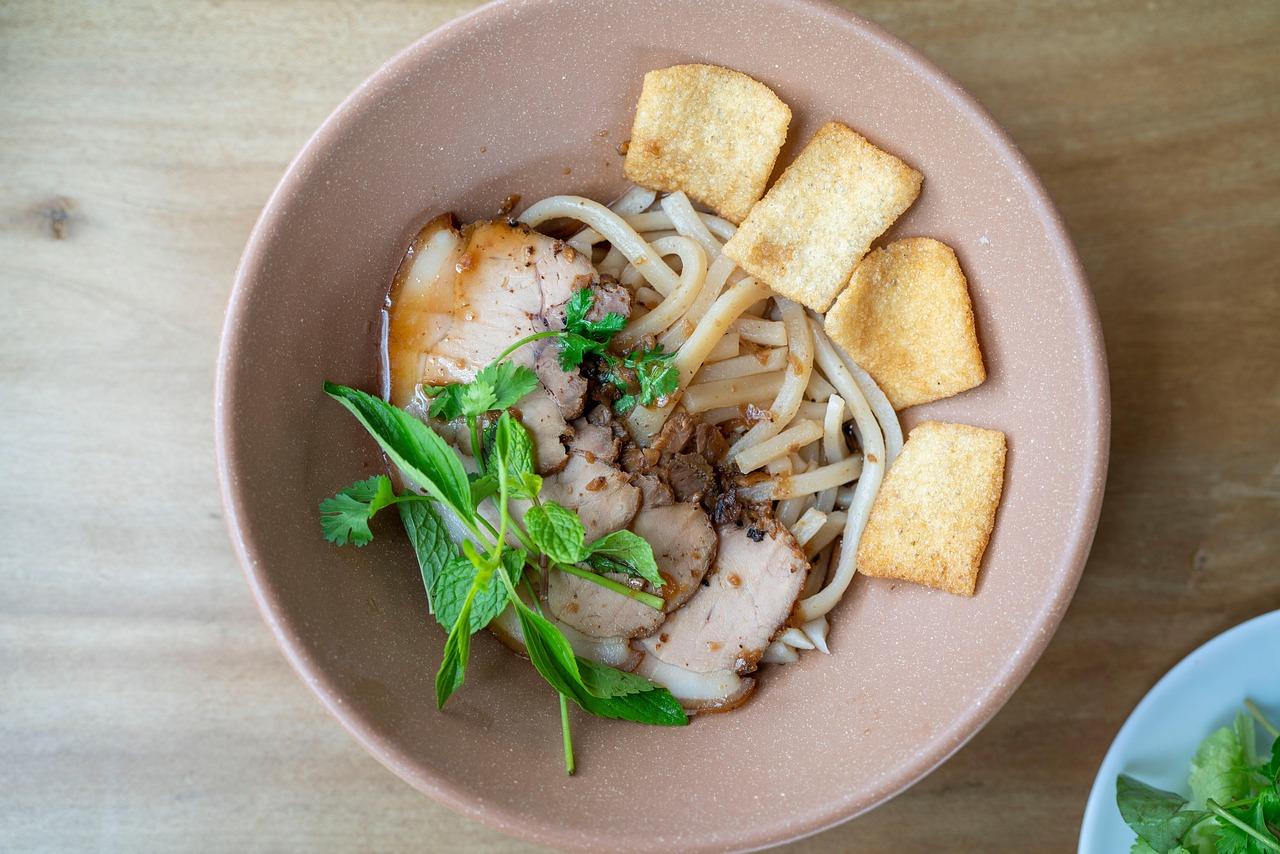
by KrazyBadal 0 views

Shiitake and tofu lu rou fan

In Taipei, a bowl of lu rou fan costs little more than a bus fare, and night-market stalls ladle it from pots that have simmered since afternoon. The original is chopped pork belly stewed in soy sauce, rice wine and fried shallots; this meat-free version gets the same glossy, sticky richness from diced shiitake, browned firm tofu and plenty of shallot oil. It is a weekday lunch for office workers and a late snack after the markets, served with a heap of yellow pickled radish and a few blanched greens. Chef's tip: brown the tofu cubes hard before they go into the braise; a crust soaks up the sauce and chews almost like the meat it replaces.

by KrazyBadal 0 views

PasemburVegetable and fritter salad

Pasembur is sold from Indian-Muslim (mamak) stalls along Penang's Gurney Drive and Esplanade: shredded cucumber, jicama and bean sprouts piled with sliced fried tofu, boiled egg and crisp fritters, all buried under a thick, sweet, gently spicy sauce made from sweet potato, chilli and peanuts. You pick your fritters at the stall; prawn fritters are common, but here they are crunchy cabbage and onion ones. Chef's tip: dress it at the very last moment and eat at once, so the fritters stay crisp under the sauce.

by KrazyBadal 0 views

Bubur pedasHerby toasted rice porridge

Bubur pedas comes from the Malay kitchens of Sambas in West Kalimantan and is a Ramadan favourite for breaking the fast. Raw rice and coconut are dry-roasted and ground, then cooked into a thick, savoury porridge with sweet potato, long beans, ferns, water spinach and lots of kesum leaf, the herb that gives its peppery smell. Despite the name, it is spiced rather than very hot; chilli goes on at the table. Many cooks add dried anchovies; this version tops it with fried peanuts instead. Chef's tip: roast the rice and coconut slowly until deep golden; that toastiness is the flavour of the dish.

by KrazyBadal 0 views

Kerak telorSticky rice and egg omelette

Kerak telor is the Betawi snack of Jakarta, cooked over charcoal by vendors at the Jakarta Fair and around Monas: a little soaked sticky rice is cooked in a tiny wok, an egg cracked on top, then the wok is turned upside down over the coals so the bottom forms a crust. It is finished with serundeng, a spiced toasted coconut, and fried shallots. Vendors usually add dried shrimp to the coconut; this version doesn't. Chef's tip: soak the sticky rice overnight; half-soaked grains stay hard in the middle.

by KrazyBadal 0 views

Dabu-dabuFresh tomato and chilli salsa

Every table in Manado, North Sulawesi, has a bowl of dabu-dabu: diced tomato, shallot and red chilli with calamansi juice and lemon basil, sometimes dressed with hot oil. It is spooned over grilled food, fried tofu and the pumpkin porridge tinutuan, and its cool juiciness makes very hot chilli easier to take. Unlike Bali's sambal matah, it is built on tomato and stays chunky and wet. Chef's tip: salt the tomatoes and leave them 5 minutes before mixing, so they release juice that becomes the dressing.

by KrazyBadal 0 views

Vegetarian banh tet

In the Mekong Delta, families gather in the days before Tết (Lunar New Year) to wrap bánh tét: long, round logs of coconut-scented sticky rice around a core of mung bean, tied in banana leaves and boiled overnight over a wood fire. The everyday version hides a strip of pork belly in the middle; the chay version here, with peppery shallot-seasoned mung bean, is the one made in Buddhist pagodas and vegetarian households, and some cooks make a sweet bánh tét chuối with ripe banana instead. Slices are cut with a loop of string, eaten with pickled vegetables, or fried until crisp in the days after Tết. Chef's tip: roll and tie the log tightly; a firm parcel is what keeps the water out and gives clean, dense slices.

by KrazyBadal 0 views

Xoi xeoSticky rice with mung bean

Xôi xéo is a Hanoi breakfast sold before dawn from baskets on the pavement, wrapped in a lotus or banana leaf for people to eat on the way to work. Turmeric-tinted glutinous rice is steamed until chewy, then topped with thin shavings cut from a firm ball of cooked mung bean (the 'xéo' is the slanting cut) and a spoonful of crunchy fried shallots with their fragrant oil. Street sellers often use pork fat for the shallots; frying them in vegetable oil keeps it vegan and still rich. Chef's tip: squeeze the mung bean paste into a tight ball while it is warm and let it cool before shaving; a loose ball crumbles instead of slicing into ribbons.

by KrazyBadal 0 views

Vegetarian bun rieu

In Hanoi, bún riêu is a mid-morning bowl bought from street sellers who set up on low plastic stools: a tangy red tomato broth with rice vermicelli and soft, floating curds that are normally made from pounded paddy crab. Vegetarian cooks and Buddhist temple kitchens make bún riêu chay instead, folding crumbled tofu, egg and chopped shiitake into the same loose, spongy curds, and seasoning the broth with fermented tofu rather than shrimp paste. It arrives with fried tofu, lime, chilli, shredded water spinach and perilla, so each spoonful is sour, savoury and fresh at once. Chef's tip: let the tomatoes fry in the annatto oil until they collapse into a jammy paste before any stock goes in; that is where the broth gets its colour and depth.

by KrazyBadal 0 views

Khao yam (southern Thai rice salad)

Khao yam is breakfast in the south: in Nakhon Si Thammarat, Pattani and Songkhla, morning stalls set out trays of tightly shredded lemongrass, pomelo, long beans, bean sprouts, makrut lime leaves and toasted coconut, and you build your plate around a mound of rice, often tinted blue with butterfly pea flowers. The dressing is normally budu, a sweet fermented fish sauce from the Malay borderlands. This version makes a vegetarian 'budu' by simmering soy sauce, tamarind, palm sugar, lemongrass and shallot into a dark syrup. The result is crunchy, fragrant, sweet, salty and sour in every mouthful. Chef's tip: shred everything as finely as you can; thin slivers of lemongrass and lime leaf are pleasant, thick ones are woody.

45 minThaiSaladsVeganGluten free
by KrazyBadal 0 views

Tom saep het (Isan hot and sour mushroom soup)

'Saep' is the Isan word for delicious, and in the northeast it means hot, sour and herby all at once. Tom saep is the soup sold from big pots at Isan restaurants and roadside grill shops from Nakhon Ratchasima to Ubon, usually with pork bones or offal; mushroom versions are just as common during the rainy season, when wild mushrooms fill the markets. It has no coconut milk: the broth is clear and sharp with lemongrass, galangal, makrut lime leaves and handfuls of dried chilli, thickened slightly with roasted rice powder. Eat it with sticky rice and grilled vegetables. Chef's tip: add the lime juice off the heat; boiled lime turns bitter and loses its fresh sourness.

35 minThaiSoupsVeganGluten freeSpicy
by KrazyBadal 0 views

Terong baladoFried aubergine in chilli sambal

Balado is the Minangkabau way of smothering fried food in a coarse, shiny red chilli sambal, and in West Sumatra the aubergine version is a daily home dish as much as a restaurant one. The aubergine is fried until soft and creamy inside, then folded into a sambal of red chillies, shallots and tomato cooked down until sweet. Serve it at room temperature with rice and fried tofu. Chef's tip: grind the chillies coarsely rather than to a purée; Padang cooks want flecks of skin and seed in a balado.

by KrazyBadal 0 views

Gulai daun singkongCassava leaves in coconut gravy

No Padang restaurant in West Sumatra is complete without a dish of gulai daun singkong: dark cassava leaves simmered until silky in a yellow coconut gravy fragrant with lemongrass, turmeric leaf and galangal. It is the cooling green on a table of rich, fiery plates, ladled over rice with sambal hijau. Restaurants sometimes add dried anchovies; this version doesn't. Frozen cassava leaves from Asian shops work well; kale is the best stand-in. Chef's tip: squeeze the boiled leaves hard before adding them, or the gravy goes thin and grassy.

by KrazyBadal 0 views

Lontong sayurRice cakes in coconut vegetable broth

In Jakarta, lontong sayur is what the morning carts sell before offices open: firm slices of pressed rice sitting in a thin, golden coconut broth with chayote, long beans and squares of tofu and tempeh. Betawi families also cook a big pot of it for Lebaran morning. Street versions often add dried shrimp to the spice paste; this one keeps the flavour with candlenuts, galangal and salam leaf instead. Serve with sambal, fried shallots and crackers. Chef's tip: cook the lontong the day before and chill it overnight; cold rice cakes slice cleanly and soak up the broth without falling apart.

by KrazyBadal 0 views

Roti mataba (potato-stuffed roti)

Roti mataba came to southern Thailand with Indian-Muslim traders, and today the roti stalls of Hat Yai, Satun and Pattani, and the old Muslim quarter around Bangkok's Phra Athit Road, serve it from morning till late. A thin stretched roti is wrapped around a spiced filling, folded into a square and fried until crisp and blistered. Chicken or beef is the usual filling; the potato and onion version made here is also common and is the one sold to vegetarian customers. It comes cut into squares with a sweet-sour cucumber relish (ajad) on the side. Chef's tip: oil the dough balls and leave them to rest for at least two hours; rested dough stretches paper-thin without tearing.

by KrazyBadal 0 views

Kaeng tai pla jay (southern vegetable curry)

Kaeng tai pla is the boldest curry of southern Thailand, eaten from Surat Thani down to Hat Yai: a dark, pungent, fiercely hot broth of turmeric-heavy southern curry paste, pumpkin, bamboo shoots, aubergine and long beans, normally flavoured with fermented fish innards. During the Vegetarian Festival (thetsakan kin jay), held every autumn in Phuket and Trang, cooks make a 'jay' version with fermented soybean paste and roasted peanut, and that is the curry here. It is thinner than a coconut curry and served with rice and plenty of raw vegetables to cool the heat. Chef's tip: this curry is meant to be very hot. If you want less heat, add fewer bird's eye chillies to the paste but keep the black pepper and turmeric, which give it its character.

by KrazyBadal 0 views

String hoppersSteamed rice flour noodle nests

String hoppers are lacy nests of steamed rice-flour noodles, pressed through a hand mould onto small woven mats, and they're the classic Sri Lankan breakfast or dinner in Tamil homes in Jaffna and in Sinhala homes everywhere, bought by the dozen from neighbourhood shops when there's no time to make them. They're soft and light and made to soak up kiri hodi, a thin, turmeric-yellow coconut milk gravy with fenugreek and curry leaves, plus pol sambol and a potato or dhal curry. Kiri hodi is sometimes made with Maldive fish; we keep it vegetarian. Roasted red rice flour gives a nuttier, pinker nest. The common mistake is using cold or warm water for the dough: it must be boiling, or the strings crack and fall apart. Chef's tip: steam the nests for only 6–8 minutes; longer and they turn rubbery.

by KrazyBadal 0 views

Gotu kola sambolPennywort and coconut salad

Gotu kola (Asiatic pennywort) grows wild along the paddy edges in the south and centre of Sri Lanka, and a raw sambol of its leaves is the green, slightly bitter bite that balances a rice-and-curry lunch. Families in Galle and Matara will tell you it is good for the memory, and it is often served at the start of a meal or with kola kenda, the herbal porridge. The leaves are shredded as finely as possible, then tossed with shallot, tomato, green chilli, a little fresh coconut and plenty of lime, so it's crunchy, peppery and bright. Look for pennywort bunches in Sri Lankan, Thai and Vietnamese shops. The mistake to avoid is dressing it too early: the salt and lime wilt the leaves within half an hour. Chef's tip: roll a stack of leaves into a tight cigar and slice it hair-thin with a sharp knife; the finer the shreds, the better it tastes.
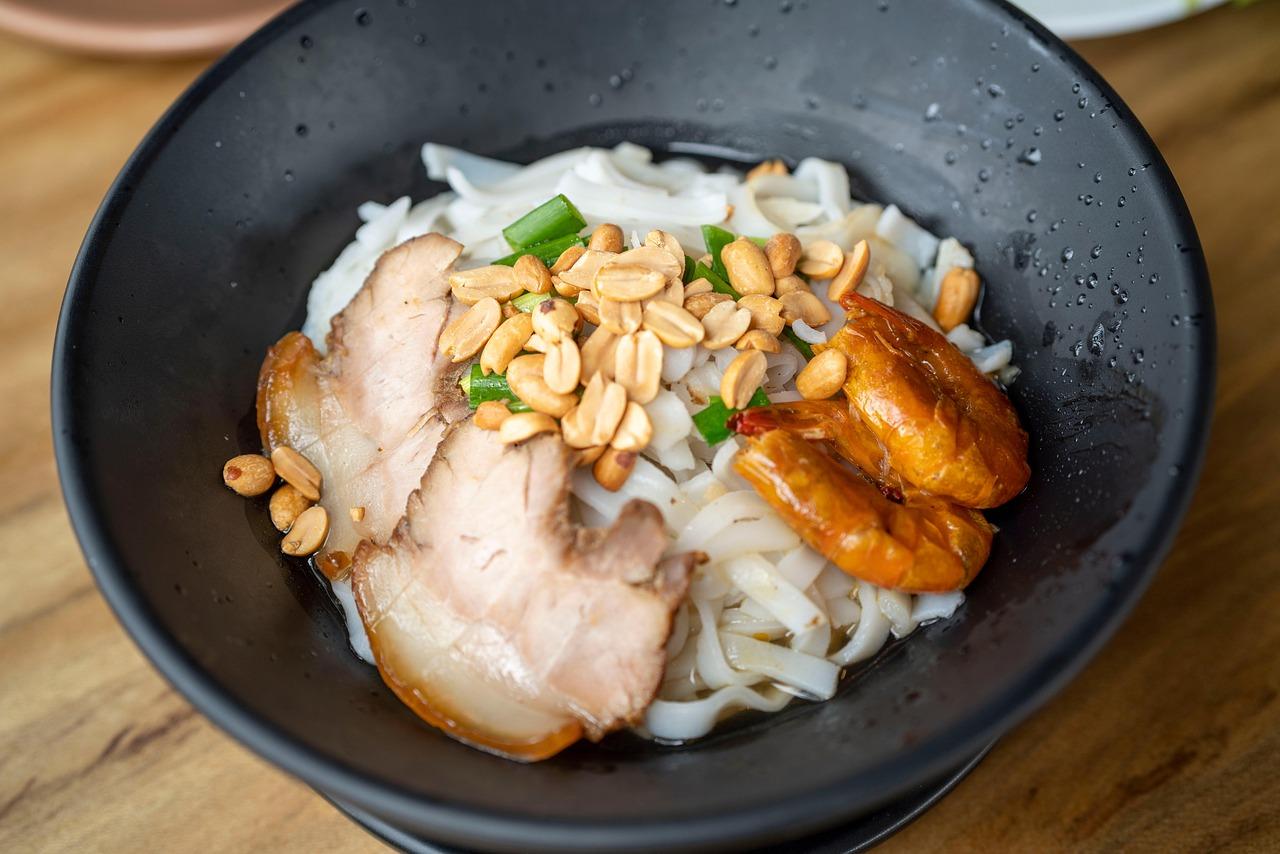
by KrazyBadal 0 views

ParippuRed lentil curry

No Sri Lankan rice-and-curry plate is complete without a bowl of parippu, from a Colombo office canteen to a farmhouse kitchen in the dry zone; many families also mop it up with bread or pol roti for breakfast. Unlike a North Indian dal, the red lentils are cooked with turmeric, green chilli and a strip of rampe (pandan leaf), then softened with thin coconut milk and finished with a sizzling tempering of mustard seeds, shallots, dried chilli and curry leaves, so it tastes mellow, fragrant and only gently spicy. Keep it pourable: it thickens a lot as it stands. The usual mistake is adding the coconut milk too early and boiling it hard, which makes it split and grainy. Chef's tip: stir the thick coconut milk in off the heat at the very end; it gives a silky, almost creamy finish without curdling.
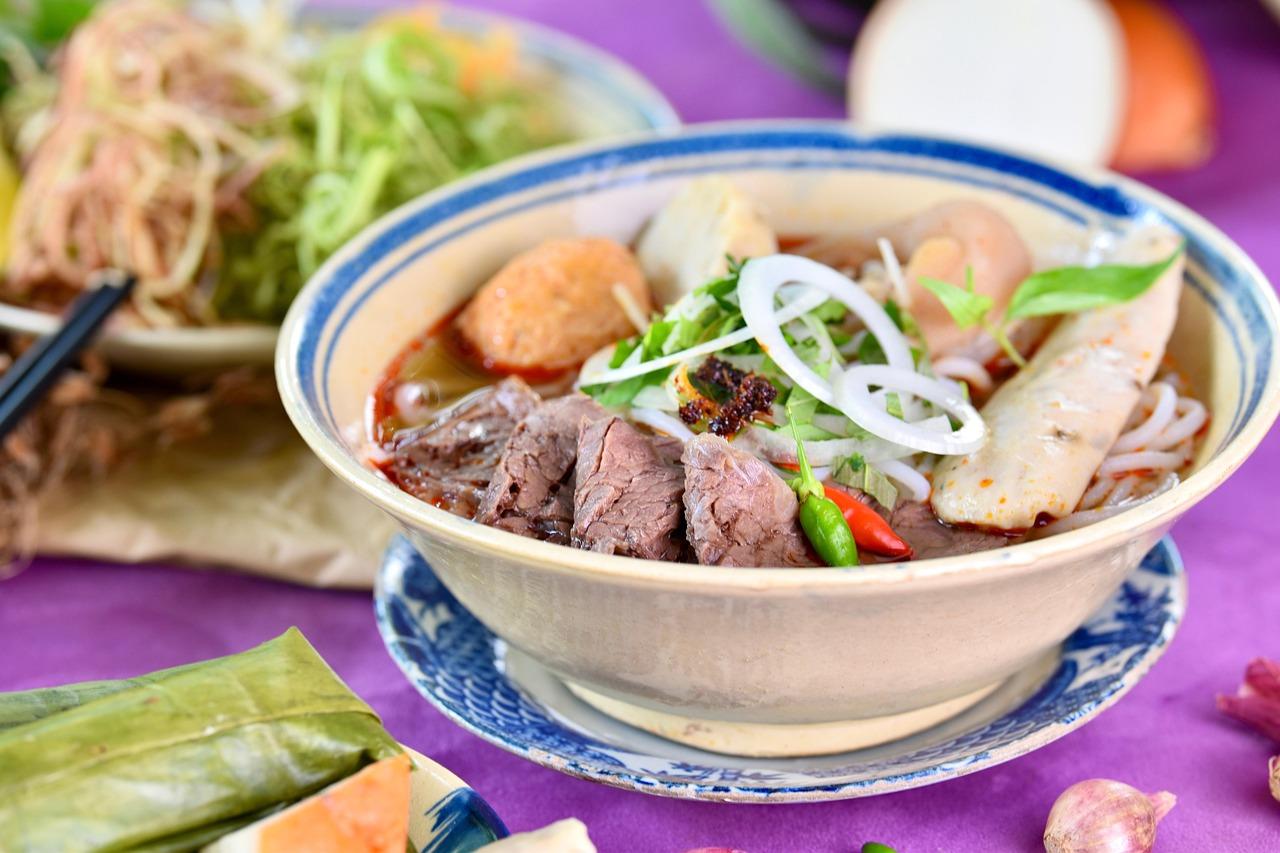
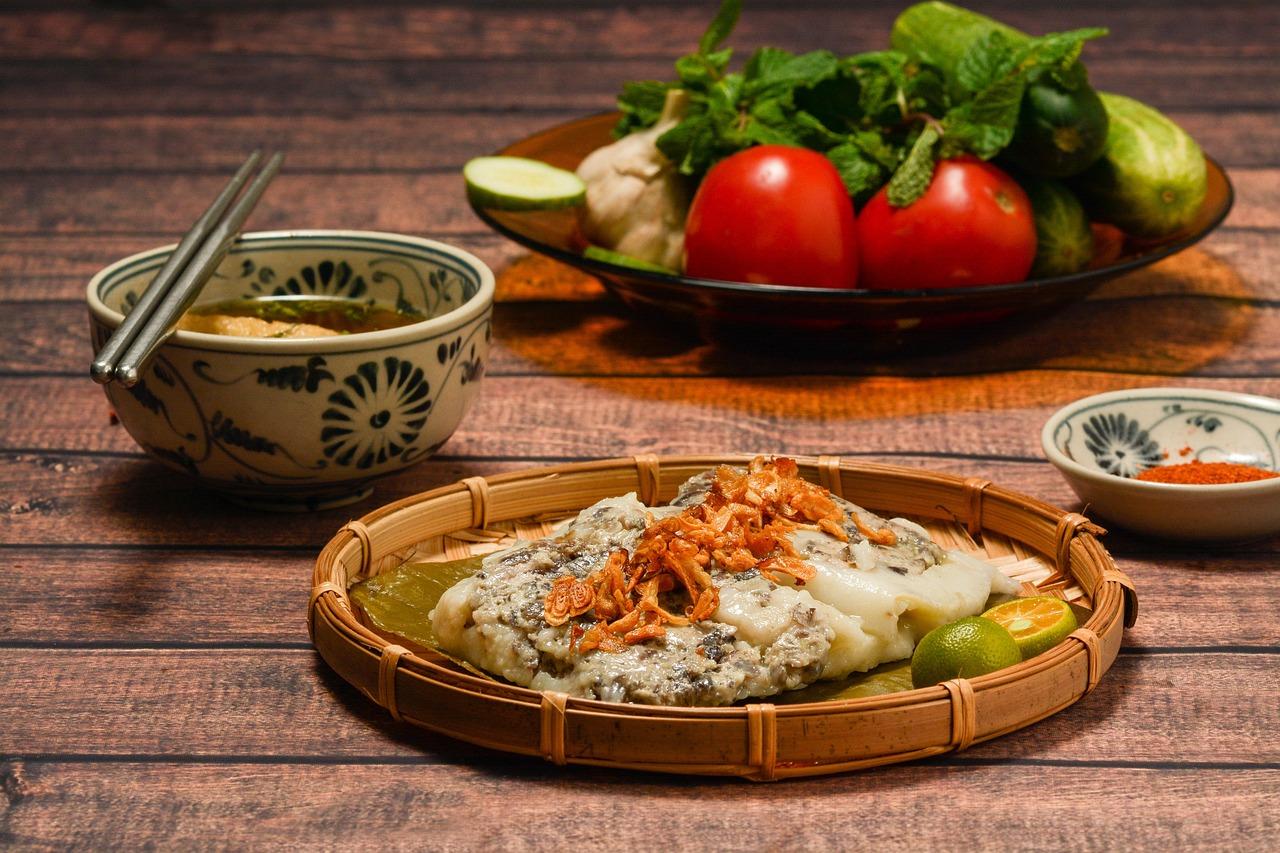
by KrazyBadal 0 views

Showing 240 of 271 recipes

Page 10 of 12

Goes well with shallot