


Skip to content
Apple & pear puree
Featured recipe

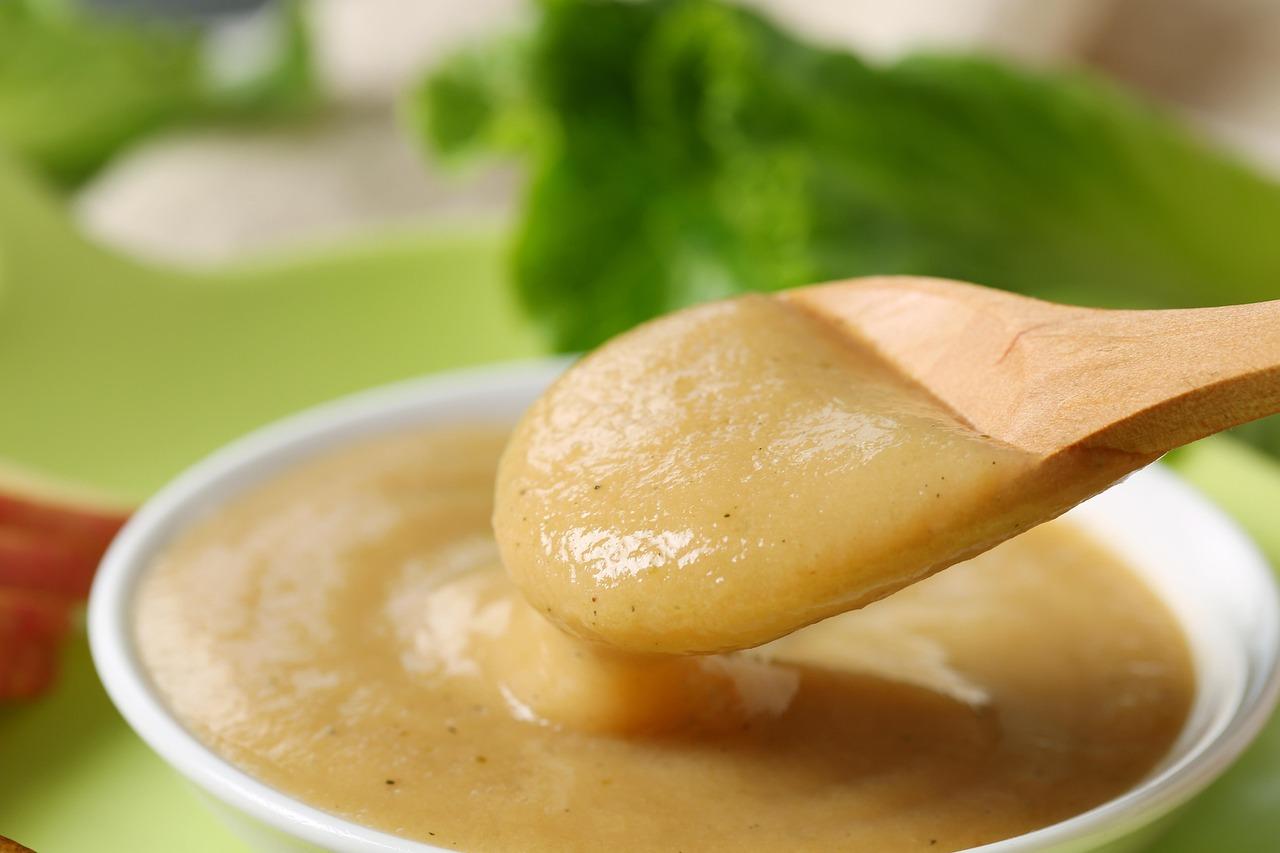
Apple & pear puree

A smooth, naturally sweet puree of gently stewed apple and pear, one of the first foods for babies of 4–8 months. The fruit cooks in a little unsweetened apple juice, so nothing else is needed. Serve it lukewarm; any leftover keeps covered in the fridge for a day, or freezes well in small pots.

Read more 1 views

What to eat today?

Around the world

Today's trip: Peruvian

A new country every day, from every cuisine on the site.

Peruvian

Tacacho

Mashed roasted green plantain balls 35 minMore from Peruvian (111) →

This week's collection

Kid-friendly dinners
772 recipes · a new collection every Monday

Coming up

All occasions →

Latest recipes

Hortobágyi palacsintaPaprika chicken pancakes

Named after the Hortobágy puszta, Hungary's great grassland in the east, these savoury pancakes are a favourite starter in Hungarian restaurants and a clever family meal. Thin palacsinta are filled with finely chopped paprika chicken, folded into parcels, and baked in the paprika-soured cream sauce until bubbling. Chef's tip: chop the cooked chicken very finely or pulse it briefly; a fine filling makes neat, tight parcels.

by KrazyBadal 0 views

Semmelknödel with mushroom sauceBread dumplings with mushroom sauce

Semmelknödel are the bread dumplings of Bavaria and Austria, made to use up yesterday's rolls (Semmeln) soaked in warm milk and bound with egg, onion and parsley. With a creamy mushroom sauce, Semmelknödel mit Schwammerlsoße, they become a full meal and a favourite in Munich beer gardens and Alpine inns from late summer, when foraged chanterelles and ceps reach the markets. Chef's tip: simmer the dumplings in barely trembling water, never a rolling boil; hard boiling breaks them apart, which is the most common Knödel disaster.

by KrazyBadal 0 views

TorlyBaked mixed vegetables

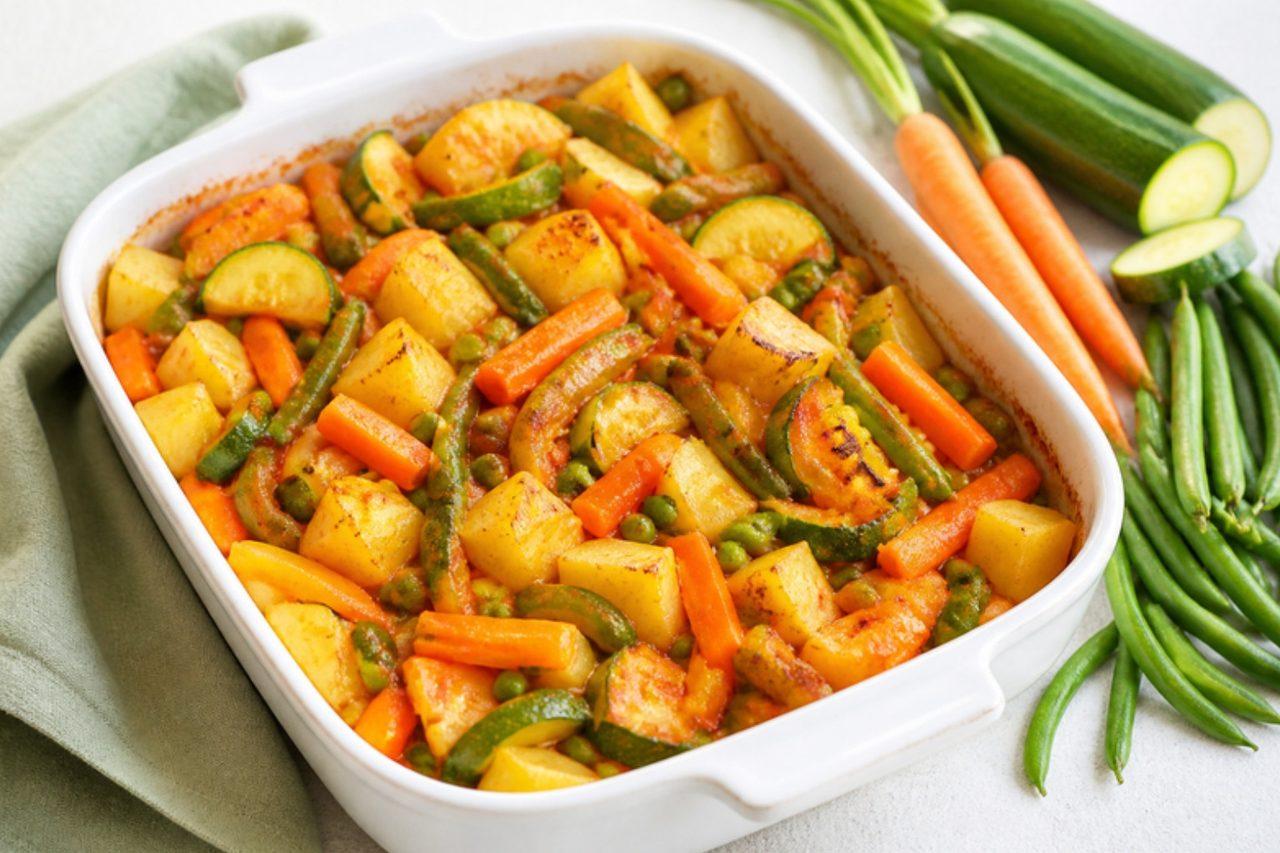
Torly is a tray of mixed vegetables (potatoes, courgettes, carrots, green beans, peas, peppers) baked in a tomato and garlic sauce until soft and slightly caramelised at the edges. The name is Turkish, a reminder of Ottoman times, but it has long been an everyday Egyptian home dish, usually cooked when the summer markets are full of courgettes and served with white rice or vermicelli rice. Many families add meat; this meat-free version is just as common in fasting seasons. Chef's tip: cut the potatoes and carrots smaller than the courgettes, so everything is tender at the same moment.

by KrazyBadal 0 views

Vegetable maféPeanut and vegetable stew

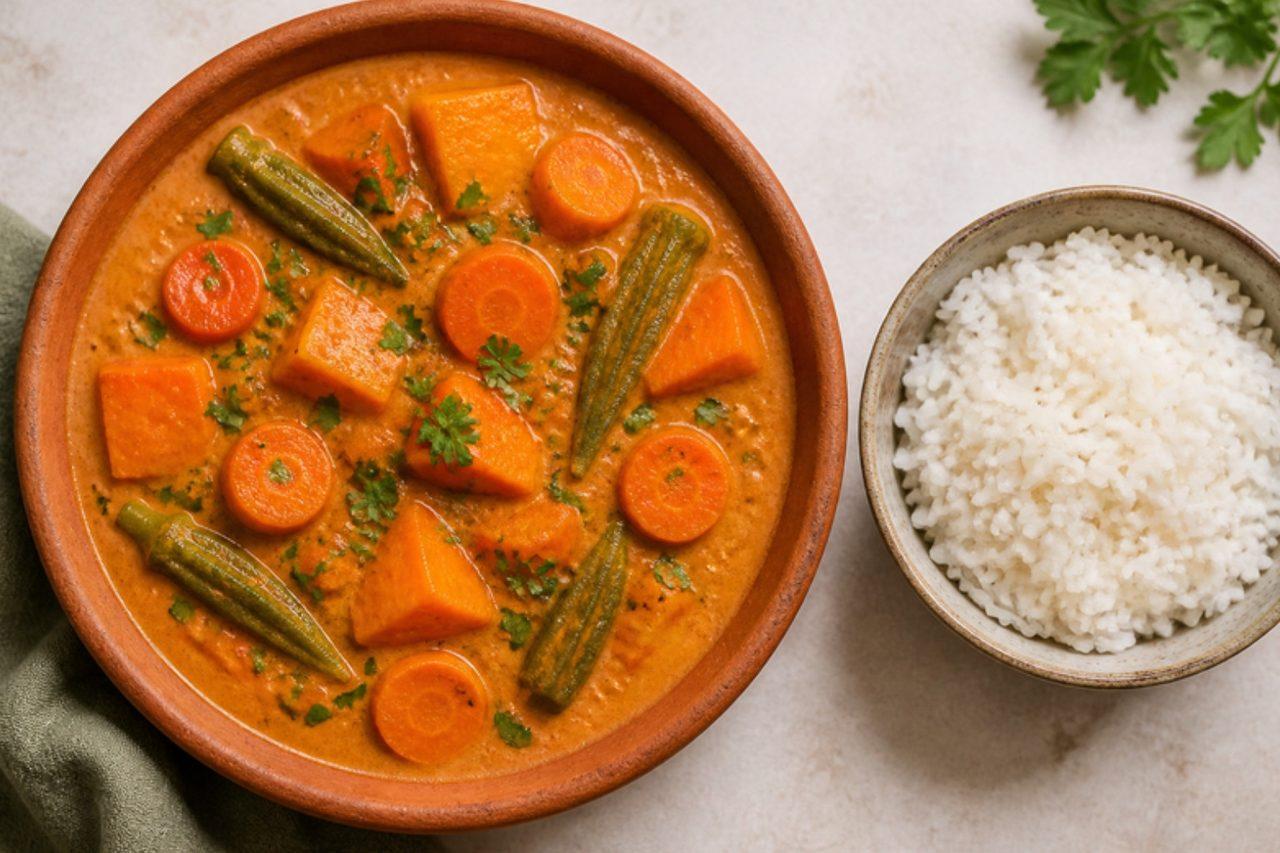
Mafé is the Sunday-lunch stew of Senegal and Mali: a rust-coloured sauce of roasted peanut paste and tomato, simmered until oil glistens on top and ladled over broken rice. In Dakar it usually carries lamb or beef; this version uses sweet potato, carrot, cabbage and okra, which soak up the sauce just as well. In Côte d'Ivoire the same idea is called sauce d'arachide and is eaten with rice or foutou; make it slightly thinner and add aubergine for the Abidjan style. Chef's tip: use plain, unsweetened peanut paste and cook it long enough that a thin layer of red oil rises to the surface; that is the sign the peanut has lost its raw taste.

by KrazyBadal 0 views

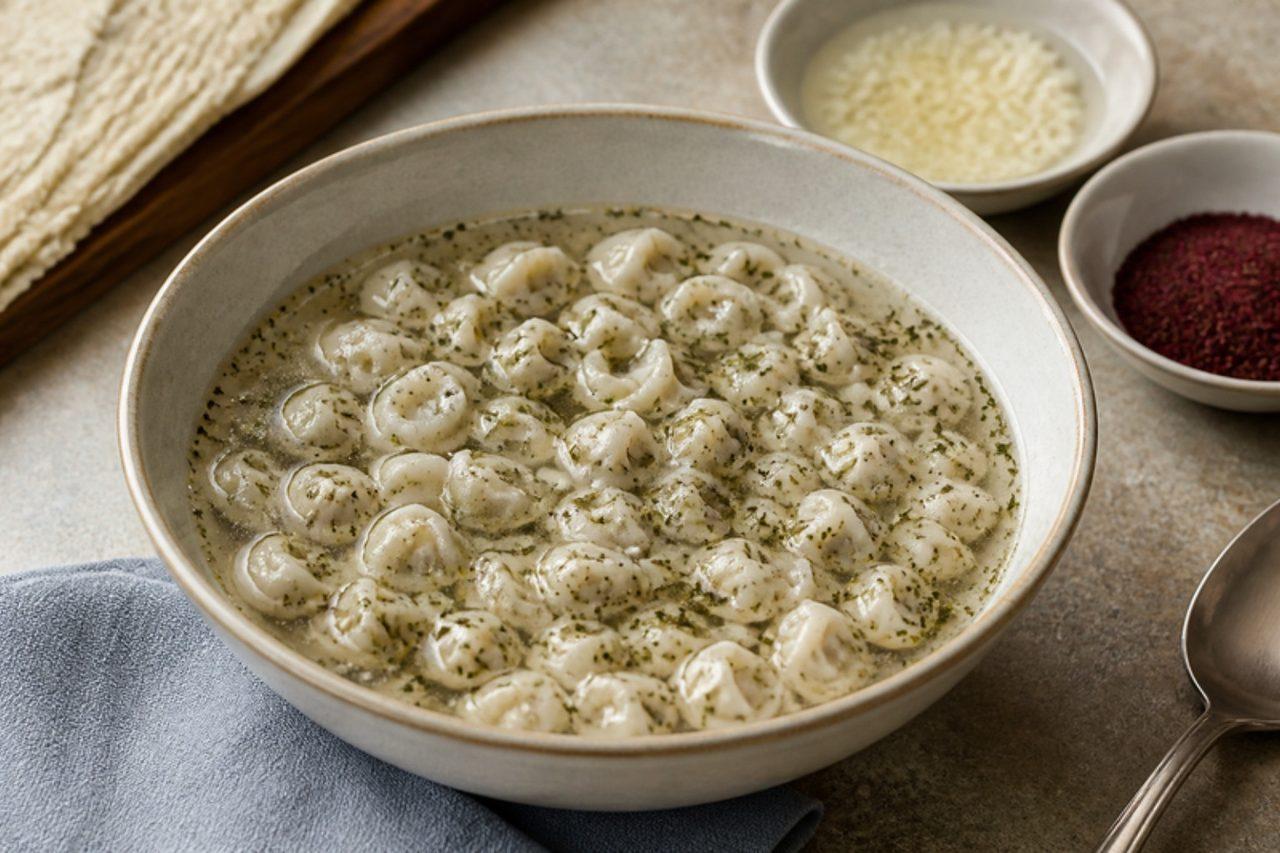
DushbaraTiny lamb dumplings in broth

Dushbara is the test of a patient cook in Azerbaijan: dumplings so small that a dozen fit on a spoon, filled with lamb and onion and served in clear bone broth. Families in Baku and the Absheron towns make them for New Year and Novruz, everyone sitting around the table folding together. At the table each bowl gets dried mint, a little crushed garlic in vinegar, and sumac. Over-filling is the usual problem; too much meat and the edges won't seal, so the dumplings open in the pot. Chef's tip: make the broth from lamb bones the day before and chill it, so you can lift off the fat and the soup stays crystal clear.

by KrazyBadal 0 views

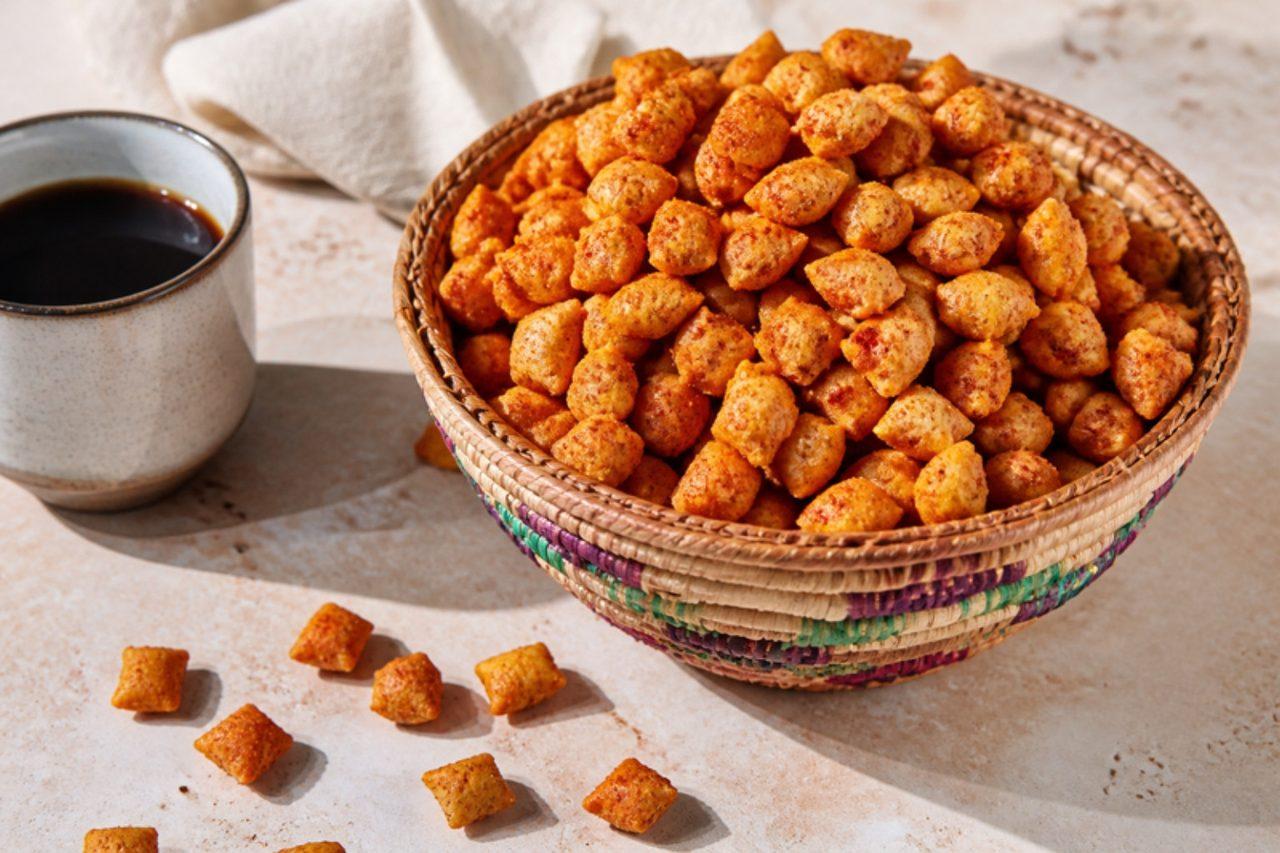
Dabo koloCrunchy spiced dough bites

Dabo kolo are small crunchy nuggets of spiced dough, sold in paper cones in markets from Addis Ababa to Gondar and offered to guests with coffee. Families make big batches before holidays such as Enkutatash (Ethiopian New Year in September) and for long journeys, since they keep for weeks. The dough is seasoned with berbere and a little sugar, rolled into thin ropes, cut into tiny pieces and toasted until crisp. Children love them, and they can be made mild by reducing the berbere. Chef's tip: cut the pieces as small and even as you can, about the size of a chickpea, so they crunch all the way through.

by KrazyBadal 0 views

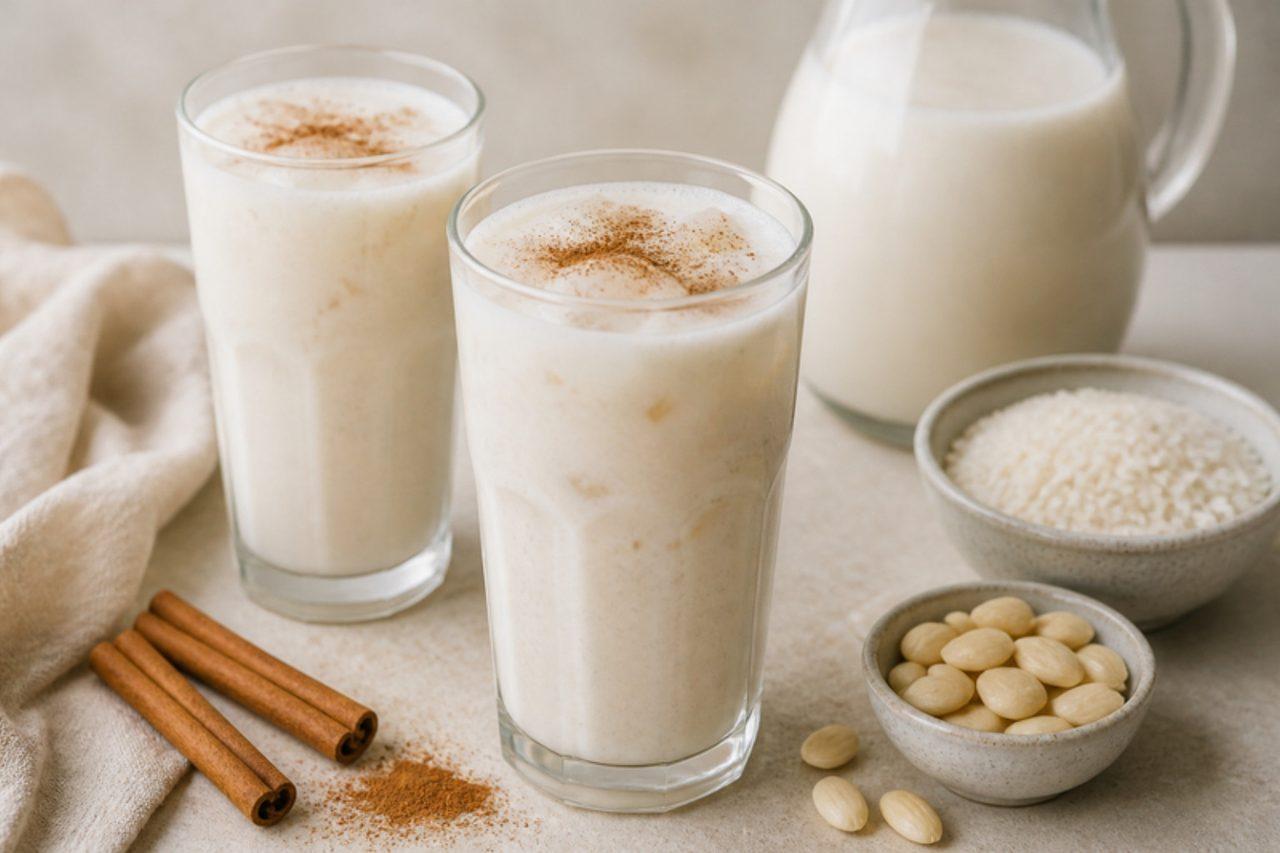
Horchata de arrozRice and cinnamon drink

Mexican horchata is a sweet, milky-looking agua fresca made from rice soaked overnight with cinnamon, then blended and strained. It is quite different from the Valencian horchata de chufa made from tiger nuts. Sold everywhere from Mexico City street stalls to taquerías in Oaxaca, it cools the mouth after a spicy taco and tastes of cinnamon, vanilla and toasted grain. We blend in almonds for extra creaminess and keep it dairy free, so it is vegan. Chef's tip: strain twice, the second time through a fine cloth; a gritty horchata is the most common mistake, and that silky texture is what you're after.

by KrazyBadal 0 views

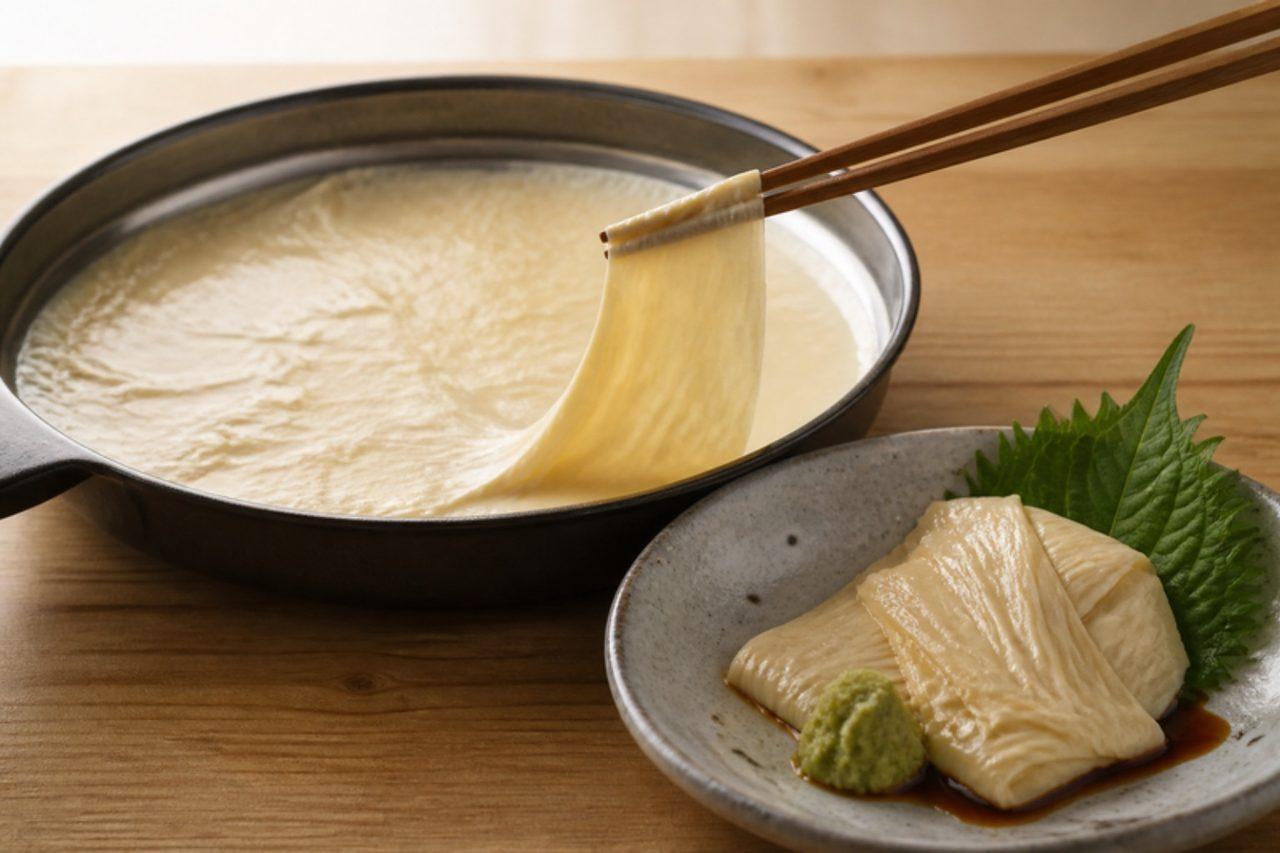
Homemade fresh yubaFresh tofu skin

Yuba is the thin skin that forms on soy milk as it heats, and in Kyoto and the temple town of Nikko it is a delicacy in its own right. Workshops in Kyoto's old streets have made it for centuries for monks' shojin ryori, the Buddhist vegetarian cuisine that relied on it for protein. Fresh yuba is soft, creamy and faintly sweet, and the first sheets of the day, eaten warm with a drop of soy, are prized above all. It needs patience rather than skill: just a wide pan, gentle heat and good soy milk. Serve as a starter with wasabi soy, or roll the sheets and slice them. Chef's tip: use unsweetened soy milk with at least 7% protein (check the label). Thin supermarket drinks won't form a skin.

by KrazyBadal 0 views

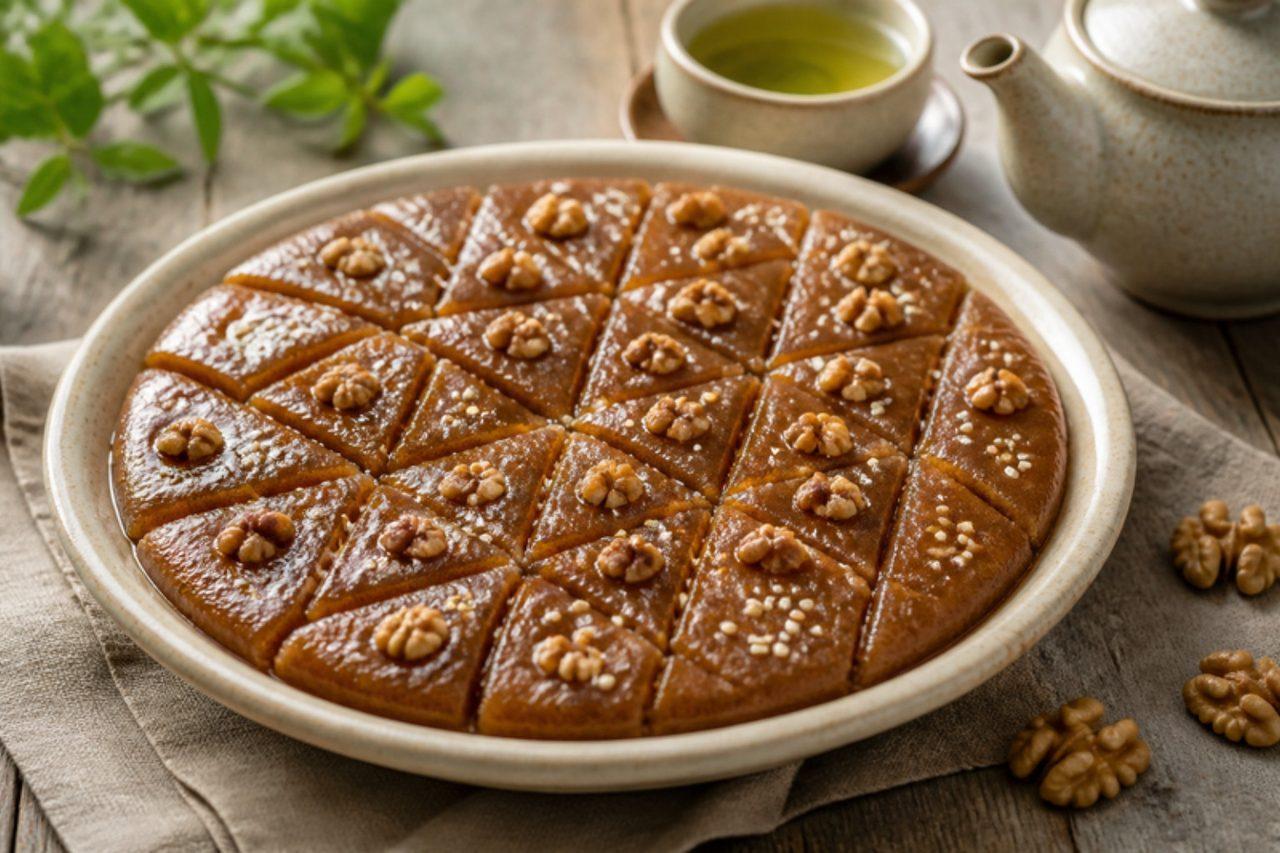
Uzbek halva (holvaitar)Flour and butter halva

Holvaitar is one of the oldest sweets of Bukhara: flour slowly roasted in butter until it smells like toasted nuts, then cooked with a sugar syrup into a soft, spoonable halva and topped with walnuts. Bukharan families make it for Navruz in March, for the 'Thursday' remembrance meals, and for women after childbirth, served warm in small bowls with green tea. It is closer to a pudding than to the brittle sesame halva sold in the bazaar. Chef's tip: patience at the roasting stage is everything; stop when the flour is the colour of milky coffee — paler tastes raw, darker turns bitter.

by KrazyBadal 0 views

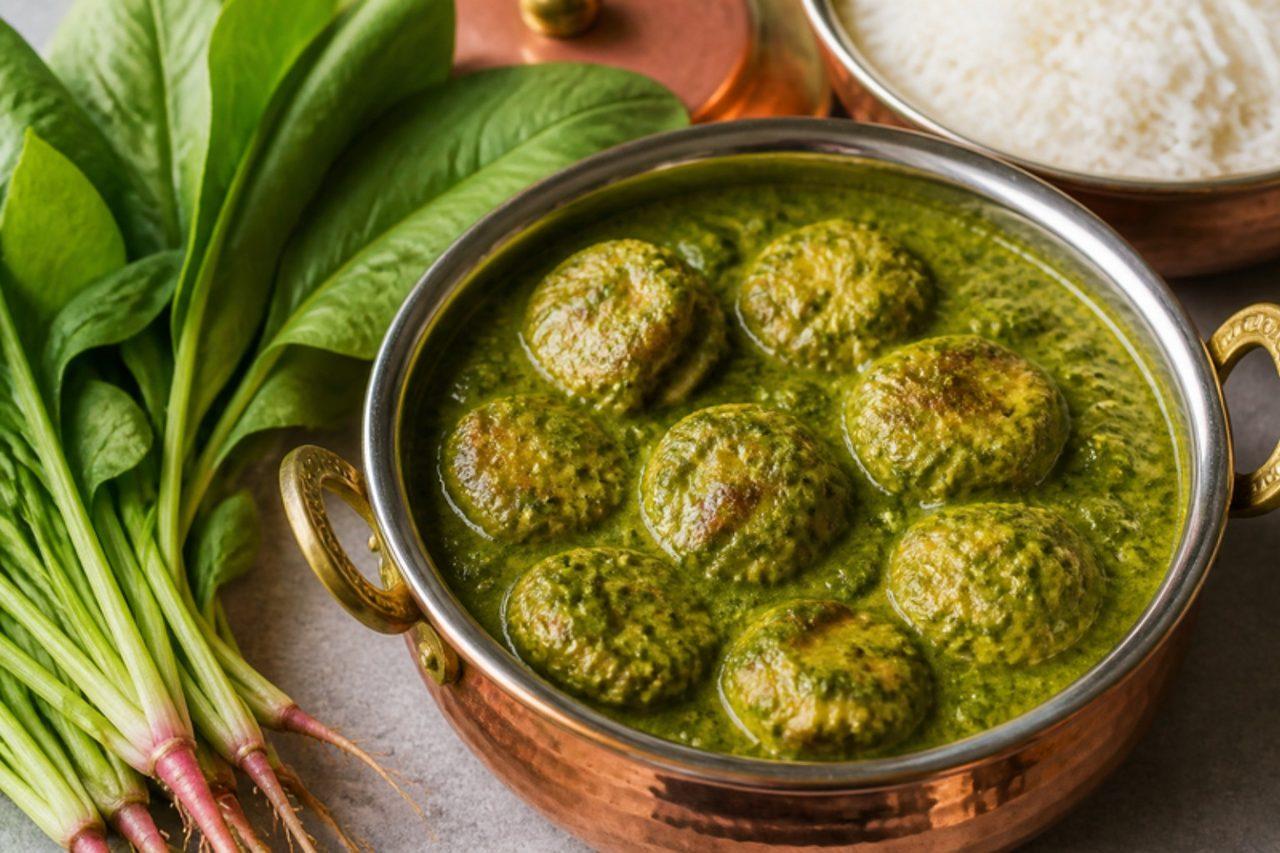
Sepu vadiLentil dumplings in spinach yogurt gravy

No dham in Mandi district of Himachal Pradesh is complete without sepu vadi. Light urad-dal dumplings are fried, softened in warm water and then simmered in a smooth spinach gravy tangy with yogurt, until they swell up and turn spongy. The botis who cook the feast make huge copper pots of it, served on leaf plates with rice and eaten with the fingers. At home it makes a rich weekend curry with rice or chapati. Chef's tip: beat the ground dal by hand for a few minutes before frying; the air you whip in is what makes the vadi light.

by KrazyBadal 0 views

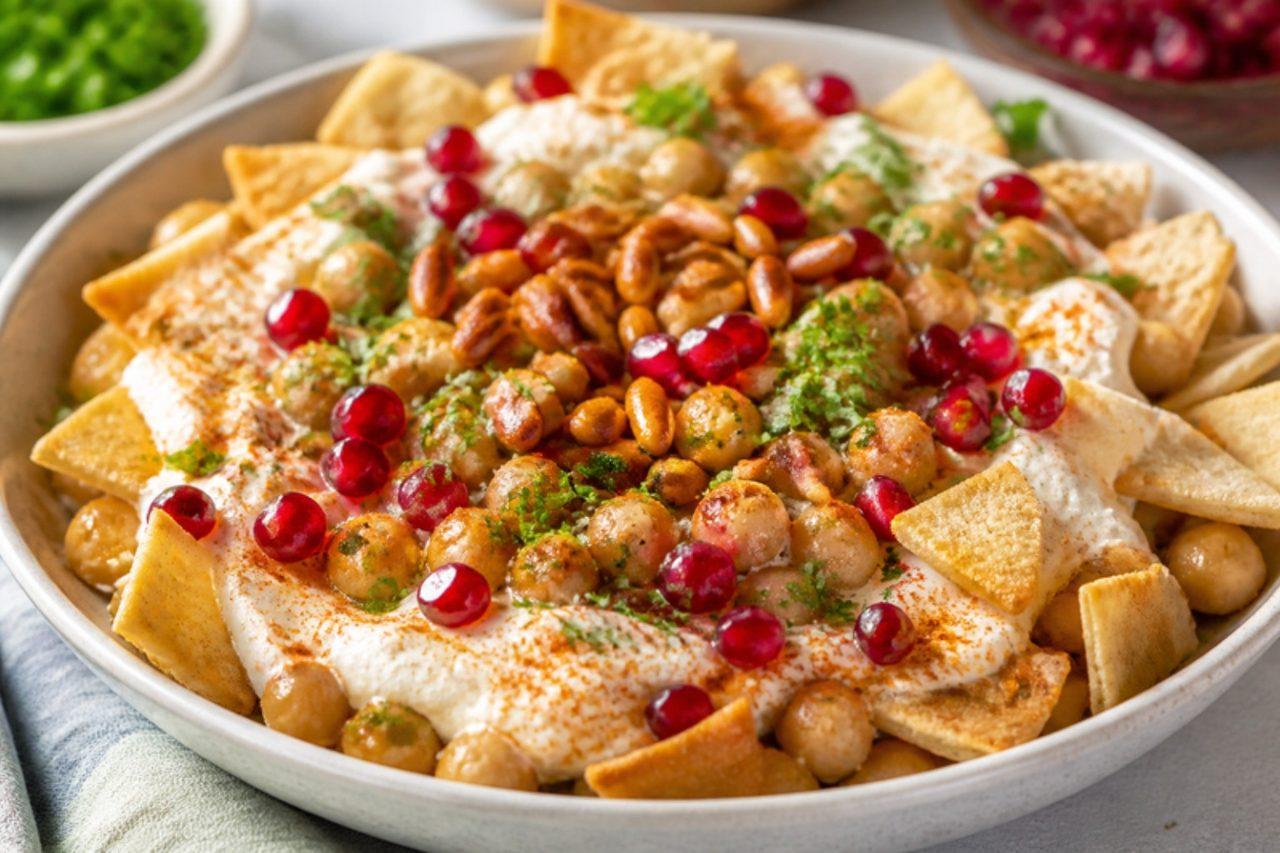
Fatteh with chickpeasChickpeas and crisp bread in yogurt

Fattet hummus belongs to Damascus, where breakfast restaurants in the old city serve it in deep bowls on Friday mornings, and it has spread to Beirut's Sunday tables too. The name comes from fatt, to break up, for the toasted flatbread at the bottom, which is topped with warm chickpeas in their broth, then a thick, garlicky sauce of yogurt and tahini, and finally sizzling pine nuts in butter or oil with a dust of paprika and cumin. The contrast is the point: crunchy and soft, hot and cool. Assembling it too early is the common mistake, since the bread soaks up the sauce and goes soggy; build it just before eating. Chef's tip: let the yogurt come to room temperature first, so it doesn't cool the chickpeas down too much and the bowl stays warm.

by KrazyBadal 0 views

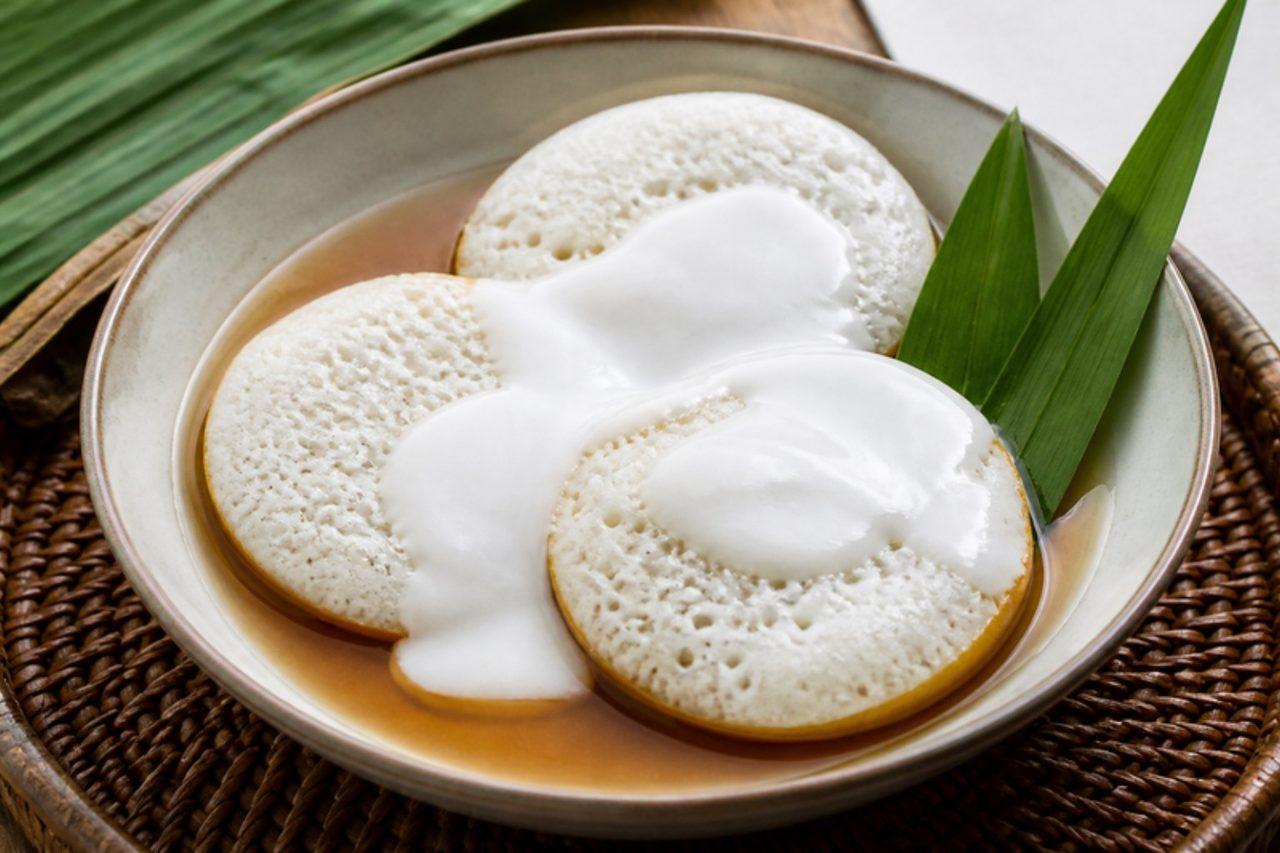
SerabiCoconut rice pancakes

Serabi are small, thick pancakes cooked one at a time in clay pans over charcoal, sold at dawn in Solo and Bandung. The rice-flour batter, rich with coconut milk, sets with a spongy, bubbly top and a crisp, lacy base. In Bandung they come with a pour of kinca, a warm palm-sugar syrup scented with pandan; Solo's version is rolled in a banana leaf with a dot of thick coconut cream. Chef's tip: don't flip them; covering the pan lets steam cook the top while the bottom crisps.

by KrazyBadal 0 views

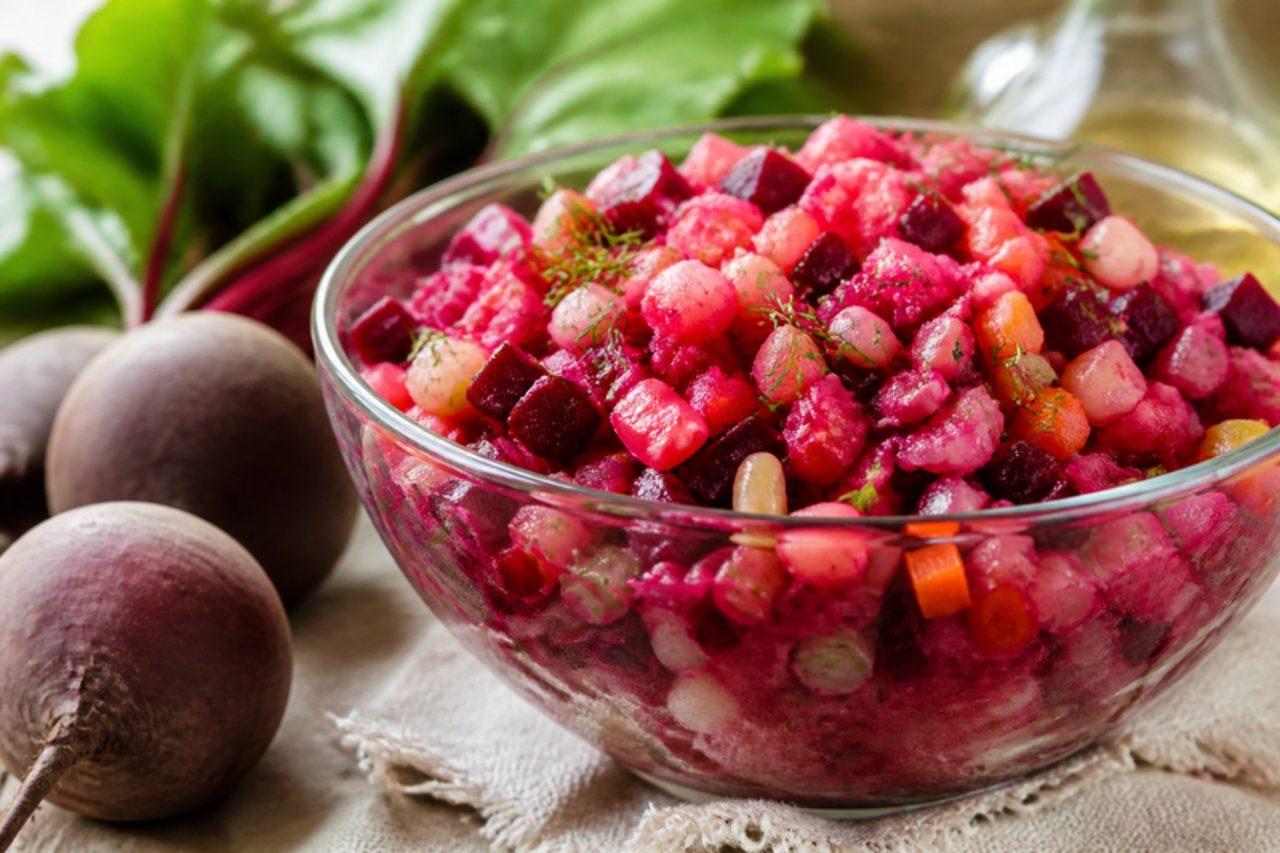
VinegretBeetroot and potato salad

Vinegret is the ruby-coloured salad that sits on almost every Ukrainian New Year and Christmas table, alongside olivier, and fills lunch boxes through the winter. Cooked beetroot, potato and carrot are diced small and tossed with sauerkraut, pickled cucumbers and beans, then dressed with fragrant unrefined sunflower oil, the kind sold by the bottle at markets in Poltava and Kherson. Despite the name there is often no vinegar at all; the sourness comes from the pickles. It is vegan, cheap and keeps for days. Chef's tip: dress the diced beetroot with oil on its own first, then mix in everything else; the oil coats it so the potatoes stay pale and the salad looks like a mosaic rather than all pink.

by KrazyBadal 0 views

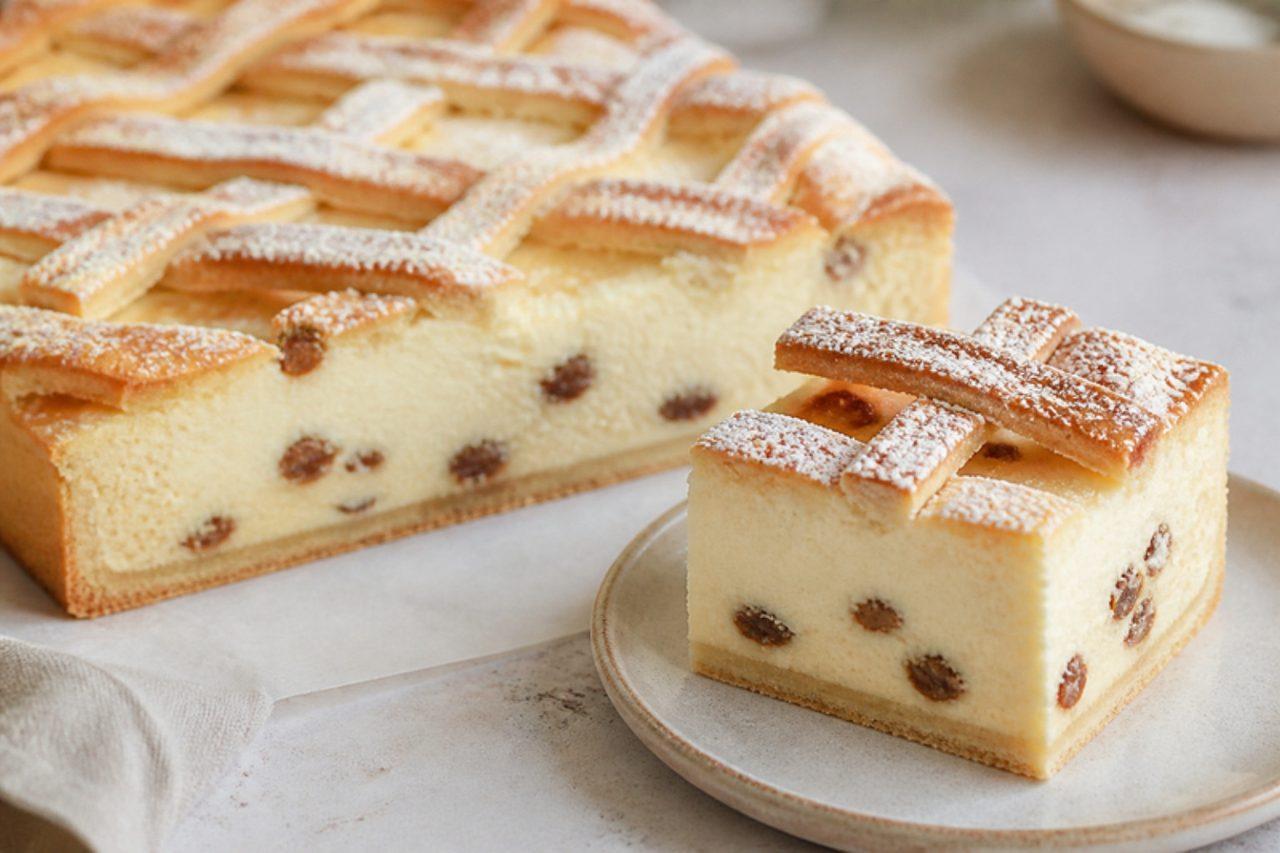
SernikBaked cheesecake

Sernik is the baked cheesecake Polish grandmothers make for Easter and Christmas, and in Kraków it often comes as sernik krakowski, with raisins in the filling and a lattice of pastry on top. Unlike the American kind it is made with twaróg, a dry, tangy curd cheese, so the filling is light and fine-grained rather than dense, set with eggs and a little potato starch, never gelatine. This version keeps a buttery shortcrust base and a smooth vanilla-lemon top. Chef's tip: the twaróg must be put through a mincer or sieve twice, or bought as ready-ground twaróg sernikowy in a tub; lumpy cheese gives a grainy cake.

110 minPolishBaking
by KrazyBadal 0 views

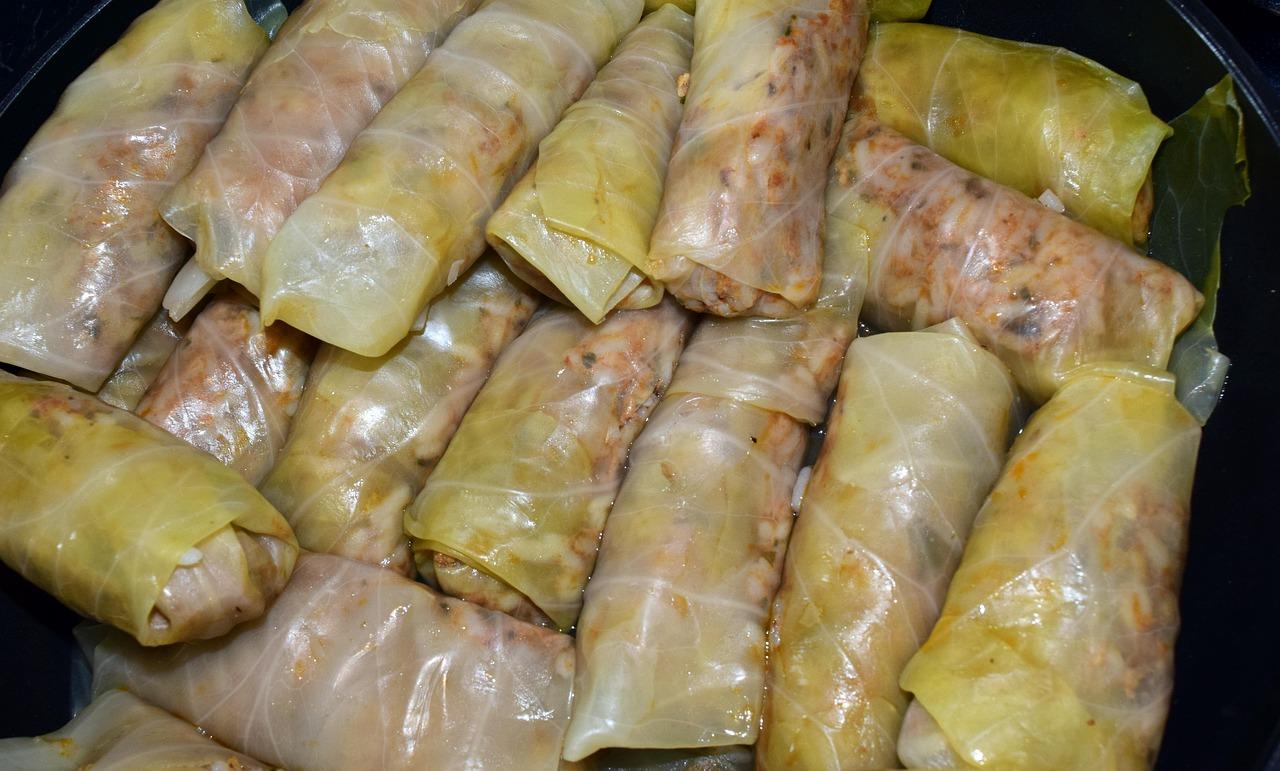
HolubtsiCabbage rolls with pork and rice

Holubtsi, 'little doves', are the cabbage rolls of Ukrainian family feasts, made by the trayful for weddings, christenings and Christmas in homes from Lviv to Poltava. This version contains pork: tender cabbage leaves wrap a mix of pork and beef mince, rice, onion and carrot, and the rolls bake slowly in a tomato and soured cream sauce. Serve with more soured cream and dill. Chef's tip: core the cabbage and simmer the whole head, peeling off leaves as they soften; they come away without tearing.

by KrazyBadal 0 views

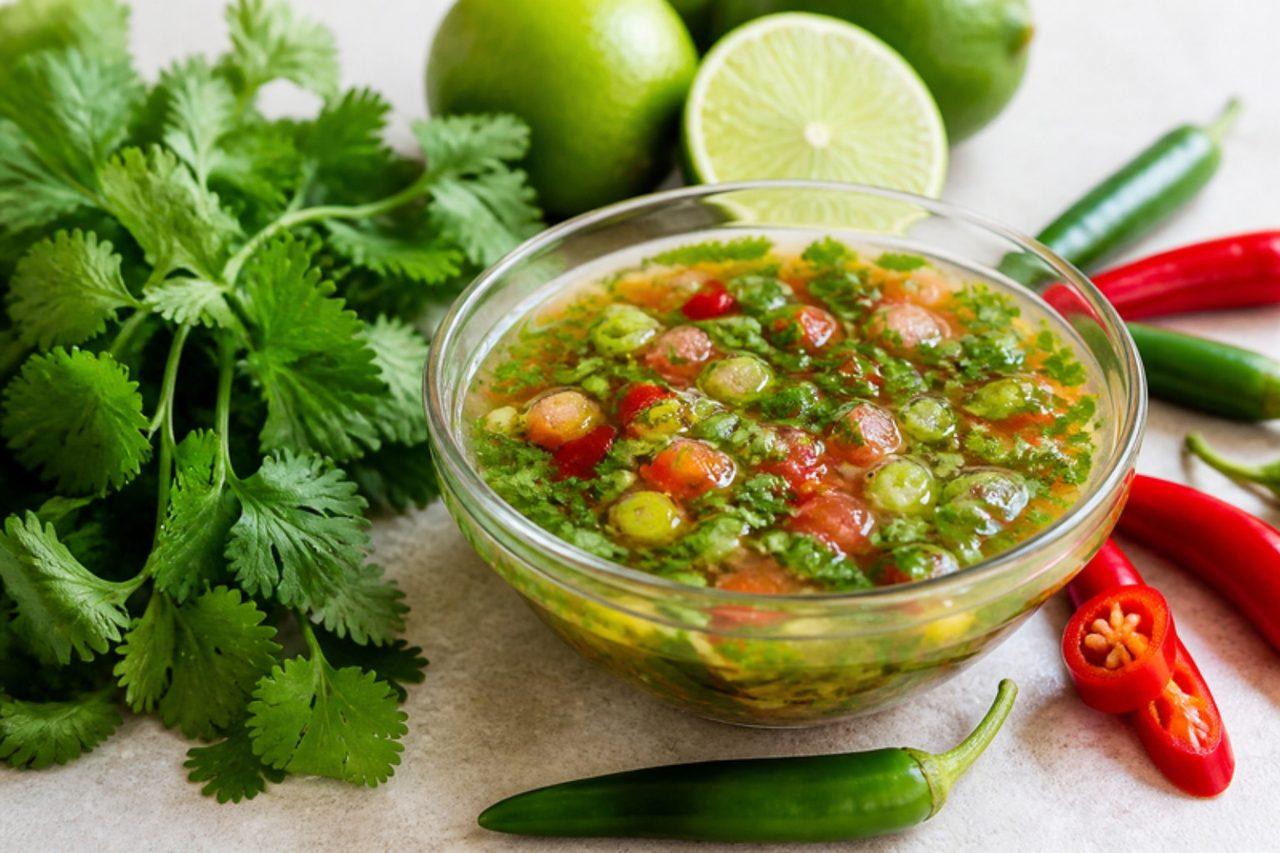
Ají picanteFresh chilli and coriander sauce

Every Colombian table has a bowl of ají, the loose, fresh hot sauce spooned onto empanadas, patacones, sancocho and arepas. Unlike a thick salsa, it is thin and bright: chopped hot chilli, spring onion, tomato and lots of coriander in lime juice, vinegar and water. Each family, from Bogotá to the Pacific coast, swears by its own heat level. Chef's tip: make it at least 30 minutes before eating; the onion softens and the chilli heat spreads through the liquid.

by KrazyBadal 0 views

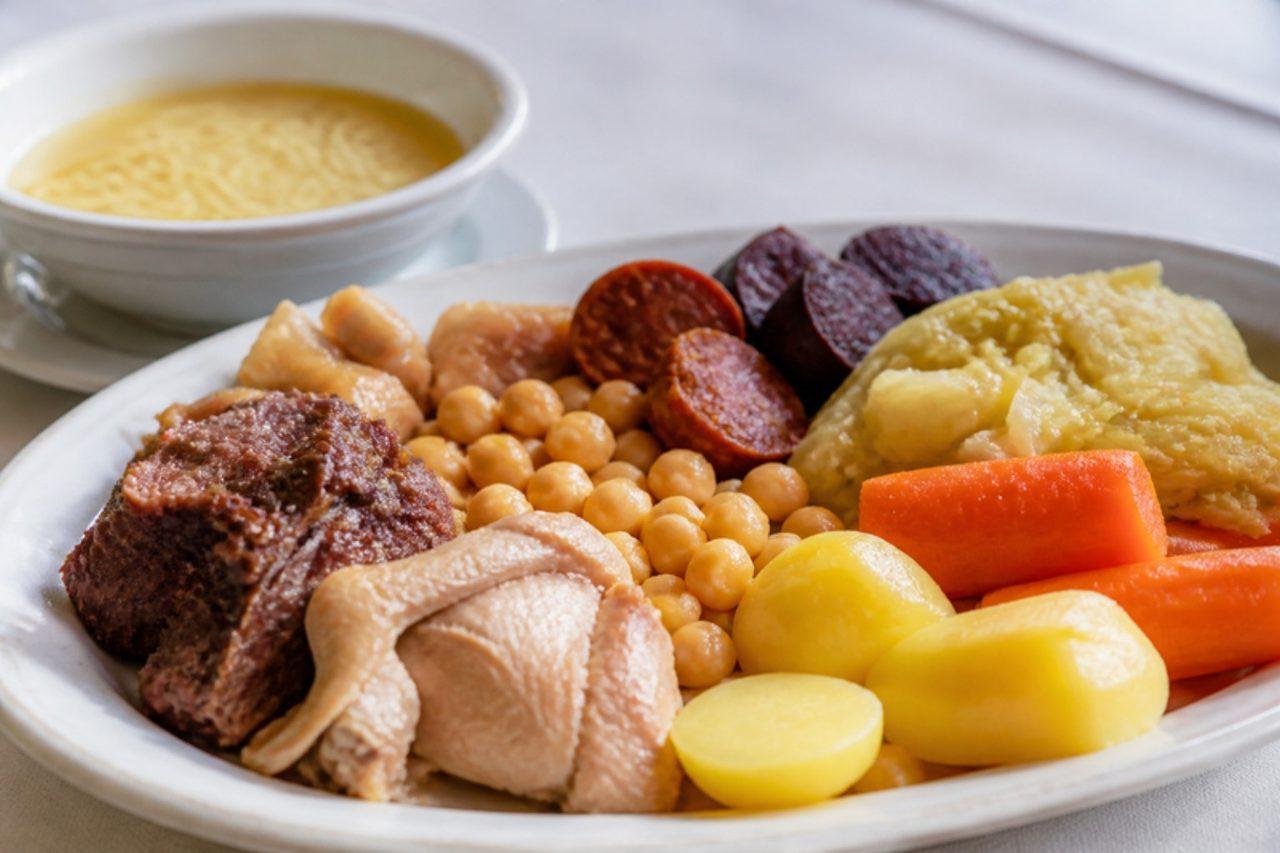
Cocido madrileñoChickpea and meat stew

Cocido madrileño is the slow pot of the capital's winter, served at lunch in old Madrid taverns and at home on cold weekends. Everything simmers together for hours (chickpeas, beef shin, chicken, pork belly, ham bone, chorizo, carrots and potatoes) and then it comes to the table in three vuelcos, or 'tippings out': first the broth as a soup with thin noodles, then the chickpeas and vegetables, then the platter of meats. Cabbage and chorizo are cooked in a separate pan so they don't cloud or redden the broth. It is a big project, but most of the time the pot looks after itself. Chef's tip: put the soaked chickpeas into a mesh bag or a loose muslin bundle; they're easy to lift out whole at the end and don't break up in the long simmer.

180 minSpanishMeat
by KrazyBadal 0 views

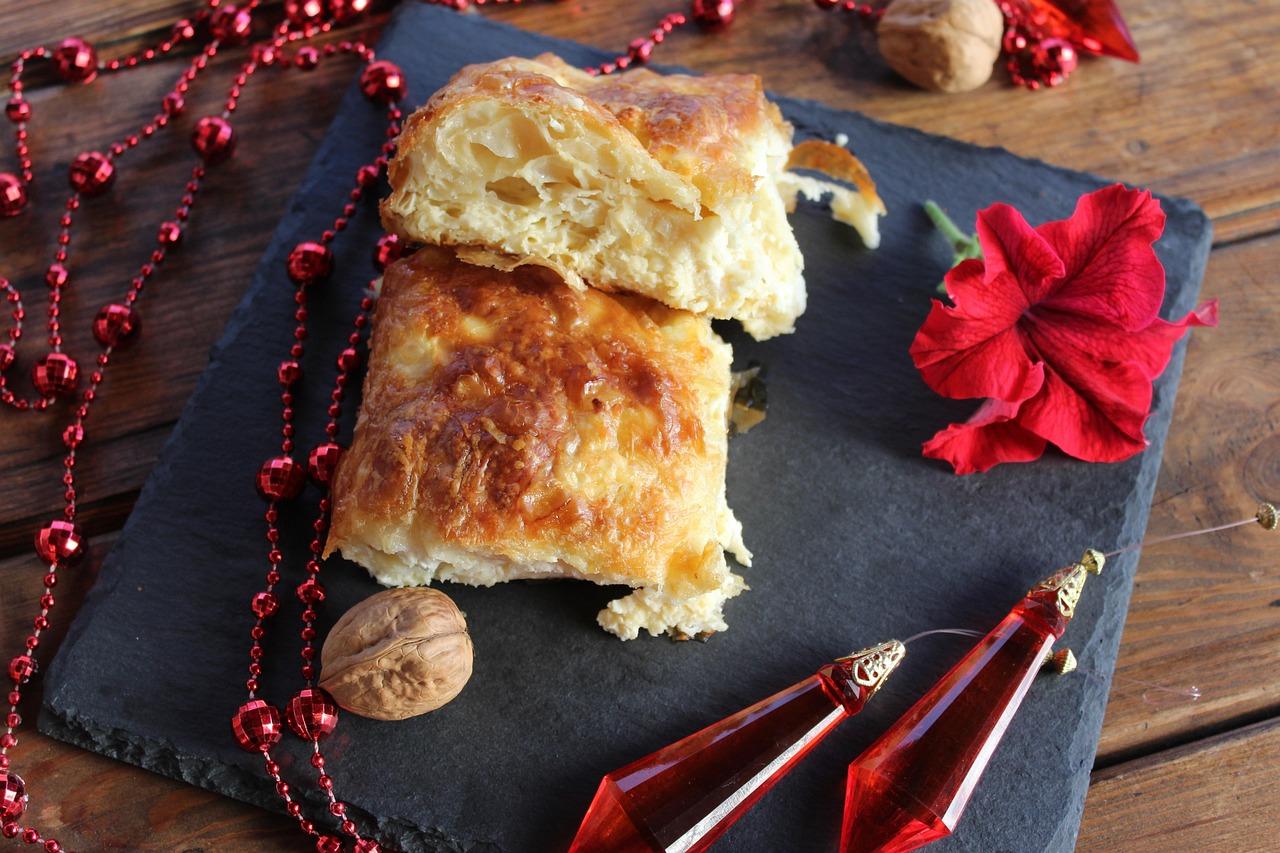
BanitsaFilo pie with cheese and egg

Banitsa is the Bulgarian breakfast pie, bought warm in paper from corner bakeries in Sofia and Plovdiv with a bottle of ayran or boza, and baked at home on New Year's Eve with lucky charms (kasmeti) tucked inside. Crumpled sheets of filo are layered with crumbled sirene and a custard of yogurt and eggs, then baked until the top is shatteringly crisp and the inside soft and tangy. It is not boiled like Turkish su böreği: the yogurt custard is what makes it Bulgarian. Chef's tip: crumple the filo loosely rather than laying it flat; flat, tightly packed sheets are the usual mistake and give a dense, doughy pie.

by KrazyBadal 0 views

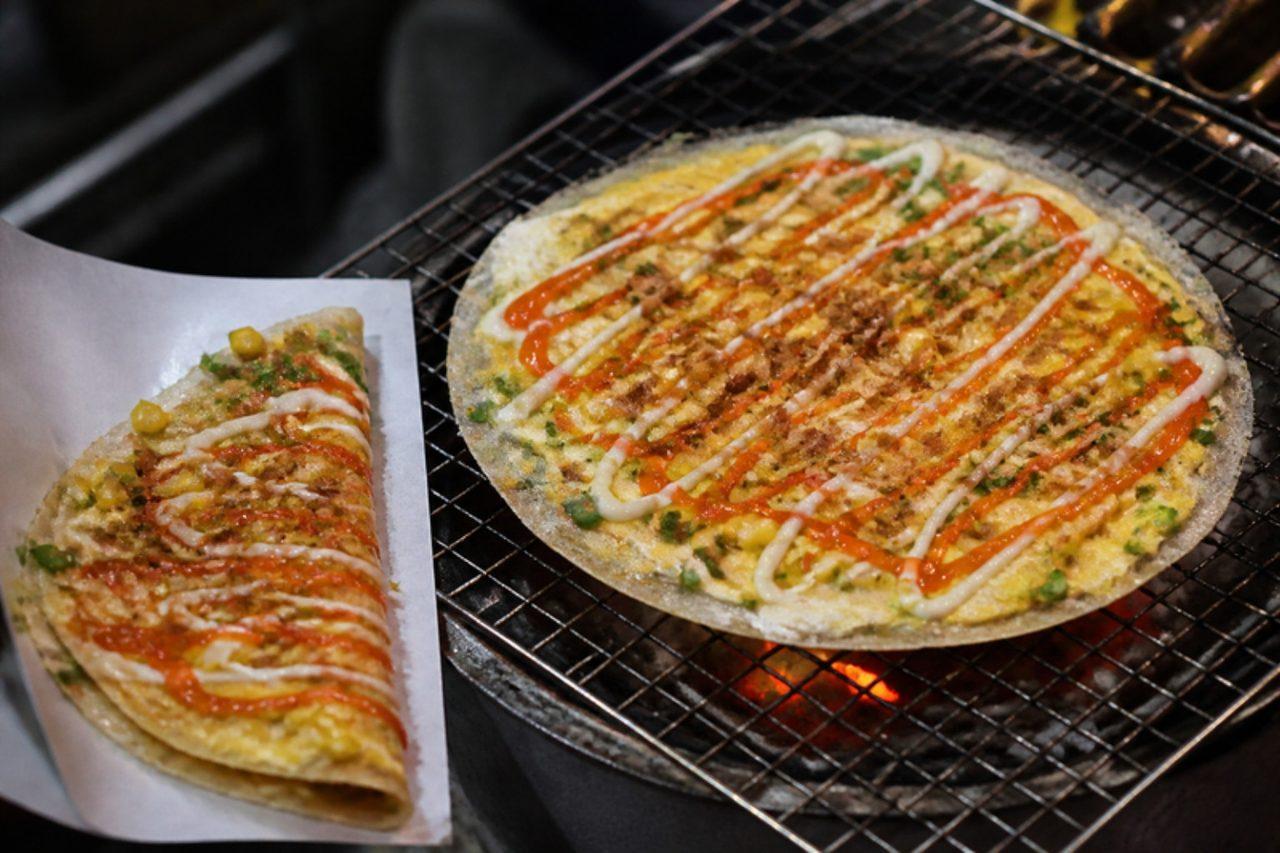
Banh trang nuongGrilled rice paper pizza

Bánh tráng nướng is the snack of Da Lat's night market, where vendors grill sheets of rice paper over small charcoal braziers, crack on an egg, spread it with a bamboo brush and fold the crackling disc in half to hand over in a paper napkin. Visitors call it Vietnamese pizza. The usual toppings include dried shrimp and sausage; this vegetarian version keeps the egg, spring onion, sweetcorn and crispy shallots, finished with chilli sauce and squiggles of mayonnaise. A dry frying pan does the job at home. Chef's tip: keep the heat low to medium; rice paper scorches in seconds, and it needs time for the egg to set on top while it crisps underneath.

by KrazyBadal 0 views

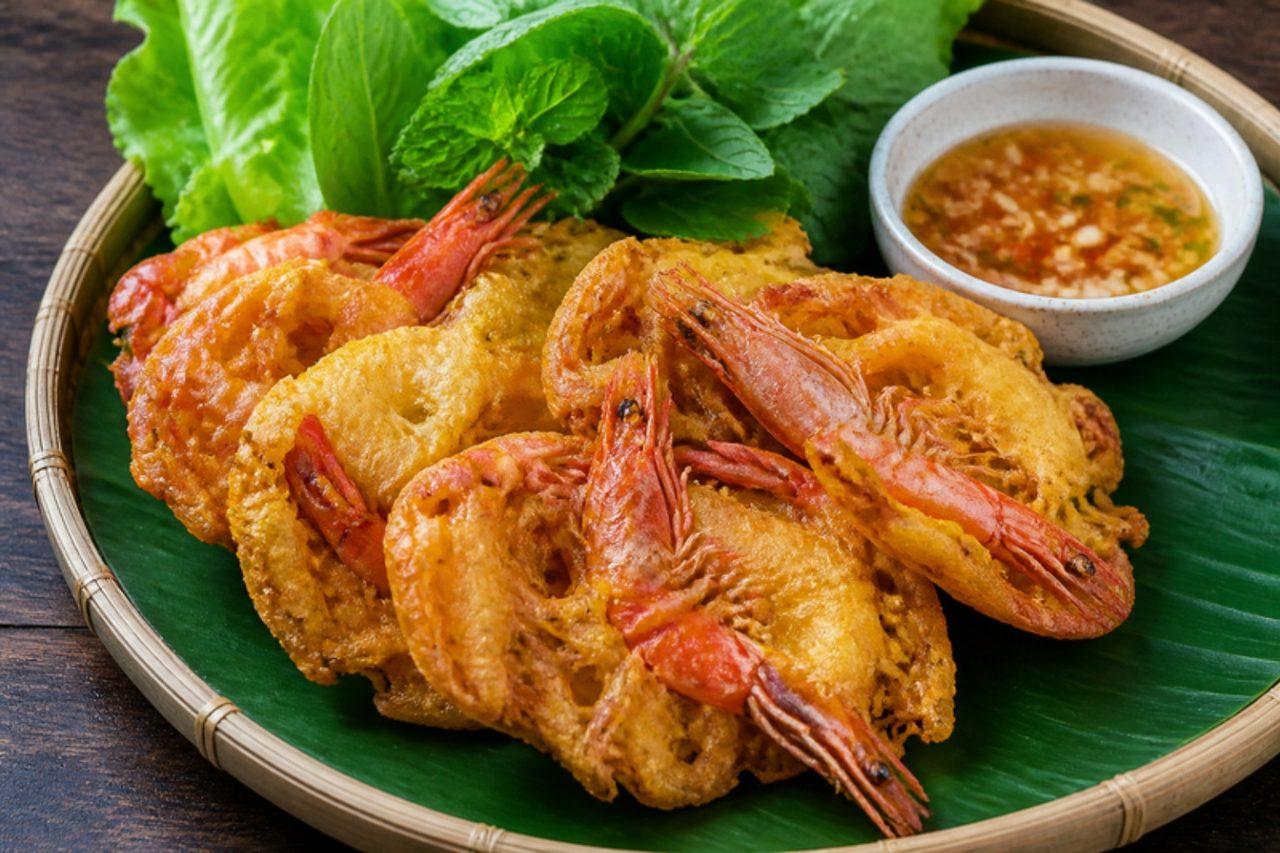
Banh tom Ho TaySweet potato and shrimp fritters

Lakeside cafés on the shore of West Lake (Hồ Tây) in Hanoi have sold these fritters for generations, and locals still ride out on cool autumn afternoons to eat them looking over the water. Each one is a nest of sweet-potato matchsticks held together by a thin, turmeric-tinted batter, with a whole small shrimp pressed on top so its shell fries crisp. They come piled on a plate with lettuce, herbs and a bowl of sweet-sour fish sauce dotted with slices of green papaya or kohlrabi. You wrap a piece of fritter in a lettuce leaf with a few herbs and dunk it. Chef's tip: soak the cut sweet potato in cold water for 10 minutes and then dry it really well; washing off the surface starch is what keeps the strands separate and crunchy.

by KrazyBadal 0 views

Banh khotMini coconut rice pancakes

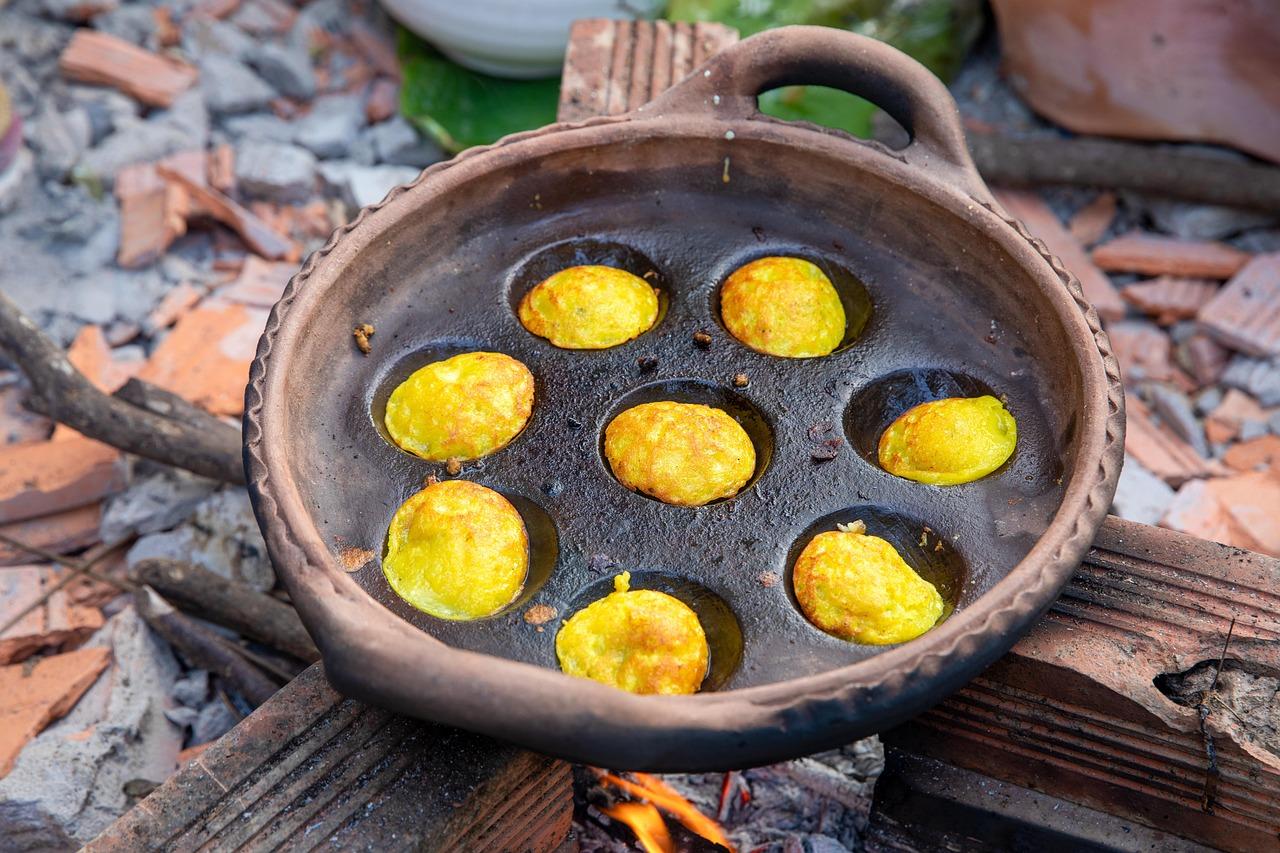
Weekend visitors from Saigon who drive down to the beach town of Vũng Tàu make a point of eating bánh khọt at open-air stalls, where cooks tend rows of dimpled clay or cast-iron pans over charcoal. The batter of rice flour, coconut milk and turmeric fries into bite-sized cups with a shatteringly crisp base and a soft, custardy top, each finished with a small shrimp and spring onion oil. You wrap them in mustard greens or lettuce with herbs and dip them in sweet-sour fish sauce. At home, an aebleskiver or takoyaki pan works well. Chef's tip: cover the pan for the first minute so steam sets the tops, then uncover so the bottoms crisp in the oil.

by KrazyBadal 0 views

Banh cuonSteamed rice rolls

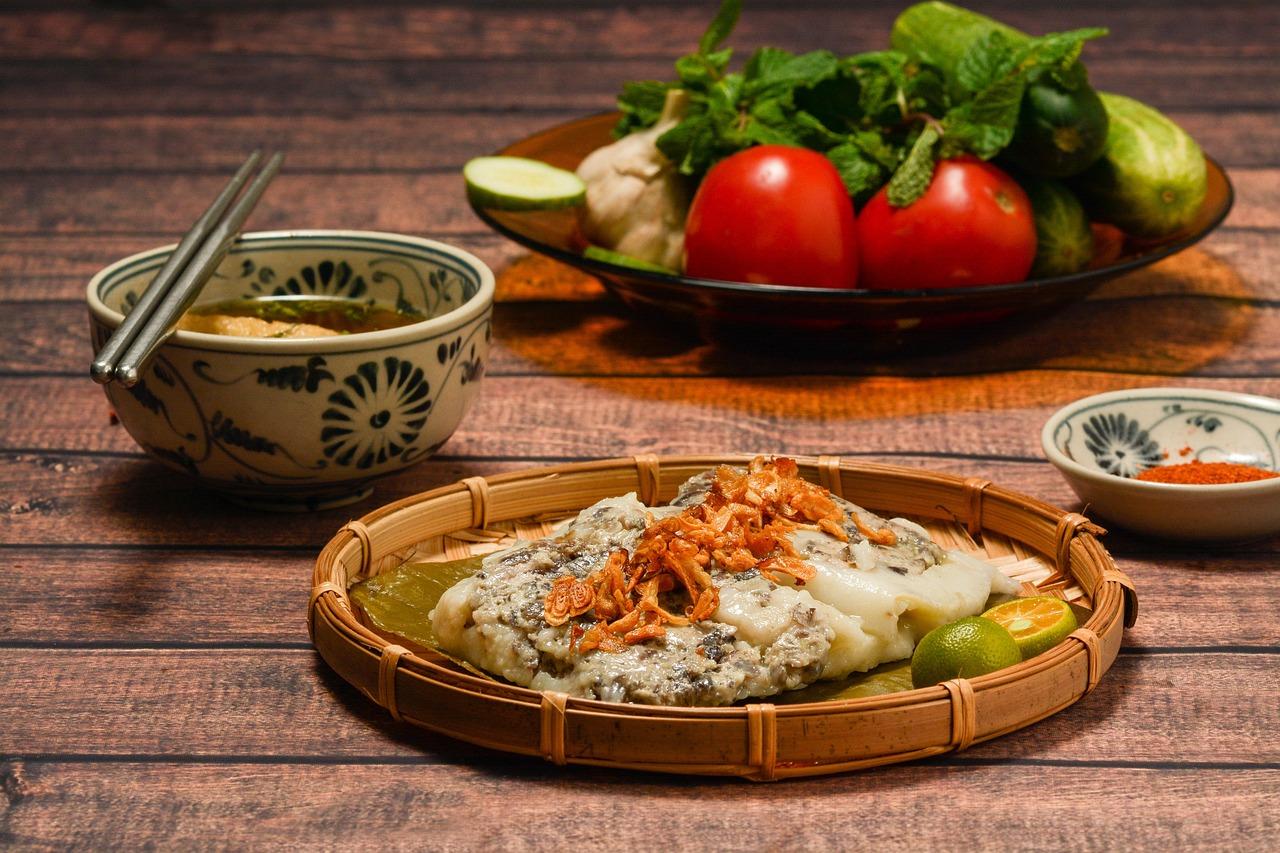
In Hanoi, banh cuon shops open early, and the cook sits beside a pot of boiling water stretched over with cloth, spreading batter across it in one sweep and lifting off sheets thin enough to see through. Each sheet is rolled around a little minced pork and crunchy wood-ear mushroom, cut into pieces, showered with crispy shallots and dipped into warm fish sauce. Slices of Vietnamese pork roll and a sprig of herbs often come on the side. At home a lidded non-stick frying pan does the job of the cloth, and once you find the rhythm the sheets come quickly. Chef's tip: make a practice sheet first; the first one is almost always a little too thick, and it tells you how much batter to use.

by KrazyBadal 0 views

ConchasSweet bread buns

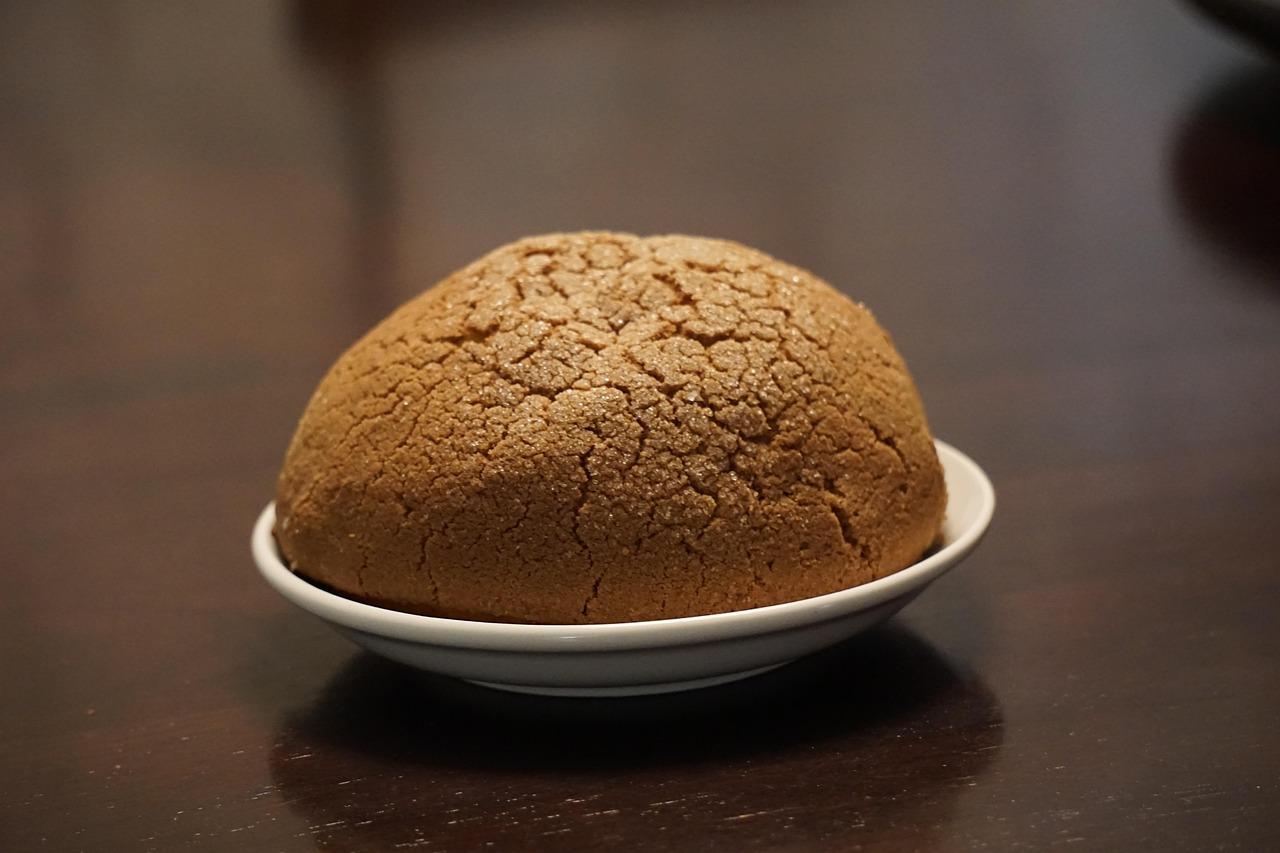
Conchas are the most famous pan dulce (sweet bread) in Mexico, piled high in every panadería and eaten for breakfast or merienda with hot chocolate or coffee. The bun is soft, slightly sweet and enriched with egg and butter, and it wears a crunchy, crumbly topping of sugar, fat and flour scored into the seashell pattern that gives it its name. Make some vanilla and some chocolate topping for the classic mix. Chef's tip: shape the dough into very tight balls before adding the topping; the tension makes them rise up instead of spreading out, so the shell cracks into neat stripes.

by KrazyBadal 0 views

Plain rice congee with toppingsRice porridge with toppings

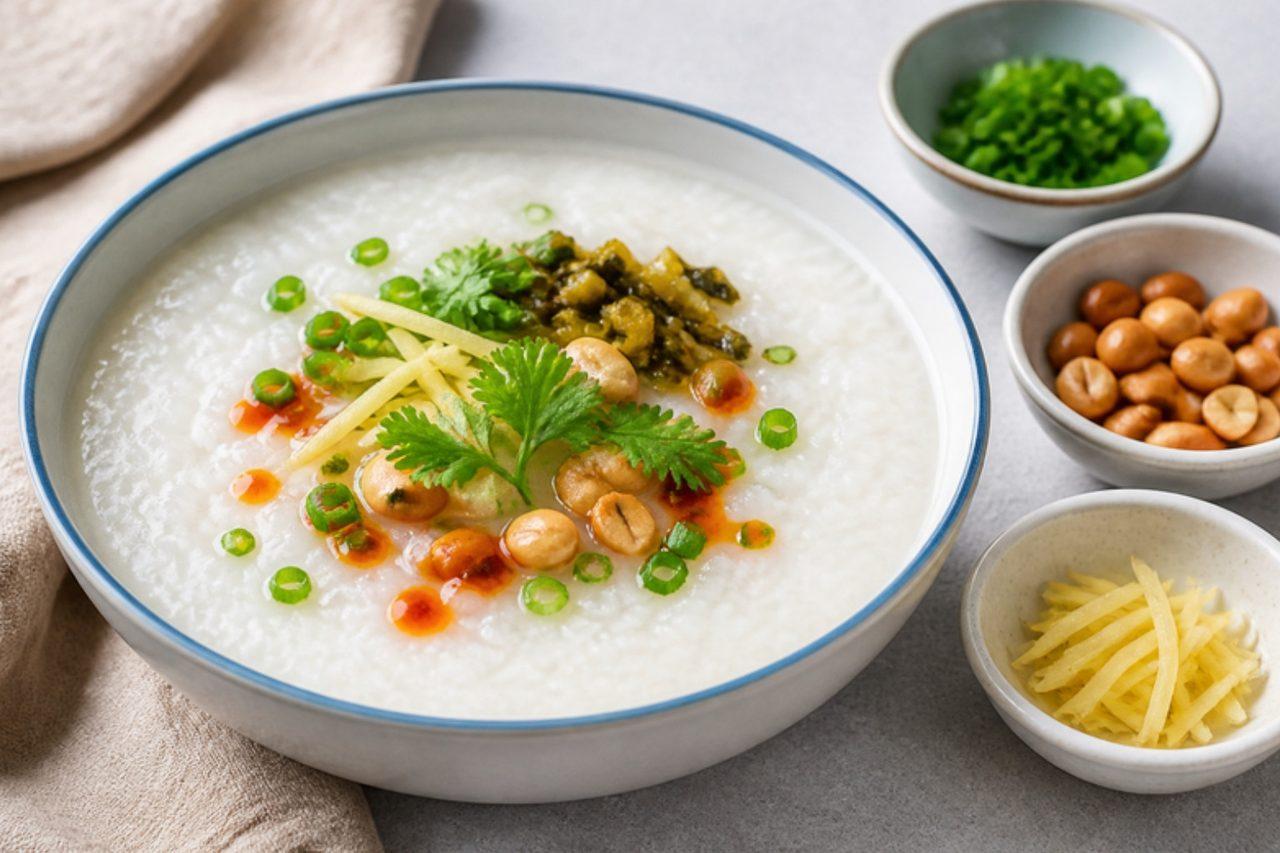
Congee (zhou in Mandarin, juk in Cantonese) is what much of China eats for breakfast, and what everyone is given when they are under the weather. The base is just rice and water cooked until the grains burst into a smooth, gentle porridge; the fun is in the toppings, from fried shallots to peanuts and salty pickles, so everyone builds their own bowl. Chef's tip: rinse the rice, then rub it with a little oil and salt and freeze it for an hour if you can; the grains crack and break down twice as fast.

by KrazyBadal 0 views

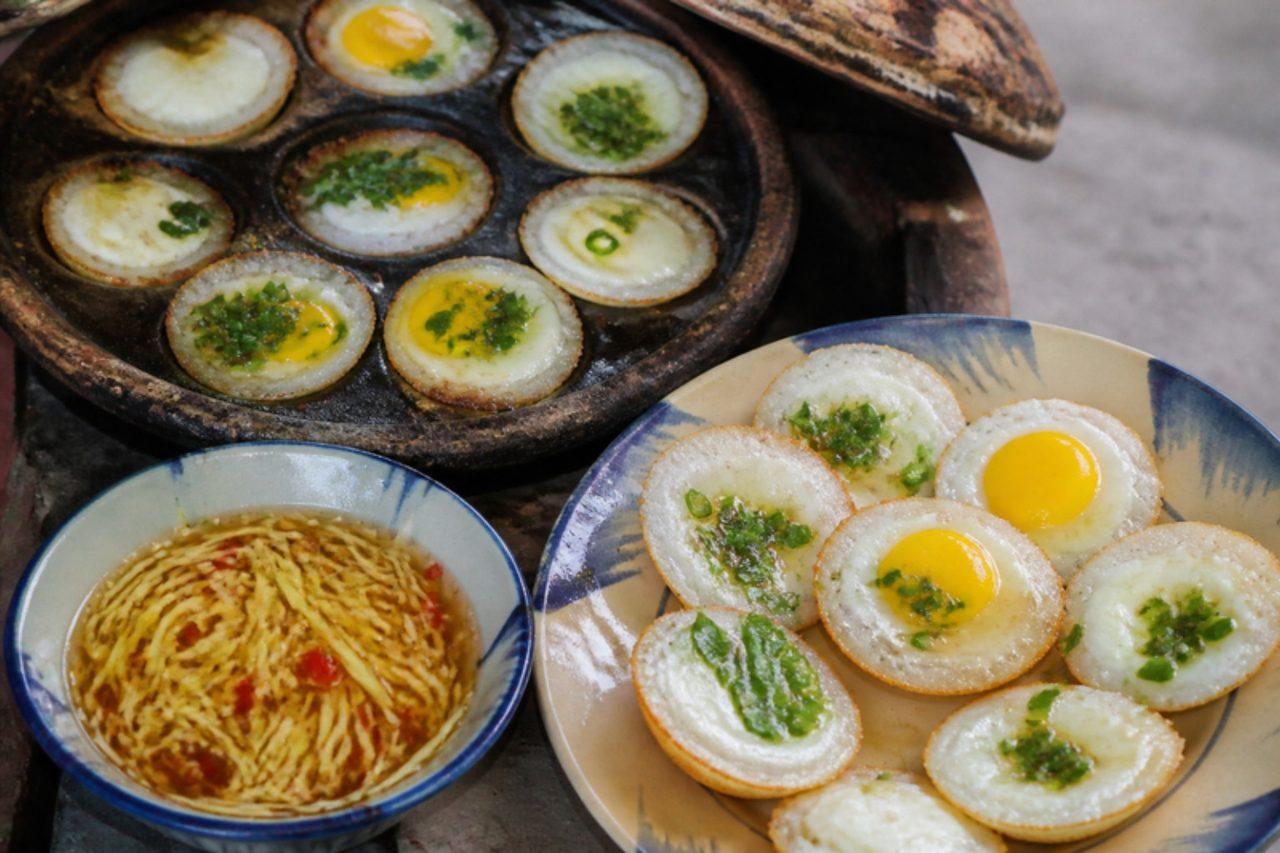
Banh canMini rice flour cakes with egg

Bánh căn comes from Phan Rang on the south-central coast and is now a favourite of chilly evenings in Da Lat, where sellers crouch over charcoal and rows of small clay moulds, cracking a quail egg into each little cup of rice batter. The cakes come out crisp and browned underneath and soft and steamy on top, and are eaten in pairs, dunked in a sweet-sour dipping sauce with shredded green mango and herbs. Most stalls use a fish sauce dip and sometimes add squid or shrimp; this version keeps it vegetarian with a tamari sauce and spring onion oil. Chef's tip: let a little of the cooked rice in the batter go into the blender; it gives the cakes their soft, slightly chewy middle.

by KrazyBadal 0 views

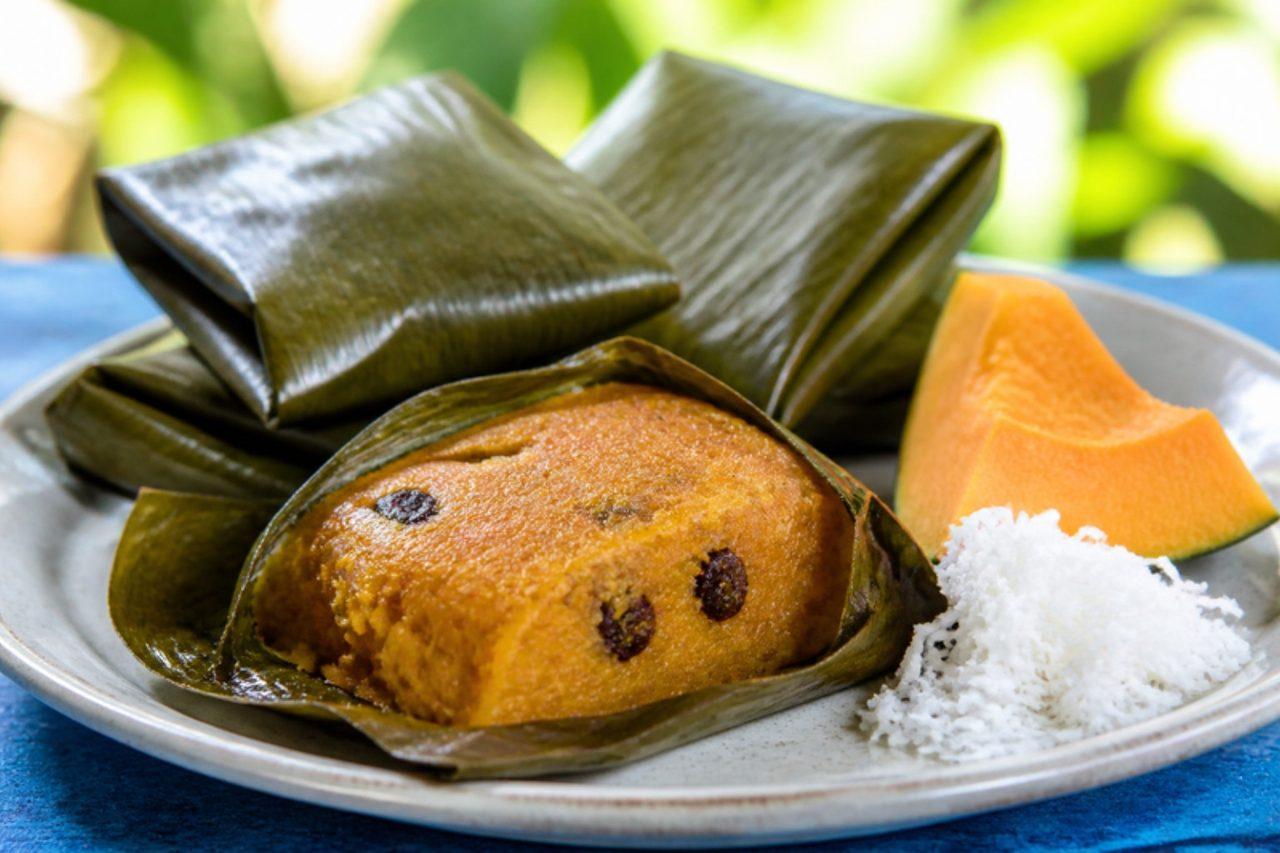
ConkiesSteamed pumpkin and cornmeal parcels

Conkies are made all over Barbados in late November for Independence Day on 30 November, when they're sold at roadside stalls and steamed in big pots at home; older Bajans remember them from Guy Fawkes Night, too. A spiced batter of grated pumpkin, sweet potato and coconut, cornmeal, sugar and raisins is folded into squares of banana leaf and steamed until it sets. Unwrapped, they're moist, dense, sweet and fragrant with nutmeg, almond and the faint green tea scent of the leaf. Chef's tip: pass the banana leaves briefly over a gas flame or dip them in hot water first; they turn glossy and supple and fold without splitting.

by KrazyBadal 0 views

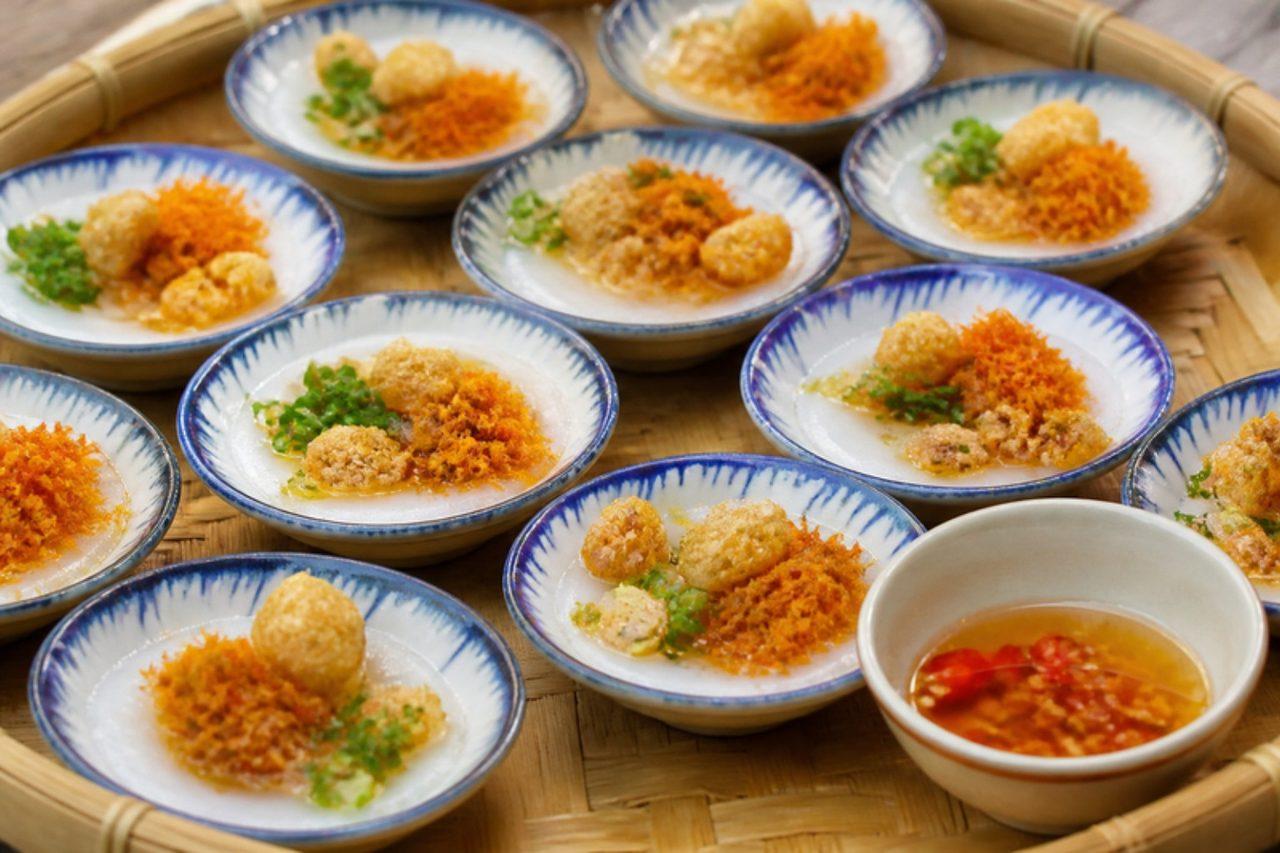
Banh beoSteamed rice cakes with shrimp

Bánh bèo are named after the water fern that floats on Huế's ponds, which the little round cakes resemble. In the city they arrive at the table by the dozen, each still in its own small saucer, topped with pink shrimp floss and spring onion oil. You spoon sweet fish sauce over and scoop each one out in a single mouthful. They're a mid-afternoon snack or a light lunch alongside other Huế rice cakes. Small ramekins, egg poaching cups or a silicone mini-muffin tray all work as moulds. Chef's tip: heat the empty saucers in the steamer for a minute before adding the batter; the cakes then set with the little dimple in the middle that holds the toppings.

by KrazyBadal 0 views

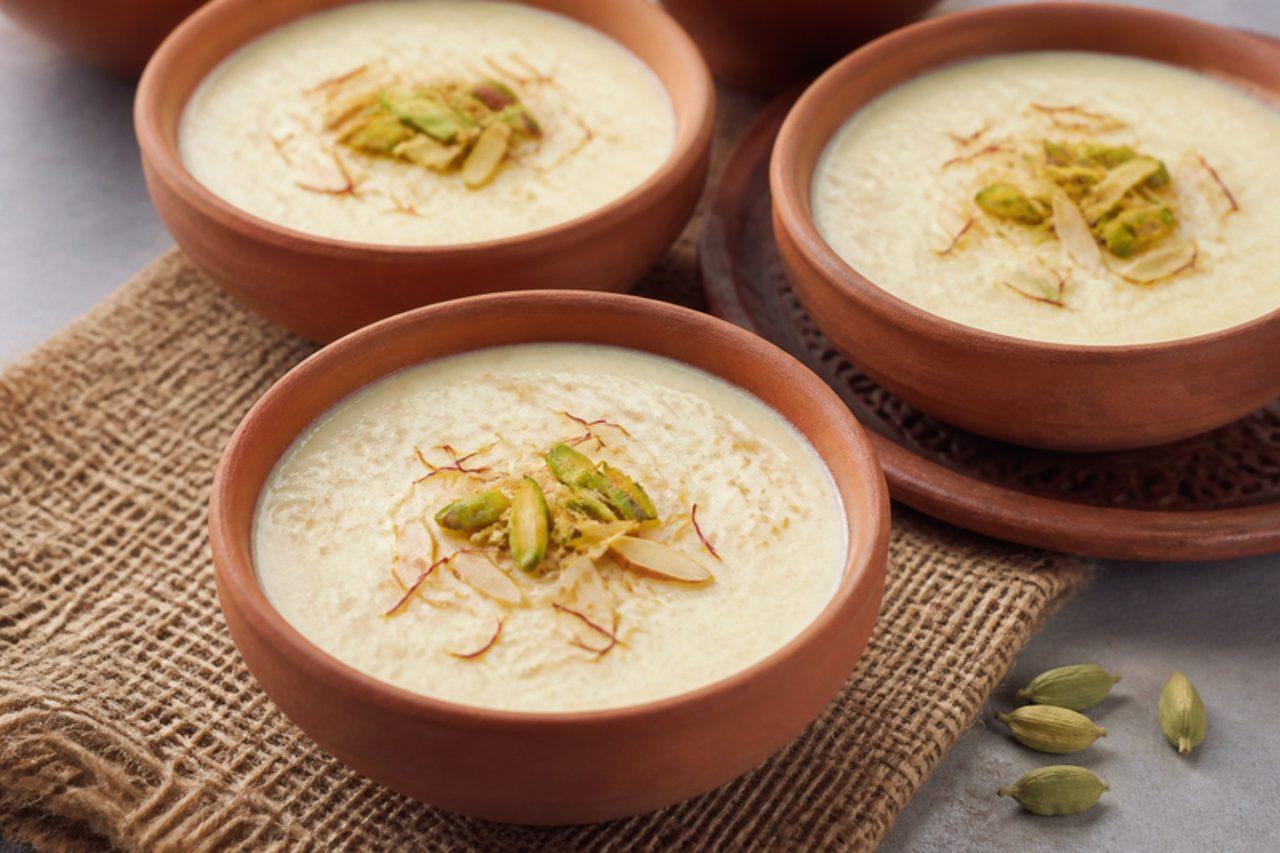
FirniGround rice milk pudding

Firni is the dessert that turns up in little clay bowls on Eid tables across Bangladesh, especially after the evening meal on Eid-ul-Fitr. It is smoother and thicker than payesh: instead of whole rice grains, coarsely ground rice is simmered in milk until it sets into a silky pudding, scented with cardamom and rose water and scattered with pistachios and almonds. It is served chilled, so it's made a day ahead. Chef's tip: grind the soaked rice to a coarse semolina-like grit, not a fine powder; that slight texture is what makes firni feel rich.

by KrazyBadal 0 views

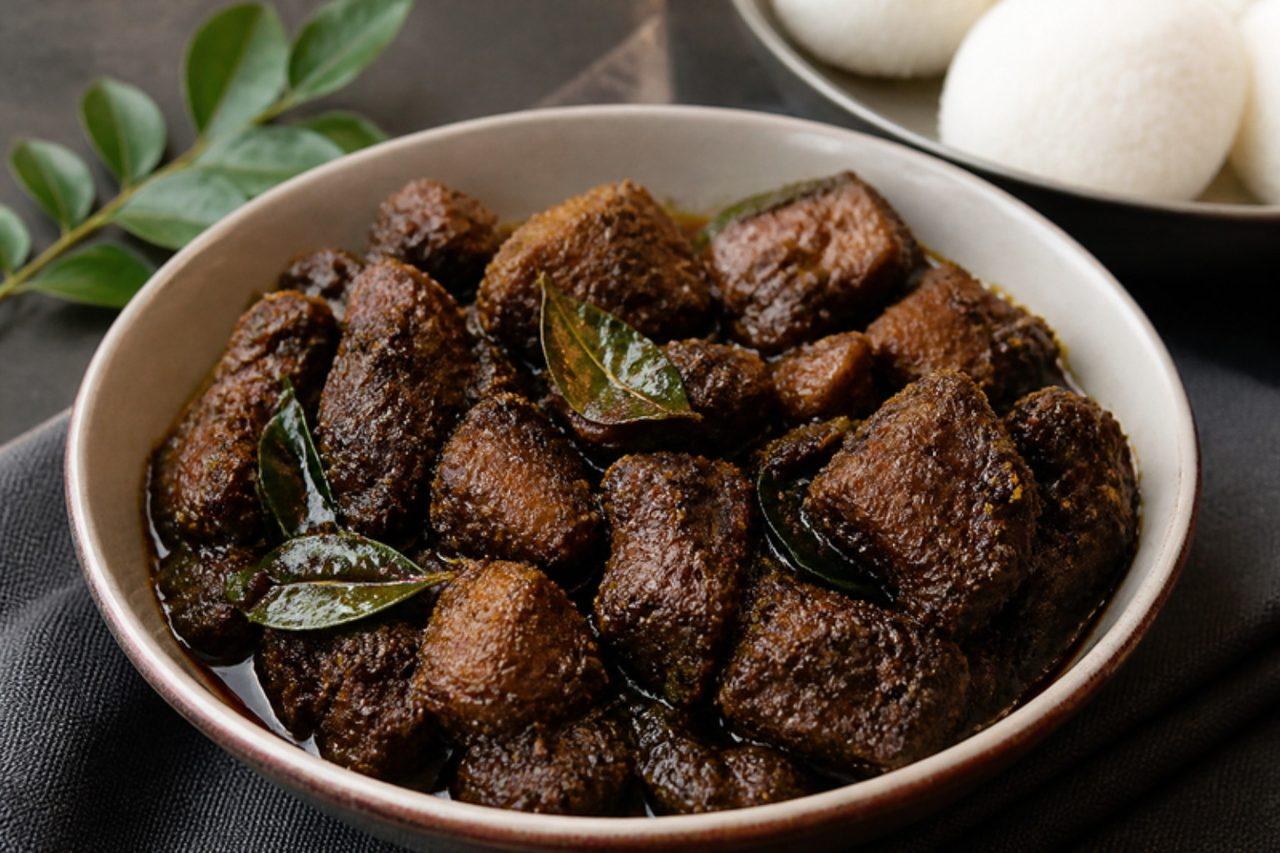
Coorg pandi curryDark spiced pork curry

Up in the coffee estates of Kodagu (Coorg), pandi curry is the dish of the Kodava people, cooked for Puttari, the harvest festival, and for every family gathering in between. Fatty pork simmers in its own juices with a masala of coriander and black pepper roasted almost black, then finishes with kachampuli, a dark, sour vinegar made from the Garcinia fruit. It is eaten with kadambuttu (steamed rice balls) or akki otti. Chef's tip: roast the spices slowly over a low heat until they are the colour of strong coffee; this is the dark colour and smoky flavour of a real pandi curry.

105 minIndianMeatGluten freeSpicy
by KrazyBadal 0 views

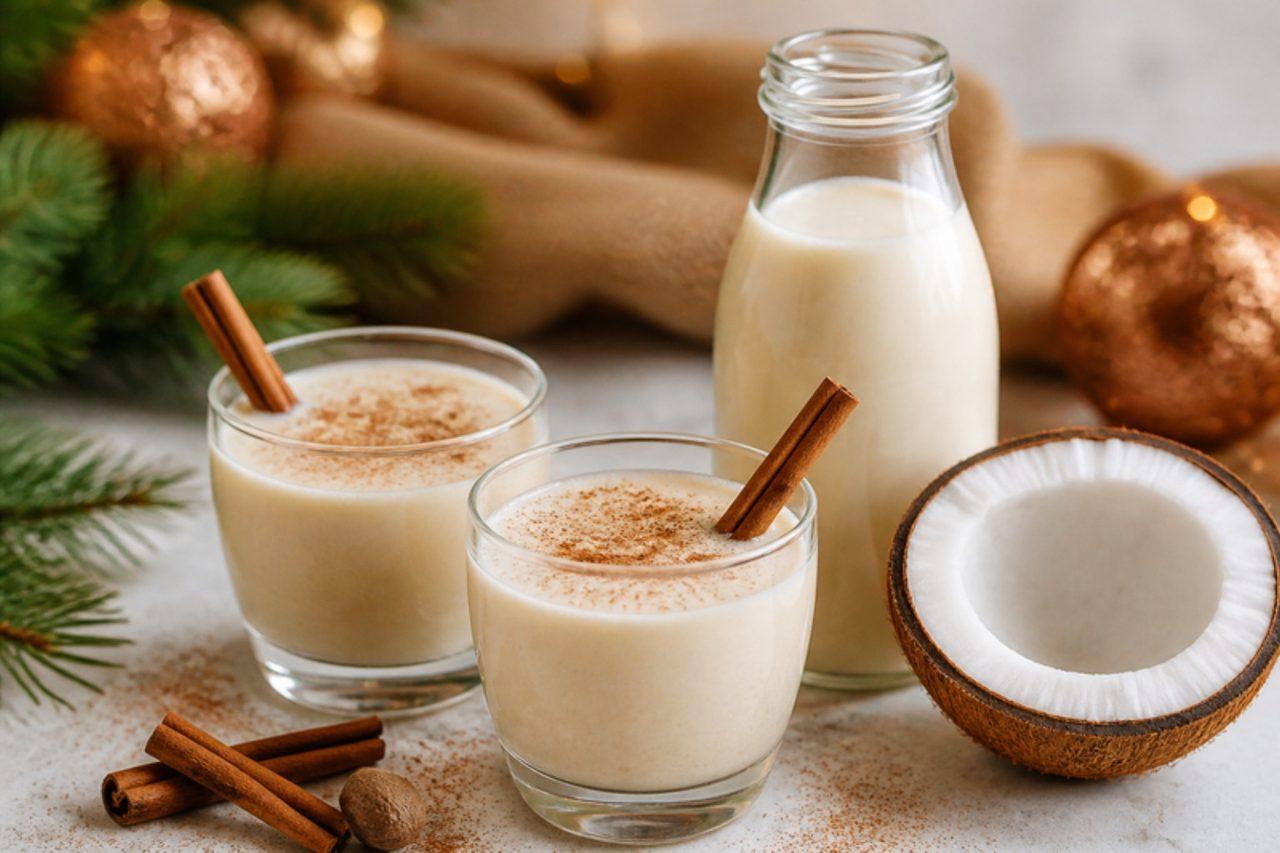
CoquitoCoconut rum drink

Coquito is Puerto Rico's Christmas in a glass: bottles of it are made in early December, given to neighbours and poured at every parranda, the late-night singing visits from house to house, until the Fiesta de San Sebastián in Old San Juan in January. This version contains alcohol: it blends coconut milk, sweet cream of coconut and condensed and evaporated milk with Puerto Rican white rum, cinnamon, nutmeg and vanilla. It's thick, cold and sweet, with the warmth of rum behind the spice. For children and anyone avoiding alcohol, make it without the rum as described in the steps. Chef's tip: let it rest in the fridge overnight; the spices bloom and the rum mellows, and it tastes far rounder on the second day.

by KrazyBadal 0 views

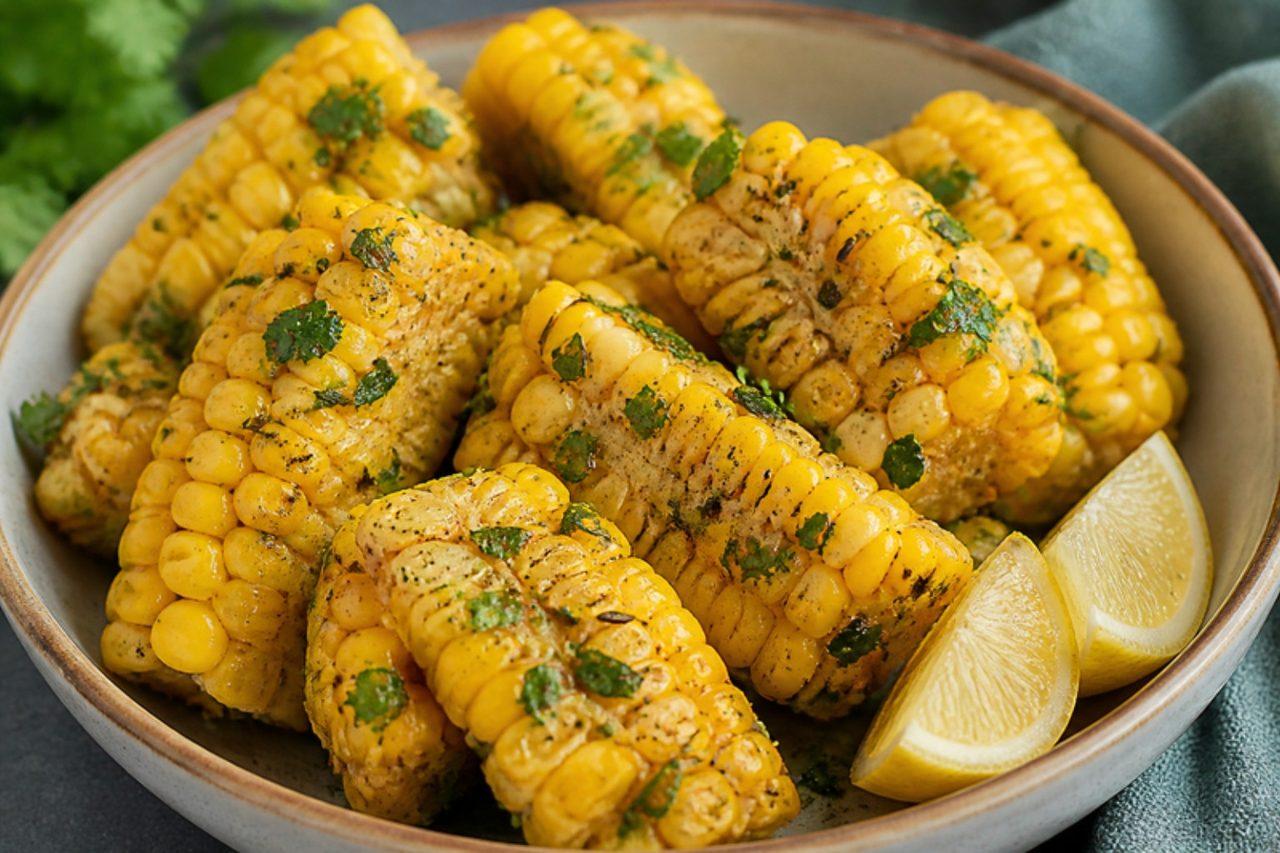
Corn bombSpiced corn on the cob chunks

Chunks of tender corn on the cob tossed in hot oil with cumin, green chillies, fresh coriander, turmeric, black pepper and lemon until every kernel is coated. It's hot, tangy and messy to eat with your fingers. Serve hot from the barbecue.

by KrazyBadal 0 views

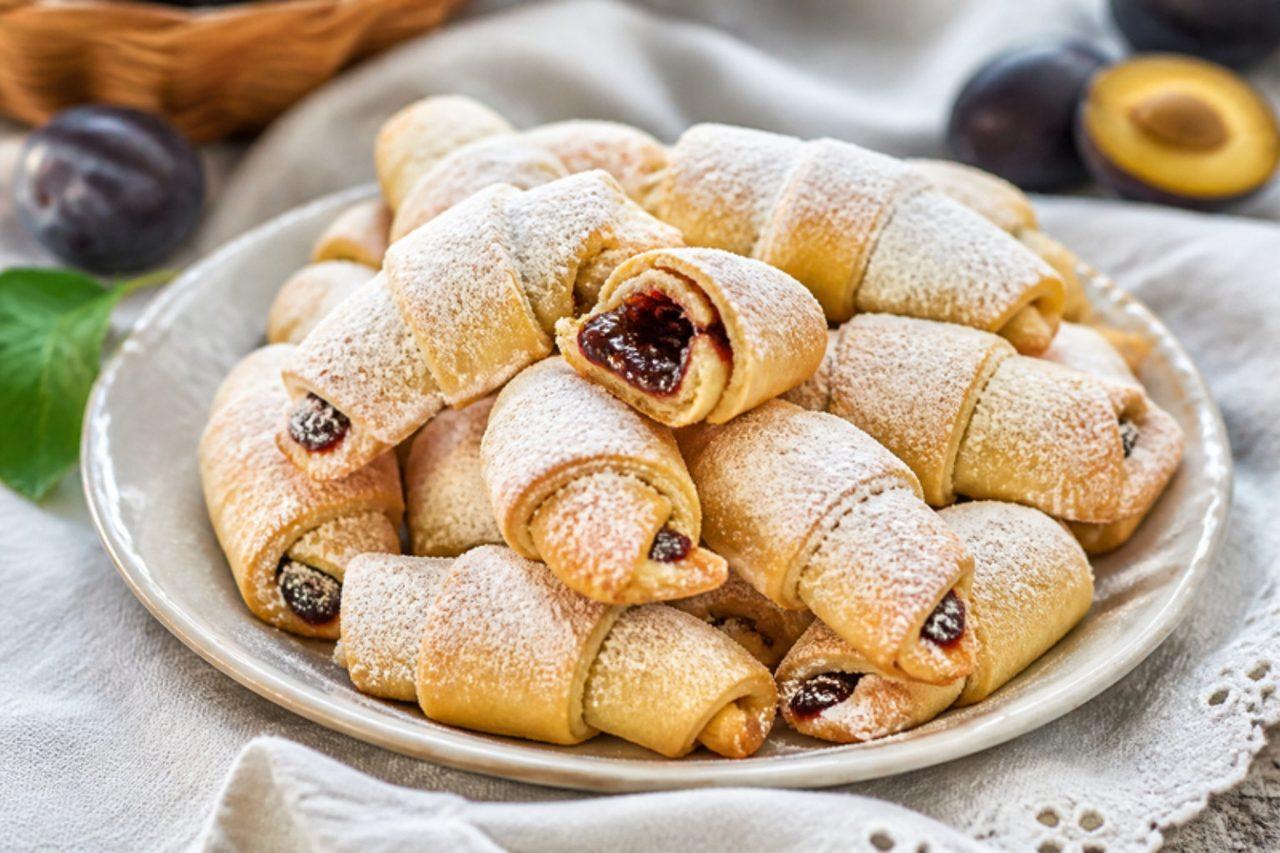
CornulețeJam-filled crescent cookies

Cornulețe are the little crescent cookies that fill tins in Romanian kitchens before Christmas and New Year, and that grandmothers in Sibiu and Timișoara bake by the hundred for weddings and name days. This version uses a tender yeasted dough made with butter and yogurt, wrapped around a spoonful of thick plum jam (magiun) or rose rahat and rolled into horns. They bake pale and soft, not flaky, and are rolled in vanilla sugar while warm (the recipe makes 32, two per serving), which sets them apart from the cream-cheese rugelach of Jewish baking. Chef's tip: use thick jam and pinch the ends shut; runny jam is the usual mistake and bubbles out and burns on the tray.

by KrazyBadal 0 views

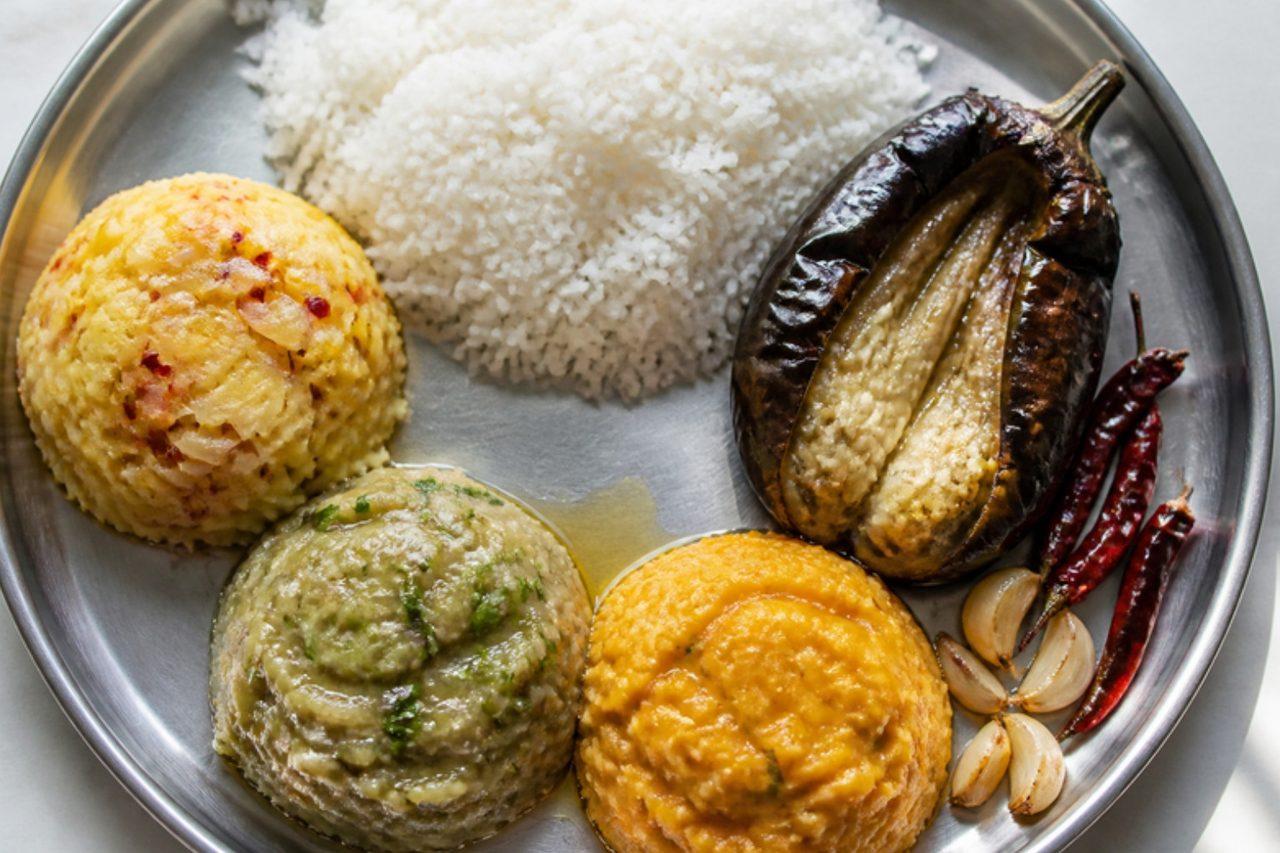
Bhorta platter (aloo, begun and dal bhorta)Mashed potato, aubergine and dal

No word says home cooking in Bangladesh like bhorta: anything boiled, roasted or fried, then mashed by hand with raw mustard oil, sliced onion, green or burnt chillies and coriander. A family lunch in Dhaka or Khulna might set out three or four bhortas in little heaps around a mound of rice, and this page makes the classic trio: aloo (potato), begun (fire-roasted aubergine) and dal (dry-fried red lentil). They share one method, so they live together here. Chef's tip: mash with your fingers, not a fork, rubbing the onion and chilli into the oil first; it bruises them and releases their sharpness into every bite.

by KrazyBadal 0 views

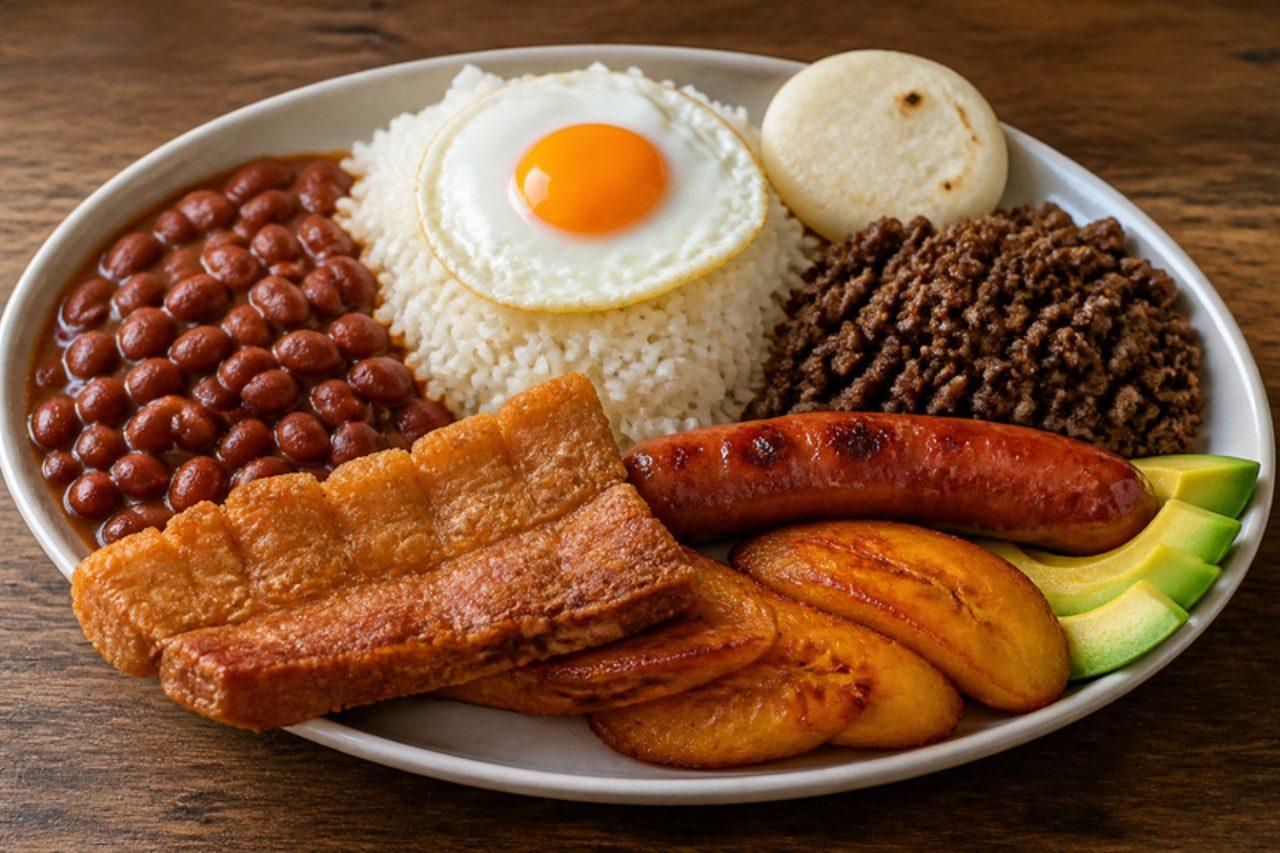
Bandeja paisaBeans, rice and pork platter

Bandeja paisa is the farmhouse feast of Antioquia and the coffee region around Medellín, served on an oval platter so big it barely fits on the table. This is a pork dish: crisp chicharrón (fried pork belly) and chorizo sit next to red beans, white rice, seasoned minced beef, a fried egg, ripe plantain, a small arepa and avocado. Paisas eat it for a long Sunday lunch, and restaurants in Medellín serve it every day. It looks like a lot of work, but most parts can be made ahead and finished together. The mistake most people make is frying the pork belly too hot from the start; it needs to simmer in its own fat first, or the outside burns before the inside turns tender. Chef's tip: cook the beans a day ahead; they thicken and taste better, and the day itself is then only frying.

by KrazyBadal 0 views

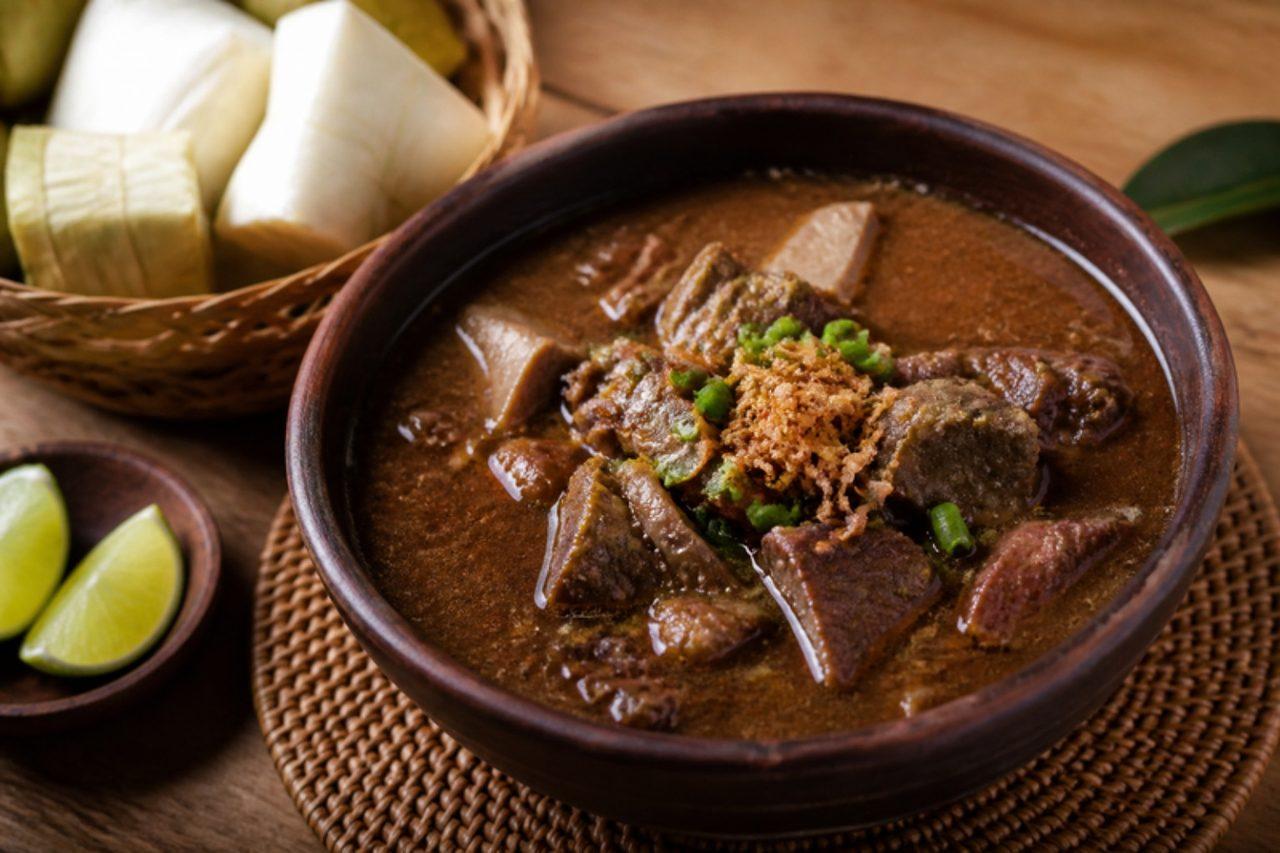
Coto MakassarBeef and peanut soup

Before the sun is fully up over Makassar's harbour, coto warungs are already serving dockers and office workers alike from huge clay-coloured pots. This South Sulawesi soup is thick, brown and opaque, its body coming from roasted peanuts ground almost to flour and simmered into a broth made with the cloudy water from rinsing rice. Diced beef (and traditionally offal) sits in a nutty, cumin-and-pepper broth that's eaten with diamond-shaped ketupat rice cakes broken into the bowl, plus lime and a spoon of chilli. Chef's tip: grind the cooled peanuts in short bursts and stop while they're still sandy; a few seconds too long and you get peanut butter that turns the soup claggy.

by KrazyBadal 0 views

Cou-cou with Bajan vegetable stewCornmeal and okra with vegetable stew

Cou-cou is Friday lunch in Barbados, and paired with flying fish it makes the island's national dish, served in homes and the fish fry stalls of Oistins. Fine cornmeal is stirred into okra and its cooking water with a flat wooden cou-cou stick until it is smooth, thick and pulls away from the pot, then shaped in a buttered bowl. It's soft, mild and comforting, made for soaking up the rich tomato gravy around it. Here the gravy is a stew of peppers, tomatoes, aubergine and butter beans cooked with Bajan seasoning; flying fish steamed in the same sauce is the classic for fish eaters. Chef's tip: whisk the cornmeal into cold water before it goes into the pot; adding it dry to boiling liquid is the fastest way to lumps.

by KrazyBadal 0 views

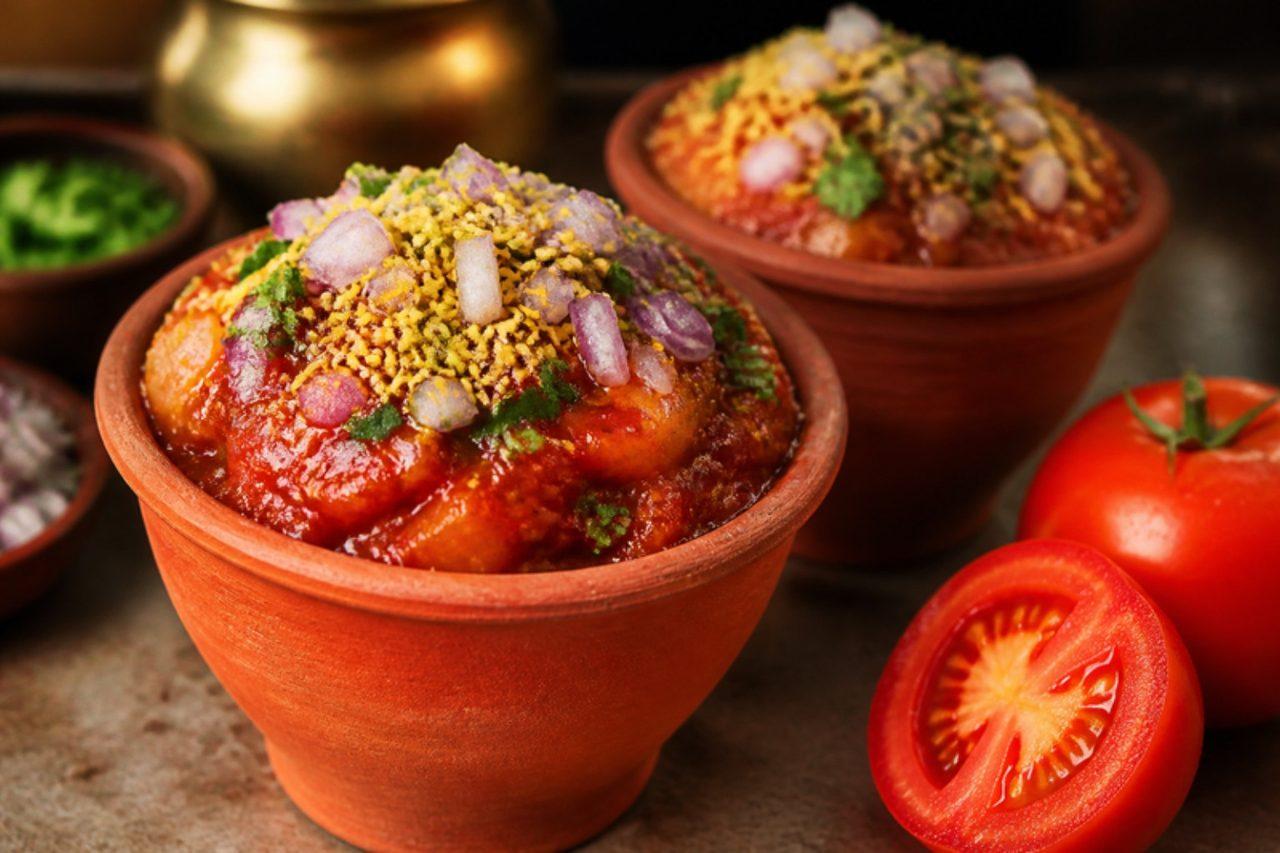
Banarasi tamatar chaatMashed tomato and potato chaat

Walk through the lanes near Dashashwamedh Ghat in Varanasi in the evening and you will see vendors mashing tomatoes and potatoes in large iron pans, cooking them with ghee and spices until thick, then spooning the mixture into small clay cups. Tamatar chaat is unique to Banaras: served hot, spicy, tangy, and finished with a thin sugar syrup and a pinch of chaat masala, then topped with crisp sev for crunch. Locals eat it standing up after the aarti, often followed by a glass of lassi. Many people forget the sugar syrup, but that's what balances the sourness and makes it Banarasi. Chef's tip: use very ripe, soft tomatoes and mash them right in the pan with the back of the ladle, leaving some texture.

by KrazyBadal 0 views

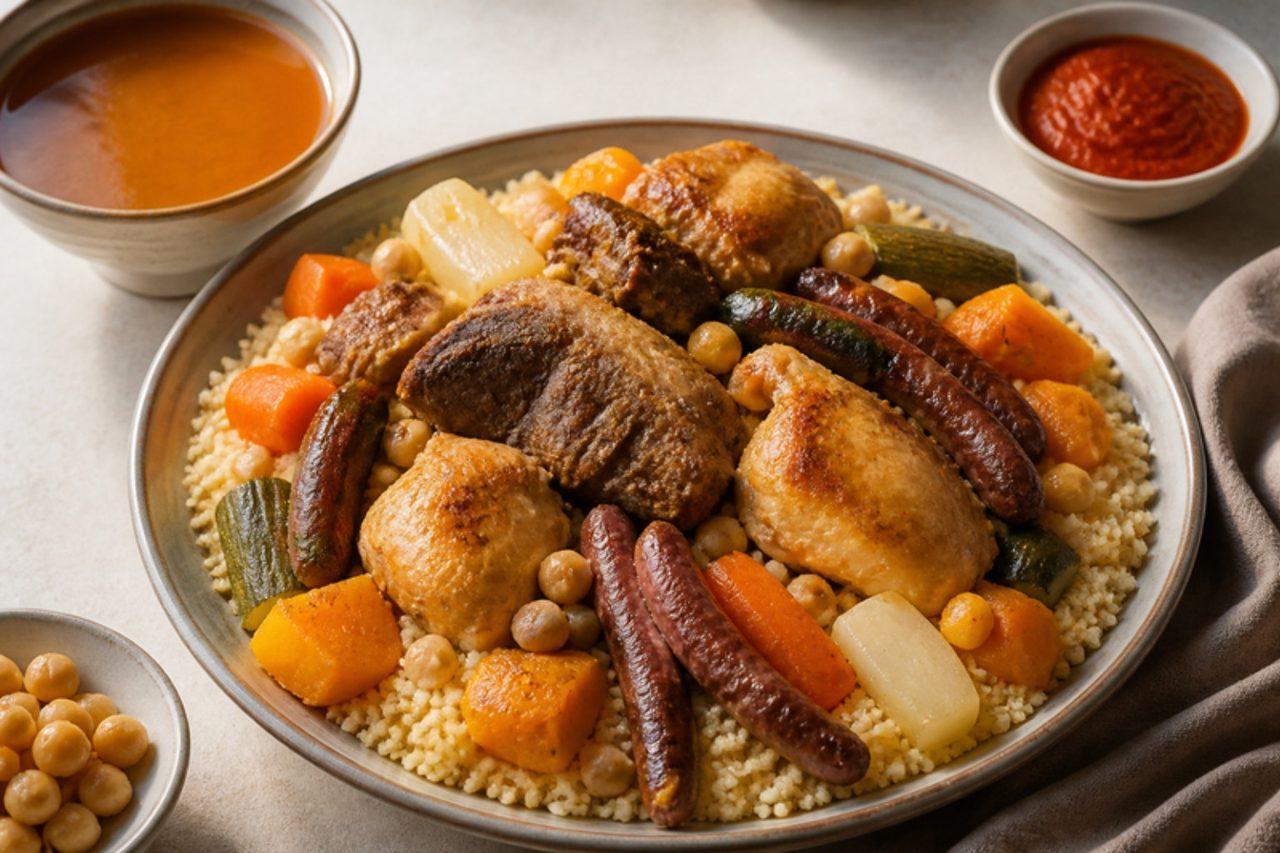
Couscous royalCouscous with lamb, chicken and sausage

Couscous royal is the big-occasion couscous that Algerian and Moroccan families brought to France and that is now served for weddings and Sunday gatherings from Oran to Marseille: a pot of lamb and chicken simmered with vegetables and chickpeas in a mildly spiced broth, grilled merguez on the side, and a mountain of steamed couscous. The mistake is putting all the vegetables in at once; the courgettes go mushy while the turnips are still hard, so add them in stages. Chef's tip: brown the lamb and chicken well before the water goes in; that colour flavours the whole broth.

160 minAlgerianMeat
by KrazyBadal 0 views

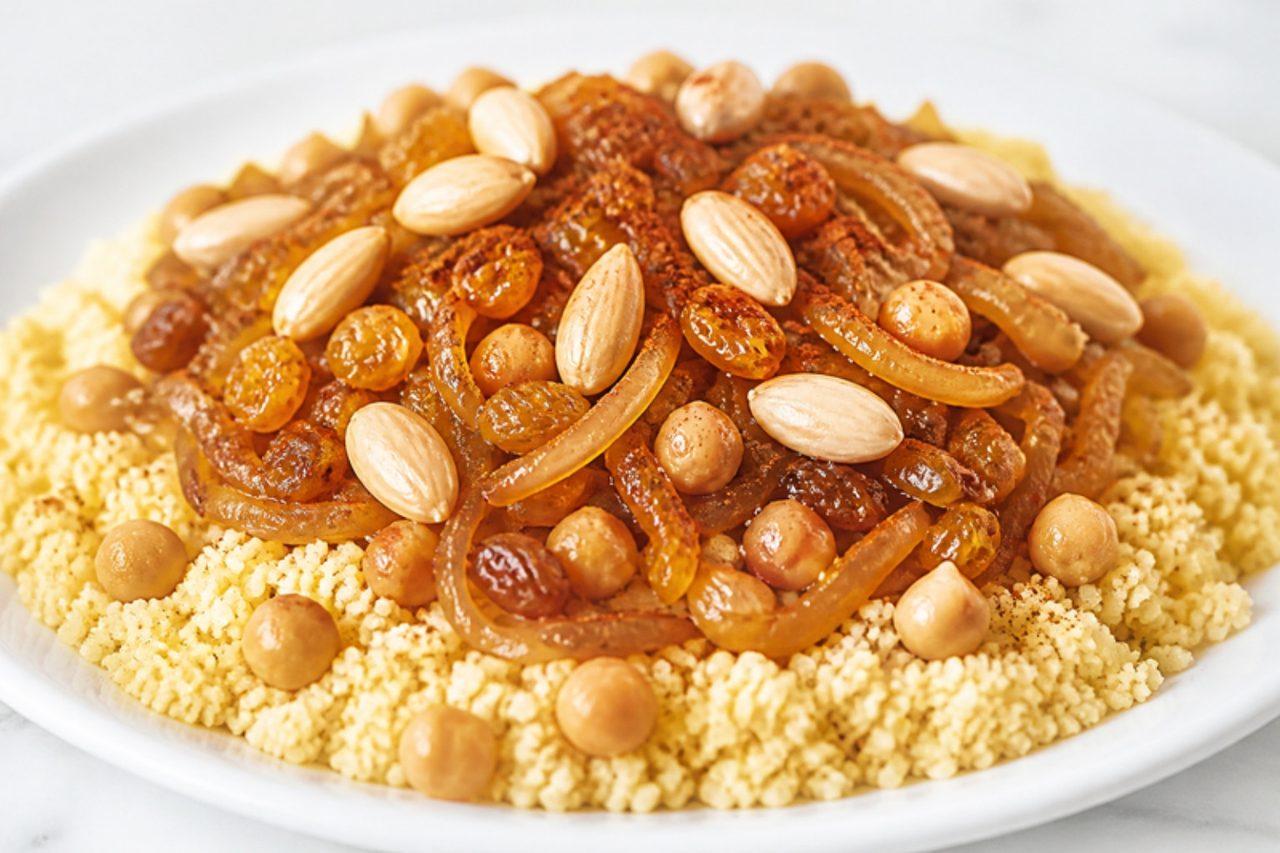
Couscous tfayaCouscous with caramelised onions

Tfaya is the sweet onion topping that turns a plain couscous into a celebration dish; in Fez and Rabat it is made for weddings, naming ceremonies and Eid, and families in Tétouan add it to Friday couscous too. Onions are cooked slowly with raisins, cinnamon, honey and a little saffron until they collapse into a sticky, mahogany jam, then piled over the couscous with chickpeas and fried almonds. Traditionally it crowns couscous with meat; here the chickpeas and almonds carry the dish, making it a sweet-savoury vegetarian main for a feast. Chef's tip: soak the raisins first, or they draw liquid from the onions and the tfaya catches before it caramelises.

by KrazyBadal 0 views

NazookSour cream pastry rolls

Nazook is the slice-shaped pastry stacked in the windows of Yerevan bakeries and sold by the box at every Armenian church fair from Glendale to Marseille. A yeasted dough enriched with sour cream is rolled thin, spread with a vanilla-scented filling of flour, butter and sugar, rolled into a log and cut on the slant before baking. The result is flaky outside, with a soft, buttery swirl inside, sweet but not sticky. It is a coffee pastry, served to guests and packed for long journeys because it keeps well. Chef's tip: keep the filling cold and spread it right to the side edges; the swirl looks finished and every slice gets its share.

by KrazyBadal 0 views

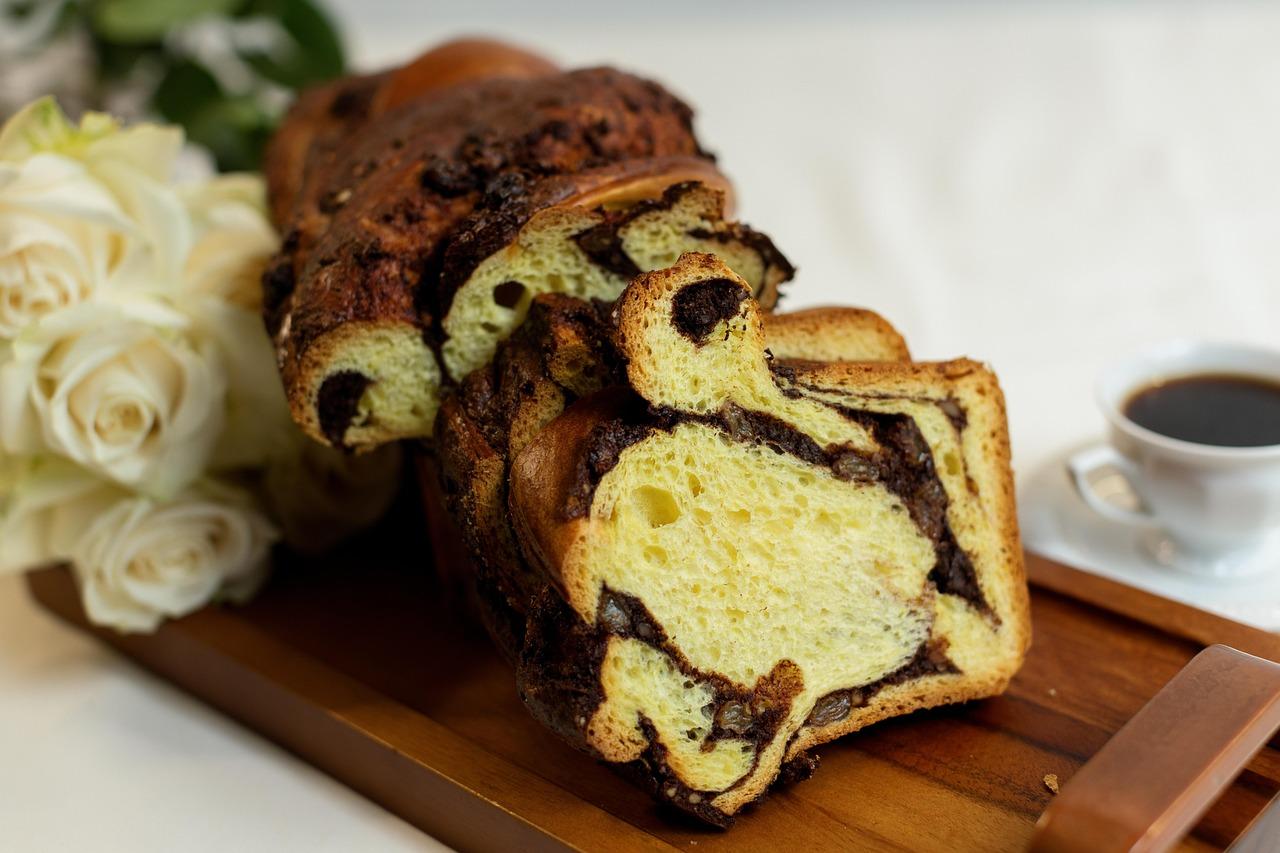
CozonacSweet braided bread

Cozonac is the festive loaf every Romanian family bakes for Easter and Christmas, filling kitchens from Craiova to Suceava with the smell of butter, rum, lemon and orange zest. The rich yeast dough is rolled around a walnut and cocoa filling studded with pieces of rahat (Turkish delight), then braided and baked in a tall loaf tin so each slice shows a dark swirl. Unlike Slovenian potica, which is rolled into a thin spiral ring, cozonac is a braided loaf. It is eaten in thick slices with coffee on the feast mornings. Chef's tip: knead until the dough is silky and comes away from the bowl, then be patient with the rises; under-proving is the classic mistake and gives a dense, heavy loaf.

by KrazyBadal 0 views

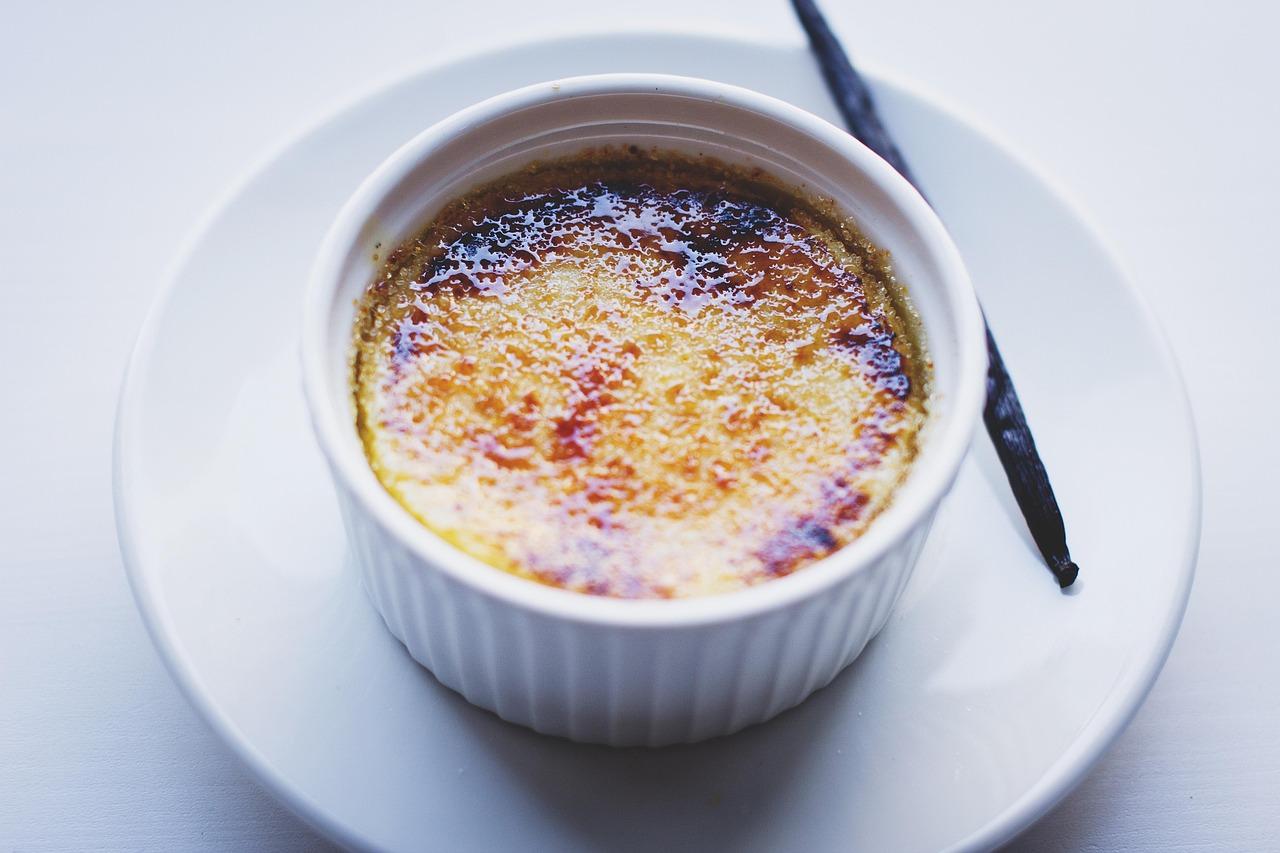
Crème brûléeBurnt cream custard

Crème brûlée, 'burnt cream', is the dessert on almost every Paris bistro menu: a shallow dish of rich vanilla custard, cold and silky, under a thin sheet of caramelised sugar you crack with the back of a spoon. Unlike the stovetop Spanish crema catalana, it's made with cream and baked gently in a water bath. The custards are made a day ahead, which makes it ideal for dinner parties; only the sugar is burnt at the last minute. Chef's tip: take them out of the oven while the middle still wobbles like jelly; overbaking is the common mistake and the custard turns grainy and splits.

by KrazyBadal 0 views

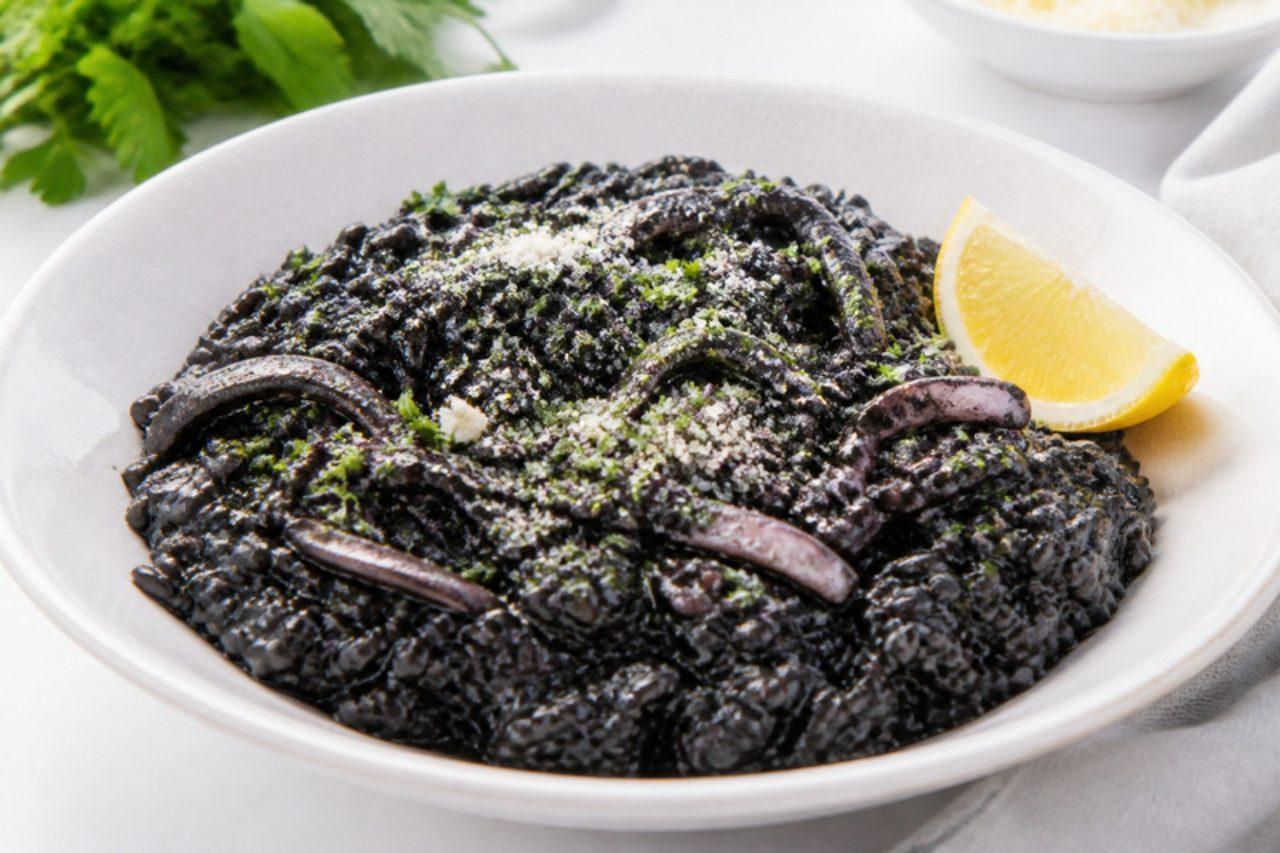
Crni rižotBlack cuttlefish risotto

Along the Dalmatian coast, from Korčula to Dubrovnik, konobas serve crni rižot as the first thing fishermen order when they come ashore, its jet-black colour startling against a white plate. Cuttlefish is cooked slowly with onion and garlic until tender, then rice goes in with fish stock and the ink sac, making a creamy, sea-sweet rice that tastes of the shore. It traditionally includes a splash of dry white wine; for an alcohol-free version, use more stock with a squeeze of lemon. The usual mistake is adding the cuttlefish late and cooking it fast, which leaves it rubbery; it needs to stew first. Chef's tip: serve with a drizzle of good olive oil and grated hard sheep's cheese if you like, and warn your guests about black teeth.

75 minBalkanFishGluten free
by KrazyBadal 0 views

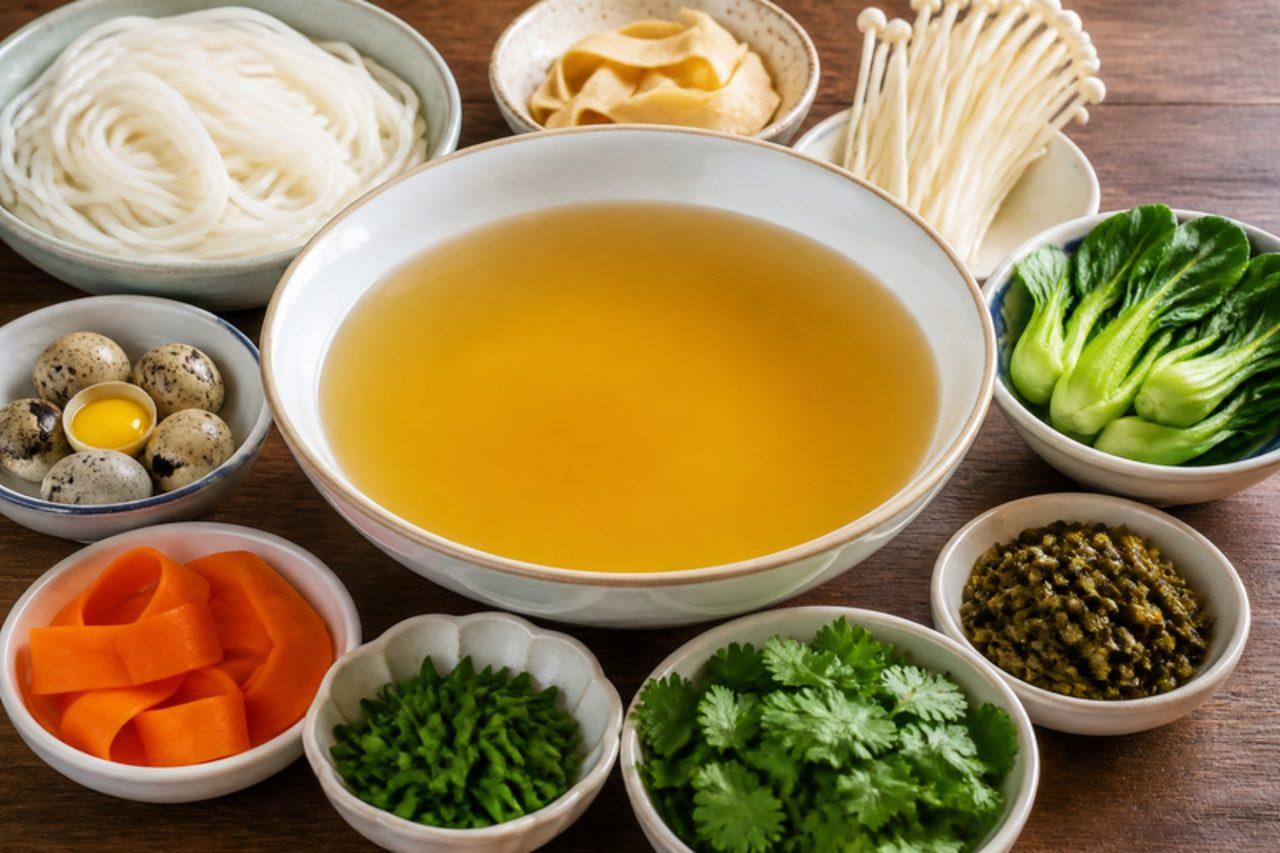
Crossing-the-bridge noodles with vegetable brothRice noodles in hot broth

Guo qiao mi xian comes from Mengzi in southern Yunnan. The story goes that a scholar's wife carried soup across a bridge to his island study each day, and found that a layer of oil kept it piping hot. Today in Kunming it arrives as a big bowl of scalding broth plus small plates of raw thinly sliced vegetables, tofu skin, herbs and rice noodles, which you slide in yourself so they cook at the table. This vegetarian broth is built on mushroom, corn and soybean sprouts. Chef's tip: the broth must be at a rolling boil when it goes into a warmed bowl; that heat is what cooks the toppings.

by KrazyBadal 0 views

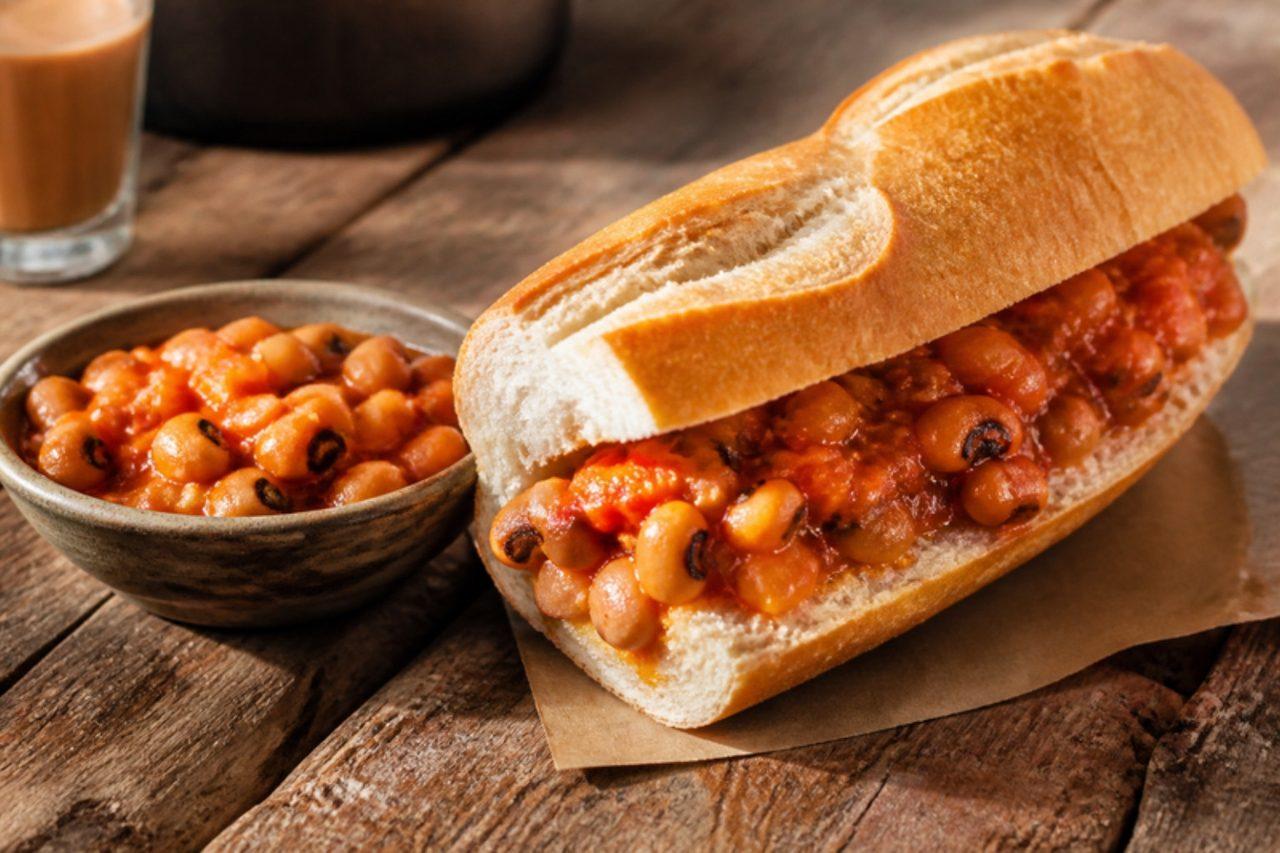
NdambéBlack-eyed bean stew

Ndambé is what Dakar eats for breakfast on the way to work: a thick, peppery stew of black-eyed beans with onion and tomato, sold from pots on street corners and spooned into a split baguette (tapalapa or pain de mie) with a smear of chilli sauce. At home it is just as good with rice or bread for supper. The beans are cooked until some break down and thicken the sauce, so it holds together in the bread. Chef's tip: soak the beans and cook them separately in plain water first; adding the tomato too early keeps the skins tough.

by KrazyBadal 0 views

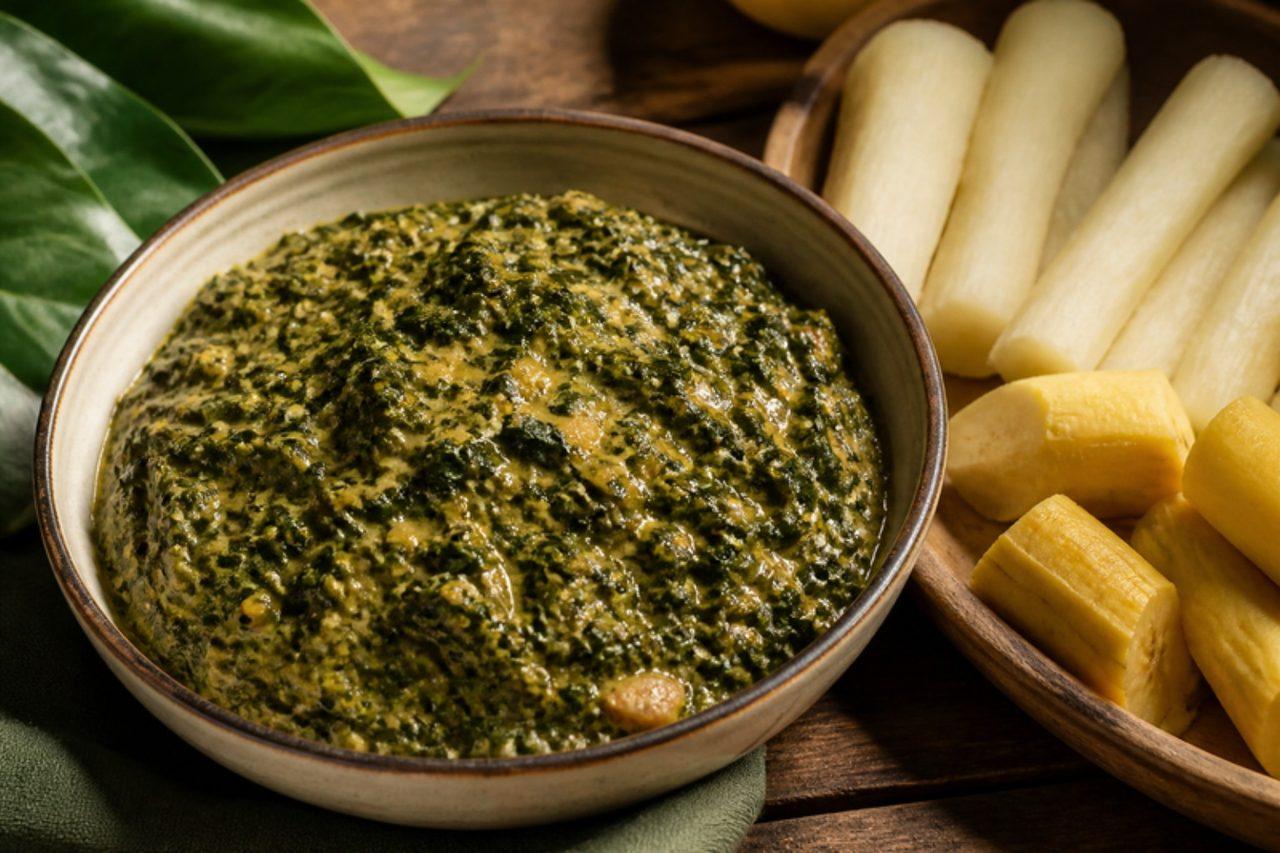
Ndolé with peanuts and greensBitter leaf and peanut stew

Ndolé comes from the Douala coast and is Cameroon's national dish, cooked for Sunday lunches, weddings and funerals: bitter leaves washed until only a gentle bitterness remains, simmered in a thick sauce of boiled, ground peanuts. Traditionally it is finished with beef, smoked fish and prawns; this version keeps the greens and peanuts at the centre and tops it with crisp fried onions, the way Douala cooks always do. Serve with boiled plantain, miondo or rice. As a variation, add prawns or beef the traditional way. Chef's tip: use raw peanuts, boiled and ground, not peanut butter; ndolé should be nubbly and pale, not like a smooth satay sauce.

by KrazyBadal 0 views

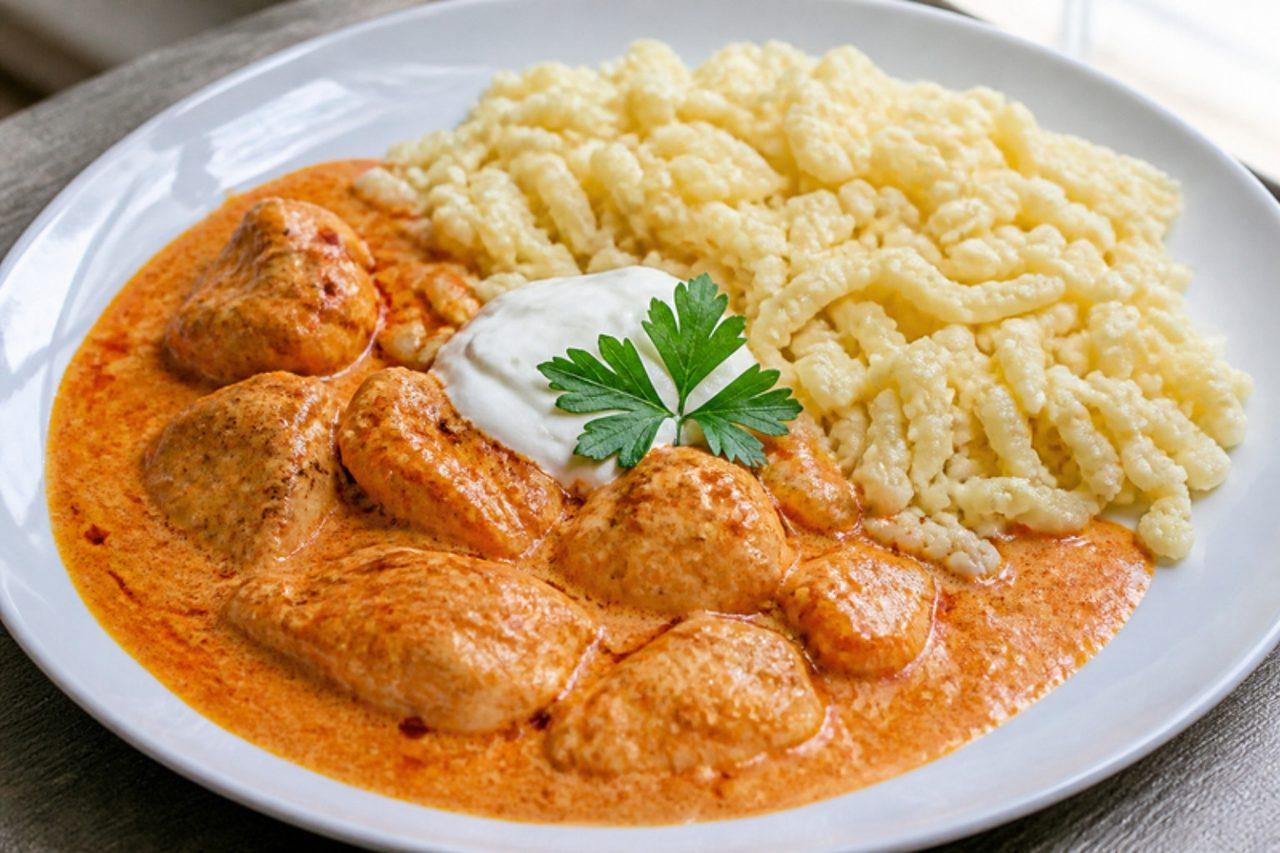
CsirkepaprikásPaprika chicken in sour cream sauce

Csirkepaprikás is the Sunday chicken of Hungarian homes, cooked by grandmothers in villages and in Budapest flats alike and always served with nokedli, the little egg dumplings. Chicken thighs braise gently with onion, plenty of sweet paprika, tomato and pepper, then soured cream is stirred in to make a velvety, brick-orange sauce. Chef's tip: mix the soured cream with a spoonful of flour and some hot sauce before adding it; this stops it from splitting.

by KrazyBadal 0 views

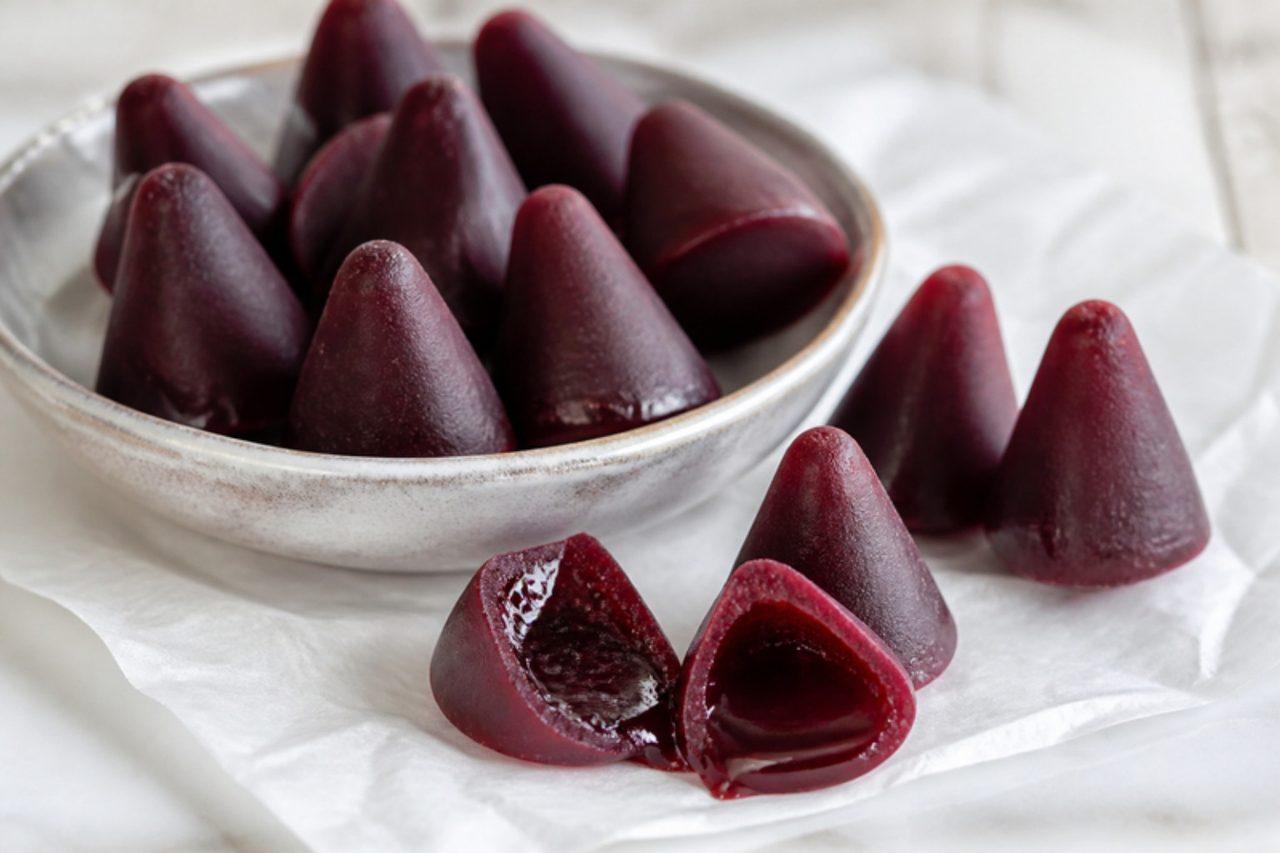
CuberdonsRaspberry cone candies

Cuberdons are the purple, cone-shaped sweets sold from handcarts on the Groentenmarkt in Ghent, where locals call them neuzekes, 'little noses'. A thin, firm sugar crust encloses a syrupy raspberry centre, and they only stay that way for about three weeks before the inside crystallises, which is why they have never become an export. They are made with gum arabic, not gelatine, so they suit vegetarians and vegans. Making them at home is a fun weekend project: the syrup is poured into cone-shaped hollows pressed into a tray of dry cornflour, which slowly draws moisture out and forms the crust. Chef's tip: use a sugar thermometer and be exact; just a few degrees too low and the cones never form a crust, a few too high and they set solid all the way through.

by KrazyBadal 0 views

Neenish tartsJam and cream tarts

Neenish tarts have sat in the windows of Australian country bakeries for more than a century, and they're also found across the Tasman in New Zealand. Where the name comes from is still argued over, with one story placing it in the small town of Grong Grong in New South Wales. A crisp sweet pastry case holds a thin layer of raspberry jam and a fluffy mock cream, a beaten mixture of butter, sugar and milk, and the top is iced in two halves: one white, one chocolate. Many bakery mock creams use gelatine; this one doesn't. Chef's tip: beat the mock cream for a long time, a full 8–10 minutes, until the sugar has dissolved and it is white and fluffy, not gritty.

by KrazyBadal 0 views

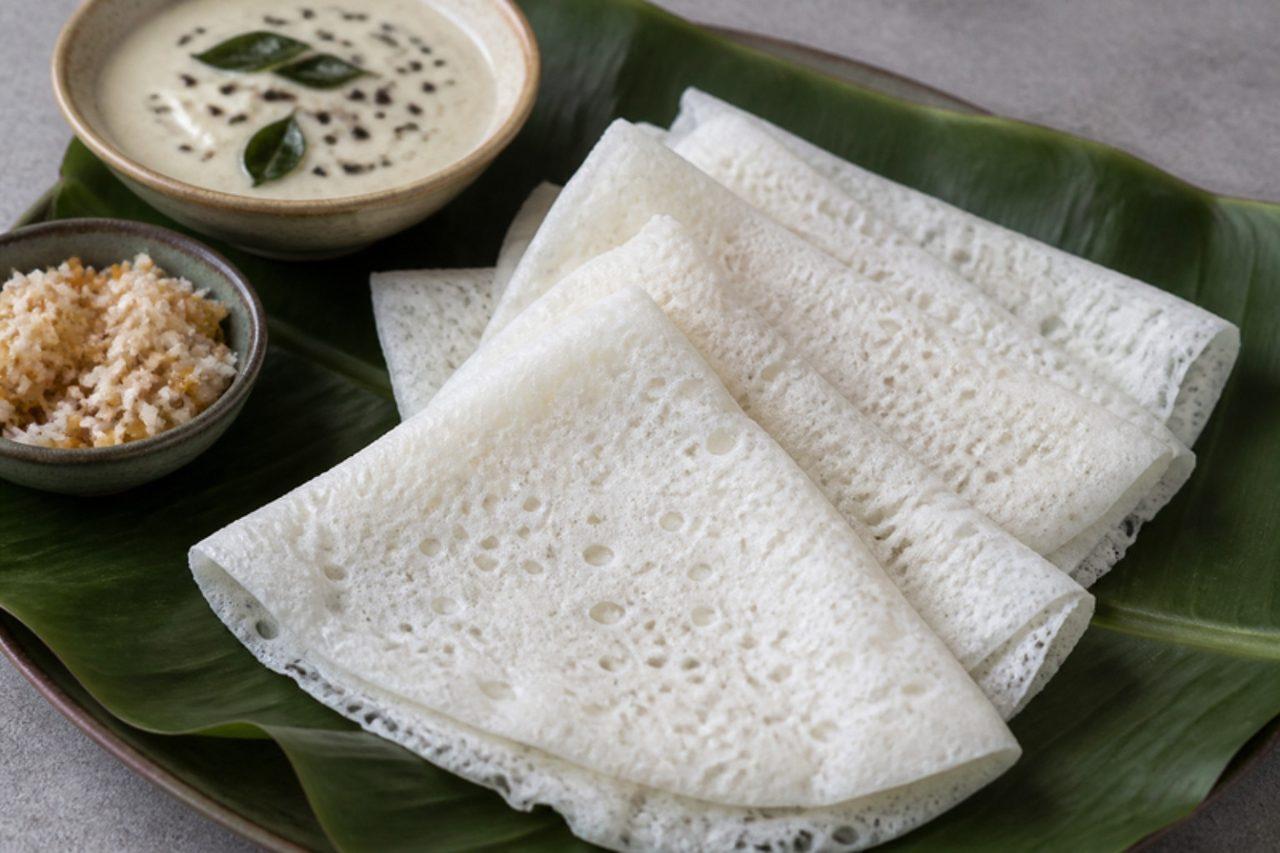
Neer dosaThin rice crepes

Neer means water in Tulu and Kannada, and that is the whole idea: a batter as thin as milk, poured onto a hot pan where it sets into a soft, lacy crêpe full of tiny holes. In Mangaluru and Udupi homes it is made fresh for breakfast or a Sunday lunch, folded into quarters and eaten warm with coconut chutney, a vegetable sagu, or simply with grated coconut and jaggery for children. Unlike most dosas, the batter is not fermented, so you can soak rice in the morning and eat by lunchtime. The crêpes are pale white, never browned, and should be tender enough to fold without cracking. Chef's tip: stir the batter from the bottom before every single dosa; the rice settles within a minute, and a batter poured from the top runs too thin and tears.

by KrazyBadal 0 views

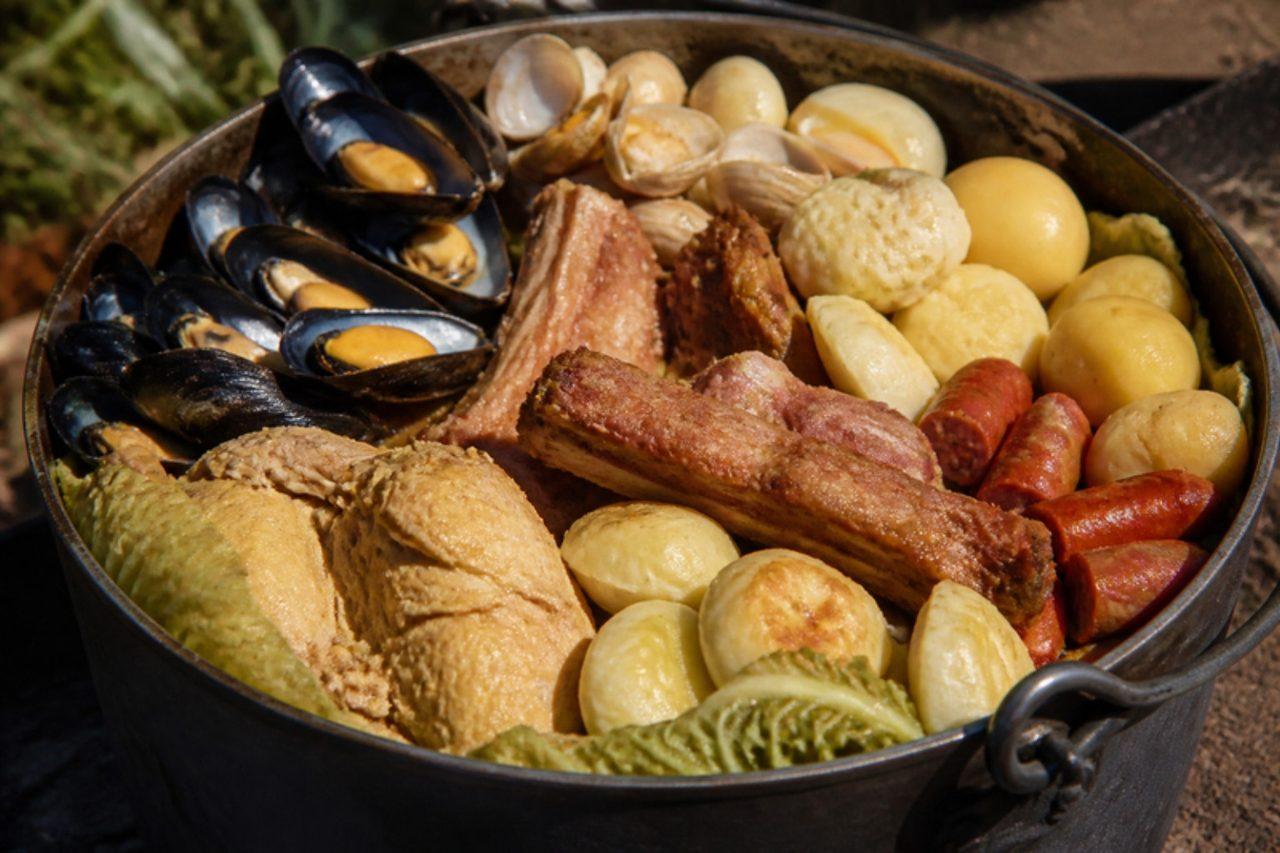
Curanto en ollaShellfish and meat pot

On the island of Chiloé in southern Chile, curanto is cooked in a pit lined with hot stones and covered with huge nalca leaves; in town kitchens and in Puerto Montt's market it is made in a big pot instead, curanto en olla. Mussels and clams, smoked pork, chicken and sausage steam together over potatoes and milcao (potato dumplings) until the juices make a rich broth, served in cups on the side. This dish contains pork and shellfish. Some cooks add white wine; this version uses water. The mistake is adding the shellfish too early; they go in at the end and must open, and any that stay closed are thrown away. Chef's tip: make the milcao a little ahead and keep it in the fridge so it holds its shape.

135 minChileanFish
by KrazyBadal 0 views

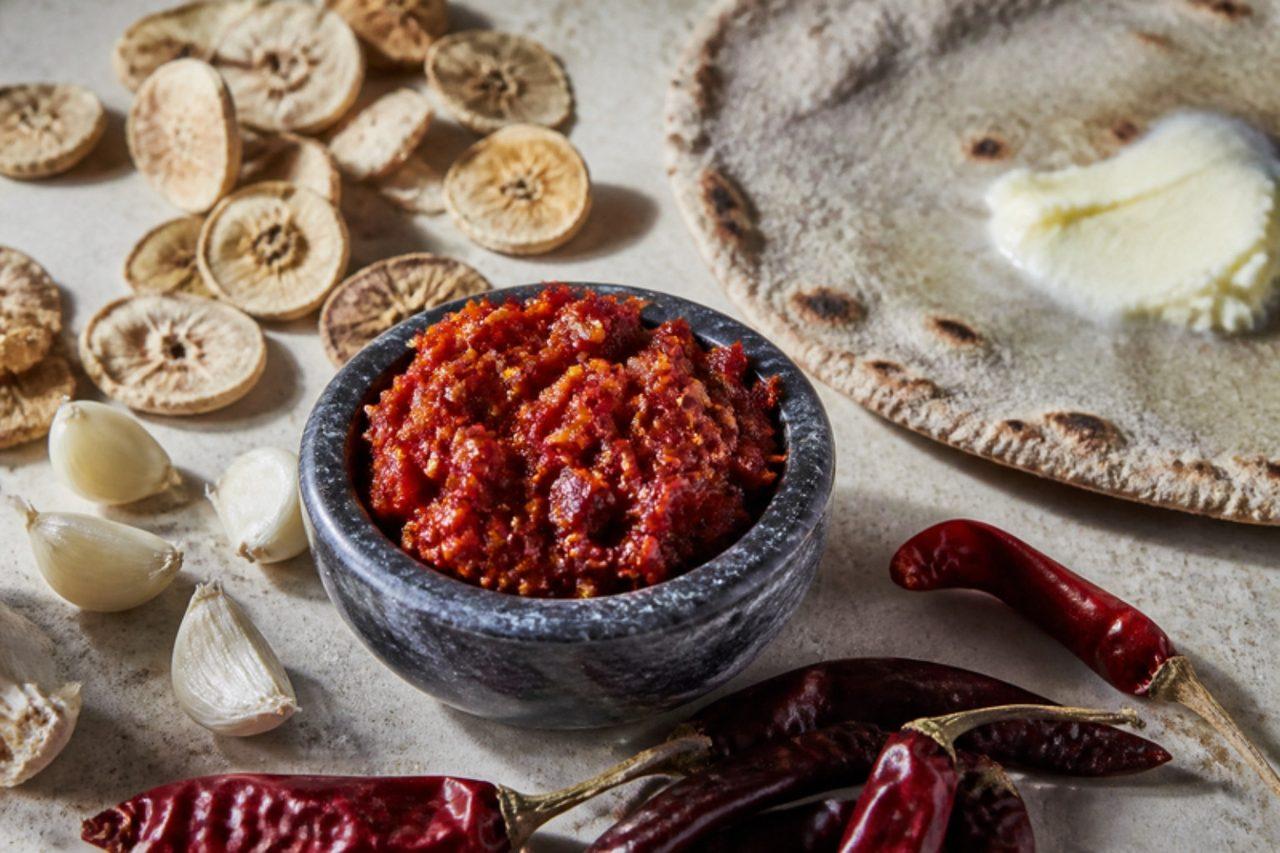
Kachri ki chutneyWild melon and chilli chutney

Kachri is a small wild melon that grows on its own in the sandy fields of southern Haryana and western Rajasthan. Sliced and sun-dried, it keeps for a year and has a sharp, sour taste that farmers' families grind with garlic and red chilli into this fiery chutney. A spoonful goes with bajra roti and white butter on a winter afternoon, or with dal and rice when there is nothing else in the house. Dried kachri and kachri powder are sold in Indian grocers. Chef's tip: taste a piece of dried kachri first; occasionally one batch is bitter, and that bitterness will ruin the whole jar.

by KrazyBadal 0 views

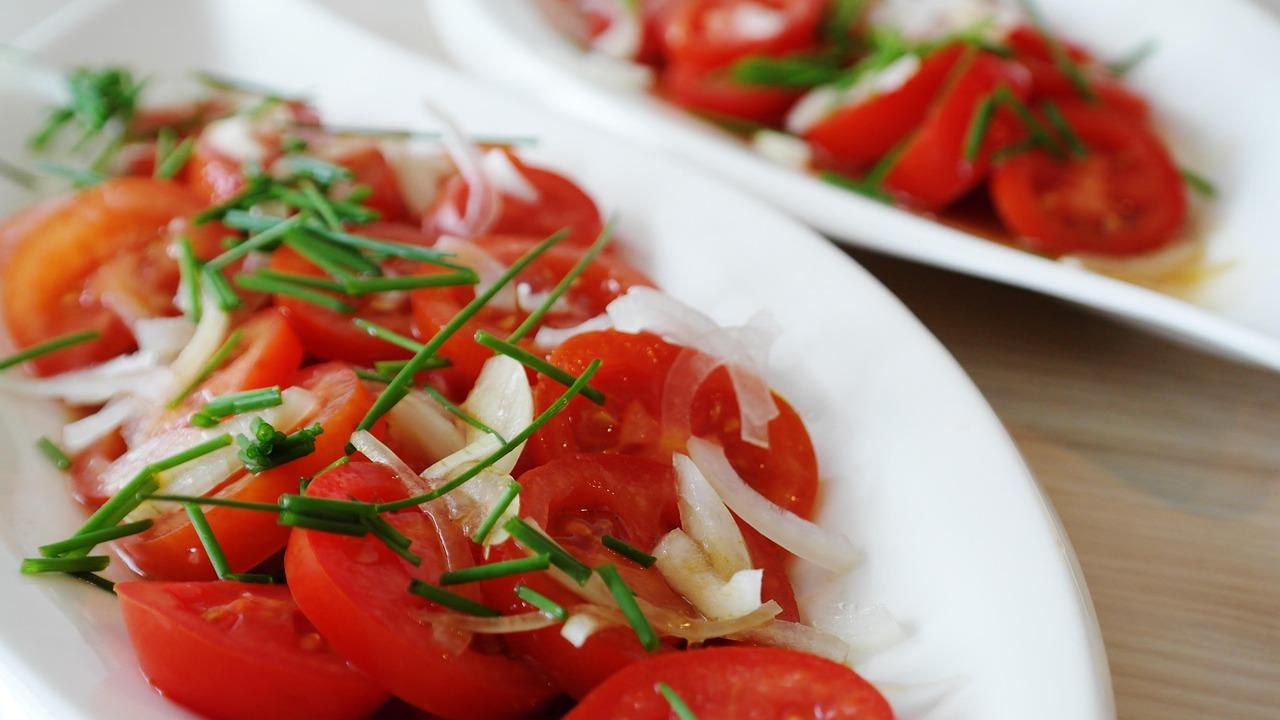
KachumbariTomato and onion salad

Kachumbari is the raw salad that goes with nearly everything in Kenya and Tanzania: nyama choma grills in Nairobi, pilau on the Swahili coast, chips mayai at roadside stalls and ugali at home. It is simply ripe tomato and red onion cut small, with coriander, chilli and lime, and sometimes cucumber or avocado. Chef's tip: soak the sliced onion in salted water for ten minutes; it takes away the harsh bite without losing the crunch.

by KrazyBadal 0 views

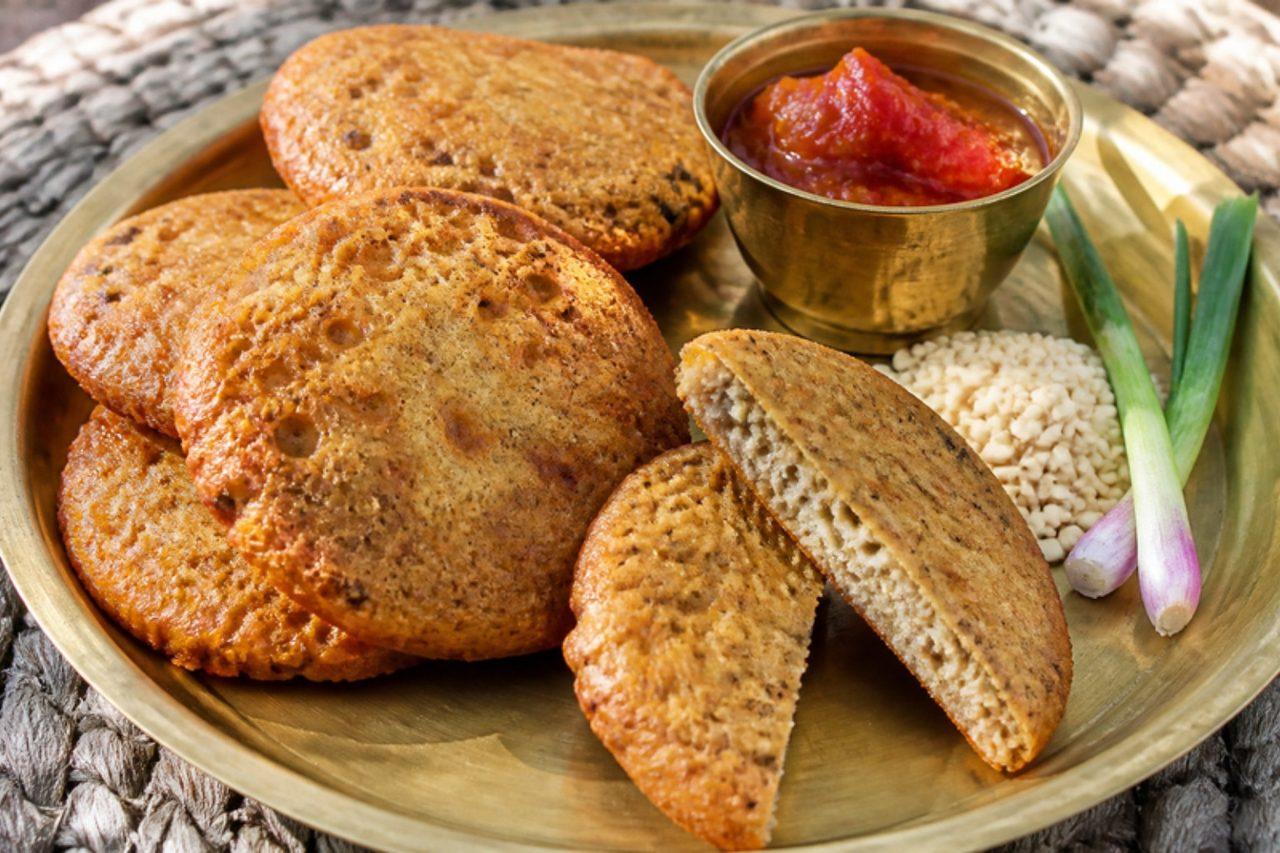
BaraBlack lentil patties

Bara, or wo in the Newar language, is a thick, savoury pancake of ground black lentils that the Newar people of the Kathmandu Valley have made for centuries. It is cooked on a flat griddle until spotted brown and lacy at the edges but soft and airy inside. It is festival food above all: it appears at Sithi Nakha in early summer, on the plates of Newar feasts and at roadside stalls in Kirtipur and Patan, where it is often topped with a cracked egg. This plant-based version keeps it plain, with ginger, garlic and cumin in the batter. Eat it hot with golbheda ko achar. The usual mistake is to add too much water when grinding: the batter must be thick enough to hold a peak, or the bara spread thin and go flat. Chef's tip: beat the ground batter by hand for 3–4 minutes until it turns pale and fluffy; the air you whip in is what makes the bara light.

by KrazyBadal 0 views

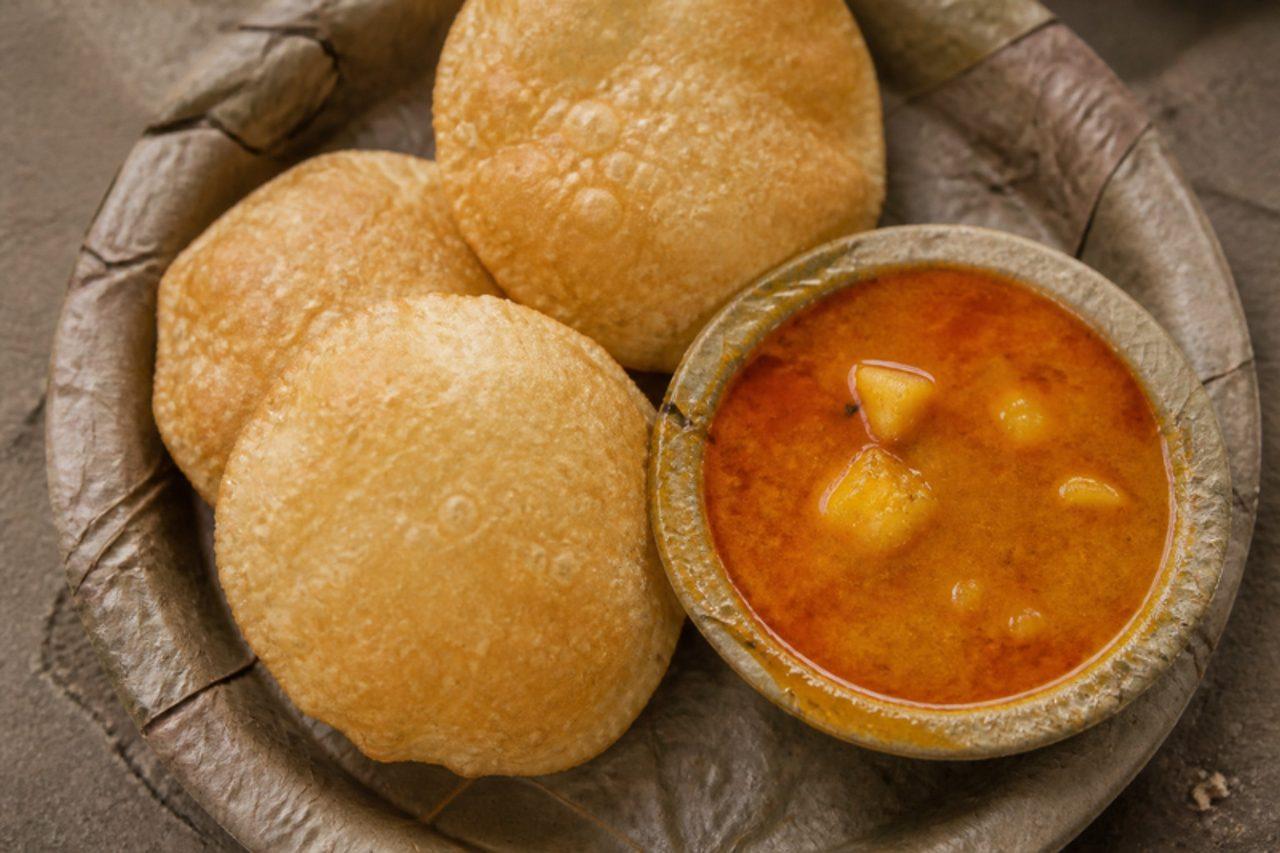
Banarasi kachori sabziUrad dal puris with potato curry

Walk the ghats of Varanasi in Uttar Pradesh at dawn and you'll smell kachori sabzi frying in huge karahis. Banarasi kachori is small and puffed like a puri, with soaked urad dal ground with ginger and fennel worked straight into the wholewheat dough rather than stuffed inside. It comes with a thin, peppery potato and tomato rasa made without onion or garlic, scented with hing and fenugreek seeds, and is usually followed by a hot jalebi. Chef's tip: roll the puris evenly to 3 mm and slide them into really hot oil, pressing gently with a slotted spoon; even thickness and fierce heat are what make them balloon.

by KrazyBadal 0 views

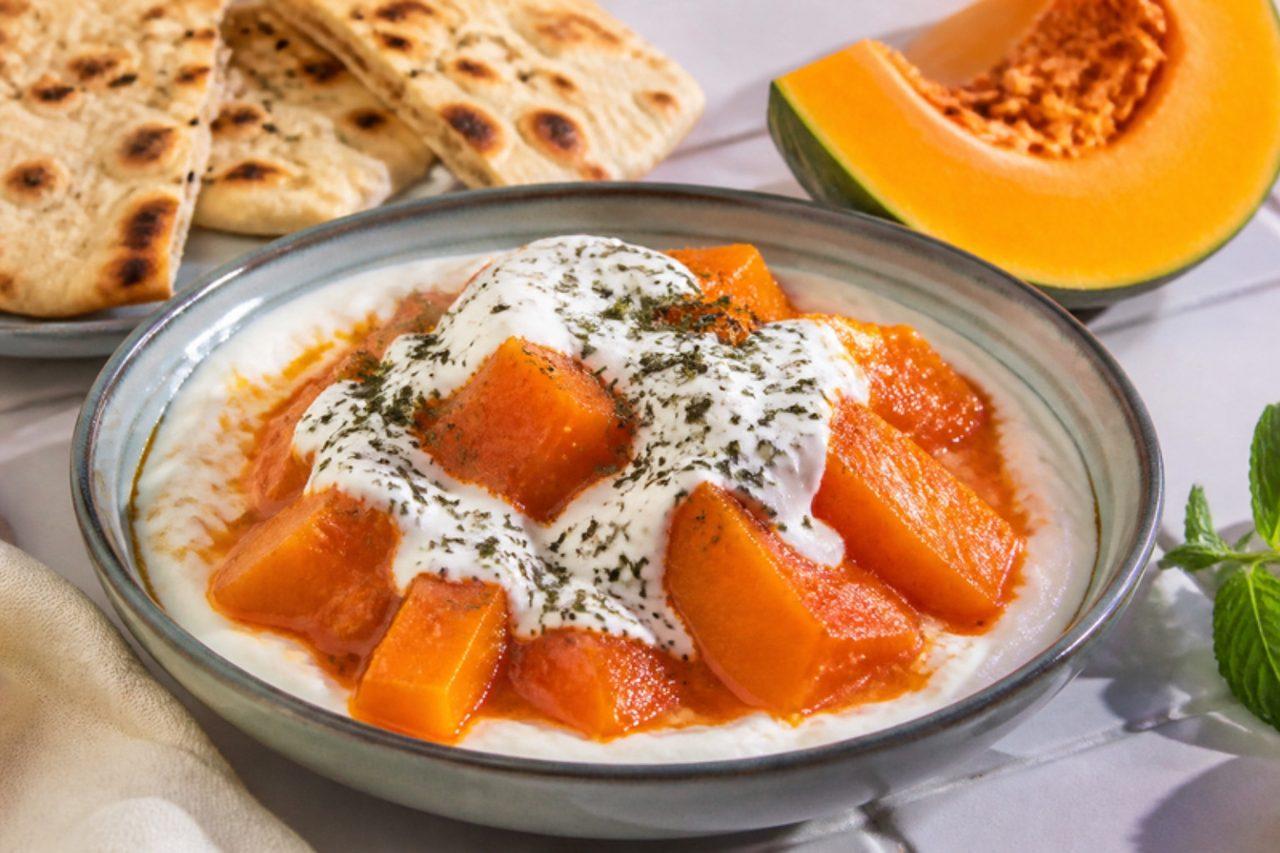
Kadu boraniBraised pumpkin with garlic yogurt

Kadu borani is the dish that wins over people who think they don't like pumpkin. In Afghan homes, especially in autumn around Kabul and Kandahar when the big orange squashes come in, wedges of pumpkin are browned, then braised with tomato, a little sugar and warm spices until sticky and caramelised, and served on garlic yoghurt with dried mint. The mix of sweet, savoury and sour is the point. Eat it with naan or as part of a spread with rice. Chef's tip: use a dense, deep-orange pumpkin or butternut squash; watery pumpkins fall apart and turn bland.

by KrazyBadal 0 views

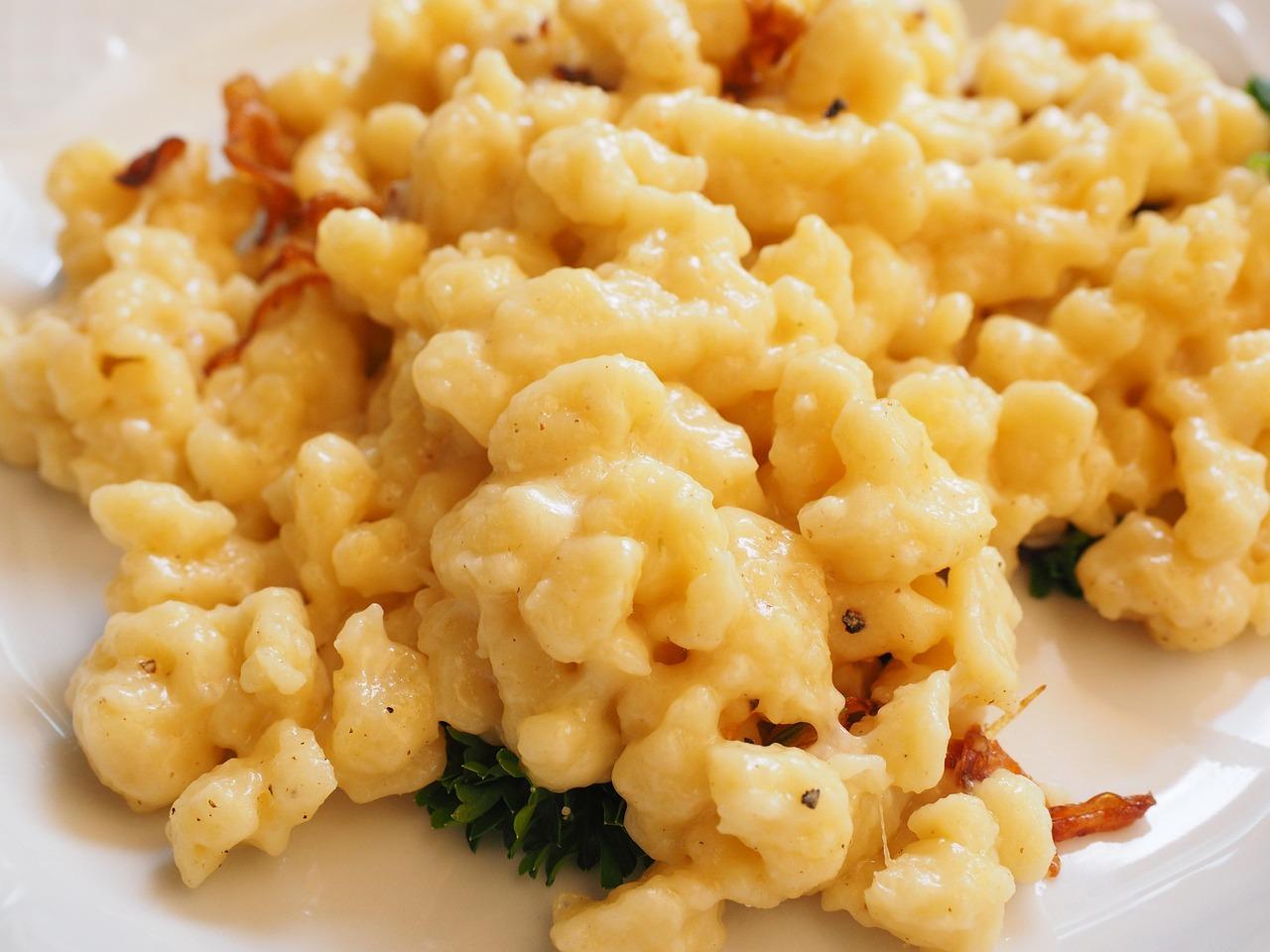
KäsespätzleCheese egg noodles

Käsespätzle is the cheese-and-noodle dish of Swabia and the Allgäu in the far south of Germany, served in mountain huts after a day's walking or skiing and in every village inn from Stuttgart to Oberstdorf. Freshly made spätzle, soft, irregular egg noodles, are layered hot with grated Bergkäse or Emmental until the cheese melts into long strings, then crowned with onions fried slowly until brown and sweet. A green salad with a sharp vinegar dressing is the classic partner. Use cheese made with vegetarian rennet; many mountain cheeses use animal rennet, so check the label. Chef's tip: layer the spätzle and cheese while both are piping hot, straight from the pot, so the cheese melts in the gaps instead of sitting on top in a rubbery sheet.

by KrazyBadal 0 views

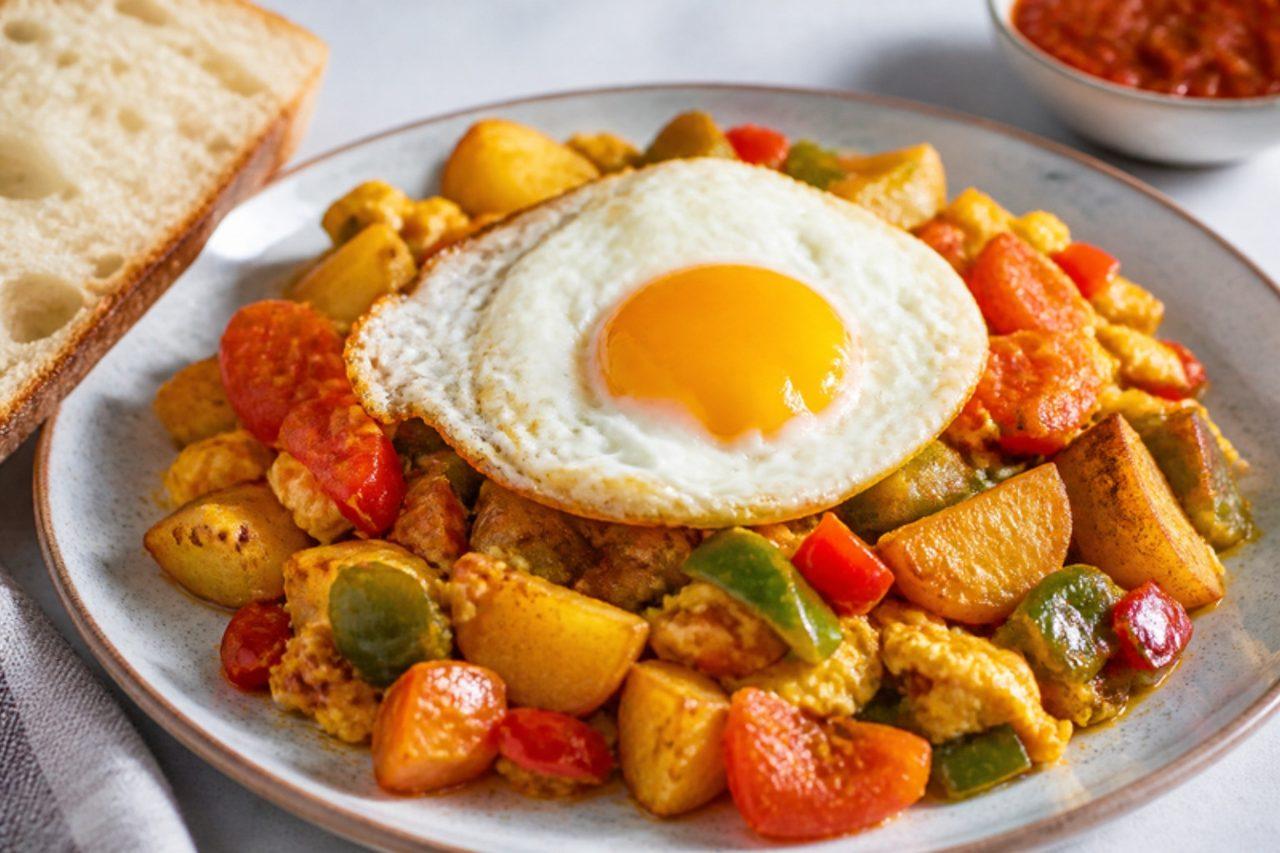
KaftejiFried vegetables with egg

Kafteji is a Tunis sandwich-shop classic: fried peppers, tomato, squash and potato chopped together on a board with a cleaver, mixed with harissa and fried eggs, and eaten from a plate or stuffed into a baguette at lunchtime. Stalls near Bab Souika and the central market make it to order, and the sound of the chopping is part of the show. Chef's tip: fry each vegetable separately; they cook at different speeds, and crowding them makes everything greasy and soft.

by KrazyBadal 0 views

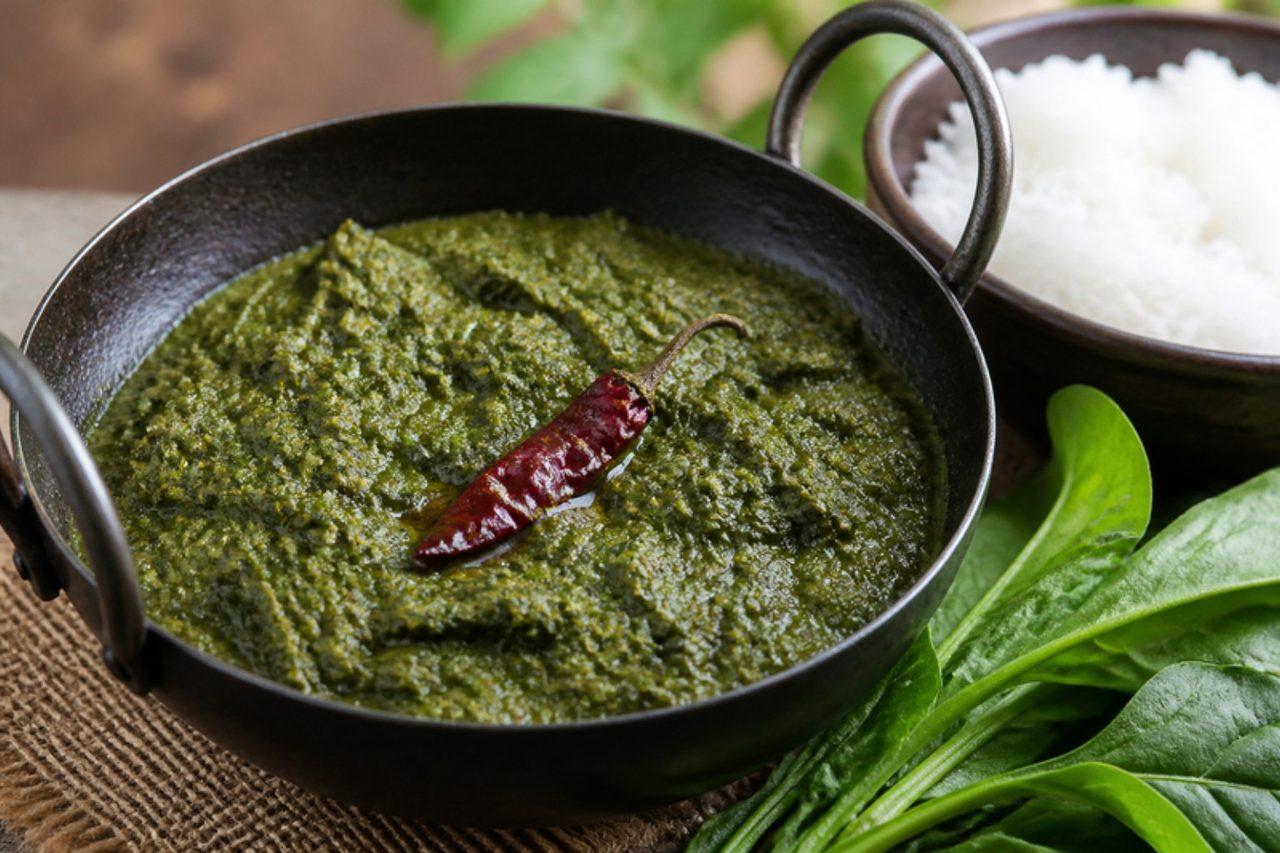
KafuliSpinach and fenugreek curry

In the villages of Garhwal, kafuli is what goes into the iron kadhai when the terraces are full of palak and methi in late winter. The greens are blanched, ground roughly on a stone and simmered with a spoonful of soaked rice paste, which turns the curry silky without any cream. Mustard oil and a few dried chillies give it a sharp, warm edge, and the iron pan darkens it to a deep forest green. Eat it with mandua ki roti or plain rice and a dab of ghee for those who want it. Chef's tip: grind the greens in short pulses so you can still see flecks of leaf; kafuli should have texture, not look like a smooth soup.

by KrazyBadal 0 views

Pastelitos de guayabaGuava and cream cheese pastries

Pastelitos de guayaba are the flaky puff pastry squares sold warm from the glass cases of Cuban bakeries, eaten standing up with a café cubano mid-morning. Havana bakers fill them with dense guava paste, often with a layer of cream cheese (de guayaba y queso), and brush the tops with sugar syrup so they shine. Shop-bought all-butter puff pastry makes them easy at home. Chef's tip: chill the filled tray for 15 minutes before baking; cold pastry rises higher and the filling is less likely to leak.

by KrazyBadal 0 views

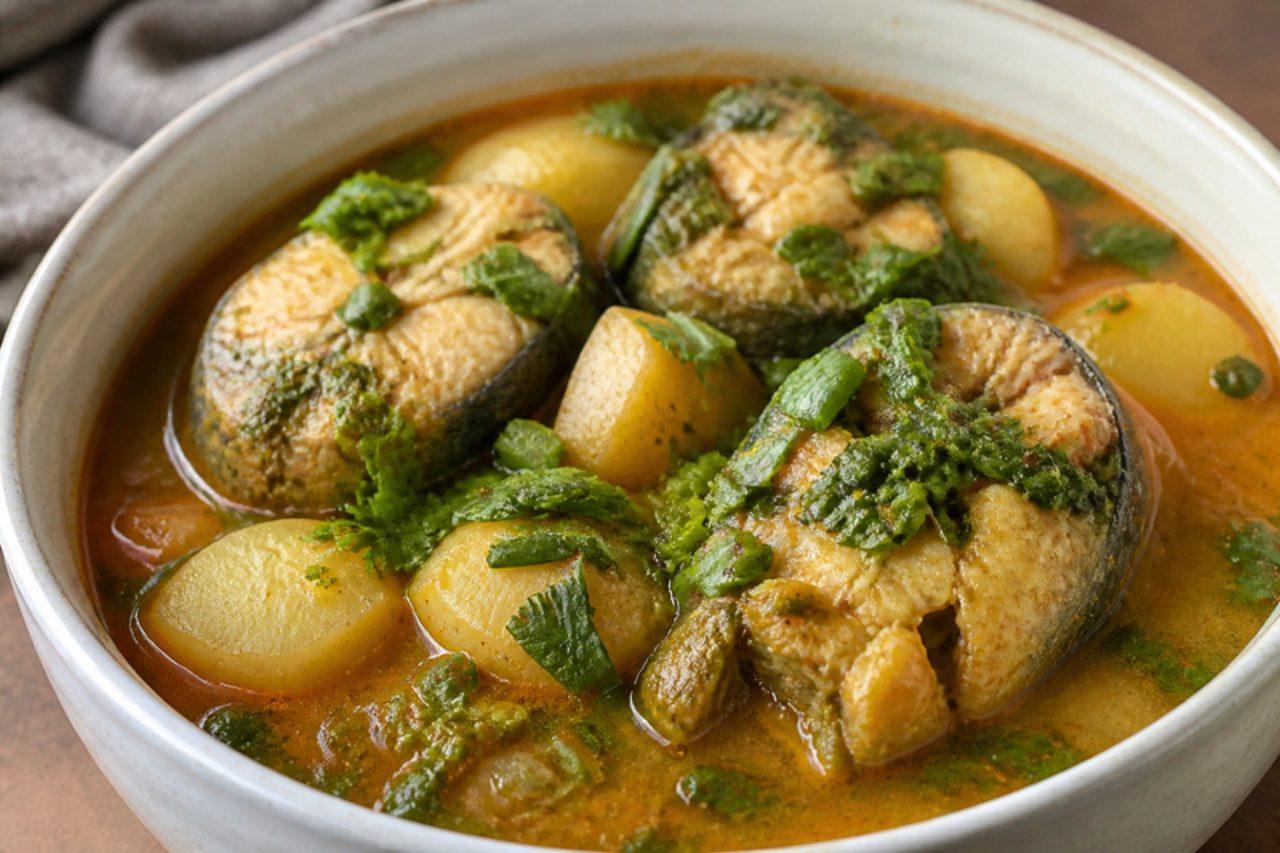
Nga thongbaLight fish curry with potato

In the Imphal Valley fish comes from Loktak Lake and the paddy-field ponds, and nga thongba is how most Meitei families cook it on an ordinary weekday. It is a thin, gently spiced curry with potatoes, finished with a big handful of herbs such as maroi nakupi (a local chive) and coriander, so it smells green and fresh. It is eaten with sticky or plain rice, alongside a chilli chutney. Chef's tip: lightly fry the fish first so it stays in neat pieces in the thin gravy.

45 minIndianFishGluten free
by KrazyBadal 0 views

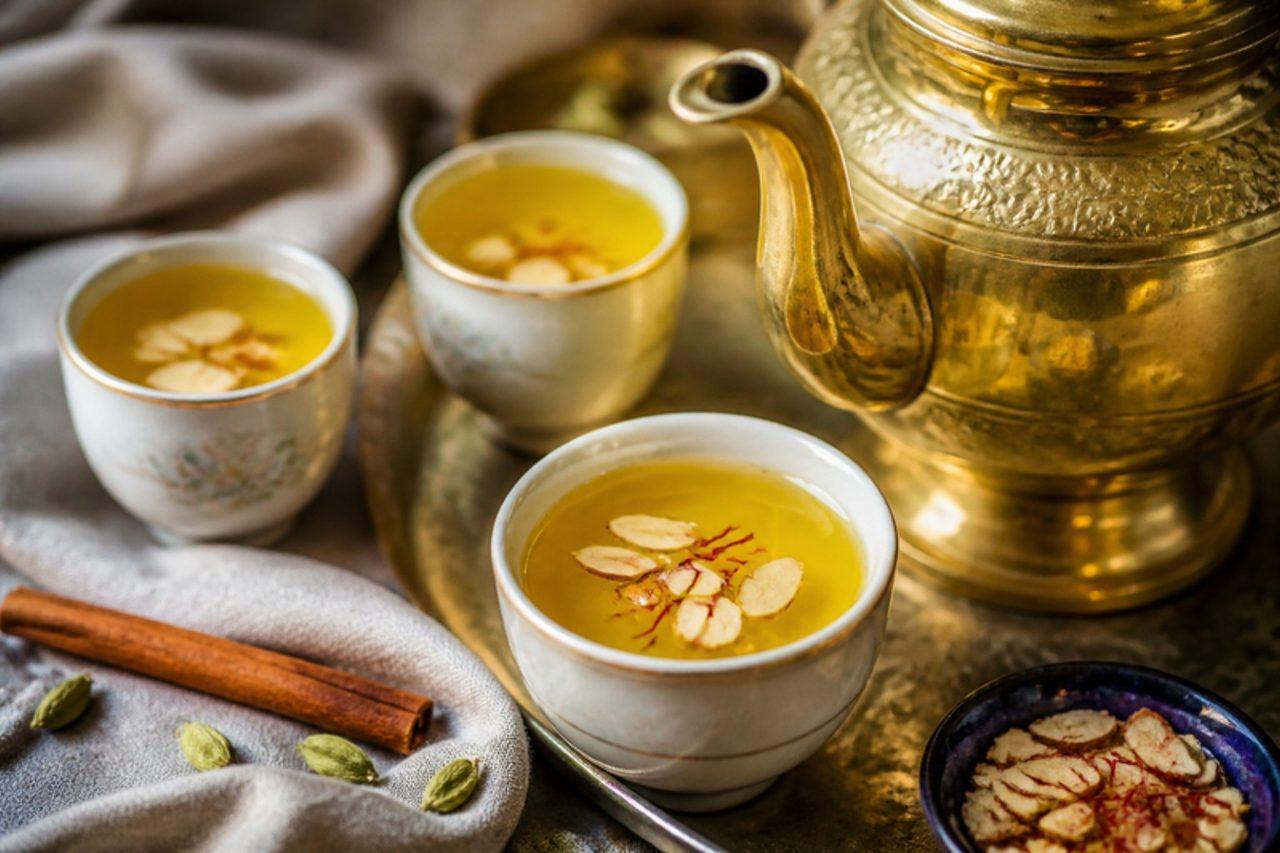
KahwaSaffron green tea

Kahwa is the warming green tea of Kashmir, traditionally brewed in a brass samovar and poured for guests on cold winter days. Green tea leaves are infused with saffron, green cardamom and cinnamon, sweetened lightly and served with slivered almonds in each cup. It's golden, fragrant and soothing, and is drunk after heavy meals to help digestion. Chef's tip: never boil the tea leaves; simmer the spices first, then let the tea steep off the heat for just 2 minutes or it turns bitter.

by KrazyBadal 0 views

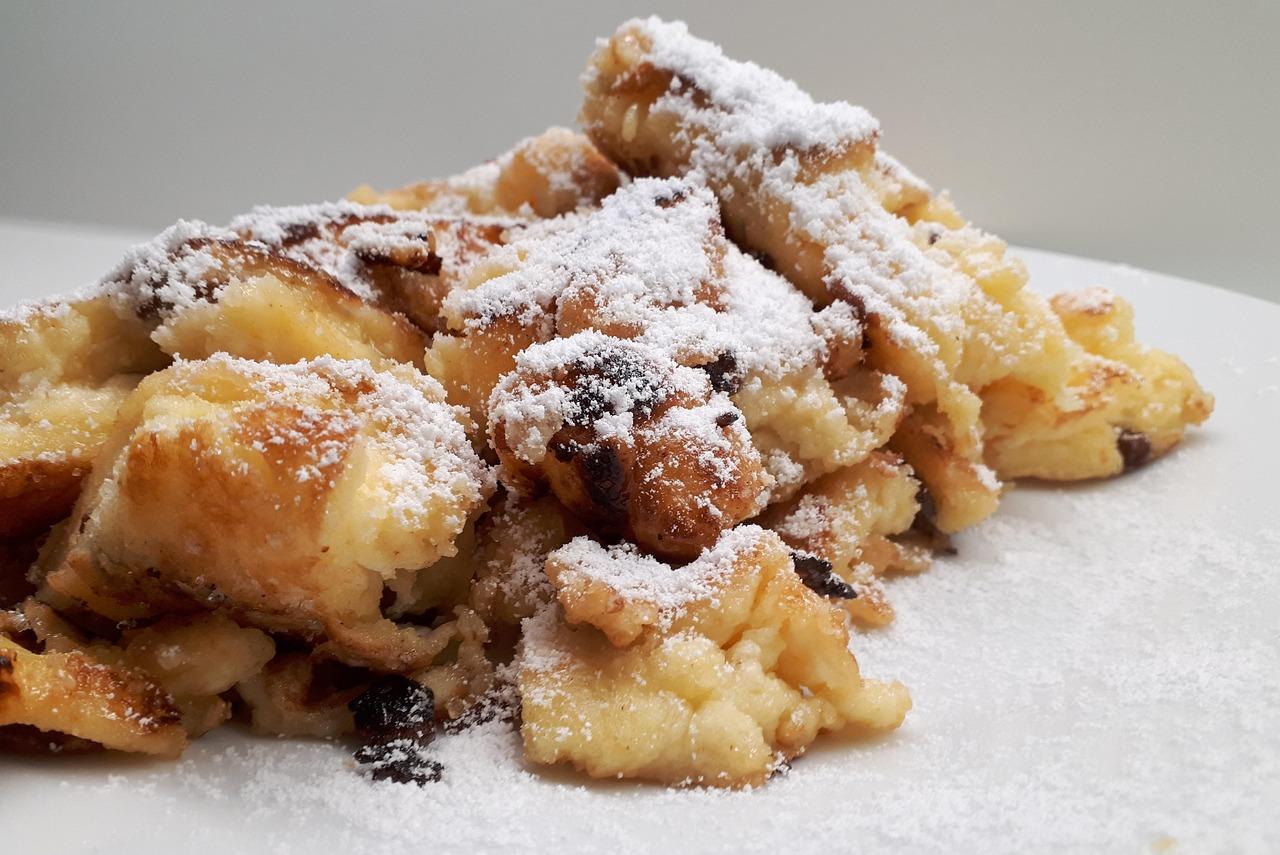
KaiserschmarrnTorn raisin pancake

Kaiserschmarrn, the 'emperor's mess', is Austria's favourite sweet meal, said to have been made for Emperor Franz Joseph, and today it's served from huge pans in every ski hut in Tyrol and Salzburg and in Viennese restaurants. It is a thick, fluffy pancake made with whisked egg whites, torn into rough pieces in the pan with two forks, then caramelised with butter and sugar and heaped with icing sugar. Eat it with Zwetschkenröster (plum compote) or apple sauce. Chef's tip: let the pancake set and brown properly underneath before tearing it up; tear it too early and you get scrambled batter instead of soft, golden pieces.

by KrazyBadal 0 views

Showing 63 of 10,569 recipes

Show more recipes

Page 1,013 of 1,175