


Skip to content
Tanuki udon
Featured recipe

Tanuki udon

Udon with tempura bits

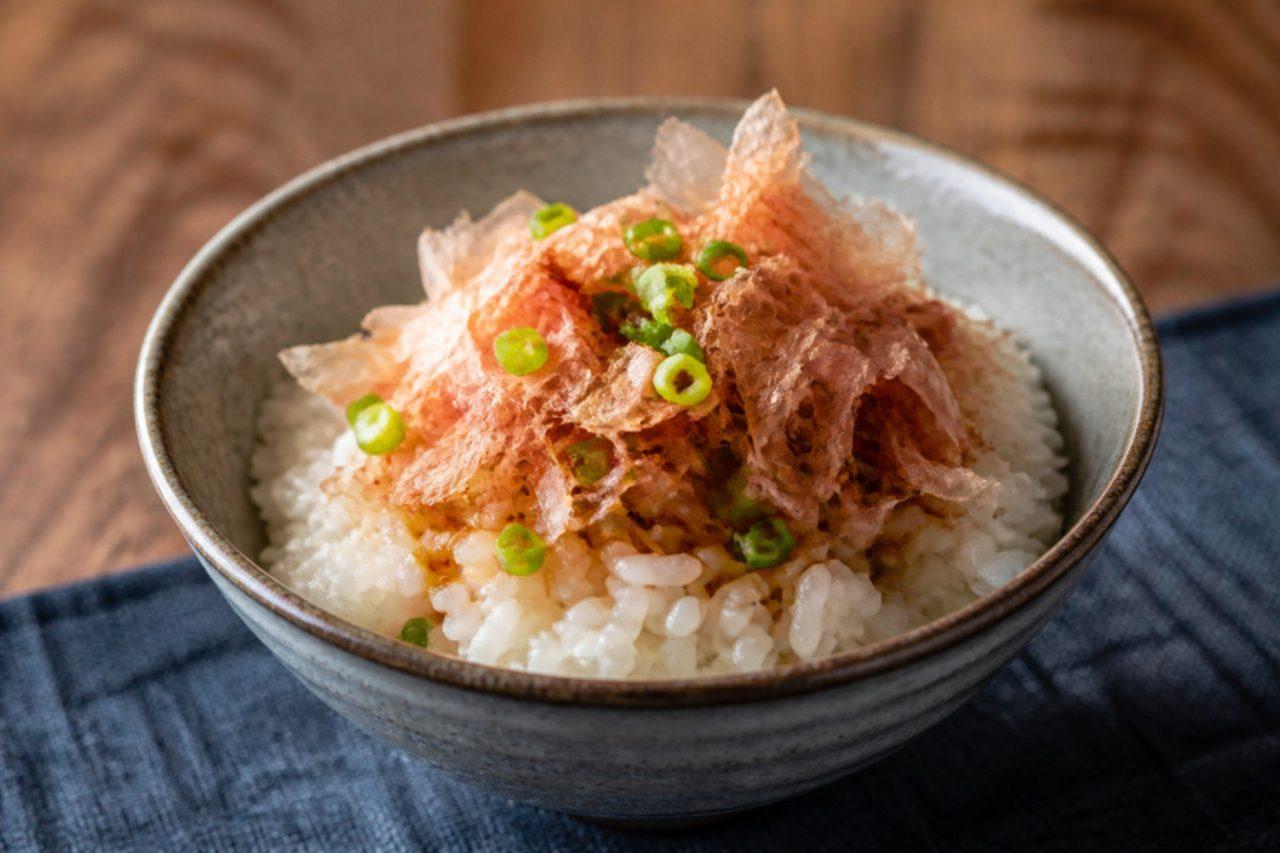
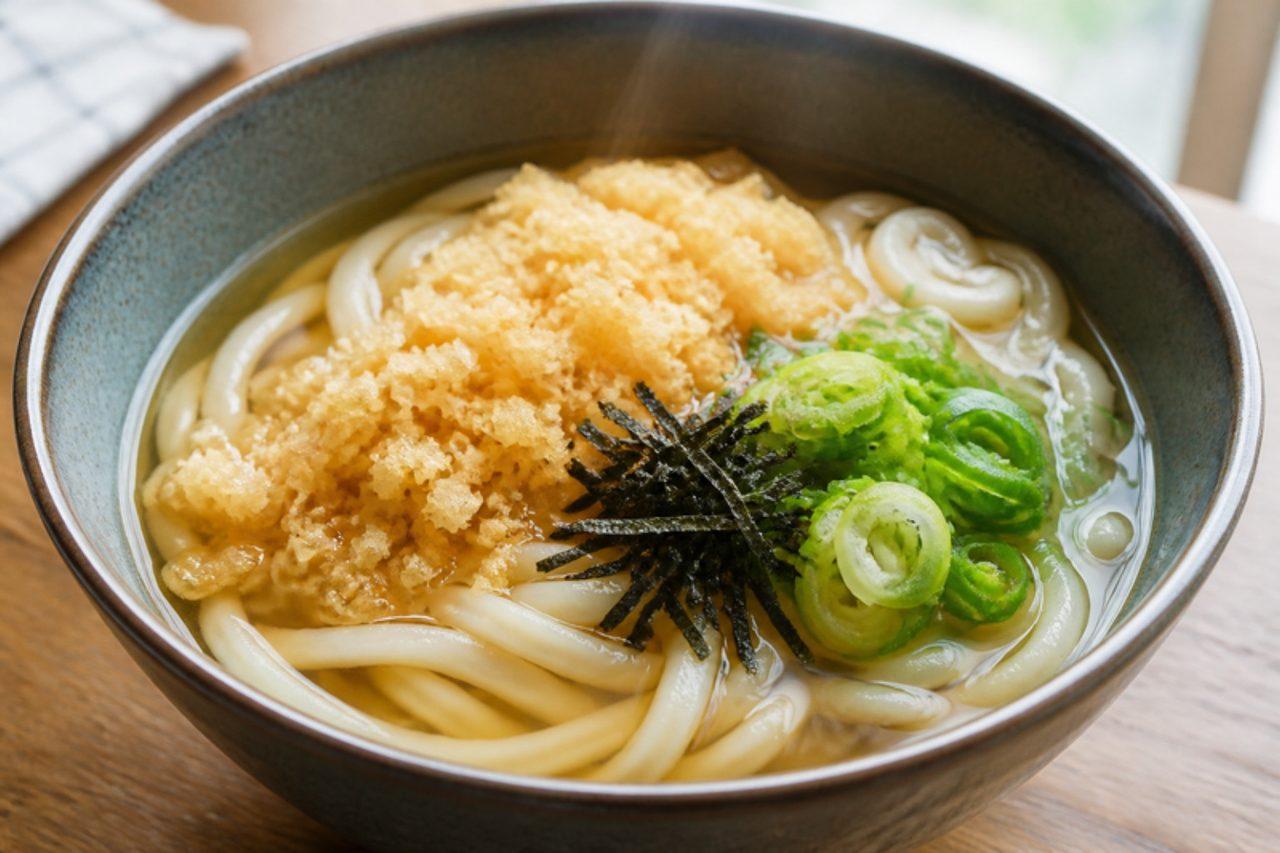
In Tokyo and the Kanto region, tanuki udon is the cheapest, fastest bowl at a standing noodle bar: thick udon in hot soy-dark dashi, crowned with tenkasu, the crisp bits of tempura batter, and spring onion. The broth uses bonito dashi and mirin, a sweet rice seasoning that contains alcohol; it is simmered, but for an alcohol-free version use sugar as noted. The mistake is adding the tenkasu too early so it turns soggy before the bowl reaches the table. Chef's tip: frozen sanuki udon cooks in a minute and has a much better bite than the vacuum-packed kind.

Read more 0 views

What to eat today?

Around the world

Today's trip: Persian

A new country every day, from every cuisine on the site.

Persian

Shir berenj

Rose water rice pudding 70 minMore from Persian (181) →

This week's collection

Kid-friendly dinners
756 recipes · a new collection every Monday

Coming up

All occasions →

Latest recipes

KwatiMixed sprouted bean soup

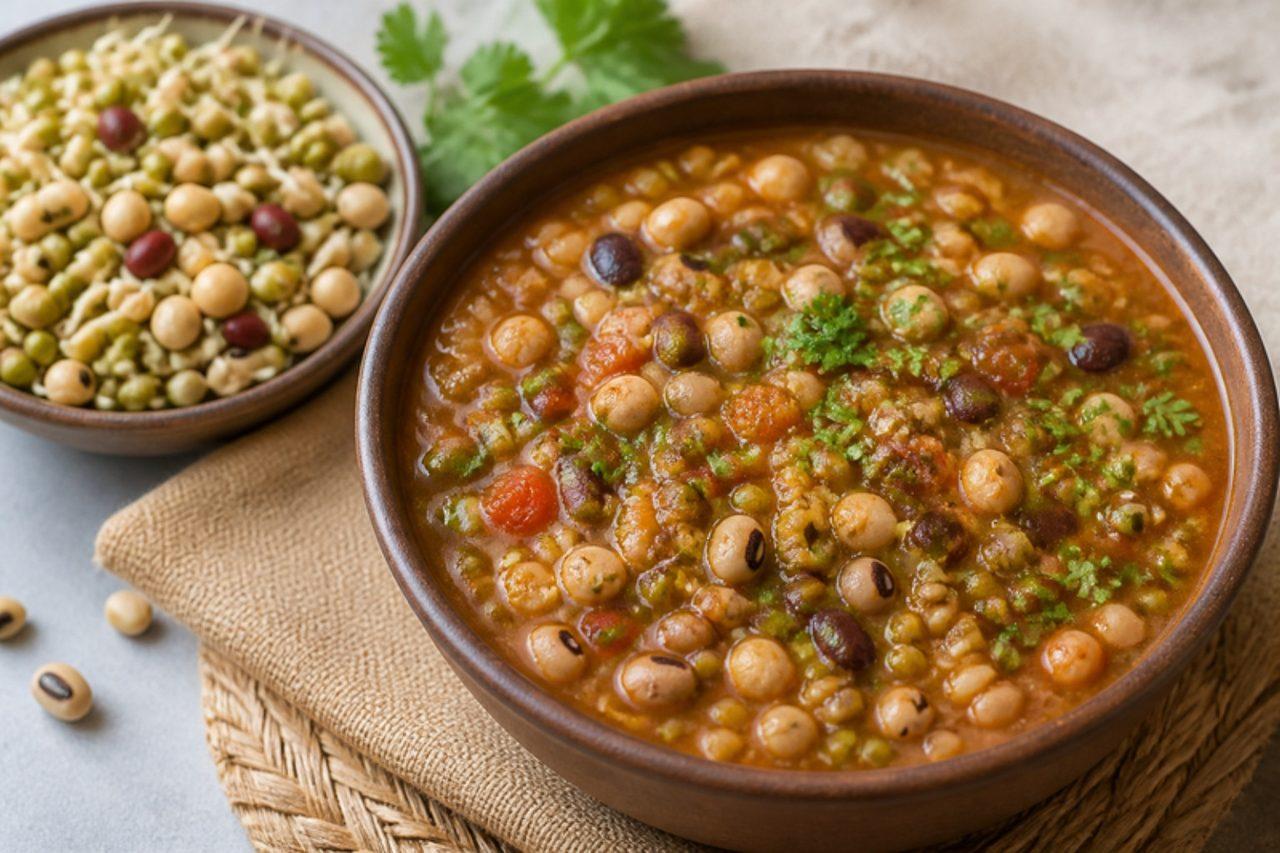
Kwati is a thick, warming soup of nine kinds of sprouted beans that the Newar families of the Kathmandu Valley cook on Janai Purnima, the August full moon also called Kwati Punhi, when the monsoon is at its height and people are said to need strength against the damp. The mix usually includes black gram, green mung, chickpeas, soybeans, field peas, kidney beans, cowpeas, field beans and rice beans, soaked and sprouted for two or three days beforehand, then cooked with ajwain, ginger, garlic, tomato and a pinch of timur. Markets in Asan sell ready-mixed kwati beans in the week before the festival. It is eaten in bowls with beaten rice or simply on its own. The mistake people make is skipping the sprouting, which leaves the soup heavy and the beans hard. Chef's tip: fry the ajwain until it crackles; its thyme-like warmth makes the beans easier to digest and is the flavour of the festival.

by KrazyBadal 0 views

Kway chapRice sheets in braising broth

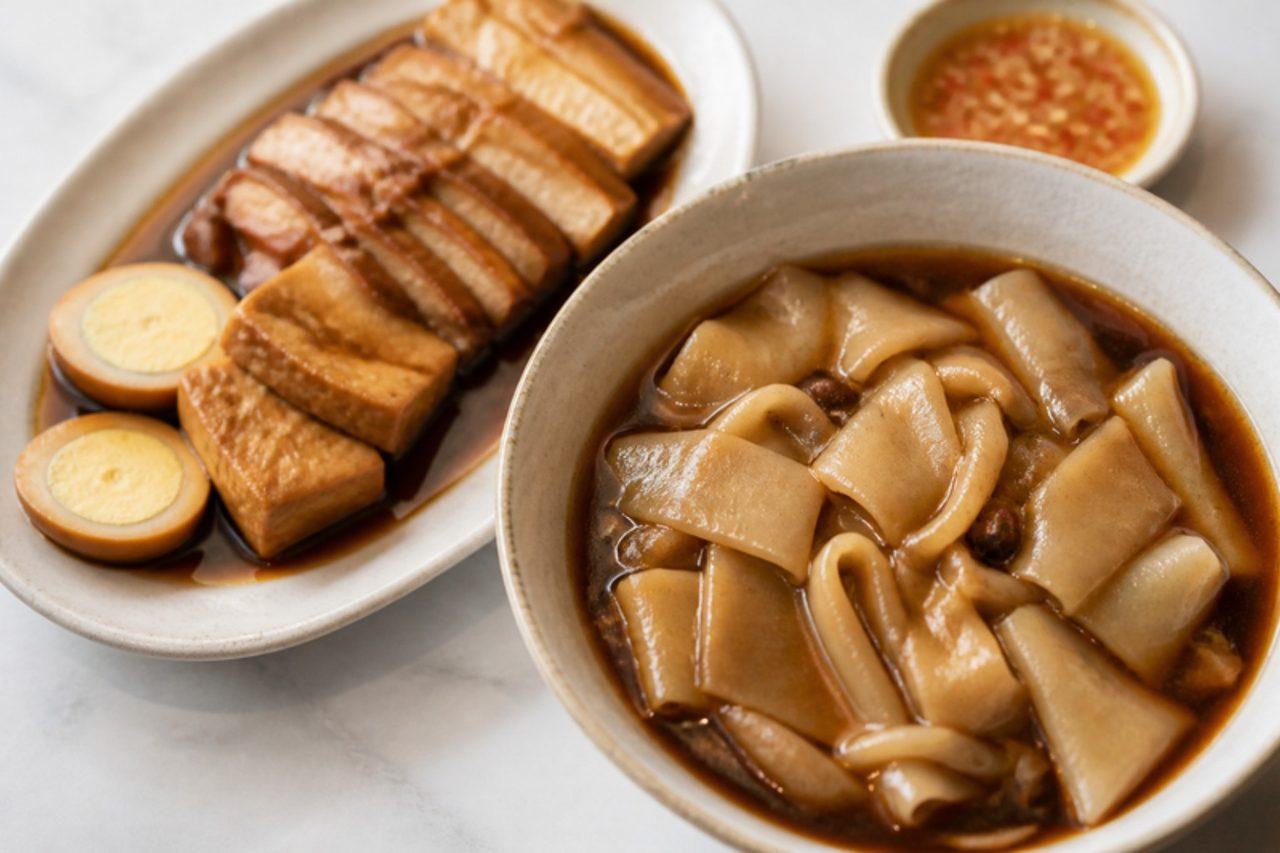
Breakfast in Shantou and Chaozhou often means a steaming bowl of kway chap from a market stall: squares of rice sheet simmered until soft and silky in a dark, gently spiced broth, with braised pork belly, tofu and eggs on the side. Teochew emigrants carried it to Singapore, where it became a hawker centre favourite, but the original is simpler, cheaper and very comforting on a cool morning. The broth tastes of soy, star anise and cinnamon, slightly sweet, and the rice sheets drink it up. Eat it with chilli vinegar, pickled mustard greens and plenty of white pepper. Chef's tip: braise the pork the night before; the flavours settle and you can lift the hardened fat off the top.

by KrazyBadal 0 views

Kyiv cakeHazelnut meringue cake

Kyiv cake was created in 1956 at the Karl Marx confectionery factory in Kyiv, and for decades a round box tied with string, bought at the station kiosk, was the souvenir every visitor carried home from the capital. Two crisp, chewy layers of nut meringue are sandwiched with a rich vanilla and cocoa buttercream and decorated with more cream. It contains no flour, so it is naturally gluten free, and no gelatine. Our home version uses hazelnuts, as the original did before cashews became the norm. Chef's tip: dry the meringue long and slow and let it cool in the switched-off oven; common mistake is pulling it out too early, when it is still soft inside, and then it turns sticky and collapses under the cream.

by KrazyBadal 0 views

Kyoto takiawaseSimmered vegetables

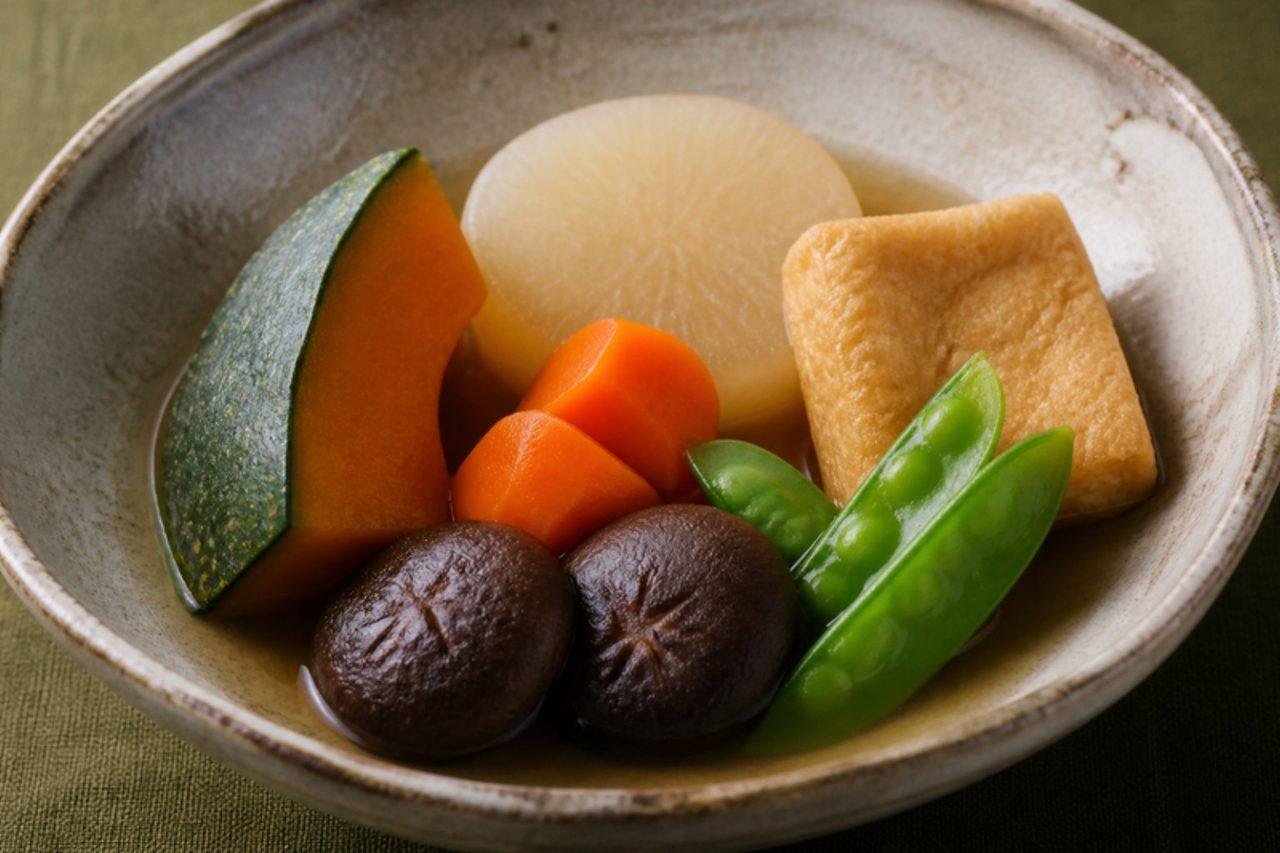
Obanzai is what Kyoto calls its everyday home cooking: thrifty, seasonal side dishes that families keep in the fridge and that small restaurants line up in bowls along the counter. Takiawase, 'simmered together', is one of its finest. Each vegetable is cooked separately in a pale, delicate broth, so the kabocha stays orange, the daikon turns translucent and the carrot keeps its colour, then they are arranged side by side in one dish. Kyoto cooks season with light-coloured usukuchi soy, which is saltier than regular soy but doesn't darken the food. Serve it warm or at room temperature with rice and miso soup. Chef's tip: let everything cool in its broth. The vegetables soak up most of their flavour as they cool, not while they boil.

by KrazyBadal 0 views

Kyrgyz shorpoLamb and vegetable broth

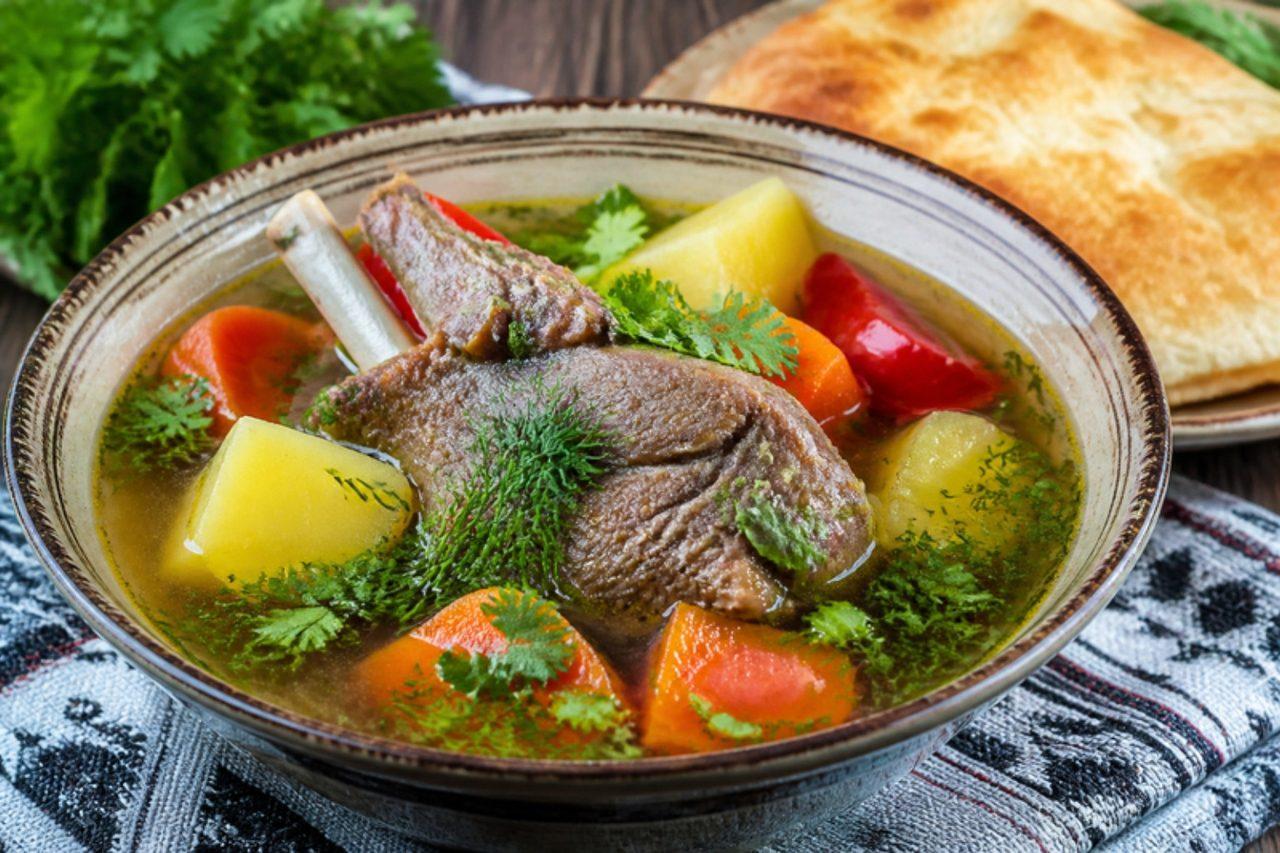
Shorpo is the soup that keeps Kyrgyz herders warm in the summer pastures around Issyk-Kul and in yurts high in the Tian Shan: big pieces of lamb on the bone simmered slowly with whole potatoes, carrots and onion until the broth is clear and golden. The meat and vegetables are often served on a plate and the broth in bowls, with fresh herbs and bread torn into it. It is simple, so the quality of the lamb matters. Letting it boil hard is the usual mistake; a rolling boil makes the broth cloudy and the meat stringy. Chef's tip: start the lamb in cold water and skim patiently for the first 15 minutes.

145 minKazakhSoupsGluten free
by KrazyBadal 0 views

StollenFruit Christmas bread

Dresden has baked Christstollen for more than 500 years, and every December the city holds a Stollen festival with a giant loaf paraded through the old town to the Striezelmarkt. The loaf's shape, folded over and dusted white, is said to show the Christ child wrapped in swaddling cloth. It's a rich, dense yeast bread, heavy with butter, raisins, candied peel and almonds, brushed with melted butter straight from the oven and buried in sugar. It's baked weeks before Christmas and sliced thinly through Advent. Chef's tip: wrap it tightly and let it rest for at least a week before cutting; the flavours ripen and the crumb turns moist.

120 minGermanBaking
by KrazyBadal 0 views

DovgaHerb and yogurt soup

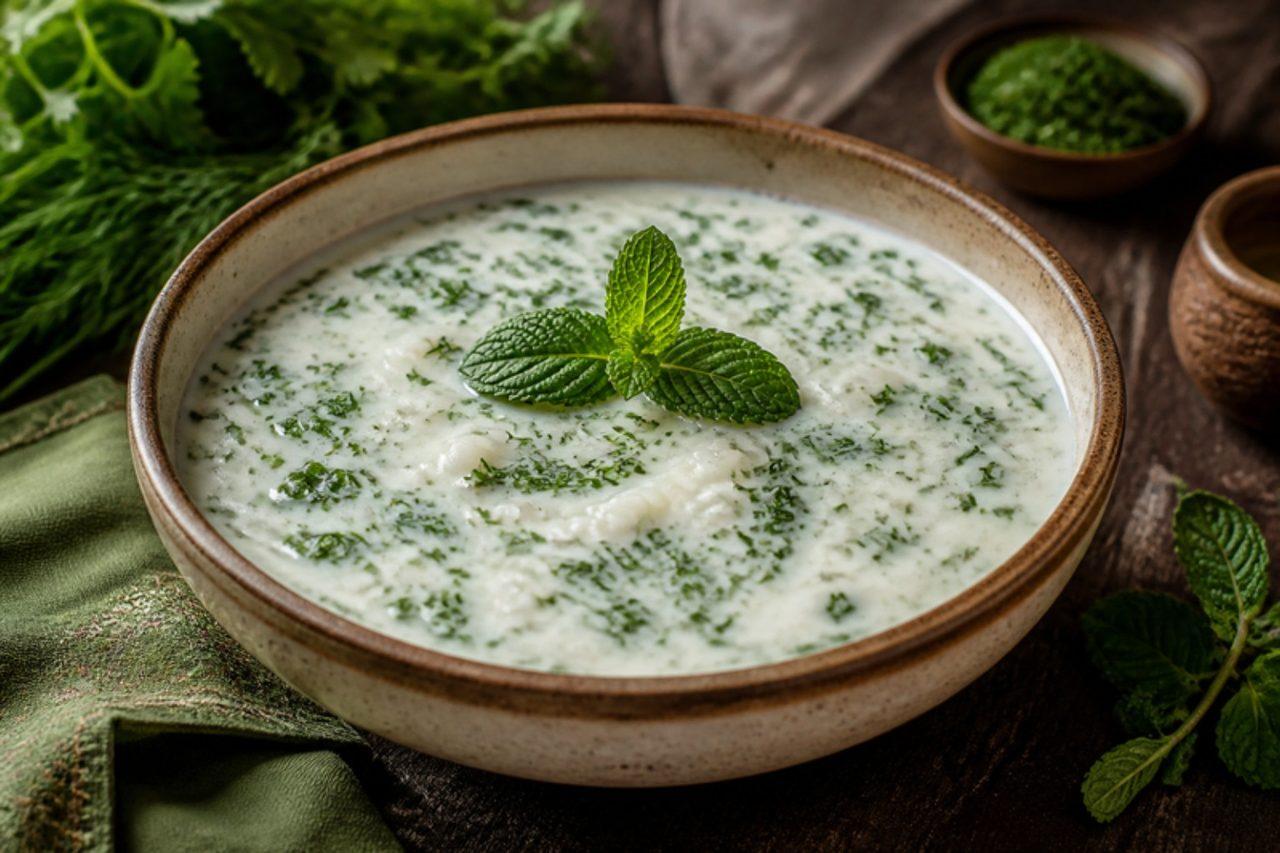
Dovğa is green, tangy and cooling, the soup Azerbaijanis drink cold from glasses on hot Baku afternoons and eat hot in bowls when the Absheron wind turns chilly. Yogurt is thinned, thickened with rice and egg, then packed with chopped spinach, dill, coriander, mint and sorrel, until the soup is more herbs than dairy. It is served at weddings and at Novruz to settle the stomach after rich food, and many cooks add chickpeas. Unlike Armenian spas, there is no fried onion or wheat; the flavour is all fresh herbs and sour yogurt. Chef's tip: add the herbs only once the yogurt is boiling steadily and stable; they wilt in seconds, and the colour stays bright green.

by KrazyBadal 0 views

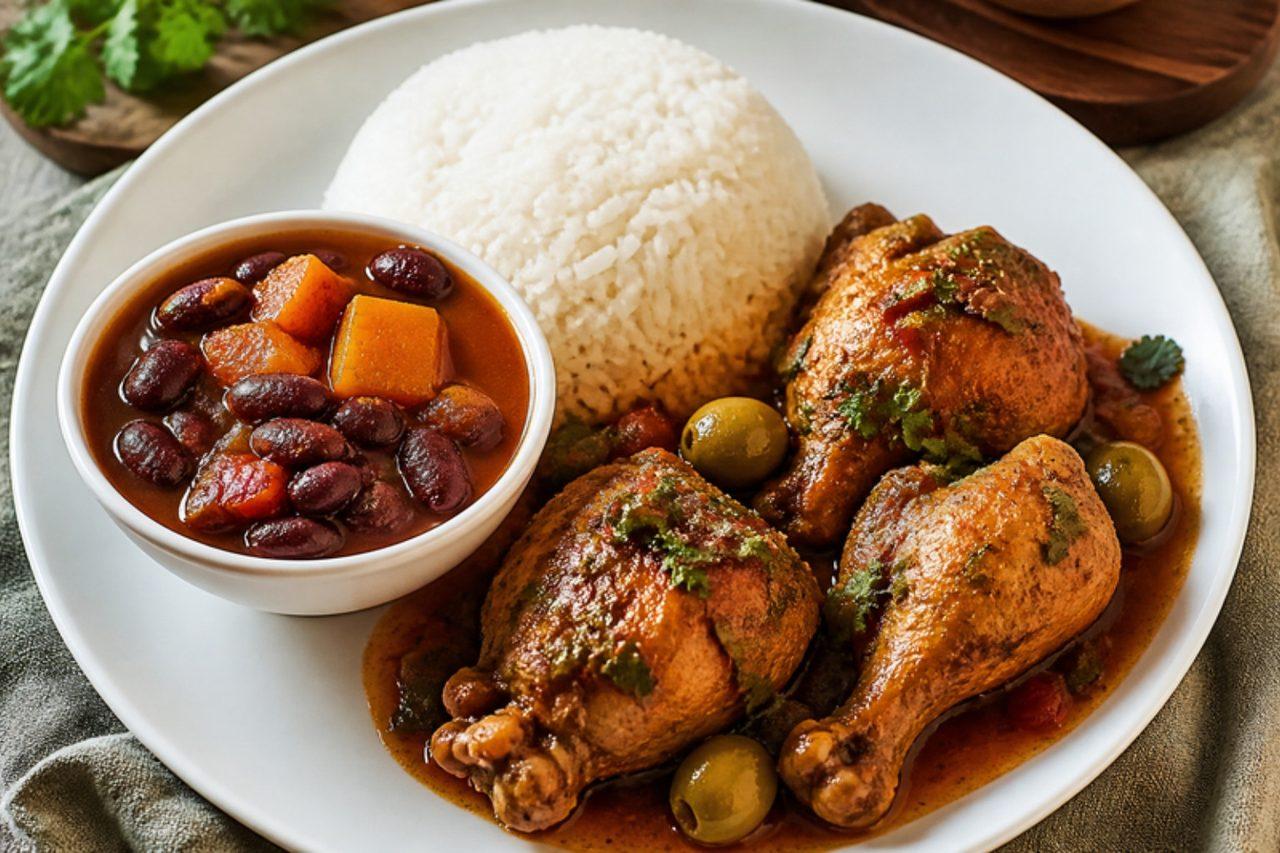
La bandera dominicanaRice, beans and chicken plate

Across the Dominican Republic, from Santo Domingo office canteens to family kitchens in Santiago, the midday meal is la bandera, named after the flag: white rice, red beans stewed with squash, and braised chicken. It is eaten almost every weekday, often with a green salad and fried plantain. Dominican cooks start the chicken by caramelising sugar in the oil, which gives the sauce its deep brown colour, and they prize the concón, the crisp layer of rice at the bottom of the pot. The mistake to avoid is letting the sugar go past dark amber; burnt sugar makes the whole stew bitter. Chef's tip: marinate the chicken with lime, garlic and oregano the night before; it takes on far more flavour than a quick 30 minutes.

by KrazyBadal 0 views

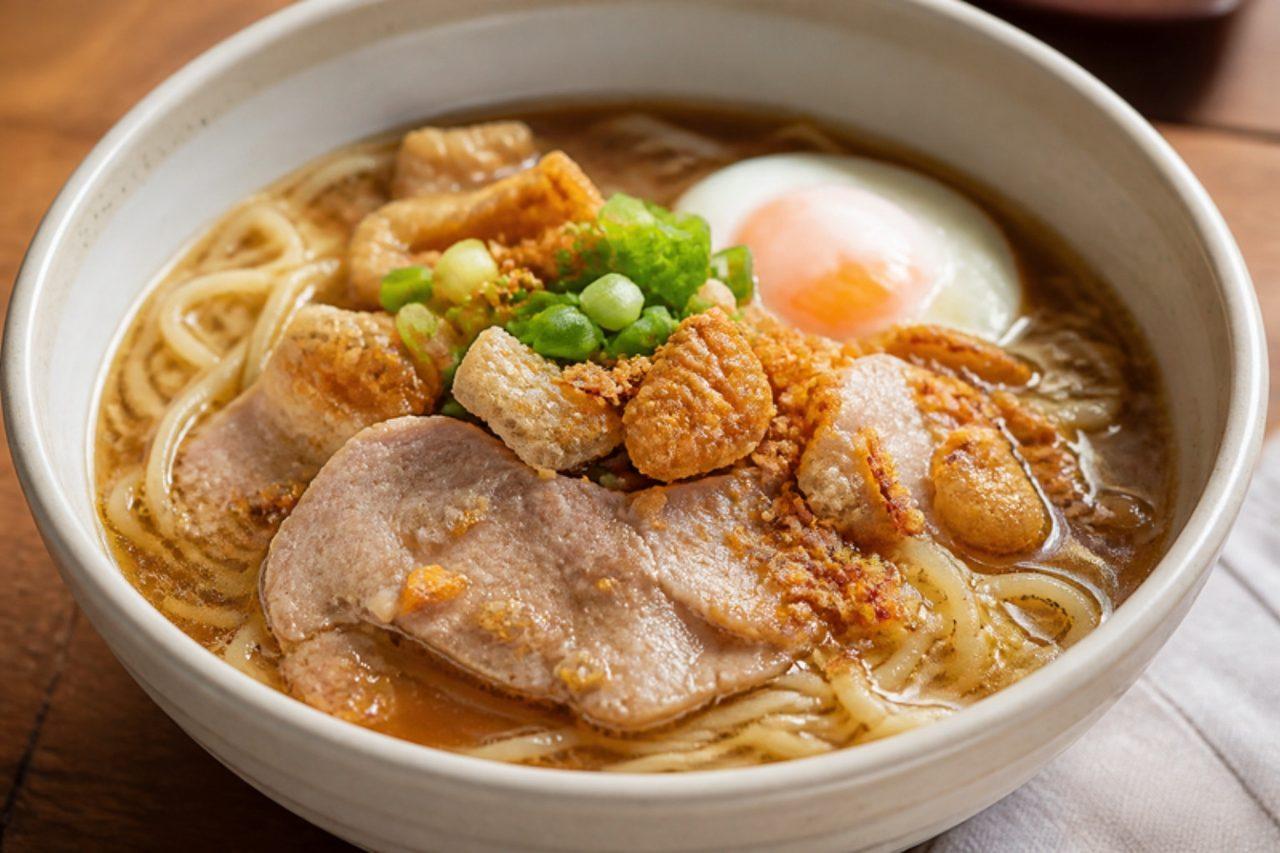
La Paz batchoyPork noodle soup

La Paz batchoy was born in the market of La Paz, a district of Iloilo City on Panay, where stalls ladle it out from early morning to late at night. It is a pork noodle soup through and through: fresh egg noodles (miki) in a deep pork-bone broth seasoned with a little shrimp paste, topped with sliced pork, liver, crushed pork crackling (chicharrón) and lots of fried garlic. Locals often crack a raw egg into the bowl and ask for extra broth. It is a warming, savoury bowl for rainy afternoons. Chef's tip: make the broth the day before and chill it; the fat sets on top so you can lift most of it off and fry the garlic in it.

by KrazyBadal 0 views

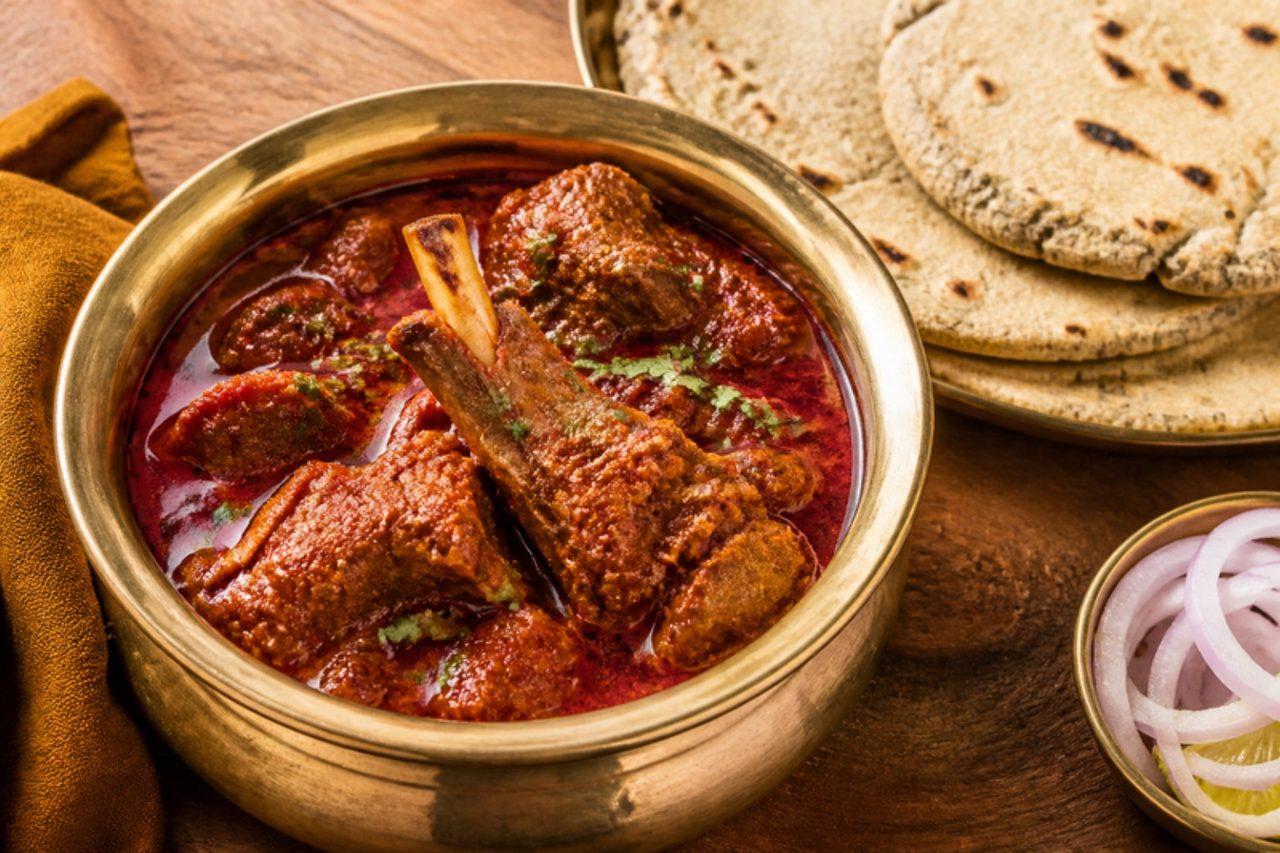
Laal maasFiery red mutton curry

Laal maas grew out of the Rajput hunting tradition in the desert country around Jodhpur and Jaisalmer, where game was cooked with plenty of garlic and red chillies to carry it. Today it's made with goat or lamb and is the dish Rajasthanis cook for a winter feast, served with bajra roti or plain rice and a bowl of yogurt to cool things down. The fierce colour comes from Mathania chillies, grown near Jodhpur, which are deep red, aromatic and properly hot. Some cooks finish it with a burning coal set in the pot to give it a smoky edge, an optional step included here. Chef's tip: soak and grind the dried chillies to a paste instead of using chilli powder; it gives the deep red colour and a rounder heat that doesn't scorch.

140 minIndianMeatGluten freeSpicy
by KrazyBadal 0 views

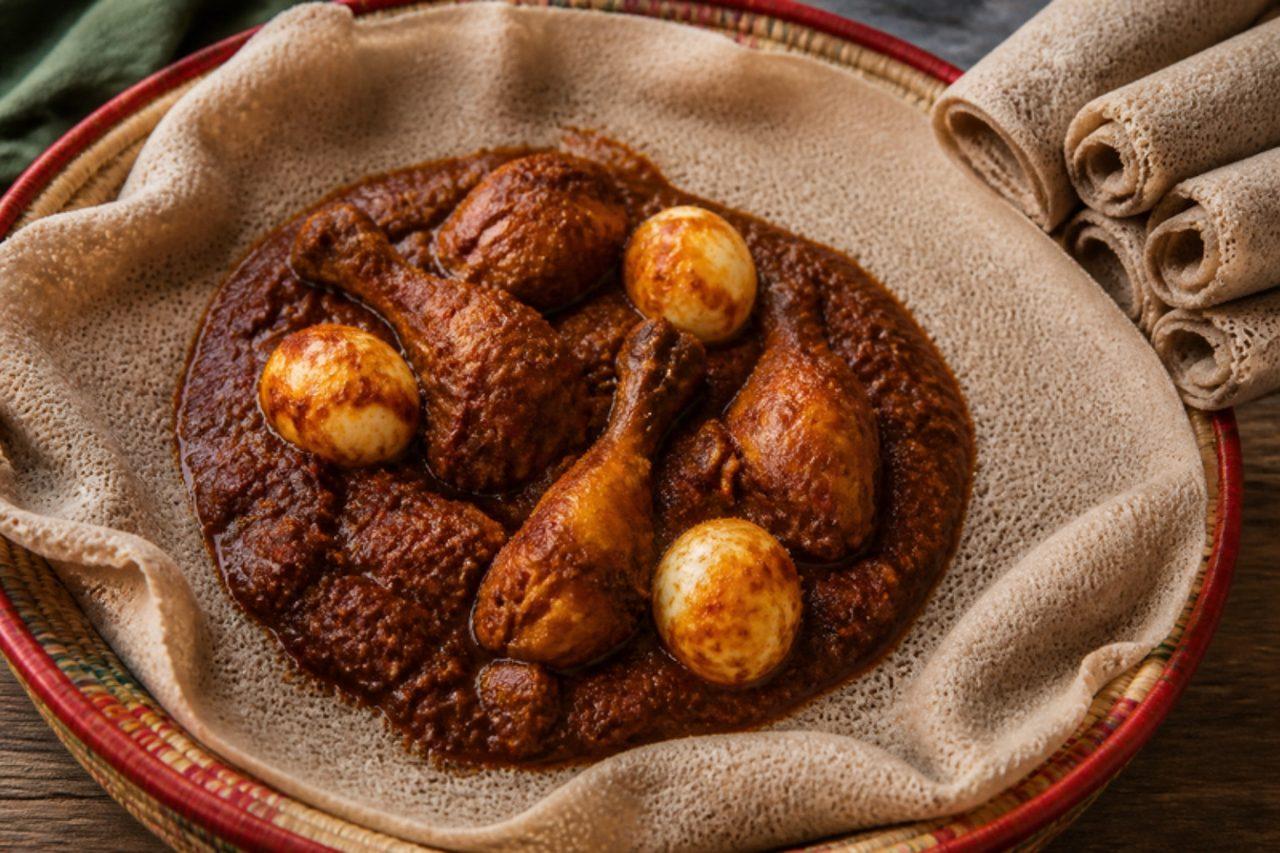
Doro watSpicy chicken and egg stew

Ethiopian families make doro wat for the biggest days of the year, especially Genna (Christmas) and Fasika (Easter), when it breaks weeks of meatless fasting. Its secret is patience: a mountain of red onions is cooked down slowly with no fat at all until jammy and dark, then enriched with spiced butter and fiery berbere. Chicken pieces and whole hard-boiled eggs simmer in the sauce until it is thick, glossy and brick red, with a deep, smoky heat. Ladle it onto injera, with ayib (fresh cheese) alongside to cool things down. Chef's tip: score the boiled eggs lightly all over before adding them, so the sauce seeps right into the whites.

by KrazyBadal 0 views

LablabiChickpea soup with bread

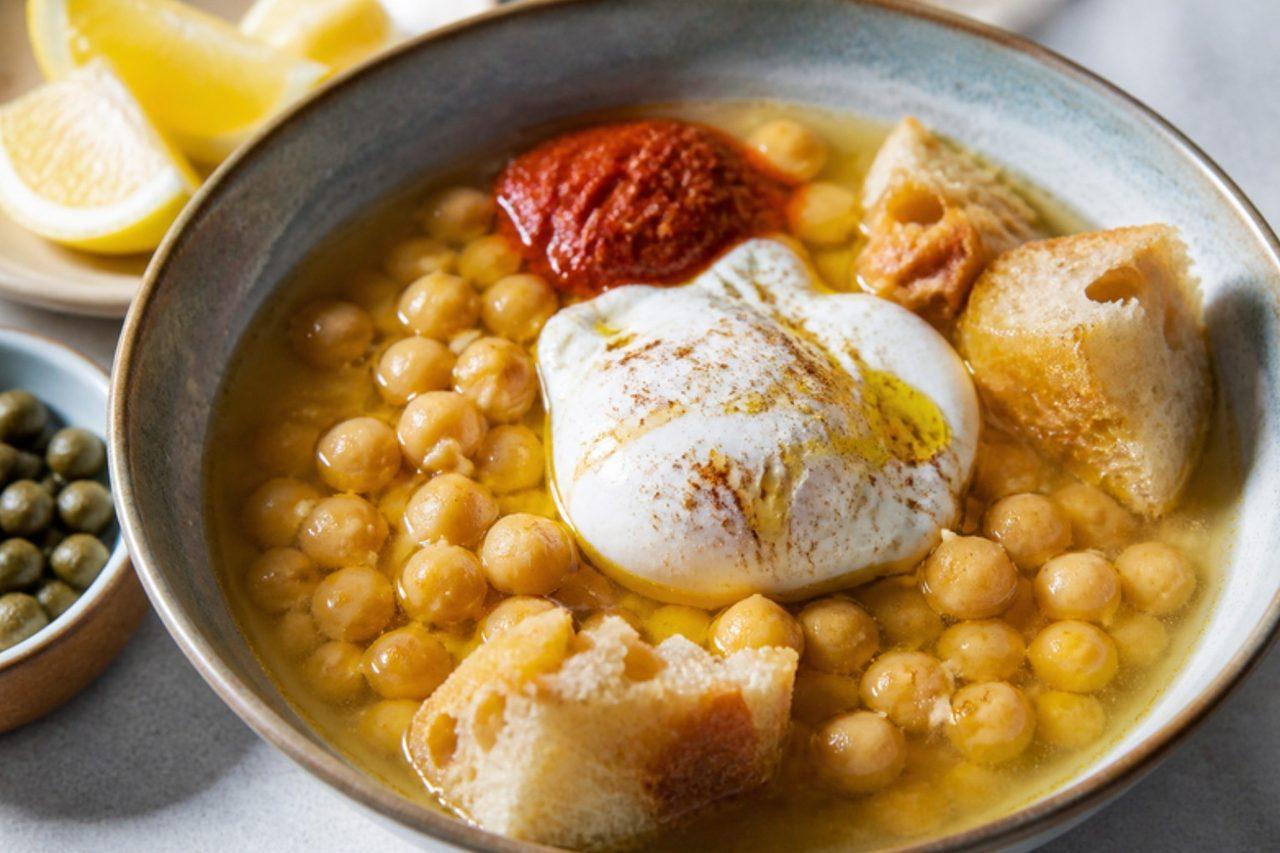
Lablabi is the working breakfast of Tunis, served from steaming cauldrons in tiny shops near the medina and the markets from dawn, and eaten all over Tunisia on cold winter mornings. Torn day-old bread goes into the bowl first, then hot chickpeas and their garlicky broth, and everyone dresses their own with harissa, cumin, olive oil, lemon and capers; many add a soft-poached egg that is broken through the bread. Chef's tip: let the bread soak for a minute before you stir in the harissa, so it turns soft and spoonable but not mushy.

by KrazyBadal 0 views

Labneh with za'atarStrained yogurt with za'atar

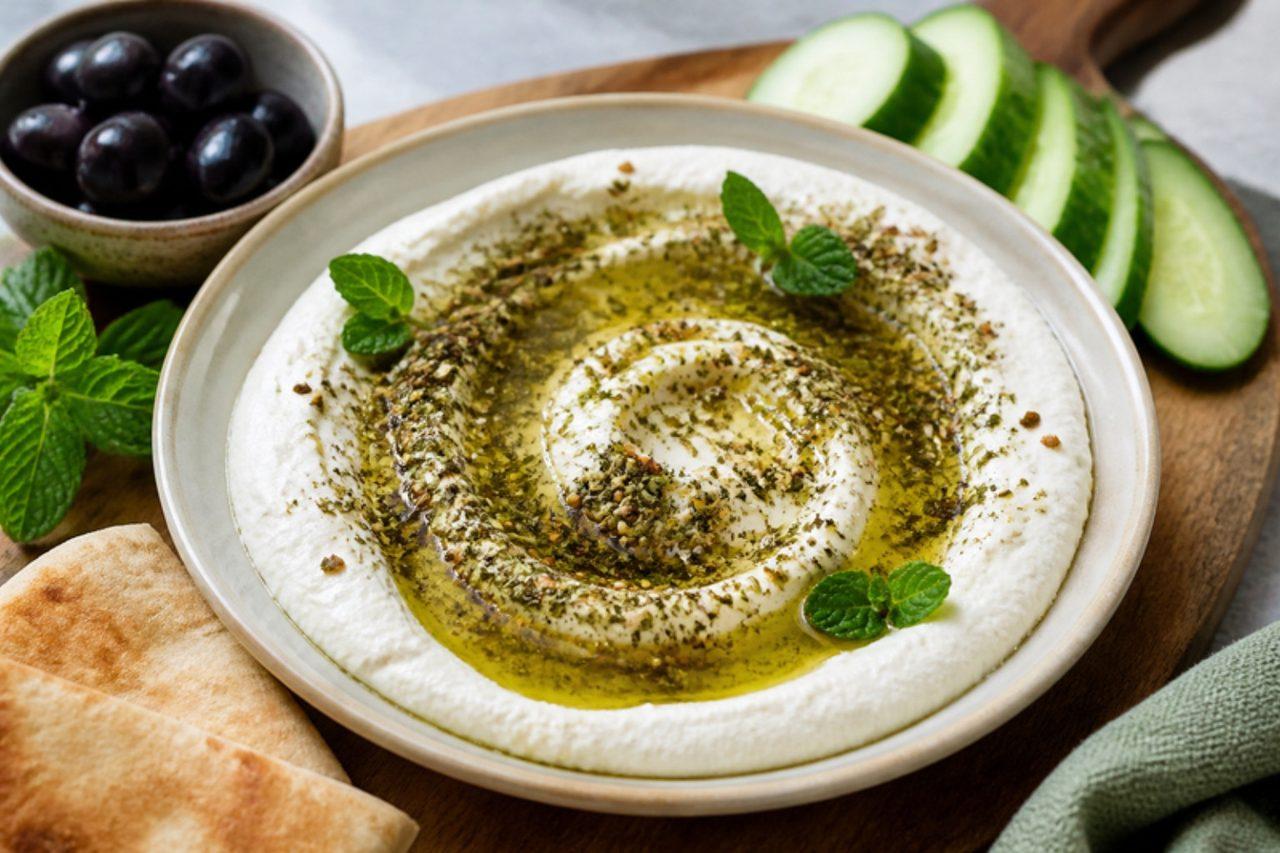
Labneh is the thick, tangy strained yogurt that Lebanese, Syrian and Palestinian families spread on a plate every morning, swirl with olive oil and scatter with za'atar, the wild-thyme, sumac and toasted sesame mix of the Levant. It sits beside olives, cucumber, tomato and warm khubz at breakfast in Beirut and on the mezze table at night, and the firmer version is rolled into small balls and kept in jars of olive oil for weeks. Here salted yogurt hangs for a full day until it is as thick as cream cheese, then goes out two ways: spread in a dish, and rolled into balls. A common mistake is using low-fat or set yogurt with gelatine; it gives a thin, chalky labneh, so choose full-fat plain yogurt with only milk and cultures. Chef's tip: stir the salt in before straining, not after, because it draws out more whey and seasons the yogurt all the way through.

by KrazyBadal 0 views

Taiwanese pineapple cakes

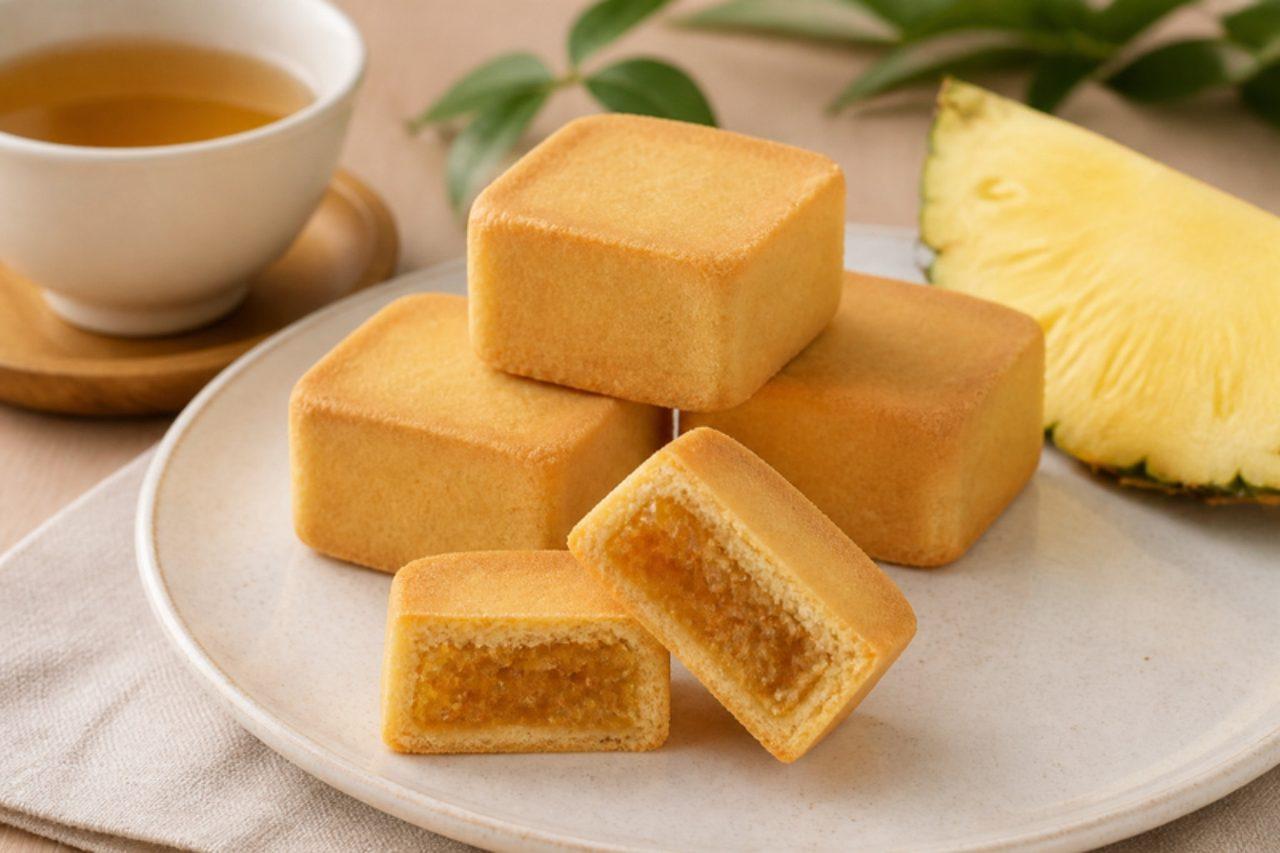
Feng li su are the gift-box sweet of Taiwan: little golden squares of crumbly, milky shortbread wrapped round a chewy pineapple jam. Bakeries in Taichung and Taipei pack them in tins for Lunar New Year, weddings and visiting relatives, and the name sounds like 'prosperity arriving' in Taiwanese Hokkien. Older bakeries bulk the filling with winter melon for a softer, sweeter jam; this home version uses fresh pineapple only, cooked down until thick and tangy. Chef's tip: chill the dough and the jam balls before wrapping; cold, firm pieces are far easier to seal without the jam breaking through.

by KrazyBadal 0 views

Alicha wat (chicken)Mild turmeric chicken stew

Not every Ethiopian stew is fiery: alicha wat is the gentle, golden one, coloured with turmeric instead of berbere and seasoned with ginger, garlic and a few green chillies. Families across the country cook doro alicha when someone wants something soothing, when children are at the table, or as the mild partner to a spicy wat on a festive spread. The chicken simmers in a soft onion and spiced-butter sauce until tender, with a fragrant, buttery and slightly peppery flavour. Serve with injera or rice and a fresh tomato salad. Chef's tip: add the green chillies whole and fish them out before serving if you want flavour without heat.

by KrazyBadal 0 views

LabraMixed vegetable curry

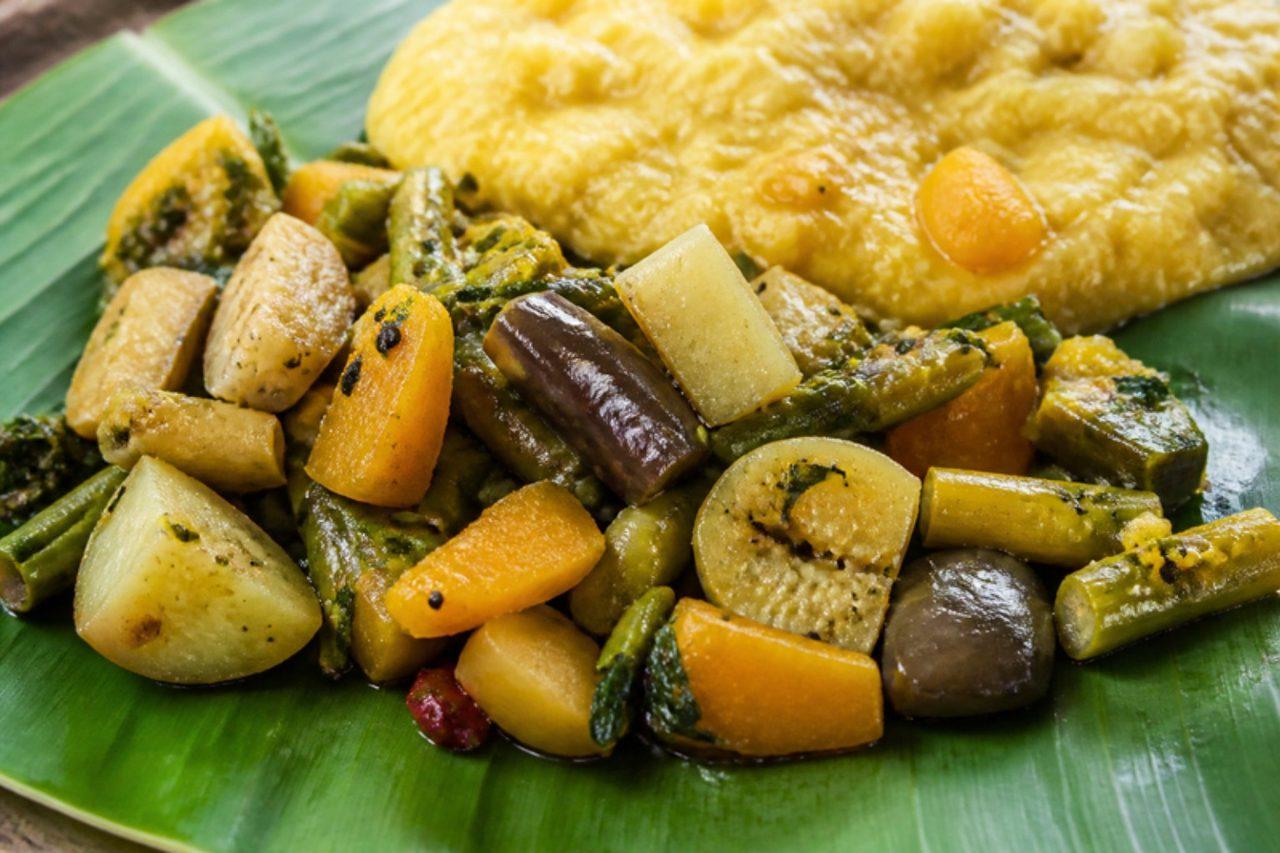
Labra is the vegetable dish of Durga Puja bhog: in community pandals across Bengal it is ladled out beside khichuri and a sweet tomato chutney to hundreds of people sitting in rows. It is a loose jumble of pumpkin, potato, aubergine, radish, sweet potato, raw banana and spinach stalks, cooked with panch phoron and ginger until some pieces melt and others hold. No onion or garlic goes in, because it is temple food. Chef's tip: add the vegetables in order of hardness, so the pumpkin goes soft and sweet while the radish and banana keep their shape.

by KrazyBadal 0 views

Gua bao with braised tofu and mushroom

Gua bao are the folded, clam-shaped buns sold at night markets from Tainan to Keelung, traditionally stuffed with a slab of soy-braised pork belly and eaten as a 'tiger bites pig' snack at year-end company dinners. Here the filling is thick slices of tofu and king oyster mushroom simmered in the same sweet soy braise, then layered with sour mustard greens, a spoon of ground peanut and sugar, and fresh coriander. The soft bun, salty filling and sweet peanut crumble are what make it. Chef's tip: brush the half-moons with oil before folding and lay a strip of baking paper inside, so the buns open cleanly after steaming.

by KrazyBadal 0 views

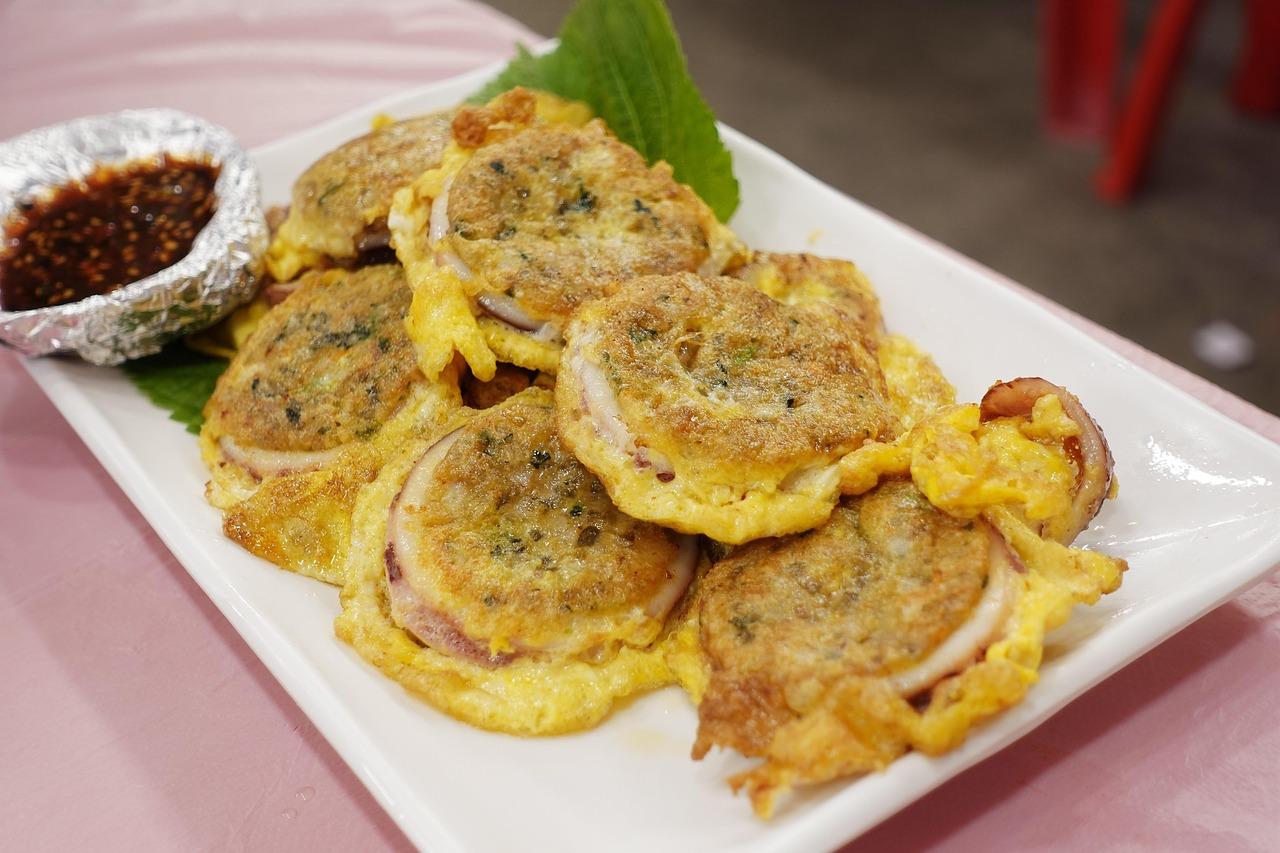
Ojingeo sundaeRice-stuffed squid

Abai Village in Sokcho, on Gangwon's east coast, was settled by people from Hamgyeong province in the north who could not go home after the Korean War. With squid plentiful in the East Sea, they stuffed it the way they had once stuffed pork casings for sundae, and the dish is now sold in the village's small restaurants and at Sokcho's Jungang market. The squid is filled with sticky rice, tofu and vegetables, steamed, cut into rounds and fried in beaten egg until golden. It makes a good sharing plate with a soy and vinegar dip. Chef's tip: mix a little glutinous rice into the filling; it binds the slices so they don't fall apart in the pan.

90 minKoreanFish
by KrazyBadal 0 views

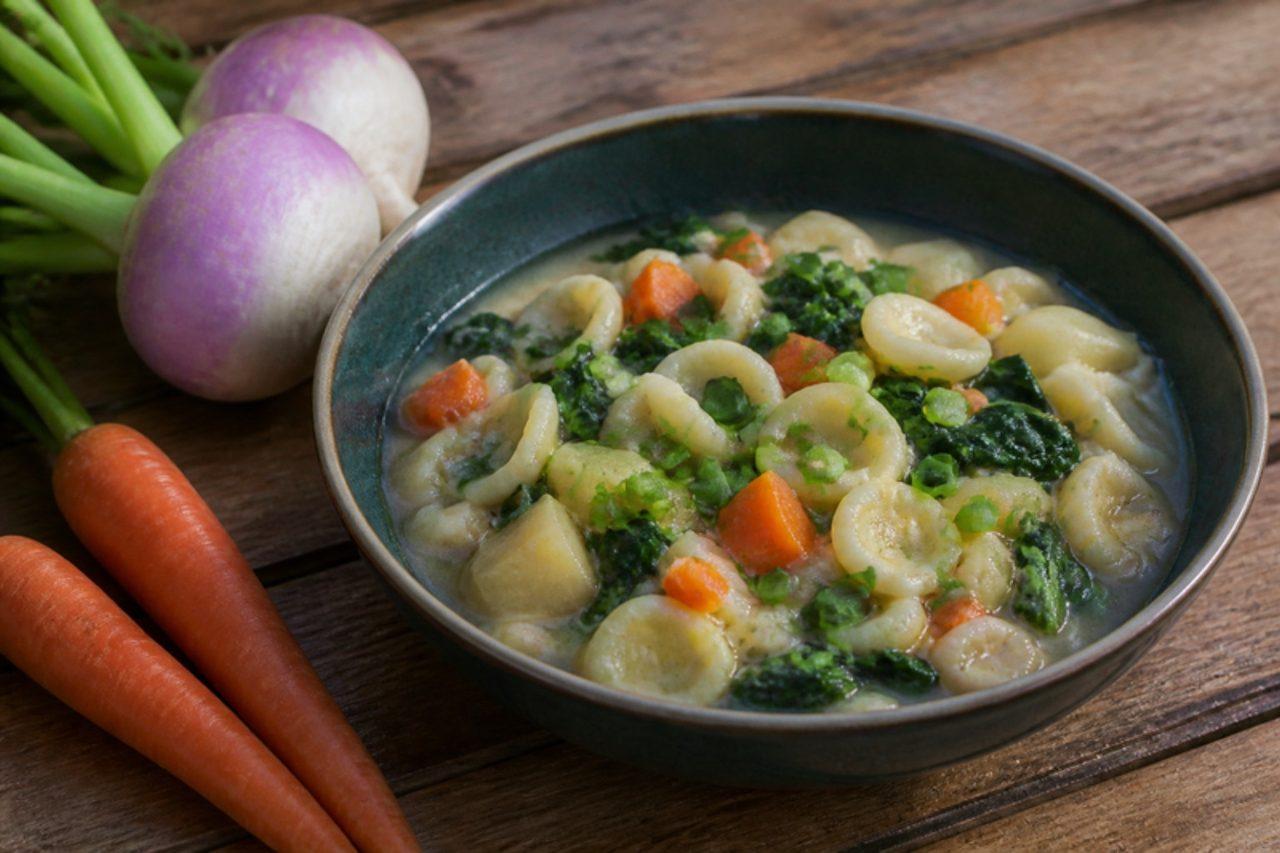
Ladakhi skyuWheat dough and root vegetable stew

Skyu is what Ladakhi families in Leh and the villages along the Indus cook when the passes close and fresh vegetables run short: a thick stew of turnip, potato and carrot with little cups of wheat dough pressed with the thumb, a bit like orecchiette. It is filling, gently peppery and made in a single pot on the kitchen stove that also heats the house. Some homes finish it with a splash of milk or a crumble of dried cheese; this version keeps it plant-based and lets the vegetables flavour the broth. Chef's tip: press each piece of dough thin enough to see the thumbprint clearly; thick pieces stay doughy in the middle.

by KrazyBadal 0 views

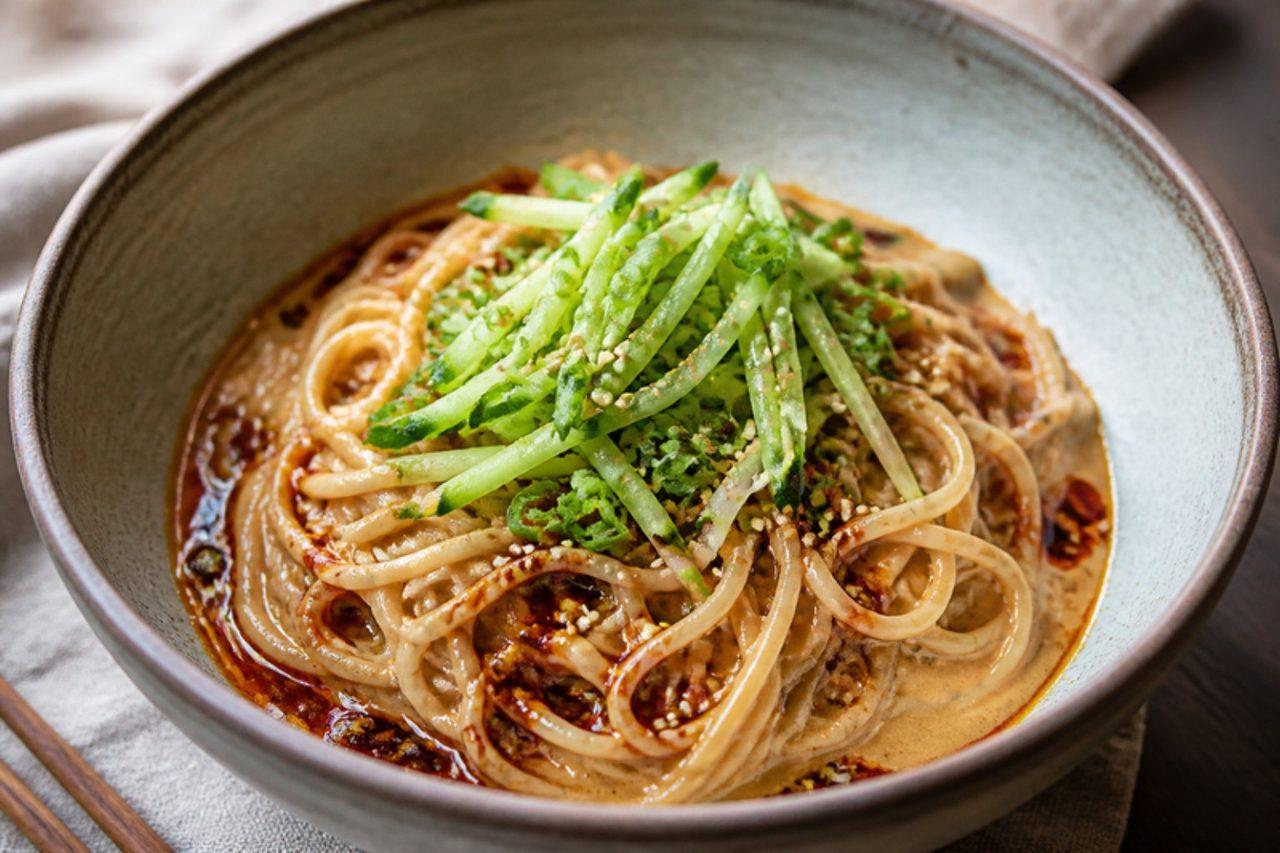
Taipei sesame noodles

Ma jiang mian is the first thing many Taipei students order at the corner noodle shop, with a bowl of soup on the side and a plate of sliced cucumber. The noodles are tossed, never drowned, in a thick sauce of toasted sesame paste loosened with soy sauce, black vinegar and a little of the cooking water, then splashed with chilli oil. It works hot in winter and cold from the fridge in the sticky Taipei summer. Chef's tip: use Chinese toasted sesame paste rather than tahini if you can; it's made from roasted seeds and gives a much nuttier, darker sauce.

by KrazyBadal 0 views

DooghSalted yogurt drink

Doogh is the salty, fizzy yogurt drink served in tall glasses with lunch across Iran, and above all with kebab and rice at the chelow-kababi restaurants of Tehran. Bottled sparkling doogh from the mineral springs of Abali, in the mountains east of the capital, is the famous one; at home it is mixed from yogurt, cold water and soda water with crumbled dried mint, and sometimes wild pennyroyal (kakuti) or rose petals. Its bubbles and mint set it apart from plainer, still yogurt drinks. It is cooling and good with rich, herby food. Chef's tip: add the sparkling water last and stir gently, or the fizz disappears before it reaches the glass.

by KrazyBadal 0 views

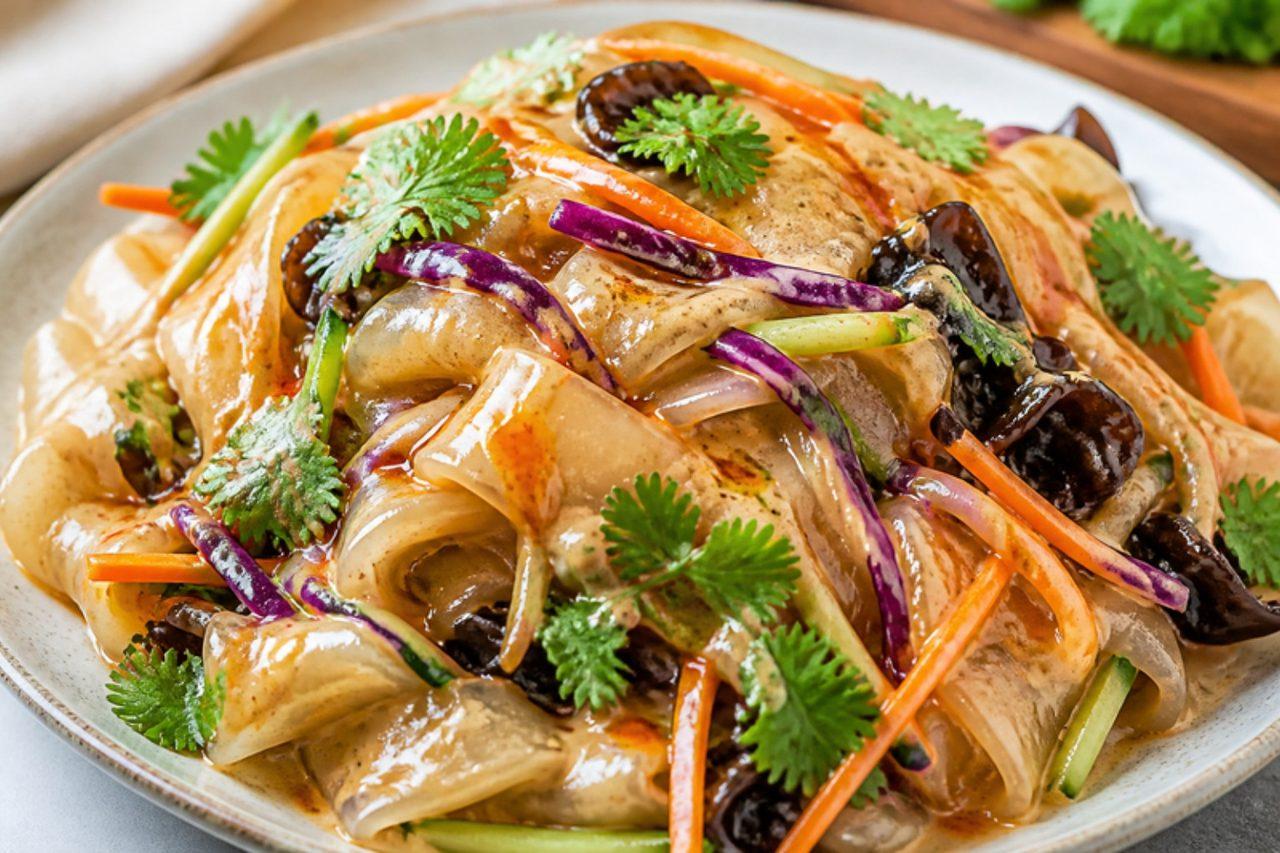
Dongbei da la piMung bean sheet salad

In north-east China, a big platter of this arrives at almost every family dinner and restaurant table, often next to the stews and dumplings. Wide, glassy sheets of mung-bean starch sit on a bed of shredded cucumber, carrot and cabbage, with a sesame, garlic and vinegar sauce and a dab of mustard poured over at the table. It's cool, slippery and crunchy. Look for dried la pi sheets or wide mung-bean noodles in Chinese supermarkets. Chef's tip: the sheet noodles must be fully cold before mixing, or they go soft and sticky.

by KrazyBadal 0 views

Ojja with merguezSpicy tomato sauce with sausage

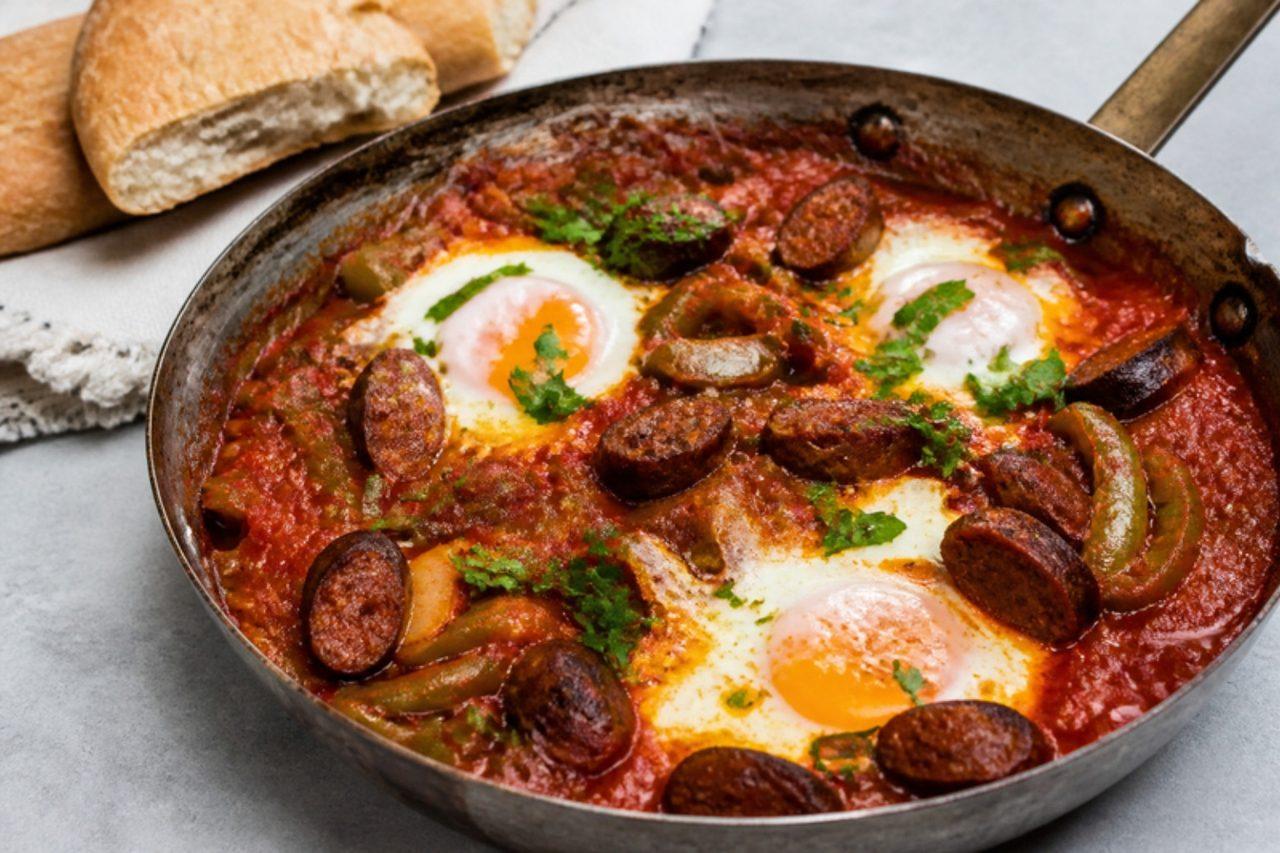
Ojja is the quick supper of Tunis cafés and home kitchens: a pan of tomato, peppers, garlic and harissa, cooked down until thick, with slices of spicy lamb merguez and eggs set softly on top. It is scooped up with crusty bread straight from the pan. The mistake is stirring the eggs in too early; they should go in once the sauce is thick and be left alone to just set. Chef's tip: brown the merguez first so its spiced fat flavours the sauce. If you can't get merguez, use any spicy lamb or beef sausage.

by KrazyBadal 0 views

Oka i'aRaw fish in coconut cream

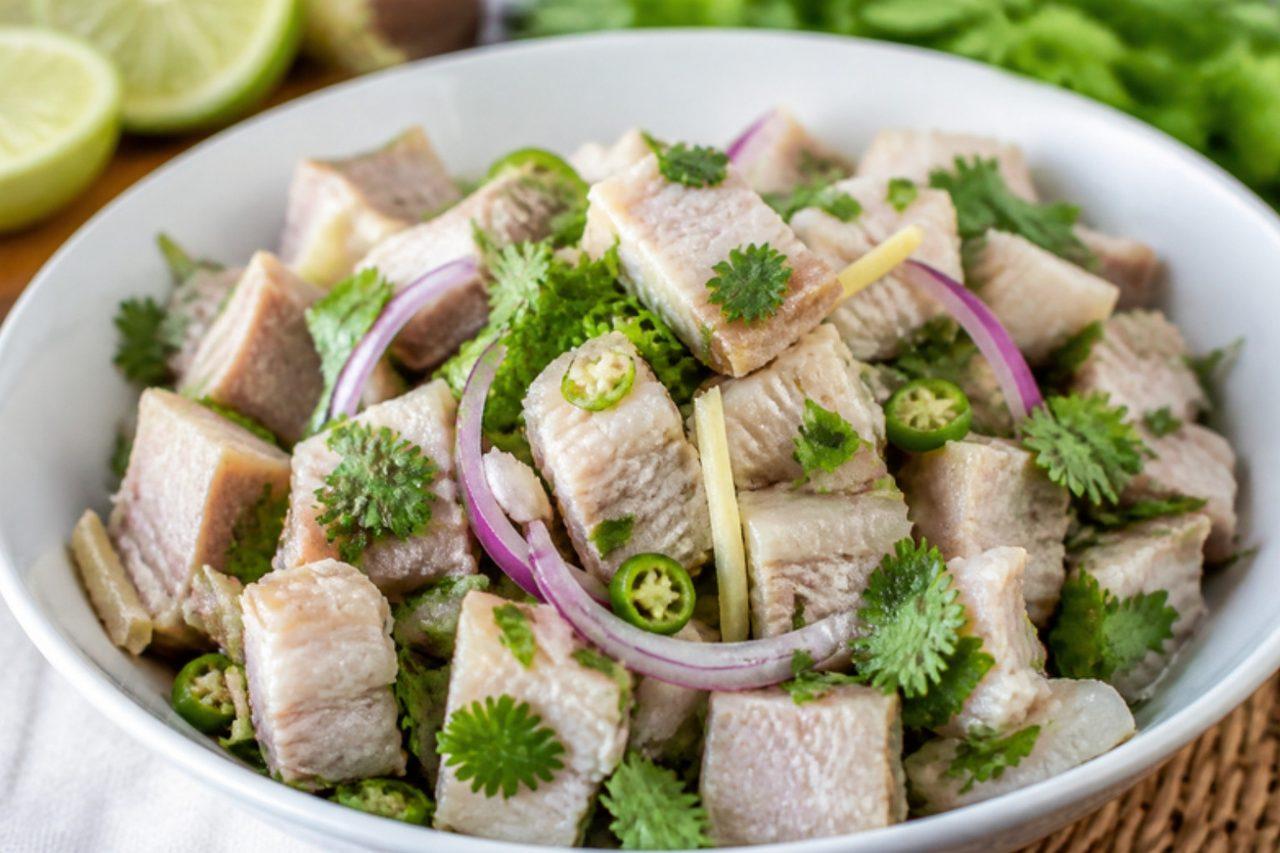
Oka i'a is the raw fish salad served at every Samoan to'ona'i, the big Sunday lunch after church in Apia and the villages of Upolu and Savai'i, and in Samoan homes in Auckland. It is close to Fiji's kokoda but usually uses tuna, a shorter citrus soak and more vegetables, with a finish of spring onion. As a raw fish dish it is written here as a safer version: buy very fresh, previously frozen sashimi-grade tuna, keep it cold and eat within 2 hours. Raw or citrus-cured fish is not for pregnant women, young children or anyone with a weakened immune system; for them, sear the tuna as described in the steps. The mistake is cutting the fish too small, so it goes mushy; keep the cubes about 1.5 cm. Chef's tip: chill the coconut cream and the bowl, so the salad is cold and refreshing.

by KrazyBadal 0 views

Okayama barazushiScattered sushi with vegetables

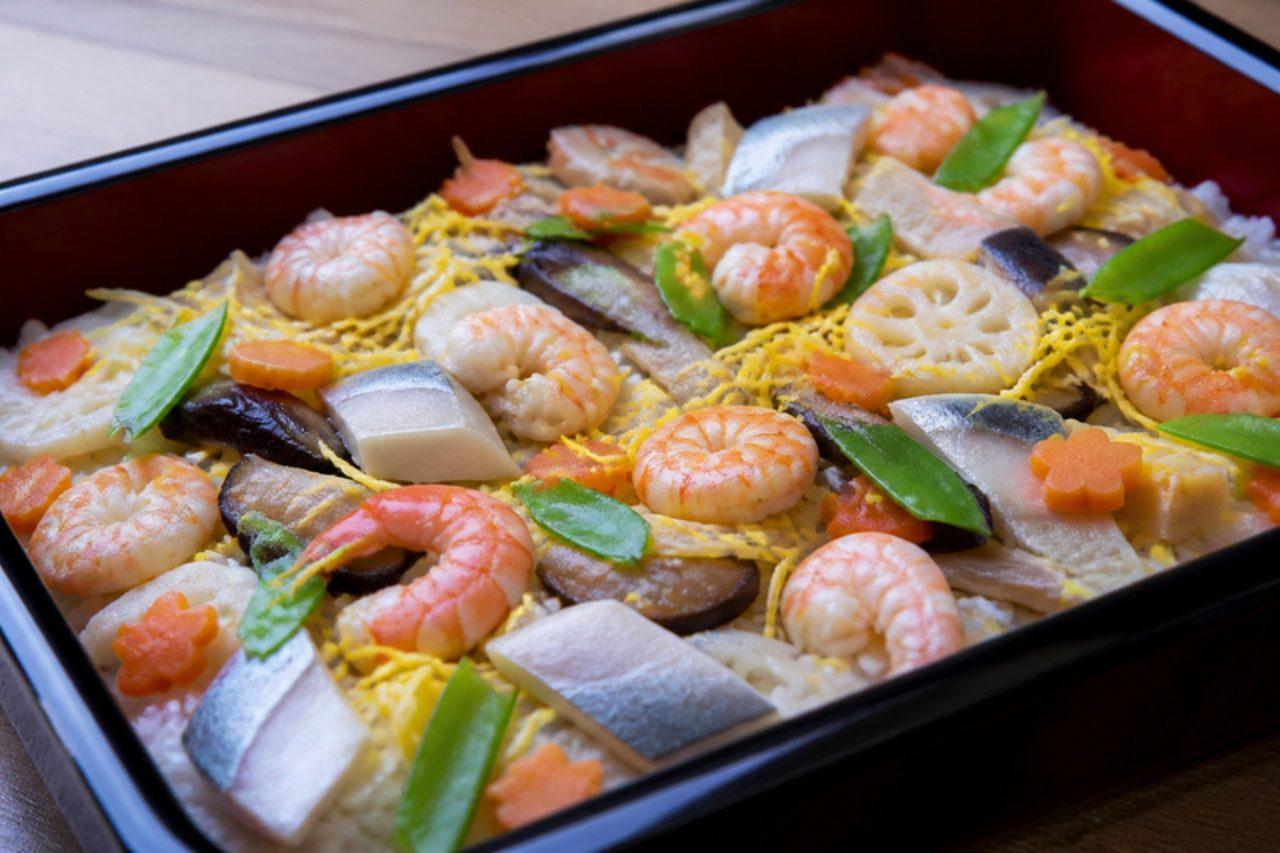
Okayama families make a big shallow platter of barazushi for the autumn shrine festivals, Girls' Day in March and other celebrations, and it is sold in station lunch boxes all year. A local story says it began when a lord ordered people to eat only one side dish, so cooks hid everything in the rice instead. The seasoned rice is mixed with simmered vegetables and topped with seafood from the Seto Inland Sea. This version uses cooked prawns, gently simmered squid and egg threads, plus ready-made vinegared mackerel, which is cured but not cooked. Use very fresh, sushi-grade fish from a trusted fishmonger; not for pregnant women, young children or anyone with a weakened immune system. Leave the mackerel out, or add extra prawns, to make it fully cooked. Chef's tip: fold the vinegar into the rice while it is hot and fan it as you go; the rice soaks up the seasoning and turns glossy instead of wet.

by KrazyBadal 0 views

LahmacunThin spiced meat flatbread

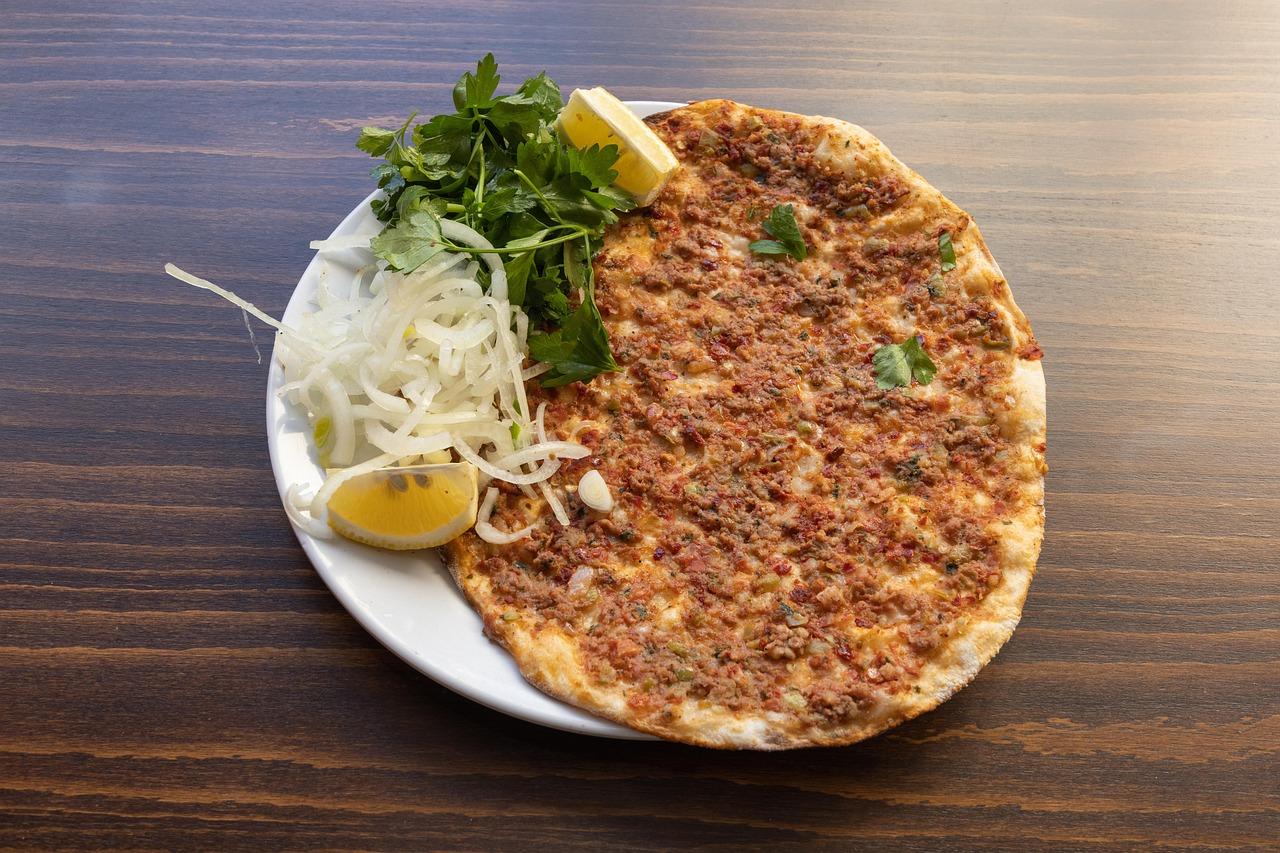
Lahmacun belongs to south-east Turkey, especially Gaziantep and Şanlıurfa, where bakeries slide dozens at a time into wood-fired ovens and people eat them on the street at any hour, often with a cold ayran. The dough is rolled almost see-through and spread with a raw paste of minced lamb, onion, peppers, tomato and herbs that cooks in minutes in fierce heat. To eat, squeeze lemon over, add a handful of parsley and onion, roll it up and fold. Chef's tip: blitz the topping vegetables to a fine paste and squeeze out the excess juice, so the meat spreads in a thin, even layer that bakes crisp rather than soggy.

by KrazyBadal 0 views

Lahori charghaSteamed and fried spiced chicken

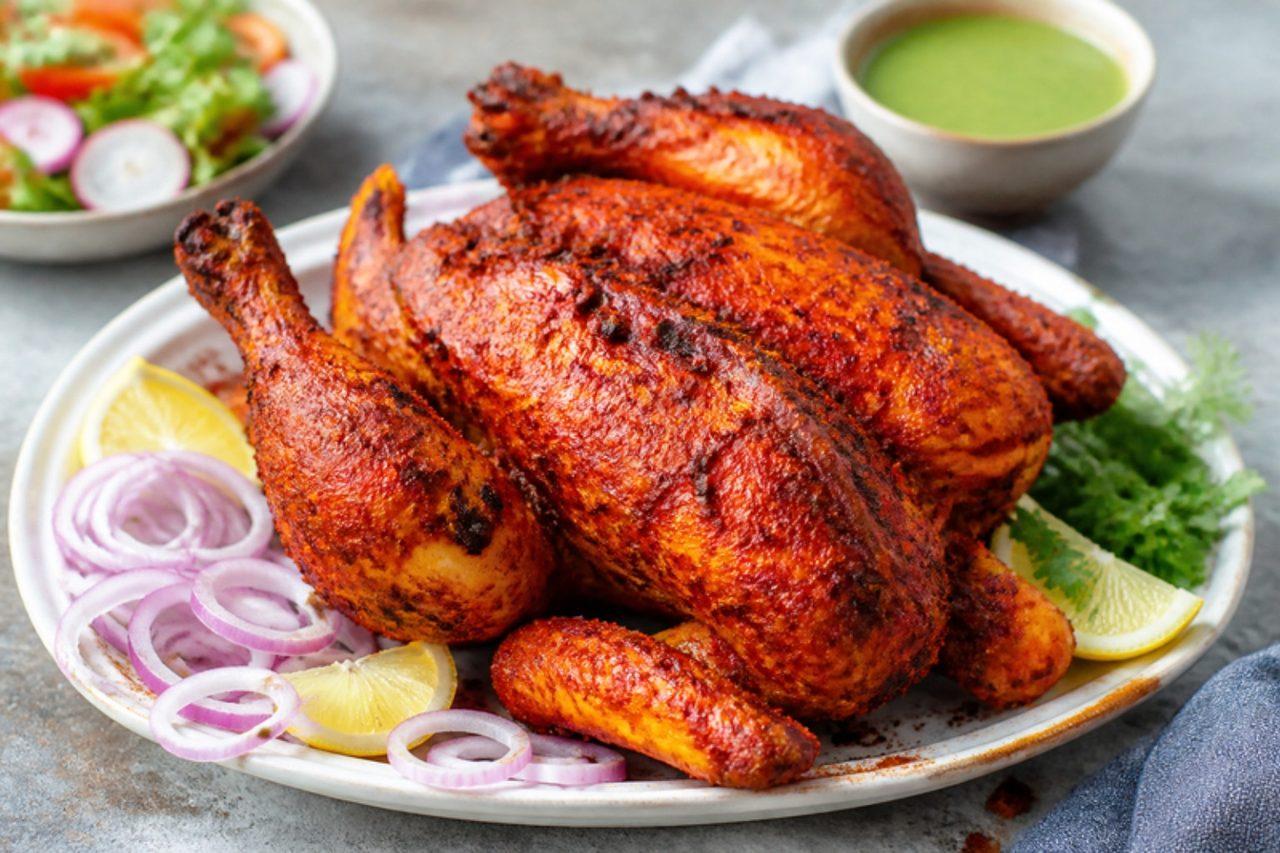
Chargha is a Lahore speciality, sold from the busy food streets of Lakshmi Chowk and the old city, where whole birds are coated in a red, tangy masala, steamed in big pots and then dropped into hot oil to order. It is the centrepiece of wedding dinners and Saturday-night family outings, and makes an impressive home dinner for guests. Steaming keeps the meat moist and cooked through before frying gives it a crisp, spicy skin. Serve it with naan, raita, salad and a squeeze of lime. Chef's tip: slash the chicken deeply to the bone so the masala and steam reach the thickest parts.

by KrazyBadal 0 views

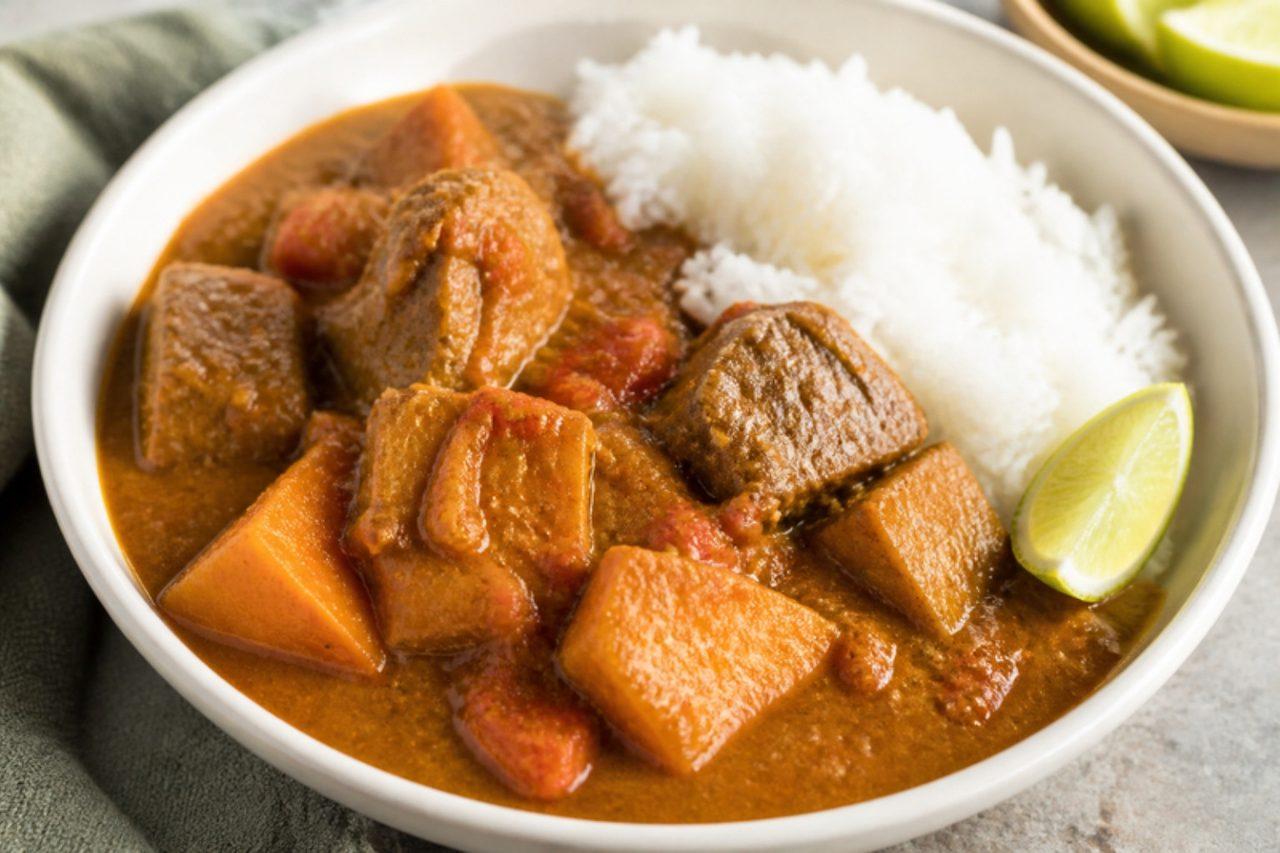
DomodaBeef and peanut stew

Domoda is the stew that most families in the Gambia, from Banjul to the riverside villages upcountry, cook several times a week. Beef is browned and simmered with tomato and onion, then smooth peanut butter is stirred in until the sauce turns thick, glossy and rich, with pumpkin and sweet potato melting into it. It is spooned over white rice with a squeeze of lime, and a scotch bonnet floats in the pot for whoever likes it hot. The mistake to avoid is adding the peanut butter too early and leaving it unstirred, as it catches and burns on the bottom; add it once the beef is nearly tender and stir often. Chef's tip: whisk the peanut butter with a ladle of hot broth before it goes in, so it melts smoothly instead of forming lumps.

by KrazyBadal 0 views

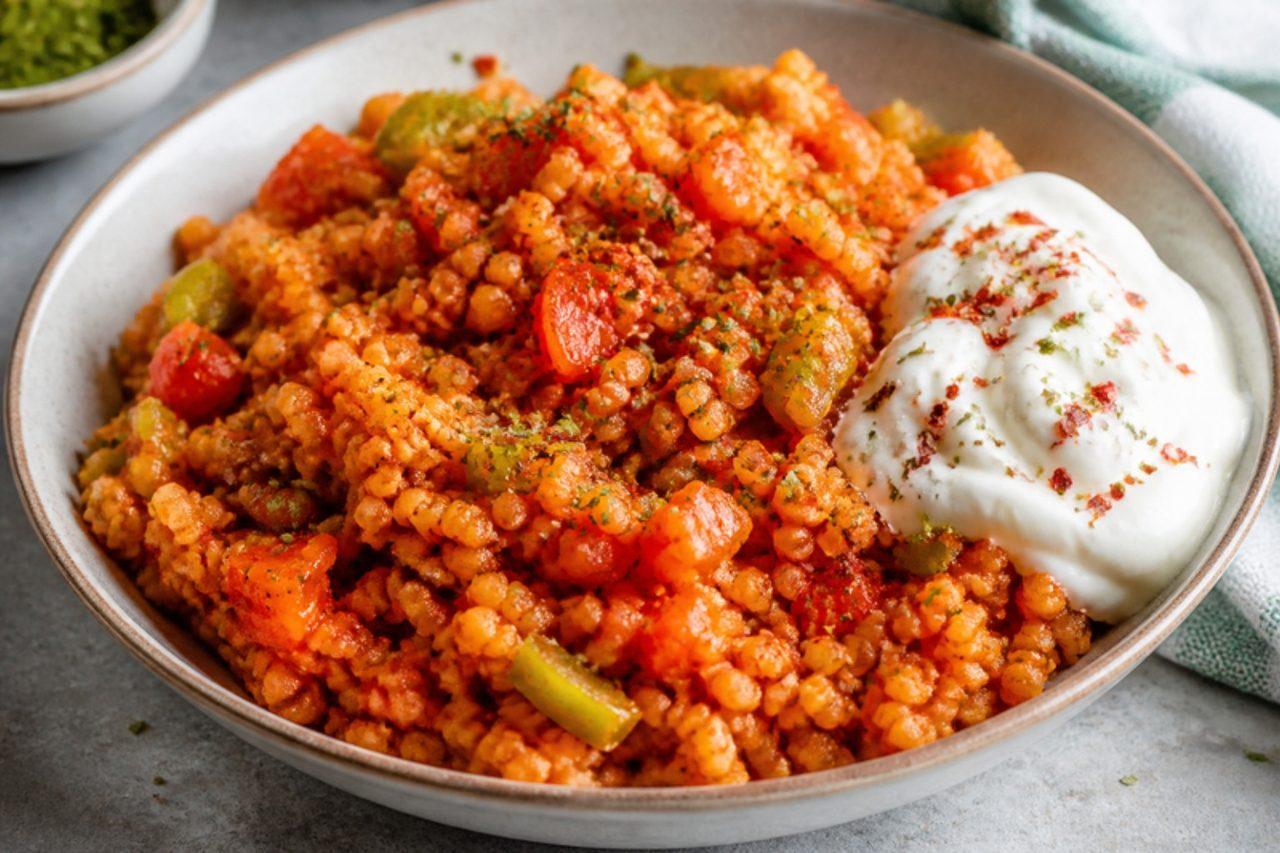
Domatesli bulgur pilavıTomato bulgur pilaf

Across Turkey, from Anatolian village kitchens to Istanbul lunch counters (esnaf lokantası), a pot of bulgur pilaf sits beside beans, stuffed vegetables and yogurt as reliably as bread does. Coarse bulgur (pilavlık bulgur) is cooked with onion, sweet pepper paste, grated tomato and a green pepper until every grain is separate, tender and lightly reddish. It is nuttier and chewier than rice pilaf and ready in half an hour, which is why so many families make it on weeknights. Spoon it next to kuru fasulye, cacık or a simple salad, or eat a bowl on its own with a dollop of yogurt. Chef's tip: once the water is absorbed, lay a clean tea towel under the lid and let the pilaf rest off the heat for 10 minutes; the towel catches the steam so the grains turn fluffy instead of wet.

by KrazyBadal 0 views

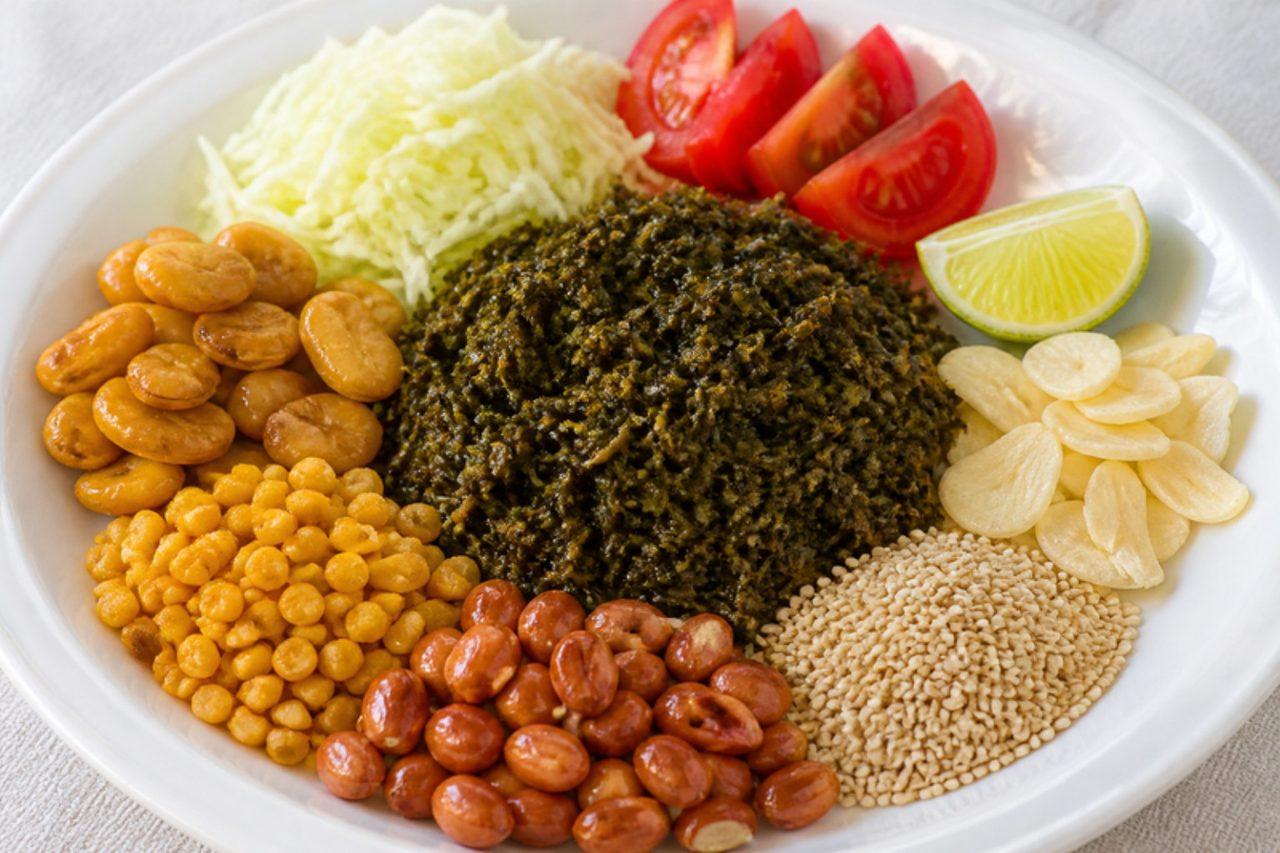
Lahpet thokePickled tea leaf salad

Lahpet thoke is how Myanmar welcomes a guest: a lacquered tray of pickled tea leaves surrounded by fried beans, peanuts, sesame and garlic, offered after meals, at weddings and at monk feasts from Mandalay to Yangon. Mixed into a salad with cabbage, tomato, chilli and lime, it becomes the country's most famous dish: bitter, sour, salty and crunchy at once, with a gentle caffeine lift. Ready-made lahpet sometimes contains fish sauce and the crunchy mix often has dried shrimp, so this version quick-pickles loose green tea at home. Chef's tip: soak the tea in several changes of hot water and squeeze it hard each time; that's what tames the bitterness.

by KrazyBadal 0 views

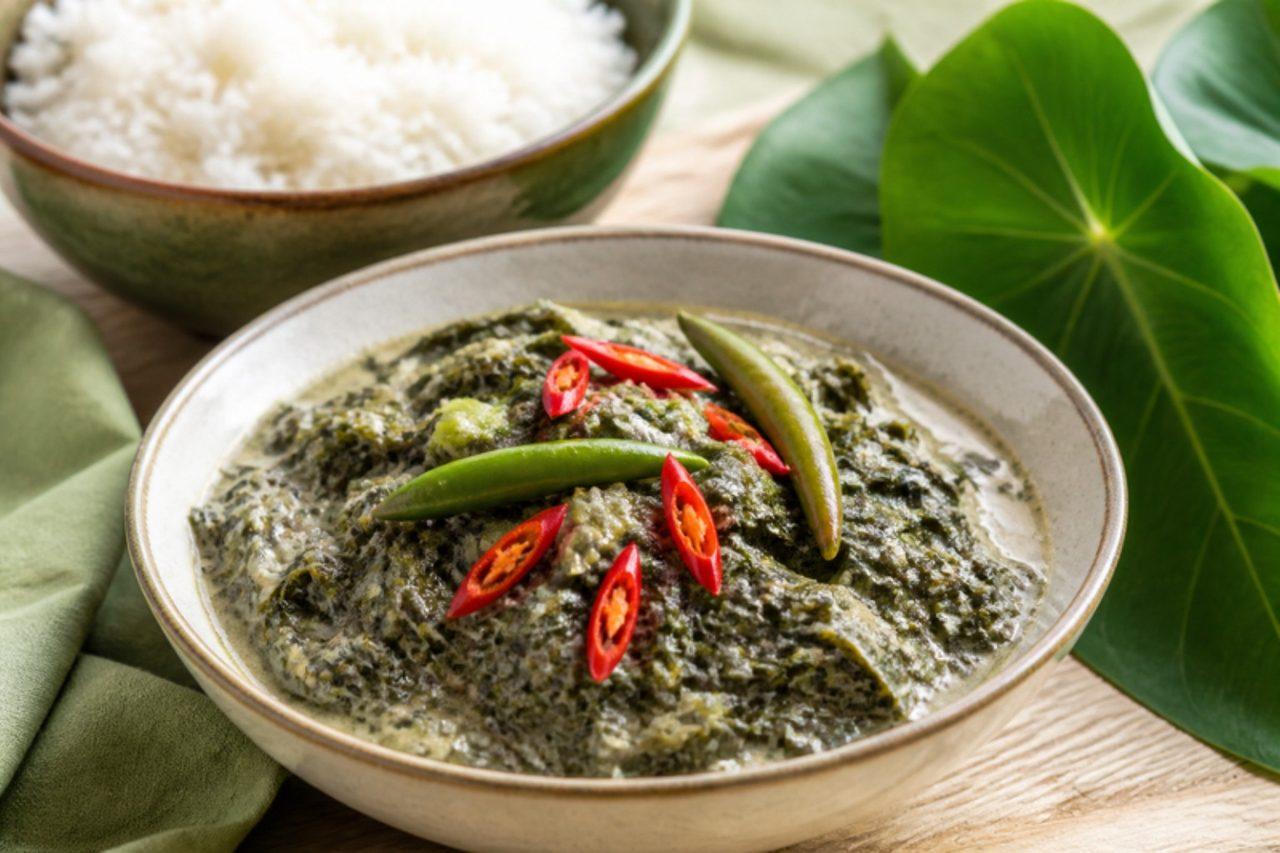
LaingTaro leaves in coconut milk

Laing is the pride of Bicol, the chilli-loving region at the southern tip of Luzon. Dried taro leaves are simmered for close to an hour in coconut milk with ginger, lemongrass and siling labuyo until they collapse into a dark, creamy, spicy mass, then finished with thick coconut cream. Bicolano cooks usually add pork or dried fish and shrimp paste; this vegetarian version leans on extra ginger and a little salt and stays rich. Eat it with plain rice, often as a Friday or Lenten dish. Chef's tip: lay the leaves on top of the coconut milk and don't stir until they have soaked it up; stirring raw taro leaves early is said to leave an itchy taste.

by KrazyBadal 0 views

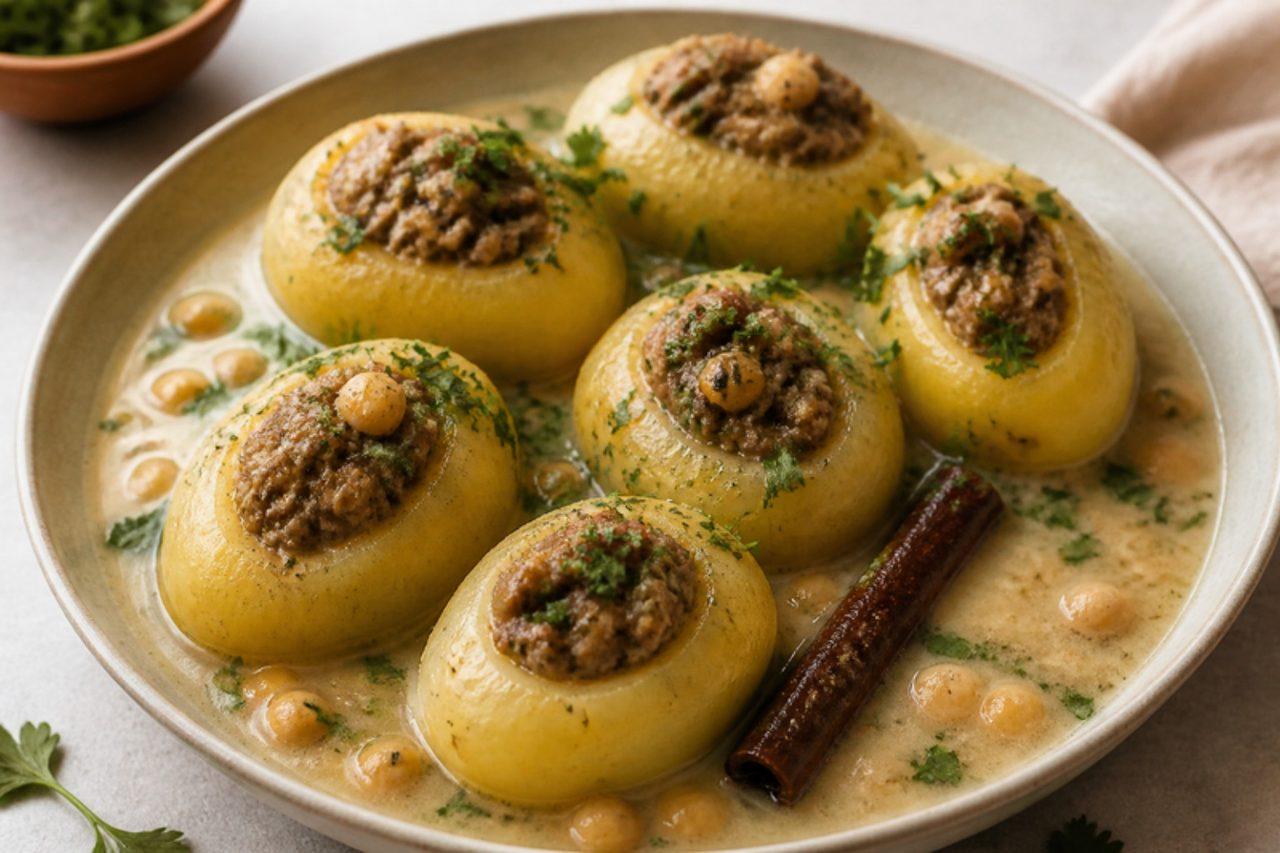
Dolma batataStuffed potatoes in chickpea sauce

Dolma batata belongs to the Algiers home kitchen, where it is a Ramadan favourite and a Friday dish: hollowed potatoes filled with beef mince, onion, parsley and cinnamon, fried until golden, then simmered in a pale sauce (marqa beida) of onion, chickpeas, black pepper and cinnamon. The sauce stays white because no tomato goes in. The mistake is hollowing the potatoes too thinly, so they split in the pot; leave walls about 1 cm thick. Chef's tip: fry the scooped-out potato flesh and add it to the sauce to thicken it.

by KrazyBadal 0 views

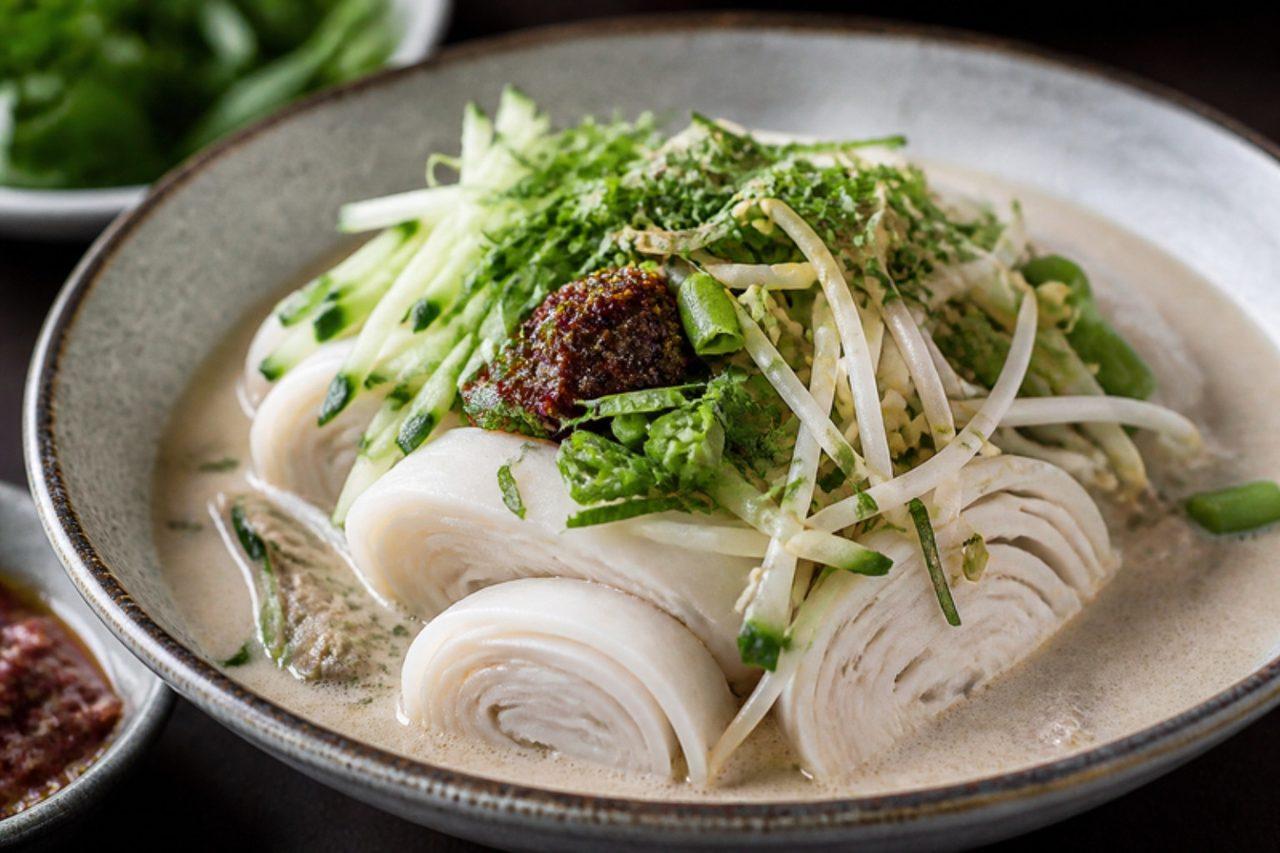
LaksamRice noodles in coconut fish gravy

Kota Bharu's morning market has its own noodle: laksam, thick sheets of steamed rice batter rolled up like little carpets and sliced into wheels. They are drowned in a pale, creamy gravy of pounded fish and coconut milk, then heaped with raw herbs and vegetables (ulam): cucumber, long beans, bean sprouts, daun kesum and torch ginger flower, with a spoonful of fiery chilli and budu, the region's fermented anchovy sauce. The result is soft and slippery, rich and cool at the same time. Locals eat it for breakfast or as a mid-morning snack. Chef's tip: pound the cooked fish with the shallots instead of blending it smooth; the gravy should feel faintly textured, like a thin porridge.

by KrazyBadal 1 views

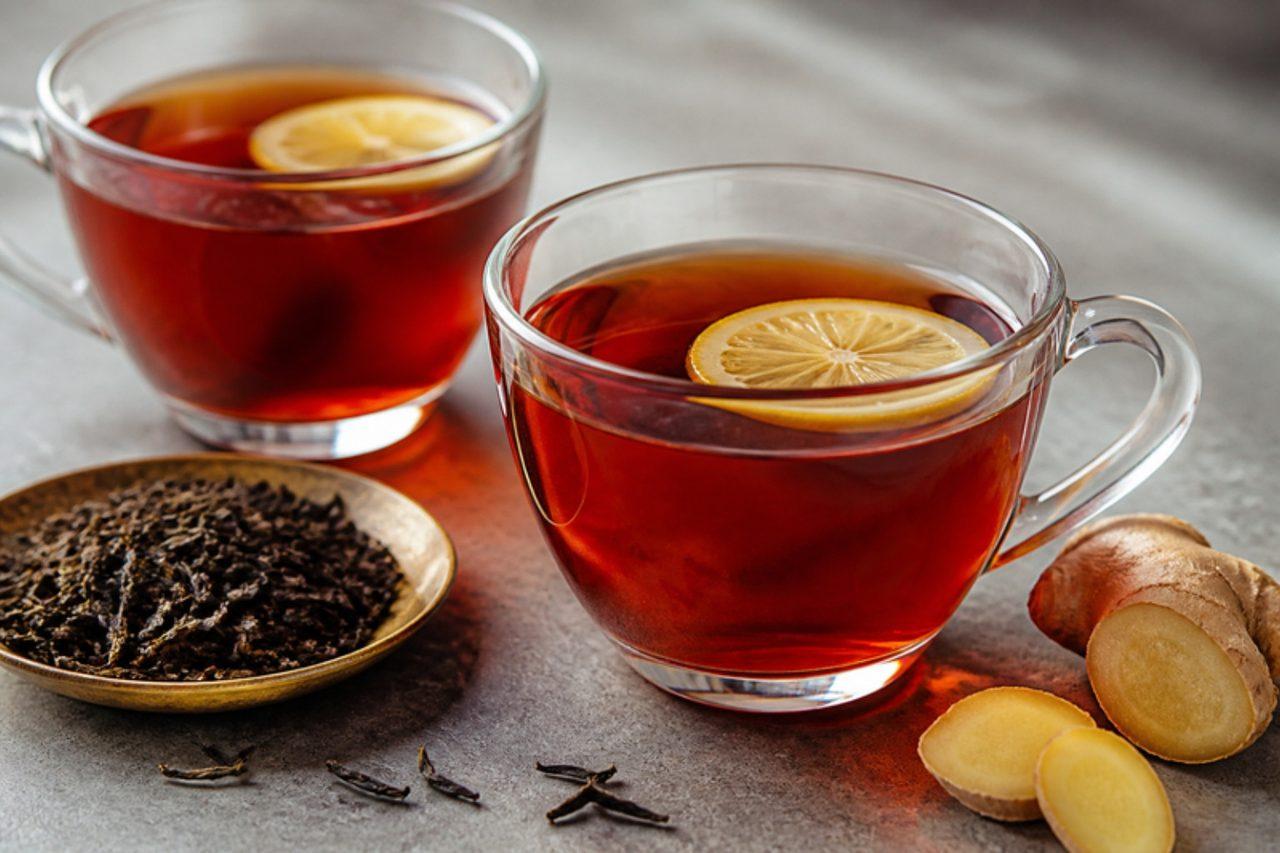
Lal sahRed tea

In Assam, the home of half of India's tea, the everyday cup is lal sah, 'red tea': strong CTC or orthodox Assam leaf brewed briefly, poured off, sweetened and drunk black. It is what tea-garden workers, Guwahati office-goers and grandmothers drink from morning till evening, often with a slice of lemon, a crushed piece of ginger or, in upper Assam, a bay leaf. Its colour is a deep, clear red and its taste is malty and brisk, never stewed. Chef's tip: take the pan off the heat before adding the leaves; boiling them makes the tea harsh and cloudy.

by KrazyBadal 1 views

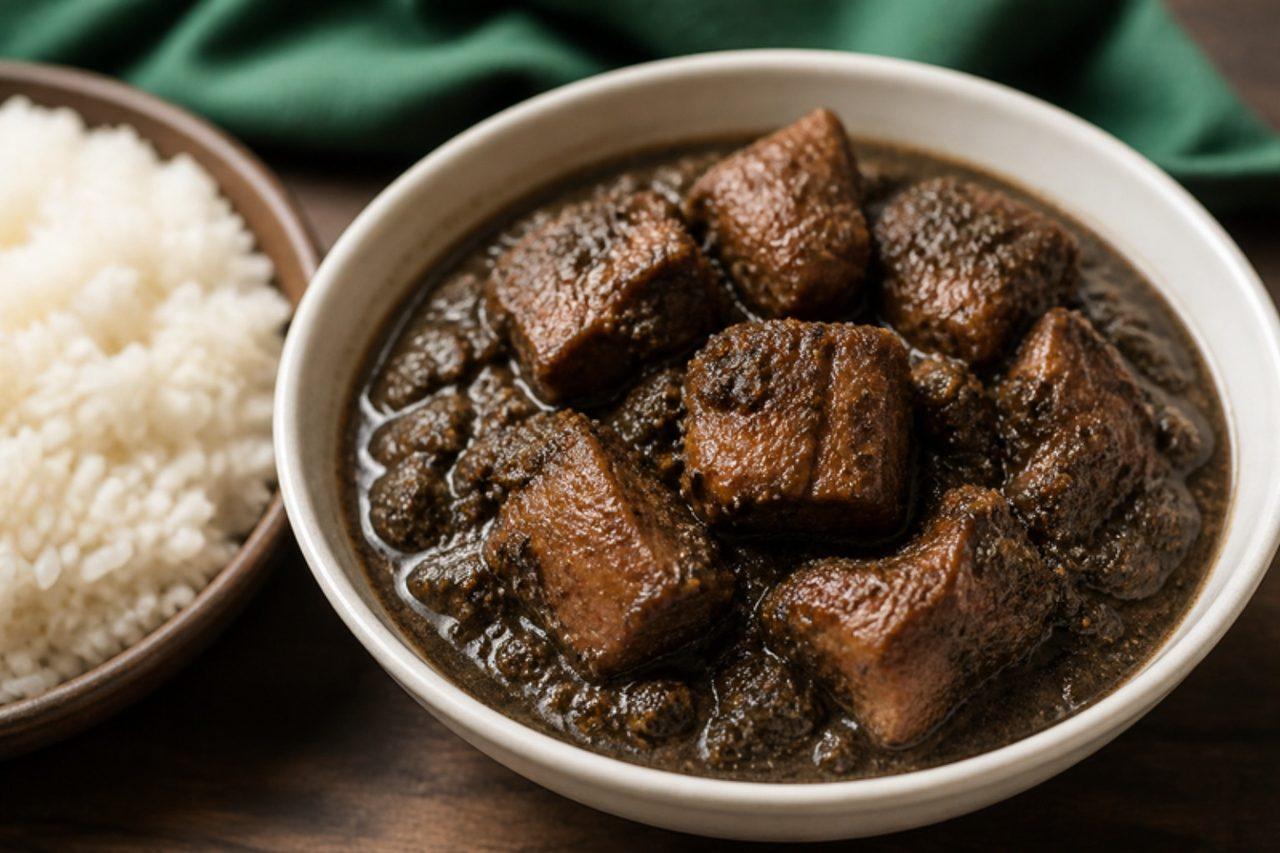
DohneiiongPork in black sesame gravy

The name says it plainly in Khasi: 'doh' is meat and 'neiiong' is black sesame. In the Khasi Hills around Shillong this near-black pork curry is cooked for family feasts and Sunday meals, and its roasted, nutty flavour is unlike any other curry in India. The sesame is toasted and ground into a paste that thickens the gravy and coats the pork. Serve with plain rice or jadoh. Chef's tip: pork belly gives the silkiest result; mix it half and half with shoulder if you prefer it less rich.

90 minIndianMeatGluten free
by KrazyBadal 0 views

OkroshkaCold vegetable and kvass soup

When Moscow swelters in July, okroshka replaces every hot soup: a bowl of finely chopped radishes, cucumber, potato, egg and a forest of green onion and dill, with ice-cold kvass poured over at the table. It is the lunch of dacha weekends and of hot afternoons on the Volga, and families argue over whether kvass or kefir is the right base (kefir works well and is less sweet). The name comes from kroshit, to crumble, since everything is chopped small. Chef's tip: rub the spring onions and dill with salt first until they give off juice; it releases a green, pungent flavour that tastes of summer.

by KrazyBadal 0 views

Doh khliehBoiled pork salad

Doh khlieh is the cool, sharp side dish that sits next to jadoh on almost every Khasi table in Meghalaya. Tender boiled pork is chopped small and tossed with raw onion, ginger, green chilli and lime, so it is fresh and fiery rather than rich. In Shillong it is eaten at lunch and at gatherings, and some families add boiled pork brain, which this version leaves out. Chef's tip: chop the pork while it is still slightly warm; it takes up the lime and ginger much better.

by KrazyBadal 0 views

LamingtonsChocolate coconut sponge squares

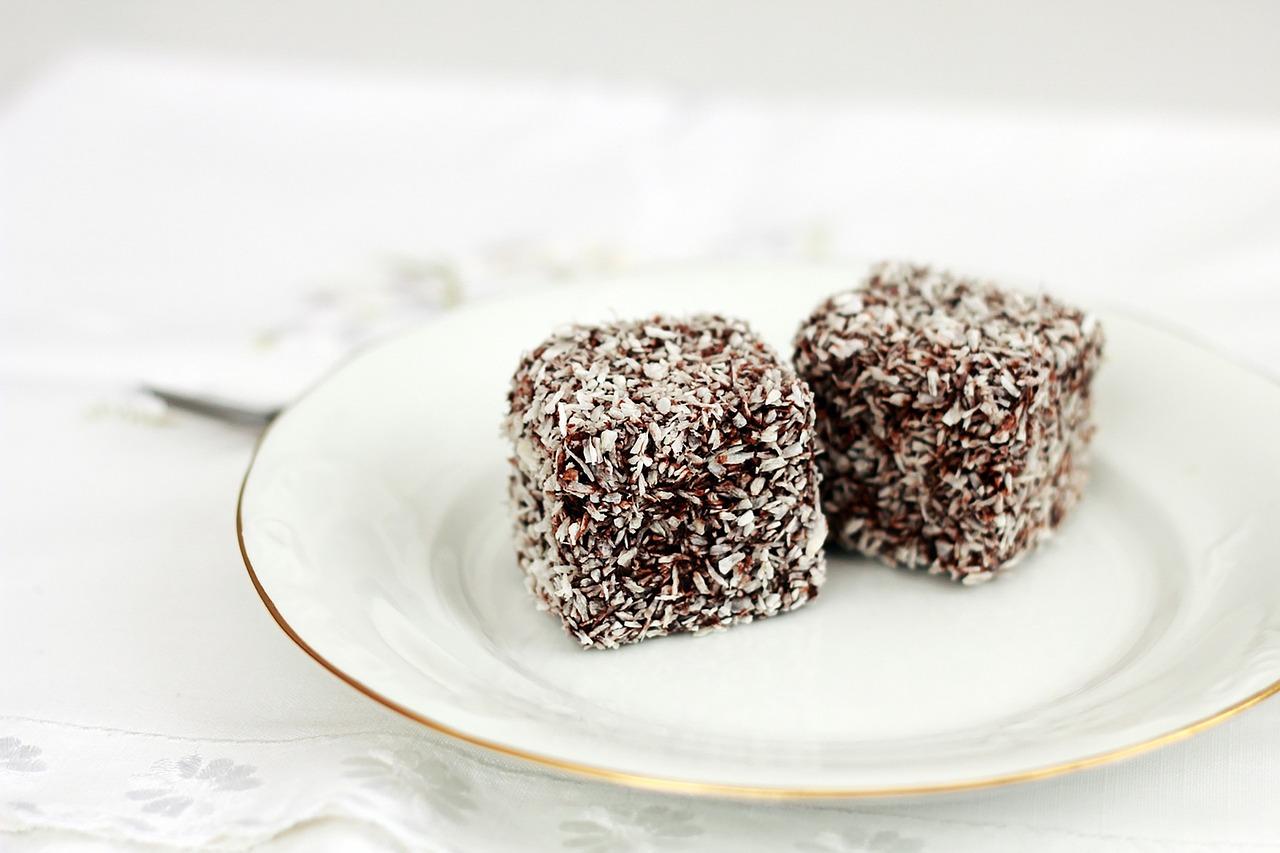
Lamingtons are said to be named after Lord Lamington, Governor of Queensland at the turn of the twentieth century, and they're the cake of Australian school fundraisers, Country Women's Association stalls and morning tea at work; there's even a National Lamington Day on 21 July. Cubes of light butter sponge are dunked in a thin, glossy chocolate icing and rolled in desiccated coconut, so each one has a soft, chocolate-soaked outside and a fluffy middle. Some bakeries split them and fill them with jam and cream. Chef's tip: bake the sponge a day ahead, or freeze the cut squares for an hour; fresh sponge crumbles in the icing, firm sponge dips cleanly.

by KrazyBadal 0 views

Lamprais (home version)Rice parcel with meat curry

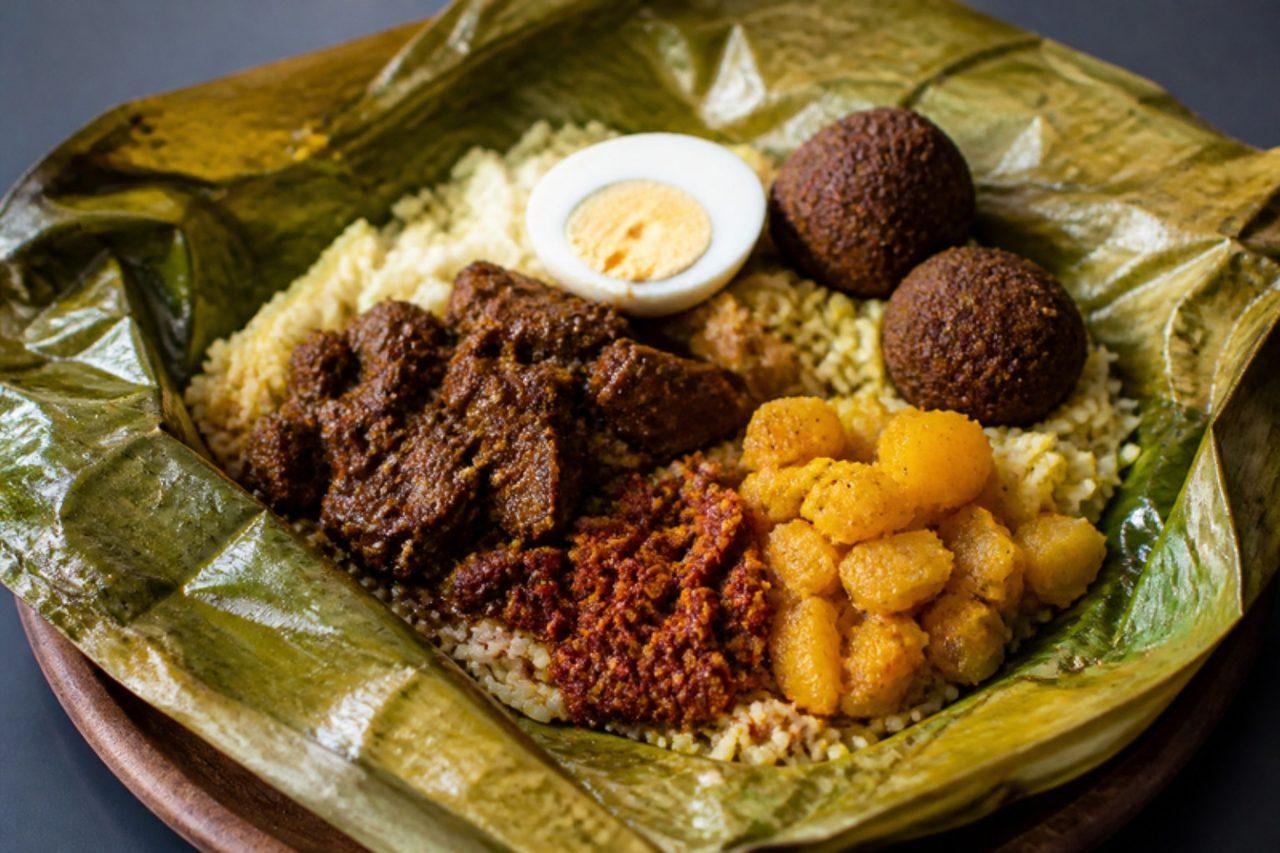
Lamprais came to Sri Lanka with the Dutch Burgher community, and Colombo's Burgher families still make it for Sunday lunch, christenings and Christmas. Each banana-leaf parcel holds rice cooked in rich stock, a mixed meat curry, little fried meatballs called frikkadels, a hard-boiled egg, aubergine moju and seeni sambol, all baked together until the leaf perfumes everything. The traditional version uses three meats including pork; this home version keeps it to chicken and beef so it is manageable in one day, and the steps still take time. Chef's tip: make the curry and frikkadels the day before; on lamprais day you only cook the rice and wrap.

by KrazyBadal 0 views

Three-cup tofu

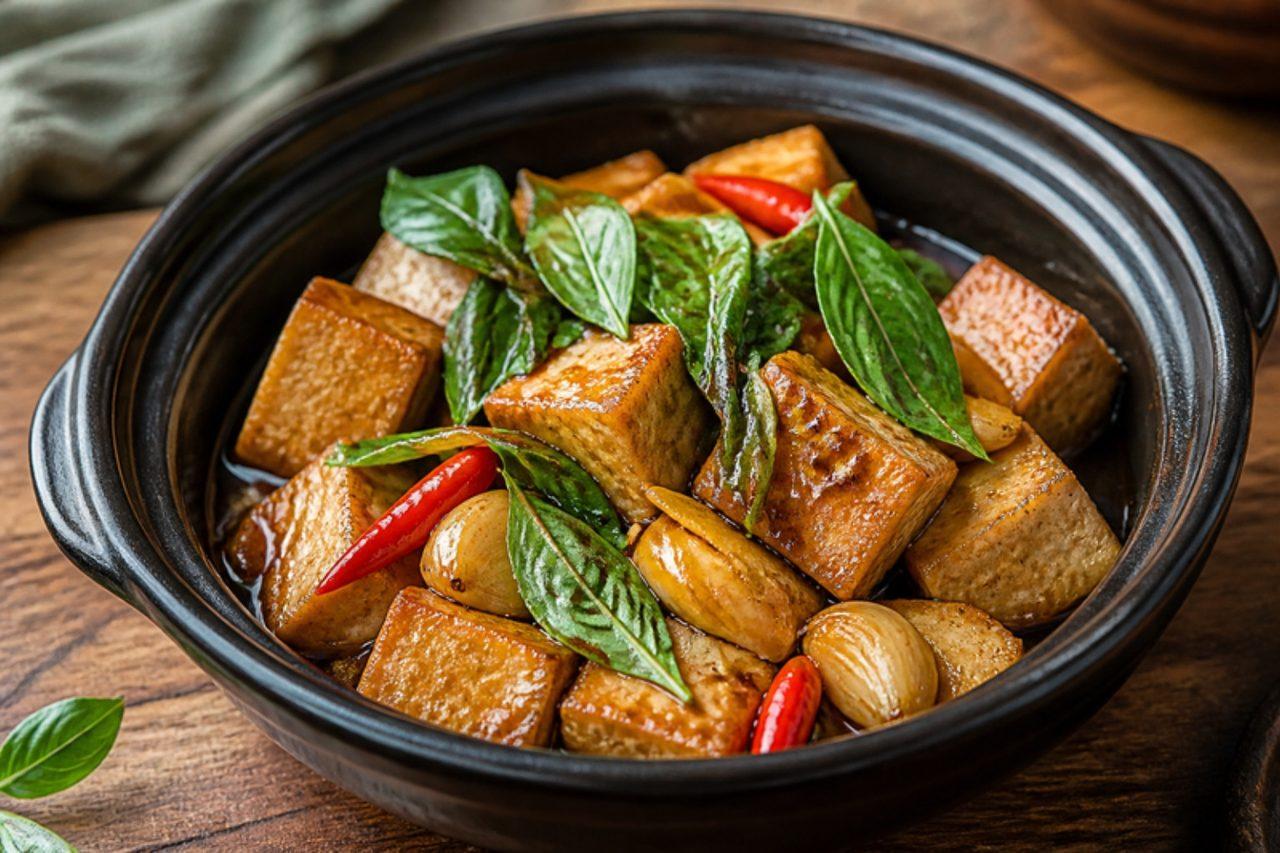
Three-cup dishes (san bei) are cooked in every Taiwanese home and in the rè chǎo stir-fry beer halls, where they arrive at the table still crackling in a clay pot. The name comes from the old equal measures of sesame oil, soy sauce and rice wine; today cooks use less, but the result is the same sticky, garlicky glaze lifted at the last second by a fistful of Taiwanese basil. Chicken is the most famous version; tofu soaks up the sauce even better and is just as popular in vegetarian restaurants around Taipei. Serve with plain rice. Chef's tip: fry the ginger slices in the sesame oil until they curl and frill at the edges before anything else goes in; that is where the dish's warm, toasty smell comes from.

by KrazyBadal 0 views

Dobos tortaLayered chocolate caramel cake

Dobos torta was created in Budapest in 1885 by the confectioner József C. Dobos, and it is still the cake Hungarians order in old coffee houses on Andrássy Avenue and bake for name days and big birthdays. Six thin sponge layers are stacked with a rich chocolate buttercream, and the top layer is glazed with hard amber caramel, cut into wedges and set at an angle like a fan. It is a project cake, but each stage is simple and the finished torte keeps for days. Chef's tip: mark the caramel into wedges with an oiled knife within the first minute; once it sets, it shatters instead of cutting.

by KrazyBadal 0 views

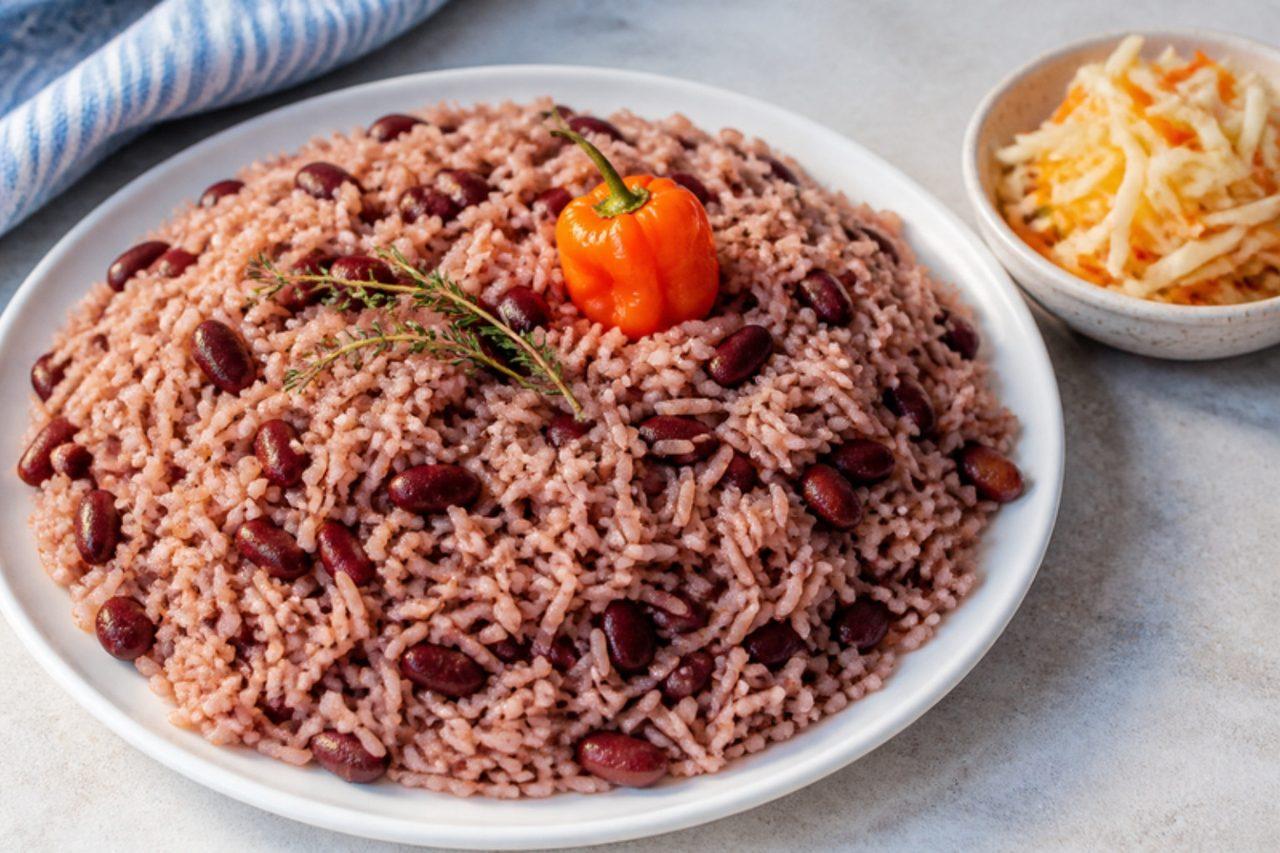
Diri kole ak pwaRice and red beans

Diri kole ak pwa, rice 'stuck together' with beans, is the plate Haitians call their national dish, cooked in homes from Jacmel to Gonaïves and served most days of the week. Unlike rice and peas from elsewhere in the Caribbean, there's usually no coconut milk: red beans are simmered first, then their dark, savoury cooking liquid goes into the rice with fried epis, thyme and cloves, so the grains turn a rich reddish-brown and taste of beans all the way through. A whole scotch bonnet adds fruity heat without fire. Chef's tip: fry the drained beans in the epis until their skins blister and catch slightly; that browning gives the rice its deep, almost smoky taste.

by KrazyBadal 0 views

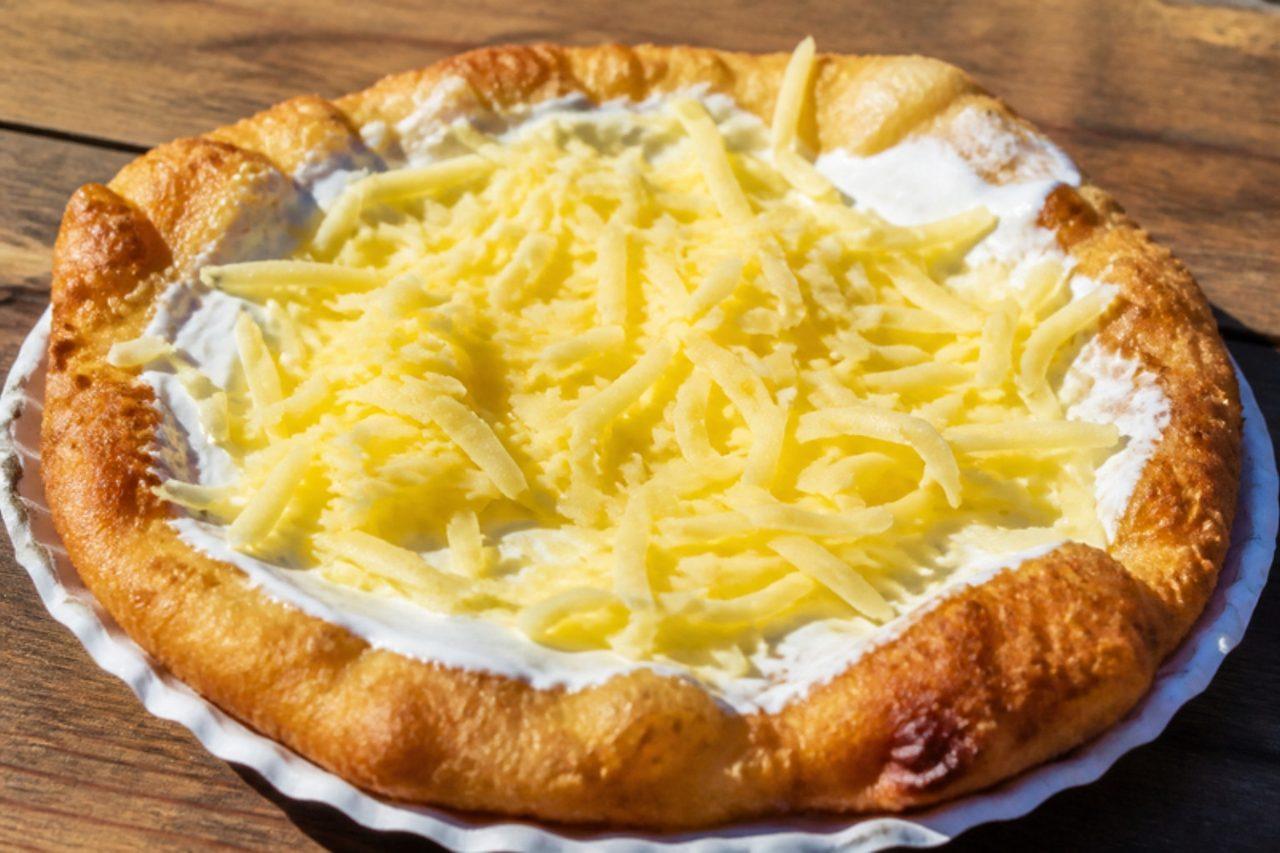
LángosFried bread with garlic and cheese

Lángos is the deep-fried flatbread of Hungarian beaches and markets: it is eaten in swimsuits on the shore of Lake Balaton, at Budapest's Great Market Hall and at every summer fair. The dough is soft and yeasted, often enriched with mashed potato, and it fries into a puffy disc that is crisp at the edges and chewy in the middle. The classic topping is garlic water brushed on hot, then sour cream and a snowfall of grated cheese. Chef's tip: stretch the dough thinner in the centre than at the rim; the edge puffs into a crisp crust while the middle stays soft enough to hold the toppings. Choose a cheese made with vegetarian rennet (many supermarket Cheddars and Edams are).

by KrazyBadal 0 views

OlanAsh gourd and cowpea stew

Olan is the quietest dish on a Travancore sadya leaf, the banana-leaf feast served in southern Kerala for Onam, weddings and temple festivals. Thin, glassy slices of ash gourd and soft red cowpeas sit in coconut milk with nothing louder than green chilli and curry leaves, and its job is to cool the palate between the tangy, fiery curries around it. The flavour comes from coconut milk added in two stages and a spoonful of raw coconut oil poured over at the end. Eat it with plain rice, or ladle it beside appam on an ordinary weekday. Chef's tip: slice the ash gourd as thin as a coin so it turns translucent in the time the coconut milk takes to thicken.

by KrazyBadal 0 views

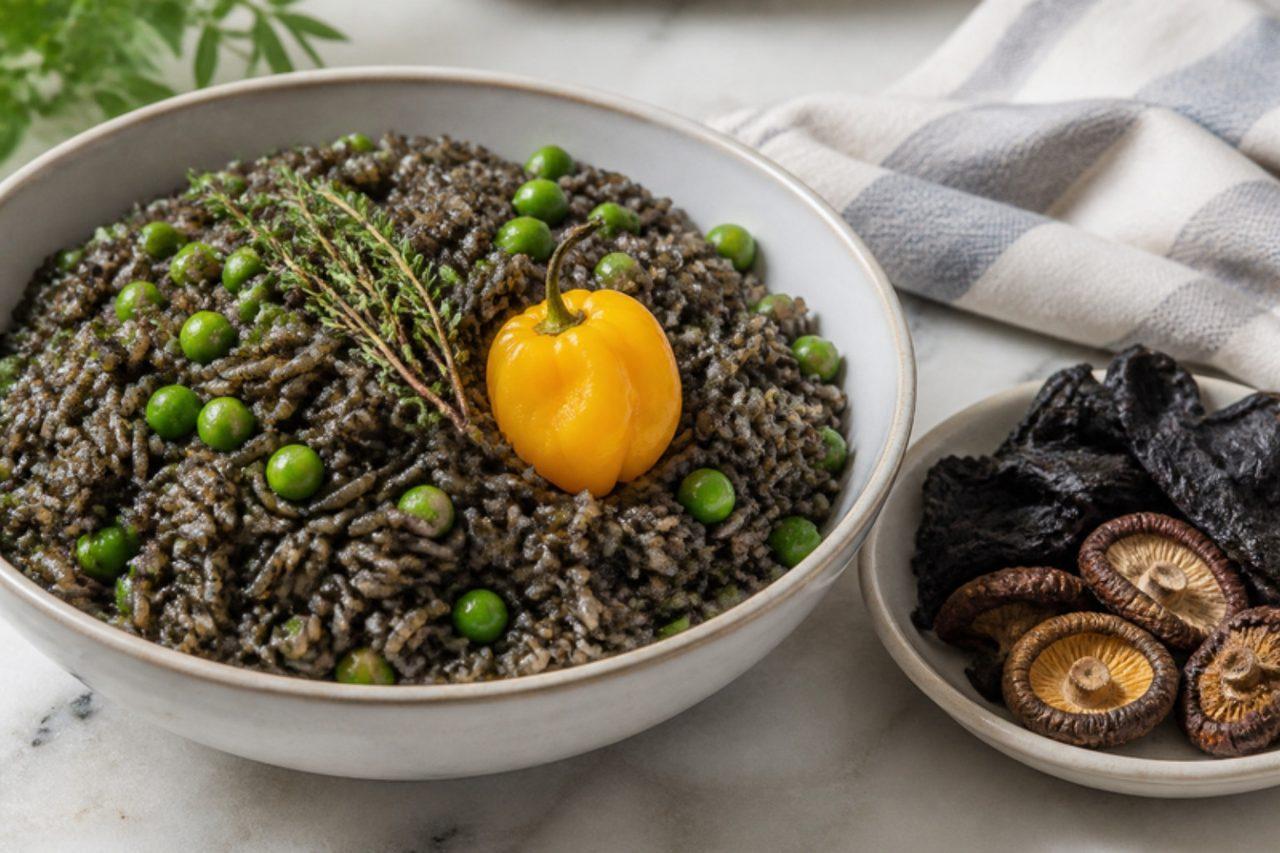
Diri djon djonBlack mushroom rice

Diri djon djon comes from northern Haiti, around Cap-Haïtien, where the tiny black djon djon mushrooms are gathered and dried. Soaked in hot water, they give an inky liquid that turns rice a striking grey-black and makes it taste deeply earthy and savoury. It's the rice for weddings, baptisms and big Sunday lunches, cooked with epis, cloves and green peas or butter beans, a whole scotch bonnet laid on top for perfume. Dried djon djon is sold in Haitian and Caribbean shops and online. Chef's tip: avoid djon djon stock cubes, which are often made with chicken fat and add little real flavour; use the dried mushrooms, and add a few dried shiitake for even more depth.

by KrazyBadal 0 views

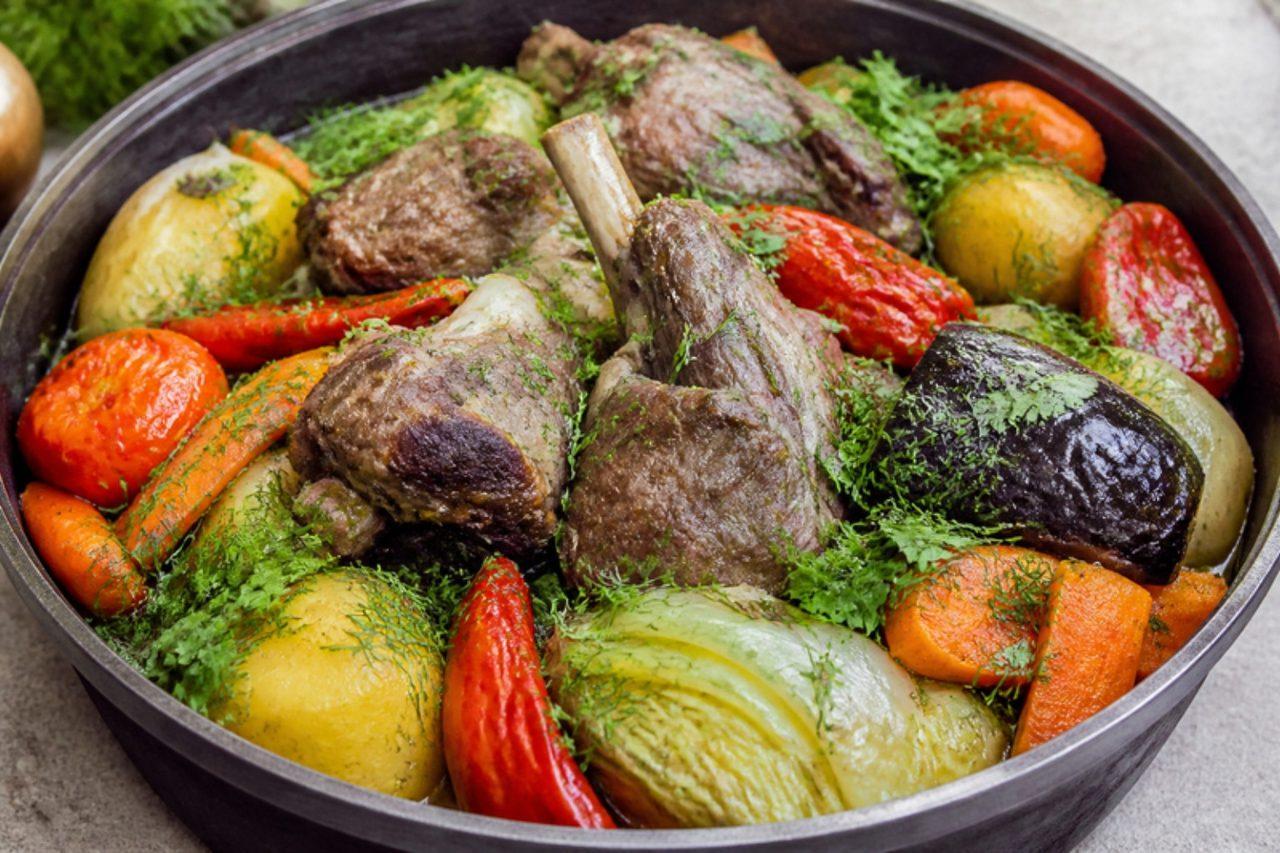
DimlamaSteamed lamb and vegetables

Dimlama is what Uzbek families cook at the end of summer, when the markets of the Fergana Valley are piled with cabbage, aubergine, peppers and tomatoes. Everything goes into one heavy pot in layers, lamb at the bottom, and the lid stays on for nearly two hours while the vegetables slowly give up their juice and become the sauce. There is no added water, so the flavour is deep and sweet. People eat it straight from shallow bowls with non bread. The biggest error is lifting the lid to check; the steam escapes, the vegetables stew dry and the bottom can catch. Chef's tip: seal the lid with a damp tea towel or a strip of foil so no steam gets out.

140 minUzbekMeatGluten free
by KrazyBadal 0 views

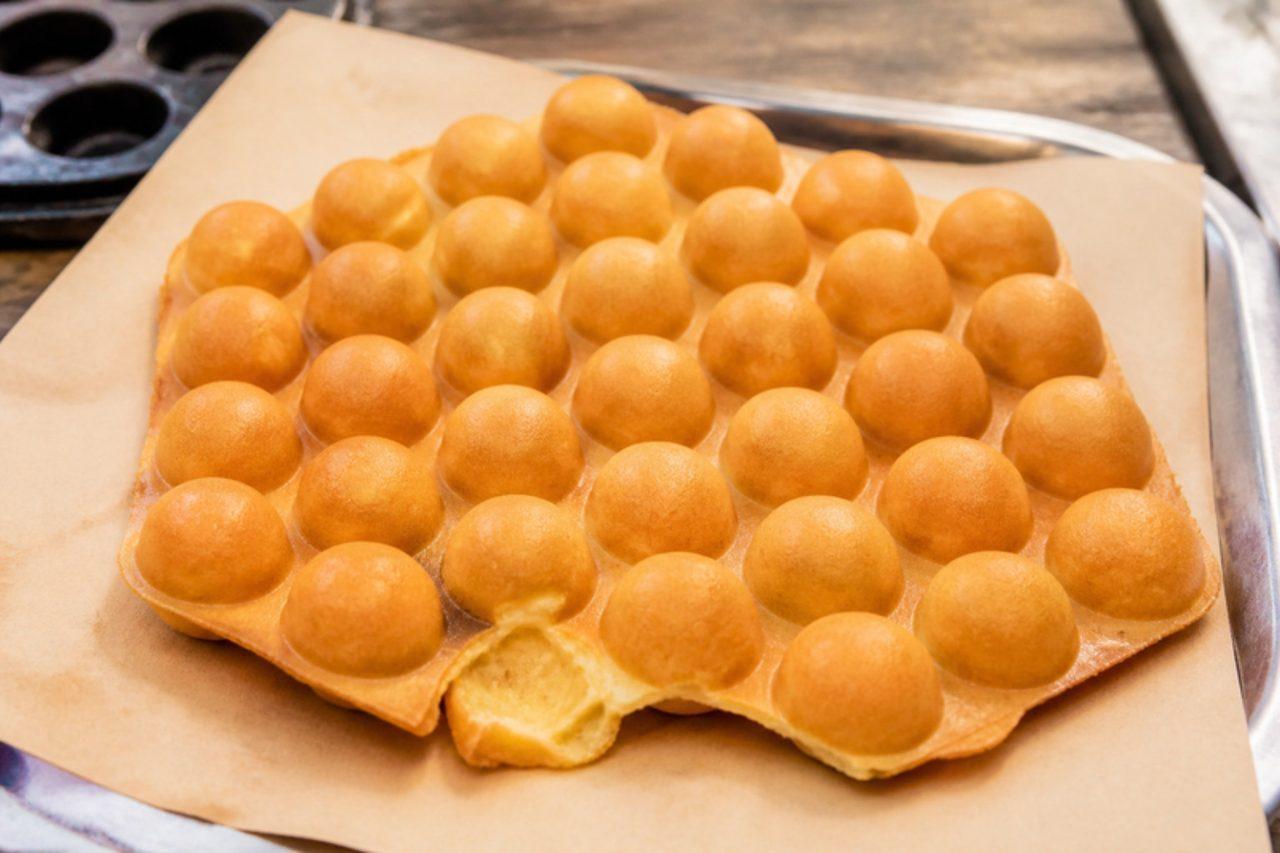
Hong Kong egg waffles

Gai daan jai, 'little eggs', are the honeycomb sheets of puffed bubbles sold from street carts in Mong Kok and Sham Shui Po since the 1950s, handed over in a paper bag to be pulled apart bubble by bubble while you walk. A good one is crisp and thin on the outside and soft, almost hollow, in the middle, with the smell of egg, vanilla and evaporated milk. You need the special egg waffle pan with round cups. Chef's tip: rest the batter for at least 30 minutes; it bakes up lighter and the bubbles fill evenly.

by KrazyBadal 0 views

DibiGrilled lamb with mustard onions

In Dakar a dibiterie is a smoky little shop where lamb is grilled over charcoal and sold by weight, wrapped in paper with raw onion, mustard and a pinch of spice salt; people eat it late in the evening, often after prayers or a football match. At home you get close with lamb chops or shoulder steaks, a quick marinade and a very hot grill. The mistake is moving the meat too much: leave it until it chars and releases on its own. Chef's tip: toss the sliced onions with salt and vinegar while the lamb marinates; they soften and lose their harsh bite in 20 minutes.

by KrazyBadal 0 views

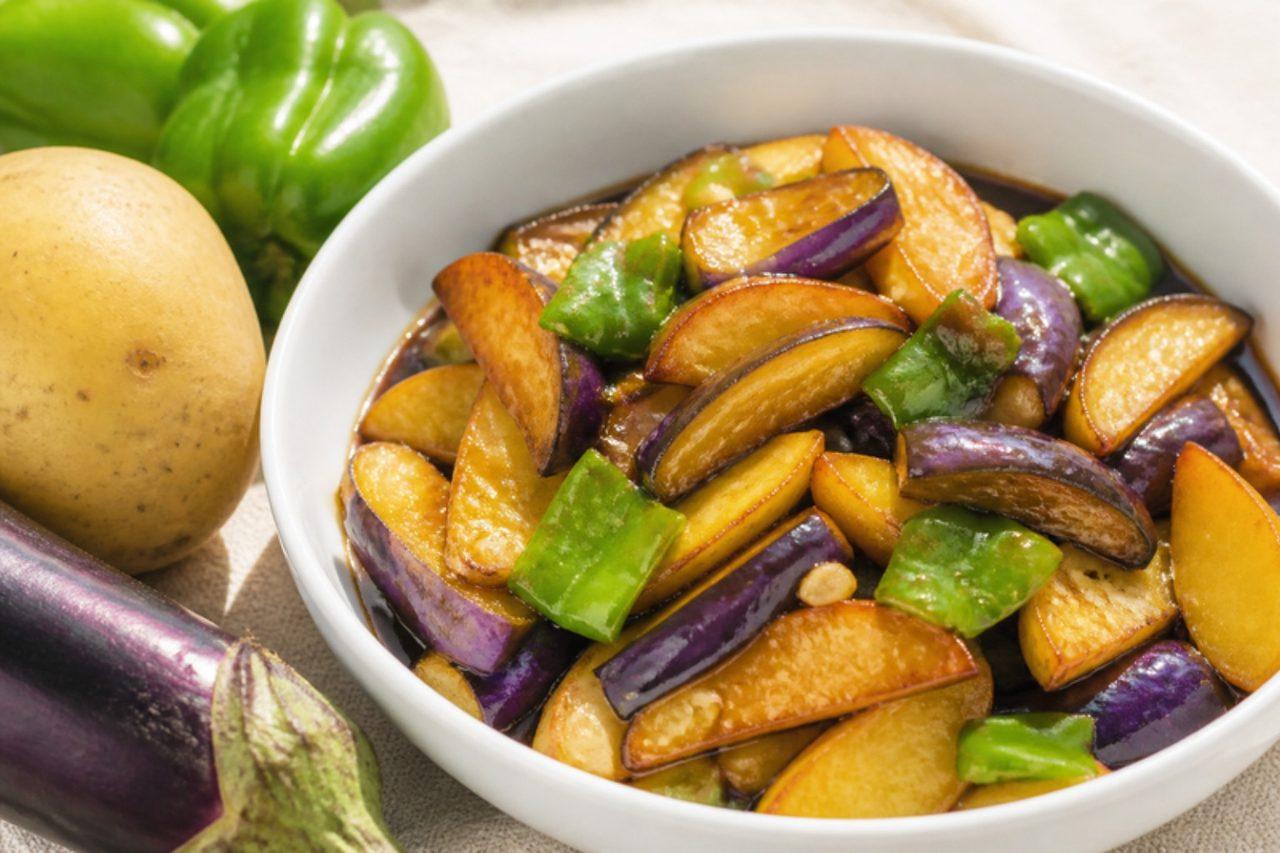
Di san xianPotato, aubergine and pepper stir-fry

Di san xian means 'three fresh things from the earth', and it is the best-known home dish of Dongbei, China's cold north-east, where potatoes, aubergines and peppers are the summer harvest. Each vegetable is fried until golden, then tossed in a sticky, garlicky soy glaze. It's rich and filling, and goes with rice or steamed buns. Chef's tip: fry the potato first and longest; it needs to be golden and fully tender before it meets the sauce, because it won't soften further in the wok.

by KrazyBadal 0 views

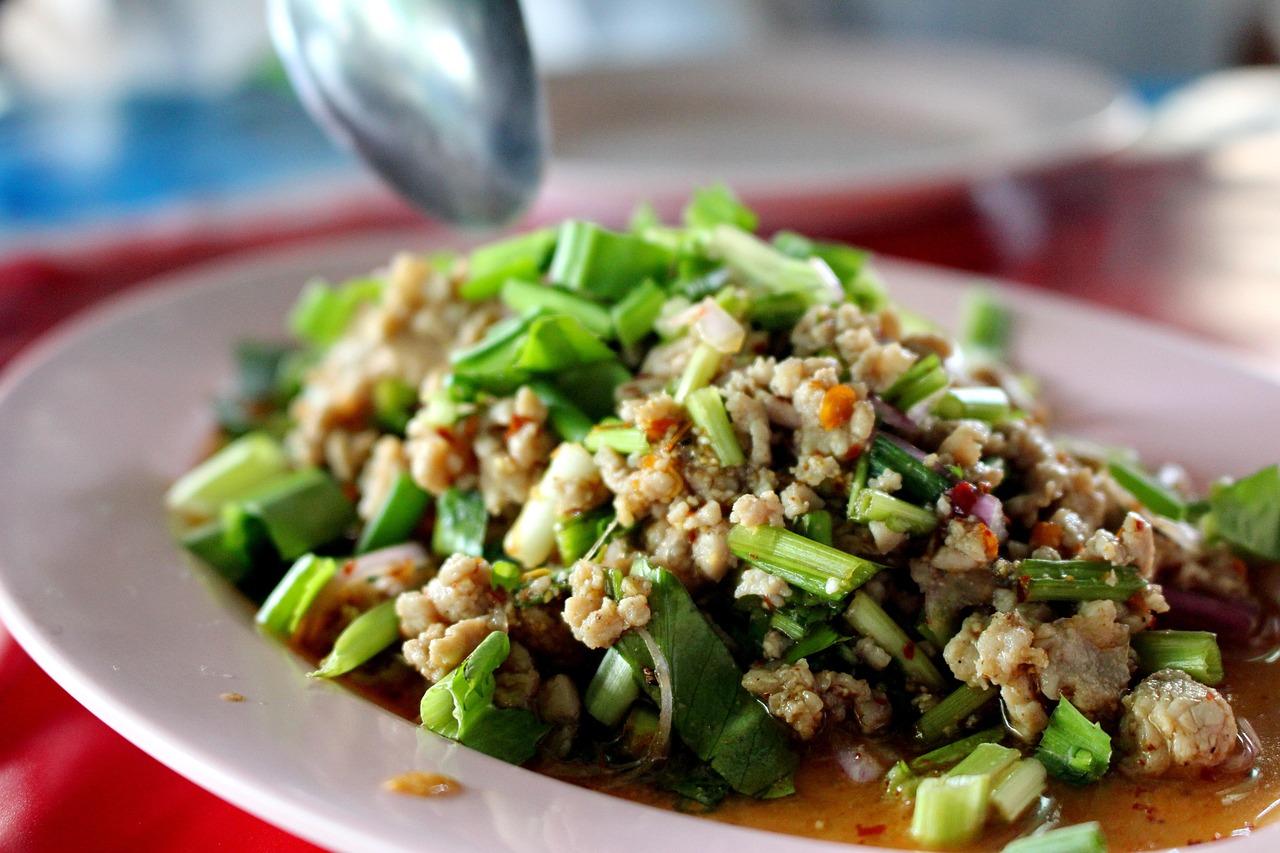
Larb gaiSpicy chicken salad

Out in the rice-farming provinces of Isan, a plate of larb turns up at almost every family meal and roadside som tam shack, always with a basket of sticky rice and a pile of raw greens. Warm minced chicken is tossed with fish sauce, plenty of lime, dried chilli and a fistful of mint, then finished with nutty, crunchy toasted rice powder. The result is bright, sour, salty and hot all at once, with a pleasing coarse texture. Wrap spoonfuls in lettuce, or eat it with sticky rice, cucumber and long beans. Chef's tip: toast your own rice powder; shop-bought tastes flat, and freshly ground grains smell like popcorn.

25 minThaiSaladsGluten freeSpicy
by KrazyBadal 0 views

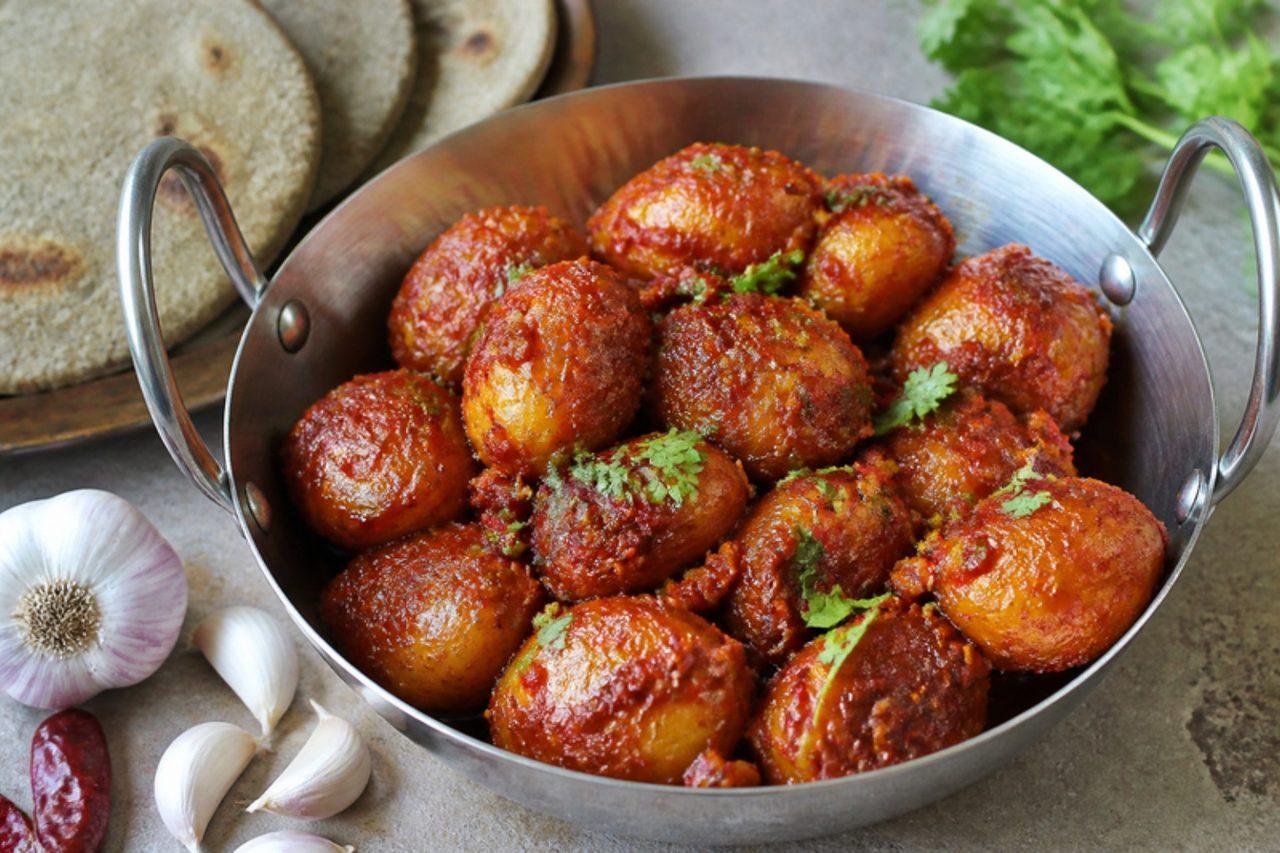
Lasaniya batakaGarlic potatoes

Lasaniya bataka is a dhaba favourite along the highways of Kathiawad, where it lands on the table next to bajra rotla, a lump of white butter, raw onion and a glass of chaas. Baby potatoes are boiled, lightly fried, then coated in a thick paste of pounded garlic and red chilli that has been cooked down until it smells sweet rather than sharp. It is hot, garlicky and a little tangy, the kind of side dish that turns plain flatbread into a meal. Make it for a winter lunch with Kathiawadi kadhi and khichdi. Chef's tip: pound the garlic and chilli in a mortar instead of blending; a slightly coarse paste clings to the potatoes and gives you little bursts of garlic.

by KrazyBadal 0 views

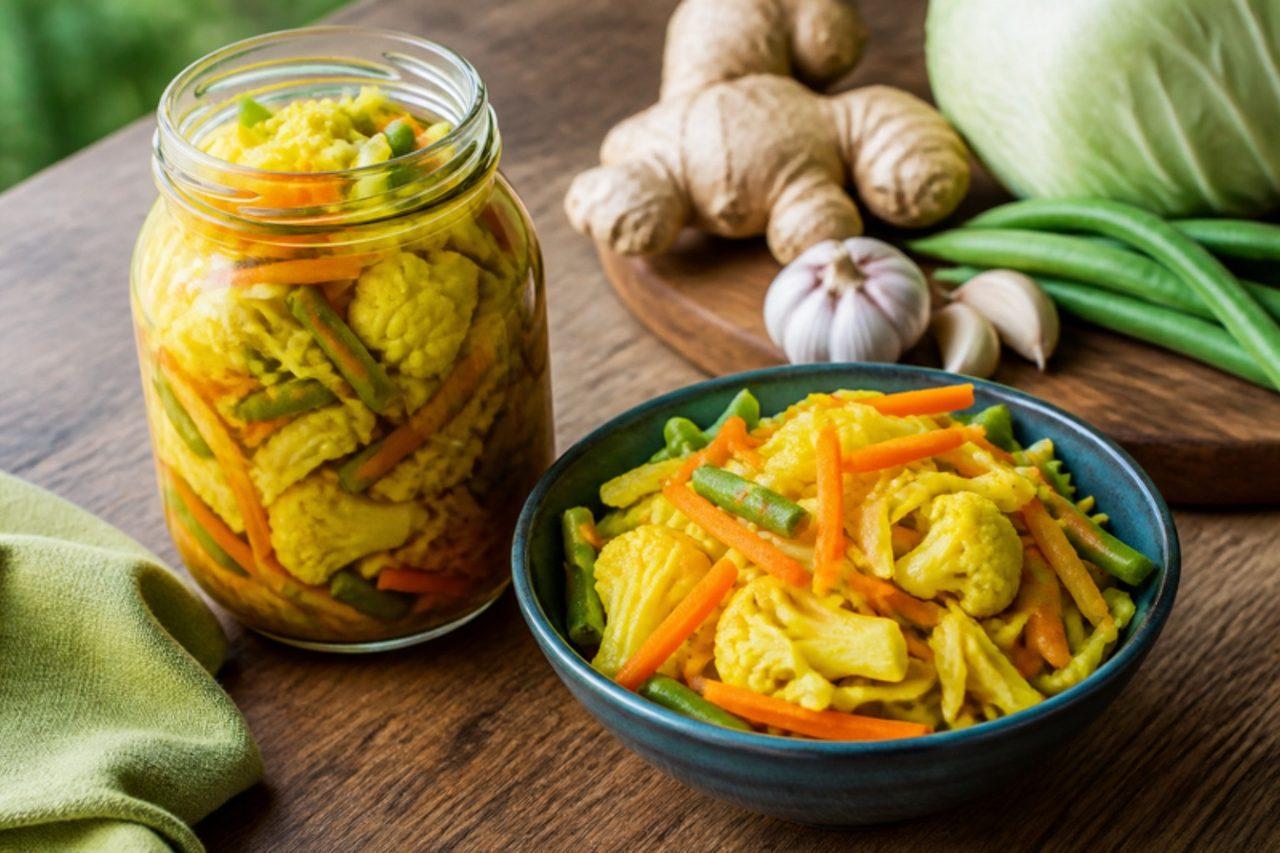
Lasary legiomaTurmeric pickled vegetables

Lasary legioma, vegetable lasary, is a tangy, turmeric-yellow pickle of carrot, green beans and cabbage that sits on the table in Malagasy homes and hotelys (small canteens) to brighten rice and plain dishes. It is close to the achards of Réunion and Mauritius and is made in large jars to last the week. Chef's tip: blanch the vegetables for only a minute and cool them fast; they should stay crunchy, not cooked.

by KrazyBadal 0 views

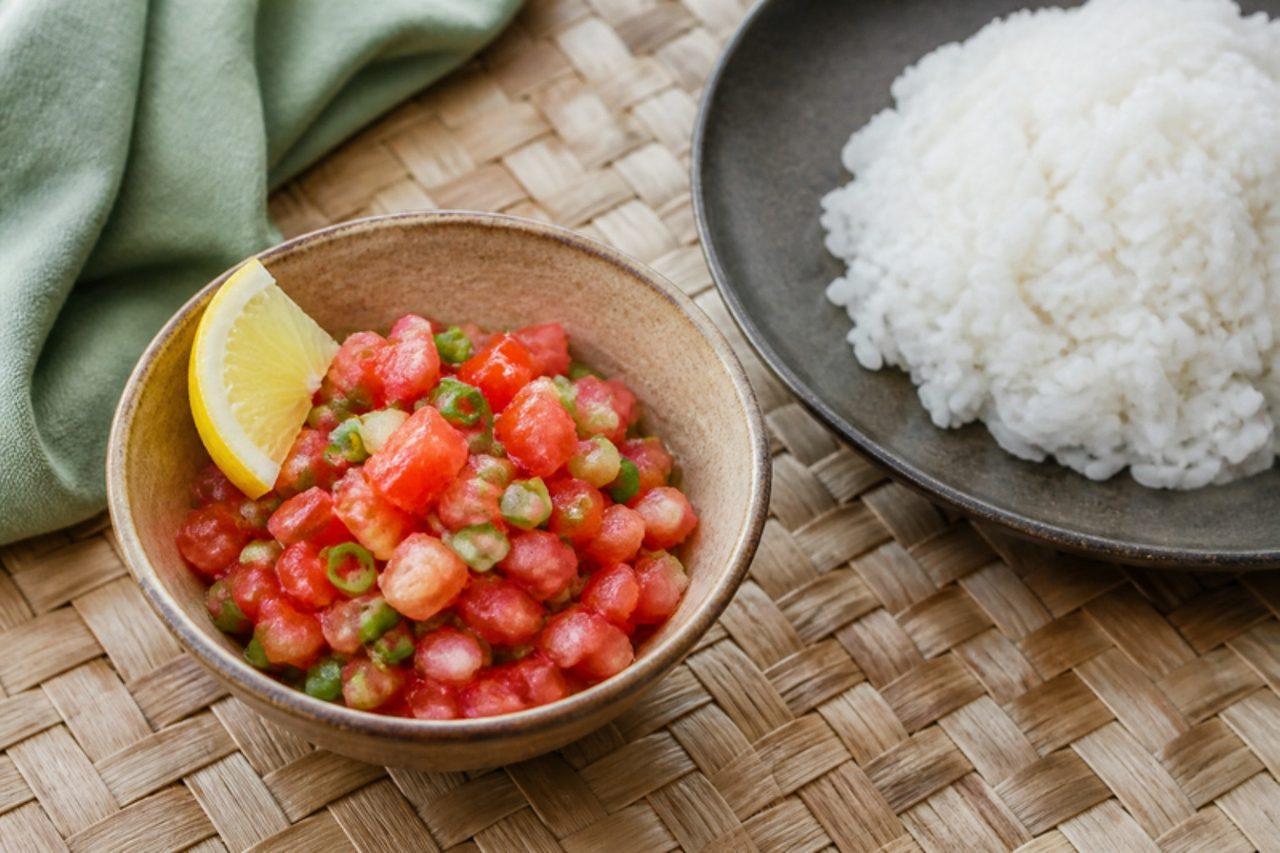
Lasary voatabiaTomato and spring onion relish

Lasary voatabia is the fresh tomato relish served beside the rice at almost every Malagasy meal, from Antananarivo's highland homes to the coast. Tomatoes and spring onion are chopped very small, sharpened with lime or vinegar and a little sakay (chilli), and spooned onto the rice to wake up broths like romazava. It is juicier and finer than a salad. Chef's tip: chop the tomatoes very small, almost to a pulp at the edges; the juice is meant to soak into the rice.

by KrazyBadal 0 views

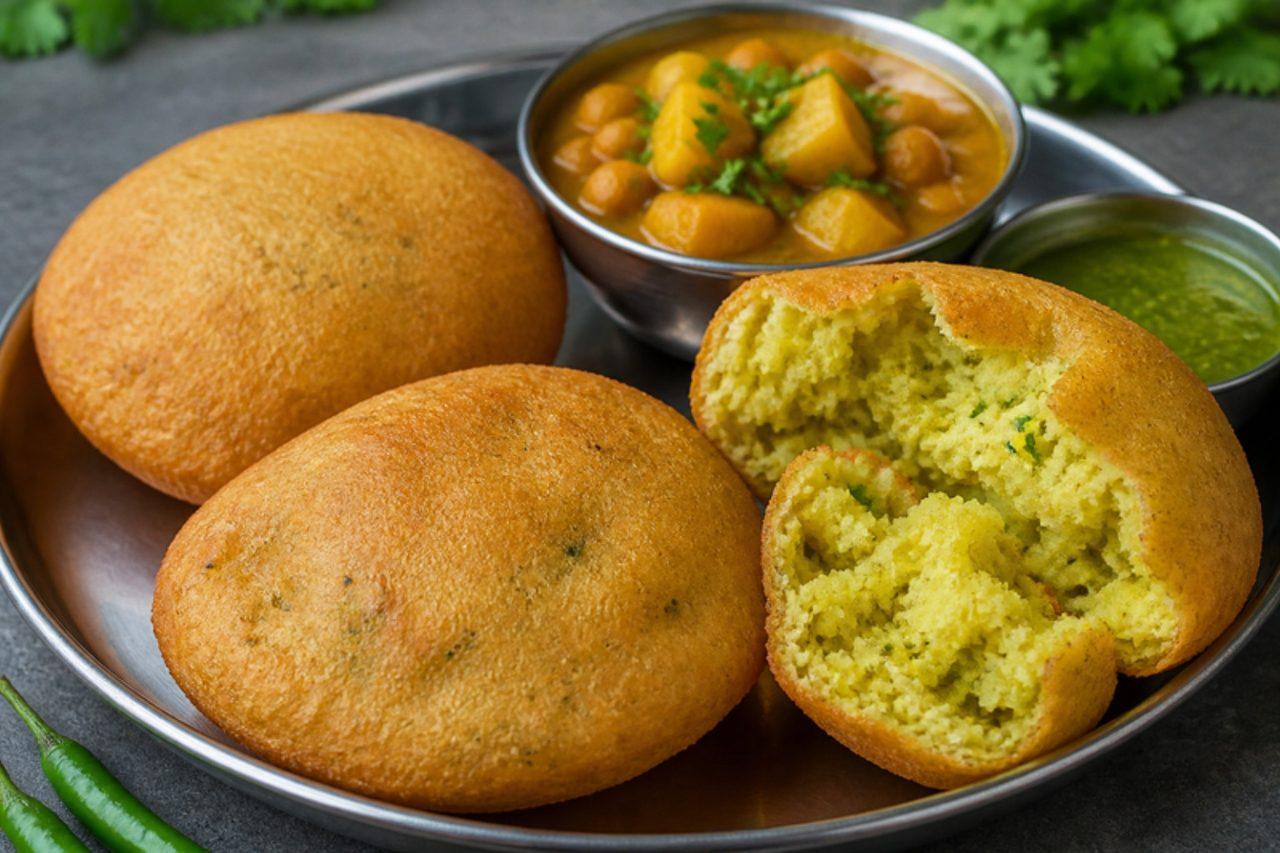
DhuskaFried rice and dal bread

Dhuska is the breakfast of Ranchi and the whole of Jharkhand, fried fresh at roadside stalls from early morning. Rice and chana dal are soaked, ground to a thick, slightly coarse batter with green chilli and ginger, and ladled into hot oil, where each round puffs up crisp outside and soft and spongy inside. It is eaten with aloo-chana ghugni or a thin potato curry and a sharp coriander chutney, and it is a must at Jharkhandi weddings and Karma festival. Chef's tip: beat the batter hard for a couple of minutes before frying; the trapped air makes it puff without any soda.

by KrazyBadal 0 views

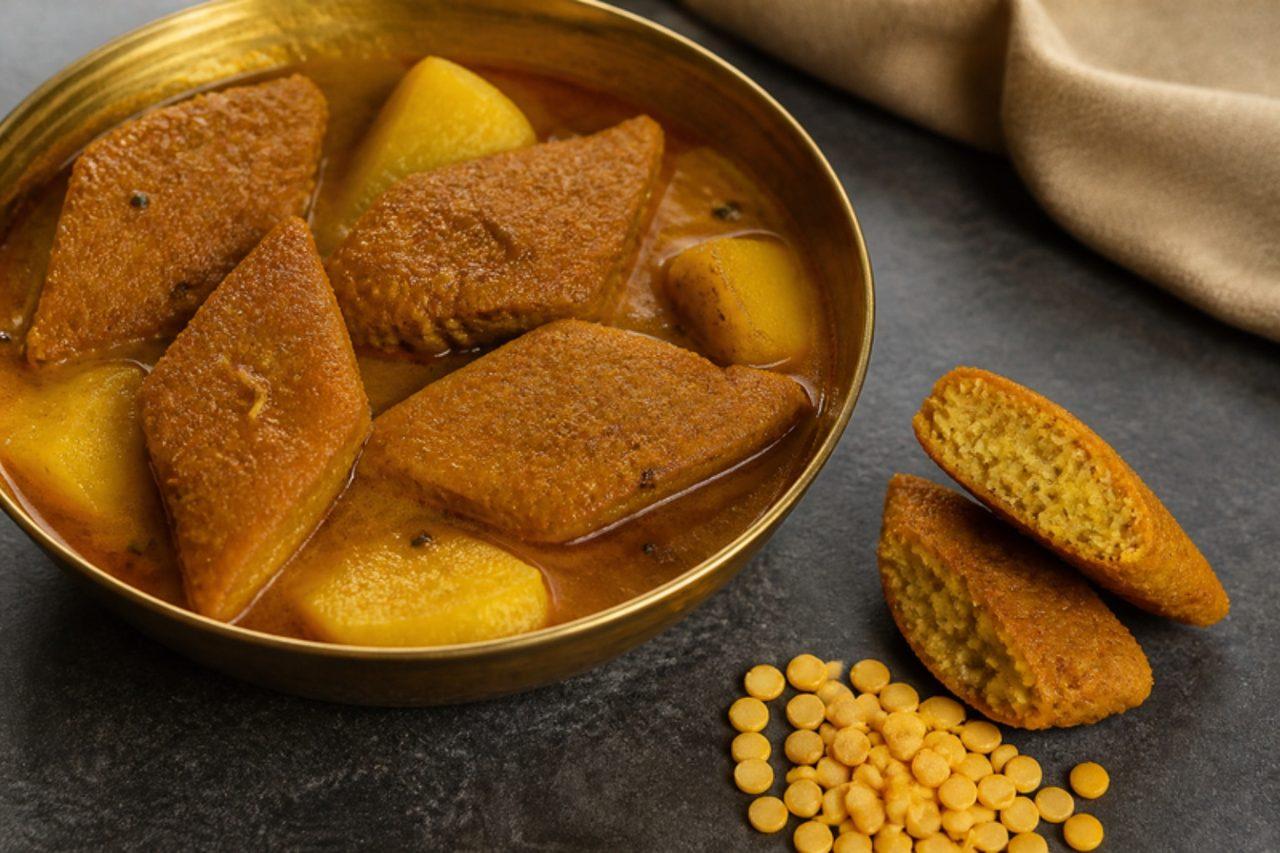
Dhokar dalnaLentil cakes in gravy

Dhokar dalna comes from the Bengali niramish (vegetarian) kitchen of widows and temple cooks, and it is still cooked in Kolkata homes for festive lunches and Saraswati Puja. Soaked chana dal is ground, cooked with ginger and asafoetida into a thick paste, set in a tray and cut into diamonds, which are fried and then dropped into a thin, fragrant gravy just before serving. The dhoka soak up the sauce like a sponge. Chef's tip: cook the dal paste until it leaves the sides of the pan in one mass; if it is too soft, the diamonds break in the gravy.

by KrazyBadal 0 views

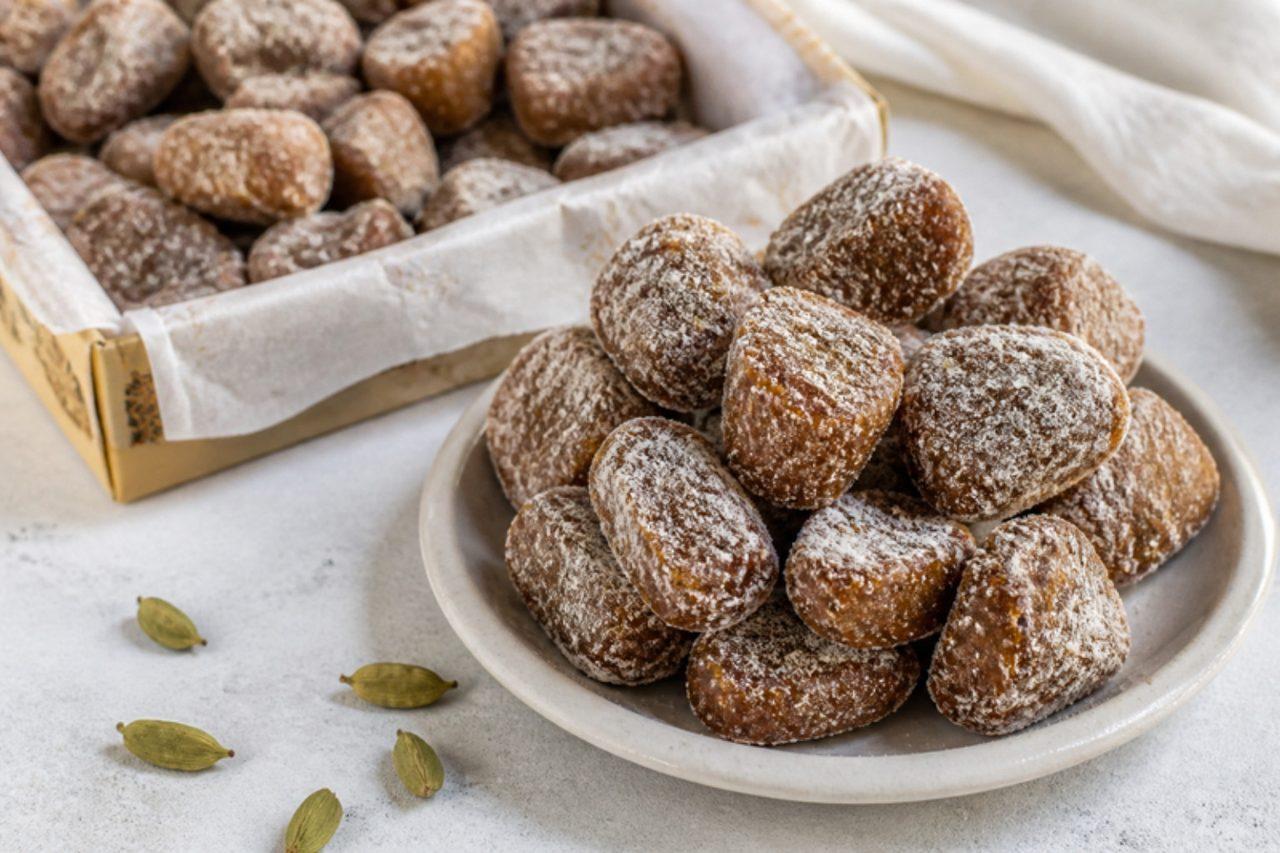
Dharwad pedaCaramelised milk sweets

Dharwad peda has been made in this north Karnataka town for well over a century, first by families who came from Uttar Pradesh, and it now carries a geographical indication tag. Unlike pale, smooth pedas elsewhere, it is cooked slowly until the milk solids caramelise to a deep brown and a grainy, almost crumbly texture, then rolled in powdered sugar. Pilgrims and travellers carry boxes home from Dharwad and Hubballi, and families buy it for weddings and exam results. Chef's tip: let the cooked mixture cool for ten minutes before you add the sugar for rolling; added while too hot, the sugar melts and the pedas go sticky.

by KrazyBadal 0 views

LaugenbrezelSoft pretzels

The Brezel is the emblem of German bakeries in Bavaria and Swabia: deep chestnut-brown and shiny outside, soft and chewy inside, with a fat 'belly' and thin crisp arms, studded with coarse salt. In Munich it's eaten with sweet mustard and Obatzda in beer gardens; in Stuttgart it's split and buttered for breakfast. Bakeries dip them in a lye solution, which is too caustic for most home kitchens; a bath of baked baking soda gets close in colour and flavour and is safe to handle. Chef's tip: chill the shaped pretzels uncovered for 30 minutes before the bath; a slightly dry skin holds its shape and turns darker and shinier.

120 minGermanBakingVegan
by KrazyBadal 0 views

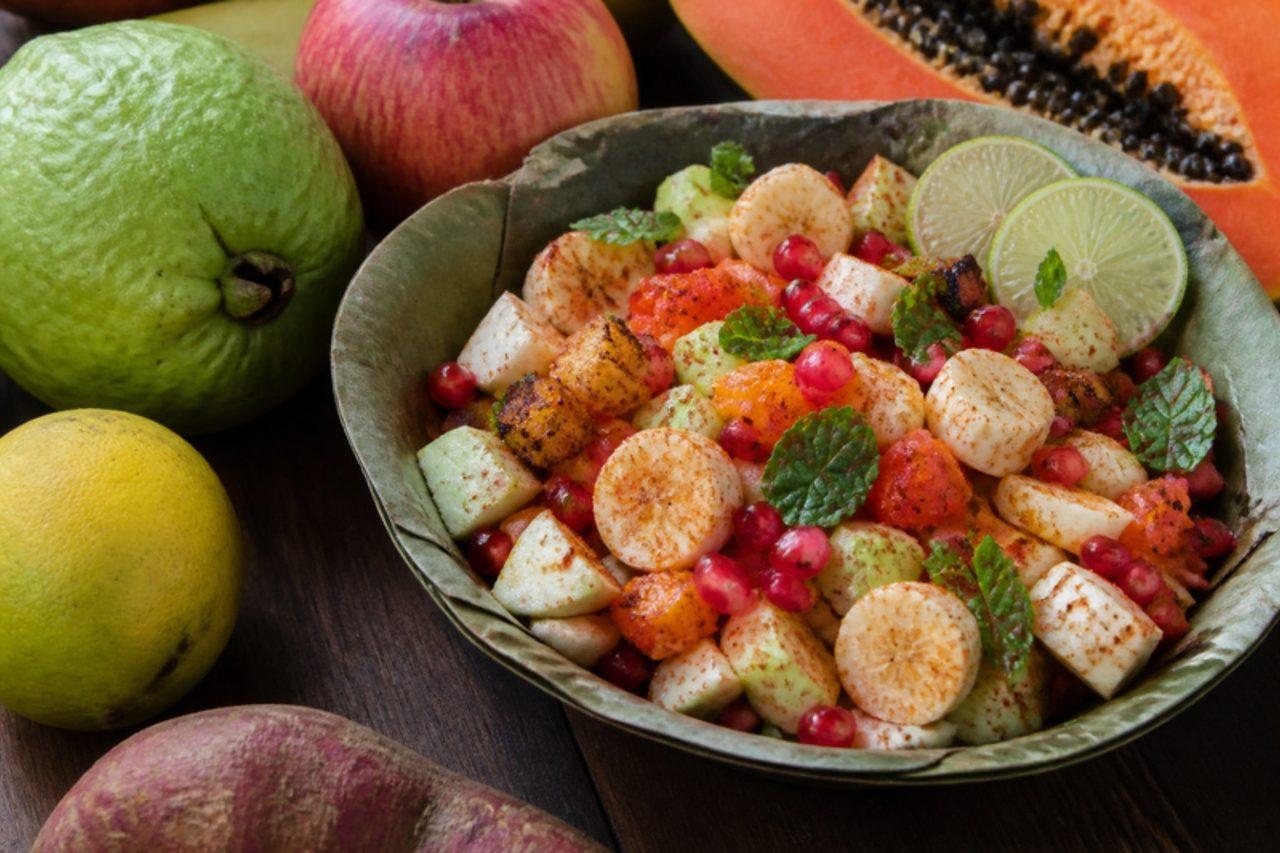
Delhi-style fruit chaatSpiced fruit chaat

Delhi's fruit chaat wallahs set up their carts in the afternoons with towers of guava, papaya, apples and bananas, plus roasted sweet potato, and chop whatever you point at into a leaf bowl. Then comes the part that makes it chaat rather than fruit salad: a big shake of tangy chaat masala, black salt and roasted cumin, a squeeze of lime, sometimes a pinch of chilli. It's a refreshing mid-afternoon snack in summer, and a regular sight on Ramzan iftar spreads too. The salt and spice make sweet fruit taste even sweeter. Chef's tip: season it just before eating; once the salt goes on, the fruit starts weeping juice and goes soft within 15 minutes.

by KrazyBadal 0 views

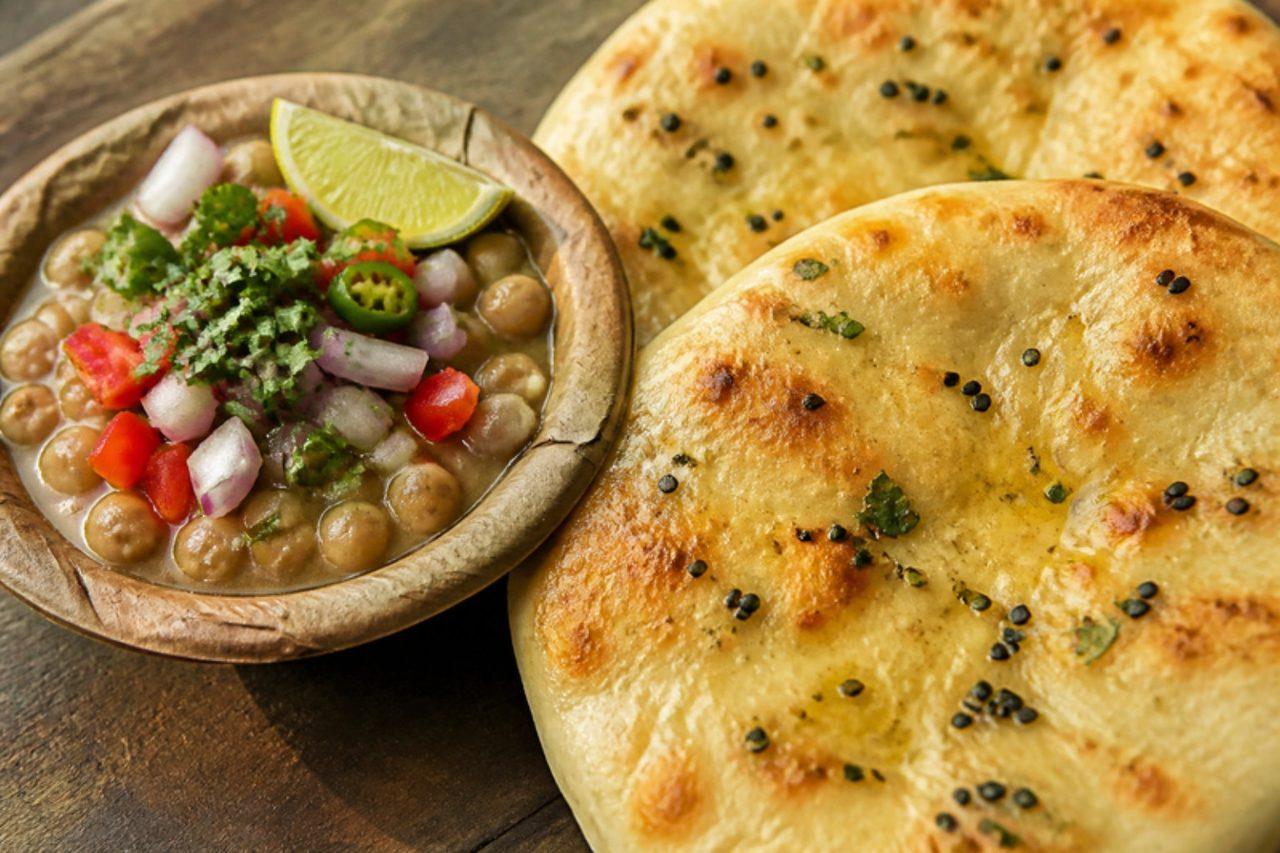
Delhi chole kulcheChickpeas with kulcha bread

Walk through any Delhi office district at lunchtime and you'll find a cart with a huge brass pot of pale white peas and a stack of soft kulchas warming on a tawa. Delhiites call it chole kulche even though it's made with dried white peas (safed matar) rather than chickpeas. The vendor scoops the peas onto a leaf plate, piles on raw onion, tomato, green chilli and ginger, squeezes lime over and dusts it with a sour, smoky masala. It's tangy, fresh and filling, and very different from the rich, stuffed Amritsari kulcha. Chef's tip: mash a ladleful of the cooked peas back into the pot; it thickens the liquid so the toppings and masala cling instead of sliding off.

by KrazyBadal 0 views

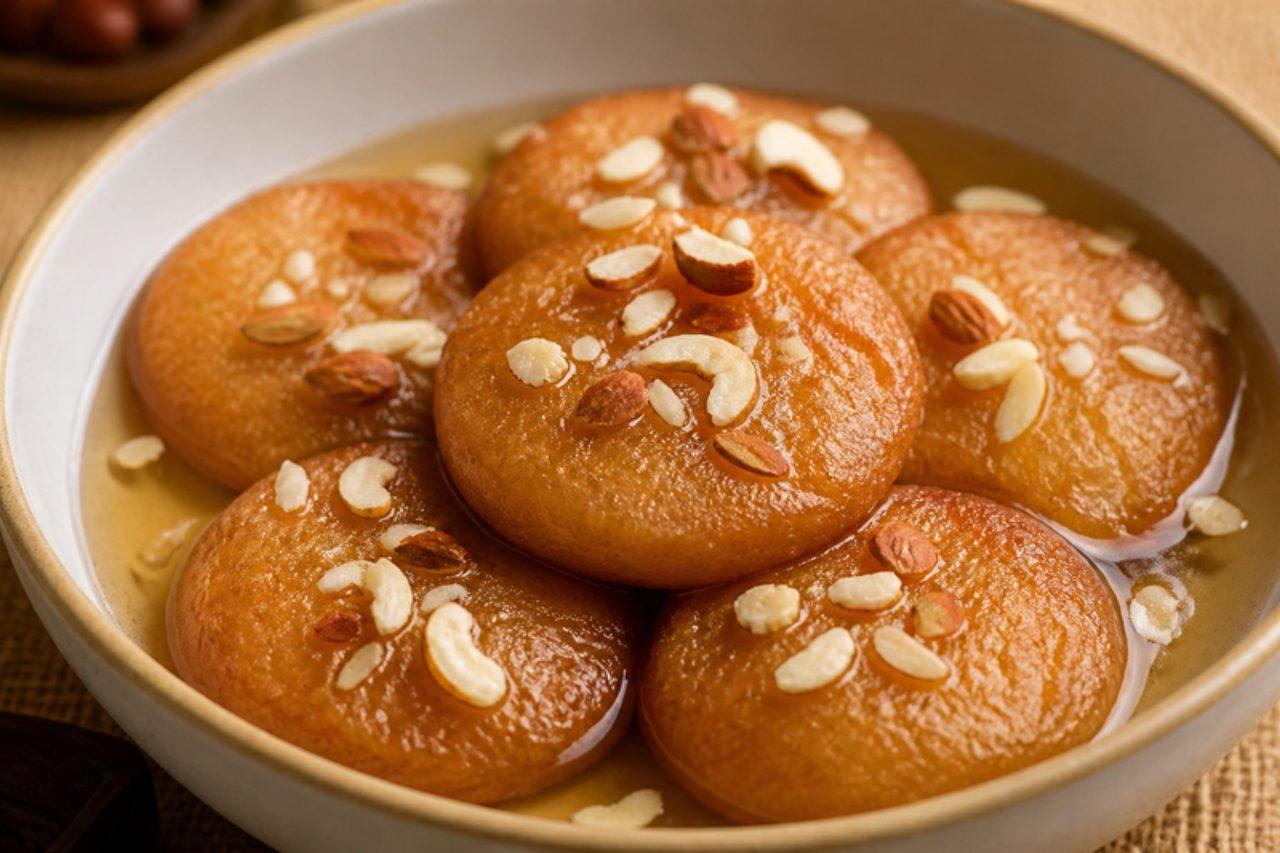
DehroriFried rice and curd dumplings

Dehrori is the sweet Chhattisgarhi families make for Diwali, Holi and weddings, and it tastes like no other syrup sweet: soaked rice is ground coarse, left to sour gently with curd, then fried in ghee and dropped into cardamom syrup. The fermentation gives it a faint tang and a light, spongy crumb under a crisp shell, a little like a rustic cousin of rasbhari or gulab jamun. Grandmothers judge the batch by how well the dumplings hold their shape in the syrup. Chef's tip: grind the rice to the texture of fine semolina, not a smooth paste; that grain is what keeps dehrori light.

by KrazyBadal 0 views

Davanagere benne dosaButter dosa

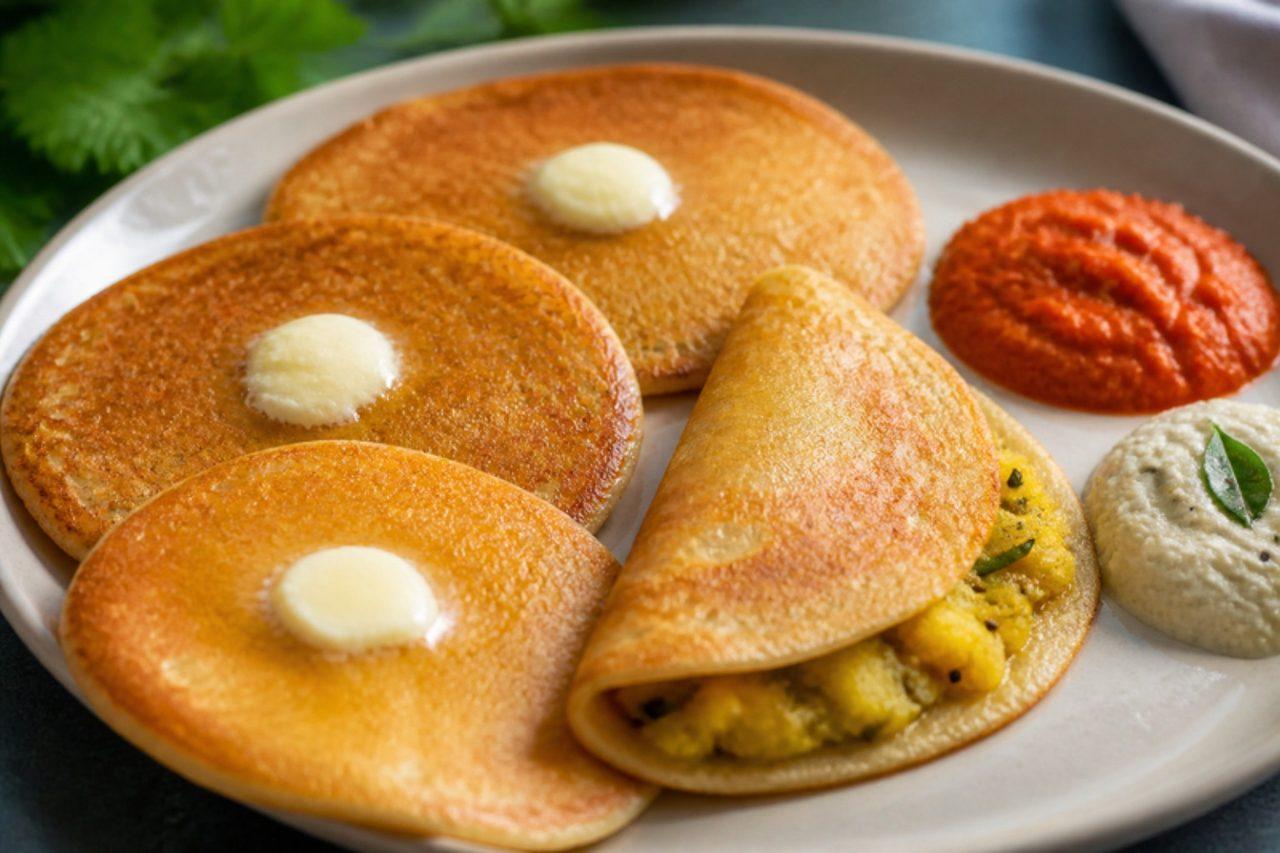
Davanagere, a cotton-market town in central Karnataka, is famous for one thing above all: benne dosa, small, thick dosas cooked on a huge iron griddle with a generous lump of white butter melting over each one. The batter includes puffed rice (mandakki), which makes the inside soft and spongy while the base turns crisp and deep golden. In the town's busy dosa halls they arrive two at a time with a thin coconut chutney and a spoonful of potato palya tucked inside. It is breakfast, but many people eat it as an evening snack too. Chef's tip: use proper unsalted white butter if you can find it, and add it in two goes, half when the batter goes on and half just before folding, so the edges fry in butter rather than burn.

by KrazyBadal 0 views

Daulat ki chaatSaffron milk foam

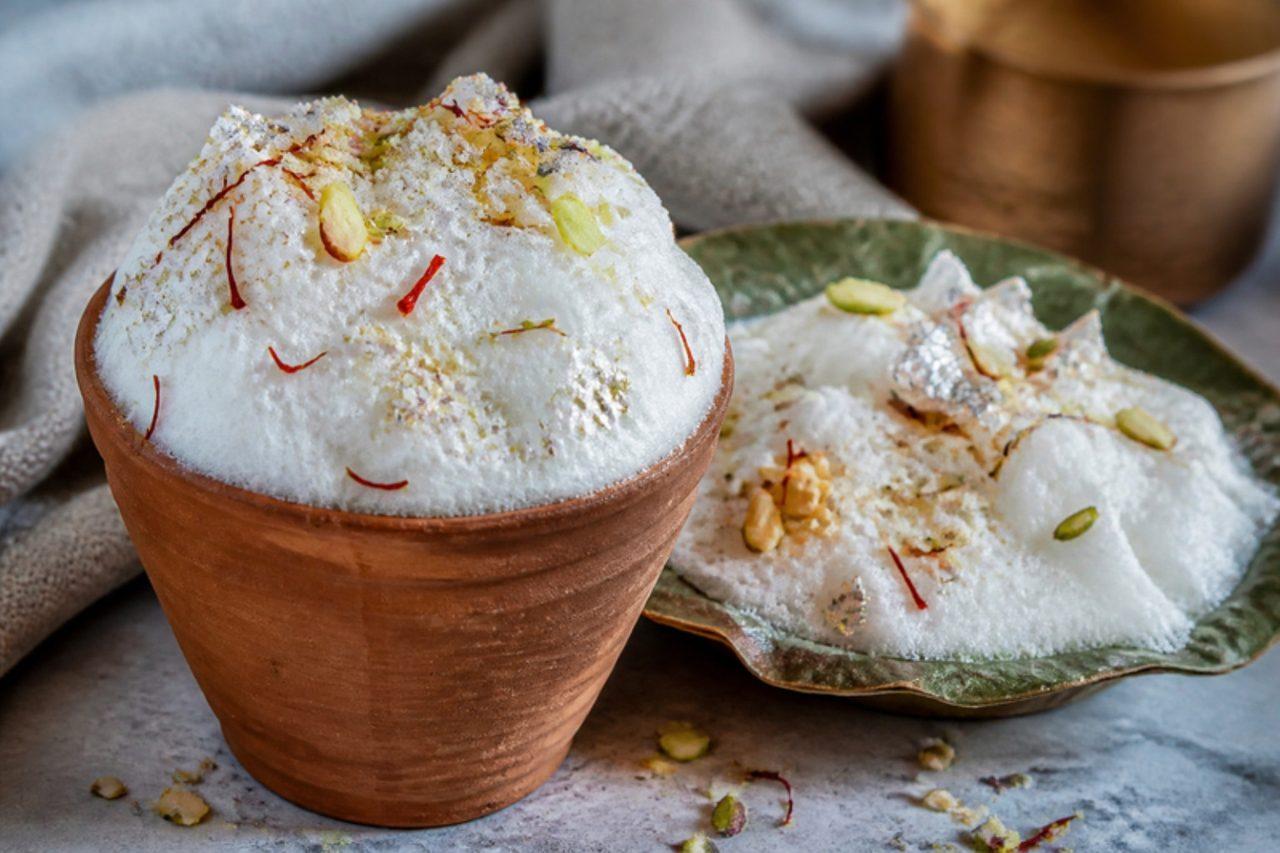
Daulat ki chaat appears in the lanes of Chandni Chowk only in the coldest months, from about November to February. Vendors whisk milk and cream through the night and leave it out under the winter dew, then skim off a foam so light it disappears on your tongue, topped with saffron, khoya, sugar and pistachios. It's sold before the sun gets high, because warmth destroys it. A home kitchen can't recreate a Delhi winter night, so this version uses very cold milk and cream whipped to a loose foam and layered with saffron. It comes close: airy, cool, faintly sweet. Chef's tip: chill everything, bowl and whisk included, for at least 4 hours; the colder the milk, the more stable the foam.

by KrazyBadal 0 views

Shiitake and tofu lu rou fan

In Taipei, a bowl of lu rou fan costs little more than a bus fare, and night-market stalls ladle it from pots that have simmered since afternoon. The original is chopped pork belly stewed in soy sauce, rice wine and fried shallots; this meat-free version gets the same glossy, sticky richness from diced shiitake, browned firm tofu and plenty of shallot oil. It is a weekday lunch for office workers and a late snack after the markets, served with a heap of yellow pickled radish and a few blanched greens. Chef's tip: brown the tofu cubes hard before they go into the braise; a crust soaks up the sauce and chews almost like the meat it replaces.

by KrazyBadal 0 views

Showing 63 of 10,569 recipes

Show more recipes

Page 1,018 of 1,175