


Skip to content
Midia saganaki
Featured recipe

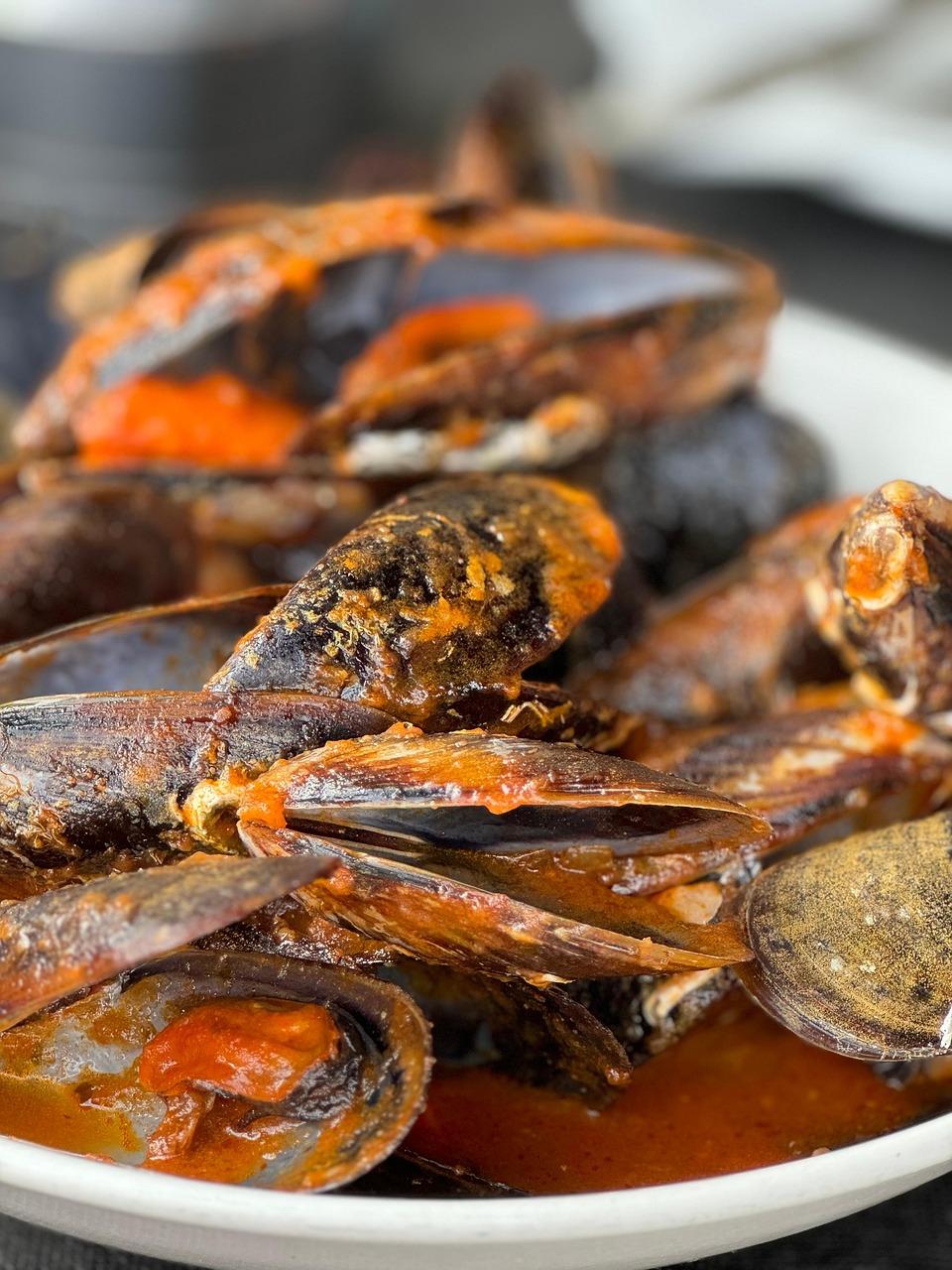
Midia saganaki

Mussels with tomato and feta

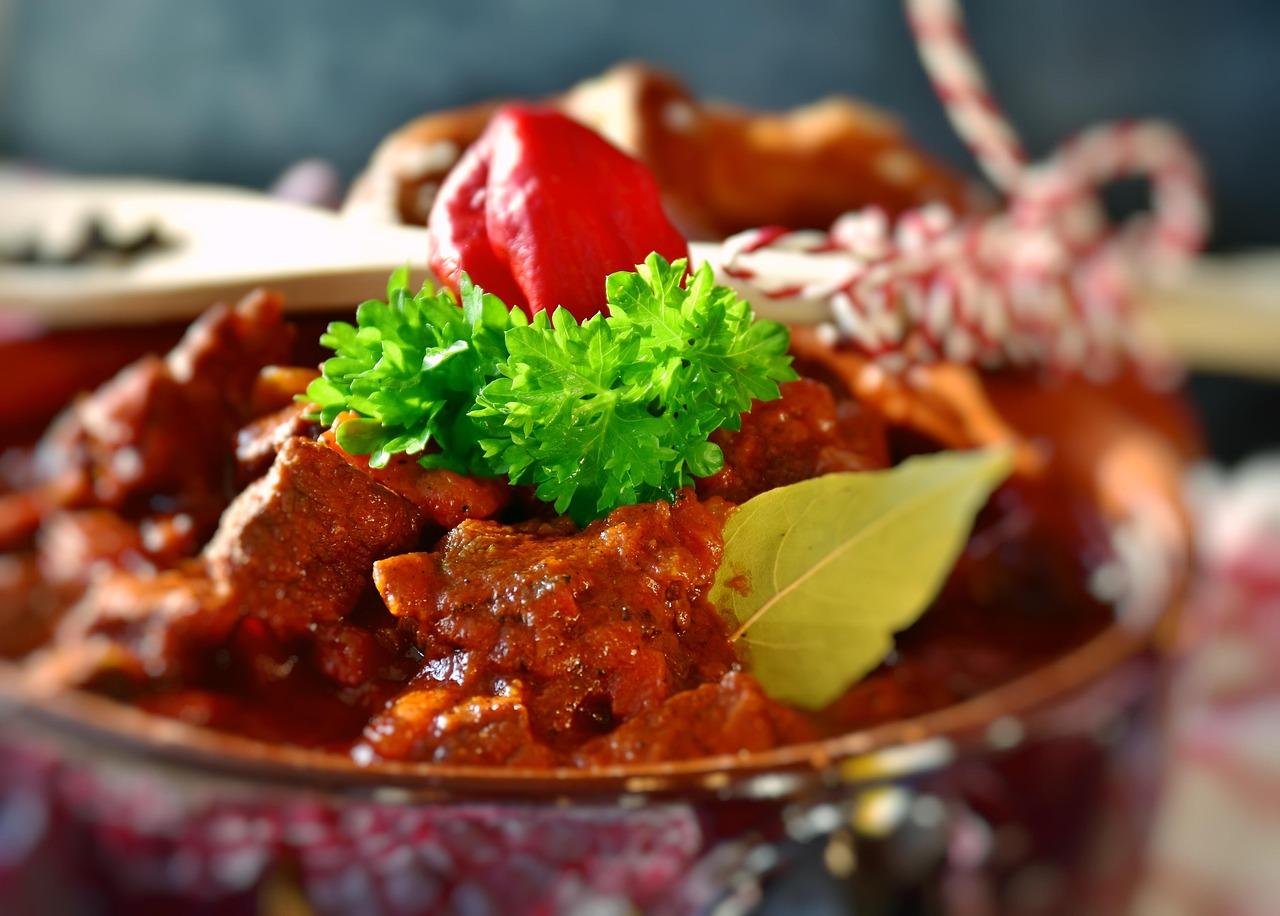
Thessaloniki is Greece's mussel capital, with farms in the Thermaic Gulf a few kilometres from the seafront ouzeries where this two-handled pan arrives, still bubbling, at the table. Mussels steam open in a quick sauce of peppers, tomato and chilli, and crumbled feta melts into the juices at the end. Bread is essential. The classic version adds a splash of ouzo; this one is alcohol-free, using a pinch of fennel seed for that aniseed note (add 2 tbsp ouzo with the tomatoes if you like). Common mistake: overcooking — take the pan off the heat as soon as the shells open. Chef's tip: buy mussels on the day and keep them in the fridge in a bowl covered with a damp cloth, never in water.

Read more 1 views

What to eat today?

Around the world

Today's trip: Peruvian

A new country every day, from every cuisine on the site.

Peruvian

Tacacho

Mashed roasted green plantain balls 35 minMore from Peruvian (111) →

This week's collection

Kid-friendly dinners
772 recipes · a new collection every Monday

Coming up

All occasions →

Latest recipes

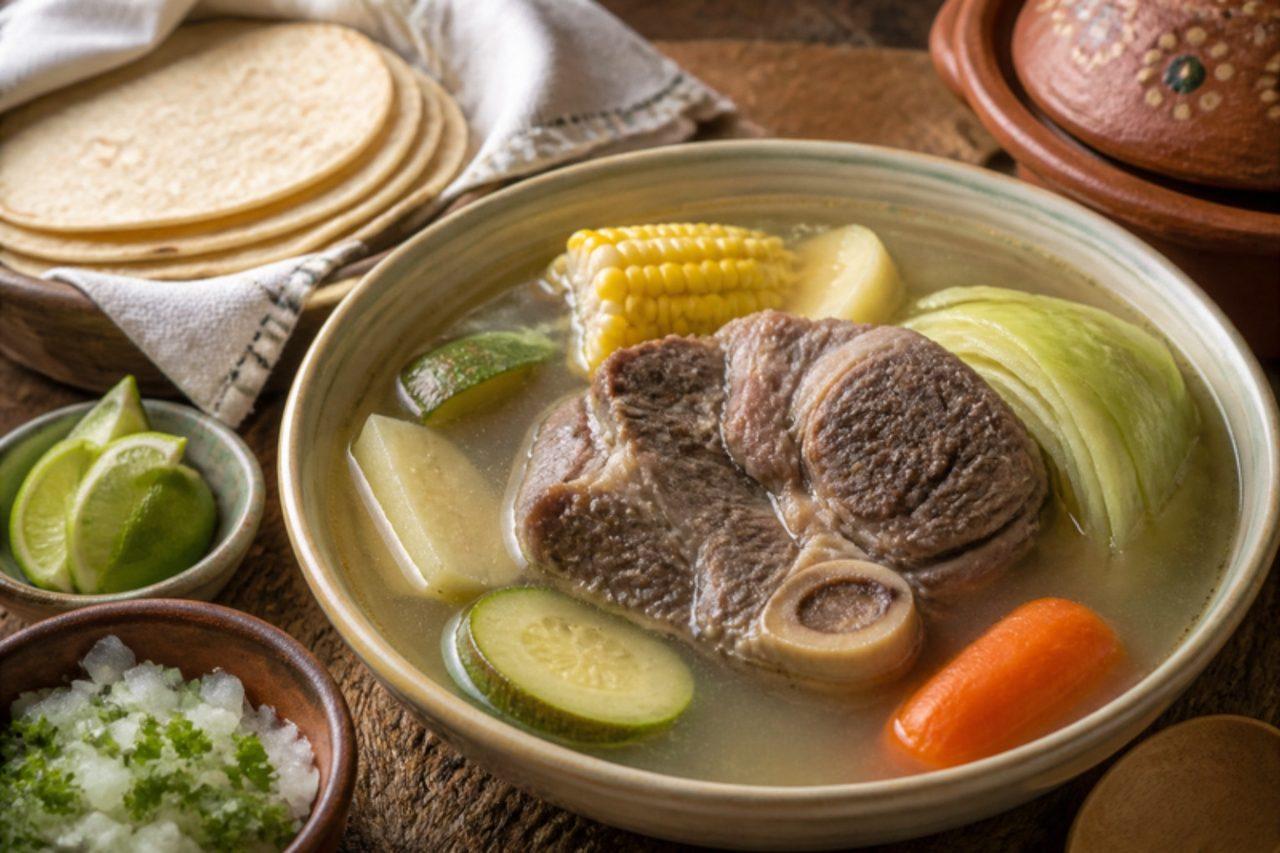
Caldo de resBeef shank soup

Ask almost any family in Mexico about Sunday lunch or a cold, rainy afternoon and caldo de res comes up: bone-in beef shank simmered for hours, then filled with big pieces of corn on the cob, carrot, potato, courgette and cabbage, so each bowl is a meal. Fondas from Monterrey to Mexico City sell it at midday with Mexican red rice, warm tortillas and a dish of chopped serrano and onion. The marrow from the shank bones enriches the clear broth. Chef's tip: add the vegetables in stages, the hard ones first, so everything is tender at the same time and nothing turns to mush.

205 minMexicanSoupsGluten free
by KrazyBadal 0 views

Bastar aamatMixed vegetable curry

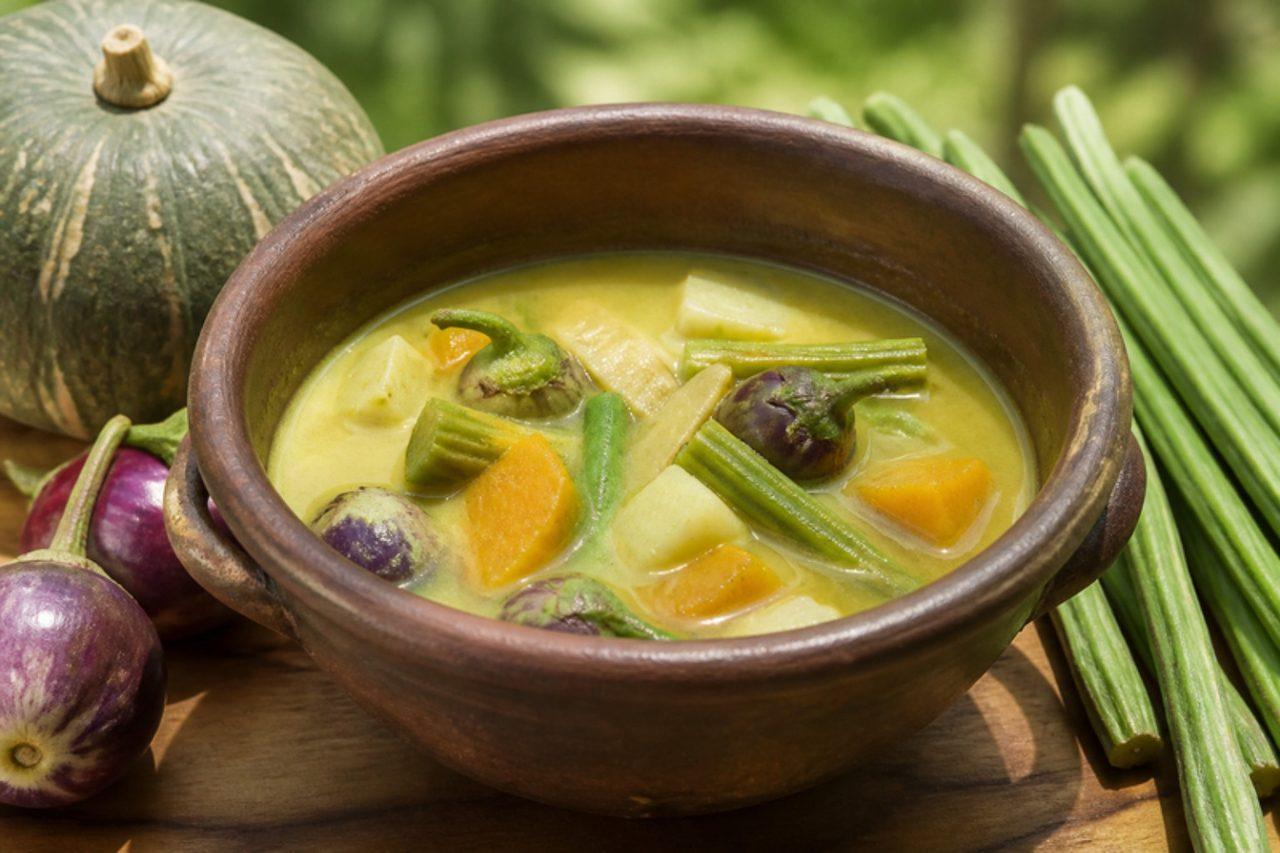
Aamat comes from the forested Bastar region of southern Chhattisgarh, where Gond and Halba families cook whatever the garden and forest give: pumpkin, brinjal, beans, drumsticks and, in the monsoon, sour fermented bamboo shoot. There is almost no oil and no heavy masala. Instead a paste of soaked rice turns the broth silky, and garlic, ginger and green chilli carry the flavour. It is served in bowls with plain rice, especially at village feasts and the Bastar Dussehra gatherings. Tinned bamboo shoot works well; leave it out and add lime at the end if you cannot find it. Chef's tip: keep stirring as you pour in the rice paste, because it sinks and sets into lumps on the bottom of the pot if left alone.

by KrazyBadal 0 views

Midin gorengStir-fried jungle fern

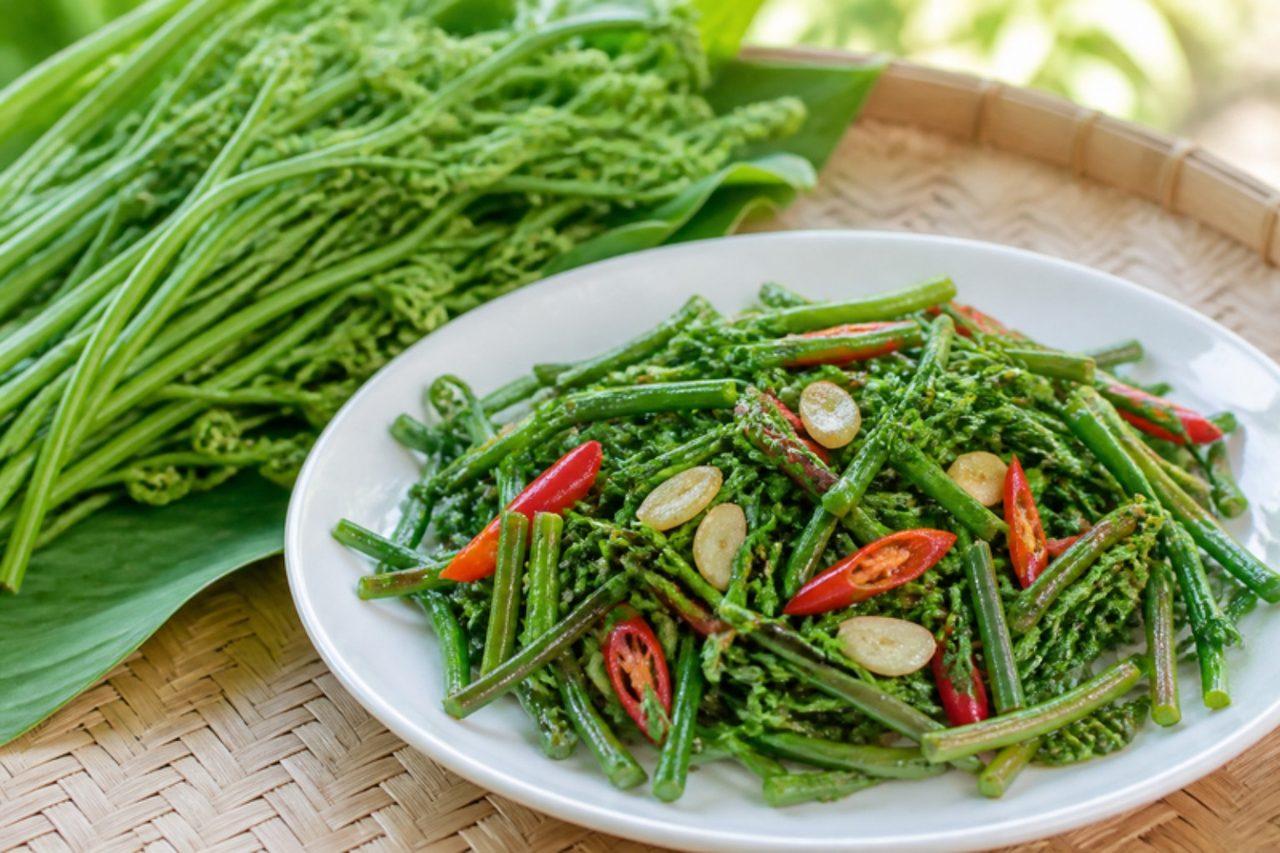
Midin is a wild fern that grows in Sarawak's forests, with curly tips that stay crunchy when cooked, and Kuching restaurants serve it at almost every meal. The best-known version uses belacan (shrimp paste); just as common, and what this is, is midin fried hard and fast with plenty of garlic and a little chilli. Outside Borneo, fiddlehead ferns are the nearest match, and young pea shoots or asparagus tips make a good everyday stand-in. Chef's tip: fry in a very hot wok and serve in under 3 minutes; ferns lose their snap quickly.

by KrazyBadal 0 views

Mie gorengFried egg noodles

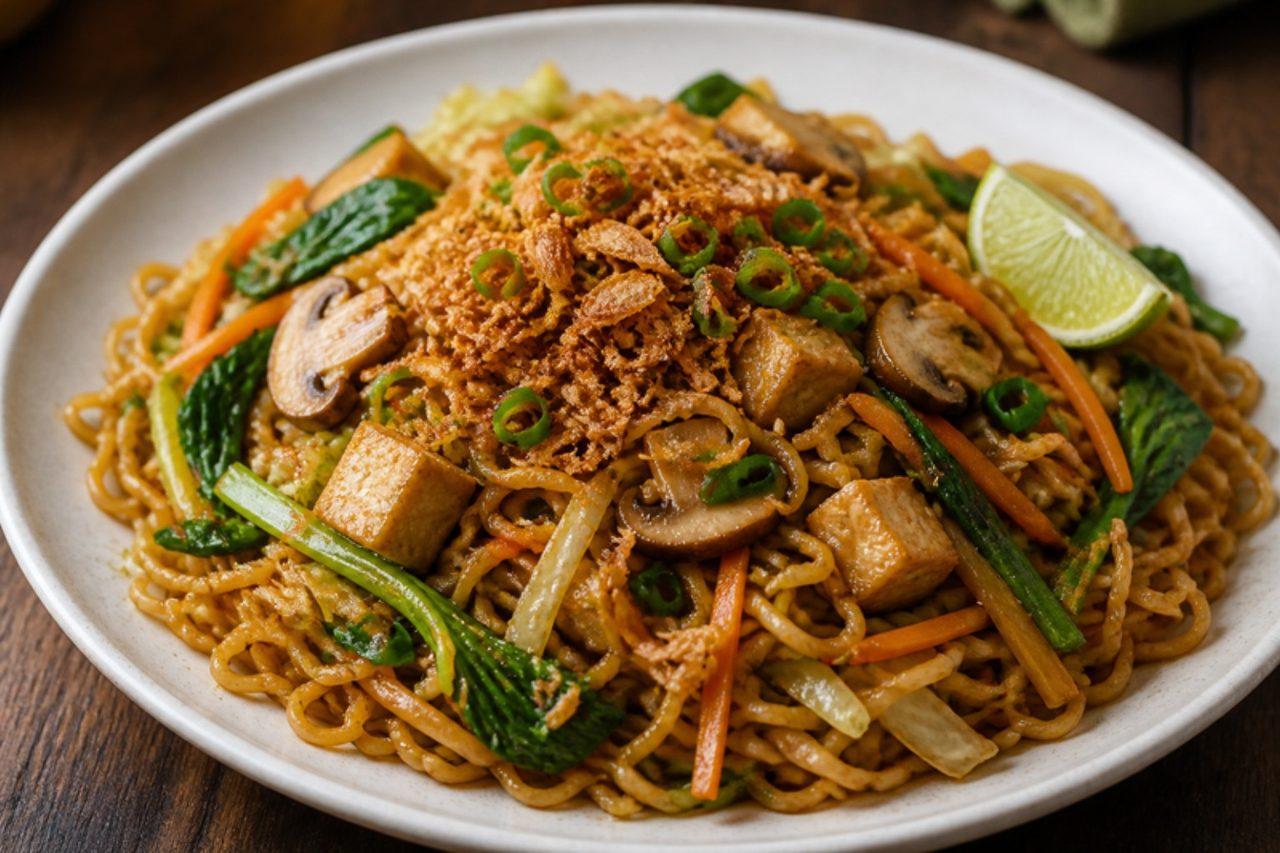
Mie goreng is what the gerobak noodle carts of Indonesian towns fry up after dark, each portion tossed in a blackened wok over a roaring flame, sweet and savoury from kecap manis and sharp with garlic. Unlike Malaysia's tomato-red mamak noodles, the Indonesian style is dark, glossy and dominated by sweet soy and white pepper, with plenty of greens and a scattering of fried shallots. This version swaps the usual chicken and prawns for tofu and mushrooms and is on the table in twenty minutes. Chef's tip: cook the noodles a minute short of the packet time and rinse them in cold water; they finish softening in the wok and stay springy instead of breaking.

by KrazyBadal 0 views

Migas with greens and garlicFried bread with greens and garlic

In the Alentejo nothing made of bread is wasted, and migas is the proof: stale loaves soaked, then worked in a pan of hot olive oil and garlic until they come together into a golden, crusty roll with a soft middle. Around Évora and Beja it usually sits next to fried pork, but in spring, when wild asparagus (espargos bravos) and grelos are picked along the field edges, cooks fold the greens straight into the bread and make it a dish in its own right. This version uses tender asparagus or turnip tops and is entirely plant-based. Serve it as a side with a fried egg or a bean stew, or on its own with olives. Chef's tip: soak the bread only until it is damp and heavy, then squeeze it hard; wet bread steams in the pan instead of forming the golden crust that makes migas worth eating.

by KrazyBadal 0 views

Ehime mikan jellyMandarin jelly

Ehime, on the sunny north coast of Shikoku, is Japan's mandarin country. Terraced orchards climb its hillsides above the Seto Inland Sea, and the local mikan is so central to life there that some towns joke their taps run with juice. Mikan jelly is the prefecture's everyday treat, sold in cups at service stations and made at home when the fruit glut comes in winter. Ours is set with kanten (agar) instead of gelatine, which also means it holds firm at room temperature and doesn't melt on a hot day. Serve chilled after dinner. Chef's tip: boil the agar properly for 2 minutes. Agar only sets once fully dissolved, and undercooked agar leaves a grainy, weak jelly.

by KrazyBadal 0 views

Milanesa a la napolitanaBreaded beef with ham and cheese

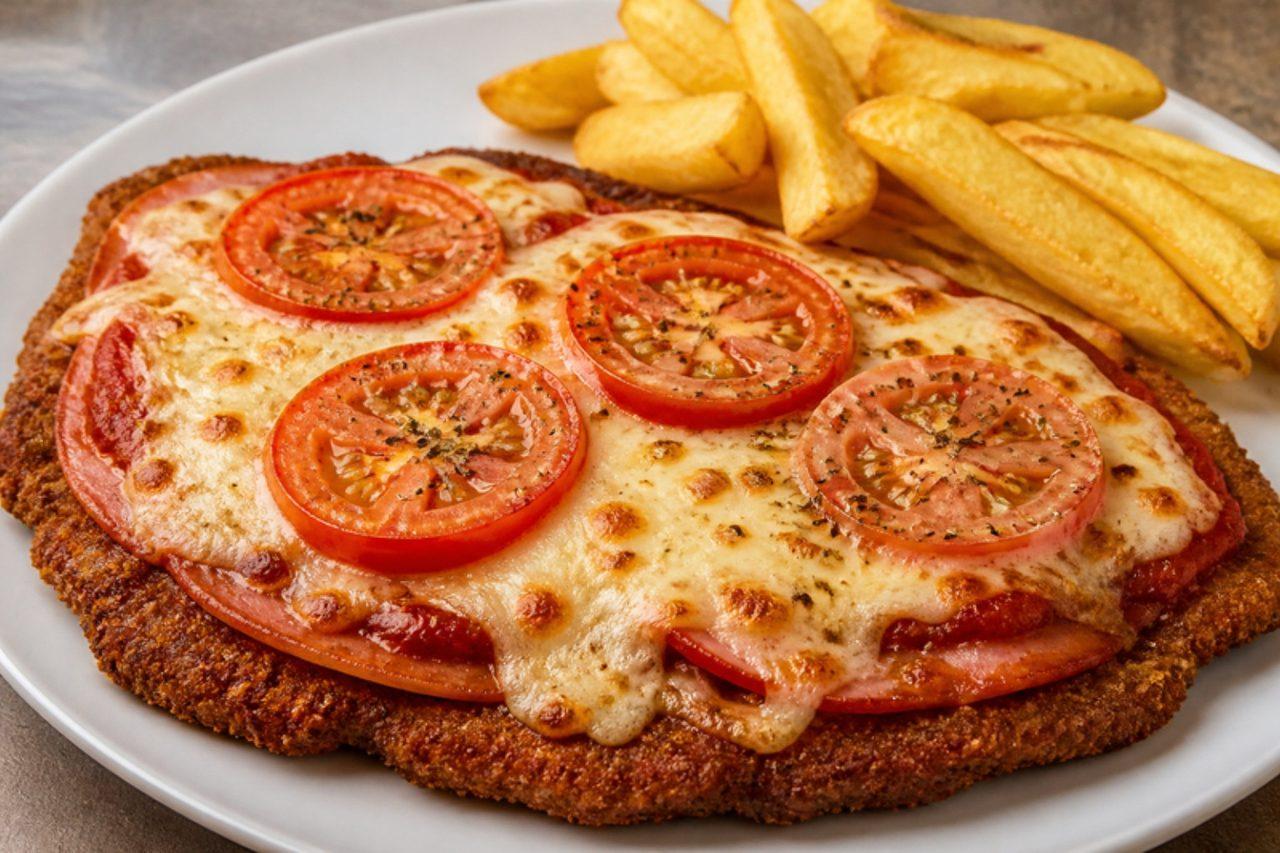
Despite the name, this has nothing to do with Naples: it was invented in Buenos Aires in the 1940s at a restaurant called Nápoli, near the Luna Park stadium. A crisp milanesa is topped with tomato sauce, a slice of ham and plenty of mozzarella, then grilled until the cheese bubbles. It is a pork-and-beef dish, because of the ham. Porteños order it at the corner bodegón with a mountain of chips, one plate often shared by two. The common mistake is spooning on too much sauce, which turns the crumb soggy; a thin layer is enough. Chef's tip: fry the milanesas a minute less than usual, since they finish cooking under the grill, and keep the sauce thick.

by KrazyBadal 0 views

Moamba de galinhaChicken stew in palm oil sauce

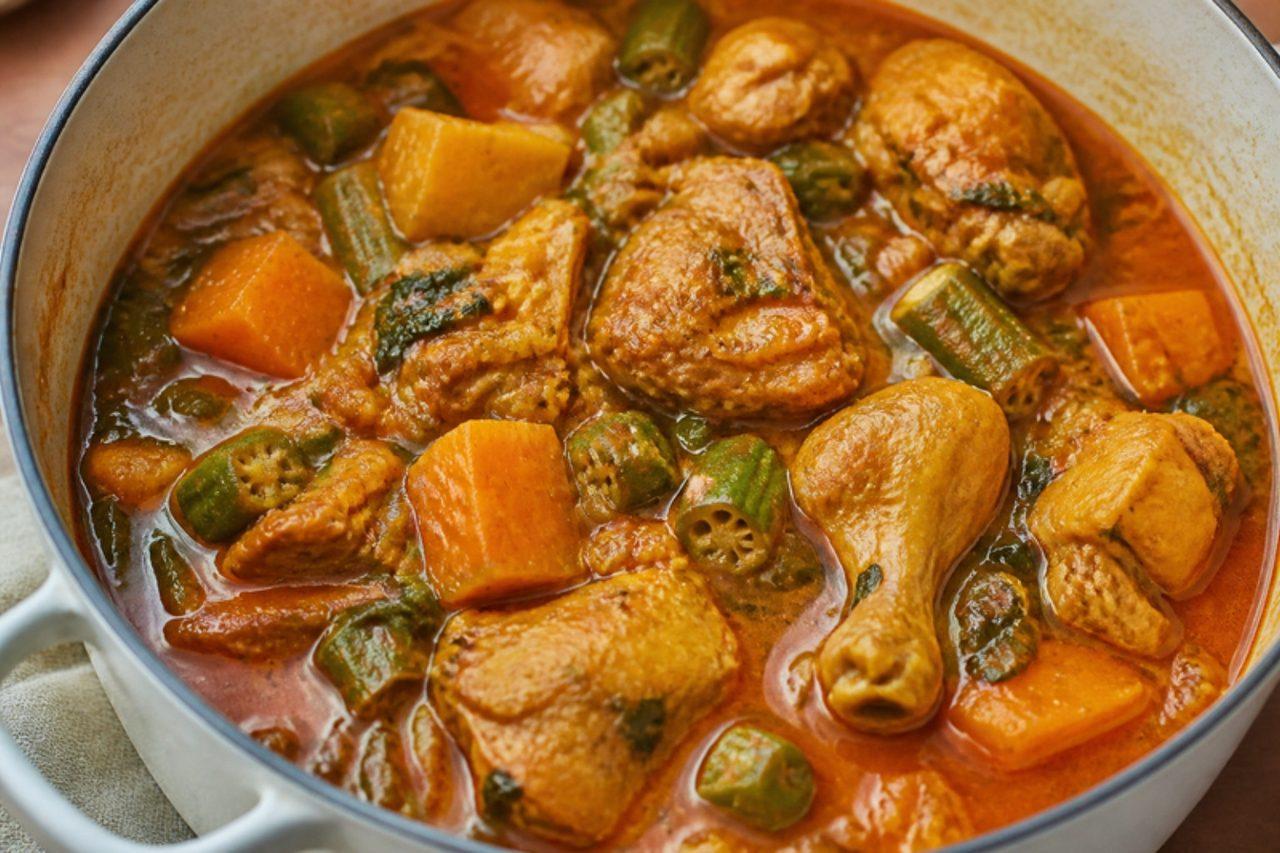
Moamba de galinha is the national dish of Angola, cooked in Luanda for Sunday lunch and family celebrations: chicken simmered in a deep orange sauce of palm oil (or palm-nut cream), tomato, garlic and chilli, with okra and butternut squash. It is served with funge, a smooth cassava porridge, which is dipped into the sauce. The mistake is frying red palm oil over high heat, which makes it bitter; heat it gently. Chef's tip: marinate the chicken in lemon and garlic first; the sourness balances the rich sauce.

by KrazyBadal 0 views

Basler MehlsuppeBrowned flour soup

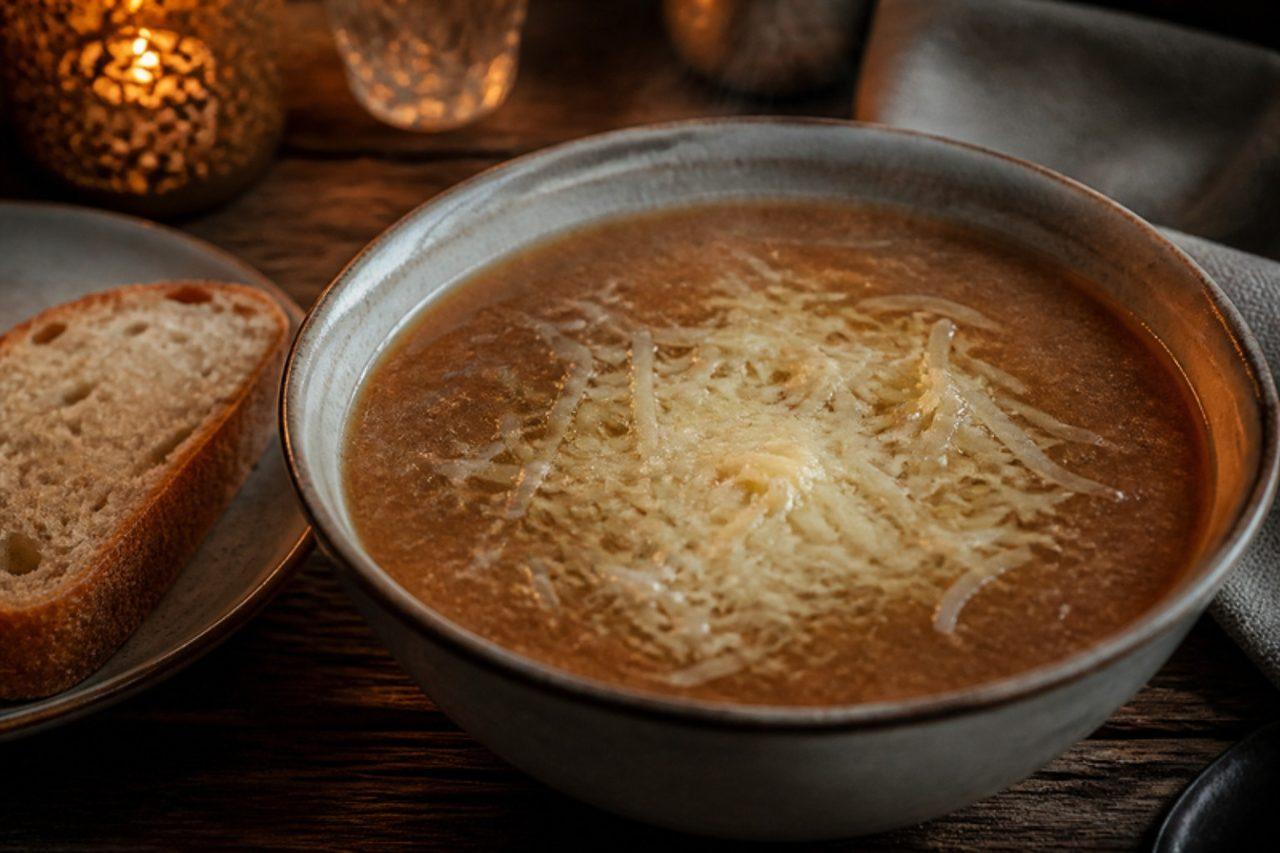
Basel's Fasnacht starts at 4 a.m. on the Monday after Ash Wednesday with Morgestraich, when the city's lights go out and the cliques march with lanterns, piccolos and drums. Afterwards everyone crowds into the old-town restaurants for a bowl of Mehlsuppe: flour toasted in butter until it is the colour of hazelnuts, simmered into a smooth, savoury, deep-brown soup and finished with grated cheese. It warms you on a freezing February morning and is usually eaten with Zwiebelwähe (onion tart). The traditional soup is made with beef stock; this vegetarian version uses a strong vegetable stock with a little red wine and onion to give the same depth. Chef's tip: toast the flour slowly and stir all the time; the colour should be even chestnut brown, and the smell like toasted nuts.

60 minSwissSoups
by KrazyBadal 0 views

Basler LäckerliHoney and almond biscuits

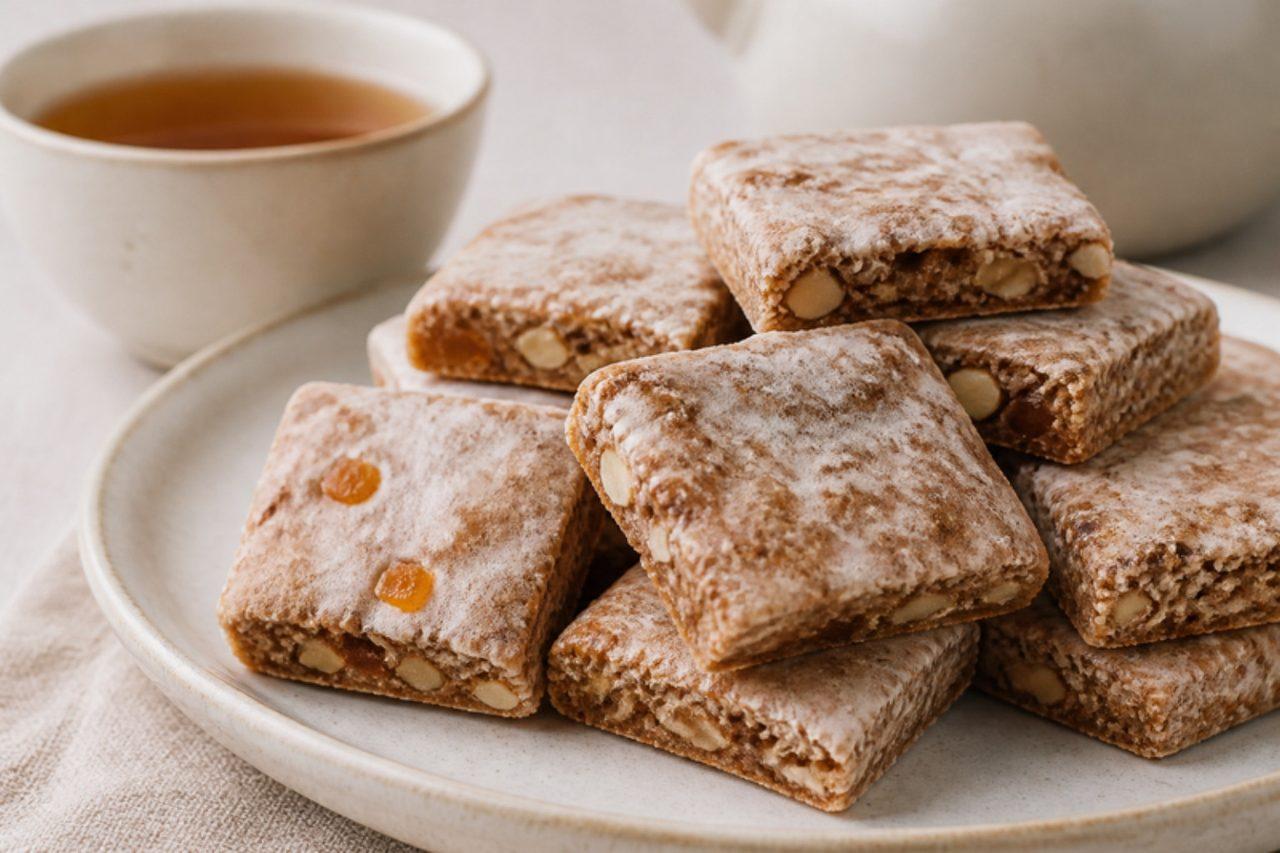
Läckerli have been Basel's own biscuit for more than 600 years, once baked by the city's spice merchants and gifted at Christmas and New Year; Basel shops still pack them in tins all year round. They are small, chewy rectangles of honey, almonds, candied orange and lemon peel and warm spices, with a thin, crackly sugar glaze. Unlike soft German gingerbread they are firm and dense when they are fresh and soften with time in a tin. Eat them with coffee or tea, or keep a box for visitors. Chef's tip: cut the slab into rectangles while it is still hot and glaze it at once; once cool it sets too hard to cut cleanly.

by KrazyBadal 0 views

CanjeeroSpongy fermented pancakes

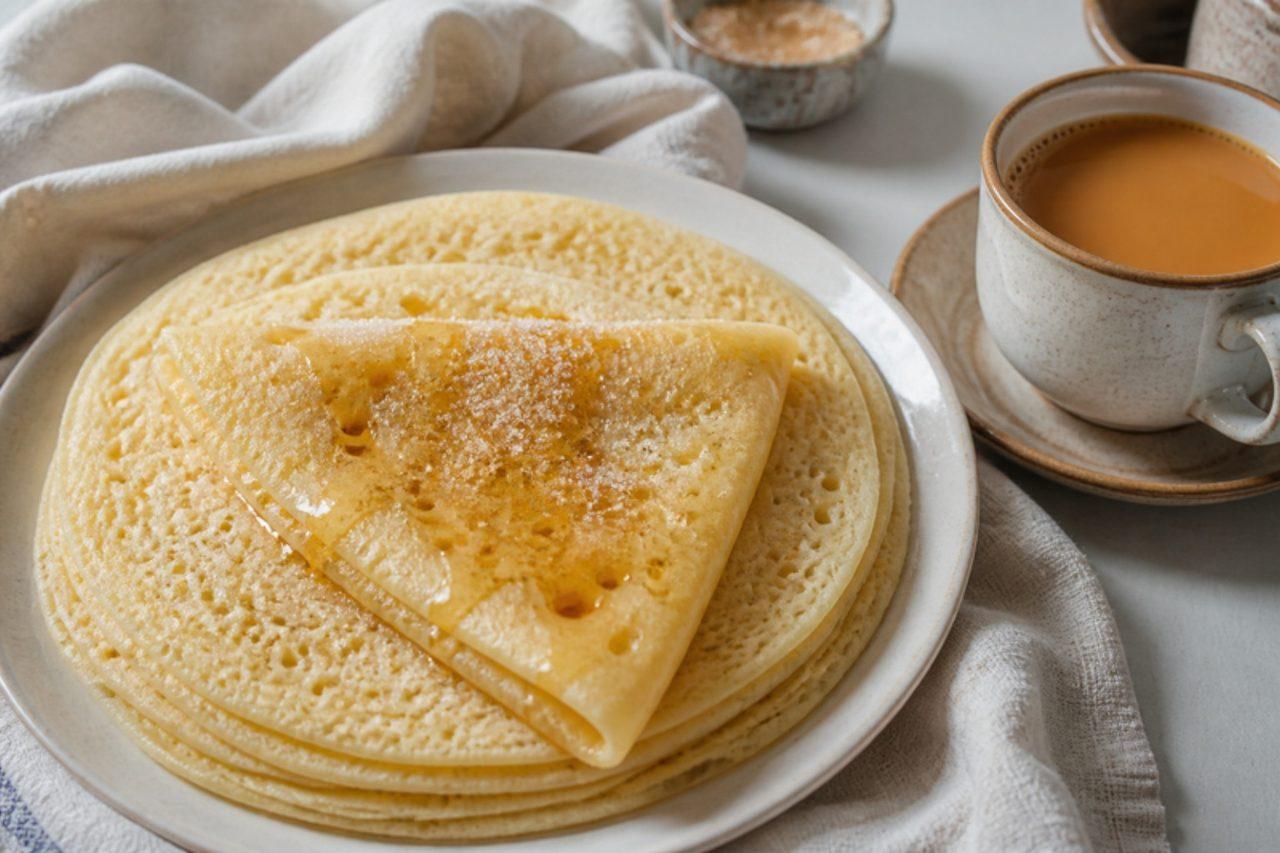
Canjeero (also called laxoox) is Somali breakfast, made fresh each morning in homes and sold in cafés from Mogadishu to Djibouti: thin, spongy pancakes from a soured batter, cooked on one side only so the top is full of tiny holes. Eaten warm, they are drizzled with sesame oil or ghee and sprinkled with sugar, then rolled up with sweet spiced tea; on weekends they come with liver or beans. They are smaller and lighter than Ethiopian injera and made mostly from wheat. Chef's tip: spread the batter in a spiral with the back of the ladle, starting in the middle; that is what makes the thin, even, lacy sheet.

by KrazyBadal 0 views

CannoliFried shells with sweet ricotta

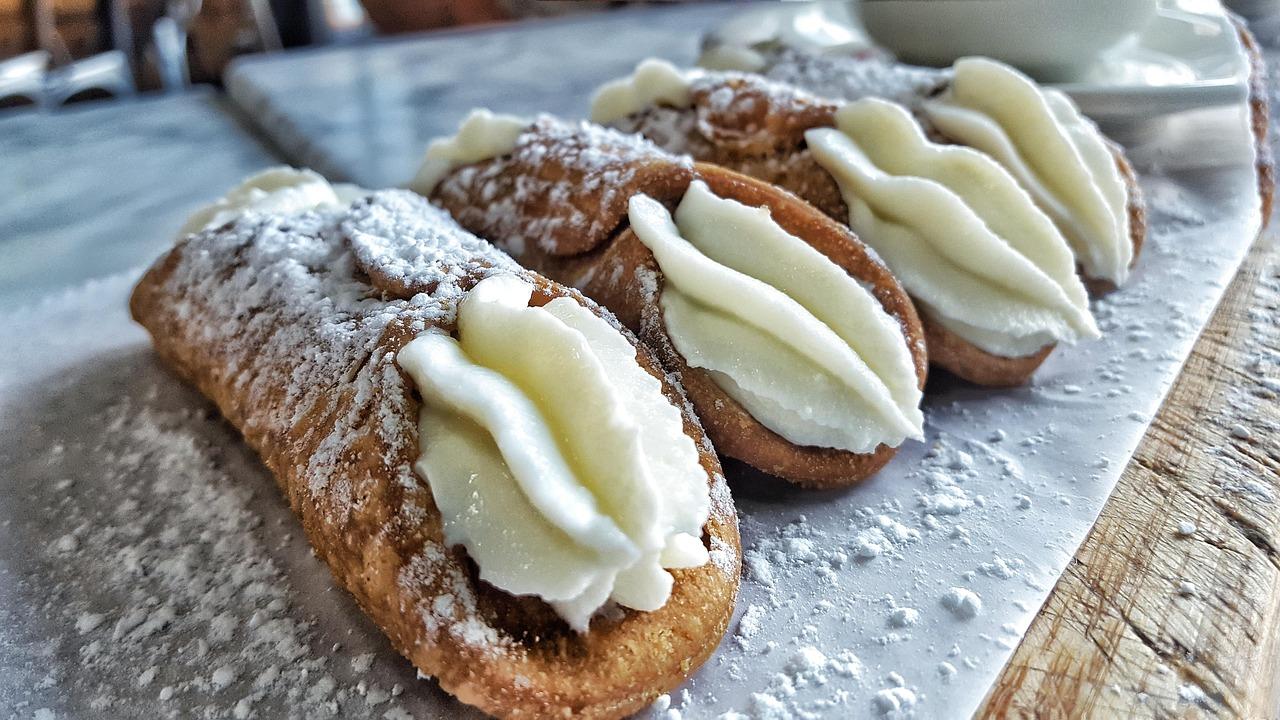
Cannoli were once a Carnival treat in Palermo; now Sicilian pastry shops fill them all year, piping the sweet sheep's-milk ricotta cream into the crisp, bubbly shells only when you order, so they never go soft. The ends are dipped in chopped pistachios, candied orange or chocolate chips. Traditional shells are fried with lard; this version uses butter in the dough and sunflower oil to fry. You need metal cannoli tubes. Chef's tip: drain the ricotta overnight and push it through a sieve; it makes a silky cream that holds its shape instead of a runny, grainy filling.

by KrazyBadal 0 views

CantucciTwice-baked almond biscuits

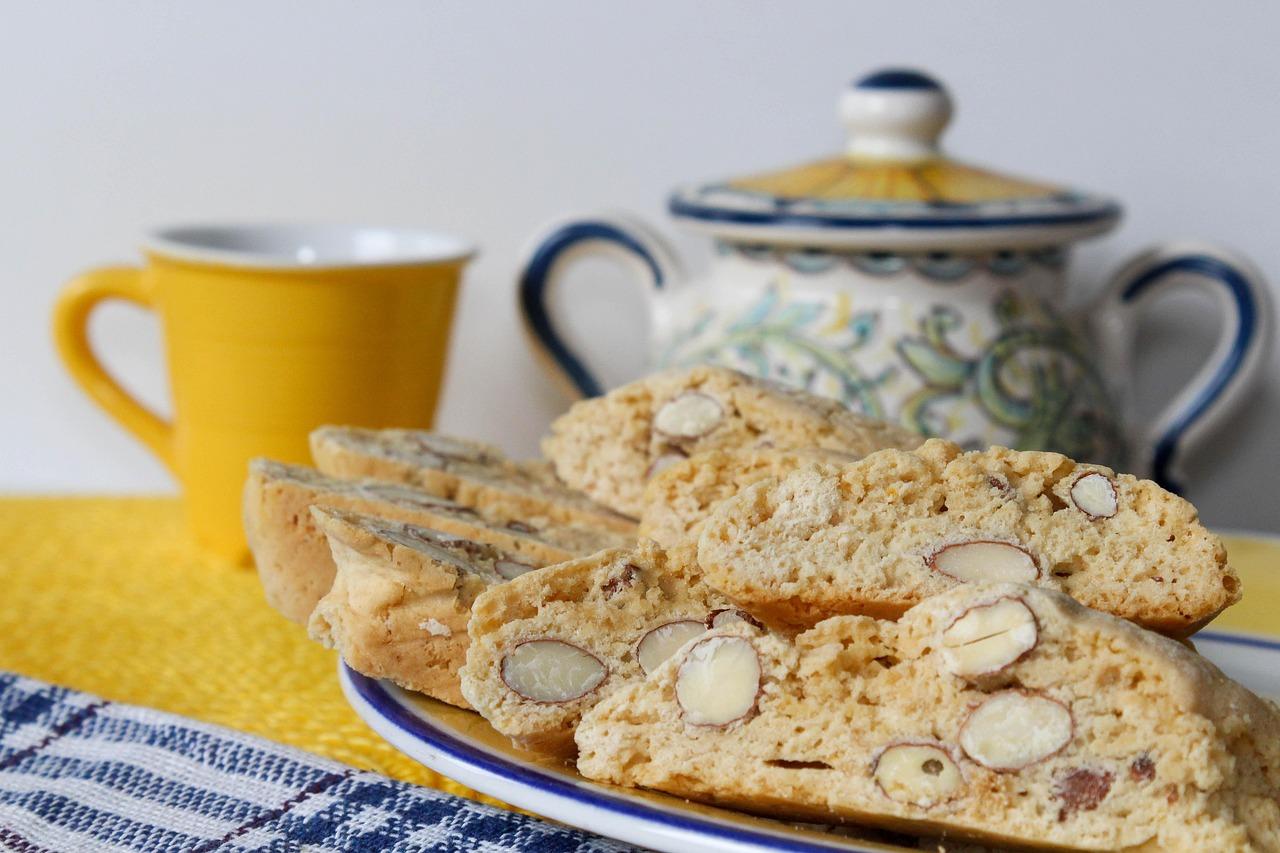
Cantucci, also called biscotti di Prato, are the hard almond biscuits of Prato, near Florence, where bakeries have sold them since the 1800s. The dough is shaped into logs, baked, sliced on the diagonal and baked again until crisp and golden, so they keep for weeks. In Tuscany they end a meal dipped in a small glass of Vin Santo; with coffee works just as well. The traditional recipe has no butter or oil, only eggs, sugar, flour and whole almonds. Chef's tip: slice the logs while still warm with a serrated knife and a firm sawing motion; once cold, they crumble.

by KrazyBadal 0 views

Cao lauPork and noodle bowl

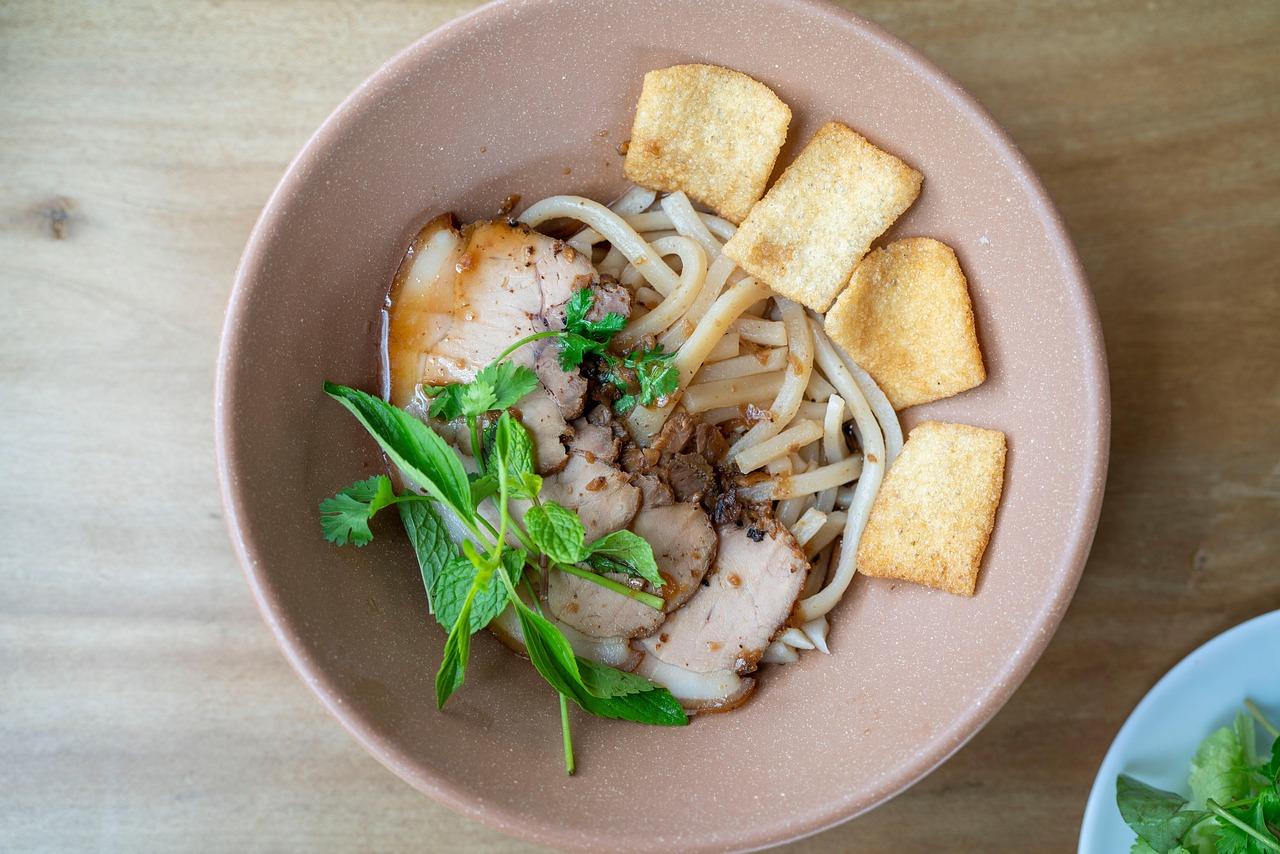
You will really only find proper cao lầu in Hội An, the old trading port on Vietnam's central coast, where it's sold in small family eateries and along the riverside at lunch. The noodles are yellowish and unusually chewy, made with lye water that locals traditionally link to the town's ancient Bá Lễ well. They come almost dry, topped with slices of sweet five-spice pork, raw greens and crisp squares of fried dough, with just a spoonful of the pork juices. Because the real noodles are very hard to buy outside Hội An, this home version uses thick udon noodles, which give a similar bouncy chew; it is a substitute, not the original. Chef's tip: rinse the cooked udon in cold water, then dip briefly in hot water just before serving, so they are warm but firm.

by KrazyBadal 0 views

BasbaasGreen chilli and coriander sauce

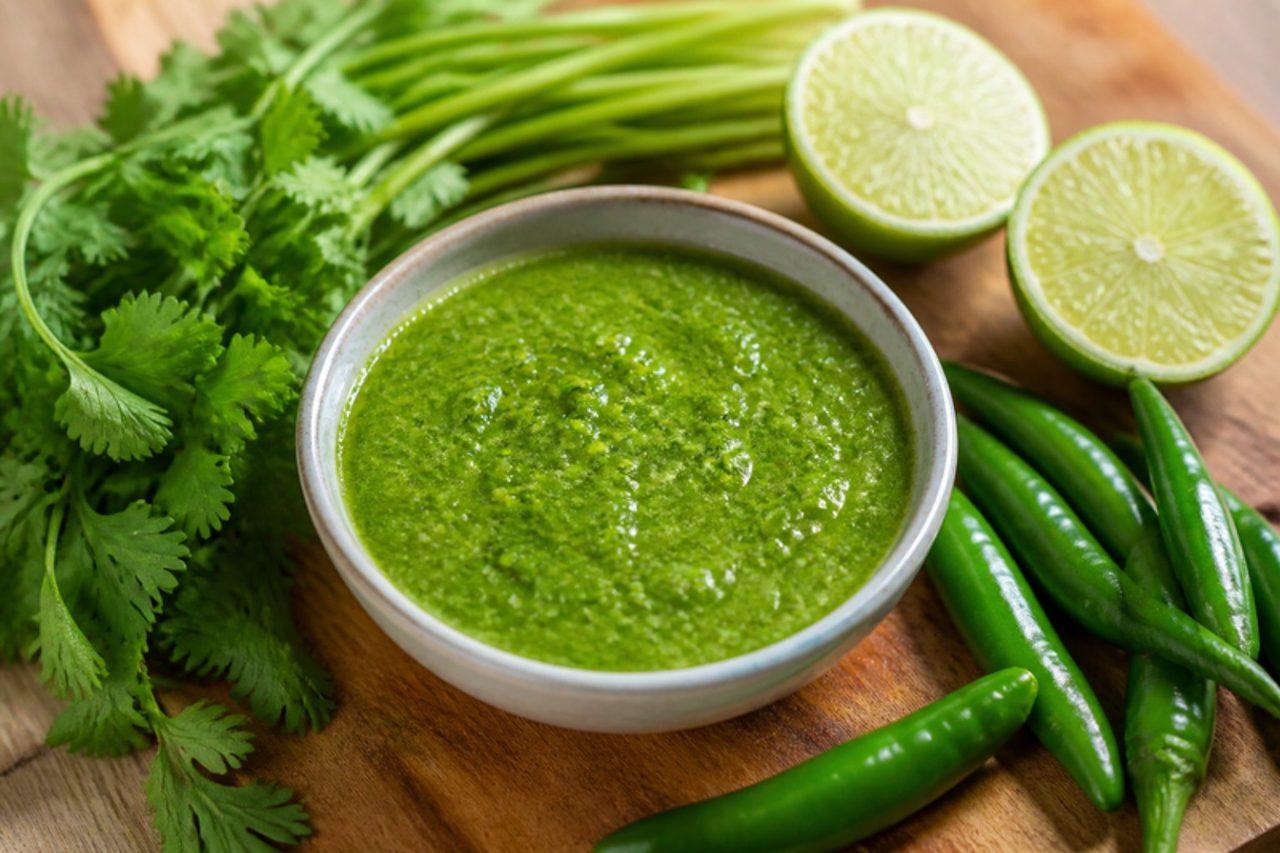
Basbaas means chilli in Somali, and basbaas cagaar, the green sauce, is on every Somali table, spooned over rice, pasta, sambuusa and grilled food. It is sharp, hot and fresh, and every family has its own balance of chilli, coriander and lime; some add a tomato to soften it. Make a jar and keep it in the fridge all week. Chef's tip: add the lime juice to the blender before the chillies; the acid keeps the sauce bright green.

by KrazyBadal 0 views

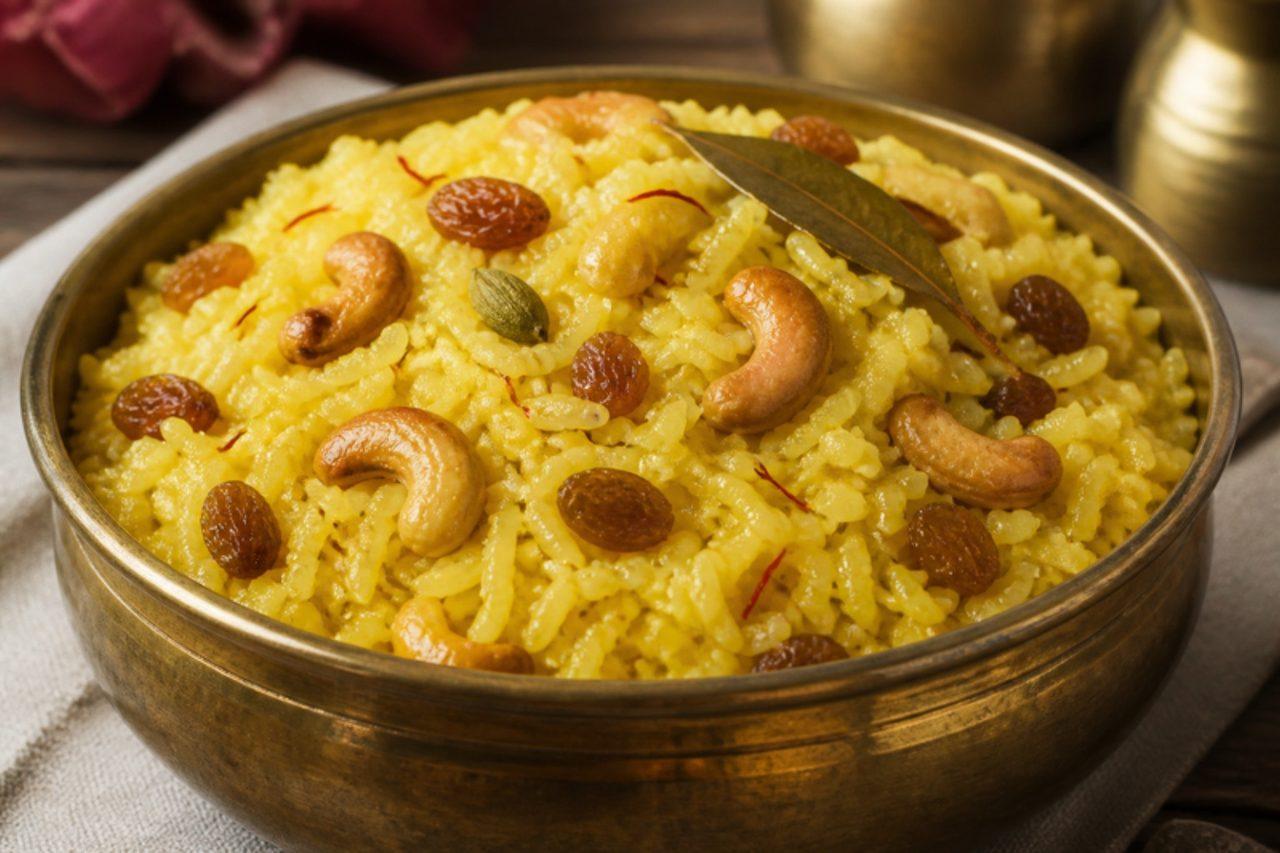
Basanti pulaoSweet saffron rice

Basanti pulao, the 'spring-coloured' pulao, is cooked in Bengali homes for Poila Baisakh (the Bengali new year), weddings, Jamai Shashthi and pujas. It is made with gobindobhog, a short-grain, buttery-smelling rice from Bengal, cooked in ghee with whole spices, turmeric, sugar, cashews and raisins until each grain is glossy and separate. It is distinctly sweet, and is served with aloo dum, chhanar dalna or, in non-vegetarian homes, kosha mangsho. Chef's tip: wash the rice and spread it on a cloth for 30 minutes; dry grains fry in the ghee without breaking.

by KrazyBadal 0 views

Cape Malay koesistersSpiced syrup doughnuts

Koesisters are Cape Town's Sunday-morning ritual: in the Bo-Kaap and on the Cape Flats, families buy or make a batch to eat with tea after the week's work is done. They are nothing like the plaited, crunchy Afrikaner koeksister. These are soft, cake-like, oval dumplings flavoured with cinnamon, cardamom, ginger, aniseed and naartjie (tangerine) zest, fried, briefly boiled in a thin syrup and rolled in desiccated coconut. Chef's tip: fry them over a moderate heat so they cook through to a fluffy centre before the outside turns dark; they should be a rich brown, not black.

by KrazyBadal 0 views

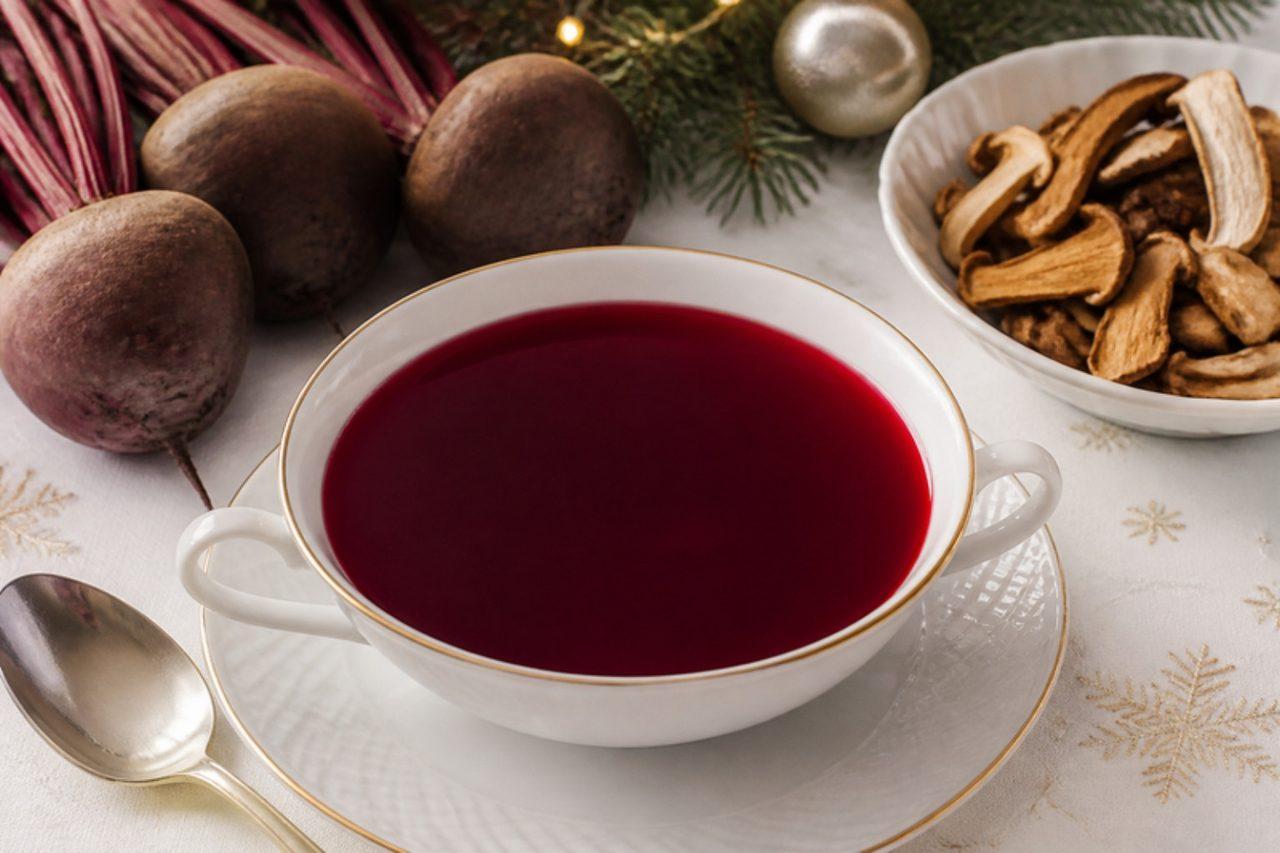
Barszcz czerwony (Christmas Eve beetroot broth)Clear beetroot soup

Barszcz czerwony wigilijny is the clear, ruby-coloured beetroot broth that opens the Christmas Eve supper in most Polish homes, from Warsaw to Wrocław. It is not the thick vegetable soup of Ukraine but a sipping broth, sweet, sour and earthy, sharpened with beetroot kvass or lemon and deepened with dried forest mushrooms; on 24 December it is served with tiny mushroom dumplings called uszka, and through winter people drink it from mugs alongside a croquette. It is fully plant-based, as the Wigilia table traditionally is. Chef's tip: once the beetroot is in, never let the soup boil hard; a bare simmer keeps the colour bright, and boiling turns it a dull brown.

by KrazyBadal 0 views

ChechebsaTorn flatbread in spiced butter

Chechebsa (also called kita firfir) is a breakfast from the Oromia and Wollo regions now loved all over Addis Ababa: a thick wheat flatbread is cooked on a griddle, torn into pieces and tossed in niter kibbeh and berbere, then eaten with honey and a dollop of ayib or yoghurt. It is rich, warming and quick. For a fasting (vegan) version, toss the bread in spiced oil instead of niter kibbeh and skip the yoghurt and honey or use date syrup. Chef's tip: tear the bread while hot with two forks; cold flatbread goes tough and won't soak up the butter.

by KrazyBadal 0 views

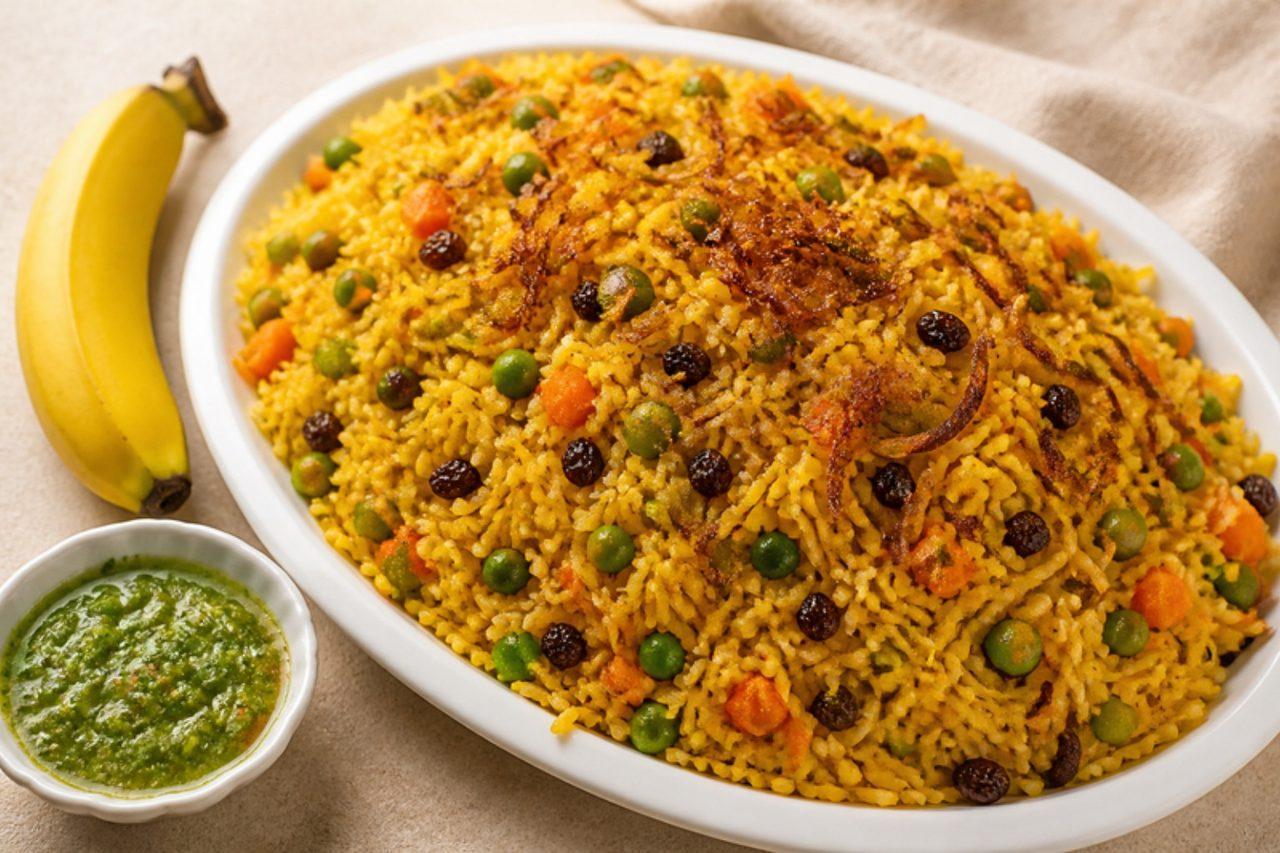
Bariis iskukarisSpiced rice with vegetables and raisins

Bariis iskukaris ('rice cooked together') is the centre of the table at Somali family lunches, Friday gatherings and Eid, from Mogadishu to Hargeisa and Somali neighbourhoods in Nairobi, Minneapolis and London. Long-grain rice is cooked in one pot with onion, tomato and the house spice mix xawaash, and topped with fried onions and raisins; it is usually crowned with goat, but this version cooks carrots, peas and potatoes into the rice. In true Somali style, serve it with a banana on the side and a spoon of green basbaas. Chef's tip: rinse and soak the basmati so the grains stay long and separate.

by KrazyBadal 0 views

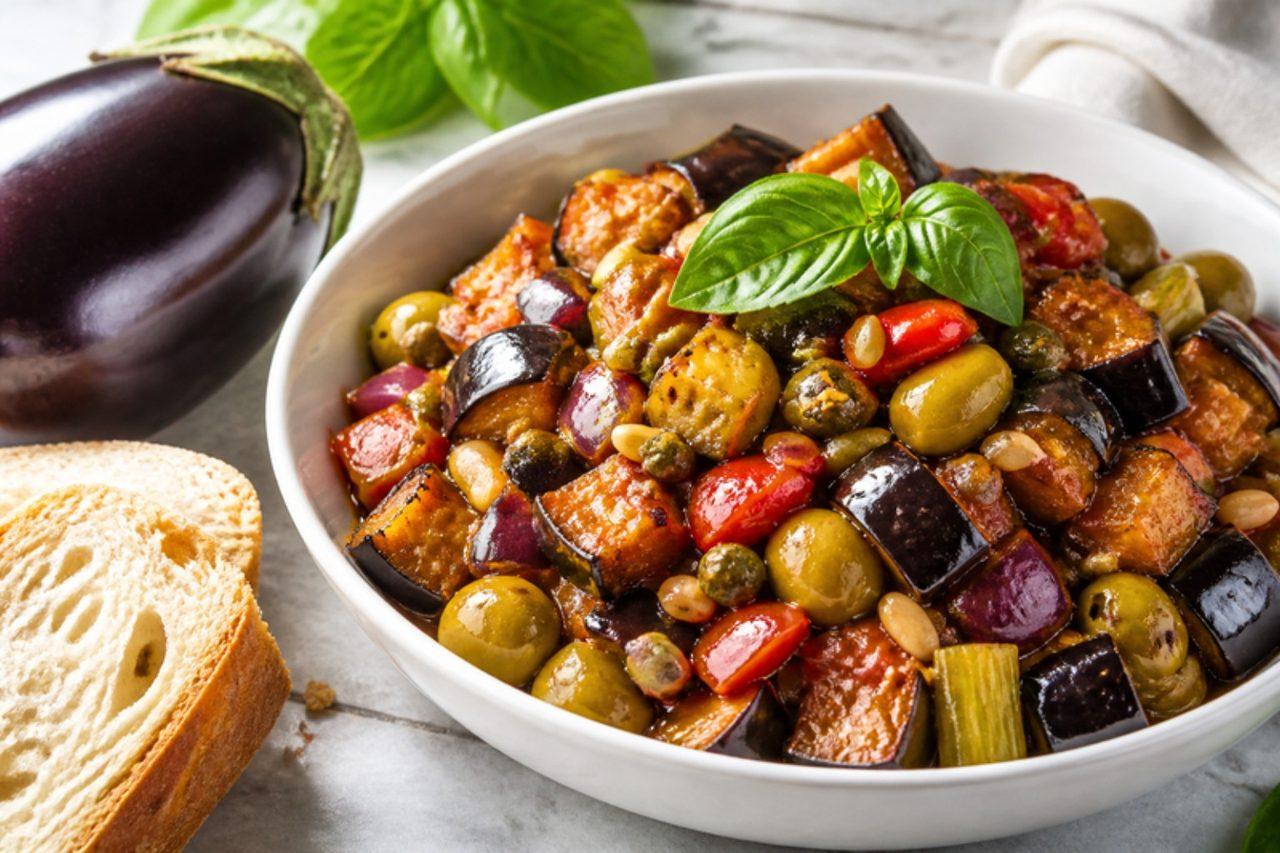
CaponataSweet and sour aubergine stew

Caponata is the agrodolce dish of Sicily: cubes of fried aubergine, crisp celery, green olives and capers in a glossy tomato sauce sharpened with vinegar and softened with a little sugar. Palermo families keep a bowl in the fridge through late summer and eat it at room temperature as an antipasto, a side or on bread, and many say it is best on the second day. The sweet-sour balance shows the Arab influence on Sicilian cooking. Chef's tip: blanch the celery for 2 minutes before frying; it keeps a pleasant crunch without tasting raw.

by KrazyBadal 0 views

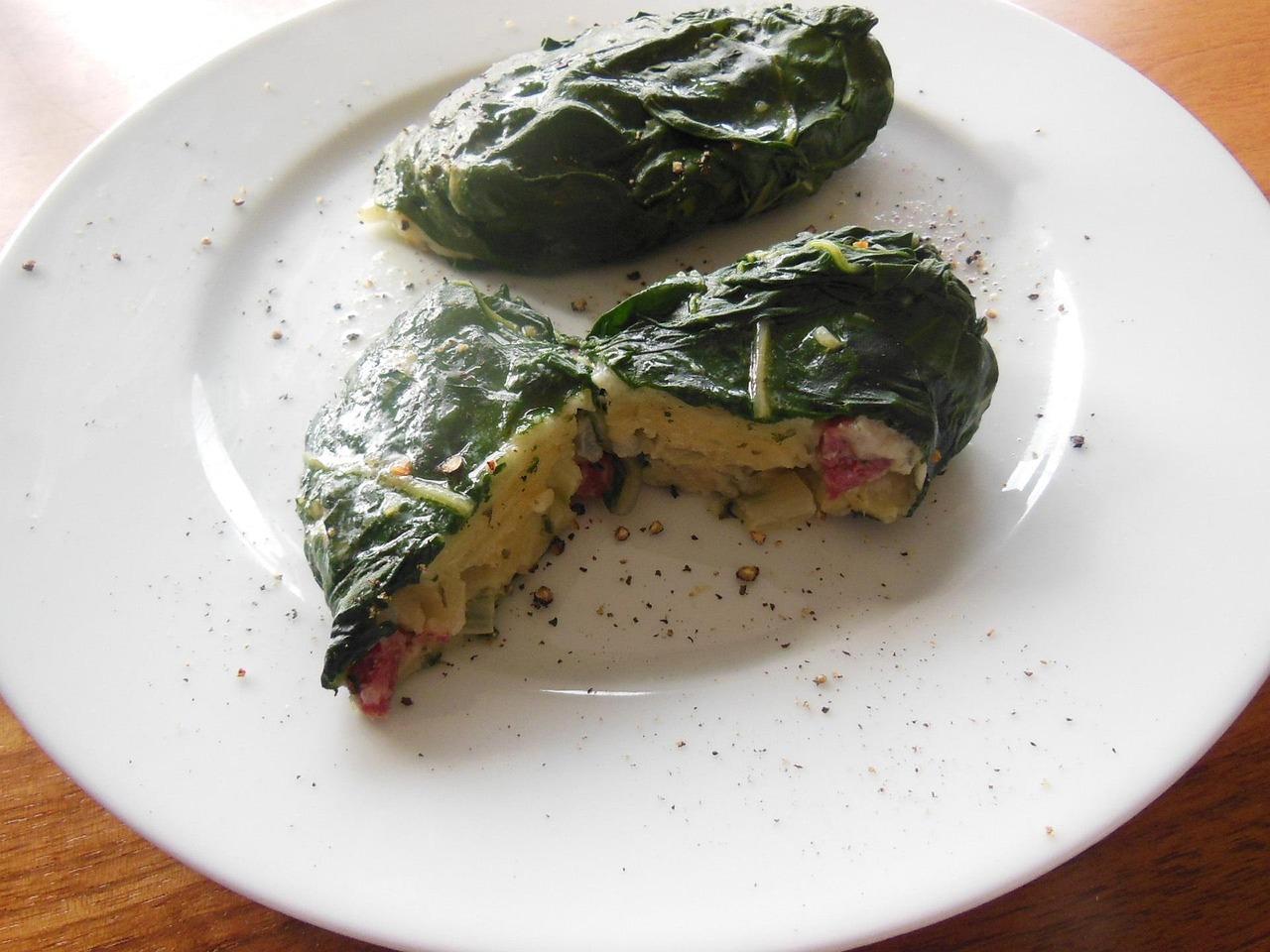
CapunsChard parcels of herby dough

Capuns come from the valleys of Graubünden, where every village in the Surselva and Engadin has its own way of making them, and they are cooked on cold evenings and for festivals in mountain inns. A soft spätzle batter flavoured with herbs and little cubes of air-dried salsiz sausage and bacon is wrapped in chard leaves, then the parcels are poached in a mixture of milk and stock and finished with butter and grated mountain cheese. The salsiz and bacon are pork. Most first attempts fail because the dough is too runny to wrap; it should drop slowly off a spoon, like very thick porridge. Chef's tip: dip the chard leaves into boiling water for just 10 seconds so they turn supple enough to roll without tearing.

80 minSwissMeat
by KrazyBadal 0 views

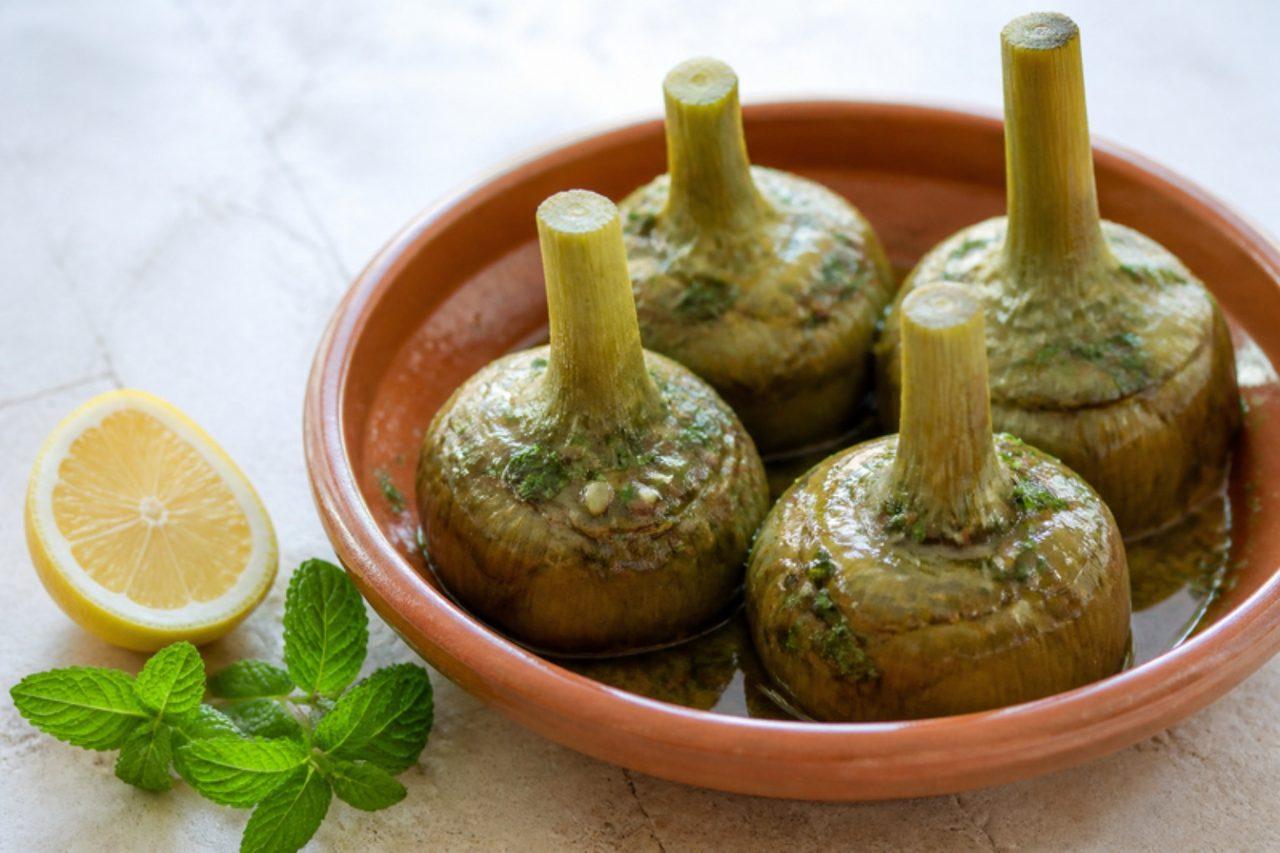
Carciofi alla romanaBraised artichokes with mint

Every spring, from February to April, Roman market stalls pile up round, thornless romanesco artichokes (cimaroli), and trattorie serve them alla romana: stuffed with wild mint, parsley and garlic and braised stem-up in oil and water until meltingly soft. They are eaten warm or at room temperature as a contorno, often next to their crisp cousins, carciofi alla giudia. Any large globe artichoke works at home. Chef's tip: braise them upside down, stems in the air and tightly packed, so the hearts sit in the liquid and the stems steam to the same tenderness.

by KrazyBadal 0 views

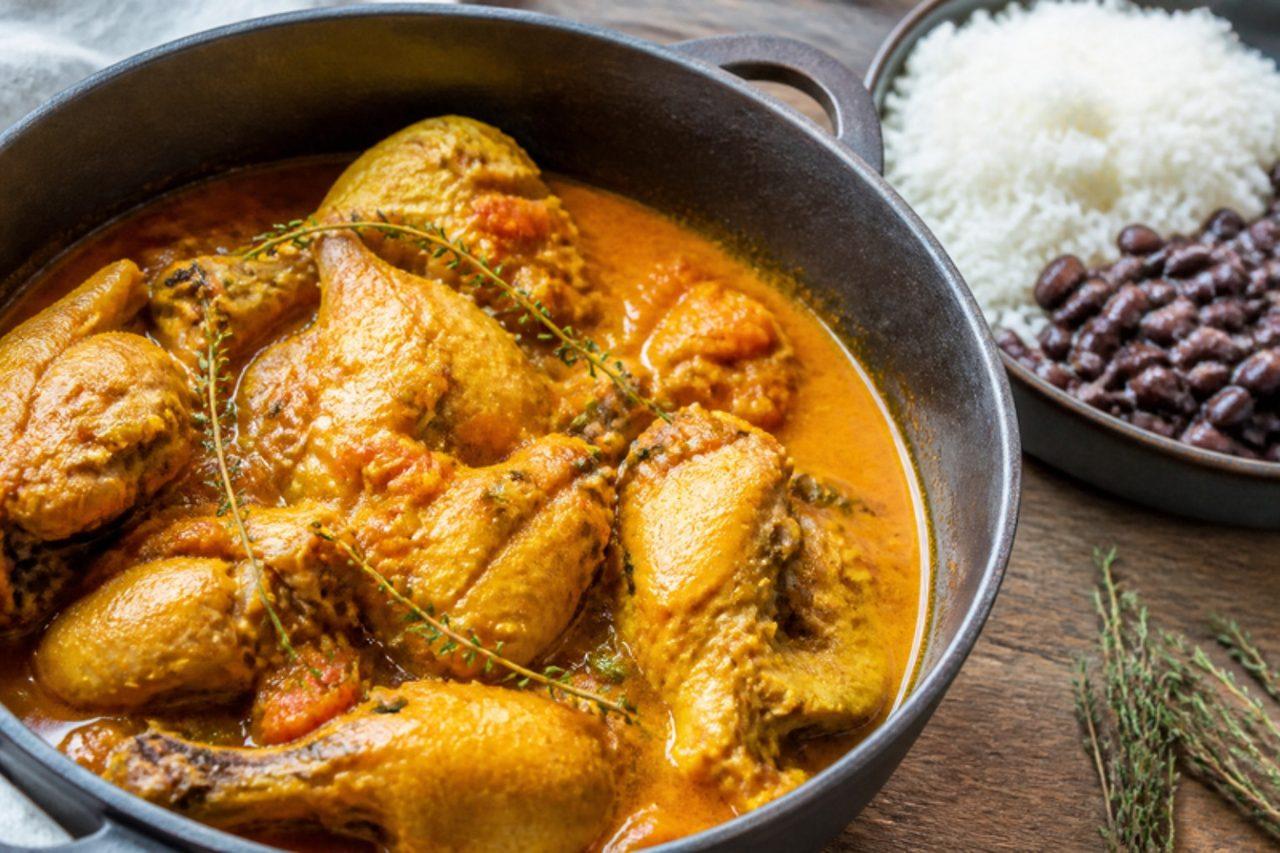
Cari pouletChicken curry

In Réunion a cari is any stew cooked with turmeric (called "safran" on the island), garlic, ginger, onion, tomato and thyme, and cari poulet is the dish families cook on Sundays in Saint-Denis and the mountain villages, often in a big cast-iron pot over a wood fire. It is served with white rice, red beans or lentils, and a fiery rougail on the side. The mistake is adding water too early: let the chicken brown and the tomatoes melt first, then add only a little. Chef's tip: thyme is essential in Réunionnais cooking; add it whole and fish it out before serving.

by KrazyBadal 0 views

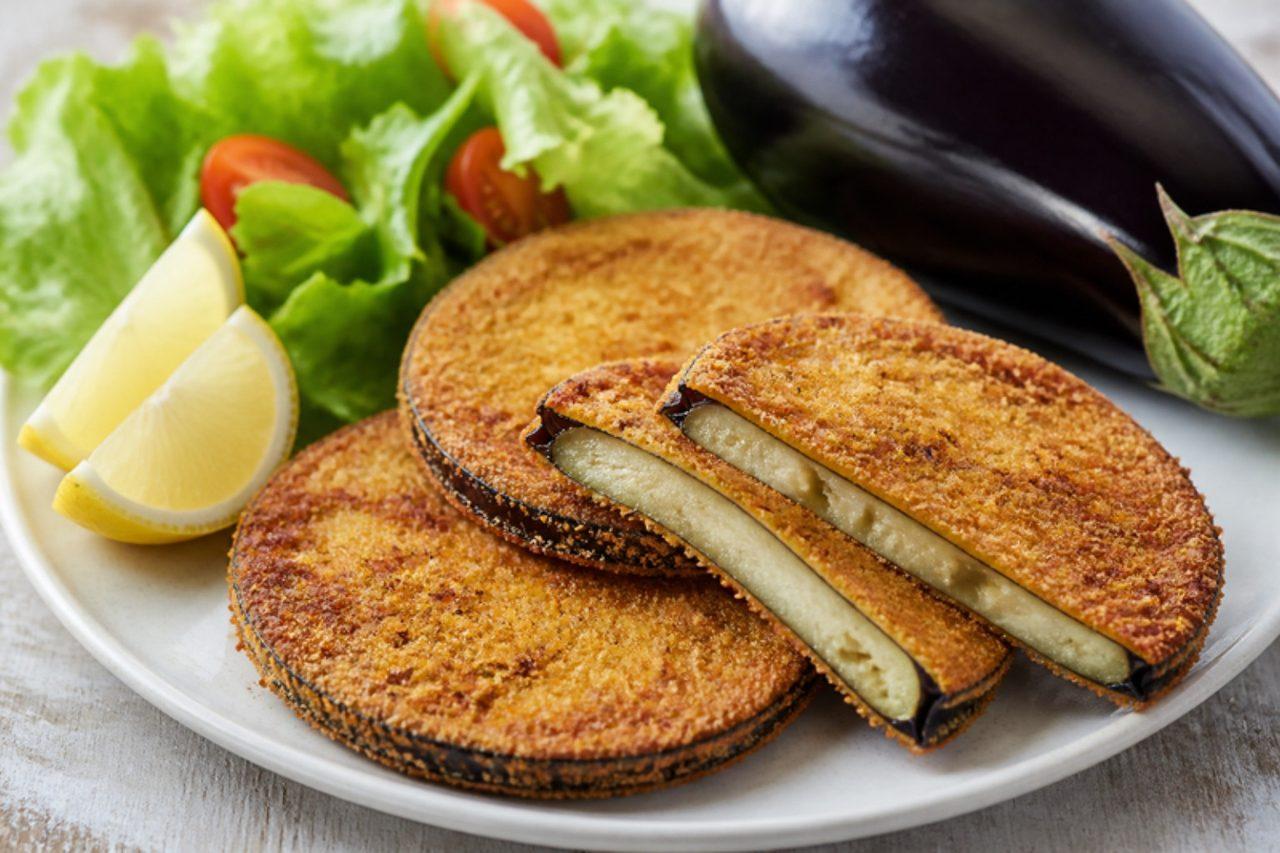
Milanesa de berenjenaBreaded aubergine cutlets

Milanesas, thin breaded cutlets brought by Italian immigrants, are the everyday dinner of Argentina and Uruguay, made in every home from Rosario to Mendoza. Vegetarian families make them with aubergine slices, which turn creamy inside a crunchy golden crumb, and serve them with mashed potato, salad or between bread as a sandwich de milanesa. Children love them with a squeeze of lemon. Turn them into milanesa a la napolitana by topping with tomato sauce and mozzarella and grilling. Chef's tip: season the egg, not just the crumbs: garlic and parsley in the egg are what make an Argentine milanesa taste like home.

by KrazyBadal 0 views

CarimañolasYuca fritters stuffed with beef

Carimañolas are torpedo-shaped fritters of mashed yuca filled with savoury minced beef, a breakfast and party snack in Panama City and along the Caribbean coast in Colón, often eaten with a cup of coffee or a spoon of hot sauce. The yuca dough is soft and smooth, the outside crisp after frying. The mistake is working the yuca dough while it is cold; mash and shape it while still warm, when it is smooth and pliable. Chef's tip: wet your hands with a little oil or water as you shape them so the dough doesn't stick.

by KrazyBadal 0 views

Milanesa de carneBreaded beef cutlet

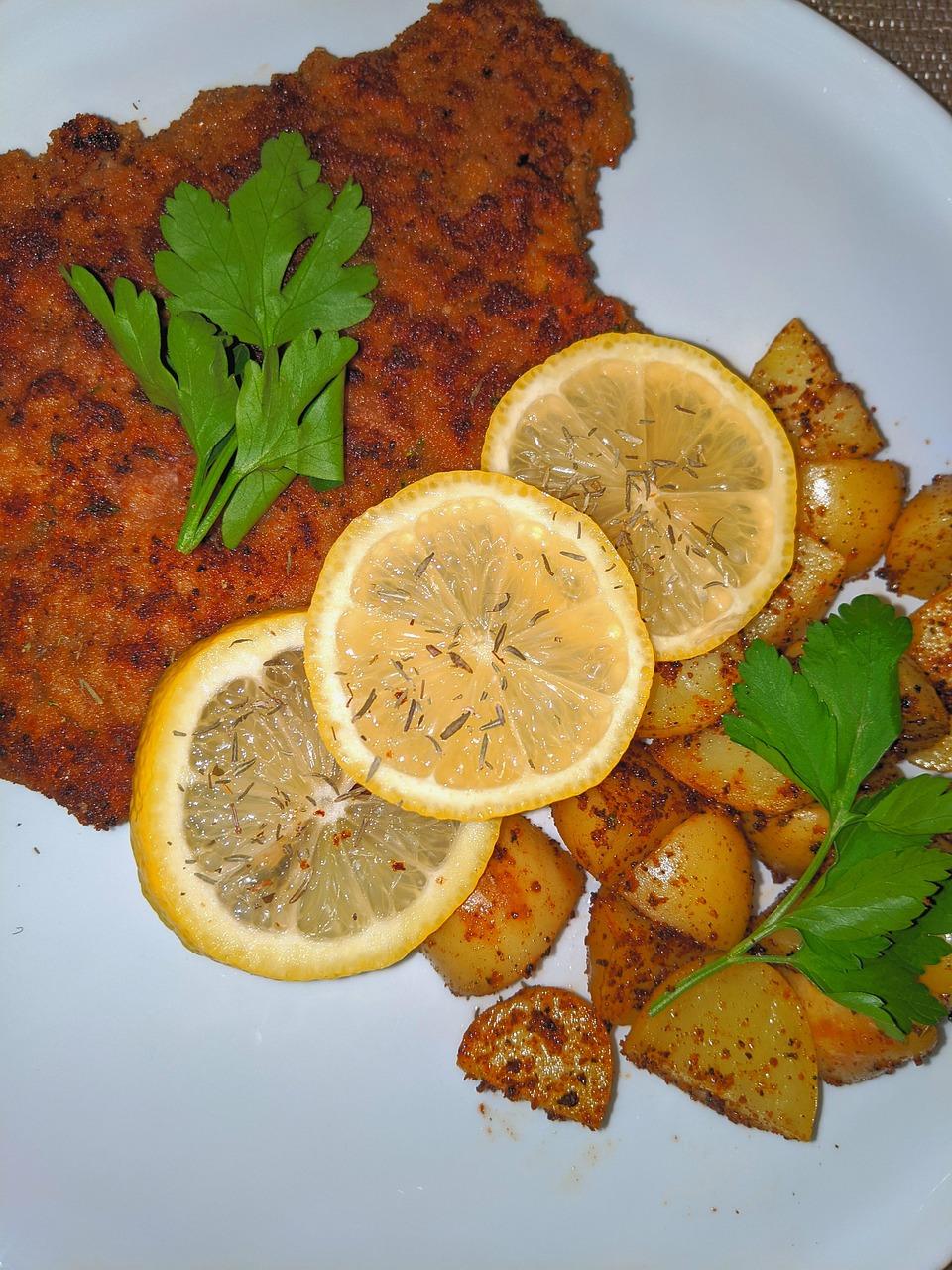
If there is one dinner every Argentine child grows up on, it is milanesa: beef pounded very thin, dipped in garlicky egg, coated in breadcrumbs and fried until golden. It came with Italian immigrants to Buenos Aires and Rosario, and today it is eaten on weekday nights with mashed potato or chips, cold in sandwiches the next day (milanesa al pan), and on long car trips. Lemon wedges are a must. The mistake most people make is leaving the beef too thick; it should be about 5 mm, so it cooks through by the time the crumb is golden. Chef's tip: bread the milanesas, lay them on a tray and chill them for 30 minutes before frying, so the coating sticks firmly and doesn't fall off in the pan.

by KrazyBadal 0 views

Carne de porco à alentejanaPork and clams

Despite the name, this surf-and-turf dish of pork and clams is most often linked with the Algarve coast, where Alentejo pork met local shellfish; today it is served in tascas all over Portugal, especially for Sunday lunch. It is a pork dish: cubes of pork shoulder marinate in massa de pimentão (sweet red pepper paste), garlic and traditionally white wine, then are fried and tossed with steamed clams, crisp potato cubes, pickles and lots of coriander. For an alcohol-free version, swap the wine for chicken stock with a tablespoon of white wine vinegar. Chef's tip: buy the pork with a little fat on; lean loin turns dry and tough when fried.

by KrazyBadal 0 views

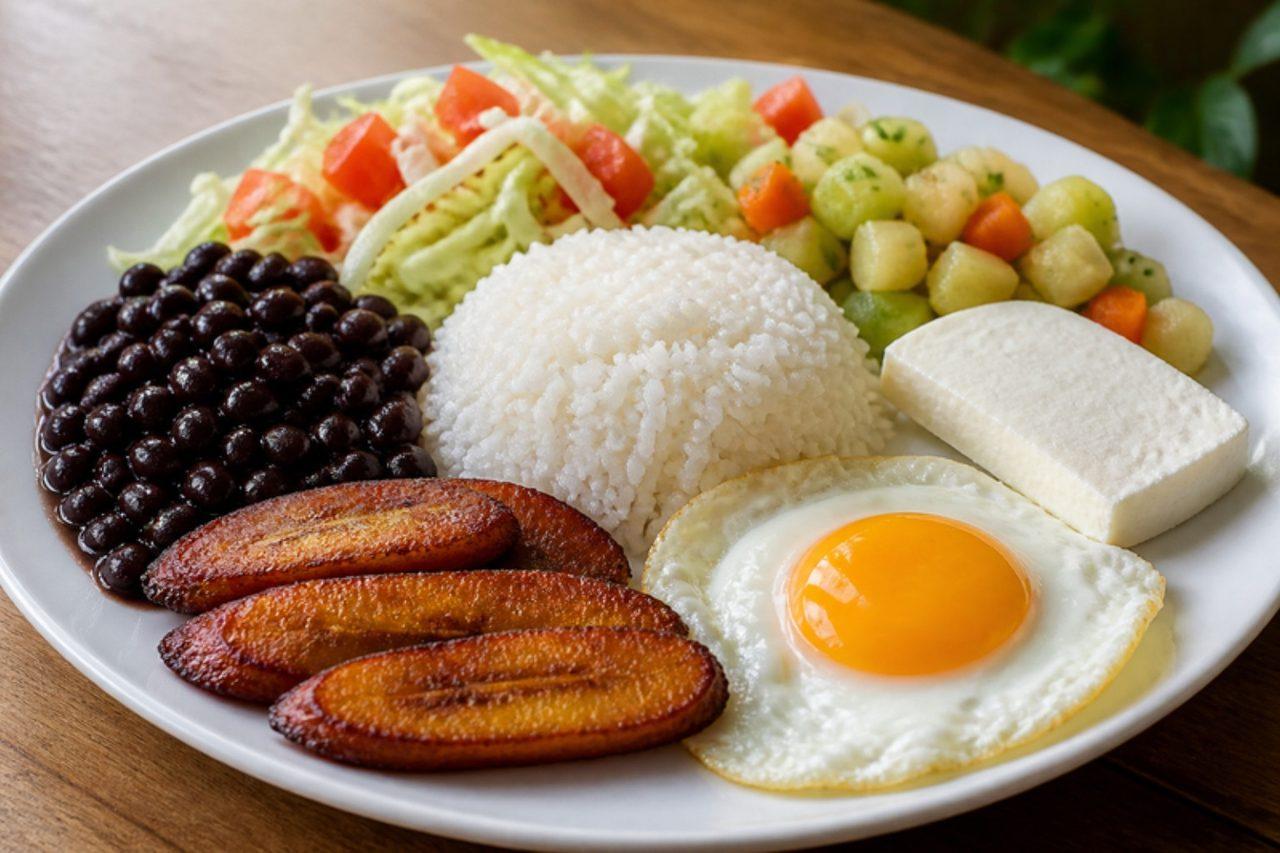
Casado vegetarianoRice, beans and plantain plate

Walk into any soda (small family diner) in San José at lunchtime and the board will offer a casado: one plate where rice and beans are 'married' to salad, sweet plantain and a main. The meatless version is just as common, with a fried egg and a slice of fresh white cheese, plus a little picadillo of chopped vegetables. It's a full, balanced lunch, and every element is simple. Chef's tip: cook the plantain only when it's deeply black-skinned and soft; ripe plantain caramelises to sticky dark edges, green plantain just goes dry.

by KrazyBadal 0 views

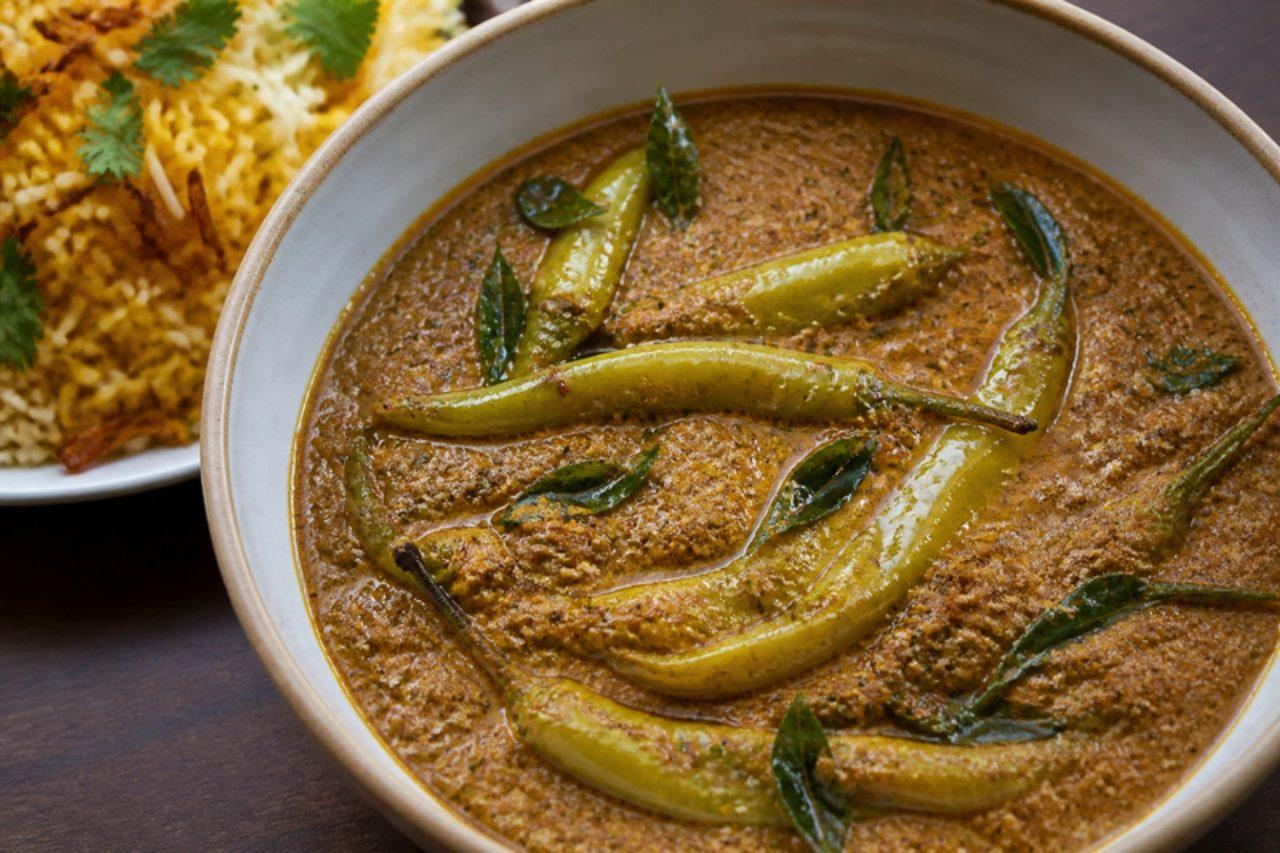
Mirchi ka salanGreen chillies in peanut sesame sauce

Mirchi ka salan comes from Hyderabad, where it's the classic partner for biryani at weddings and Sunday lunches. Fat, mild green chillies are fried until blistered, then simmered in a nutty gravy of roasted peanuts, sesame and dried coconut, soured with tamarind. The result is rich, tangy and only gently hot, with the chillies giving a fresh, grassy bite. It also tastes very good with plain rice, jeera rice or parathas and is even better the next day. Chef's tip: roast the peanuts, sesame and coconut separately and slowly; each browns at its own pace, and one scorched spoonful of sesame turns the whole gravy bitter.

by KrazyBadal 0 views

Banh tom Ho TaySweet potato and shrimp fritters

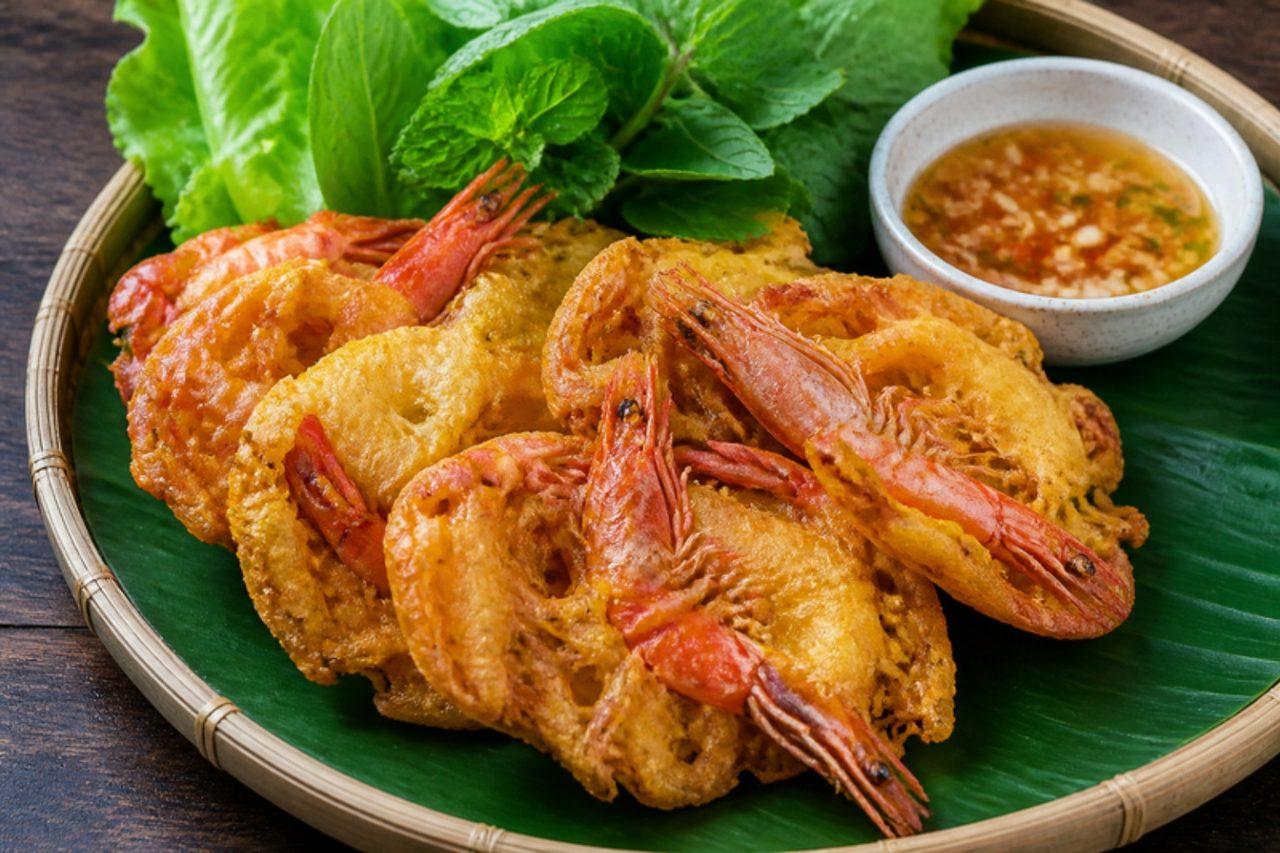
Lakeside cafés on the shore of West Lake (Hồ Tây) in Hanoi have sold these fritters for generations, and locals still ride out on cool autumn afternoons to eat them looking over the water. Each one is a nest of sweet-potato matchsticks held together by a thin, turmeric-tinted batter, with a whole small shrimp pressed on top so its shell fries crisp. They come piled on a plate with lettuce, herbs and a bowl of sweet-sour fish sauce dotted with slices of green papaya or kohlrabi. You wrap a piece of fritter in a lettuce leaf with a few herbs and dunk it. Chef's tip: soak the cut sweet potato in cold water for 10 minutes and then dry it really well; washing off the surface starch is what keeps the strands separate and crunchy.

by KrazyBadal 0 views

Chaman kaliyaPaneer in turmeric milk gravy

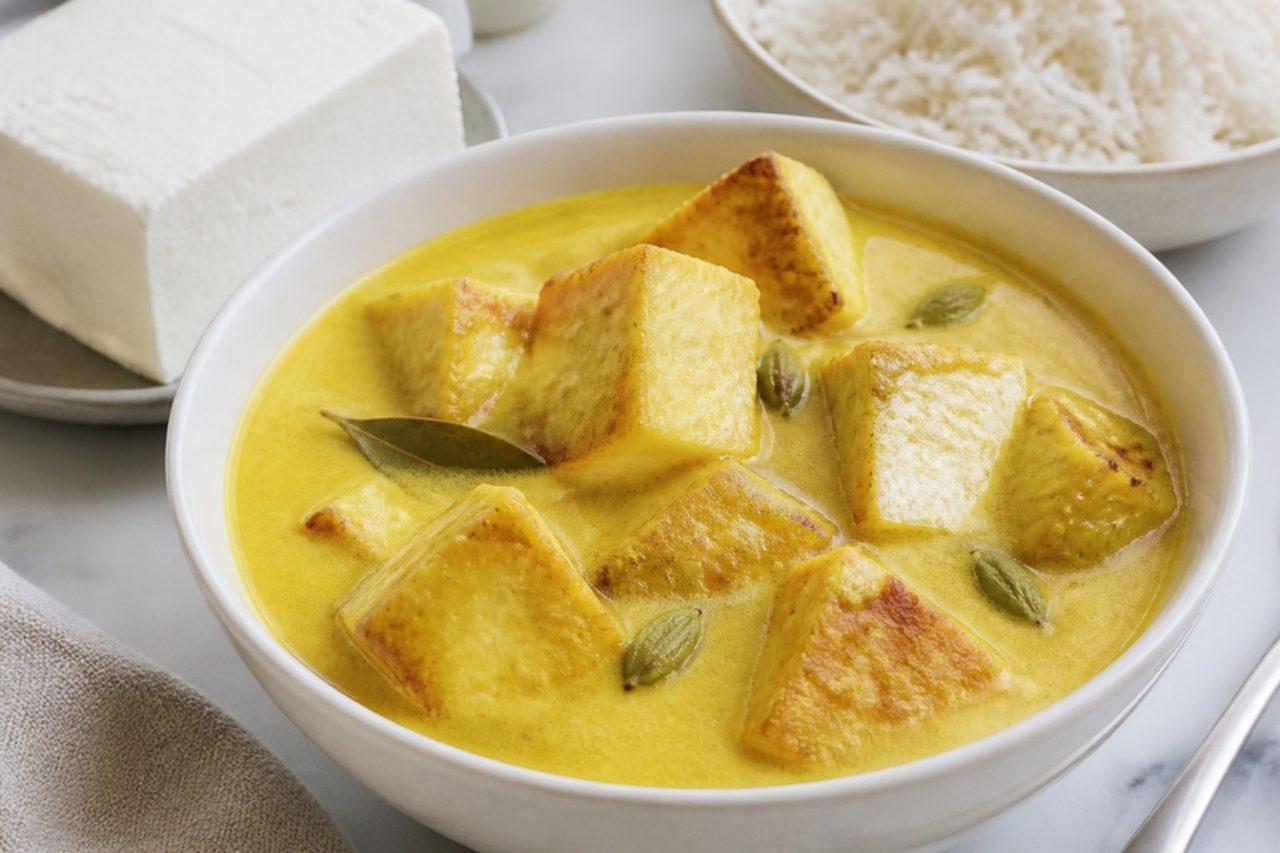
In Kashmir paneer is called chaman, and kaliya is the name for a gravy coloured bright yellow with turmeric rather than red with chilli. Kashmiri Pandit cooks fry thick slabs of paneer, rest them in warm water so they stay spongy, then simmer them in milk with fennel, dry ginger and cardamom. The result is mild, sweet-scented and soothing, a dish that sits beside the fiery ones on a wedding or festival spread and is just as welcome on a weekday with rice. Chef's tip: use a generous spoon of good turmeric; the gravy should glow a deep gold, and the milk mellows any rawness.

by KrazyBadal 0 views

Banh khotMini coconut rice pancakes

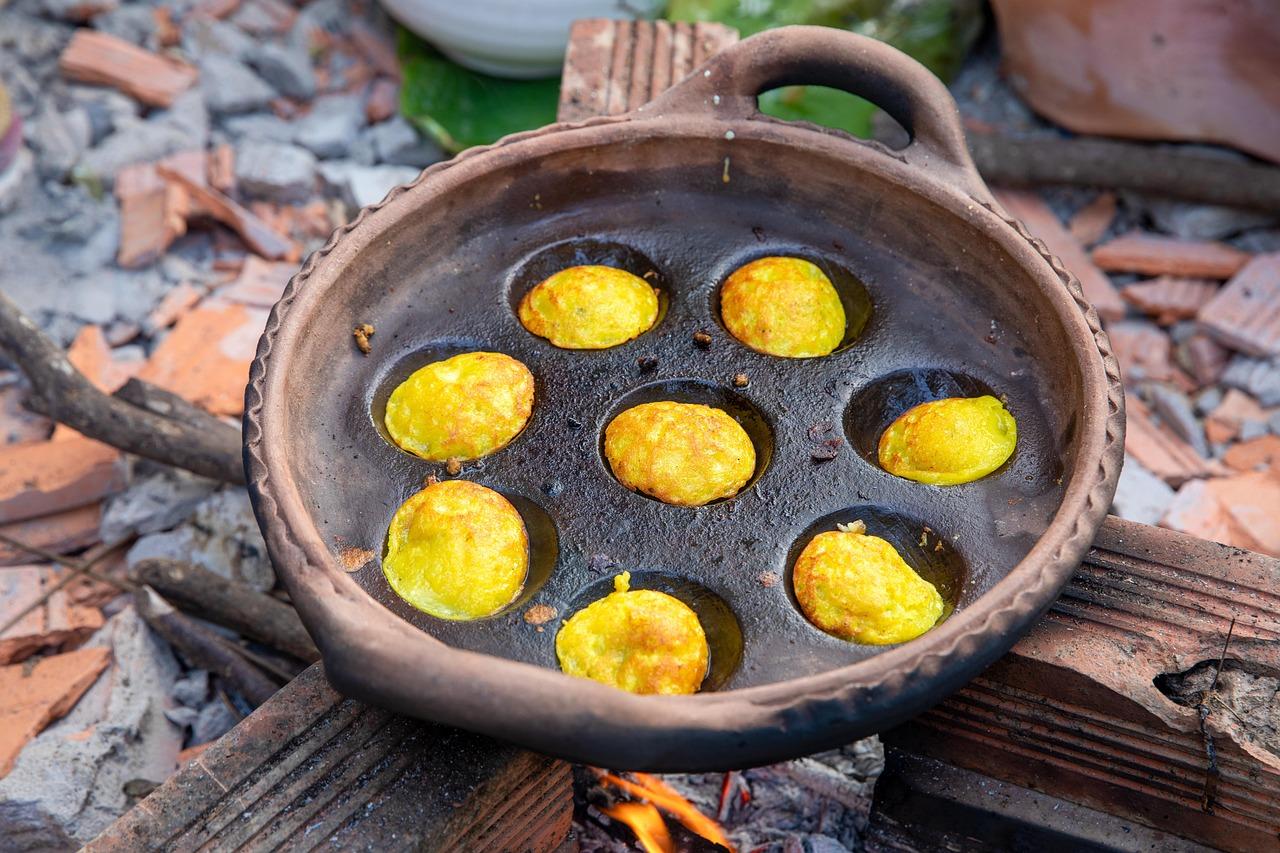
Weekend visitors from Saigon who drive down to the beach town of Vũng Tàu make a point of eating bánh khọt at open-air stalls, where cooks tend rows of dimpled clay or cast-iron pans over charcoal. The batter of rice flour, coconut milk and turmeric fries into bite-sized cups with a shatteringly crisp base and a soft, custardy top, each finished with a small shrimp and spring onion oil. You wrap them in mustard greens or lettuce with herbs and dip them in sweet-sour fish sauce. At home, an aebleskiver or takoyaki pan works well. Chef's tip: cover the pan for the first minute so steam sets the tops, then uncover so the bottoms crisp in the oil.

by KrazyBadal 0 views

Banh cuonSteamed rice rolls

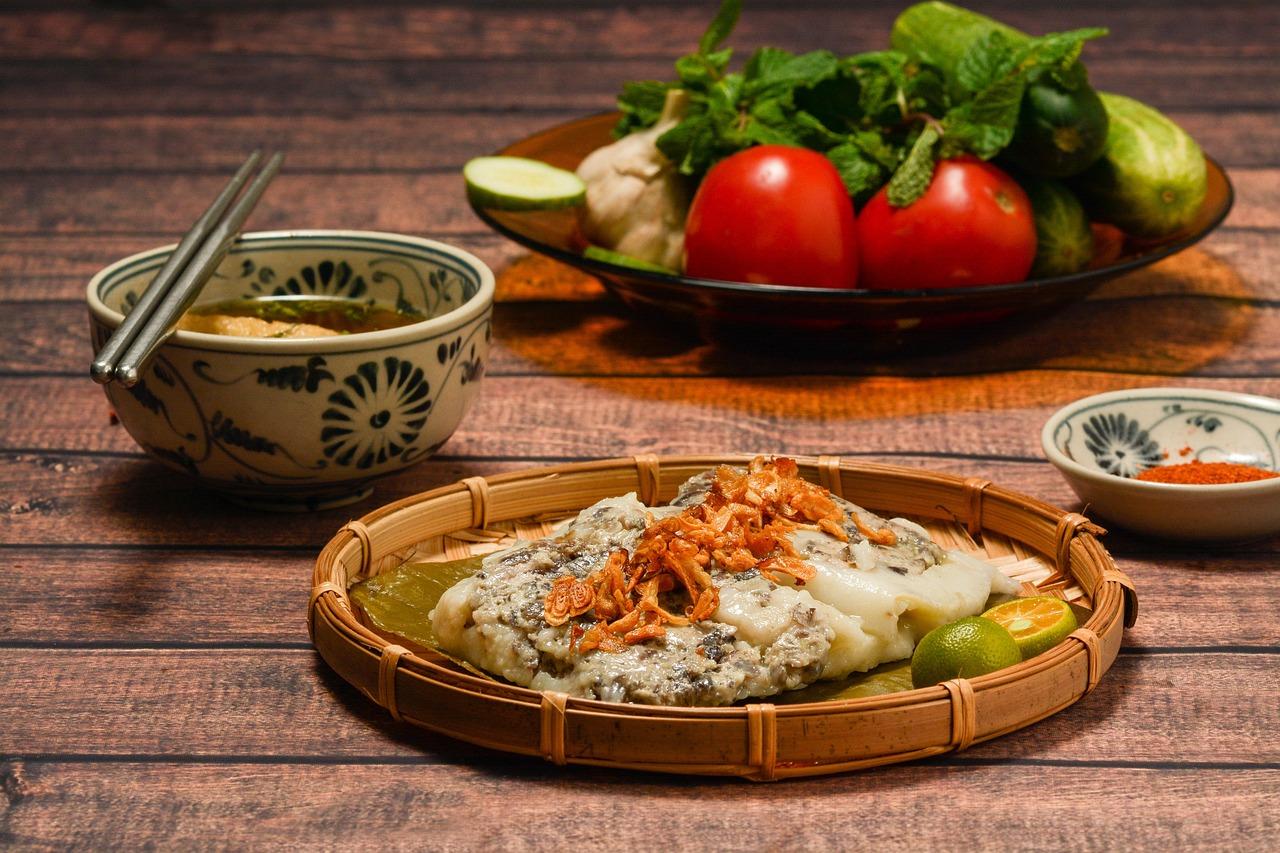
In Hanoi, banh cuon shops open early, and the cook sits beside a pot of boiling water stretched over with cloth, spreading batter across it in one sweep and lifting off sheets thin enough to see through. Each sheet is rolled around a little minced pork and crunchy wood-ear mushroom, cut into pieces, showered with crispy shallots and dipped into warm fish sauce. Slices of Vietnamese pork roll and a sprig of herbs often come on the side. At home a lidded non-stick frying pan does the job of the cloth, and once you find the rhythm the sheets come quickly. Chef's tip: make a practice sheet first; the first one is almost always a little too thick, and it tells you how much batter to use.

by KrazyBadal 0 views

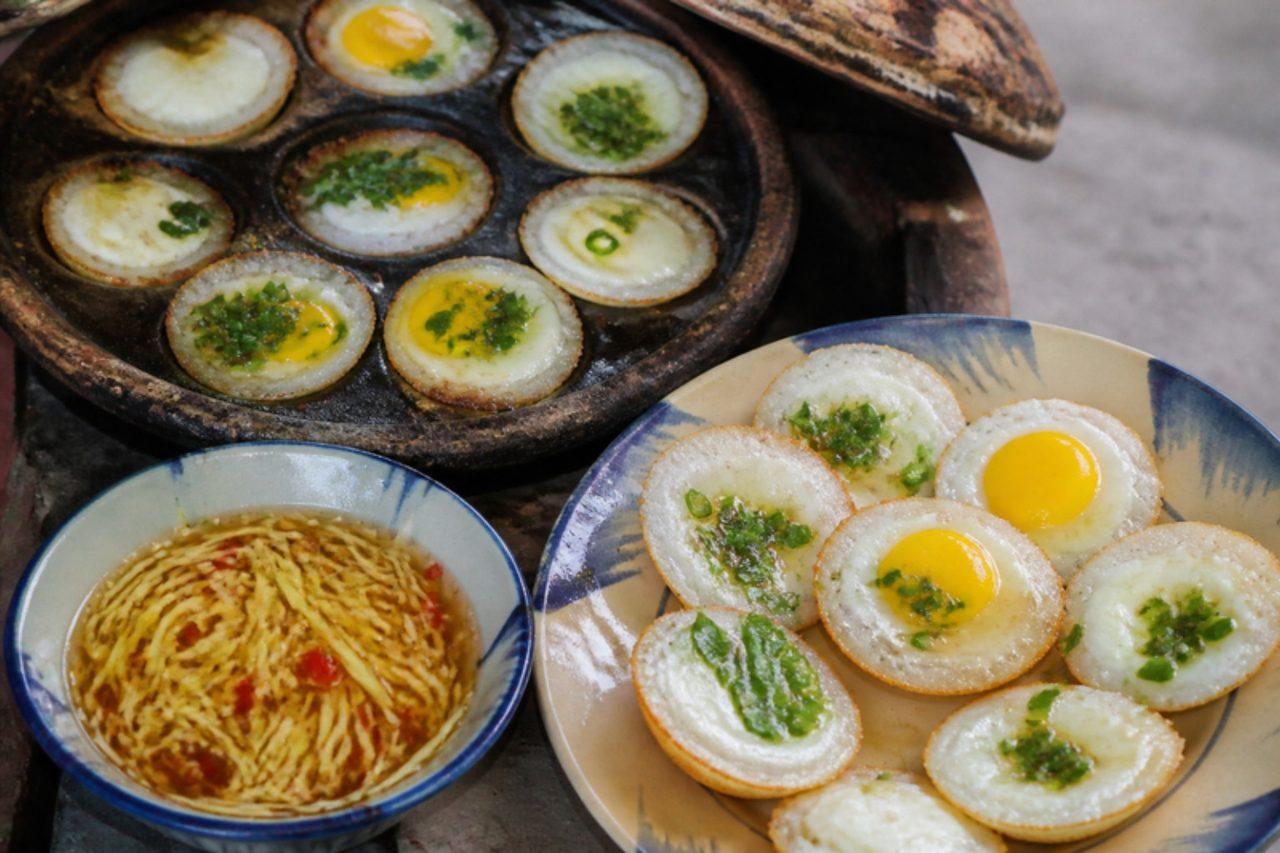
Banh canMini rice flour cakes with egg

Bánh căn comes from Phan Rang on the south-central coast and is now a favourite of chilly evenings in Da Lat, where sellers crouch over charcoal and rows of small clay moulds, cracking a quail egg into each little cup of rice batter. The cakes come out crisp and browned underneath and soft and steamy on top, and are eaten in pairs, dunked in a sweet-sour dipping sauce with shredded green mango and herbs. Most stalls use a fish sauce dip and sometimes add squid or shrimp; this version keeps it vegetarian with a tamari sauce and spring onion oil. Chef's tip: let a little of the cooked rice in the batter go into the blender; it gives the cakes their soft, slightly chewy middle.

by KrazyBadal 0 views

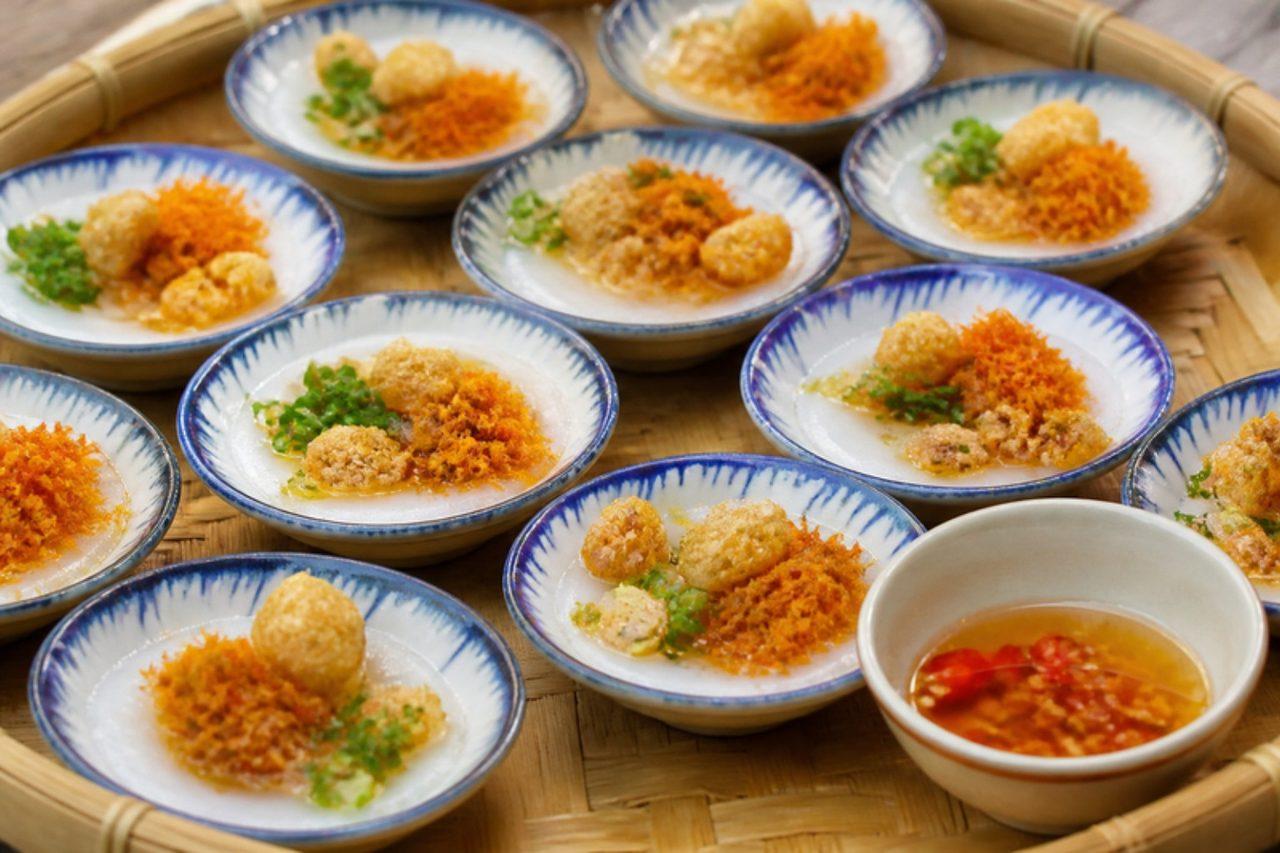
Banh beoSteamed rice cakes with shrimp

Bánh bèo are named after the water fern that floats on Huế's ponds, which the little round cakes resemble. In the city they arrive at the table by the dozen, each still in its own small saucer, topped with pink shrimp floss and spring onion oil. You spoon sweet fish sauce over and scoop each one out in a single mouthful. They're a mid-afternoon snack or a light lunch alongside other Huế rice cakes. Small ramekins, egg poaching cups or a silicone mini-muffin tray all work as moulds. Chef's tip: heat the empty saucers in the steamer for a minute before adding the batter; the cakes then set with the little dimple in the middle that holds the toppings.

by KrazyBadal 0 views

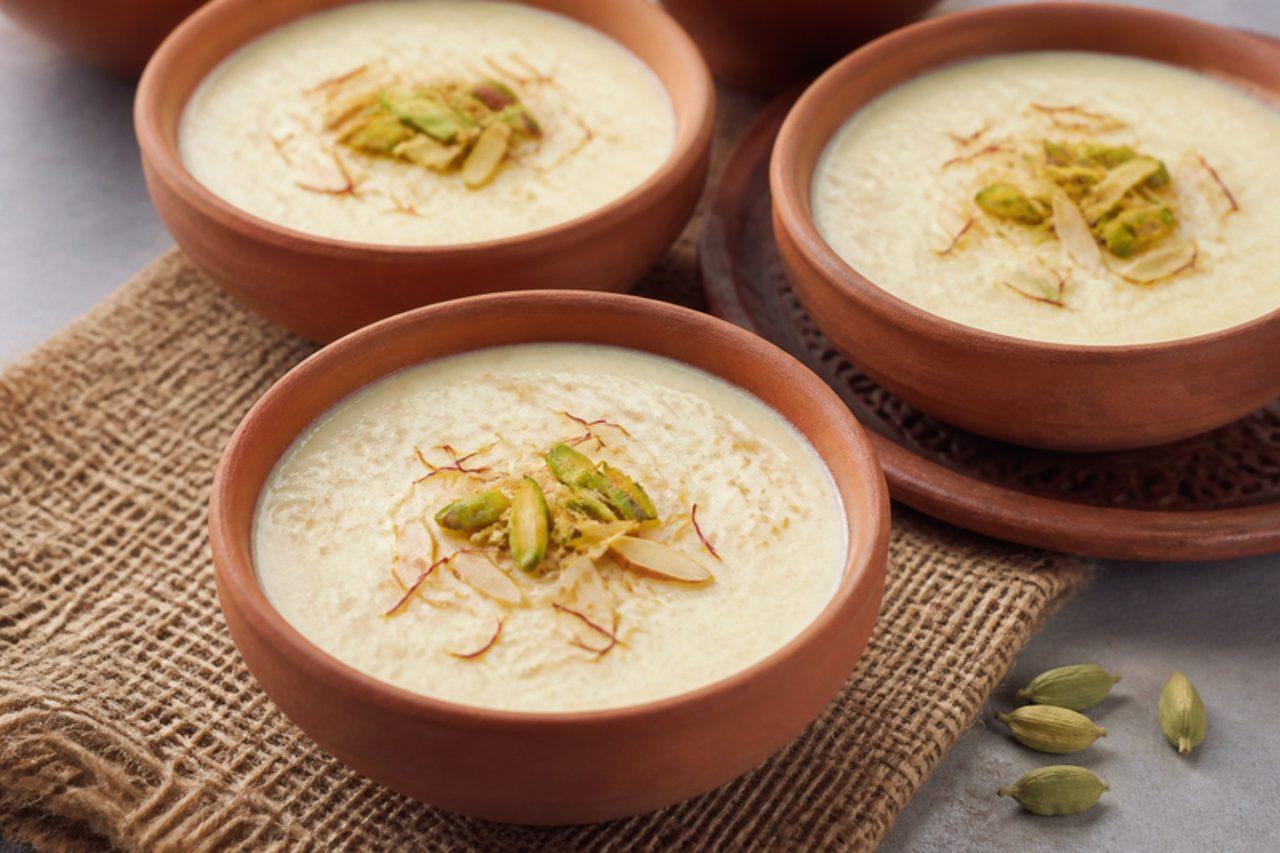
FirniGround rice milk pudding

Firni is the dessert that turns up in little clay bowls on Eid tables across Bangladesh, especially after the evening meal on Eid-ul-Fitr. It is smoother and thicker than payesh: instead of whole rice grains, coarsely ground rice is simmered in milk until it sets into a silky pudding, scented with cardamom and rose water and scattered with pistachios and almonds. It is served chilled, so it's made a day ahead. Chef's tip: grind the soaked rice to a coarse semolina-like grit, not a fine powder; that slight texture is what makes firni feel rich.

by KrazyBadal 0 views

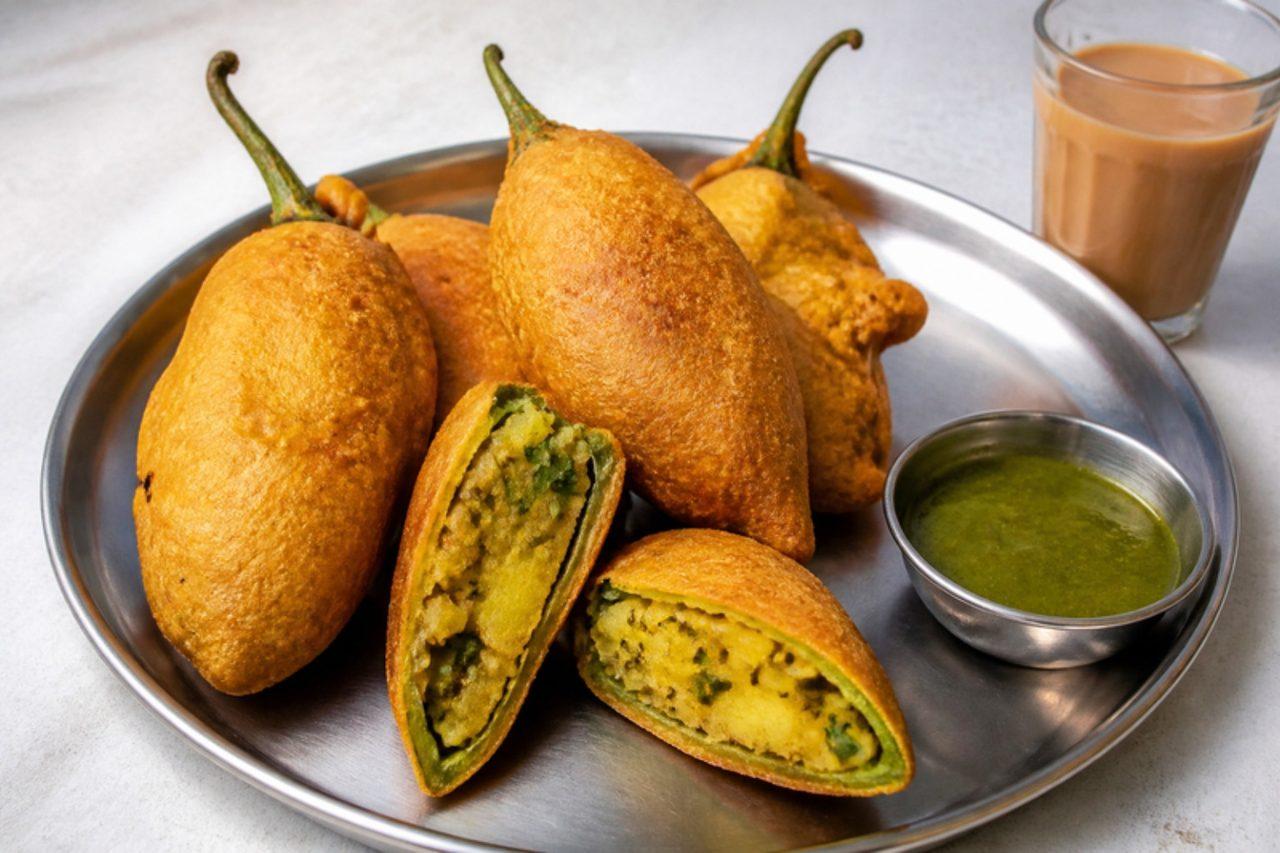
Mirchi vadaPotato-stuffed chilli fritters

In Jodhpur, the day often begins at a roadside kadhai: huge, mild green chillies stuffed with spiced potato, coated in gram-flour batter and fried until golden and blistered, then eaten hot with sweet milky chai. Stalls near the Clock Tower and Sardar Market make them all day, and during the monsoon the queues grow longer. The chilli adds a fresh, green bite more than heat, and the filling is tangy with amchur and fennel. A common mistake is frying in oil that is not hot enough, which makes the batter heavy and oily. Chef's tip: fry each vada once until pale gold, rest it for a few minutes, then fry it again for 1 minute just before serving—this is the stall trick for a crust that stays crisp.

by KrazyBadal 0 views

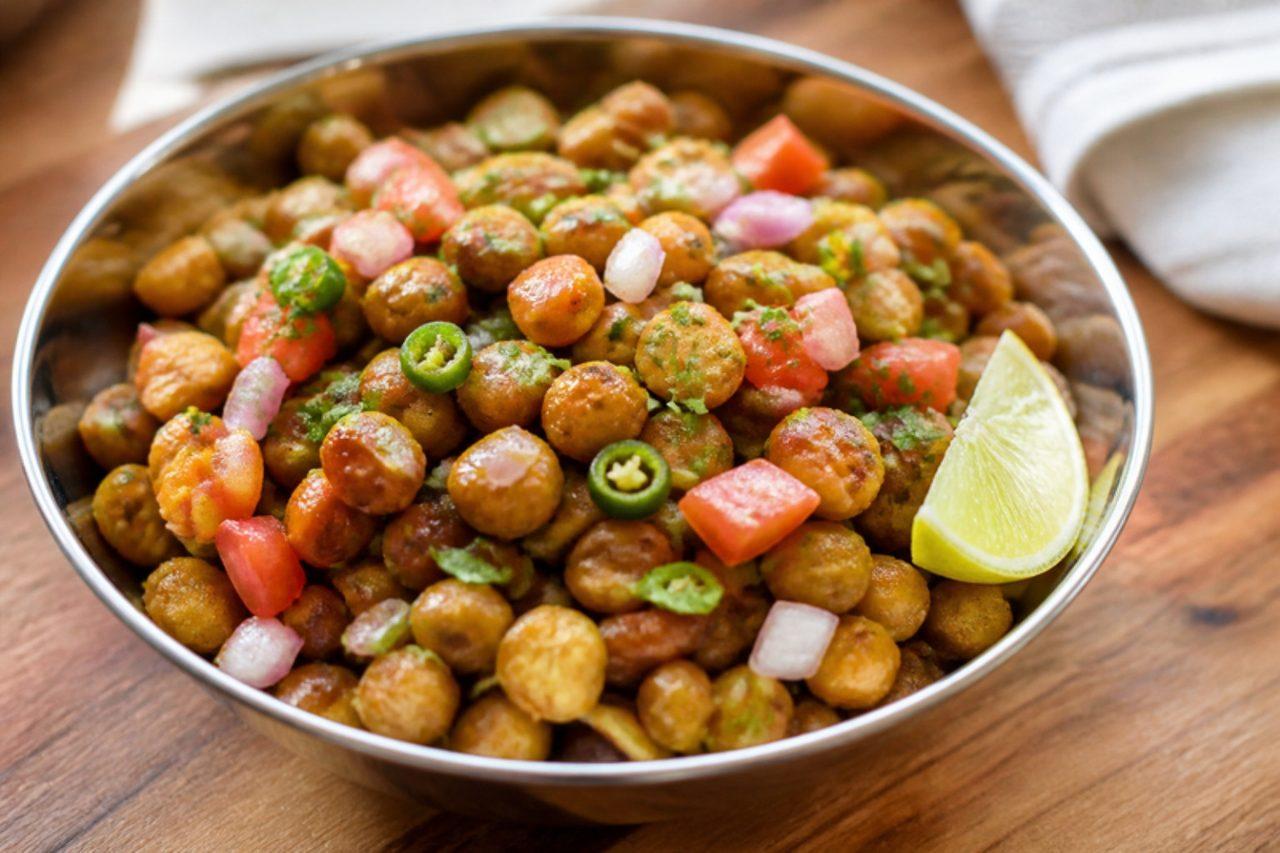
Chana jor garamSpiced flattened chickpea snack

Chana jor garam is sold from a tin box slung round a vendor's neck on the Kolkata Maidan, at Babughat and along Esplanade, with a sing-song call to match its name. Chickpeas are soaked, pressed flat, and fried or roasted until crunchy, then tossed to order with raw onion, tomato, green chilli, coriander, lime and a spice mix, and handed over in a paper cone. It is lighter than jhalmuri and much crunchier. The same snack is sold on Mumbai beaches; this is the Kolkata cart version. Chef's tip: flatten the soaked chickpeas while still damp, with a rolling pin between two cloths, so they split into thin discs.

by KrazyBadal 0 views

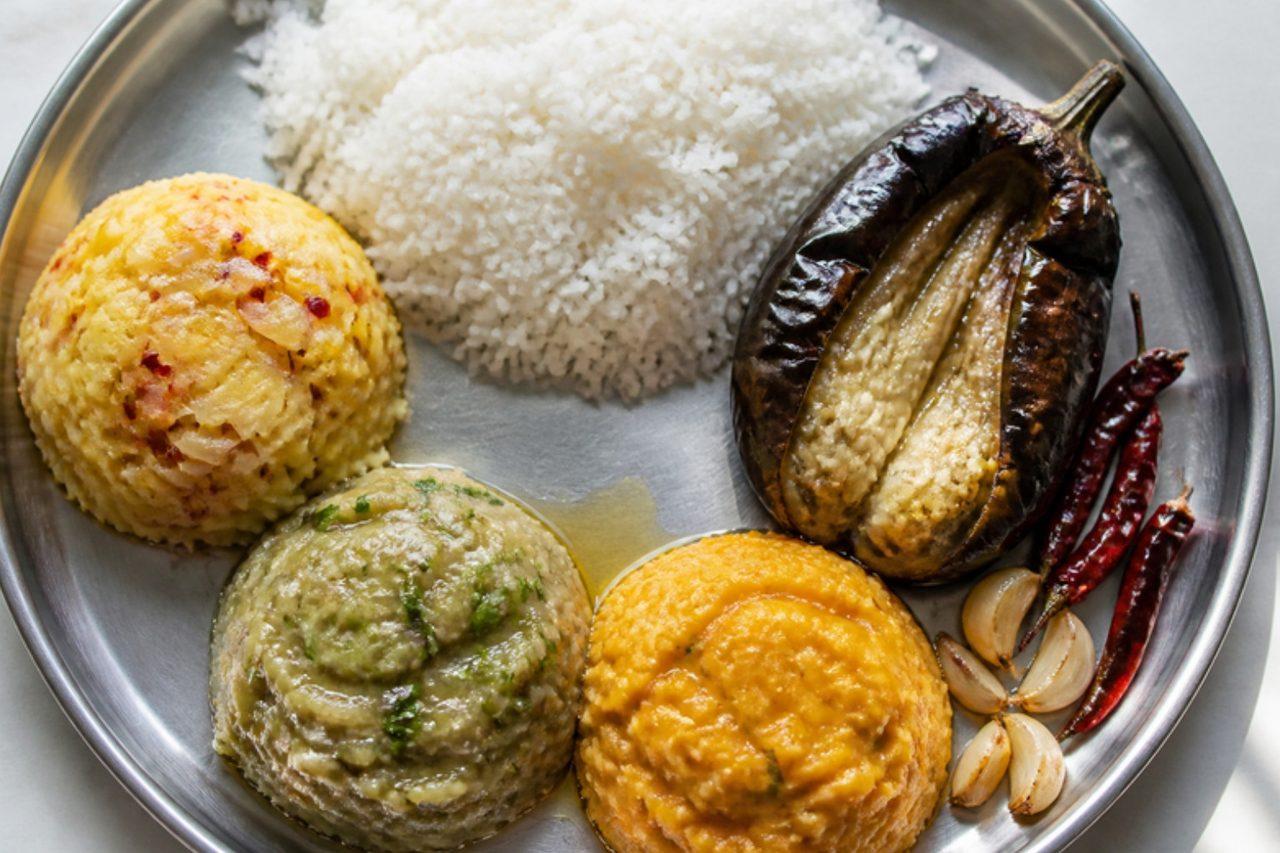
Bhorta platter (aloo, begun and dal bhorta)Mashed potato, aubergine and dal

No word says home cooking in Bangladesh like bhorta: anything boiled, roasted or fried, then mashed by hand with raw mustard oil, sliced onion, green or burnt chillies and coriander. A family lunch in Dhaka or Khulna might set out three or four bhortas in little heaps around a mound of rice, and this page makes the classic trio: aloo (potato), begun (fire-roasted aubergine) and dal (dry-fried red lentil). They share one method, so they live together here. Chef's tip: mash with your fingers, not a fork, rubbing the onion and chilli into the oil first; it bruises them and releases their sharpness into every bite.

by KrazyBadal 0 views

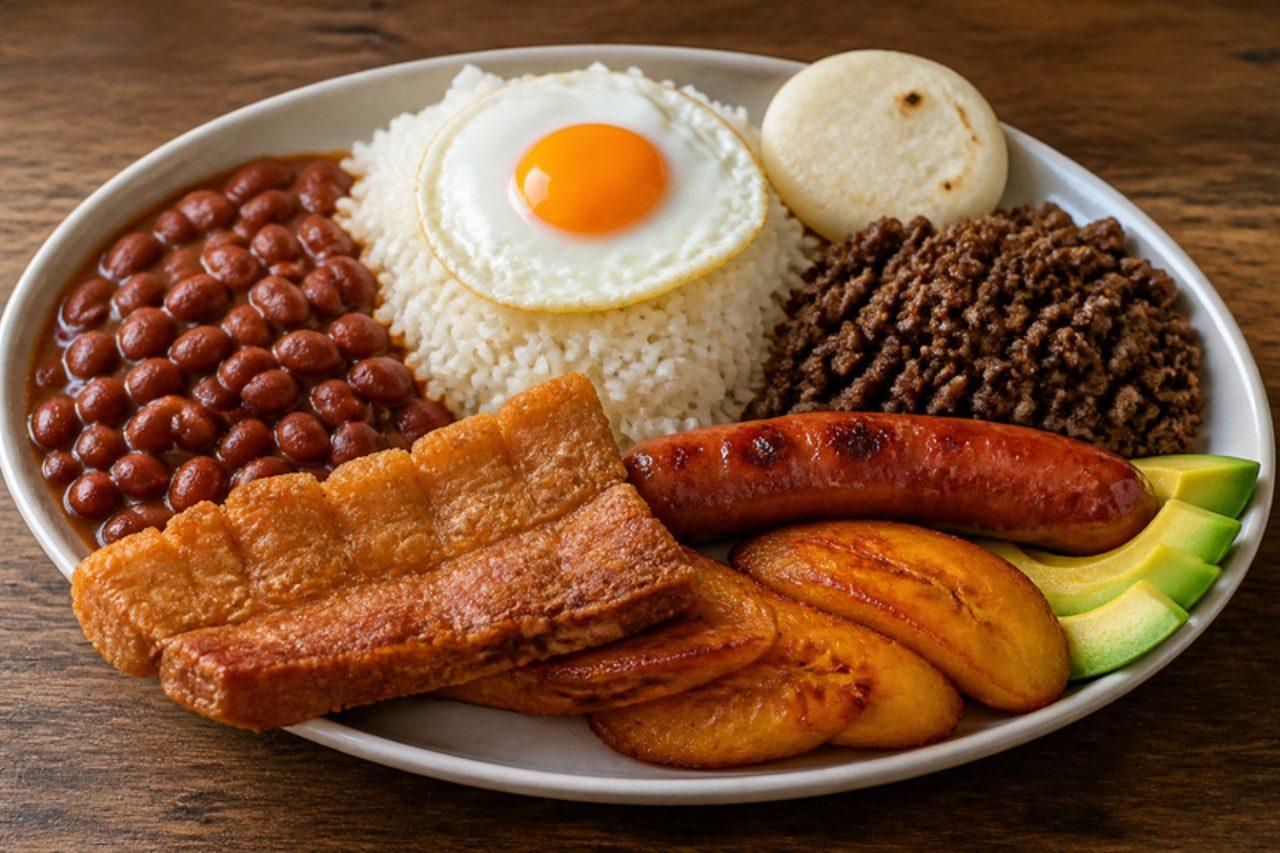
Bandeja paisaBeans, rice and pork platter

Bandeja paisa is the farmhouse feast of Antioquia and the coffee region around Medellín, served on an oval platter so big it barely fits on the table. This is a pork dish: crisp chicharrón (fried pork belly) and chorizo sit next to red beans, white rice, seasoned minced beef, a fried egg, ripe plantain, a small arepa and avocado. Paisas eat it for a long Sunday lunch, and restaurants in Medellín serve it every day. It looks like a lot of work, but most parts can be made ahead and finished together. The mistake most people make is frying the pork belly too hot from the start; it needs to simmer in its own fat first, or the outside burns before the inside turns tender. Chef's tip: cook the beans a day ahead; they thicken and taste better, and the day itself is then only frying.

by KrazyBadal 0 views

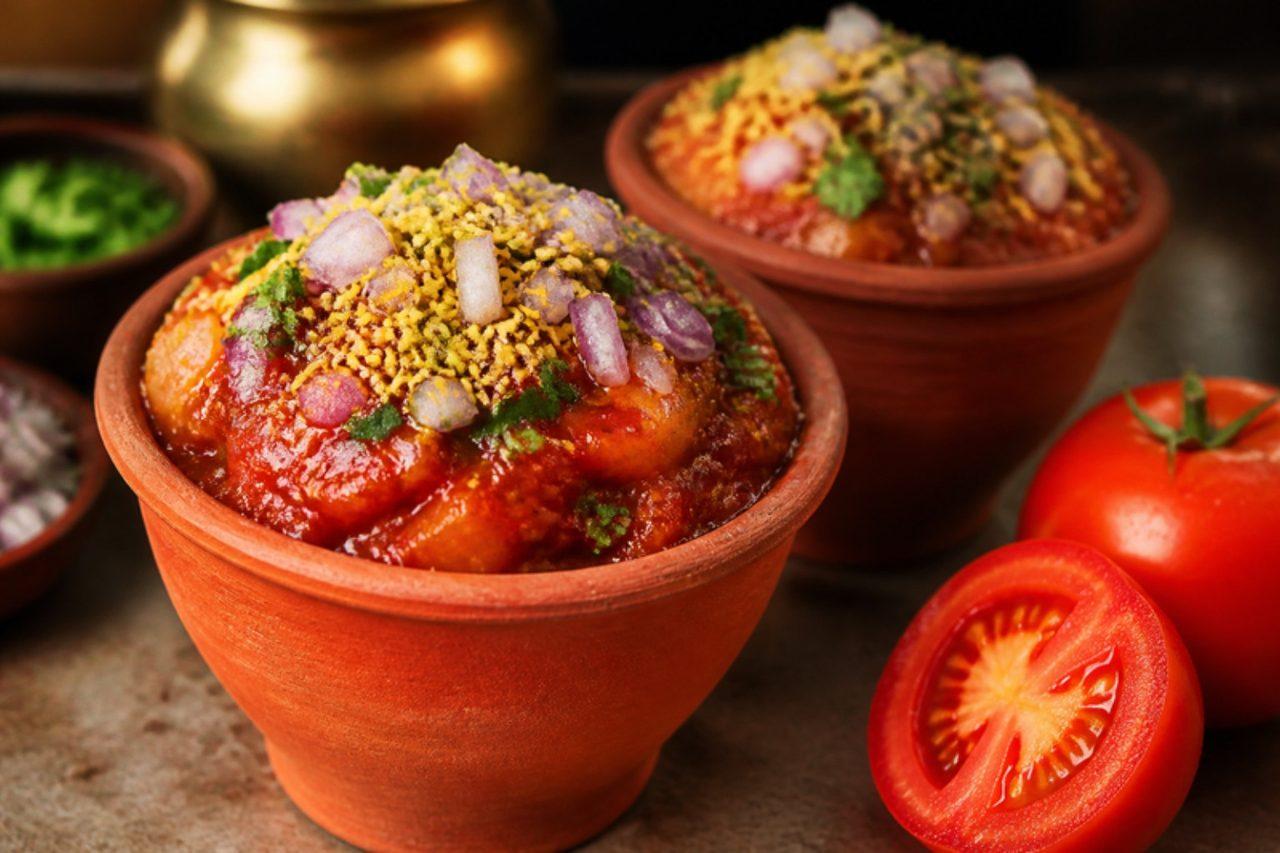
Banarasi tamatar chaatMashed tomato and potato chaat

Walk through the lanes near Dashashwamedh Ghat in Varanasi in the evening and you will see vendors mashing tomatoes and potatoes in large iron pans, cooking them with ghee and spices until thick, then spooning the mixture into small clay cups. Tamatar chaat is unique to Banaras: served hot, spicy, tangy, and finished with a thin sugar syrup and a pinch of chaat masala, then topped with crisp sev for crunch. Locals eat it standing up after the aarti, often followed by a glass of lassi. Many people forget the sugar syrup, but that's what balances the sourness and makes it Banarasi. Chef's tip: use very ripe, soft tomatoes and mash them right in the pan with the back of the ladle, leaving some texture.

by KrazyBadal 0 views

Banarasi kachori sabziUrad dal puris with potato curry

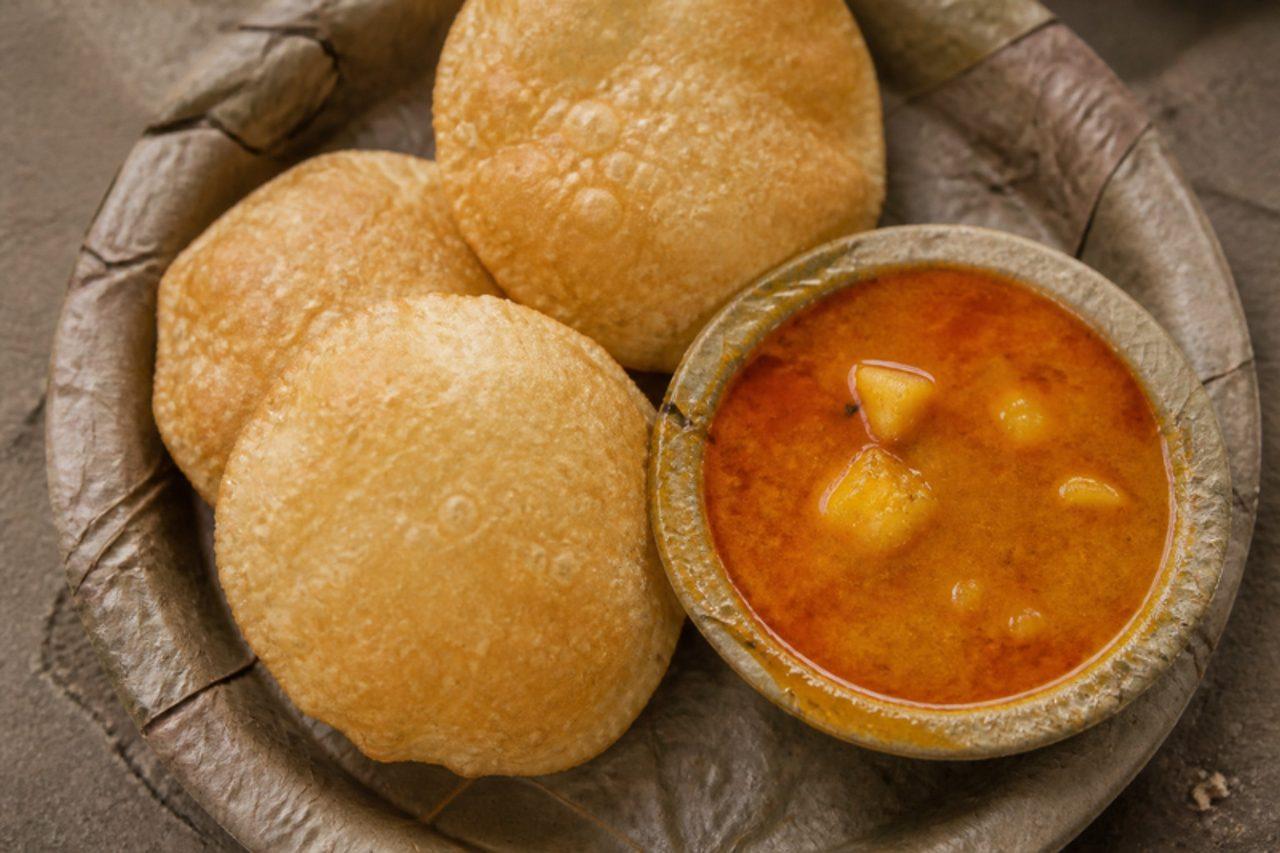
Walk the ghats of Varanasi in Uttar Pradesh at dawn and you'll smell kachori sabzi frying in huge karahis. Banarasi kachori is small and puffed like a puri, with soaked urad dal ground with ginger and fennel worked straight into the wholewheat dough rather than stuffed inside. It comes with a thin, peppery potato and tomato rasa made without onion or garlic, scented with hing and fenugreek seeds, and is usually followed by a hot jalebi. Chef's tip: roll the puris evenly to 3 mm and slide them into really hot oil, pressing gently with a slotted spoon; even thickness and fierce heat are what make them balloon.

by KrazyBadal 0 views

Mirza ghasemiSmoky aubergine with garlic and tomato

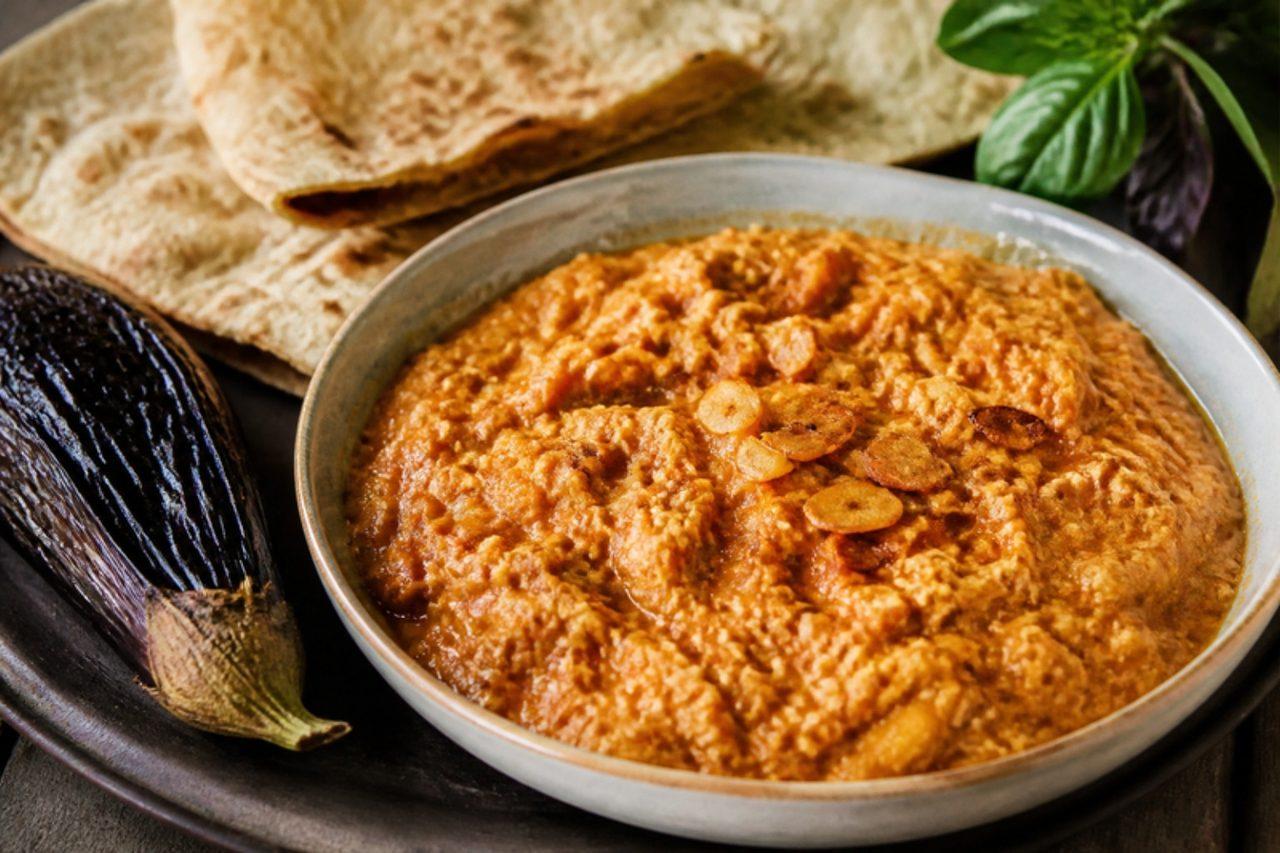
Mirza ghasemi comes from Gilan, the green, rainy Caspian province around Rasht, where it is eaten as a starter or a light lunch with bread or rice. Aubergines are charred whole until smoky and soft, then cooked down with a lot of garlic, turmeric and tomato, and finished by stirring in eggs so they set in soft streaks through the purée. It tastes smoky, sweet and garlicky, and is best scooped up with warm flatbread and pickles. Chef's tip: char the aubergines over a gas flame or under a hot grill until the skin is papery and black all over; a pale-skinned aubergine gives no smoke.

by KrazyBadal 0 views

Changsha stinky tofuFried fermented tofu

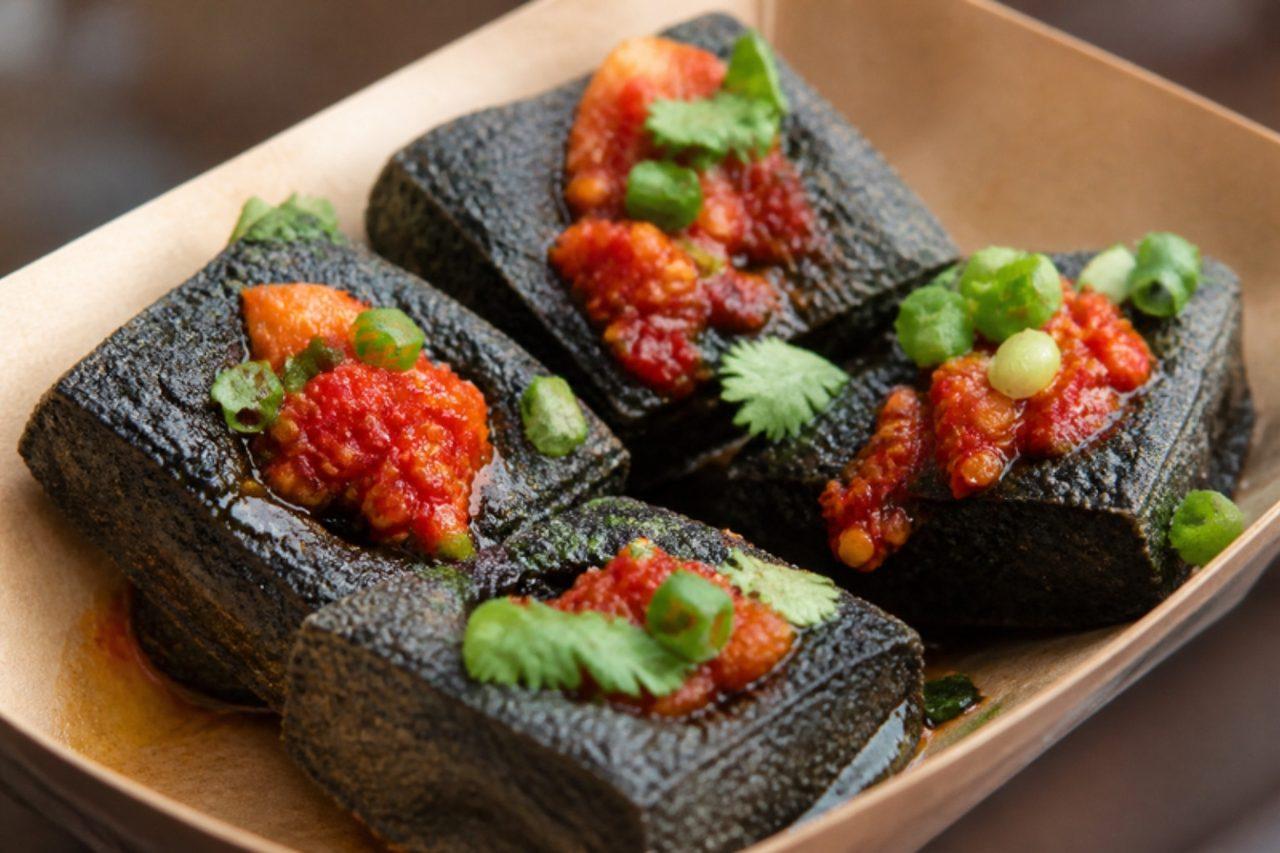
Walk down Pozi Street in Changsha and you'll smell this before you see it. The tofu is fermented in a brine until it turns jet black and pungent, then fried until it puffs up with a crisp skin and a soft, hollow middle. Vendors poke a hole in each piece and spoon in a sauce of chopped chillies, garlic and soy. Making the brine takes weeks, so this home version starts with bought stinky tofu (frozen, in Chinese supermarkets). Chef's tip: the smell fades a lot during frying; it tastes milder and nuttier than it smells.

by KrazyBadal 0 views

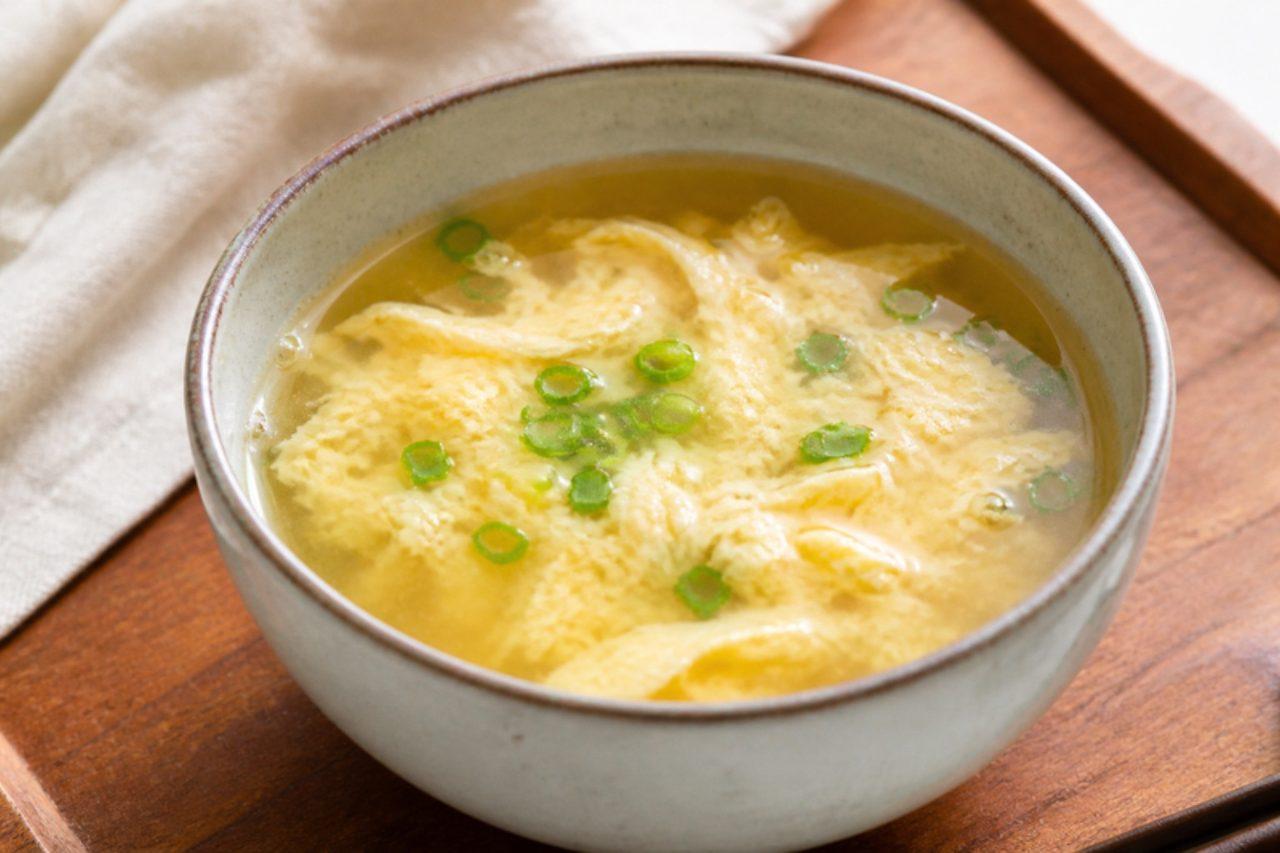
ChanguaMilk and egg breakfast soup

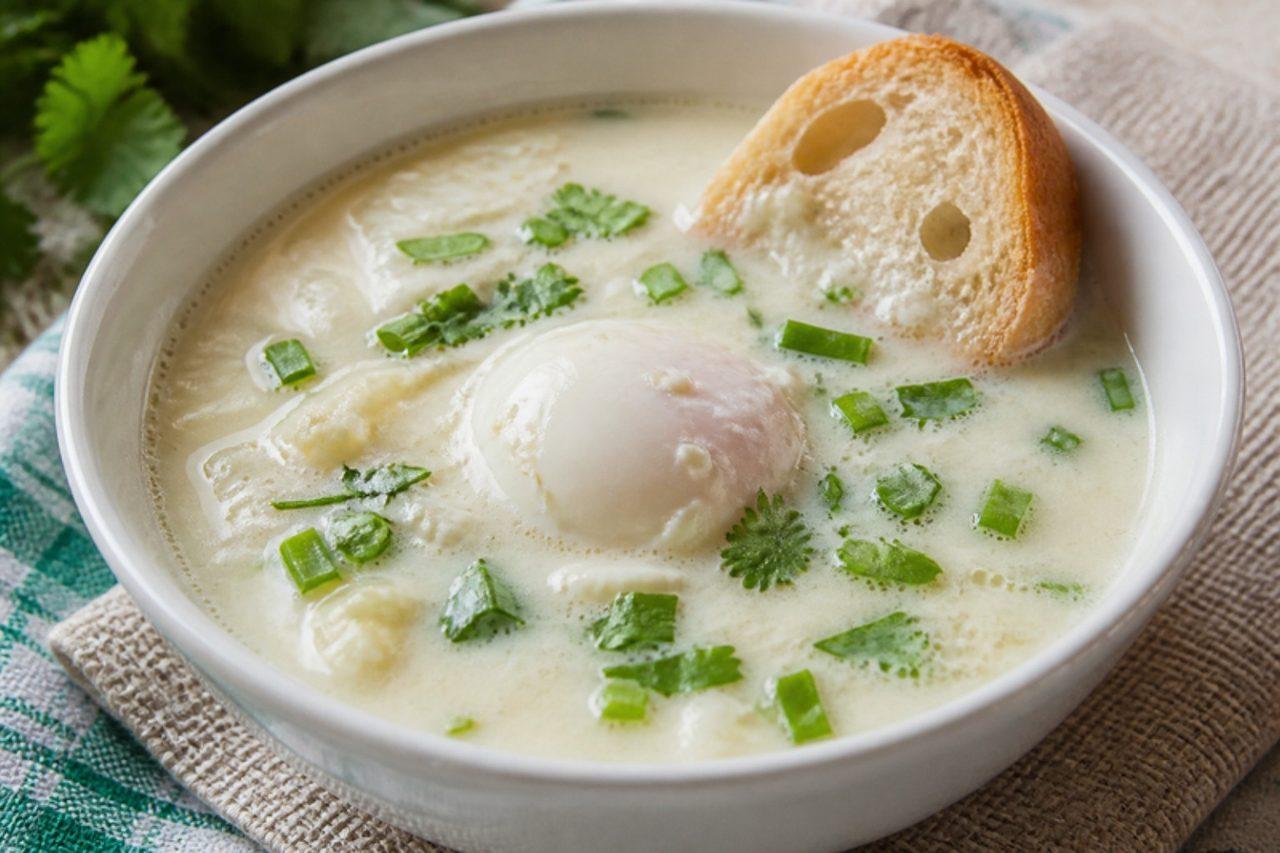
Changua is the breakfast soup of Bogotá and the high plains of Cundinamarca and Boyacá, where cold mornings call for something hot before work. Milk and water are simmered with spring onion, eggs are poached right in the pot, and the bowls get fresh coriander and pieces of stale bread or calado (dried toasted bread) that soften in the broth. It is gentle, creamy and filling. Chef's tip: keep the milk at a bare simmer; if it boils hard it can catch on the bottom and the eggs break apart.

by KrazyBadal 0 views

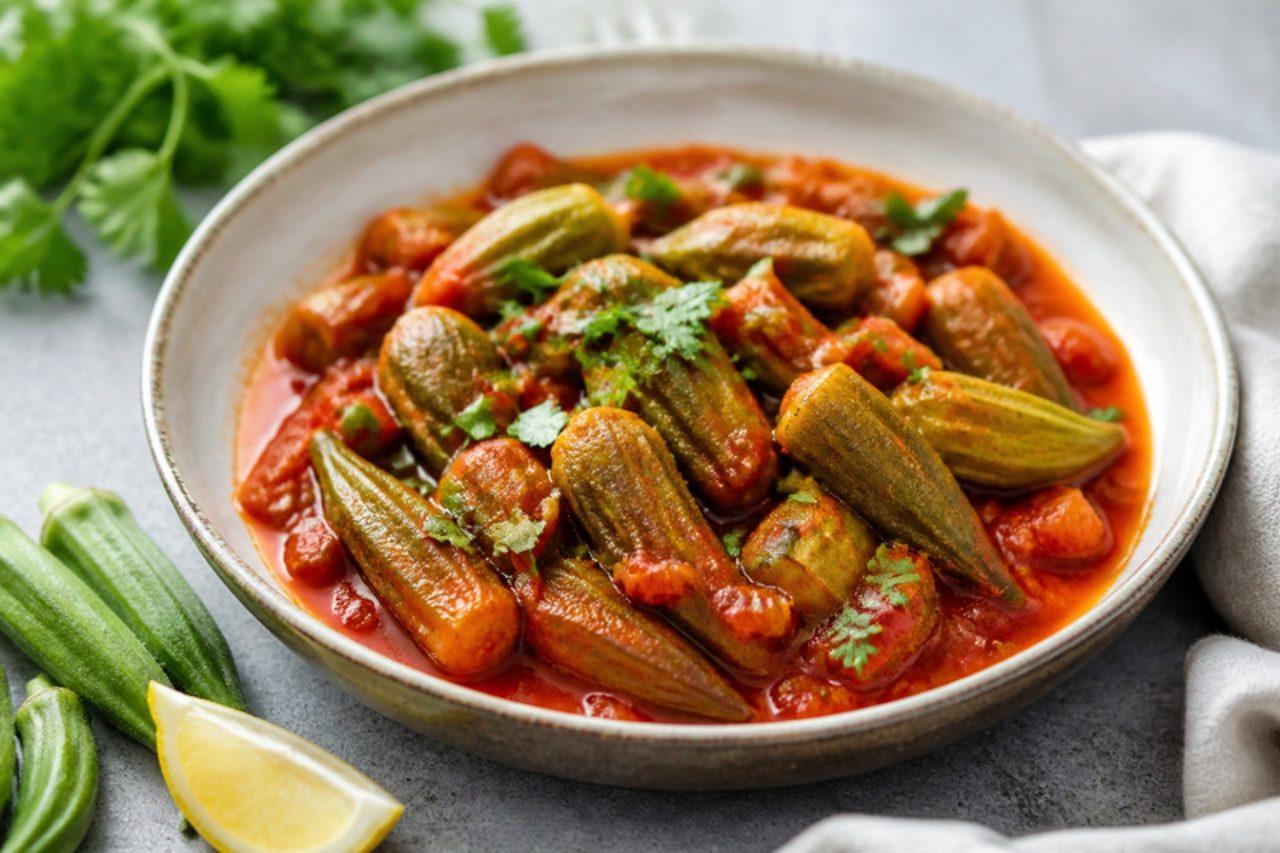
BamiehOkra stewed in olive oil

Late summer in the Damascus and Beirut markets means piles of tiny okra pods, and bamieh, okra stewed in tomato with coriander and garlic, follows on many family tables. This meat-free version is the one Lebanese Christians cook during Lent and serve with vermicelli rice or flatbread. Small, whole pods are the secret: kept intact and seared first, they stay tender without turning slimy, and a squeeze of lemon at the end sharpens the sauce. Chef's tip: trim only the very top of each cap without cutting into the pod; a pierced pod lets the sticky juice escape into the sauce.

by KrazyBadal 0 views

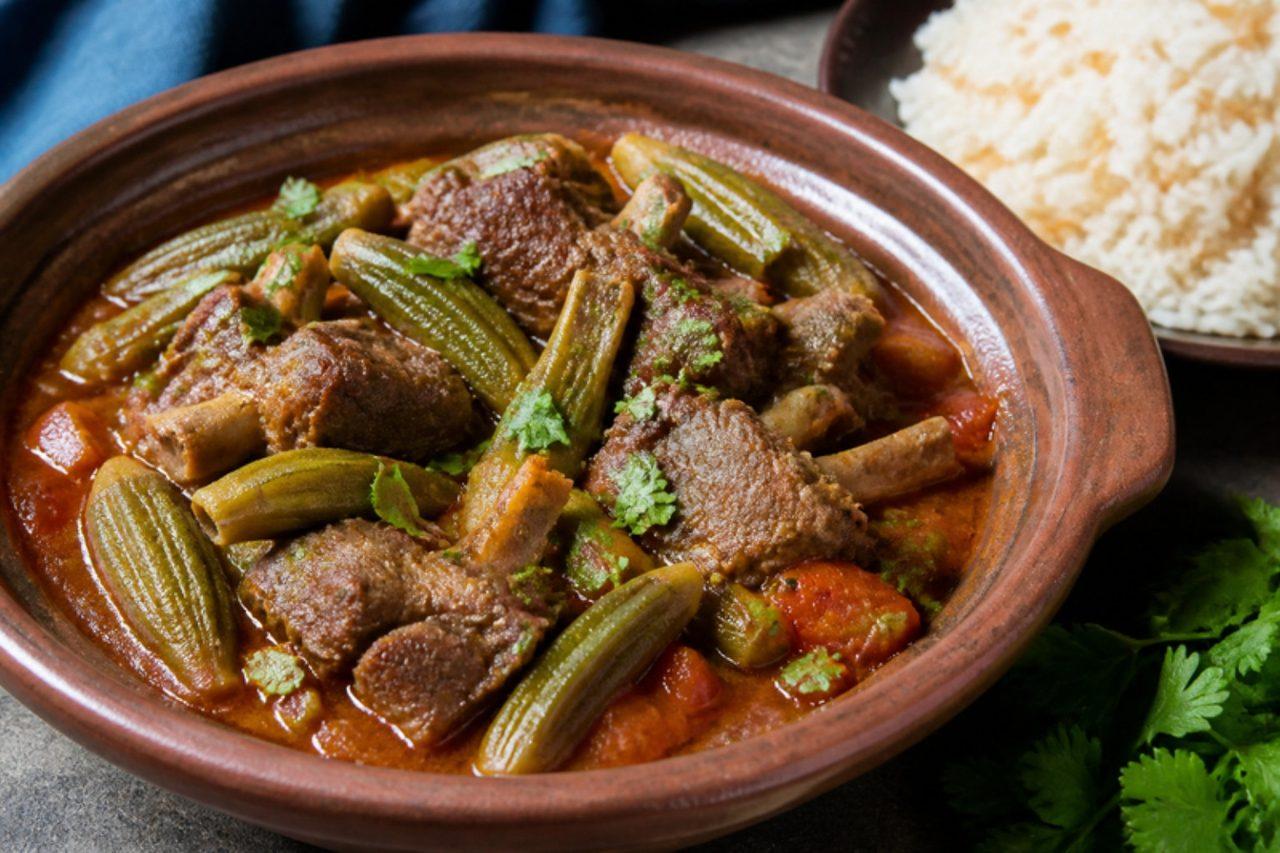
Bamia bil lahmaOkra and lamb stew

Bamia is on every Egyptian family table from Alexandria to Aswan, usually on a weekday with a plate of vermicelli rice. Chunks of lamb on the bone are simmered until tender, then baby okra is cooked in the rich tomato broth with garlic fried in ghee and fresh coriander, a finish called the ta'leya. The sauce is loose, sweet-sour and silky. The common mistake is cutting the okra pods open before cooking, which lets out the slime; trim only the very top of each cap. Chef's tip: fry the okra briefly in a hot pan before it goes into the stew so it holds its shape and stays bright green.

by KrazyBadal 0 views

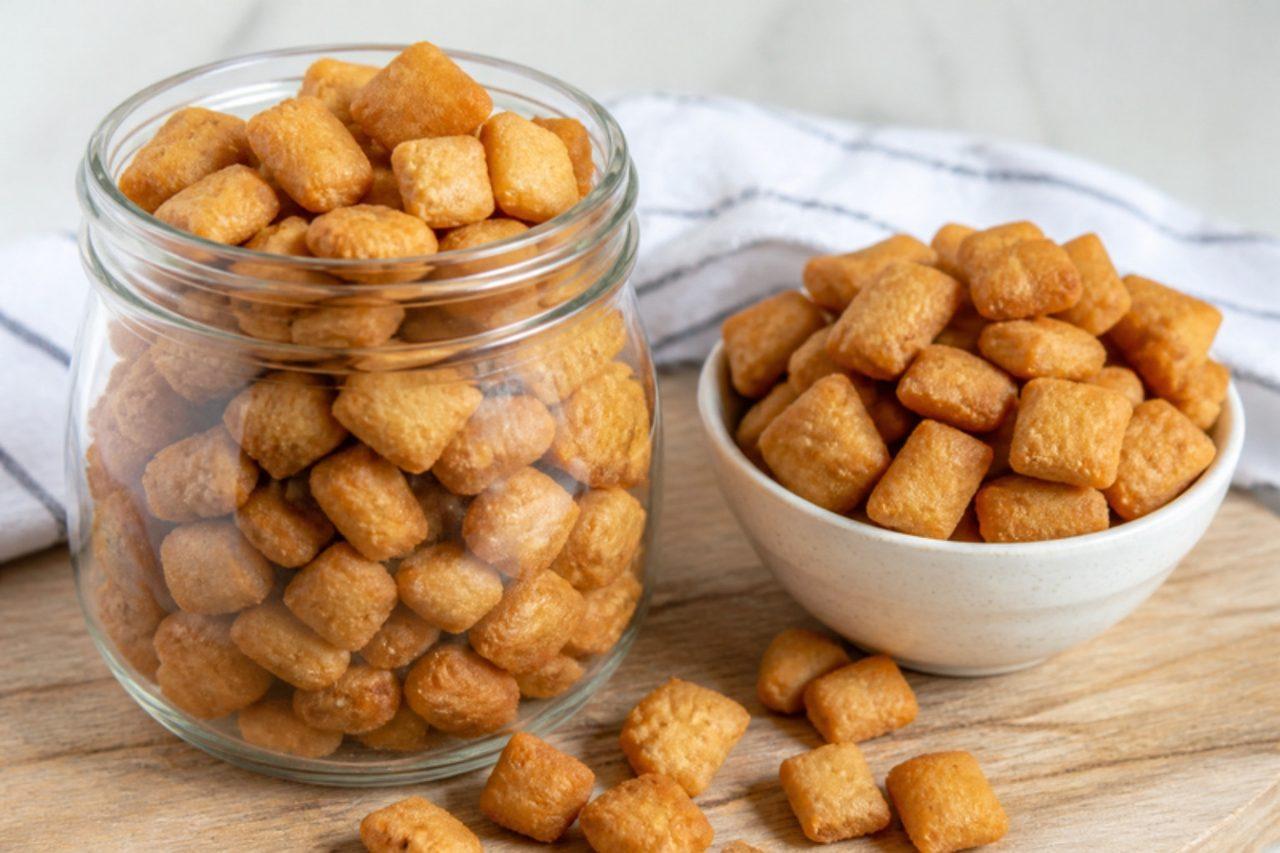
Chin chinCrunchy fried dough bites

Every December, Nigerian kitchens turn into small factories of chin chin, crunchy little cubes of sweet fried dough packed into big plastic tubs for Christmas visitors, weddings and the long drive back to the village. The dough is enriched with butter, egg and evaporated milk and scented with nutmeg; cut small and fried, it shatters with a satisfying crunch. It keeps for weeks, so families make kilos at a time. Chef's tip: roll the dough evenly thin, about 5 mm, so every piece fries through to a crisp centre at the same time.

by KrazyBadal 0 views

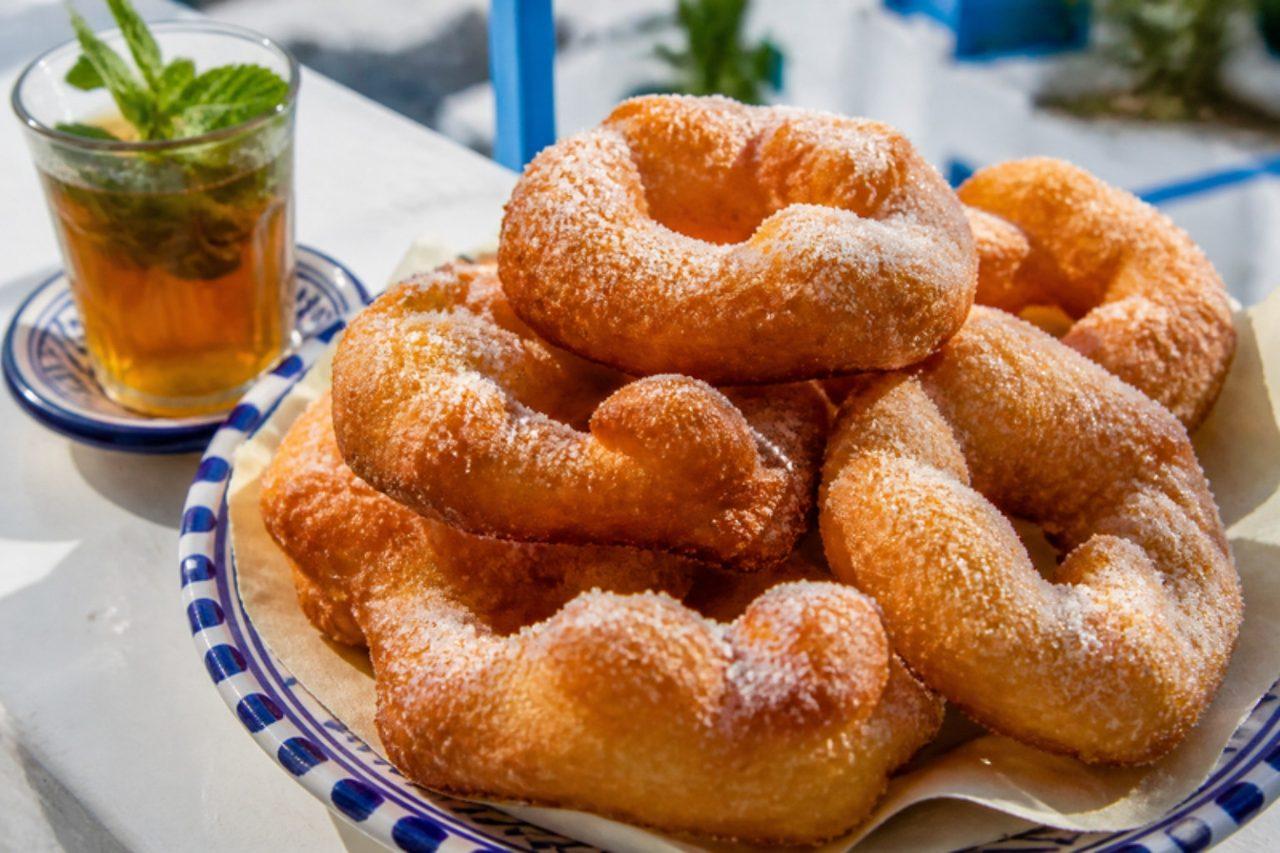
BambalouniSugared fried dough rings

Bambalouni are the big, flat, chewy doughnuts sold hot and wrapped in paper at the top of the blue-and-white village of Sidi Bou Said, outside Tunis, and on beaches all along the coast in summer. The dough is very soft and yeasty; it is stretched by hand into a ring and fried until puffed and blistered, then rolled in sugar. They are best eaten warm with a mint tea. Chef's tip: oil your hands, not the bench, to shape them; floured dough browns too fast and loses its blistered look.

by KrazyBadal 0 views

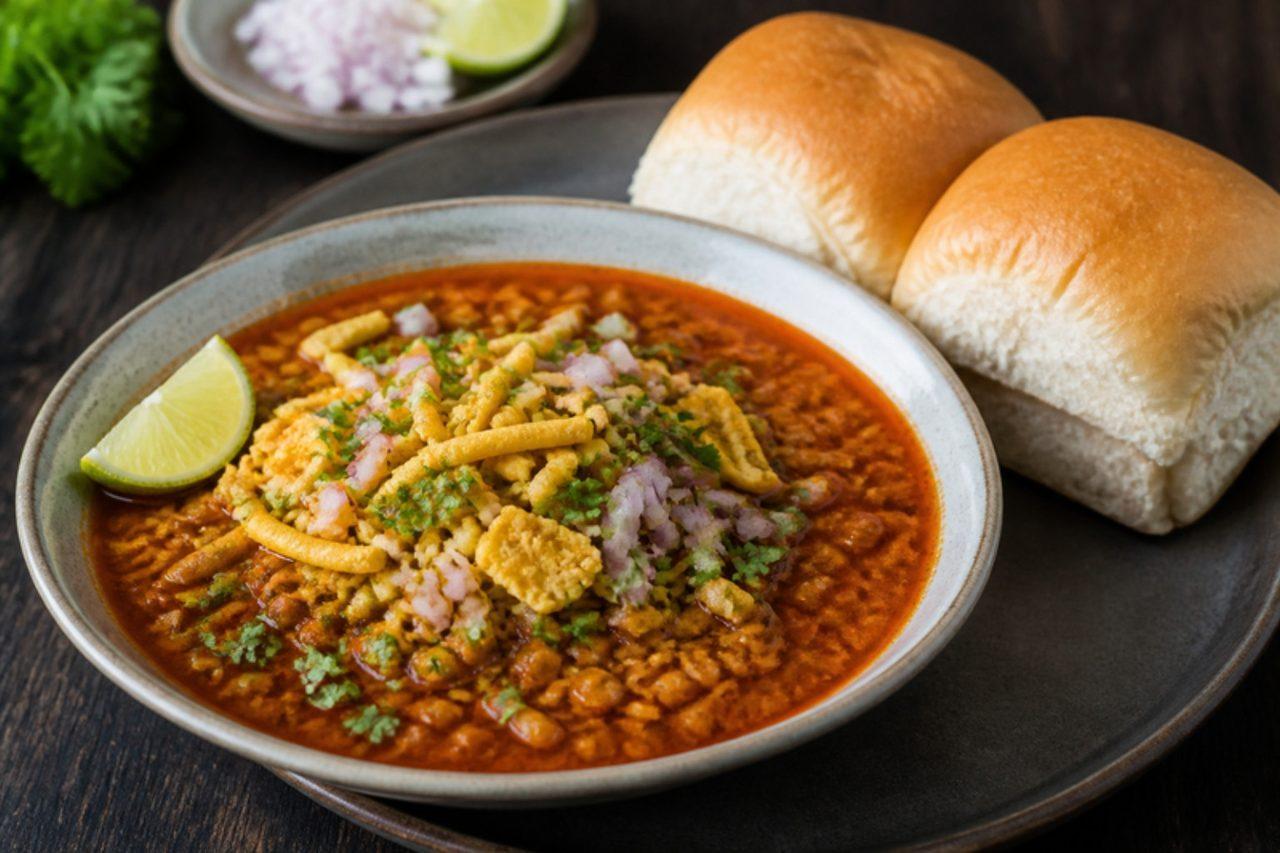
Misal pavSprouted bean curry with bread rolls

Misal pav is Maharashtra's great street breakfast, eaten from Pune's old eateries to the hot, red misal of Kolhapur. Sprouted moth beans (matki) are cooked into a thick usal, then drowned at the table in a fiery, oily, thin curry called kat or tarri, and topped with crunchy farsan, raw onion, coriander and a squeeze of lemon. It comes with soft pav to mop it all up. Each person builds their own bowl, adding as much tarri as their tongue can take. Chef's tip: let the kat simmer until a red layer of oil floats on top; Pune vendors skim this 'tarri' off and spoon it over each bowl, and that oily, spicy film is the whole point of a good misal.

by KrazyBadal 0 views

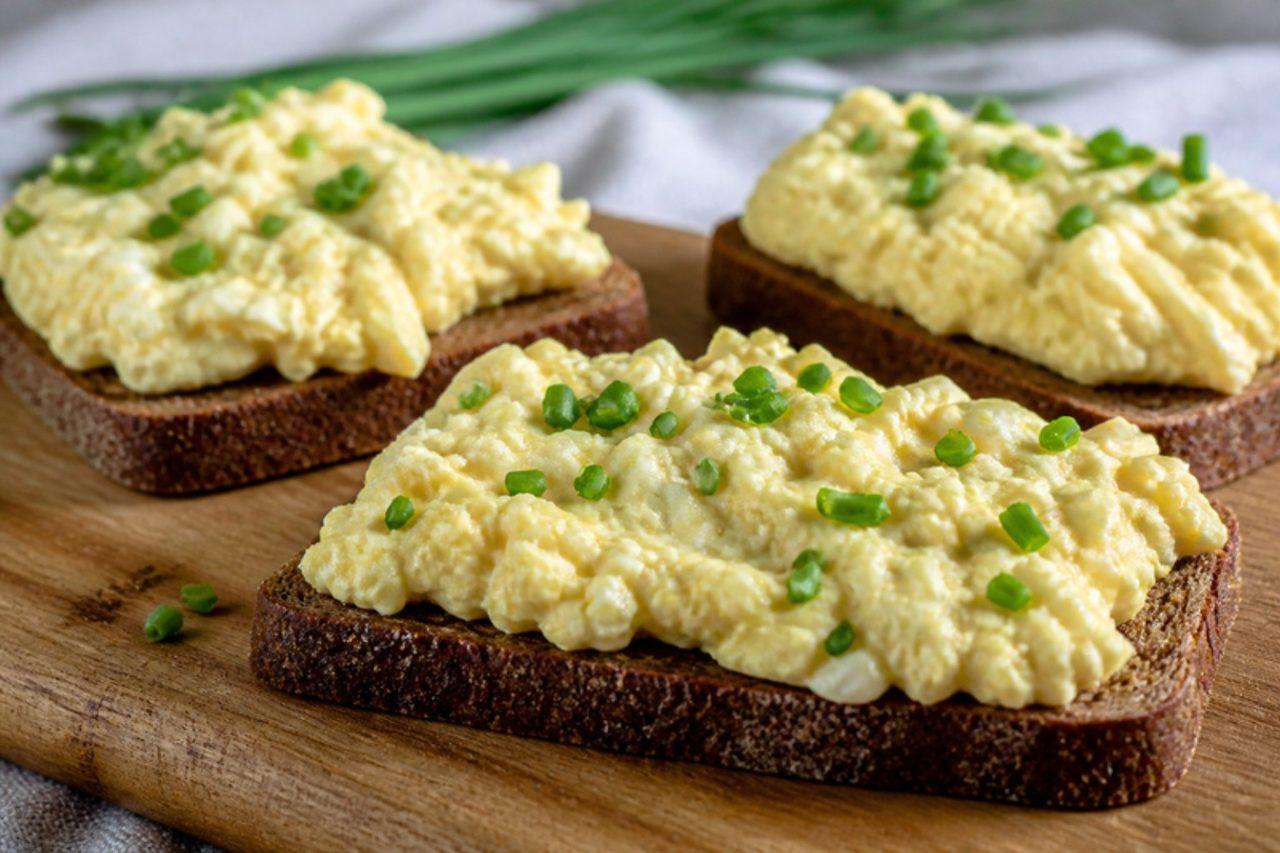
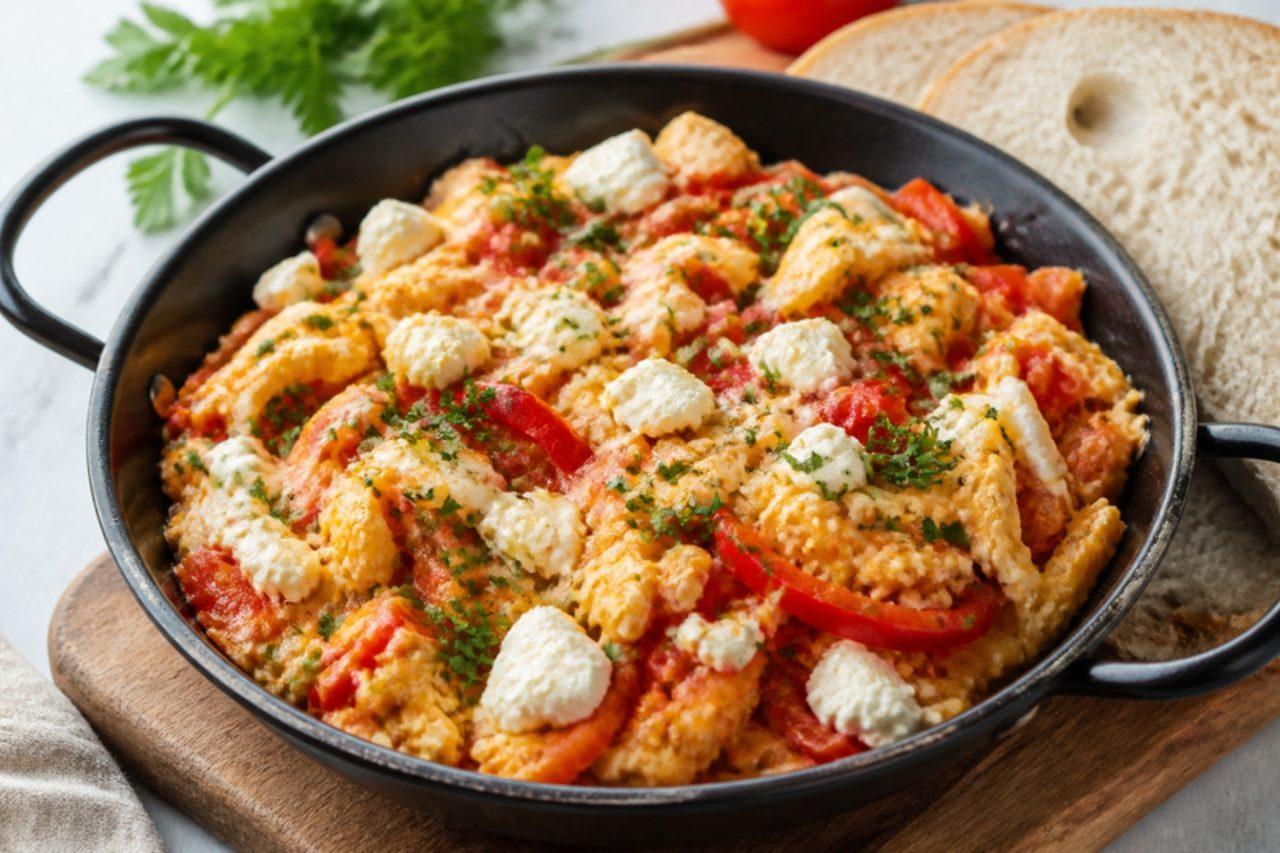
Mish-mashScrambled eggs with peppers and cheese

Mish-mash is the quick summer supper of Bulgaria, cooked in every home from Sofia flats to Black Sea holiday villas once the peppers and tomatoes are cheap and ripe. Roasted peppers, onion and tomato are fried down, then sirene and beaten eggs are stirred through until soft and creamy, finished with parsley. The crumbled white brined cheese melting into the eggs is what makes it Bulgarian rather than Turkish menemen. It is eaten straight from the pan with fresh bread, often with a glass of cold beer. Chef's tip: cook the eggs gently and take them off while still a little wet; overcooking is the common mistake, and they turn rubbery and weep water.

by KrazyBadal 0 views

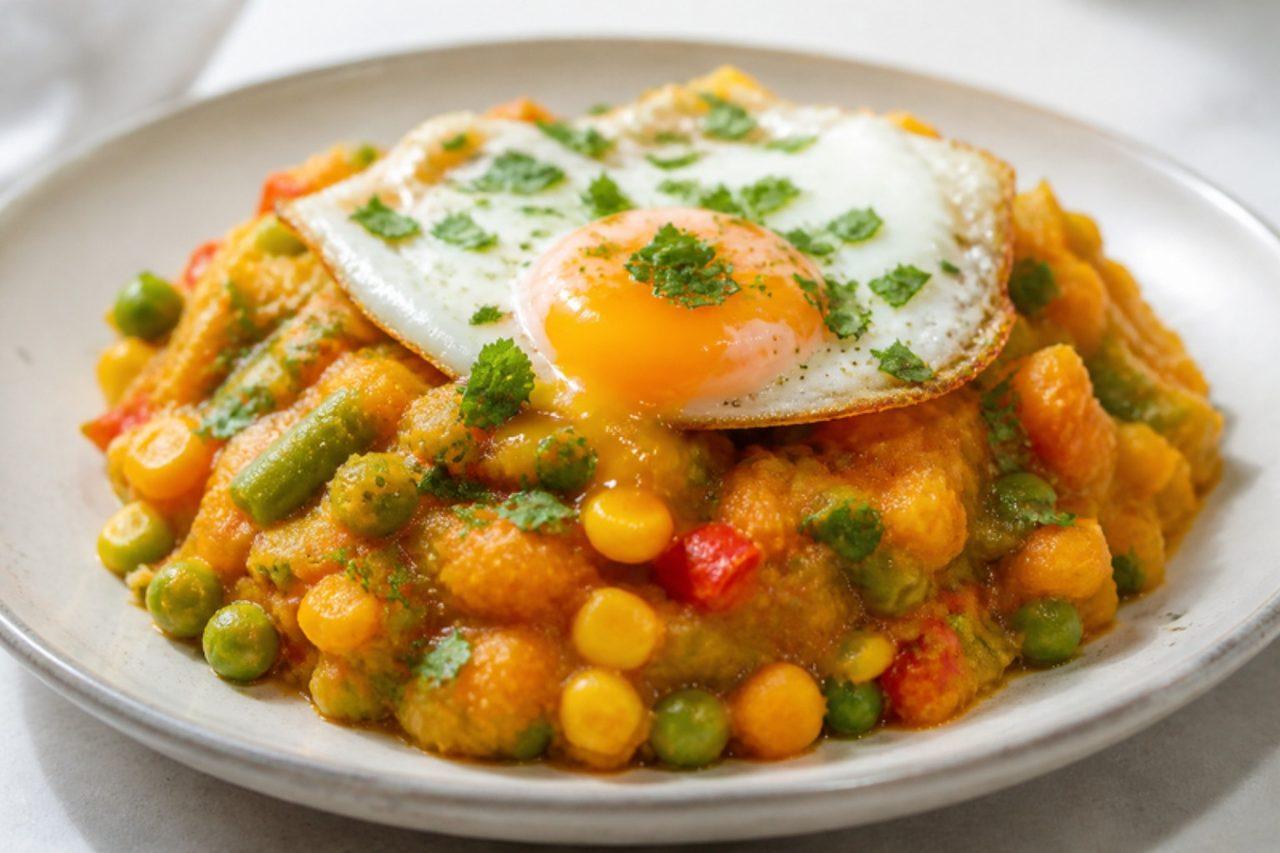
Vegetable charquicánPumpkin, potato and corn stew

Charquicán is old Chilean country food: a thick mash of pumpkin and potato with corn and peas, once made with charqui, the dried meat of the Andes. In the south and in Santiago homes it's a winter weeknight dinner, served in a deep plate with a fried egg on top and pickled onions or a simple salad. Without the meat it's still rich and smoky with merkén (smoked chilli) and paprika. Chef's tip: mash only roughly at the end; charquicán should have soft chunks, not be a smooth purée.

by KrazyBadal 0 views

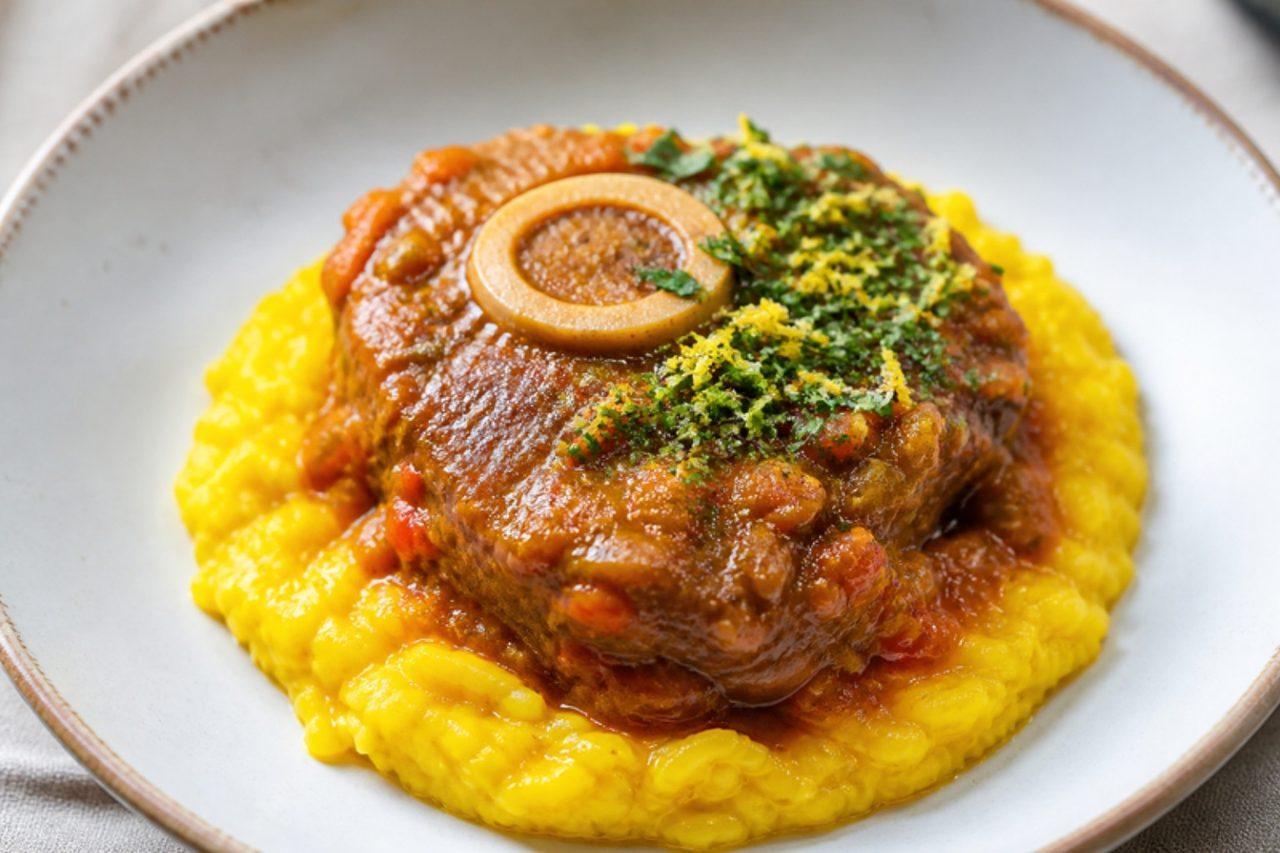
Ossobuco alla milaneseBraised veal shanks

Thick cross-cut slices of veal shank, each ringed around a hollow bone full of marrow, are browned and then braised slowly in white wine and stock until the meat is soft enough to cut with a spoon: this is Milan's great winter Sunday dish. The old Milanese way, 'in bianco', keeps tomato out, so the sauce stays golden and savoury. Just before serving it gets a shower of gremolata, a sharp mix of lemon zest, garlic and parsley that wakes up the rich braise. Serve it with risotto alla milanese, the saffron risotto that is its traditional partner (one of the few times a Milanese risotto shares the plate), or with soft polenta. Chef's tip: snip through the thin skin around each shank in three or four places before browning, so the slices stay flat in the pan instead of curling up.

150 minItalianMeatGluten free
by KrazyBadal 0 views

ChashushuliSpicy beef and tomato stew

Chashushuli is a fiery beef stew from the home kitchens and Tbilisi taverns of eastern Georgia, cooked in a clay ketsi pot or a heavy pan and eaten with shoti bread. Beef simmers slowly with lots of onion and tomato, then gets a hit of garlic, chilli, khmeli suneli and fresh coriander right at the end. It is meant to be spicy, but you can halve the chilli. Chef's tip: cook it until the sauce is thick enough to scoop with bread; Georgians do not eat it like soup.

120 minGeorgianMeatGluten freeSpicy
by KrazyBadal 0 views

ChatamariRice flour crêpe with toppings

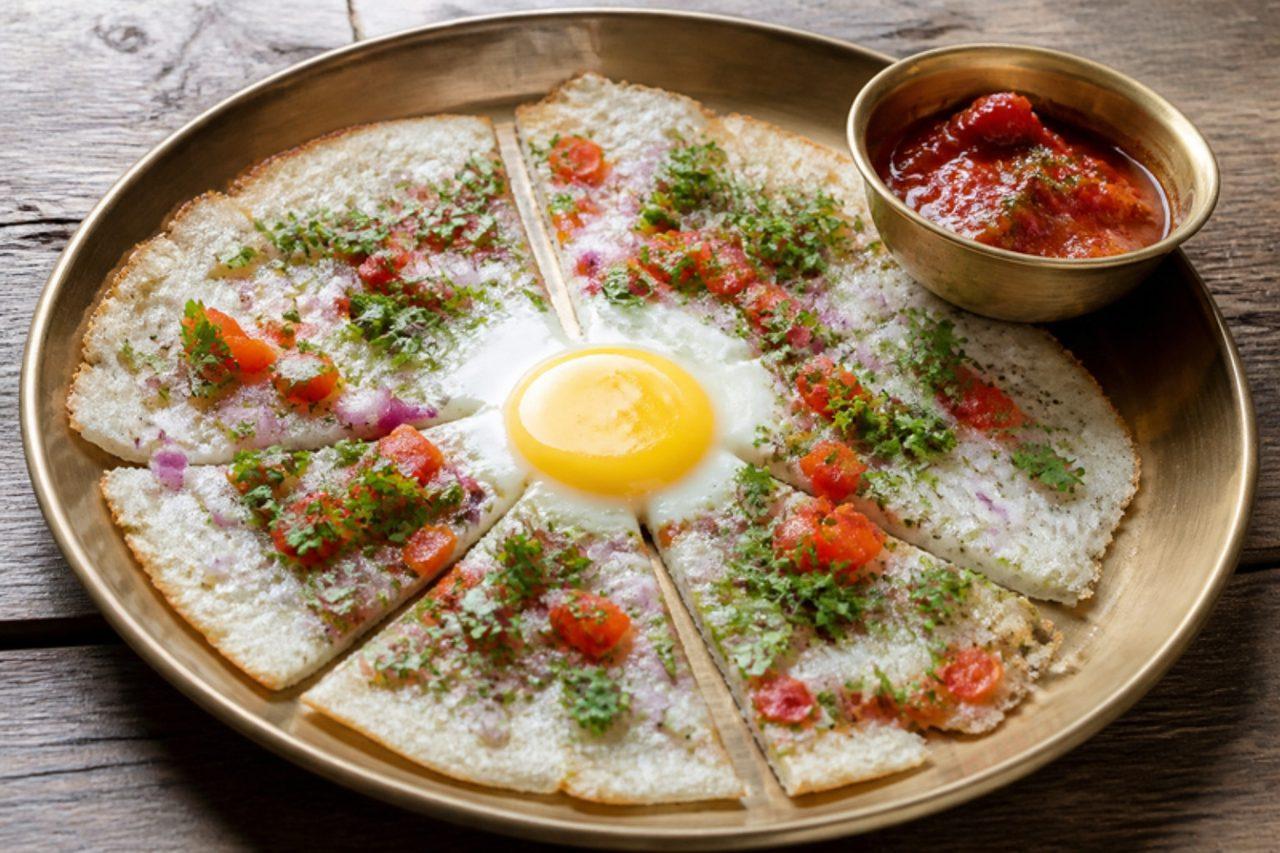
Chatamari is a thin, round crêpe of rice flour that Newar cooks in Patan, Bhaktapur and old Kathmandu make on a covered griddle, so the topping steams on top while the base turns crisp underneath. It is sometimes called Newari pizza, which says something about how it's eaten: cut into wedges, hot, and shared. It is a festival and teahouse snack, served at Newar feasts and in the small eateries around Patan Durbar Square. The classic topping is a cracked egg spread over the batter with onion, tomato and coriander, and this vegetarian version keeps the egg; leave it out and add more vegetables if you prefer. The common mistake is to pour the batter too thick; it should be as thin as single cream so it cooks through before the edges burn. Chef's tip: swirl the batter with the back of a ladle in a spiral from the centre outwards, so it sets in an even, lacy layer.

by KrazyBadal 0 views

Chatini pomme d'amourCrushed tomato chutney

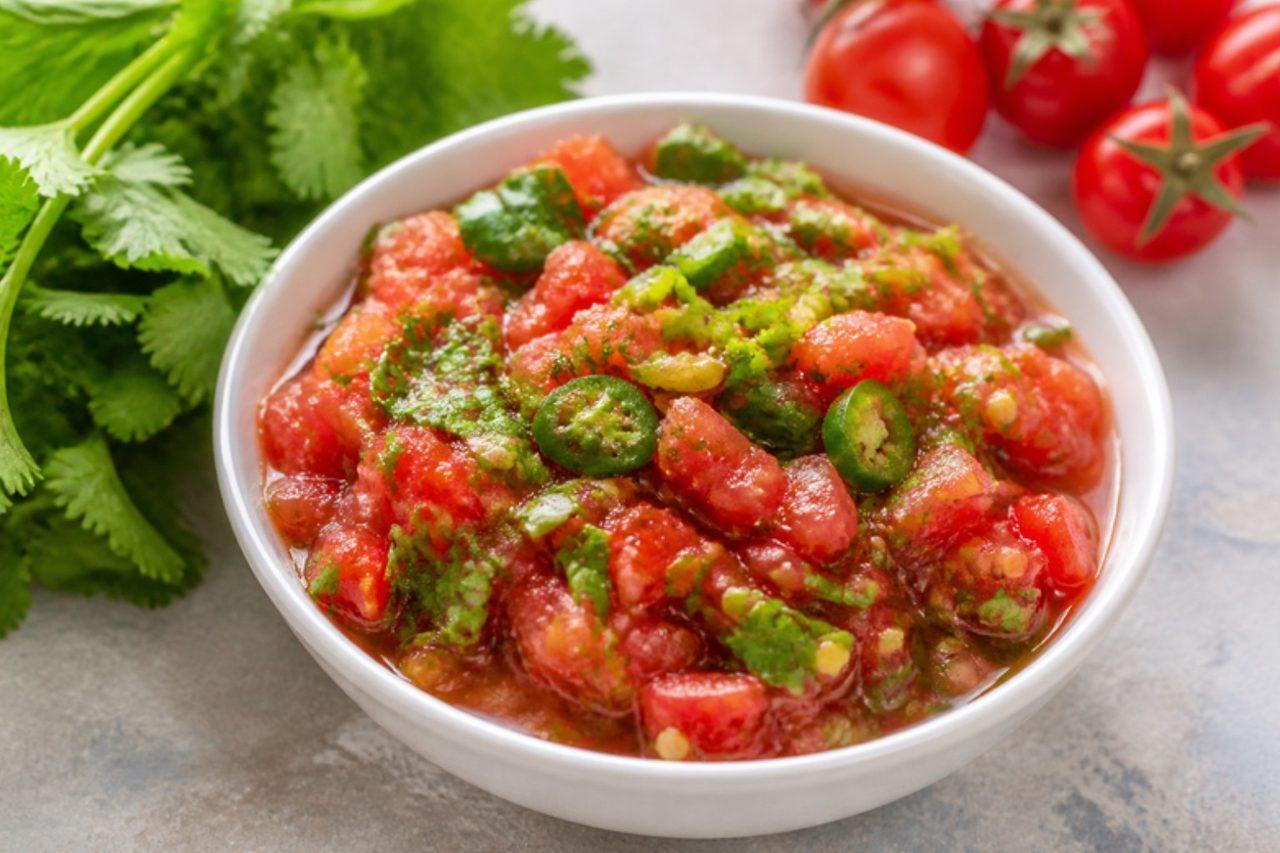
Chatini pomme d'amour (tomato chutney) is on the side of every Mauritian plate of rice, dholl puri and farata. In Creole and Indo-Mauritian homes it is crushed by hand on the roche carri, the island's flat grinding stone, so the tomato turns juicy while the onion and coriander stay fresh. Unlike kachumbari it is crushed rather than chopped, with raw garlic and a spoon of oil. Chef's tip: crush the garlic and chilli to a paste first, then the tomato; otherwise you bite into raw garlic pieces.

by KrazyBadal 0 views

ChebakiaSesame honey flower cookies

Chebakia are the dark, sticky, flower-shaped cookies that every Moroccan family associates with Ramadan; women in Fez, Meknes and Casablanca spend a whole day in the weeks before the holy month folding hundreds of them, and they are served at iftar with harira and dates. The dough is scented with anise, cinnamon, saffron and toasted sesame, cut into rectangles, folded into a rose, fried and dropped straight into hot, perfumed honey. They are crisp, chewy and very sweet. Chef's tip: work in small batches and keep the honey hot but not boiling; hot honey soaks in properly, while cool honey just coats the outside.

by KrazyBadal 0 views

Mishti doiSweet set yogurt

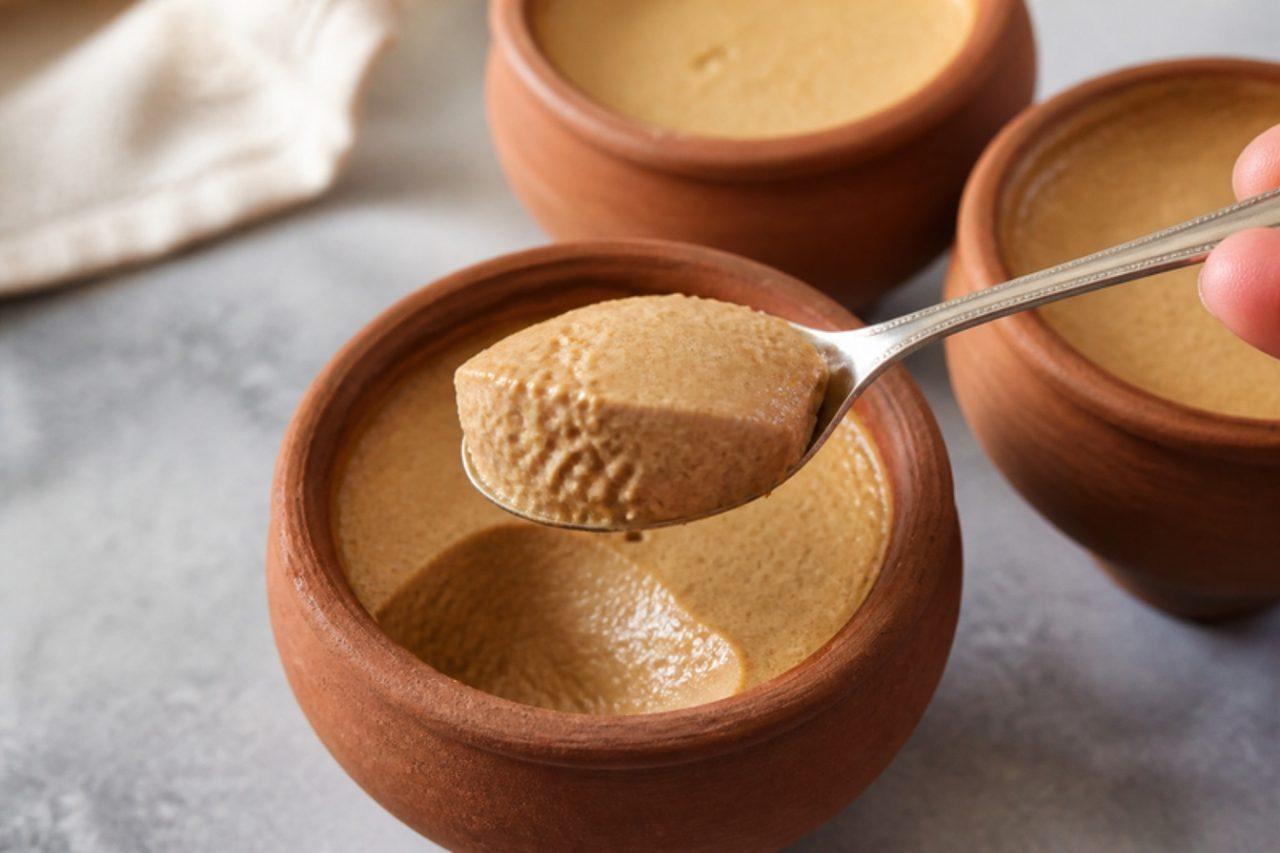
Mishti doi, 'sweet yogurt', is the classic end to a Bengali meal, sold in Kolkata sweet shops in unglazed clay pots. Milk is simmered until it thickens, sweetened with sugar cooked to a deep caramel, then set overnight with a little live yogurt. The result is thick, creamy and smooth, with a toffee-like sweetness and a gentle tang. Clay pots absorb excess whey, which makes it extra thick, but small glass or ceramic bowls work too. Chef's tip: cool the milk to just warm (about 40°C, comfortable on your little finger) before adding the starter; too hot kills the culture and too cool leaves it runny.

by KrazyBadal 0 views

Misir sambusaLentil-filled pastry triangles

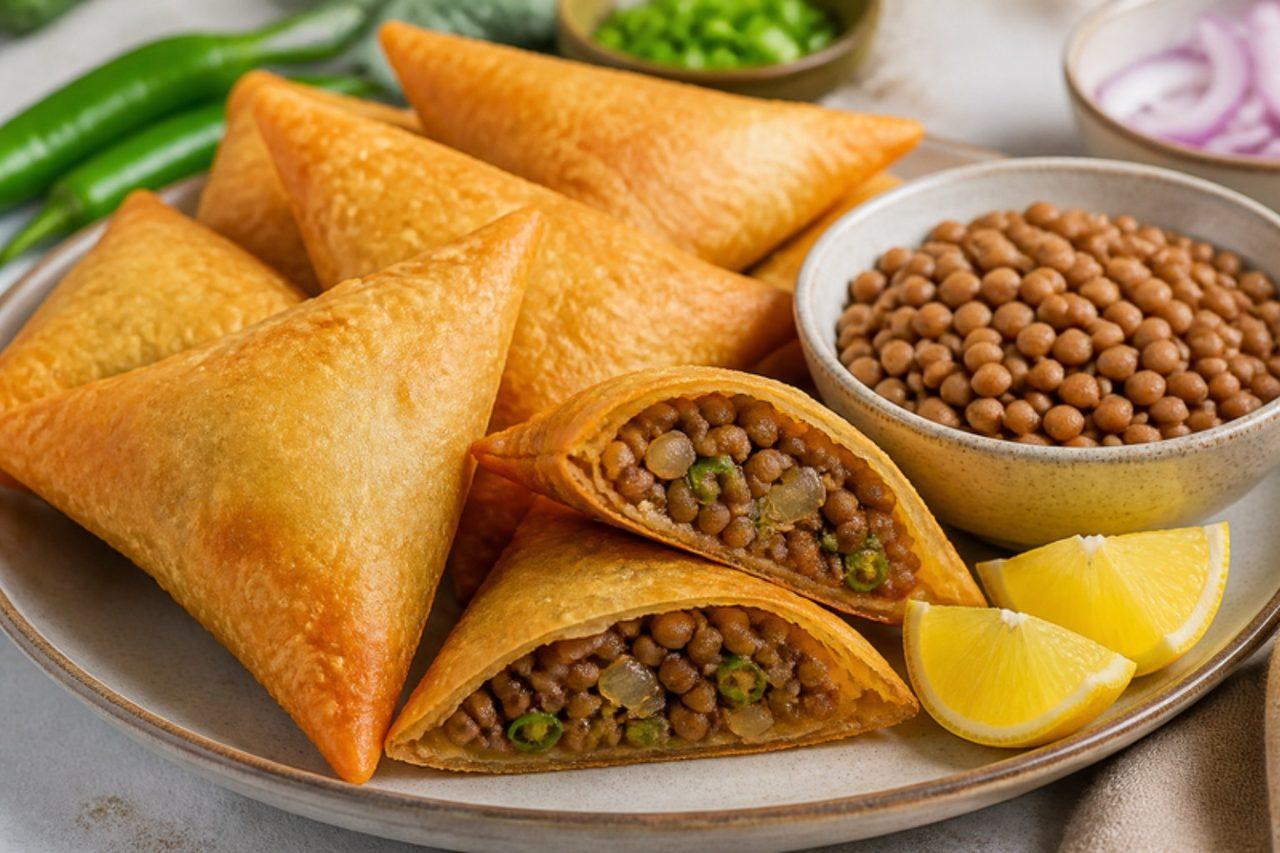
Sambusa are the crunchy triangles sold on the streets of Harar and Dire Dawa, and made at home across Ethiopia for Ramadan, Meskel and Timkat celebrations. The Ethiopian version is usually filled with brown lentils (misir), cooked dry with onion, green chilli and spices, then wrapped in thin pastry and fried until blistered and golden. Eat them hot, with a squeeze of lemon or a spicy dip. Chef's tip: cook the lentil filling until it is quite dry; a wet filling makes the pastry soggy and causes bursting in the hot oil.

by KrazyBadal 0 views

Chelow with tahdigSaffron rice with crispy base

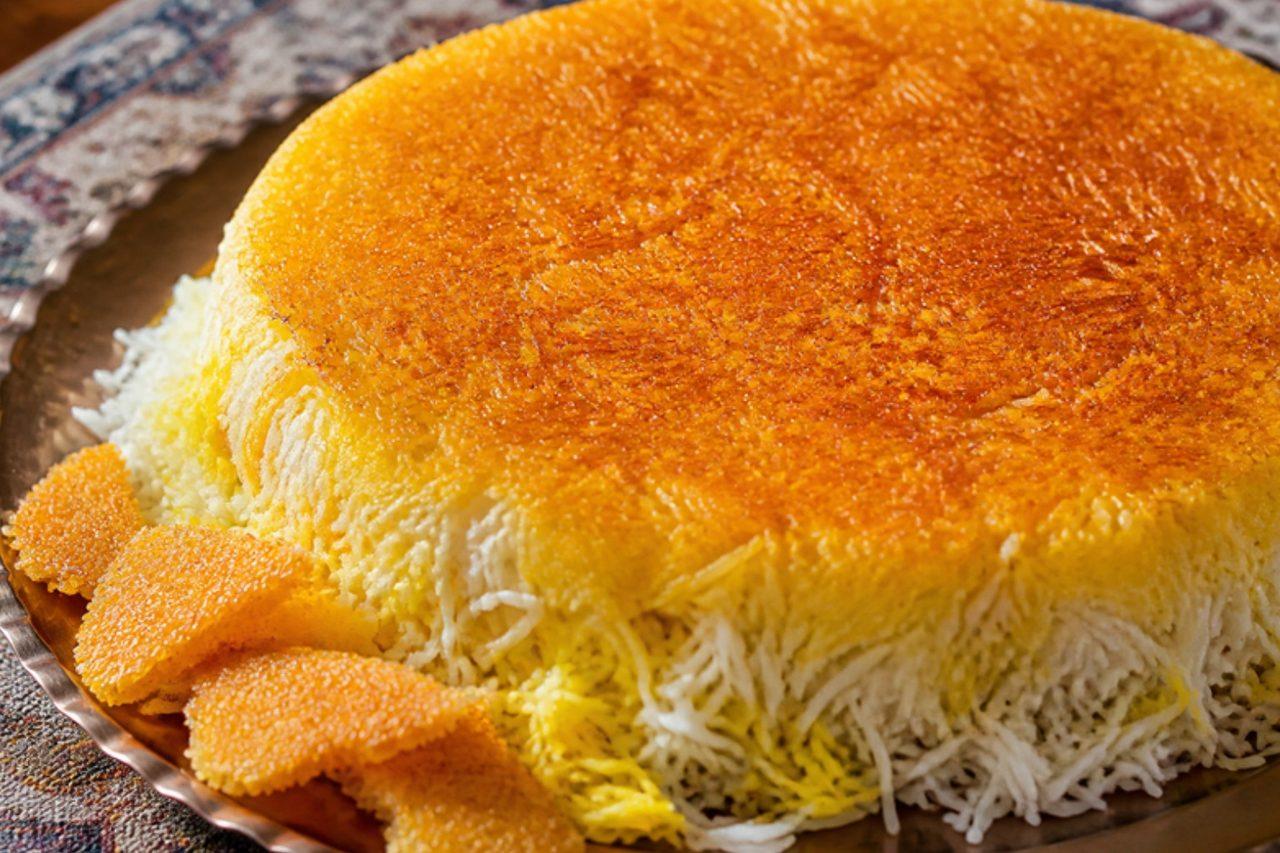
Chelow is the plain, fluffy steamed rice at the centre of almost every Iranian lunch table, and tahdig ('bottom of the pot') is the crisp golden crust that forms underneath it. In homes from Tehran to Isfahan the pot is turned out at the table and the shards of tahdig are fought over before anyone touches the stew. The method is the master one for all Persian polo dishes: long-grain rice is soaked, boiled briefly, then steamed slowly under a cloth-wrapped lid so every grain stays separate and long. This page gives a yogurt-and-saffron tahdig, with potato and flatbread versions in the steps. Serve it with ghormeh sabzi, a yogurt dip and fresh herbs. Chef's tip: turn the heat up for the first 10 minutes until you hear a steady sizzle, then right down; that early burst is what sets the crust.

by KrazyBadal 0 views

BaleadasFolded tortillas with beans and cheese

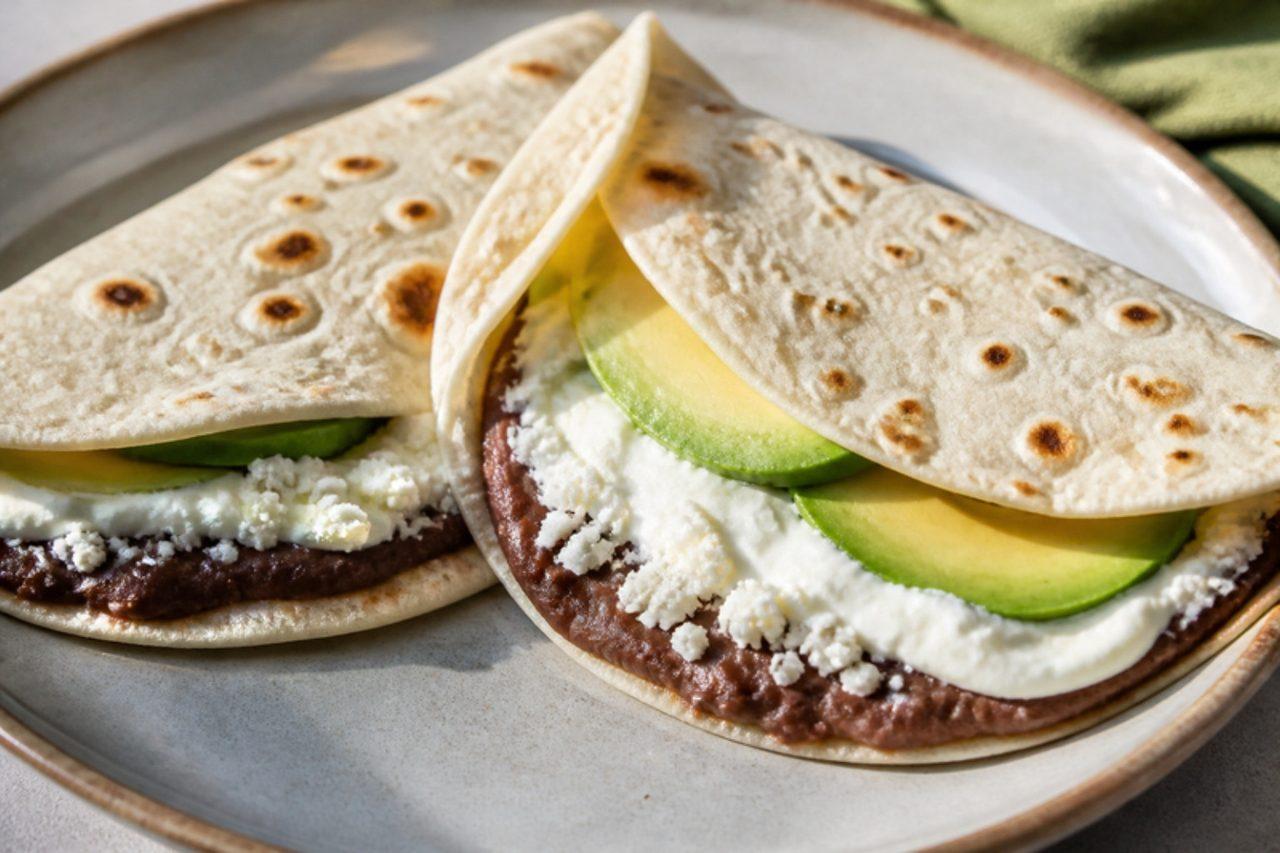
Baleadas are what Hondurans grab for breakfast on the way to work, from street stands in San Pedro Sula to the beaches of La Ceiba on the north coast. A thick, soft flour tortilla, warm from the comal, is spread with refried red beans, sprinkled with dry salty cheese and a spoon of mantequilla (sour cream), then folded in half. A 'baleada sencilla' stops there; add avocado, scrambled egg or fried plantain for a fuller one. Chef's tip: rest the dough balls a full 30 minutes; relaxed dough stretches thin by hand and puffs on the pan instead of shrinking back.

by KrazyBadal 0 views

BalaleetSweet vermicelli with omelette

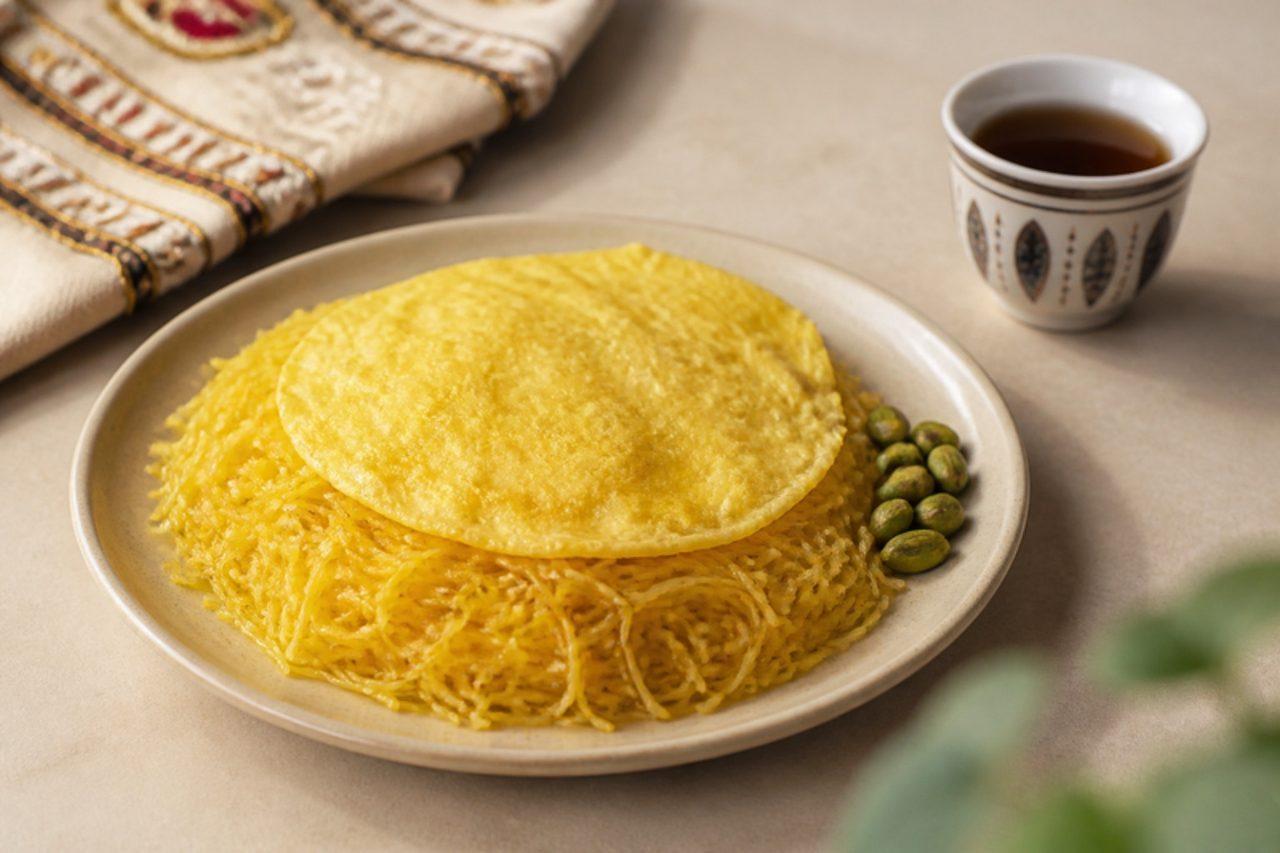
Sweet noodles for breakfast surprise visitors, but in the UAE and Qatar balaleet is the dish of Eid mornings and lazy weekend brunches. Fine vermicelli is toasted in butter, then steamed with sugar, saffron, cardamom and rose water until soft and glossy, and finally capped with a thin, salty-edged omelette. The contrast of sweet, fragrant noodles and savoury egg is the whole point, so serve them together in one wedge. Chef's tip: toast the vermicelli until it is the colour of a biscuit; pale noodles taste flat and floury.

by KrazyBadal 0 views

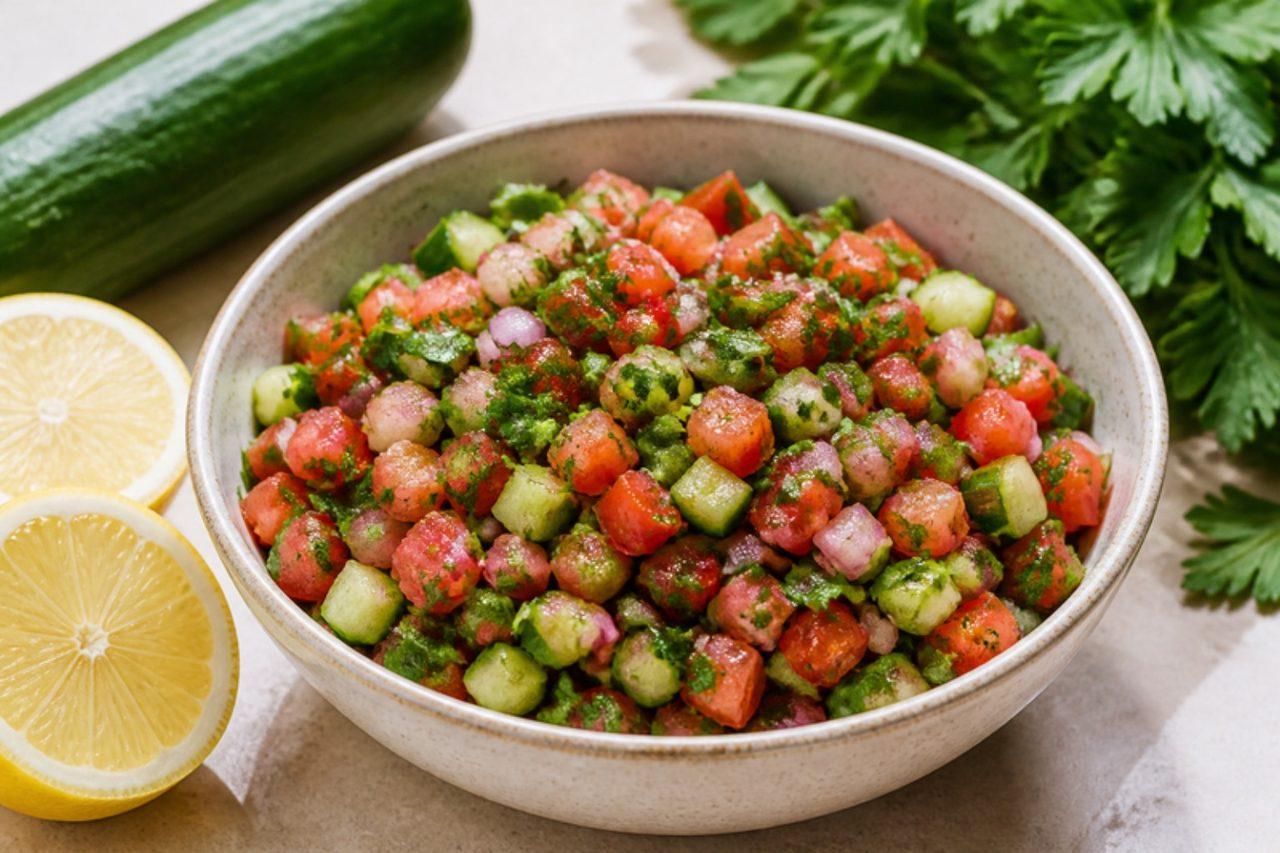
Baladi saladChopped tomato and cucumber salad

Salata baladi, the 'country salad', is on every Egyptian table, from Cairo koshari shops to Alexandria fish restaurants and home lunches, next to the rice and bread. It is finely diced tomato, cucumber, onion and green chilli, with a little parsley, a big squeeze of lemon and a pinch of cumin that makes it taste Egyptian rather than Levantine. It takes ten minutes and cuts through rich food like molokhia or mahshi. Chef's tip: dice everything small, about the size of a chickpea, so each spoonful carries a bit of everything.

by KrazyBadal 0 views

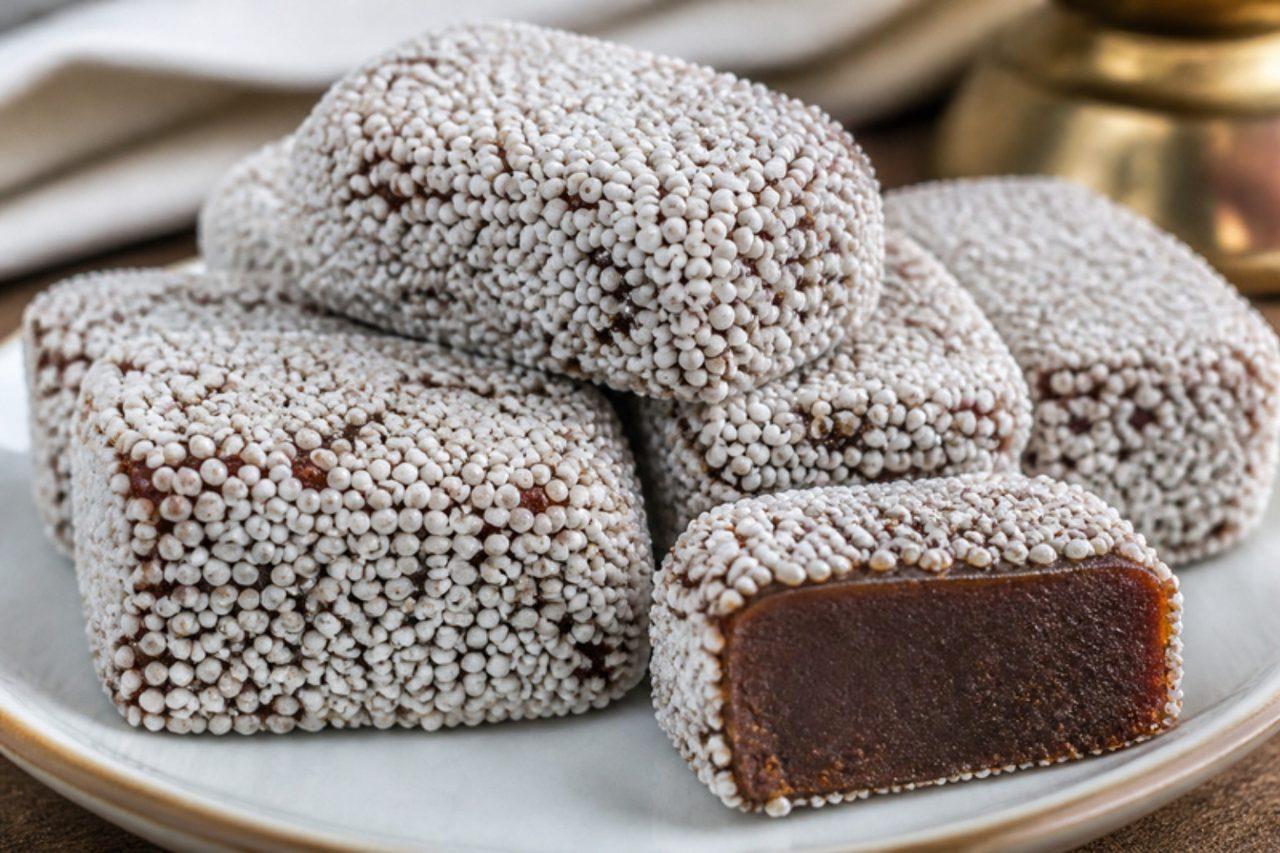
Bal mithaiChocolate-brown fudge with sugar balls

Bal mithai belongs to Almora in Kumaon, where sweet shops on the old Lala Bazaar have sold it for well over a century. Khoya is cooked slowly with sugar until it caramelises to the colour of dark chocolate, set into bars and rolled in little white sugar balls, which give a crunchy bite against the fudgy middle. Families carry boxes of it home from the hills as the town's best-known souvenir. The flavour is deep and toffee-like, with no added colour or cocoa. Chef's tip: keep the heat low and be patient; the deep brown comes from slow caramelising over half an hour, not from turning the flame up.

by KrazyBadal 0 views

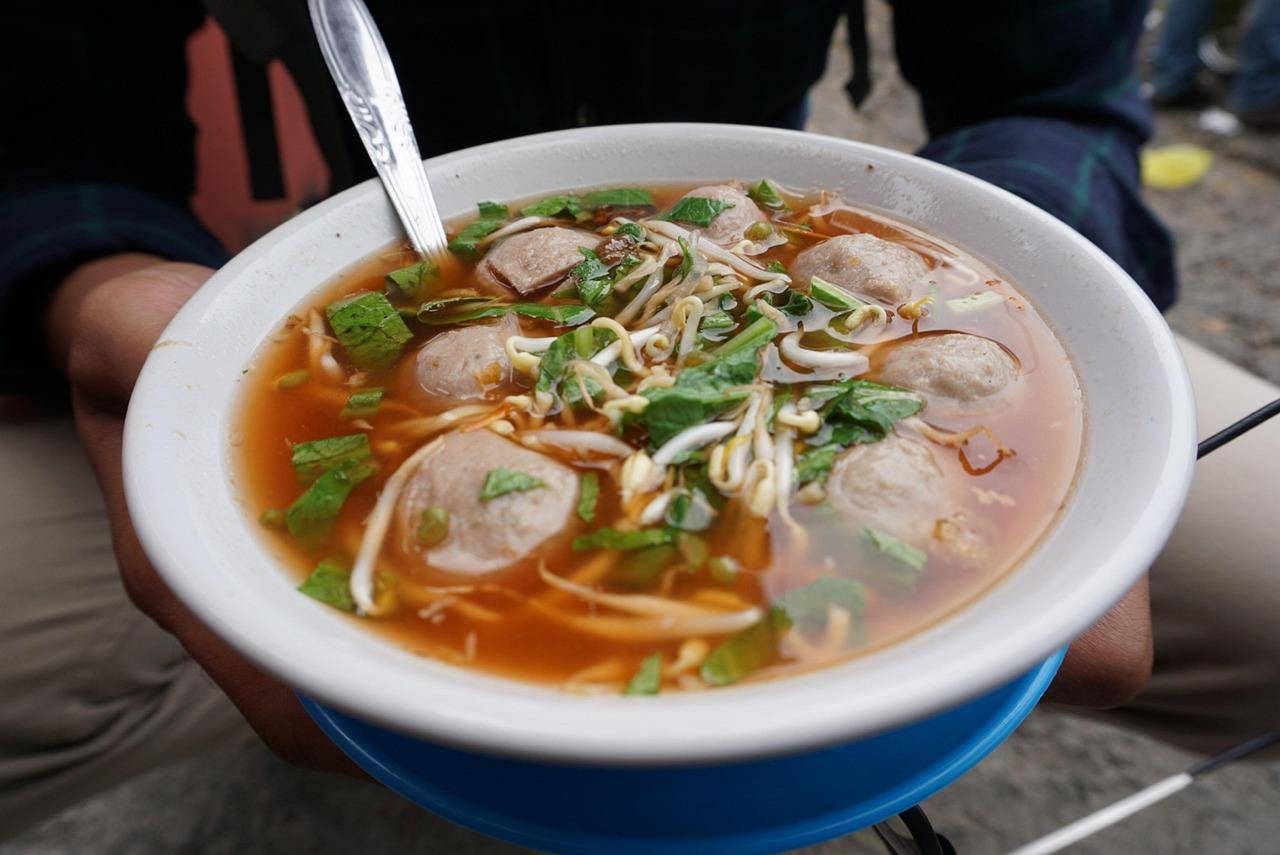
BaksoBeef meatball soup

Listen for a spoon tapped against a bowl in any Indonesian neighbourhood and you will find a bakso cart, its glass case stacked with meatballs and two kinds of noodles. The meatballs are springy, almost bouncy, sitting in a clear, garlicky beef broth with yellow noodles, glass noodles and a little green veg. Everyone then builds their own bowl at the counter with sambal, sweet soy sauce, vinegar and a scattering of fried shallots; it is the go-to comfort on a wet afternoon. Chef's tip: keep the beef and everything that touches it ice-cold while you blend, because warm meat gives dense, crumbly balls instead of that famous bounce.

by KrazyBadal 0 views

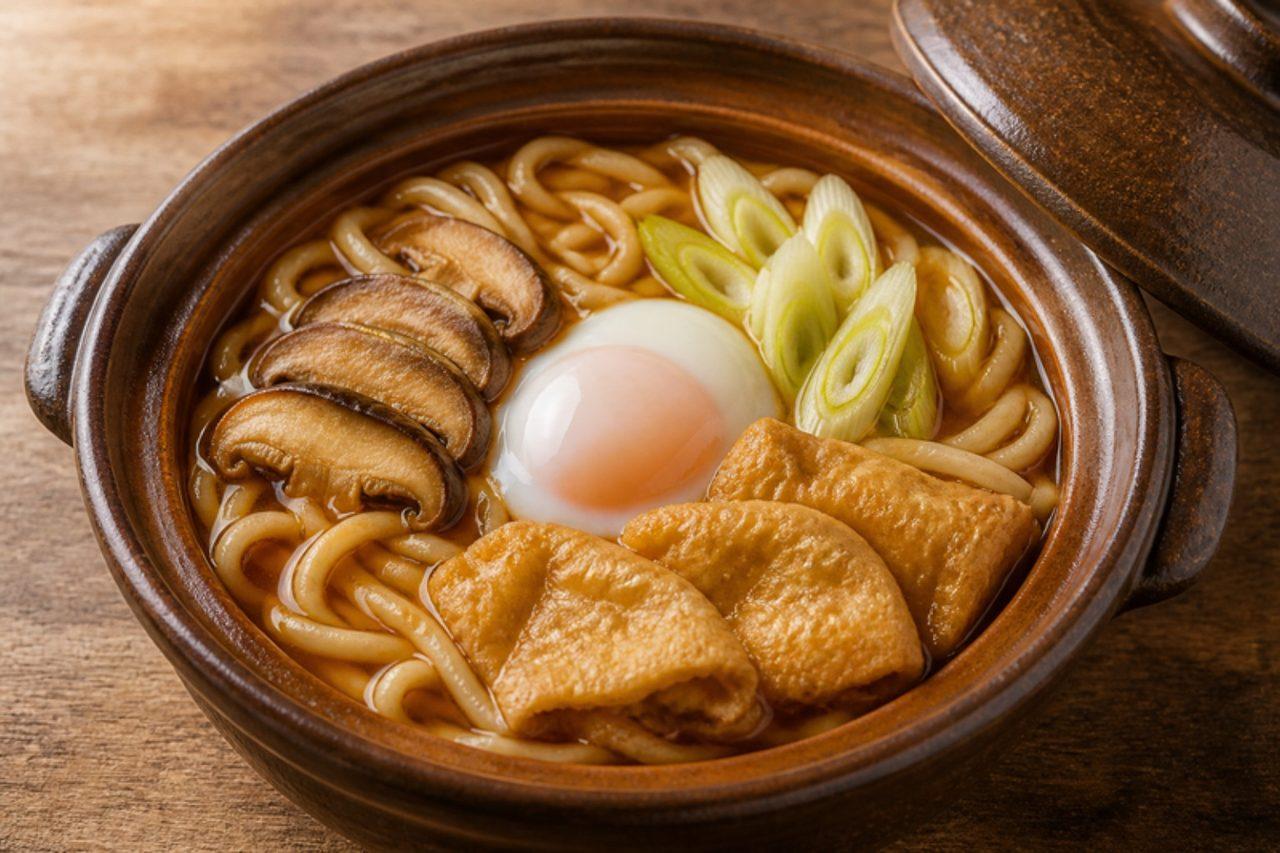
Miso nikomi udonUdon in miso broth

In Nagoya, udon is cooked in its broth rather than boiled separately, in a small clay pot called a donabe that comes to the table still bubbling. The broth is made with Aichi's famous dark soybean miso, hatcho miso, which is aged for years and tastes deep, slightly bitter and chocolatey. Nagoya's noodles are deliberately firm, almost chewy at the centre, and locals use the pot's lid as a plate to cool each mouthful. It is a cold-weather lunch, and the egg poached on top is part of the ritual. Our version uses kombu-shiitake dashi and fried tofu instead of chicken. Chef's tip: dissolve the miso in a ladle of broth before adding it. Hatcho miso is dense and stays in lumps if it goes straight in.

by KrazyBadal 1 views

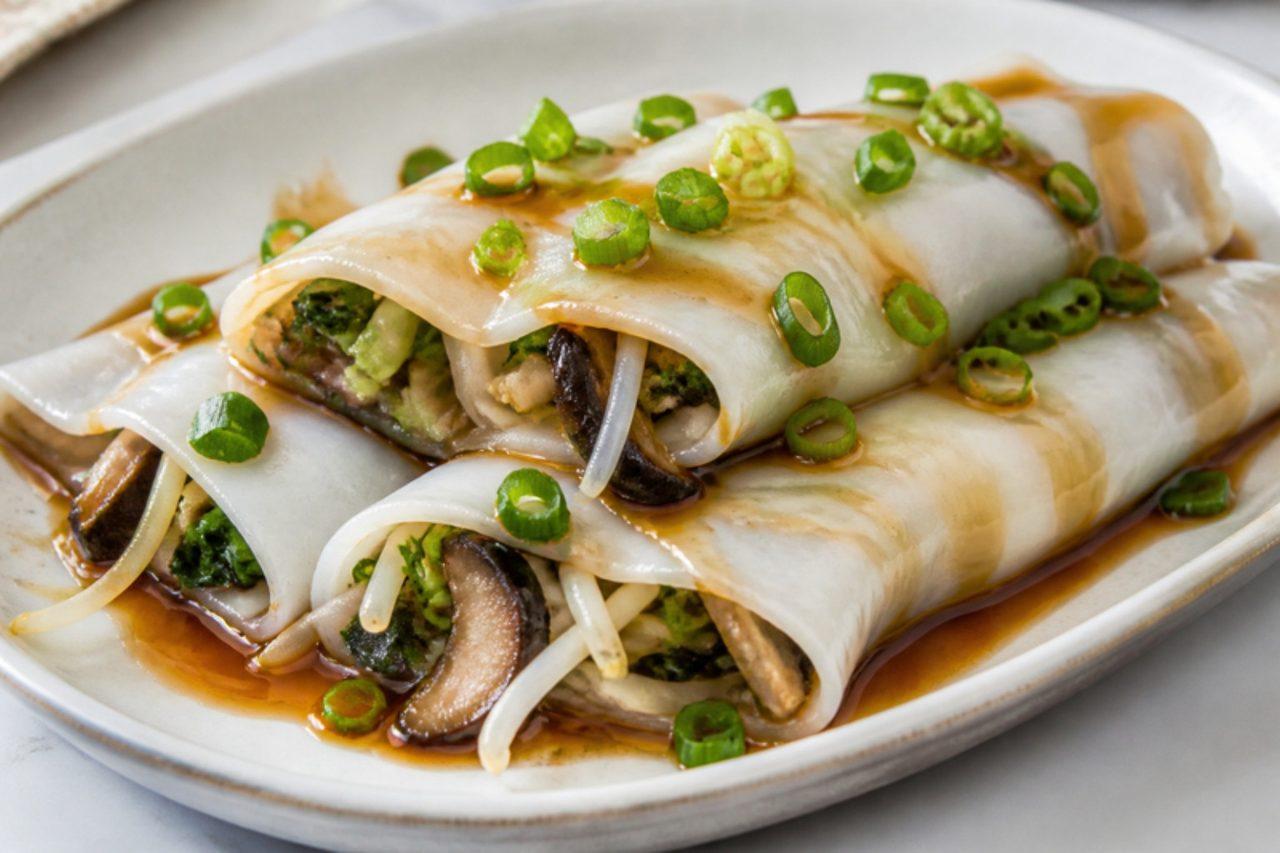
Vegetable cheung funSteamed rice noodle rolls

Cheung fun are the slippery rice-noodle rolls of Guangdong. In Guangzhou you see them steamed to order on cloth-lined trays at breakfast stalls, and at dim sum they arrive in a pool of sweet soy. This home version uses a flat tray in a wok, and fills the rolls with shiitake, Chinese chives and beansprouts. Chef's tip: stir the batter every time before you pour; the starch sinks in seconds, and an unstirred batter gives a thin, torn sheet.

by KrazyBadal 0 views

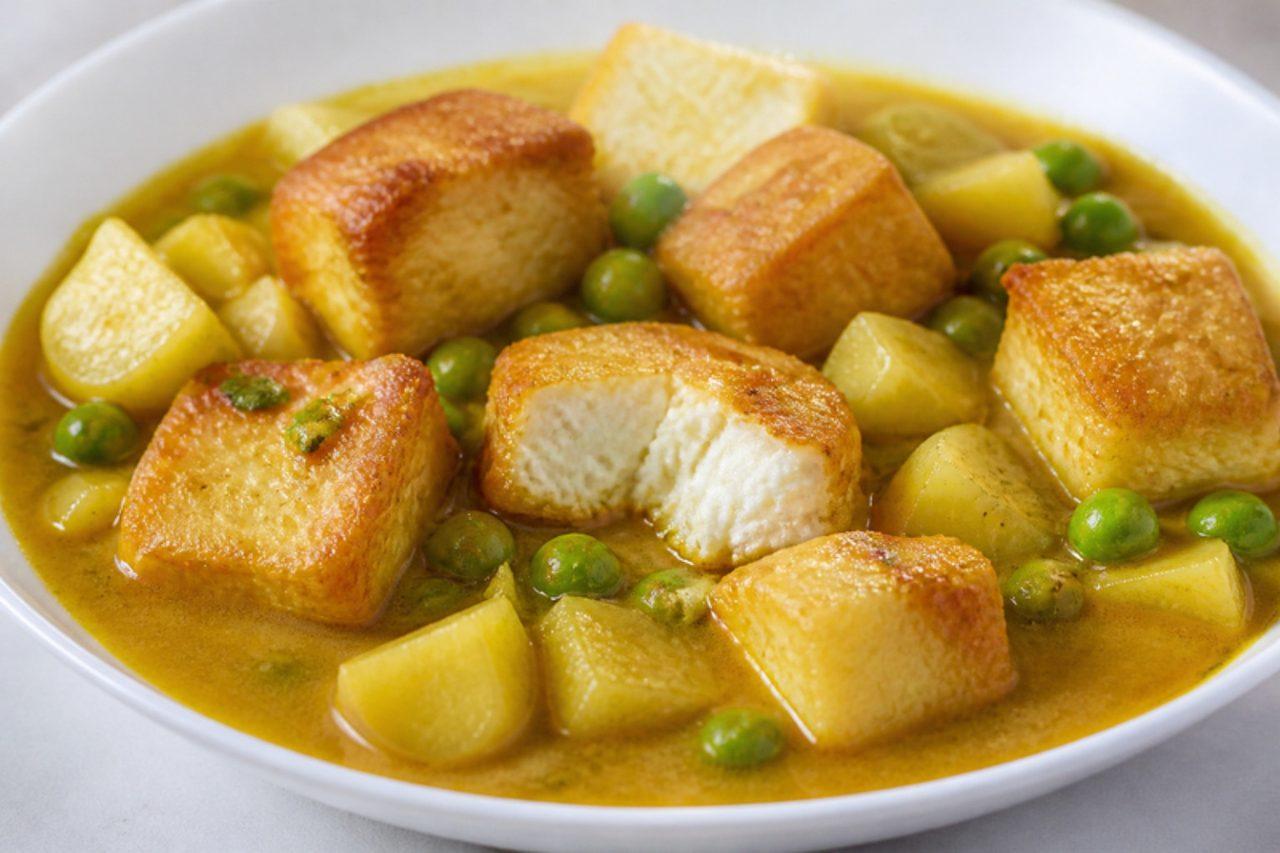
Chhanar dalnaFresh cheese and potato curry

Chhanar dalna is how Bengal uses its fresh chhena, the same curd cheese that goes into rasgulla and sandesh, for a savoury lunch. Freshly split milk is kneaded with a little flour, pressed, cut into squares and fried, then simmered with potato in a thin, gingery tomato gravy scented with bay leaf and cardamom. It is lighter than a North Indian paneer curry and is a favourite on Thursdays and niramish days in Kolkata homes. Chef's tip: knead the chhena with your palm until it feels smooth and slightly greasy; that is what holds the cubes together in the gravy.

by KrazyBadal 0 views

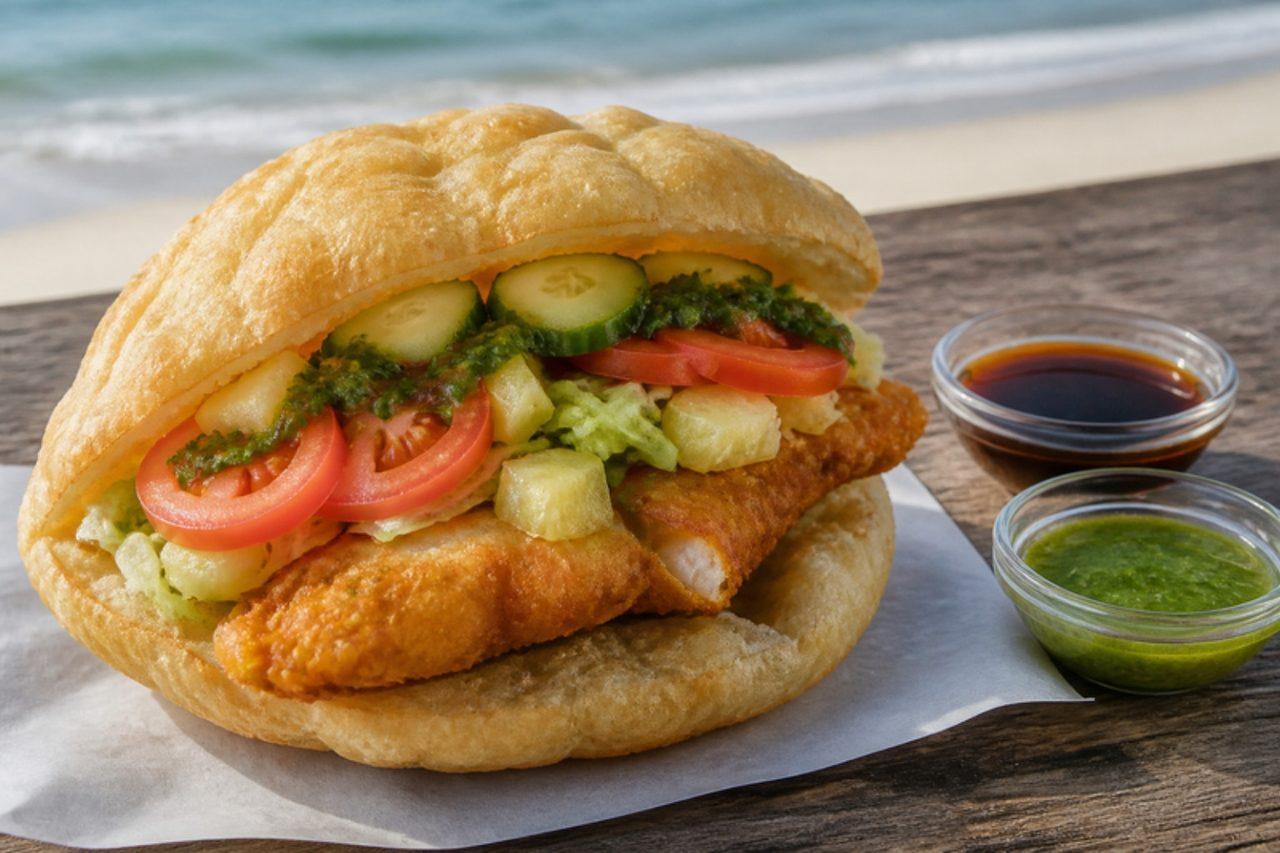
Bake and sharkFried shark in fried bread

After a swim at Maracas Bay on Trinidad's north coast, the queue at the beach huts is for bake and shark: a puffy fried bread split open around a piece of seasoned, crisp-fried fish, then loaded at a toppings bar with coleslaw, cucumber, pineapple, tamarind sauce, pepper sauce and the bright green chadon beni (culantro) sauce. Shark is the tradition, but many shark species are now overfished and some build up mercury, so this recipe uses a firm, sustainably caught white fish such as hake, pollock, catfish or mahi-mahi; use shark only from a source you trust. Chef's tip: let the bake dough rest for a full 30 minutes; relaxed dough puffs up like a pillow in the hot oil instead of frying flat and tough.

by KrazyBadal 0 views

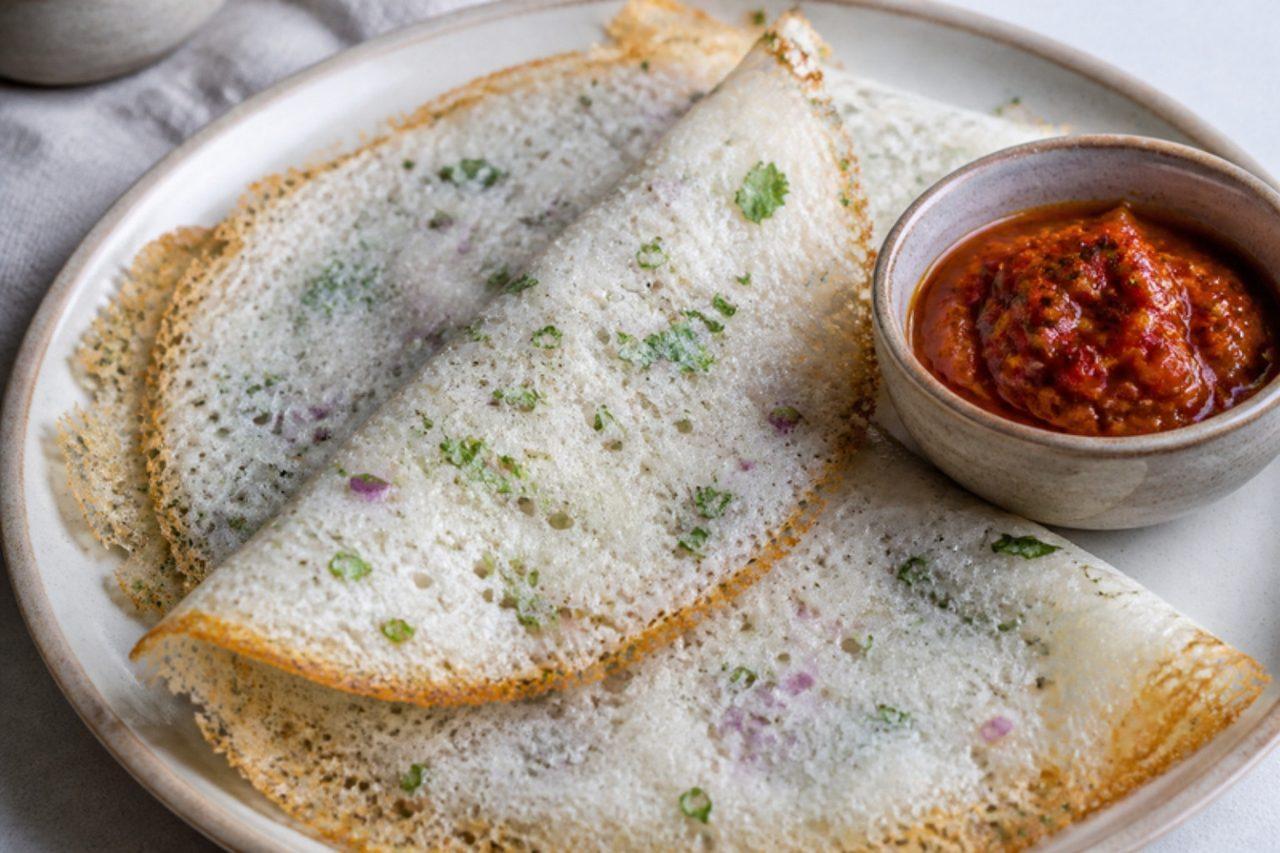
Chhattisgarhi chilaRice flour pancakes

Chhattisgarh calls itself the rice bowl of India, and its everyday breakfast proves it: chila made from nothing more than rice batter, salt and a few aromatics, poured paper-thin onto a hot tawa. Village kitchens grind soaked rice on a stone; rice flour makes it quick enough for a weekday. The pancakes are soft in the middle with crisp, lacy edges and come with a rough chutney of fire-roasted tomato, garlic and green chilli. This is different from the thick gram-flour chila common elsewhere in India. Chef's tip: stir the batter before every ladle, because rice flour sinks fast and the last chilas otherwise turn thick and gummy.

by KrazyBadal 0 views

Chhena gajaFried cheese blocks in syrup

Chhena gaja is the sweet pilgrims carry home from Puri in boxes from the stalls along the Bada Danda, the grand road to the Jagannath temple. Fresh chhena is kneaded with semolina, cut into rectangles, fried until golden and crisp, then soaked briefly in sugar syrup so the outside turns glassy and crunchy while the inside stays soft and grainy. It travels well and keeps for days. Chef's tip: dry the fried blocks for an hour after syruping; the sugar sets into a thin crust.

by KrazyBadal 0 views

Showing 72 of 10,569 recipes

Show more recipes

Page 1,083 of 1,175