


Skip to content
Pasta and eggplant
Featured recipe

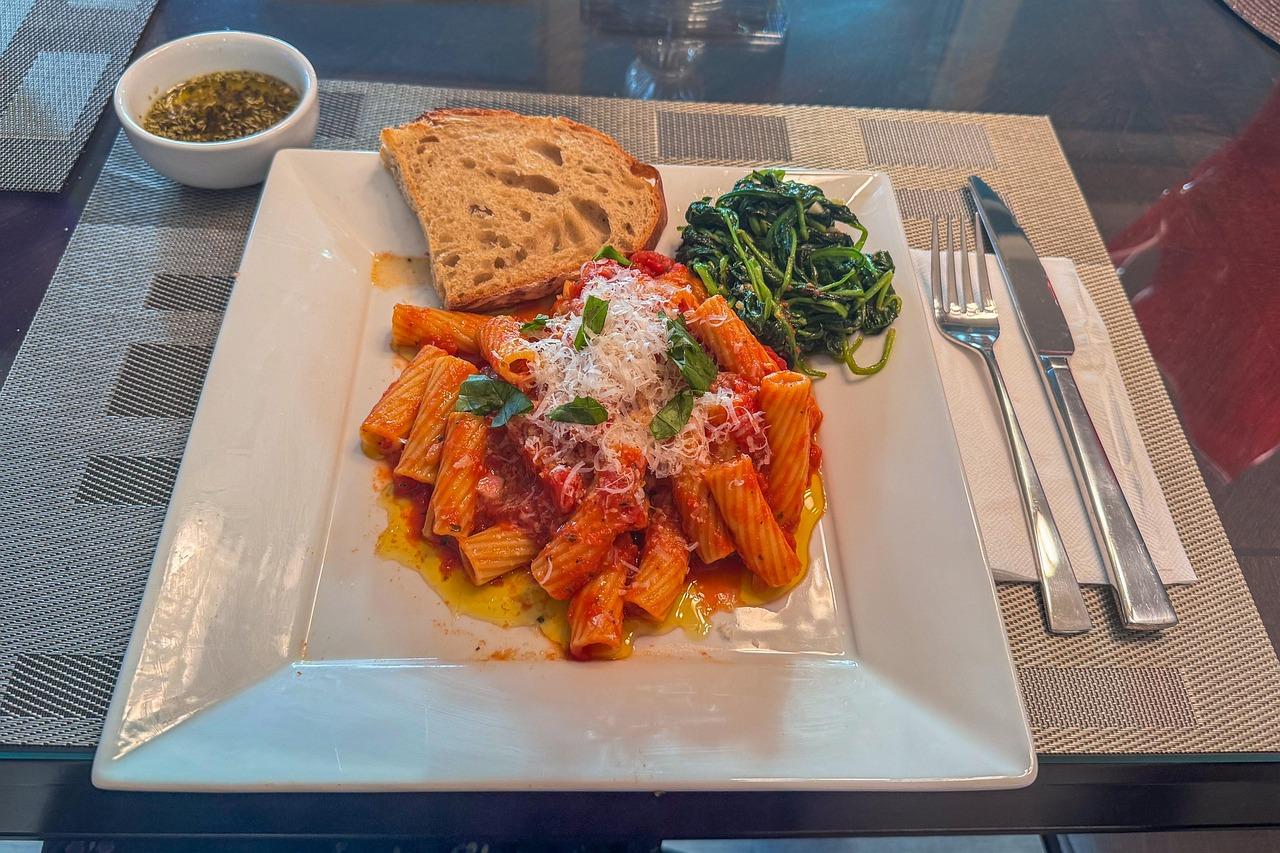
Pasta and eggplant

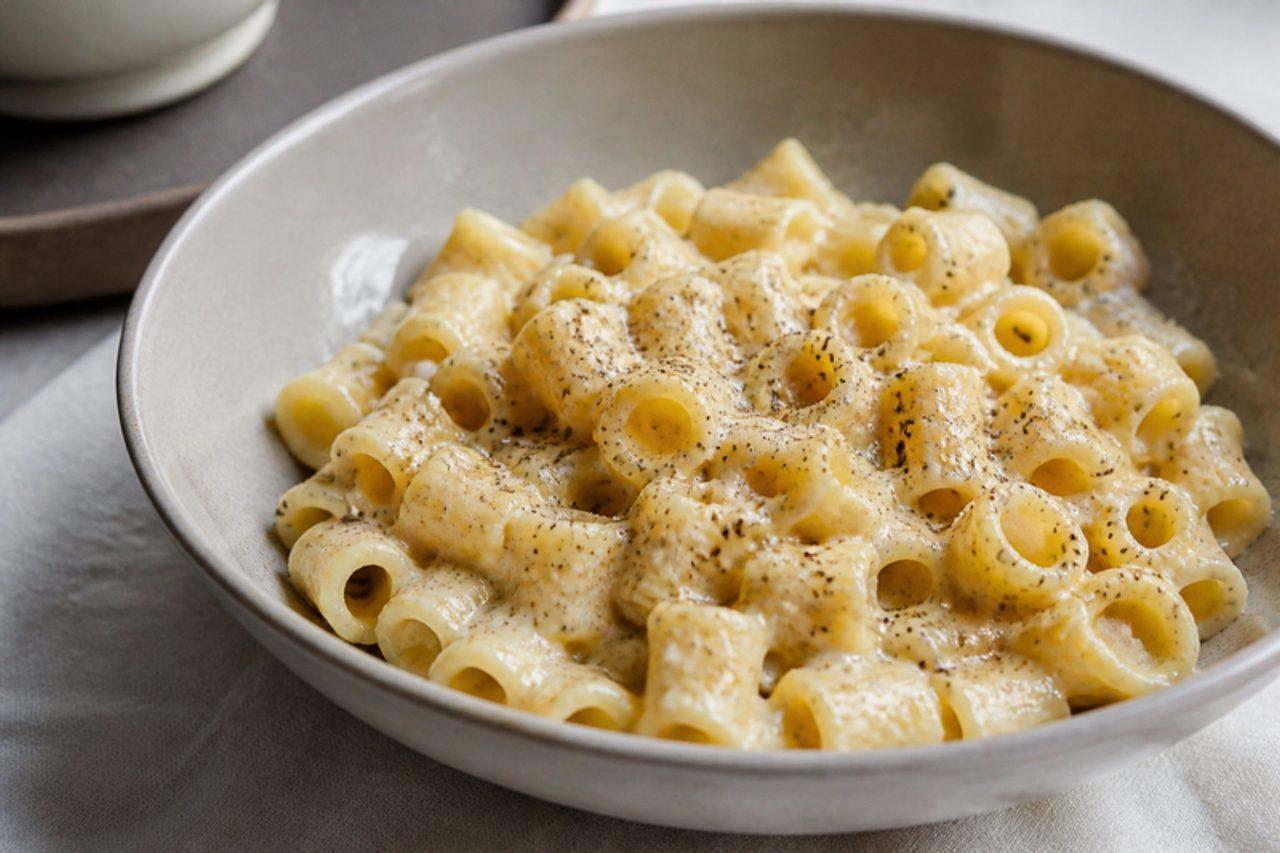
Rigatoni tossed in a thick tomato sauce with soft aubergine, celery and garlic, with an optional splash of brandy for depth, and topped with grated cheddar.

Read more 1 views

What to eat today?

Around the world

Today's trip: Persian

A new country every day, from every cuisine on the site.

Persian

Shir berenj

Rose water rice pudding 70 minMore from Persian (181) →

This week's collection

Kid-friendly dinners
756 recipes · a new collection every Monday

Coming up

All occasions →

Latest recipes

Bandeja paisaBeans, rice and pork platter

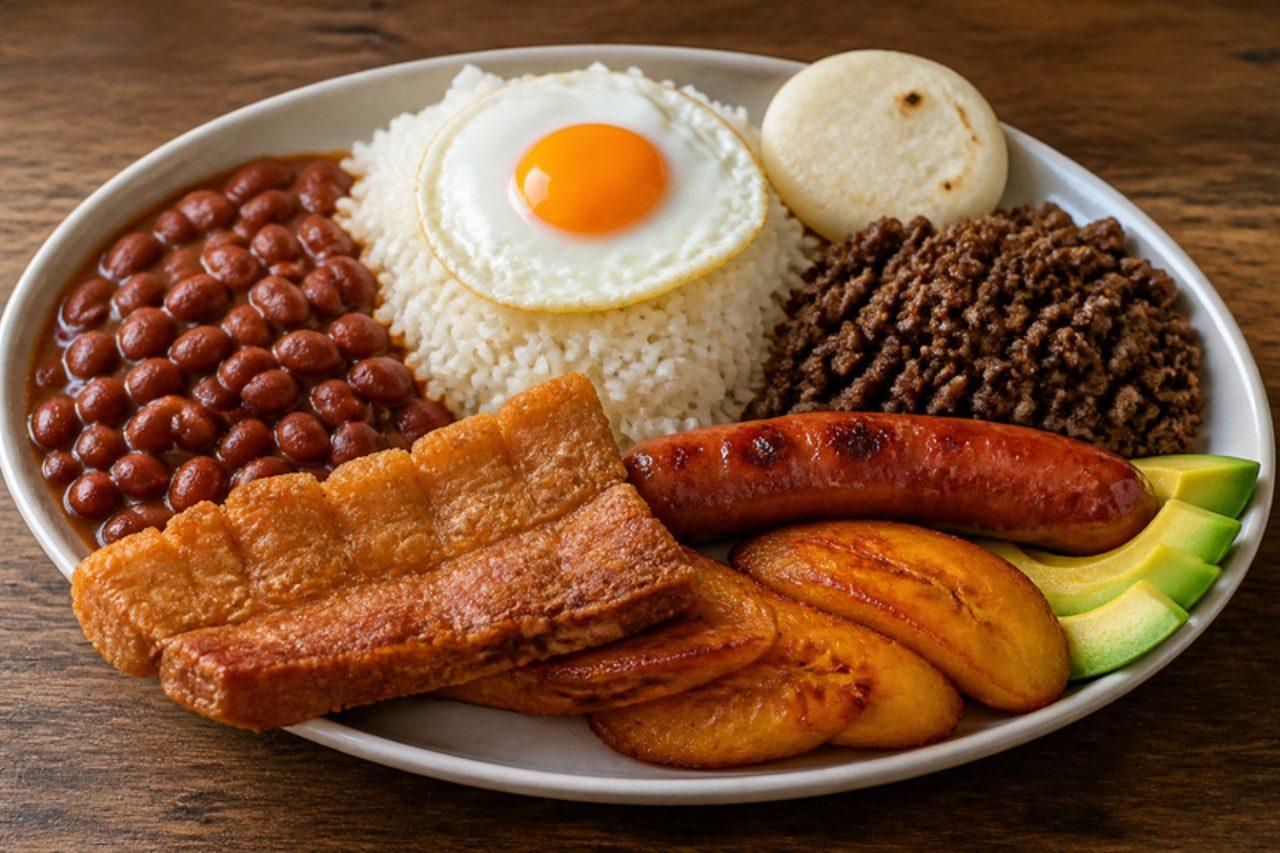
Bandeja paisa is the farmhouse feast of Antioquia and the coffee region around Medellín, served on an oval platter so big it barely fits on the table. This is a pork dish: crisp chicharrón (fried pork belly) and chorizo sit next to red beans, white rice, seasoned minced beef, a fried egg, ripe plantain, a small arepa and avocado. Paisas eat it for a long Sunday lunch, and restaurants in Medellín serve it every day. It looks like a lot of work, but most parts can be made ahead and finished together. The mistake most people make is frying the pork belly too hot from the start; it needs to simmer in its own fat first, or the outside burns before the inside turns tender. Chef's tip: cook the beans a day ahead; they thicken and taste better, and the day itself is then only frying.

by KrazyBadal 0 views

FeijoadaBlack bean and pork stew

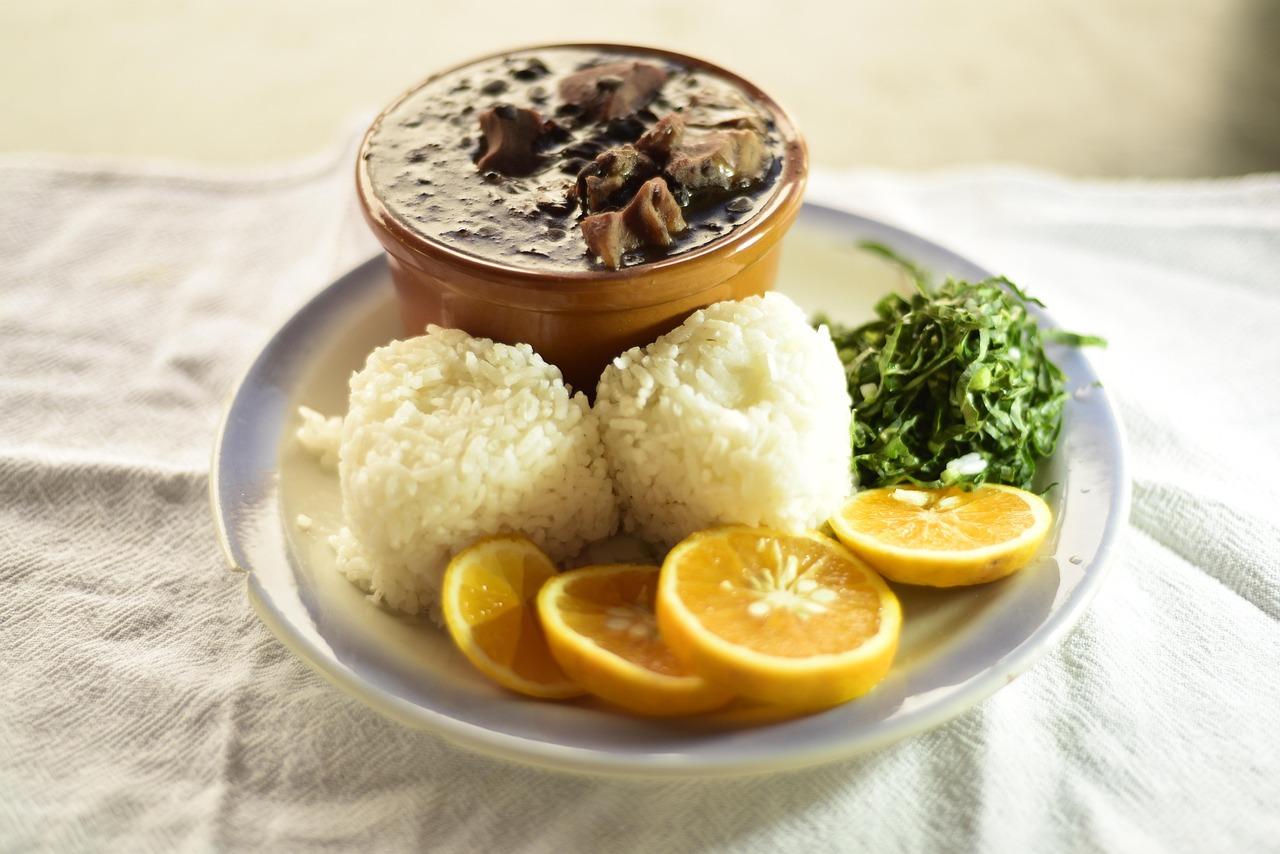
In Rio de Janeiro, feijoada has its own days: Wednesdays and Saturdays, when botecos and restaurants put the big pots on and lunch stretches into the afternoon. Black beans simmer slowly with carne seca (salt-dried beef), salted pork ribs, smoky sausages and bacon until the broth is thick, dark and glossy. The full spread, feijoada completa, comes with white rice, garlicky shredded couve, crunchy farofa and slices of orange to freshen the palate. Our vegetarian feijoada covers the meat-free version; this is the classic. Start a day ahead, because the salted meats must soak. Chef's tip: mash a ladleful of cooked beans with the fried onion and garlic and stir it back in; it thickens the broth naturally.

by KrazyBadal 0 views

Feteer meshaltetFlaky layered pie

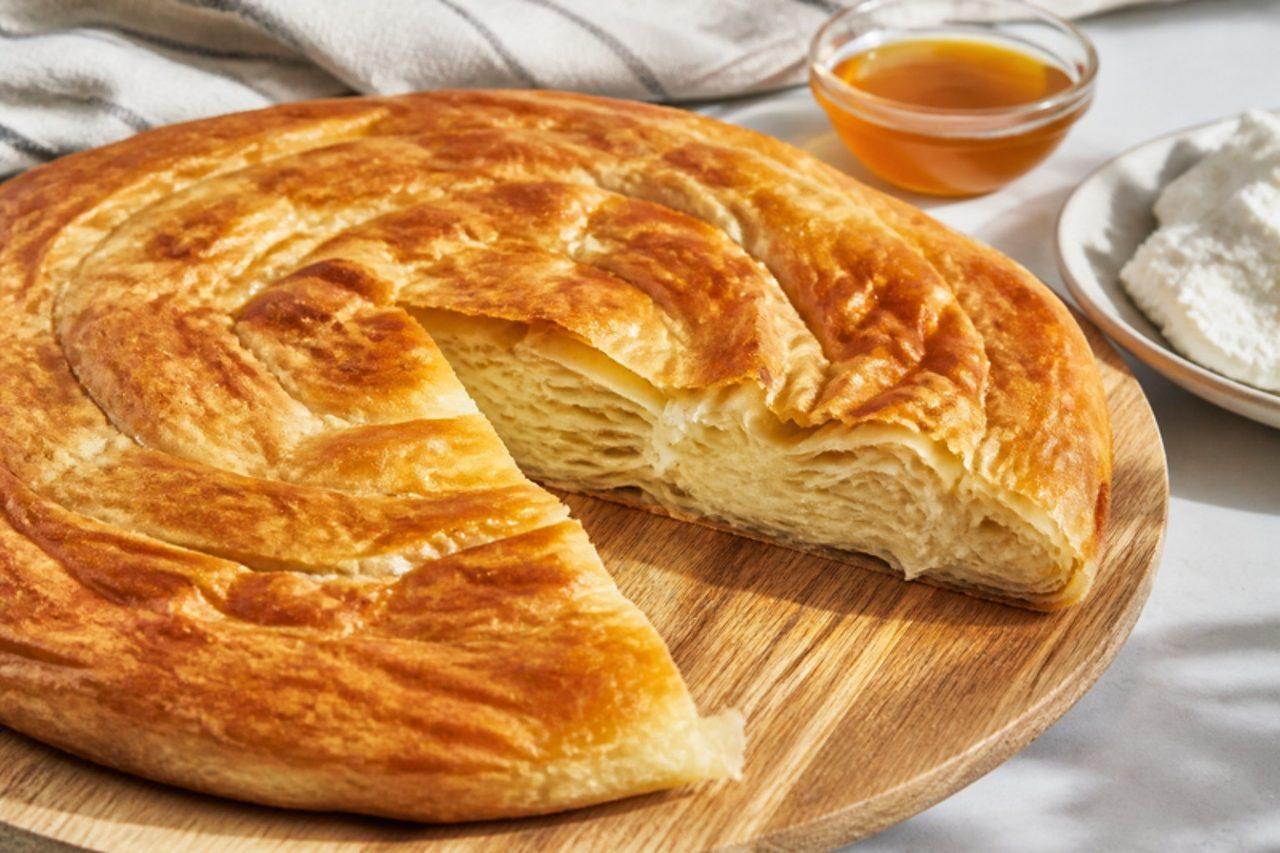
Feteer meshaltet comes from the villages of the Nile Delta, in Sharqia, Menoufia and around, where it is baked for weddings, feast days and for guests, and sent home with visitors in a cloth. A soft dough is stretched paper-thin, brushed with lots of ghee or butter and folded over and over into a round that bakes into dozens of crisp, flaky layers. Eat it warm, torn with your hands, dipped in honey or 'asal eswed (sugar-cane molasses) or with white cheese and olives. Chef's tip: let the dough balls rest in butter until they feel loose and silky; dough that hasn't relaxed tears when you stretch it, and torn dough is the most common reason a feteer comes out tough.

by KrazyBadal 0 views

GhapamaRice and fruit stuffed pumpkin

Ghapama is the dish Armenians carry to the table at New Year and on Christmas Day (6 January), with a folk song, "Hey jan ghapama", sung while the pumpkin is cut. A whole pumpkin is hollowed out, packed with half-cooked rice, dried apricots, prunes, raisins, walnuts and honey, and baked until the flesh is soft enough to scoop. At the table it is sliced from top to bottom like a flower opening, so each wedge comes with its own share of filling. Serve it as a festive main with a herb and cucumber salad, or as a sweet course after a lighter meal. Chef's tip: choose a squat, thick-walled pumpkin with a hard shell; thin-walled ones collapse in the oven before the rice is cooked.

by KrazyBadal 0 views

GhevarLacy fried batter sweet in syrup

During the monsoon festival of Teej and through Raksha Bandhan, Jaipur's sweet shops stack golden, honeycomb discs of ghevar in their windows. The batter is little more than flour, chilled ghee and ice-cold water, poured into hot ghee in thin streams so it foams into a lacy round. It is then soaked in syrup and finished with rabri, sliced pistachios and a pinch of saffron. Married daughters traditionally receive it from their mothers' homes during Teej. The most common mistake is batter that is too warm or too thick; it fries into a heavy pancake instead of a web. Chef's tip: whisk the ghee with ice cubes until it is white and fluffy before adding flour, and keep the batter bowl in a tray of ice water while frying. A narrow, deep pan, or a metal ring set in a saucepan, gives the sides that help the batter build up.

by KrazyBadal 0 views

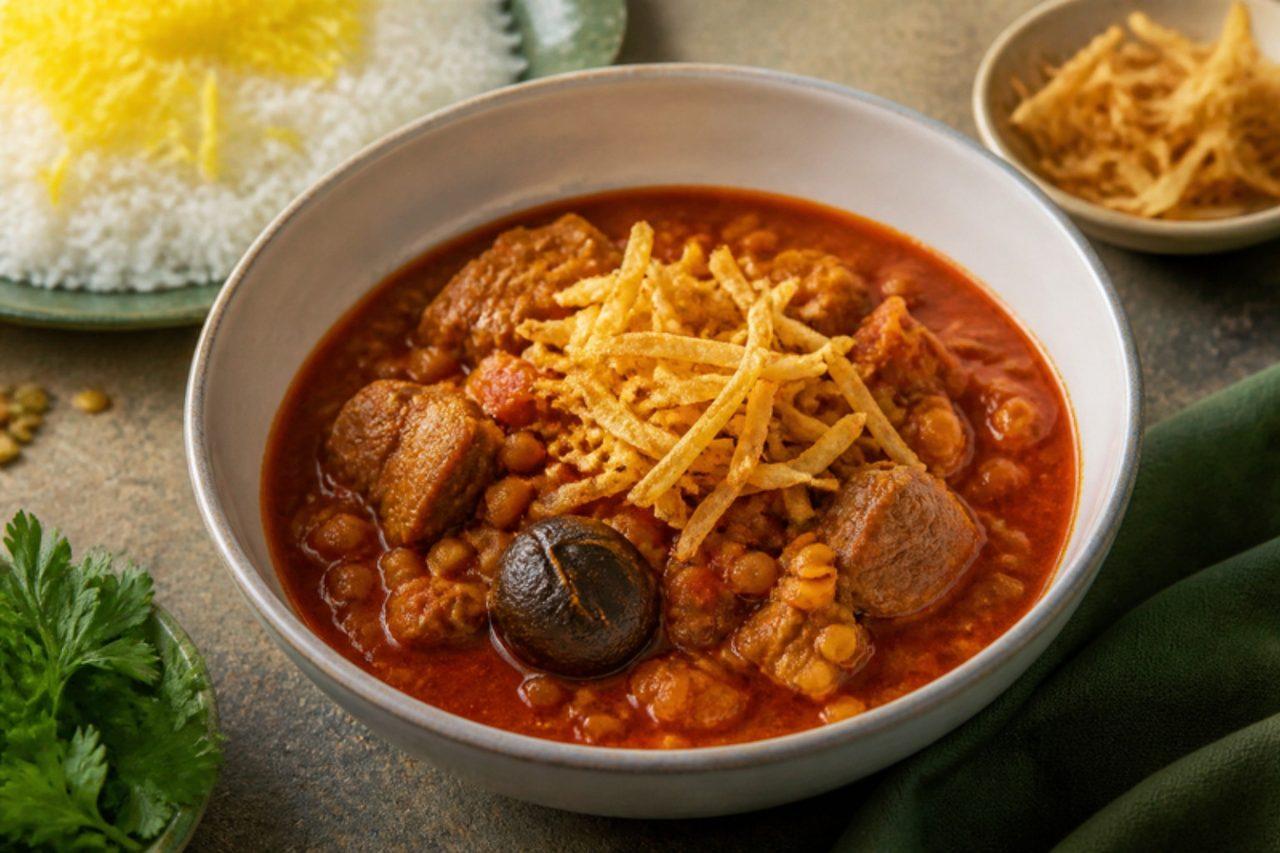
GheymehLamb and split pea stew

Gheymeh is the stew that big pots are made for: in Iran it is cooked by the cauldron and handed out to neighbours during Muharram, especially on Tasua and Ashura, and it is a fixture of weddings and Friday lunches. Small cubes of lamb simmer with yellow split peas, tomato and dried Persian limes until the sauce is tangy, savoury and a little fragrant with cinnamon. A tangle of crisp, salty potato straws goes on top just before serving. Eat it with chelow rice. Chef's tip: pierce the dried limes and soak them for 10 minutes before adding; they release their sourness faster and don't float.

140 minPersianMeatGluten free
by KrazyBadal 0 views

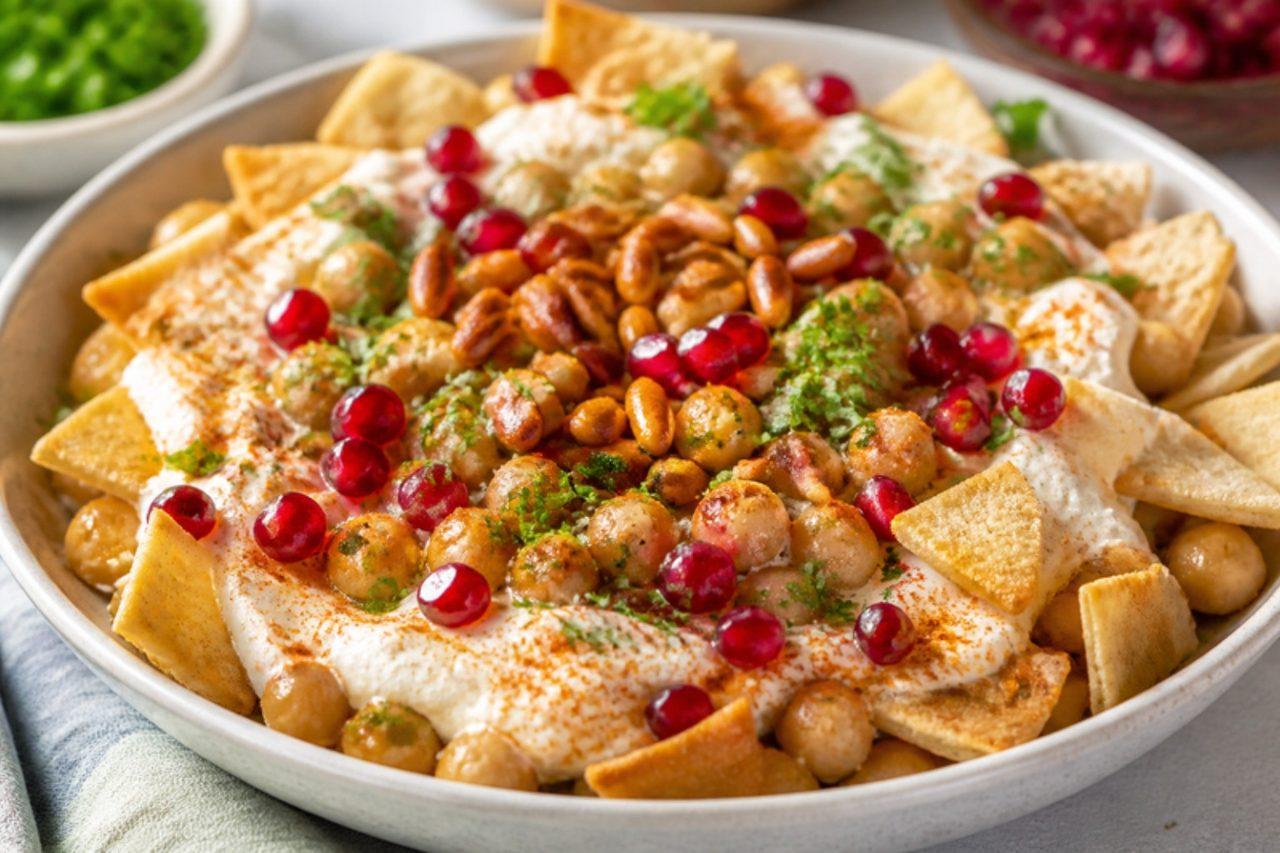
Fatteh with chickpeasChickpeas and crisp bread in yogurt

Fattet hummus belongs to Damascus, where breakfast restaurants in the old city serve it in deep bowls on Friday mornings, and it has spread to Beirut's Sunday tables too. The name comes from fatt, to break up, for the toasted flatbread at the bottom, which is topped with warm chickpeas in their broth, then a thick, garlicky sauce of yogurt and tahini, and finally sizzling pine nuts in butter or oil with a dust of paprika and cumin. The contrast is the point: crunchy and soft, hot and cool. Assembling it too early is the common mistake, since the bread soaks up the sauce and goes soggy; build it just before eating. Chef's tip: let the yogurt come to room temperature first, so it doesn't cool the chickpeas down too much and the bowl stays warm.

by KrazyBadal 0 views

Osmania biscuitsSweet and salty butter biscuits

Osmania biscuits are named after the last Nizam of Hyderabad, and they have been baked in the city's Irani bakeries for generations: round, crumbly, melt-in-the-mouth butter biscuits that are gently sweet with a distinct salty edge and a hint of cardamom. In old-city cafés, men linger over a plate of them and a cup of Irani chai in the early morning or after the evening prayers, dunking each one until it is just about to collapse. Chef's tip: chill the dough before cutting and baking; it keeps the biscuits round and thick instead of spreading thin.

by KrazyBadal 0 views

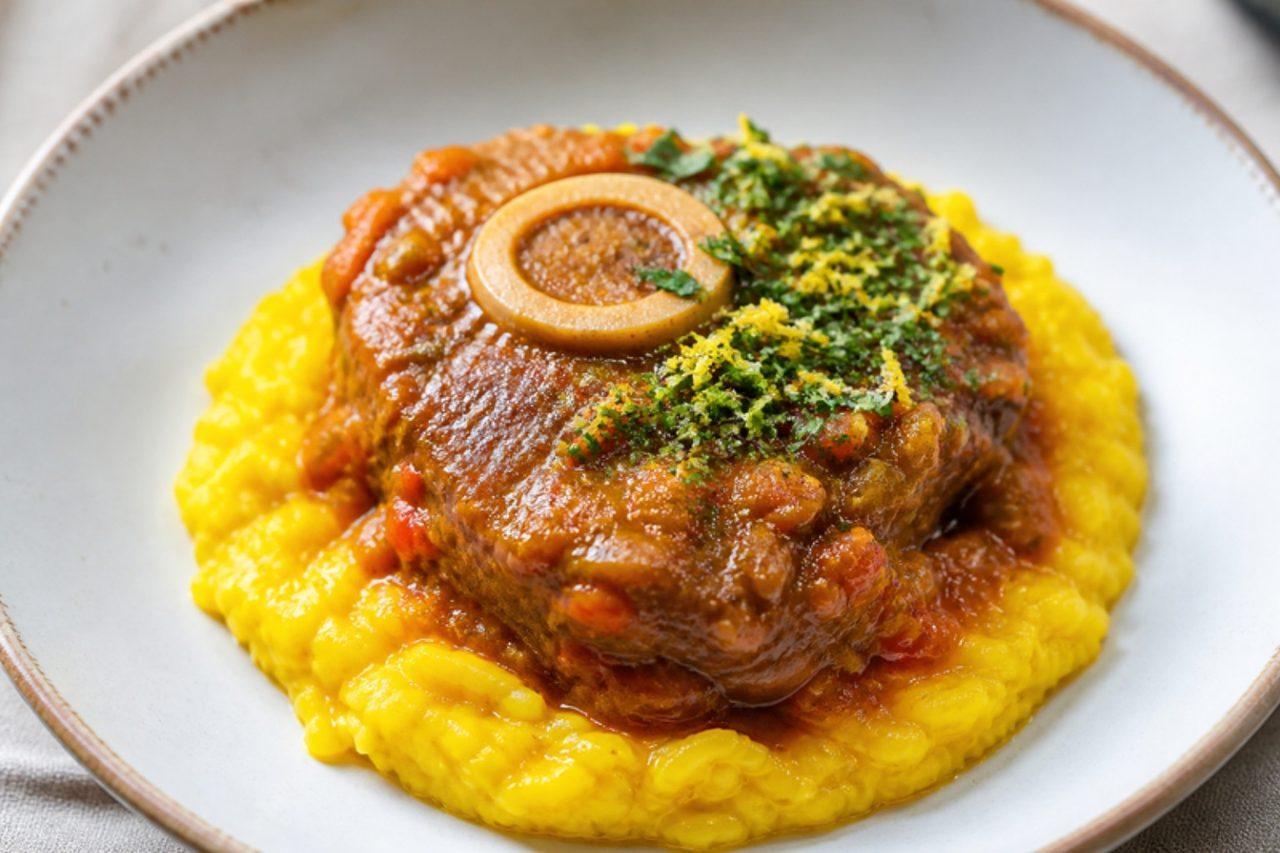
Ossobuco alla milaneseBraised veal shanks

Thick cross-cut slices of veal shank, each ringed around a hollow bone full of marrow, are browned and then braised slowly in white wine and stock until the meat is soft enough to cut with a spoon: this is Milan's great winter Sunday dish. The old Milanese way, 'in bianco', keeps tomato out, so the sauce stays golden and savoury. Just before serving it gets a shower of gremolata, a sharp mix of lemon zest, garlic and parsley that wakes up the rich braise. Serve it with risotto alla milanese, the saffron risotto that is its traditional partner (one of the few times a Milanese risotto shares the plate), or with soft polenta. Chef's tip: snip through the thin skin around each shank in three or four places before browning, so the slices stay flat in the pan instead of curling up.

150 minItalianMeatGluten free
by KrazyBadal 0 views

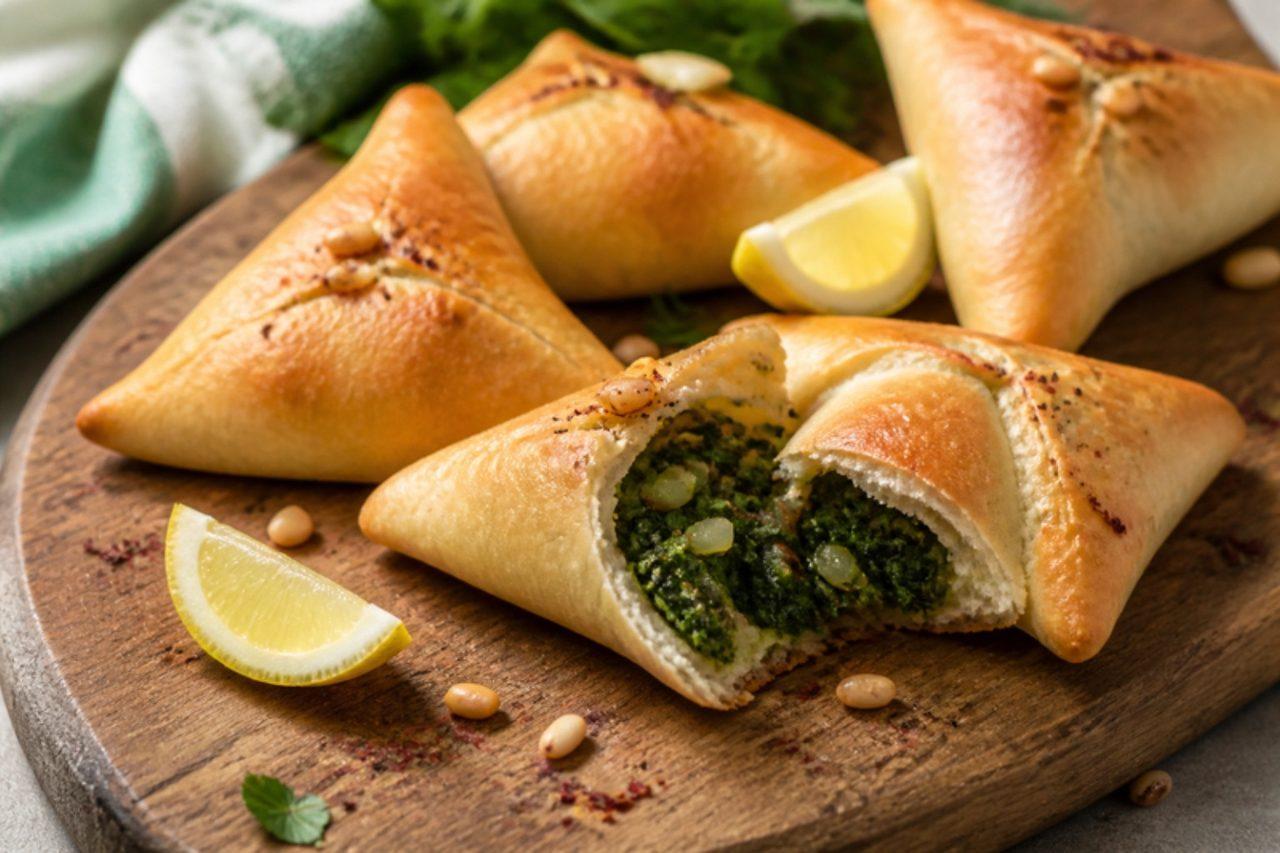
Fatayer bi sabanekhSpinach pastry triangles

Every Lebanese bakery, or furn, sells fatayer bi sabanekh warm from the oven in the morning: soft three-cornered pies filled with spinach that has been salted and squeezed, then mixed with onion, sumac, lemon and olive oil until it is tart enough to make you pucker. They go into school lunch boxes, onto picnic blankets and onto every buffet at Lebanese parties, and they freeze well. The usual problem is a filling that leaks and makes the pies burst open; wring out the spinach hard and seal the seams firmly so they stay closed in the oven. Chef's tip: let the sumac, lemon and onion sit together for ten minutes before adding the spinach so the onion softens and loses its raw bite.

by KrazyBadal 0 views

FatayaFried beef turnovers

Fataya are the half-moon pastries sold in paper cones outside schools and at bus stops all over Dakar, and fried by the dozen at home for baptisms and Tabaski. The dough is soft and short, the filling is minced beef cooked with onion, garlic and a little chilli, and they come with a sharp onion-and-mustard sauce for dipping. The common mistake is overfilling, which makes them burst in the oil; a heaped teaspoon per small round is enough. Chef's tip: let the filling cool completely before you fill the dough, or the steam softens the pastry and it tears.

by KrazyBadal 0 views

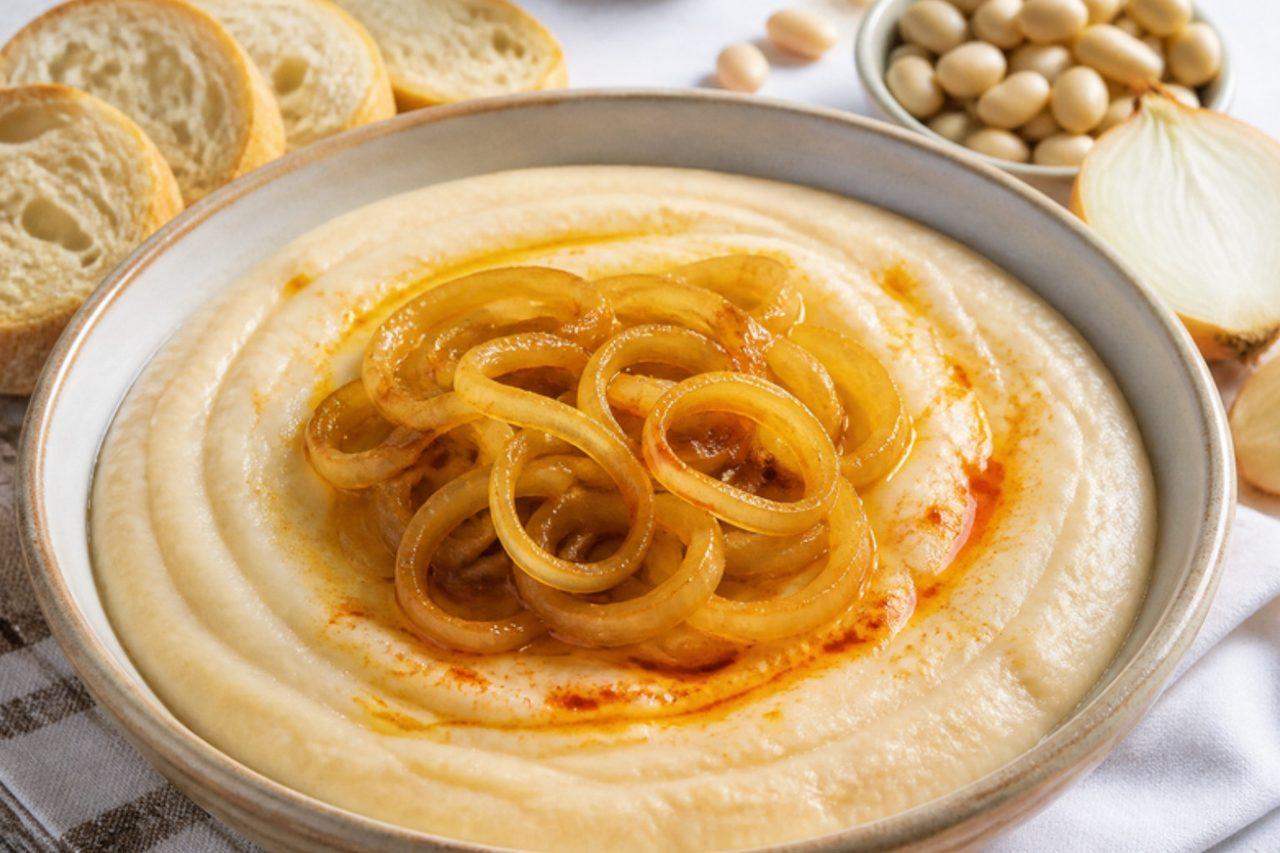
Fasole bătutăWhipped white bean dip

Fasole bătută, 'beaten beans', is the fasting-day spread of Romania: on Christmas Eve and through Lent, plates of it appear in homes from Bucharest to the monasteries of Bucovina. Soft white beans are mashed smooth with garlic and oil, then crowned with a tangle of slow-fried onions stained red with paprika. It is spread thickly on bread, or served beside pickles and mămăligă. Chef's tip: beat the beans while they are still warm; cold beans turn stiff and pasty, and a common mistake is adding too little liquid, so loosen with a splash of cooking water until the purée is light and fluffy.

by KrazyBadal 0 views

Otak-otakGrilled spiced fish mousse

Drive through Muar in Johor and you will see roadside grills stacked with slim green parcels, sold by the dozen in paper bags for the journey home. Inside each is a soft, bright-orange custard of pounded mackerel, coconut milk and egg, flavoured with a chilli-lemongrass rempah and kaffir lime leaf, which turns smoky and slightly charred at the edges from the grill. Melaka's Nyonya cooks make a fatter, steamed version, but this one is grilled in banana leaf. Eat it warm, peeled straight out of the leaf, with white bread, rice or nasi lemak. Chef's tip: chill the fish mixture for 15 minutes before wrapping; it firms up and is far easier to spoon onto the leaves.

by KrazyBadal 0 views

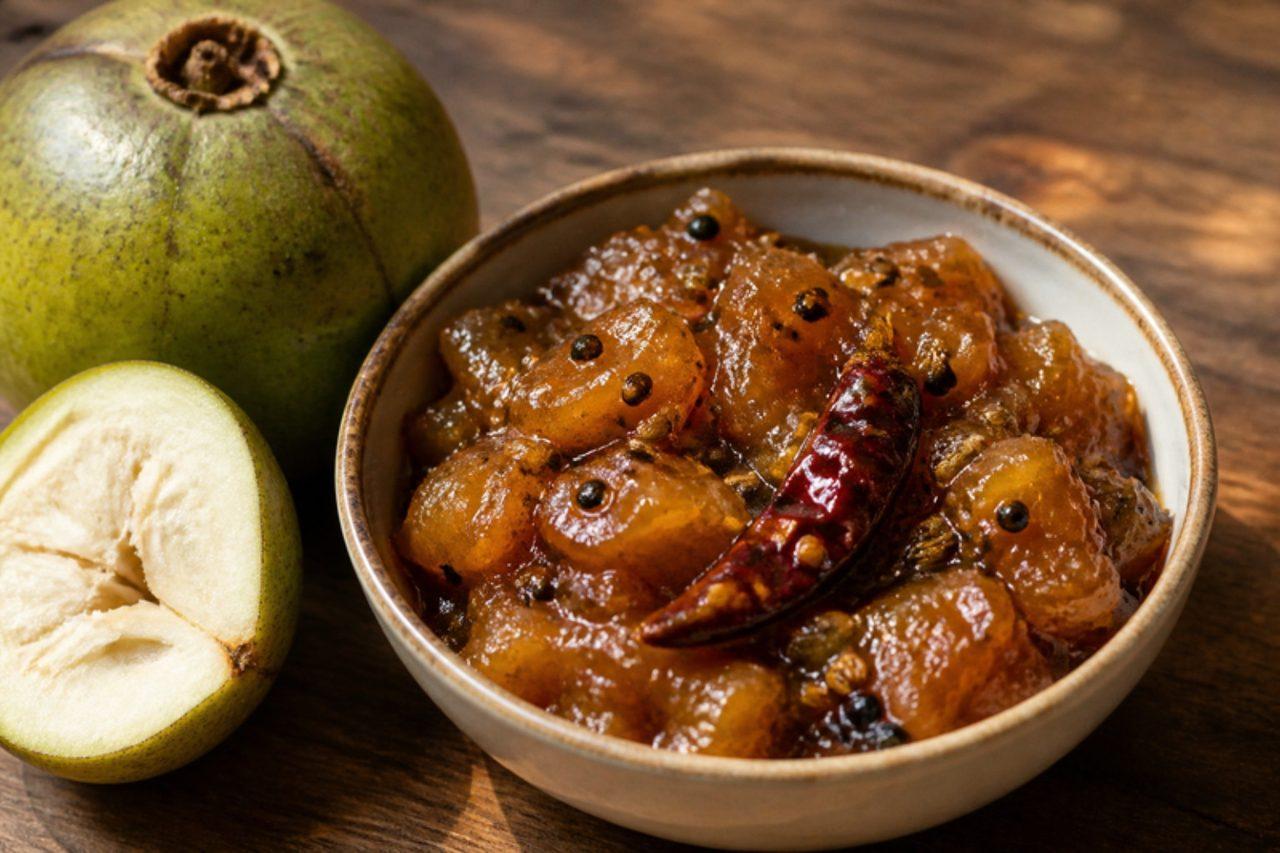
Ou khattaElephant apple chutney

Ou tenga, the elephant apple, is a hard, sour green fruit that grows across Assam and turns up in every winter market in Guwahati. Ou khatta is its sweet chutney: slices are boiled until tender, then simmered with jaggery and panch phoron until glossy, sticky and sharp-sweet. It is served in a little mound at the end of a festive Assamese lunch and at Bihu feasts, the way Bengalis end with tomato chutney. Chef's tip: outside the Northeast, use a mix of very sour green apple and a little tamarind; it gets surprisingly close.

by KrazyBadal 0 views

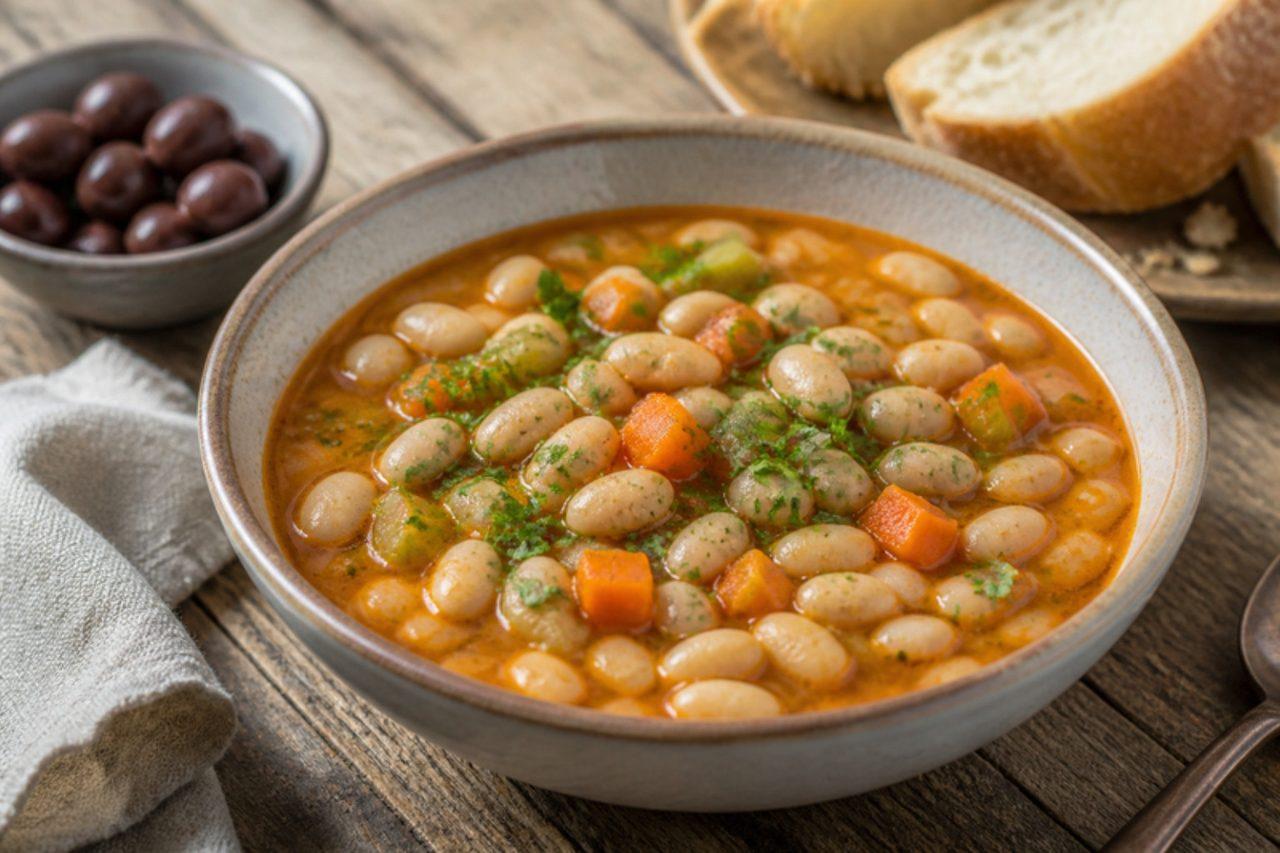
FasoladaWhite bean soup

Fasolada is sometimes called the national dish of Greece, and it is the soup that fed families through winters and long Lenten fasts. It is humble and filling: small white beans simmered slowly with carrot, celery, onion and tomato until the broth turns thick and creamy, then finished with a generous pour of raw olive oil. On a cold weekday it is dinner on its own, eaten with olives, pickled peppers, raw onion and bread. Soak the beans the night before. Chef's tip: let it simmer gently with the lid ajar and stir now and then so some beans break and thicken the broth; boiling it hard is the common mistake that splits the beans and leaves the soup thin.

105 minGreekSoupsVeganGluten free
by KrazyBadal 0 views

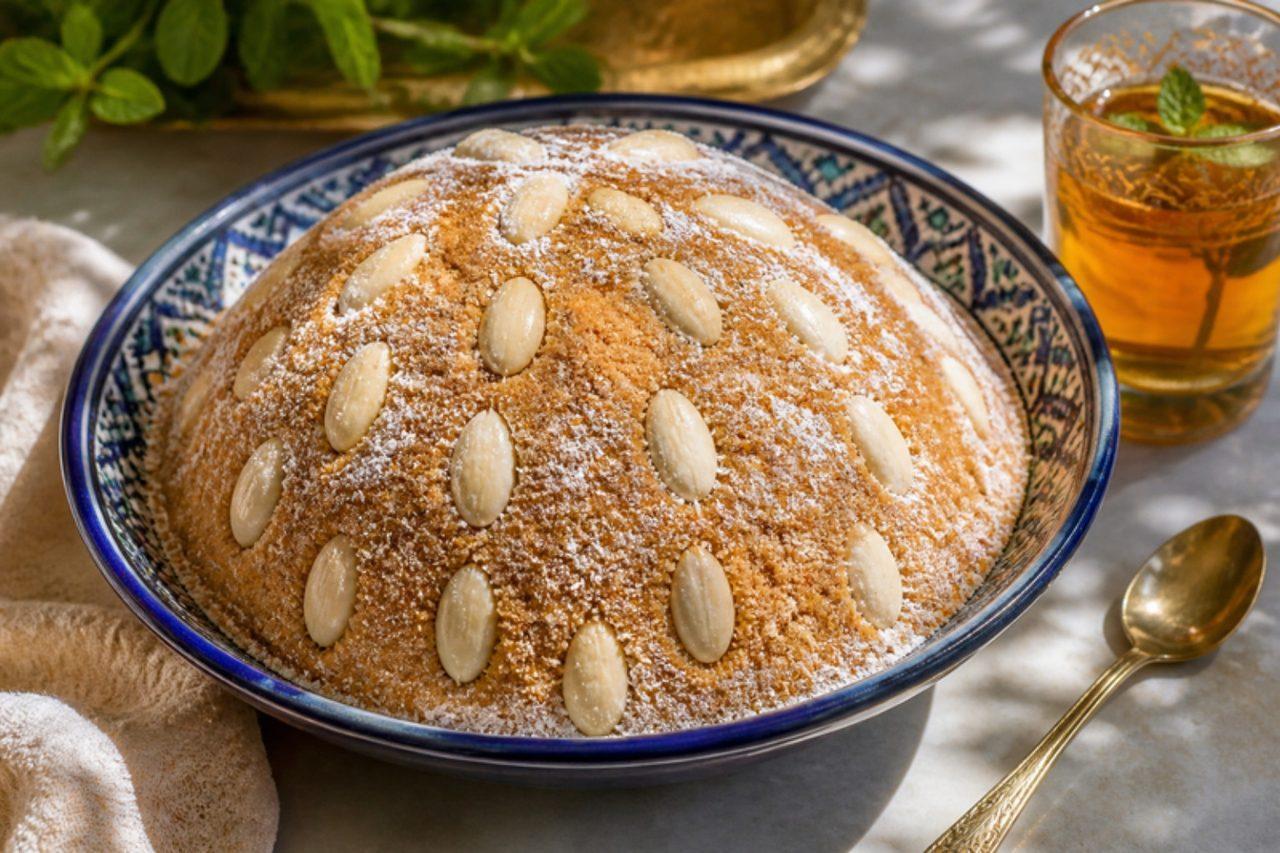
SellouToasted flour and almond sweet

Sellou (also called sfouf or zmita) is made in big batches across Morocco for Ramadan, for new mothers and for Eid, and is served in a mound beside mint tea. Flour is toasted slowly in a dry pan until it turns the colour of sand and smells like biscuits, then mixed with ground toasted almonds and sesame, anise, cinnamon, butter and honey. The result is a crumbly, nutty, not-too-sweet sweet that you eat by the spoonful, or press into balls. It keeps for weeks. Chef's tip: toast the flour patiently over a low heat and keep it moving; scorched flour tastes bitter and the whole batch is lost.

by KrazyBadal 0 views

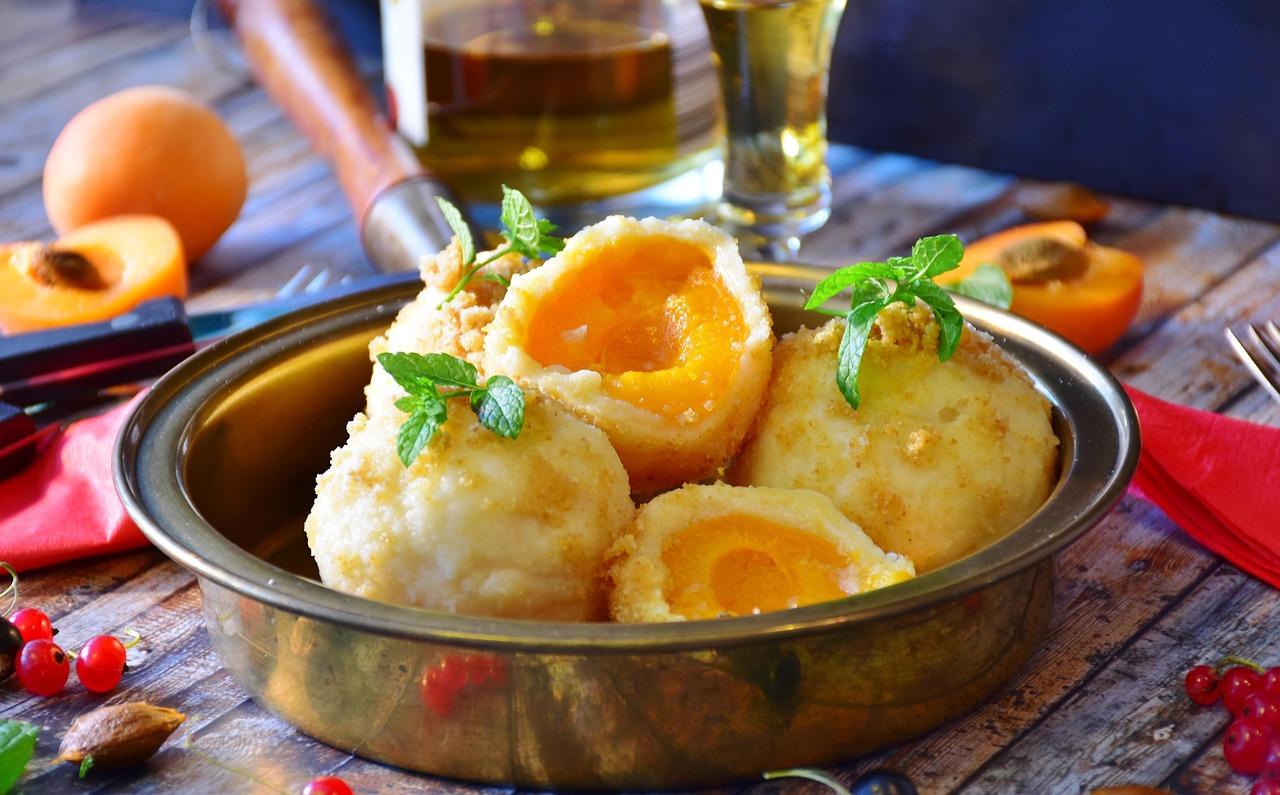
Ovocné knedlíkyFruit-filled dumplings

Ovocné knedlíky are the summer main course of Czech childhoods: in July with apricots from South Moravian orchards, in September with blue plums, eaten as lunch rather than pudding. Each soft quark dumpling hides a whole fruit that turns jammy as it simmers, and they are served the old way, rolled in melted butter and buried under grated tvaroh (quark) and icing sugar. Kids compete over who can eat the most. Chef's tip: pinch the dough completely closed with no thin patches; a single gap lets water in and the dumpling bursts in the pot.

by KrazyBadal 0 views

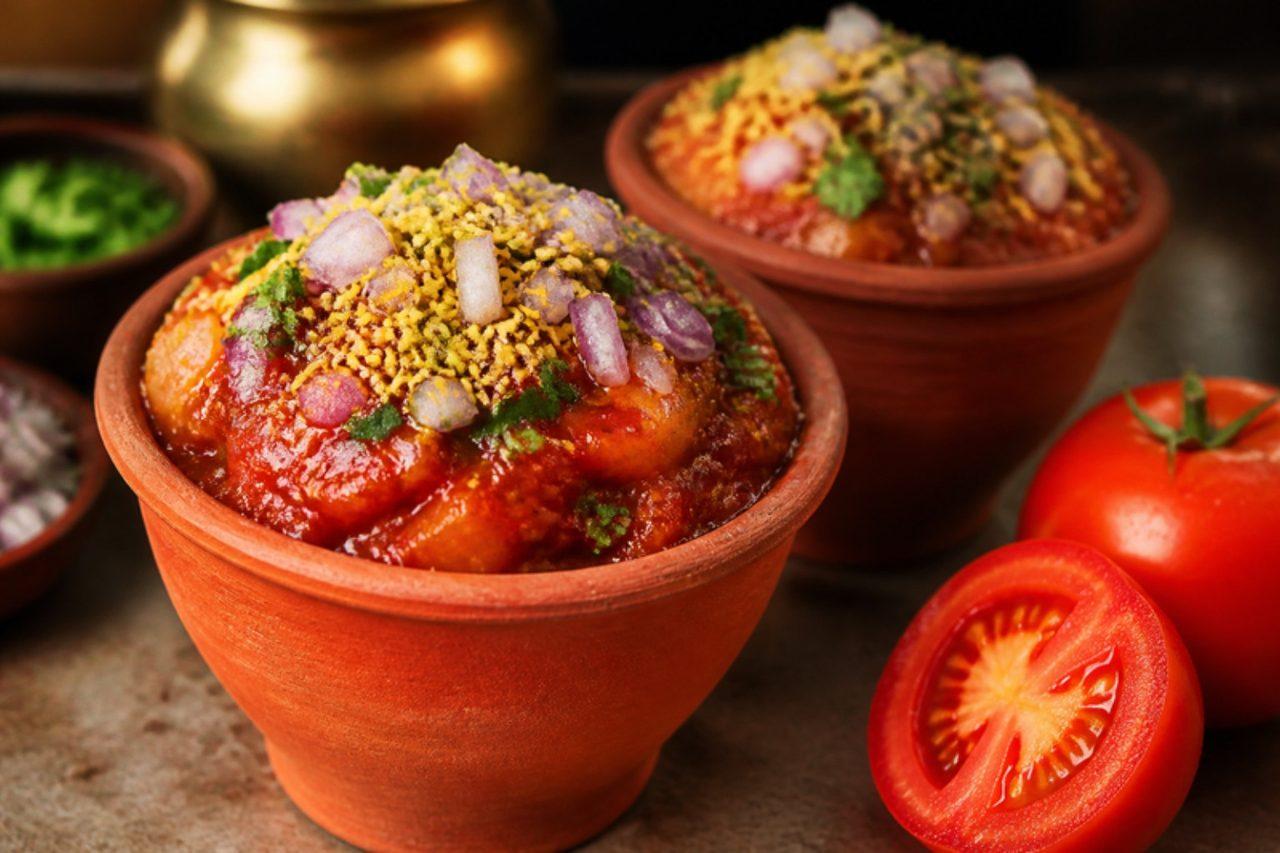
Banarasi tamatar chaatMashed tomato and potato chaat

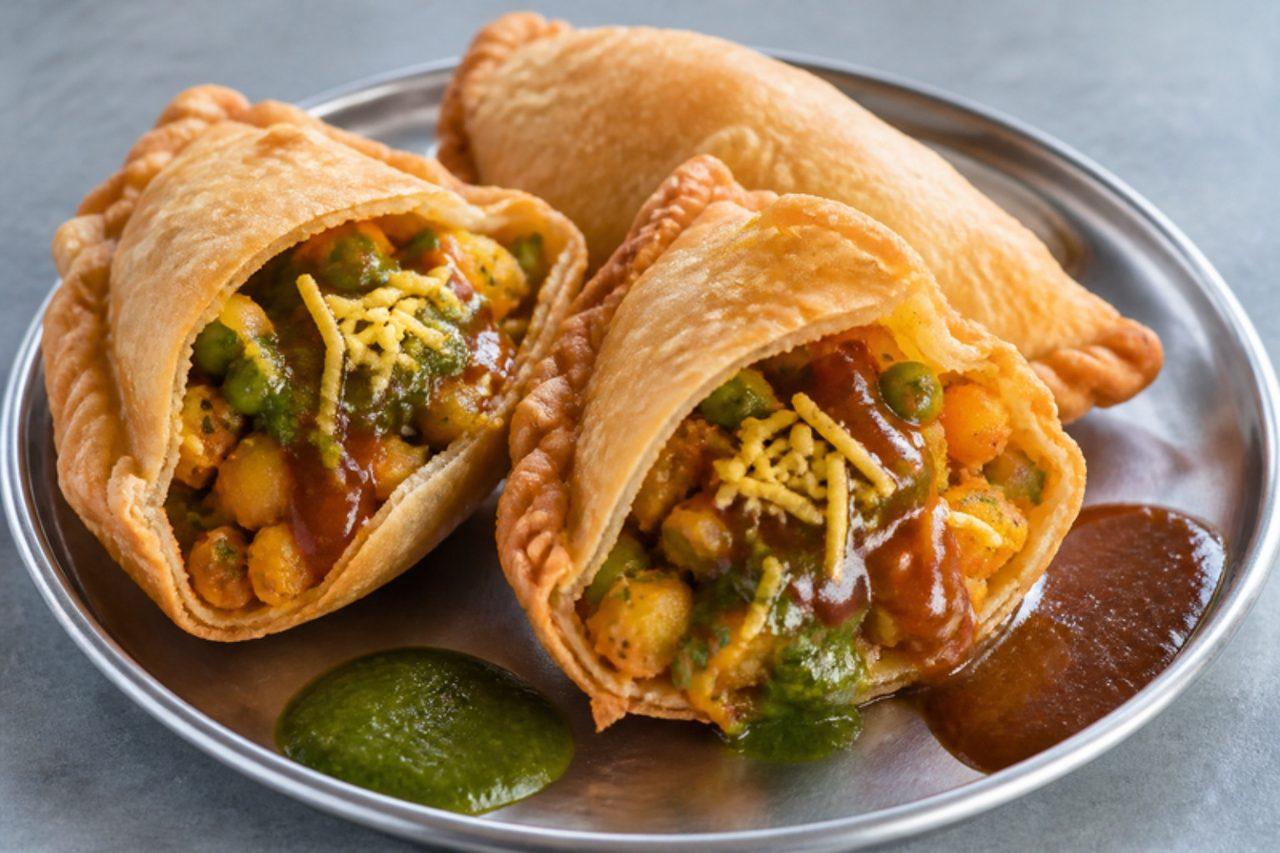
Walk through the lanes near Dashashwamedh Ghat in Varanasi in the evening and you will see vendors mashing tomatoes and potatoes in large iron pans, cooking them with ghee and spices until thick, then spooning the mixture into small clay cups. Tamatar chaat is unique to Banaras: served hot, spicy, tangy, and finished with a thin sugar syrup and a pinch of chaat masala, then topped with crisp sev for crunch. Locals eat it standing up after the aarti, often followed by a glass of lassi. Many people forget the sugar syrup, but that's what balances the sourness and makes it Banarasi. Chef's tip: use very ripe, soft tomatoes and mash them right in the pan with the back of the ladle, leaving some texture.

by KrazyBadal 0 views

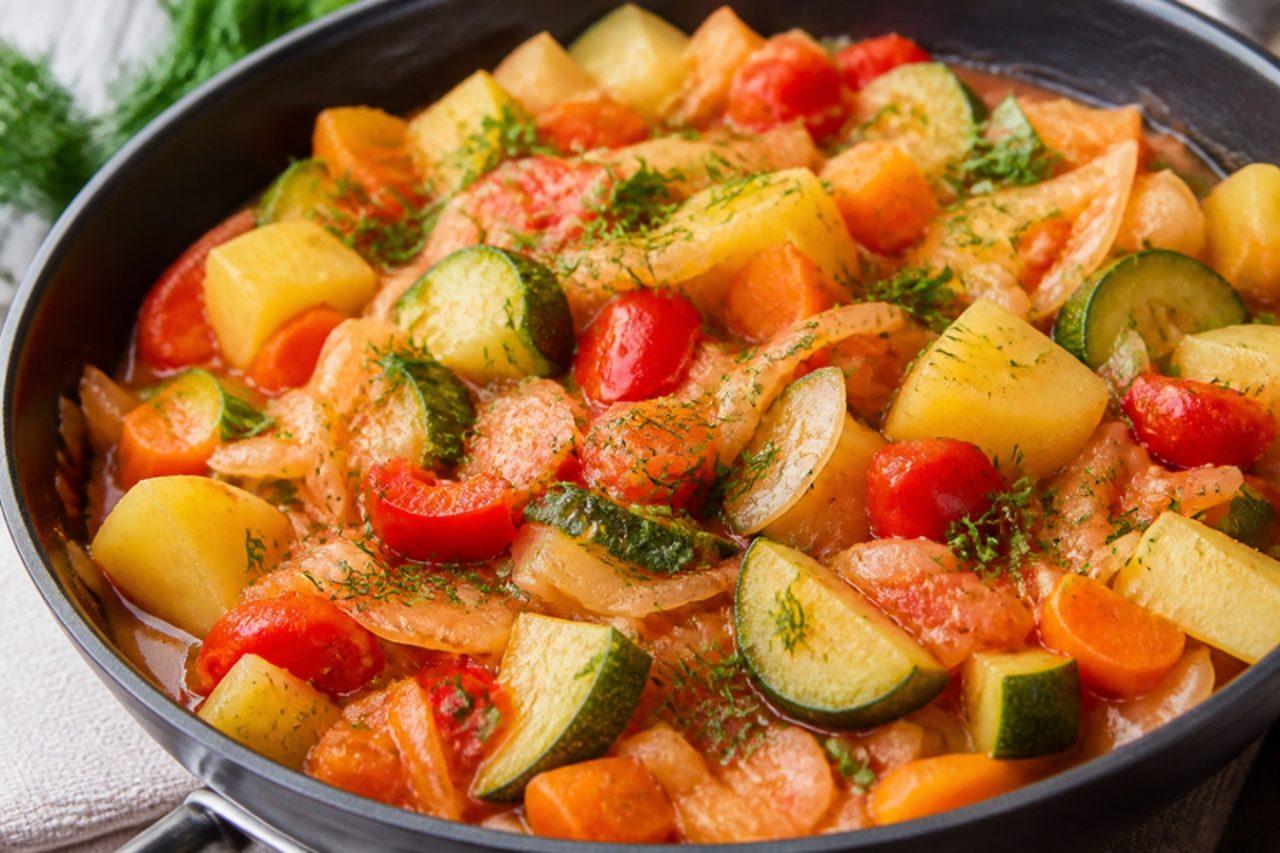
Ovoshchnoe raguSummer vegetable stew

Ovoshchnoe ragu is what happens at a Russian dacha in August, when the garden outside Moscow or Nizhny Novgorod produces more courgettes, cabbage, peppers and new potatoes than anyone can eat. Everything is fried in turn, then stewed together in one heavy pot with tomato until soft and spoonable, and eaten hot with black bread, or cold the next day. It is homelier than French ratatouille or Greek briam: cabbage and potatoes give it body, and dill and garlic go in right at the end. Chef's tip: fry each vegetable separately before stewing; dumping everything in raw gives a watery, boiled taste.

by KrazyBadal 0 views

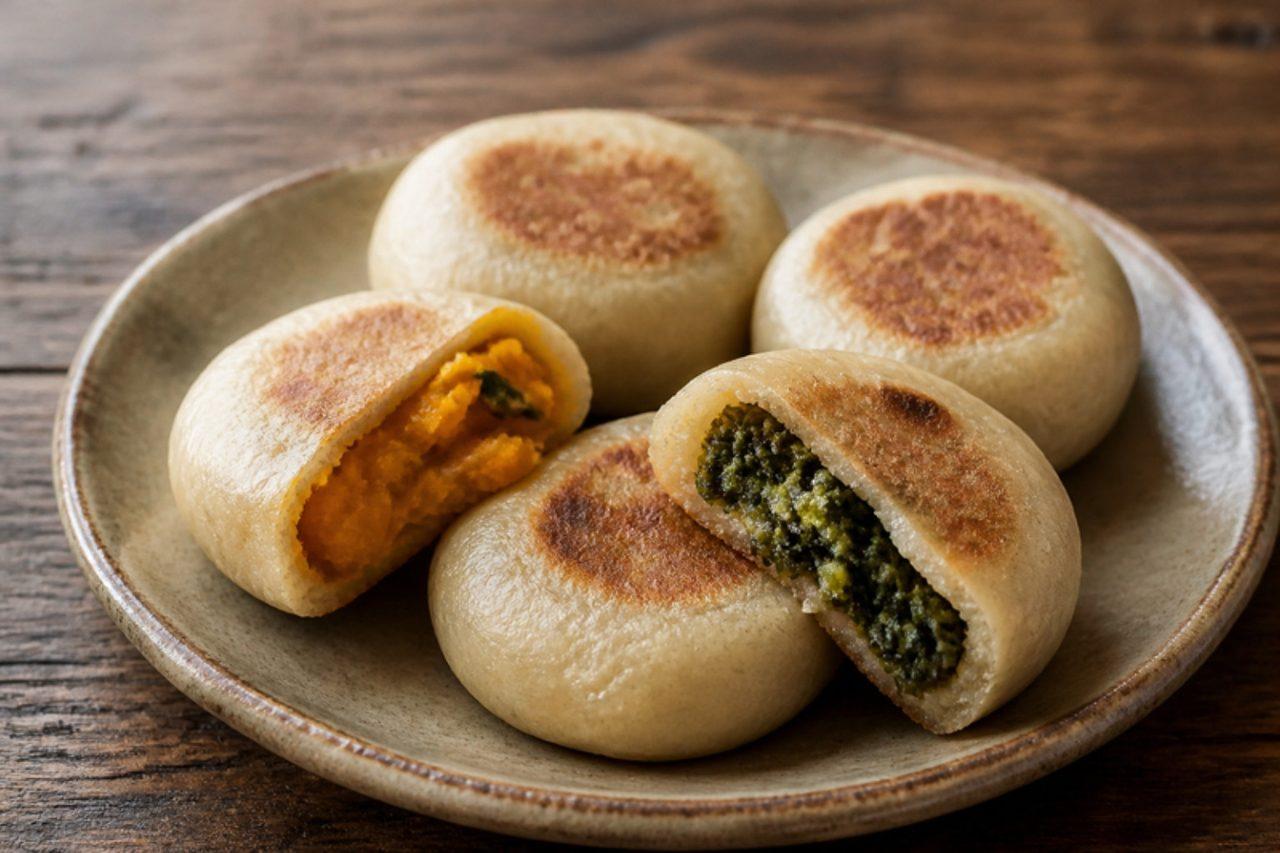
OyakiStuffed steamed dumplings

Oyaki are the everyday snack of Nagano's mountain villages, where rice was scarce and wheat and buckwheat grew better. The plump dumplings are filled with whatever the season gives: pickled nozawana greens in winter, aubergine and miso in summer, sweet squash in autumn. Old farmhouses baked them in the ashes of the irori hearth; today they are browned in a pan and steamed, so they come out crusty on both faces with a soft, chewy middle. They travel well, which made them the lunch of farmers and hikers on the trails around Zenkoji temple. Chef's tip: let the dough rest for at least 30 minutes. A relaxed dough stretches thin around the filling without tearing.

by KrazyBadal 0 views

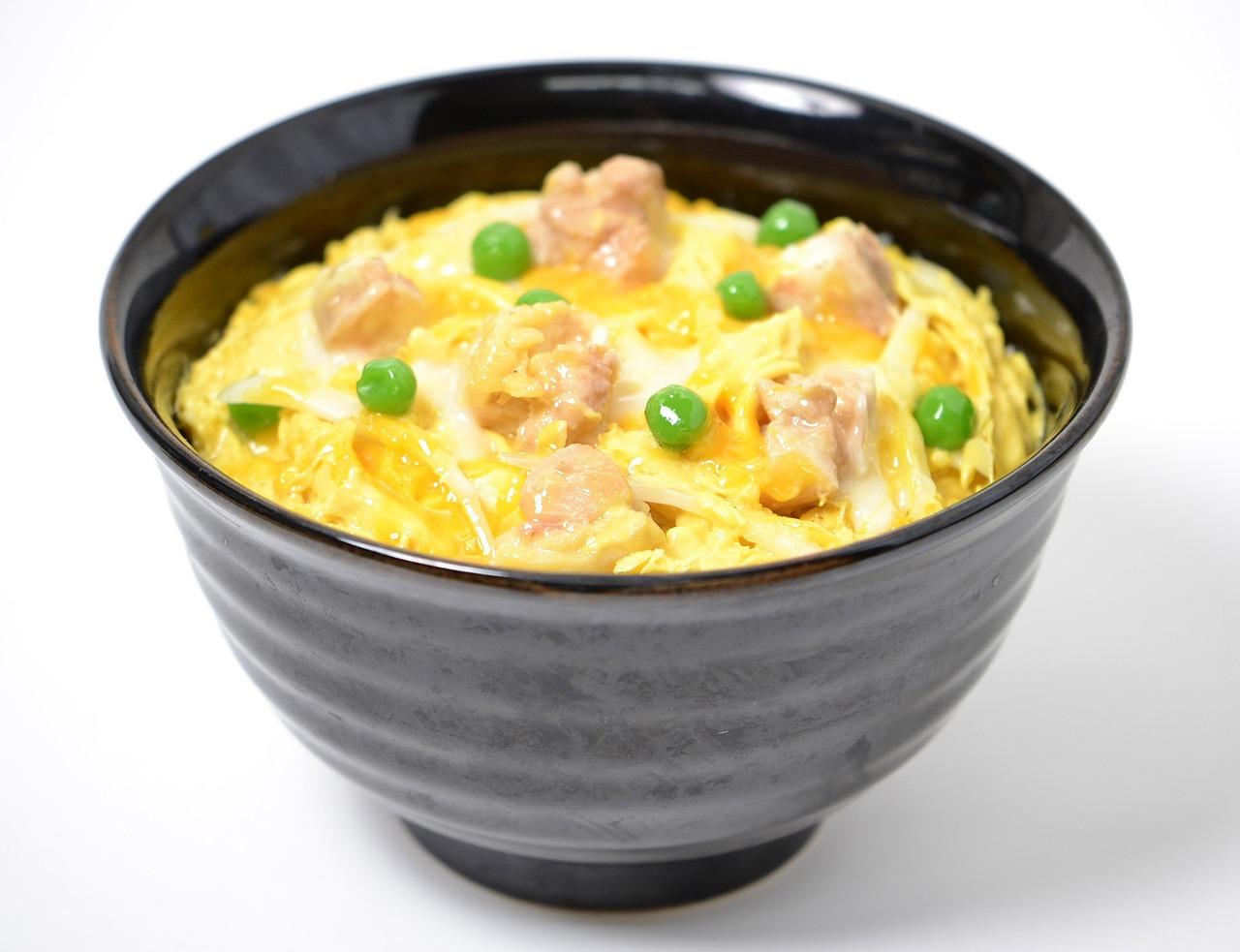
OyakodonChicken and egg rice bowl

The name means 'parent and child bowl', a gentle joke about cooking the chicken and the egg together. A Nihonbashi chicken restaurant in Tokyo says it first served the dish in the 1890s, and today it is a staple lunch in soba shops, office canteens and home kitchens all over the country. Thigh meat and sliced onion simmer briefly in sweet soy dashi, then beaten egg goes in and is taken off the heat while still soft and glossy. Everything slides onto a bowl of hot rice so the sauce seeps into the grains. Chef's tip: beat the eggs with just a few strokes of chopsticks, leaving streaks of white and yolk, as that marbled look and silky texture is what you're after.

by KrazyBadal 0 views

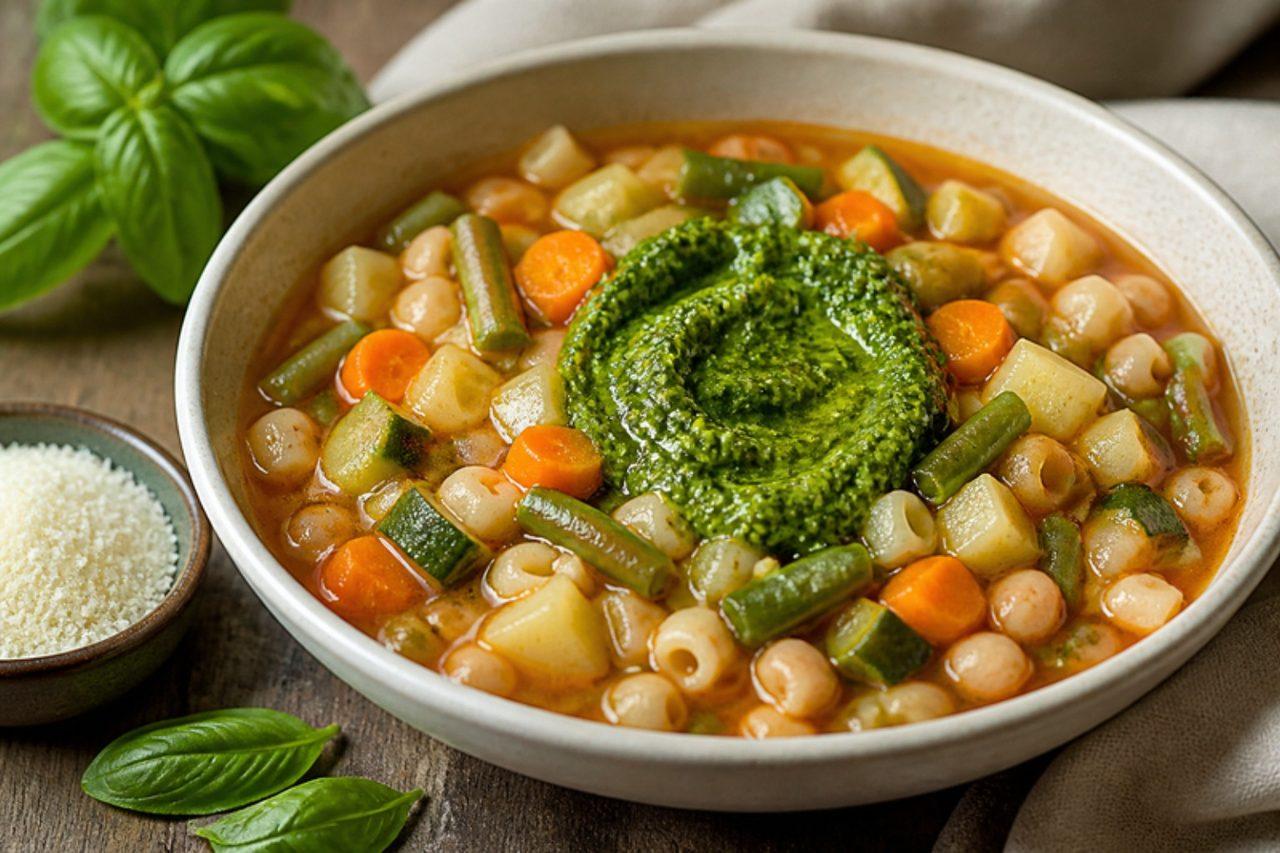
Soupe au pistouBean and vegetable soup with basil

Soupe au pistou is Provence's summer minestrone, eaten from July to September when basil grows thick in the gardens around Marseille and Avignon. Beans, courgettes, green beans, carrots, potato and small pasta simmer in a light broth, then each bowl gets a spoonful of pistou, a pounded paste of basil, garlic, olive oil and hard cheese with no pine nuts. Stirred in at the table, it turns the broth fragrant and green. It is a whole meal with bread. The traditional cheese is Parmesan or aged Gouda, so use a vegetarian hard cheese. Chef's tip: never boil the pistou; adding it to the pot is the common mistake that turns the basil dark and kills its smell.

by KrazyBadal 0 views

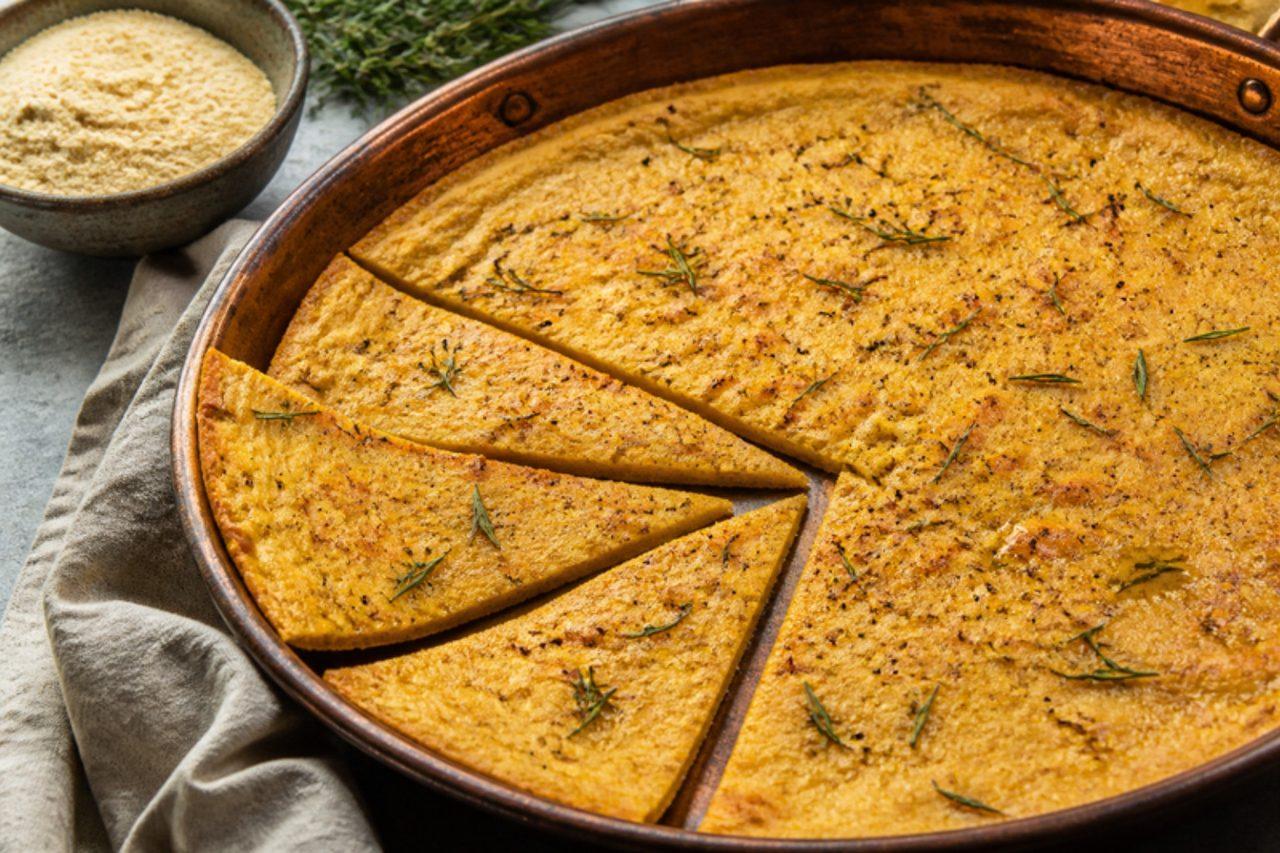
FarinataChickpea flour pancake

Farinata is a thin, golden chickpea-flour pancake sold by the slice from wood-fired ovens in the sciamadde (old bakeries) of Genoa's port district, where people eat it hot, on paper, with black pepper. It is just chickpea flour, water, olive oil and salt, with a crisp top and edges and a soft, custardy middle. In Nice it is called socca, in Livorno cecina. Start the batter 4 hours ahead (or the night before): resting is essential. Chef's tip: heat the oiled tin in the oven before pouring in the batter; the sizzle sets the base at once and gives crisp, lacy edges.

by KrazyBadal 0 views

Pabellón criollo vegetarianoMushrooms, black beans and rice plate

Pabellón criollo is Venezuela's national dish, the lunch plate served in family kitchens and at every Caracas lunch counter: white rice, black beans (caraotas), sweet fried plantain (tajadas) and shredded stewed beef side by side, like the stripes of a flag. This vegetarian version replaces the beef with king oyster mushrooms pulled into strands and stewed in a sofrito with tomato, cumin and a little panela, which gives the same tender, shredded texture. For slow-cooked beans from scratch, see the frijoles negros cubanos page. Chef's tip: shred the mushrooms along the grain with a fork, as you would pull beef; it's what makes them look and eat like carne mechada.

by KrazyBadal 0 views

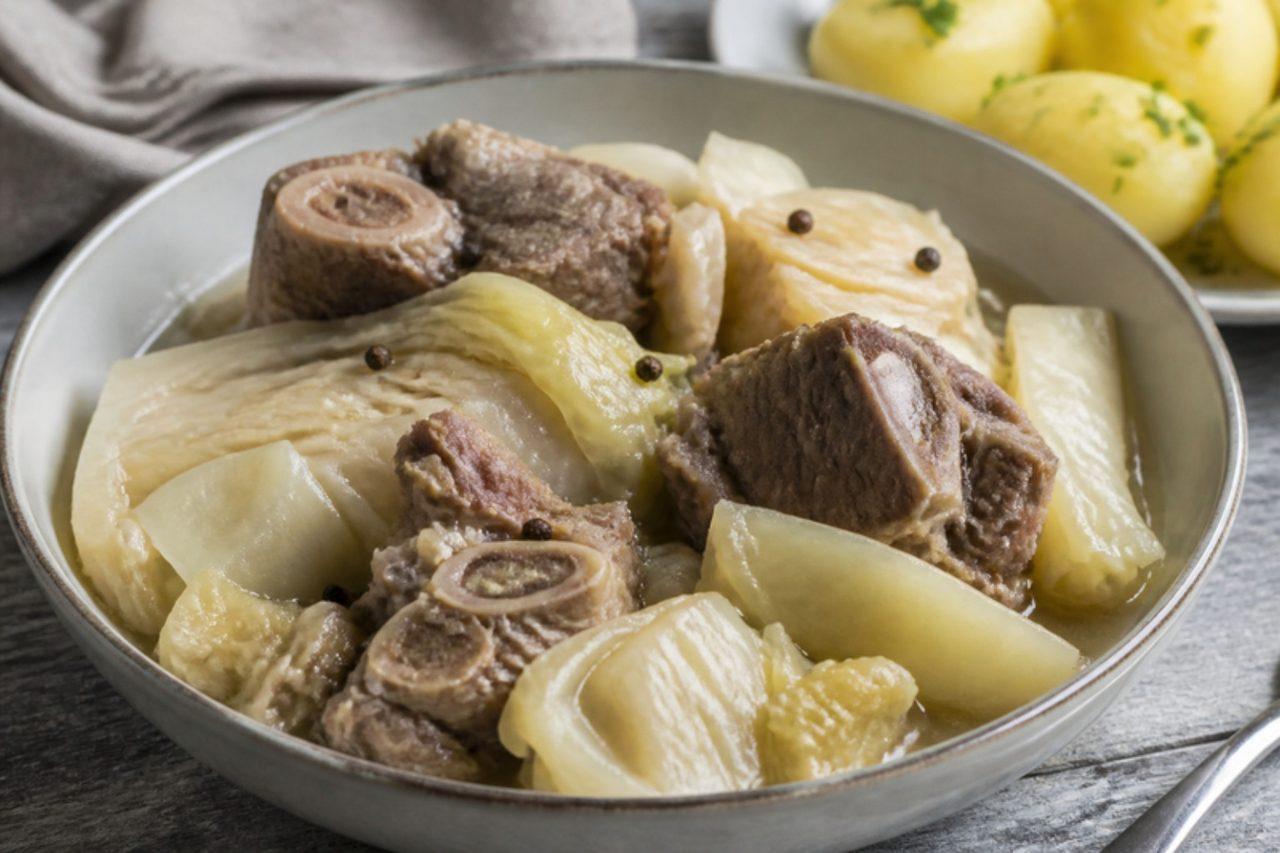
FårikålLamb and cabbage stew

Fårikål has been voted Norway's national dish, and on the last Thursday of September families from Bergen to Tromsø hold Fårikålens festdag, when the new season's lamb meets the autumn cabbage harvest. There are only a handful of ingredients: bone-in lamb, wedges of white cabbage and a generous pouch of whole black peppercorns, layered in a heavy pot and left to simmer until the meat slides off the bone and the cabbage turns sweet and silky. It is eaten with plain boiled potatoes and, in many homes, lingonberry jam. The thing that ruins it is drowning the pot: add only a little water, because the cabbage releases plenty of its own juice. Chef's tip: tie the peppercorns in a muslin bag so you get their warmth without crunching on them, and make it a day ahead; it tastes even better reheated.

by KrazyBadal 0 views

Pachamanca a la ollaPot-steamed meats with potatoes

In the highlands around Huancayo and Ayacucho, families mark harvests and saints' days by burying marinated meats, potatoes, sweet potatoes, broad beans and humitas under hot stones and earth for a pachamanca, an 'earth pot'. City cooks get close to it with a heavy pot: the same green marinade of huacatay (black mint), chincho, ají and garlic, layered with meats and roots and steamed in their own juices under banana or corn leaves. Chef's tip: layer the hardest things lowest, potatoes on the bottom and chicken nearest the lid, just as the stones are packed in the field.

135 minPeruvianMeatGluten free
by KrazyBadal 0 views

Pachi pulusuRaw tamarind soup

Pachi pulusu, 'raw stew', is Telangana's summer cooler: a no-cook tamarind water stirred with jaggery, finely sliced raw onion and green chilli, finished with a hot mustard-seed tempering. In the heat of April and May in villages around Warangal and Karimnagar, families pour it over hot rice with a spoonful of dal or a spicy fry, and it wakes up appetites dulled by the sun. Some add a smoky roasted brinjal mashed in, which gives it body. Sweet, sour and sharp at once, it takes ten minutes. Chef's tip: rub the onion with salt and a little chilli powder in your fingers before adding the tamarind water, so it softens slightly and flavours the whole bowl.

by KrazyBadal 0 views

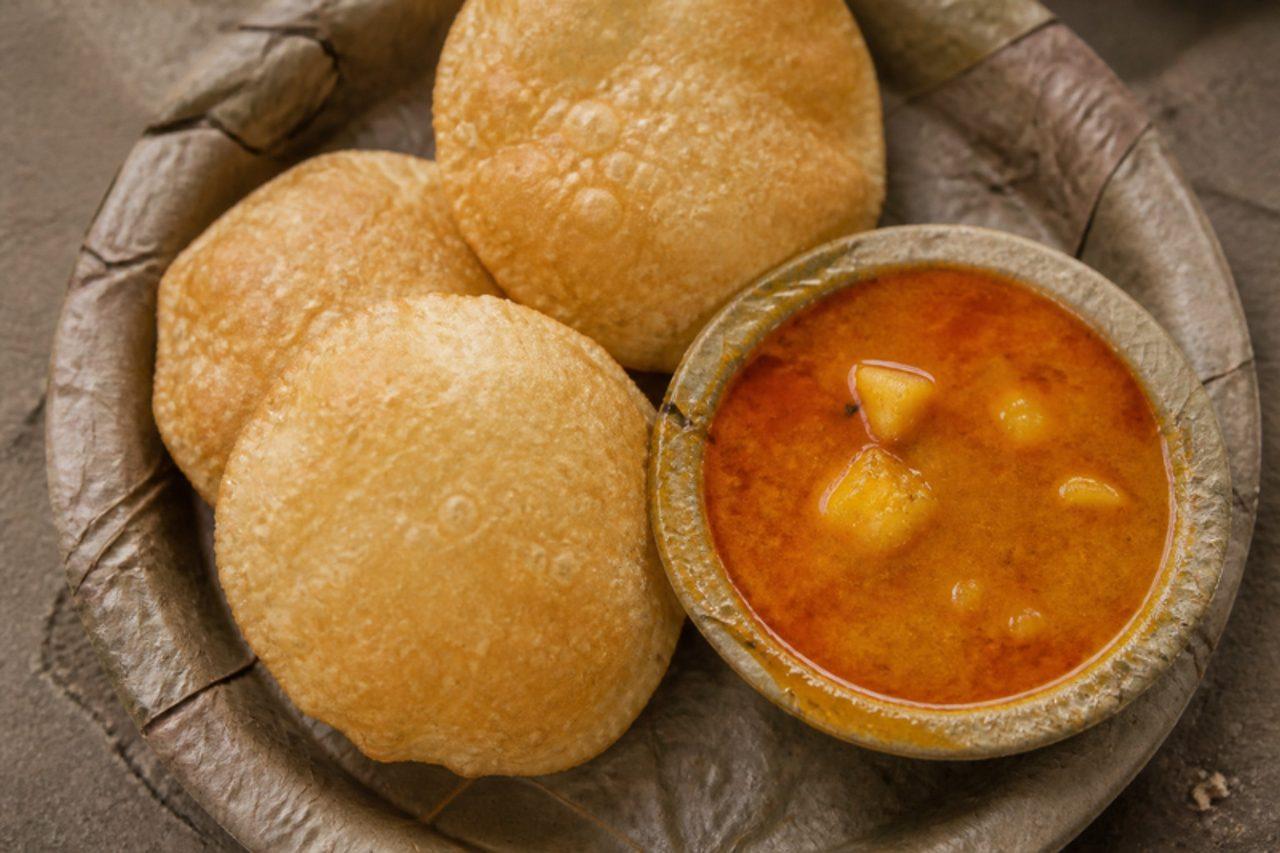
Banarasi kachori sabziUrad dal puris with potato curry

Walk the ghats of Varanasi in Uttar Pradesh at dawn and you'll smell kachori sabzi frying in huge karahis. Banarasi kachori is small and puffed like a puri, with soaked urad dal ground with ginger and fennel worked straight into the wholewheat dough rather than stuffed inside. It comes with a thin, peppery potato and tomato rasa made without onion or garlic, scented with hing and fenugreek seeds, and is usually followed by a hot jalebi. Chef's tip: roll the puris evenly to 3 mm and slide them into really hot oil, pressing gently with a slotted spoon; even thickness and fierce heat are what make them balloon.

by KrazyBadal 0 views

Semmelknödel with mushroom sauceBread dumplings with mushroom sauce

Semmelknödel are the bread dumplings of Bavaria and Austria, made to use up yesterday's rolls (Semmeln) soaked in warm milk and bound with egg, onion and parsley. With a creamy mushroom sauce, Semmelknödel mit Schwammerlsoße, they become a full meal and a favourite in Munich beer gardens and Alpine inns from late summer, when foraged chanterelles and ceps reach the markets. Chef's tip: simmer the dumplings in barely trembling water, never a rolling boil; hard boiling breaks them apart, which is the most common Knödel disaster.

by KrazyBadal 0 views

PączkiRose jam doughnuts

Pączki are the rich, yeasted doughnuts Poland eats by the dozen on Tłusty Czwartek, Fat Thursday, the last Thursday before Lent, when Warsaw bakeries such as the old ones on Nowy Świat have queues round the block from dawn. A good pączek is round and heavy for its size, with a pale ring around its middle, a fine, yolk-rich crumb and a filling of rose-petal jam (konfitura z róży) or plum butter, finished with icing and candied orange peel. A spoon of vodka or spirytus in the dough is an old trick: it evaporates in the hot oil and stops the dough soaking up fat. Chef's tip: keep the oil between 165 and 175°C with a thermometer; hotter and they burn outside while raw in the middle, cooler and they turn greasy.

by KrazyBadal 0 views

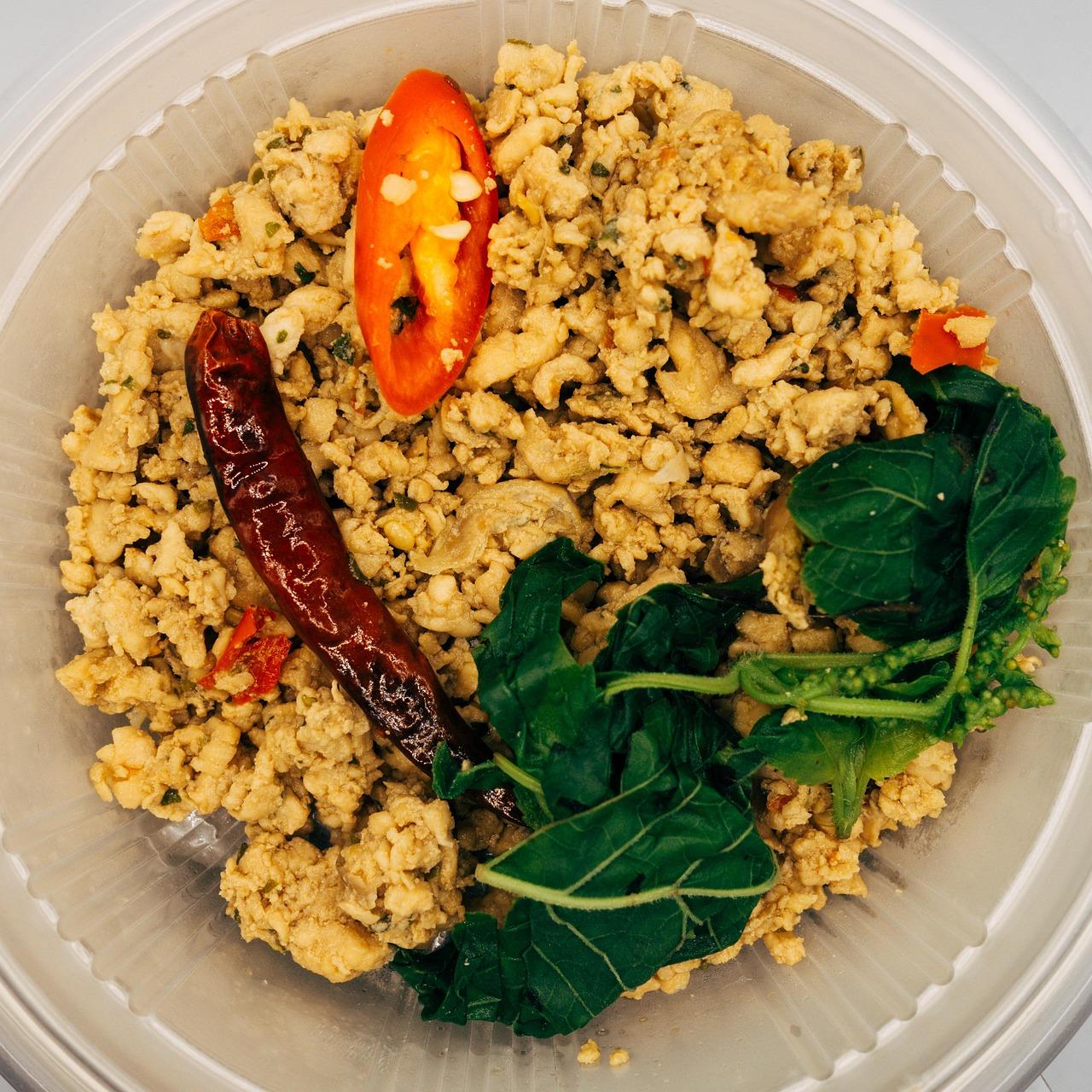
Pad kra pao gaiChicken and holy basil stir-fry

Ask a Bangkok office worker what they had for lunch and the answer is very often 'kra pao gai, khai dao': chopped chicken flash-fried with garlic, chillies and holy basil, spooned over rice and crowned with a fried egg whose edges have blistered into brown lace. Street stalls and food courts across the city cook it to order in a roaring wok in about three minutes. The chicken should be slightly sticky and salty-sweet, the basil peppery with a hint of clove, and the runny yolk becomes a sauce for the rice. A saucer of prik nam pla (sliced chillies in fish sauce) on the side is all it needs. Chef's tip: chop the chicken by hand with a heavy knife instead of buying fine mince; the coarse, uneven bits catch the sauce and stay juicy.

by KrazyBadal 0 views

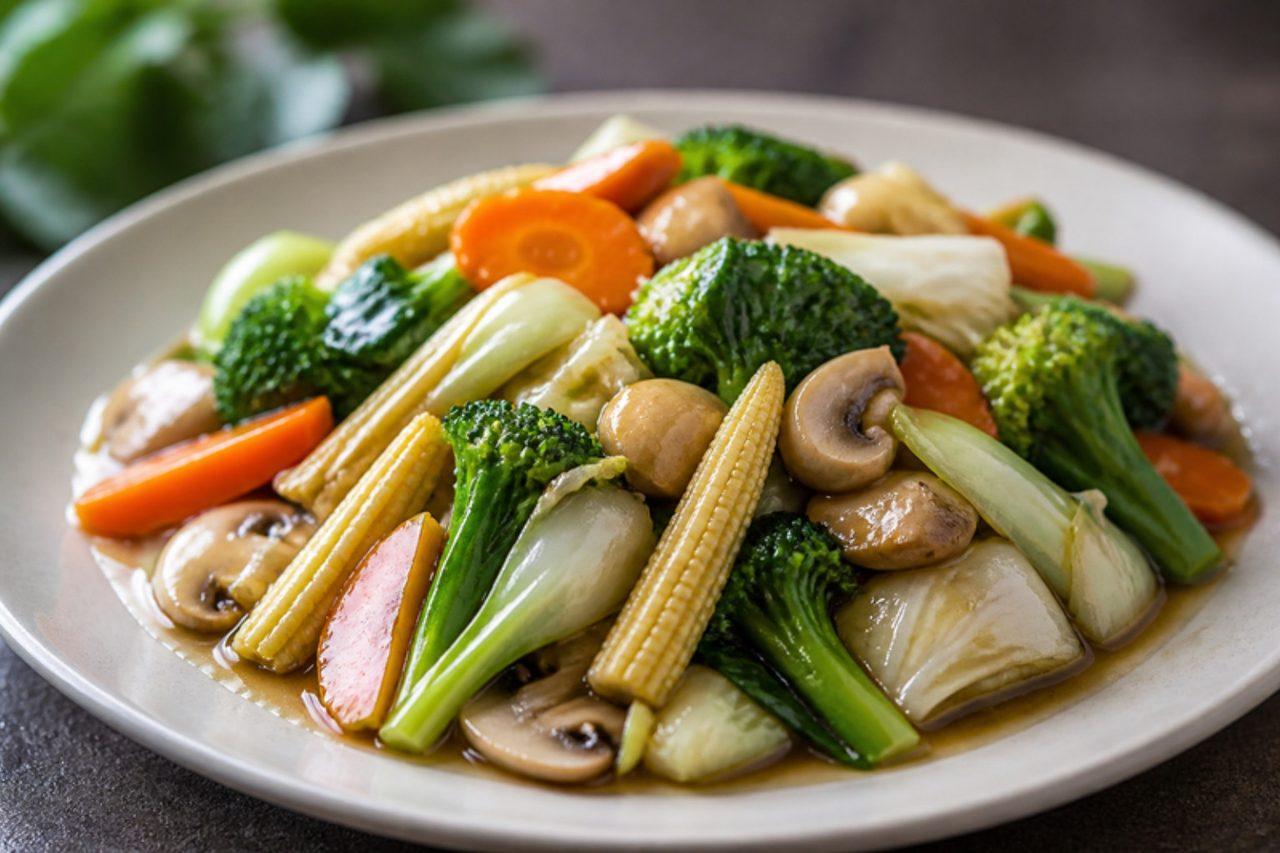
Pad pak ruamStir-fried mixed vegetables

Pad pak ruam, 'stir-fried mixed vegetables', is the dish every Bangkok made-to-order (aharn tam sang) cook can make in ninety seconds over a roaring flame, and the one Thai office workers add to a lunch order so there is something green on the table. The vegetables stay crisp and bright, coated in a thin, glossy sauce of garlic, soy and mushroom stir-fry sauce. Restaurants use oyster sauce; the vegetarian mushroom version tastes almost the same. Serve it with jasmine rice and a fried egg, or as a side to curry. Chef's tip: cut everything before you light the stove, and add the vegetables in order of hardness, so the carrots soften while the greens stay snappy.

16 minThaiSidesVegan
by KrazyBadal 0 views

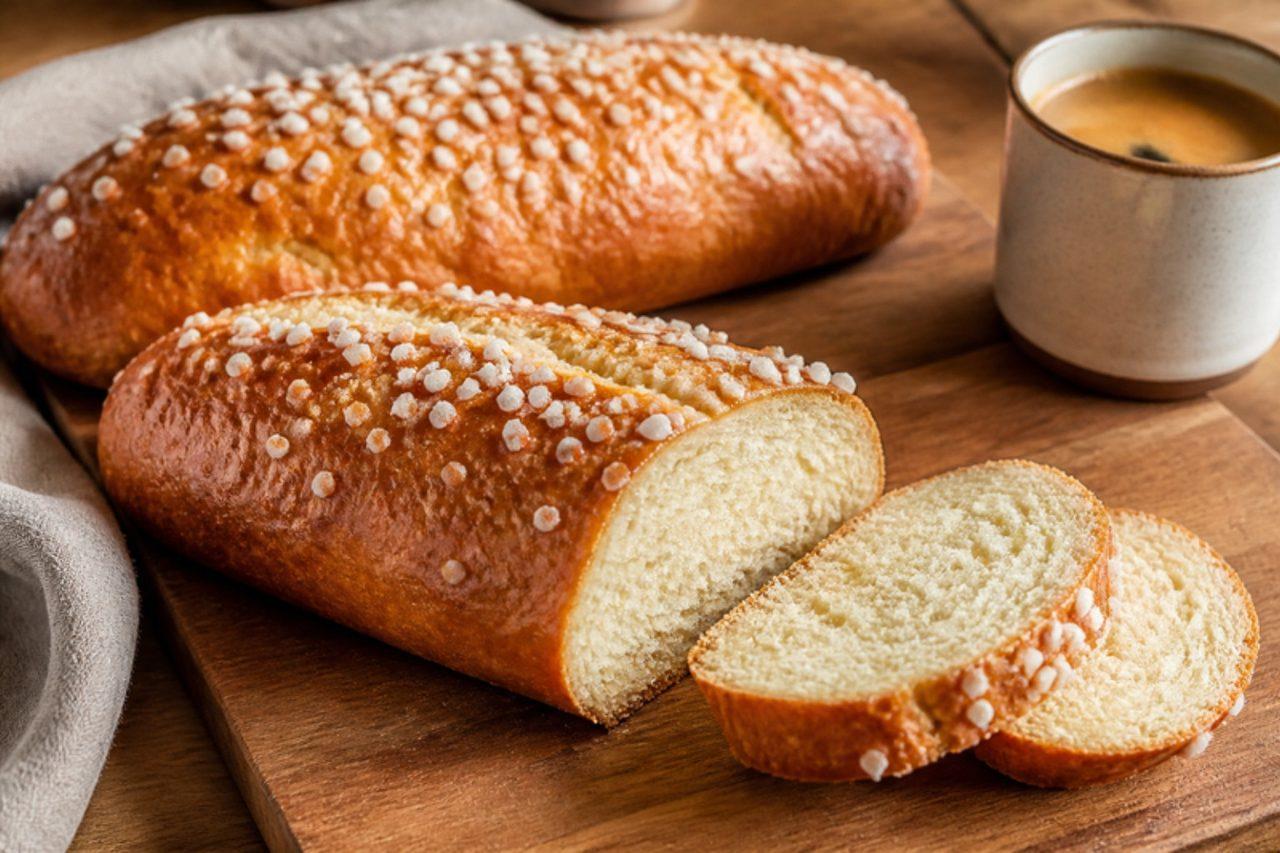
Pain à la grecquePearl sugar bread

Despite the name, pain à la grecque is pure Brussels: the 'Greek' is thought to come from the Flemish gracht, the canal next to the old abbey on the Wolvengracht whose monks handed out bread to the poor. Today it is a long, flat stick of cinnamon-spiced bread pressed into pearl sugar and baked until the sugar melts into a crunchy, glassy crust. Brussels bakeries such as those around the Sablon sell it by the slab, and it is eaten with coffee in the afternoon or dunked at breakfast. Chef's tip: press the dough hard into the pearl sugar on both sides; loosely scattered sugar just falls off in the oven.

by KrazyBadal 0 views

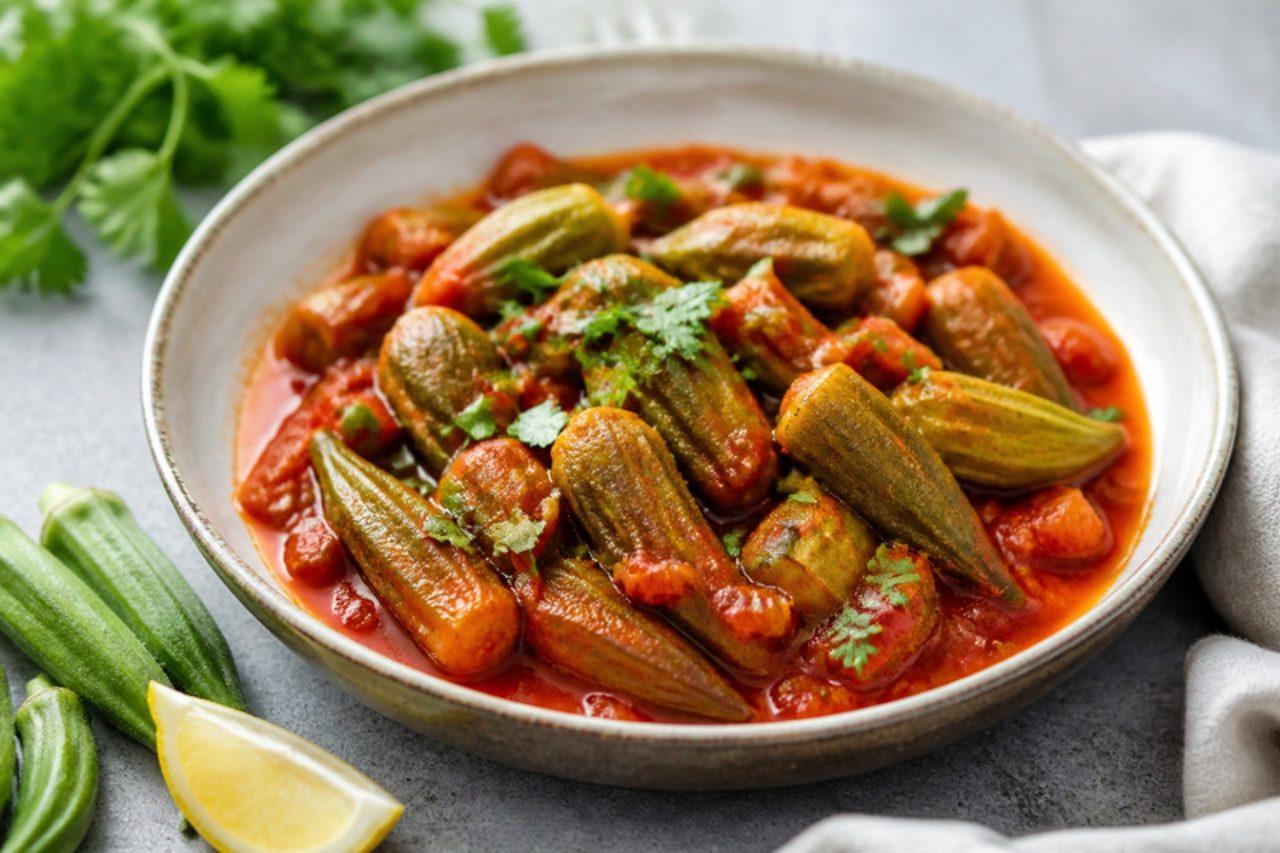
BamiehOkra stewed in olive oil

Late summer in the Damascus and Beirut markets means piles of tiny okra pods, and bamieh, okra stewed in tomato with coriander and garlic, follows on many family tables. This meat-free version is the one Lebanese Christians cook during Lent and serve with vermicelli rice or flatbread. Small, whole pods are the secret: kept intact and seared first, they stay tender without turning slimy, and a squeeze of lemon at the end sharpens the sauce. Chef's tip: trim only the very top of each cap without cutting into the pod; a pierced pod lets the sticky juice escape into the sauce.

by KrazyBadal 0 views

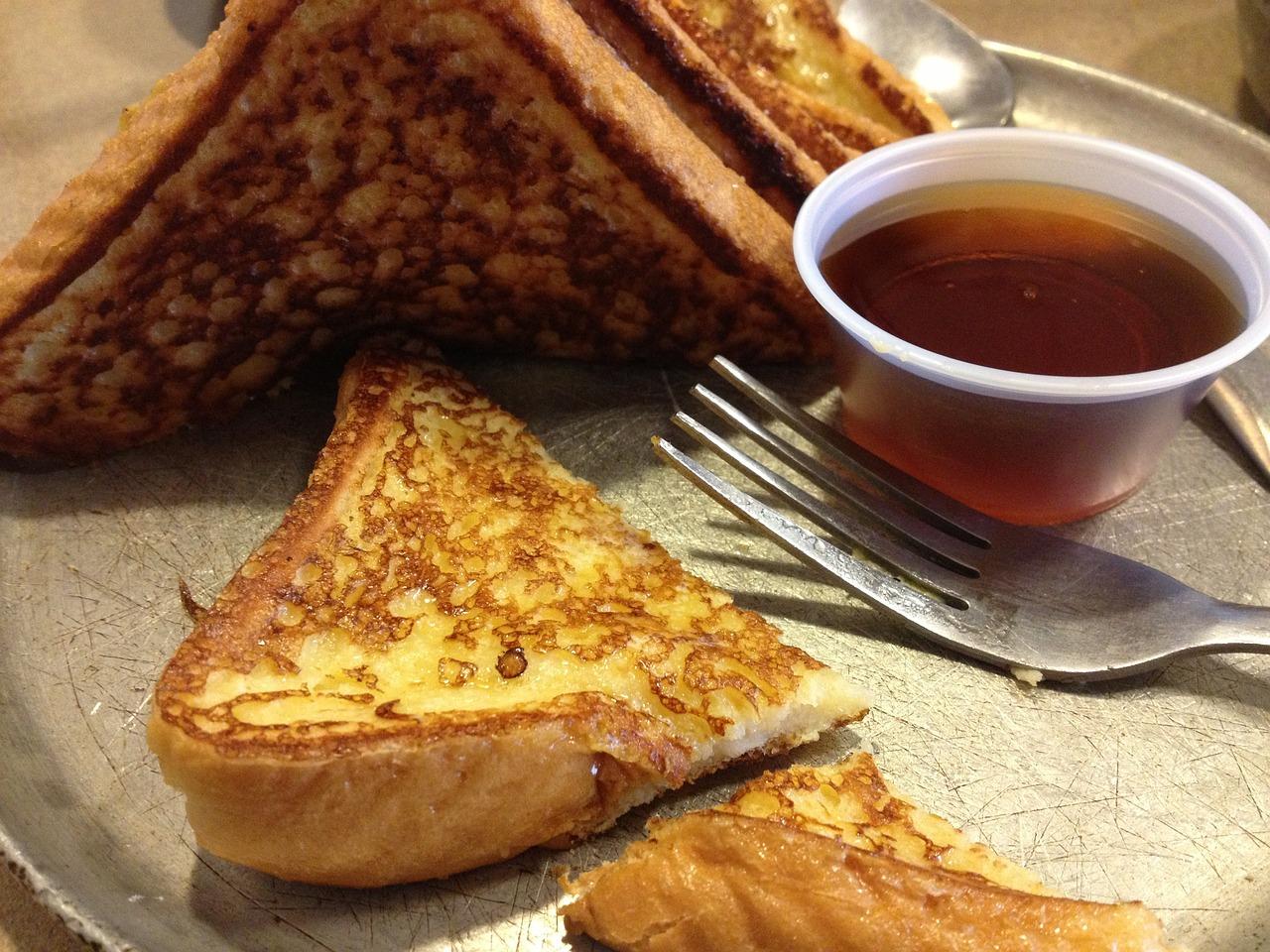
Pain perduFrench toast

Pain perdu means 'lost bread', and French families have always made it from the end of a stale baguette or brioche that would otherwise be thrown away. Thick slices are soaked in milk, eggs, sugar and vanilla, then fried in butter until caramelised outside and soft, almost like custard, inside. In France it is more often a Sunday breakfast or goûter for the children than a brunch dish, eaten with a dusting of sugar, jam or fresh fruit. Chef's tip: use bread that is a day or two old; fresh bread is the common mistake and turns soggy and falls apart in the custard.

by KrazyBadal 0 views

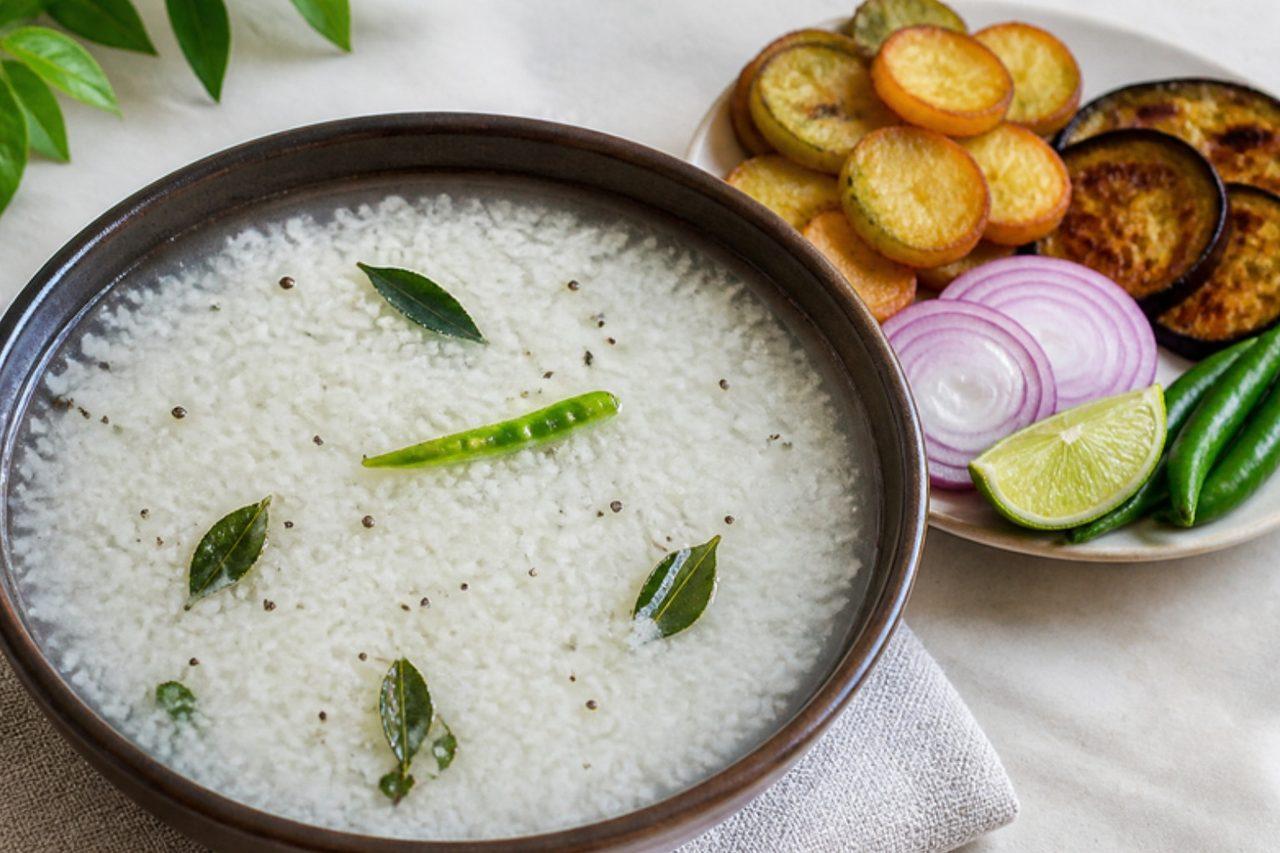
Pakhala bhataSoaked rice with curd

Pakhala is Odisha's answer to the summer heat: cooked rice left to soak in water, often overnight so it turns faintly sour, then loosened with curd, salt, lime leaf, cumin and green chilli and eaten cold at midday. The state even celebrates Pakhala Dibasa on 20 March. The rice itself is plain; the pleasure is in the sides, such as badi chura (crushed fried lentil dumplings with onion and mustard oil), fried potato, saga bhaja and roasted aubergine. Chef's tip: for the gently sour basi pakhala, leave the rice in its water at room temperature for 8–12 hours; for dahi pakhala, eat it the same day with more curd.

by KrazyBadal 0 views

Showing 36 of 10,569 recipes

Show more recipes

Page 1,090 of 1,175