Skip to content
Caramelised clay-pot tofu and mushrooms
Featured recipe

Caramelised clay-pot tofu and mushrooms

Braised tofu and mushrooms

Kho is the slow braise of the Mekong Delta: food simmered in a little clay pot (nồi đất) with dark caramel and seasoning until the sauce is sticky and the flavours go deep. This vegetarian cousin of cá kho tộ (braised fish) uses golden tofu and meaty mushrooms in place of fish, cooked in coconut water, as cooks do in the south, and finished with plenty of black pepper. Serve it bubbling in its pot with steamed rice and a sour soup or plain boiled vegetables. Chef's tip: take the caramel (nước màu) to a deep mahogany, darker than you think, just before it smokes; pale caramel only tastes sweet, while dark caramel gives the bittersweet, smoky flavour of a real kho.

Read more 2 views

What to eat today?

Around the world

Today's trip: Paraguayan

A new country every day, from every cuisine on the site.

Paraguayan

Chipa

Cheese bread rings 50 minMore from Paraguayan (27) →

This week's collection

Kid-friendly dinners
537 recipes · a new collection every Monday

Latest recipes

Batida de cocoCoconut cachaça cocktail

Along the barracas of Salvador's beaches and at the June São João parties across Bahia, batida de coco comes out of the blender in jugs, poured into plastic cups and drunk while the forró plays. It is a drink for adults only that hides its strength well: creamy, cold and sweet like a coconut milkshake, with cachaça warming the finish rather than shouting. The texture should be thick but pourable, pale ivory, with a soft froth on top. The common mistake is blending the ice for too long, which leaves a thin, watery drink that separates into a fatty layer within minutes. Blend the liquids smooth first, then add the ice and pulse only a few times, until the noise from the blender goes quiet and smooth. It is ready when no lumps of ice rattle and the batida coats the side of the glass. Because it tastes so gentle, keep the cups small and drink responsibly. Chef's tip: chill the cachaça, coconut milk and tin of condensed milk overnight, and you will need less ice and get a richer, denser batida.

by KrazyBadal 0 views

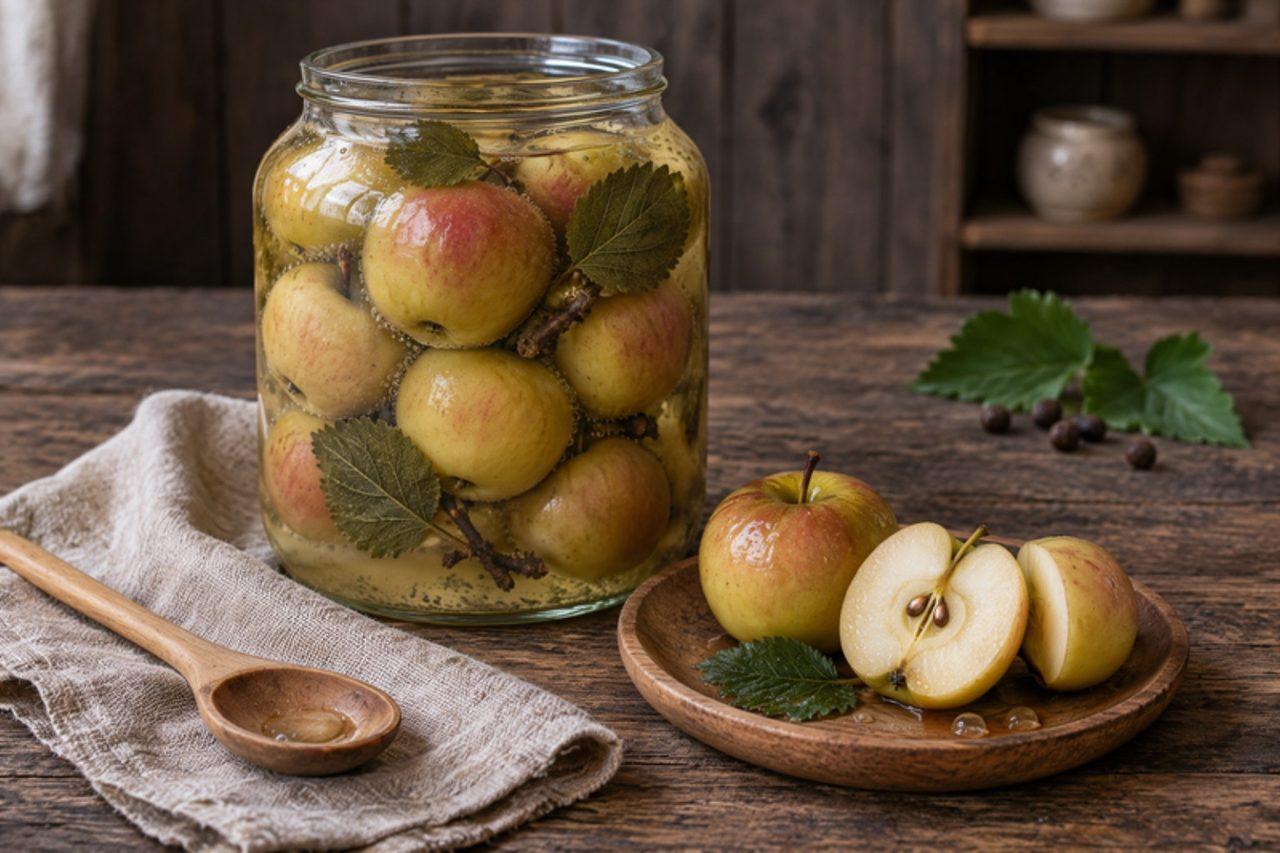
Mochenye yablokiFermented apples

In the villages of central Russia, around Ryazan, Tula and Kursk, late autumn meant packing an oak barrel with whole Antonovka apples between layers of blackcurrant and cherry leaves, then pouring over a brine of water, salt, honey and a little rye flour. A month later, in the cold of the cellar, they had become mochenye yabloki: still crisp, very juicy, tart and lightly sweet, with a faint fizz on the tongue and an aroma close to cider. Through the winter they come out with roast goose or duck, on the zakuski table beside sauerkraut and salted cucumbers, and as a snack with tea. Like any lactic ferment they produce a trace of alcohol, well under 1% while young. The most common mistake is using soft, sweet dessert apples, which go mealy and fall apart; choose hard, sour, late-season apples without a single bruise and pack them tightly. They are ready when the brine is cloudy and smells pleasantly sour and a slice tastes tangy right to the core. Chef's tip: lay a clean cabbage leaf on top under the weight; it keeps the apples down and catches any surface yeast.

by KrazyBadal 0 views

MocochinchiDried peach and cinnamon drink

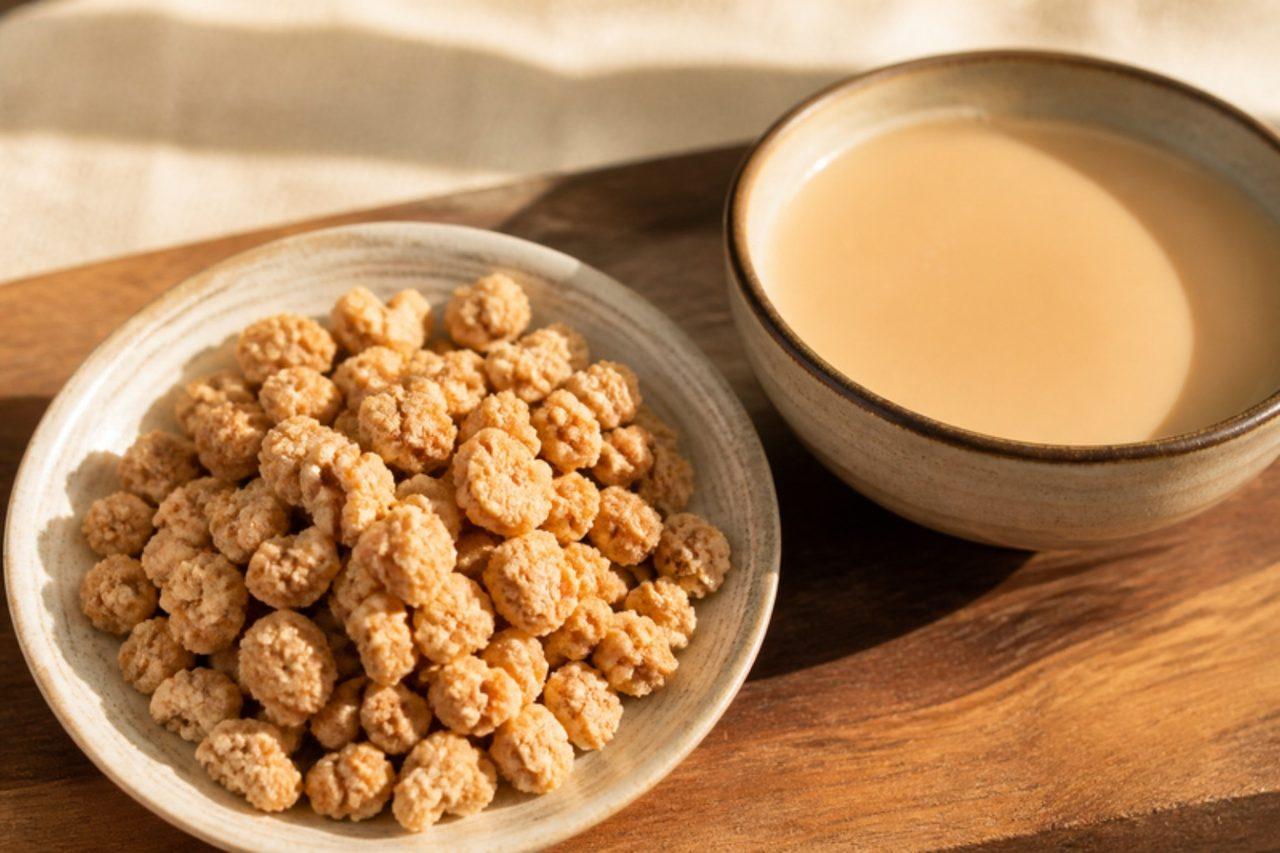
Walk through any Bolivian plaza on a warm afternoon and someone will be selling mocochinchi from a big glass jar: a cool, amber drink of sun-dried peaches simmered with cinnamon and cloves, served with a whole wrinkled peach at the bottom of the glass to eat at the end. It is the classic drink with lunch from Cochabamba to Tarija. People often skip the overnight soak, and then the peaches stay leathery and the drink tastes thin. Chef's tip: rub the soaked peaches between your hands under water to clean off dust and loosen the skins, which also releases more flavour.

by KrazyBadal 0 views

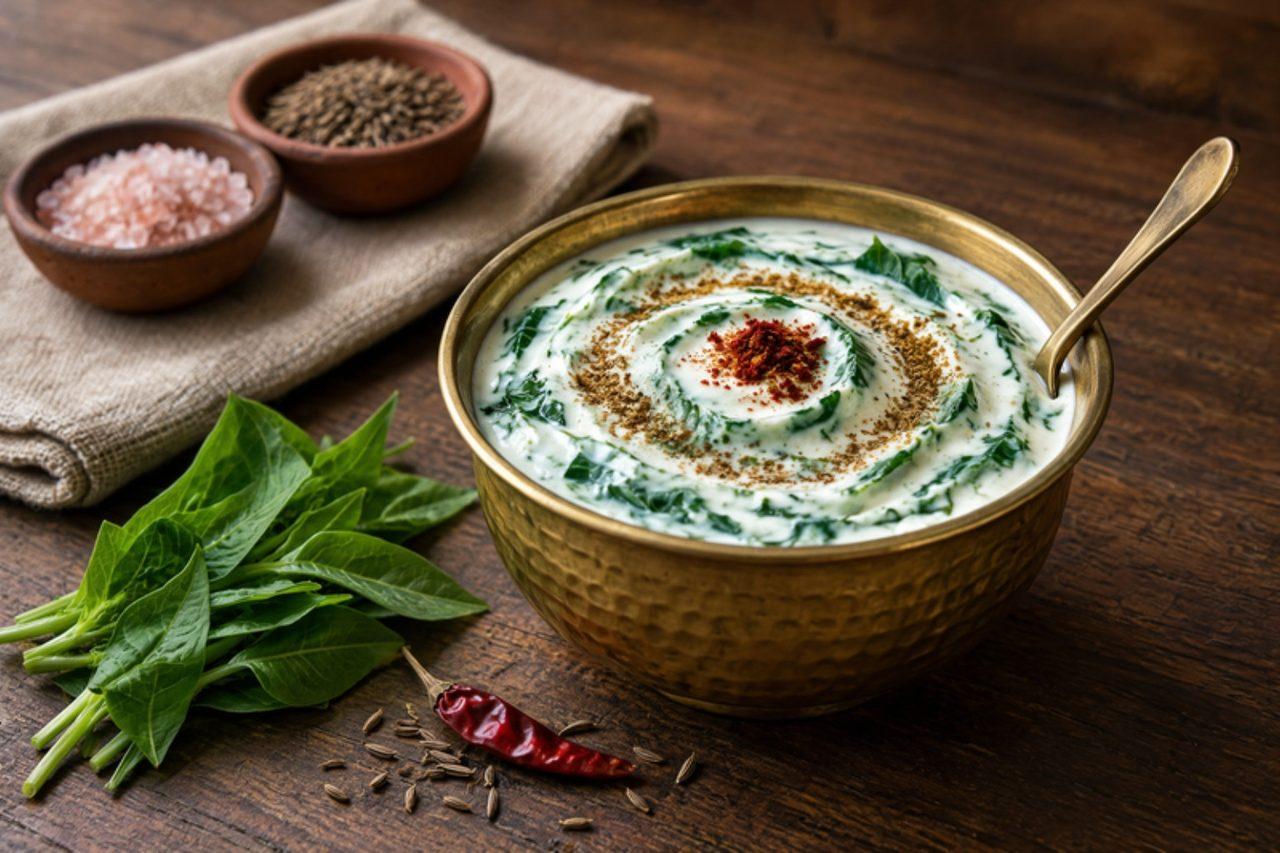
Bathua raitaChenopodium leaf yogurt

Bathua (chenopodium or lamb's quarters) grows wild in the wheat fields of western Uttar Pradesh and Haryana in winter, and from December to February families blanch it and stir it into yogurt as a cooling raita beside paratha, dal or bajra roti. The leaves are boiled briefly, chopped and folded into whisked yogurt with roasted cumin, black salt and a little green chilli, so it tastes earthy, tangy and fresh. It is suitable as part of a balanced diet. About 90 kcal and 7 g carbohydrate per portion. The usual mistake is adding the greens while they are still hot or wet, which makes the yogurt thin and grainy; squeeze them dry and cool them first. Chef's tip: grind half the blanched leaves to a paste so the raita turns an even pale green.

by KrazyBadal 0 views

Mofo menakelyRice flour doughnuts

Ring-shaped and no wider than a teacup, mofo menakely are fried in wide pans of oil at dawn on the street corners of Antananarivo and Antsirabe, then sold by the bagful to people heading for the bus. Rice flour gives them a crisp, slightly sandy shell and a chewy, faintly sour crumb from the slow rise, and they are only lightly sweet, which is why the Highlands dunk them in sugary coffee. Wheat flour helps the dough hold its shape; a few cooks go all rice and shape with wet hands. Expect the batter-like dough to feel too soft at first: adding more flour to make it handleable is a mistake that leaves them dense. Chef's tip: shape each ring straight into the hot oil from a wet palm, poking the hole with a wet finger, rather than trying to roll the dough on a board.

by KrazyBadal 0 views

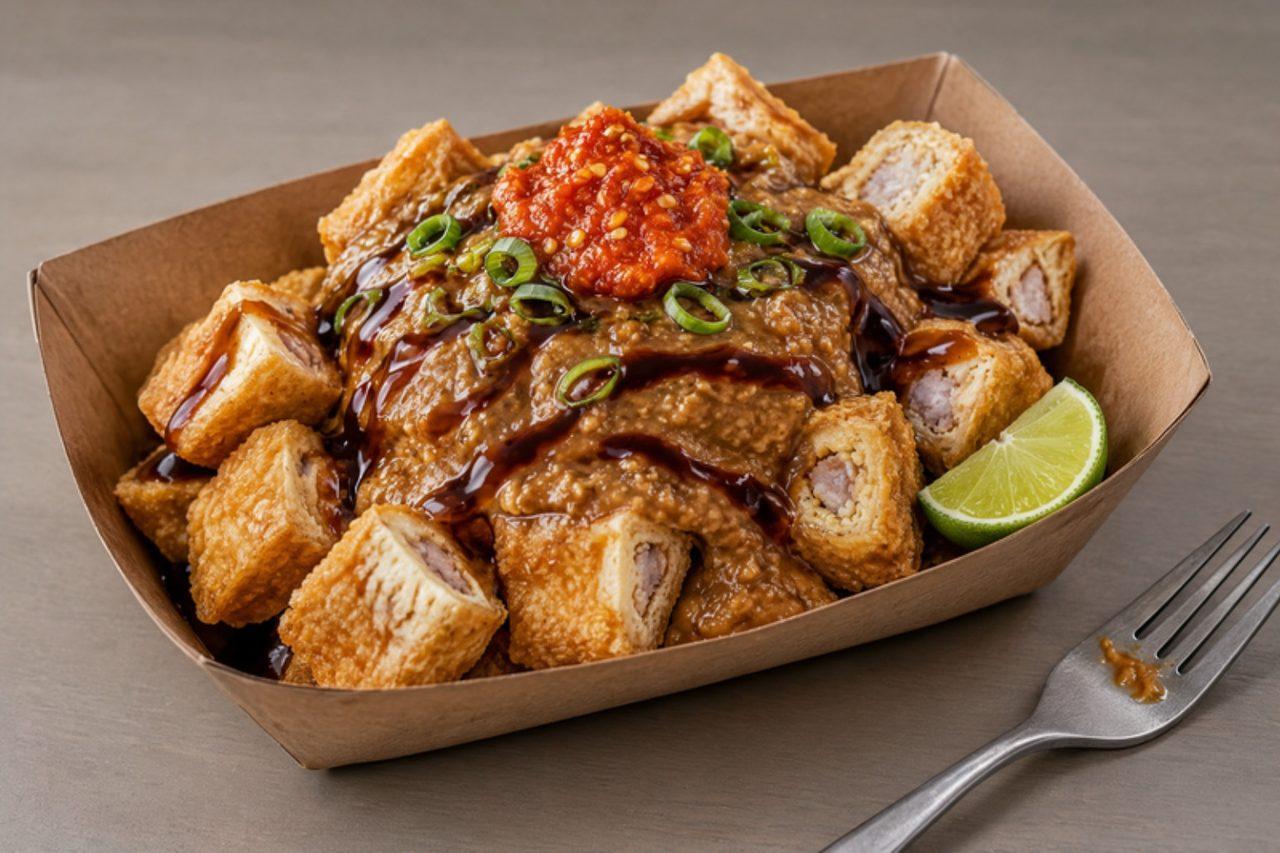
BatagorFried fish dumplings with peanut sauce

Batagor, short for bakso tahu goreng (fried fish-ball tofu), is the crunchy cousin of siomay and a favourite after-school snack sold from glass-sided carts outside Jakarta's schools and along Jalan Pecenongan's evening food strip. Tofu squares and wonton skins are stuffed with a mackerel and tapioca paste and deep-fried until golden and crackly, then snipped up and covered in a spicy peanut sauce, kecap manis and lime. The contrast of crisp skin and soft, bouncy fish is the whole point. Contains fish, peanuts, soy, egg and wheat. Chef's tip: fry the tofu side with the fish paste facing down first; it seals the filling so it doesn't puff away from the tofu.

by KrazyBadal 0 views

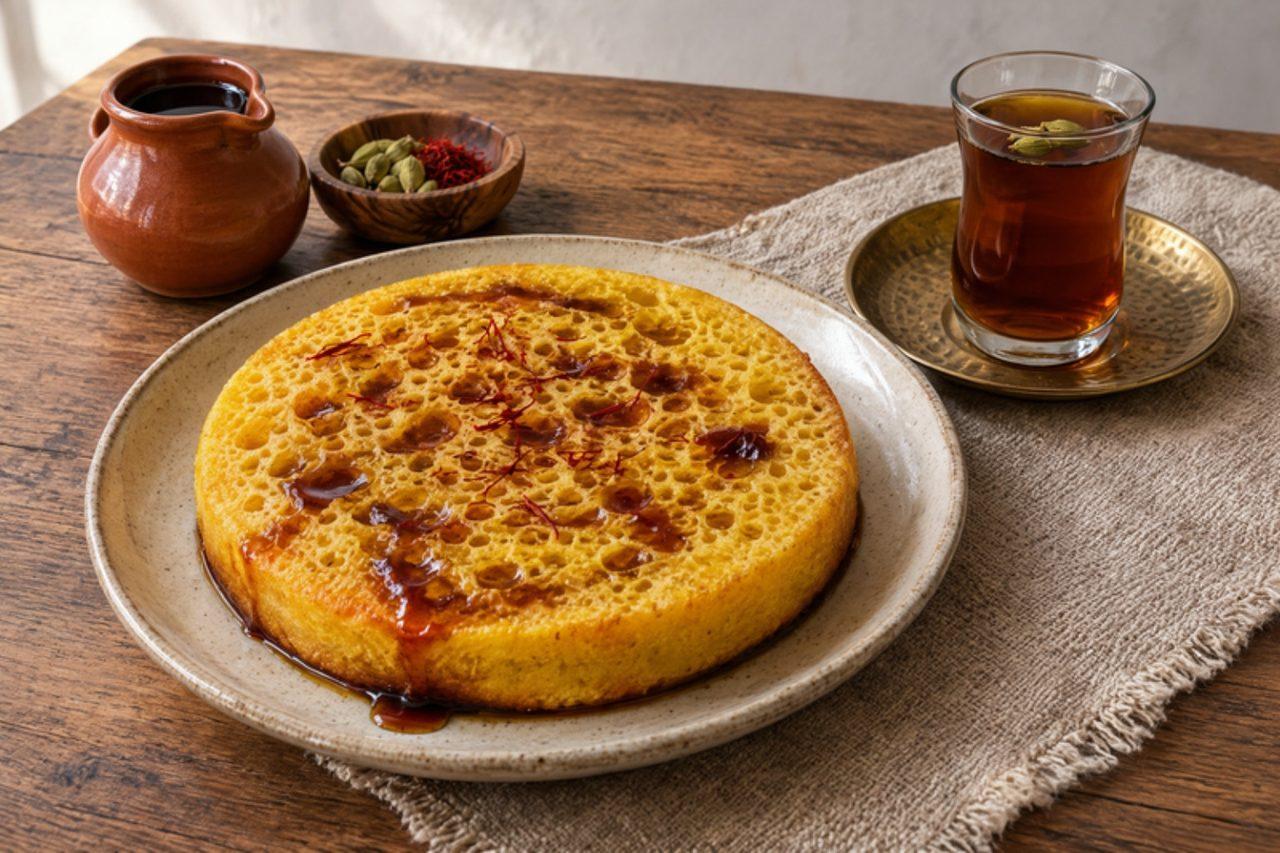
MohalaSaffron and cardamom griddle bread

Mohala is a thick, spongy flatbread from the UAE, cooked on a flat pan for breakfast in Emirati homes, especially during Ramadan and on winter mornings. The yeasted batter is scented with saffron and cardamom and turns golden underneath and full of holes on top, like a giant crumpet. It is eaten warm with date syrup, honey, or salty cheese and tea. The mistake is a batter that has not risen enough; it should be bubbly and doubled, or the bread is dense. Allow about 1½ hours including rising. Chef's tip: cook it covered over a low heat; the lid steams the top so you never need to flip it.

by KrazyBadal 0 views

Batido de trigoPuffed wheat shake

Havana cafeterías and Miami ventanitas blend this for breakfast on the run: puffed wheat, cold milk, sugar and ice whizzed into a thick, frothy shake that tastes like a malted milk with toasted cereal. It is one of the most loved Cuban batidos, and quick to make at home. The common mistake is using sweetened, honey-coated cereal, which makes it cloying; plain puffed wheat lets the toasty grain flavour come through. Chef's tip: blend the puffed wheat with half the milk first until completely smooth, then add the ice, so you don't get soggy flecks of cereal.

by KrazyBadal 0 views

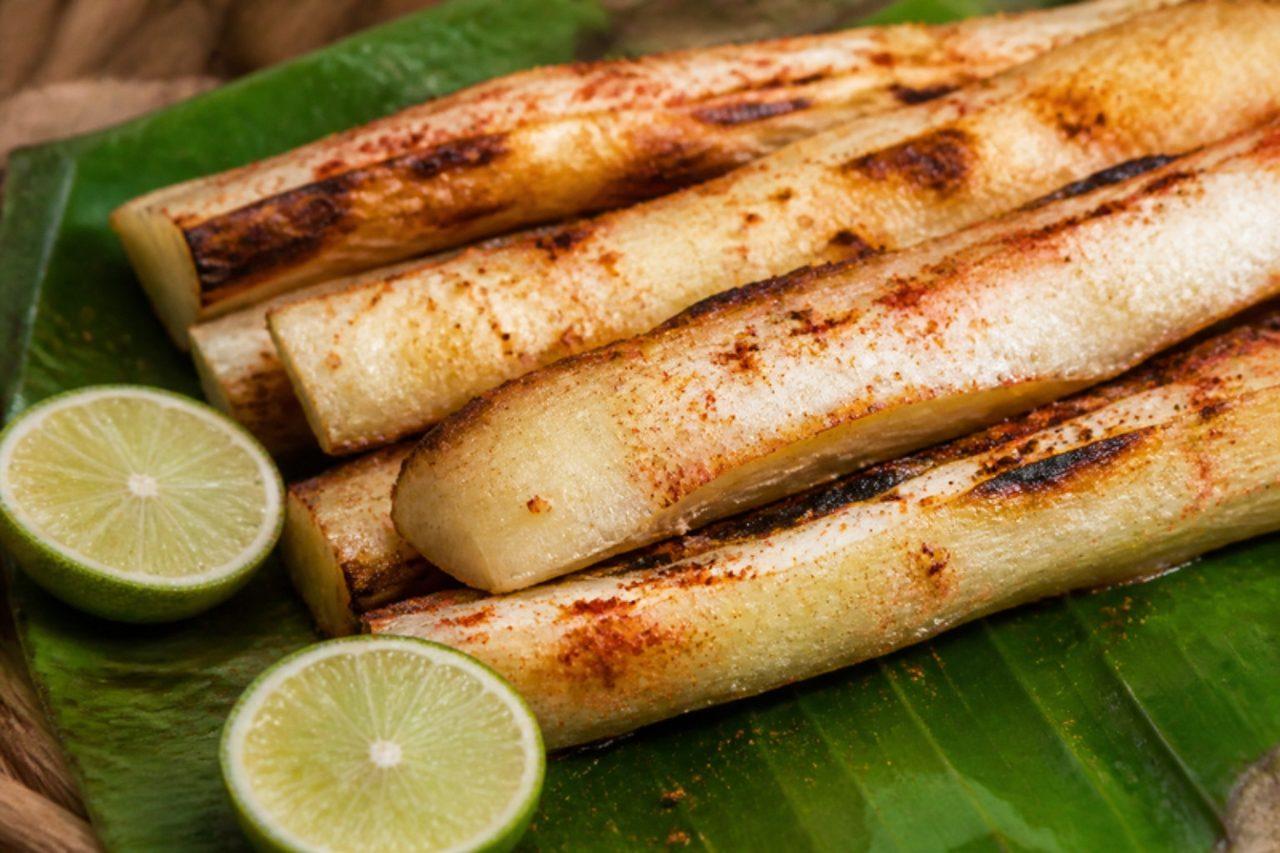
Mihogo chomaGrilled cassava with chilli

On Mombasa's Jomo Kenyatta beach and along the seafront at Dar es Salaam, vendors fan little charcoal grills loaded with cassava, then slice each piece open, rub in chilli and salt and squeeze lime over it. The outside chars and crisps while the inside stays soft and starchy, and the chilli-lime rub makes it hot, sour and salty all at once. Eat it as an evening snack or alongside beans and kachumbari. Cassava must never be eaten raw: peel it, pull out the woody core and boil it until tender before grilling; skipping that parboil is the classic mistake, and it leaves the centre hard. Chef's tip: let the boiled cassava cool and dry for 10 minutes before grilling; a dry surface chars, a wet one only steams.

by KrazyBadal 0 views

Batido de mameyMamey milkshake

In Havana and all over the island, the cafeteria counter has a blender that never stops, turning out batidos of mango, guanábana, papaya and the favourite of all, mamey. The fruit has a rough brown skin and a soft, salmon-red flesh that tastes like sweet potato, pumpkin pie, almond and apricot at once, and blended with cold milk it makes a shake so thick it is almost a dessert. It is drunk mid-afternoon on hot days, at breakfast with toast, or at a kid's birthday party; Miami's Cuban cafés keep the tradition alive with frozen pulp. The common mistake is using a hard mamey, which tastes starchy and slightly bitter; the fruit must give like a ripe avocado when pressed and show deep red flesh when you scratch the skin with a fingernail. The batido is ready when it is smooth, pumpkin-orange and pours slowly in a thick ribbon. Frozen mamey pulp from Latin American shops is a good substitute; reduce the ice because the pulp is already cold. Chef's tip: a pinch of salt and a drop of vanilla bring out mamey's almond notes.

by KrazyBadal 0 views

Wali wa naziCoconut rice

Coconut rice sits under almost every coastal plate from Mombasa's Old Town to Malindi, beside bean stews, mchuzi wa samaki or a simple tomato salad. Swahili cooks use two coconut milks: a thin one to cook the grains, and the rich first pressing poured over at the end, so the rice is fluffy, faintly sweet and fragrant rather than greasy. Done right, the bottom of the pot forms ukoko, a golden crust that families argue over. Long-grain pishori or basmati works best, and stirring after the thick milk goes in is the mistake that turns it gluey, so leave it alone. Chef's tip: lift the lid only once, at the end; the trapped steam finishes the grains and sets the crust.

by KrazyBadal 0 views

BekangFried fermented soybeans

Bekang is the Mizo name for soybeans boiled and left to ferment in leaves until sticky and strongly savoury, and fried bekang is one of the most loved sides on the Aizawl table, spooned over plain rice. To ferment your own, keep the wrapped, drained beans at 30–40 °C for 2–3 days: they are ready when coated in sticky white threads and smell of ammonia and nuts. Throw them out if you see black, green or pink mould or they smell rotten. The common mistake is frying on high heat until the beans scorch and turn bitter. Chef's tip: bought kinema, axone or natto work in place of homemade bekang.

by KrazyBadal 0 views

BantanMinced meat and flour crumb soup

Bantan is the Mongolian comfort soup, cooked in Ulaanbaatar homes on freezing winter mornings and given to anyone who's ill, tired or recovering from a long night out. Flour is rubbed with a little water into tiny crumbs, which thicken a broth of minced mutton or beef into a soft, porridge-like soup. It is plain, warming and ready in half an hour. A common mistake is dumping the crumbs in at once, which makes lumps; sprinkle them slowly while stirring. Chef's tip: rub the flour between your palms until the crumbs are the size of rice grains.

by KrazyBadal 0 views

ByaslagPressed fresh cheese

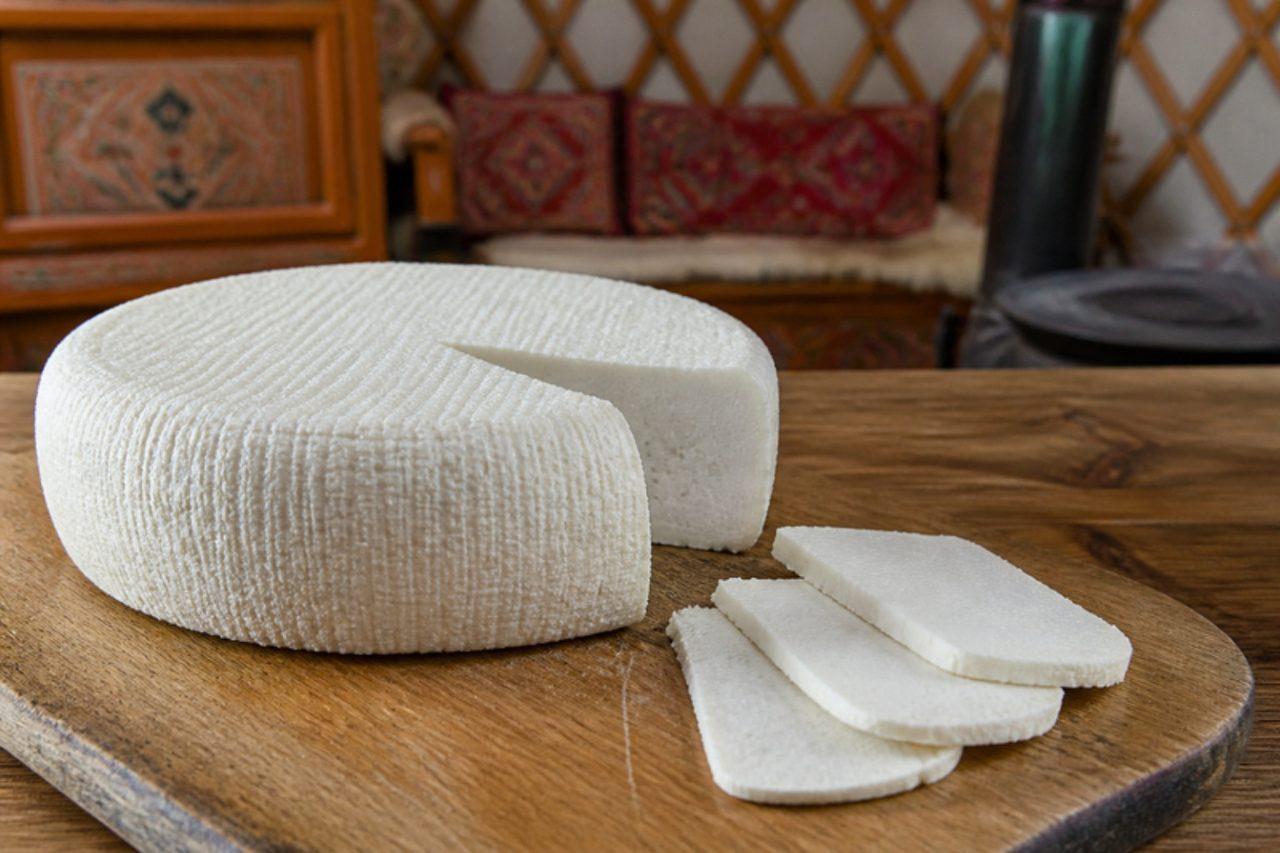
Byaslag is the mild, springy fresh cheese of Mongolian herders, made in summer from cow's or yak's milk in Arkhangai and Khövsgöl, where yak herds graze the high valleys. Warm milk is curdled with soured milk, the curds pressed under a stone, and the finished cheese is sliced and eaten fresh, dried in the sun, or dropped into milk tea where it softens. No rennet is used, so it is vegetarian. A common mistake is boiling the milk hard after adding the sour milk, which makes the curd tough and rubbery. Chef's tip: press it overnight for a firmer cheese you can slice thinly.

by KrazyBadal 0 views

EezgiiCaramelised milk curd

Eezgii is a summer dairy food of the Mongolian countryside, made in herding families' gers when there is milk to spare: the milk is curdled with a little sour whey or yoghurt, then cooked down slowly over the stove for hours until the curds turn golden brown and caramelised in their own fat and sugar. The pieces are dried and eaten as a toasty, sweet-salty snack with milk tea through the winter. A common mistake is turning up the heat to speed it up, which burns the bottom; low heat and frequent stirring are key. Chef's tip: a heavy, wide pan gives the most even browning.

by KrazyBadal 0 views

BelgramiChewy fresh cheese sweet

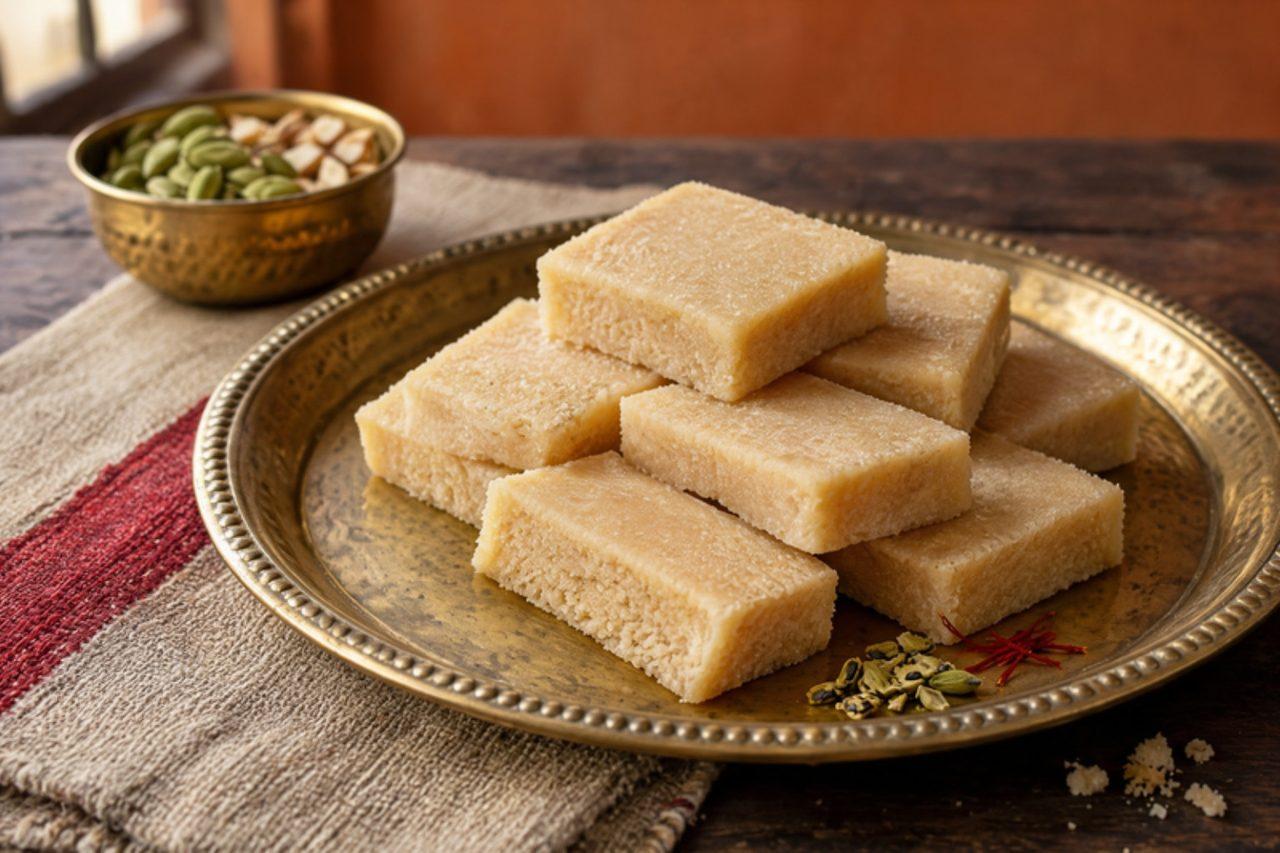
Belgrami belongs to Udwantnagar in Bihar's Bhojpur district, where sweet makers have cooked it for generations and travellers buy boxes on the way through. Fresh chhena is cooked down with sugar until it firms into a dense, slightly chewy, pale cream block with a gentle caramel note, then cut into pieces. It keeps for days, which makes it a favourite gift at weddings and Chhath. The common mistake is stopping too early: it must cook until the mass pulls into one lump and no longer sticks to the pan, or the pieces stay soft and weep. Chef's tip: use chhena from full-fat cow's milk and hang it for an hour, so it is dry enough to cook down quickly.

by KrazyBadal 0 views

Beni shogaRed pickled ginger

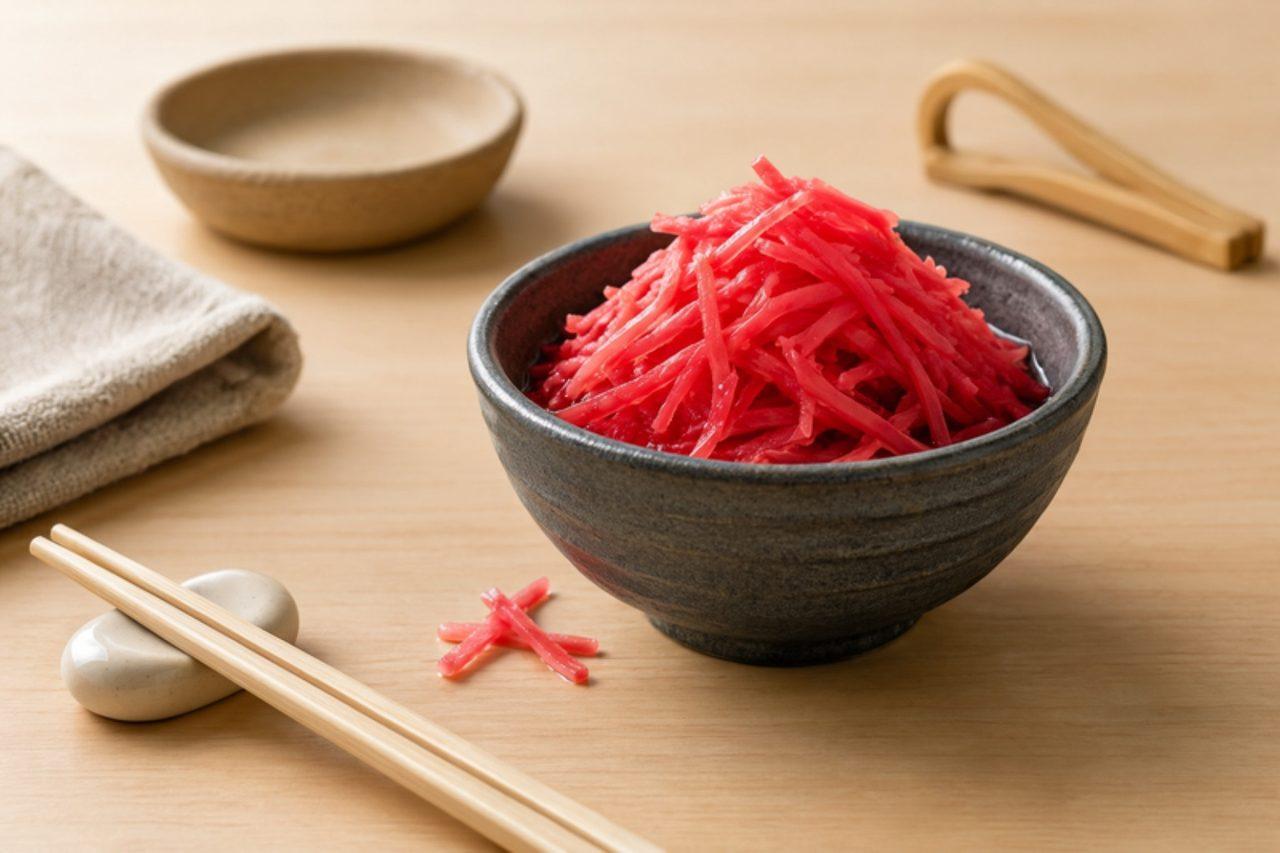
Beni shoga is the bright pink tangle you see on Osaka street food: piled beside yakisoba, scattered on okonomiyaki, folded into takoyaki batter and heaped on a bowl of gyudon at lunchtime. Kansai cooks make it in early summer, when umeboshi plums finish salting and leave behind red umezu, the salty, sour, shiso-coloured plum vinegar that both cures and dyes the ginger. The result is crunchy, sharp and salty, with a clean ginger heat and none of the sweetness of sushi gari. Young summer ginger gives the most tender threads; mature ginger works but is hotter and more fibrous, so cut it thinner. If you cannot find red umezu, use rice vinegar with salt and a slice of raw beetroot for colour (see the note). The common mistake is skipping the salting and drying: wet ginger dilutes the umezu and turns soft and dull. Squeeze it and let it dry so it drinks up the vinegar. It is ready when the threads are evenly rosy right through and taste salty-sour rather than raw. Chef's tip: save the pink vinegar left in the jar; a spoonful in potato salad or rice for onigiri is excellent.

by KrazyBadal 0 views

Morcilla dulceSweet blood sausage with walnuts

No Uruguayan parrilla is complete without morcilla dulce: a soft pork blood sausage sweetened with sugar and scented with orange peel, studded with walnuts and raisins, grilled until the skin crisps and served first, as part of the achuras, while the beef is still cooking. It is pork throughout: pork blood, pork back fat and natural pork casings. Making it at home is a project. Buy fresh pork blood with an anticoagulant added from a butcher who supplies it for sausage making, keep it chilled below 4 °C and use it within a day. The common mistake is poaching at a rolling boil, which bursts the casings. Chef's tip: keep the water at 80–85 °C, just shivering, and prick a sausage after 25 minutes: it is done when brown, not red, juice comes out.

by KrazyBadal 0 views

MorochoCracked white corn drink

Morocho is what Quiteños drink on a chilly evening at a market stall, often with a crisp empanada de morocho alongside: cracked white corn simmered for an hour with milk, cinnamon and cloves until it turns into a thick, creamy drink you half sip, half spoon, studded with plump raisins. It tastes like a gently spiced rice pudding made with corn. The usual mistake is adding the milk too early and not stirring, so it catches and scorches on the bottom of the pan. Chef's tip: soak the corn overnight; it cooks faster and more evenly and turns properly creamy.

by KrazyBadal 0 views

Bellam paramannamRice and moong dal jaggery pudding

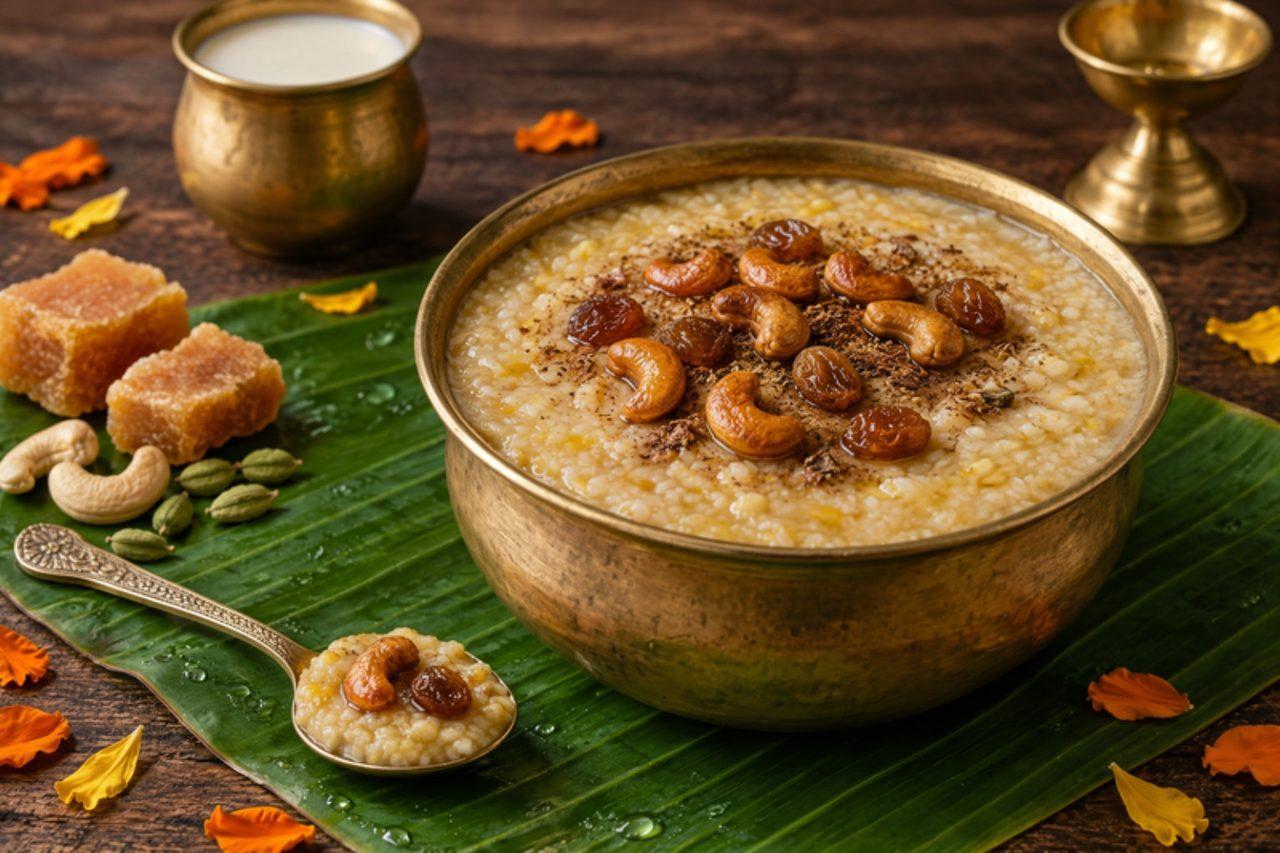
Bellam paramannam is the naivedyam of Telangana and Andhra homes, cooked for Sankranti, Ugadi, Varalakshmi Vratam and almost any puja, a soft rice-and-moong pudding sweetened with jaggery and glossed with ghee. Its colour is a warm caramel and its taste deeper than a sugar kheer. The classic mistake is adding jaggery to milk that is still on a high boil, which can split it; take the pot off the heat, let it stop bubbling, then stir the jaggery in. Chef's tip: roast the moong dal in a spoon of ghee until it smells toasty before cooking; it gives the paramannam its homely flavour.

by KrazyBadal 0 views

Mote pilloHominy with egg and spring onion

In Cuenca's old cafés mote pillo arrives at breakfast or with the late-afternoon coffee, a plate of fat white hominy kernels fried in achiote butter and folded through with just-set egg and crumbled fresh cheese. The kernels stay chewy and nutty, the egg soft and glossy, and a big cup of black coffee or a slice of grilled cheese bread is all it wants beside it. The usual mistake is leaving the eggs on the heat until they dry into rubbery crumbs; pull the pan off while they still shine. Traditional queso fresco is often set with animal rennet; choose a cheese labelled vegetarian if that matters to you. Chef's tip: dry the drained mote on a tea towel first, so it fries and colours in the butter instead of steaming.

by KrazyBadal 0 views

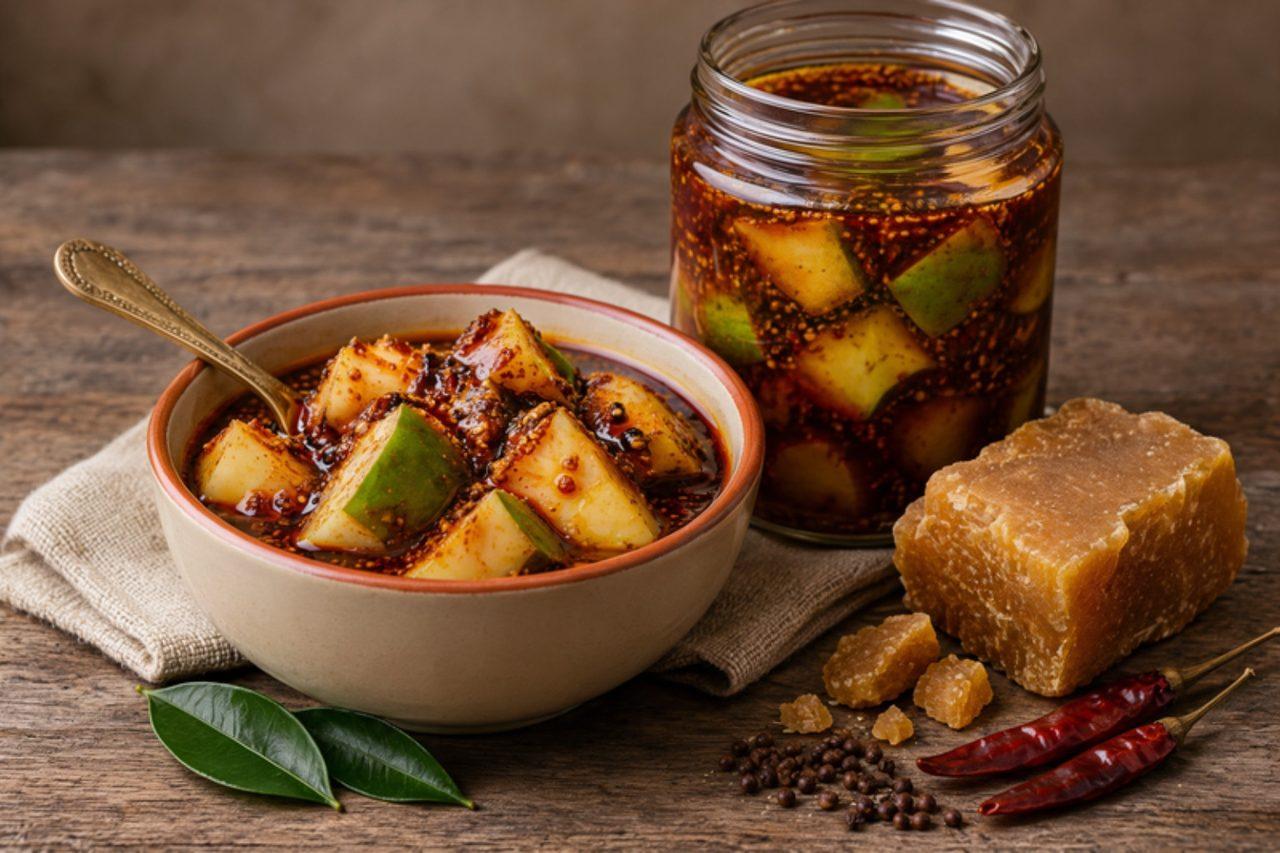
Bellam avakayaSweet raw mango pickle

In the Godavari districts of coastal Andhra, the same May afternoon that produces a jar of fiery avakaya usually produces a second jar of bellam avakaya for the children and anyone who likes it sweet. The mangoes are hacked into chunks with their skin and the hard shell of the stone still attached, then tossed with chilli, mustard powder, salt and plenty of grated jaggery. Over three or four days the jaggery melts into a dark, glossy syrup that clings to every piece. It tastes sweet first, then the mustard catches the nose and the chilli warms the back of the throat; the mango stays firm and sour. Eat it with pesarattu, dosa, chapati or curd rice. The salt is about 8% of the mango weight and the fruit is acidic, so it keeps all year under oil in a dry jar. Common mistake: cutting the mangoes wet or leaving sap and water on them; any moisture invites mould, so dry each piece with a cloth. It is ready when no jaggery grains remain and a film of oil rises to the top. Chef's tip: wipe off the milky sap at the stalk end before cutting; it stings the skin and tastes bitter.

by KrazyBadal 0 views

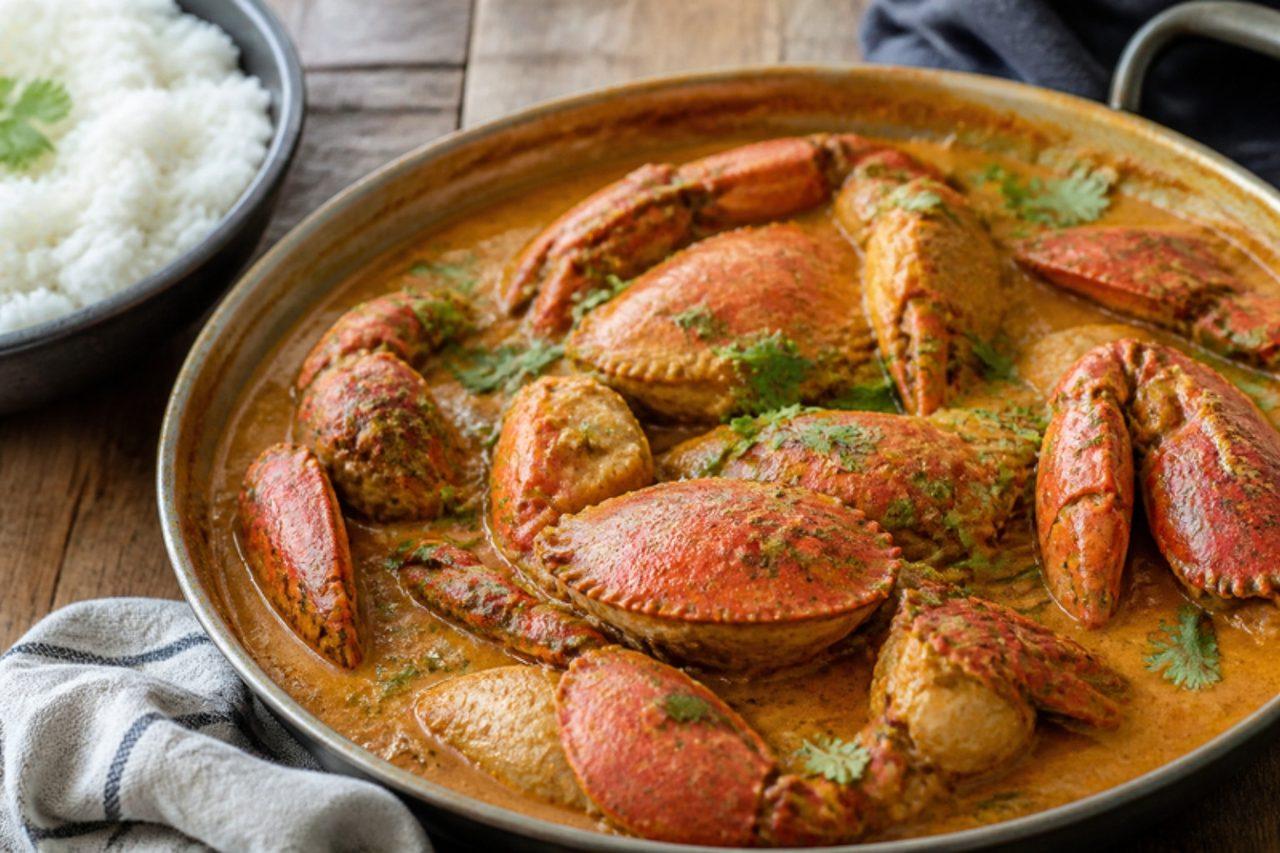
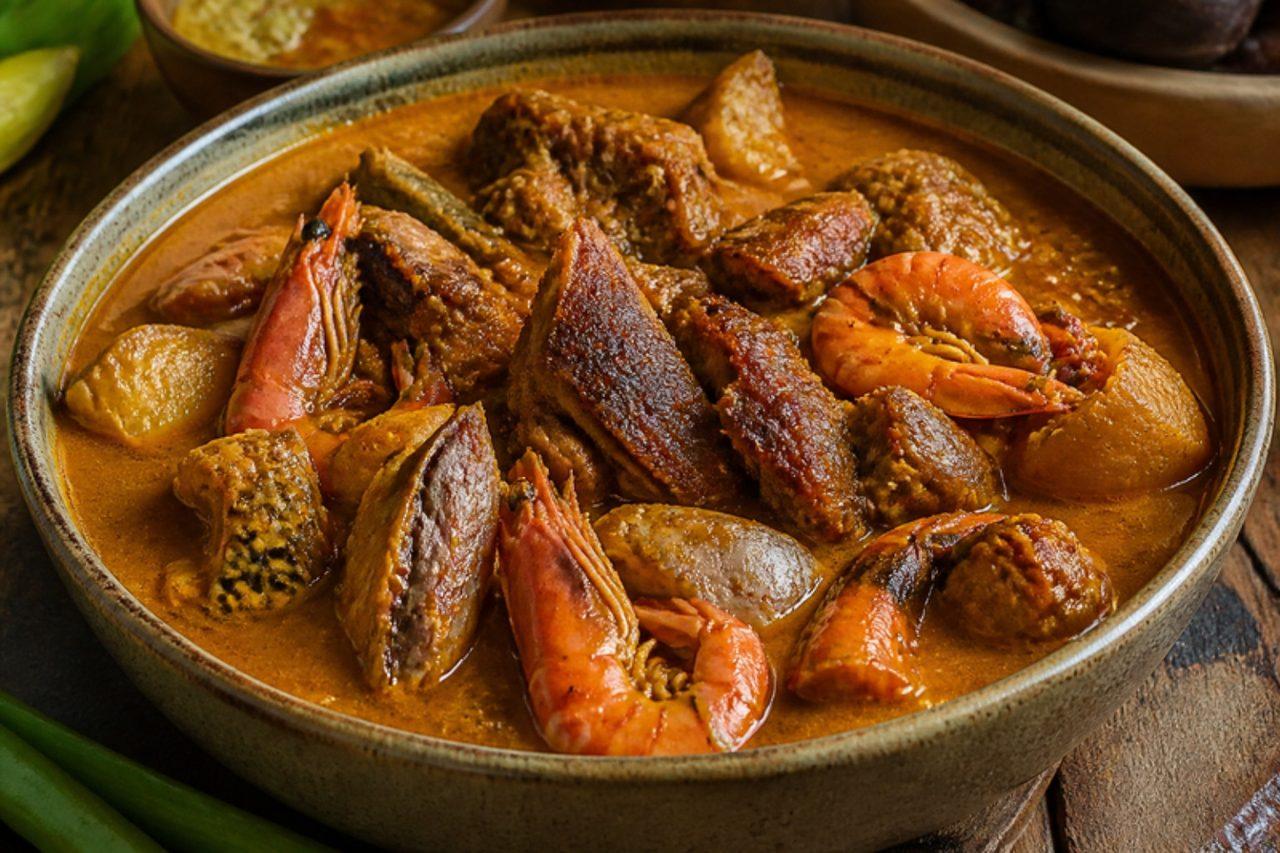
Caril de caranguejoCoconut crab curry

Mud crabs from the mangrove creeks around Inhambane and Maputo Bay end up in this curry at Sunday lunch and on beach-shack menus, and eating it is a happy, messy job with fingers and crackers. The sauce is a gentle Mozambican caril rather than an Indian one: onion, tomato, garlic and a mild curry powder cooked down and finished with coconut milk, so it turns rich, orange and slightly sweet, with crab juices running through it. Serve it with plenty of white rice or xima to mop up the sauce, and lemon wedges on the side. Ask the fishmonger for freshly cooked crabs, cleaned and cracked, or crabs already killed and prepared by them, so there is no live crab to handle at home. Chef's tip: the common mistake is boiling the crab in the sauce for ages, which makes the meat stringy; warm cooked crab through for just a few minutes.

by KrazyBadal 0 views

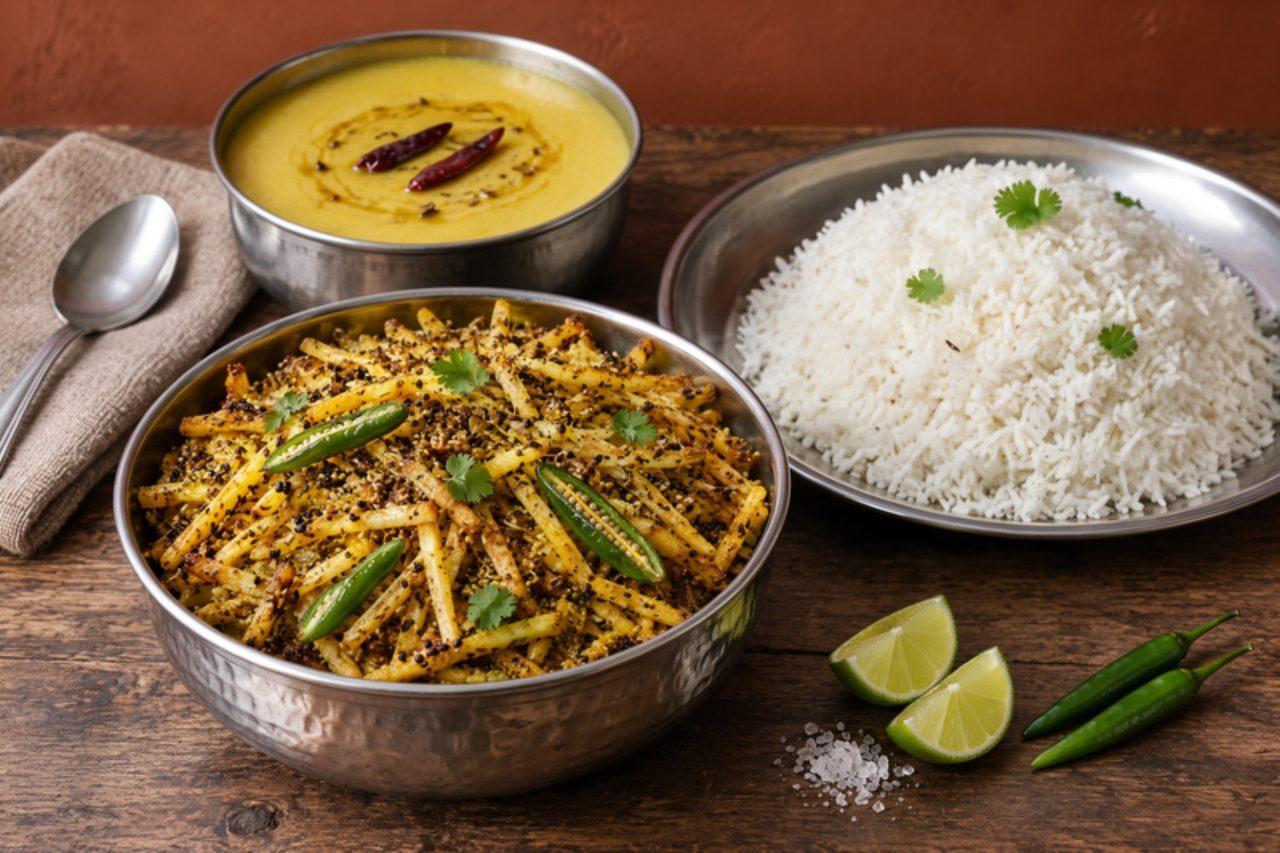
Bihari aloo bhujiaFried potato sticks

In Bihar, aloo bhujia is not the packaged snack but the everyday matchstick-potato fry that sits beside dal, bhaat and chokha on the lunch plate, cooked in mustard oil with panch phoron and a slit green chilli. Patna households make it most days of the week because it takes twenty minutes and pleases everyone. The common slip is crowding the pan and stirring too much, which turns the sticks to mash; give them room and toss gently. Chef's tip: soak the cut potatoes in cold water for 10 minutes and dry them well; washing off surface starch keeps the sticks separate and lightly crisp.

by KrazyBadal 0 views

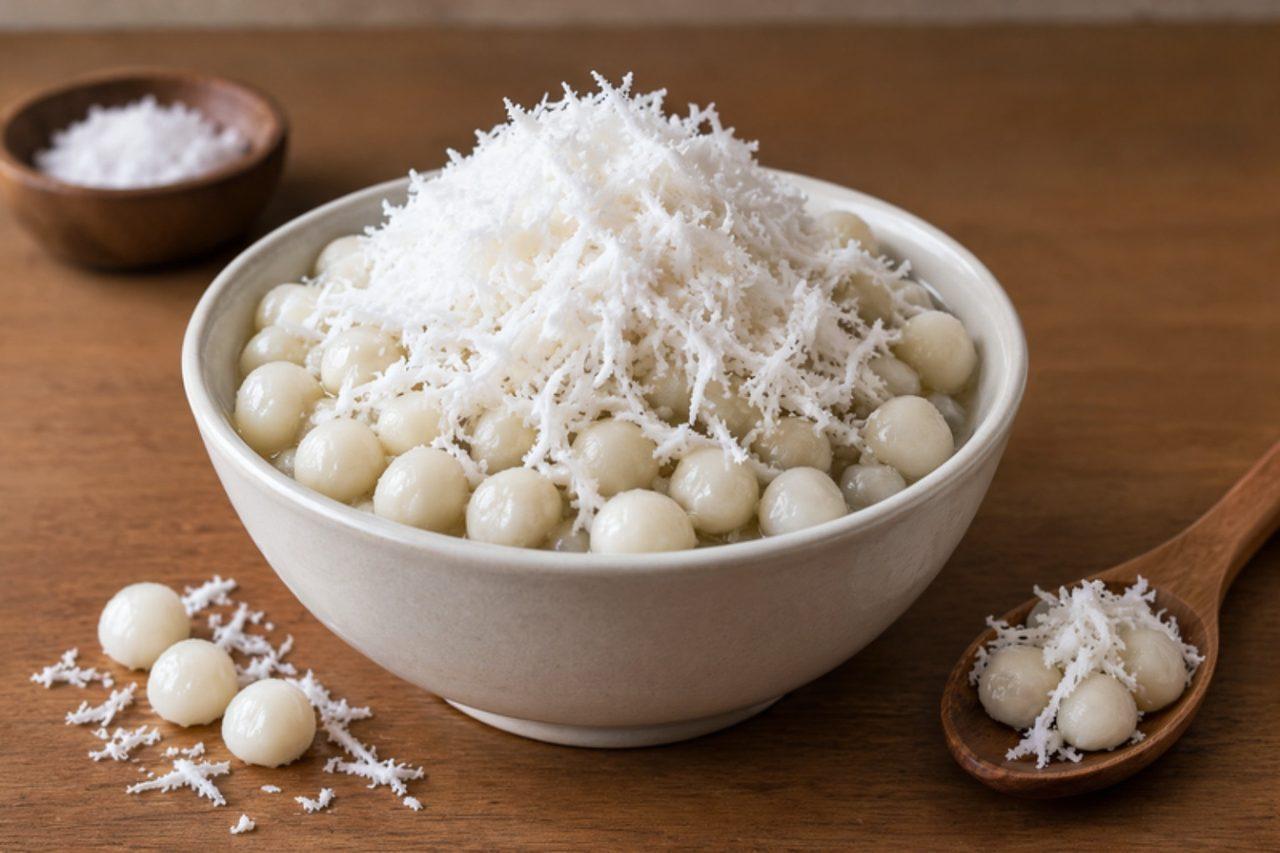
BinatogBoiled hominy with coconut

Binatog is an afternoon snack sold from bicycle carts that ring their way through the side streets of Manila, especially around Tondo and Sampaloc, the vendor scooping steaming white corn from a big tin can into small cups. The kernels are plump, chewy and nutty, piled with snowy grated coconut and finished with salt or sugar to taste, so everyone gets it the way they like. It is simple, filling and naturally vegan. Dried white hominy (pozole corn) has already been treated with lime, which gives the chewy, popped kernels; if you can only find canned hominy, rinse it and warm it for 10 minutes instead. Chef's tip: keep the kernels at a gentle simmer; a hard boil splits them before they become tender.

by KrazyBadal 0 views

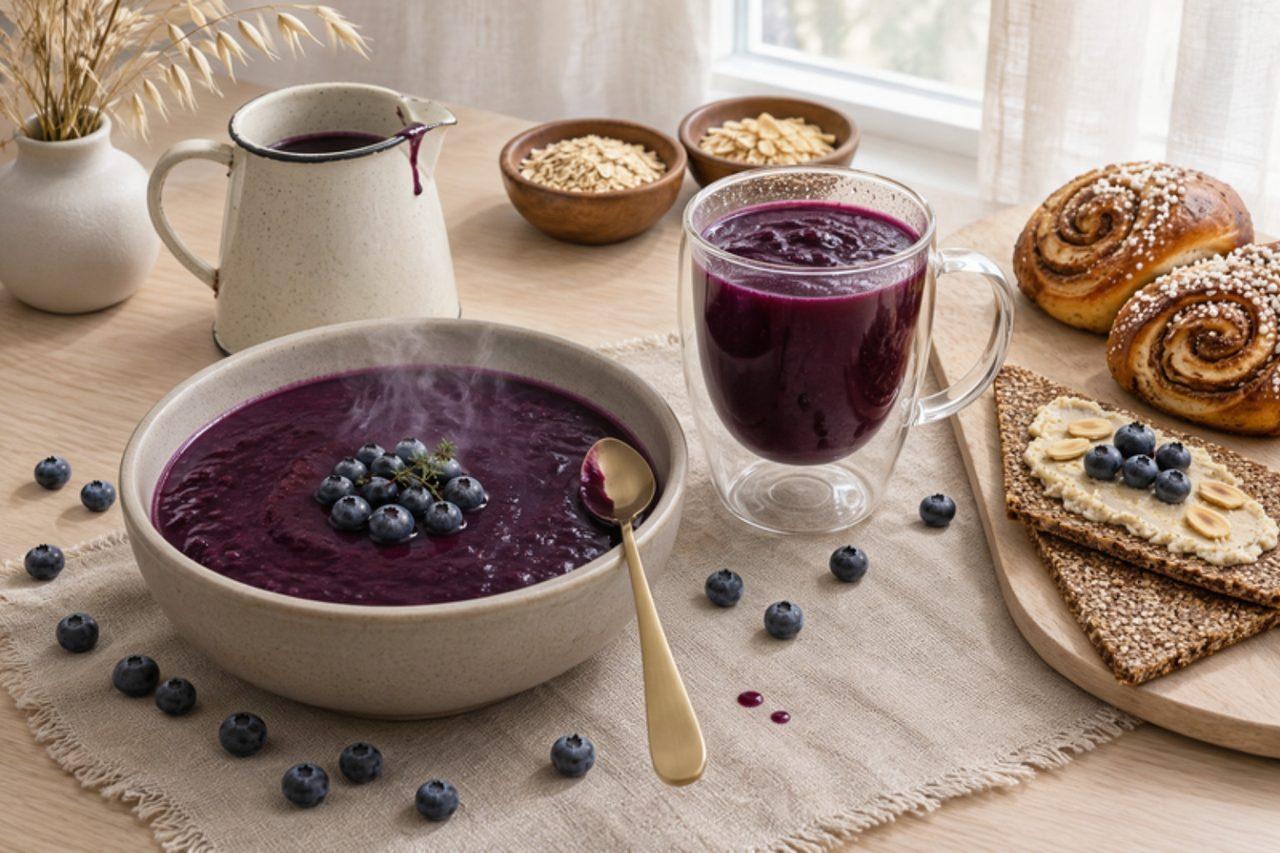
BlåbärssoppaBilberry soup

Swedes have drunk blåbärssoppa for generations, warm on a winter morning and cold from a cup after the Vasaloppet ski race, where skiers are handed it at every station. It is a thin, deep purple soup of bilberries or blueberries, sweetened and thickened just enough with potato starch to coat the tongue. The common mistake is boiling the soup after adding the starch: it turns stringy and then thins out again, so take it off the heat as soon as it thickens. Chef's tip: wild bilberries give a far deeper colour and flavour than cultivated blueberries, and frozen ones work perfectly.

by KrazyBadal 0 views

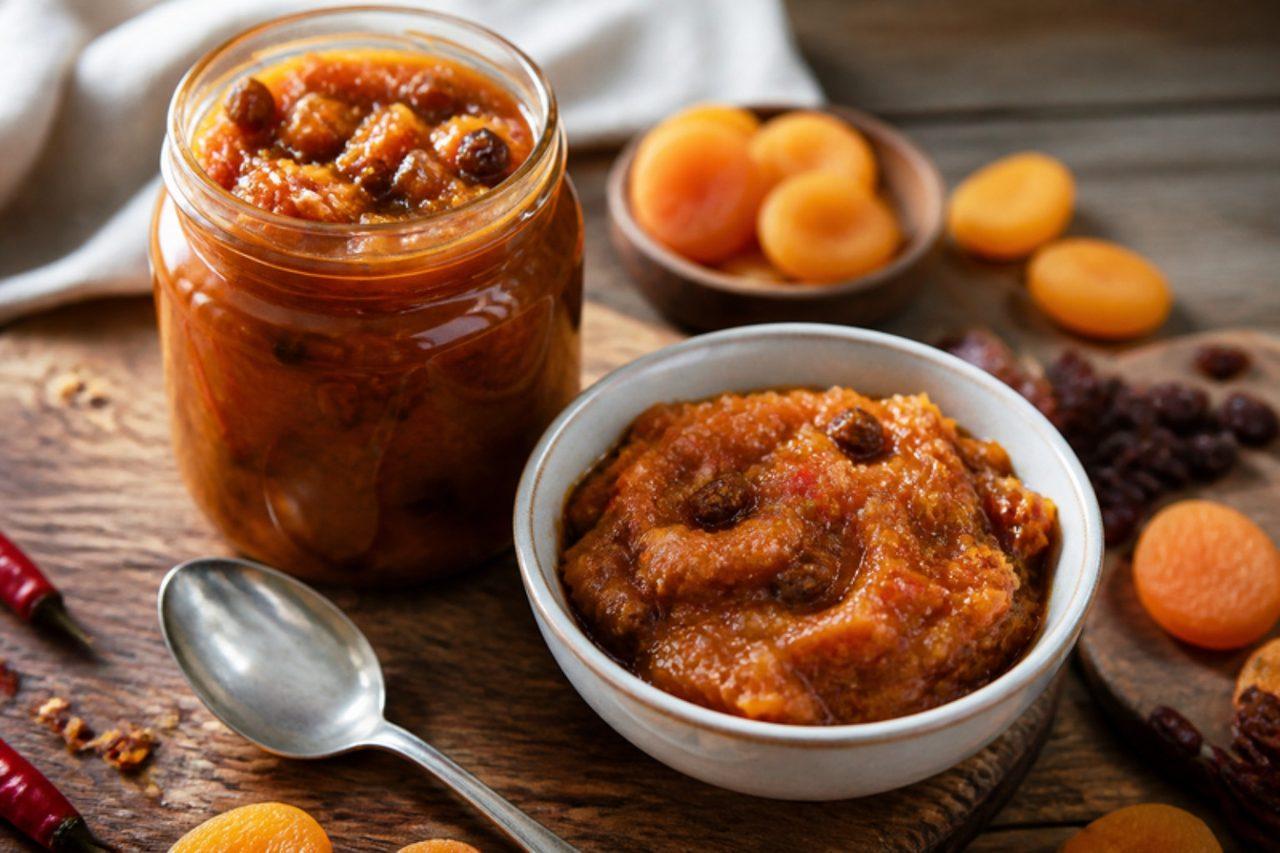
BlatjangDried apricot chutney

Bo-Kaap households keep a jar of blatjang beside the salt, because a spoonful goes next to almost everything: bobotie, a bowl of curry and rice, cheese on toast, a braaied mielie. Dried apricots are simmered down in vinegar with onion, ginger, garlic and red chilli until the fruit collapses into a thick, glossy, burnt-orange paste that is sweet first, then sour, then warm at the back of the throat. Some aunties keep it chunky, others push it through a sieve until it is as smooth as a sauce; both are right. The usual mistake is to take it off the heat while it still looks loose in the pot, which leaves a runny chutney that weeps in the jar. Chef's tip: soak the apricots overnight in the vinegar and they break down in half the time, with a cleaner, brighter fruit flavour.

by KrazyBadal 0 views

Boller i karry for toddlersMeatballs in mild curry for toddlers

Boller i karry, meatballs in curry, is one of Denmark's best-loved dinners, voted a national favourite and cooked on weeknights from Copenhagen's Nørrebro to farmhouses in Jutland. The meatballs are pork, poached gently rather than fried, and the sauce is mild and creamy, made from the poaching liquid with apple and leek and just a pinch of curry powder. For toddlers from 12 months there is no stock cube and very little salt, and the meatballs are cut small. It contains wheat (gluten), milk and egg; there are no nuts or soya. Chef's tip: keep the poaching water at a bare shiver; boiling makes the meatballs tough and crumbly.

by KrazyBadal 0 views

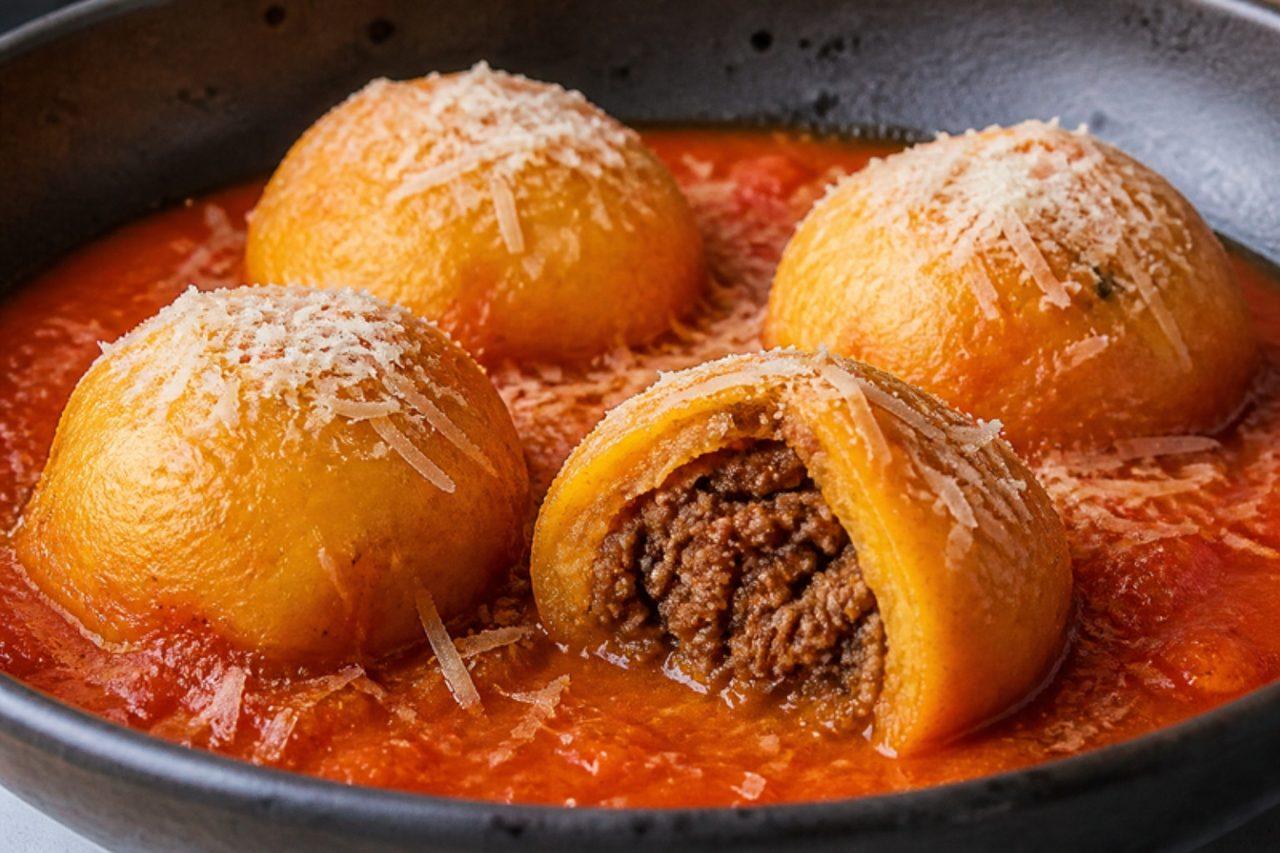
Bollitos pelonesBeef-stuffed corn dumplings in tomato sauce

Bollitos pelones are proper home cooking from central Venezuela: little balls of corn dough tinted with onoto, stuffed with a spoonful of spiced minced beef and simmered in a light tomato sauce until the dough firms. Mothers make them for school-day lunches with white rice, and they reheat well. The common mistake is stirring the pot, which breaks the balls apart. Chef's tip: give the pan a gentle shake instead of stirring, and don't touch them for the first 10 minutes.

by KrazyBadal 0 views

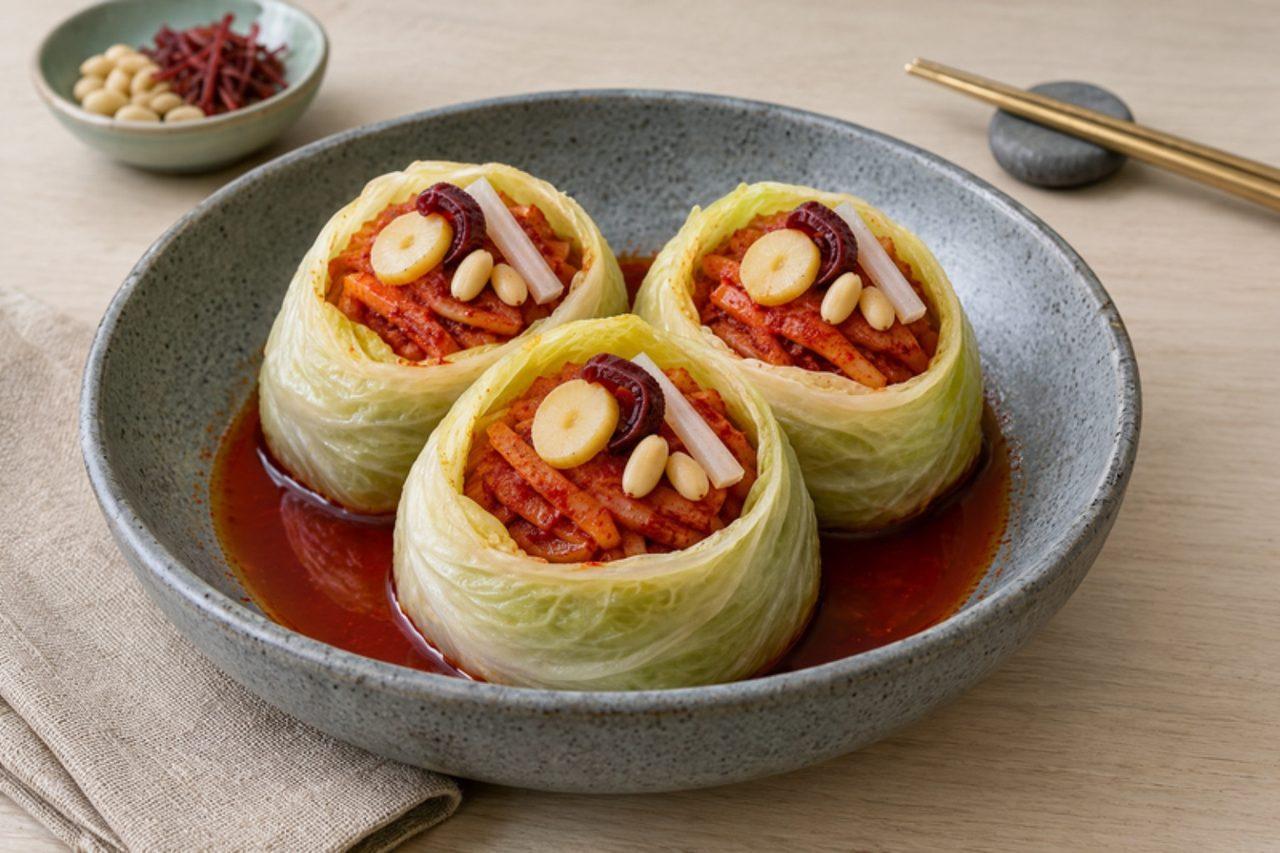
Bossam kimchiWrapped cabbage kimchi

Bossam kimchi comes from Gaeseong, the old Goryeo capital just north of today's border, and it is the kimchi families make with special care at kimjang time in late November and set out for Seollal guests. Instead of rubbing seasoning into whole cabbage halves, the inner leaves are folded around a rich filling of radish, Korean pear, chestnut, jujube, pine nuts and herbs, then wrapped in large outer leaves like a gift. Unwrapped at the table, it is crisp, juicy and sweet from the pear, with mellow chilli heat and the savoury depth of salted shrimp. Traditional versions add raw oysters; here they are optional. Raw oysters are not safe for pregnant people, babies, older people or anyone with weak immunity, so leave them out for those guests or for any kimchi you mean to keep beyond 3 days. The common mistake is under-rinsing the cabbage, which makes every parcel too salty; rinse three times and taste a stem. It is ready after 3–4 days in the fridge, when the juice turns pleasantly sour and slightly fizzy. Chef's tip: tie each parcel with a blanched scallion if the leaves won't stay closed.

by KrazyBadal 0 views

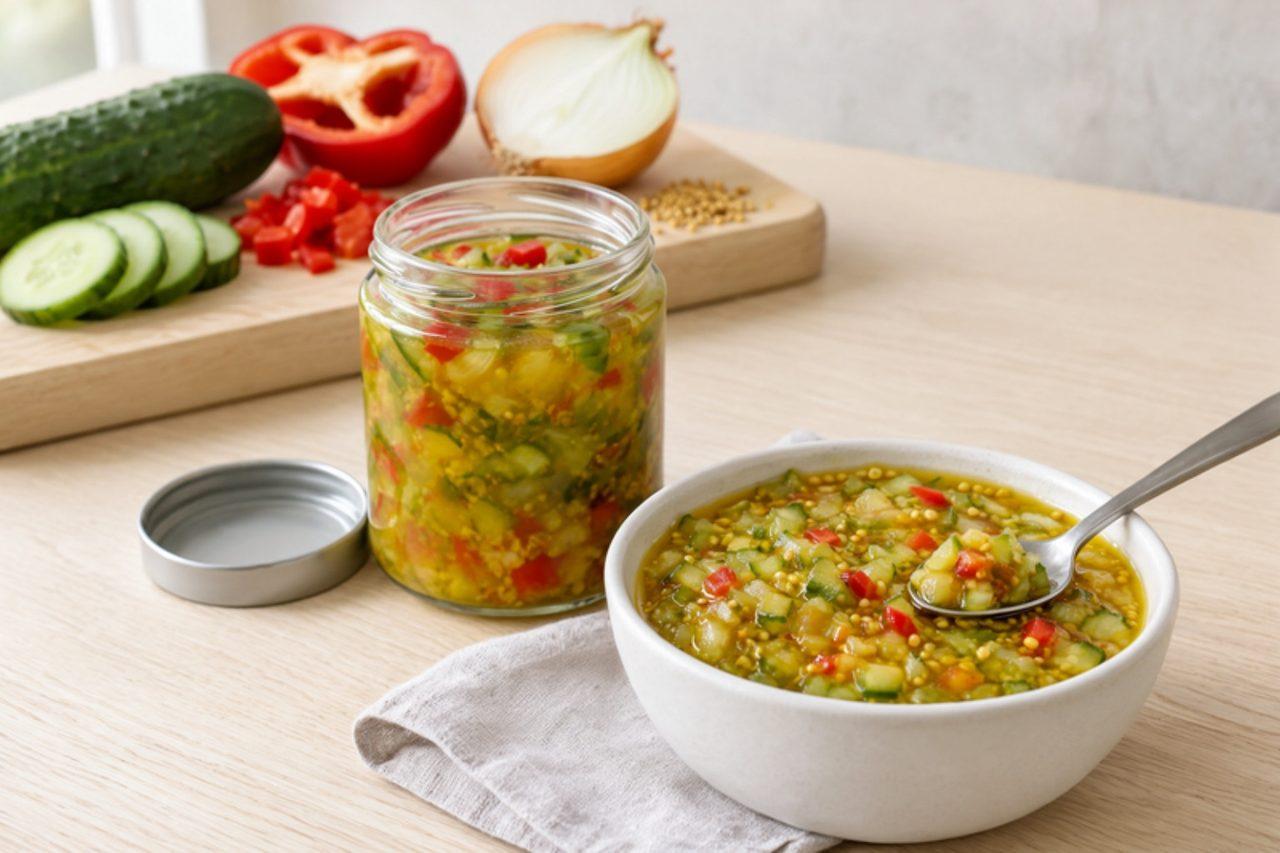
BostongurkaSweet cucumber relish

Every Swedish korvkiosk, from Stockholm's Södermalm to the ferry ports of Gothenburg, offers bostongurka in a squeeze bottle, and most Swedes still put it on their grillkorv with mustard, ketchup and crispy fried onions. Families make their own in August and September, when cucumbers are cheap at the farm stands, and spoon it onto hot dogs at summer barbecues, beside meatballs, into potato salad and onto cheese sandwiches all winter. It is a fine-chopped relish: sweet and sour, golden-yellow from turmeric, with crunch from the cucumber and the soft warmth of mustard seed. Common mistake: skipping the overnight salting; without it the cucumber leaks water and the relish turns soupy and dull. Squeeze the vegetables hard before cooking. It is ready when the vegetables are just tender but still crunchy and the liquid has thickened enough to cling to them. Chef's tip: chop by hand or pulse very briefly in a processor; a purée loses the crunch that makes it bostongurka.

by KrazyBadal 0 views

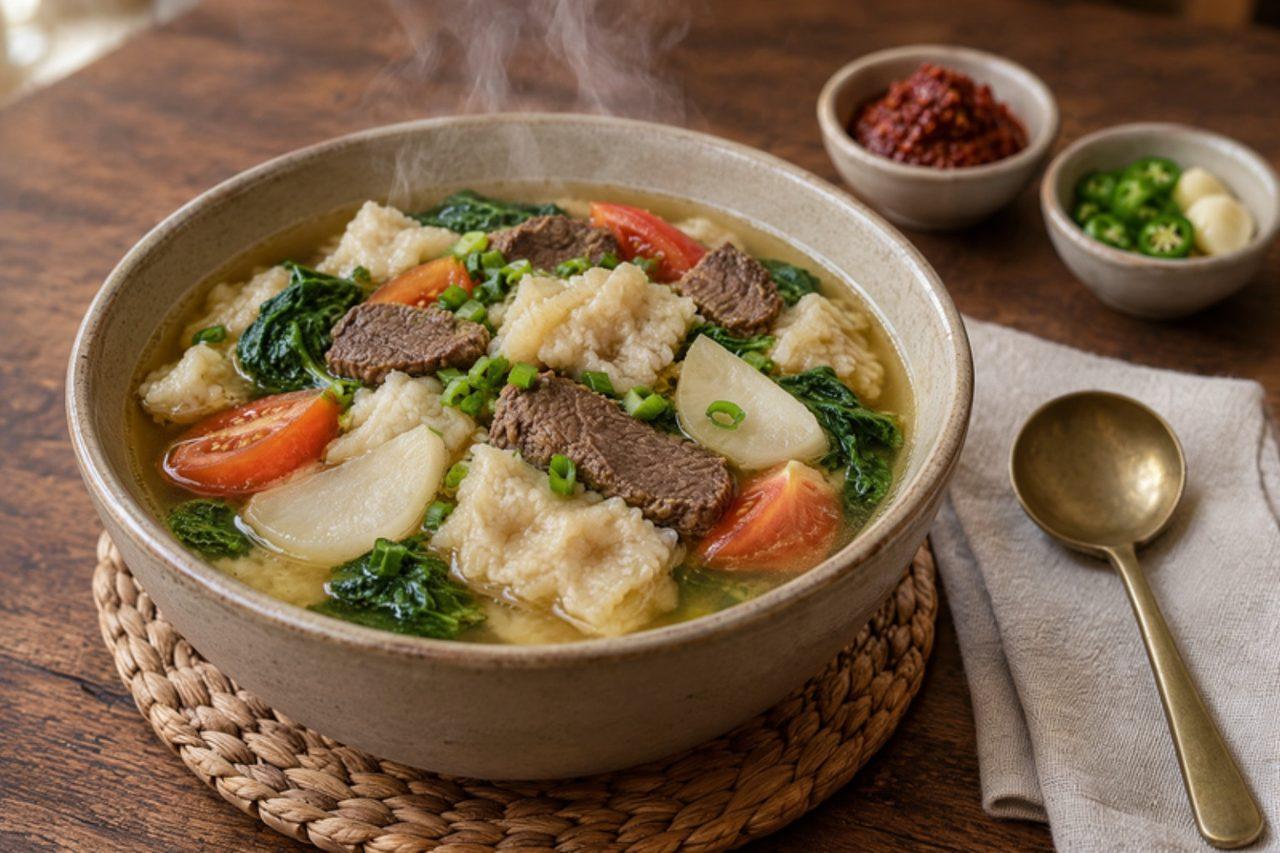
ThenthukHand-pulled noodle soup

In the Tibetan restaurants around Boudha stupa in Kathmandu, thenthuk is what people order on cold evenings and winter mornings: pieces of dough are pulled flat and pinched straight into a light broth with mutton or buffalo, tomato, radish and spinach. The noodles are thick, soft and slightly uneven, and the soup is gentle and warming, with a little soy and spring onion. This home version uses mutton or lamb. Contains wheat and soya. Chef's tip: pull the dough so thin you can almost see your fingers through it; thick pieces stay doughy in the middle.

by KrazyBadal 0 views

Bouillon d'awaraAwara palm fruit stew

Families in Cayenne, Kourou and Mana start bouillon d'awara days before Easter Monday, when it is eaten together and shared with neighbours; local lore says whoever eats it will come back to Guiana. The base is a thick orange paste of awara palm fruit, cooked very slowly with smoked chicken, salted pork, smoked fish, crab or prawns and a mass of vegetables until everything melds. Awara paste is sold frozen or in jars in Guianese and Antillean shops; if you can't find it, use a mix of palm-fruit concentrate (sold for West African banga soup) and puréed pumpkin, which gives a similar richness though not the same flavour. Salted meats must soak in the fridge overnight. The usual mistake is letting the thick stew catch on the bottom, so stir often. Chef's tip: the stew tastes even better on the second day, reheated until piping hot.

360 minGuyaneseMeatGluten free
by KrazyBadal 0 views

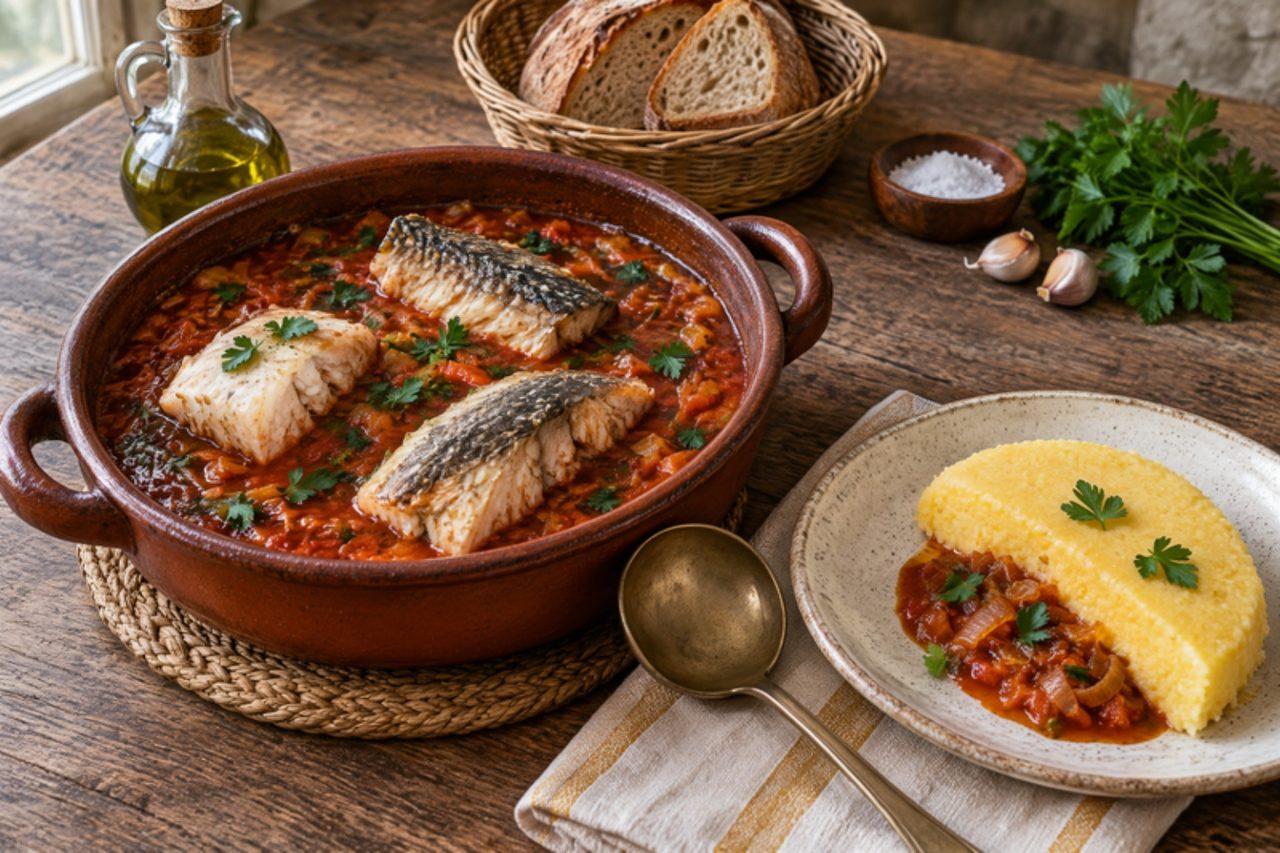
BrudetFisherman's fish stew

Brudet (or brodetto) is the fisherman's stew of the Dalmatian coast and islands, cooked in Split, Hvar and Korčula with whatever the morning's catch brings, and eaten for Friday lunch and summer suppers. Thick fish steaks on the bone stew slowly in olive oil with onion, garlic, tomato and a dash of wine vinegar, and the pot is shaken, never stirred. It is high in protein and suitable as part of a balanced diet; polenta is the classic partner, but grilled courgettes, chard or a small portion of soft polenta keep the carbohydrate down. About 330 kcal and 10 g carbohydrate per portion. The usual mistake is stirring with a spoon, which breaks the fish into shreds. Chef's tip: use at least three kinds of fish, mixing firm and softer ones, for a deeper broth.

60 minBalkanFishGluten free
by KrazyBadal 0 views

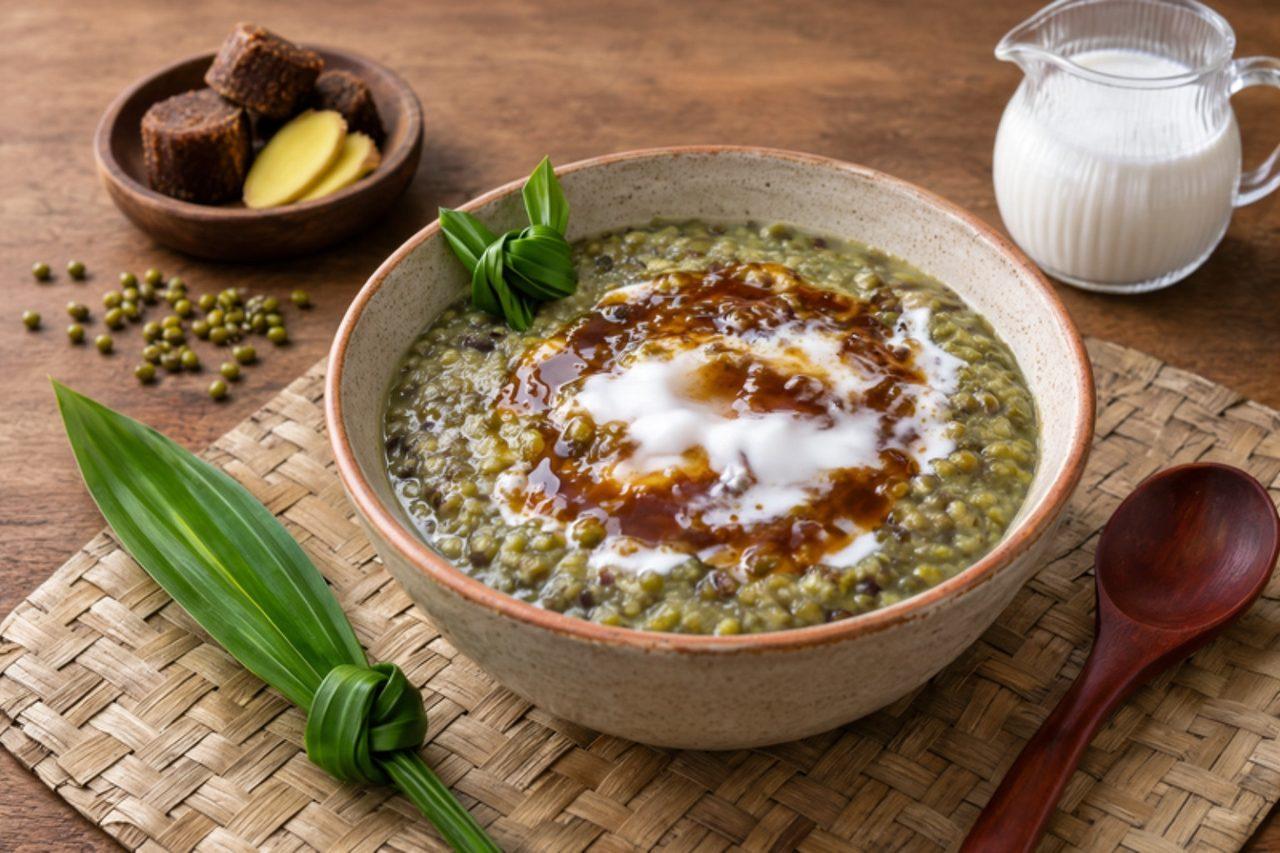
Bubur kacang hijauSweet mung bean porridge

In Java, the bubur kacang ijo seller pushes a cart through the neighbourhood from early morning, ladling warm mung bean porridge sweetened with palm sugar and topped with thick coconut milk. Many people eat it with a slice of white bread dunked in, and late-night stalls in Jakarta sell it alongside instant noodles. The common mistake is adding the sugar too early, which keeps the beans firm; cook them soft first. Chef's tip: cook the coconut milk separately with a pinch of salt and a pandan leaf and pour it on top, so the bowl has a sweet layer and a slightly salty, creamy one.

by KrazyBadal 0 views

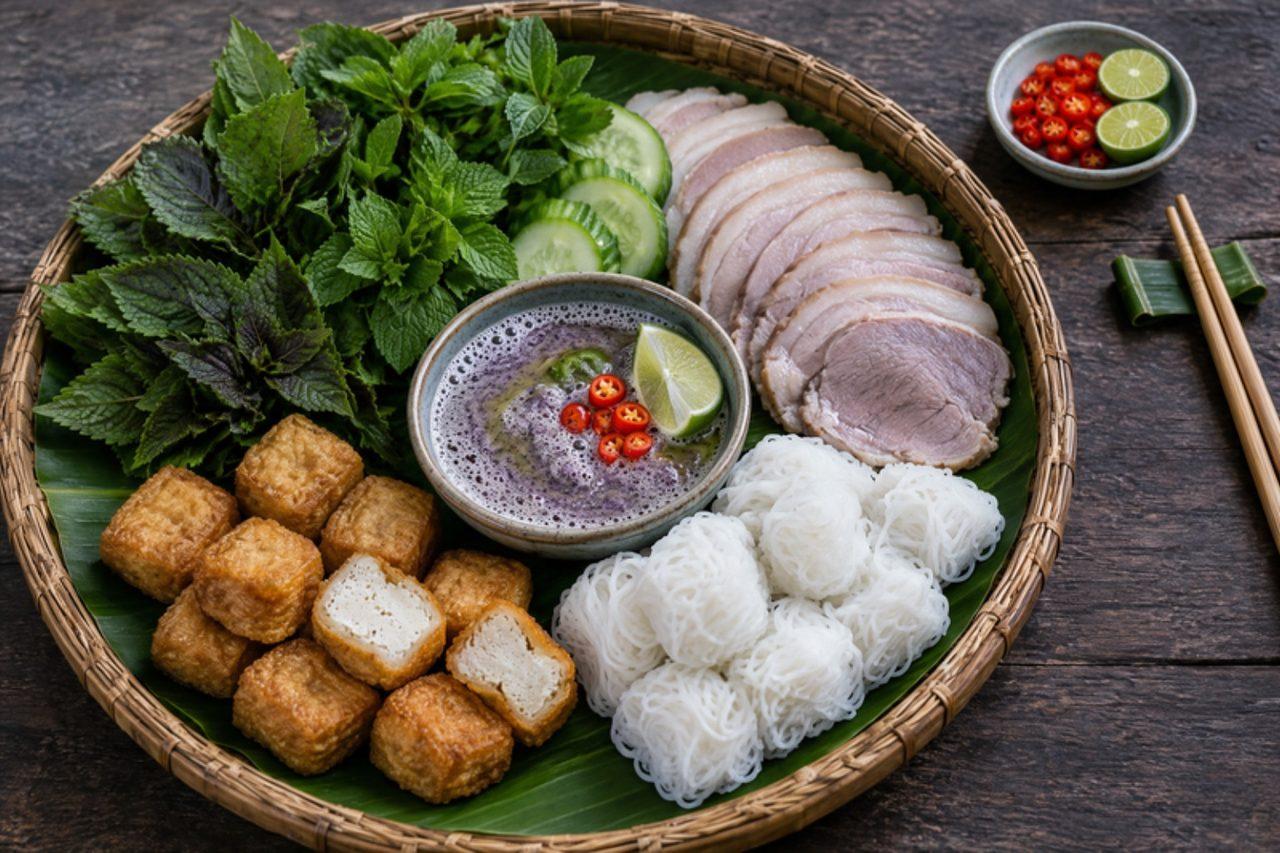
Bún đậu mắm tômNoodles, tofu and shrimp paste

Bún đậu mắm tôm is served on round bamboo trays in the narrow alleys of Hanoi's Old Quarter, where groups of friends squat on low stools at lunch to share squares of pressed rice noodles, cubes of tofu fried until puffy, slices of boiled pork leg or belly and bundles of perilla and Vietnamese balm. Everything is dipped into mắm tôm, pungent fermented shrimp paste whisked with lime, sugar and a splash of hot oil until it foams. It is loud, salty and moreish. Chef's tip: whisk the shrimp paste hard for a full minute; it turns pale and fluffy and its harshness mellows.

by KrazyBadal 0 views

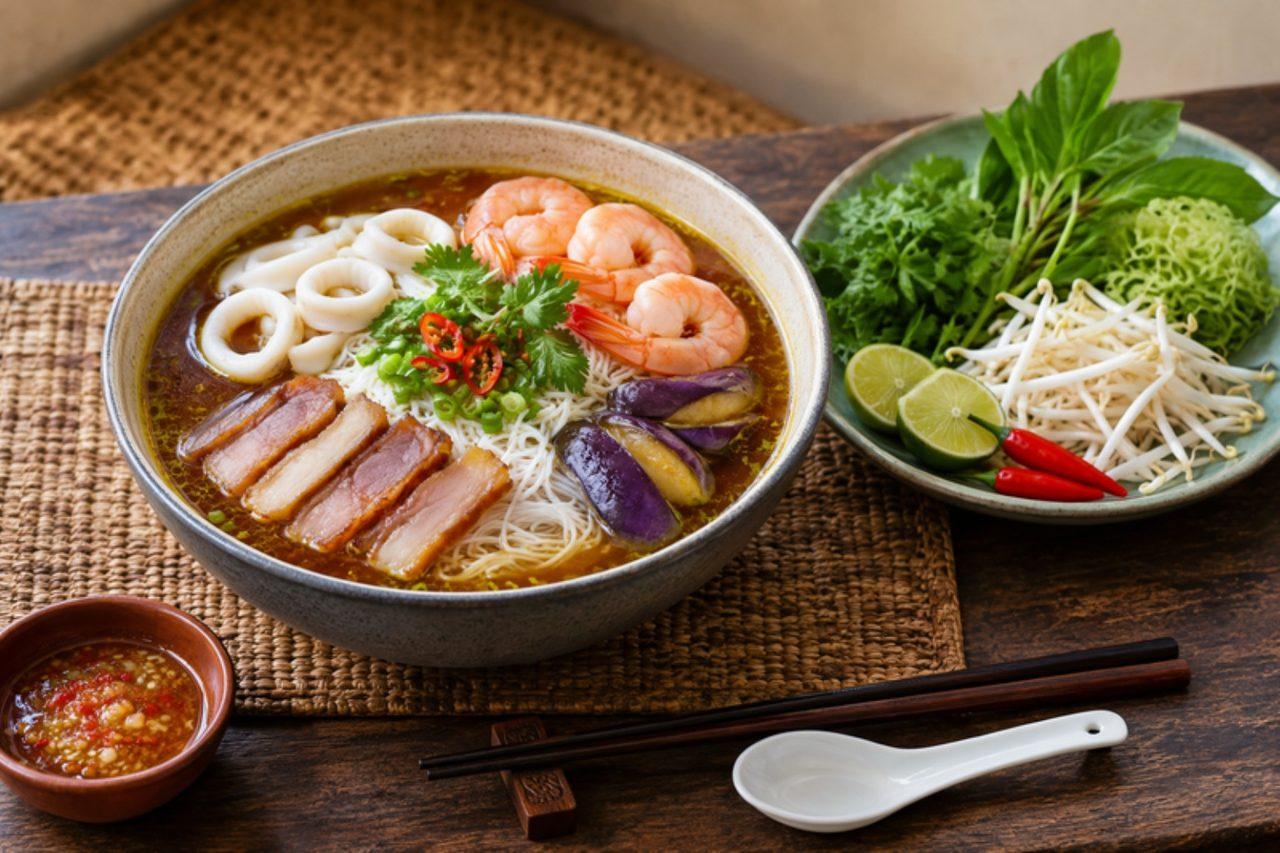
Bún mắmFermented fish noodle soup

Vạn Kiếp Street in Saigon's Bình Thạnh district is lined with stalls serving bún mắm, a noodle soup that came up the river from the Mekong Delta. The broth is built on mắm cá linh or mắm cá sặc, small river fish fermented with salt, simmered until the bones dissolve and strained into a dark, savoury, lemongrass-scented stock. It is loaded with prawns, squid, white fish, slices of boiled pork belly and soft aubergine, and eaten with a mountain of herbs and bean sprouts. Look for jars of mắm at Vietnamese grocers. Chef's tip: strain the fermented fish through a fine sieve, pressing hard; tiny bones make the broth gritty.

by KrazyBadal 0 views

Karuveppilai sadam (curry leaf rice)

Around Madurai and Tiruchirappalli this dark, peppery rice comes out when there is a big handful of curry leaves and very little else in the kitchen, and it keeps so well that it goes into lunch boxes and onto long bus journeys. The leaves are roasted until crisp with chana and urad dal, black pepper, cumin and red chilli, then ground into a fragrant podi. The common mistake is roasting wet leaves: they steam instead of crisp, and the powder clumps. Dry them well on a towel first. Chef's tip: grind a double batch of the podi and store it airtight; it keeps for two weeks and makes lunch in five minutes.

by KrazyBadal 0 views

Bún ốcSnail noodle soup

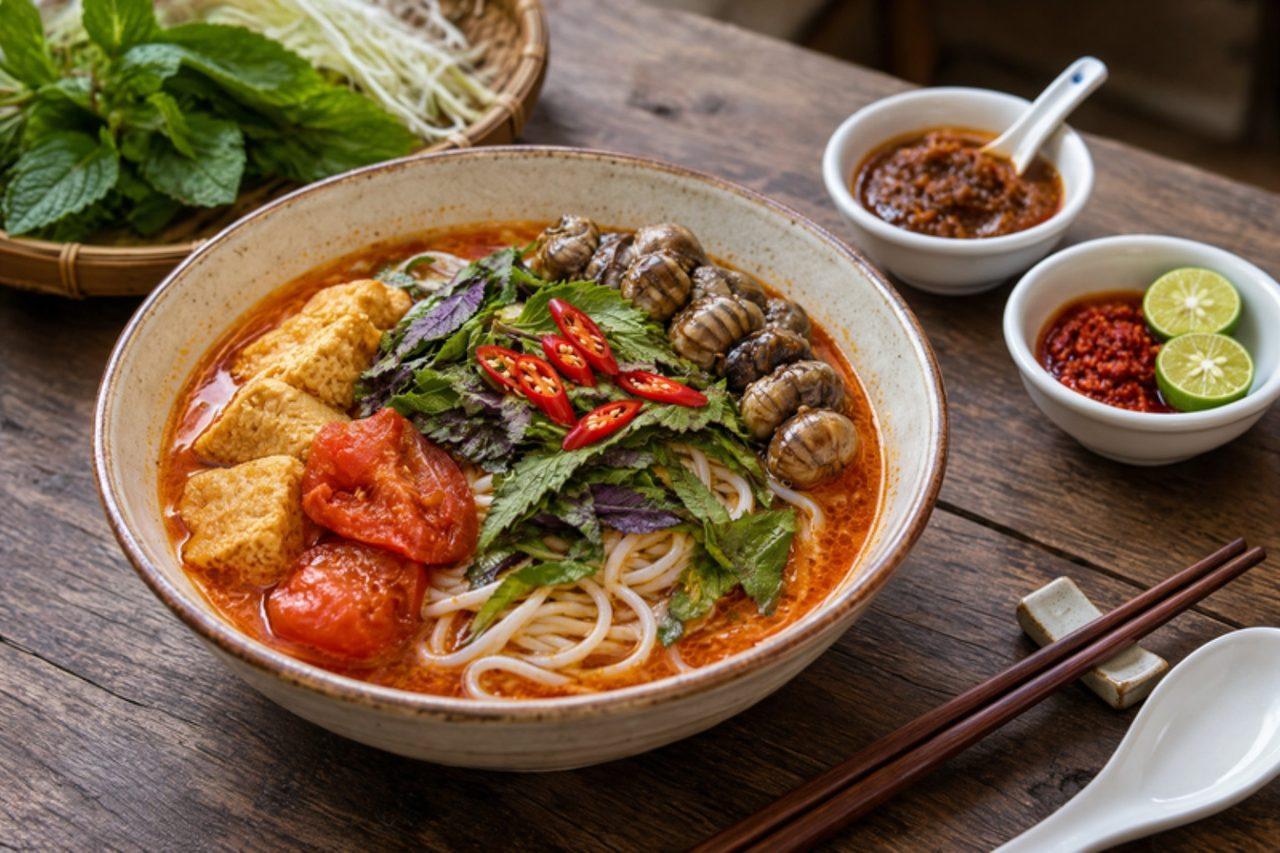
In the lanes around Đồng Xuân Market in Hanoi, bún ốc is a cold-weather lunch for people who love a sharp, sour broth: tomatoes cooked down with the gently fermented rice vinegar called giấm bỗng, a pork-bone stock, golden fried tofu and plenty of tender river snails, served over soft rice noodles with perilla and a spoon of chilli. This home version uses cooked frozen snail meat from Vietnamese or Asian grocers and ordinary rice vinegar. The stock is made from pork bones. Chef's tip: add the snails at the end and just heat them through; long boiling makes them rubbery.

by KrazyBadal 0 views

BulanglangMixed vegetable stew

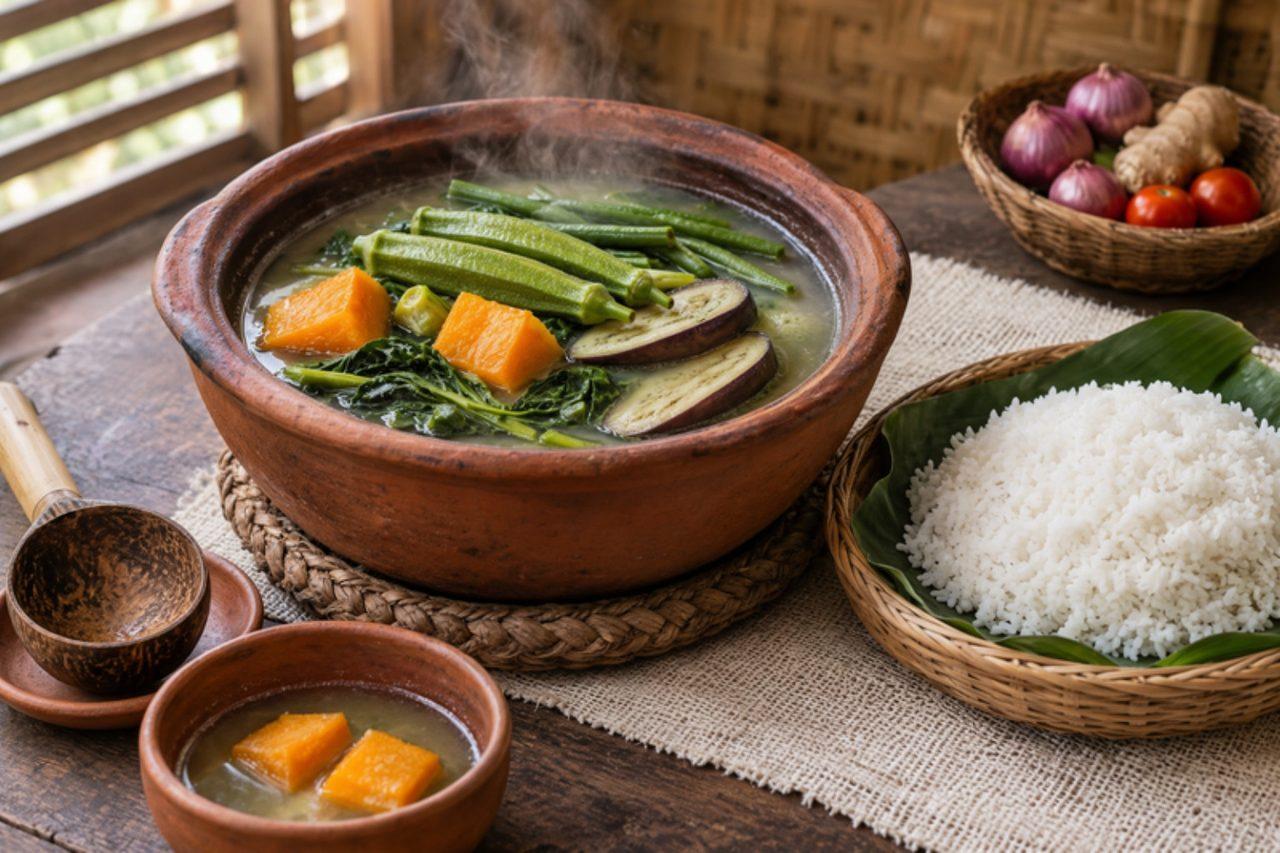
Bulanglang is the plain, light vegetable soup of Batangas and the Tagalog provinces, made in farmhouses at lunchtime from whatever is in the garden: squash, okra, string beans, eggplant and a handful of malunggay or sweet potato leaves. Instead of stock it uses hugas bigas, the cloudy water from washing rice, which gives the broth a soft, milky body. It is often eaten with grilled fish and a dip of bagoong; this version stays vegan and is served with a soy-and-calamansi dip. The usual mistake is boiling everything together from the start, which leaves mushy squash and raw-tasting okra; add the vegetables in order of firmness. Chef's tip: save the second rice wash, not the first, for the cleanest, creamiest broth.

by KrazyBadal 0 views

Burong manggaPickled green mango

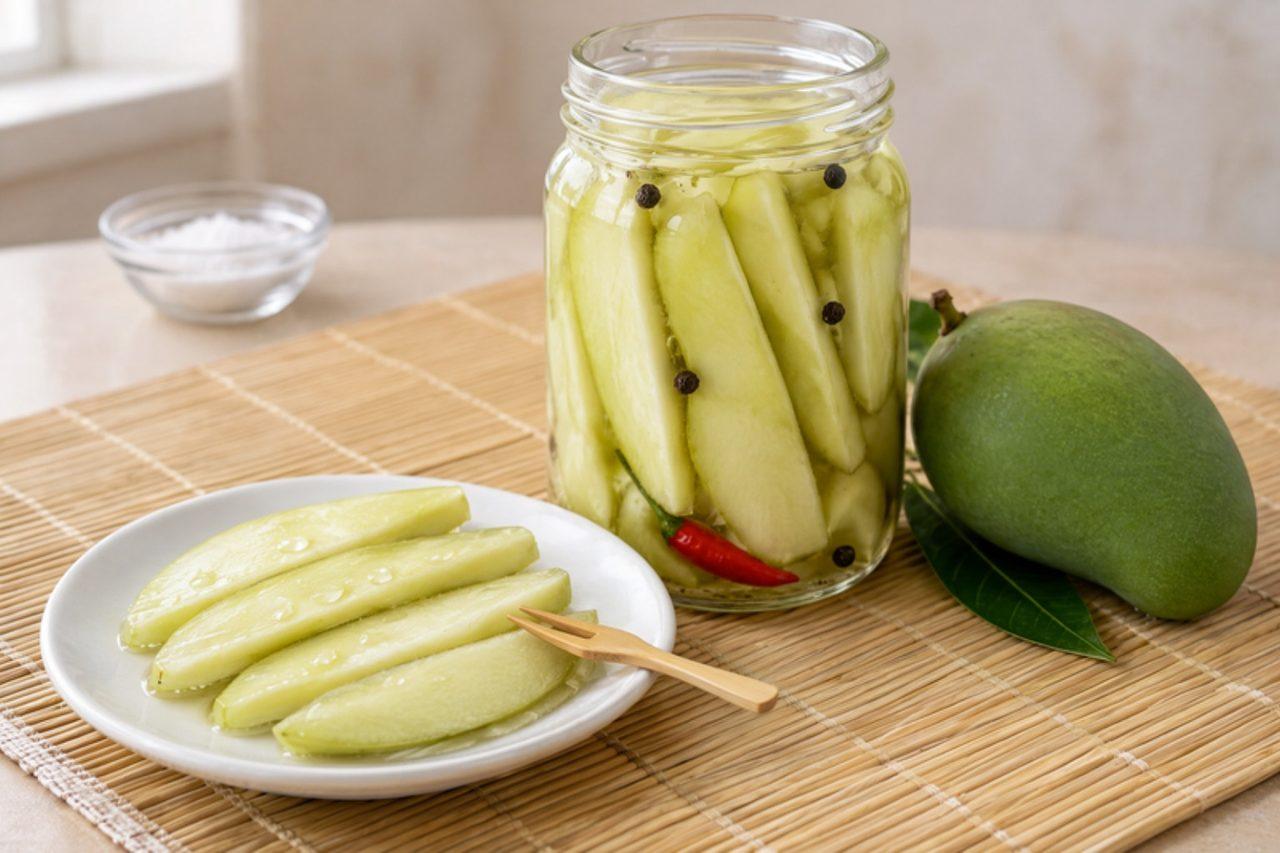
From Pampanga to Pangasinan, the hot months of March to May bring piles of hard green carabao mangoes to every palengke, and many households slice them into a jar of burong mangga. A week in a sweet salt brine turns the mango from mouth-puckering to bright and juicy: still crunchy, sour at the core, salty-sweet on the outside. It is eaten on the side of inihaw na isda and pritong tilapia, with rice and fried pork at lunch, or as an afternoon merienda straight from the jar, and the brine is sometimes sipped too. Common mistake: using mangoes that have started to ripen; a yellow blush makes the slices go soft and slimy, so choose rock-hard, deep-green fruit. Because the brine has no vinegar it keeps only in the fridge. It is ready when the slices have turned from opaque white to a translucent yellow-green and taste evenly seasoned right through. Chef's tip: let the boiled brine cool completely before pouring, and add a few slices of fresh chilli if you like heat. Outside Asia, use firm green Thai or Indian mangoes from an Asian grocer.

by KrazyBadal 0 views

Century egg and pork congee

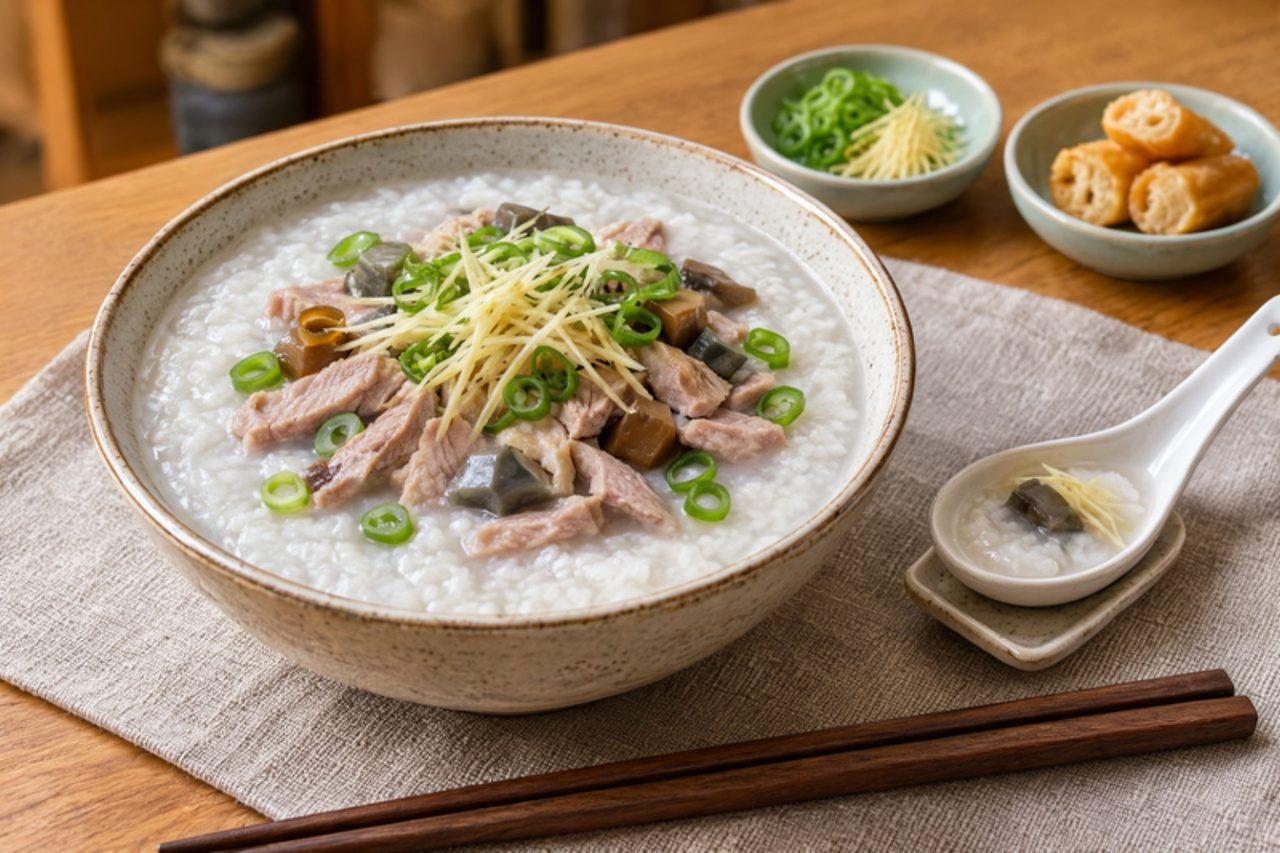
Across Guangdong and in Hong Kong's congee houses, this is the morning order everyone knows: a silky congee with nuggets of salted lean pork and dark, jelly-like century egg, finished with ginger and spring onion and eaten with a crisp youtiao on the side. The pork is salted the night before, which firms it and seasons it to the middle. The usual mistake is adding the pork at the end in big lumps; it should simmer long enough to turn tender and reach 71 °C. Chef's tip: mash one of the century eggs into the congee as it cooks and save the other for the top, so the whole pot carries its rich, savoury flavour.

by KrazyBadal 0 views

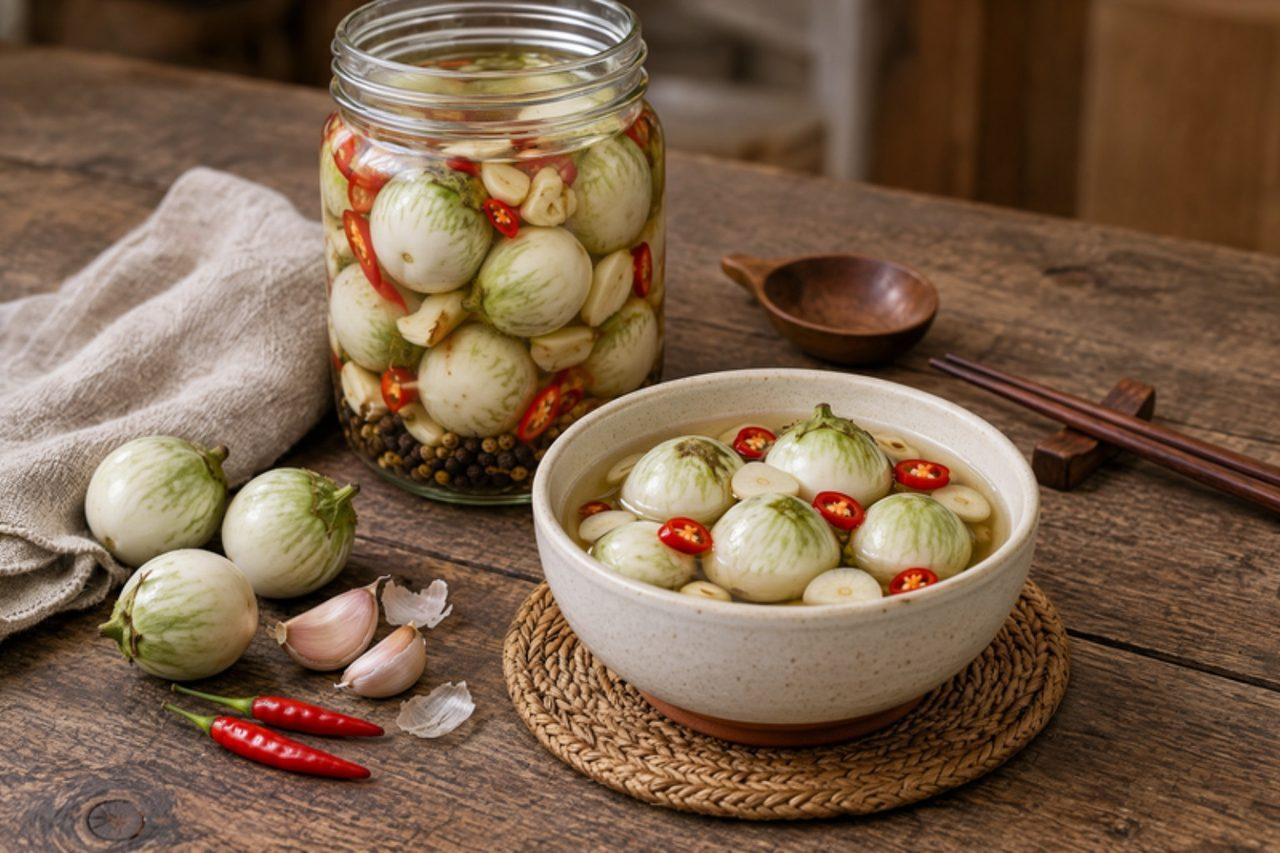
Cà pháo muốiPickled white aubergines

In northern Vietnam, a bowl of cà pháo muối is part of the plain summer meal: boiled water spinach, a light crab and jute-leaf soup, a few slices of braised pork and these small, round, white eggplants, crunched whole or halved with a dab of mắm tôm. Hanoi families pack them into jars in the hot months, when the eggplants are cheapest, with garlic, chilli and a few slices of galangal. After three to five days the skins turn an olive-yellow, the flesh goes creamy-ivory and the taste becomes clean, salty-sour and juicy, with a gentle crunch and no raw bitterness. Abroad, use firm green-and-white Thai eggplants about 3 cm across. Common mistake: letting the eggplants float above the brine; the exposed tops turn black and soft, so weigh them down. They are ready when the brine is cloudy, smells pleasantly sour and a halved eggplant has no white, raw-tasting core. Eat them only once fully soured, and in side-dish amounts. Chef's tip: soaking the cut eggplants in salted water first keeps their flesh pale and draws out bitterness.

by KrazyBadal 0 views

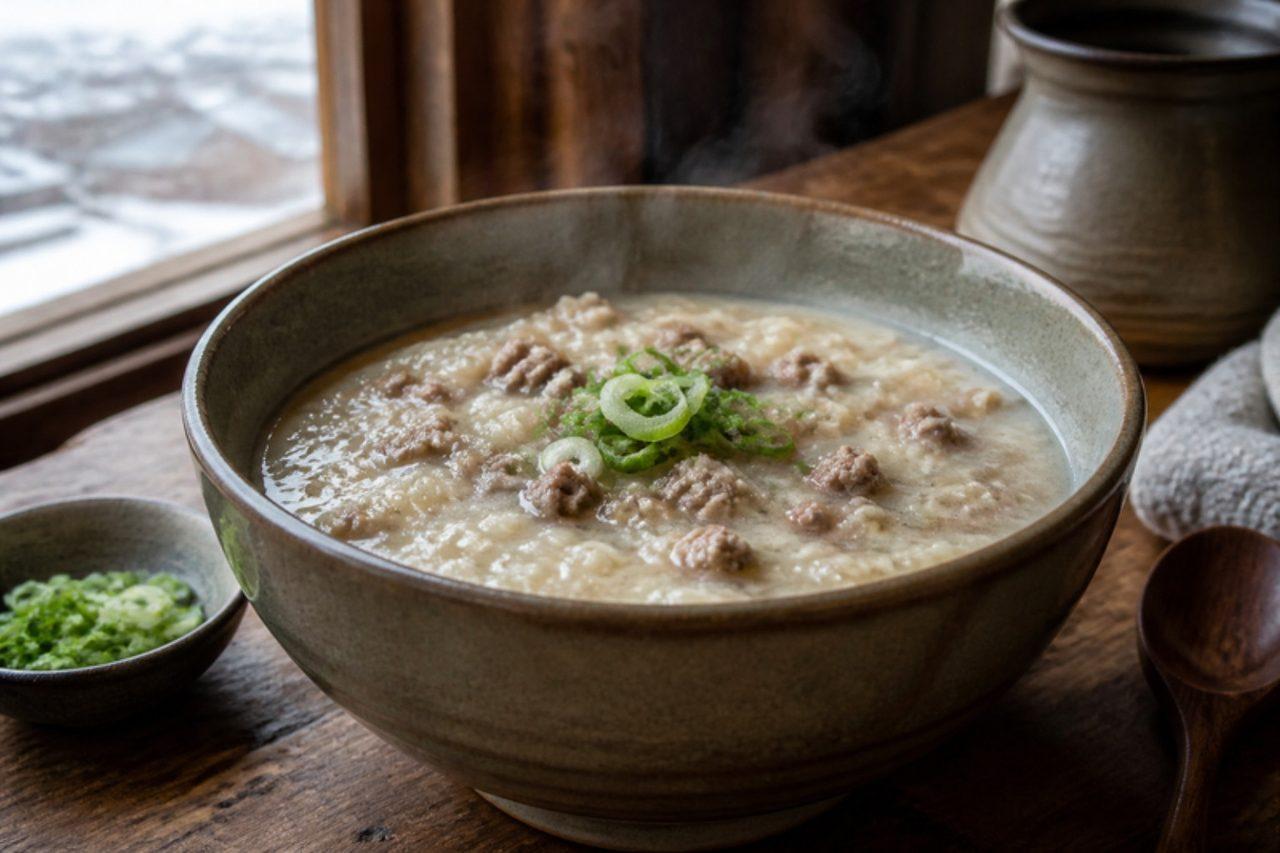
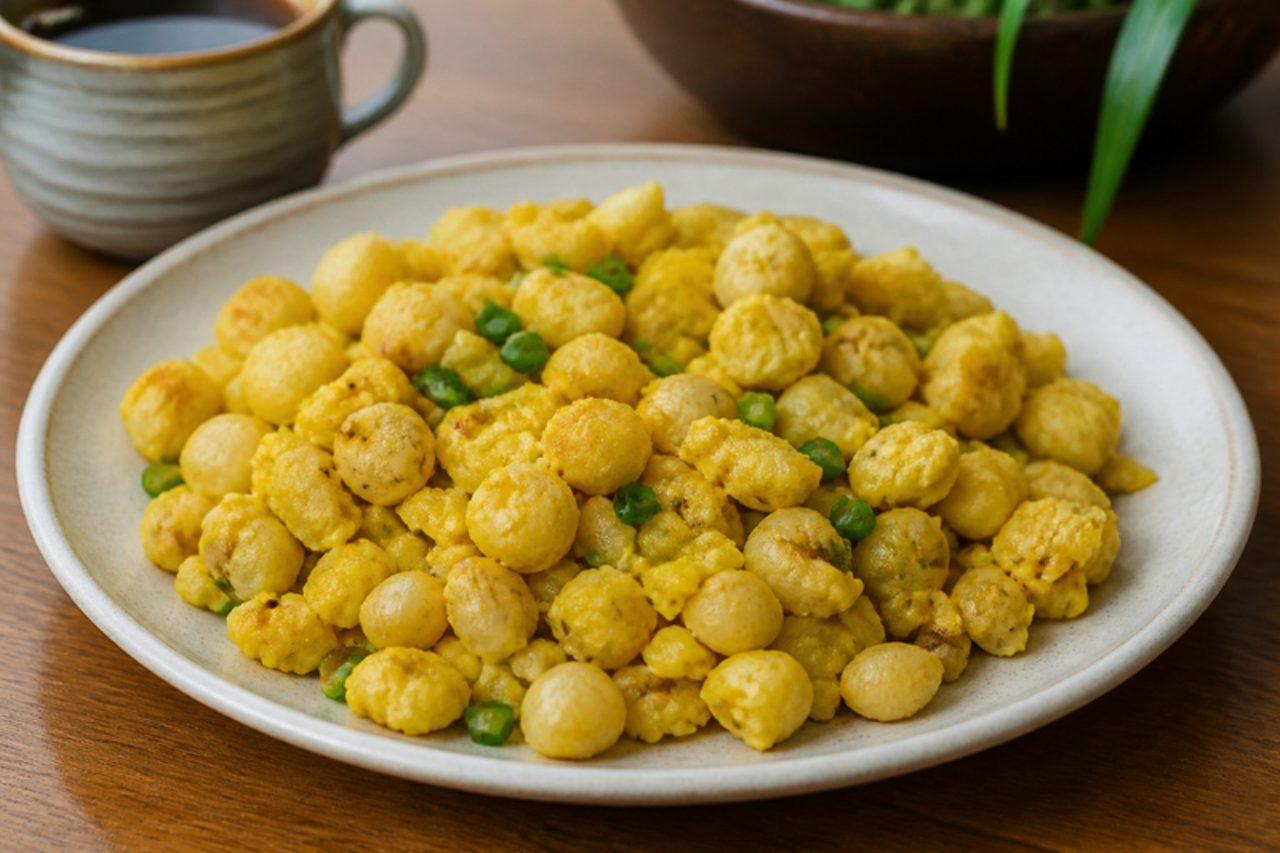
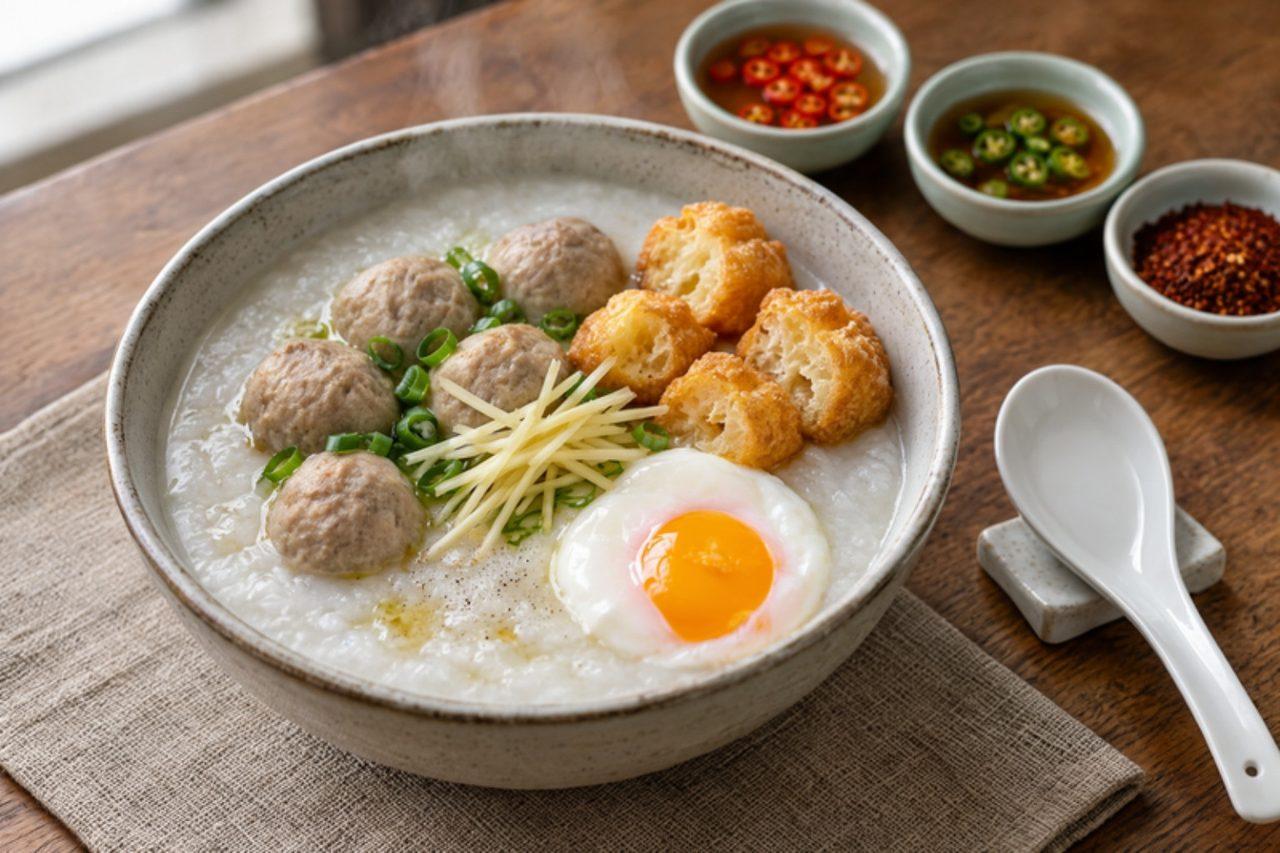
Jok mooRice porridge with pork balls

In Bangkok, jok is breakfast at a roadside stall or the market at 6 am: broken jasmine rice cooked until almost smooth, with tender pork balls, an egg cracked in at the last moment, and heaps of ginger, spring onion and crisp patongko or fried dough. Seasoning sits on the table, so everyone adds soy, white pepper and chilli vinegar to taste. For a meat-free bowl, swap the pork balls for shiitake mushrooms and cubes of silken tofu, and use soy instead of fish sauce. The common mistake is a thin, watery jok; keep simmering until it holds a soft ribbon. Chef's tip: whisk the cooked rice hard for a minute at the end; it breaks the last grains and makes the porridge creamy.

by KrazyBadal 0 views

Café chorreadoCloth-filtered coffee

Every Costa Rican grandmother has a chorreador: a small wooden stand holding a cloth bag, the bolsita, over a cup or jug. Hot water is poured through the grounds by hand, a little at a time, and the result is the coffee drunk at breakfast with gallo pinto and again at the afternoon cafecito around three, with a tamal, a slice of pan casero or a rosquilla. The cloth catches the oils and fine grounds, so the cup is clean, bright and smooth, with the soft acidity and caramel sweetness of Tarrazú and Central Valley beans. In the countryside the water is sometimes sweetened with tapa de dulce before it goes through. It is strong coffee, so mind the caffeine late in the day. The common mistake is pouring all the water in at once, which floods the bag and leaves weak, uneven coffee; pour in slow circles, in four or five goes. It is ready when the drips slow to a trickle and the coffee is dark reddish-brown and smells of toasted caramel. Never wash the bag with soap; rinse it in hot water and hang it to dry. Chef's tip: boil a new bag once with a spoonful of coffee before using it, to season the cloth.

by KrazyBadal 0 views

Khai kataPan eggs with pork and sausage

Khai kata, "pan eggs", came to Thailand through the Vietnamese communities of Isan, and in Udon Thani and Nong Khai, and now in Bangkok cafés too, it arrives sizzling in its own little metal pan with toppings of pork mince and sweet Chinese sausage, plus a crusty roll and a strong coffee. The eggs are cooked just until the whites set. The common mistake is cracking the eggs onto raw mince; cook the pork through first, then add the eggs. Chef's tip: heat the pan before the eggs go in, so the whites set at the edges with lacy, crisp frills.

by KrazyBadal 0 views

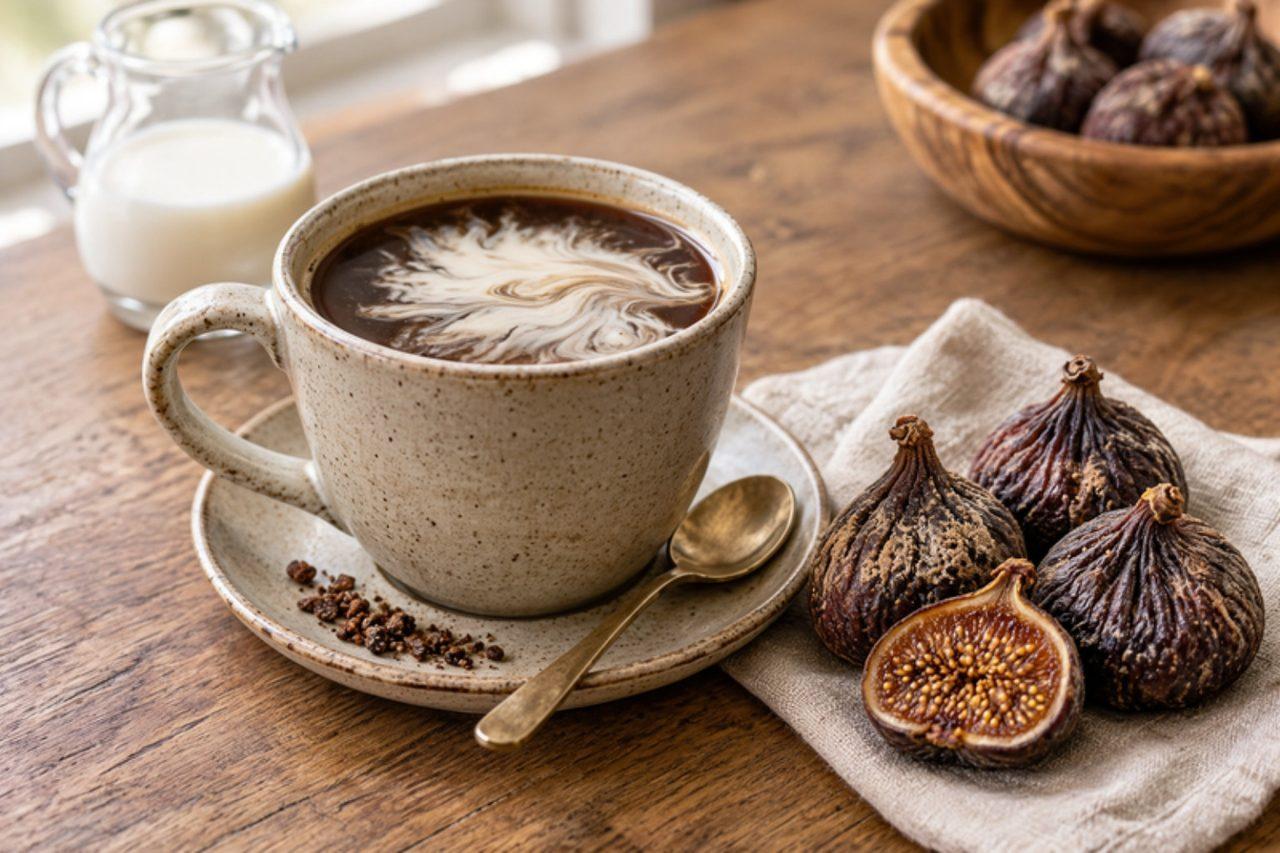
Café de higoFig and grain coffee

In the farmhouses of central Chile, in the Maule and O'Higgins valleys, people have long drunk café de higo: a dark, caffeine-free "coffee" made from dried figs roasted with grains such as barley and wheat, then ground. It's mellow, fruity and slightly caramel-like, and many Chileans still prefer it with milk at breakfast. The fig granules are sold in Chilean and Latin grocers. The common mistake is brewing it like instant coffee, with a quick stir; it's a ground blend, so simmer it briefly and strain. It contains grains, so it is not gluten free. Chef's tip: a strip of orange peel in the pan brings out the fig flavour.

by KrazyBadal 0 views

Caffè shakeratoShaken iced espresso

When July heat settles over Italian piazzas, bar regulars from Rome to Bologna switch their morning or after-lunch espresso for a shakerato. The barista pulls a fresh shot, tips it into a cocktail shaker with ice and sugar, shakes hard for fifteen seconds and strains it into a chilled martini or wine glass, where it settles into a dark body under a thick, beige, mousse-like crema. It tastes intense and bittersweet, colder and smoother than iced coffee, with a texture almost like a light cream. The common mistake is using too little ice or shaking half-heartedly: the coffee stays warm and the foam collapses within seconds. Fill the shaker at least half full with ice and shake until the metal is too cold to hold comfortably. It is ready when you hear the ice rattle softly and the shaker frosts over, and the pour has a thick foam on top. One shaker holds one double espresso, so it is fairly strong in caffeine. Chef's tip: dissolve the sugar in the hot espresso before adding ice; granulated sugar barely melts once the coffee is cold.

by KrazyBadal 0 views

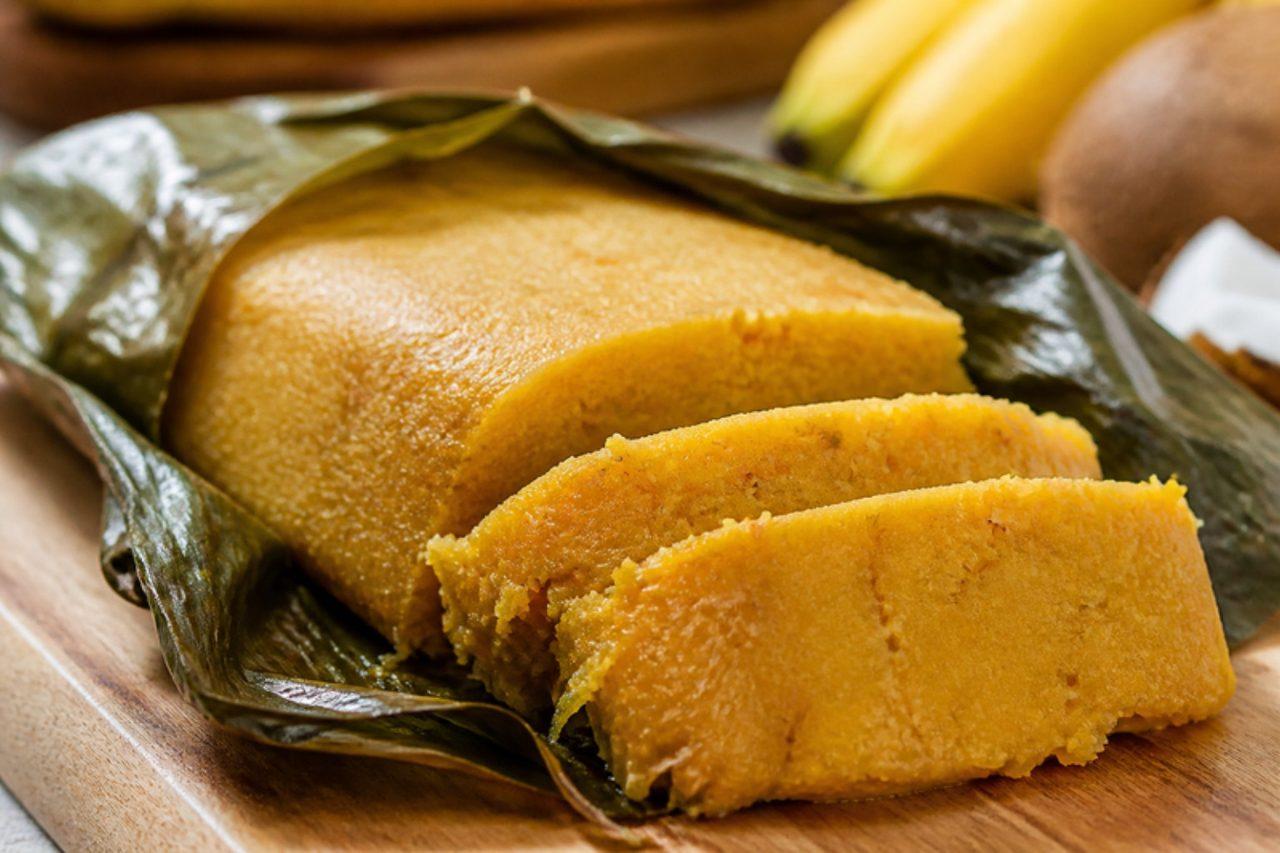
CafungaBanana coconut cake in leaves

Cafunga belongs to Venezuela's eastern coast, in Sucre and the Afro-Venezuelan villages of Barlovento, where ripe bananas, coconut and panela are wrapped in banana leaves and baked until fragrant. It comes out dense and moist, somewhere between a pudding and a cake, and is sold in its leaf at fiestas and village markets. The common mistake is not softening the leaves first, so they crack and leak. Chef's tip: pass each leaf over a gas flame or dip it in boiling water until it turns glossy and pliable.

by KrazyBadal 0 views

Satay beef instant noodles

In Hong Kong's cha chaan teng diners, the morning set often means a bowl of instant noodles in clear broth topped with tender beef in a sweet, peanutty satay sauce, eaten with a buttered bun and a cup of milk tea. Restaurants use a jarred Chinese satay paste; this quick home sauce gets close with peanut butter and curry powder. The usual mistake is putting cold beef in a crowded pan, which makes it stew grey; fry it hot and fast in one layer. Chef's tip: a pinch of bicarbonate of soda in the marinade makes the beef silky and tender, the cha chaan teng way.

by KrazyBadal 0 views

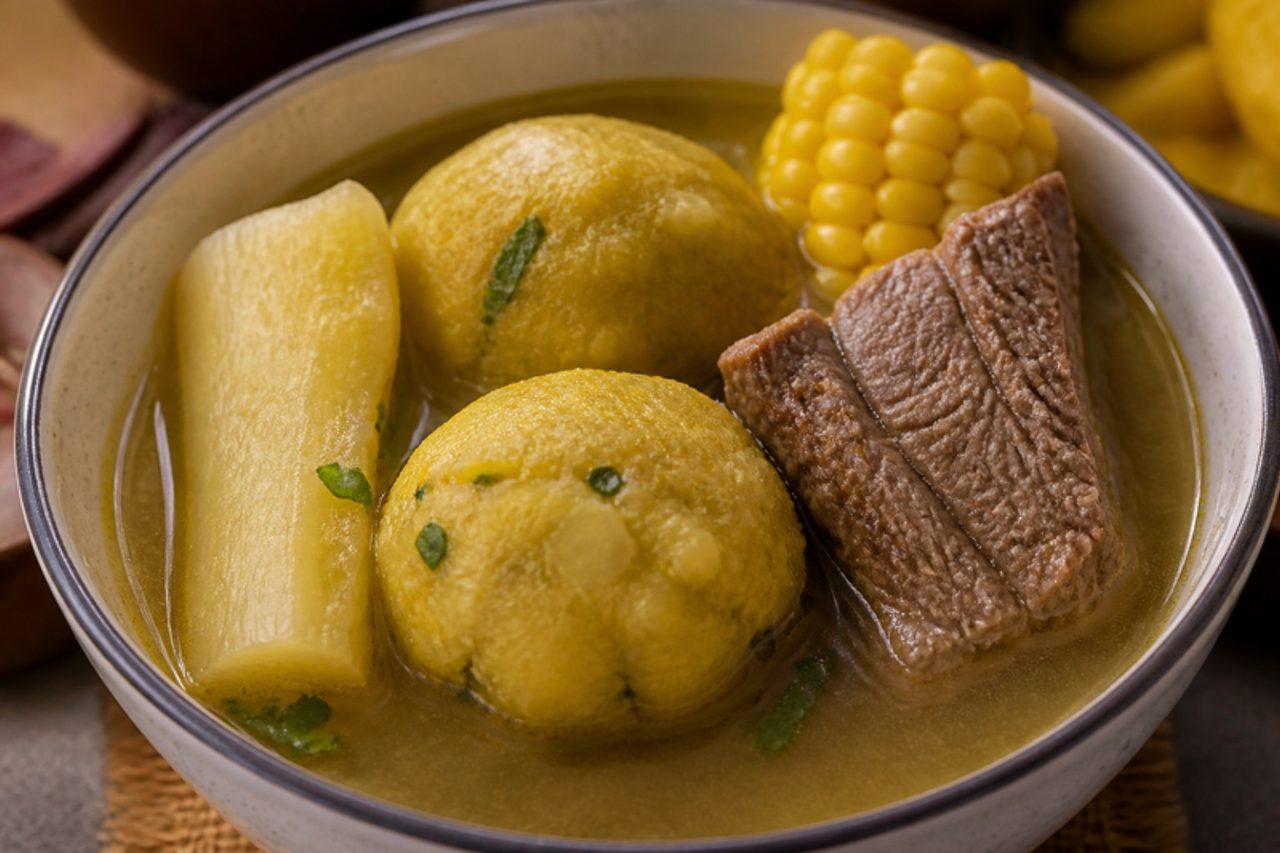
Caldo de bolas de verdeBeef broth with plantain dumplings

Caldo de bolas is the big Sunday soup of Guayaquil and the Guayas coast: a clear beef broth with corn and cassava in which float fist-sized dumplings of green plantain, each stuffed with a savoury filling of beef mince, egg, peas and peanuts. It takes time, so families make it for gatherings and serve it with lime, chilli and rice. Peanuts are an allergen and optional here. The usual mistake is a plantain dough that is too dry, which cracks and falls apart in the broth; it should feel like soft play dough. Cook the mince filling until no pink remains. Chef's tip: mix boiled and raw grated plantain; the raw starch is the glue that holds the bolas together.

160 minAndeanSoupsGluten free
by KrazyBadal 0 views

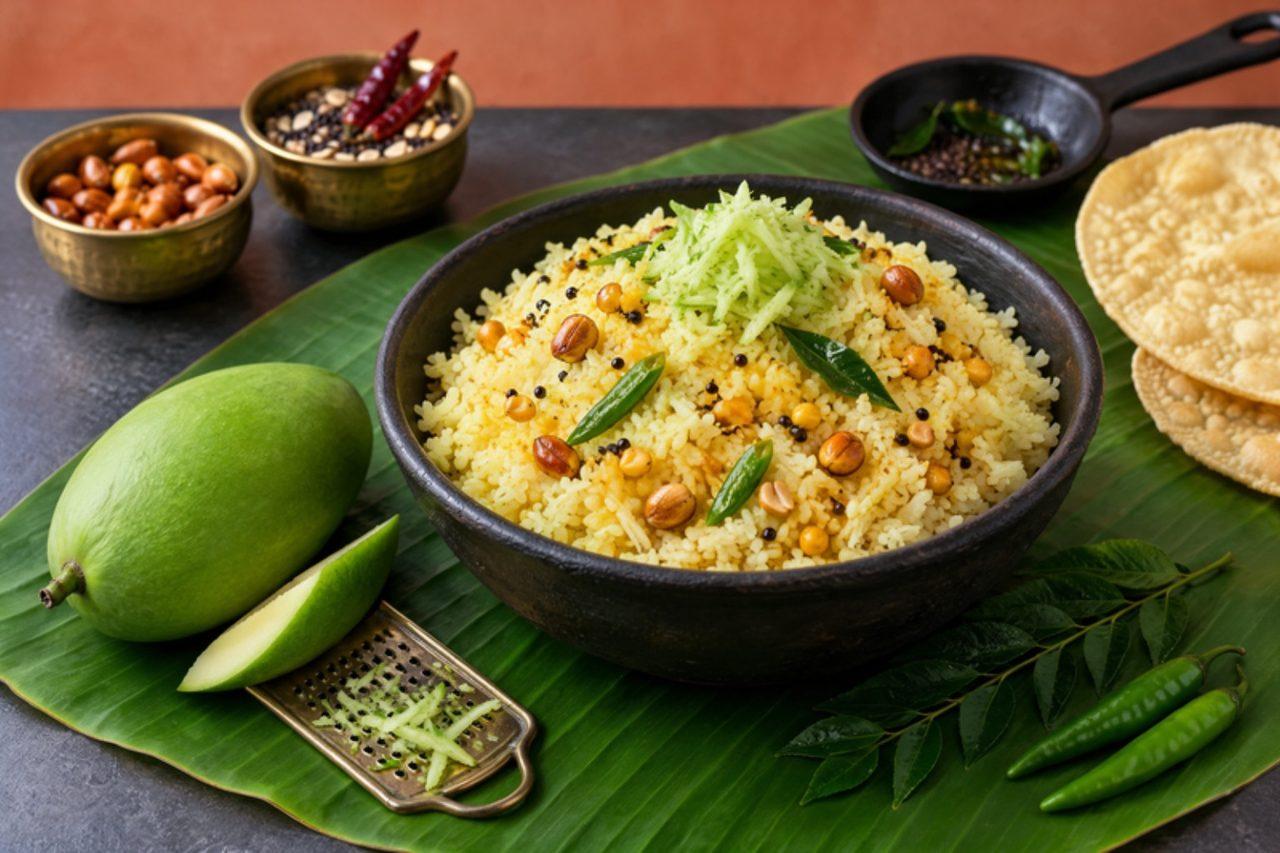
Mangai sadam (raw mango rice)

When hard green mangoes pile up at the markets of Tamil Nadu in April and May, school lunch boxes fill with mangai sadam, sour and fresh like lemon rice but with a fruitier bite. Grated raw mango is cooked only briefly in a mustard, chana dal and curry leaf tempering so it softens but keeps its tang. The mistake is overcooking the mango into mush, which makes the rice sticky; two or three minutes is enough. Chef's tip: taste the mango first. A very sour one needs a pinch of sugar, and a half-ripe one needs a squeeze of lemon at the end.

by KrazyBadal 0 views

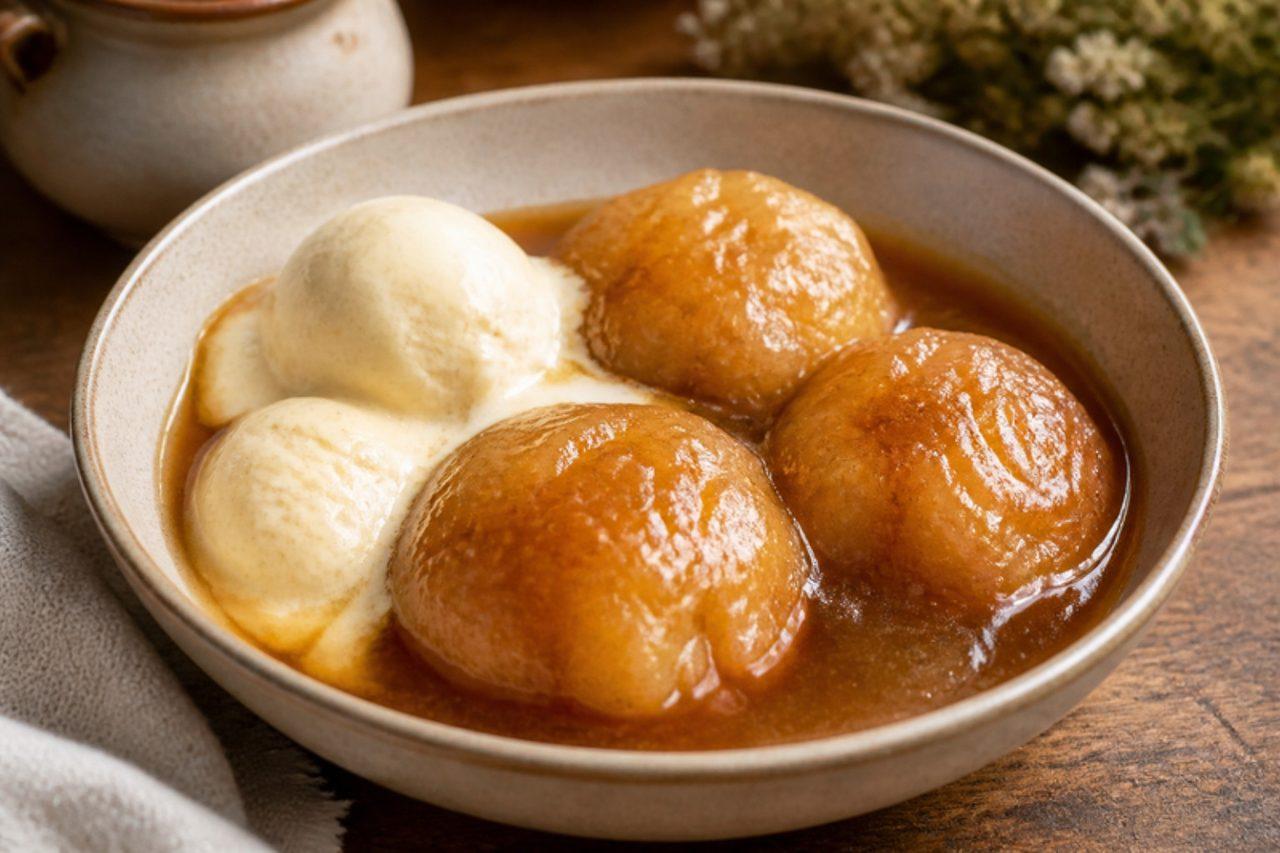
Golden syrup dumplings

Golden syrup dumplings are a winter pudding from Australian country kitchens, made during the Depression and still cooked by grandmothers in the Riverina and the Victorian high country when the nights turn cold. Soft scone-dough balls simmer in a sauce of golden syrup, butter and brown sugar until they swell and turn sticky. Serve with vanilla ice cream or custard. A common mistake is a pan that's too small; the dumplings double in size and need space. Chef's tip: keep the lid on and resist peeking, so the tops steam light and fluffy.

by KrazyBadal 0 views

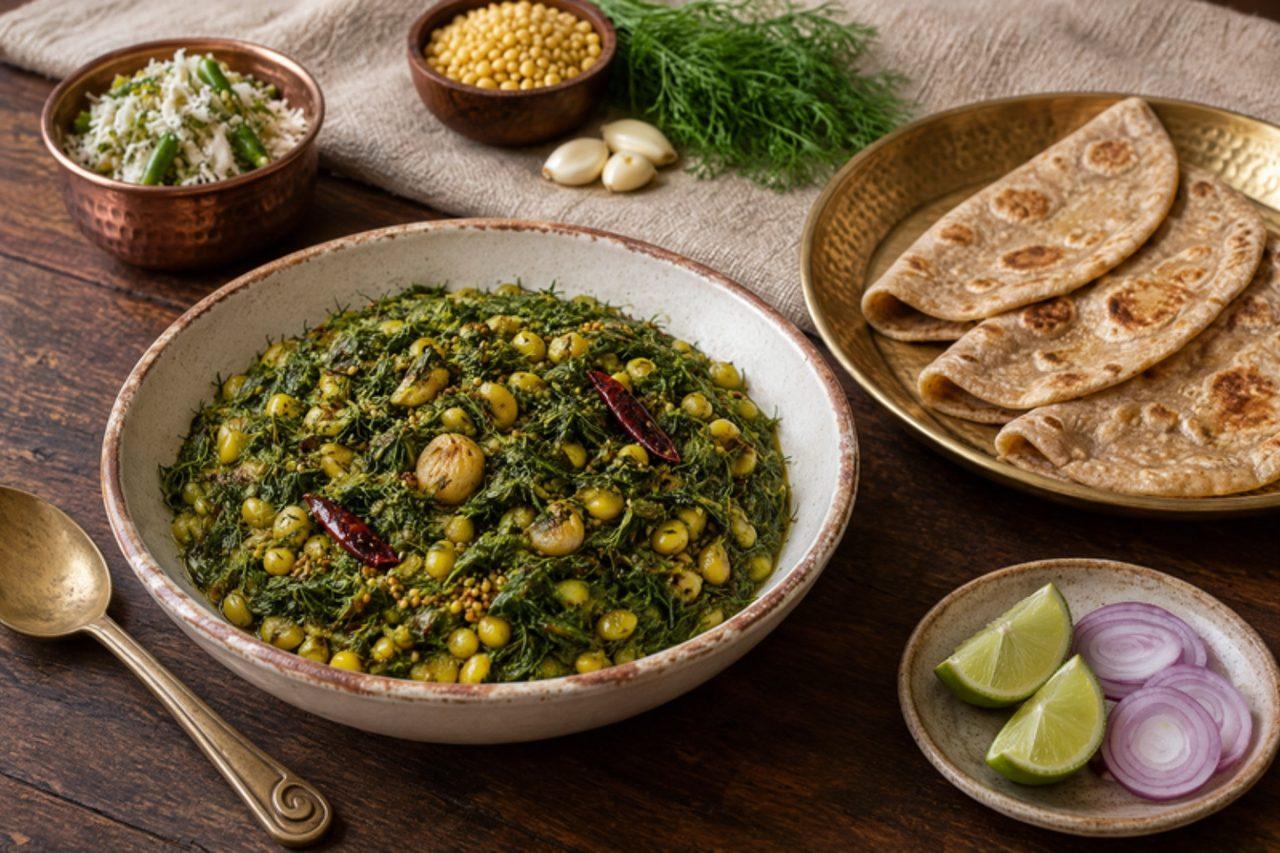
Shepu bhaji (dill and moong dal)

In Pune and the villages of western Maharashtra, bunches of shepu (dill) come to market in winter, and this dry bhaji of dill and soaked yellow moong dal is packed with bhakri or chapati in the lunch dabba. The dill wilts down to a soft, aromatic tangle, and the moong dal gives it body and a little protein. The mistake is adding water: the leaves release plenty of their own, and extra liquid makes the bhaji stew and lose its fresh, sharp smell. Chef's tip: soak the moong dal for at least 30 minutes beforehand, so it cooks through in the dill's own steam without turning mushy.

by KrazyBadal 0 views

Camote cueCaramelised fried sweet potato

Camote cue is the three-o'clock merienda of Manila, fried in big woks by vendors on the corners of Quiapo, outside university gates on España Boulevard and along every jeepney route, alongside banana cue. Chunks of sweet potato are fried until tender, then brown sugar is scattered into the hot oil, where it melts and wraps each piece in a glassy, crackly caramel coat. They are threaded onto bamboo sticks and eaten warm, with a soft, sweet, chestnut-like centre. Chef's tip: let the oil cool slightly before adding the sugar; sugar dropped into very hot oil burns and turns bitter in seconds.

by KrazyBadal 0 views

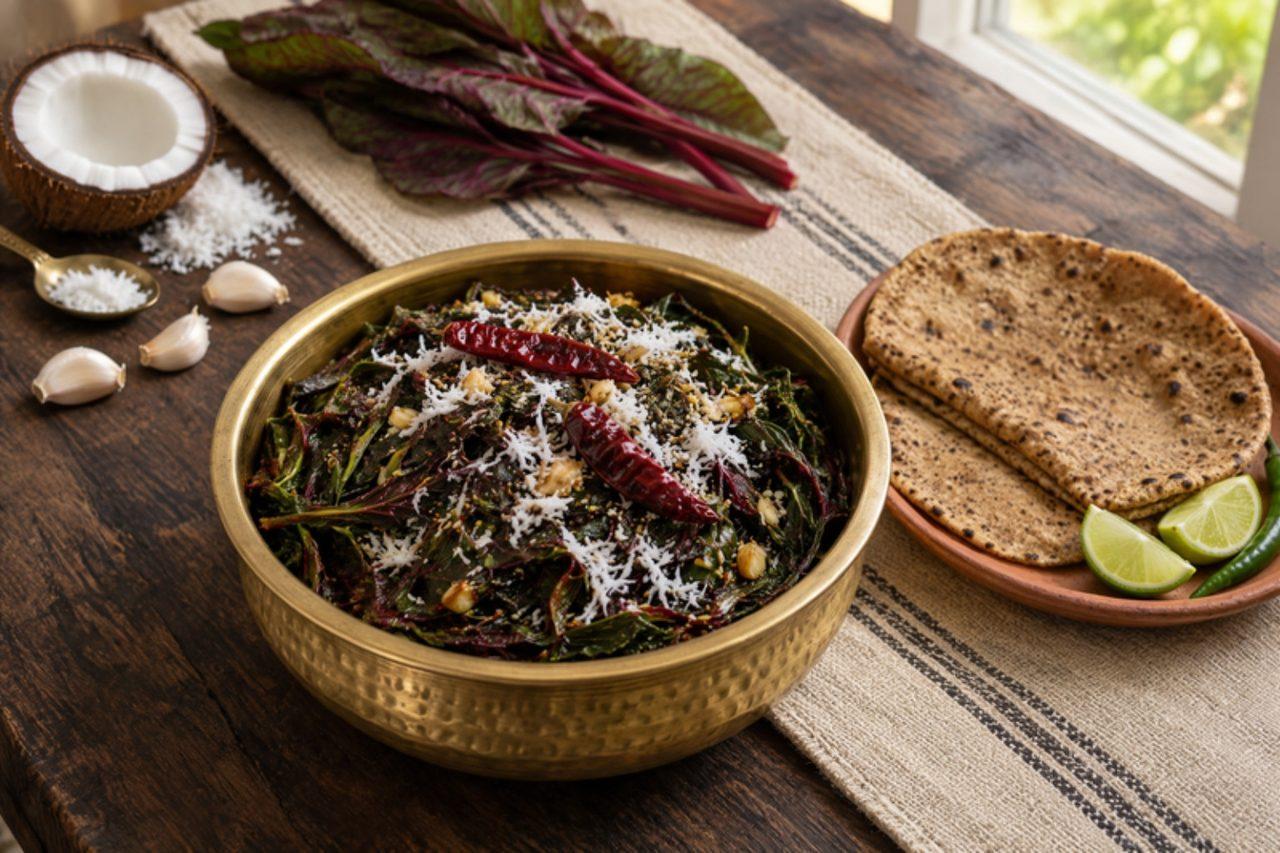
Lal mathachi bhaji (red amaranth stir-fry)

In Mumbai and the Konkan, bunches of red math (amaranth) with their magenta stems come in during the monsoon, and this quick garlicky bhaji turns the dabba's chapatis pink at the edges. It is cooked fast in a hot pan so the leaves stay bright, then finished with a little fresh coconut, the coastal touch that sets it apart from the Bengali way with the same leaf. The mistake is cooking it covered for a long time, which turns it grey and watery. Chef's tip: chop the tender stems finely and cook them for a minute before the leaves go in, so everything is done at the same moment.

by KrazyBadal 0 views

Ssanghwa-cha (herbal tonic tea)

Ssanghwa-cha is the strongest thing on the menu of an old Korean dabang. From the 1960s these smoky tea rooms served it in thick ceramic cups, dark as coffee, with pine nuts, slivered jujube and walnut floating on top; in winter some still slide a raw egg yolk in, which this recipe leaves out. The brew comes from Korean herbal tradition, where ssanghwa-tang is drunk to warm up and recover from tiredness after hard work or a cold. It tastes earthy and bitter at first, then sweet from licorice and jujube, with warmth from cinnamon and ginger and a celery-like perfume from angelica. Herbal shops sell the roots in pre-measured packs. The common mistake is boiling it hard: the liquid reduces too fast and turns harsh. Keep a gentle simmer with the lid ajar for two hours. It is ready when it is very dark brown, reduced to about a third and smells of cinnamon and roots. Because it contains licorice and angelica, skip it if you are pregnant or breastfeeding, have high blood pressure, or take blood thinners or other medicines unless your doctor agrees. Chef's tip: a second, lighter brew from the same roots is good with honey.

135 minKoreanDrinksVeganGluten free
by KrazyBadal 0 views

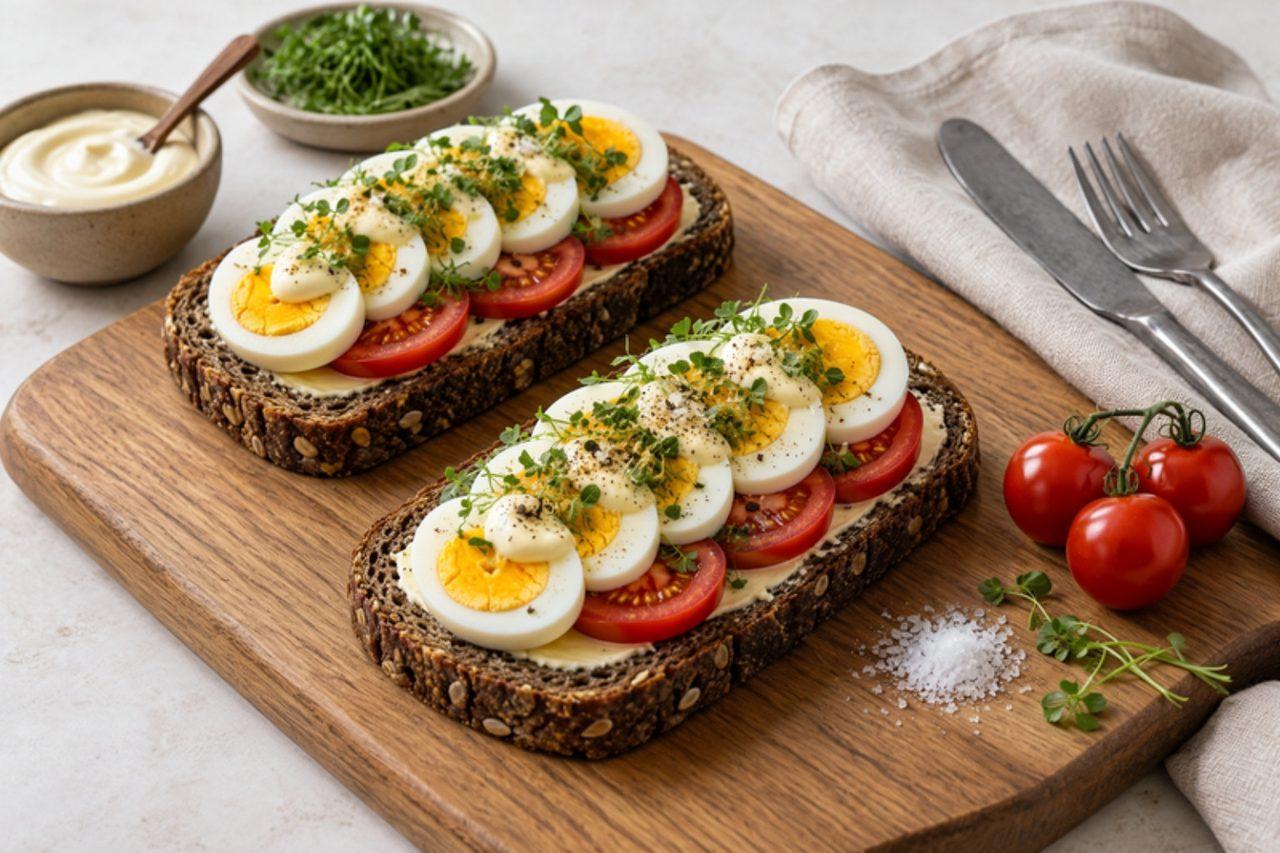
ÆggemadEgg and tomato rye sandwich

The Danish madpakke (packed lunch) is a stack of rugbrød slices, each with its own pålæg, and æggemad is the one that shows up in every family's box: dense rye, a smear of butter or mayonnaise, rounds of hard-boiled egg and tomato, and a tuft of cress. In the box, the slices are separated by baking paper so the toppings don't smudge. The common mistake is undercooking the eggs, so the yolk smears and the slices fall apart; for lunchboxes, the yolk must be fully set. Chef's tip: slice the egg with an egg slicer or a wet knife once it is completely cold, and the rounds stay neat.

by KrazyBadal 0 views

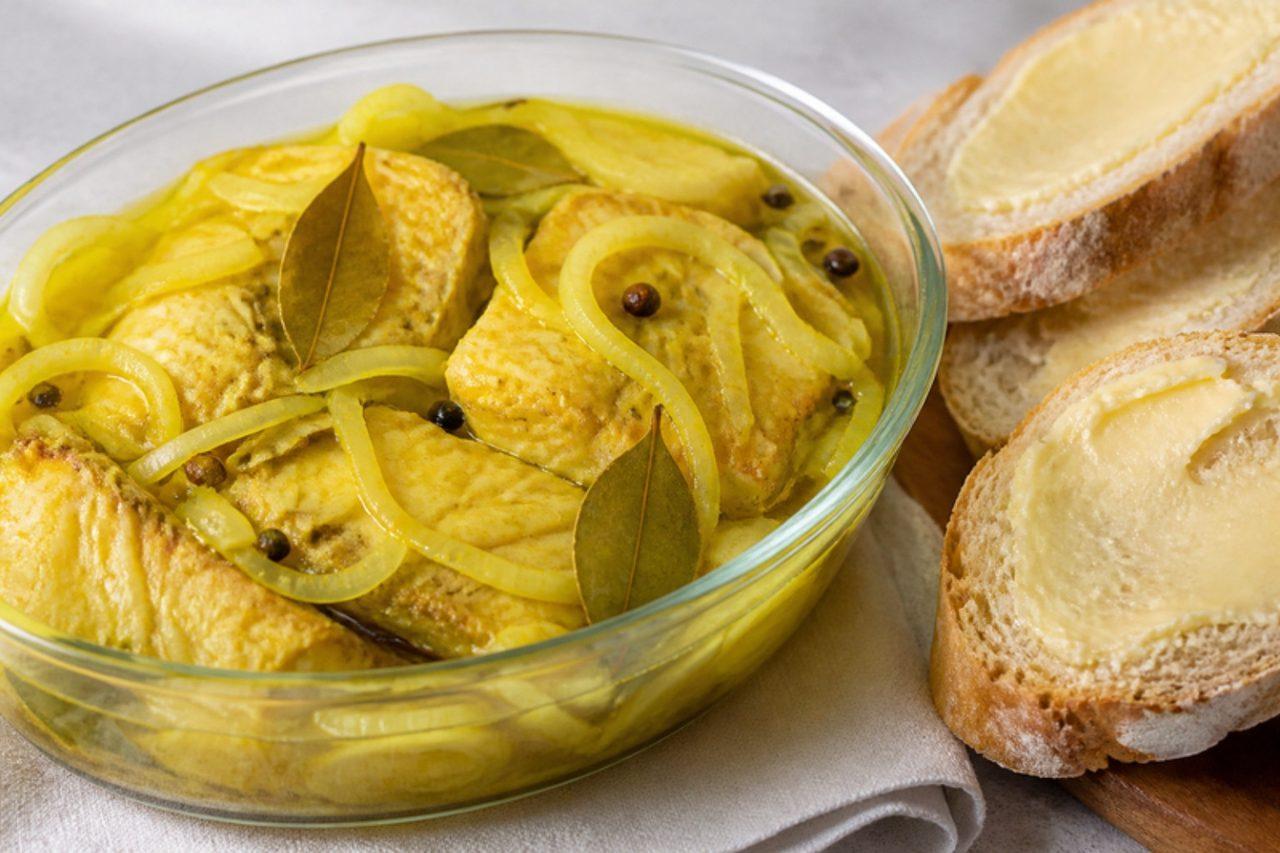
Pickled fishCurried pickled hake

Long before Good Friday, Cape Town kitchens fill with the smell of frying fish and boiling vinegar, because ingelegde vis has to be made two days ahead and is eaten cold over the Easter weekend with hot cross buns or buttered bread. Firm fillets of hake or yellowtail are fried until cooked through, then buried under rings of onion in a bright yellow, curry-scented sweet-and-sour pickle. The fish firms up and soaks up the sauce, and the onions stay slightly crunchy. Cook the onions too long and they turn limp and slimy in the jar, which is the mistake most first attempts make. Chef's tip: let the pickle cool until just warm before pouring it over, so the fried crust stays intact instead of turning to porridge.

by KrazyBadal 0 views

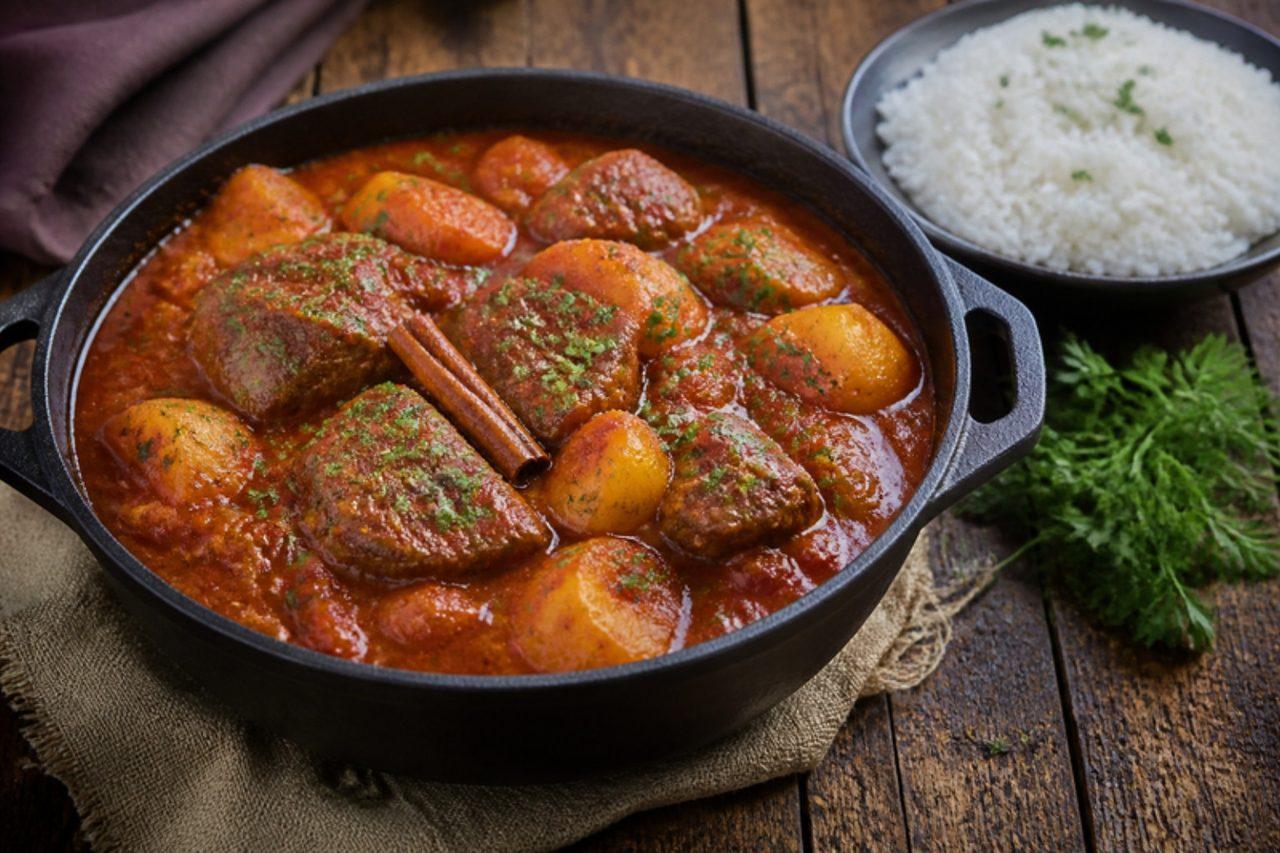
Tomato bredieMutton and tomato stew

Winter Sundays in the Boland and the Cape Flats smell of tamatiebredie: fatty mutton neck left to murmur for two hours with a kilo of ripe tomatoes, a stick of cinnamon, a few cloves and potatoes that soften into the sauce. The tomatoes collapse into a thick, brick-red gravy that is sweet, gently spiced and glossy with mutton fat, and the meat falls from the bone at a nudge. Serve it over plain white rice with a spoonful of fruit chutney or a beetroot salad on the side; like most bredies it tastes even better the next day. Most people drown it in water at the start, which leaves a thin, sour soup, so let the tomatoes provide the liquid and top up only by the splash. Chef's tip: for a meat-free pot, skip the mutton, soften the onions and spices the same way, then simmer two drained 400 g tins of butter beans with the tomatoes and potatoes for 40 minutes.

by KrazyBadal 0 views

GatsbyMasala steak and chips roll

Born in an Athlone fish-and-chip shop in the 1970s, the Gatsby is Cape Town's sharing sandwich: a roll as long as your arm, stuffed with hot chips, salad, sauce and a filling, then chopped into four and handed round at a match, a birthday or after Friday prayers. This version uses masala steak, thin strips of beef fried hard with Cape curry masala, garlic and chilli-garlic sauce until sticky and dark. Many takeaways add sliced polony too, which usually contains pork and/or beef or chicken, so check the label if that matters to you. The usual letdown is soggy chips, so fry them last and build the roll the moment they come out of the oil. Chef's tip: for masala chicken, swap in 600 g thin-sliced boneless chicken thigh and fry until it reaches 74 °C in the thickest piece, with no pink left.

by KrazyBadal 0 views

Coconut icePink and white coconut fudge

Coconut ice is the pink and white sweet that fills Australian school fete stalls, Christmas hampers and CWA cake tables, a no-cook fudge of desiccated coconut, condensed milk and icing sugar. It is soft, chewy and very sweet, so cut small squares. A common mistake is a mixture that's too wet to hold; add more coconut until it's firm enough to press. Chef's tip: press the white layer first, then the pink, and chill before cutting for sharp stripes.

by KrazyBadal 0 views

Cowheel soup

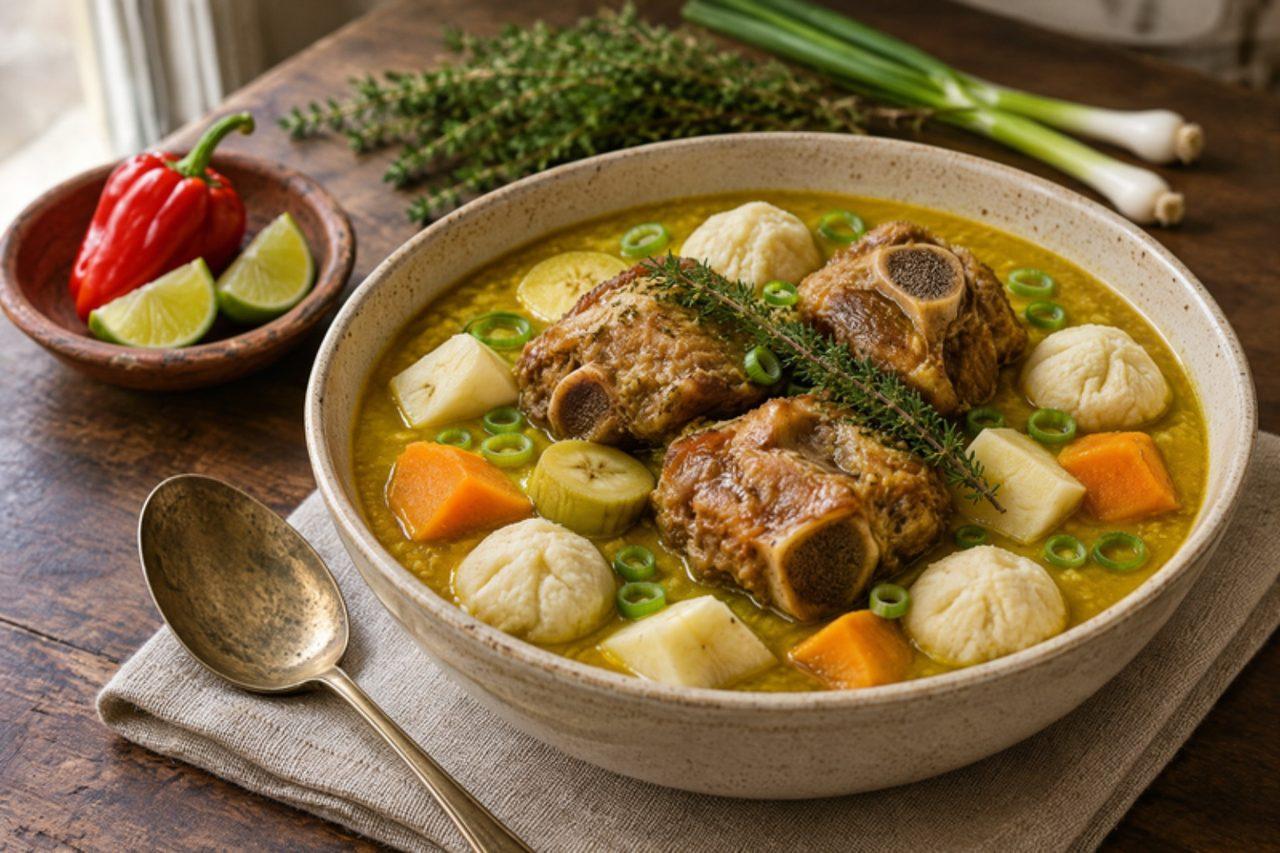
In Trinidad and Tobago, cowheel soup is Saturday soup: the big pot people make at home or buy from roadside soup vendors after a fete, believed to set you right again. Cow heel is simmered for hours until gelatinous, then yellow split peas, pumpkin and 'provisions' such as dasheen, cassava, eddoes and green bananas go in, with green seasoning, a whole scotch bonnet for perfume and soft flour dumplings dropped in at the end. The broth turns thick and silky from the collagen and split peas. The usual mistake is bursting the scotch bonnet, which makes the pot fiercely hot; leave it whole and lift it out. A pressure cooker gets the cow heel tender in 50 minutes. Chef's tip: buy cow heel already cut and scraped by the butcher, then scrub it with lime before cooking.

by KrazyBadal 0 views

Ndizi na maharageGreen bananas and red beans

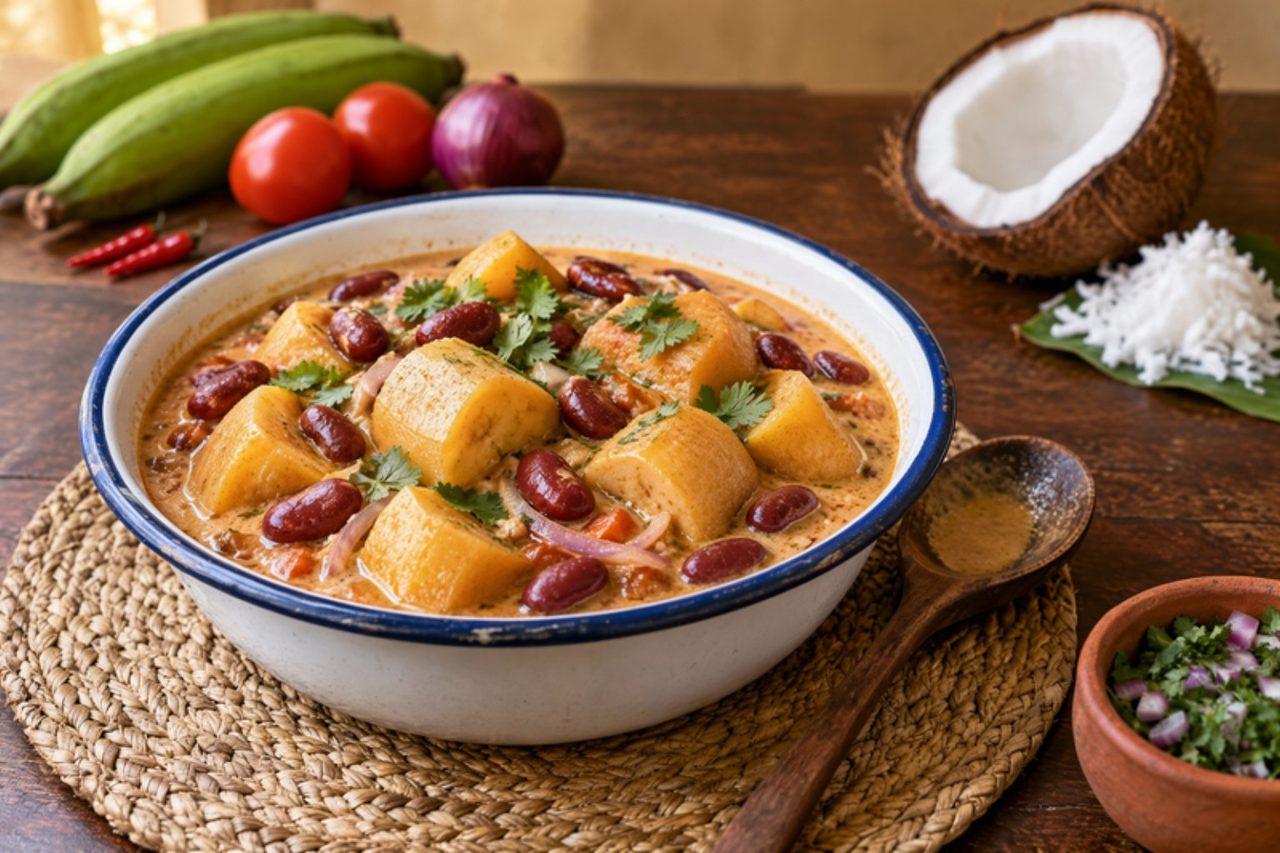
Across Tanzania, from Dar es Salaam to the banana farms around Kilimanjaro, ndizi na maharage is a filling weekday lunch: green cooking bananas and red beans simmered in one pot with tomato, onion and coconut milk until the bananas are soft and the sauce creamy. It needs nothing more than a few slices of avocado or a fresh kachumbari salad on the side. The usual mistake is cooking dried red kidney beans gently from the start: they must boil hard for 10 minutes first to be safe. Peel green bananas with oiled hands, as the sap stains and sticks. Chef's tip: add the bananas only once the beans are tender, then let them simmer until they just break at the edges and thicken the sauce.

by KrazyBadal 0 views

Adrak ka acharGinger pickle

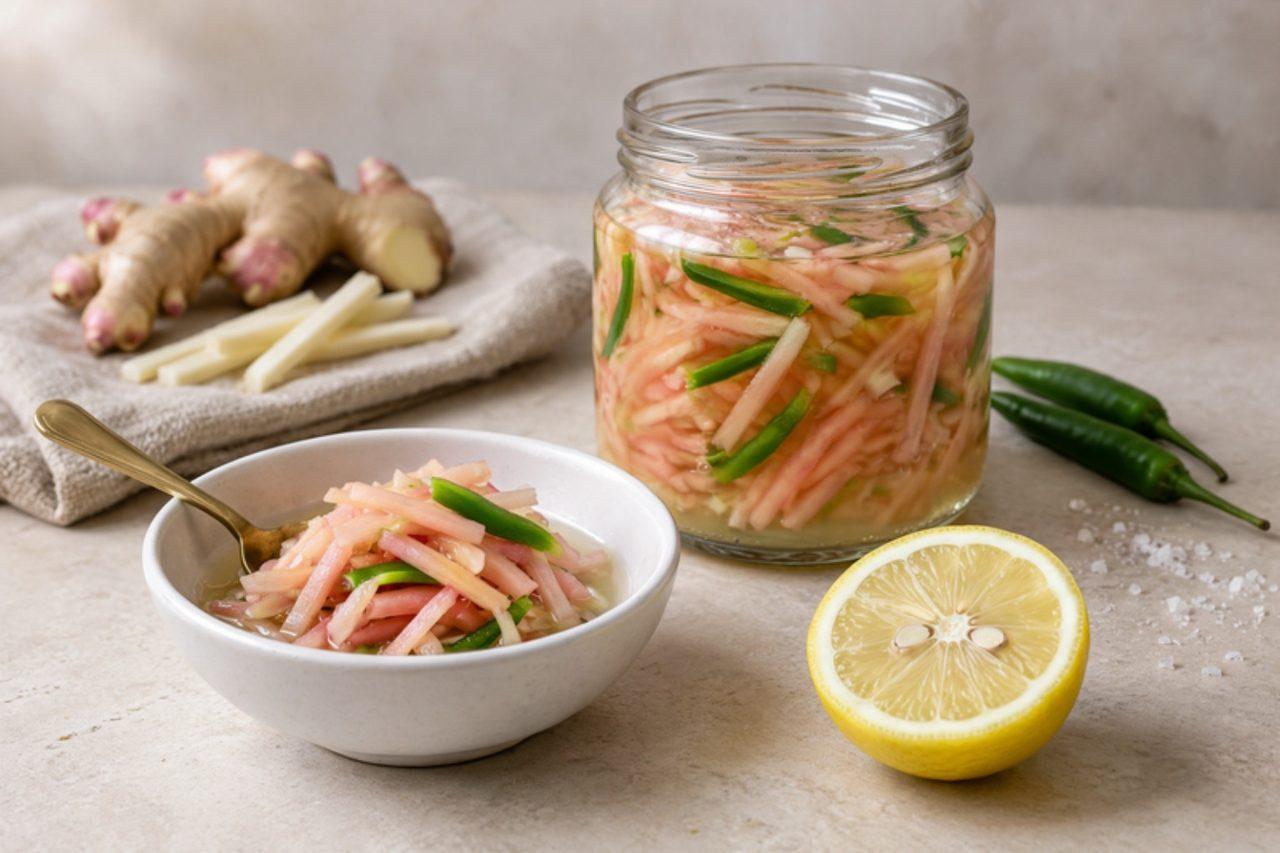
Walk into a Punjabi dhaba in winter and there is often a steel bowl of ginger matchsticks soaking in lemon juice beside the onion rings. Adrak ka achar is the simplest pickle of all: tender ginger, green chilli, salt and lemon, nothing cooked. Young ginger with thin, pinkish skin reacts with the acid and turns a pretty pale pink within a day; older ginger stays yellow but tastes just as good. The flavour is clean, hot and sour, with crunch, and a forkful cuts the richness of sarson ka saag, makki ki roti, chole bhature or a heavy dal makhani. Common mistake: cutting the ginger thick or using fibrous old roots, which stay woody and harsh; slice thin enough to see light through. It is ready when the ginger has softened slightly, the juice tastes less sharp and the slices have taken colour. Fresh ginger in lemon juice keeps in the fridge for up to 2 weeks; discard it if mould appears, the juice turns slimy or the smell turns from fresh-sour to musty. Chef's tip: a pinch of black salt (kala namak) added at the end gives it that dhaba-style sulphurous edge.

by KrazyBadal 0 views

MsetoRice and green grams

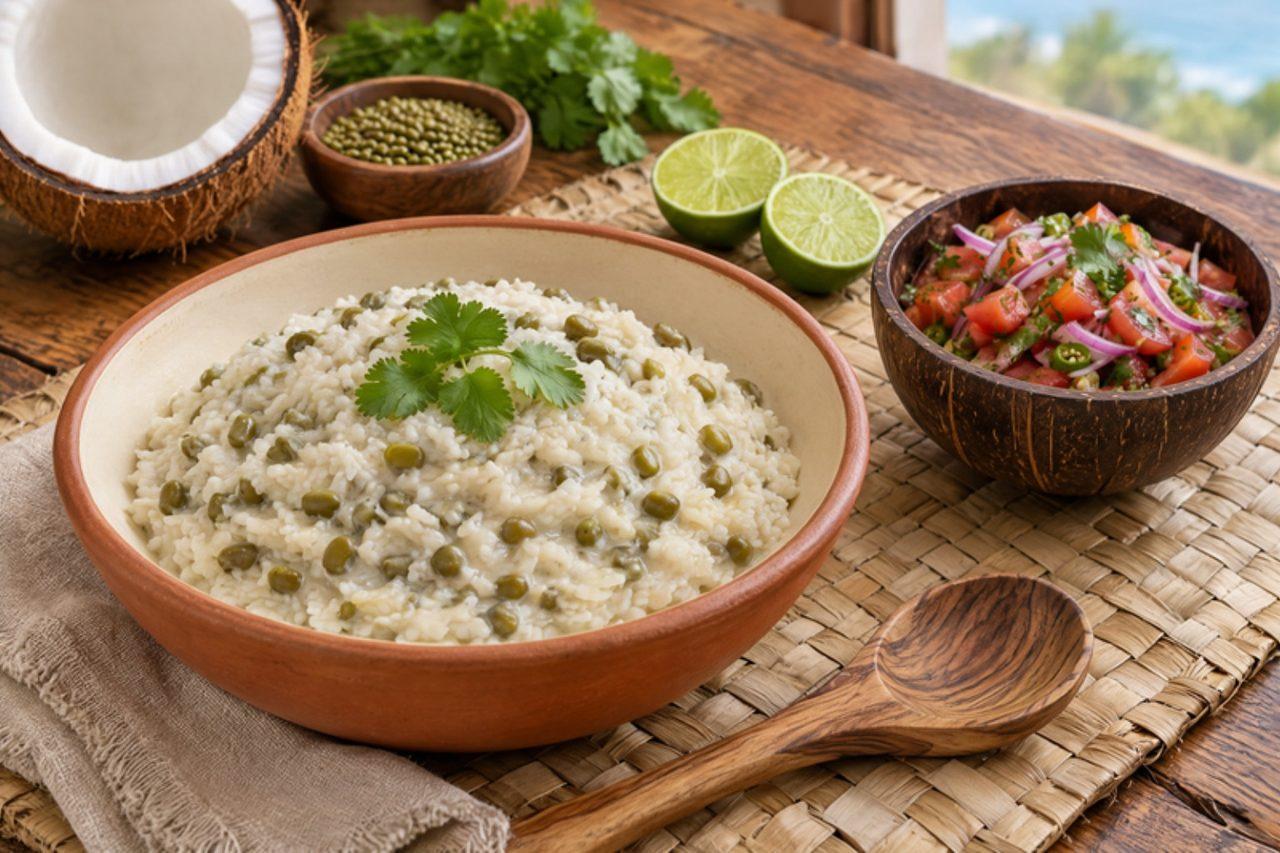
Mseto, meaning 'mixture', is a staple of the Swahili coast from Mombasa to Lamu and Zanzibar, often eaten at lunch or for breaking the fast in Ramadan. Rice and green grams (whole mung beans) cook together in coconut milk with onion and a little turmeric until soft, fluffy and gently creamy. It is served beside a vegetable or bean curry, a kachumbari salad and a squeeze of lime. The usual mistake is adding the rice before the green grams are tender, so the rice turns mushy while the beans stay hard. Chef's tip: once the rice is in, cover the pot tightly and leave it on the lowest heat without lifting the lid, so the rice steams evenly.

by KrazyBadal 0 views

Chanko nabeChicken meatball hot pot

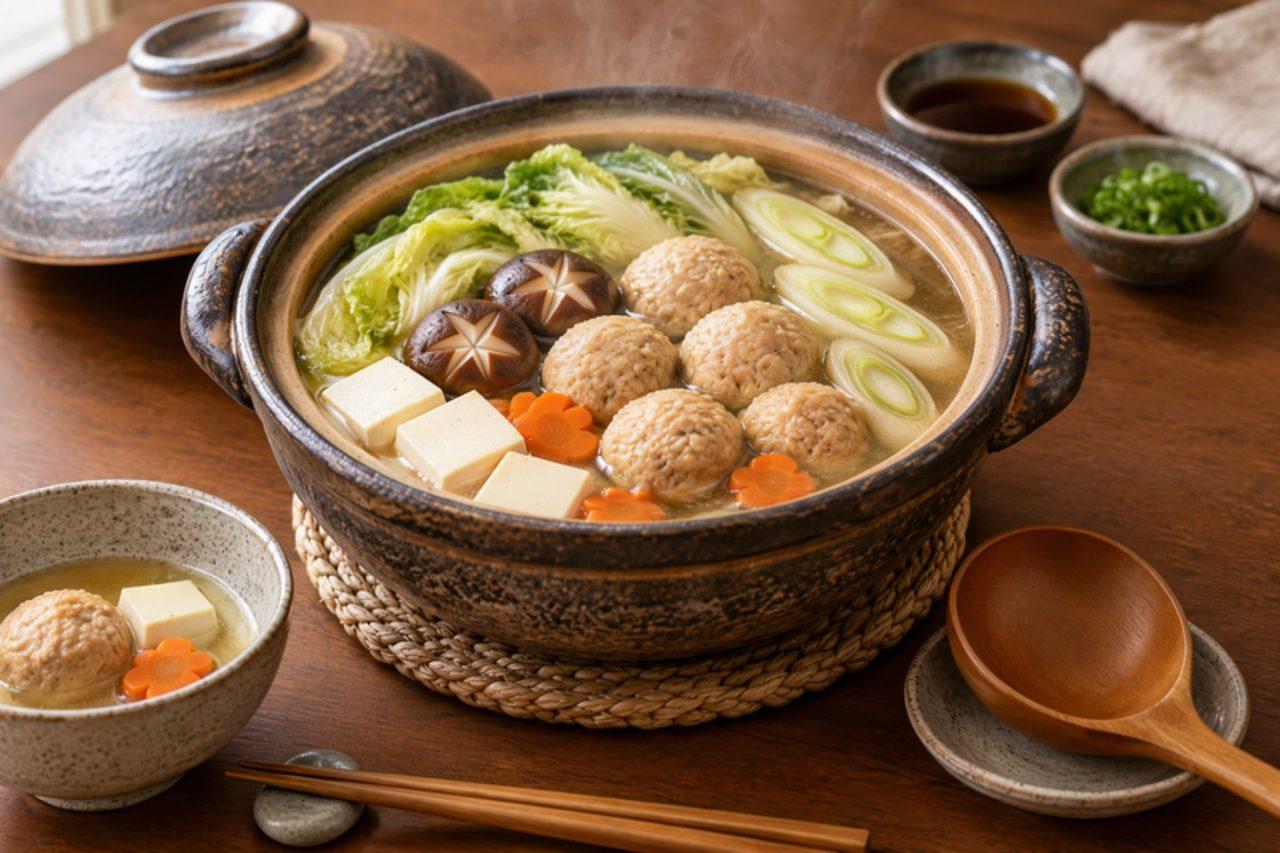
Chanko nabe is the daily meal of the sumo stables around Ryōgoku in east Tokyo, where young wrestlers cook a huge pot after morning practice and the senior ranks eat first. At home it is a winter supper cooked on a tabletop burner or on the hob: a clear chicken and kombu dashi seasoned lightly with soy, then loaded with ginger-scented chicken meatballs, tofu, napa cabbage, leek, carrot and mushrooms. Everything cooks in the one pot, and the last of the broth is often finished with udon or rice. The usual mistake is boiling the pot hard once the meatballs go in, which turns the broth cloudy and the tofu ragged; keep it at a lazy simmer. Chef's tip: shape the meatballs with two wet spoons and drop them in before the vegetables, so they flavour the broth while the cabbage softens.

by KrazyBadal 0 views

Dongbei suan caiFermented napa cabbage

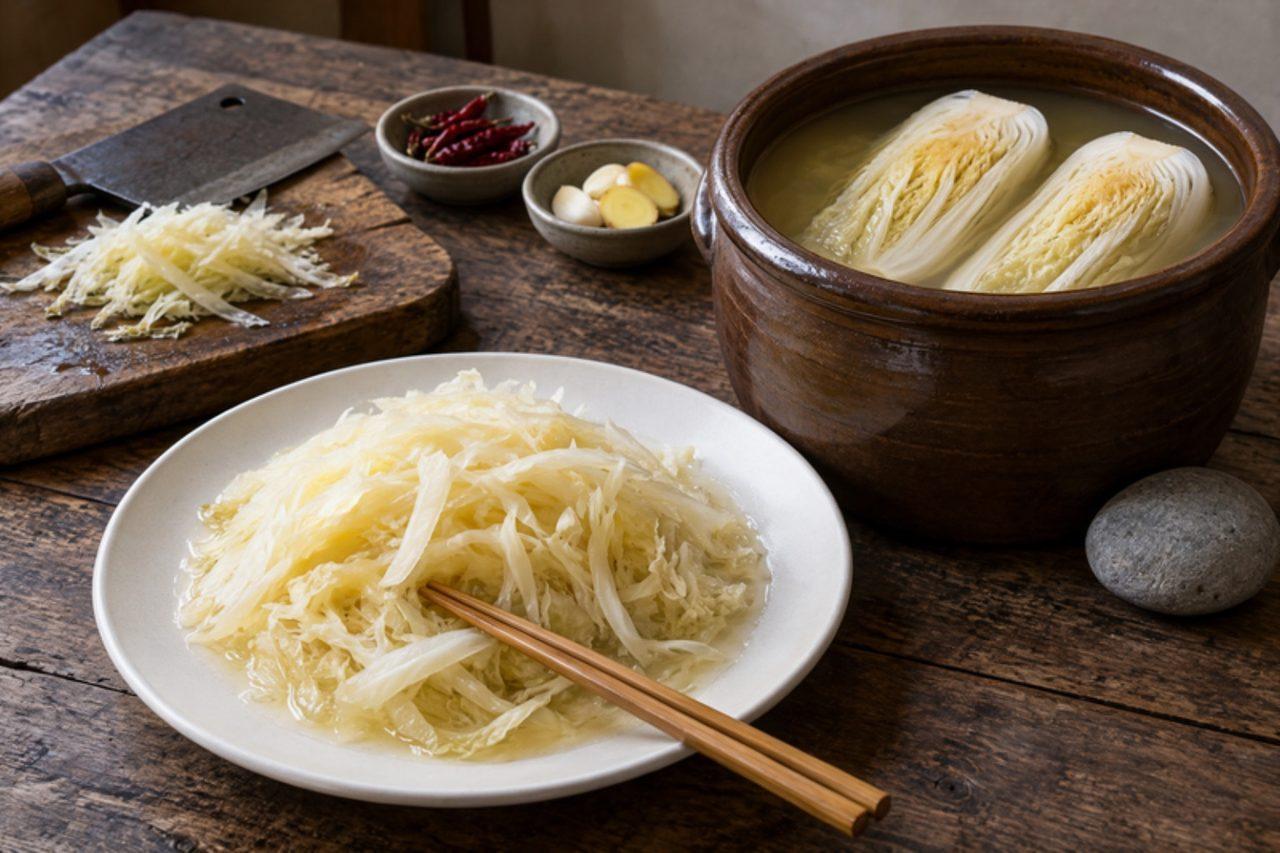
In Harbin, Changchun and Shenyang, late October is when families buy napa cabbage by the cartload, scald it, and pack it head to tail into big glazed crocks on the balcony, weighed down with a smooth river stone. A month later, as winter sets in, it has become suan cai: pale, almost translucent leaves with a clean, lactic sourness and a soft crunch at the rib. It is shredded into suan cai bai rou (sour cabbage with pork belly), stuffed into dumplings for Spring Festival and simmered in hot pots through the long winter. Common mistake: fermenting somewhere warm; above about 20 °C the cabbage softens and can go slimy, so use the coolest spot you have. Normal signs are fine bubbles, a cloudy brine and a sharp sour smell; a flat white film (kahm yeast) can be skimmed off. Fuzzy coloured mould, pink or black patches, or a putrid smell mean discard the lot. Do not eat it before 3 weeks: it is ready when the leaves are uniformly pale yellow-green and taste fully sour. Then keep it in the brine in the fridge for 2 months. Chef's tip: rinse and squeeze the shreds before cooking to soften the sourness.

by KrazyBadal 0 views

Sop konroBeef rib soup

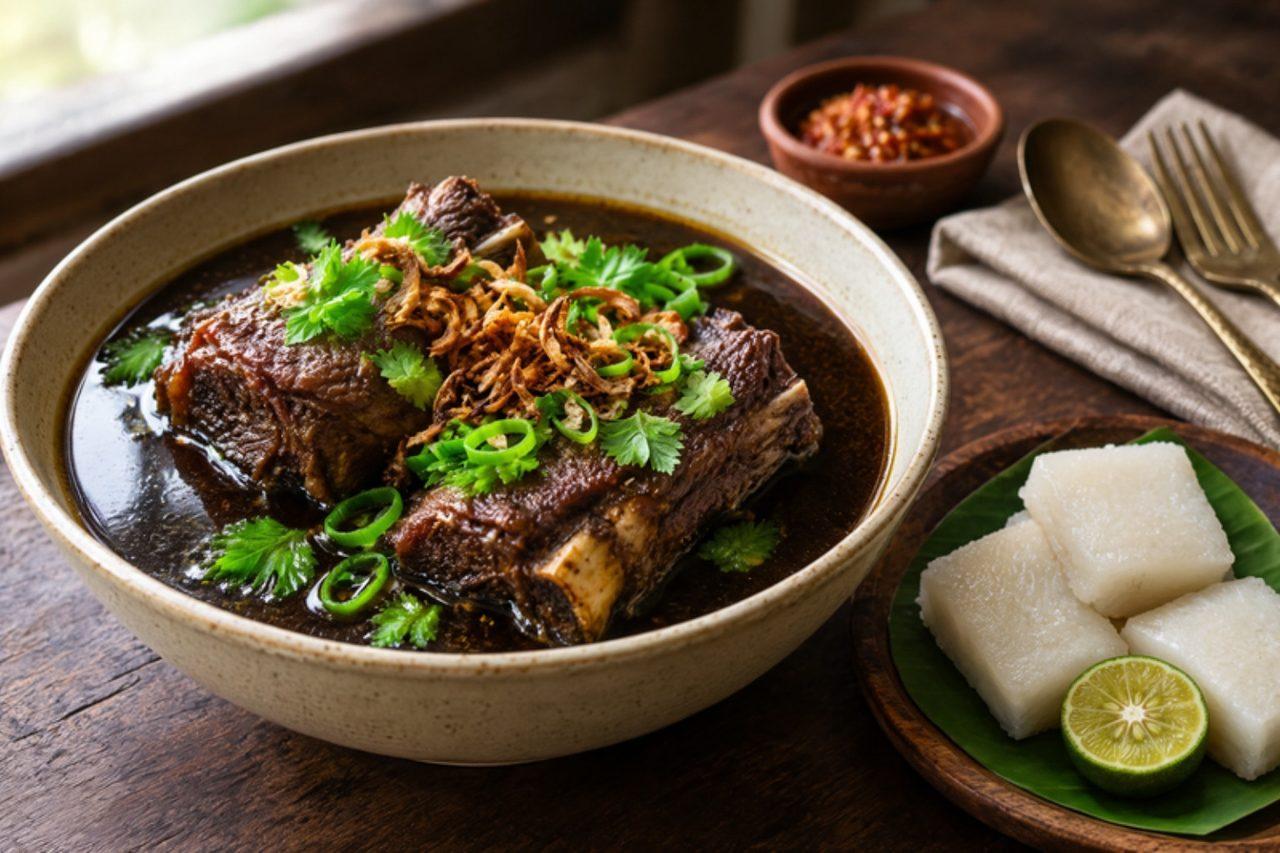
Sop konro is the pride of Makassar in South Sulawesi, where warung near the harbour serve big bowls of beef ribs in an almost black broth from lunchtime into the night, often with burasa (rice cooked in coconut milk) or plain rice. The colour and earthy, chocolatey depth come from keluak (kluwek) nuts, simmered with a paste of shallots, garlic, ginger, galangal, toasted coriander seed and candlenut until the rib meat slides off the bone. The usual mistake is using raw keluak: the nuts are only safe after long fermentation, so buy them ready-prepared from an Indonesian shop, and discard any that smell sour or are dry inside. A pressure cooker gets the ribs tender in 50 minutes. Chef's tip: toast the coriander seeds until they crackle before grinding; they carry the whole soup.

by KrazyBadal 0 views

DakbaeksukPoached whole chicken

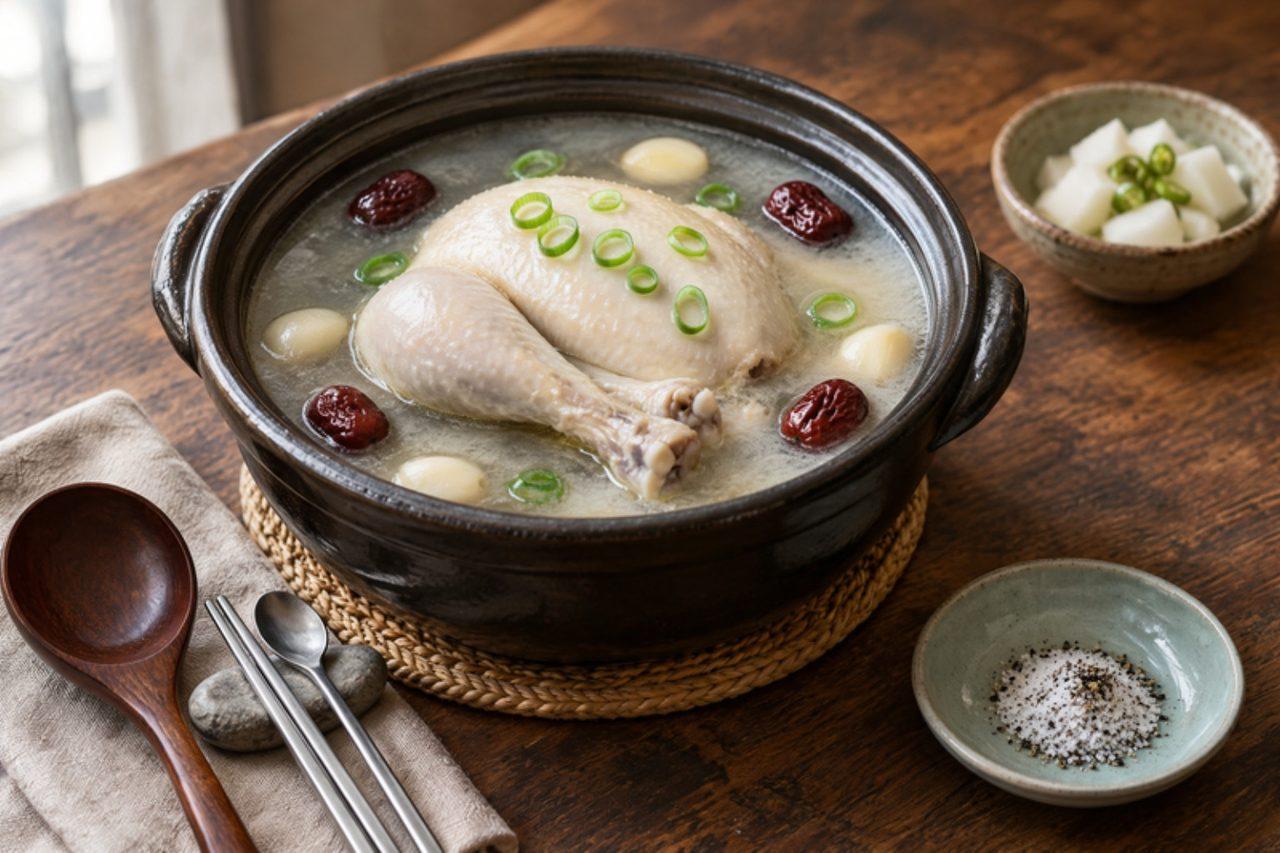
Dakbaeksuk is a whole chicken simmered plain in a big pot, a dish Koreans eat on the boknal 'dog days' of midsummer and at valley restaurants in the mountains, where families sit on platforms by the stream. Unlike samgyetang it is not stuffed; the bird simmers with a fistful of garlic, a few jujubes and dried roots such as astragalus until it falls apart, and you eat the meat with salt and pepper and drink the milky broth. Suitable as part of a balanced diet: high in protein, with no flour or added sugar. About 420 kcal and 8 g carbohydrate per portion; restaurants finish with rice porridge in the broth, so keep that portion small or use brown rice. The usual mistake is boiling it fiercely, which makes the meat stringy; it should simmer gently. Chef's tip: skim the fat off the broth before serving; it tastes cleaner and lighter.

by KrazyBadal 0 views

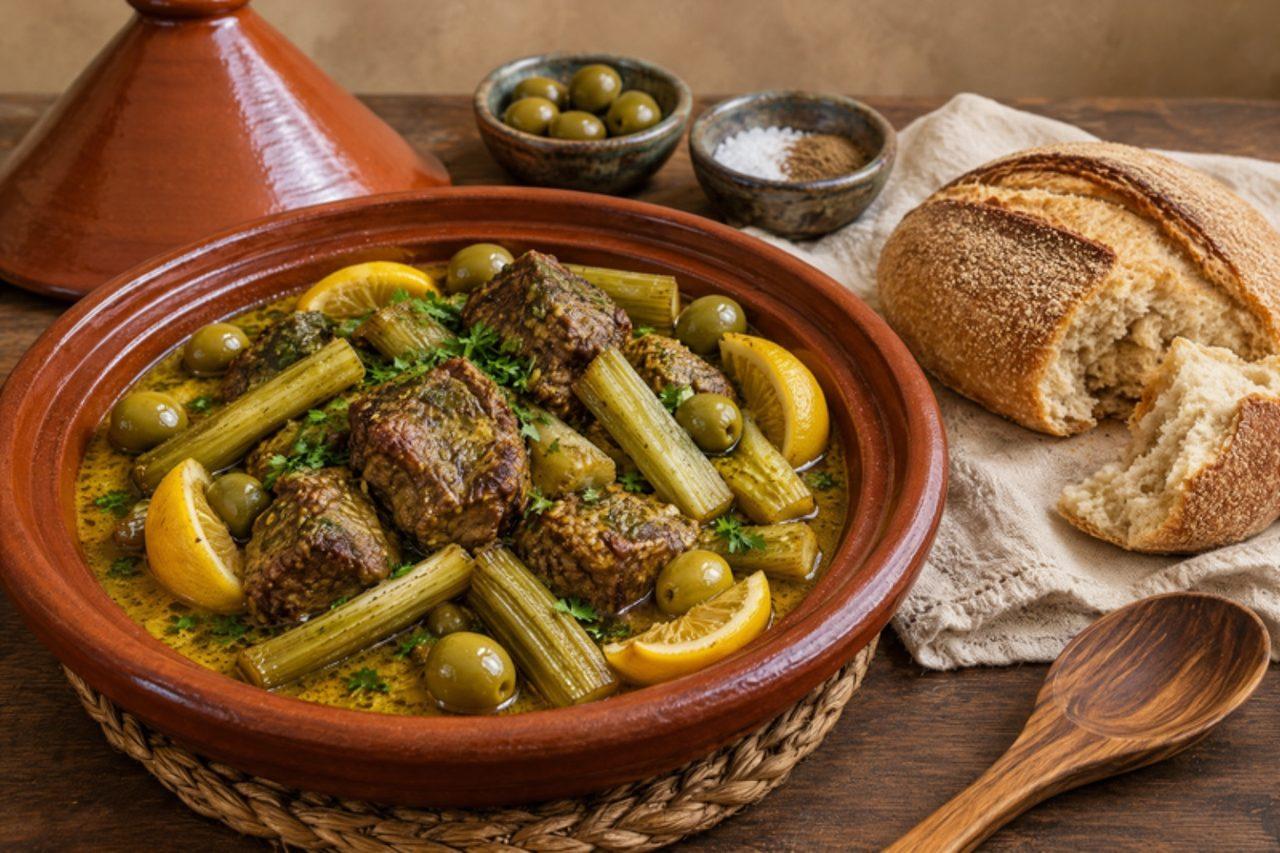
Tagine bil khorchefLamb tagine with cardoons

In late winter and spring, when wild cardoons (khorchef) appear in the markets of Fez, Meknes and Rabat, Moroccan families cook them into this lamb tagine for a family lunch, eaten with bread to mop up the sauce. Lamb shoulder is simmered slowly with onion, ginger, saffron and turmeric until tender, then the peeled cardoon stalks are added and finished with preserved lemon and green olives, giving a tangy, faintly bitter, artichoke-like sauce. The usual mistake is not peeling and soaking the cardoons properly: the stringy outside must come off and the stalks must sit in lemon water, or they go brown and taste harsh. Artichoke hearts are a good stand-in. Chef's tip: reduce the sauce uncovered at the end until it is thick and oily, the sign of a well-made tagine.

155 minMoroccanMeatGluten free
by KrazyBadal 0 views

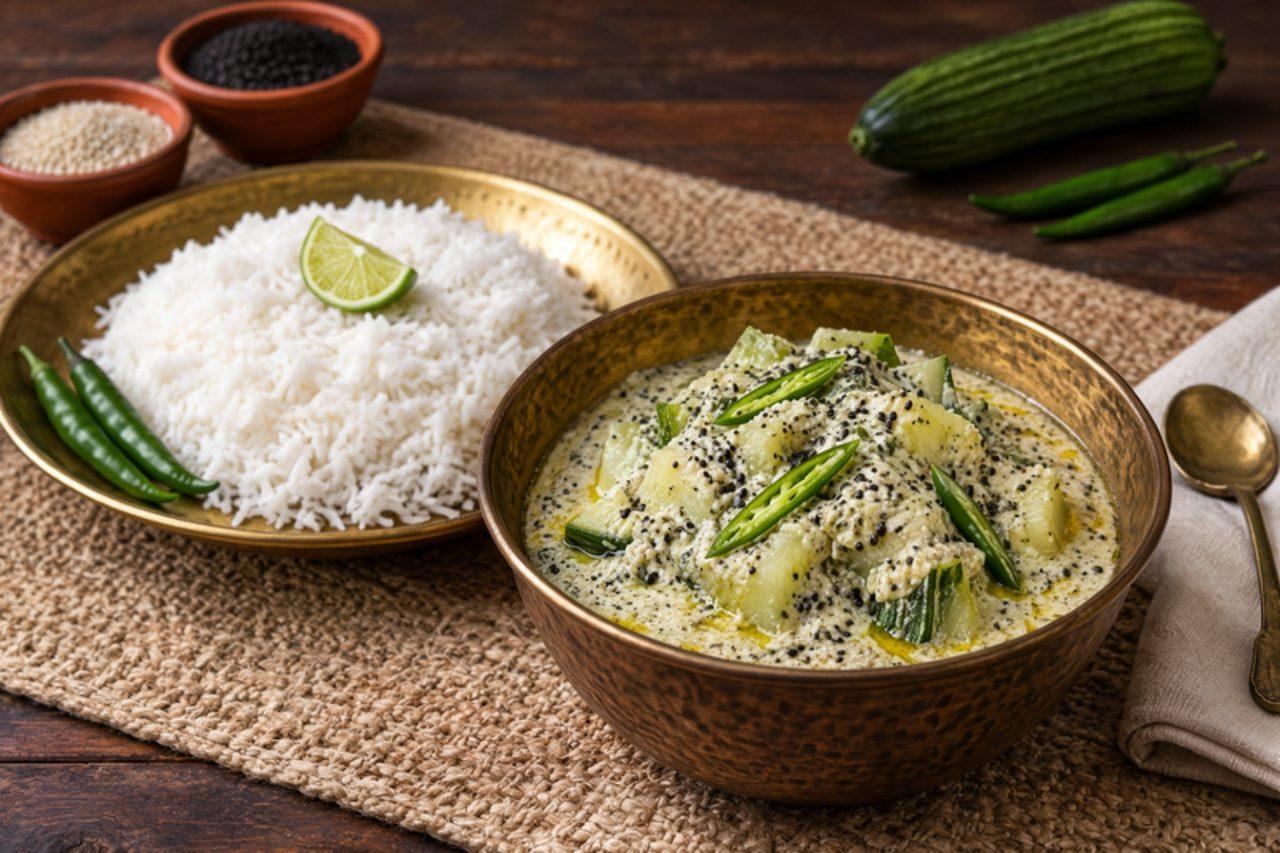
Jhinge postoRidge gourd with poppy seeds

Jhinge posto is a summer staple of West Bengal and especially the Bankura and Birbhum districts, where poppy seed (posto) goes into almost every everyday lunch. Ridge gourd is cooked in its own juices with nigella seeds and green chilli, then coated in a creamy paste of ground white poppy seeds, giving a mild, nutty, slightly sweet dish. Serve it with rice and dal, or with a millet roti for a lower-GI plate. It is suitable as part of a balanced diet. About 150 kcal and 9 g carbohydrate per portion. The usual mistake is adding water: the gourd releases plenty, and extra water makes the posto runny. Chef's tip: soak the poppy seeds in hot water for 20 minutes before grinding so the paste is smooth, not gritty.

by KrazyBadal 0 views

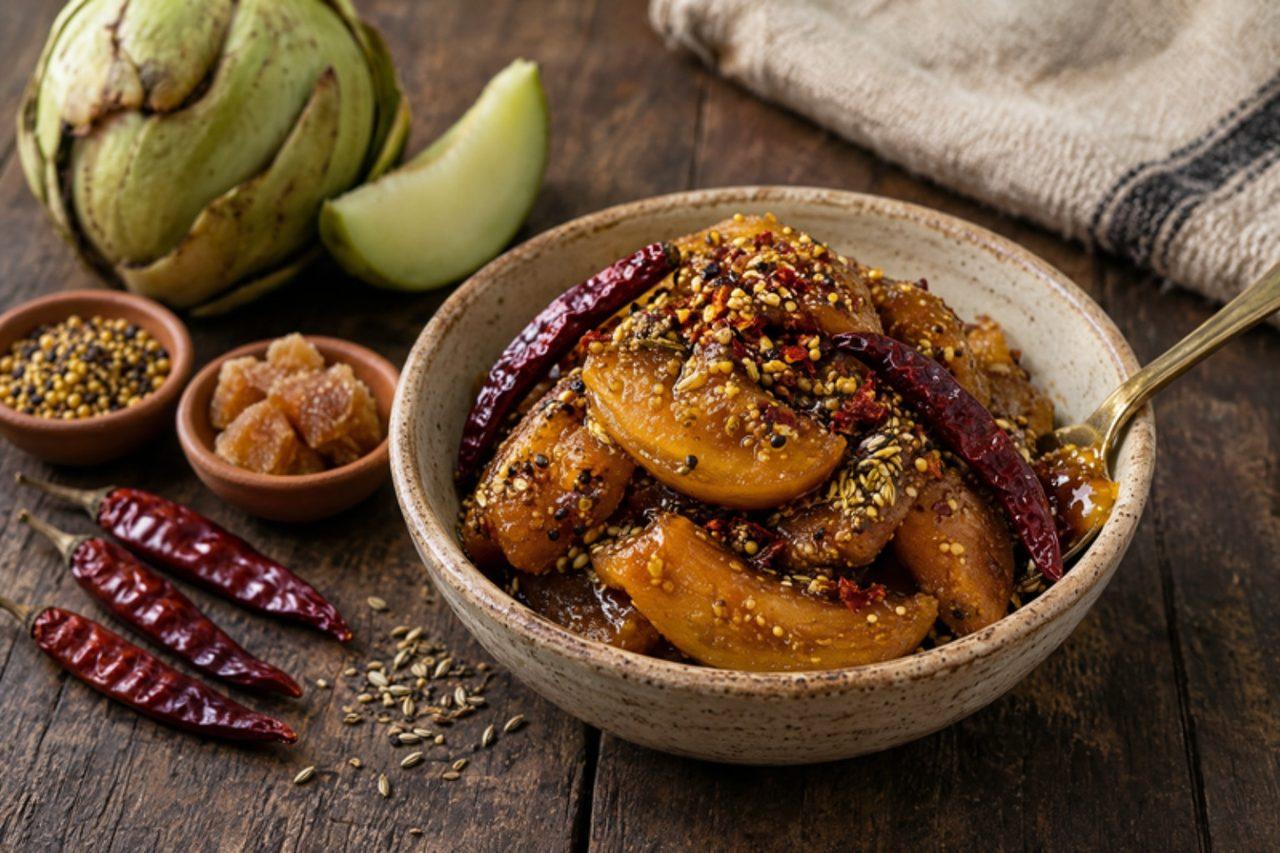
Chalta acharElephant apple pickle

Chalta, the elephant apple, is a big green fruit of tightly wrapped, fleshy petals, and in Bengal it arrives in the markets in autumn, around Durga Puja, staying through early winter. Raw it is so sour and fibrous that it is almost impossible to eat, but cooked with jaggery and mustard it becomes one of the best-loved sweet-sour pickles of the region. The petals soften into chewy, slightly crunchy pieces in a thick, amber syrup, sour and sweet with a sharp kick of ground mustard and chilli. Serve it with dal and rice at the end of a meal, or with khichuri on a rainy day. The common mistake is skipping the pounding: after boiling, the pieces need a few firm knocks with a pestle to break the fibres, or they stay tough and never absorb the syrup. It is ready when the syrup coats a spoon and the chalta pieces look glossy and translucent. Keep it in a clean jar in the fridge for up to a month. Outside India, frozen chalta is sold in Bangladeshi grocers; hard, sour cooking apples with a squeeze of lime are a passable stand-in. Chef's tip: a pinch of ground mustard added at the very end gives the classic nose-tingling bite.

by KrazyBadal 0 views

Cà phê cốt dừa (coconut coffee)

Hanoi takes its coffee seriously, and in the last fifteen years coconut coffee has become one of the city's signatures, sold from Old Quarter cafés, lakeside balconies around Hoàn Kiếm and tiny stools on the pavement. It is a hot-weather drink, at its best on a sticky afternoon between May and September, eaten half with a spoon. Strong Vietnamese robusta drips slowly through an aluminium phin, then is poured over a pale slush of thick coconut cream, sweetened condensed milk and crushed ice, so you get bitter, dark coffee against something rich and cold that tastes like coconut ice cream. The common mistake is blending the slush too long or with too much ice, which leaves it thin and watery, and pouring the coffee in boiling hot so the slush collapses. Blend just until it looks like soft snow, and let the coffee cool for a minute or two. It is ready when the slush holds a spoon upright and the coffee sits in a dark layer on top. Robusta is high in caffeine and this is a strong drink, so it is not for children and one glass is plenty. Chef's tip: chill the coconut cream overnight; cold, thick cream gives a fluffier slush.

by KrazyBadal 0 views

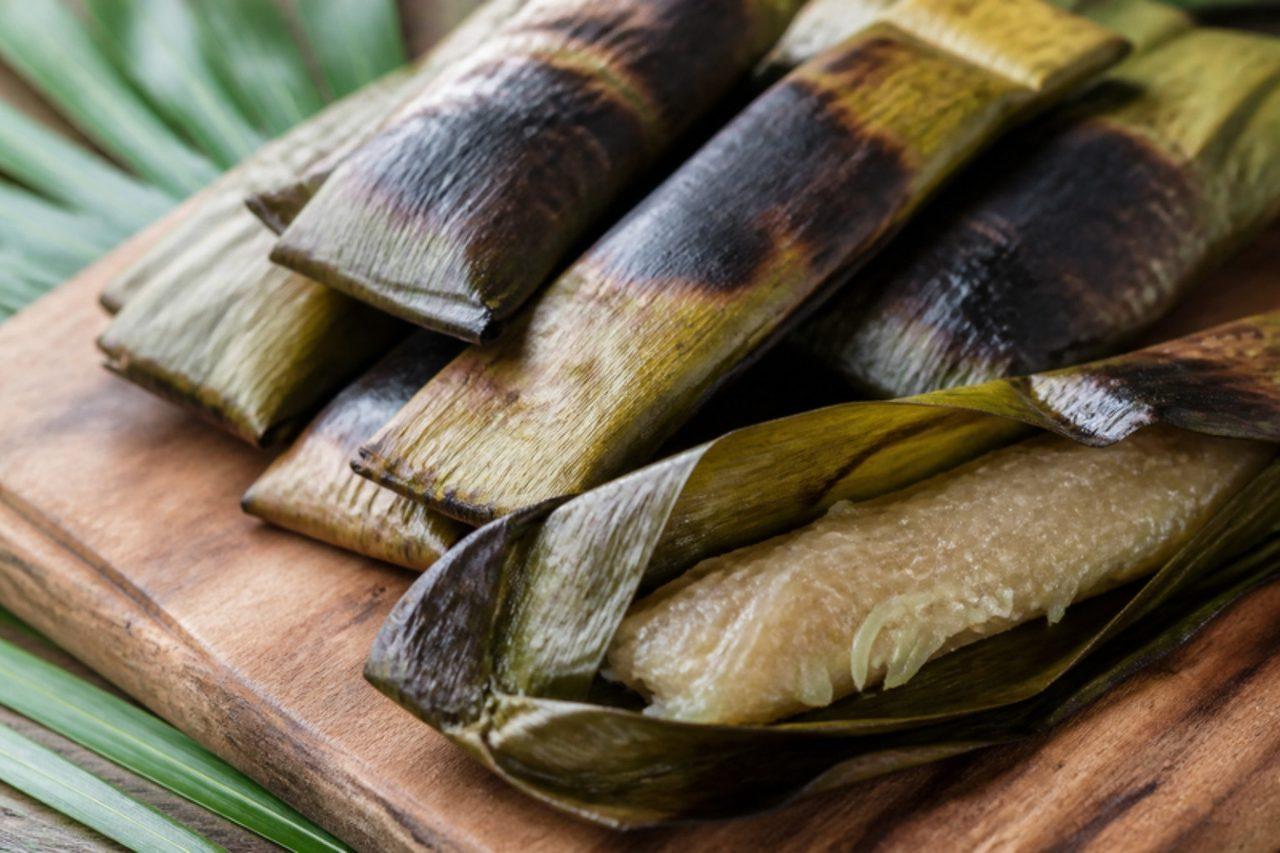
ApigigiGrilled coconut and tapioca parcels

Apigigi are an old Chamorro sweet from Guam and Saipan, made for fiestas and family gatherings: soft young coconut is grated and mixed with tapioca starch and sugar, wrapped in banana leaves and grilled over coals until chewy and lightly charred. They are sticky, mildly sweet and smoky. Grated frozen young coconut and tapioca starch from Asian shops make them easy at home. A common mistake is grilling over a fierce flame; the leaves burn before the centre sets. Chef's tip: steam them first for 15 minutes, then finish on the grill for flavour.

by KrazyBadal 0 views

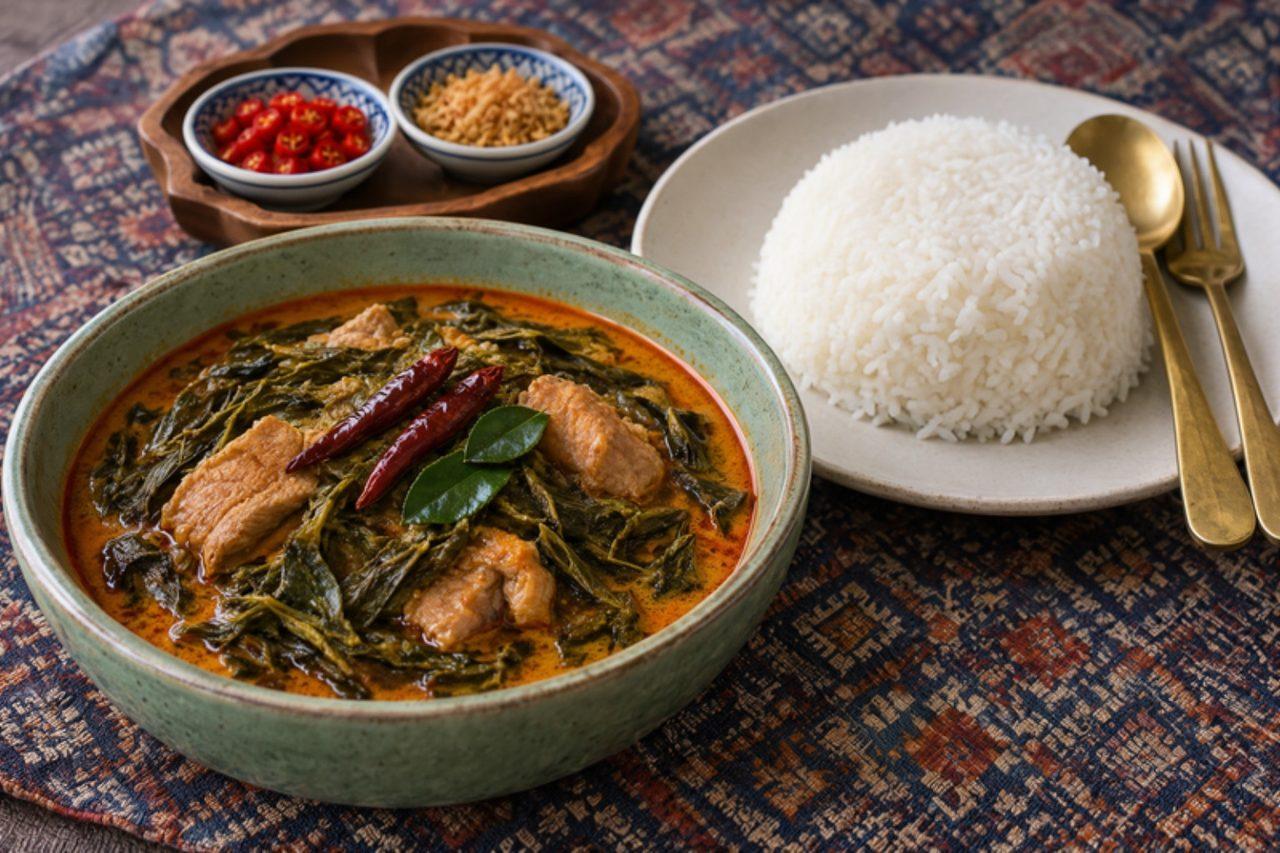
Kaeng khilekCassia leaf curry

Kaeng khilek is an old-fashioned country curry from central Thailand, cooked when the cassia (khilek) trees put out tender shoots after the rains and sold ready-boiled in bags at markets around Ratchaburi and Suphan Buri. The leaves are boiled and drained several times until their bitterness softens, then simmered with pork belly in coconut milk with red curry paste, leaving a dark green, pleasantly bitter, rich curry eaten with jasmine rice and salted egg. This recipe contains pork. The usual mistake is skipping the repeated boiling: cassia leaves must be boiled and drained at least three times, or they are harshly bitter and can upset the stomach. Frozen pre-boiled khilek from Thai shops saves work. Chef's tip: squeeze the boiled leaves firmly in a cloth so they soak up coconut milk instead of water.

by KrazyBadal 0 views

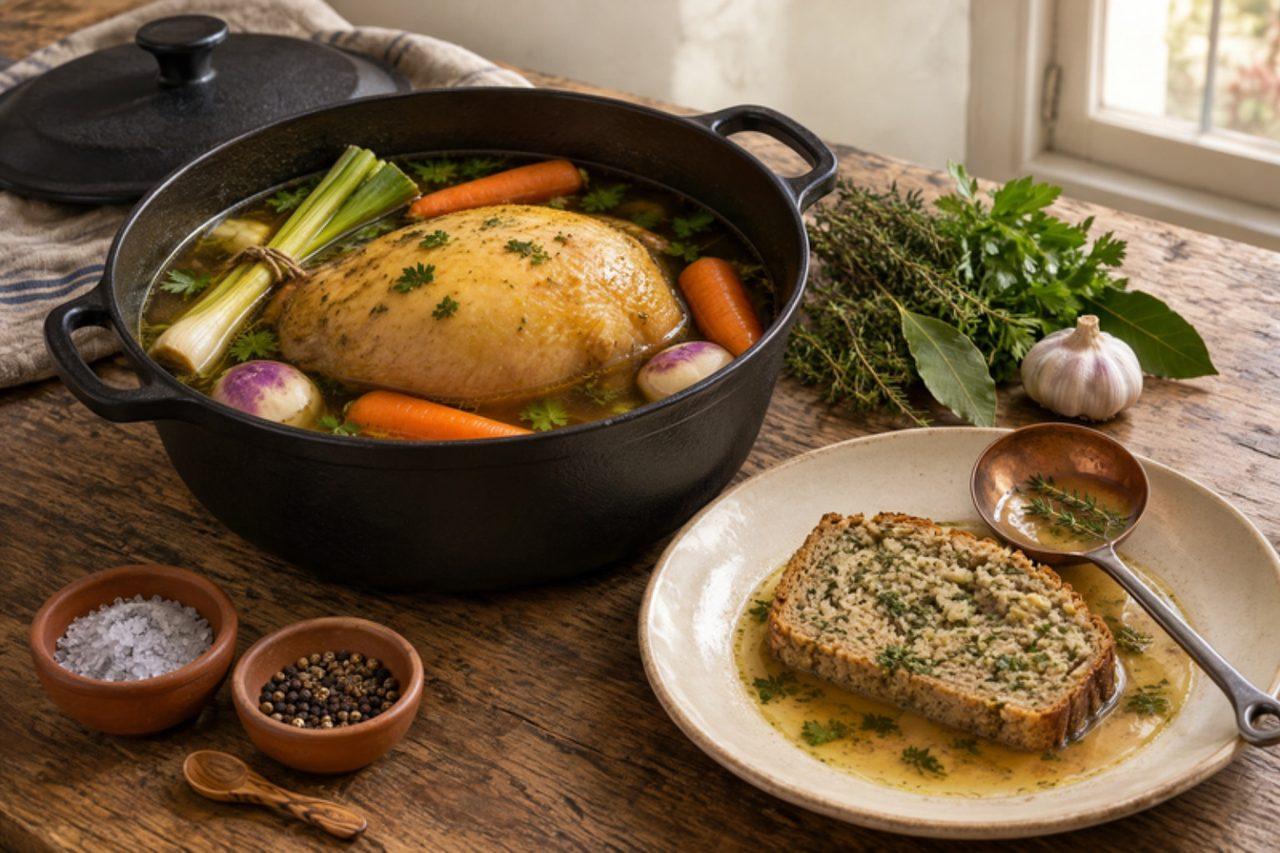
Poule au potStuffed hen with vegetables

Poule au pot is the Sunday dish of Béarn in south-west France, linked for centuries with King Henri IV's wish that every peasant family should have a chicken in the pot on Sundays. A hen is filled with a stuffing of bread, Bayonne ham (a cured pork ham), chicken livers, garlic and parsley, then poached slowly with leeks, carrots and turnips. The golden broth is served first as a soup, followed by the sliced bird, stuffing and vegetables with a little coarse salt and mustard or a sauce gribiche. The usual mistake is stuffing the bird too tightly: the stuffing swells and can burst the skin, and a dense centre takes longer to cook through. Chef's tip: sew the neck and tail openings shut, or close them with cocktail sticks, so no stuffing leaks into the broth.

by KrazyBadal 0 views

Melting momentsLemon buttercream sandwich biscuits

Melting moments are the soft, crumbly biscuits found in Australian and New Zealand bakery jars and grandmother's tins, two rounds made with custard powder and icing sugar sandwiched with a lemon butter icing. The custard powder gives them their yellow colour and tender, short texture that melts in the mouth, hence the name. A common mistake is overbaking; they should be pale, not golden. Chef's tip: press each ball with a floured fork for the classic stripes.

by KrazyBadal 0 views

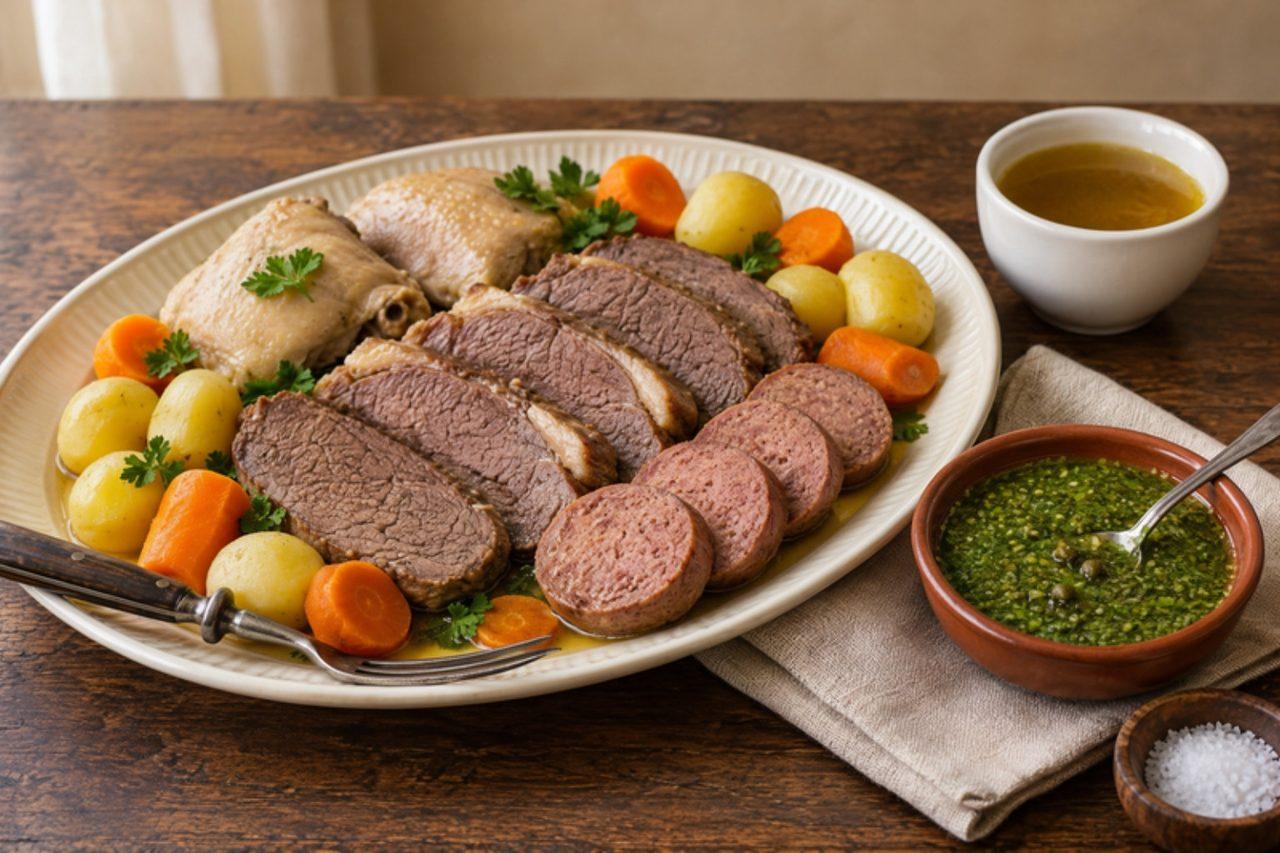
Bollito mistoMixed boiled meats

In Piedmont, bollito misto is the great winter feast, served from November to carnival in Turin trattorias and on family tables when there are many to feed. Several cuts of beef, a chicken and a cotechino (a soft, rich pork sausage) poach gently in one big pot until tender, then come to the table sliced on a warm platter with a sharp parsley and caper salsa verde; the broth is saved for soup or risotto the next day. The usual mistake is letting the pot boil hard: the meat turns stringy and the broth cloudy, so keep it at a bare shiver. Serve with boiled potatoes or mostarda if you like. Chef's tip: put the beef into water that is already boiling so its juices stay in the meat, and use cold water only if the broth matters more to you than the meat.

240 minItalianMeatGluten free
by KrazyBadal 0 views

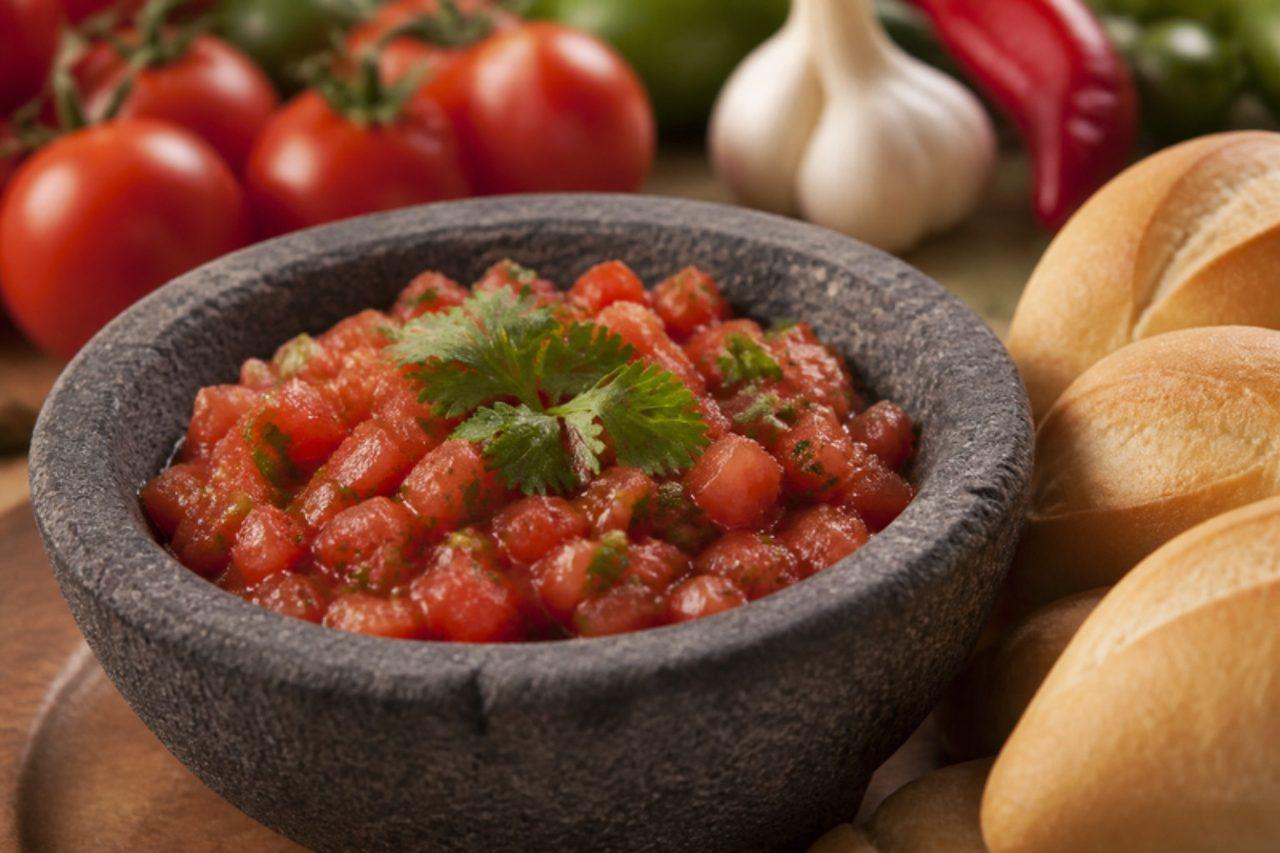
Chancho en piedraCrushed tomato, garlic and chilli salsa

Despite the name, 'pig in stone' has no pork in it. It is a rough salsa of ripe tomato, garlic and chilli crushed in a stone mortar (piedra), and it is on the table at every September fonda during the Fiestas Patrias, with hot sopaipillas, bread straight from the oven or choripán. Blending it smooth in a machine is the classic mistake: it should be rustic and juicy, with small pieces. Chef's tip: pound the garlic, chilli and salt to a paste first, then add the tomatoes; the salt acts as grit and the flavour gets into every bit.

by KrazyBadal 0 views

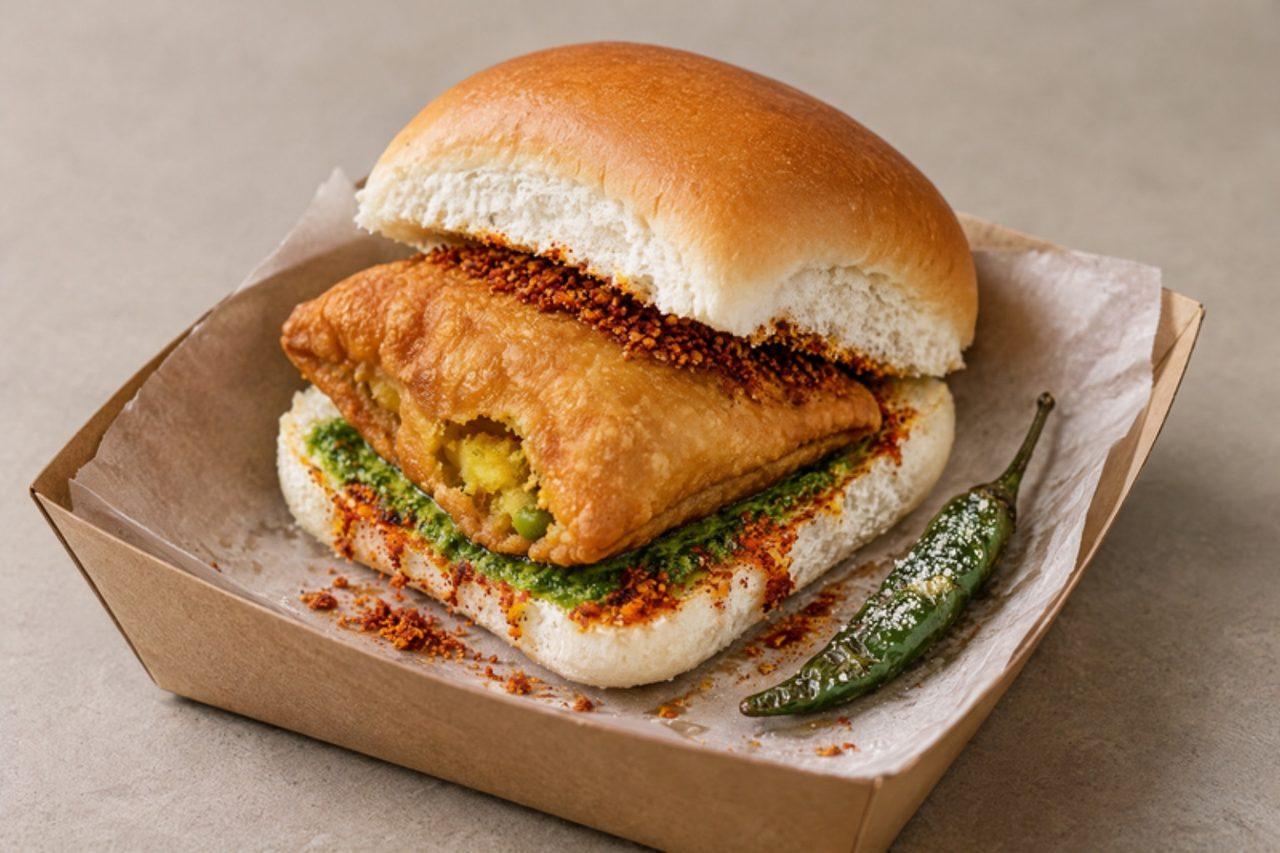
Samosa pavSamosa in a bun

At the steaming kadhais outside Kurla and Ghatkopar stations, and at Sion's famous samosa counters, commuters grab samosa pav on the way to and from the local trains, from breakfast until long after dark. A hot potato samosa is pressed flat inside a soft, split pav with fiery dry garlic chutney and green chutney, and a salted fried green chilli comes on the side. It is filling, cheap, crumbly and hot, and the soft bread soaks up the chutneys. Use dairy-free pav to keep it vegan. Chef's tip: start the samosas in oil that is only warm; slow frying gives the blistered, flaky crust that holds up when squashed.

by KrazyBadal 0 views

Showing 81 of 7,762 recipes

Show more recipes

Page 120 of 863