

Skip to content
Nasi dagang
Featured recipe

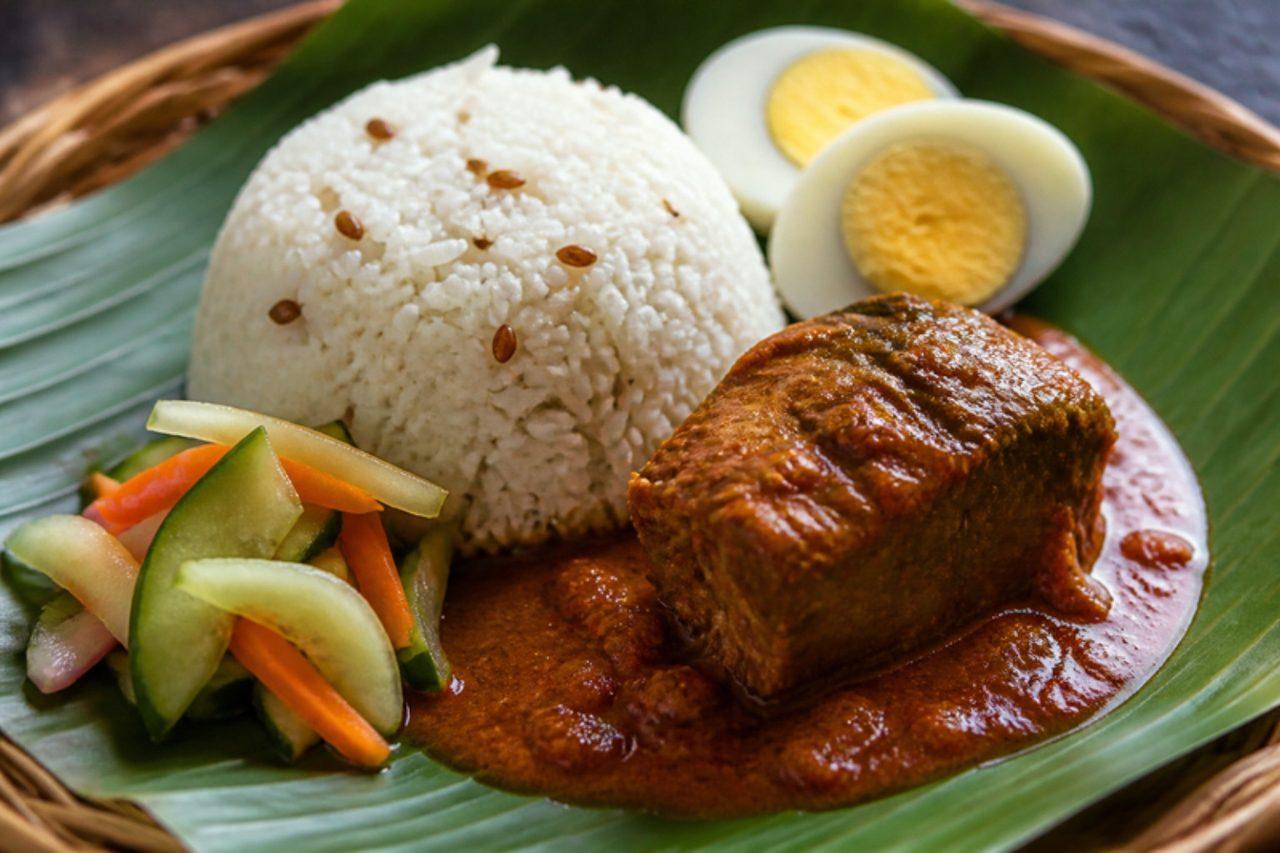
Nasi dagang

Breakfast on the east coast, in Kuala Terengganu and Kota Bharu, very often means nasi dagang: soft, slightly sticky rice steamed twice with coconut milk, ginger and fenugreek seeds, wrapped in paper with a ladle of gulai ikan tongkol, a gentle tuna curry. The rice is fragrant and a little chewy from the glutinous grains mixed in, while the curry is mellow, coconutty and sour from dried tamarind slices. Stalls sell it from dawn, with hard-boiled eggs and cucumber pickle on the side. It also makes a fine weekend brunch at home. Chef's tip: soak the two kinds of rice overnight so the grains steam evenly and turn plump rather than chalky.

Read more 0 views
Can't decide?

What to eat today?

Spin the randomizer, search with what's already in your fridge, or browse recipes from our chefs.

Latest recipes

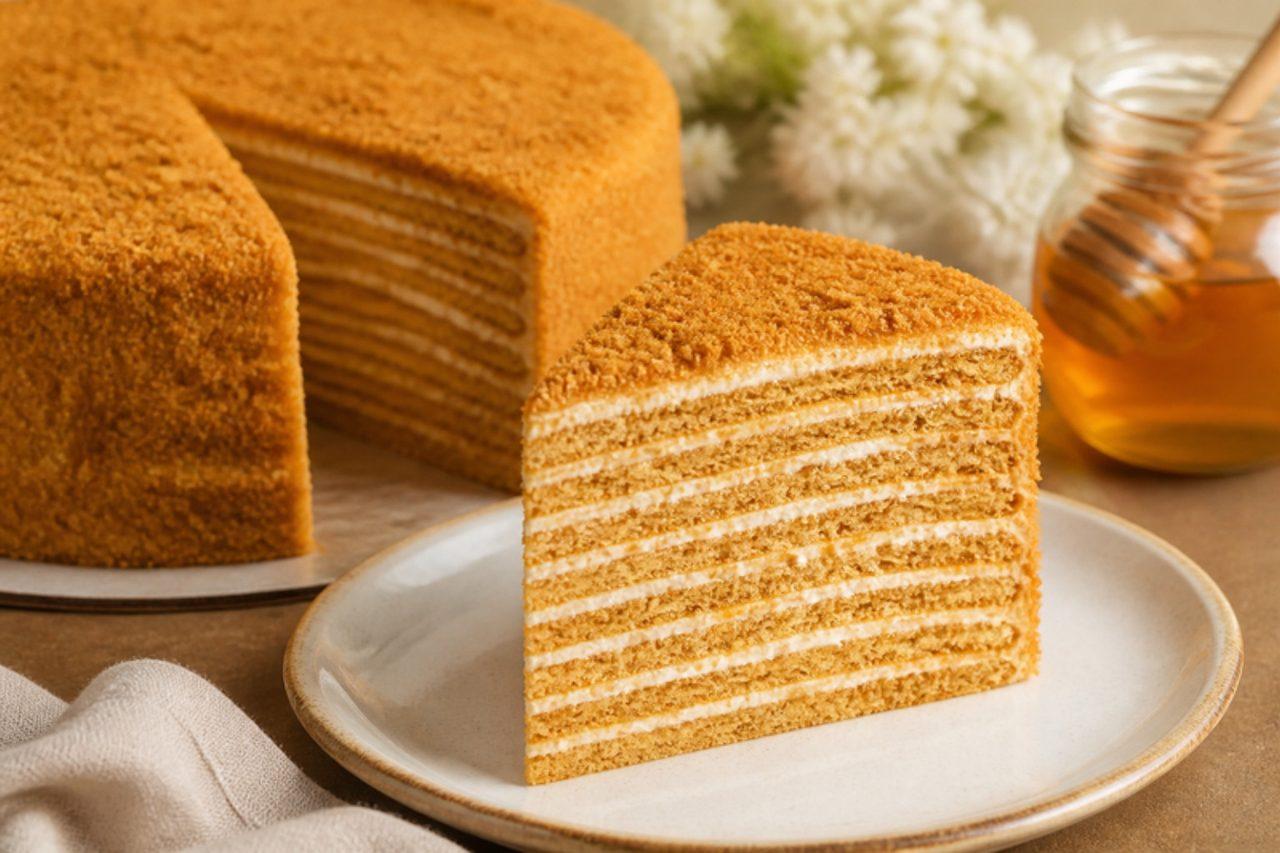
Medovik

Medovik, the honey cake, is the birthday and name-day cake of countless Ukrainian homes, from Dnipro to Zaporizhzhia, and is shared with kitchens across the former Soviet Union. Eight thin layers of honey-caramel dough are baked like biscuits, then stacked with a tangy sour-cream frosting and left overnight, when they soften into a tender, moist cake. The crumbs from trimming coat the outside. Because it is made with honey and eggs, it is vegetarian but not vegan. Chef's tip: cook the honey, sugar and butter until it turns a deep amber before the bicarbonate goes in; that caramel is the whole flavour of the cake. Common mistake: cutting it the same day, before the layers have soaked up the cream, when it is still dry and hard.

by KrazyBadal 0 views

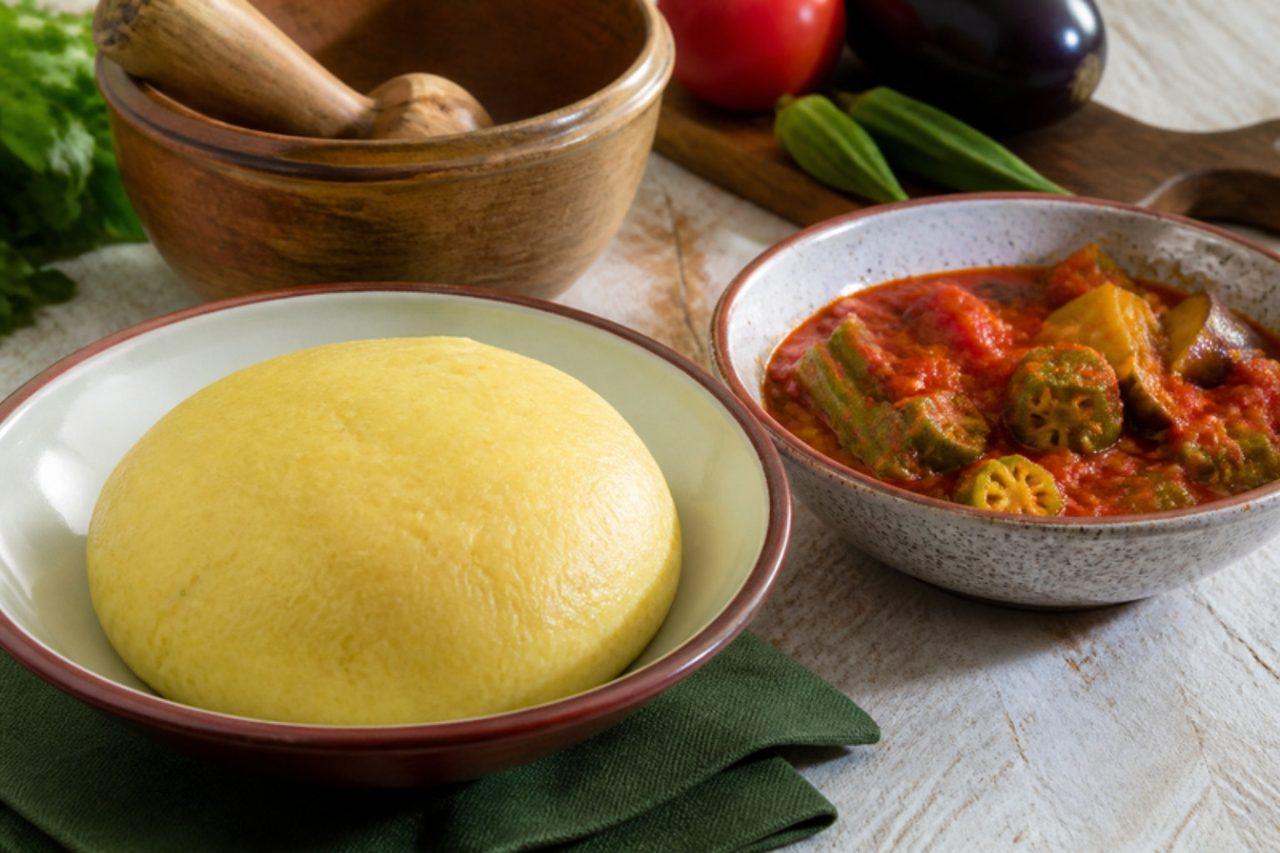
Foutou banane

Foutou is the pounded staple of the Baoulé country around Bouaké and Yamoussoukro: boiled plantain, often mixed with cassava, pounded in a wooden mortar into a smooth, stretchy, slightly sweet ball. It is eaten with the fingers, pulled off in pieces and dipped into sauce graine (palm nut), sauce arachide or okra sauce. A food processor followed by a short knead does the job at home. Chef's tip: pound while everything is steaming hot; cold plantain will not come together and stays lumpy.

by KrazyBadal 0 views

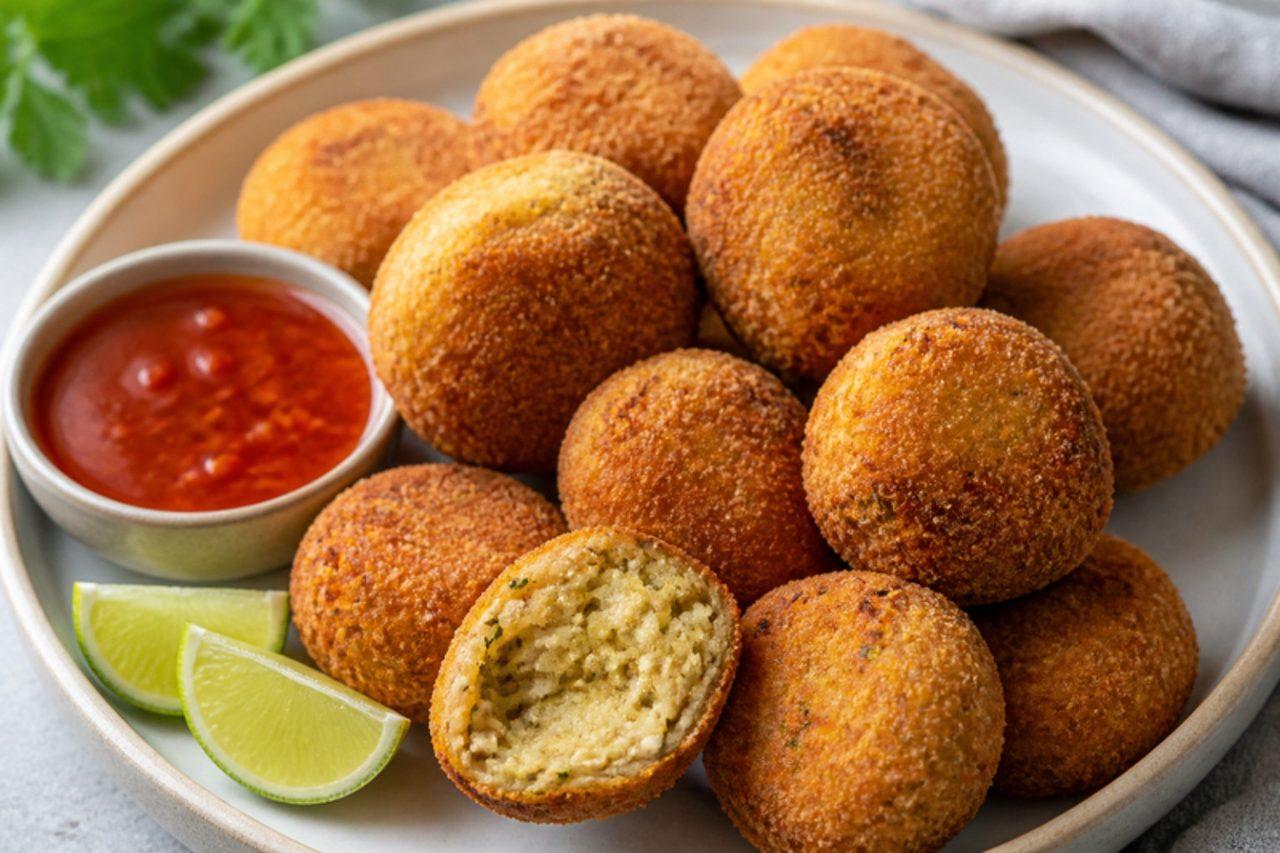
Sri Lankan fish cutlets

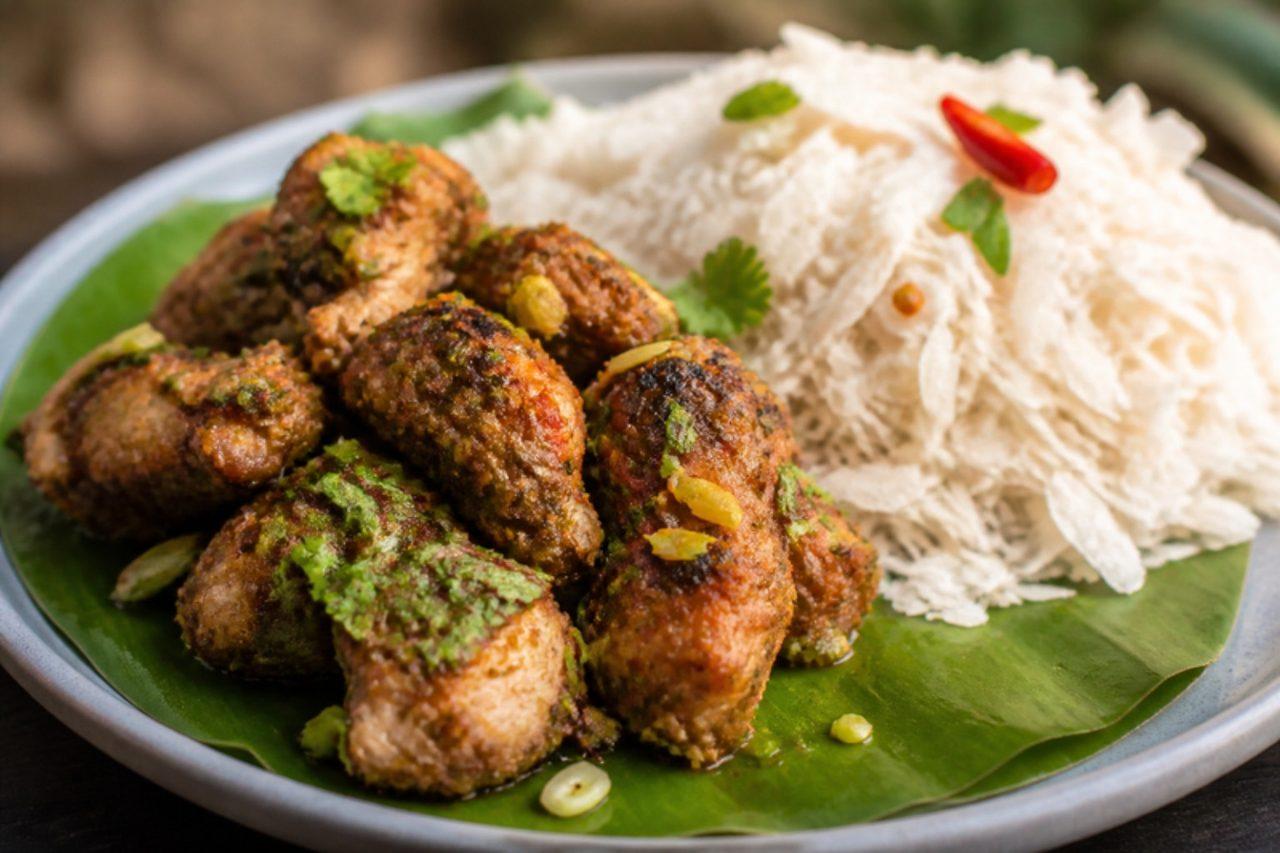
No Sri Lankan party table, from Colombo office leaving-dos to village weddings, is complete without a tray of fish cutlets. These are small, round balls of tinned or fresh tuna mashed with potato, onion, green chilli and black pepper, rolled in breadcrumbs and fried until crisp. They're also a go-to teatime short eat, eaten with a cup of plain tea or tucked into a lunch box. Serve them with chilli sauce or a squeeze of lime. Chef's tip: fry the onion and spices with the fish before mixing in the potato; it dries the filling and makes the cutlets far tastier than mixing everything raw.

by KrazyBadal 0 views

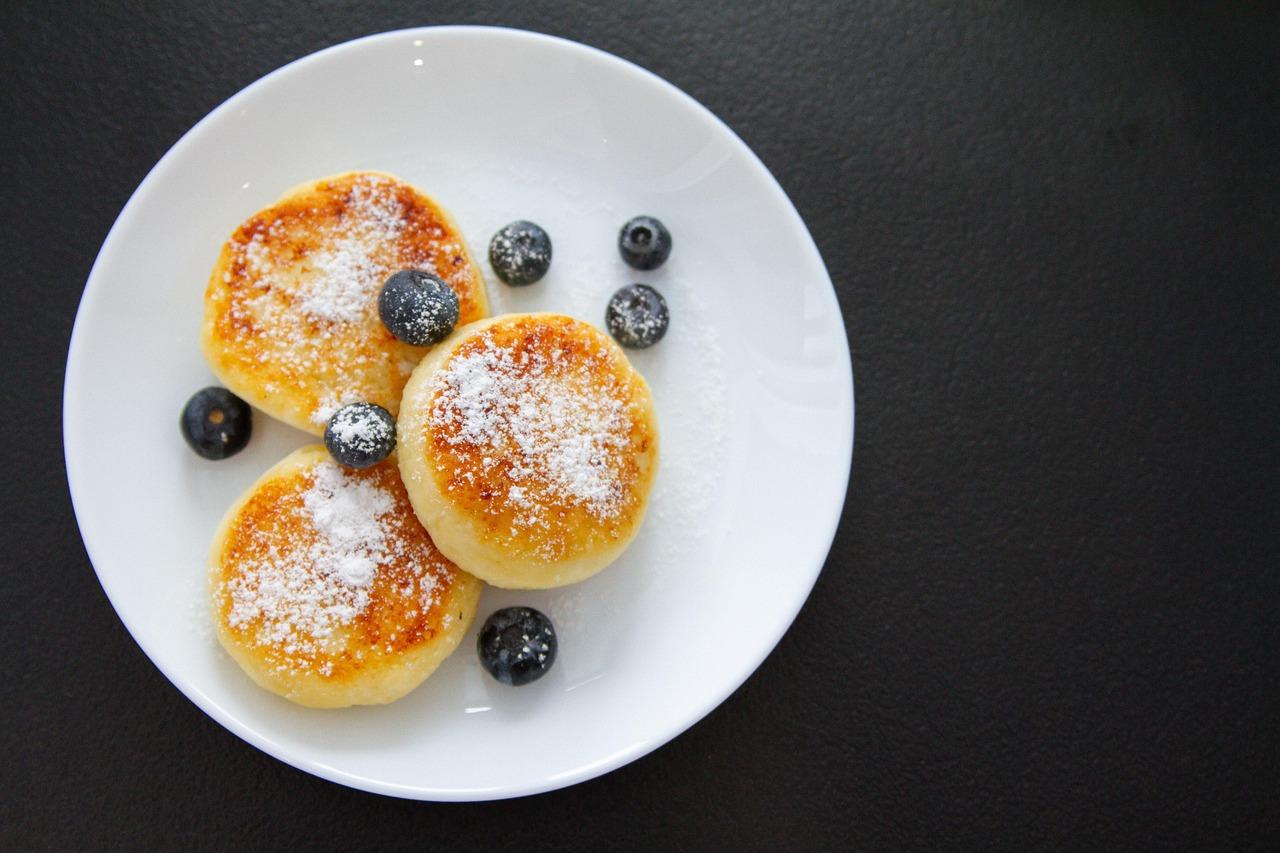
Syrnyky

Syrnyky are the Sunday breakfast of Ukrainian childhoods: small, thick pancakes made almost entirely of tvorih, the dry farmer's cheese sold at every market in Odesa and Lviv, held together with an egg and a little flour and fried until golden. Inside they should be soft and creamy, like a baked cheesecake, outside lightly crisp. They are served with sour cream and cherry jam, or honey. Tvorih is made with lactic culture rather than rennet, so it suits vegetarians; dry cottage cheese pressed through a sieve or quark also works. Chef's tip: if your cheese is wet, wrap it in a cloth and press it under a weight for an hour; common mistake is adding extra flour to rescue a wet mixture, which makes syrnyky dense and rubbery.

by KrazyBadal 0 views

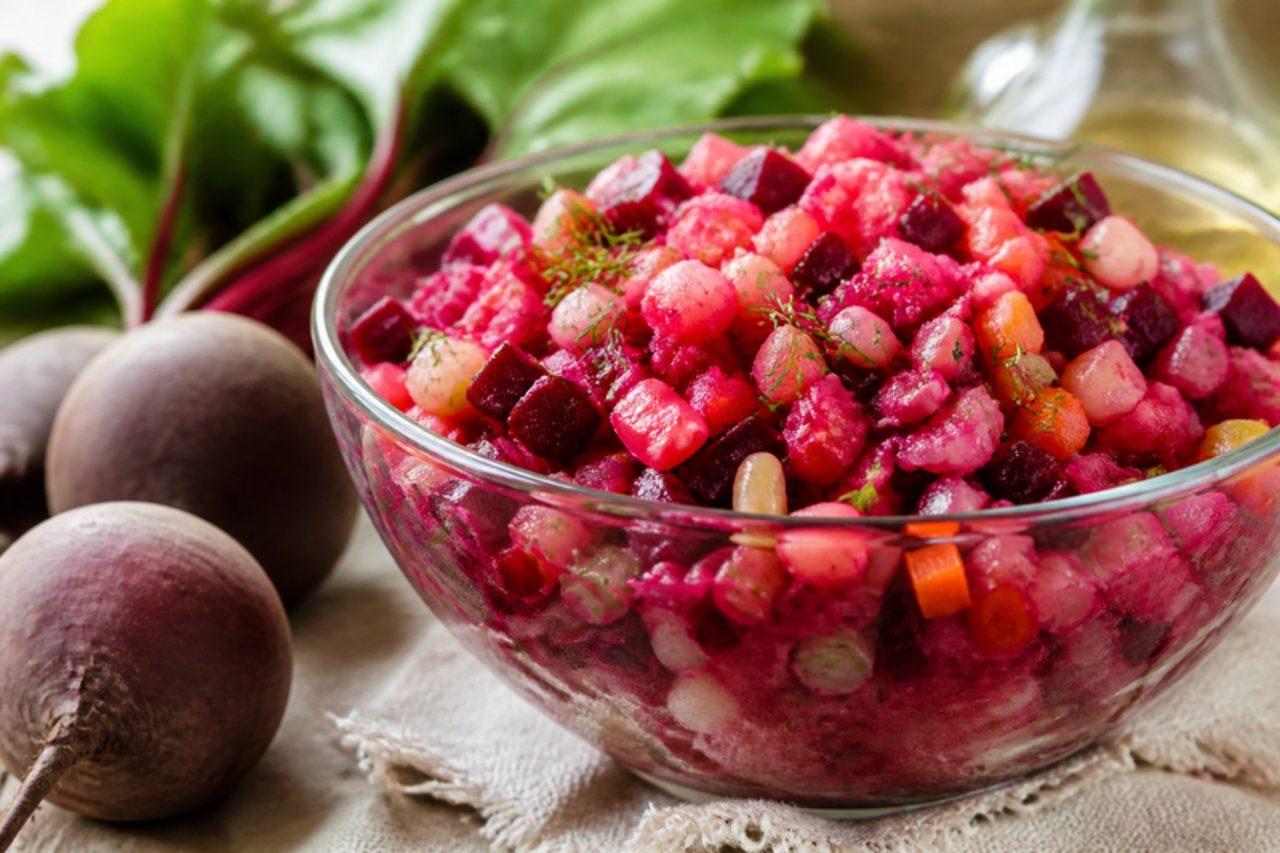
Vinegret

Vinegret is the ruby-coloured salad that sits on almost every Ukrainian New Year and Christmas table, alongside olivier, and fills lunch boxes through the winter. Cooked beetroot, potato and carrot are diced small and tossed with sauerkraut, pickled cucumbers and beans, then dressed with fragrant unrefined sunflower oil, the kind sold by the bottle at markets in Poltava and Kherson. Despite the name there is often no vinegar at all; the sourness comes from the pickles. It is vegan, cheap and keeps for days. Chef's tip: dress the diced beetroot with oil on its own first, then mix in everything else; the oil coats it so the potatoes stay pale and the salad looks like a mosaic rather than all pink.

by KrazyBadal 0 views

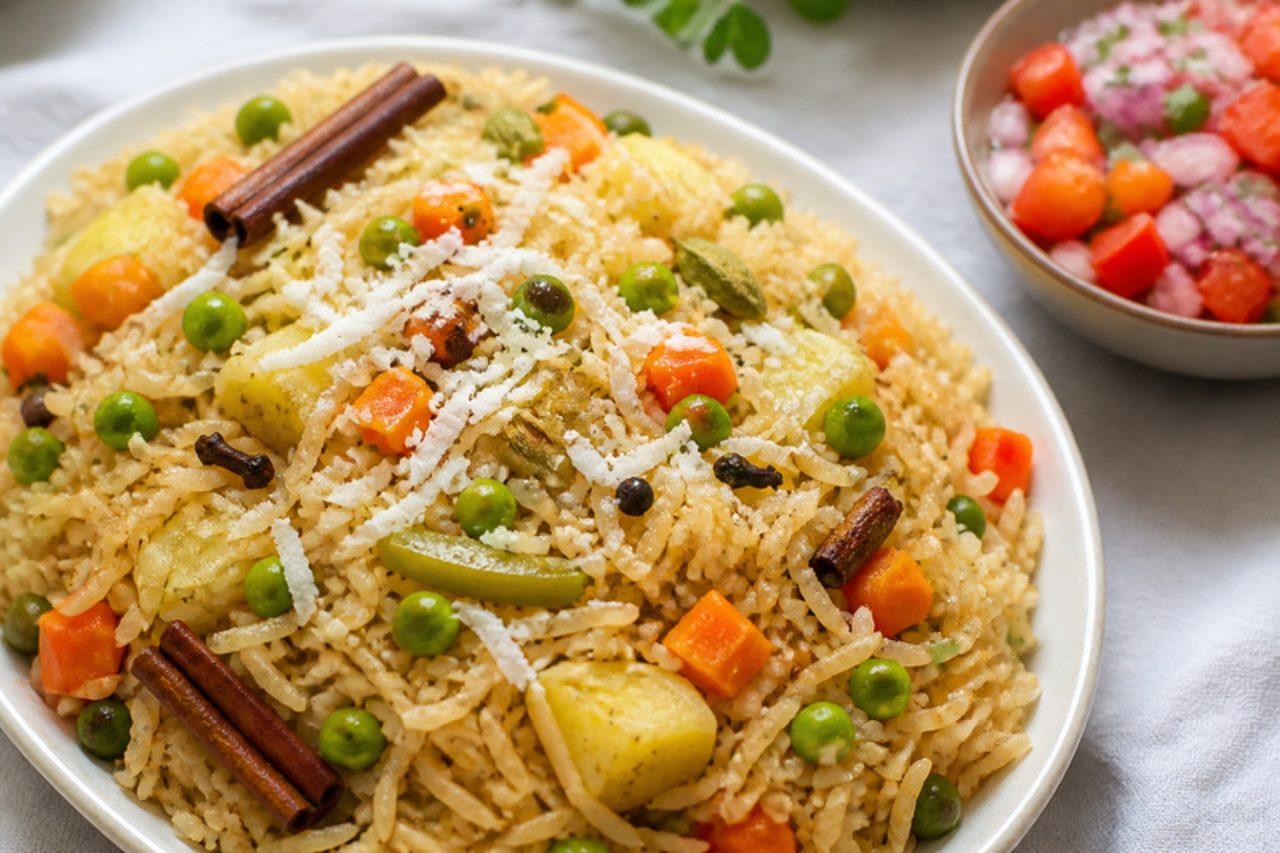
Zanzibar pillau

Zanzibar's spiced pilau: rice cooked with onions, garlic, whole cinnamon, cloves, cardamom, peppercorns, cumin and nutmeg and plenty of vegetables, then finished with coconut milk and baked until fluffy. It's fragrant rather than hot. Garnish with grated coconut and serve hot with kachumbari or a curry.

by KrazyBadal 0 views

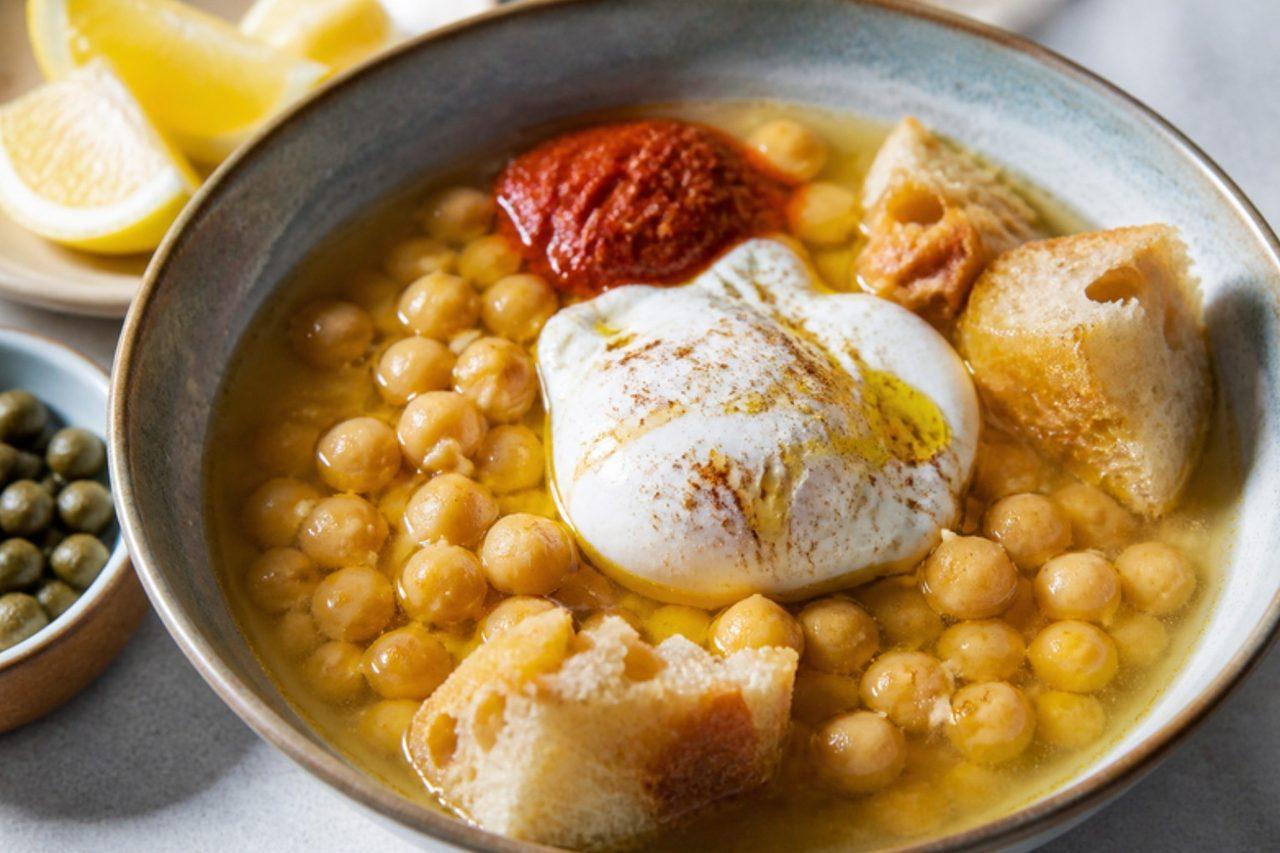
Lablabi

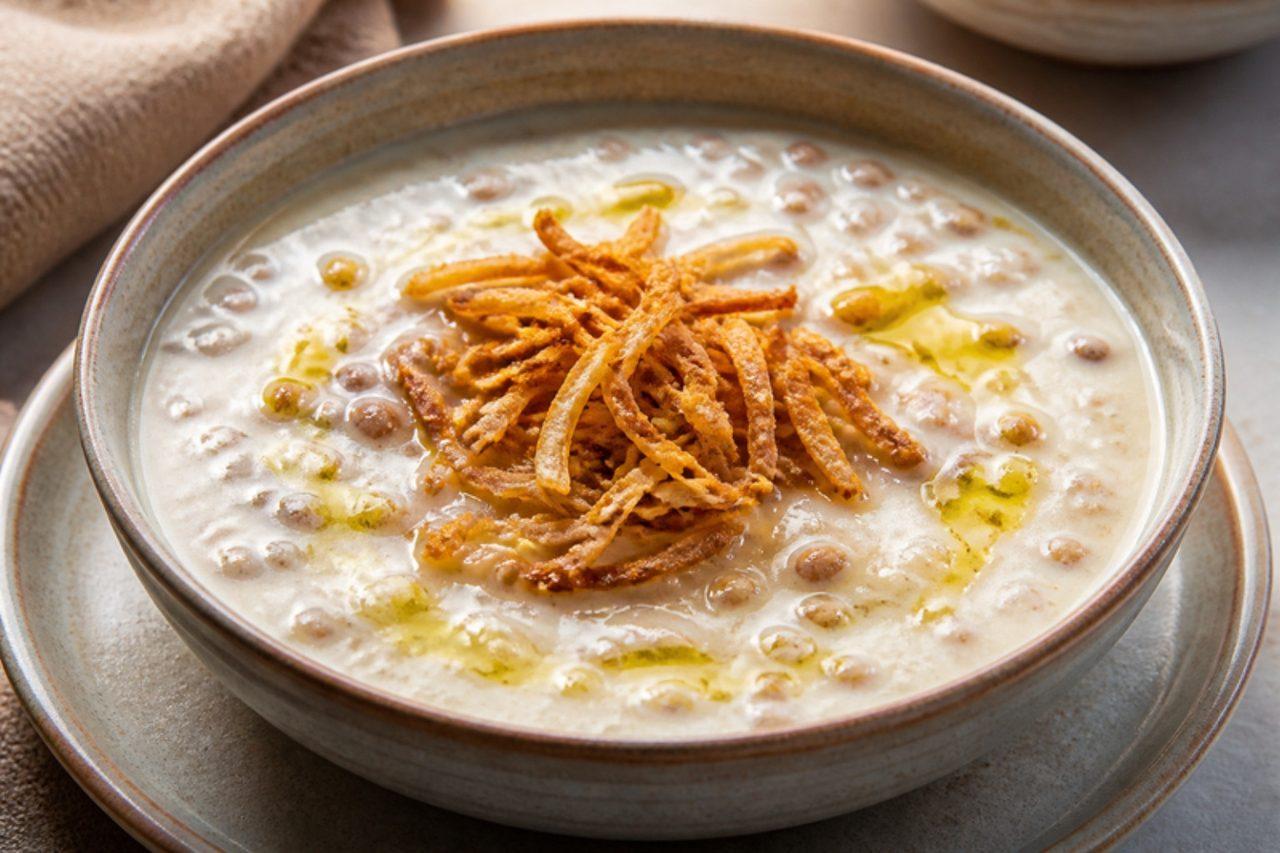
Lablabi is the working breakfast of Tunis, served from steaming cauldrons in tiny shops near the medina and the markets from dawn, and eaten all over Tunisia on cold winter mornings. Torn day-old bread goes into the bowl first, then hot chickpeas and their garlicky broth, and everyone dresses their own with harissa, cumin, olive oil, lemon and capers; many add a soft-poached egg that is broken through the bread. Chef's tip: let the bread soak for a minute before you stir in the harissa, so it turns soft and spoonable but not mushy.

by KrazyBadal 0 views

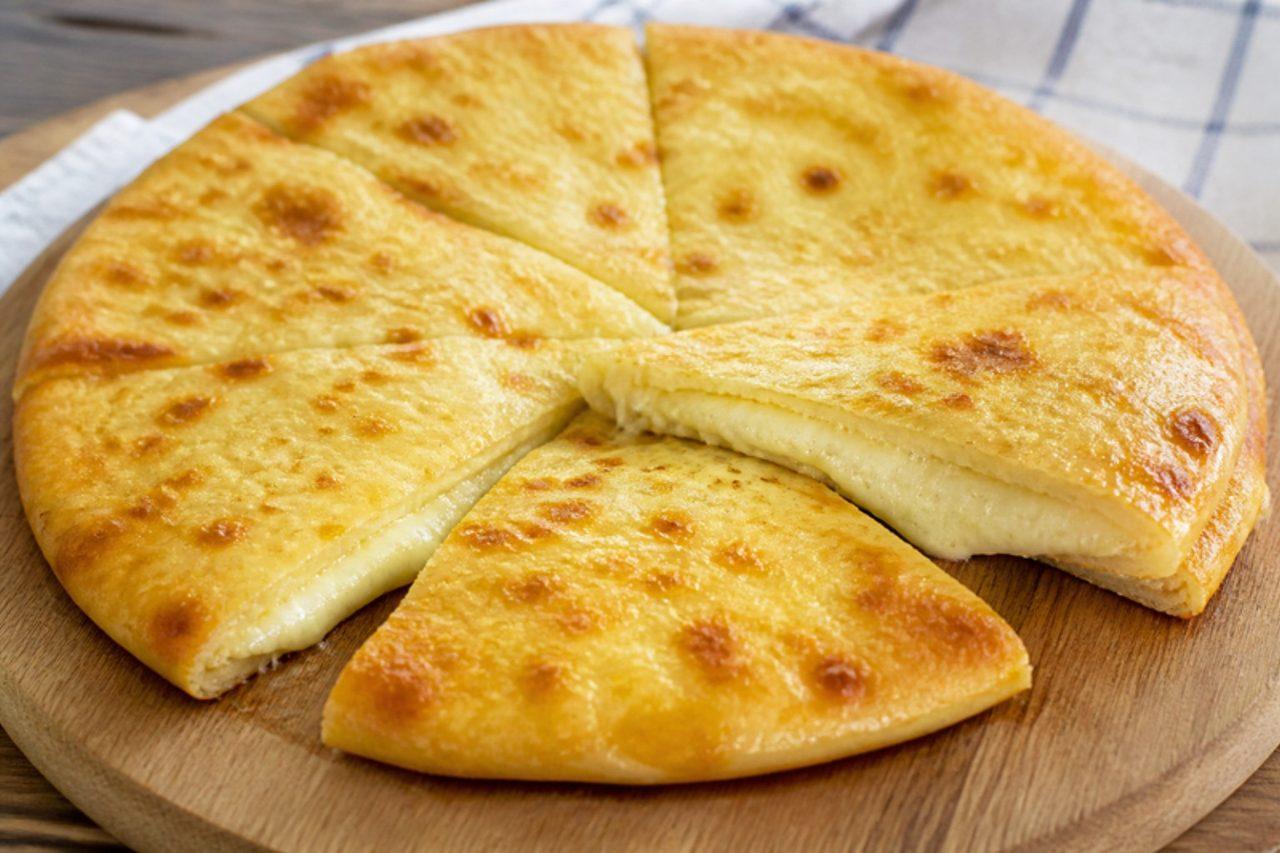
Imeruli khachapuri

In Imereti, the region around Kutaisi in western Georgia, this flat round cheese bread is everyday food, and it is the one most families make at home: a tender, quick dough leavened with matsoni (Georgian yogurt) and soda, wrapped around a cheese ball and cooked in a dry frying pan. It is cut into wedges like a pizza and set on the table for breakfast, for a feast, or packed for a long car journey. Georgian imeruli and sulguni cheeses are hard to find outside Georgia, so this uses mozzarella with feta for the salty tang. Choose cheeses labelled vegetarian (microbial rennet). Children love it plain, still warm. A common mistake is rolling it out with heavy pressure, which tears the thin dough so the cheese leaks and burns in the pan. Chef's tip: press it out gently with your fingertips from the centre outwards, and if a small hole appears, pinch a scrap of dough over it before it reaches the pan.

by KrazyBadal 0 views

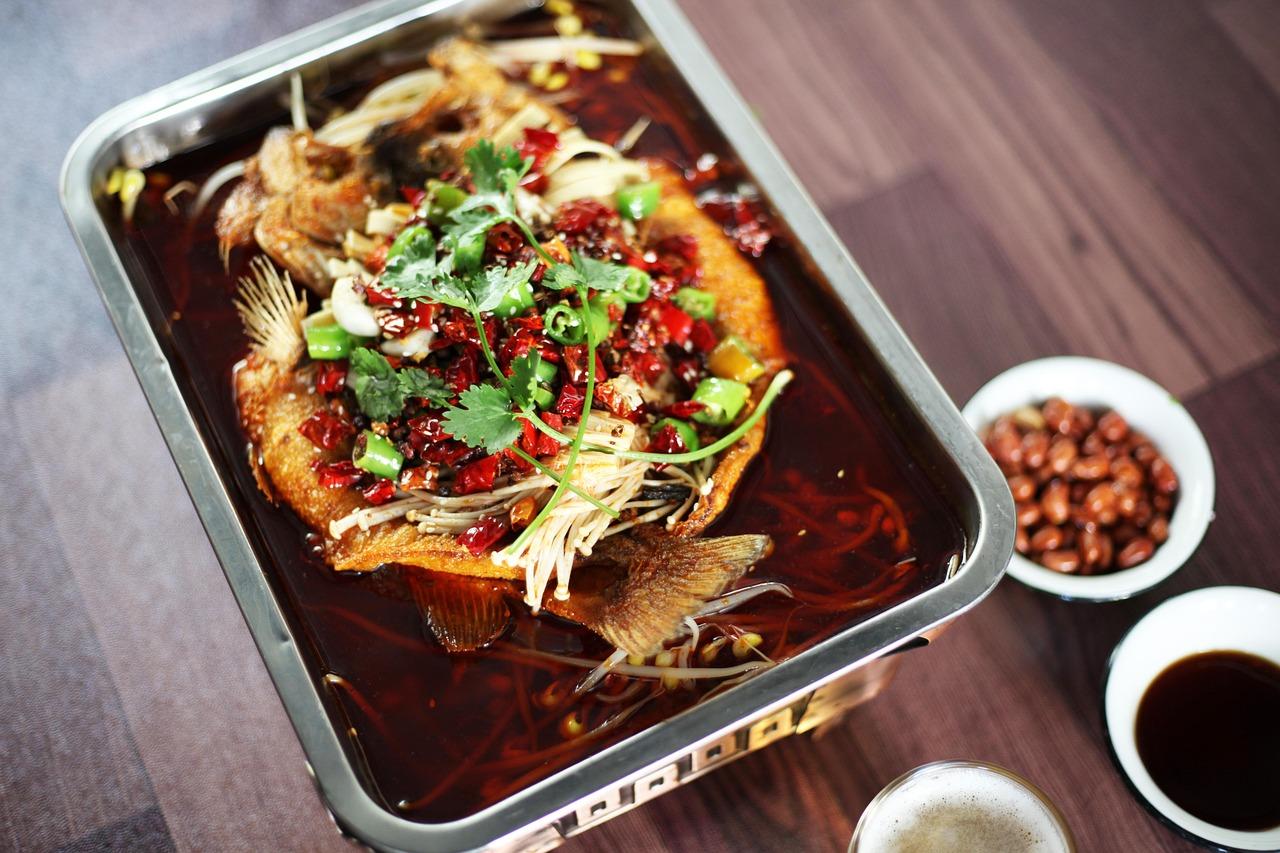
Chongqing grilled fish

The river port of Wanzhou on the Yangtze gave the country kao yu, now a late-night favourite in every Chinese city: a whole fish, split open and grilled over charcoal until the skin crackles, then laid in a metal tray of bubbling chilli broth and kept hot over a burner in the middle of the table. Friends pick at the crisp skin and soft flesh, then work through the potatoes, bean sprouts and celery underneath, which soak up the spicy, savoury, faintly numbing sauce. This home version uses a hot oven and a roasting tin. Serve it with rice and plenty of cold drinks. Chef's tip: dry the fish inside and out with kitchen paper and oil the tin well; a wet fish steams instead of crisping and sticks to the metal.

by KrazyBadal 0 views

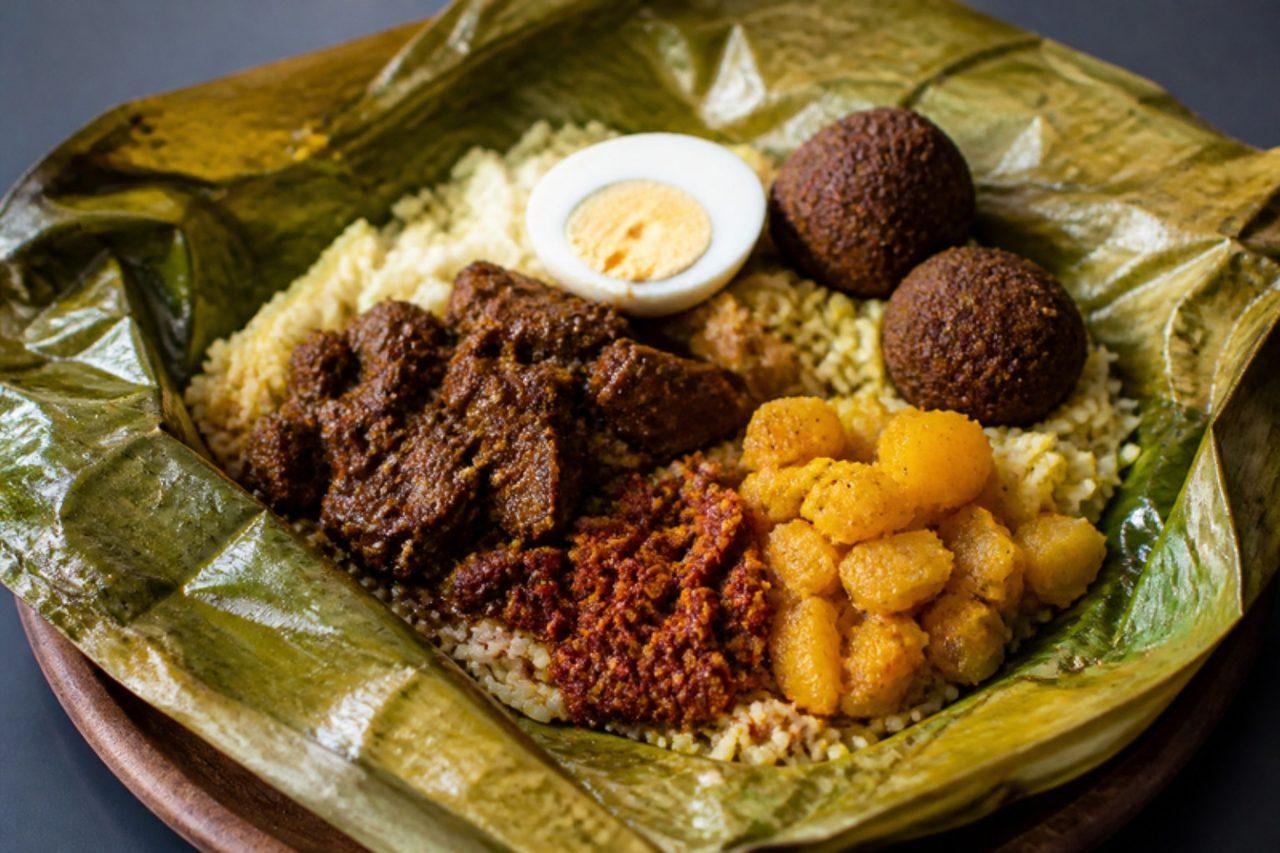
Lamprais (home version)

Lamprais came to Sri Lanka with the Dutch Burgher community, and Colombo's Burgher families still make it for Sunday lunch, christenings and Christmas. Each banana-leaf parcel holds rice cooked in rich stock, a mixed meat curry, little fried meatballs called frikkadels, a hard-boiled egg, aubergine moju and seeni sambol, all baked together until the leaf perfumes everything. The traditional version uses three meats including pork; this home version keeps it to chicken and beef so it is manageable in one day, and the steps still take time. Chef's tip: make the curry and frikkadels the day before; on lamprais day you only cook the rice and wrap.

by KrazyBadal 0 views

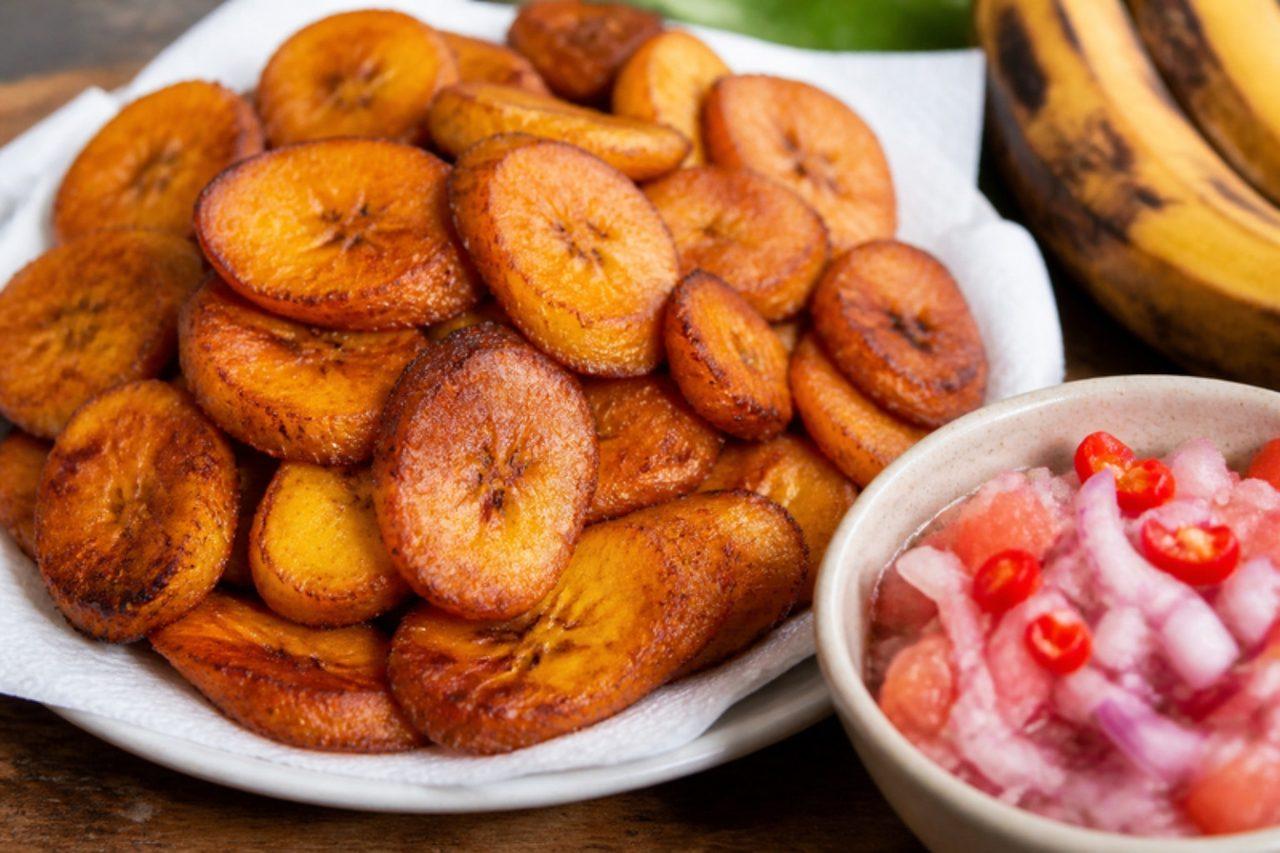
Alloco

Alloco is the evening street food of Abidjan, fried in palm or vegetable oil in big pans by vendors around the Allocodrome in Cocody and in every neighbourhood. Very ripe plantain is cut into thick slices or cubes, fried until caramelised at the edges, and eaten with a fiery raw sauce of onion, tomato and chilli. Unlike Ghanaian kelewele it is not marinated in spices: the sweetness of the fruit against the sharp sauce is the whole point. Chef's tip: wait until the plantain skins are mostly black; yellow plantain fries up dry and starchy.

by KrazyBadal 0 views

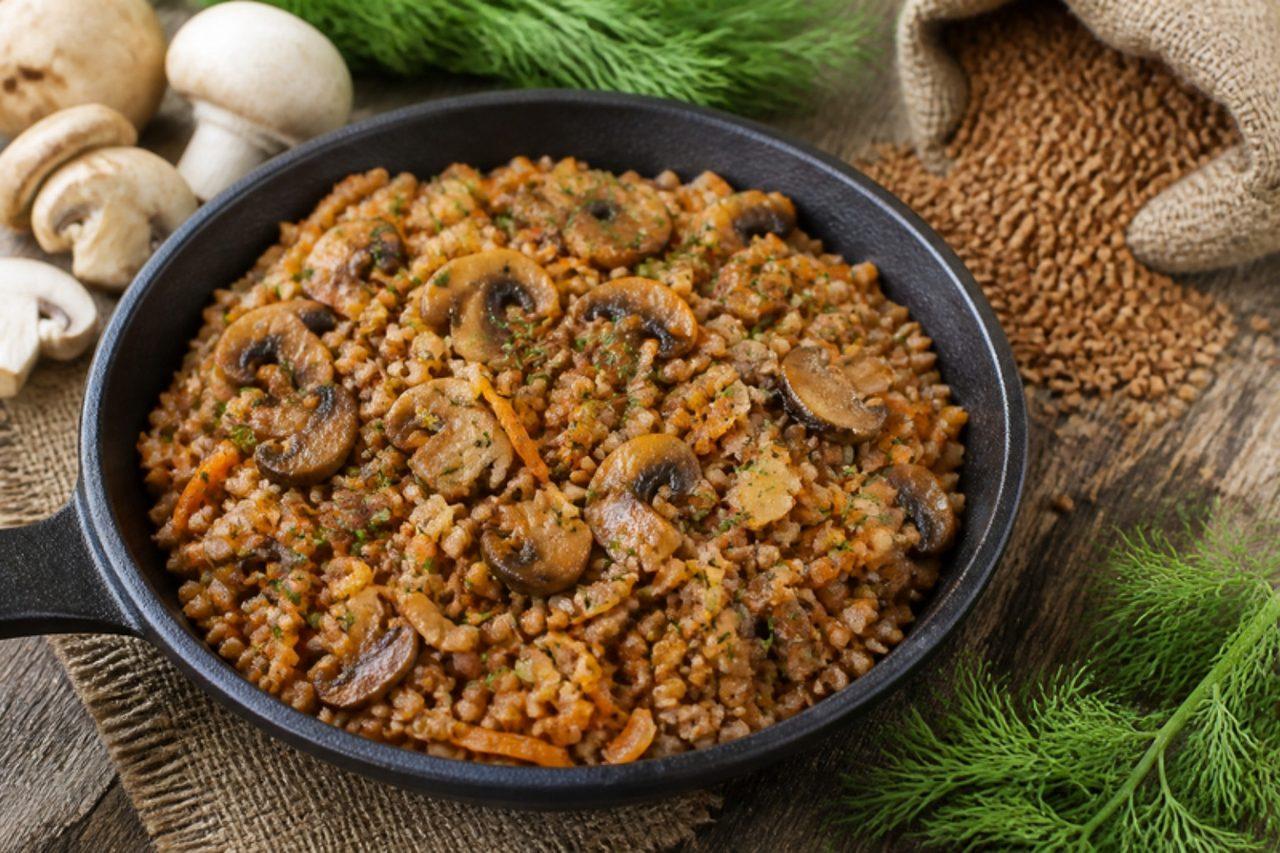
Kasha with mushrooms

Buckwheat, hrechka, is the grain Ukrainians grow up on: cooked loose and fluffy, it turns up as a weekday side in Kharkiv kitchens, in student dorms in Lviv and on every school canteen tray. Cooked with fried mushrooms, onion and carrot it becomes a filling meal of its own, and in autumn it is made with wild mushrooms picked in the Polissia forests. It is naturally gluten free and, with no butter, vegan. Chef's tip: dry-toast the grains until they smell nutty and crackle; it gives the kasha its deep flavour and keeps each grain separate.

by KrazyBadal 0 views

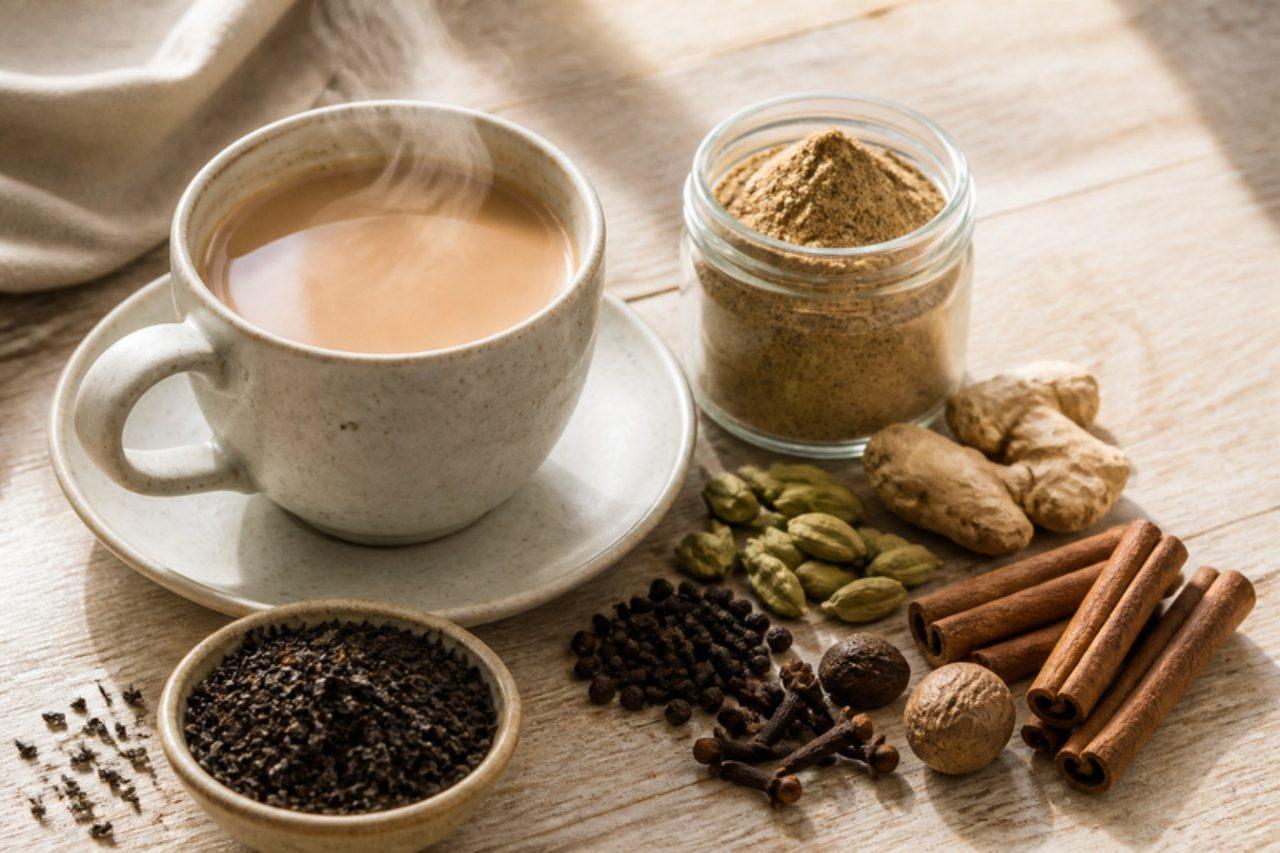
Zanzibar spiced tea (chai ya viungo)

Zanzibar is the spice island, and chai ya viungo is its everyday tea: black tea boiled with a home-roasted masala of cardamom, dry ginger, black pepper, cloves, cinnamon and nutmeg. The masala keeps for months in an airtight jar. Milk is optional; serve the tea hot.

by KrazyBadal 0 views

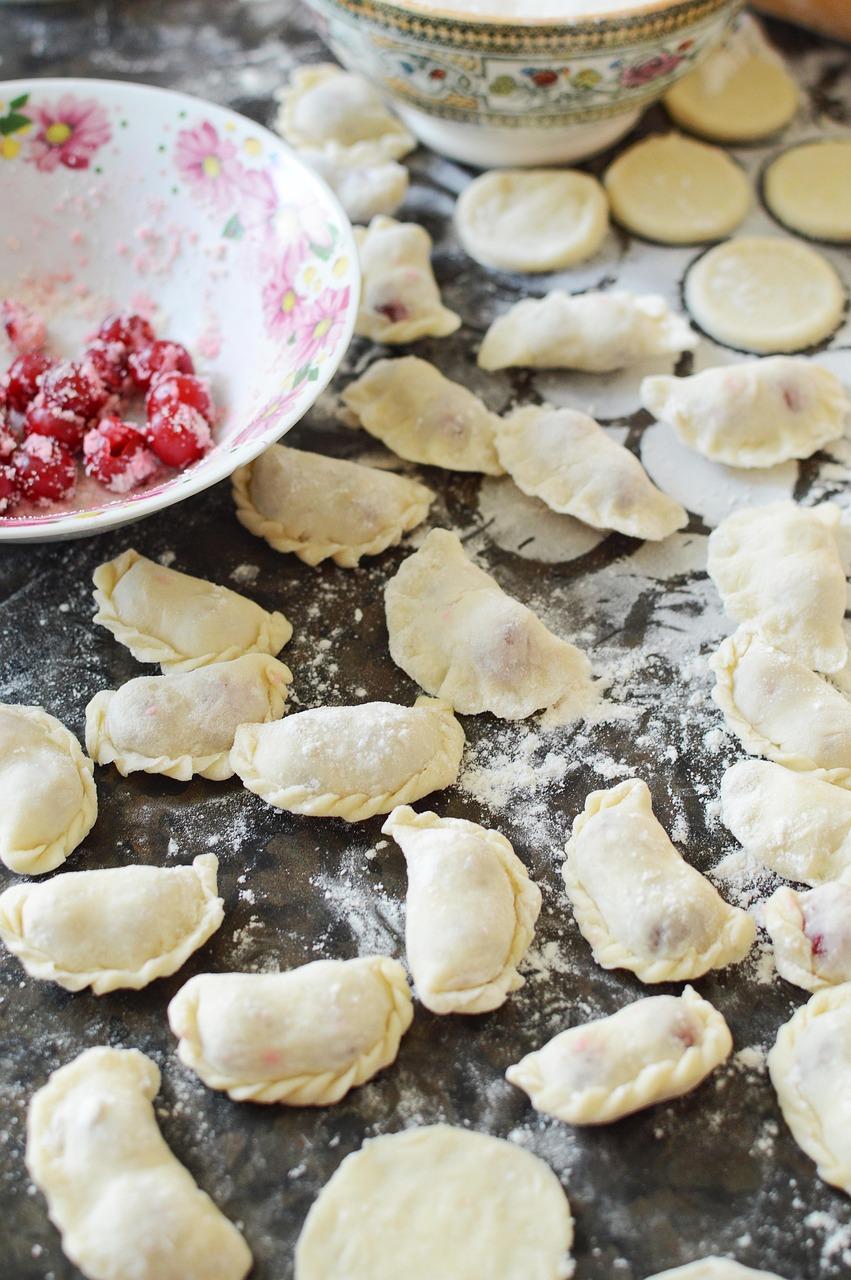
Varenyky with cherries

In late June, when the sour-cherry trees in every yard from Vinnytsia to Cherkasy turn red, Ukrainian families sit around the kitchen table pitting cherries for varenyky. These sweet dumplings are boiled, piled into a bowl and drenched in a syrup made from the cherry juice, a taste of summer holidays at grandmother's. The dough here is the simple water and oil kind, so the recipe is vegan; most Ukrainians also add a spoon of sour cream, which you are welcome to do if you are not cooking vegan. Chef's tip: sugar the cherries in a sieve and let the juice drain before filling, then put a pinch of sugar on each portion only as you seal it, so the dough stays dry at the edges.

by KrazyBadal 0 views

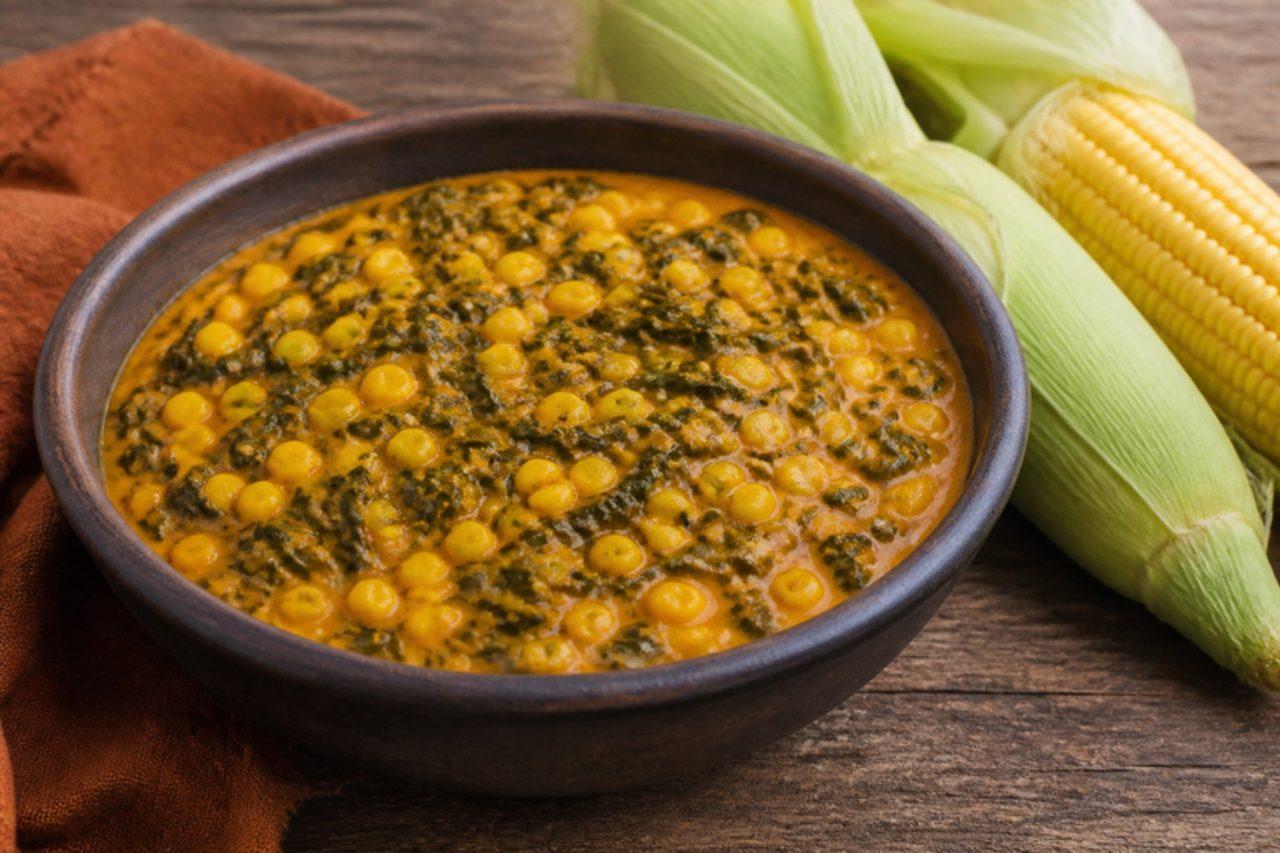
Sanga

Sanga is a home dish of the Beti people around Yaoundé in the Centre region of Cameroon, made in the maize season: young corn is grated off the cob and cooked with finely shredded njama njama (huckleberry leaves) and the orange pulp pressed from palm nuts. It is eaten warm from a bowl, sometimes with a little sugar stirred in. Spinach and tinned palm nut concentrate make a good version abroad. Chef's tip: grate the kernels off the cob rather than slicing them; the milky pulp is what thickens sanga.

by KrazyBadal 0 views

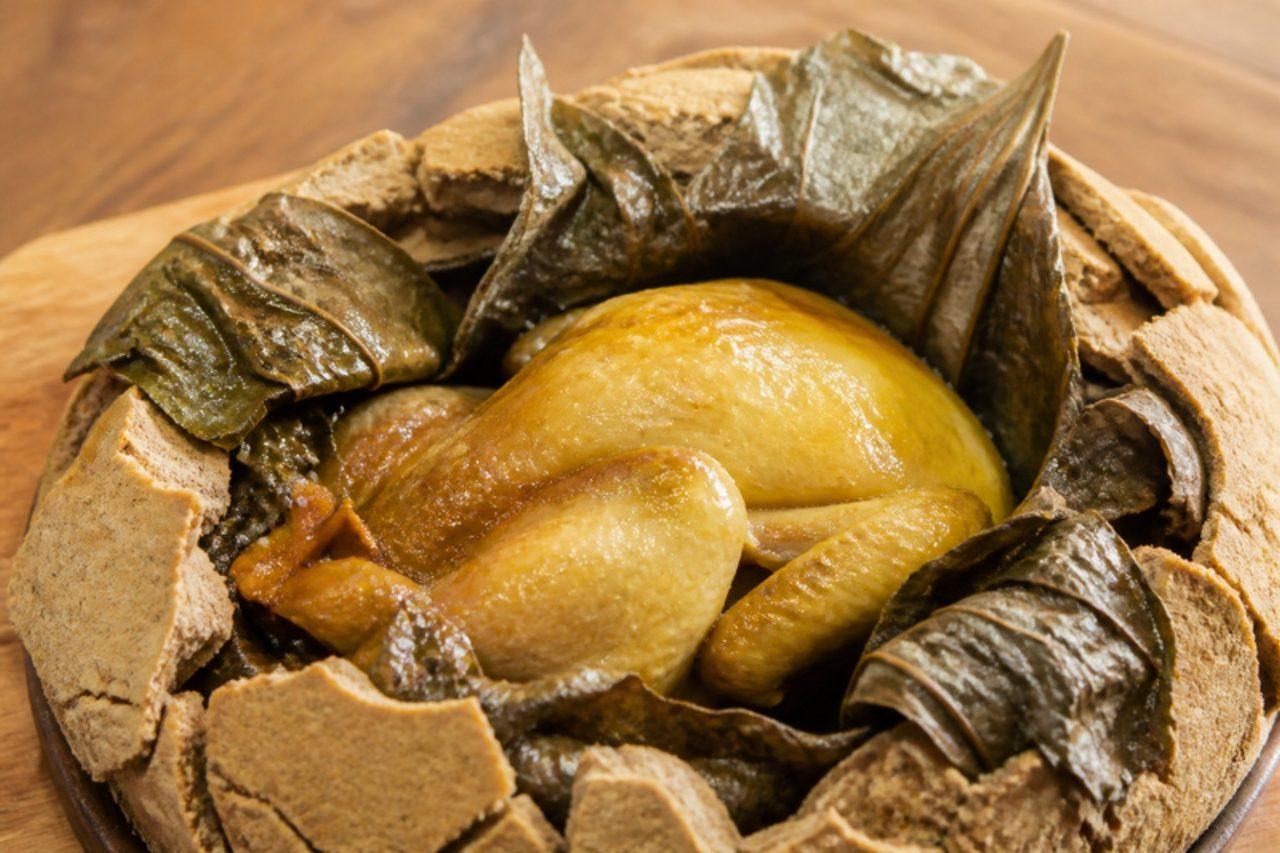
Beggar's chicken

Legend has a hungry beggar near Hangzhou wrapping a stolen chicken in mud and burying it in the embers; restaurants in Hangzhou and Changshu still crack open the crust at the table for a bit of theatre. This home version swaps the mud for a salt-and-flour dough, so it bakes in an ordinary oven. Inside two lotus leaves, the bird steams in its own juices with pork, mushrooms and bamboo shoots, so the meat is fall-apart tender and smells of the leaves. Make it for a special dinner and serve with rice and greens. Chef's tip: the crust is only an oven, not something to eat; seal every crack with a scrap of dough so the steam stays in.

by KrazyBadal 0 views

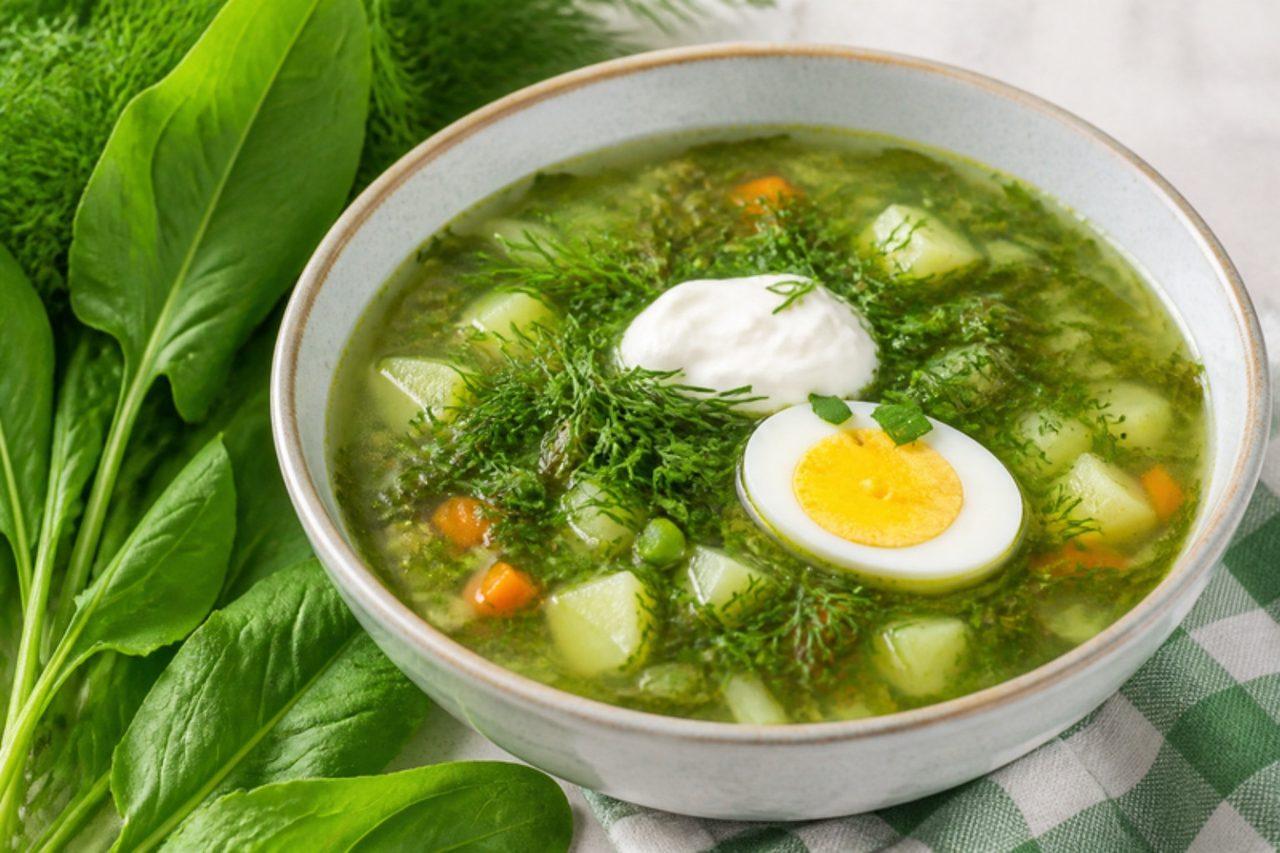
Green borscht

When the first sorrel comes up in village gardens around Chernihiv and Sumy in May, Ukrainian grandmothers stop making red borshch and switch to green: a light, lemony soup of sorrel, potato and herbs, served with halved boiled eggs. It is the soup of early summer and of Trinity Sunday, eaten hot with sour cream or chilled on a warm day. Sorrel gives it a clean sourness, so no vinegar is needed. This version uses vegetable stock instead of the chicken or pork stock some families use. Chef's tip: add the sorrel only in the last two minutes; it turns olive green the moment it hits the heat, but if it boils longer it collapses into stringy khaki threads.

by KrazyBadal 0 views

Attiéké with tomato and onion

Attiéké is the light, slightly sour cassava 'couscous' of the Ébrié and Adjoukrou peoples around Abidjan's lagoons, and it is eaten across Côte d'Ivoire every day of the week. In maquis (open-air restaurants) it comes heaped beside grilled fish with a raw salad of tomato, onion and chilli; at home many people eat it simply with that salad, fried plantain and a fried egg, which is how it is served here. Buy it frozen or dried in African shops. Chef's tip: steam attiéké rather than boiling it; water turns it to paste, while steam keeps the grains fluffy and separate.

by KrazyBadal 0 views

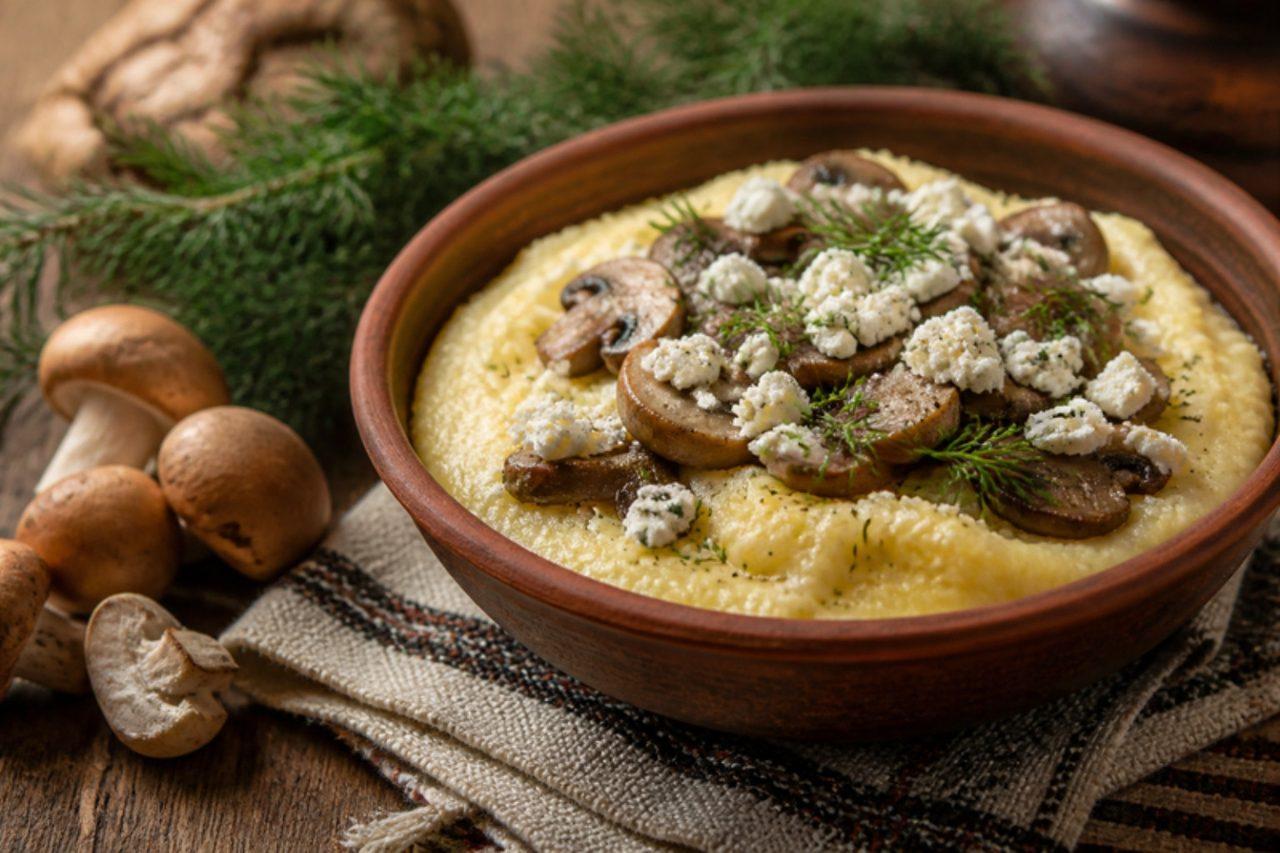
Banosh

Banosh is the shepherds' dish of the Hutsul highlands in the Ukrainian Carpathians, around Verkhovyna, Kosiv and Yaremche. Coarse cornmeal is stirred into simmering sour cream over a fire until the butterfat beads on the surface, then heaped on plates and crumbled with salty bryndza sheep's cheese and forest mushrooms; tourists queue for it in the mountain kolyba restaurants. Traditionally it is also topped with crisp pork crackling, which this vegetarian version leaves out in favour of extra buttery mushrooms. Bryndza is usually made with animal rennet, so look for a sheep's or feta cheese labelled vegetarian. Chef's tip: stir in one direction only with a wooden spoon, as the Hutsuls insist; it keeps the porridge smooth and helps the fat separate out, which tells you it is ready.

by KrazyBadal 0 views

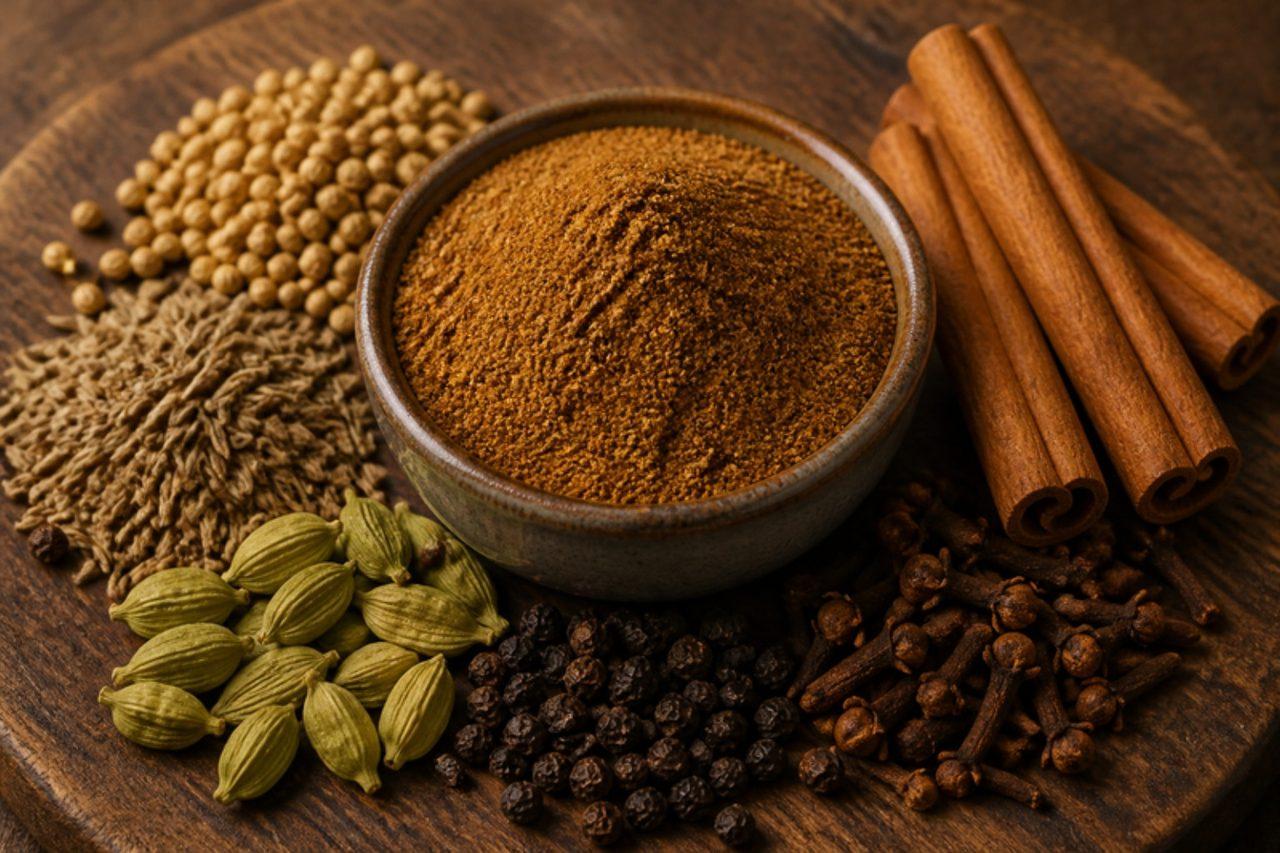
Xawaash

Xawaash (pronounced 'ha-wash') is the spice mix every Somali kitchen keeps in a jar, used in rice, soups, stews, sambuusa fillings and even tea. Families toast and grind their own, often in quantity before Ramadan, and the balance of warm cumin, earthy coriander and sweet cardamom and cinnamon varies from house to house. It is different from Yemeni hawaij and Ethiopian berbere: there is no chilli in it. Chef's tip: toast each spice only until it darkens a shade and smells warm; burnt cumin turns the whole jar bitter.

by KrazyBadal 0 views

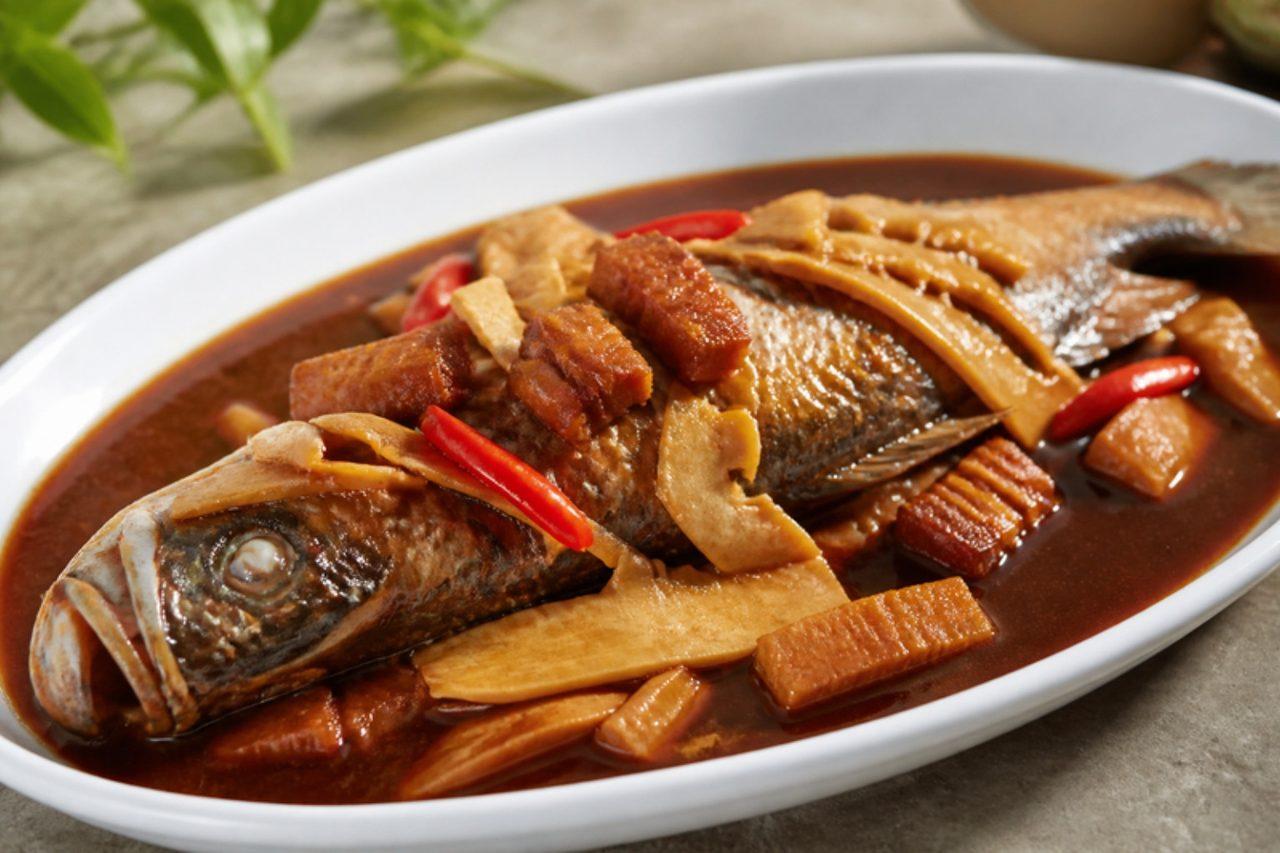
Huizhou stinky mandarin fish

From the mountain towns of Huizhou in southern Anhui comes a fish with a famous smell: mandarin fish lightly fermented for days, then braised with pork belly and bamboo shoots until the flesh separates into firm, almost garlic-clove-like flakes with a savoury, cheesy depth. Traditionally the fish ferments in a barrel at room temperature, which is not safe to copy at home. This version gives the same firm texture and a gentle tang by salt-curing the fish in the fridge for 1–2 days, never at room temperature; it is milder than the real thing. Serve it in its sauce with plenty of rice. Chef's tip: dry the cured fish very well before it goes into the pan, or the skin sticks and tears.

by KrazyBadal 0 views

Beef nihari

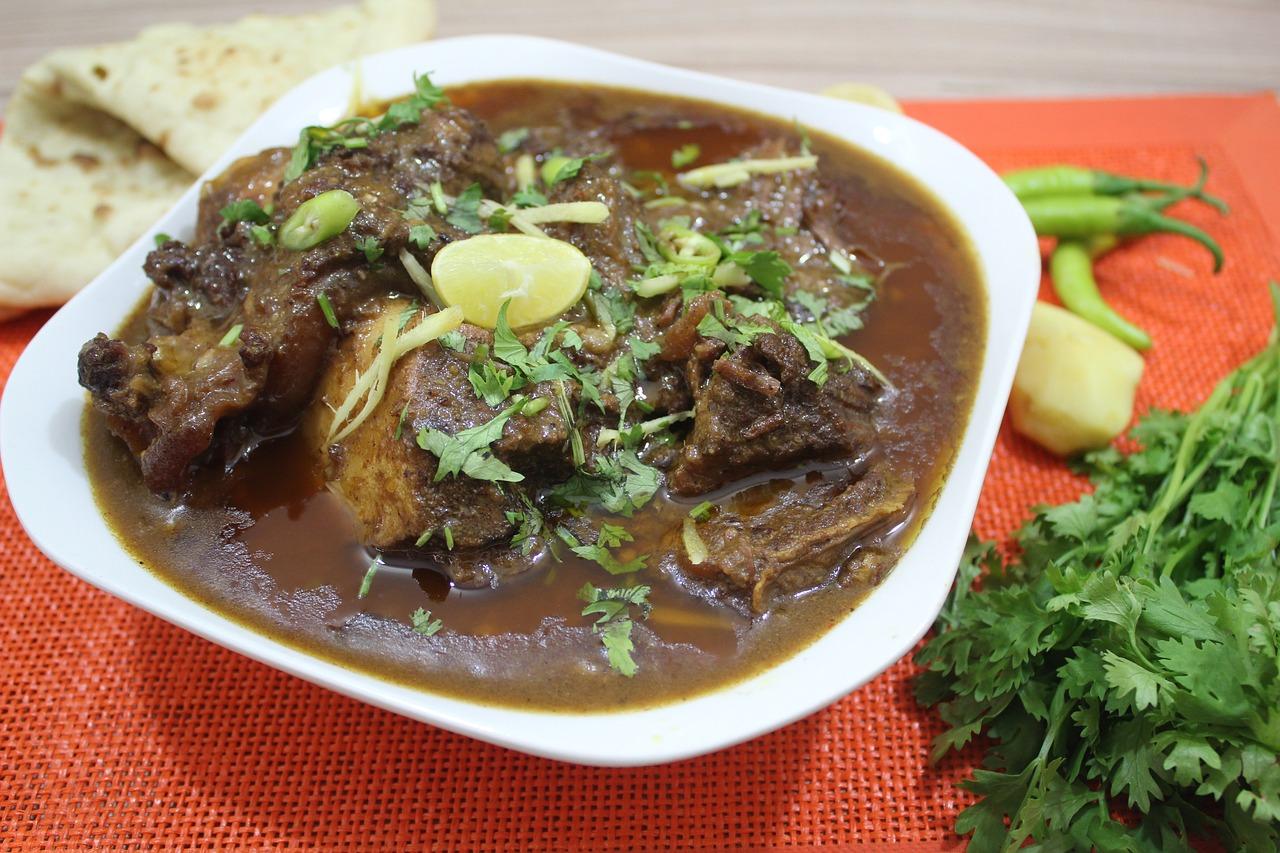
Nihari takes its name from nahar, the Arabic word for morning, and in Karachi and Lahore it is still a breakfast dish: the big pots simmer through the night and shops open at dawn for office workers and families. Beef shank cooks for hours until the meat falls apart and its marrow and gelatine turn the spiced gravy rich and silky, thickened at the end with a little toasted flour. At home it makes a perfect weekend brunch or Eid lunch, and it reheats beautifully. Serve with naan, fresh ginger, green chilli, coriander and lemon at the table. Chef's tip: cook it the day before and chill it overnight, then lift off some of the fat that sets on top before reheating.

by KrazyBadal 0 views

Choila

Choila belongs to the Newar community of the Kathmandu Valley, where it is served at festivals like Dashain and at feasts in Bhaktapur and Patan, alongside beaten rice (chiura) and a glass of something strong. Traditionally it is water buffalo, grilled over straw so the meat tastes smoky, then tossed while warm with raw mustard oil, garlic, ginger, chilli and a sizzling fenugreek tempering. This version uses chicken thighs, with buffalo or beef as an option, and it is always fully cooked before tossing. Serve it as a starter or snack with chiura and pickled radish. Chef's tip: let the mustard-oil tempering smoke for a few seconds before pouring it over; the hot oil loses its raw bite and coats the meat with a nutty, pungent flavour.

by KrazyBadal 0 views

Tunisian fish couscous

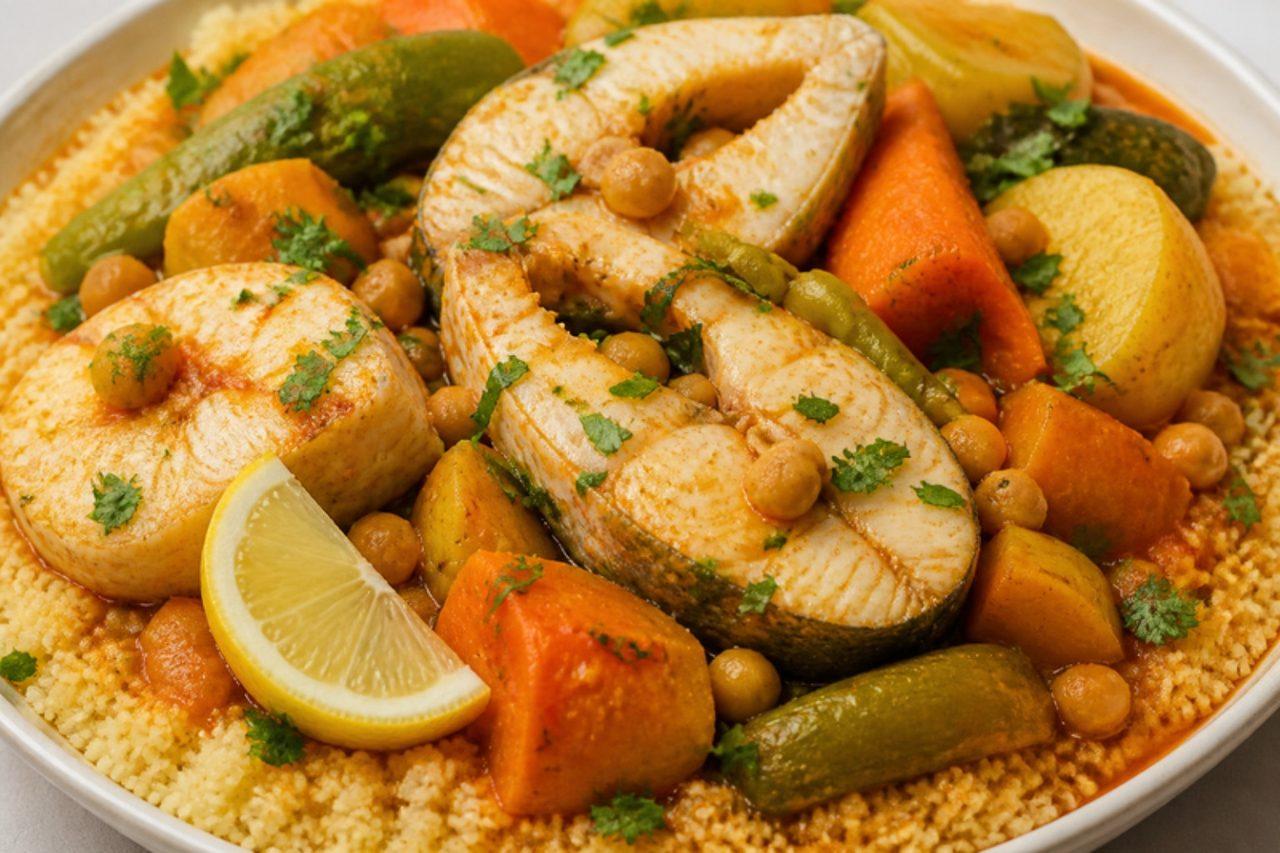
On Tunisia's coast, especially in Sfax, Mahdia and the fishing towns of Cap Bon, couscous for Friday lunch is made with fish instead of meat: a red, peppery broth of tomato, harissa and caraway in which the vegetables cook first and the fish is poached at the end, while the couscous steams on top. The broth is ladled over the grains at the table until they glisten. The mistake is boiling the fish too long, so it breaks into the broth; poach it gently for the last 10 minutes only. Chef's tip: oil and rub the couscous between your palms before and after the first steaming so every grain stays separate.

105 minTunisianFishSpicy
by KrazyBadal 0 views

Koki

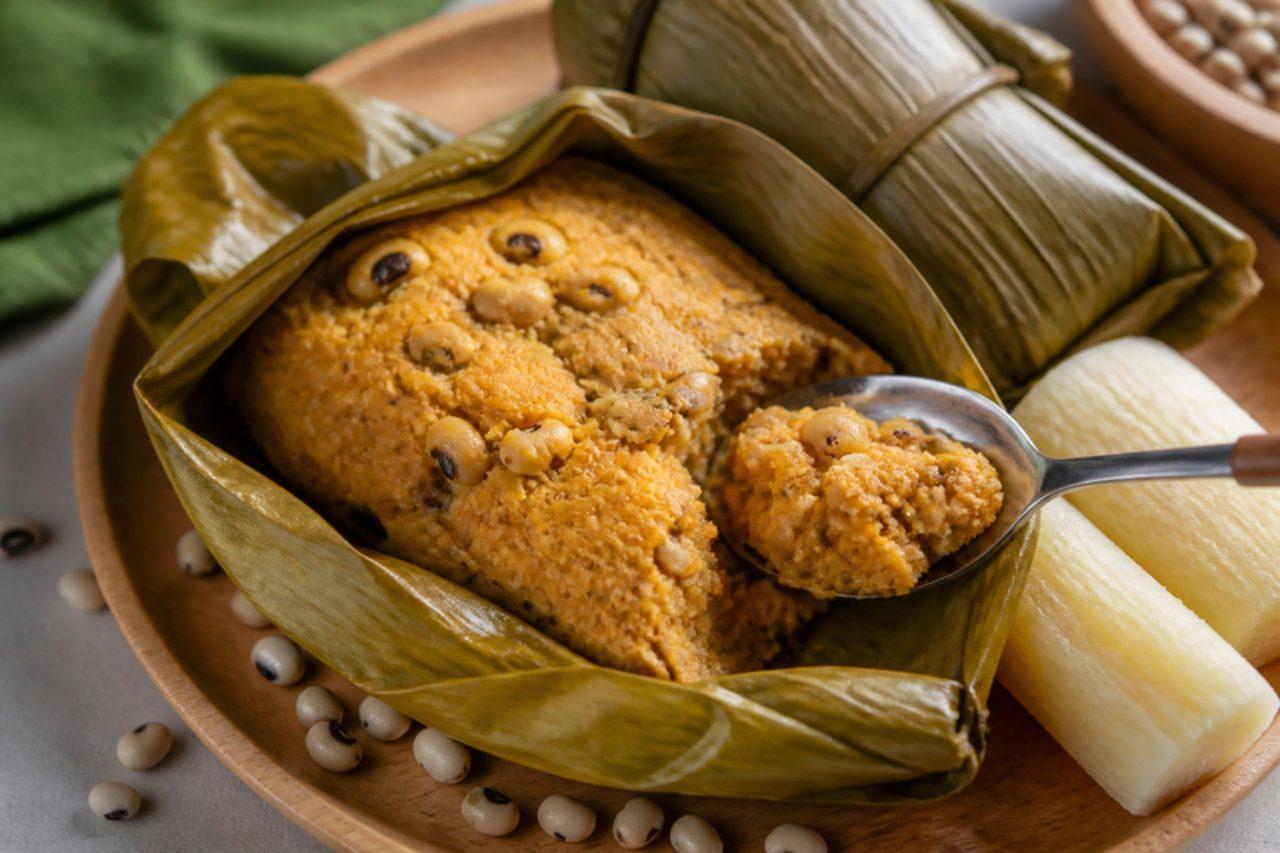
Koki is a dense, orange-red bean cake from the Douala and Bakweri country of Cameroon, made from skinned black-eyed beans blended with red palm oil, chilli and greens, then wrapped in banana leaves and steamed for hours. It is weekend food and market food, eaten with boiled plantain, cassava or ripe banana. It is related to Nigerian moi moi but heavier, richer with palm oil and full of cocoyam leaves or spinach. Chef's tip: warm the palm oil just until liquid before beating it in; poured in cold and solid it leaves streaks of fat instead of an even orange colour.

by KrazyBadal 0 views

Varenyky with potato

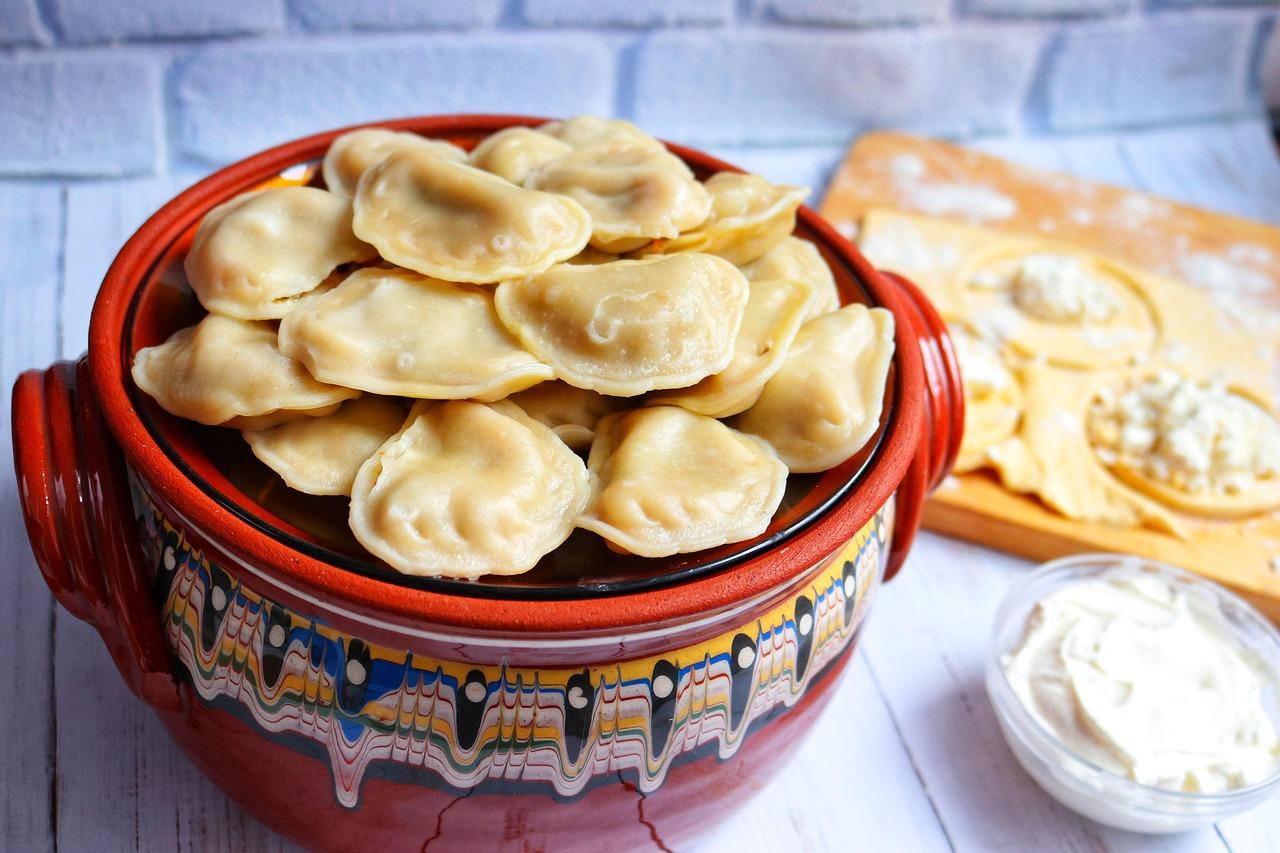
Varenyky with potato are the everyday dumplings of central Ukraine, the ones Gogol's Poltava characters dream about and the ones that fill freezers in Kyiv flats before every holiday. Unlike Polish pierogi ruskie, these have no curd cheese: the filling is simply mashed potato beaten with plenty of onion fried in sunflower oil, so they are vegan and appear on the meatless Holy Supper table on Christmas Eve. They are boiled, then tossed in more golden onion and eaten with dill. Chef's tip: let the filling cool completely before you fill the dough; warm mash steams the dough from inside and the dumplings tear in the pot.

by KrazyBadal 0 views

Ukrainian borscht

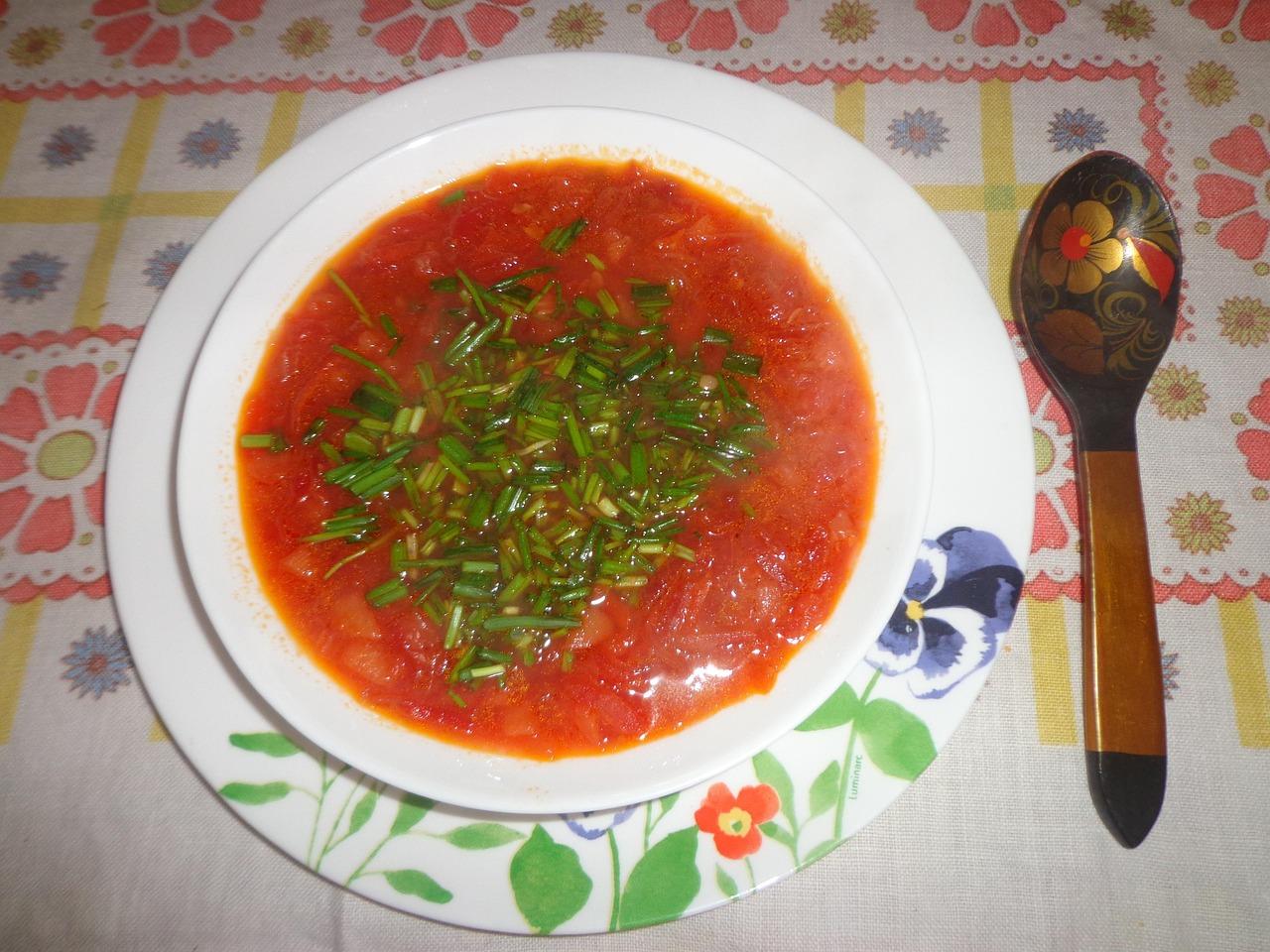
Borshch is the soup Ukrainians measure every kitchen by: a deep ruby pot of beetroot, cabbage, potato and beans, soured just enough and finished with garlic and dill. Every region argues for its own version, from Poltava's with beans to Kyiv's with apples, and in 2022 the cooking of Ukrainian borshch was added to UNESCO's list of culture in need of urgent safeguarding. Traditionally it is simmered on a pork or beef bone stock; this version uses a well-seasoned vegetable stock and white beans, which is how many families cook it during Lent anyway. Serve it hot with a spoon of sour cream and garlic pampushky, and know that it tastes even better the next day. Chef's tip: fry the grated beetroot with a splash of vinegar before it goes into the pot; the acid fixes the red colour, so the soup stays bright instead of fading to brown.

by KrazyBadal 0 views

Jus de bouye

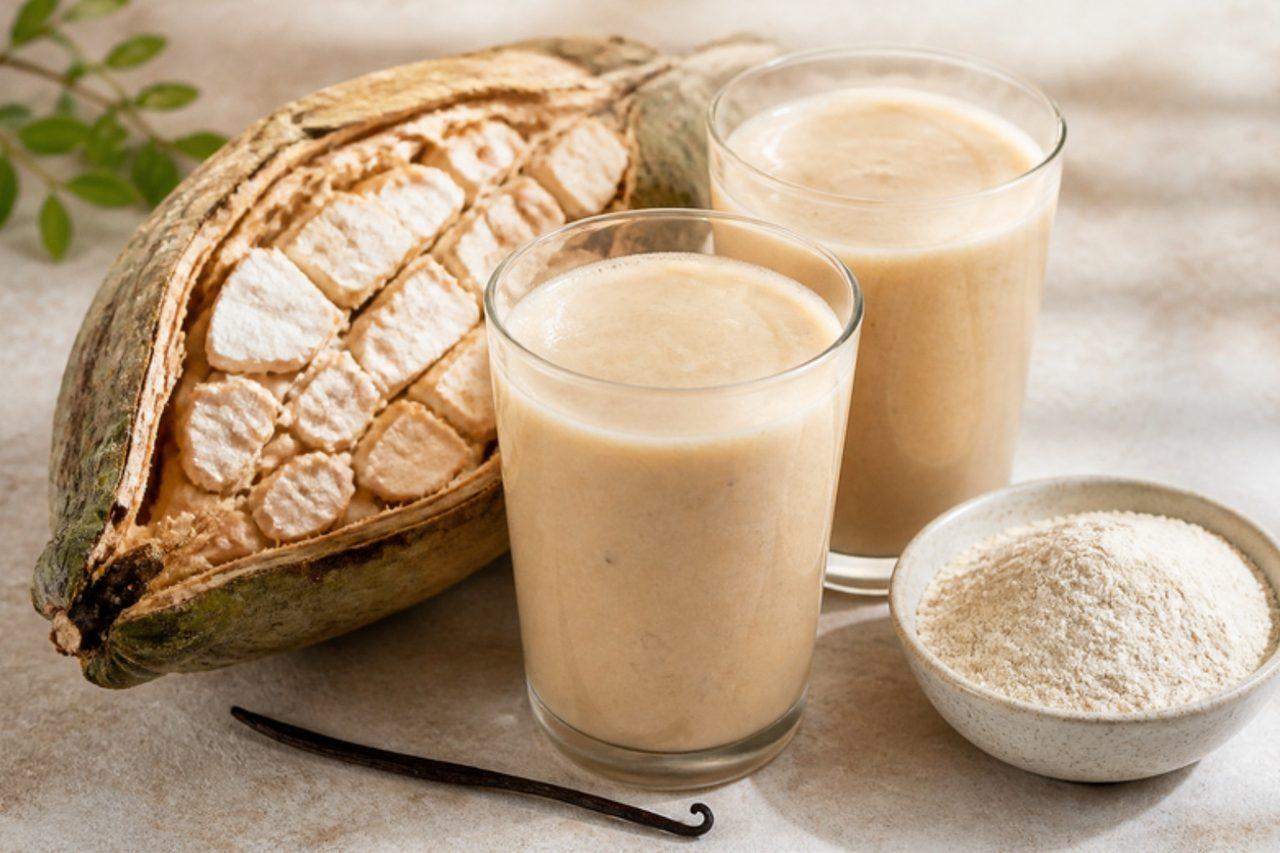
Bouye is the Wolof name for the powdery white pulp of the baobab fruit, and jus de bouye is the thick, creamy-tart drink sold in reused bottles from coolers all over Dakar and served at every family celebration. It tastes like sherbet with a hint of pear. Most cooks now use baobab powder, which is sold in health shops as well as African grocers. Sweetened condensed milk is optional but common. Chef's tip: whisk the powder into a little water first to make a smooth paste; poured straight into a jug it forms lumps that never dissolve.

by KrazyBadal 0 views

Croque monsieur

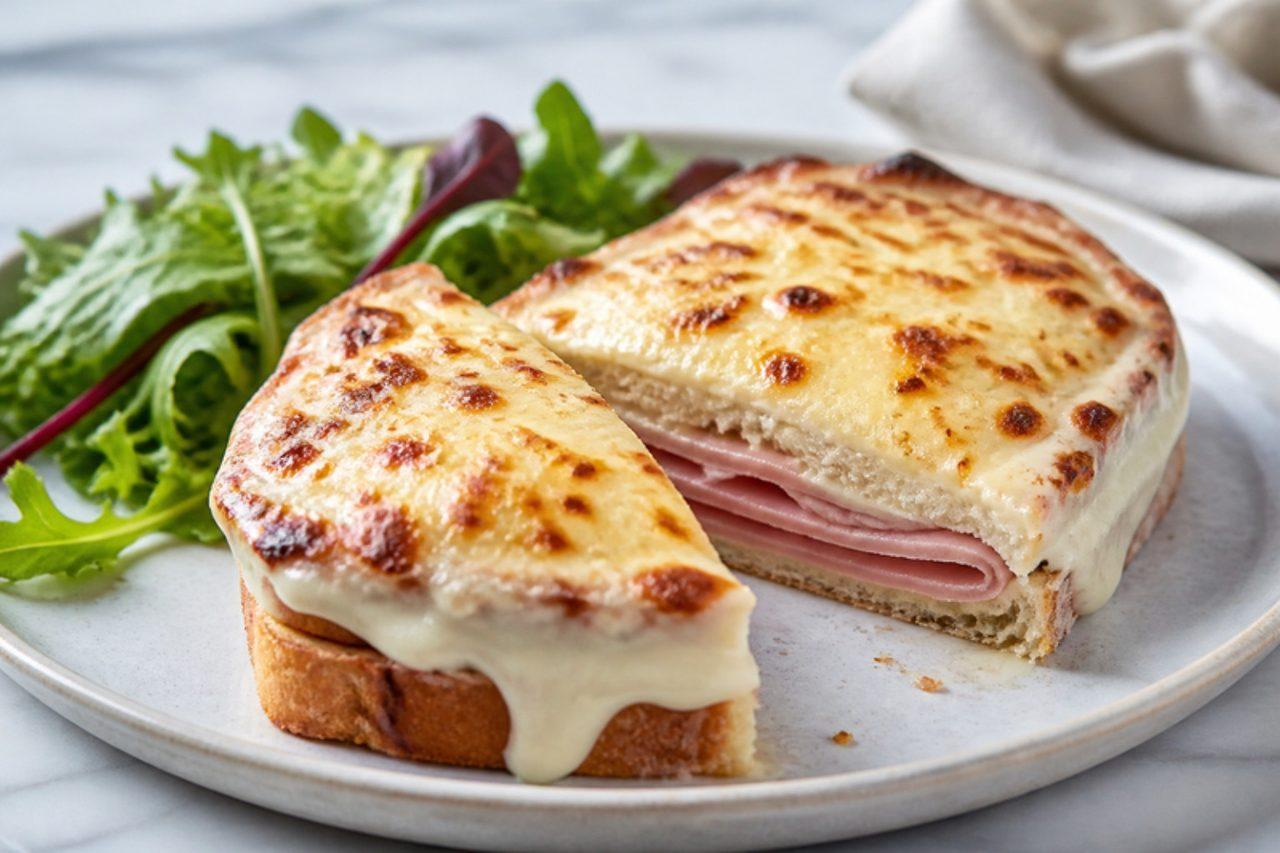
Croque monsieur first appeared on Paris café menus in the early 1900s and is still the quick lunch of the city's brasseries, eaten at the zinc bar with a green salad. It contains pork (ham). Good white bread is spread with Dijon mustard and béchamel, filled with ham and Gruyère, then topped with more sauce and cheese and baked until golden. Put a fried egg on top and it becomes a croque madame. Chef's tip: toast the bread lightly first so it stays crisp under the sauce.

by KrazyBadal 0 views

Gundel palacsinta

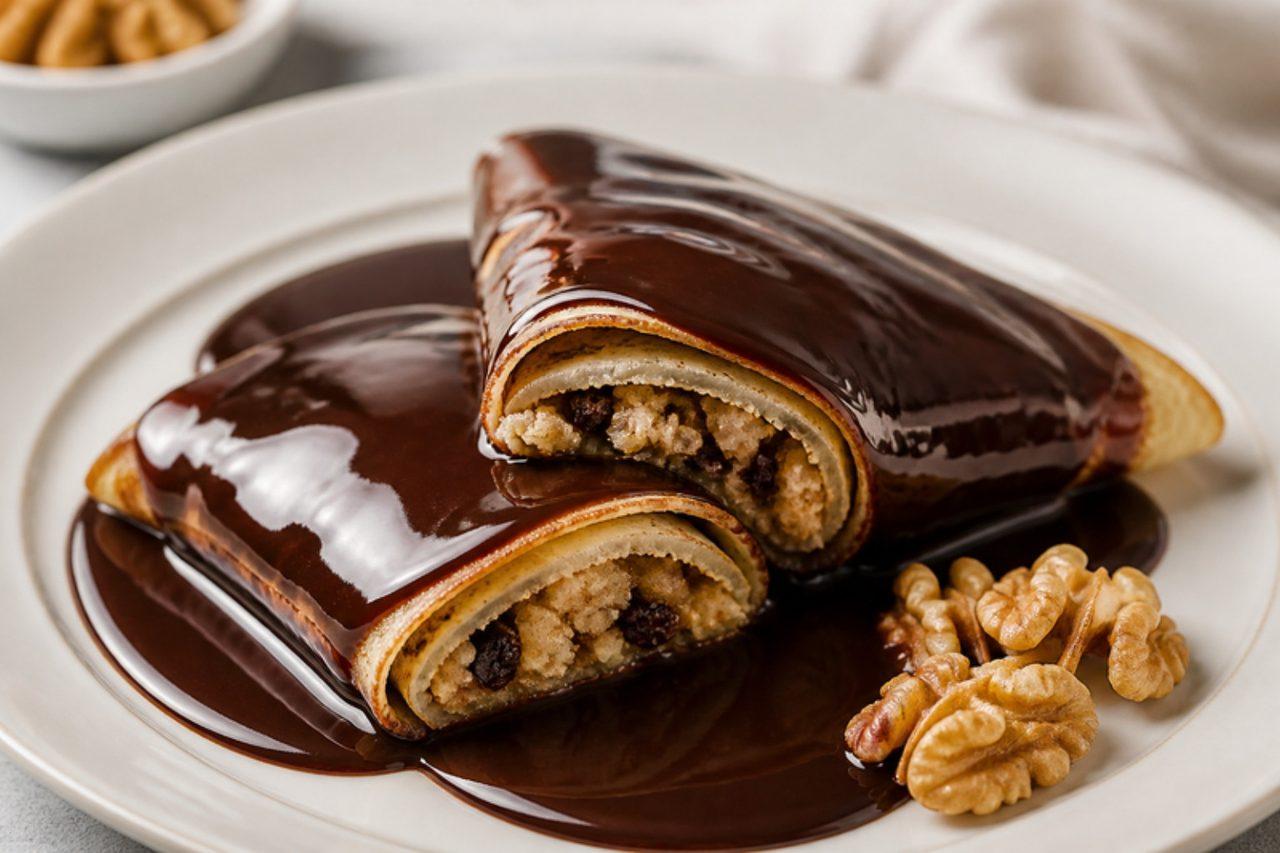
Gundel palacsinta is the festive pancake of Budapest, named after the Gundel restaurant by City Park, where it became the showpiece dessert of the mid-twentieth century. Thin Hungarian pancakes are filled with a rum-scented walnut and raisin paste, folded into triangles and drowned in a dark chocolate sauce, sometimes flamed at the table. Everyday palacsinta at home are simpler, rolled with apricot jam, cocoa sugar or sweet túró; this is the version for name days, Christmas and guests. Chef's tip: rest the batter for 30 minutes; the pancakes become thinner and more elastic and stop tearing when you fold them. Common mistake: overfilling, which makes the triangles burst open.

by KrazyBadal 0 views

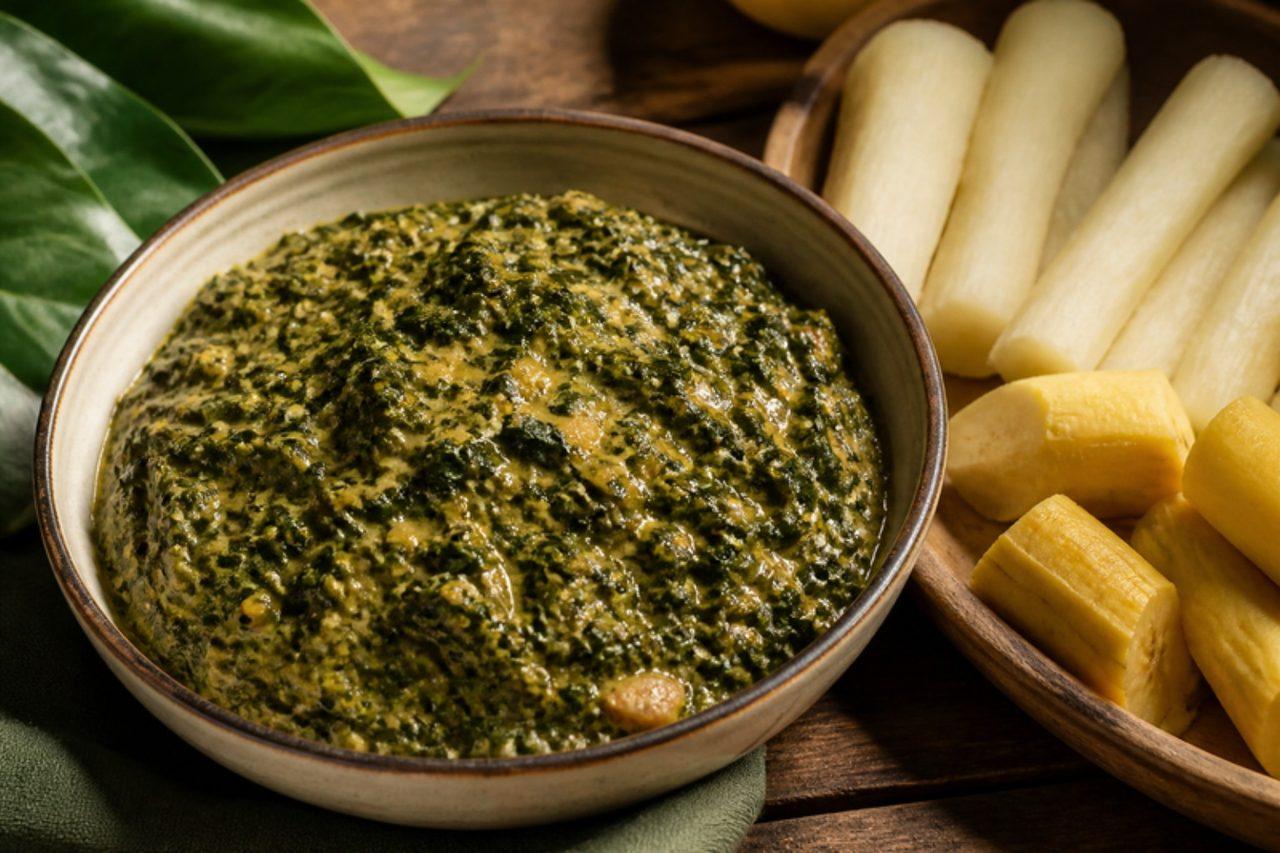
Ndolé with peanuts and greens

Ndolé comes from the Douala coast and is Cameroon's national dish, cooked for Sunday lunches, weddings and funerals: bitter leaves washed until only a gentle bitterness remains, simmered in a thick sauce of boiled, ground peanuts. Traditionally it is finished with beef, smoked fish and prawns; this version keeps the greens and peanuts at the centre and tops it with crisp fried onions, the way Douala cooks always do. Serve with boiled plantain, miondo or rice. As a variation, add prawns or beef the traditional way. Chef's tip: use raw peanuts, boiled and ground, not peanut butter; ndolé should be nubbly and pale, not like a smooth satay sauce.

by KrazyBadal 0 views

Hideg meggyleves

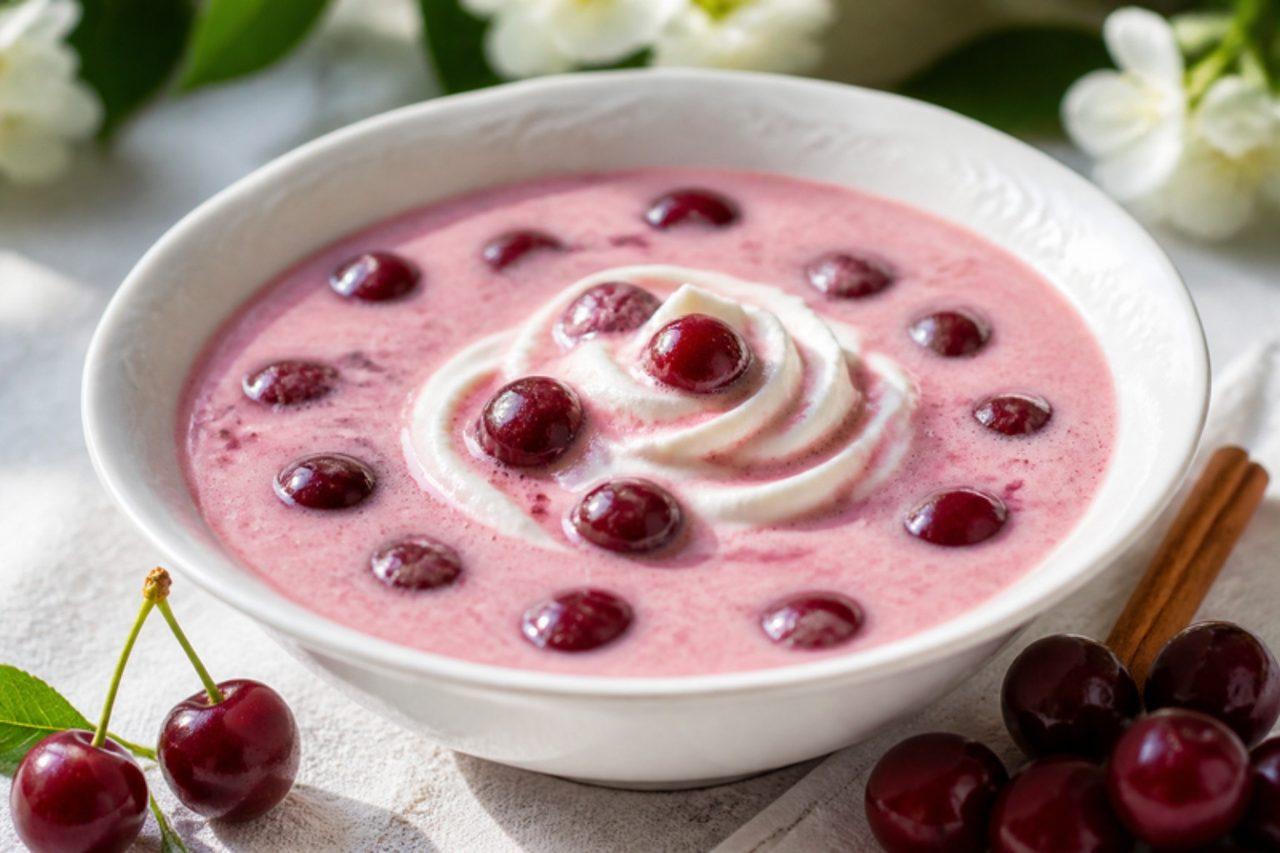
Hideg meggyleves is a chilled sour cherry soup served as a starter in Hungary at the height of summer, from family lunches in the cherry-growing villages around Pest county to the terraces of Balaton restaurants. Sour cherries simmer briefly with sugar, cinnamon and cloves, then the soup is thickened with sour cream and served icy cold, pink and gently tangy. Some cooks add a splash of red wine for grown-ups. It is eaten before the main course, not as dessert, though no one complains if you have it after. Chef's tip: chill it for at least 3 hours; the flavour rounds out and the spices soften as it cools. A common mistake is boiling it after the cream goes in, which curdles it.

by KrazyBadal 0 views

Somlói galuska

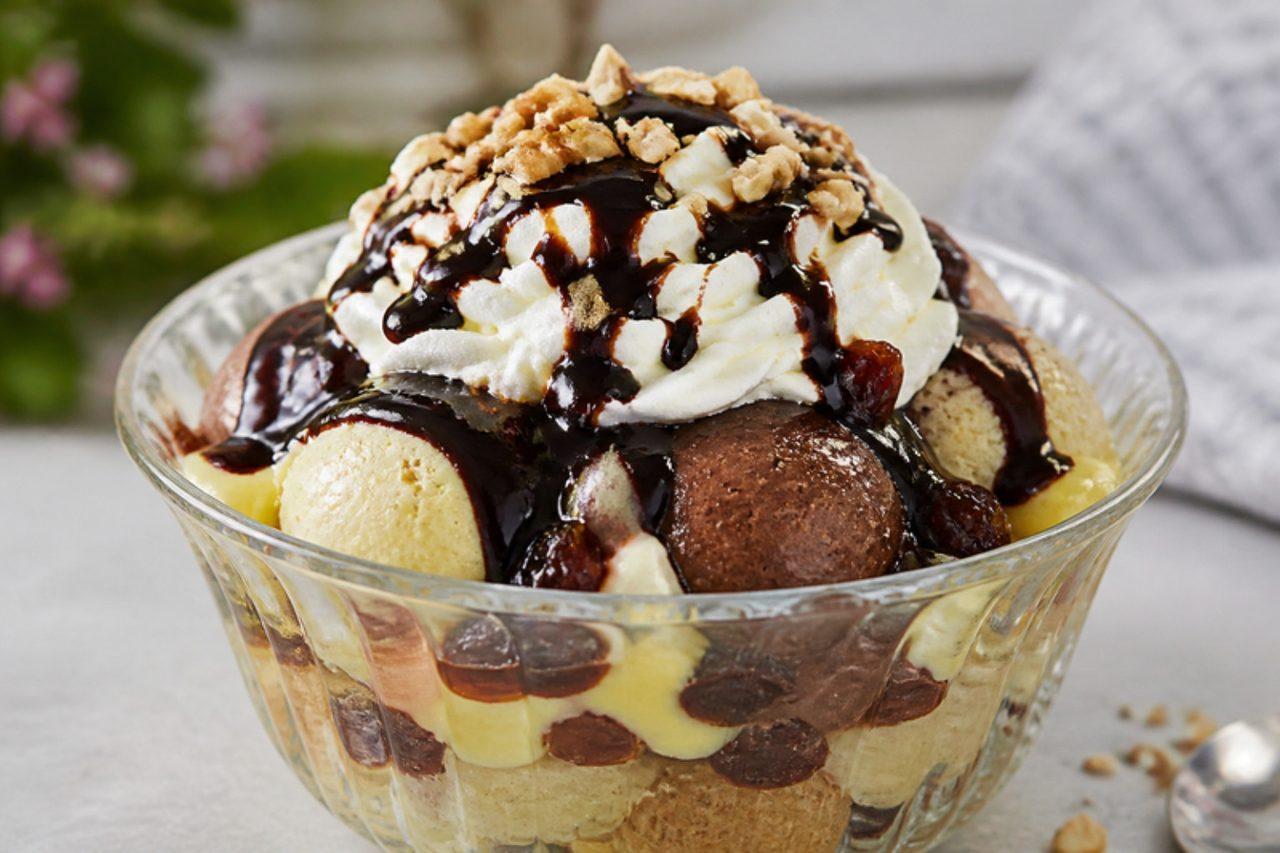
Somlói galuska was first served at the Gundel restaurant in Budapest in the 1950s and named after the Somló wine hill in western Hungary. Today it is the dessert everyone orders at the end of a Sunday lunch: spoonfuls of three sponges (plain, walnut and cocoa) soaked in rum syrup and layered with vanilla custard, then topped with chocolate sauce and whipped cream. It is assembled the day before and spooned out into rough dumplings, which is where 'galuska' comes from. This version thickens the custard with flour and egg yolk rather than gelatine. Chef's tip: soak the sponge only lightly; it should be moist but still hold a spoon-shaped scoop.

by KrazyBadal 0 views

Tandoori tinnies

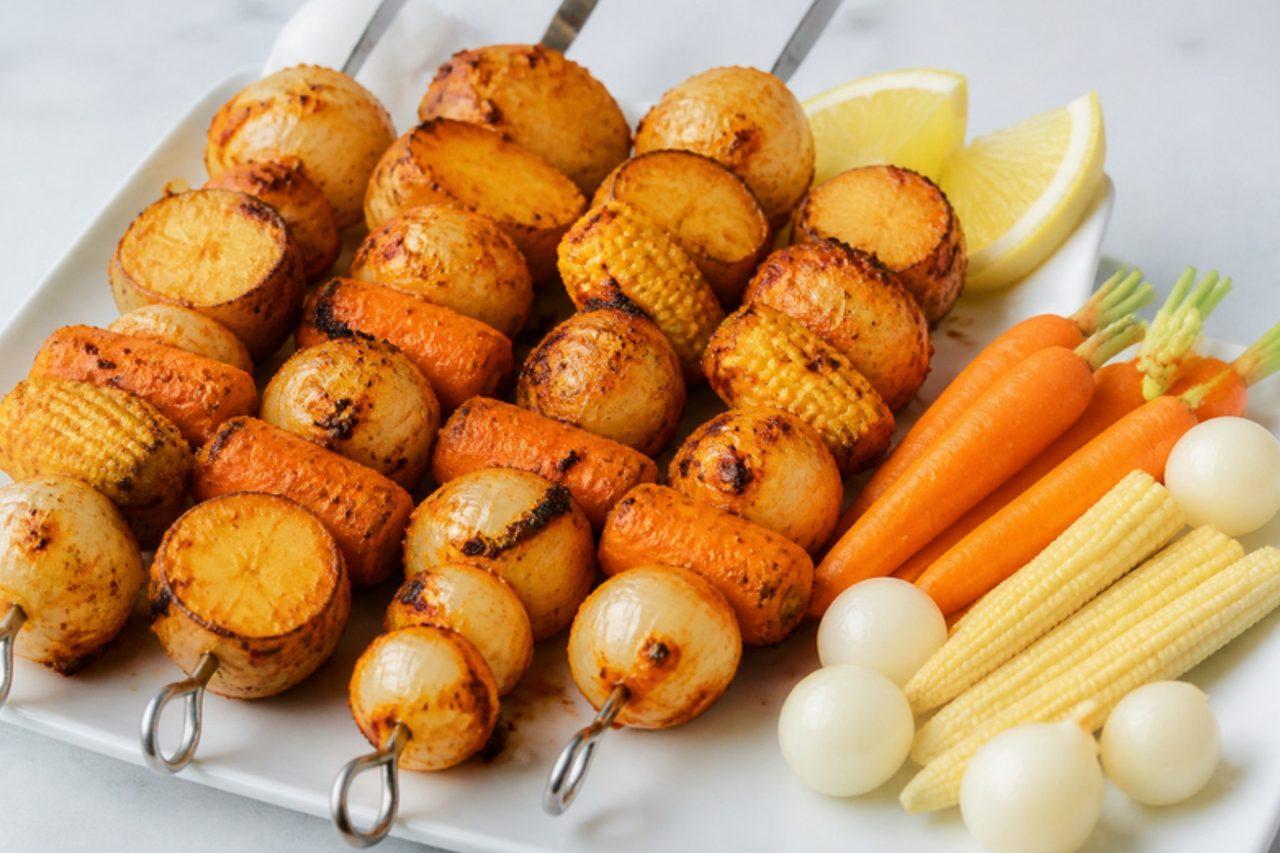
Baby onions, carrots, potatoes and corn par-boiled, coated in a creamy, fiery marinade of red chilli, garlic, ginger, coriander-cumin and dried fenugreek, then grilled on skewers over charcoal until golden. They're small, colourful and bursting with flavour. Serve hot with lemon wedges.

by KrazyBadal 0 views

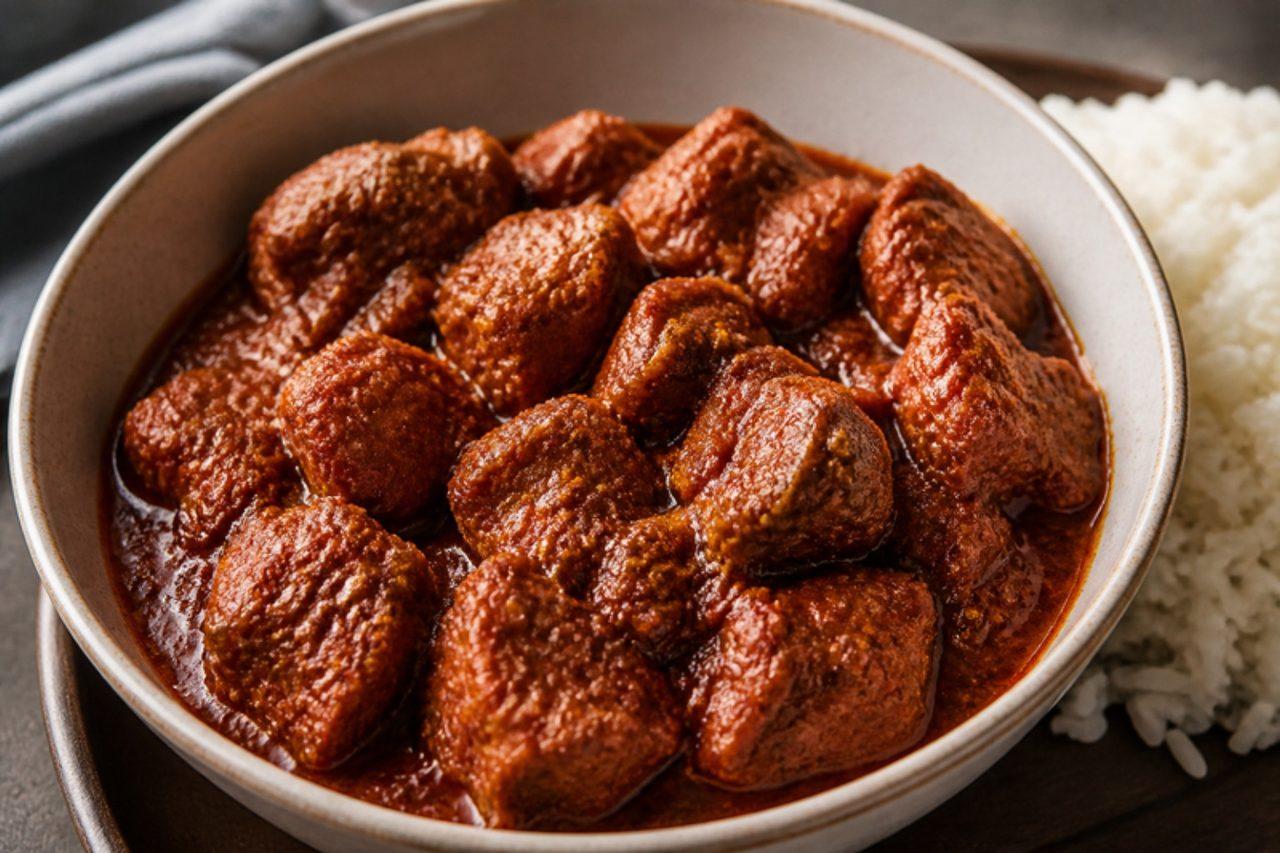
Sri Lankan black pork curry

This is a pork dish. In the southern and western coastal towns, from Negombo down to Galle, kalu uru mas is the curry that comes out for Christmas lunch, family get-togethers and Sunday rice spreads. Its colour comes from curry powder roasted in a dry pan until it is nearly black, plus goraka, a sour dried fruit that tenderises the meat and balances the fat. The sauce ends up thick, glossy and smoky-sour, clinging to every cube of pork. Eat it with plain rice, string hoppers or bread, and it tastes even better the next day. Chef's tip: roast the curry powder over a low heat and keep stirring; take it off the moment it turns the colour of dark chocolate and smells toasty, because burnt powder turns bitter.

by KrazyBadal 0 views

Thiakry

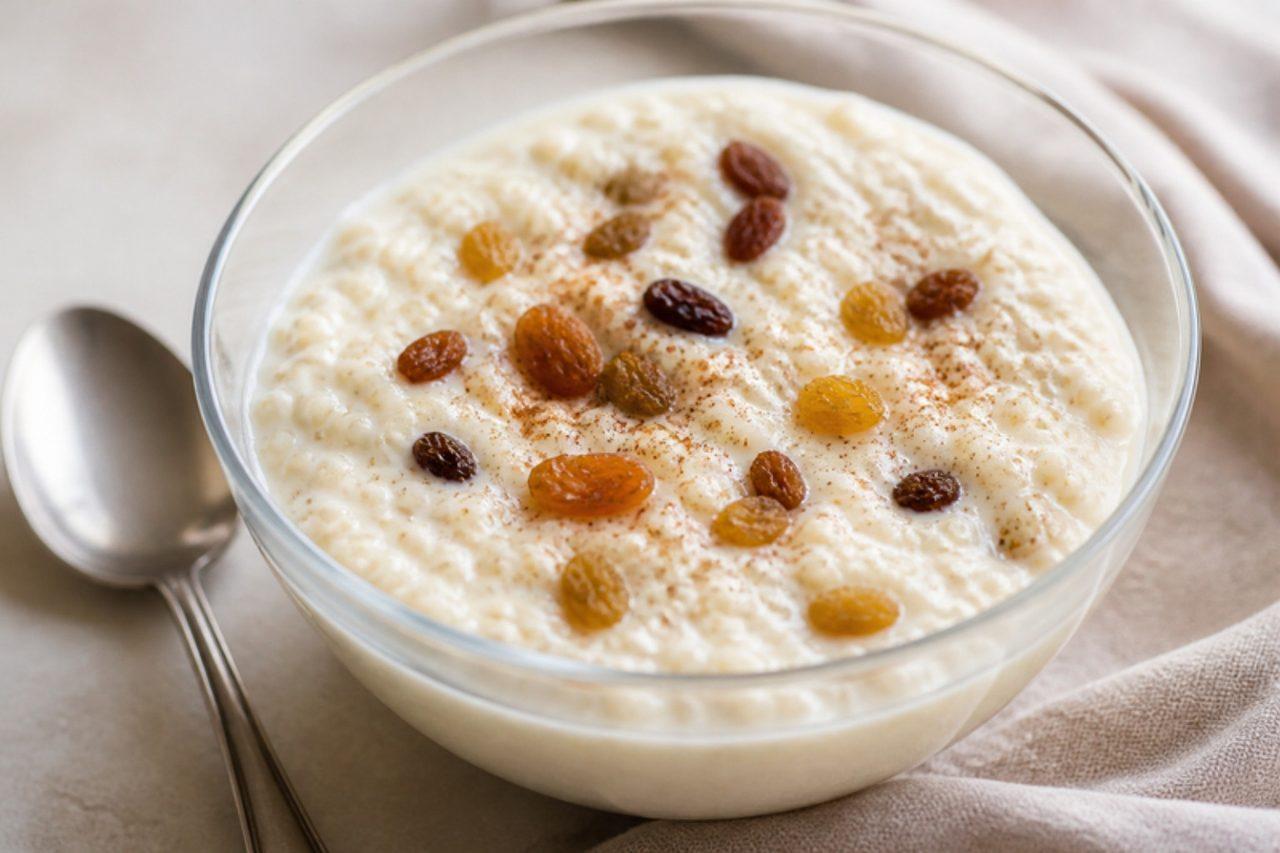
Thiakry, called dégué in Mali and Burkina Faso, is the creamy dessert of Senegalese weddings, naming ceremonies and Tabaski: pellets of steamed millet stirred into sweetened yoghurt and soft fromage frais, scented with vanilla and nutmeg and served cold. Ready-made millet granules (arraw or sankhal) are sold in African grocers, which makes it a 15-minute job. Raisins and a little coconut are common in Dakar. Chef's tip: steam or soak the millet fully before it meets the yoghurt; undercooked grains stay hard and gritty in the cold.

by KrazyBadal 0 views

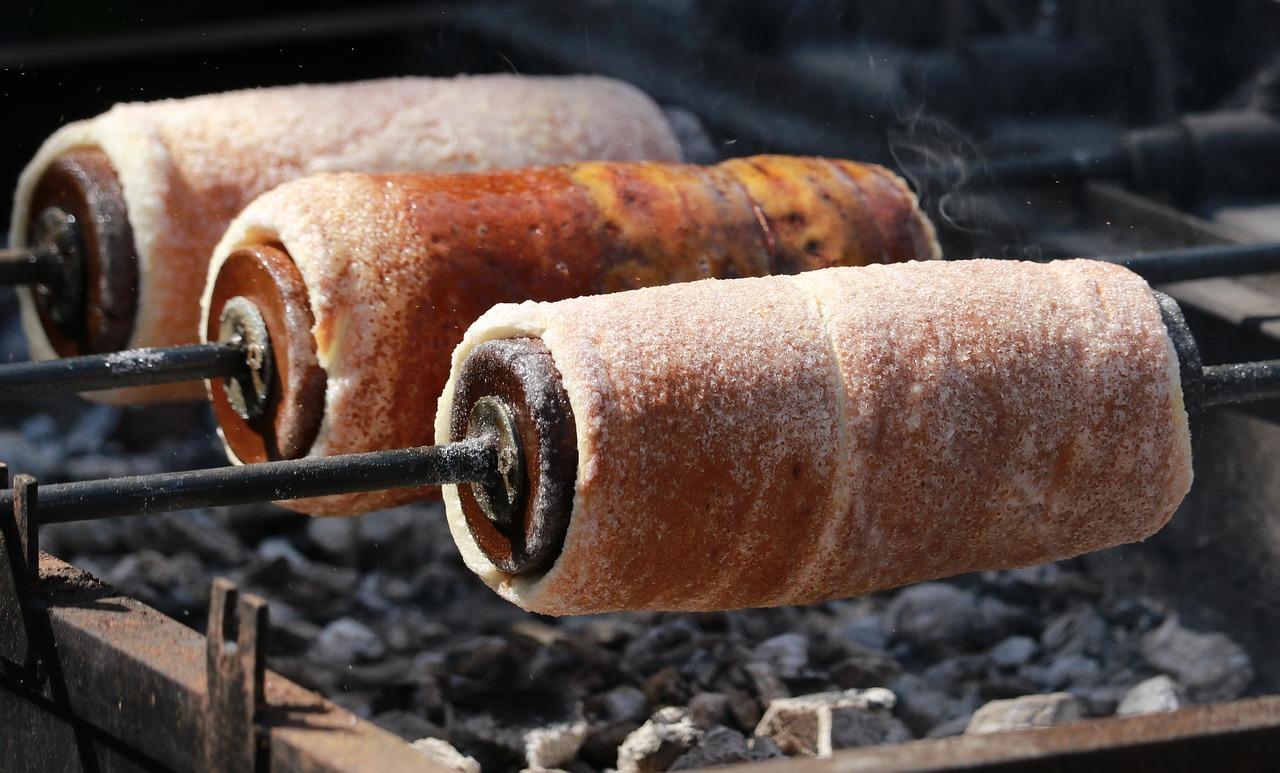
Kürtőskalács

Kürtőskalács, or chimney cake, comes from the Székely Hungarian villages of Transylvania and is now sold at every Budapest Christmas market and summer festival, turning on spits over glowing coals. A strip of sweet yeast dough is wound around a wooden roller, rolled in sugar and baked until the sugar caramelises into a thin, crackling shell; you unwind the soft, steaming spiral as you eat it. At home you can bake it in the oven on foil-wrapped rolling pins or tins. Chef's tip: press the dough spiral firmly into the sugar before baking; loose sugar falls off, but pressed sugar melts into the glassy crust. A common mistake is leaving gaps between the strips, which makes the cake tear apart when you slide it off.

by KrazyBadal 0 views

Rice pancakes (mukari)

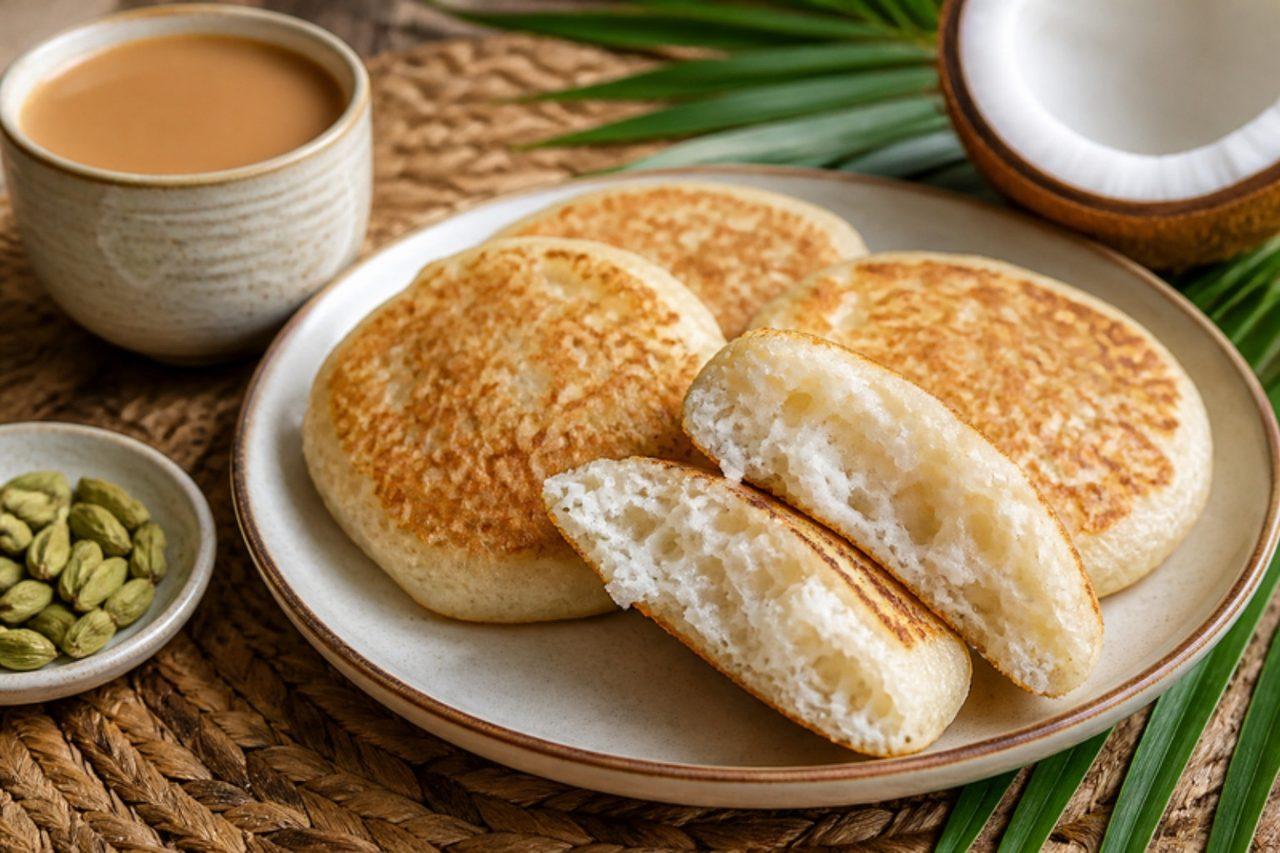
Mukari are soft, lightly sweet Zanzibari pancakes made from a yeasted rice flour and coconut milk batter scented with cardamom. They're cooked covered over a low heat so they puff up and stay spongy. Serve warm with tea.

by KrazyBadal 0 views

Rakott krumpli

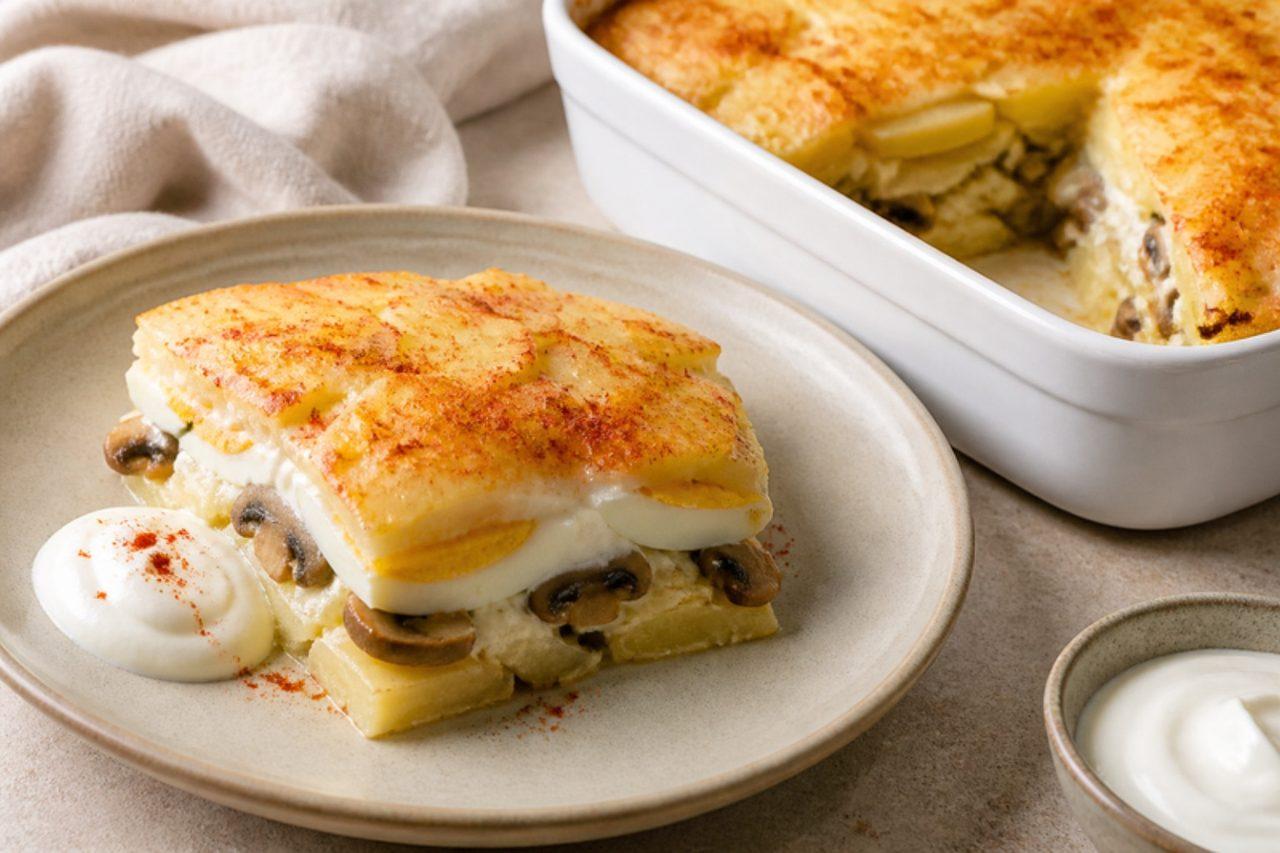
Rakott krumpli means 'layered potatoes', and it is a family supper baked all over Hungary, especially in winter in the north-east around Miskolc and Eger, where every household layers it slightly differently. Slices of boiled potato are stacked with hard-boiled eggs and plenty of sour cream, then baked until bubbling and golden. Many versions add smoked sausage; this vegetarian one uses sautéed mushrooms and a dusting of smoked paprika for depth. It is rich, creamy and needs only a sharp cucumber salad or pickles alongside. Chef's tip: boil the potatoes in their skins and peel them while warm; they slice cleanly and don't soak up water.

by KrazyBadal 0 views

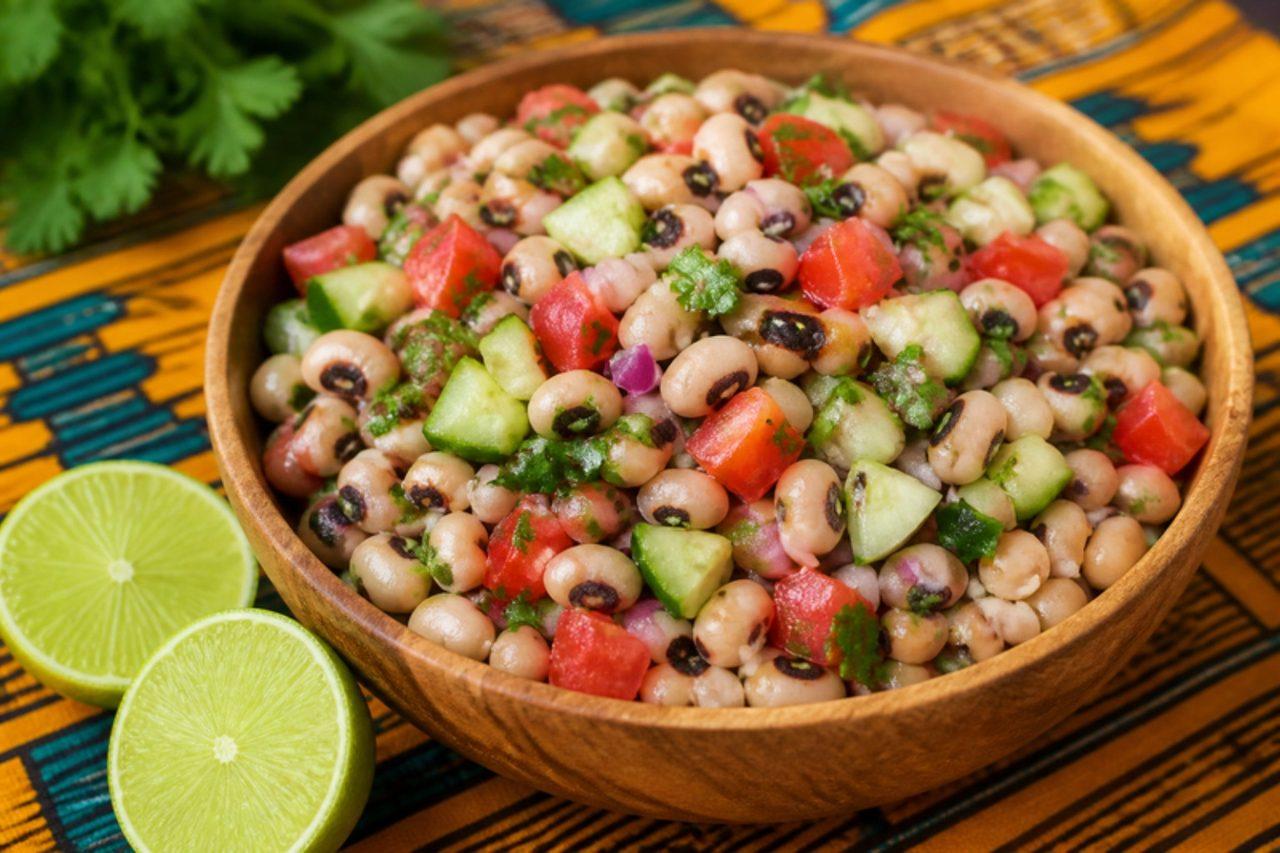
Salade de niébé

Niébé is the Wolof and French name for black-eyed beans, and this bright salad turns up at Senegalese family lunches, baptism feasts and Ramadan break-fast tables next to grilled dishes and rice. The beans are dressed while warm with lime, mustard and onion, then mixed with crunchy raw vegetables and a little hot pepper. It travels well and tastes better after an hour. Chef's tip: dress the beans while they are still warm so they drink in the lime; cold beans stay bland however much dressing you pour over.

by KrazyBadal 0 views

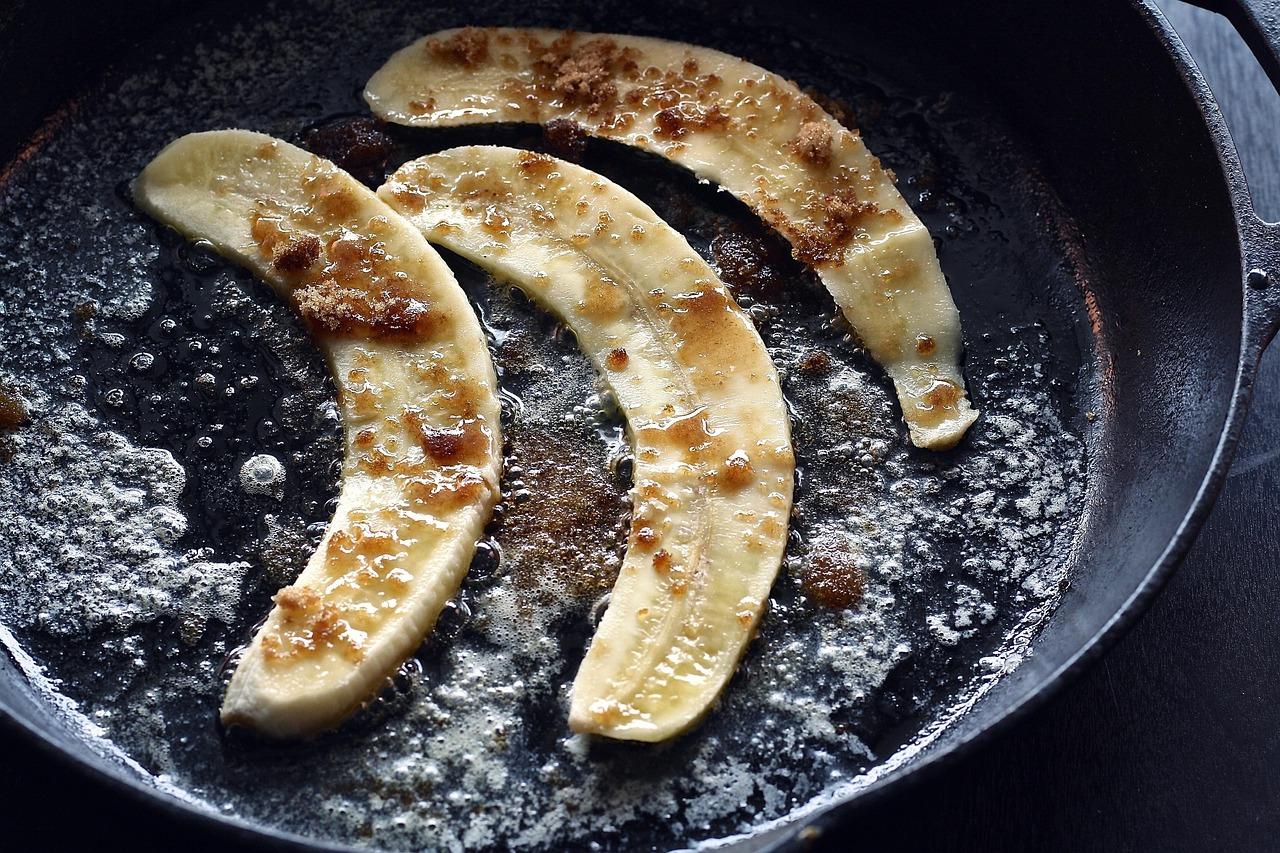
Baked bananas (ndizi ya kuoka)

Ndizi ya kuoka: small bananas halved and baked with lemon juice, brown sugar and cinnamon until soft and syrupy, then served with lightly sweetened cream and a grating of nutmeg. It's a quick, warm pudding. The book's Handy Hints say bananas are good for the heart.

by KrazyBadal 0 views

Pork vindaloo (vindalho)

Vindalho grew out of the Portuguese vinha d'alhos, meat kept in wine and garlic, which Goan Catholic cooks remade with palm vinegar, Kashmiri chillies and spices. In Goa it is a feast dish for Christmas, weddings and the big family lunch after a church feast, made a day or two ahead because it improves as it sits. Despite its fame, the real thing is more sour and garlicky than blisteringly hot, and it has no potatoes. This recipe contains no alcohol. Chef's tip: let the pork marinate overnight in the fridge so the vinegar and chilli go right through the meat.

125 minIndianMeatGluten freeSpicy
by KrazyBadal 0 views

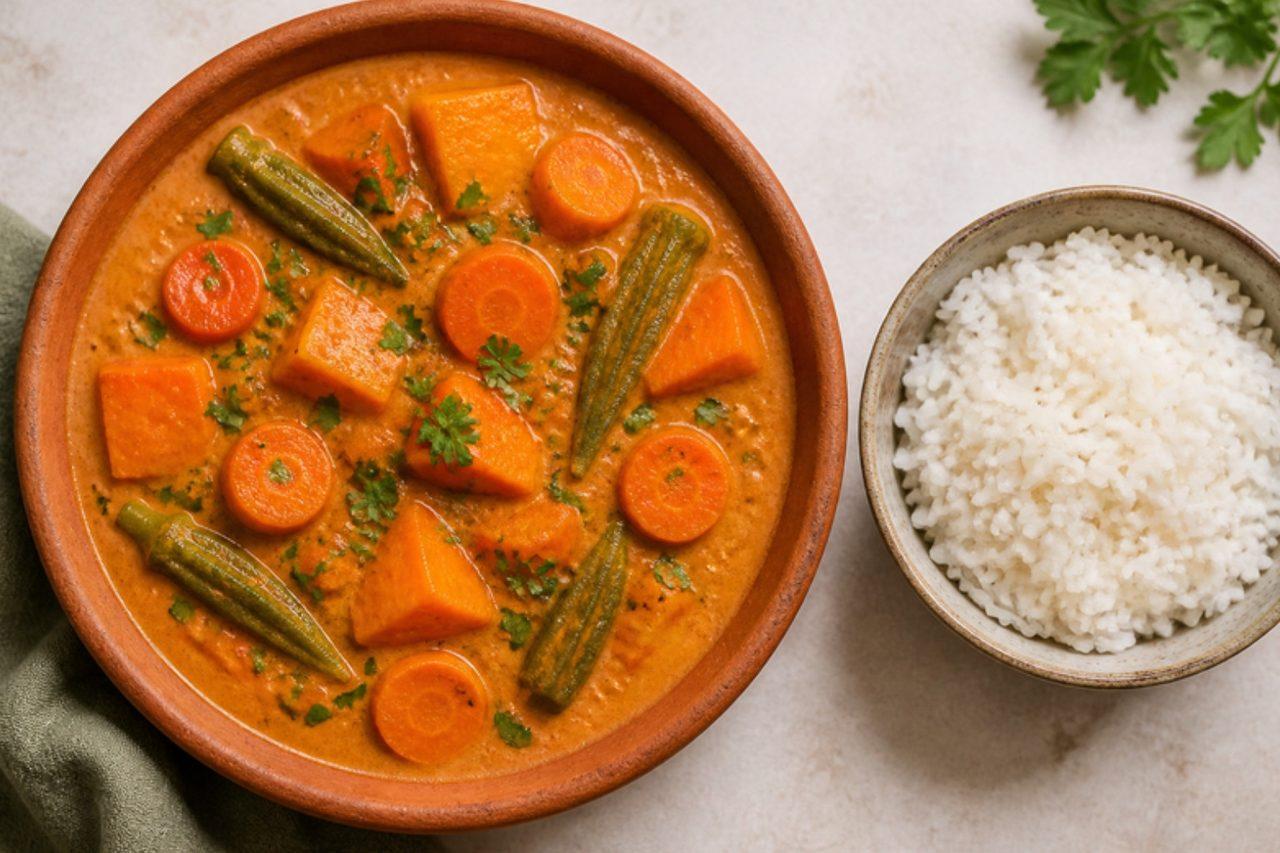
Vegetable mafé

Mafé is the Sunday-lunch stew of Senegal and Mali: a rust-coloured sauce of roasted peanut paste and tomato, simmered until oil glistens on top and ladled over broken rice. In Dakar it usually carries lamb or beef; this version uses sweet potato, carrot, cabbage and okra, which soak up the sauce just as well. In Côte d'Ivoire the same idea is called sauce d'arachide and is eaten with rice or foutou; make it slightly thinner and add aubergine for the Abidjan style. Chef's tip: use plain, unsweetened peanut paste and cook it long enough that a thin layer of red oil rises to the surface; that is the sign the peanut has lost its raw taste.

by KrazyBadal 0 views

Flat white

Sydney and Wellington both claim the flat white, first poured in their cafés in the mid-1980s, and today it's the everyday coffee across Australia and New Zealand, from Melbourne's laneway cafés to a beach kiosk in Raglan. It's smaller and stronger than a latte: a double shot of espresso topped with milk steamed to a smooth, glossy microfoam with only a thin layer of froth on top, so the coffee stays at the front. It's velvety, rich and sweet-tasting without sugar. For a vegan version, use a barista-style oat milk. Chef's tip: stretch the milk only for the first few seconds, then sink the wand and let it spin; you want paint-like milk, not a hat of stiff foam.

by KrazyBadal 0 views

Lángos

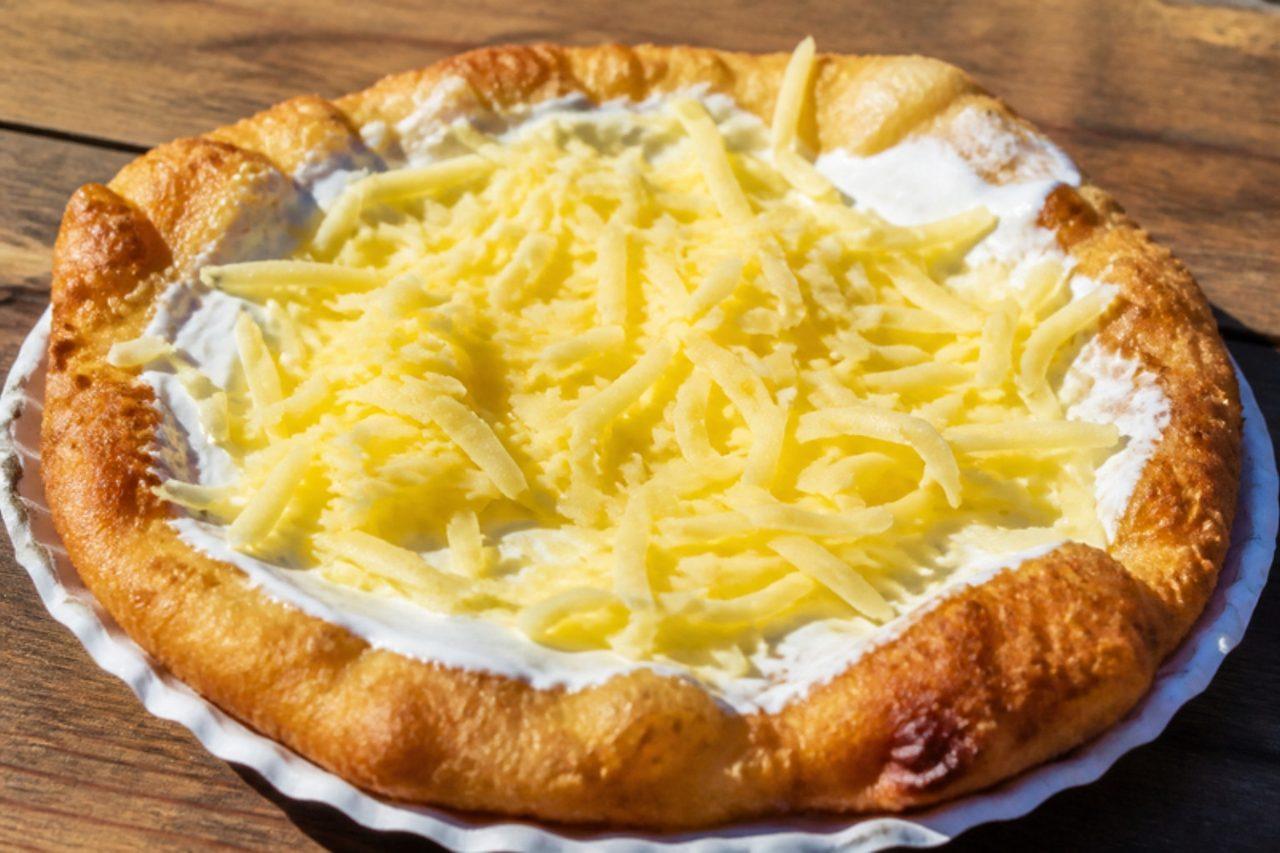
Lángos is the deep-fried flatbread of Hungarian beaches and markets: it is eaten in swimsuits on the shore of Lake Balaton, at Budapest's Great Market Hall and at every summer fair. The dough is soft and yeasted, often enriched with mashed potato, and it fries into a puffy disc that is crisp at the edges and chewy in the middle. The classic topping is garlic water brushed on hot, then sour cream and a snowfall of grated cheese. Chef's tip: stretch the dough thinner in the centre than at the rim; the edge puffs into a crisp crust while the middle stays soft enough to hold the toppings. Choose a cheese made with vegetarian rennet (many supermarket Cheddars and Edams are).

by KrazyBadal 0 views

Paprikás krumpli

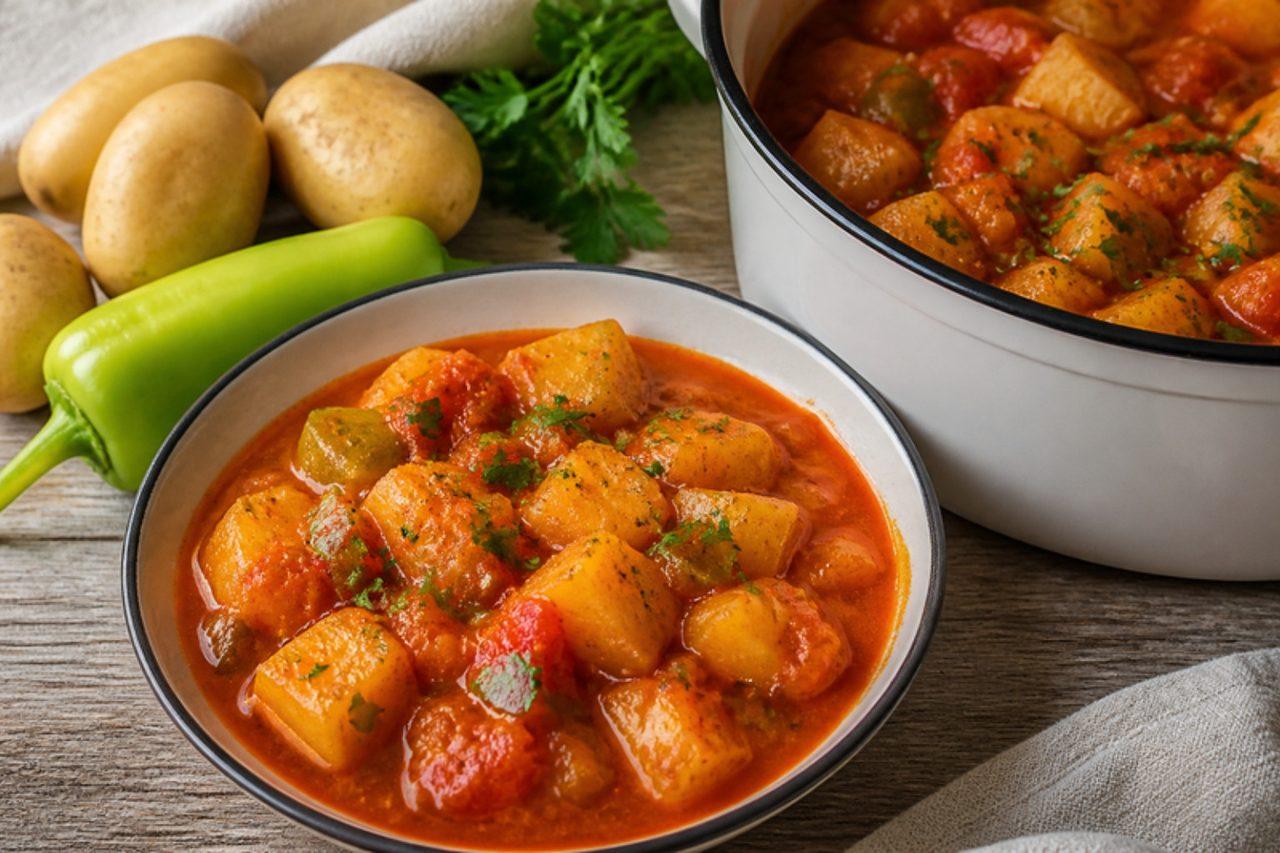
Paprikás krumpli is a thrifty potato stew that every Hungarian student learns to cook, and it turns up at school dinners, on autumn weekdays and in cauldrons at village harvest festivals. Potatoes simmer in an onion and paprika base with pepper and tomato until they start to break and thicken their own sauce. Most versions add sliced smoked sausage; this vegan one swaps it for a pinch of smoked paprika and caraway, which give the same savoury depth. Serve in bowls with crusty bread and a pickled cucumber or a spoon of pickled peppers on the side. Chef's tip: cut the potatoes unevenly on purpose; the smaller pieces melt and thicken the sauce while the bigger ones stay whole.

by KrazyBadal 0 views

Ginger drink (tangawizi)

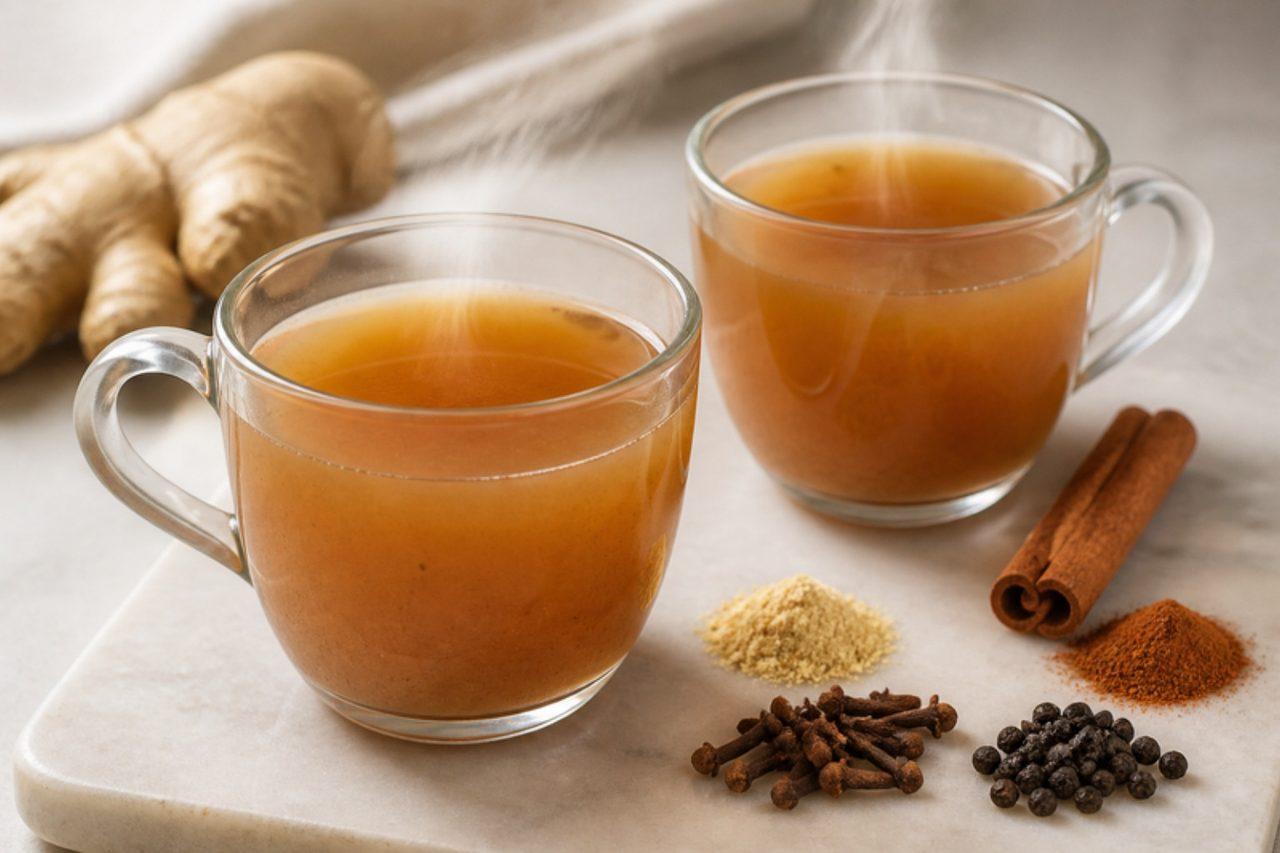
Tangawizi is a warming Swahili drink of ginger boiled with cinnamon, clove and black pepper and sweetened to taste. It's hot, peppery and soothing on a cool evening or when you have a cold. Serve hot in small kahawa cups.

by KrazyBadal 0 views

Quiche lorraine

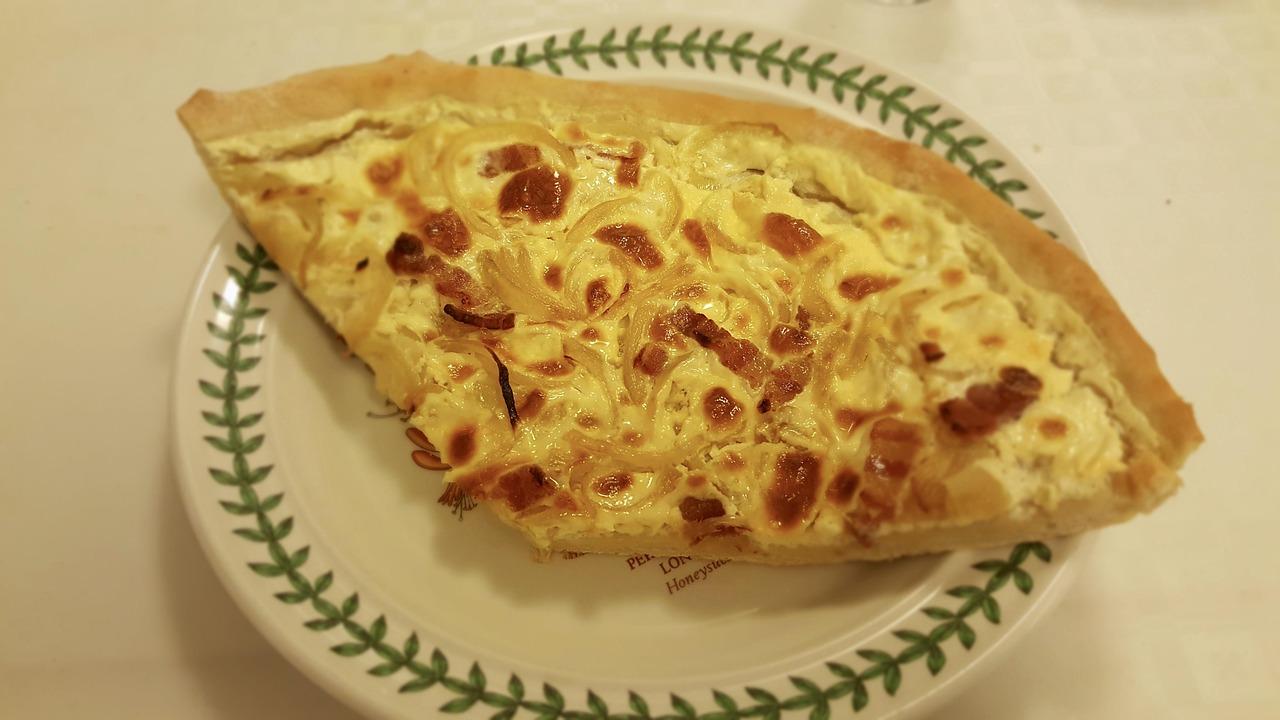
Quiche lorraine comes from Lorraine in north-eastern France, near Nancy and Metz, where it began as a bread-dough tart filled with eggs, cream and smoked bacon. It contains pork. The true Lorraine version has no cheese, just a deep, wobbly custard and crisp lardons, and it is eaten warm for lunch with a green salad or cut into slices for picnics. Chef's tip: blind-bake the pastry until it is golden and sealed; a pale base turns soggy under the custard.

105 minFrenchBaking
by KrazyBadal 0 views

Fish ambul thiyal

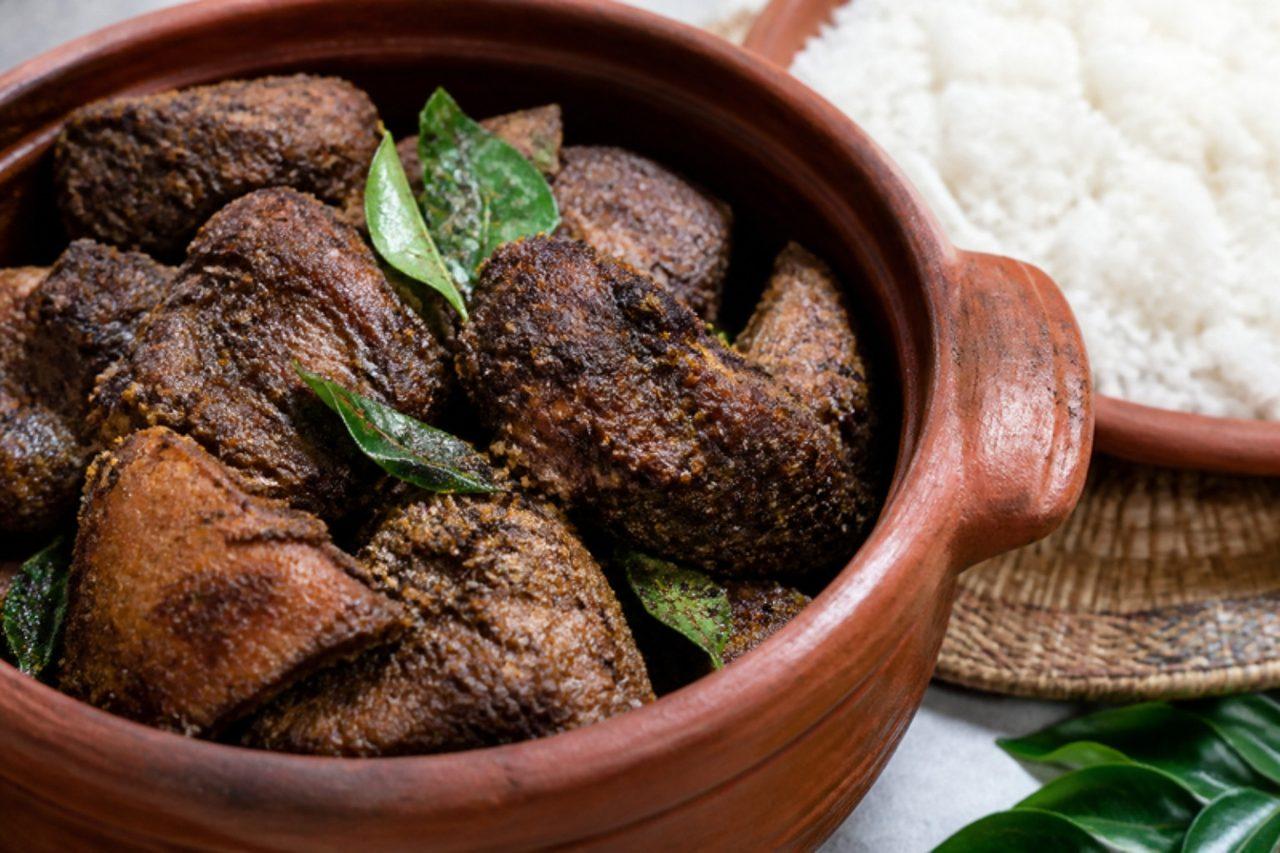
Ambul thiyal means 'sour stew', and it comes from the fishing towns of the south coast, around Matara, Galle and Tangalle. Fishermen once cooked it so the tuna would keep for days without a fridge: almost no liquid, plenty of goraka and black pepper, slowly reduced in a clay pot until each chunk is dark and coated. Today it is a favourite rice-and-curry dish on Sundays and holidays, and people often pack it for long journeys. It is sharp, peppery and firm, so a little goes a long way with rice and a coconut sambol. Chef's tip: cut the tuna into big 4 cm chunks; small pieces fall apart during the long, slow reduction.

by KrazyBadal 0 views

Neenish tarts

Neenish tarts have sat in the windows of Australian country bakeries for more than a century, and they're also found across the Tasman in New Zealand. Where the name comes from is still argued over, with one story placing it in the small town of Grong Grong in New South Wales. A crisp sweet pastry case holds a thin layer of raspberry jam and a fluffy mock cream, a beaten mixture of butter, sugar and milk, and the top is iced in two halves: one white, one chocolate. Many bakery mock creams use gelatine; this one doesn't. Chef's tip: beat the mock cream for a long time, a full 8–10 minutes, until the sugar has dissolved and it is white and fluffy, not gritty.

by KrazyBadal 0 views

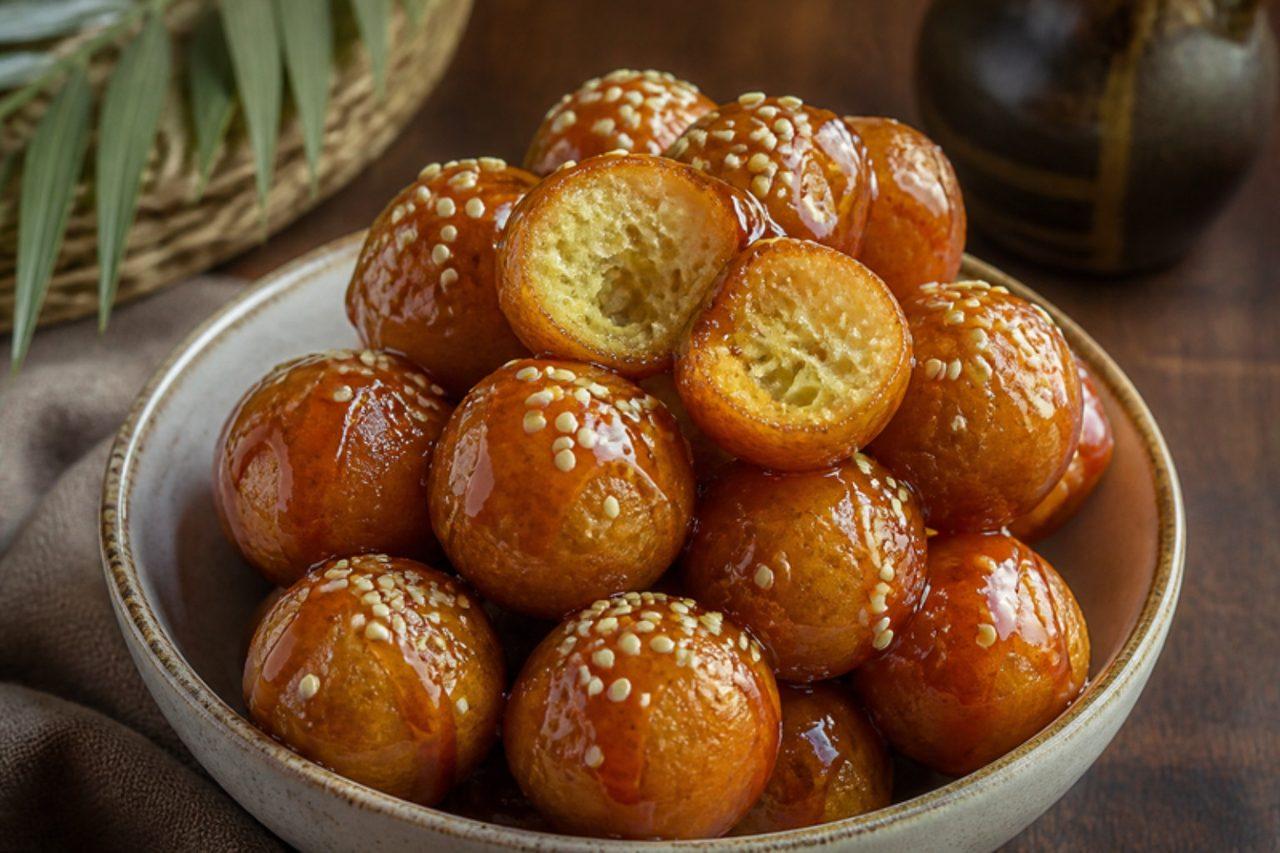
Bambalouni

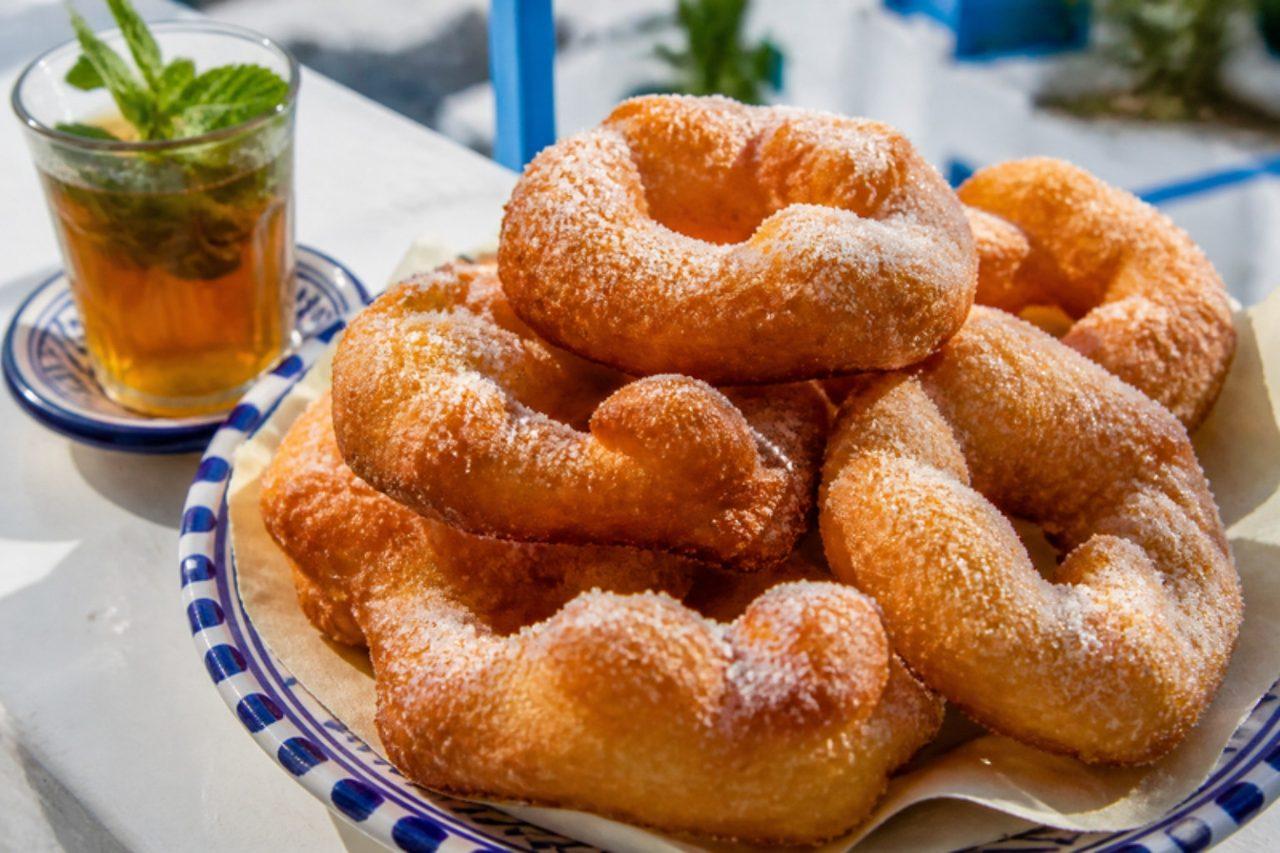
Bambalouni are the big, flat, chewy doughnuts sold hot and wrapped in paper at the top of the blue-and-white village of Sidi Bou Said, outside Tunis, and on beaches all along the coast in summer. The dough is very soft and yeasty; it is stretched by hand into a ring and fried until puffed and blistered, then rolled in sugar. They are best eaten warm with a mint tea. Chef's tip: oil your hands, not the bench, to shape them; floured dough browns too fast and loses its blistered look.

by KrazyBadal 0 views

Coconut sweet (kashata ya nazi)

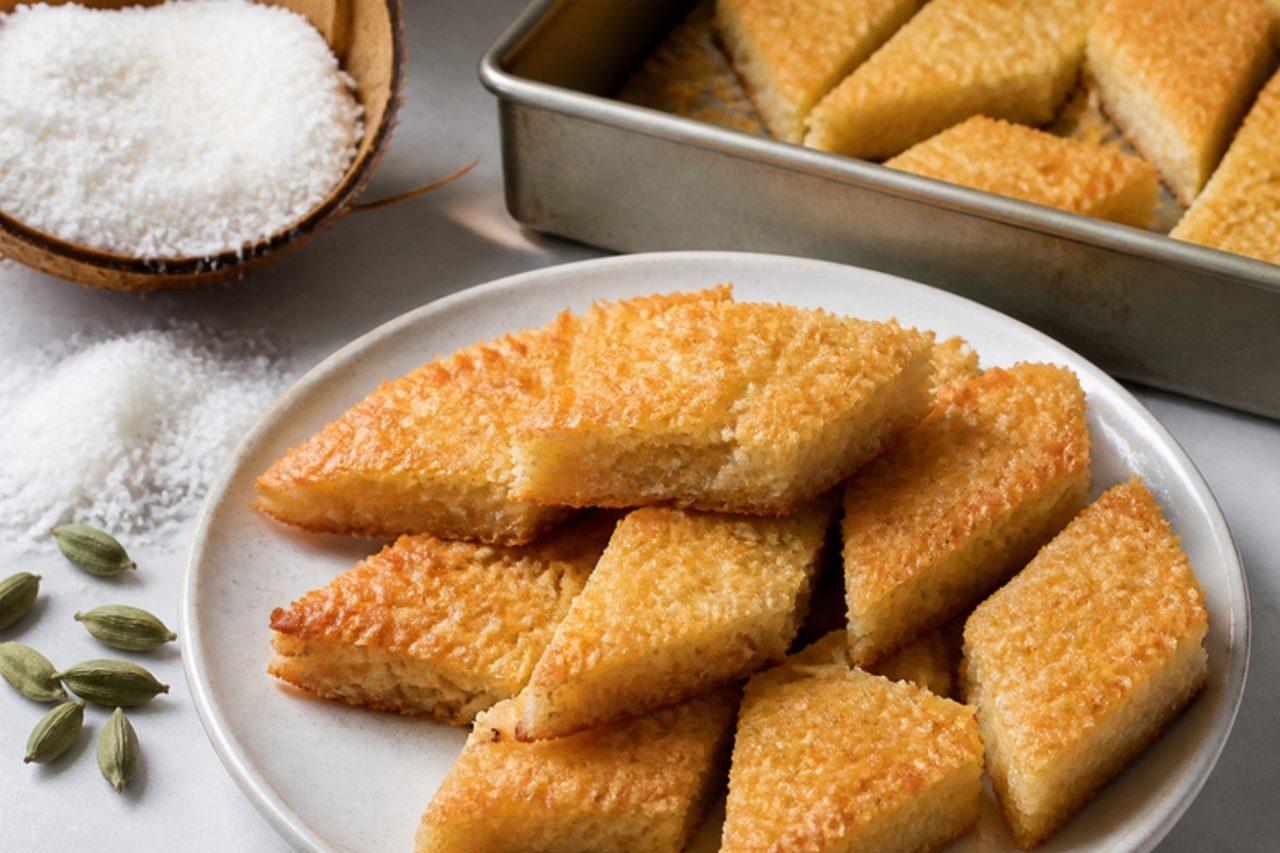
Kashata ya nazi is a simple Swahili sweet of desiccated coconut cooked with milk, sugar, evaporated milk and cardamom until thick, then pressed into a dish and cut into diamonds. It's chewy and sweet, and it keeps well. Store in an airtight container.

by KrazyBadal 0 views

Beef bulgogi

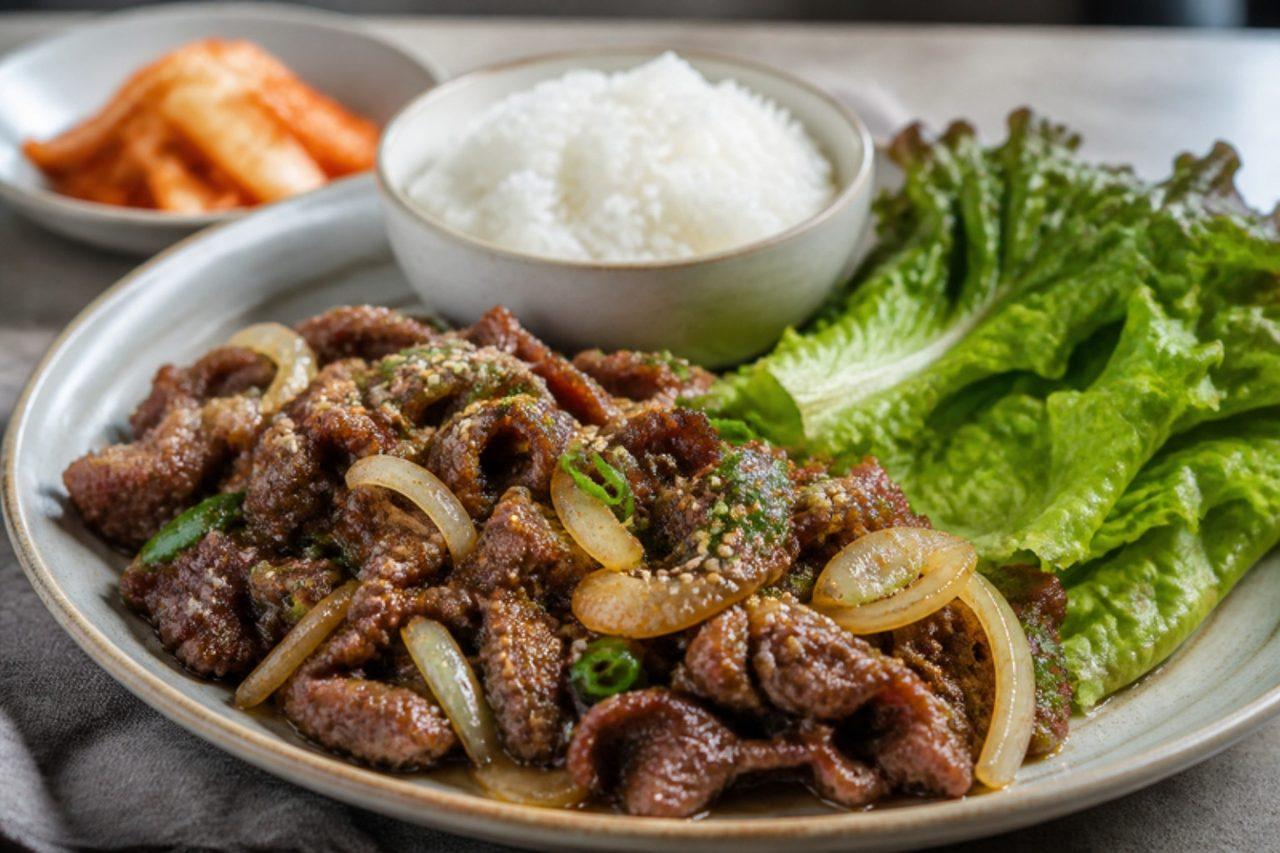
In Seoul, bulgogi restaurants still cook it on a domed grill set into the table, with a moat around the edge that catches the sweet juices for spooning over rice. At home it is made in a hot pan, and it is a favourite for family dinners, lunch boxes and birthday tables. Grated Asian pear softens the meat and adds a gentle sweetness to the soy and garlic. Wrap it in lettuce with a little ssamjang, or eat it over rice. Chef's tip: put the beef in the freezer for 30 minutes before slicing; firm meat cuts into wafer-thin slices easily.

40 minKoreanMeat
by KrazyBadal 0 views

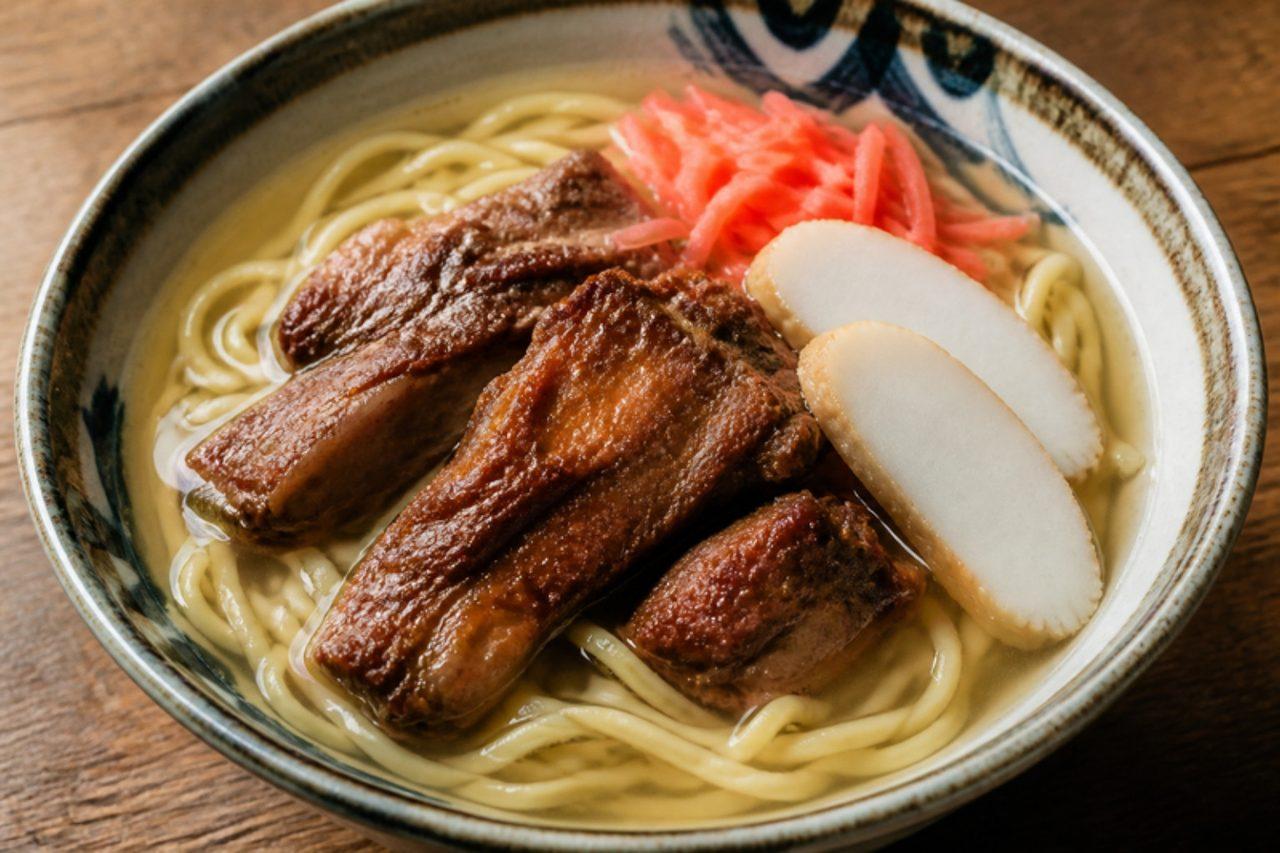
Okinawa soba with soki

Okinawa soba has nothing to do with buckwheat: the noodles are thick, chewy and made from wheat, and the dish is the islands' everyday lunch. Small soba shops all over Okinawa serve it in a clear, gentle broth of pork and bonito, and the soki version is crowned with spare ribs braised so long that even the cartilage turns soft. Slices of fishcake, spring onions and red pickled ginger finish the bowl, and every table has a bottle of chilli steeped in awamori to splash on. October 17 is Okinawa Soba Day on the islands. Chef's tip: braise the ribs a day ahead; cold, the fat sets on top of the cooking liquid and lifts off in one piece, and the broth is cleaner for it.

by KrazyBadal 0 views

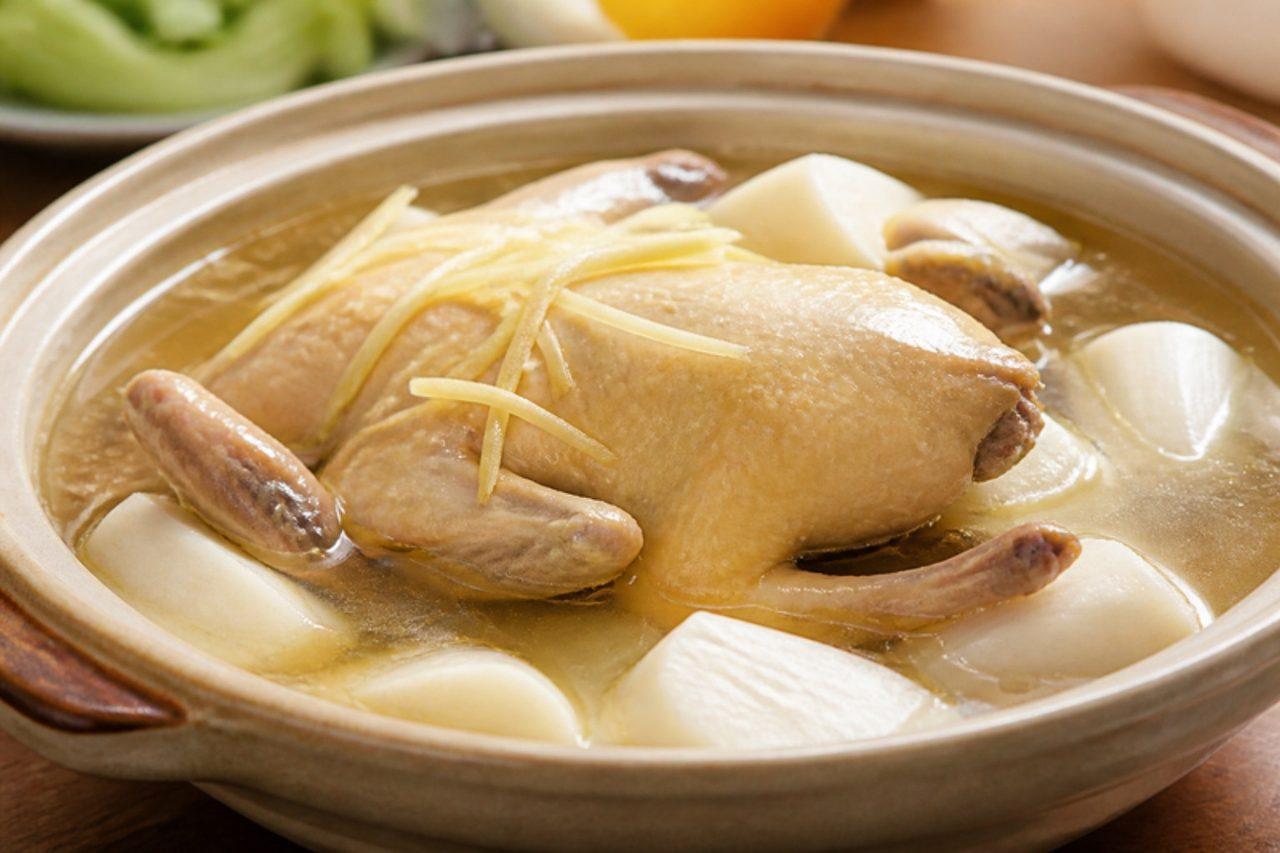
Huangshan braised pigeon

In the villages below the Huangshan mountains of Anhui, pigeon slowly stewed with Chinese yam in a clay pot is a classic nourishing dish, given to people recovering from illness and served to guests in cold weather. The broth is clear, light and gingery; the dark, rich squab turns tender enough to pull off the bone, and the yam goes soft and slightly creamy. Bring the pot to the table and eat the meat with rice, sipping the broth between mouthfuls. Squab is sold by good butchers and Asian grocers, often frozen. Chef's tip: wear gloves when peeling the yam; its sticky juice makes many people's hands itch.

120 minChineseMeatGluten free
by KrazyBadal 0 views

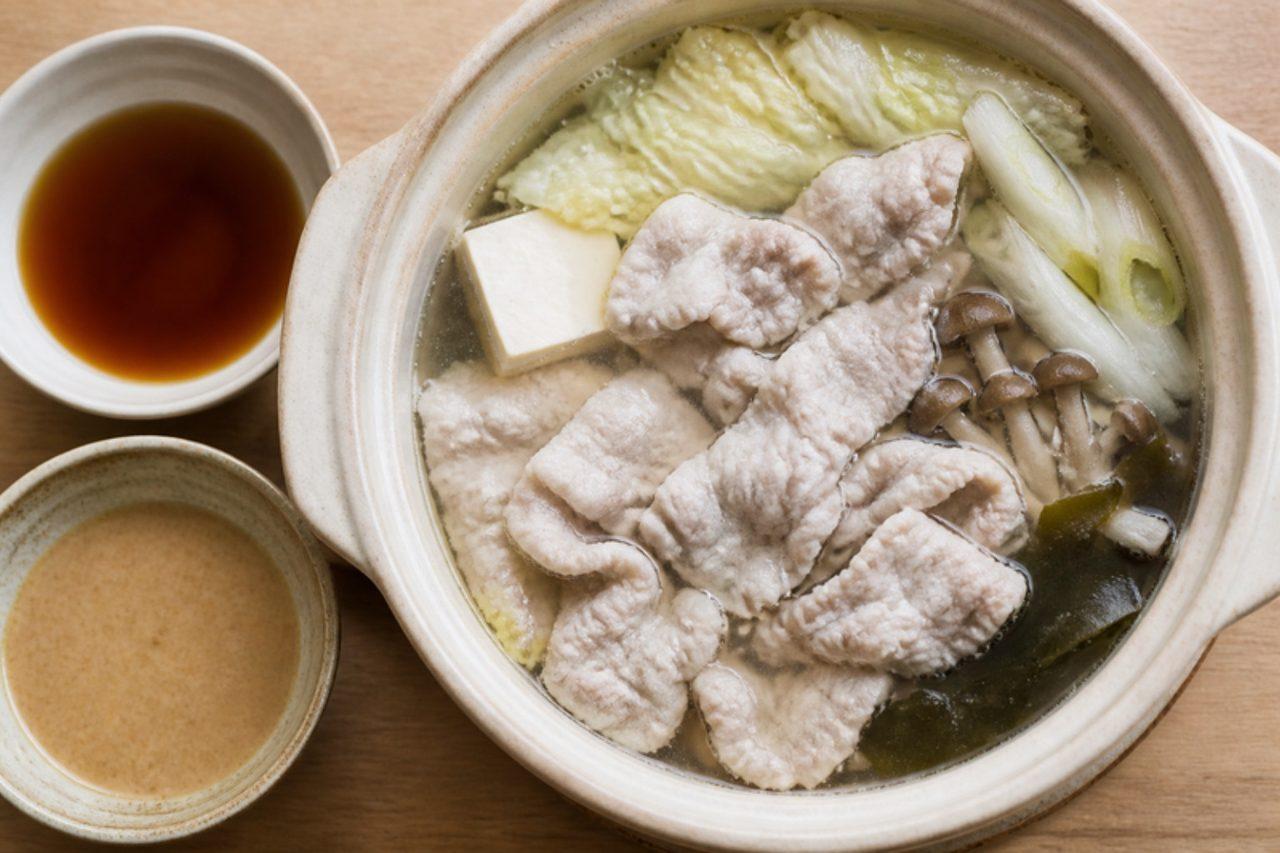
Kagoshima kurobuta shabu-shabu

Kagoshima, at the southern tip of Kyushu, is known across Japan for kurobuta, black Berkshire pork raised on farms in the prefecture. The meat is sweet with soft, clean-tasting fat, and shabu-shabu restaurants in Kagoshima city serve it sliced paper-thin so diners can cook it themselves at the table. Any thinly sliced pork loin or belly works well at home; Asian grocers sell it frozen for hot pots. Each slice is swished through the simmering kombu broth, then dipped in tangy ponzu or creamy sesame sauce. Chef's tip: when the meat is finished, cook a handful of rice or noodles in the leftover broth; it has taken on all the flavour of the pork and vegetables.

by KrazyBadal 0 views

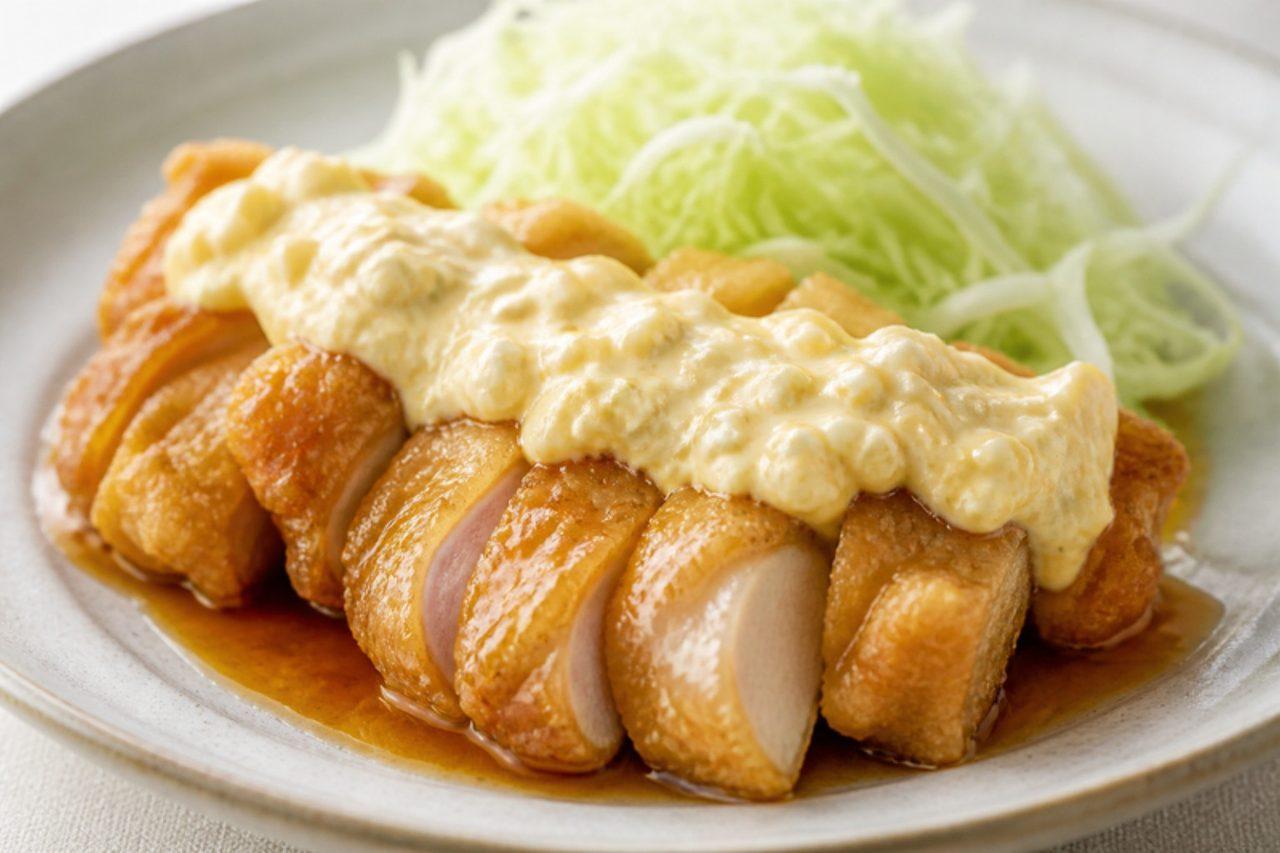
Chicken nanban

Chicken nanban comes from Miyazaki prefecture in Kyushu, where it was created in the city of Nobeoka in the mid 20th century as staff food at a Western-style restaurant. Today it is the region's best-known lunch set, served in diners all over Miyazaki with shredded cabbage, rice and miso soup. Chicken thighs are dipped in flour and beaten egg, fried golden, then briefly bathed in sweet soy vinegar and covered with a chunky egg tartar. The sharp vinegar and the rich tartar balance each other. Chef's tip: dip the hot chicken in the vinegar only for a few seconds per side; you want it seasoned, not soaked.

by KrazyBadal 0 views

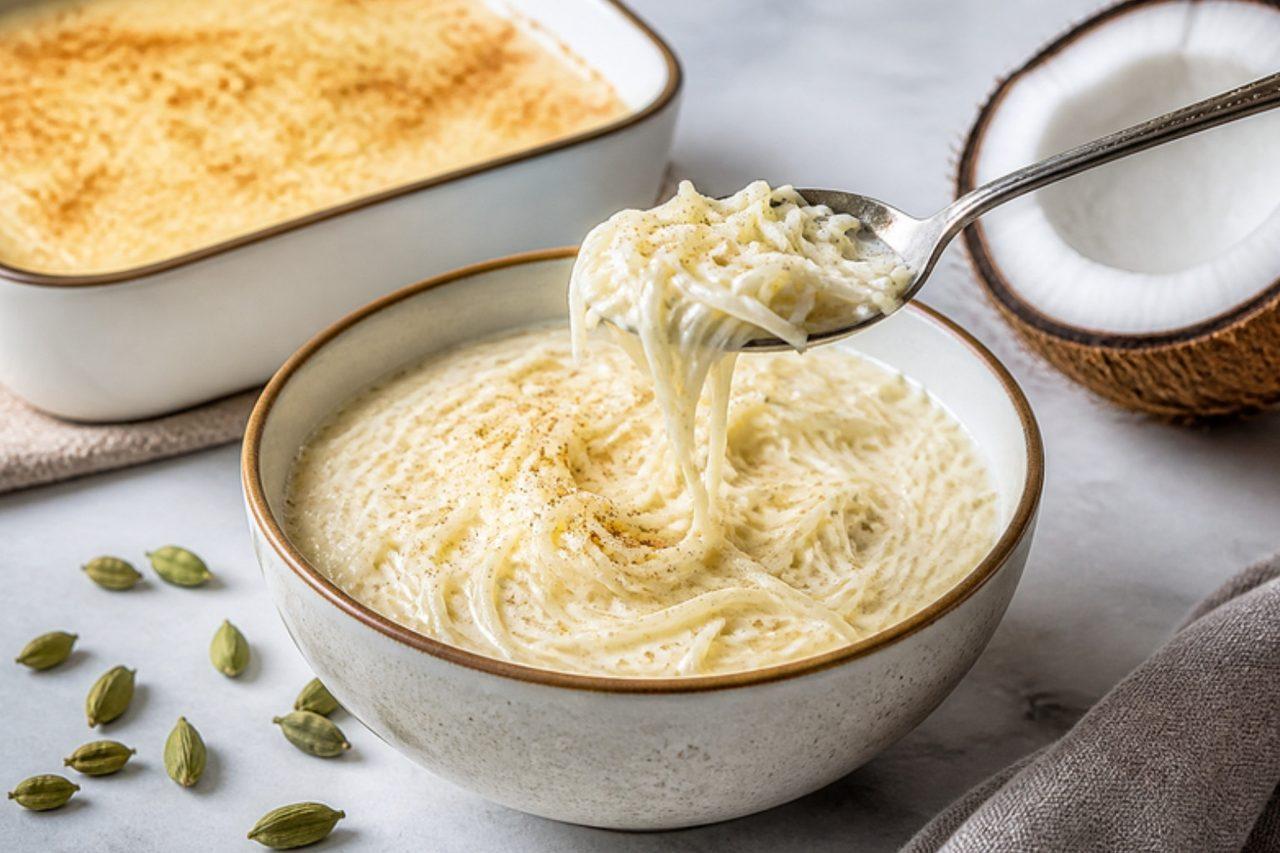
Vermicelli in coconut (tambi ya nazi)

Tambi ya nazi: soft vermicelli stirred into sweetened coconut milk with crushed cardamom, then baked briefly so it sets lightly. It's creamy, gently sweet and fragrant, and is often made for Eid. Serve hot, sprinkled with more cardamom.

by KrazyBadal 0 views

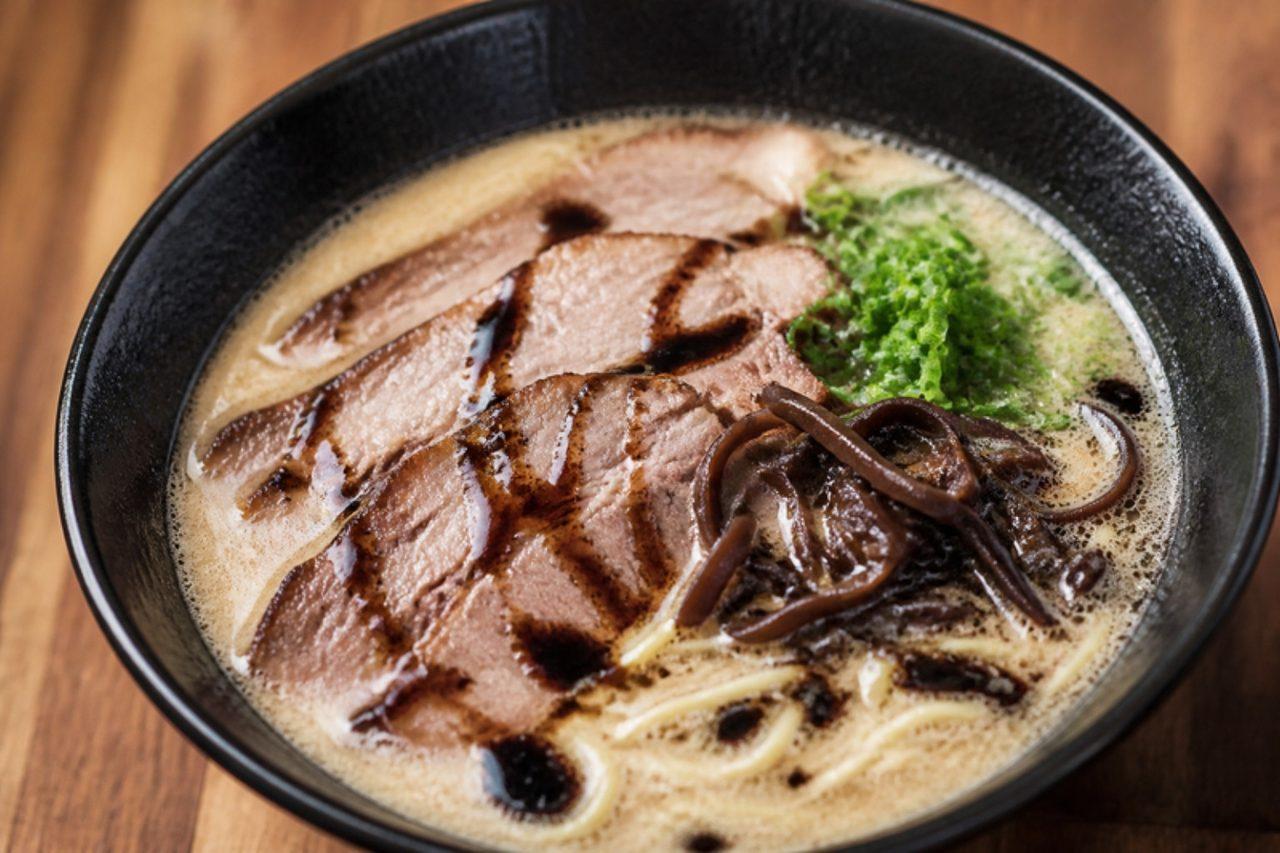
Kumamoto ramen

Kumamoto's ramen grew from the same Kyushu pork-bone tradition as Hakata's, but it took its own road. The broth blends pork bones with chicken for a rounder, milder soup, the noodles are thicker and firmer, and every bowl is finished with mayu, a black oil made by slowly burning garlic, plus a handful of crisp fried garlic chips. Ramen shops around Kumamoto city and its castle serve it with chashu, wood ear mushroom and a seasoned egg. This version is a long weekend project, but the mayu and the chashu can be made a day ahead. Chef's tip: make the mayu over low heat and keep stirring; the garlic must go slowly from gold to brown to black, which takes about 15 minutes.

by KrazyBadal 0 views

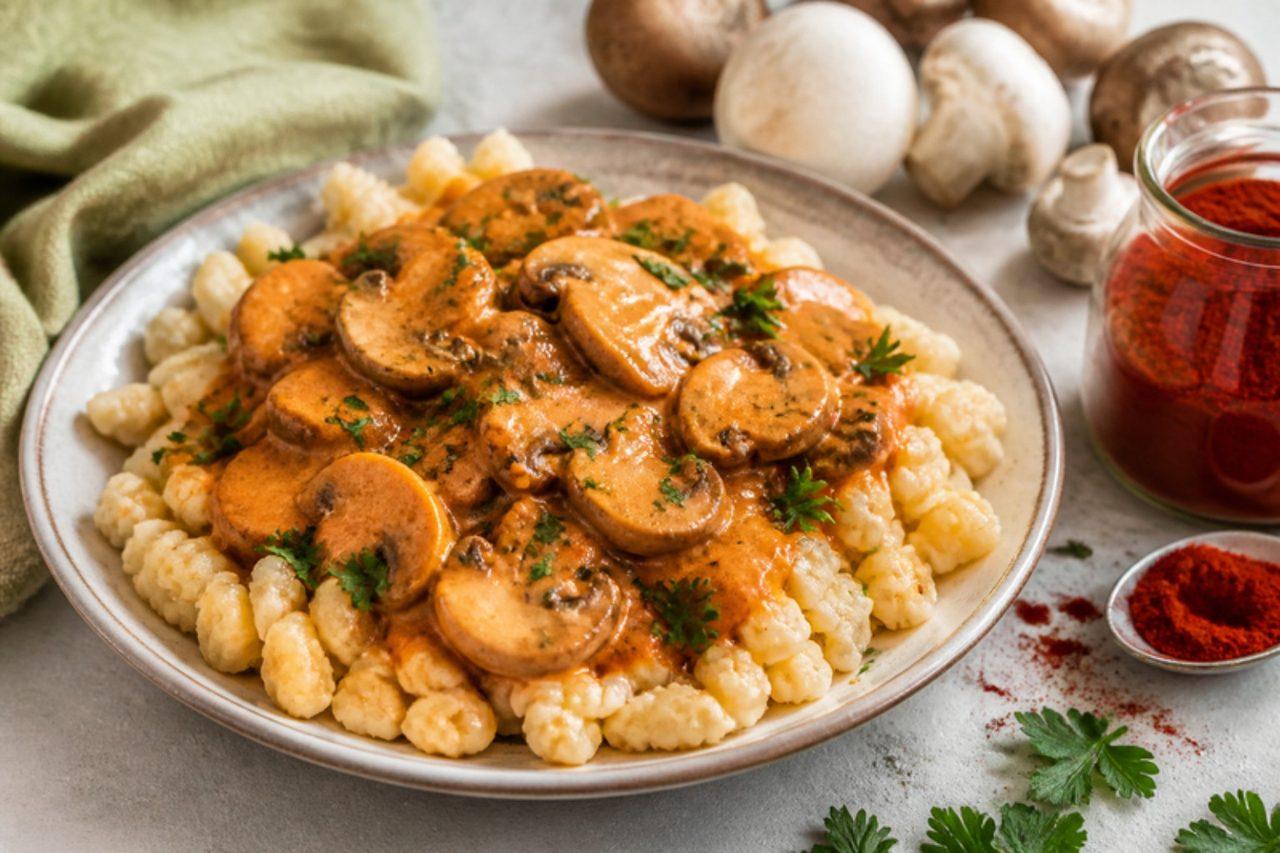
Gombapaprikás

Gombapaprikás is the meatless cousin of chicken paprikás, cooked in Hungarian homes on Fridays and through Lent, and a regular on the vegetarian line of Budapest's self-service étkezde lunch rooms. Mushrooms simmer in onion, paprika and a little pepper and tomato, then the sauce is finished with sour cream until it turns a soft brick-pink. It is quick, rich and comforting, and nokedli are its natural partner, though rice or boiled potatoes work too. Chef's tip: brown the mushrooms in a hot pan in two batches before they meet the onions, so they fry instead of stewing in their own water and the sauce tastes deep rather than watery.

by KrazyBadal 0 views

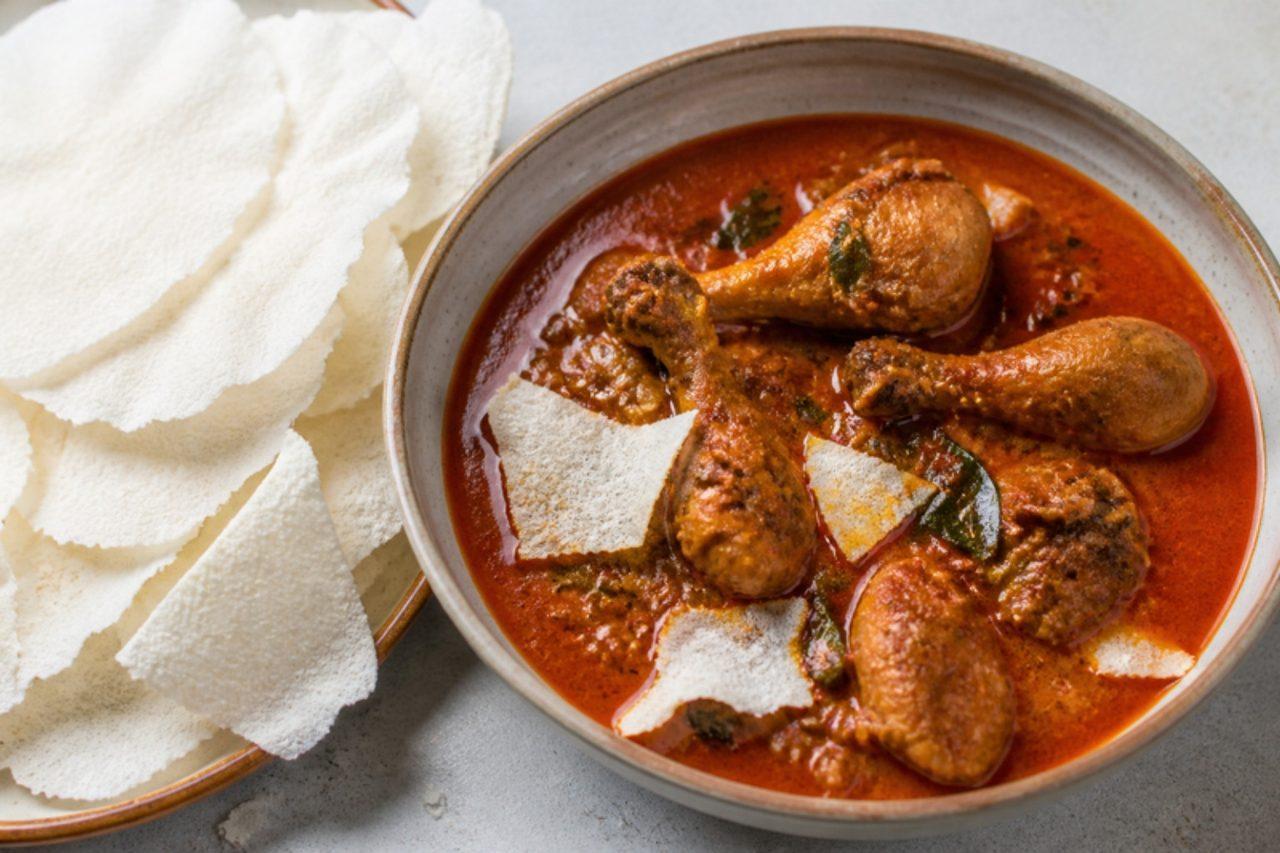
Mangalorean kori rotti

Kori rotti belongs to the Bunt community of Mangalore and Udupi, where it is cooked for weddings, the Aati festival and Sunday lunches. Kori is chicken, simmered in a thin, red coconut-milk gravy built on roasted Byadgi chillies; rotti are paper-thin dried rice wafers, bought in stacks and crumbled into the plate just before the curry goes over. They soften at the edges and stay crunchy in the middle. Chef's tip: pour the curry over the rotti only at the table; left to sit, the wafers turn to mush.

by KrazyBadal 0 views

Sai oua

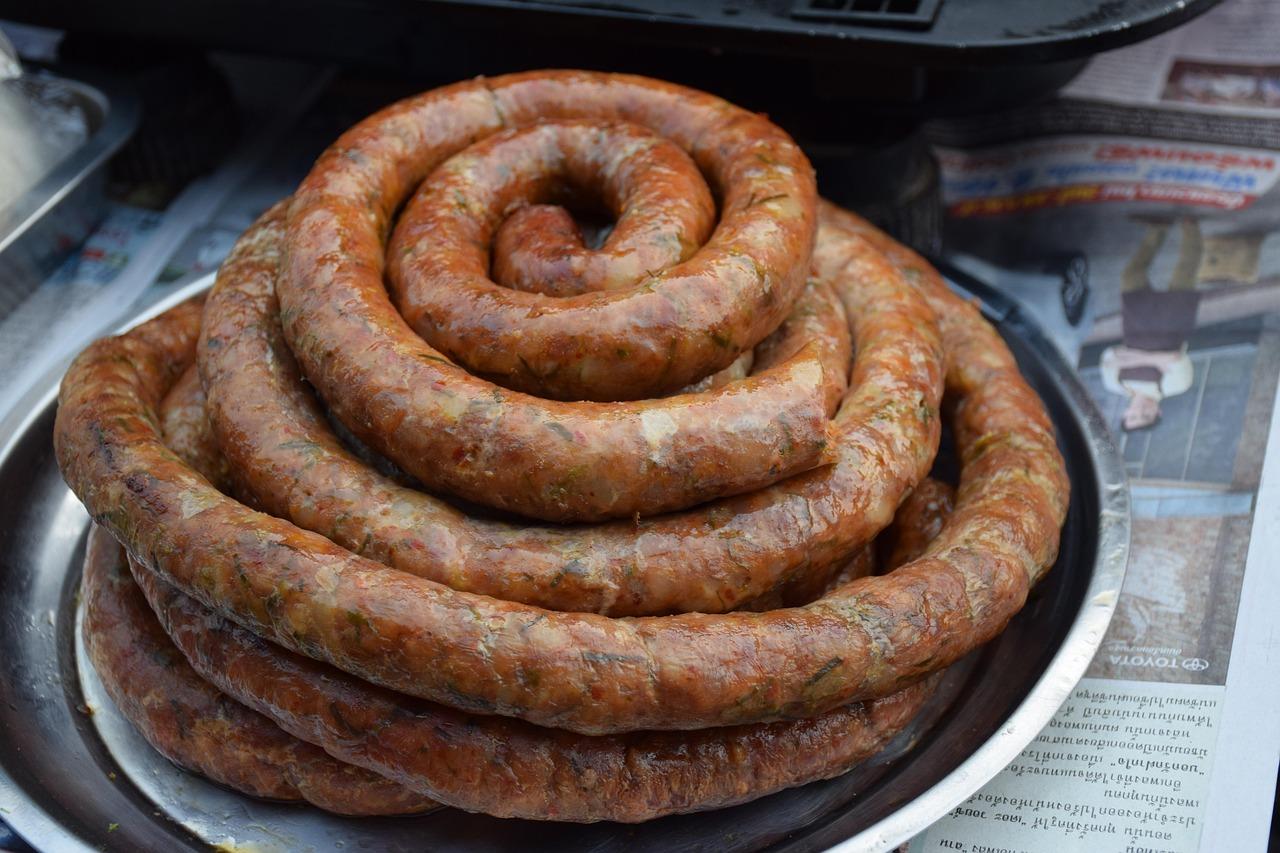
Walk through Chiang Mai's Warorot market and you will smell sai oua before you see it: long coils of sausage smoking over charcoal, flecked green with lime leaf and orange with chilli paste. The meat is coarse and juicy, the flavour loud with lemongrass, galangal and turmeric, and Northern Thais eat it in thick slices with sticky rice, raw cabbage, nam prik noom and a few slices of fresh ginger. If you have no casings or sausage stuffer, the same mixture makes excellent flat patties. Chef's tip: fry a teaspoon of the mixture before you stuff anything and taste it; this is your only chance to fix the salt and chilli.

90 minThaiMeatGluten freeSpicy
by KrazyBadal 0 views

Lecsó

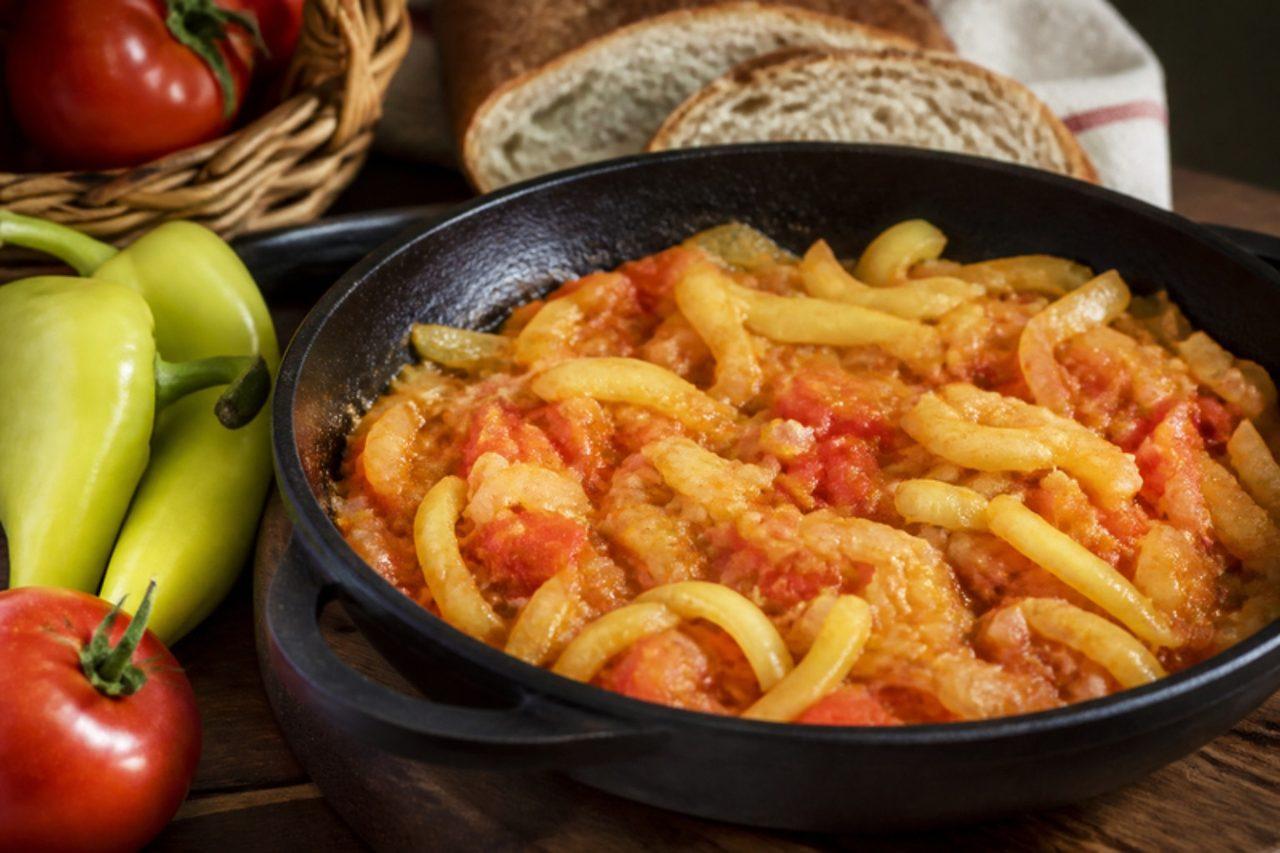
Lecsó is what Hungarian kitchens cook in late August, when markets in Szeged and Kecskemét are heaped with pale yellow wax peppers and over-ripe tomatoes. It is a soft, sweet-sour stew of peppers and tomato cooked down in paprika-scented oil; many families add smoked sausage or scramble eggs into it, but this version keeps it vegan and lets the peppers carry the flavour. Eat it hot with crusty bread or rice, or cold the next day, and jars of it are put up for winter. Chef's tip: add the tomatoes only once the peppers have softened; if they go in together, the tomato juice stews the peppers instead of letting them sweeten in the oil.

by KrazyBadal 0 views

Afghan biscuits

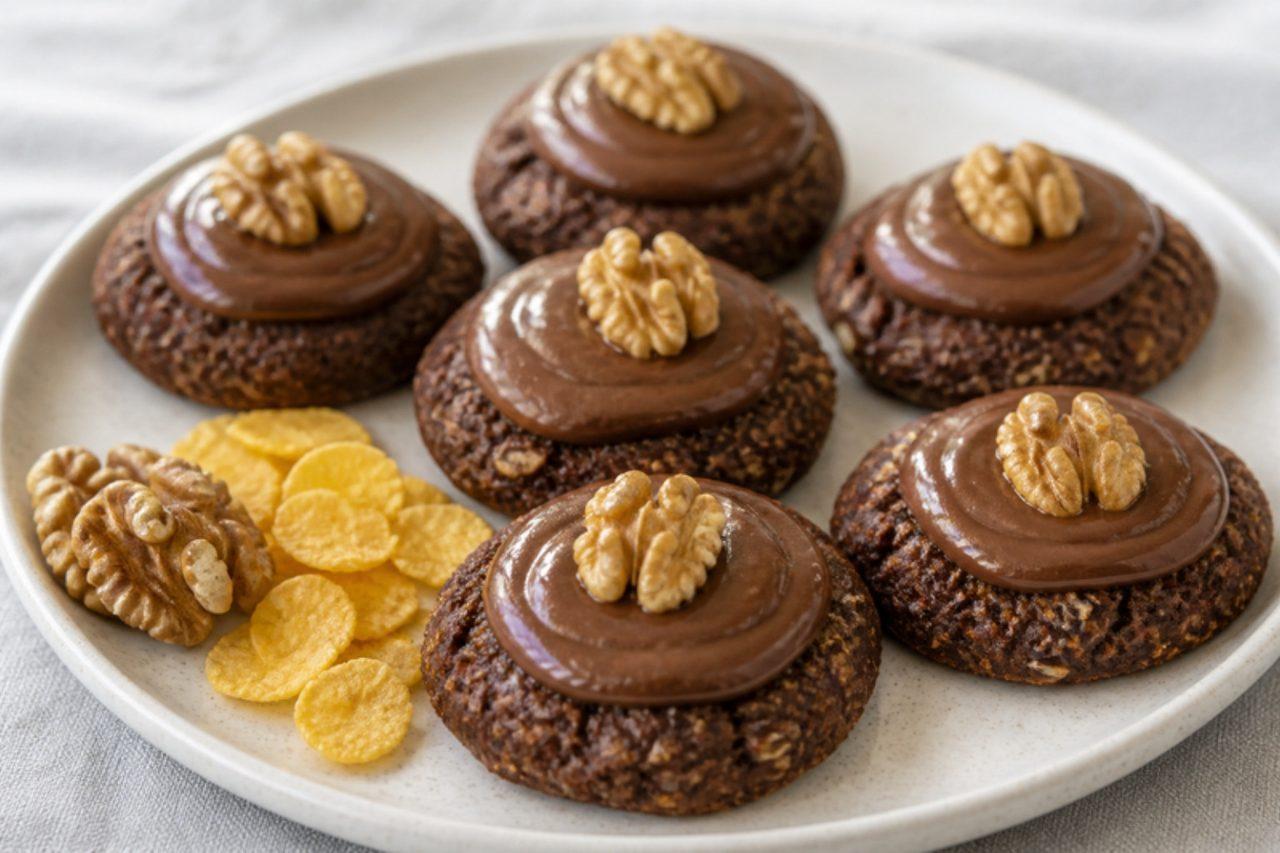
Afghans are a New Zealand classic, found in the old home baking books passed down in Kiwi kitchens and in the glass cabinets of cafés and bakeries from Christchurch to Whangārei. Nobody is quite sure where the name came from. The dough is rich with butter and cocoa, and lightly crushed cornflakes give each biscuit a crunchy, slightly rugged texture. A swirl of soft chocolate icing and a walnut half finish them off. They're not too sweet underneath, which is why the icing works so well. Chef's tip: crush the cornflakes only lightly with your hand; fine crumbs disappear, but big flakes give the crunch an afghan is known for.

by KrazyBadal 0 views

Mombasa kachri bateta

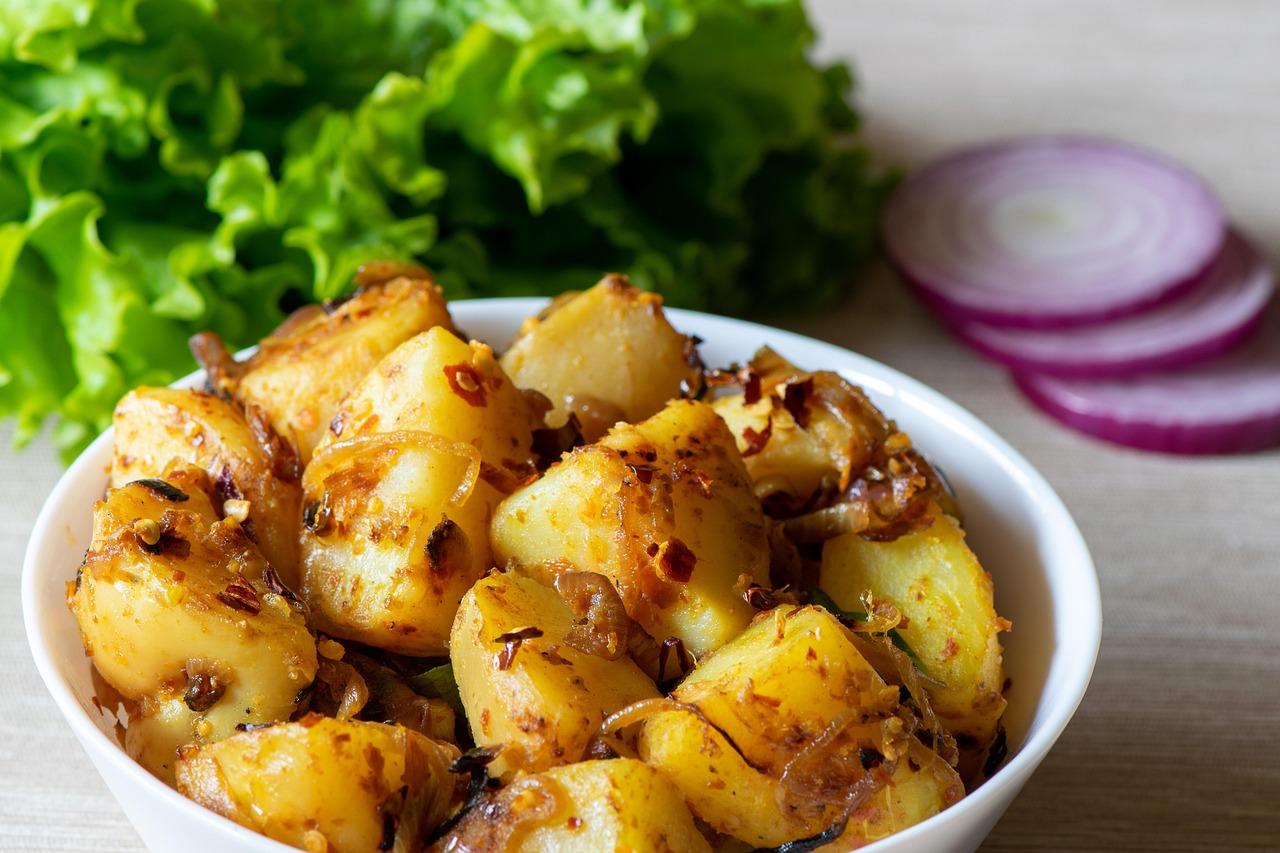
A Mombasa street favourite: potatoes cooked in a thin, garlicky tomato and raw mango sauce, ladled into bowls and piled with crushed potato crisps, crunchy sev and a fresh coconut and mango chutney. Everyone builds their own bowl to taste. Serve straight away so the crisps stay crunchy.

by KrazyBadal 0 views

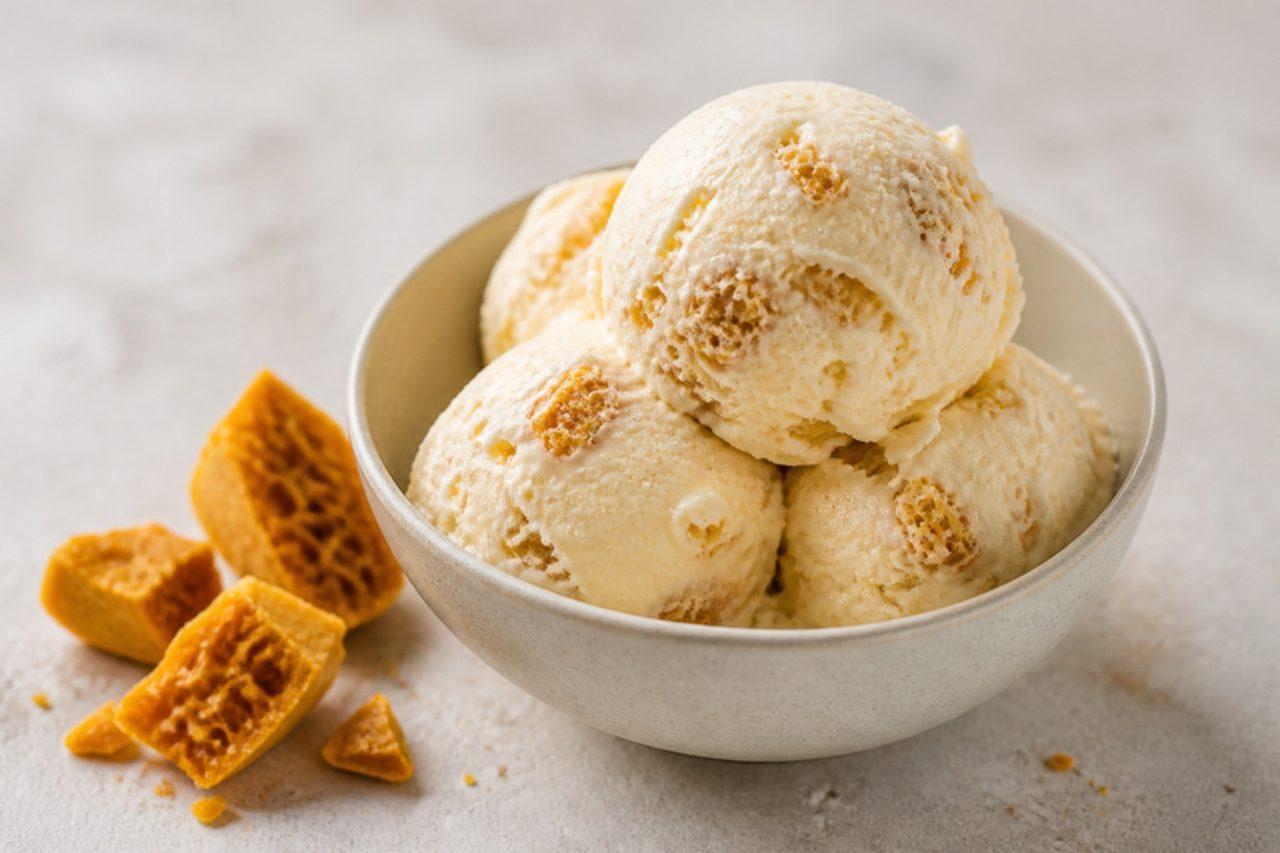
Hokey pokey ice cream

Hokey pokey is what New Zealanders call honeycomb toffee, and vanilla ice cream full of crunchy little nuggets of it has been the country's best-loved flavour since the mid-twentieth century; it's scooped into cones at dairies and beaches from Auckland to Invercargill. The honeycomb is a bubbling golden syrup toffee that foams up when bicarbonate of soda goes in and sets glassy and light. Folded through a rich no-churn vanilla base, it stays crunchy at first and slowly turns chewy and toffee-like. Chef's tip: don't stir the sugar once it starts to melt; swirl the pan instead, or it will crystallise and turn grainy.

by KrazyBadal 0 views

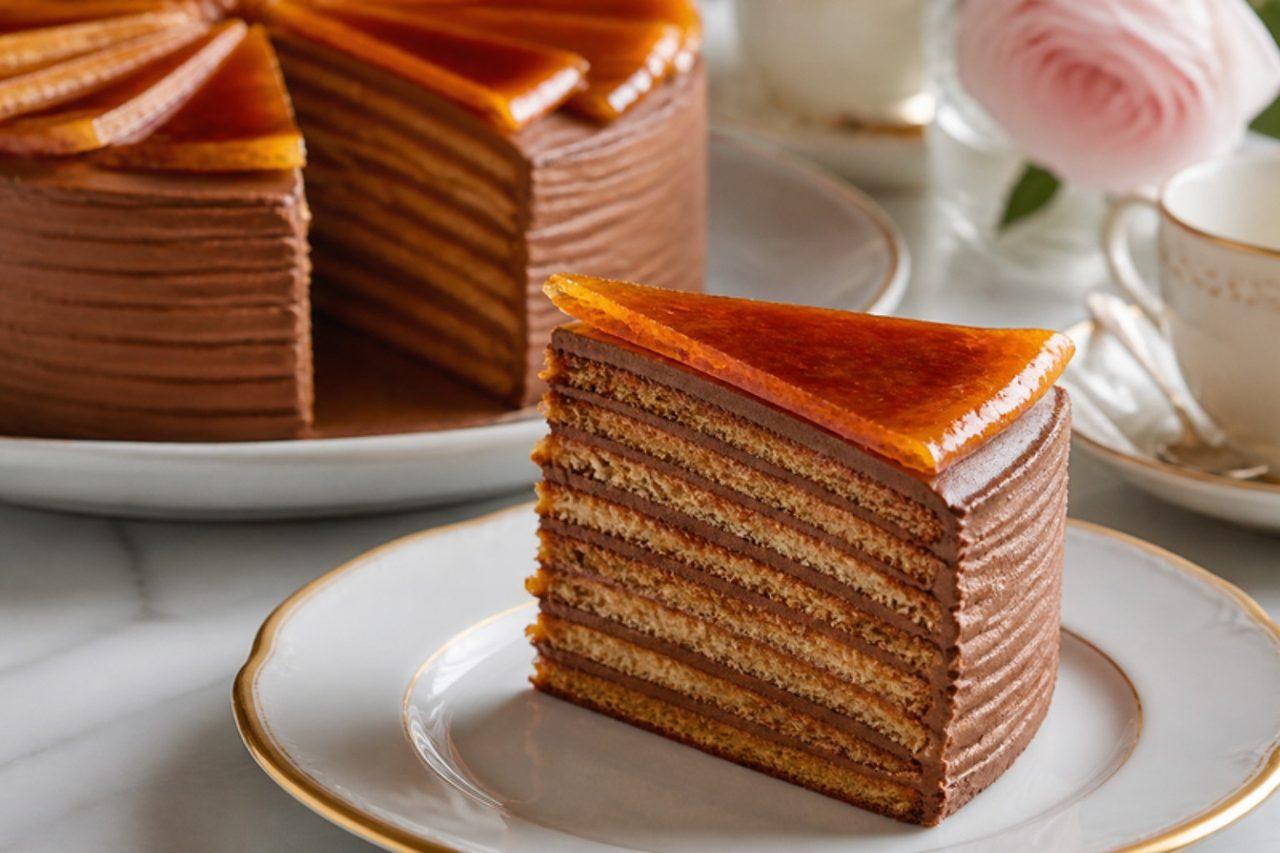
Dobos torta

Dobos torta was created in Budapest in 1885 by the confectioner József C. Dobos, and it is still the cake Hungarians order in old coffee houses on Andrássy Avenue and bake for name days and big birthdays. Six thin sponge layers are stacked with a rich chocolate buttercream, and the top layer is glazed with hard amber caramel, cut into wedges and set at an angle like a fan. It is a project cake, but each stage is simple and the finished torte keeps for days. Chef's tip: mark the caramel into wedges with an oiled knife within the first minute; once it sets, it shatters instead of cutting.

by KrazyBadal 0 views

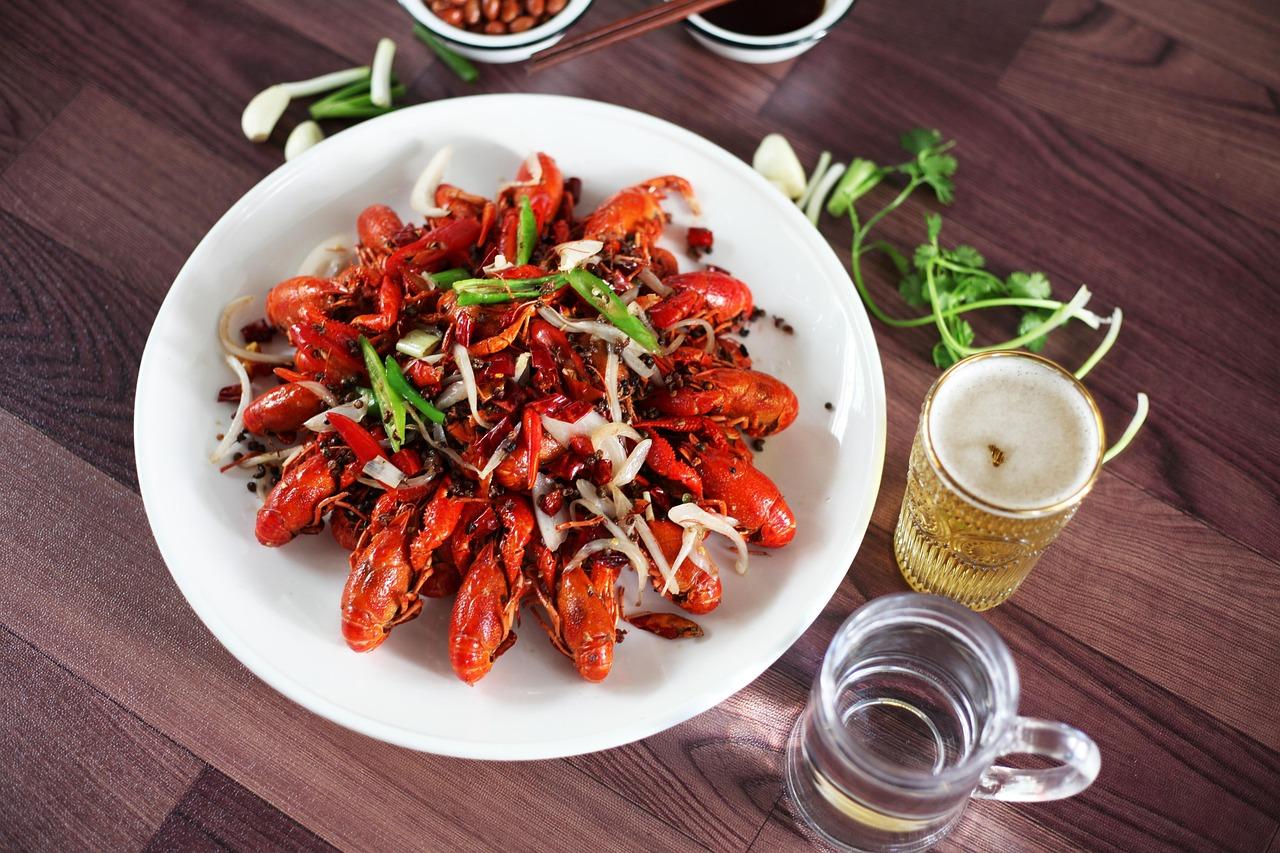
Mala crayfish

On summer nights the pavements of Changsha and Wuhan fill with folding tables, plastic gloves and mountains of glossy red crayfish, the season's great shared feast from May to August. Each little shell is sucked for its spicy sauce before you twist off the tail for a sweet, firm bite of meat; the sauce is hot from chillies and bean paste, numbing from Sichuan pepper and rounded out with garlic and a bottle of lager. Large shell-on prawns make an easy swap if you can't buy live crayfish. Serve with cold drinks, cucumber, steamed buns or rice to mop up the sauce, and lots of napkins. Chef's tip: once the crayfish turn red, simmer them for no more than 8 minutes; longer and the tail meat goes mushy and comes away in shreds.

by KrazyBadal 0 views

Fairy bread

No children's birthday party in Australia, and in New Zealand too, is complete without a plate of fairy bread, a tradition going back about a hundred years. Soft white bread is spread with butter and pressed face-down into a pile of hundreds and thousands, the tiny round coloured sprinkles, then cut into triangles. It's sweet, crunchy, buttery and gloriously bright, and children love making it as much as eating it. Many sprinkles are coloured with insect-based carmine (E120) or glazed with shellac (E904); for a vegetarian plate, choose a brand that uses neither. Chef's tip: use soft, spreadable butter right to the edges; it's the glue that holds every sprinkle.

by KrazyBadal 0 views

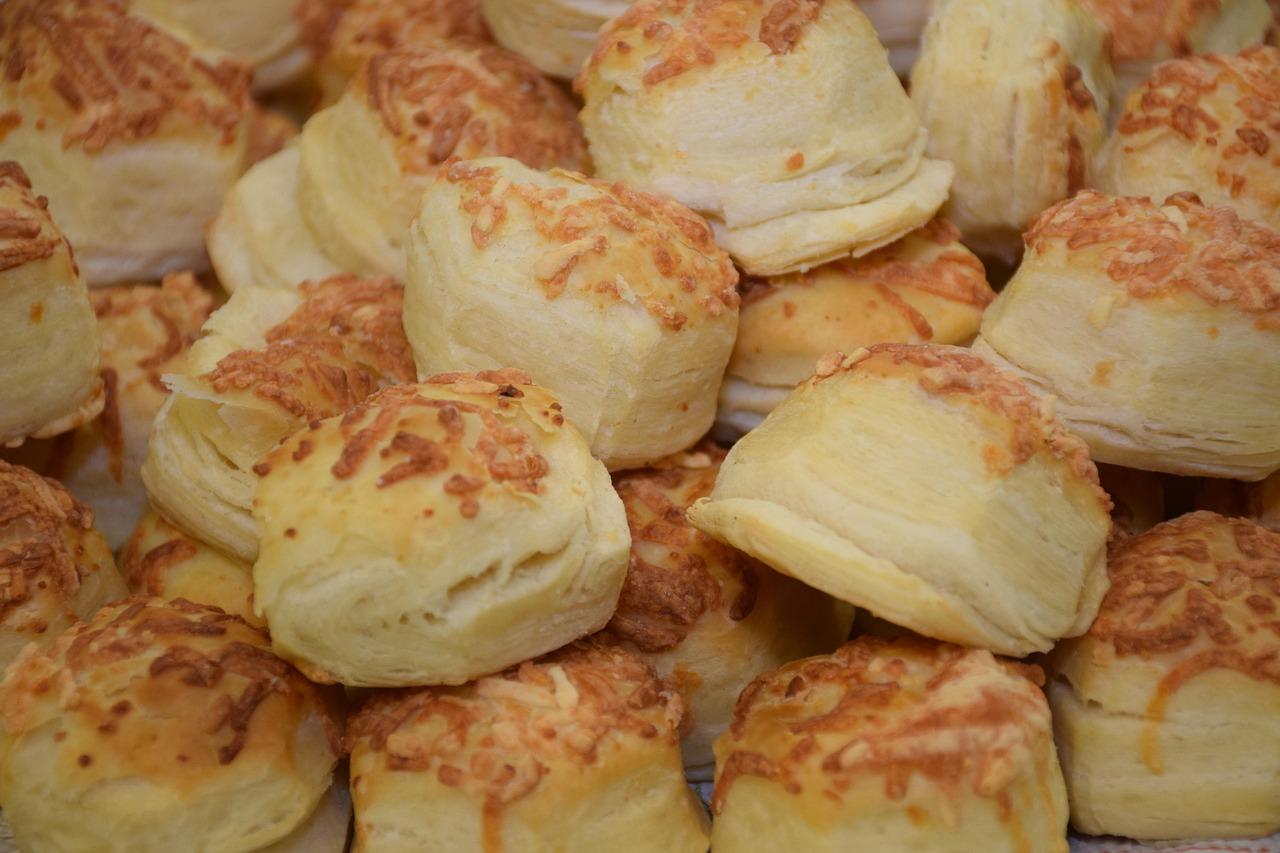
Pogácsa

Pogácsa are small, round, flaky savoury scones that appear on every Hungarian buffet table, at weddings, christening parties and wine tastings in Tokaj and Villány, where they are eaten with a glass of white. Bakeries sell them by weight, and every region has its own: with crackling, potato, cabbage or, like these, butter, sour cream and cheese. The dough is folded a few times, so they split into tender layers, and the top is scored in a criss-cross before baking. Chef's tip: cut straight down with a sharp cutter and don't twist; twisting seals the edges and the pogácsa rise lopsided. Use a cheese made with vegetarian rennet.

by KrazyBadal 0 views

Anzac biscuits

Anzac biscuits are baked in kitchens all over Australia and New Zealand in the days before 25 April, Anzac Day, when both countries remember the soldiers of the Australian and New Zealand Army Corps who landed at Gallipoli in 1915. Recipes appeared in fundraising cookbooks soon after the war, and they keep well because they contain no eggs: just oats, flour, coconut, sugar, butter and golden syrup, raised with bicarbonate of soda. Bake them short for chewy, longer for crunchy; every family has its side. Chef's tip: add the bicarbonate to the hot butter and syrup and wait for it to foam up before mixing; that froth is what makes them light and lacy.

by KrazyBadal 0 views

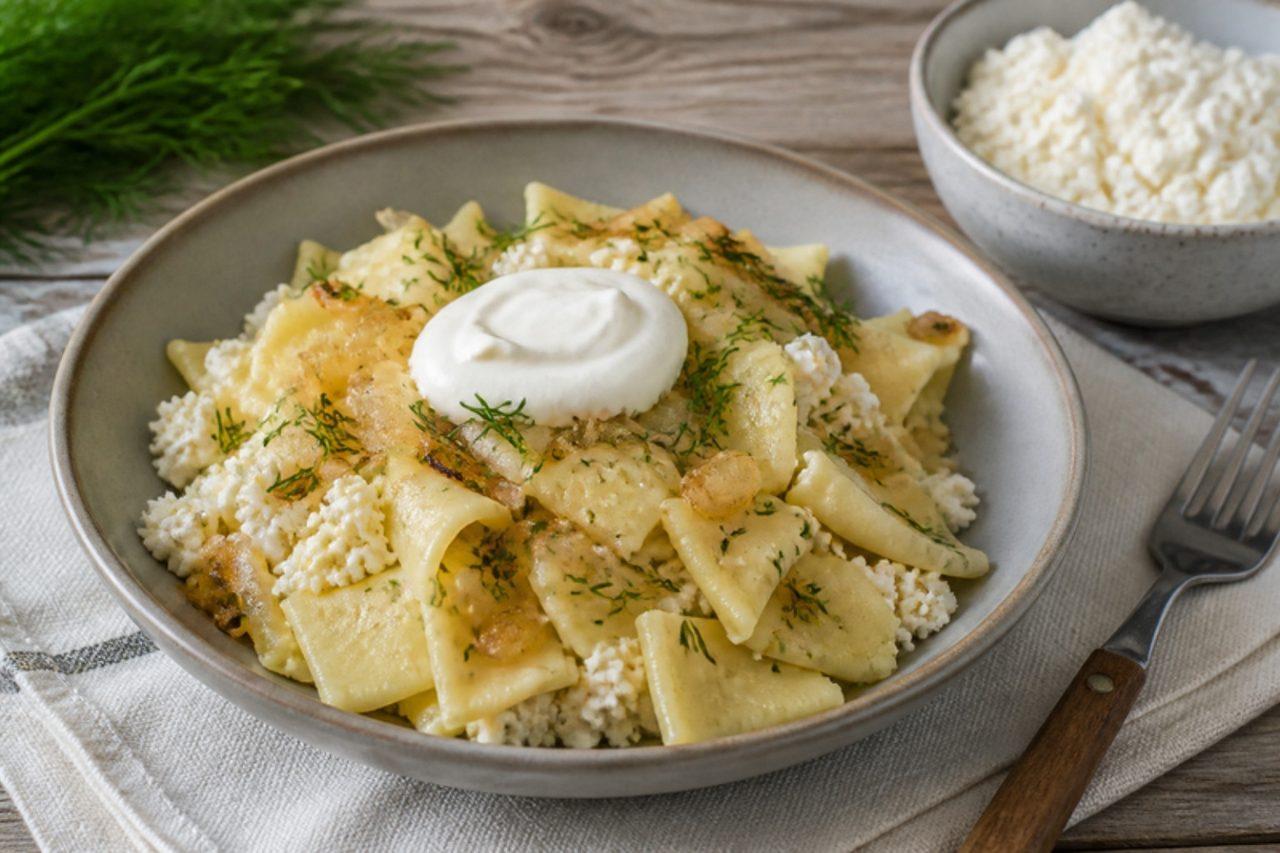
Túrós csusza

Túrós csusza is a simple dish of wide pasta squares tossed with crumbly túró curd cheese and sour cream, loved across Hungary and especially in the Danube villages, where it is served as a filling main after a bowl of fish soup. At home it is a Friday or end-of-the-month supper made from what is in the fridge. Traditionally it is topped with crisp pork crackling; here, fried onions and a little smoked paprika give the same crunch and savouriness. The flavour is mild, tangy and comforting. Chef's tip: toss the cheese into the pasta while it is still steaming so the túró warms through, but serve the sour cream cold on top for contrast.

by KrazyBadal 0 views

Showing 72 of 4,484 recipes

Show more recipes

Page 270 of 499