


Skip to content
Halászlé
Featured recipe

Halászlé

Spicy carp soup

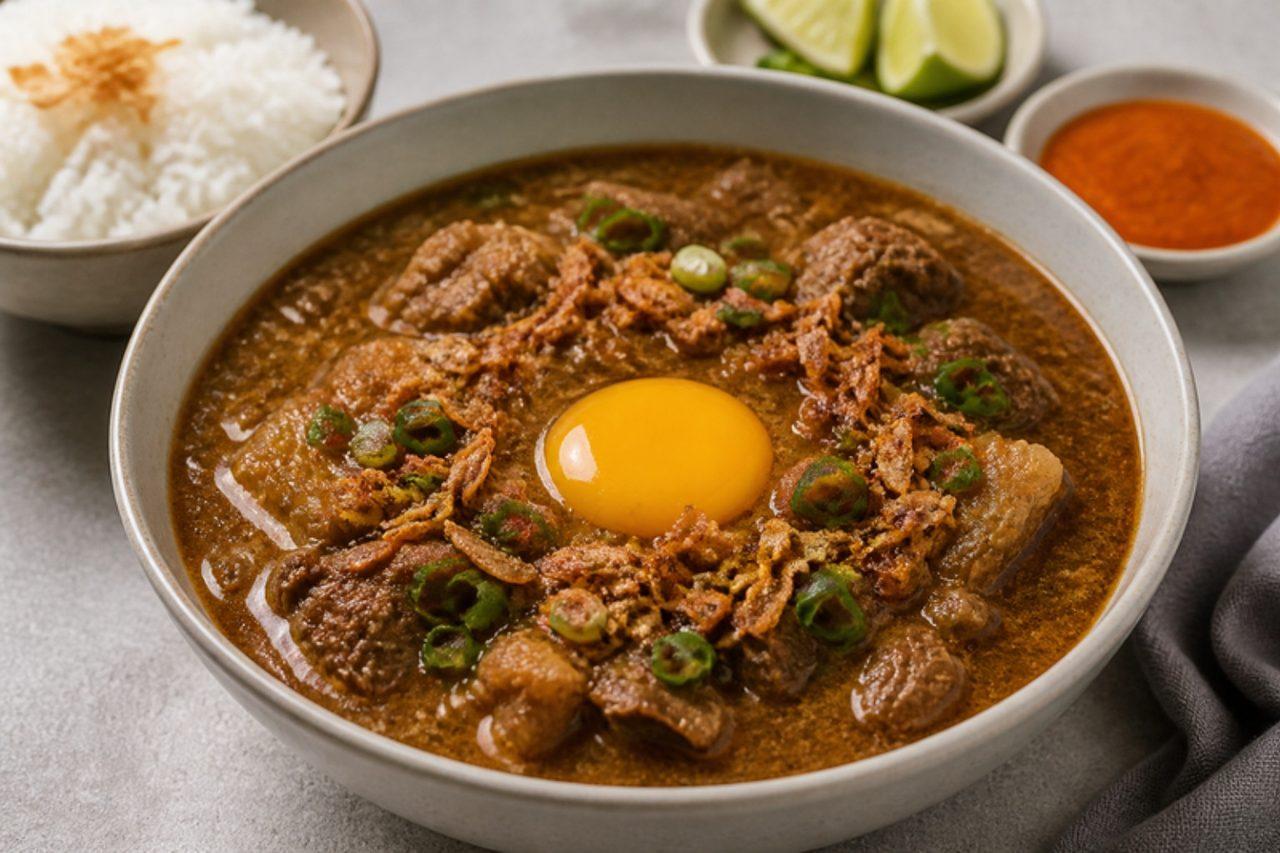
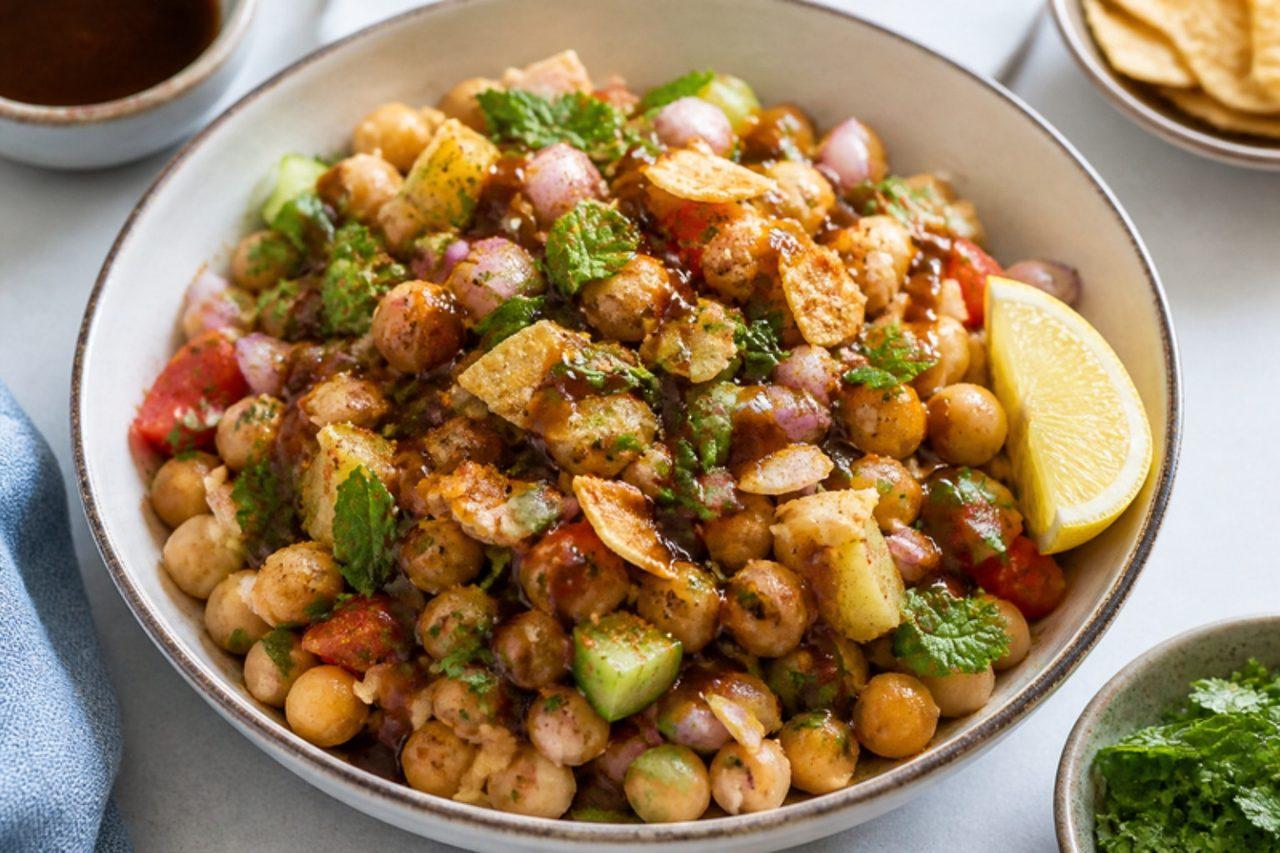
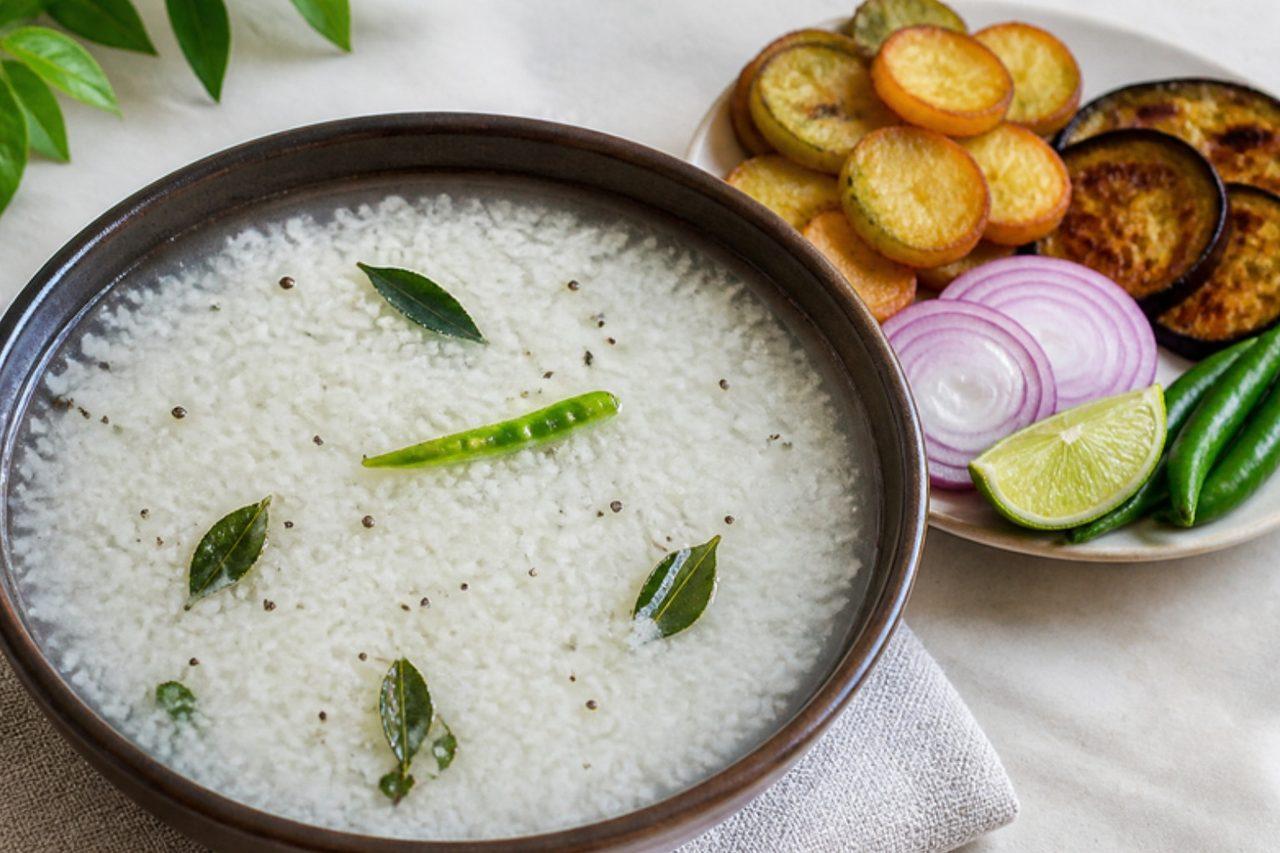
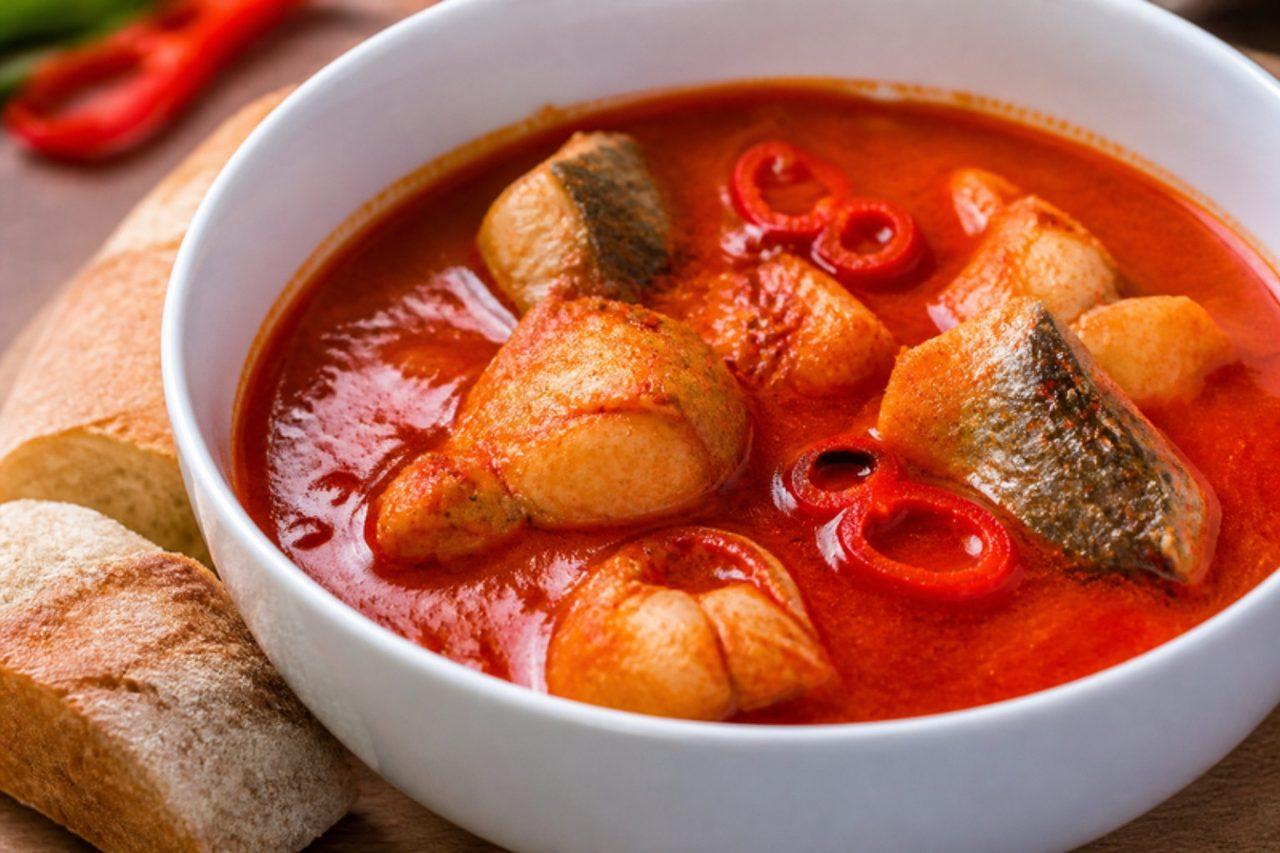
Halászlé is the fiery fisherman's soup of the rivers Tisza and Danube, and on Christmas Eve it is on almost every Hungarian table; the towns of Szeged and Baja each claim the best version. A rich stock is made from fish heads and bones with onions and lots of paprika, sieved until smooth and red, and then thick slices of carp (or catfish) are poached in it at the last moment. Serve with white bread and fresh hot peppers. Chef's tip: poach the fish fillets without stirring; just swirl the pot so the pieces stay whole.

Read more 1 views

What to eat today?

Around the world

Today's trip: Persian

A new country every day, from every cuisine on the site.

This week's collection

Kid-friendly dinners
537 recipes · a new collection every Monday

Latest recipes

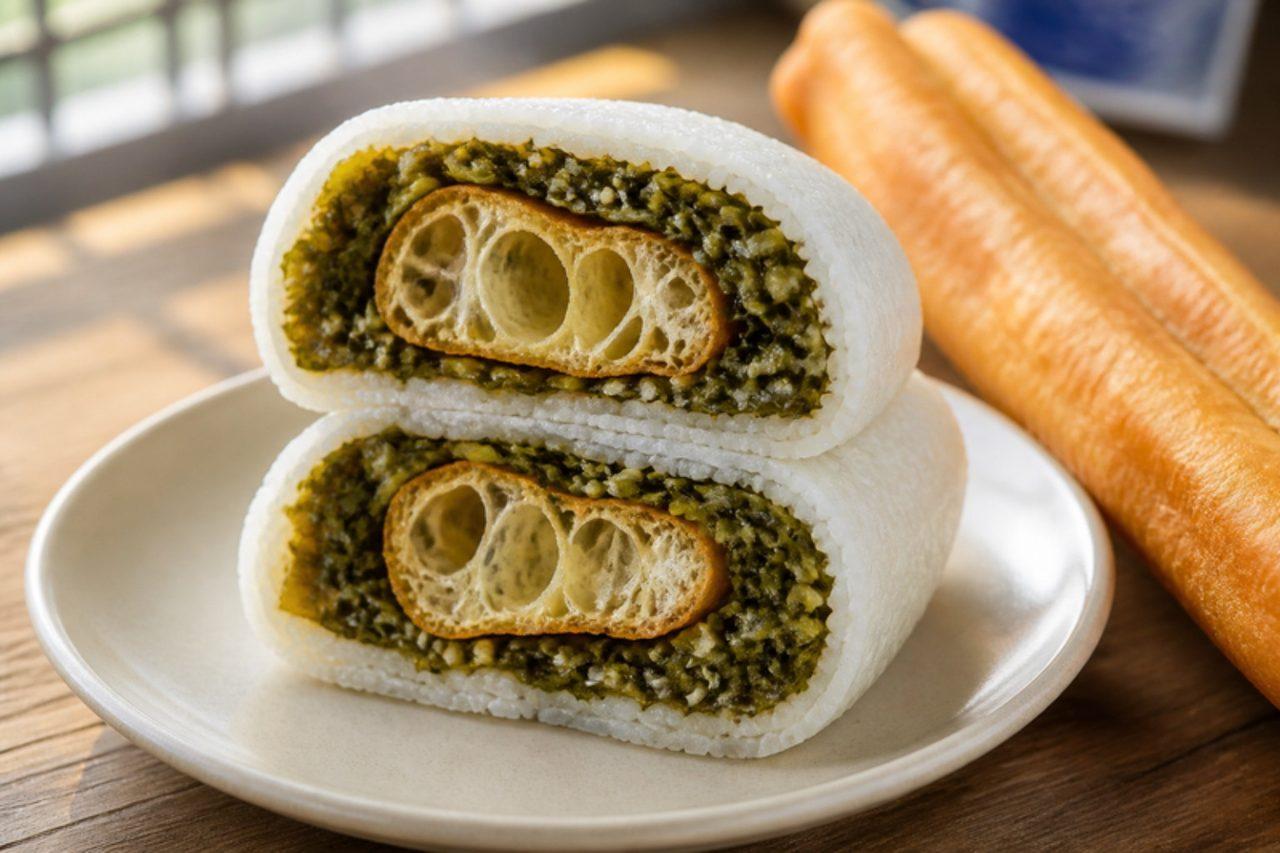
Shanghai ci fan tuanSticky rice rolls with fried dough

Ci fan tuan is one of the 'four heavenly kings' of Shanghai breakfast, along with fried dough sticks, soy milk and sesame flatbread. Vendors spread warm sticky rice on a cloth, lay a crisp youtiao and pickles in the middle and squeeze it into a fat roll to eat on the way to work. The savoury version often adds pork floss; this one uses pickled mustard and sesame, and there's a sweet sugar version too. Soak the rice overnight. Chef's tip: wrap the rice tightly in cling film and a tea towel, so the roll holds without being squashed flat.

by KrazyBadal 0 views
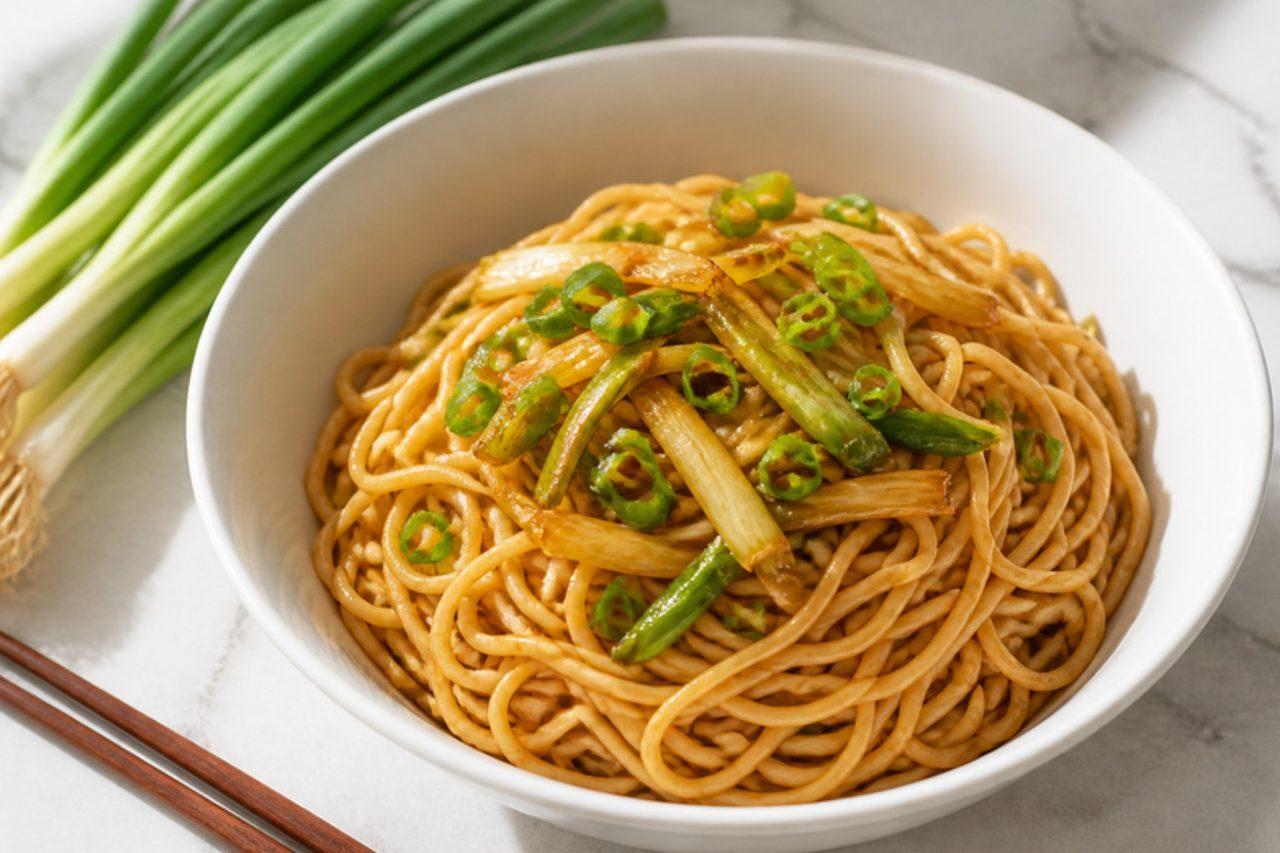
Shanghai scallion oil noodlesNoodles with spring onion oil

Cong you ban mian is a Shanghai breakfast and late-night favourite: thin wheat noodles tossed in oil that has been slowly infused with spring onions until they turn dark and crisp, plus a sweet soy sauce. It's almost nothing, and yet the caramelised onion flavour is addictive. Locals have it with a bowl of soup or a fried egg. Chef's tip: fry the spring onions over a medium-low heat for the full 12 minutes, until deep brown but not black; pale onions give oil with no character.

by KrazyBadal 0 views

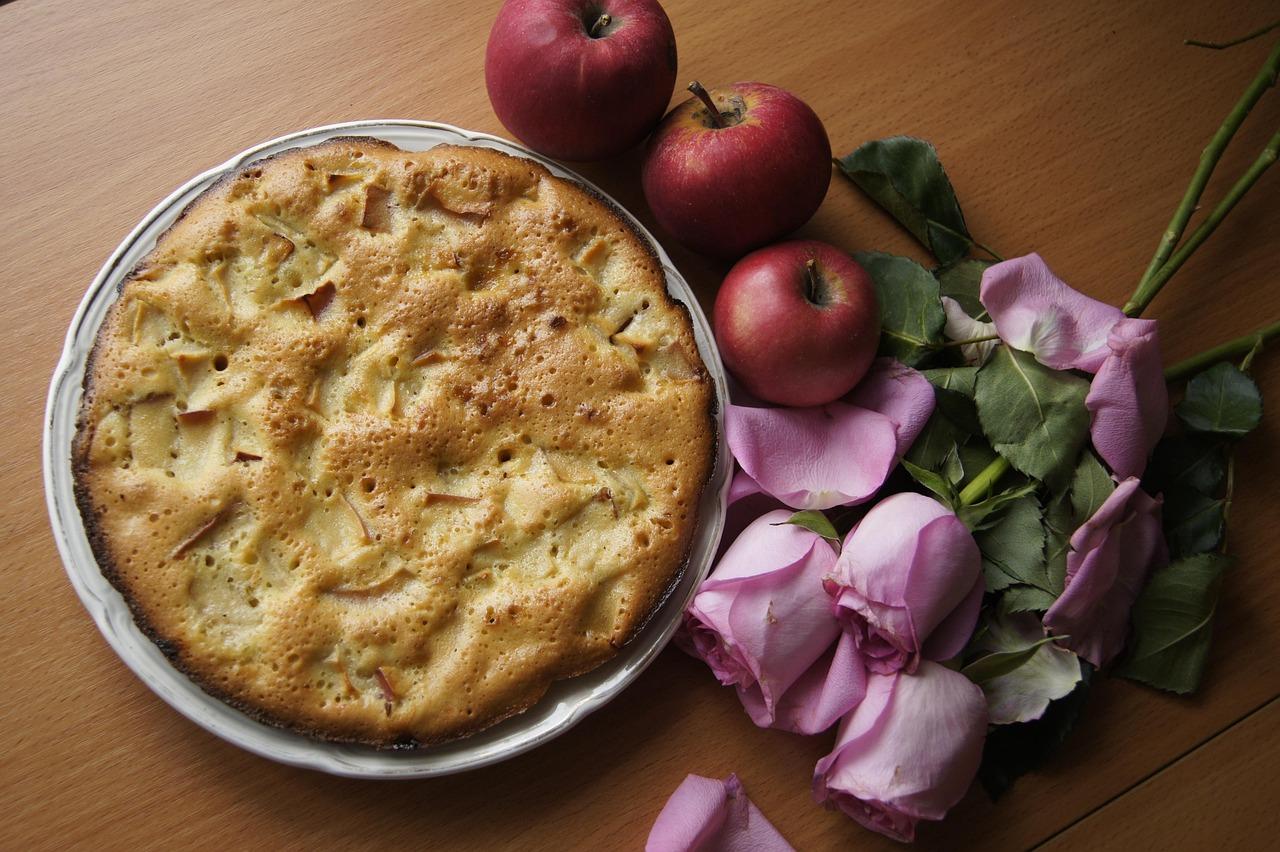
SharlotkaApple sponge cake

Sharlotka is the cake every Russian family bakes in September, when dachas around Moscow and Saint Petersburg drown in Antonovka apples. It is nothing like Polish szarlotka with its shortcrust: here the tin is packed with sliced tart apples and a feather-light batter of whisked eggs, sugar and flour is poured over, so it bakes into an airy, crackly-topped sponge holding a soft apple layer. Only four ingredients, and it is on the table in under an hour with tea from the samovar. Chef's tip: whisk the eggs and sugar for a full 8 minutes until pale and tripled; that air is the only raising agent and a short whisk gives a flat, rubbery cake.

by KrazyBadal 0 views

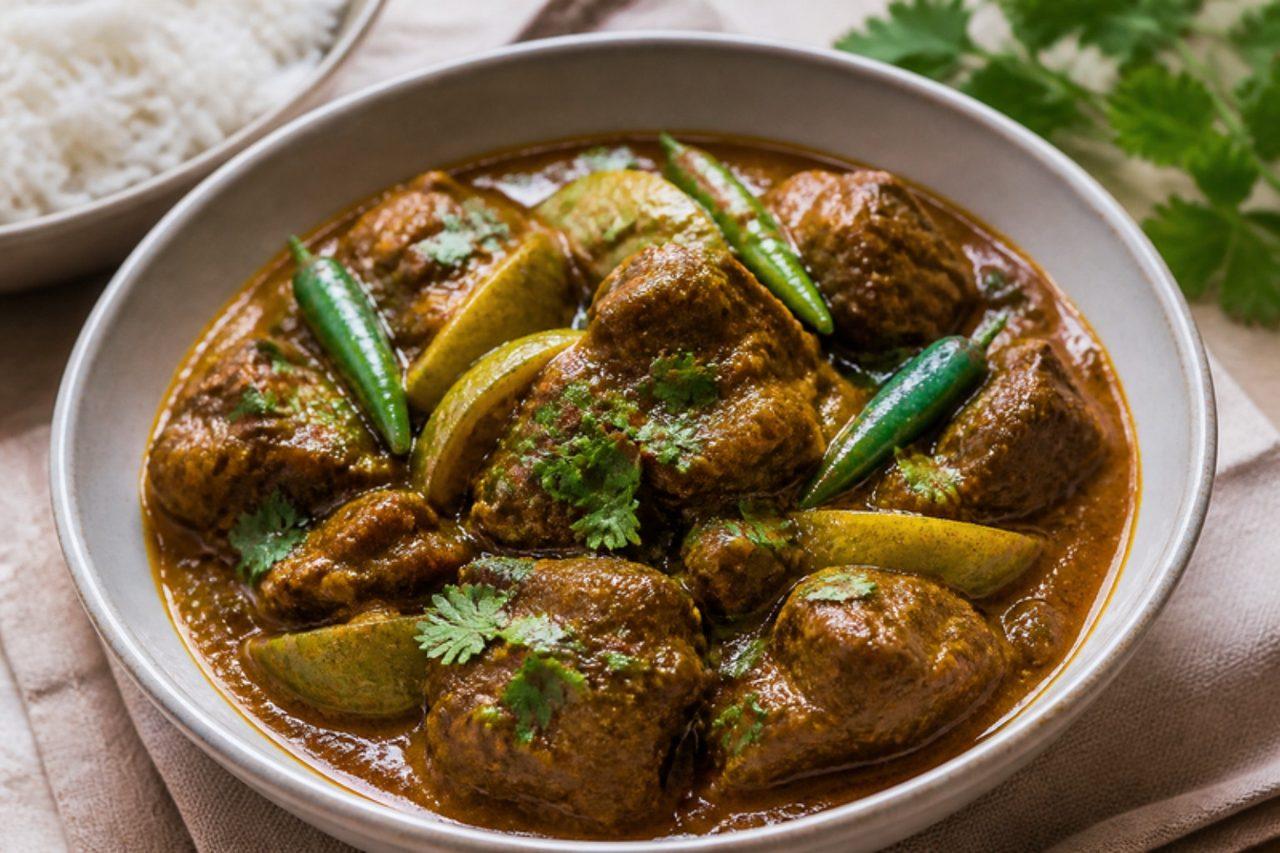
Shatkora beefBeef curry with wild citrus

Shatkora is a large, thick-skinned citrus that grows in the hills of Sylhet in north-east Bangladesh, and its bitter, perfumed rind is what Sylhetis put in beef curry instead of lemon. The rind and pith are cut into chunks and simmered with the meat, so the sauce turns gently sour and smells like lime leaves and grapefruit at once. It is a home dish for Fridays and Eid, eaten with rice; the many Sylheti families in Britain made it famous in UK curry houses. Shatkora is sold frozen or in brine at South Asian grocers; if you can't get it, use the peel of half a grapefruit and a lime. The common mistake is adding too much shatkora early, which makes the curry bitter. Chef's tip: boil the shatkora pieces in water for 2 minutes and drain before adding them; it removes the harshest bitterness and keeps the fragrance.

by KrazyBadal 0 views

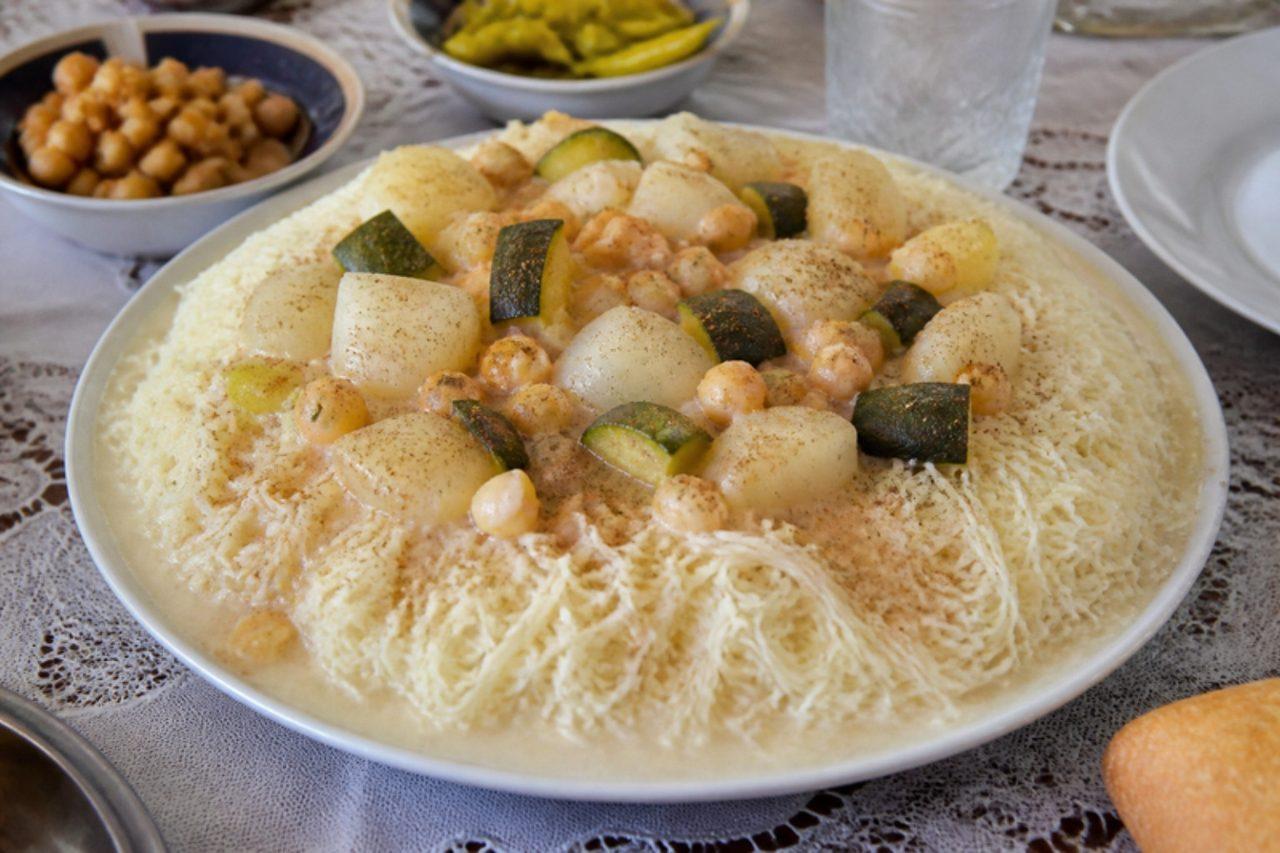
Rechta with vegetable sauceNoodles in turnip and chickpea broth

Rechta is the dish of Algiers and Blida for Mouloud, Ashura and the first day of the new year: thin, square-cut fresh noodles steamed in a couscoussier like couscous, then drenched in a pale, cinnamon-scented white sauce of turnips, courgette and chickpeas. It is usually made with chicken; this vegetable version keeps the gentle, peppery broth. Dried rechta is sold in North African shops; very thin dried egg-free noodles work too. Chef's tip: steam the noodles twice and rub them with oil in between, so they stay separate and silky.

by KrazyBadal 0 views

Sheer khurmaVermicelli milk pudding

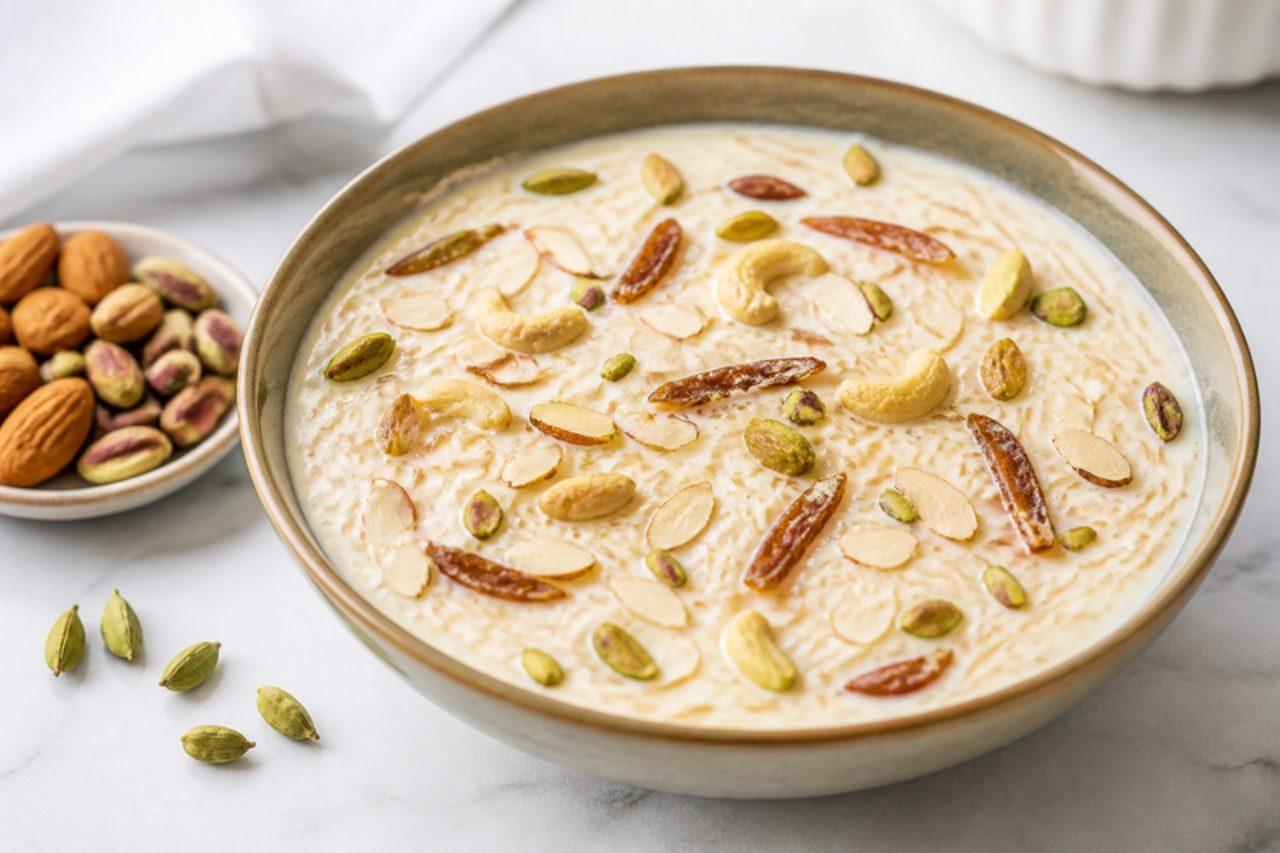
Sheer khurma means milk with dates in Persian, and in Pakistan it is the taste of Eid ul-Fitr morning: after the Eid prayer, families come home and every visitor who knocks that day is handed a small bowl. It is richer and nuttier than everyday seviyan: whole milk is boiled down until creamy, fine vermicelli fried golden in ghee goes in late, and it is loaded with soaked dried dates (chhuhare), almonds, pistachios, cashews, raisins and charoli seeds, scented with cardamom. It is served warm in the morning and thickens to a spoonable pudding when cold. The mistake most people make is adding the vermicelli too early or using too much; it keeps drinking milk as it cools and turns stodgy. Chef's tip: soak the dried dates overnight and slice them thinly; fresh soft dates melt away, but soaked chhuhare stay chewy and sweet in every spoonful.

by KrazyBadal 0 views

Saag (rayo ko saag)Mustard greens stir-fry

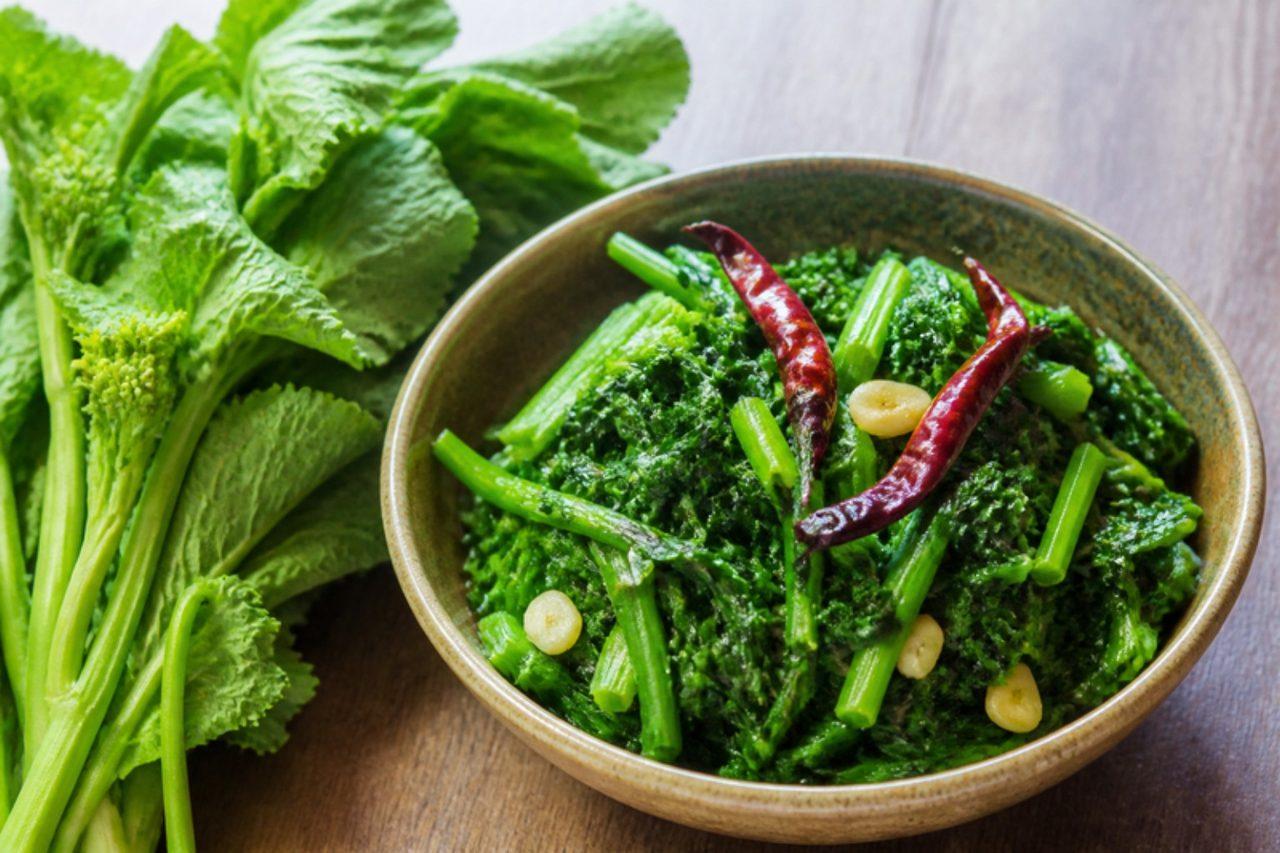
Ask for saag anywhere in Nepal and you will get the leafy part of the dal bhat plate: a tangle of greens, most often rayo (a broad-leafed mustard green), fried fast in mustard oil with garlic and a dried chilli until just wilted. It is nothing like the slow-cooked, puréed sarson ka saag of Punjab. Nepali saag keeps its bright colour, a little bite in the stems and a pleasant bitterness. It grows in every kitchen garden from the Terai to the hills and is on the table most days from autumn to spring. Spinach, chard or Chinese mustard greens all work the same way. The common mistake is to cover the pan, which stews the leaves to a grey mush; keep the heat high and the lid off. Chef's tip: add the stems a minute before the leaves so both are done at the same moment.

by KrazyBadal 0 views

RawonBlack beef soup

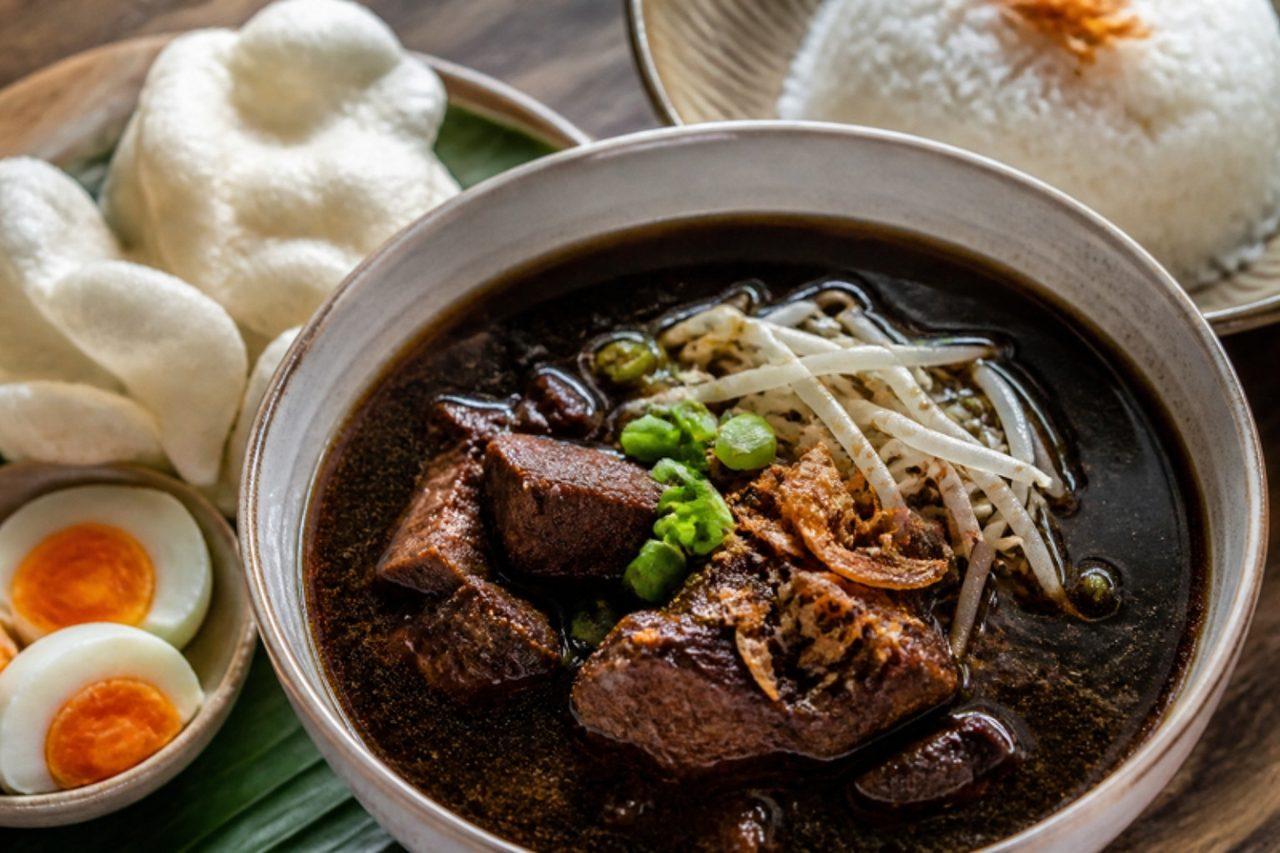
Nothing else on the table looks like rawon: a beef soup as dark as strong coffee, served in Surabaya from breakfast through to the late-night warungs that stay open after the football. Its colour and flavour come from keluak (kluwek), the fermented kernel of a tropical tree nut, which tastes earthy and faintly bitter, somewhere between black olive, cocoa and mushroom. Tender beef cubes swim in the broth, and it's served with rice, short crunchy bean sprouts, a salted duck egg and prawn crackers for crunch. Raw keluak contains a natural poison and is only safe after long processing, so always buy ready-prepared kluwek nuts from an Asian grocer. Chef's tip: crack one nut first and taste a crumb; good flesh is moist, black and smells chocolatey, while sour or dry, pale flesh should be thrown away.

by KrazyBadal 0 views

RasabaliFried cheese discs in milk

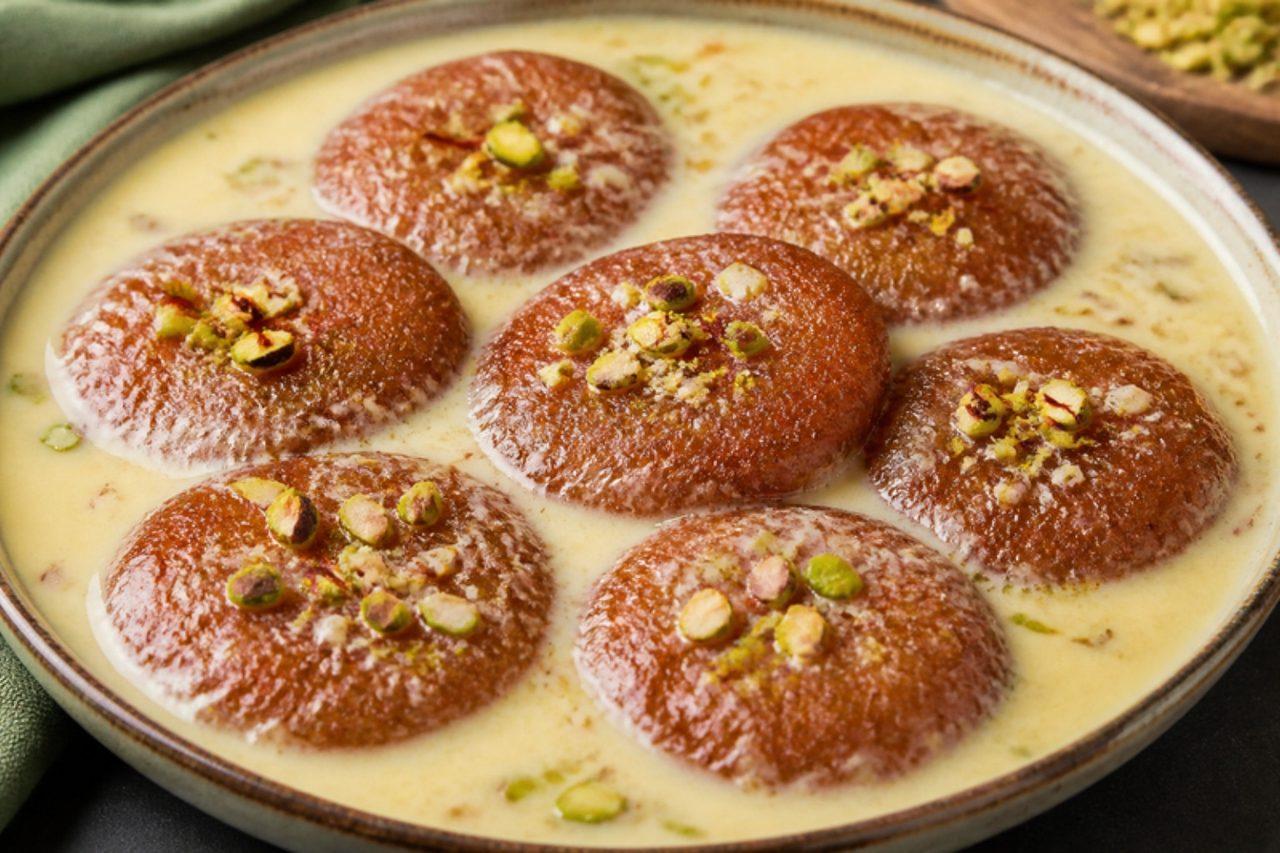
Rasabali comes from the Baladevjew temple in Kendrapara and is one of the 56 offerings of Puri's Jagannath temple. Flattened discs of chhena are deep-fried until reddish-brown, then soaked in milk that has been simmered down until thick and sweet with cardamom. Unlike rasmalai, whose discs are poached in syrup, rasabali's are fried, so they keep a chewy, slightly caramelised skin under the milk. It is eaten chilled at festivals and weddings in Odisha. Chef's tip: press a dimple into the centre of each disc before frying, so it fries evenly and holds more milk.

by KrazyBadal 0 views

Ranon'apangoToasted rice water

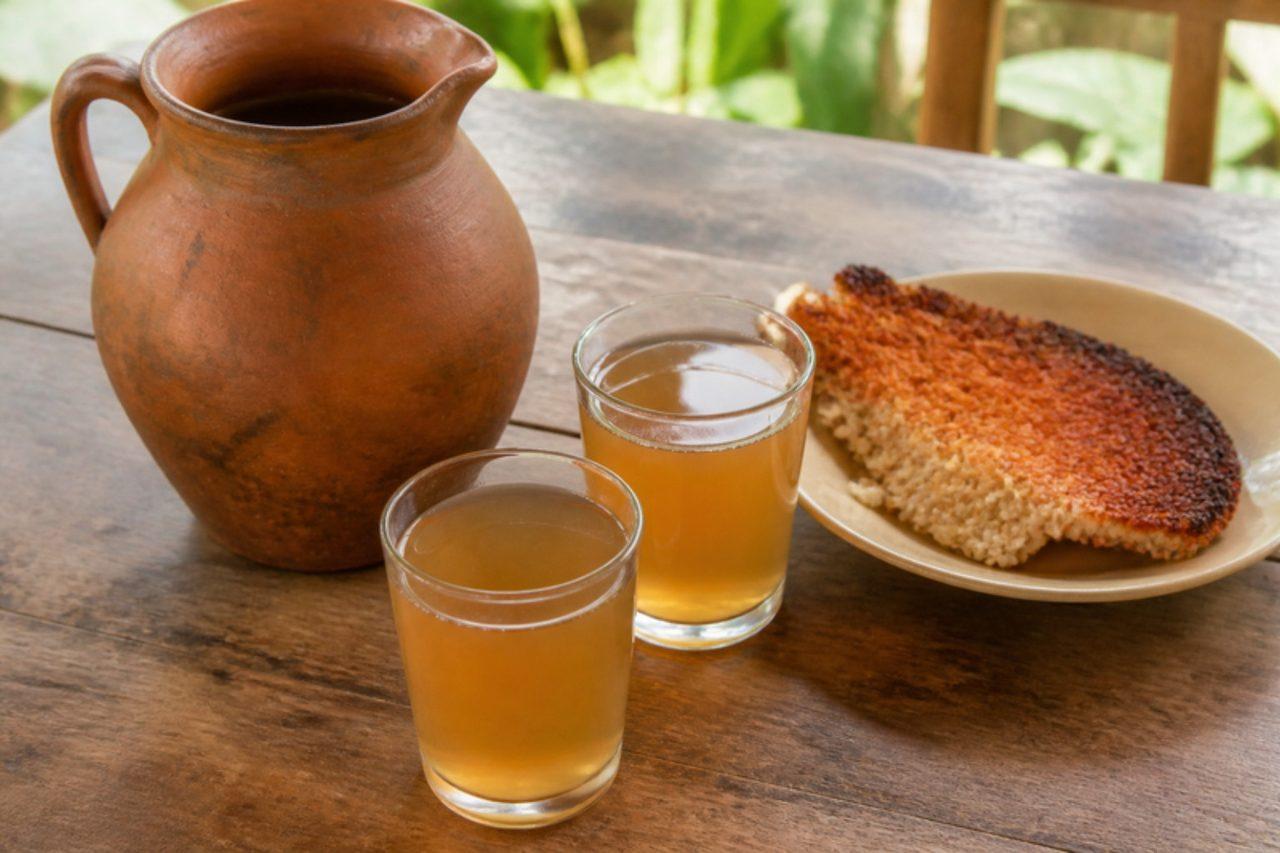
Ranon'apango is the everyday drink of Madagascar: after rice is cooked, the crust at the bottom of the pot is left to toast until golden, then water is boiled with it to make a pale amber, nutty, slightly smoky drink. It is served warm or cold in jugs alongside meals in homes and hotelys, and is a safe way to drink boiled water. Chef's tip: toast the crust until golden-brown, not black; burnt rice makes the drink bitter.

by KrazyBadal 0 views

ShingaraPotato-filled pastry cones

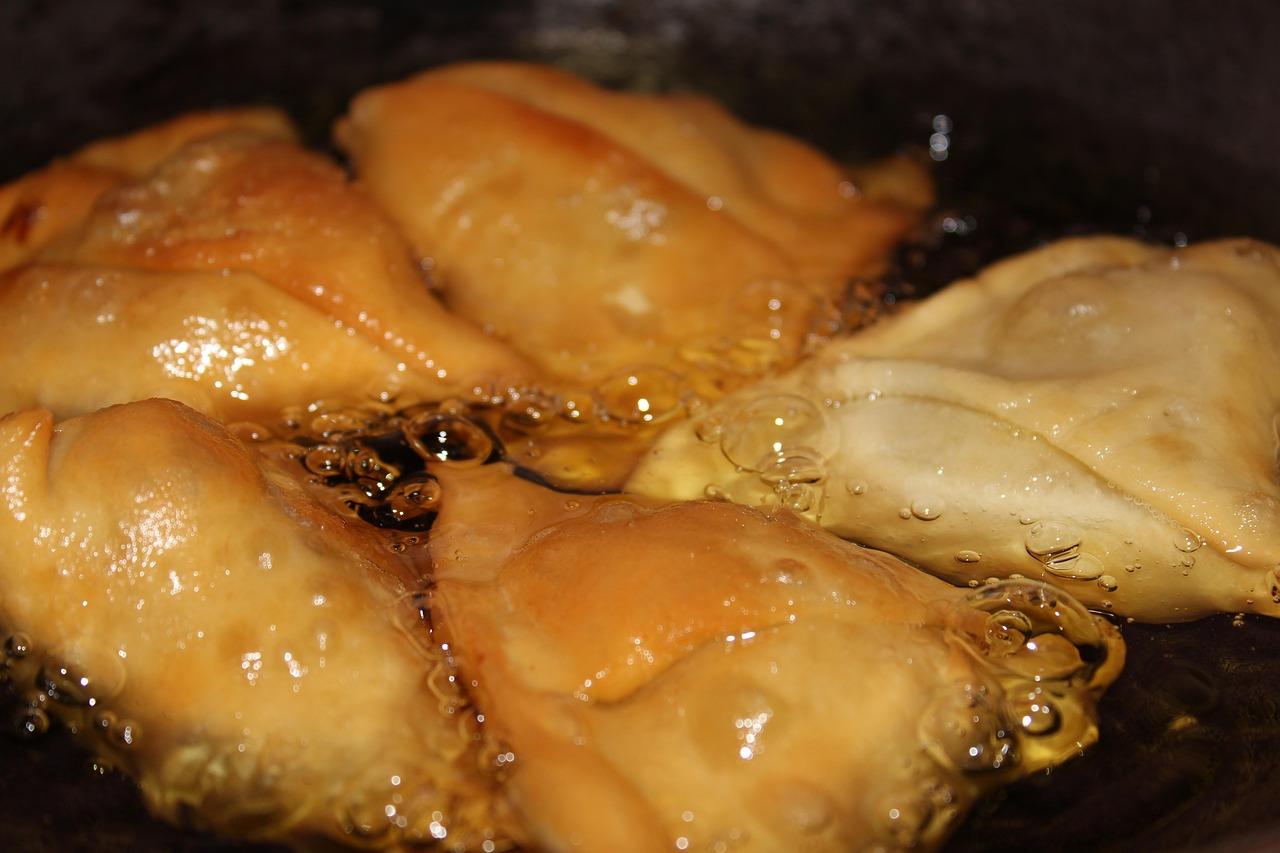
Shingara is Bengal's samosa, and every Kolkata sweet shop fries a batch for the evening tea crowd. It differs from the North Indian kind in small, important ways: the pastry is flecked with nigella seeds, the potatoes are diced rather than mashed, and in winter the filling gets cauliflower florets, fried peanuts and a few raisins, all tempered with panch phoron. The shape is a tall cone with a tight pleated top, so it stands upright on the plate. Chef's tip: dice the potato small (1 cm) and cook it only until just tender; mushy potato turns the filling into mash and loses that Bengali bite.

by KrazyBadal 0 views

Rajasthani kalmi vadaChana dal fritters

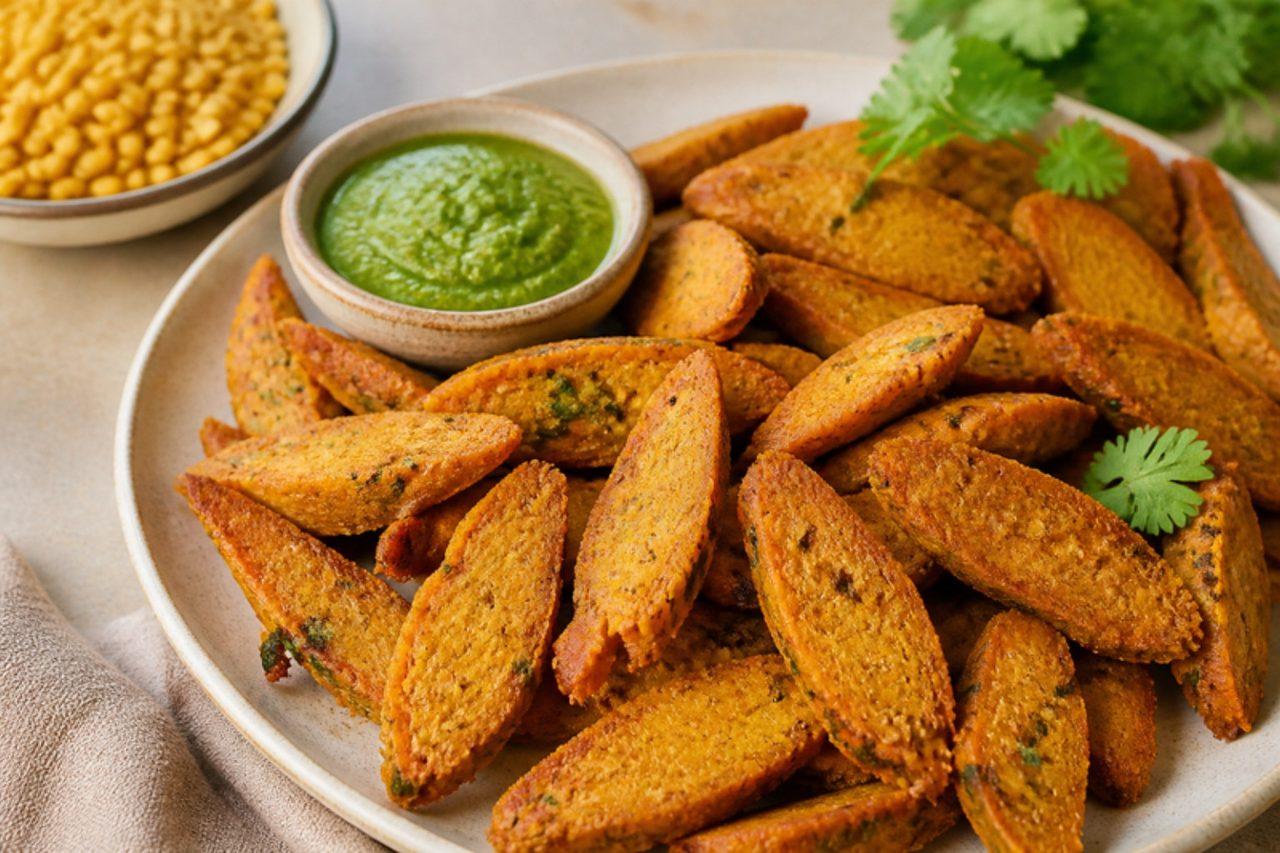
Kalmi vada gets its name from kalam, the Hindi word for pen: the fried chana-dal log is sliced into thin, slanted pieces that resemble pen nibs, then fried again until the slices are crunchy right through. In Jaipur and Ajmer, kalmi vadas are sold by weight from big trays, especially during the monsoon, and served with mint chutney and hot tea. The dal is ground coarse and spiced with whole coriander, fennel and chilli, so every bite crackles. The mistake to avoid is adding water when grinding; a wet mix won't hold its shape and absorbs oil. Chef's tip: let the first-fried logs cool completely before slicing, or they'll crumble under the knife.

by KrazyBadal 0 views

Raja mircha chutneyGhost pepper chutney

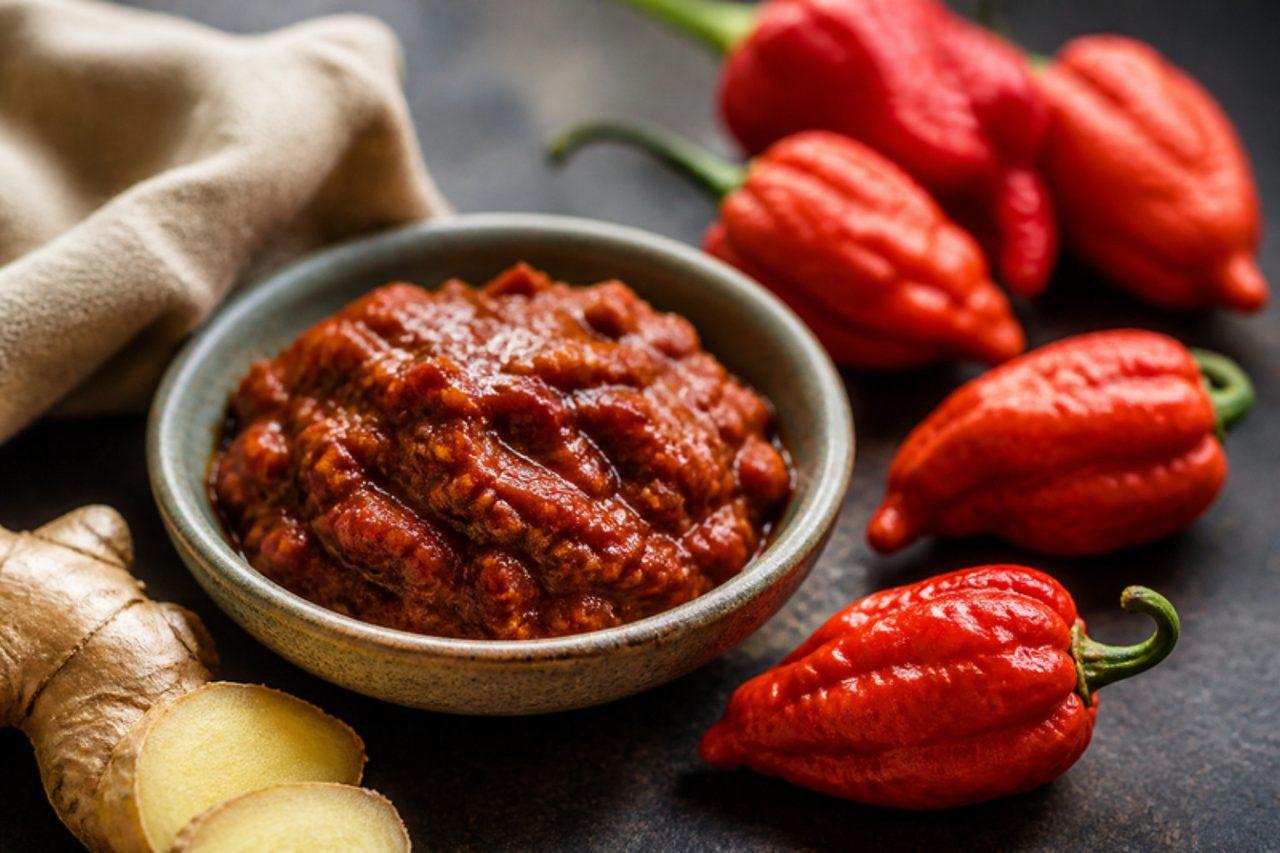
Raja mircha, the king chilli or bhut jolokia, is grown in the hills around Kohima and Dimapur and was once ranked the hottest chilli in the world. Naga households pound it with tomatoes smoked in the embers, ginger, garlic and salt into a thick red chutney that is fruity, smoky and ferociously hot. It is eaten in tiny amounts with rice and boiled vegetables, and at the Hornbill Festival there are eating contests. Chef's tip: one king chilli is plenty for this amount; wear gloves, open the window when roasting, and keep the seeds if you are brave.

by KrazyBadal 0 views

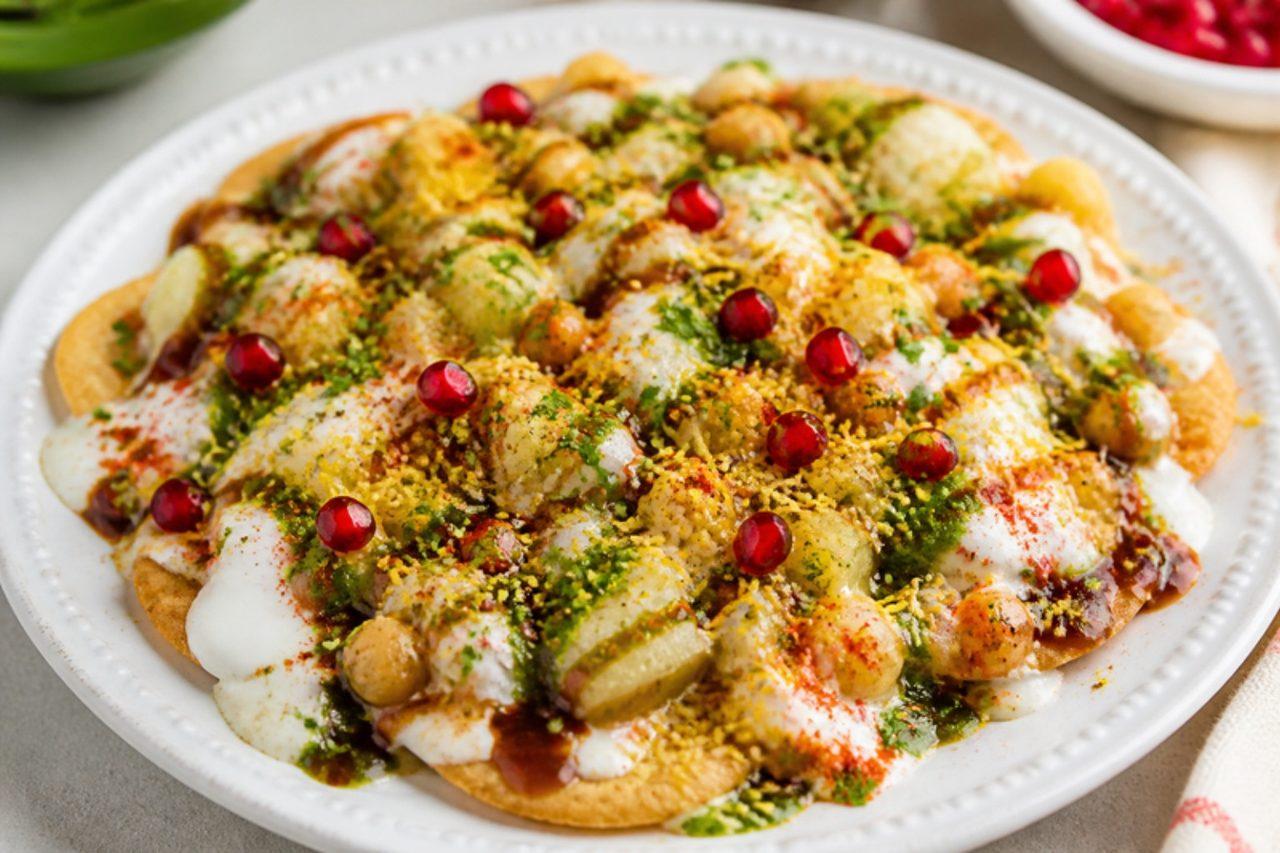
Raj kachoriGiant puri chaat

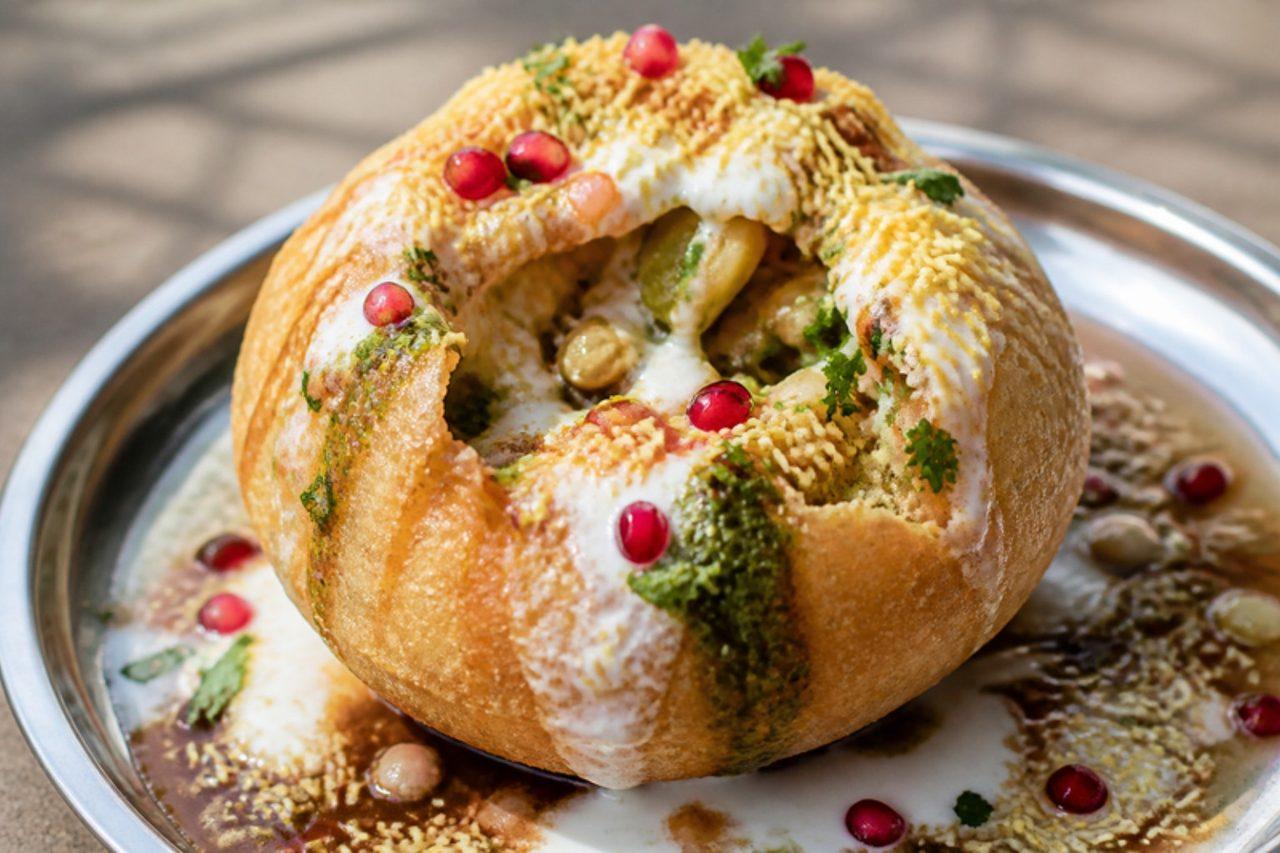
Raj kachori is the showpiece at Delhi's sweet-and-chaat shops: a fist-sized puri, fried until it balloons and turns crisp as a biscuit, then cracked open and stuffed with potato, chickpeas, sprouted moong, sweet yogurt, two chutneys and a snowfall of sev. It arrives on a steel plate at weddings and family outings, and it's eaten with a spoon because there's no other way. Every bite is crunchy, cold, sweet, sour and spicy at once. The puris can be fried a day ahead and kept in a tin. Chef's tip: roll the dough thin and even, and keep the oil properly hot; a puri rolled thicker on one side won't puff into a full ball.

by KrazyBadal 0 views

Łazanki with cabbage and mushroomsSquare noodles with cabbage and mushrooms

Łazanki are short, square egg noodles, and in the Podhale highlands and around Kraków they are tossed with soft-fried white cabbage, a little sauerkraut and mushrooms for a cheap weekday supper, especially in autumn when the cabbage is new. Most cooks add smoked bacon; this version leaves it out and gets its depth from dried ceps, browned fresh mushrooms and plenty of black pepper and marjoram. It is soft, savoury and slightly sour. Serve it on its own with a glass of buttermilk or kefir, as people do in the mountains. Chef's tip: let the cabbage catch and brown in places before you add the noodles; that browning is the flavour bacon would otherwise give.

by KrazyBadal 0 views

Sholeh zardSaffron rice pudding

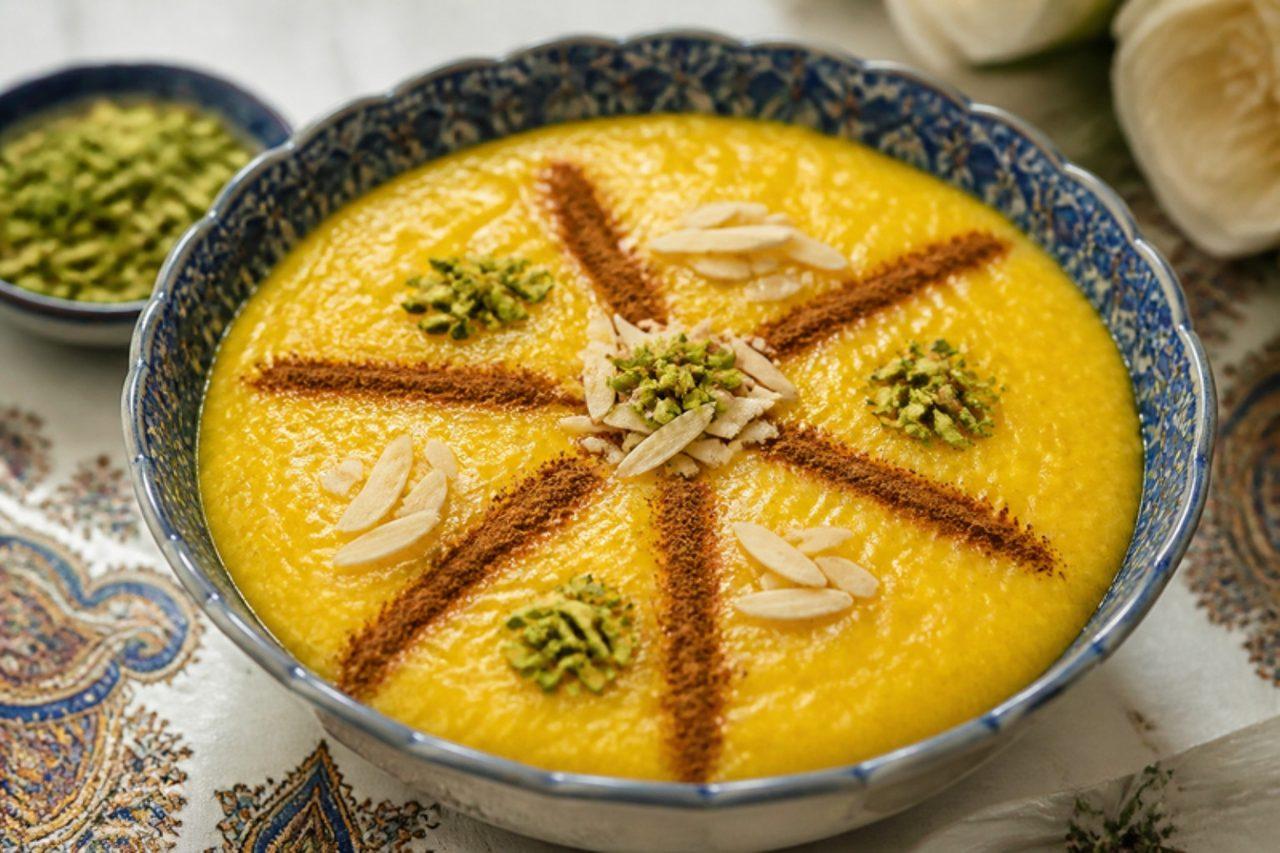
Sholeh zard is the bright yellow rice pudding that Iranians cook in huge pots as nazri, food given away to neighbours and strangers, especially during the month of Muharram and on religious feast days; neighbourhoods in Tehran and Mashhad fill with its smell of saffron and rose. Rice is simmered until it almost melts, then sweetened, coloured gold with saffron and perfumed with rosewater and cardamom. It sets softly as it cools and is decorated with cinnamon lines, almonds and pistachios. This version uses a little oil instead of butter, so it is vegan. Chef's tip: add the sugar only when the rice is completely soft; sugar added early stops the grains from breaking down.

by KrazyBadal 0 views

QuesitosCream cheese pastry rolls

Every panadería in Puerto Rico has a tray of quesitos by the till, and a warm one with a café con leche is a standard island breakfast, from Old San Juan to small-town bakeries in the mountains. Puff pastry is rolled around a log of sweet vanilla cream cheese and baked until it shatters, then brushed with sugar syrup so the top turns glossy and sticky. The filling stays soft and slightly tangy inside the crisp layers. Chef's tip: chill the filling before you roll, so it holds its shape and doesn't squeeze out of the ends in the oven.

by KrazyBadal 0 views

Quesadillas de flor de calabazaCourgette flower quesadillas

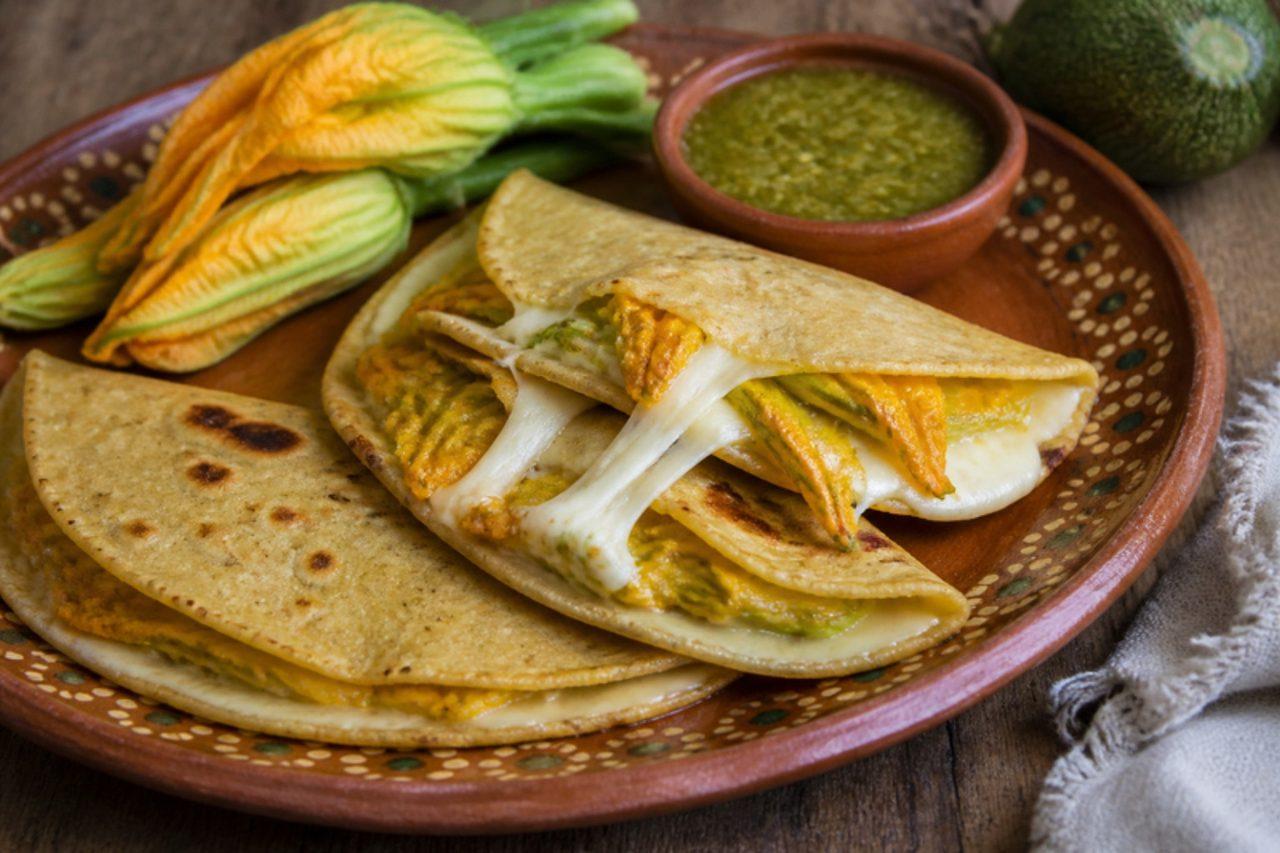
In Mexico City markets, squash blossoms (flor de calabaza) are sold by the armful in the rainy season and end up in quesadillas: soft corn tortillas folded around the flowers cooked with onion, green chilli and epazote, with stringy Oaxaca cheese. A famous Chilango joke is that a quesadilla there does not automatically come with cheese, so ask for it! The blossoms taste delicately of young courgette and wilt into a silky filling against the toasty corn. Serve them straight off the pan with salsa verde. Choose a cheese made with vegetarian rennet; if you can't find Oaxaca cheese, low-moisture mozzarella melts the same way. Chef's tip: cook the blossoms only until they collapse; any longer and they turn to mush and lose their colour.

by KrazyBadal 0 views

Shorshe ilishHilsa in mustard sauce

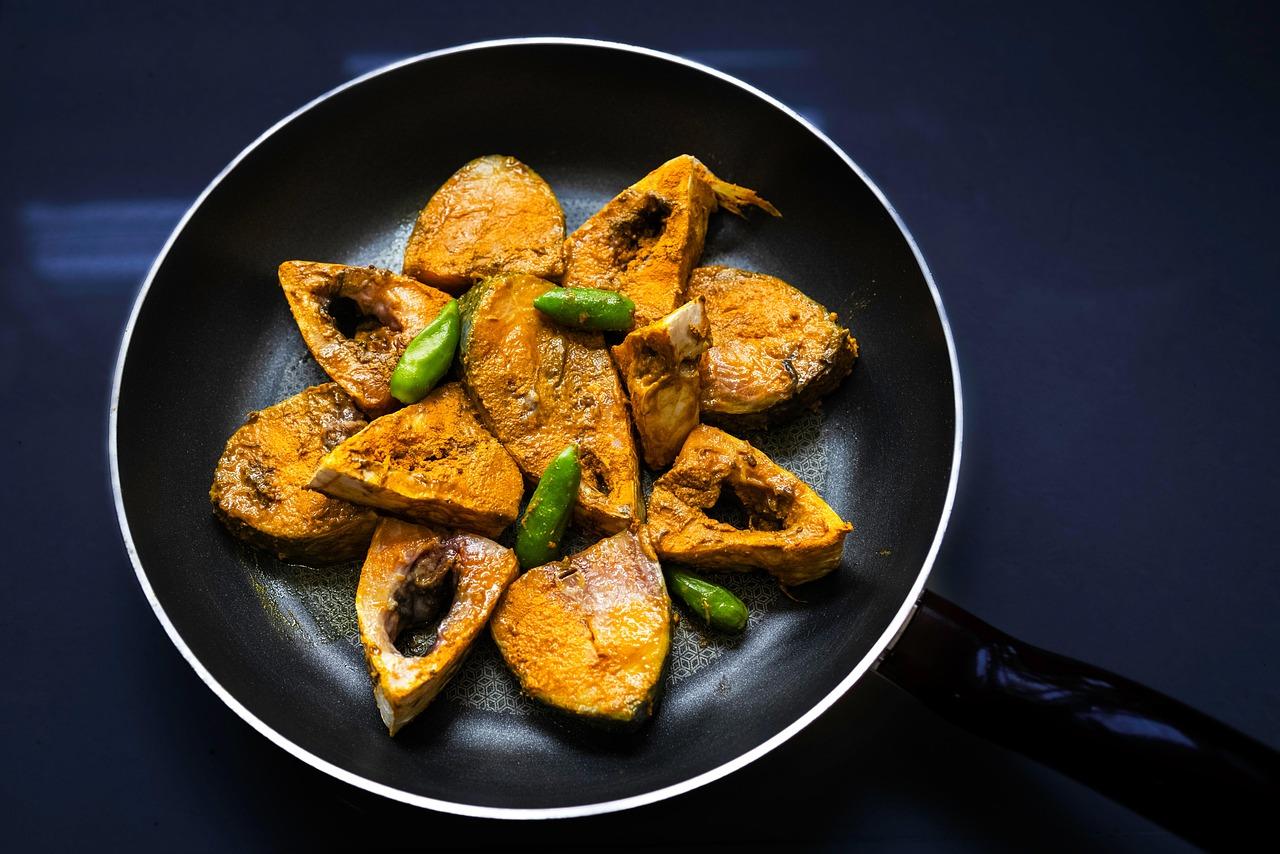
Hilsa, ilish, is the national fish of Bangladesh, and during the monsoon, when the shoals swim up the Padma and Meghna rivers, families in Dhaka and Chandpur cook it almost daily. Shorshe ilish is the most loved way: steaks of the rich, silvery fish gently simmered in a paste of ground yellow and black mustard seed, green chillies and mustard oil until the sauce turns sharp, creamy and nose-tingling. Eat it with plain white rice and nothing else. Hilsa is very bony, so warn guests and eat slowly; salmon steaks are an easier, less traditional swap. The common mistake is boiling the sauce hard after the mustard paste goes in, which turns it bitter. Chef's tip: grind the mustard seeds with a pinch of salt and a green chilli, and let the paste rest for 10 minutes before cooking; this tames the bitterness.

by KrazyBadal 0 views

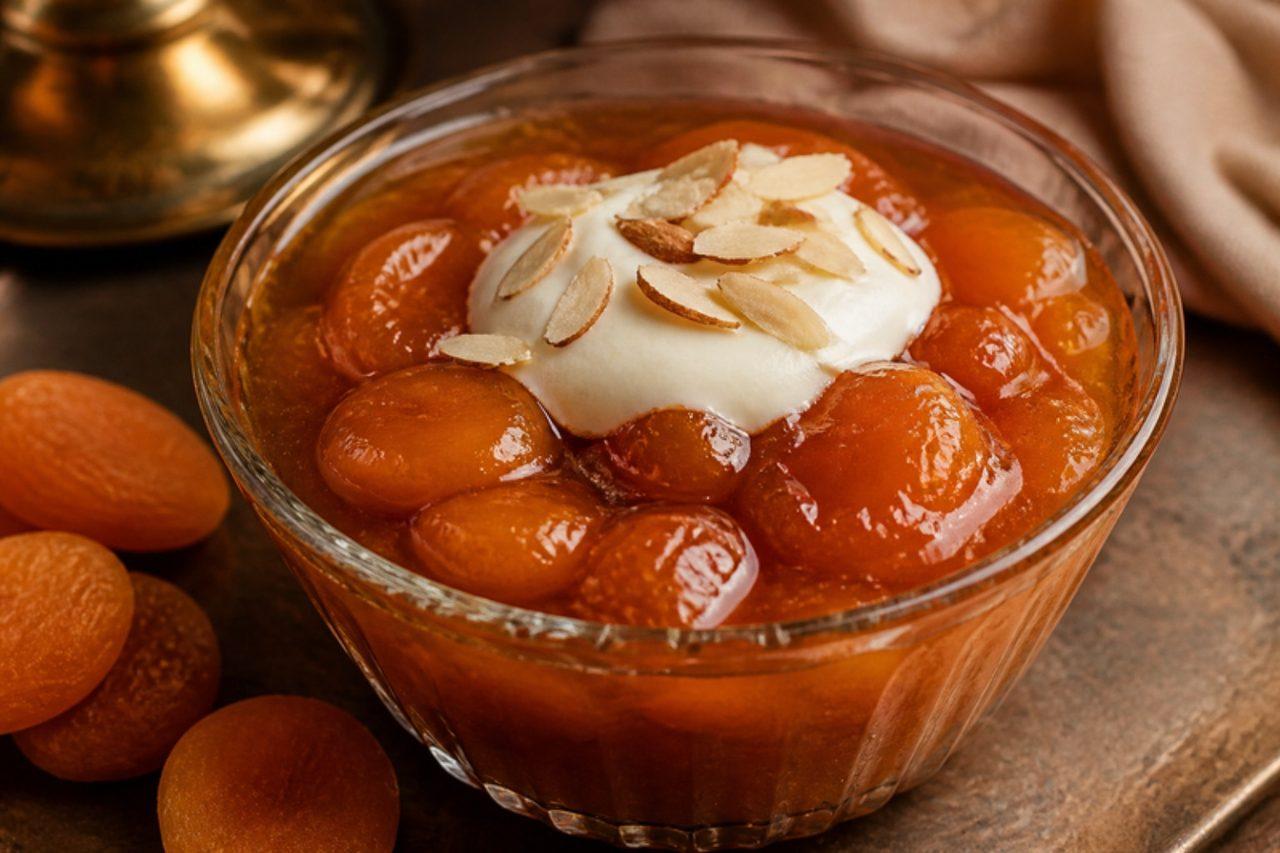
Qubani ka meethaStewed apricots with cream

No Hyderabadi wedding feast, or dawat, ends without qubani ka meetha: dried Afghan apricots soaked overnight, then simmered slowly with sugar until they break down into a glossy, deep amber compote, served cold with thick cream or a scoop of vanilla ice cream. In Hyderabad the kernels from inside the apricot stones are scattered on top; at home, blanched almonds give the same look and taste, and are safer, as some apricot kernels are bitter and shouldn't be eaten in quantity. It is sweet, tart and jammy, and very easy to make for a crowd days ahead. Chef's tip: keep the soaking water and cook the apricots in it; it holds much of their flavour and natural sugar.

by KrazyBadal 0 views

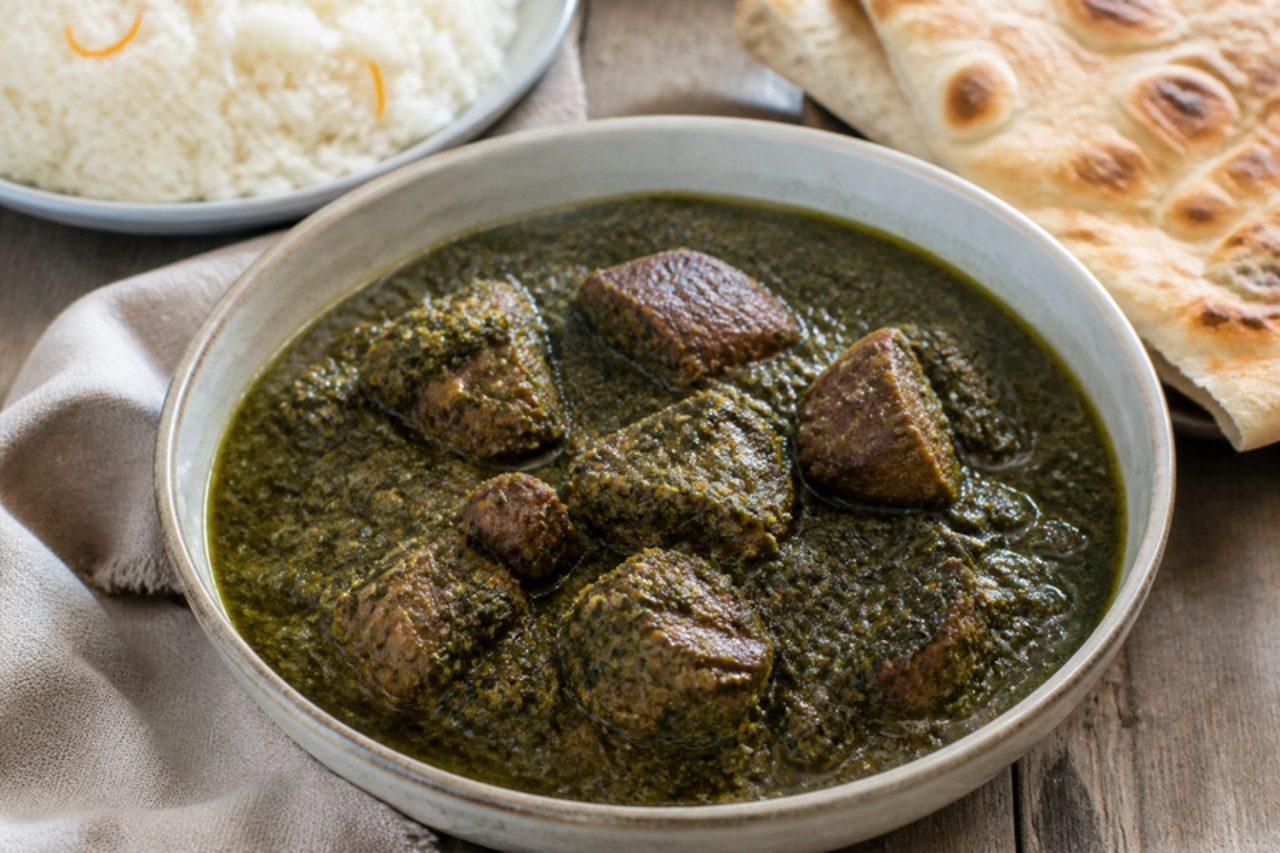
Qorma-e sabziLamb with spinach and herbs

Qorma-e sabzi is the green qorma of Kabul: lamb slowly braised with a large amount of spinach, dill, coriander and spring onion until the greens collapse into a dark, silky sauce. Afghan cooks fry the onions slowly until deep brown first, so the stew tastes sweet and savoury against the slightly bitter greens, and a spoon of dried fenugreek leaves adds the typical bitter-sweet scent. It is served on Fridays and for guests with chalaw, plain white rice, or with naan. The common mistake is adding the greens raw and wet in one go, which stews them grey and watery; wilt and squeeze them first. Chef's tip: let the stew simmer uncovered for the last 15 minutes until the oil rises to the top; that is the sign of a well-cooked qorma.

by KrazyBadal 0 views

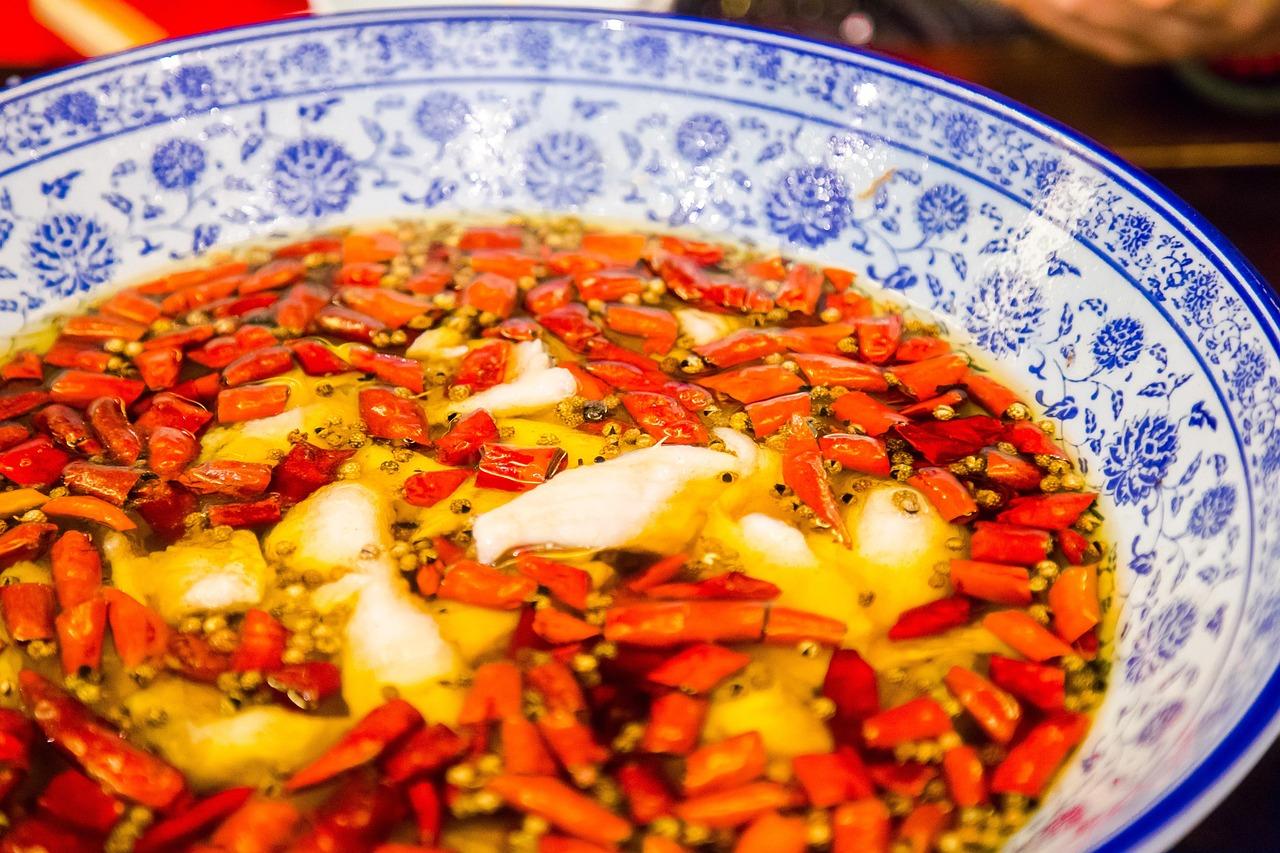
Shui zhu fishFish in chilli broth

'Water-boiled fish' is Sichuan humour at its driest, because what arrives at the table in Chongqing and Chengdu restaurants is a great basin of silky fish slices half hidden under a red sea of chillies and Sichuan pepper, still crackling from a ladle of smoking oil poured over at the last moment. Underneath is a savoury broth of chilli bean paste with soft bean sprouts and celery. It is a dish for sharing with friends over beer or tea: you fish out the slices with chopsticks and leave the oil behind, as everyone does. Plain rice is essential, and something cooling such as smacked cucumber helps. Chef's tip: coat the fish in egg white and cornflour and give it no more than three minutes in the broth; the coating keeps each slice tender and stops it breaking up.

by KrazyBadal 0 views

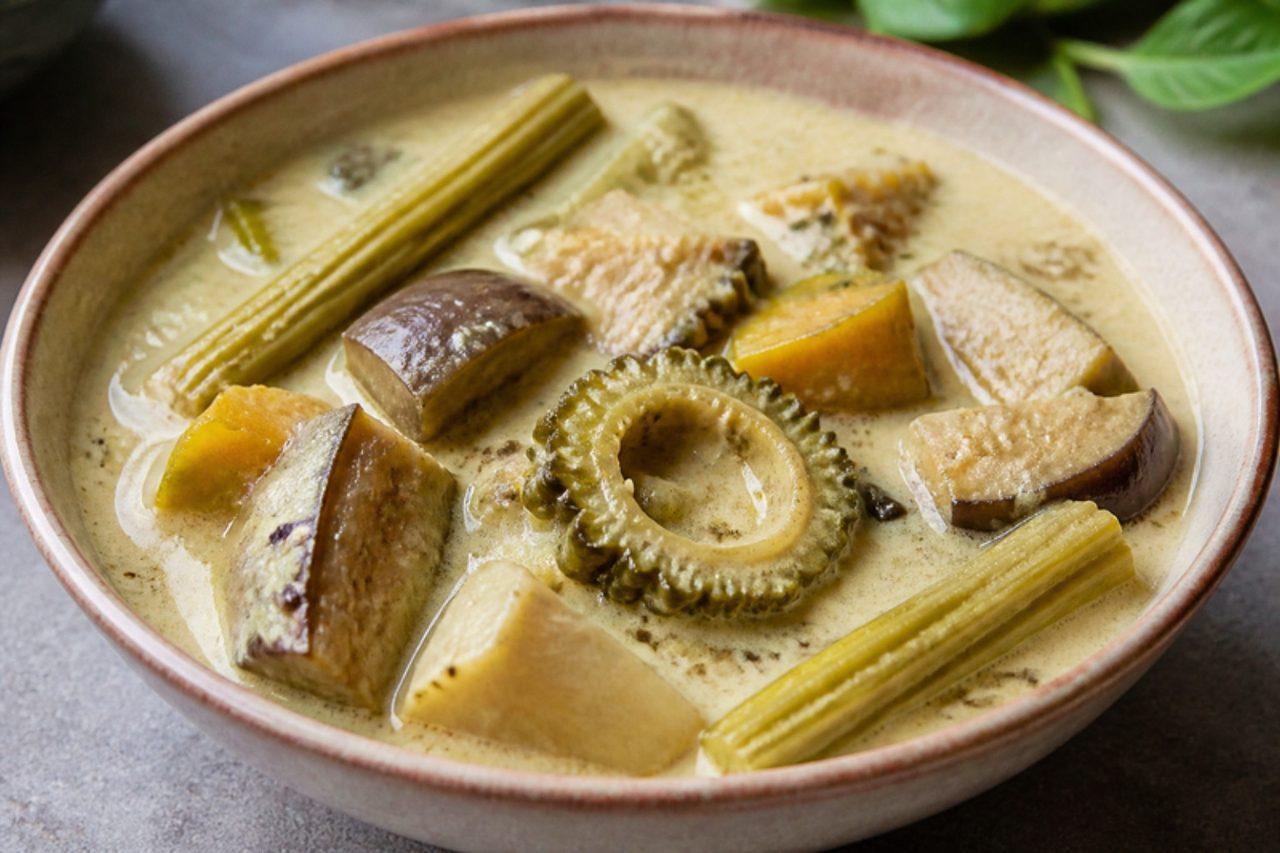
ShuktoBitter mixed vegetable stew

Shukto opens a traditional Bengali meal: a mild, slightly bitter stew of bitter gourd, raw banana, sweet potato, drumsticks and aubergine, eaten with the first mouthfuls of rice to wake up the palate. The vegetables are fried, then simmered with a paste of mustard and poppy seeds and finished with milk and a spoonful of ghee, so the bitterness is balanced by a creamy, faintly sweet sauce. It is a dish of West Bengal's home kitchens, cooked especially in spring. Chef's tip: fry the bitter gourd separately until well browned and add it at the end; this keeps its bitterness pleasant and stops it spreading through the whole pot.

by KrazyBadal 0 views

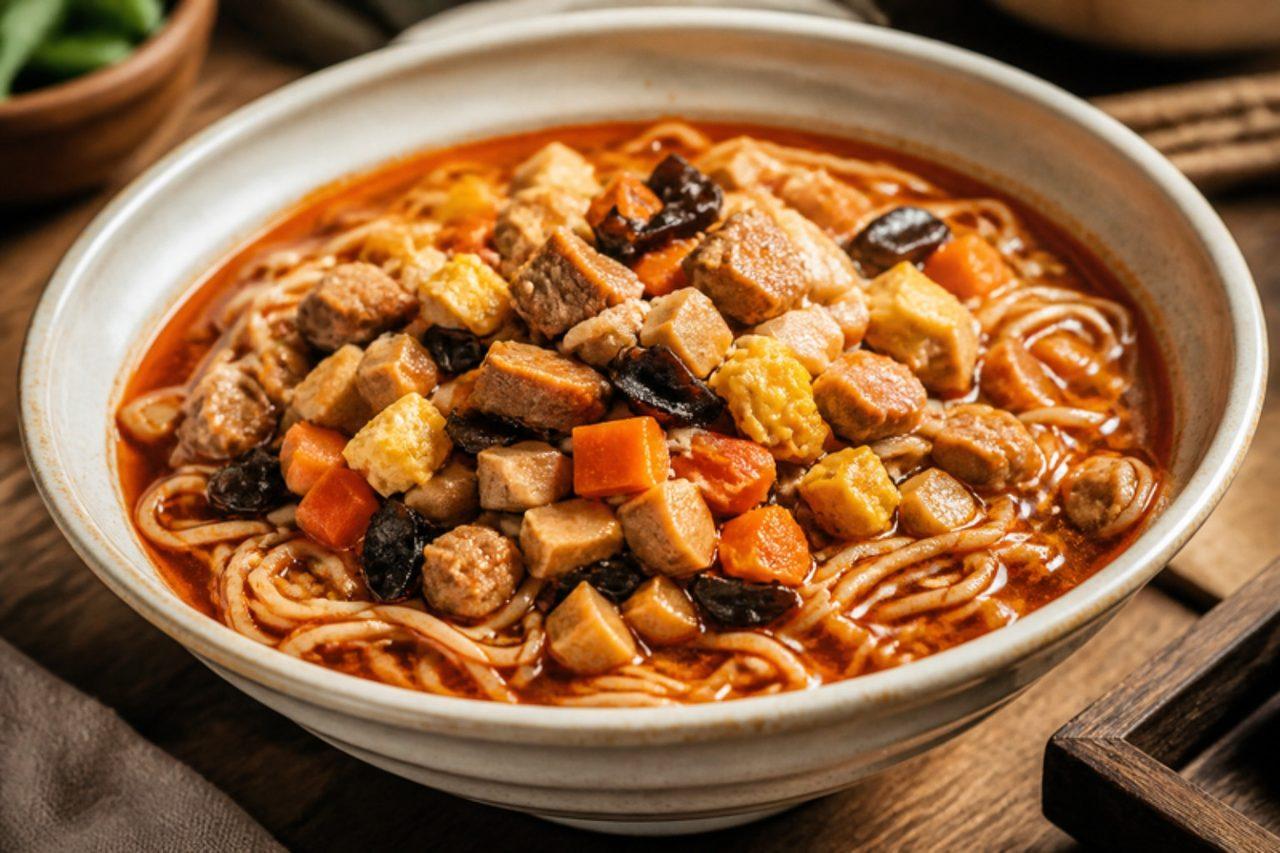
Qishan saozi mianSour-hot noodles with pork

Weddings, birthdays and harvest feasts in Qishan county, west of Xi'an, all call for these little bowls of noodles, and guests may eat ten or twenty small portions in a row. The key is the saozi, diced pork slowly cooked in aged vinegar and chilli until it turns red, tangy and fragrant; the broth is sour, spicy and bright with diced tofu, carrot, wood ear, egg and garlic shoots. The noodles are thin and springy and the bowls deliberately small. Serve it to a crowd as a lively lunch, with a plate of pickled vegetables. Chef's tip: make the saozi a day ahead; it keeps for a week in the fridge and tastes better after a rest.

by KrazyBadal 0 views

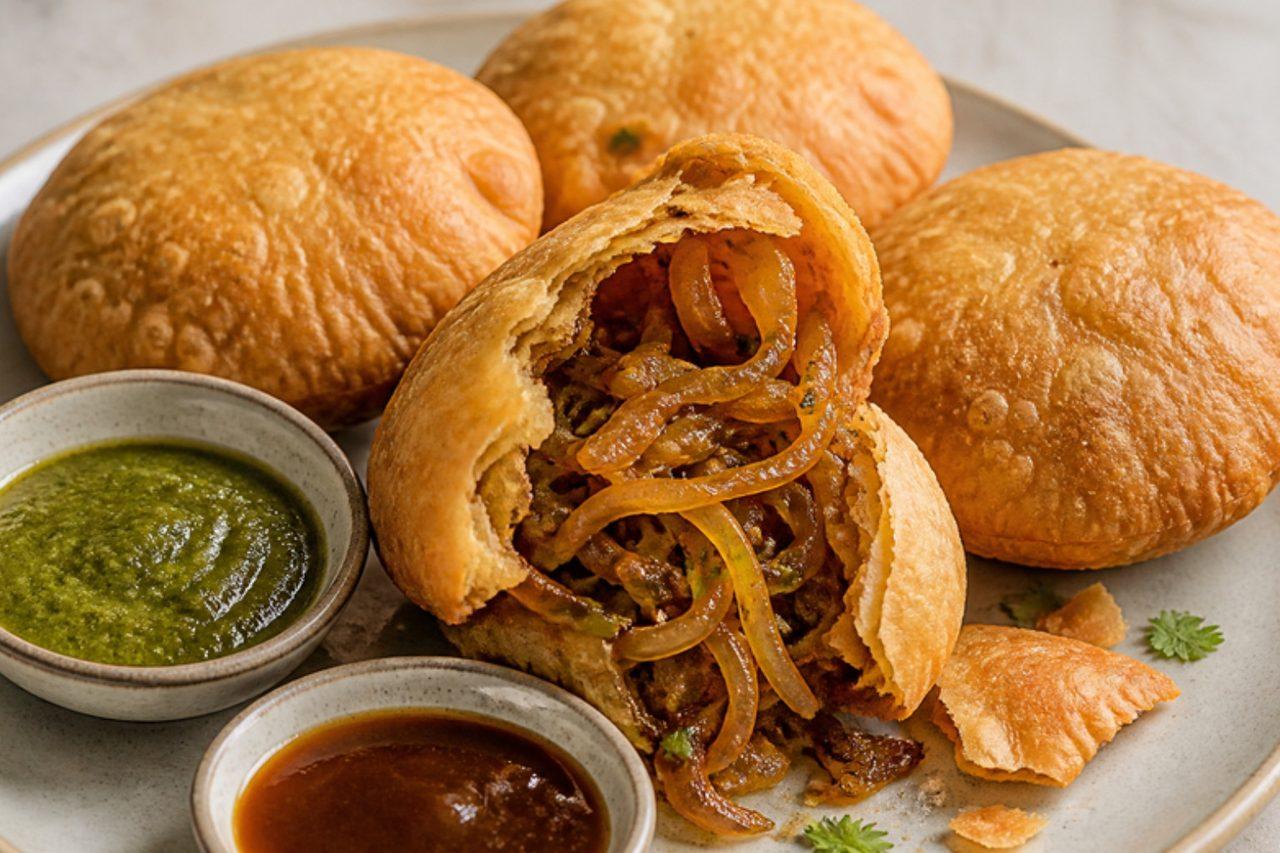
Pyaaz kachoriOnion-filled fried pastries

Pyaaz kachori is the pride of Jodhpur in Rajasthan, where sweet shops fry them from early morning and sell them by the hundred with tamarind chutney. The crust is khasta: short, layered and crackly, made by rubbing plenty of oil into the flour and frying slowly. Inside is a soft, jammy filling of onions cooked with fennel, coriander seed and nigella, bound with a little gram flour and potato and lifted with dried mango powder. Eat them warm for breakfast or with afternoon chai. Chef's tip: fry them in oil that is only just warm and let them take their time; the slow fry is what puffs the crust into crisp, hollow layers instead of a hard, oily shell.

by KrazyBadal 0 views

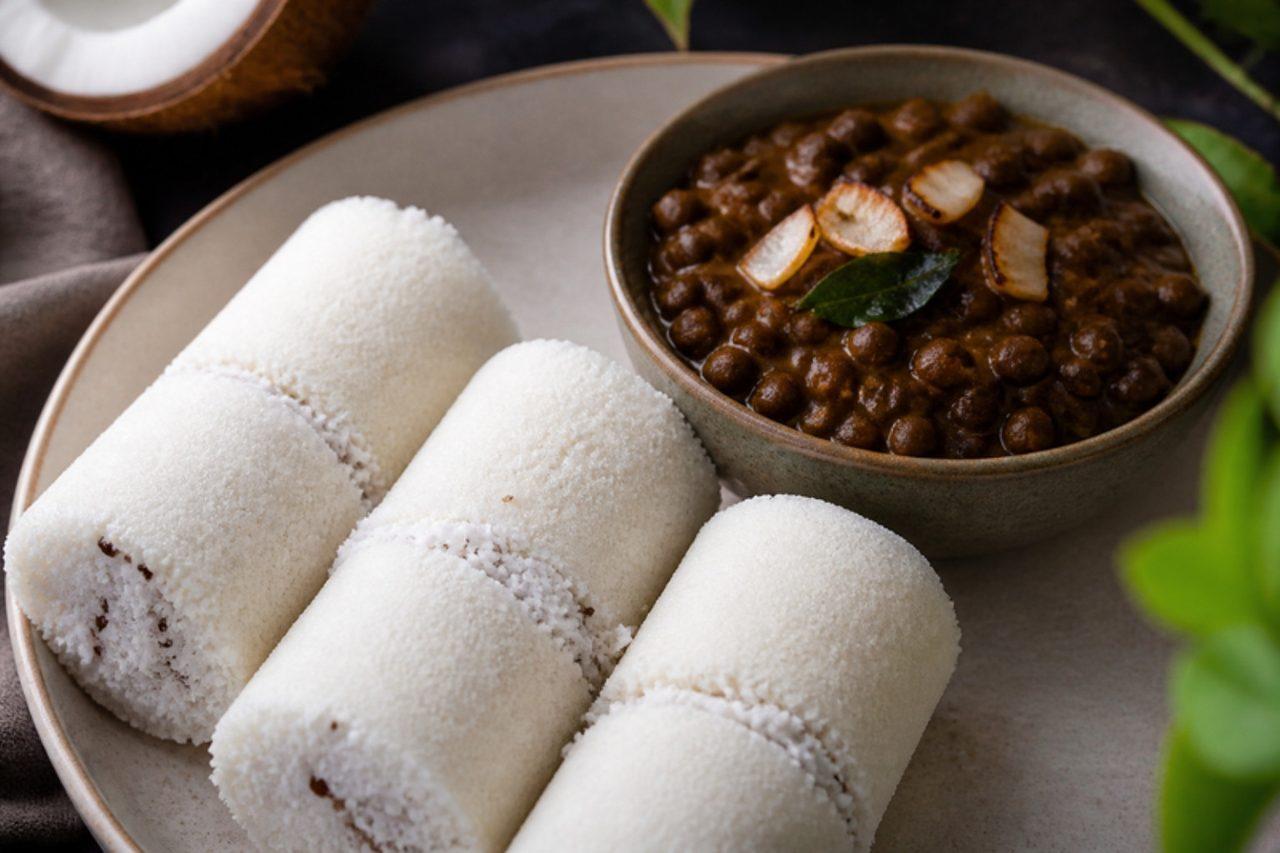
Puttu and kadala currySteamed rice cylinders with chickpea curry

Puttu and kadala is Kerala's most loved breakfast: tall cylinders of steamed rice flour layered with fresh coconut, served with a dark, earthy curry of black chickpeas (kadala) cooked in a masala of coconut roasted until deep brown. Puttu itself is plain and crumbly, so you break it up with your fingers and mash it into the curry, often with a ripe banana and pappadam on the side. The chickpeas make it filling and protein-rich. Chef's tip: the puttu flour should feel like damp sand that holds when squeezed and crumbles when poked; too wet and the puttu turns dense and gluey.

by KrazyBadal 0 views

PutoSteamed rice cakes

Puto are small steamed rice cakes found at every Filipino party and merienda table, with countless town styles from Biñan's flat rounds to Calasiao's tiny bites in Pangasinan. Traditionally the batter is fermented ground rice; this home version uses rice flour and baking powder for a quick, reliable rise and a fine, cottony crumb. A strip of cheese on top melts into the cake as it steams. They go with dinuguan in Luzon, but a cup of coffee or hot chocolate is just as good. Chef's tip: wrap the steamer lid in a tea towel so condensation doesn't drip onto the cakes and leave pockmarks.

by KrazyBadal 0 views

Sigara böreğiFried cheese pastry rolls

These pencil-thin rolls take their name from the cigarettes they resemble, and they are the börek every Turkish child grows up on. Triangles of yufka (thin Turkish pastry) are rolled round a finger of white cheese and parsley and fried until they shatter when you bite them. They turn up at five o'clock tea parties, on the iftar table during Ramadan and in many a school lunchbox. Yufka is sold in Turkish shops; filo works too if you use two sheets brushed with oil. Chef's tip: shape them all, cover with a damp cloth and fry just before eating; they lose their crunch within an hour.

by KrazyBadal 0 views

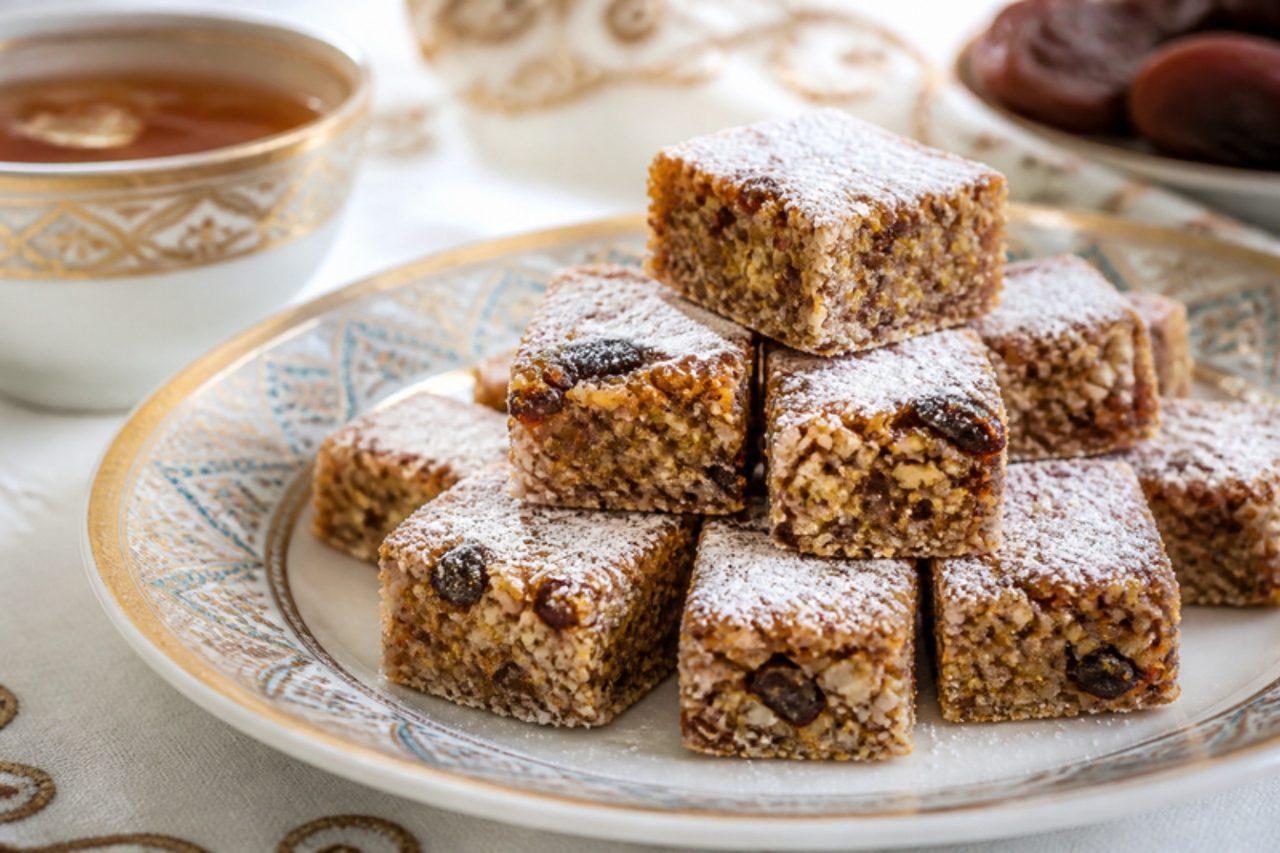
ZhentToasted millet and honey sweet

Zhent is one of the oldest Kazakh sweets: toasted millet (tary) pounded with dried kurt, dates or raisins, and bound with butter and honey into a crumbly, rich square. Herders made it to carry on long rides, and today it appears on the dastarkhan at Nauryz and weddings in southern Kazakhstan, beside baursak and dried fruit. It tastes nutty, salty-sour from the kurt and sweet, a bit like shortbread with a sharp edge. Chef's tip: toast the millet in a dry pan until it pops and smells like popcorn; under-toasted millet tastes raw and grassy.

by KrazyBadal 0 views

VetkoekFried bread puffs

Vetkoek ('fat cake' in Afrikaans) is fried at church fêtes, rugby matches and roadside stalls all over South Africa, and in townships it's known as amagwinya. The yeast dough fries into a crisp golden ball with a soft, steamy middle, split open while still warm. The best-known filling is curried mince, but just as many people eat them with grated cheese and apricot jam, golden syrup, or a spoon of chakalaka, as here. Chef's tip: keep the oil at a steady medium heat and turn the vetkoek often so they colour evenly and cook right through.

by KrazyBadal 0 views

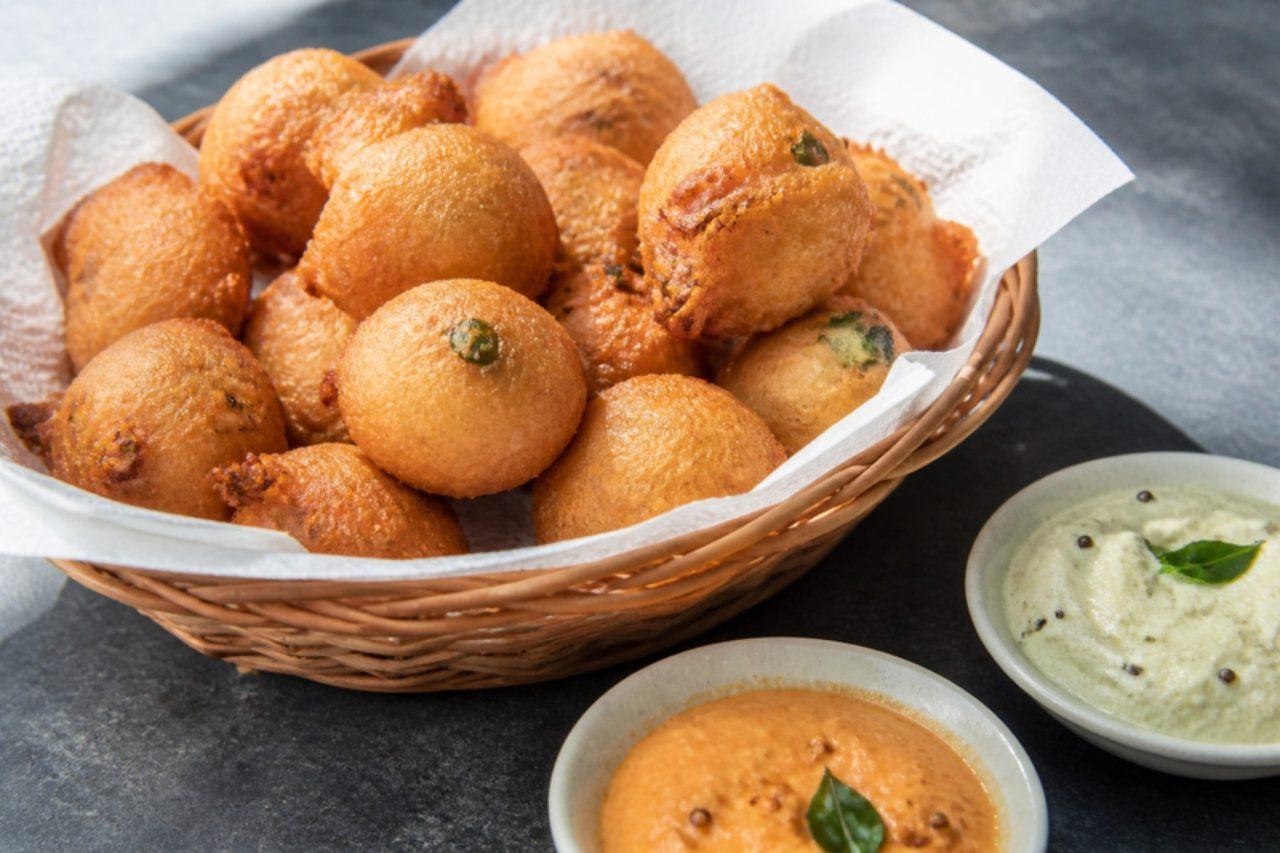
PunuguluDosa batter fritters

Punugulu are the bite-sized, golden fritters sold by the paper-cone along the streets of Vijayawada and Guntur on wet evenings, and made at home whenever the idli or dosa batter has gone a little too sour. A spoonful of thick batter with onion, green chilli and cumin is dropped into hot oil, where it puffs into a round ball with a crackly shell and a soft, spongy middle. Serve them hot with peanut chutney, ginger chutney or plain ketchup and a cup of chai. Chef's tip: add a spoonful of rice flour to the batter; it gives punugulu their crunch and stops them soaking up oil.

by KrazyBadal 0 views

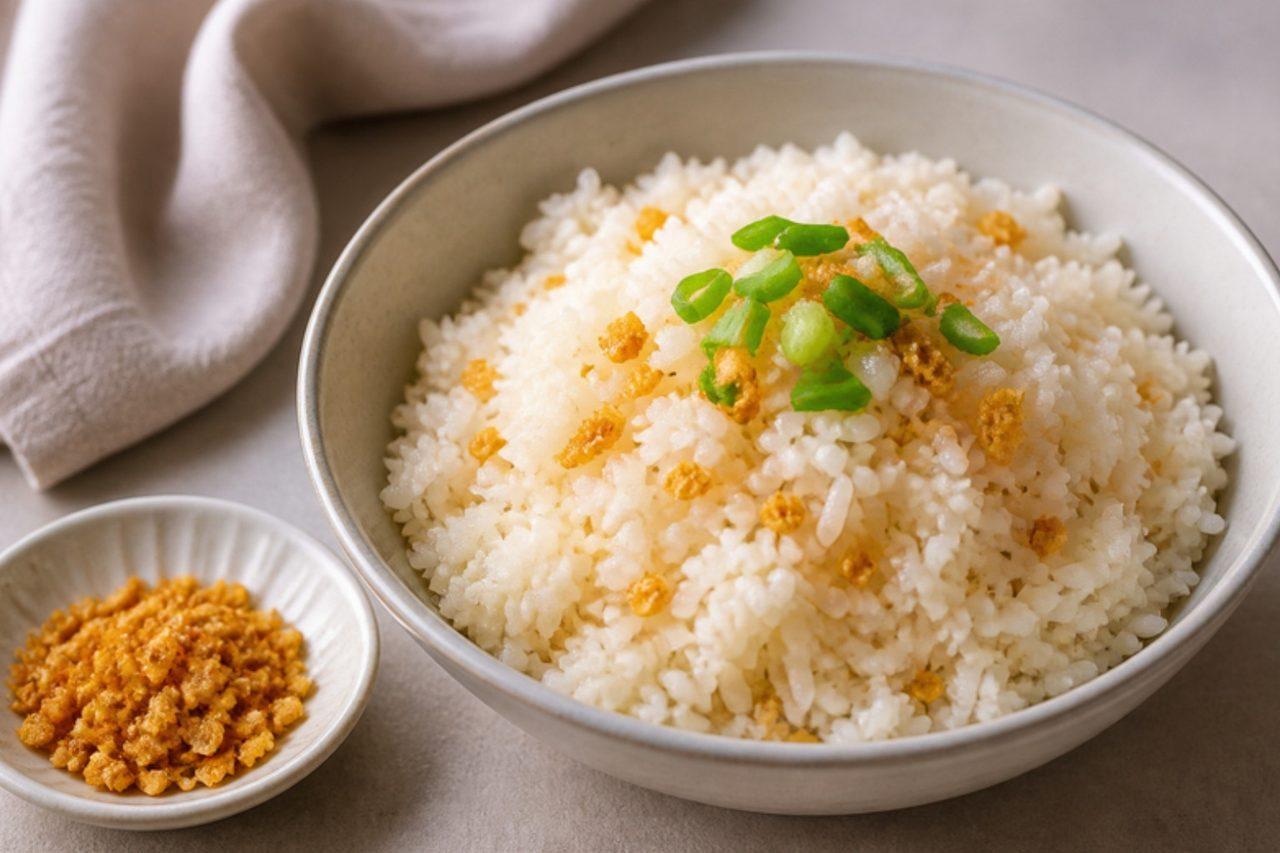
SinangagGarlic fried rice

Sinangag is what a Filipino kitchen does with last night's rice: fried in garlicky oil first thing in the morning and heaped on the breakfast plate. It is the 'si' in silog, the breakfast plates served at every silugan (all-day breakfast stall) in Manila, where garlic rice comes with a fried egg and a choice of cured meat. At home it goes with anything, from tortang talong to a fried egg and tomatoes, and a small dish of spiced vinegar for dipping. Each grain should be separate and lightly toasted, with plenty of crunchy, golden garlic on top. Chef's tip: fry the garlic slowly from cold oil; it browns evenly and the oil takes on a deep, sweet garlic flavour.

by KrazyBadal 0 views

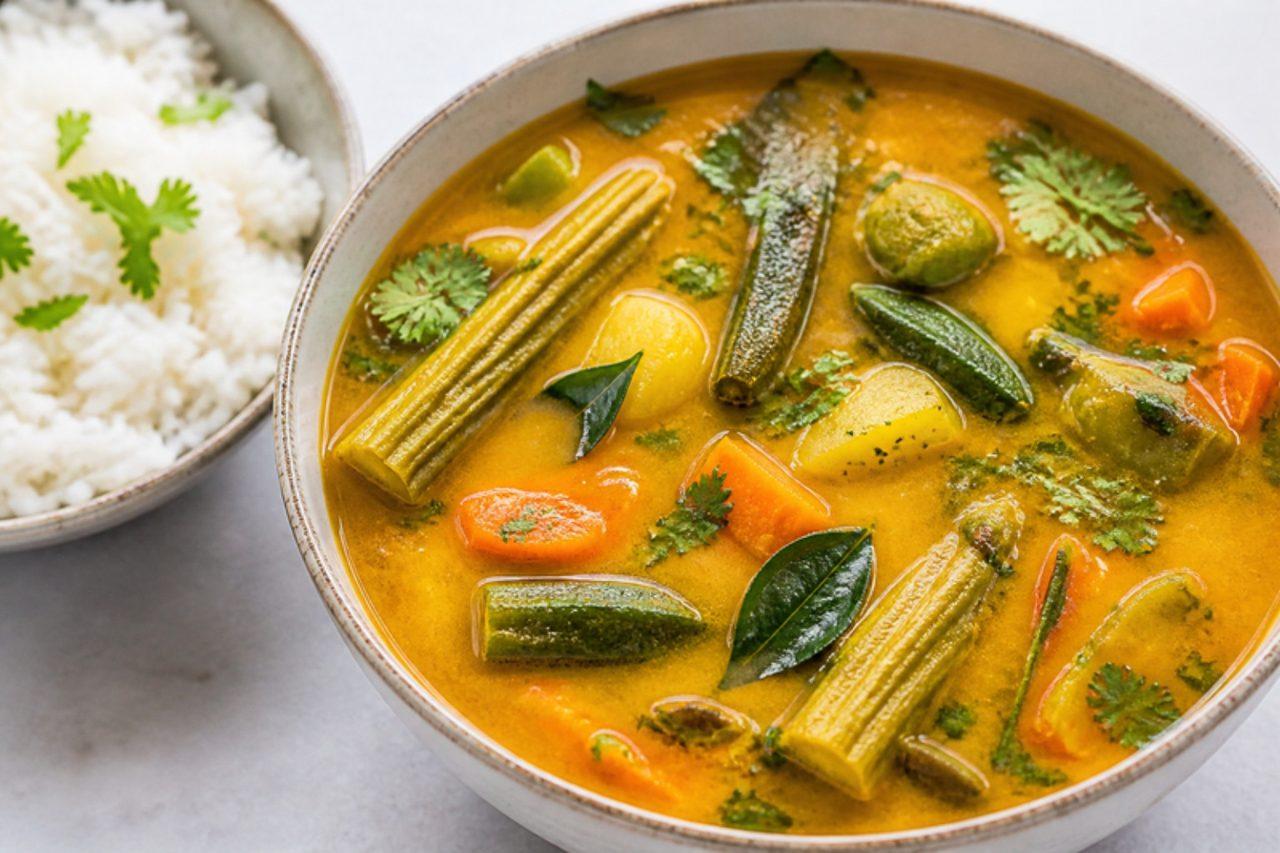
Sindhi kadhiSour gram flour and tamarind curry

Sindhi kadhi is the Sunday lunch of families from Sindh, served in Karachi and Hyderabad homes over plain rice with crisp fried potatoes on the side. Unlike the yogurt kadhis of Gujarat and Punjab it uses no dairy at all: gram flour is roasted in oil until it smells like toasted nuts, whisked into water with tamarind and tomato, and simmered with a crowd of vegetables, typically drumsticks, okra, cluster beans, potato and carrot. The result is thin, sour and gently hot, with a deep golden colour. The common mistake is rushing the roasting of the gram flour; pale flour leaves the whole pot tasting raw and pasty. Chef's tip: cook the drumsticks and potatoes first and add the okra only in the last 10 minutes so it stays whole and does not turn slimy.

by KrazyBadal 0 views

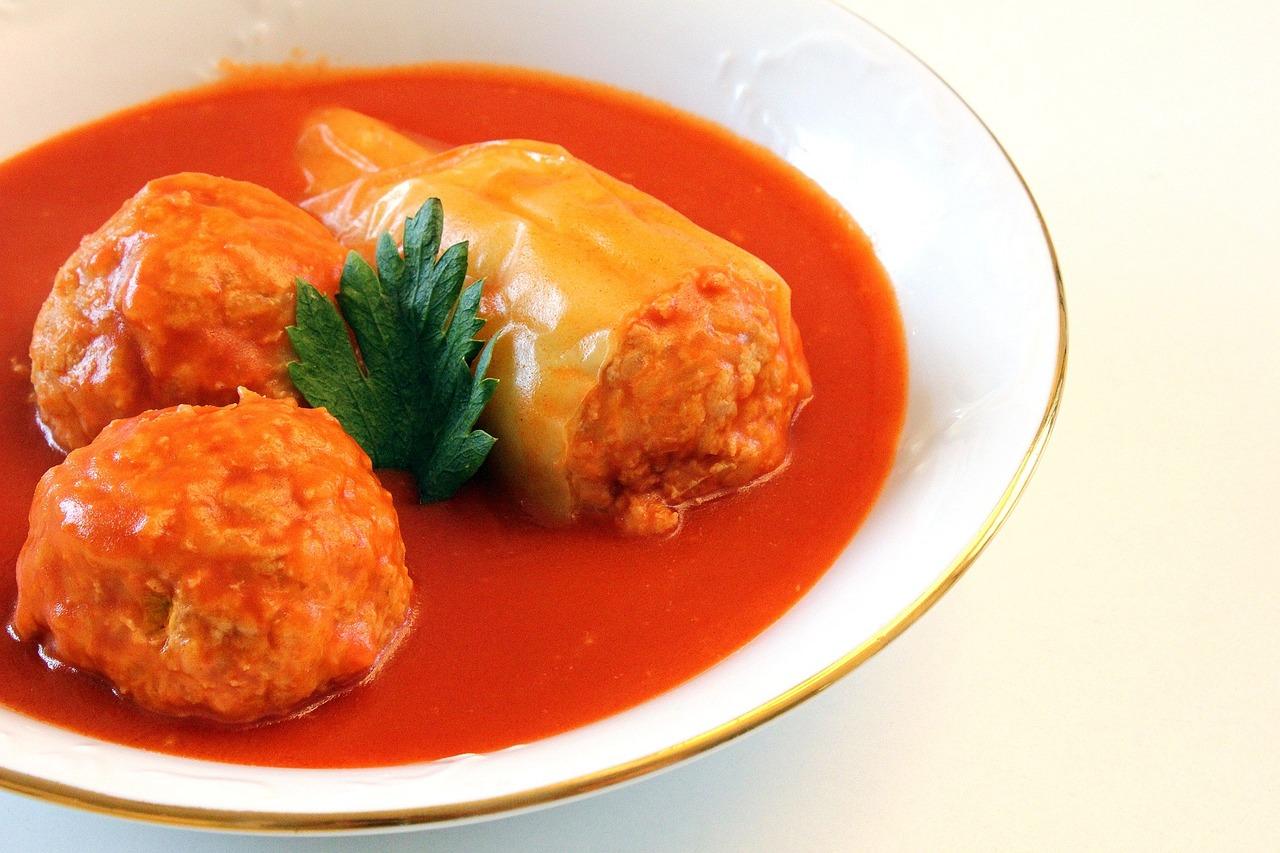
Punjene paprikeStuffed peppers

When late-summer markets in Novi Sad and Belgrade fill up with pale yellow and light green peppers, Serbian kitchens make big pots of punjene paprike to eat for several days. The peppers are packed with seasoned beef and pork mince and rice, stood upright and simmered slowly in a light tomato sauce until meltingly soft. They are served with a dollop of sour cream and bread to mop up the sauce. This recipe contains pork. The easy mistake is stuffing the peppers too tightly: the rice swells and splits them, so leave the top 2 cm empty. Chef's tip: plug each pepper with a slice of potato or tomato before simmering, so the filling stays inside.

105 minBalkanMeatGluten free
by KrazyBadal 0 views

Punjabi lassiSweet yogurt drink with cream

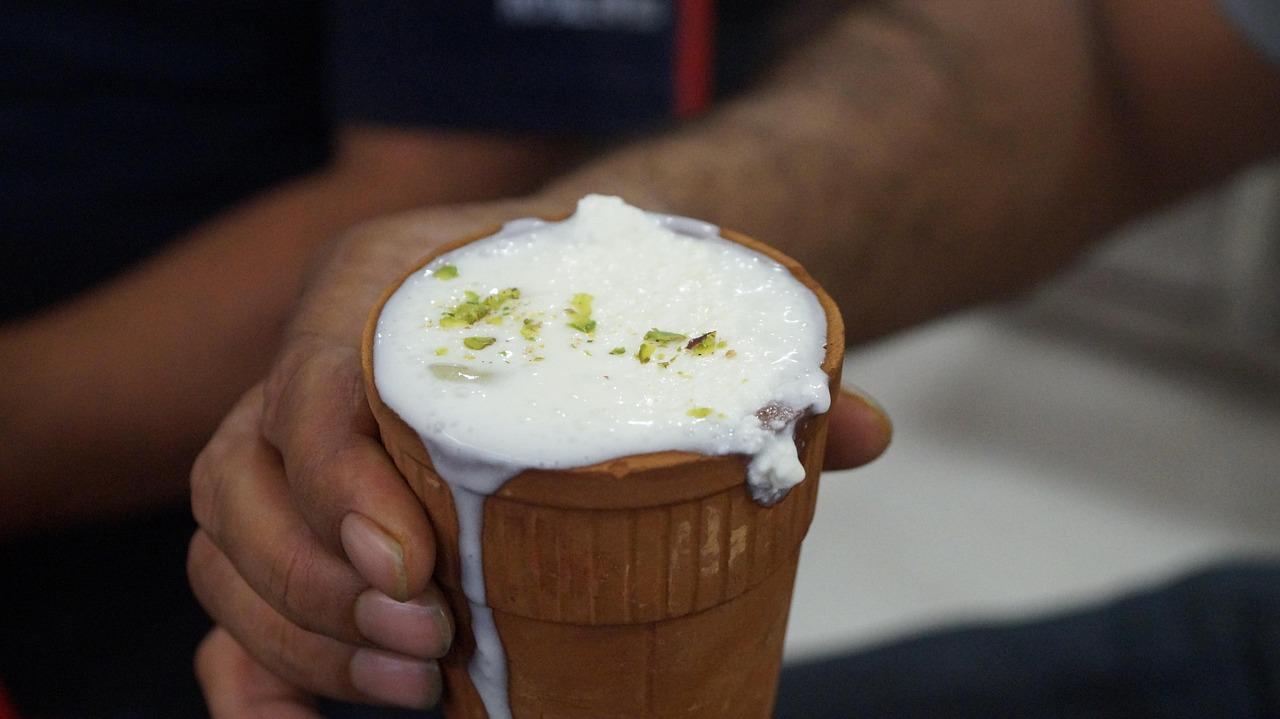
In Amritsar and on the highways across Punjab, lassi comes in a tall steel or brass glass, churned so thick a spoon nearly stands up in it, with a raft of malai (clotted cream) floating on top. It is a summer drink, but Punjabis drink it all year with a stuffed paratha breakfast or after a heavy lunch. This is the plain sweet kind, with no fruit, so the tang of good full-fat yogurt is the whole point. Chef's tip: chill the yogurt, milk and glasses beforehand; cold lassi stays thicker.

by KrazyBadal 0 views

Singapore carrot cake (chai tow kway)Fried radish cake with egg

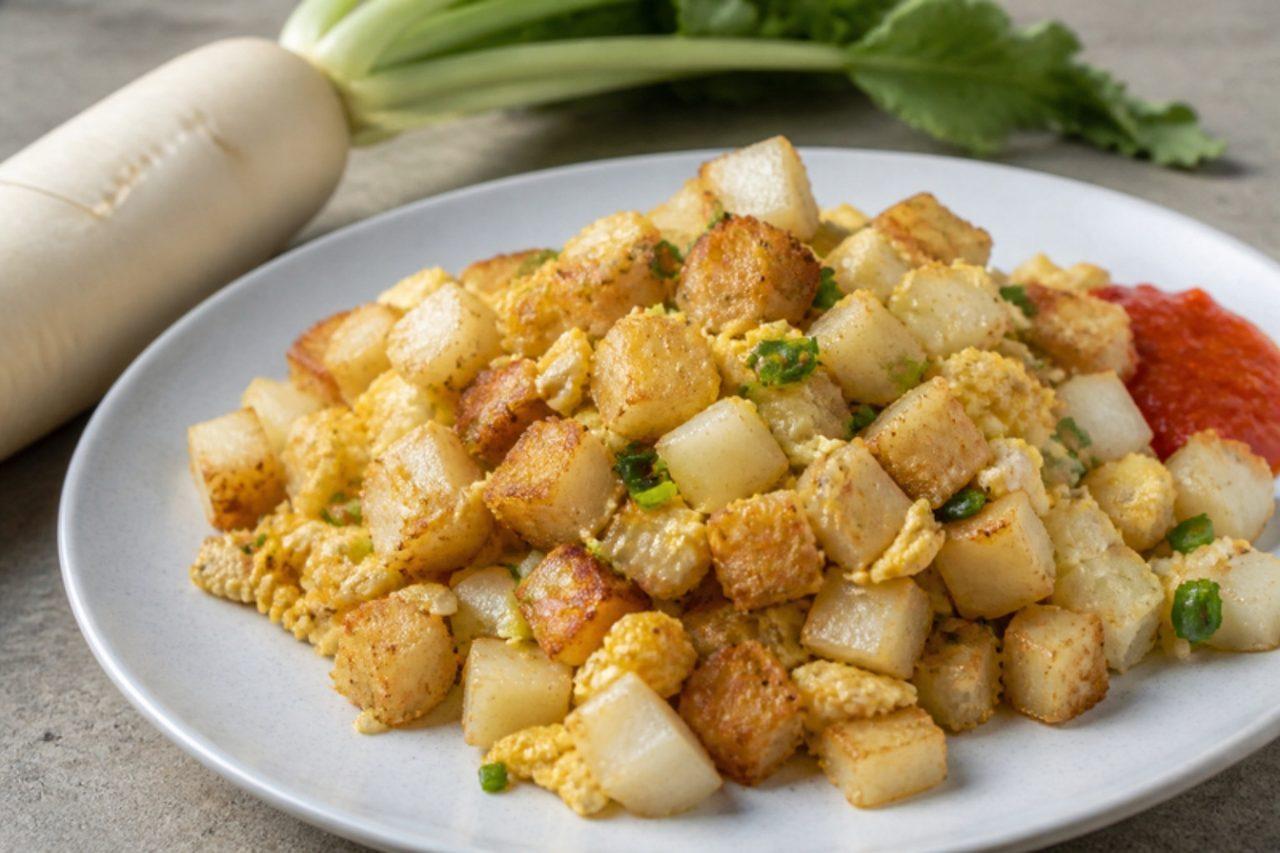
Singapore's carrot cake has no carrot in it: "carrot" is the local word for white radish (daikon). A steamed cake of rice flour and grated radish is cut into cubes and fried with egg and garlic until crisp and golden, either "white" (plain and eggy) or "black" (with sweet dark soy). It's a breakfast and supper favourite at hawker centres like Chinatown Complex. Most stalls add chai poh (preserved radish); this version leaves it out because many brands are made with fish sauce, and spring onions bring the savoury lift instead. Chef's tip: steam the cake a day ahead and chill it overnight; cold, firm cake cuts cleanly and crisps instead of falling apart.

by KrazyBadal 0 views

Punjabi chole samosa chaatSamosas with chickpea curry and yogurt

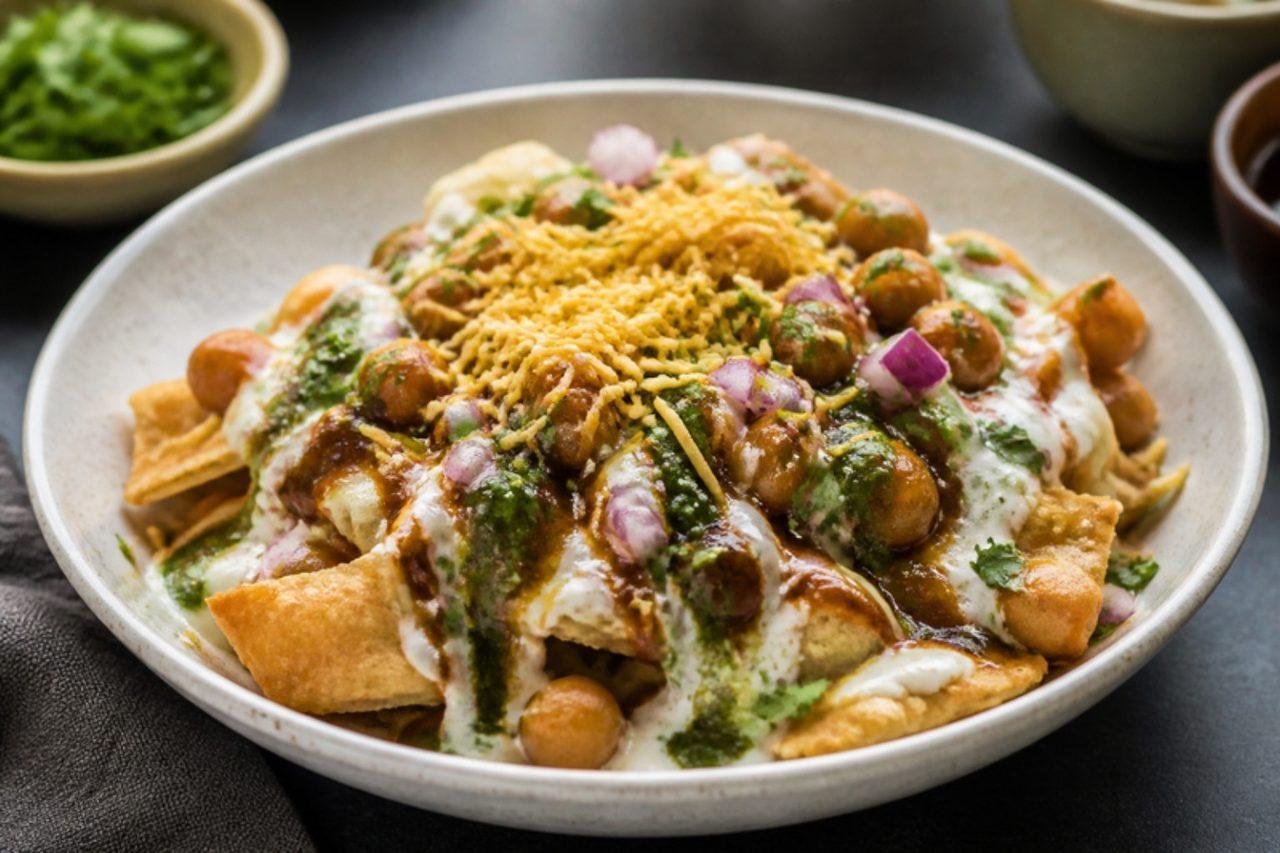
Samosa chaat is how the street stalls of Punjab and Delhi turn yesterday's samosas into the best snack of the day. Samosas are broken open on a plate, covered with a ladle of hot, tangy chole, then cooled down with sweet whisked yogurt, green and tamarind chutneys, raw onion, crunchy sev and a dusting of chaat masala. Every spoonful is hot and cold, crisp and soft, sweet, sour and spicy at once. Use bought samosas or the site's own samosa recipe. Chef's tip: warm the samosas in the oven until crisp before you crush them; a soggy samosa makes a heavy chaat, a crisp one soaks up the chole and still crunches.

by KrazyBadal 1 views

SingjuCabbage and lotus stem salad

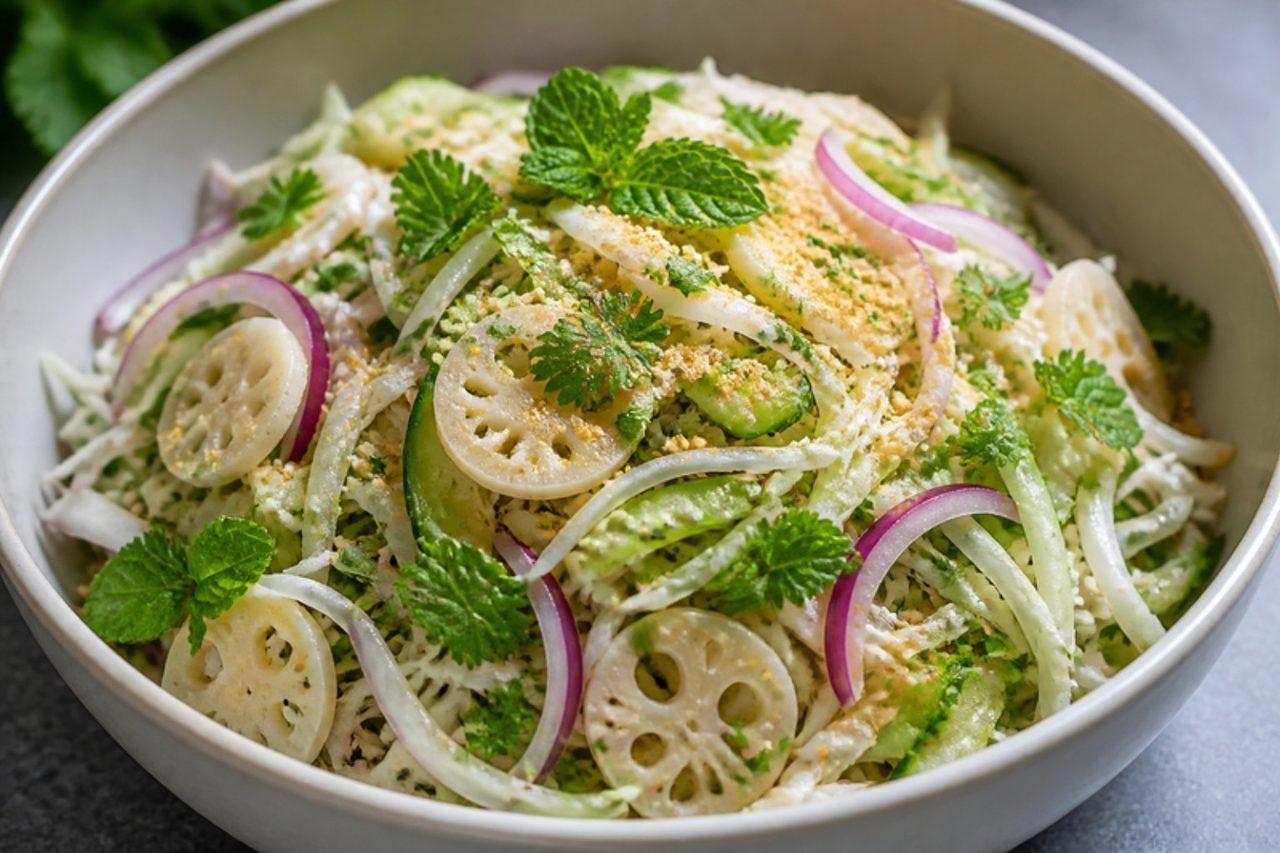
Singju is Imphal's favourite evening snack, sold from stalls at Khwairamband market and Thangal Bazar: a pile of finely shredded cabbage, lotus stem, banana flower, onion and fresh herbs, tossed with roasted chilli and toasted gram flour. Most stalls add a little ngari (fermented fish); vegetarian Meitei homes skip it and use extra roasted perilla or sesame and toasted gram flour, which give a nutty, savoury depth. It is crunchy, hot and herby. Chef's tip: shred everything as thinly as you can, almost like hair; the dressing clings better.

by KrazyBadal 0 views

SingodiCoconut milk fudge in leaf cones

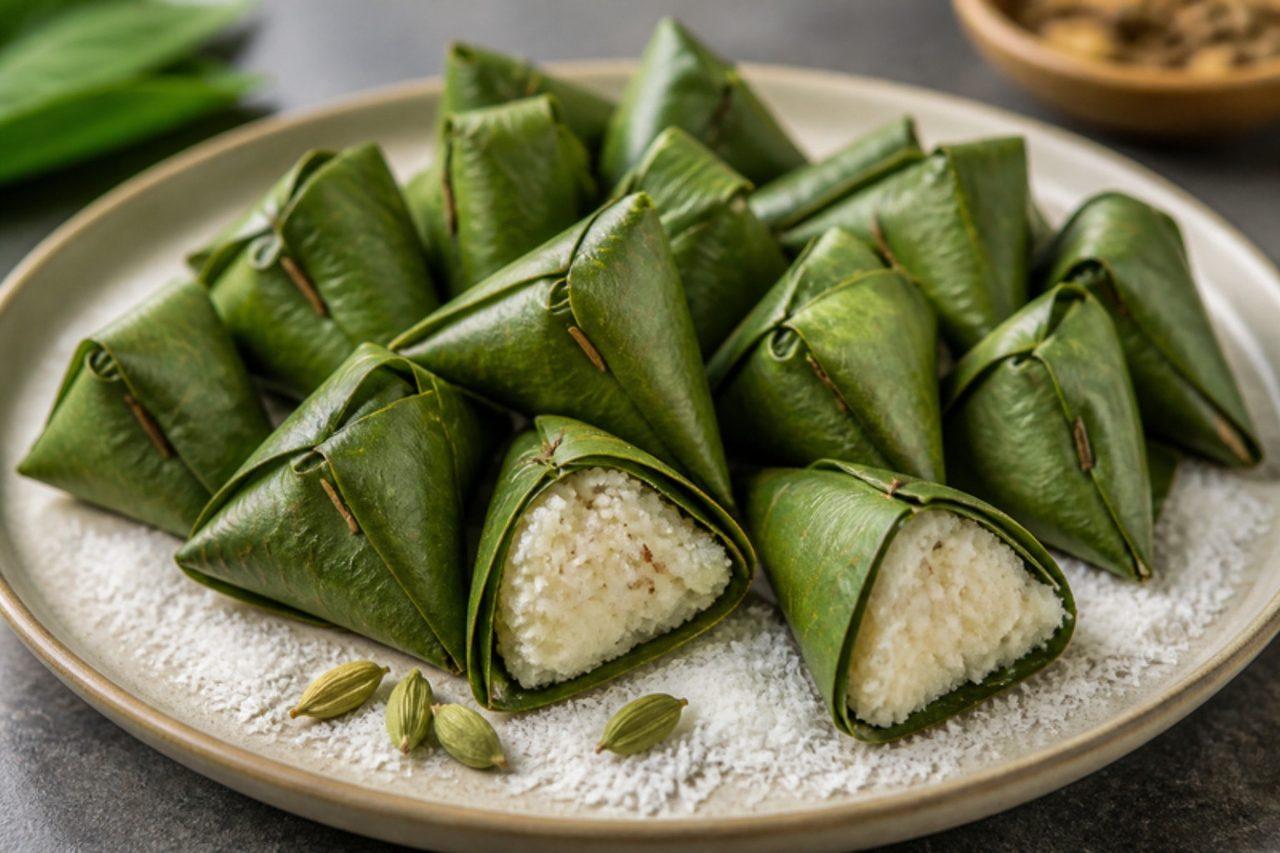
Singodi is Almora's other famous sweet, sold in the same shops as bal mithai but looking nothing like it: a soft, pale mix of khoya and coconut packed into a cone of maalu leaf and pinned shut with a twig. The leaf leaves a faint green, woody scent in the sweet, which is the whole point, and people in Kumaon unwrap them at weddings and on trips home. Maalu leaves are almost impossible to buy elsewhere, so this version uses banana leaf or fresh betel (paan) leaves; both give a gentle leafy aroma. Chef's tip: wrap the singodi while the filling is still warm and leave them in the fridge overnight, so the scent of the leaf soaks in.

by KrazyBadal 0 views

Puerto Rican sofritoHerb and pepper cooking base

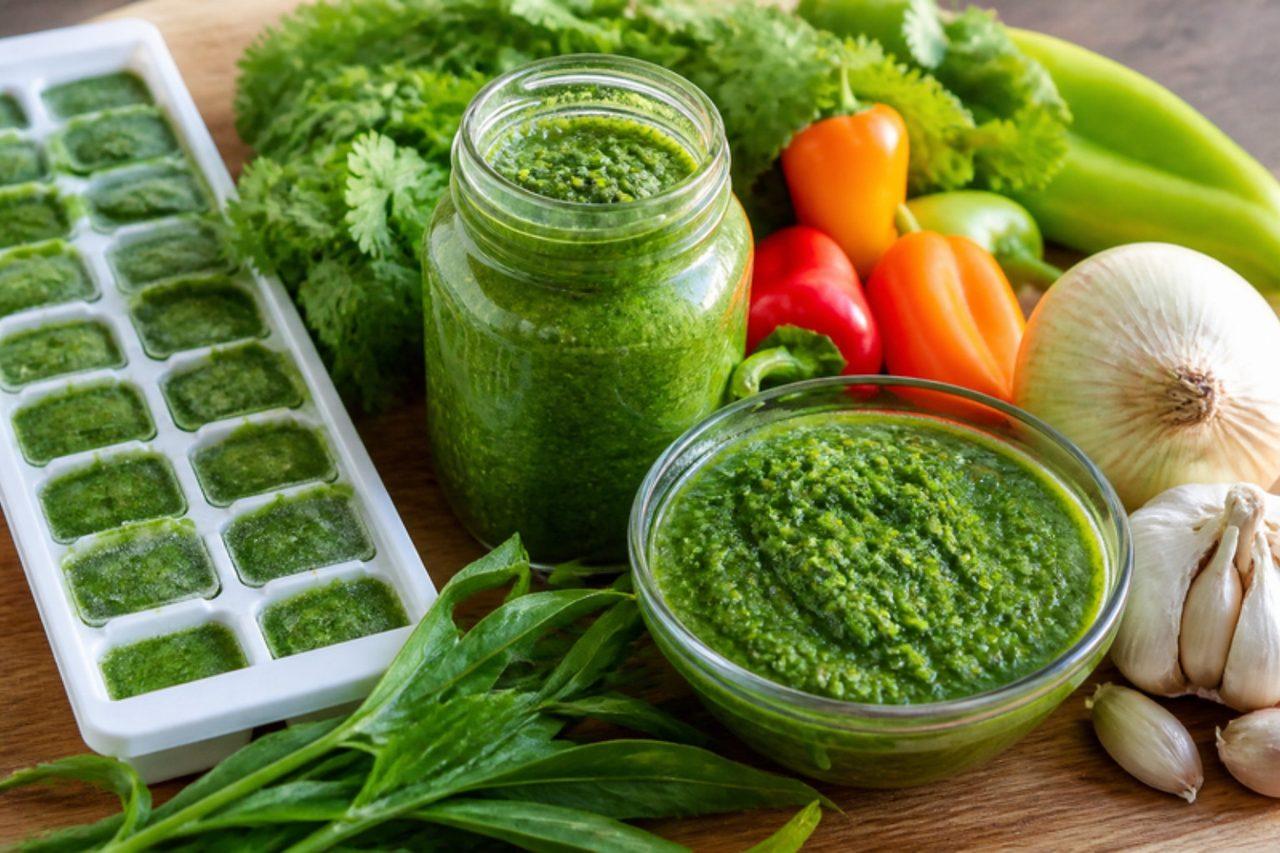
Open a freezer anywhere in Puerto Rico, or in the Puerto Rican neighbourhoods of New York and Orlando, and you'll find a tub or ice-cube tray of green sofrito. It is the start of almost everything savoury on the island: beans, rice, stews, soups and sauces. Unlike the slow-cooked Spanish sofrito, this one is raw, blended from culantro (recao), cilantro, little sweet ajíes dulces, cubanelle peppers, onion and lots of garlic. It smells grassy and sharp in the jar and turns mellow and savoury as soon as it hits hot oil. Chef's tip: if you can't find ajíes dulces, use extra red pepper and a tiny piece of seeded scotch bonnet; you want their fruity perfume, not heat.

by KrazyBadal 0 views

Prawn balchãoSweet-sour prawn pickle curry

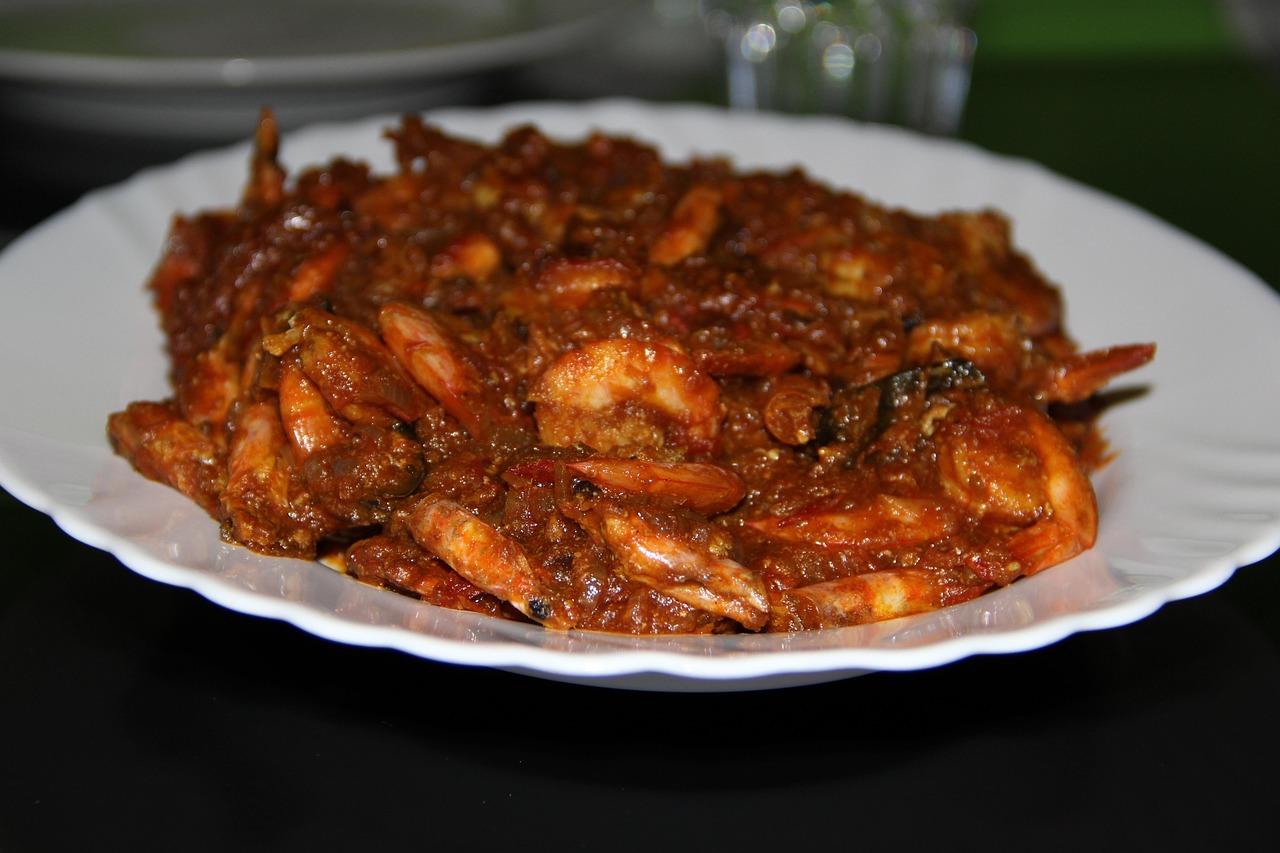
Balchão started as a way to keep the catch from the Goan monsoon season: prawns cooked down in a fierce red masala with vinegar and sugar until they keep like a pickle. In Goan homes a jar sits in the fridge to spoon beside rice and dal, and a fresh batch is served as a main curry on Sundays. Its taste is bold: hot, sharp and sweet all at once. Chef's tip: fry the masala slowly until the oil separates and it turns a deep brick colour; undercooked balchão tastes raw and vinegary.

50 minIndianFishGluten freeSpicy
by KrazyBadal 0 views

Su böreğiLayered boiled pastry with cheese

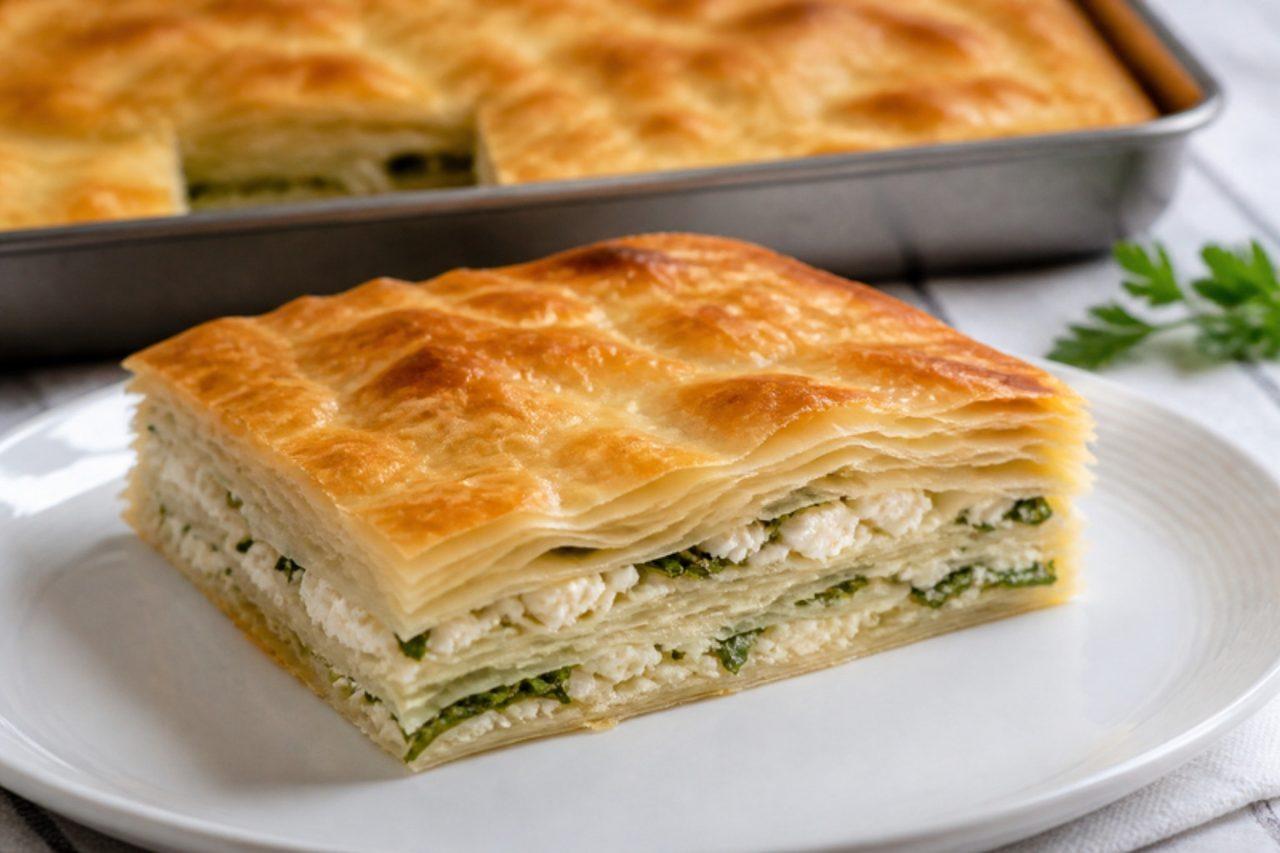
Of all Turkish böreks, su böreği is the one cooks are proudest of. Thin sheets of egg dough are boiled for a moment, then layered with butter and white cheese and baked until the top is crisp and the inside is soft and almost silky, a little like a cheesy lasagne made of pastry. Bakeries in Istanbul and Ankara sell it by weight from huge trays in the morning, and at home it appears at holidays and when guests are expected. It takes time and patience but nothing is difficult. Make it the day before and reheat it. Chef's tip: have a big bowl of iced water ready next to the pan; plunging each sheet straight into it stops it cooking and keeps the layers from sticking together.

by KrazyBadal 0 views

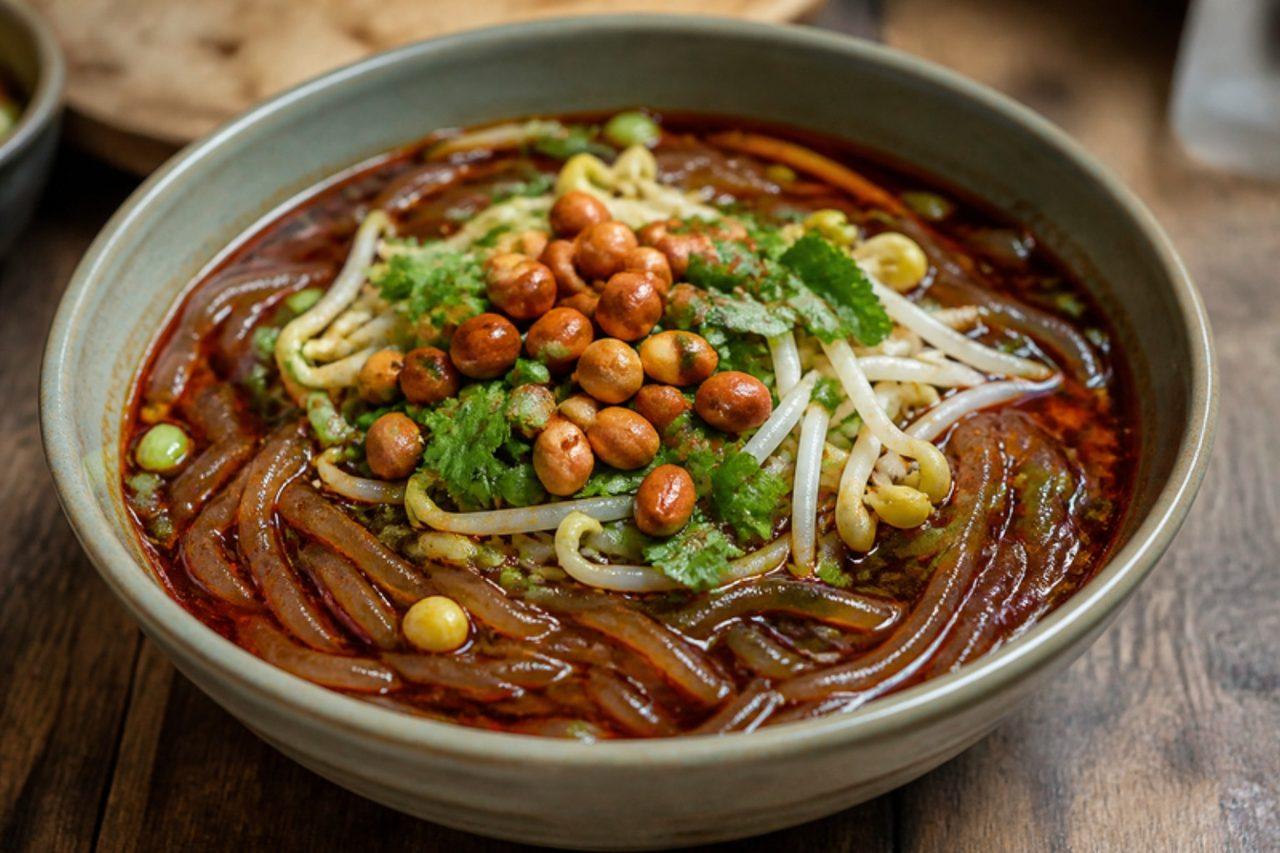
Suan la fenHot and sour sweet potato noodles

Chongqing's hot and sour noodles are made from sweet potato starch, so they are chewy, bouncy and almost clear. They come in a broth that is sharp with black vinegar and red with chilli, topped with fried peanuts or soybeans and a spoonful of pickled greens. Students live on it, and it's a favourite late-night snack across the south-west. Plan for the 30-minute soak for the dried noodles. Chef's tip: add the vinegar to the bowl, not the pan; boiled vinegar loses the sharp edge that makes this dish.

by KrazyBadal 0 views

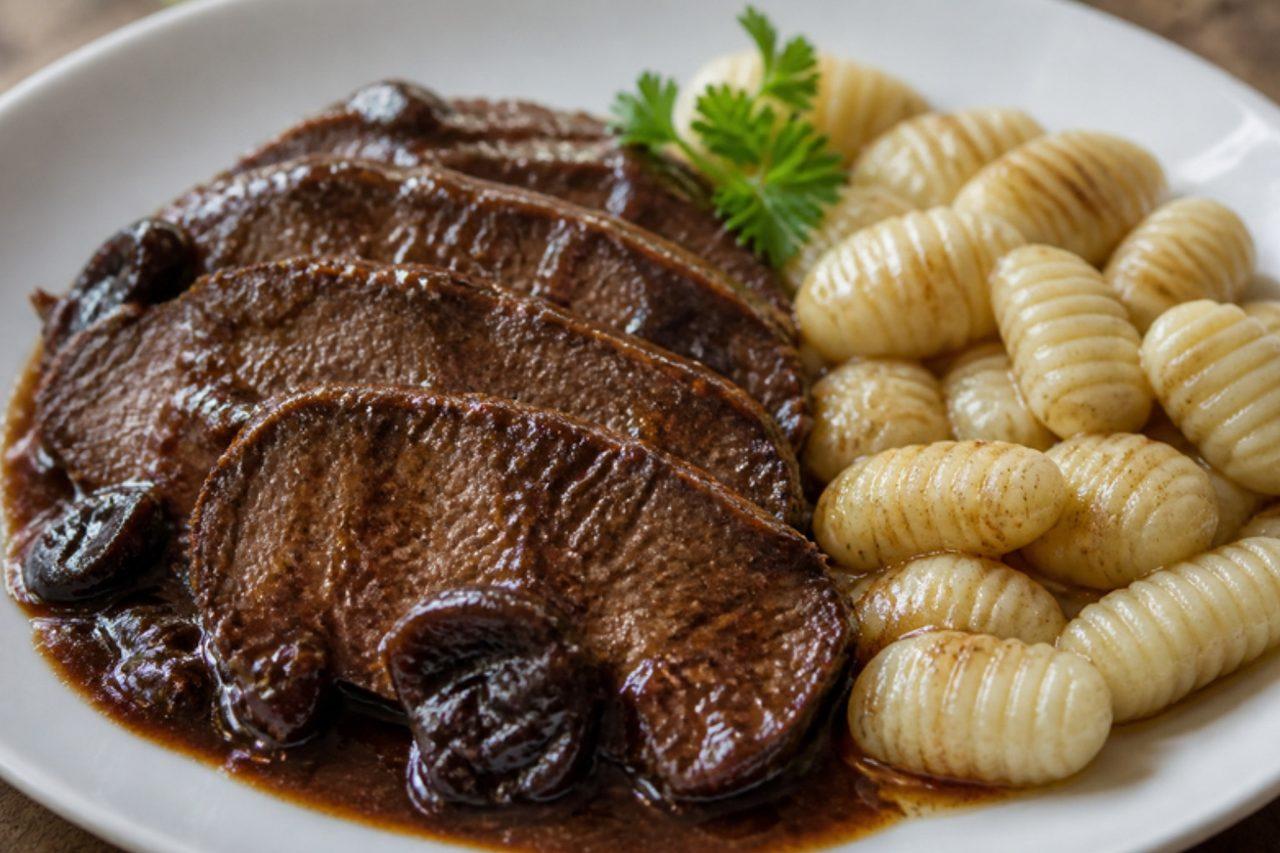
PašticadaWine and prune braised beef

Split and the Dalmatian coast reserve pašticada for weddings, christenings and Christmas, and the preparations start days ahead. A piece of beef is studded with garlic and cured ham (so this recipe contains pork), marinated overnight in wine vinegar, then braised for hours with onions, dried prunes, tomato and a little sweet Prošek or red wine until the sauce turns dark, glossy and sweet-sour. In Split it is always served with homemade gnocchi; pasta works too. This recipe uses red wine and dried figs or prunes; for an alcohol-free version use grape juice with a spoon of red wine vinegar. The common mistake is rushing the braise: it needs a low, steady heat for at least three hours. Chef's tip: blend the cooked onions and prunes back into the sauce for that velvet texture.

280 minBalkanMeat
by KrazyBadal 0 views

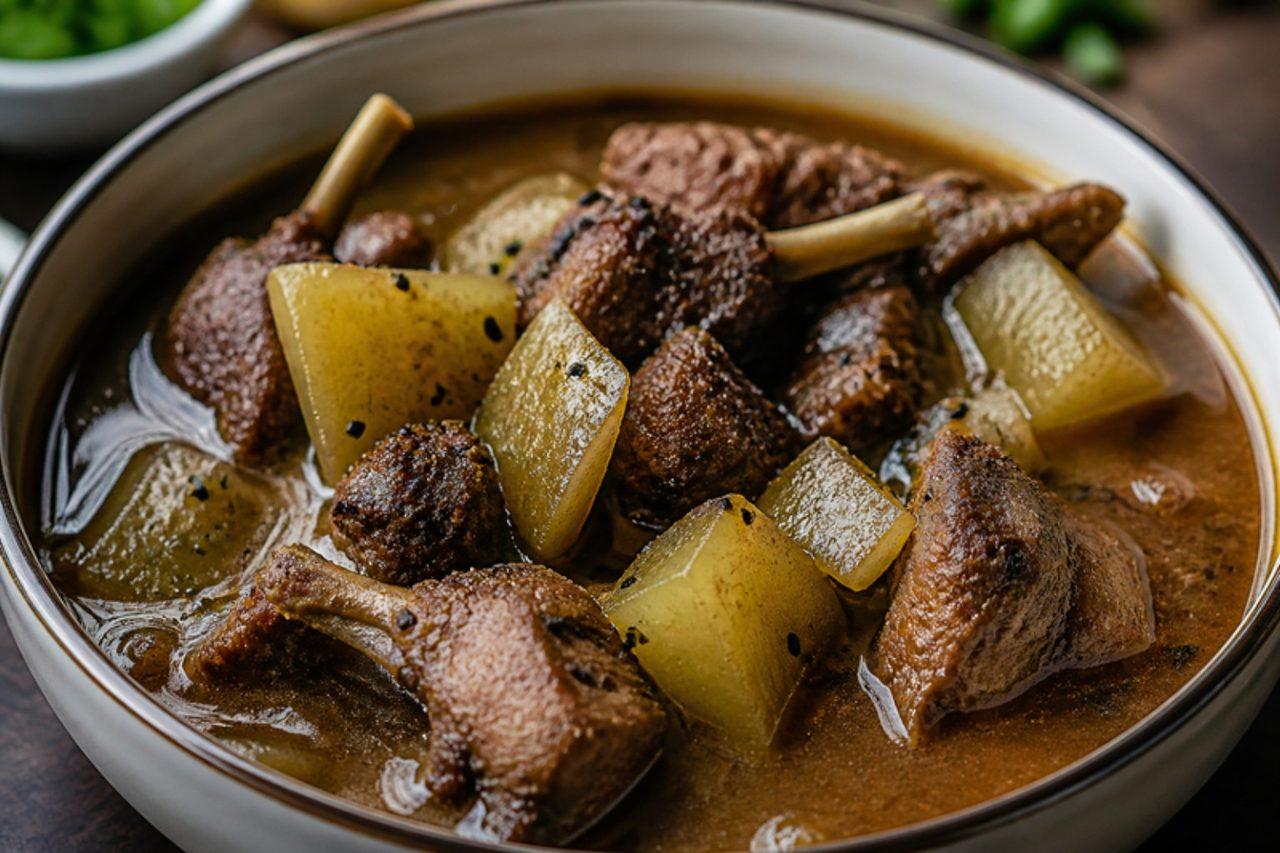
Hanhor mangxoDuck curry

When Magh Bihu brings bonfires and feasting to the villages of Assam in January, duck curry is one of the dishes families look forward to. Duck meat is simmered with ash gourd (kumura), which soaks up the rich juices, and the gravy is thickened with toasted black sesame for a deep, nutty taste. It is eaten with rice, often after the night-long community feast called uruka. Chef's tip: brown the duck skin-side down first and pour off some of the rendered fat; you need its flavour, not all of it.

120 minIndianMeatGluten free
by KrazyBadal 0 views

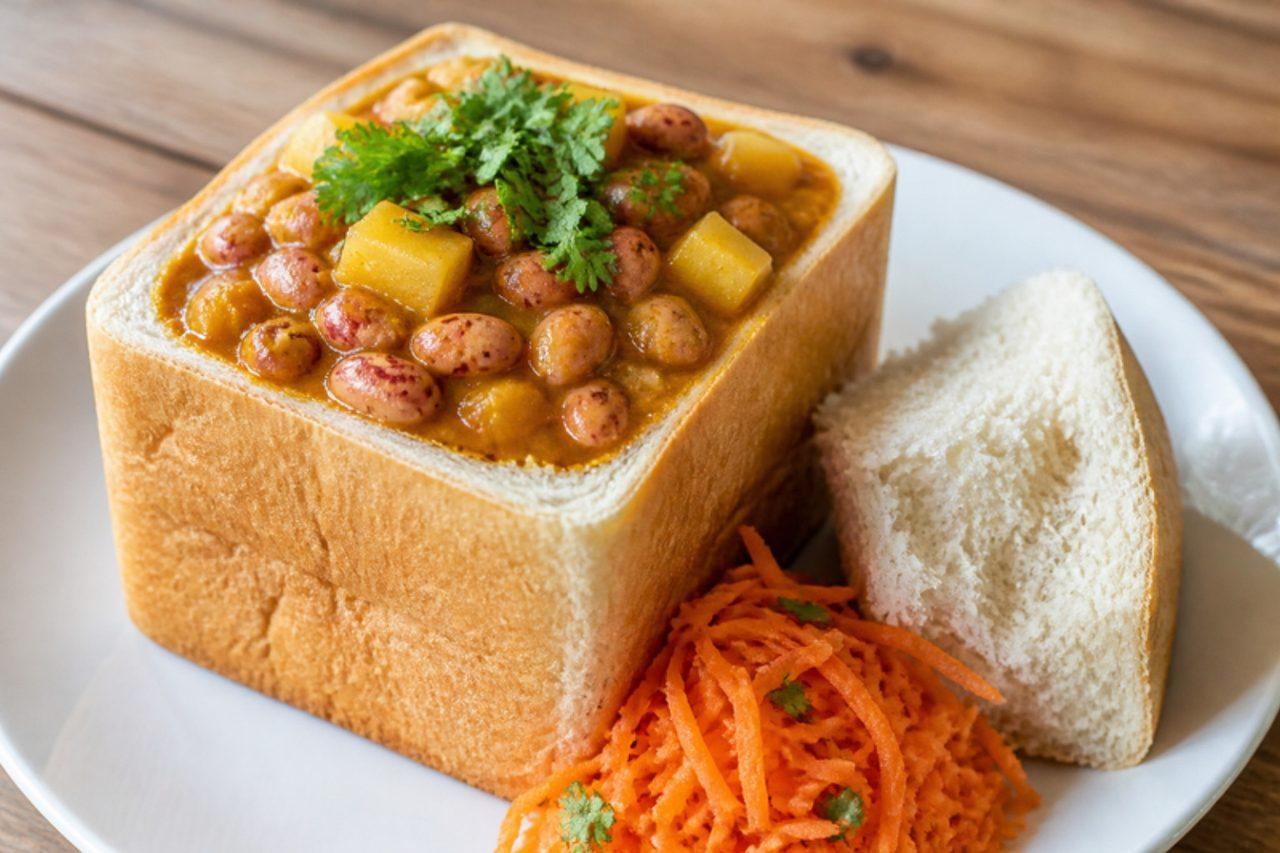
Sugar-bean bunny chowBean curry in a bread loaf

Bunny chow was born in Durban, among the city's Indian community, where curry in a hollowed loaf became the takeaway lunch of dockworkers and caddies. Many Durbanites say the first bunnies were vegetarian, filled with sugar beans, and cafés around Grey Street still sell a bean bunny beside the mutton one. A quarter loaf of unsliced white bread is scooped out and filled with a fiery, red Durban curry, with the scooped-out bread (the 'virgin') put back on top for dunking. It is eaten with your hands, with grated carrot and chilli salad on the side. Chef's tip: the curry needs to be thick and saucy, not watery; a runny curry soaks through the loaf before you've finished the first bite.

by KrazyBadal 0 views

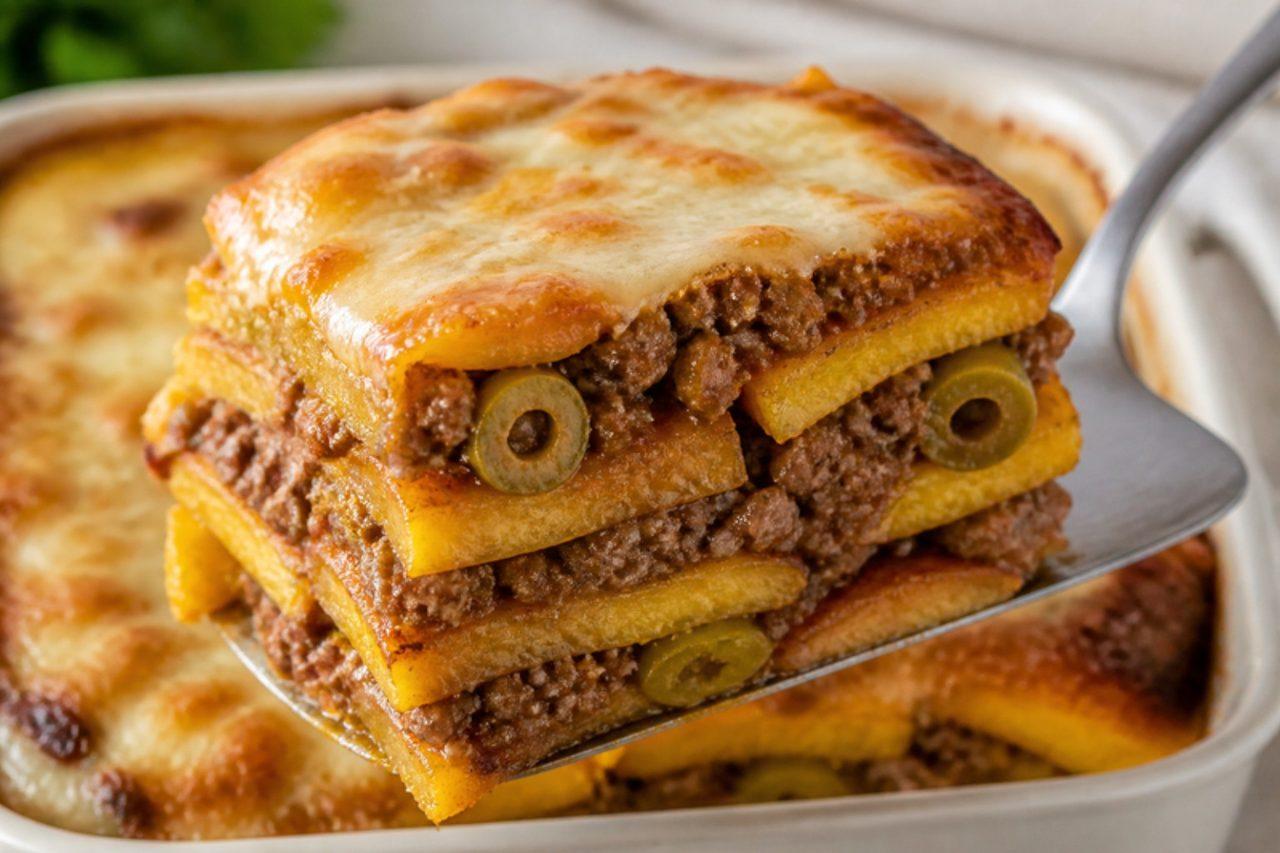
PastelónPlantain and beef bake

Pastelón turns up at Puerto Rican Sunday lunches and Christmas parties all over the island, from San Juan to Ponce, usually next to a pot of rice and beans. Instead of pasta it is layered with long slices of fried ripe plantain, so every bite is sweet and salty at once: soft caramelised plantain, a savoury beef picadillo with olives and capers, melted cheese and a light egg binding. Cut it into squares like a lasagne. The mistake to avoid is using yellow or green plantains; they stay starchy and dry, so wait until the skins are almost black. Chef's tip: leave the pastelón to rest for 15 minutes after baking; the egg and cheese set and the squares come out clean.

by KrazyBadal 0 views

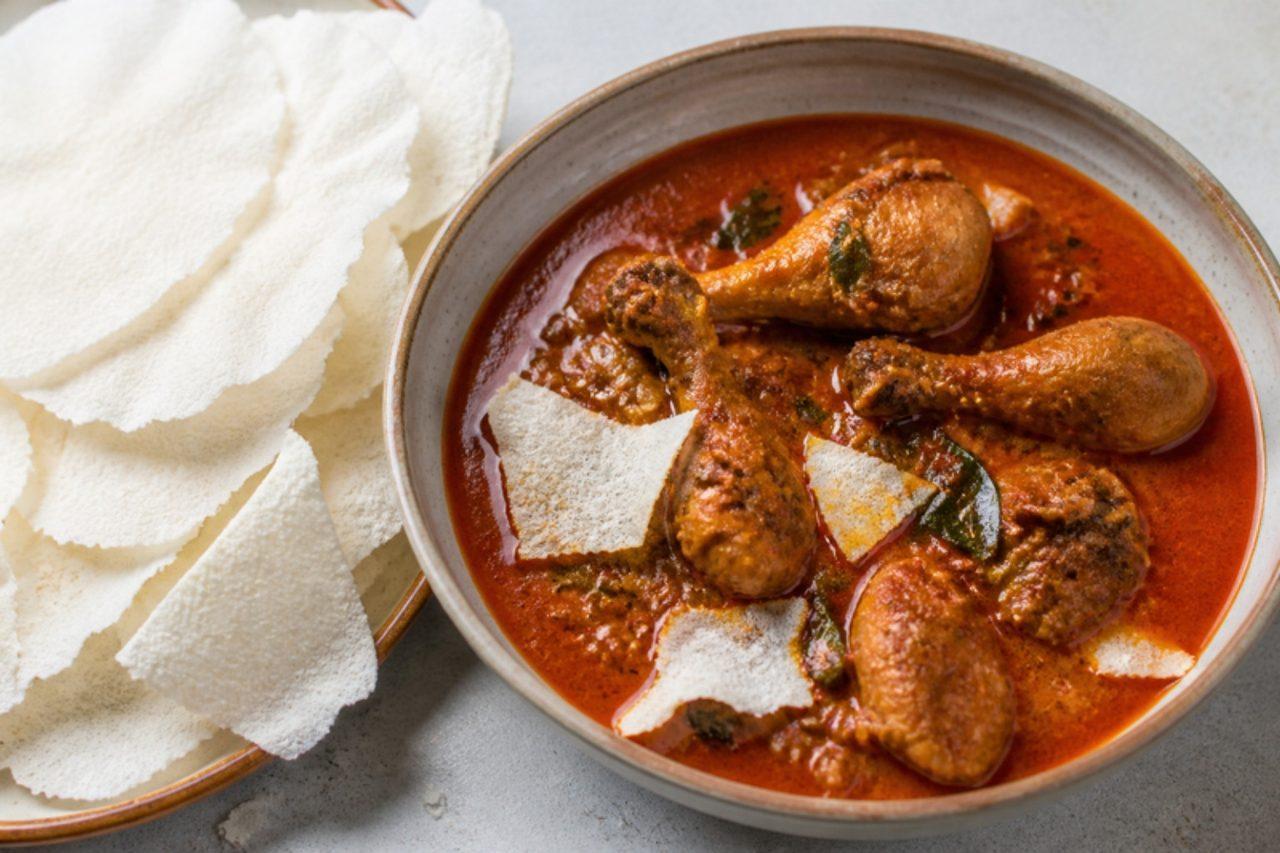
Mangalorean kori rottiCoconut chicken curry

Kori rotti belongs to the Bunt community of Mangalore and Udupi, where it is cooked for weddings, the Aati festival and Sunday lunches. Kori is chicken, simmered in a thin, red coconut-milk gravy built on roasted Byadgi chillies; rotti are paper-thin dried rice wafers, bought in stacks and crumbled into the plate just before the curry goes over. They soften at the edges and stay crunchy in the middle. Chef's tip: pour the curry over the rotti only at the table; left to sit, the wafers turn to mush.

by KrazyBadal 0 views

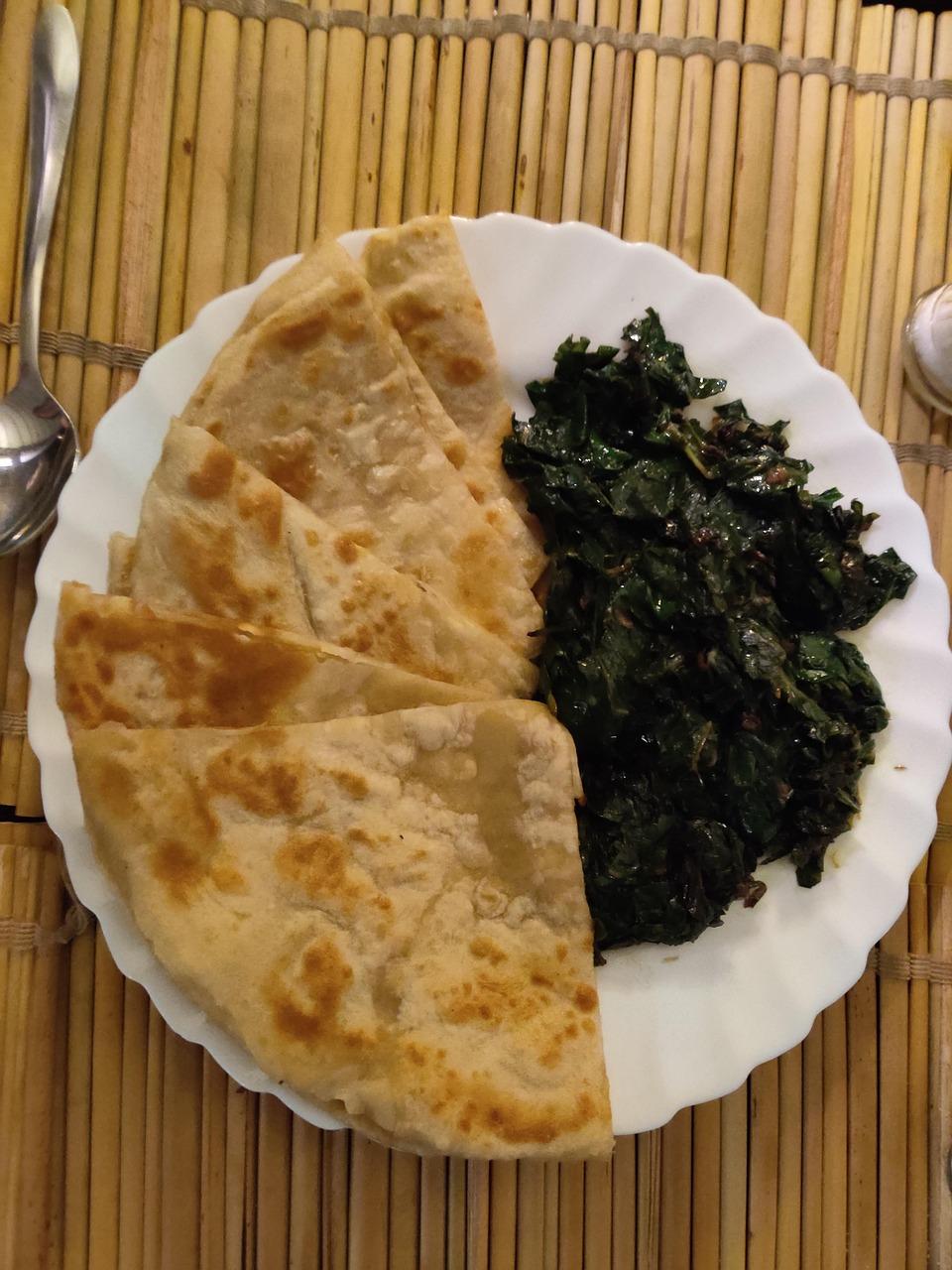
SukumawikiSautéed collard greens

Sukumawiki (collard greens) finely chopped and cooked quickly with cumin, onion, tomato and a little turmeric, chilli and coriander-cumin powder until just tender. Its name means 'push the week', because it's cheap enough to stretch the budget to the end of the week. Serve hot with ugali.

by KrazyBadal 0 views

Pastelitos de guayabaGuava and cream cheese pastries

Pastelitos de guayaba are the flaky puff pastry squares sold warm from the glass cases of Cuban bakeries, eaten standing up with a café cubano mid-morning. Havana bakers fill them with dense guava paste, often with a layer of cream cheese (de guayaba y queso), and brush the tops with sugar syrup so they shine. Shop-bought all-butter puff pastry makes them easy at home. Chef's tip: chill the filled tray for 15 minutes before baking; cold pastry rises higher and the filling is less likely to leak.

by KrazyBadal 0 views

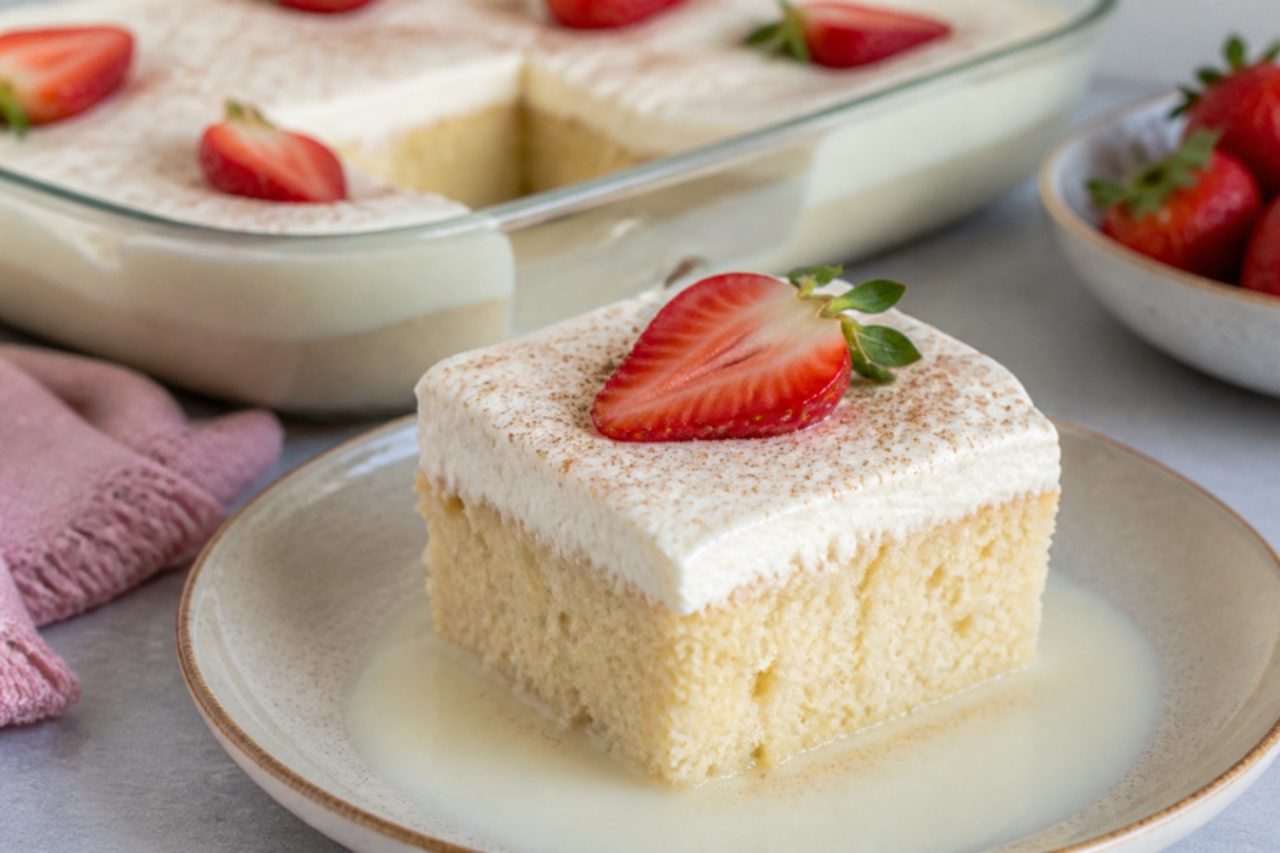
Pastel tres lechesThree milks cake

Pastel de tres leches is the birthday and celebration cake of Mexico and much of Latin America: a light, airy sponge drenched in a mixture of three milks (evaporated milk, sweetened condensed milk and cream) until it is soaked through but still holds its shape, then topped with whipped cream. It is cold, milky and sweet, and every bakery from Mexico City to Guadalajara sells it by the slice. The sponge is made with whisked eggs for lightness, so it drinks up the milk without collapsing. Chef's tip: let the cake soak in the fridge for at least 4 hours, ideally overnight; the milk needs time to work its way into the centre and the cake slices far more neatly when cold.

by KrazyBadal 0 views

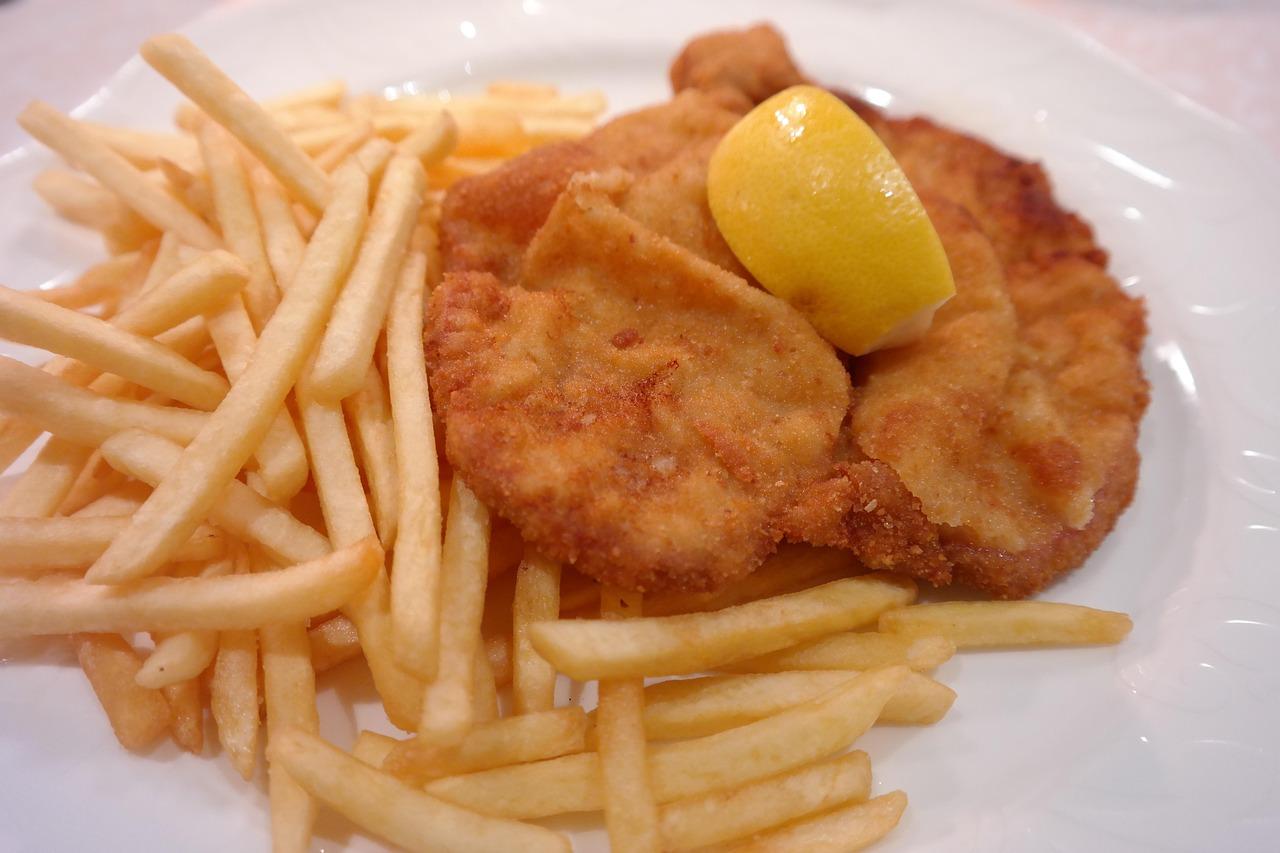
Wiener SchnitzelBreaded veal cutlet

In Vienna's old Beisl taverns the Schnitzel arrives so large it hangs over the plate: a veal escalope beaten thin, coated in flour, egg and fine breadcrumbs and fried in plenty of hot fat while the pan is swirled, so the crumb lifts away from the meat in golden waves. Austrian law keeps the name 'Wiener Schnitzel' for veal; the pork version, very common in German homes, is called Schnitzel Wiener Art and is cooked exactly the same way. Serve it with a lemon wedge, lingonberry jam and potato salad. The most common mistake is pressing the crumbs firmly onto the meat, which stops the coating from puffing. Chef's tip: shake off the crumbs and lay the cutlet in only when the fat is hot enough that a crumb sizzles at once.

32 minGermanMeat
by KrazyBadal 0 views

Pastéis de nataCustard tarts

Pastéis de nata were first baked by monks of the Jerónimos Monastery in Belém, on the Lisbon waterfront, who used surplus egg yolks (whites went to starch habits) in a lemon-and-cinnamon custard. Today every pastelaria in Portugal sells them warm from first thing in the morning, eaten standing at the counter with a bica or galão, dusted with cinnamon and icing sugar. The pastry is a spiral of thin, buttery layers pressed up the sides of the tin with a wet thumb; the custard is baked in the hottest oven you have, so it sets creamy and catches dark freckles in under 15 minutes. Chef's tip: chill the rolled log of pastry well and press the discs from the centre outwards, so the edge stands slightly above the rim; that thin rim is what shatters when you bite.

by KrazyBadal 0 views

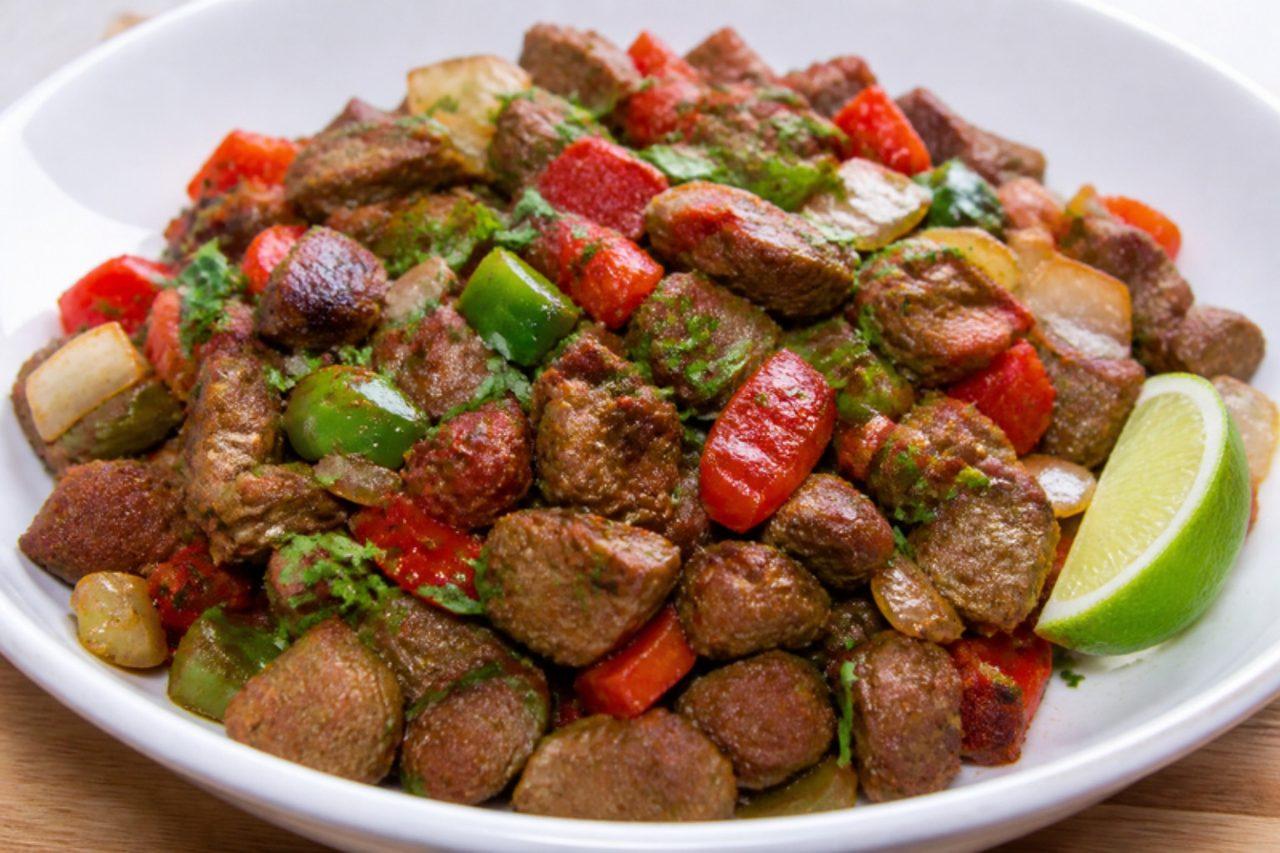
SuqaarSpiced beef stir-fry

Suqaar is the quick beef dish found everywhere from Mogadishu tea shops to Somali cafés in Minneapolis and London: small cubes of beef or lamb browned with onion, peppers and garlic, seasoned with xawaash, the house spice mix of cumin, coriander, cardamom, cinnamon and turmeric. Somalis eat it for breakfast with canjeero (spongy flatbread) or for lunch with rice or pasta. The mistake is cutting the beef in big chunks, which go chewy; cut it into small 1–2 cm cubes so it cooks fast and stays tender. Chef's tip: add a squeeze of lime and a handful of coriander just before serving.

30 minSomaliMeatGluten free
by KrazyBadal 0 views

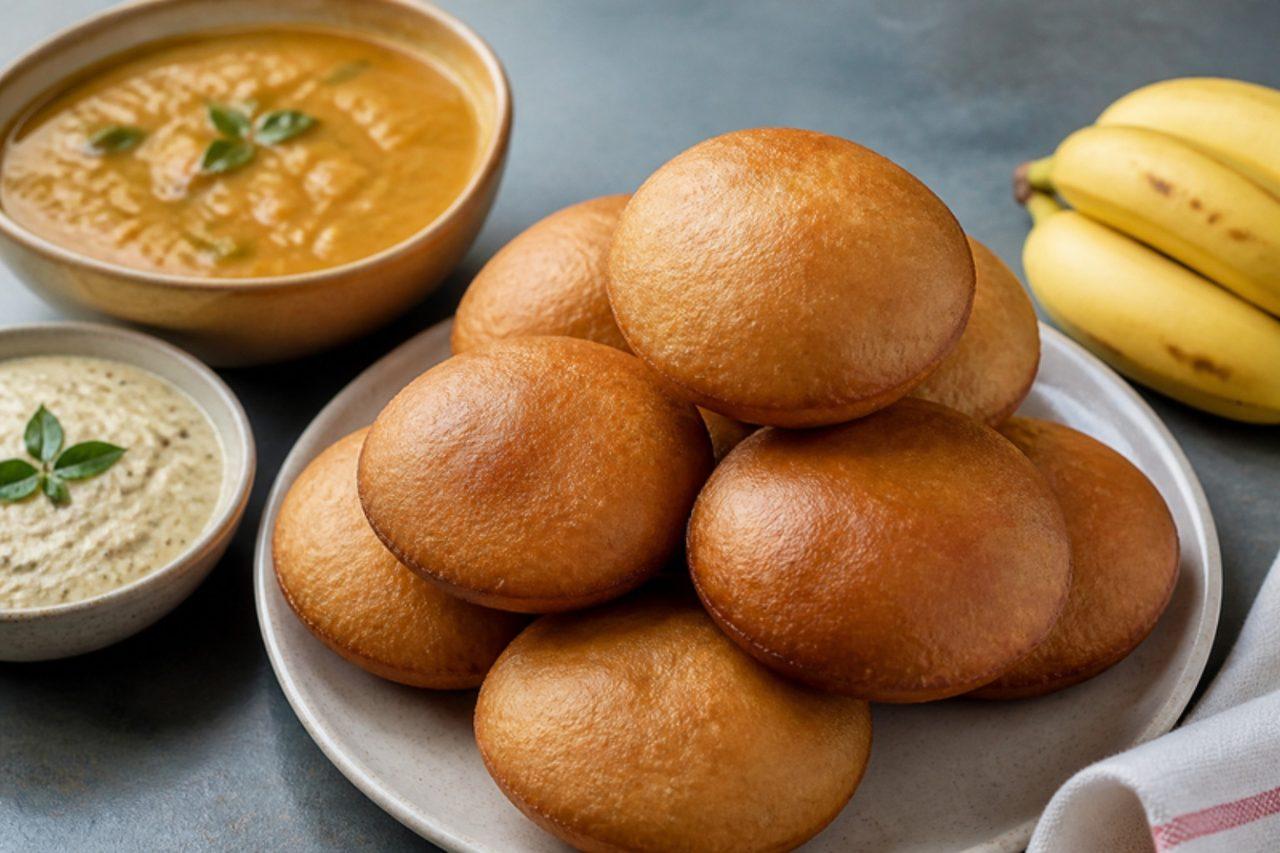
Mangalore bunsSweet banana puris

Despite the name, Mangalore buns are not baked at all: they are thick, soft puris made from a dough of overripe bananas, sugar, yogurt and flour, left for hours to turn slightly tangy, then deep-fried until they balloon. Every Udupi restaurant in coastal Karnataka has them on the breakfast board, served with coconut chutney and sambar, and children love them on their own. They are lightly sweet with a hint of cumin and a soft, bready inside. Chef's tip: use bananas with black-flecked skins; underripe bananas give a dense, pale bun that won't brown.

by KrazyBadal 0 views

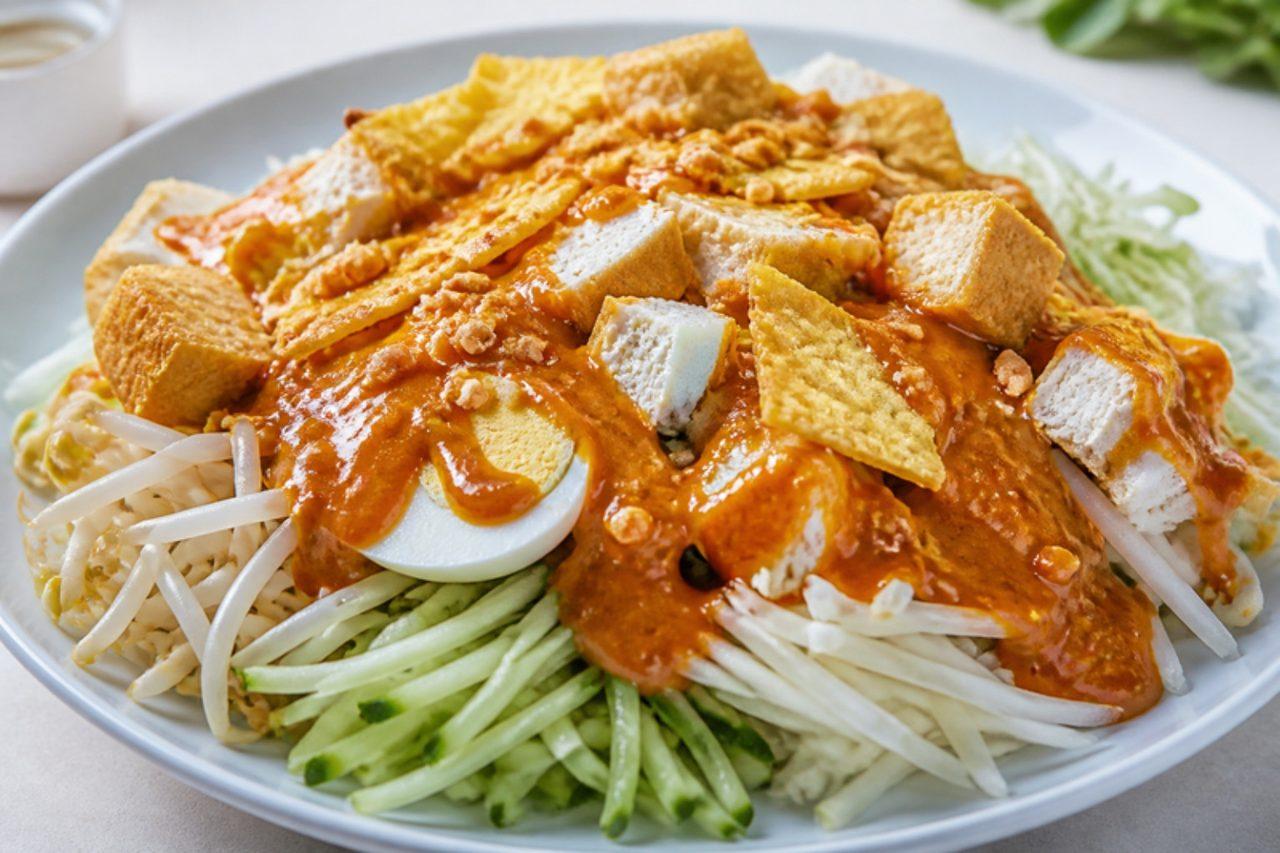
PasemburVegetable and fritter salad

Pasembur is sold from Indian-Muslim (mamak) stalls along Penang's Gurney Drive and Esplanade: shredded cucumber, jicama and bean sprouts piled with sliced fried tofu, boiled egg and crisp fritters, all buried under a thick, sweet, gently spicy sauce made from sweet potato, chilli and peanuts. You pick your fritters at the stall; prawn fritters are common, but here they are crunchy cabbage and onion ones. Chef's tip: dress it at the very last moment and eat at once, so the fritters stay crisp under the sauce.

by KrazyBadal 0 views

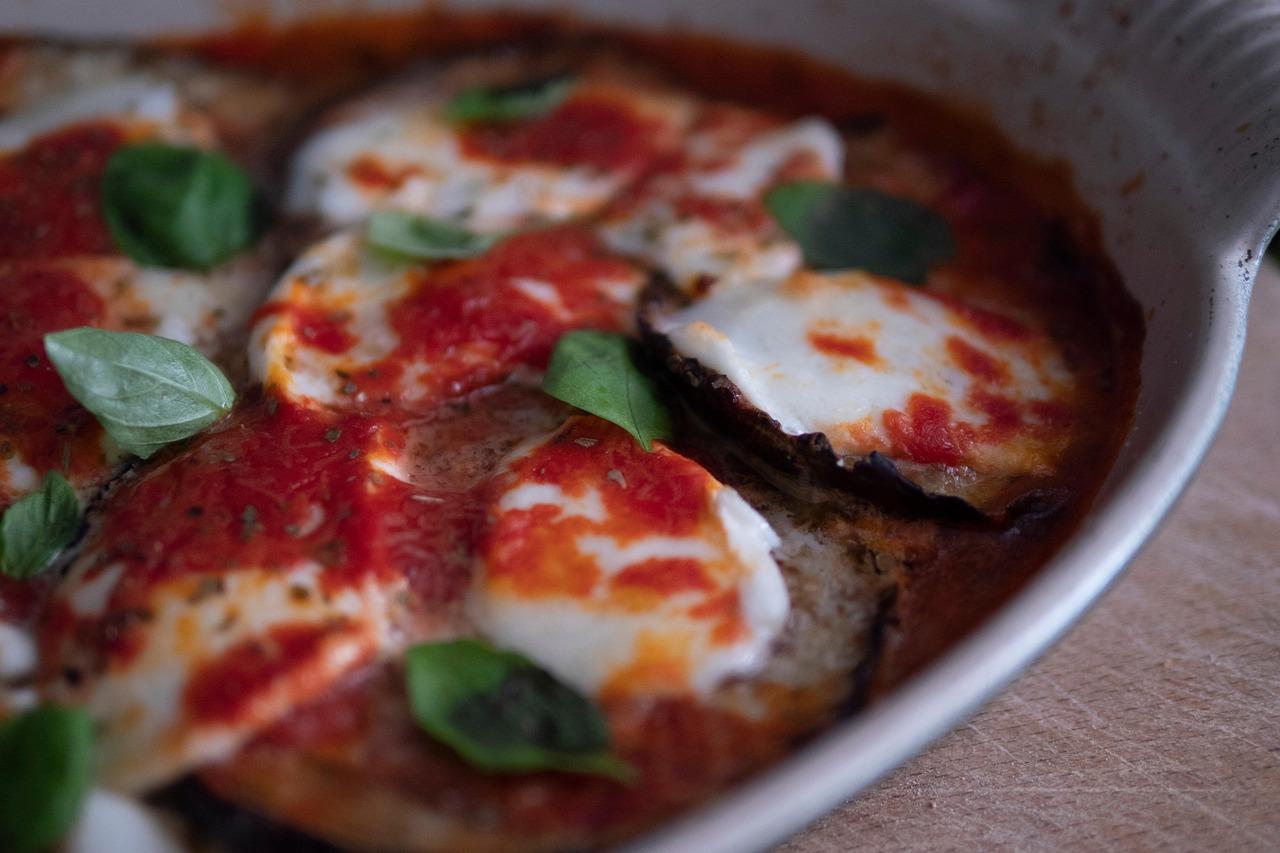
Parmigiana di melanzaneBaked aubergine with tomato and mozzarella

Parmigiana di melanzane is Campania's big summer bake, made when aubergines are cheap and glossy and served for Sunday lunch or carried in a tin to the beach. Fried slices of aubergine are layered with a quick basil tomato sauce, fior di latte and grated hard cheese, then baked until the edges bubble and darken. It is better warm than piping hot, and better still the next day, cut into neat squares. Chef's tip: salt the slices and press them for 30 minutes before frying; they drink less oil and the layers stay distinct instead of watery.

by KrazyBadal 0 views

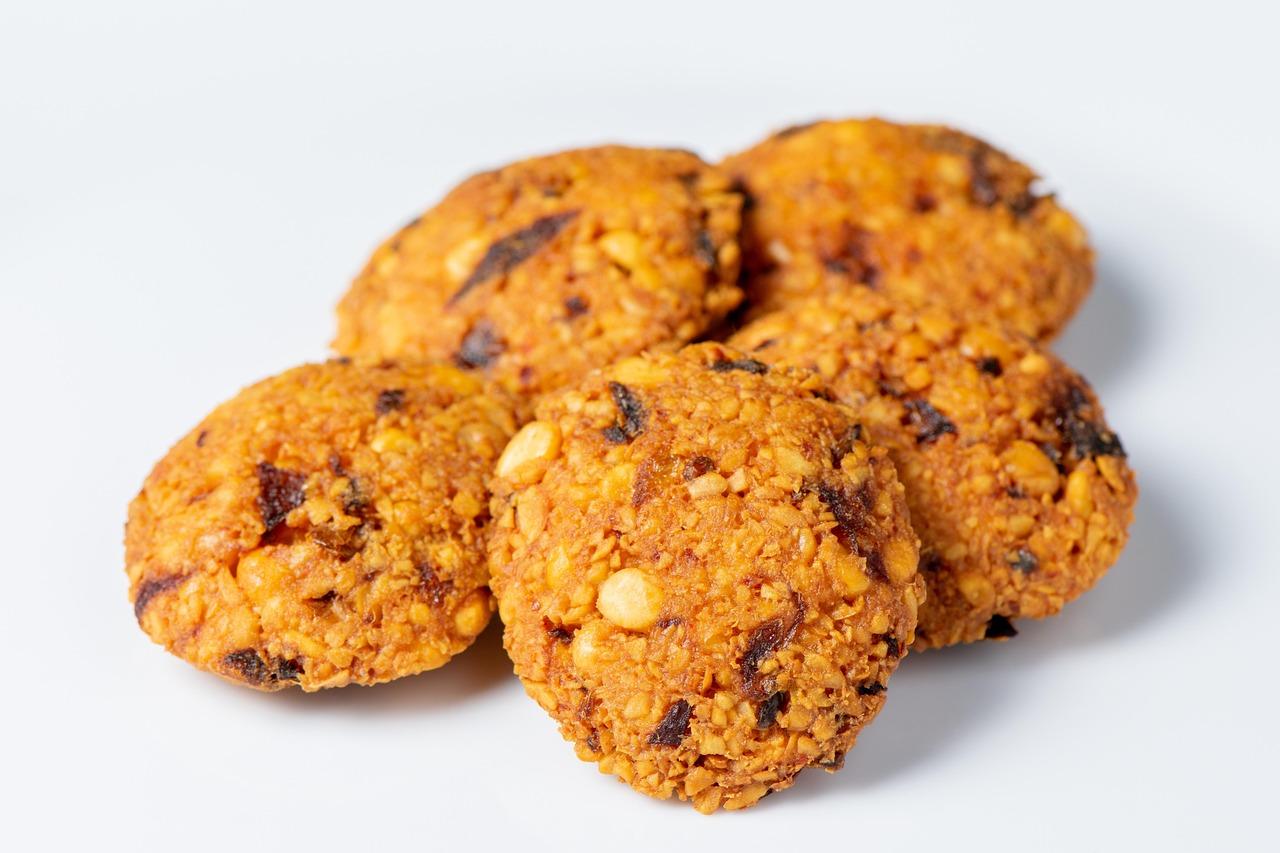
Parippu vadaiCrunchy split pea fritters

Parippu vadai are the crunchy, lumpy fritters sold from glass boxes on Sri Lankan trains and from carts along Colombo's Galle Face Green at sunset, often with a couple of fried prawns pressed on top; ours are the plain vegetarian kind, which are just as common. Soaked yellow split peas (kadala parippu) are coarsely ground with green chilli, onion, curry leaves and fennel, shaped into flat discs and deep-fried until craggy and golden, crisp outside and nubbly within. Eat them hot with a cup of plain tea or a spoonful of seeni sambol. They're different from South Indian medu vada, which are made with smooth black lentil batter. The common mistake is grinding the lentils to a smooth paste; leave plenty of whole and half peas for the crunch. Chef's tip: hold back about a quarter of the soaked peas and stir them in whole after grinding.

by KrazyBadal 0 views

Papelón con limónIced panela and lime drink

Papelón con limón is the cold drink of Venezuela, served in jugs alongside arepas, empanadas and every Sunday lunch, and sold by the glass from street stalls in the heat of Maracaibo and the plains. Papelón is the Venezuelan name for panela, the dark block of unrefined cane sugar; melted into water and mixed with lots of fresh lime, it tastes like a caramel-scented lemonade. The hot Colombian cousin is aguapanela. Chef's tip: dissolve the papelón in warm water first, then chill; it never fully dissolves in cold water and leaves grains at the bottom.

by KrazyBadal 0 views

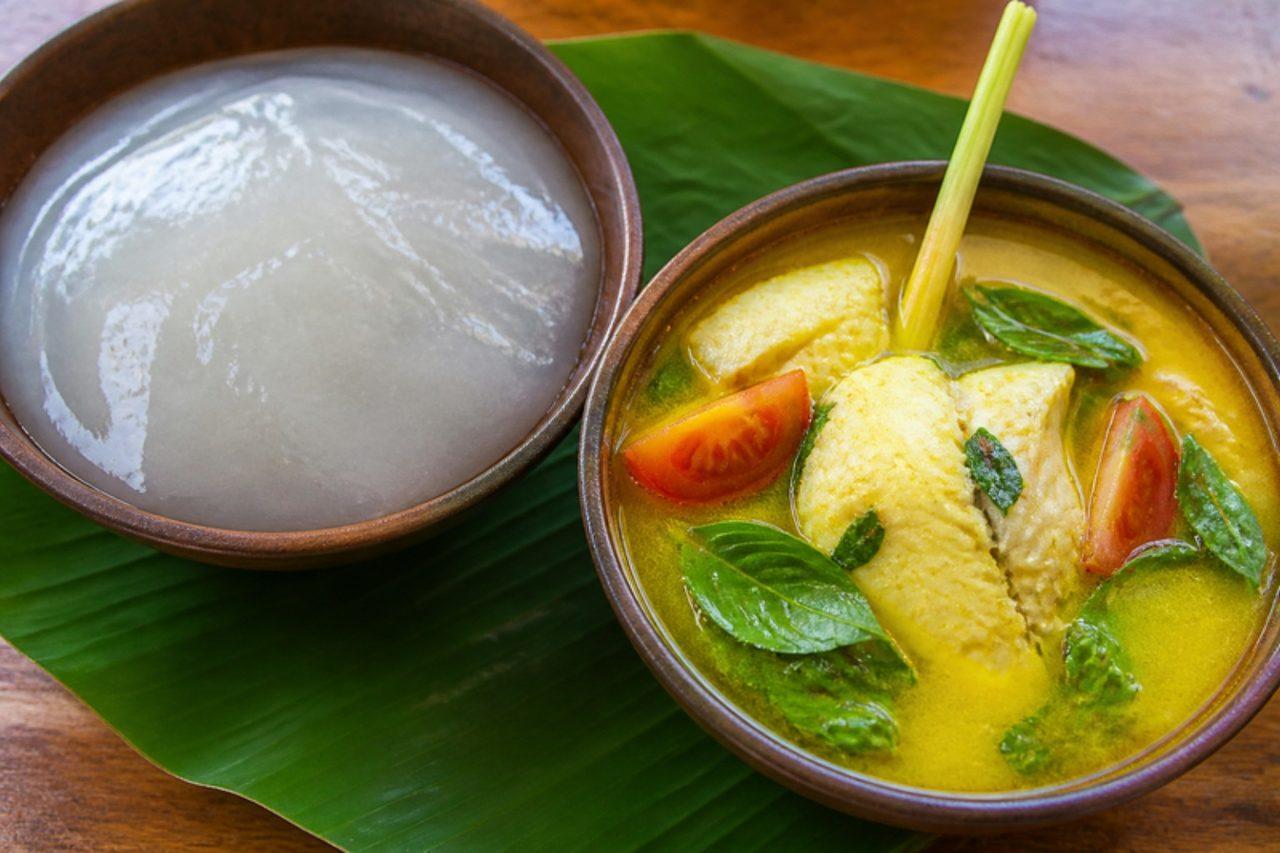
Papeda with ikan kuah kuningSago porridge with fish soup

In Ambon, Jayapura and the islands between, the everyday staple isn't rice but papeda: sago starch stirred with boiling water into a translucent, glue-like porridge. It has almost no taste of its own, which is the point; it's eaten with ikan kuah kuning, a sharp, yellow fish soup bright with turmeric, lime and lemon basil. Families twirl the papeda out of the pot on two sticks, drop it into a bowl and ladle the soup over, then slurp it down without chewing. The texture is surprising the first time: slippery, soft and soothing next to the hot, sour broth. Chef's tip: the water must be at a full rolling boil when it hits the sago, or the papeda stays white and lumpy instead of turning clear.

by KrazyBadal 0 views

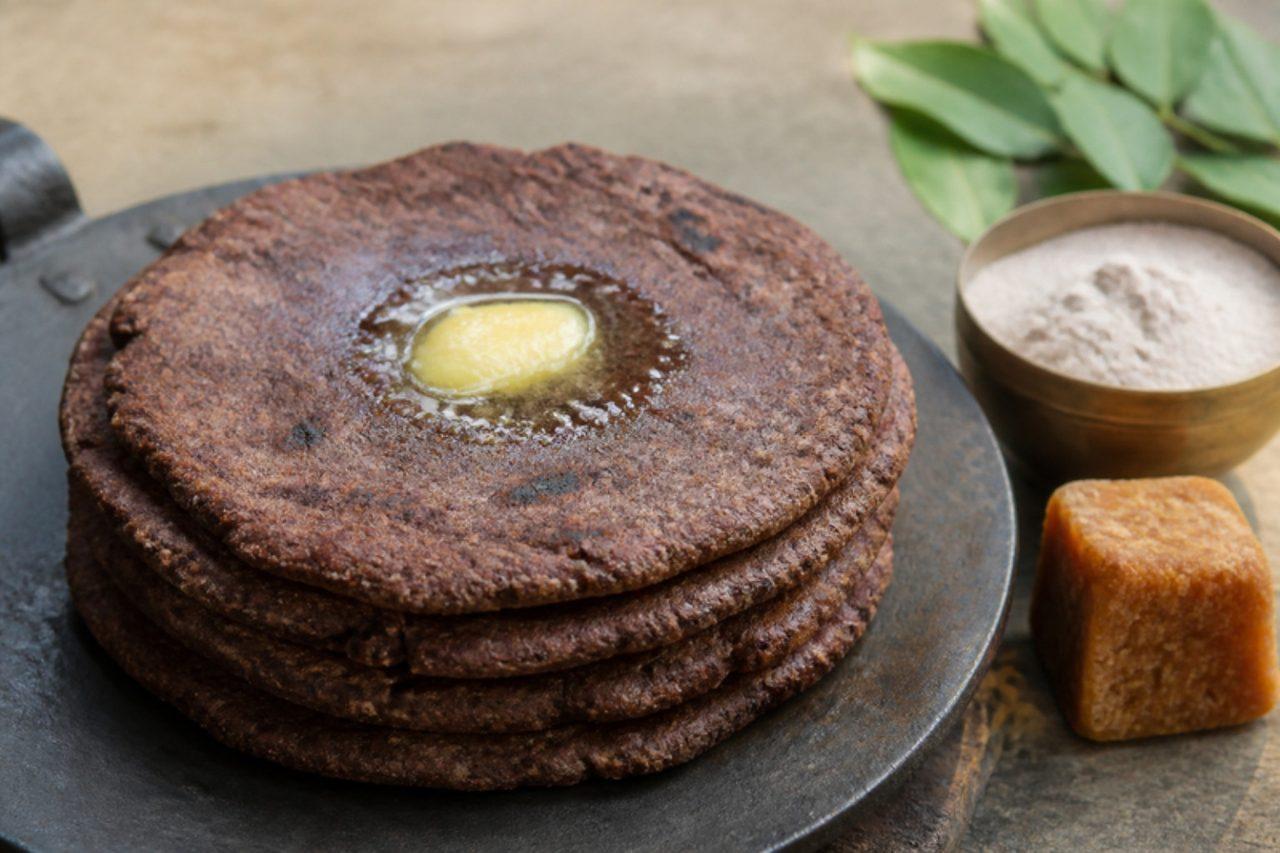
Mandua ki rotiFinger millet flatbread

Mandua, or finger millet, is the grain that hill farmers in Uttarakhand have relied on for generations, and its roti is the staple of a pahadi winter kitchen. The rotis come out dark brown, slightly sweet and earthy, and they are eaten hot from the tawa with a spoon of ghee, kafuli or a bowl of chainsoo, sometimes with jaggery on the side. With no gluten to hold it together the dough is fragile, so cooks pat it out between wet palms rather than rolling it. Chef's tip: knead the dough in two small batches with hot water; millet dough dries and cracks quickly, so the second batch stays fresh while you cook the first.

by KrazyBadal 0 views

Suspiro limeñaCaramel custard with port meringue

Suspiro a la limeña, 'the sigh of a Lima woman', is the city's grand dessert from colonial times, said to have been named by the poet José Gálvez for its sweetness. A thick manjar blanco, milk slowly cooked down to a silky caramel cream and enriched with egg yolks, is topped with a cloud of glossy Italian meringue flavoured with port and dusted with cinnamon. It is very sweet and very rich, so serve it in small glasses. Make it in the morning for the evening. Chef's tip: the manjar is ready when a spoon dragged across the bottom of the pan leaves a clear path for a moment; undercooked, it stays runny and the meringue sinks into it.

by KrazyBadal 0 views

Papdi chaatCrisp wafers with potato and chickpeas

Papdi chaat is the plate Delhi orders without thinking about it, from the stalls outside Bengali Market to wedding buffets. Small, flaky wheat wafers called papdi are laid flat, topped with potato and chickpeas, drowned in sweetened yogurt and streaked with tamarind and green chutney, so you get crunch and creaminess in the same spoonful. Homemade papdi, crisp with ajwain, are far better than shop ones and keep for a week in a tin, though bought papdi will do on a busy day. Chef's tip: rub the oil into the flour until it holds together when squeezed; that shortening is what makes the papdi flaky rather than hard.

by KrazyBadal 0 views

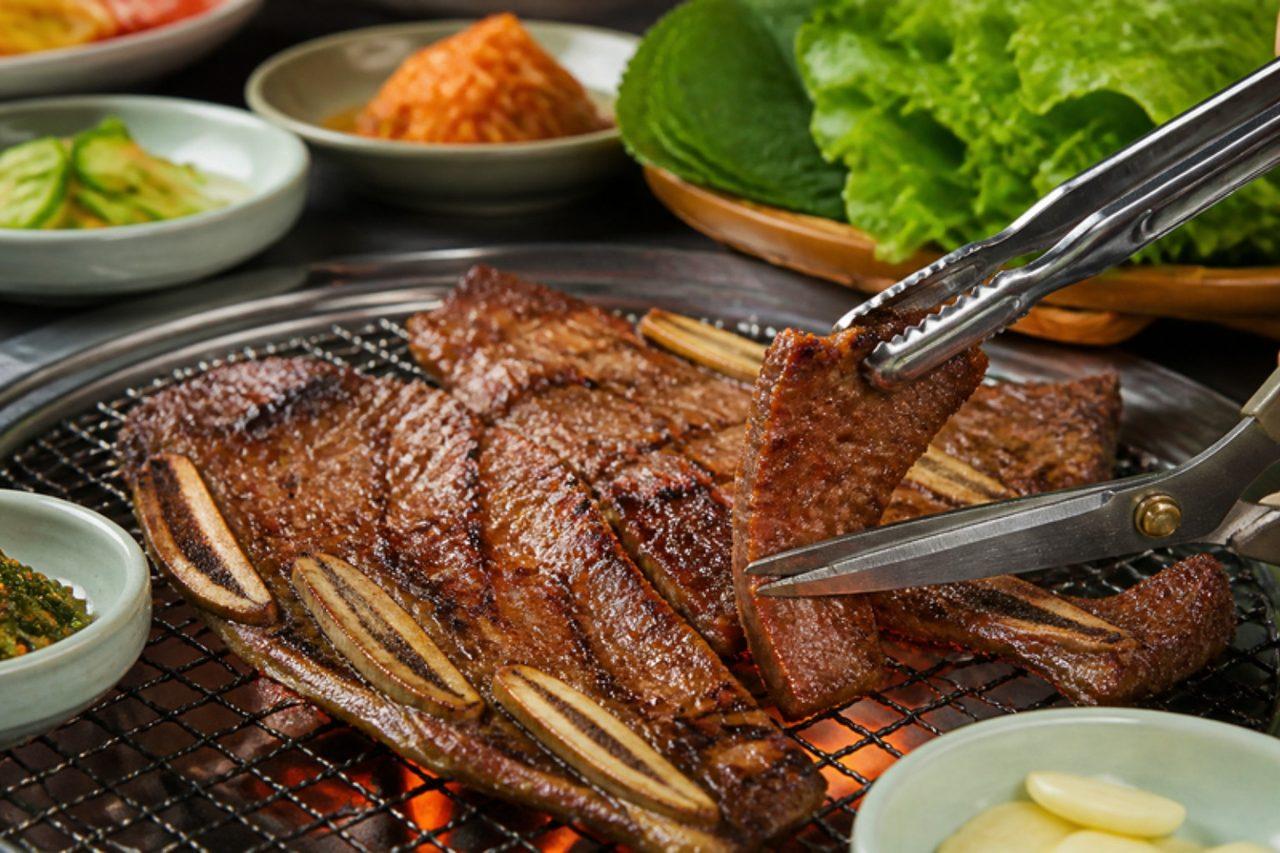
Suwon galbiGrilled beef short ribs

Suwon, south of Seoul in Gyeonggi province, once had one of the largest cattle markets in Korea, and its galbi houses grew up around that trade. The city's style is unusual: the long, butterflied short ribs are seasoned mainly with salt, garlic and sesame oil rather than the soy marinade most people know. Families and office groups grill them at the table over charcoal, snip them into pieces with scissors and wrap each bite in lettuce with ssamjang and raw garlic. At home a ridged griddle pan or a barbecue does the job well. Chef's tip: score the opened-out meat lightly in a criss-cross pattern on both sides, so the salt seasoning soaks in and the ribbon of meat stays flat on the grill.

90 minKoreanMeat
by KrazyBadal 0 views

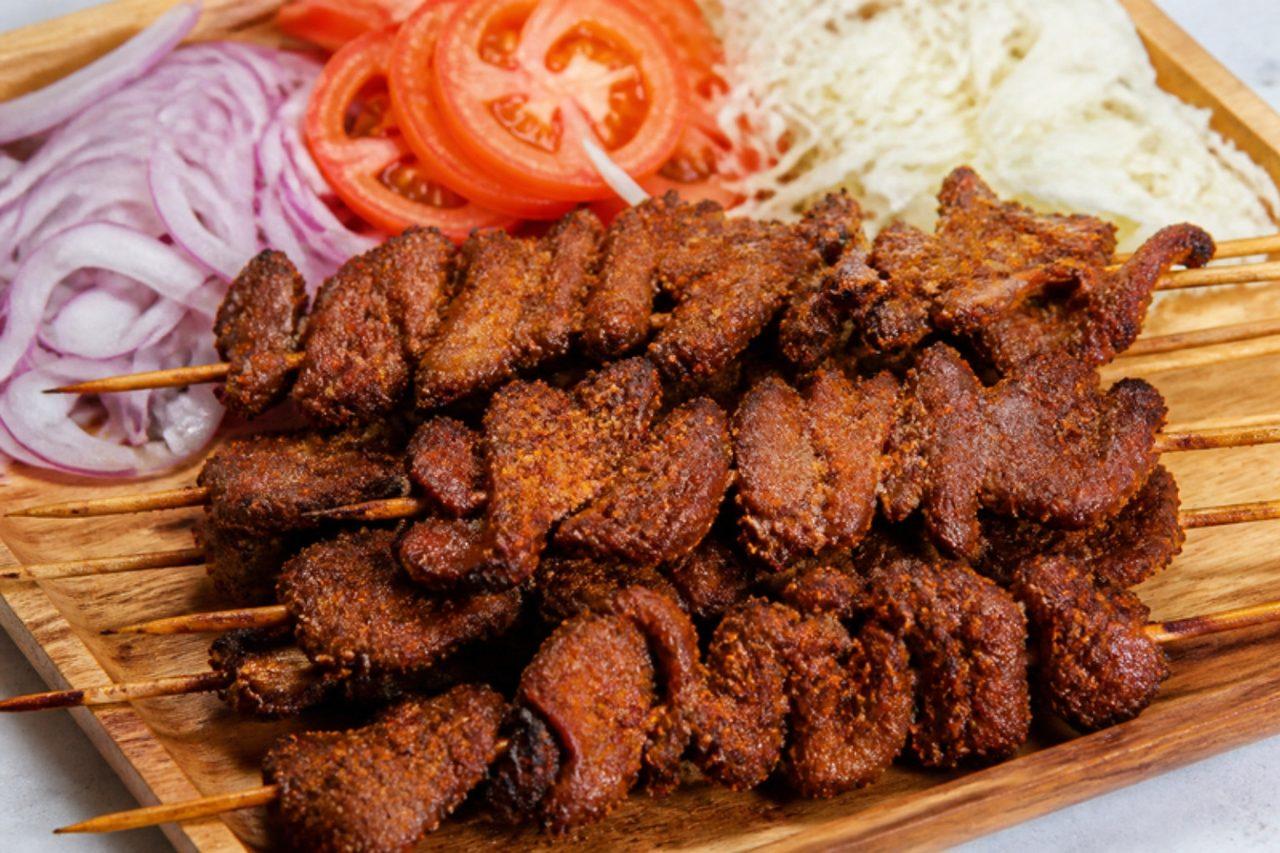
SuyaSpiced beef skewers

Suya comes from the Hausa north, from Kano and Kaduna, but now every Nigerian city has a mai suya grilling beef over charcoal by the roadside once the sun goes down. Thin slices of beef are threaded onto skewers, rubbed with yaji, a fiery mix of roasted peanut powder, chilli, ginger and stock spices, and grilled until charred at the edges. It comes wrapped in newspaper with sliced raw onion, tomato and extra yaji for dipping. The common mistake is cutting the beef thick; it needs to be thin enough to see light through, so it cooks fast and stays tender. Chef's tip: put the beef in the freezer for 30 minutes first, and it will slice wafer thin with ease.

by KrazyBadal 0 views

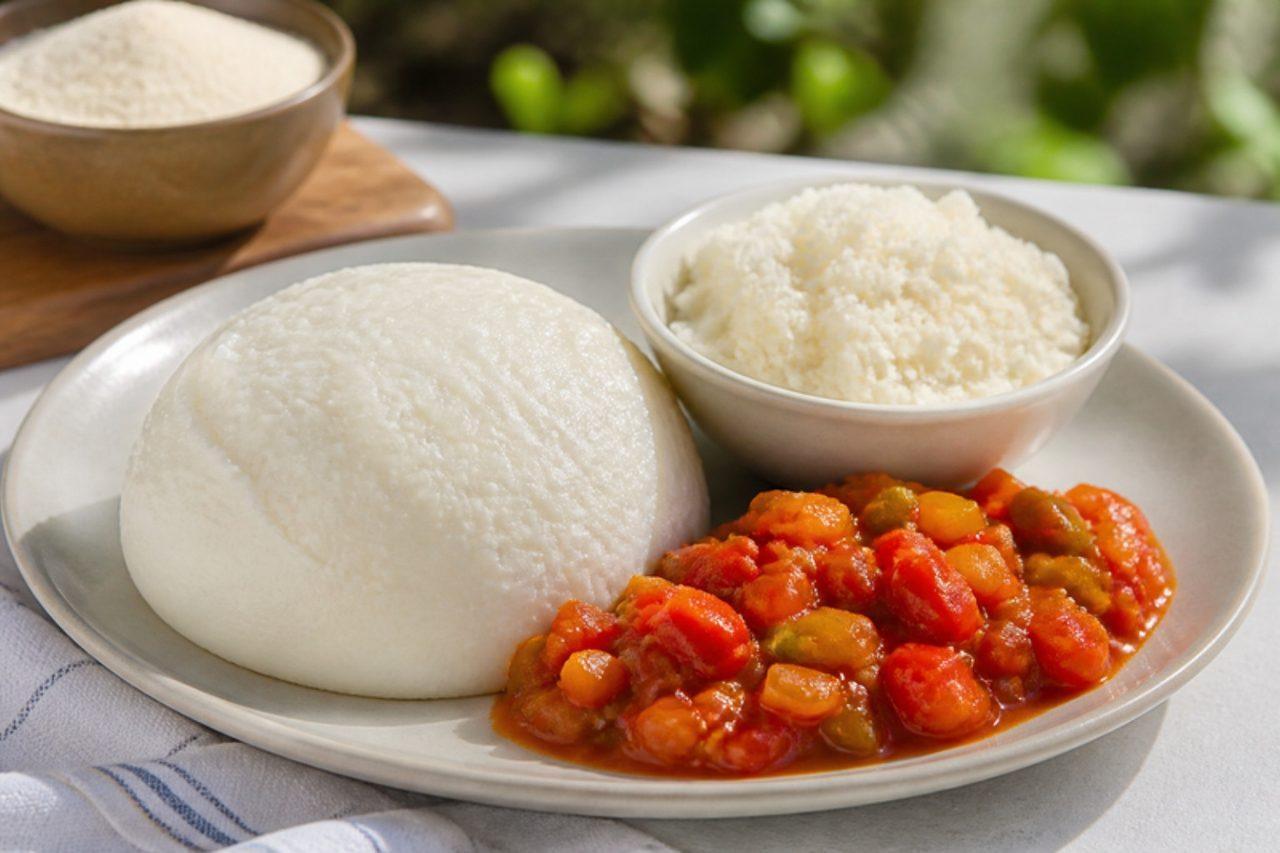
Pap (stywe pap and krummelpap)Maize porridge

Pap is the everyday staple of South Africa, eaten in Soweto kitchens and Limpopo villages at almost every evening meal, and in a three-legged pot at every braai. It is plain white maize meal cooked in water, in two main styles: stywe pap (stiff pap), smooth enough to roll into balls and dip into relish, and krummelpap (crumbly pap), steamed into dry, fluffy crumbs. Both are eaten with chakalaka or a tomato-and-onion sauce. Chef's tip: wet the meal to a paste before it hits the boiling water, or you'll be fighting lumps for the next 20 minutes.

by KrazyBadal 0 views

Pão de ló de OvarMolten-centred sponge cake

Pão de ló is Portugal's oldest sponge cake, made with nothing but eggs, sugar and a little flour, and every region claims its own. In Ovar, a town on the lagoon coast south of Porto, it is baked only briefly, so a thin golden crust hides a centre of barely set, glossy egg cream that oozes when cut. It is the cake for Easter, when godparents give it to their godchildren, and it is sold all year at the town's bakeries wrapped in the paper it was baked in. Eat it at room temperature with a spoon, on its own or with a glass of port. Chef's tip: whisk the eggs and sugar for a full 12–15 minutes until the mixture is very thick and white; that air is the only thing that lifts the cake.

by KrazyBadal 0 views

Panqueques con dulce de lecheCrêpes with dulce de leche

In Argentina and Uruguay, panqueques are not fluffy American pancakes but thin crêpes, and the classic way to eat them is rolled around dulce de leche, often as the dessert at a neighbourhood parrilla or on a rainy Sunday afternoon at home. Some restaurants sprinkle them with sugar and caramelise the top with a hot iron; at home a dusting of sugar is enough. Chef's tip: rest the batter for 20 minutes so the flour relaxes and the crêpes come out thin and tender rather than rubbery.

by KrazyBadal 0 views

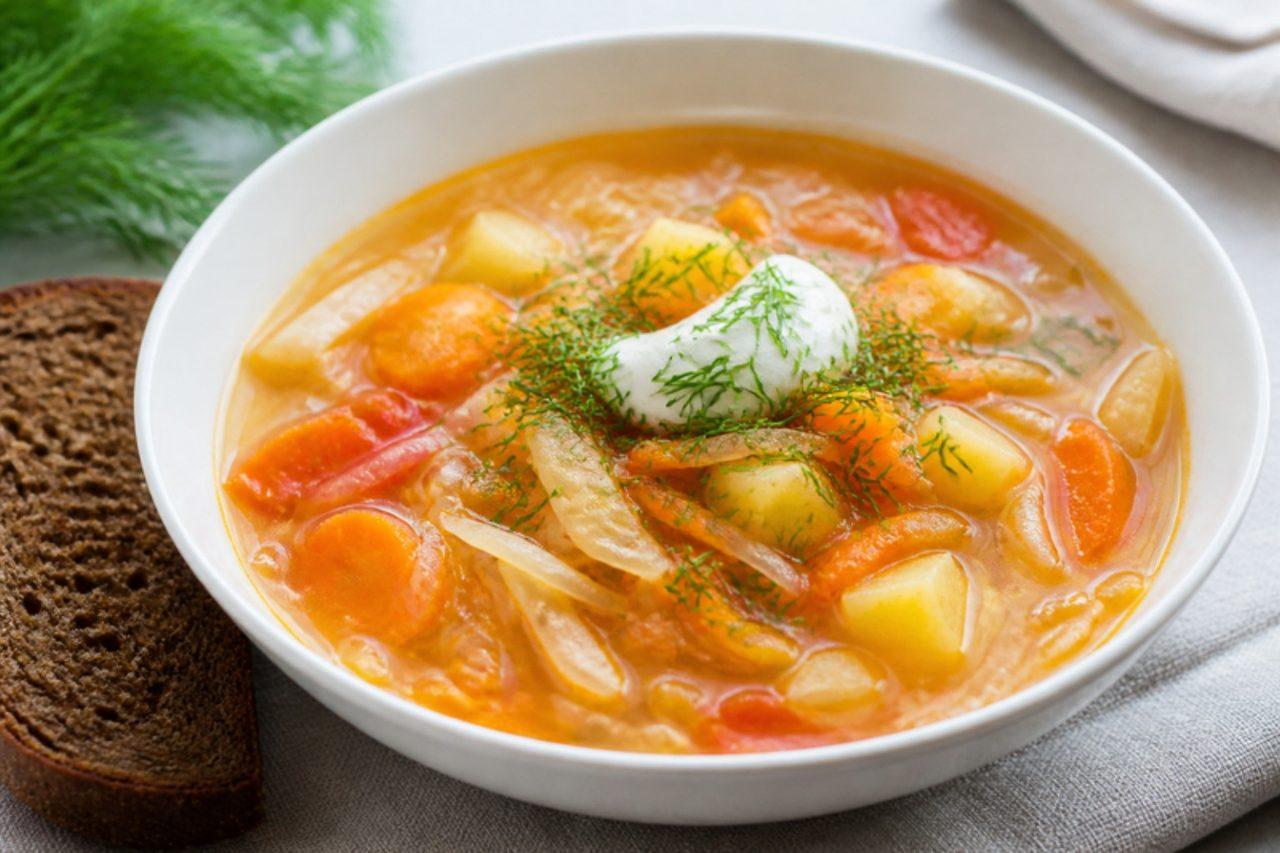
ShchiFresh cabbage soup

Shchi is the oldest soup in Russian cooking, the one the proverb pairs with porridge: 'shchi da kasha, pishcha nasha' (shchi and kasha, that's our food). In villages from Vologda to Ryazan it was left to mellow in the warmth of the big masonry stove, and in summer and early autumn it is made with fresh young cabbage rather than the sour winter version. Unlike Ukrainian kapusniak there is no sauerkraut or millet here: just sweet cabbage, root vegetables, tomato, bay and dill, with a cold spoon of smetana stirred into each bowl. Chef's tip: shchi tastes better the next day, so make it a day ahead and reheat gently.

by KrazyBadal 0 views

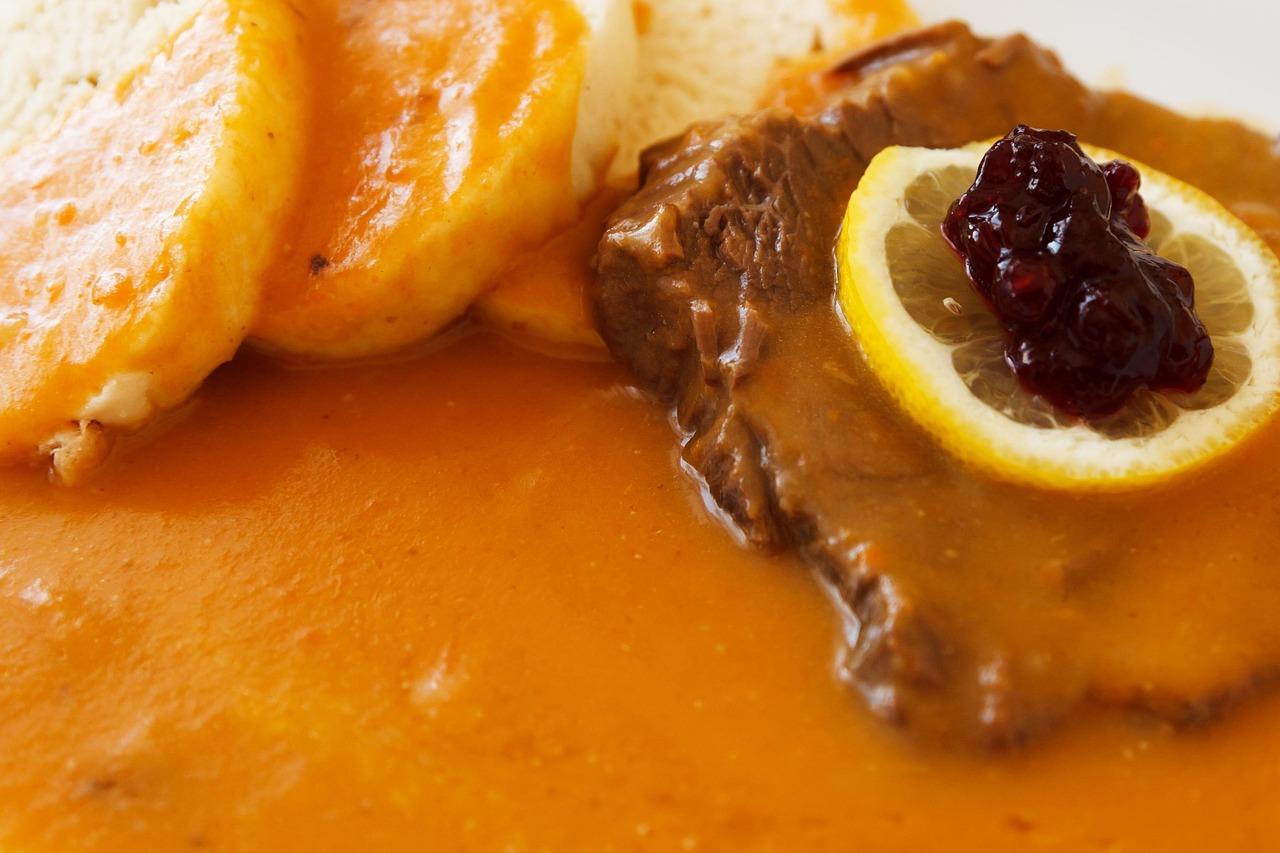
Svíčková na smetaněBeef in creamy vegetable sauce

Svíčková is the dish Czech families make for weddings, name days and big Sunday lunches, and in Prague pubs it appears on the menu as the proud centre of the week. Beef is marinated for a day or two with root vegetables and spices, slow-roasted, and the vegetables are then blended into a smooth, sweet-sour cream sauce. It is always served the same way: sliced beef, a pool of sauce, bread dumplings, a spoonful of cranberry sauce, a twist of whipped cream and a slice of lemon. Many cooks under-season the sauce; it should taste clearly of vinegar, sugar and allspice, not just cream. The optional smoked bacon that flavours the vegetables is pork; leave it out and the sauce is still rich. Chef's tip: blend the sauce until completely velvety, then push it through a sieve; that silky finish is what makes svíčková special.

220 minCzechMeat
by KrazyBadal 0 views

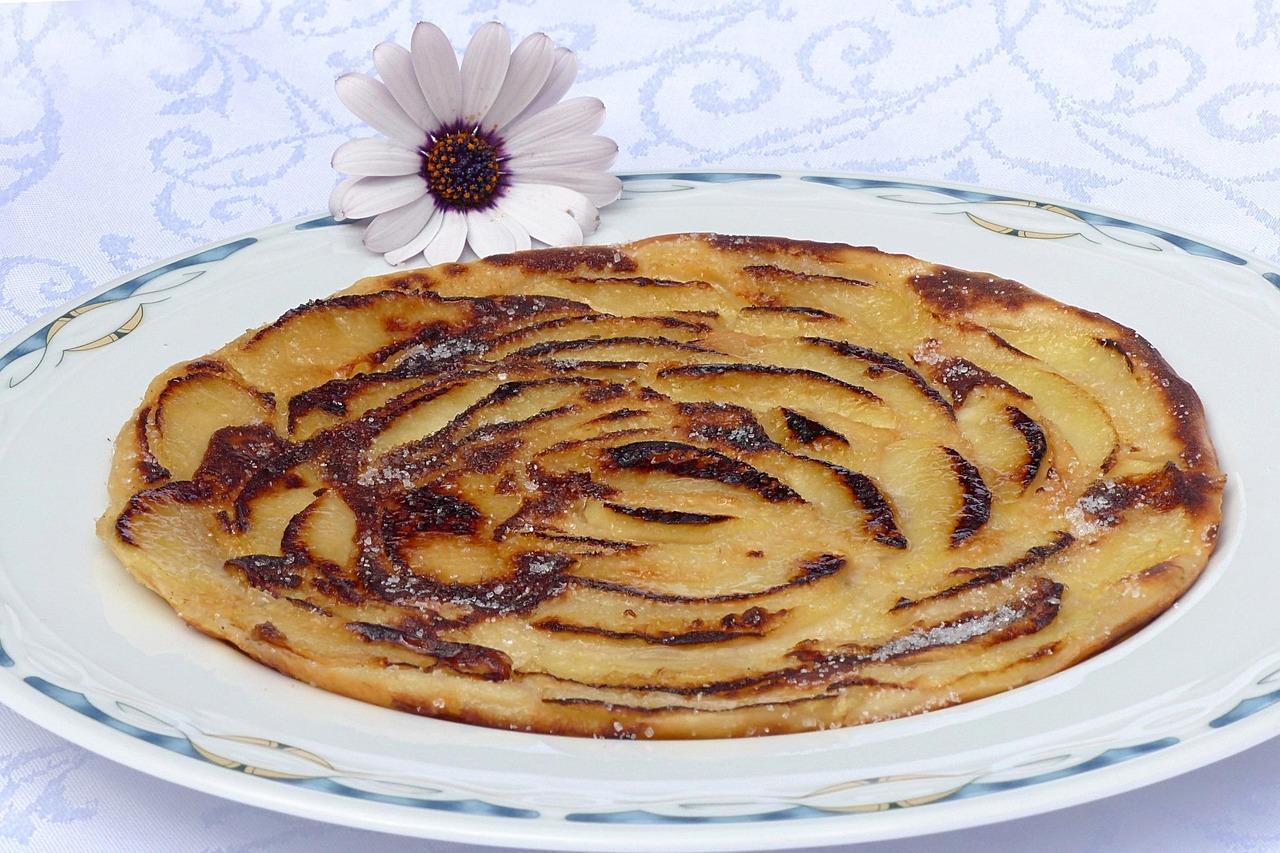
PannenkoekenDutch dinner pancakes

Dutch pannenkoeken are a meal, not a dessert: plate-sized, thicker than a French crêpe, and eaten for dinner with whatever has been baked straight into the batter. A pannenkoekenhuis in Amsterdam or by the dunes in Zeeland will offer dozens of fillings, but at home the favourites are apple (appel), young Gouda (kaas), or the two together, all finished with a thread of dark syrup (stroop). Kids eat them rolled up by hand. Chef's tip: lay the apple slices or cheese in the pan first and pour the batter over them, not the other way round; the fruit caramelises against the hot pan and the cheese becomes a crisp golden lace.

by KrazyBadal 0 views

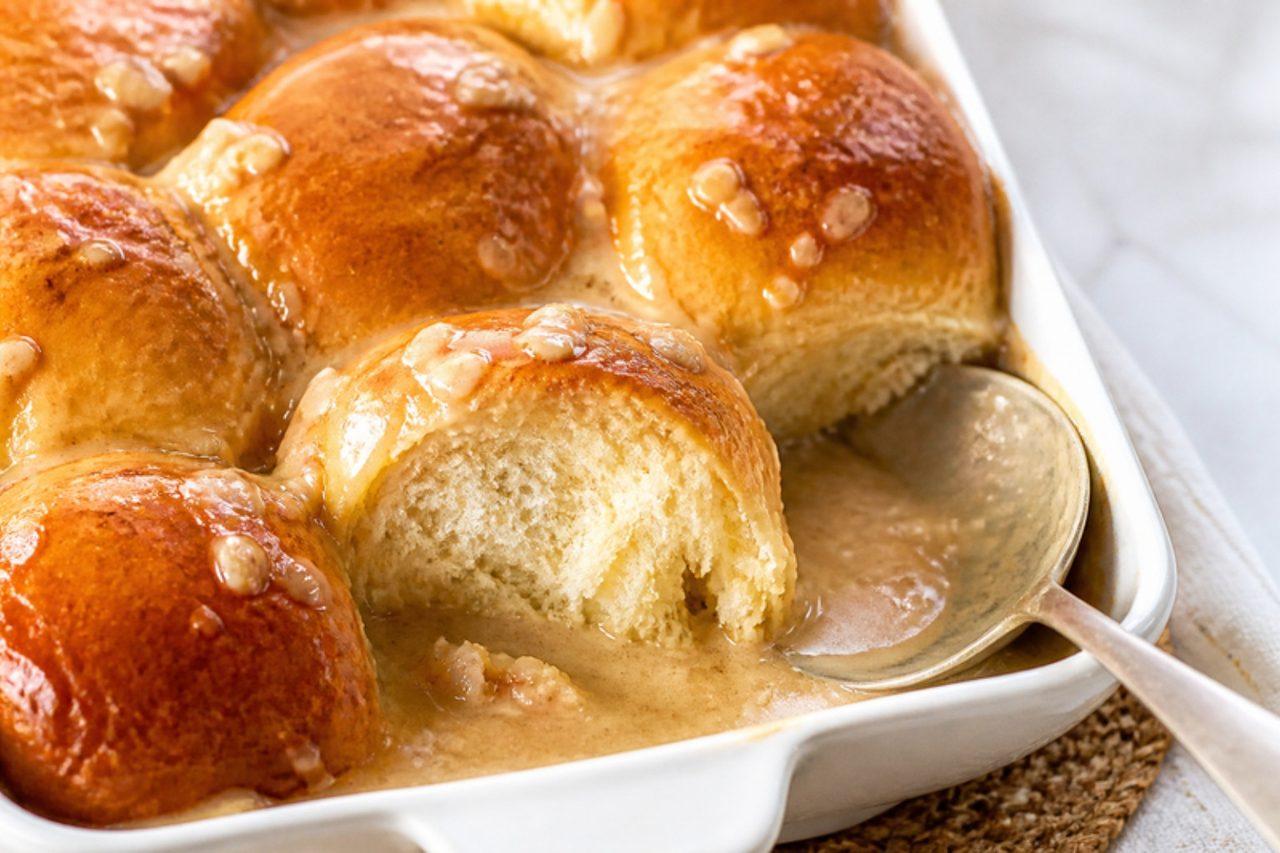
PanipopoSweet rolls in coconut sauce

Panipopo (from 'pani', bun, and 'popo', coconut) are soft, sweet bread rolls baked sitting in a pool of coconut milk and sugar, which bubbles into a sticky, caramel-coloured sauce around them. Samoan families bake them for Sunday lunch, fundraisers and church gatherings, and they've spread to Samoan communities in Auckland and Hawaii. Served warm with the sauce spooned over, they're somewhere between a cinnamon roll and a pudding. Chef's tip: pour the coconut sauce around the rolls just before baking, not hours ahead, or the bottoms go soggy instead of sticky.

by KrazyBadal 0 views

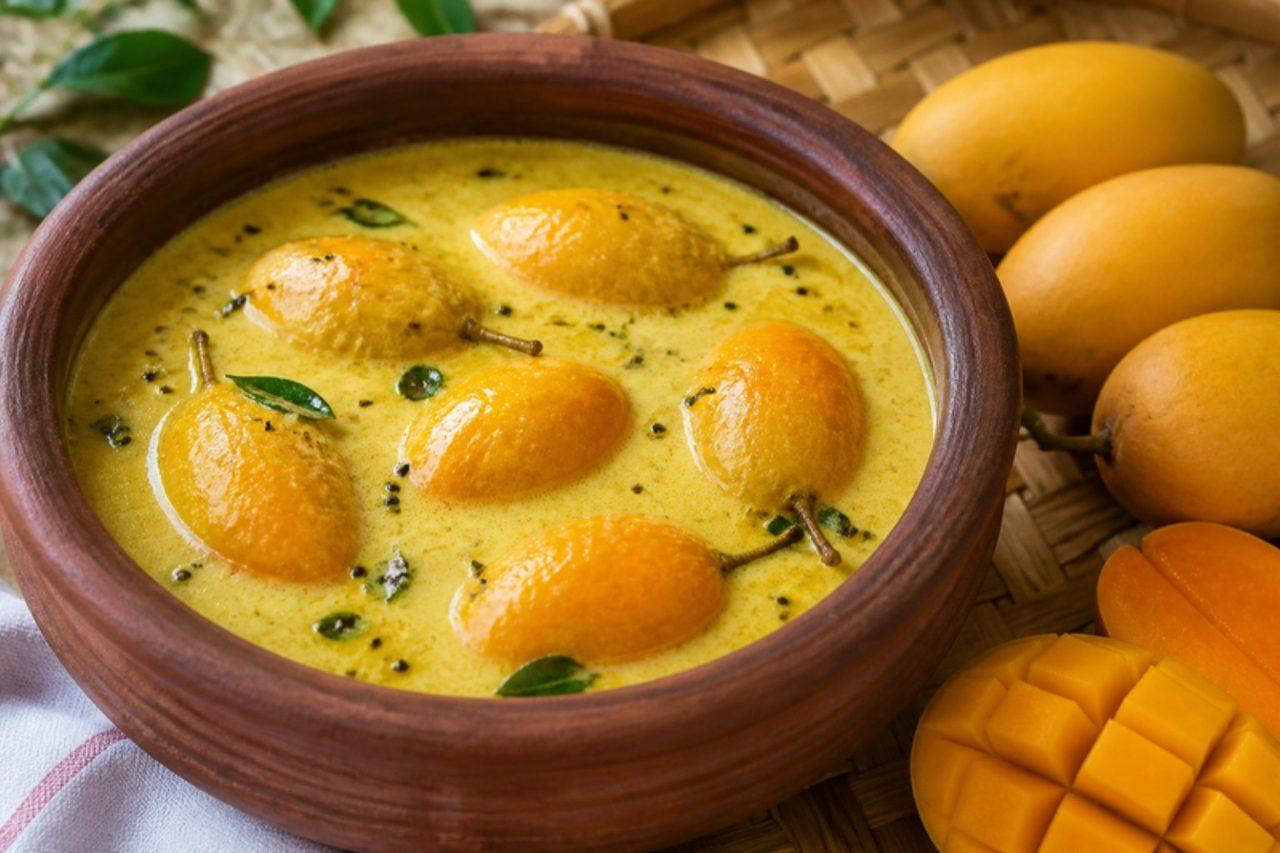
Mambazha pulisseryRipe mango yogurt curry

Mambazha pulissery appears in Kerala kitchens in April and May, when small, fragrant village mangoes fall from the trees, and it is often on the Vishu sadya. Whole small ripe mangoes, or chunks of bigger ones, are simmered with jaggery and chilli until syrupy, then loosened with a coconut-cumin paste and lightly soured yogurt. Unlike kalan, it stays thin and pourable: sweet, tangy and mildly hot, with the fenugreek tempering on top. Pour it over rice, with a thoran on the side. Chef's tip: use very ripe, slightly fibrous mangoes; firm ones make it sour and the sweetness never comes through.

by KrazyBadal 0 views

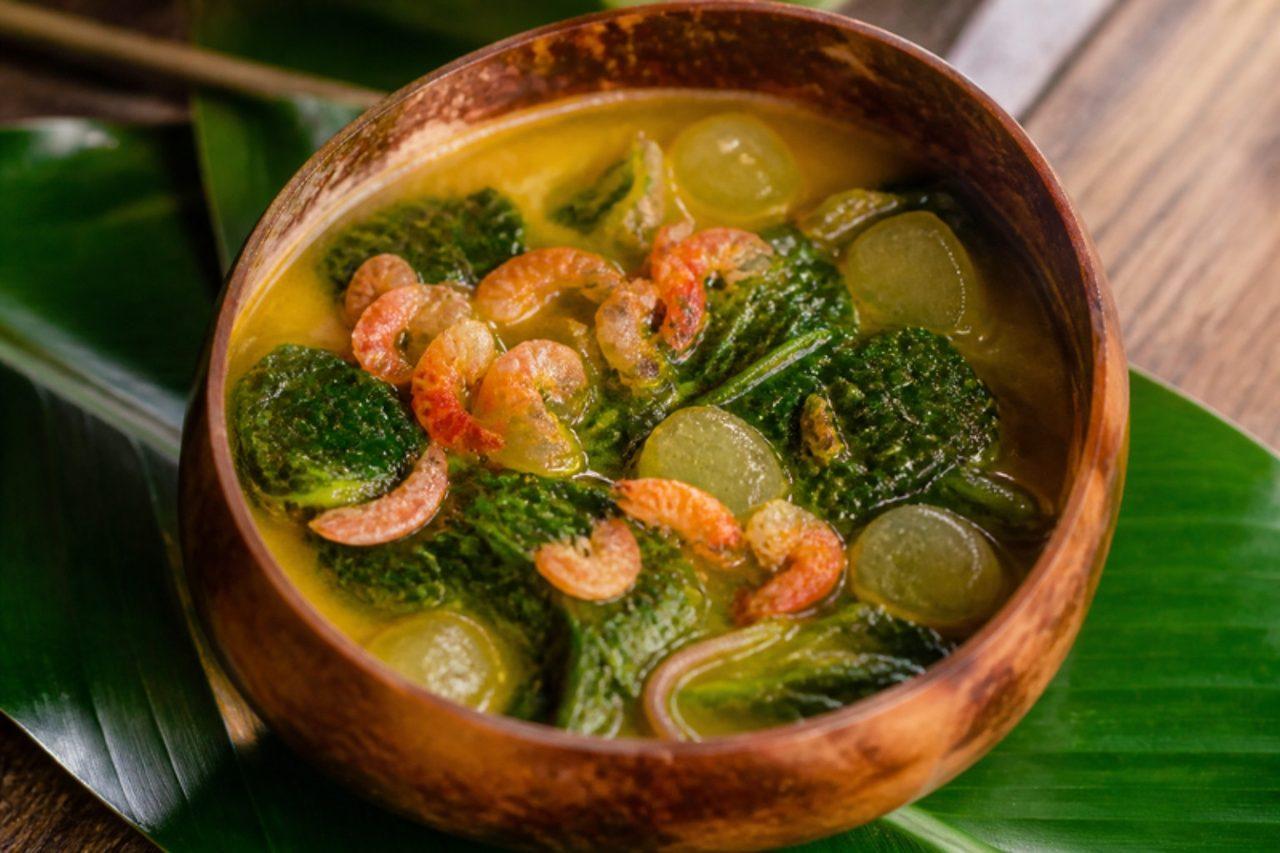
TacacáHot tucupi broth with shrimp

Around four in the afternoon in Belém, capital of Pará, the tacacazeiras open their street stalls and people queue for tacacá, served scalding hot in a cuia, a bowl made from a dried gourd. The broth is tucupi, the sour yellow juice of wild manioc, with a spoonful of tapioca gum, dried shrimp and jambu, an Amazon herb whose leaves make your lips and tongue tingle and go pleasantly numb. You drink the broth straight from the bowl and pick out the rest. Tucupi is sold cooked and bottled (or frozen) in Brazilian shops; it must be properly boiled before eating, which is explained in the steps. Chef's tip: soak and briefly boil the dried shrimp before they go in; straight from the bag they make the broth far too salty.

by KrazyBadal 0 views

TacachoMashed roasted green plantain balls

Tacacho is the breakfast of the Peruvian Amazon, from Tarapoto to Iquitos: green plantains roasted over coals, mashed with fat and salt and shaped into balls. There it comes with cecina (smoked pork) and is mashed with lard and crackling; this vegan tacacho uses good oil and a pinch of smoked paprika for the same savoury, smoky depth. The balls are dense, chewy and starchy, crisp at the edges where the plantain charred, and they are eaten hot with a fiery chilli sauce or alongside stews. Use plantains that are fully green and firm. Chef's tip: mash the plantains while they are still very hot; as green plantain cools its starch sets and it won't bind into a smooth ball.

by KrazyBadal 1 views

MămăligăCornmeal mush

Mămăligă is the golden cornmeal staple of the Romanian countryside, from the hill villages of Oltenia to the farms of Maramureș, where it was once eaten more often than bread. It is cooked in water until thick enough to hold a spoon upright, turned out onto a wooden board and cut with a thread, then eaten hot with crumbled salty brânză and a cold spoon of smântână (soured cream). Unlike Ukrainian banosh, which is cooked in sour cream, mămăligă is plain cornmeal and water; the richness goes on top. It sits beside stews such as tocăniță or under a fried egg for supper. Chef's tip: rain the cornmeal in through your fingers while whisking, and keep stirring from the bottom; dumping it in at once is the classic mistake that leaves raw, gritty lumps.

by KrazyBadal 0 views

PandesalSoft bread rolls

Pandesal is the bread of the Filipino morning: small, soft, slightly sweet rolls with a fine breadcrumb coating, bought hot at dawn in brown paper bags from the neighbourhood panaderia (bakery) and eaten before school or work. They are torn open and filled with butter, cheese or peanut butter, or dunked straight into a cup of coffee, and at night the leftovers are toasted. Despite the name ('salt bread'), they are gently sweet, with a pillowy crumb and a thin crust. Home-made ones are best eaten within hours of baking. Chef's tip: the classic shape comes from rolling the dough into a log, coating it in crumbs and cutting slices, which bake into those familiar oval rolls with cut sides up.

by KrazyBadal 0 views

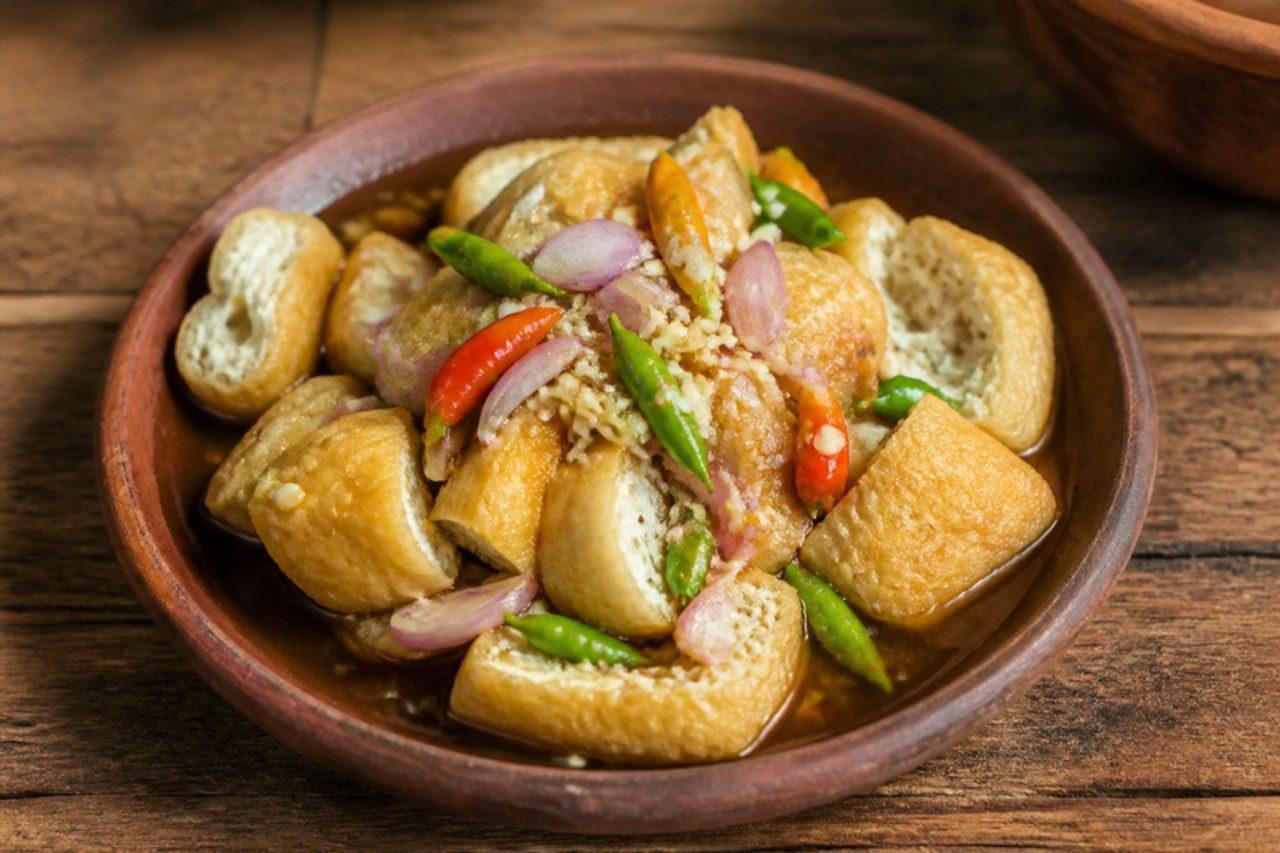
Tahu gejrotFried tofu in sweet-sour sauce

Tahu gejrot is street food from Cirebon on the north coast of West Java, where vendors carry their kit on a shoulder pole and serve it in little clay plates called cobek. Hollow fried tofu puffs are snipped into pieces and drenched in a runny palm sugar and tamarind sauce, poured over freshly crushed garlic, shallot and bird's eye chilli. It's a mid-afternoon snack: sweet, sour, garlicky and as hot as you can take it, with the puffy tofu soaking up every drop. Chef's tip: crush the garlic, shallot and chilli raw in the serving bowl and pour the sauce over while it's still warm, so the aromatics bloom without losing their bite.

by KrazyBadal 0 views

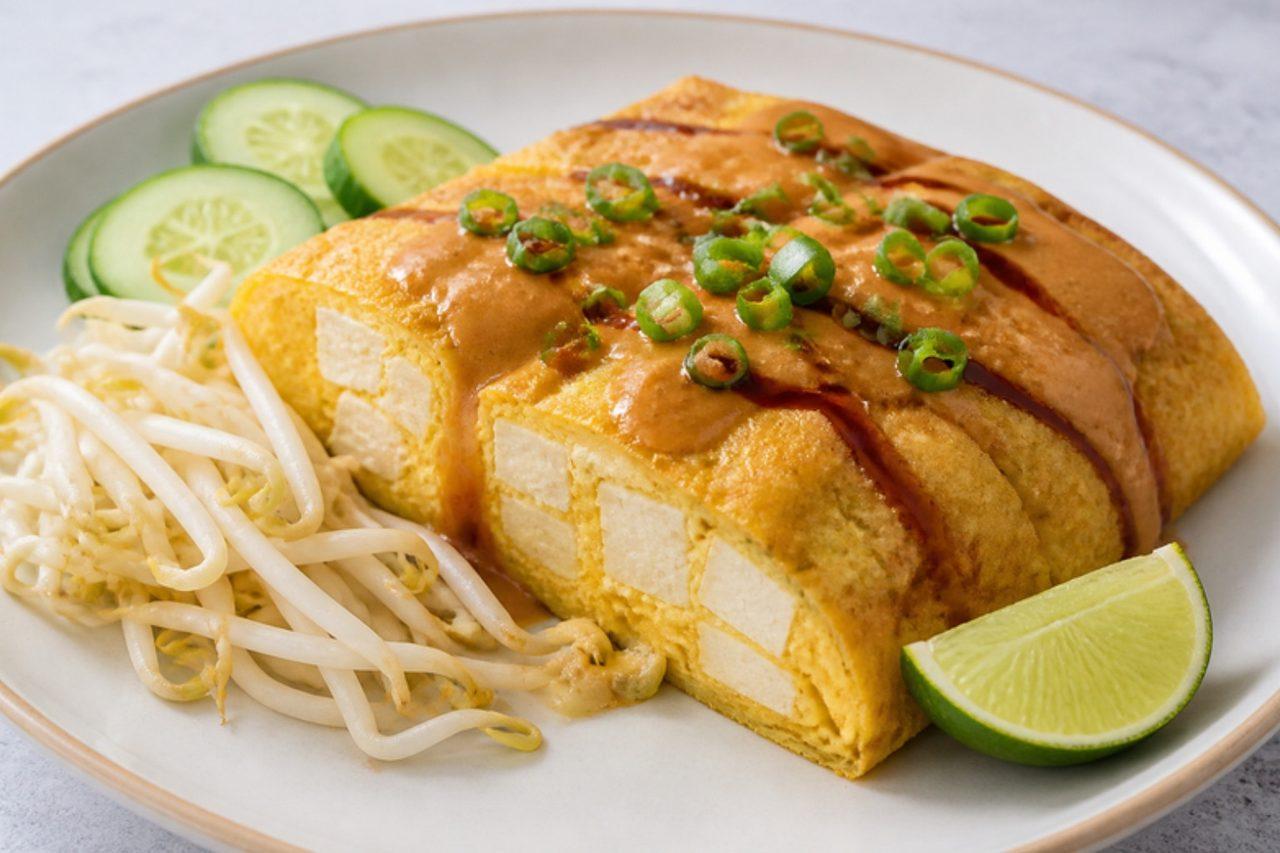
Tahu telurTofu and egg omelette

Tahu telur is a night-market favourite in Surabaya, East Java: cubes of tofu are stirred into beaten egg and fried in a small wok so the omelette rises into a thick, crisp-edged tower. It is topped with bean sprouts, cucumber and a dark sauce of peanuts and sweet soy. Sellers in Surabaya stir shrimp paste (petis) into the sauce; this vegetarian version uses a little extra garlic and kecap manis instead. Eat with rice or lontong for a filling supper. Chef's tip: use a small, deep pan so the egg piles up around the tofu instead of spreading thin.

by KrazyBadal 0 views

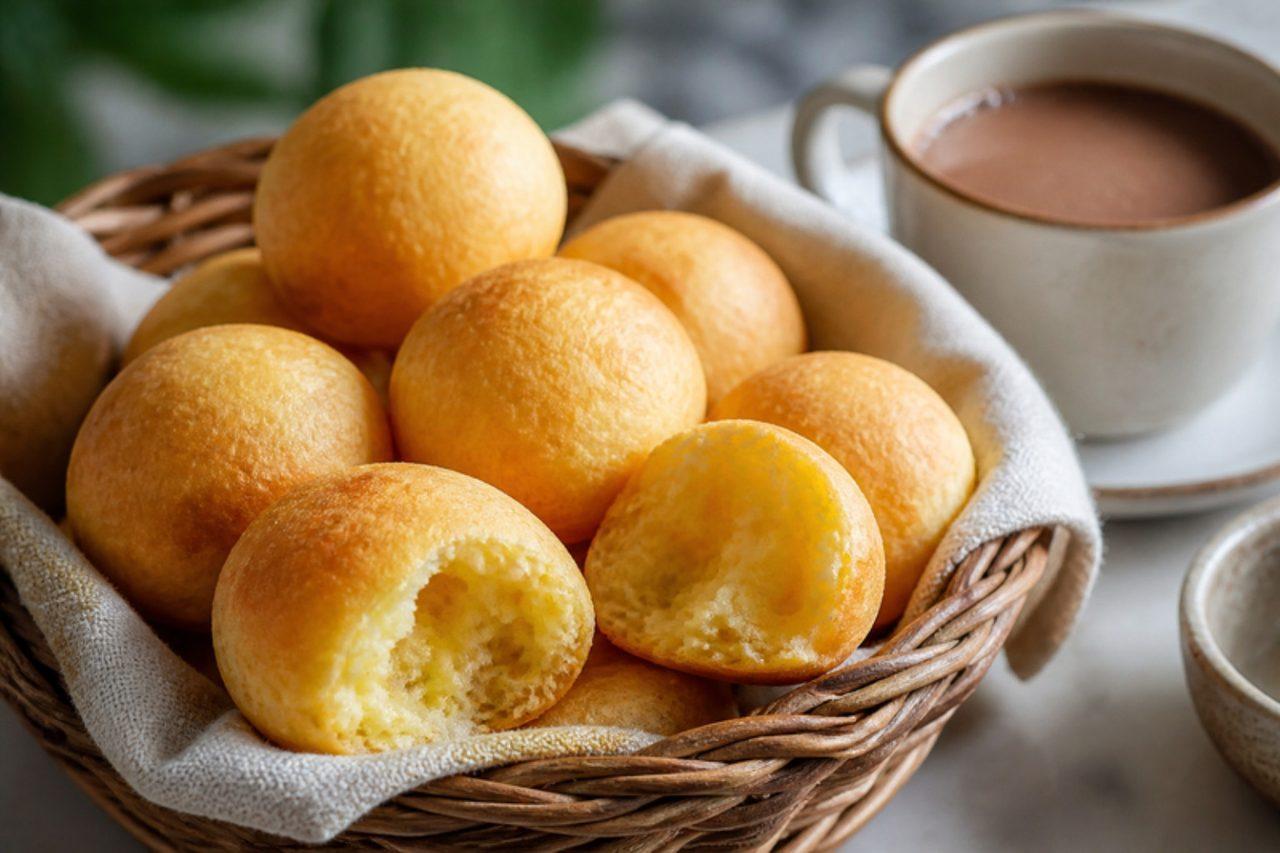
PandebonoCassava starch cheese bread

Pandebono is the warm cheese bread of the Valle del Cauca, the region around Cali, eaten for breakfast or as an afternoon snack (onces) with hot chocolate or a coffee. It looks like Brazilian pão de queijo but tastes different: the dough is cassava starch and a little precooked cornmeal kneaded with lots of crumbly fresh cheese, with no milk or cooking, so the rings bake up with a slightly crisp skin and a soft, stretchy, tangy middle. Chef's tip: shape them into rings or balls and bake them straight away; the dough dries out if it sits.

by KrazyBadal 0 views

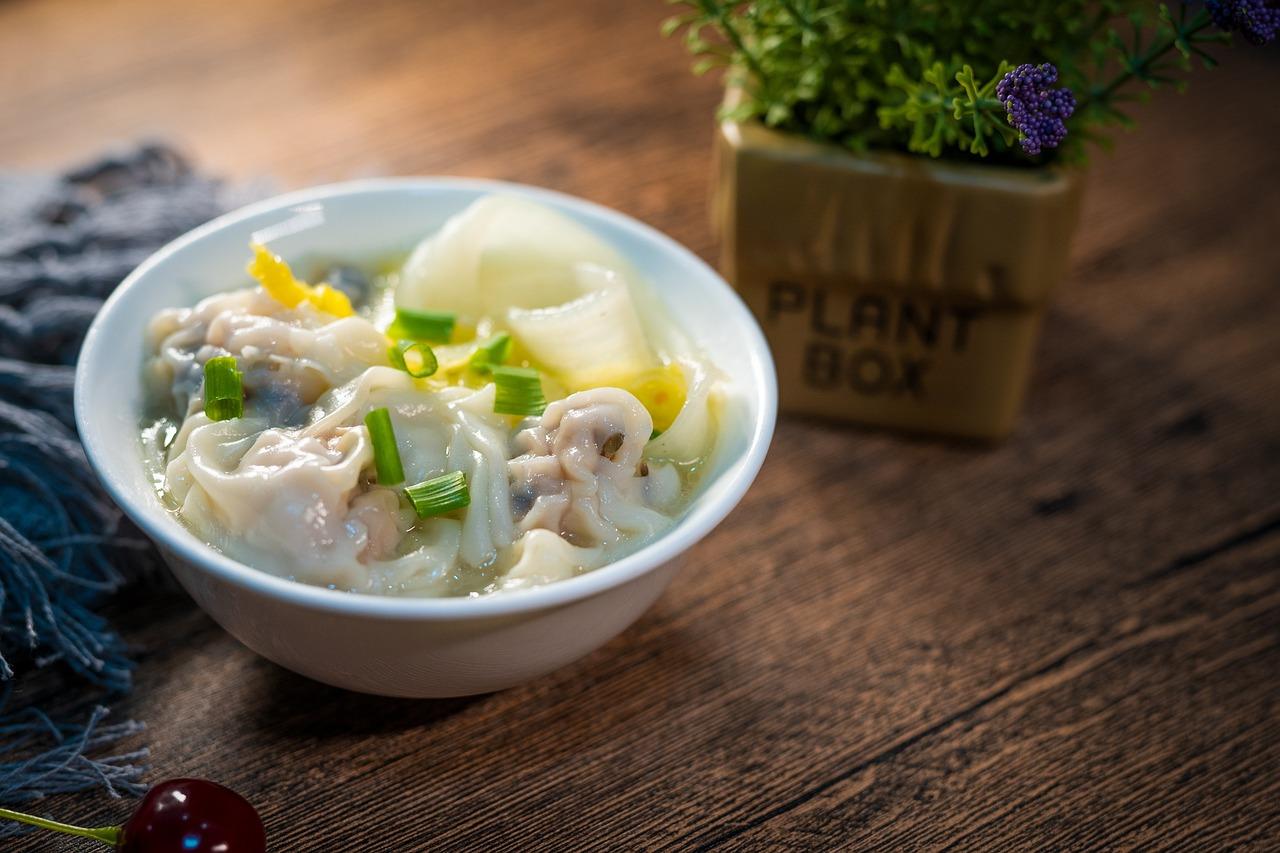
Pancit MoloPork dumpling soup

Pancit Molo is named after the Molo district of Iloilo City, where Chinese traders settled centuries ago. Despite the word pancit, there are no noodles: the wonton wrappers are the 'noodle', folded around a filling of pork and prawns and simmered in a clear chicken broth with plenty of fried garlic. Ilonggo families serve it on rainy days, at fiestas and at Christmas gatherings, often as a starter before the main feast. The broth should be light, the dumplings silky. Chef's tip: let the wrappers trail a loose 'tail' when you fold them; those soft, frilly edges are what make molo different from a tight Chinese wonton.

by KrazyBadal 0 views

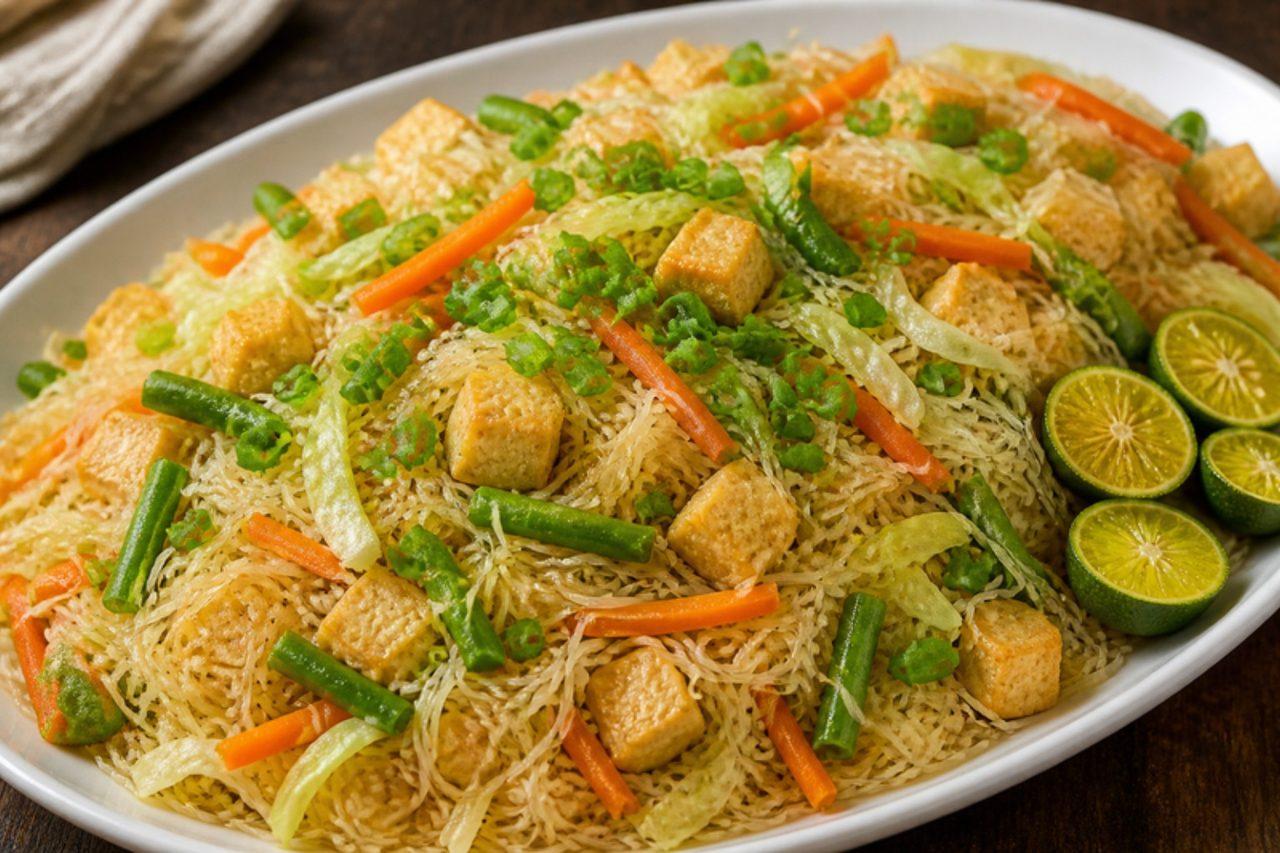
Vegetable pancit bihonRice noodles with vegetables

No Filipino birthday is complete without a big tray of pancit, because long noodles stand for a long life; aunts arrive at the party carrying it in foil trays, and it sits on the table next to the cake. Pancit bihon uses thin rice vermicelli tossed with sautéed vegetables and a soy-seasoned stock until the noodles drink up every drop and turn light brown and glossy. This version is vegetarian, with fried tofu standing in for the usual chicken, shrimp and sausage, and vegetable stock in the pan. Squeeze calamansi (or lime) over each plate; the sharp citrus is what lifts it. Chef's tip: never cut the noodles before serving, for luck, and cook them in the stock rather than boiling them first.

by KrazyBadal 0 views

Taiwanese dan bingEgg crepe rolls

Every morning, breakfast shops on almost every block in Taiwan (zǎocān diàn) pour thin, chewy crêpes onto a flat griddle, crack an egg over them and roll them up into a soft log in under a minute. Customers order them plain, with corn, with cheese, or with basil, alongside a cup of soy milk or milk tea. The batter uses some tapioca starch, which gives that bouncy, slightly stretchy bite. Chef's tip: spread the egg over the crêpe while the top of the batter is still a little tacky; they bond into one layer and don't split apart when you roll.

by KrazyBadal 0 views

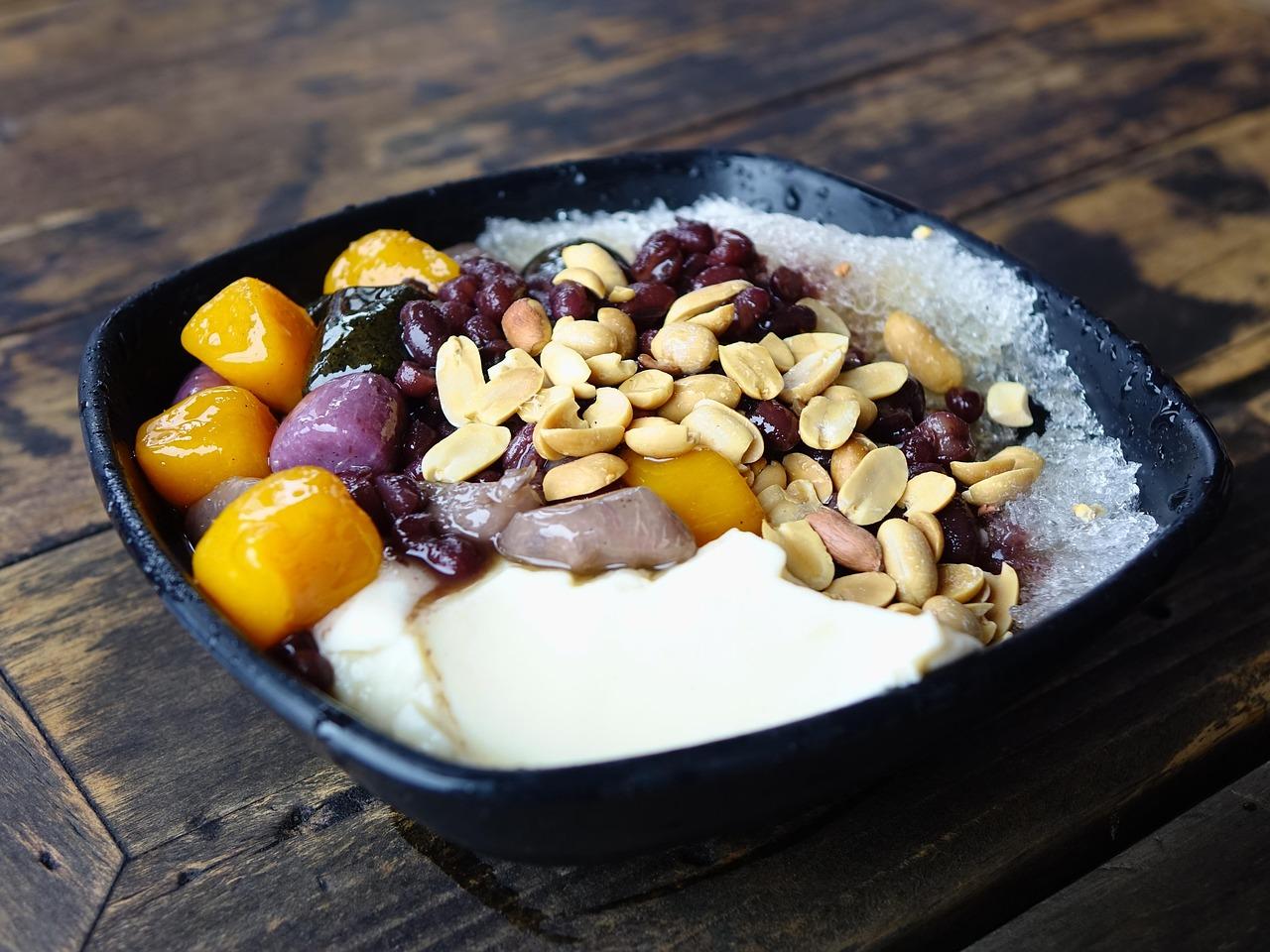
Douhua with ginger syrup and peanutsTofu pudding with ginger syrup

On summer evenings in Tainan and at old shops near Taipei's temples, douhua is ladled in wobbling scoops from a wooden bucket into bowls of cool syrup, then topped with soft-boiled peanuts, red beans or taro balls. In winter the same pudding is served warm with a sharper ginger syrup. It is just soy milk set into the most delicate curd, softer than any tofu you buy. Chef's tip: use a plain, unsweetened soy milk with at least 7% soy solids (or make your own); thin supermarket soy milk won't set properly.

by KrazyBadal 0 views

PallubasaBeef and coconut soup

Makassar's other great beef soup is darker, richer and more coconutty than coto, and locals argue about which is better over late lunches at pallubasa houses near the port. The secret is kelapa sangrai: grated coconut toasted slowly to a deep brown and pounded, which gives the broth a roasted, almost nutty sweetness and a slightly gritty, full body. It's eaten with a mound of plain rice rather than rice cakes, and for the full version you ask for 'alas', a raw egg yolk dropped in the bowl that you stir into the boiling soup until it turns silky. Offal is traditional but optional; tender beef alone is delicious. Chef's tip: the coconut must reach the colour of milk chocolate, not black, because burnt coconut makes the whole pot bitter.

by KrazyBadal 0 views

Pakistani chana chaatChickpea and potato chaat

In Pakistan a bowl of chana chaat is on almost every iftar table during Ramadan, next to the dates, pakoras and a jug of red sherbet, and in Lahore and Karachi street vendors toss it to order all year round in big steel bowls. The Pakistani style is simple and sharp: plump chickpeas and potato with raw onion, tomato, green chilli, lots of coriander and mint, tamarind chutney, lemon juice and a heavy hand of chaat masala, served cold or at room temperature. It is a quick, filling, high-fibre snack. People often mix it too early and the onion goes limp and the potato mushy; dress it no more than 15 minutes before eating. Chef's tip: toss the chickpeas with the chaat masala and salt first, before anything wet goes in, so the spice clings to them.

by KrazyBadal 0 views

Pakhala bhataSoaked rice with curd

Pakhala is Odisha's answer to the summer heat: cooked rice left to soak in water, often overnight so it turns faintly sour, then loosened with curd, salt, lime leaf, cumin and green chilli and eaten cold at midday. The state even celebrates Pakhala Dibasa on 20 March. The rice itself is plain; the pleasure is in the sides, such as badi chura (crushed fried lentil dumplings with onion and mustard oil), fried potato, saga bhaja and roasted aubergine. Chef's tip: for the gently sour basi pakhala, leave the rice in its water at room temperature for 8–12 hours; for dahi pakhala, eat it the same day with more curd.

by KrazyBadal 0 views

Pain perduFrench toast

Pain perdu means 'lost bread', and French families have always made it from the end of a stale baguette or brioche that would otherwise be thrown away. Thick slices are soaked in milk, eggs, sugar and vanilla, then fried in butter until caramelised outside and soft, almost like custard, inside. In France it is more often a Sunday breakfast or goûter for the children than a brunch dish, eaten with a dusting of sugar, jam or fresh fruit. Chef's tip: use bread that is a day or two old; fresh bread is the common mistake and turns soggy and falls apart in the custard.

by KrazyBadal 0 views

Pain à la grecquePearl sugar bread

Despite the name, pain à la grecque is pure Brussels: the 'Greek' is thought to come from the Flemish gracht, the canal next to the old abbey on the Wolvengracht whose monks handed out bread to the poor. Today it is a long, flat stick of cinnamon-spiced bread pressed into pearl sugar and baked until the sugar melts into a crunchy, glassy crust. Brussels bakeries such as those around the Sablon sell it by the slab, and it is eaten with coffee in the afternoon or dunked at breakfast. Chef's tip: press the dough hard into the pearl sugar on both sides; loosely scattered sugar just falls off in the oven.

by KrazyBadal 0 views

Pachi pulusuRaw tamarind soup

Pachi pulusu, 'raw stew', is Telangana's summer cooler: a no-cook tamarind water stirred with jaggery, finely sliced raw onion and green chilli, finished with a hot mustard-seed tempering. In the heat of April and May in villages around Warangal and Karimnagar, families pour it over hot rice with a spoonful of dal or a spicy fry, and it wakes up appetites dulled by the sun. Some add a smoky roasted brinjal mashed in, which gives it body. Sweet, sour and sharp at once, it takes ten minutes. Chef's tip: rub the onion with salt and a little chilli powder in your fingers before adding the tamarind water, so it softens slightly and flavours the whole bowl.

by KrazyBadal 0 views

Showing 90 of 7,762 recipes

Page 694 of 863