


Skip to content
Caril de caranguejo
Featured recipe

Caril de caranguejo

Coconut crab curry

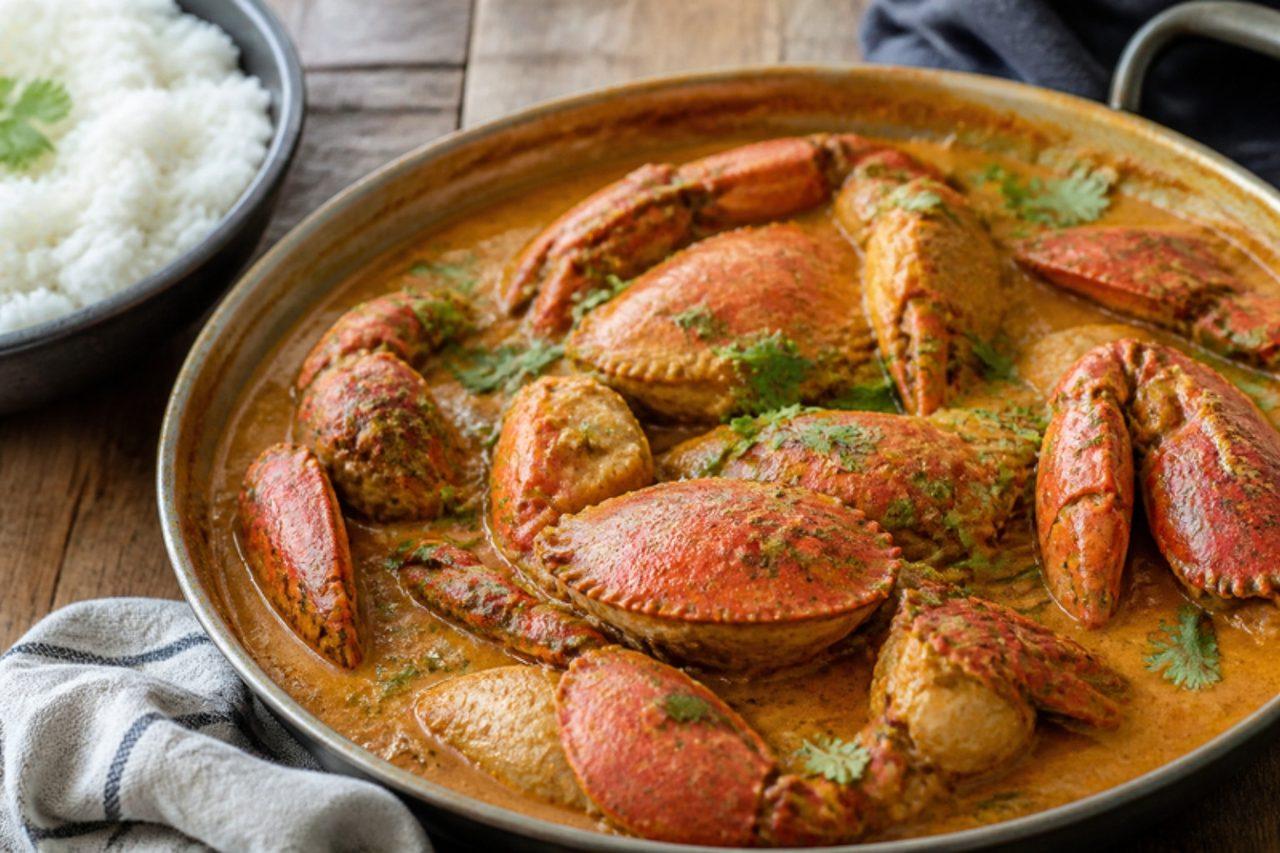
Mud crabs from the mangrove creeks around Inhambane and Maputo Bay end up in this curry at Sunday lunch and on beach-shack menus, and eating it is a happy, messy job with fingers and crackers. The sauce is a gentle Mozambican caril rather than an Indian one: onion, tomato, garlic and a mild curry powder cooked down and finished with coconut milk, so it turns rich, orange and slightly sweet, with crab juices running through it. Serve it with plenty of white rice or xima to mop up the sauce, and lemon wedges on the side. Ask the fishmonger for freshly cooked crabs, cleaned and cracked, or crabs already killed and prepared by them, so there is no live crab to handle at home. Chef's tip: the common mistake is boiling the crab in the sauce for ages, which makes the meat stringy; warm cooked crab through for just a few minutes.

Read more 0 views

What to eat today?

Around the world

Today's trip: Persian

A new country every day, from every cuisine on the site.

Persian

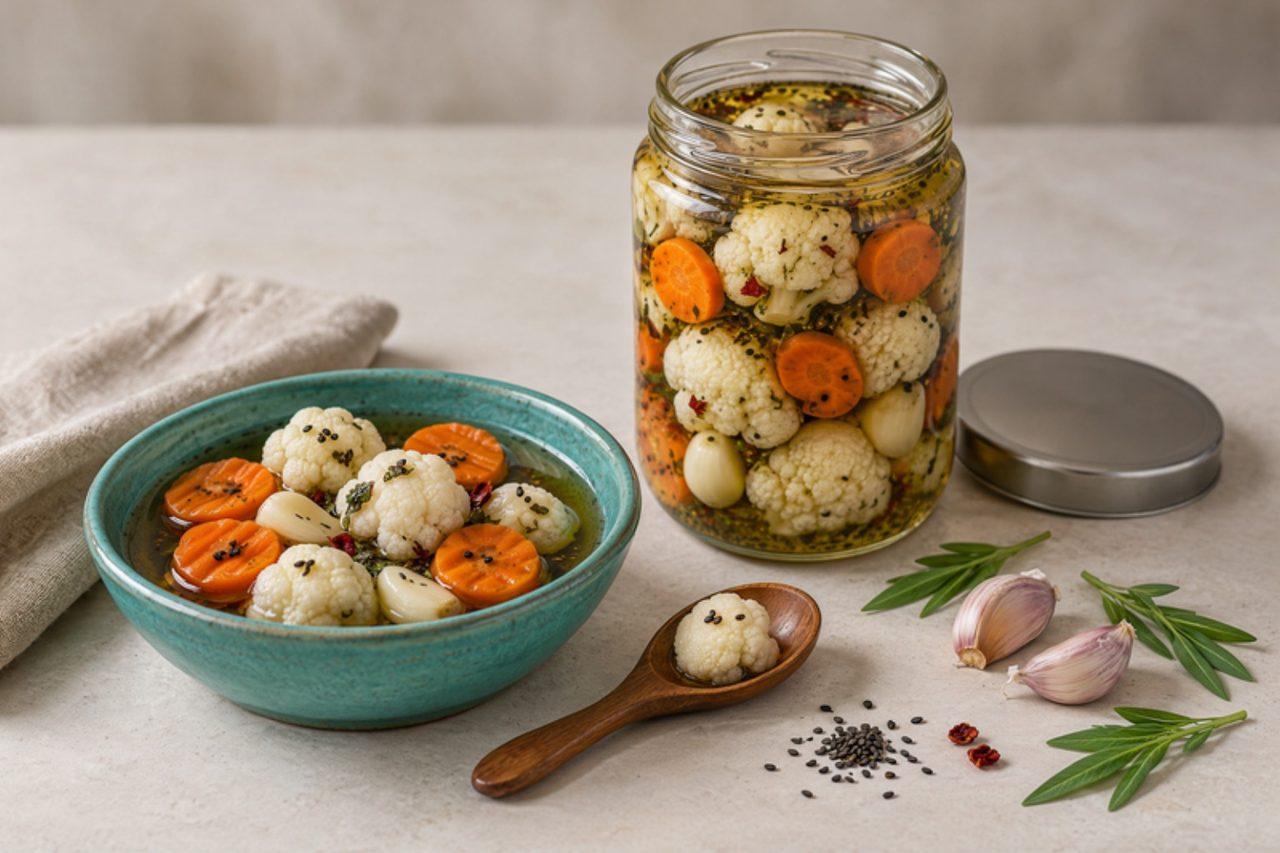
Torshi gol kalam

Cauliflower and carrot pickle 35 minMore from Persian (131) →

This week's collection

Kid-friendly dinners
541 recipes · a new collection every Monday

Latest recipes

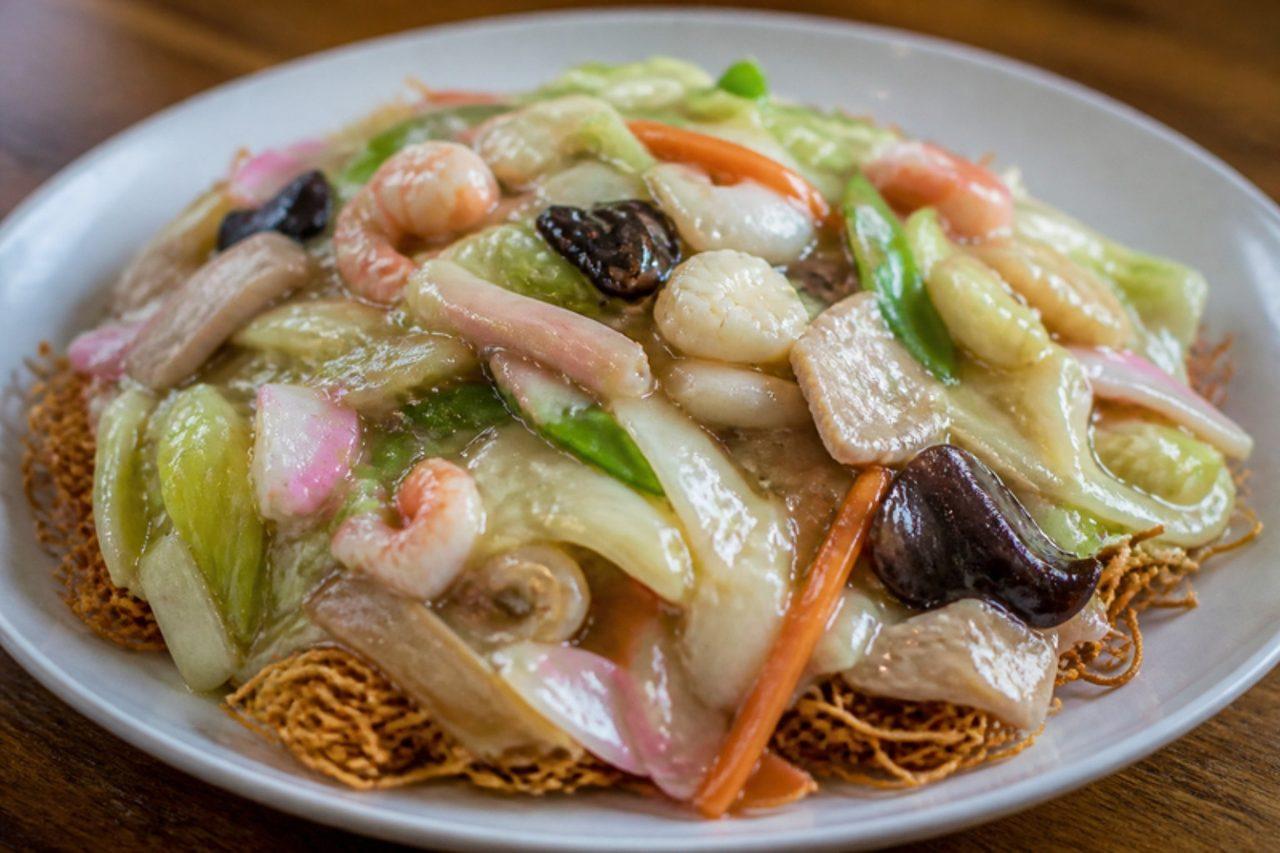
Sara udonCrispy noodles with seafood sauce

Nagasaki's second famous noodle dish uses the same toppings as champon but turns them into a thick sauce poured over a plate of crunchy fried noodles. The name means plate udon, though the classic noodles are very thin and fried crisp. In Nagasaki homes it is a quick weekend lunch and a standard dish at family gatherings, and supermarkets there sell the fried noodle nests ready to use. People splash it with Worcestershire sauce at the table, and a dab of hot mustard is common too. Chef's tip: pour the sauce over at the very last moment and let the noodles soften slowly as you eat, so you get crisp and soft in every mouthful.

by KrazyBadal 0 views
Gratin dauphinoisPotato and cream gratin

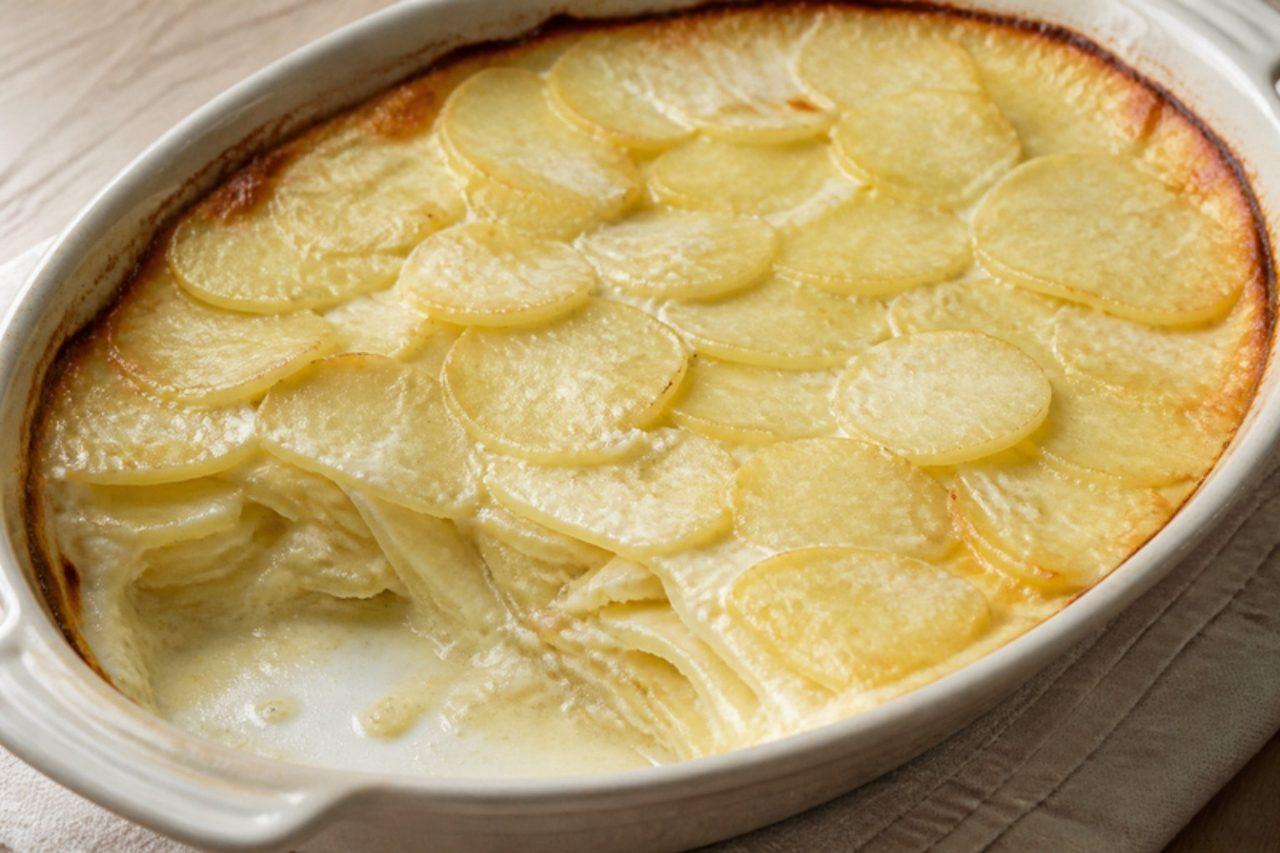
Gratin dauphinois comes from the Dauphiné, the mountain region around Grenoble, where it has been made since at least the 1700s. Thinly sliced potatoes are simmered in milk and cream with garlic and nutmeg, then baked slowly until the top is golden and blistered and the inside is soft and creamy enough to cut with a spoon. Purists in the Dauphiné insist there is no cheese; the crust comes from the cream itself. It is a side for Sunday lunch and festive meals, especially good with a green salad or roasted mushrooms. Chef's tip: don't rinse the potato slices; washing off the starch is the common mistake that leaves the cream thin and watery.

by KrazyBadal 0 views

Granita al limoneLemon ice

On summer mornings in Sicily, especially around Catania and Messina, breakfast is granita: a cup of soft, spoonable lemon ice with a warm brioche on the side for dipping. Sicilian granita is finer and creamier than a slushy, because it is stirred as it freezes. All you need is lemons, sugar and water, plus a fork and a freezer. It takes about four hours of occasional scraping. Chef's tip: steep the zest in the warm syrup for 20 minutes; the oils in the peel give a much fuller lemon flavour than juice alone.

by KrazyBadal 0 views

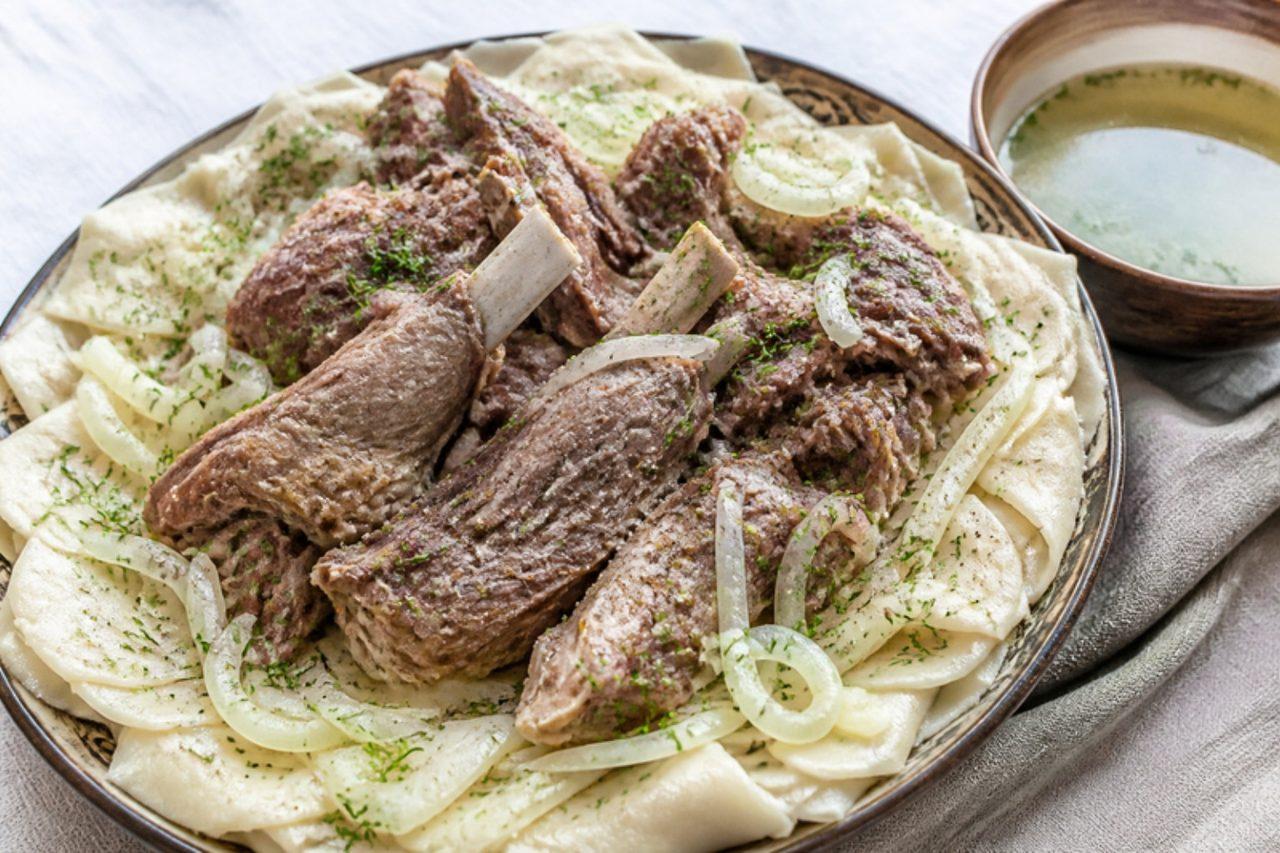
BeshbarmakBoiled lamb on noodle sheets

Beshbarmak, "five fingers", is the dish a Kazakh family puts on the dastarkhan for guests, weddings and Nauryz, traditionally eaten with the hand. Lamb (or horse meat in many homes) is simmered for hours, sliced and laid over wide squares of fresh noodle dough cooked in the same broth, then topped with soft onions in a peppery sauce. The broth, called sorpa, is drunk from bowls alongside. Cutting the noodles too thick is a common slip; they should be thin enough to be silky, not chewy. Chef's tip: keep a cup of the hot fat skimmed from the broth to cook the onion sauce; it carries all the lamb flavour.

210 minKazakhMeat
by KrazyBadal 0 views

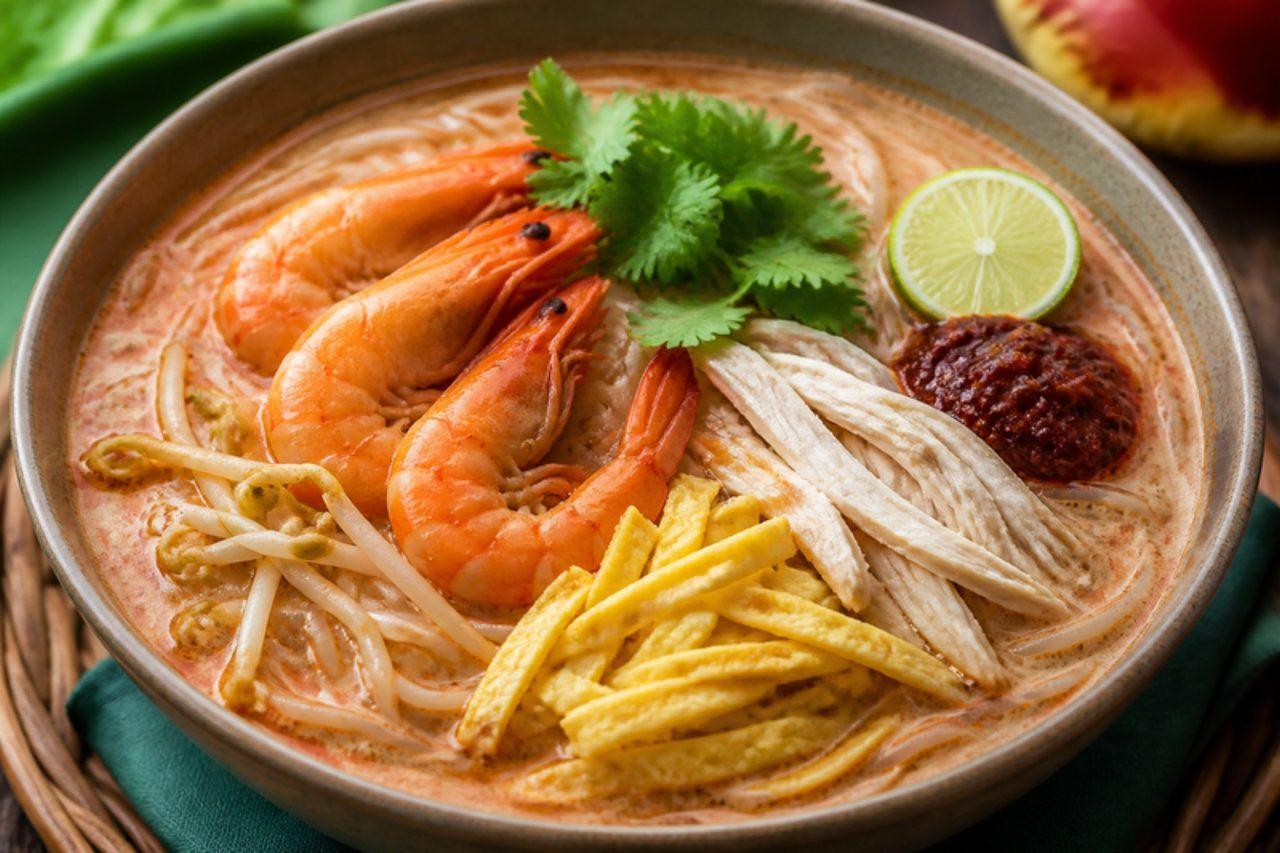
Sarawak laksaSpicy coconut noodle soup

Kuching wakes up to laksa Sarawak, ordered at coffee shops before work and reaching its peak on a lazy Sunday morning. It looks nothing like curry laksa: the broth is a russet, gently creamy soup built on a complex paste of chillies, shallots, galangal, toasted sesame, peanuts and warm whole spices, cooked into a chicken and prawn-shell stock with tamarind and a little coconut milk. Thin rice vermicelli is topped with shredded chicken, whole prawns, ribbons of omelette and bean sprouts, and every bowl comes with lime and a dab of sambal belacan. The work is in the paste, which keeps well and makes several batches. Chef's tip: toast the spices, sesame seeds and peanuts separately in a dry pan before grinding; it gives the broth its deep, roasted aroma.

by KrazyBadal 0 views

Vatha kuzhambuTamarind gravy with dried berries

Vatha kuzhambu is what a Tamil kitchen cooks when the vegetable basket is empty: tamarind, sambar powder and a handful of sun-dried sundakkai or manathakkali berries fried crisp in sesame oil. It simmers down to a glossy, almost black gravy that is sour, a little bitter, hot and faintly sweet, and it keeps for days, so it travels in tiffin carriers and turns up at Brahmin home lunches all over Thanjavur and Chennai. Mix a spoonful into hot rice with a little sesame oil, and eat it with a plain poriyal or appalam to calm the heat. Chef's tip: fry the dried berries in the oil first and lift them out the moment they puff and darken; added at the end they stay crisp and bitter-nutty instead of turning leathery.

by KrazyBadal 0 views

BesaraVegetables in mustard garlic paste

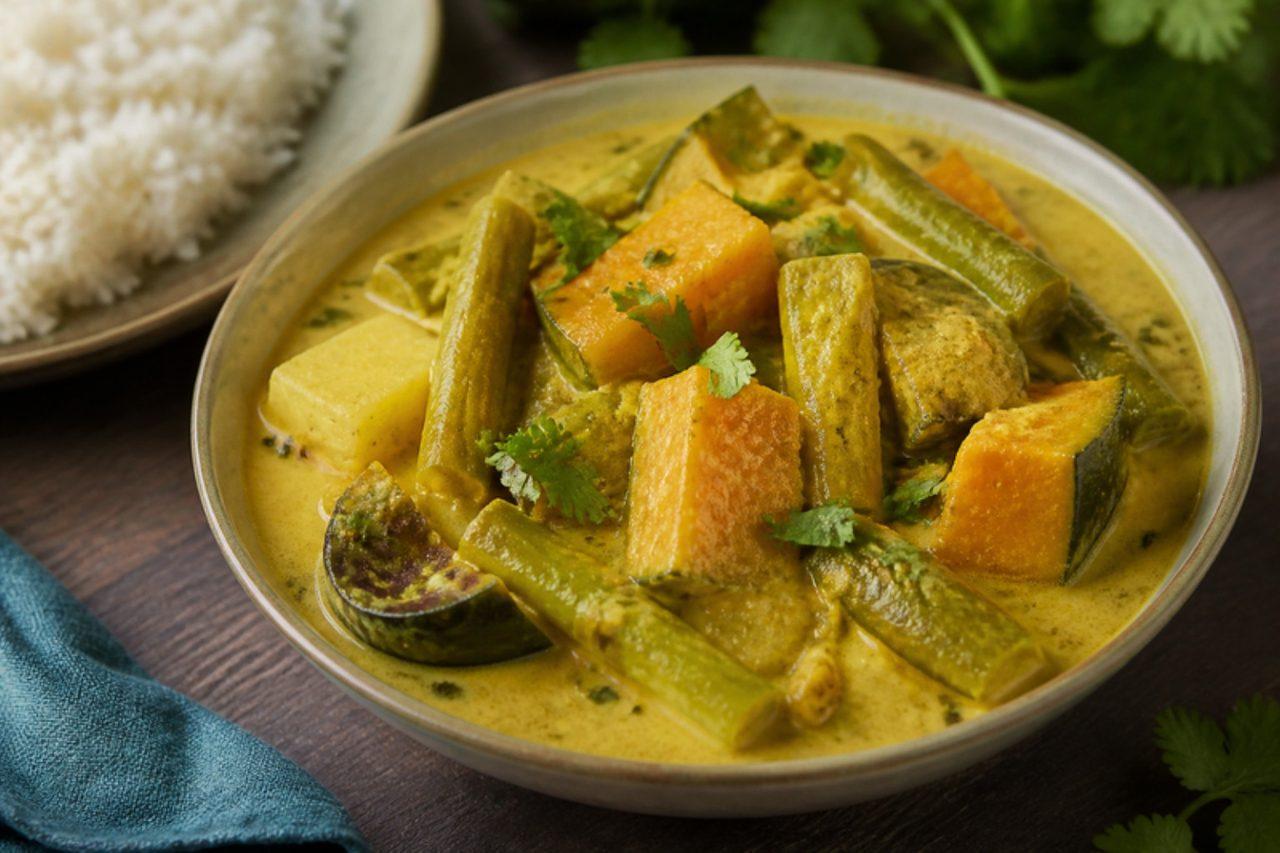
Besara means 'with mustard', and in Odisha it is the name of any dish cooked in a freshly ground paste of mustard seeds, garlic and green chilli. Fish besara is the best known; this is the vegetarian version cooked in Odia homes with pumpkin, potato, aubergine, raw banana and a few drumsticks, made sour with a little tamarind or dried mango. The mustard gives it a clean, sinus-clearing heat that is very different from a turmeric-and-chilli curry. Chef's tip: grind the mustard with a pinch of salt and a green chilli; this stops the paste turning bitter.

by KrazyBadal 0 views

SatsiviChicken in cold walnut sauce

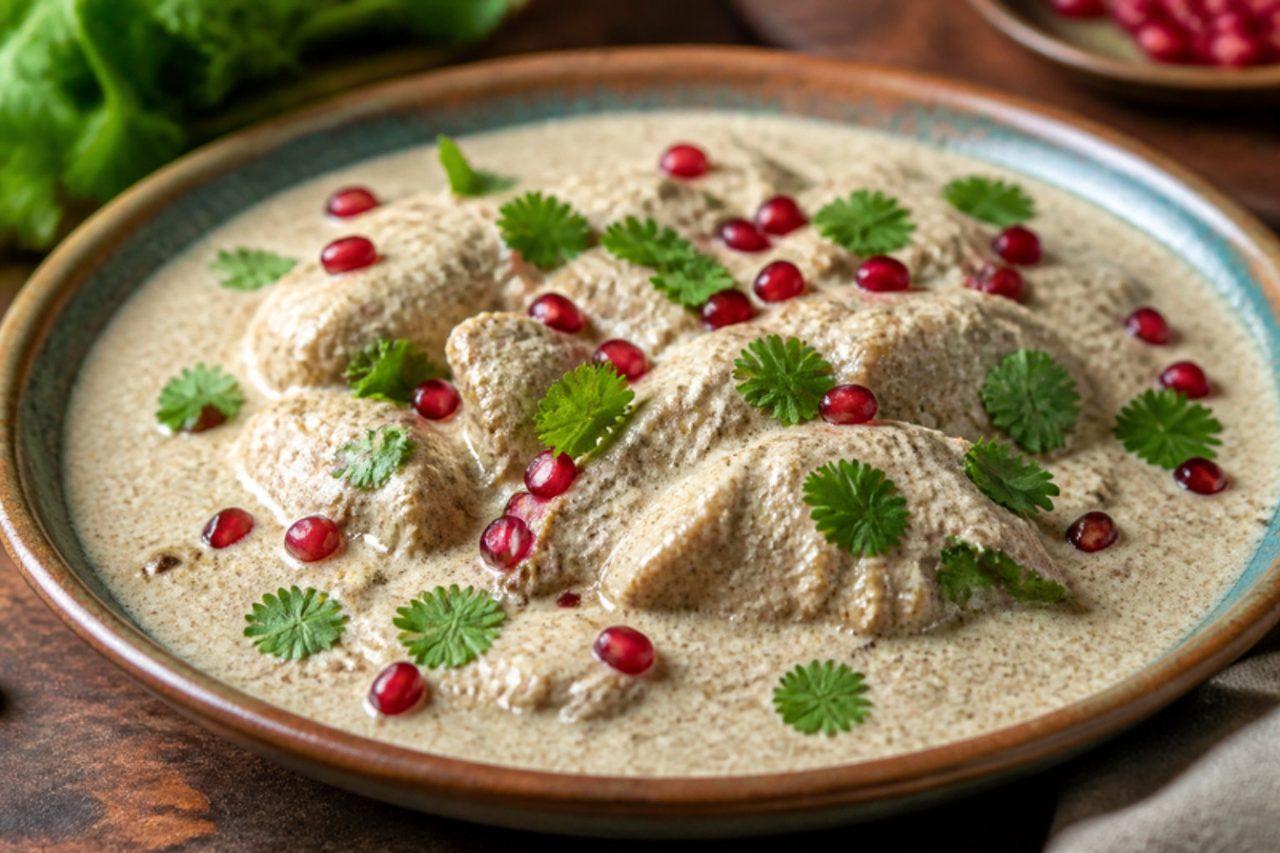
Satsivi is a dish of the Georgian New Year table, prepared in homes across western Georgia, Imereti and Samegrelo, a day ahead so it can be served cold at the long supra feast on 1 January. Poached chicken is covered in a thick, ivory walnut sauce scented with garlic, fenugreek, coriander and marigold petals and sharpened with vinegar. It is rich and fragrant, eaten with cornbread (mchadi) or fresh bread. Chef's tip: blend the walnuts with a little warm stock until they release their oil; this gives the sauce its silky texture.

by KrazyBadal 0 views

Sardinhas assadasGrilled sardines

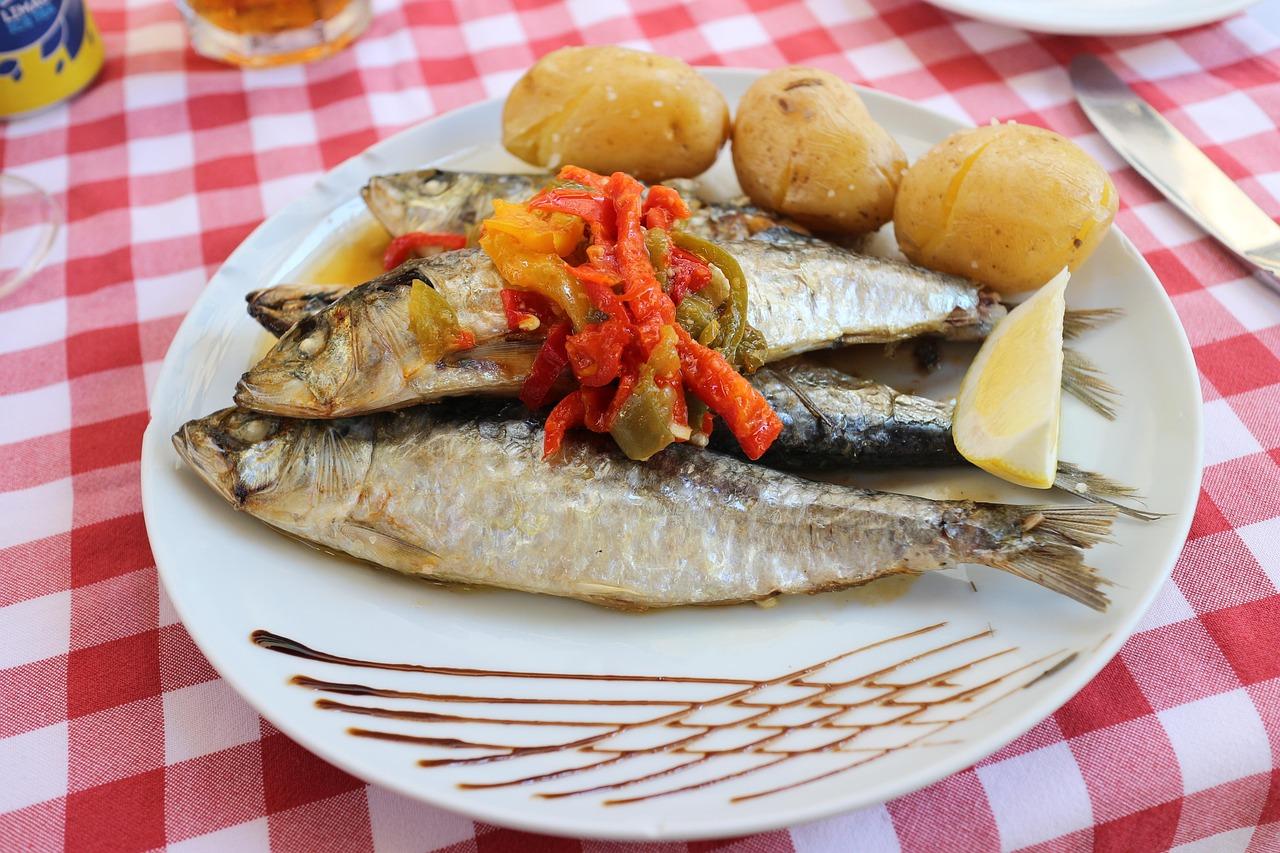
In June the steep lanes of Alfama and Mouraria fill with smoke during the Santos Populares, Lisbon's street festivals for Saint Anthony, and almost every grill is loaded with sardines. They are salted, grilled whole over charcoal until the skin blisters, and laid on a thick slice of country bread that soaks up their juices. Add roasted green peppers and a salad of tomato and onion, and that is the whole feast. Chef's tip: salt the sardines with coarse salt 30 minutes before grilling and keep them chilled; the salt firms the skin so it doesn't stick to the grill.

by KrazyBadal 0 views

Göyərti qutabıHerb-filled flatbreads

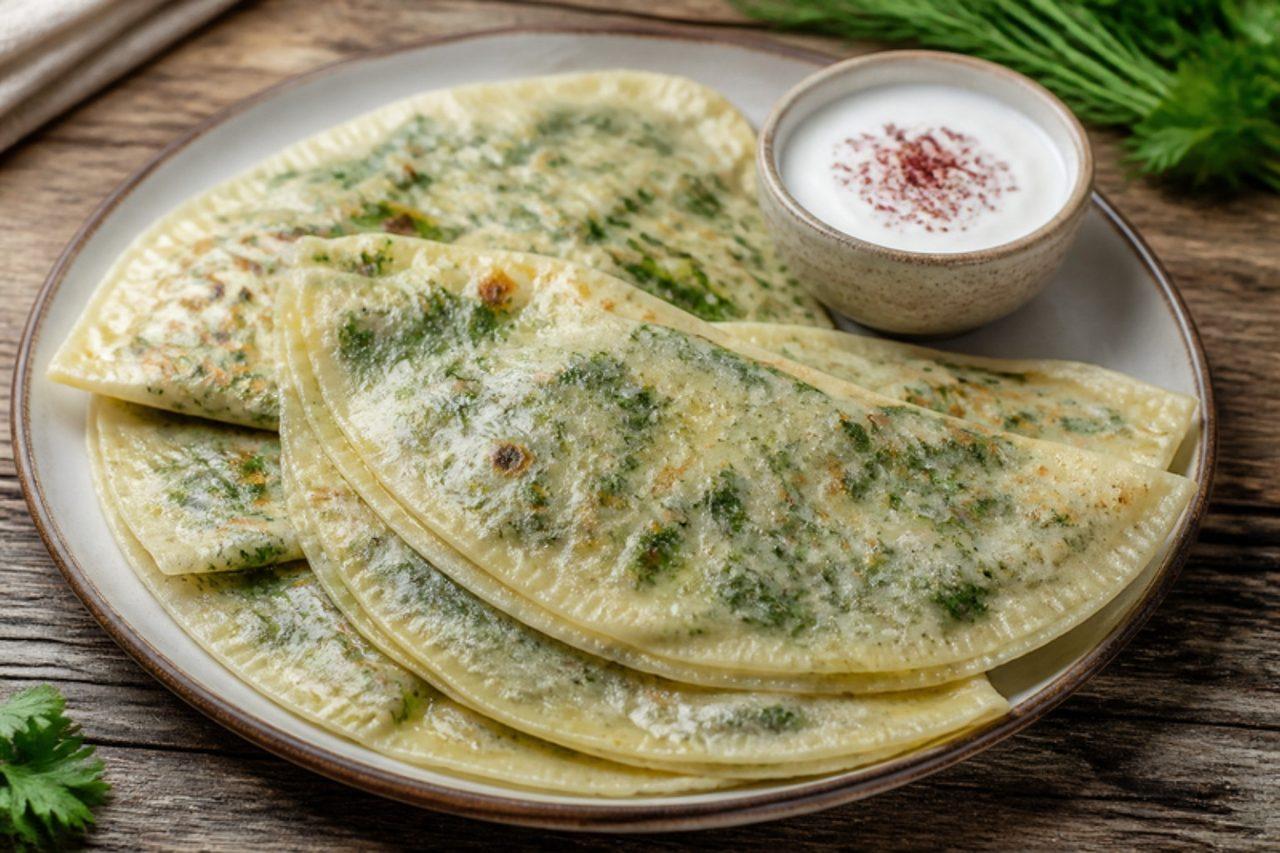
Qutab are the thin half-moon flatbreads that Baku eats at any hour, folded around a filling and cooked in seconds on a domed iron saj, then stacked and brushed with butter. Göyərti qutabı, the green version, is the spring favourite: a handful of chopped spinach, sorrel, dill, coriander and spring onion sealed inside dough rolled so thin the greens show through. They are eaten hot, three or four at a time, sprinkled with sumac and dipped in garlicky yogurt, and appear on every table at Novruz in March. In autumn the same dough wraps pumpkin; that variation is in the steps. Chef's tip: season the greens only just before filling; salt draws out water, and wet greens tear the paper-thin dough.

by KrazyBadal 0 views

Sarva pindiRice flour and peanut flatbread

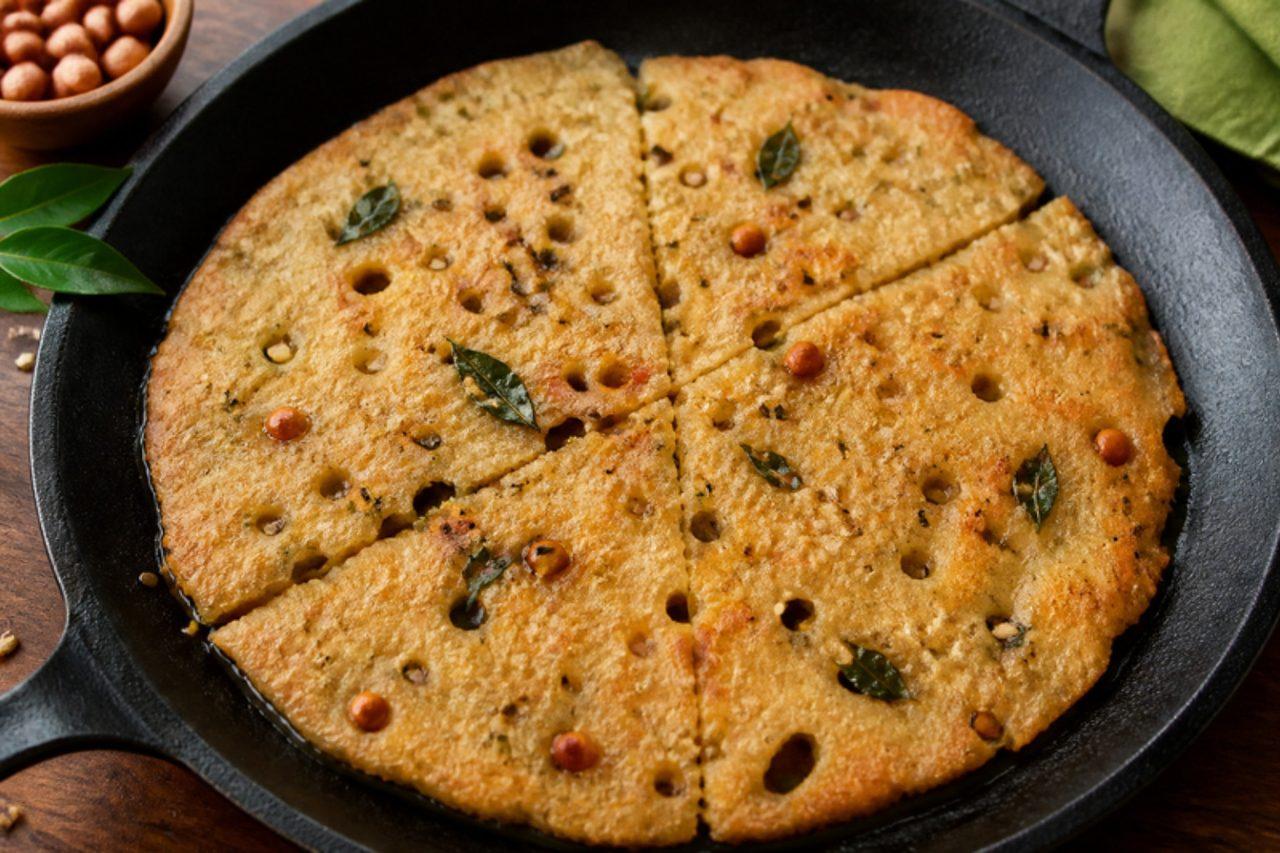
Sarva pindi, also called ginne appa or tapala chekka, is a thick, crisp rice-flour bread from rural Telangana, pressed by hand into a heavy pan, studded with holes and baked slowly in oil until the base is golden and crunchy. The dough is full of soaked chana dal, peanuts, sesame, green chilli, curry leaves and coriander, so every bite is savoury and nutty. It is the snack that waits on the stove when children come home from school, and a favourite for Sankranti and long train journeys because it keeps well. Chef's tip: press the dough into a cold pan, not a hot one; it spreads evenly and the holes stay open as it heats.

by KrazyBadal 0 views

Sata andagiOkinawan doughnuts

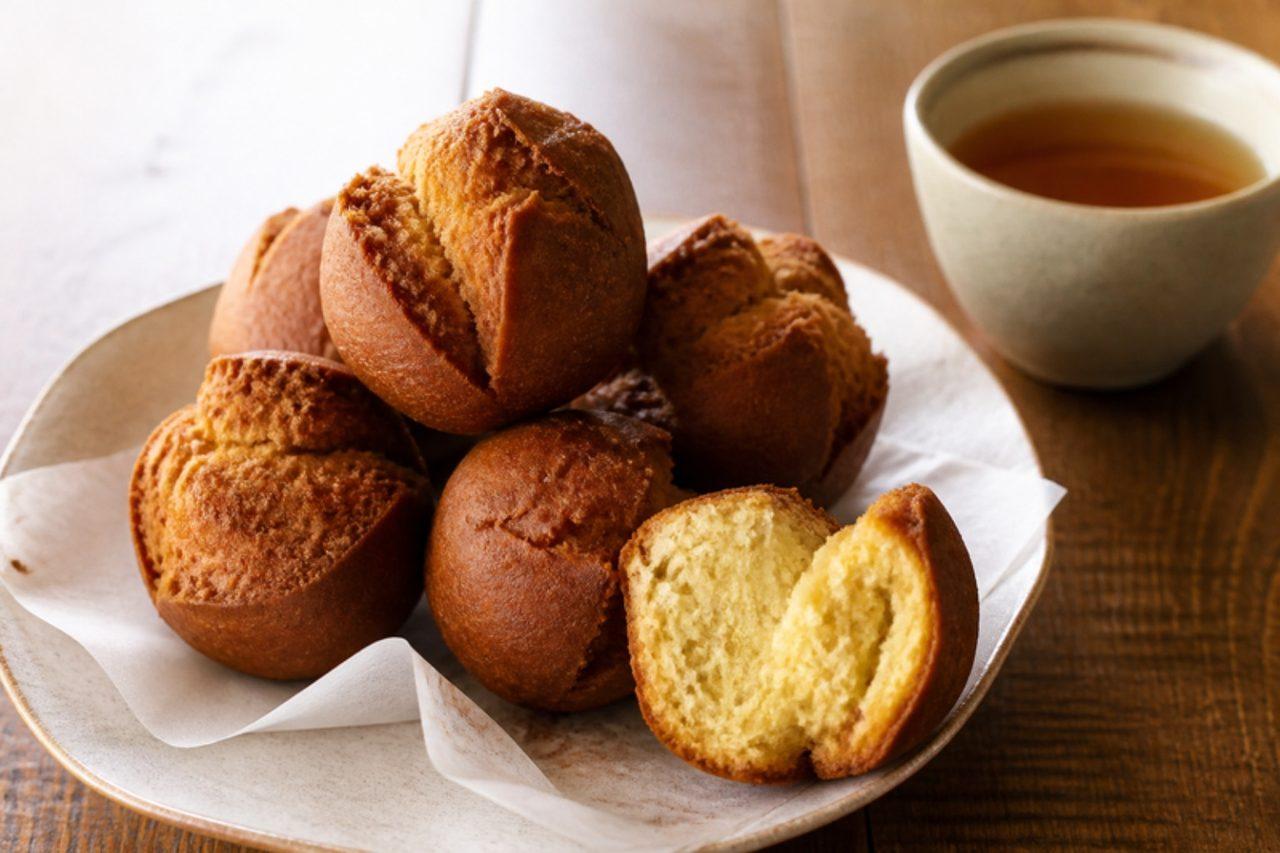
In the Okinawan language, sata andagi simply means 'sugar deep-fried'. These round doughnuts came from Chinese sweets brought to the old Ryukyu kingdom and have been a family treat on the islands for centuries, made for celebrations and sold warm in paper bags at Naha's Makishi market. They are dense and cakey inside with a thick, crunchy crust, and as they fry they split open into a shape Okinawans call a smile, a sign of good luck. Okinawa's dark kokuto sugar gives them a caramel flavour; brown sugar works too. Chef's tip: fry in oil that is only warm, about 150°C. Slow frying lets the balls cook through and crack open, while hot oil seals them shut and leaves the middle raw.

by KrazyBadal 0 views

Satay (Kajang)Chicken satay

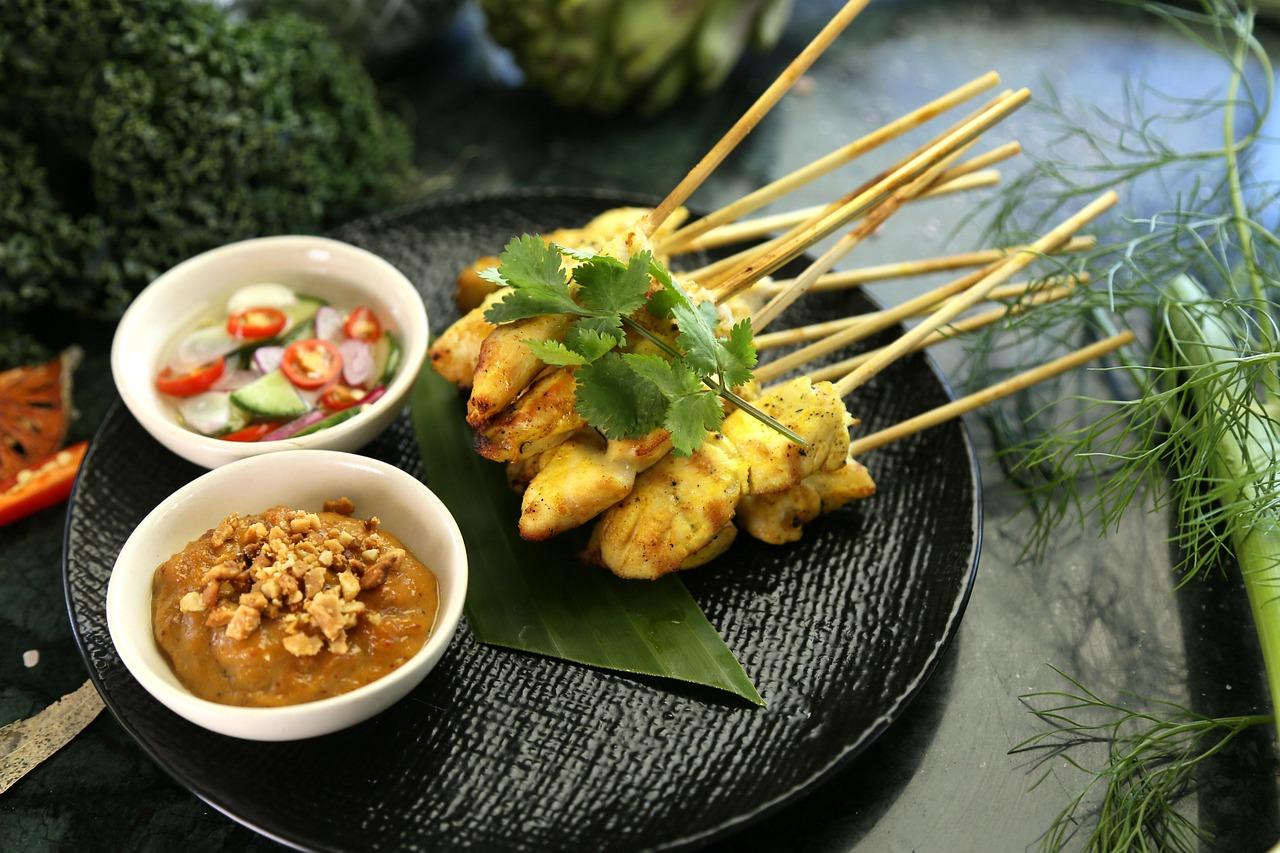
The town of Kajang, just south of Kuala Lumpur, built its name on satay, and evenings there still smell of lemongrass smoke drifting from long charcoal troughs. Kajang skewers are cut in larger chunks than most, soaked in a yellow marinade of turmeric, lemongrass, cumin and fennel, and grilled while being basted with oil brushed on through a lemongrass stalk. They come with a chunky, sweet-spicy peanut sauce, cubes of compressed rice (nasi impit), raw onion and cucumber. Order them by the dozen with friends as a starter or a whole supper. Chef's tip: thread a small piece of chicken skin or fat between the meat on each skewer; it melts over the coals and keeps the satay juicy.

by KrazyBadal 0 views

Sate lilitMinced fish skewers

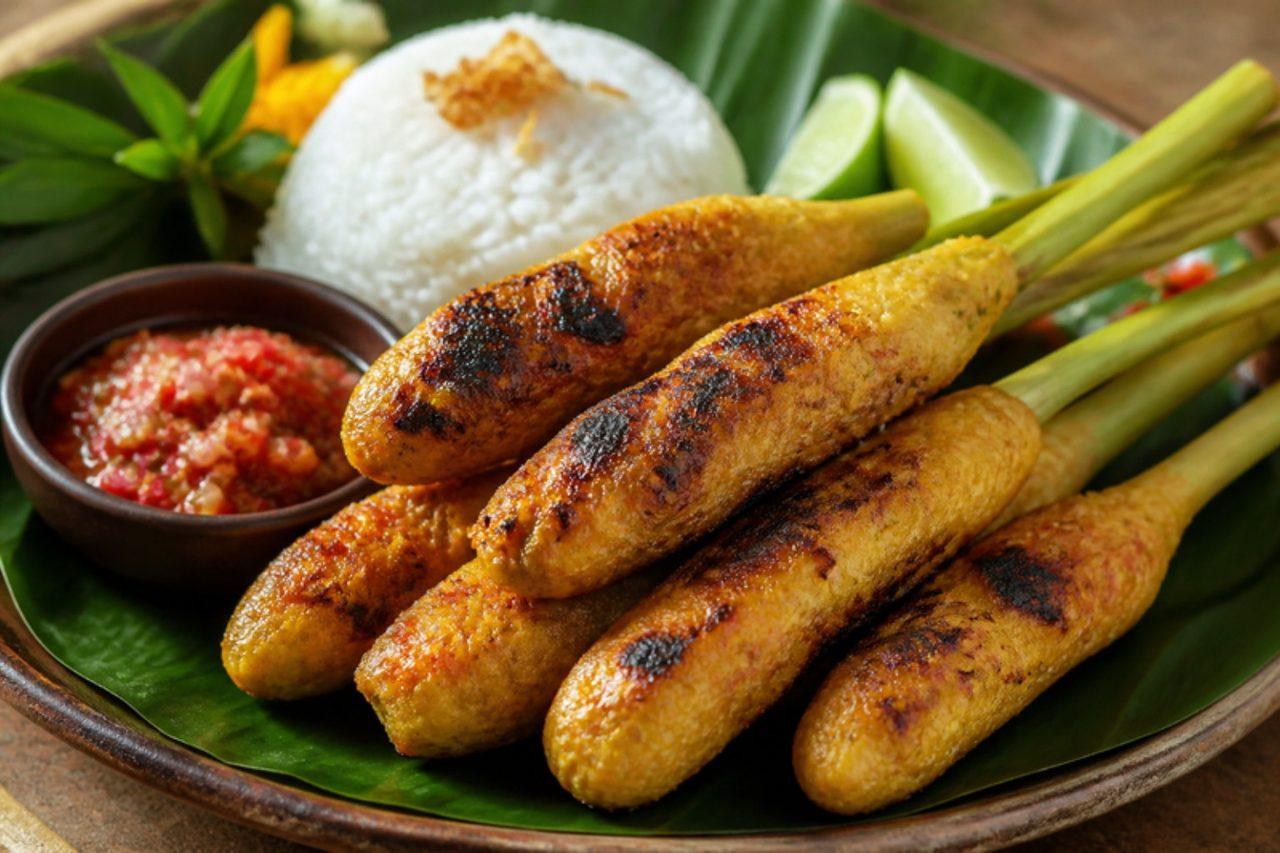
When a Balinese village gets ready for a temple festival, the men gather the night before to chop, pound and mix sate lilit, while the women prepare the offerings. 'Lilit' means to wrap: instead of threaded chunks, a soft mixture of minced fish, grated coconut and base genep spice paste is moulded around lemongrass stalks or flat bamboo sticks and grilled over coconut-husk embers. The result is tender and lightly springy inside, browned and smoky outside, with the lemongrass perfuming every bite. Eat them hot with rice, sambal matah and a wedge of lime. Chef's tip: knead the mixture firmly until it feels sticky and chill it before shaping, or it will slide off the sticks on the grill.

by KrazyBadal 0 views

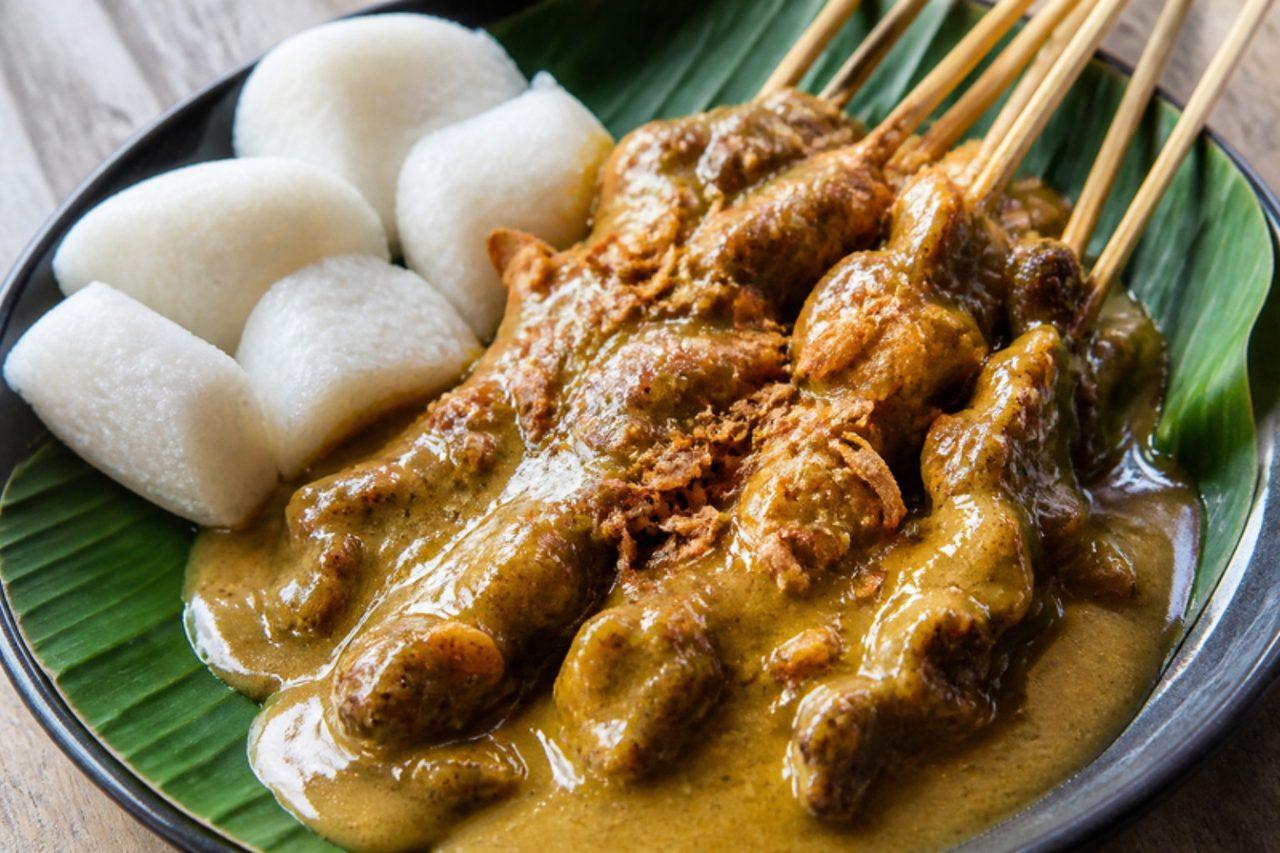
Sate PadangBeef skewers in spiced sauce

Night-time in Padang and Bukittinggi brings out the sate carts, fanning charcoal under skewers of beef that were already simmered tender in spices before they ever met the grill. That two-stage cooking is what sets West Sumatra's satay apart, and so is the sauce: no peanuts at all, but the spiced cooking broth thickened with rice flour into a smooth, glossy, turmeric-yellow gravy with plenty of chilli and ginger. It is ladled generously over the skewers and over slices of ketupat rice cake on a banana leaf, then finished with fried shallots and a crisp cracker. Chef's tip: keep the cooking broth; it's the base of the sauce, and the deeper it tastes, the better your sate.

by KrazyBadal 0 views

Gotu kola sambolPennywort and coconut salad

Gotu kola (Asiatic pennywort) grows wild along the paddy edges in the south and centre of Sri Lanka, and a raw sambol of its leaves is the green, slightly bitter bite that balances a rice-and-curry lunch. Families in Galle and Matara will tell you it is good for the memory, and it is often served at the start of a meal or with kola kenda, the herbal porridge. The leaves are shredded as finely as possible, then tossed with shallot, tomato, green chilli, a little fresh coconut and plenty of lime, so it's crunchy, peppery and bright. Look for pennywort bunches in Sri Lankan, Thai and Vietnamese shops. The mistake to avoid is dressing it too early: the salt and lime wilt the leaves within half an hour. Chef's tip: roll a stack of leaves into a tight cigar and slice it hair-thin with a sharp knife; the finer the shreds, the better it tastes.

by KrazyBadal 0 views

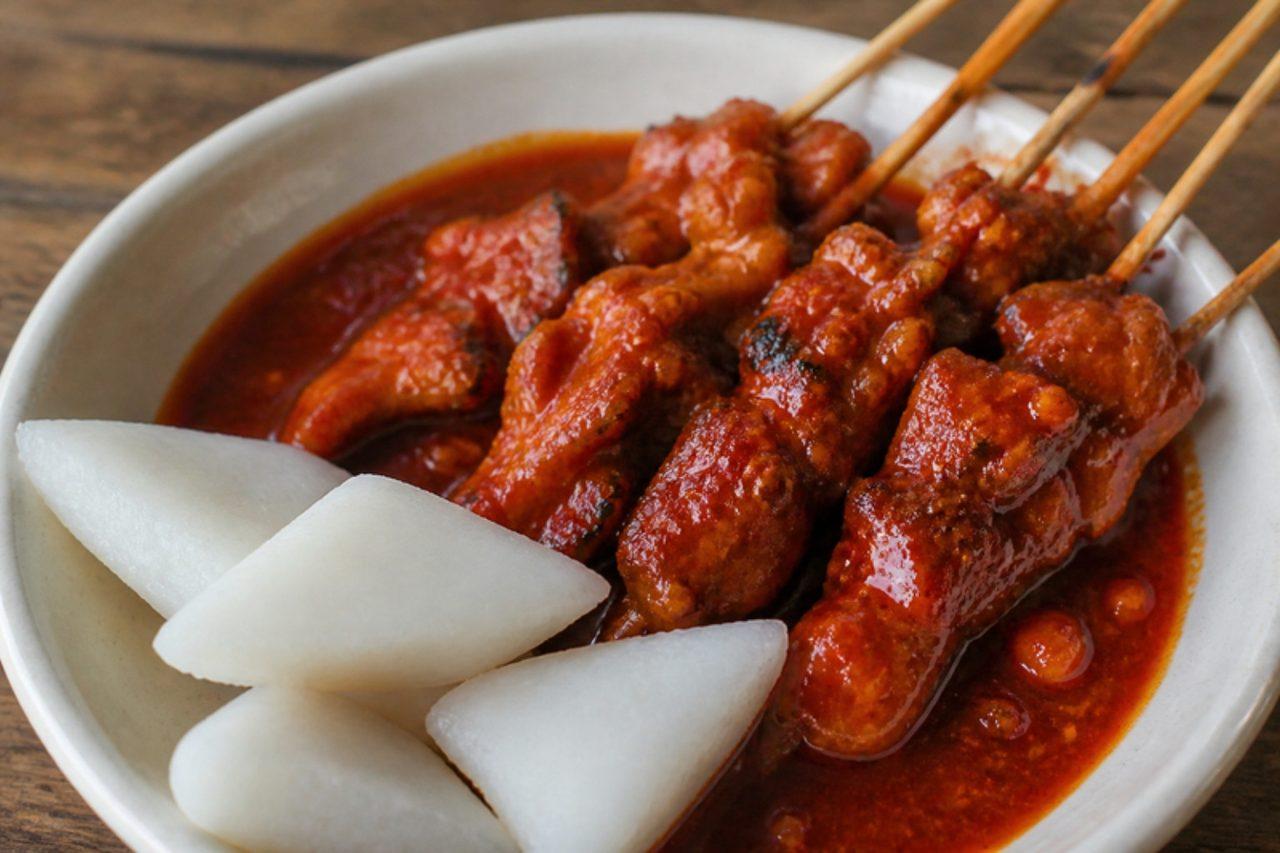
SattiChicken skewers in spicy sauce

Satti is how Zamboanga City starts the day: small skewers of grilled chicken or beef, smoky from charcoal, drowned in a thin, spicy, slightly sweet red sauce and eaten with ta'mu, little rice cakes cooked in woven palm-leaf pouches. Satti houses near the port open before sunrise and are busiest on weekend mornings. It is a cousin of Malaysian and Indonesian satay, but the sauce is runnier and spiced with chilli and a little peanut. Pressed rice cubes or plain rice stand in well for ta'mu at home. Chef's tip: thread the chicken in small, flat pieces and close together; they cook fast and stay juicy before the outside dries.

by KrazyBadal 0 views

Sattu parathaRoasted gram stuffed flatbread

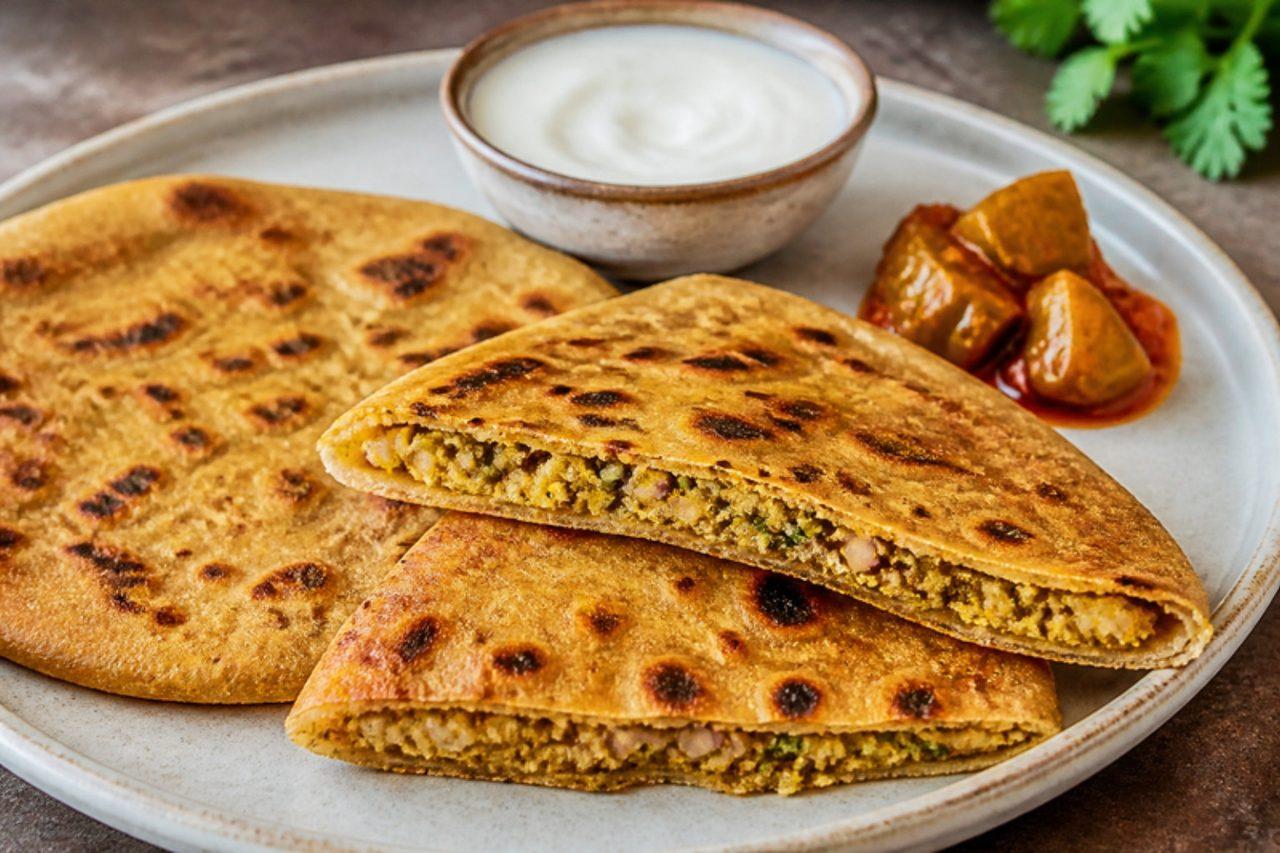
Sattu paratha is a Bihari breakfast that keeps farmers going until lunch. Sattu, roasted bengal gram ground to a fine flour, is mixed with onion, garlic, green chilli, carom seeds and a dash of pickle masala, then rolled into wholemeal dough and cooked on a hot tawa until blistered. The filling is savoury, punchy and high in protein, and the bread stays soft for hours, which is why it's packed for long journeys. Serve with curd or chokha and a pickle. Chef's tip: moisten the filling just enough to clump; a dry sattu filling bursts through the dough and burns on the tawa.

by KrazyBadal 0 views

Sattu sharbatRoasted gram flour drink

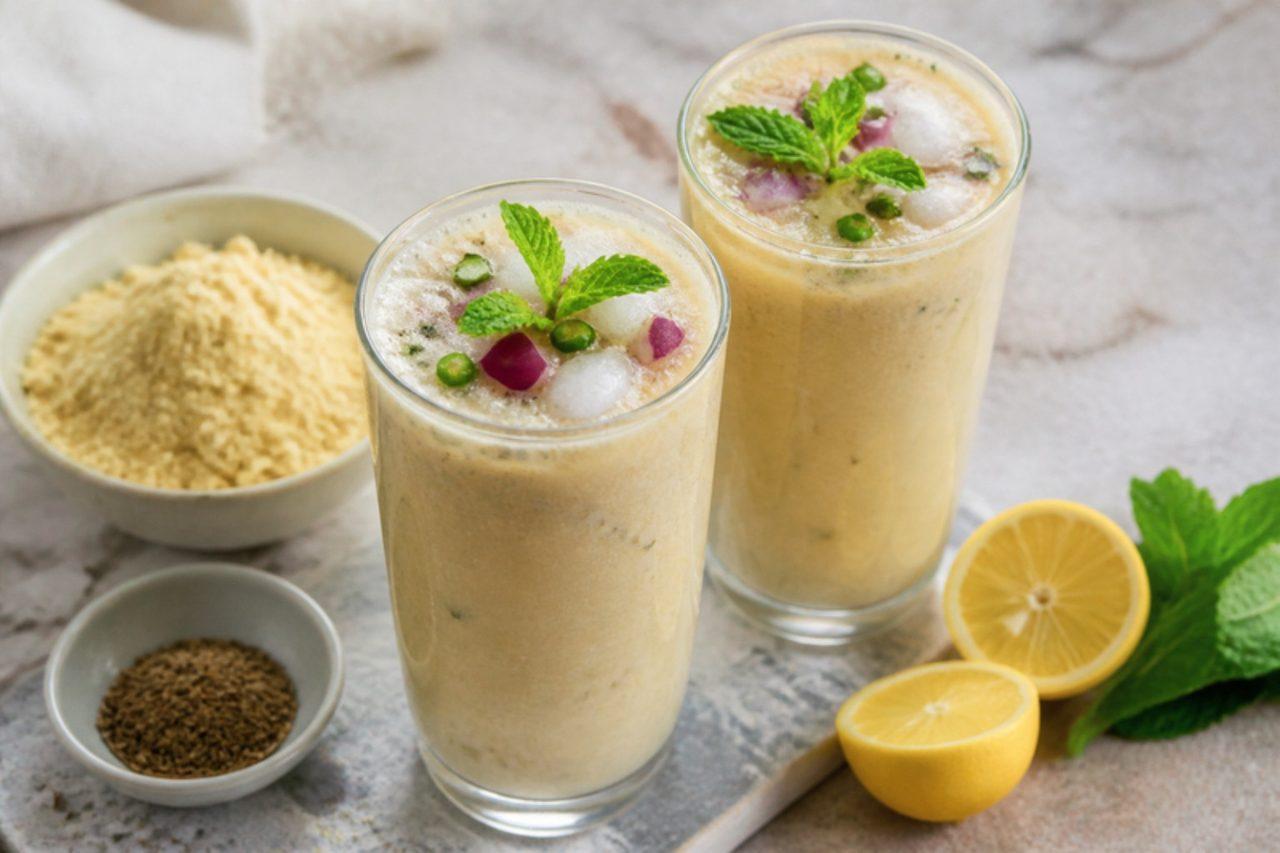
On scorching May afternoons in Patna, handcarts with steel pots and heaps of lemons sell sattu sharbat by the glass: roasted gram flour whisked into cold water with black salt, roasted cumin, lemon and a bit of raw onion and chilli. It is filling enough to stand in for lunch and is the drink rickshaw pullers and farm workers swear by to beat the loo, the hot summer wind. It tastes savoury, nutty and sharp all at once. Chef's tip: whisk the sattu into a little water first to a smooth paste, then dilute it; tipping it straight into a full glass leaves dry lumps.

by KrazyBadal 0 views

Vawksa repSmoked pork with mustard greens

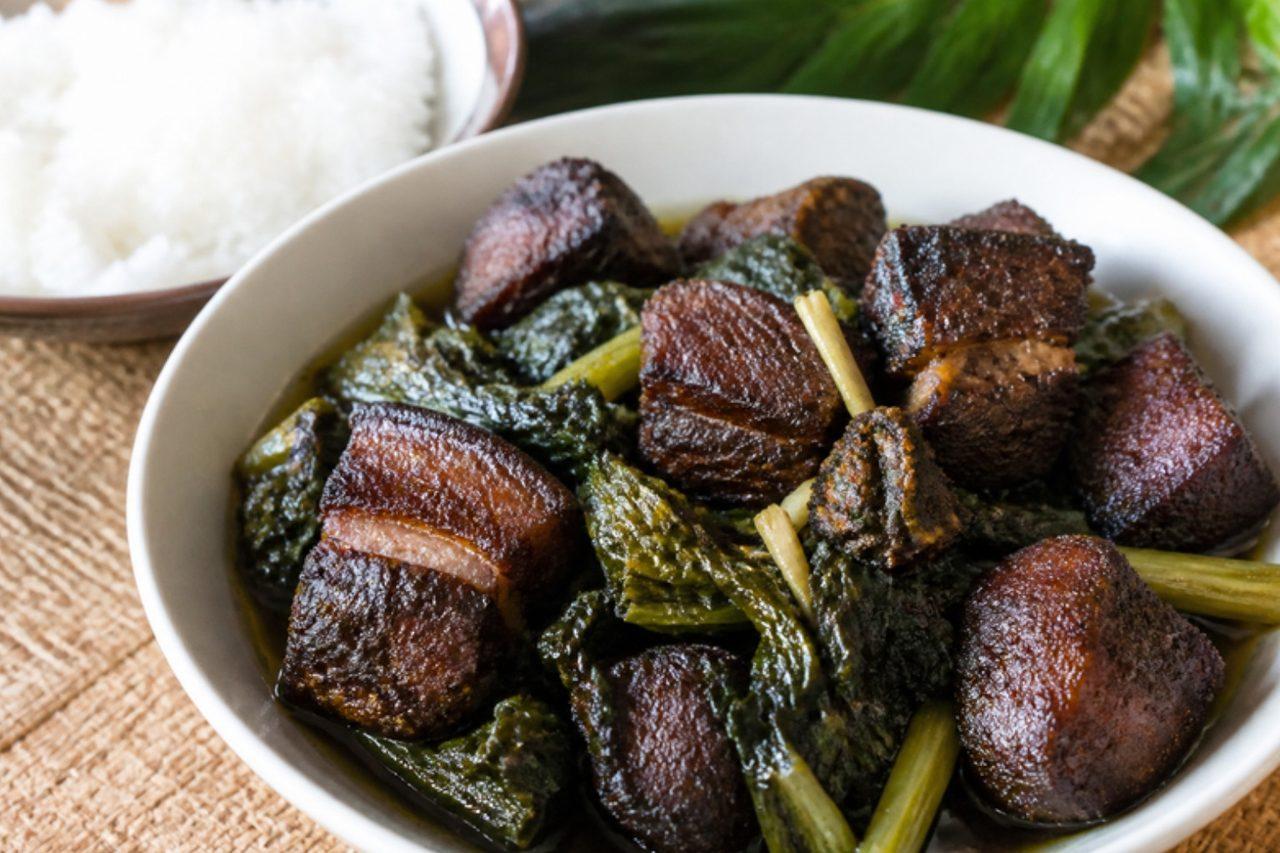
Mizo cooking in Aizawl and the hill villages of Mizoram is simple and clean, with few spices and lots of greens, and vawksa rep shows it at its best. Smoked pork (vawksa rep) is simmered until soft, then mustard greens (antam) go in and soak up its smoky, fatty broth. It is an everyday lunch with rice, and some families add a little bai (bamboo shoot) or chilli. Chef's tip: keep the stems and leaves of the greens separate; the stems need a few minutes longer.

70 minIndianMeatGluten free
by KrazyBadal 0 views

GorditasStuffed masa pockets

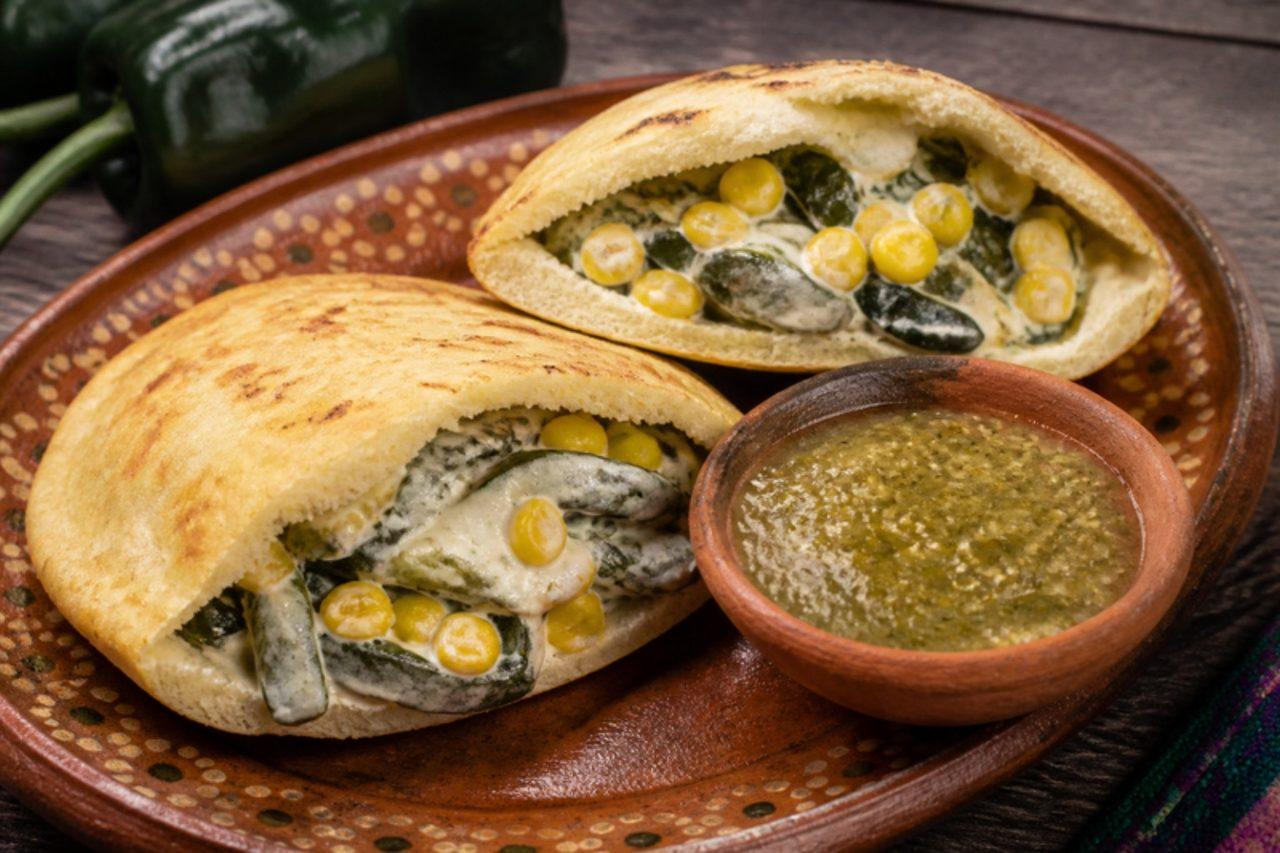
Gorditas, 'little fat ones', are thick corn masa cakes cooked on a comal until they puff, then split open like a pitta and stuffed. They are eaten from the north of Mexico down to the central states, at street stalls and at home, with fillings that change from town to town. This vegetarian version is filled with rajas con crema: strips of roasted poblano pepper, onion and sweetcorn in a creamy sauce with melting cheese, smoky and mild. Use masa harina for tortillas, made from nixtamalised corn, not cornmeal or polenta. Poblanos can be hard to find: green bell peppers with a jalapeño give a similar effect. Choose a cheese made with vegetarian rennet. Chef's tip: shape the gorditas no thicker than 1 cm; any thicker and the outside burns before the inside cooks and puffs.

by KrazyBadal 0 views

Sauce graine with chicken and smoked fishPalm nut sauce with chicken

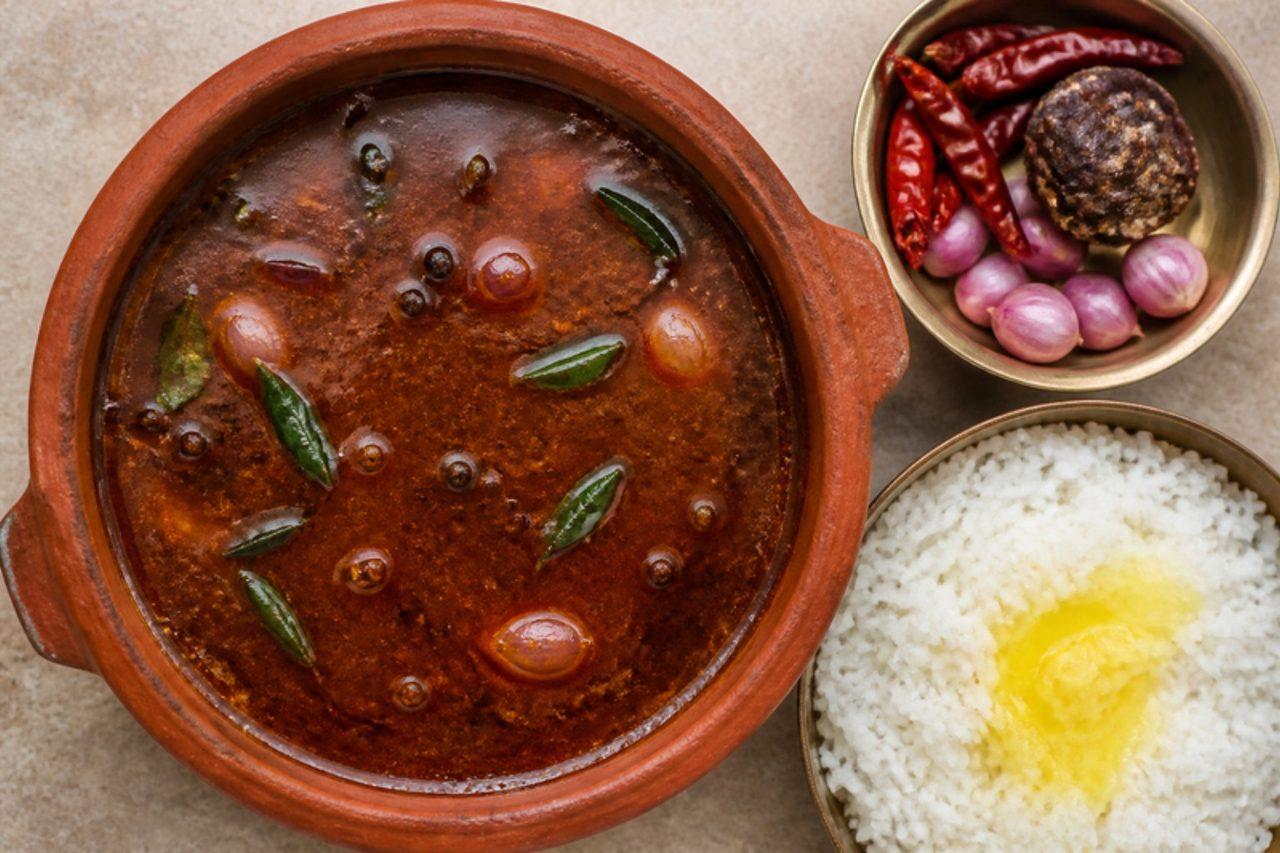
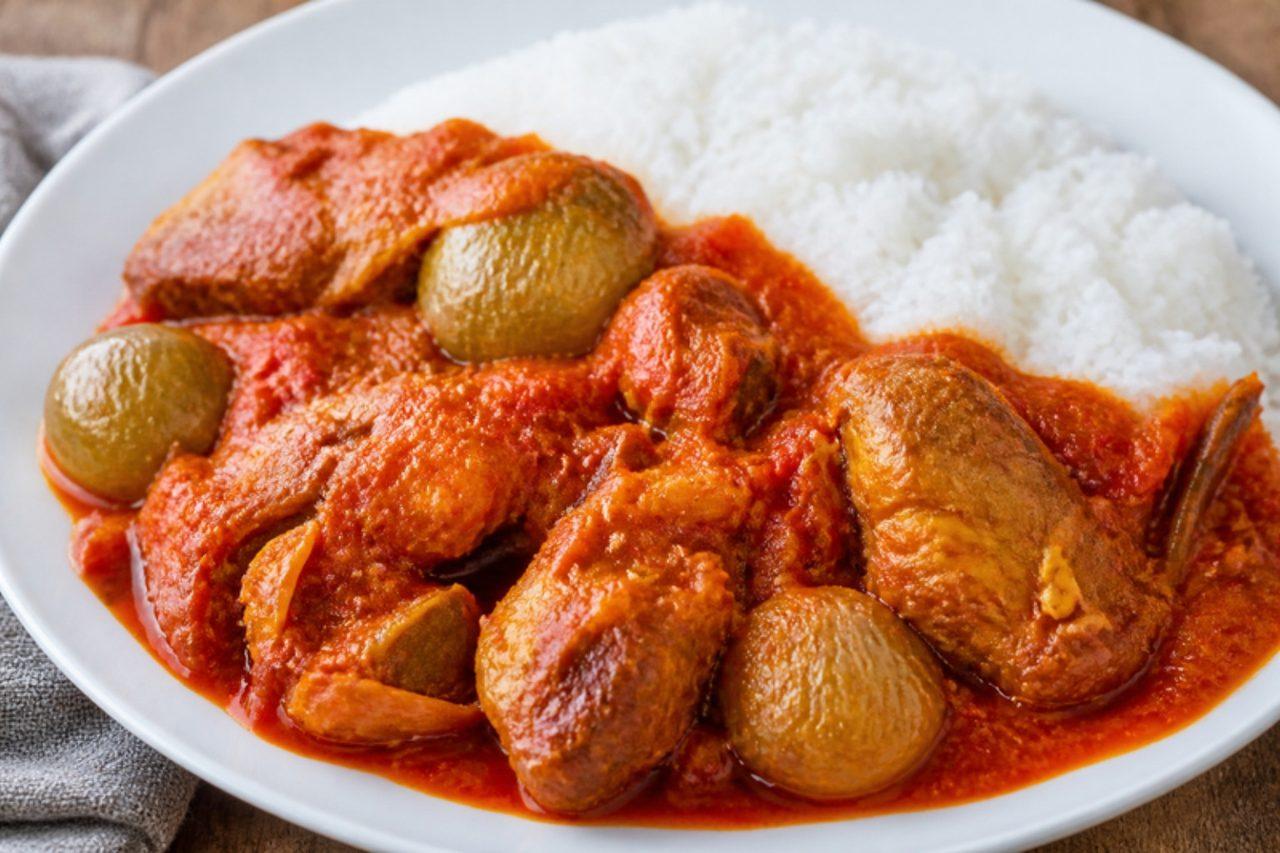
Sauce graine, palm-nut sauce, is the Sunday stew of southern Côte d'Ivoire, made in villages from freshly pounded palm fruit and in Abidjan from tins of palm-nut cream. It is deep orange-red, rich and slightly smoky from the smoked fish that goes in with the chicken, and is eaten with foutou banane, rice or attiéké. The mistake to avoid is boiling it hard at the end; palm-nut sauce should simmer gently until the oil rises to the top, which is how you know it is done. Chef's tip: use bone-in chicken; the bones give the sauce body.

by KrazyBadal 0 views

Gongura pachadiSorrel leaf chutney

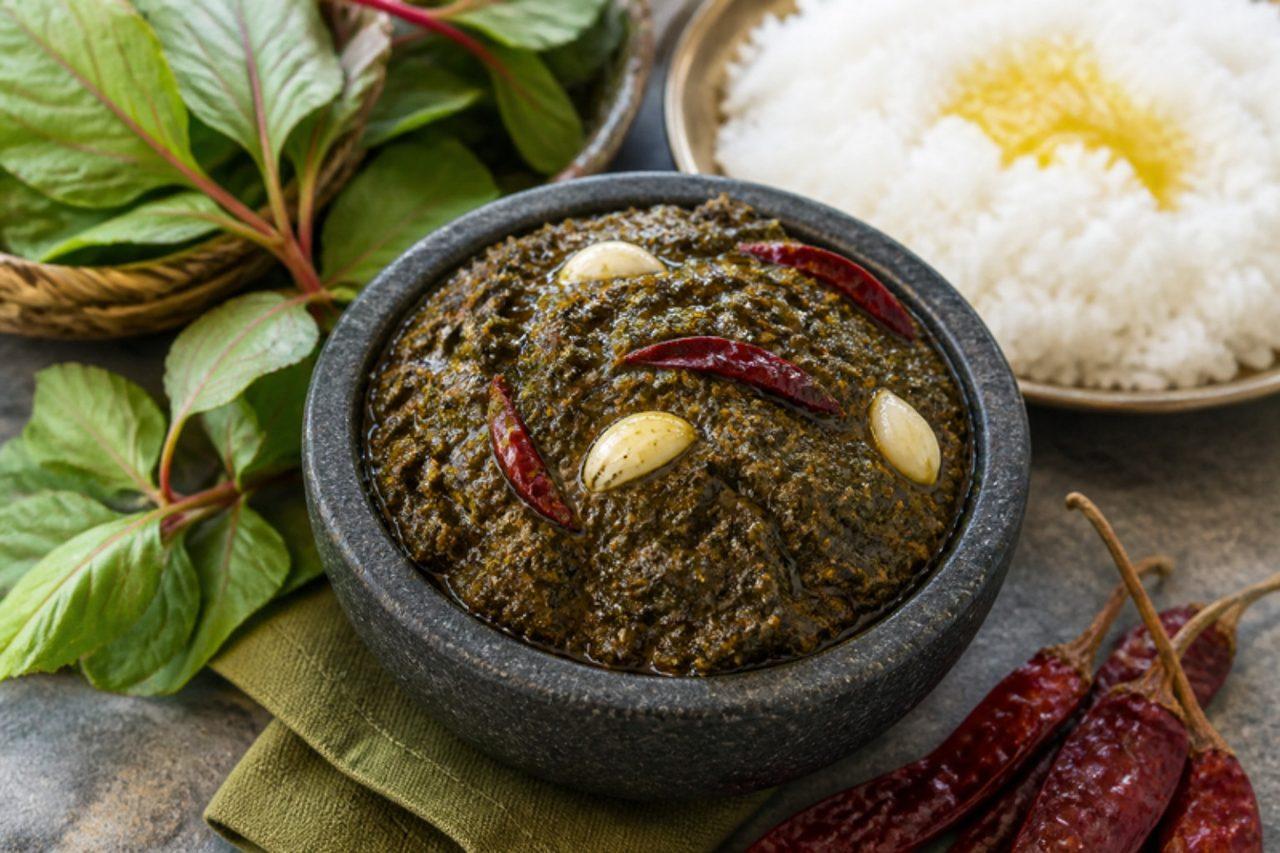
Gongura, the sour leaf of the roselle plant, is so central to Andhra cooking that it's called the state's own vegetable, and gongura pachadi is its best-known form. The leaves are fried in oil until they melt, then pounded with roasted red chillies, garlic, coriander seeds and fenugreek, and finished with a mustard tempering. It's intensely tangy, hot and garlicky, and in Guntur and Vijayawada homes a spoonful is mixed into hot rice with ghee or eaten with jowar rotte. It keeps in the fridge for a couple of weeks. Chef's tip: fry the leaves until all their water cooks off and they turn dark olive; any moisture left shortens how long the pachadi keeps.

by KrazyBadal 0 views

GomenBraised collard greens

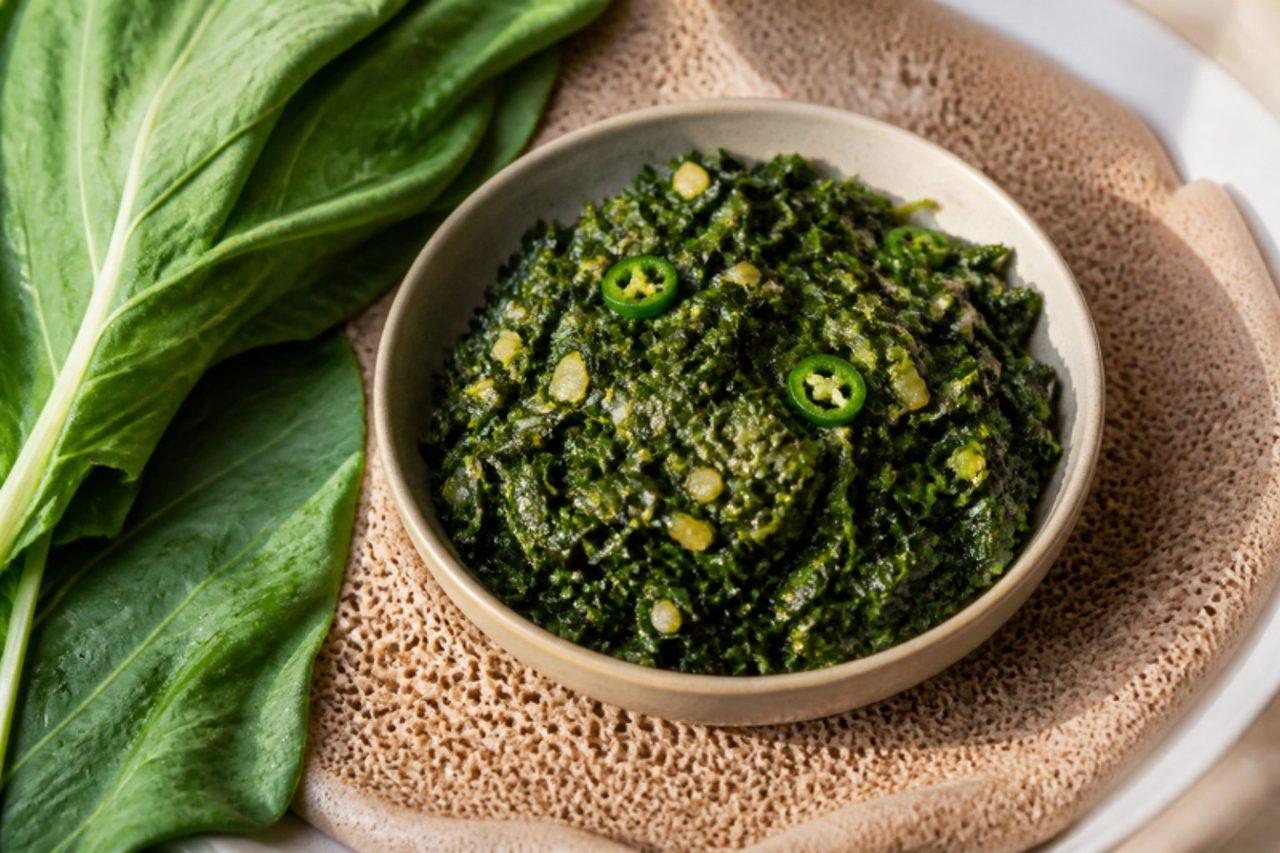
Gomen is the everyday green on Ethiopian tables, cooked in homes across the highlands and always part of a fasting platter in Addis Ababa restaurants on Wednesdays and Fridays. Collard greens (or kale) are chopped fine and braised gently with onion, garlic, ginger and green chilli until they turn soft, dark and silky, without any berbere, so they cool the palate next to the red stews. On non-fasting days many cooks add a little niter kibbeh at the end; this oil version keeps it vegan. Chef's tip: cut out the thick central stalks before chopping; left in, they stay stringy long after the leaves are tender.

by KrazyBadal 0 views

SauerbratenMarinated pot roast

Sauerbraten is the Rhineland's Sunday roast, from Cologne to Düsseldorf, and in the old days it was a way to keep beef for a week. A joint of topside sits for three days in a spiced vinegar marinade, then is braised slowly and served with a sweet-sour gravy thickened with crumbled gingerbread (Printen or Lebkuchen) and raisins. Red cabbage and potato dumplings are the classic plate. Many families put red wine in the marinade; this version uses red wine vinegar and stock, so it is alcohol-free, and you can swap 250 ml of the water for red wine if you like. A common mistake is serving it too soon: give the meat the full three days in the fridge so the vinegar reaches the middle. Chef's tip: dry the beef very well before browning, or it will steam and stay grey.

210 minGermanMeat
by KrazyBadal 0 views

GombapaprikásMushroom paprika stew

Gombapaprikás is the meatless cousin of chicken paprikás, cooked in Hungarian homes on Fridays and through Lent, and a regular on the vegetarian line of Budapest's self-service étkezde lunch rooms. Mushrooms simmer in onion, paprika and a little pepper and tomato, then the sauce is finished with sour cream until it turns a soft brick-pink. It is quick, rich and comforting, and nokedli are its natural partner, though rice or boiled potatoes work too. Chef's tip: brown the mushrooms in a hot pan in two batches before they meet the onions, so they fry instead of stewing in their own water and the sauce tastes deep rather than watery.

by KrazyBadal 0 views

Goli bajeYogurt and flour fritters

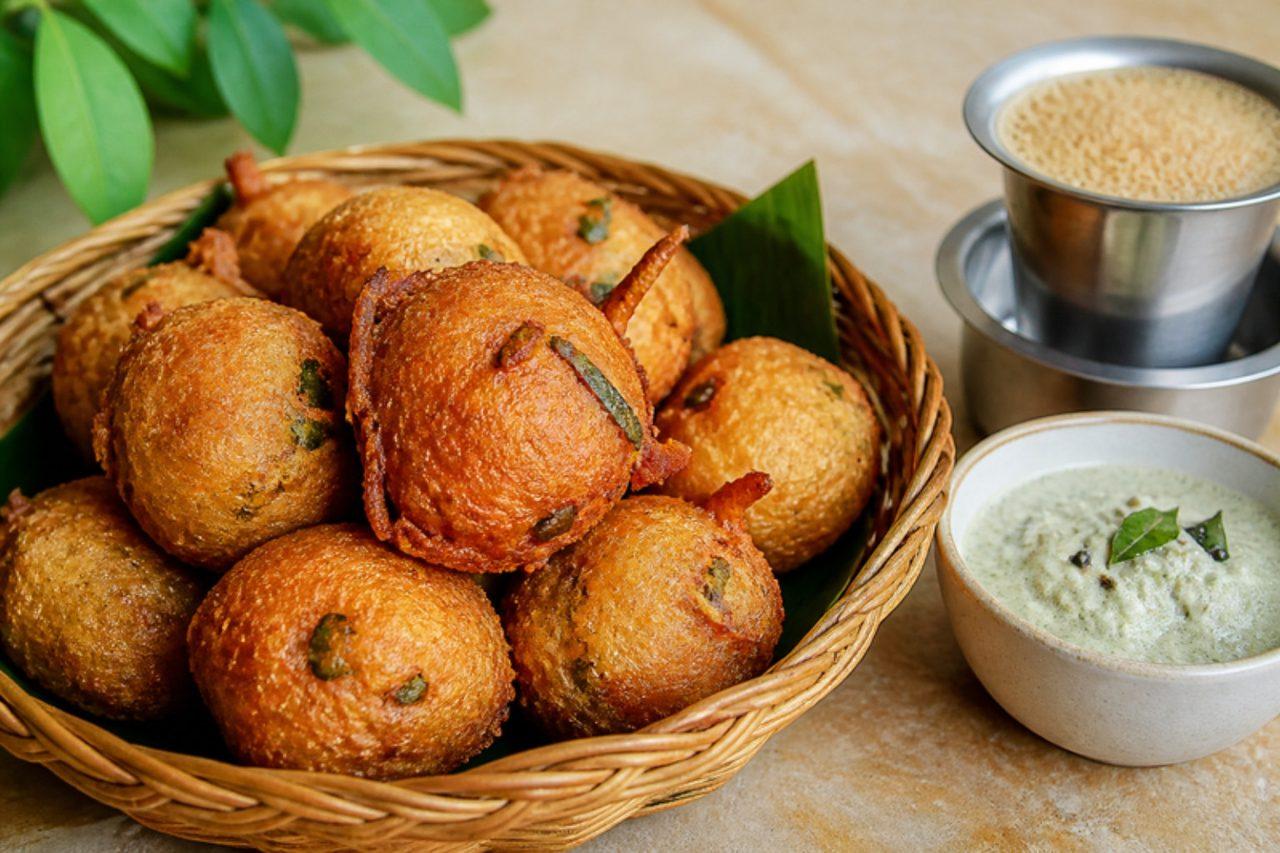
Goli baje is the tea-time snack of coastal Karnataka: round, golden fritters that are crisp outside and soft and spongy inside, sold by the plateful in Udupi hotels and Mangaluru tea shops around four in the afternoon. The batter is made from plain flour and sour yogurt, with green chilli, ginger, curry leaves and coconut bits, and left to rest so it turns slightly tangy and airy. Serve them piping hot with coconut chutney and a strong cup of coffee. Chef's tip: beat the batter hard for a few minutes before resting it; a well-beaten batter is stretchy, traps air, and gives fritters with an open, bread-like crumb.

by KrazyBadal 0 views

SawhchiarChicken and rice porridge

Sawhchiar is Mizoram's comfort food and community food at once: rice and chicken slowly cooked together until thick and soft. In Aizawl huge pots are made for church gatherings, festivals such as Chapchar Kut and for neighbours in times of mourning, and smaller pots at home for anyone feeling unwell. It is gently seasoned with ginger, garlic and pepper and eaten with a fiery chilli on the side. Chef's tip: stir from the bottom every few minutes near the end; once the rice thickens it catches quickly.

by KrazyBadal 0 views

GolfeadosSticky panela and cheese spiral buns

Golfeados are the sticky sweet buns of Caracas bakeries and especially of the old roadside panaderías on the road to El Junquito, eaten warm with a slice of salty white cheese and a coffee. The soft yeast dough is rolled up with grated papelón (panela), anise seeds and crumbled cheese, baked in a tight tray and soaked with a dark panela syrup so they glisten. They are sweet, salty and fragrant. Chef's tip: roll them tightly and pack them close together in the tin; they rise up instead of out and stay soft and moist.

by KrazyBadal 0 views

Golbheda ko acharRoasted tomato relish

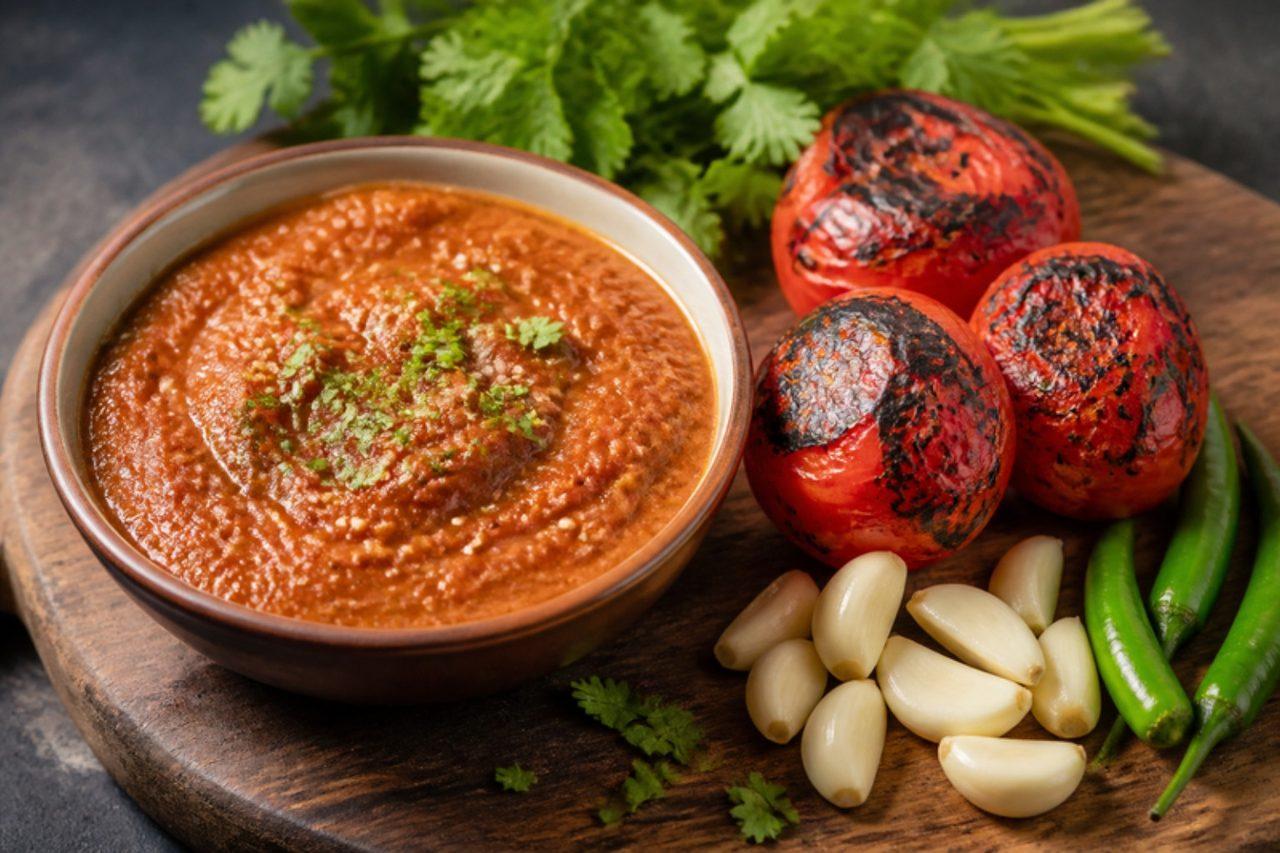
No momo is served in Nepal without a small bowl of golbheda ko achar, and no dal bhat feels complete without a dab of it on the side. Tomatoes (golbheda) are charred over a flame or on a dry griddle until black-blistered and soft, then pounded with garlic, green chilli and timur, the citrusy Nepali pepper that leaves a buzz on the tongue. Grandmothers grind it on the flat stone silauto; a blender or mortar does the job at home. It is smoky, sour and hot, and is made fresh in most kitchens every day or two. A spoonful of toasted sesame or soybean powder thickens the version served with momos in Kathmandu. Don't purée it smooth: the skins and seeds give it its rustic body. Chef's tip: char the garlic and chillies beside the tomatoes; their sharp edge softens and the achar tastes sweeter and deeper.

by KrazyBadal 0 views

Gogi guksuPork noodle soup

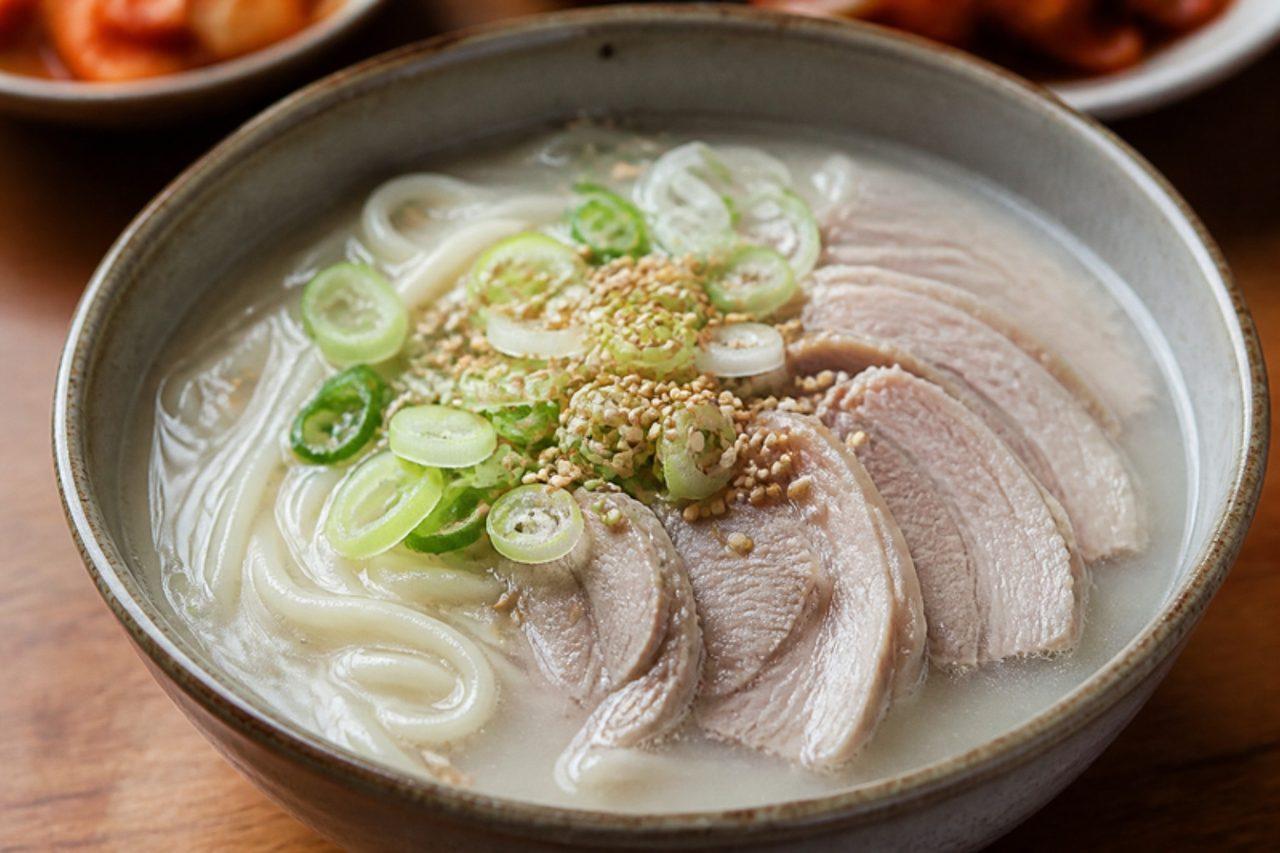
Gogi guksu goes back to Jeju's village feasts, where a pig was slaughtered for a wedding or funeral and its bones were boiled into broth for noodles to feed everyone. In Jeju City there is now a street of noodle restaurants near Samseonghyeol shrine, popular for a quick lunch and with visitors fresh off the plane. The broth is cloudy and rich, the noodles are thick and chewy, and the slices of boiled pork on top are often from the island's black pigs. Diners add chilli flakes and spring onion as they like. Chef's tip: dip the cooked noodles into the hot broth in a sieve for 20 seconds before they go in the bowl; they heat through without going soft.

180 minKoreanSoups
by KrazyBadal 0 views

Goan vegetable xacutiRoasted coconut vegetable curry

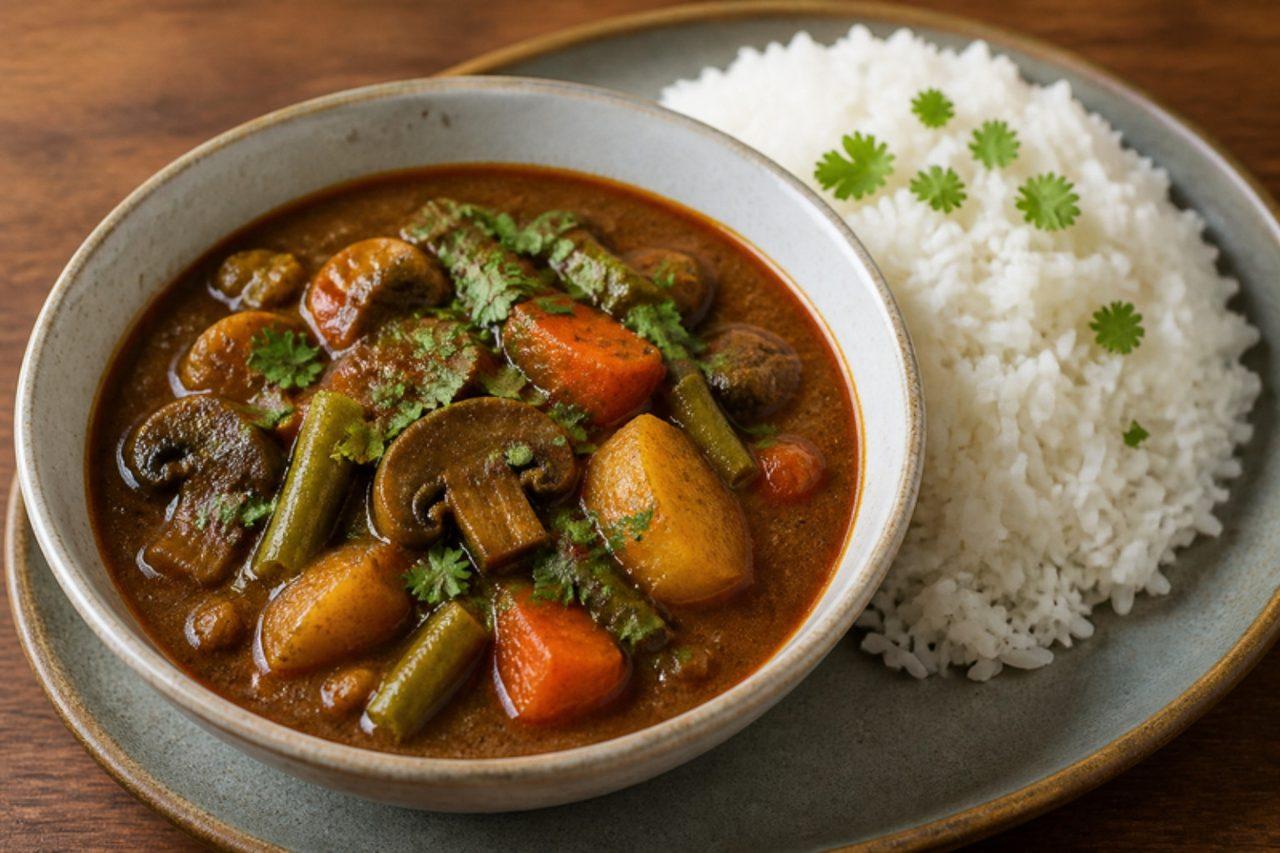
Xacuti (sha-koo-tee) is one of Goa's most complex curries: grated coconut is roasted until deep brown with poppy seeds, dried chillies and a long list of whole spices, then ground into a thick, aromatic masala. In Goa it's usually made with chicken; vegetarian Goan families make it with mushrooms, potatoes, peas and other vegetables, and the roasted coconut gives it all the depth it needs. It's warm and fragrant rather than fiery, with a touch of tamarind and jaggery. Serve with rice, pao or chapatis. Chef's tip: roast the coconut slowly over a low heat until it's the colour of milk chocolate and smells like toasted nuts; that colour is the xacuti's flavour, and pale coconut gives you a pale, flat curry.

by KrazyBadal 0 views

Goan pork sorpotelSpicy vinegar pork stew

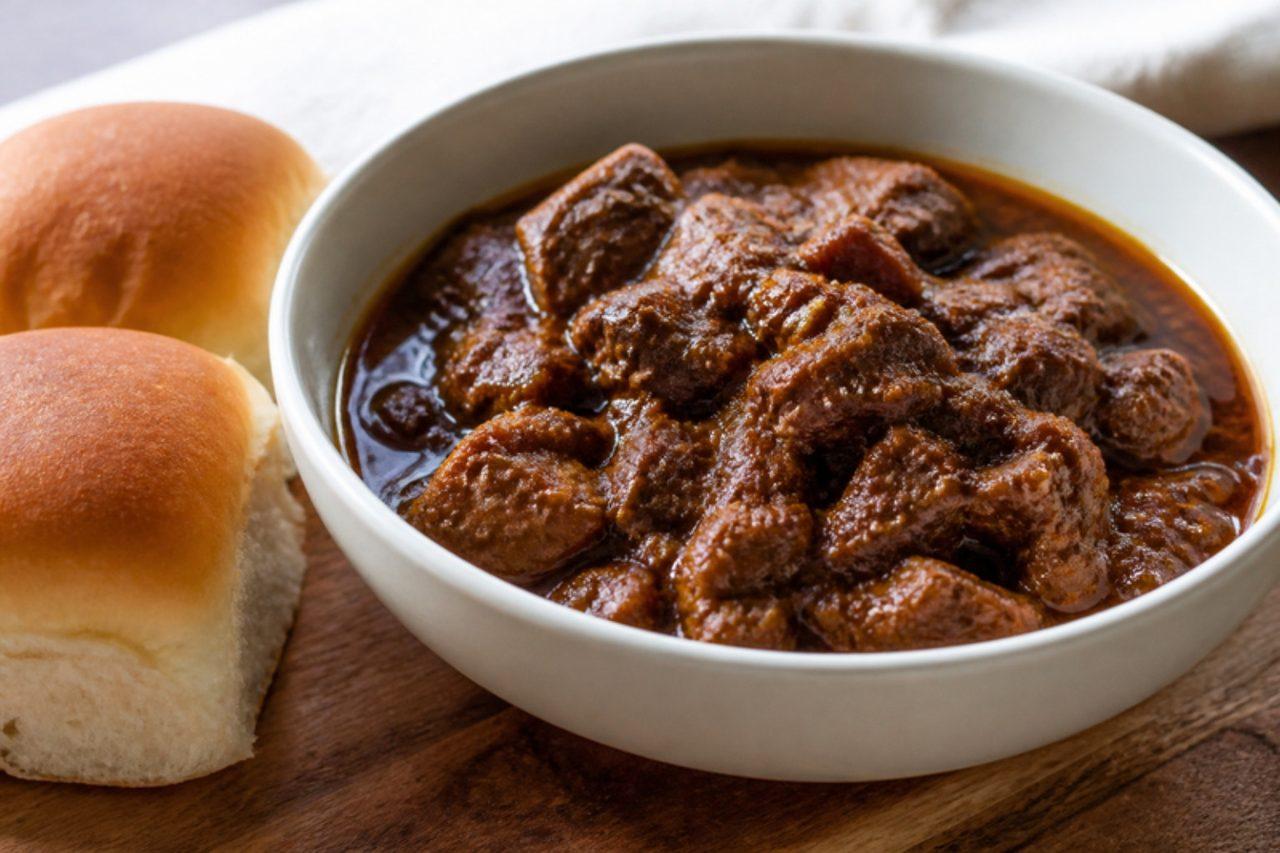
No Goan Christmas, wedding or village feast in Salcete is complete without sorpotel, a dark, sharp curry of finely diced pork that is made days in advance and reheated every day until it is eaten. Traditionally it uses pork, liver, heart and sometimes blood; this home version uses pork shoulder with optional liver, which most city cooks prefer. It is eaten with sannas (steamed rice cakes) or soft pao. Chef's tip: boil the pork in one piece first and dice it once it is cooked; you get neat little cubes that stay tender instead of turning stringy.

155 minIndianMeatGluten freeSpicy
by KrazyBadal 0 views

Scallion pancakes (cong you bing)Spring onion flatbreads

Cong you bing are sold from griddles on street corners across northern China, and every Shanghai breakfast stall has its own version. The dough is rolled thin, brushed with a flour-and-oil paste, scattered with spring onion, rolled up like a snail and flattened again, so it fries into dozens of crisp, chewy layers. Children love tearing them apart. Chef's tip: make the dough with hot water; it scalds some of the flour so the pancakes stay soft and roll out without springing back.

by KrazyBadal 0 views

Vegetable briouatsSpiced vegetable pastry triangles

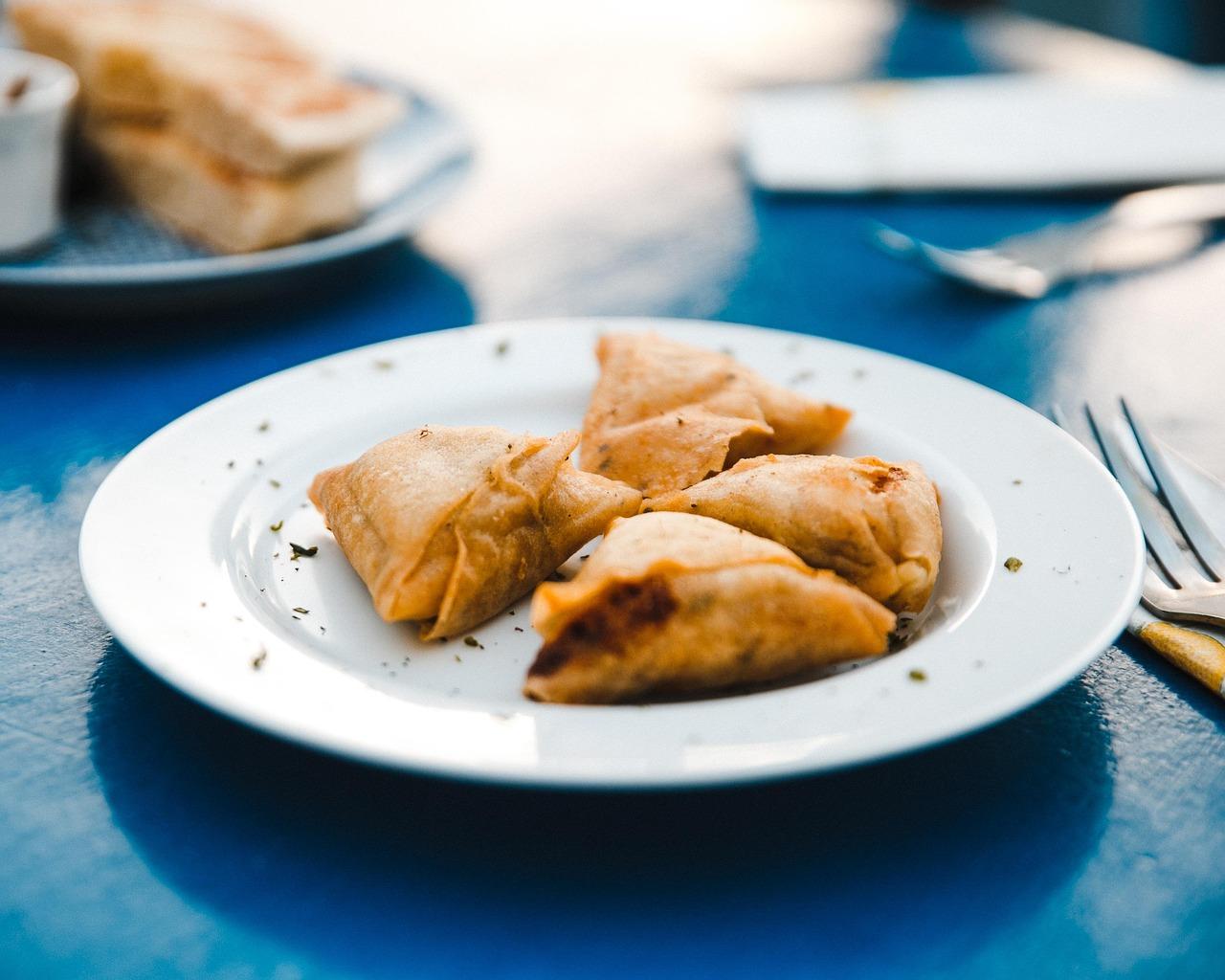
Briouats are the small, crunchy pastry triangles served at Moroccan weddings and at the iftar table during Ramadan, especially in Rabat and Fez where women make hundreds ahead and freeze them. The wrapper is warqa, a paper-thin pastry, though filo works well at home. Savoury briouats are often filled with meat or seafood; this vegetarian filling of potato, carrot, peas, spices and cheese is popular in family kitchens and loved by children. Bake or fry them and serve hot with a dipping saucer of harissa. Chef's tip: let the filling cool completely before wrapping; hot filling makes the pastry soggy and it splits in the oven.

by KrazyBadal 0 views

Goan poiGoan wholewheat pocket bread

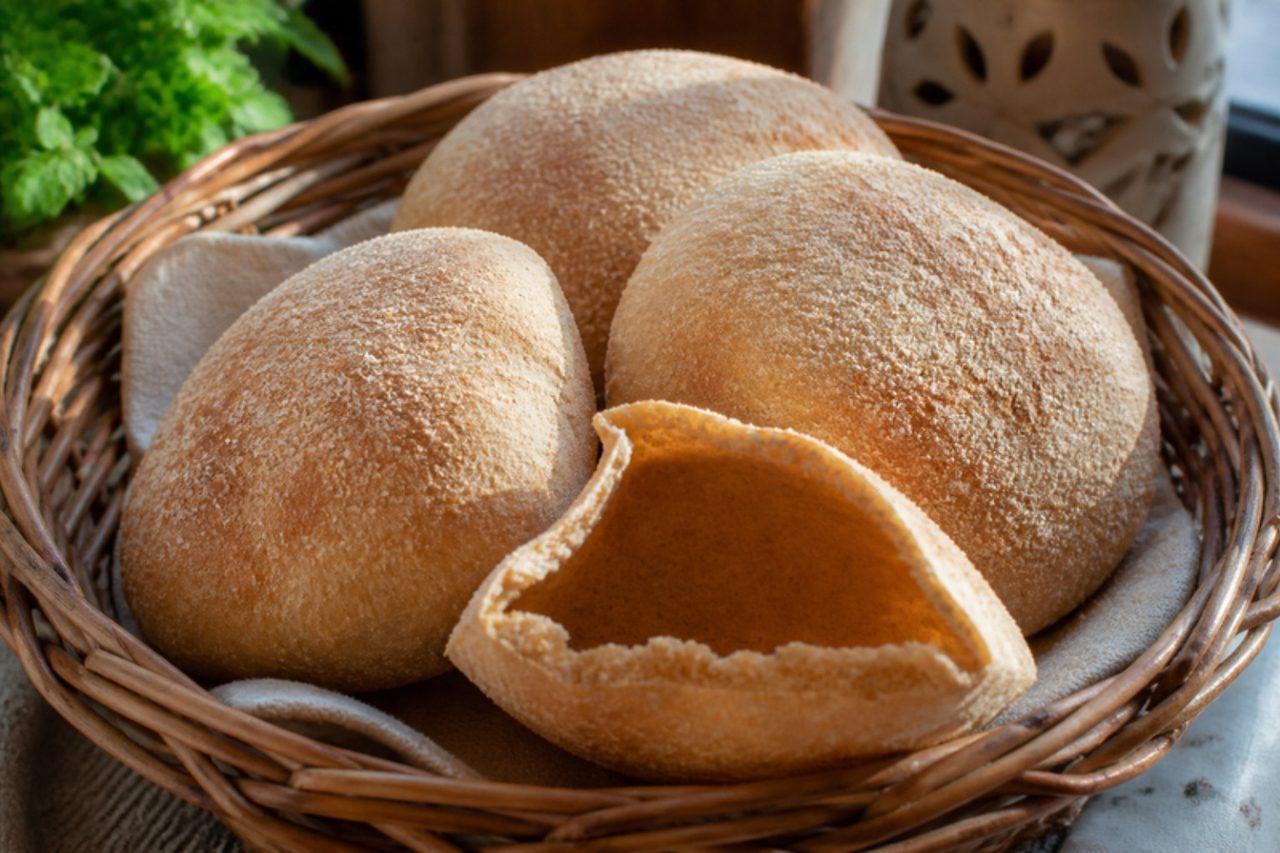
Every morning in Goan villages the poder, the local baker, cycles from house to house honking a horn, his basket full of warm bread. Poi is the one Goans miss most when they leave home: a flat, round, wholewheat-and-white-flour bread dusted with wheat bran, baked in a very hot wood oven so it puffs into a hollow pocket. It's torn open for chorizo pao in Goa, but just as good stuffed with spicy chickpea ros, dipped in a vegetable xacuti, or eaten with butter and tea. Traditionally the dough was raised with palm toddy; at home, yeast does the job. Chef's tip: preheat a heavy baking tray in the oven for at least 20 minutes; the shock of hot metal is what makes the poi puff.

by KrazyBadal 0 views

Potato gnocchiPotato gnocchi with sage butter

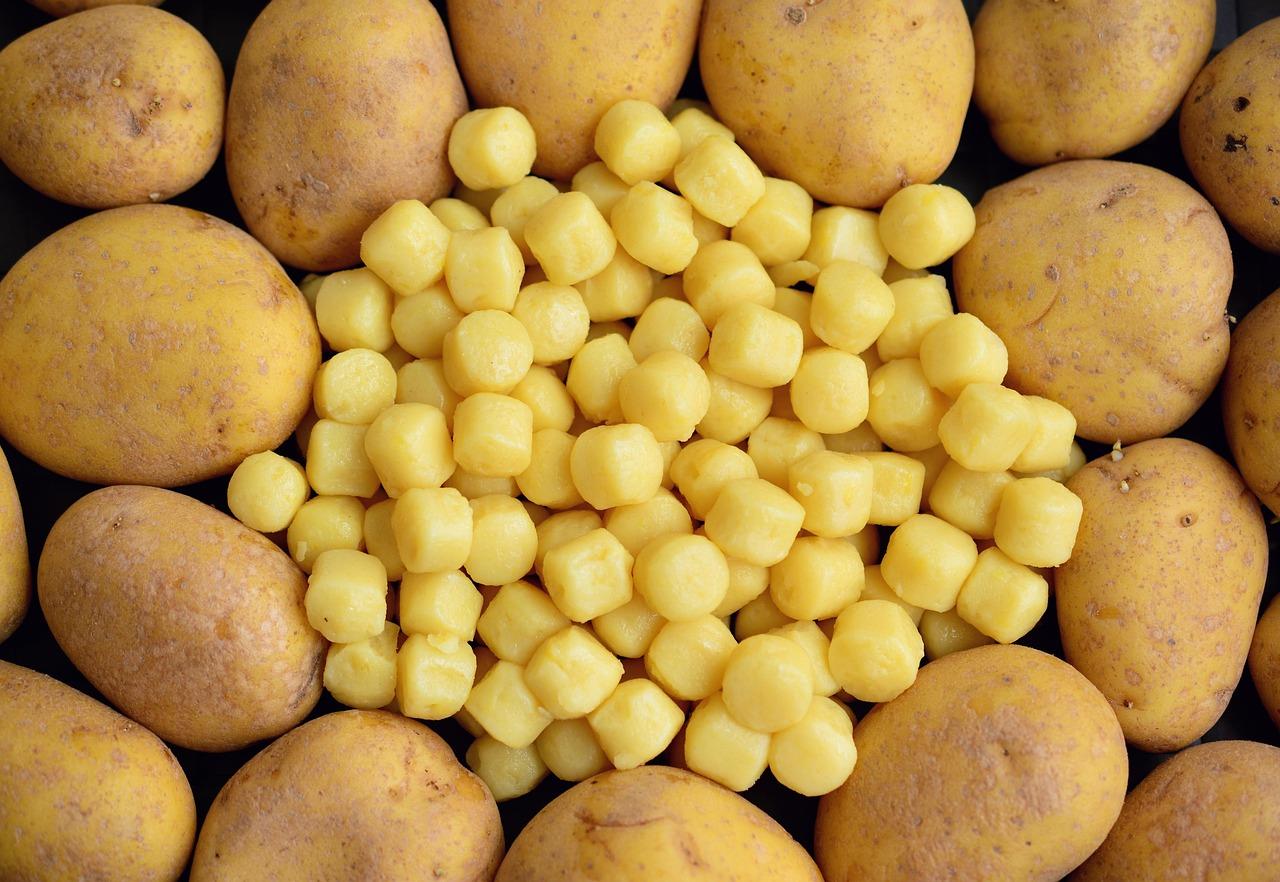
Potato gnocchi are made all over Italy, from Friuli to Rome, where trattorie still serve them on Thursdays ('giovedì gnocchi'). They are just floury potatoes and flour (an egg yolk is optional and makes them easier to handle) rolled into little pillows that cook in two minutes. Good gnocchi are light and tender, never chewy. Serve them with sage butter, as here, or a simple tomato sauce for children. Chef's tip: bake the potatoes in their skins instead of boiling; drier potatoes need less flour, and less flour means lighter gnocchi.

by KrazyBadal 0 views

Vegetable curry laksaCoconut curry noodle soup

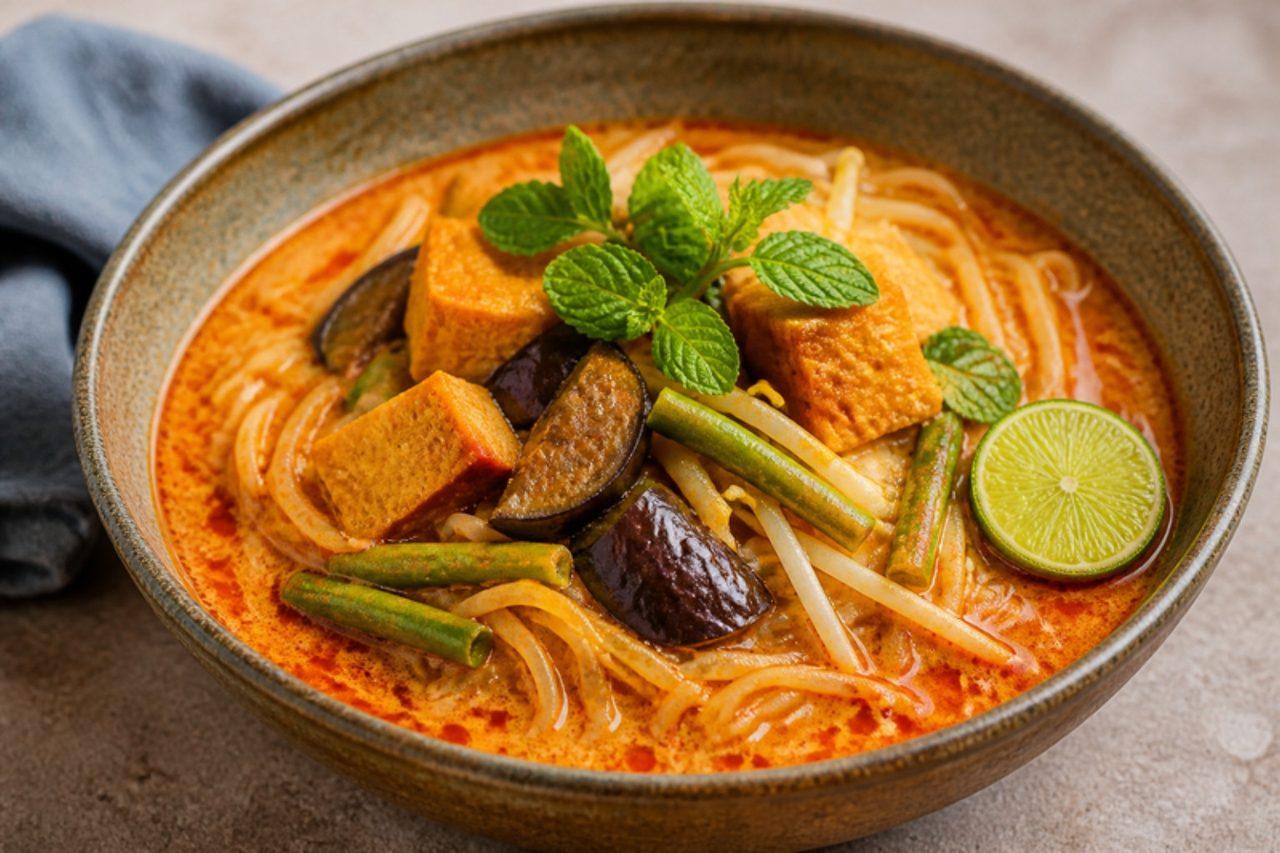
Curry laksa, or curry mee, is the coconut-rich laksa of Kuala Lumpur and the west coast, a hawker breakfast as often as a lunch, ladled from huge pots into bowls of noodles. The broth is a fried spice paste of chillies, lemongrass, galangal and candlenuts loosened with coconut milk, so it's spicy, creamy and fragrant at once. Stalls top it with chicken, cockles or prawns; ours is all vegetable: tofu puffs that soak up the soup like sponges, soft aubergine, long beans, crunchy bean sprouts and mint. Chef's tip: once the coconut milk goes in, keep it at a gentle simmer; a rolling boil splits it and leaves the broth greasy and grainy.

by KrazyBadal 0 views

Vegetable egusi soupMelon seed soup

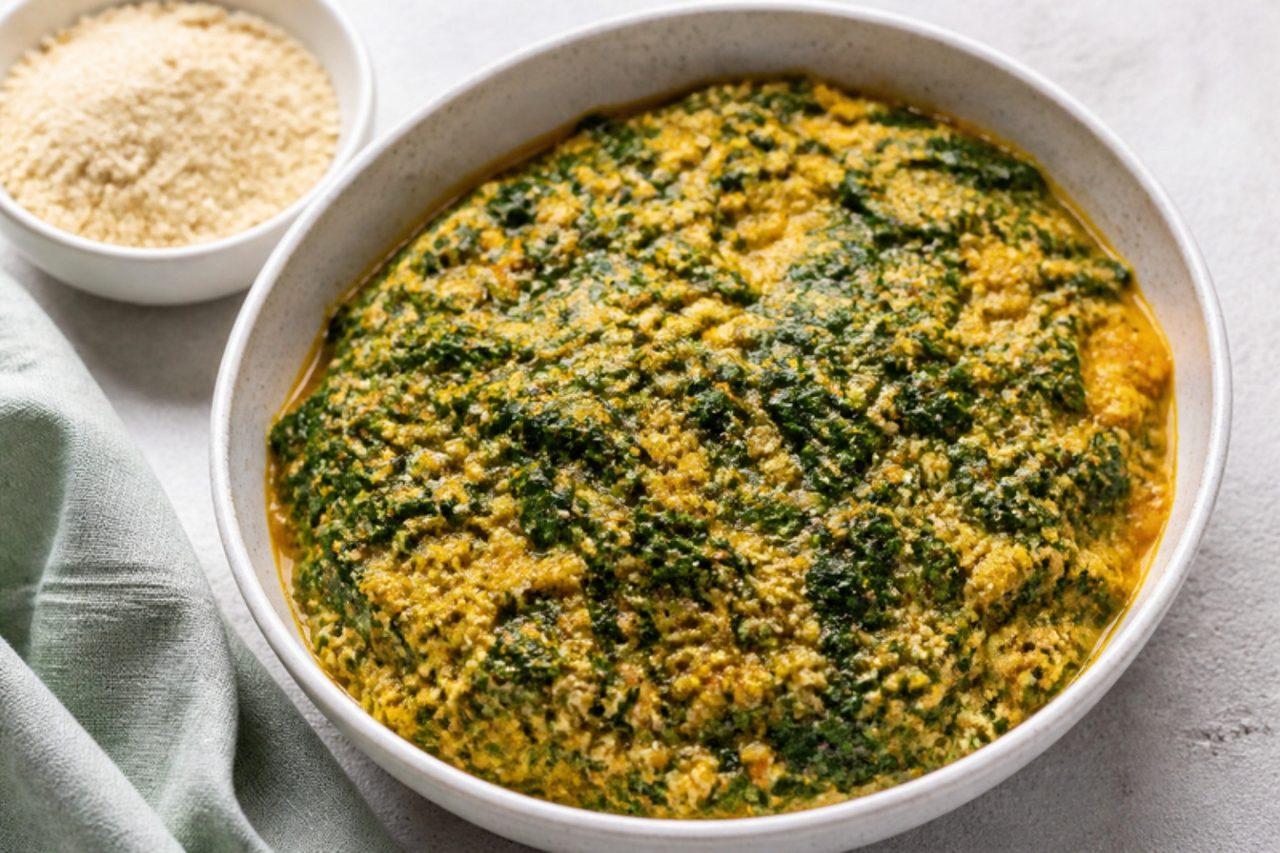
Egusi soup is cooked right across Nigeria, from Igbo kitchens in Enugu to Yoruba homes in Abeokuta, and it is the soup most people mean when they say 'swallow and soup'. Ground egusi (the protein-rich seeds of a wild melon) is fried and simmered in a pepper and palm-oil base until it forms soft, savoury curds, then finished with greens. It is eaten by hand with pounded yam, eba or fufu. The usual meats, stockfish and crayfish are left out here; mushrooms, iru and vegetable stock do the work. Chef's tip: let the egusi paste sit in the hot sauce without stirring for 5 minutes so it sets into fluffy curds before you break it up.

by KrazyBadal 0 views

Vegetable Hokkien meeBraised black noodles with vegetables

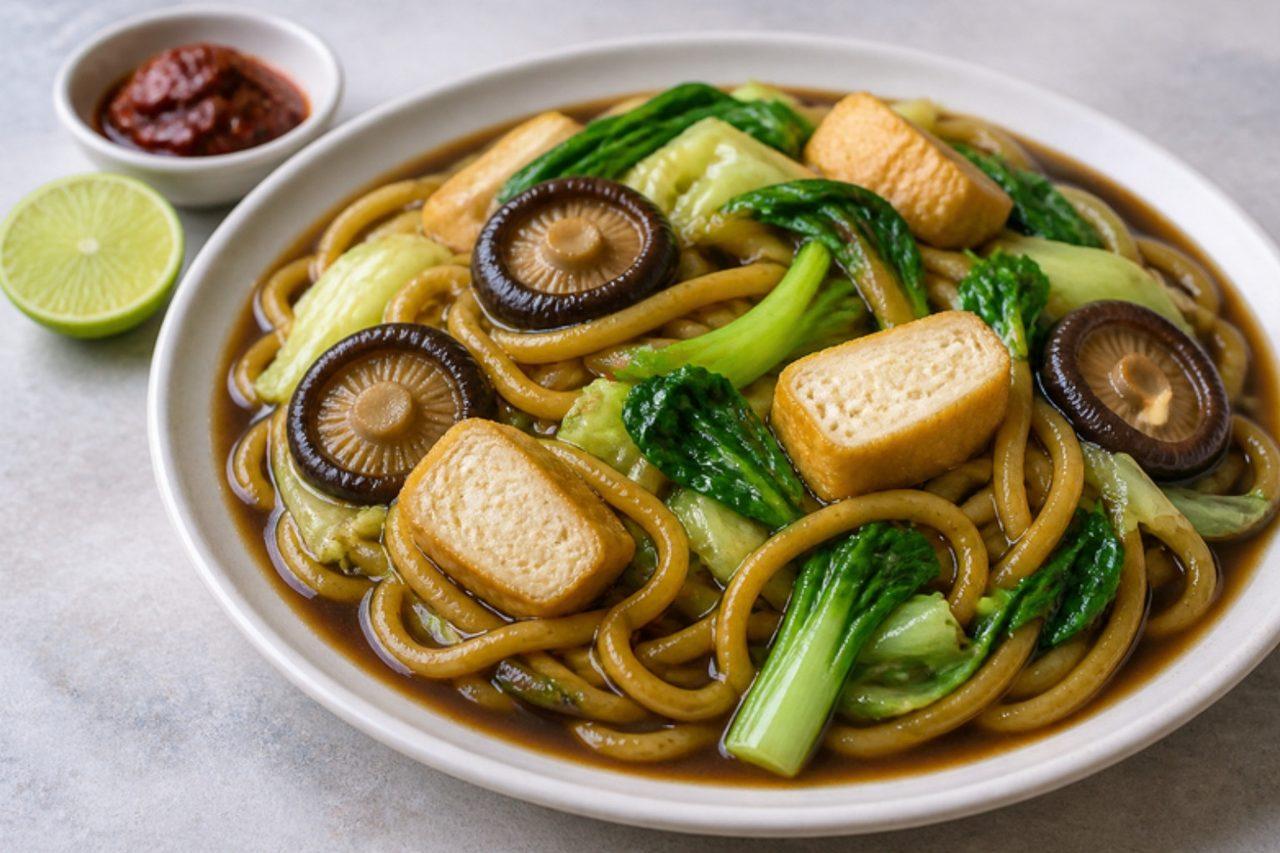
In Kuala Lumpur, Hokkien mee means thick yellow noodles braised in a dark, caramel-sweet soy sauce until they turn almost black, a late-night hawker dish that Petaling Street and Jalan Alor stalls still cook over roaring flames long after midnight. The originals carry pork, prawns and crisp lard; ours uses meaty shiitake, tofu puffs that drink up the sauce, cabbage and choy sum, with fried shallots for the crunch the lard would give. It's smoky, salty-sweet and very slurpable. Chef's tip: let the noodles braise until the sauce has thickened and clings to every strand, with only a spoonful left in the wok.

by KrazyBadal 0 views

Schwäbischer KartoffelsalatWarm potato salad

Swabian potato salad is nothing like the creamy kind. In Stuttgart and across Baden-Württemberg it is made with waxy potatoes sliced while still warm and soaked in hot stock, vinegar, onion and oil until it turns glossy and slightly 'schlonzig', a local word for that loose, juicy texture. It is eaten lukewarm, never fridge-cold, beside Maultaschen or vegetarian schnitzel, and at every summer garden party. This version uses vegetable stock. Chef's tip: pour the hot dressing over the potatoes while they are still warm; cold potatoes won't drink it in and the salad stays dry.

by KrazyBadal 0 views

Schwarzwälder KirschtorteBlack Forest gâteau

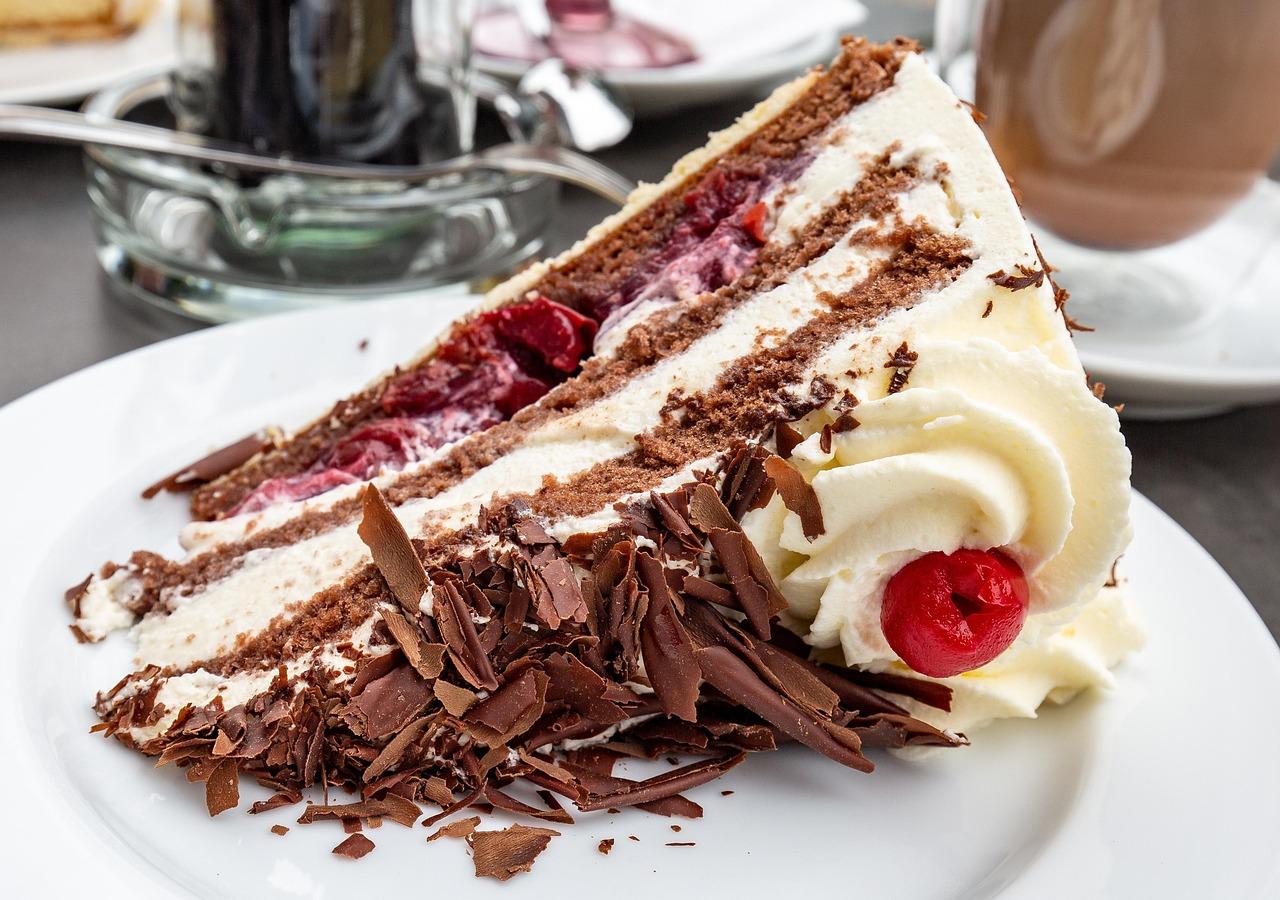
Schwarzwälder Kirschtorte comes from the Black Forest in south-west Germany, a region famous for its sour cherries and the clear cherry brandy, Kirschwasser, distilled from them. Layers of light chocolate sponge are soaked with cherry syrup (and traditionally kirsch), filled with thickened sour cherries and lots of whipped cream, then covered in cream and chocolate shavings and topped with cherries. It's the cake of birthdays, Sunday Kaffee und Kuchen and Konditorei windows. This version leaves out gelatine: the cherries are set with cornflour and the cream with a little mascarpone. Chef's tip: chill the assembled cake for at least 4 hours; cut too early and the layers slide apart.

by KrazyBadal 0 views

Egg and chive jiaoziEgg and chive dumplings

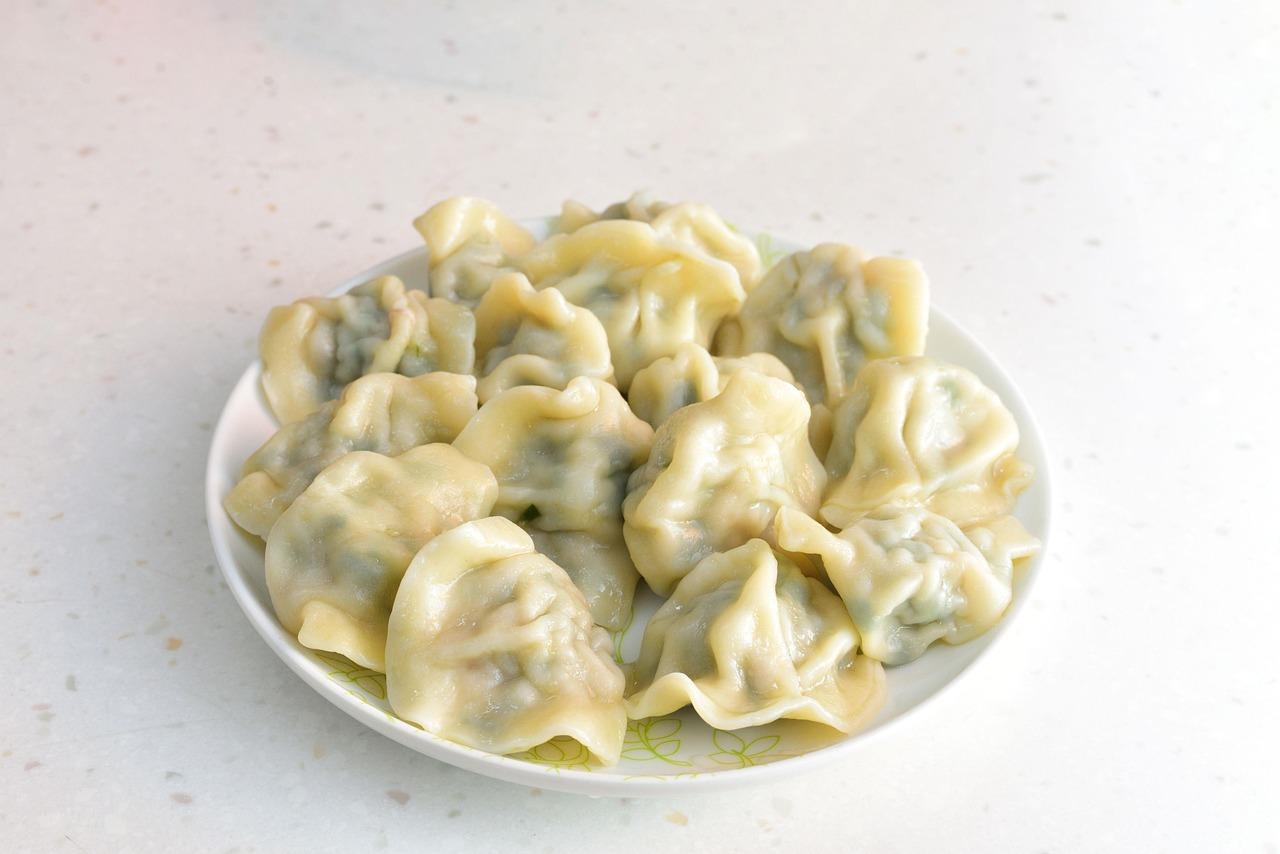
In northern China, from Shandong to Dongbei, families sit round the table on Chinese New Year's Eve and fold jiaozi together to eat at midnight. Jiu cai ji dan, egg and garlic chive, is the classic meat-free filling: soft scrambled egg, bright green chives and a few glass noodles to soak up the juices. Boil them and serve with black vinegar and chilli oil, or pan-fry the leftovers the next day. Chef's tip: stir a spoonful of oil into the chopped chives before adding the salt; the oil seals in their juice so the filling doesn't go watery.

by KrazyBadal 0 views

Vegetable khorovatsGrilled aubergine, peppers and tomatoes

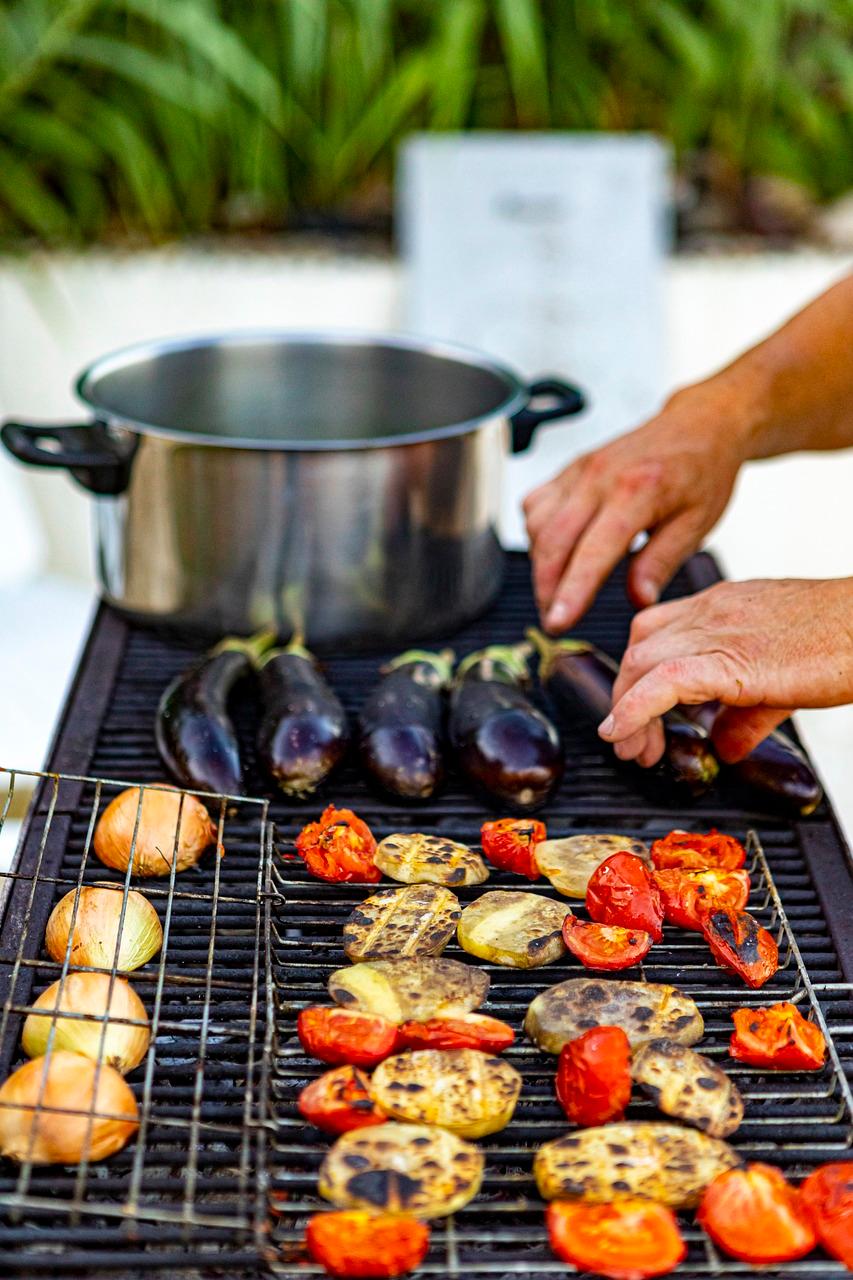
No Armenian summer weekend at the dacha passes without a khorovats, the charcoal grill fired up in the garden from Dilijan to Lake Sevan. Alongside the skewers, whole aubergines, peppers and tomatoes are grilled until black and collapsing, then peeled and chopped with raw onion, garlic and herbs into a smoky, juicy salad. Served on its own with lavash, salty cheese and pickles, it makes a full meal, and it is one of the dishes that Armenians say tastes of summer itself. It works on a barbecue or straight on a gas flame. Chef's tip: grill the vegetables whole, without oil and without cutting them; the skins burn and peel away, while the flesh steams inside and soaks up the smoke.

by KrazyBadal 0 views

Vegetable kottu rotiChopped roti stir-fried with vegetables

After dark in Colombo you hear kottu before you see it: the rhythmic clang of two steel blades chopping roti on a hot flat-top at every street stall from Pettah to Wellawatte. Shredded godamba roti is stir-fried with leeks, carrot, cabbage, onion, chilli and egg, then moistened with a spoonful of spicy curry gravy so it's soft, smoky and messy in the best way. Stalls usually ladle on chicken curry gravy; we make a quick vegetable curry sauce instead, and the egg keeps it vegetarian rather than vegan. Leftover parathas or frozen flaky flatbreads stand in well for godamba roti. The common mistake is overcrowding a small pan, which steams everything; cook in two batches if your pan is under 30 cm. Chef's tip: chop the roti into strips while it is still slightly warm, then let it dry for 10 minutes so it fries rather than turns mushy.

by KrazyBadal 0 views

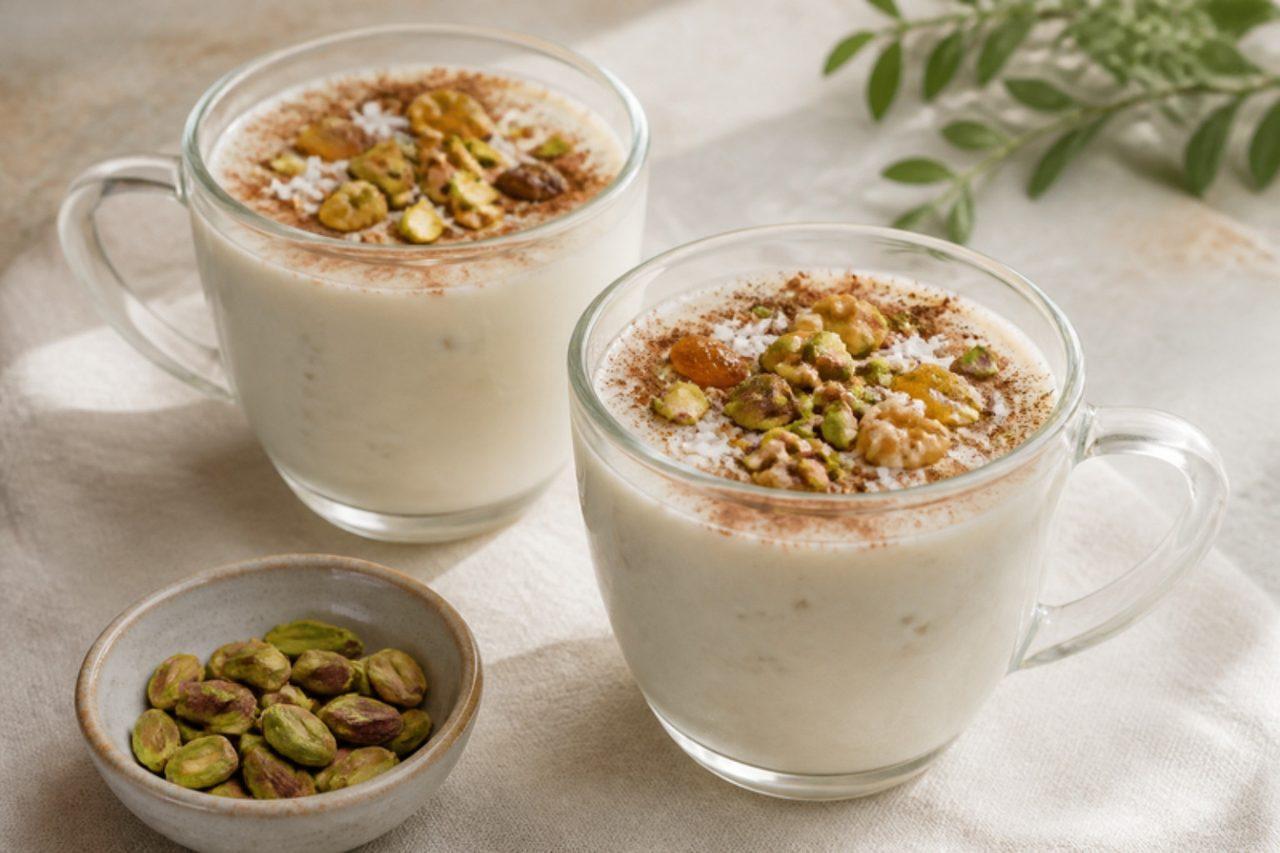
SahlabWarm milk drink

Sahlab is what Cairo drinks on a cold winter evening: a thick, sweet, steaming glass of milk sold in cafés and from street carts, topped with cinnamon, coconut, chopped nuts and a few raisins, and eaten as much with a spoon as drunk. The original thickener is powdered orchid root, which is now rare and protected, so most Egyptian households and many cafés use cornflour or a ready-made sahlab mix instead, as here. Chef's tip: keep whisking from the moment the thickened milk goes in until it boils; stop for a minute and it catches on the bottom of the pan and tastes scorched.

by KrazyBadal 0 views

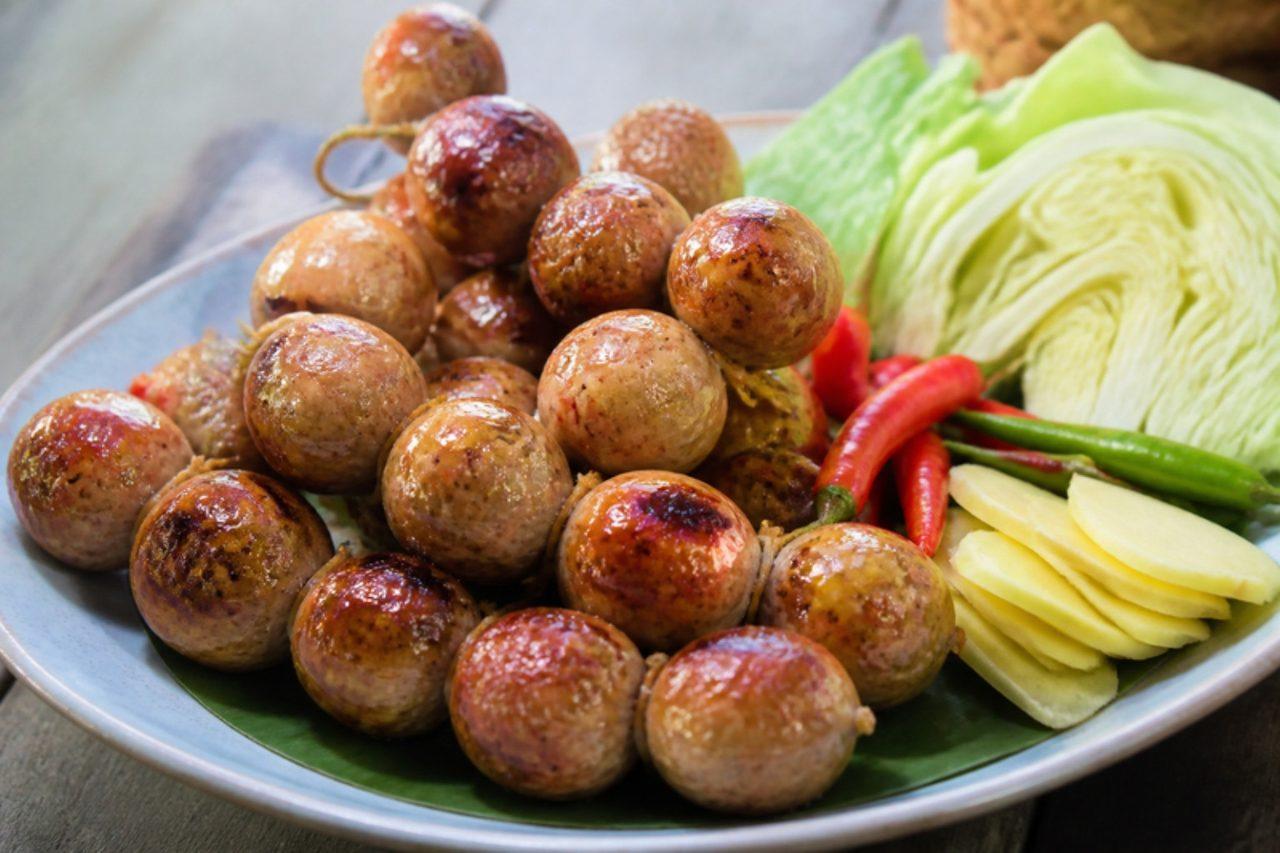
Sai krok IsanSour pork and rice sausage

Strung in little round links and grilled at night markets from Khon Kaen to Udon Thani, these garlicky sausages are tangy from fermentation, with soft rice grains in a juicy pork filling. Vendors serve them with fresh ginger slices, bird's eye chillies, raw cabbage and roasted peanuts, and every bite is a mix of sour, salty, hot and crunchy. Traditionally they are left at room temperature for two or three days to sour; that is a real food-safety risk at home without controlled cultures and curing salts, so this version cures in the fridge instead. Expect a milder tang than street-stall sai krok; a squeeze of lime at the table makes up the difference. Chef's tip: use day-old cooked rice that went into the fridge quickly; freshly cooked warm rice turns the filling mushy and keeps it in the danger zone.

65 minThaiMeatGluten free
by KrazyBadal 0 views

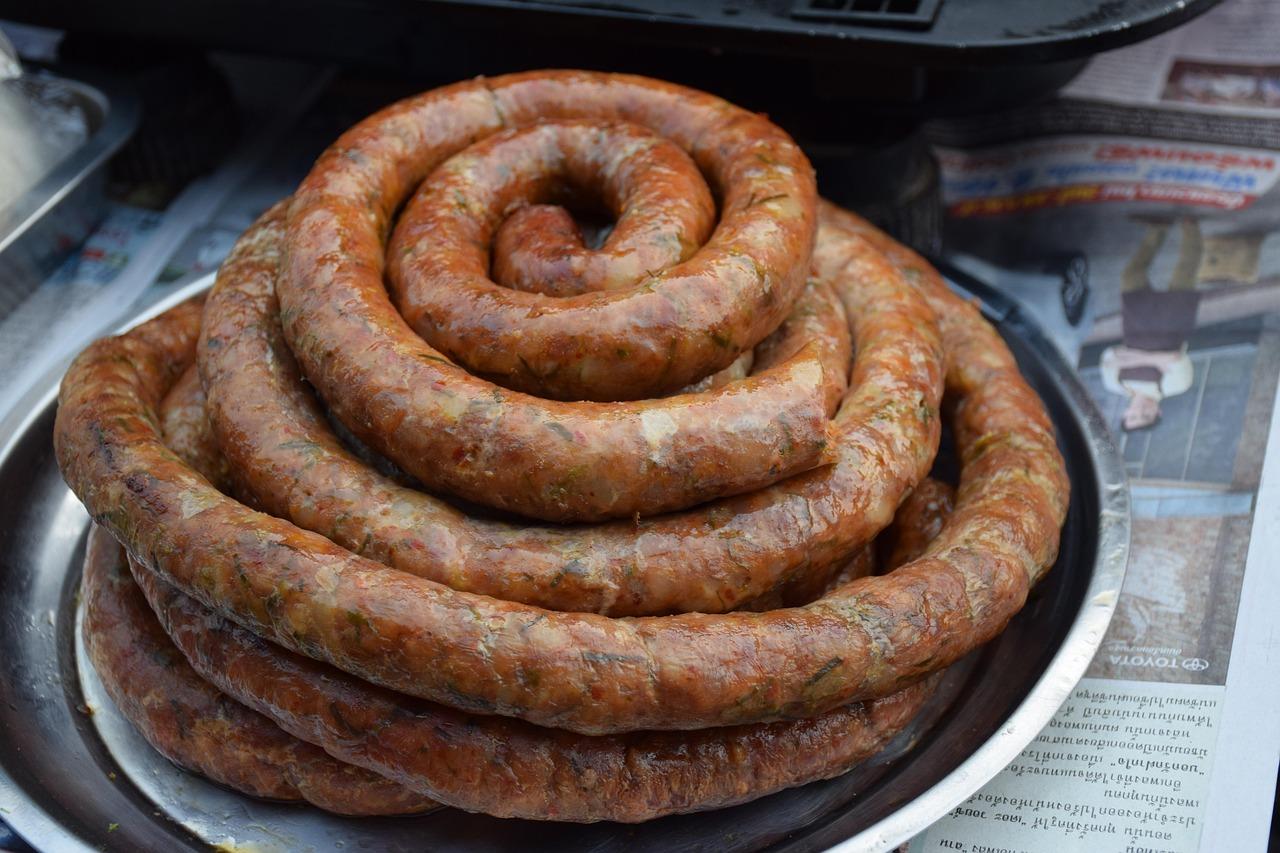
Sai ouaHerby grilled pork sausage

Walk through Chiang Mai's Warorot market and you will smell sai oua before you see it: long coils of sausage smoking over charcoal, flecked green with lime leaf and orange with chilli paste. The meat is coarse and juicy, the flavour loud with lemongrass, galangal and turmeric, and Northern Thais eat it in thick slices with sticky rice, raw cabbage, nam prik noom and a few slices of fresh ginger. If you have no casings or sausage stuffer, the same mixture makes excellent flat patties. Chef's tip: fry a teaspoon of the mixture before you stuff anything and taste it; this is your only chance to fix the salt and chilli.

90 minThaiMeatGluten freeSpicy
by KrazyBadal 0 views

HandvoSavoury rice and lentil cake

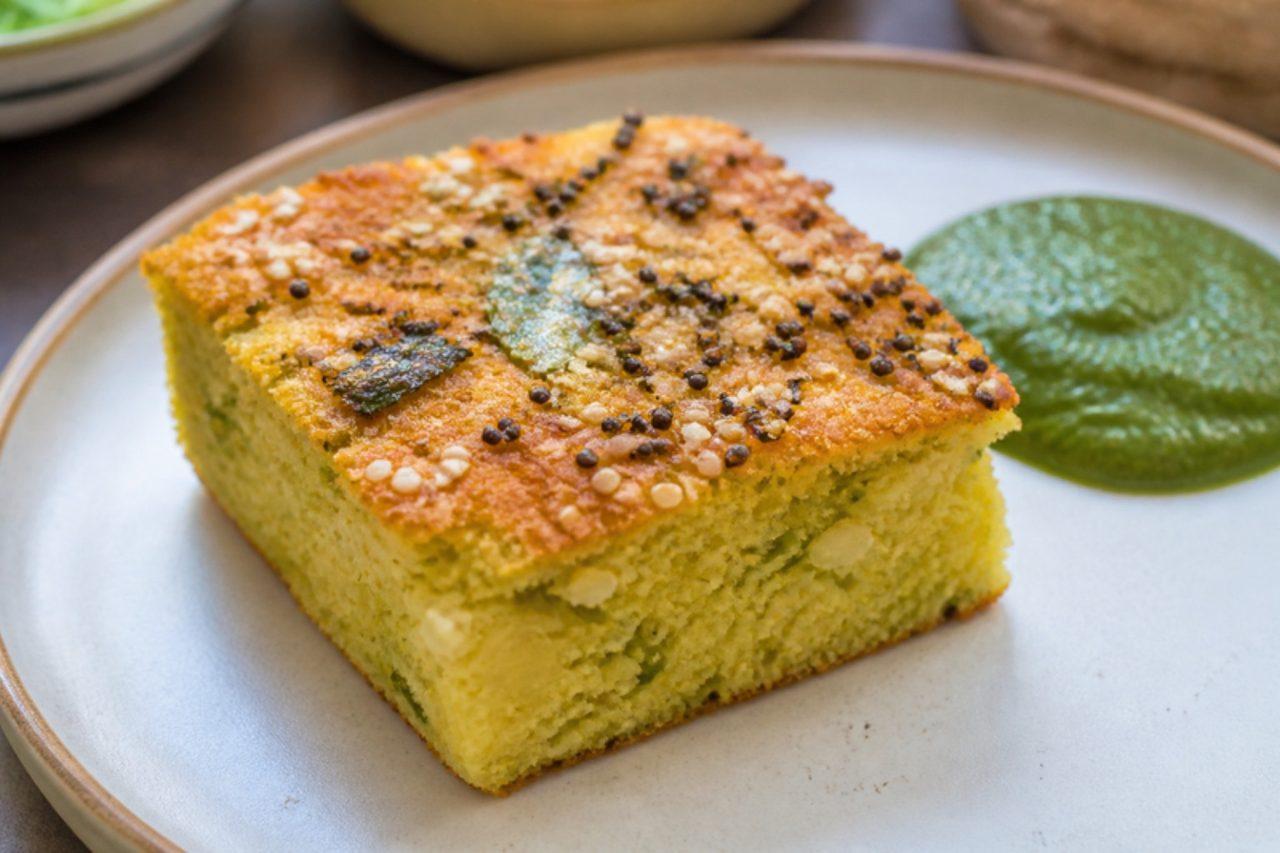
Handvo is a savoury cake from Gujarat, made from a fermented batter of rice and lentils mixed with grated bottle gourd, yogurt and spices. It's baked or cooked slowly in a heavy pan until it has a deep-brown, crackly crust of mustard seeds and sesame and a soft, moist, slightly tangy inside. Gujarati families make it for Sunday tea or a light supper, with green chutney and a cup of masala chai. Slices are also good packed for a journey. Chef's tip: don't rush the crust; cook on a low heat with a lid and let the base go deep golden before you flip, because the crunchy, almost toasted sesame crust is the best part.

by KrazyBadal 0 views

Halo-haloShaved ice dessert

Halo-halo ('mix-mix') is what the Philippines eats through the hot dry months of March to May, bought from roadside stalls and snack shops and eaten slowly with a long spoon in a tall glass. Sweetened beans and chickpeas, banana cooked in brown sugar, jackfruit, nata de coco and sugar-palm fruit go in first, then a mountain of finely shaved ice, a splash of evaporated milk and a crown of ube halaya, a slice of leche flan or a scoop of ube ice cream, with crunchy pinipig (toasted pounded rice) on top. Unlike Malaysian ais kacang, there's no syrup over the ice: the sweetness comes from the layers and the milk. You stir everything together before eating. Chef's tip: chill the glasses and the toppings first so the ice doesn't melt before you have finished building.

by KrazyBadal 0 views

HallacasStuffed corn parcels

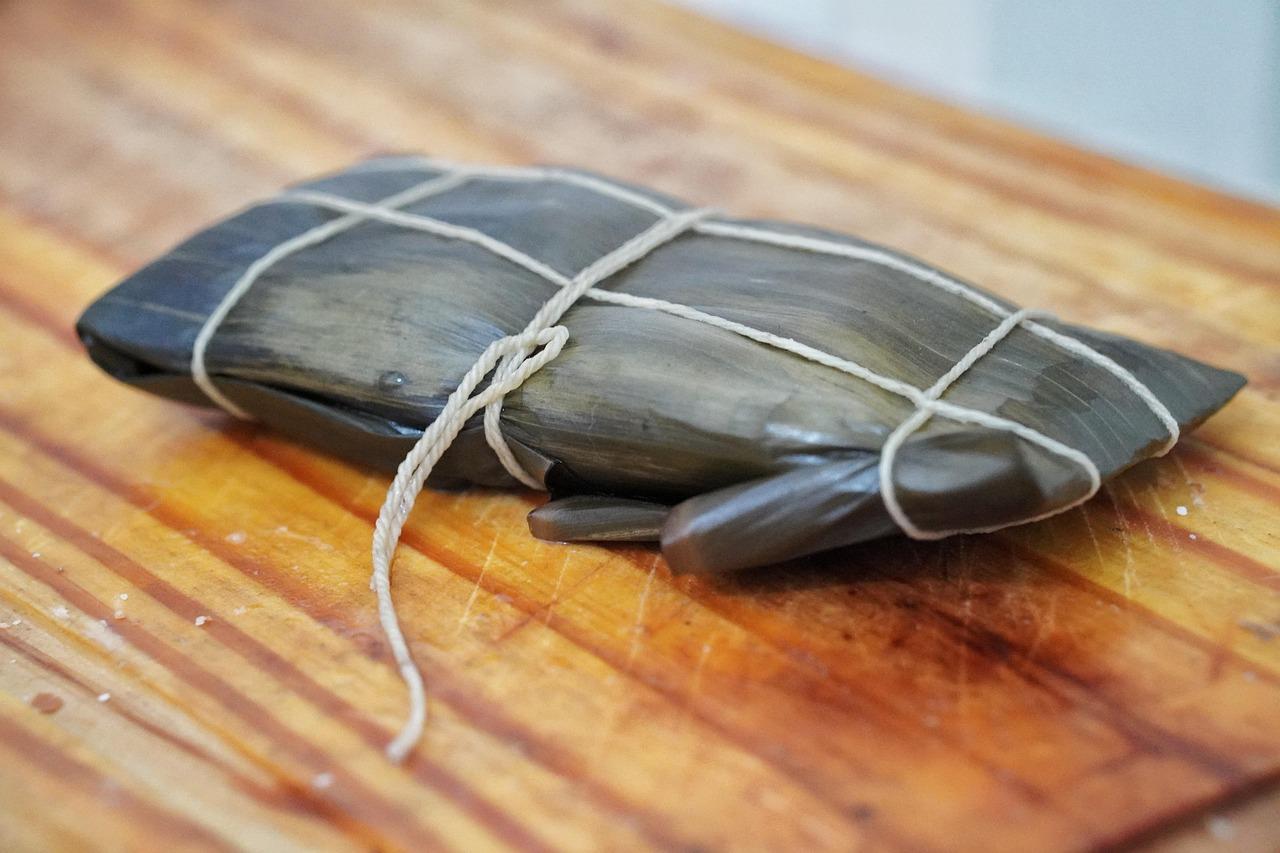
Hallacas are Venezuelan Christmas. In December whole families gather around a kitchen table in Caracas, Maracaibo or the Andes to make dozens at once: one person cleans banana leaves, another spreads the annatto-tinted corn dough, another adds the guiso (a stew of pork, beef and chicken) and the garnishes, and someone else ties the parcels. This is a pork dish. The guiso is traditionally finished with red wine; for an alcohol-free version use the same amount of beef stock with a tablespoon of red wine vinegar. They are eaten with pan de jamón and chicken salad from Christmas Eve to New Year. The common mistake is spreading the dough too thick, which makes heavy, stodgy parcels; it should be thin enough to almost see the leaf through it. Chef's tip: make the guiso a day ahead and chill it, so it is firm and easy to portion.

by KrazyBadal 0 views

Hallabong adeSparkling tangerine drink

Hallabong (한라봉) is Jeju's pride: a large, sweet, easy-peel tangerine with a knob on top that is said to look like Hallasan, the island's volcano. Every café on Jeju sells hallabong ade (한라봉에이드), a tall glass of hallabong syrup topped up with sparkling water and ice, often with the fruit sliced into it. Koreans make the syrup, hallabong-cheong, by layering the sliced fruit with sugar in jars; this quick version is ready in 10 minutes. Outside Korea, use dekopon, sumo or any very sweet mandarin. Chef's tip: add a squeeze of lemon to the syrup; hallabong is so sweet that the drink tastes flat without a little extra acid.

by KrazyBadal 0 views

Bubur cha chaWarm coconut sweet potato pudding

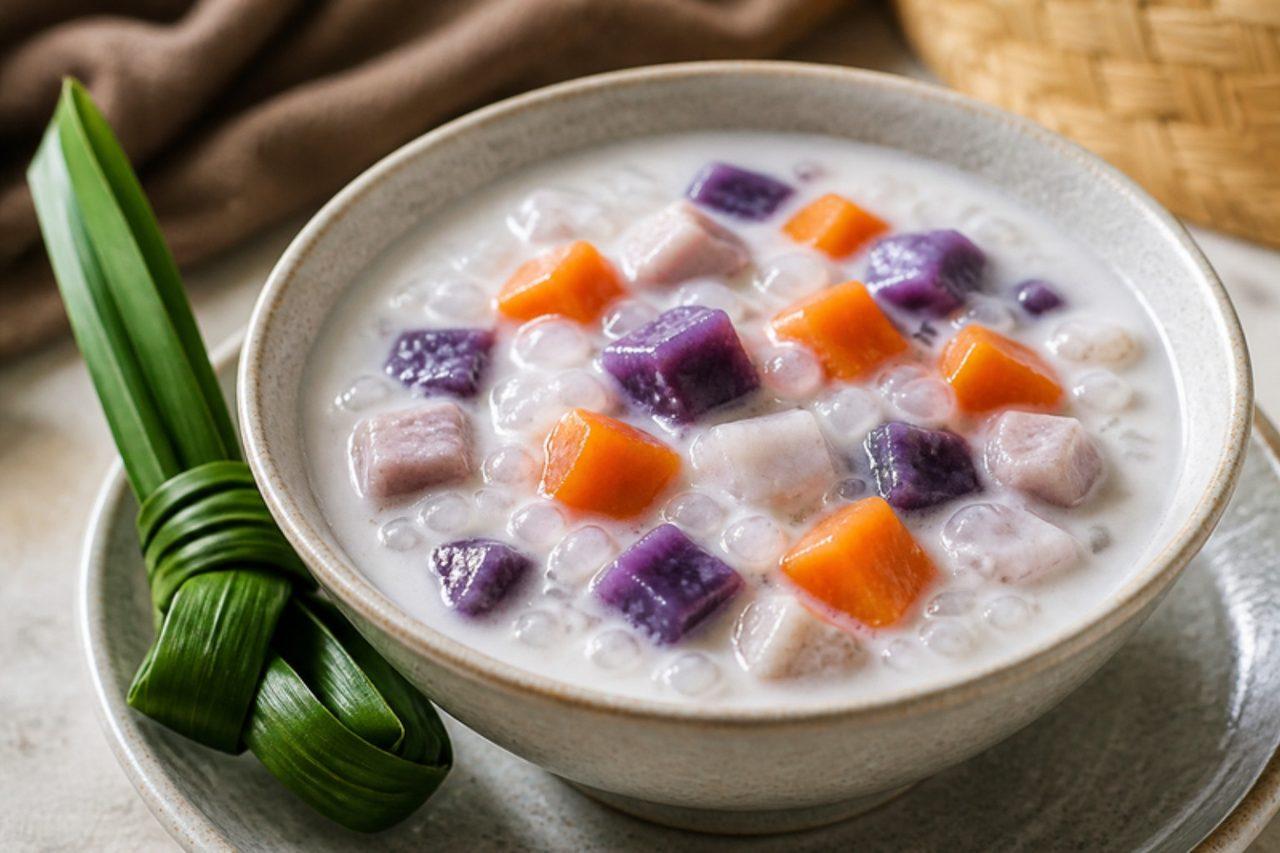
Bubur cha cha is a Nyonya (Peranakan) dessert from Penang and Melaka, cooked in big pots for Chap Goh Meh, the fifteenth night of Chinese New Year, and eaten all year as a sweet soup after dinner or a mid-afternoon snack. Cubes of orange and purple sweet potato and taro float in pandan-scented coconut milk with tiny, glassy sago pearls; the colours are part of the charm. It's soothing, gently sweet and comforting, warm on a rainy evening or cold from the fridge in the heat. Chef's tip: a small pinch of salt in the coconut milk lifts the sweetness and stops it tasting flat.

by KrazyBadal 0 views

Sakkarai pongalSweet rice and moong dal

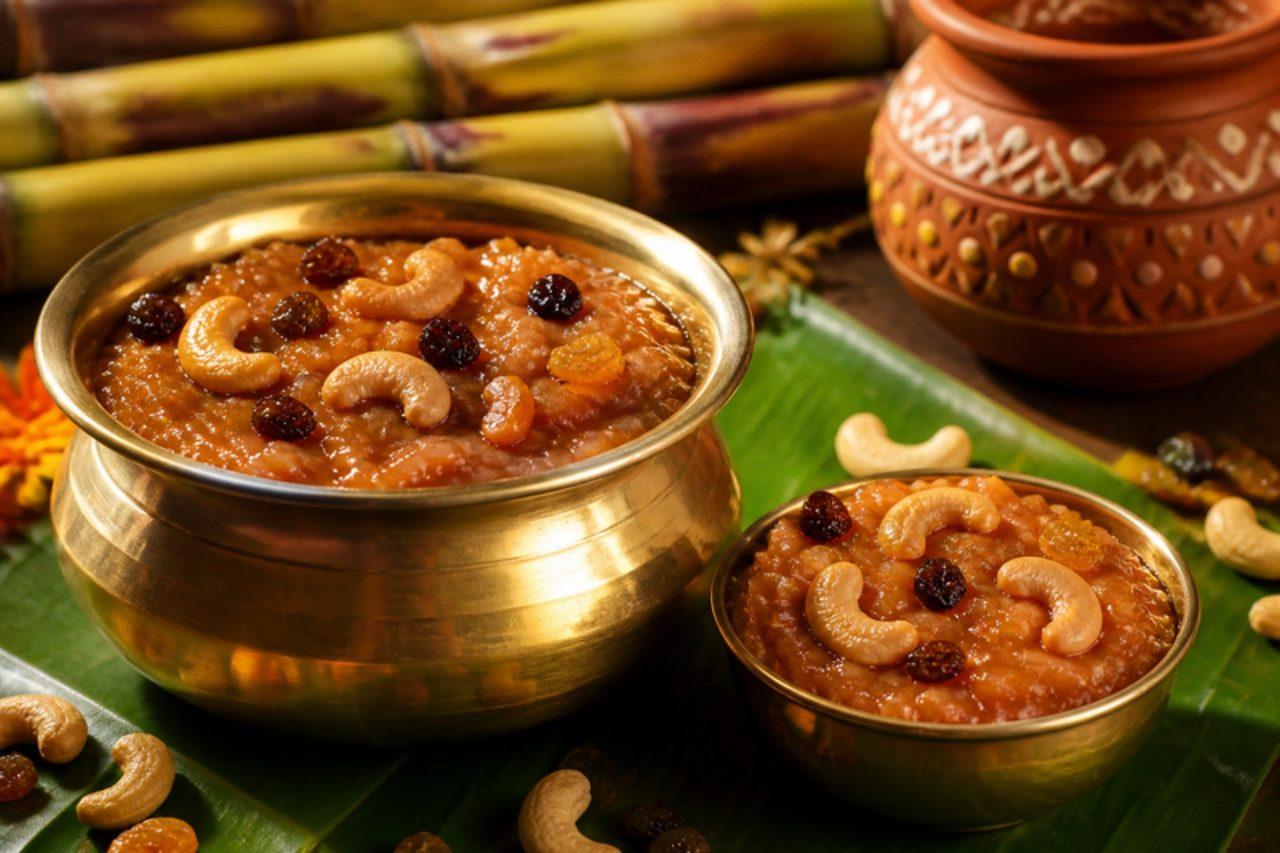
On the morning of Thai Pongal in mid-January, families across Tamil Nadu cook new-harvest rice in a clay pot in the courtyard and wait for the milk to bubble over: 'pongalo pongal!'. That pot becomes sakkarai pongal, a sticky, golden-brown sweet of rice and moong dal cooked soft, then simmered with melted jaggery and finished with lots of ghee, cardamom, edible camphor and cashews and raisins fried golden. It's also the classic prasadam at Vishnu temples. It's the sweet twin of the peppery ven pongal. Chef's tip: dry-roast the moong dal until it smells nutty before cooking; it adds a toasty depth that plain boiled dal can't give.

by KrazyBadal 0 views

Halawet el jibnCheese and semolina rolls

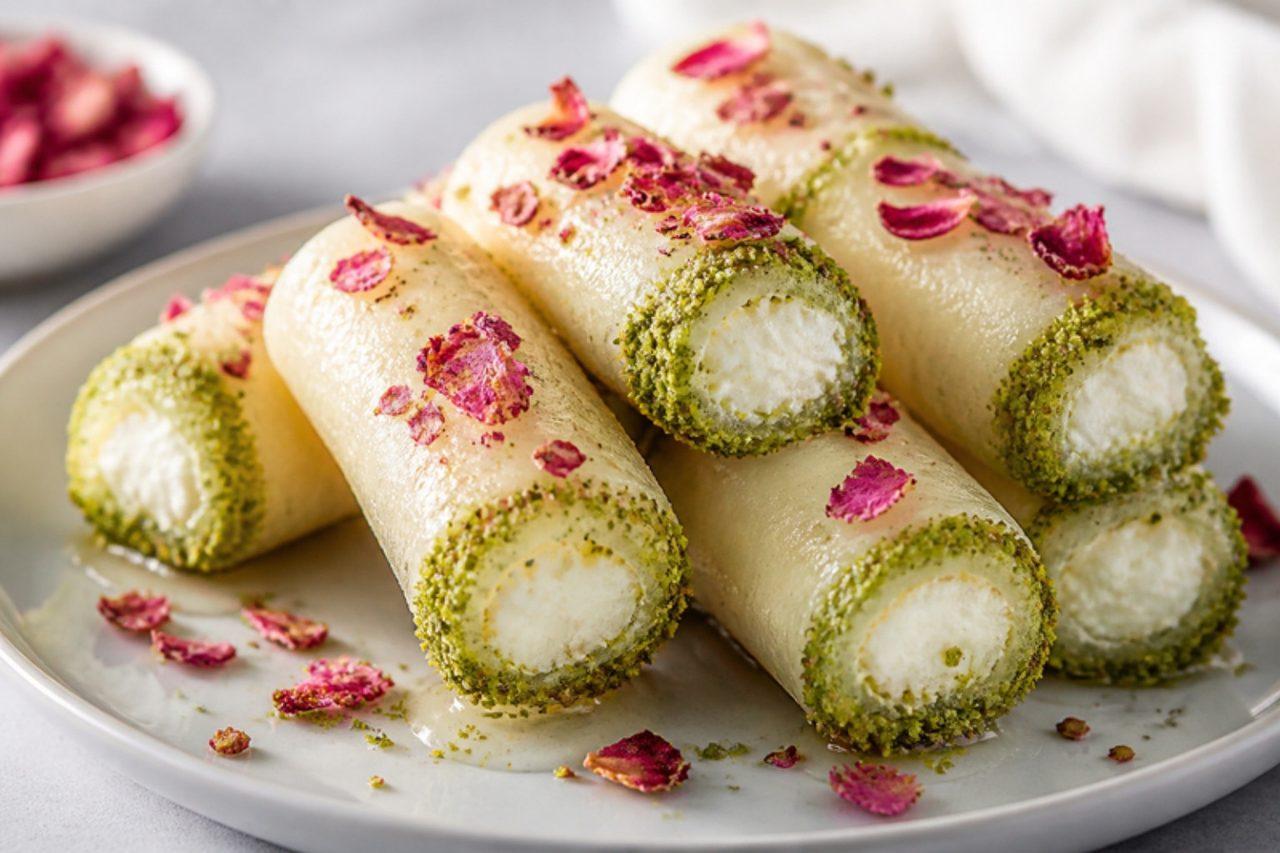
Halawet el jibn, 'sweetness of cheese', is the pride of the pastry shops of Homs in Syria and Tripoli in Lebanon, where trays of the pale, stretchy rolls are sold for Eid, weddings and Sunday afternoons. A dough of melted cheese and semolina is stretched thin, wrapped around thick clotted cream (ashta), cut into rolls and soaked in rose syrup. The dough must be worked hot, which makes it the hardest dessert in this collection, but the result is soft, chewy and only lightly sweet. Use mozzarella or akkawi made with vegetarian (microbial) rennet; many supermarket mozzarellas are. Chef's tip: oil your hands and the worktop rather than flouring them; flour toughens the dough and dulls its shine.

by KrazyBadal 0 views

HalászléSpicy carp soup

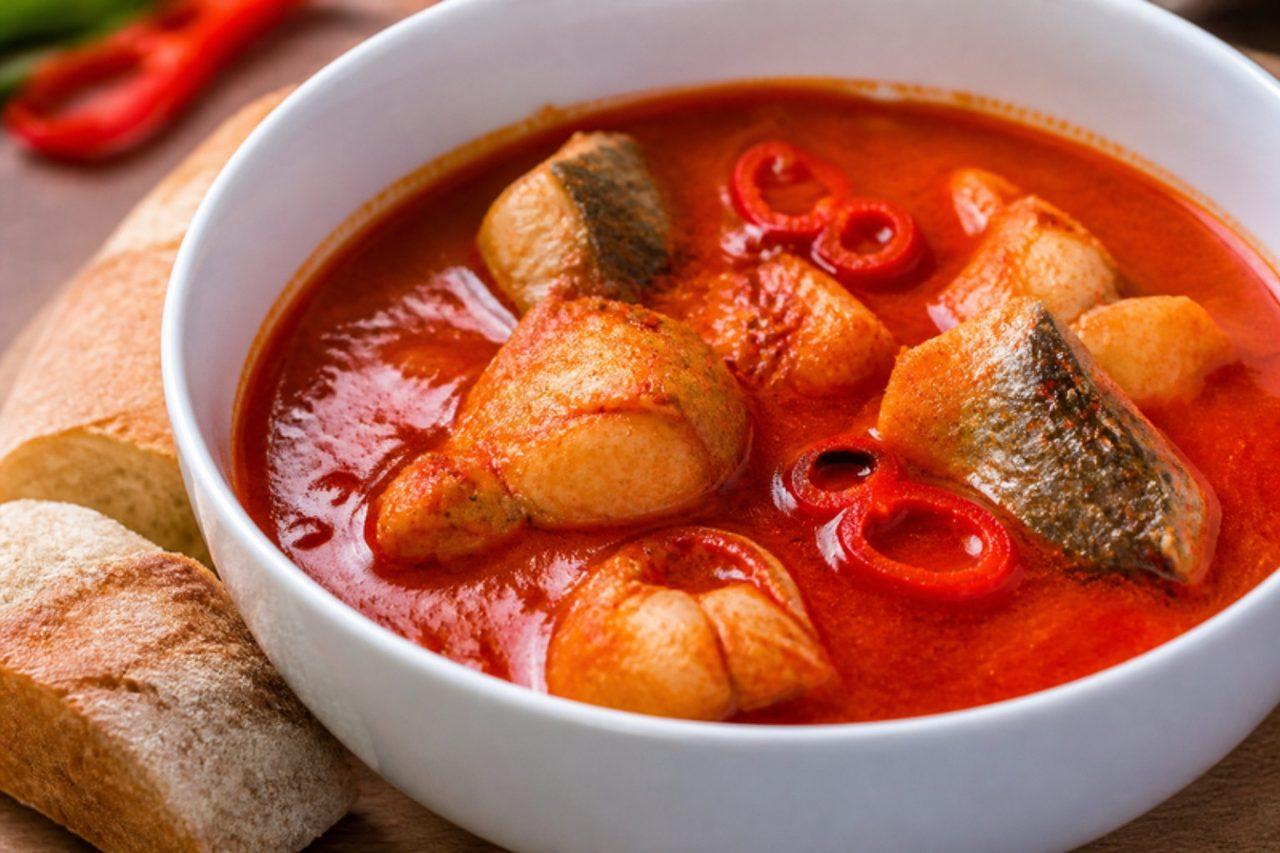
Halászlé is the fiery fisherman's soup of the rivers Tisza and Danube, and on Christmas Eve it is on almost every Hungarian table; the towns of Szeged and Baja each claim the best version. A rich stock is made from fish heads and bones with onions and lots of paprika, sieved until smooth and red, and then thick slices of carp (or catfish) are poached in it at the last moment. Serve with white bread and fresh hot peppers. Chef's tip: poach the fish fillets without stirring; just swirl the pot so the pieces stay whole.

by KrazyBadal 1 views

Salad shiraziTomato, cucumber and onion salad

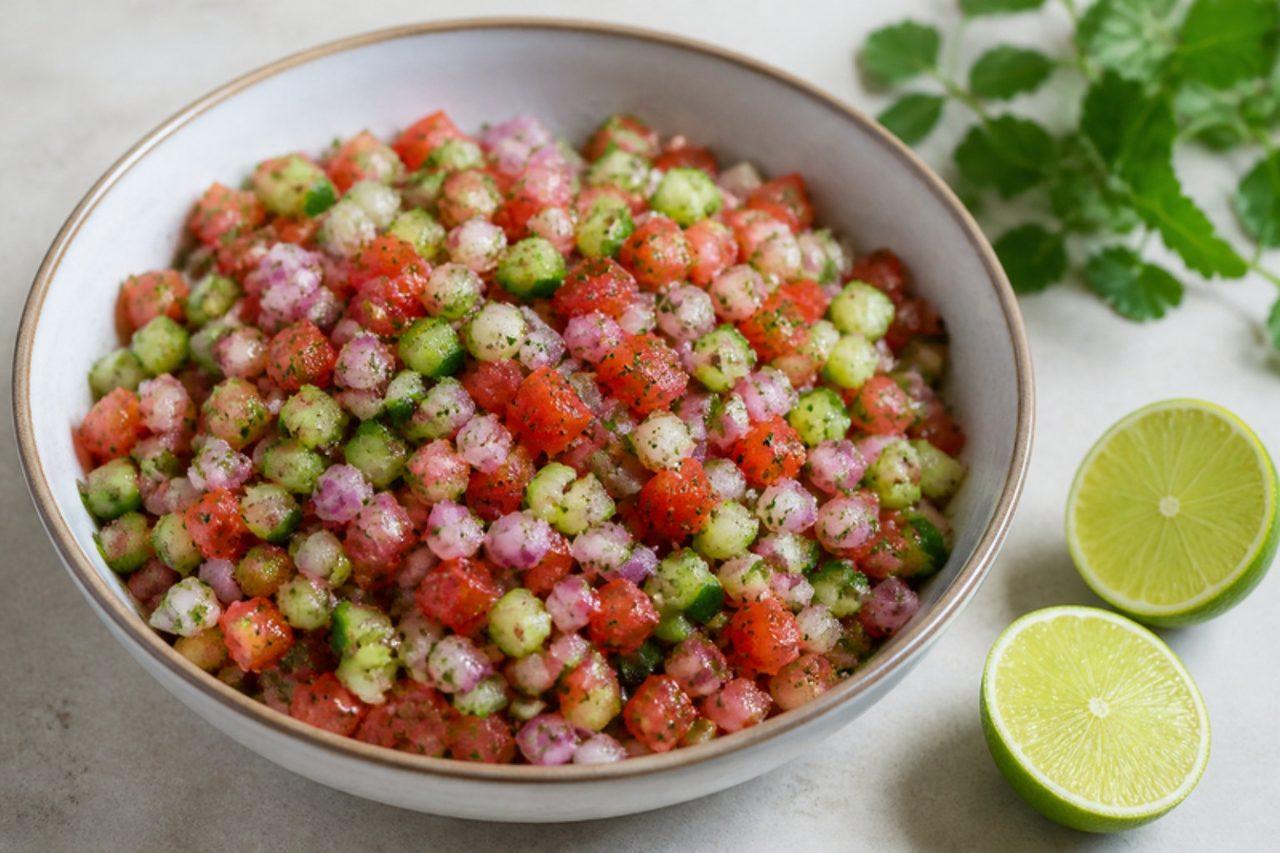
Salad shirazi is named after Shiraz, the city of gardens in Fars province, and it is the salad served with almost every Persian rice and kebab meal. Tomato, cucumber and onion are cut into tiny, even dice and dressed simply with lime juice (or sour grape verjuice, ab-ghooreh, in Shiraz itself), dried mint and a little oil. There are no peppers or herbs to muddy it: it is crunchy, sharp and cold, and is spooned onto rice as a relish. Chef's tip: dice everything as small as a pea; the tiny cubes are what make it taste like Shirazi rather than a chopped salad.

by KrazyBadal 0 views

HarchaPan-fried semolina bread

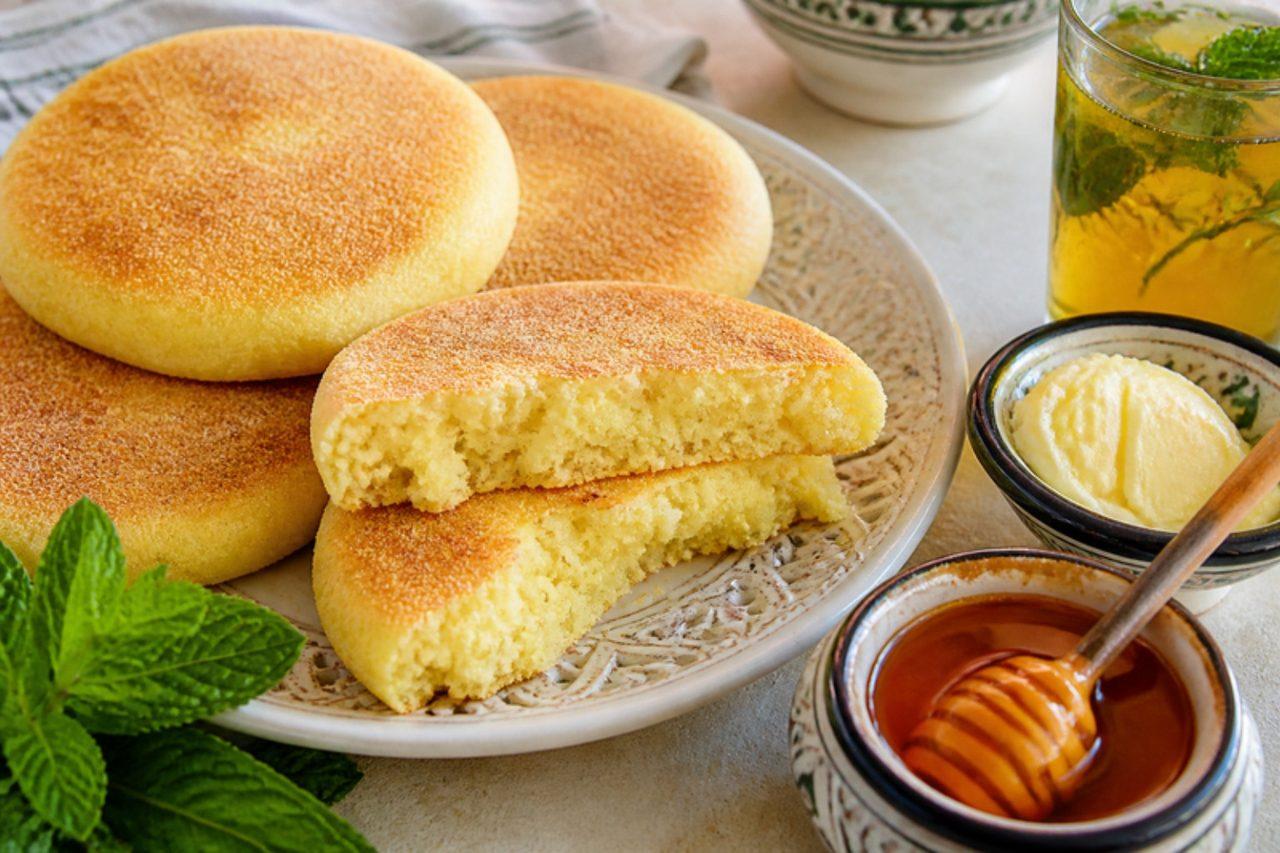
Harcha are thick little semolina breads cooked on a griddle and eaten all over Morocco at breakfast and with mid-afternoon tea, especially during Ramadan for the evening meal. The dough is closer to a crumbly batter than a bread dough, so it needs no kneading or rising; it is pressed into rounds and cooked slowly until the outside turns golden and gritty and the inside stays tender, a bit like a savoury shortbread. Split them while warm and spread with butter and honey, apricot jam or a wedge of soft cheese. Chef's tip: let the mixed dough rest for 5 minutes; the semolina drinks up the milk and becomes much easier to shape.

by KrazyBadal 0 views

Hakka lei chaPounded herb and peanut tea

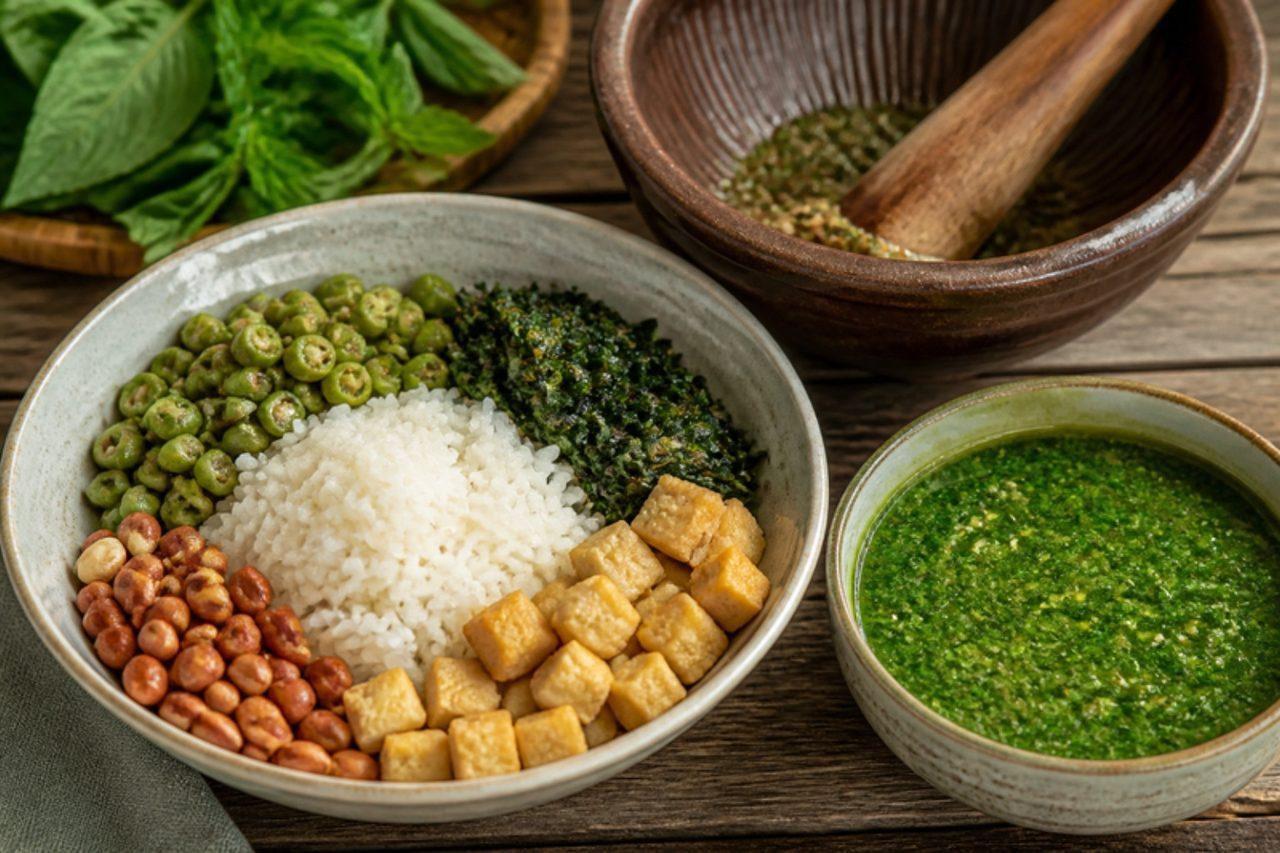
Lei cha means 'pounded tea', and in Hakka villages from Jieyang and Hepo to Taiwan and Malaysia it is still ground by hand in a ridged bowl with a guava-wood stick. Tea leaves, basil, mint and coriander are pounded with sesame and peanuts, then loosened with hot water into a grassy green soup. It's ladled over a bowl of rice topped with small heaps of stir-fried greens, beans, tofu and preserved radish. Some families eat it on the seventh day of the New Year. Chef's tip: toast the sesame and peanuts yourself; the toasting gives the soup its depth.

by KrazyBadal 0 views

Biber dolmasıRice-stuffed green peppers

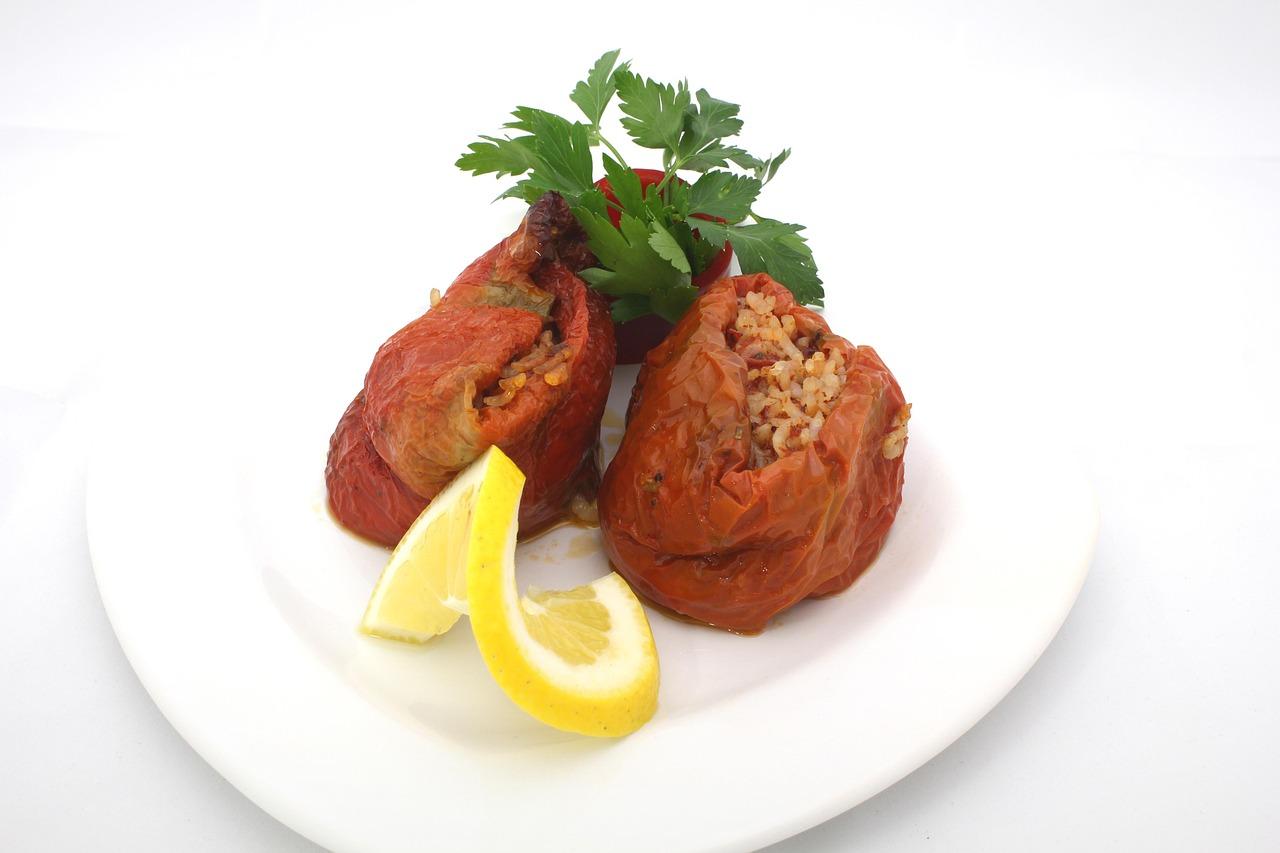
Biber dolması turns up in every corner of Turkey, from Istanbul meyhanes to village kitchens in central Anatolia, and the olive-oil version without meat is the one eaten cold at summer lunches or packed for picnics. Thin-walled green dolma peppers are filled with rice cooked with onion, tomato, pine nuts, currants and warm spices, capped with a slice of tomato and simmered until the peppers slump and wrinkle. A frequent mistake is packing the filling to the top: leave a finger of space so the rice can swell. Chef's tip: let the peppers cool completely in their pot; the filling firms up and the flavours of mint and allspice come through much more clearly than when hot.

by KrazyBadal 0 views

QingbuliangIced coconut milk dessert soup

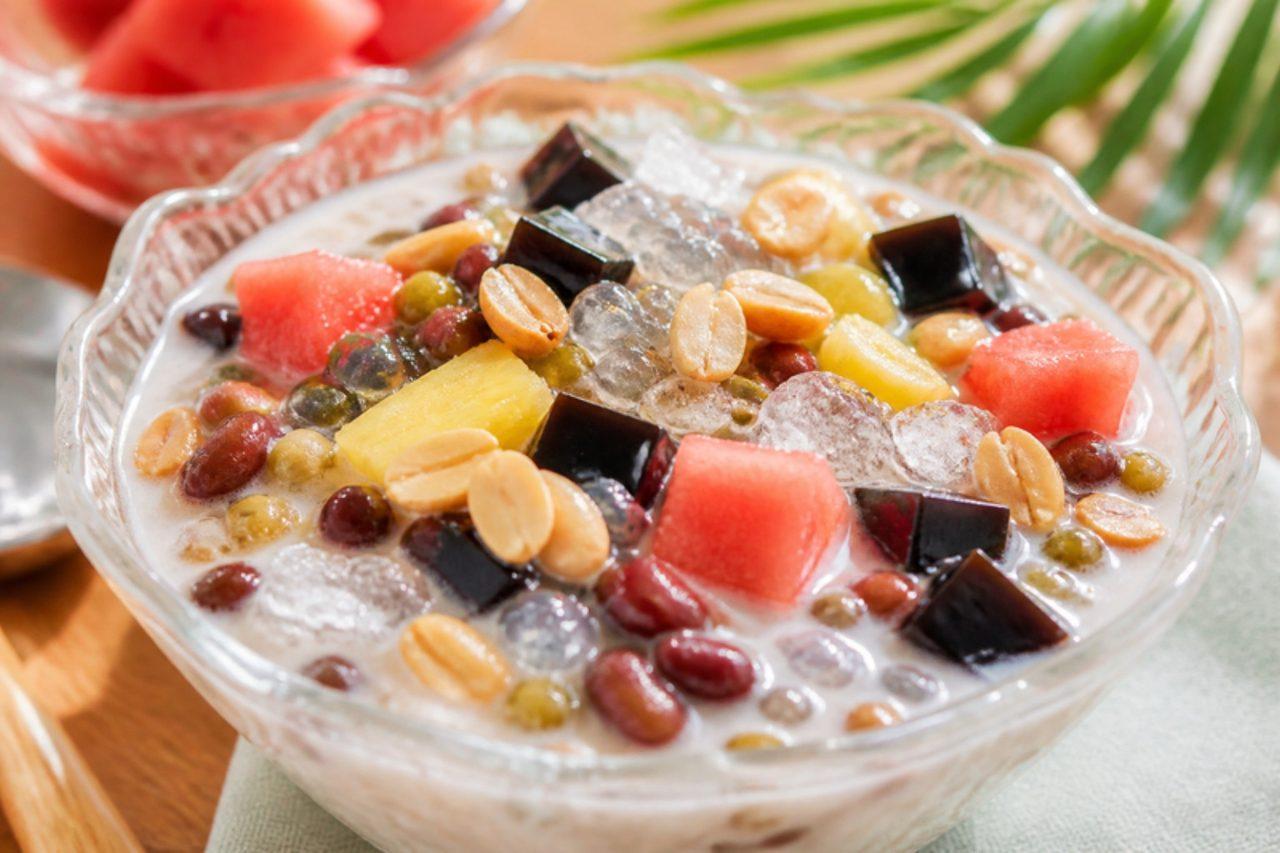
On hot evenings in Haikou, night-market stalls ladle this into bowls: coconut milk poured over red beans, mung beans, sago pearls, cubes of jelly and fresh tropical fruit, with a scoop of shaved ice on top. The name roughly means 'clearing, nourishing, cooling', and Hainan people eat it to cool down in their long summer. Everything except the fruit can be cooked a day ahead and chilled. Chef's tip: cook each bean separately; they soften at different speeds.

by KrazyBadal 0 views

Salata aswadAubergine and peanut butter salad

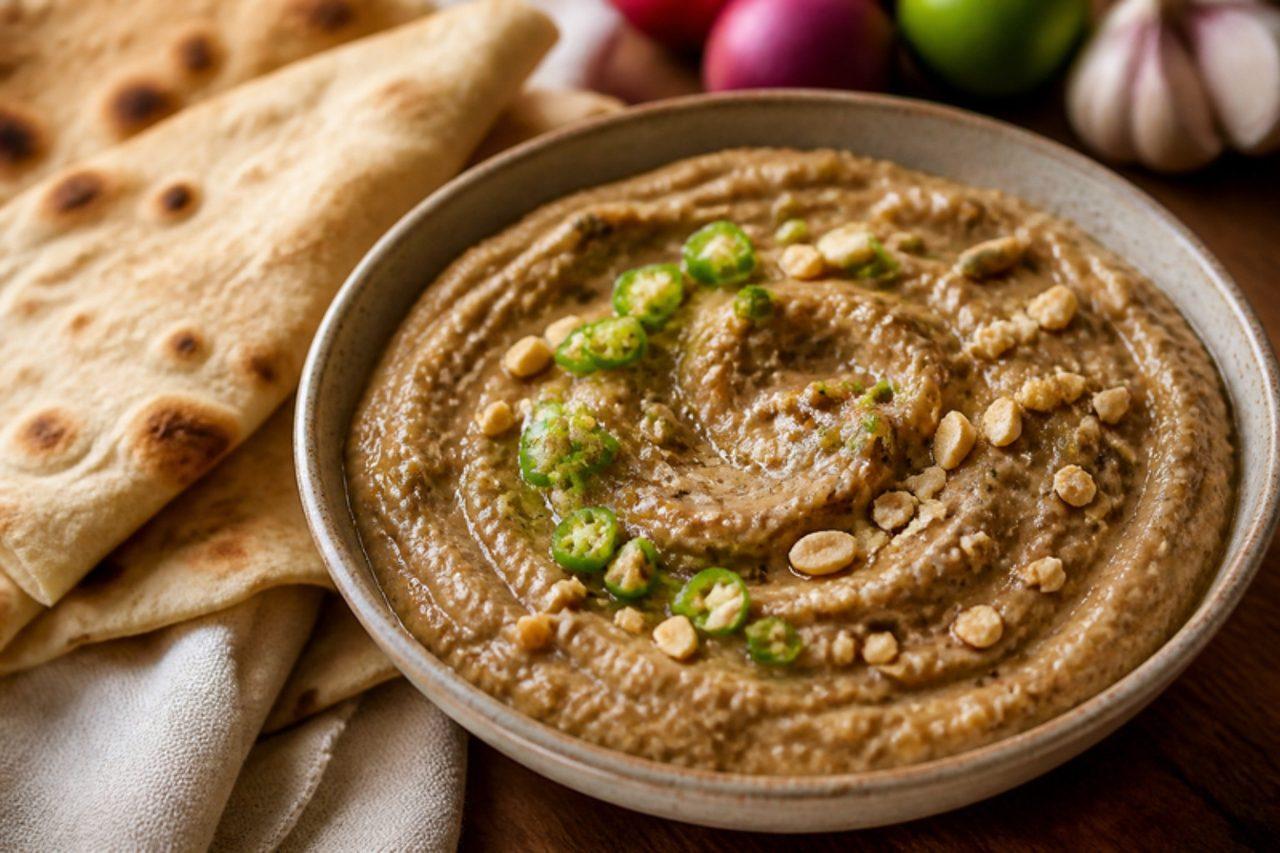
Salata aswad, the 'black salad', is a Khartoum favourite: aubergine fried until almost black and collapsing, then mashed with peanut butter, garlic, lime and a little chilli into a rich, smoky spread. It is served at Ramadan iftars and family lunches with kisra or bread, next to ful and fresh tomato salad. The peanut is what makes it Sudanese rather than a Levantine aubergine dip. Chef's tip: salt the aubergine and squeeze it dry before frying; it absorbs far less oil.

by KrazyBadal 0 views

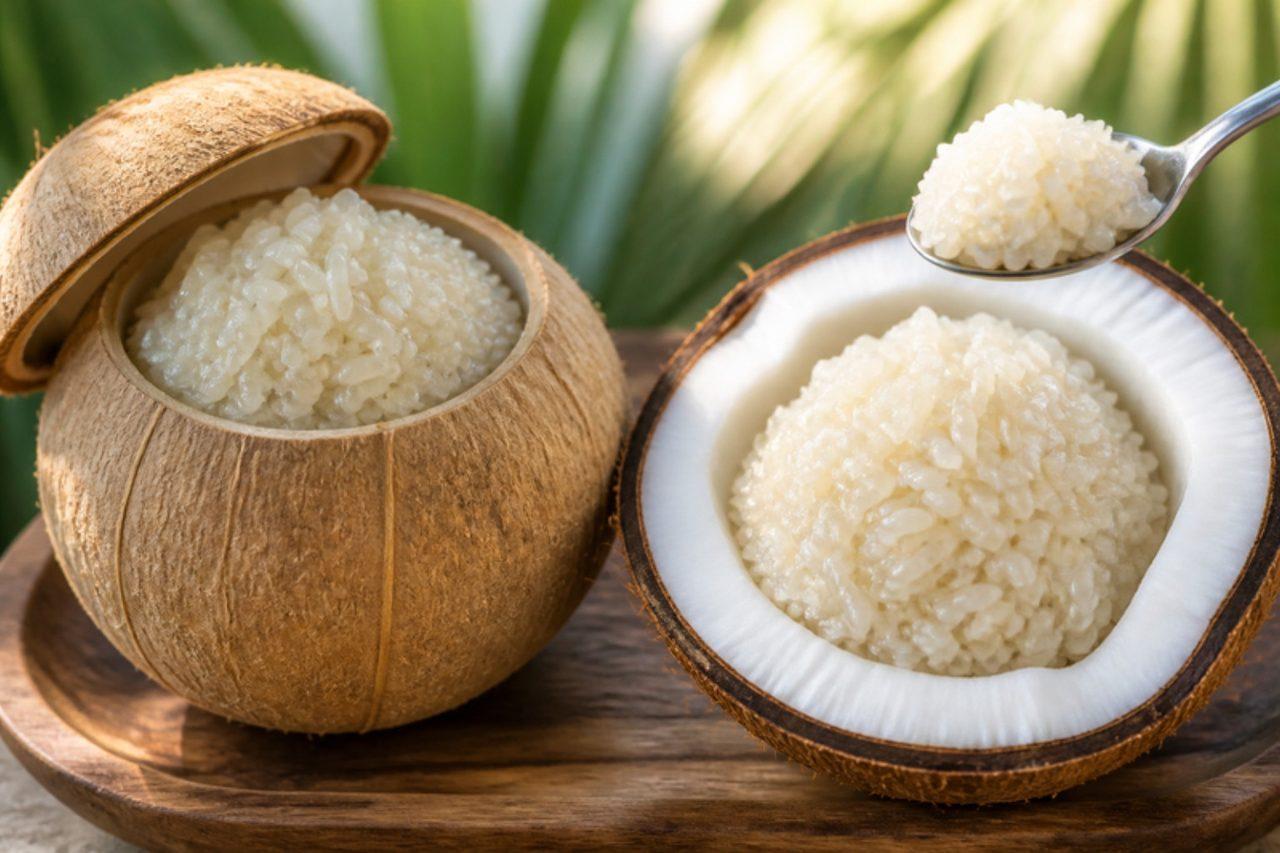
Hainan coconut riceSticky rice in coconut

Across Hainan island, in Wenchang and Haikou especially, cooks fill whole mature coconuts with glutinous rice and steam them for hours until the rice is sticky, sweet and full of coconut flavour. The coconut is cut open at the table and served in wedges with the white flesh still attached. Look for brown, mature coconuts that slosh when shaken. Soak the rice for 4 hours first. Chef's tip: a cleaver tapped round the shell's 'equator' near the top opens it more safely than trying to saw it.

by KrazyBadal 0 views

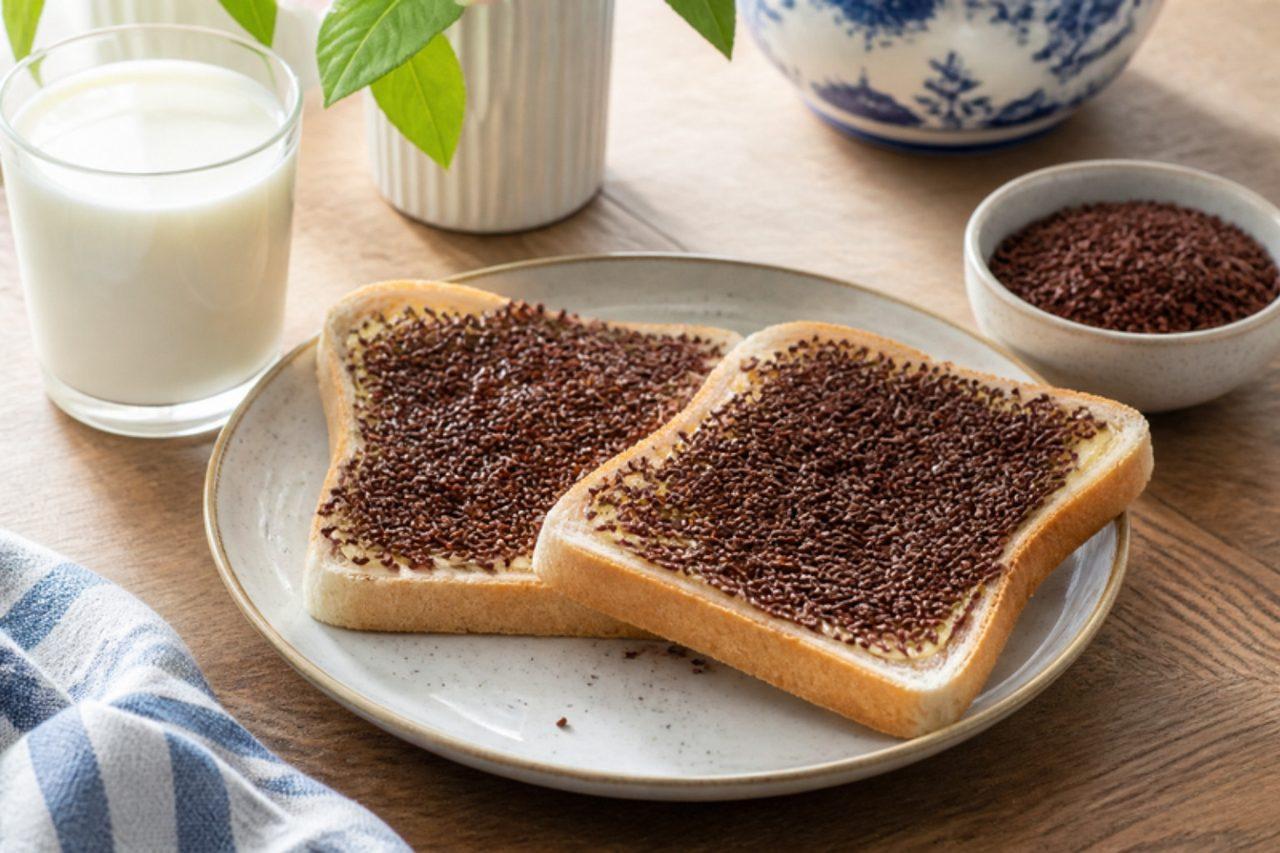
Hagelslag toastBread with chocolate sprinkles

Ask anyone who grew up in the Netherlands what they ate before school and the answer is usually a boterham met hagelslag: a slice of soft bread, well buttered, and covered edge to edge in chocolate sprinkles. It is not a treat for special days but an ordinary Dutch breakfast and lunchbox filler, and the country gets through millions of kilos of hagelslag every year. There are milk and dark chocolate versions, plus vruchtenhagel (fruity pastel sprinkles) and anijshagel (aniseed sprinkles). Chef's tip: the butter is the glue, so spread it right to the crusts and press the sprinkles down gently with the flat of a knife before you lift the slice.

by KrazyBadal 0 views

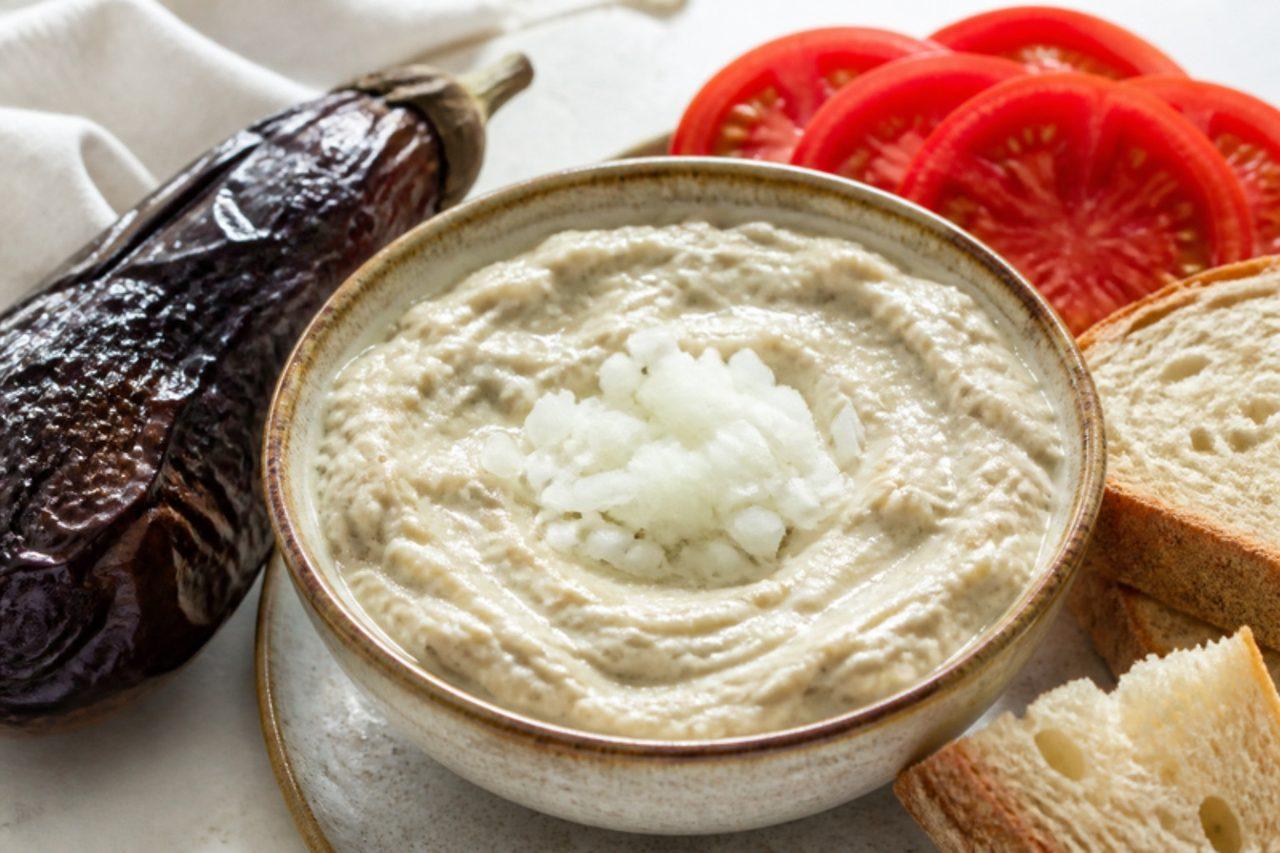
Salată de vineteSmoky aubergine salad

Salată de vinete is on every Romanian table from Bucharest to Brașov in late summer, when market stalls are piled with aubergines and every balcony grill is busy charring them. The smoky flesh is chopped with a wooden knife and beaten with sunflower oil into a pale, fluffy spread, almost like a mayonnaise, then finished with sharp raw onion. There is no tahini or yogurt, which sets it apart from baba ganoush. It is eaten on toasted bread with sliced tomatoes for supper or as a meze before grilled vegetables. Chef's tip: drain the cooked aubergine well; leaving in the brown juices is the usual mistake and makes the salad bitter and watery.

by KrazyBadal 0 views

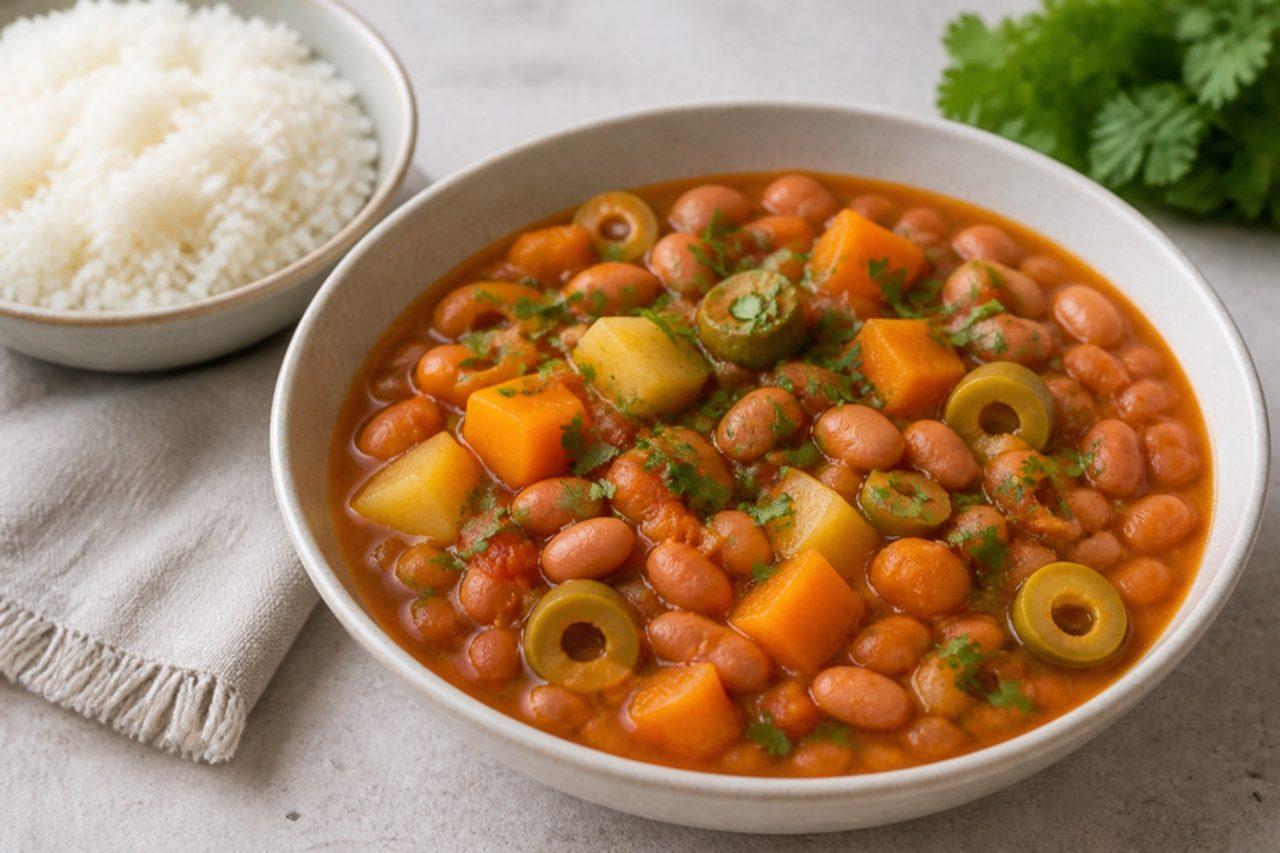
Habichuelas guisadasStewed pink beans

Habichuelas guisadas are on the stove most weekdays in Puerto Rico, from Ponce to Fajardo, ladled over plain white rice for the everyday plate called arroz con habichuelas. Pink or red beans simmer with sofrito, tomato sauce and olives, and cubes of calabaza (West Indian pumpkin) melt into the pot to make a thick, orange-red, gently sweet sauce. It's homely, cheap and deeply savoury. Island cooks often add a piece of ham; this version doesn't need it. Chef's tip: when the pumpkin is soft, crush a few pieces against the side of the pot; they dissolve into the liquid and thicken it without any flour.

by KrazyBadal 0 views

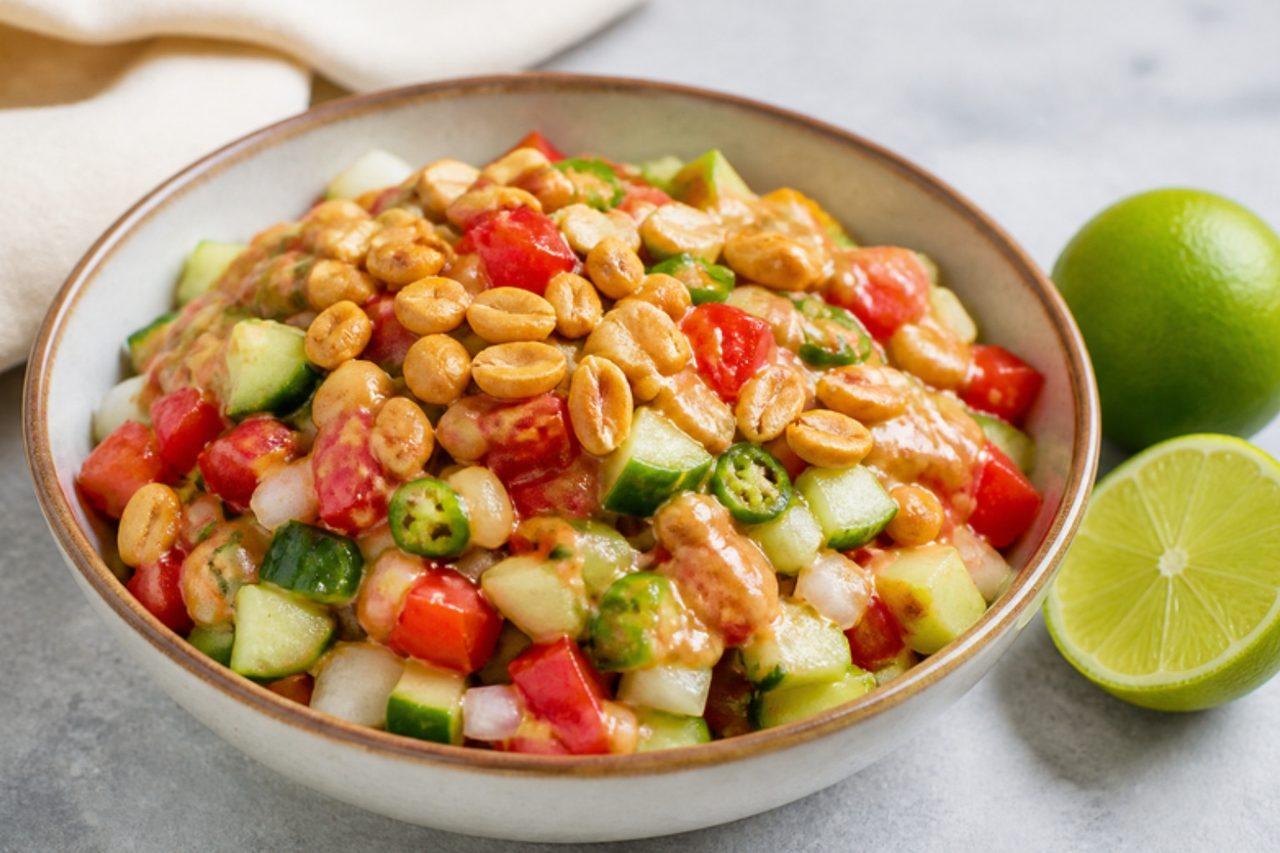
Salatat daquaTomato salad with peanut dressing

Daqua is the Sudanese name for peanut paste, and this everyday salad of tomato, cucumber, onion and green chilli dressed in thinned peanut butter and lime sits on the table at almost every meal in Omdurman and Khartoum, especially in the hot months. It is cooling, crunchy and creamy at once, and is eaten with ful medames, kisra or grilled food. Chef's tip: thin the peanut butter with water and lime before adding it to the vegetables; dolloped straight in, it clumps and never coats them.

by KrazyBadal 0 views

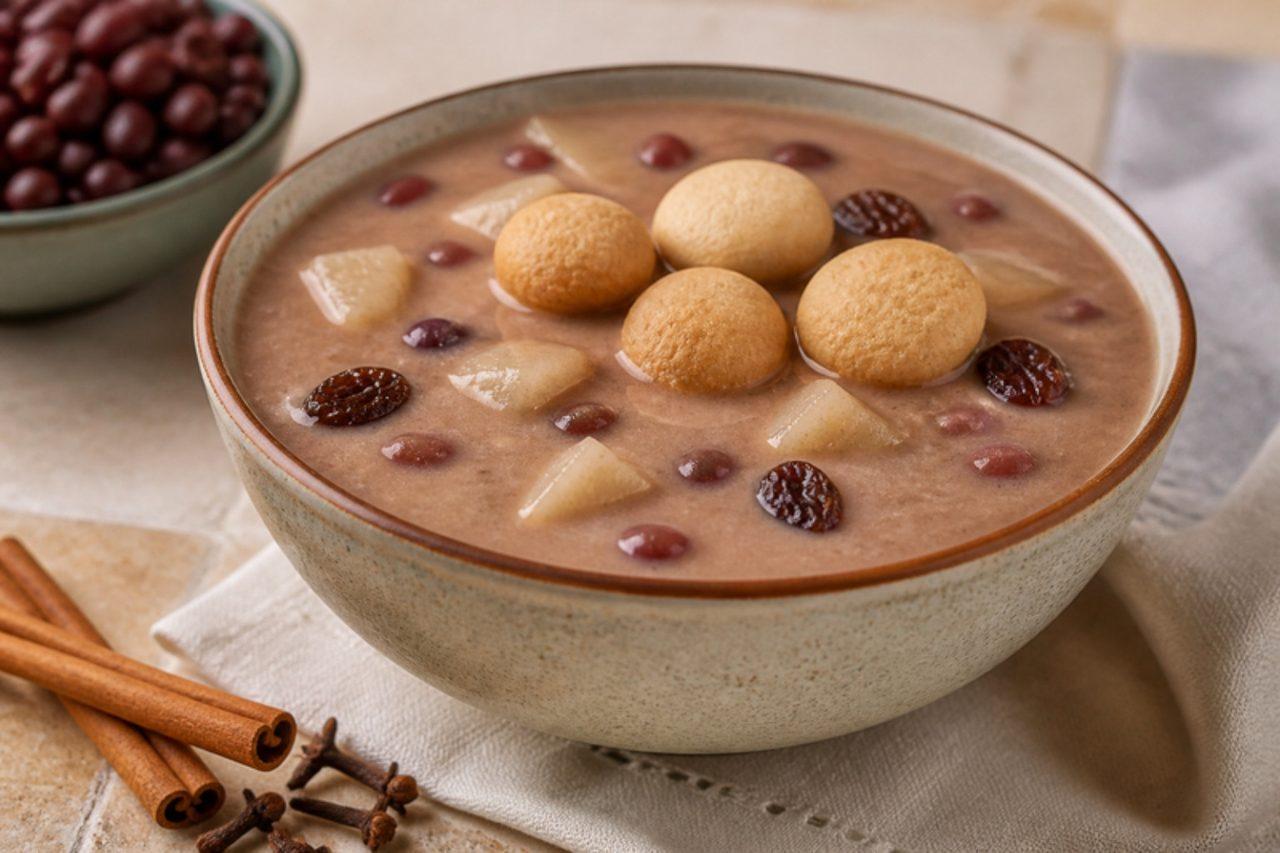
Habichuelas con dulceSweet red bean cream

In the Dominican Republic, Holy Week means pots of habichuelas con dulce, shared over garden walls between neighbours from Santiago to San Pedro de Macorís. Red beans are cooked soft and blended into a smooth cream, then simmered with coconut and evaporated milk, cinnamon and cloves, with soft cubes of sweet potato and plump raisins. Served cold, it tastes like a spiced coconut custard with a gentle earthy depth; nobody guesses beans the first time. It's traditionally topped with little crunchy milk biscuits. Chef's tip: push the blended beans through a sieve; it takes two minutes and gives the silky texture that marks a good batch.

by KrazyBadal 0 views

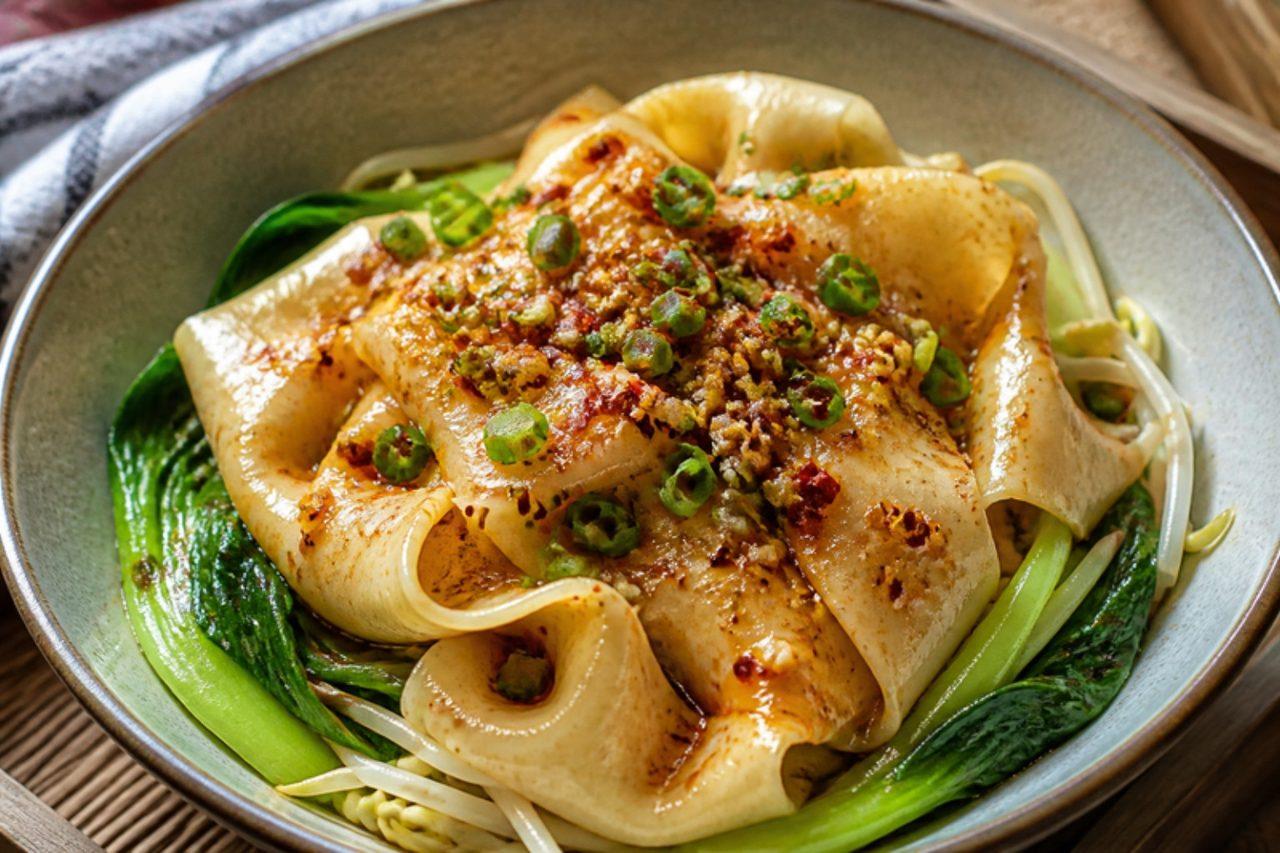
Biang biang noodlesHand-pulled belt noodles

Biang biang mian are the wide, belt-like noodles of Xi'an in Shaanxi, named, some say, after the slapping sound the dough makes as it's pulled and banged on the counter. The written character for biang is one of the most complicated in Chinese. Each noodle is as wide as a belt and chewy; the classic topping is chilli flakes, garlic and spring onion, sizzled with smoking hot oil, then splashed with vinegar and soy. Chef's tip: let the oiled dough pieces rest for at least 30 minutes, longer if you can; relaxed gluten stretches long and thin without snapping.

by KrazyBadal 0 views

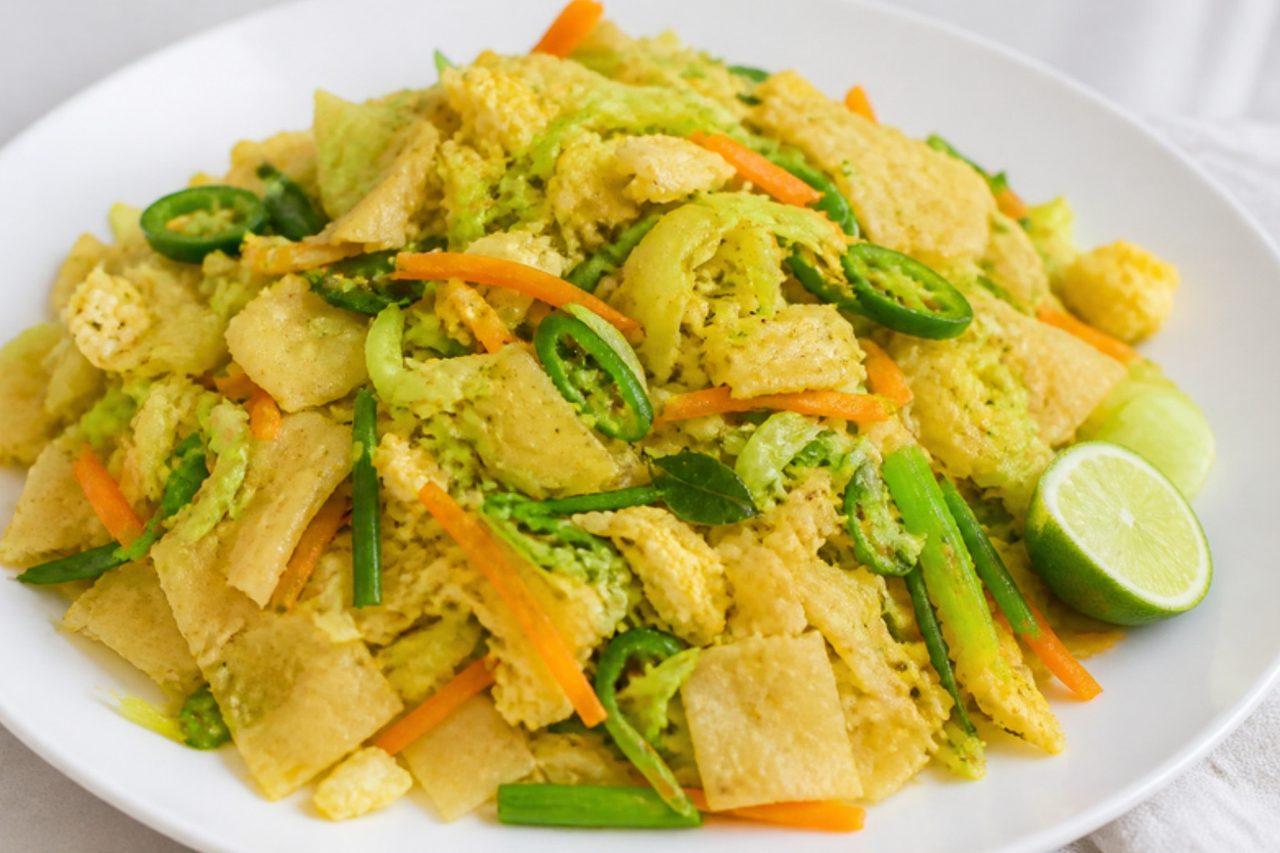
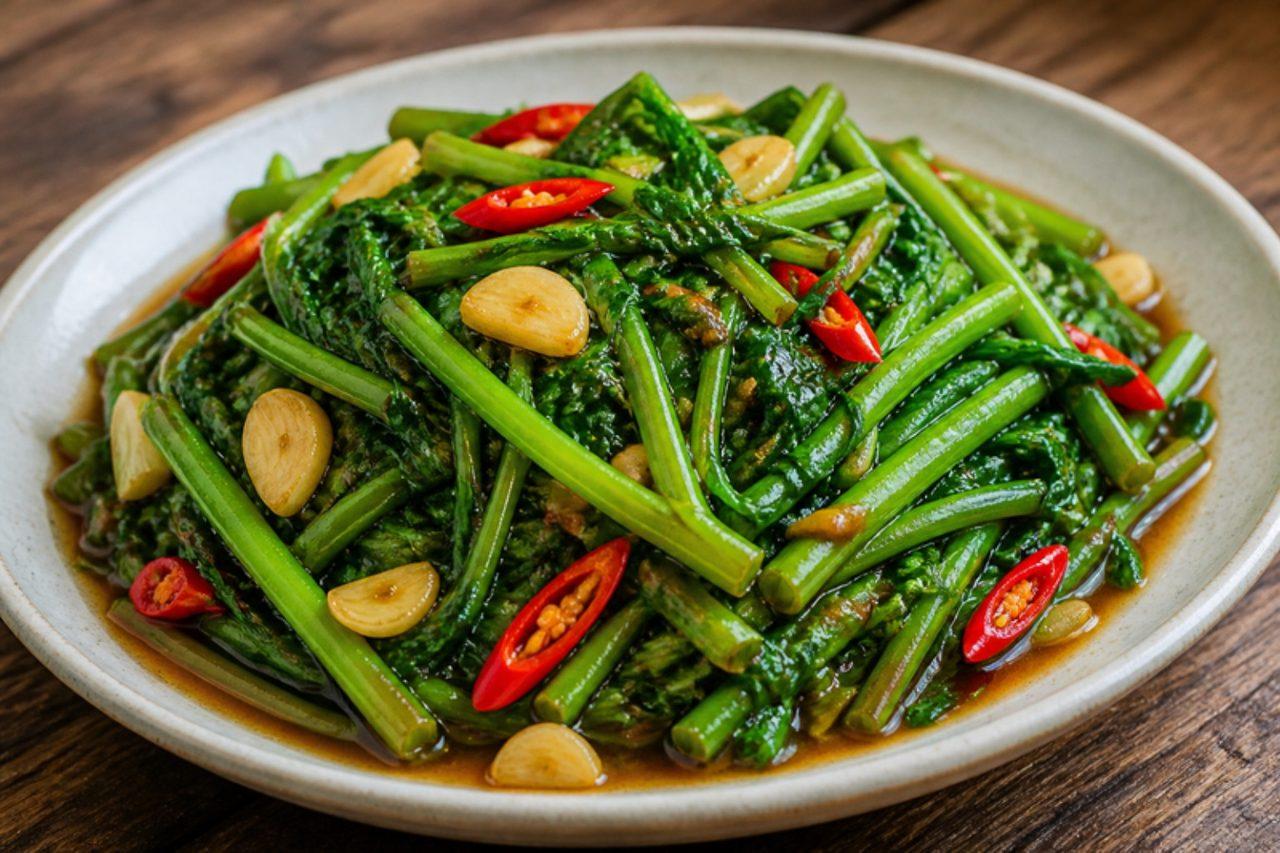
Kangkung gorengGarlic stir-fried water spinach

Kangkung grows in wet ditches and paddy edges right across Malaysia, and every zi char stall and kopitiam kitchen has a pile waiting for the wok. Ordered beside rice and a curry at lunch, or as one of several shared plates at night, it arrives glossy, hollow stems still crunchy, leaves just collapsed. Hawkers often fry it with belacan; this version gets its savoury punch from garlic, shallots, red chilli and a spoon of fermented soybean paste (tauco) instead. It's done in under five minutes. Chef's tip: dry the washed greens thoroughly in a salad spinner, because wet leaves cool the wok and steam instead of sizzle.

by KrazyBadal 0 views

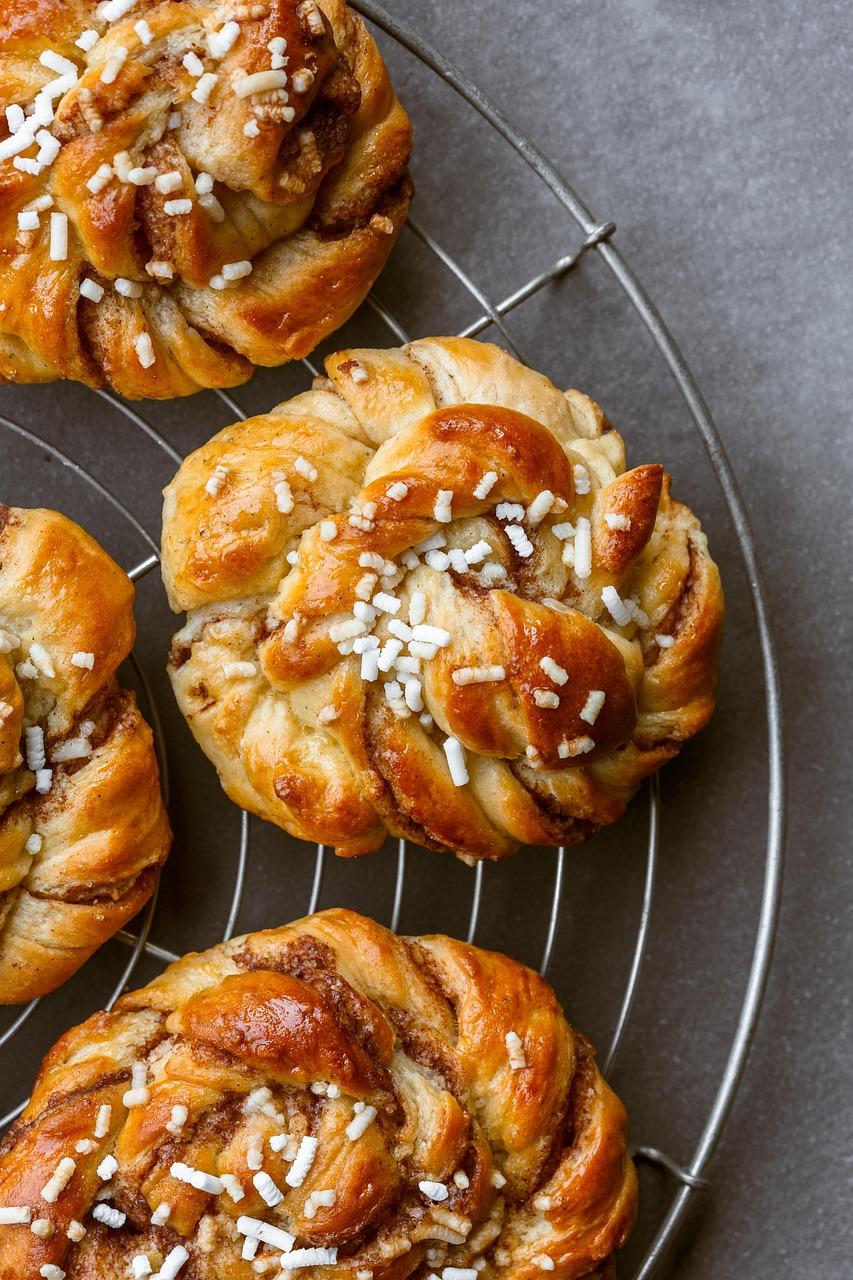
KanelbullarCinnamon buns

Every Swedish café from Malmö to Kiruna keeps a tray of kanelbullar by the till, and on 4 October, Kanelbullens dag, bakeries can barely keep up. They belong to fika, the mid-morning or afternoon pause for coffee and something sweet. Unlike the big, iced American roll, a Swedish bun is modest and buttery: the dough is perfumed with freshly crushed cardamom, the filling is a thin smear of cinnamon butter, and the top gets a scatter of crunchy pearl sugar instead of frosting. This version shapes them into knots, the way Stockholm bakers do, though plain spirals baked in paper cases are just as traditional at home. Chef's tip: crush the cardamom seeds yourself just before mixing; ready-ground cardamom loses most of its scent within weeks and the buns will taste only of cinnamon.

by KrazyBadal 0 views

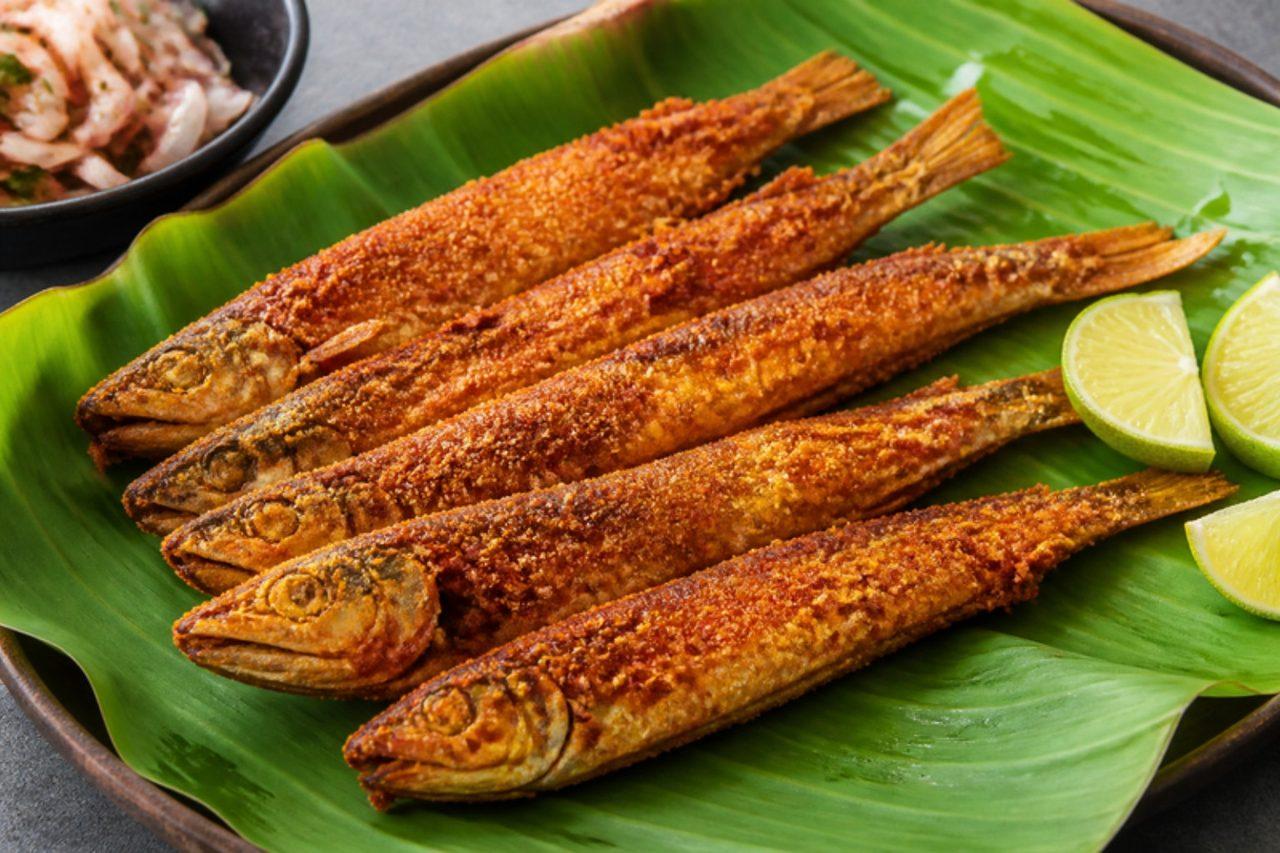
Kane rava frySemolina-crusted fried fish

In the seafood canteens of Mangalore and along the Udupi coast, kane, a slim, sweet ladyfish, is the fried fish everyone orders with a fish thali. It is slashed, packed with a red masala of Byadgi chilli, garlic and tamarind, then pressed into coarse semolina and shallow-fried in coconut oil until the crust crackles. Unlike Mumbai's soft bombil, kane is firm, so it holds its shape and is eaten off the bone. Chef's tip: leave the fish alone for the first 3 minutes in the pan; the crust sets and then releases on its own.

30 minIndianFish
by KrazyBadal 0 views

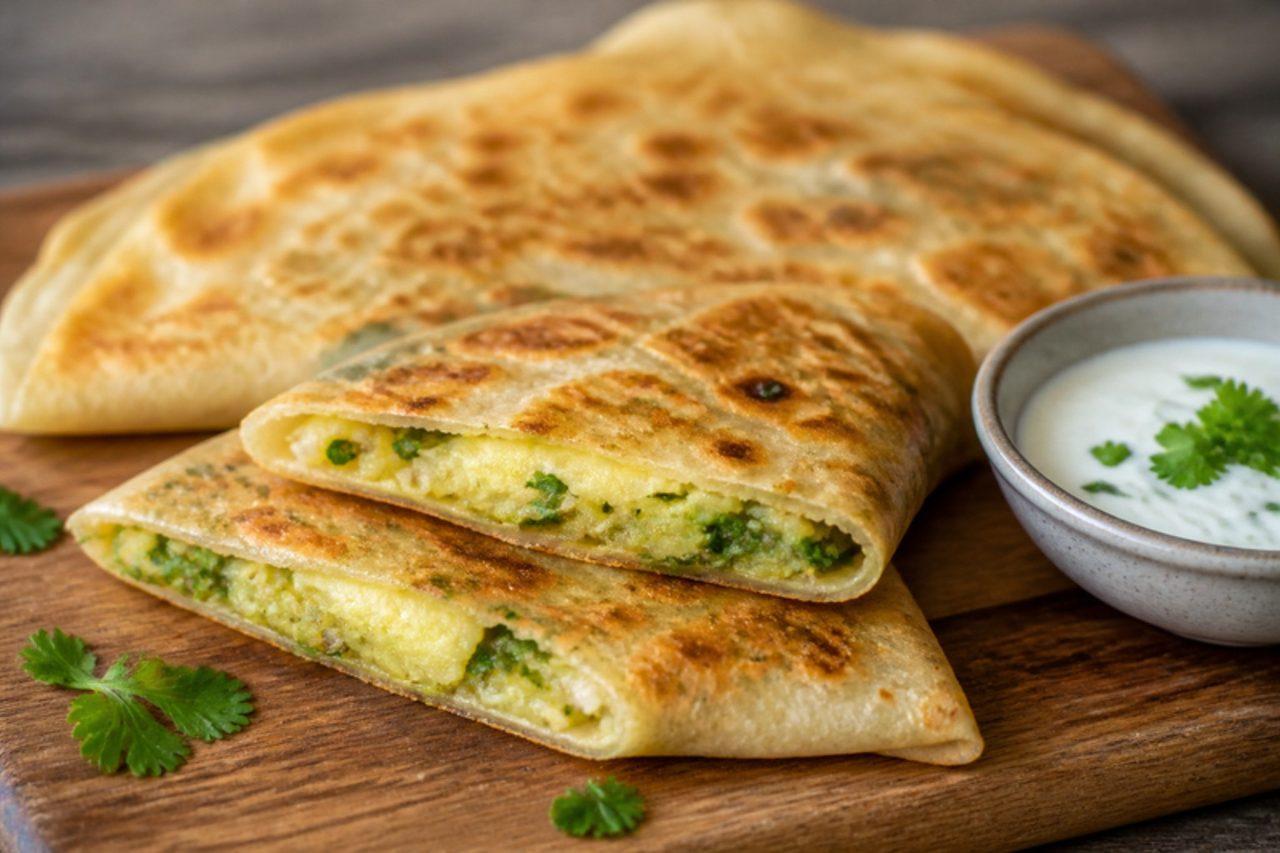
BolaniStuffed flatbread

Bolani are thin, crisp half-moon flatbreads sold hot from griddles in Kabul's bazaars and made at home for Ramadan iftar, picnics and guests who drop in unannounced. The dough is rolled paper-thin, filled with mashed potato and spring onion (or with leeks or pumpkin), folded and fried in a little oil until blistered and golden. Cut them into wedges and serve with plain yoghurt or a green chutney. Chef's tip: spread the filling in a thin, even layer right to the edges; bolani should be flat and crackly, not puffy and doughy.

by KrazyBadal 0 views

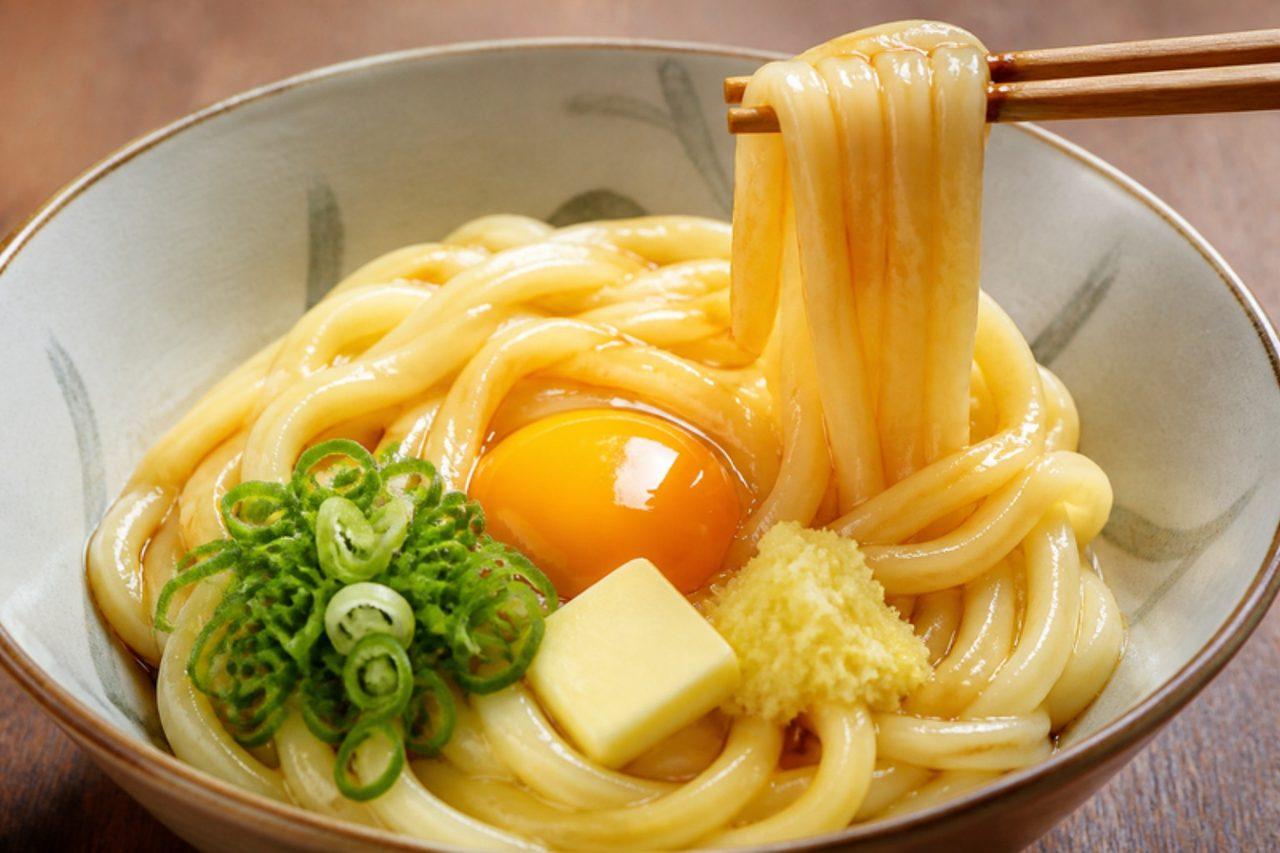
Kamatama udonUdon with raw egg

Kagawa, the smallest prefecture in Japan, eats more udon than anywhere else, and its Sanuki udon is known for a firm, springy bite. Locals queue at self-service udon shops at breakfast, and one of the most popular orders is kamatama: noodles lifted straight from the boiling pot, dropped onto a raw egg and tossed until the heat turns the egg into a glossy coating, a little like carbonara. A splash of soy sauce and some spring onion are all it needs. Use frozen Sanuki-style udon, which is closest to fresh. Chef's tip: warm the bowls and crack the egg in first. The noodles must go in seconds after leaving the water, or the egg won't cook into a sauce.

by KrazyBadal 0 views

BoereworsCoriander-spiced coiled sausage

This sausage contains pork. Boerewors, 'farmer's sausage', is the centre of every South African braai, from a Pretoria back garden to a Durban beach on Heritage Day. A thick coil of coarsely minced beef and pork, perfumed with toasted coriander, nutmeg and cloves and sharpened with vinegar, is grilled over coals and eaten with pap and chakalaka or in a roll as a boerie. Making it takes a sausage stuffer and natural casings, but the spicing is what matters. The classic mistake is pricking the sausage, which lets the juices run out and dries it; never pierce boerewors. Chef's tip: toast the whole coriander seeds until they crackle and grind them coarsely; the bits of seed are the signature of good boerewors.

by KrazyBadal 0 views

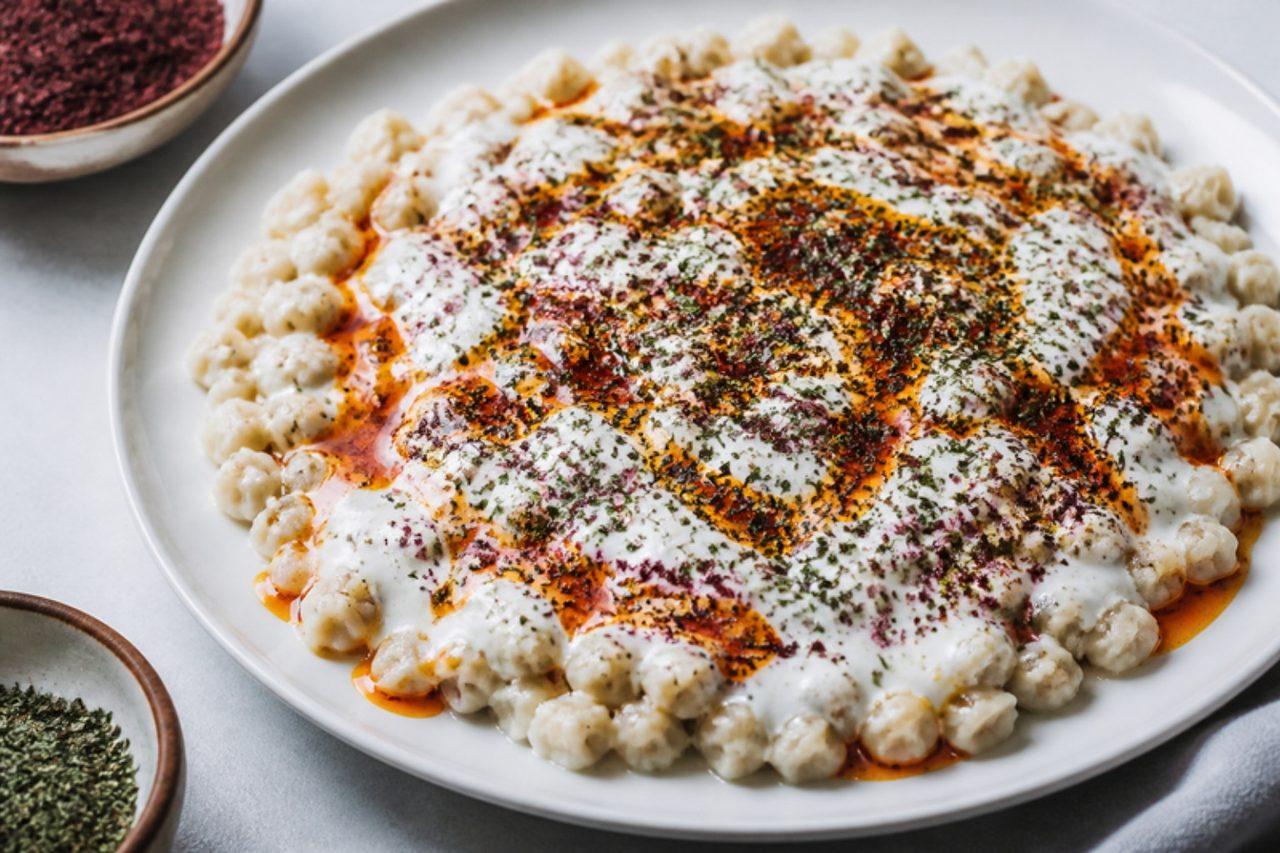
MantıBeef dumplings with garlic yogurt

Kayseri, in central Anatolia, is famous across Turkey for mantı so small that, by local saying, forty should fit on one spoon. Families make big batches together on winter afternoons, rolling the dough thin and pinching each square around a pea of spiced minced meat, and the dumplings were traditionally part of a bride's test in the kitchen. They are boiled and served under garlicky yogurt, then drenched in butter sizzled with red pepper. Chef's tip: make a double batch and freeze the uncooked dumplings on a floured tray; they cook from frozen in about 2 minutes extra.

by KrazyBadal 0 views

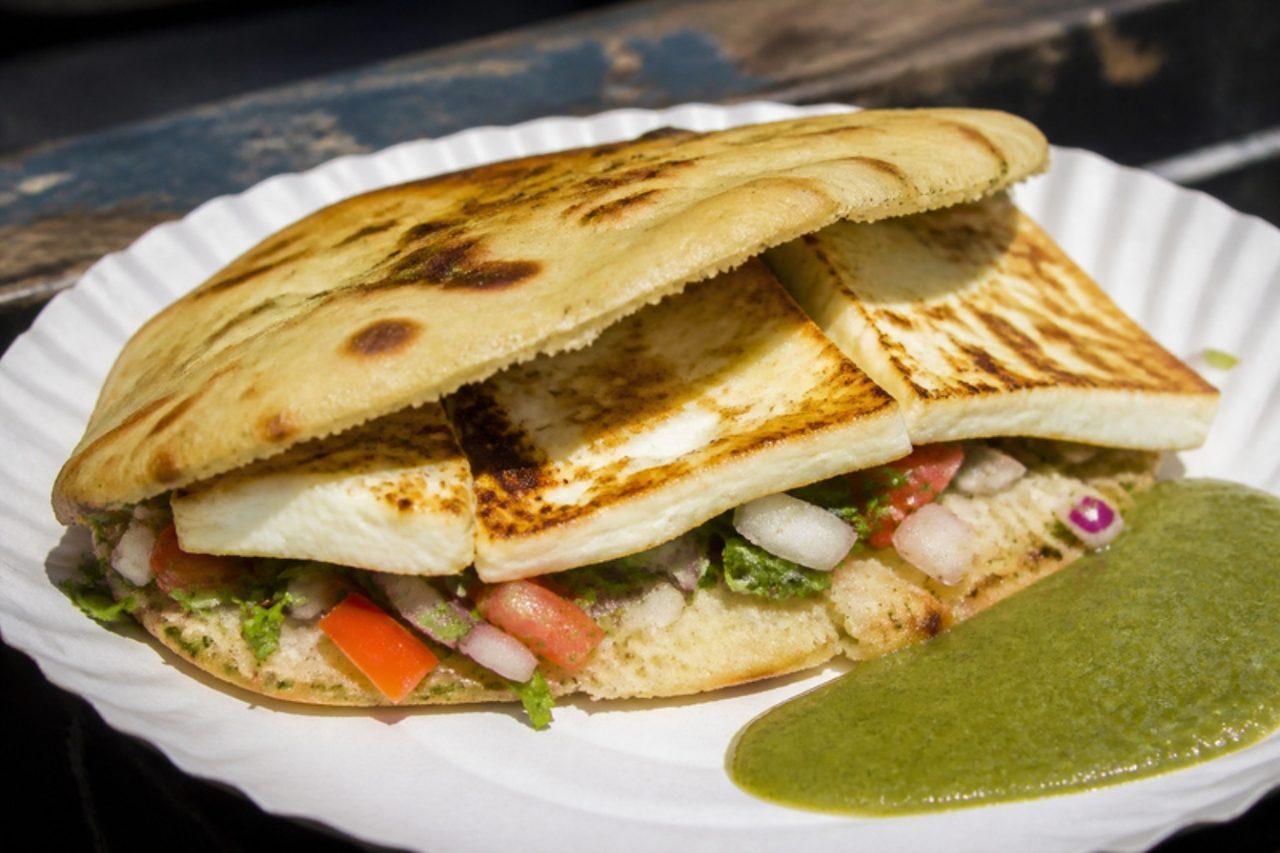
Kalari kulchaCheese-stuffed kulcha

Kalari, also spelt kaladi, is a fresh, stretchy cheese made in the hills around Udhampur and Ramnagar in Jammu, often from buffalo or goat milk. Street sellers in Jammu city lay slices of it on a hot iron tawa with no oil at all: the cheese releases its own fat and fries to a blistered brown crust while the inside turns soft and slightly stringy. They stuff it into a warm kulcha with onion, tomato, green chutney and a shake of chaat masala, and it is eaten standing up, especially on winter evenings. Outside Jammu, use halloumi, which behaves almost the same, or firm paneer with a teaspoon of oil. Chef's tip: dry the cheese slices on kitchen paper first; wet cheese steams instead of crisping.

by KrazyBadal 0 views

Kroeung (Khmer lemongrass paste)Lemongrass and galangal paste

Almost every Khmer kitchen, from Phnom Penh flats to village houses around Siem Reap, starts the day's cooking by pounding kroeung in a heavy stone mortar. This is the yellow kind, coloured with fresh turmeric and built on lemongrass, galangal, makrut lime leaf, garlic and shallot; it goes into amok, samlor korko, noodle curries and stir-fries. Homemade, it smells brighter and more citrusy than any jar, and a batch keeps for a week in the fridge or months in the freezer. Chef's tip: slice the lemongrass into paper-thin rounds across the grain before it goes near the mortar or blender; long fibres never break down and leave the paste stringy.

by KrazyBadal 0 views

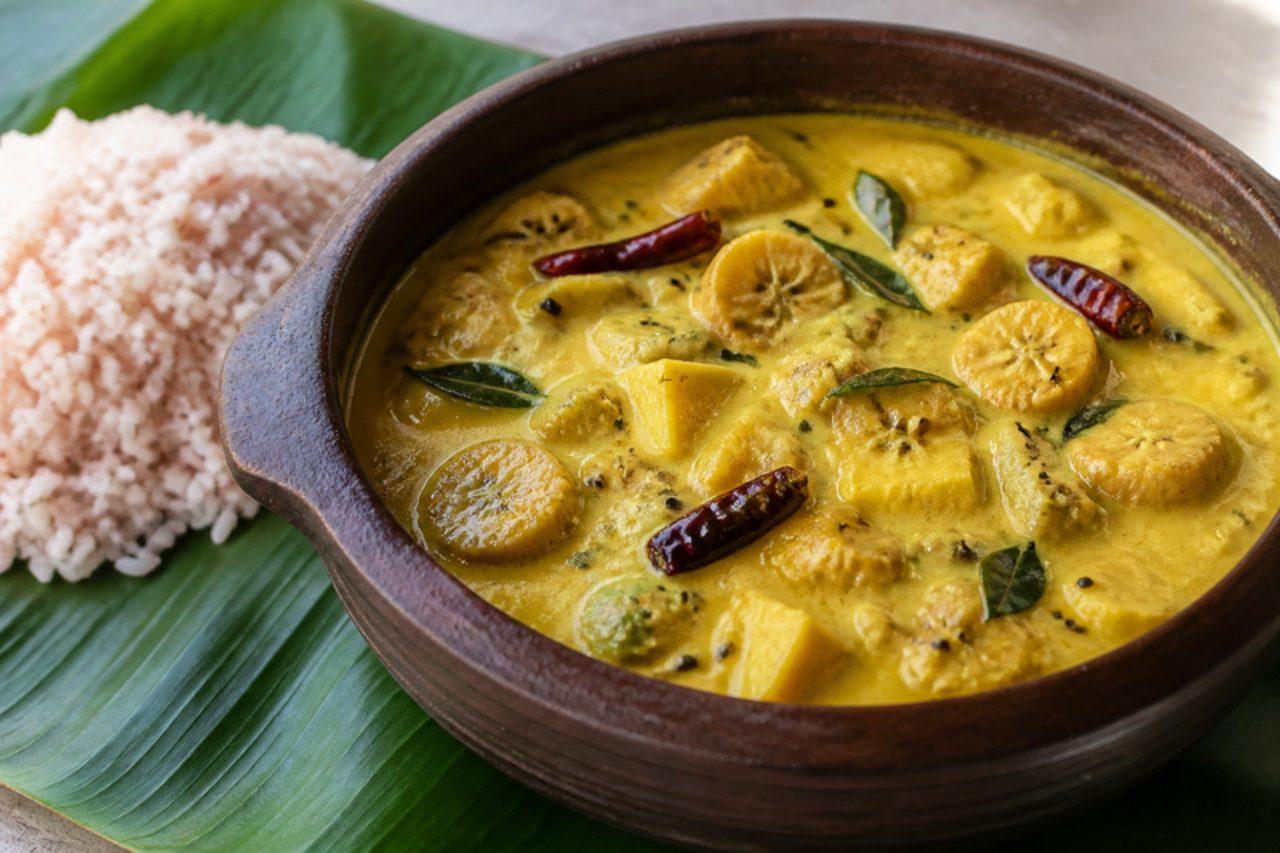
KalanYam and banana yogurt curry

Kalan is one of the old curries of the Onam sadya in central Kerala, made days ahead in temple kitchens and big family homes because it keeps so well. Elephant yam and green nendran banana are cooked with plenty of black pepper, then soured curd is stirred in and slowly reduced until it is thick enough to coat a spoon, before a fine coconut paste goes in. It tastes sharp, peppery and rich, with the toasted fenugreek of the tempering coming through at the end. Spoon a little over hot rice and ghee. Chef's tip: use curd that has sat out for a day and turned properly sour; mild fresh yogurt gives a flat kalan.

by KrazyBadal 0 views

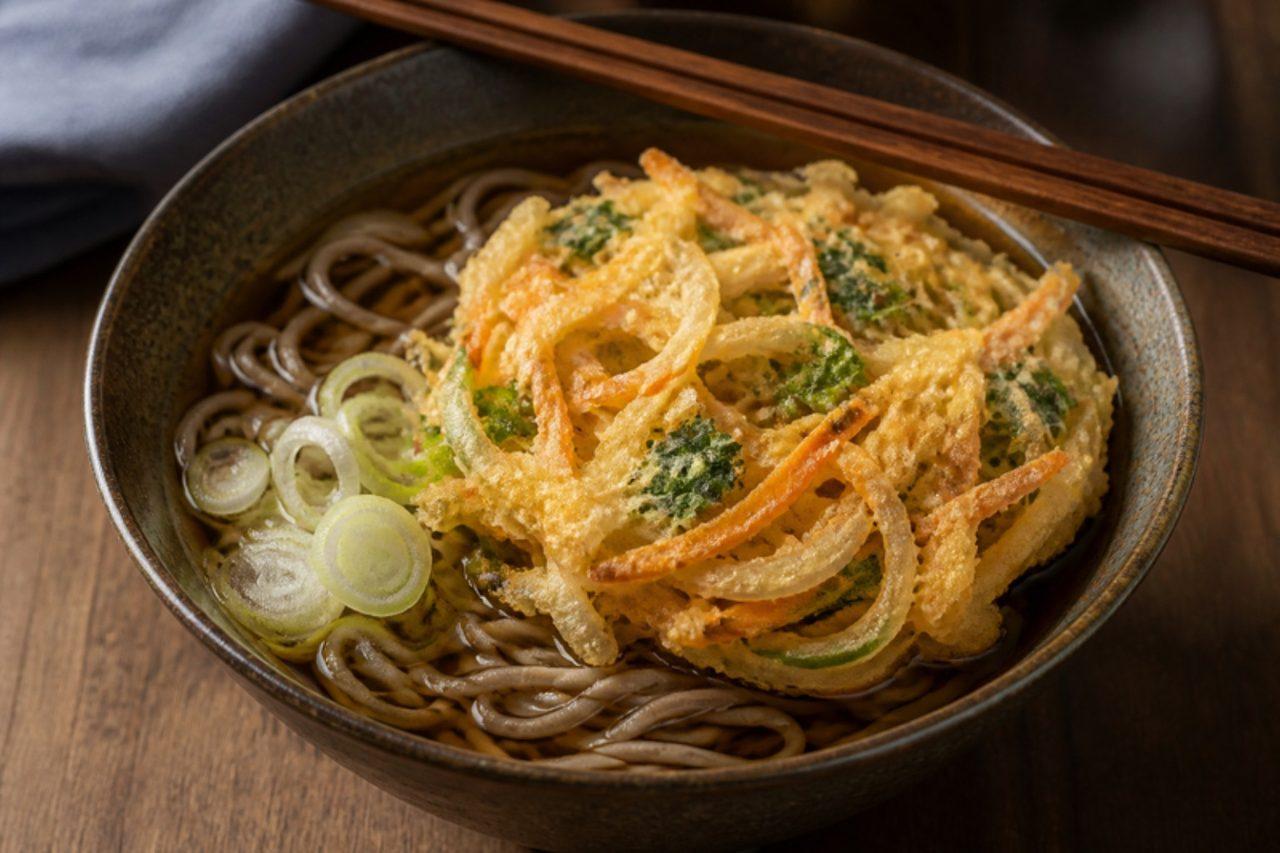
Kakiage sobaBuckwheat noodles with vegetable tempura

In Tokyo, hot soba with a fritter on top is the city's fast food. Standing soba counters near train stations, called tachigui soba, have served it to commuters since the Edo period, when soba and tempura stalls stood side by side. The fritter here is kakiage: a loose nest of onion, carrot and greens held together with just enough batter to fry into a lacy disc. It softens a little in the broth and flavours it with toasty oil, which is why many Tokyoites eat half of it crisp and let the rest soak. Our broth uses kombu and shiitake instead of bonito. Chef's tip: slide the kakiage into the oil off a flat spatula or ladle, and don't touch it for the first minute. It needs that time to set, or it falls apart.

by KrazyBadal 0 views

Kak'ikTurkey and chilli soup

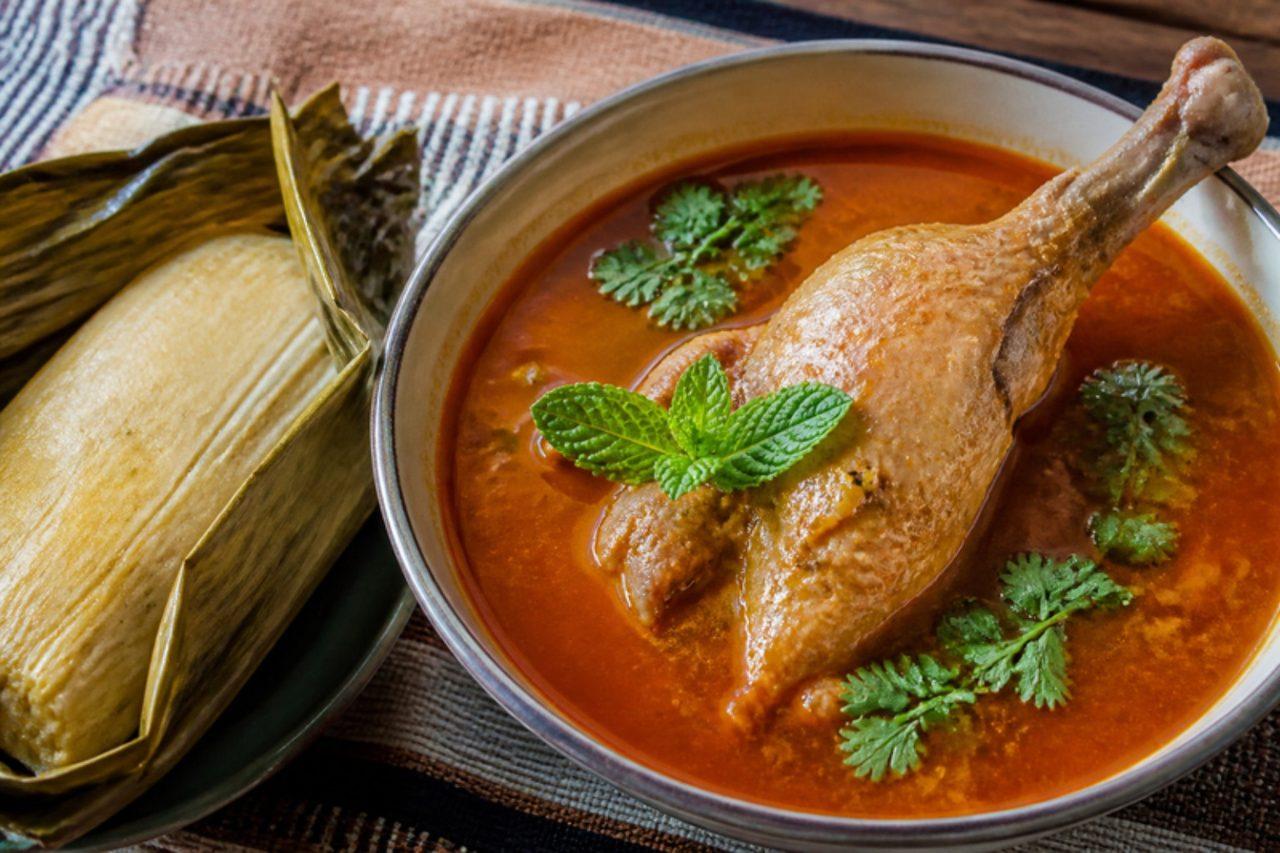
Kak'ik is a red, aromatic turkey soup from the Q'eqchi' Maya of Alta Verapaz, around Cobán, and is cooked for weddings, saints' days and Christmas; it is now recognised as part of Guatemala's cultural heritage. Turkey legs simmer in a broth flavoured with toasted tomatoes, guajillo and pasa chillies, achiote, coriander and mint, and it is served with tamalitos or rice. The mistake is not toasting the chillies and tomatoes; the slight char gives the soup its smoky depth. Chef's tip: toast the dried chillies only for seconds, until they puff and smell fruity, or they turn bitter.

by KrazyBadal 0 views

Showing 81 of 7,888 recipes

Show more recipes

Page 697 of 877